Builds word mastery through parts of speech, Greek and Latin roots, and morphological analysis of prefixes and suffixes. Develops nuanced comprehension using context clues, shades of meaning, and idiomatic expressions.
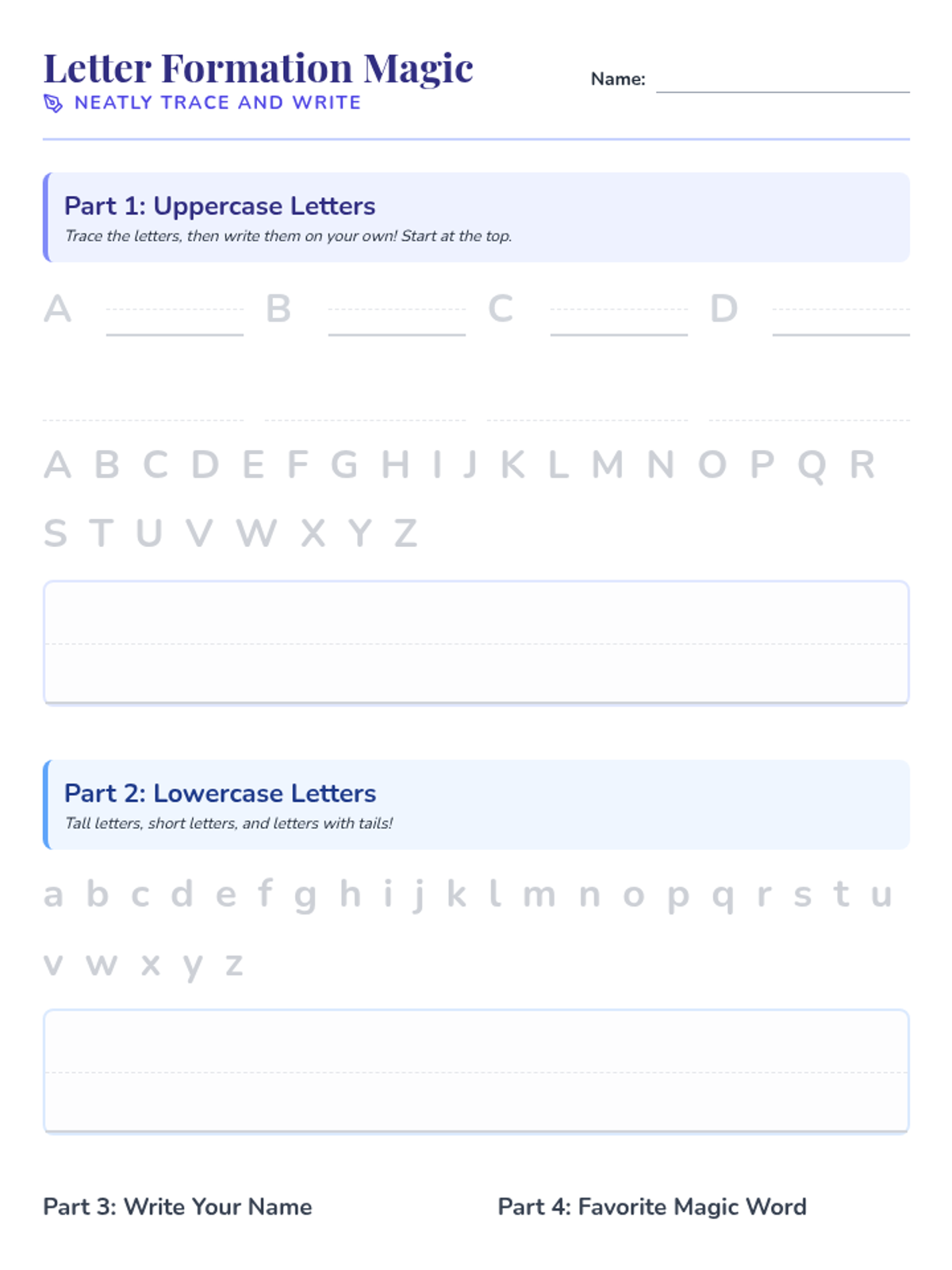
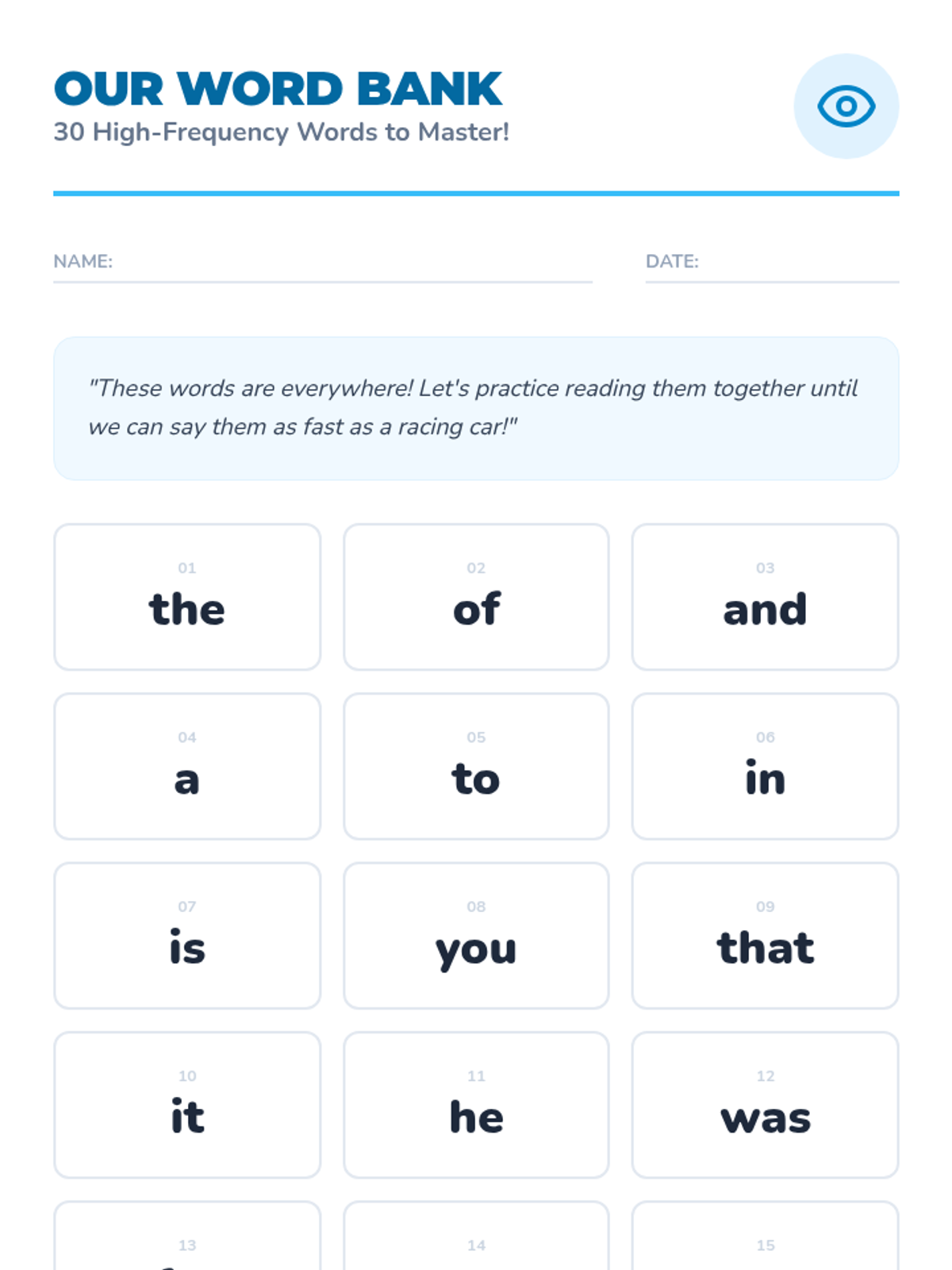
An inquiry-based science and literacy curriculum for grades 1-3 that combines foundational scientific concepts with high-frequency sight word mastery and precision handwriting practice.
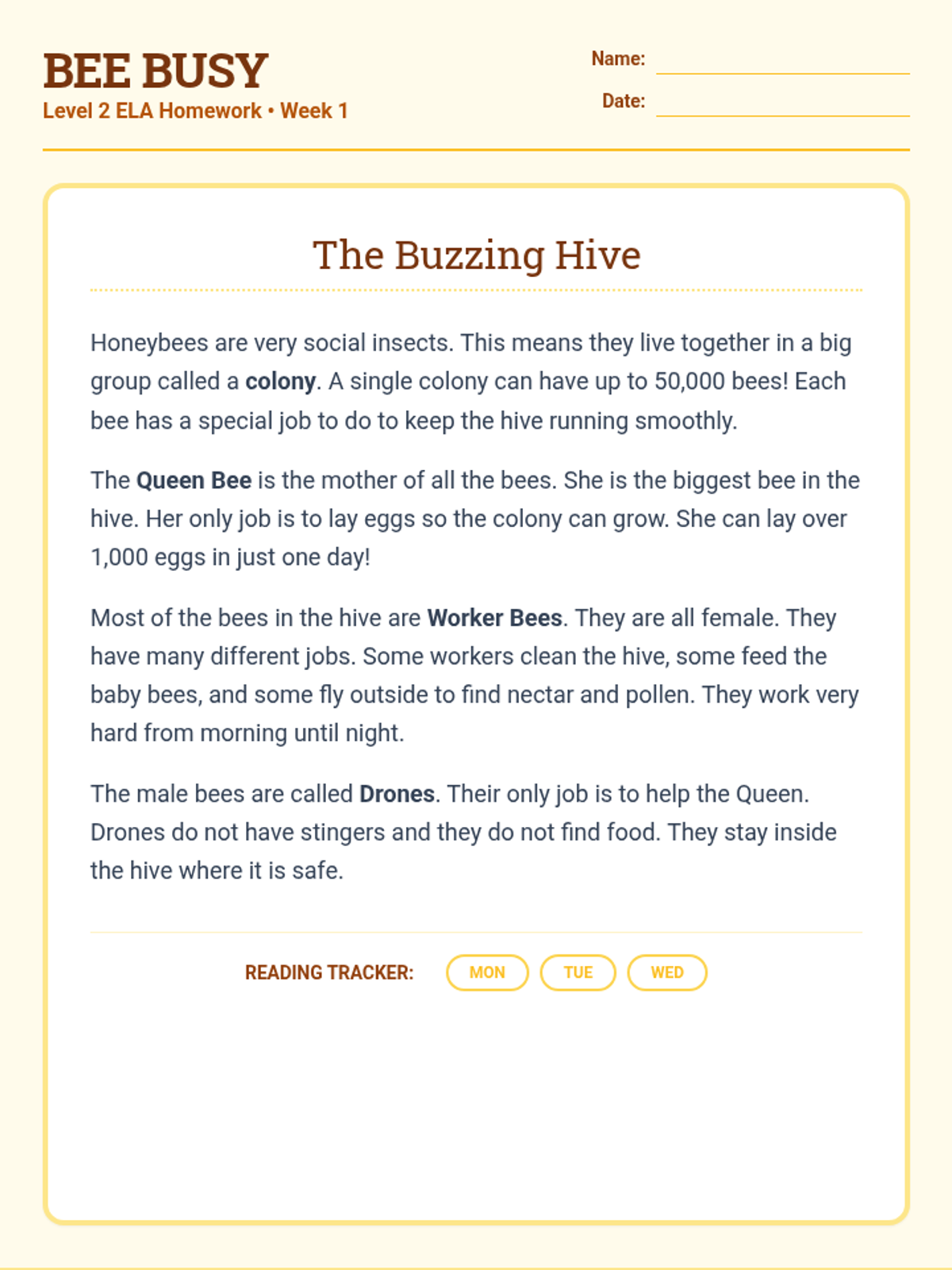
Differentiated ELA homework packets centered on the lives and importance of honeybees, organized by complexity levels.
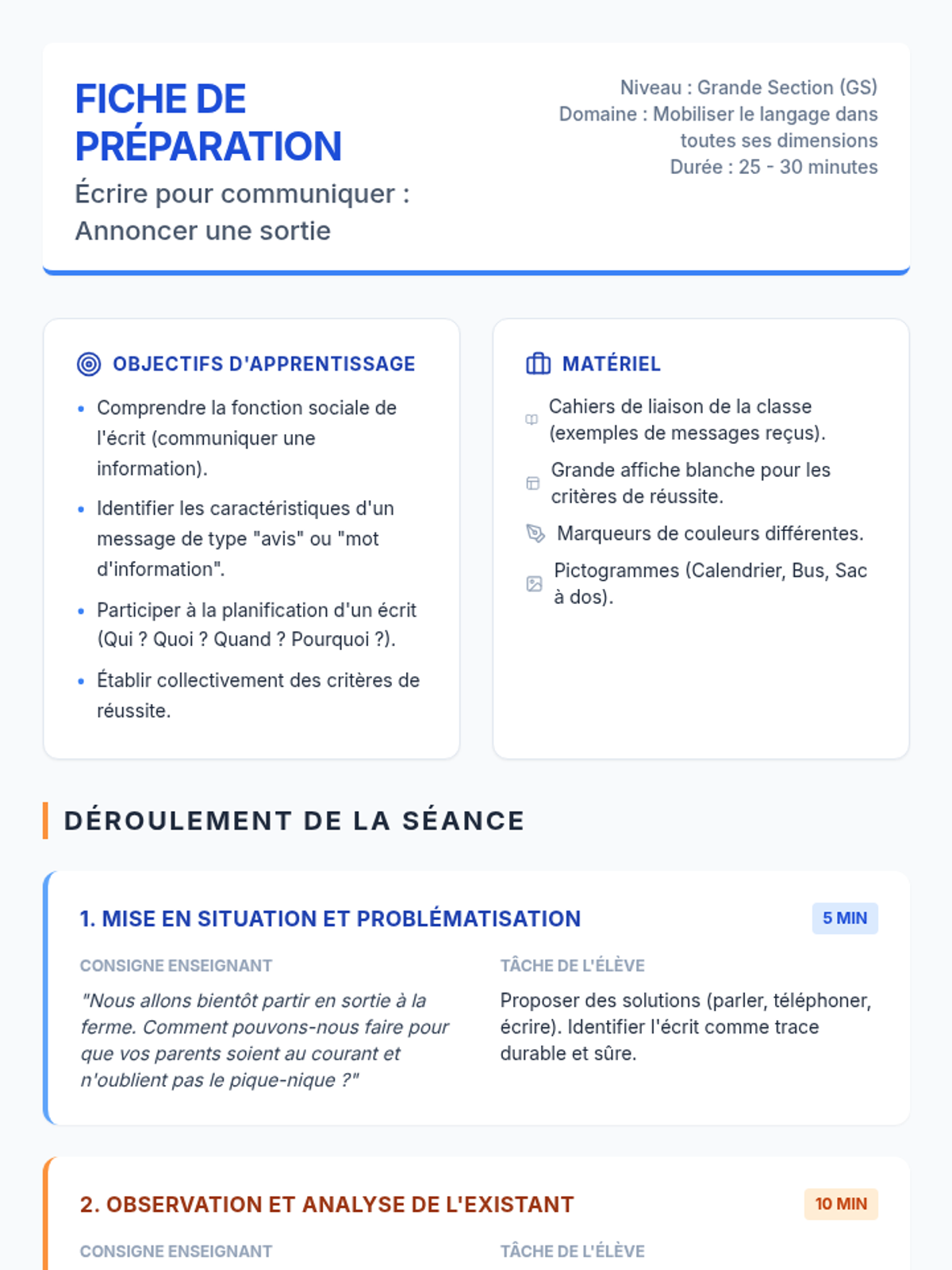
Une série de modules de formation destinés aux conseillers pédagogiques pour renforcer leur expertise en ingénierie de formation continue, spécifiquement appliquée à l'enseignement du français à l'école primaire.
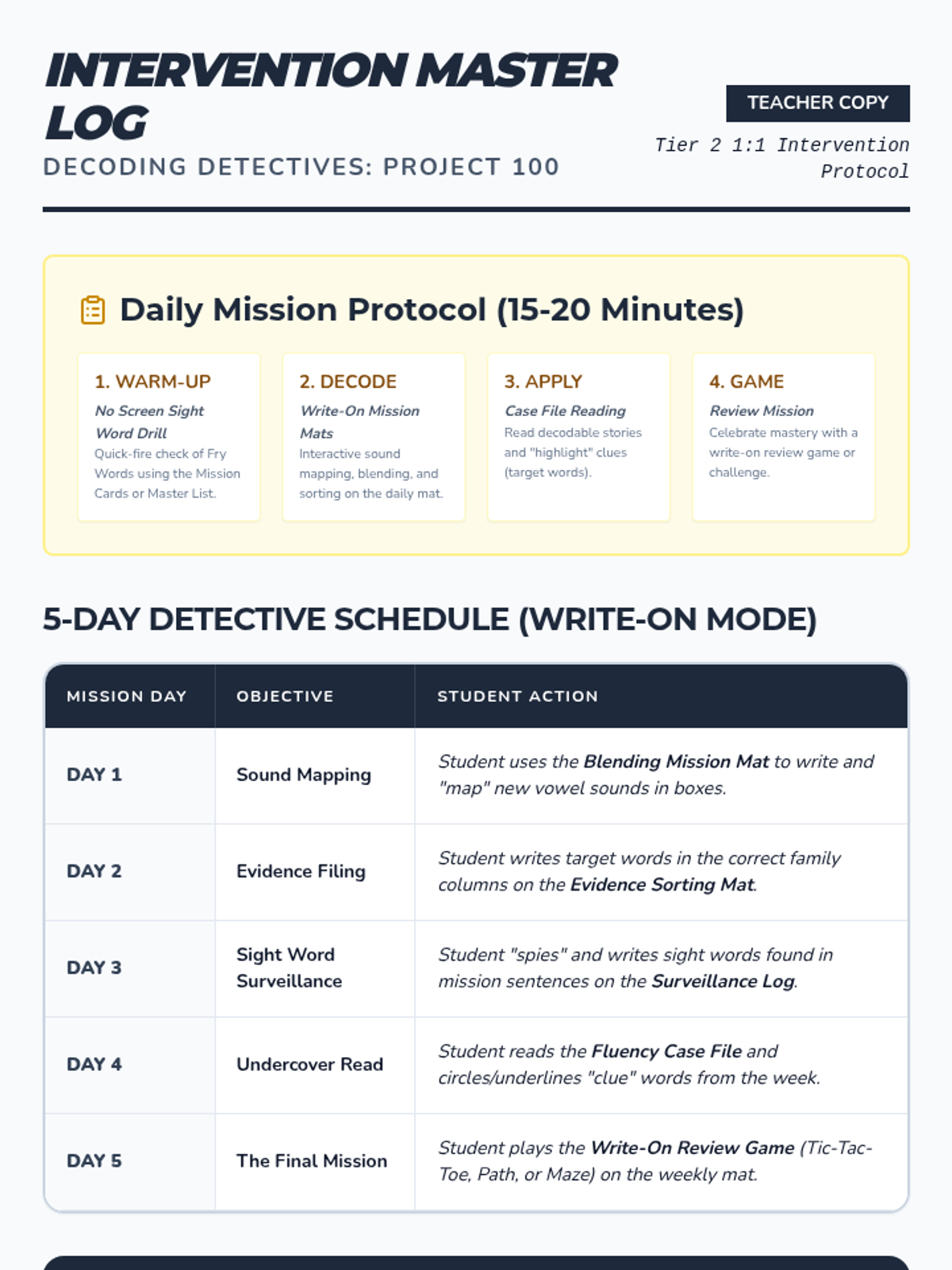
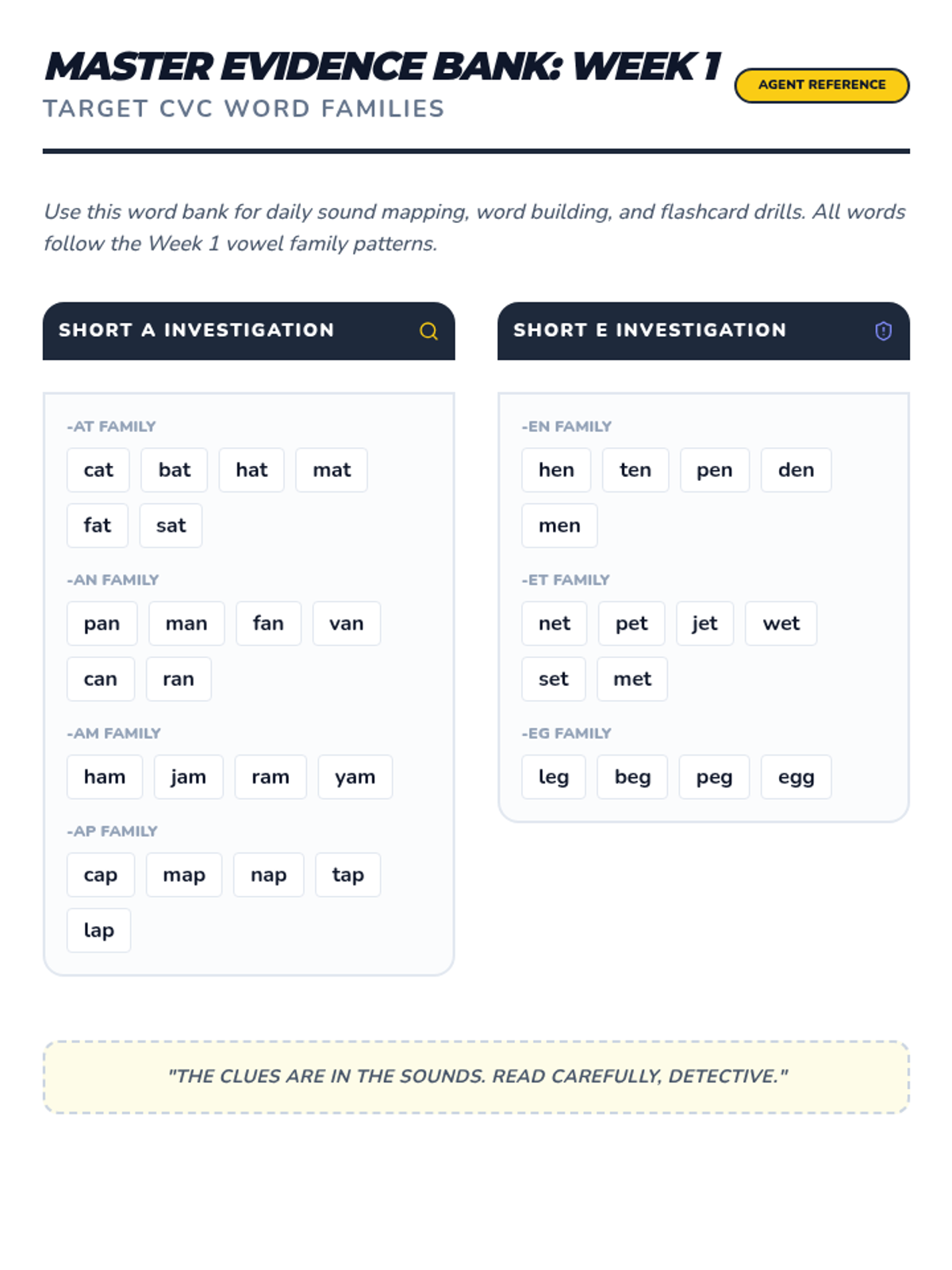
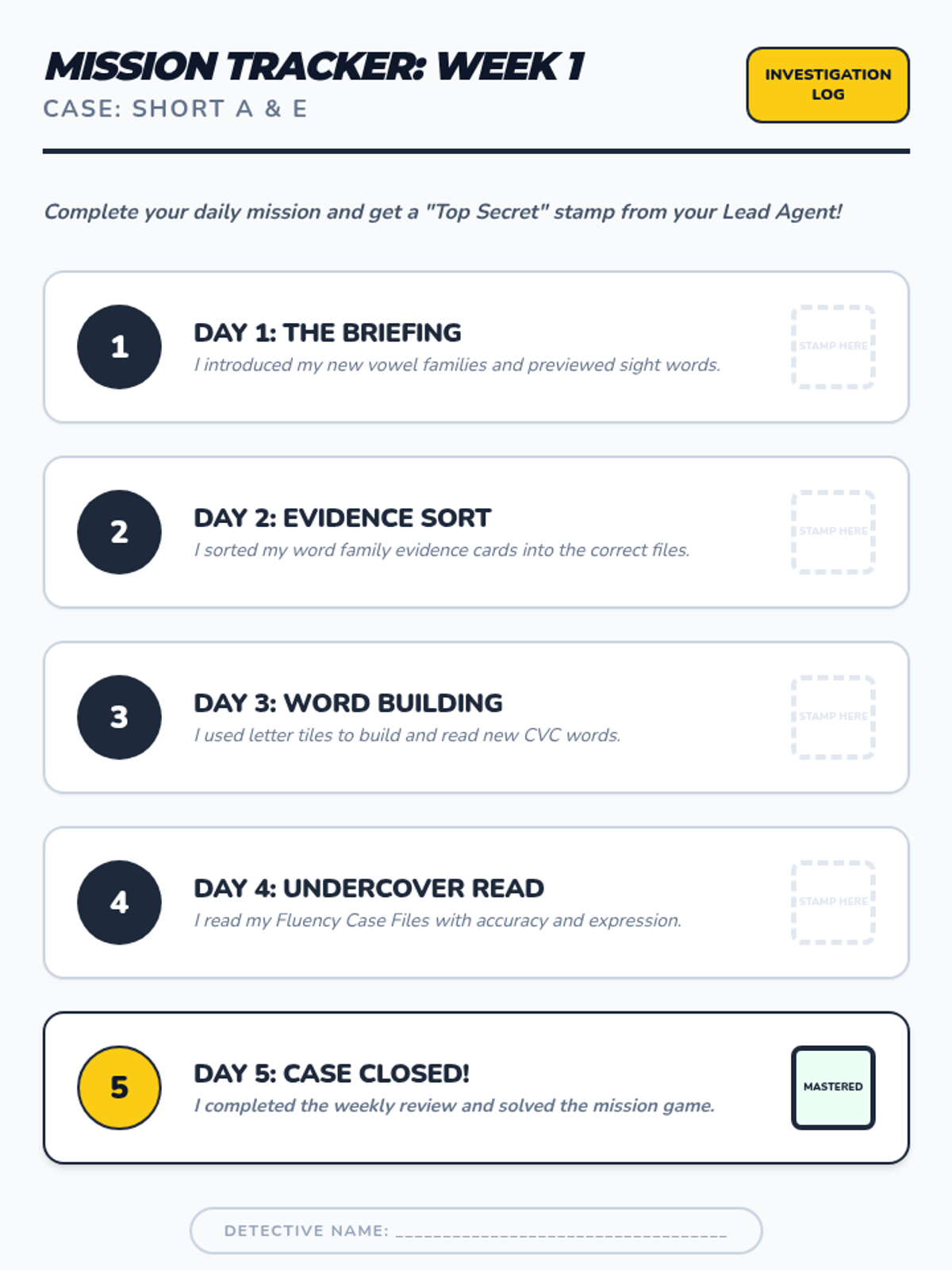
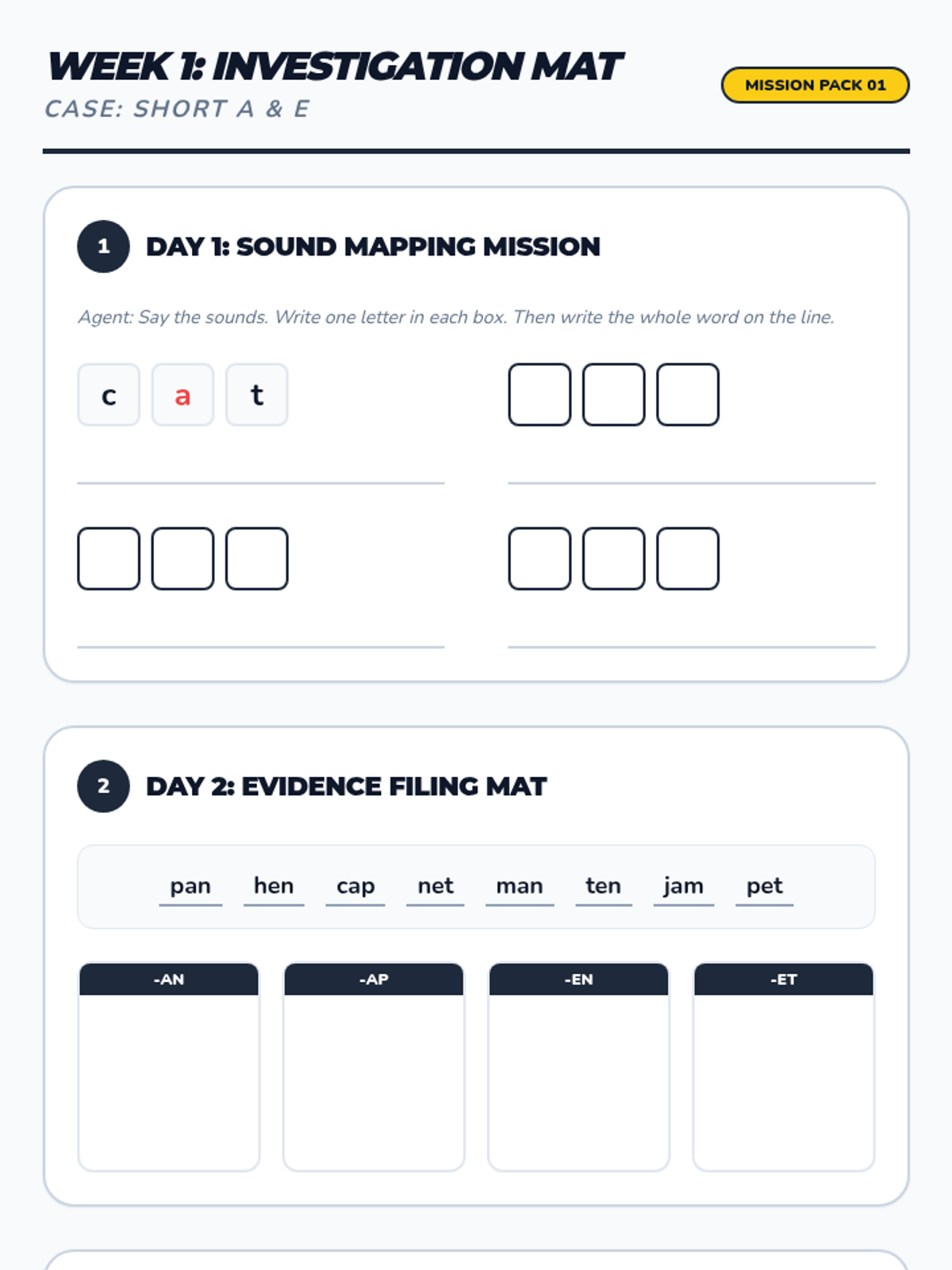
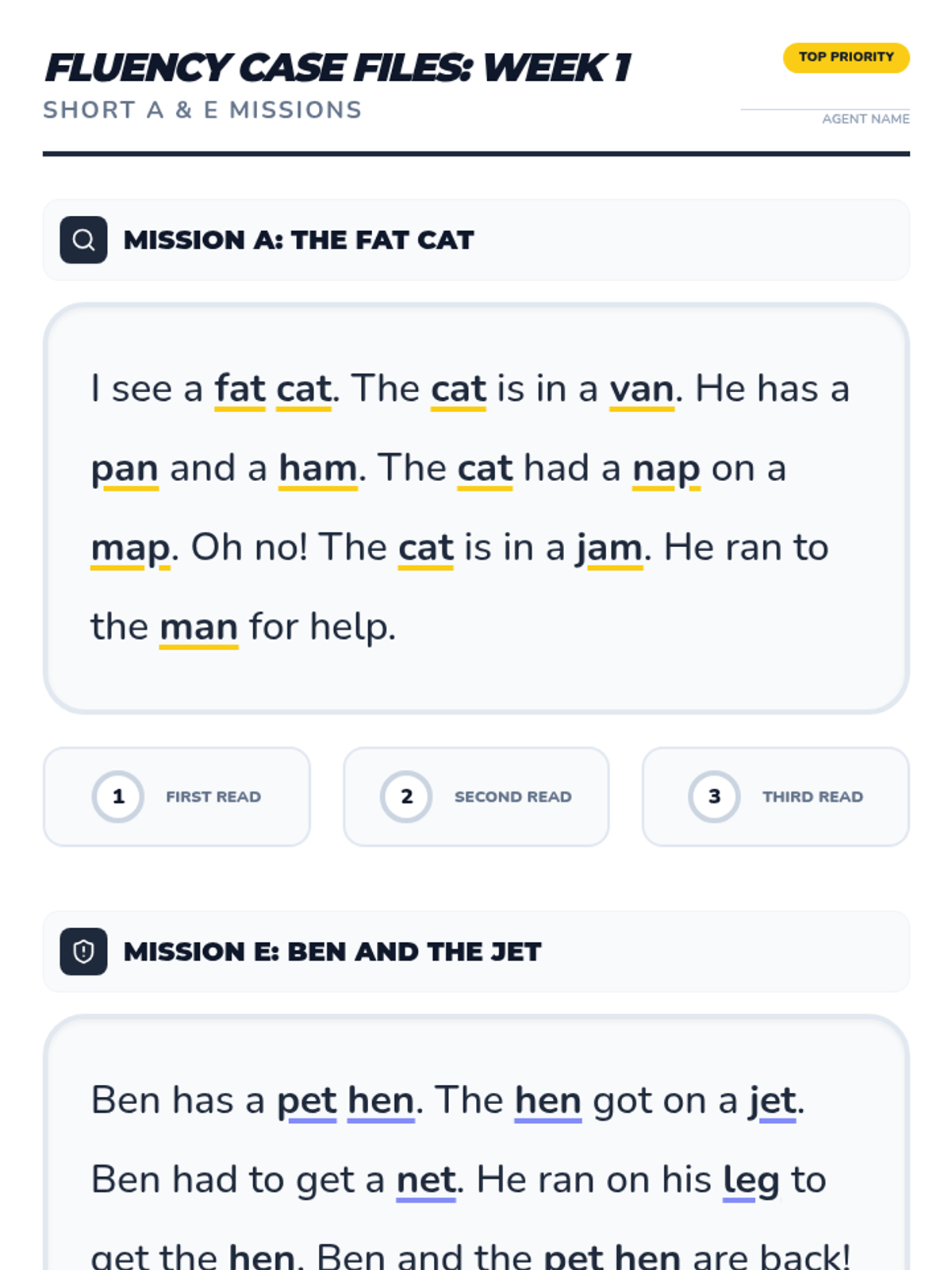
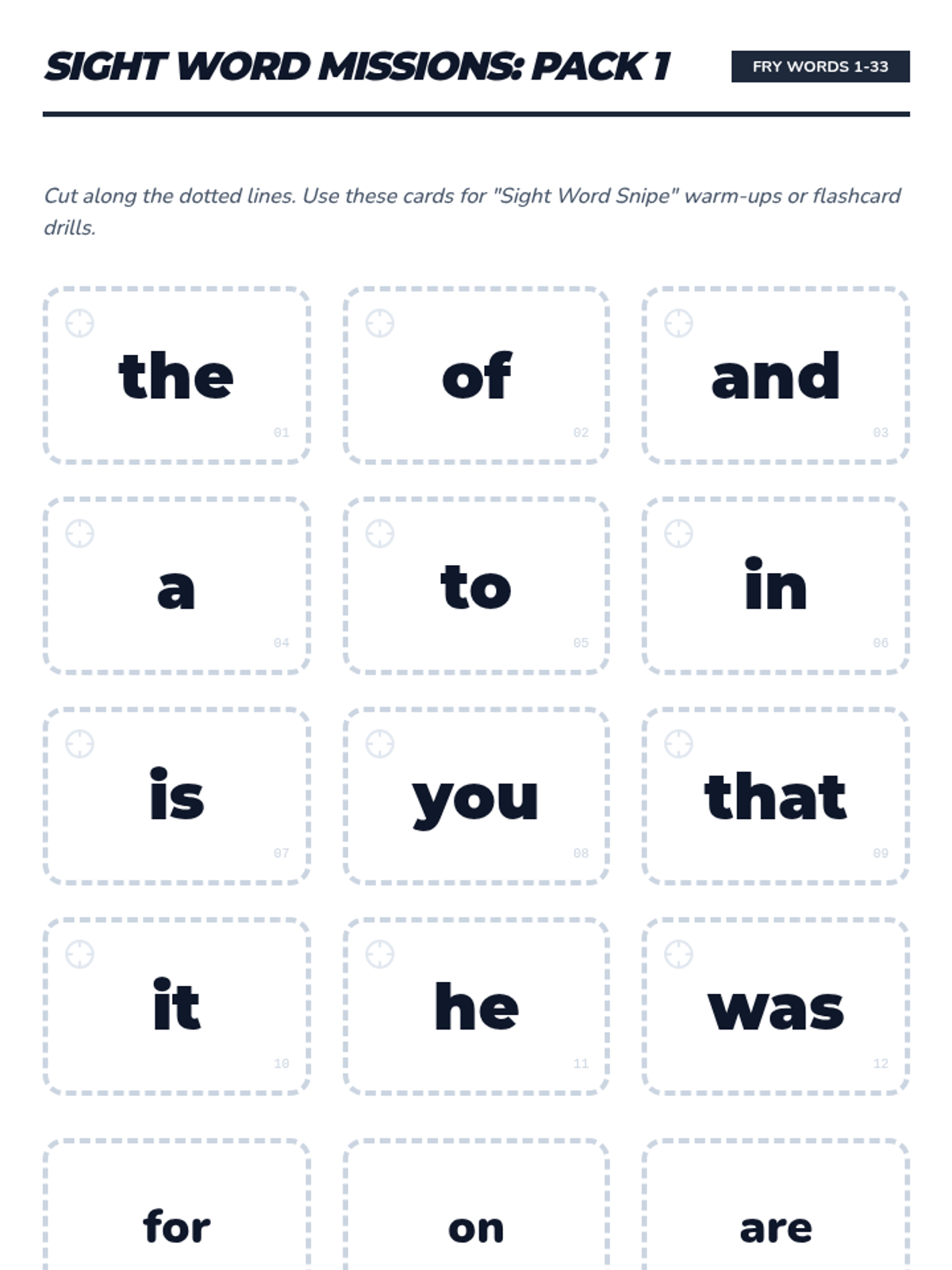
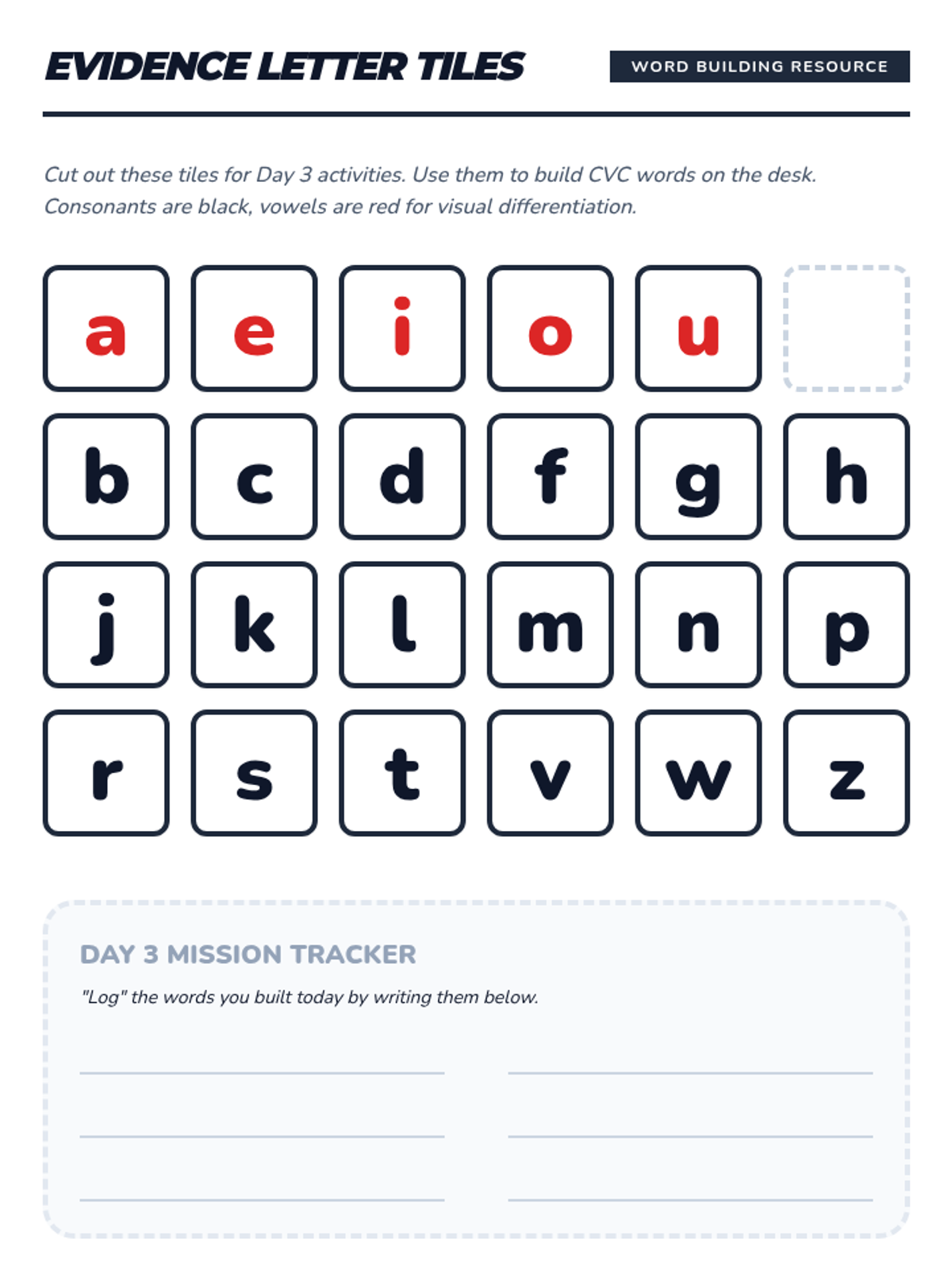
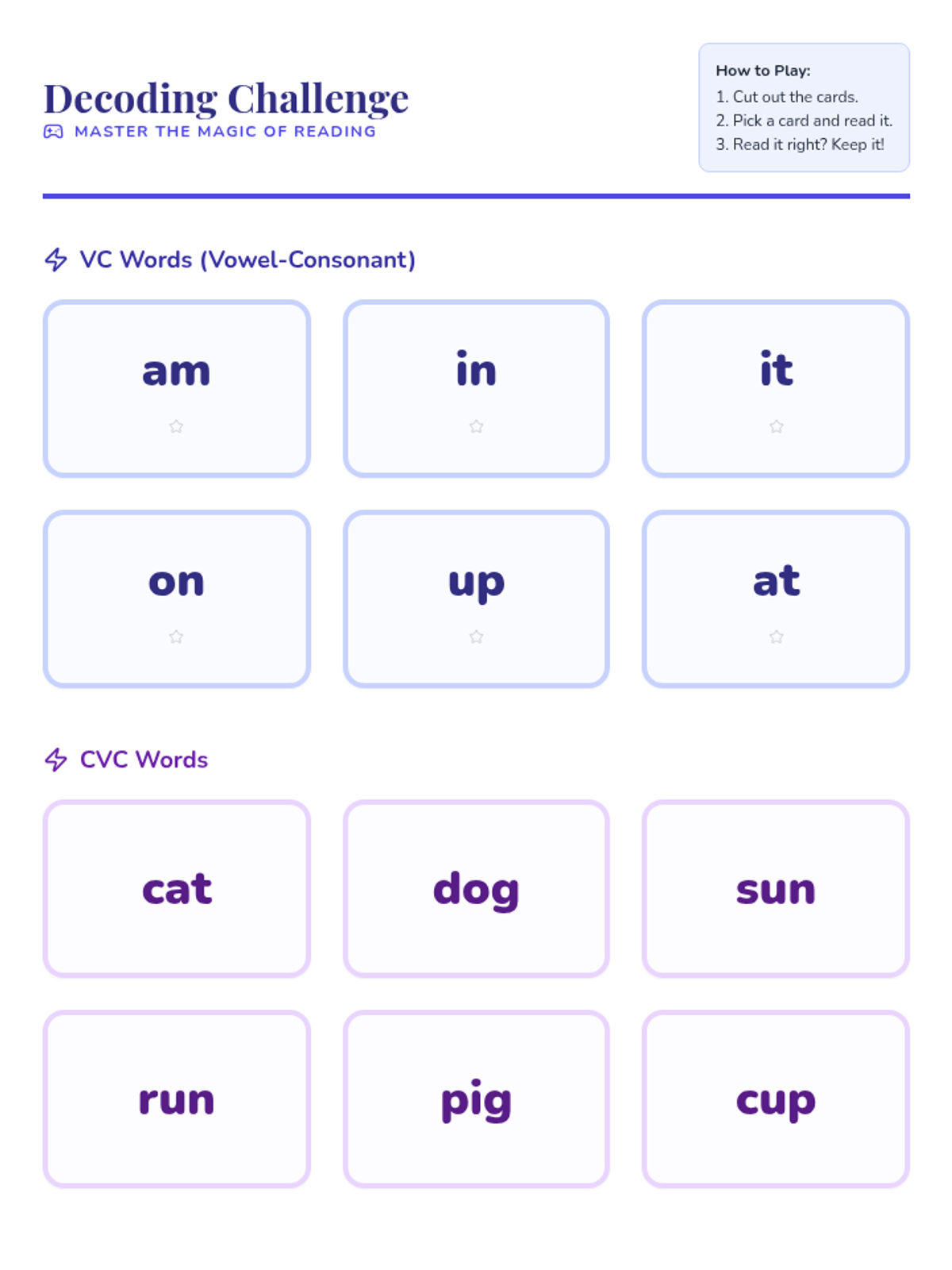
A 3-week Tier 2 intervention program for first graders focusing on CVC word families and the Fry First 100 Sight Words. This 'Decoding Detectives' themed unit uses daily routines, fluency passages, and interactive games to build decoding speed and sight word recognition.
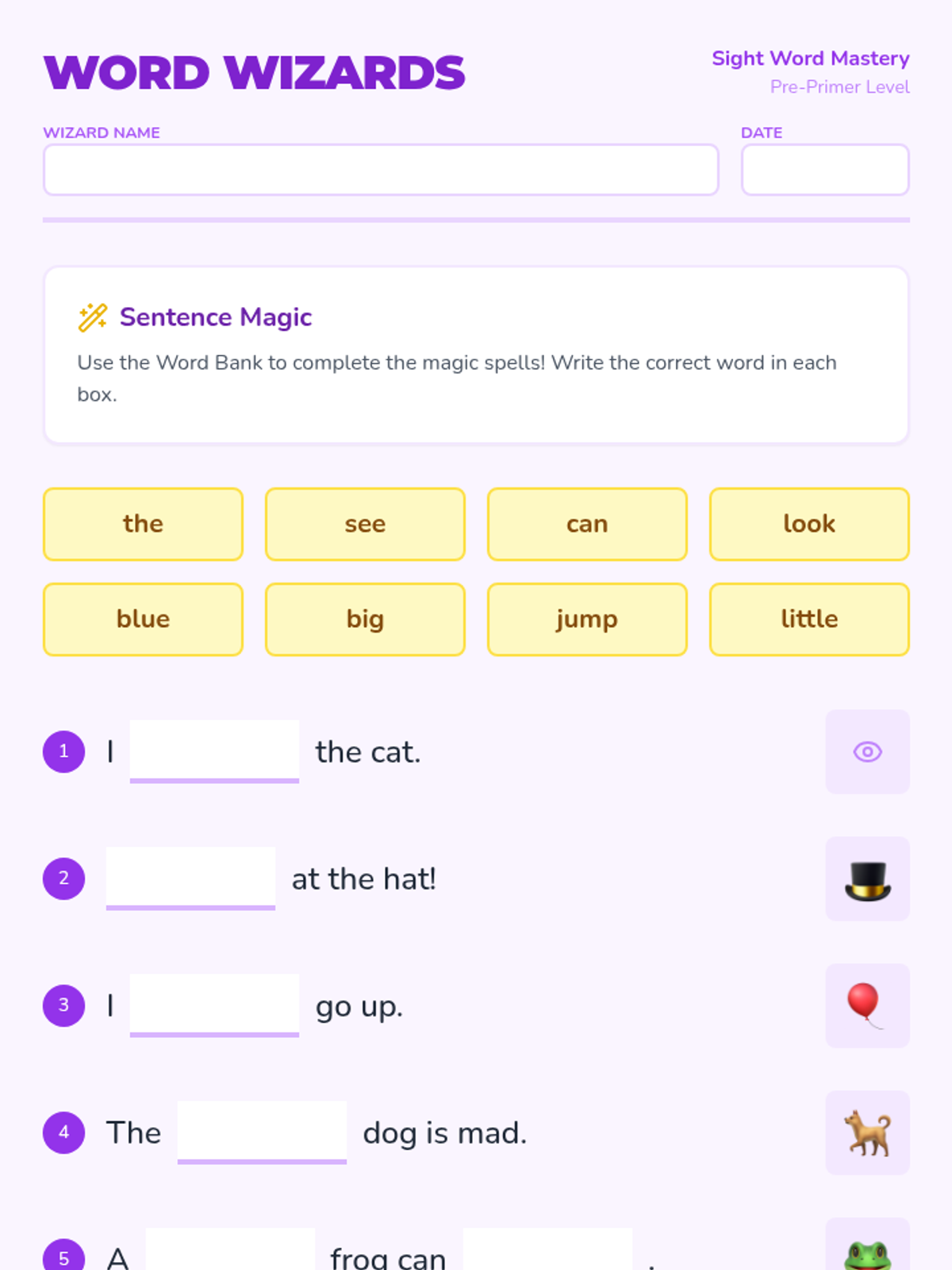
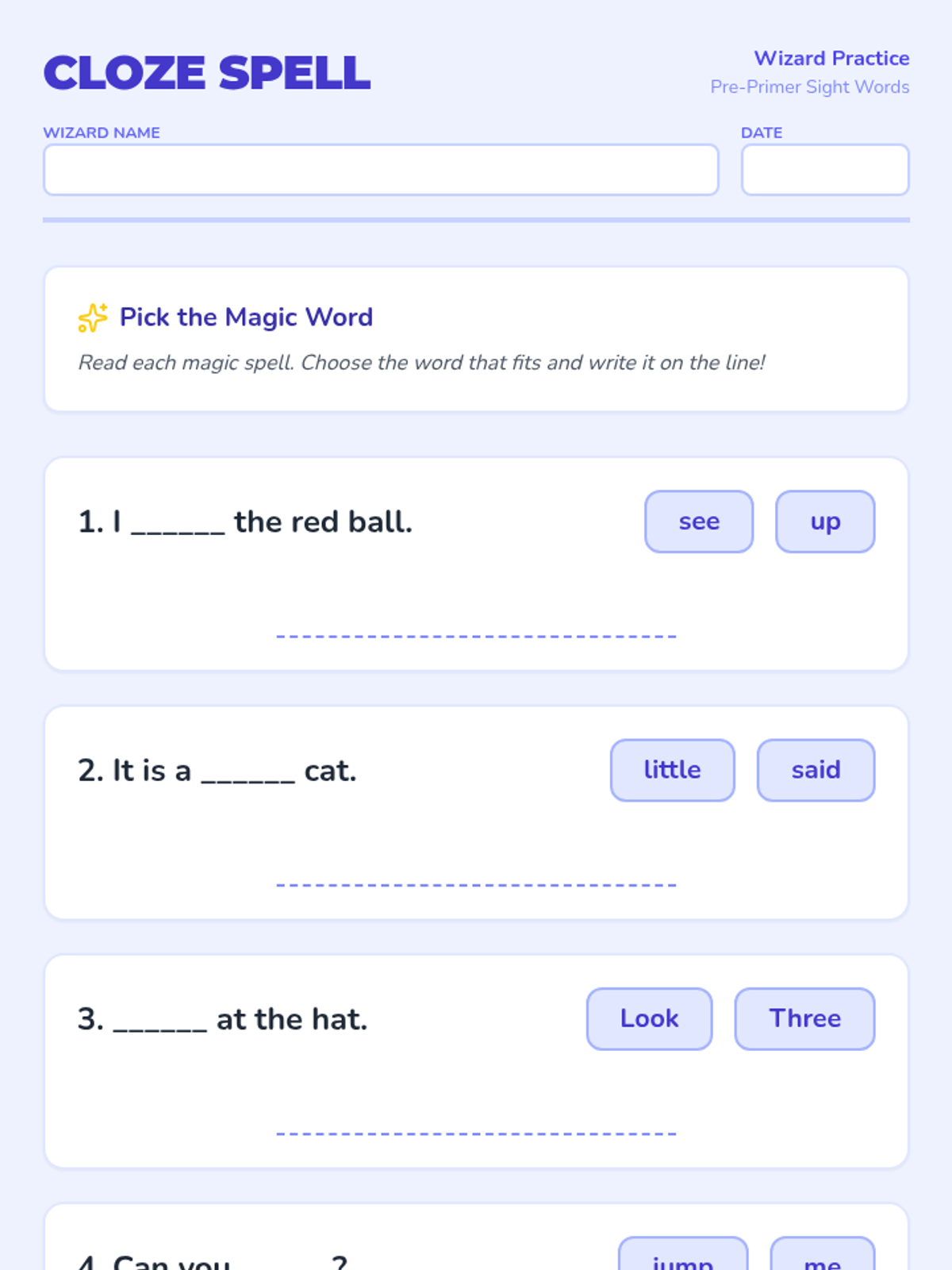
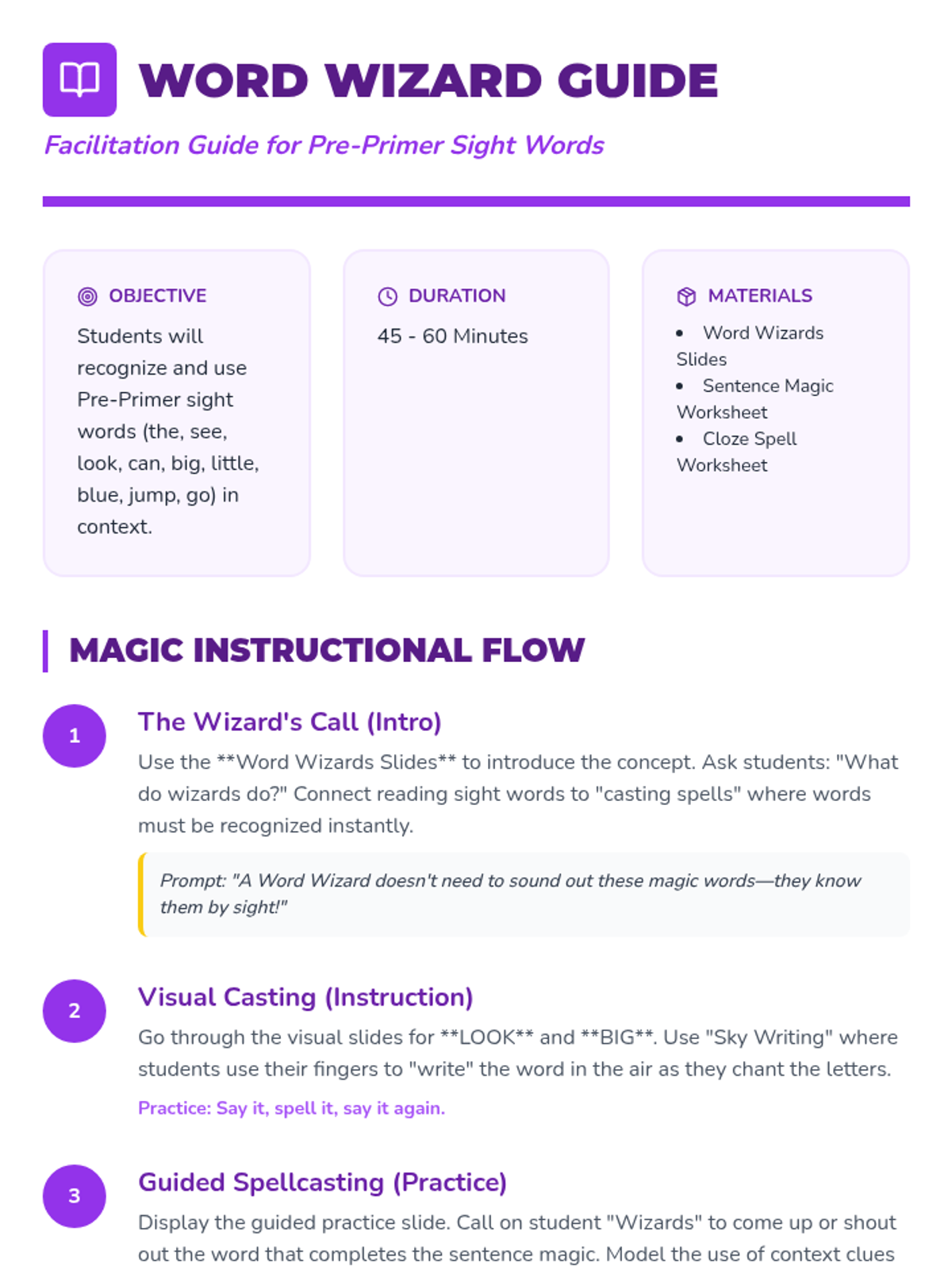
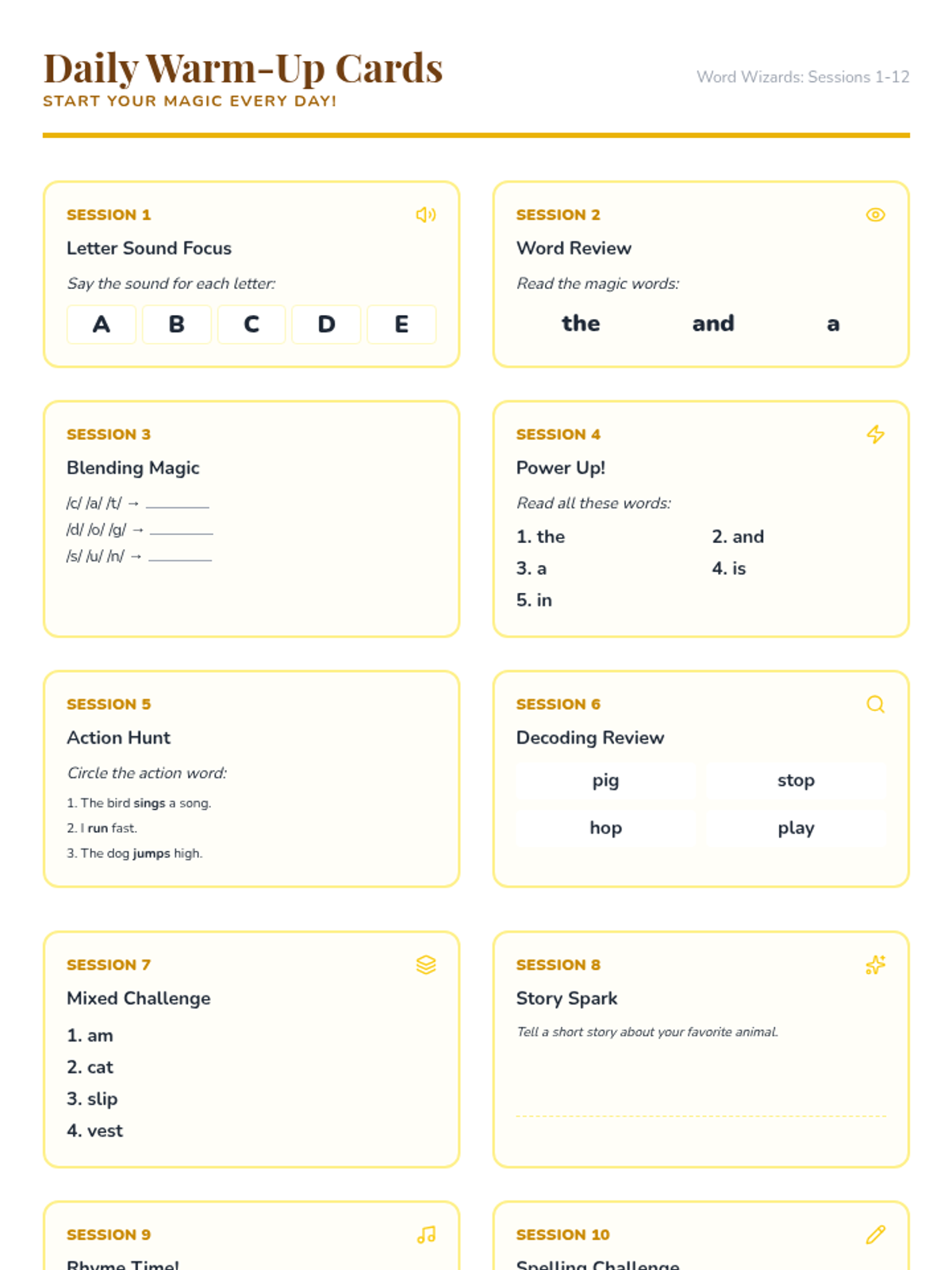
A comprehensive sight word curriculum using a magical wizard theme to master high-frequency words from Pre-Primer through Primer levels.
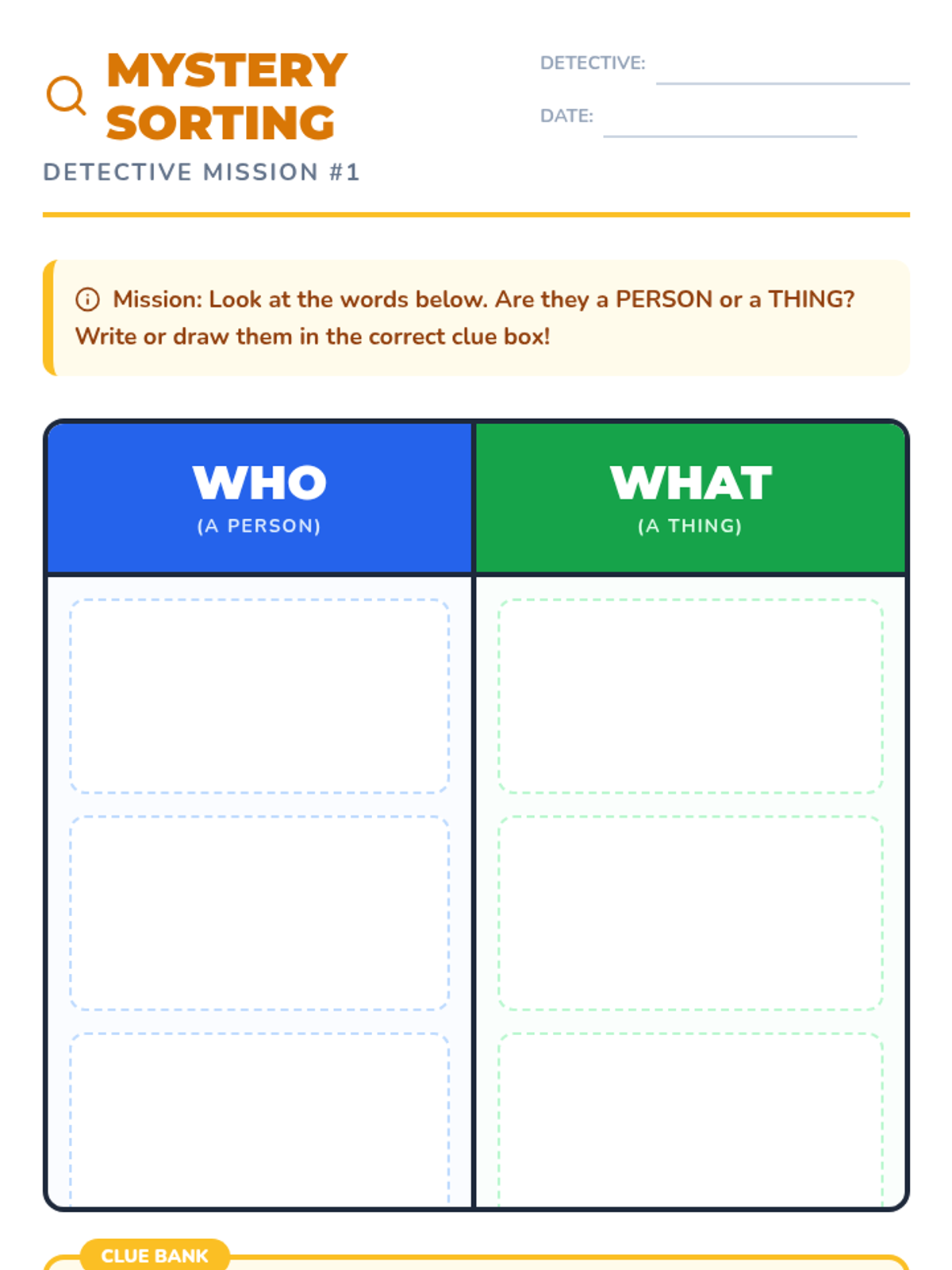
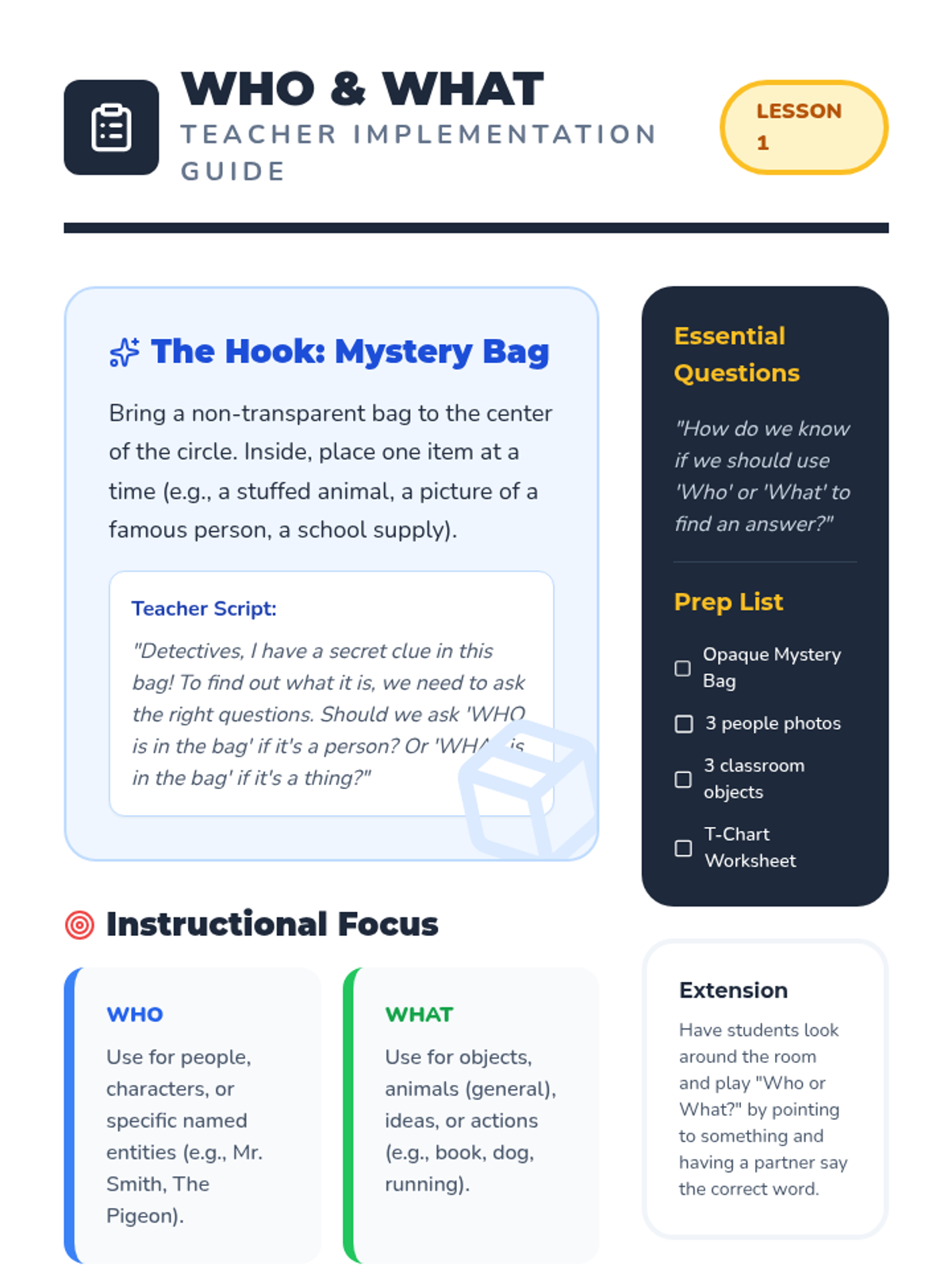
A comprehensive introduction to the six primary question words (who, what, where, when, why, and how) for first-grade students. Through a 'Question Detective' theme, students learn to categorize information, match interrogatives to specific answer types, and conduct peer interviews to gather details.
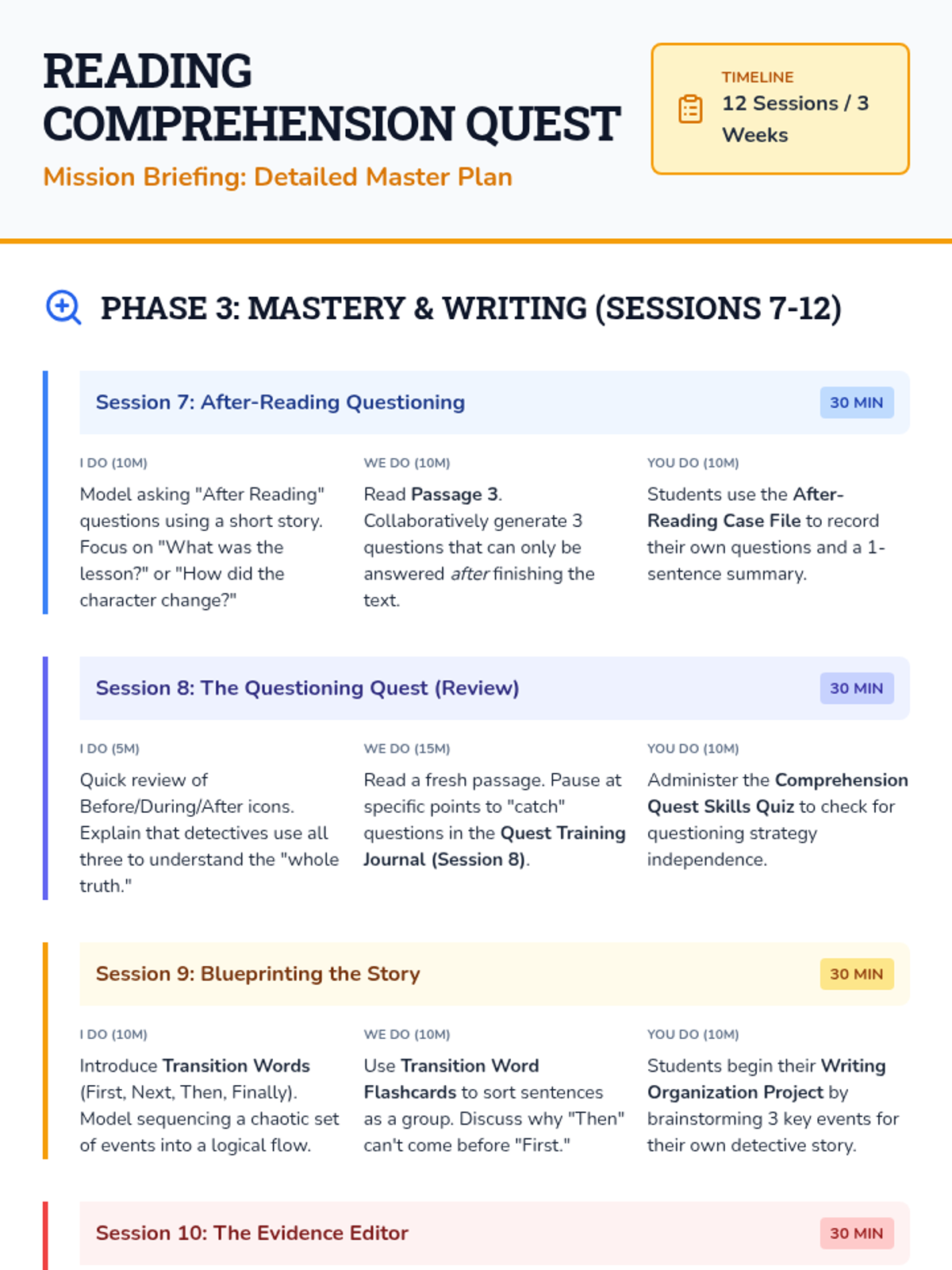
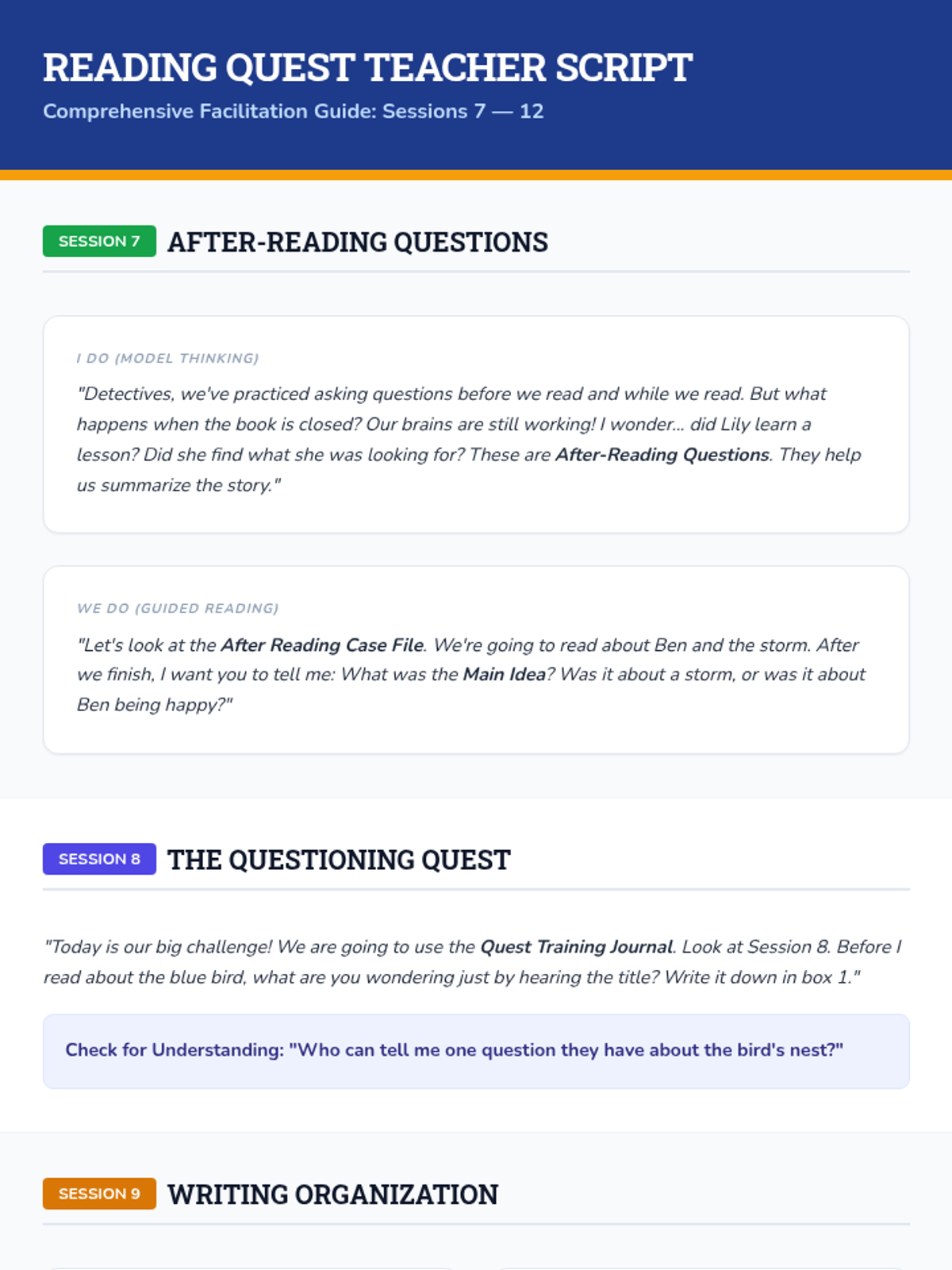
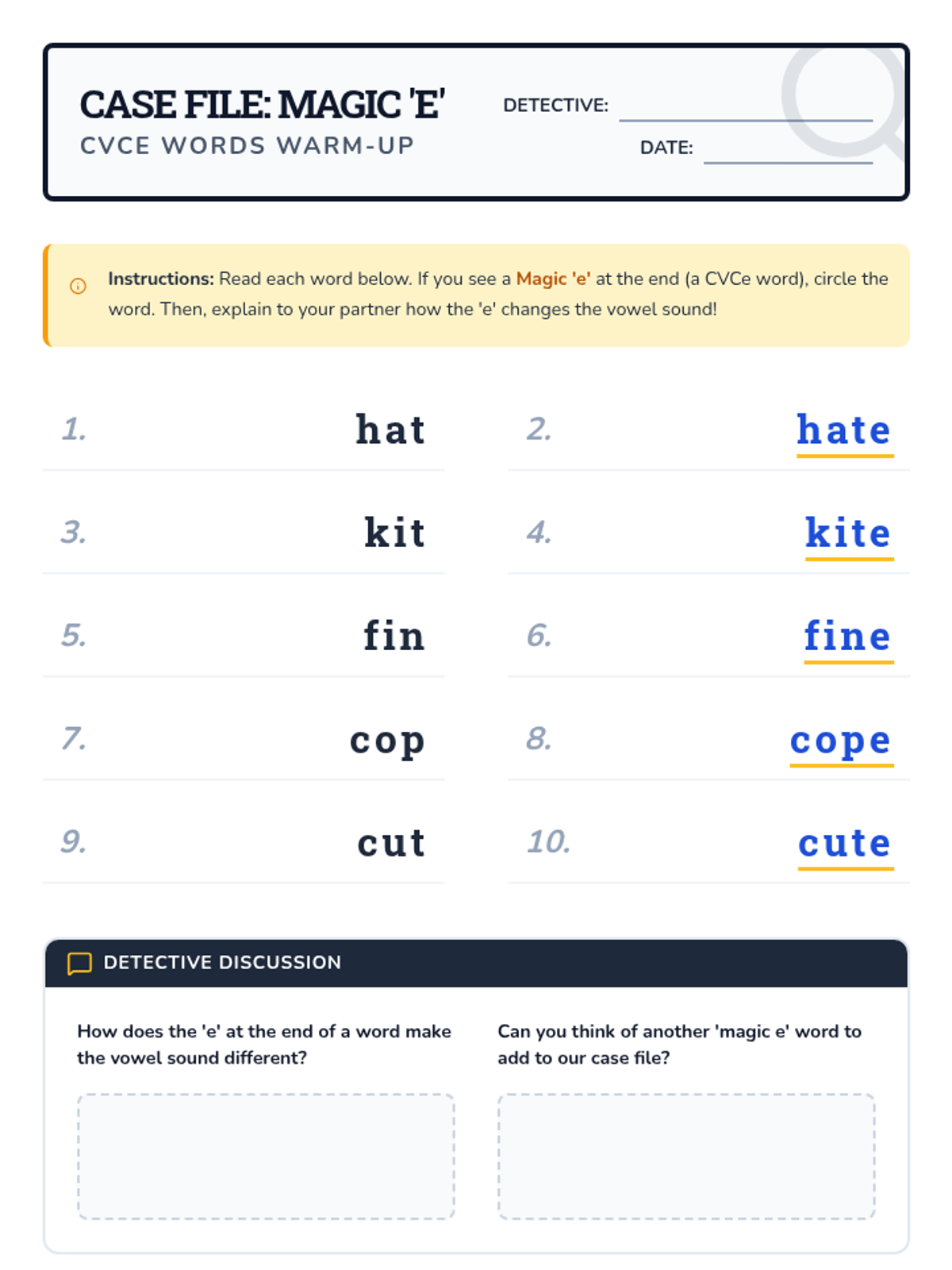
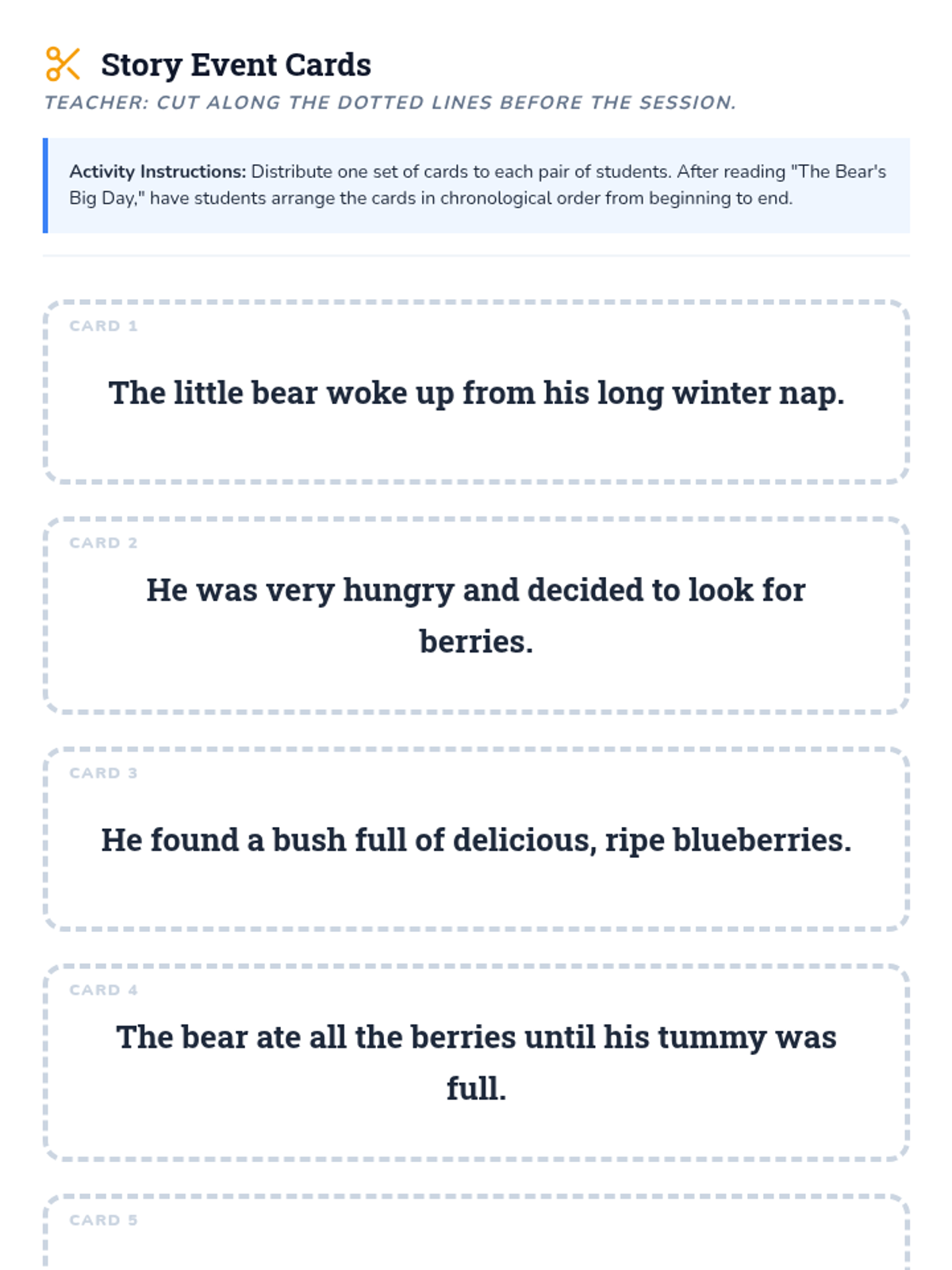
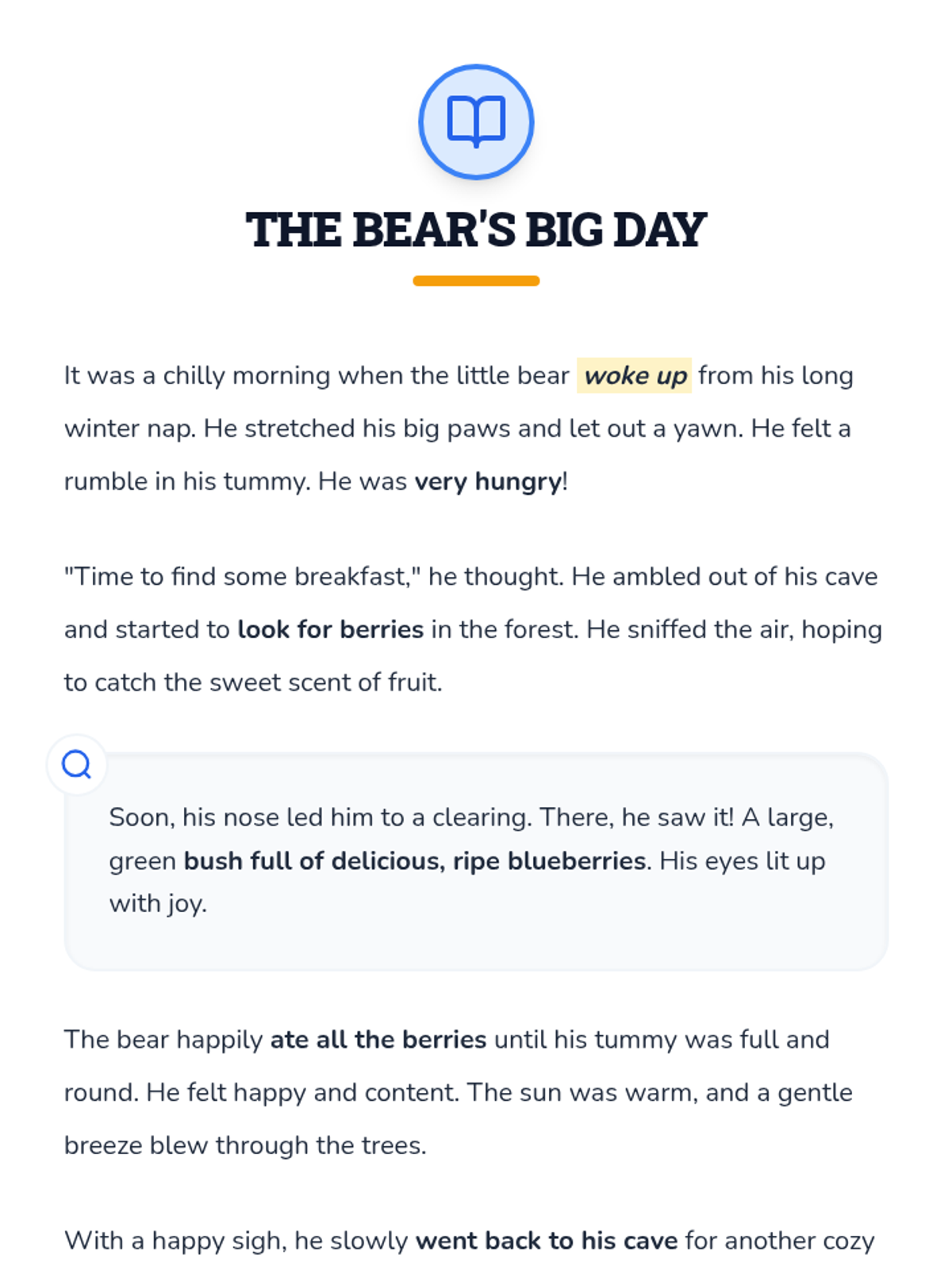
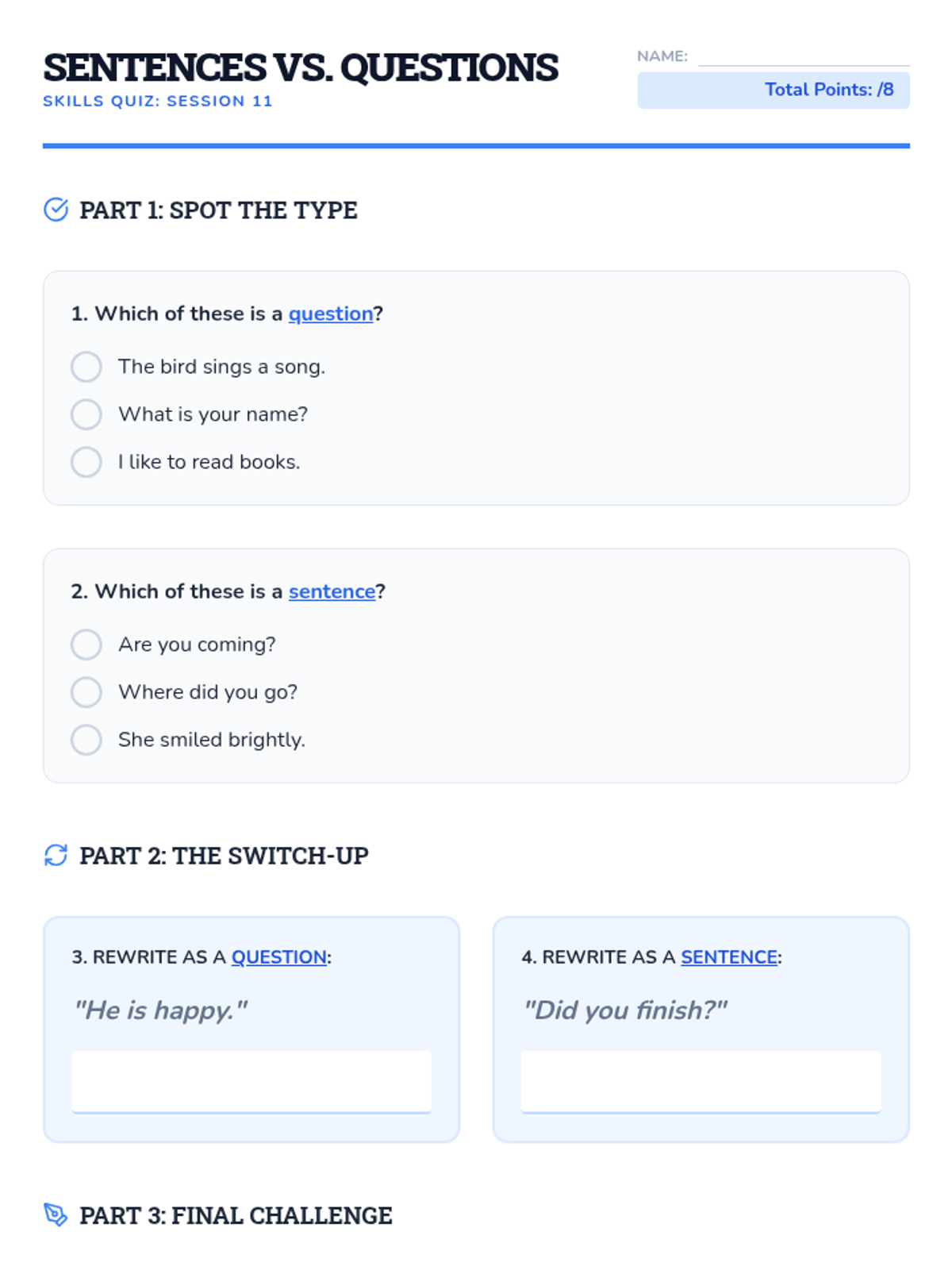
A 3-week, 12-session reading and writing curriculum designed for Tier 2 small groups, focusing on CVCe words, sequencing, questioning, and writing organization with a detective-themed 'Quest' aesthetic.
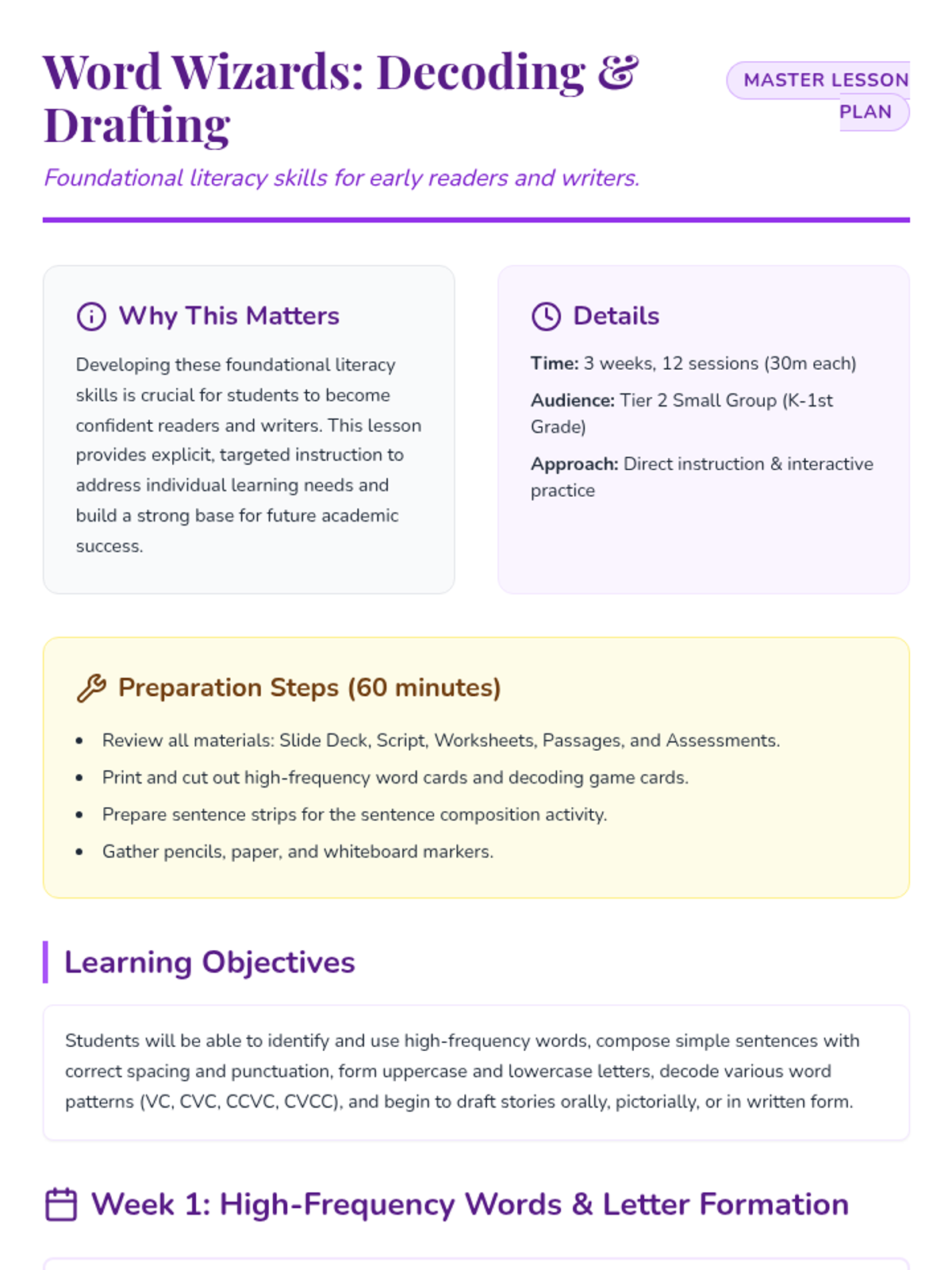
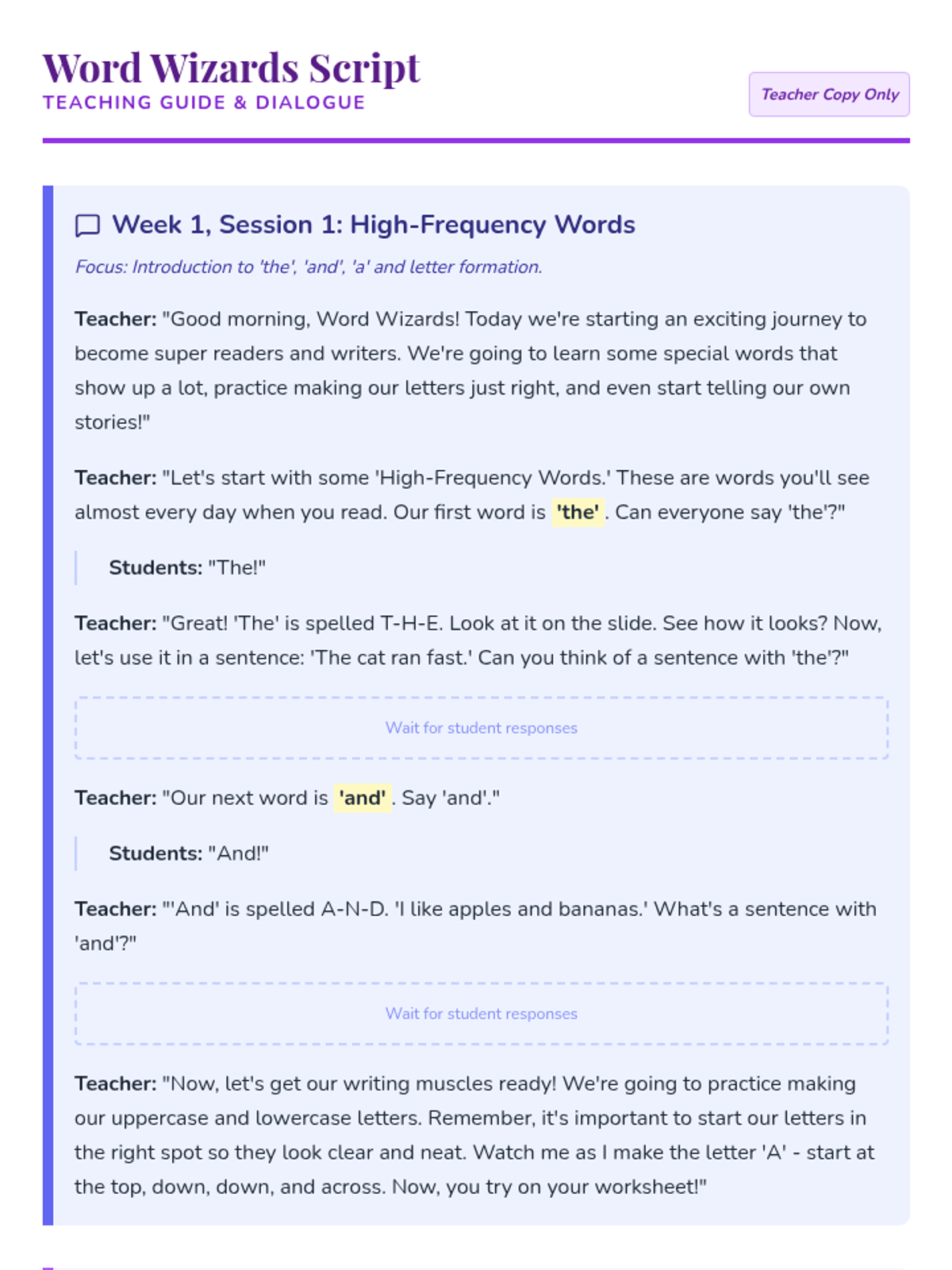
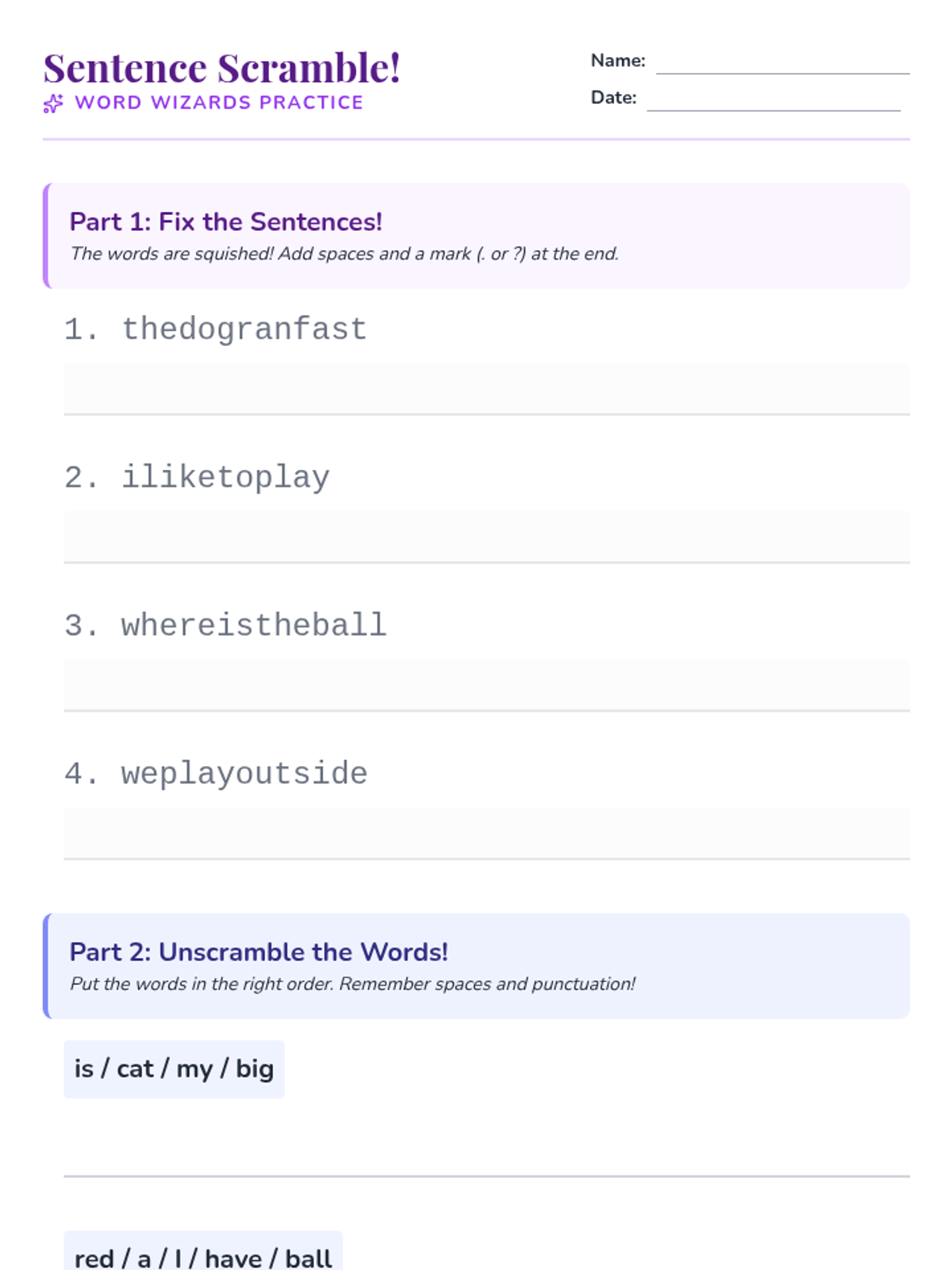
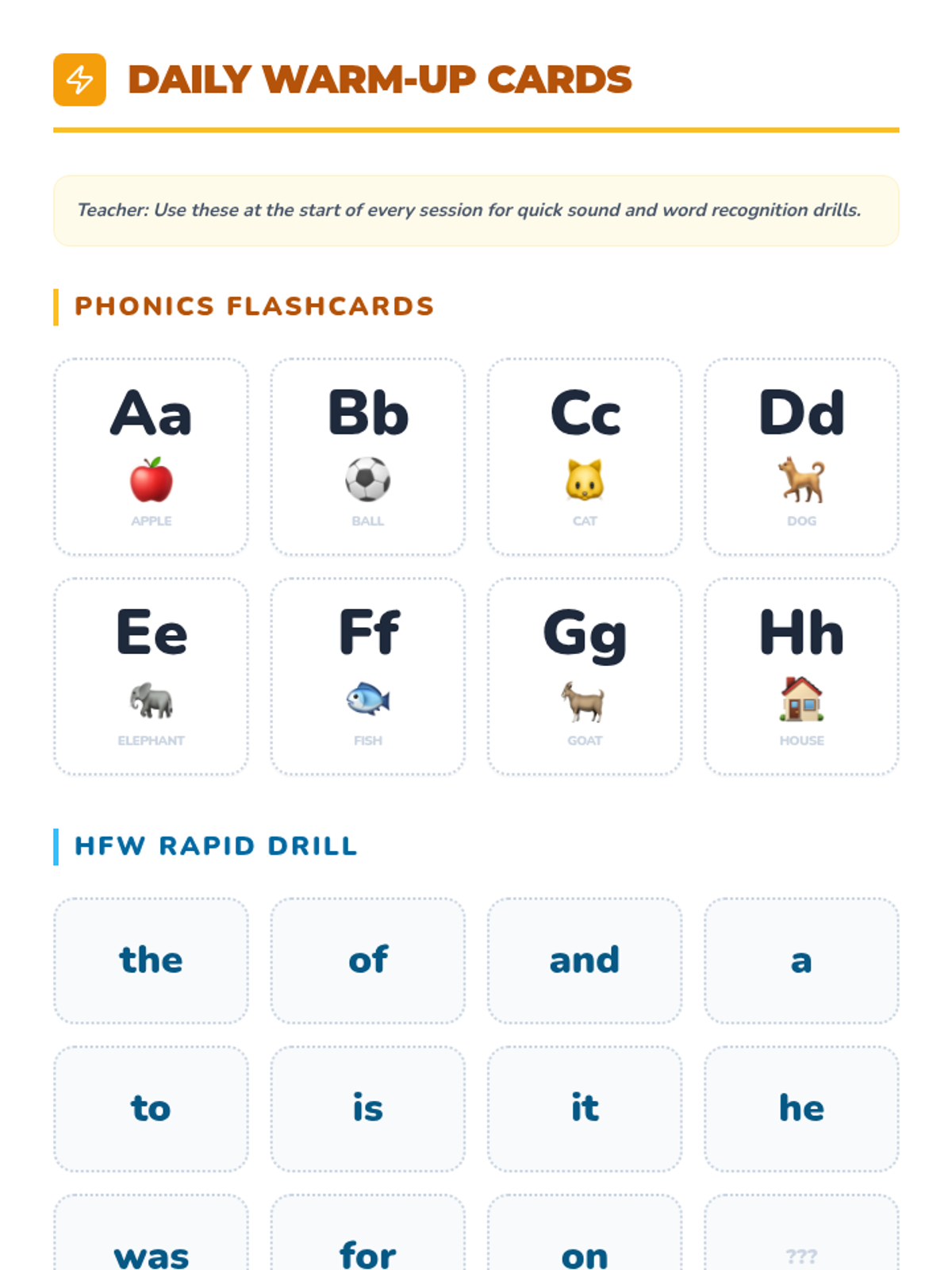
A 3-week foundational literacy sequence for Tier 2 Kindergarten and 1st-grade students, focusing on high-frequency words, decoding, and early drafting skills.
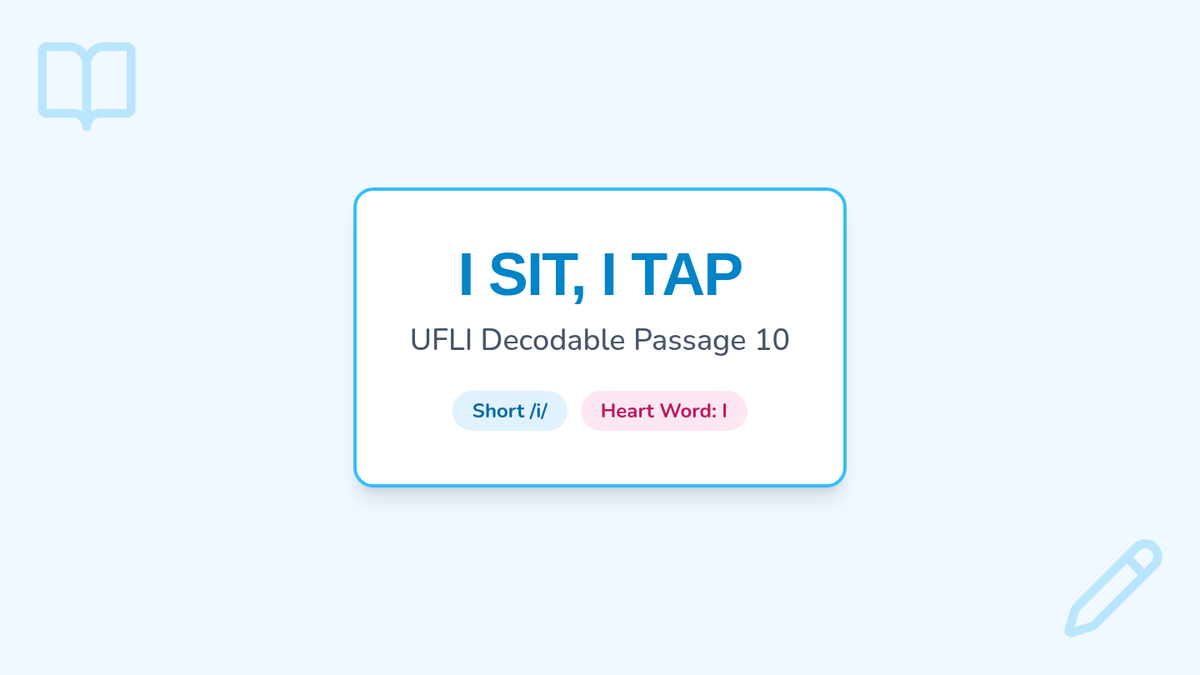
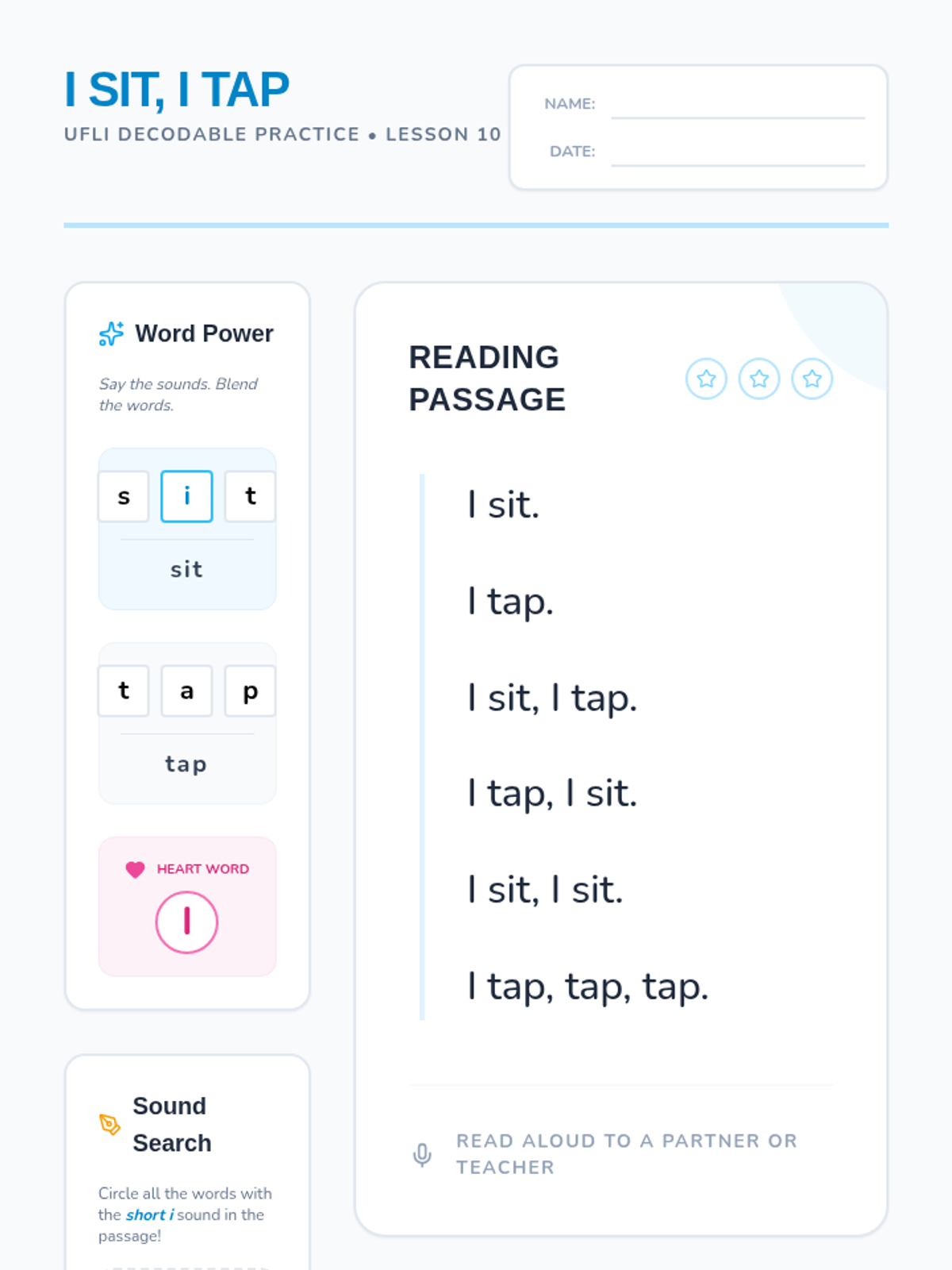
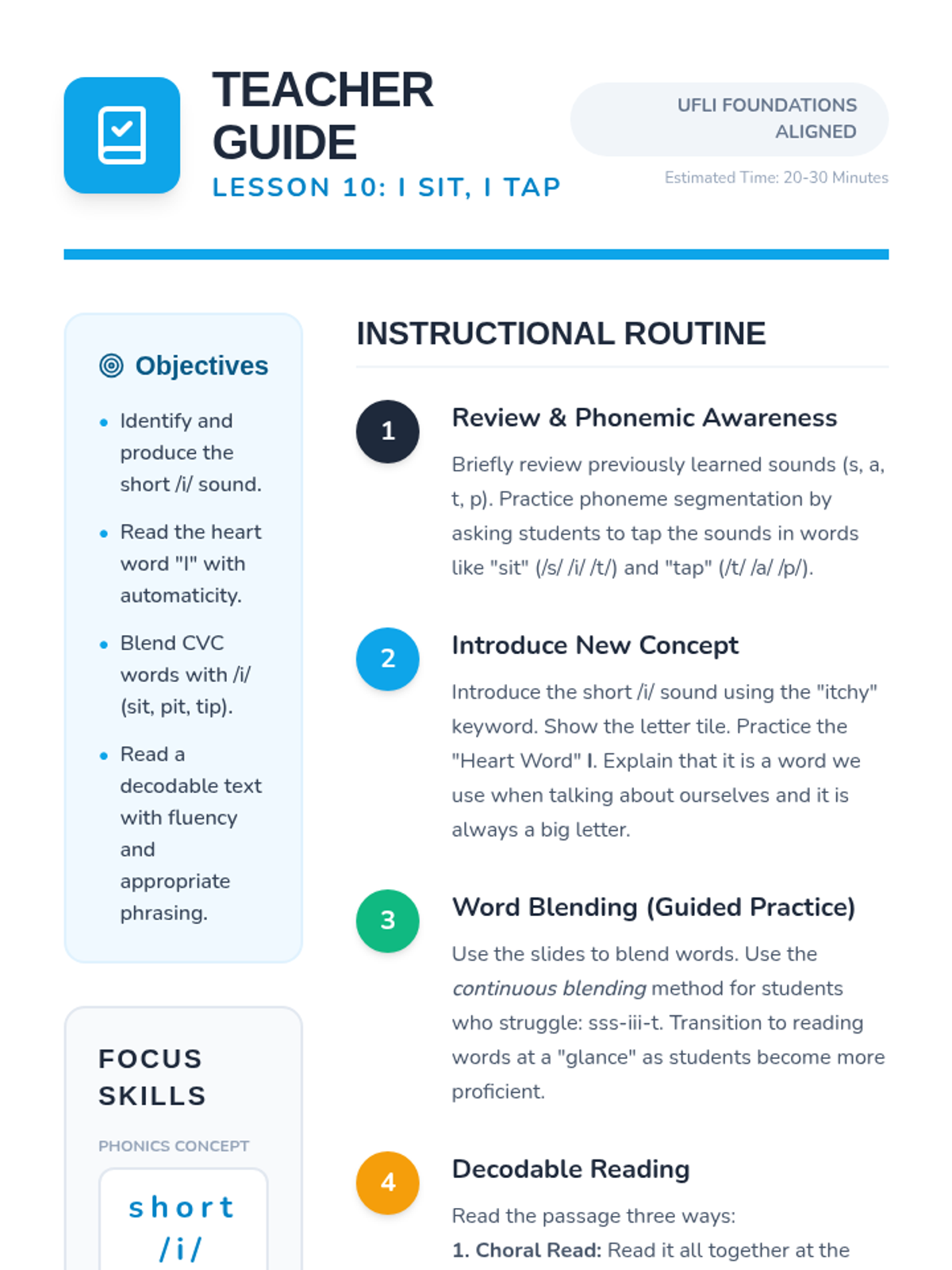
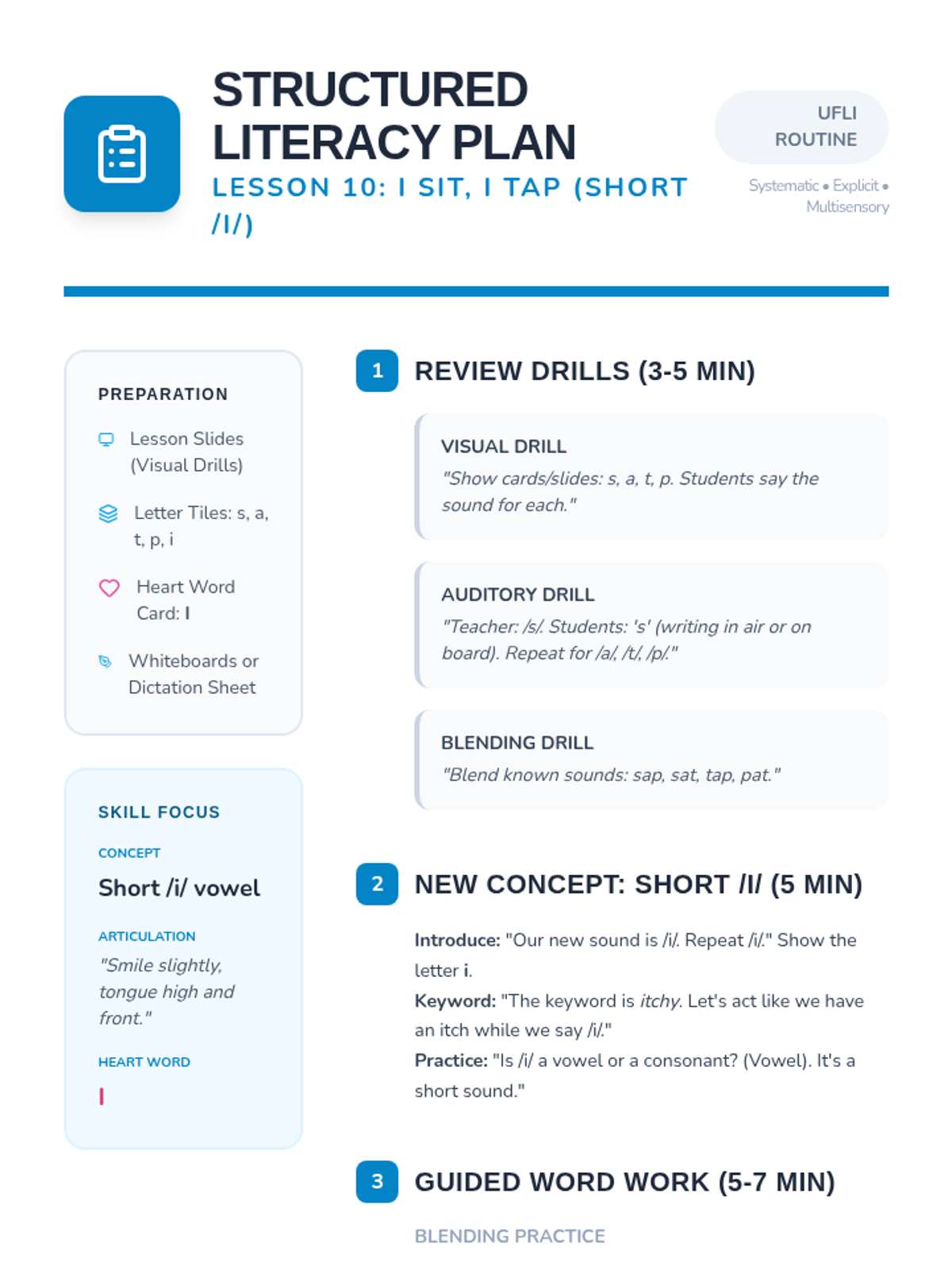
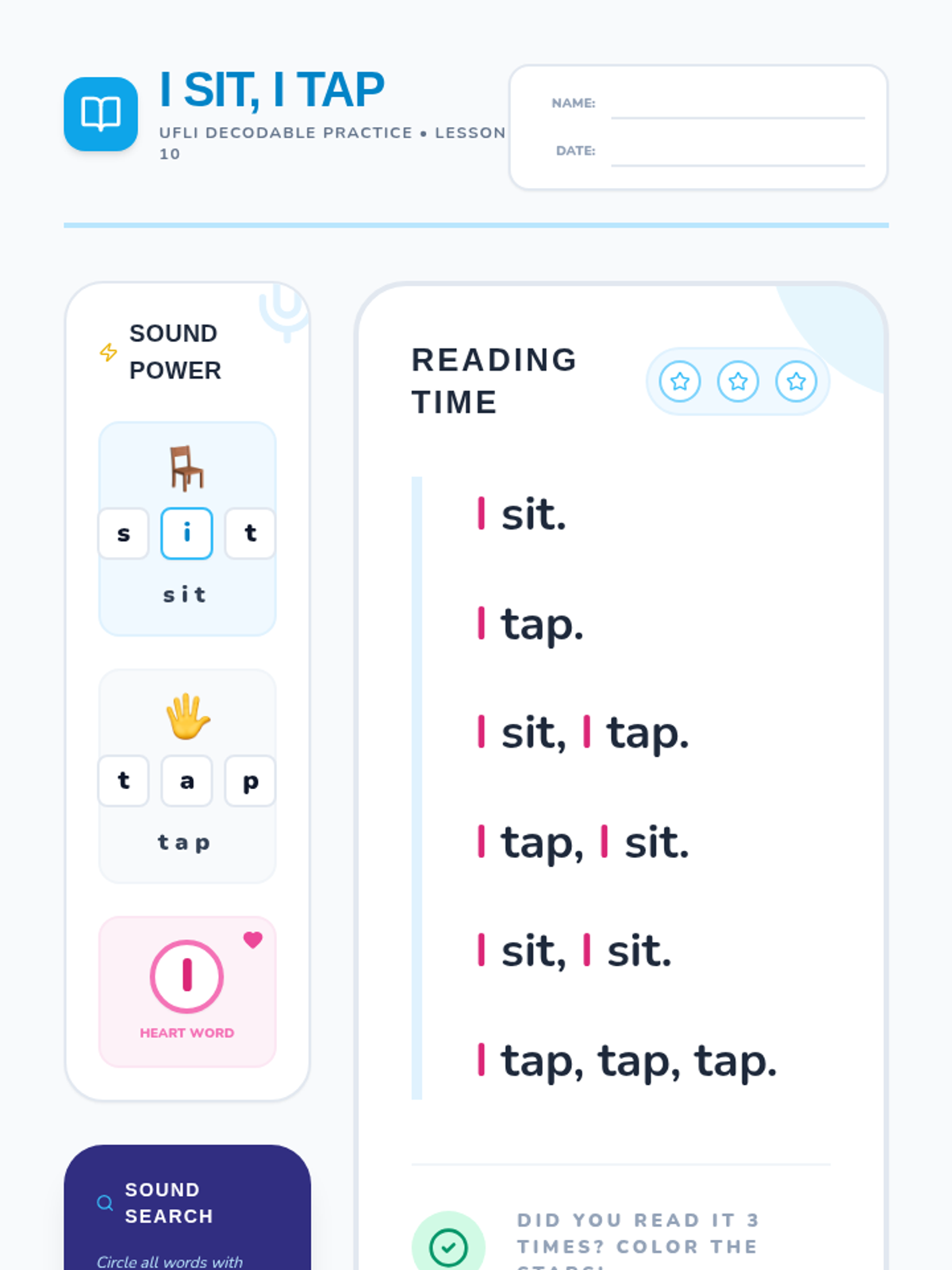
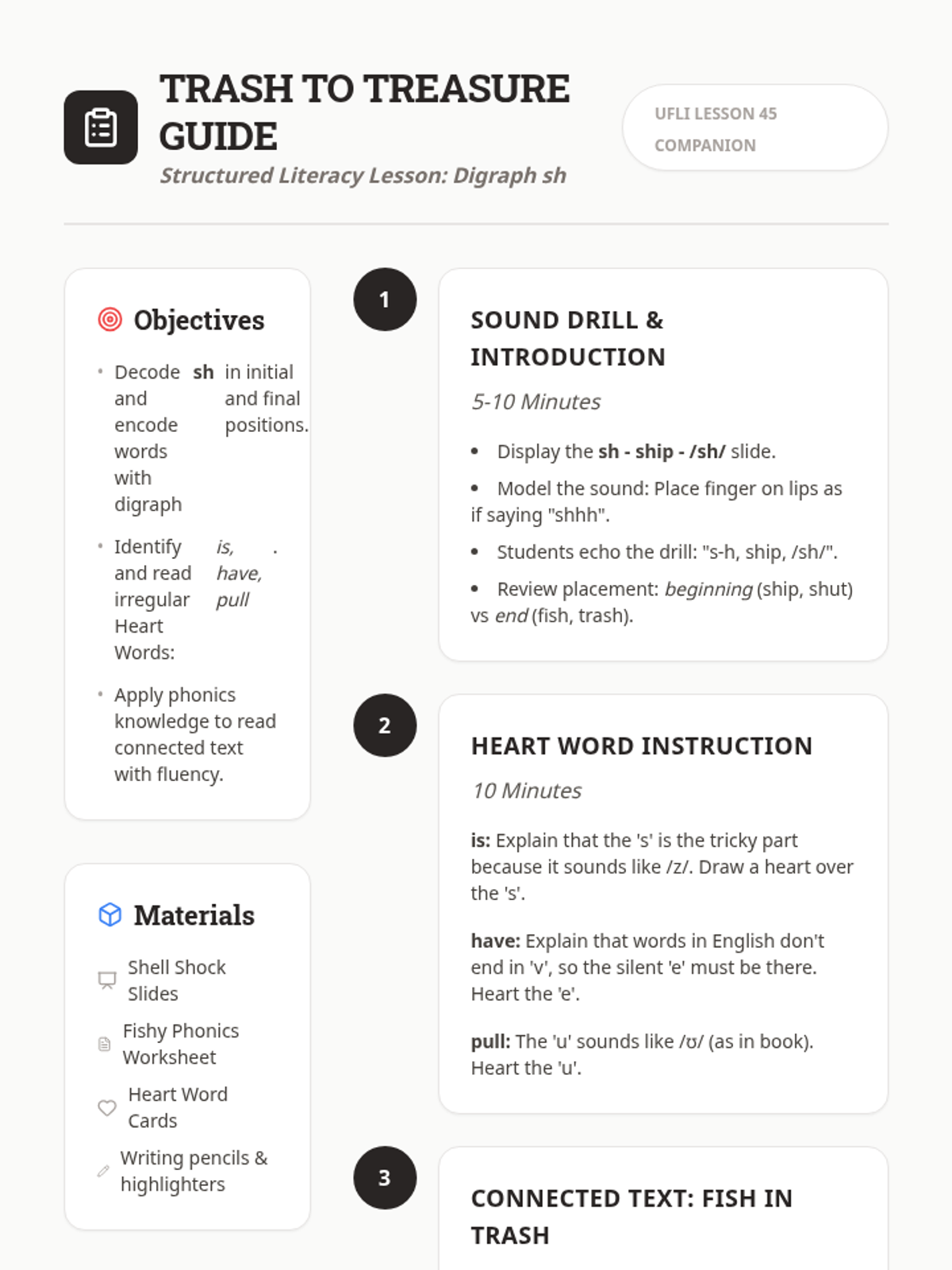
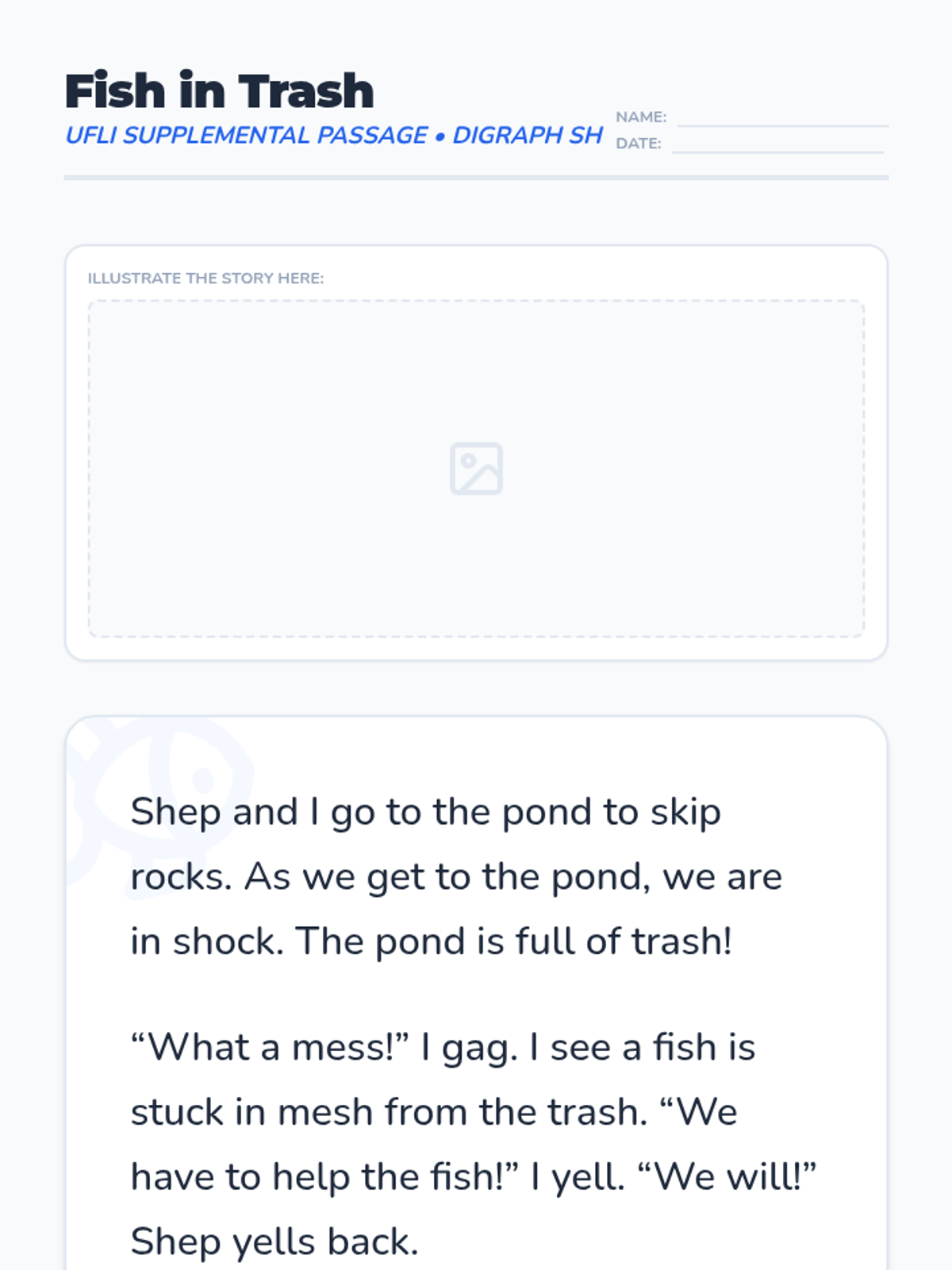
A collection of decodable passages and activities aligned with UFLI Foundations, focusing on systematic phonics and heart word acquisition. Each lesson centers on a specific phonics skill and accompanying "heart words" to build reading fluency.
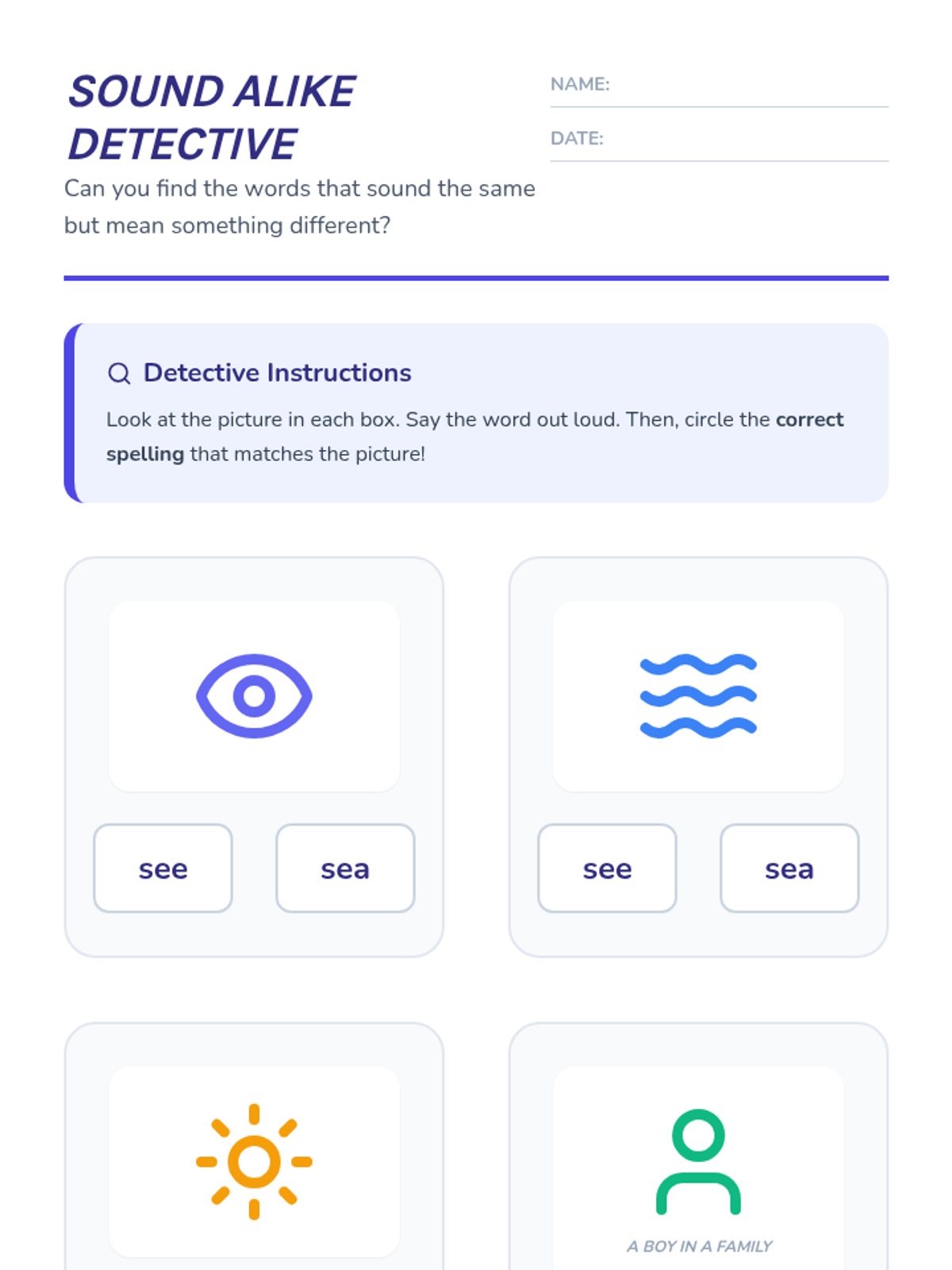
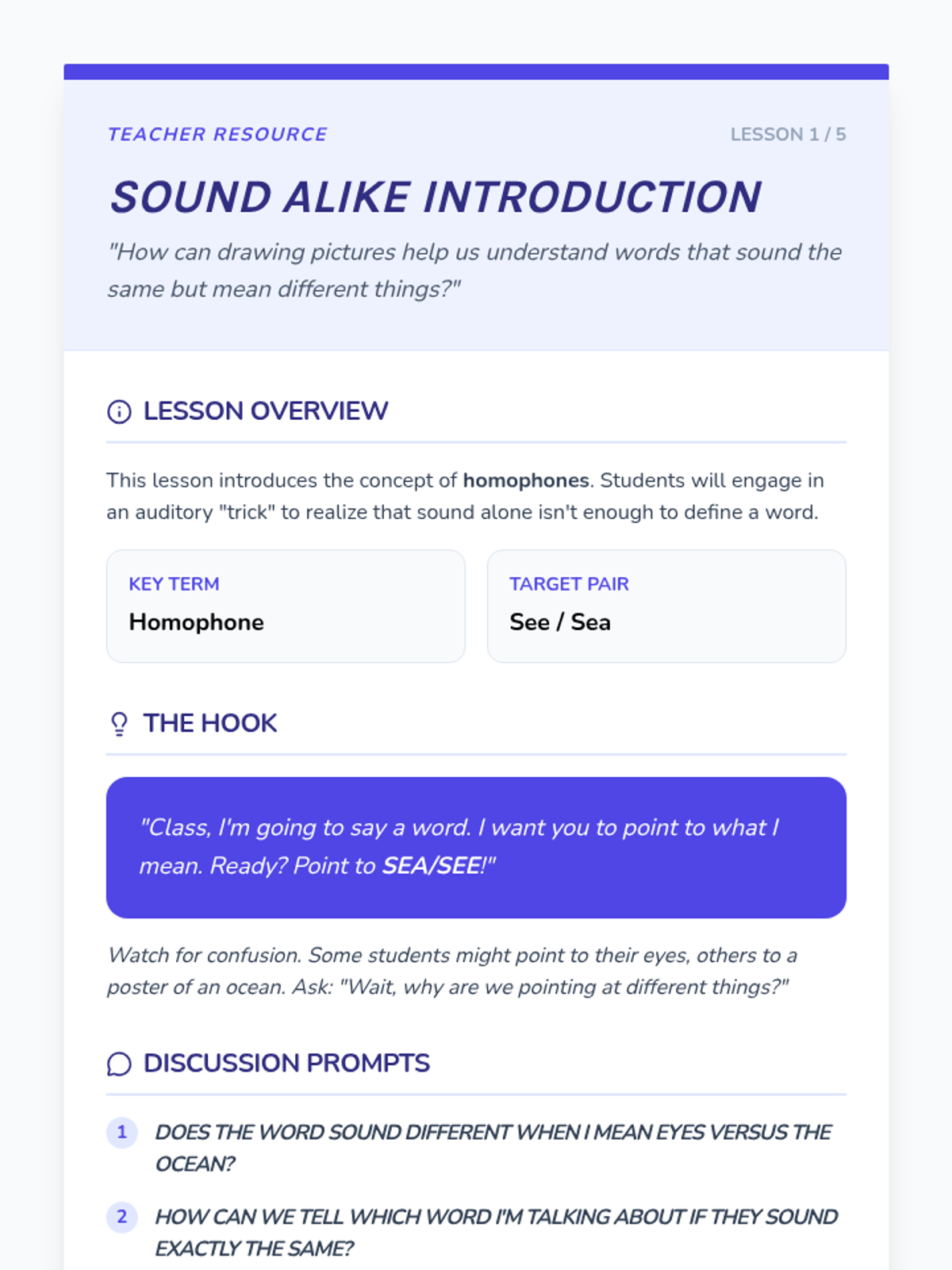
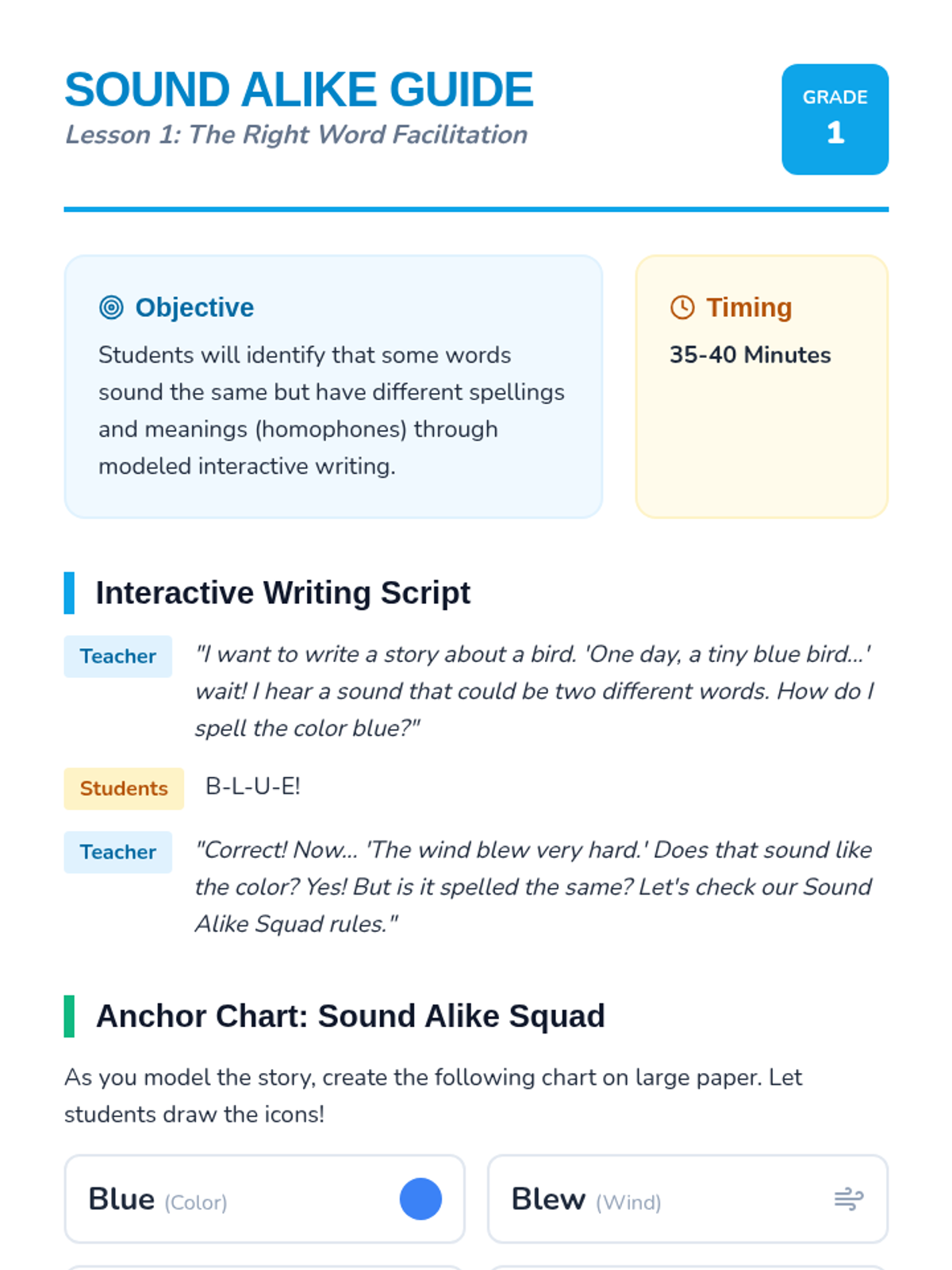
A 1st-grade writing sequence that teaches homophones through functional writing tasks and the 'Think-Write-Check' strategy. Students move from simple sentence starters to writing short narrative reports and creative stories.
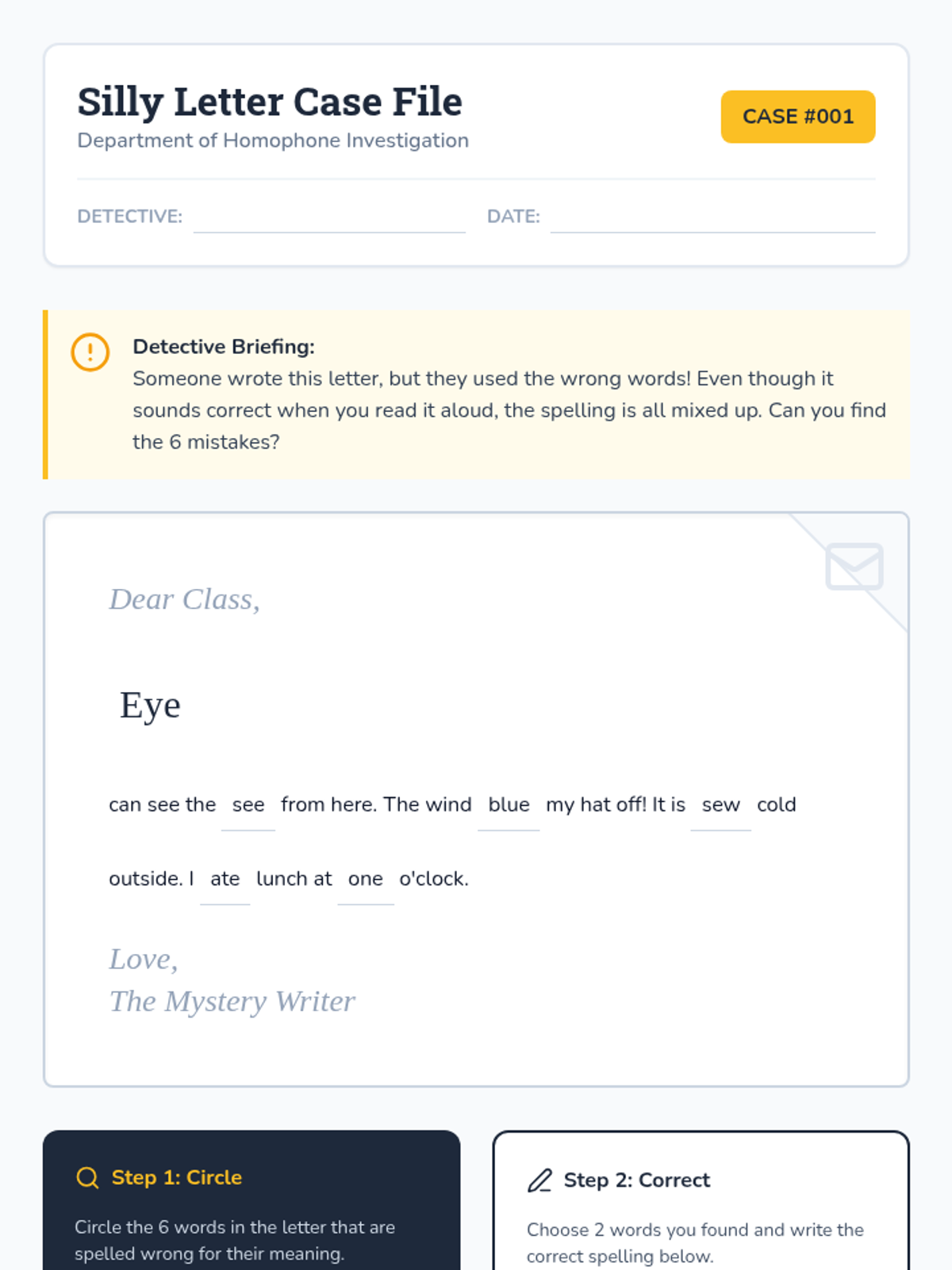
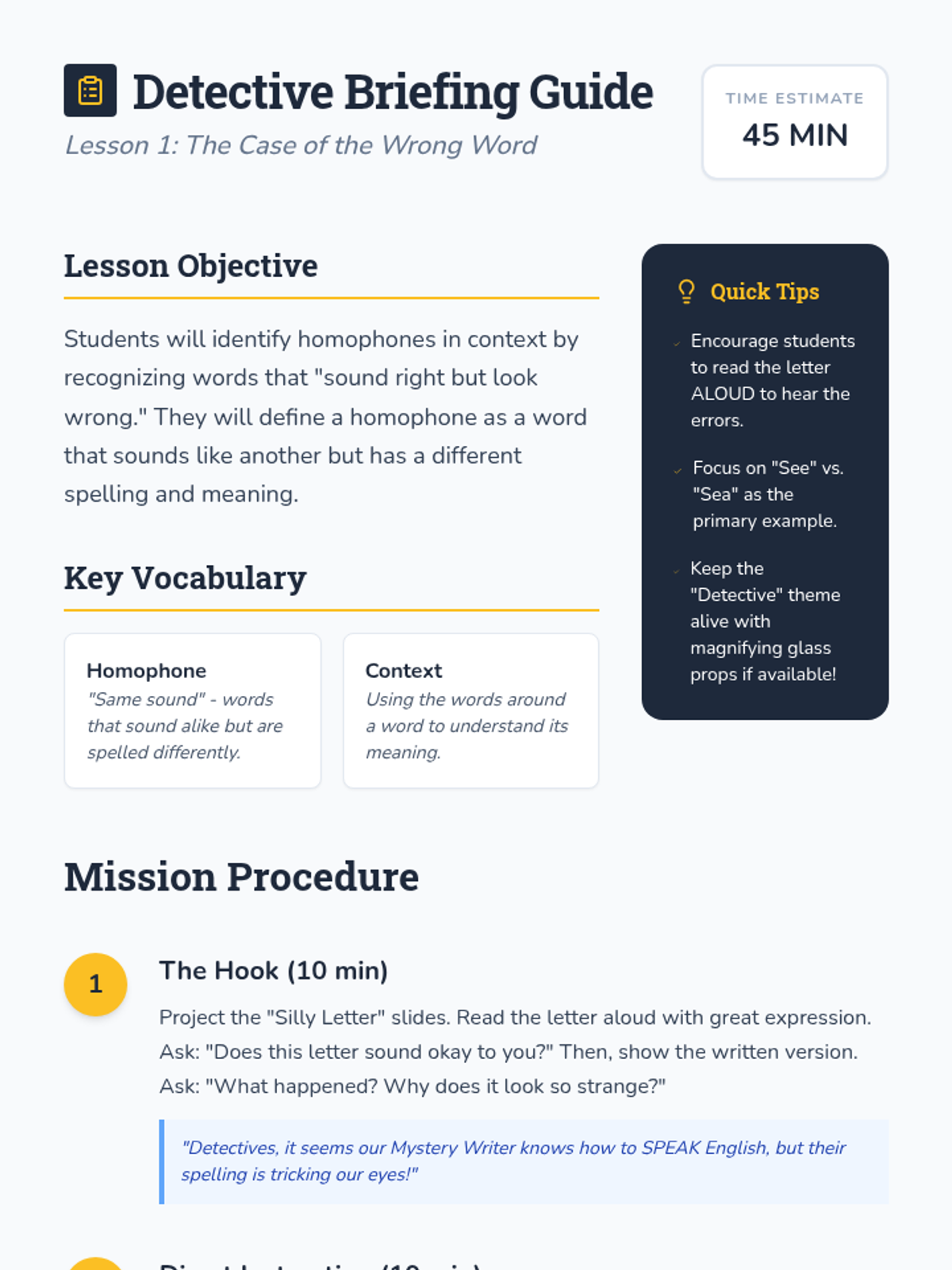
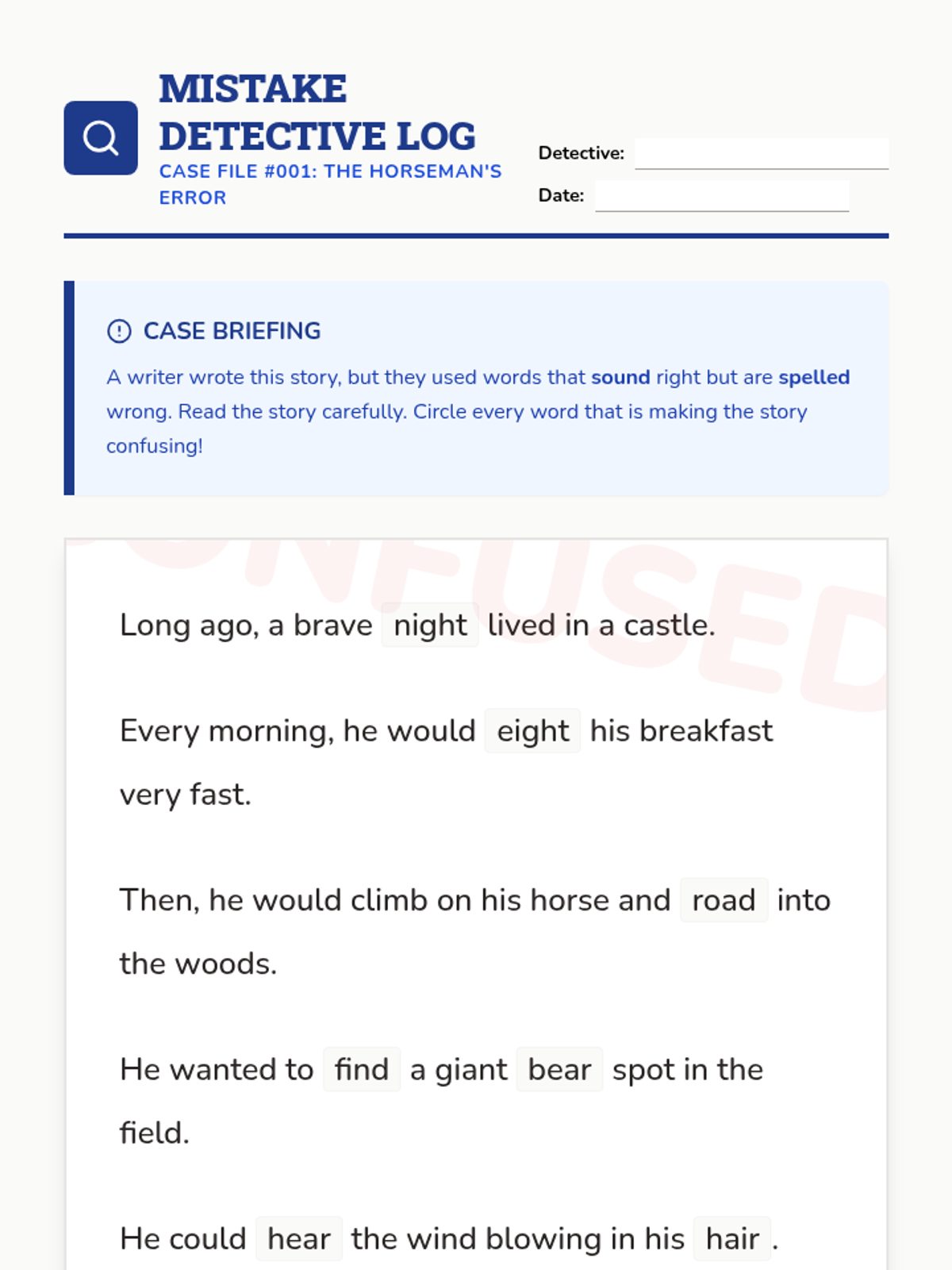
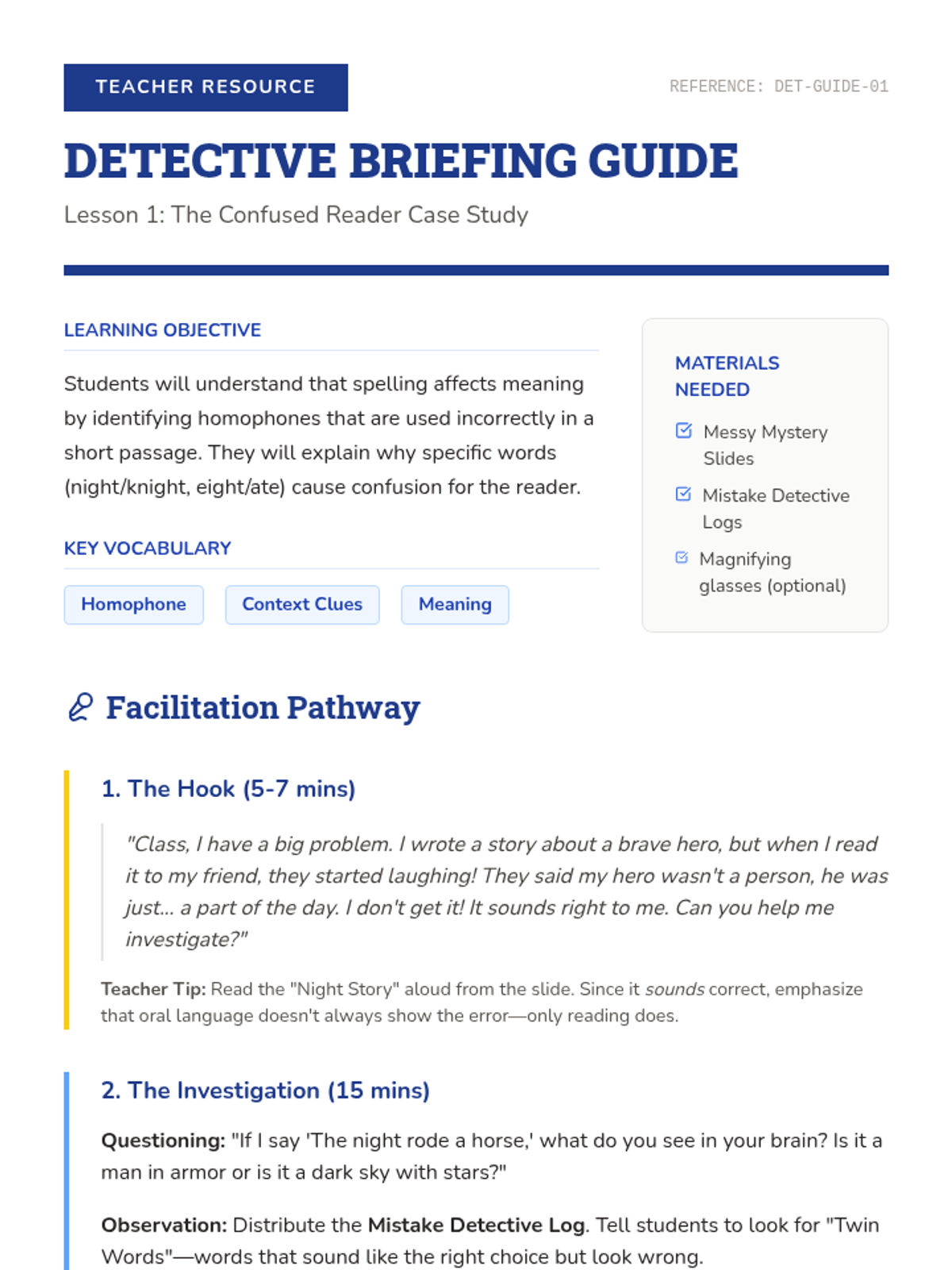
A 1st-grade ELA sequence where students become 'Word Detectives' to identify and correct homophones like no/know and right/write in context. Through inquiry and hands-on investigation, students learn why spelling matters for meaning.
This first-grade sequence introduces homophones through visual art and project-based learning. Students explore common word pairs like 'sun/son', 'flower/flour', and 'bear/bare', creating a 'Homophone Gallery' to solidify their understanding of how spelling and meaning differ despite identical sounds.
A 1st-grade ELA workshop sequence focused on the application of homophones in writing. Students move from collective modeling to independent creation and peer editing, culminating in a published class book.
An inquiry-based English Language Arts sequence for 1st Grade students where they act as 'text detectives' to decode homophones and homonyms. Students explore how spelling affects meaning through literature, case studies, and context clue puzzles.
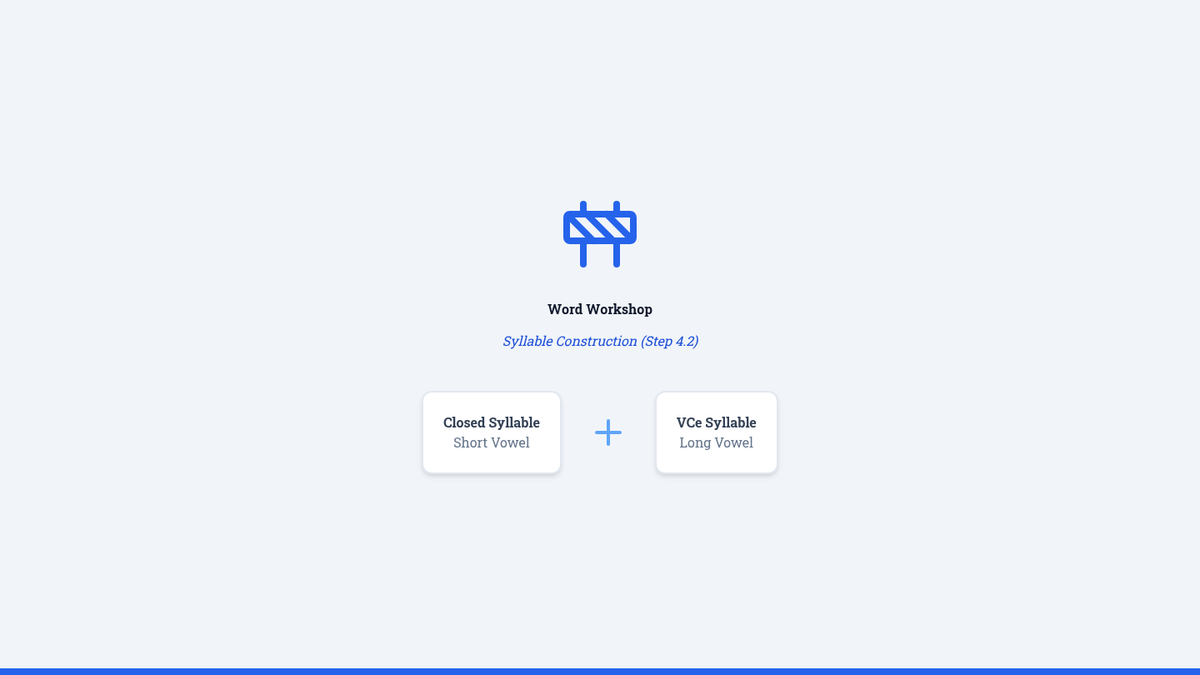
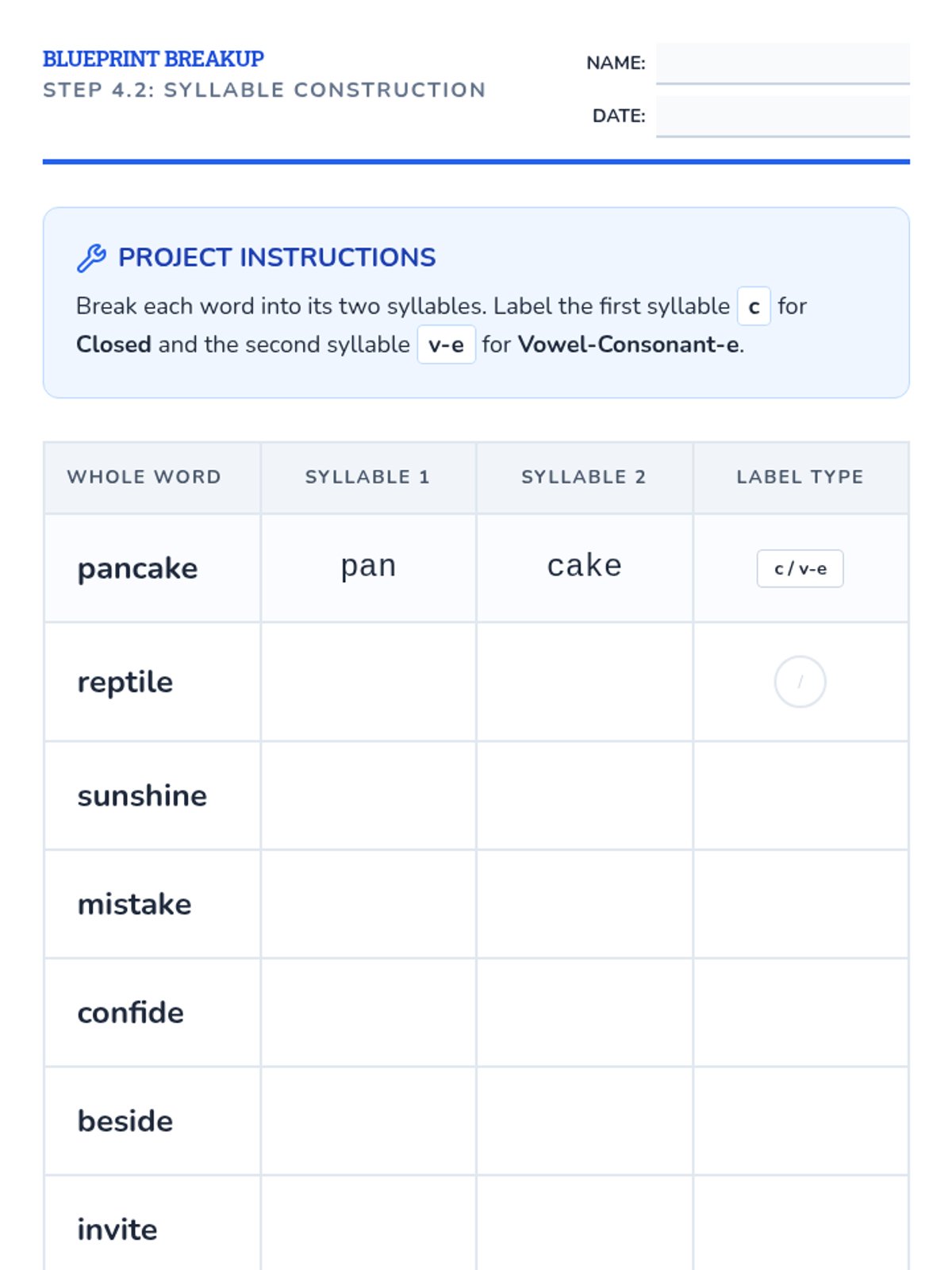
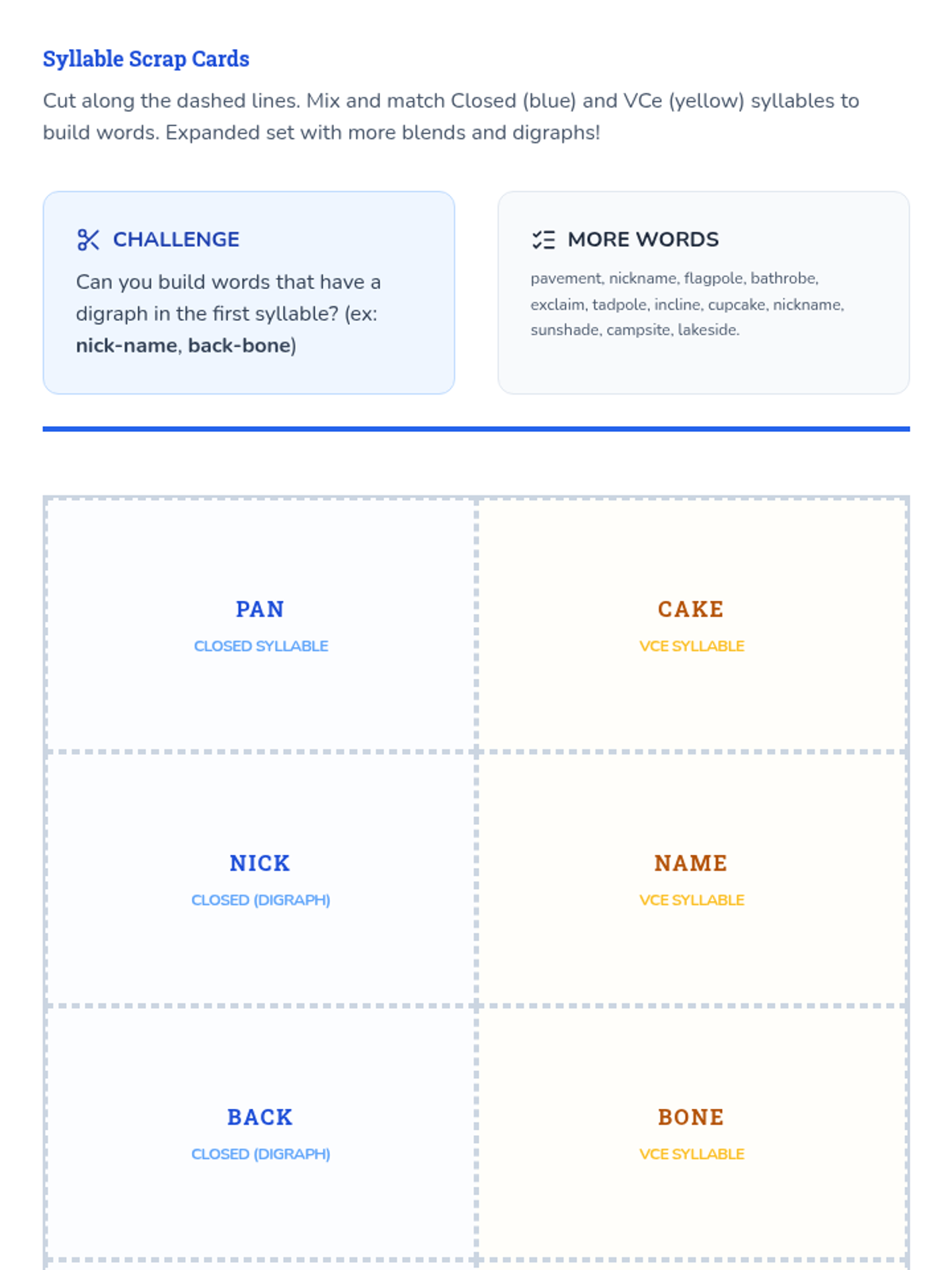
A comprehensive unit for Wilson Reading System Step 4.2, focusing on two-syllable words combining closed and vowel-consonant-e (VCe) syllables. Includes syllable division practice, word cards, games, and fluency activities.
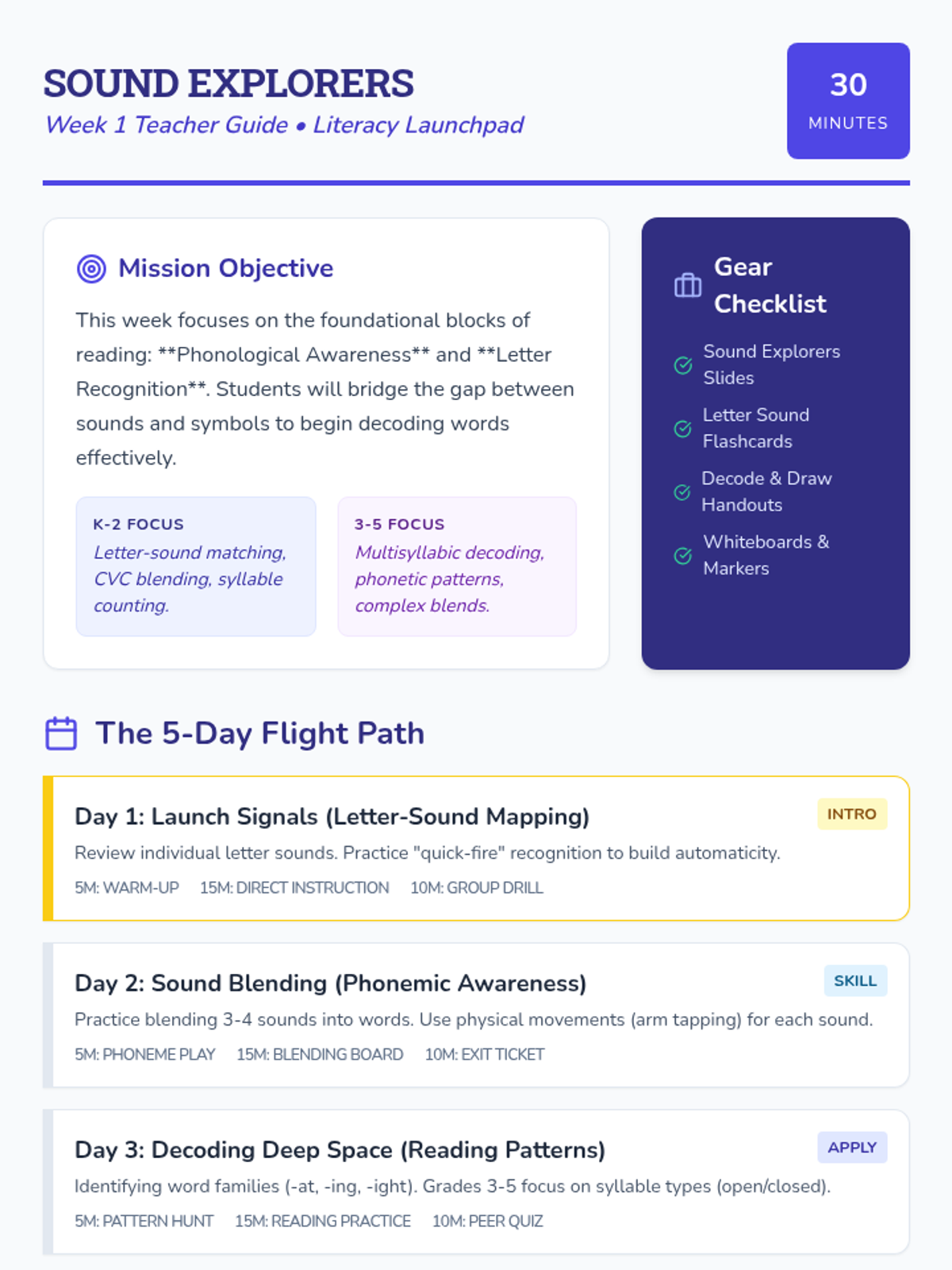
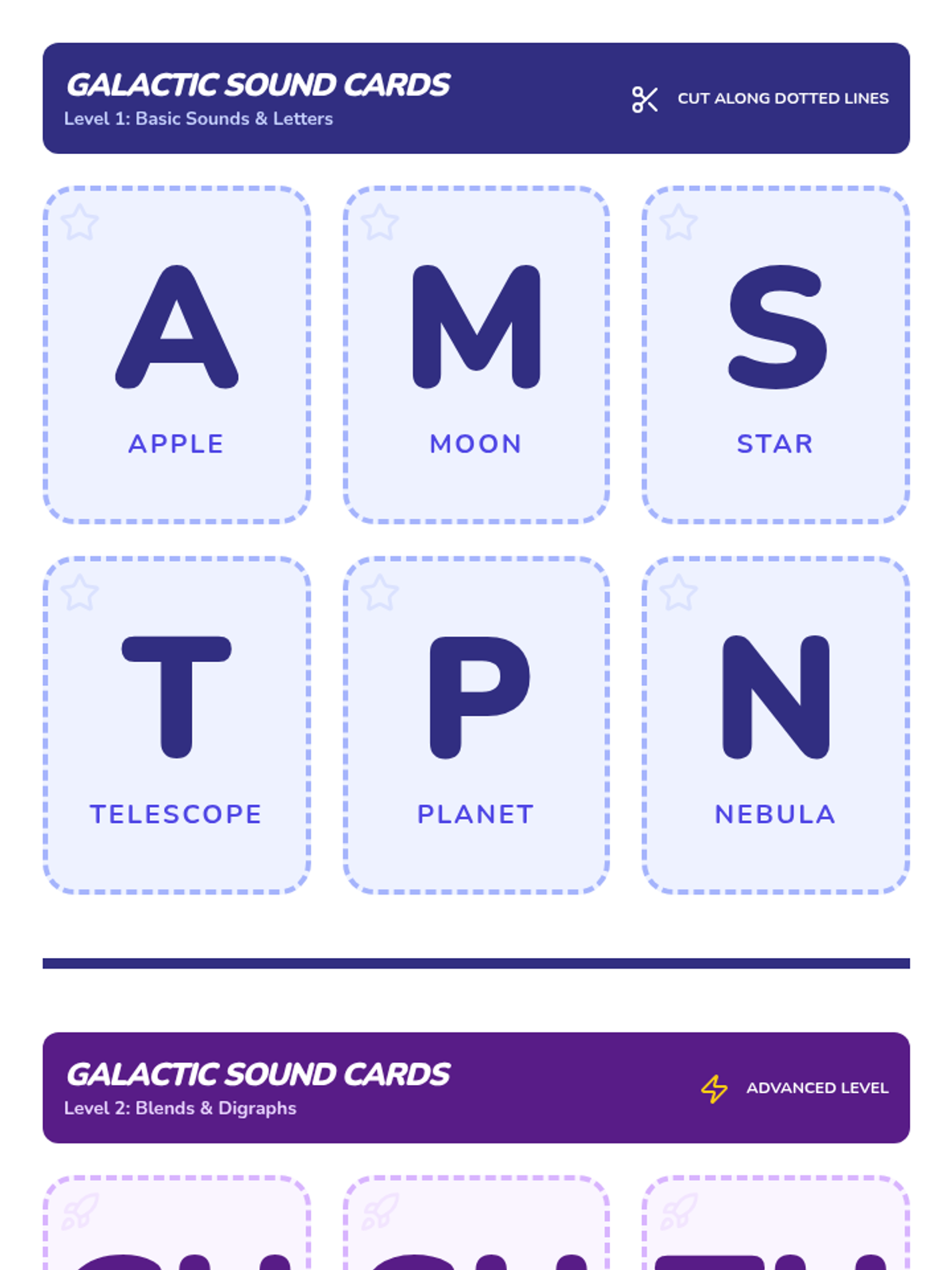
A 3-week literacy intervention program for grades K-5 focused on phonics, vocabulary, and comprehension with a space exploration theme. Each week features 30-minute daily sessions including interactive games and hands-on activities.
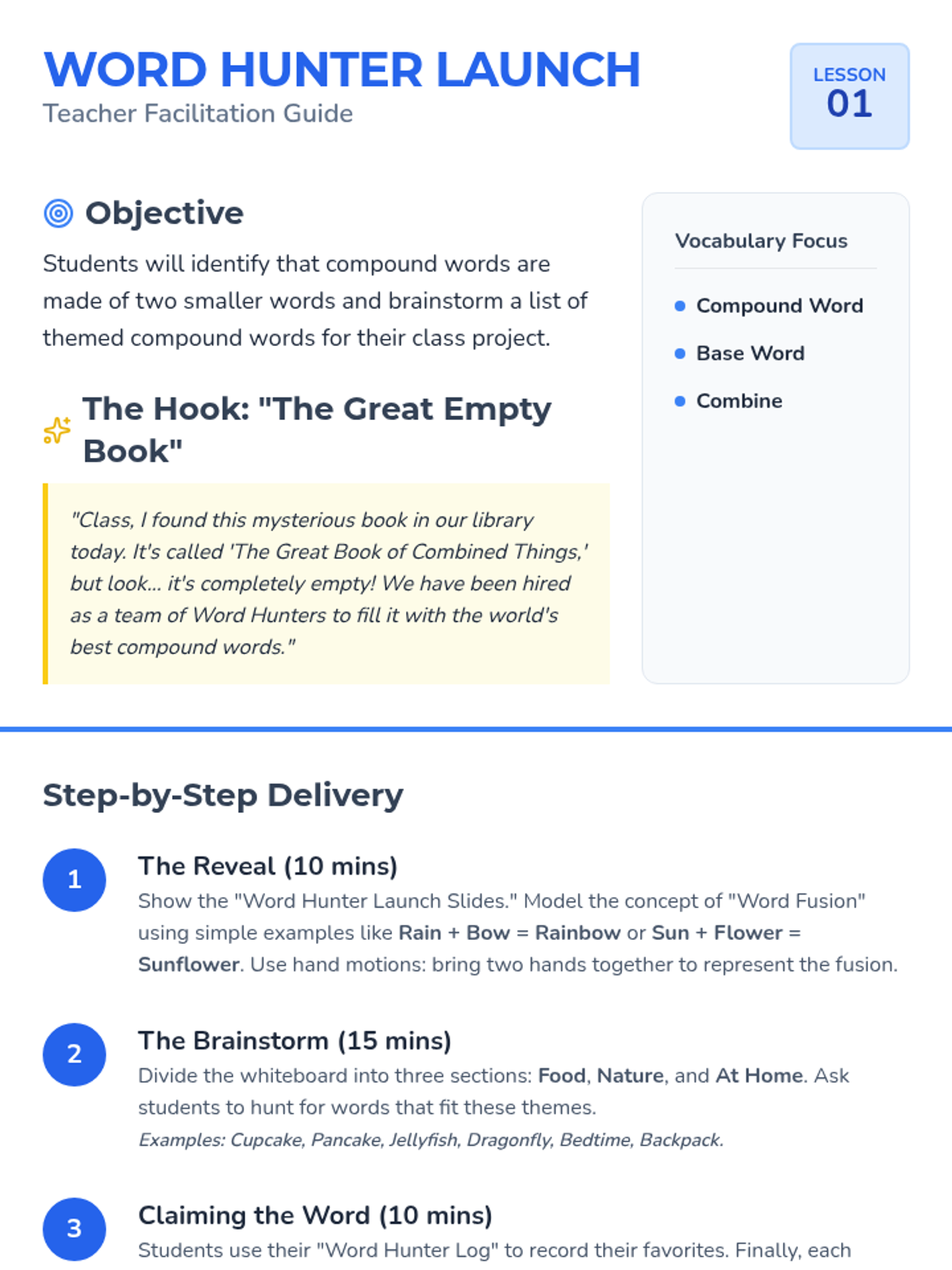
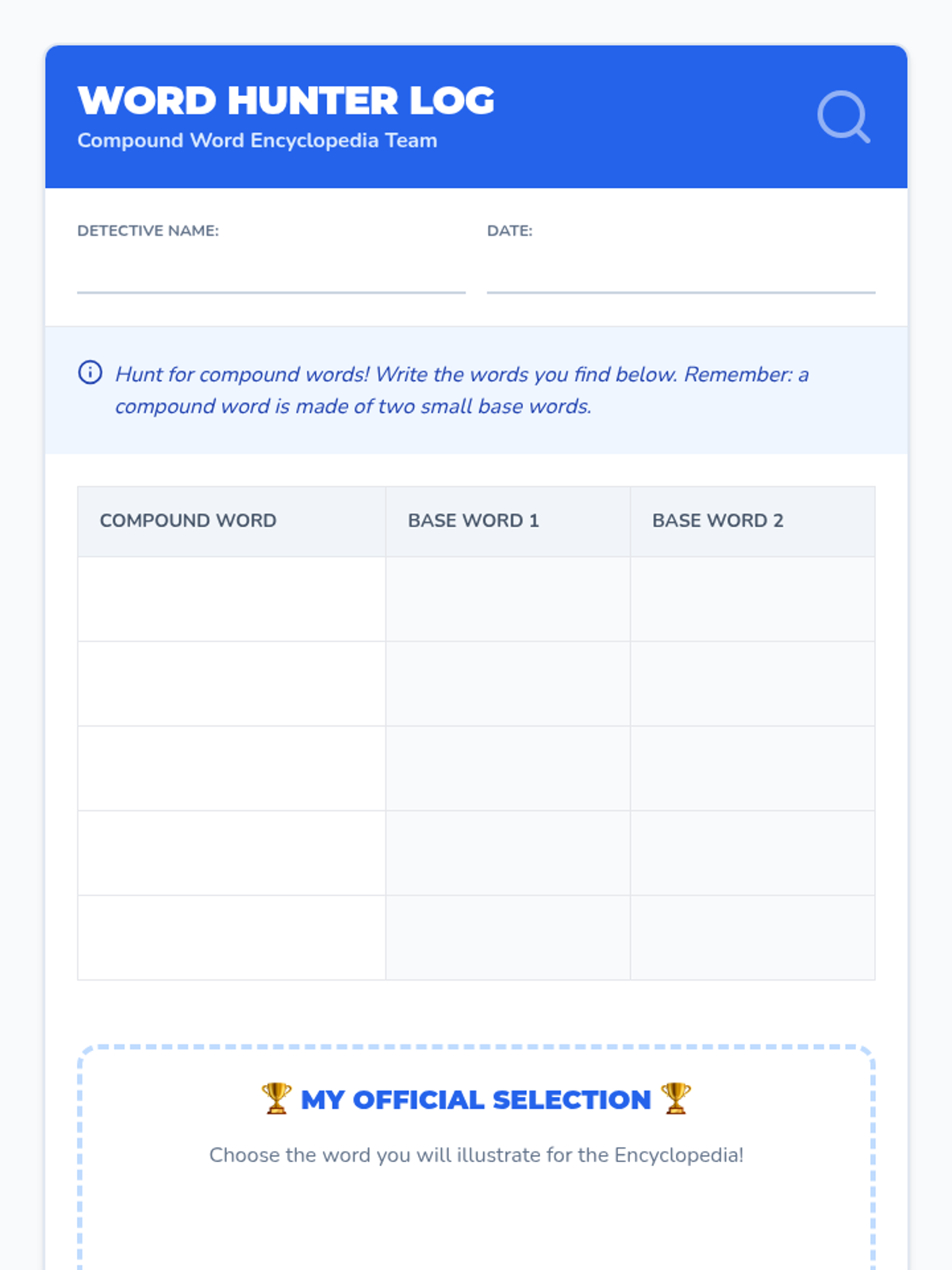
A project-based ELA sequence where 1st Grade students explore compound words by creating a 'Class Encyclopedia.' Students master the concept by breaking words into their base components visually and linguistically, culminating in a gallery showcase of their illustrated work.
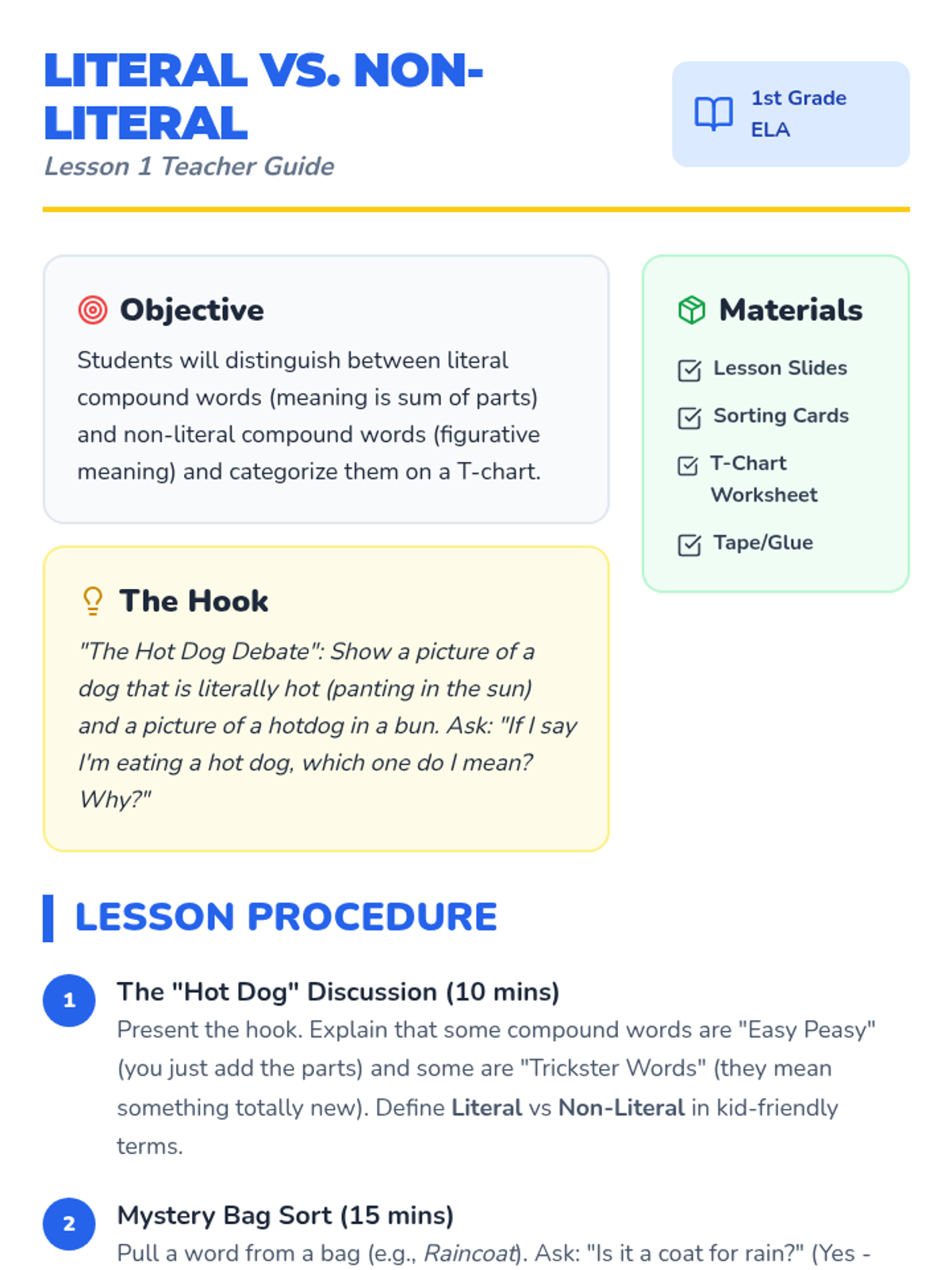
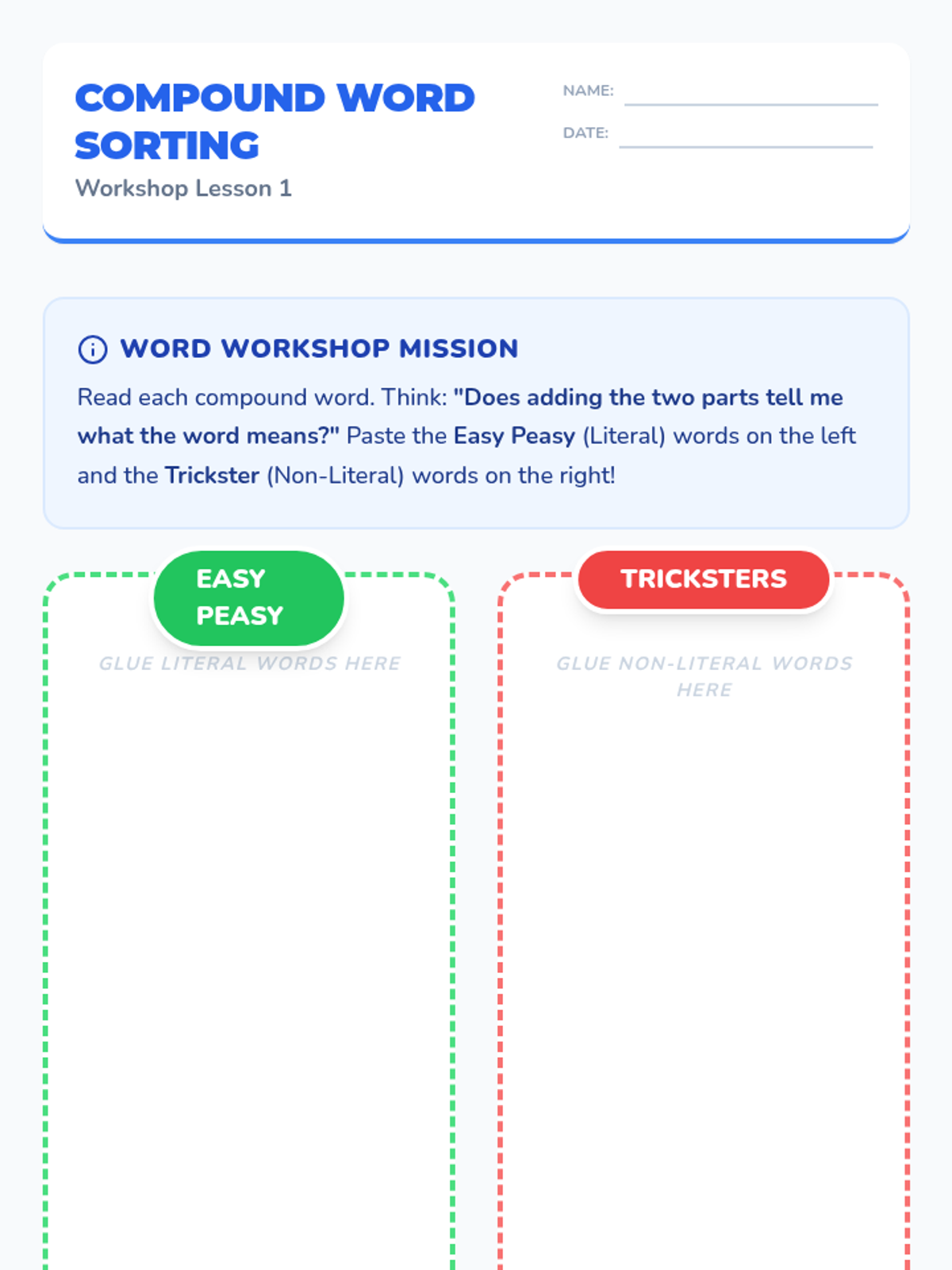
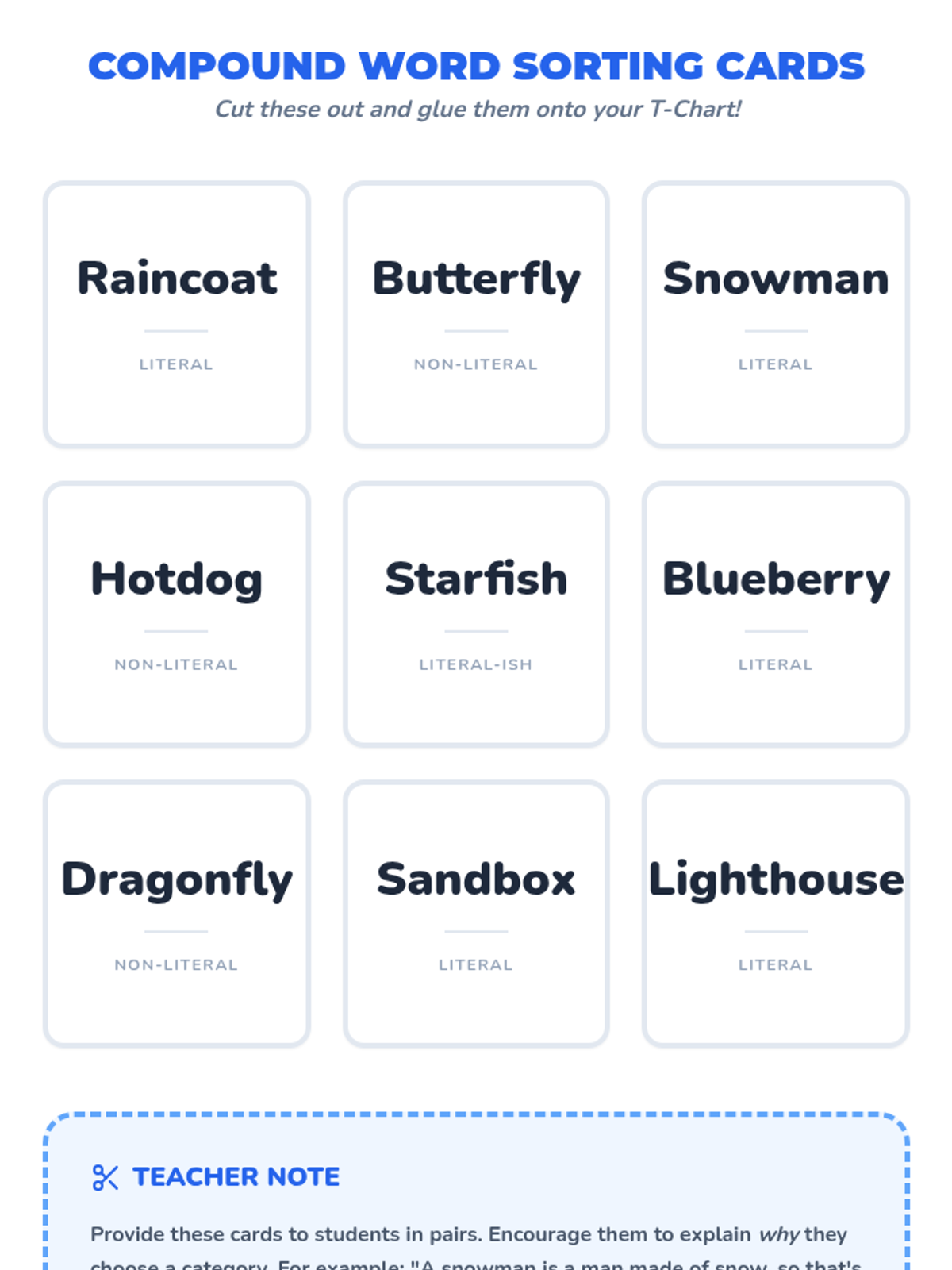
A 1st Grade ELA sequence focused on applying compound word meanings in context. Students explore literal vs. non-literal meanings, use context clues, perform 'sentence surgery', and write descriptive sentences to master compound words.
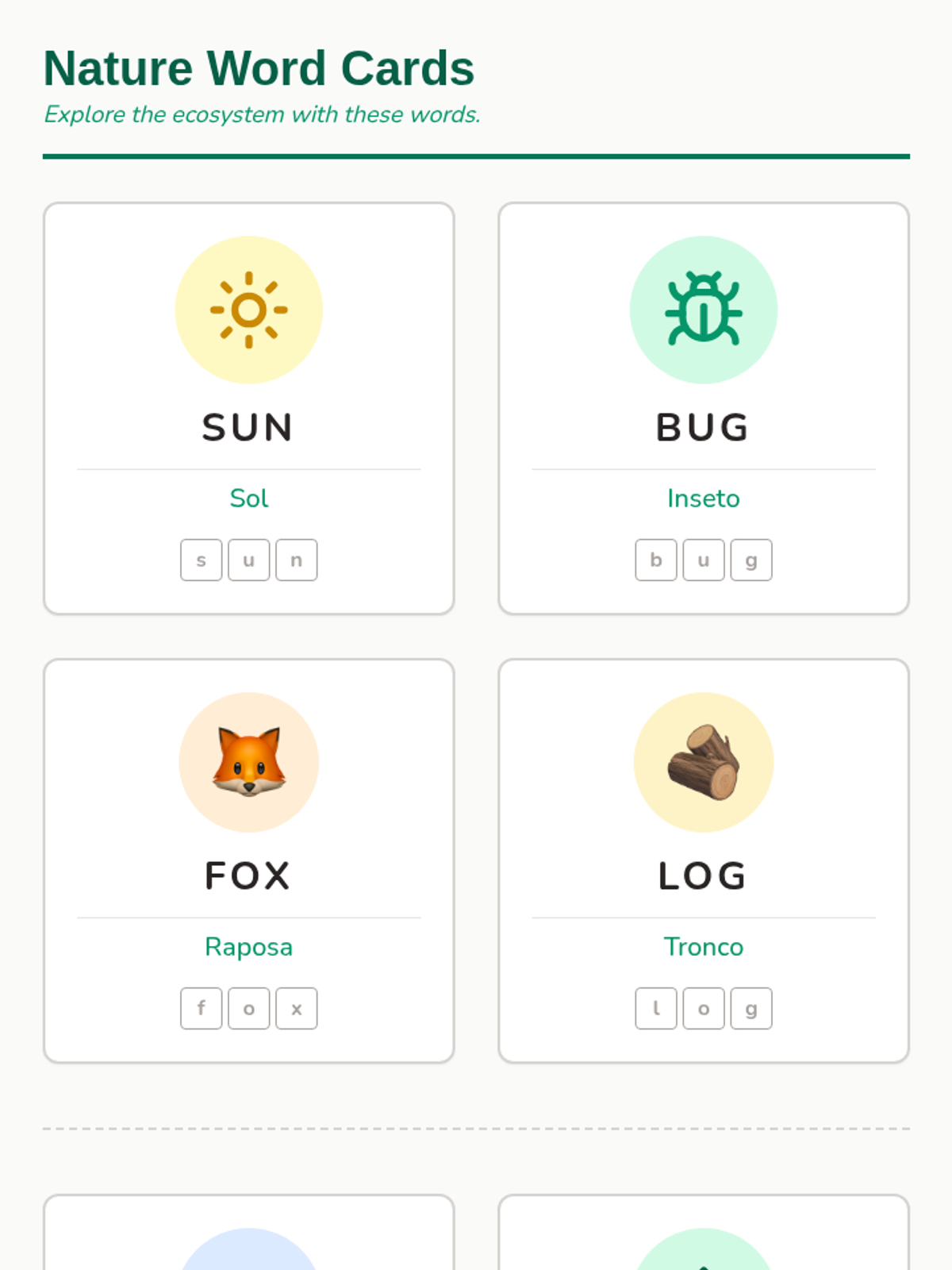
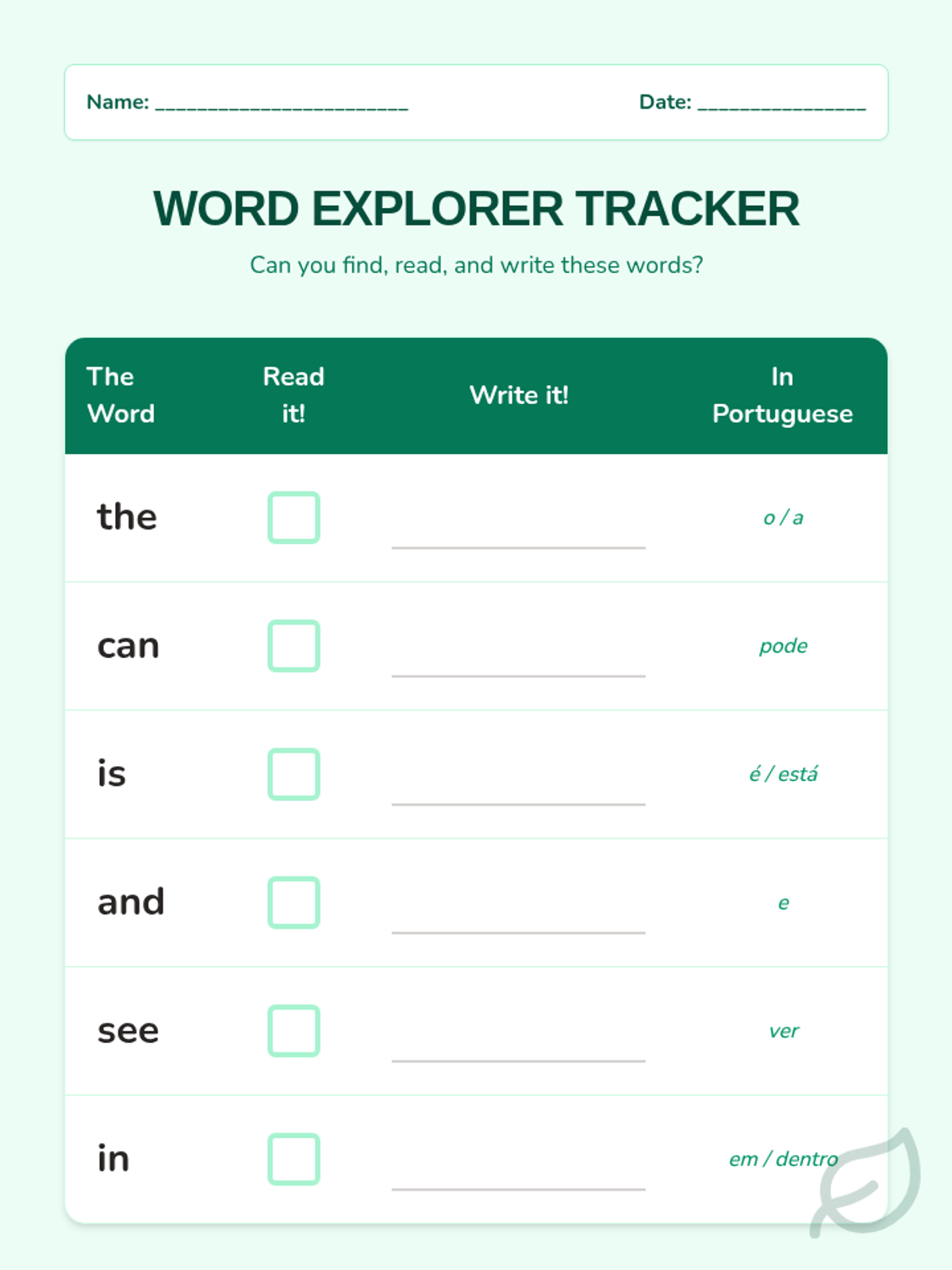
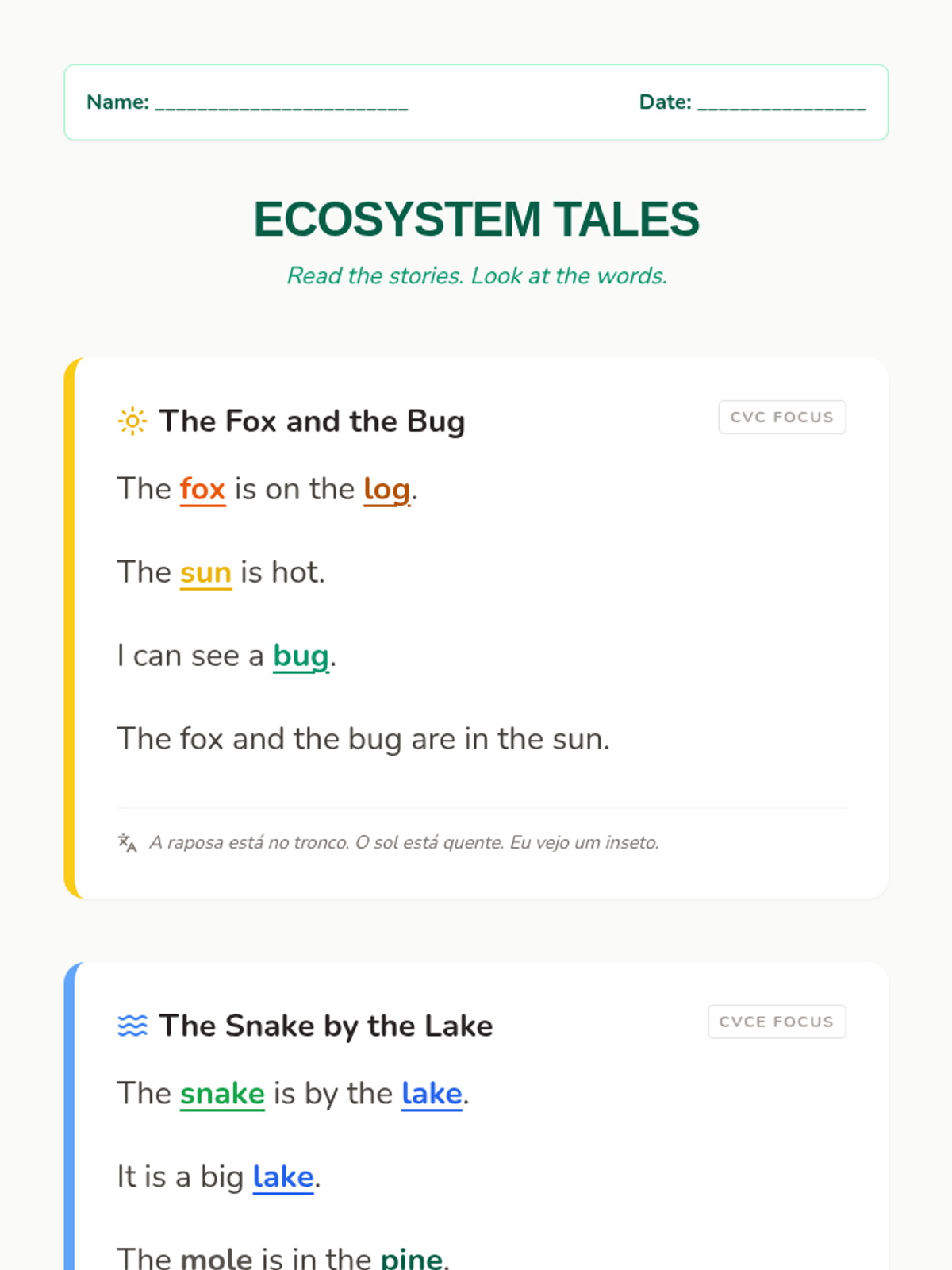
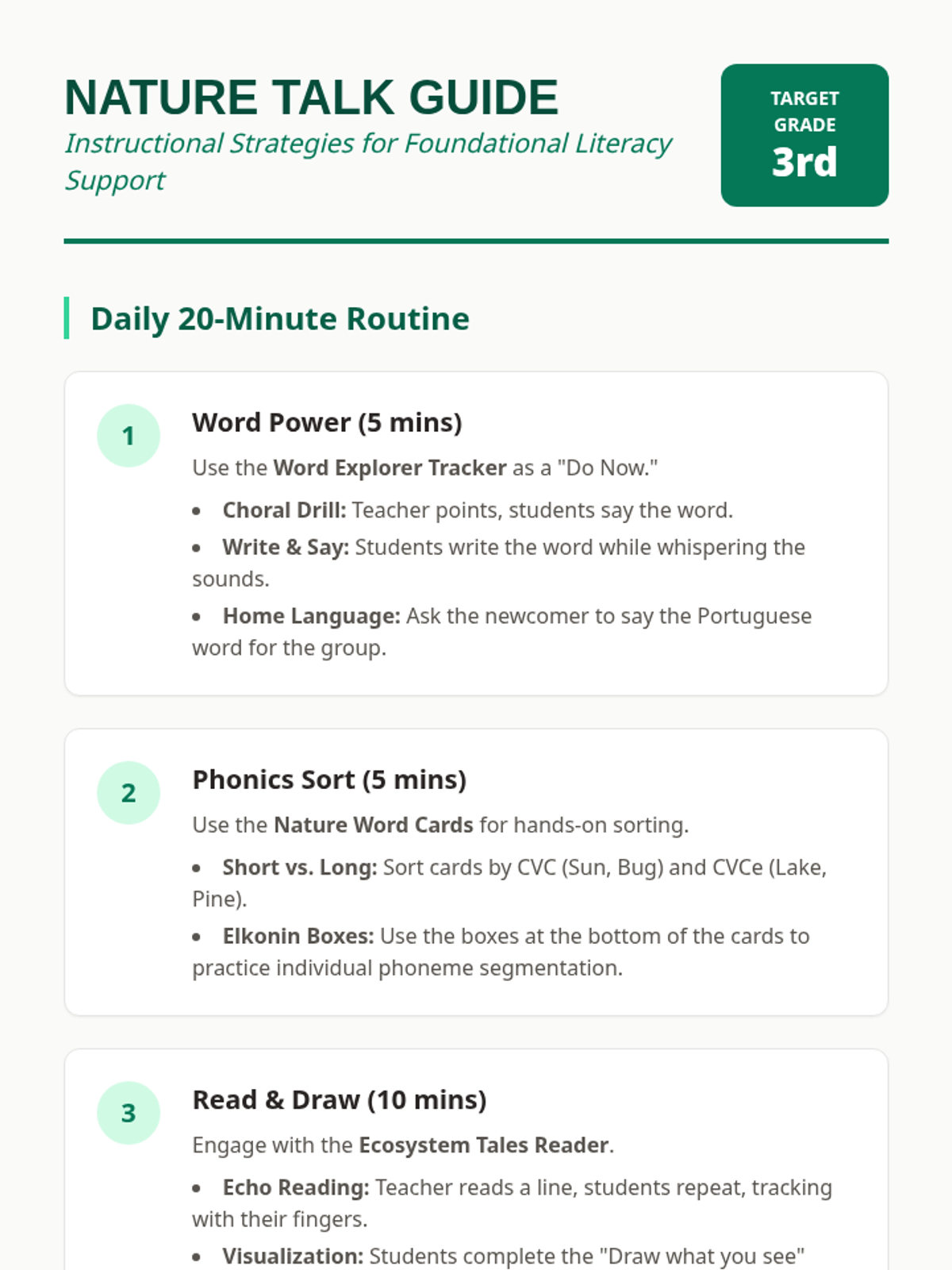
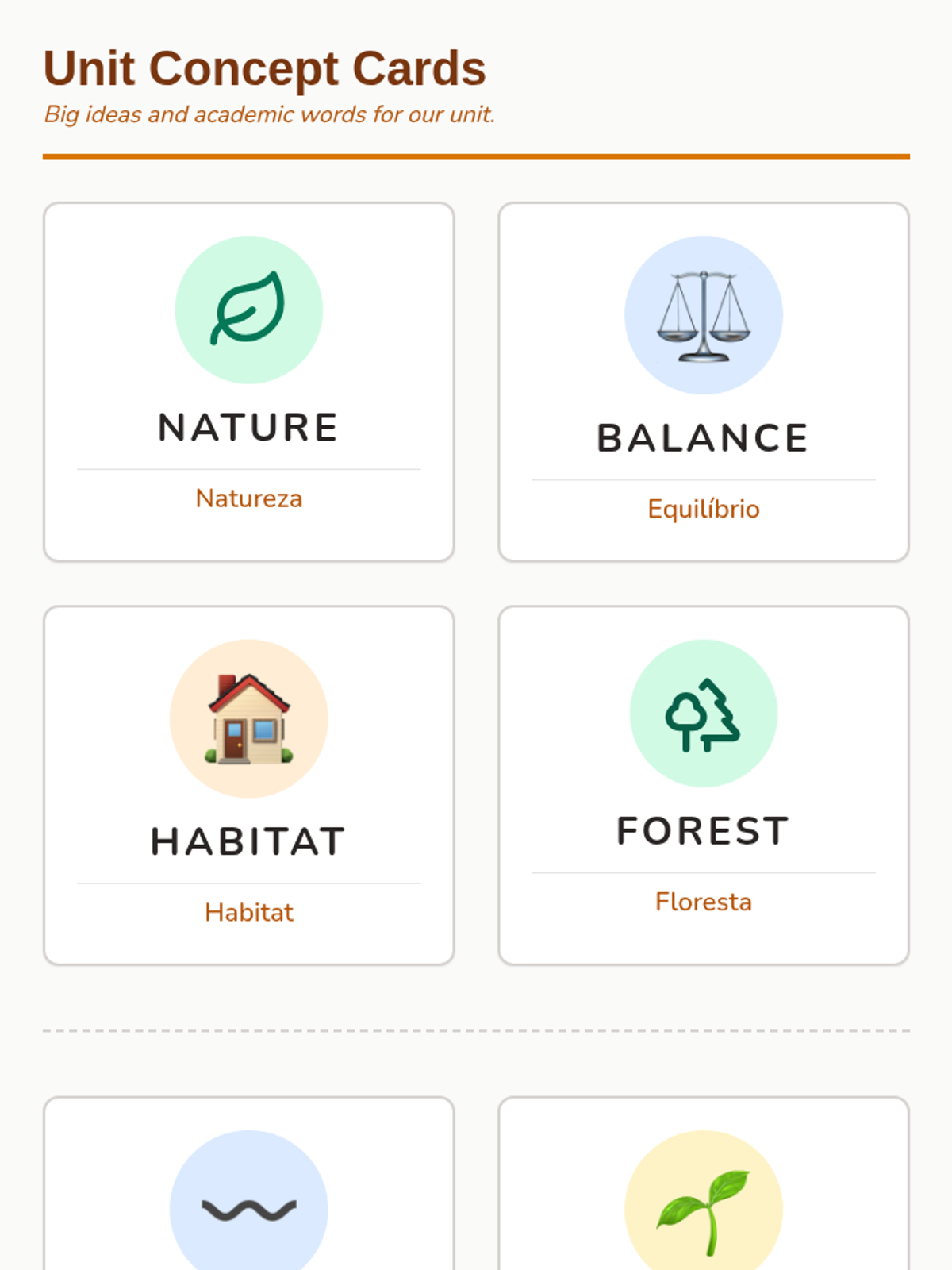
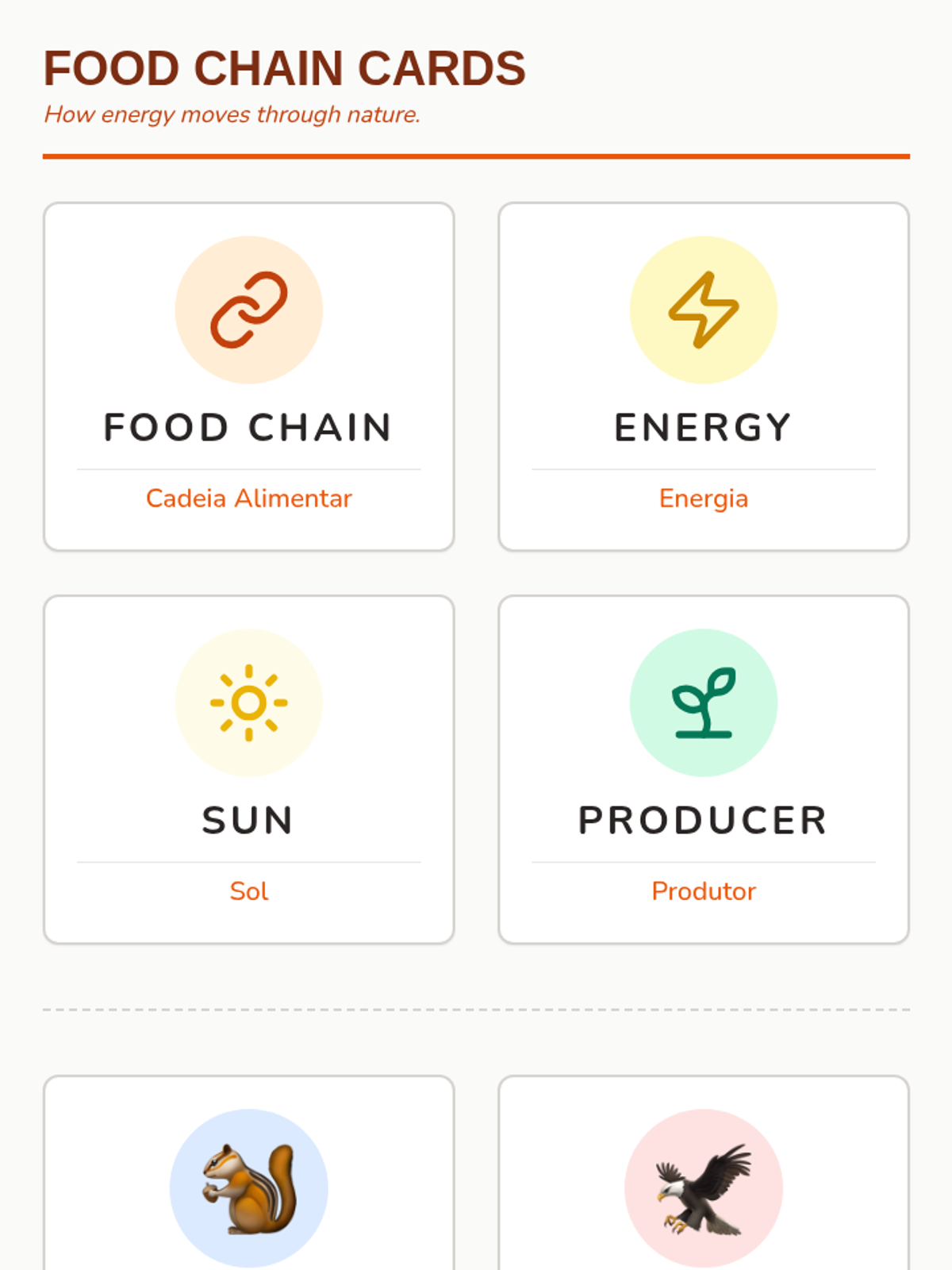
A foundational literacy sequence designed for multilingual learners and students with reading IEPs, supplementing the Nature's Balance curriculum with grade 1 level phonics and high-frequency word support.
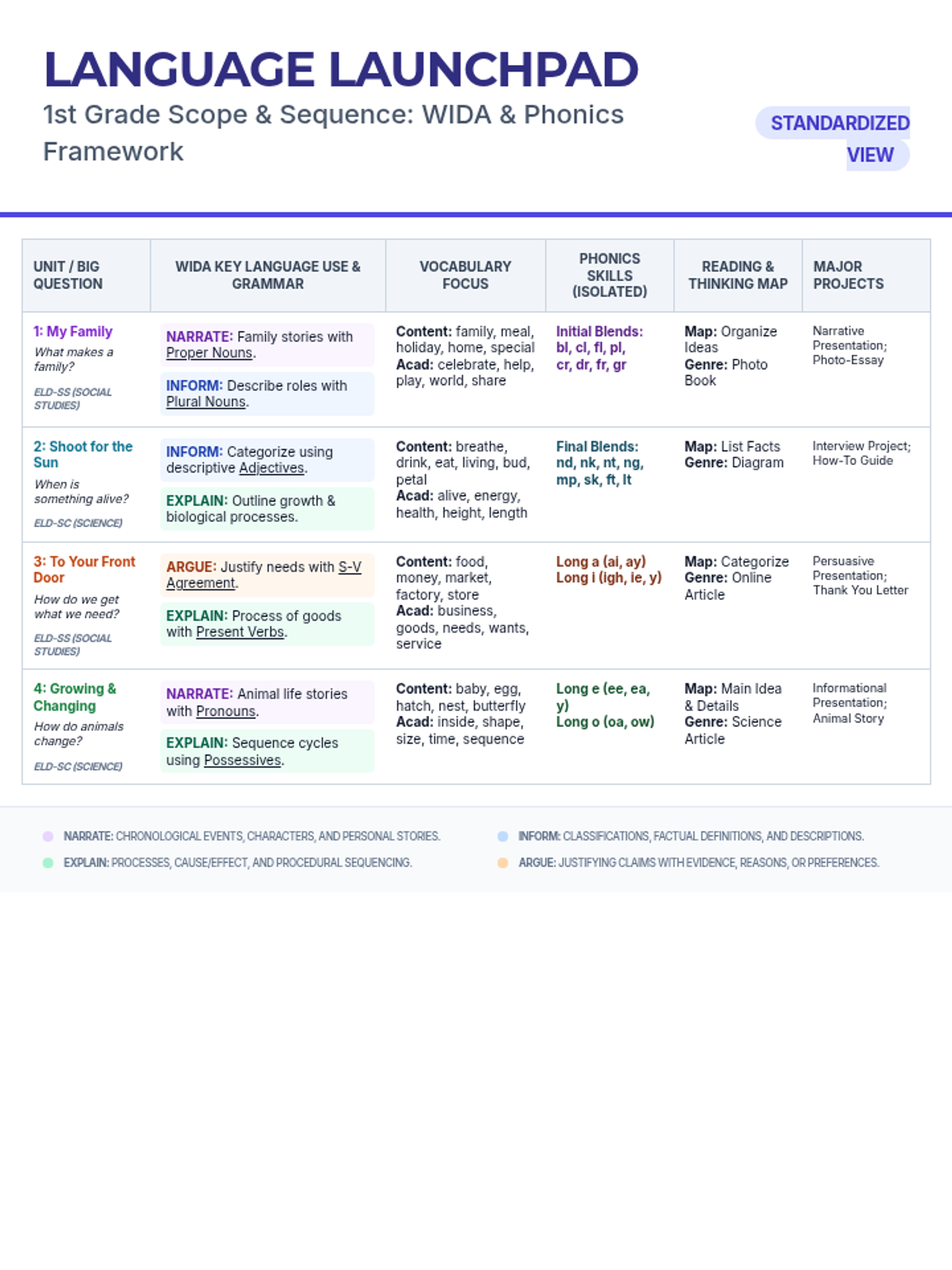
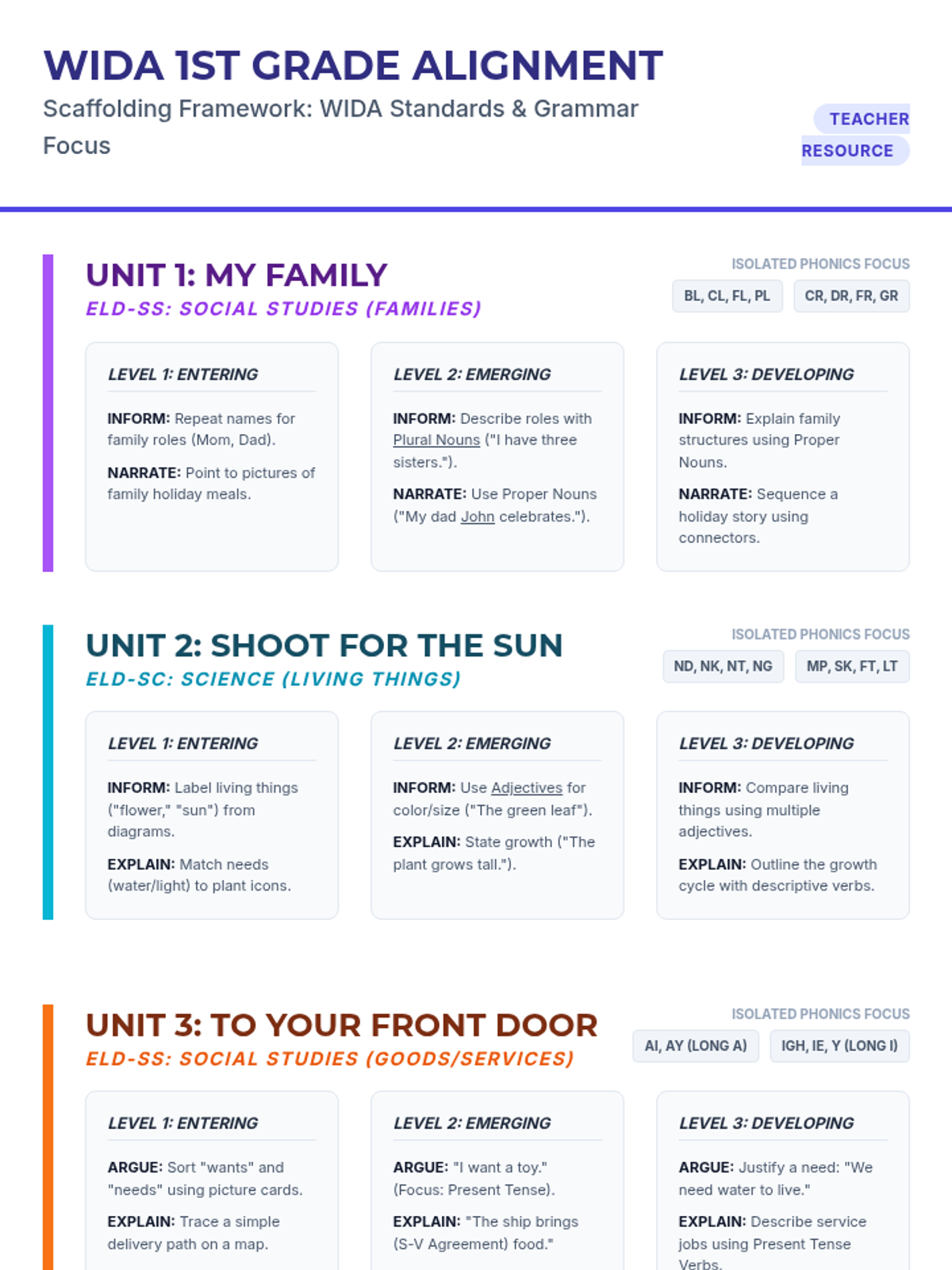
A comprehensive curriculum framework for primary English Language Learners, aligning theme-based social studies and science units with WIDA's four Key Language Uses: Narrate, Inform, Explain, and Argue. This sequence provides instructional scaffolding for students at proficiency levels 1-3.
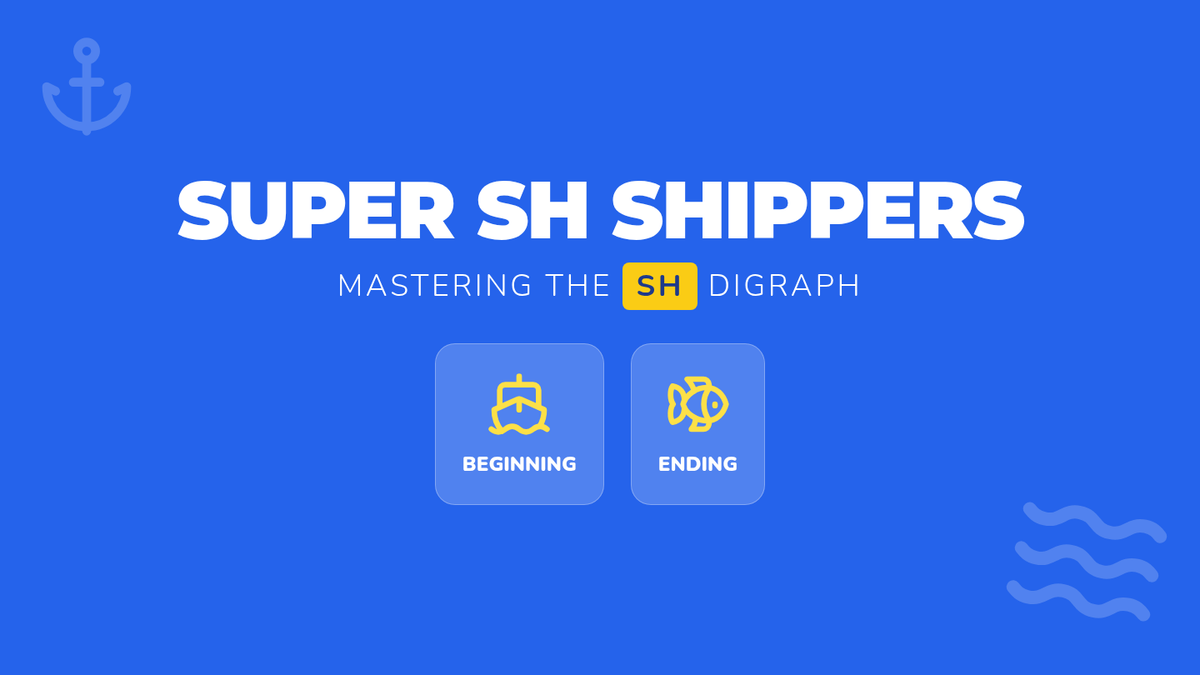
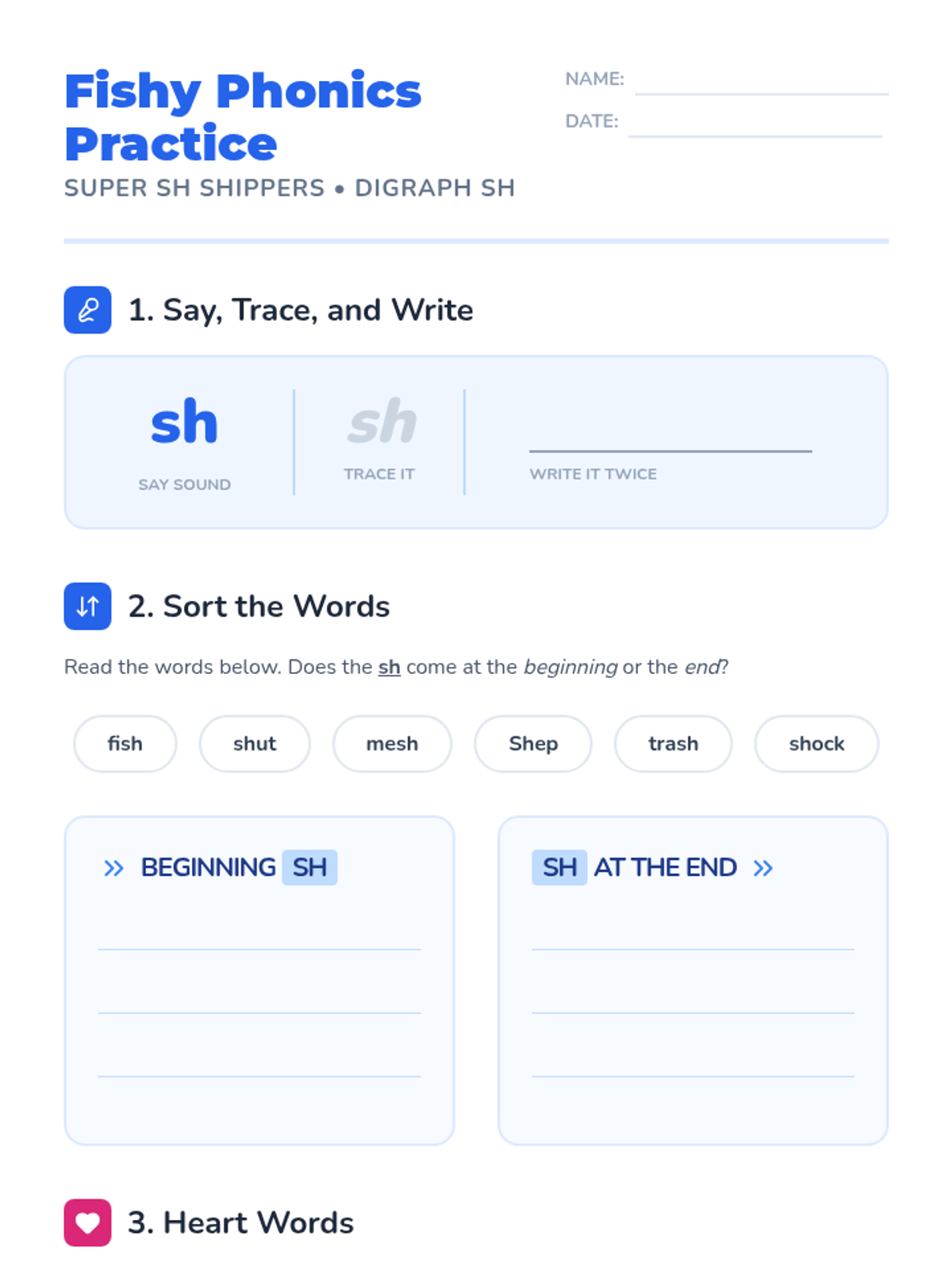
A series of structured literacy lessons focusing on mastering common digraphs (sh, th, ch) through explicit instruction, heart word methods, and decodable text practice.
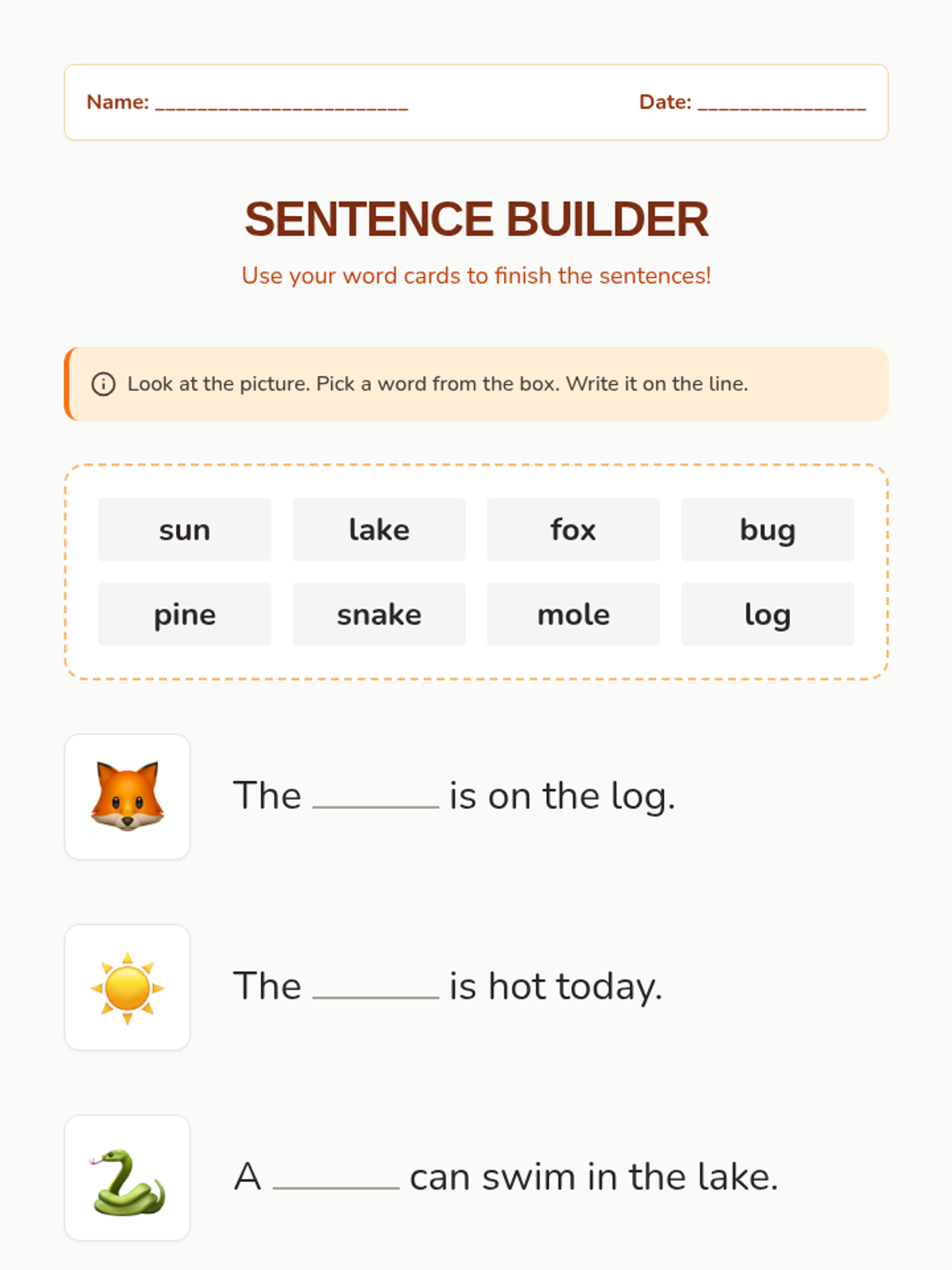
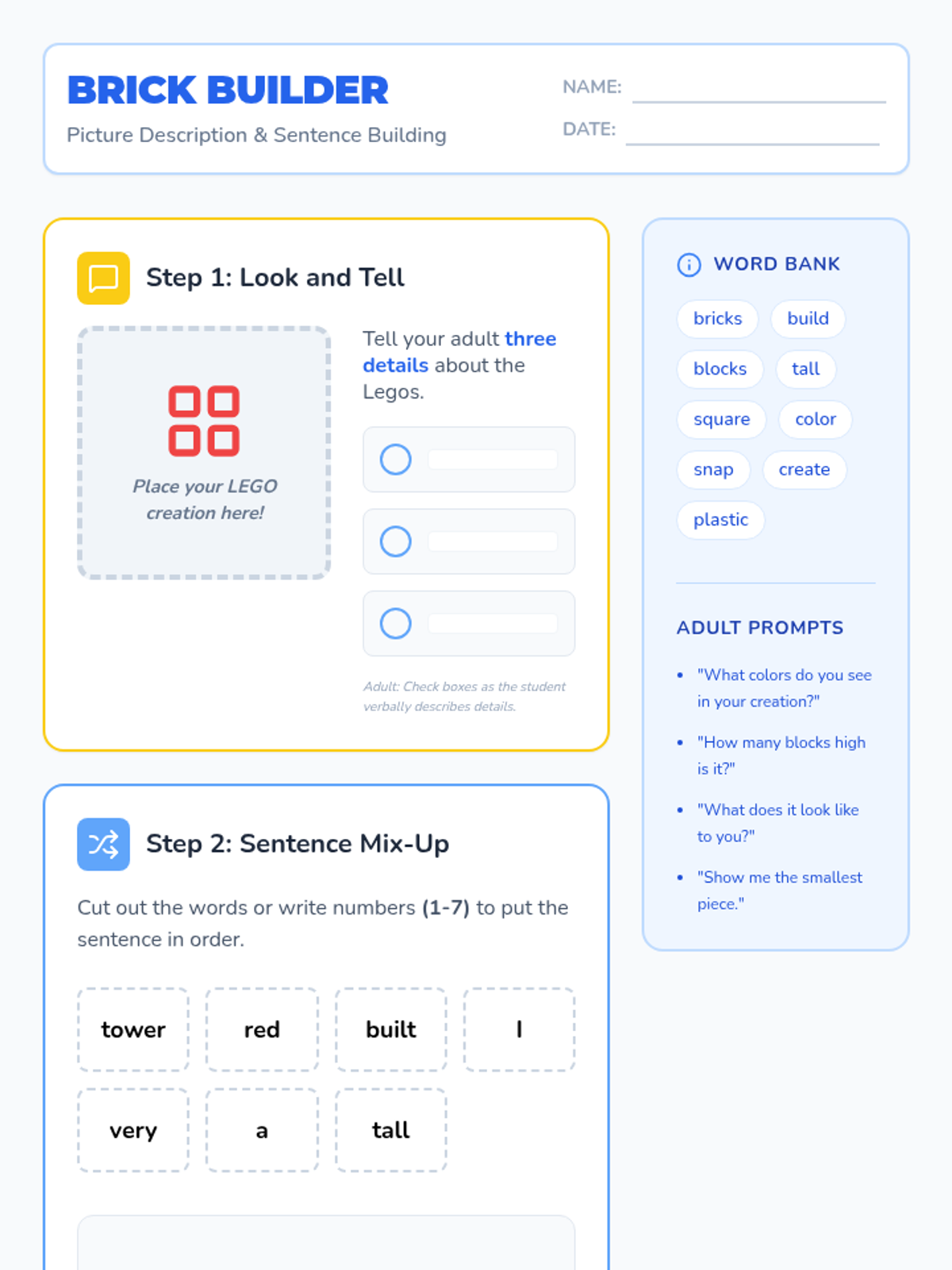
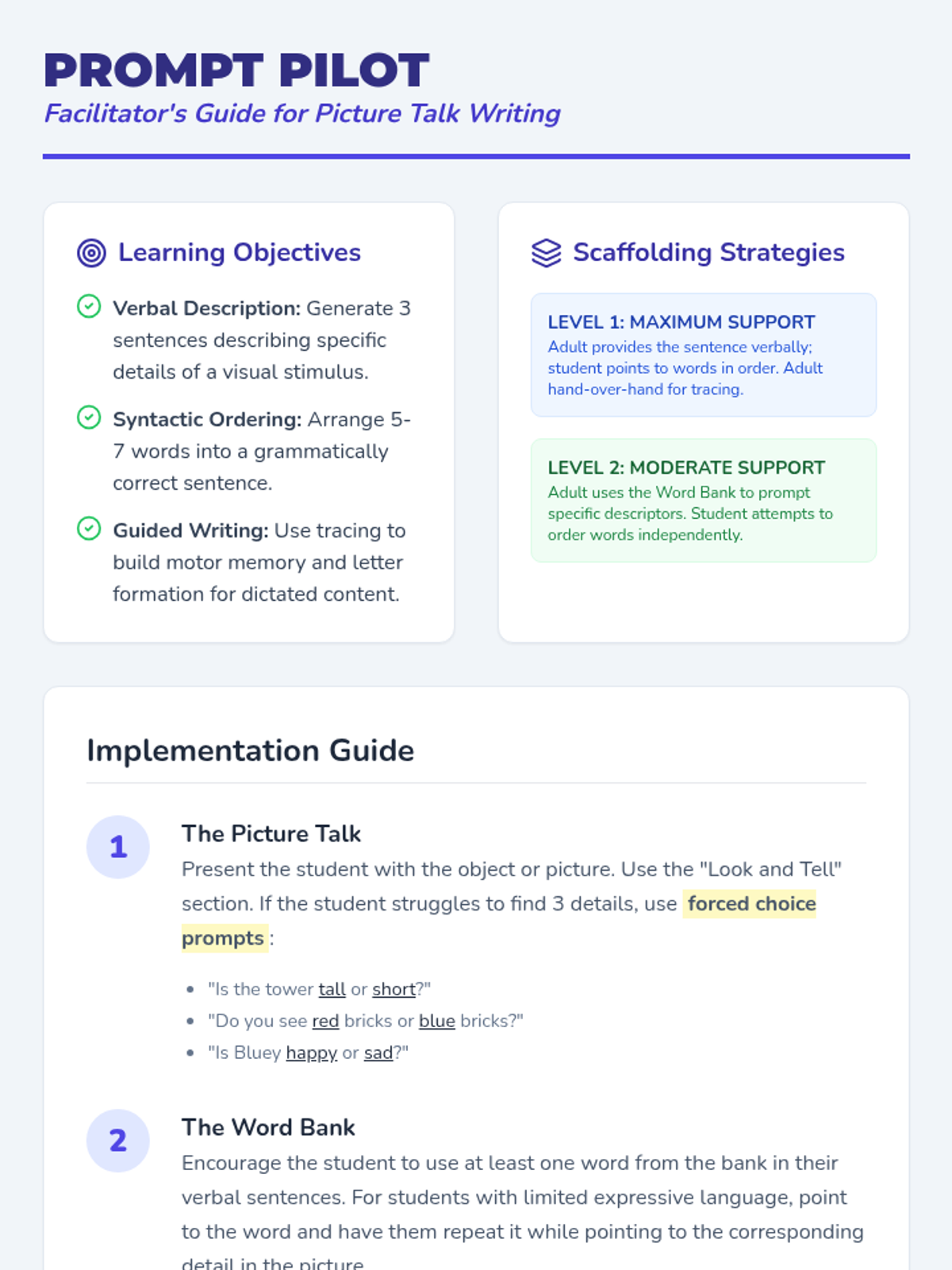
A 5-day writing workshop for young learners to build verbal description skills and sentence structure using high-interest themes and adult scaffolding.
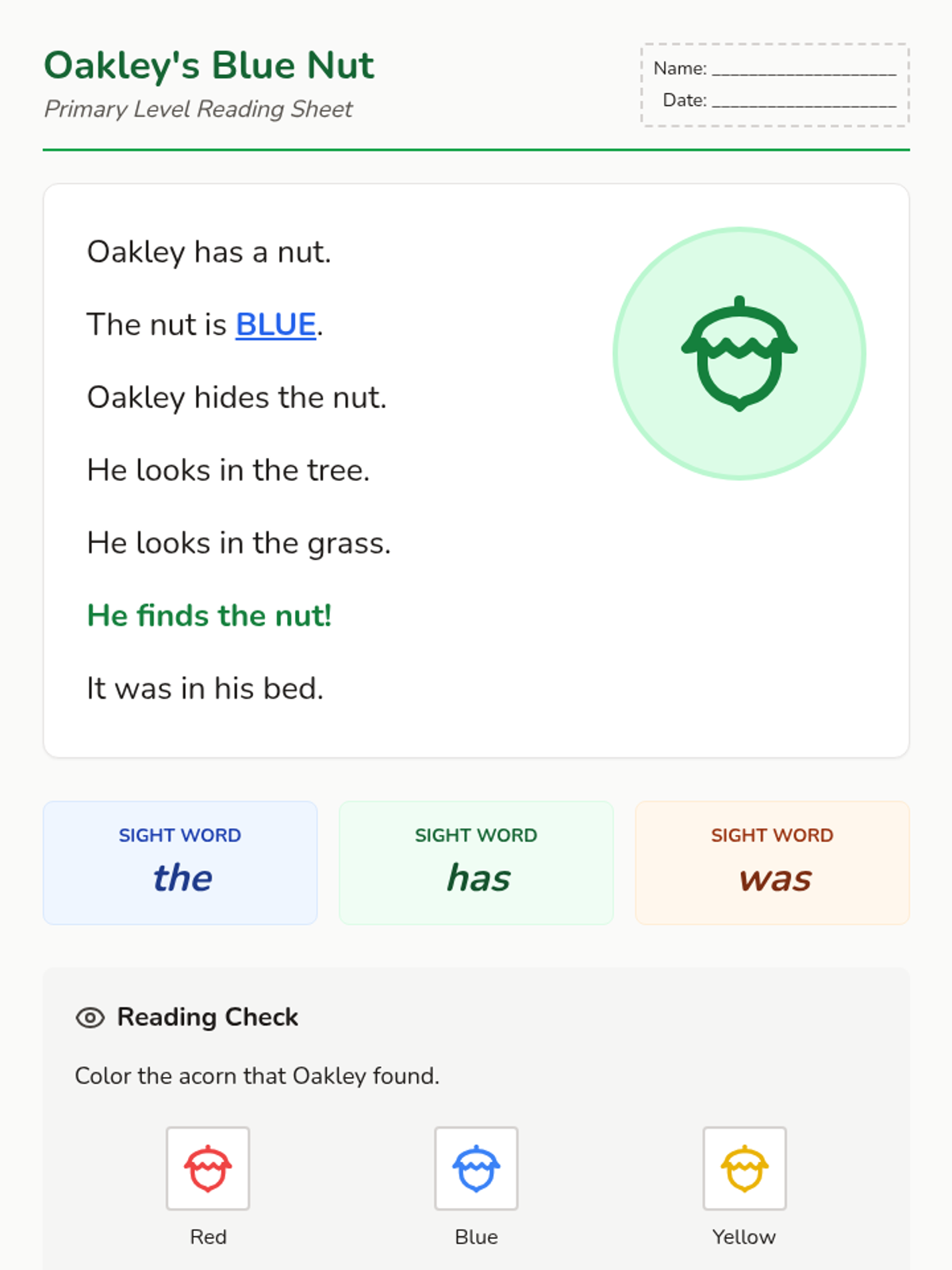
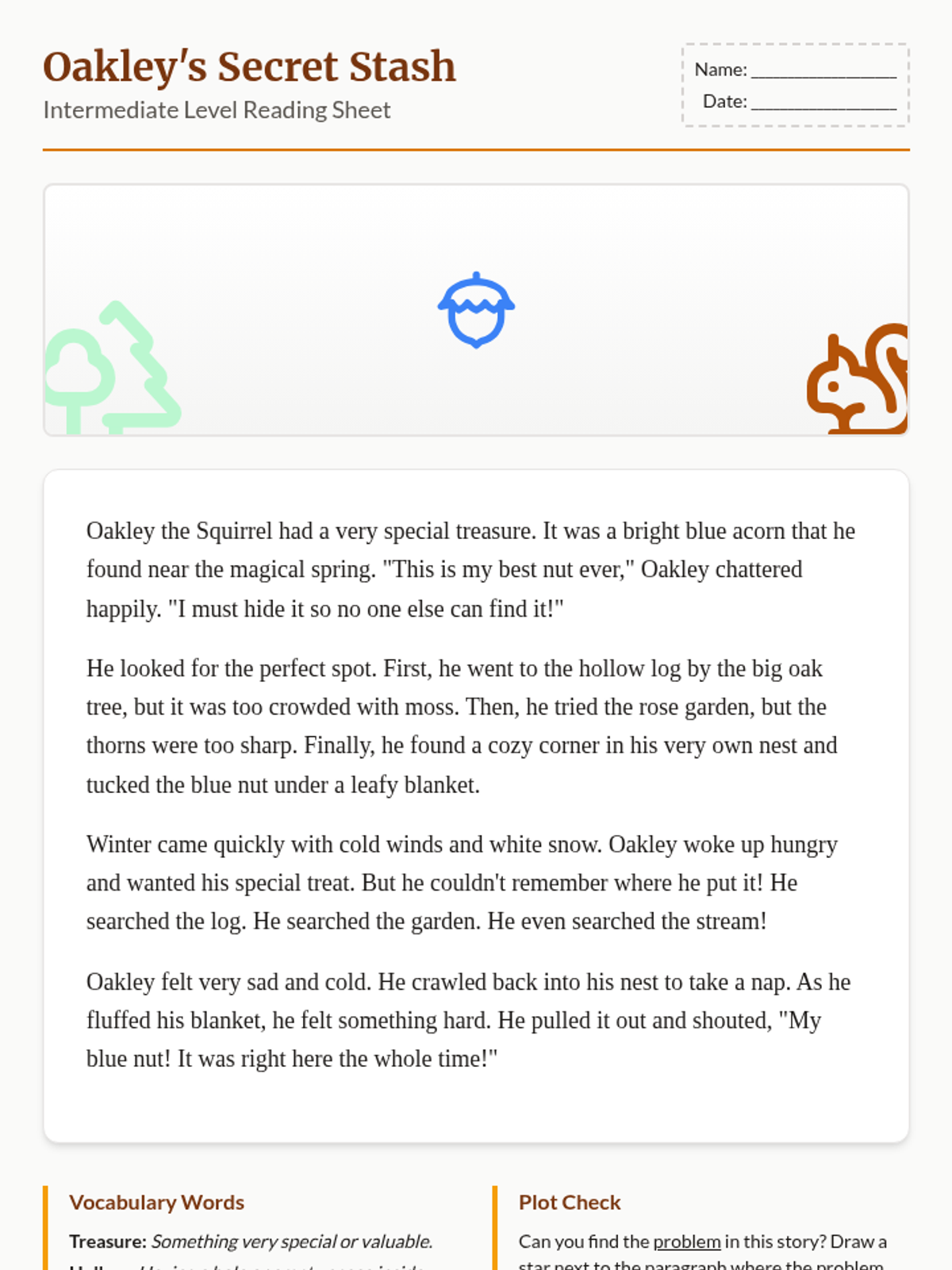
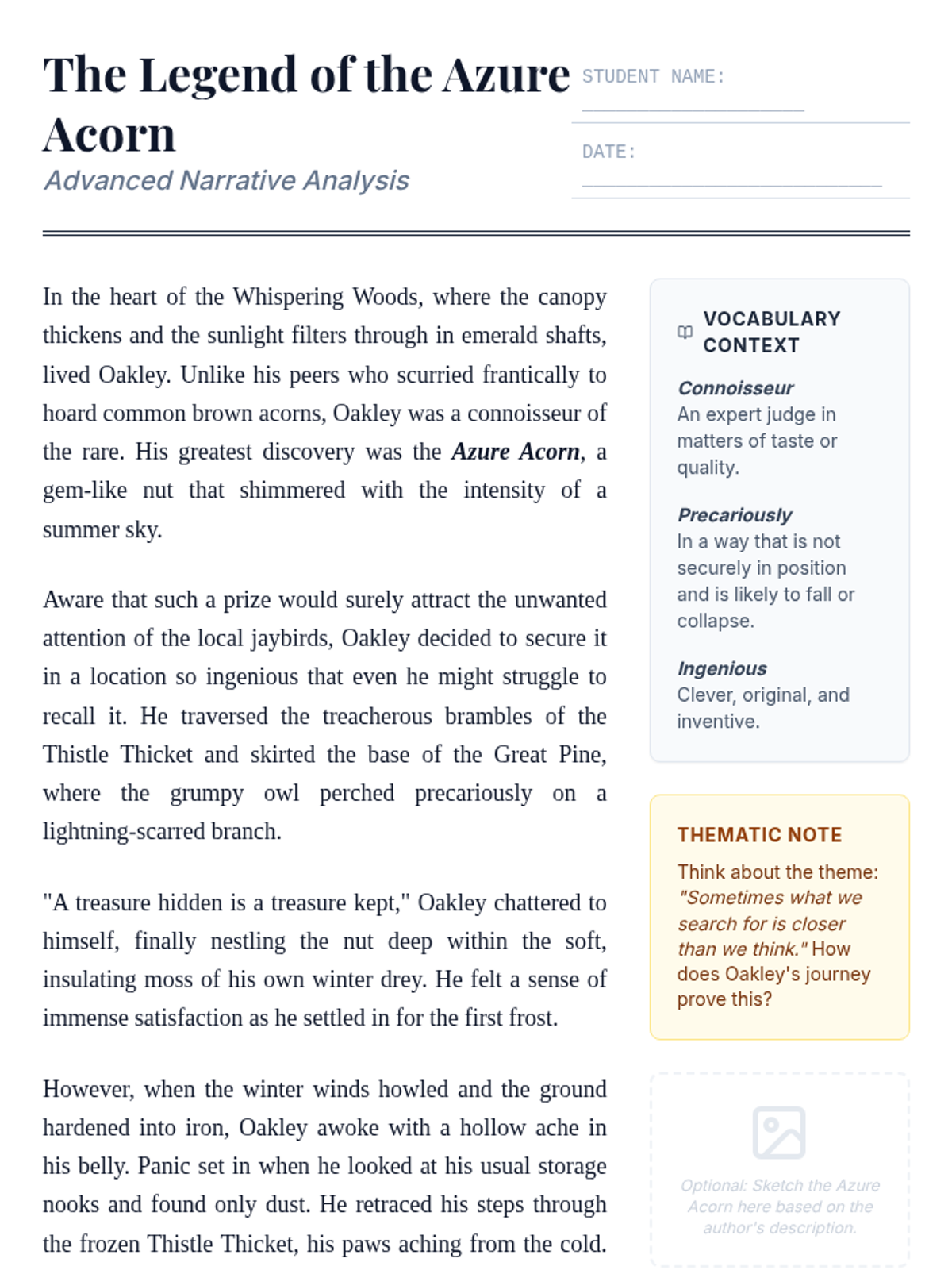
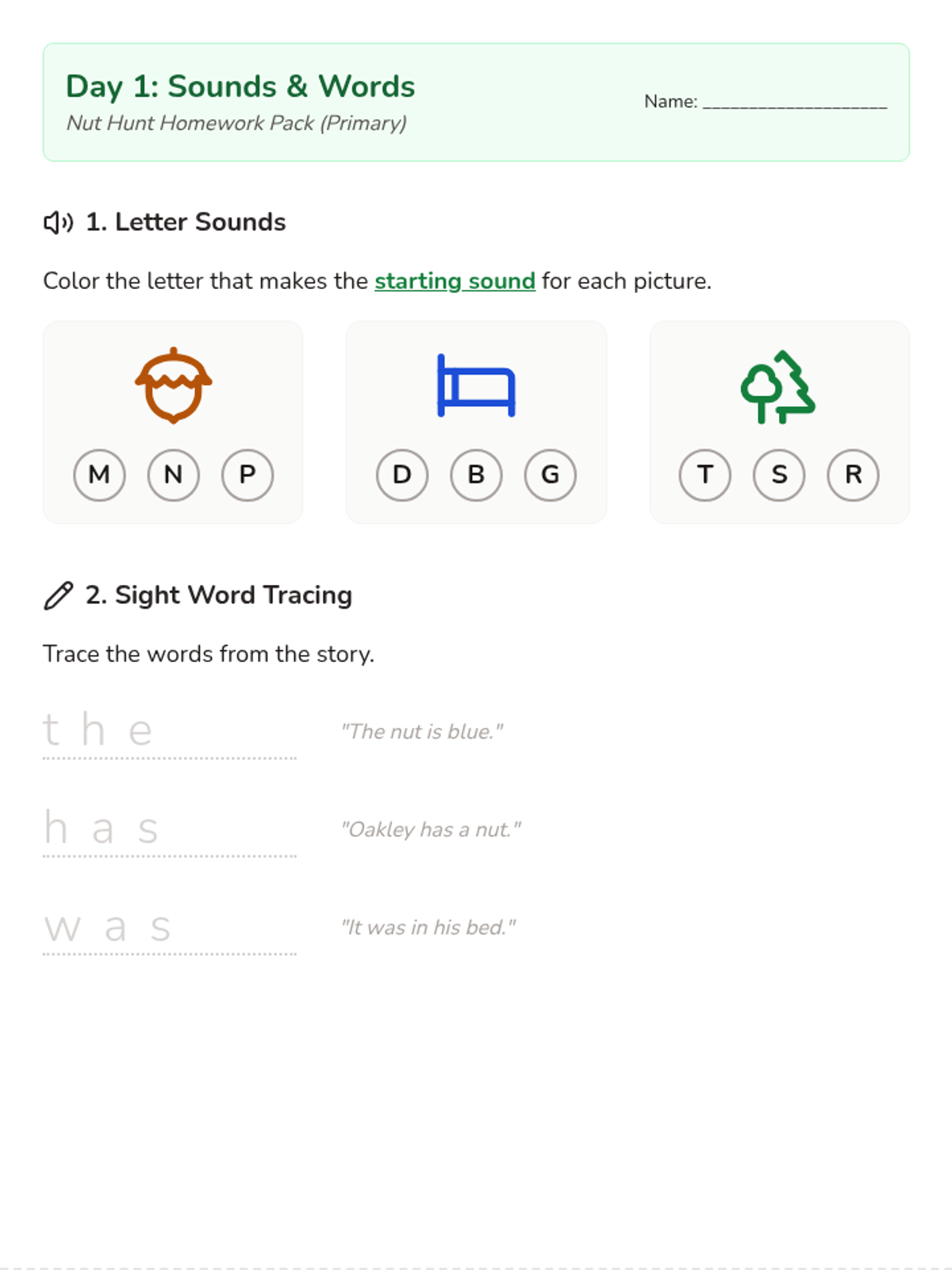
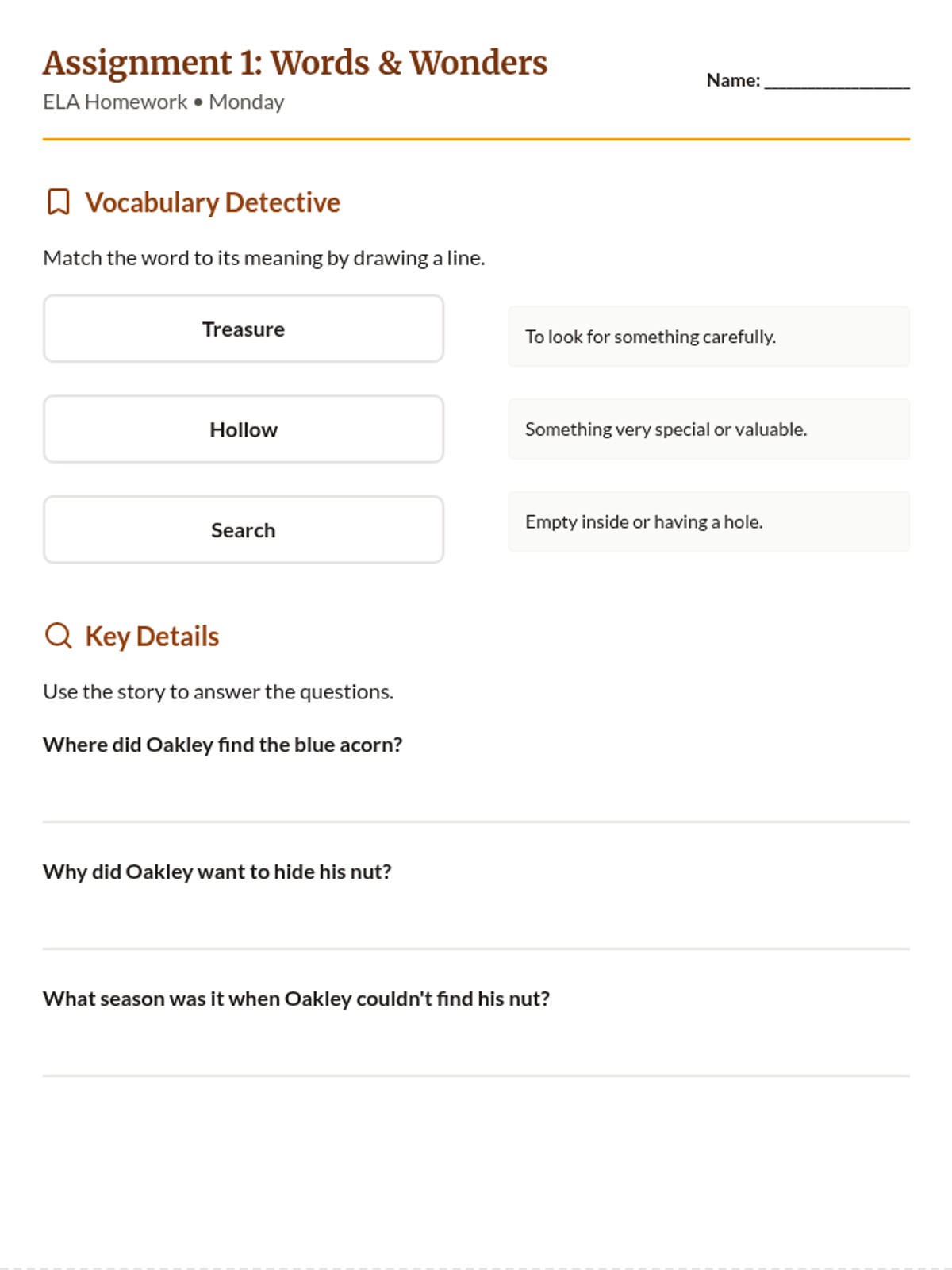
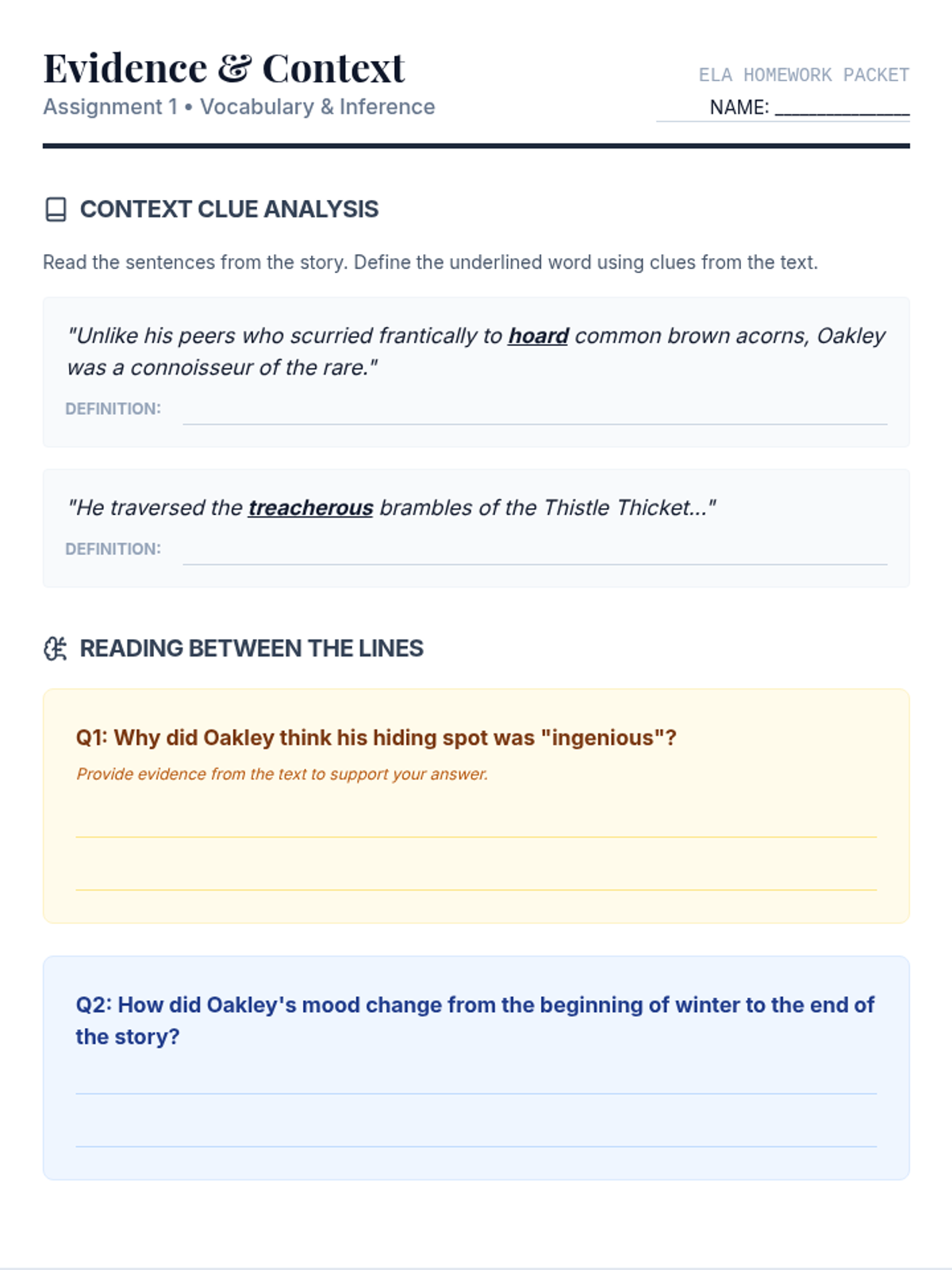
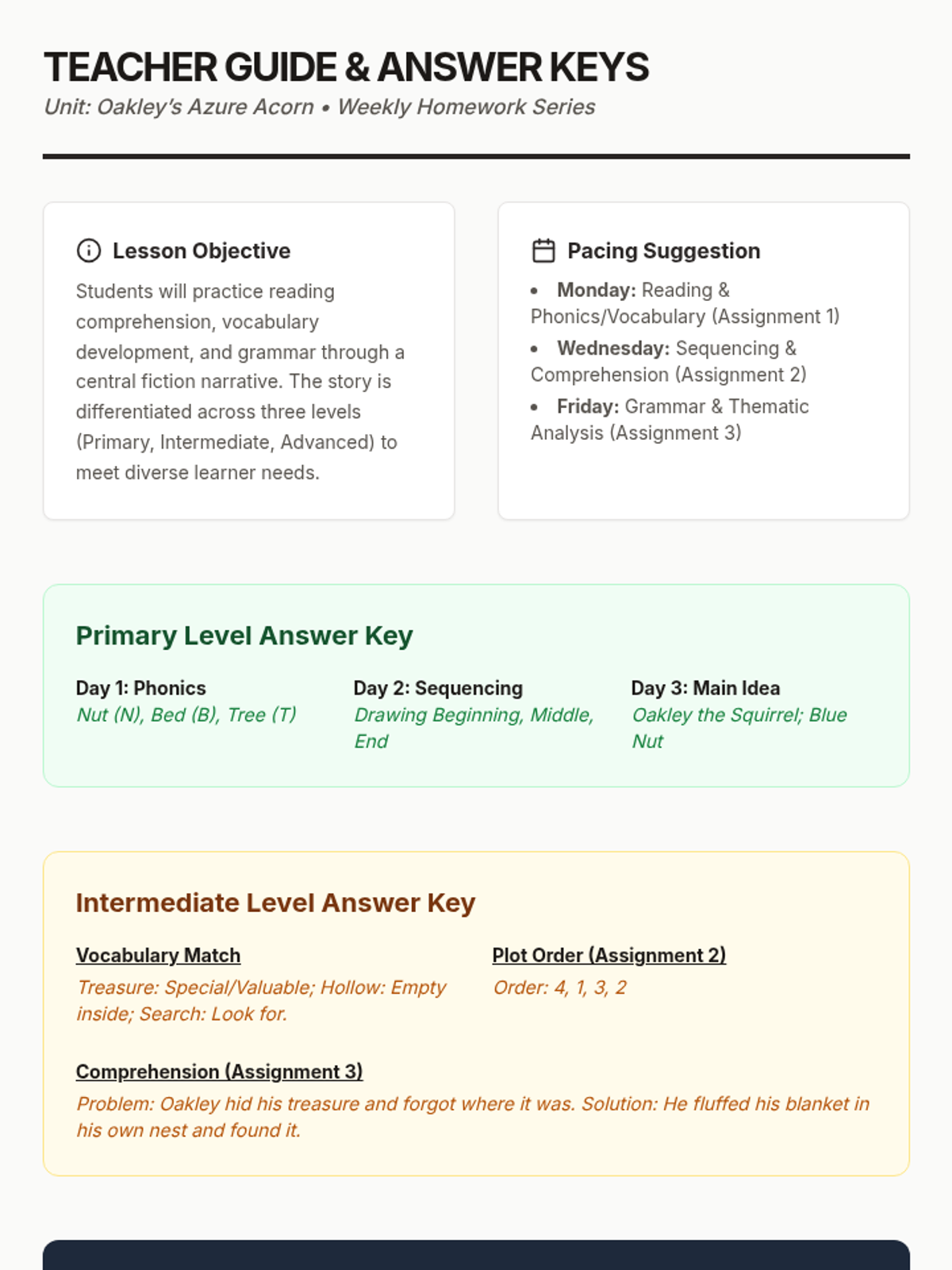
A week-long ELA homework series centered around a narrative about a squirrel's search for a rare acorn. The materials are differentiated for Kindergarten, 2nd Grade, and 4th Grade learners.
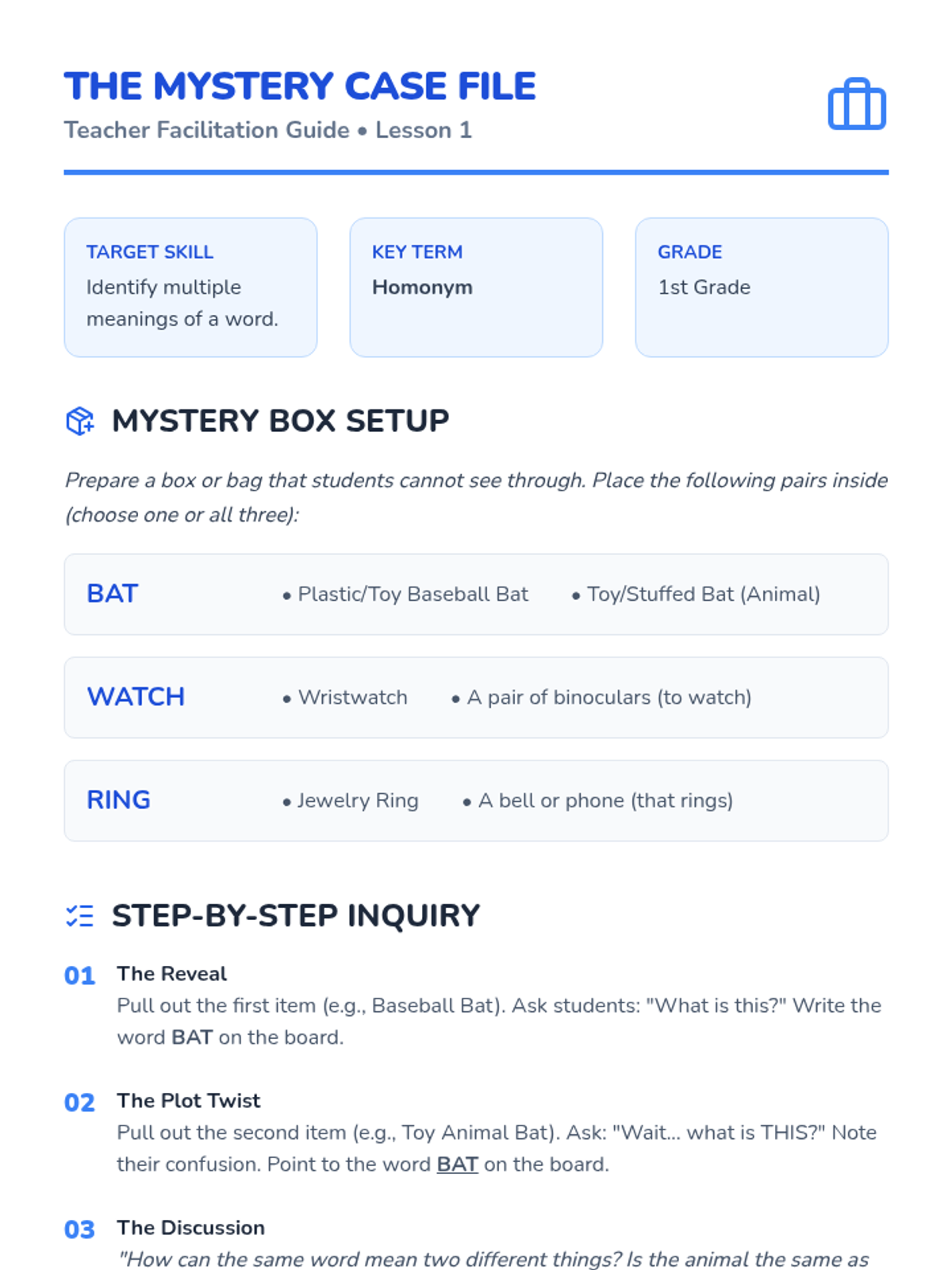
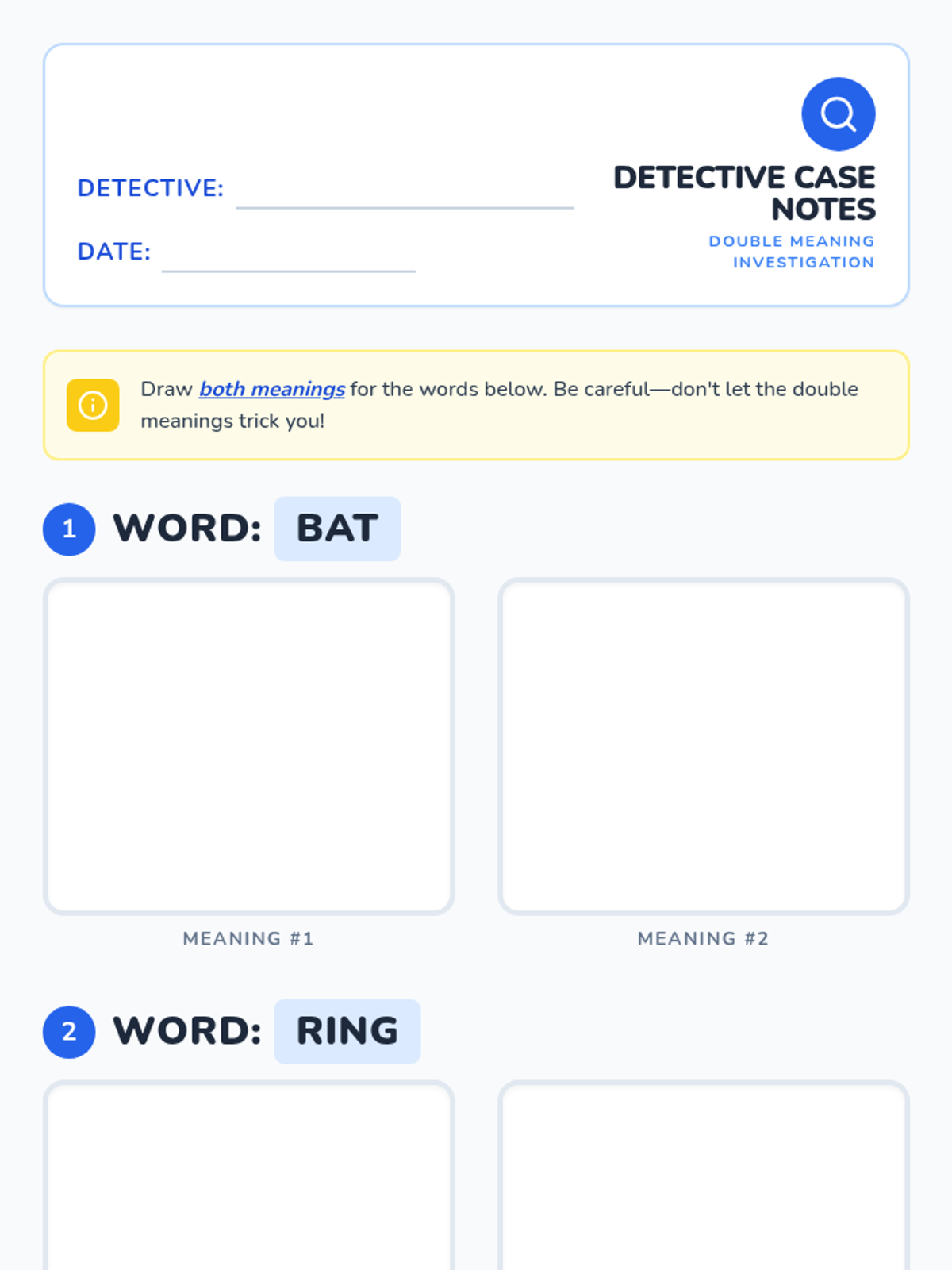
A 1st-grade sequence exploring homonyms (multiple-meaning words) through a detective and museum theme. Students transition from identifying double meanings in oral language to creating a 'Word Museum' of illustrated homonyms.
A comprehensive 1st-grade ELA sequence exploring how suffixes -ed and -ing change action words to show when they happen. Students use games, timelines, and narrative writing to master past and present continuous tenses.
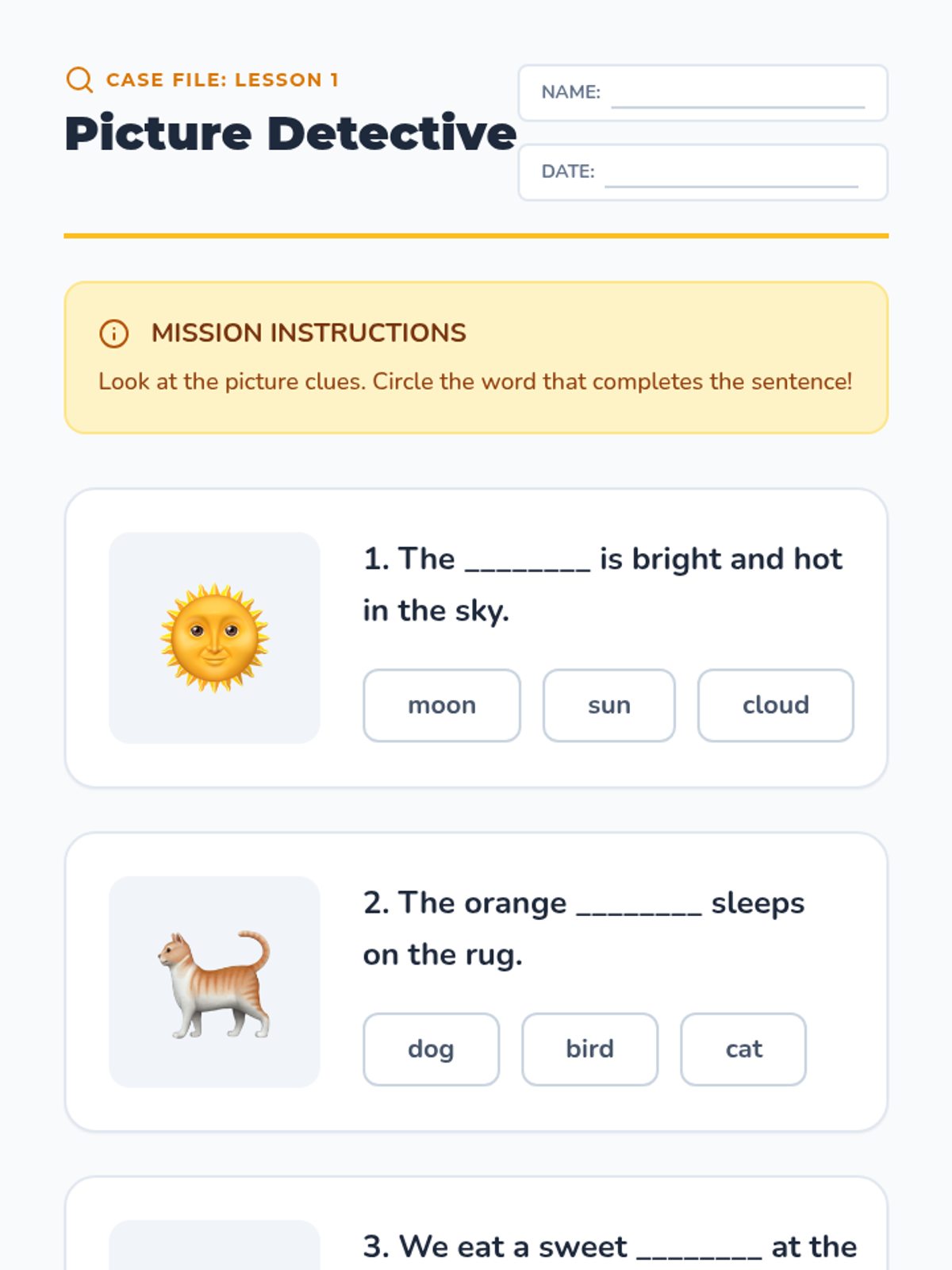
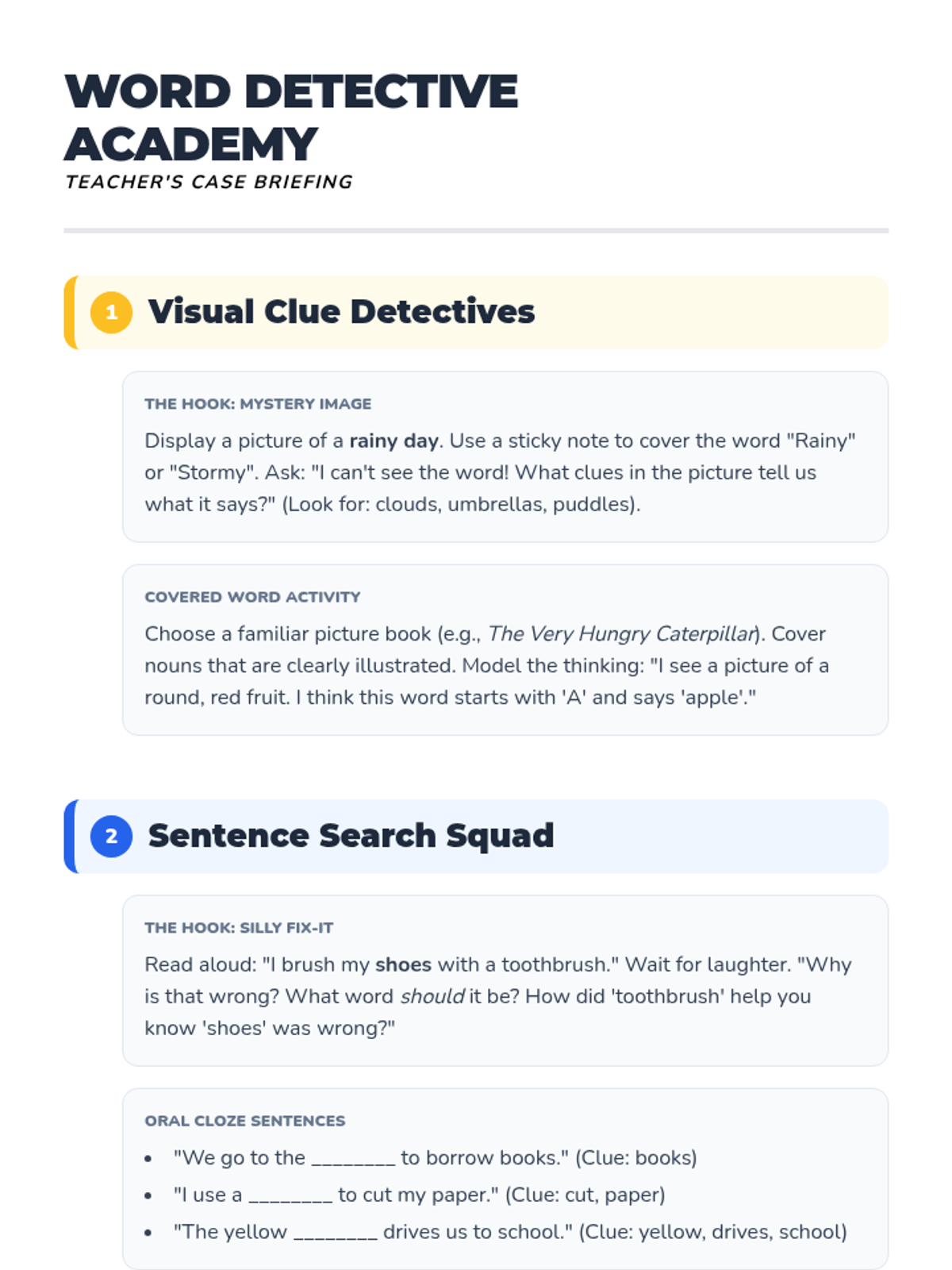
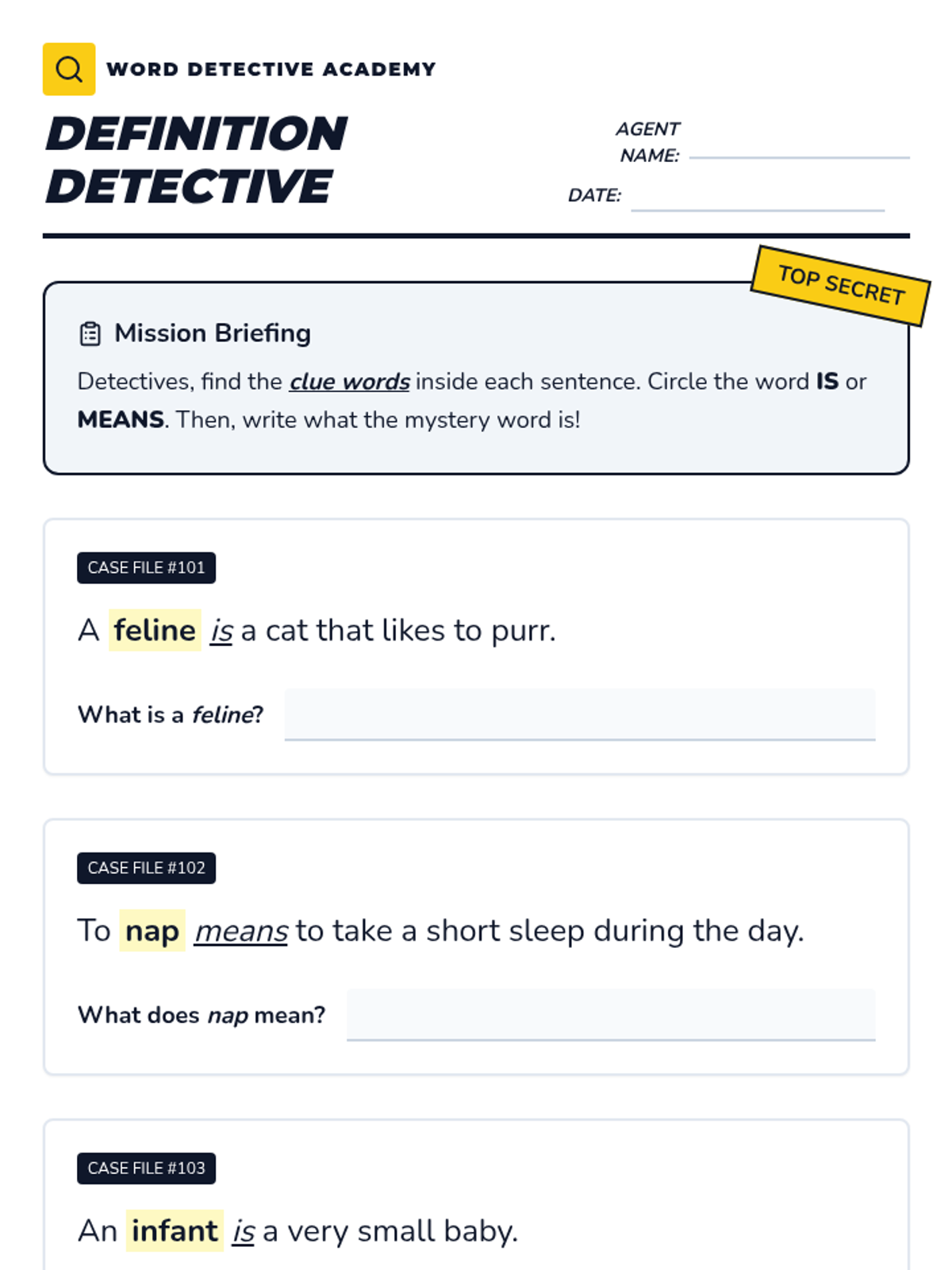
A foundational ELA sequence for 1st graders that builds context clue skills through a 'Word Detective' lens, moving from visual literacy to textual analysis. Students learn to use illustrations, sentence clues, and helper words to decode meaning, concluding with a workshop to apply their skills to new texts.
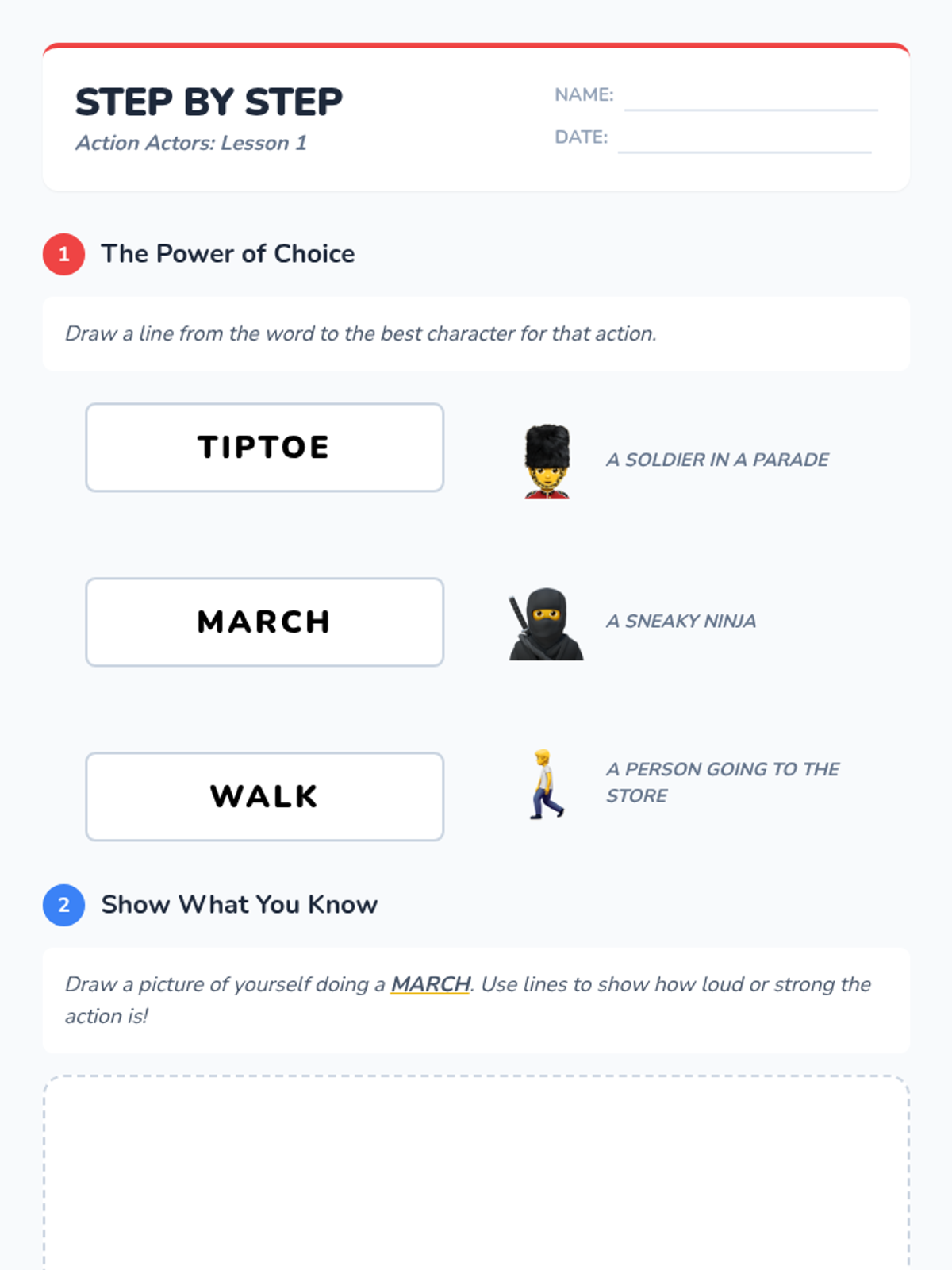
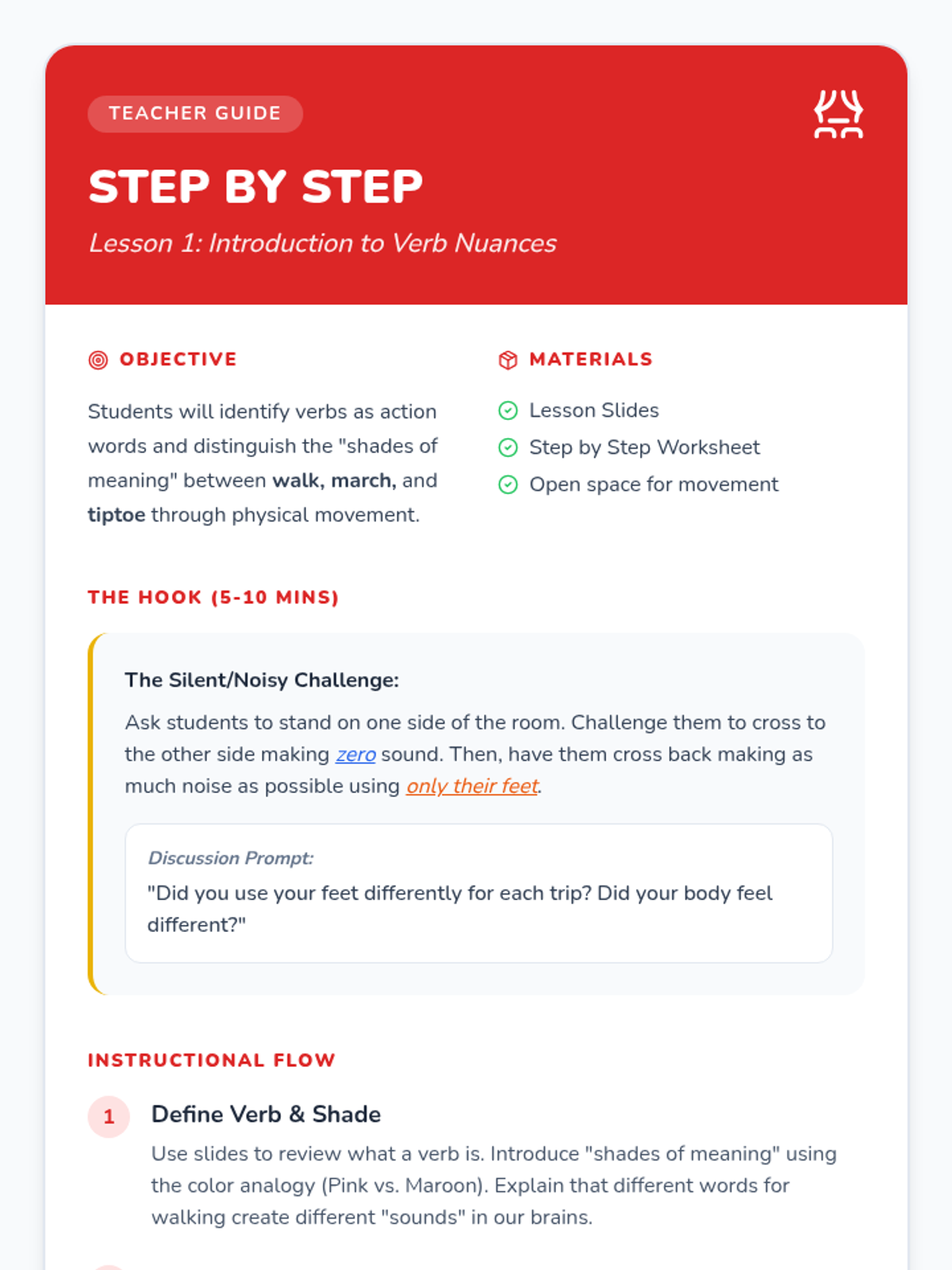
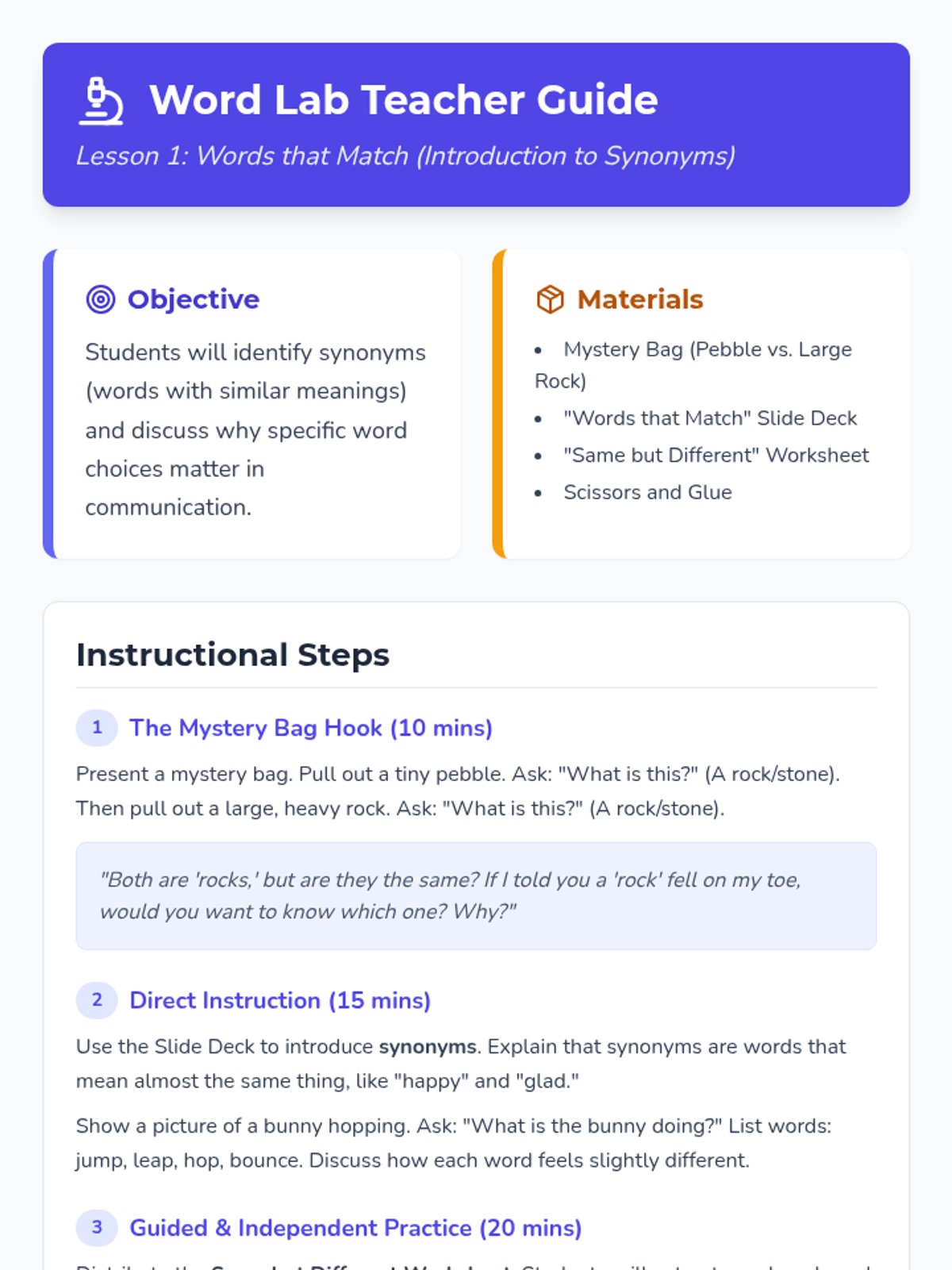
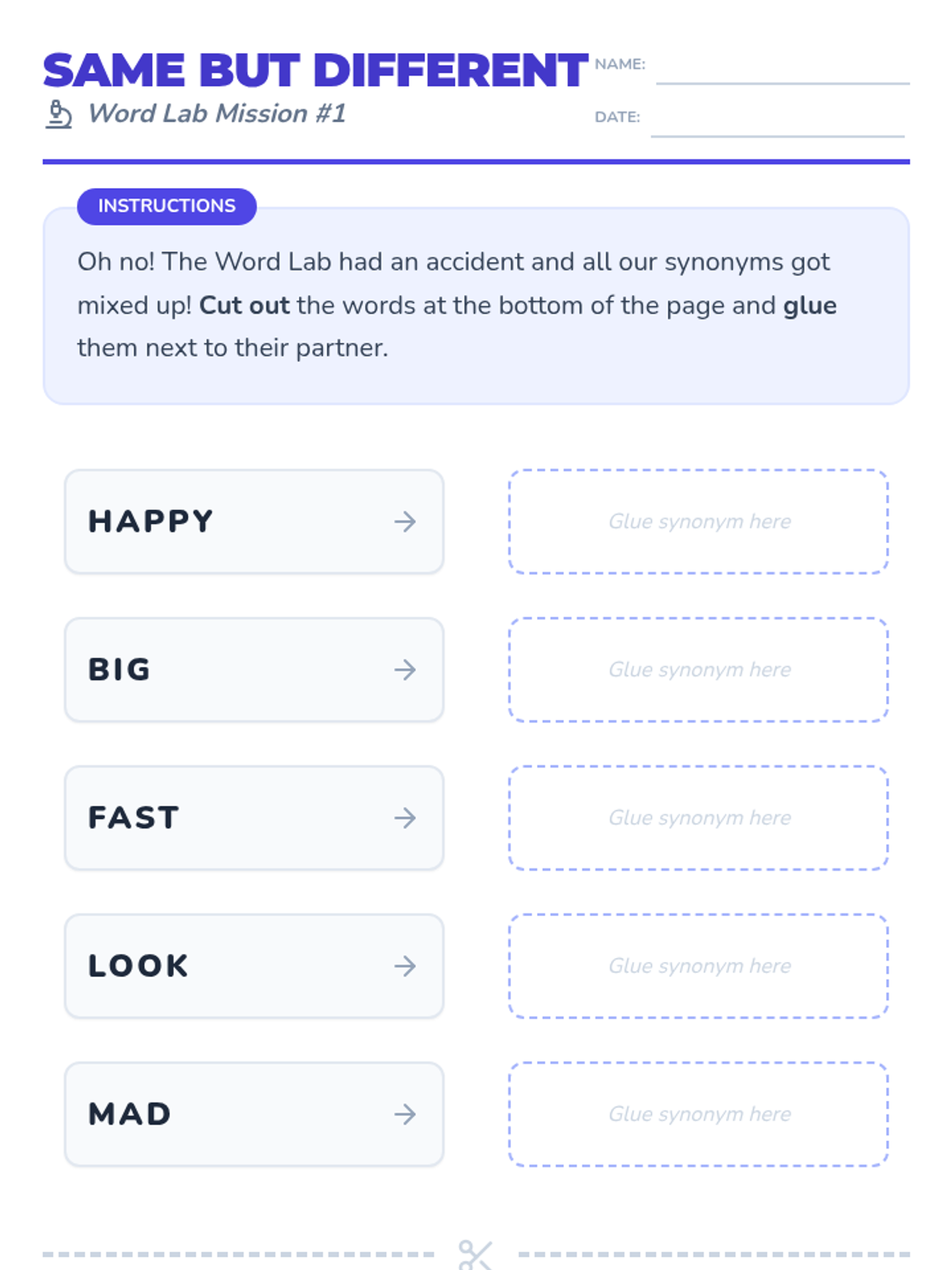
A 1st-grade sequence exploring synonyms and verb nuances through movement, drama, and context. Students learn to distinguish between related action words to create more precise mental images.
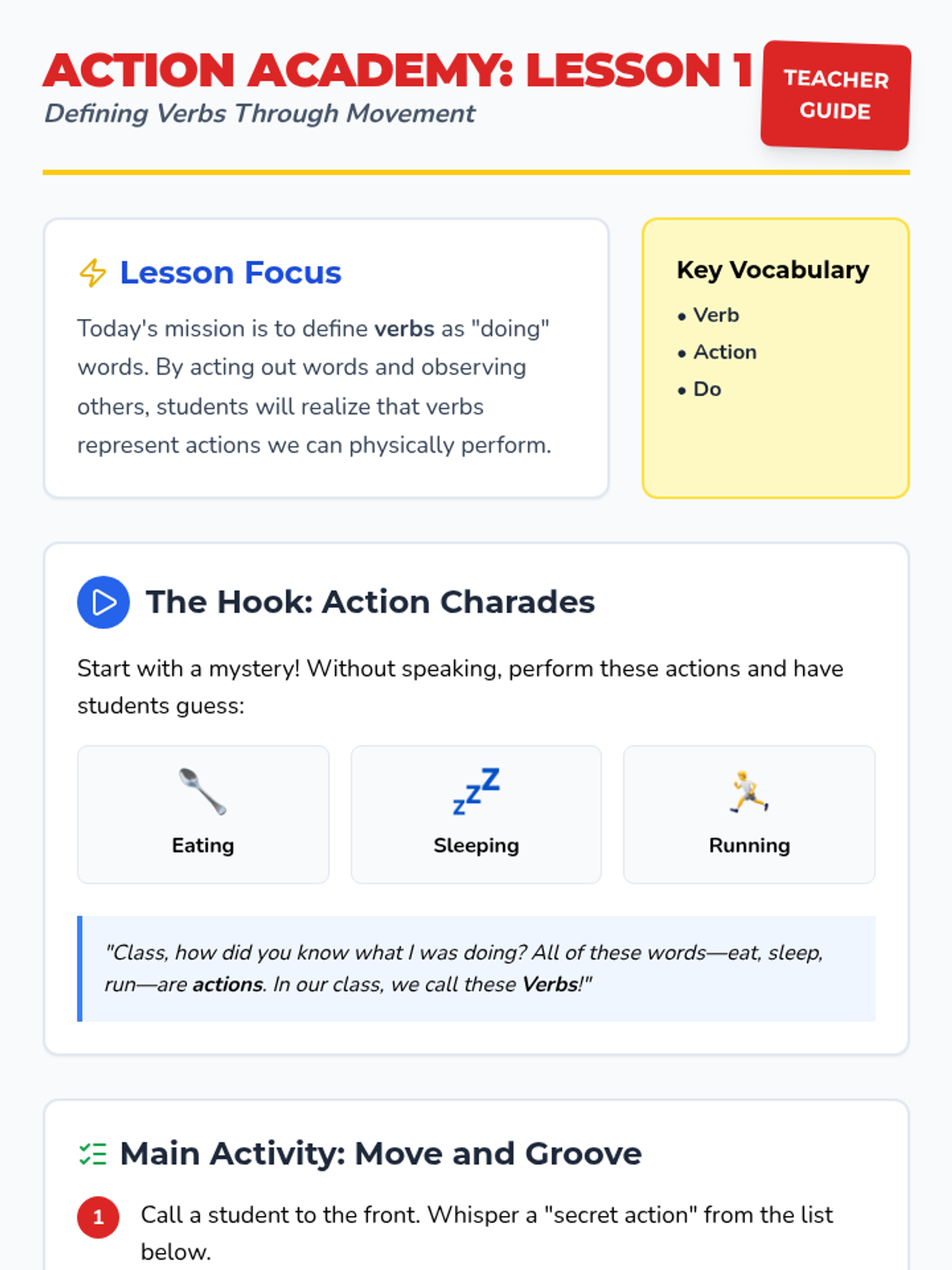
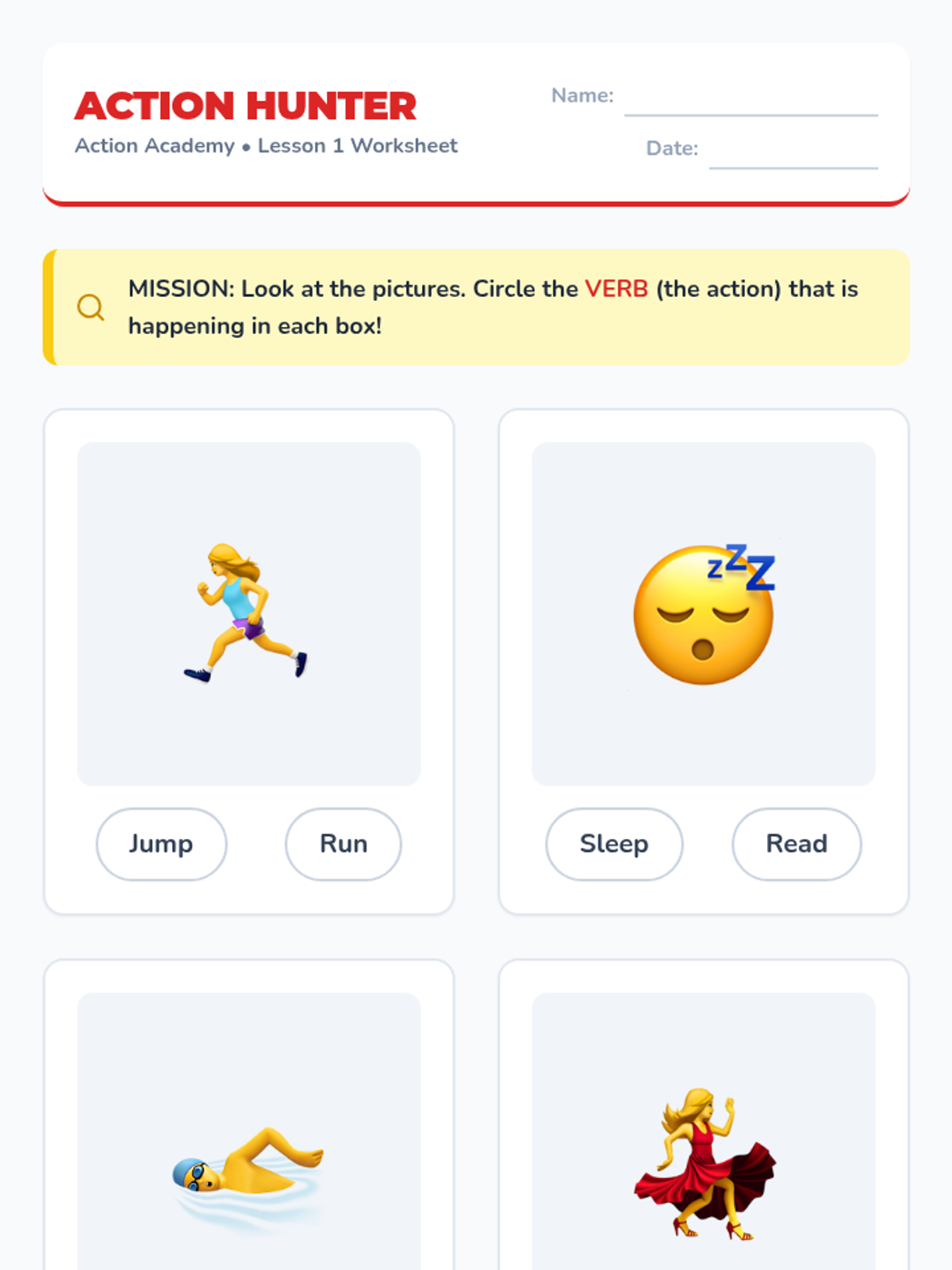
A comprehensive 1st-grade sequence introducing action verbs through movement, categorization, subject-verb agreement, and creative writing. Students move from basic identification to using specific, descriptive verbs in their own sentences.
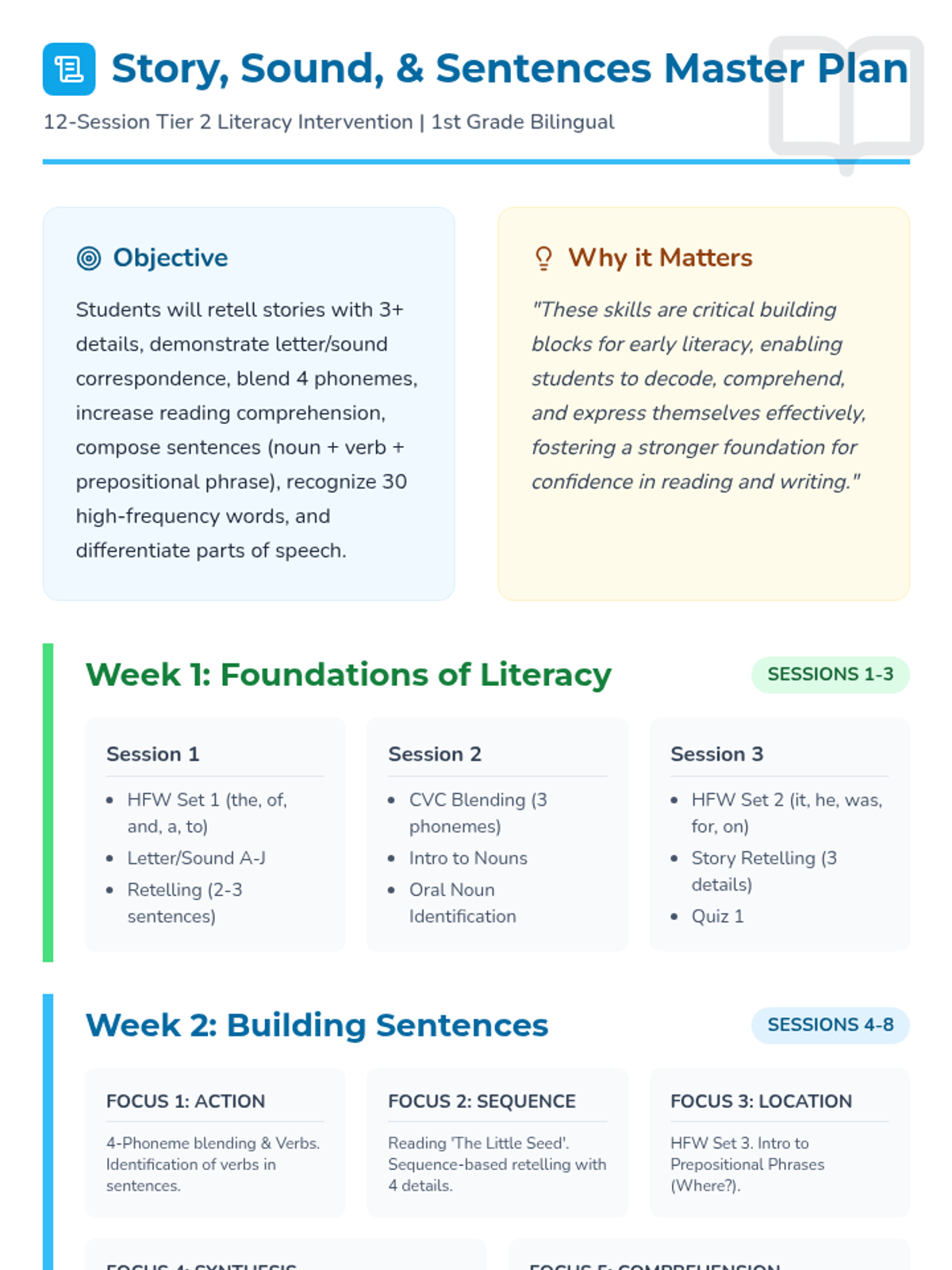
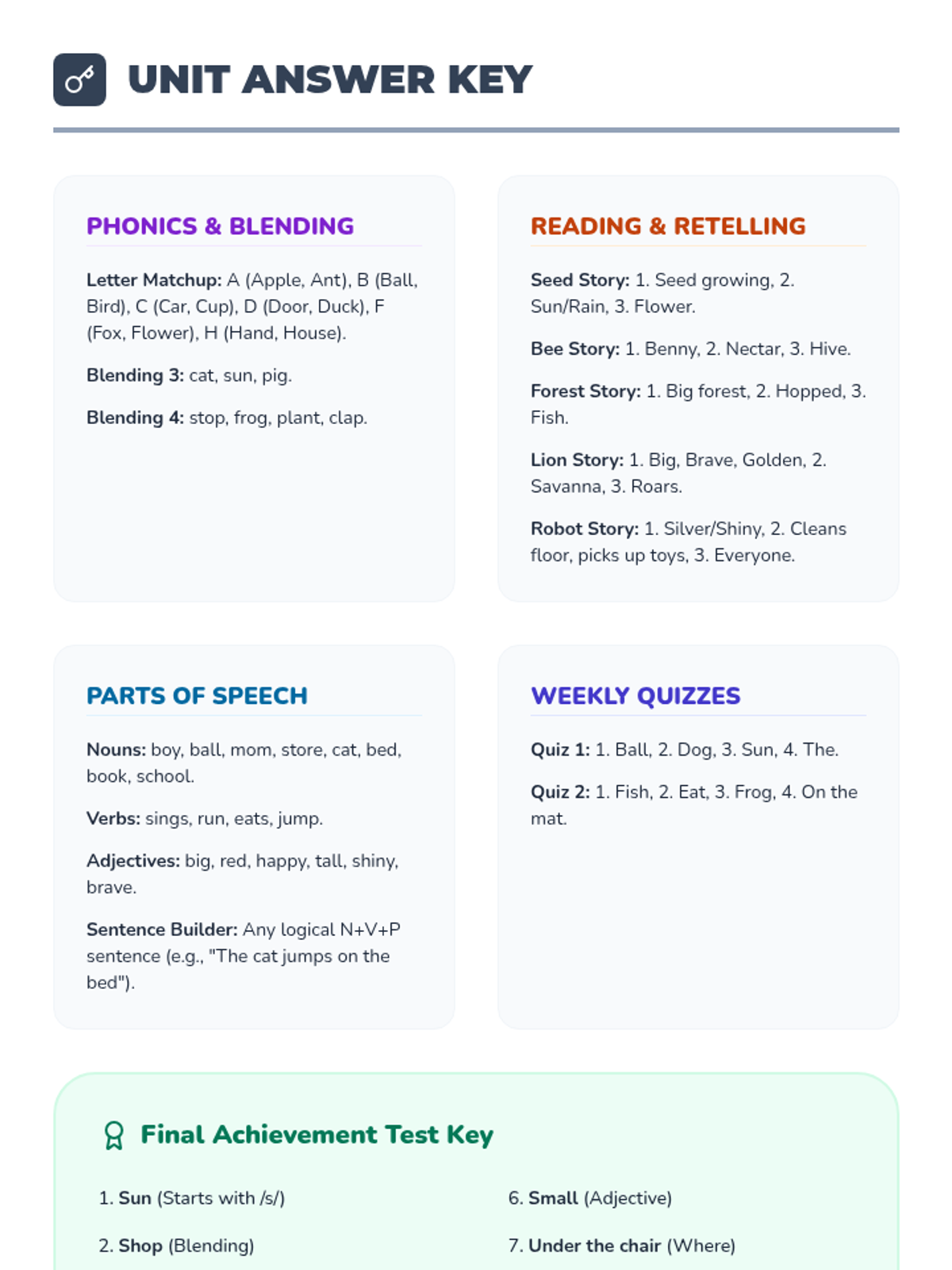
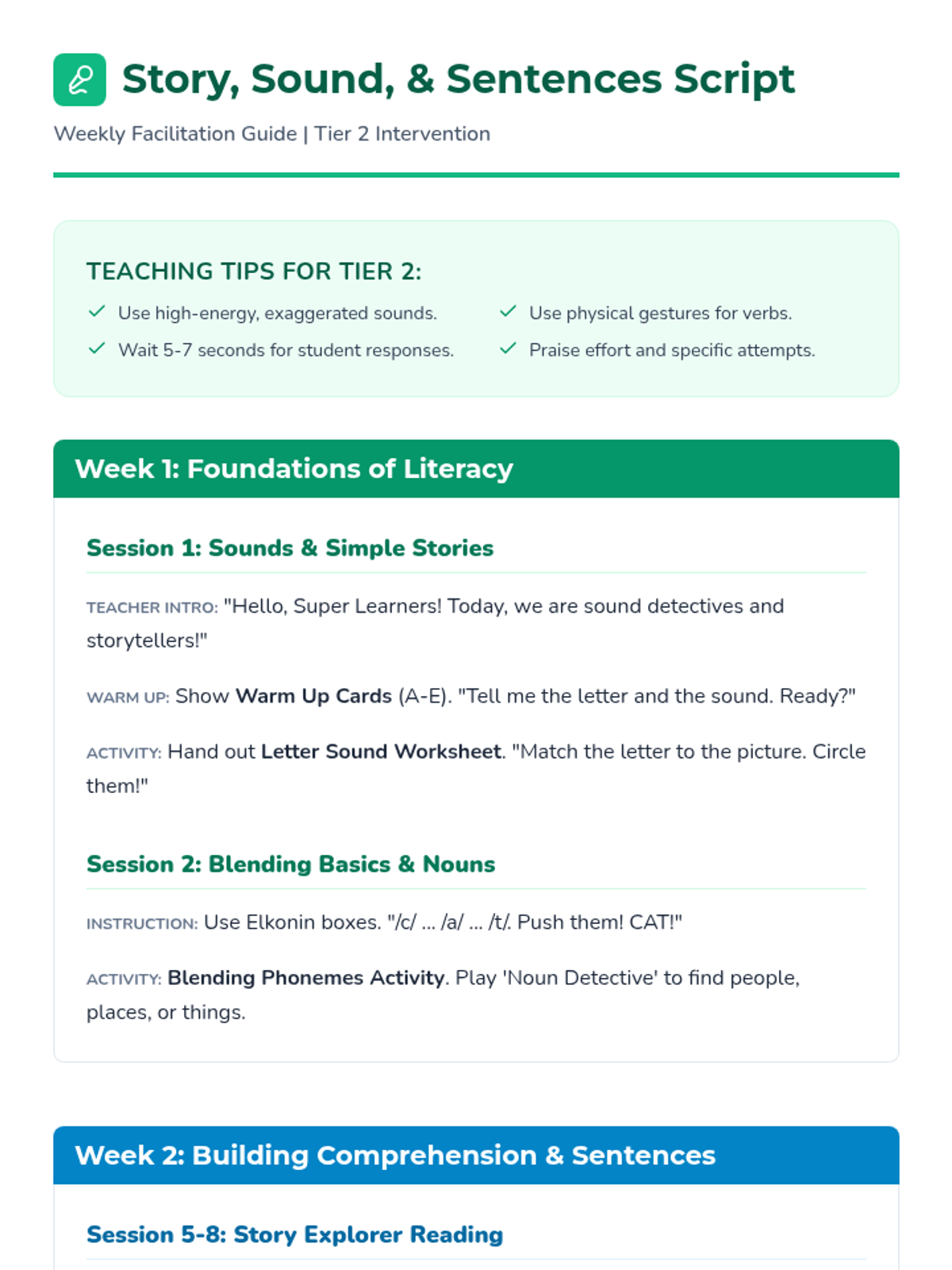
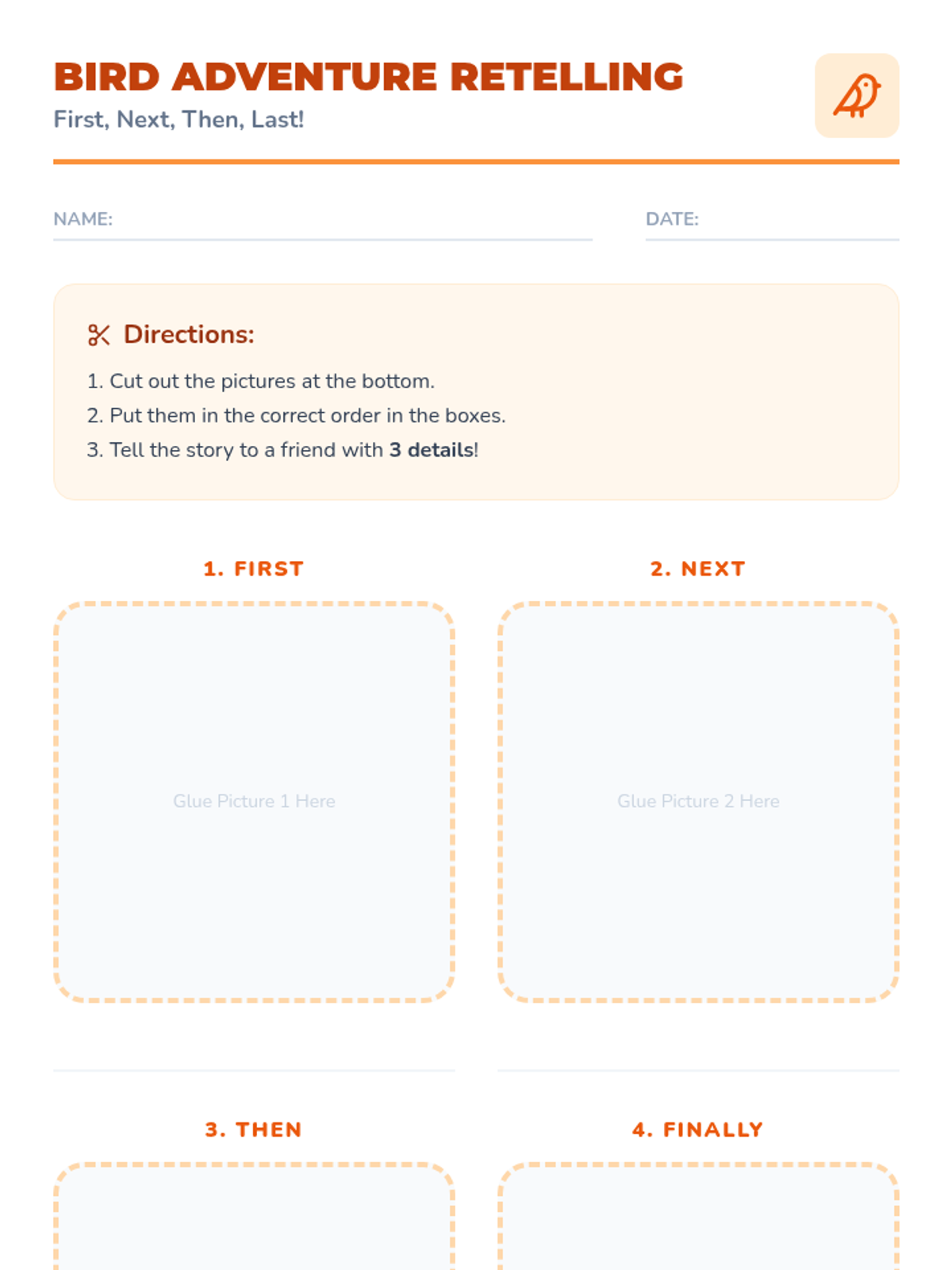
A 12-session, 3-week literacy program for 1st-grade bilingual students with intellectual disabilities, focusing on phonics, retelling, comprehension, and sentence structure.
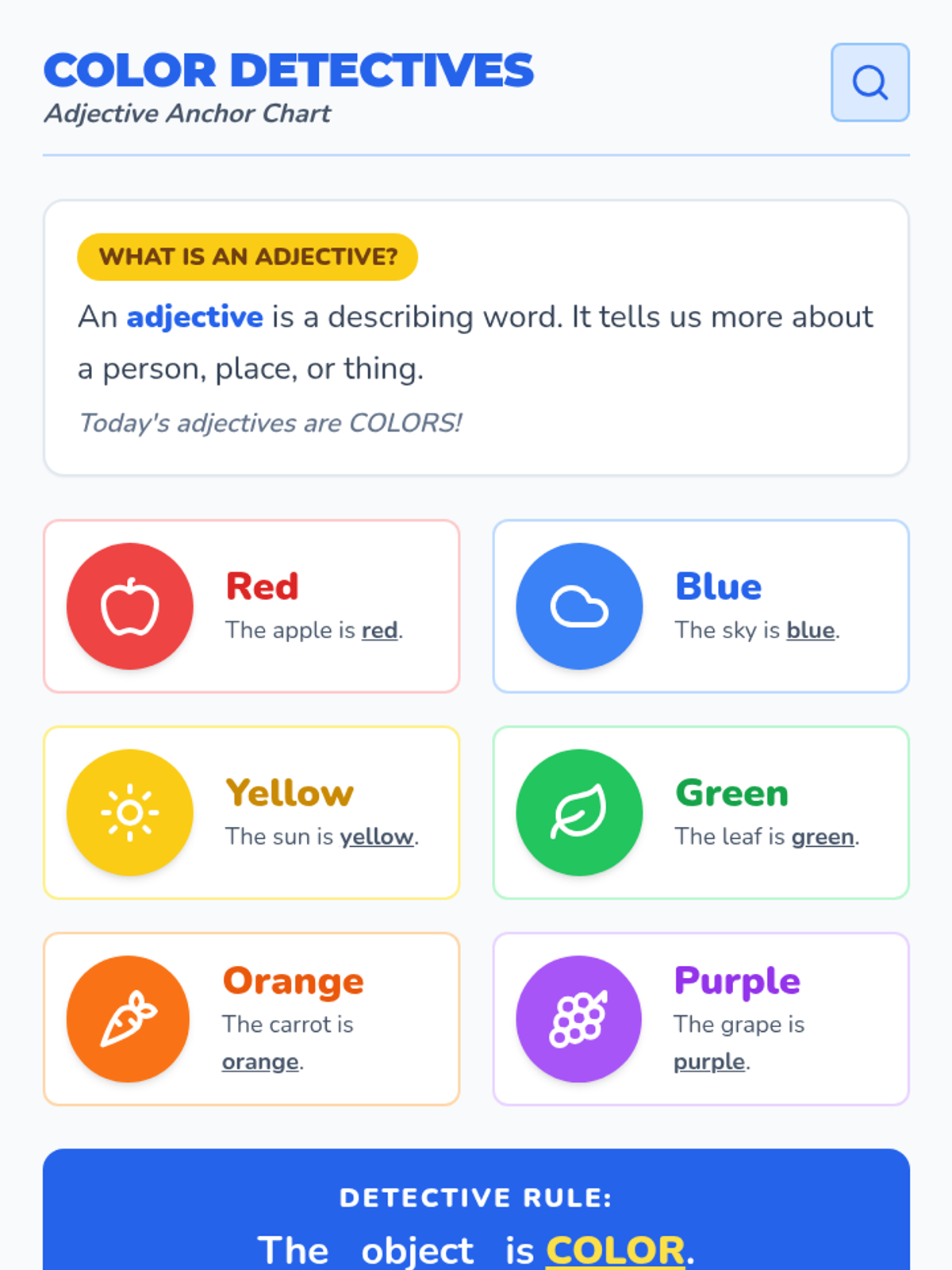
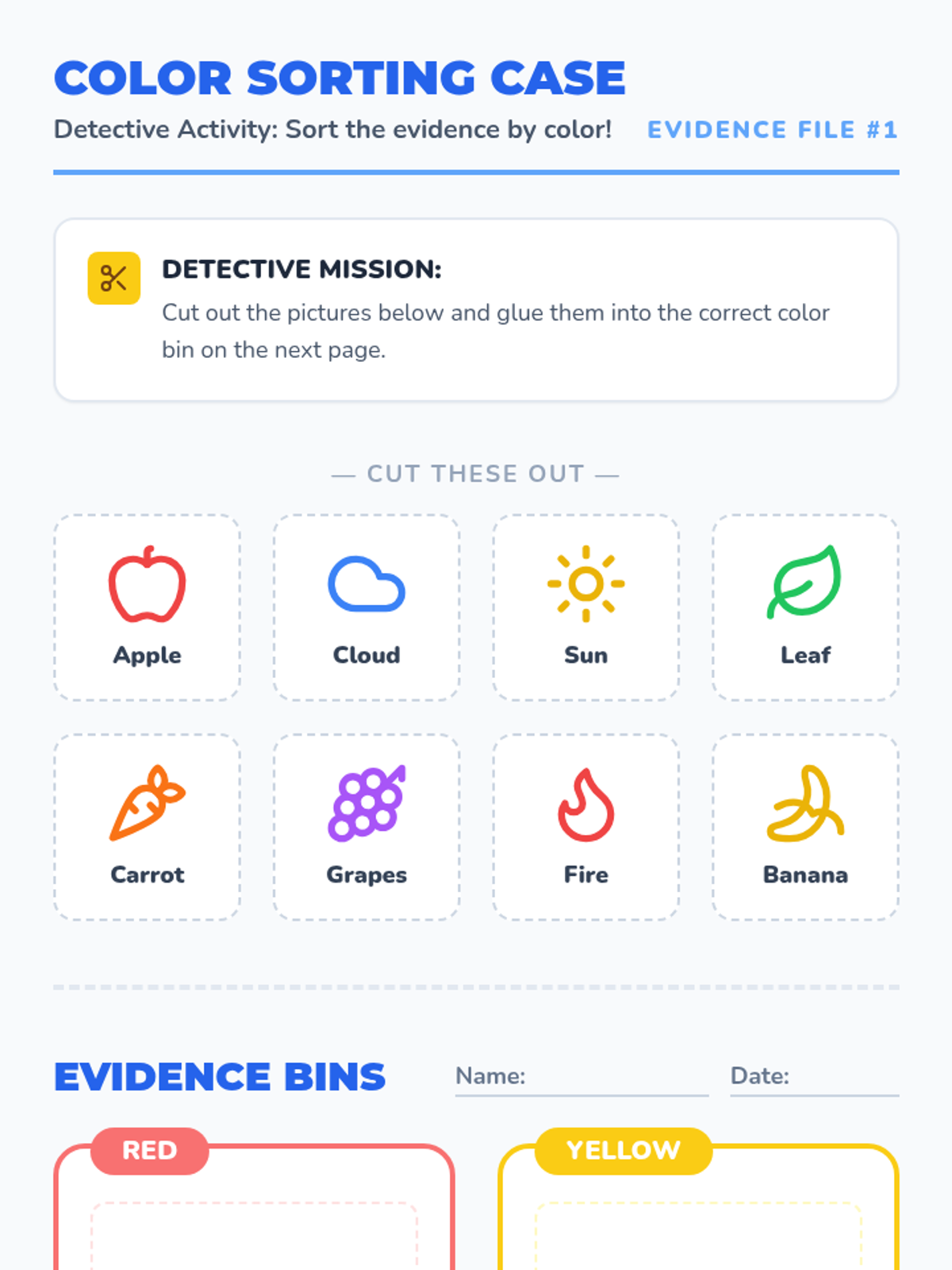
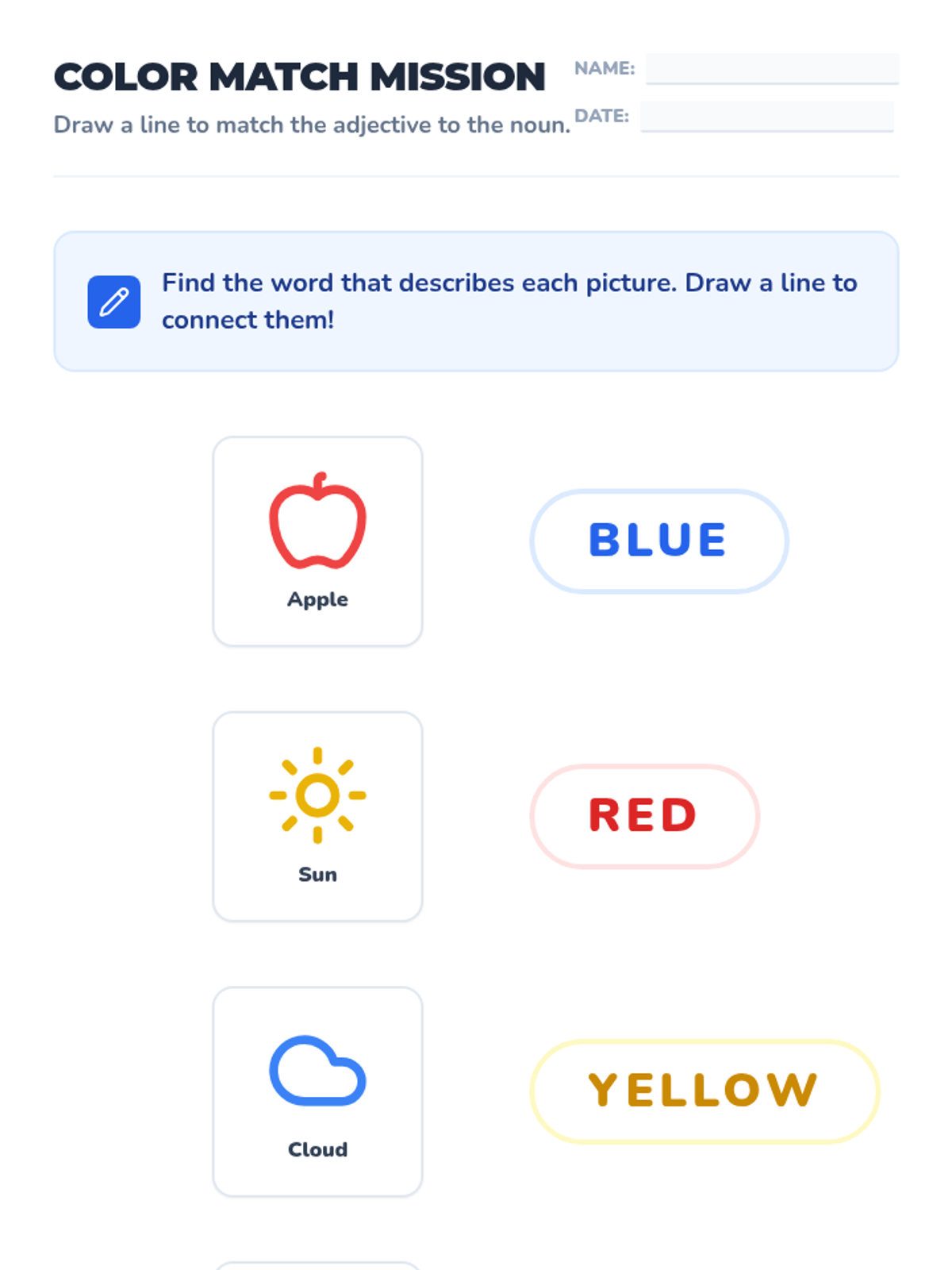
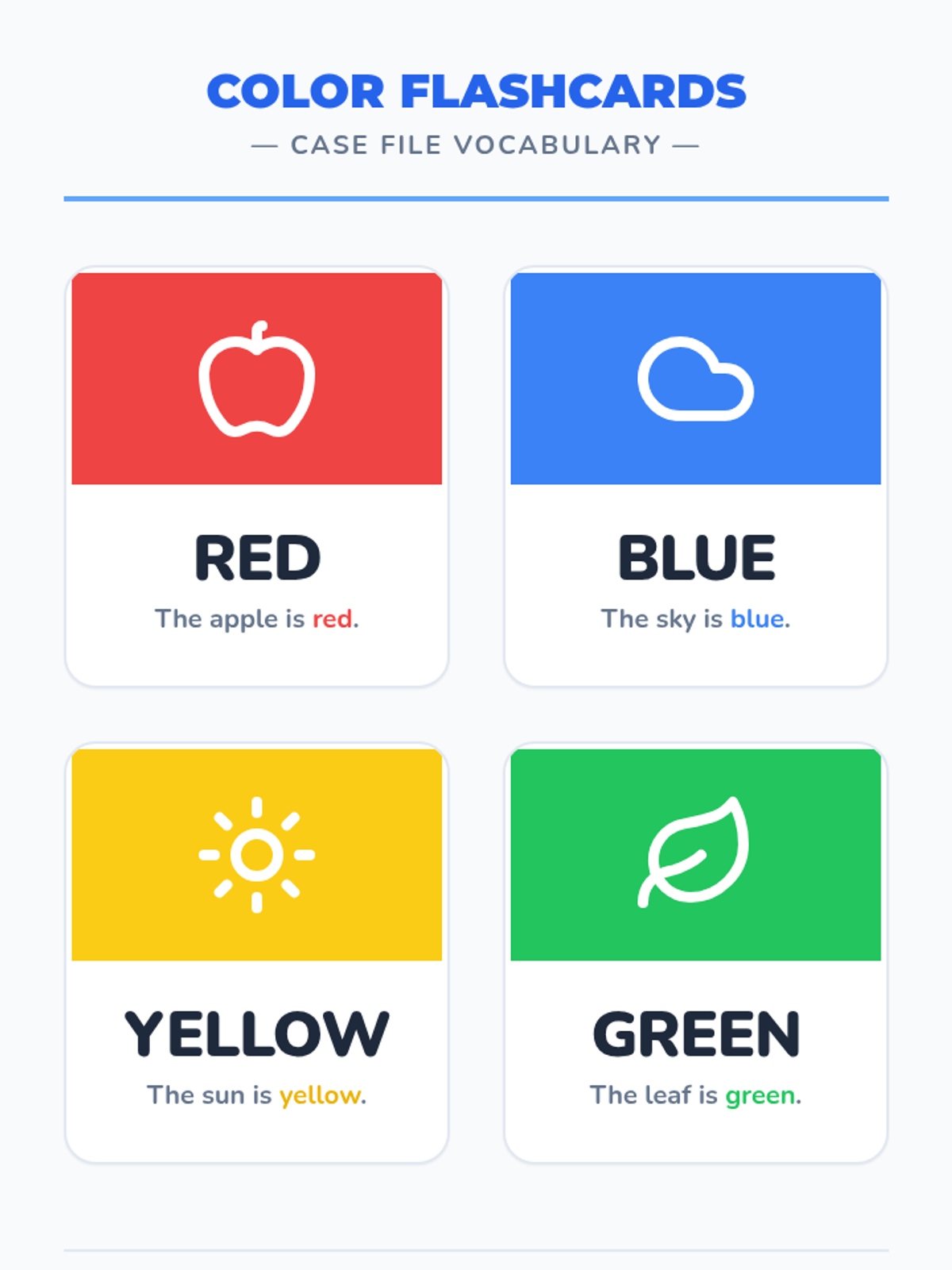
A two-lesson sequence exploring adjectives through colors and shapes, aligned with Reach Higher Grade 1 standards. Students learn to describe their world using specific visual attributes.
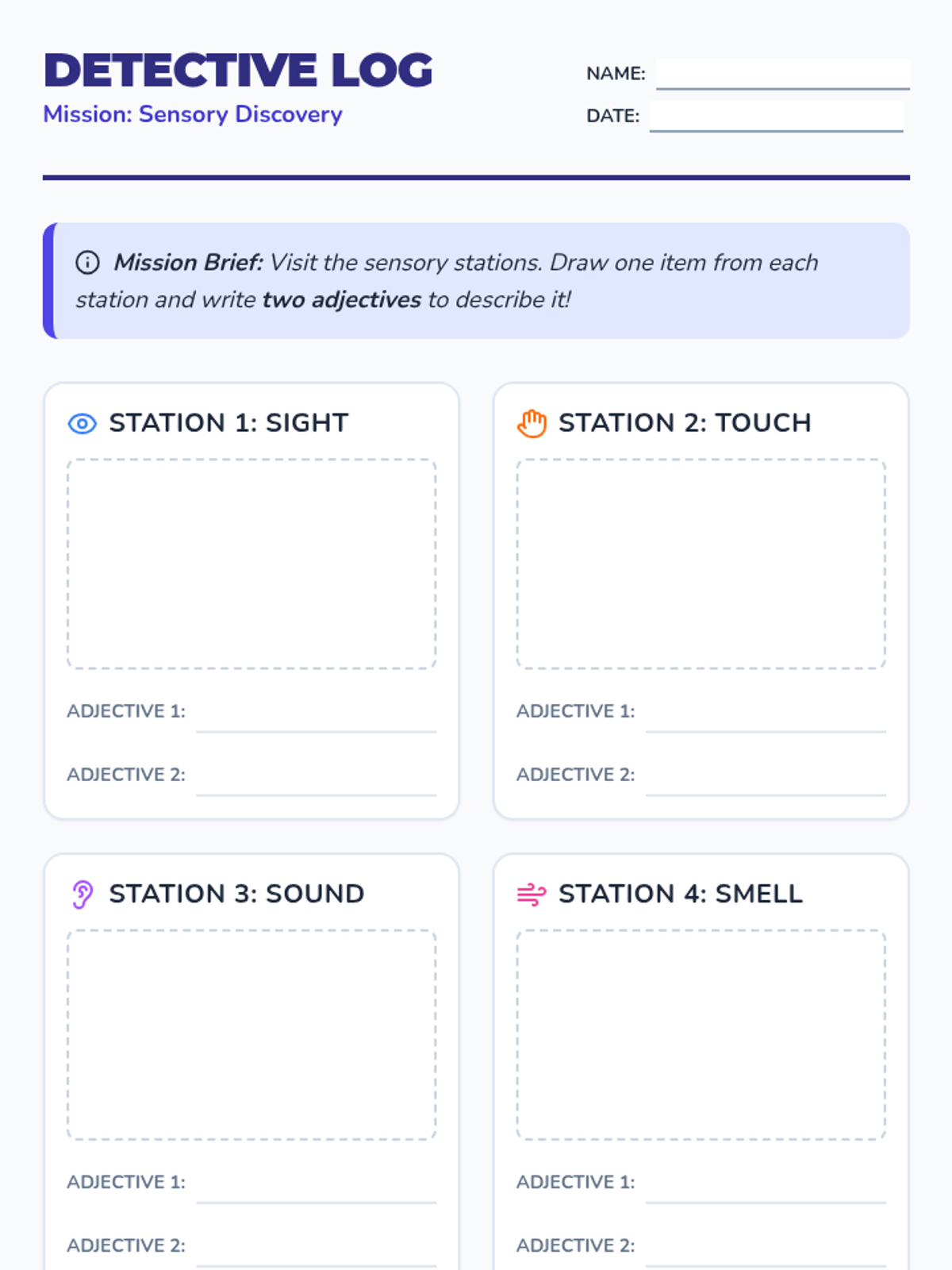
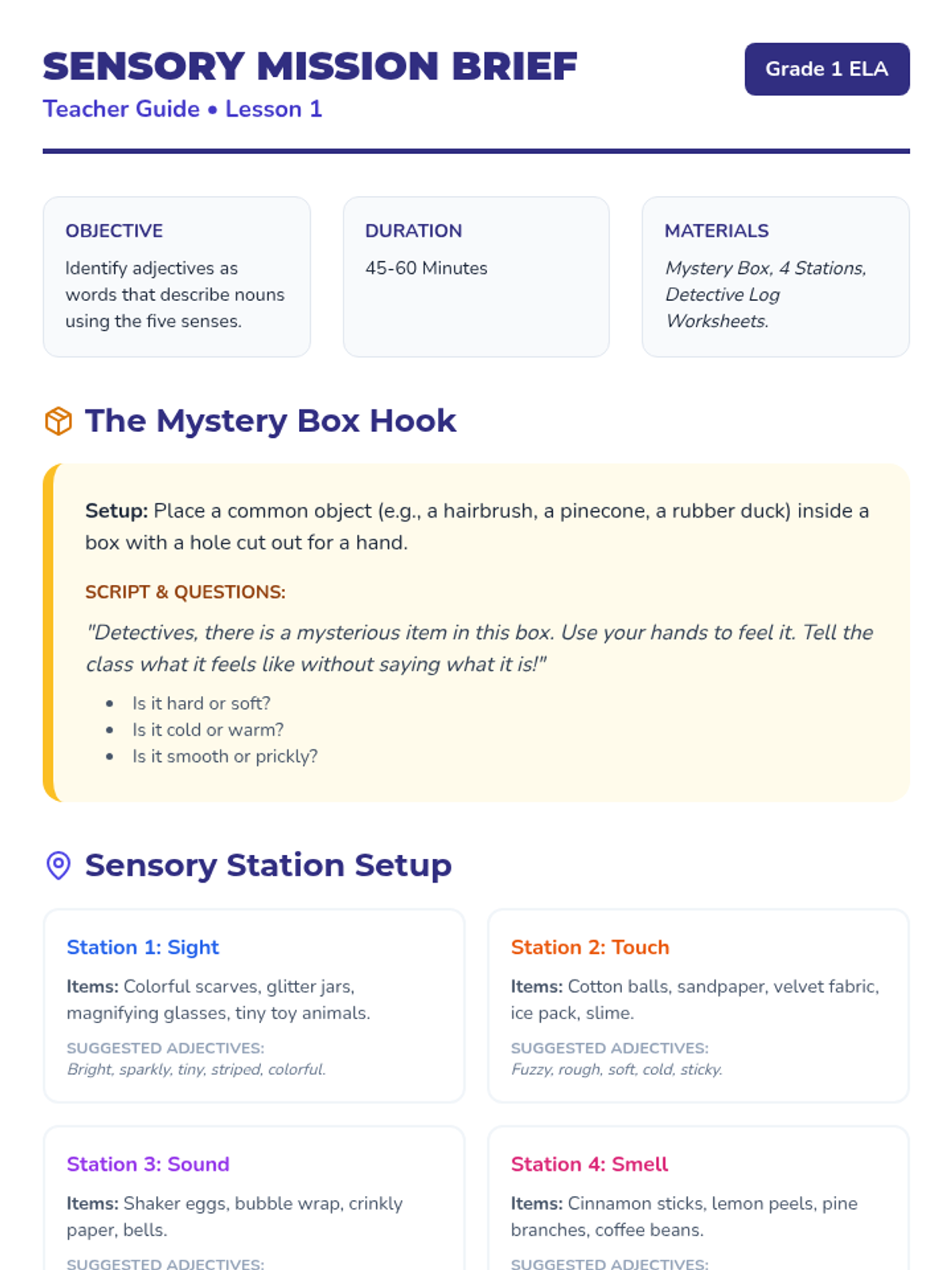
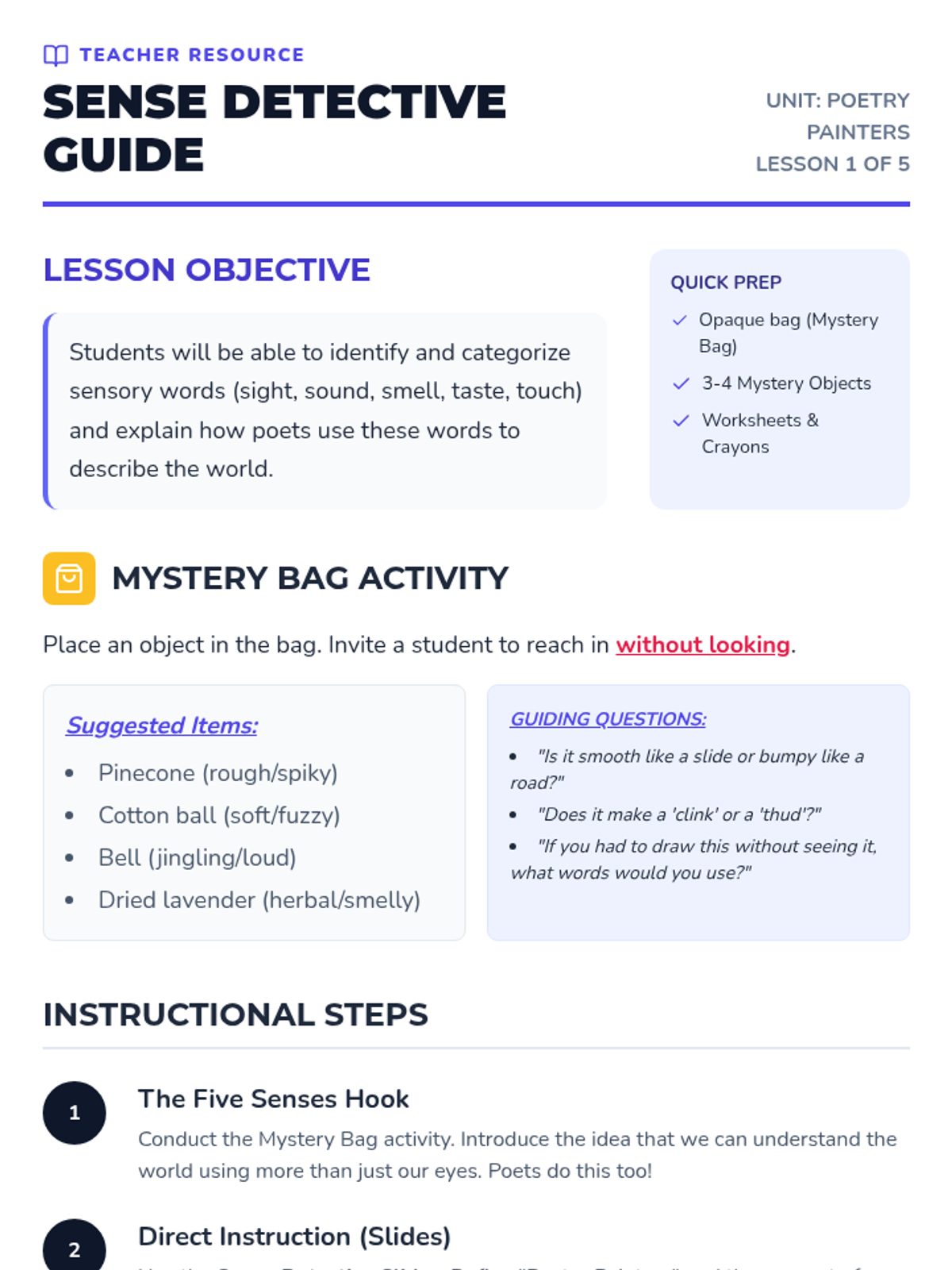
A foundational grammar sequence for first graders that uses a 'Word Detective' theme to explore adjectives through sensory exploration, sorting, and descriptive writing. Students learn to use their five senses to identify and apply adjectives to describe the world around them.
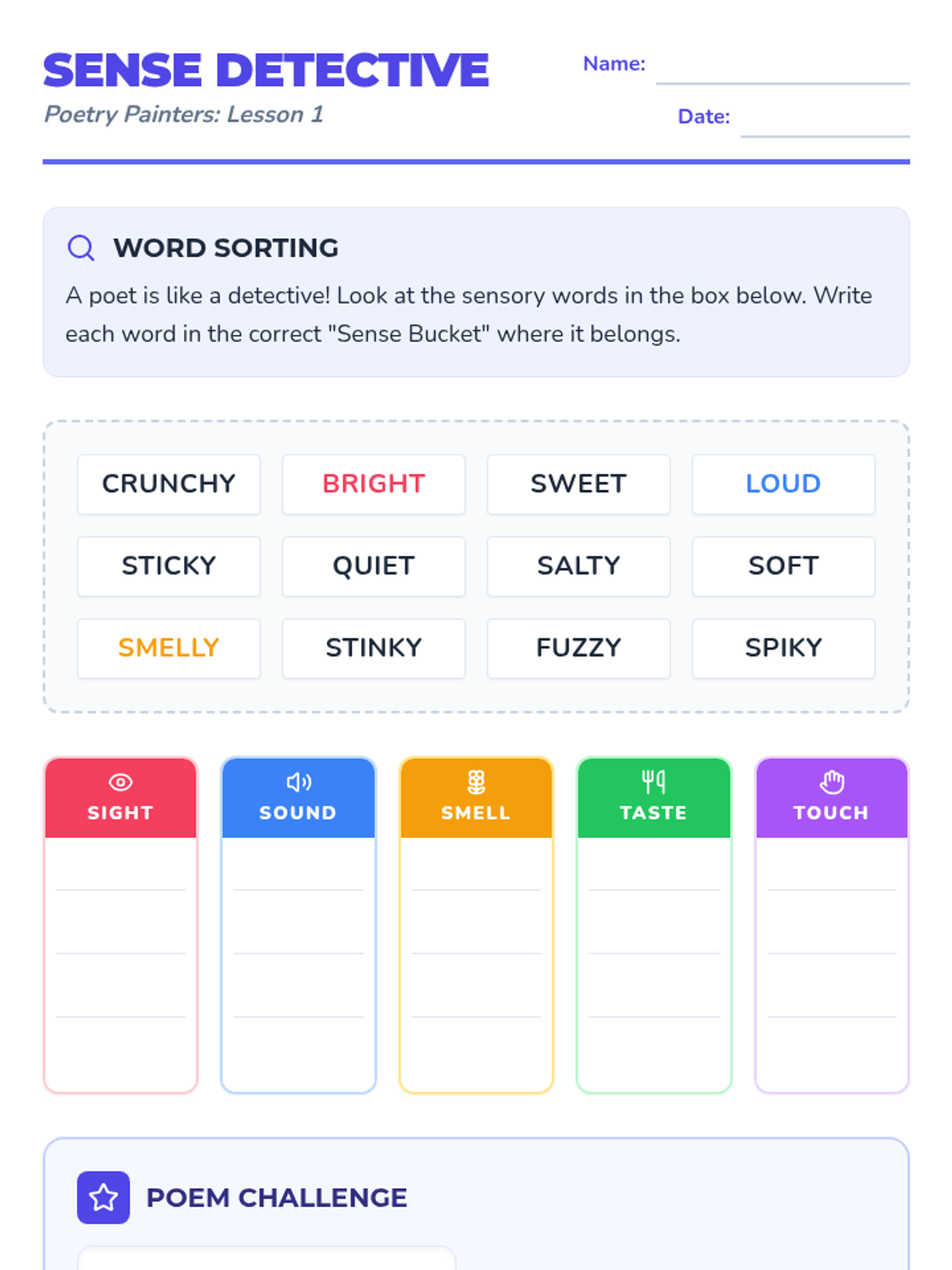
A 1st-grade sequence exploring how poets use sensory language to create mental images. Students progress from identifying sensory words to illustrating poems and writing their own descriptive riddles.
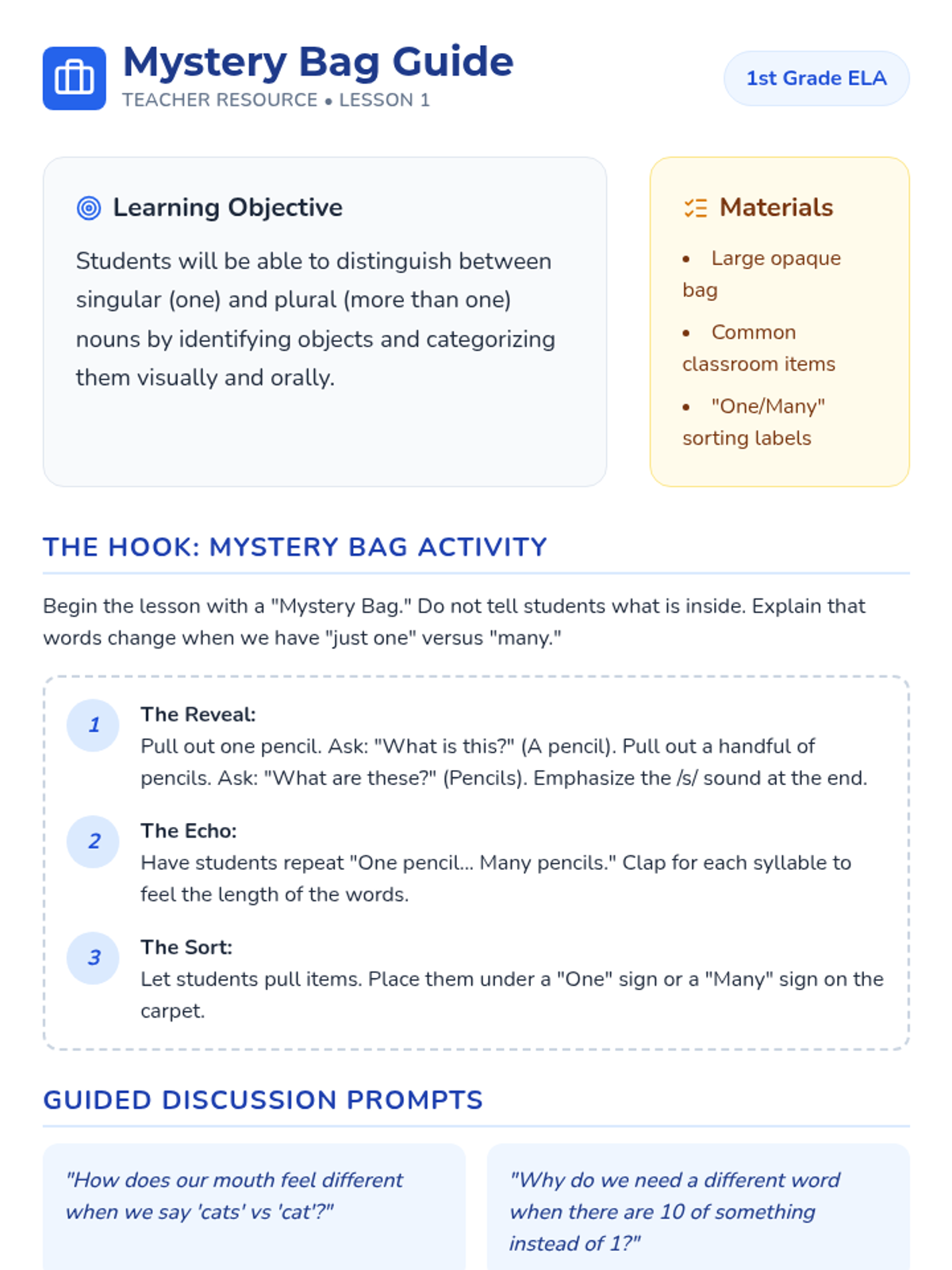
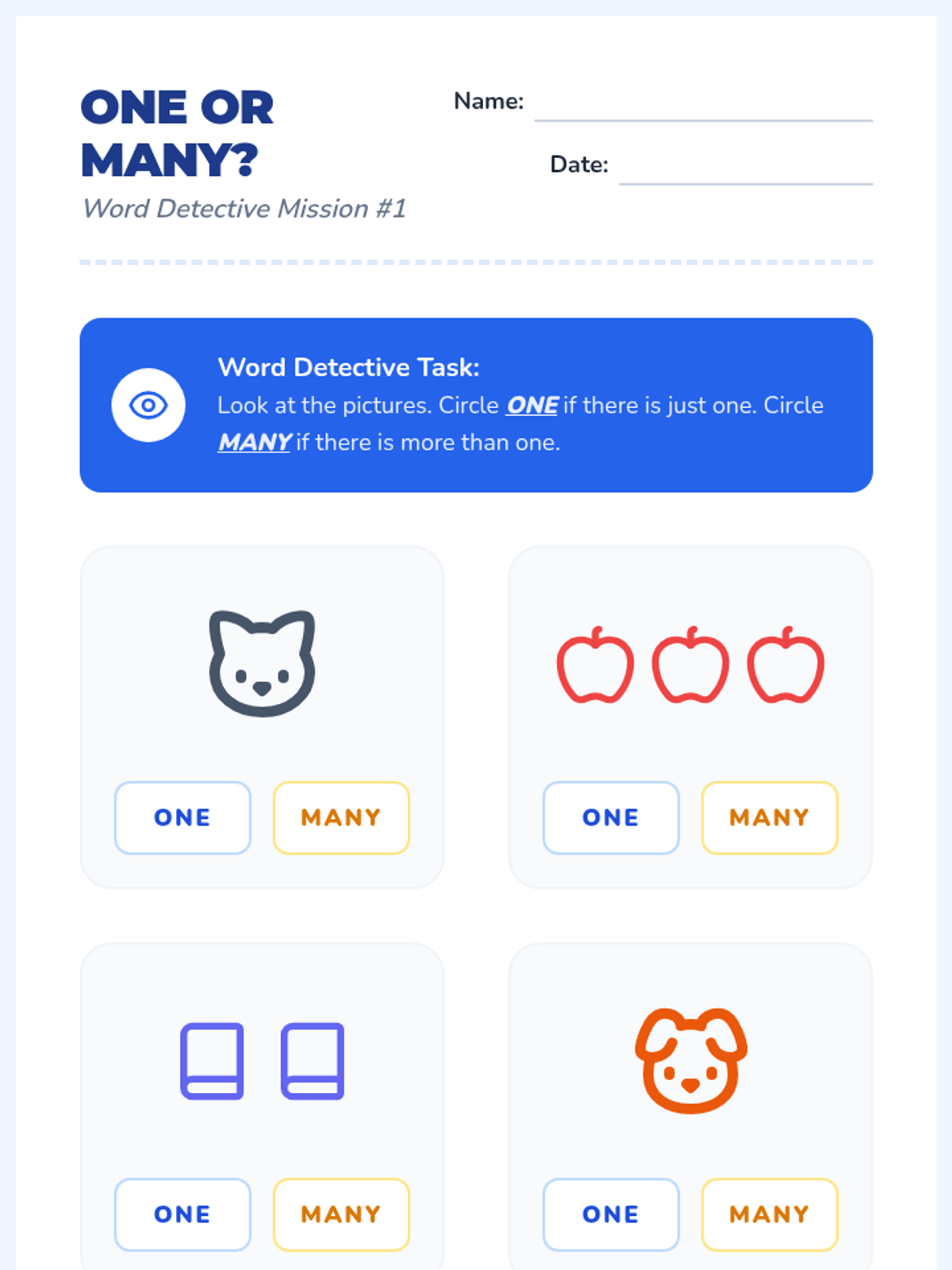
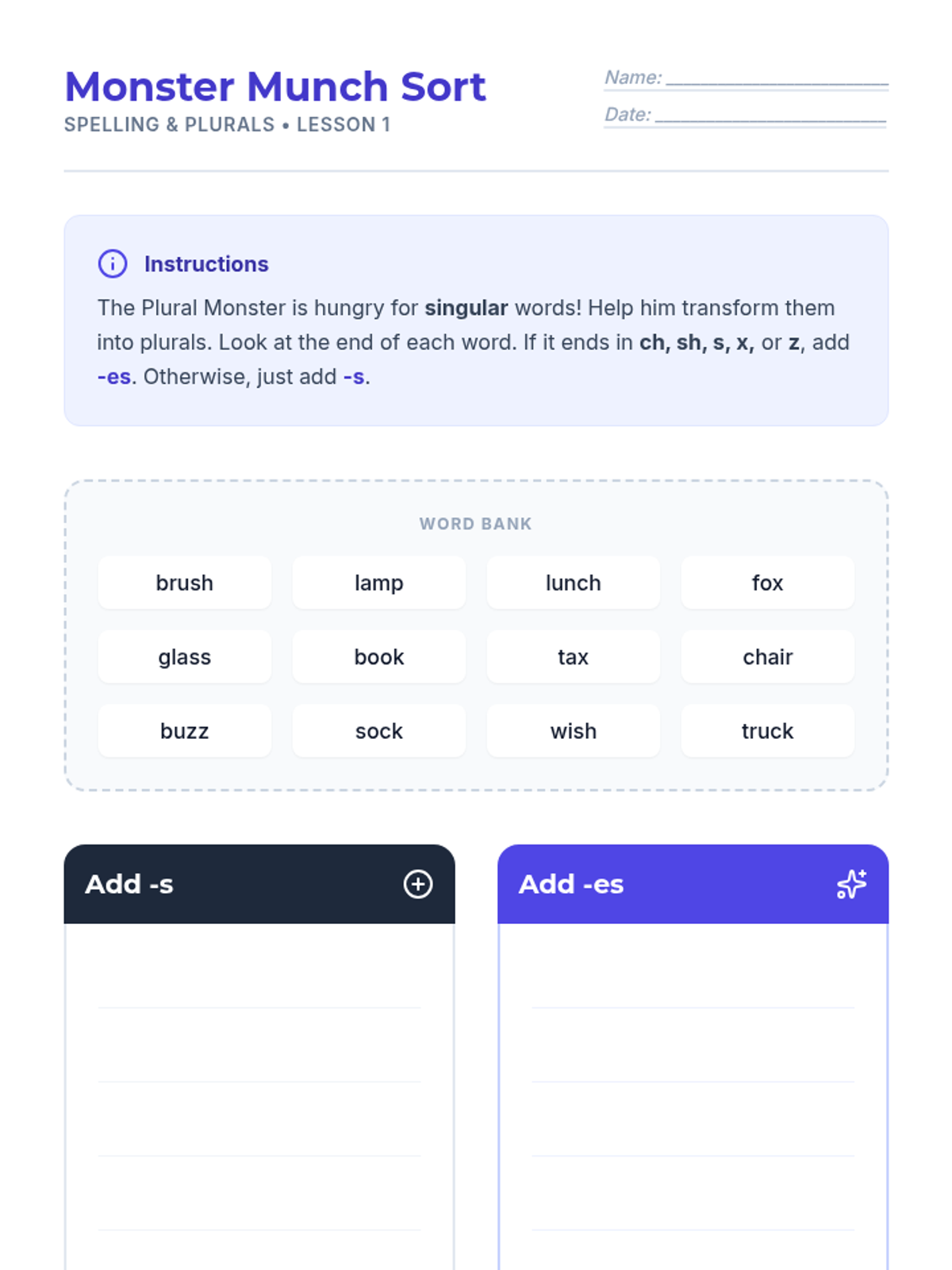
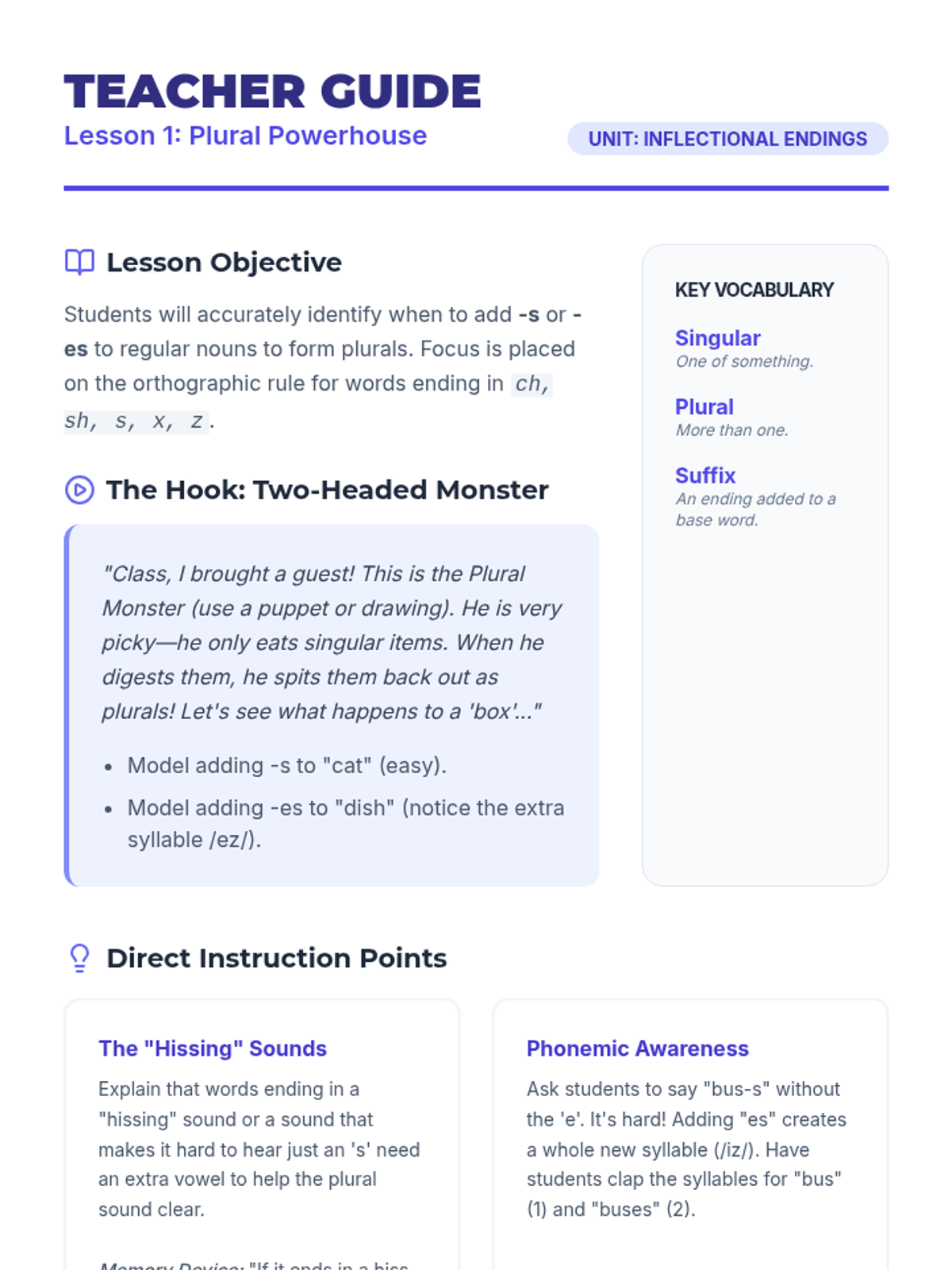
A comprehensive first-grade sequence exploring singular and plural nouns. Students learn to distinguish between 'one' and 'more than one' and master the application of -s and -es suffixes through interactive activities, scavenger hunts, and sentence building.
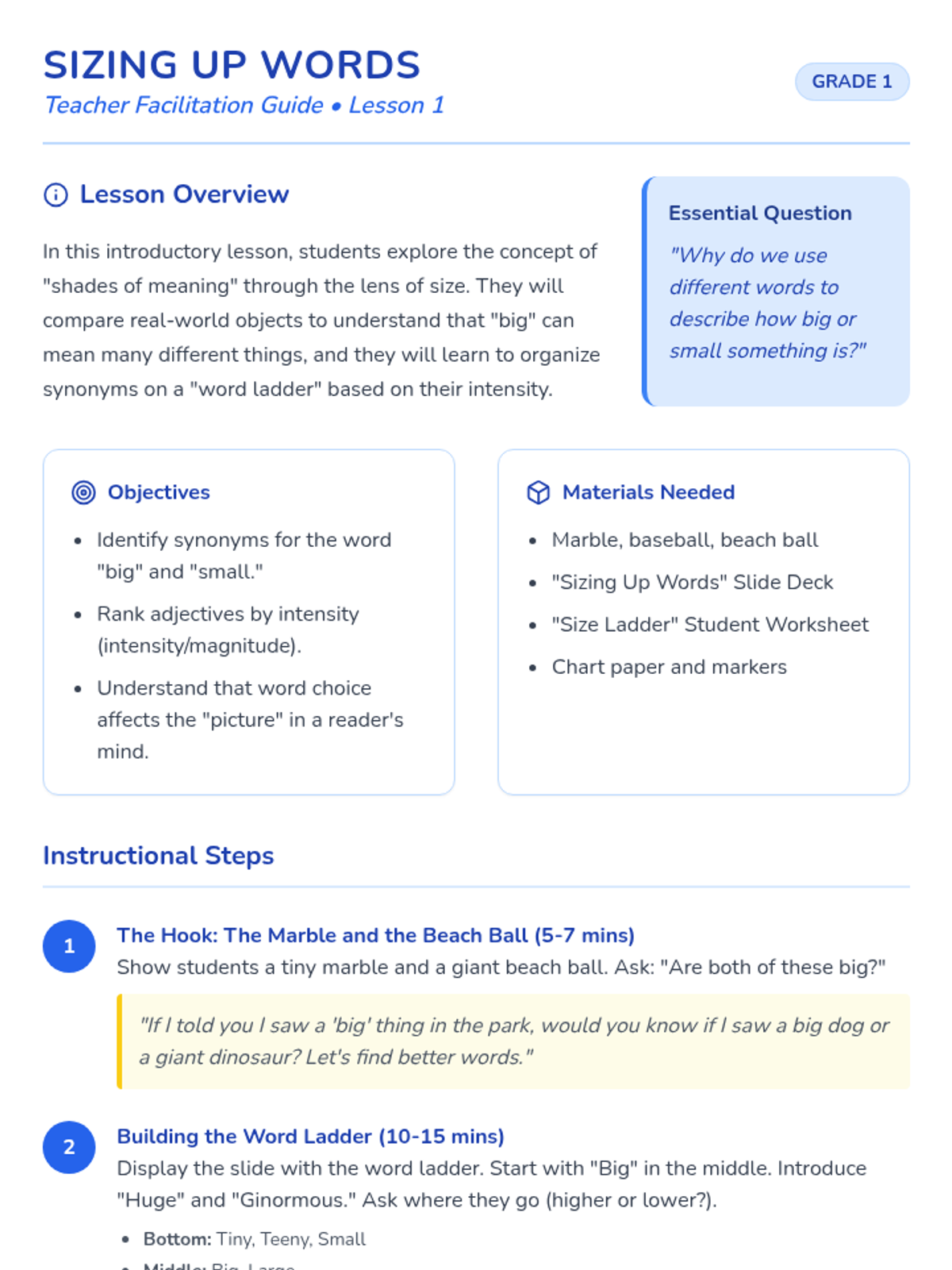
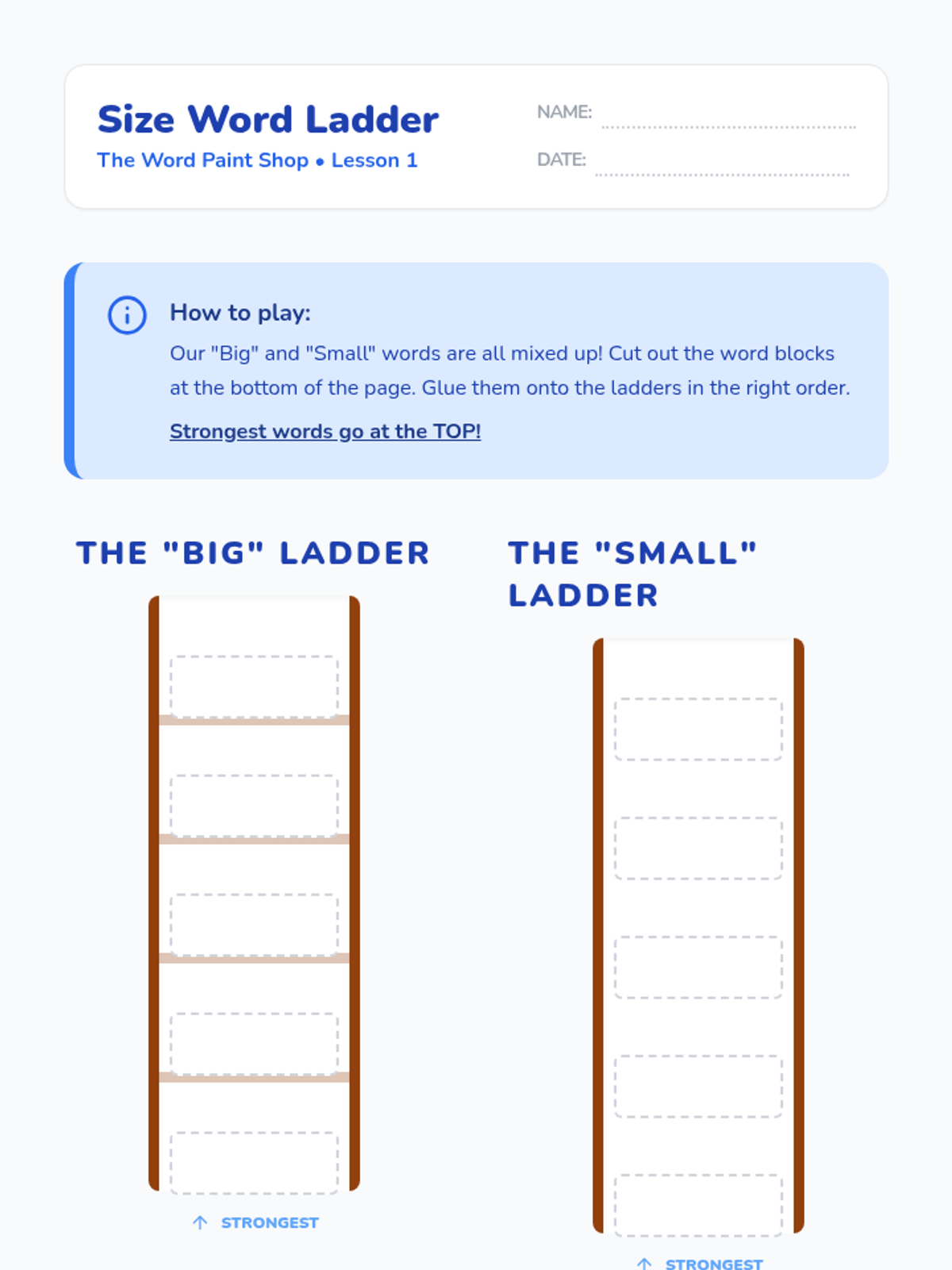
This sequence introduces 1st-grade students to shades of meaning in adjectives. Students learn to rank words by intensity using visual models like ladders and thermometers, eventually applying these skills to revise sentences and create collaborative vocabulary posters.
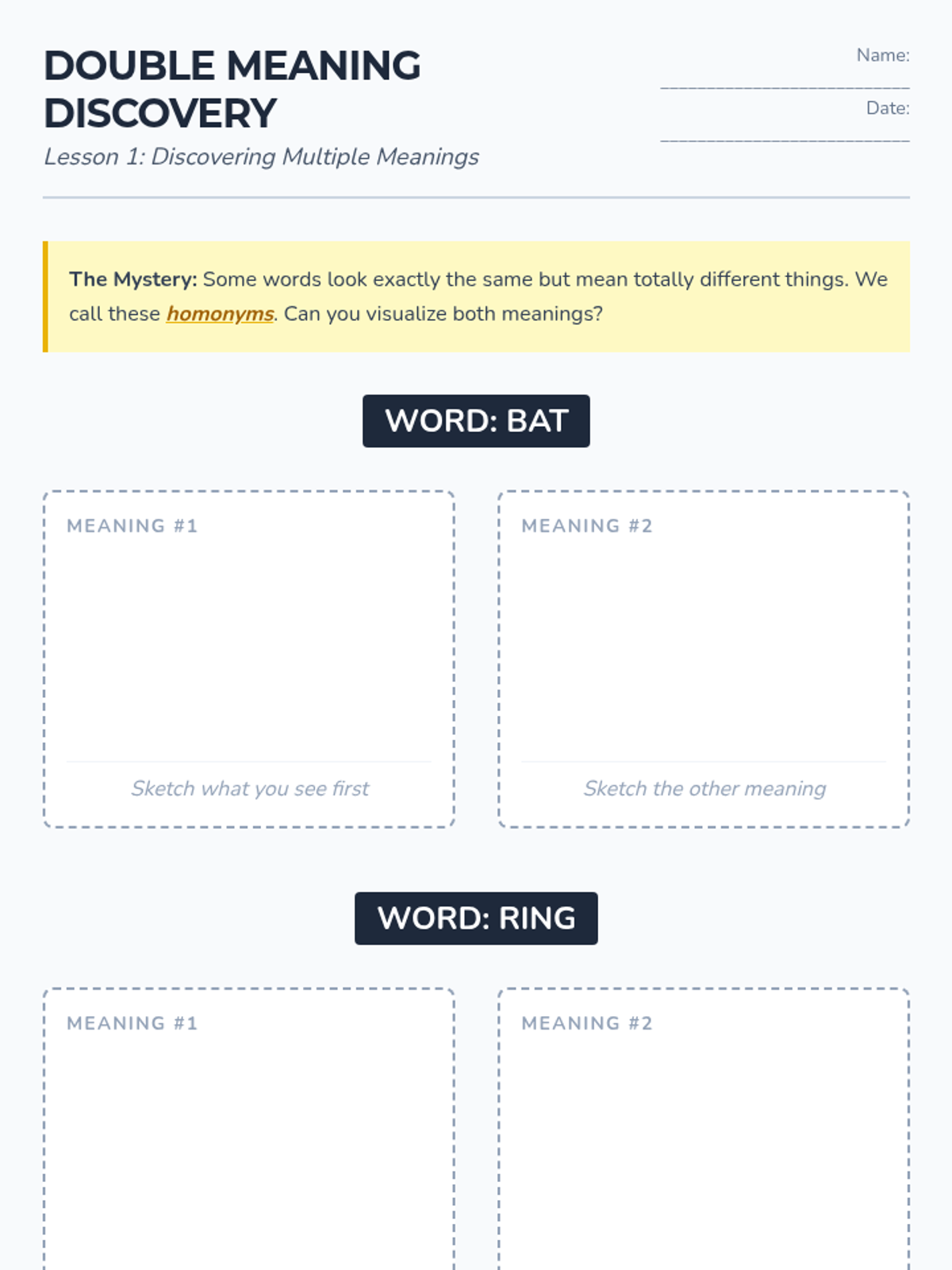
This inquiry-based sequence explores multiple meaning words (homonyms), guiding students to use context clues to determine precise definitions. Students examine how identical words can represent different concepts and learn to use dictionary entries to verify meanings.
This first-grade sequence explores 'shades of meaning' in verbs and adjectives. Students learn to distinguish between related words by intensity, manner, and emotion through physical enactment, visual scaling, and sentence revision, helping them become more precise writers and readers.
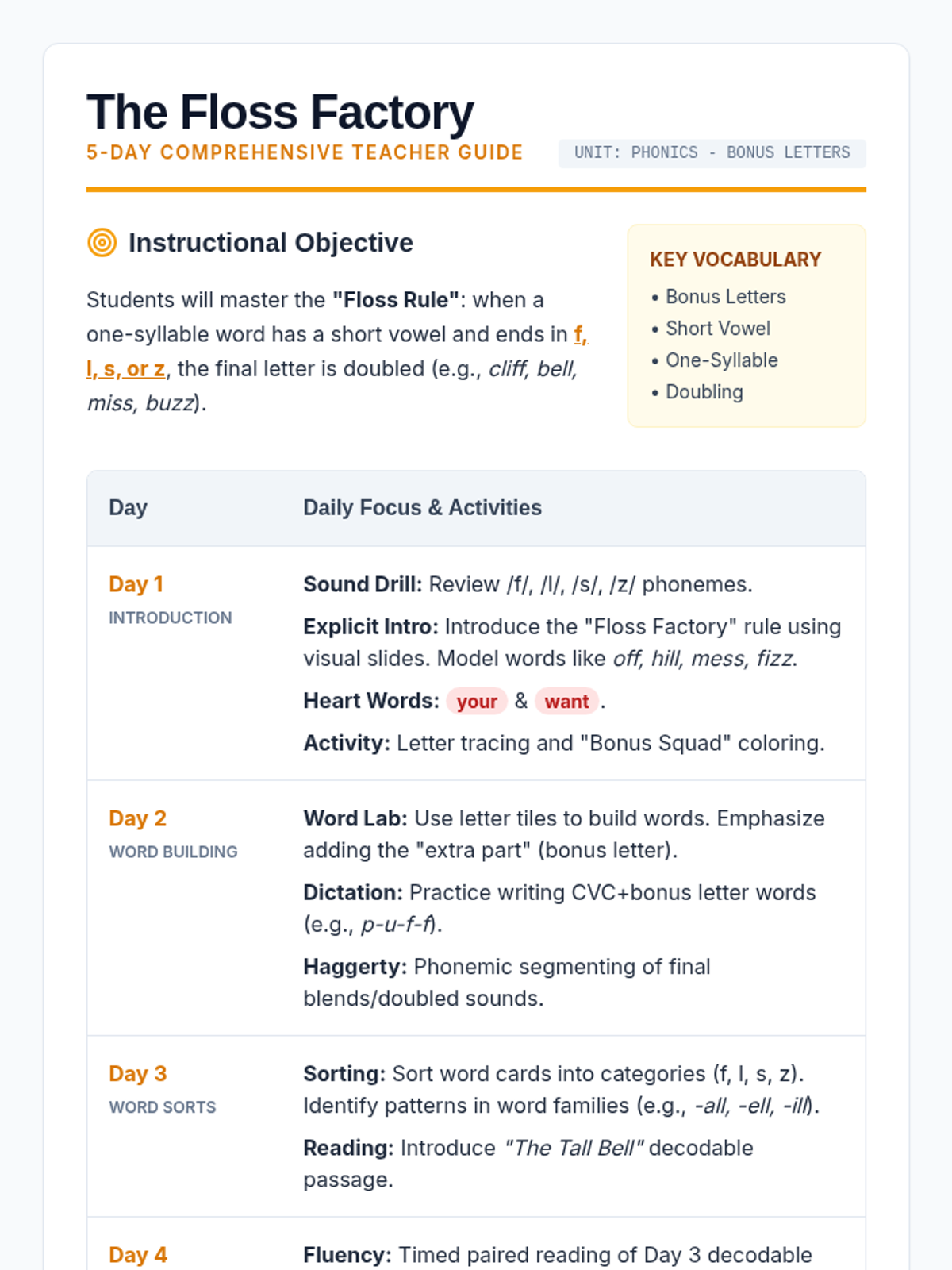
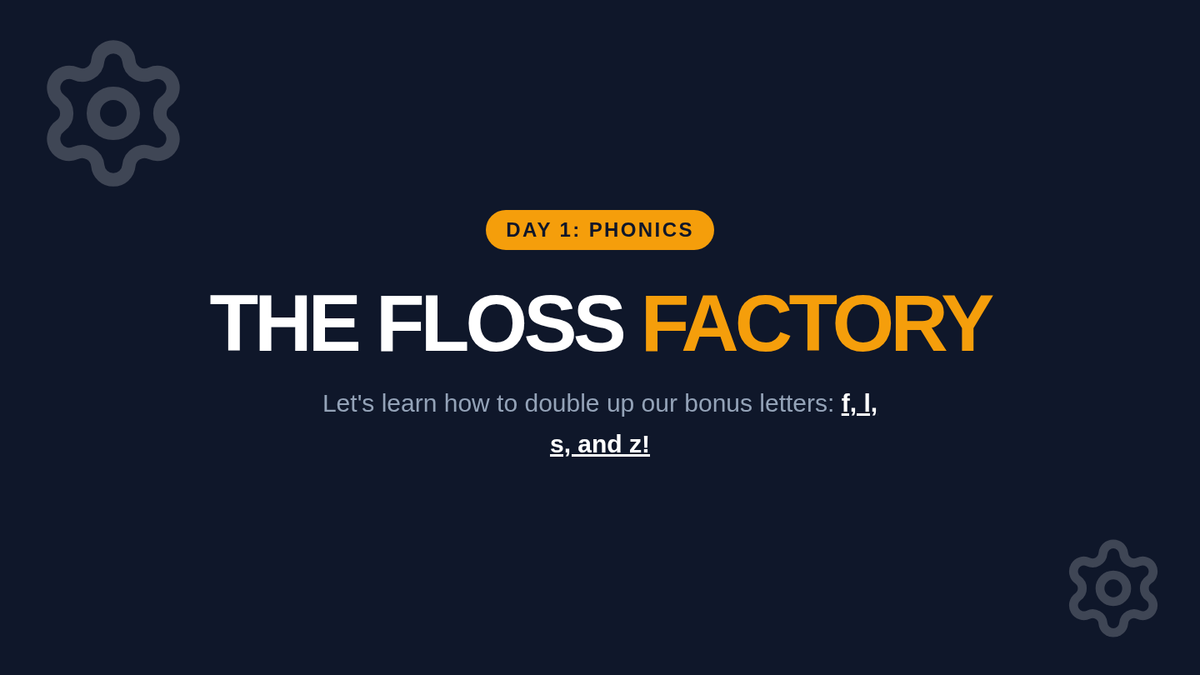
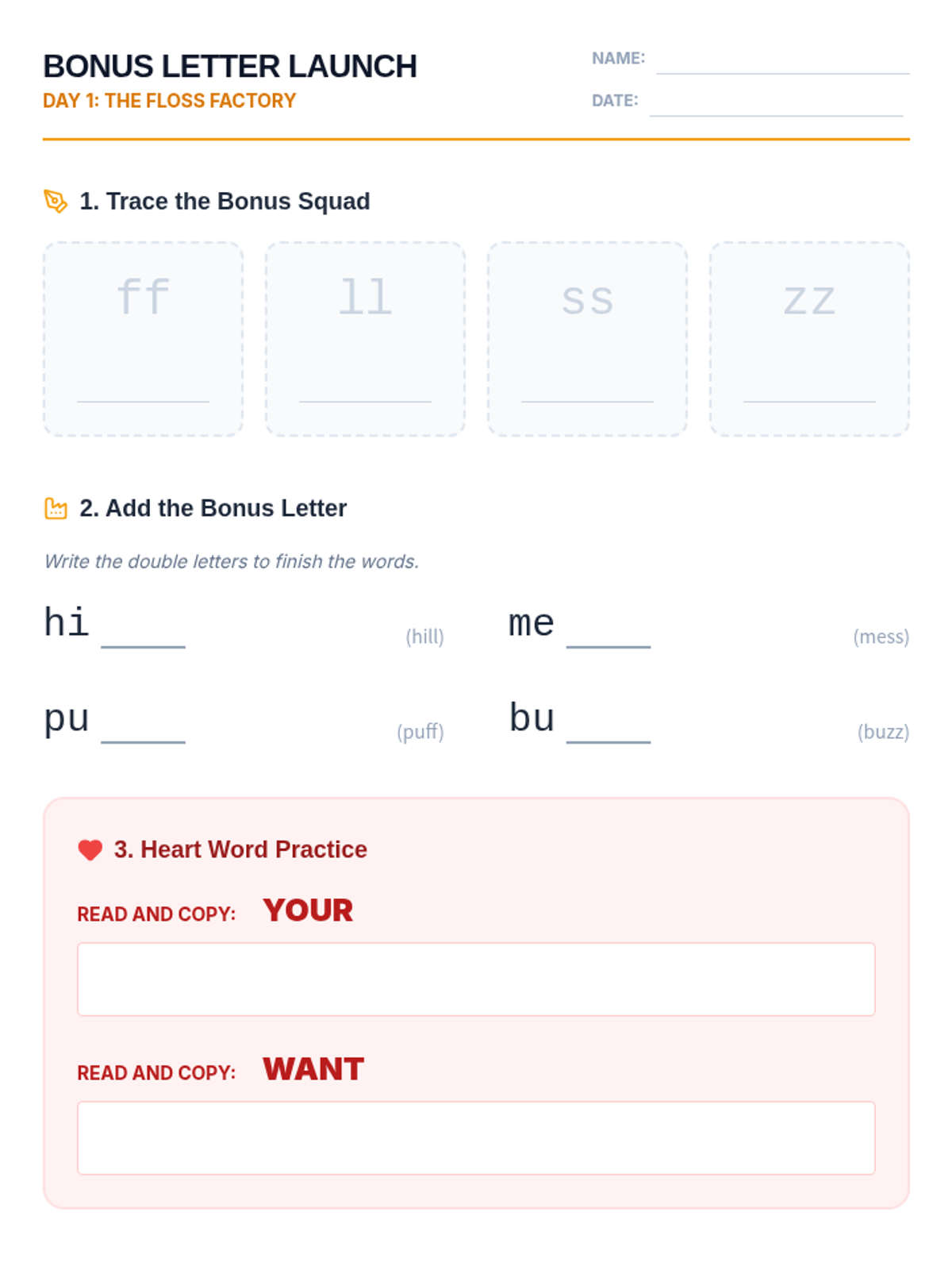
A comprehensive 5-day phonics unit focused on the "bonus letters" (Floss Rule: f, l, s, z) including heart words 'your' and 'want'. Students explore the concept of doubling final consonants in one-syllable short vowel words through a factory-themed learning experience.
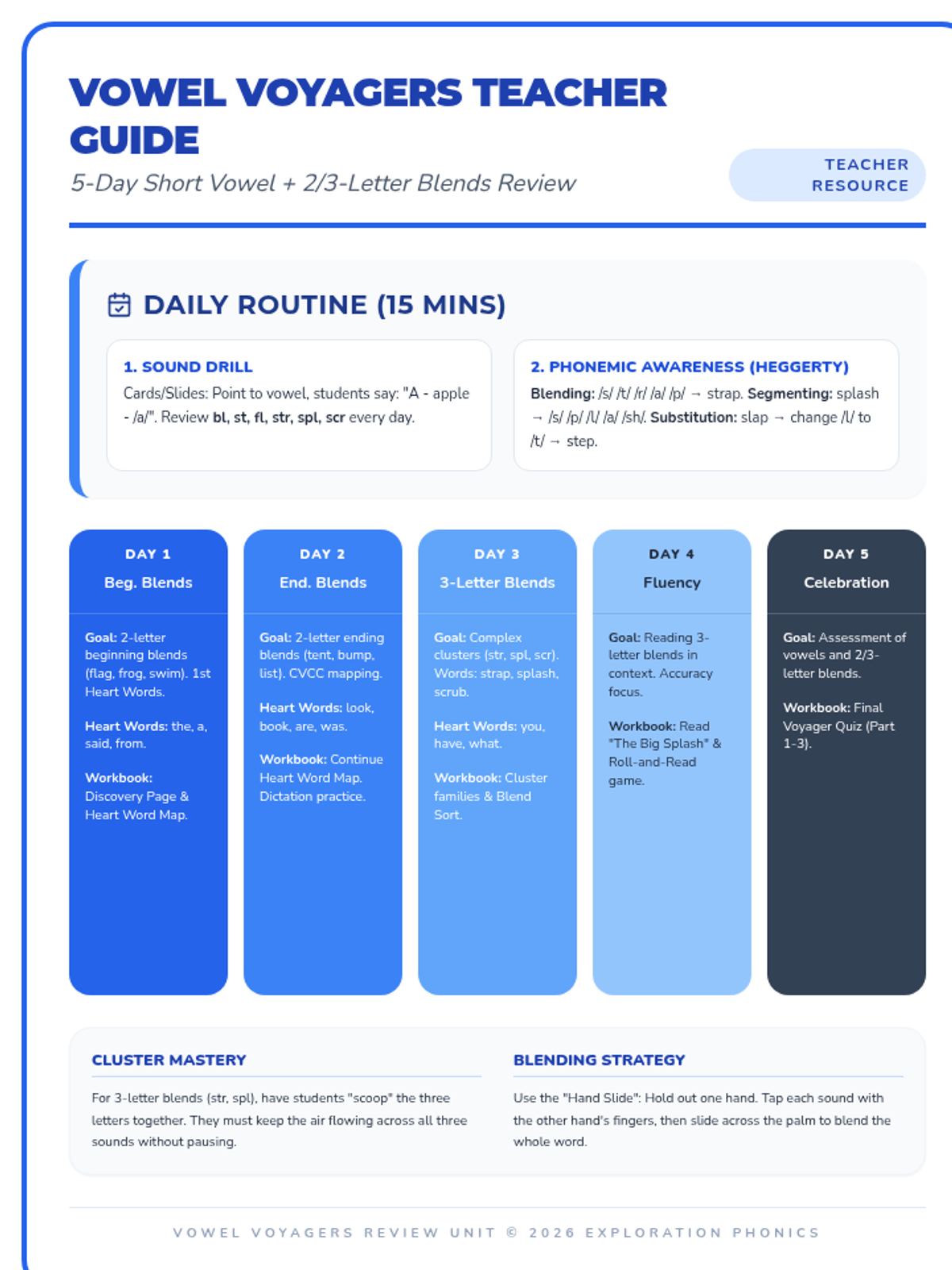
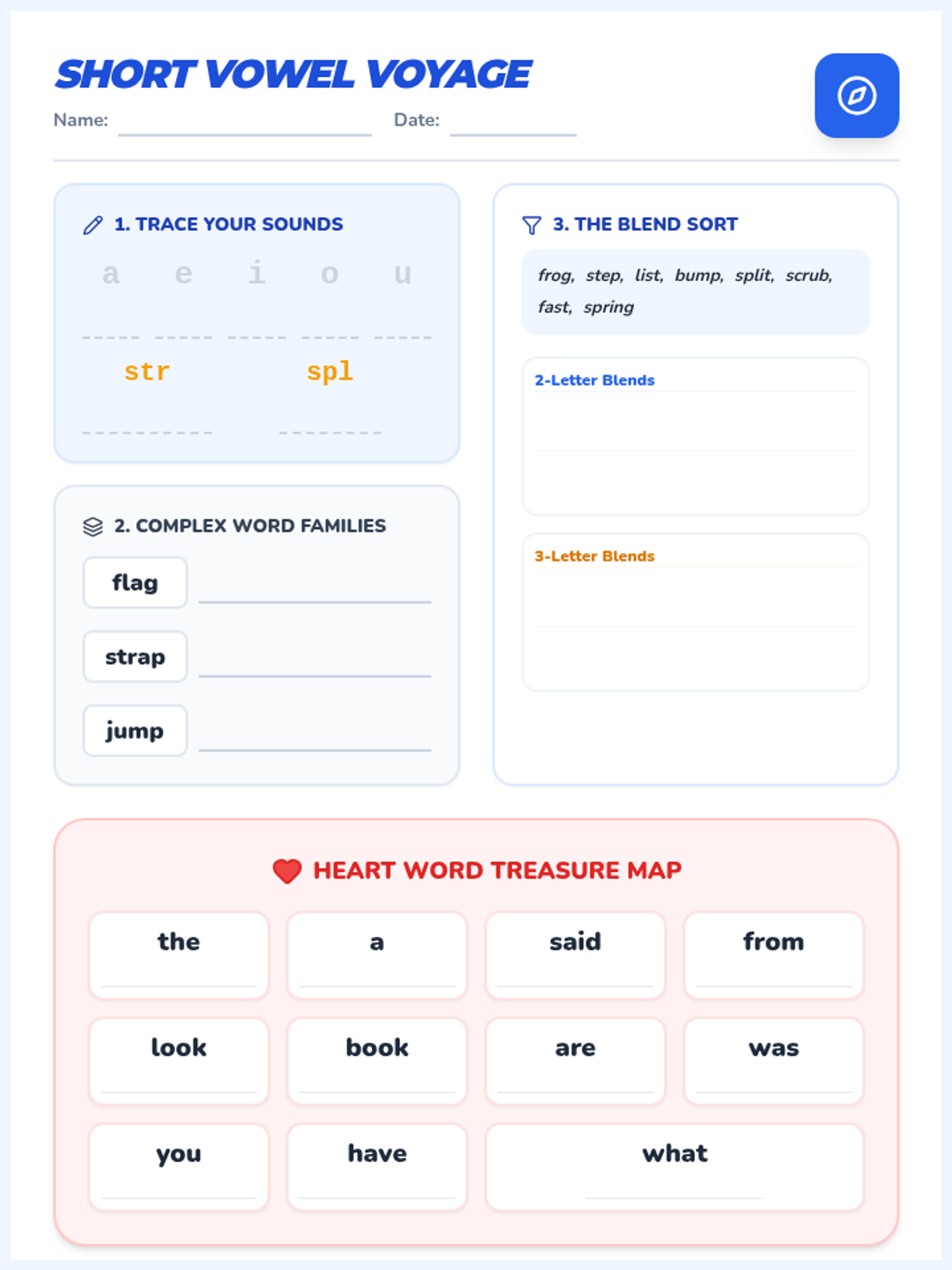
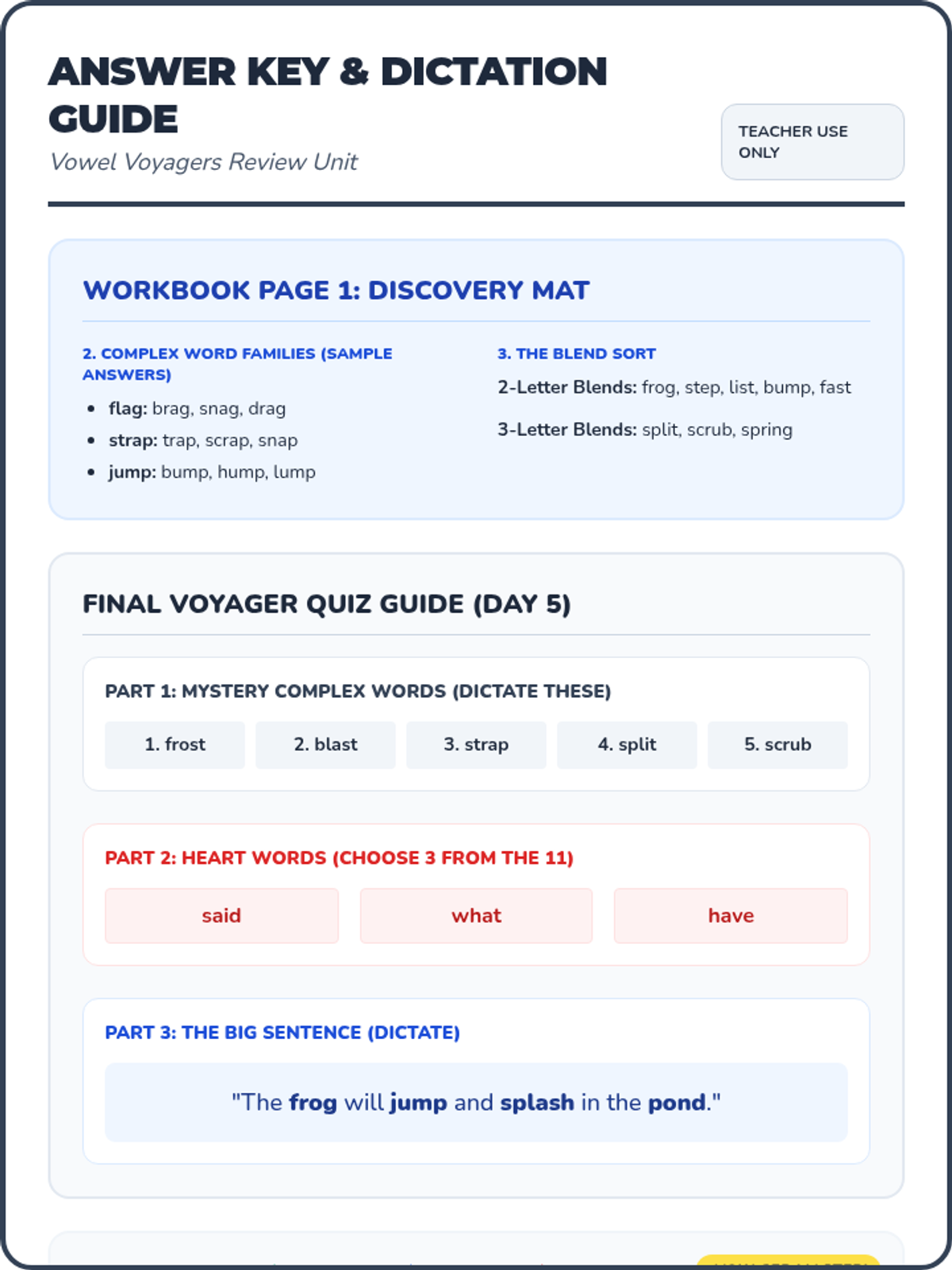
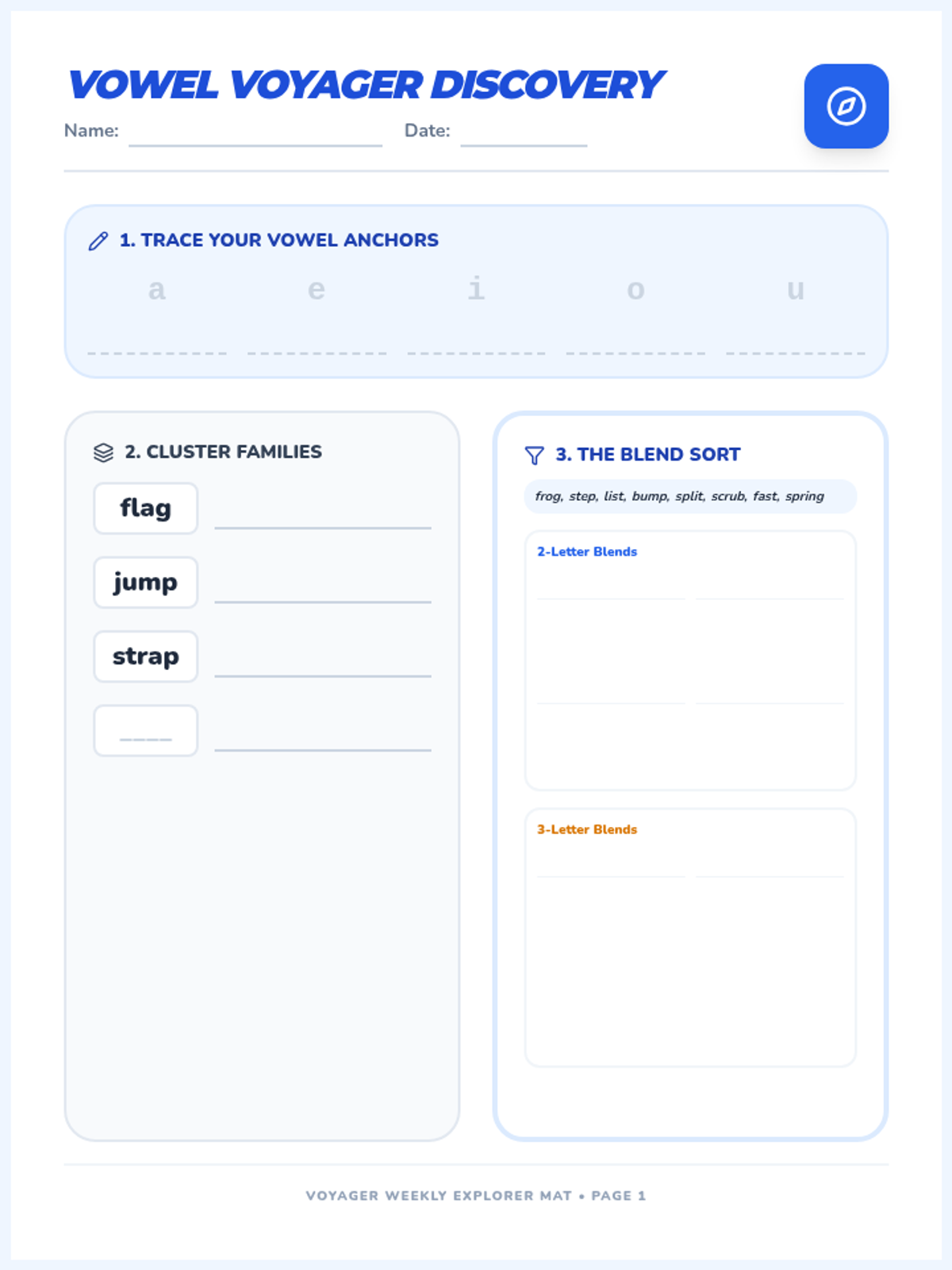
A 5-day intensive review of all short vowel sounds (a, e, i, o, u) using the 'Vowel Voyagers' theme. Includes daily phonemic awareness, word building, decodable reading, and heart word mastery.
A series of thematic handwriting programs designed to improve fine motor skills and penmanship through daily practice sessions centered around fascinating educational topics like biology and history.
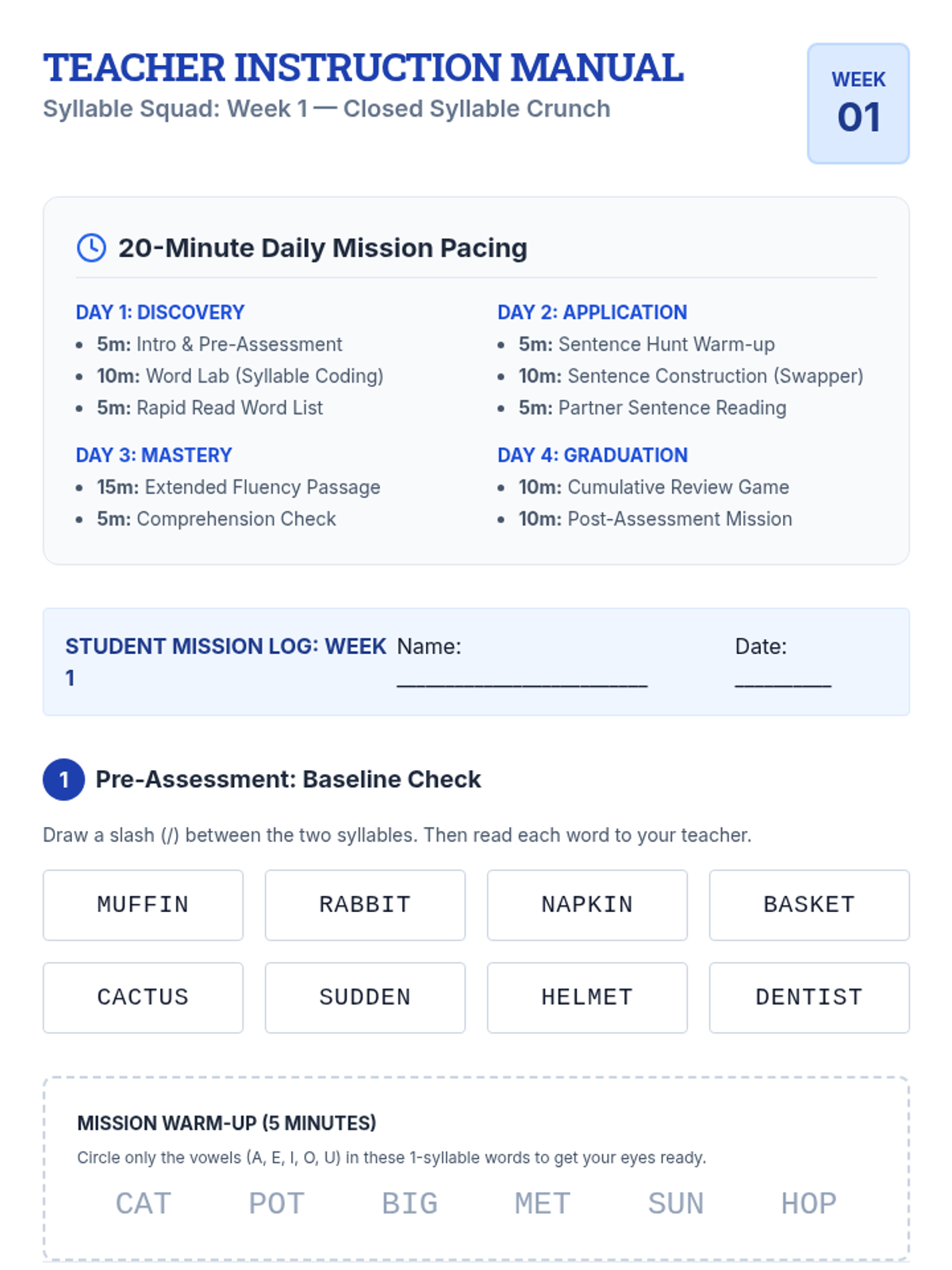
A comprehensive 5-week phonics intervention focused on decoding two-syllable words across five major syllable types. Each week includes a pre-assessment, daily lessons with specific targets, student practice sheets, and a post-assessment.
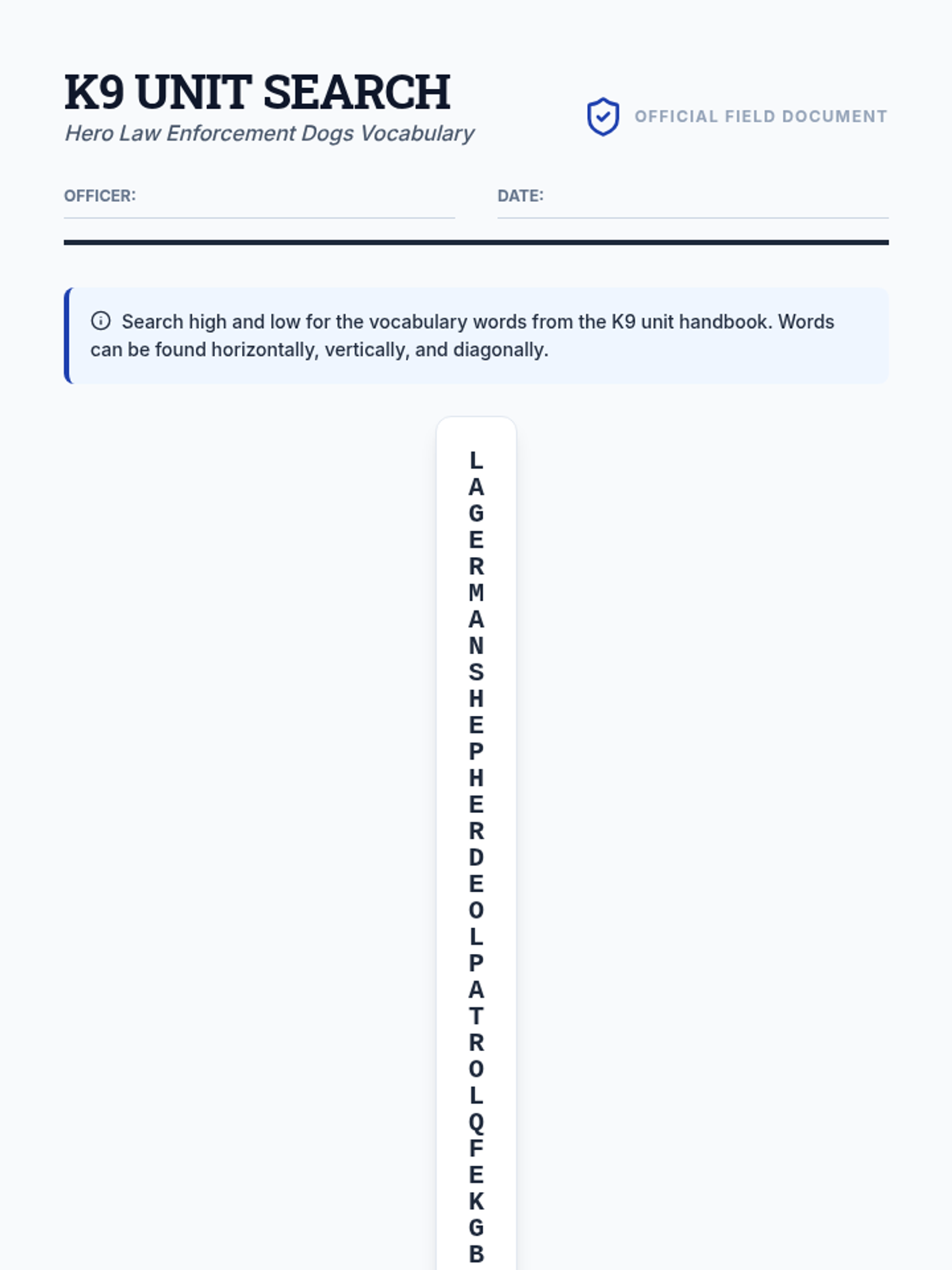
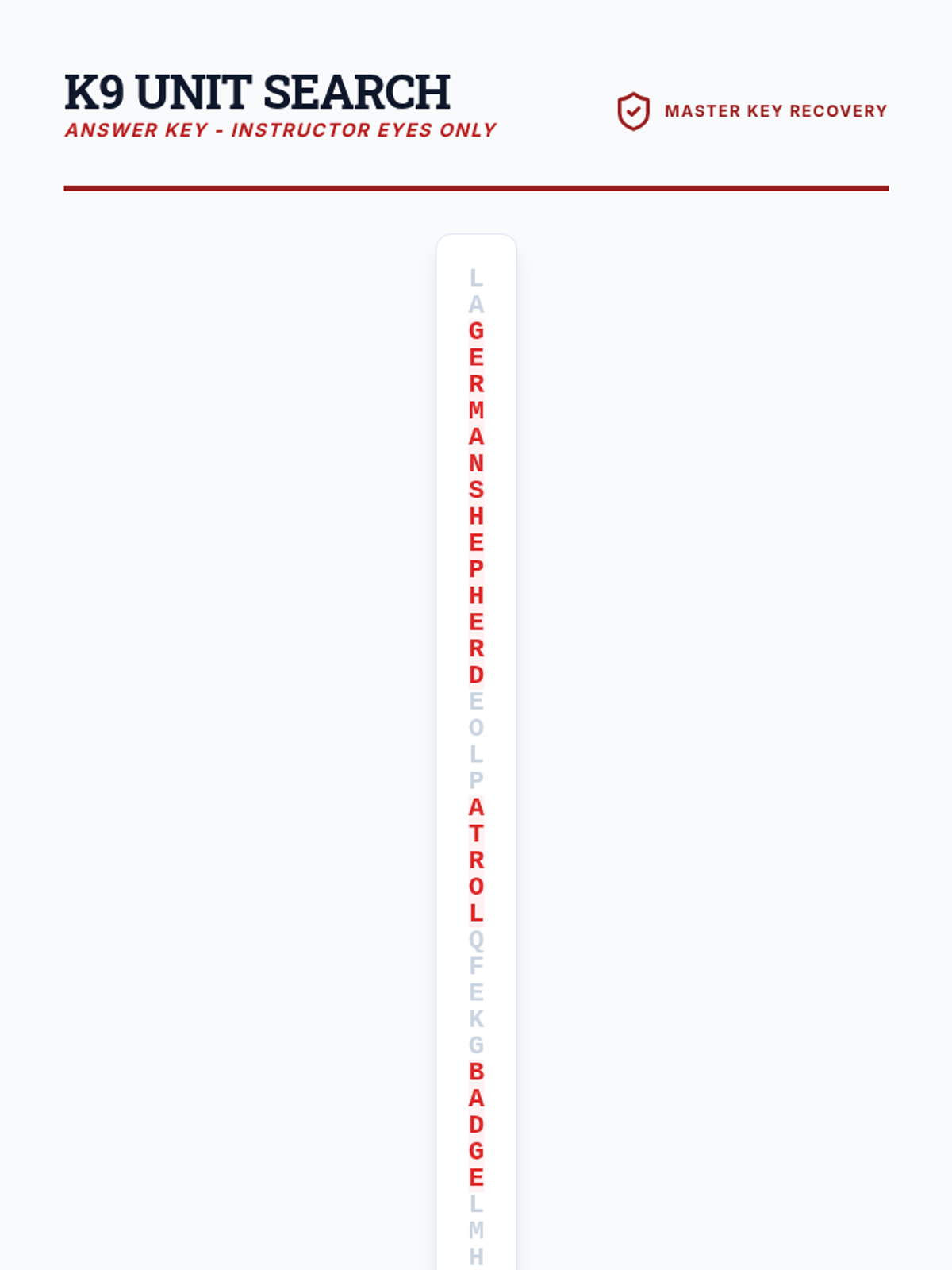
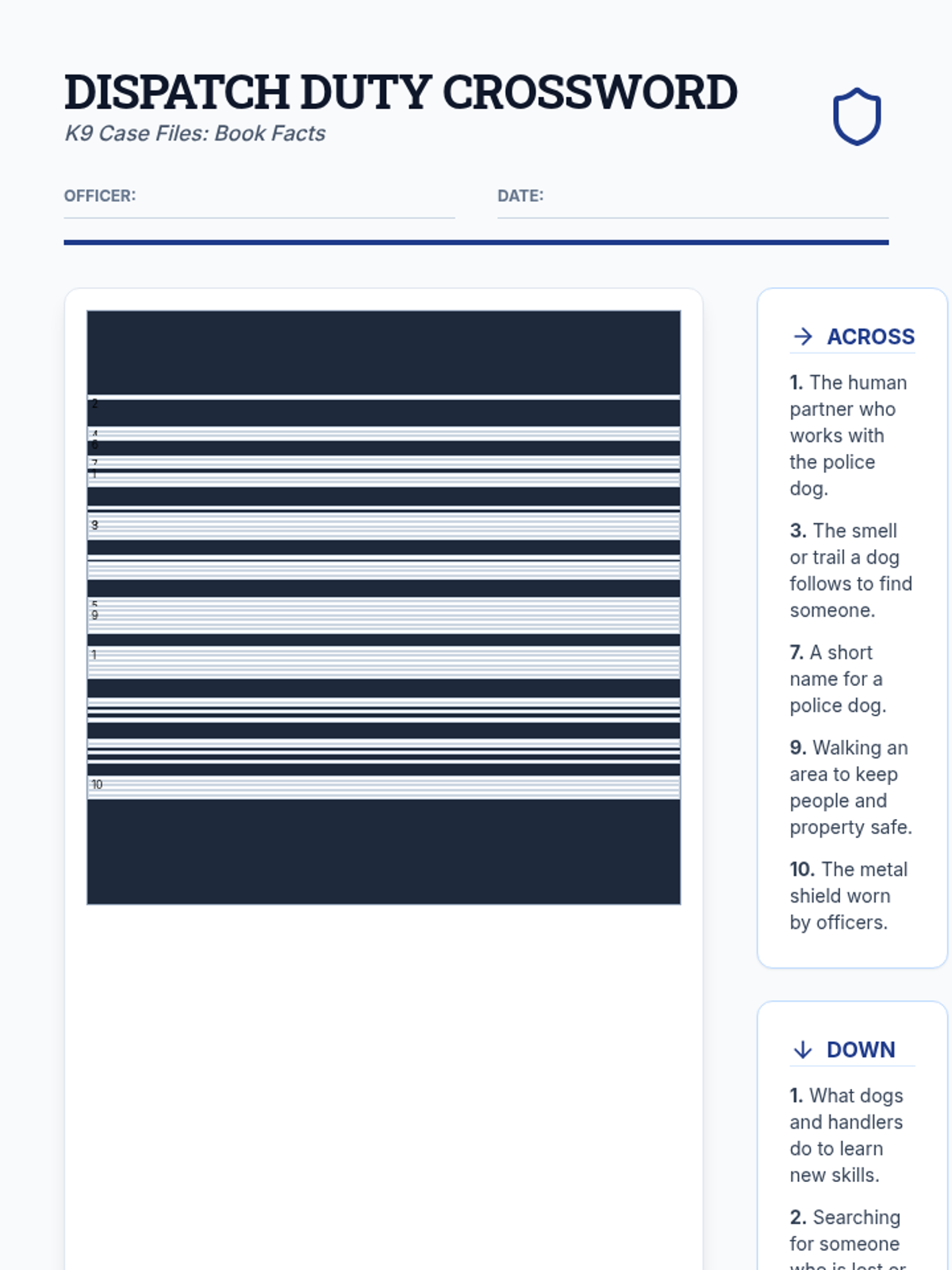
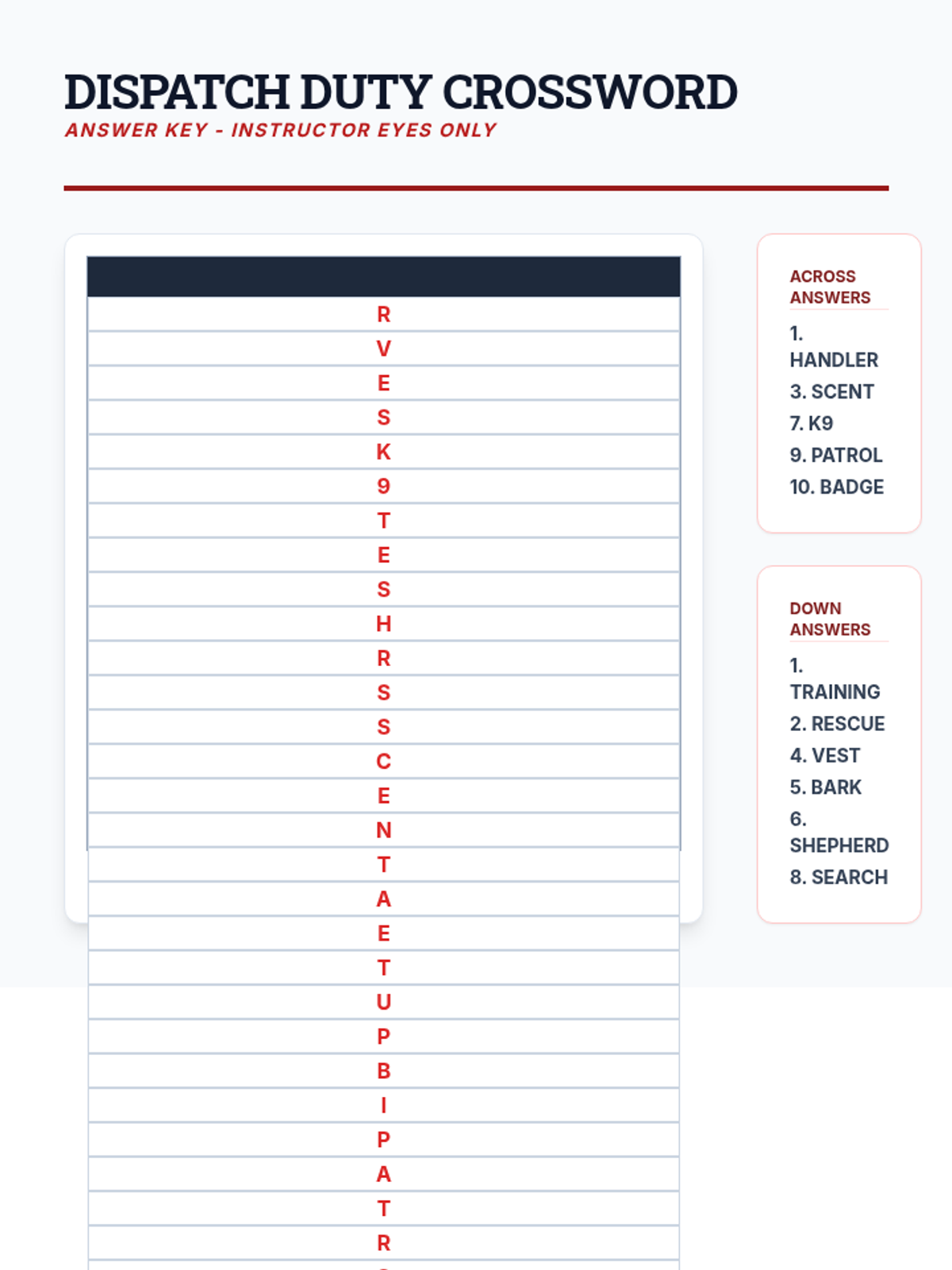
A series of educational materials exploring the lives and duties of law enforcement dogs, designed to build vocabulary and reading comprehension.
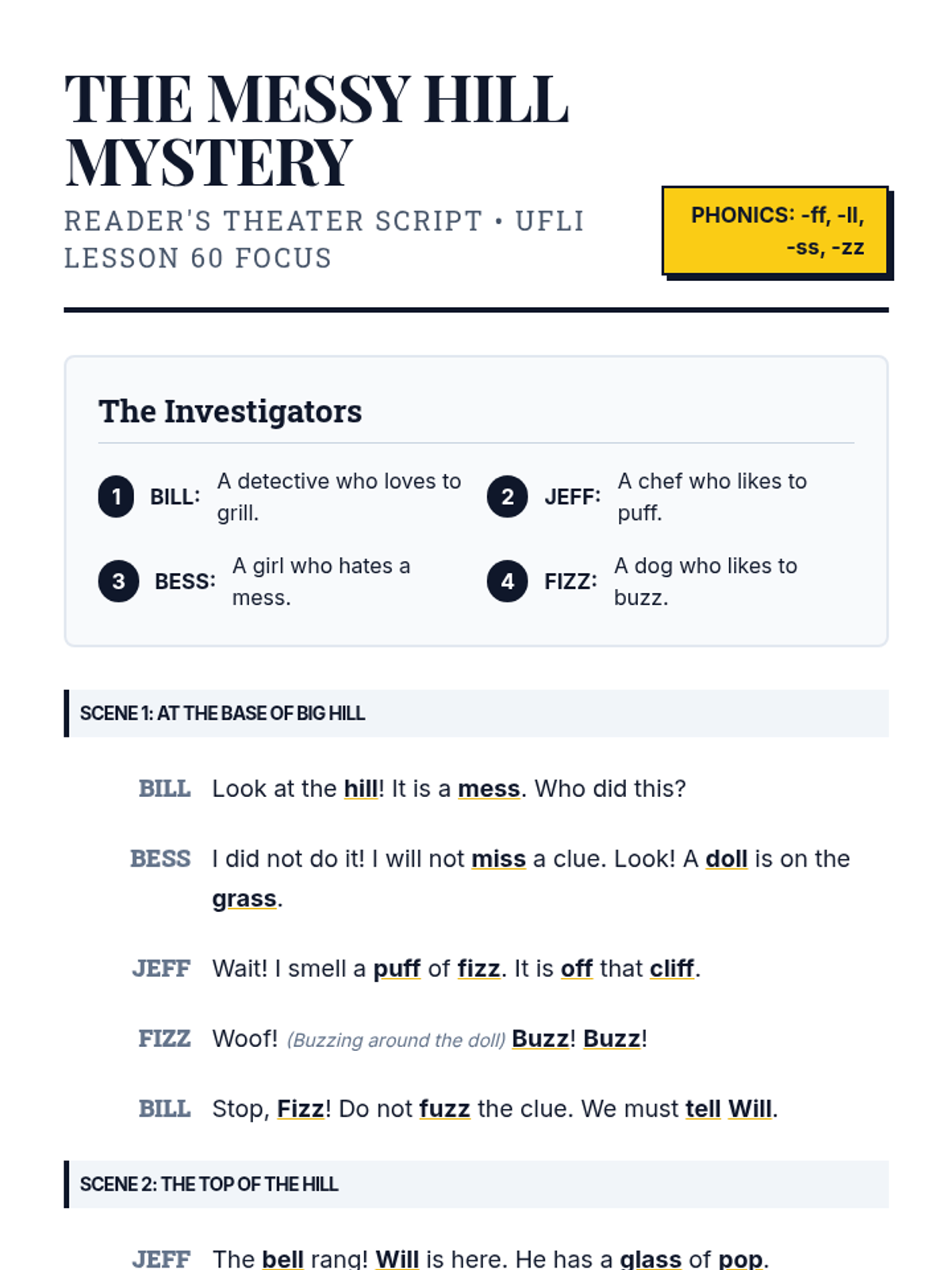
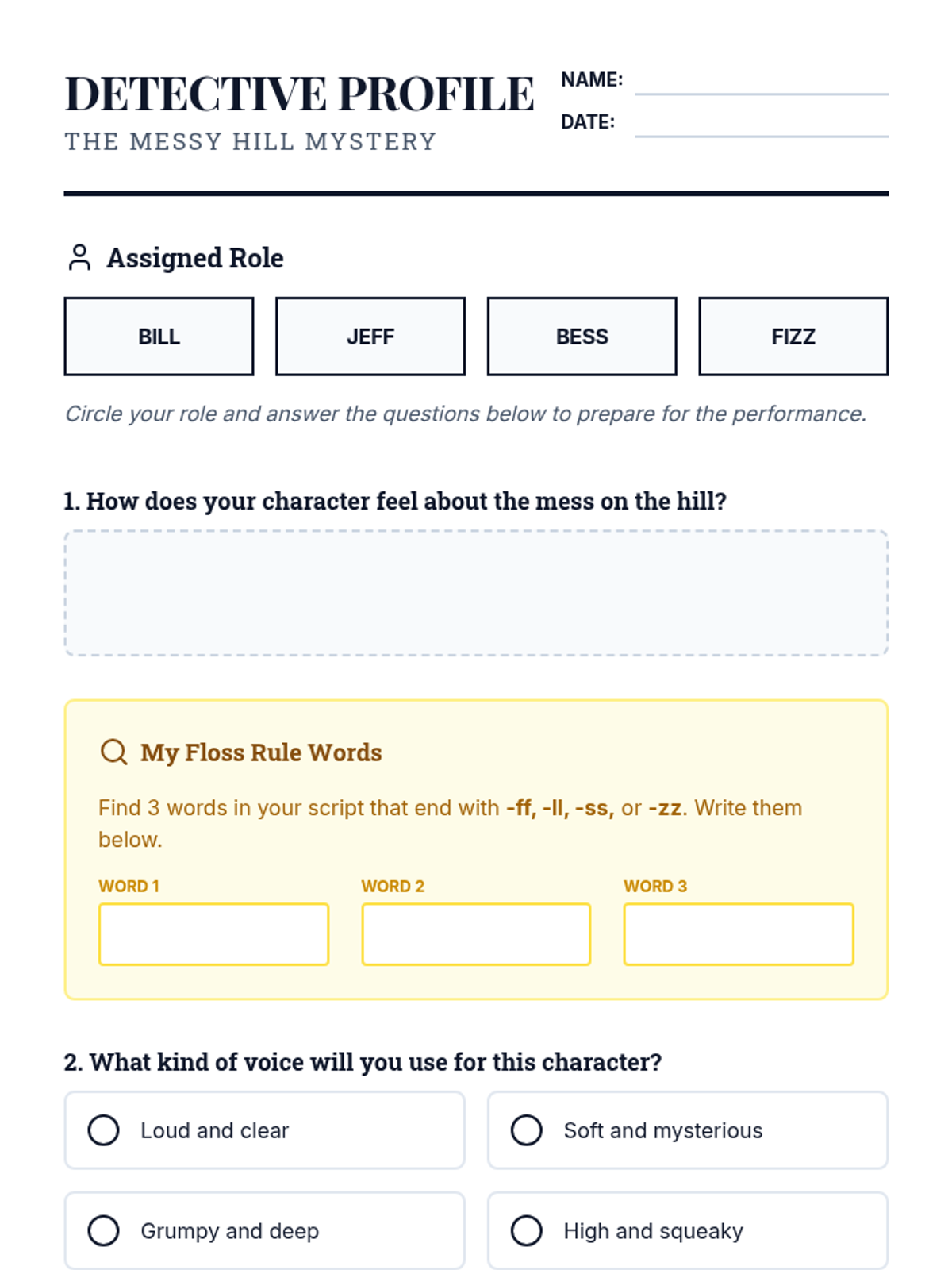
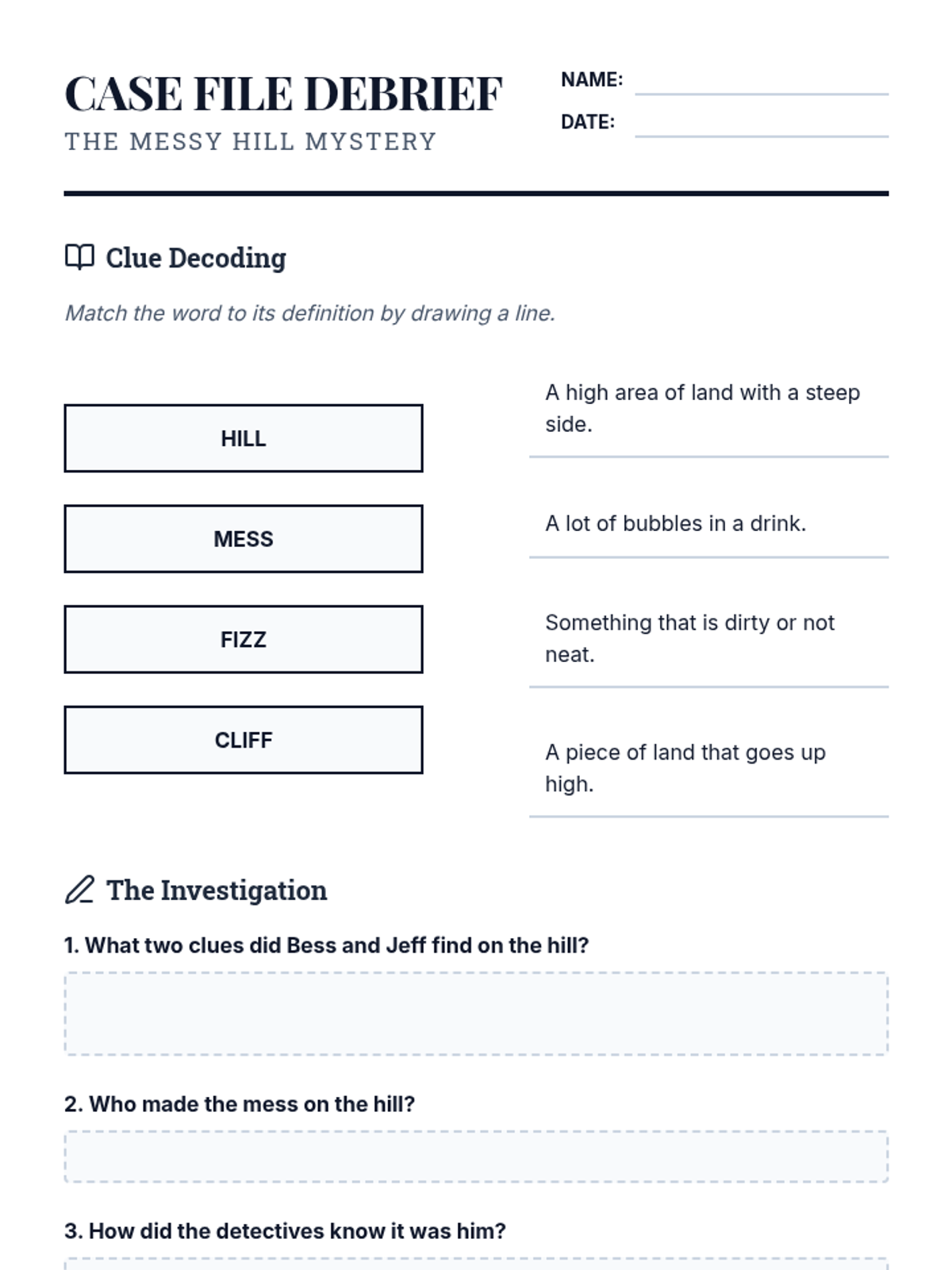
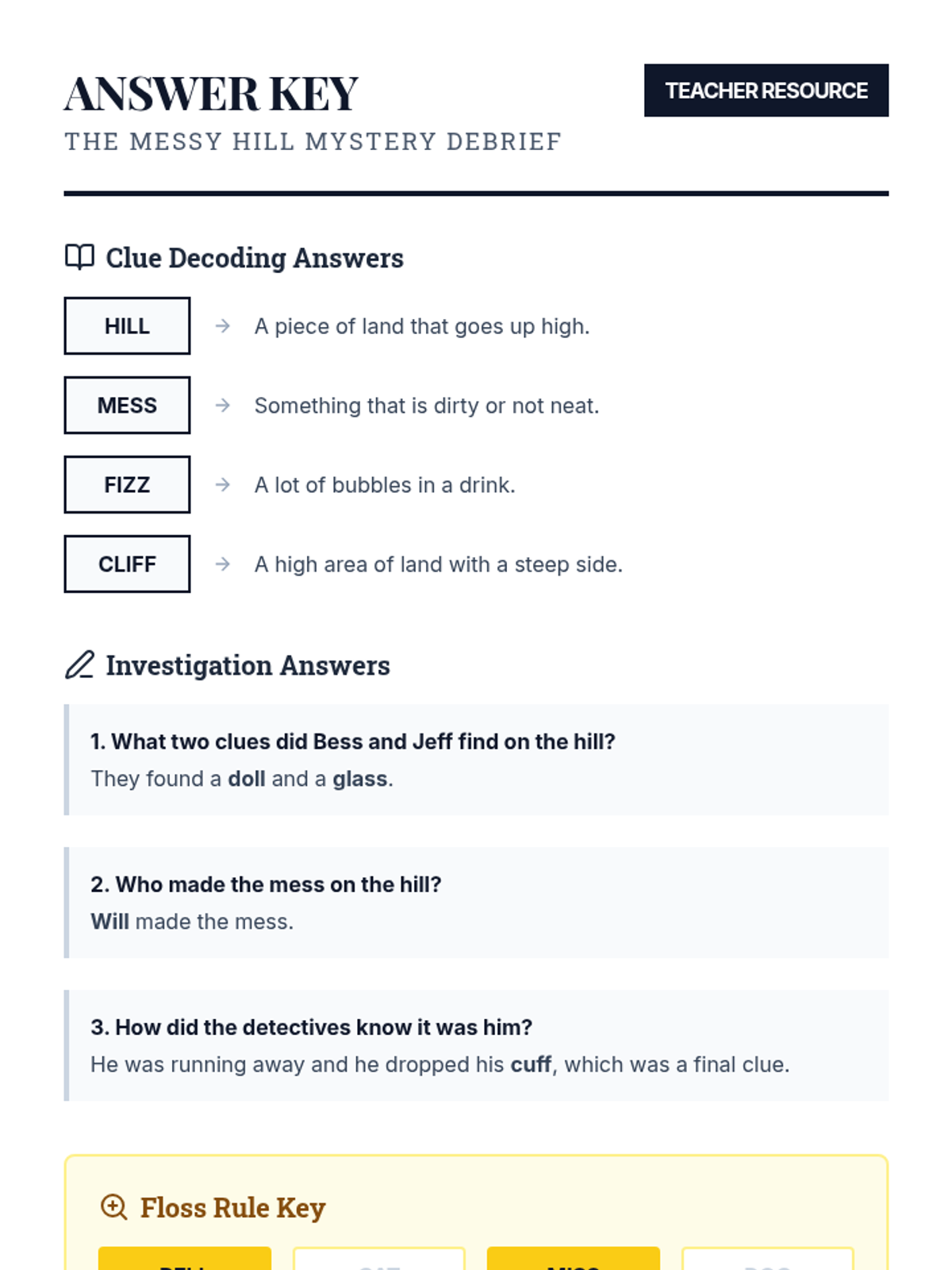
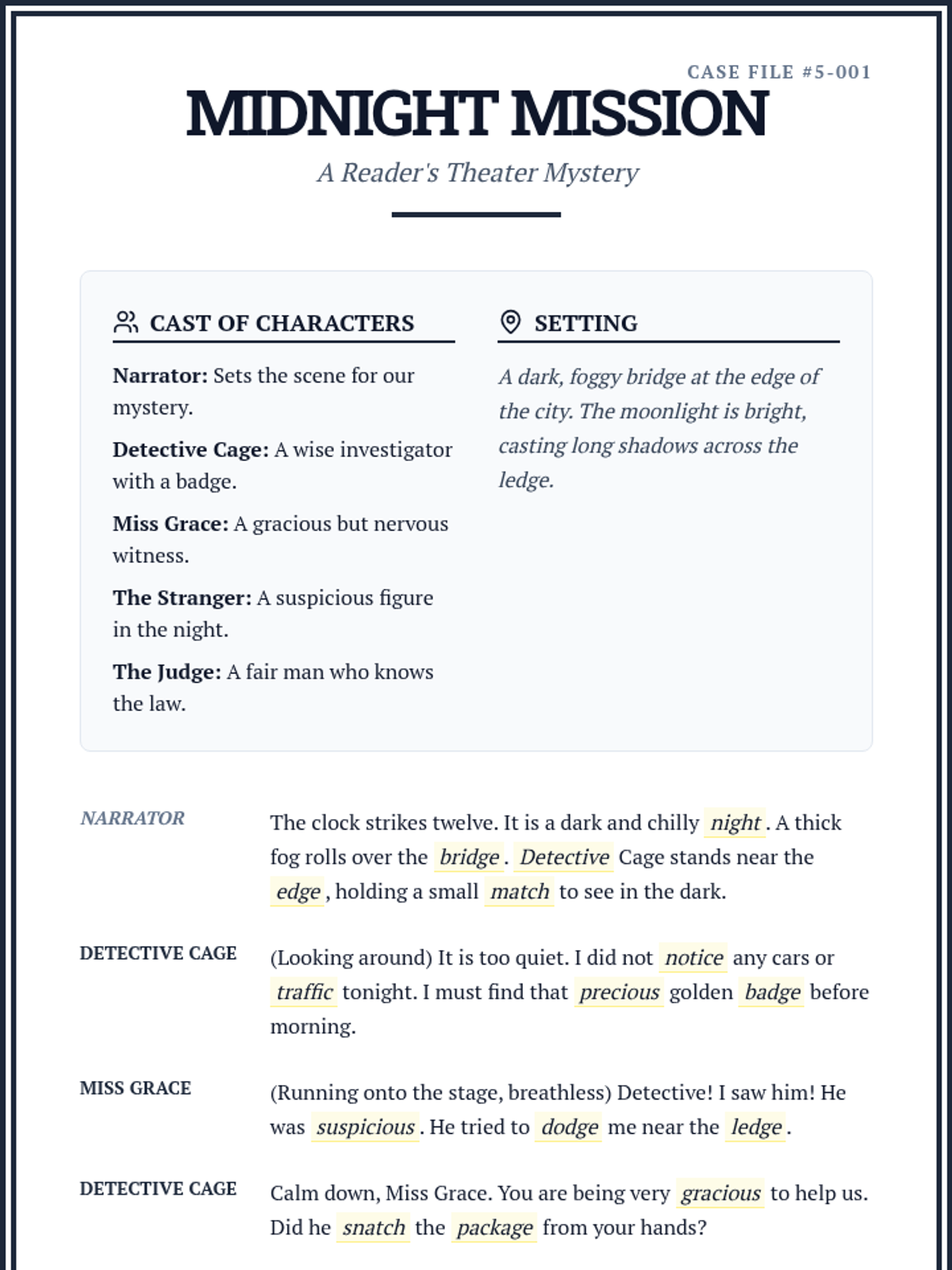
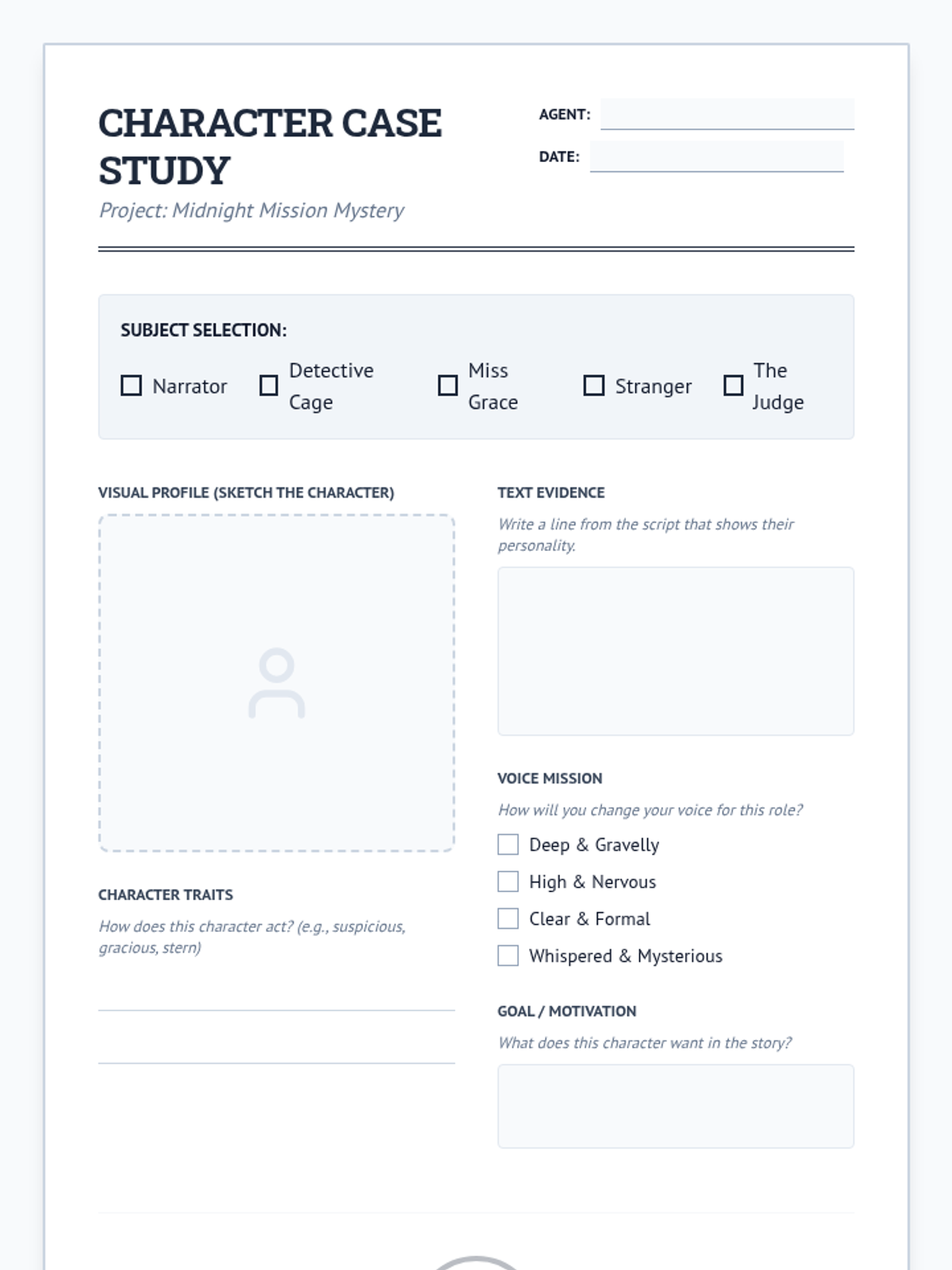
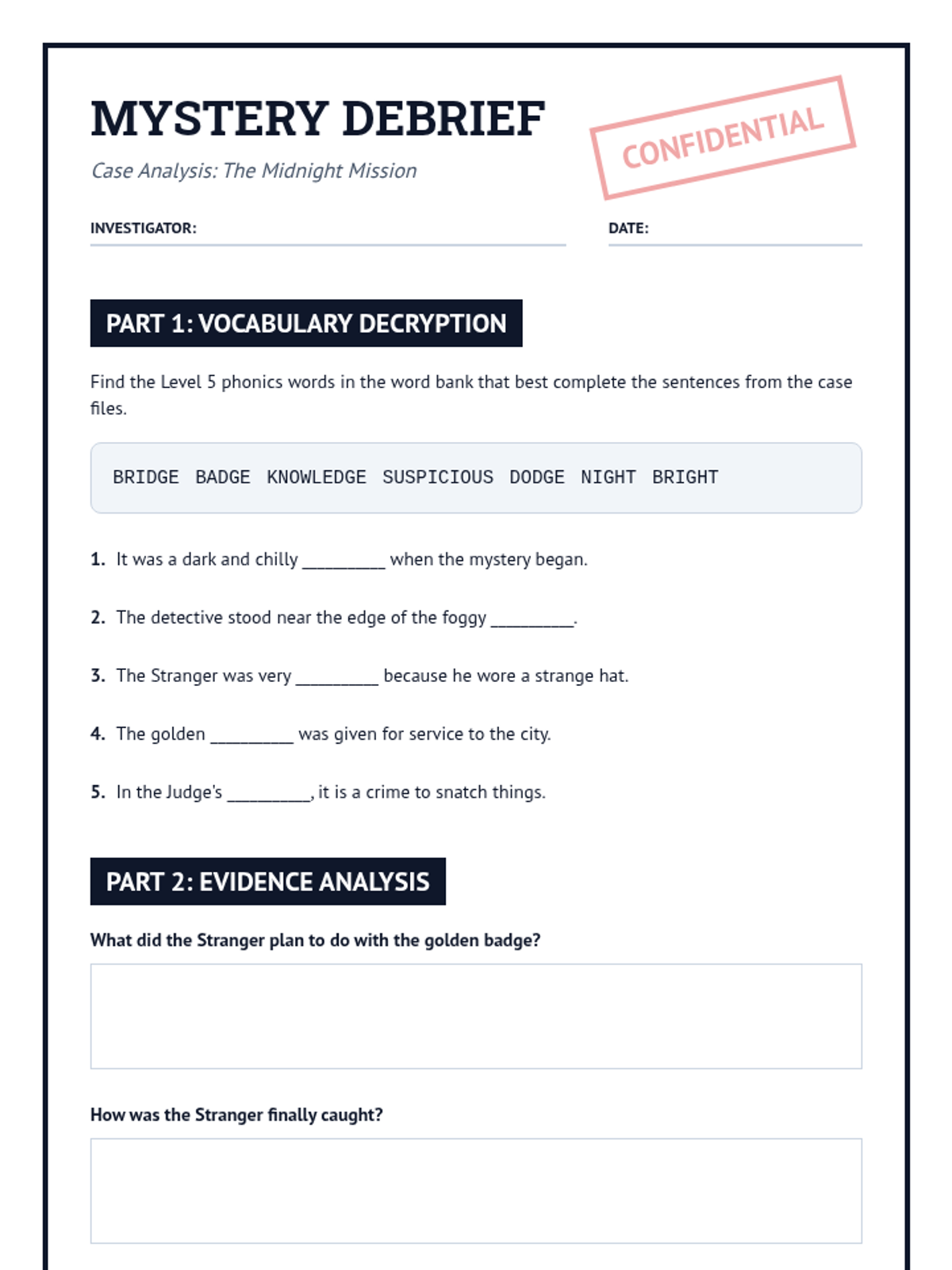
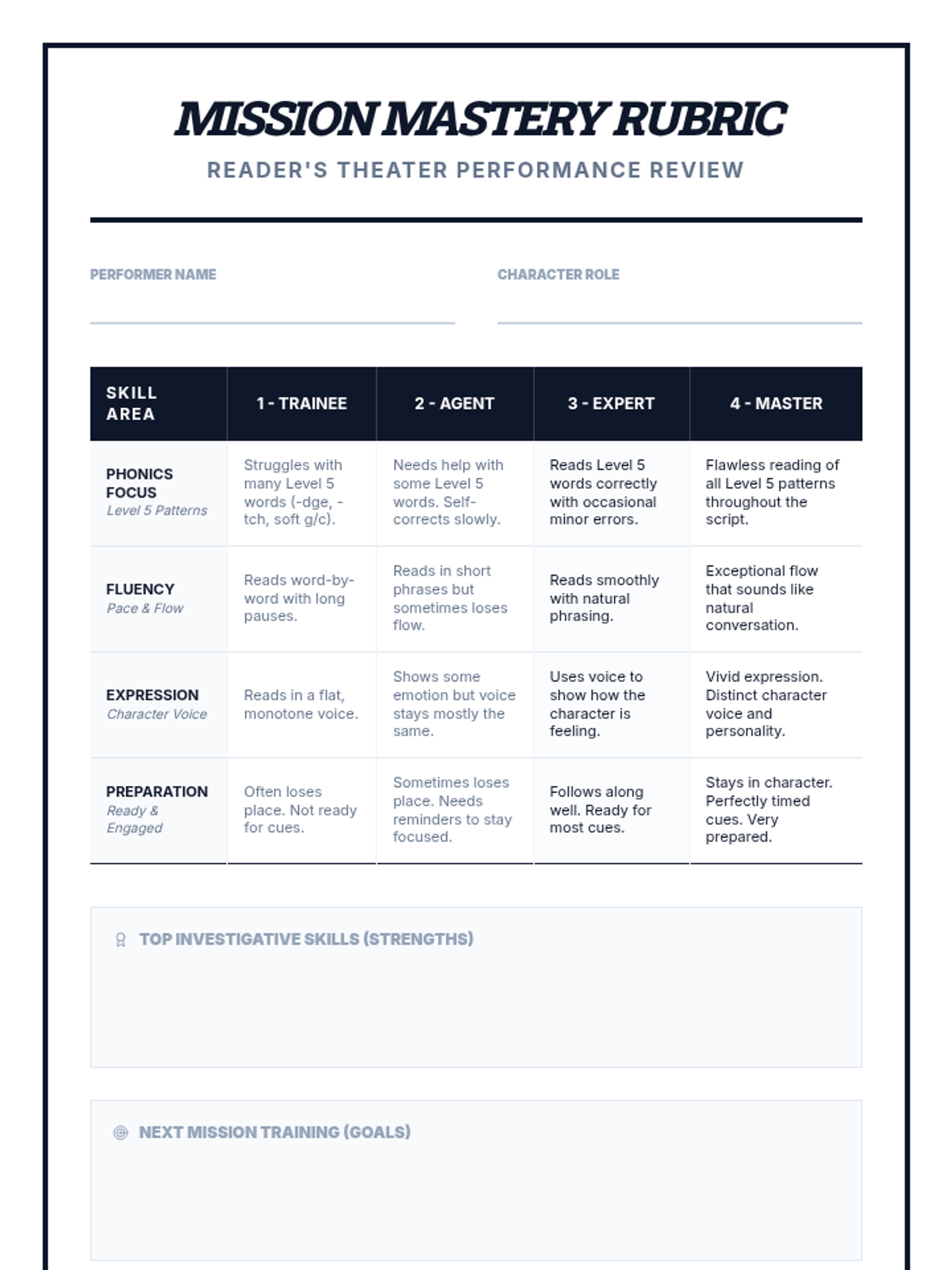
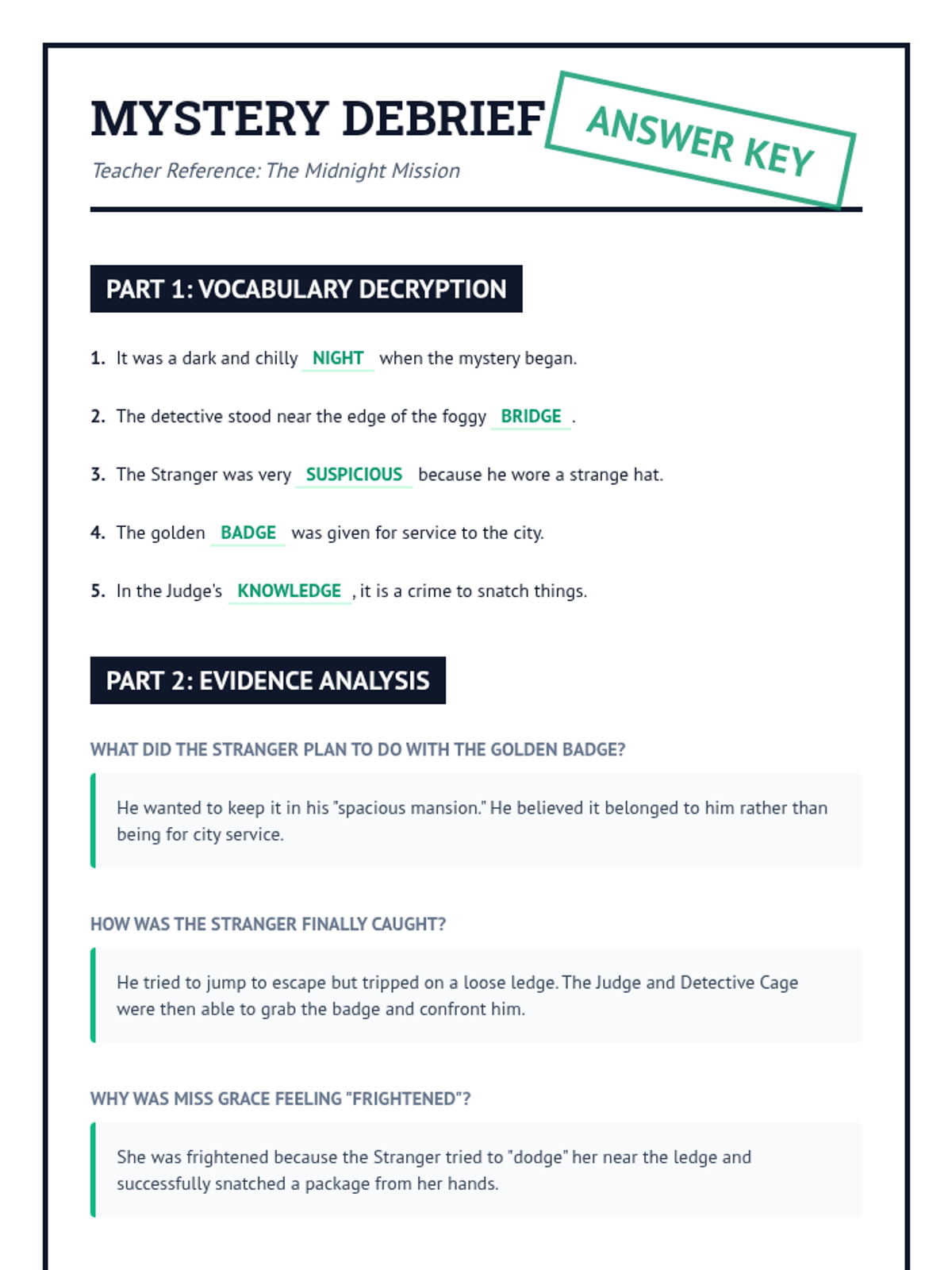
A collection of Reader's Theater mysteries designed to reinforce UFLI Foundations lessons 60 (Floss Rule) and 61 (-ck spelling pattern) through fluency and performance.
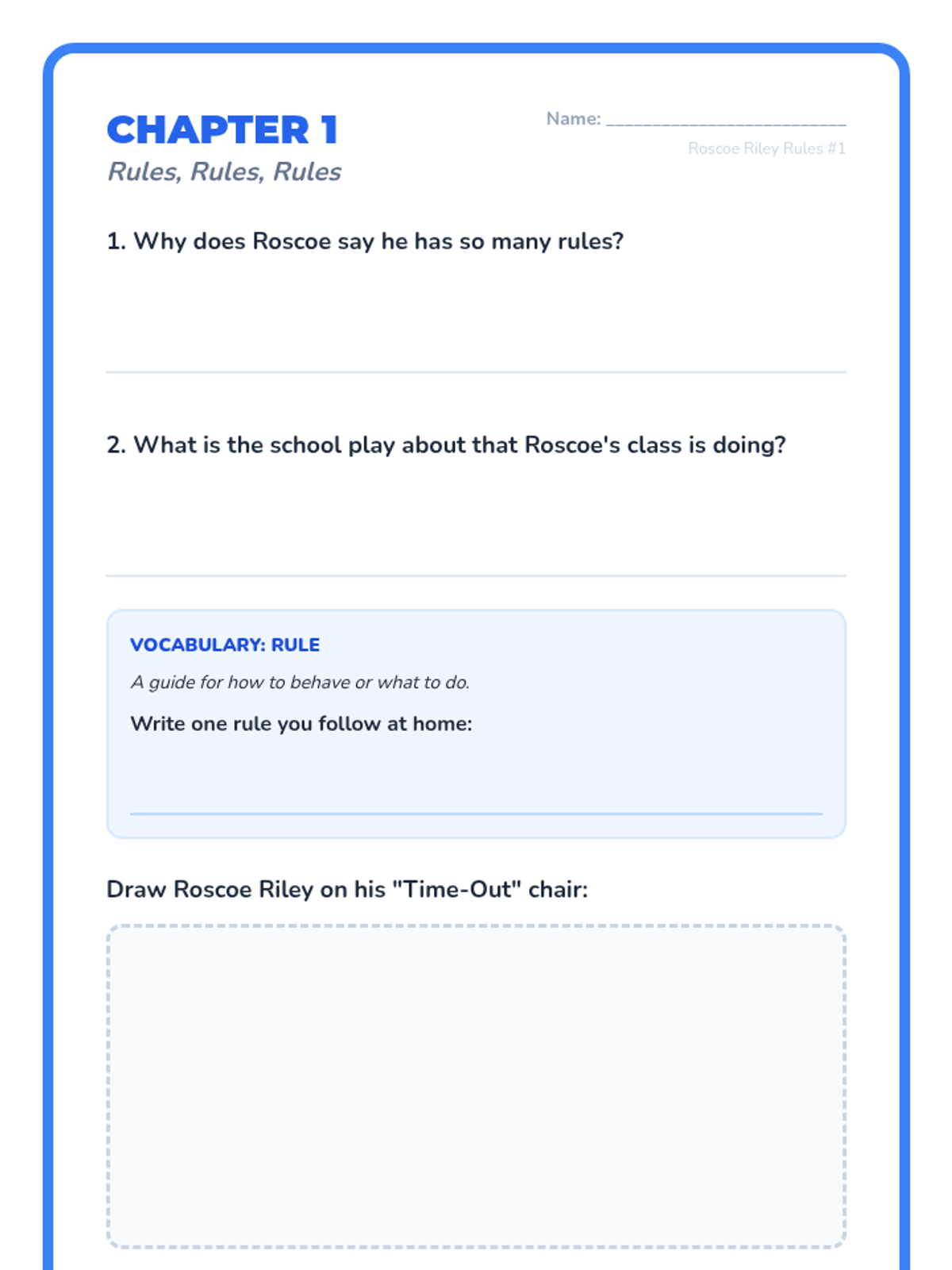
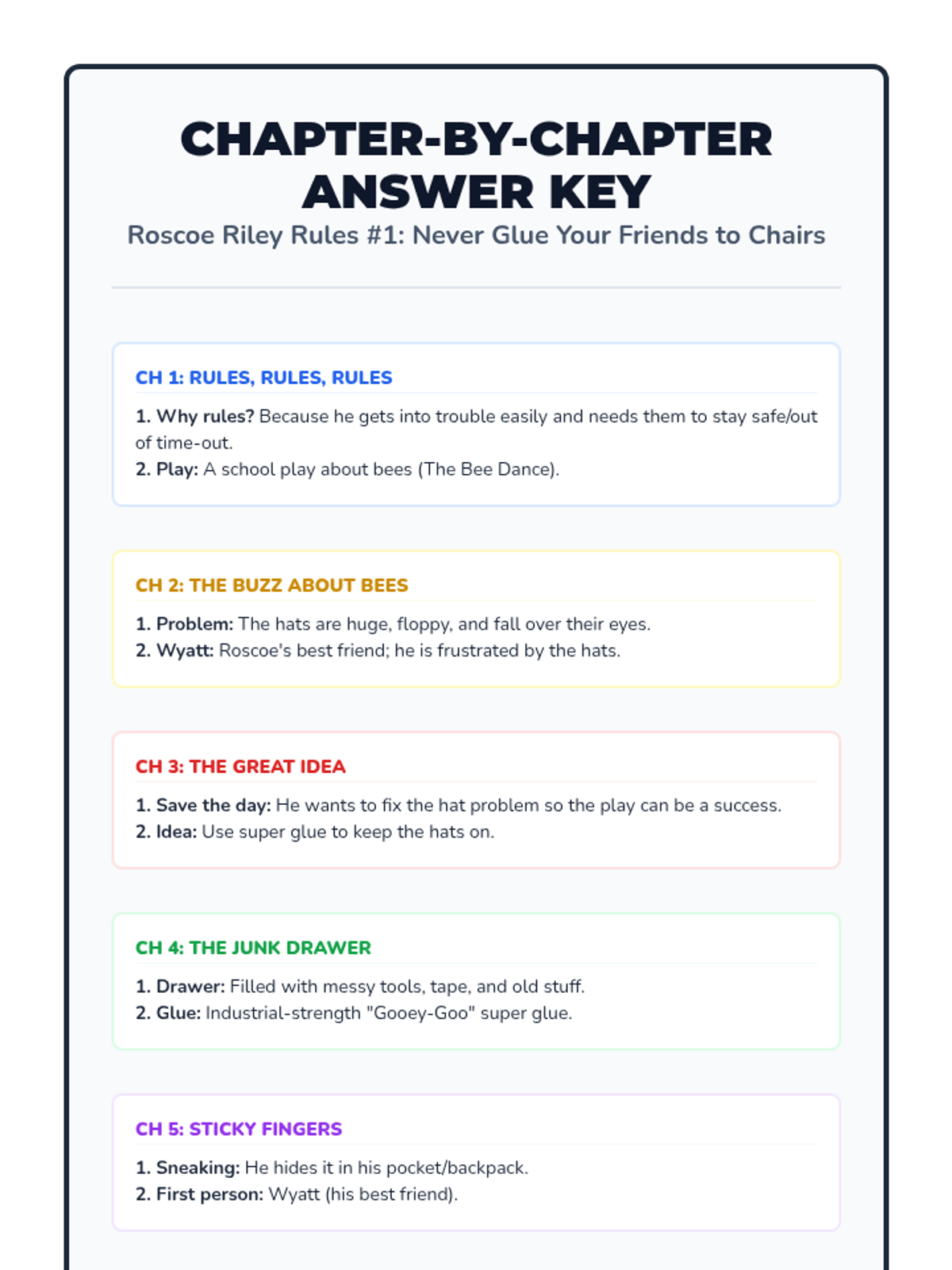
A comprehensive book study for Roscoe Riley Rules #1: Never Glue Your Friends to Chairs. Students will explore character traits, cause and effect, and story elements while building vocabulary and comprehension skills.
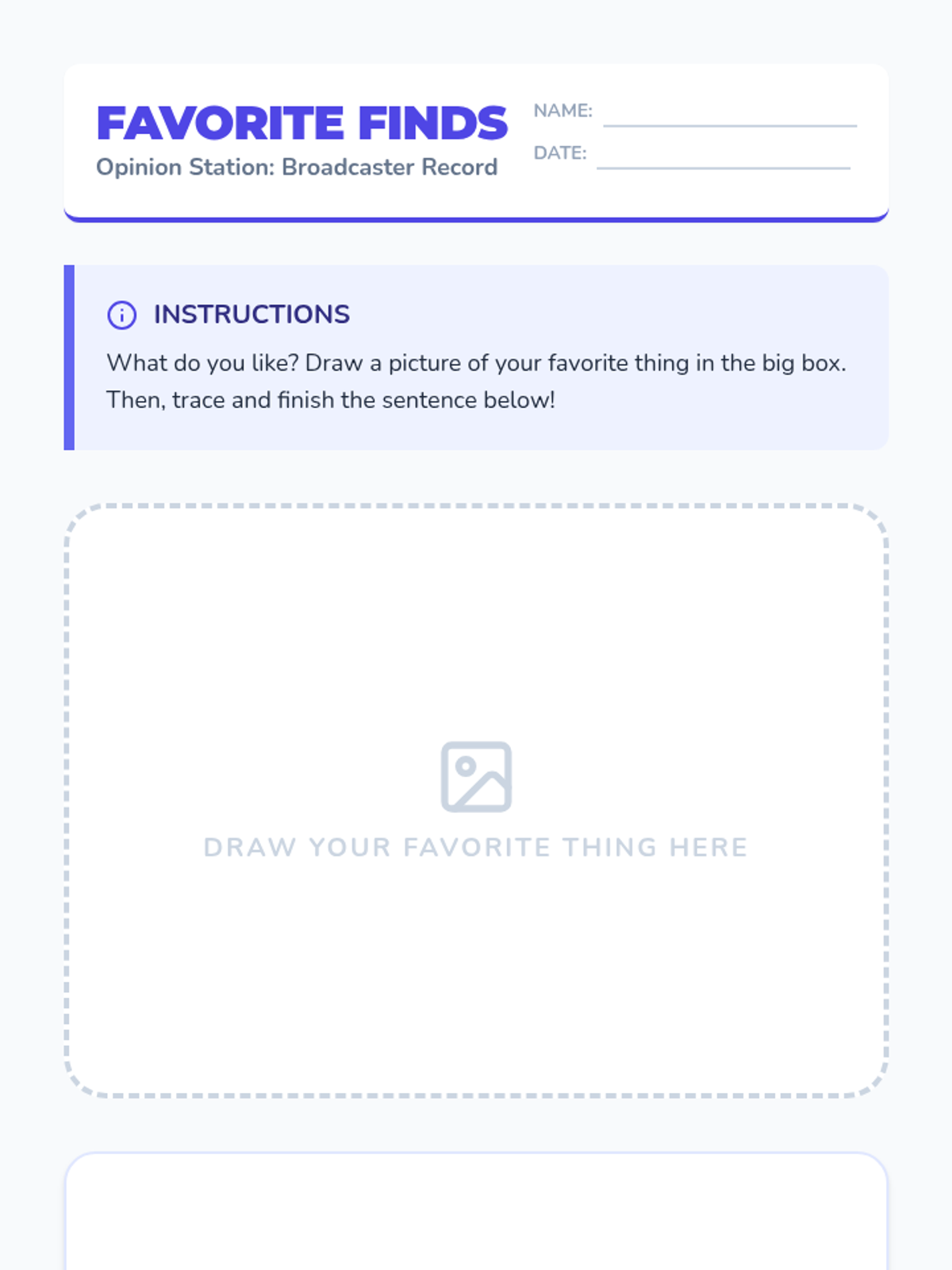
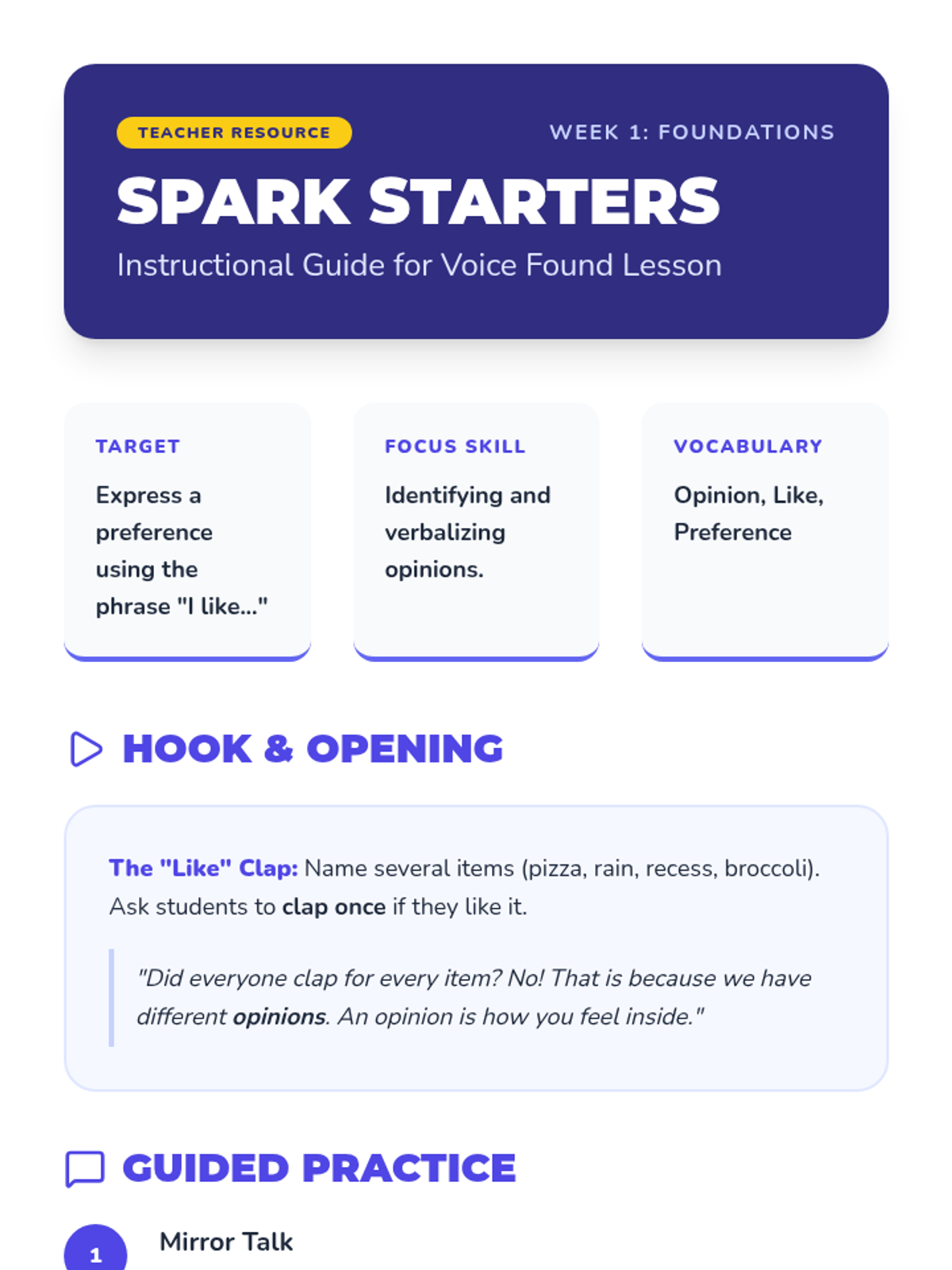
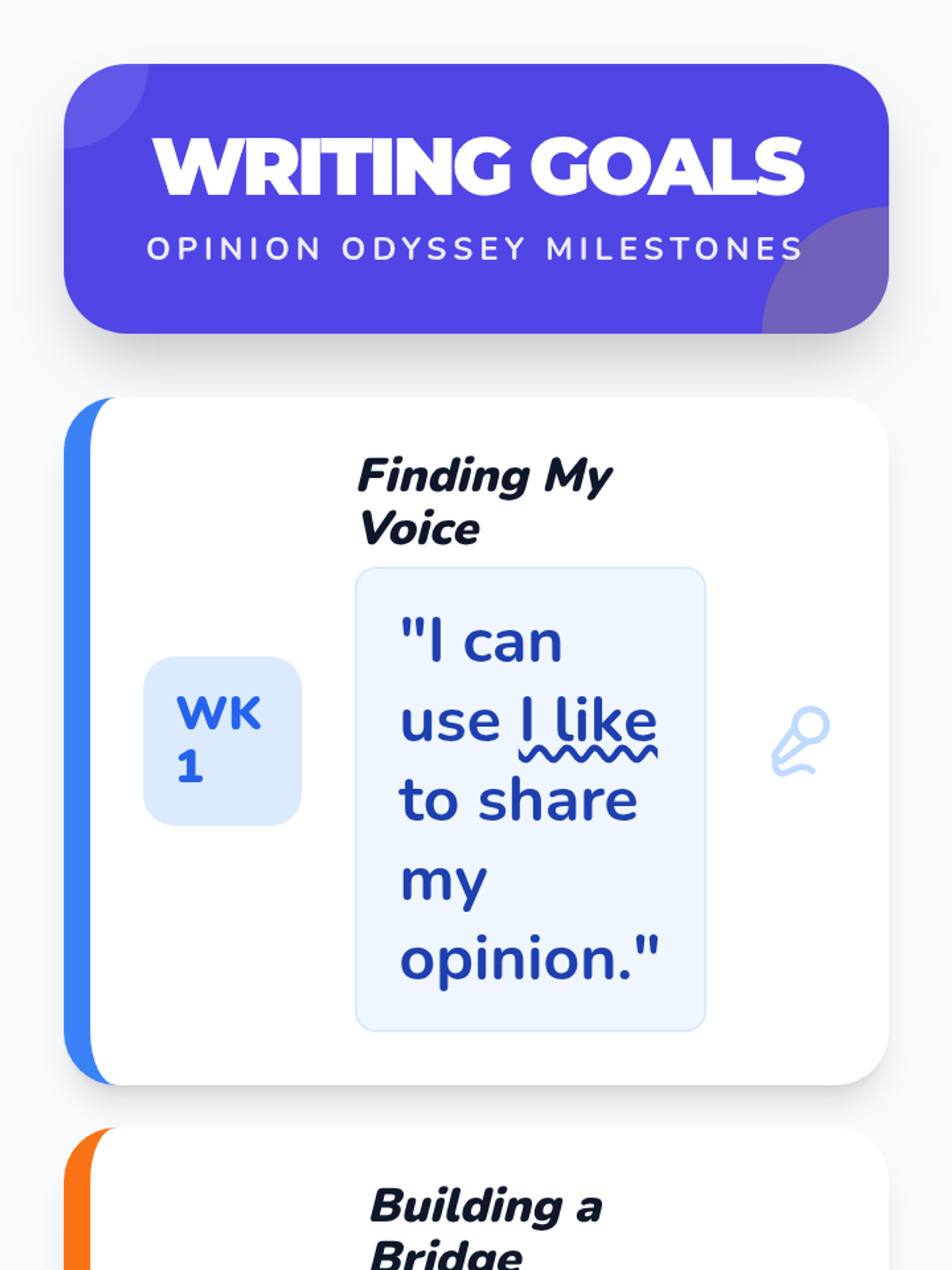
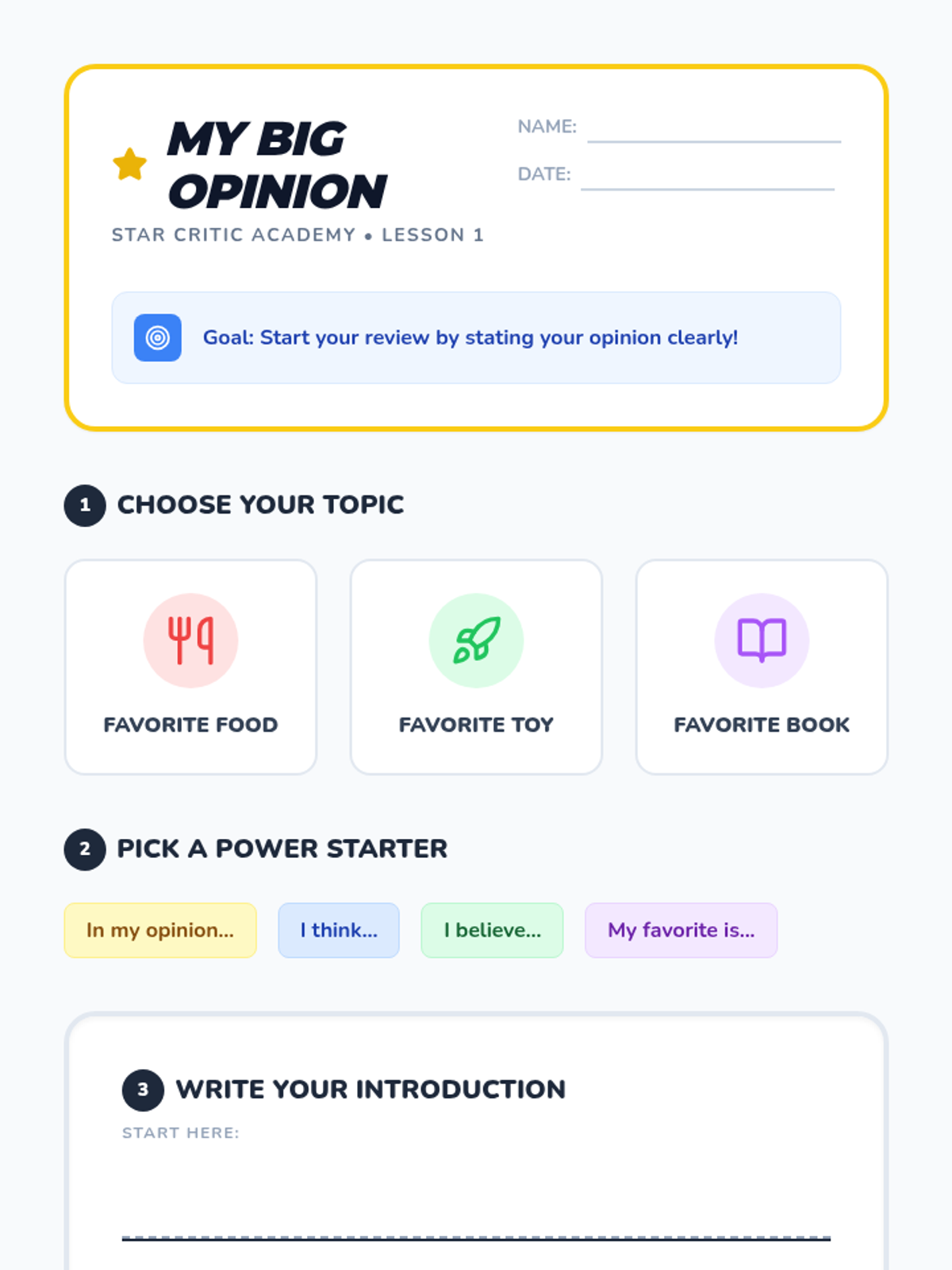
A foundational writing sequence for early learners focused on developing opinion writing skills. Students progress from stating simple preferences to supporting their opinions with reasons and descriptive details using 'I like' and 'because'.
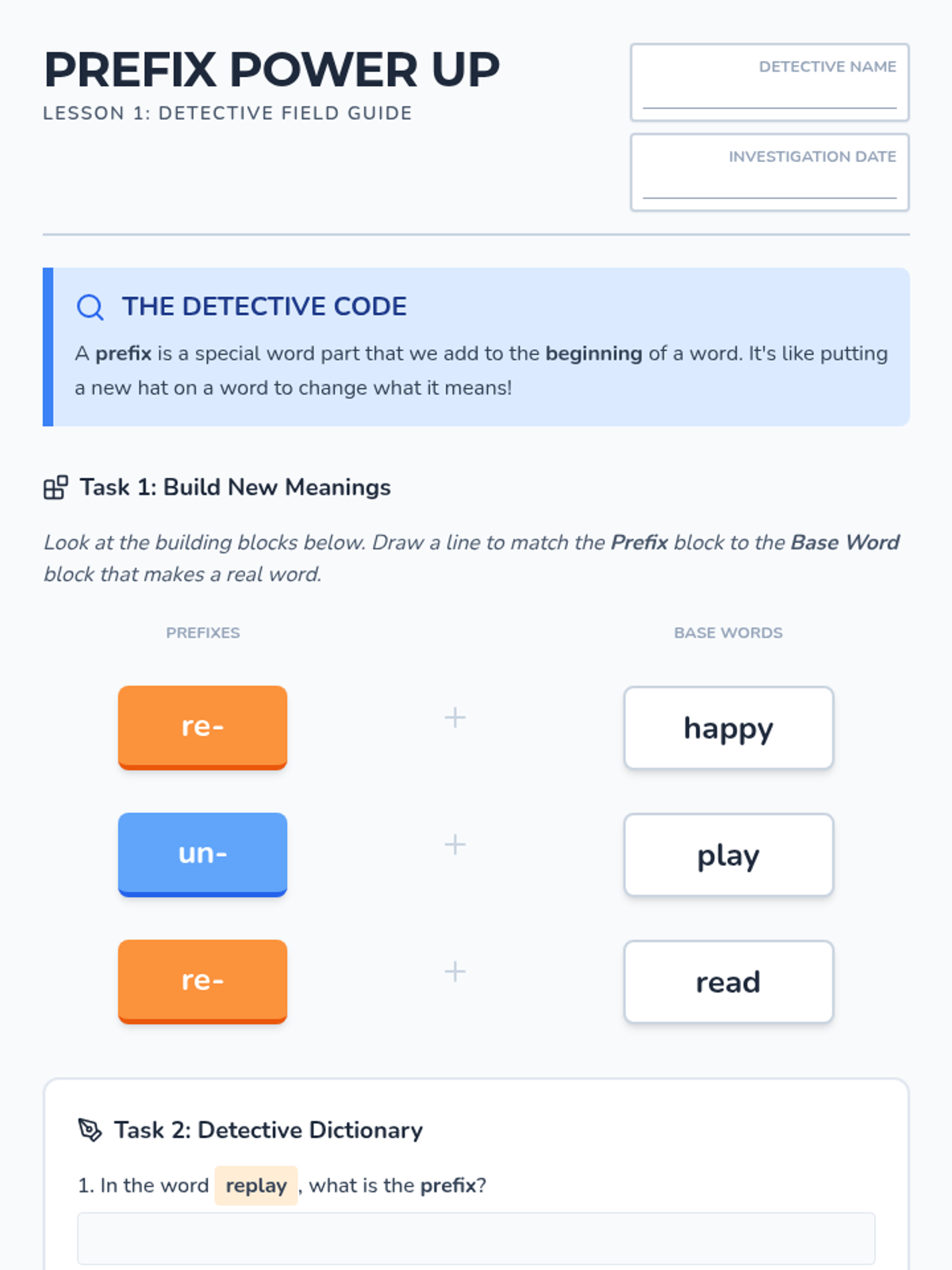
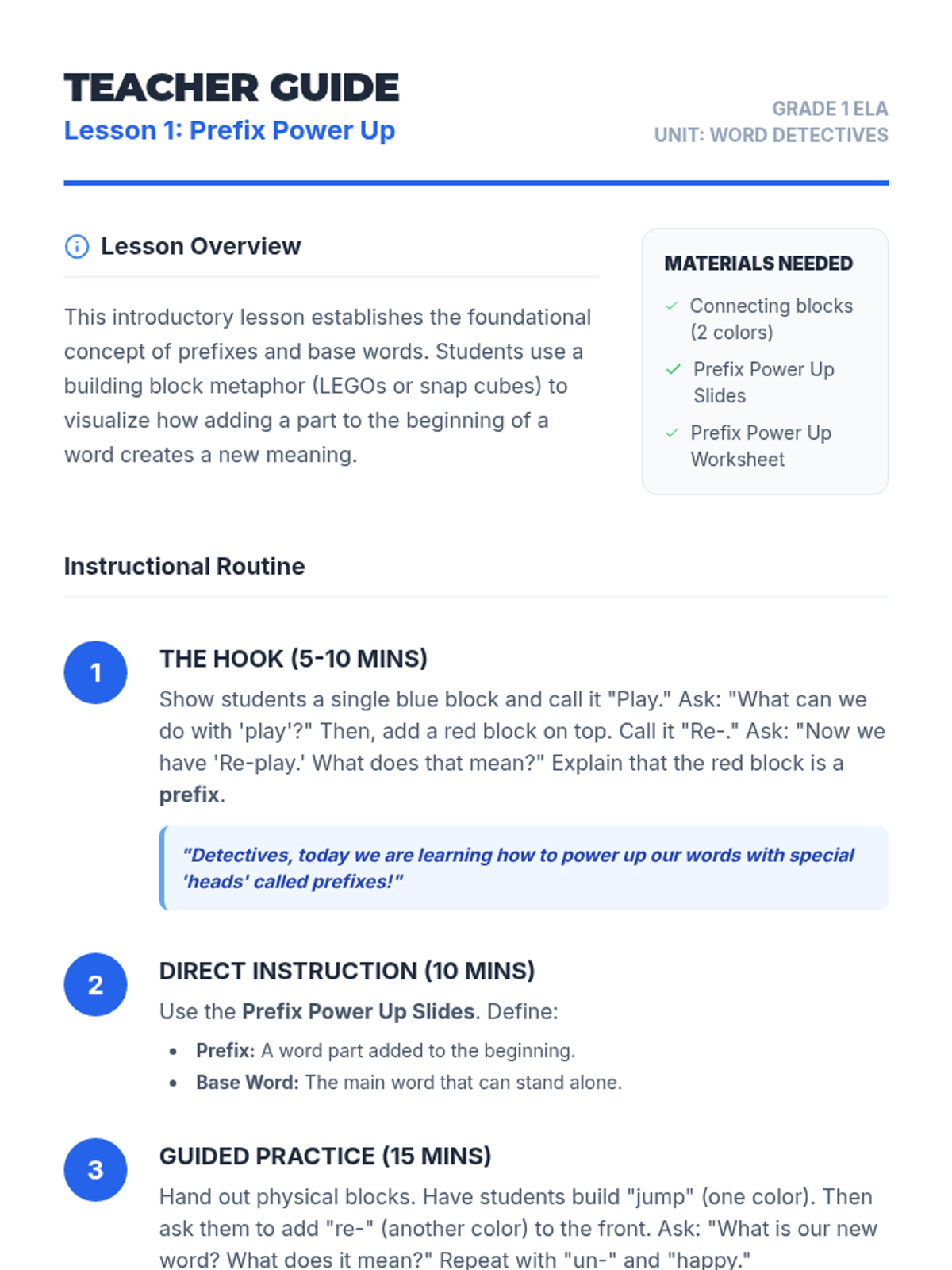
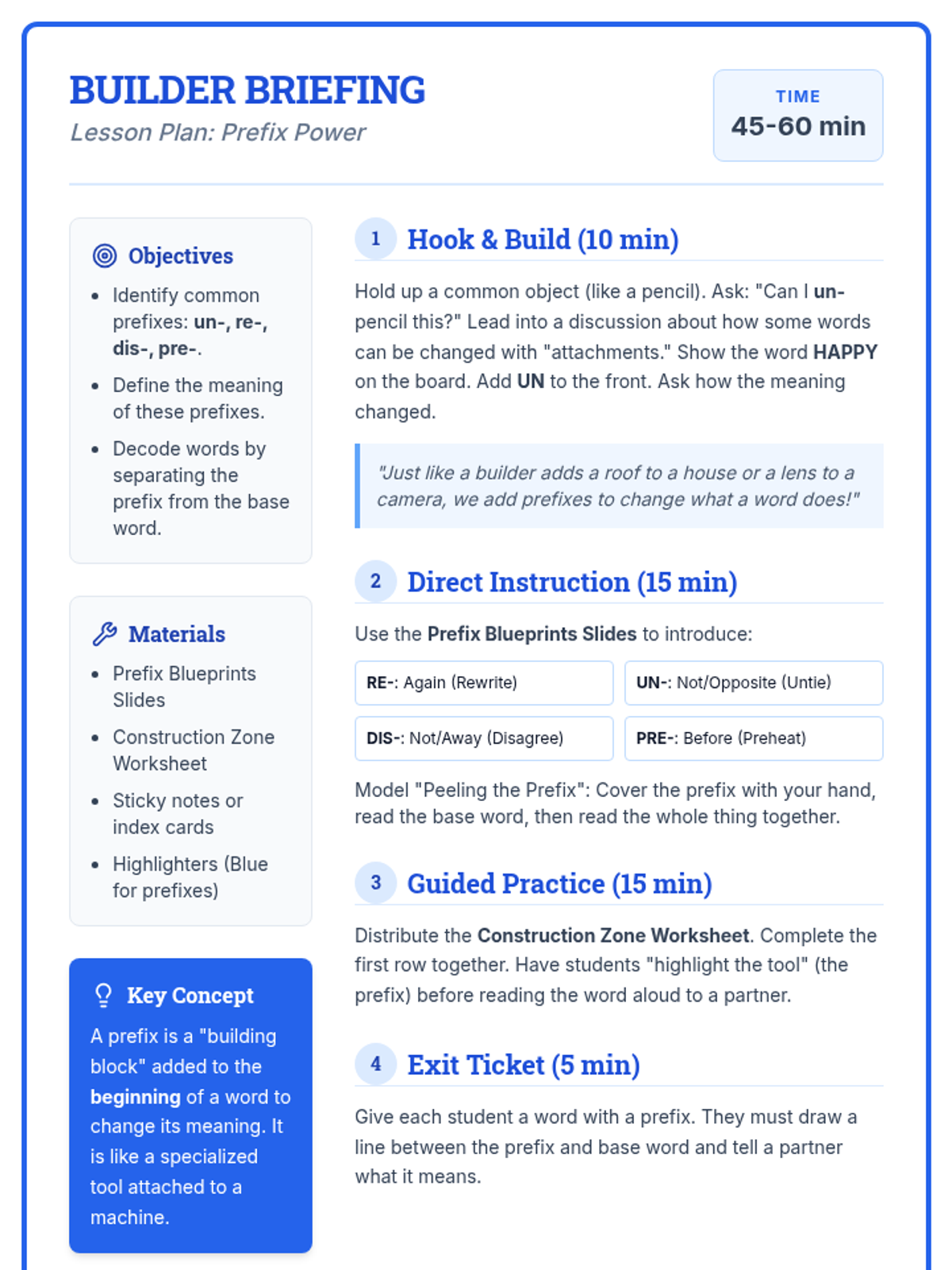
A 1st Grade ELA sequence where students become 'Word Detectives' to investigate how the prefixes 'un-' and 're-' change the meaning of base words. Through hands-on activities, games, and decoding challenges, students master morphological awareness and vocabulary expansion.
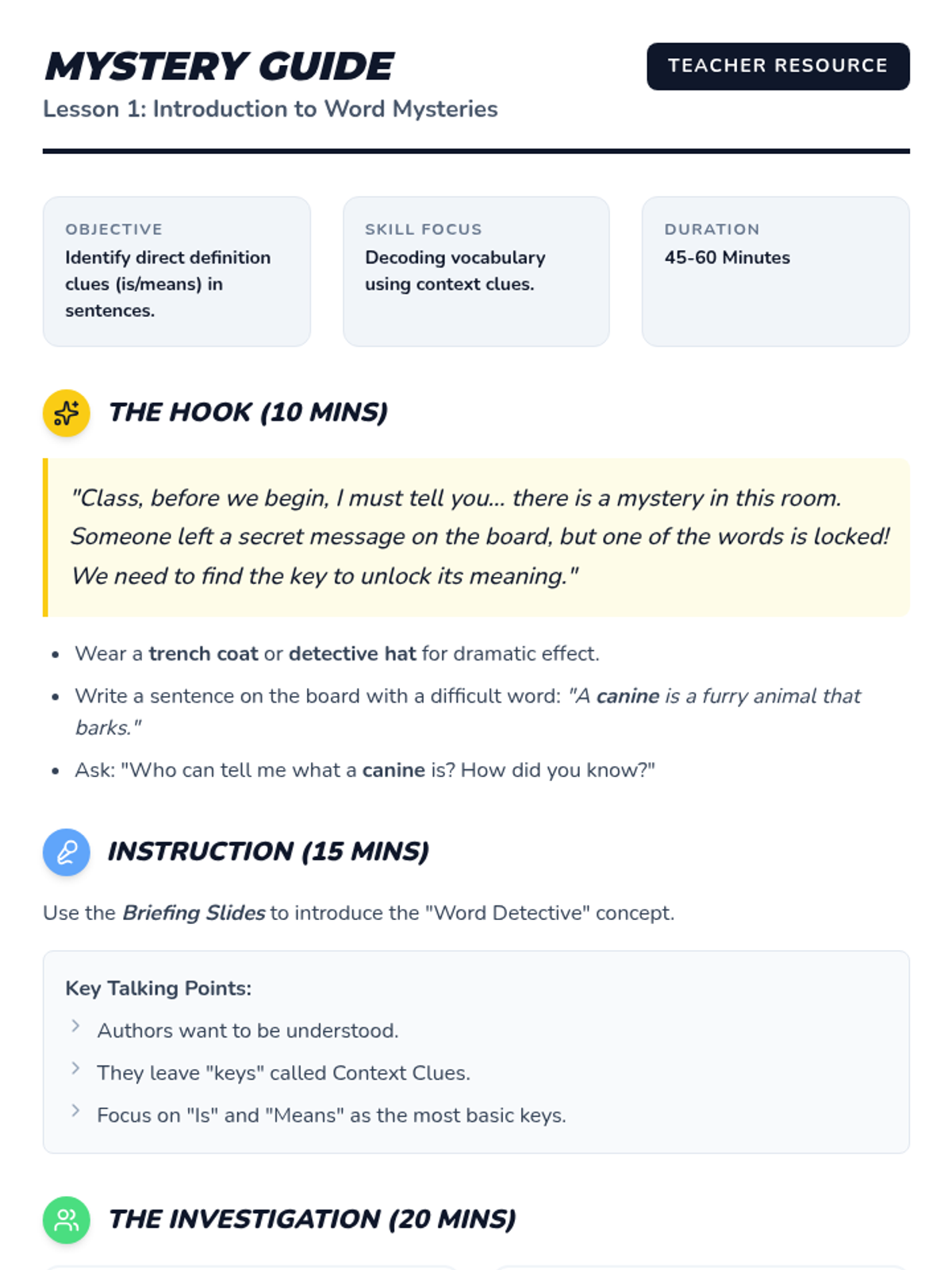
A 1st Grade ELA sequence that uses a 'Word Detective' theme to teach students how to identify specific context clues (definitions, synonyms, antonyms, and examples) to decode unknown vocabulary. Students progress from guided investigations to independent case-solving, building logical reasoning and word relationship skills.
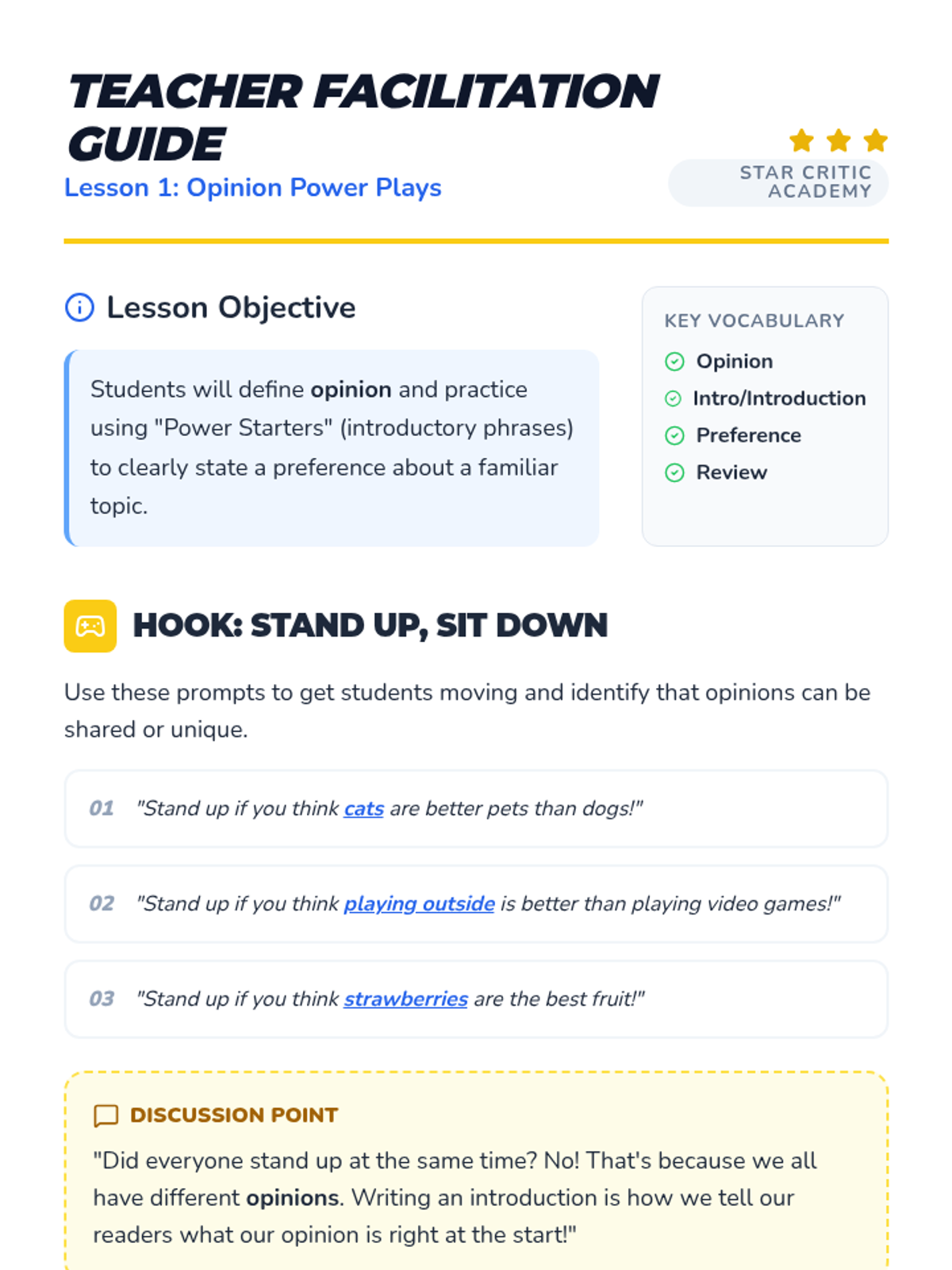
A 1st Grade sequence focused on opinion writing, teaching students to state a preference clearly at the start and provide a recommendation at the end through the lens of reviewing their favorite items.
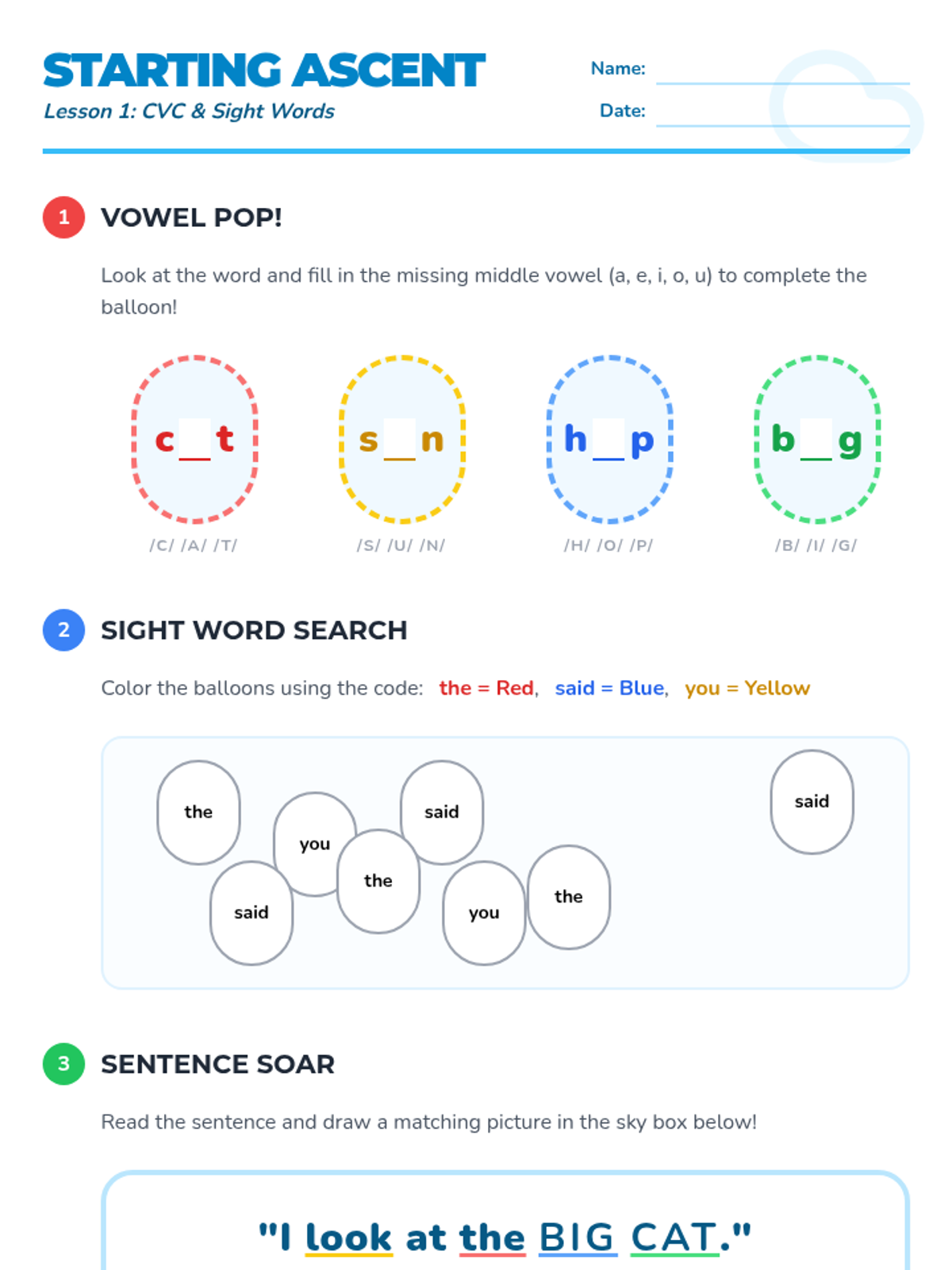
A comprehensive K-3 reading unit that uses a balloon-popping theme to guide students through phonics progression, from CVC words to high-level Lexile 740+ challenge words, incorporating essential sight words at every stage.
A collection of Reader's Theater mysteries and activities designed to reinforce S.P.I.R.E. Level 5 phonics patterns through fluency and performance.
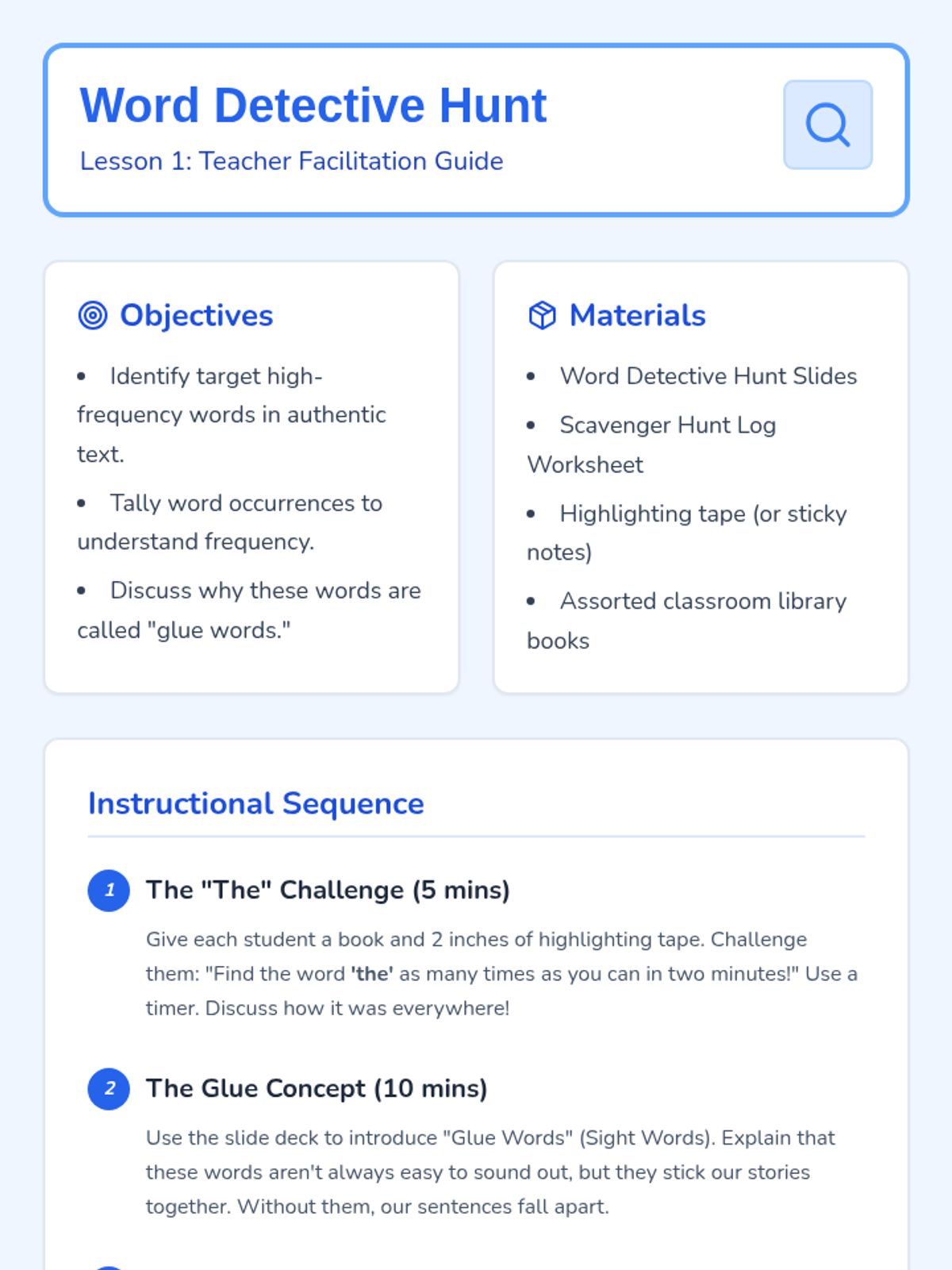
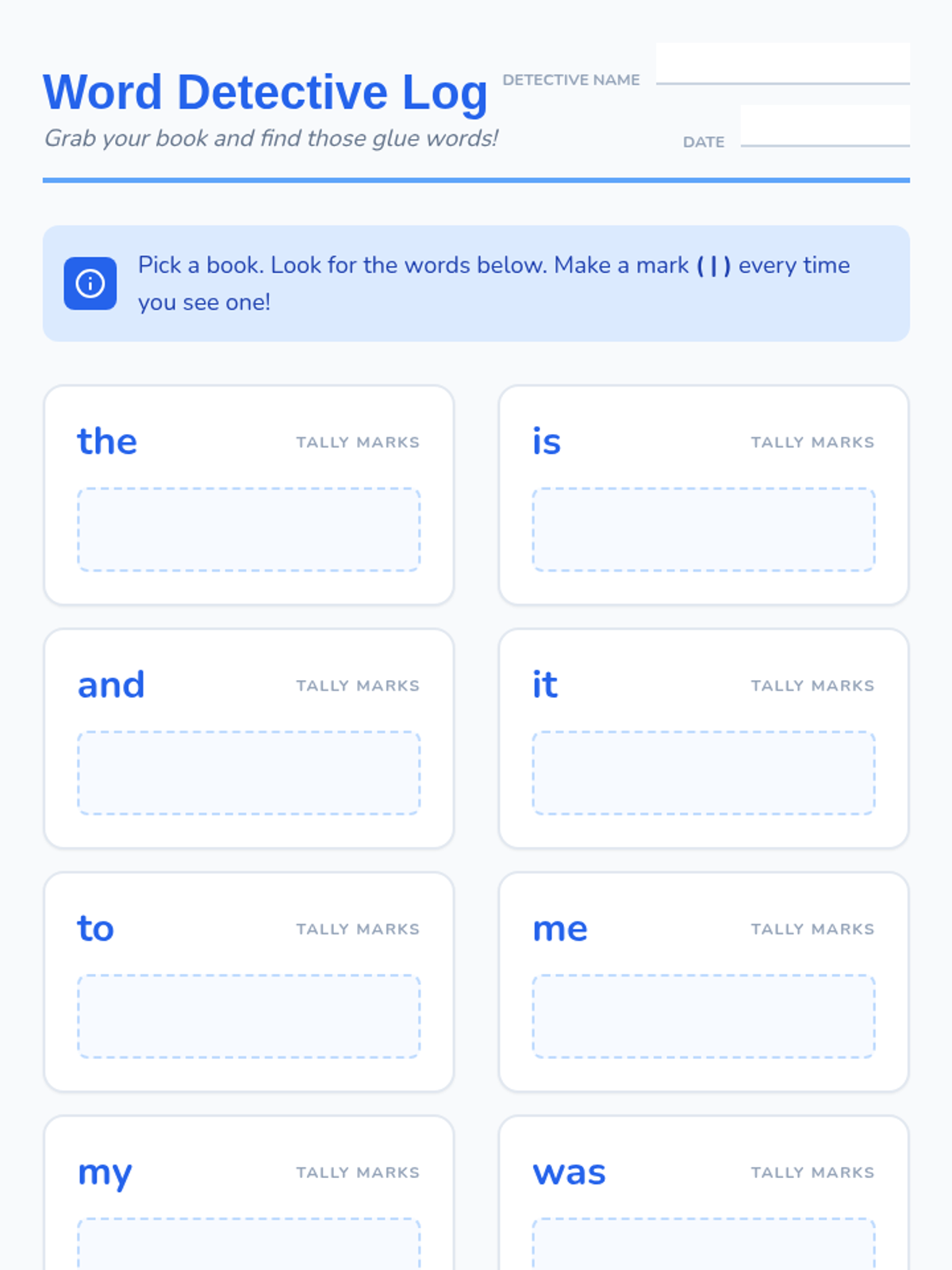
A project-based unit where 1st graders learn to use high-frequency words as the 'glue' in their own narrative stories, moving from recognition to application and publishing.
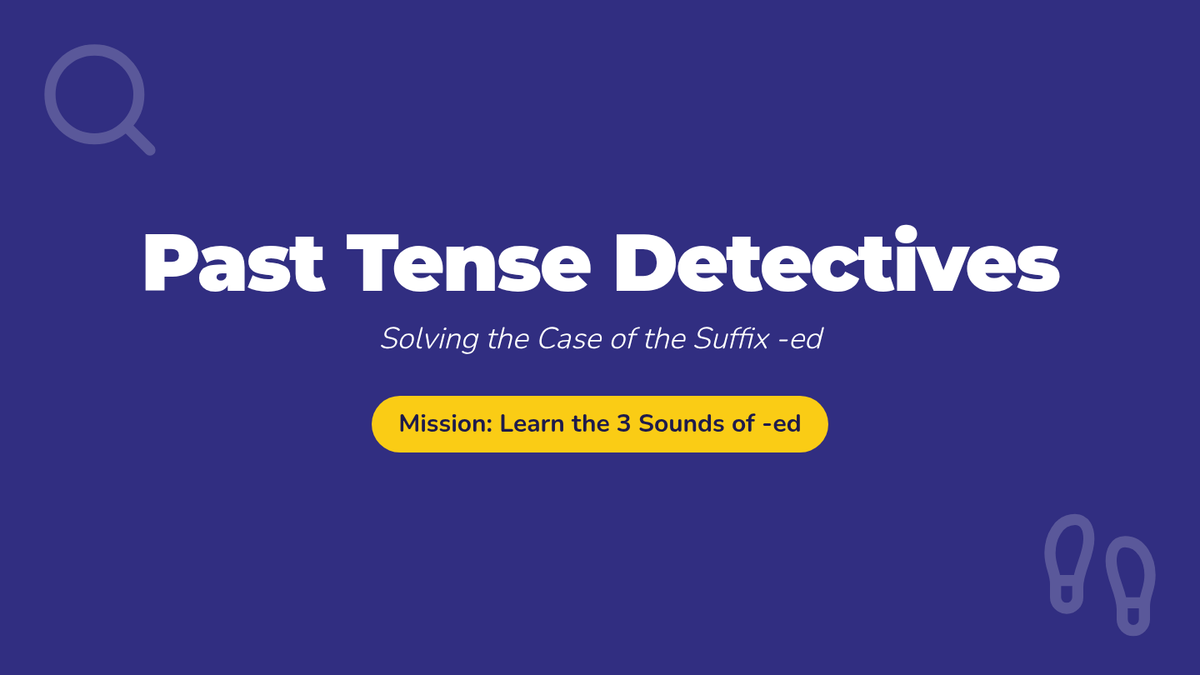
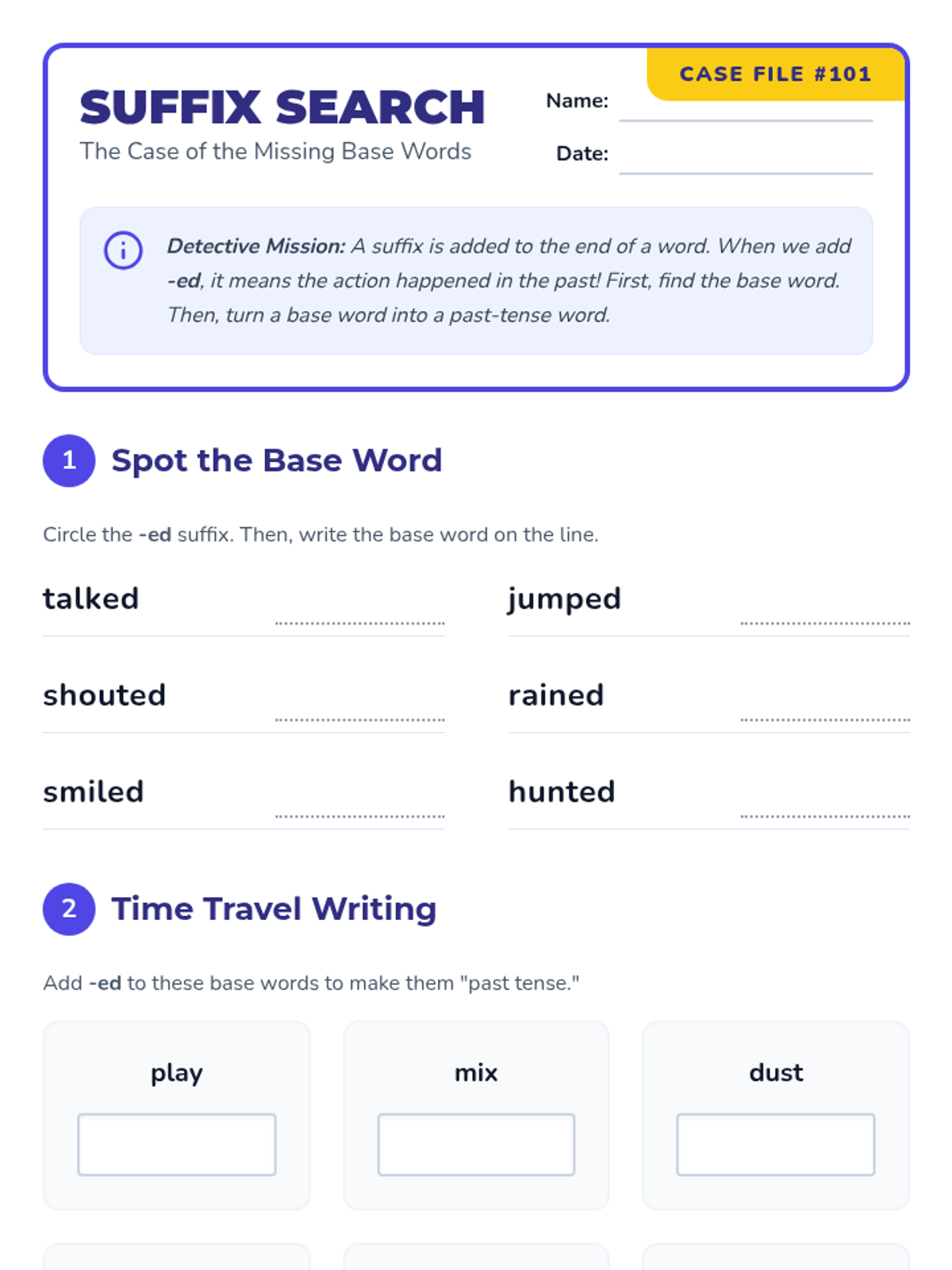
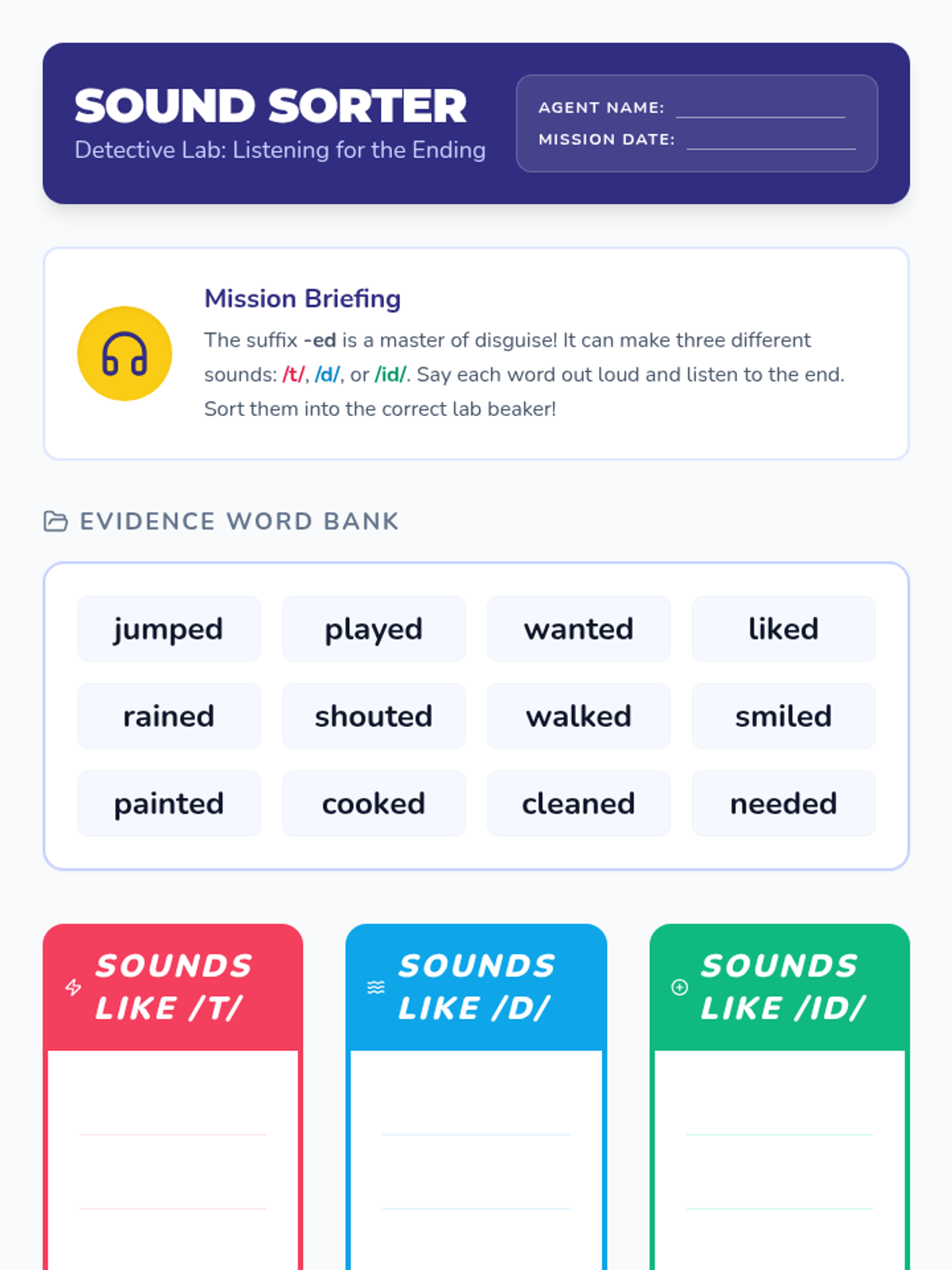
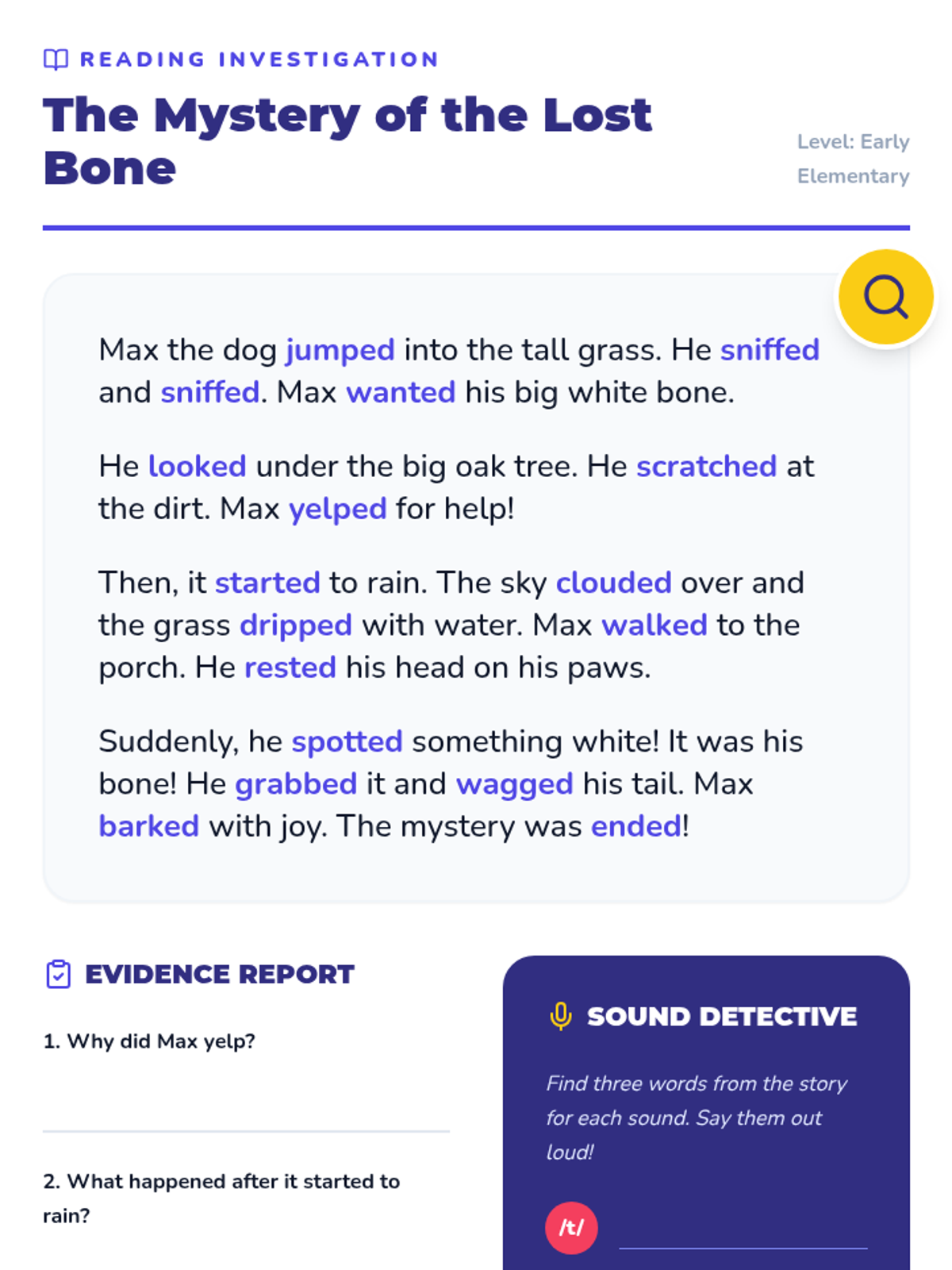
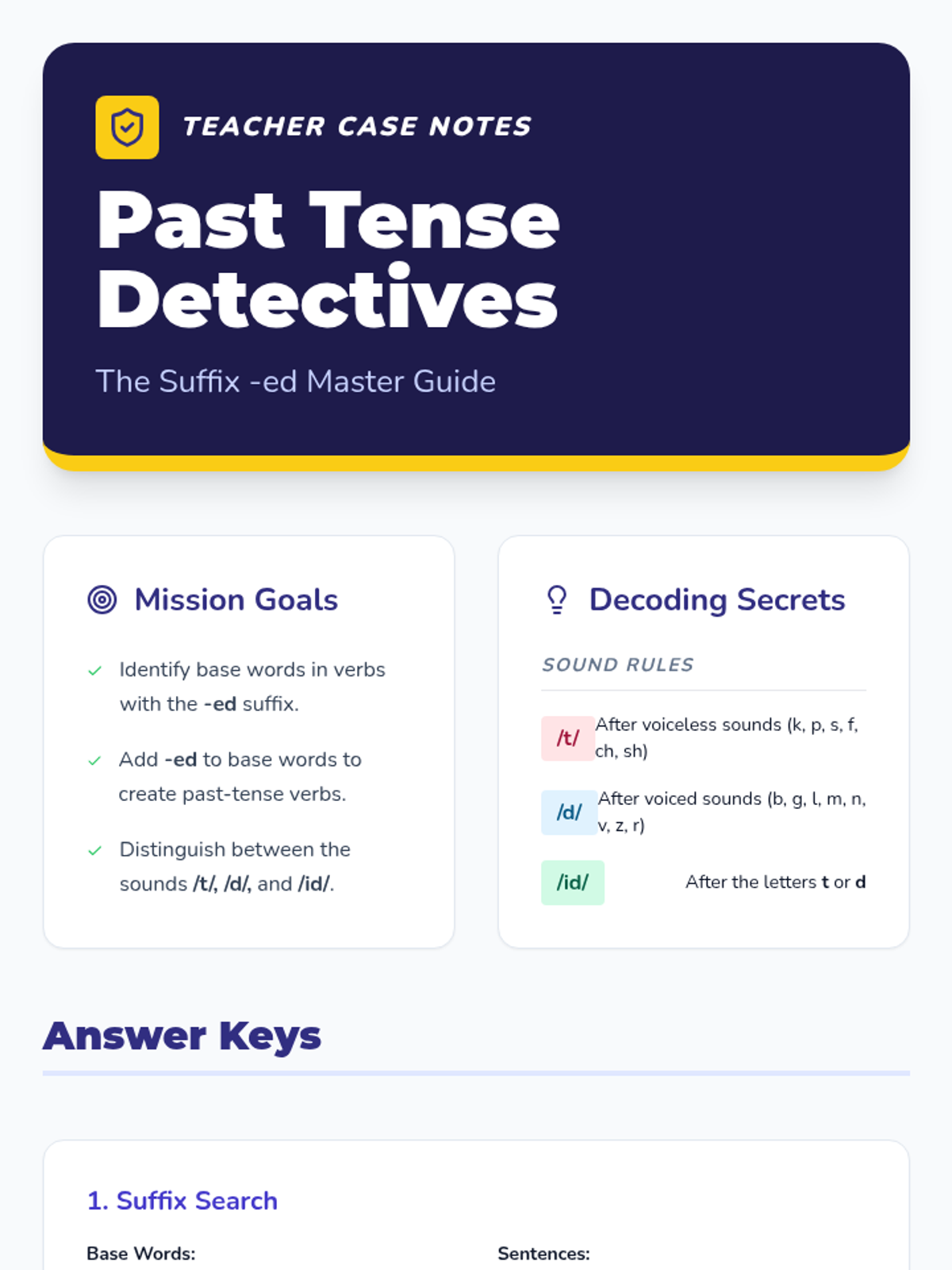
A foundational phonics sequence for 1st and 2nd graders to master the '-ed' suffix, focusing on identifying base words, decoding the three distinct sounds of '-ed', and encoding past tense verbs in sentences.
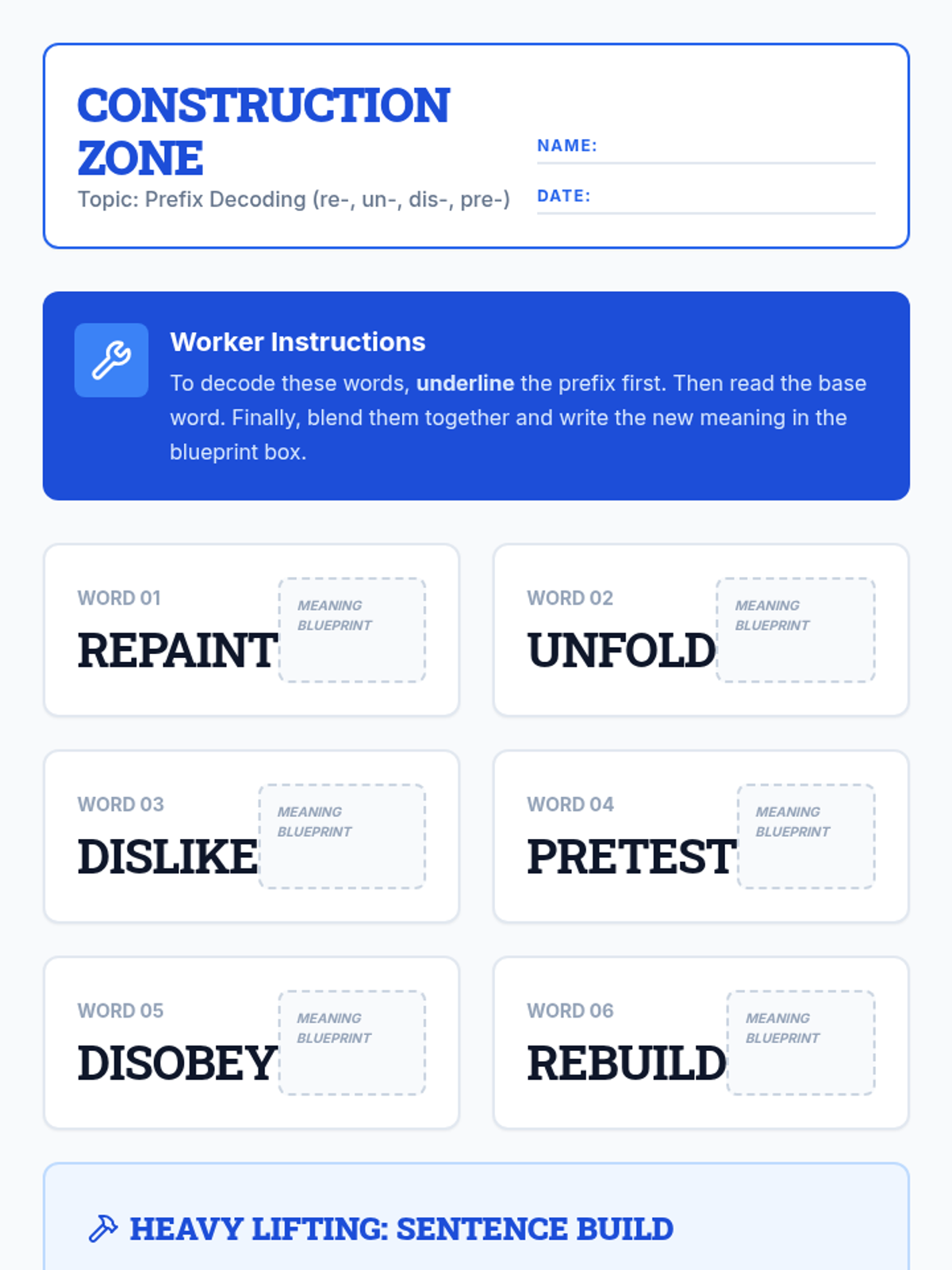
A comprehensive decoding sequence focused on mastering prefixes and suffixes through a 'Word Workshop' theme, including direct instruction, hands-on practice, and small group intervention strategies.
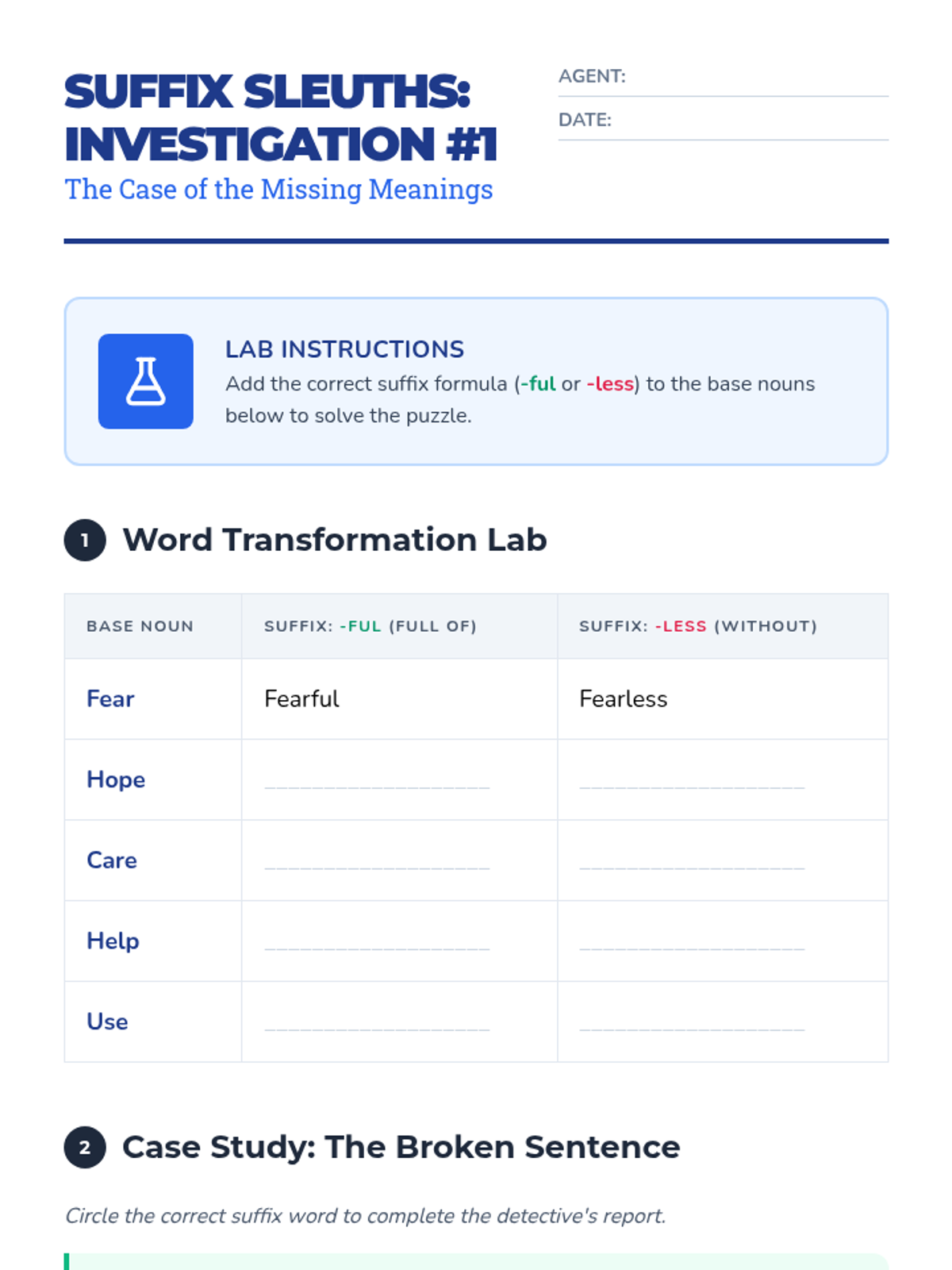
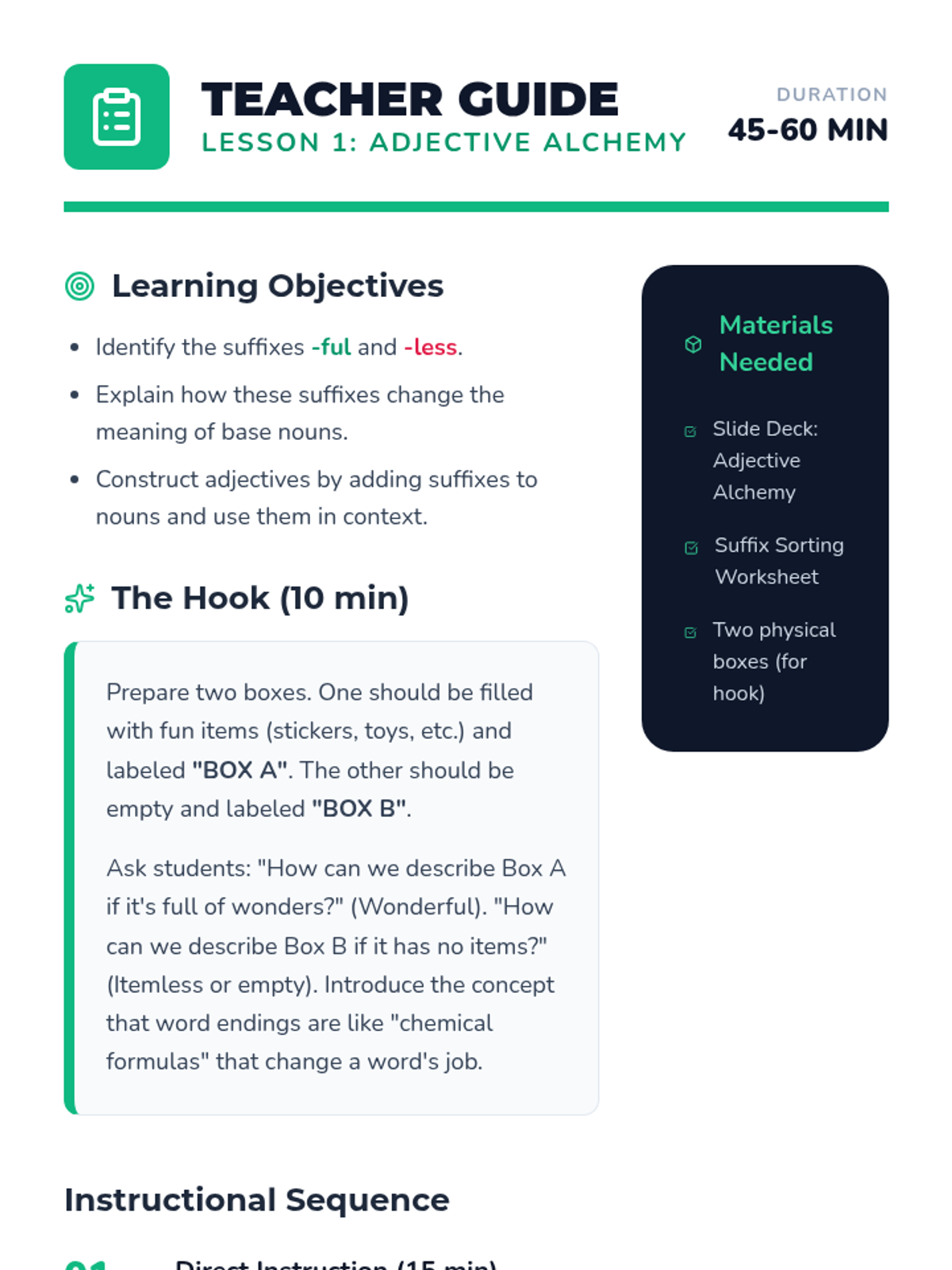
Students investigate how suffixes (-ful, -less, -ly, -er, -est) change word meanings and parts of speech. Using a 'Word Lab' detective theme, students analyze patterns, play games, and master spelling rules for word modification.
This sequence systematically addresses how base words change when suffixes are added, a critical morphological skill for second graders. Students will explore rules for pluralization and past tense, specifically focusing on the 'doubling rule' and 'dropping the silent e'. By the end, students will demonstrate the ability to modify base words correctly before adding endings like -ed, -ing, -s, and -es.
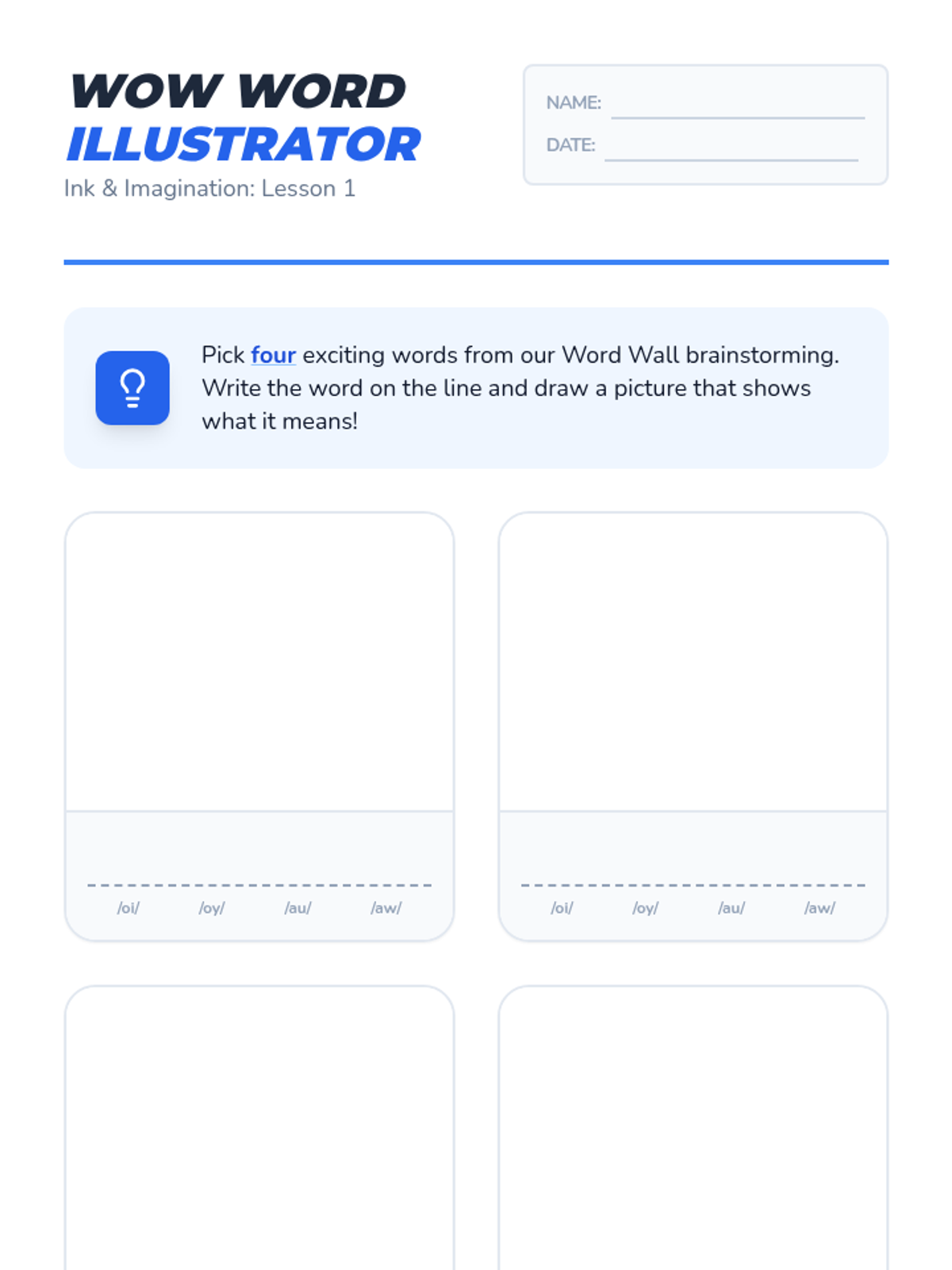
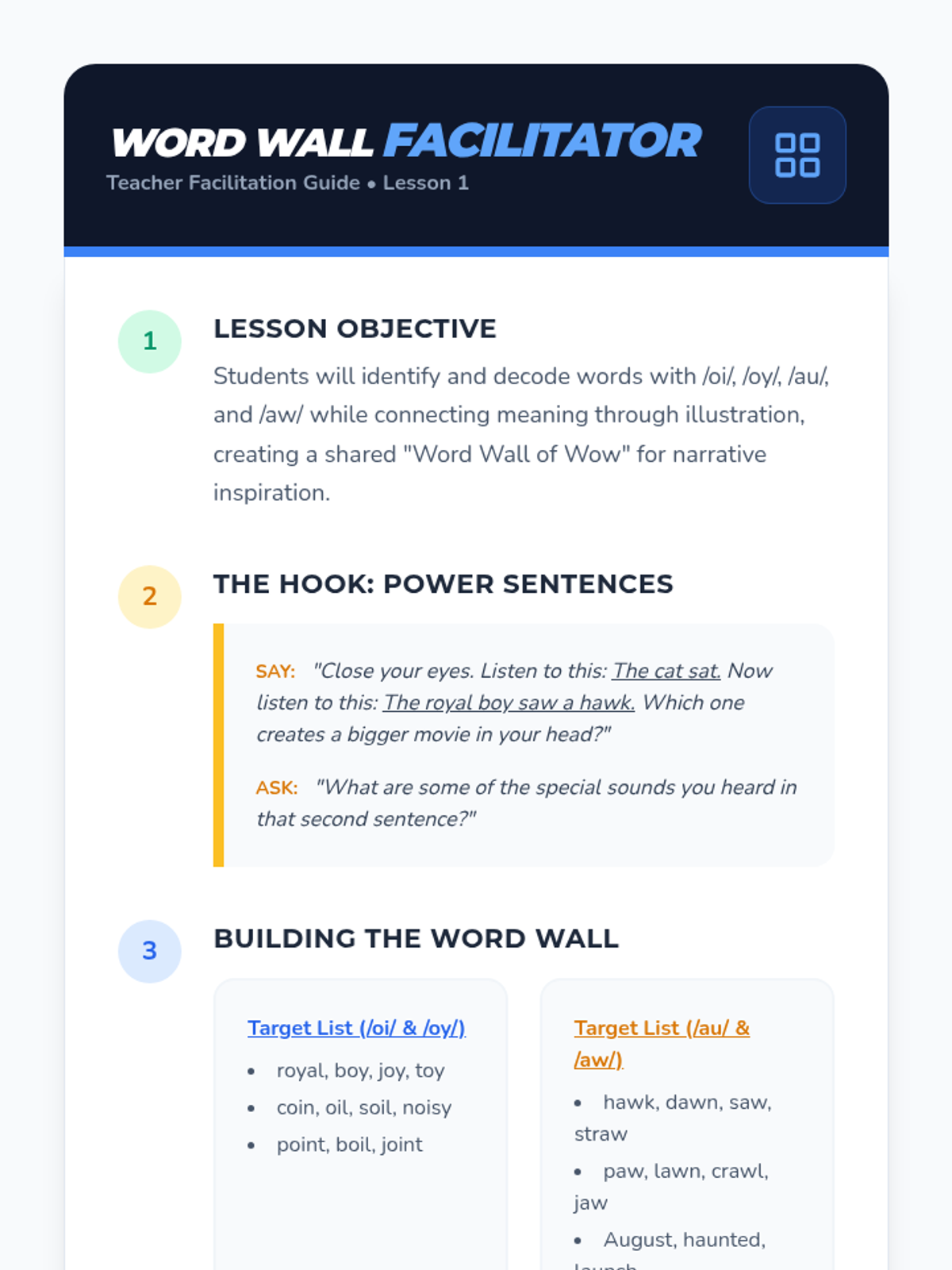
A project-based phonics and writing sequence where 1st graders learn variant vowels (/oi/, /oy/, /au/, /aw/) through the creation of an original illustrated narrative. Students build a vocabulary of 'wow' words, design characters and settings, and publish their own stories.
A 1st Grade ELA sequence focusing on read-along informational texts about weather to teach cause-and-effect, sequencing, and practical application of reading.