Data representation, distributions, and statistical variability using sampling and inference techniques. Integrates probability models, compound events, bivariate patterns, and linear models to guide data-driven decision making.
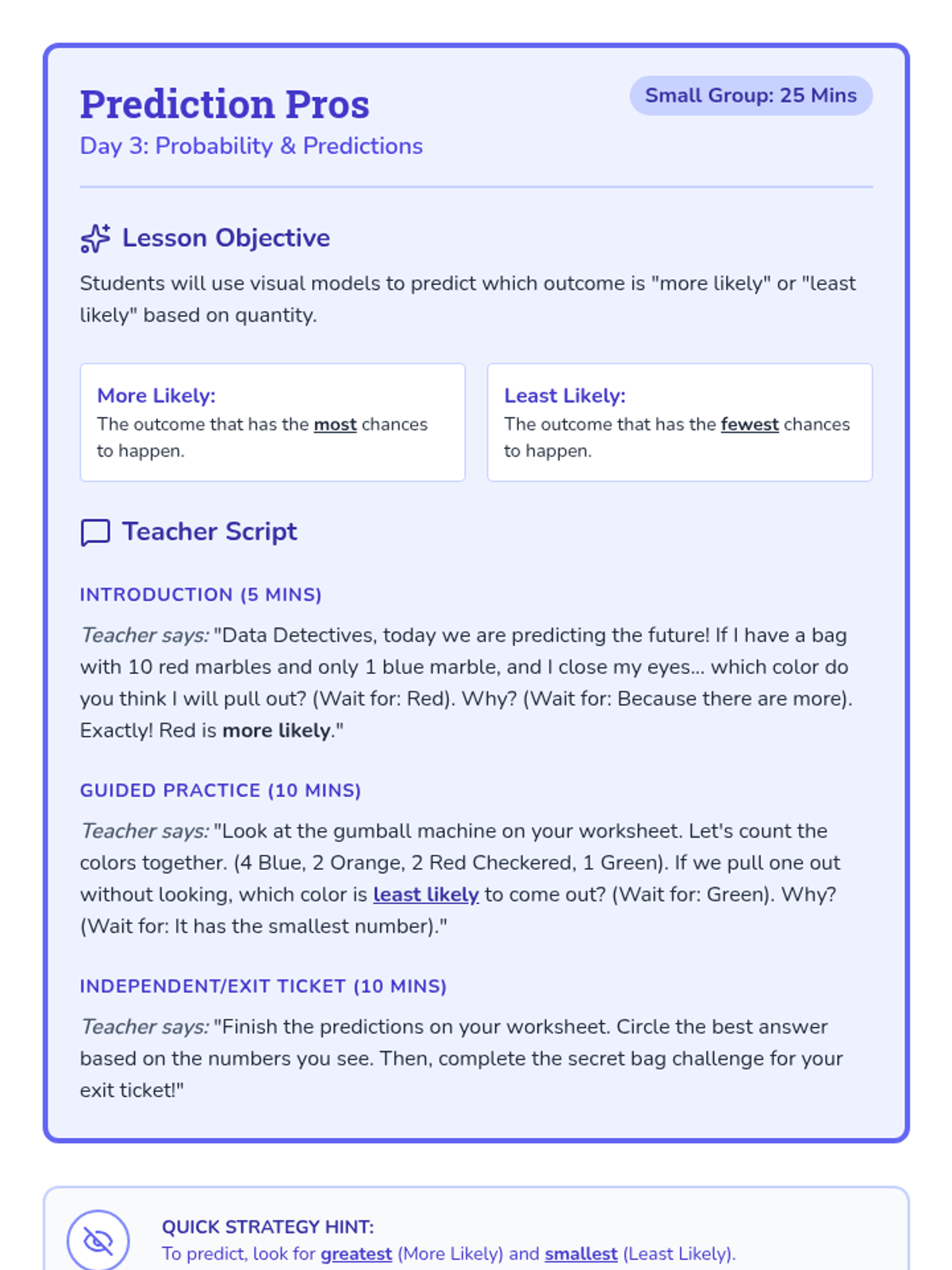
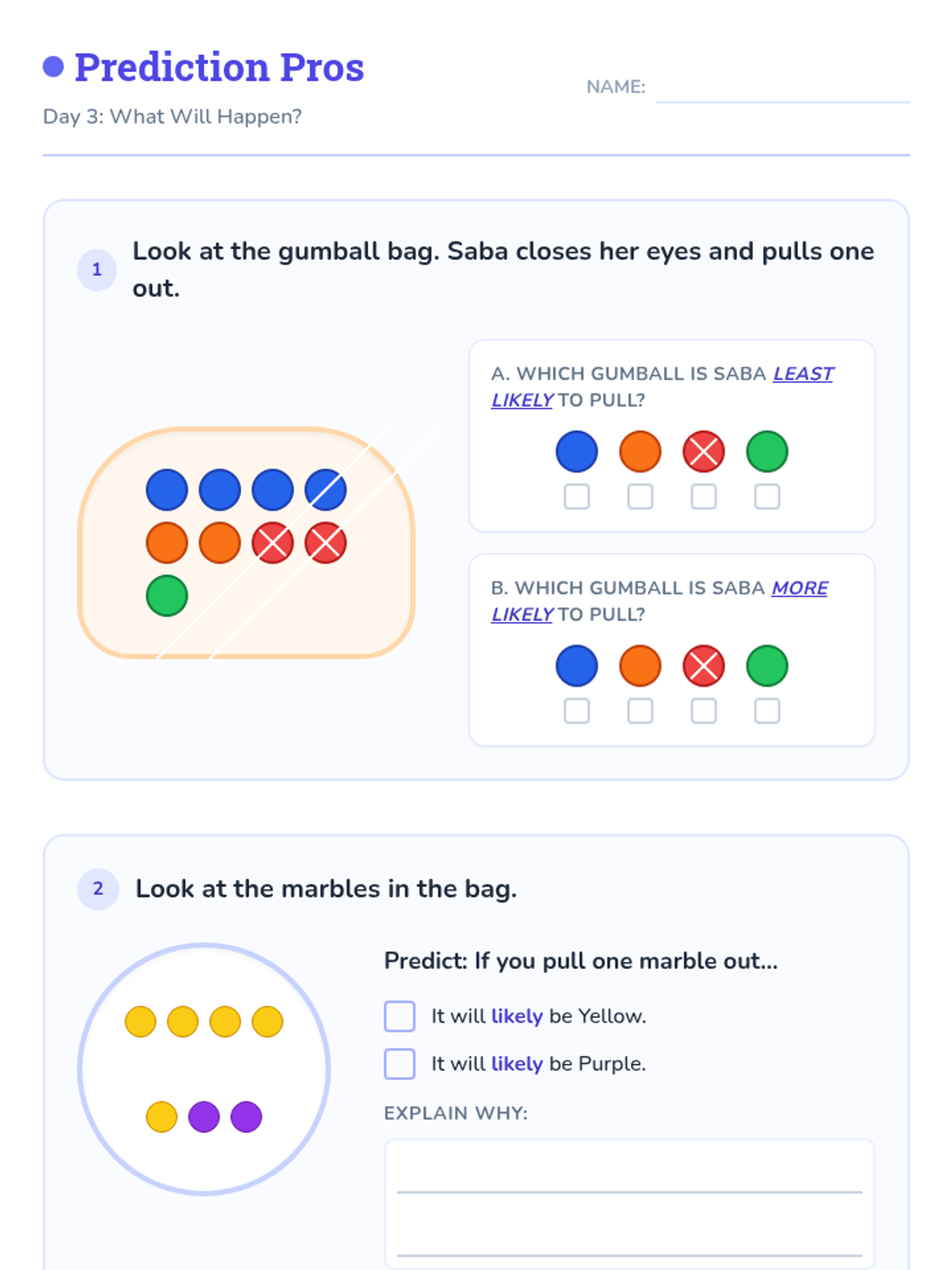
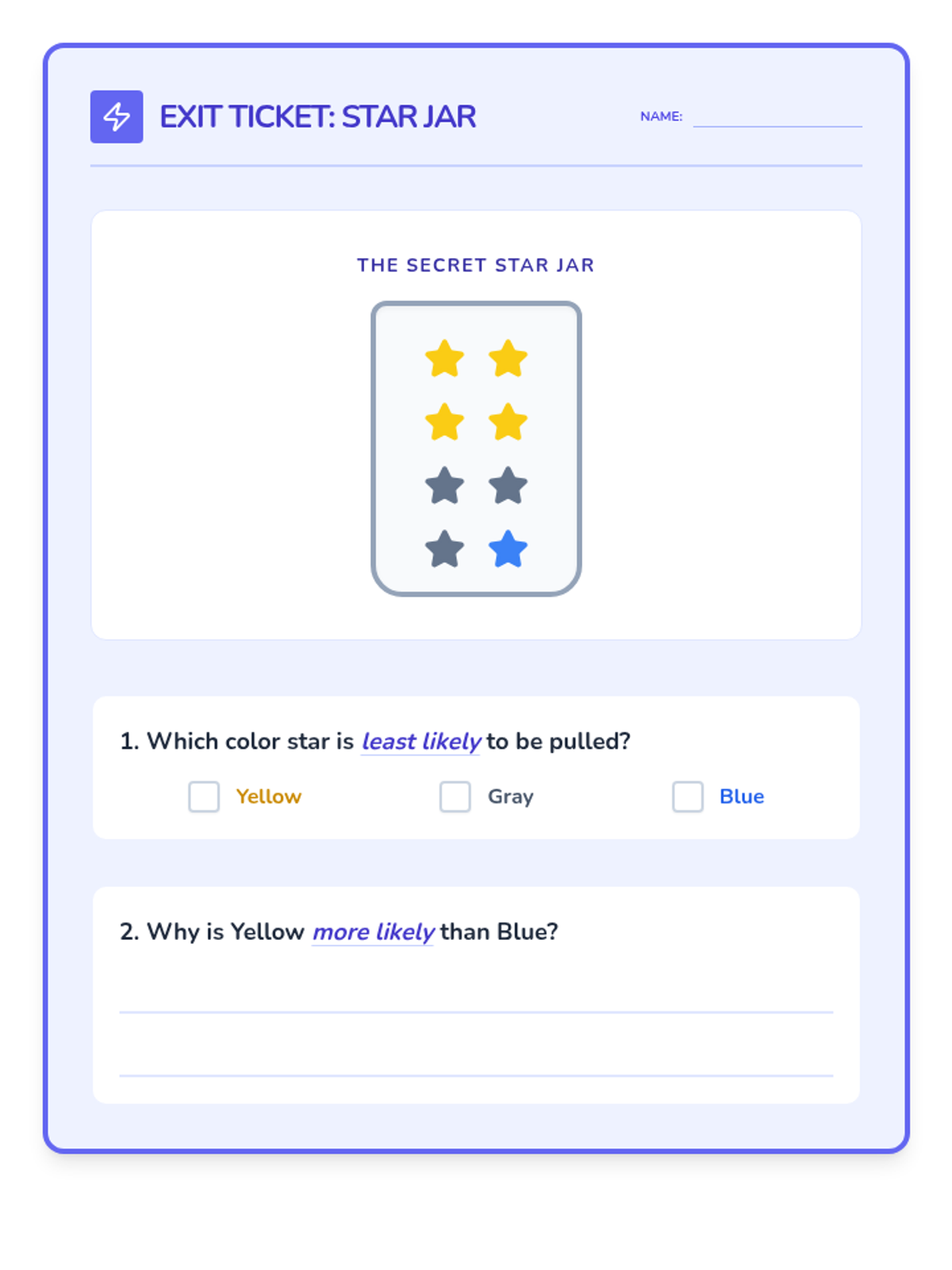
Day 3 covers probability and predictions, teaching students to identify 'more likely' and 'least likely' outcomes based on visual data.
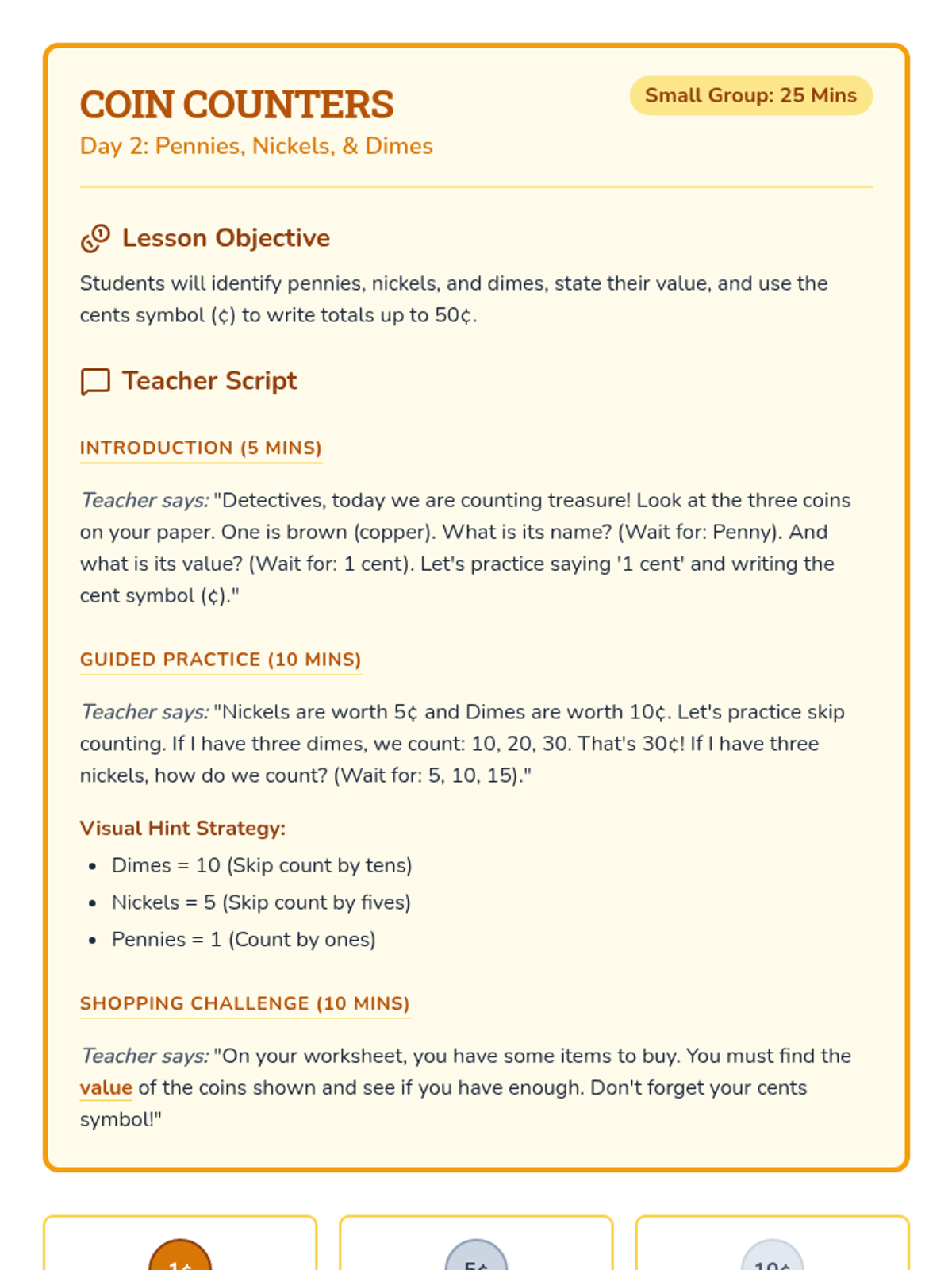
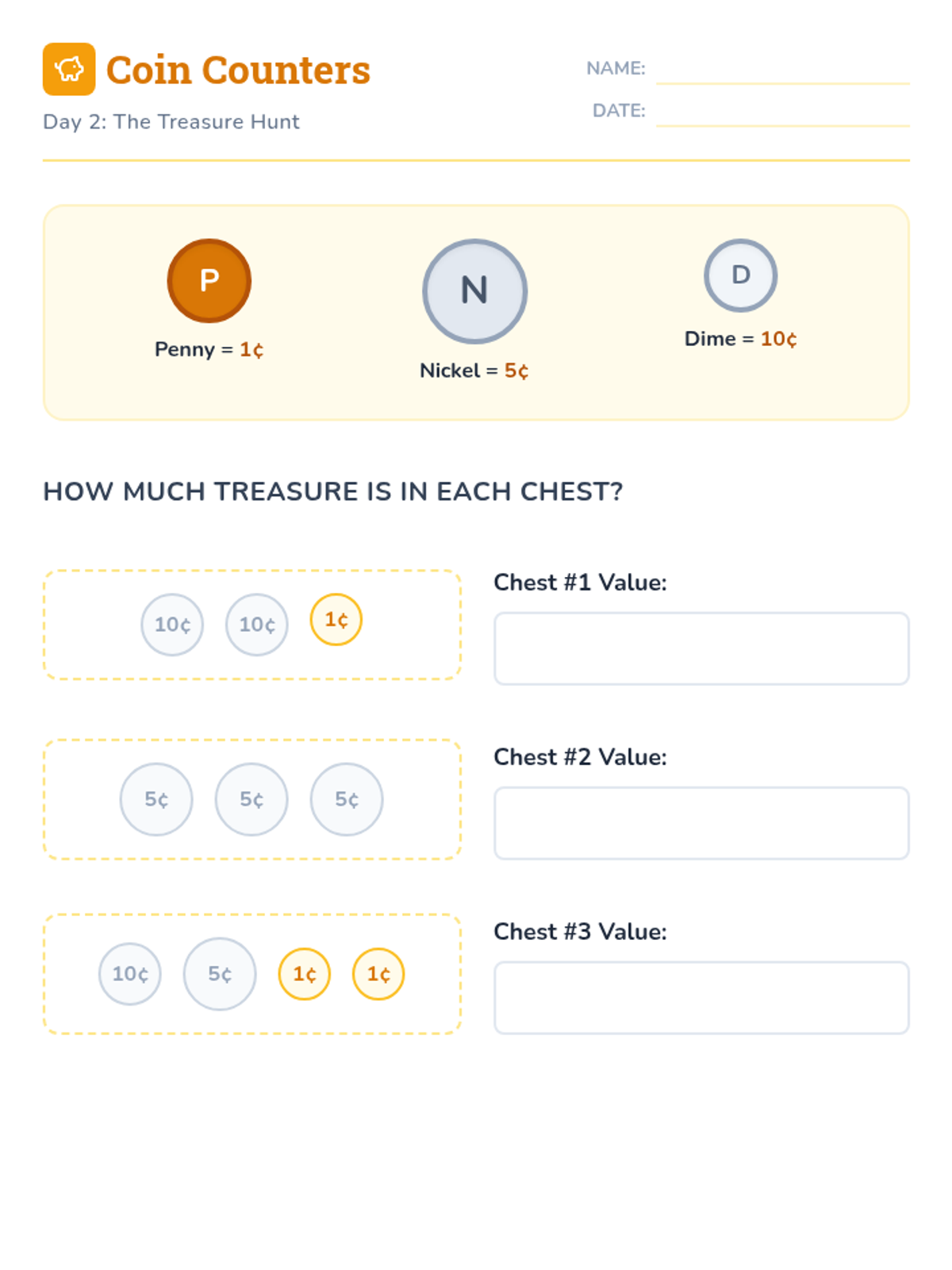
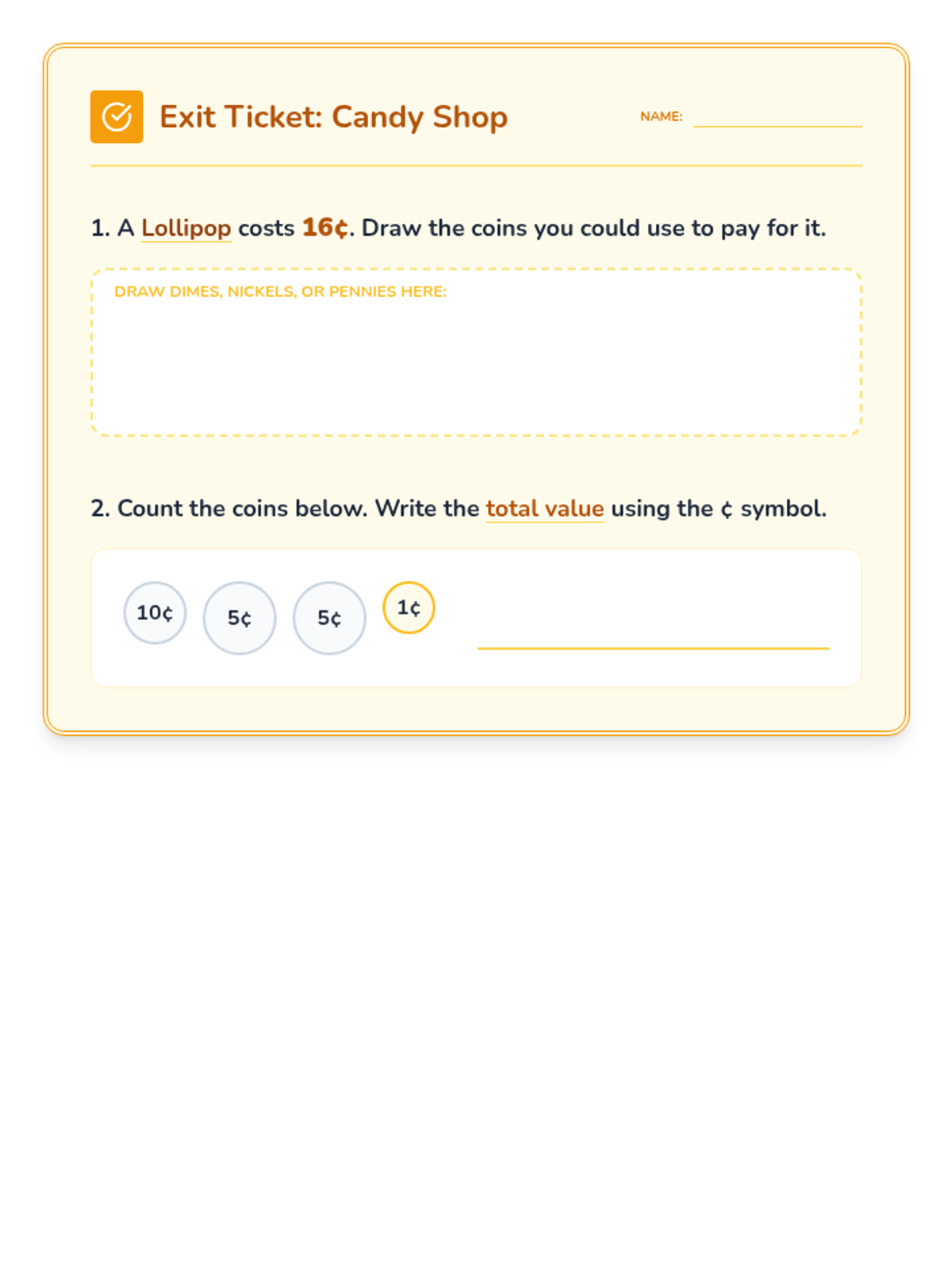
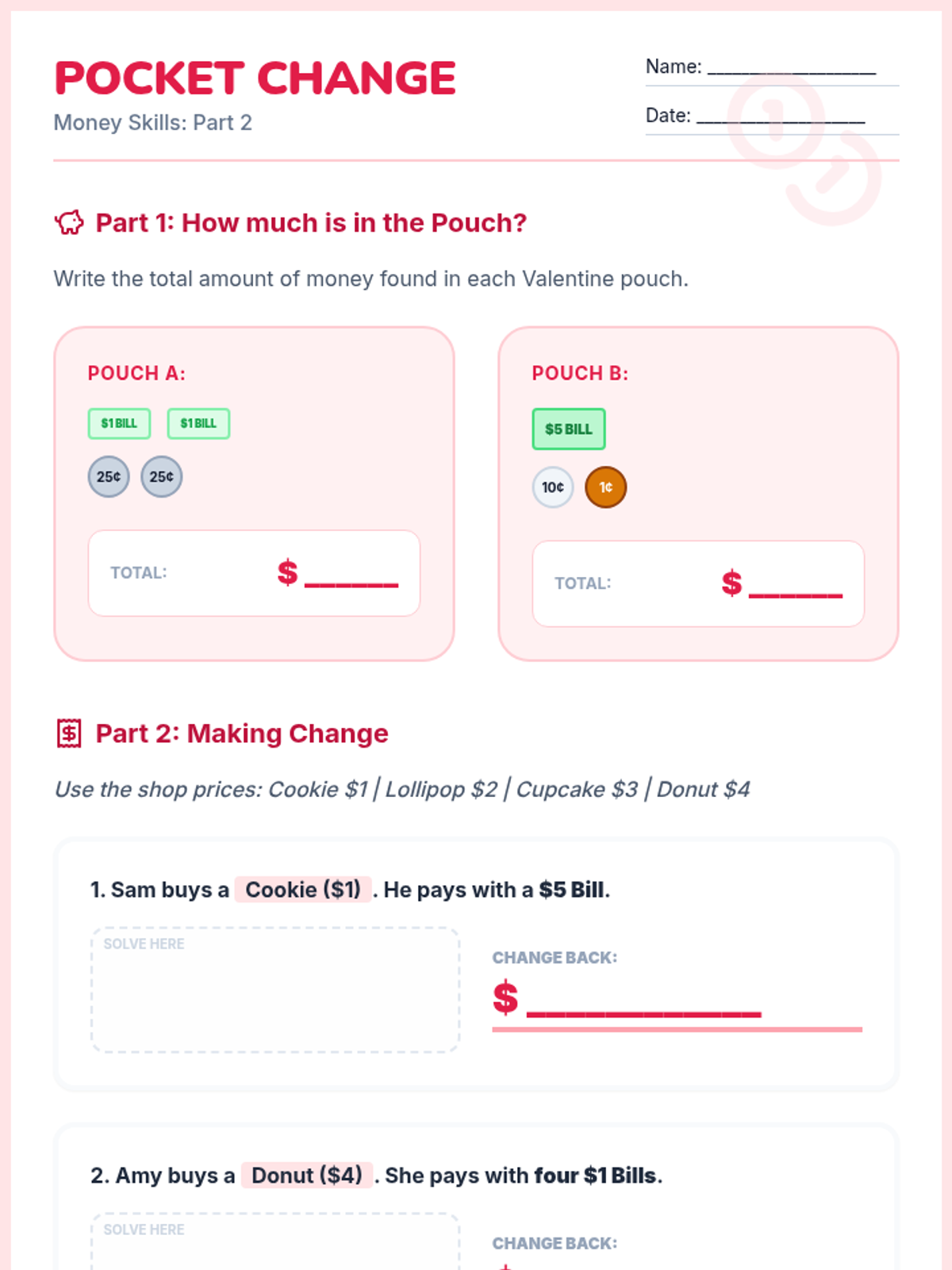
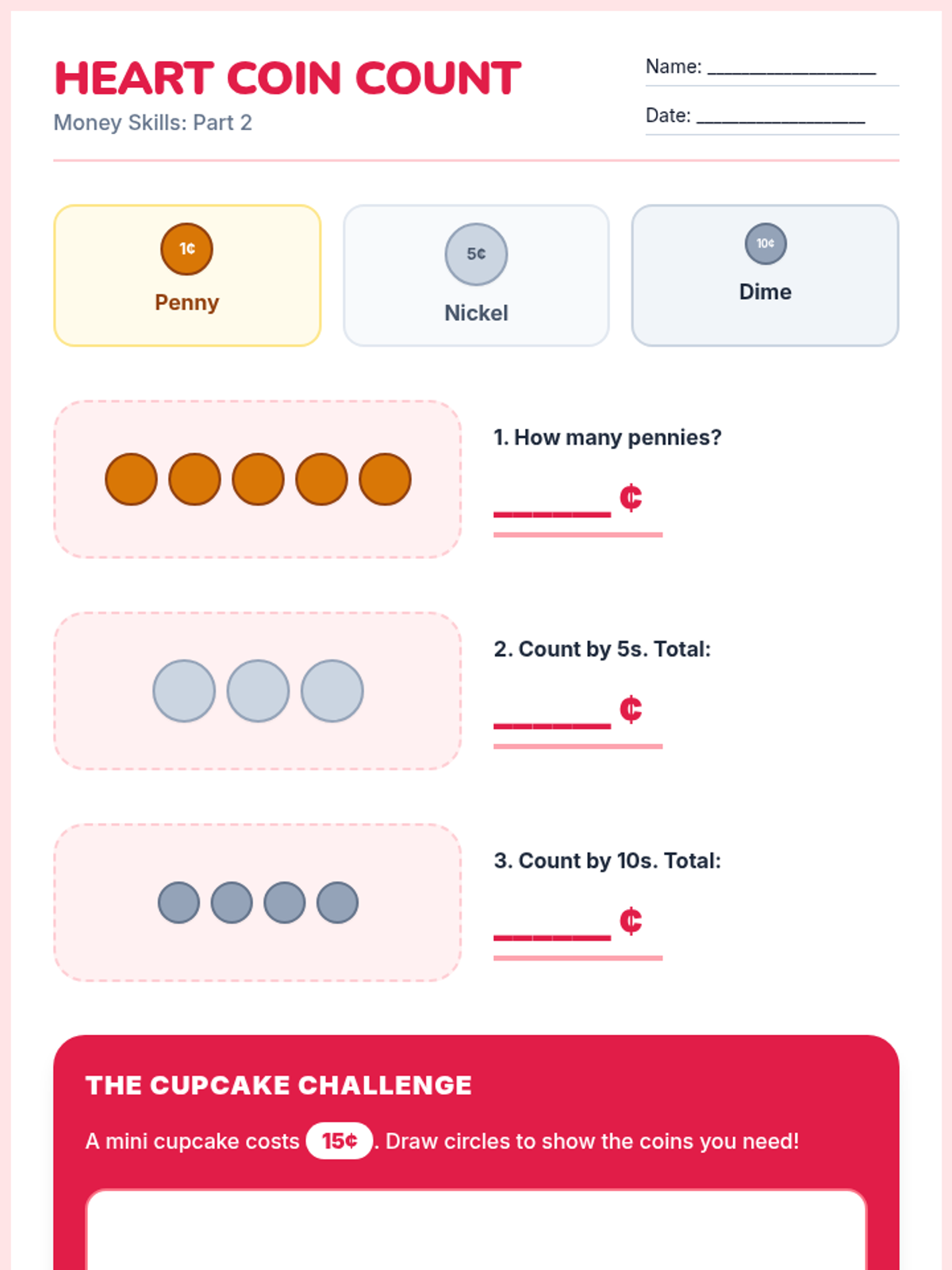
Day 2 introduces pennies, nickels, and dimes, focusing on identifying values, using the cents symbol, and counting mixed coin groups.
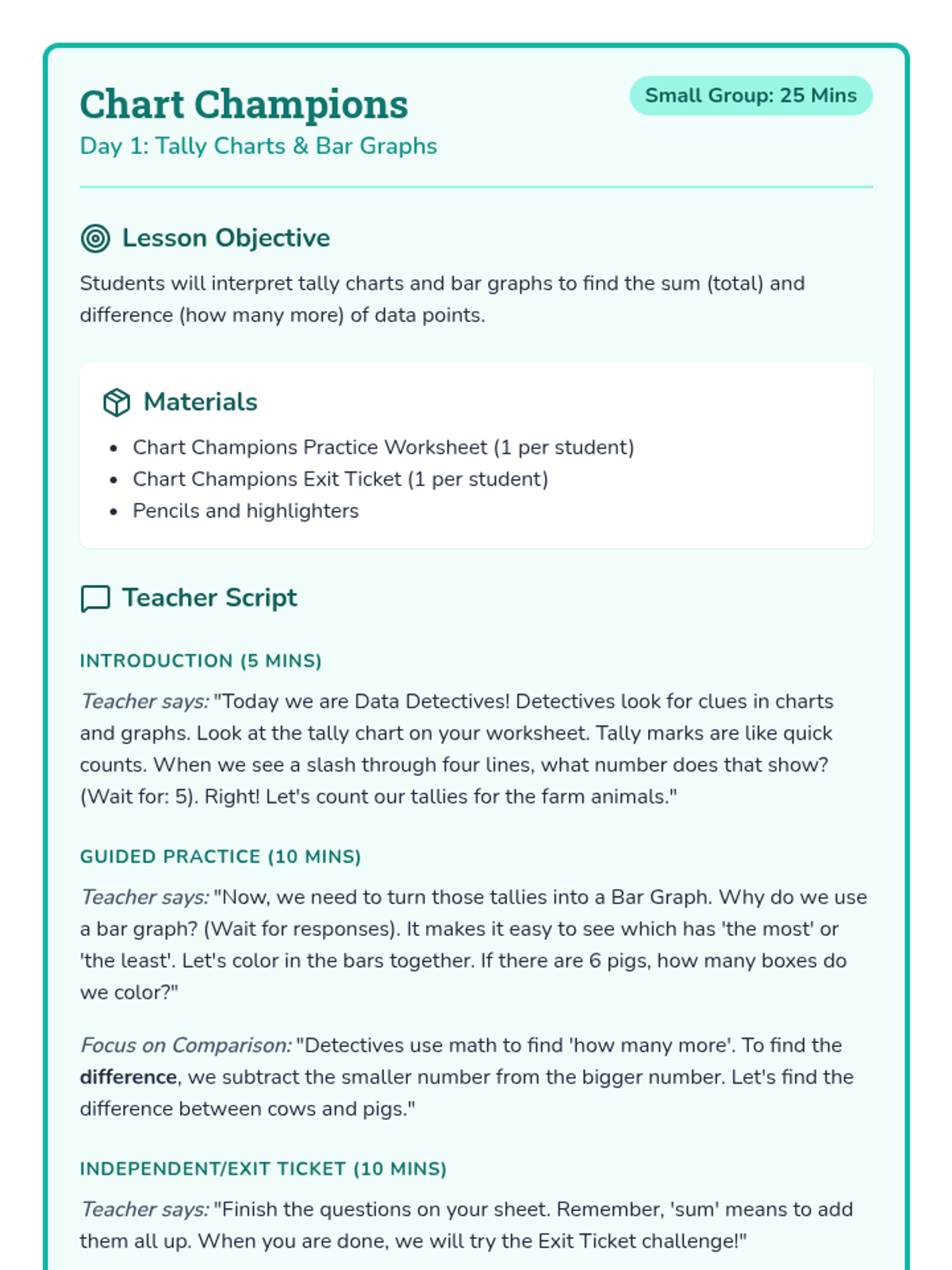
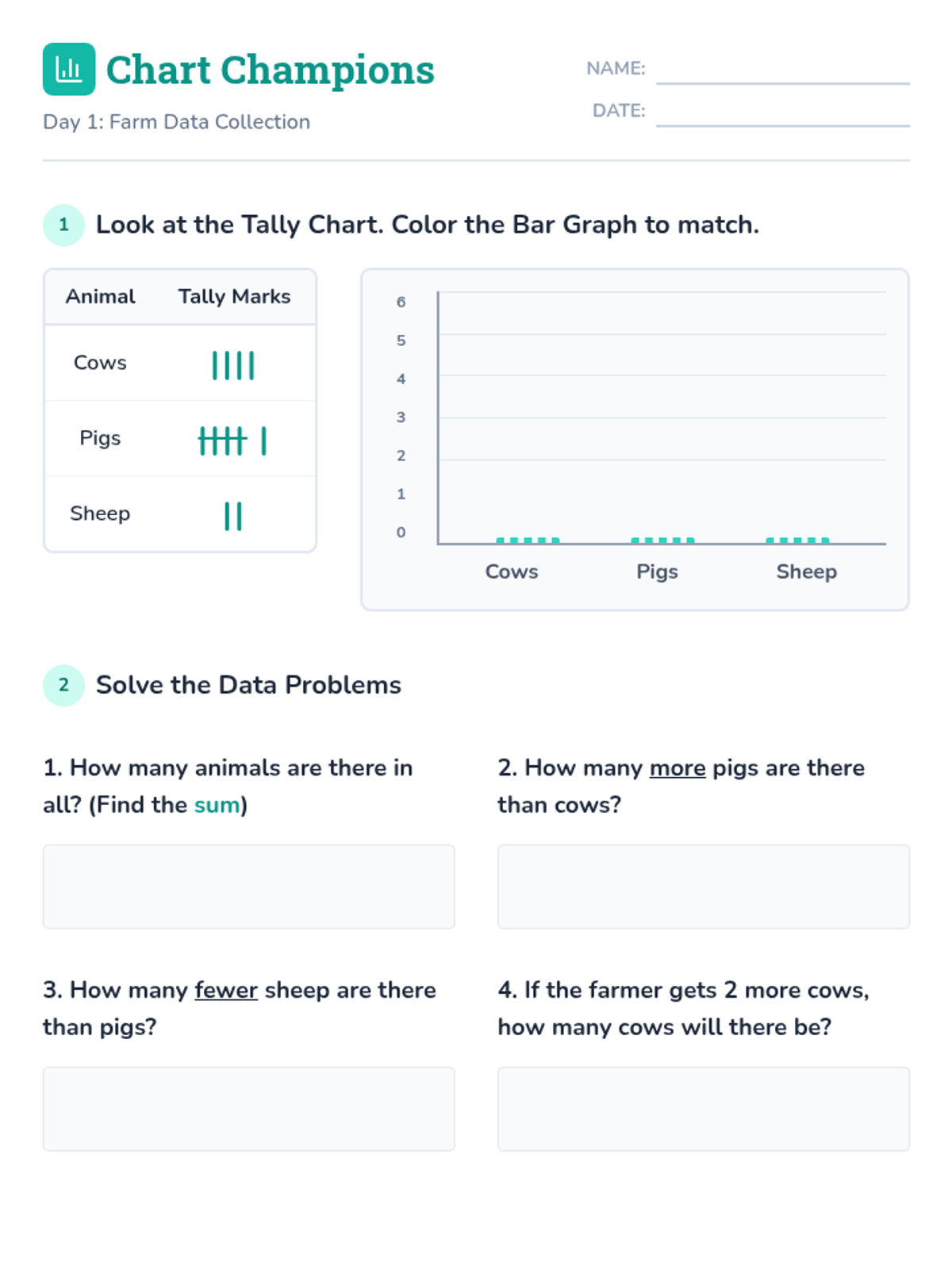
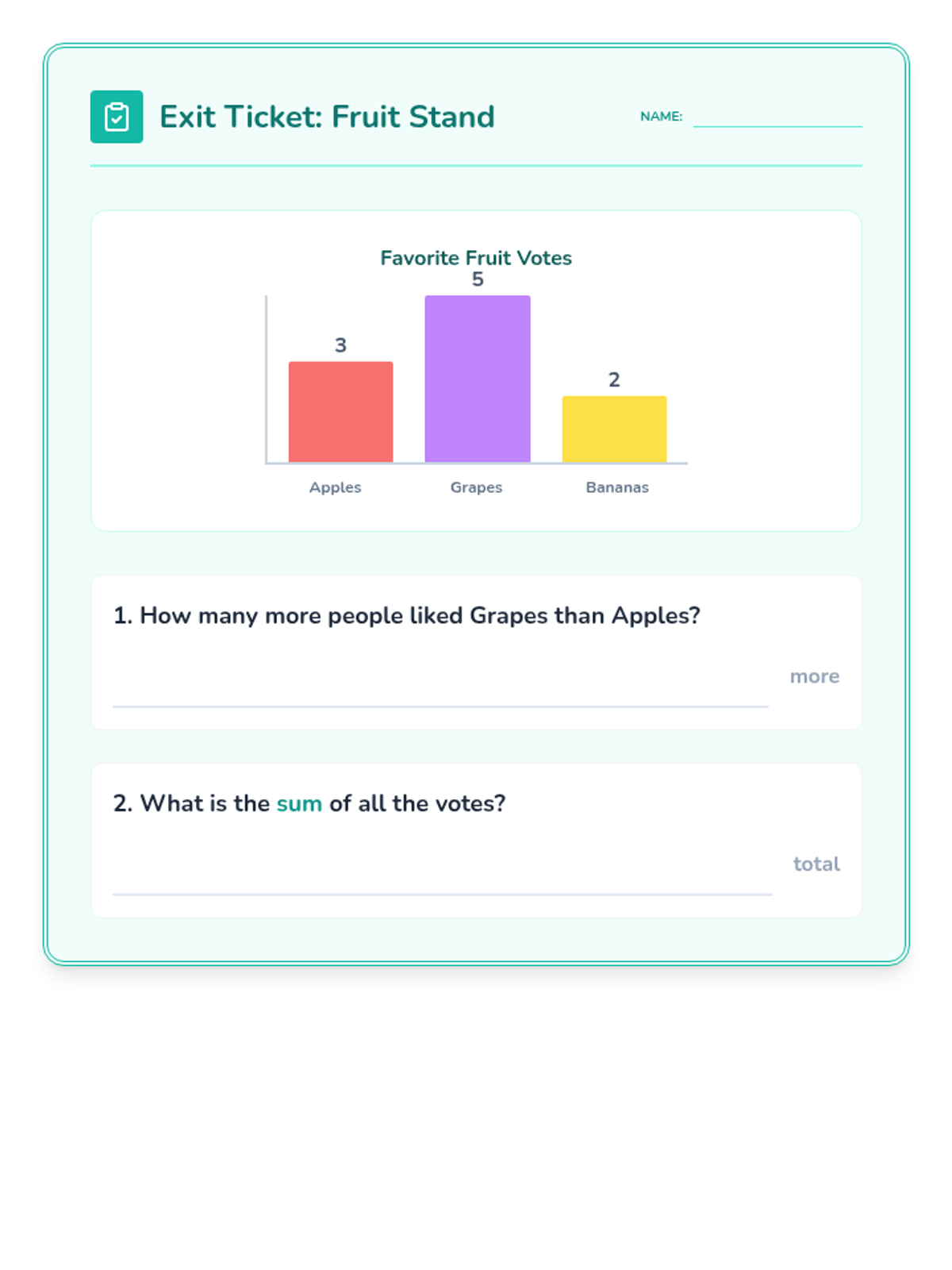
Day 1 focuses on tally charts and bar graphs, emphasizing calculating sums and differences to compare data points.
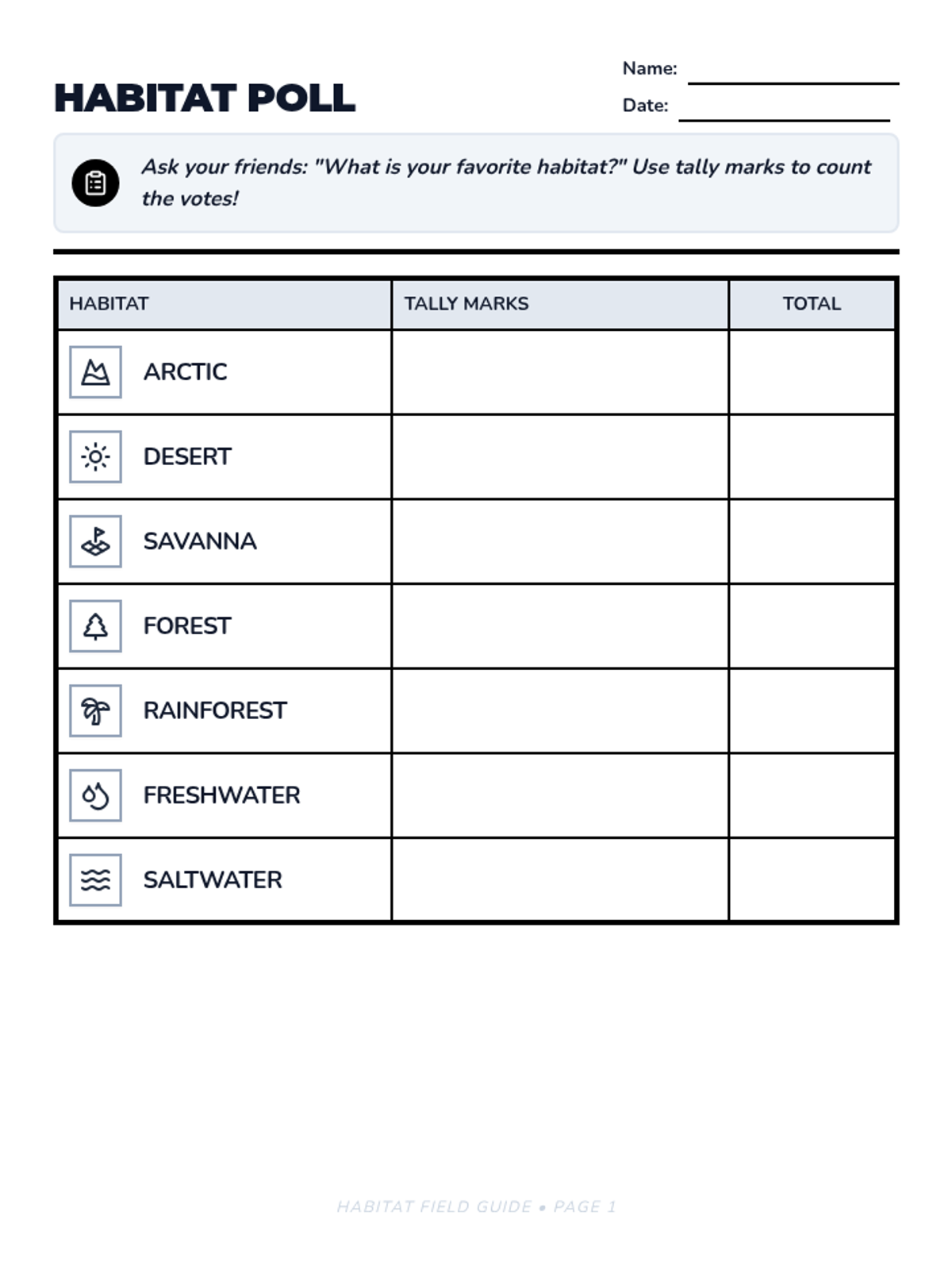
A hands-on data collection and analysis lesson where first graders poll their classmates on favorite habitats, then graph and interpret the results.
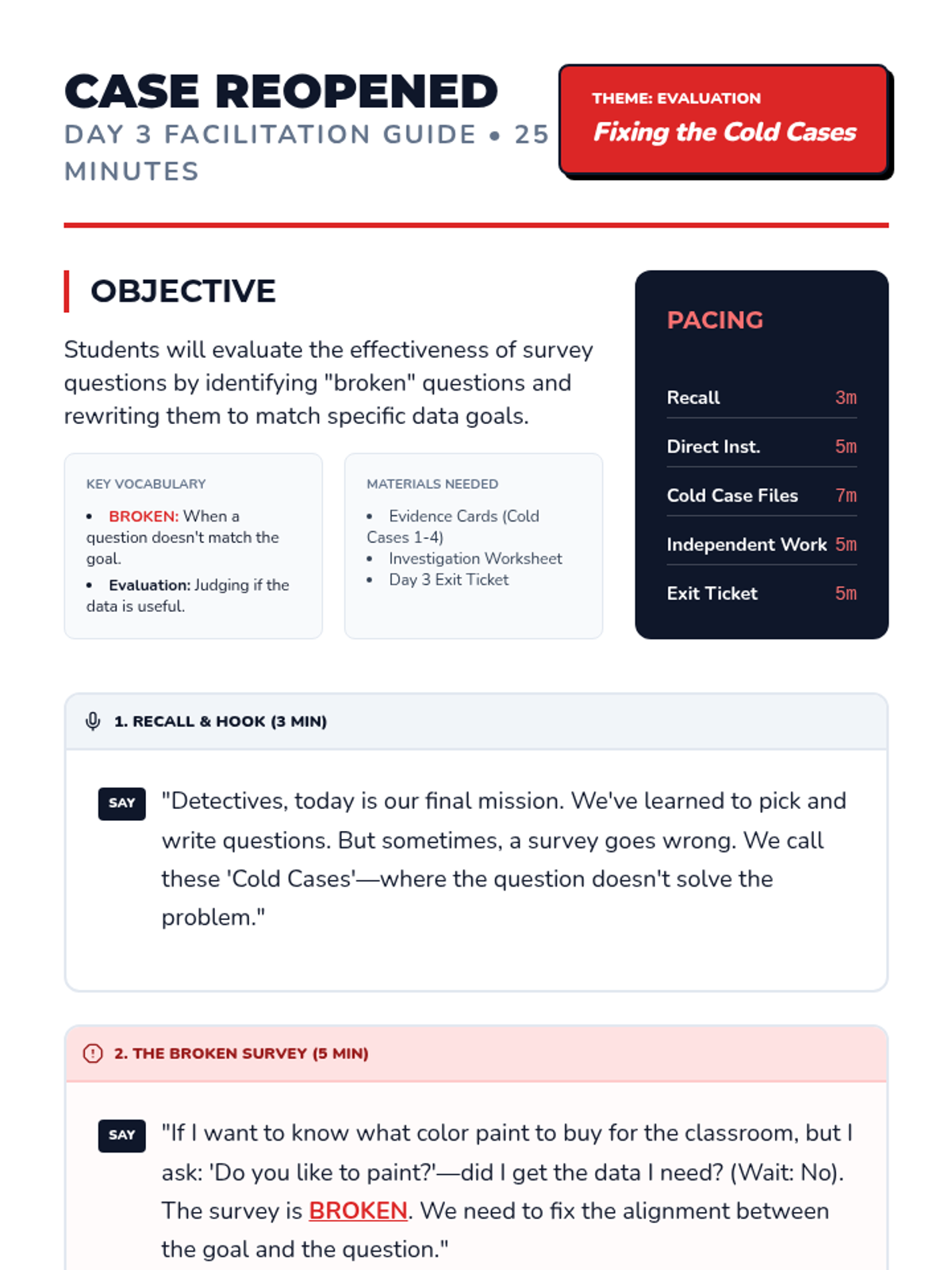
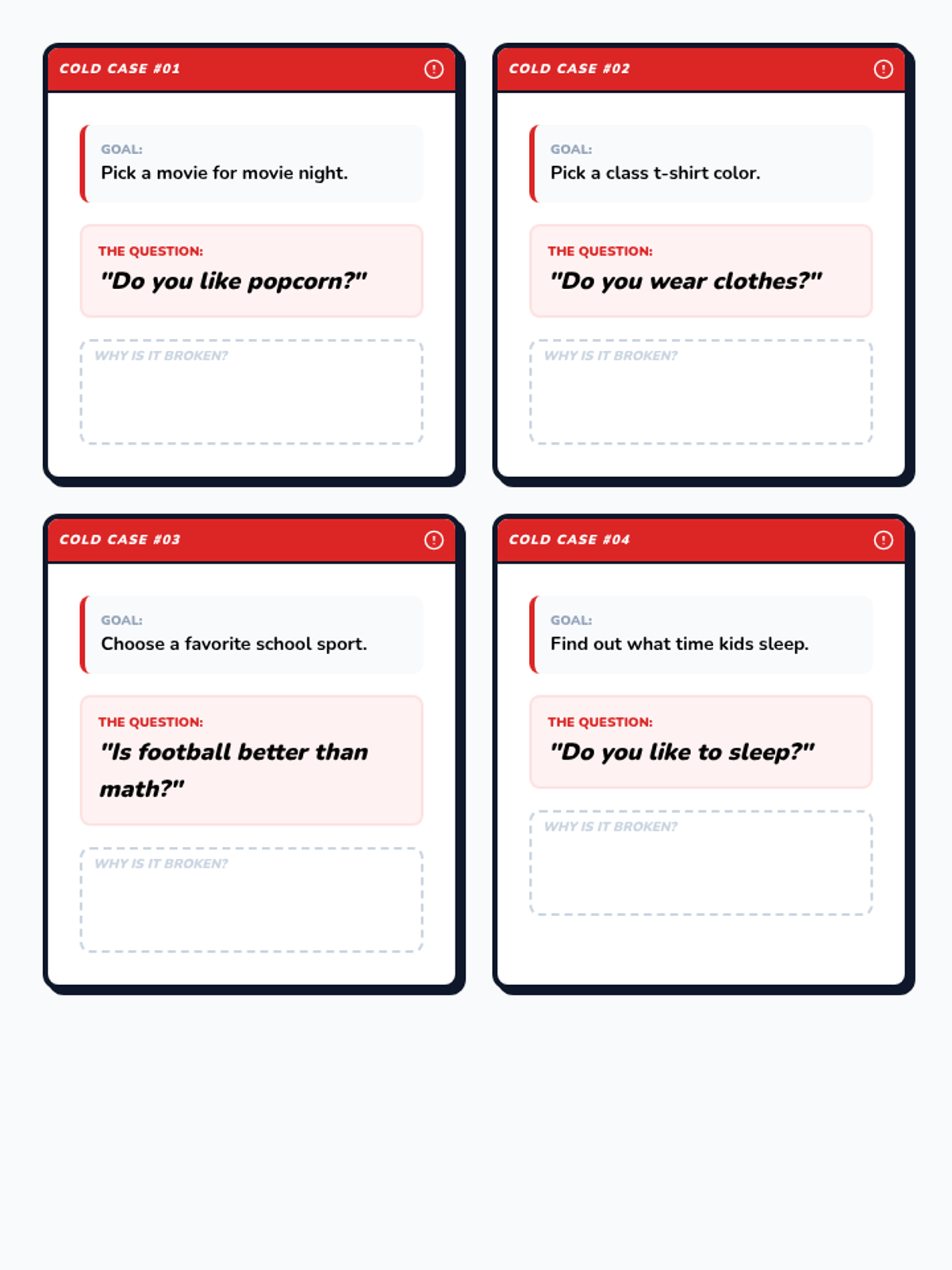
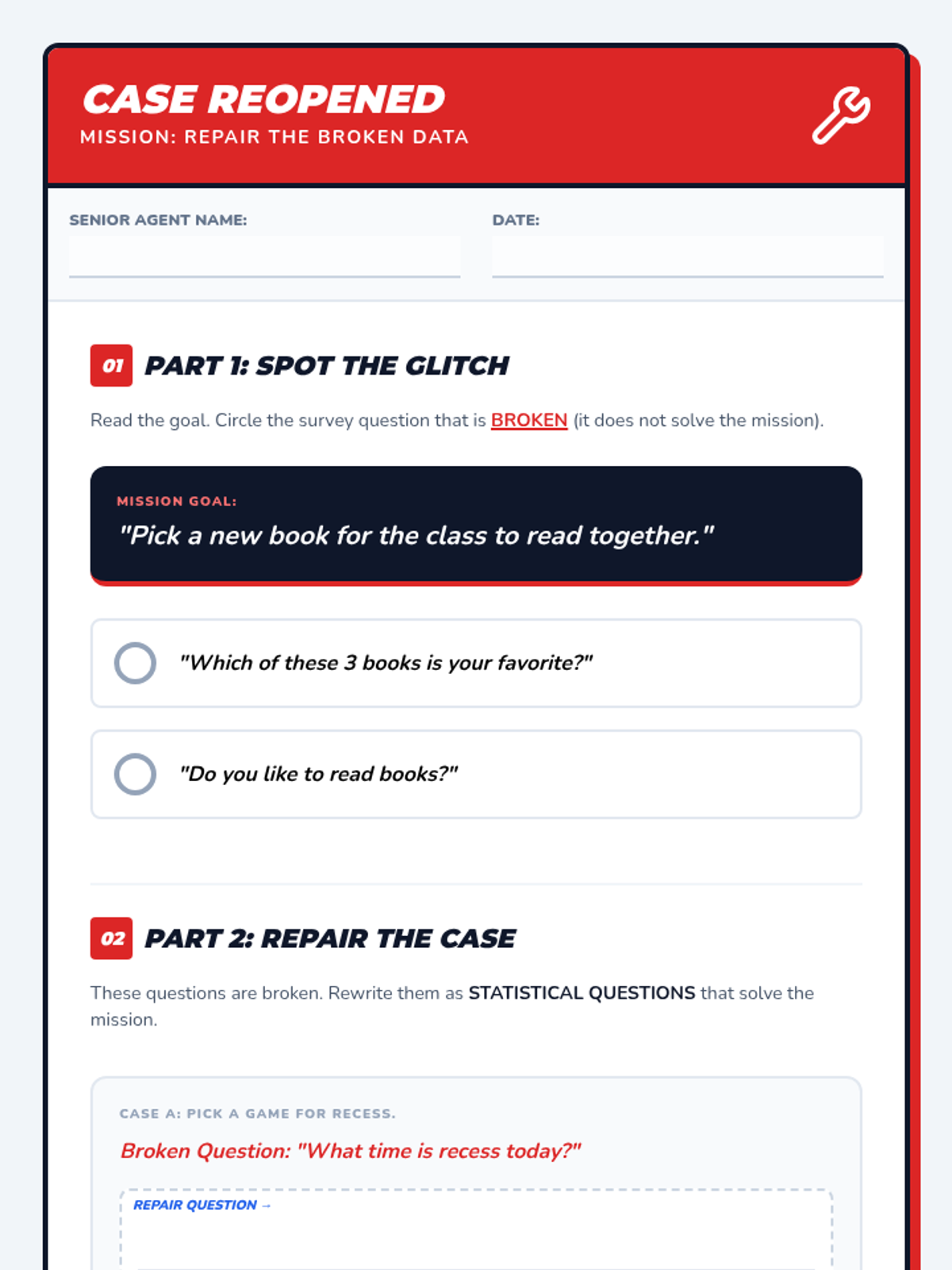
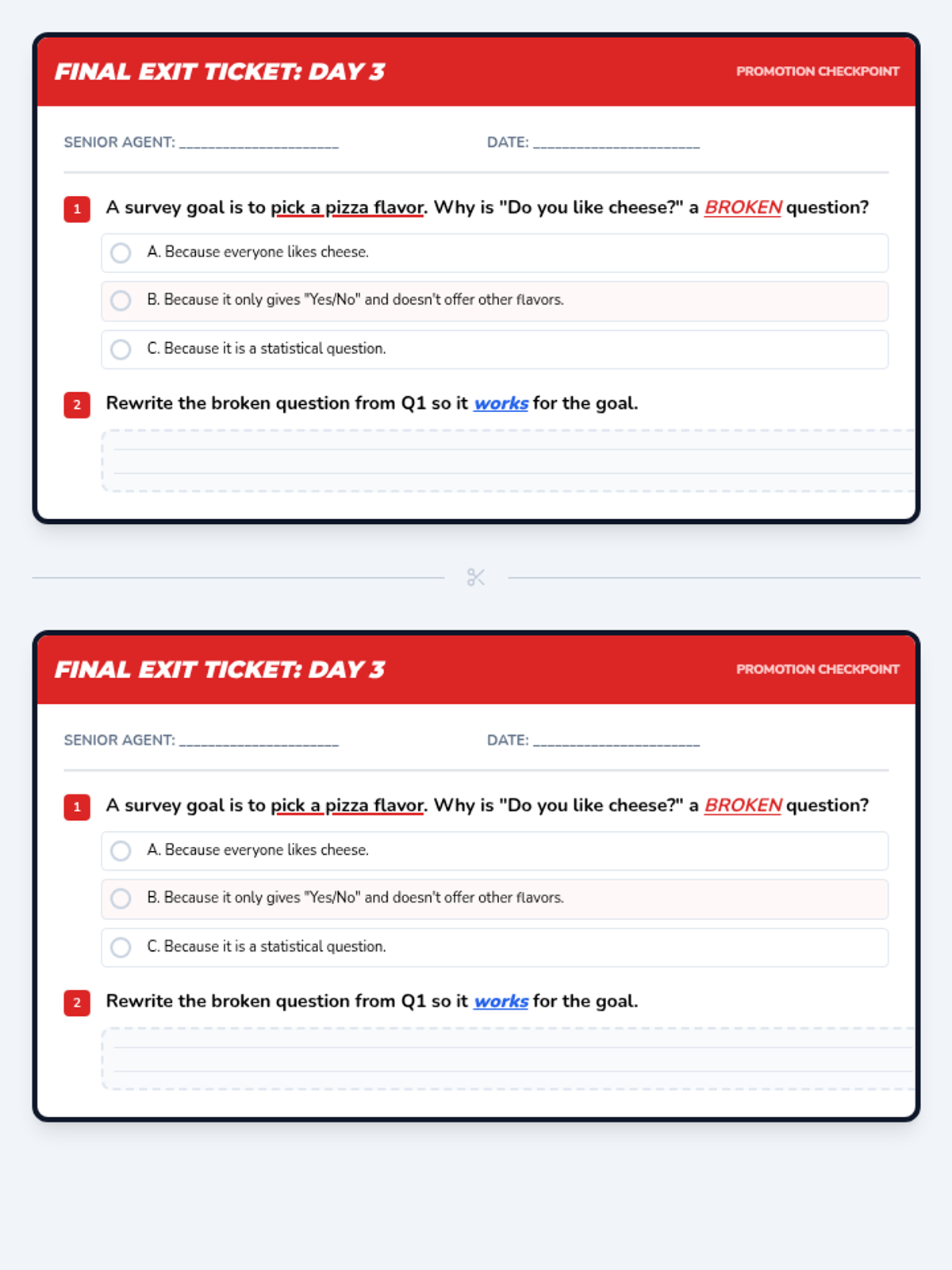
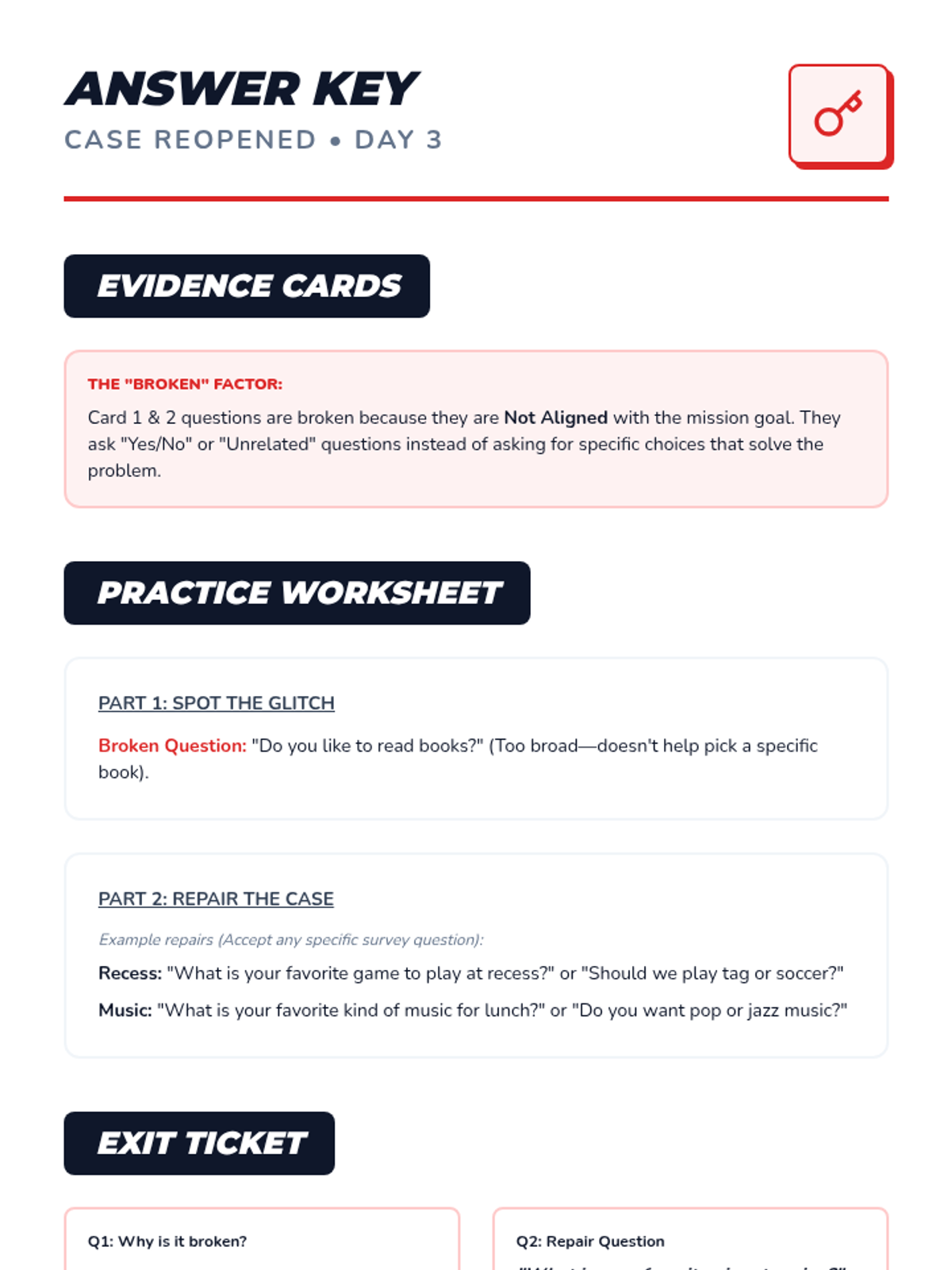
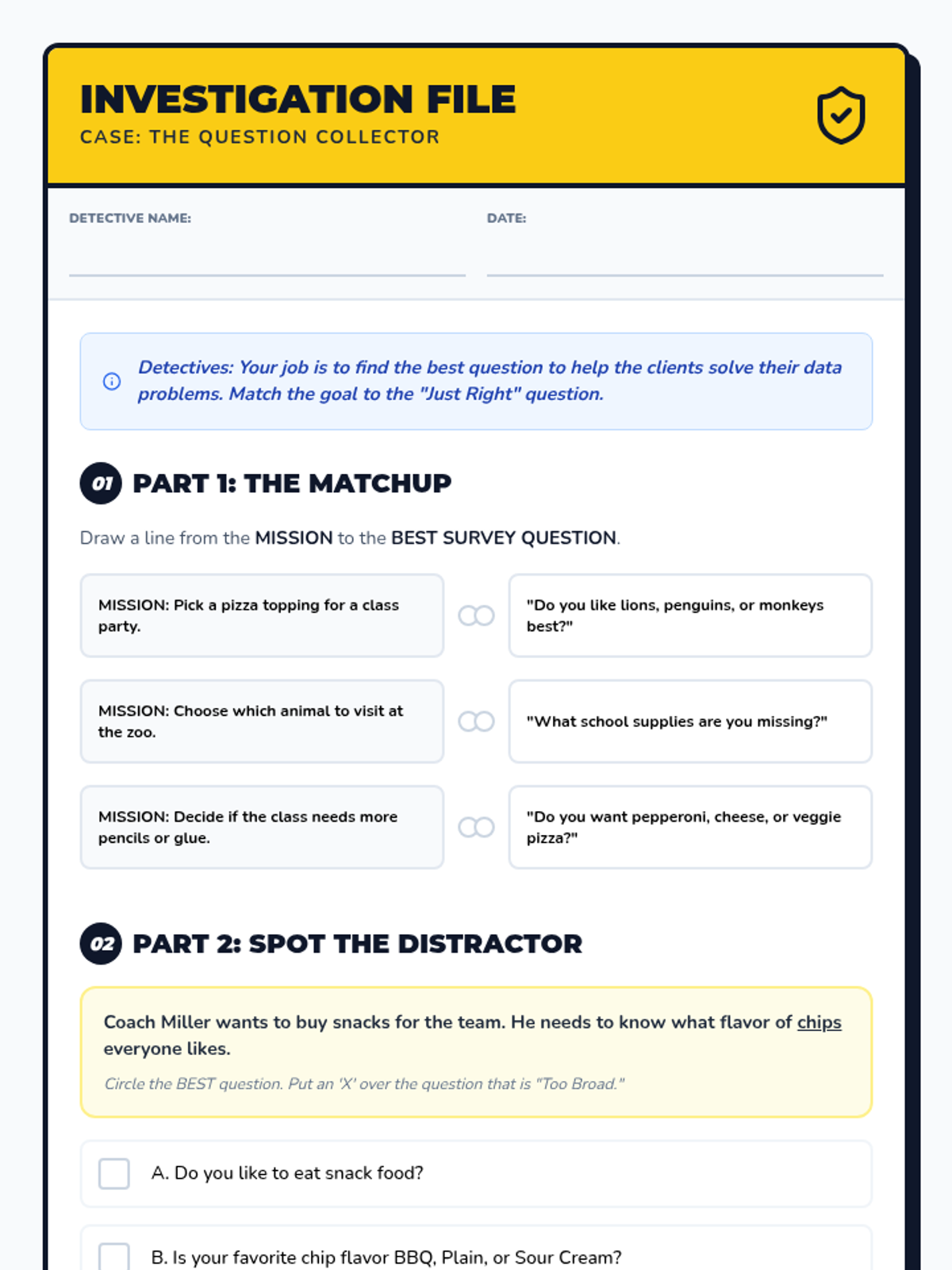
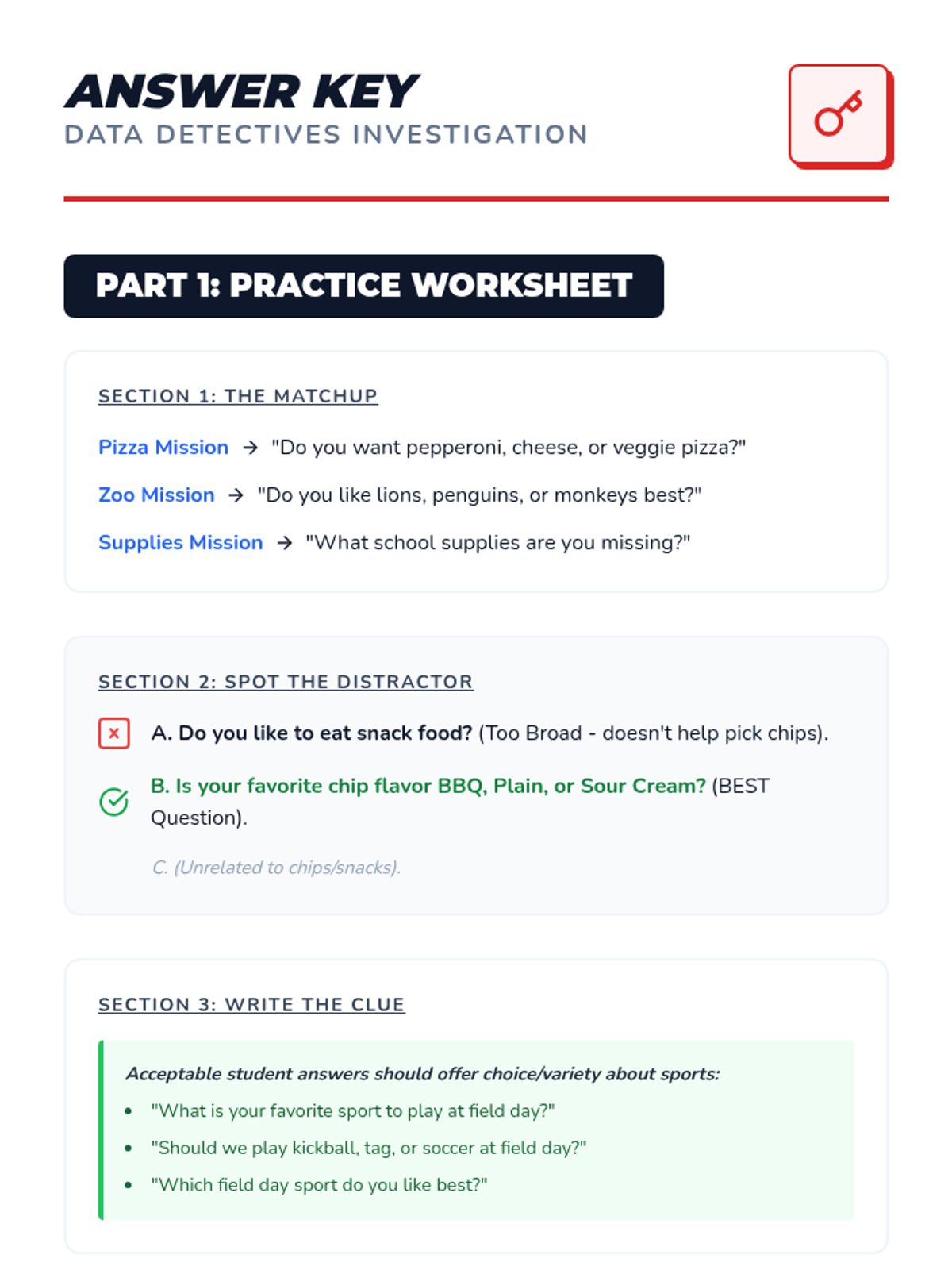
The final mission where students evaluate the effectiveness of data collection. They analyze "broken" surveys where the question didn't match the goal and practice rewriting them for accuracy.
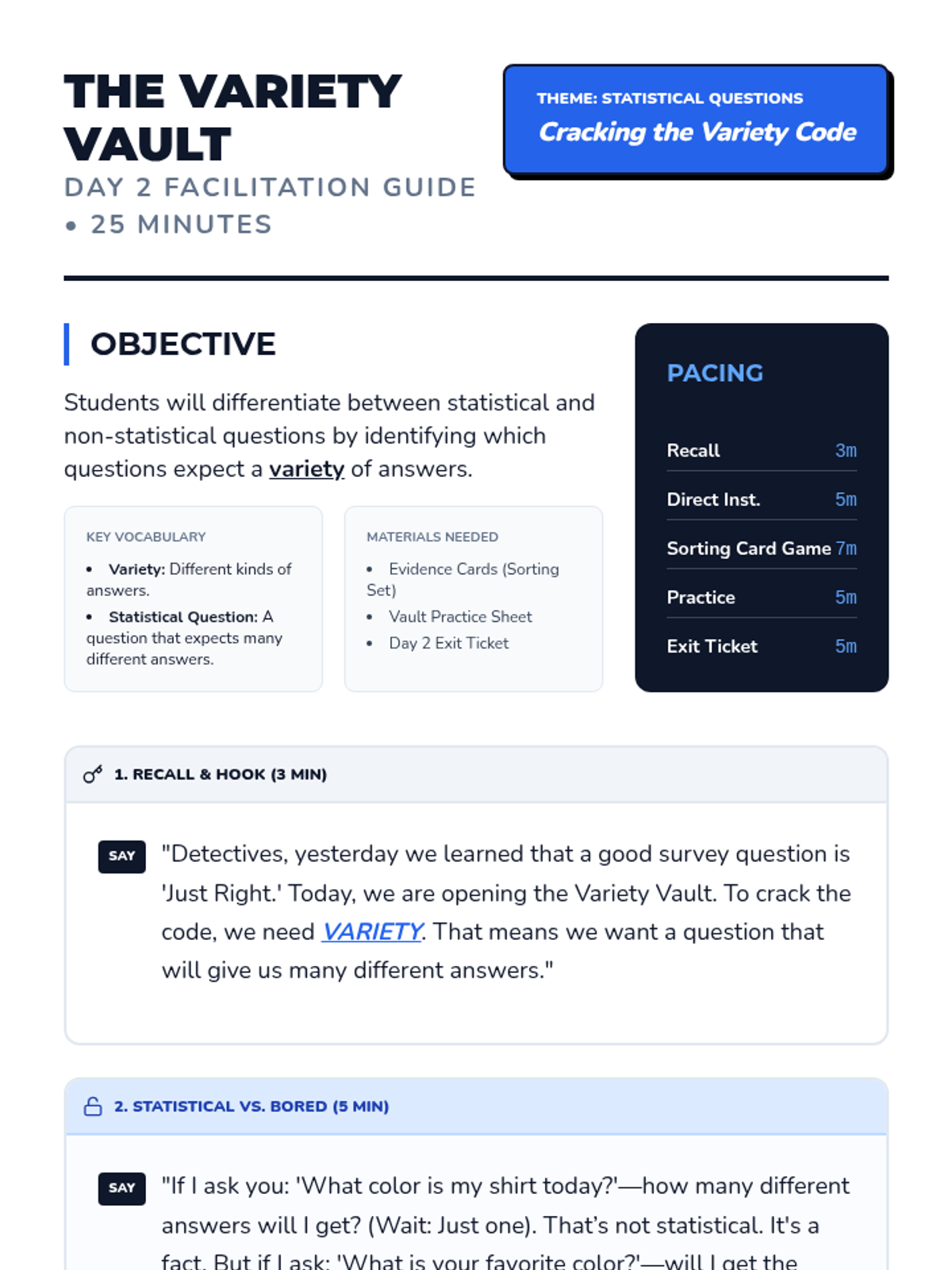
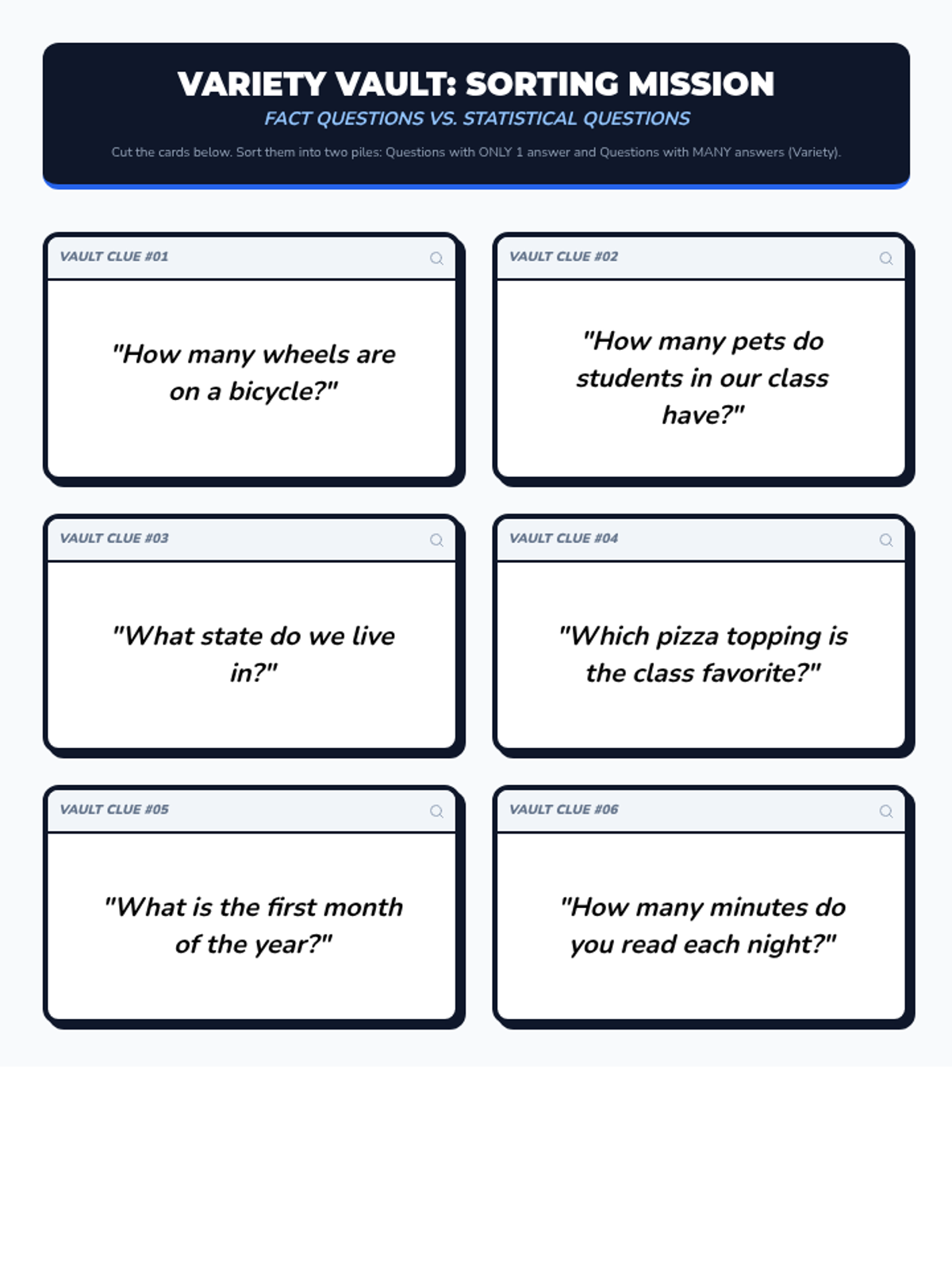
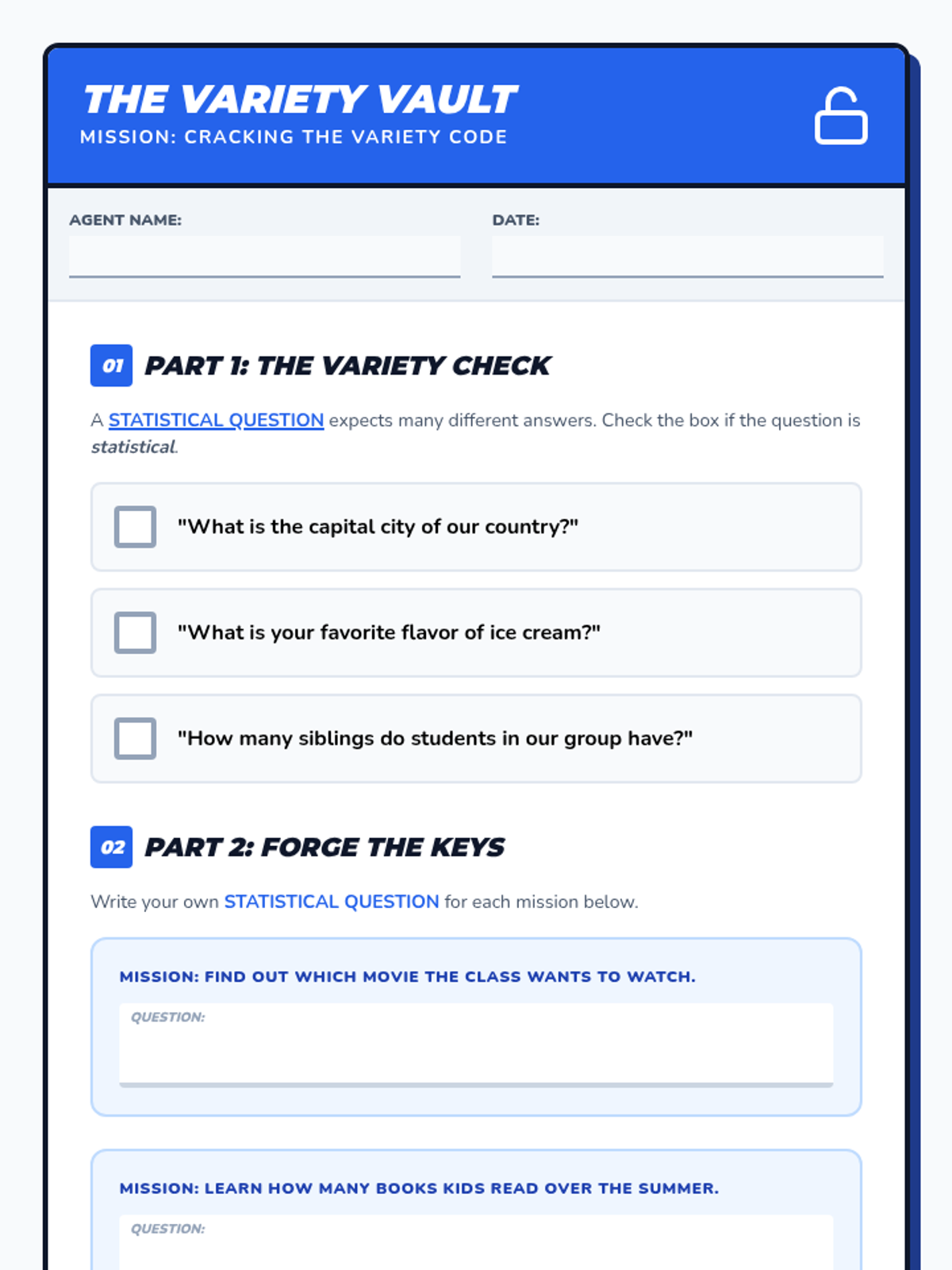
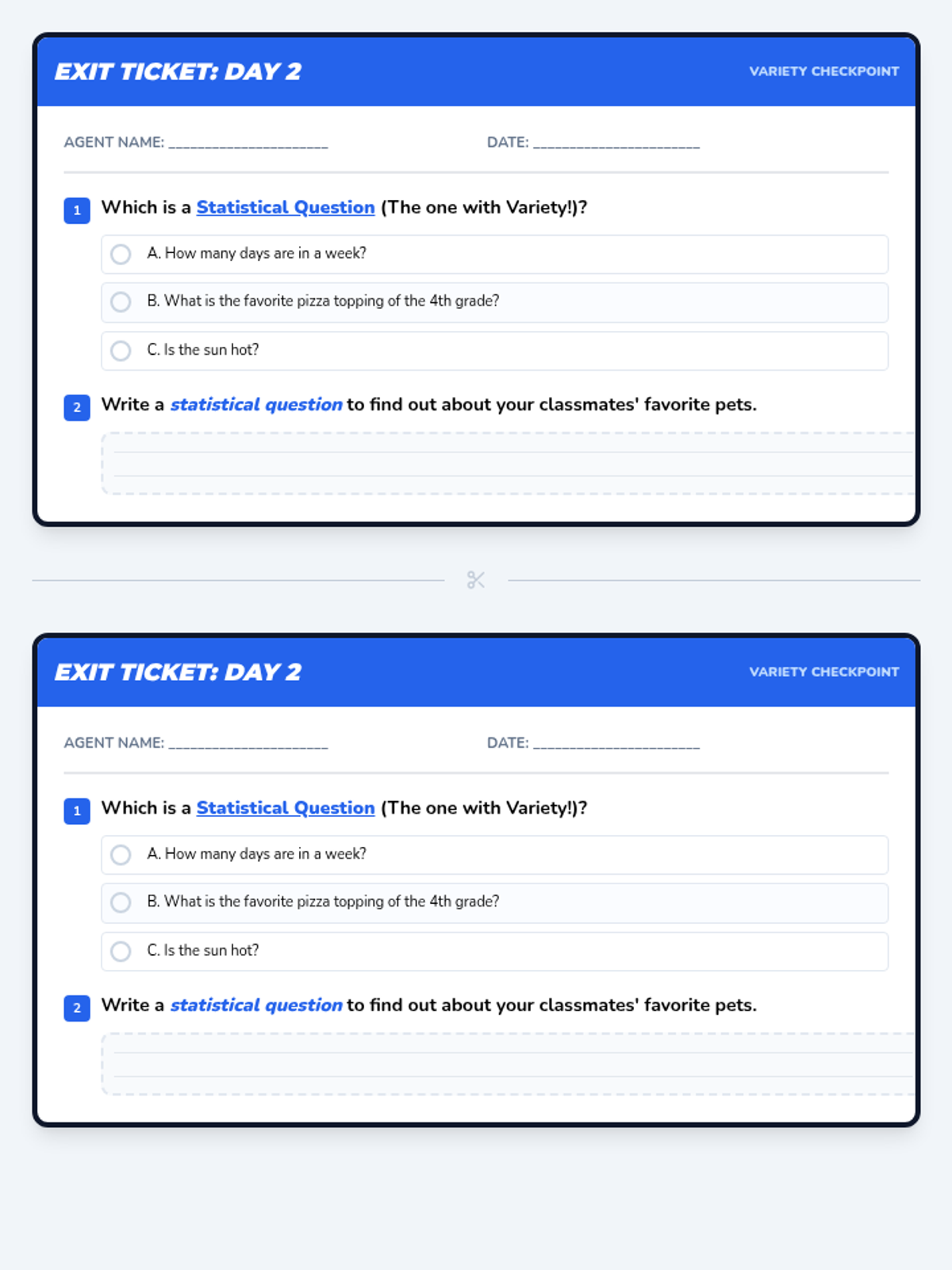
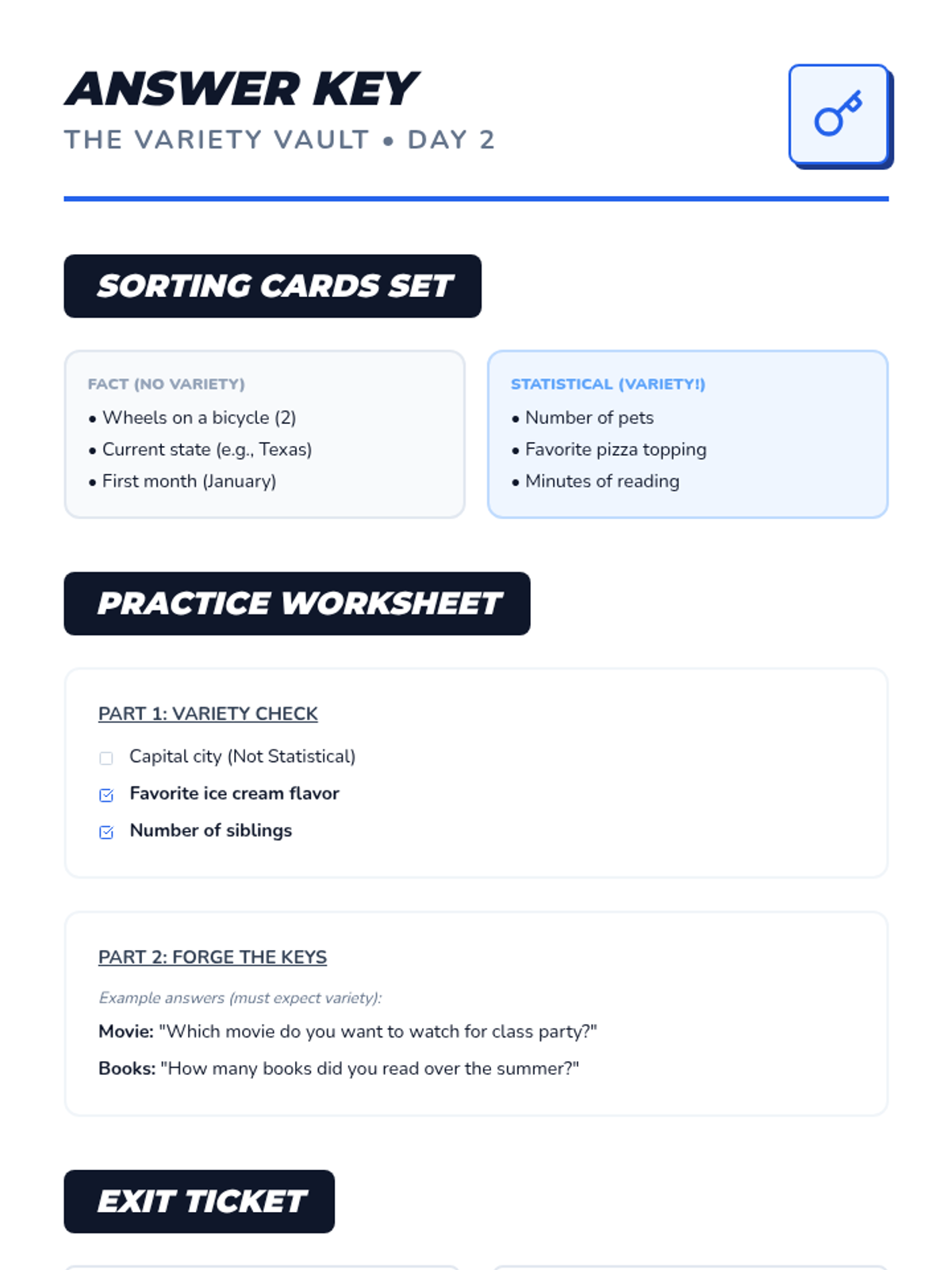
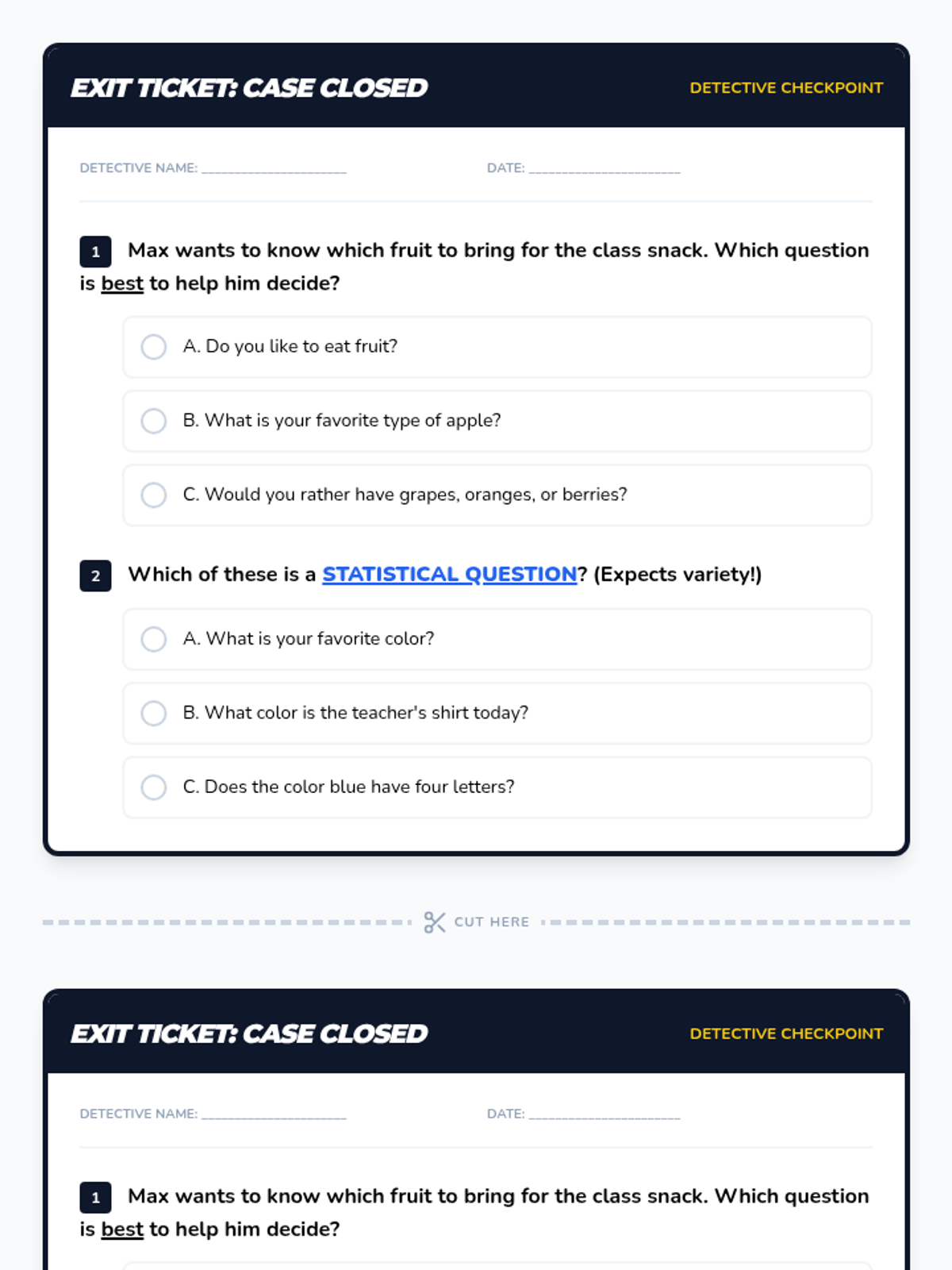
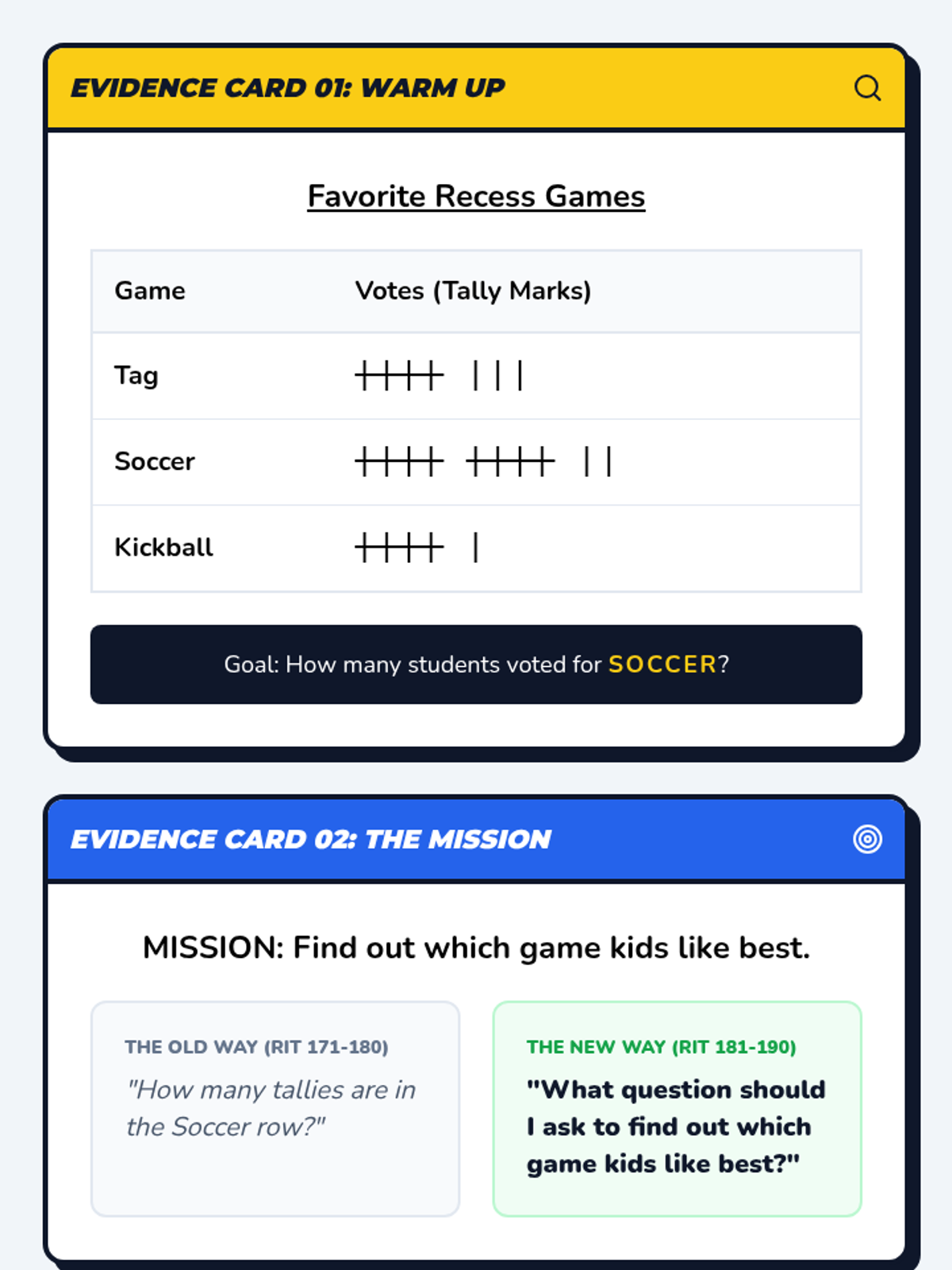
Focuses on differentiating between statistical and non-statistical questions. Students learn that a good survey question must expect a variety of answers to be useful for data collection.
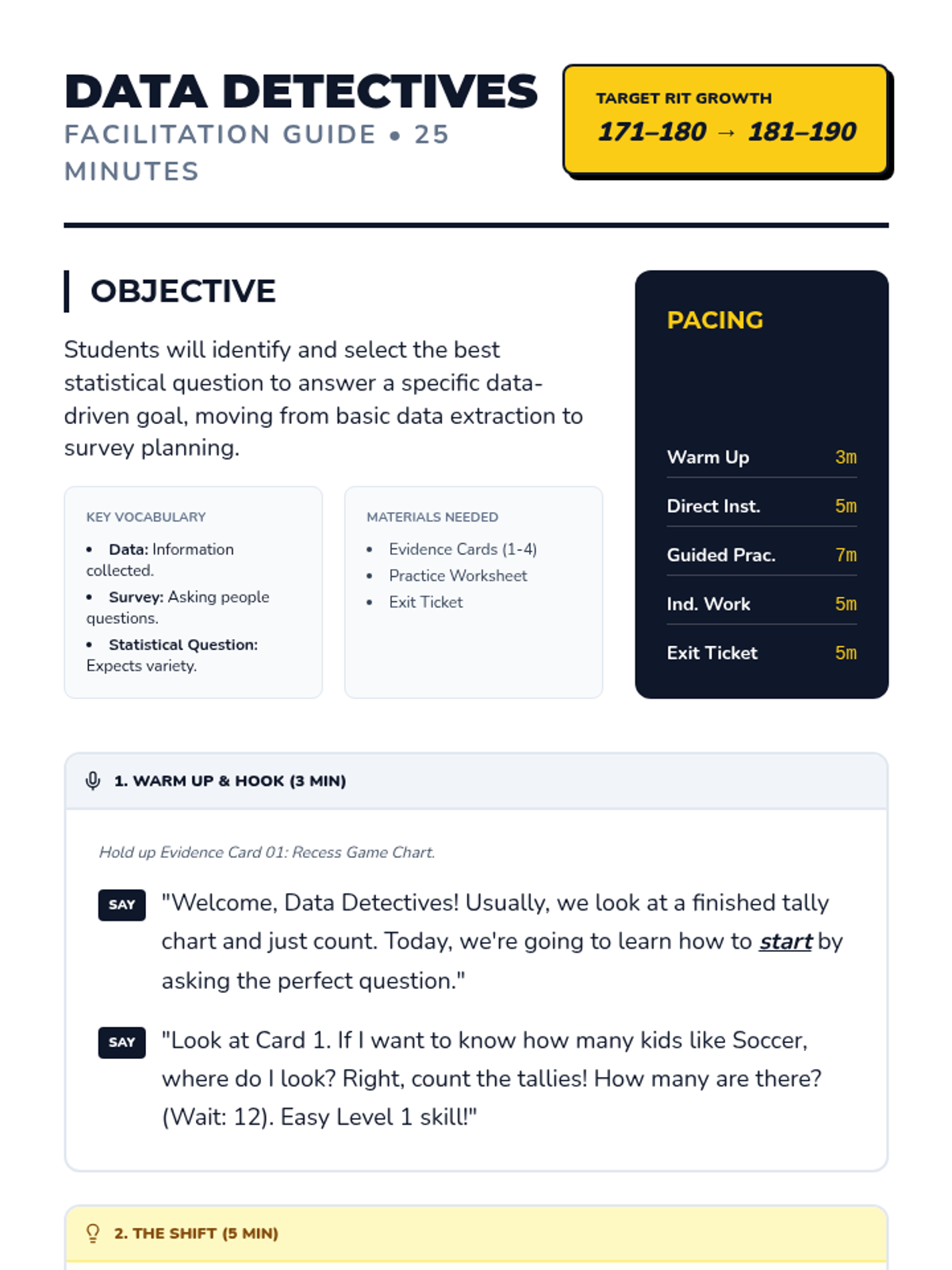
A 25-minute small group lesson designed to move students from RIT 171-180 to 181-190 by shifting from basic data interpretation to formulating and selecting effective statistical questions.
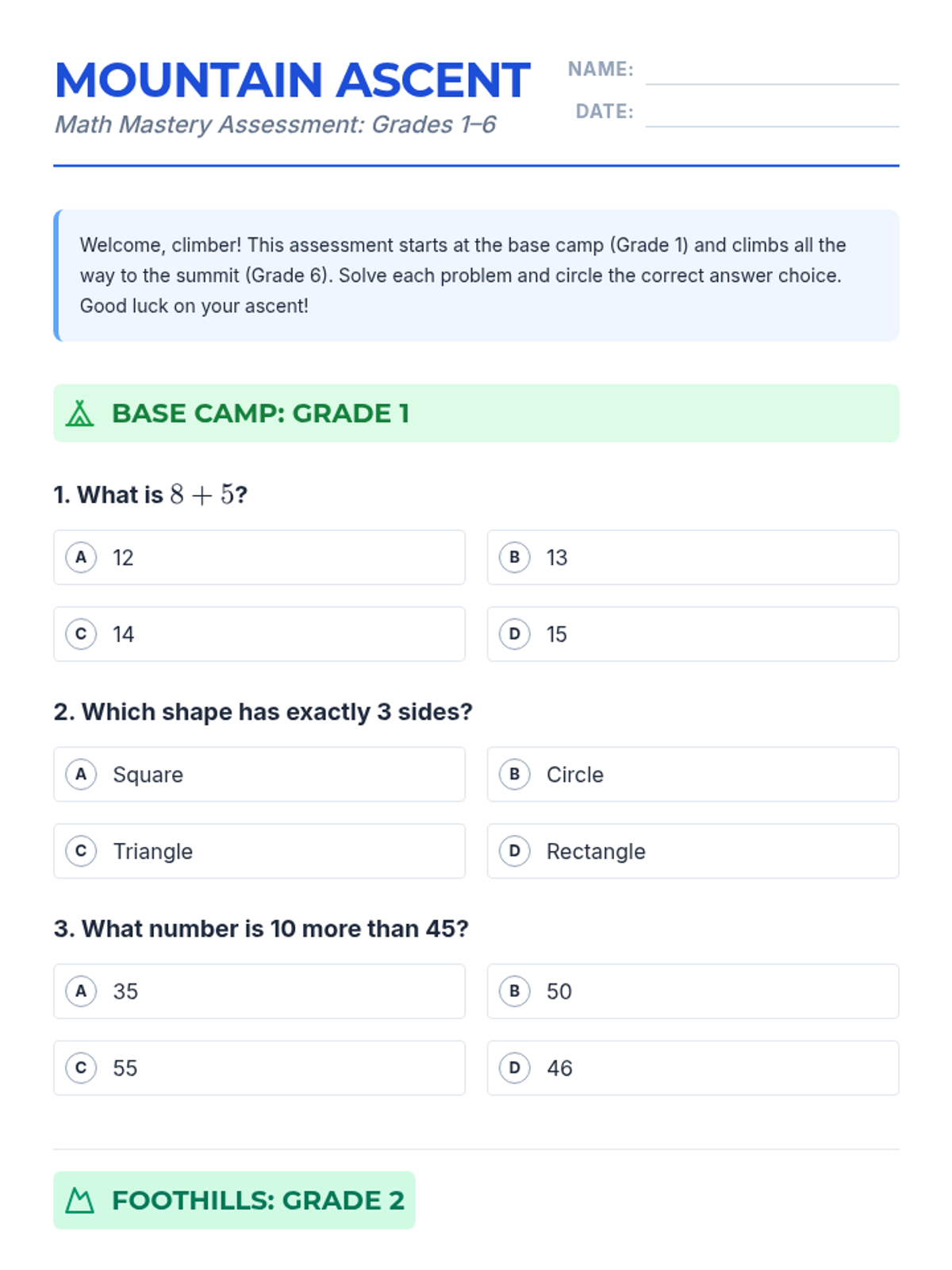
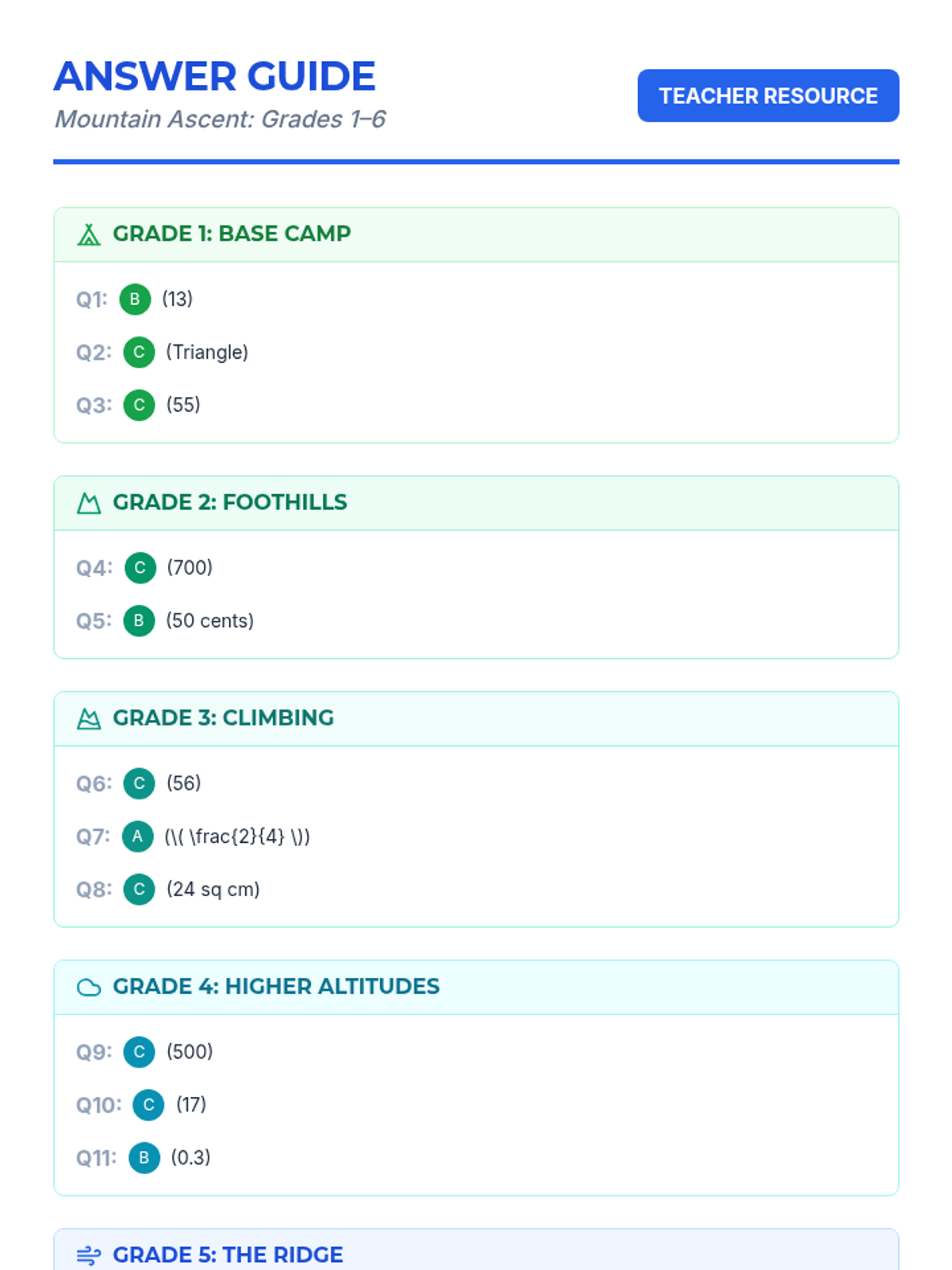
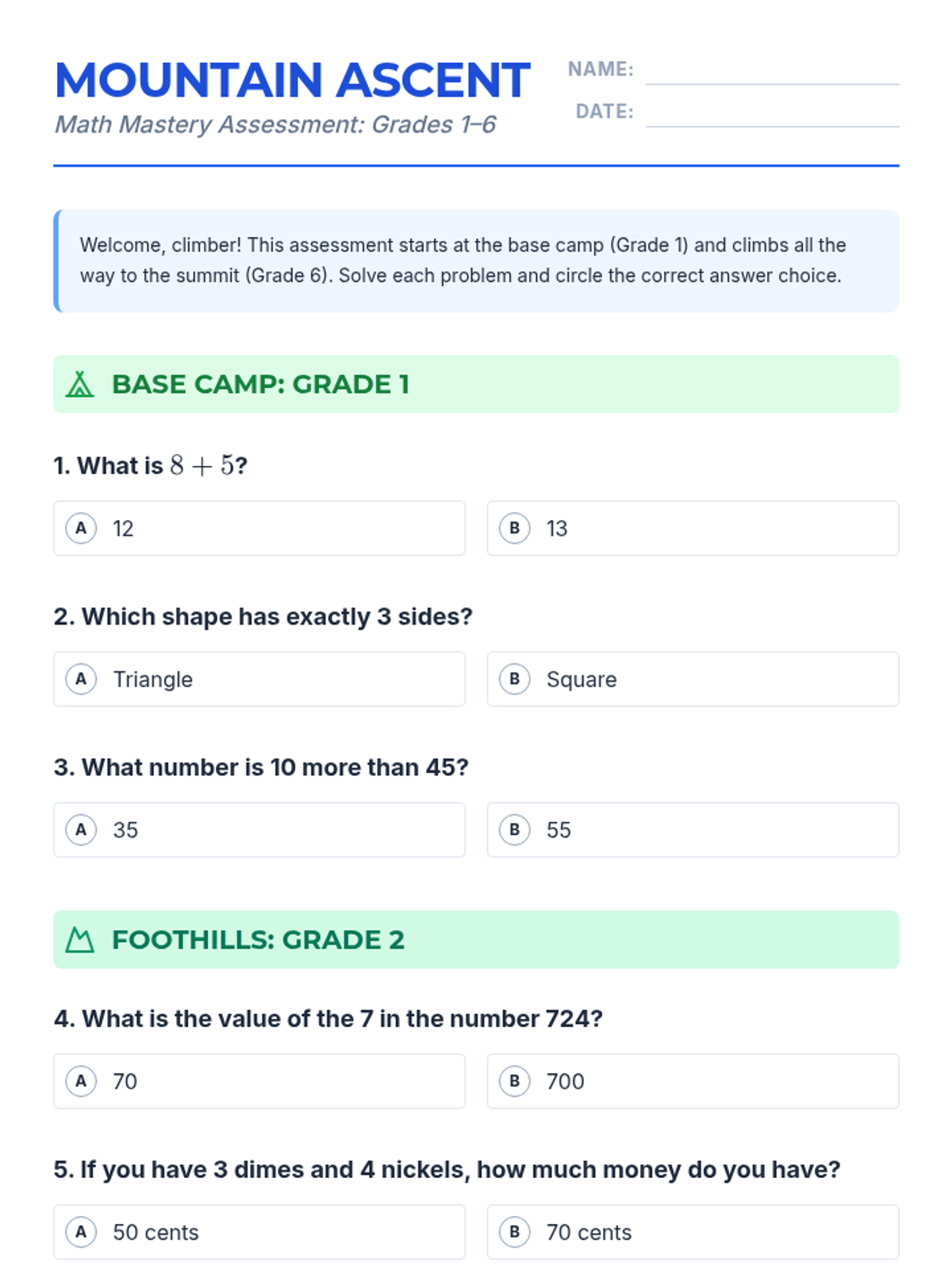
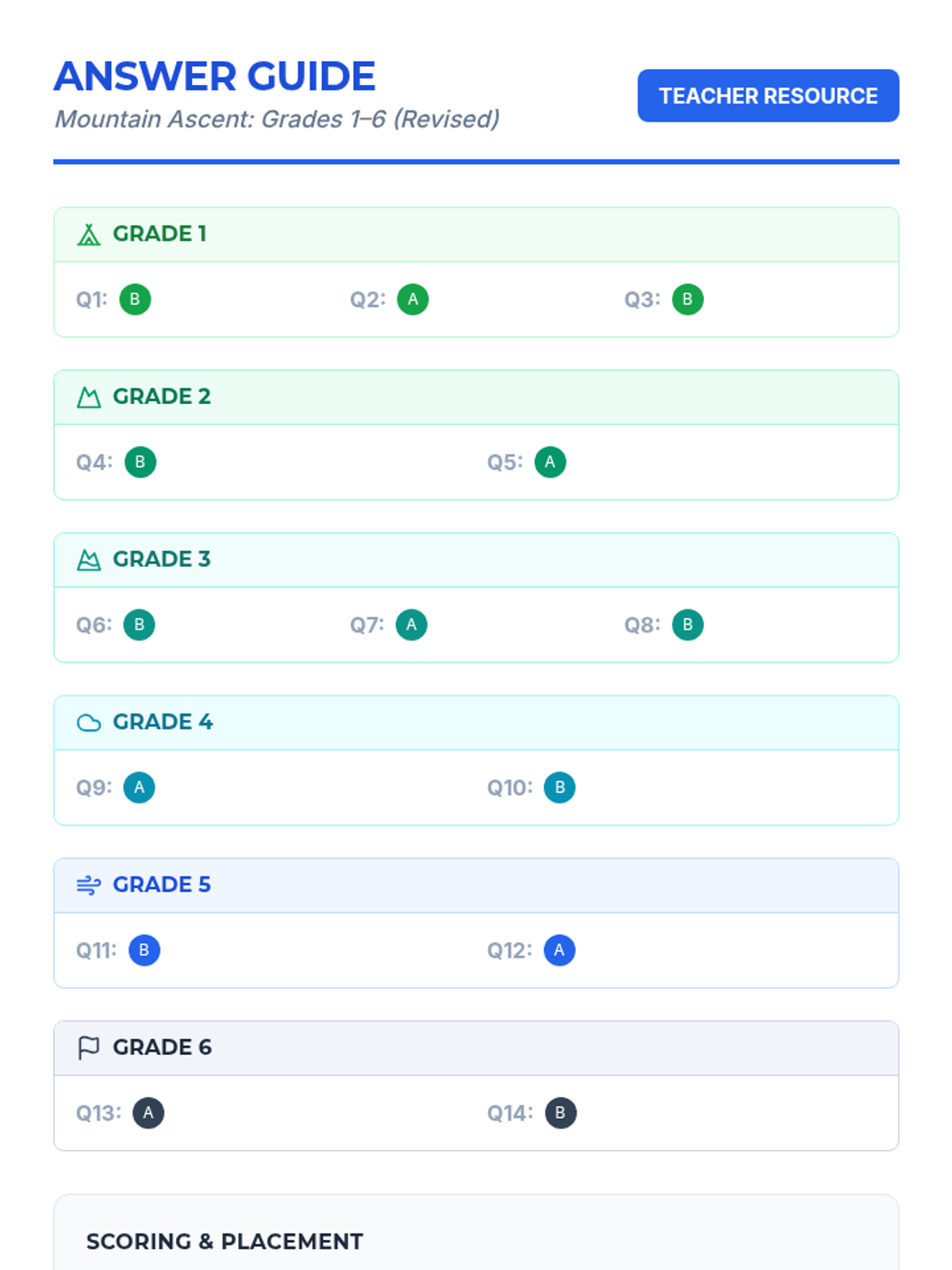
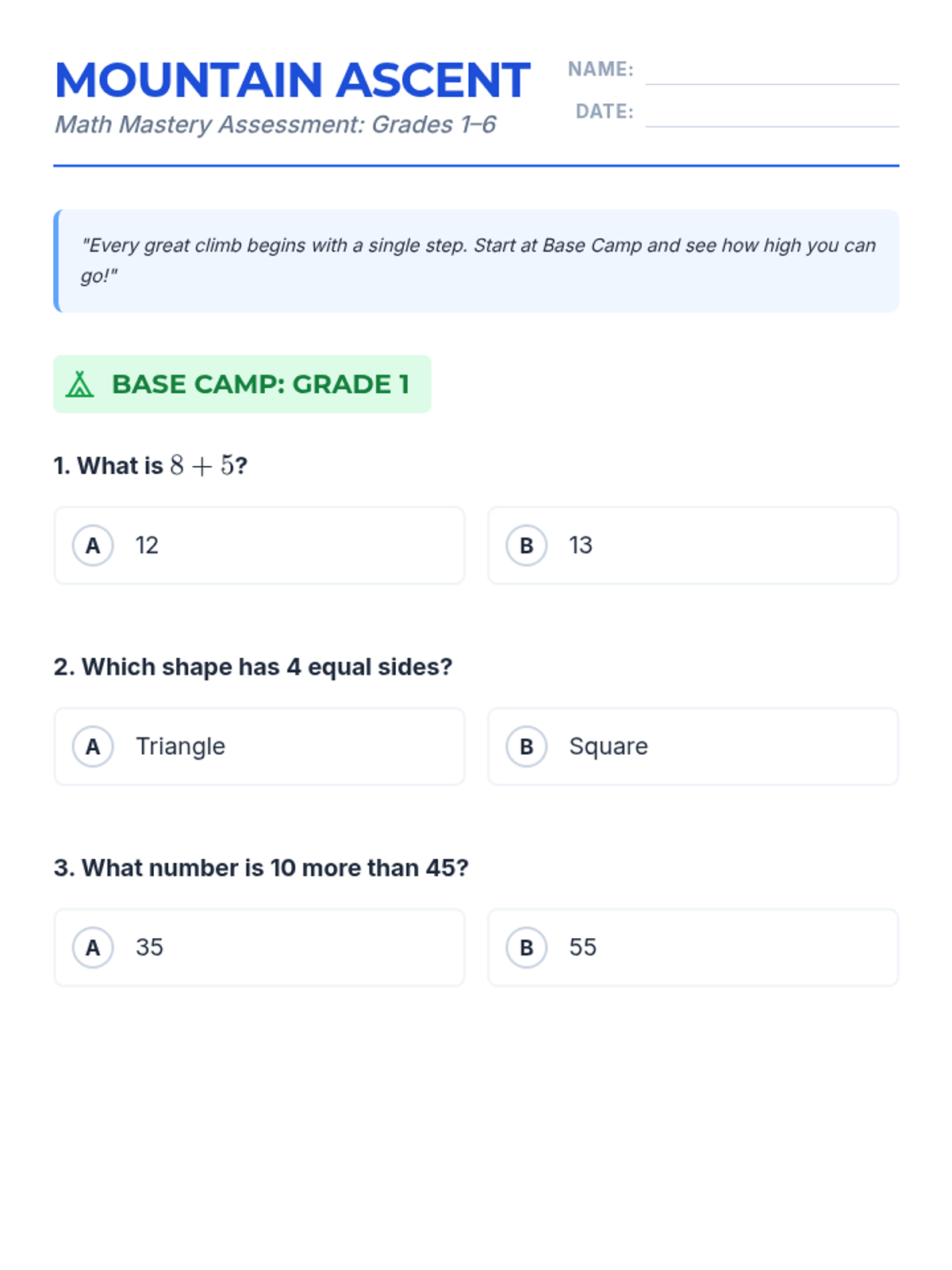
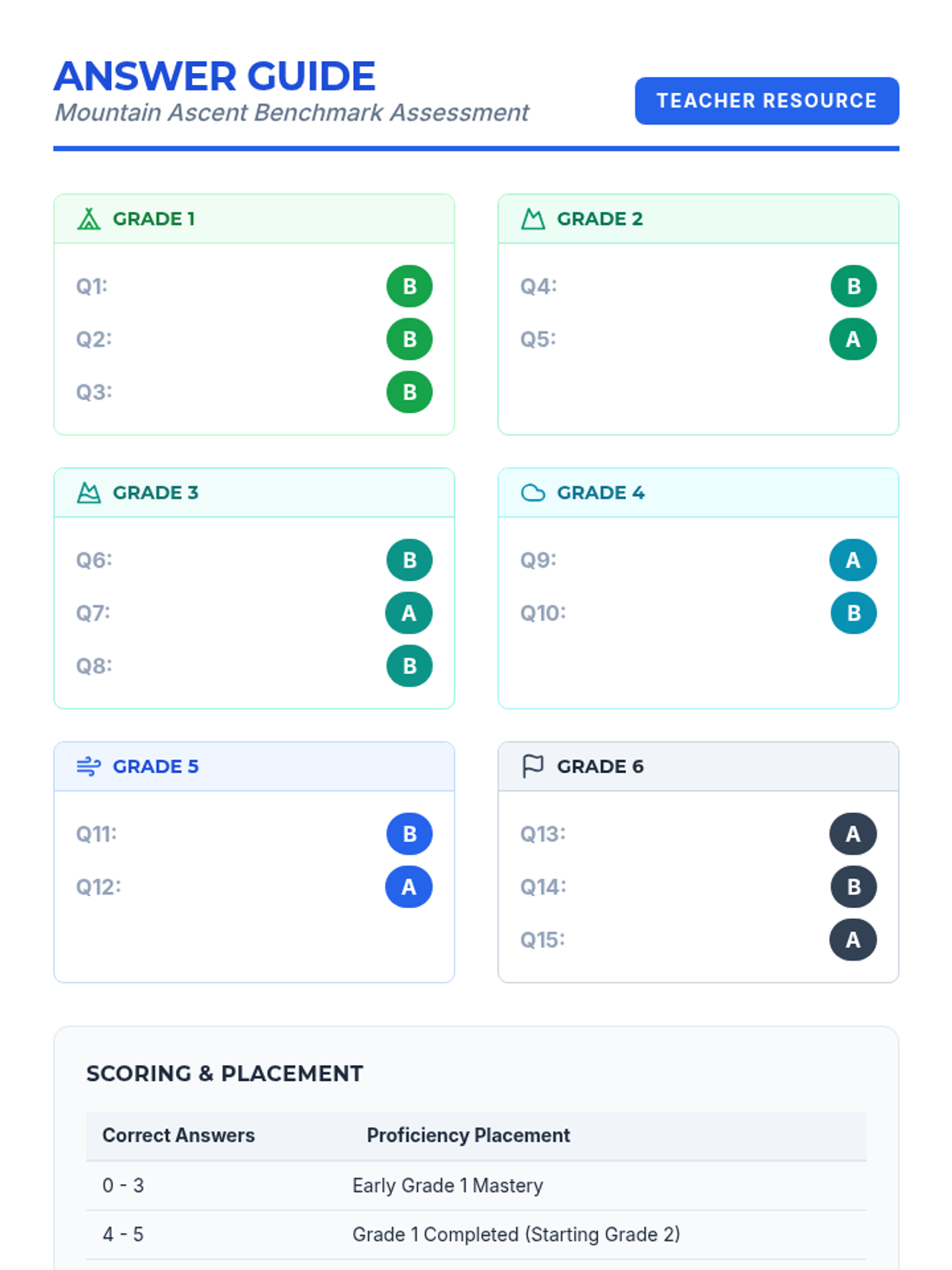
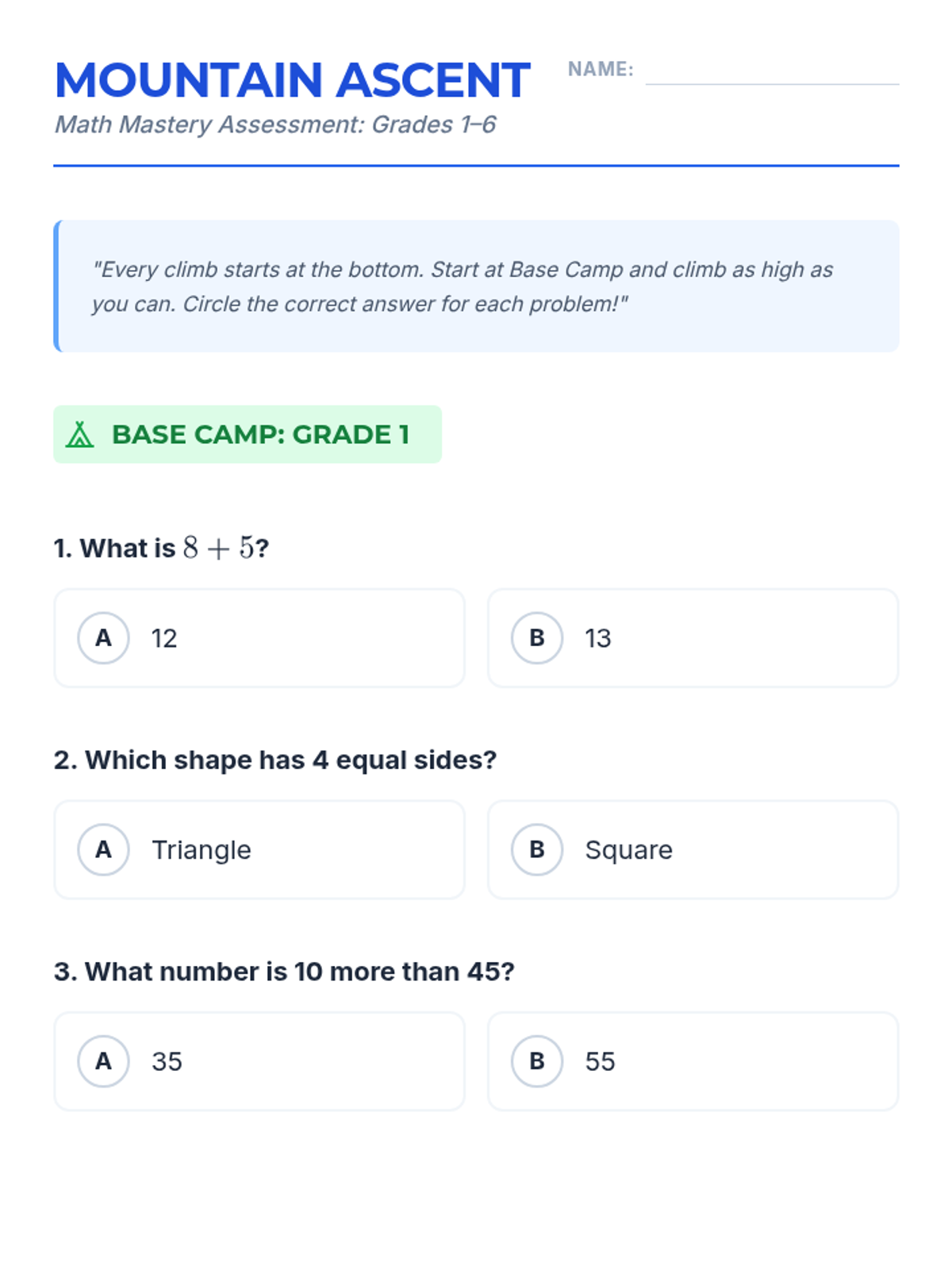
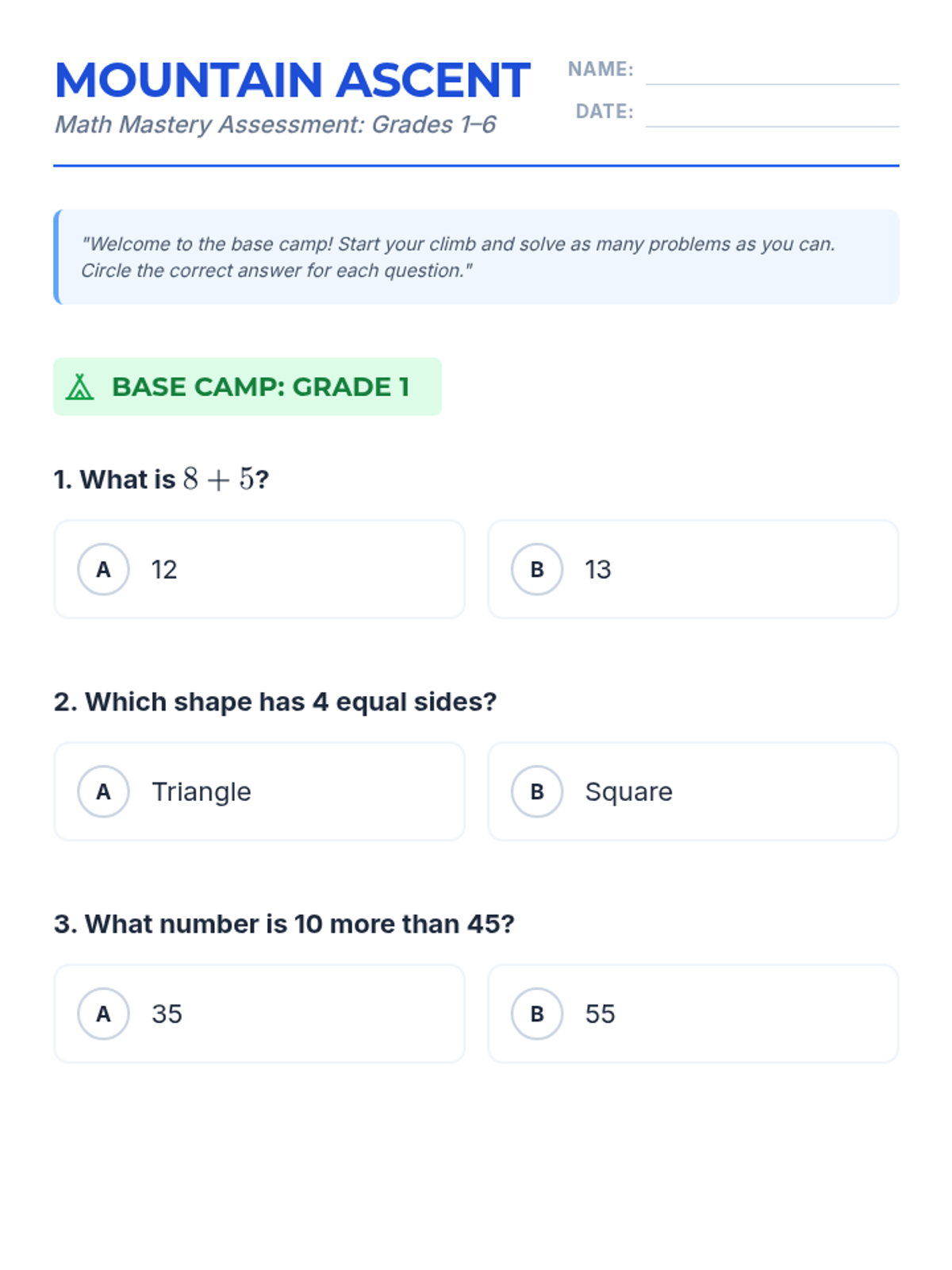
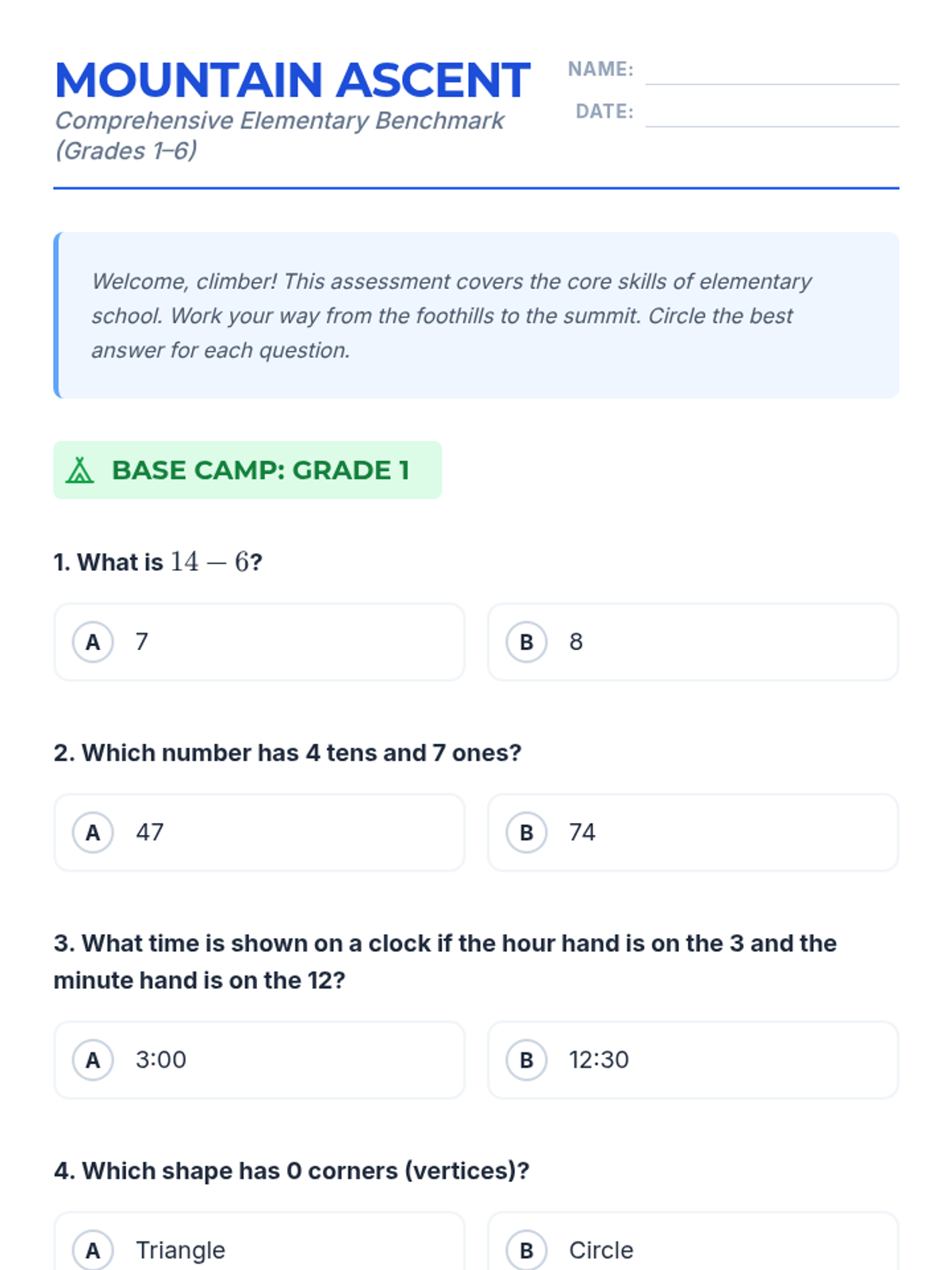
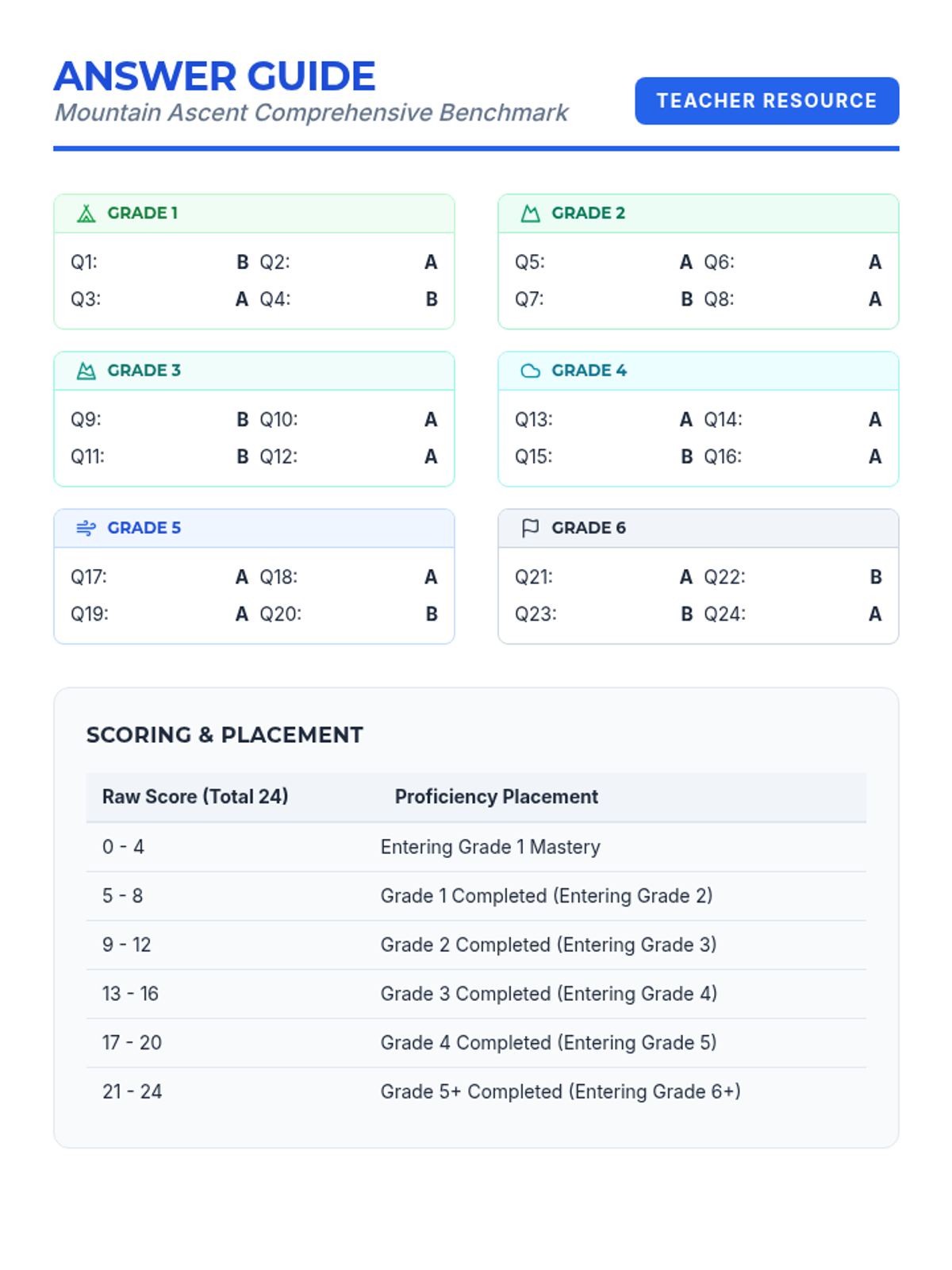
A comprehensive math benchmark assessment covering key standards from Grade 1 through Grade 6, designed to track student progress and identify skill gaps.
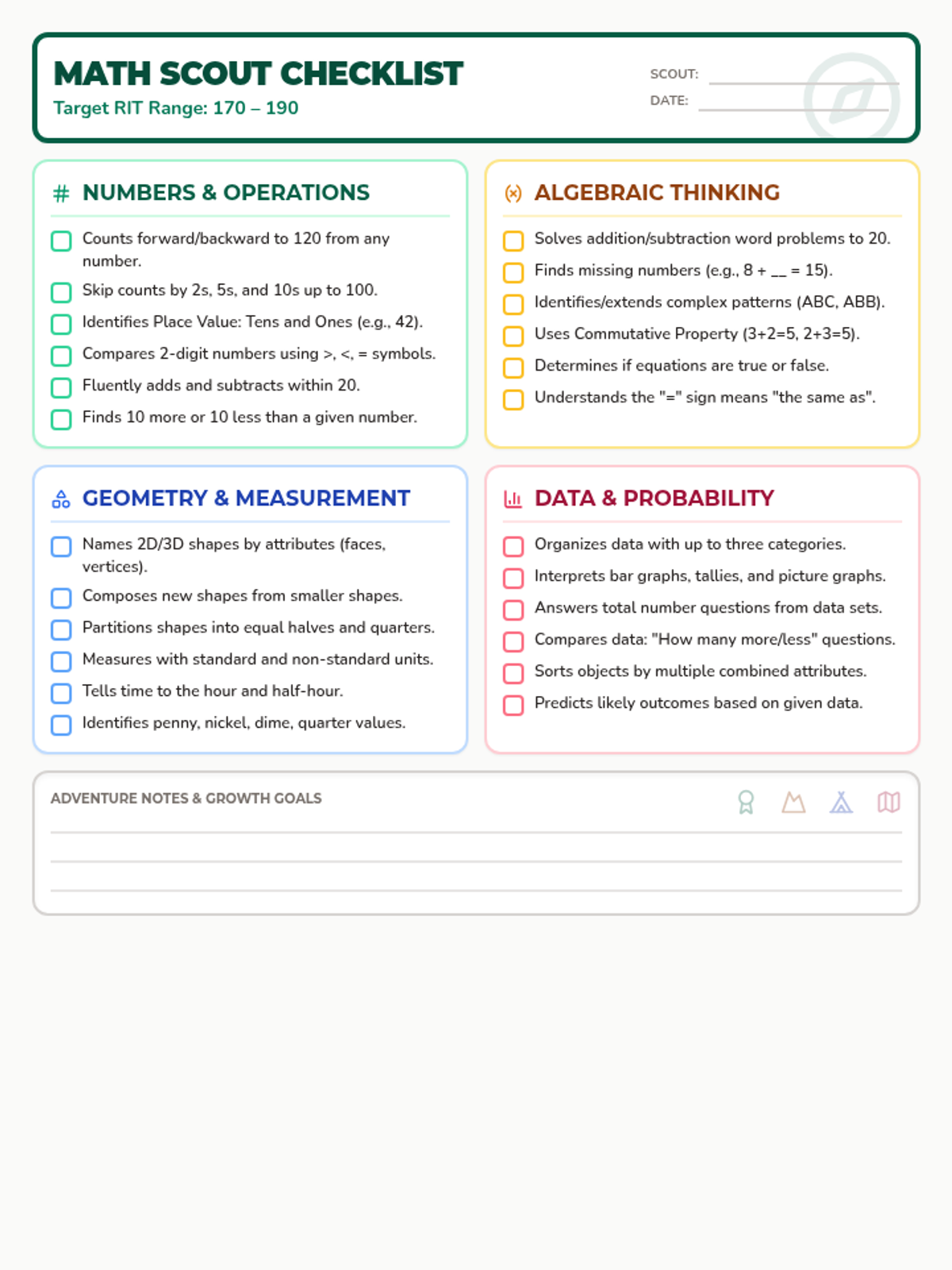
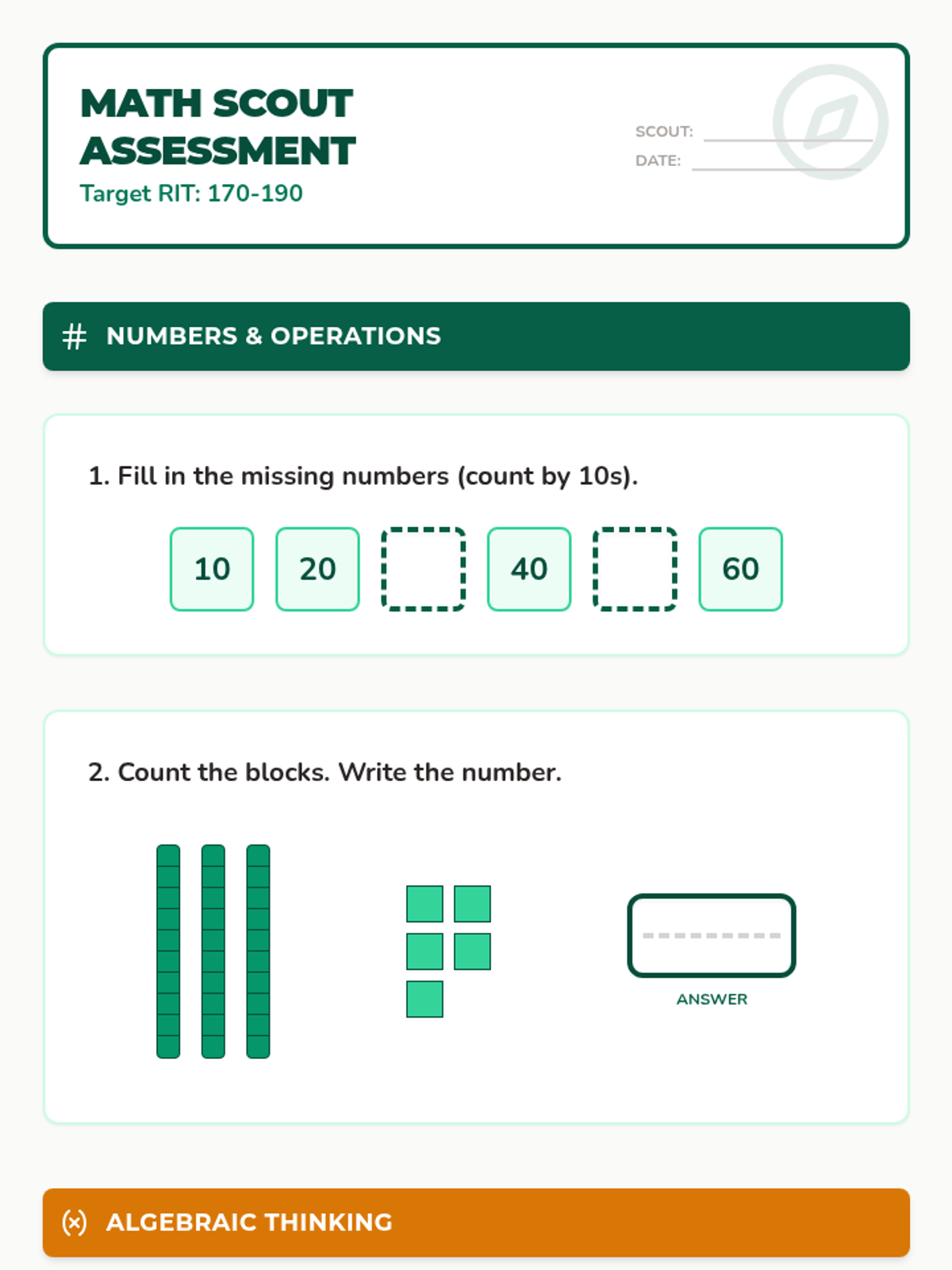
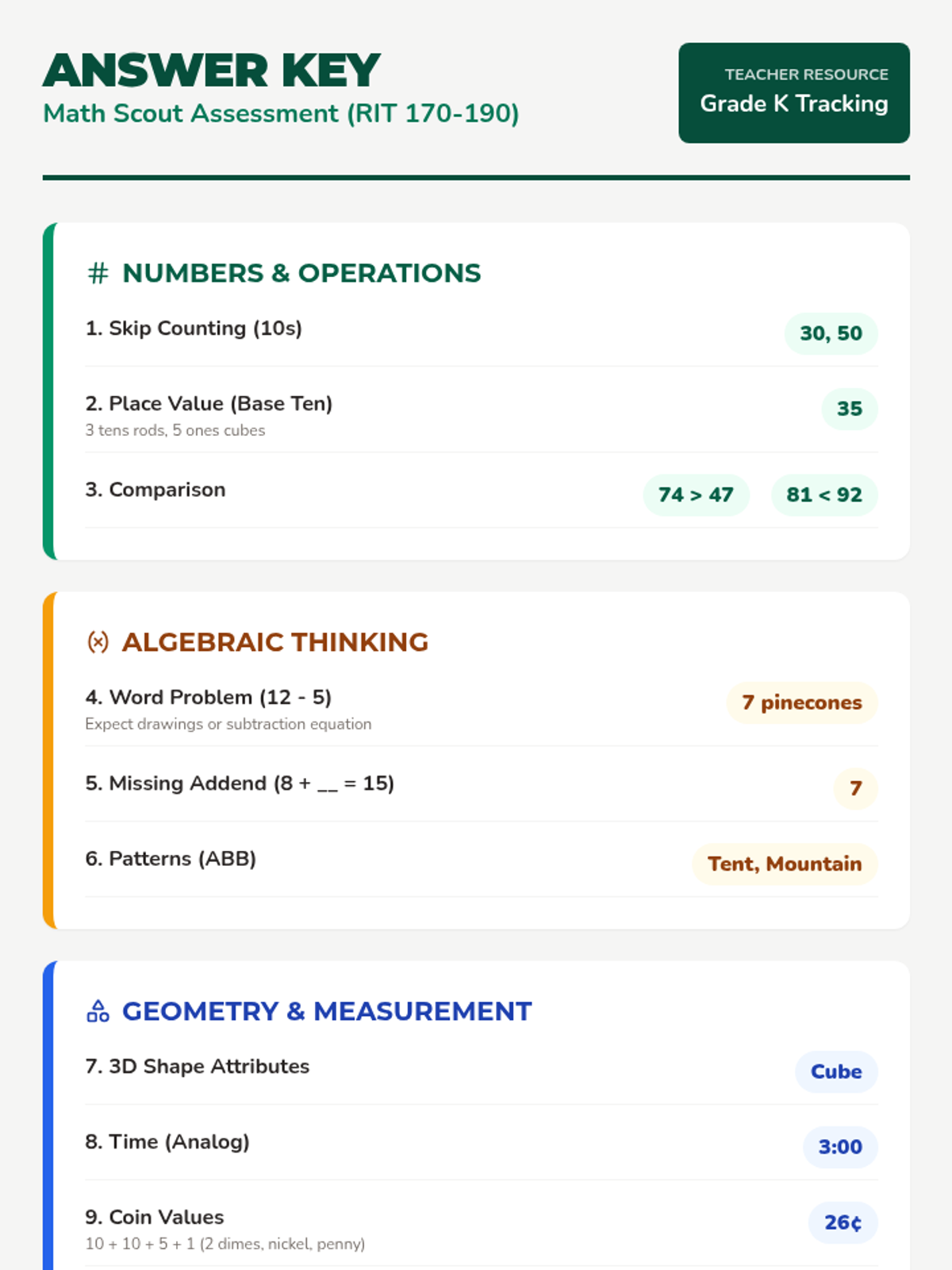
A comprehensive tracking resource for Kindergarten students aiming for advanced NWEA MAP RIT scores in mathematics, covering all key domains.
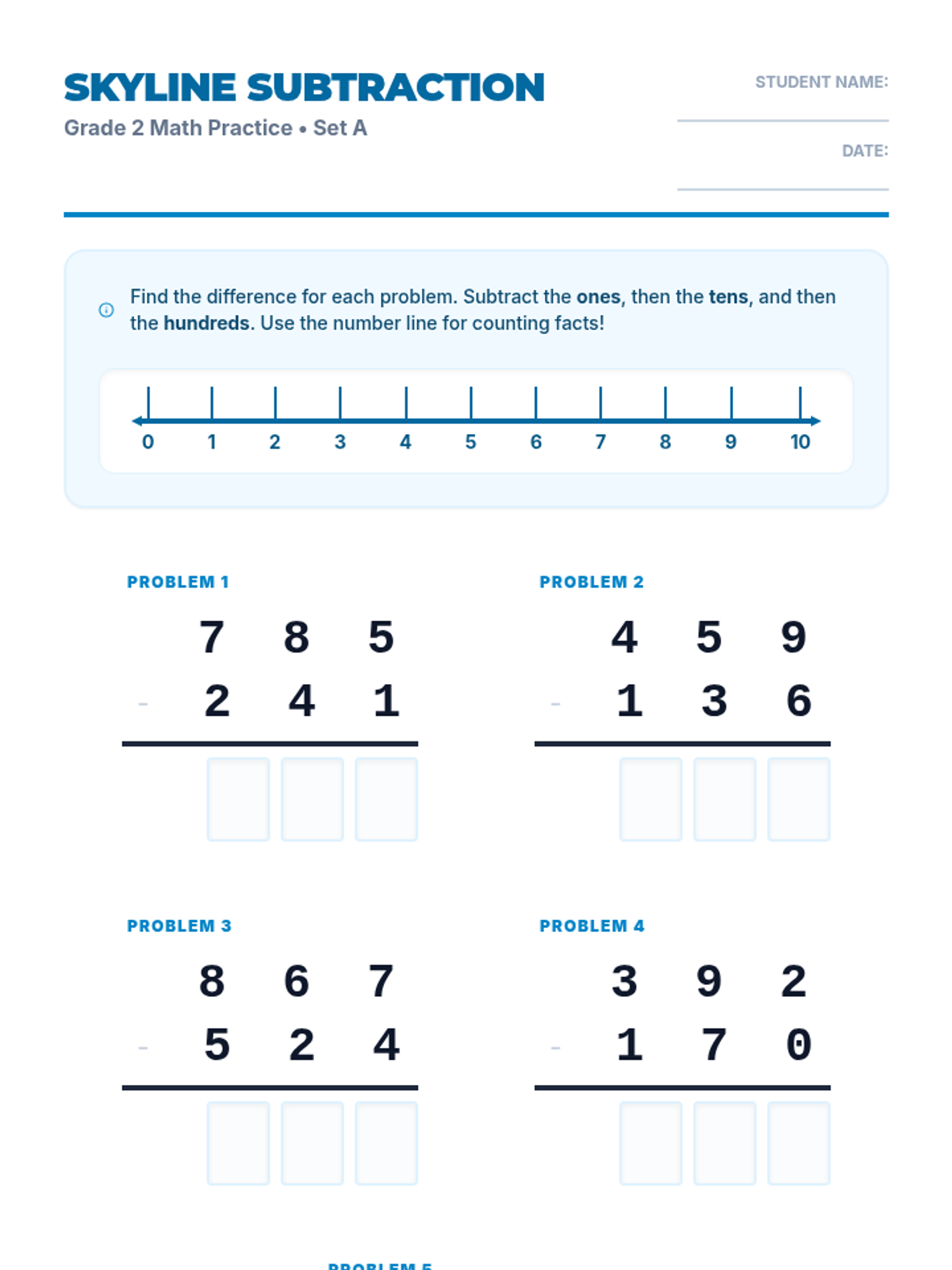
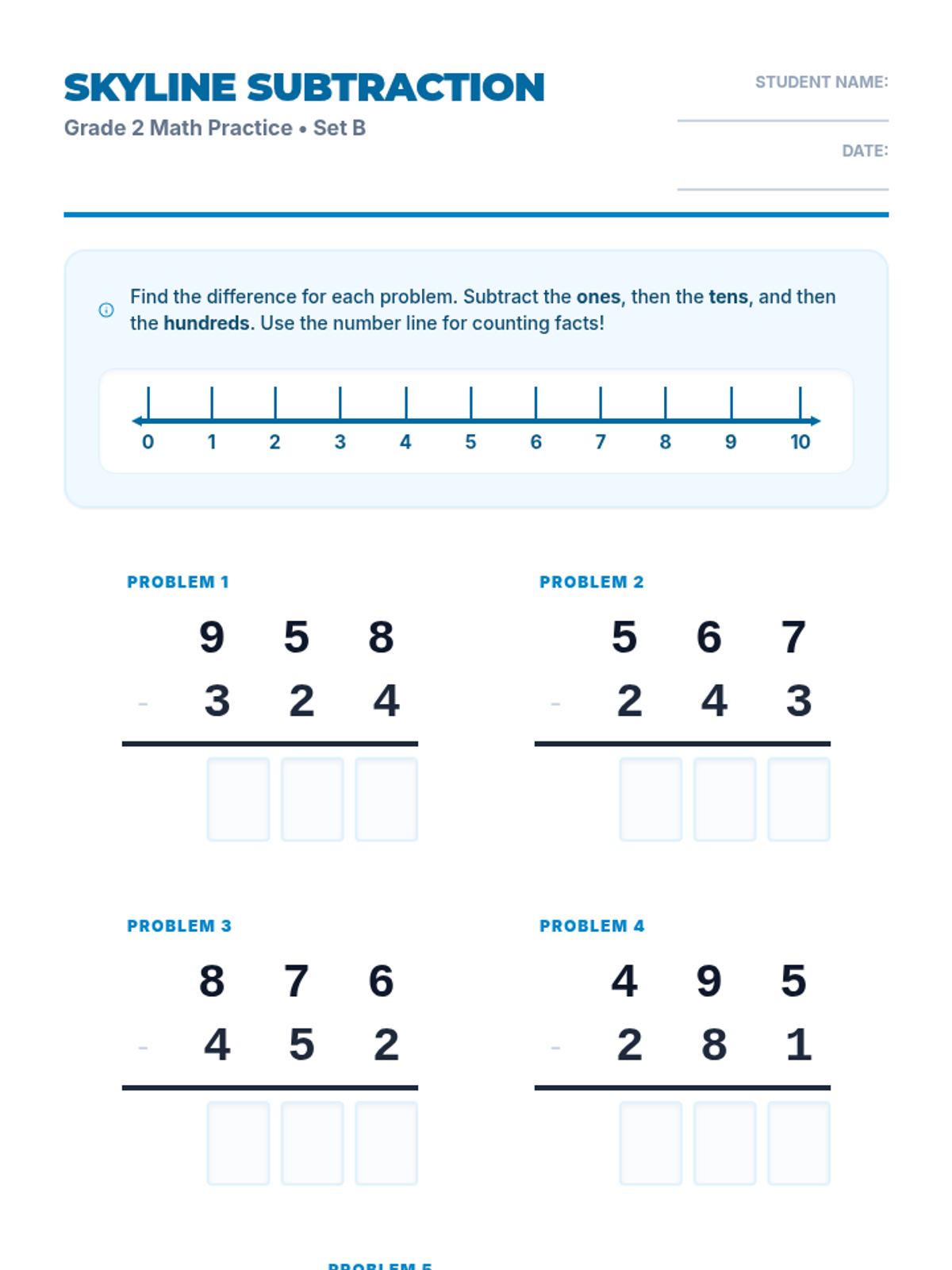
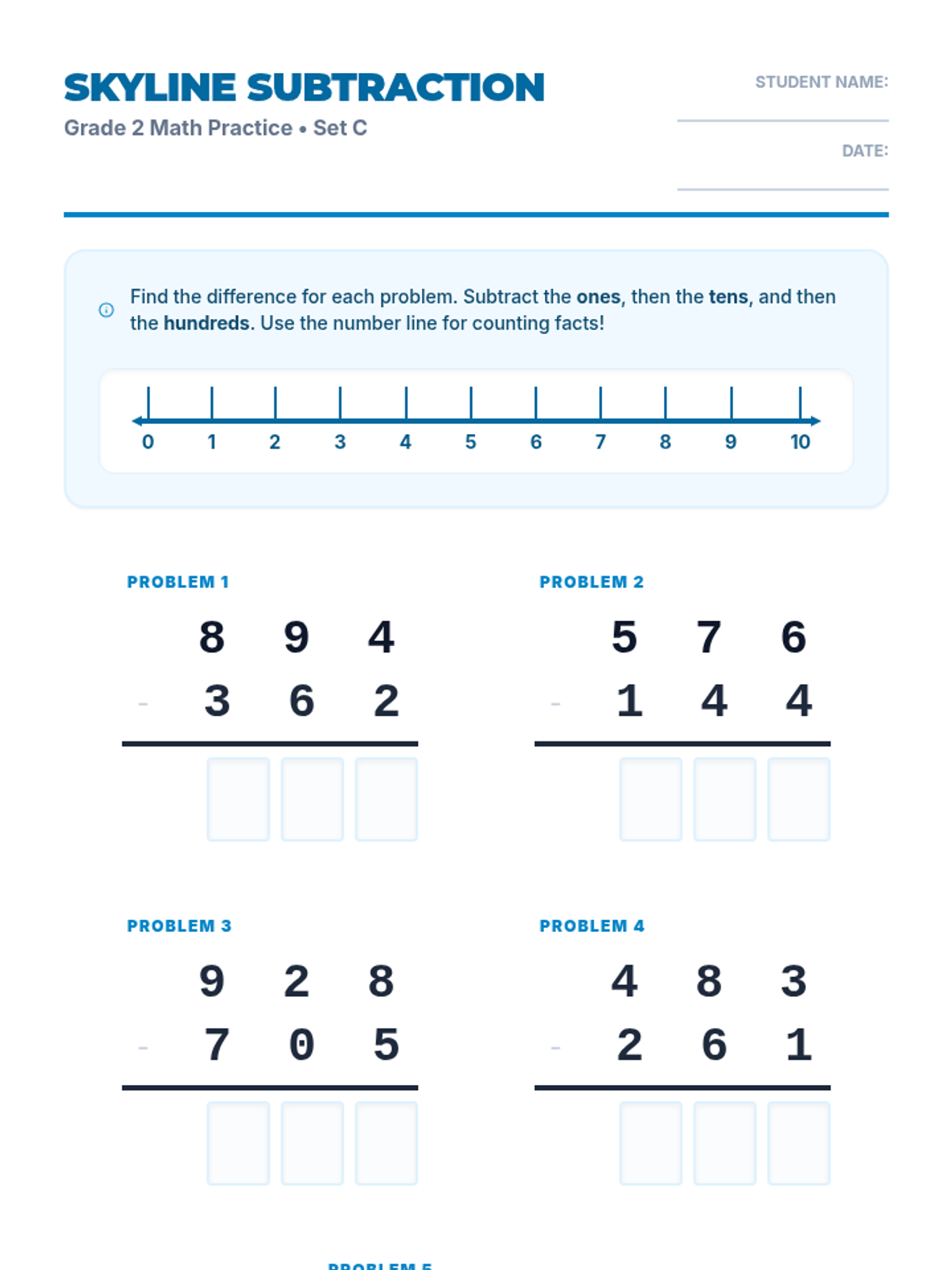
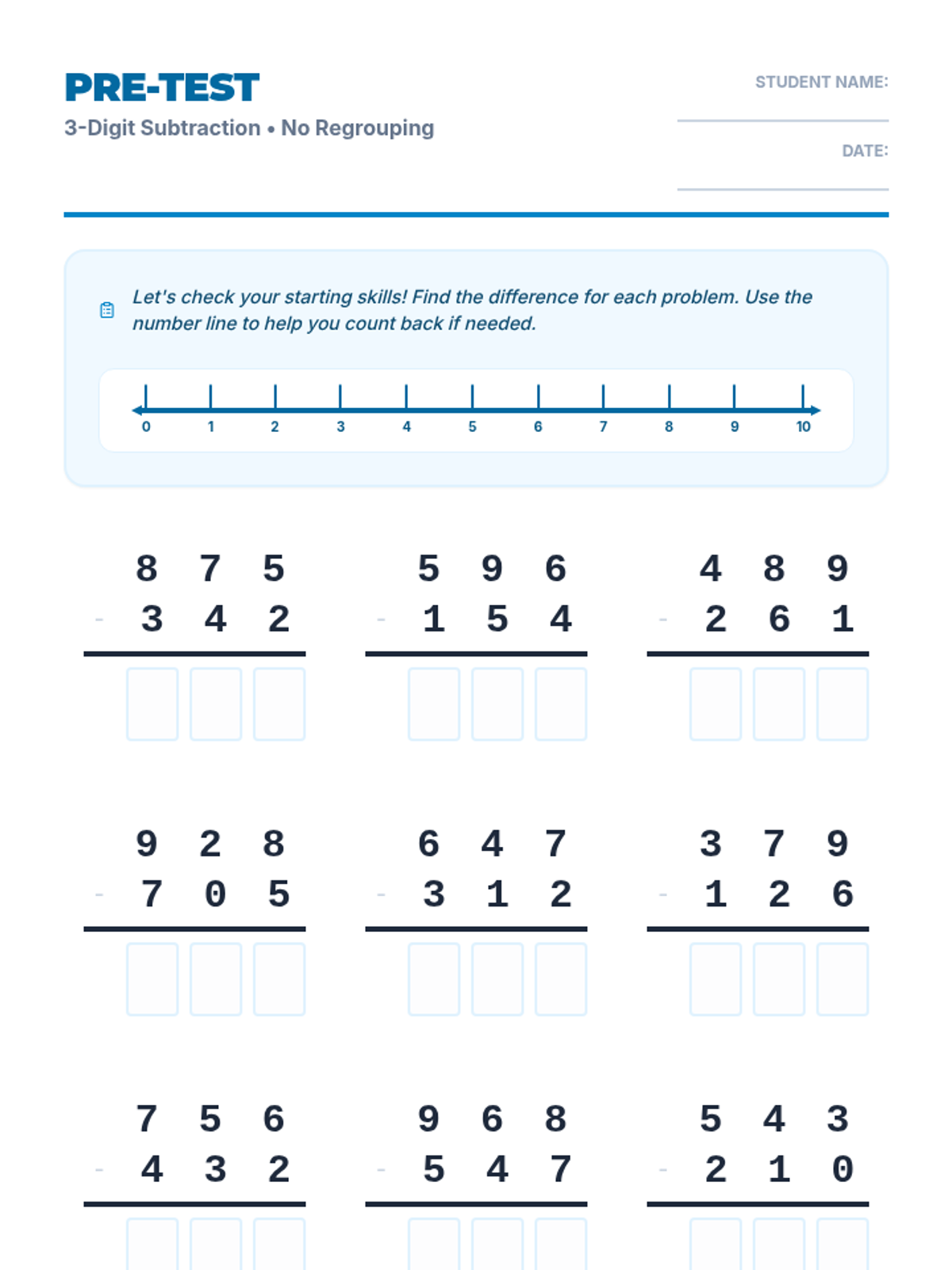
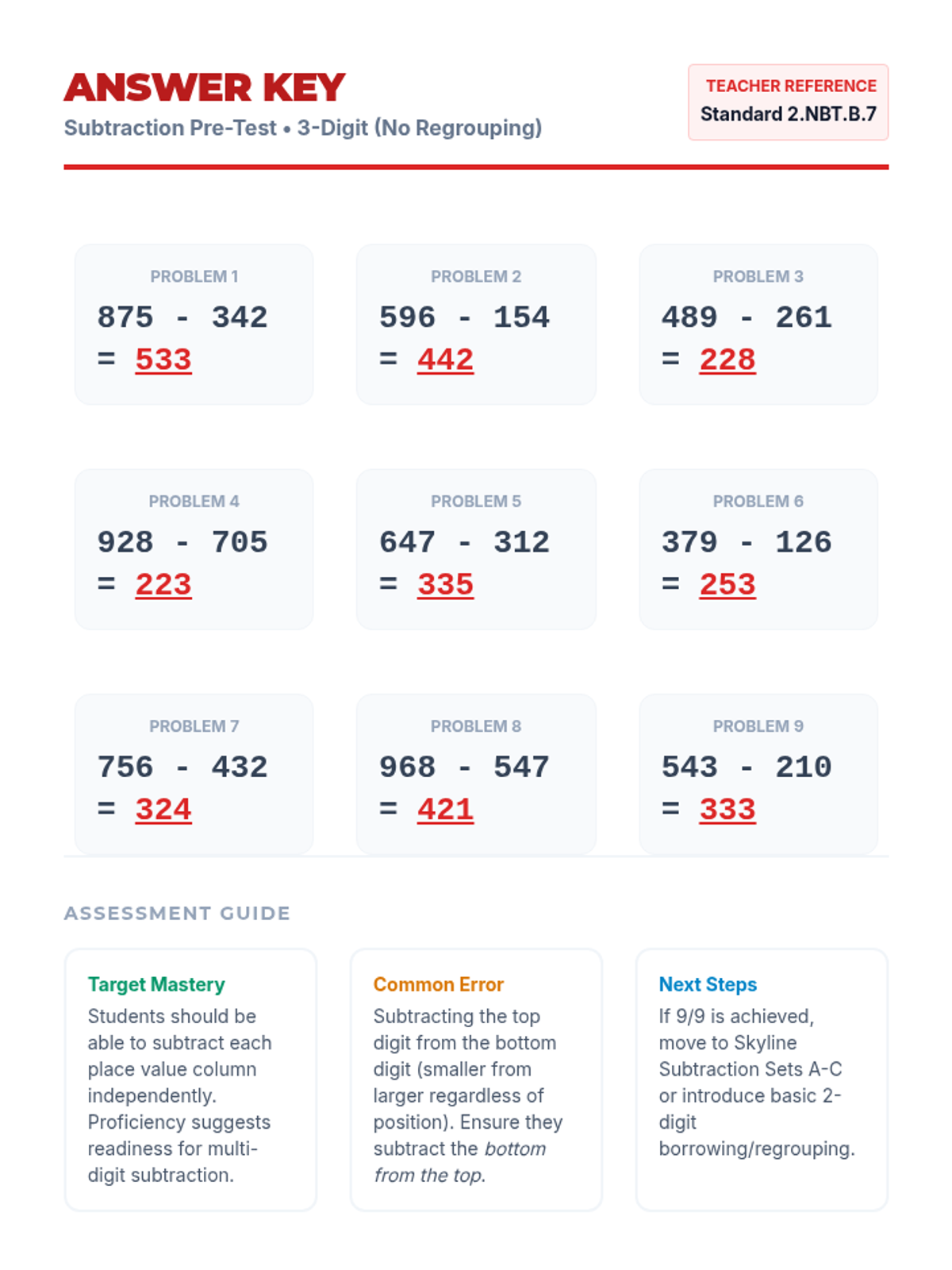
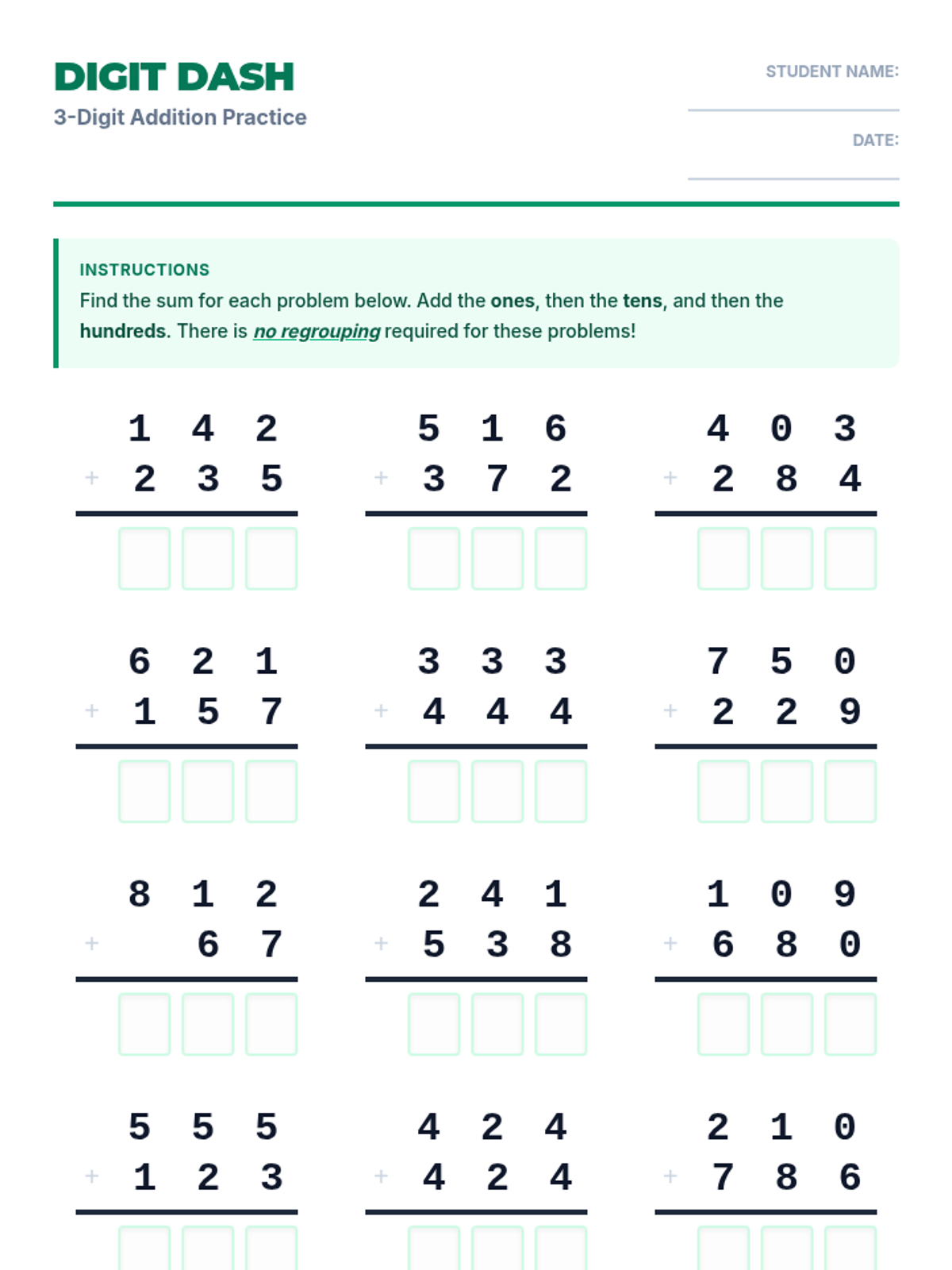
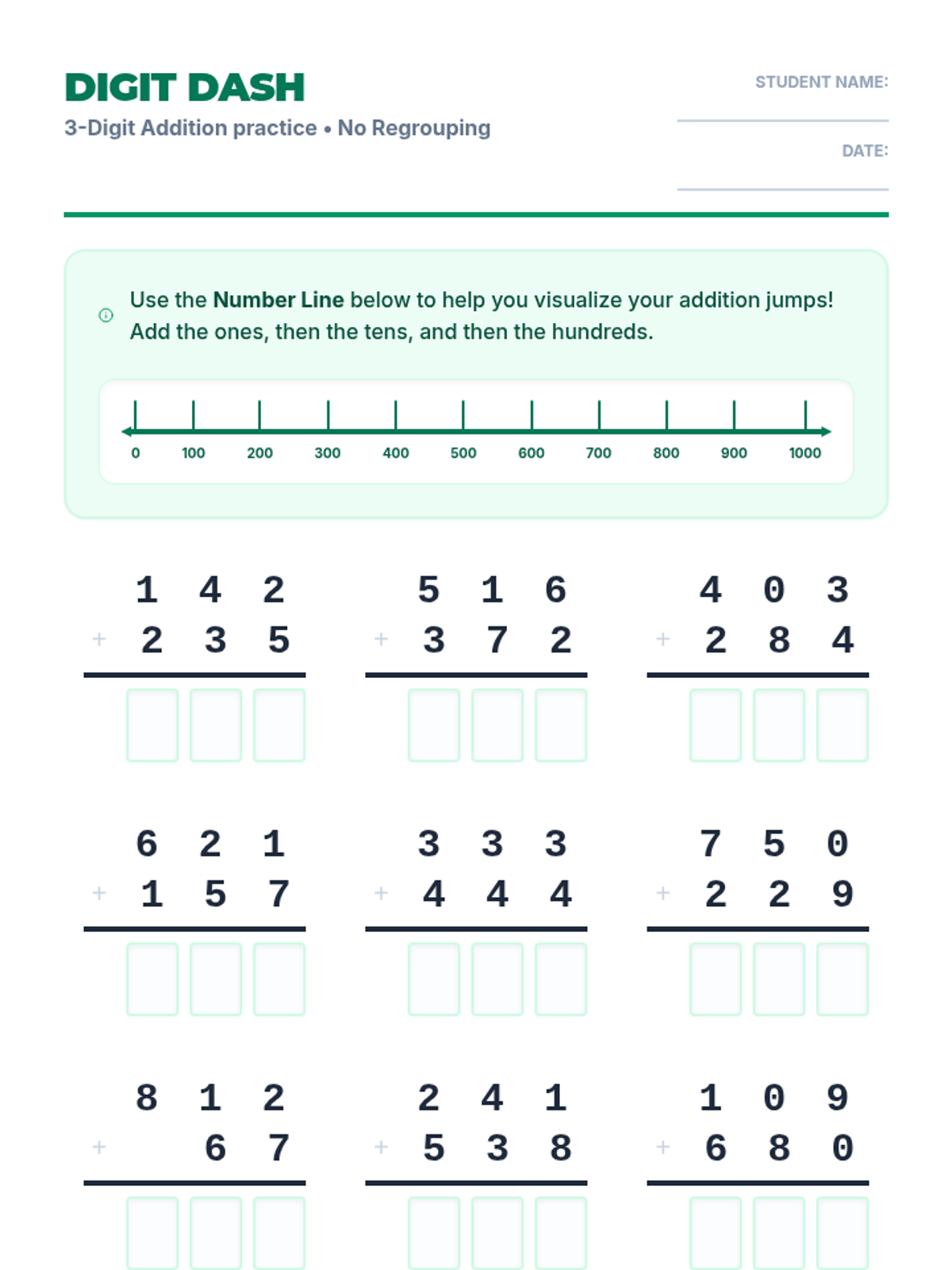
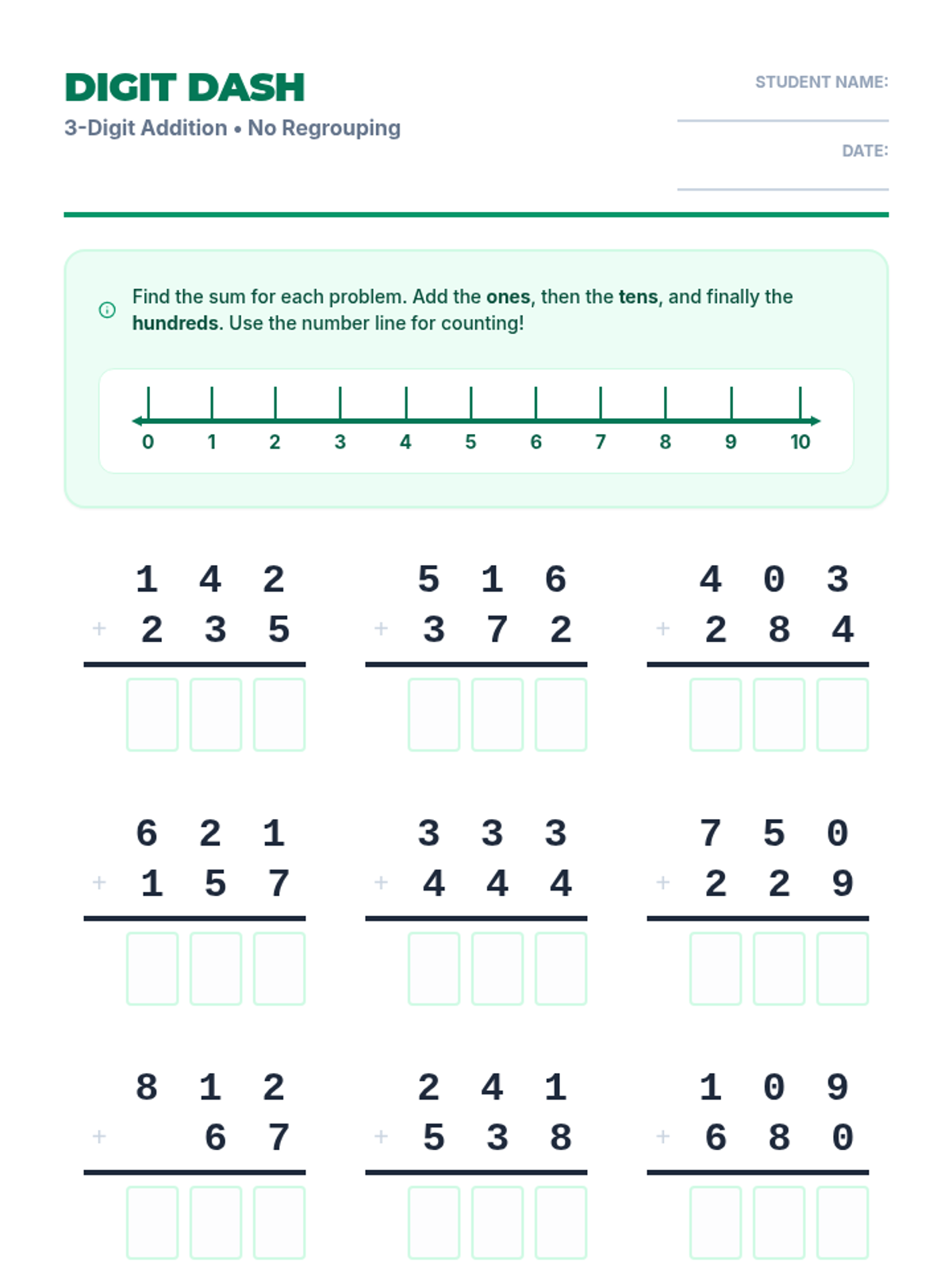
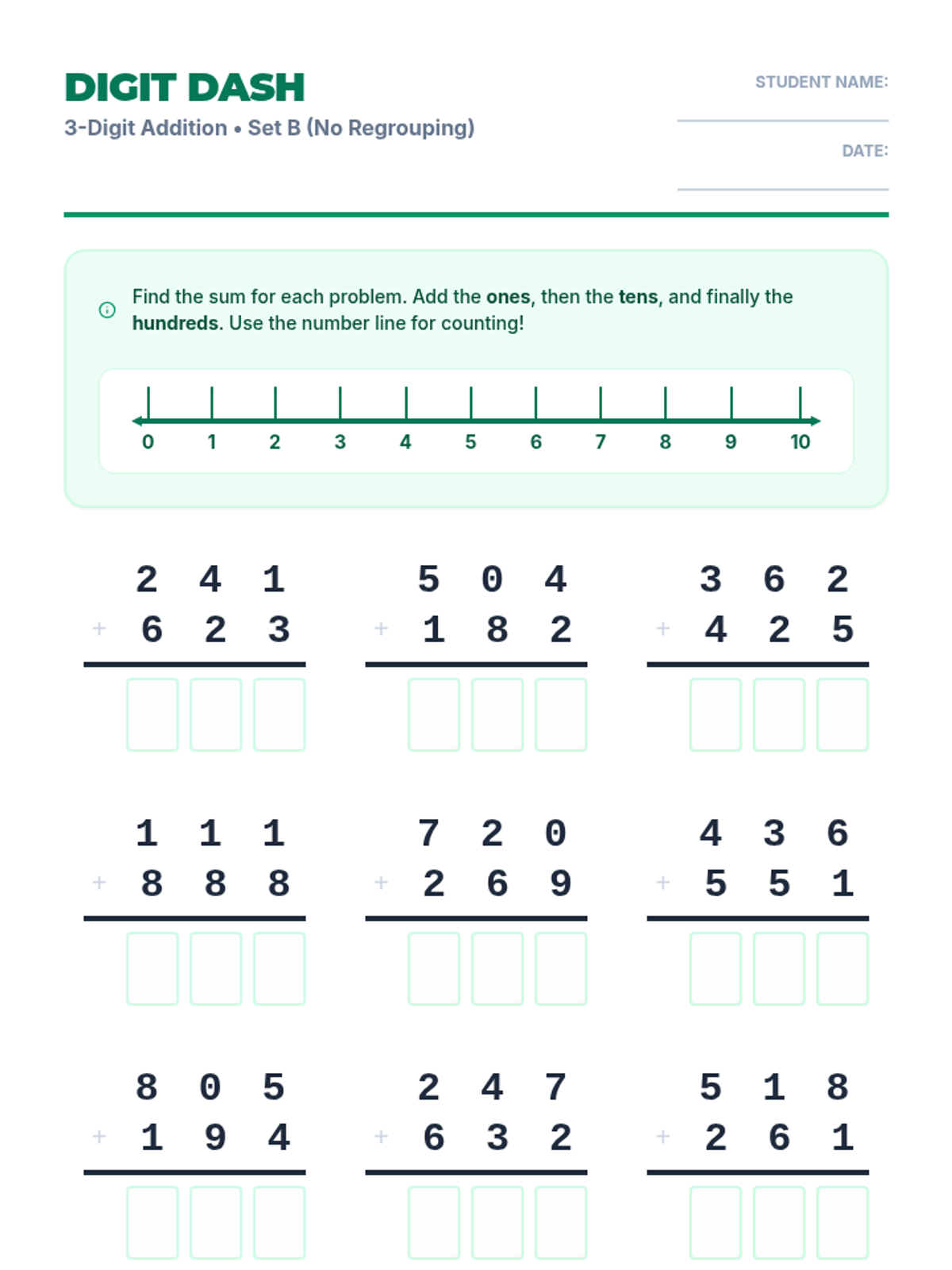
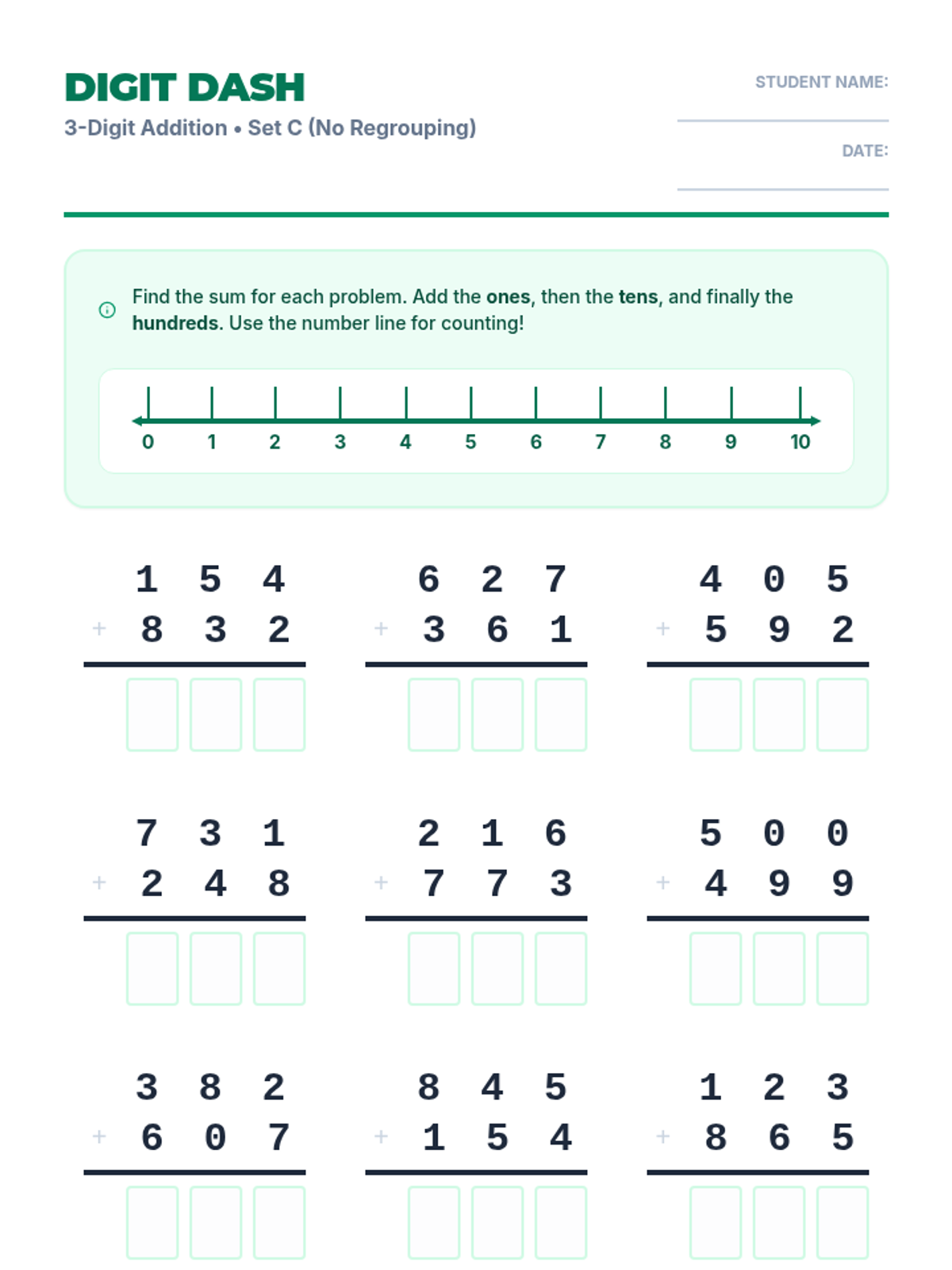
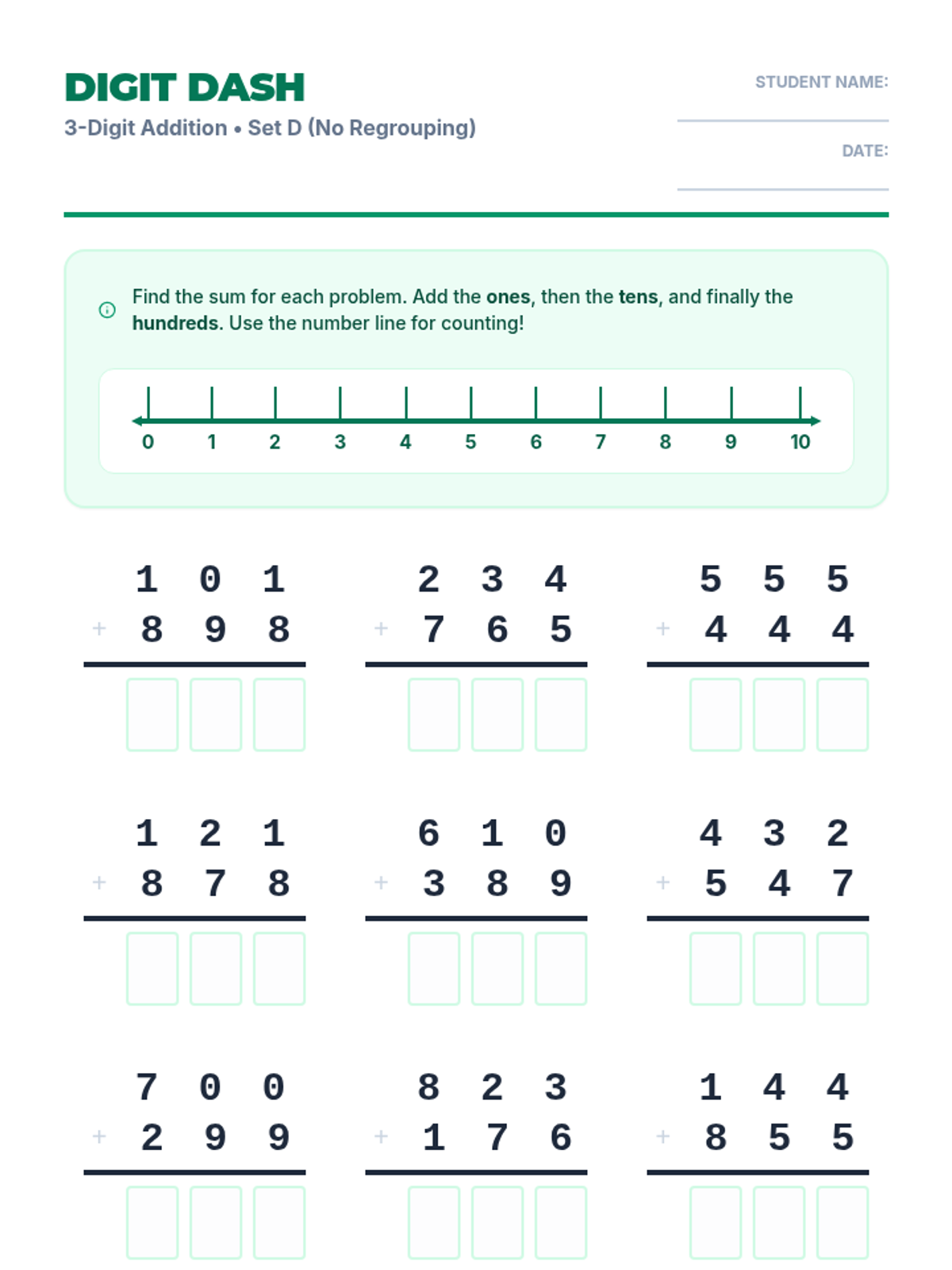
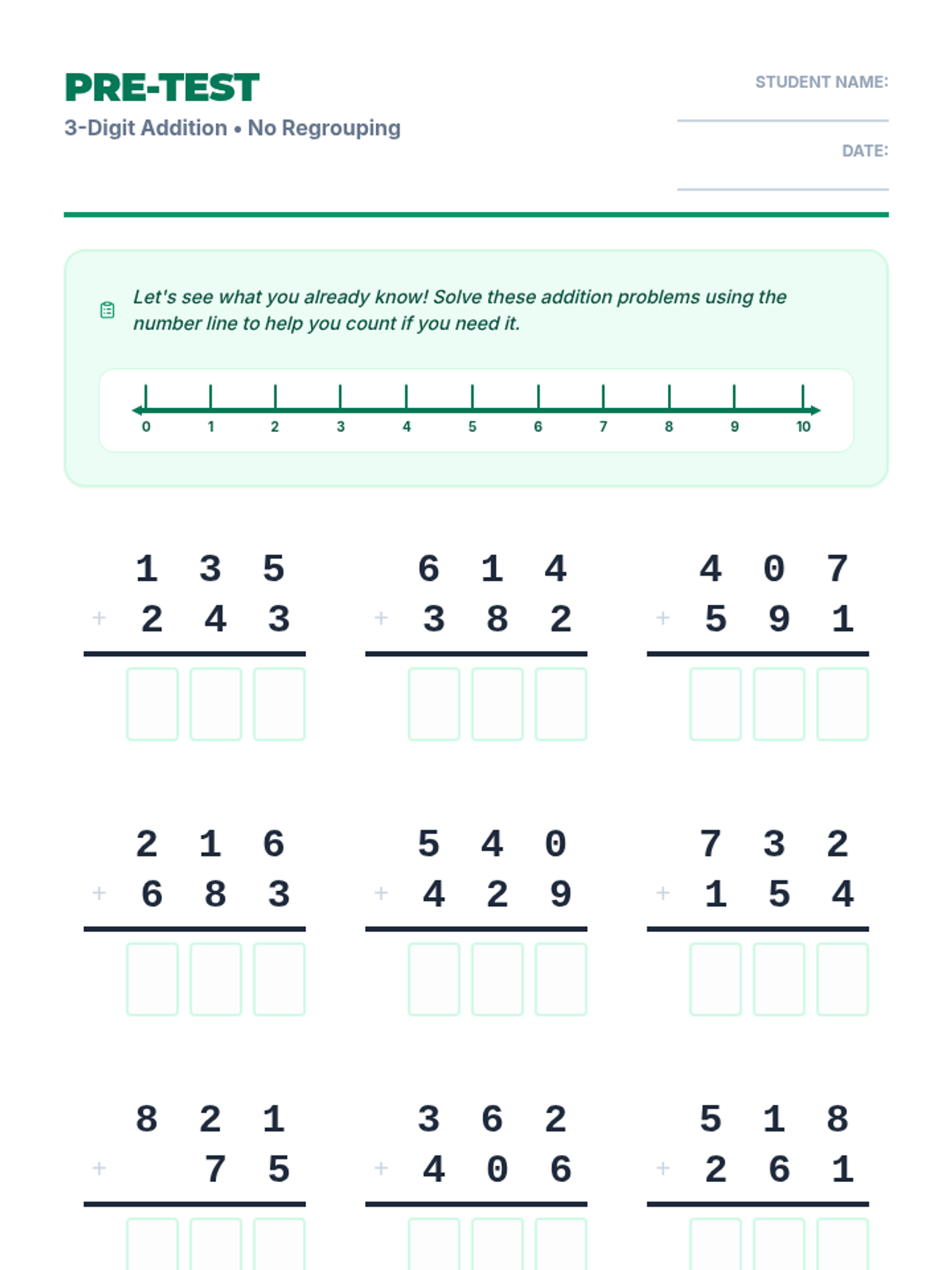
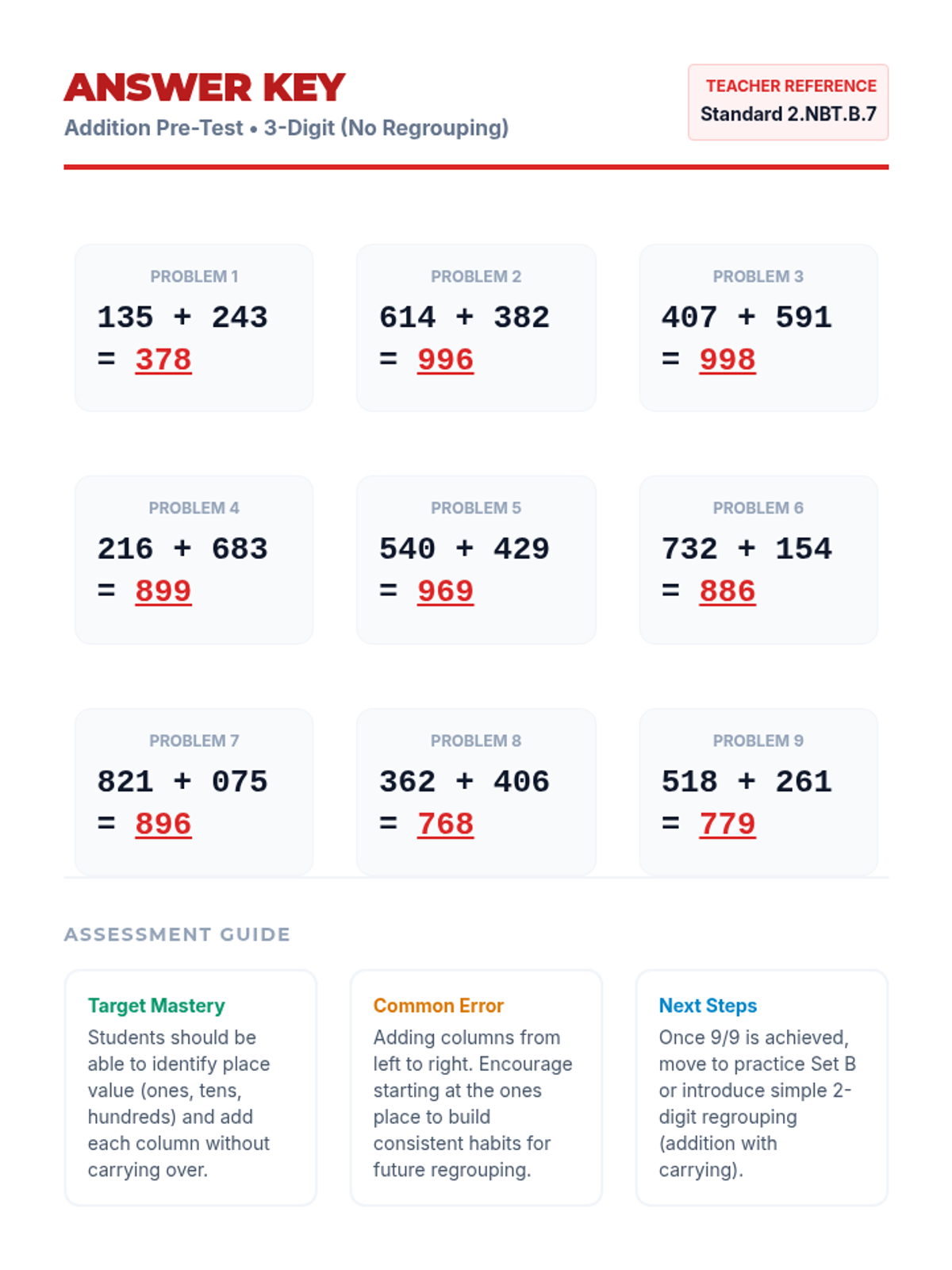
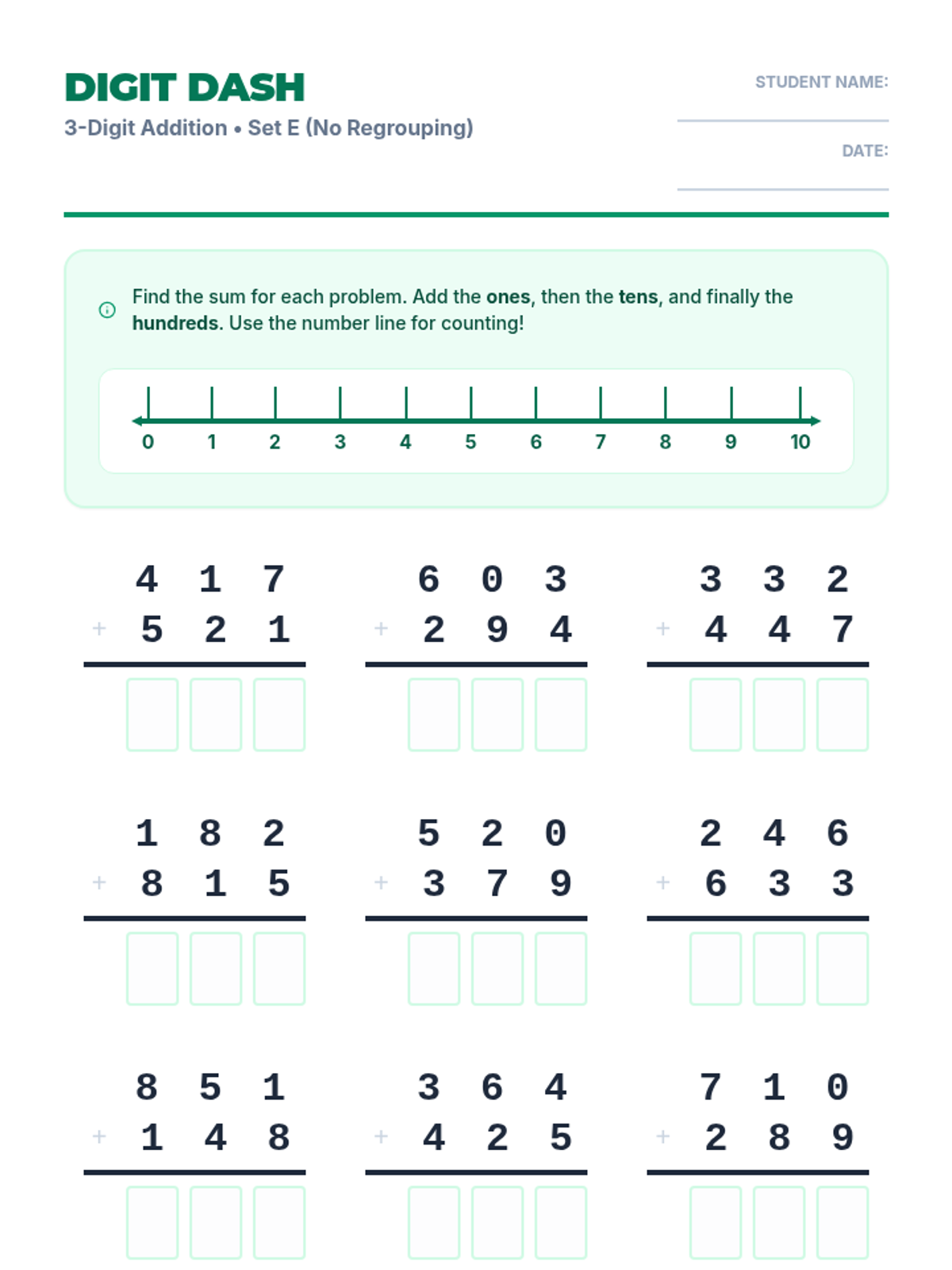
A series of practice worksheets focused on three-digit subtraction without regrouping, featuring a visual number line to assist with mental math and place value visualization.
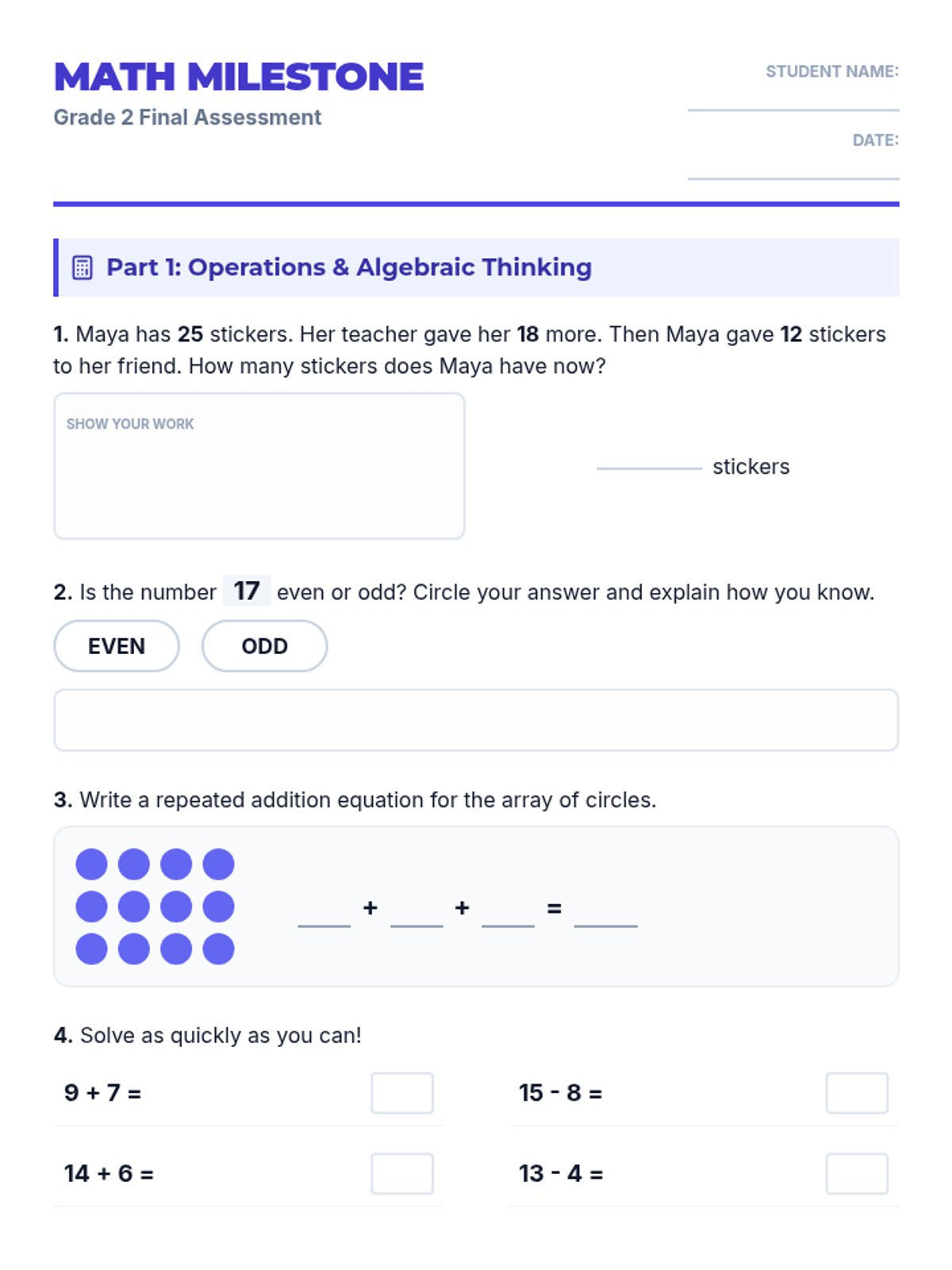
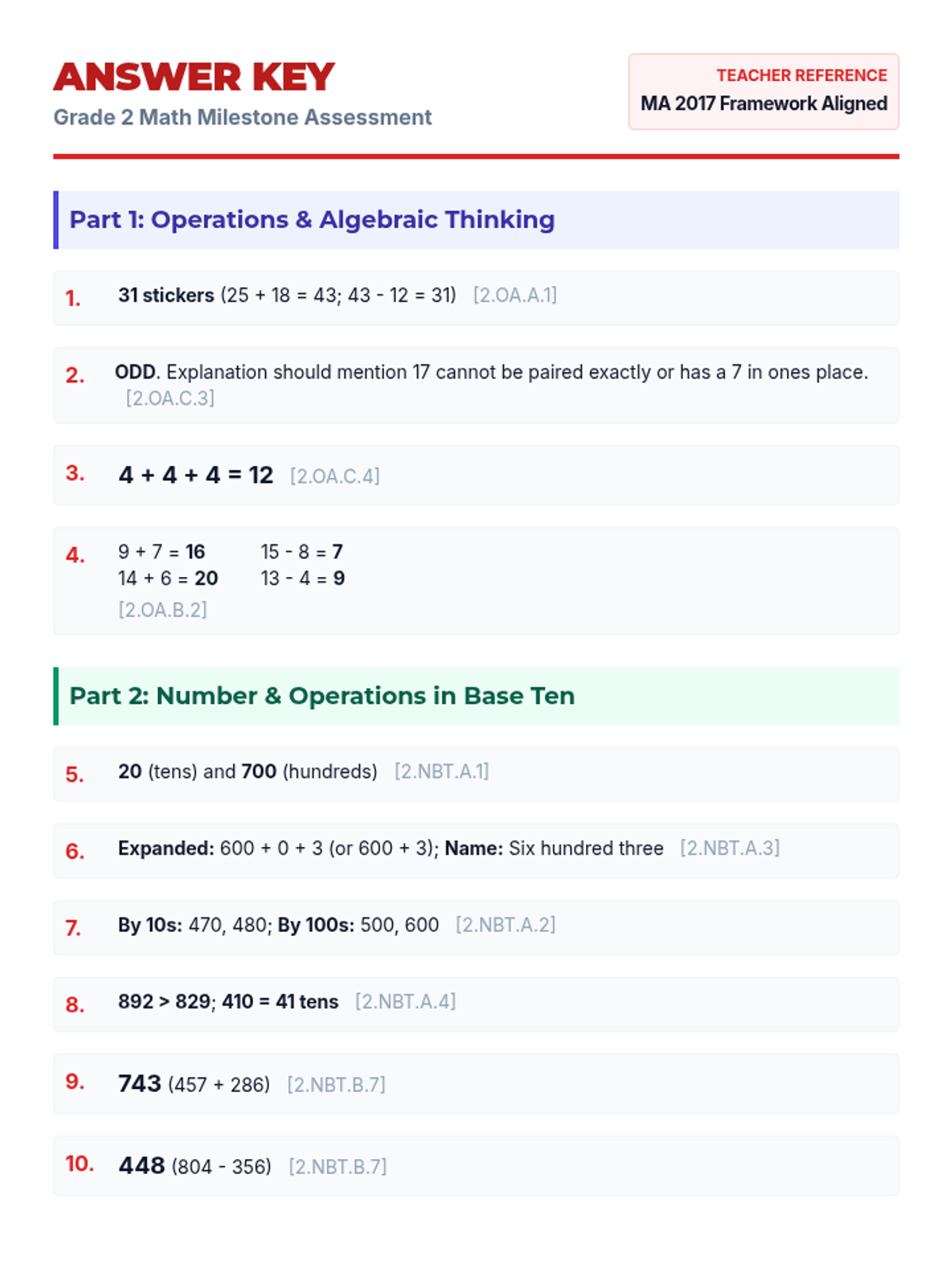
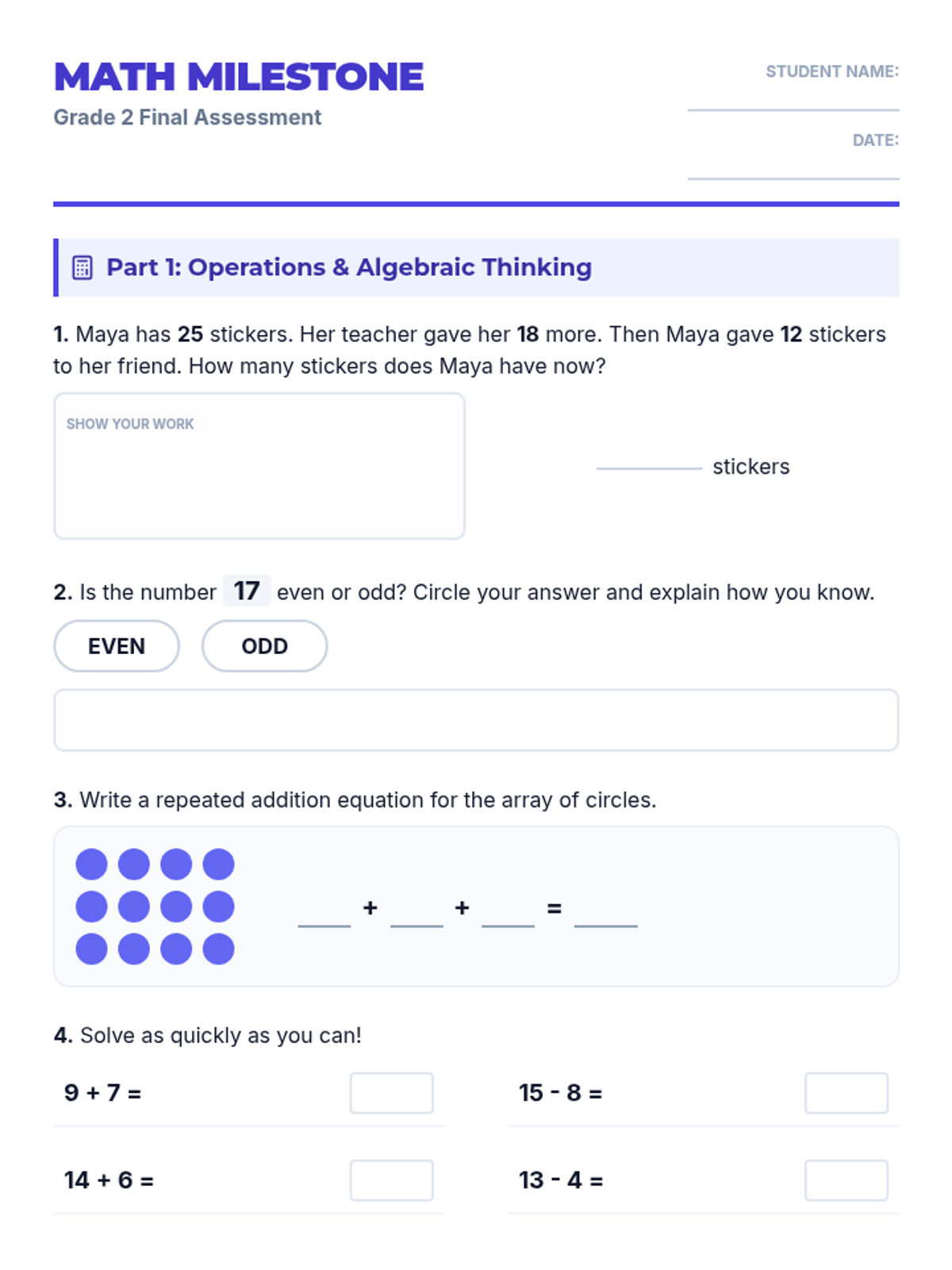
A comprehensive end-of-year assessment for second-grade students, covering all Massachusetts Mathematics Curriculum Framework standards including Operations and Algebraic Thinking, Number and Operations in Base Ten, Measurement and Data, and Geometry.
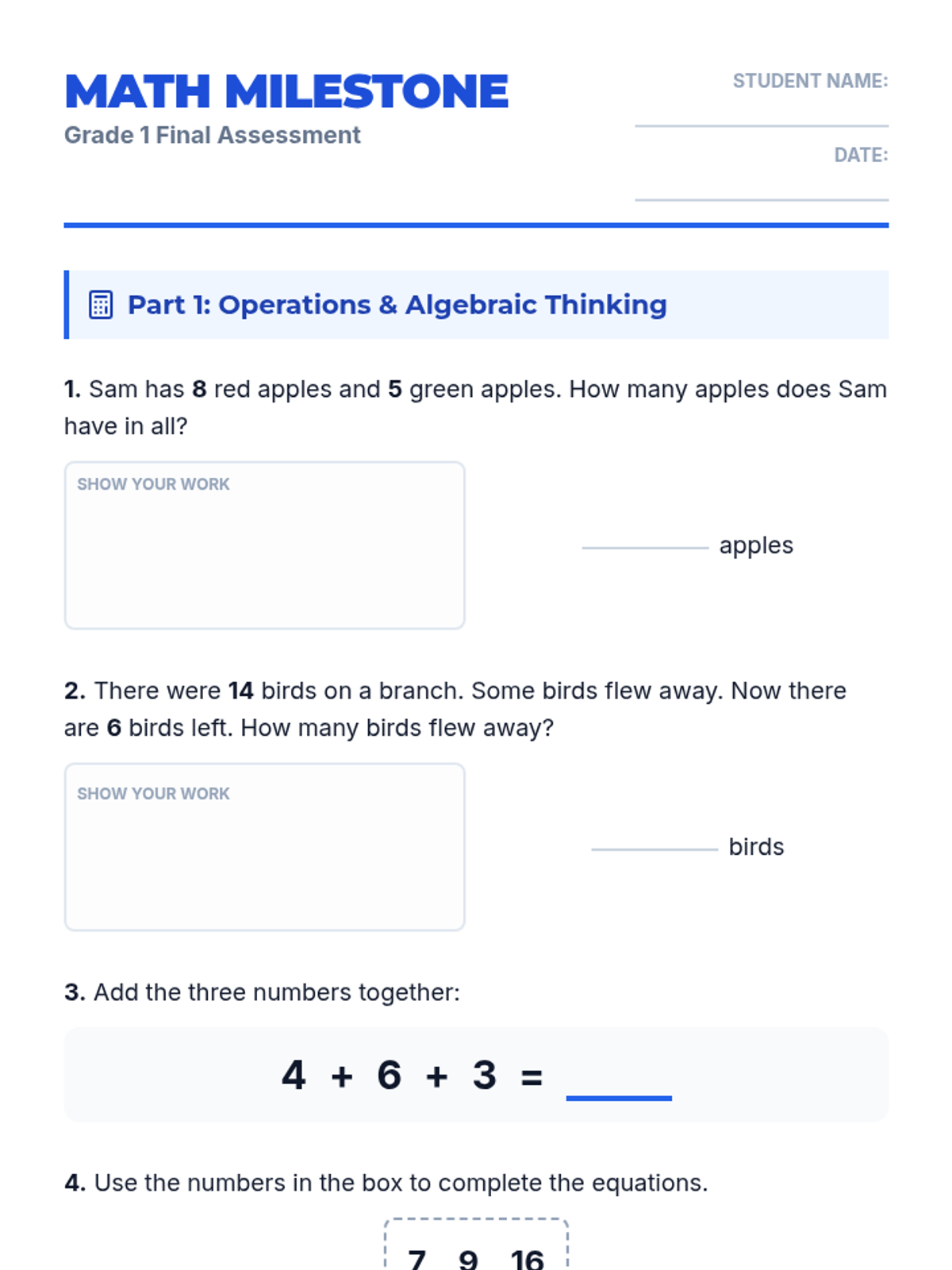
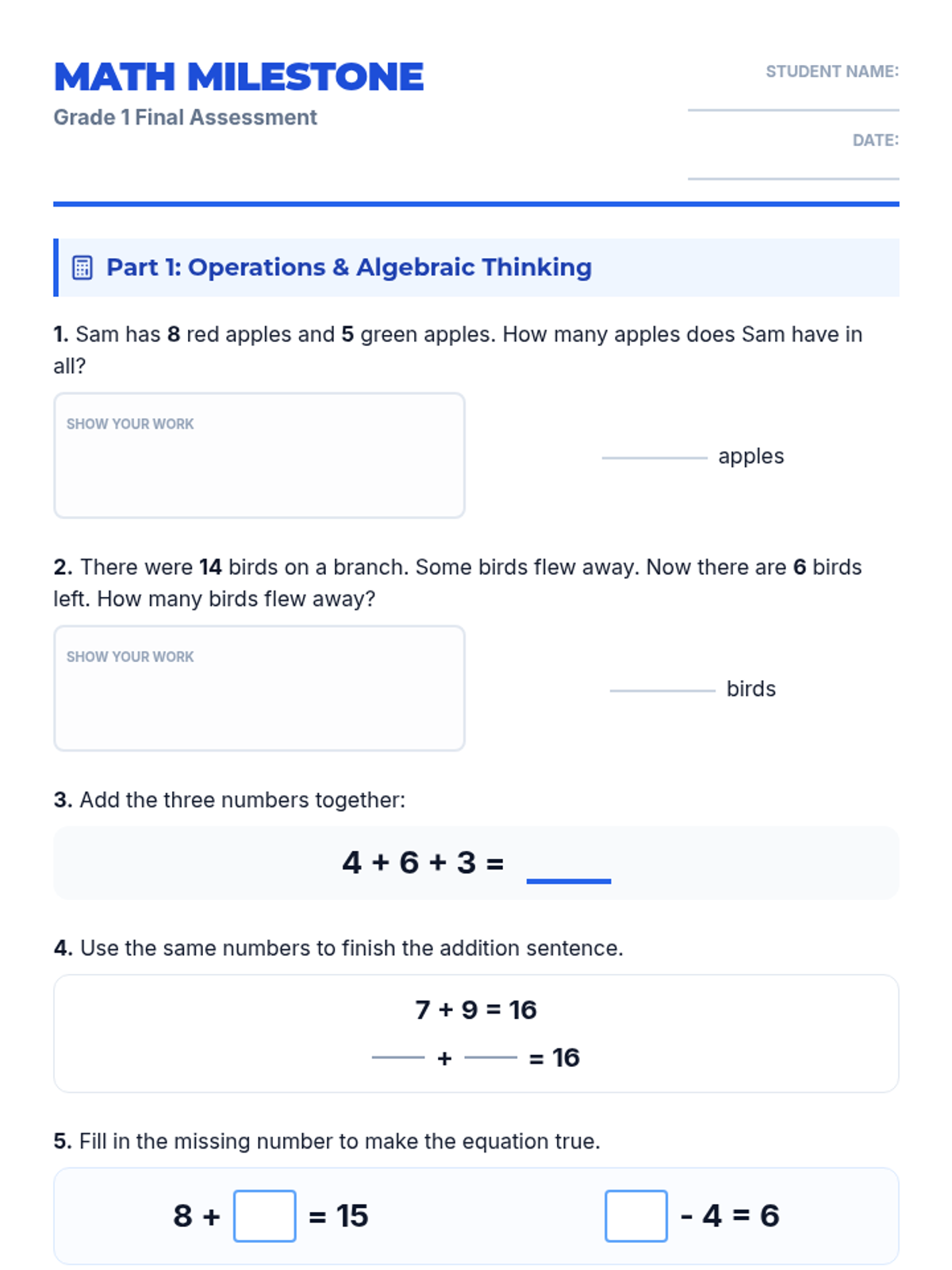
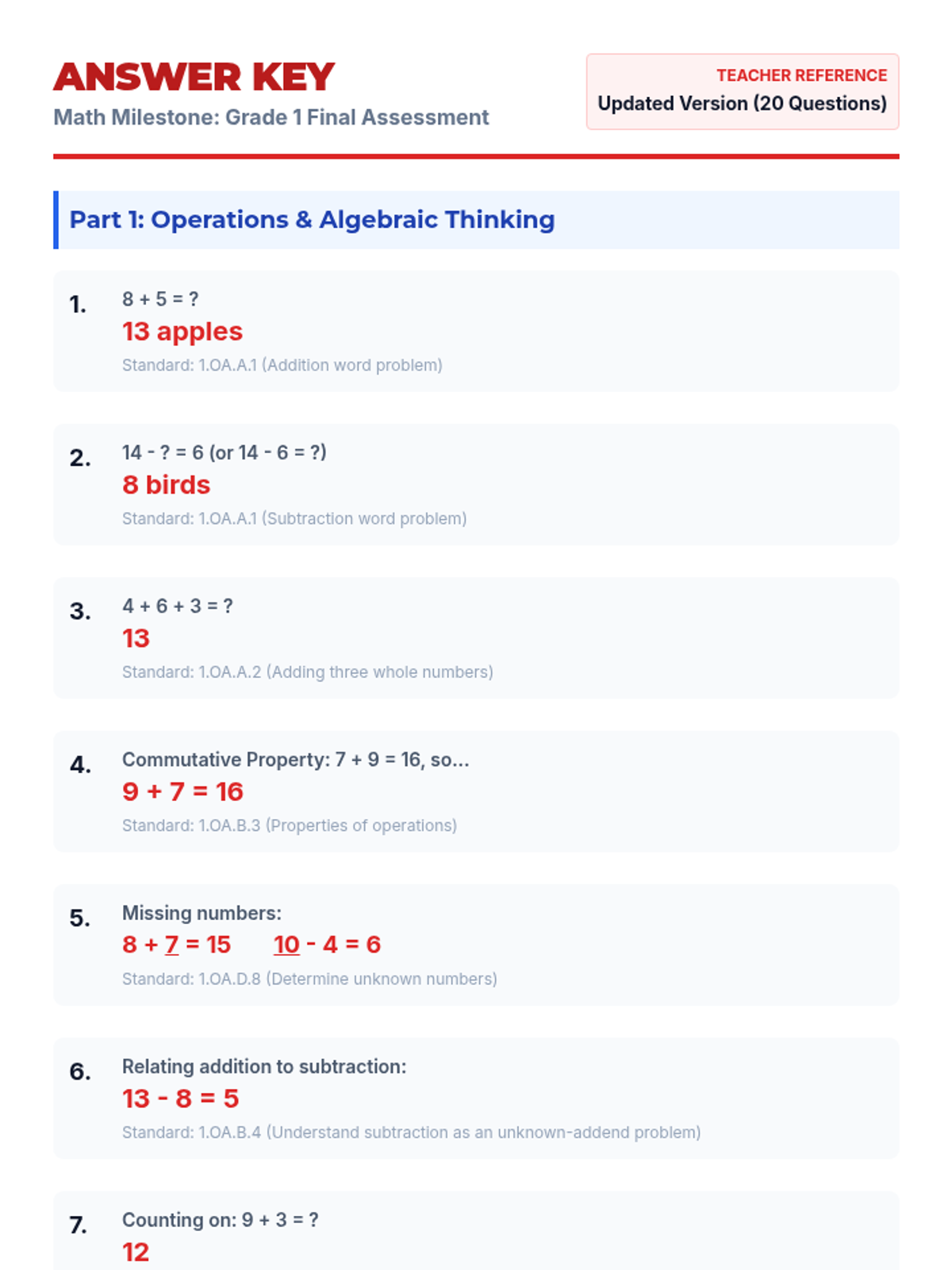
A comprehensive end-of-year assessment for first-grade students, covering all Massachusetts Mathematics Curriculum Framework standards including Operations and Algebraic Thinking, Number and Operations in Base Ten, Measurement and Data, and Geometry.
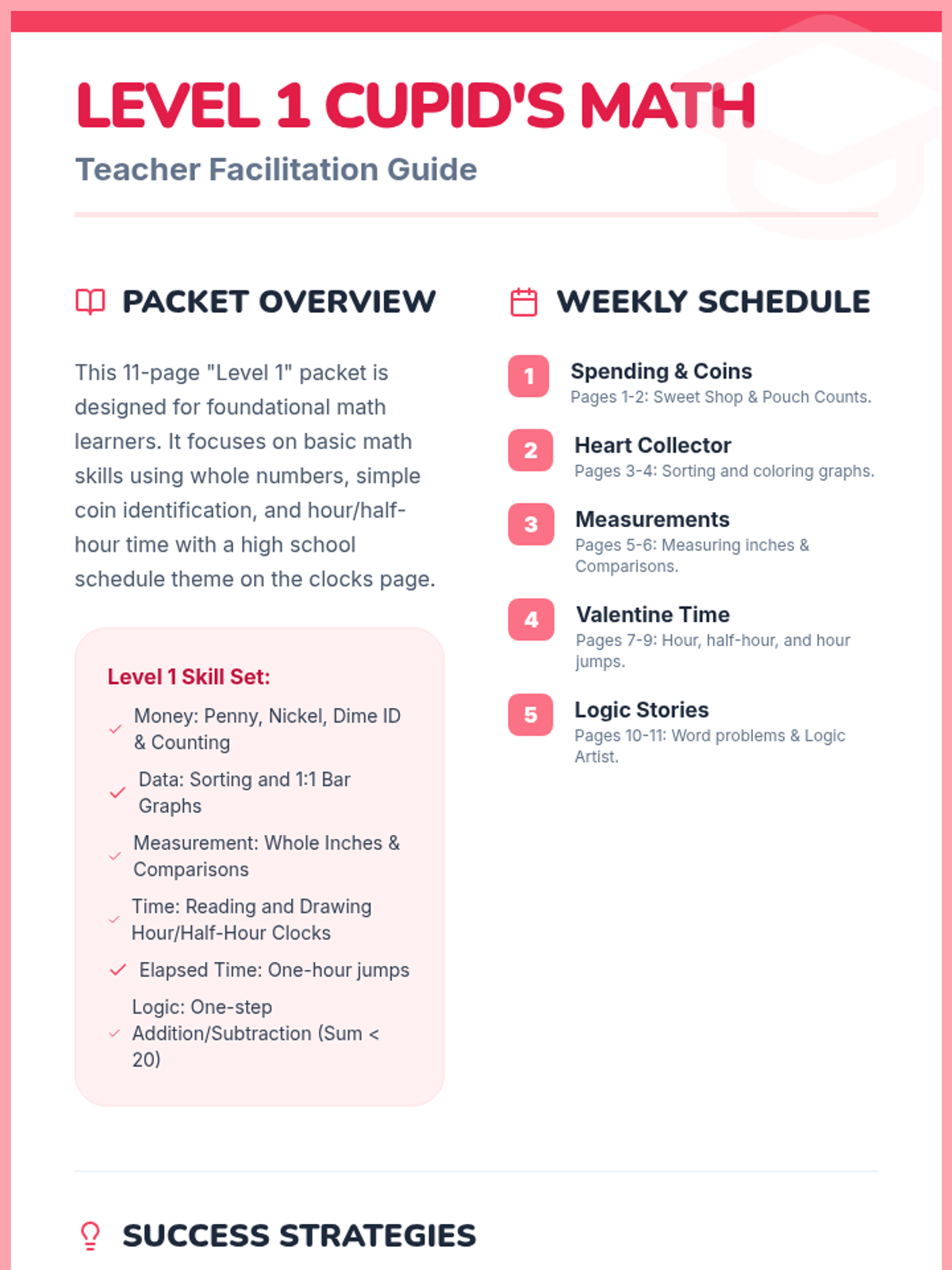
Teacher overview and answer keys for the Level 1 Valentine's Day math packet.
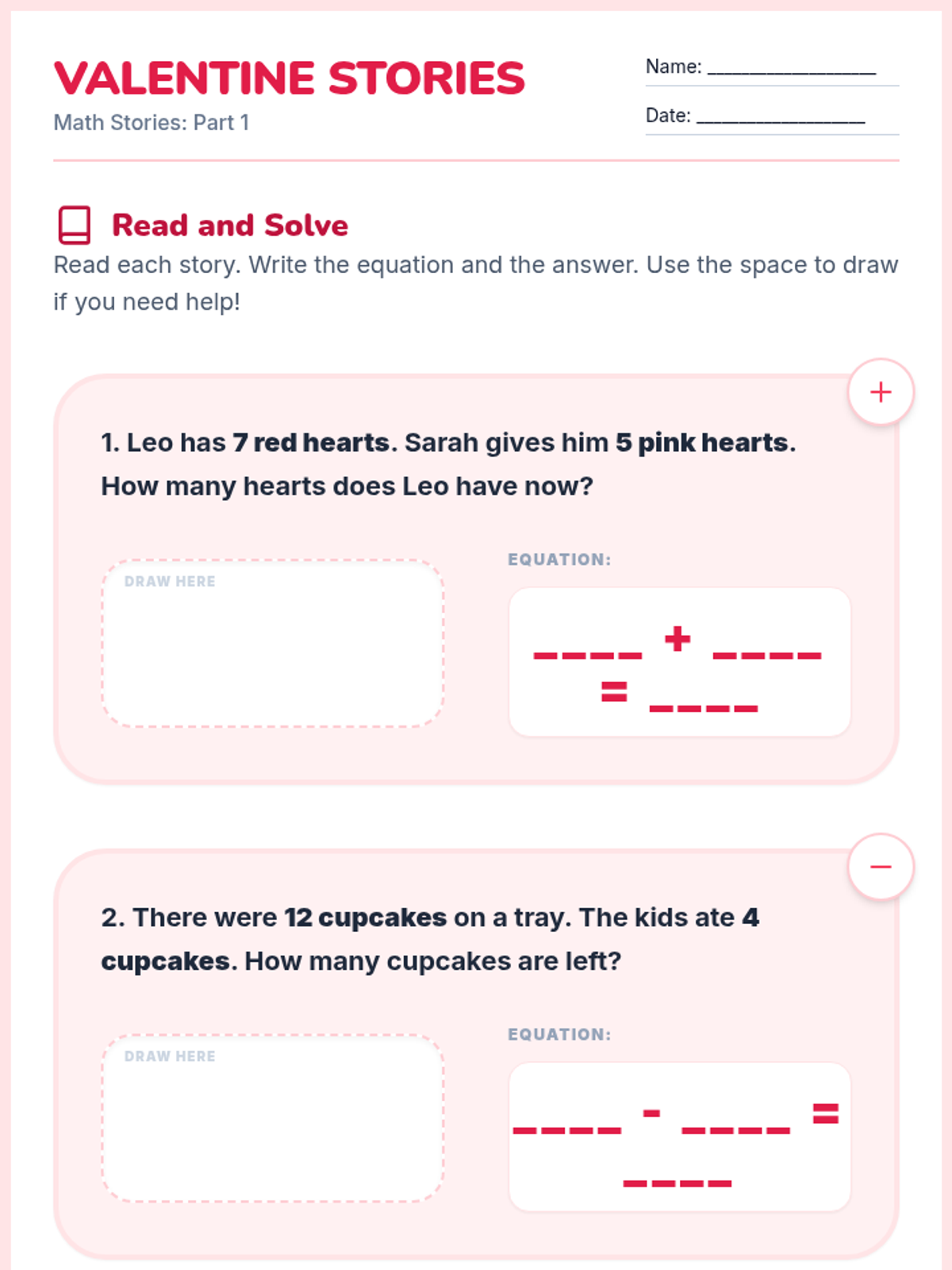
Students will solve one-step addition and subtraction word problems within 20 with a Valentine's Day theme.
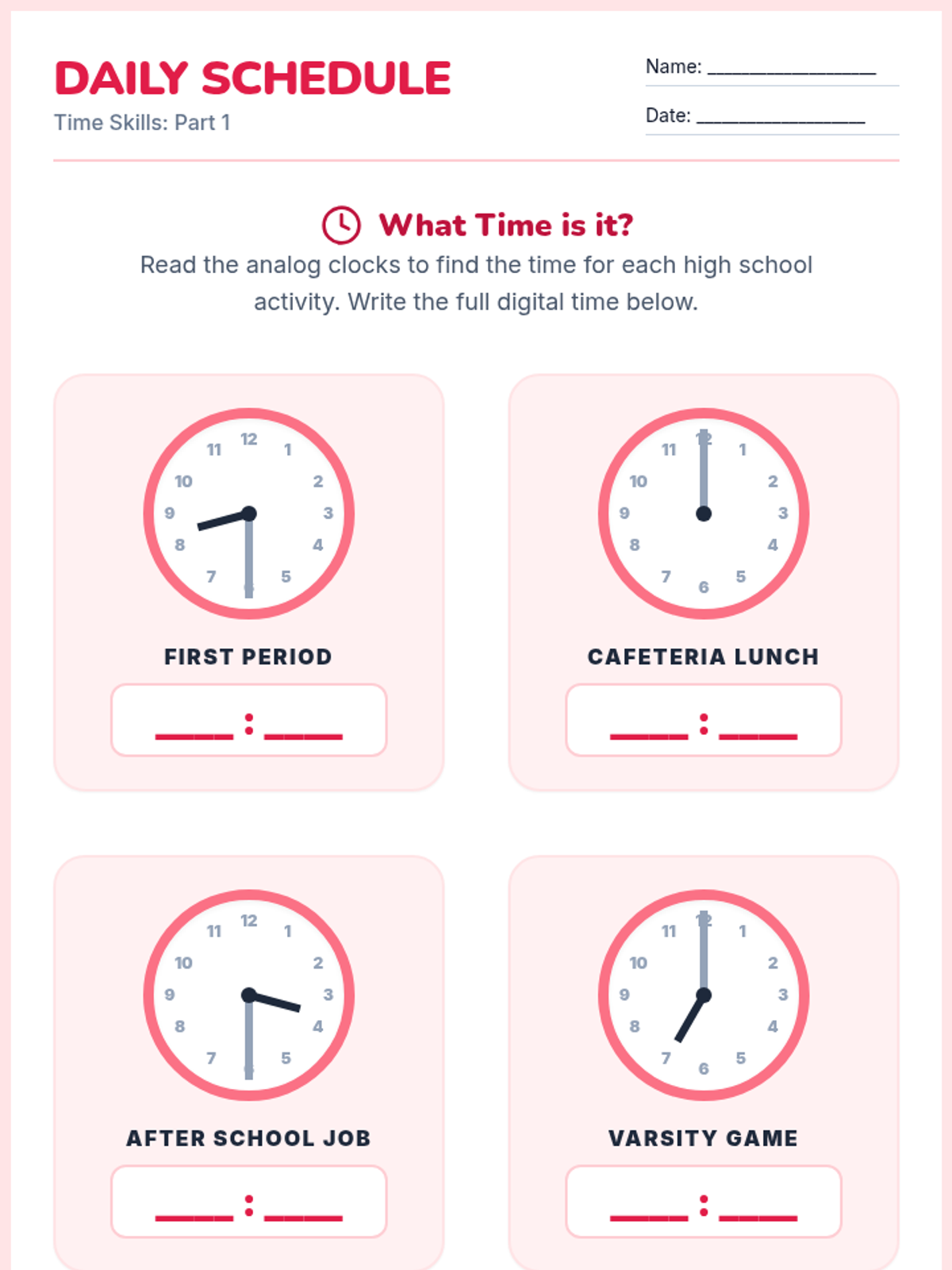
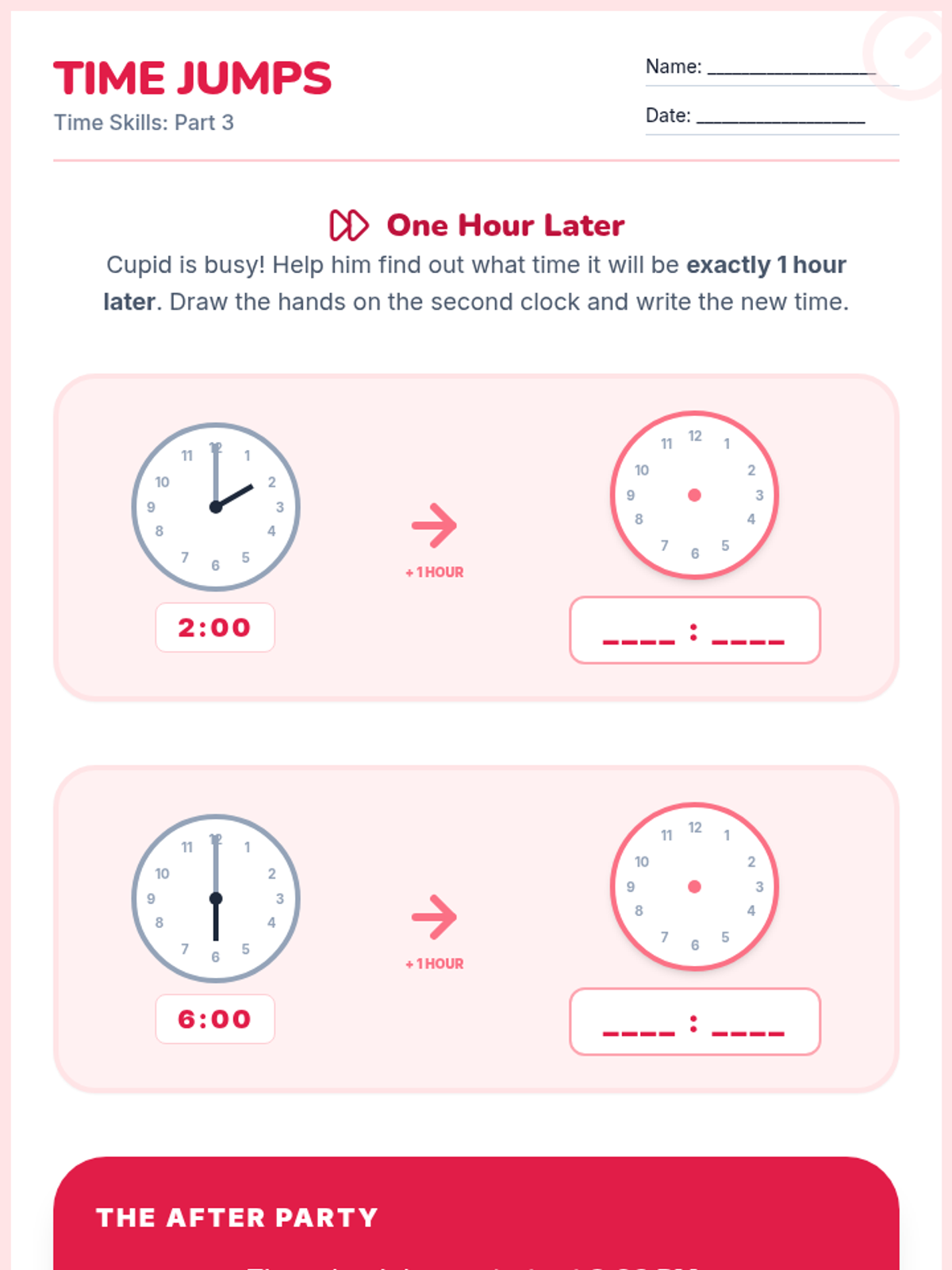
Students will practice reading and drawing analog clocks to the nearest hour and half-hour with a high school schedule theme.
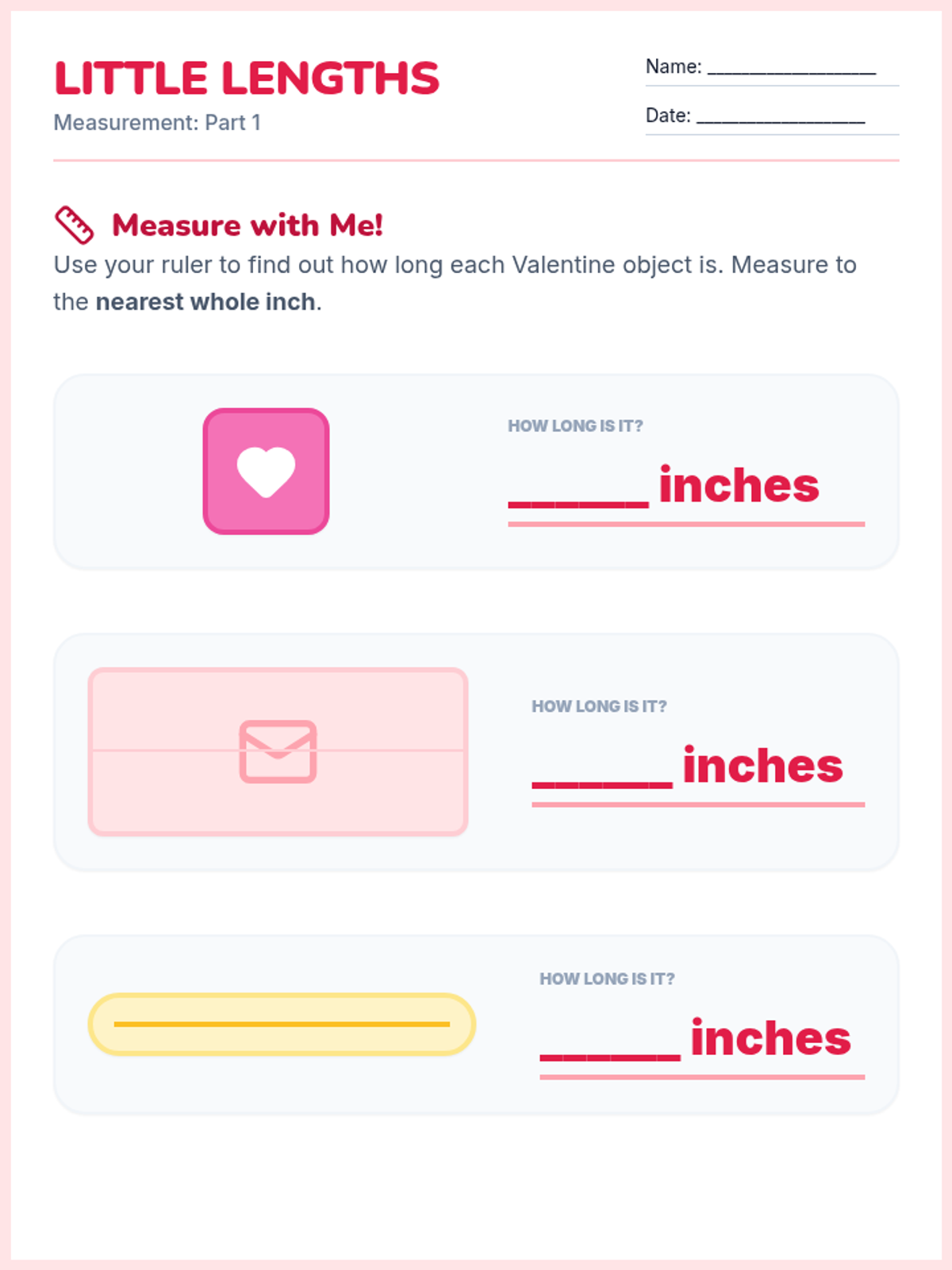
Students will measure Valentine-themed objects to the nearest whole inch and compare lengths using terms like longer and shorter.
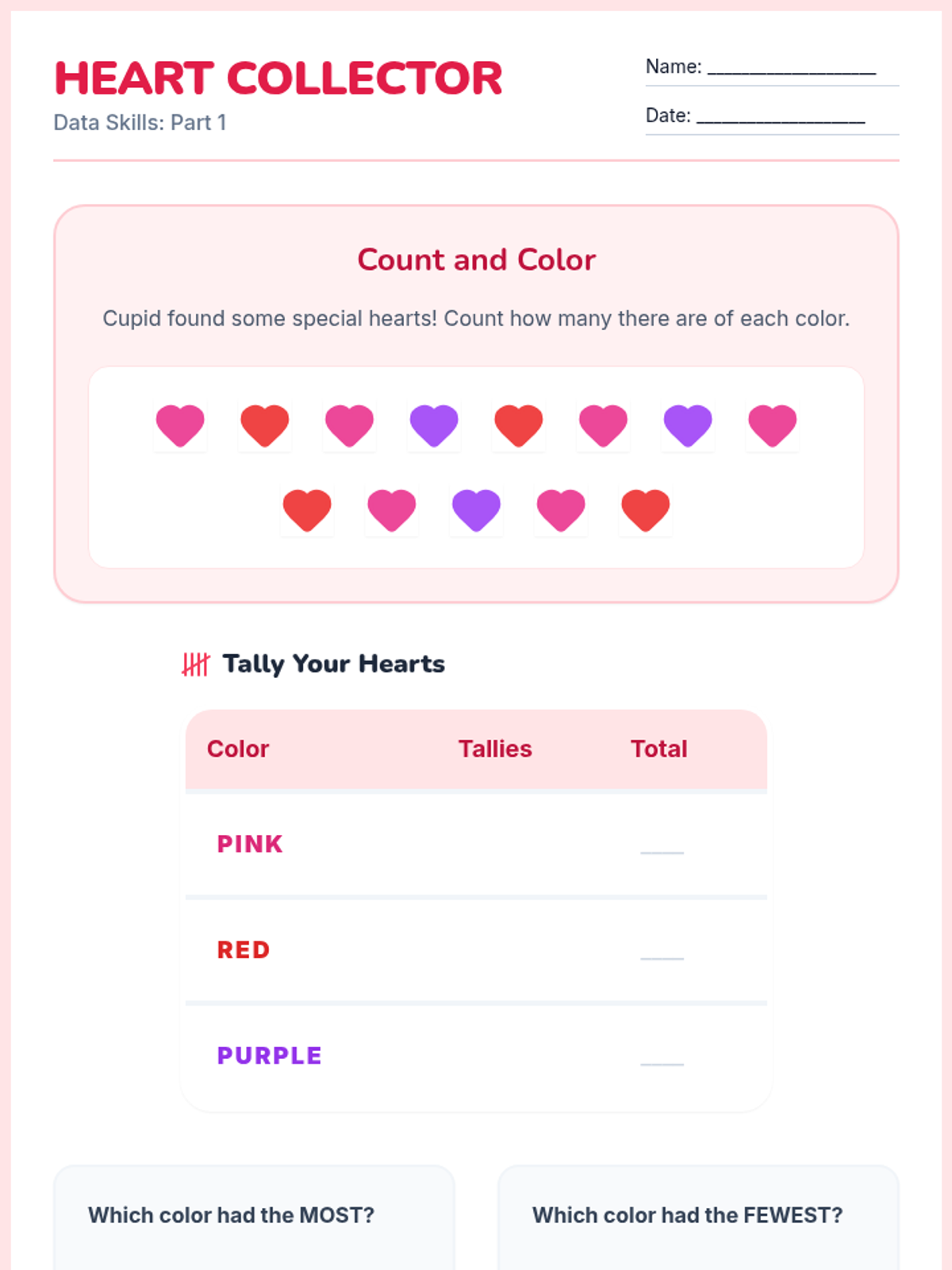
Students will sort candy heart colors, create simple tally charts, and build basic bar graphs with a 1:1 scale.
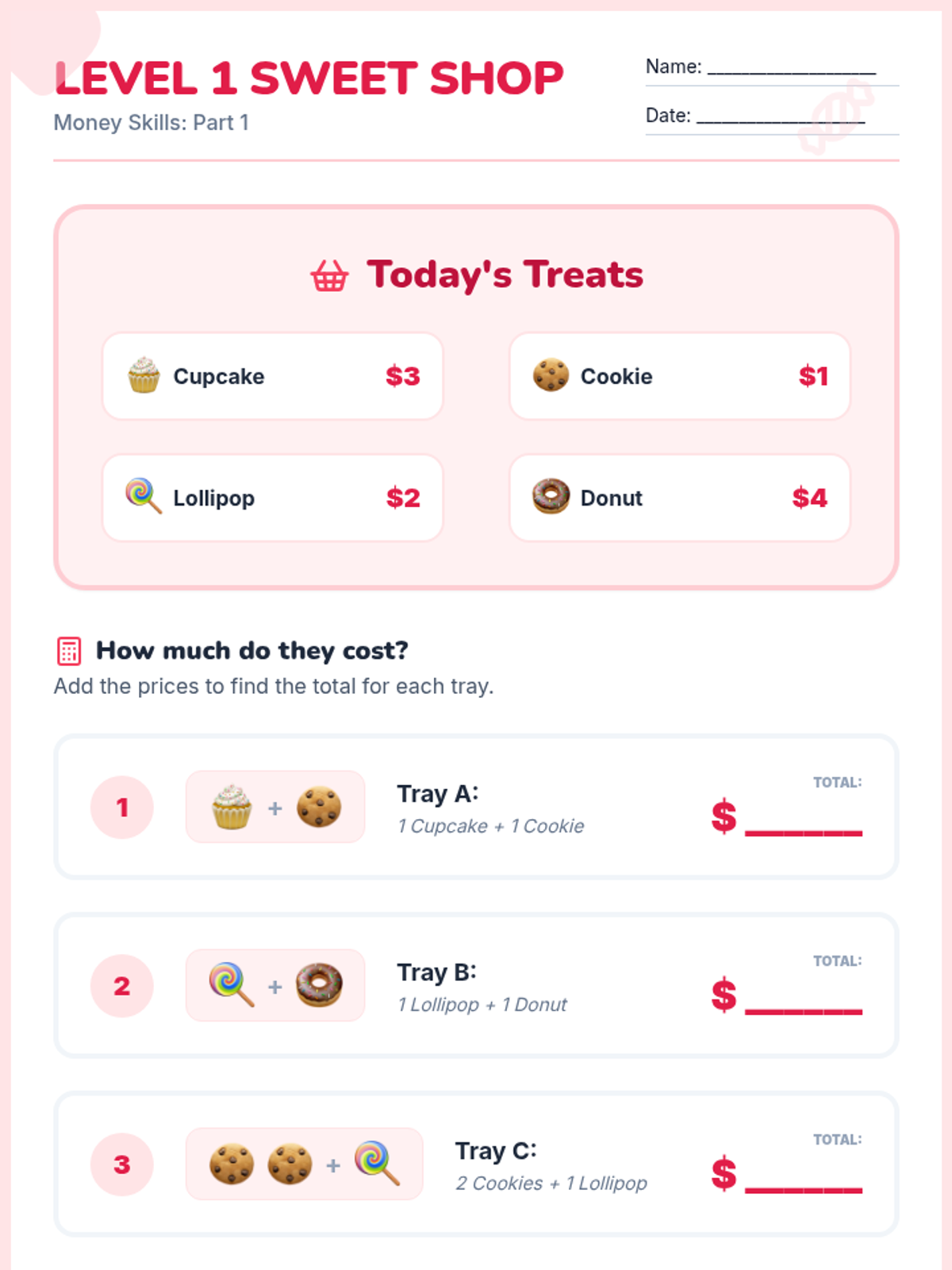
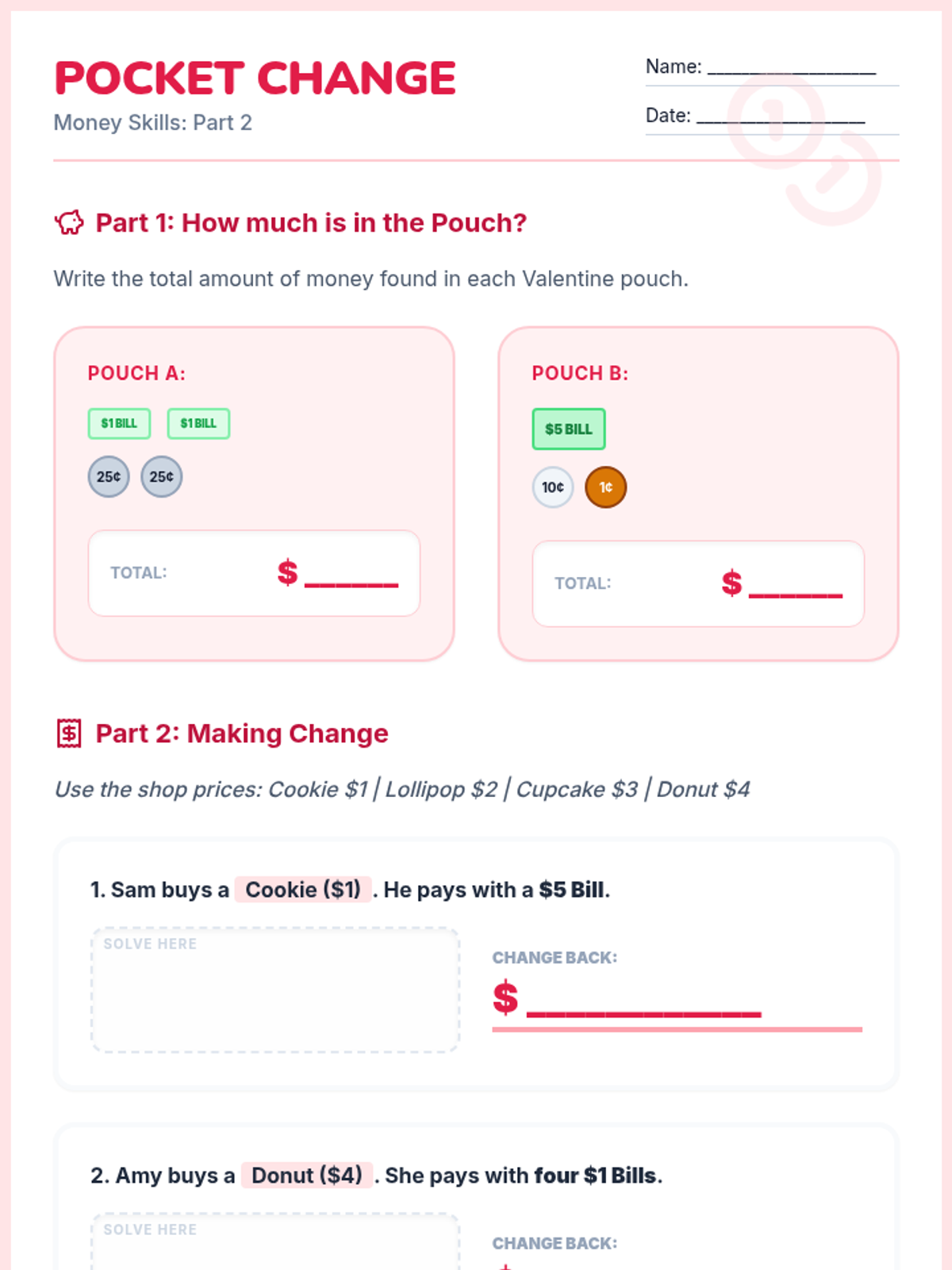
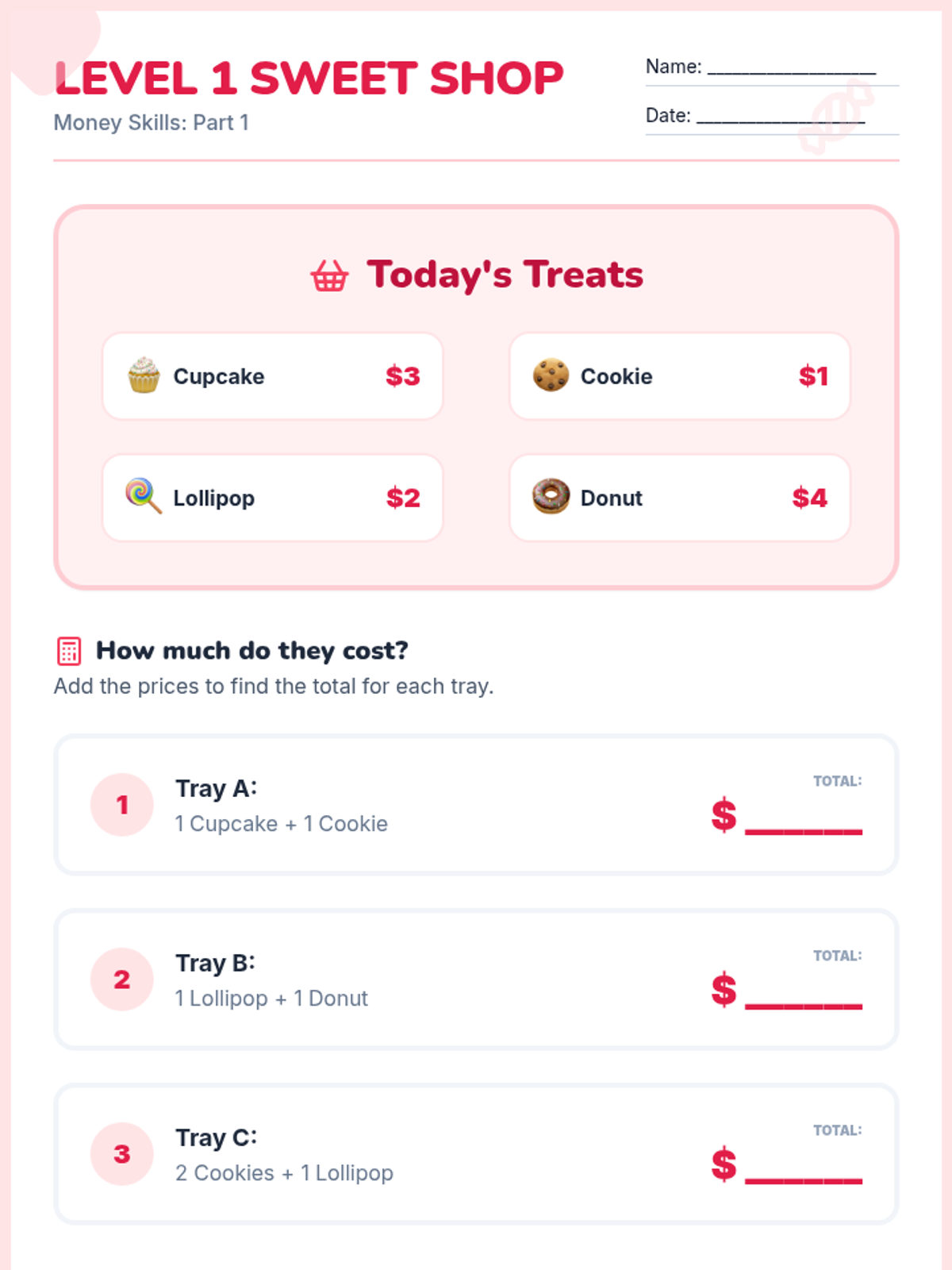
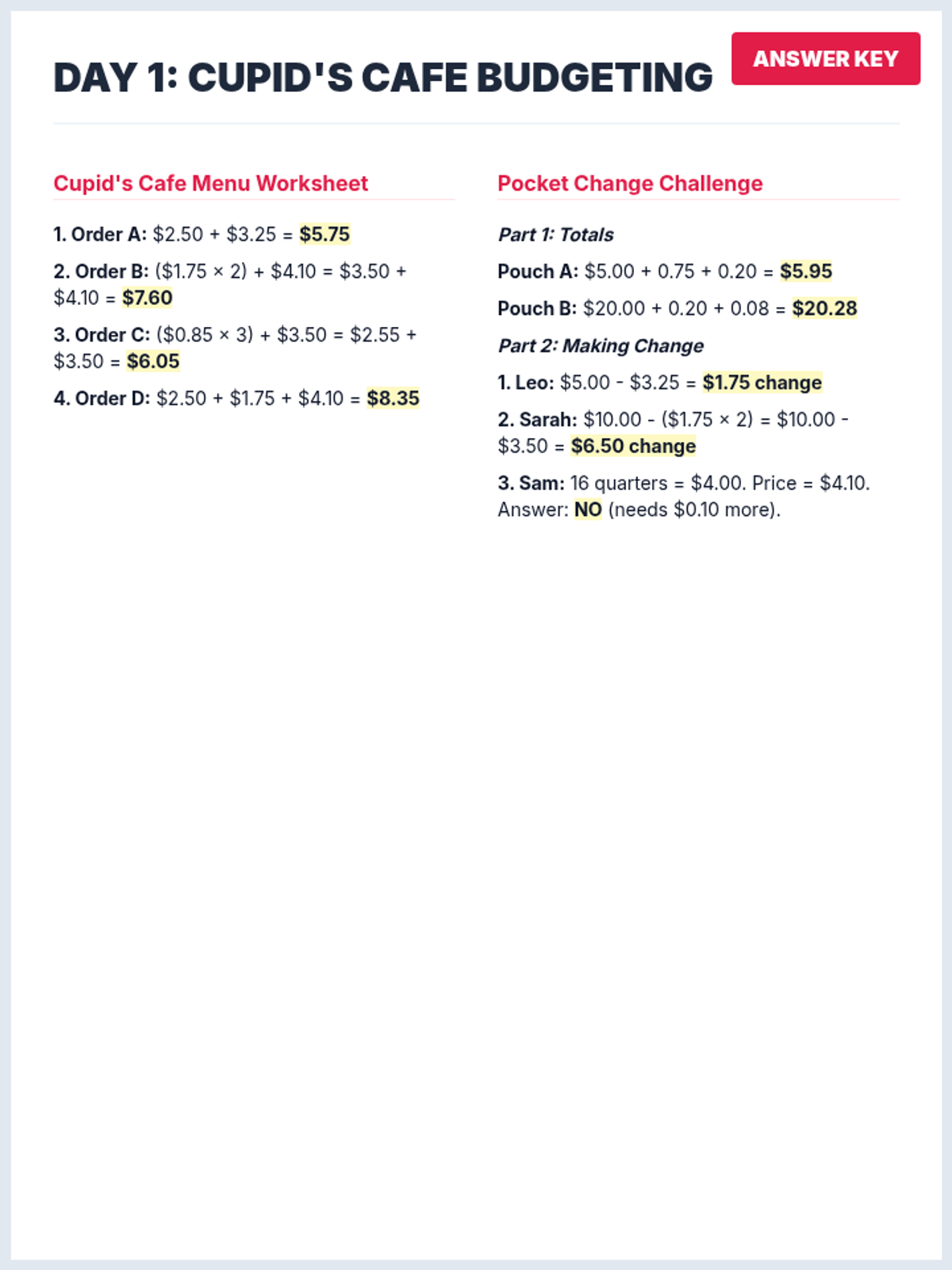
Students will practice identifying single coins, calculating costs with whole numbers, and buying items from a Level 1 sweet shop menu.
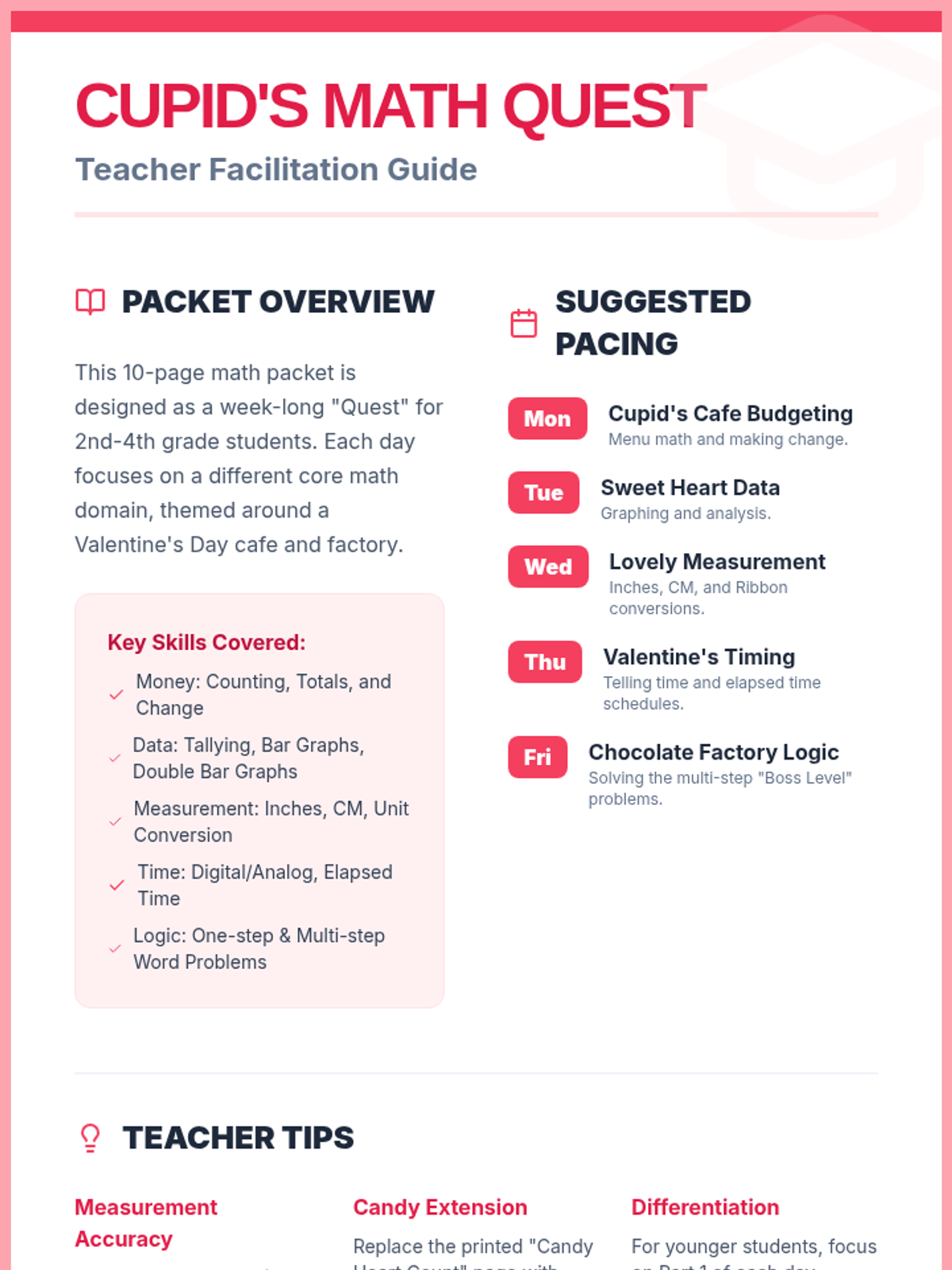
Teacher overview and answer keys for the Quest Valentine's Day math packet.
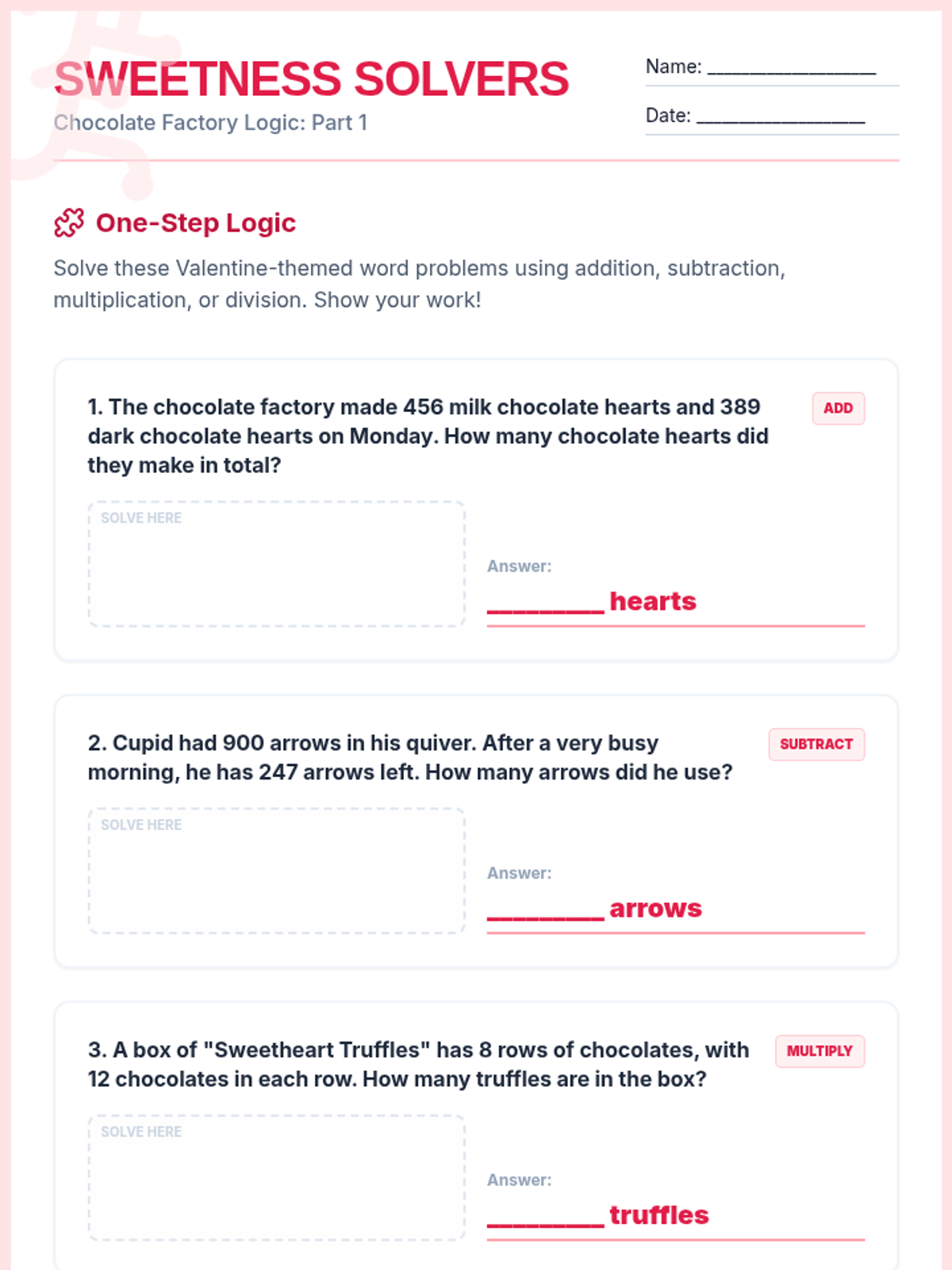
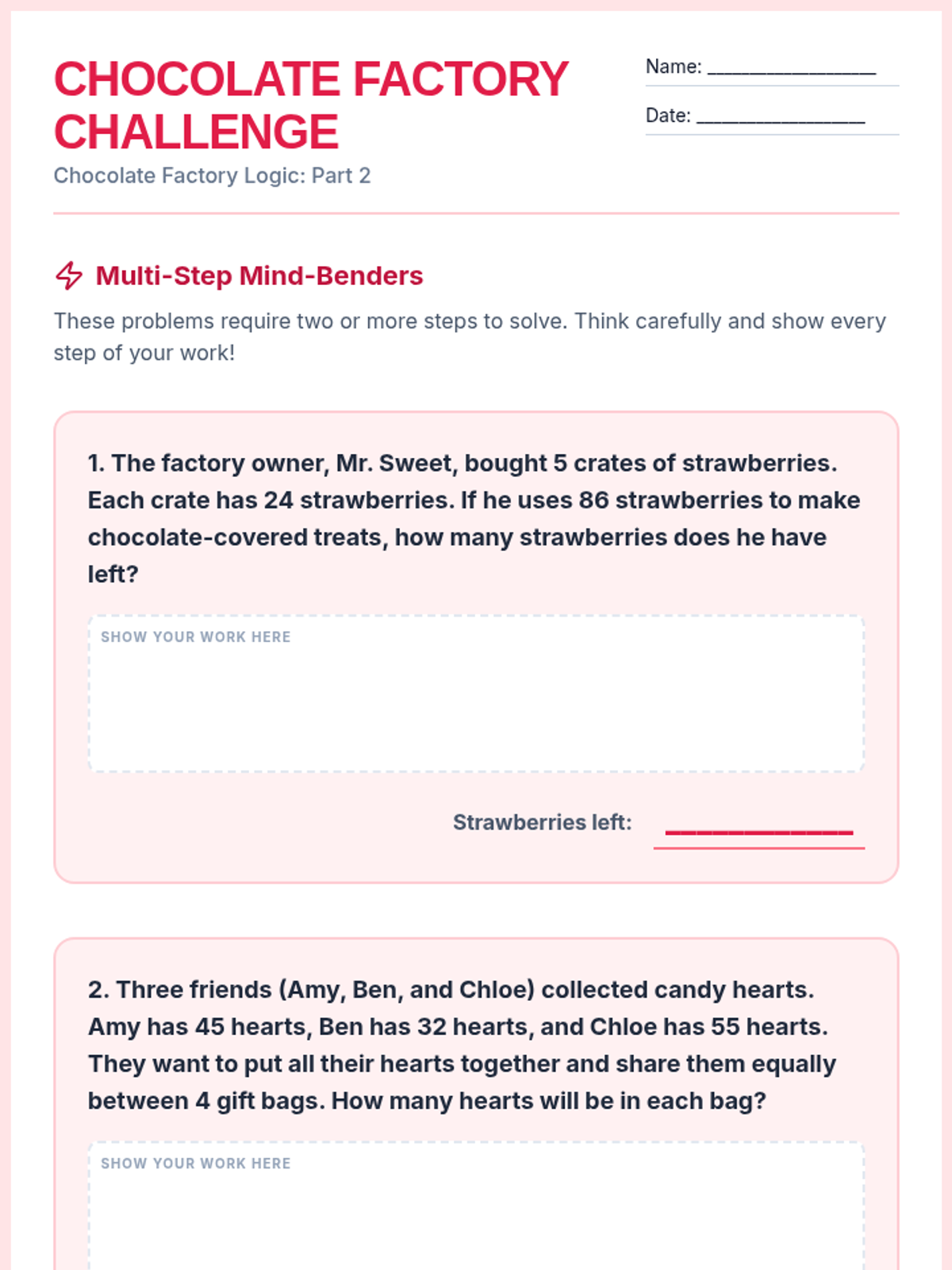
Students will solve a variety of one-step and multi-step math word problems involving all four operations with a Valentine's Day theme.