Lenny LearningLenny
Create
Explore
Workspace
LoginSign up
MathEnglish Language ArtsScience & EngineeringSocial StudiesGlobal LanguagesHealth & Physical EducationSpecial EducationCounseling & Life SkillsArts & CreativityESL
Lenny LearningLenny
Lenny Learning
About
Training
Pricing
Support
Contact
© 2026 Lenny Learning Inc.

Mental Health Support

SequencesLessonsMaterialsVideos
  1. Counseling & Life Skills

Mental Health Support

SequencesLessonsMaterialsVideos

Identification of anxiety and depression symptoms alongside practical management strategies like progressive muscle relaxation and behavioral activation. Addresses the stages of grief through creative expression and routine-building to support emotional resilience.
Counseling & Life SkillsSelf-AwarenessBasic Emotion RecognitionComplex Emotion IdentificationEmotional Nuance & Mixed FeelingsBuilding Positive Self-ImageRecognizing Strengths & Growth AreasAccurate Self-AssessmentPersonal Values IdentificationCultural & Individual Identity ExplorationValues-Based Decision MakingSelf-ManagementStop-and-Think StrategiesDelaying GratificationIndependent Impulse ManagementIdentifying Stress TriggersShort-Term Goal SettingSMART Goals DevelopmentGoal Monitoring & AdjustmentBuilding Perseverance & ResilienceInternal Motivation DevelopmentComprehensive Stress Reduction PlanningSocial AwarenessRecognizing Others' FeelingsDemonstrating EmpathyRespecting Individual DifferencesUnderstanding Cultural DiversityComplex Empathetic ResponsesMultiple Viewpoint ConsiderationMulti-Perspective AnalysisChallenging Stereotypes & BiasRelationship SkillsActive ListeningClear Verbal & Nonverbal CommunicationBuilding Positive FriendshipsWorking Cooperatively in GroupsCommunicating Personal BoundariesRespecting Others' BoundariesAssertive ExpressionPeaceful Problem-SolvingContributing to Team GoalsComplex Conflict NavigationMediation & NegotiationHealthy Romantic RelationshipsResponsible Decision-MakingDaily Problem IdentificationBrainstorming Multiple SolutionsEvaluating Pros & ConsRecognizing Risks & ConsequencesApplying Ethical FrameworksInformed Risk-Benefit DecisionsRoot Cause AnalysisMindfulnessMindful BreathingBody Scan MeditationDaily Mindfulness ApplicationDaily Self-Care RoutinesBalancing Life DemandsAdvocating for Wellness NeedsMental Health SupportUnderstanding Anxiety SymptomsWorry Management StrategiesProgressive Muscle RelaxationRecognizing Depression SignsBuilding Mood-Supporting RoutinesBehavioral Activation for MoodUnderstanding Grief StagesHealthy Grief CopingCreative Expression of LossBehavioral SupportDaily Check-In ProceduresDaily Goal Setting & ReviewRecognizing Escalation Warning SignsRequesting Breaks & SupportSelf-Calming During DistressUnderstanding Positive ReinforcementToken Economy ImplementationBehavior Chart TrackingAnalyzing Behavior PatternsIdentifying Antecedents & ConsequencesDetermining Behavior FunctionFunction-Based InterventionsIndividualized Behavior ContractsData-Driven Behavior AdjustmentTherapeutic ApproachesThoughts-Feelings-Behaviors ConnectionRecognizing Thinking PatternsChallenging Negative ThoughtsPositive Self-Talk PracticeThought Record TrackingAdvanced Cognitive RestructuringComprehensive CBT PlansBehavioral Activation TechniquesBuilding Positive ExperiencesExposure Hierarchies for AnxietyPresent-Moment AwarenessNon-Judgmental ObservationSelf-Soothing & DistractionComplex Emotion LabelingReducing Emotional Vulnerability (PLEASE)DEAR MAN CommunicationGIVE Skills for RelationshipsFAST Skills for Self-RespectRadical Acceptance PracticeCrisis Survival Skills (TIPP)Understanding Trauma EffectsTrauma Responses & TriggersIdentifying Trauma FeelingsGrounding TechniquesRegulation During Trauma DistressSafe Place VisualizationProcessing Through NarrativeDeveloping Trauma StoryPersonalized Safety PlanningGroup SupportTurn-Taking & SharingGroup Conversation SkillsSharing in Supportive EnvironmentLearning from Similar ChallengesBuilding Community & BelongingNavigating Peer RelationshipsGroup Skill PracticeGroup Mental Health EducationStress & Anxiety UnderstandingCrisis Support & SafetyKnowing When to Seek HelpIdentifying Mental Health CrisesGrounding During CrisisUsing Crisis HotlinesBuilding Support NetworksAccessing Mental Health ResourcesWarning Signs & Coping StrategiesDeveloping Personal Safety PlansUnderstanding Suicide Warning SignsGatekeeper Skills for PeersDigital LiteracySocial MediaTechnology BasicsProductivity ToolsInternet and Online ResearchWeb Design and PublishingDigital CitizenshipOnline Safety and PrivacyEmerging TechnologiesFinancial LiteracyMaking Financial DecisionsBanking and AccountsConsumer SkillsSaving and InvestingCredit and DebtEmployment and IncomeTaxesInsuranceMajor PurchasesEconomic ConceptsFinancial PlanningCollege & Post-Secondary PlanningCareer ExplorationUnderstanding Post-Secondary OptionsCollege Research & SelectionAdmission RequirementsCollege Application ProcessPersonal Statement WritingFAFSA CompletionScholarship Search & ApplicationsUnderstanding Student LoansContinuing Education PlanningInterview PreparationResearching EmployersCommon Interview QuestionsSTAR Method ResponsesProfessional Interview PresenceVirtual Interview SkillsInterview Follow-UpJob Search SkillsUnderstanding Job PostingsEffective Job Search StrategiesNetworking for OpportunitiesResume Writing BasicsAction Verbs & AchievementsTailoring Resumes to JobsCover Letter WritingProfessional ReferencesProfessional CommunicationBusiness Email EtiquettePhone & Voicemail ProfessionalismMeeting ParticipationPresentation SkillsProfessional Work EthicTime Management & ProductivityTeamwork & CollaborationAdaptability & FlexibilityProblem-Solving at WorkConstructive FeedbackWorkplace RightsUnderstanding Employment LawsPay & Benefits UnderstandingWorkplace SafetyAnti-Discrimination & Harassment
Worry Management StrategiesCognitive behavioral techniques, mindfulness, and grounding exercises to identify triggers and manage daily stressors. Equips students with practical coping mechanisms to navigate anxiety and build emotional resilience.
Progressive Muscle RelaxationSystematic tensing and releasing of major muscle groups to reduce physical tension and physiological stress. Strengthens somatic awareness and provides practical techniques for managing anxiety and improving sleep quality.
Creative Expression of LossArtistic modalities like journaling, painting, and music to process grief and bereavement. Provides non-verbal outlets for mourning while supporting emotional regulation and healing.
No videos found
There are no videos available for this topic yet.
Video
How to cope with stress

How to cope with stress

This educational video provides a comprehensive overview of managing stress through practical coping mechanisms and long-term habits. It begins by defining stress as a natural part of life that becomes problematic when constant or overwhelming. The narrator distinguishes between immediate coping mechanisms—like deep breathing or walking—and ongoing stress management strategies that help prevent stress from accumulating.

Brain Health BootcampBrain Health Bootcamp

3mins 41s

Video
How to Overcome Test Anxiety

How to Overcome Test Anxiety

This educational video provides a comprehensive guide to understanding and managing test anxiety, a common issue affecting students of all ages. It begins by defining test anxiety through recognizable physical and mental symptoms like sweaty palms and blanking out, assuring viewers that they are not alone by citing statistics from the Anxiety and Depression Association of America. The video explains that test anxiety stems from factors like fear of failure, lack of preparation, or past negative experiences, and emphasizes that it can prevent students' grades from reflecting their true abilities. The content explores key themes of mental health, physical well-being, and practical study strategies. It breaks down actionable advice into three phases: preparation leading up to the test (eating well, sleeping, exercising), strategies for the day of the test (arriving early, deep breathing), and actual test-taking tactics (reading directions, time management). It also addresses the importance of seeking professional help if anxiety becomes debilitating, highlighting resources like school counselors and accommodations under the ADA. For educators, this video serves as an excellent resource for Social Emotional Learning (SEL) curriculums, study skills workshops, or exam preparation units. It normalizes the experience of anxiety while providing concrete tools students can use immediately. Teachers can use this video to open discussions about mental health, teach self-regulation techniques, and foster a supportive classroom environment where students feel empowered to manage their stress and advocate for their needs.

Antonio J. Webb, M.D.Antonio J. Webb, M.D.

5mins 18s

Video
What Happens to Your Body When You Get Angry

What Happens to Your Body When You Get Angry

This educational video explores the biological and psychological mechanisms behind anger, helping children understand why they feel mad and how their bodies react. Host Jessi and her robot mouse friend Squeaks begin by identifying facial expressions associated with different emotions, transitioning into a detailed explanation of the physiological "fight" response. The video explains that anger is actually the brain's way of preparing the body to face a perceived threat, triggering reactions like rapid breathing, muscle tension, and the release of adrenaline. The content breaks down complex biological concepts—such as the fight-or-flight response and adrenaline release—into kid-friendly terms, using clear animations and examples. It compares human reactions to animal behaviors, noting how dogs growl or cats arch their backs for similar reasons. The narrative emphasizes that while this response was useful for survival against physical threats, it often activates today during non-dangerous situations, like losing a game or being told "no." Ideally suited for Social-Emotional Learning (SEL) and elementary science curriculums, this resource provides practical strategies for emotional regulation. The video concludes by teaching students specific techniques to manage their anger, such as deep breathing, counting to ten, and ensuring they are well-rested and fed. It serves as an excellent tool for normalizing difficult emotions while empowering students with the science behind their feelings and the tools to control them.

SciShow KidsSciShow Kids

4mins 34s

Video
What causes panic attacks, and how can you prevent them? - Cindy J. Aaronson

What causes panic attacks, and how can you prevent them? - Cindy J. Aaronson

This animated lesson provides a deep dive into the physiological and psychological mechanics of panic attacks. It begins by vividly describing the subjective experience of a panic attack through poetic metaphor before transitioning into the hard science of what is actually happening in the brain and body. The video explains that a panic attack is essentially a "false alarm" where the body's fight-or-flight response is triggered without real danger, involving the amygdala, the sympathetic nervous system, and the release of adrenaline. The content moves beyond just the biology to explore the cycle of fear that maintains panic disorders—specifically, how the fear of having another attack can actually trigger one. It outlines the differences between distinct anxiety disorders like PTSD, OCD, and Generalized Anxiety Disorder. Crucially, it clarifies that while these experiences are terrifying and mimic life-threatening events like heart attacks, they are not physically dangerous in the long term. Finally, the video offers concrete, evidence-based solutions, comparing medication with Cognitive Behavioral Therapy (CBT). It breaks down how CBT works through physiological education, breathing exercises, cognitive restructuring (changing thoughts), and exposure therapy. This resource is invaluable for health and psychology classrooms to de-stigmatize mental health issues, explain the nervous system, and equip students with practical mental tools for managing anxiety.

TED-EdTED-Ed

5mins 23s

Video
How to Overcome Test Anxiety

How to Overcome Test Anxiety

This educational video provides a comprehensive guide to understanding and managing test anxiety, a common issue affecting students of all ages. It begins by defining test anxiety through recognizable physical and mental symptoms like sweaty palms and blanking out, assuring viewers that they are not alone by citing statistics from the Anxiety and Depression Association of America. The video explains that test anxiety stems from factors like fear of failure, lack of preparation, or past negative experiences, and emphasizes that it can prevent students' grades from reflecting their true abilities. The content explores key themes of mental health, physical well-being, and practical study strategies. It breaks down actionable advice into three phases: preparation leading up to the test (eating well, sleeping, exercising), strategies for the day of the test (arriving early, deep breathing), and actual test-taking tactics (reading directions, time management). It also addresses the importance of seeking professional help if anxiety becomes debilitating, highlighting resources like school counselors and accommodations under the ADA. For educators, this video serves as an excellent resource for Social Emotional Learning (SEL) curriculums, study skills workshops, or exam preparation units. It normalizes the experience of anxiety while providing concrete tools students can use immediately. Teachers can use this video to open discussions about mental health, teach self-regulation techniques, and foster a supportive classroom environment where students feel empowered to manage their stress and advocate for their needs.

Antonio J. Webb, M.D.Antonio J. Webb, M.D.

5mins 18s

Video
How to cope with stress

How to cope with stress

This educational video provides a comprehensive overview of managing stress through practical coping mechanisms and long-term habits. It begins by defining stress as a natural part of life that becomes problematic when constant or overwhelming. The narrator distinguishes between immediate coping mechanisms—like deep breathing or walking—and ongoing stress management strategies that help prevent stress from accumulating.

Brain Health BootcampBrain Health Bootcamp

3mins 41s

Video
So, You're Having an Anxiety Attack (The Calm-Down Method for Stopping Anxiety Attacks)

So, You're Having an Anxiety Attack (The Calm-Down Method for Stopping Anxiety Attacks)

This video serves as a real-time guided intervention for individuals experiencing an anxiety or panic attack. Rather than just explaining the theory of anxiety, the presenter, a licensed therapist, walks the viewer through immediate, practical grounding techniques designed to down-regulate the nervous system. The video uses a slow, calming pace to help viewers regain control of their physical and emotional state. The content explores key themes of emotional regulation, sensory grounding, and the physiological response to stress. It validates the scary physical sensations of panic (shaking, nausea, fear) while reassuring the viewer of their safety. The video introduces specific techniques such as the '5-4-3-2-1' sensory method (modified here for immediate impact), cold water immersion for the diving reflex, and visualization of a safe place. For educators, this is a vital tool for social-emotional learning (SEL) and crisis management. It can be used proactively to teach students coping mechanisms or reactively as a resource when a student is overwhelmed. It demystifies the experience of panic, reducing the shame often associated with it, and provides a concrete 'break glass in case of emergency' toolkit that students can use in the classroom or at home.

Therapy in a NutshellTherapy in a Nutshell

5mins 23s

Video
3 Ways to Boost your Self Esteem

3 Ways to Boost your Self Esteem

This engaging animated video serves as a practical primer on understanding and improving self-esteem. Recognizing that many adolescent struggles—from peer pressure to assertiveness—stem from how we view ourselves, the video introduces a 6-week series dedicated to self-acceptance. It breaks down the abstract concept of self-esteem into manageble, actionable advice that connects mental wellness directly to physical health and happiness. The content focuses on three specific, manageable exercises to immediately lift one's mood and self-perception. First, it addresses the link between procrastination and negative self-talk, urging viewers to silence their inner critic by completing a nagging task. Second, it explores the scientifically proven benefits of gratitude. Finally, it presents the "crux" of self-esteem: learning to treat yourself with the same kindness and validation you would offer a best friend. For educators, this video is an excellent hook for Social Emotional Learning (SEL) units. It provides a non-threatening entry point for discussing mental health, negative self-talk, and resilience. The simple, whiteboard-animation style makes complex psychological concepts accessible for students from upper elementary through high school, offering them concrete tools they can use immediately inside and outside the classroom.

watchwellcastwatchwellcast

3mins 51s

Video
RSA Short | Vivek Murthy on Loneliness and the Power of Connection

RSA Short | Vivek Murthy on Loneliness and the Power of Connection

This animated video features former U.S. Surgeon General Vivek Murthy explaining the biological and evolutionary roots of loneliness. He reframes loneliness not as a character flaw or a sign of being broken, but as a natural biological signal—like hunger or thirst—alerting us that we lack necessary social connection. The narrative explores how our ancestors relied on community for safety and survival, and how modern loneliness can create a negative feedback loop that damages self-esteem and makes reconnection difficult. The video delves into the insidious nature of chronic loneliness, illustrating how it often manifests in unexpected ways such as anger, irritability, or withdrawal rather than just sadness. Murthy argues that recognizing these alternative expressions of loneliness can help us respond to others with compassion instead of judgment. By understanding that loneliness is a common human experience, we can break the cycle of shame often associated with it. For educators, this resource provides a powerful tool for social-emotional learning (SEL). It offers a vocabulary for students to discuss feelings of isolation and provides actionable advice on how to help others: simply showing up and listening with full attention. The video's message emphasizes that listening validates another person's worth, making it an excellent starting point for lessons on empathy, active listening, community building, and mental health awareness.

The RSAThe RSA

3mins 49s

Video
How to Deal with Negative Emotions: Daily Proven Techniques

How to Deal with Negative Emotions: Daily Proven Techniques

This animated video by The School of Life explores the importance of identifying and processing suppressed emotions to maintain psychological well-being. It argues that modern life often causes us to ignore our true feelings because they are too shocking, sad, or inconvenient to address in the moment. The video explains how "unfelt feelings" accumulate and manifest as anxiety, depression, or physical tension. Key themes include emotional intelligence, self-reflection, the mind-body connection, and the practice of introspection. The narrator suggests a specific daily technique involving quiet solitude and body scanning to "decode" these hidden emotions. It emphasizes that acknowledging difficult feelings like anger, grief, or resentment is necessary to transform them into manageable states and achieve peace of mind. For educators and students, this resource is a valuable tool for social-emotional learning (SEL). It provides a practical framework for understanding why we feel overwhelmed or anxious without an obvious cause. The video can be used to teach self-regulation strategies, mindfulness, and the vocabulary of emotions, helping students move from reactive states to responsive, self-aware behaviors.

The School of LifeThe School of Life

4mins 7s

Video
Marcus Aurelius - How to Stay Calm in Uncertain Times

Marcus Aurelius - How to Stay Calm in Uncertain Times

This animated video explores the timeless wisdom of Roman Emperor and Stoic philosopher Marcus Aurelius, specifically drawing from his personal writings, "Meditations." The narrative provides a practical framework for maintaining mental composure when life feels chaotic or uncertain, breaking down complex philosophical ideas into accessible, actionable advice appropriate for students navigating stress or anxiety. The content is structured around five core virtues derived from Stoic philosophy: Acceptance (embracing reality), Mindfulness (focusing on the present), Discrimination (understanding what is within one's control), Judgment (valuing character over material goods), and Adaptability (embracing change). Through simple animations and direct quotes from Aurelius, the video illustrates how shifting one's perspective can lead to greater emotional stability. For educators, this video serves as an excellent bridge between history, philosophy, and Social Emotional Learning (SEL). It provides concrete tools for students to manage anxiety, offering a historical context that validates their feelings while providing ancient strategies for resilience. It is particularly useful for discussions on mental health, character education, and the study of ancient civilizations.

Freedom in ThoughtFreedom in Thought

6mins 36s

Video
Emotional Intelligence

Emotional Intelligence

This animated video provides a clear and accessible introduction to the concept of Emotional Intelligence (EI or EQ), based on the model developed by psychologists John Mayer and Peter Salovey. It breaks down EI into four distinct skills: perceiving emotions, using emotions, understanding emotions, and managing emotions. Through simple yet effective illustrations, the video explains how these skills function individually and collectively to help individuals navigate social interactions and personal feelings. Key themes include self-awareness, empathy, emotional regulation, and the connection between emotional intelligence and academic or professional success. The video emphasizes that while some people are naturally gifted with these skills, EI is something that can be improved and developed over time through mindfulness, education, and practice. It frames emotions not as obstacles but as data points that can be used for better decision-making. For educators, this video is a valuable tool for Social Emotional Learning (SEL) curriculums. It provides a shared vocabulary for students to discuss their feelings and offers a scientific framework for why emotions matter in learning and life. The video is short enough to serve as a perfect hook for lessons on conflict resolution, stress management, or interpersonal communication skills.

SproutsSprouts

3mins 24s

Video
Ending the pursuit of perfection | Iskra Lawrence | TEDxUniversityofNevada

Ending the pursuit of perfection | Iskra Lawrence | TEDxUniversityofNevada

In this powerful and vulnerable TEDx talk, model and self-care advocate Iskra Lawrence dismantles the toxic pursuit of physical perfection perpetuated by the fashion industry and social media. Sharing her own journey from a self-loathing teenager with body dysmorphia to a champion of body positivity, Lawrence exposes how insecurity is manufactured to create "motivated consumers." She breaks down the illusions of social media, the reality of photo retouching, and the damaging effects of the "beauty ideal myth" on mental health. The video explores critical themes of media literacy, self-esteem, mental health, and the economics of the beauty industry. Lawrence provides concrete, actionable strategies for building resilience, including the "Mirror Challenge" (shifting focus from appearance to personality and body functionality) and the "Gratitude List" (using gratitude to combat negative self-talk). She also addresses the often-overlooked fact that body image issues affect men and boys, not just women. For educators, this video is an invaluable resource for Social Emotional Learning (SEL), Health, and Media Literacy curriculums. It offers a relatable entry point for discussing difficult topics like eating disorders, cyberbullying, and digital citizenship. The practical tools Lawrence models—reframing negative thoughts and focusing on body gratitude—can be immediately applied in the classroom to help students navigate the pressures of adolescence in a digital world.

TEDx TalksTEDx Talks

15mins 29s

Video
Does stress affect your memory? - Elizabeth Cox

Does stress affect your memory? - Elizabeth Cox

This animated lesson explores the complex biological relationship between stress and memory, specifically focusing on why our minds sometimes go blank during high-pressure situations like exams. It breaks down the three stages of memory formation—acquisition, consolidation, and retrieval—and explains how different levels of stress impact each stage. The video uses clear metaphors and character-driven animations to visualize how brain structures like the hippocampus, amygdala, and prefrontal cortex interact under pressure. The video distinguishes between moderate stress, which can actually aid memory formation, and chronic or extreme stress, which hinders it. It introduces the biological mechanism where stress hormones (corticosteroids) activate the amygdala's threat response, subsequently inhibiting the prefrontal cortex—the area responsible for reasoned thought and memory retrieval. This biological override explains the "fight, flight, or freeze" response that causes test anxiety. For educators, this video is an invaluable tool for social-emotional learning and study skills. It not only explains the science behind test anxiety but offers concrete, actionable strategies for students to manage it, such as simulating test conditions, exercising, and deep breathing. By understanding the biology of their own reactions, students can destigmatize their anxiety and learn practical techniques to regain control during stressful moments.

TED-EdTED-Ed

4mins 44s

Video
Ways to Stop Bullying

Ways to Stop Bullying

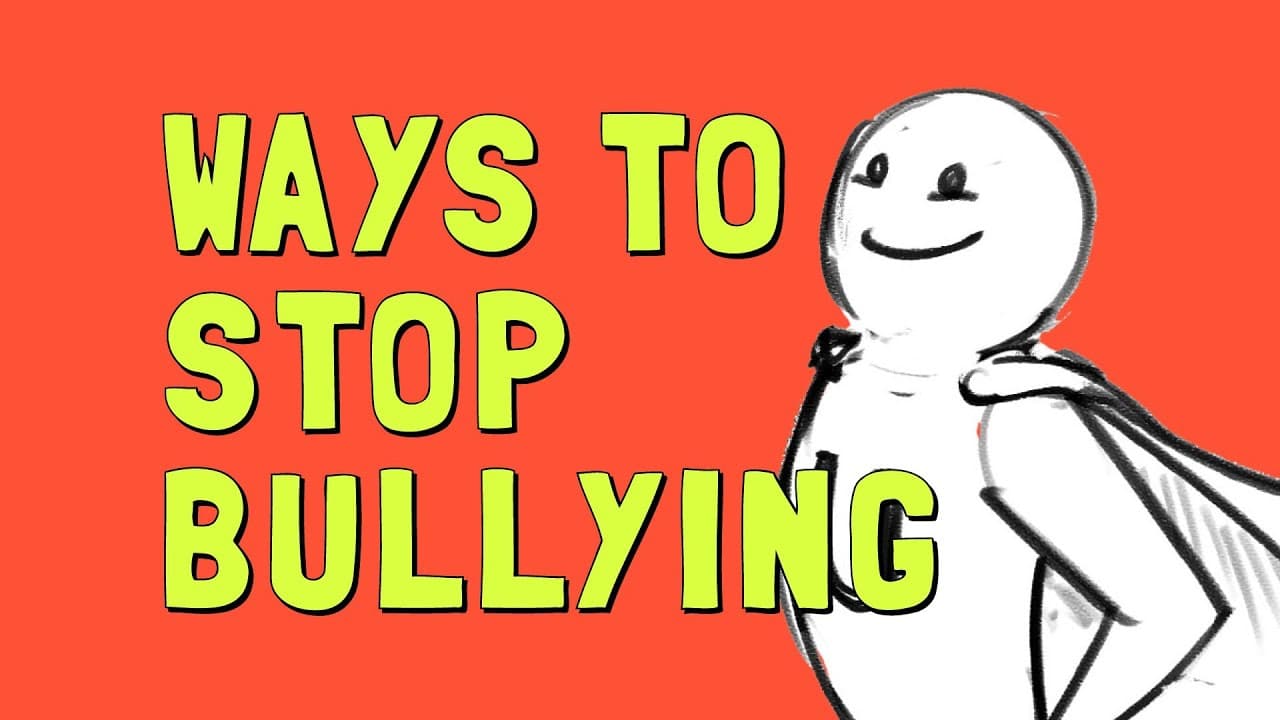
This animated video provides a practical, four-step guide for students dealing with bullying, framing the issue not as a personal failure but as a common challenge faced even by successful celebrities. Through engaging whiteboard animations, it outlines a concrete action plan: boosting self-confidence by listing personal strengths, building a supportive social circle, ignoring bullies to deny them a reaction, and seeking help from trusted adults or hotlines when situations feel unsafe. The content explores key themes of self-worth, social resilience, and safety strategies. It actively reframes 'nerdy' or 'different' traits as unique strengths that will be valued in adulthood, directly countering the isolation victims often feel. By emphasizing that bullying often stems from the aggressor's personal issues rather than the victim's flaws, the video helps students detach their self-image from the abuse they receive. For educators, this video serves as an excellent social-emotional learning (SEL) tool. It provides a structured framework for difficult conversations about harassment and safety. The clear, actionable steps (Confidence, Army, Ignore, Talk) give students a mental checklist they can use in real-world scenarios. Teachers can use the suggested exercises—like writing down positive traits or identifying a "support army"—as classroom activities to build a culture of empathy and resilience.
watchwellcastwatchwellcast

5mins 31s

Video
All it takes is 10 mindful minutes | Andy Puddicombe | TED

All it takes is 10 mindful minutes | Andy Puddicombe | TED

In this engaging and accessible talk, mindfulness expert Andy Puddicombe demystifies meditation and makes a compelling case for taking just ten minutes a day to look after our minds. He argues that we spend more time maintaining our cars, clothes, and physical appearance than we do caring for our most valuable resource: the human mind. Through personal anecdotes about his journey from a stressed university student to a Buddhist monk, Puddicombe illustrates how constant distraction and lack of presence contribute to unhappiness and anxiety. The video explores key themes of mental health, metacognition (thinking about thinking), and the science of focus. Puddicombe challenges the common misconception that meditation is about stopping thoughts completely; instead, he defines it as the practice of stepping back and witnessing thoughts without judgment. He uses a brilliant juggling demonstration to visually represent different mental states—anxious, dull, and balanced—making abstract psychological concepts concrete and understandable for viewers. For educators, this video is an invaluable resource for Social Emotional Learning (SEL) and mental health awareness. It provides a secular, scientific entry point into mindfulness that avoids religious overtones, making it suitable for public school settings. Teachers can use this video to launch discussions about stress management, the impact of digital distractions, and the importance of being present, while also introducing practical techniques for emotional regulation that students can apply immediately in their daily lives.

TEDTED

9mins 25s

Video
Choosing Optimism | Caroline Allen | TEDxYouth@MBJH

Choosing Optimism | Caroline Allen | TEDxYouth@MBJH

In this insightful TEDxYouth talk, student speaker Caroline Allen challenges the conventional understanding of optimism as merely a cheerful personality trait. Sharing her personal journey from a self-proclaimed optimist to someone who struggled with negativity, she redefines optimism not as constant happiness, but as a deliberate, actionable choice. She explores the factors that contribute to an optimistic outlook—including environment and genetics—but ultimately argues that individual choice is the most powerful determinant in how we face challenges. Key themes include the distinction between happiness and optimism, the role of resilience in overcoming failure, and the science behind positive thinking. Allen references studies from Harvard Business Review and King's College to support her points, moving the discussion beyond platitudes into evidence-based reasoning. She emphasizes that optimism is a skill that can be learned and practiced, rather than just an innate quality one is born with. For educators, this video is a powerful tool for social-emotional learning (SEL) and character education. It provides a relatable peer perspective for middle and high school students who may feel pressure to be constantly happy. The talk can spark meaningful classroom discussions about growth mindset, coping strategies for academic stress, and the power of reframing negative situations. It is particularly useful for helping students understand that they have agency over their emotional responses and that resilience is an active process.

TEDx TalksTEDx Talks

6mins 27s

Video
Body Positivity or Body Obsession? Learning to See More & Be More | Lindsay Kite | TEDxSaltLakeCity

Body Positivity or Body Obsession? Learning to See More & Be More | Lindsay Kite | TEDxSaltLakeCity

In this compelling TEDx talk, Lindsay Kite, PhD, challenges the traditional narrative of body positivity. Rather than simply widening the definition of beauty to include more shapes and sizes, Kite argues for a more radical shift: moving away from defining women by their appearance entirely. She shares her personal journey from quitting competitive swimming as a teenager due to body shame to reclaiming her power as an adult, illustrating how we can transition from viewing our bodies as ornaments to be looked at, to instruments for our use. The video dives deep into the psychological concept of "self-objectification"—the habitual monitoring of one's body from an outsider's perspective—and explains how this mental energy drain negatively impacts physical and cognitive performance. Kite introduces the framework of "Body Image Resilience," outlining three distinct paths people take when facing body shame: sinking into harmful behaviors, hiding and fixing (the status quo), or rising with resilience to repurpose the pain into power. This resource is highly valuable for high school and collegiate health, psychology, and sociology classrooms. It moves beyond superficial "love yourself" messaging to provide concrete theoretical frameworks and actionable strategies for mental health. Teachers can use this video to spark critical discussions about media literacy, the difference between health and aesthetics, and practical coping mechanisms for anxiety and shame.

TEDx TalksTEDx Talks

16mins 48s

Video
You Don't Find Happiness, You Create It | Katarina Blom | TEDxGöteborg

You Don't Find Happiness, You Create It | Katarina Blom | TEDxGöteborg

In this engaging TEDx talk, psychologist Katarina Blom challenges the common misconception that happiness is something we stumble upon, instead arguing that it is a skill we must actively practice. Drawing on neuroscience and psychology, she explains why the human brain is evolutionarily wired for negativity—prioritizing survival over happiness—and how this "negativity bias" impacts our daily lives and relationships. Blom explores the science behind our thoughts and emotions, revealing that positive thinking alone is insufficient because our minds naturally wander and focus on threats. Instead, she advocates for "positive action"—concrete behavioral changes that rewire our brains for well-being. She emphasizes that we are socially driven creatures and that strengthening our relationships is the most powerful "psychological smoothie" for long-term happiness. For educators, this video is a powerful tool for teaching Social Emotional Learning (SEL) concepts. It provides a scientific basis for gratitude, kindness, and relationship-building. The content is practical and relatable, offering students tangible strategies to manage anxiety, build resilience, and cultivate a supportive community within the classroom.

TEDx TalksTEDx Talks

15mins 33s

Video
How to stay calm under pressure - Noa Kageyama and Pen-Pen Chen

How to stay calm under pressure - Noa Kageyama and Pen-Pen Chen

This animated video explores the psychological phenomenon of "choking" under pressure—failing to perform a mastered skill when it matters most. It examines why highly skilled individuals, from Olympic athletes to spelling bee champions, sometimes falter despite months or years of preparation. The video breaks down the science behind performance anxiety, distinguishing between common nervousness and the specific mental blocks that interfere with execution. The content delves into two primary theories explaining why choking happens: Distraction Theories and Explicit Monitoring Theories. It explains how high-pressure situations can overload "working memory," impacting cognitive tasks, or cause individuals to overthink automatic physical movements, disrupting muscle memory. The narrative uses accessible analogies and cites psychological studies involving math students and golfers to illustrate these concepts. For educators, this video is an excellent resource for Social-Emotional Learning (SEL), psychology, public speaking, and physical education. It offers practical, evidence-based strategies for students to manage anxiety, such as practicing under simulated pressure, developing pre-performance rituals, and shifting focus from internal mechanics to external goals. These tools are directly applicable to test-taking, sports, and classroom presentations.

TED-EdTED-Ed

4mins 29s

Video
What's Your Path After High School?

What's Your Path After High School?

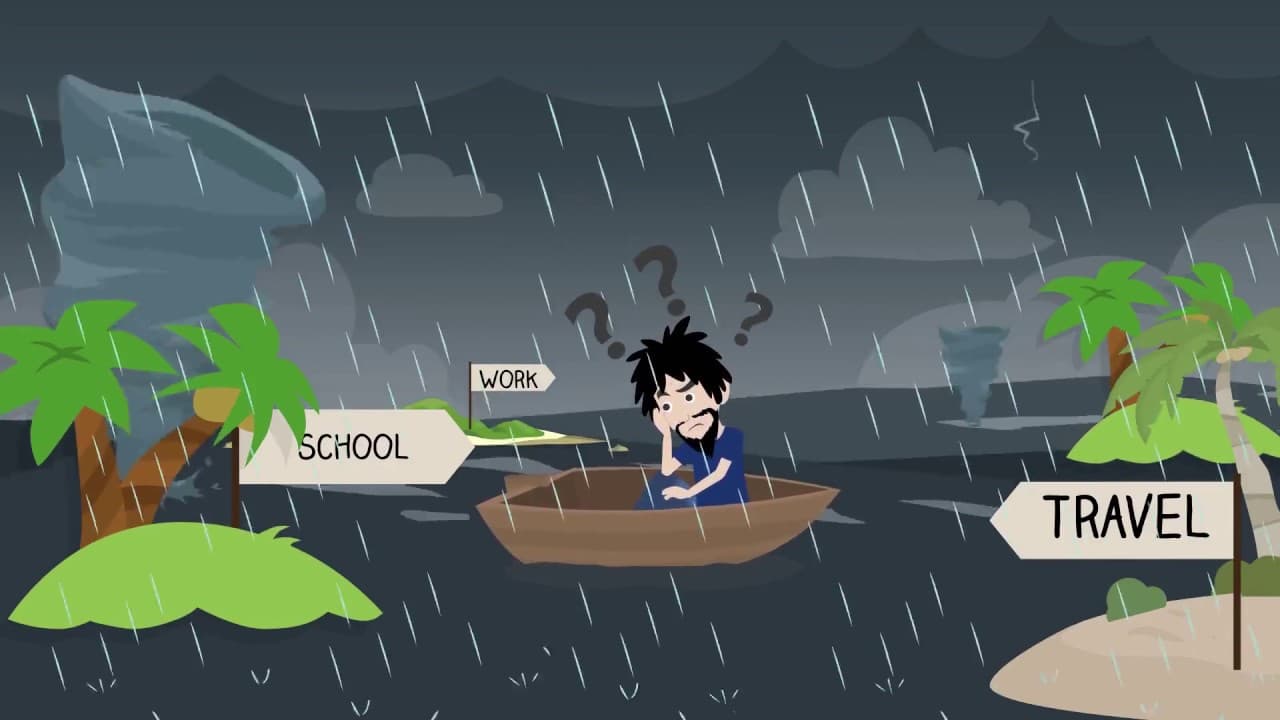
This animated short film addresses the common anxiety and confusion students face when approaching high school graduation. Through the relatable metaphor of a student lost in a small boat on a stormy "ocean of possibilities," the video validates the overwhelming feelings associated with post-secondary planning—including financial worries, fear of making the wrong choice, and the pressure of comparing oneself to peers who seem to have life figured out. The video explores key themes of "adulting," social comparison, and parental expectations. It contrasts the protagonist's feelings of isolation and aimlessness with the perceived success of others, highlighting the mental health aspects of career planning. The narrative shifts from a spiral of negative "what if" questions to positive, empowering inquiries introduced by a mentor figure. For educators, this video serves as an excellent emotional hook for guidance counseling, career planning, or advisory periods. It moves beyond dry statistics to address the emotional reality of leaving high school, providing a perfect segue into lessons about identifying support systems (the "crew"), researching options (the "telescope"), and financial planning (the "treasure").

Learning ClicksLearning Clicks

2mins 25s

Video
Nietzsche - Overcome Shame, Become Who You Are

Nietzsche - Overcome Shame, Become Who You Are

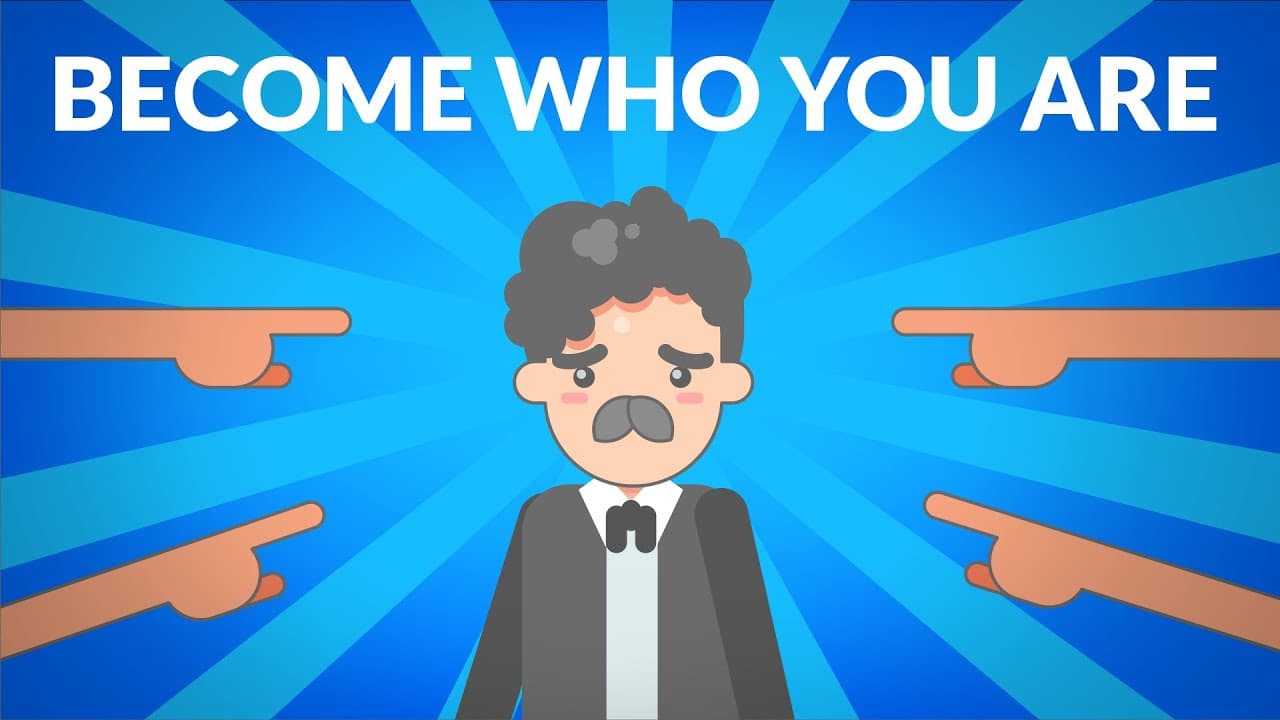
This animated educational video explores Friedrich Nietzsche's philosophy on shame, authenticity, and freedom, drawing primarily from his work 'The Joyous Science'. The video argues that true freedom is the ability to 'become who you are'—to realize one's innate potential like an acorn growing into an oak tree. It posits that toxic shame acts as a barrier to this self-actualization because it stems from comparing one's authentic self to societal ideals or 'shoulds', leading individuals to adopt false personas to gain acceptance. The narrative delves into key psychological themes including the 'true self' versus the 'false self', the origins of conscience and social conditioning, and the isolating effects of performing a role for others. Through the relatable case study of 'Timmy', a sensitive artistic boy who adopts a hyper-masculine persona to please his mother, the video illustrates the high cost of conformity: alienation, loneliness, and the loss of one's unique identity. For educators, this video serves as a powerful tool for Social Emotional Learning (SEL), philosophy, and psychology classes. It provides a framework for discussing identity formation, peer pressure, and mental health. The approachable animation style makes complex philosophical concepts accessible to high school students, fostering deep discussions about the difference between doing what one 'wants' versus what one 'should' do, and the courage required to live authentically.

Freedom in ThoughtFreedom in Thought

10mins 7s