Lenny LearningLenny
Create
Explore
Workspace
LoginSign up
MathEnglish Language ArtsScience & EngineeringSocial StudiesGlobal LanguagesHealth & Physical EducationSpecial EducationCounseling & Life SkillsArts & CreativityESL
Lenny LearningLenny
Lenny Learning
About
Training
Pricing
Support
Contact
© 2026 Lenny Learning Inc.

Crisis Support & Safety

SequencesLessonsMaterialsVideos
  1. Counseling & Life Skills

Crisis Support & Safety

SequencesLessonsMaterialsVideos

Identifies mental health crises and suicide warning signs while developing personal safety plans and grounding techniques. Equips users with peer gatekeeper skills and direct pathways to professional crisis resources and hotlines.

Counseling & Life SkillsSelf-AwarenessBasic Emotion RecognitionComplex Emotion IdentificationEmotional Nuance & Mixed FeelingsBuilding Positive Self-ImageRecognizing Strengths & Growth AreasAccurate Self-AssessmentPersonal Values IdentificationCultural & Individual Identity ExplorationValues-Based Decision MakingSelf-ManagementStop-and-Think StrategiesDelaying GratificationIndependent Impulse ManagementIdentifying Stress TriggersShort-Term Goal SettingSMART Goals DevelopmentGoal Monitoring & AdjustmentBuilding Perseverance & ResilienceInternal Motivation DevelopmentComprehensive Stress Reduction PlanningSocial AwarenessRecognizing Others' FeelingsDemonstrating EmpathyRespecting Individual DifferencesUnderstanding Cultural DiversityComplex Empathetic ResponsesMultiple Viewpoint ConsiderationMulti-Perspective AnalysisChallenging Stereotypes & BiasRelationship SkillsActive ListeningClear Verbal & Nonverbal CommunicationBuilding Positive FriendshipsWorking Cooperatively in GroupsCommunicating Personal BoundariesRespecting Others' BoundariesAssertive ExpressionPeaceful Problem-SolvingContributing to Team GoalsComplex Conflict NavigationMediation & NegotiationHealthy Romantic RelationshipsResponsible Decision-MakingDaily Problem IdentificationBrainstorming Multiple SolutionsEvaluating Pros & ConsRecognizing Risks & ConsequencesApplying Ethical FrameworksInformed Risk-Benefit DecisionsRoot Cause AnalysisMindfulnessMindful BreathingBody Scan MeditationDaily Mindfulness ApplicationDaily Self-Care RoutinesBalancing Life DemandsAdvocating for Wellness NeedsMental Health SupportUnderstanding Anxiety SymptomsWorry Management StrategiesProgressive Muscle RelaxationRecognizing Depression SignsBuilding Mood-Supporting RoutinesBehavioral Activation for MoodUnderstanding Grief StagesHealthy Grief CopingCreative Expression of LossBehavioral SupportDaily Check-In ProceduresDaily Goal Setting & ReviewRecognizing Escalation Warning SignsRequesting Breaks & SupportSelf-Calming During DistressUnderstanding Positive ReinforcementToken Economy ImplementationBehavior Chart TrackingAnalyzing Behavior PatternsIdentifying Antecedents & ConsequencesDetermining Behavior FunctionFunction-Based InterventionsIndividualized Behavior ContractsData-Driven Behavior AdjustmentTherapeutic ApproachesThoughts-Feelings-Behaviors ConnectionRecognizing Thinking PatternsChallenging Negative ThoughtsPositive Self-Talk PracticeThought Record TrackingAdvanced Cognitive RestructuringComprehensive CBT PlansBehavioral Activation TechniquesBuilding Positive ExperiencesExposure Hierarchies for AnxietyPresent-Moment AwarenessNon-Judgmental ObservationSelf-Soothing & DistractionComplex Emotion LabelingReducing Emotional Vulnerability (PLEASE)DEAR MAN CommunicationGIVE Skills for RelationshipsFAST Skills for Self-RespectRadical Acceptance PracticeCrisis Survival Skills (TIPP)Understanding Trauma EffectsTrauma Responses & TriggersIdentifying Trauma FeelingsGrounding TechniquesRegulation During Trauma DistressSafe Place VisualizationProcessing Through NarrativeDeveloping Trauma StoryPersonalized Safety PlanningGroup SupportTurn-Taking & SharingGroup Conversation SkillsSharing in Supportive EnvironmentLearning from Similar ChallengesBuilding Community & BelongingNavigating Peer RelationshipsGroup Skill PracticeGroup Mental Health EducationStress & Anxiety UnderstandingCrisis Support & SafetyKnowing When to Seek HelpIdentifying Mental Health CrisesGrounding During CrisisUsing Crisis HotlinesBuilding Support NetworksAccessing Mental Health ResourcesWarning Signs & Coping StrategiesDeveloping Personal Safety PlansUnderstanding Suicide Warning SignsGatekeeper Skills for PeersDigital LiteracySocial MediaTechnology BasicsProductivity ToolsInternet and Online ResearchWeb Design and PublishingDigital CitizenshipOnline Safety and PrivacyEmerging TechnologiesFinancial LiteracyMaking Financial DecisionsBanking and AccountsConsumer SkillsSaving and InvestingCredit and DebtEmployment and IncomeTaxesInsuranceMajor PurchasesEconomic ConceptsFinancial PlanningCollege & Post-Secondary PlanningCareer ExplorationUnderstanding Post-Secondary OptionsCollege Research & SelectionAdmission RequirementsCollege Application ProcessPersonal Statement WritingFAFSA CompletionScholarship Search & ApplicationsUnderstanding Student LoansContinuing Education PlanningInterview PreparationResearching EmployersCommon Interview QuestionsSTAR Method ResponsesProfessional Interview PresenceVirtual Interview SkillsInterview Follow-UpJob Search SkillsUnderstanding Job PostingsEffective Job Search StrategiesNetworking for OpportunitiesResume Writing BasicsAction Verbs & AchievementsTailoring Resumes to JobsCover Letter WritingProfessional ReferencesProfessional CommunicationBusiness Email EtiquettePhone & Voicemail ProfessionalismMeeting ParticipationPresentation SkillsProfessional Work EthicTime Management & ProductivityTeamwork & CollaborationAdaptability & FlexibilityProblem-Solving at WorkConstructive FeedbackWorkplace RightsUnderstanding Employment LawsPay & Benefits UnderstandingWorkplace SafetyAnti-Discrimination & Harassment
Knowing When to Seek HelpBehavioral red flags, mental health warning signs, and physical indicators requiring immediate professional intervention. Establishes criteria for accessing emergency services, hotlines, and school-based support systems.
Grounding During CrisisImmediate sensory-based techniques and mental anchors to stabilize individuals during acute emotional distress or panic attacks. Equips practitioners with specific exercises for re-establishing presence and focus in high-stress moments.
Building Support NetworksIdentification of trusted peers, community resources, and professional services to establish reliable safety nets. Develops communication strategies and outreach protocols for navigating personal or mental health crises.
Video
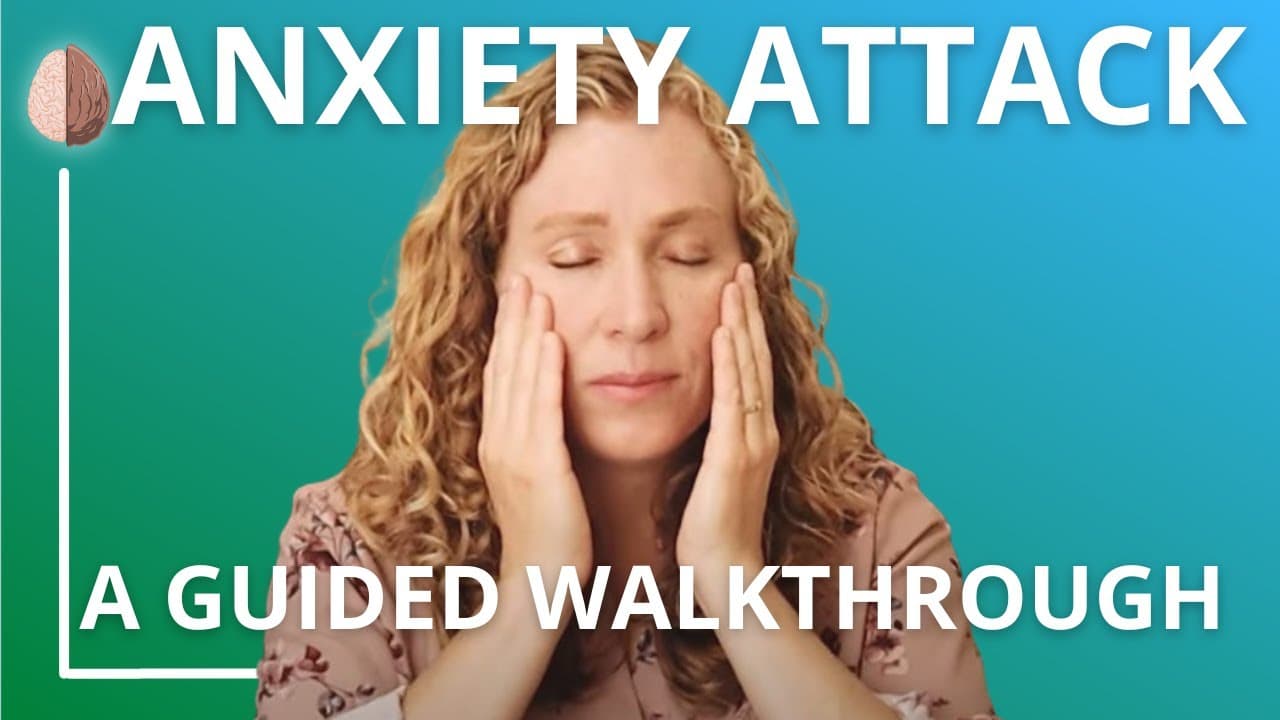
So, You're Having an Anxiety Attack (The Calm-Down Method for Stopping Anxiety Attacks)

So, You're Having an Anxiety Attack (The Calm-Down Method for Stopping Anxiety Attacks)

This video serves as a real-time guided intervention for individuals experiencing an anxiety or panic attack. Rather than just explaining the theory of anxiety, the presenter, a licensed therapist, walks the viewer through immediate, practical grounding techniques designed to down-regulate the nervous system. The video uses a slow, calming pace to help viewers regain control of their physical and emotional state. The content explores key themes of emotional regulation, sensory grounding, and the physiological response to stress. It validates the scary physical sensations of panic (shaking, nausea, fear) while reassuring the viewer of their safety. The video introduces specific techniques such as the '5-4-3-2-1' sensory method (modified here for immediate impact), cold water immersion for the diving reflex, and visualization of a safe place. For educators, this is a vital tool for social-emotional learning (SEL) and crisis management. It can be used proactively to teach students coping mechanisms or reactively as a resource when a student is overwhelmed. It demystifies the experience of panic, reducing the shame often associated with it, and provides a concrete 'break glass in case of emergency' toolkit that students can use in the classroom or at home.

Therapy in a NutshellTherapy in a Nutshell

5mins 23s

Video
"I'm Fine" - Learning To Live With Depression | Jake Tyler | TEDxBrighton

"I'm Fine" - Learning To Live With Depression | Jake Tyler | TEDxBrighton

In this moving and humorous TEDx talk, Jake Tyler shares his personal journey of navigating severe depression and suicidal ideation. He begins by deconstructing the reflex of saying "I'm fine" and opens up about his "rock bottom" moment where he forgot what happiness felt like. Tyler details how a pivotal phone call to his mother and a reframing question from his doctor helped him distinguish between wanting to die and simply wanting his pain to stop. The talk explores Tyler's recovery strategy, which centered on physical movement and connection with nature. He recounts his experience walking 3,000 miles around Great Britain, which evolved from a personal fitness challenge into a journey of community connection. He introduces the metaphor of depression being the "biggest club in the world" that convinces you that you are the only member, highlighting the irony of isolation in mental health struggles. For educators, this video is a powerful tool for Social Emotional Learning (SEL), Health, and Psychology classes. It destigmatizes mental health discussions, introduces the concept of "movement" versus "exercise," and demonstrates how vulnerability can lead to strength. The narrative arc moves from despair to a triumphant desire to "live forever," offering a hopeful perspective on resilience and recovery.

TEDx TalksTEDx Talks

16mins 5s

No videos found
There are no videos available for this topic yet.
No videos found
There are no videos available for this topic yet.