Mindful breathing and body scan meditation techniques integrated with daily self-care routines. Develops strategies for balancing life demands and advocating for personal wellness needs.
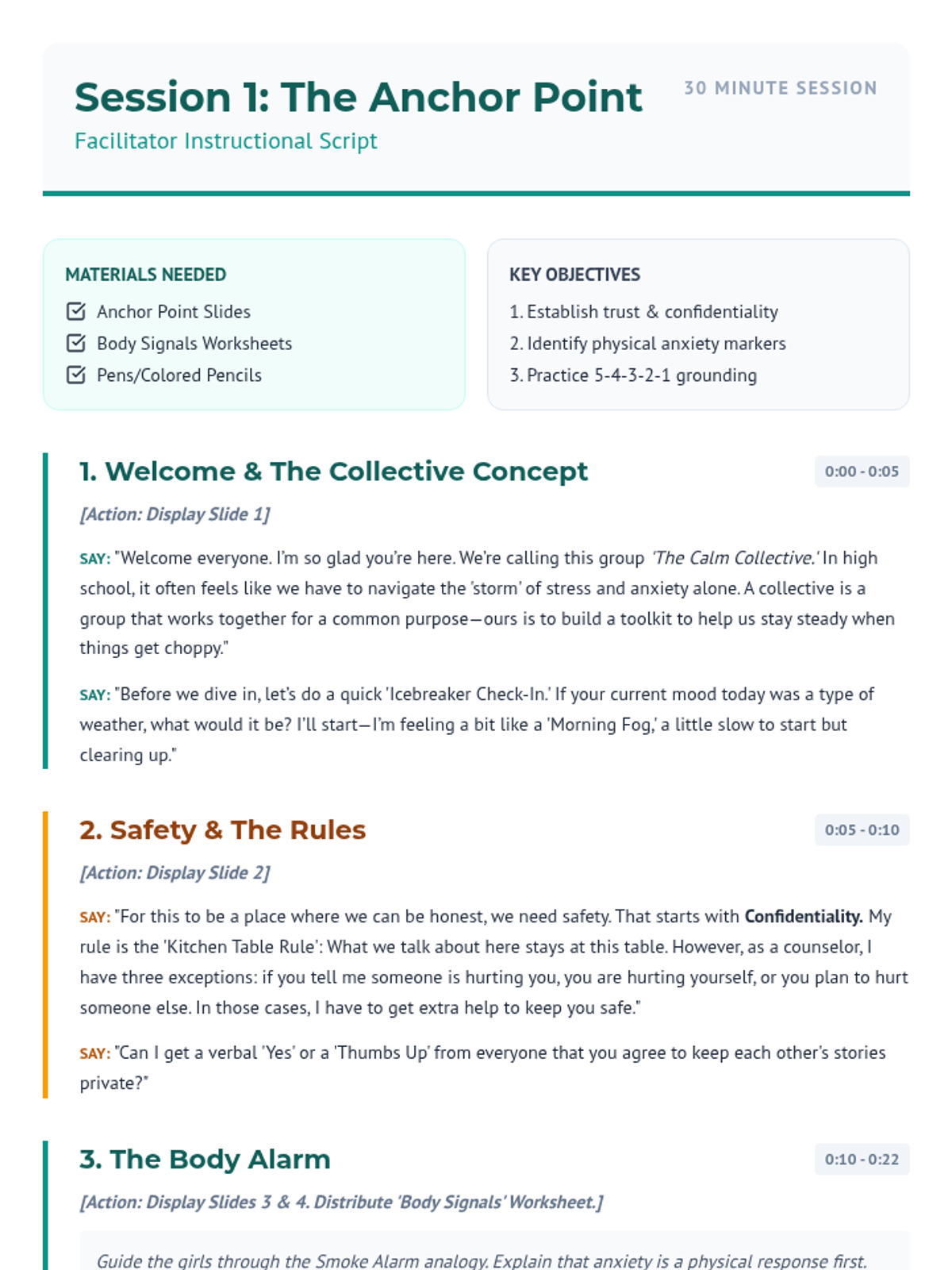
A detailed facilitation script for the first session of the Calm Collective, providing time-stamped sections, "what to say" prompts, and "what to do" instructions for the counselor.
A concluding slide deck for Session 4, providing reflection questions, growth mindset reinforcement, and a framework for maintaining long-term wellness after the group ends.
An instructional slide deck for Session 3, explaining sensory and cognitive coping strategies and guiding students through the "Coping Menu" selection process.
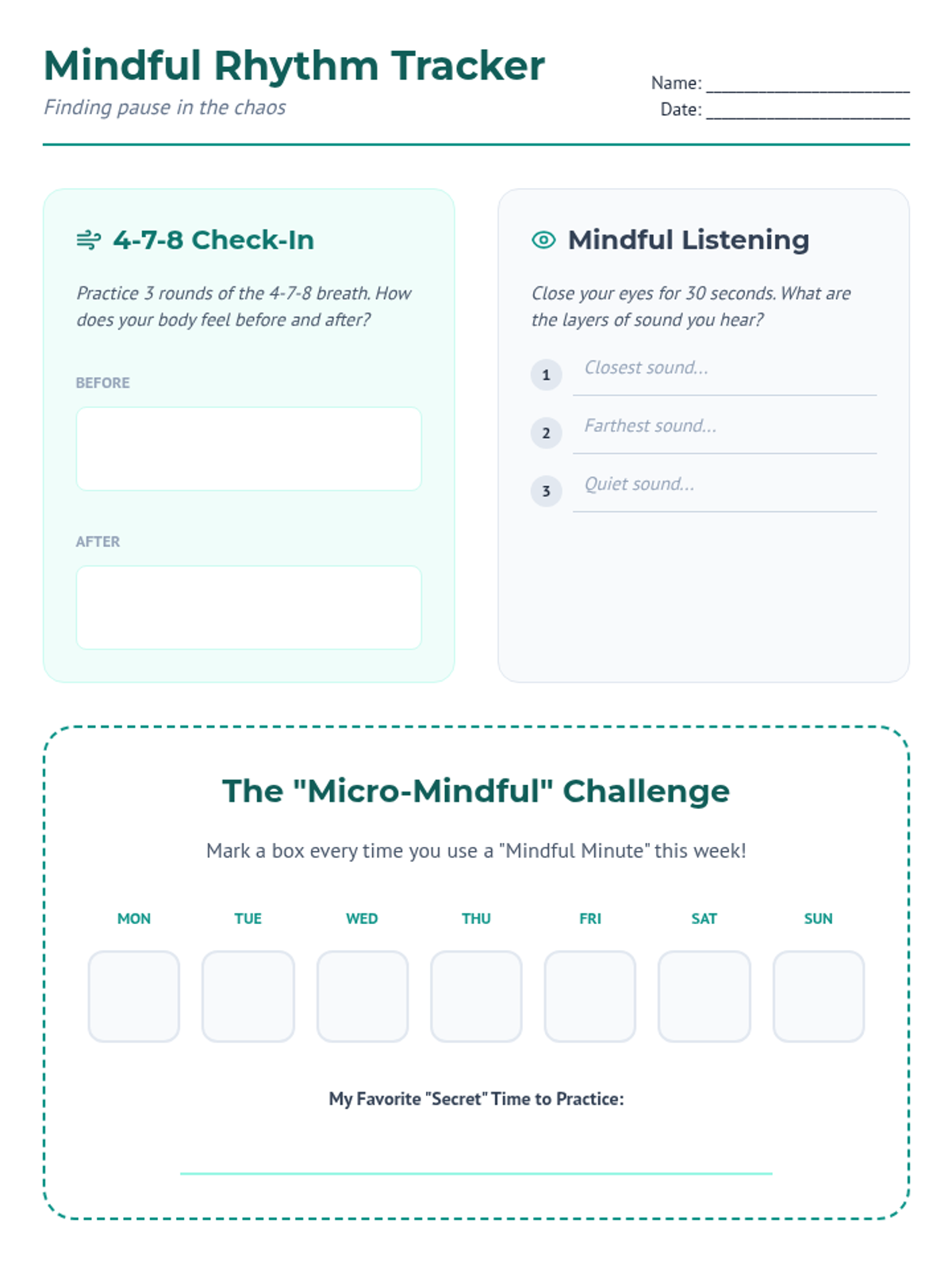
A student worksheet and weekly tracker for practicing 4-7-8 breathing and identifying "micro-mindfulness" moments throughout the school day.
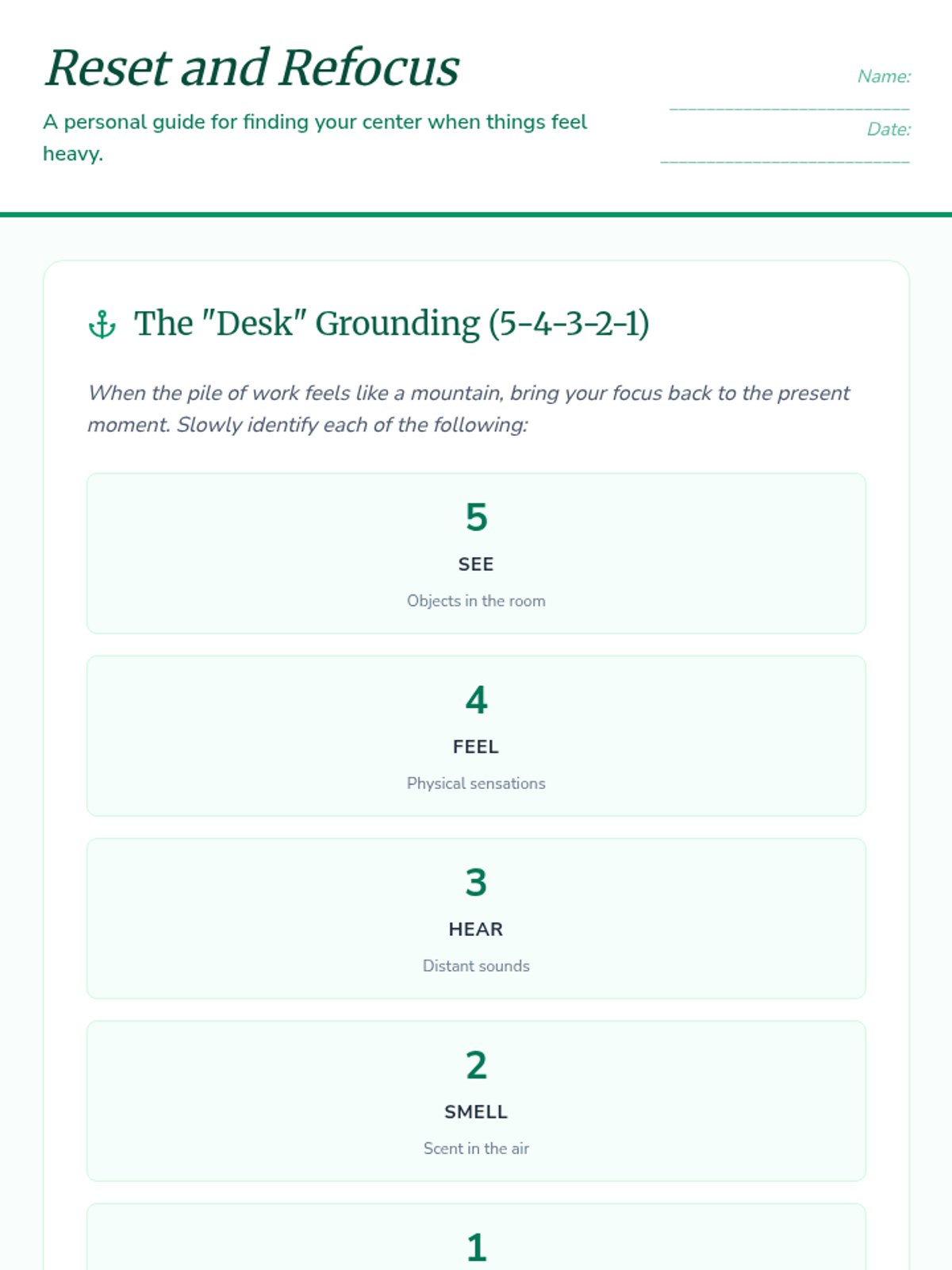
Introductory slide deck for Session 1, covering group norms, confidentiality, defining anxiety, and the 5-4-3-2-1 grounding technique.
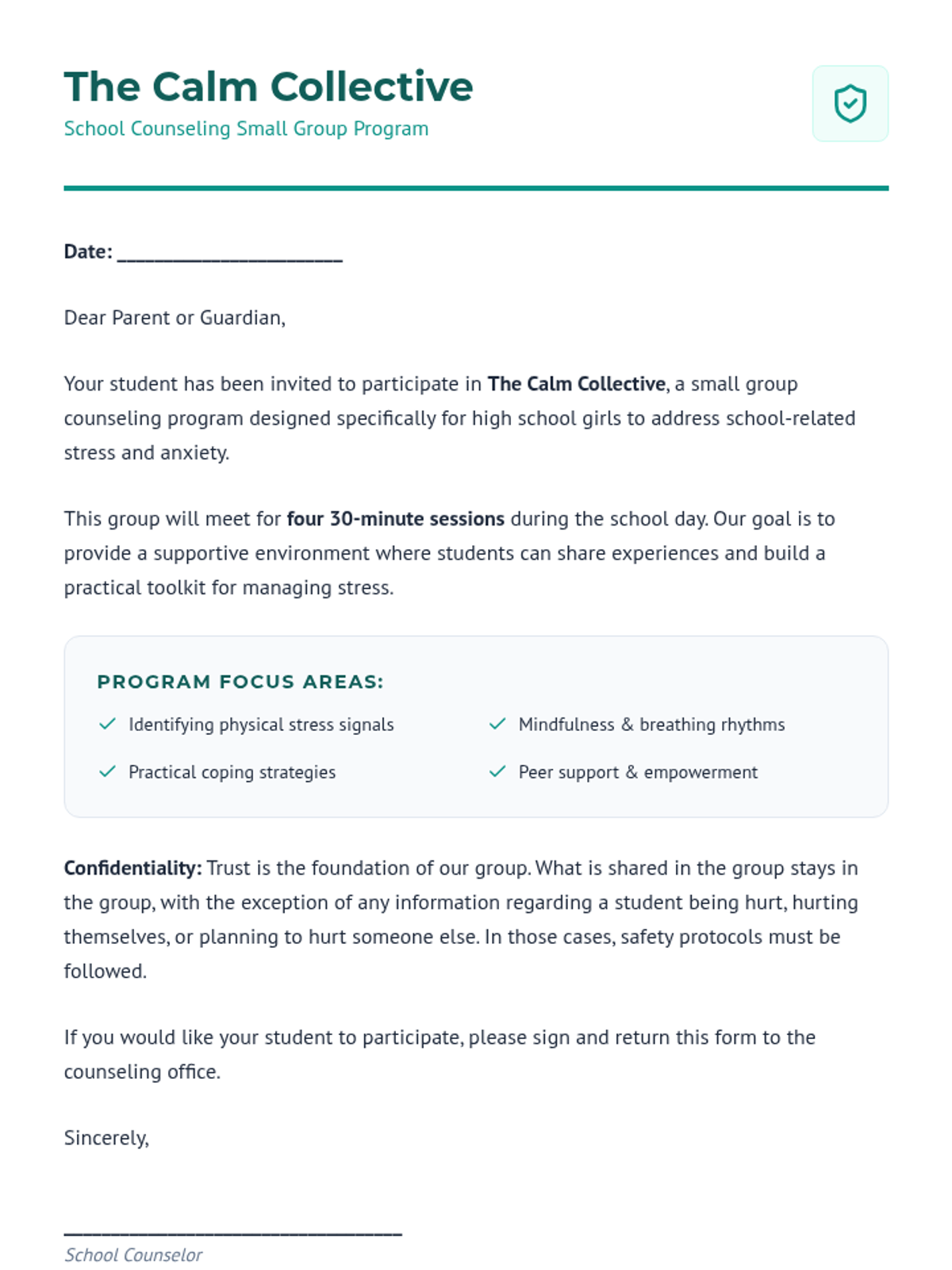
A professional parent permission and consent letter for The Calm Collective group, outlining program goals, confidentiality, and participation details.
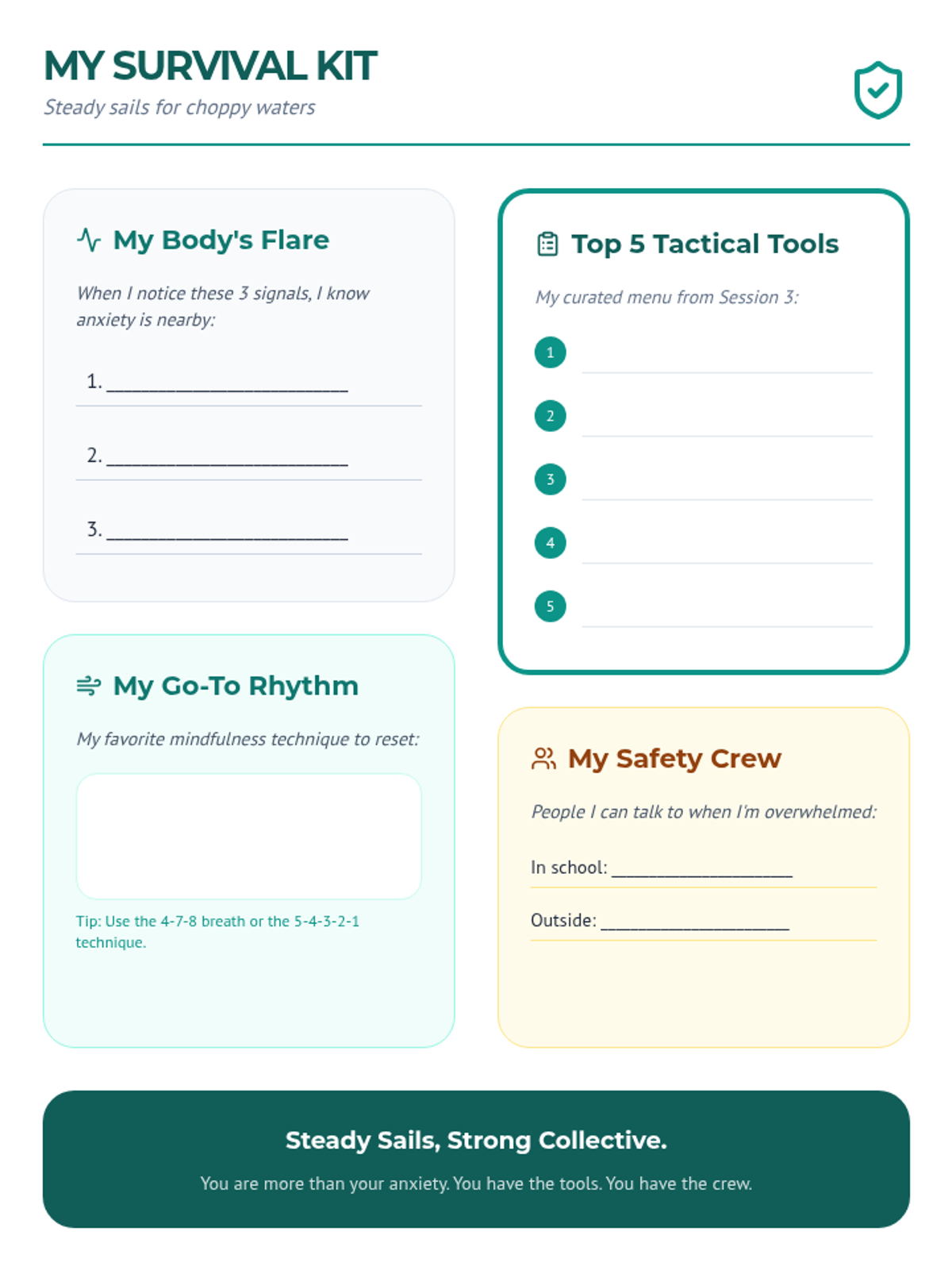
A one-page student "cheat sheet" and maintenance plan that summarizes the skills and tools learned throughout the 4 sessions.
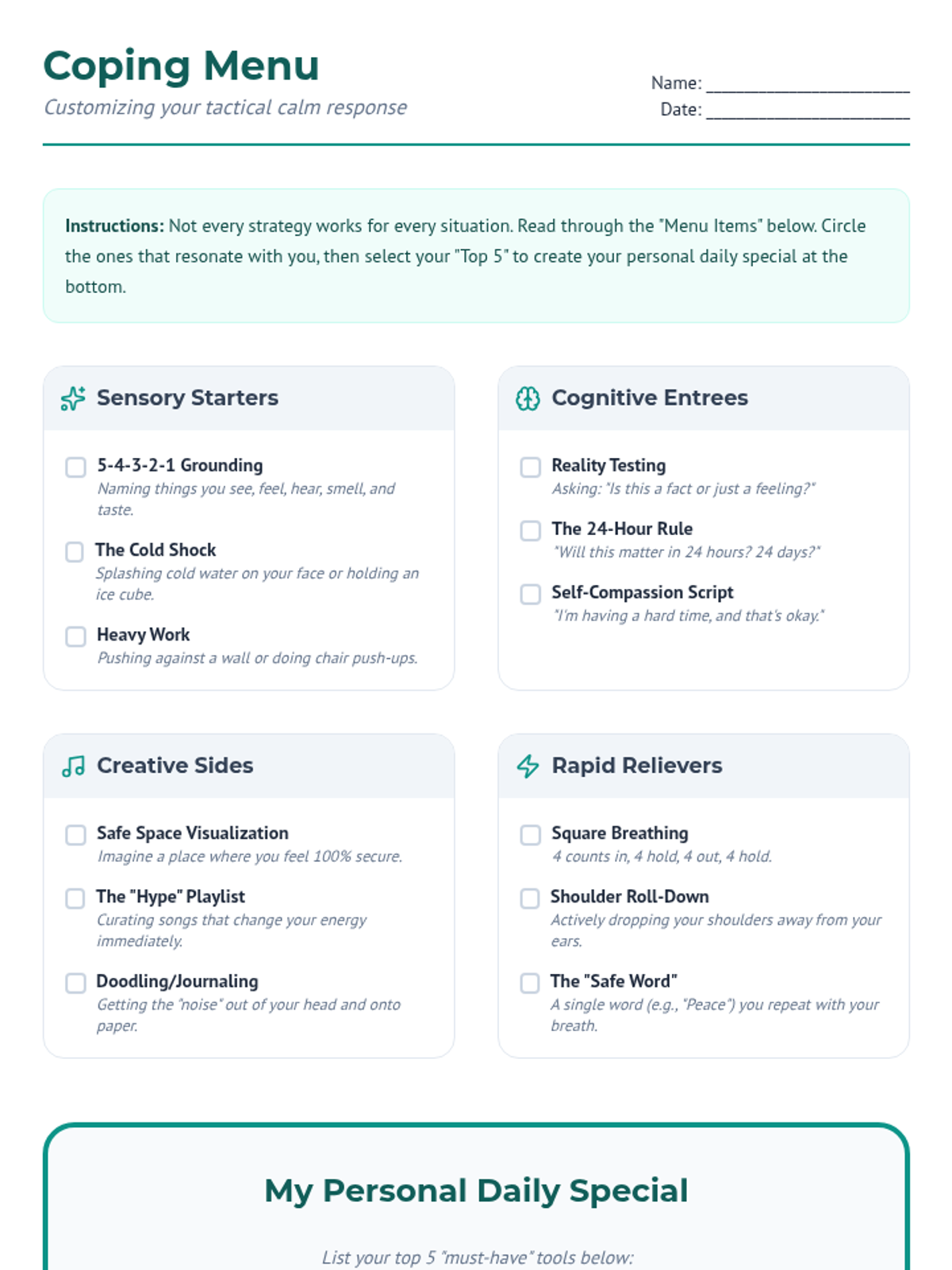
A student-facing "menu" of coping strategies divided into sensory, cognitive, creative, and rapid relief categories, allowing students to curate their own personalized toolkit.
An instructional slide deck for Session 2, introducing the concept of mindfulness, the 4-7-8 breathing technique, and practical ways to integrate mindfulness into a high school day.
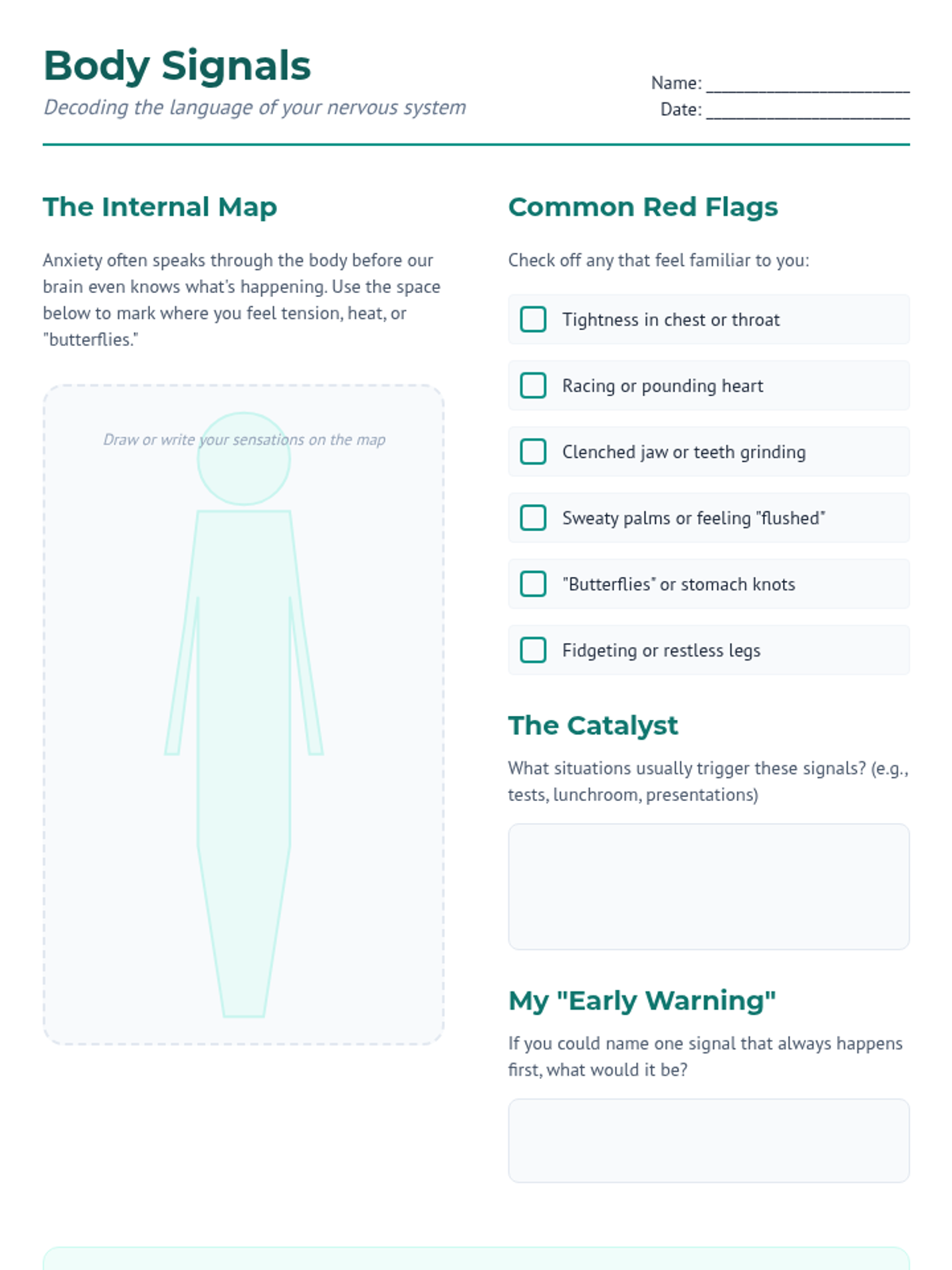
A student worksheet for identifying physical anxiety symptoms and triggers, featuring a body map and common physical "red flag" checklist.
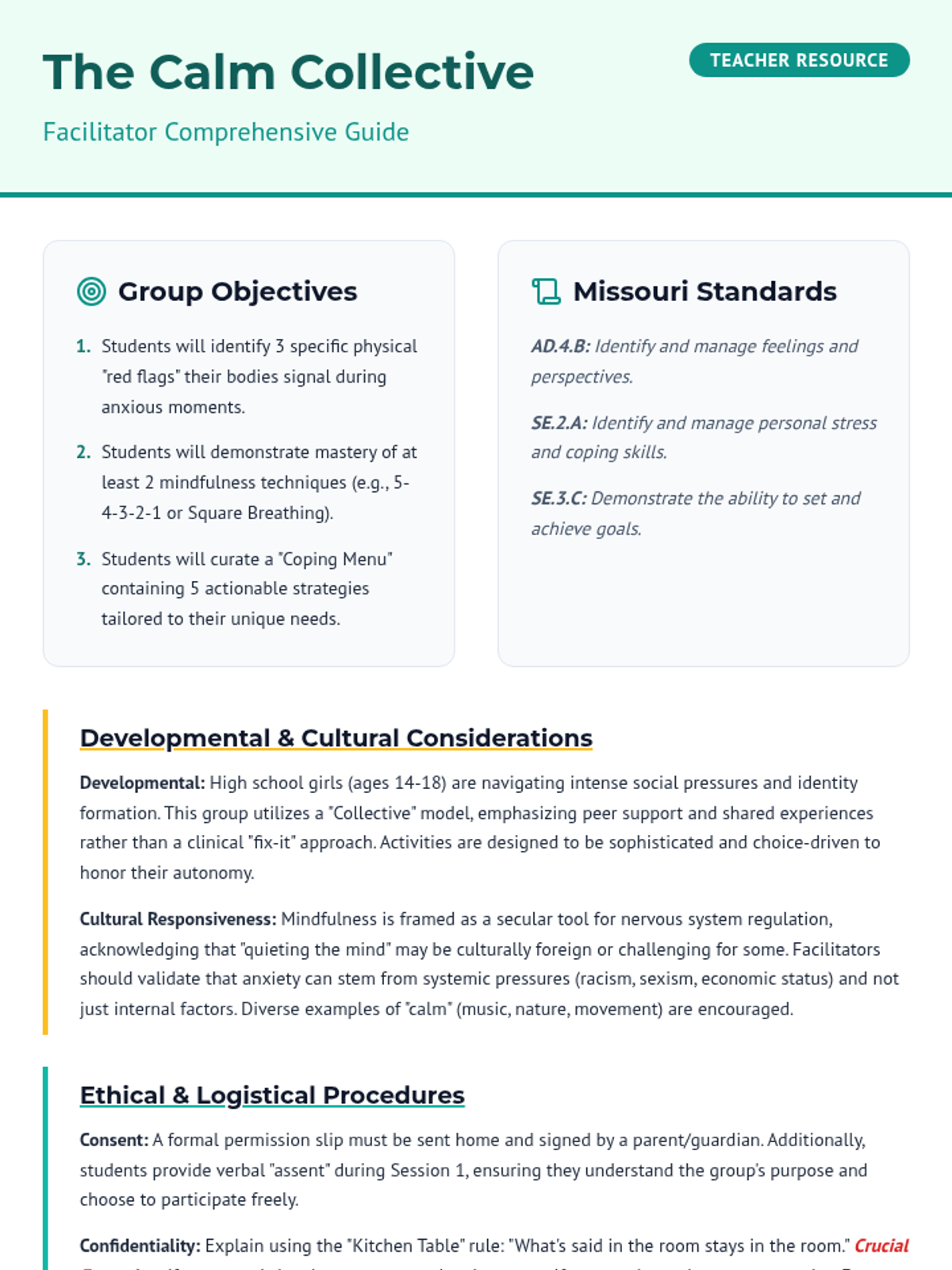
A comprehensive facilitator guide for the Calm Collective group, outlining measurable objectives, Missouri counseling standards, cultural/developmental considerations, and ethical procedures for the 4-session program.
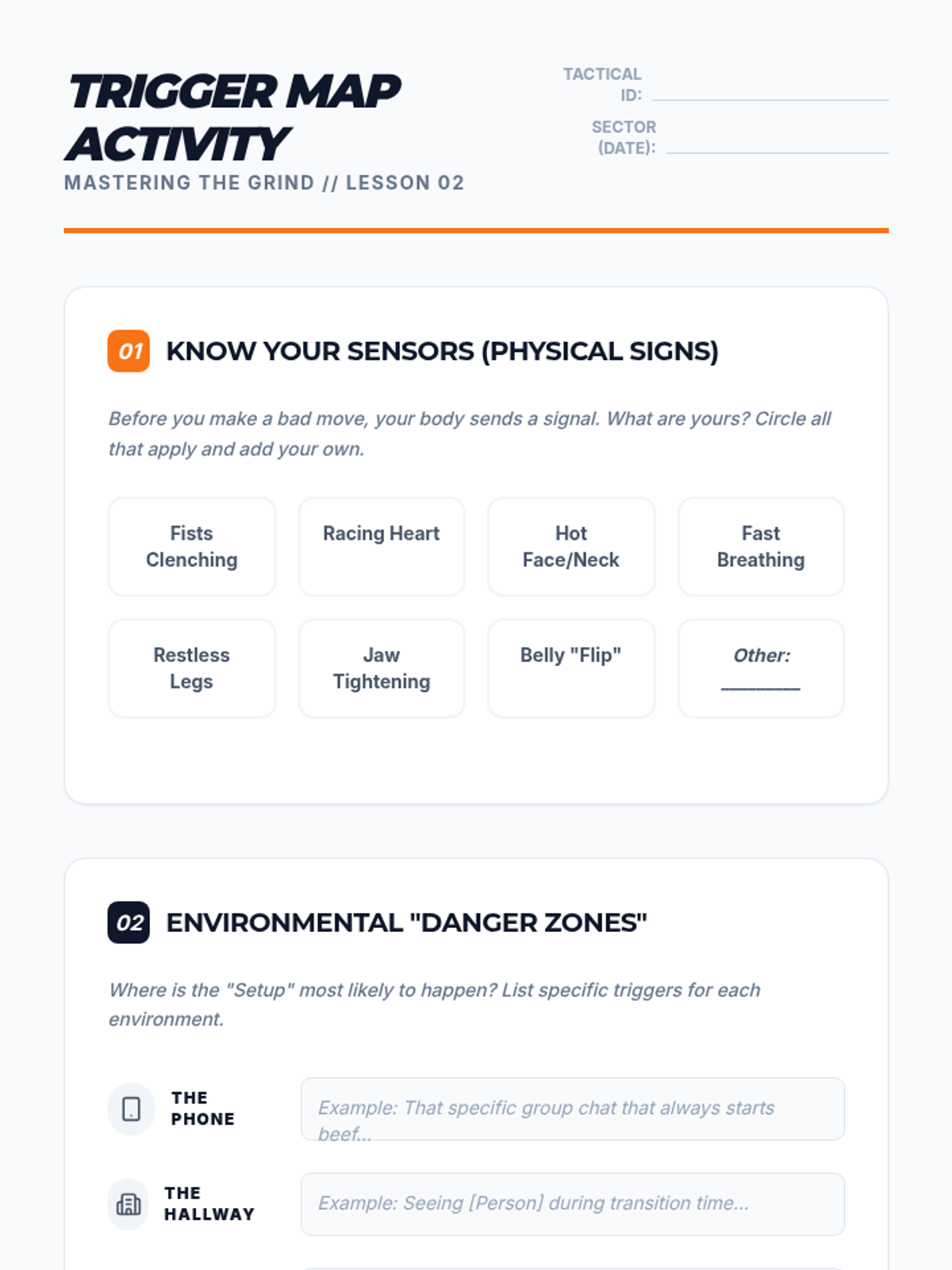
Student activity sheet for Lesson 2 to map out personal physical impulse signs and environmental triggers across different settings (home, school, social). Background of work area updated for legibility.
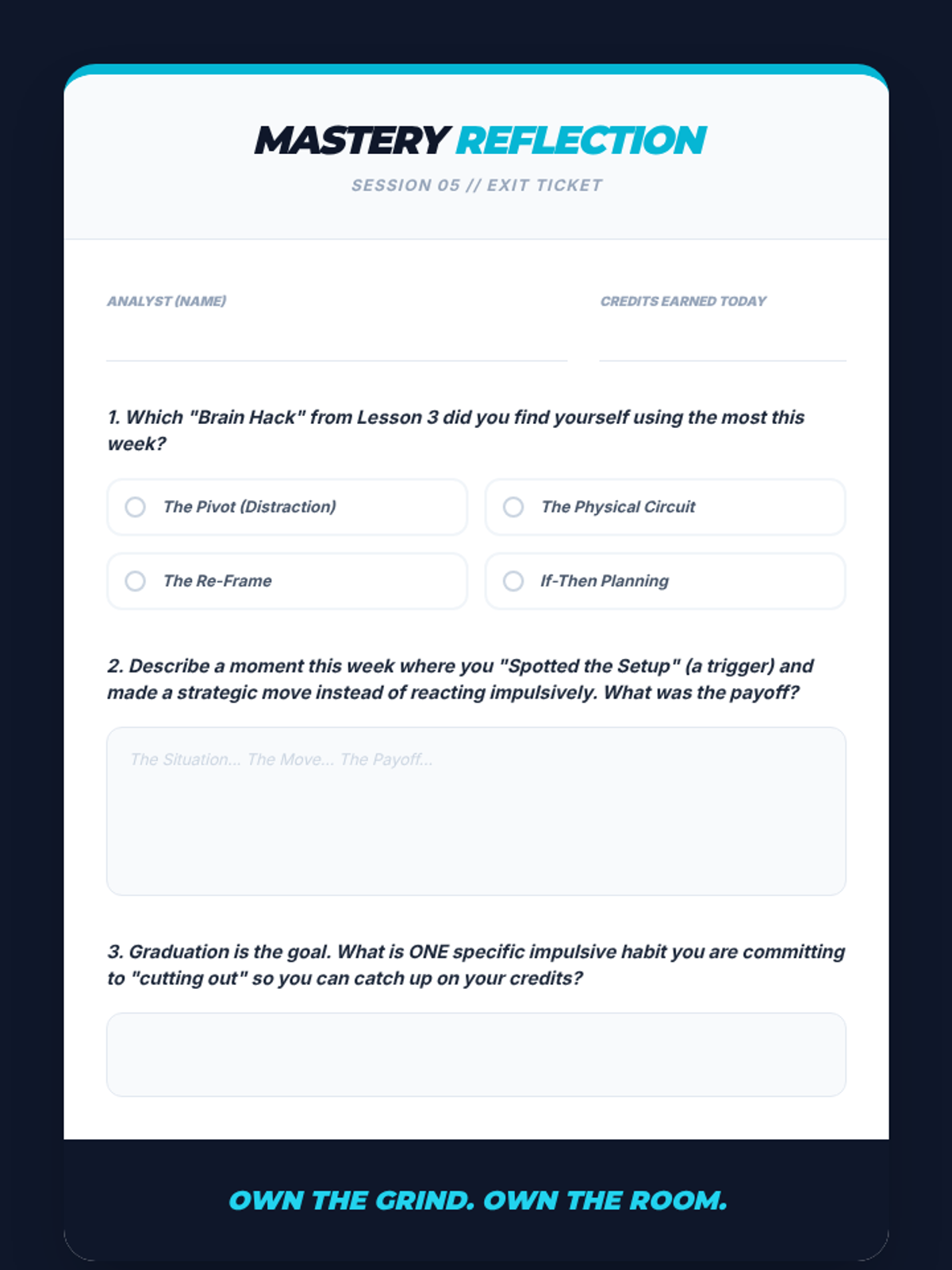
Summative reflection and exit ticket for the "Impulse Control Academy" sequence, where students self-assess their progress and set a goal for their future self.
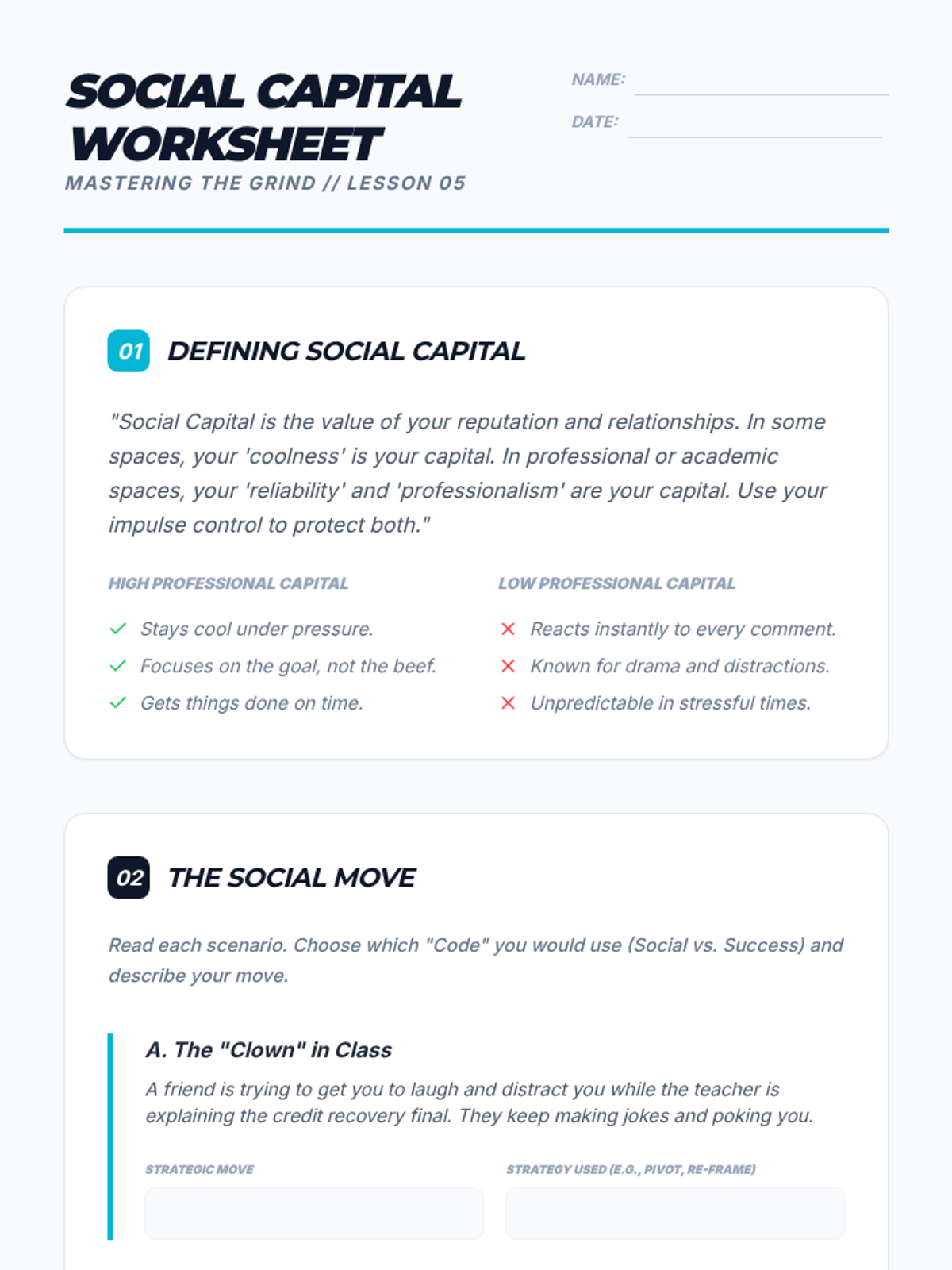
Student activity sheet for Lesson 5 focusing on social scenario analysis and the interpersonal consequences of impulsive versus regulated behavior.
Final slide deck for Lesson 5, focusing on applying impulse control strategies to social interactions and peer pressure.
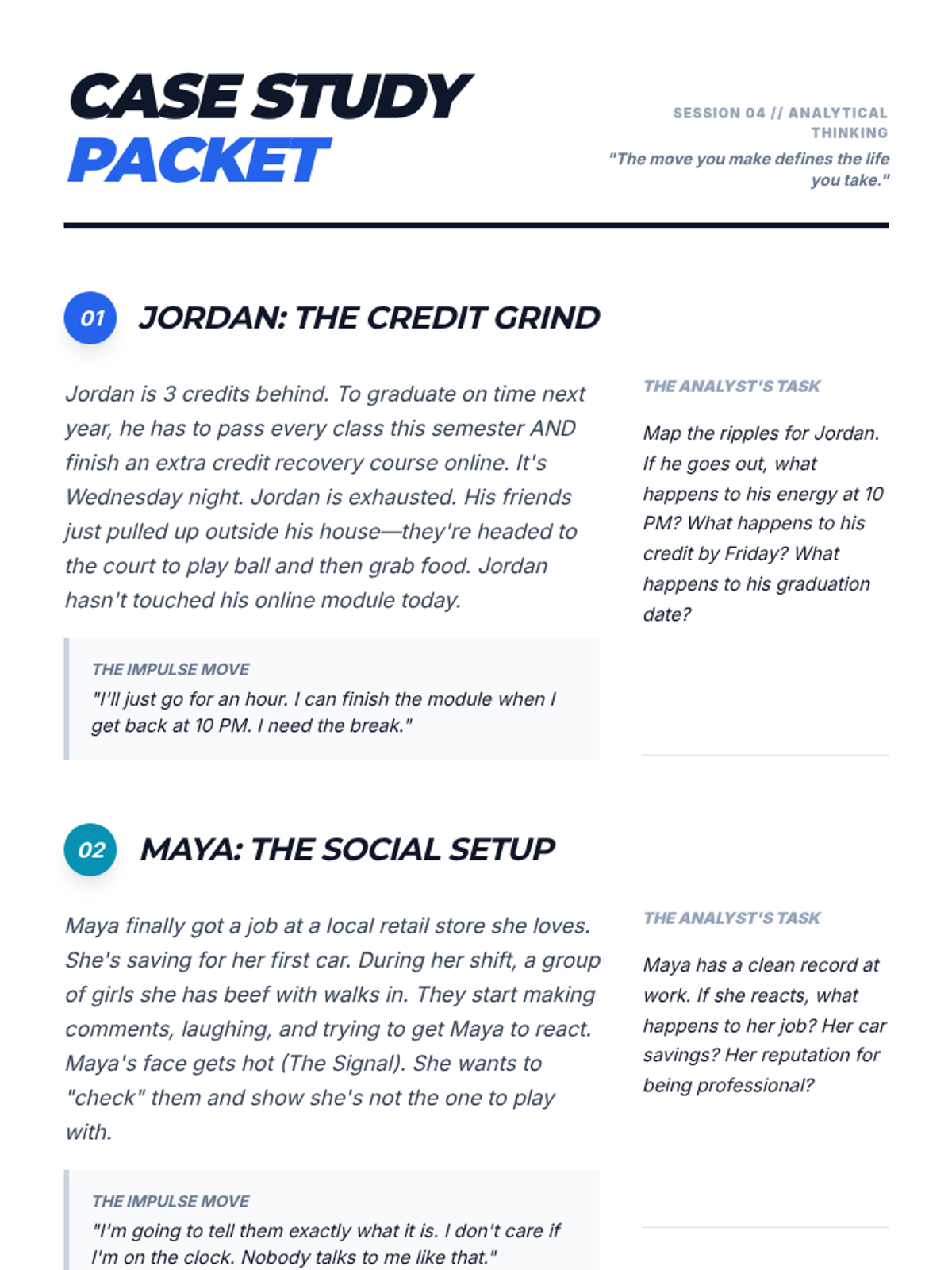
Case study packet for Lesson 4 featuring "Impulsive Ivan" scenarios for students to analyze the long-term ripples of impulsive decisions.
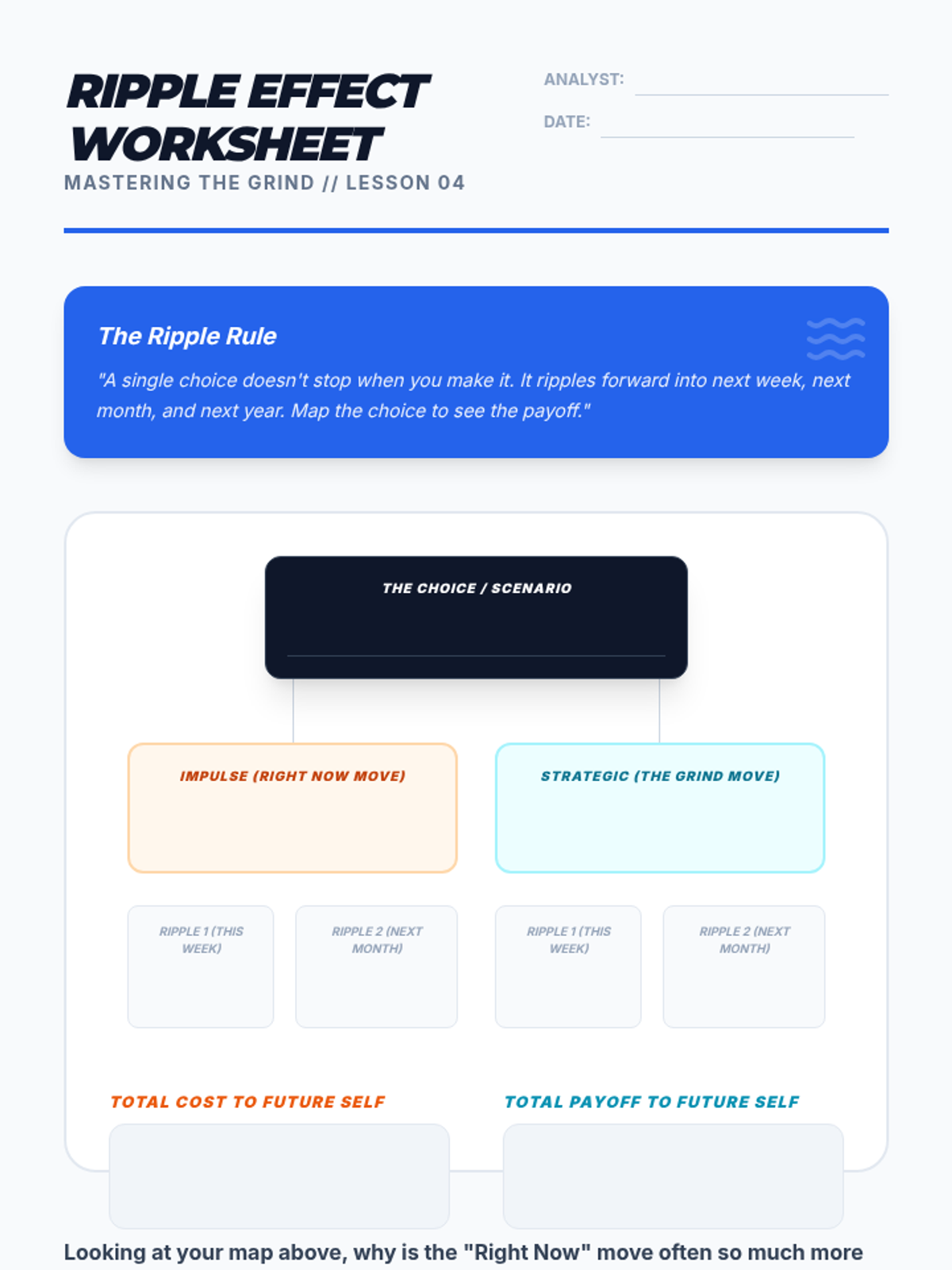
Student worksheet for Lesson 4 where students map out the "now" and "later" consequences of a specific academic/social dilemma using a tree diagram.
Slide deck for Lesson 4 exploring the "Ripple Effect" of choices and the concept of thinking about one's "Future Self" to weigh consequences.
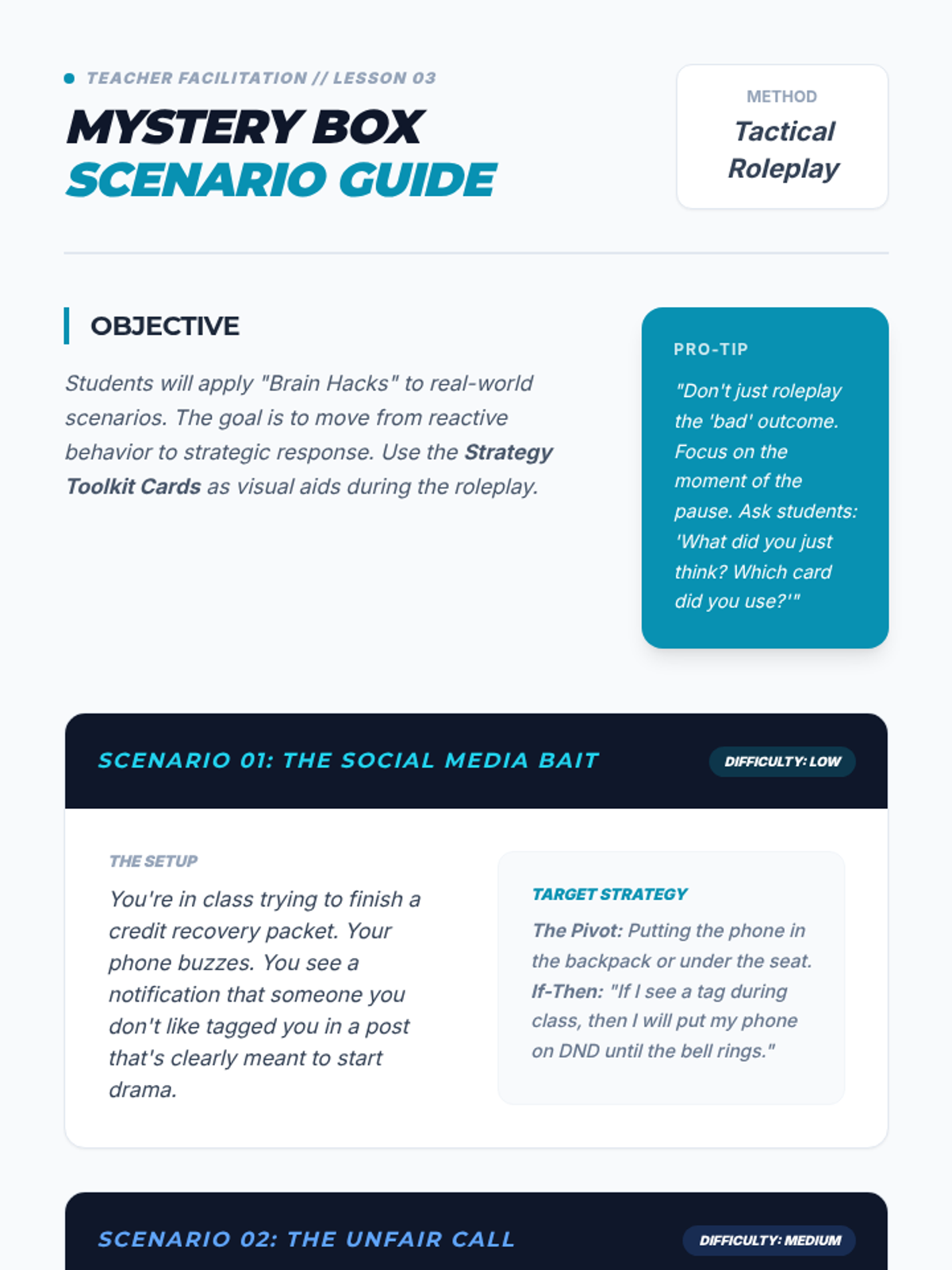
Teacher facilitation guide for Lesson 3 roleplay scenarios and the "Mystery Box" practical application activity.
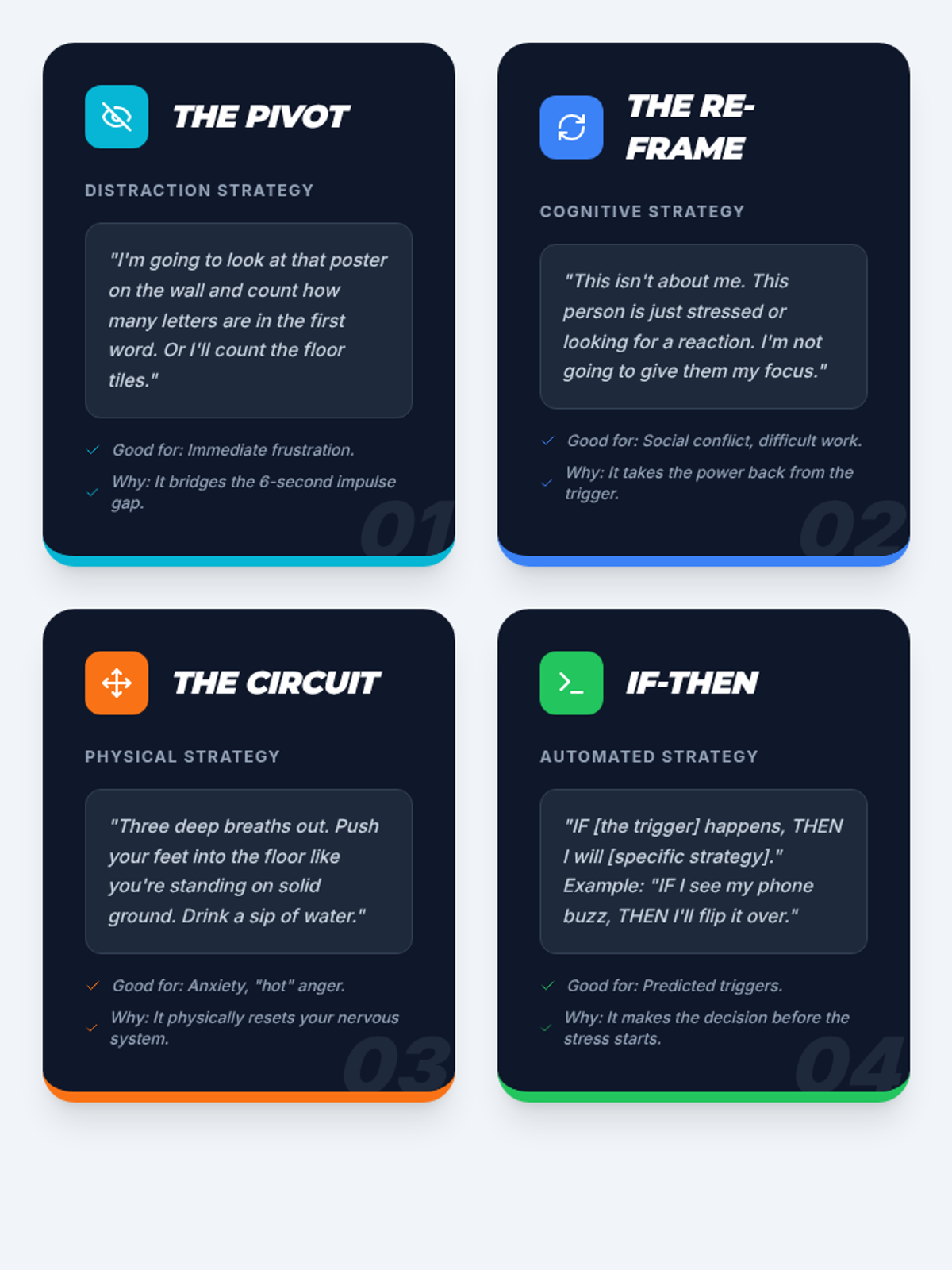
Reference cards for students featuring the four primary "Brain Hacks" (Distraction, Reframing, Physical, If-Then) and a space to select their preferred combination.
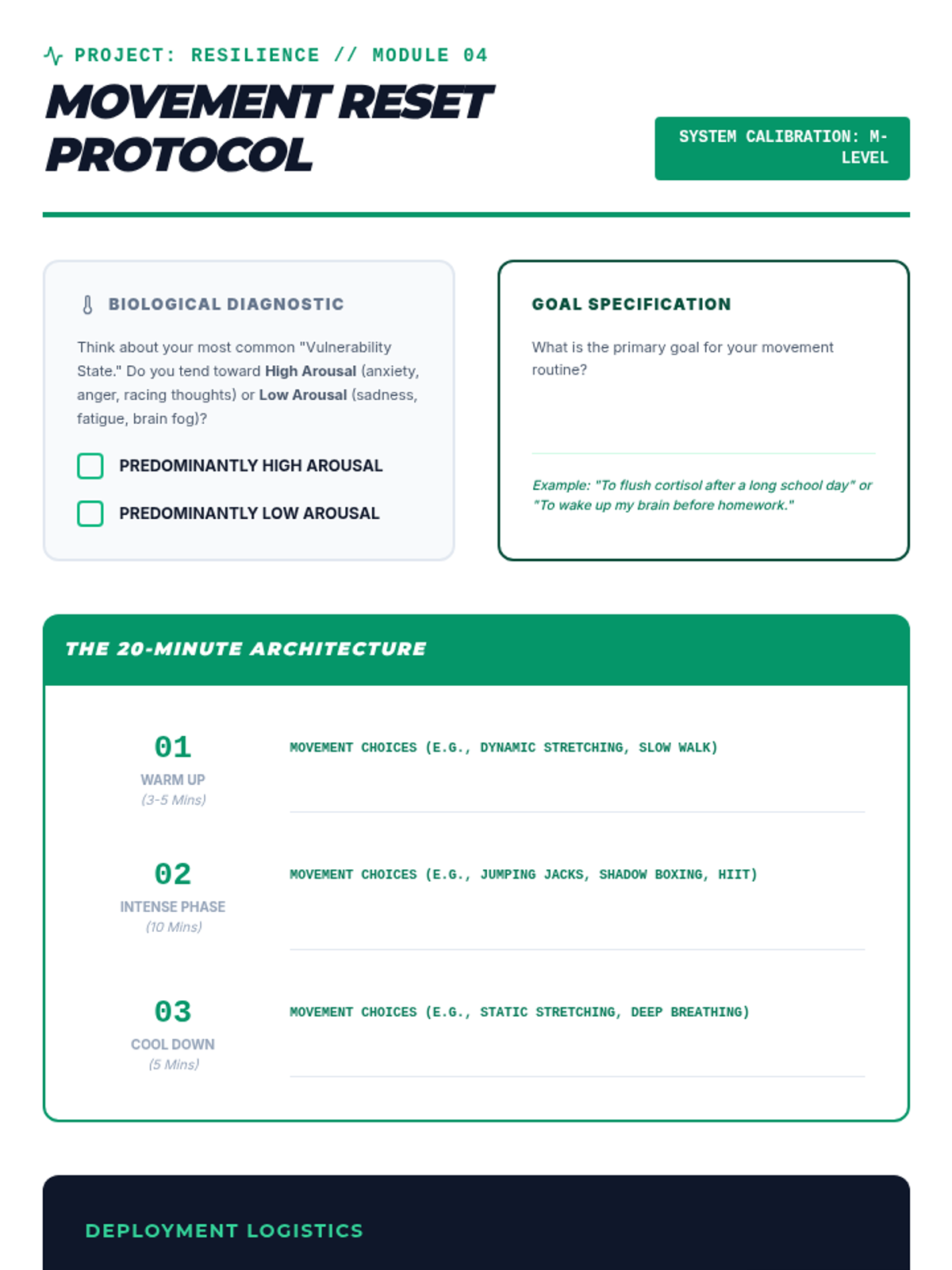
A movement-focused worksheet where students design a personalized '20-minute reset' routine, identifying movements that match their emotional state and identifying barriers to exercise.
The final project deliverable for the sequence where students synthesize their audit data, sleep blueprints, nutrition plans, and movement routines into a comprehensive personal protocol.
Final slide deck for the Launching the Protocol lesson, guiding students through the synthesis of their PLEASE research and the peer review process.
Introductory slides for the Movement for Mental Clarity lesson, focusing on the biological link between movement and emotional regulation. Introduces the '20-minute reset' concept.
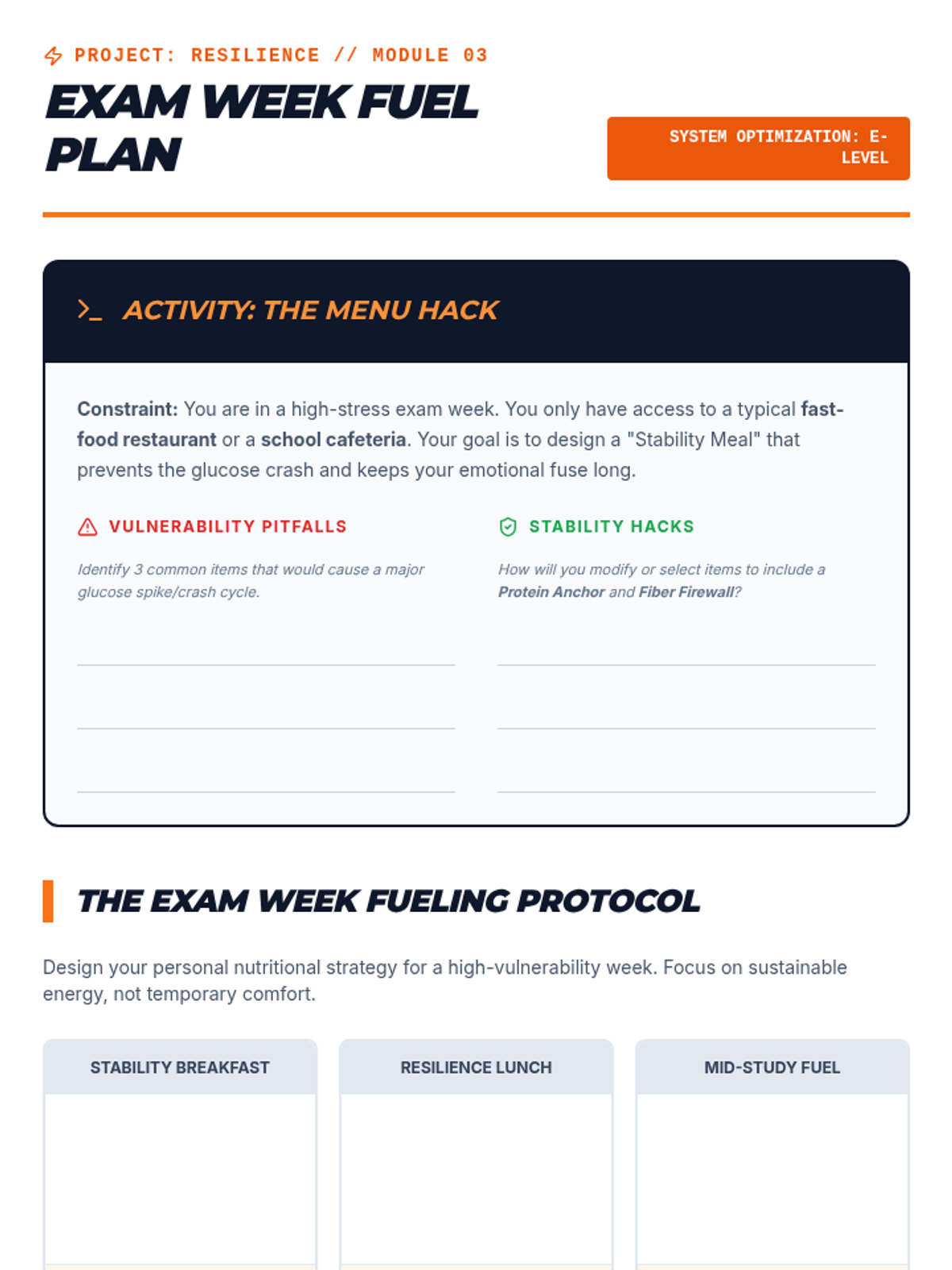
A nutrition-focused worksheet where students analyze cafeteria menus for 'vulnerability pitfalls' and design an 'Exam Week Fuel Plan' to stabilize blood sugar and emotional resilience.
Introductory slides for the Fueling the Machine lesson, exploring the biological link between nutrition, blood sugar, and emotional stability. Includes the 'Menu Hack' challenge intro.
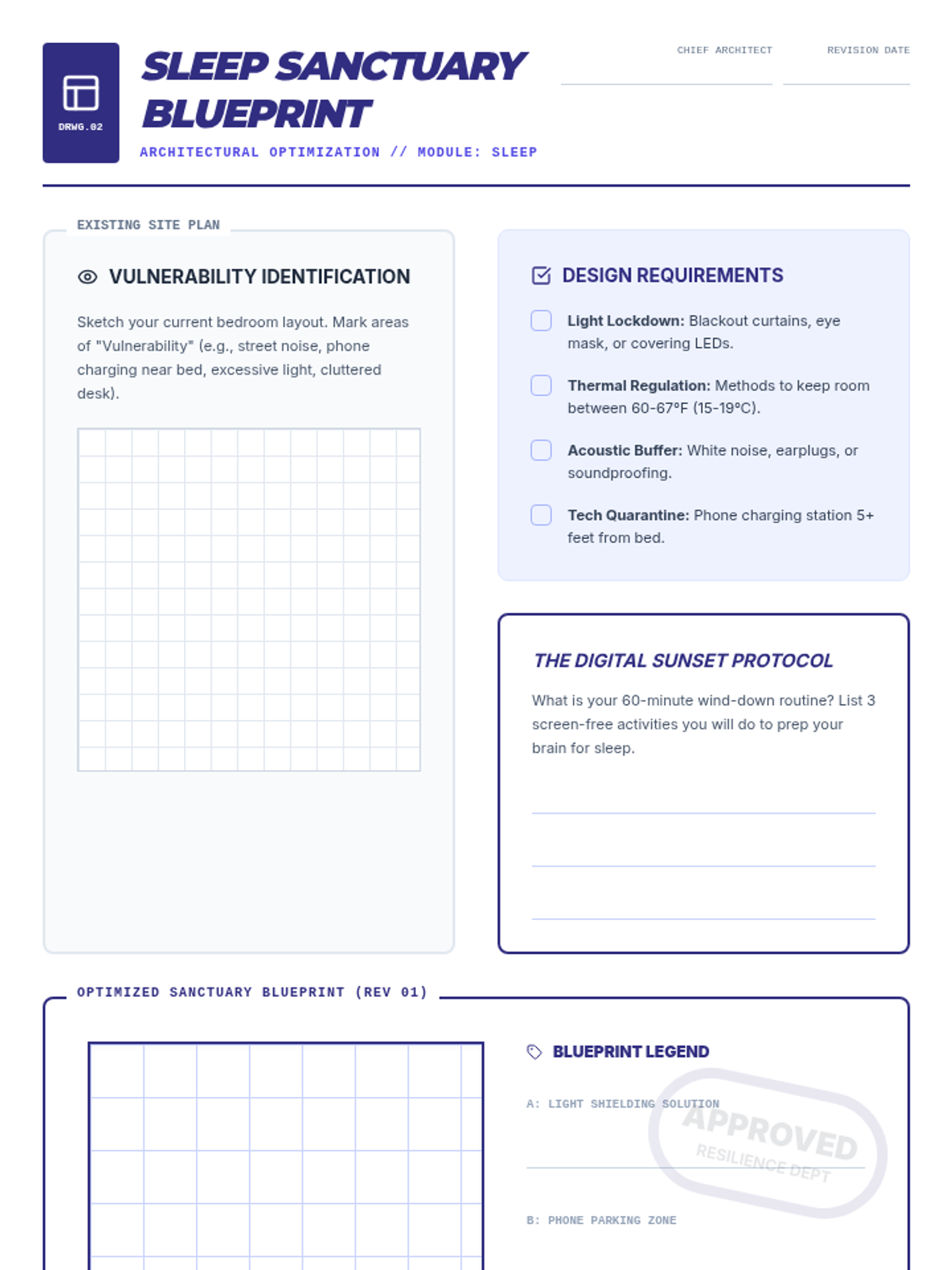
An architectural-themed worksheet where students audit their current sleep environment and design a 'Sleep Sanctuary' using evidence-based sleep hygiene principles.
Introductory slides for the Sleep Sanctuary lesson, explaining the biological importance of sleep for adolescents and introducing environmental design principles for better rest.
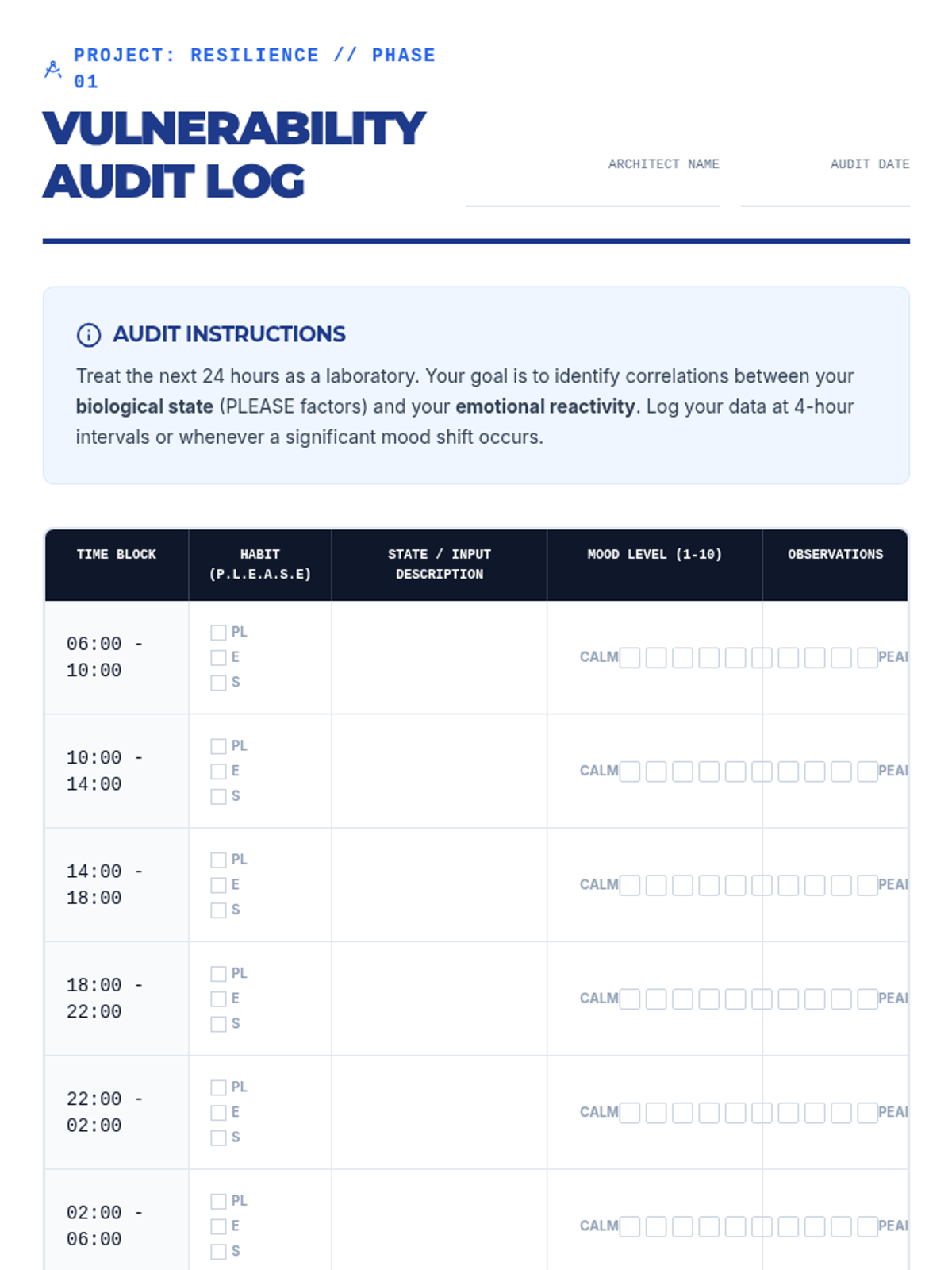
A 24-hour lifestyle and mood tracking sheet for students to audit their PLEASE habits and identify correlations with emotional vulnerability.
Introductory slide deck for the Vulnerability Audit lesson, introducing the PLEASE acronym and the concept of biological emotional regulation using a 'Lifestyle Architect' theme. Updated to ensure all text is 24px minimum.
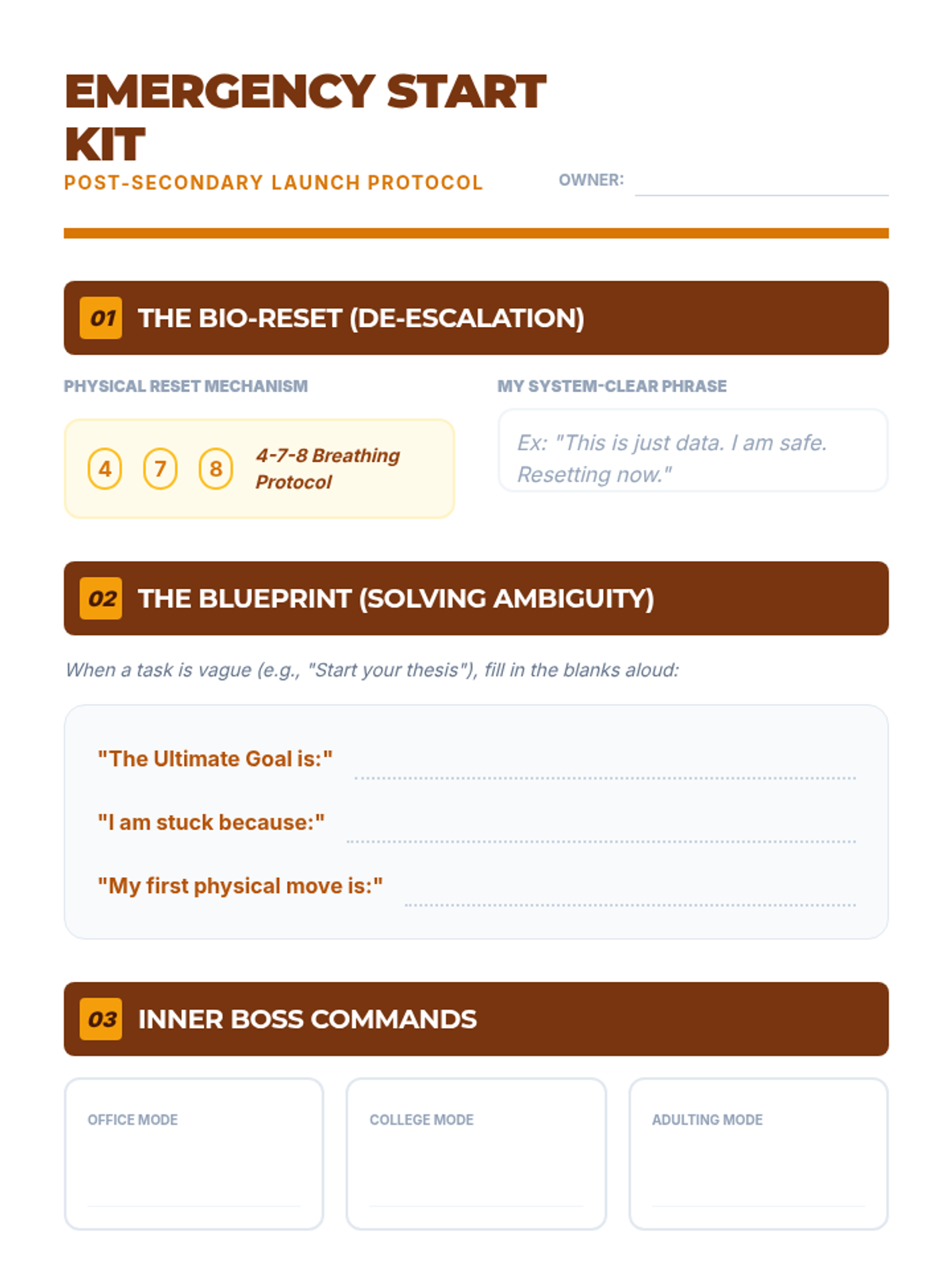
A comprehensive student template for creating a personalized 'Emergency Start Kit' to master task initiation in future post-secondary environments.
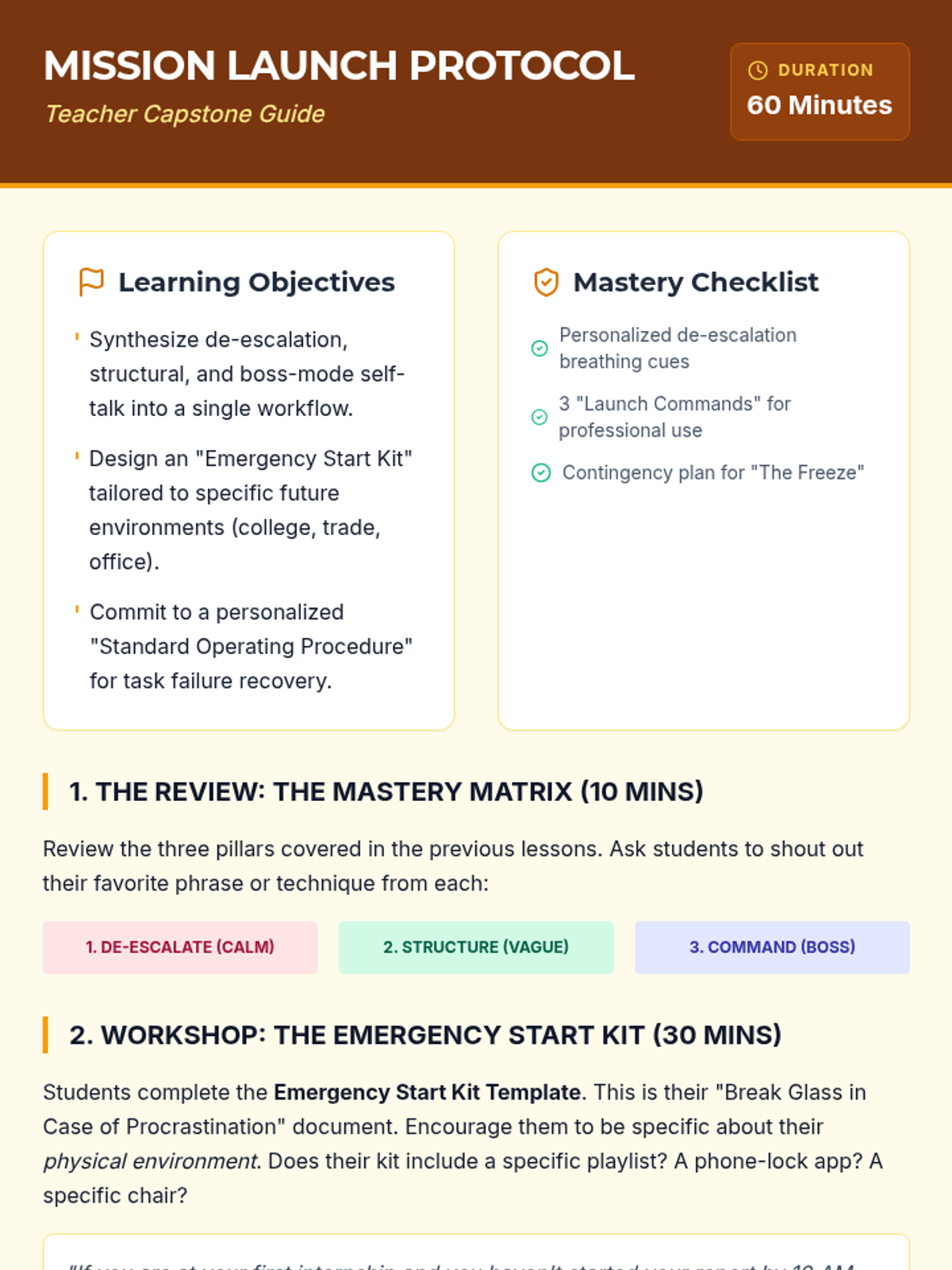
Teacher guide for the final capstone lesson, where students synthesize all self-talk strategies into a personalized emergency protocol for post-secondary success.
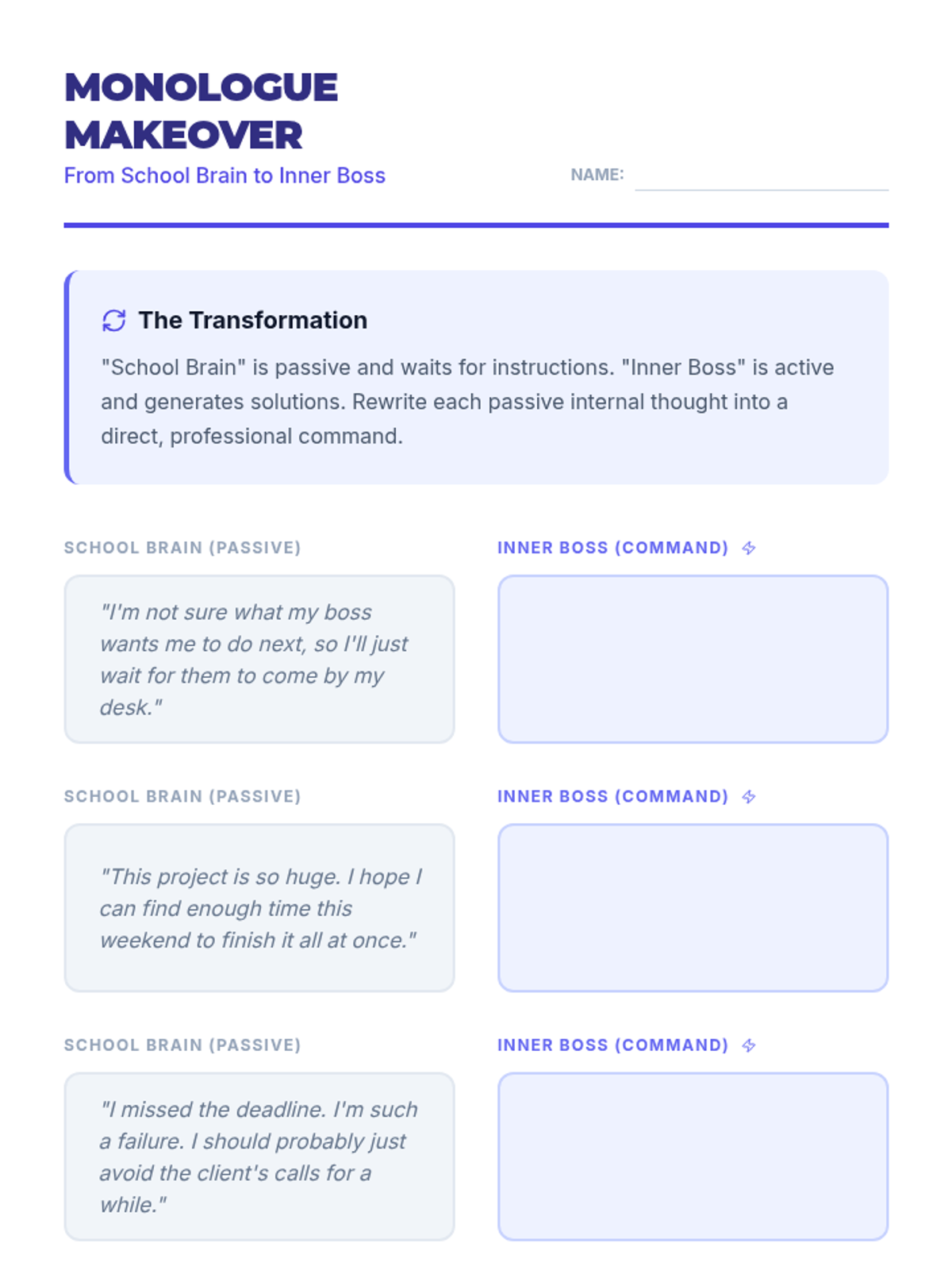
Student worksheet for practicing the transformation of passive 'school-mode' thoughts into active 'professional-mode' commands.
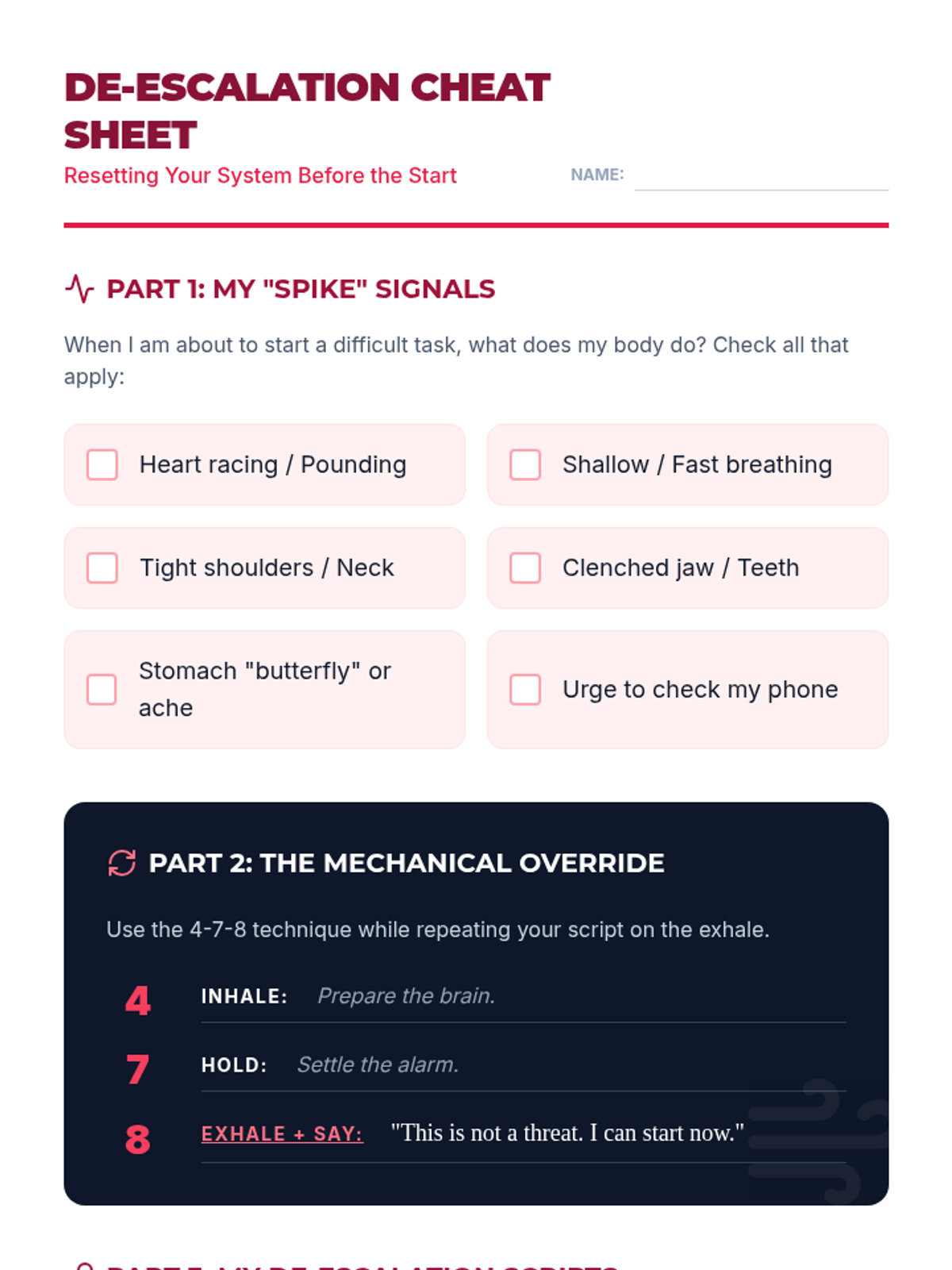
Student worksheet for tracking physiological stress signals and identifying personal de-escalation phrases for task initiation.
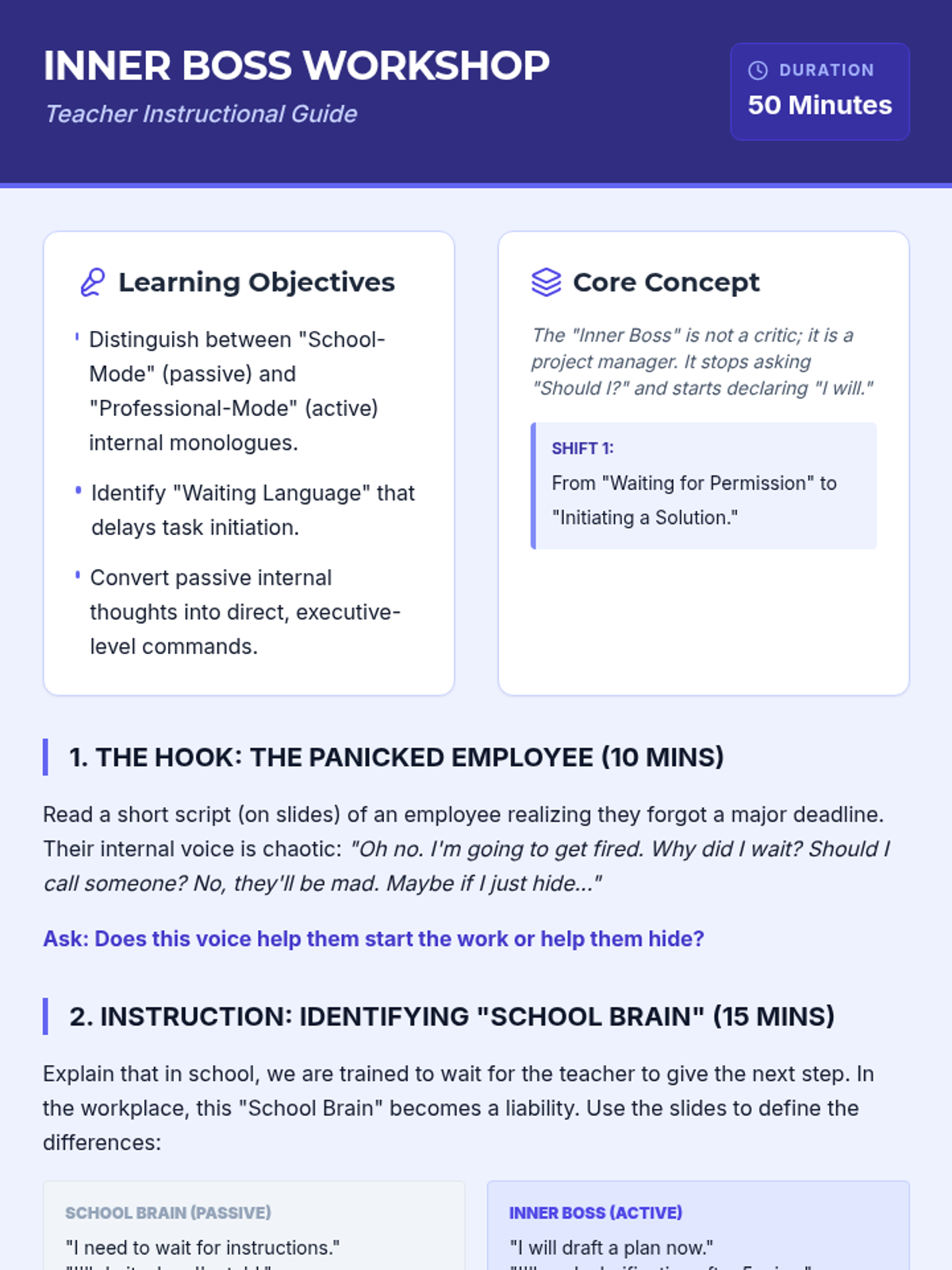
A teacher guide for the fourth lesson, focusing on transforming passive 'school-mode' internal thoughts into active 'professional-mode' commands.
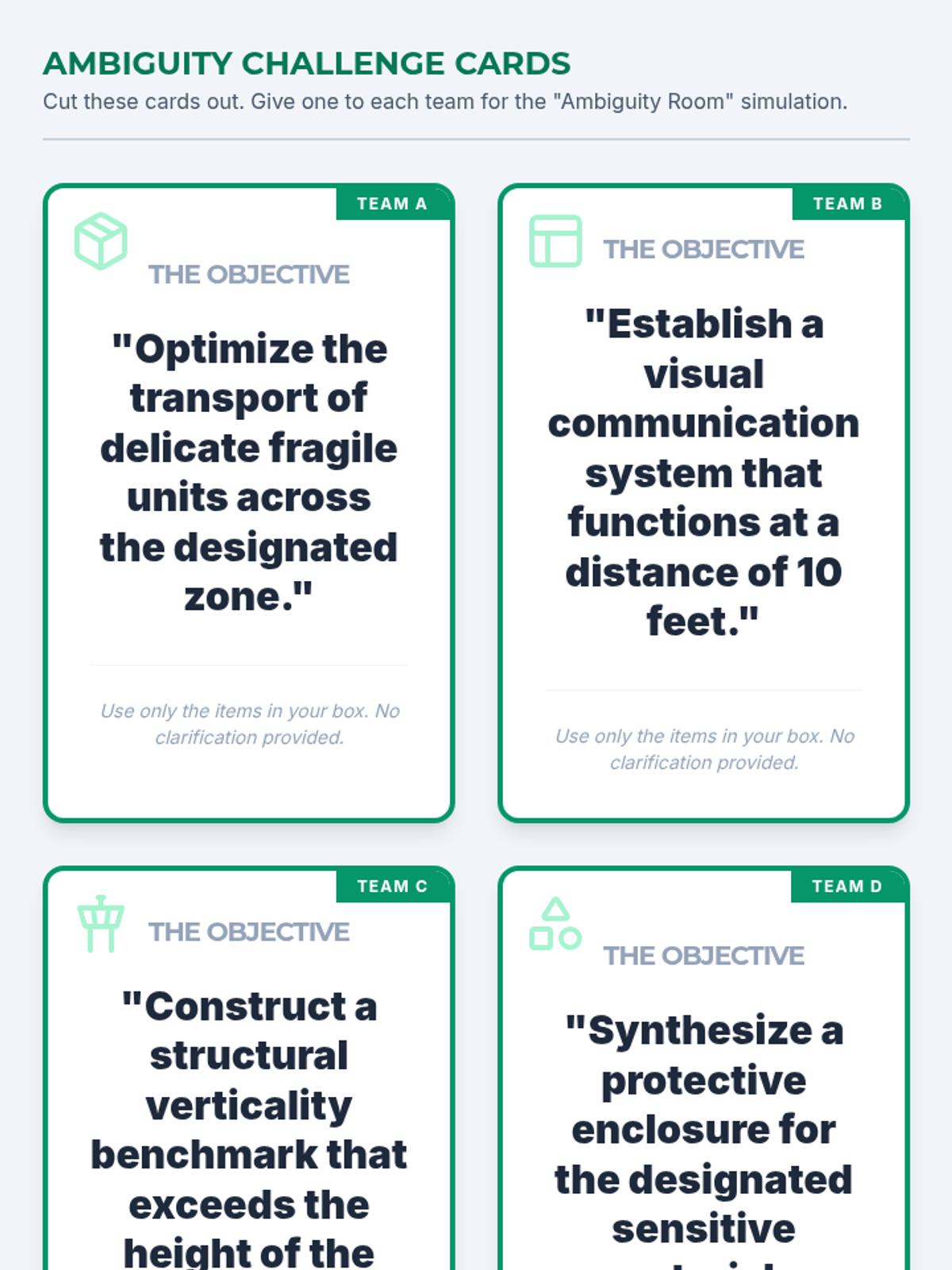
Challenge cards with vague objectives for the 'Ambiguity Room' simulation, designed to trigger task paralysis and necessitate self-talk structure.
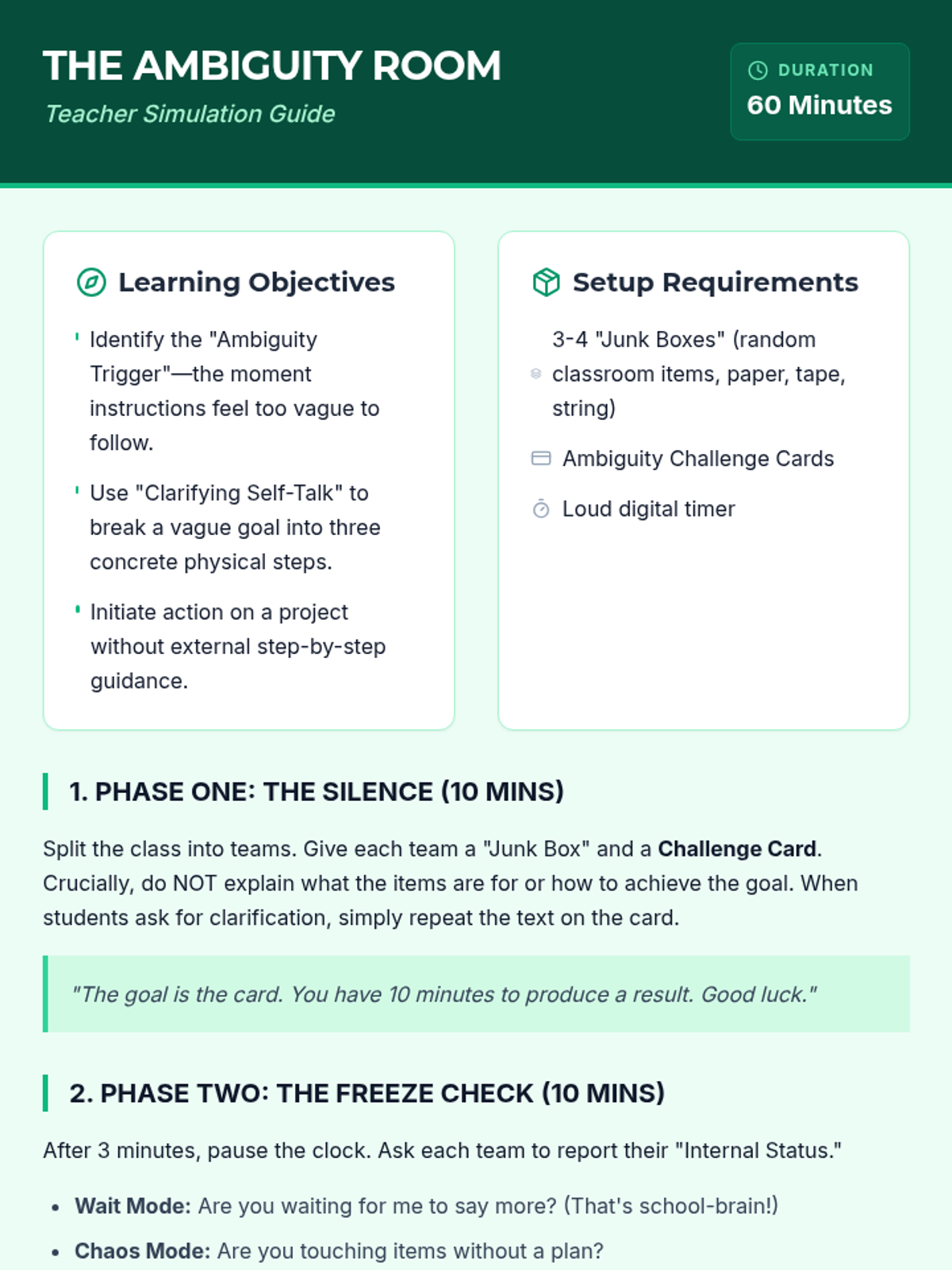
A comprehensive teacher guide for the third lesson simulation, focusing on navigating vague instructions and ambiguity through structured self-talk.
Visual presentation for Lesson 2, explaining the physiological stress response, the avoidance loop, and the 4-7-8 breathing technique for task de-escalation.
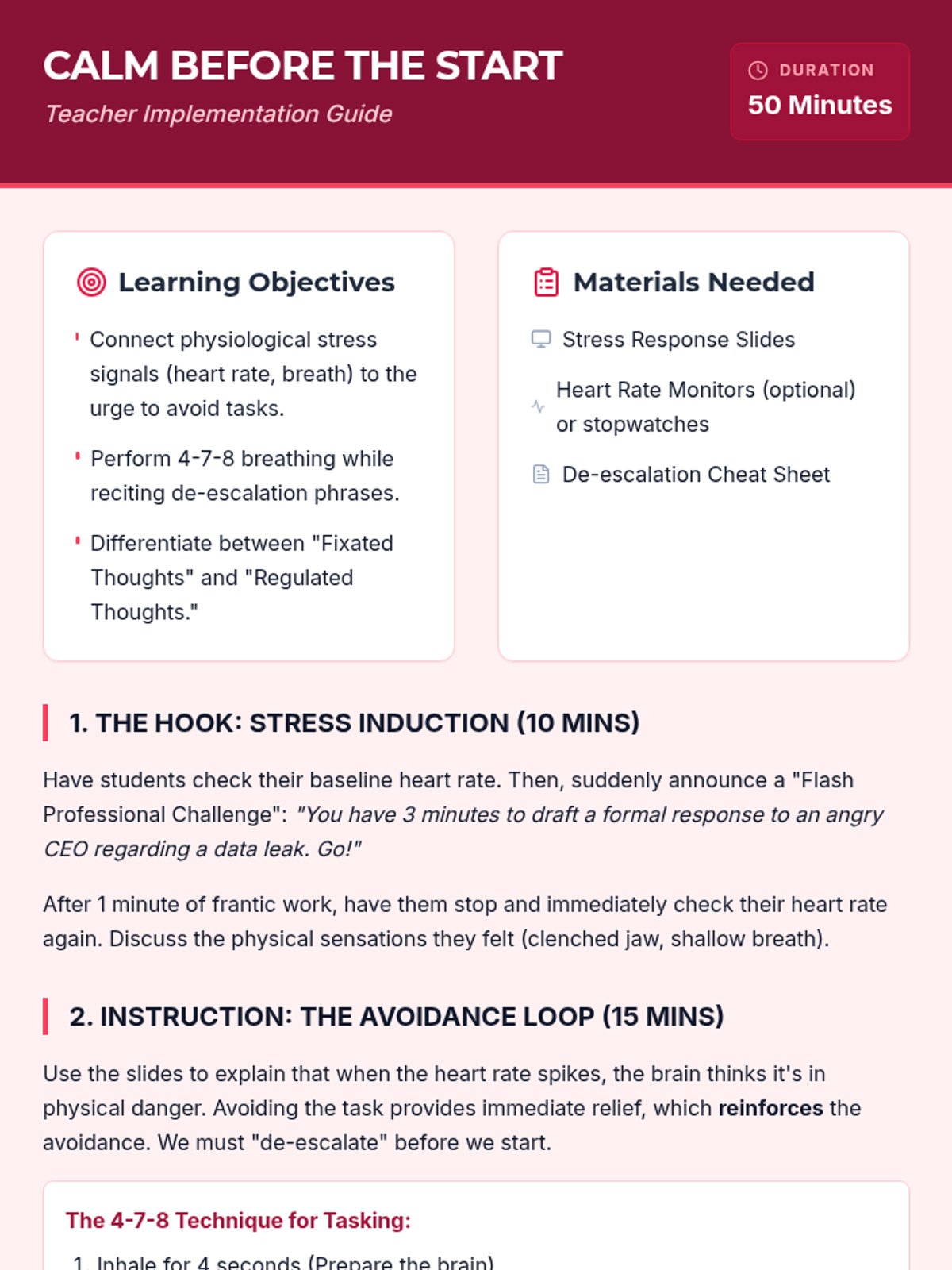
A teacher guide for the second lesson on de-escalating anxiety through self-talk, featuring a stress induction activity and the 4-7-8 breathing technique.
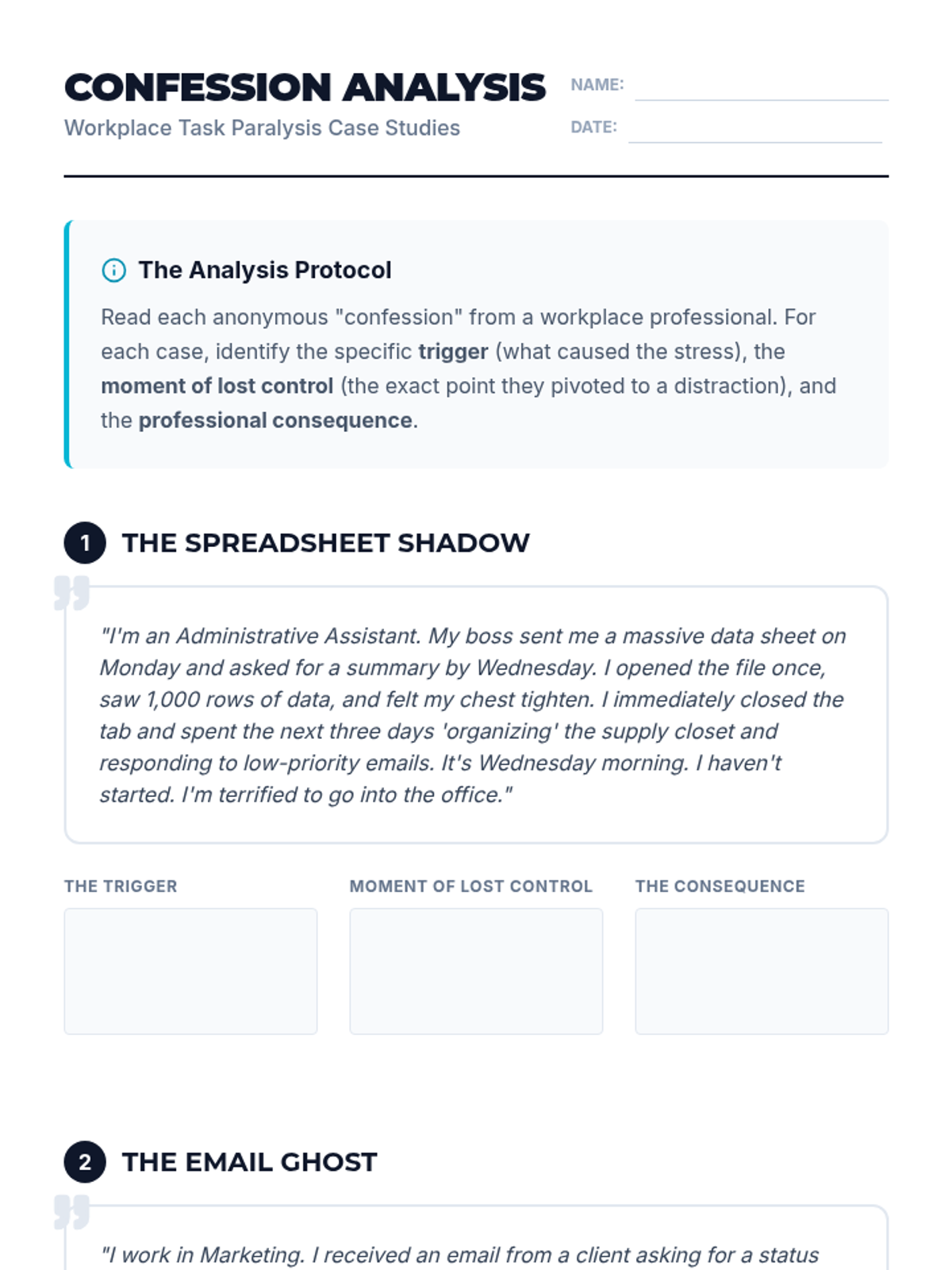
Student worksheet featuring workplace case studies (confessions) for analyzing the triggers and consequences of task paralysis.
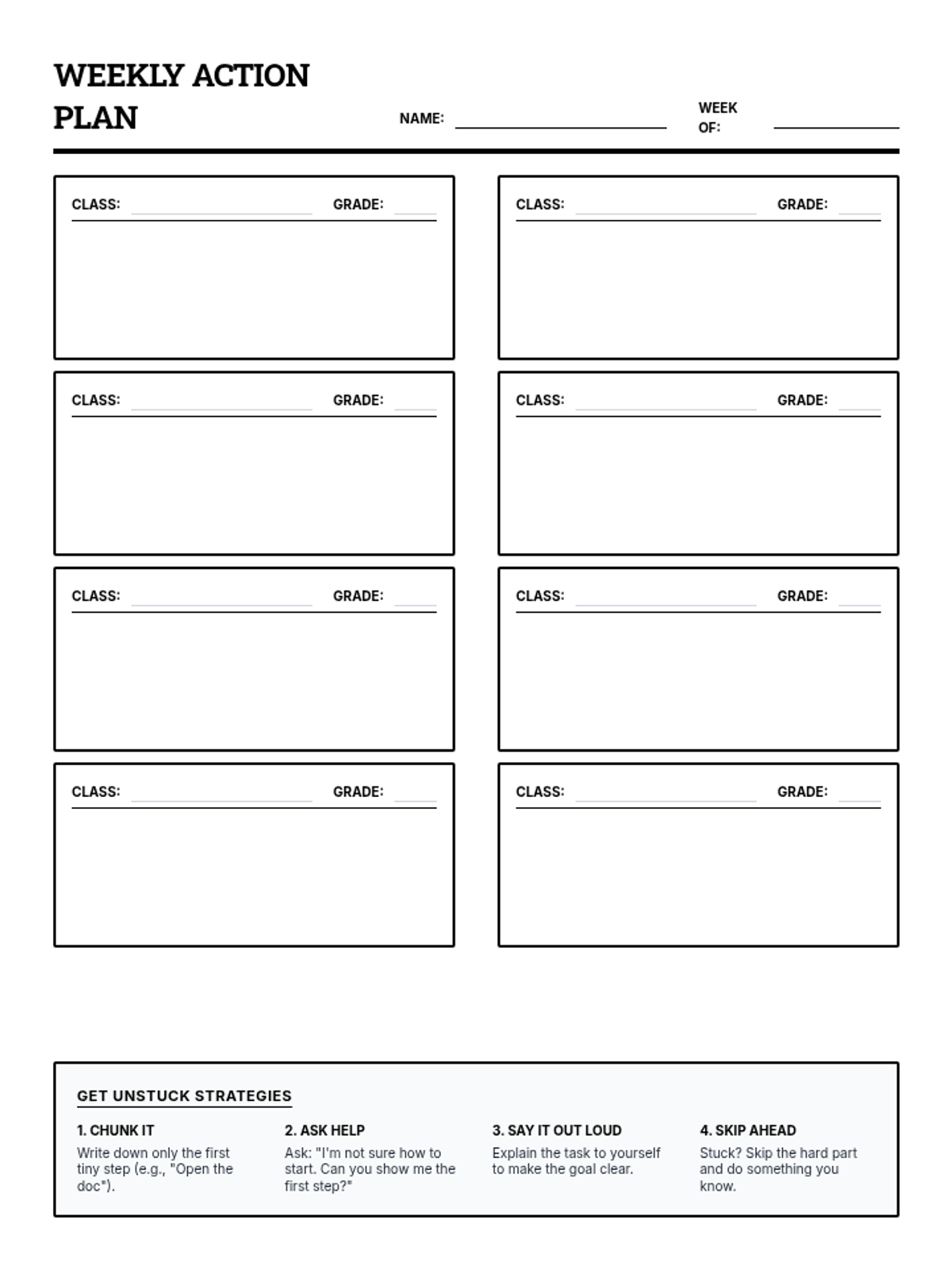
A highly efficient, single-page Weekly Action Plan designed for students with executive functioning needs. It features 8 streamlined class boxes with space for subjects and grades, plus a concise footer with 'Get Unstuck' strategies, all formatted to fit within a single printable page.
Instructional slide deck for the Budget Bites lesson, covering the 90-minute agenda, hidden costs (tax and tip), and restaurant social etiquette.
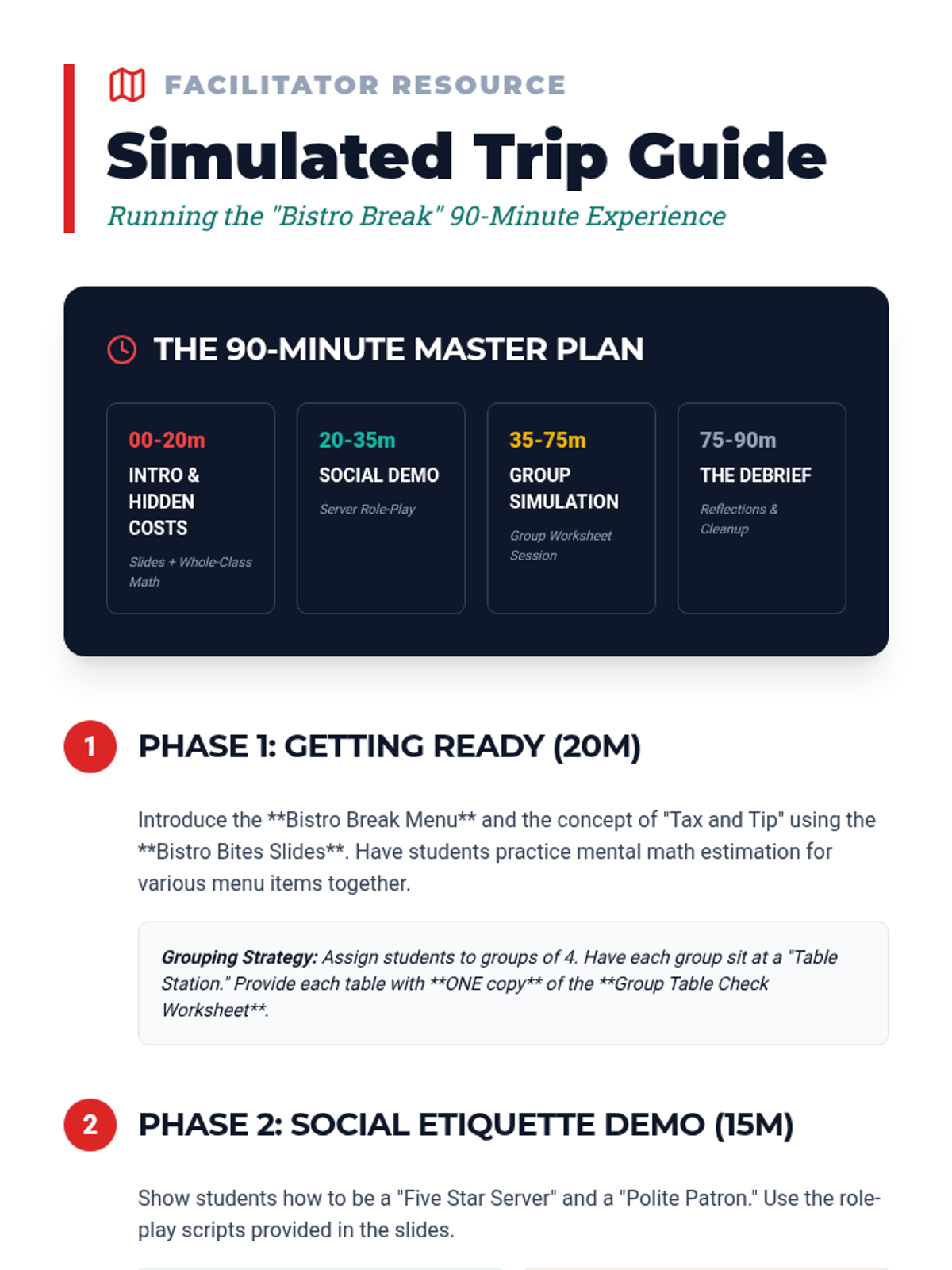
A facilitator's guide for conducting a simulated restaurant field trip in the classroom, including role-play scripts and setup instructions.
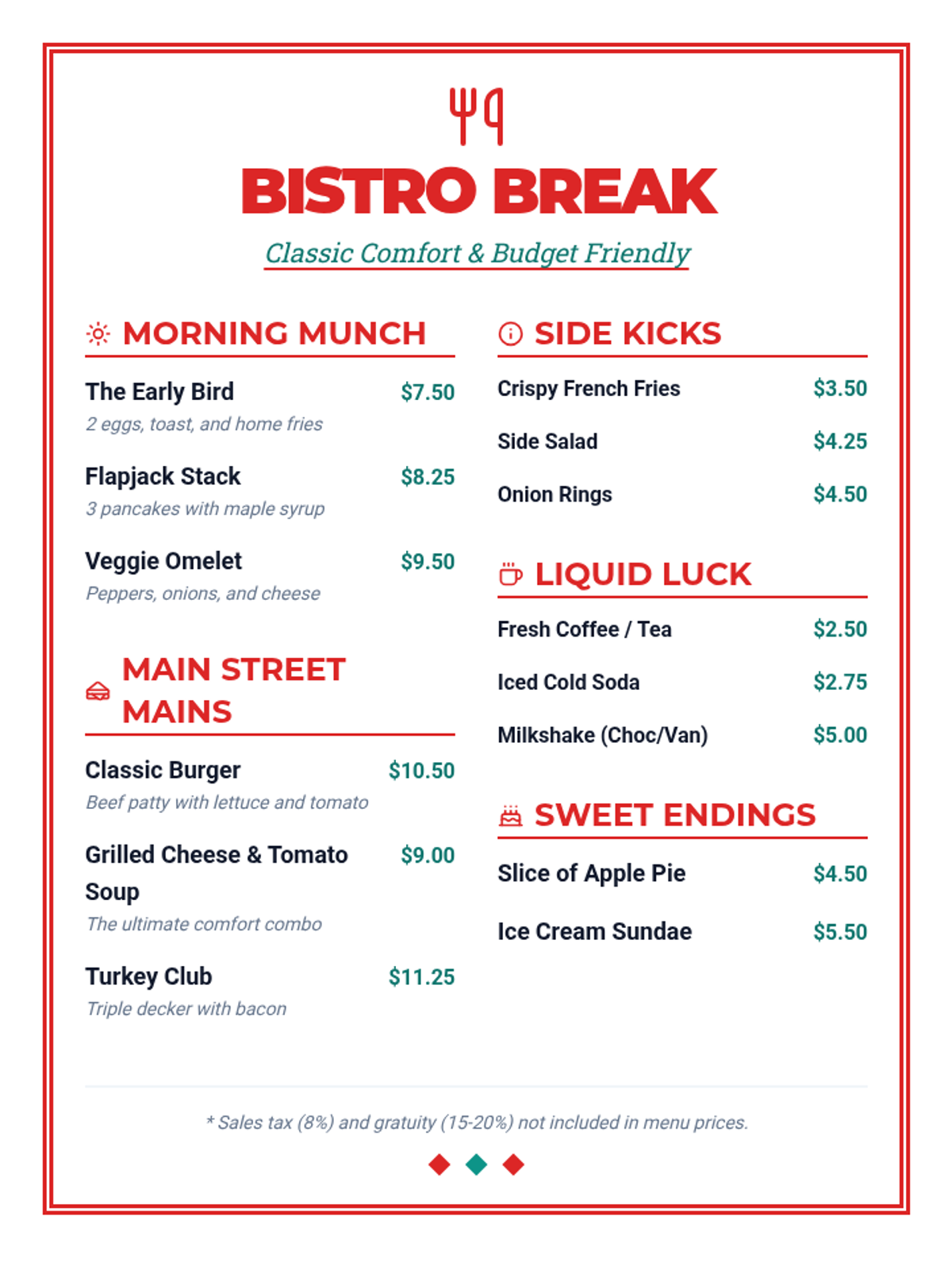
A retro-style bistro menu featuring breakfast, main courses, sides, drinks, and desserts with clear pricing for use in budget and math exercises.
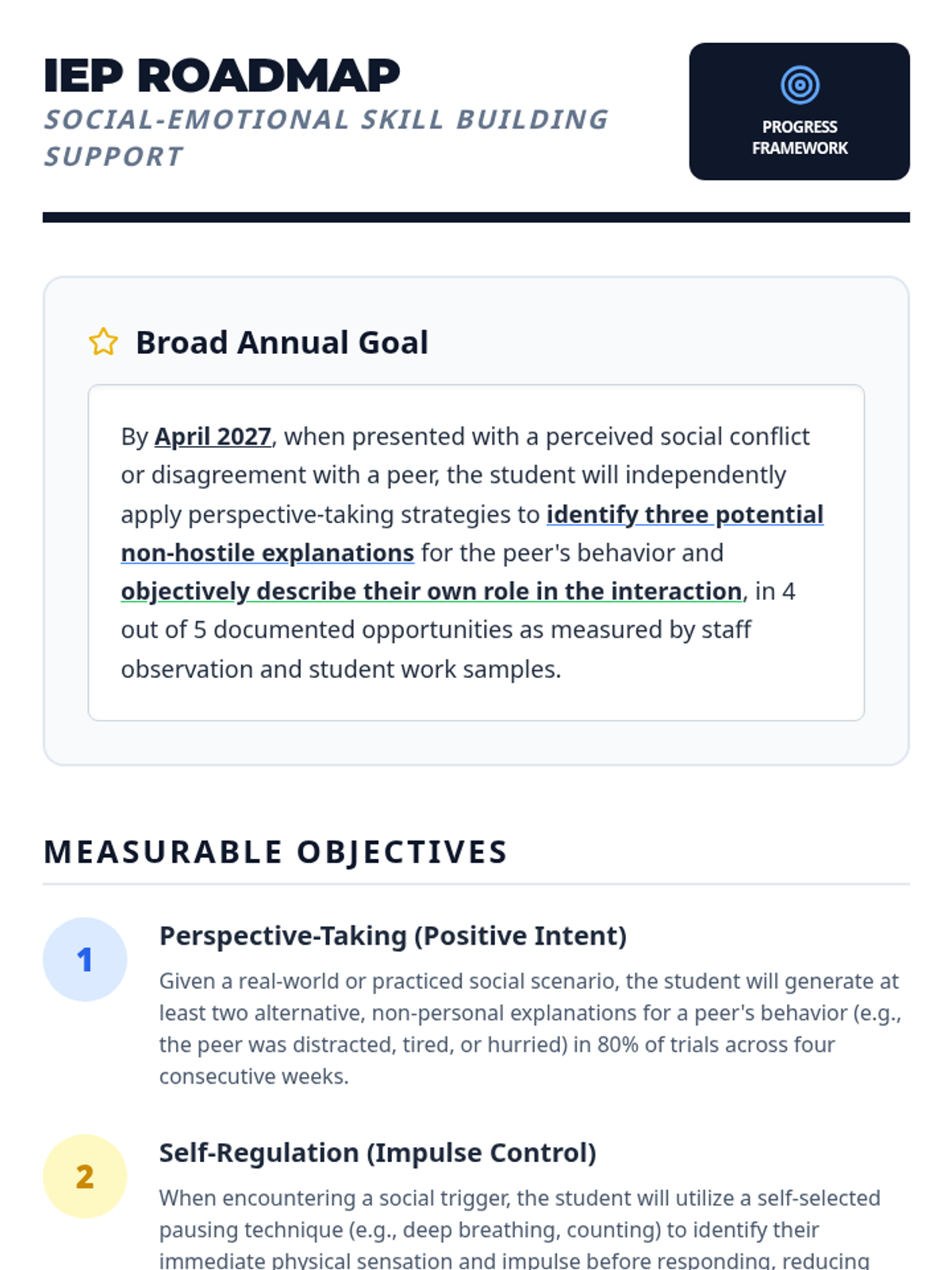
A finalized IEP Roadmap with generalized skill-building language for perspective-taking, self-regulation, and objective self-reflection, designed to support students with social perception challenges.
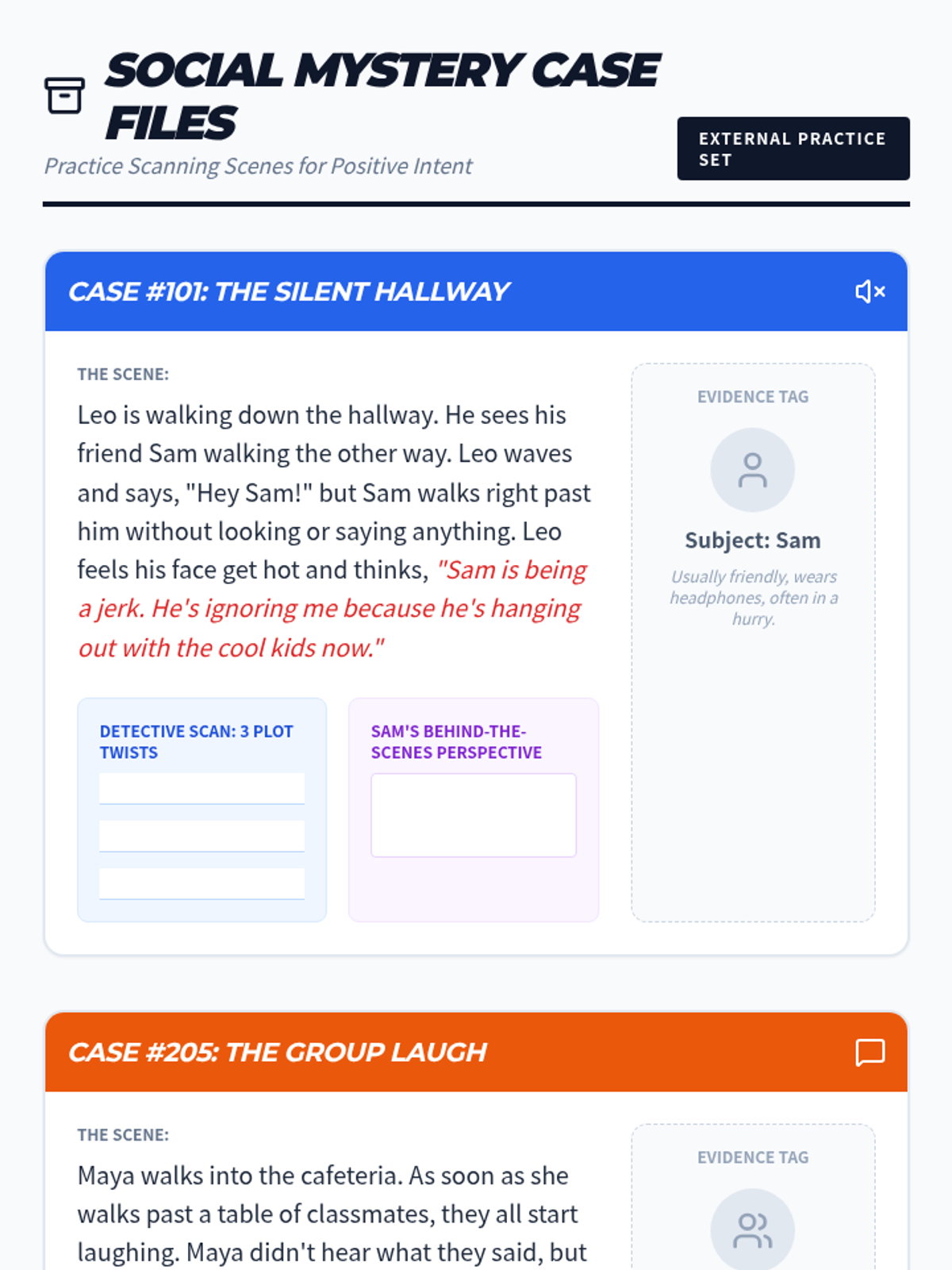
A multi-page set of 'Social Mystery Case Files' with four distinct practice scenarios. Each case includes a 'The Scene' description, an 'Evidence Tag' with extra clues, and space for students to brainstorm three 'Plot Twists' (positive intent explanations) and analyze the situation from an objective 'Camera View'.
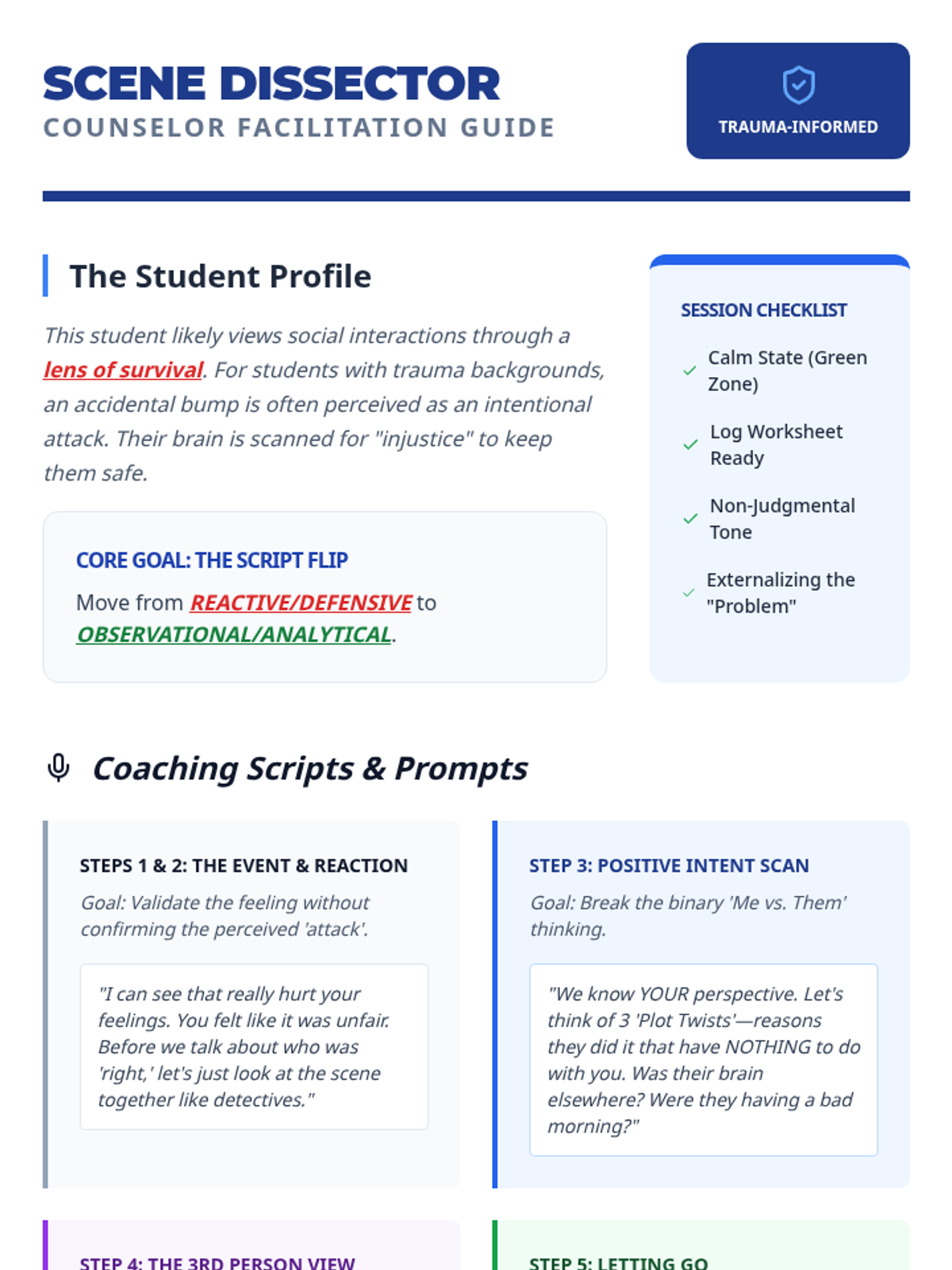
A facilitation guide for counselors to assist students in social interaction 'dissection'. It includes trauma-informed context, specific coaching scripts for each step of the 'Scene Scanners' process, and a metaphorical physical activity for addressing grudge-holding.
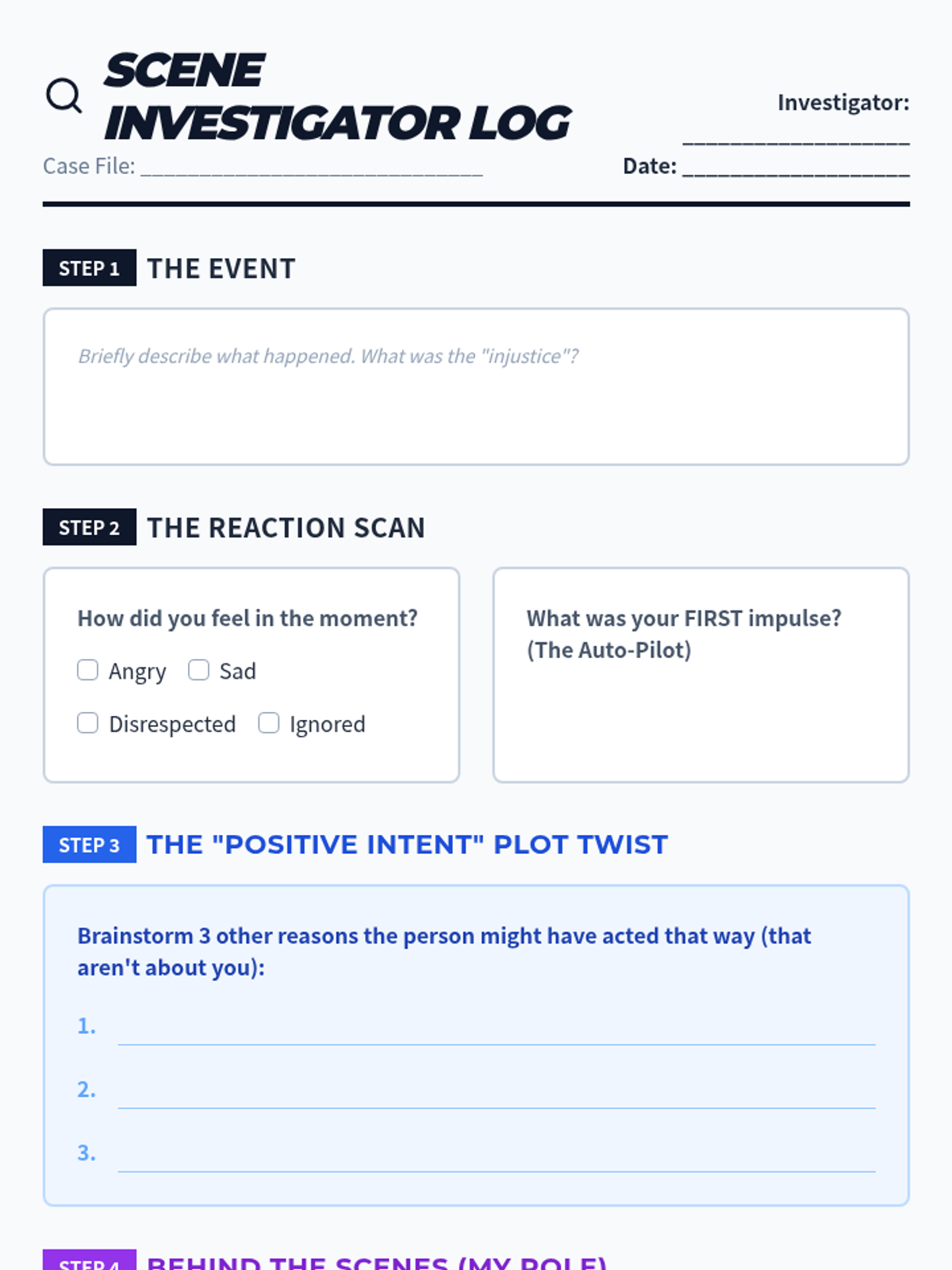
A student worksheet designed as an 'Investigator Log' to help students dissect social interactions. It prompts them to identify the event, their reaction, brainstorm positive intent, reflect on their own behavior, and consciously decide to let go of grudges.
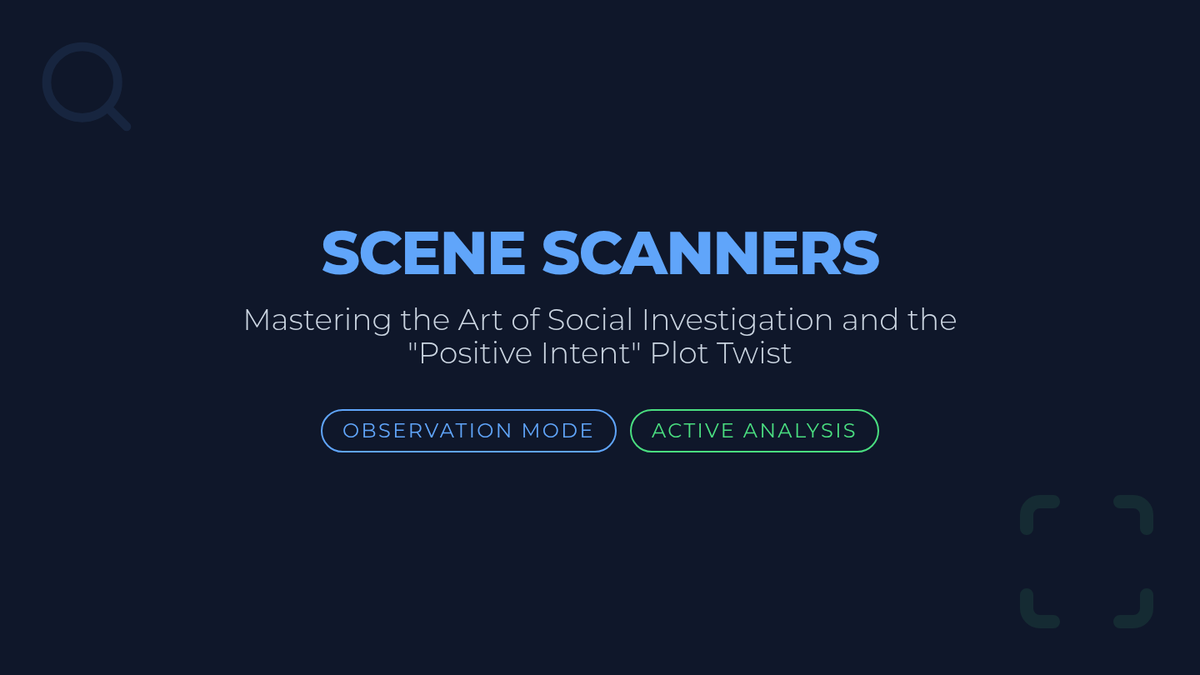
A visual slide deck teaching the 'Scene Scanners' methodology for social interaction analysis. It focuses on assuming positive intent, using a '3-second brake' for impulse control, and understanding the personal weight of holding grudges.
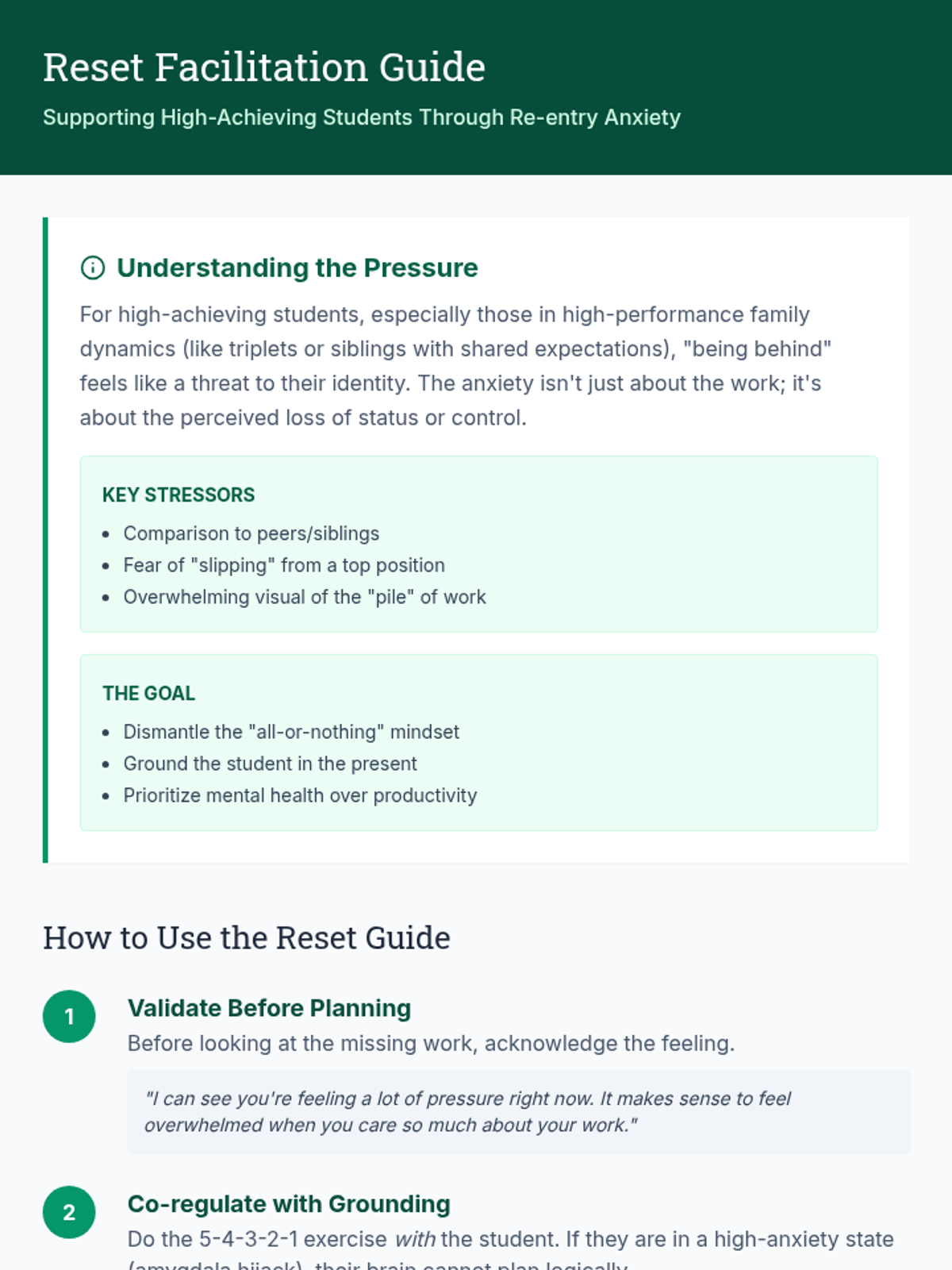
A facilitator's guide for teachers or counselors to help high-achieving students navigate academic re-entry anxiety and performance pressure.
A grounding and mindfulness toolkit for high-achieving students to manage the anxiety of makeup work and academic pressure.
A practice workbook for students to identify personal care needs, practice appointment scripts, and complete simplified personal information forms.
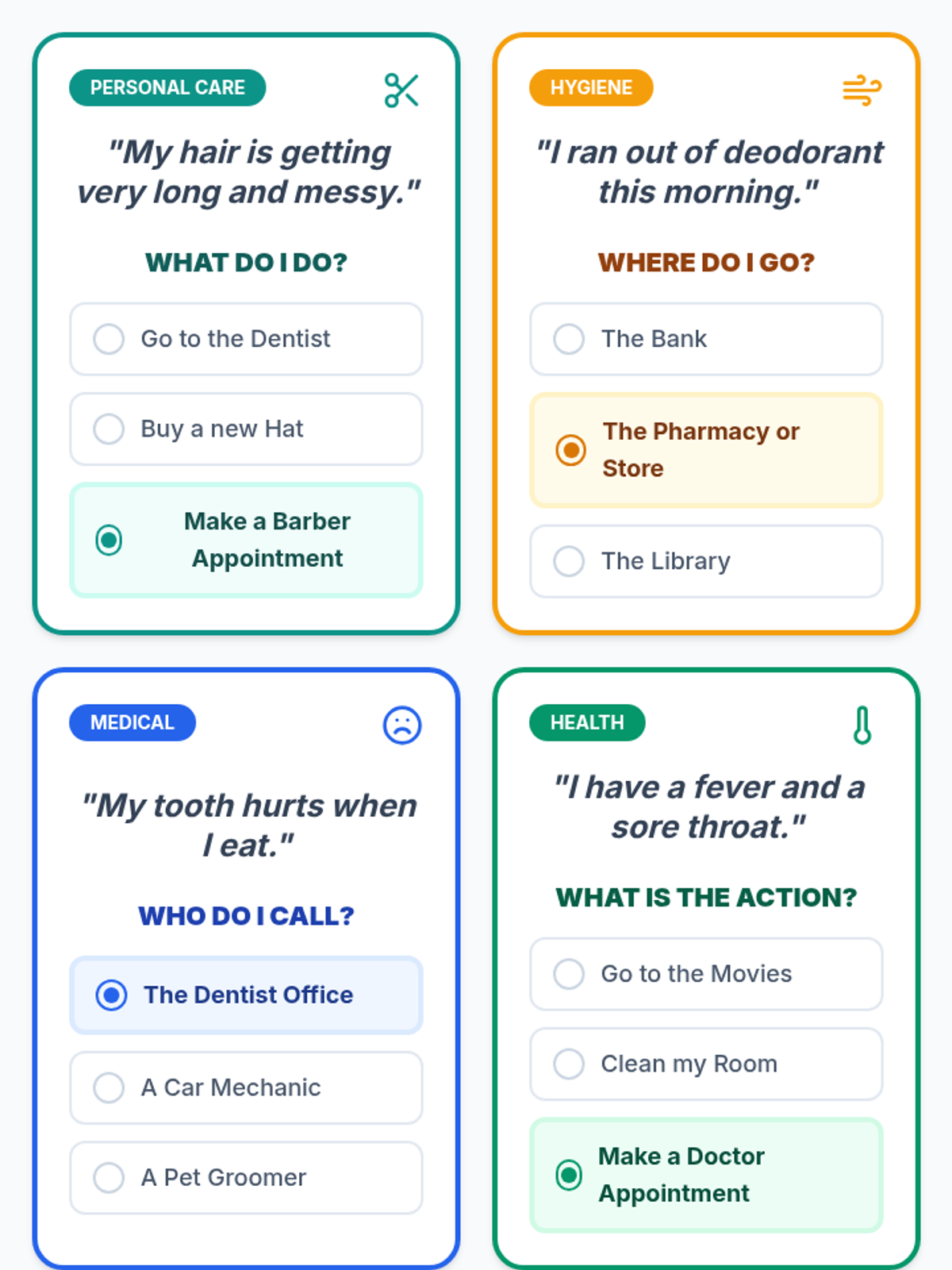
A set of 8 task cards with scenarios for students to identify appropriate personal care actions and hygiene product purchases.
A visual slide presentation designed for high-support students, covering personal hygiene needs, medical appointments, and personal information basics.
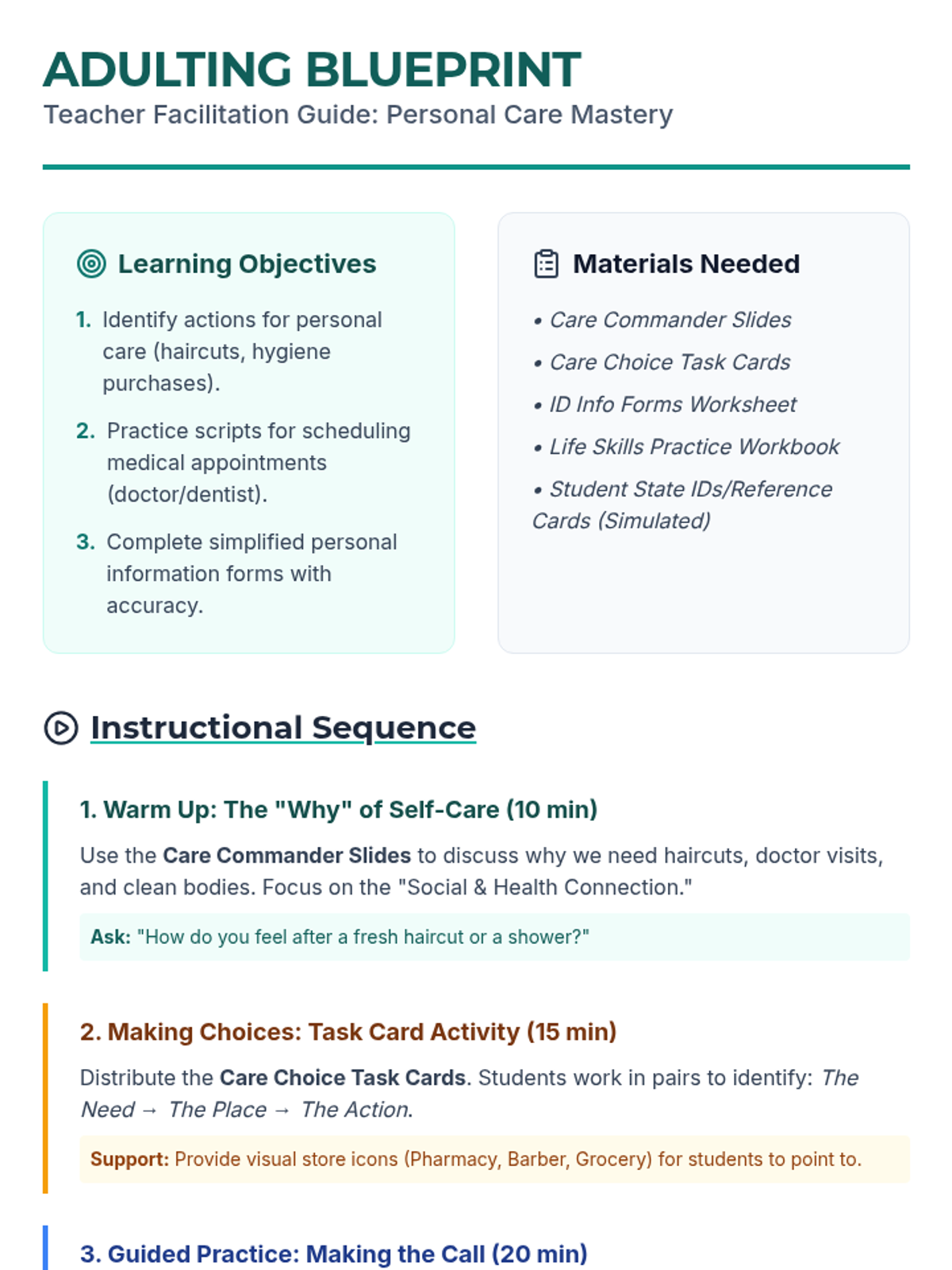
A teacher facilitation guide outlining the lesson flow, objectives, and differentiation strategies for personal care mastery.
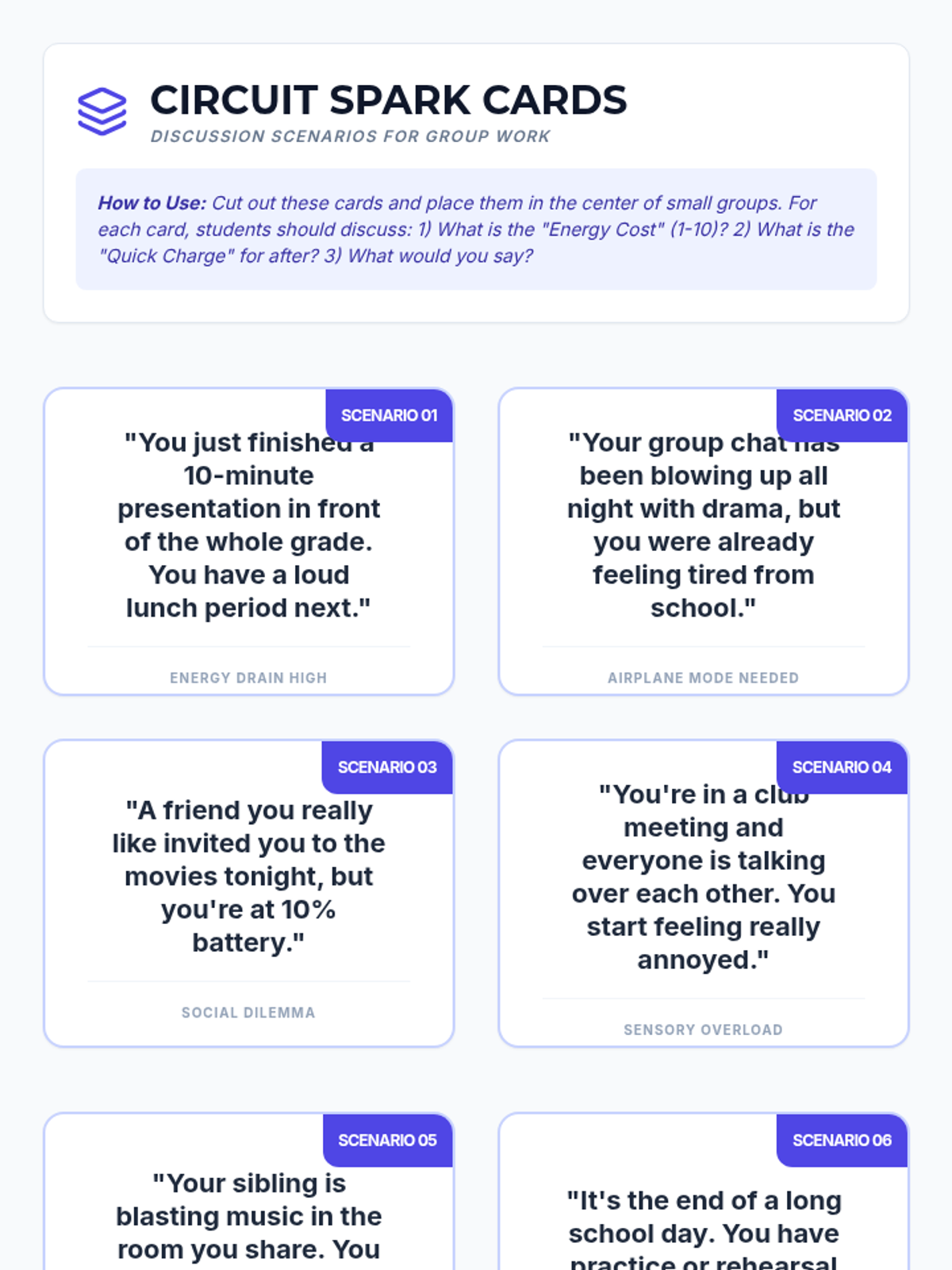
A collection of 8 scenario cards designed for small group discussion or role-playing, focused on identifying social energy costs and practiced advocacy.
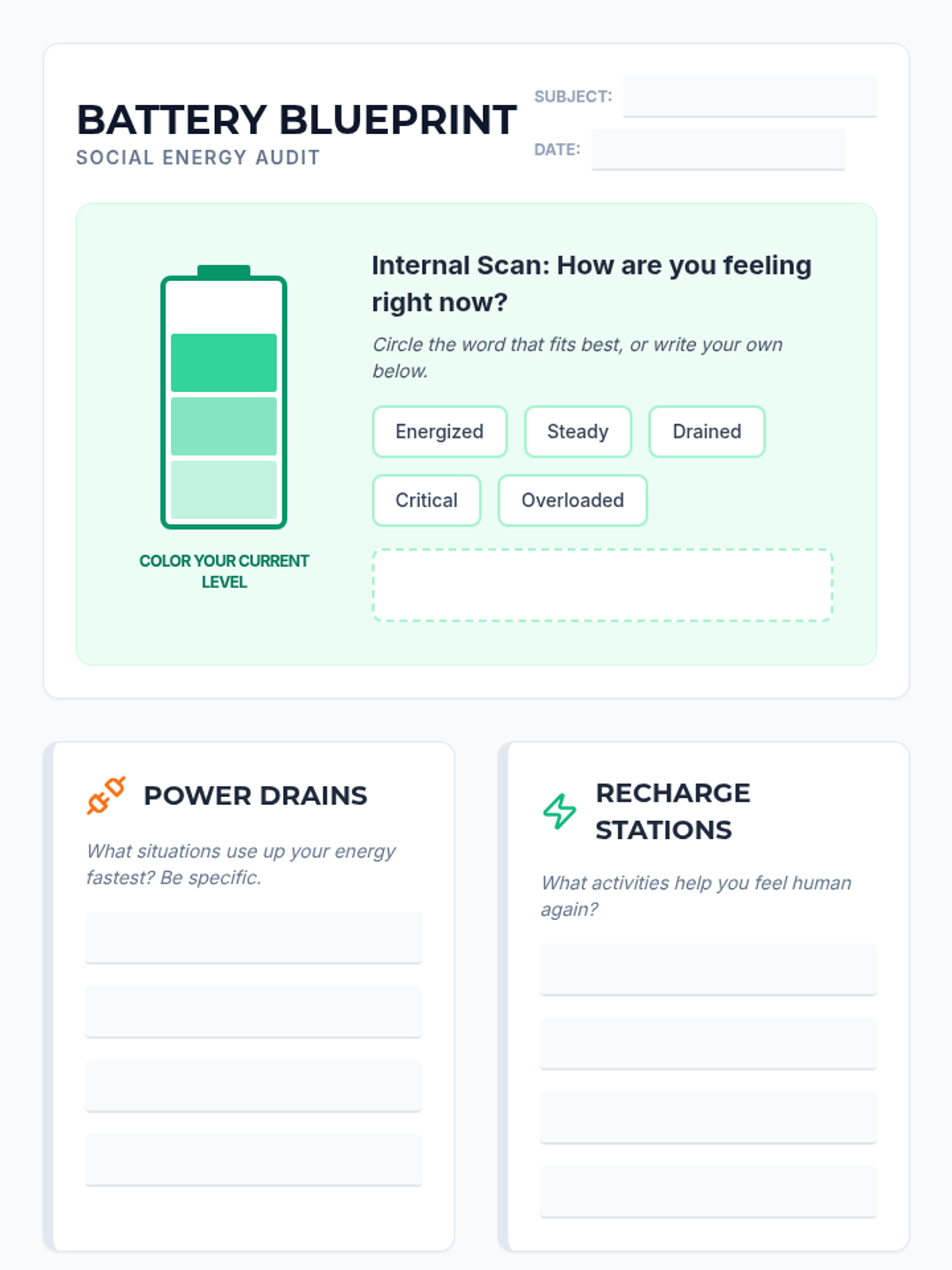
A 2-page student worksheet for visualizing social energy, identifying personal drainers and chargers, and practicing advocacy scripts for various social scenarios. (Final revision for legibility)
A high-contrast, modern slide deck for teenagers to visualize their social energy. It includes definitions, signs of burnout, examples of drainers and chargers, and advocacy scripts. (Revised for visibility)
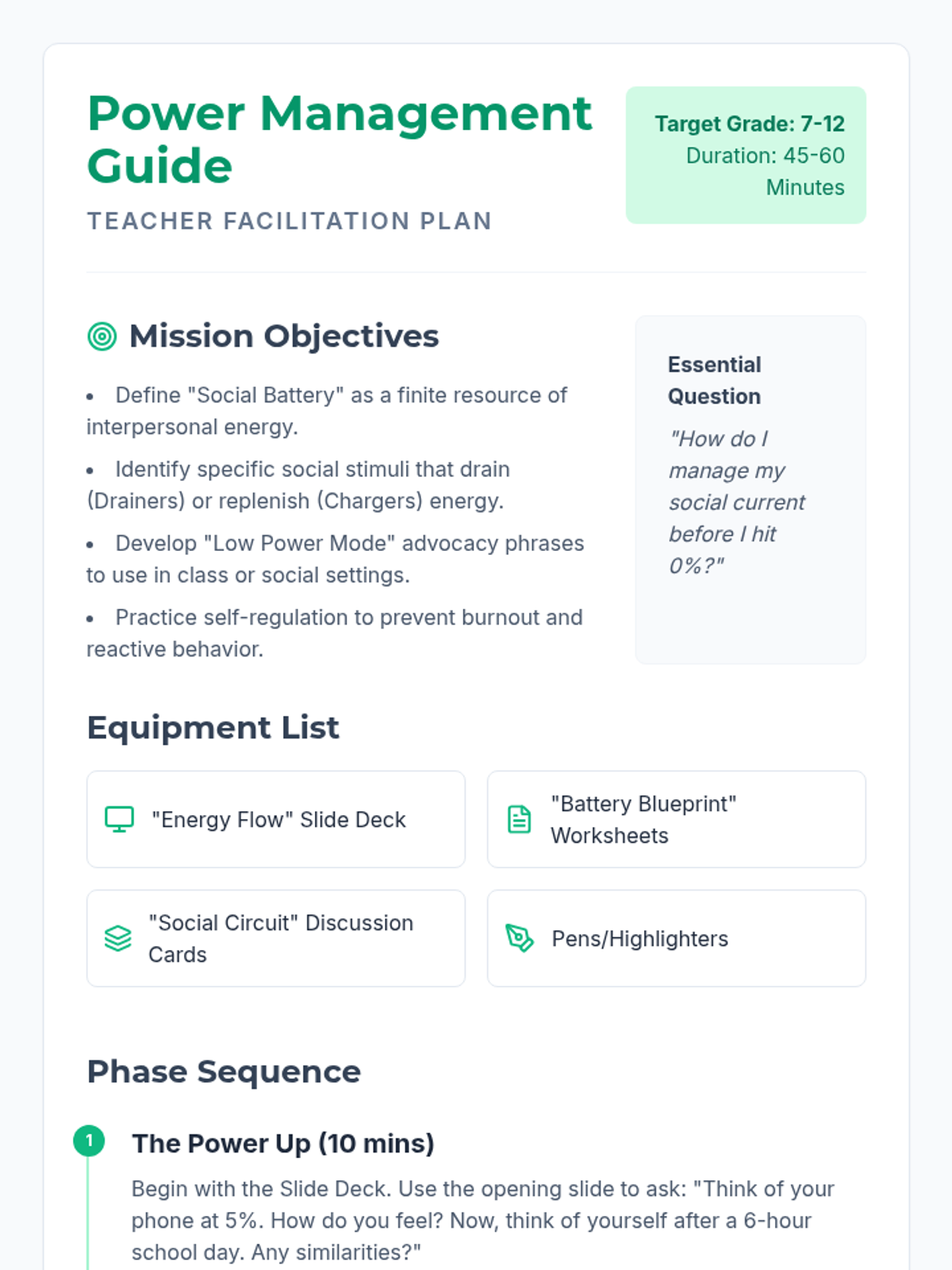
A 2-page teacher facilitation guide for the Power Grid Recovery lesson, including objectives, step-by-step instructions, discussion prompts, and scripts for student advocacy.
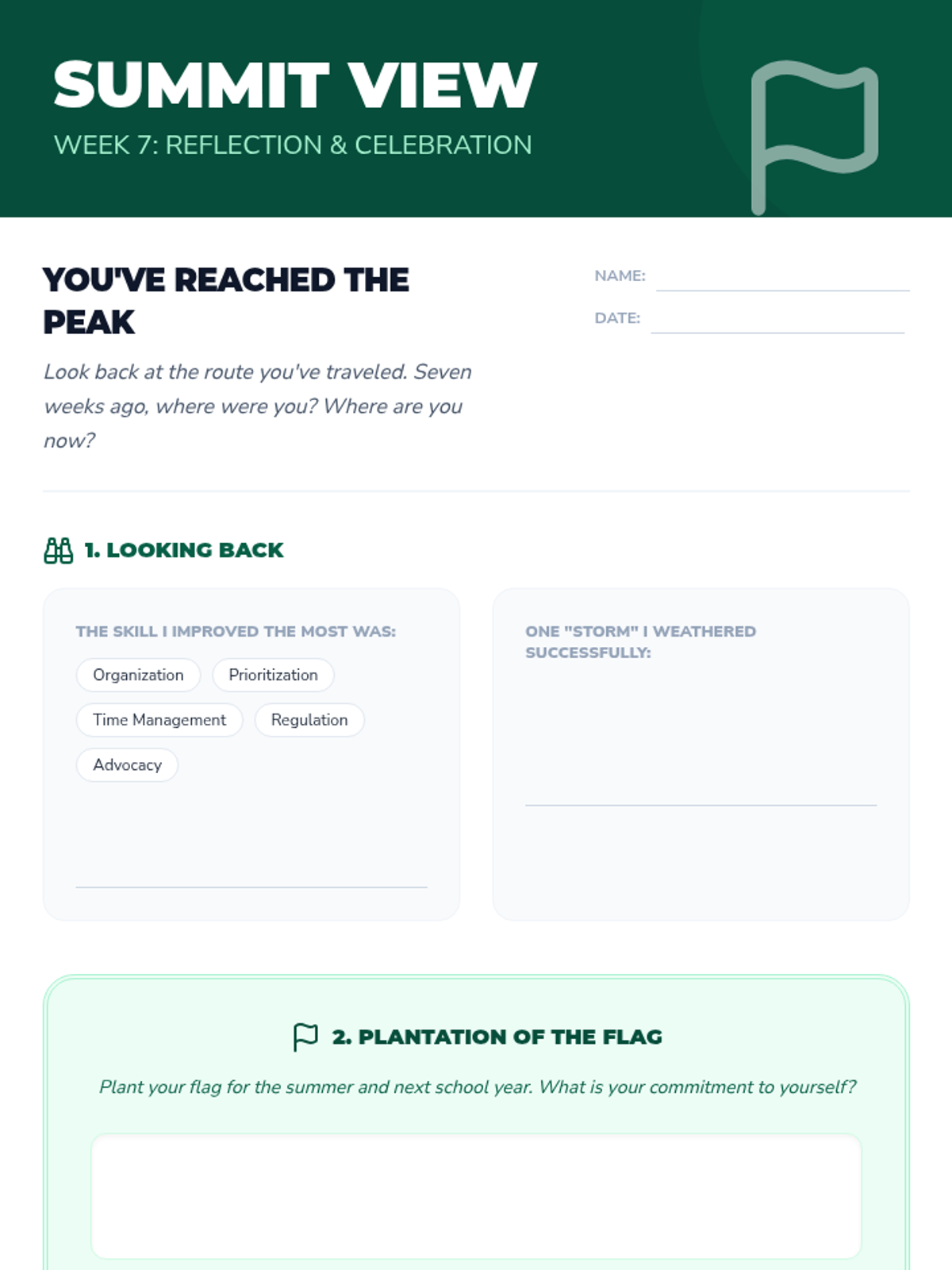
A final reflection worksheet for Week 7 focusing on student growth, specific achievements, and a plan for maintaining executive functioning and self-regulation skills in the future.
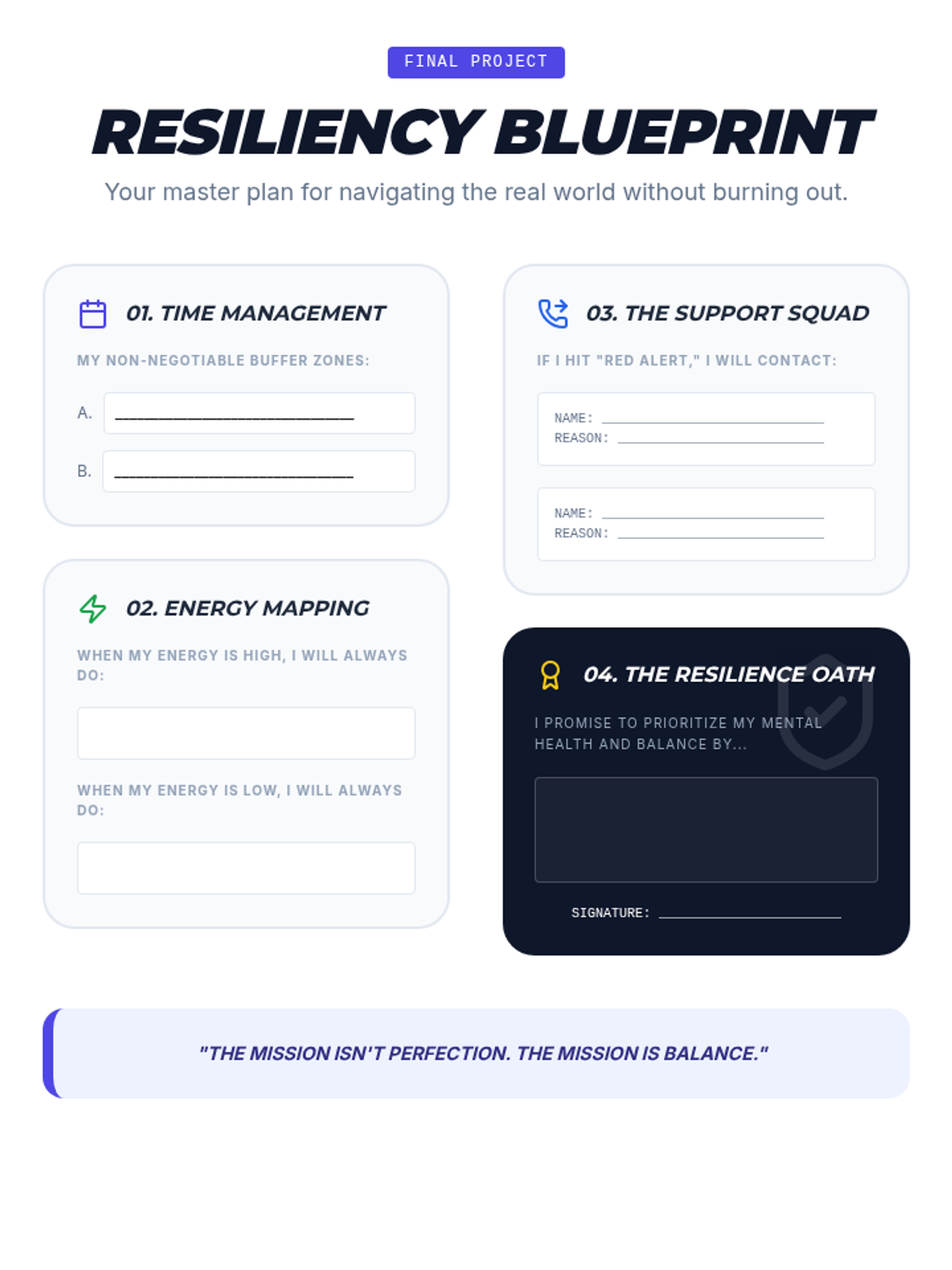
A summative project document where students synthesize everything they have learned into a personal 'Resiliency Blueprint' for real-world application.
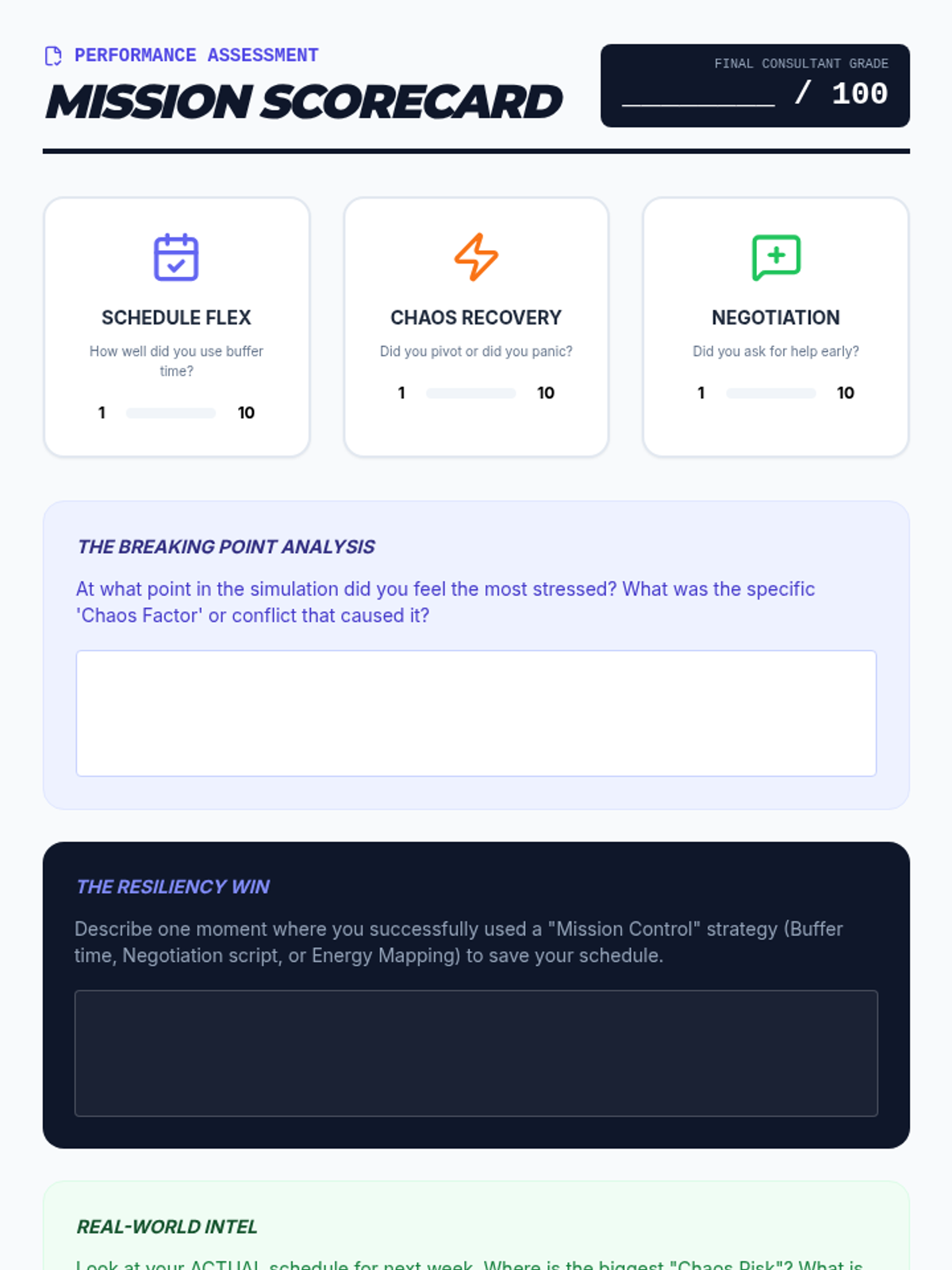
A final self-assessment 'Scorecard' for the Mission Balance sequence, allowing students to rate their performance and reflect on their growth in schedule management and resiliency.
Final presentation for the Mission Balance sequence, reviewing core concepts of chaos management, negotiation, and energy management, and introducing the final scorecard activity.
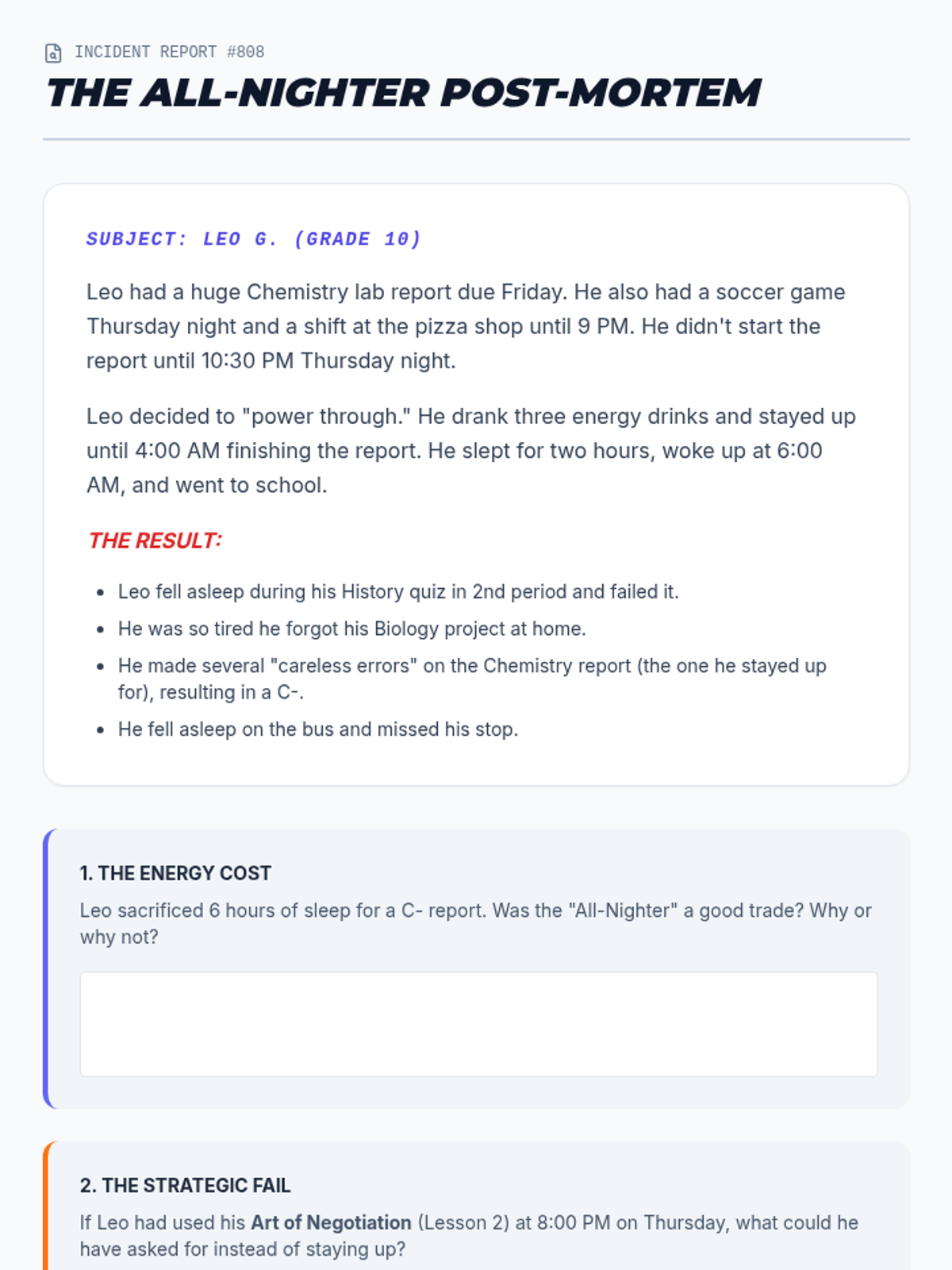
A case study analysis of a student's 'all-nighter' experience, prompting students to evaluate the consequences and identify alternative strategies from the sequence.
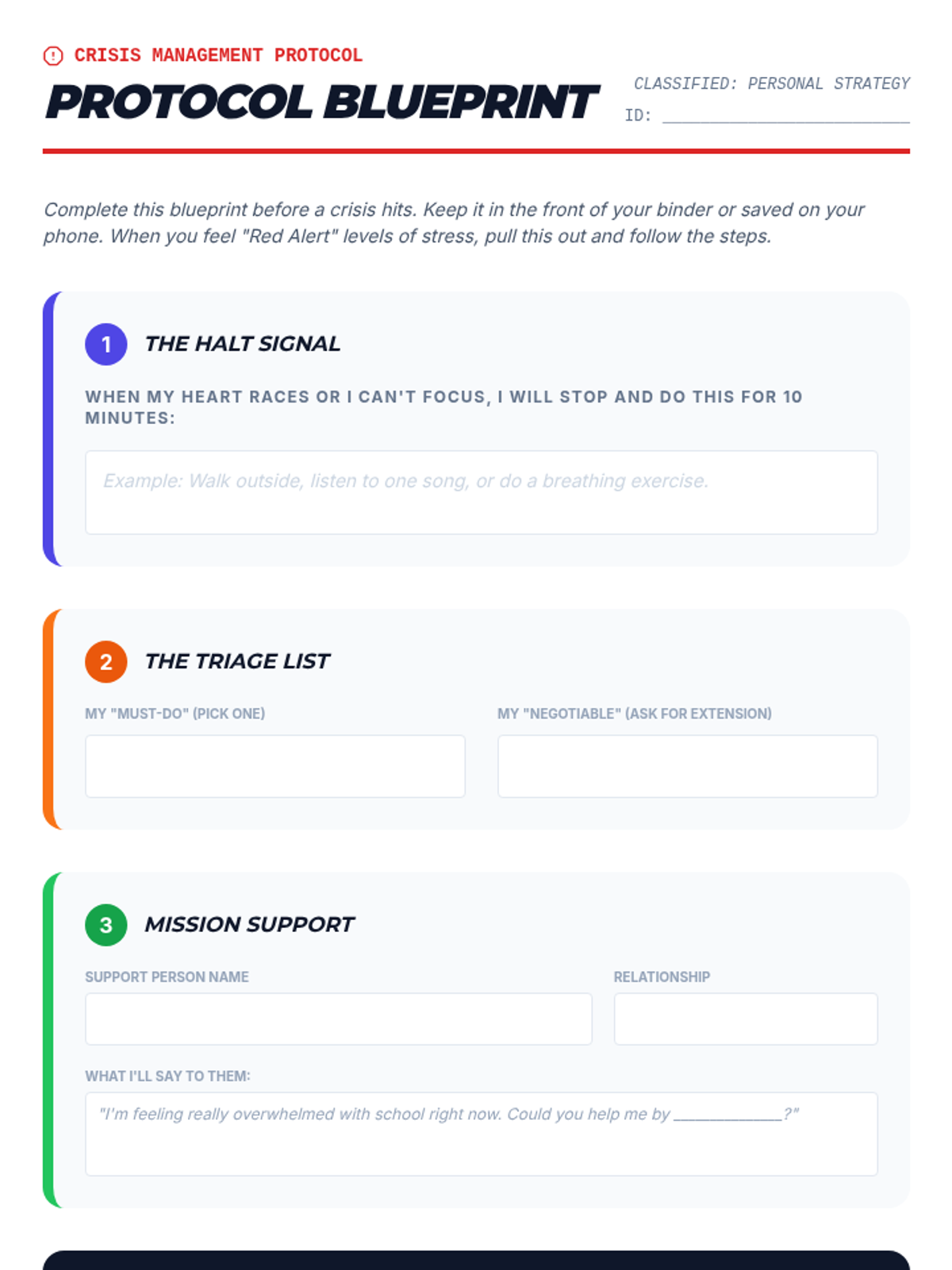
A personal crisis management worksheet where students document their specific 'Red Alert' protocols, including triage strategies, support contacts, and recovery plans.
Lesson 4 slides on crisis management protocols, teaching students how to identify burnout, prioritize tasks during 'Red Alert' scenarios, and activate support systems.
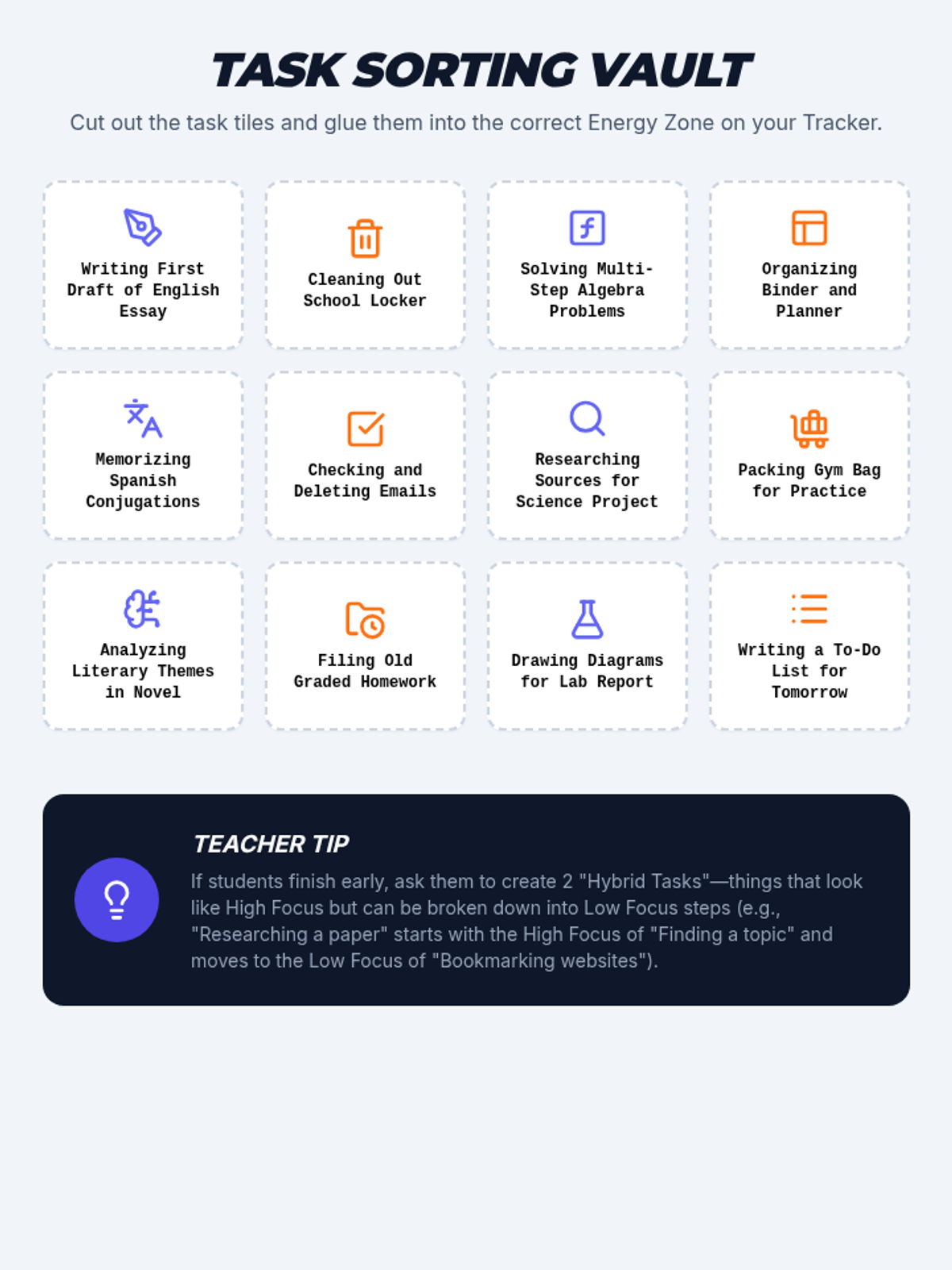
A cut-and-paste sorting activity for students to categorize common school and life tasks as either 'High Focus' or 'Low Focus' energy requirements.
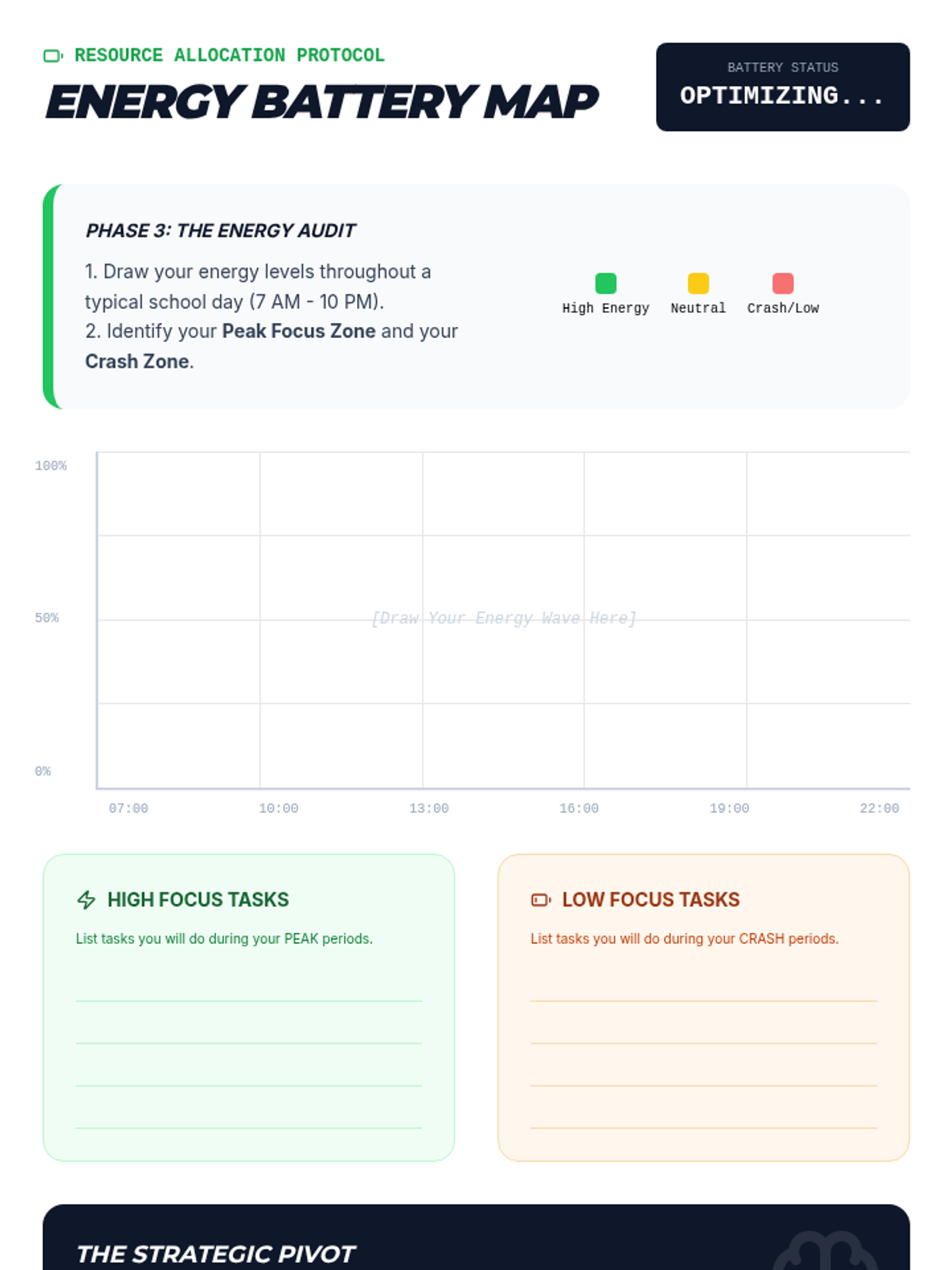
A worksheet for students to map their daily energy levels and strategically assign tasks based on their peak focus periods.
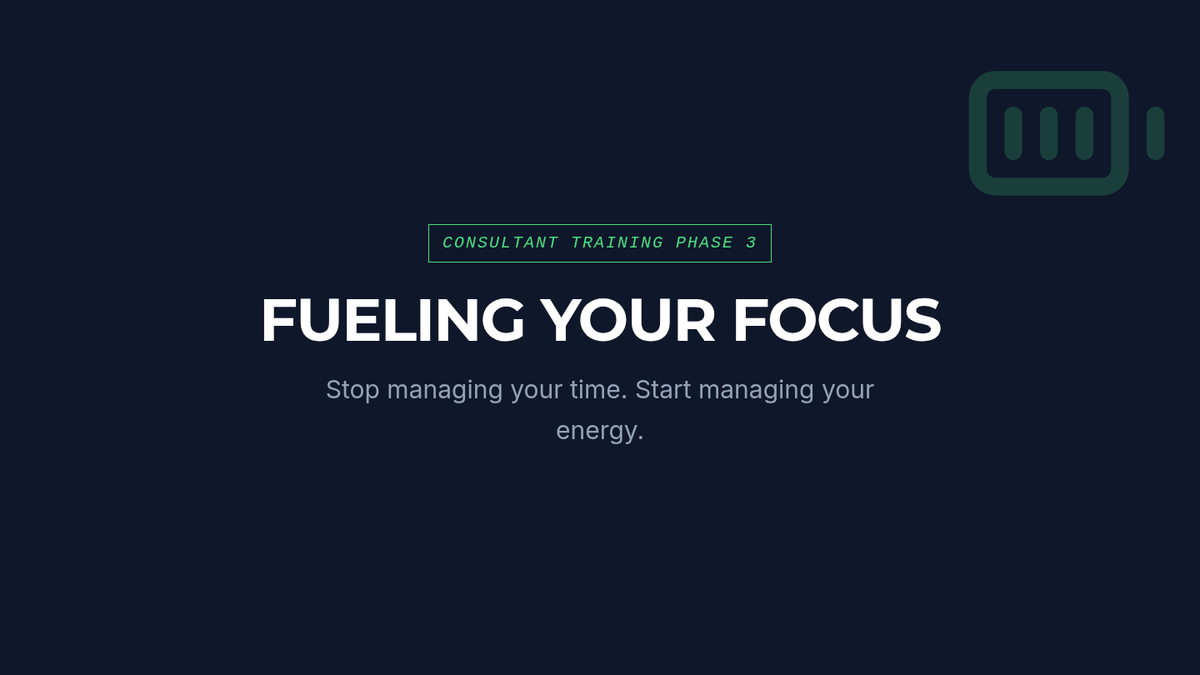
Lesson 3 presentation on energy management, teaching students to differentiate between High Focus and Low Focus tasks and to identify their personal peak energy periods.
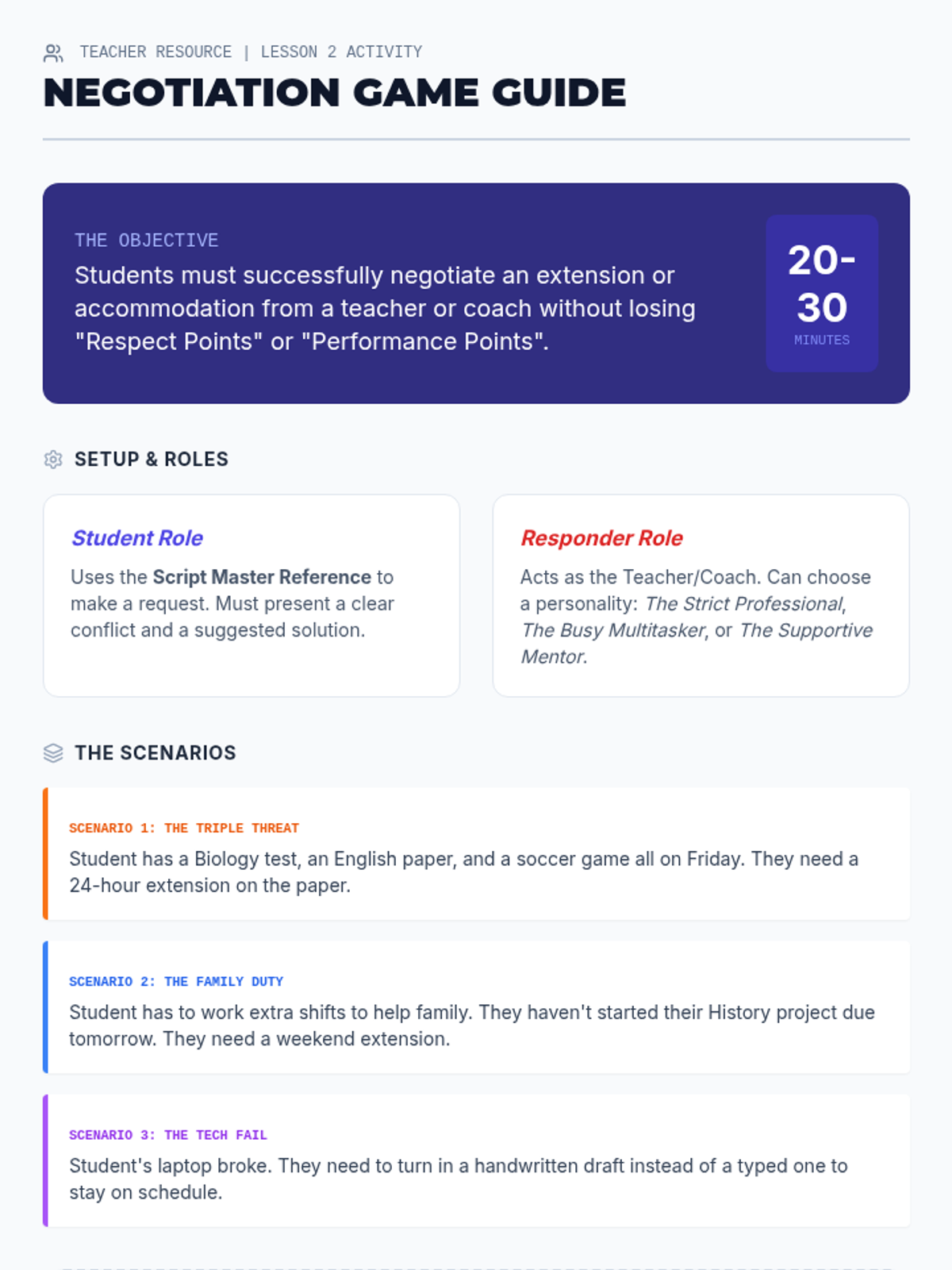
Teacher facilitation guide for the Lesson 2 role-play simulation, providing scenarios, roles, and assessment criteria for student negotiations.
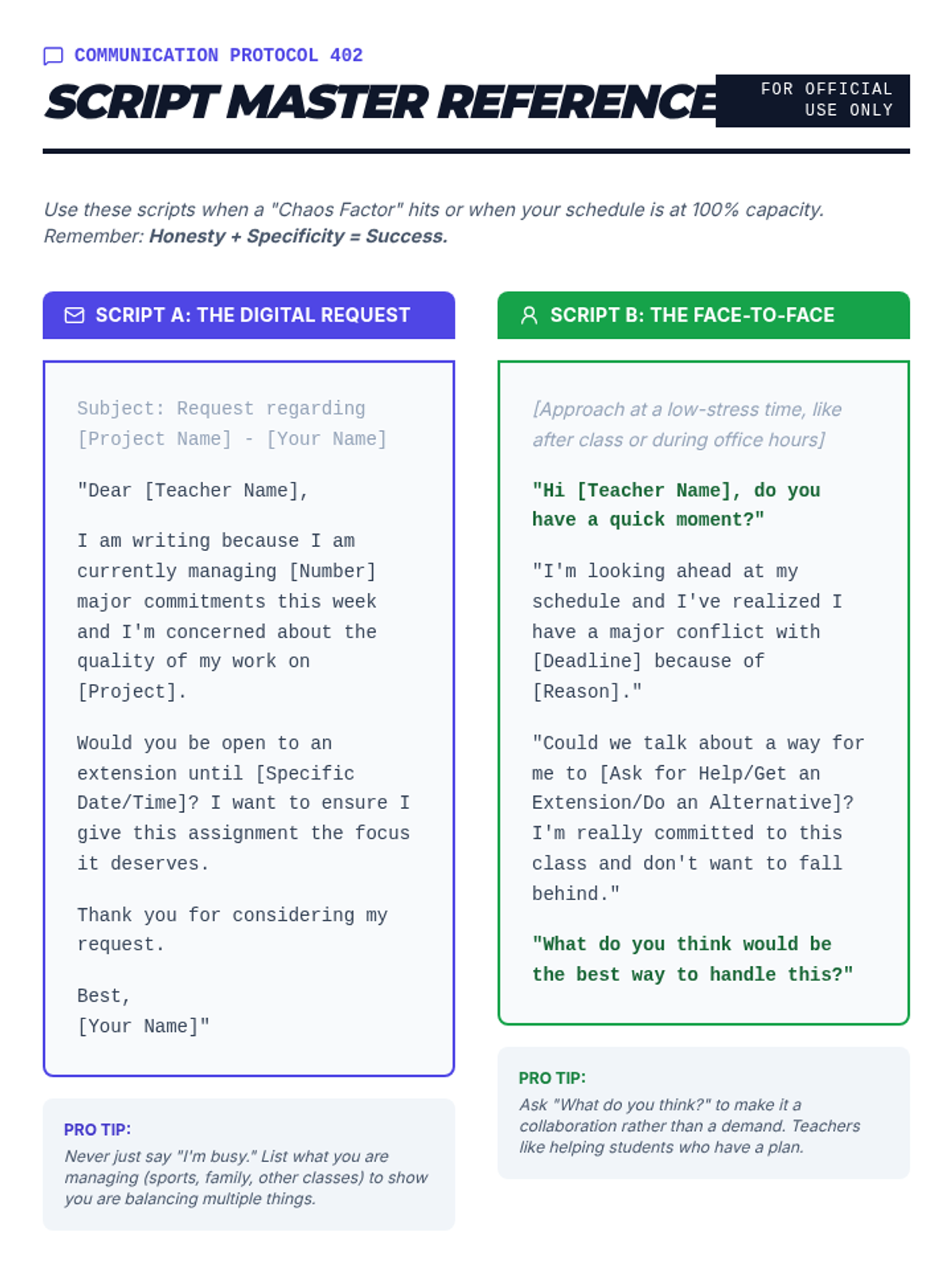
A professional communication guide for students, featuring scripted templates for digital and in-person deadline negotiations, including a practice exercise.
Slide deck for Lesson 2, teaching students the difference between hard and soft deadlines and providing a professional framework for negotiating extensions.
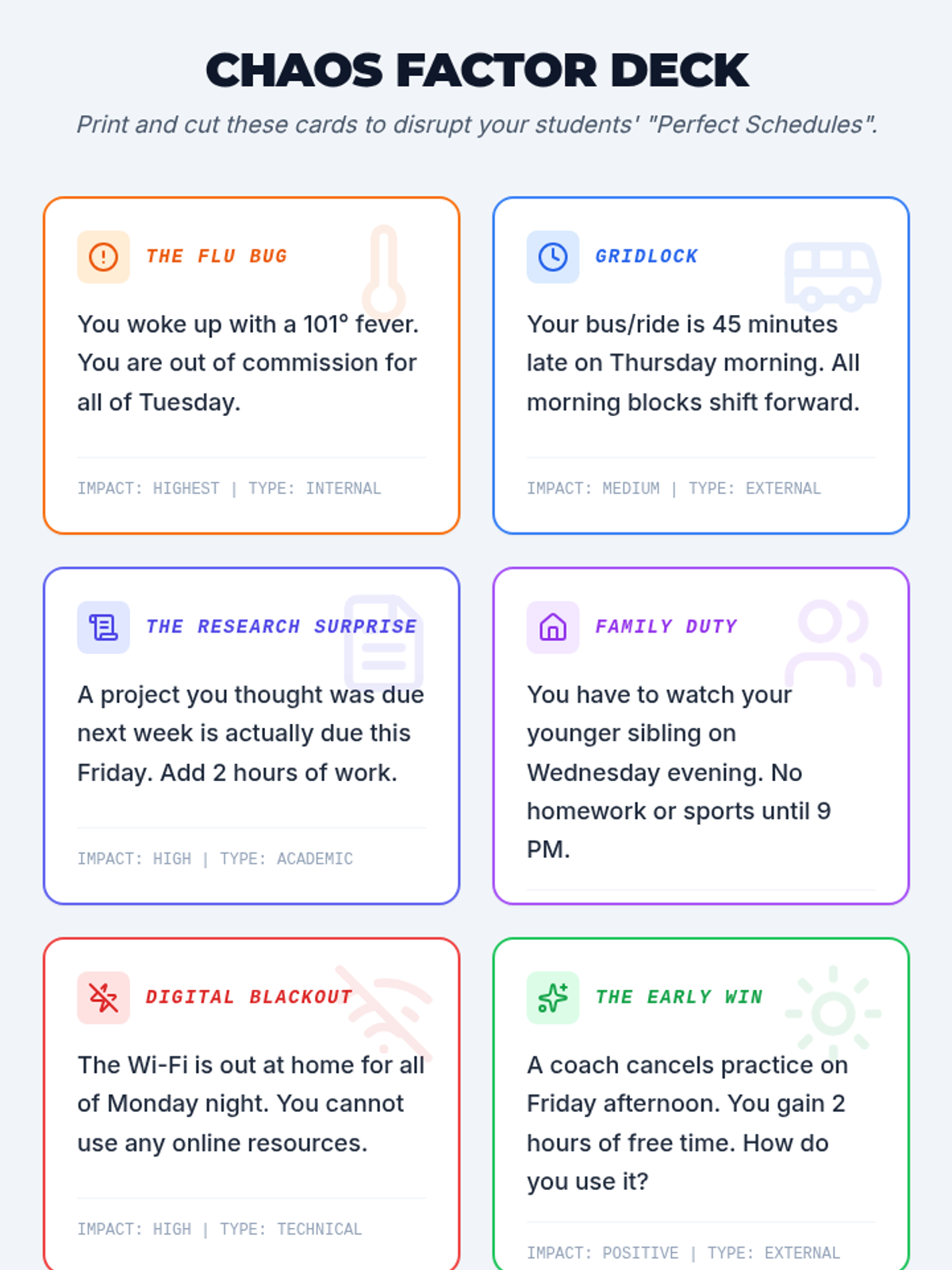
A set of printable 'Chaos Factor' cards for teachers to use in the Mission Balance simulation, featuring various disruptions to a student's schedule.
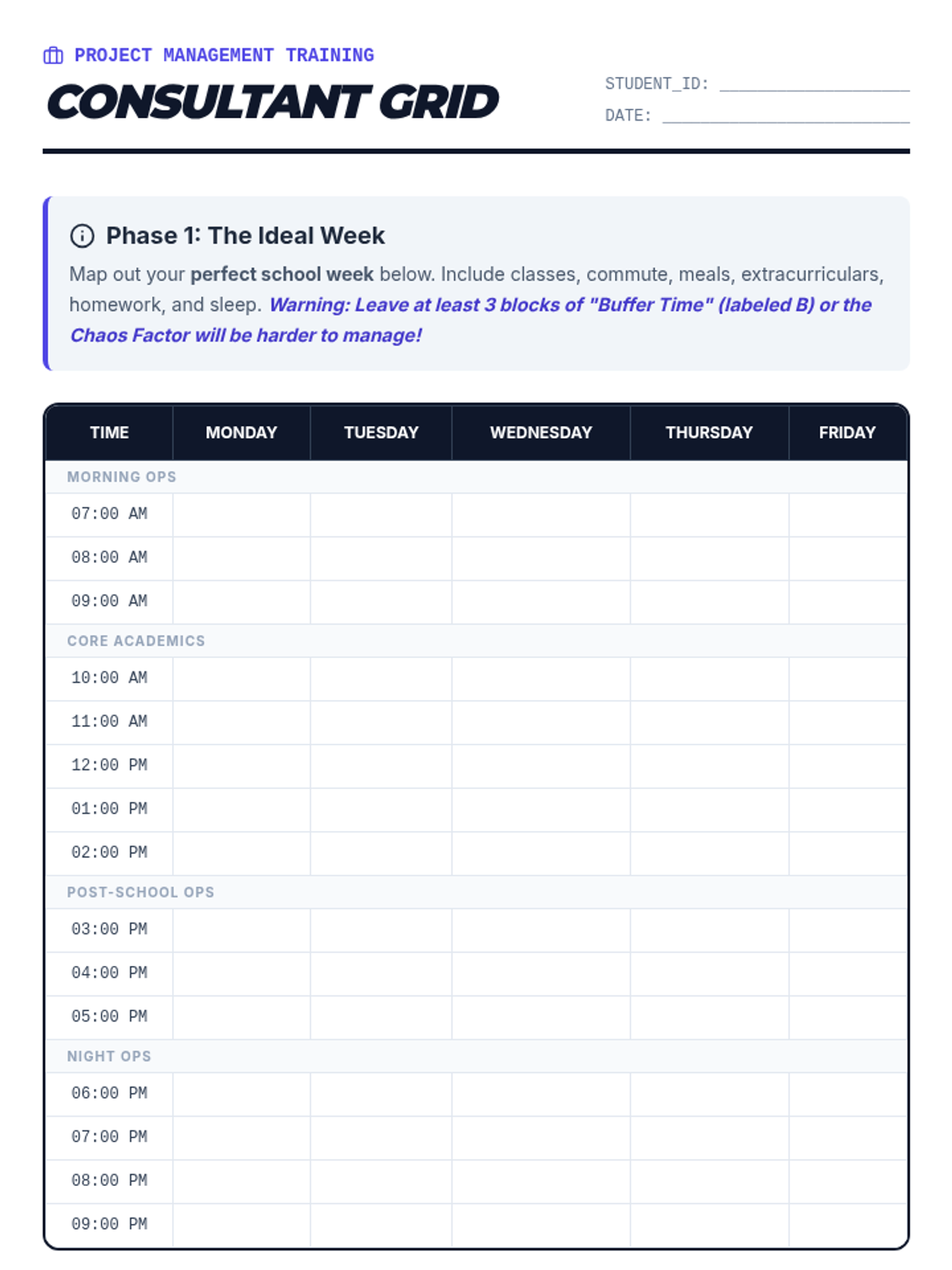
A student-facing weekly scheduling grid designed for the Mission Balance simulation, including a section for analyzing and responding to 'Chaos Factor' disruptions.
Introductory presentation for the Mission Balance sequence, teaching students about the 'Chaos Factor' and the importance of 'Buffer Time' in scheduling.
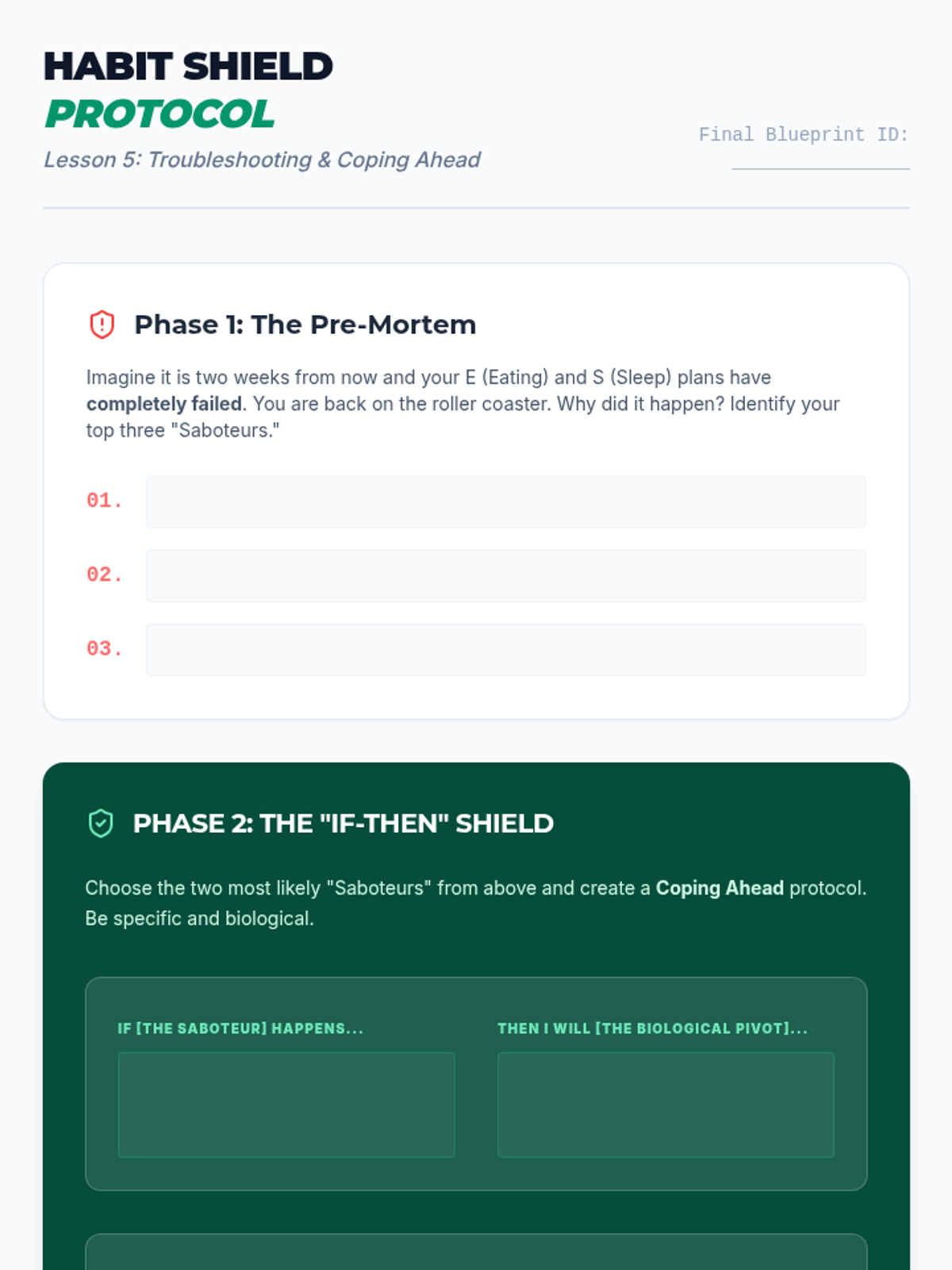
The final troubleshooting and planning worksheet for Lesson 5, where students conduct a pre-mortem on their plans and create "if-then" coping ahead protocols.
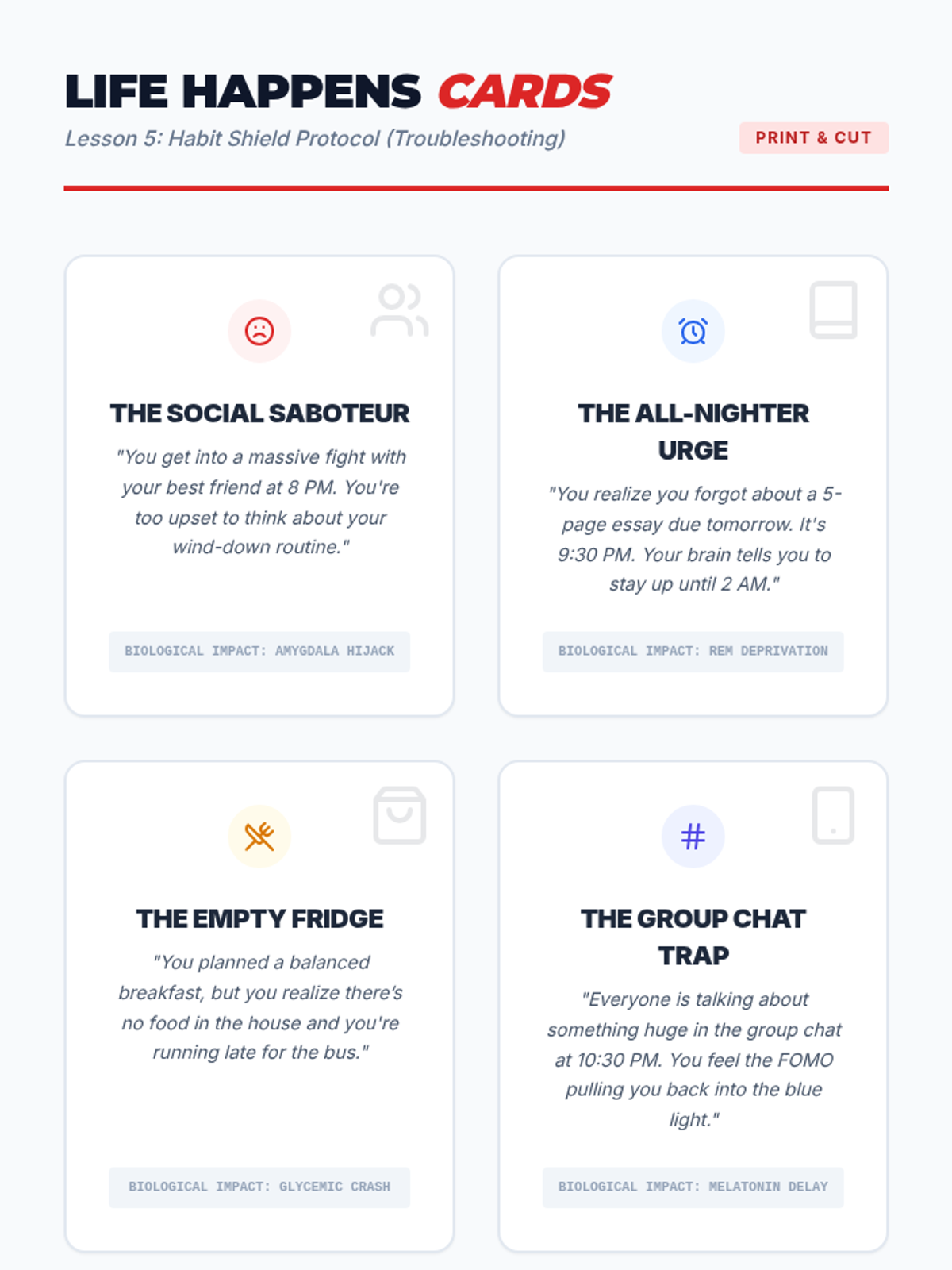
Scenario cards for Lesson 5, presenting real-world obstacles like academic stress or social drama for students to practice troubleshooting their health routines.
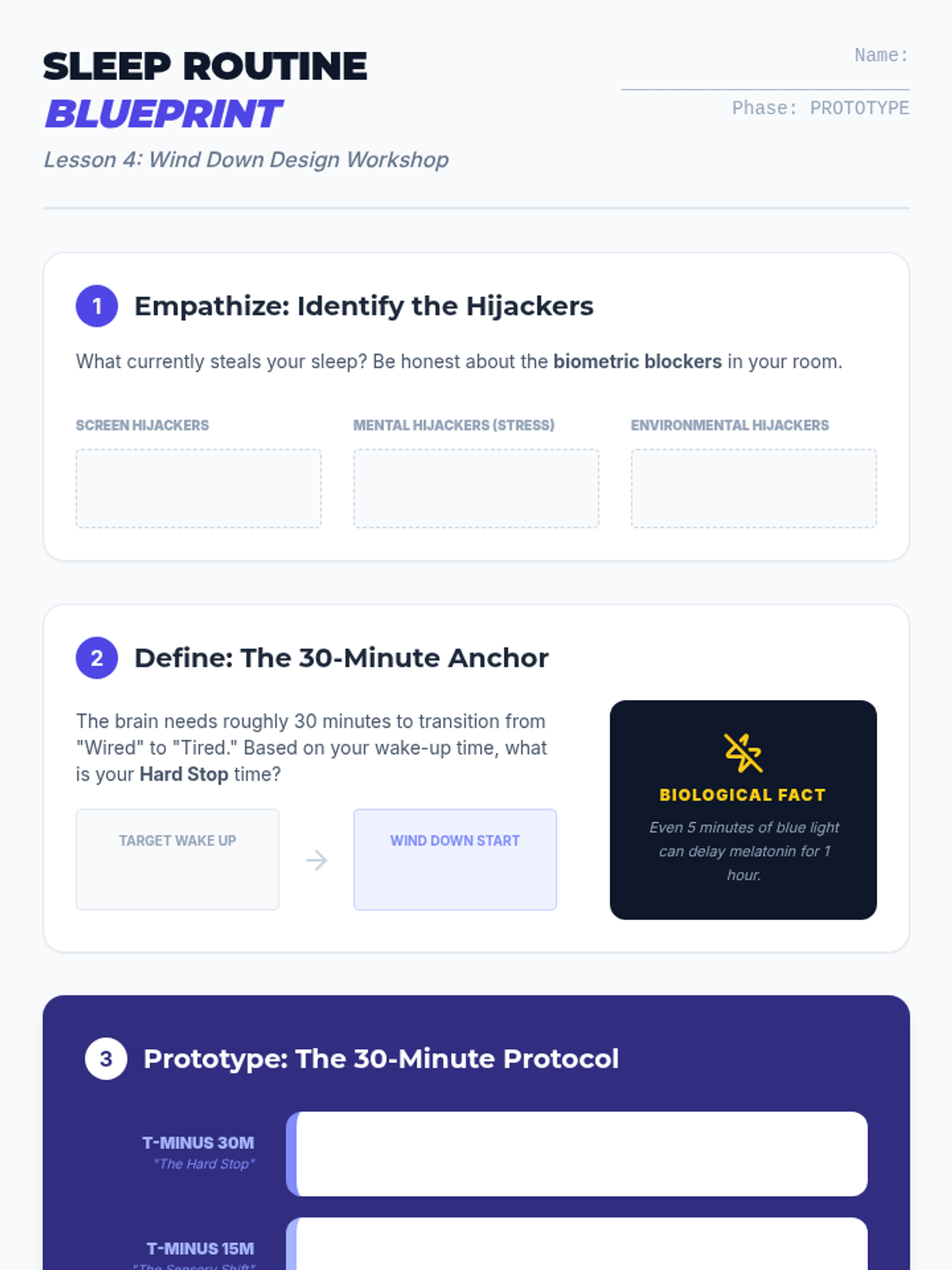
A design thinking template for students to prototype a personalized 30-minute pre-sleep routine, including an environment audit and time-blocked planning.
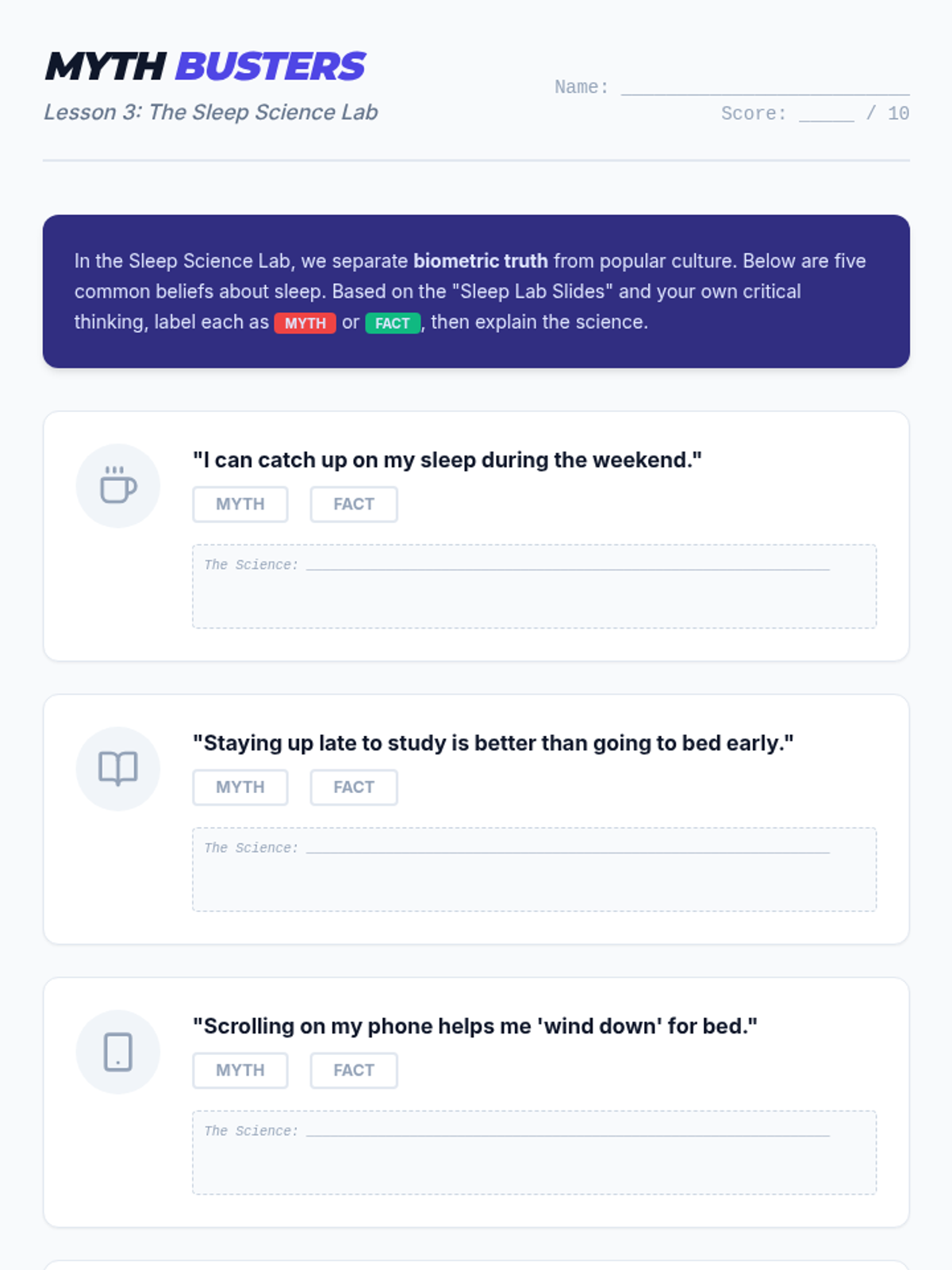
A student worksheet where students evaluate common beliefs about sleep against scientific facts, focusing on REM processing and sleep debt.