Specialized vocabulary across disciplines, research methodologies, and effective note-taking systems. Equips learners with information literacy skills and strategies for navigating standardized exams.
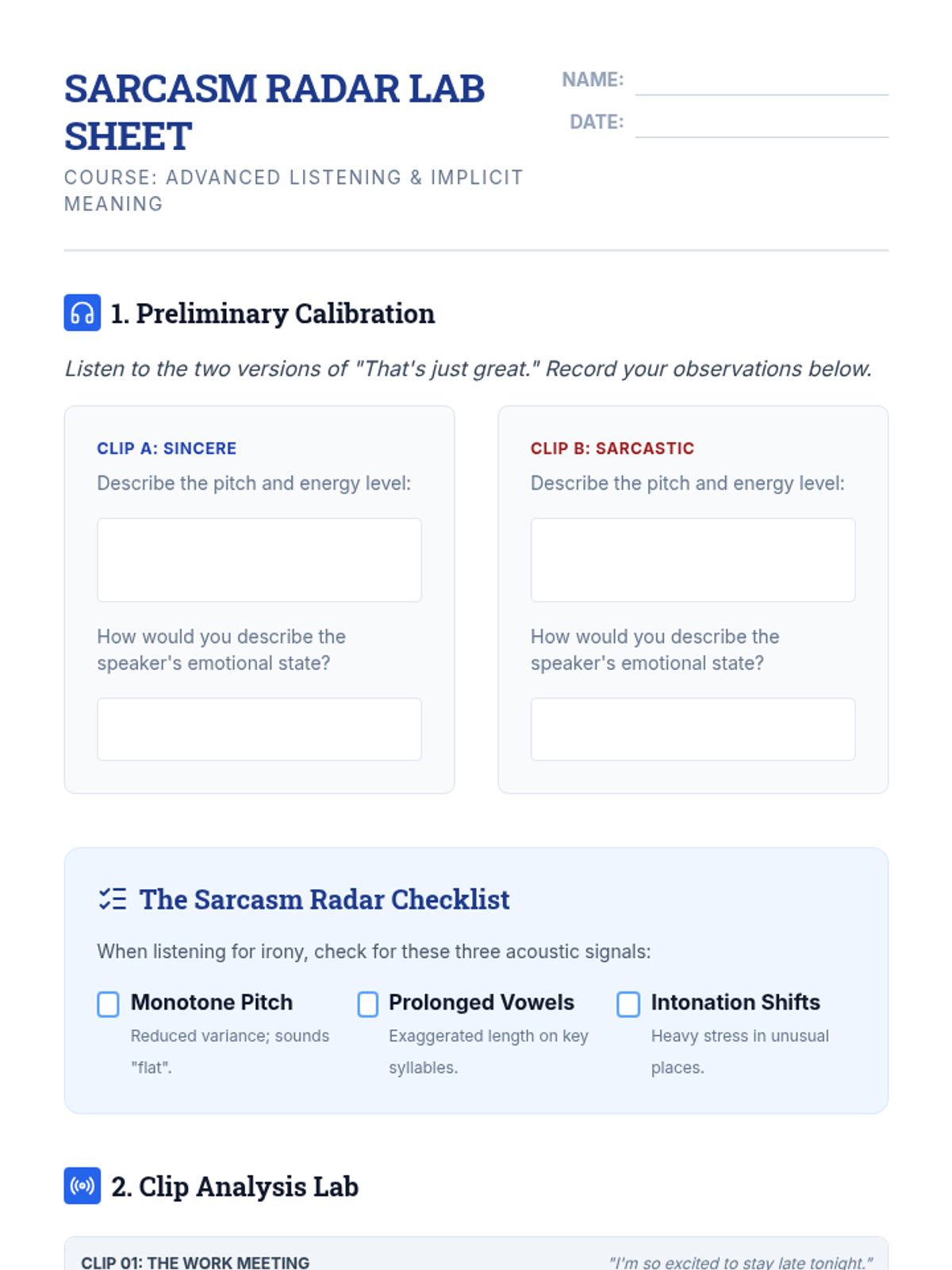
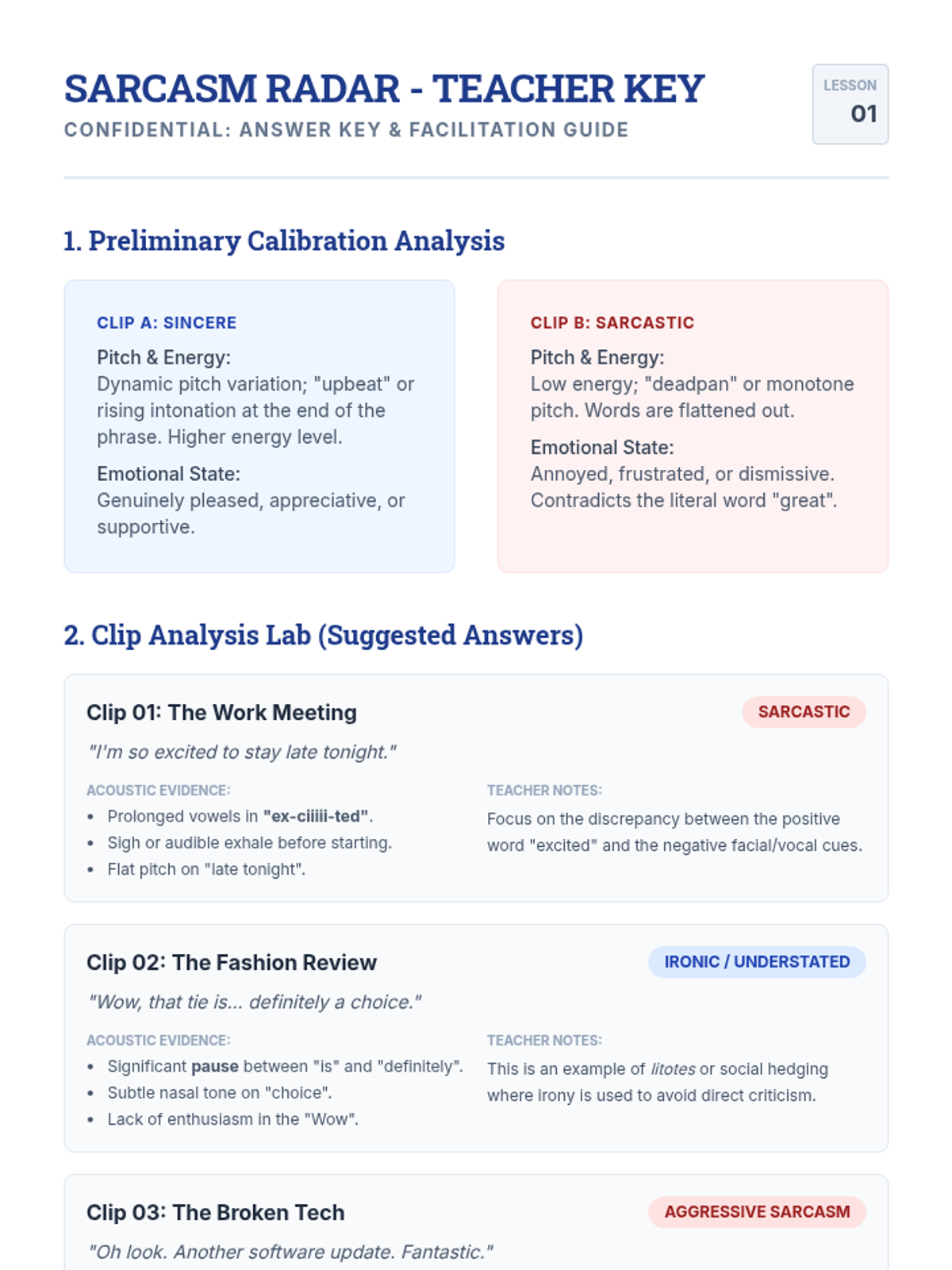
This sequence for graduate ESL students explores the nuances of English beyond literal meaning. Students will master the ability to detect sarcasm, bias, contrastive stress, and professional register, equipping them for complex academic and professional communication.
A graduate-level ESL listening sequence focused on the pragmatics of academic discourse. Students learn to navigate the subtleties of seminar discussions by identifying hedging, turn-taking signals, disagreement strategies, and multi-speaker argument threads.
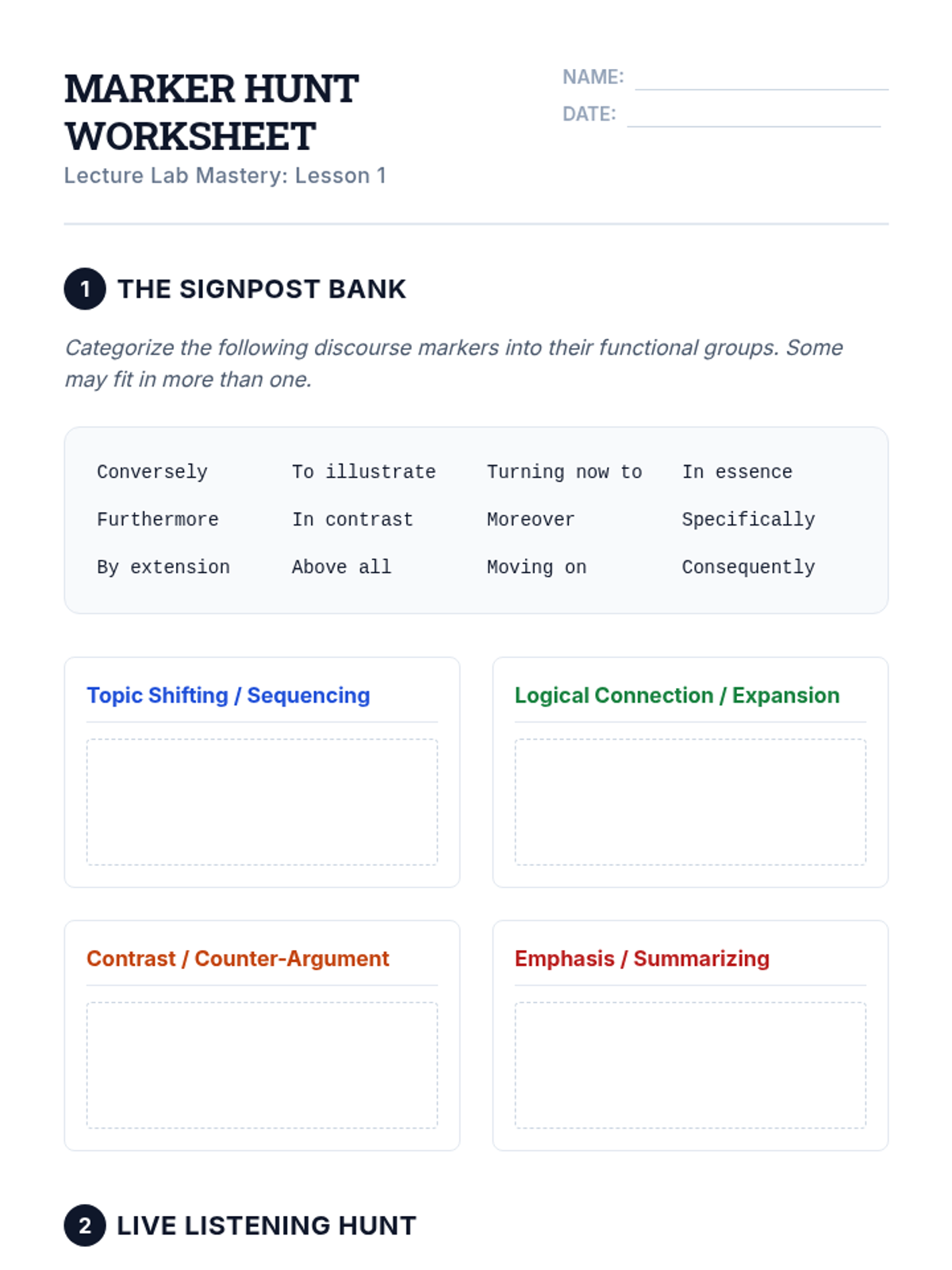
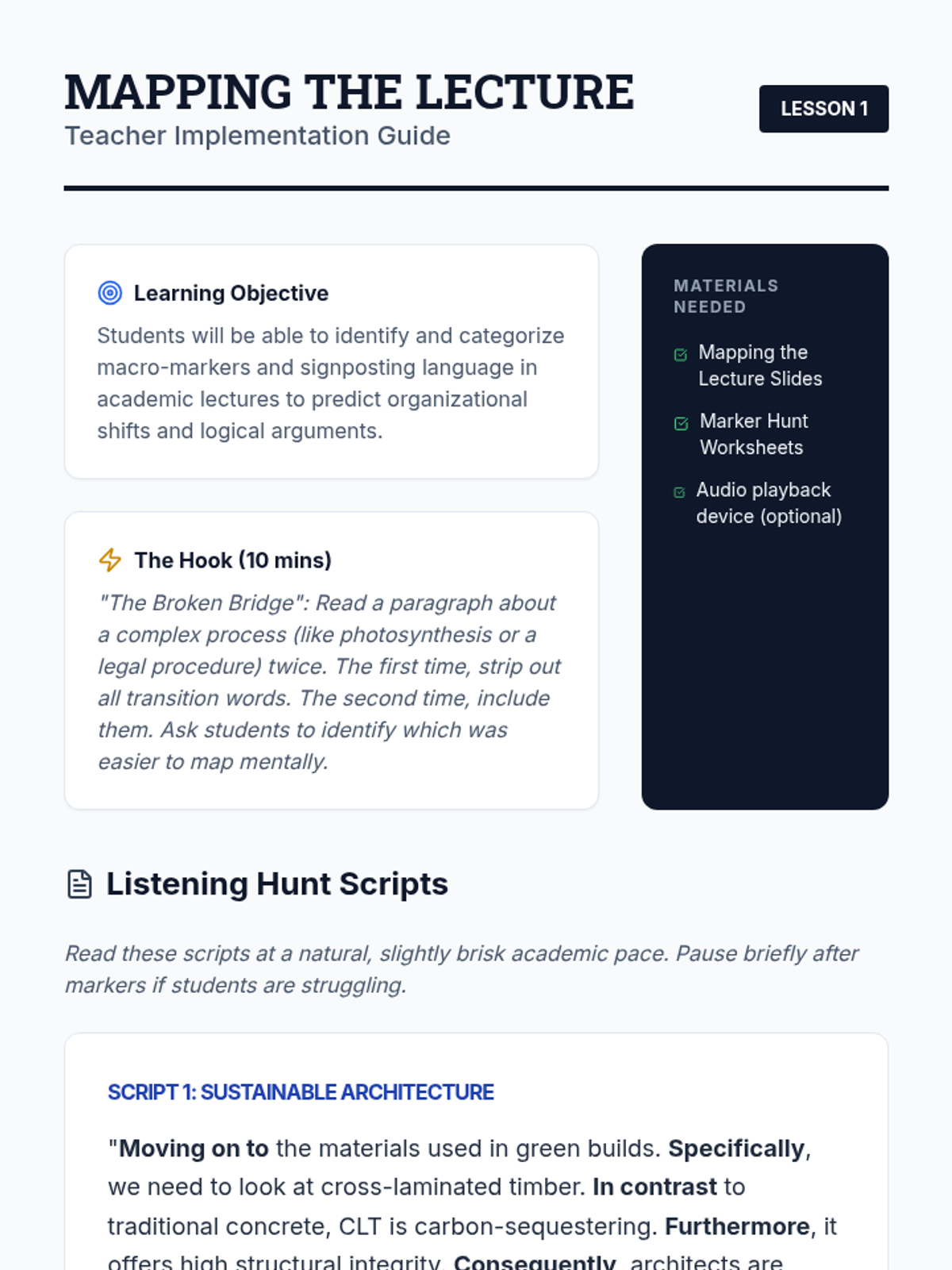
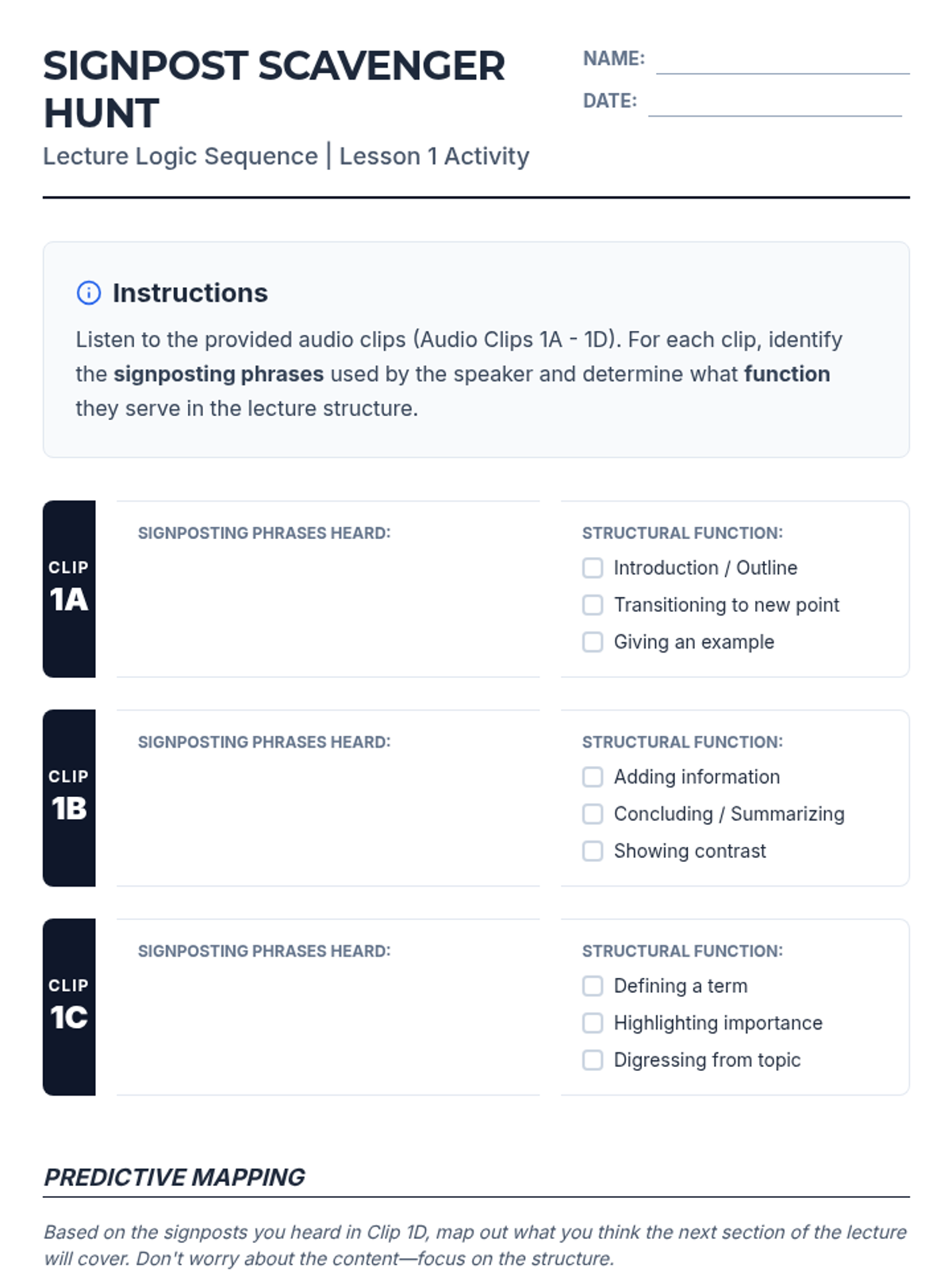
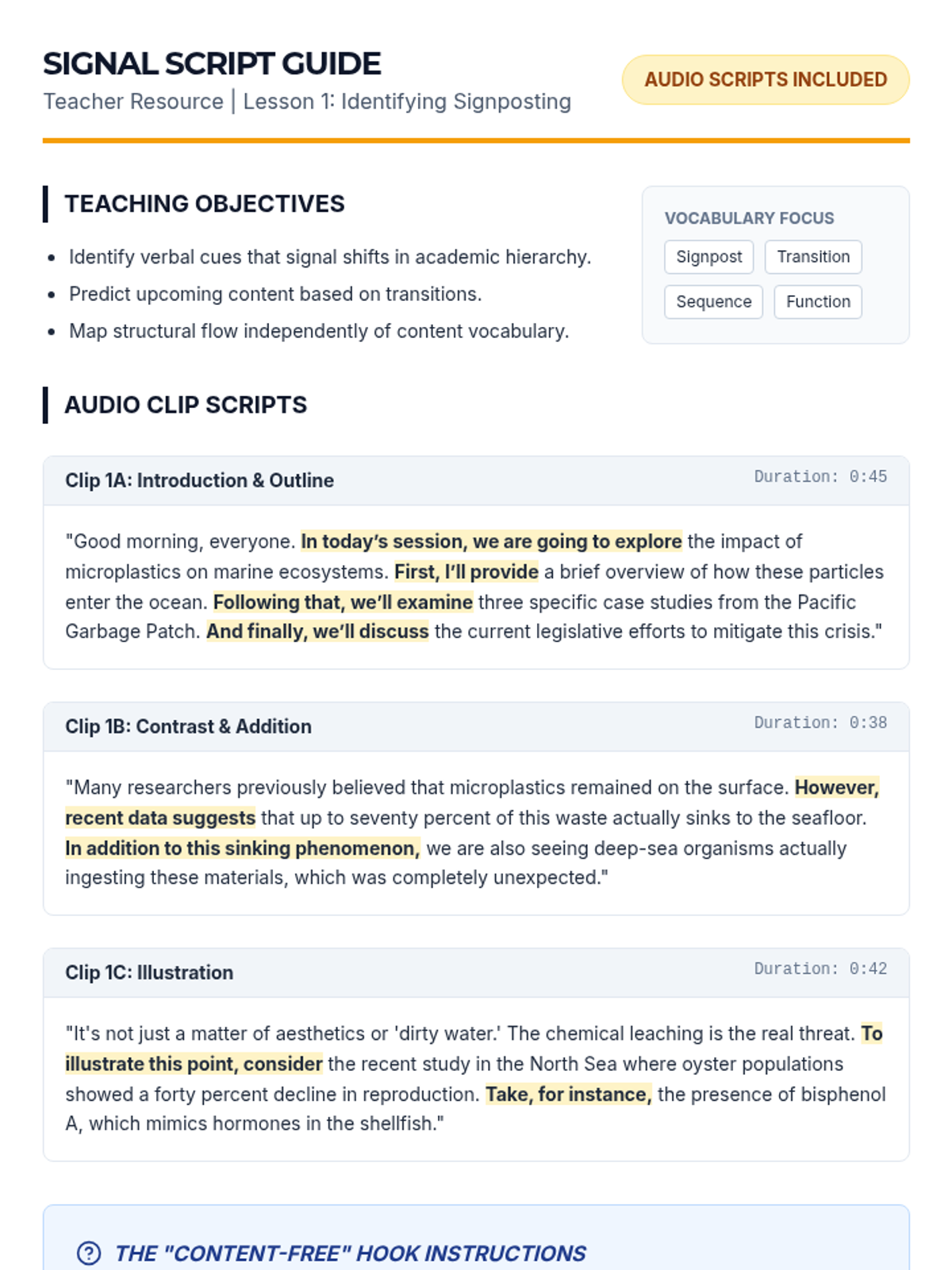
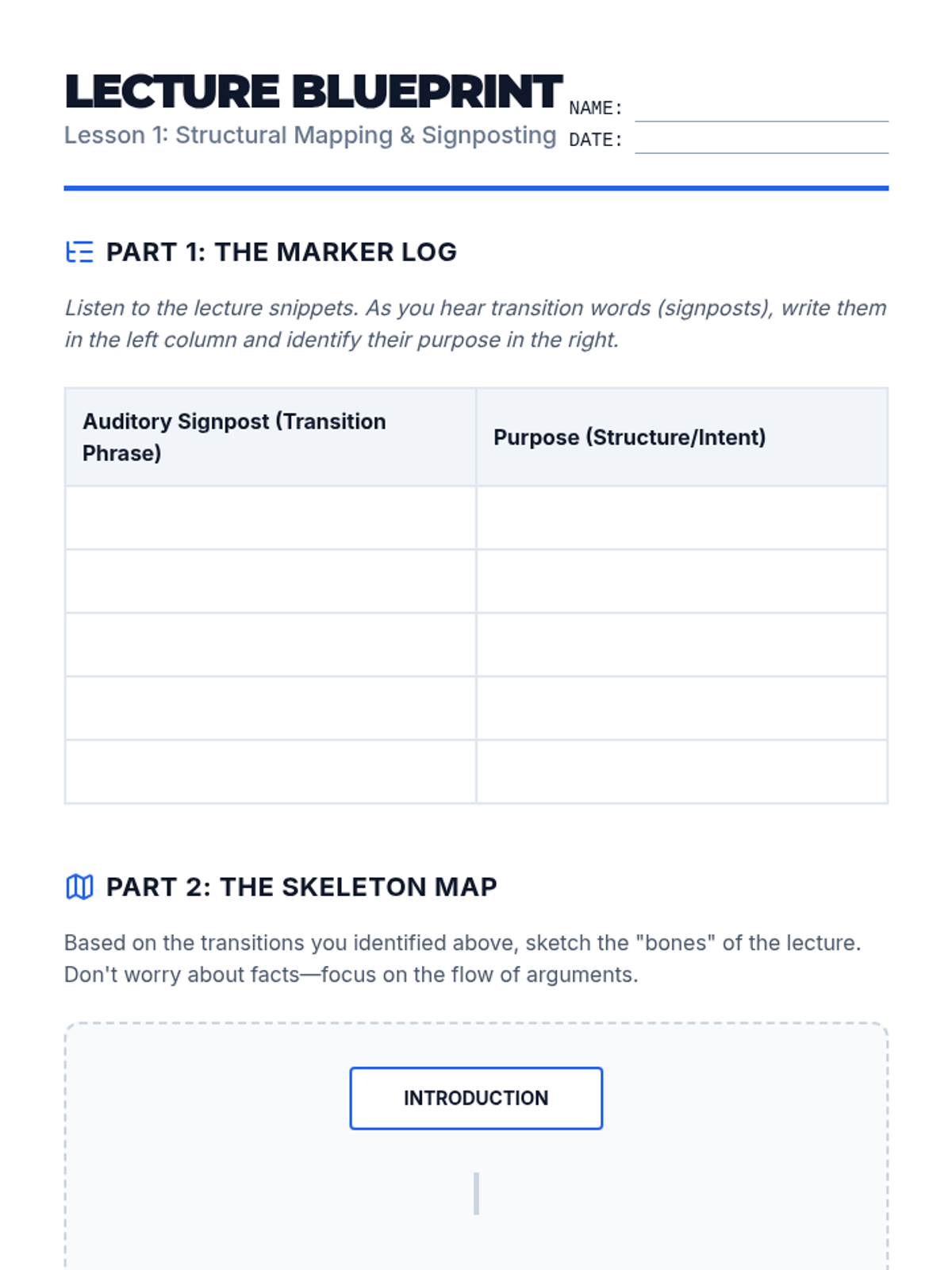
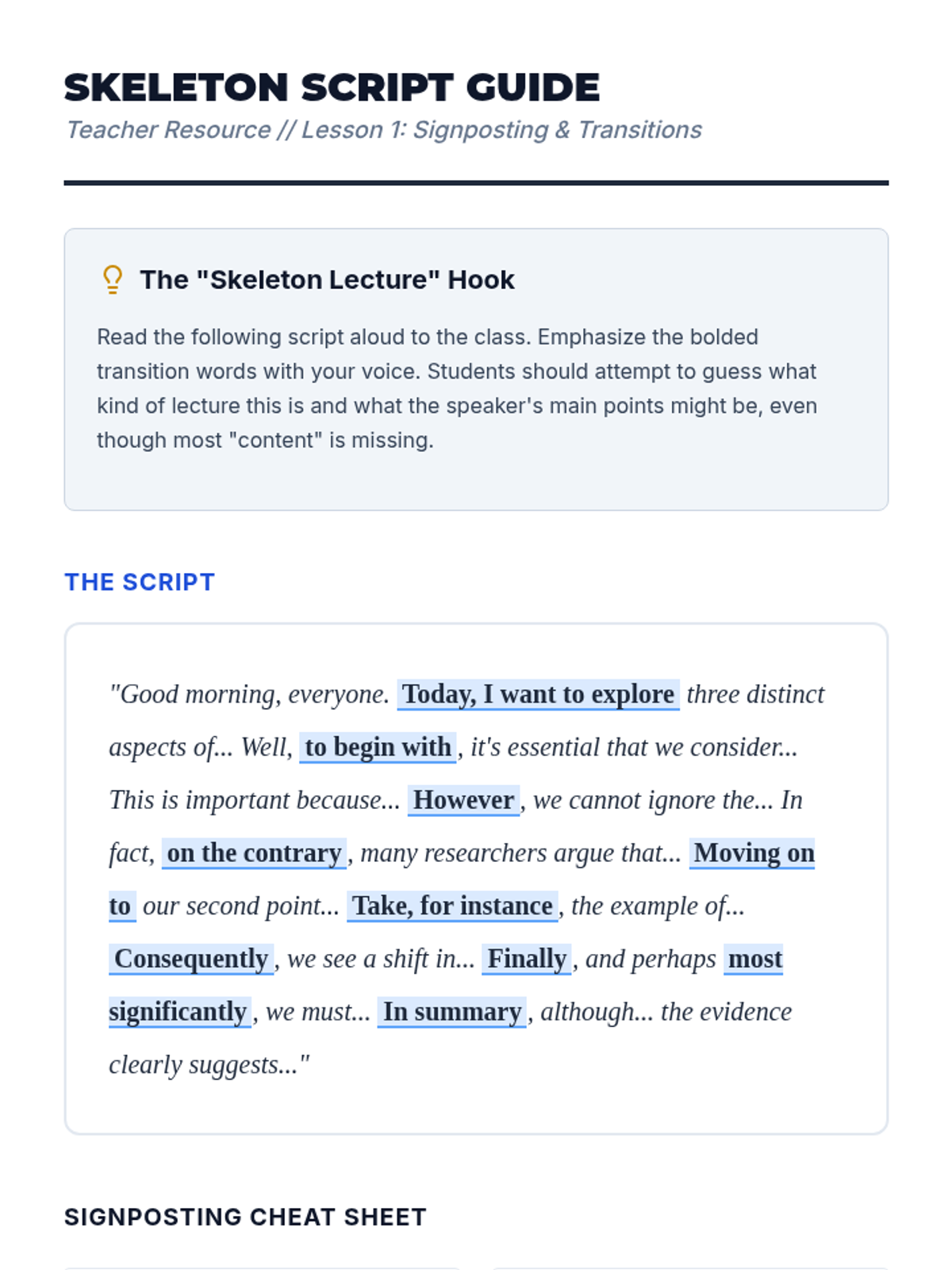
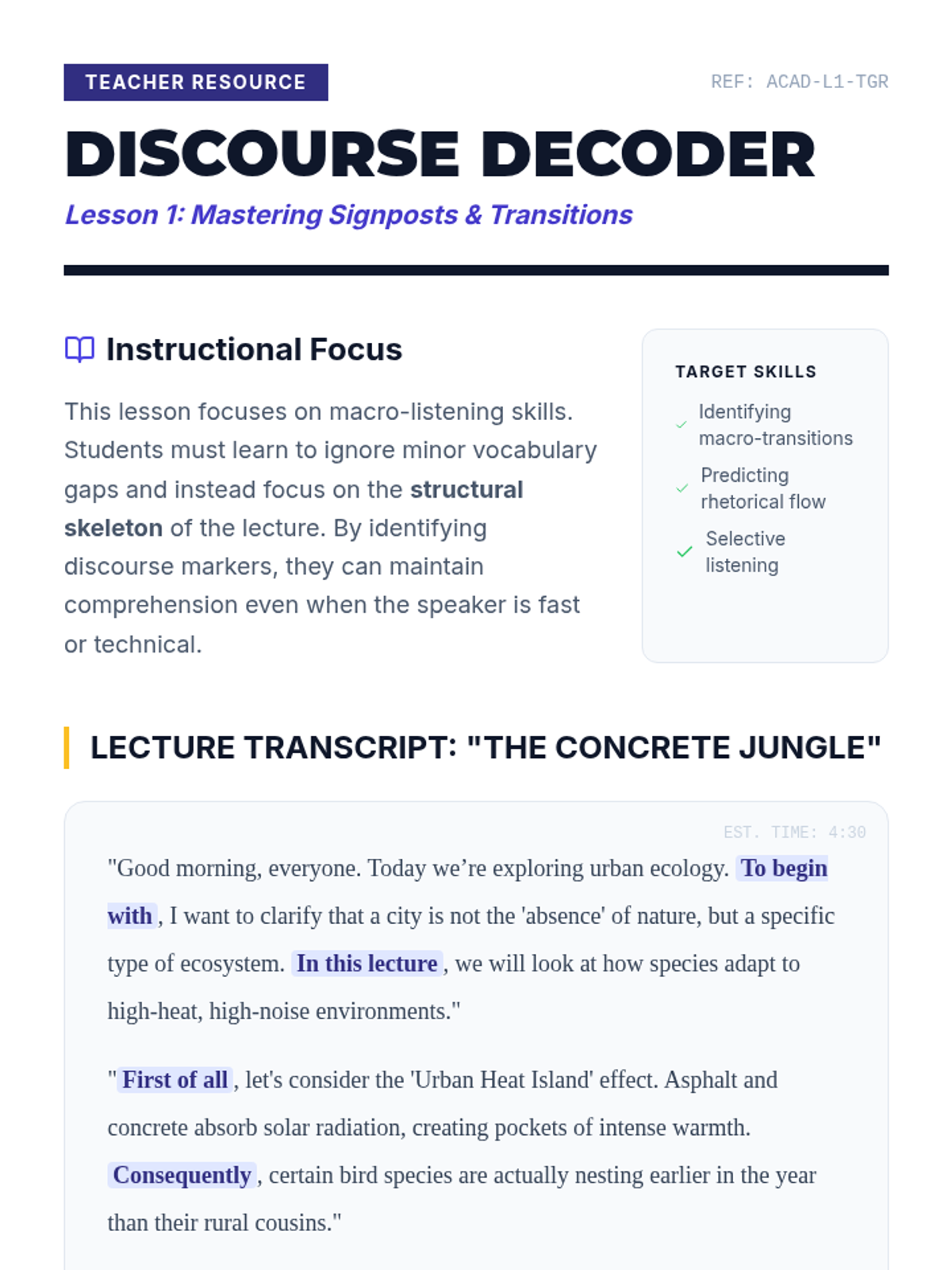
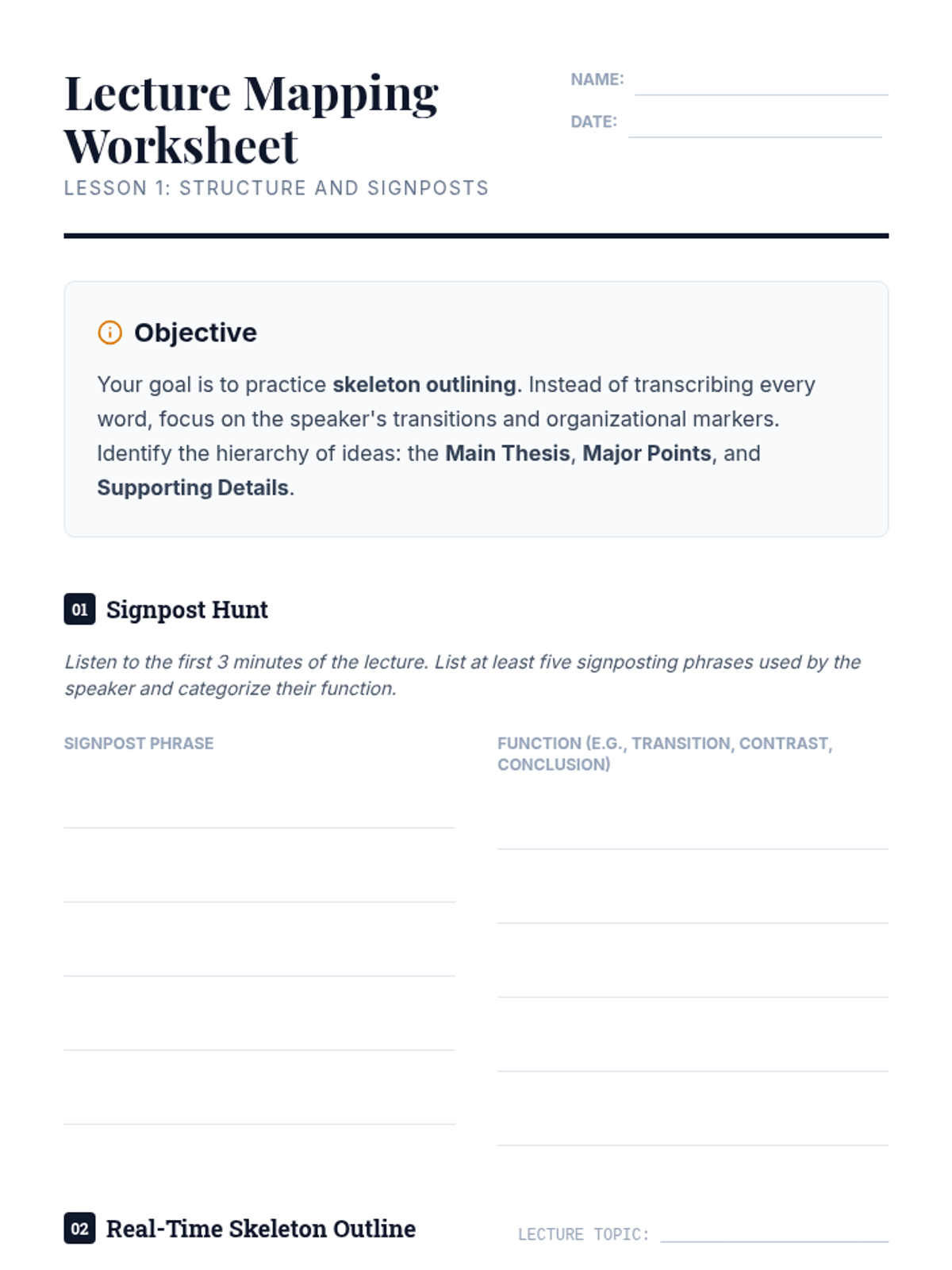
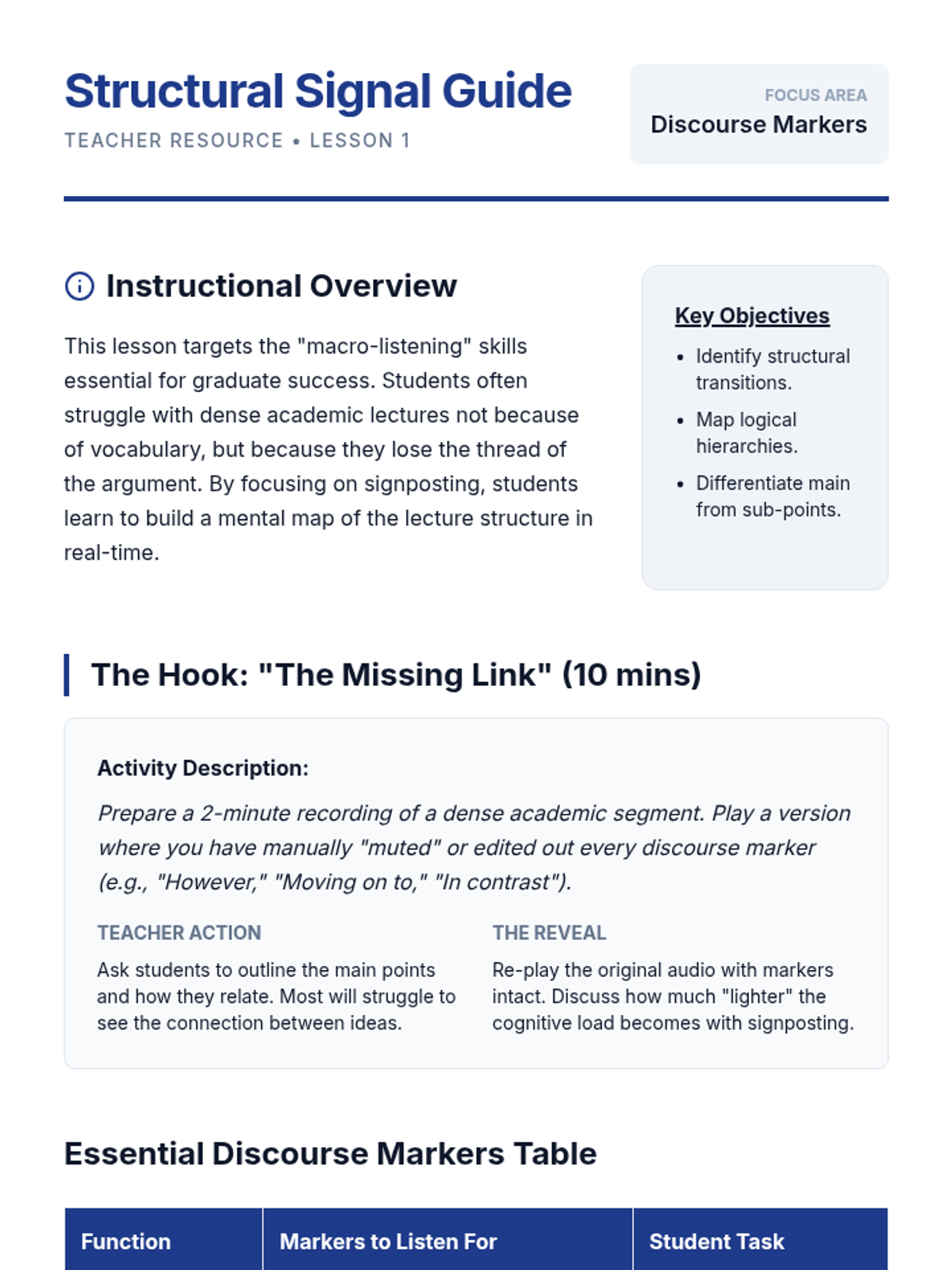
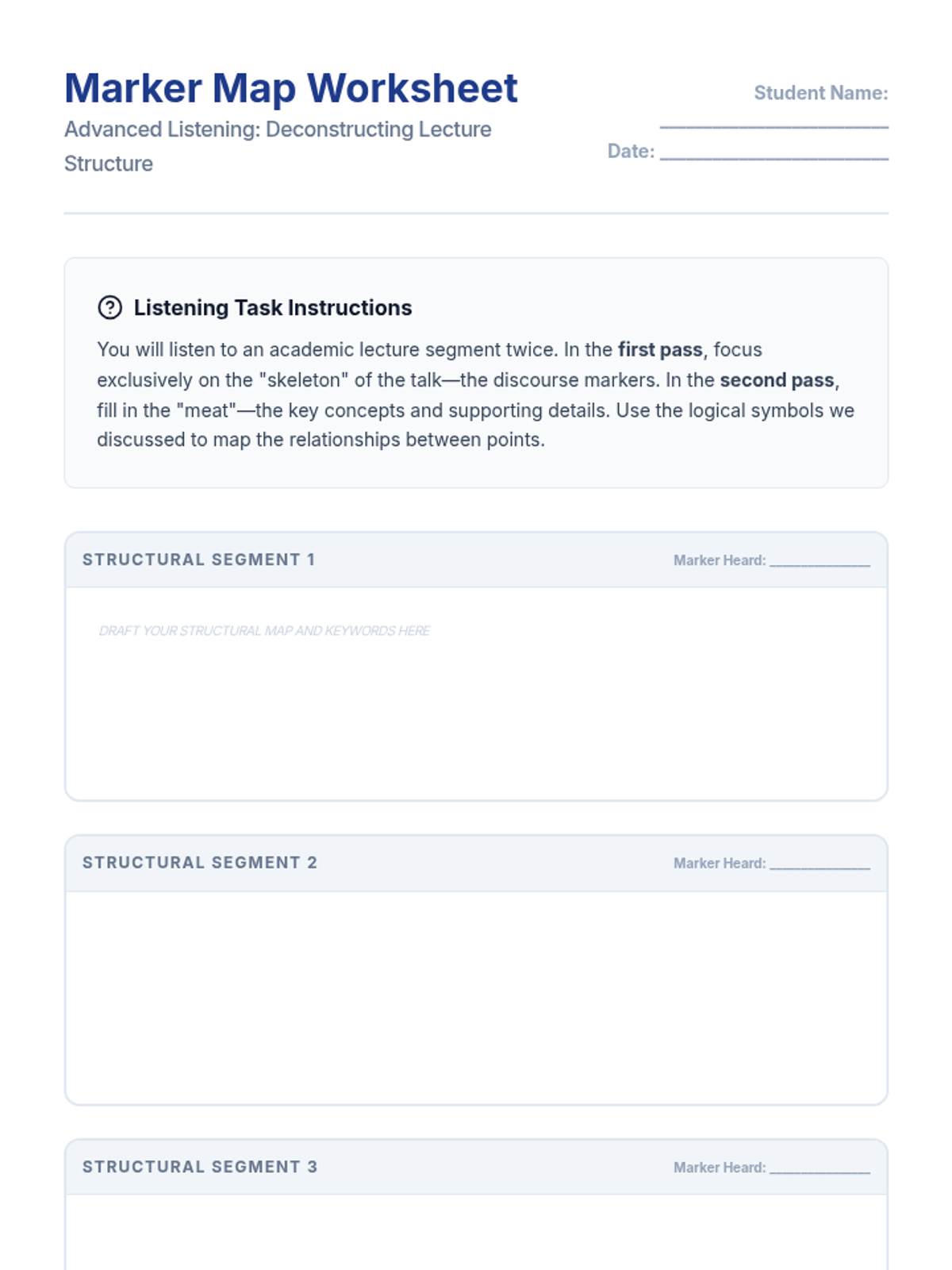
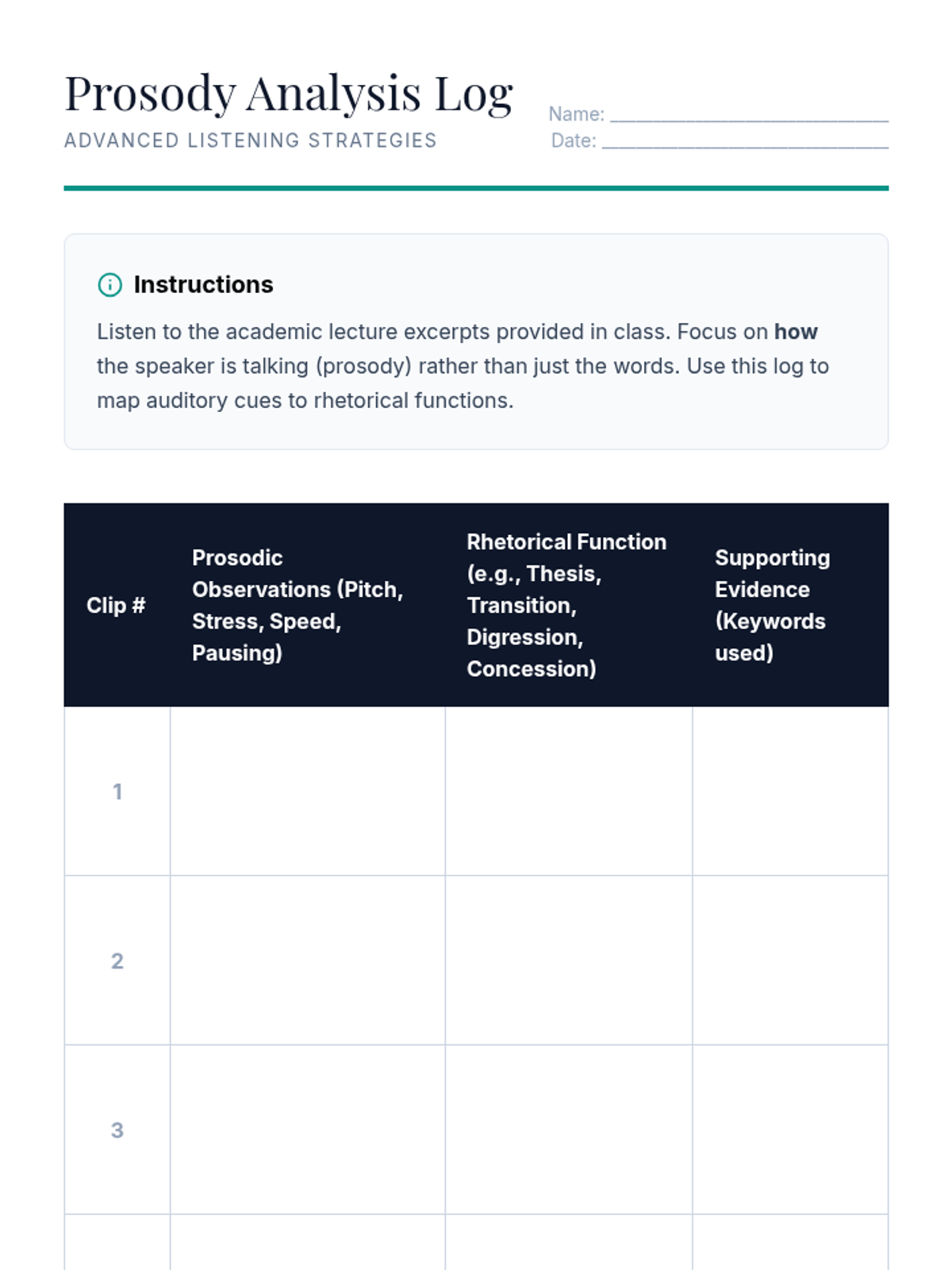
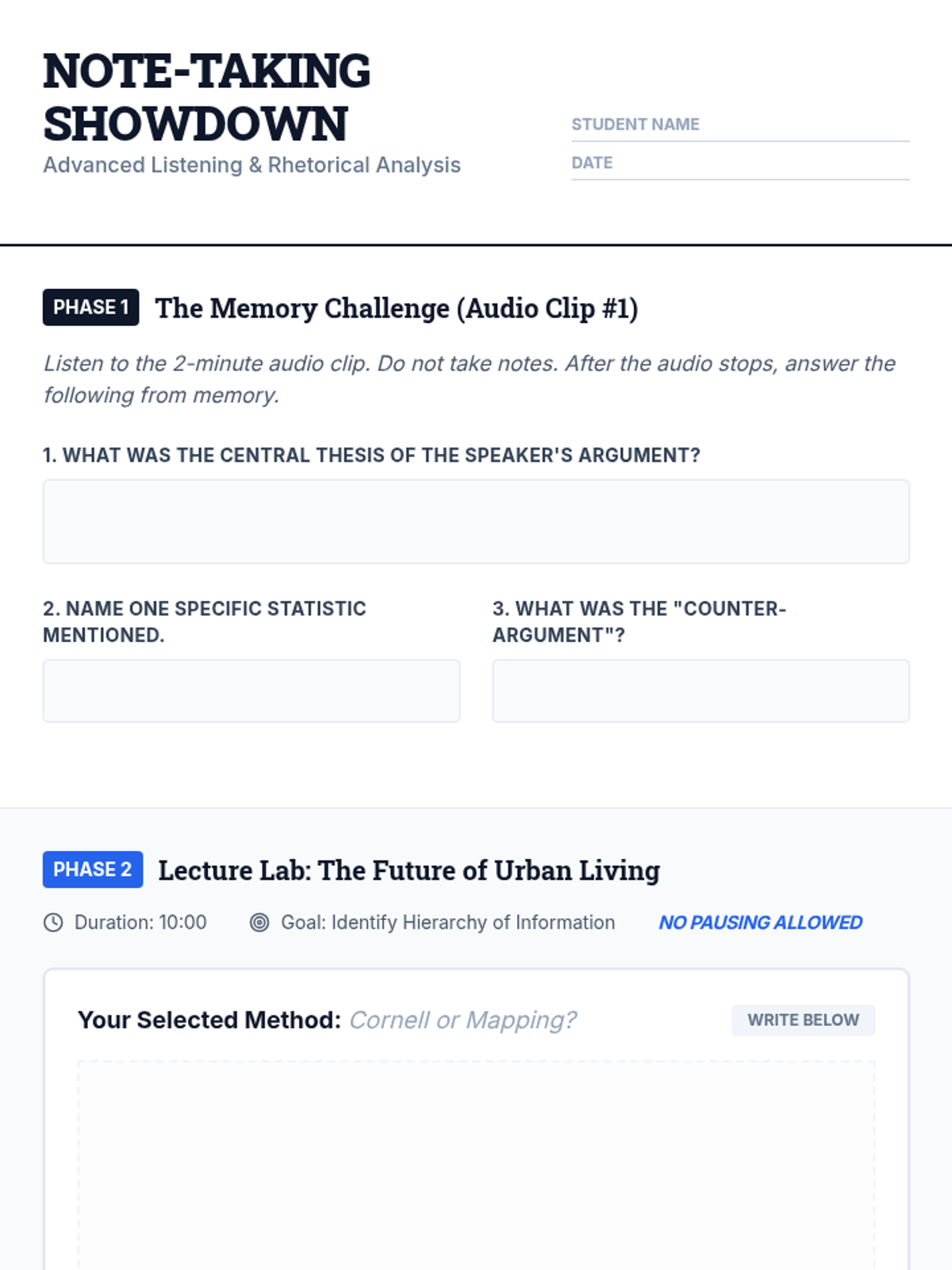
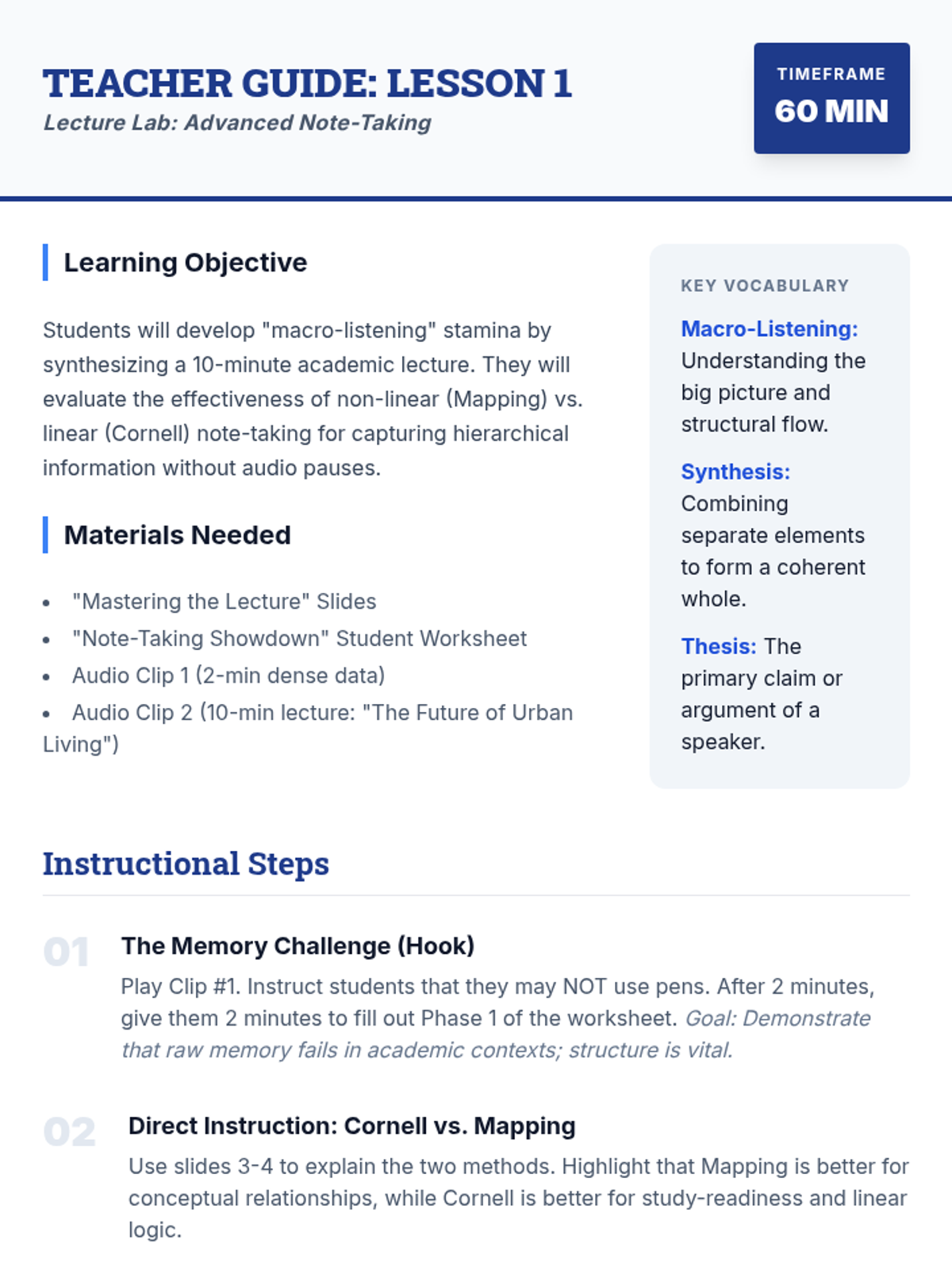
A comprehensive sequence for intermediate ESL graduate students focused on mastering academic lecture comprehension, identifying discourse markers, filtering digressions, and implementing effective note-taking strategies.
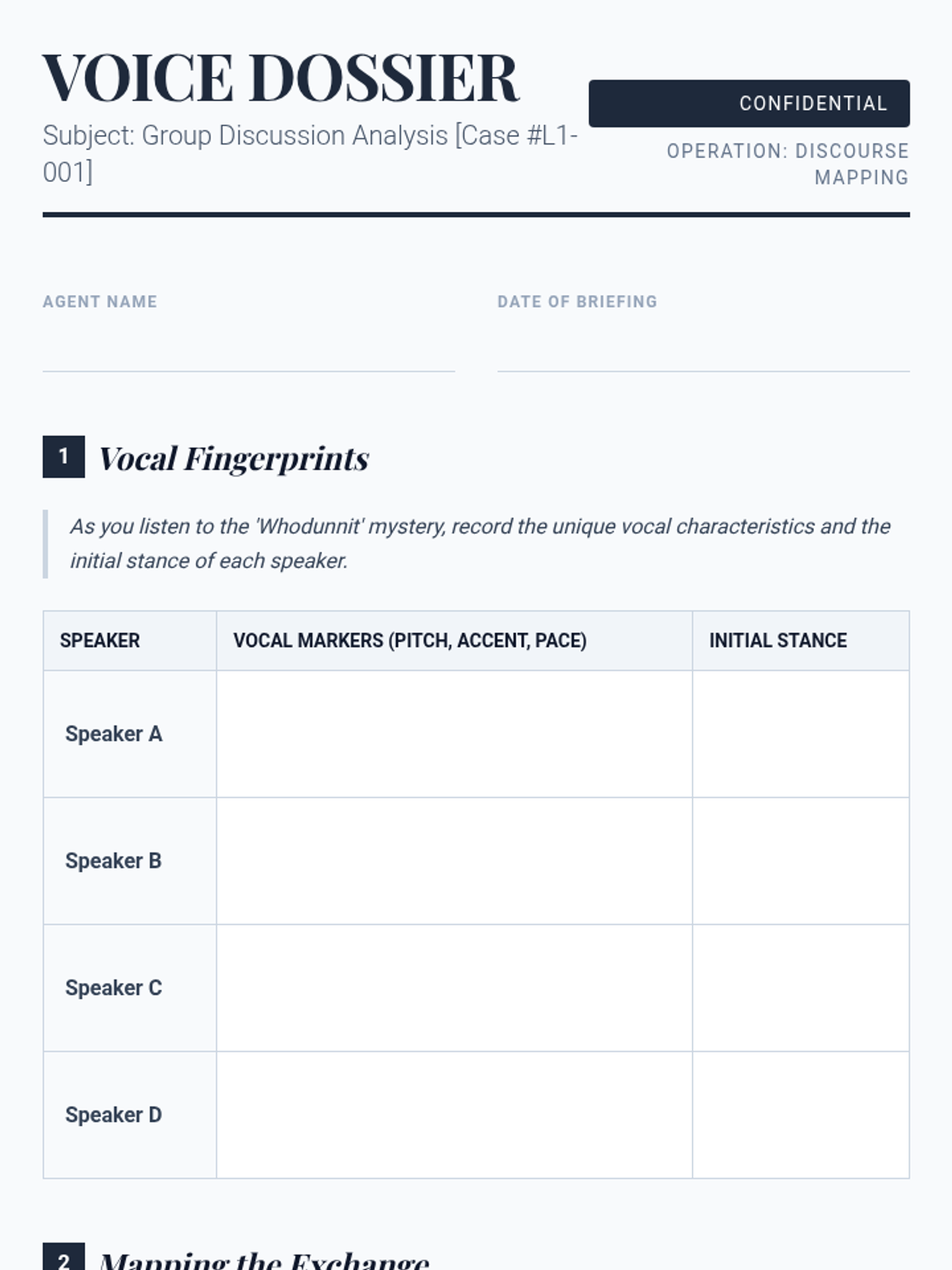
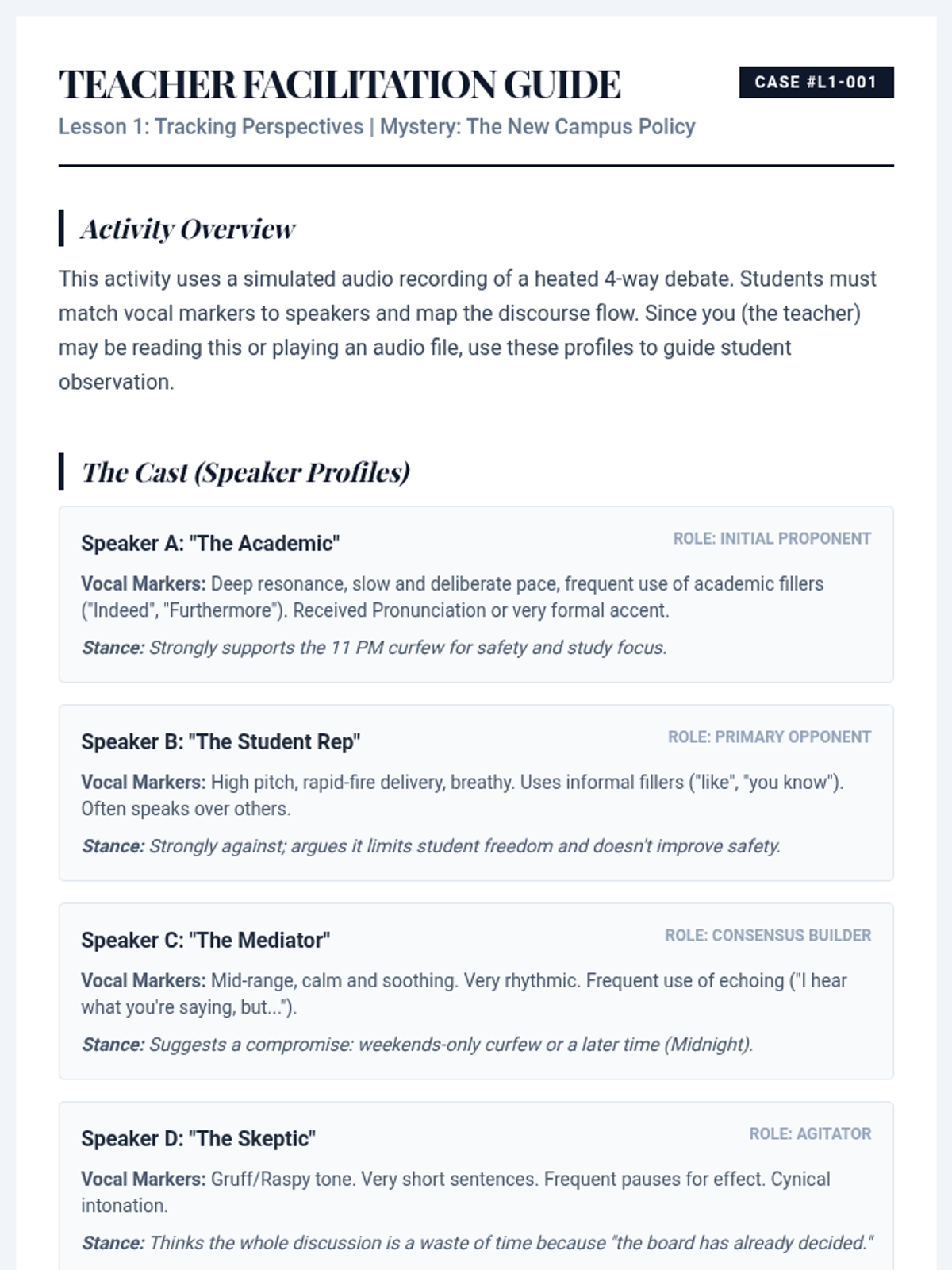
This sequence equips intermediate ESL undergraduate students with the skills to navigate complex, multi-speaker environments like seminars and debates. Students progress from basic speaker identification to tracking complex argument evolution and detecting subtle bias markers.
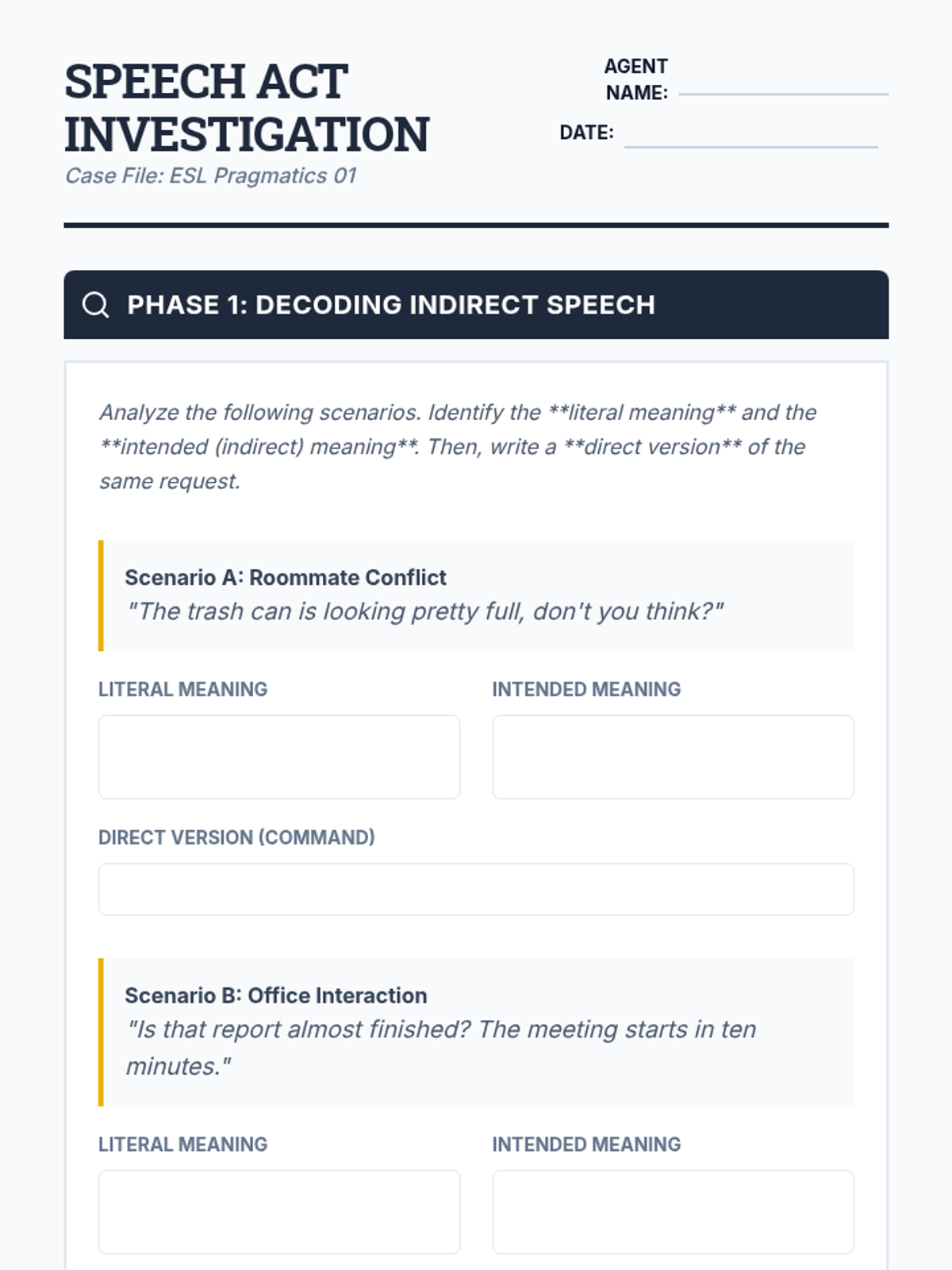
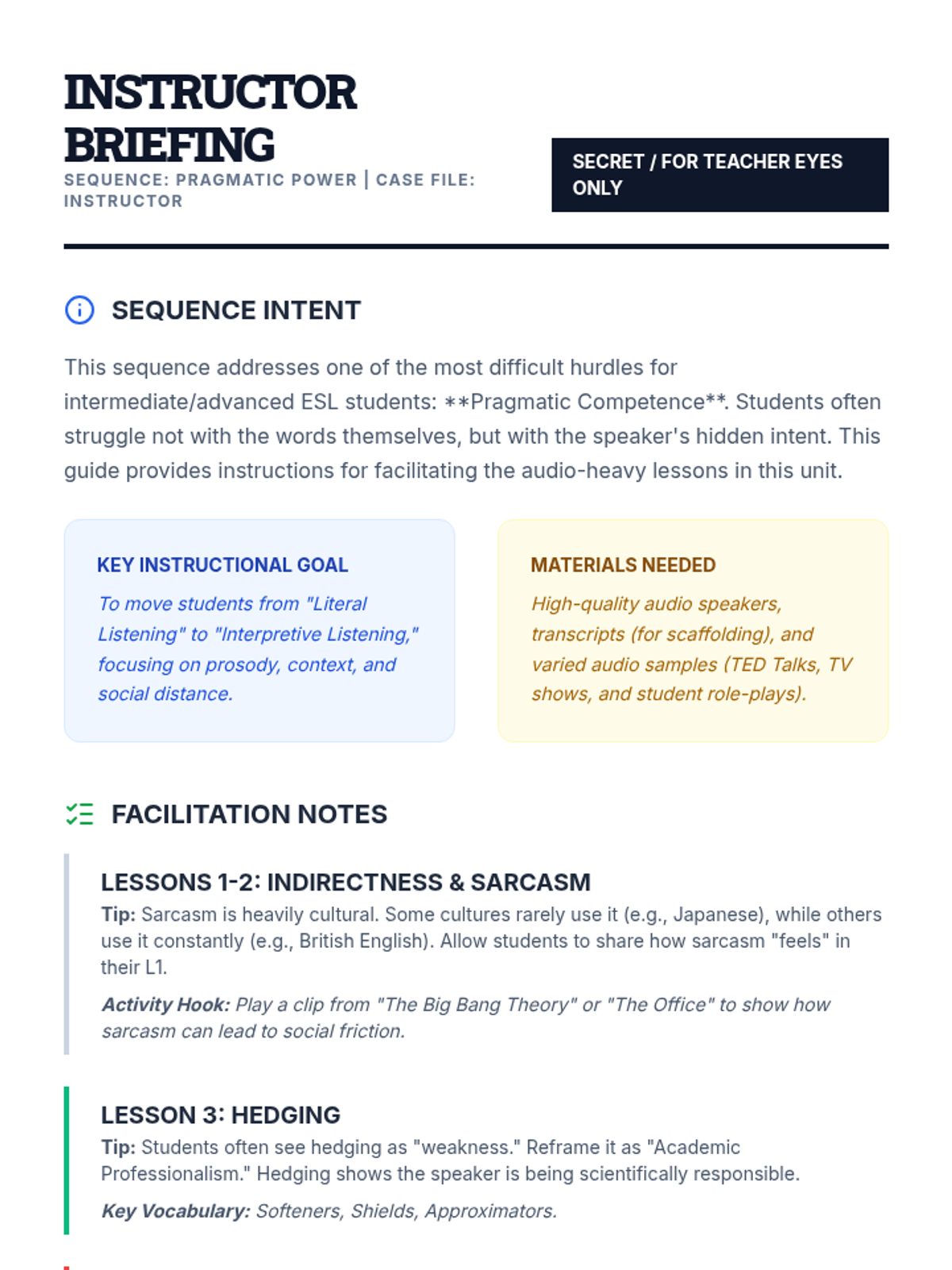
This sequence guides intermediate ESL students through the nuances of pragmatic meaning in English. Students will learn to decode indirect speech, sarcasm, hedging language, and emotional undertones in academic and social contexts to improve their listening comprehension and communicative competence.
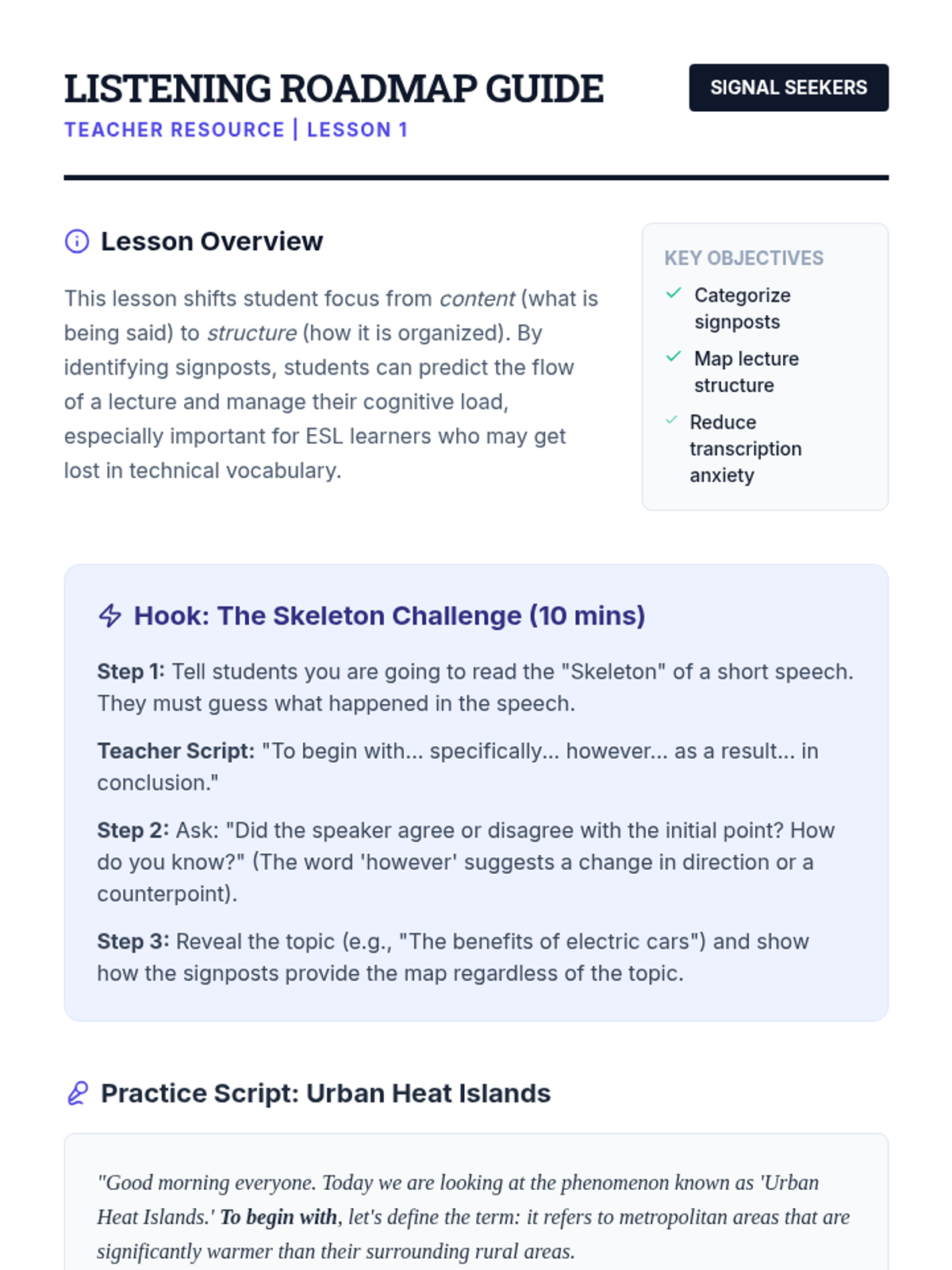
This sequence equips intermediate ESL students with the linguistic and cognitive tools needed to navigate university lectures. It covers discourse markers, hierarchy of information, identifying tangents, note-taking systems, and synthesizing long-form academic speech.
A comprehensive unit for 12th-grade ESL students to master university-level listening skills, focusing on structural markers, note-taking systems, and synthesizing complex information.
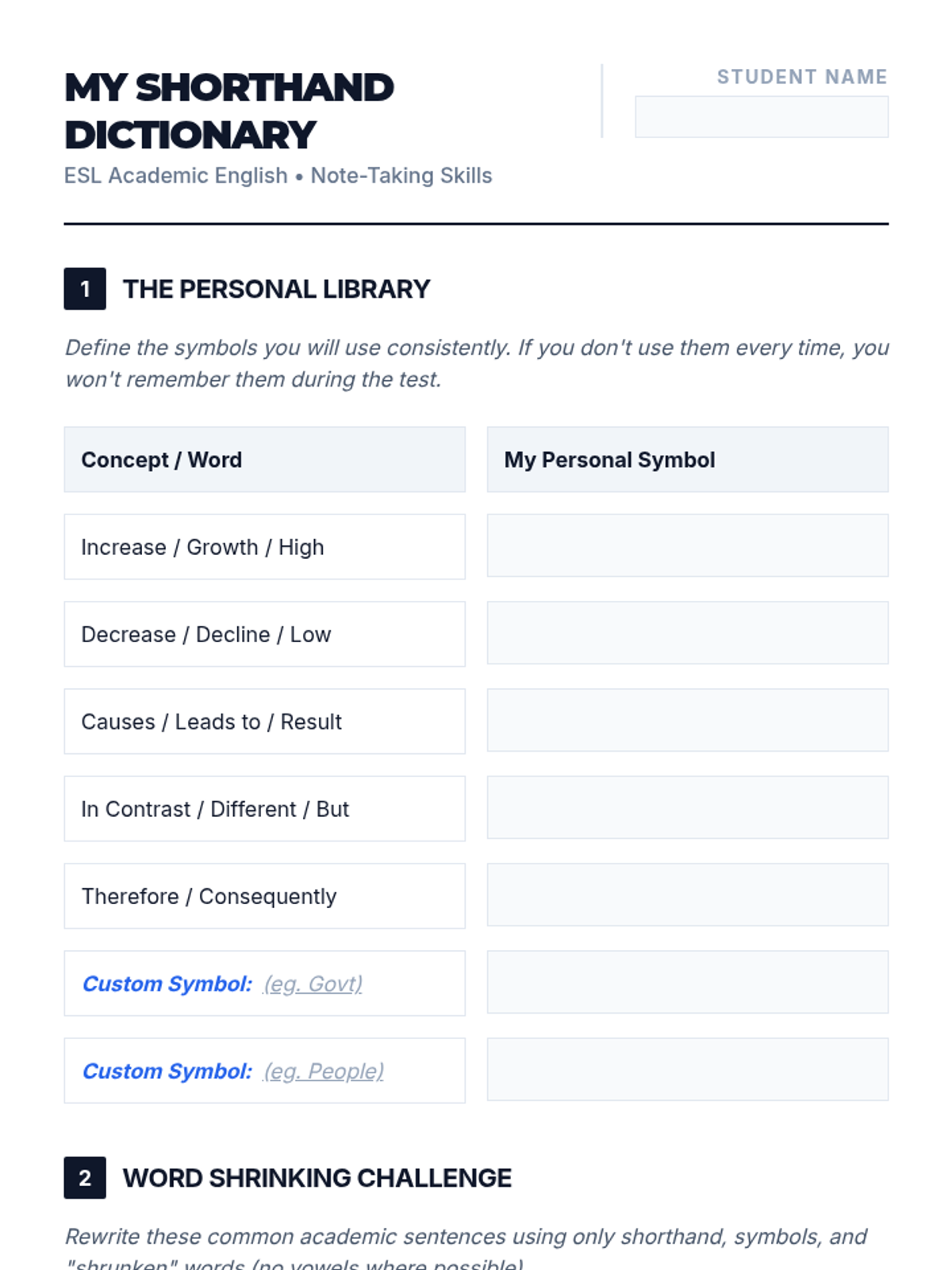
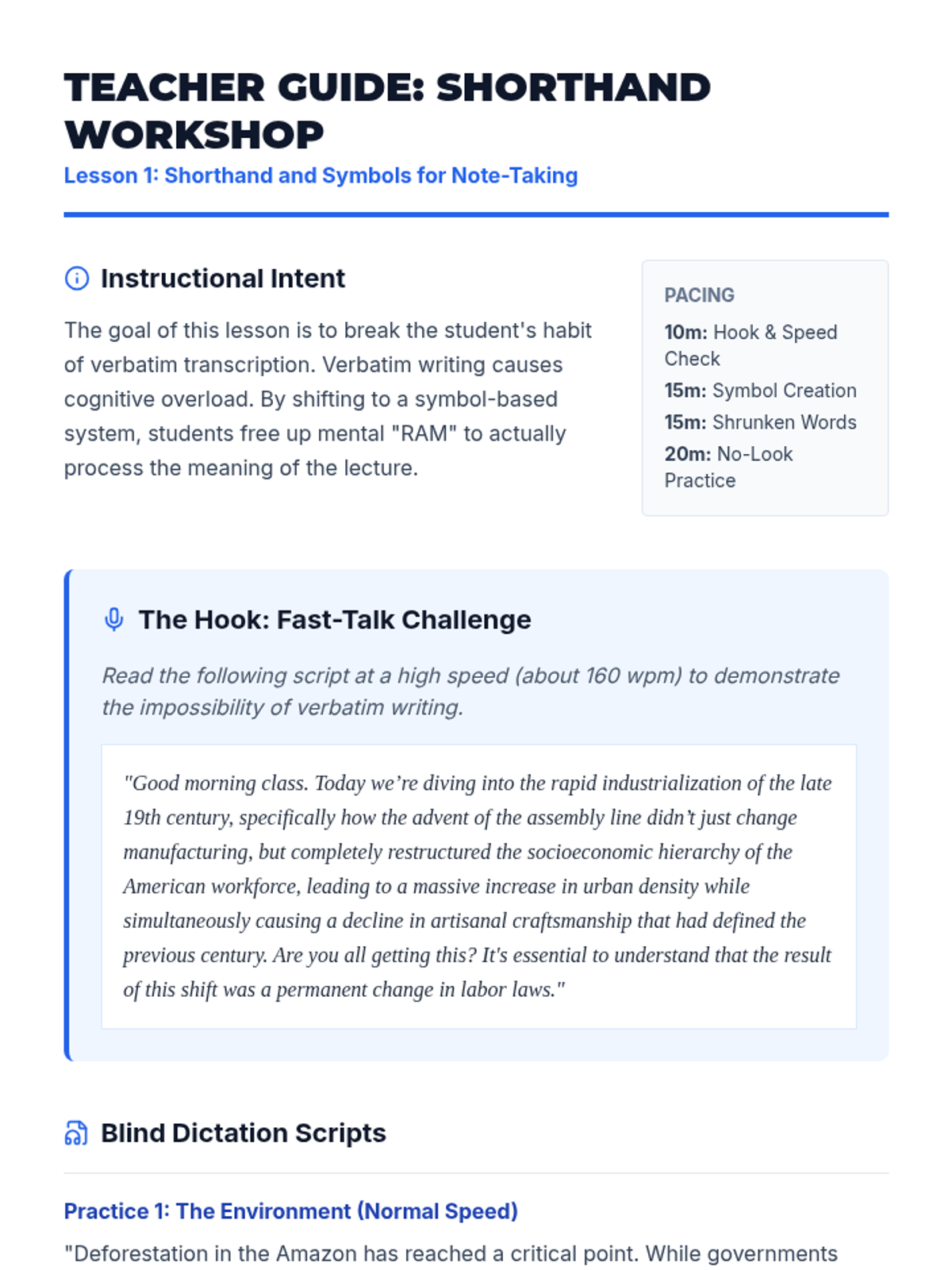
A comprehensive sequence designed for graduate ESL students to master the integrated writing and speaking tasks of high-stakes academic exams like TOEFL iBT and IELTS. The curriculum focuses on shorthand note-taking, identifying inter-source relationships, utilizing structural templates, and rapid synthesis under timed conditions.
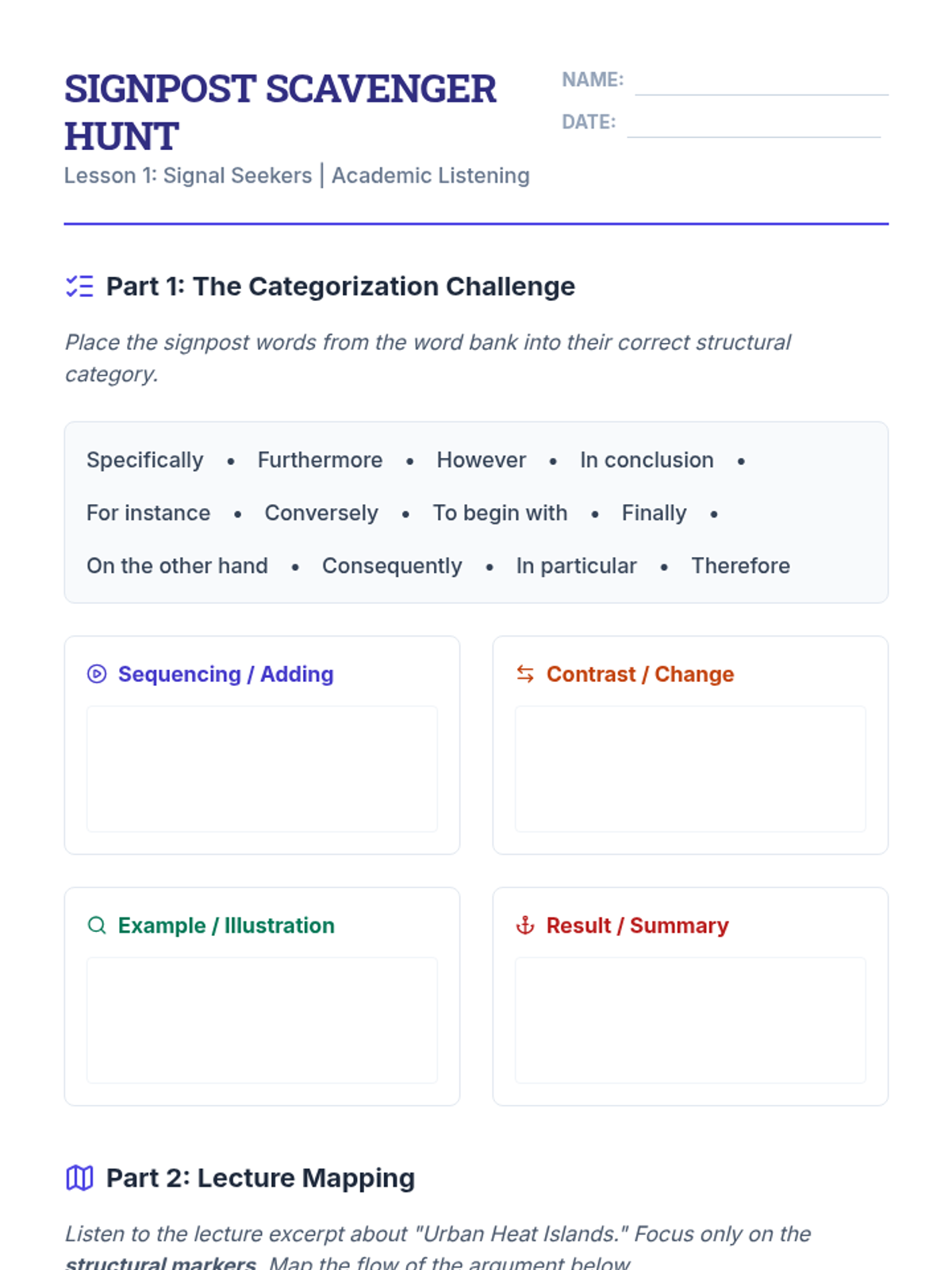
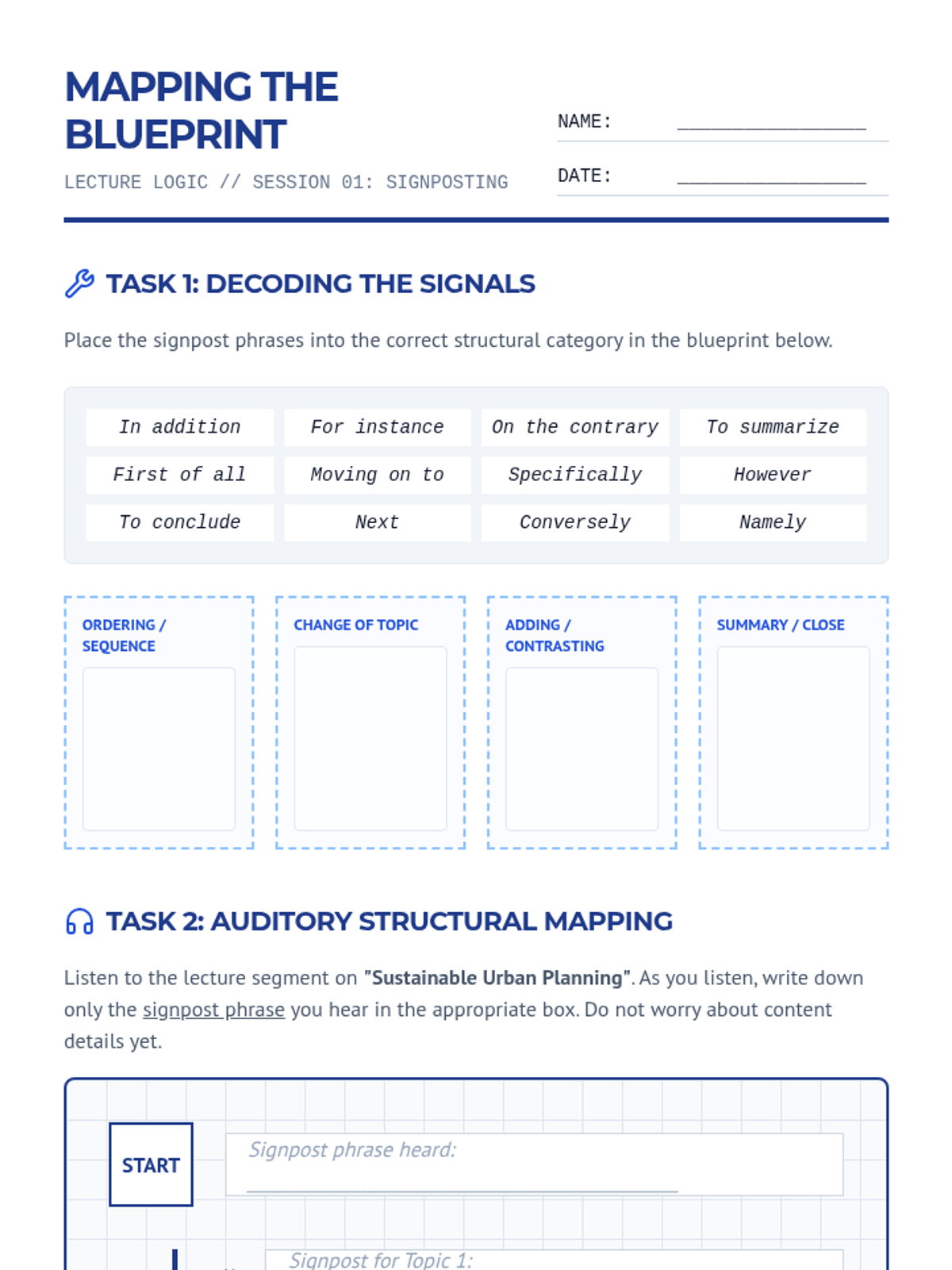
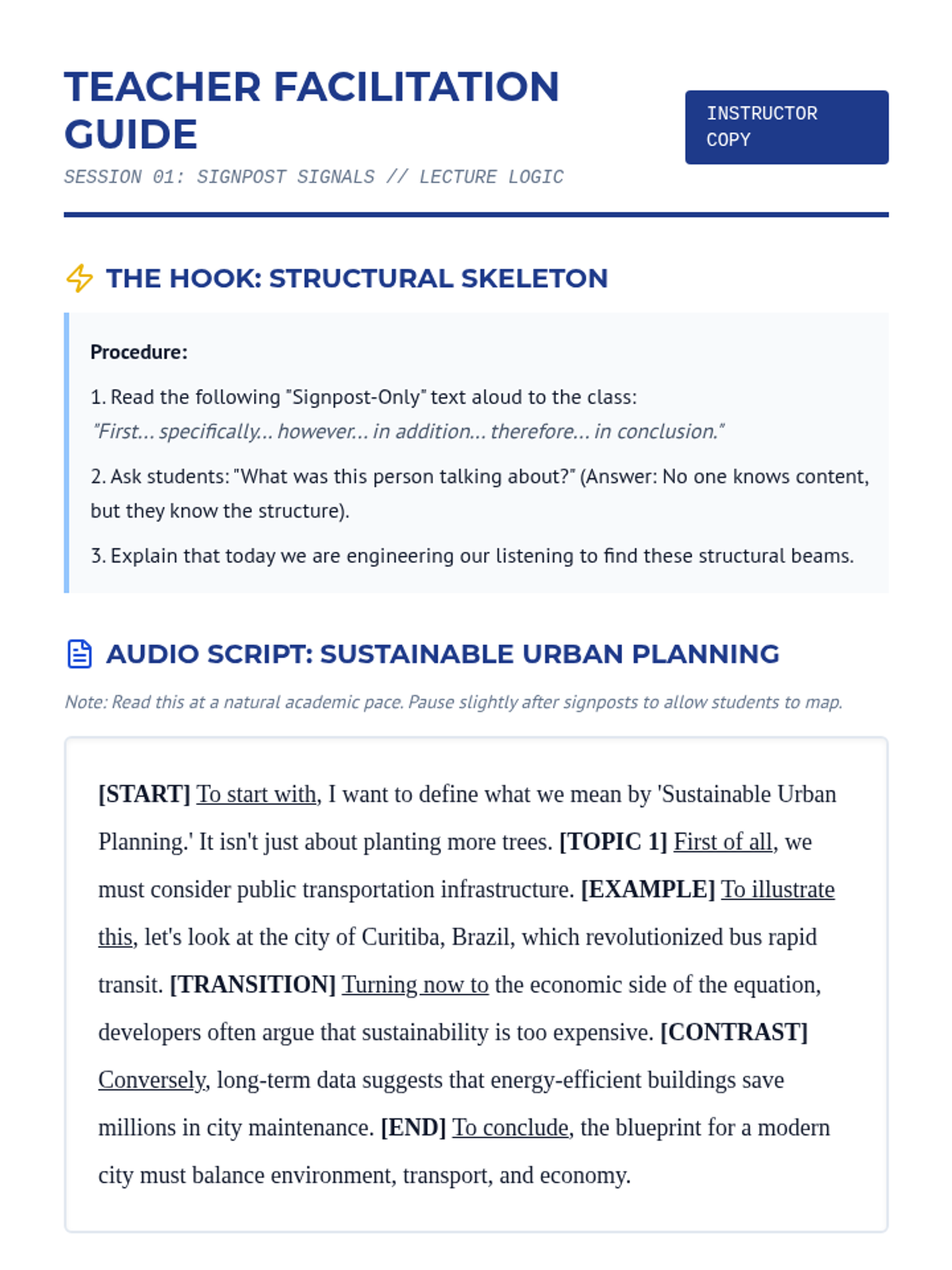
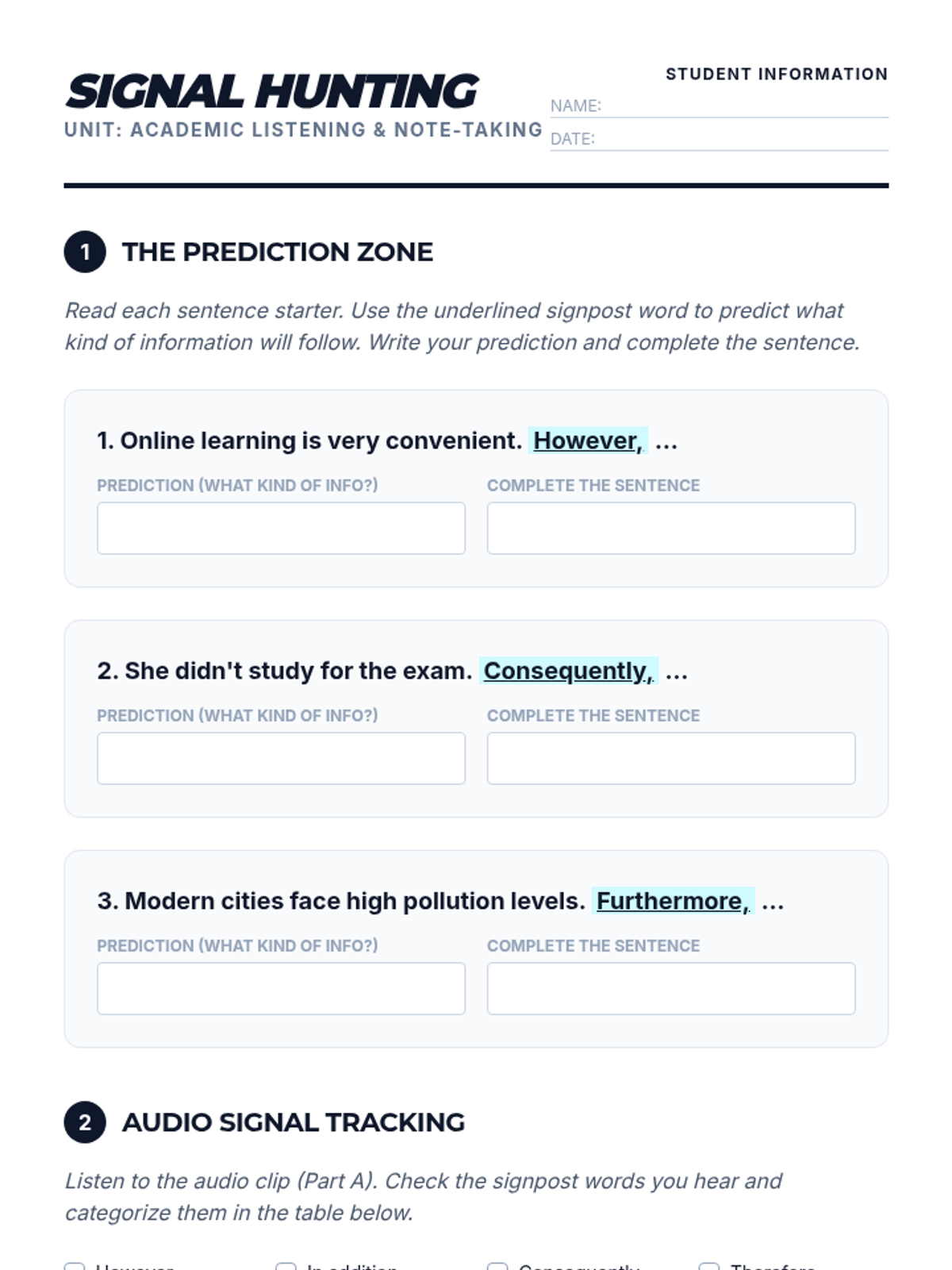
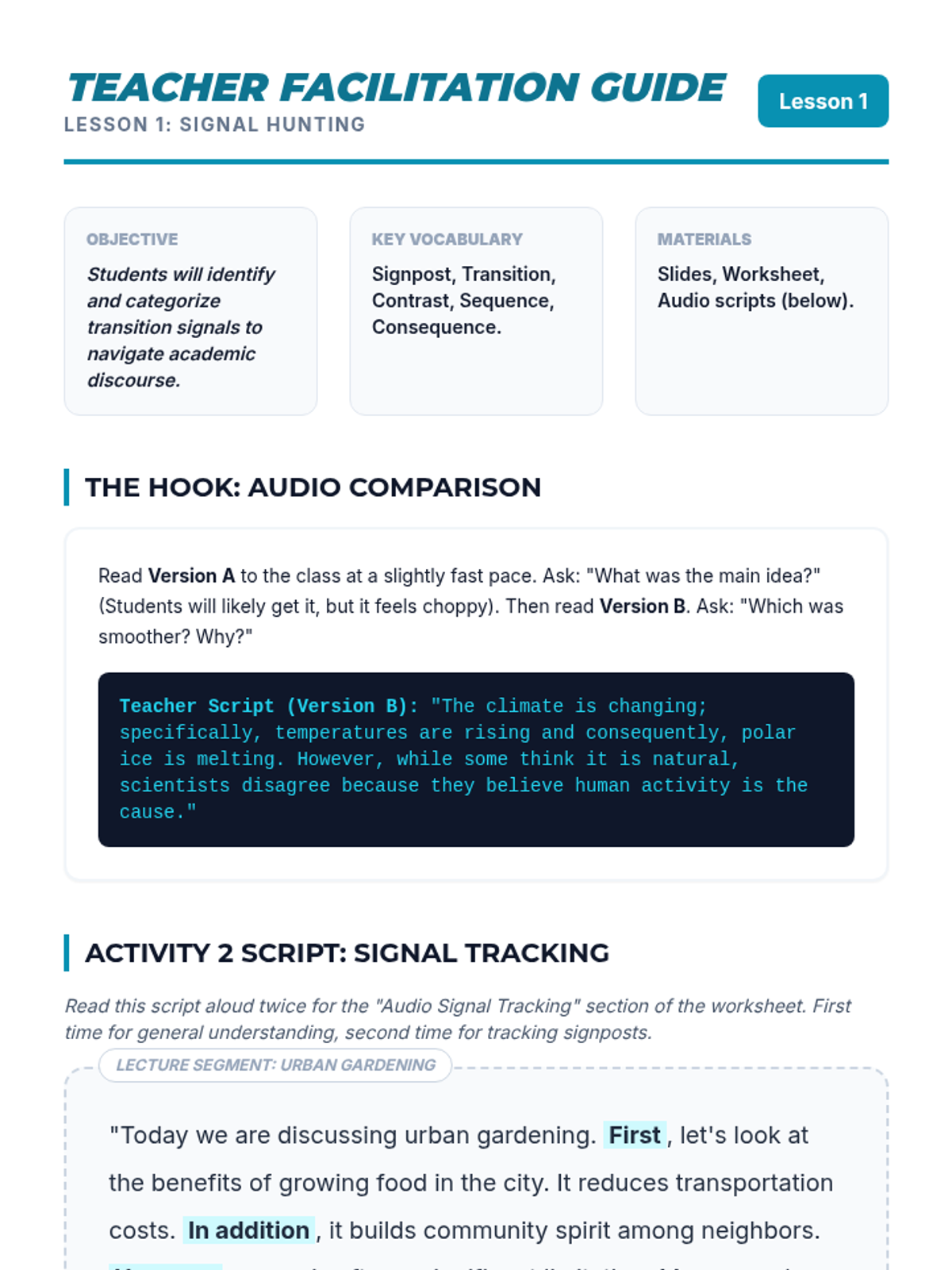
This sequence prepares intermediate ESL students for university-level academic listening by focusing on signposting language, speaker stance, hedging, and strategic note-taking. Students will move from identifying basic transitions to synthesizing complex arguments from multiple spoken sources.
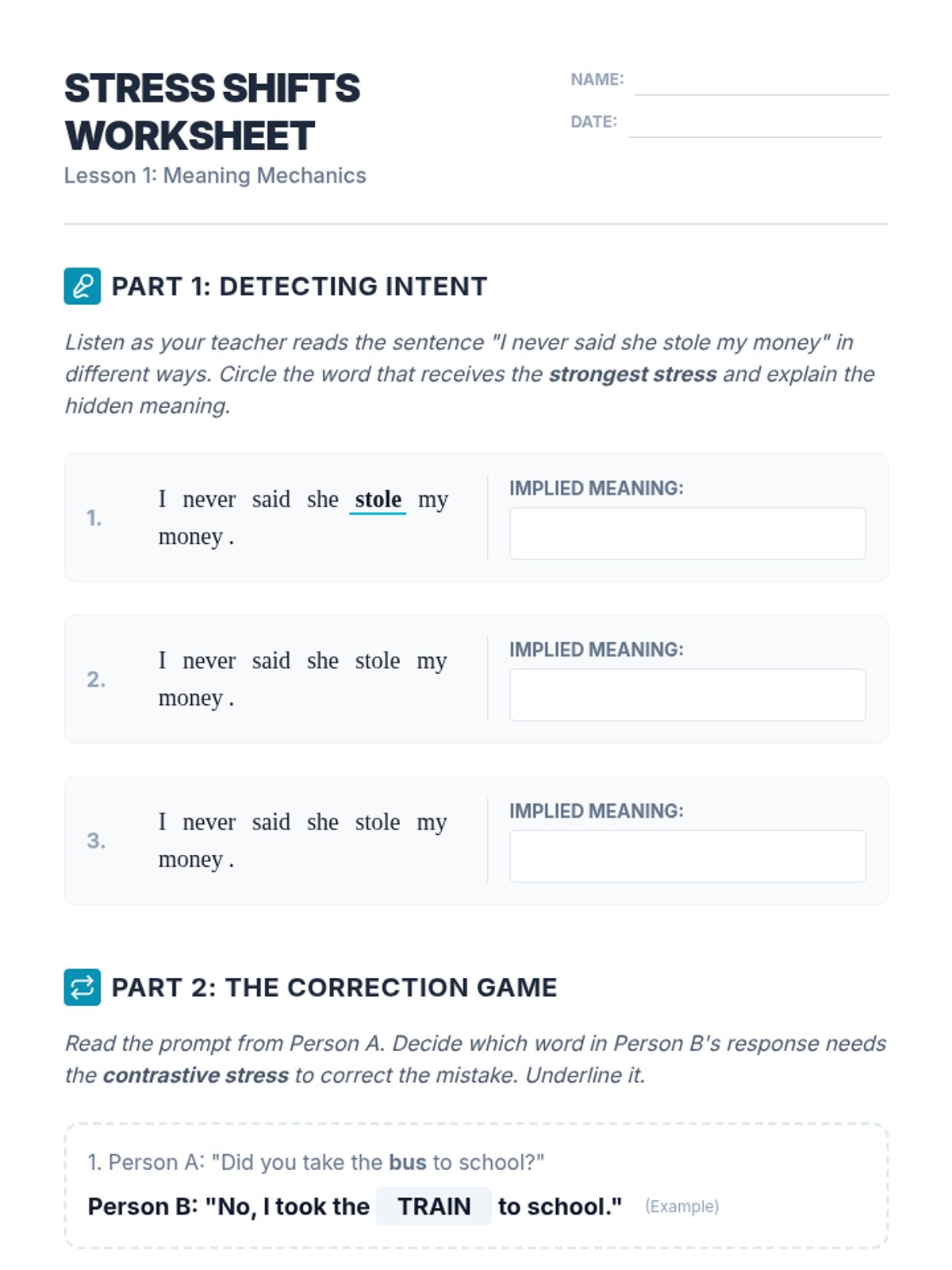
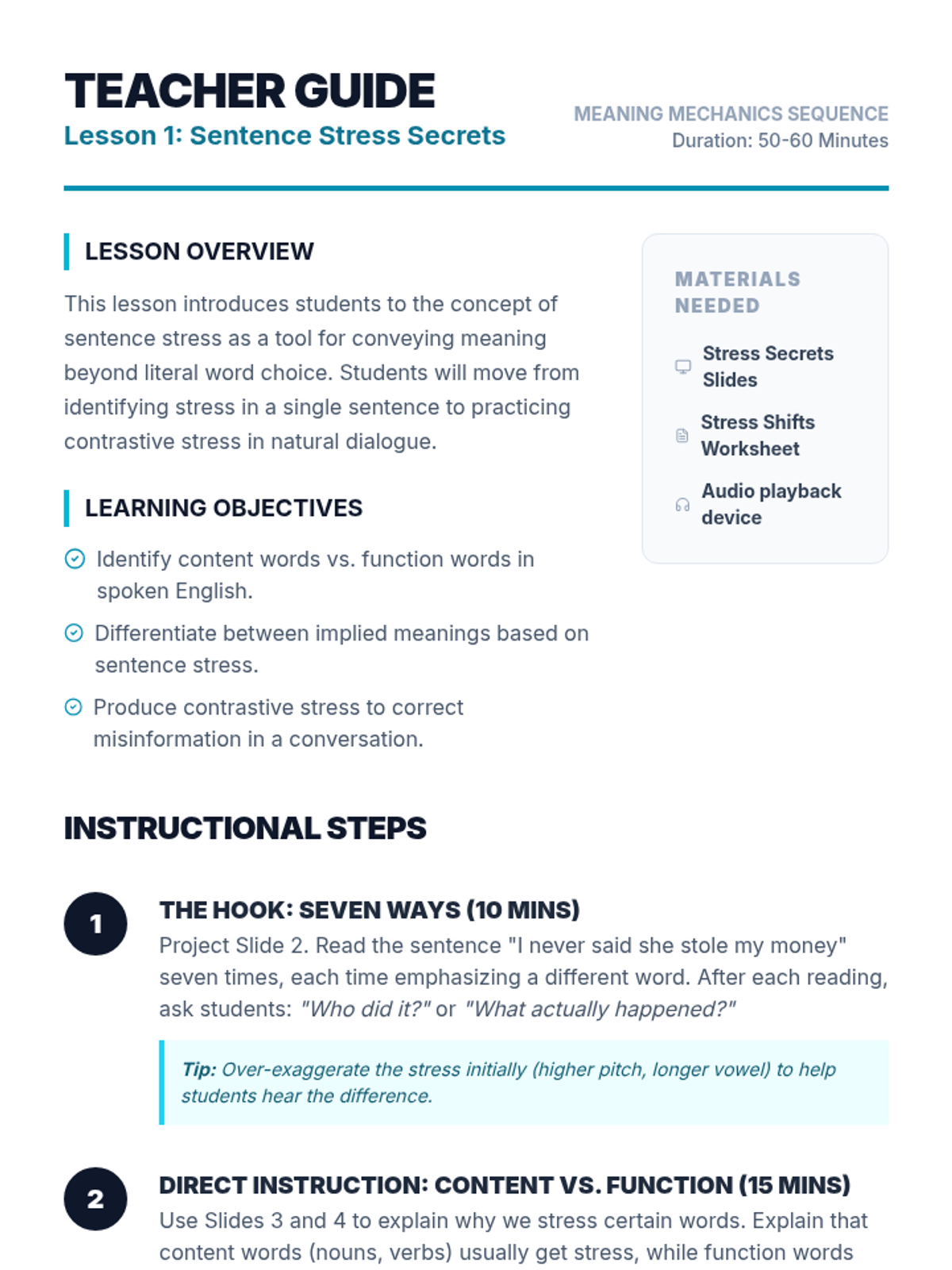
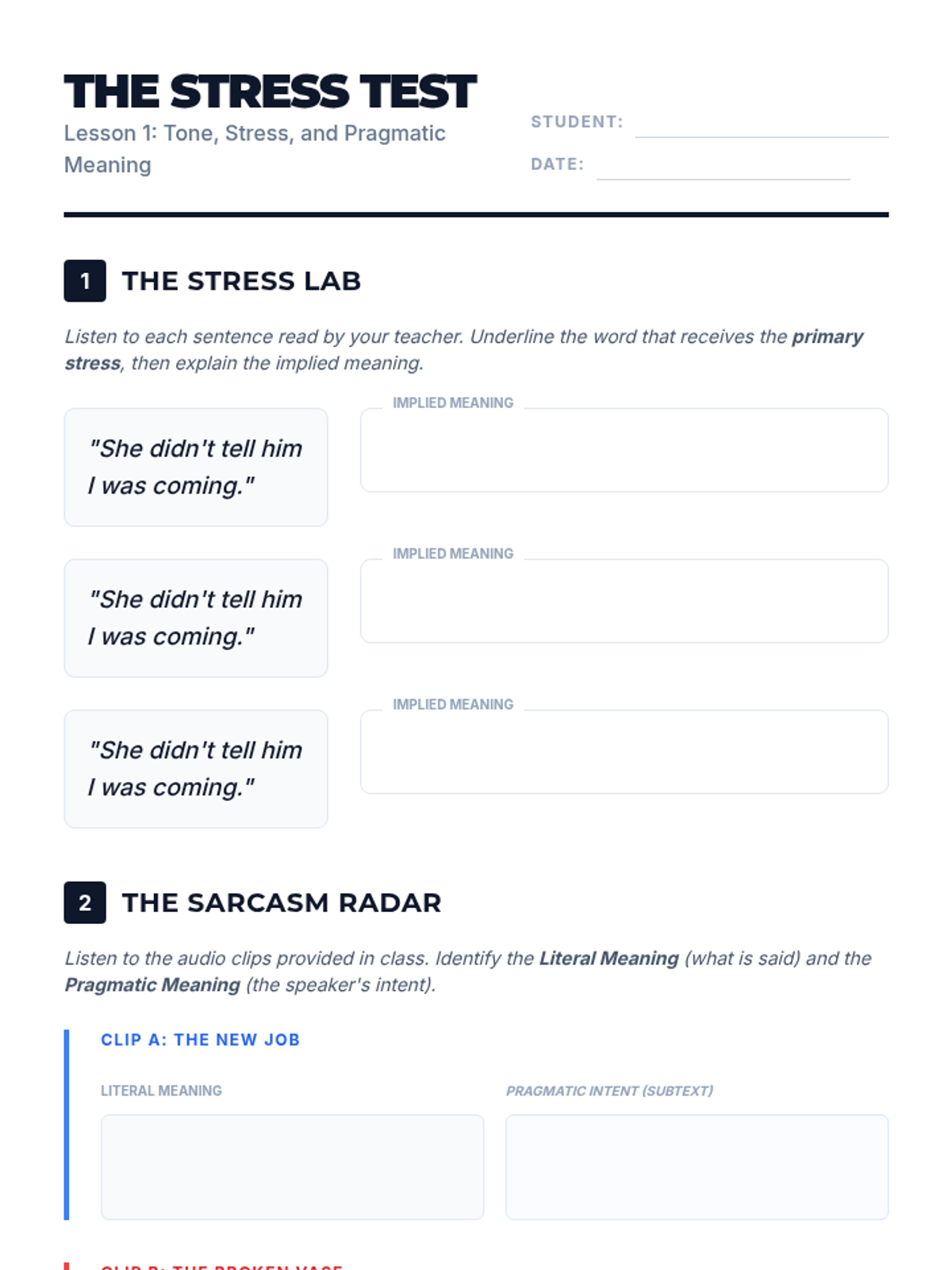
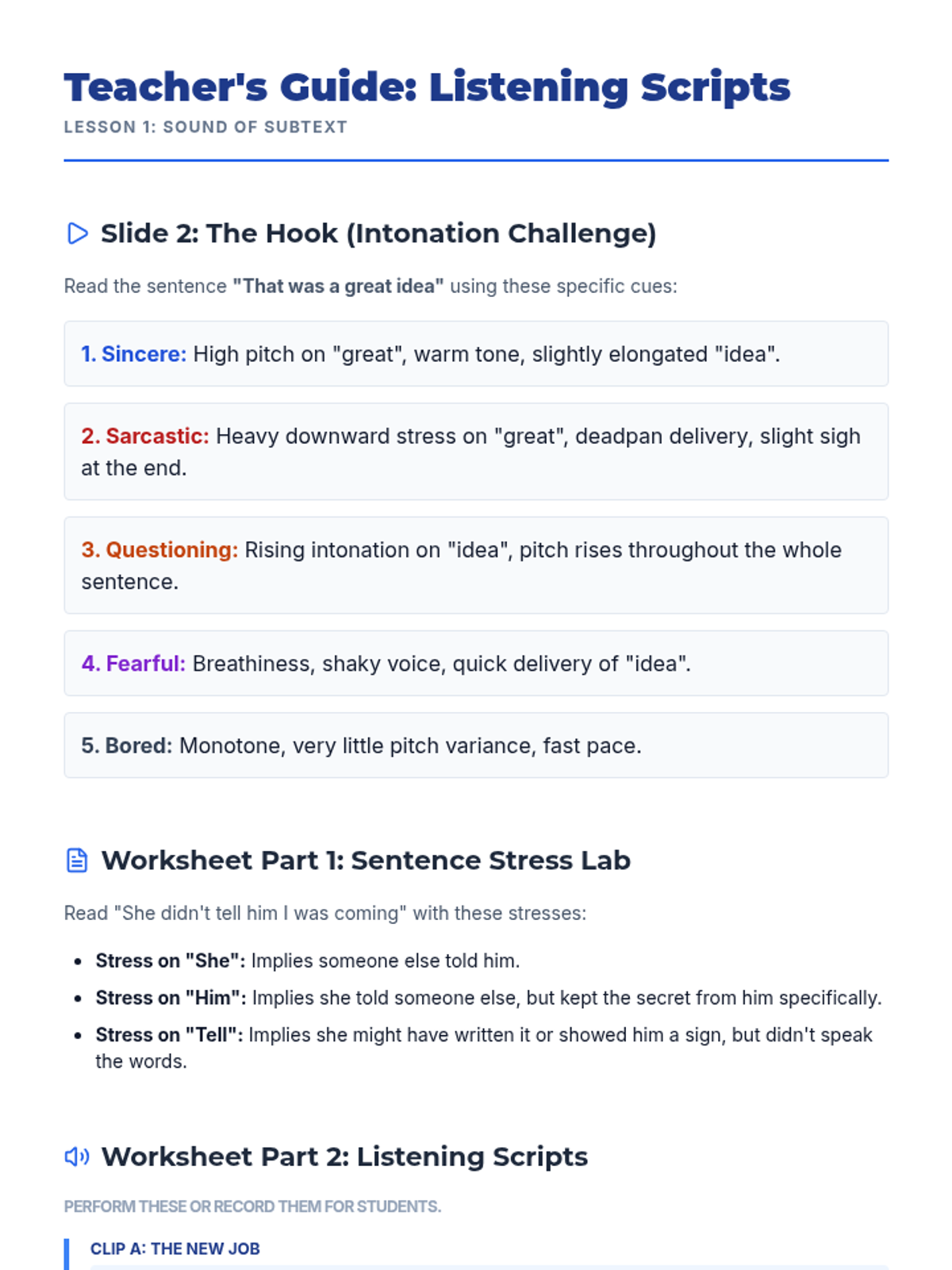
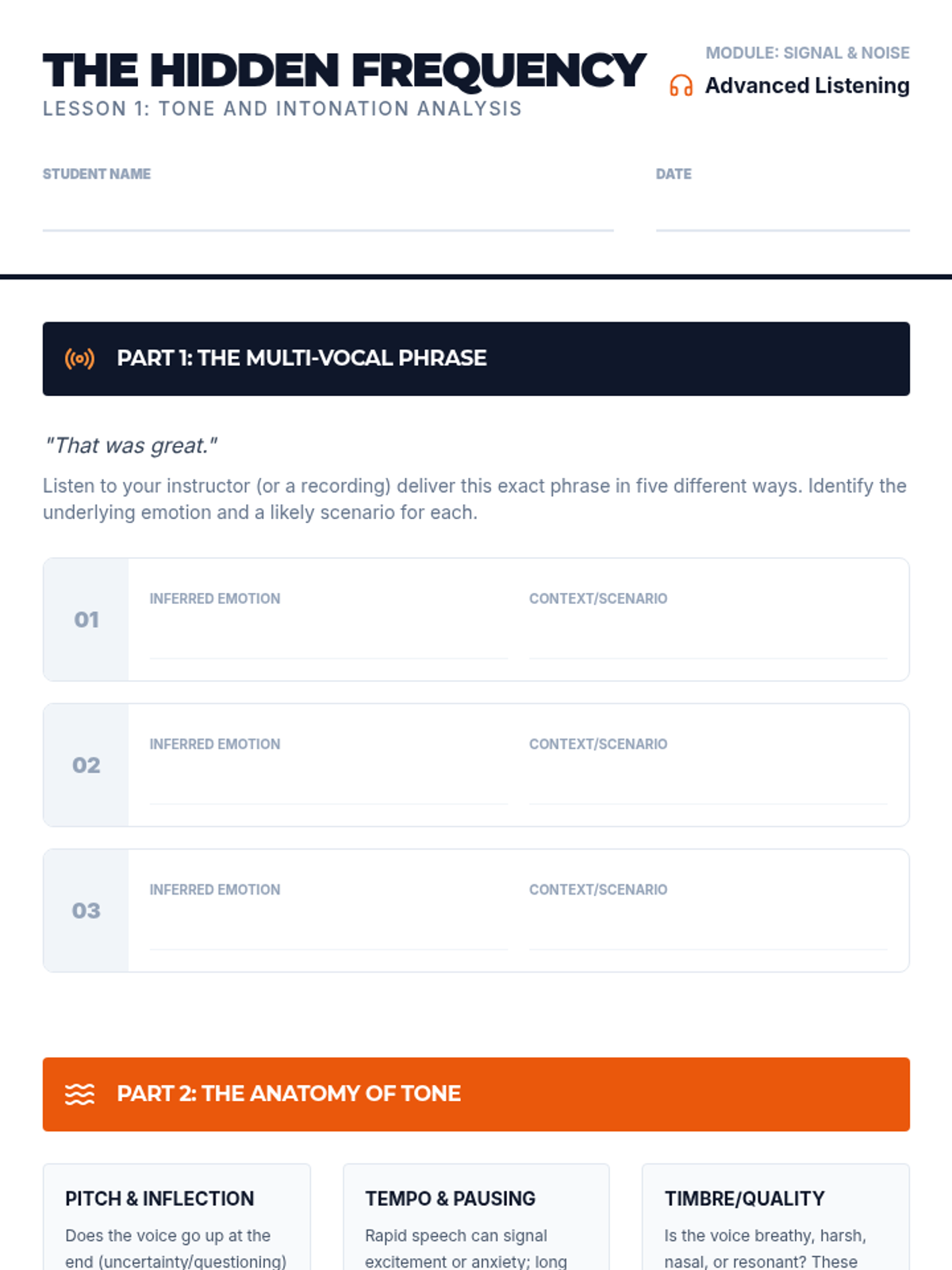
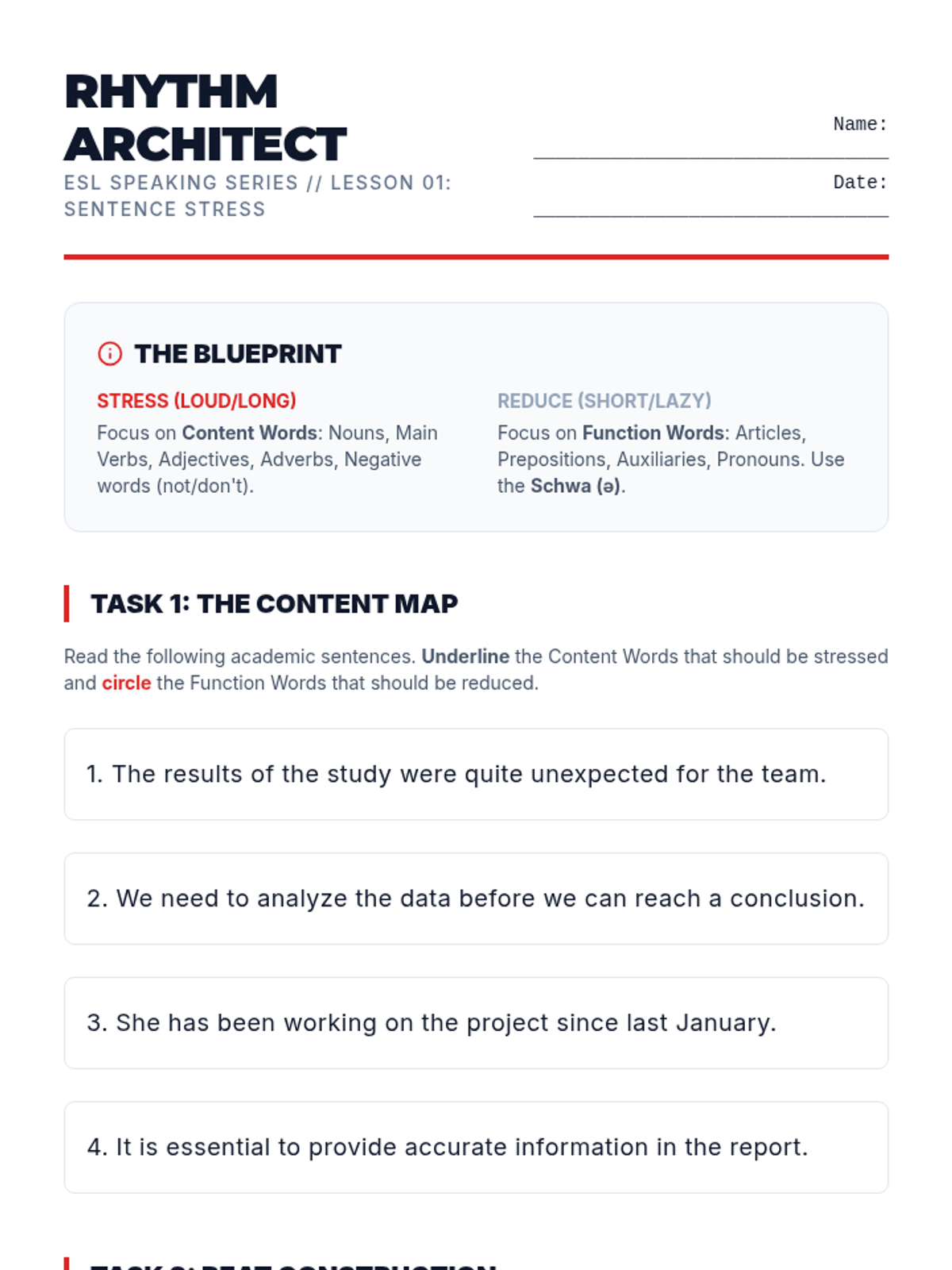
This sequence guides intermediate ESL students through the complexities of spoken English, moving from basic sentence stress to the nuances of sarcasm, idioms, and academic signposting. Students will develop the ability to infer speaker intent and respond appropriately in real-world scenarios.
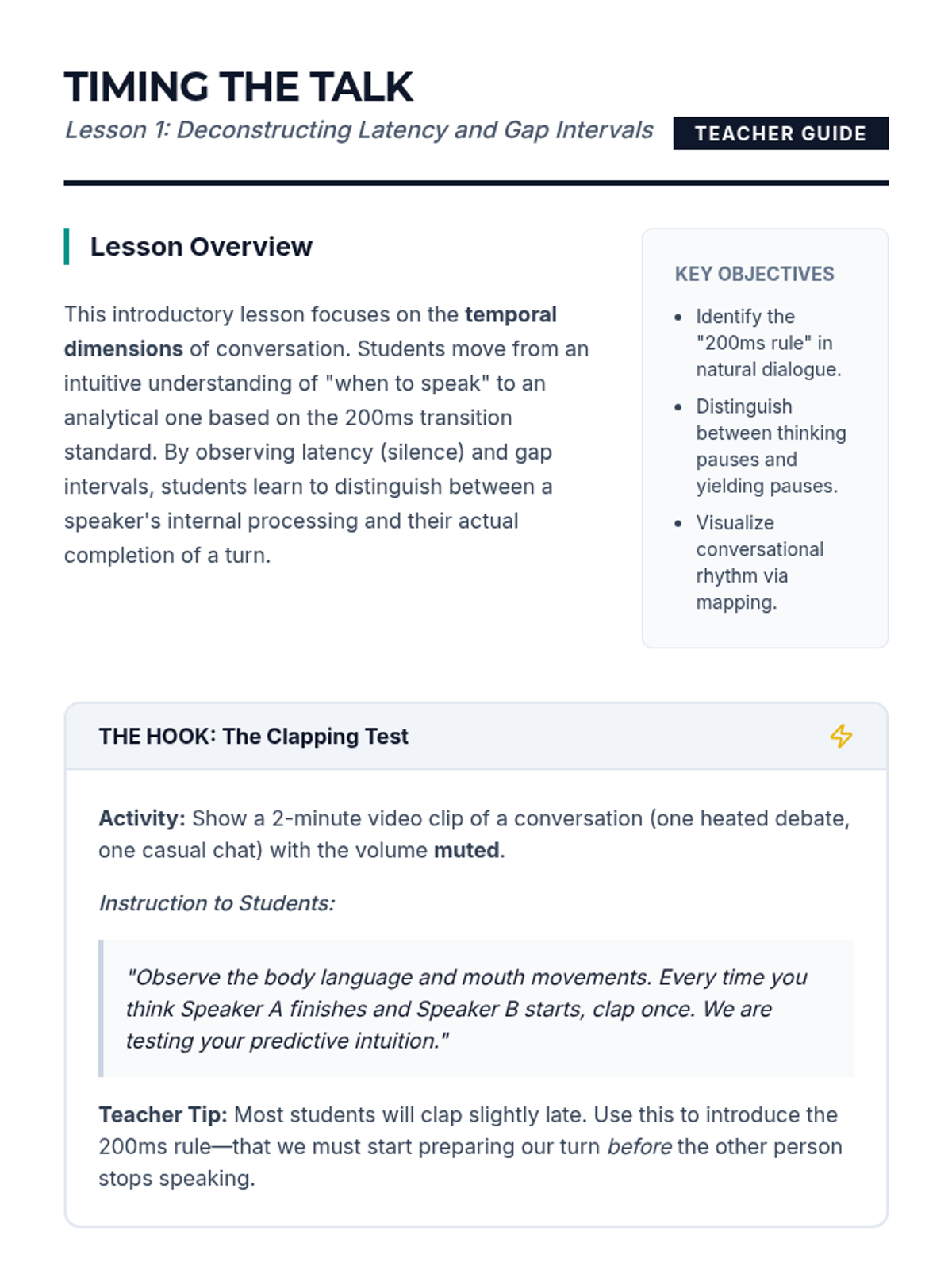
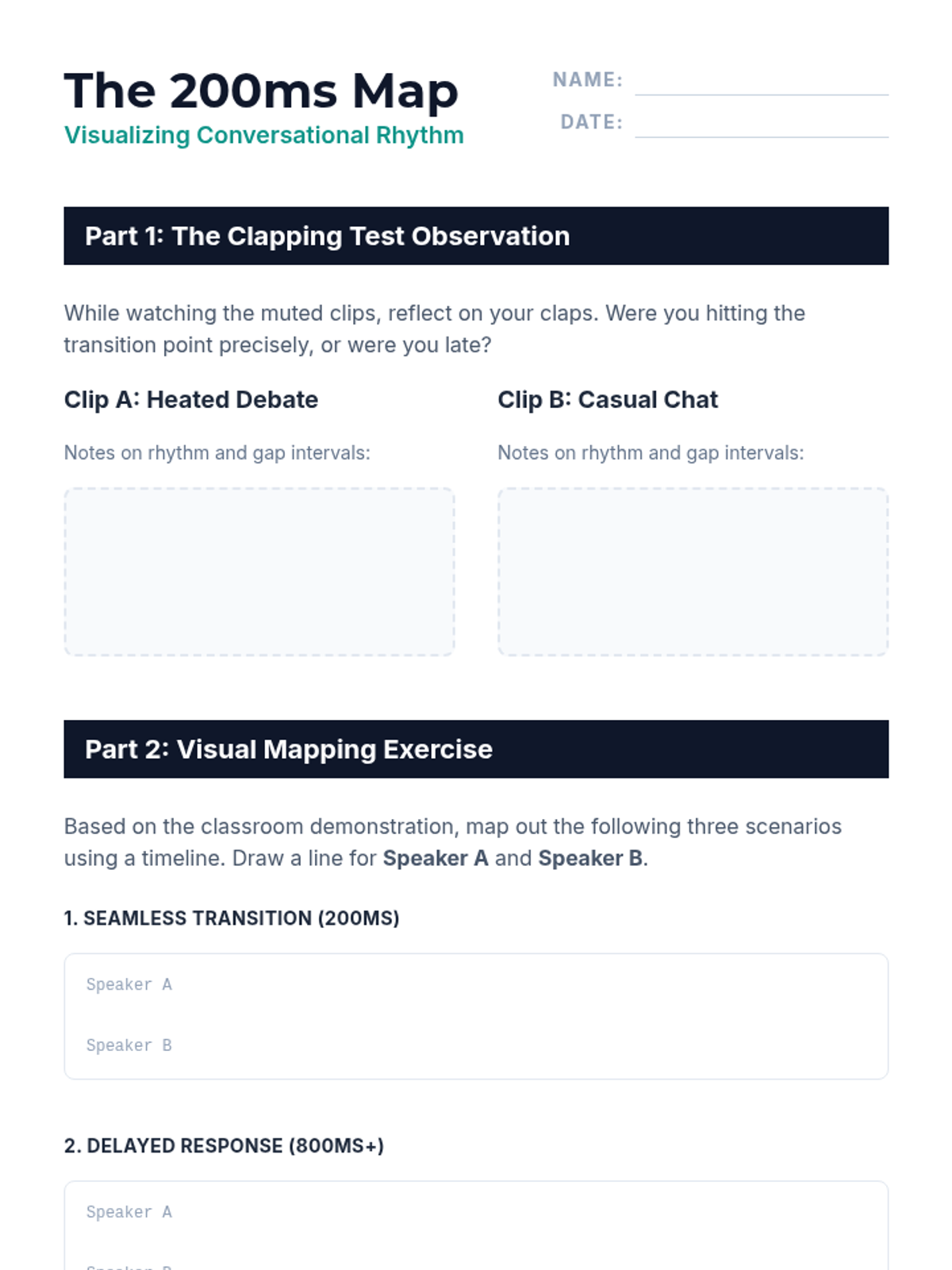
An advanced exploration of conversational pragmatics for undergraduate students, focusing on the micro-behaviors of turn-taking, timing, and non-verbal cues in professional settings. Students progress from analyzing 200ms latency gaps to managing complex multi-party seminar dynamics.
A high-level ESL unit for 10th-grade advanced students focusing on critical listening, speaker intent, and rhetorical analysis. Students learn to decode subtext, detect bias, and identify logical fallacies in various auditory contexts.
A high-level ESL sequence for 10th graders focused on mastering academic lecture comprehension, note-taking strategies, and information synthesis for university readiness.
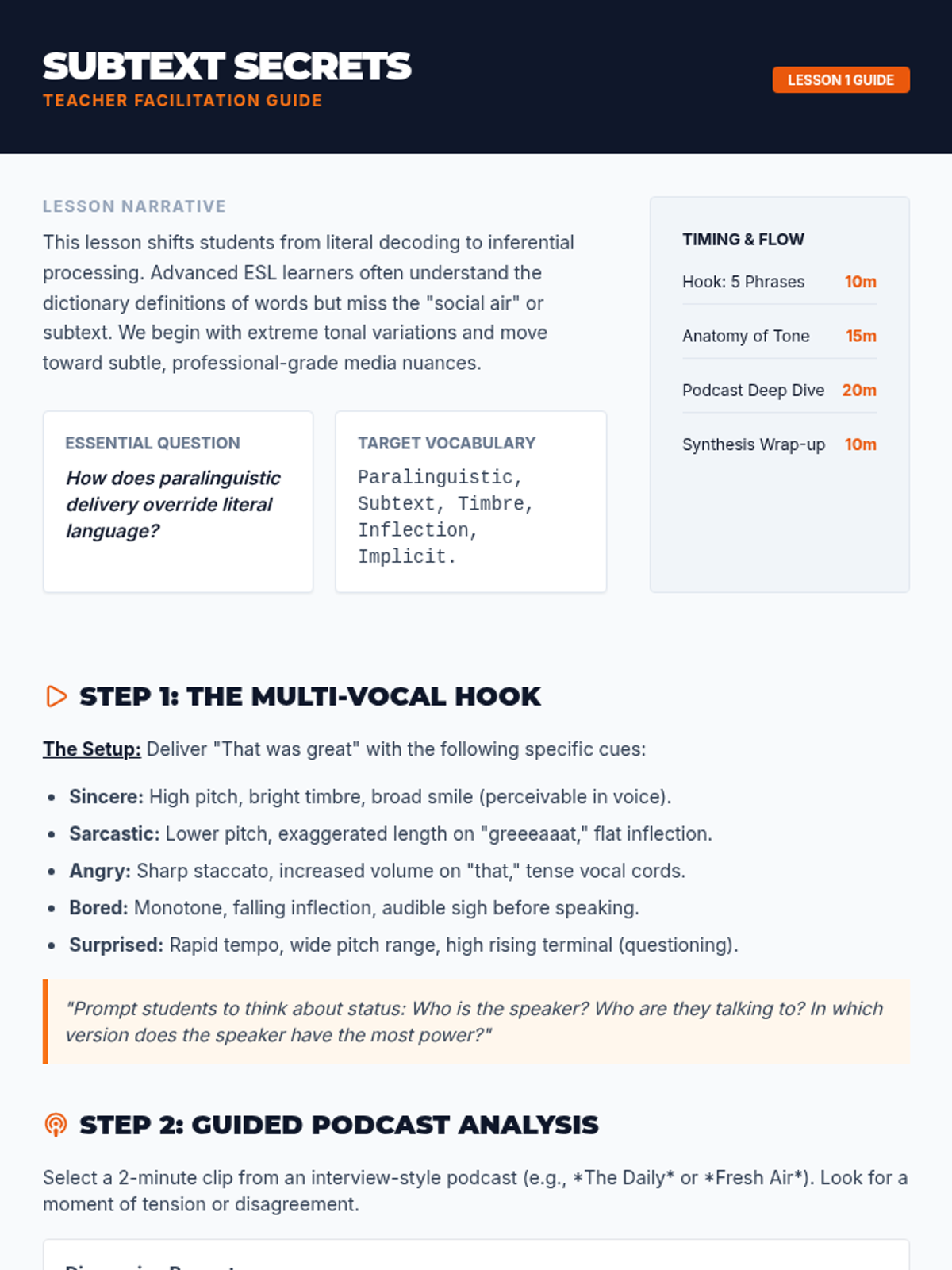
A high-level listening and media literacy unit for advanced ESL students, focusing on the nuances of tone, sarcasm, journalistic bias, and power dynamics in spoken English. Students move from decoding emotional subtext to producing their own sophisticated audio commentary.
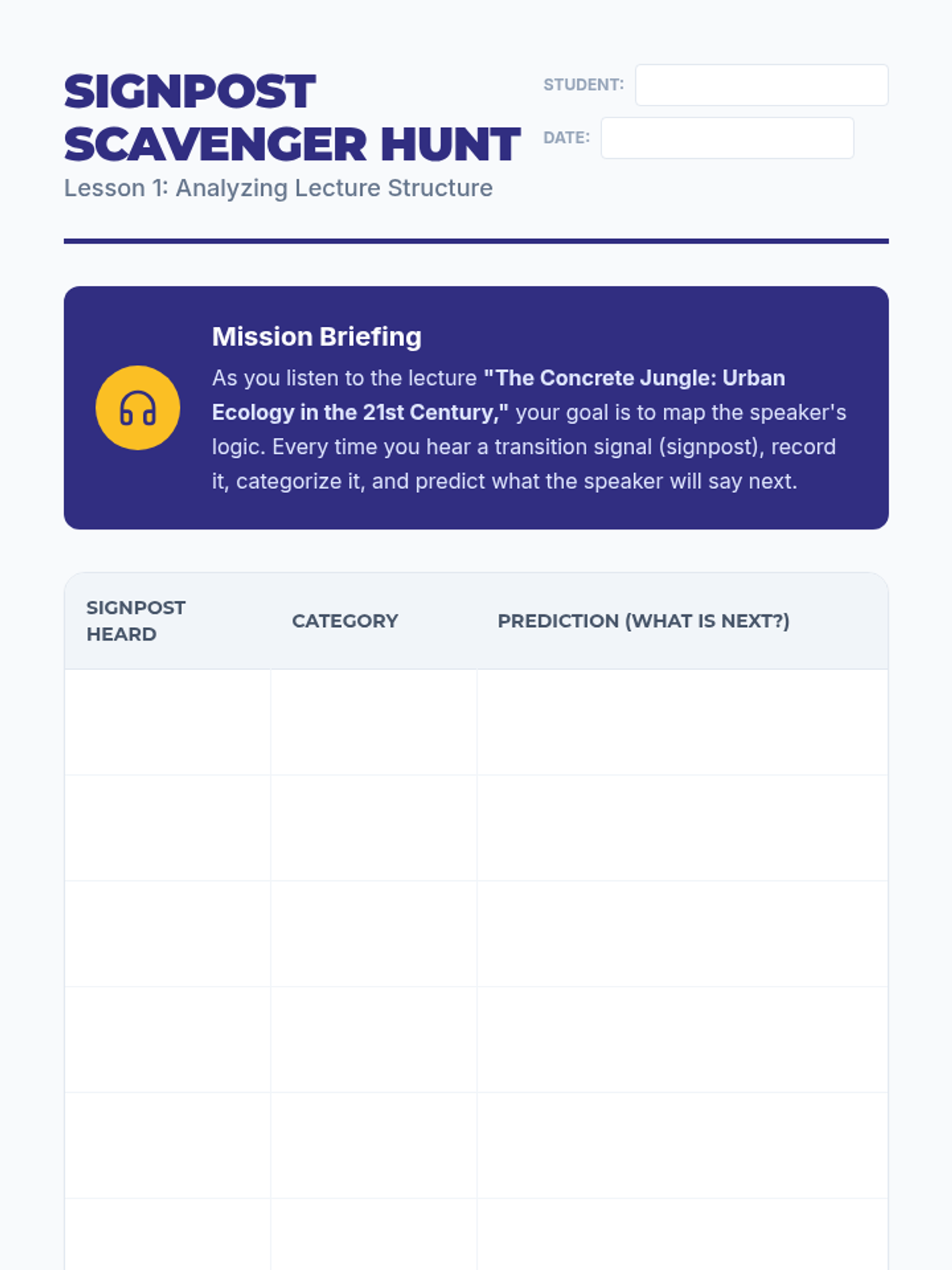
A high-level ESL sequence designed to prepare 11th-grade students for university lectures. It covers macro-structures like signposting, micro-skills like hedging and rhetorical appeals, and ends with a full lecture synthesis seminar.
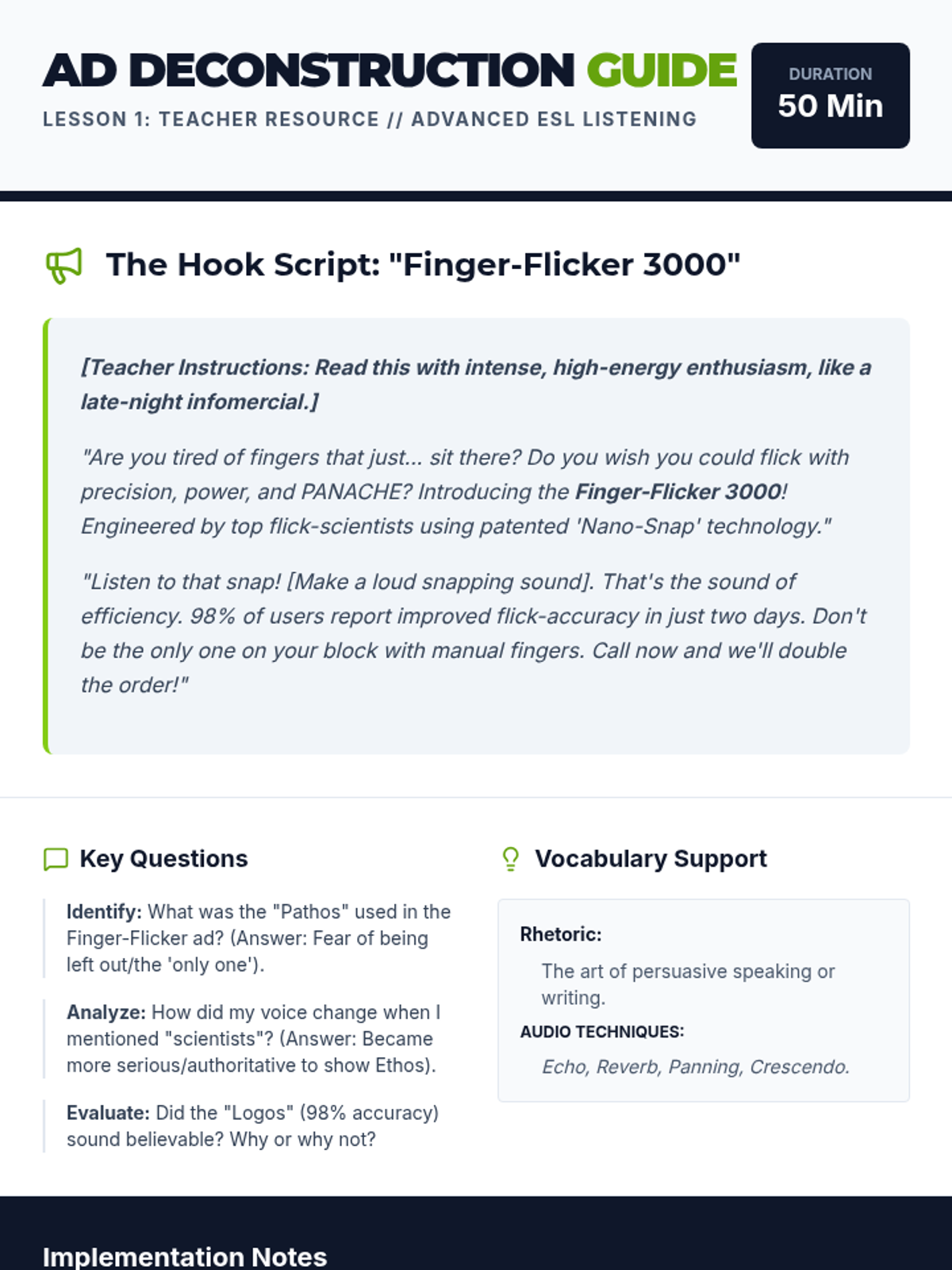
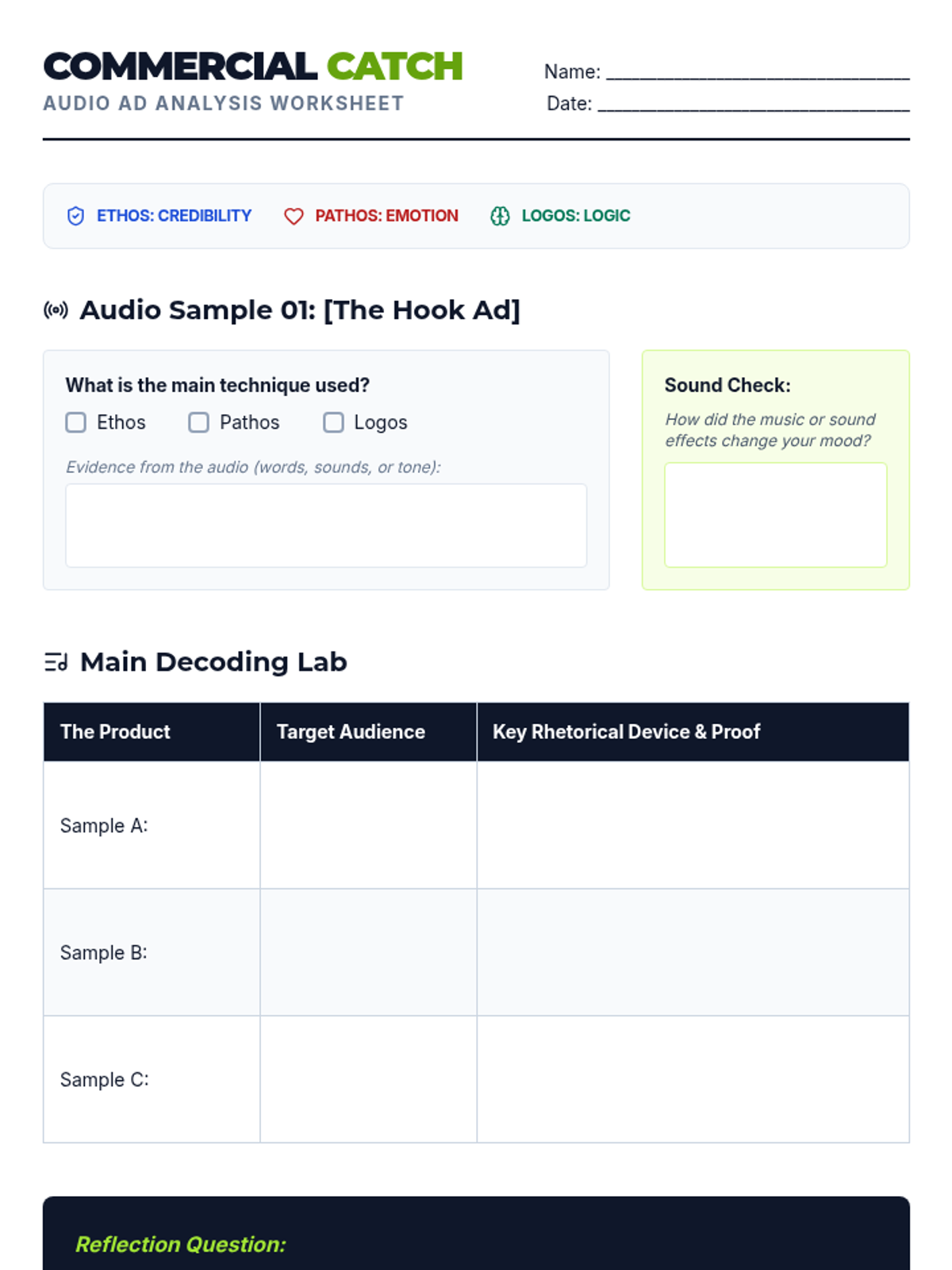
A high-level ESL sequence focusing on inferential listening, rhetoric, and speaker intent. Students analyze advertisements, news, humor, and debates to decode subtext and bias.
This sequence immerses undergraduate students in the rigorous environment of university-level academic discourse, focusing on the deconstruction of complex lectures and presentations. Students move from identifying structural signposts to evaluating implicit bias, speaker intent, and rhetorical strategies in real-time.
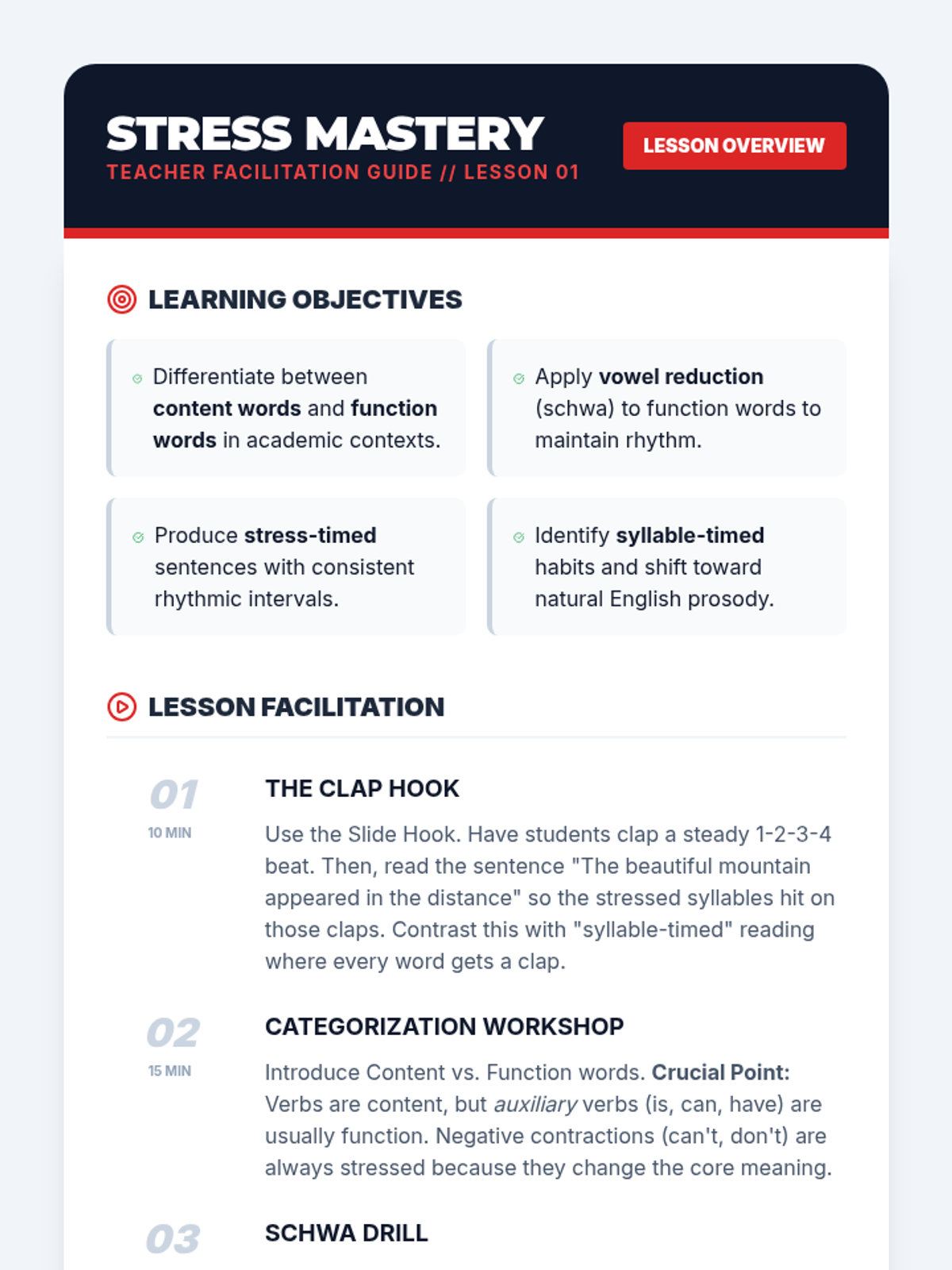
This sequence addresses the mechanical aspects of speaking that often hinder comprehensibility for intermediate graduate learners: stress, rhythm, and intonation. Students move from analyzing recorded speech to intense drilling of sentence stress, finally applying these skills to a recorded monologue to improve clarity and professional delivery.
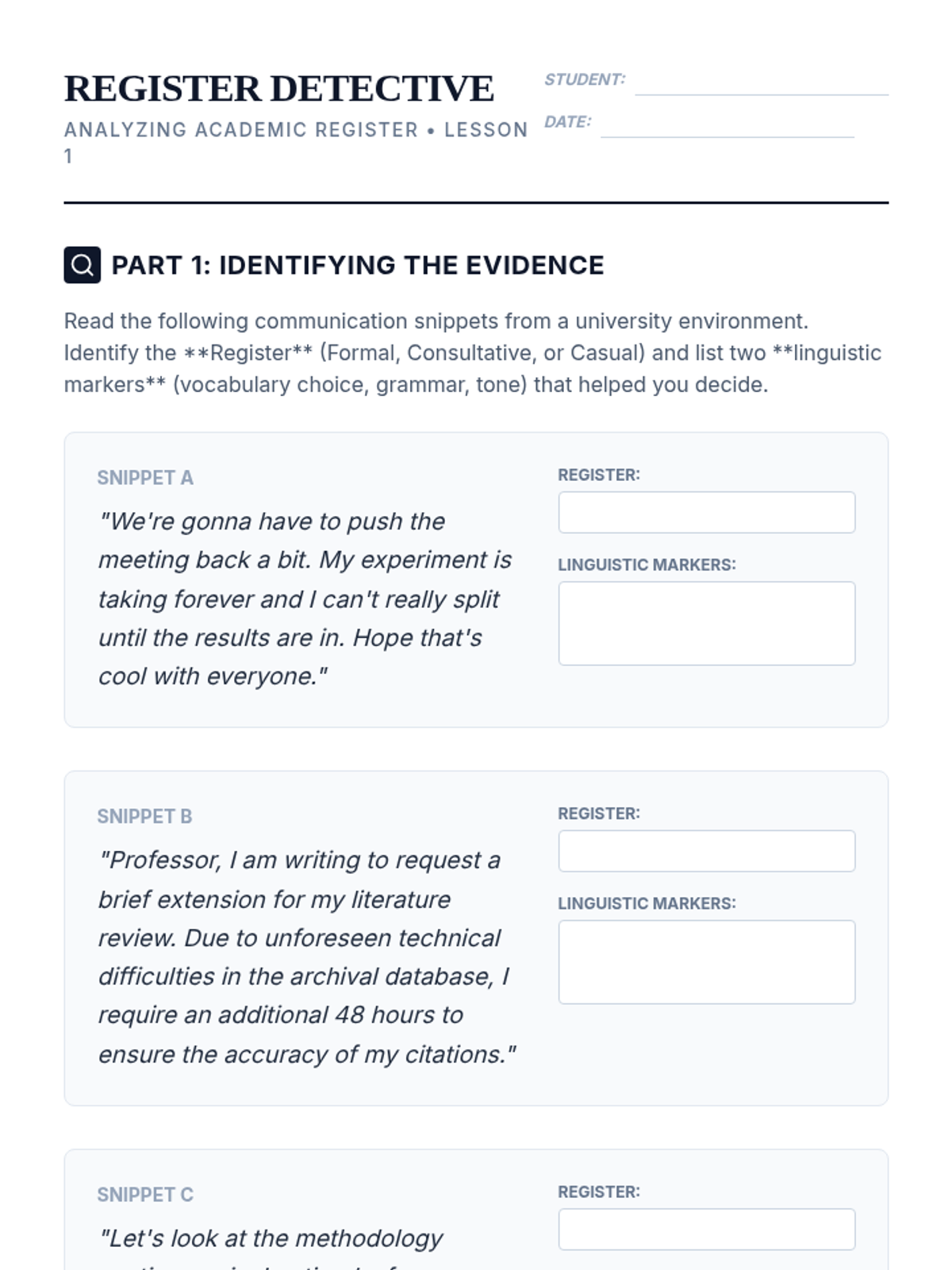
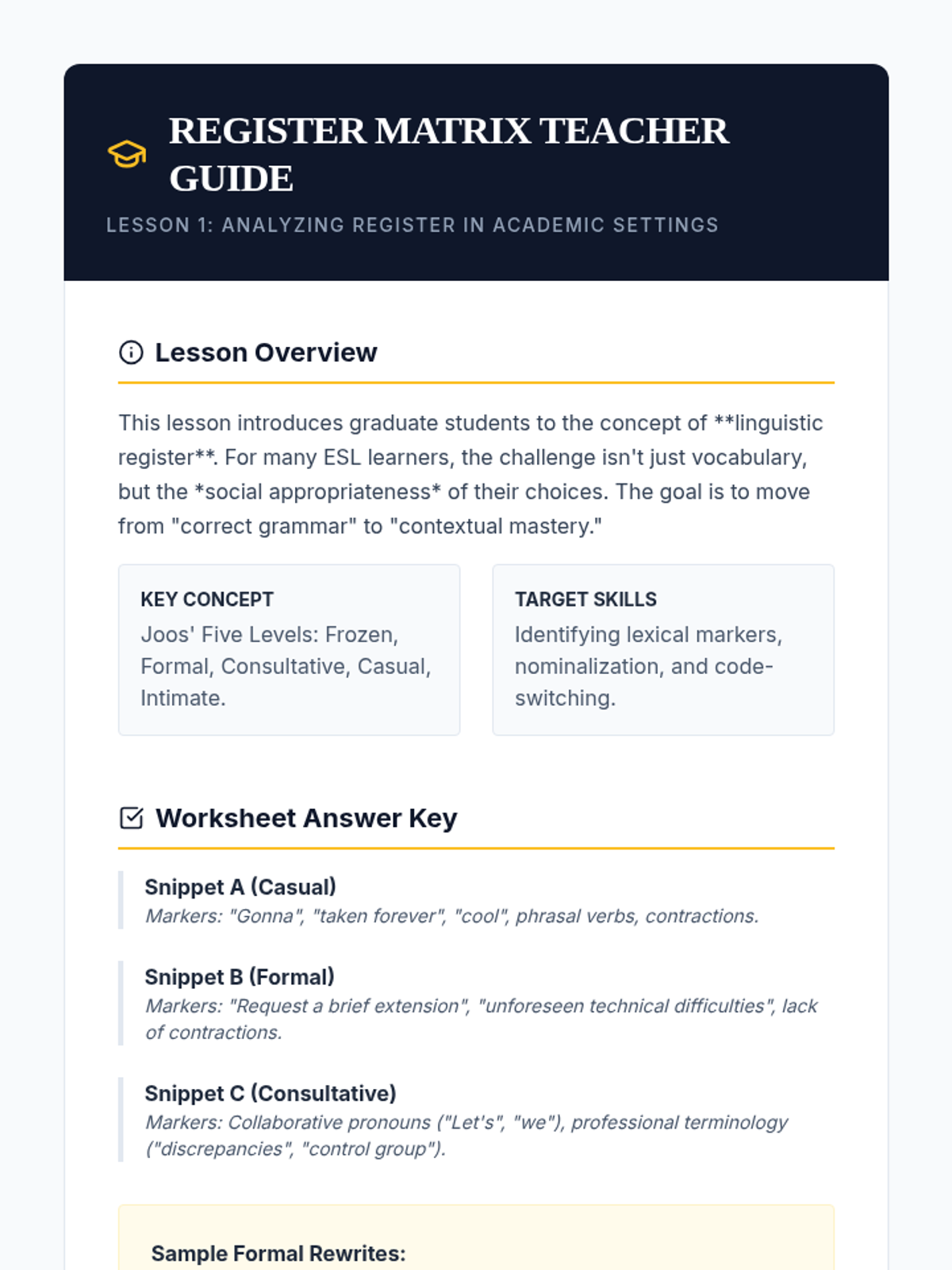
This sequence helps graduate students navigate the nuances of academic and professional English. Students learn to adjust their linguistic register based on context, audience, and power dynamics, moving from formal lectures to casual networking events.
A comprehensive graduate-level ESL sequence focusing on the cognitive processing of academic lectures. Students move from identifying structural markers to evaluating complex rhetorical strategies and stance-taking.
A comprehensive sequence for 10th-grade ESL students focusing on academic listening and note-taking. Students learn to identify signpost language, use the Cornell method, distinguish main ideas from supporting details, and synthesize information from lectures.
A comprehensive sequence for 11th Grade ESL students focused on mastering the metacognitive and tactical aspects of high-stakes testing, including time management, strategic guessing, and anxiety regulation.
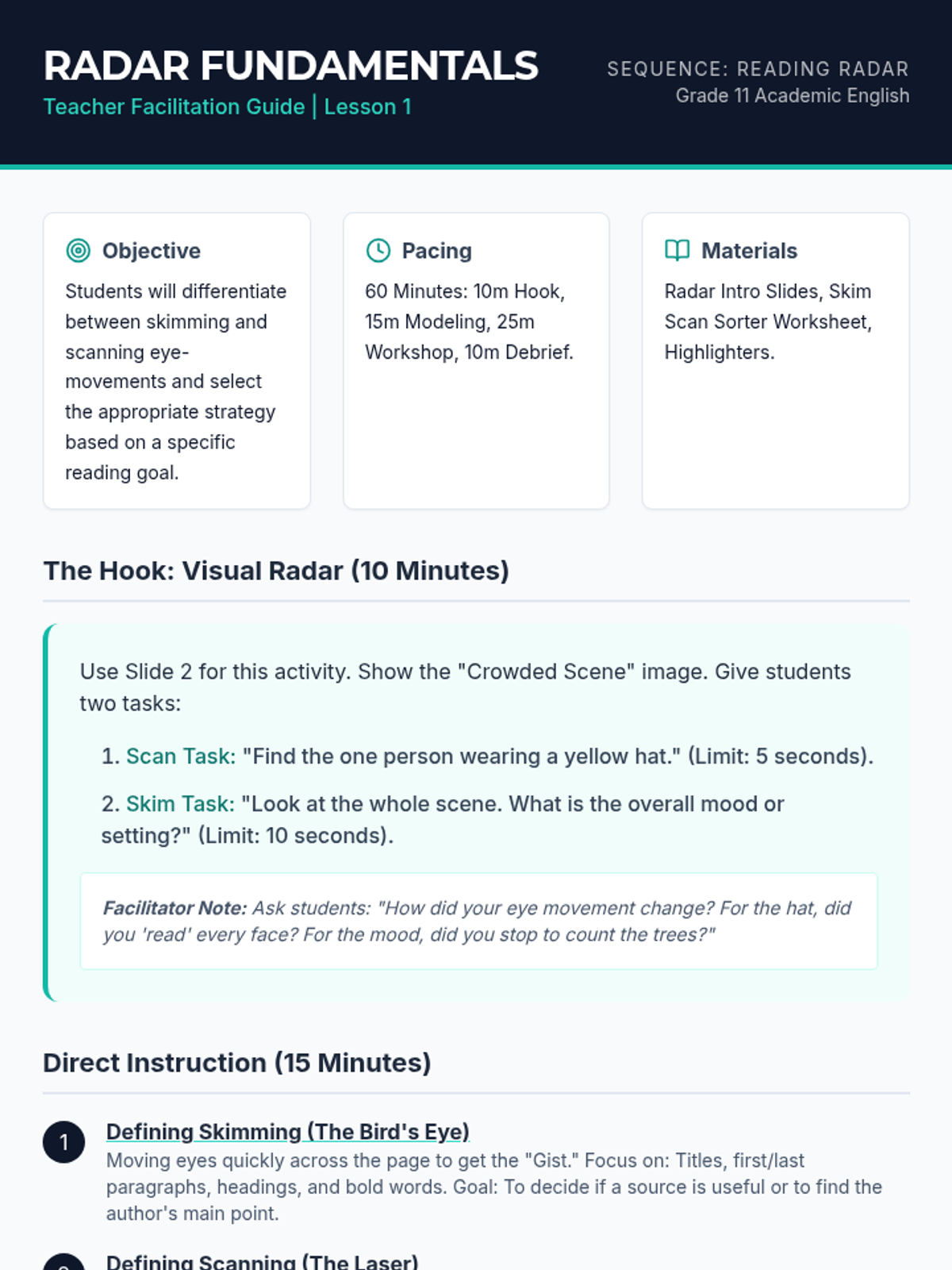
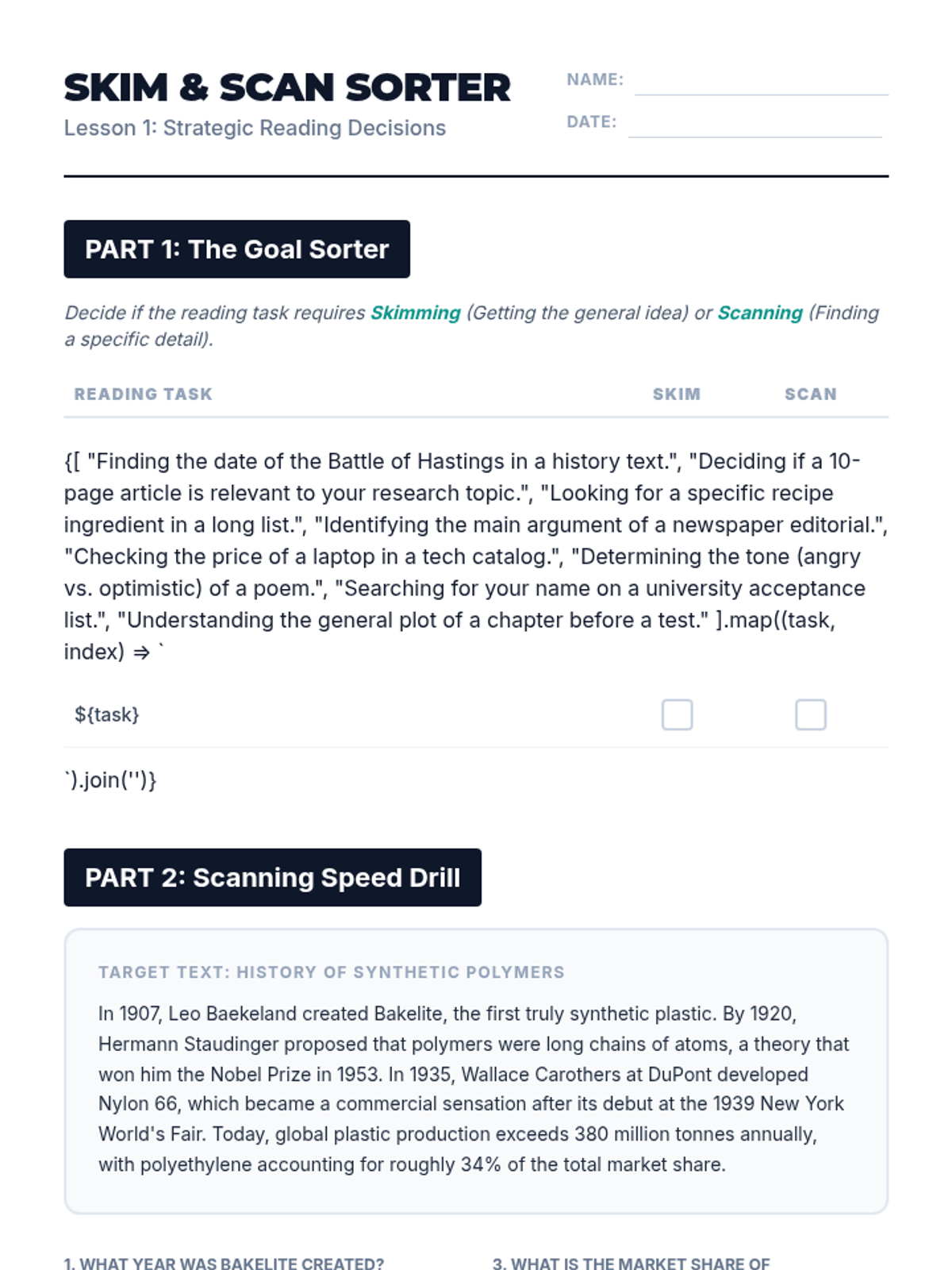
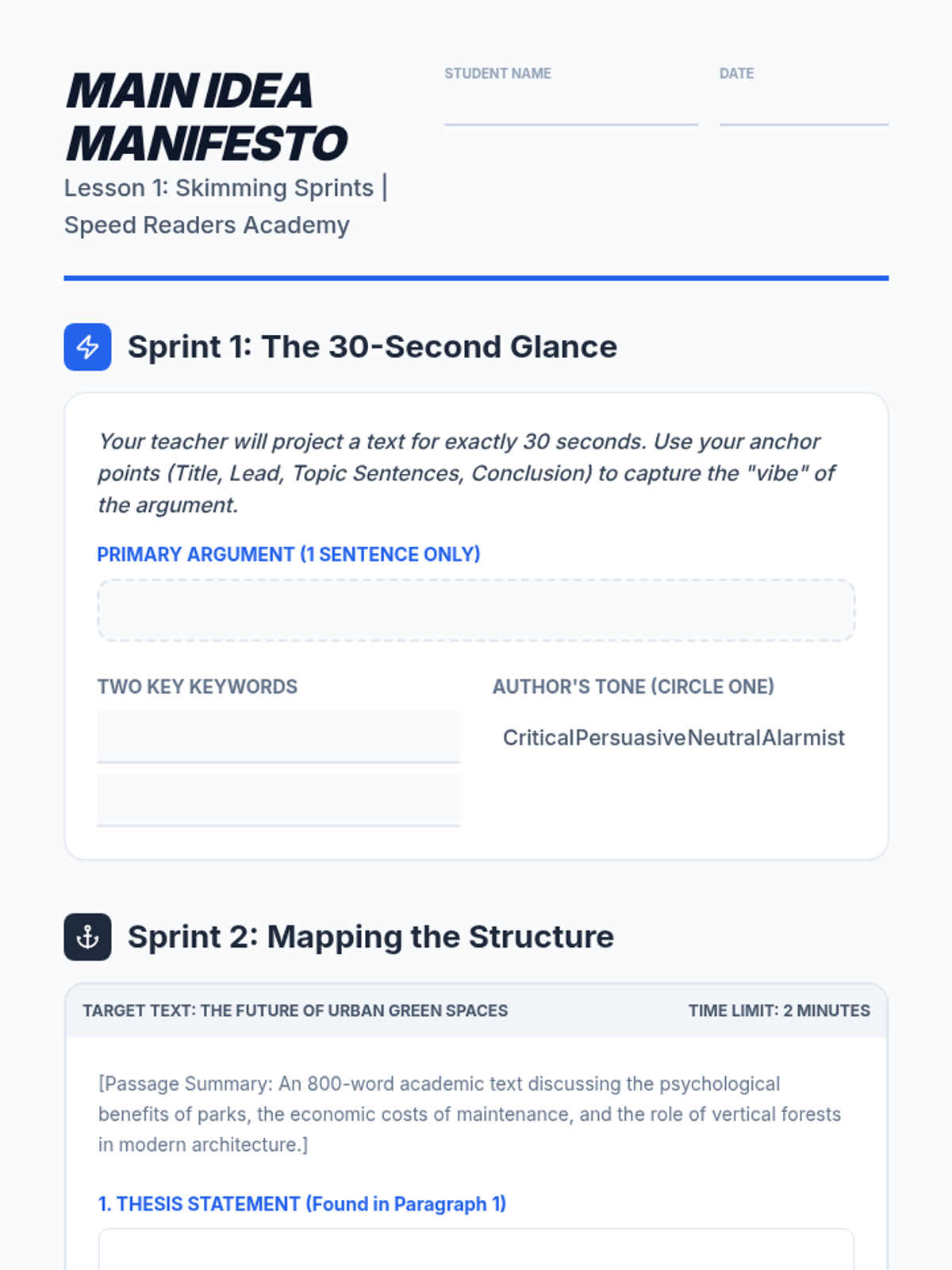
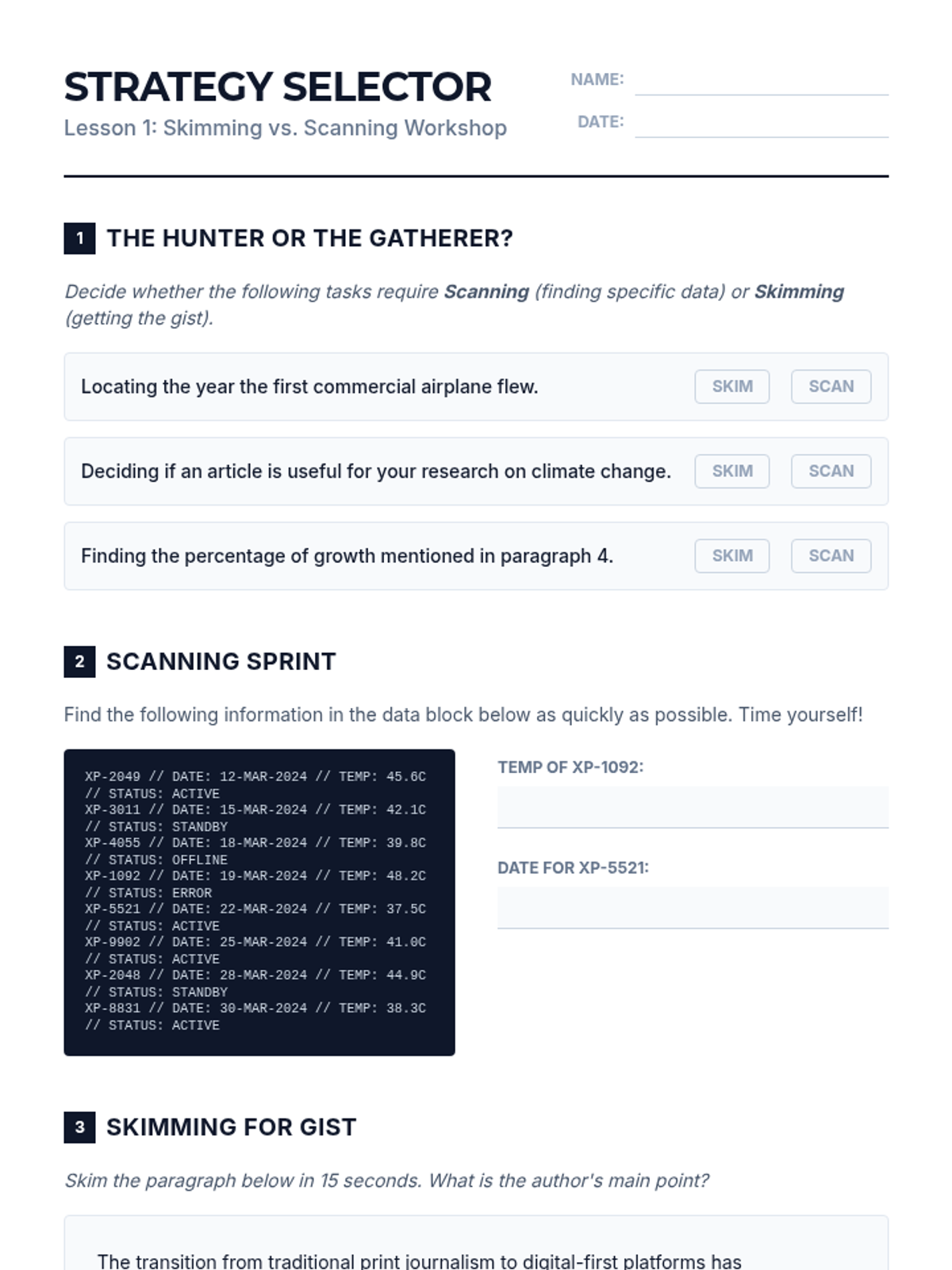
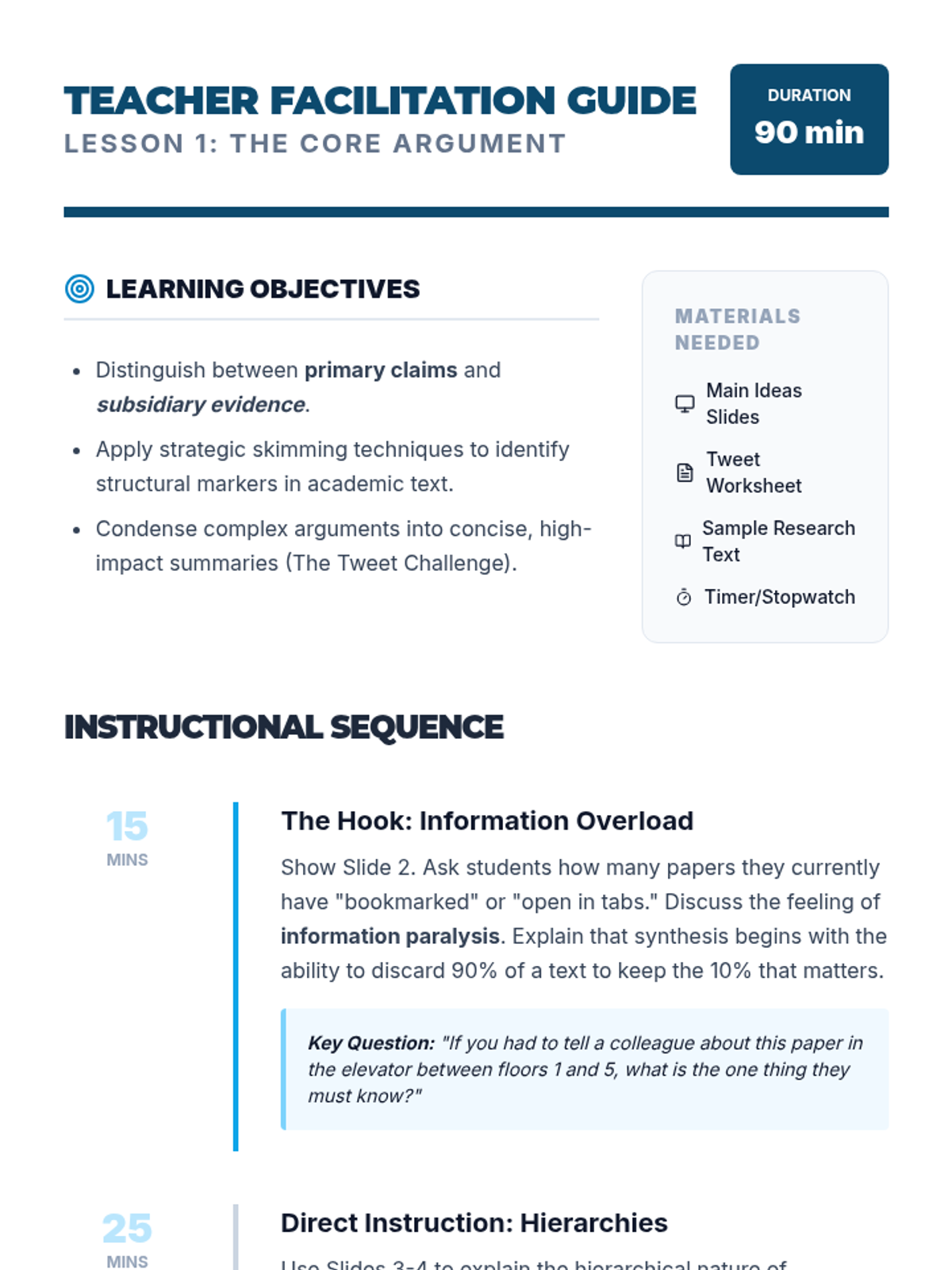
A comprehensive sequence designed for 11th-grade ESL students to master skimming and scanning techniques for academic success. Students progress from basic differentiation of reading speeds to advanced strategies for identifying tone, navigating text structures, and handling paraphrased test questions under time pressure.
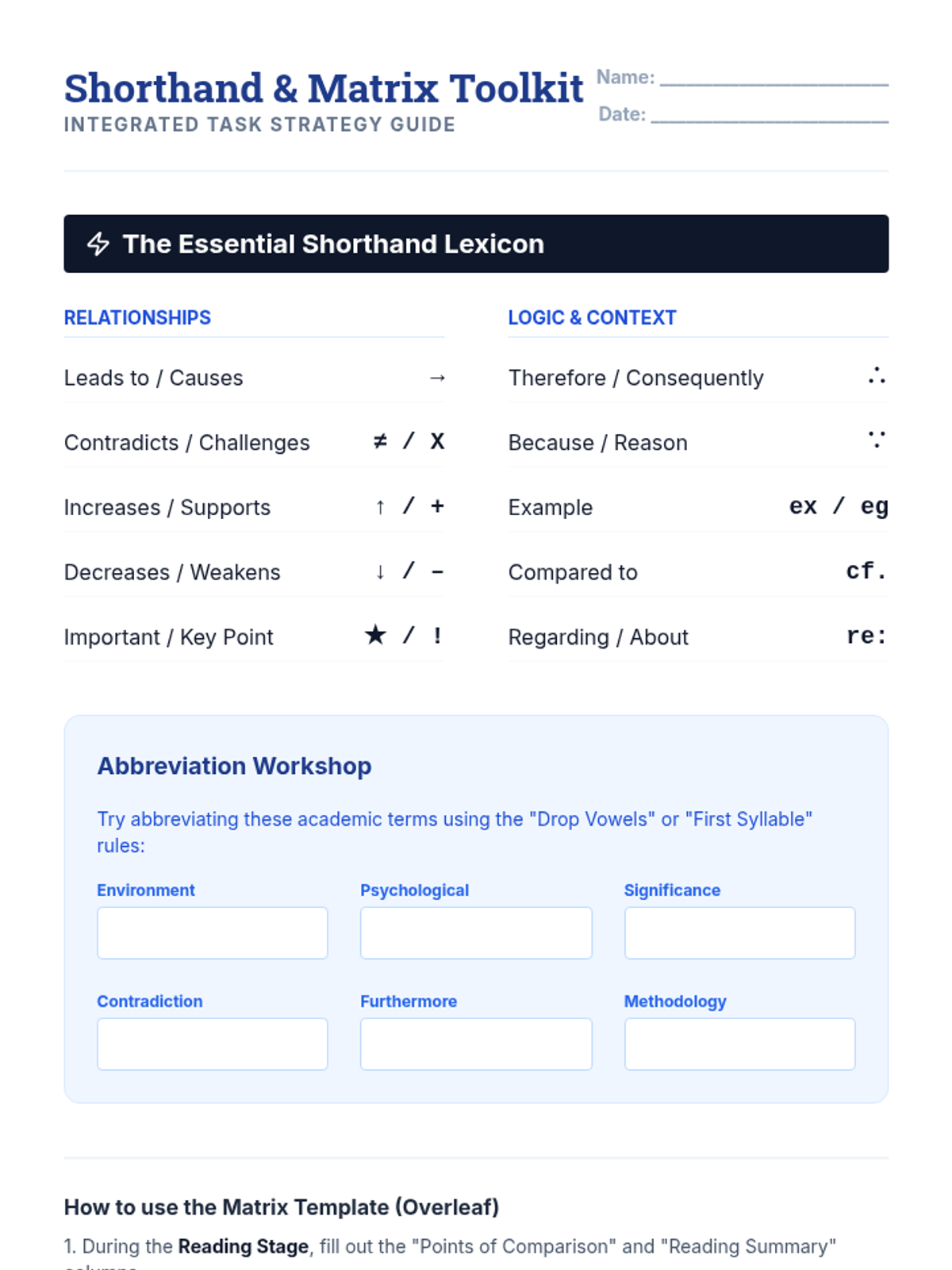
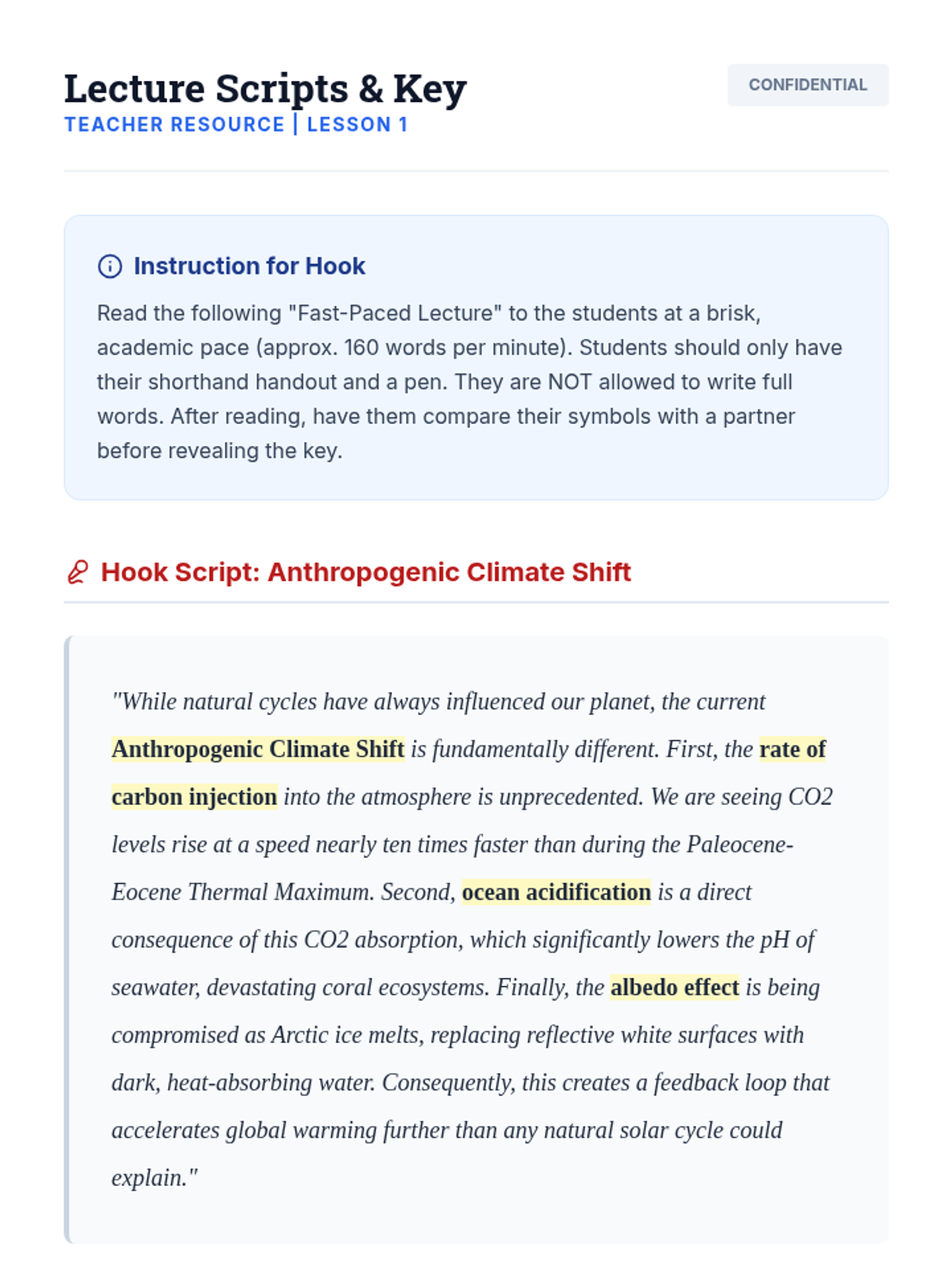
This sequence develops advanced ESL academic skills focused on shorthand, signpost recognition, and synthesis for integrated exam tasks. Students learn to build efficient note-taking systems to manage cognitive load during high-stakes listening and reading assessments.
A comprehensive unit for 12th-grade ESL students to master high-speed academic reading. Students develop skimming, scanning, and vocabulary deduction skills to improve their performance on timed standardized tests.
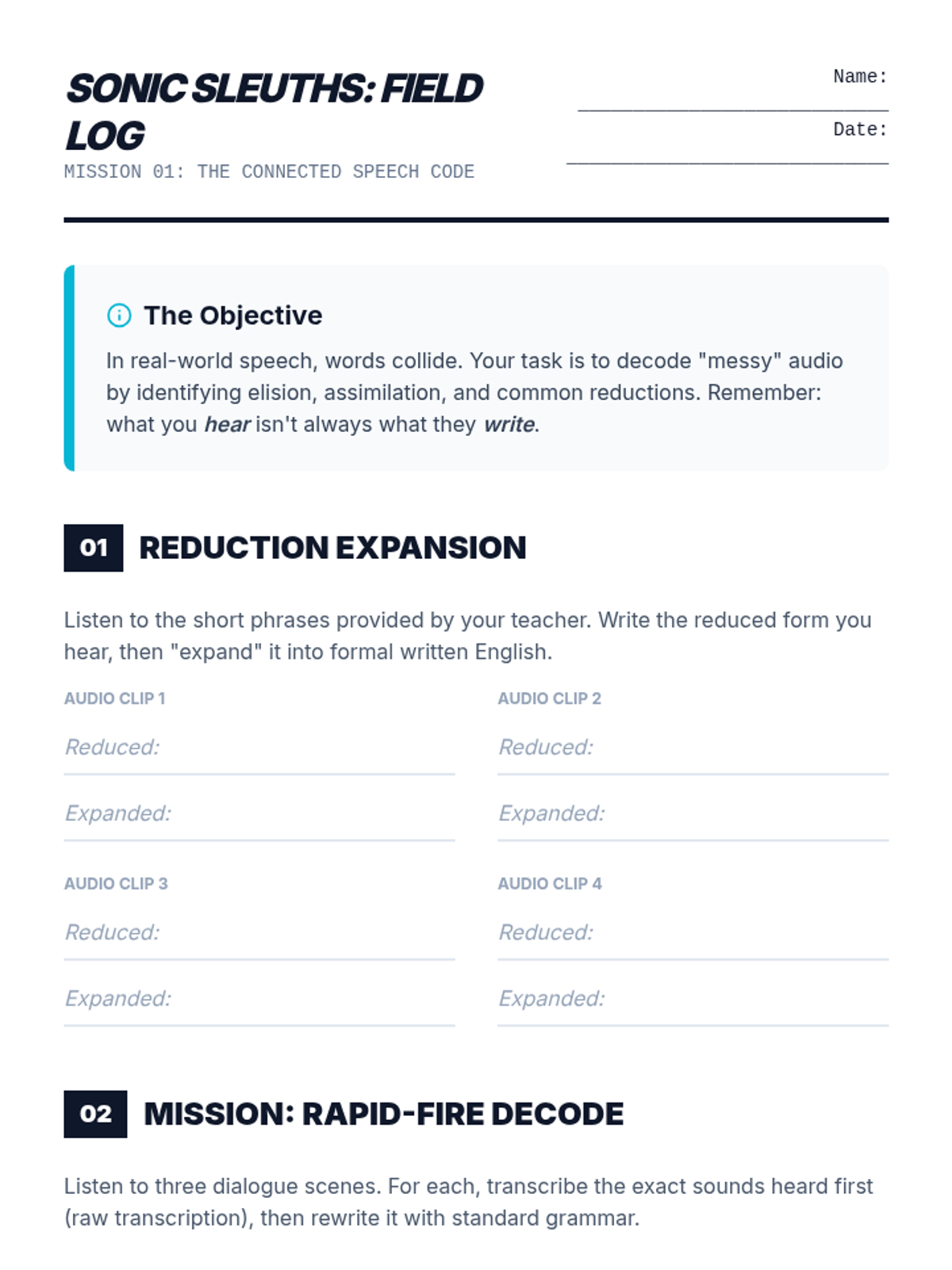
This sequence immerses advanced ESL students in the complexities of authentic, rapid-fire English speech. It covers connected speech mechanics, global accent variation, slang usage, and the sociolinguistics of code-switching, culminating in the analysis of real-world street interviews.
A mastery-based sequence for undergraduate ESL students focused on rapid structuring and drafting for standardized writing exams like the TOEFL and GRE. Students learn to decode prompts, outline in under three minutes, and use formulaic language to produce high-scoring academic essays under pressure.
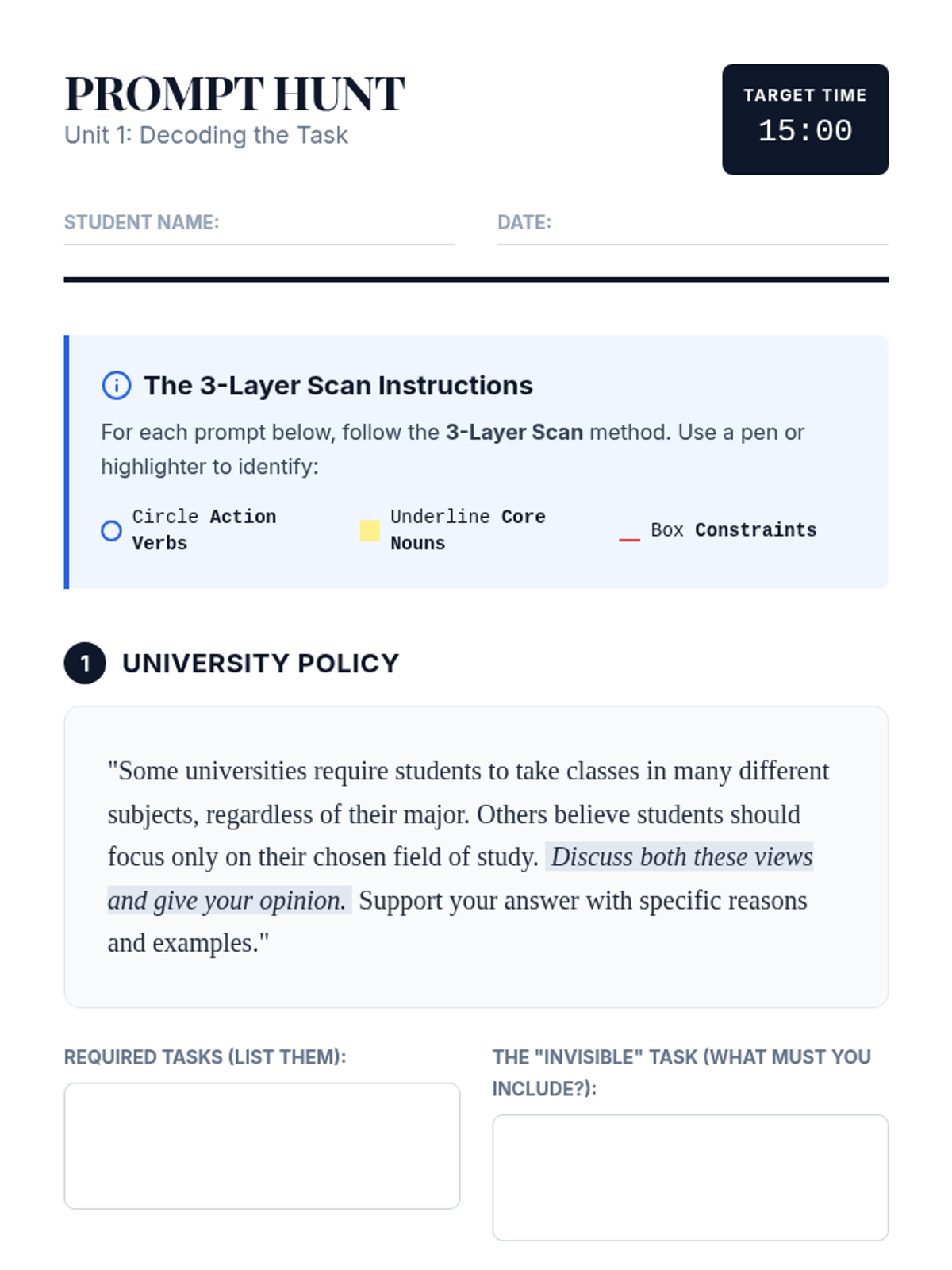
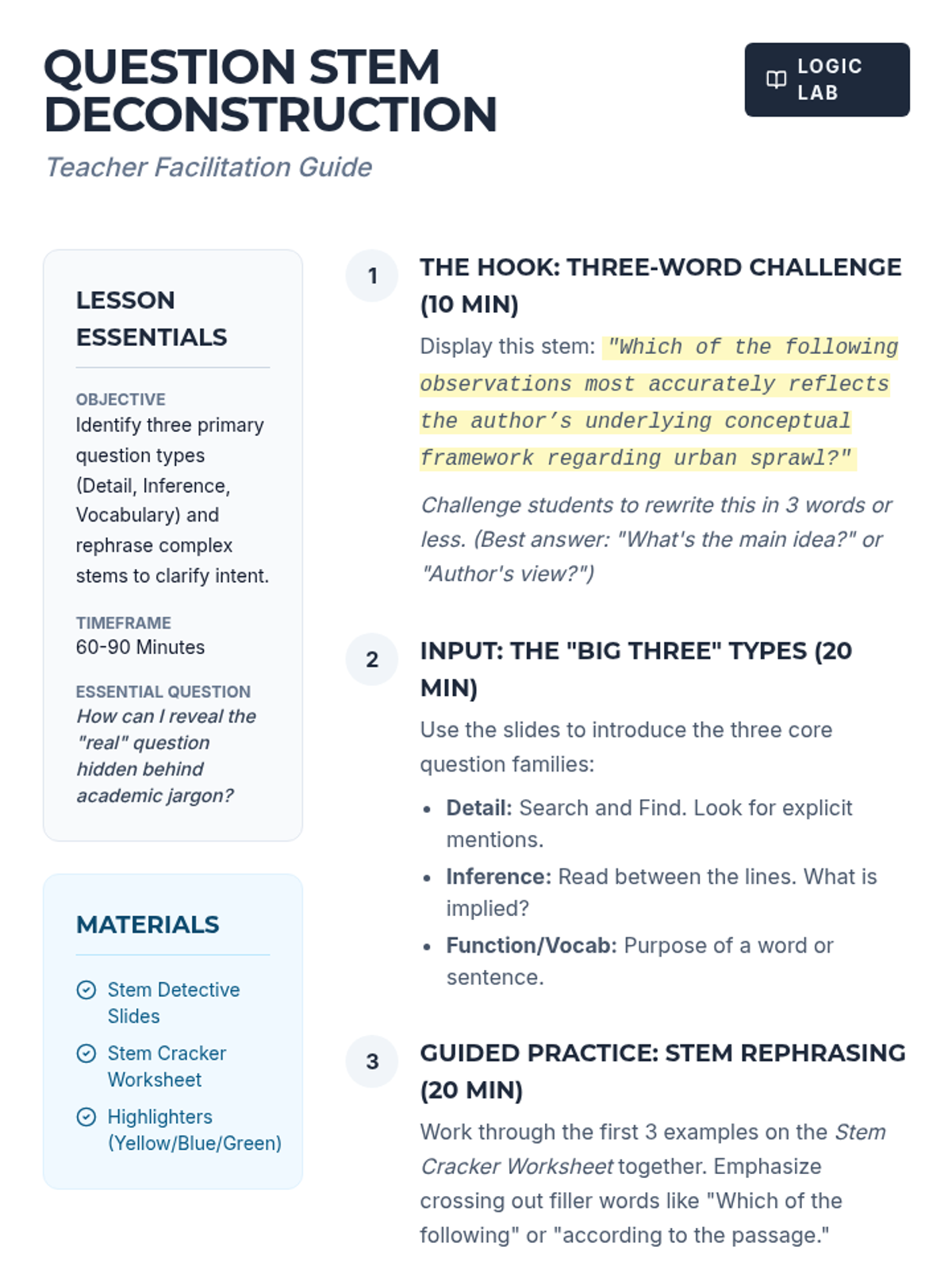
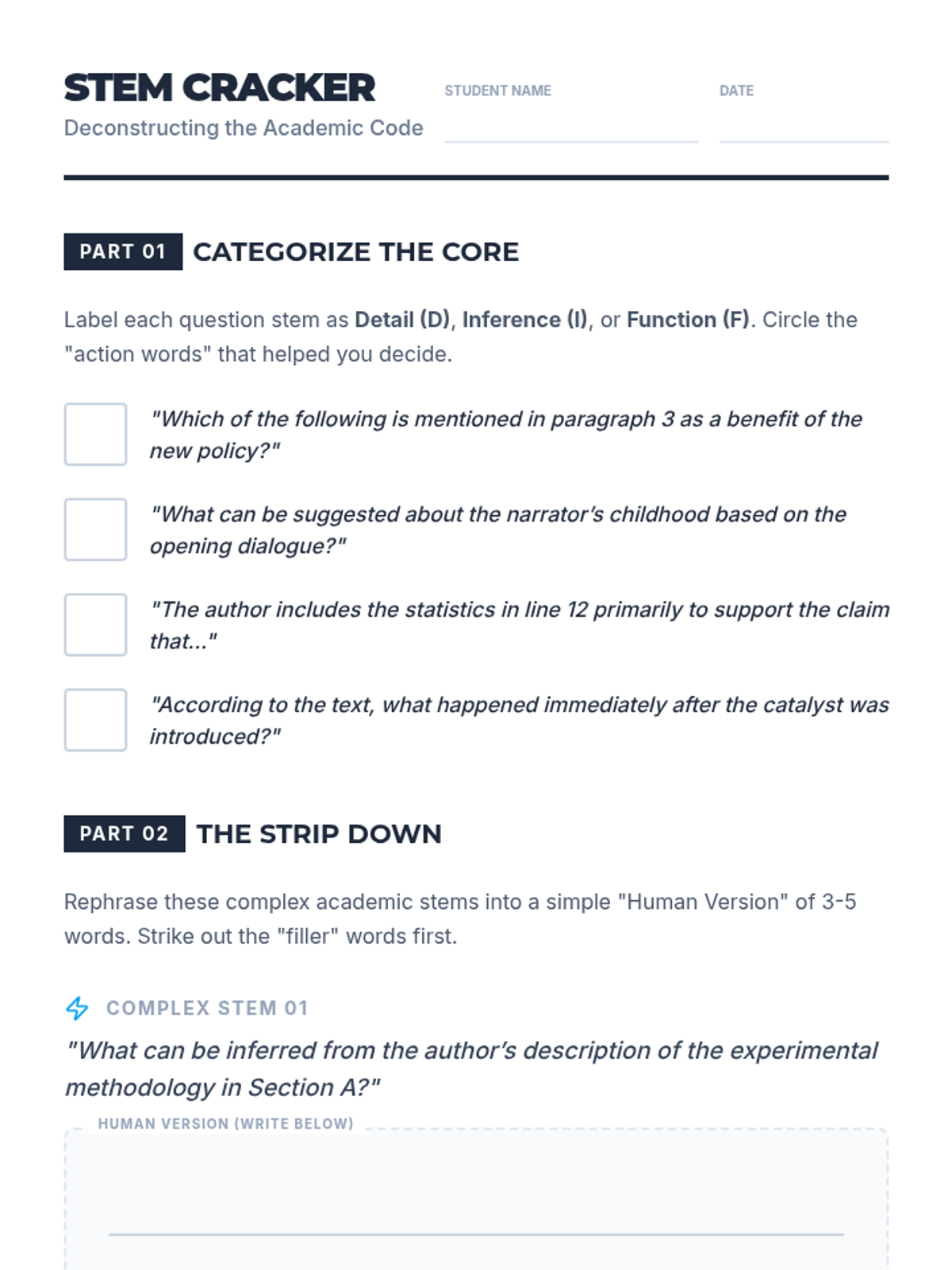
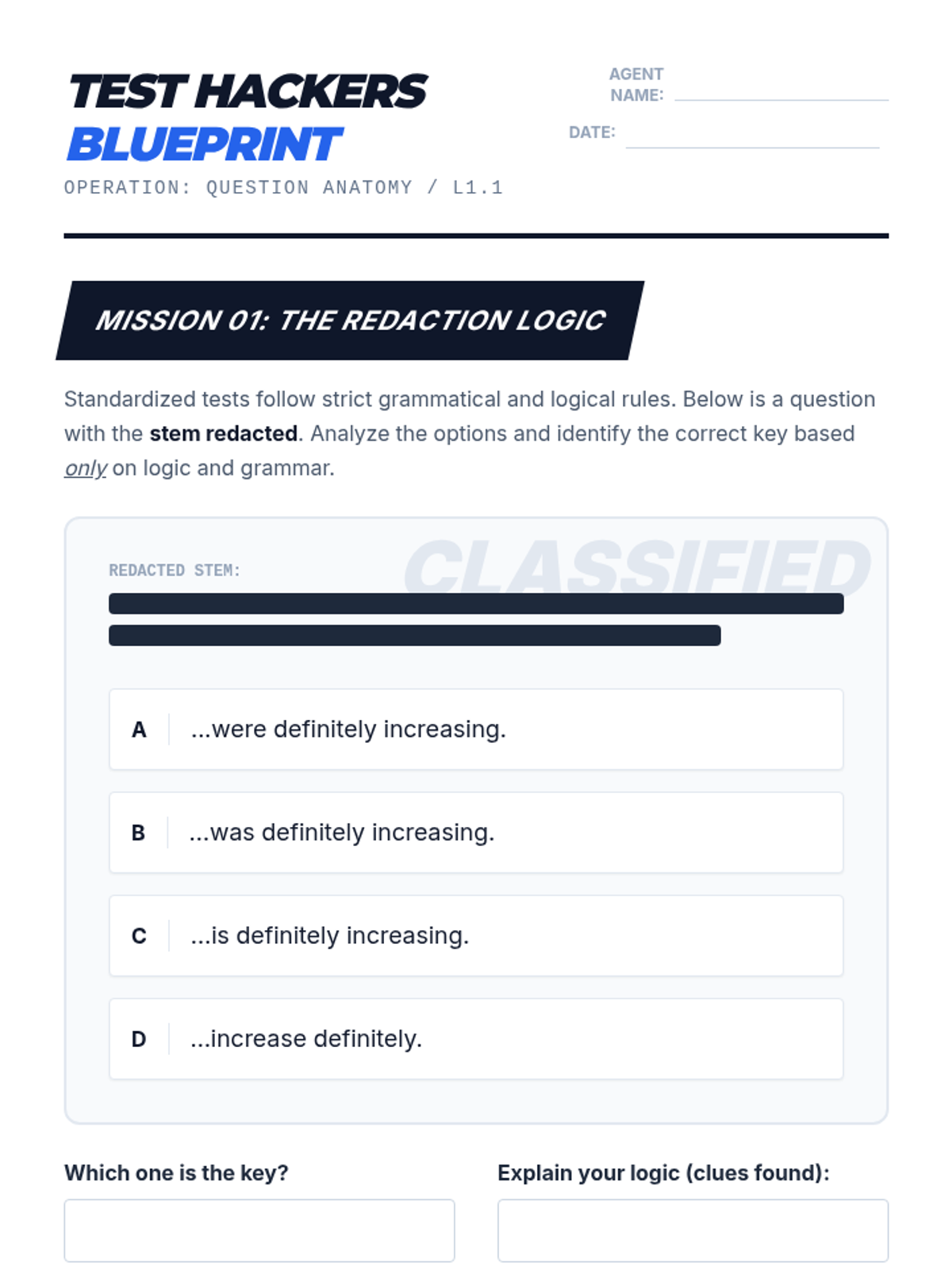
A comprehensive unit for undergraduate ESL students to deconstruct the logic of standardized tests, focusing on question stems, distractor categorization, absolute language detection, and the process of elimination.
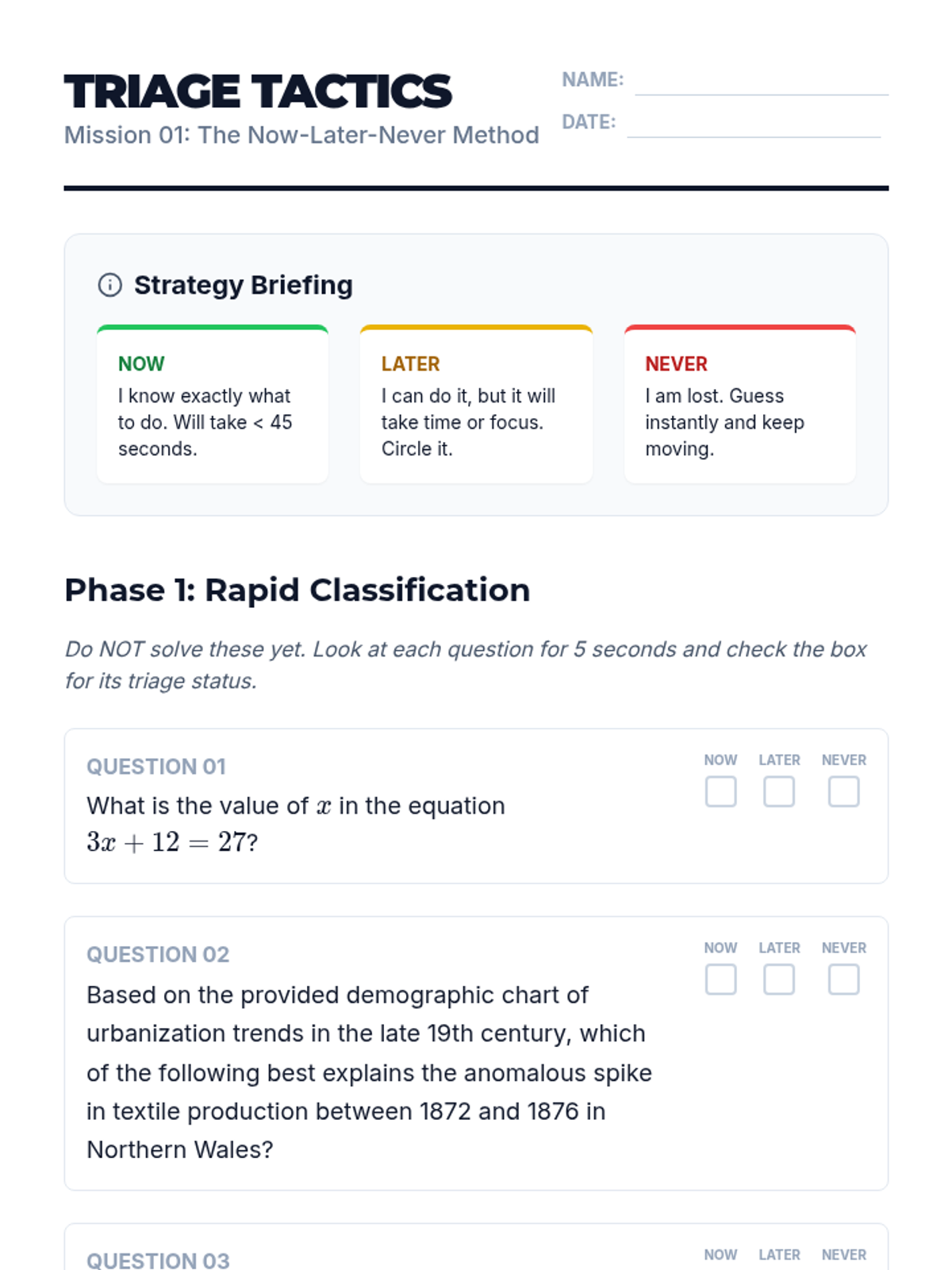
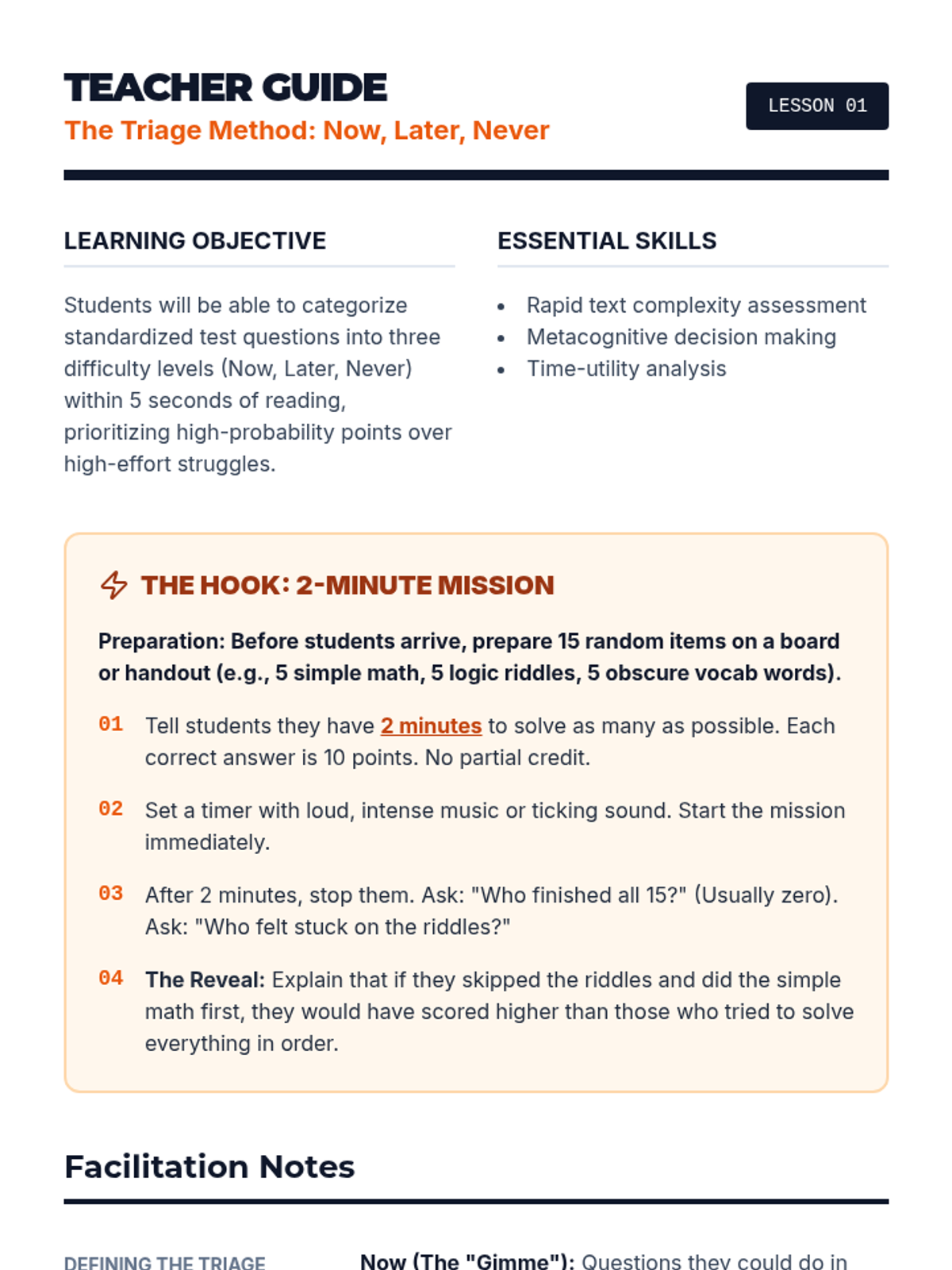
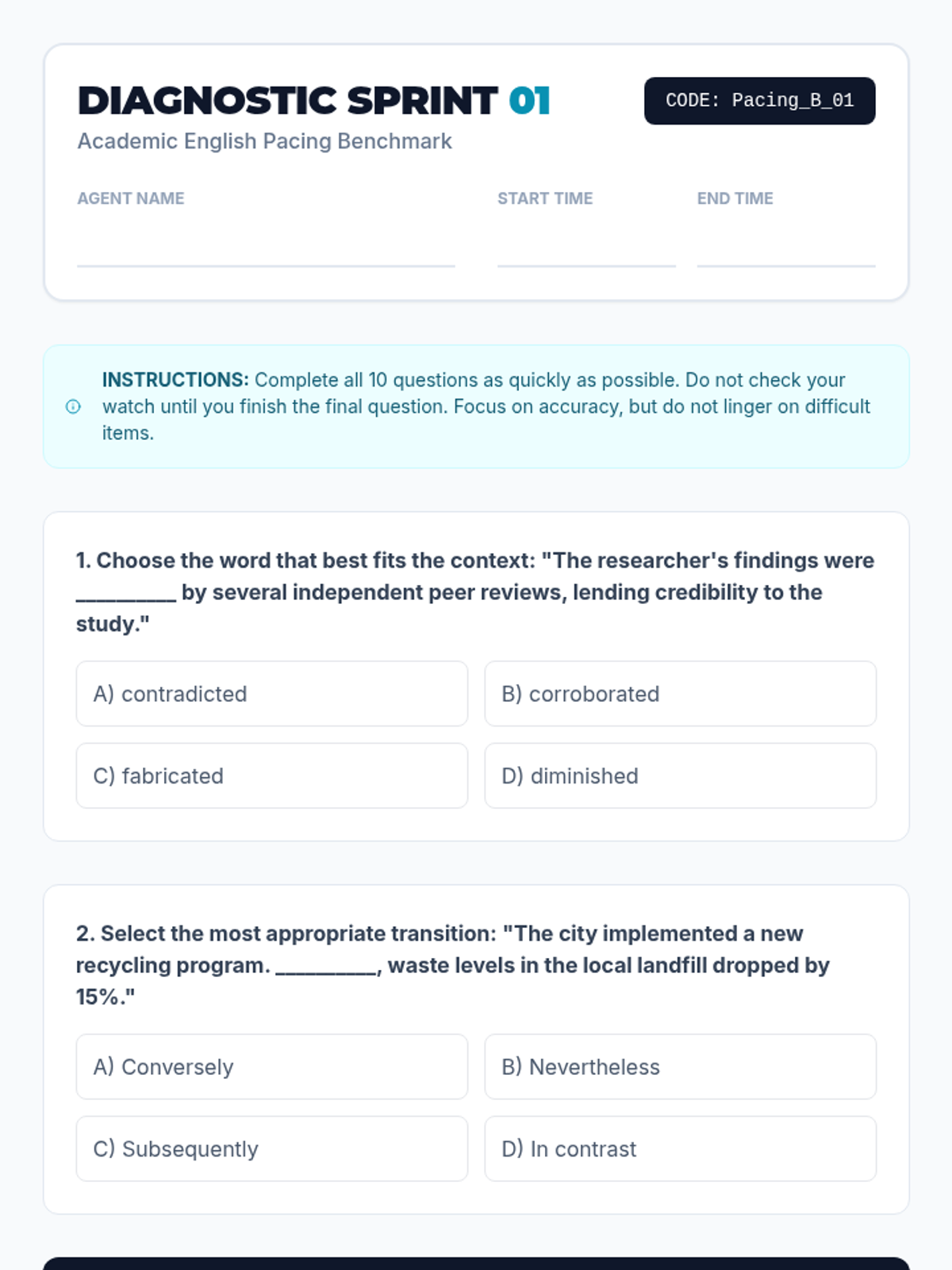
This sequence addresses the psychological and logistical challenges of timed exams through simulation and strategy, treating test-taking as a resource management game where time is the currency. Students learn to benchmark their pacing, apply triage strategies for difficult questions, manage anxiety, and utilize intelligent guessing to maximize their score potential.
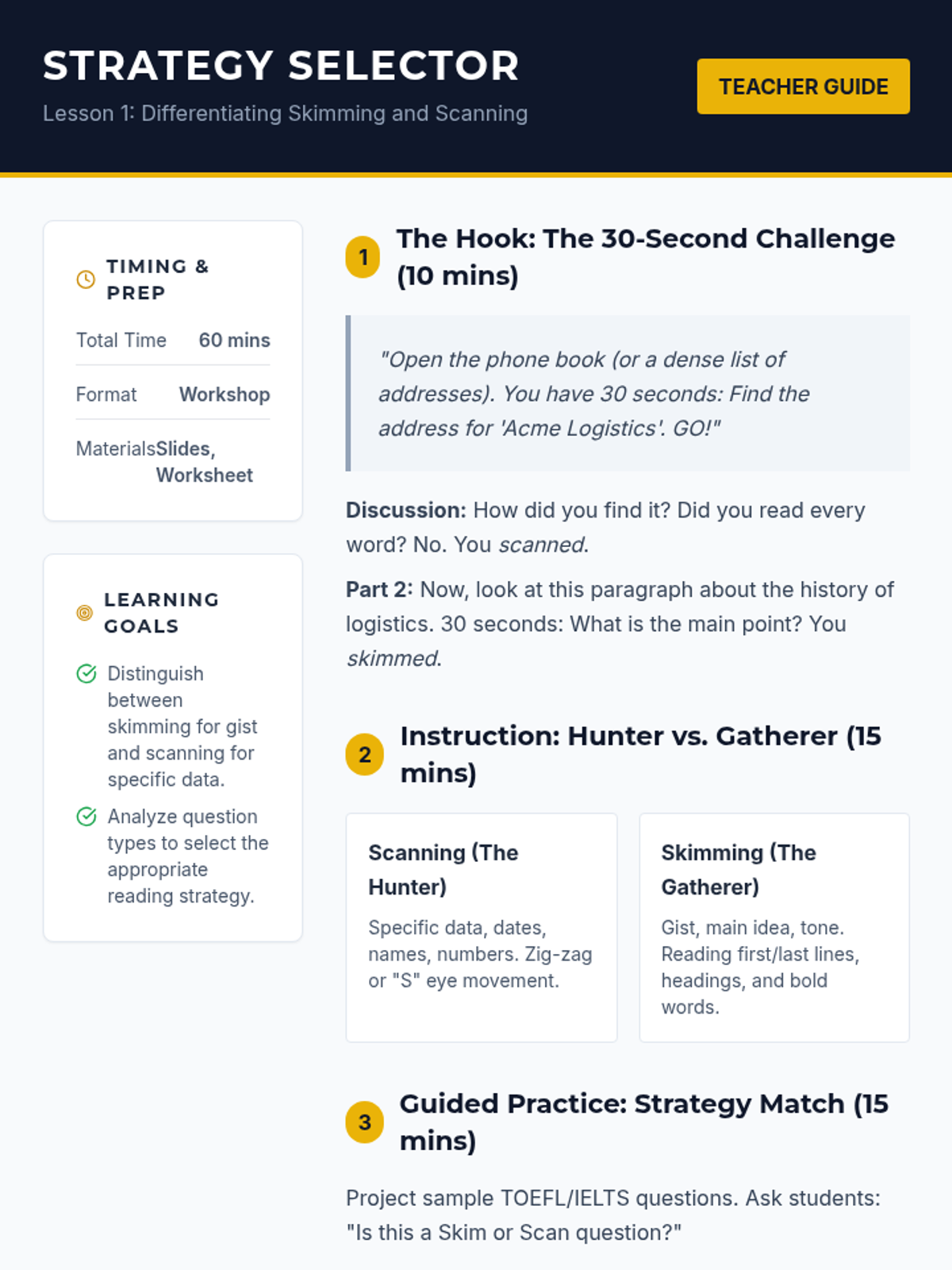
A workshop-style sequence for undergraduate ESL students to master skimming and scanning techniques for high-stakes academic exams. Students move from conceptual understanding to timed application, focusing on efficiency and accuracy in dense academic texts.
A comprehensive unit for high school seniors focused on deconstructing the logic of standardized English exams. Students learn to identify question components, categorize common distractors, and apply process-of-elimination techniques to improve performance on tests like TOEFL, IELTS, and SAT.
This sequence equips graduate-level English language learners with advanced strategies for processing complex academic discourse. Students will master rhetorical signposting, compare diverse note-taking systems, and develop techniques for capturing multi-speaker seminar dialogues and discipline-specific vocabulary in real-time.
This sequence prepares advanced ESL learners for the rigors of university-level listening by deconstructing rhetorical strategies, identifying signposting, and evaluating speaker bias in academic lectures. Students move from mastering note-taking structures to engaging in a high-stakes Socratic seminar based on audio evidence.
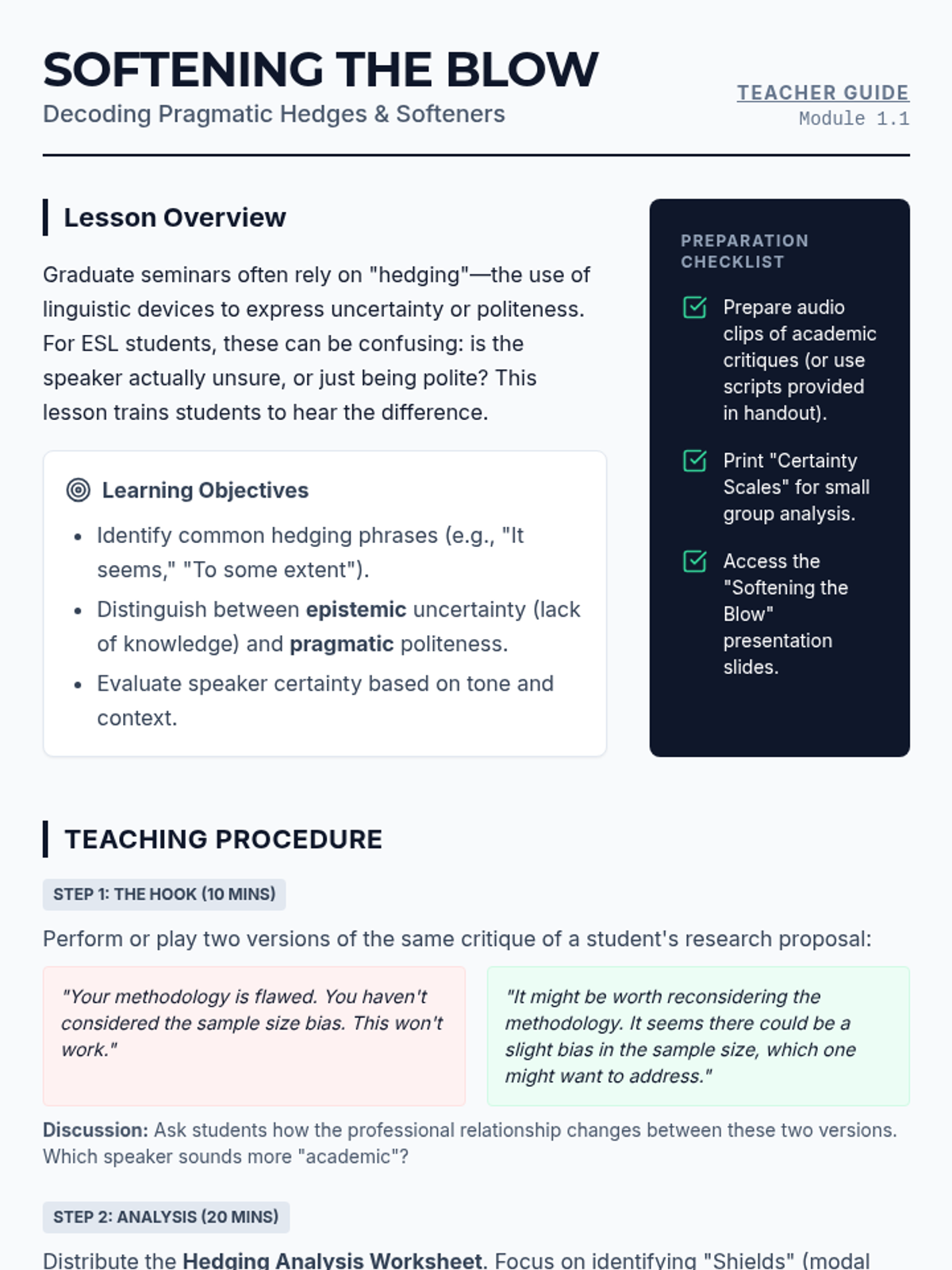
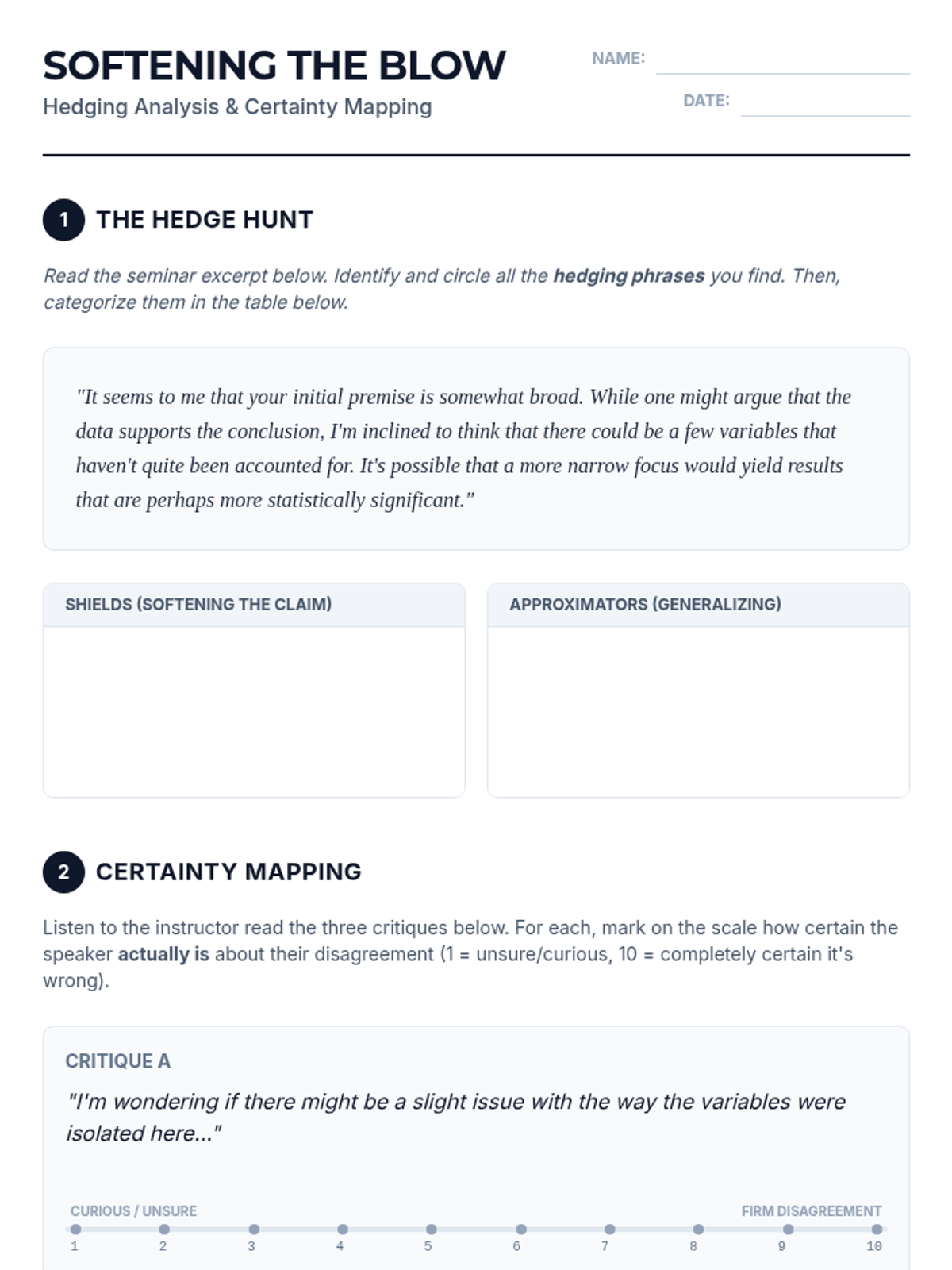
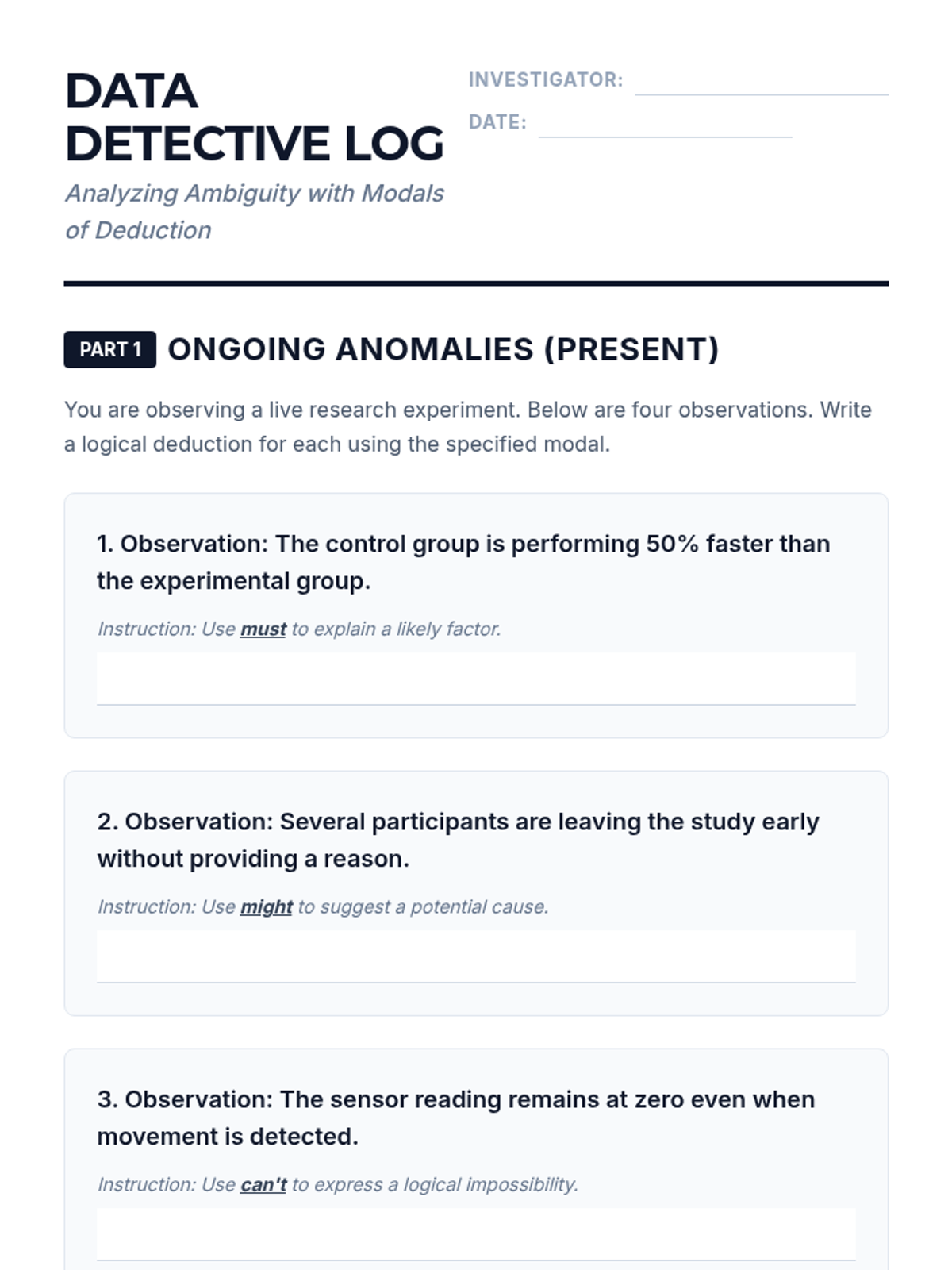
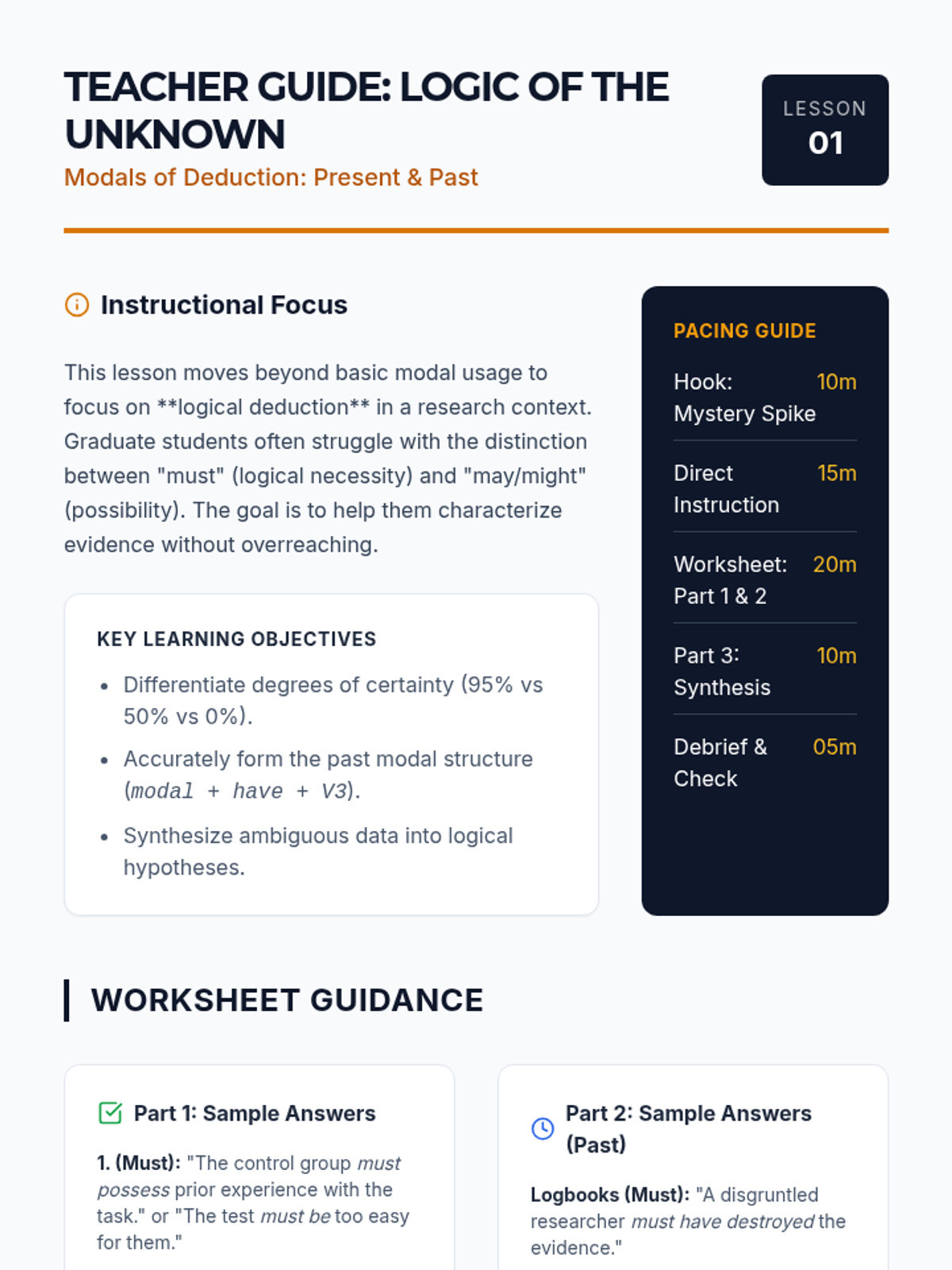
This sequence equips graduate students with the linguistic tools to navigate academic uncertainty. Focusing on modals of deduction and the strategic use of hedging, students learn to interpret data cautiously, critique literature politely, and defend their research with calibrated confidence.
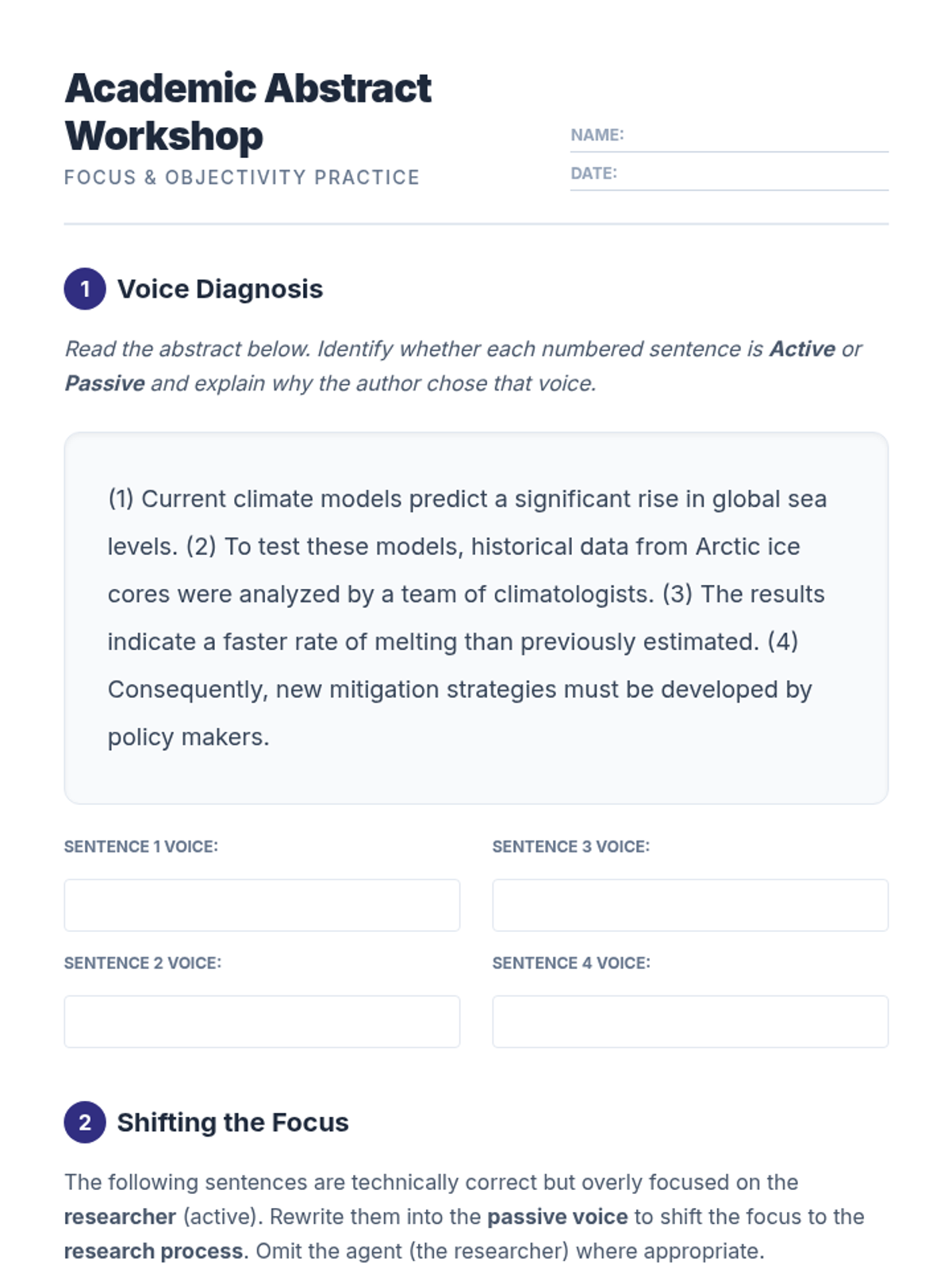
A comprehensive workshop sequence for graduate ESL students focusing on the strategic and functional use of passive voice in academic research writing. Students move from basic construction to sophisticated applications in methodology, literature reviews, and paragraph cohesion.
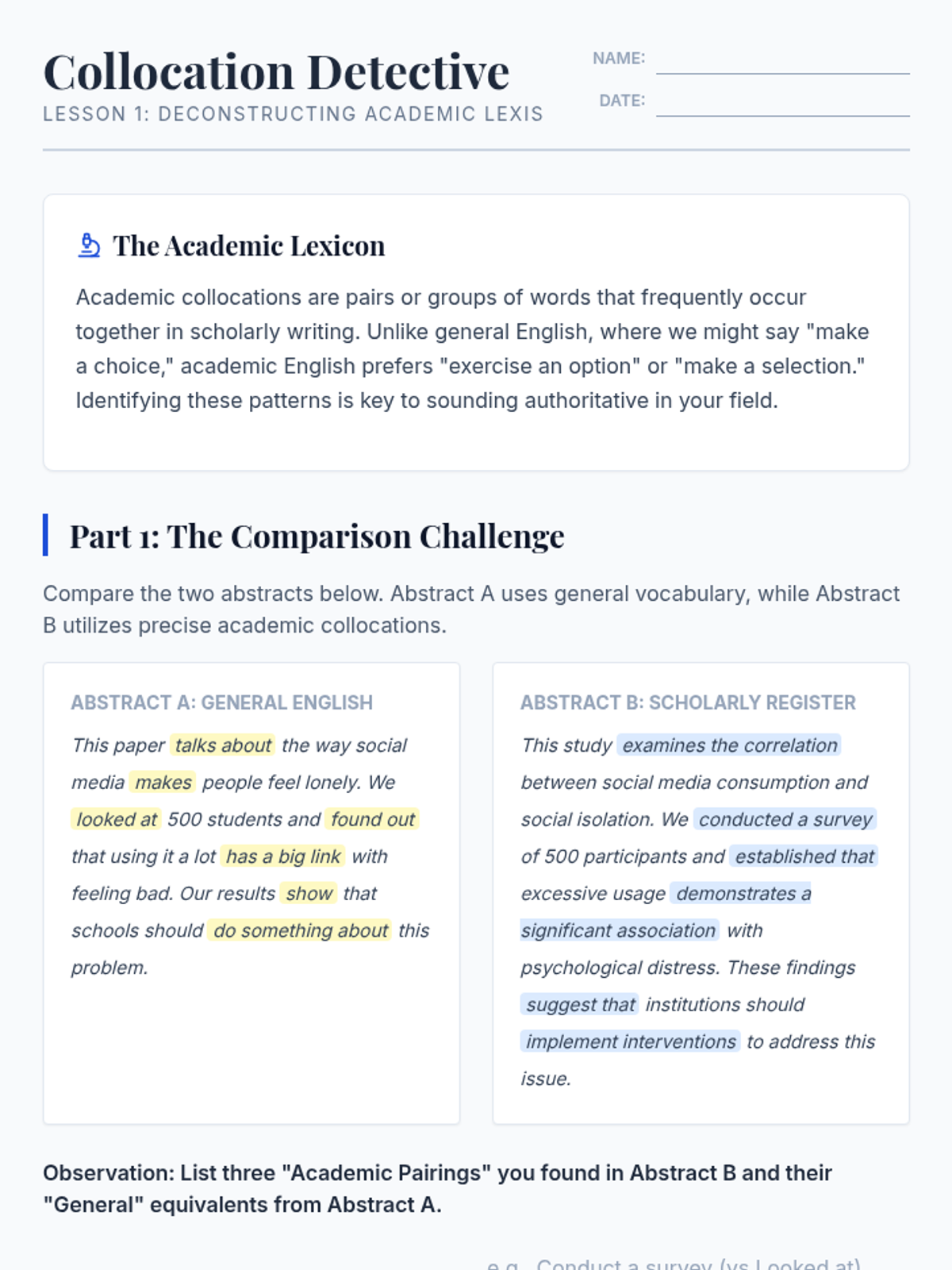
A comprehensive unit designed for graduate students to transition from general English to high-frequency academic collocations and formal register. Students will analyze research literature, master abstract noun-preposition pairings, refine reporting verbs, and use nominalization to enhance lexical density in their scholarly writing.
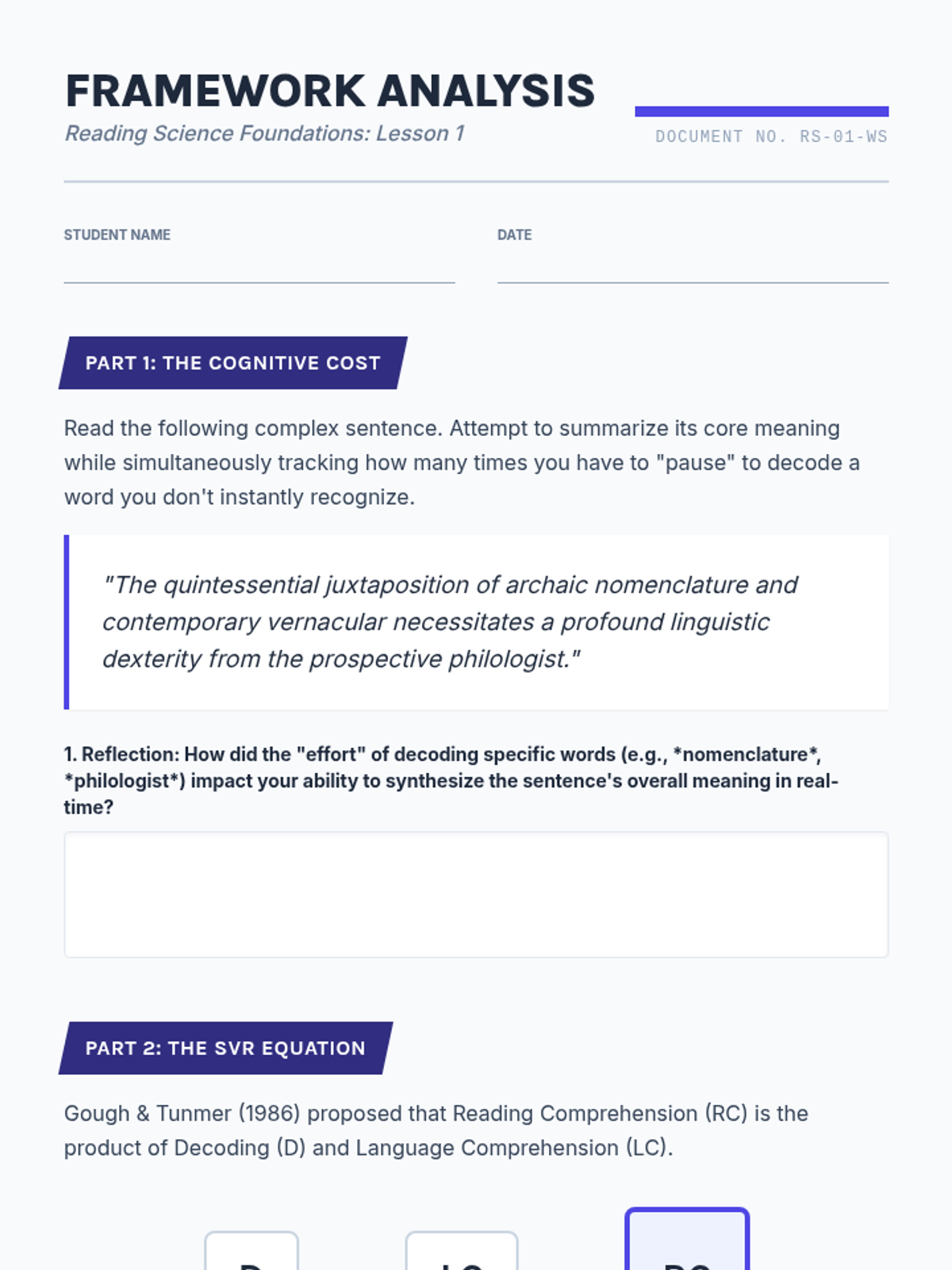
This sequence explores the cognitive science behind phoneme manipulation, connecting phonemic proficiency to orthographic mapping and the neurological processes of reading. Students investigate the 'why' behind reading instruction through the lens of cognitive load, brain imaging, and contemporary research debates.
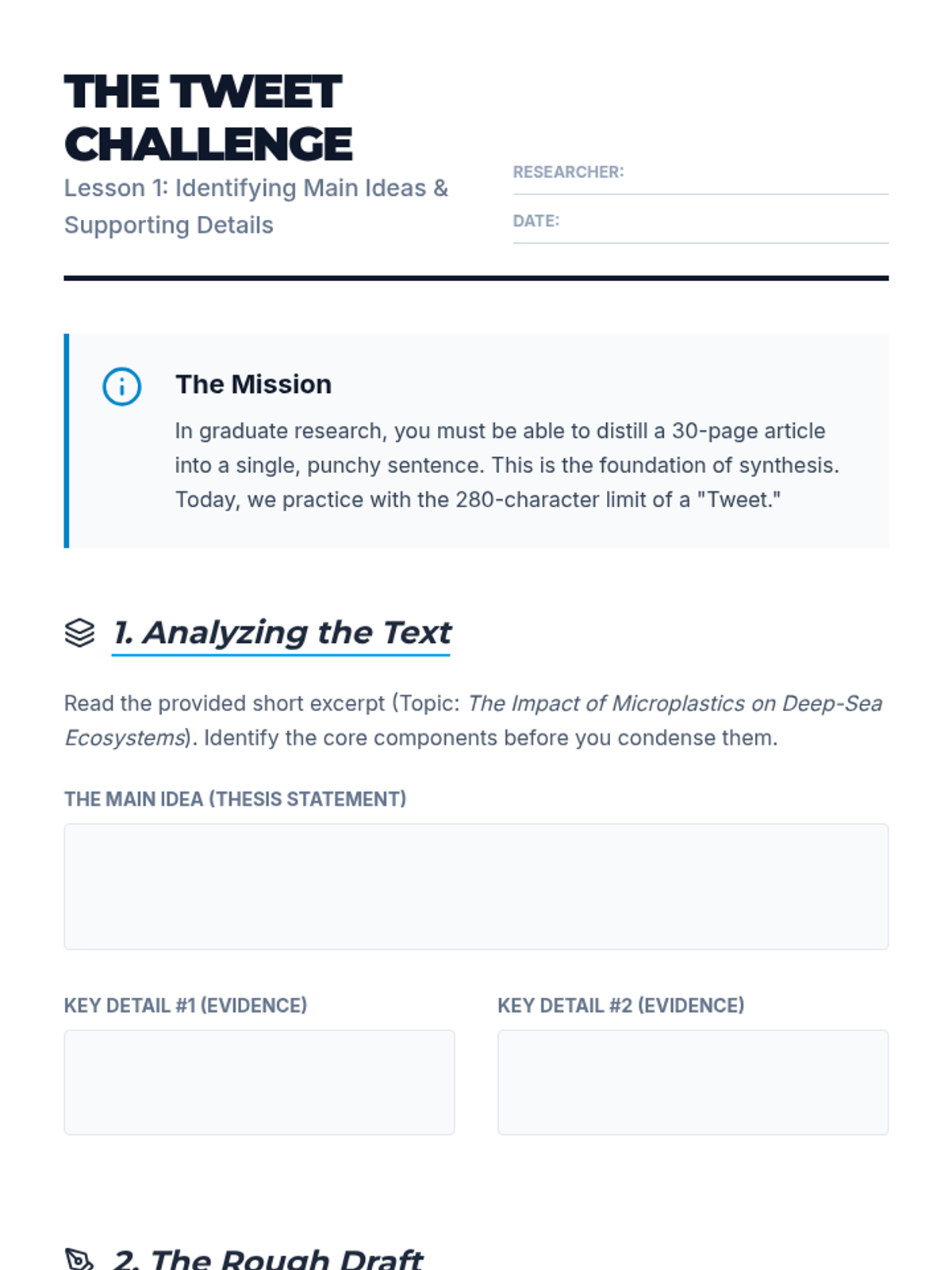
A comprehensive series for graduate-level ESL students focused on the critical academic skill of synthesizing multiple sources. Students move from core comprehension of single texts to mapping complex intertextual relationships and constructing academic synthesis.
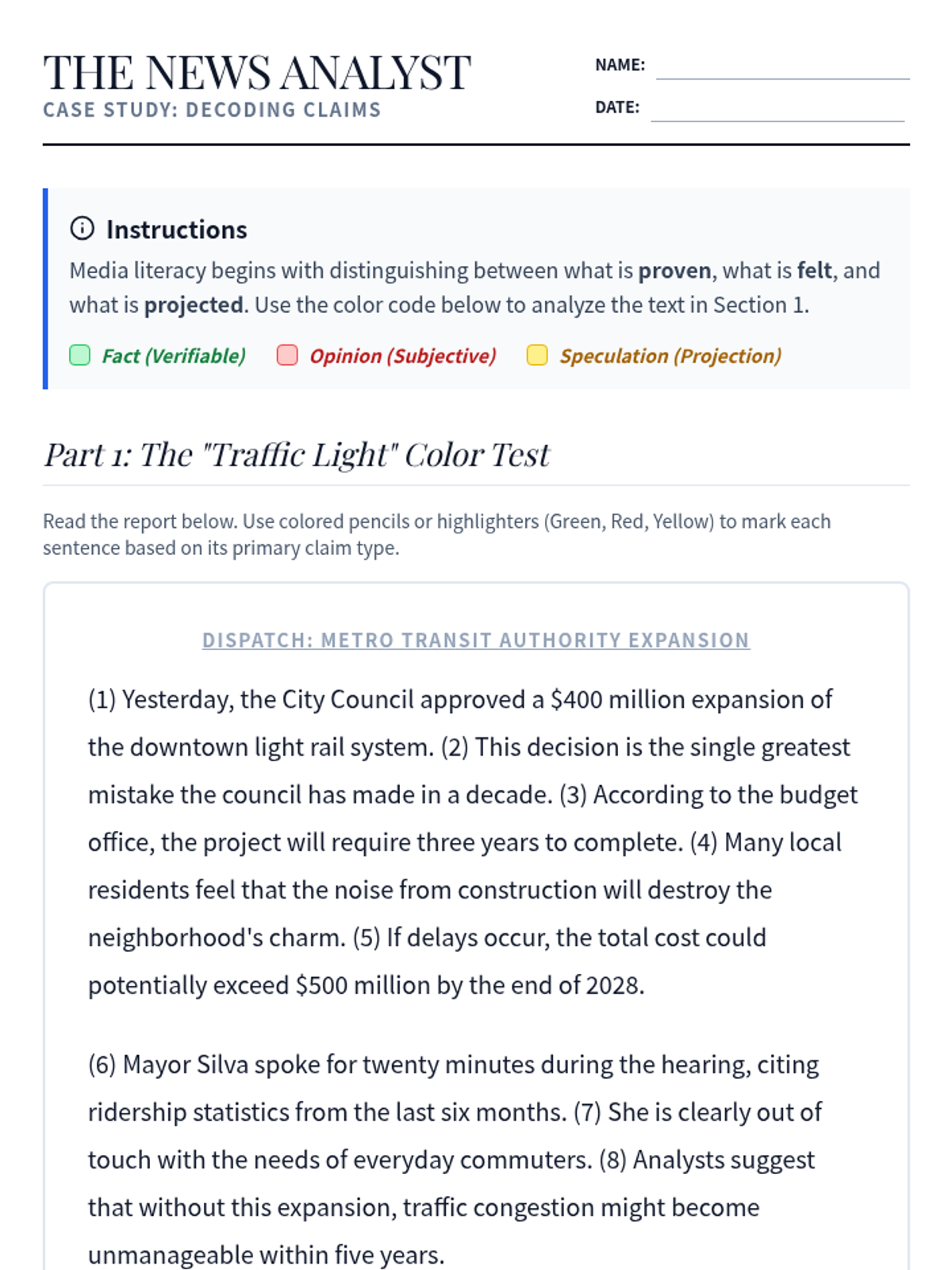
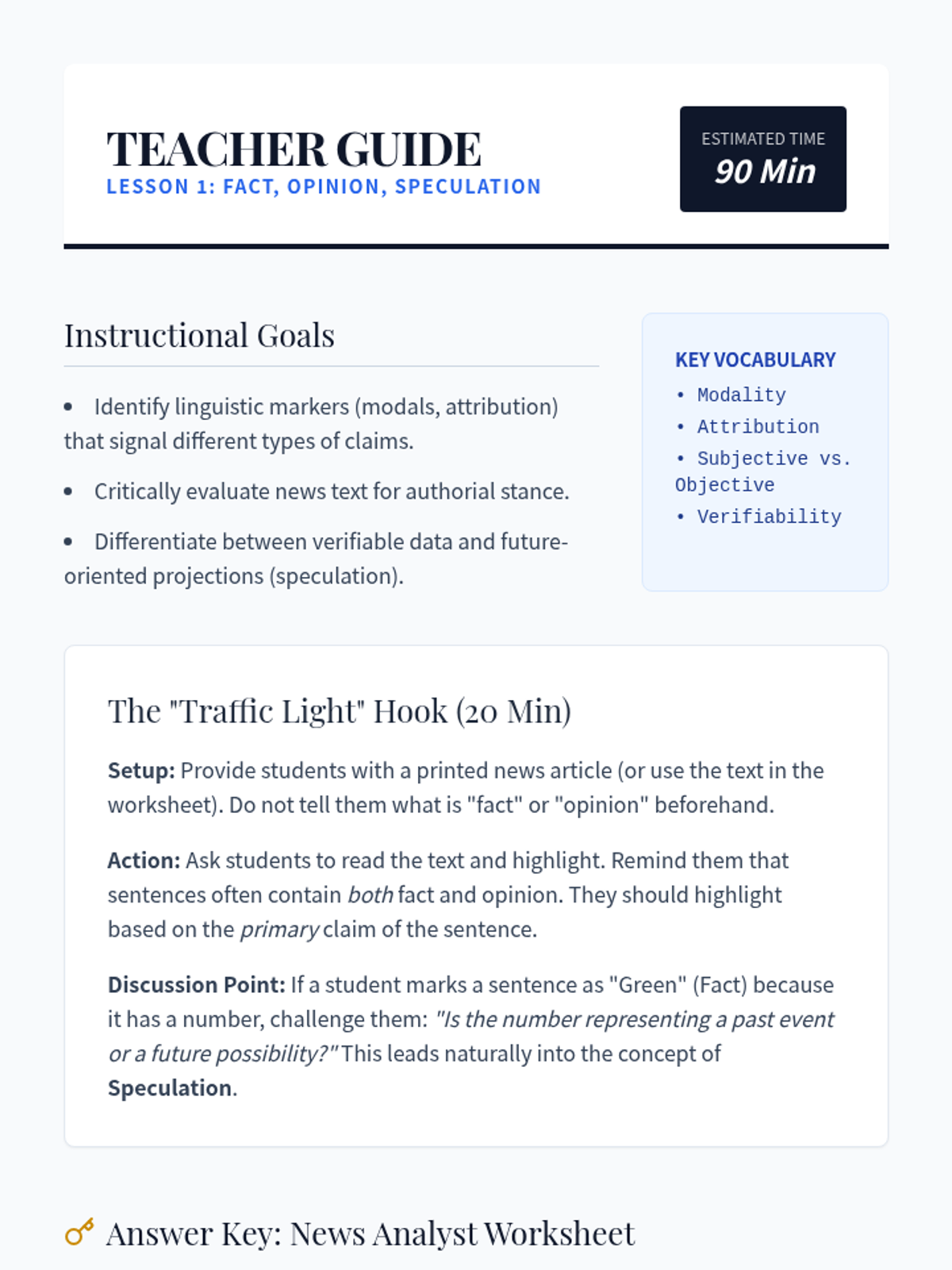
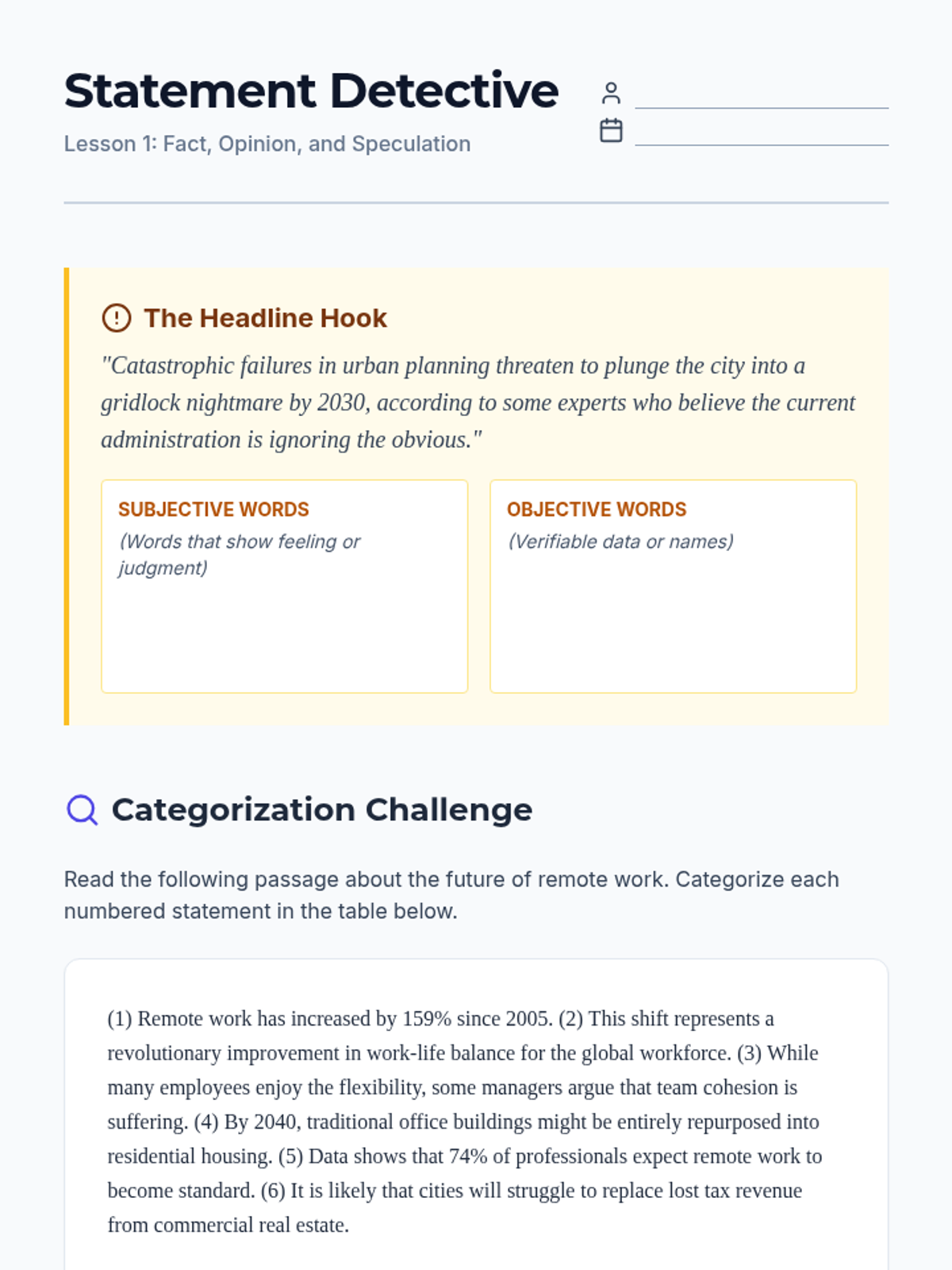
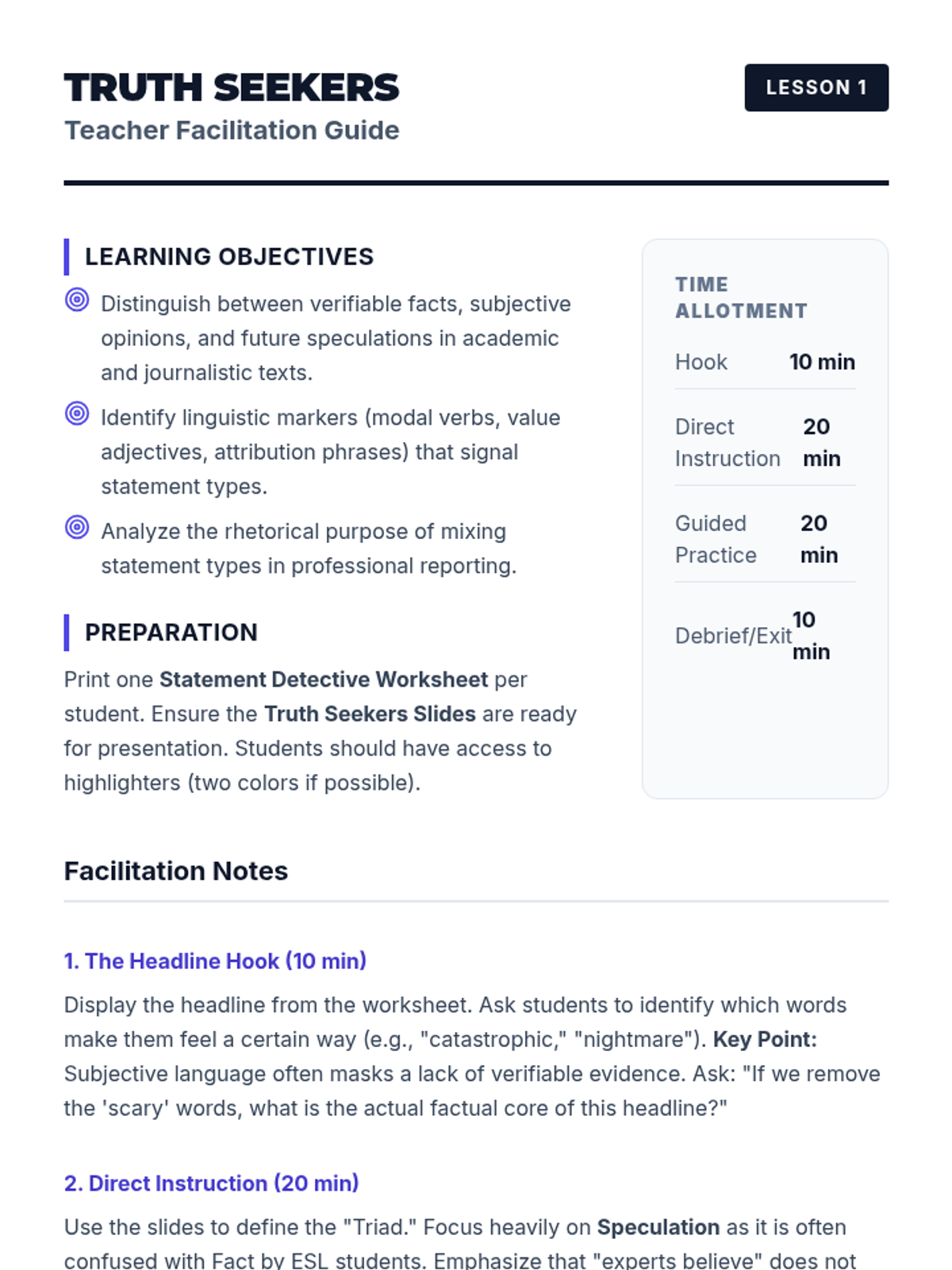
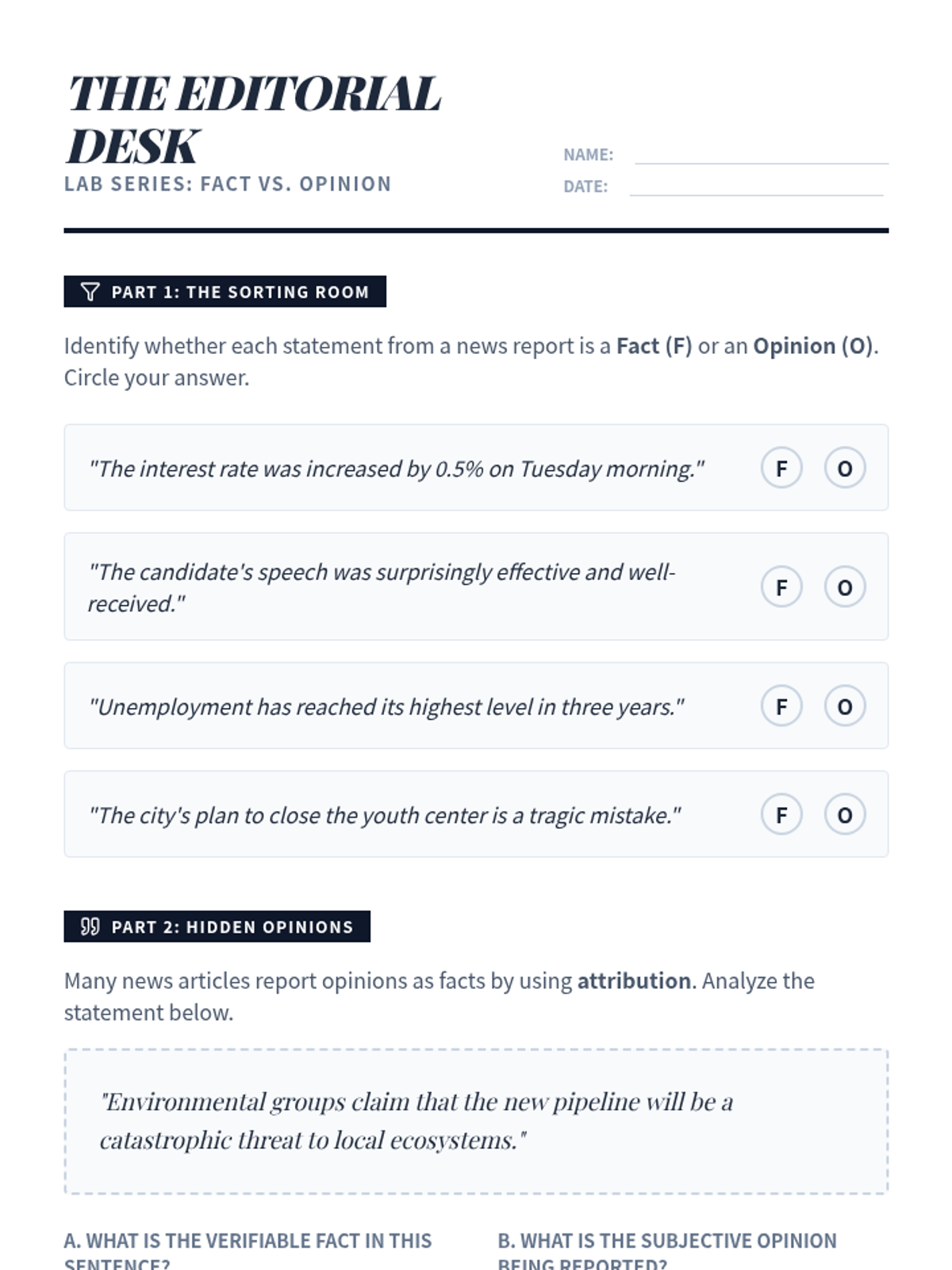
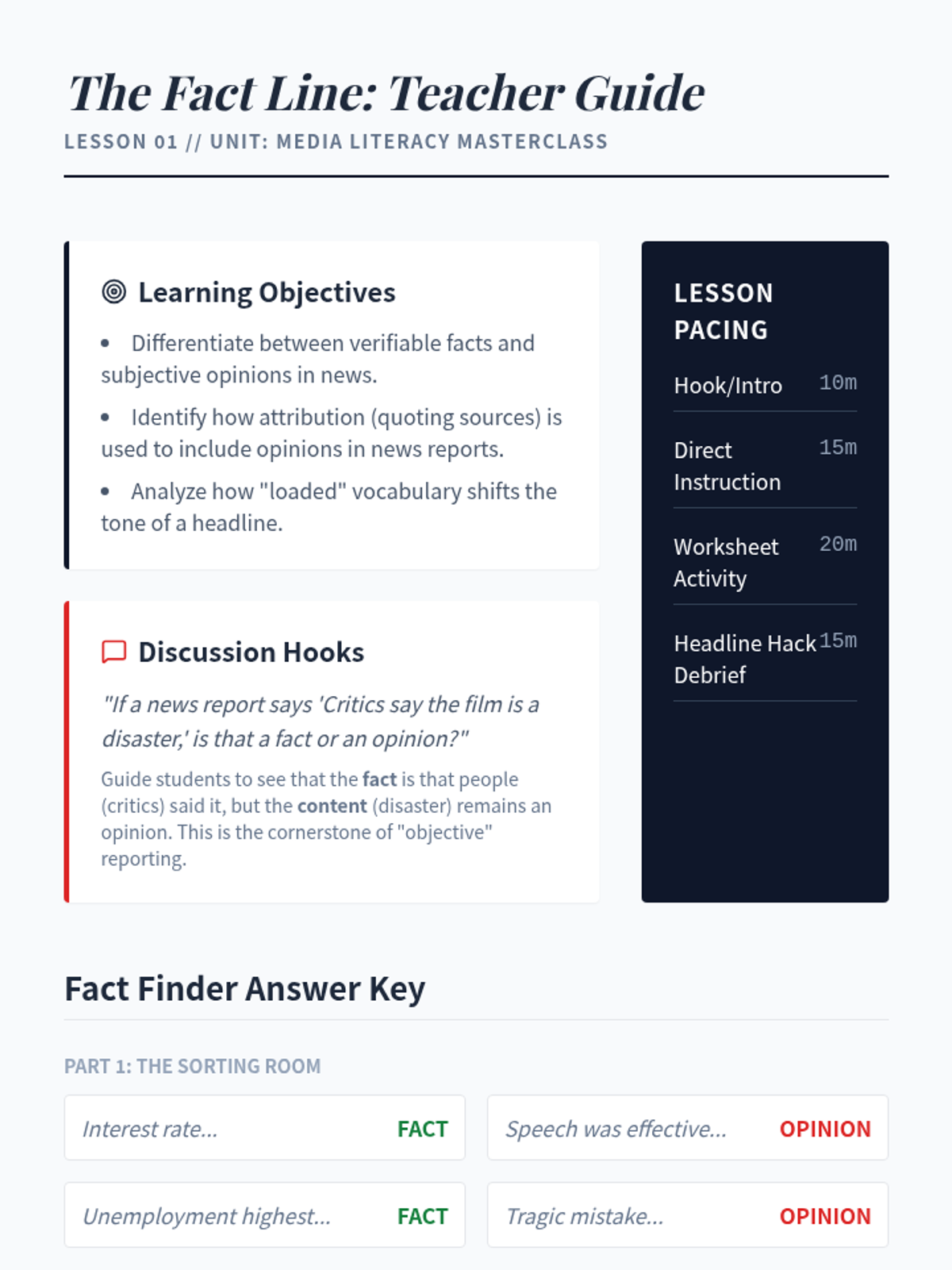
This sequence for intermediate ESL graduate students develops critical media literacy skills, focusing on the linguistic markers of fact, opinion, and speculation, the impact of connotative vocabulary, and the detection of bias and satire in complex texts.
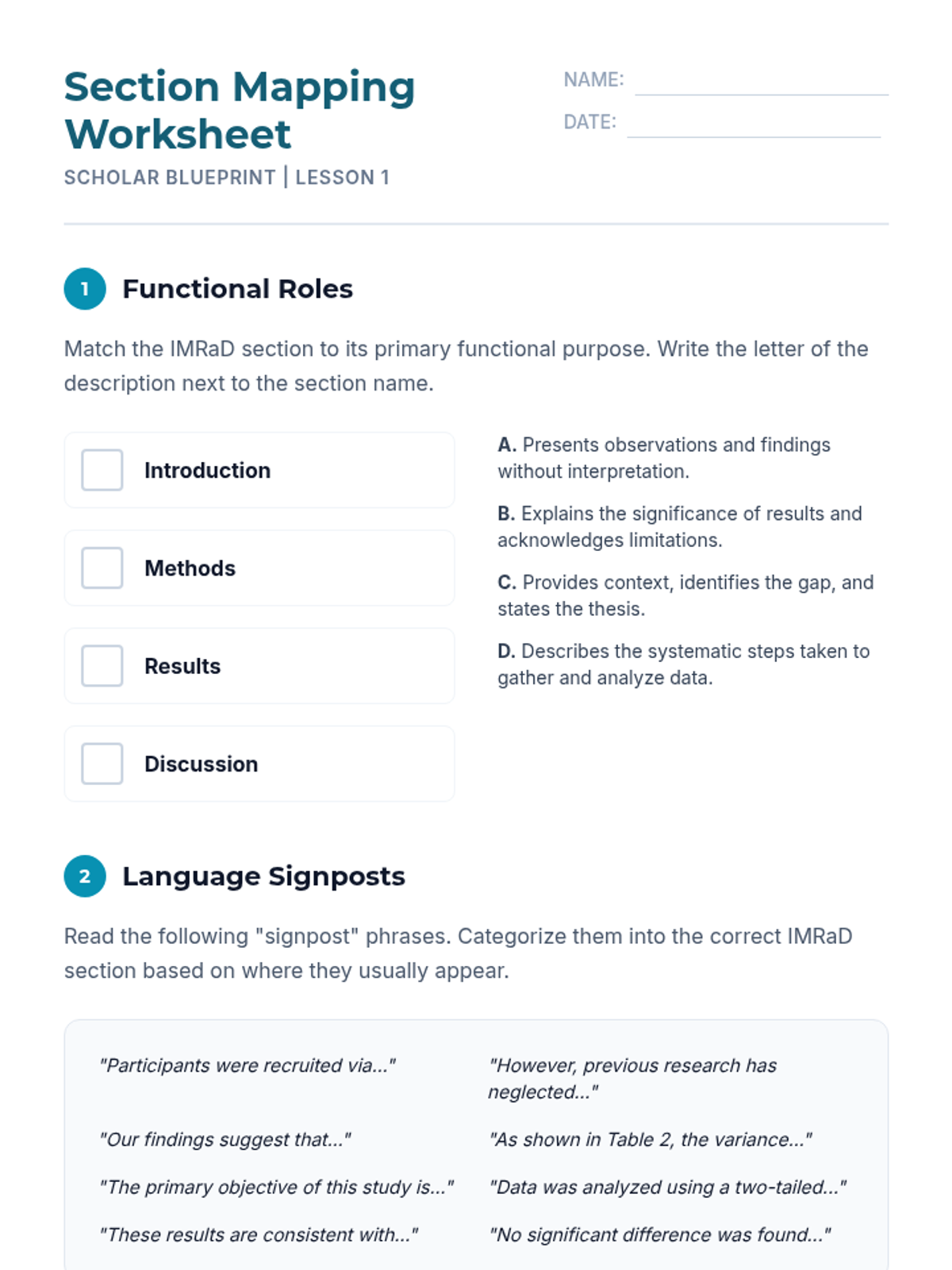
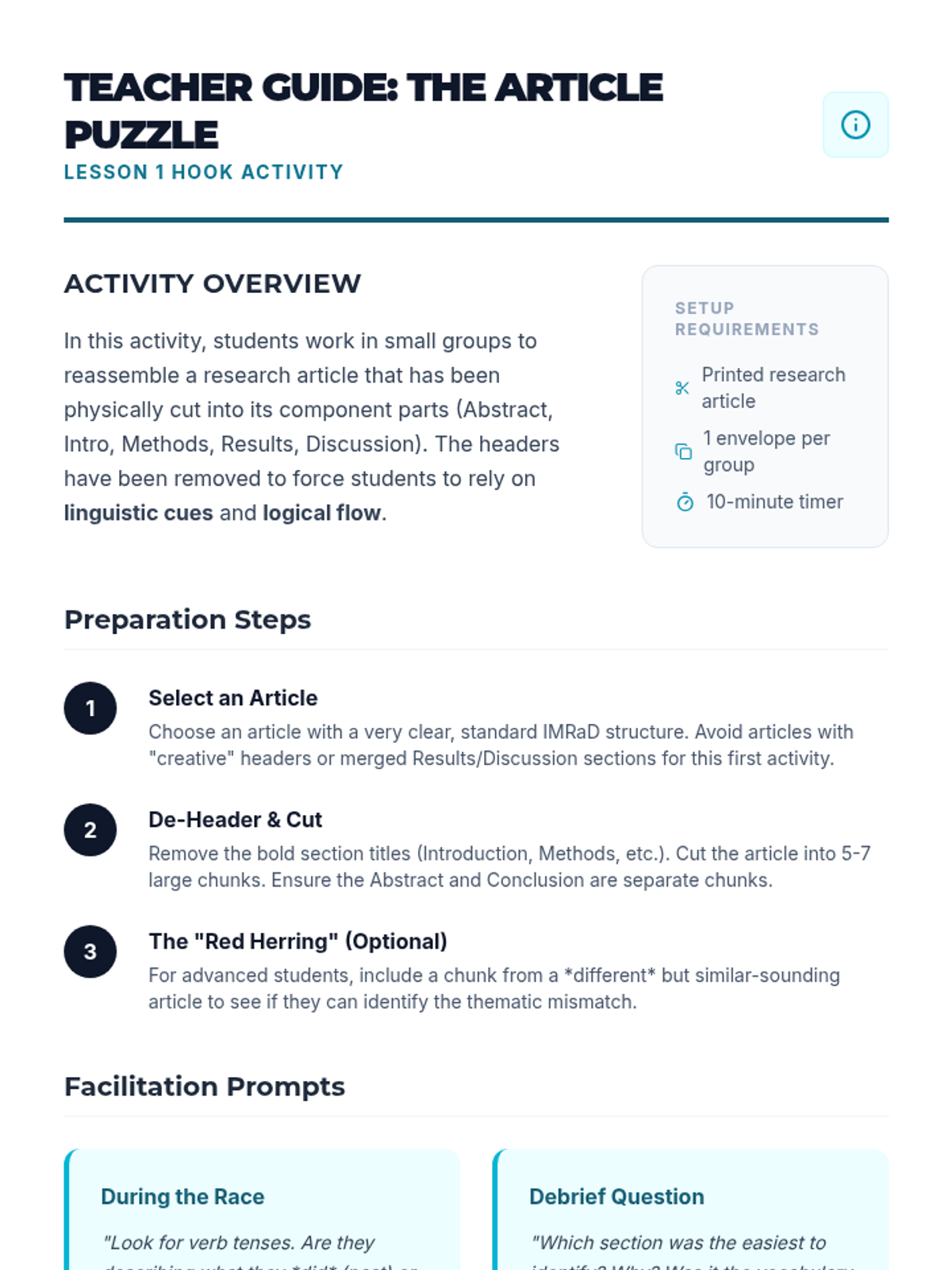
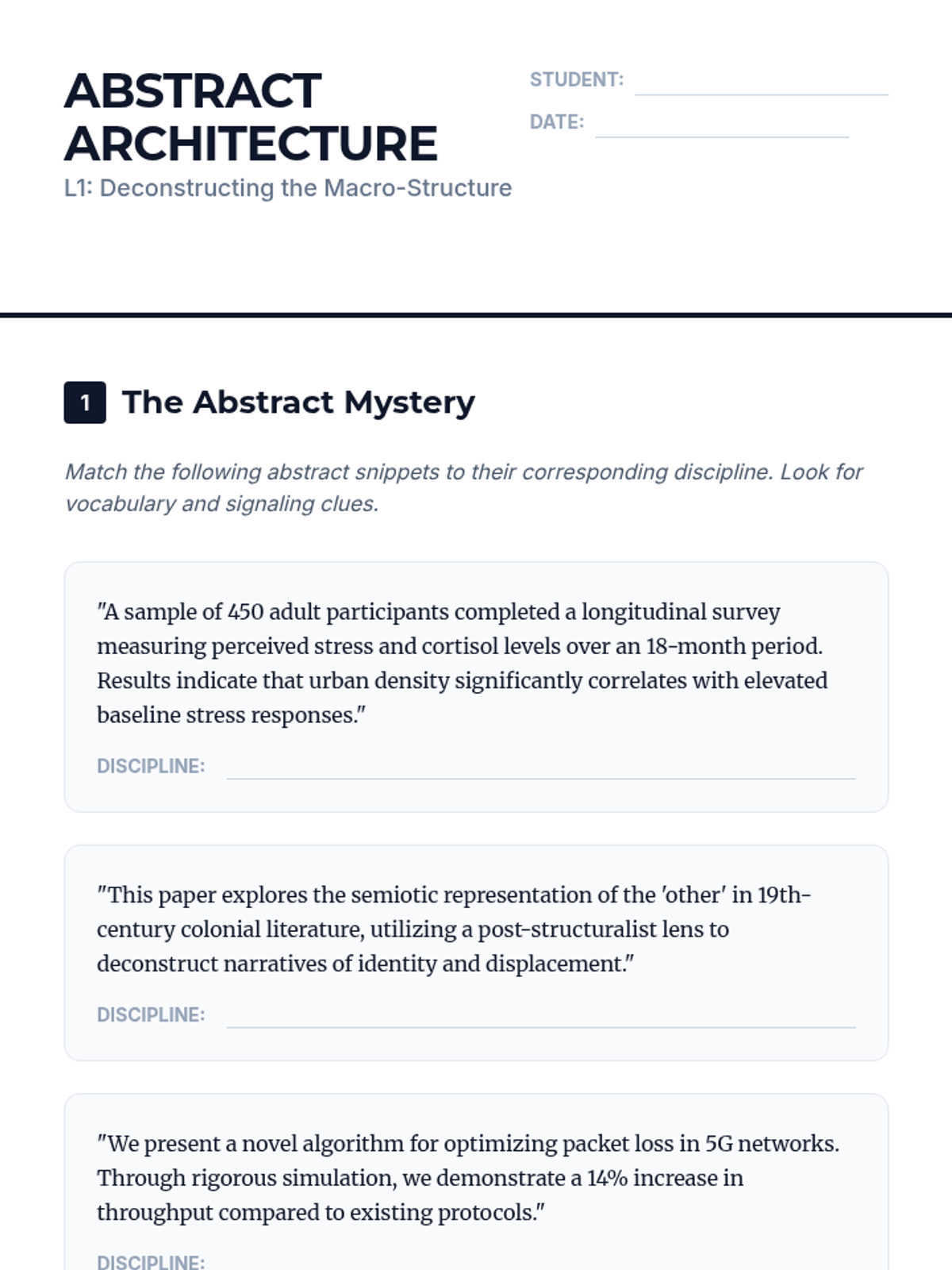
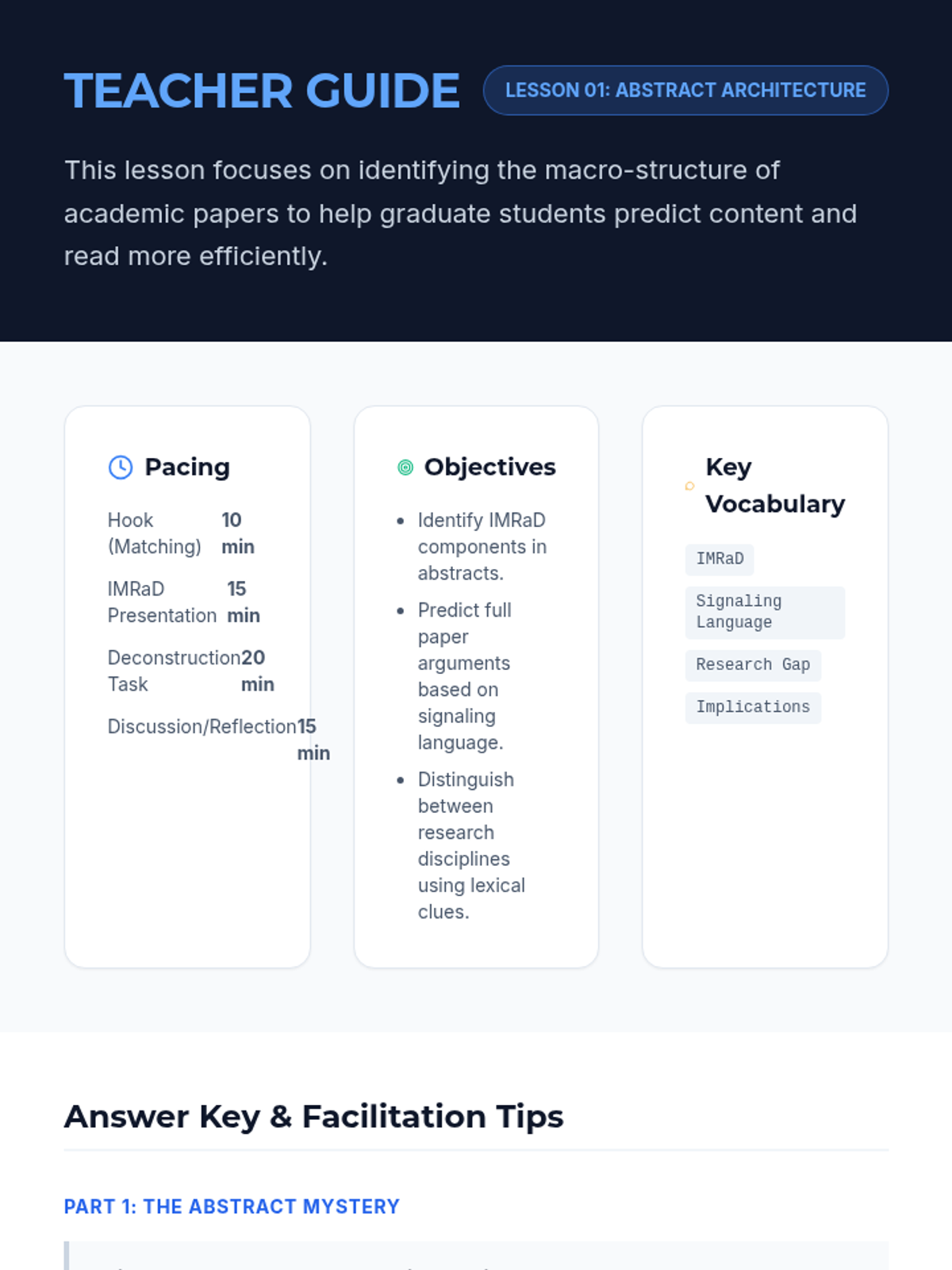
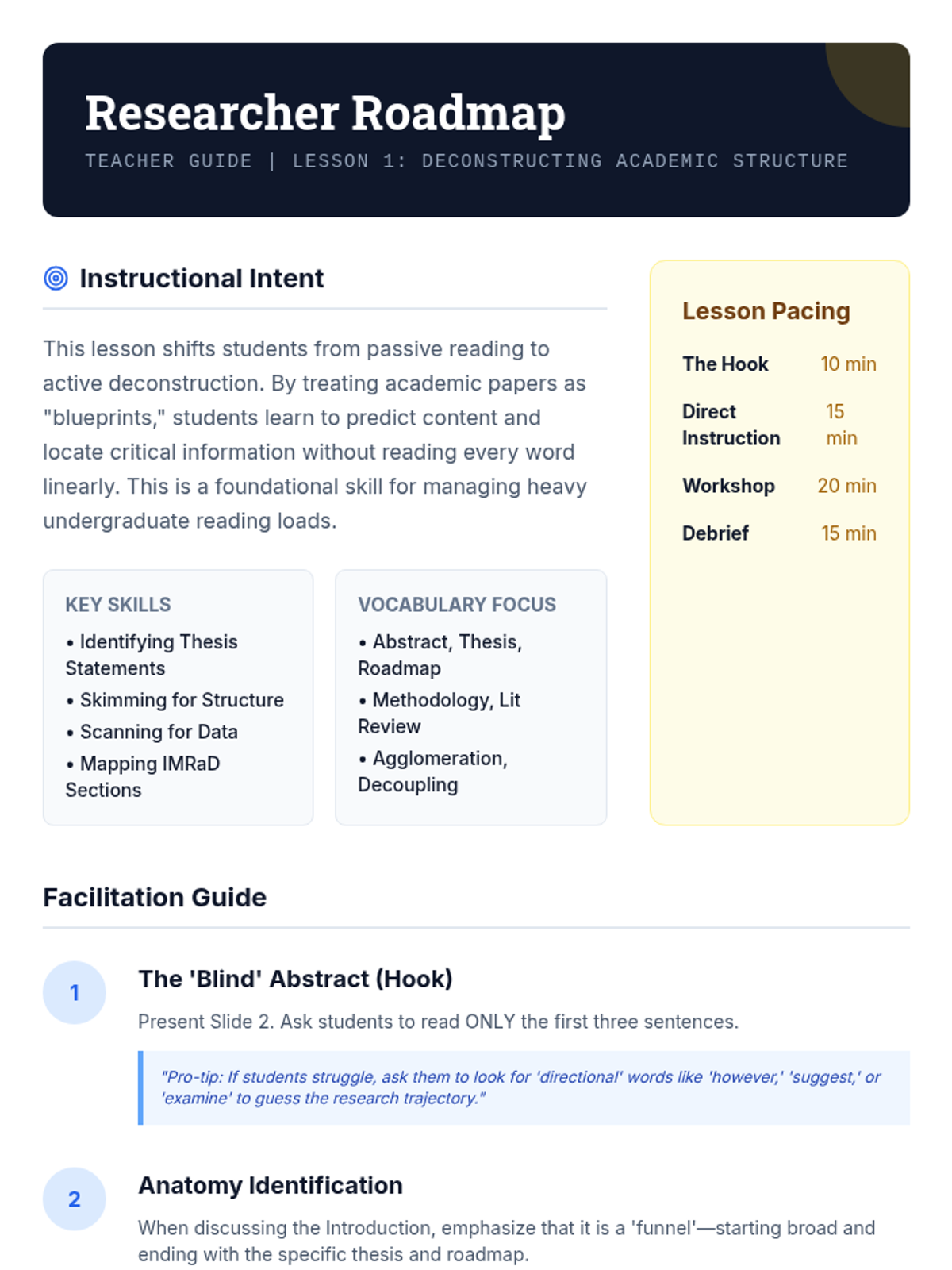
A comprehensive sequence for graduate ESL students to master the structure, language, and strategic reading of academic journal articles using the IMRaD model and syntactic parsing strategies.
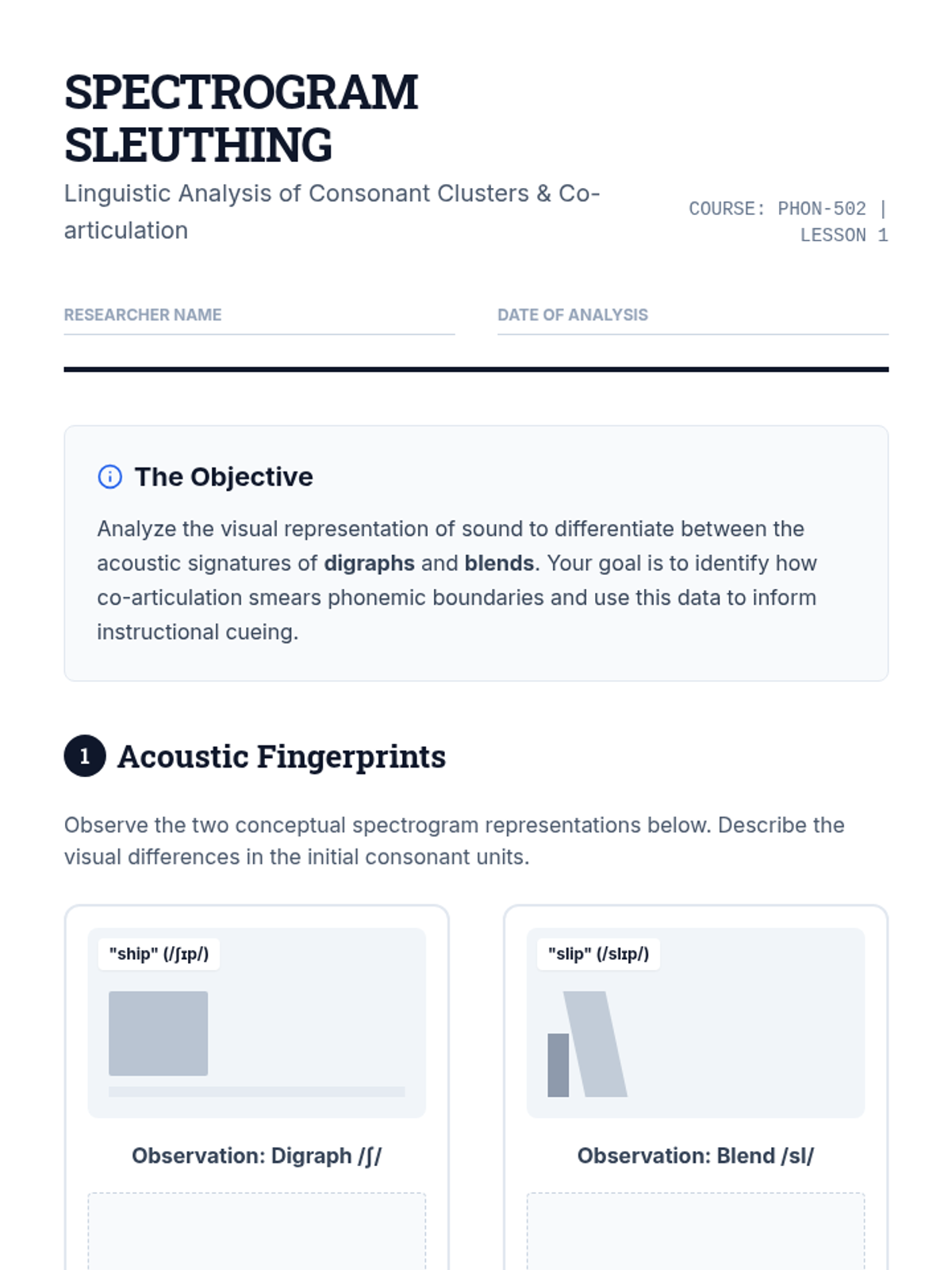
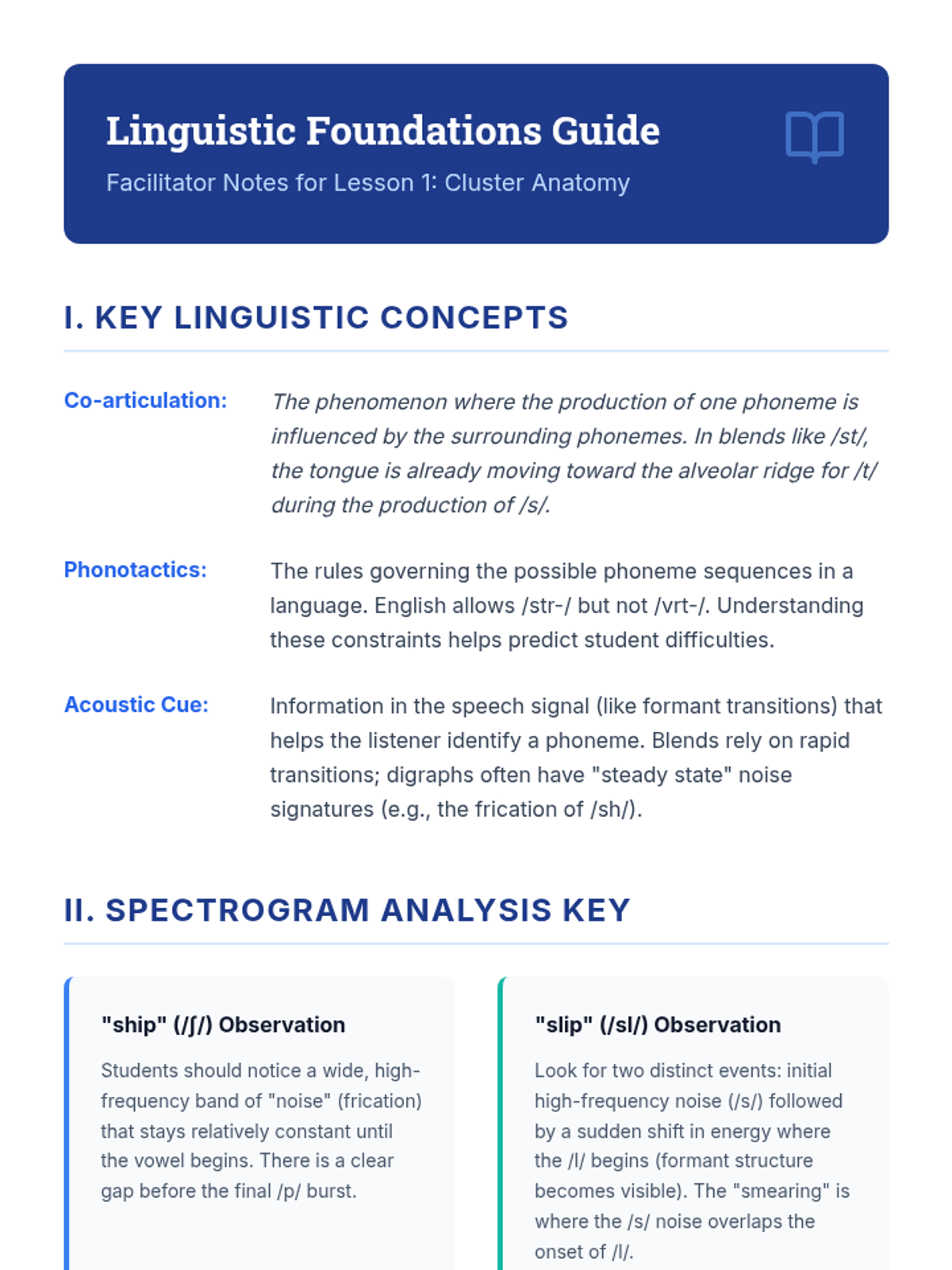
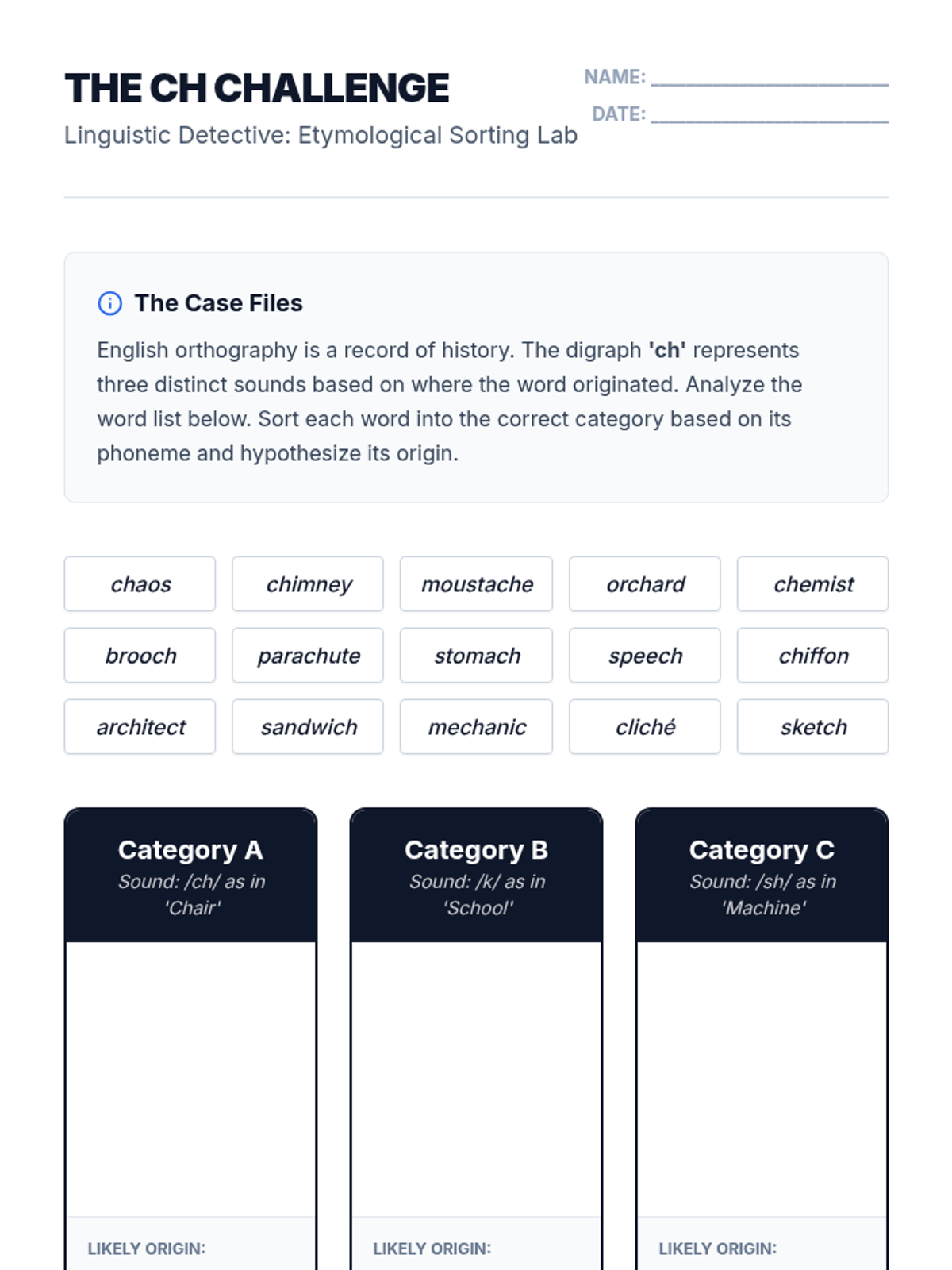
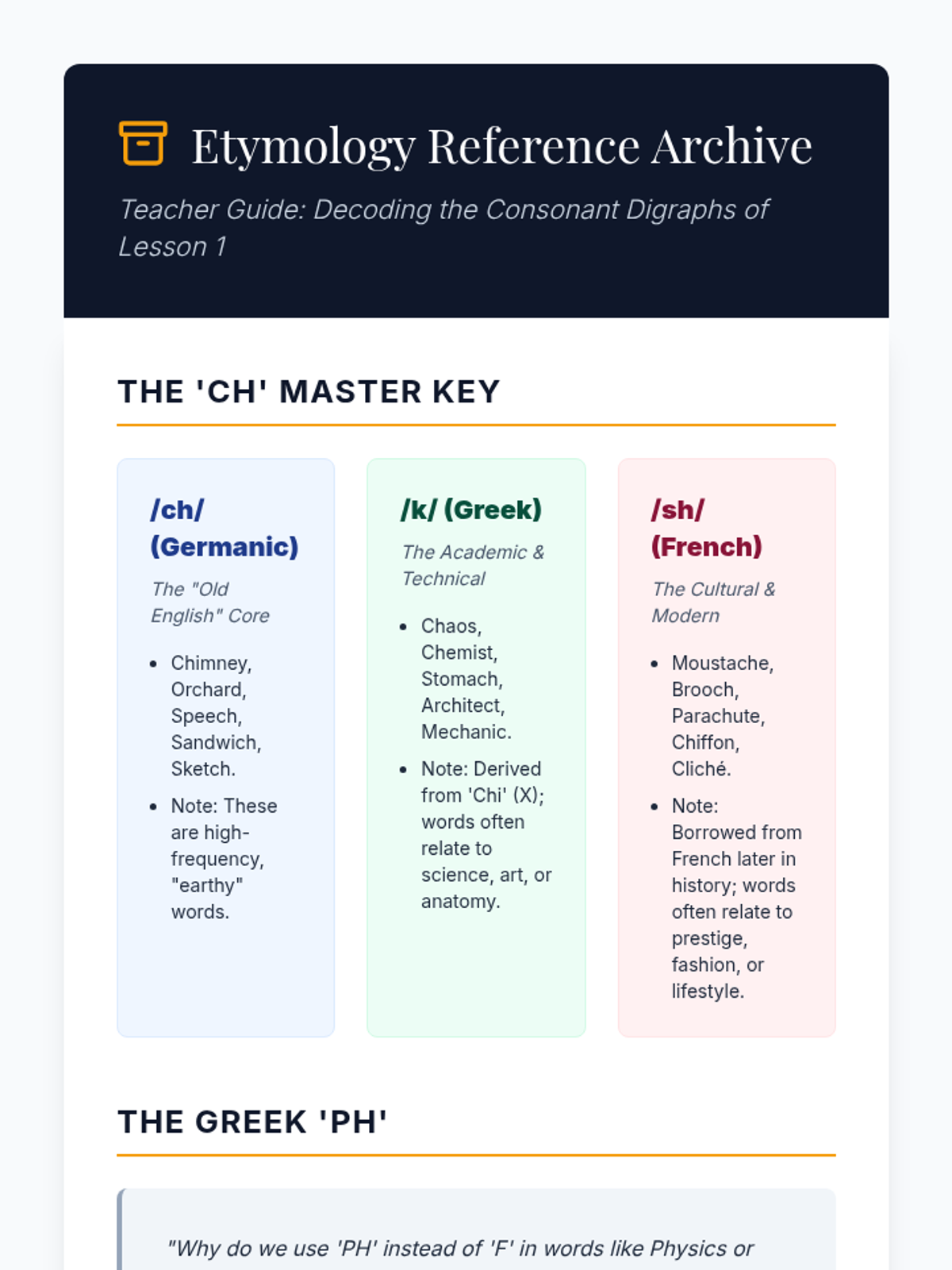
This graduate-level sequence explores the pedagogical engineering of phonics instruction, focusing on the articulatory and cognitive complexities of blends, digraphs, and trigraphs. Students will bridge the gap between linguistic theory and classroom practice through curriculum design, case study analysis, and instructional simulation.
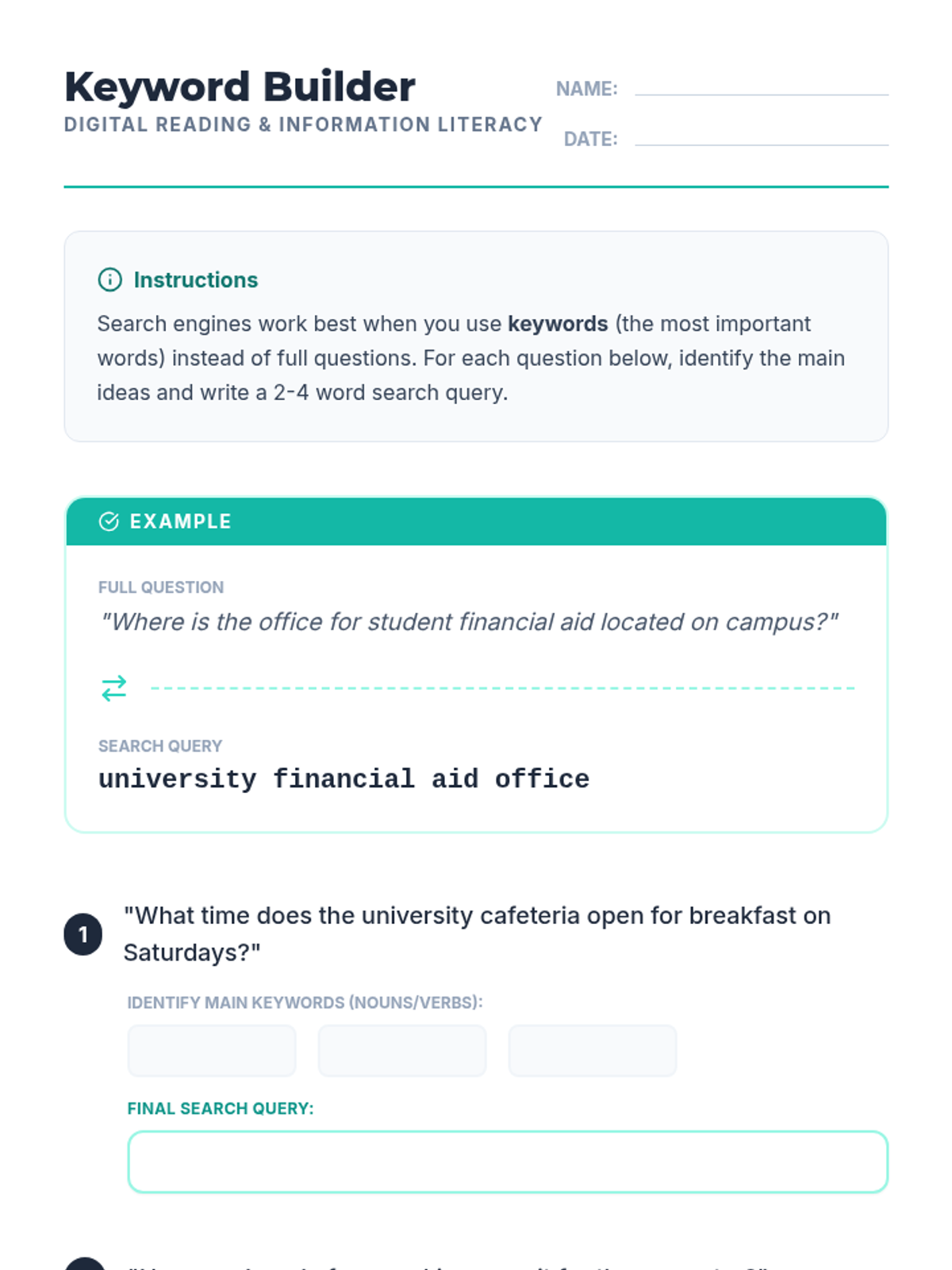
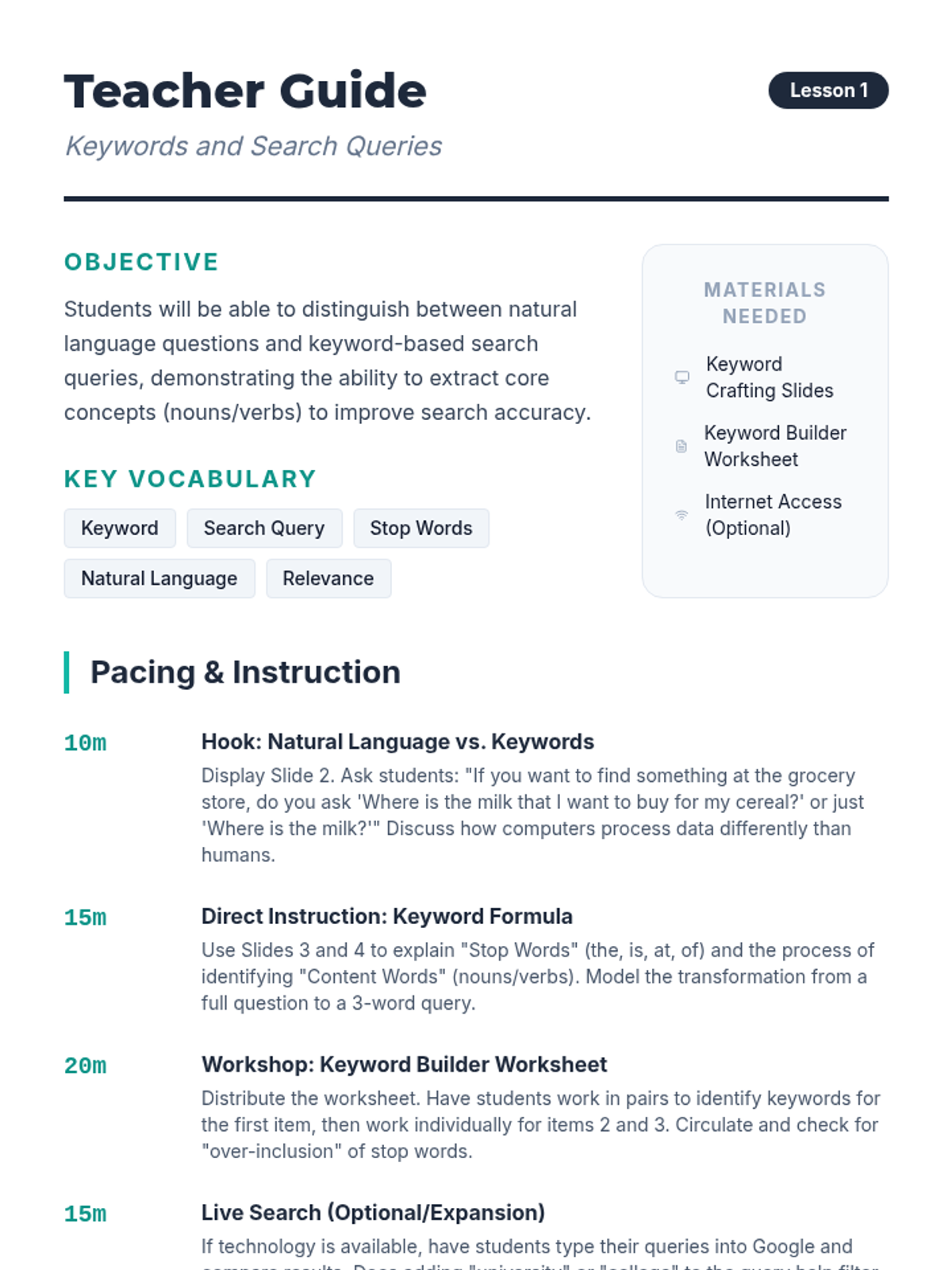
A 5-lesson sequence designed for undergraduate ELL students to develop essential digital literacy and reading skills. Students learn to formulate search queries, analyze search engine results, navigate university portals, and preview online articles, culminating in a digital research scavenger hunt.
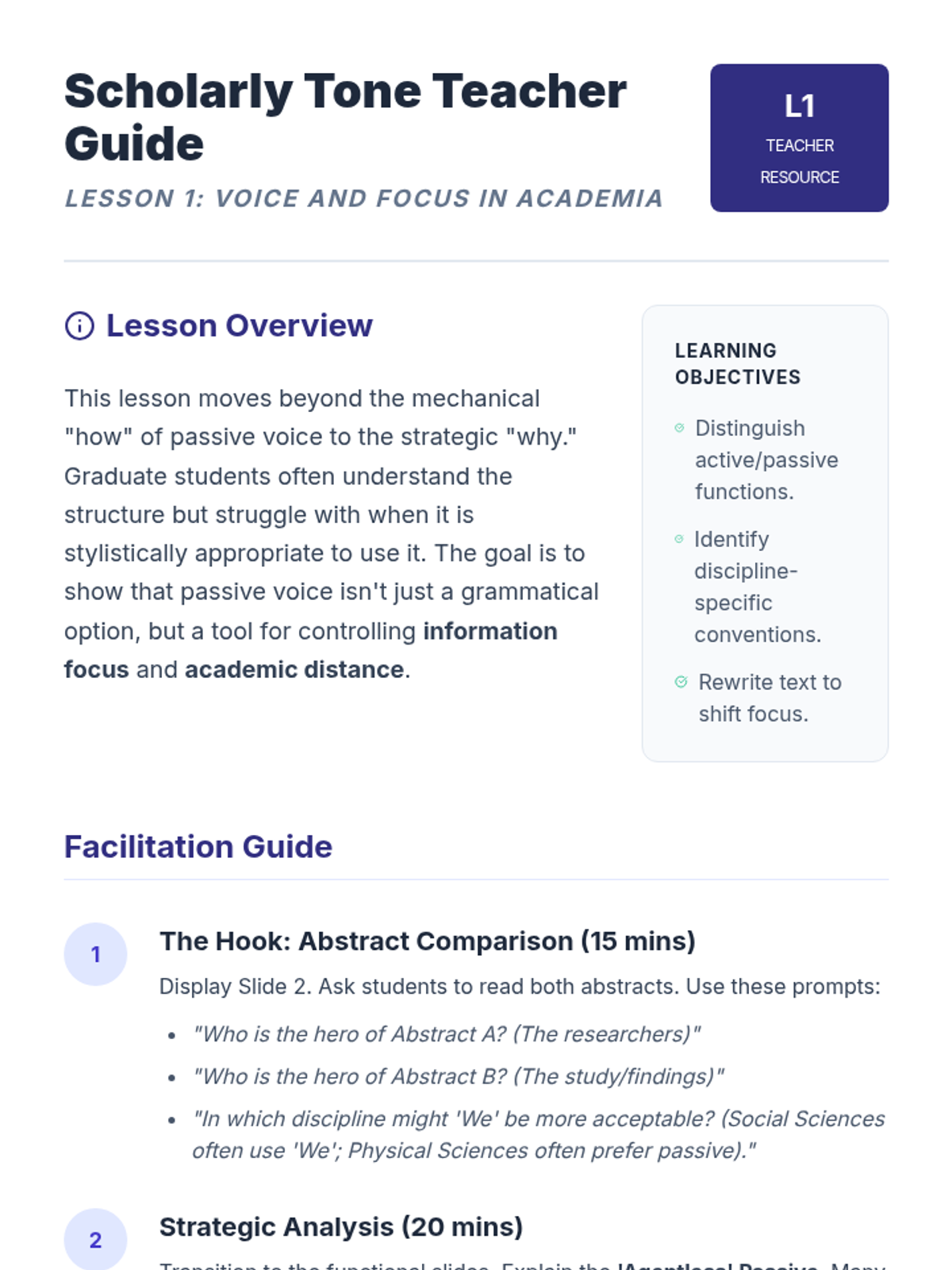
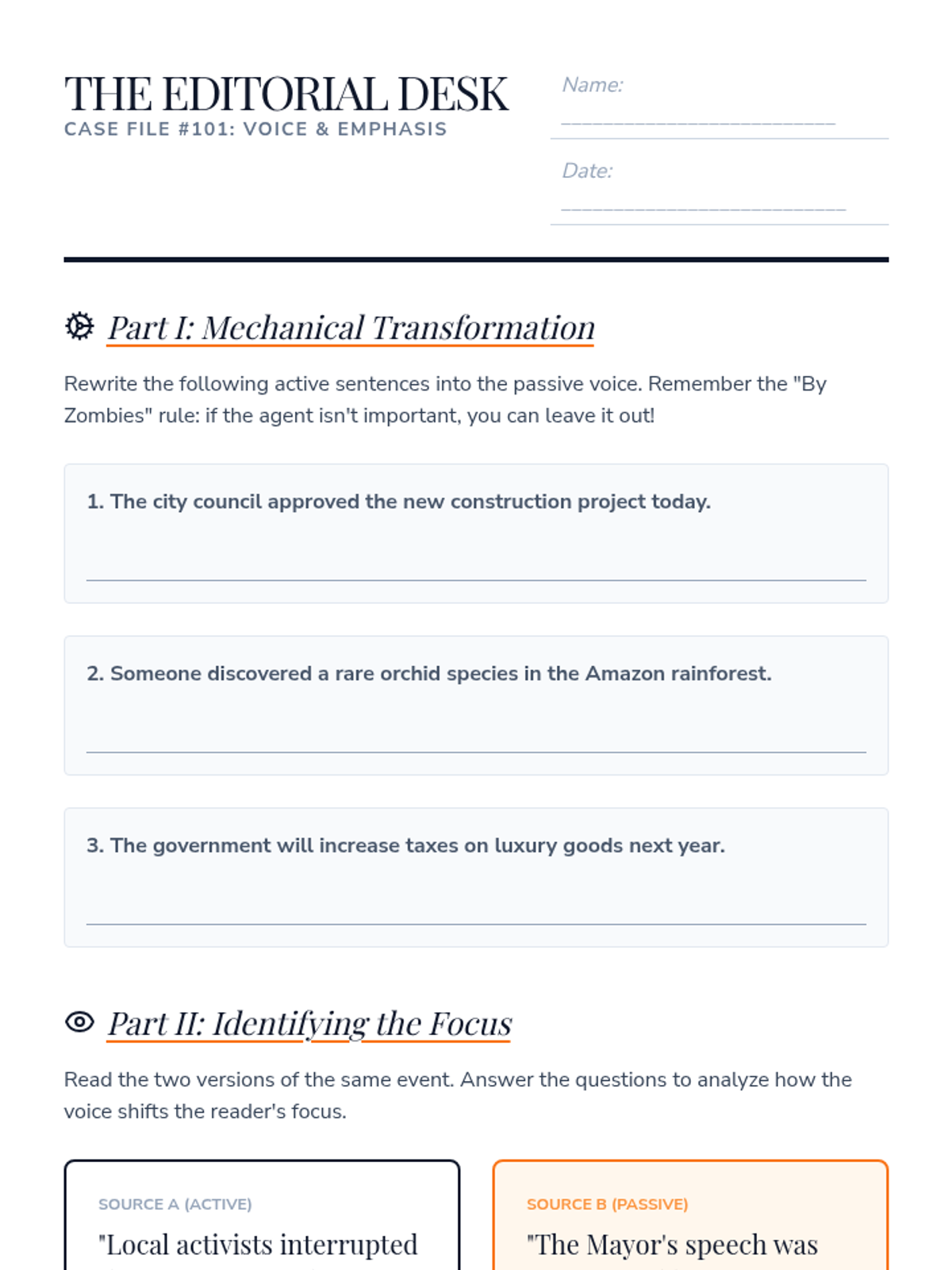
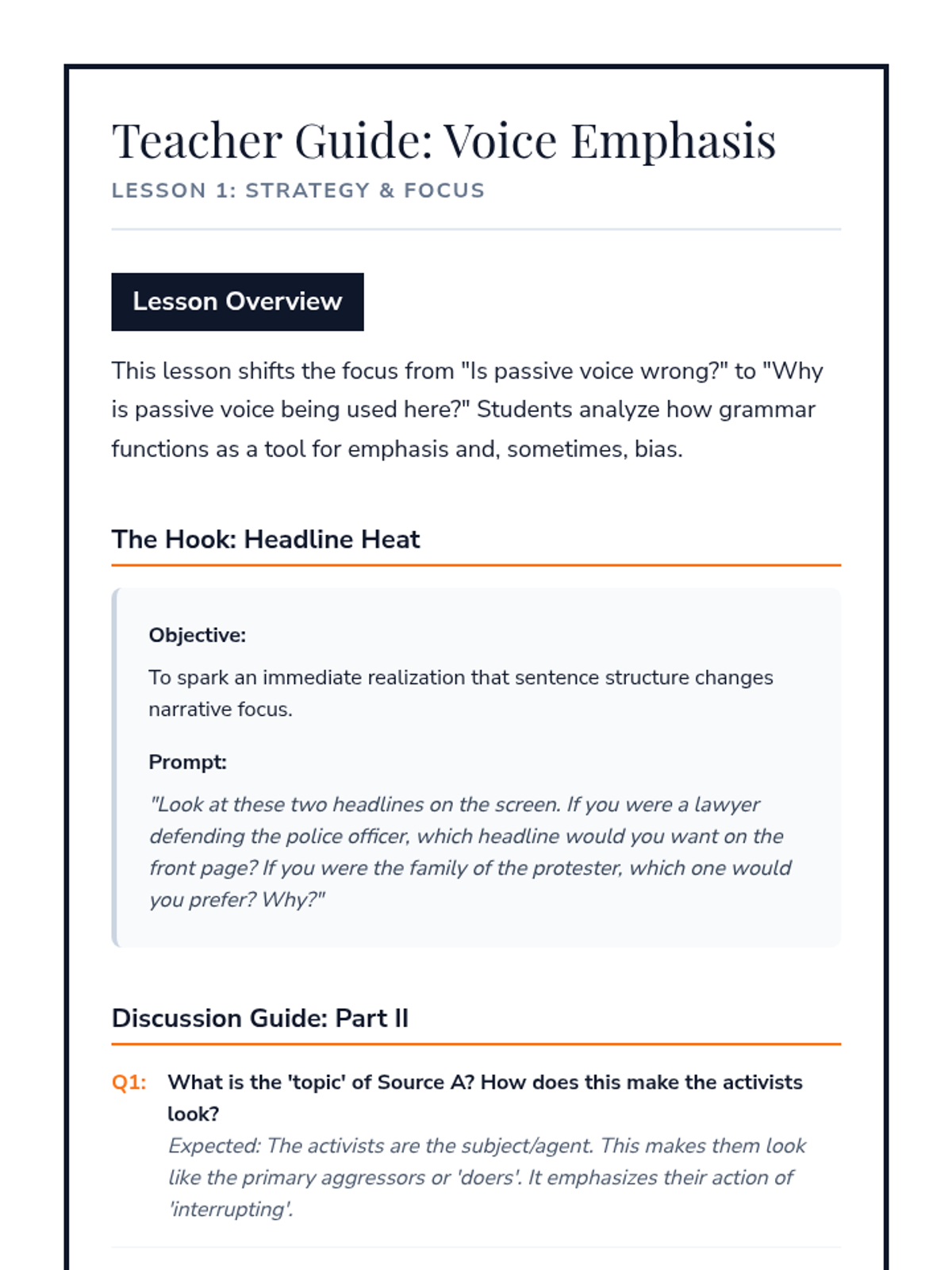
This advanced grammar sequence explores the strategic use of passive voice, reporting verbs, and causative structures. Students move beyond basic mechanics to understand how voice shifts focus, maintains scientific objectivity, and creates distancing in journalism and academic writing.
A comprehensive sequence for graduate ESL students focusing on critical reading, tone analysis, and identifying bias in academic and journalistic texts. Students progress from basic fact-checking to sophisticated analysis of irony and comparative source evaluation.
A comprehensive sequence for graduate students focusing on advanced academic reading strategies, including IMRaD deconstruction, skimming, scanning, paragraph cohesion, and multi-source synthesis.
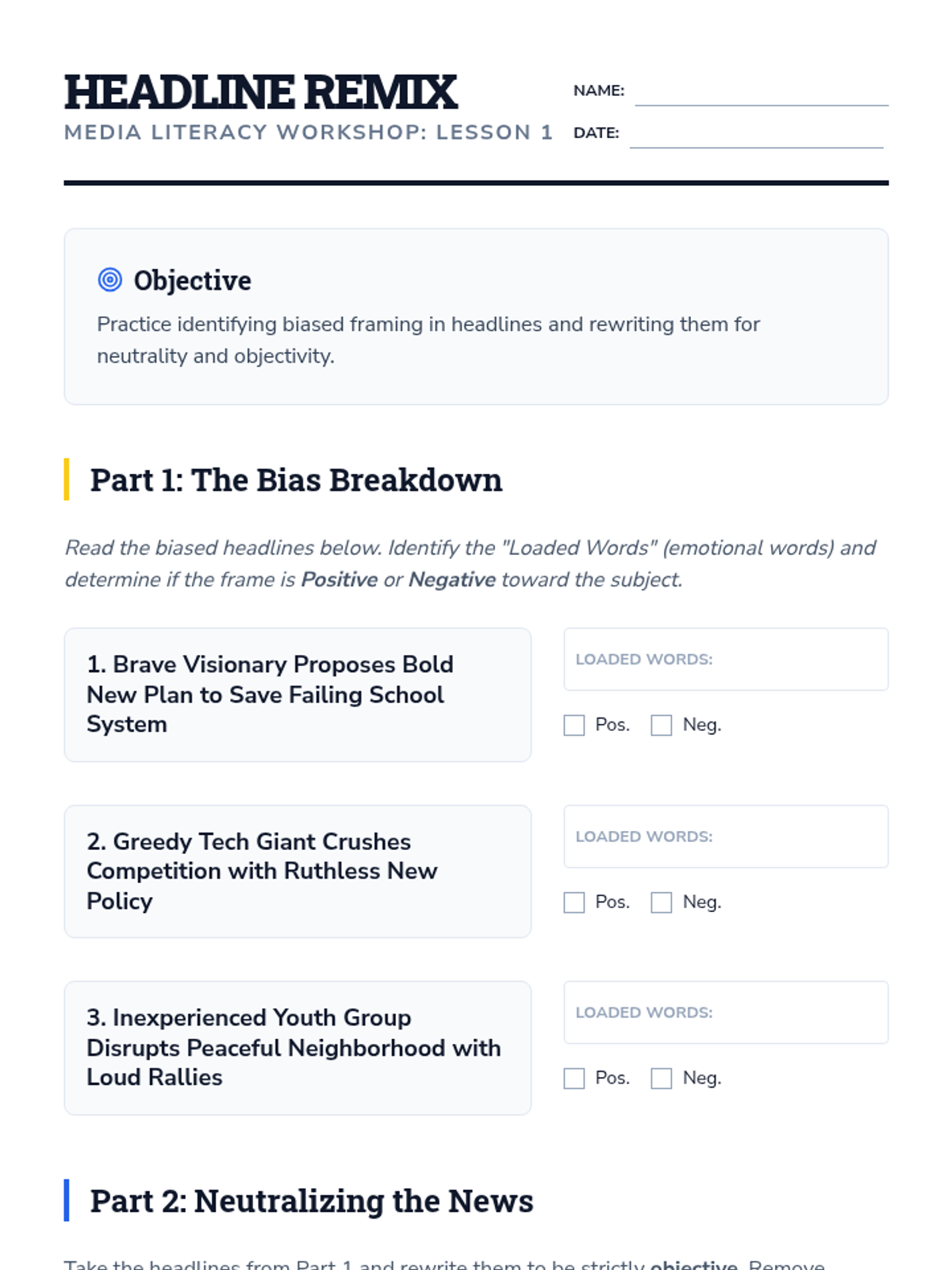
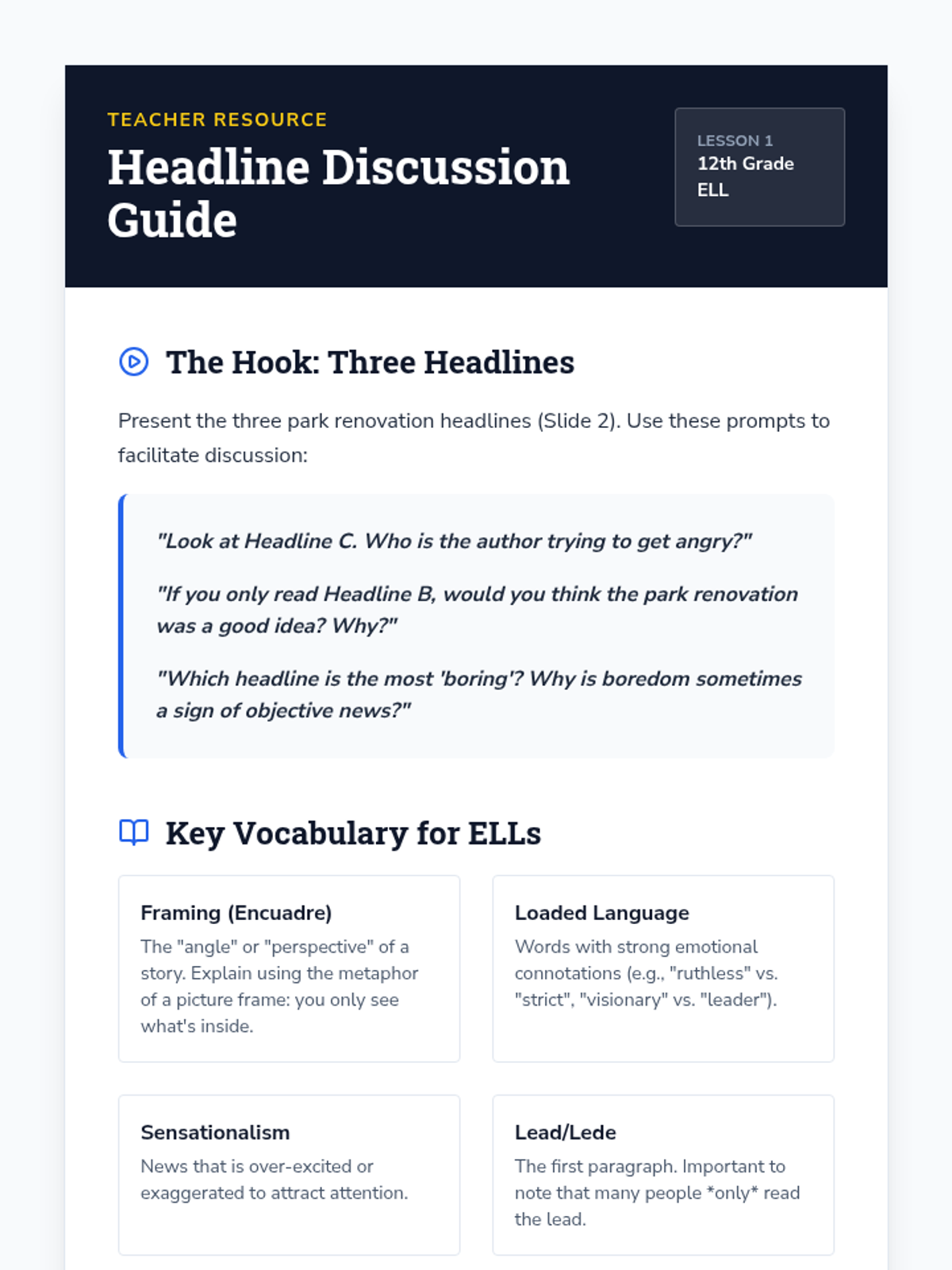
A media literacy sequence for 12th-grade ELL students focused on identifying bias, loaded language, and framing in news texts. Students progress from analyzing headlines to conducting a full comparative analysis of media coverage on current events.
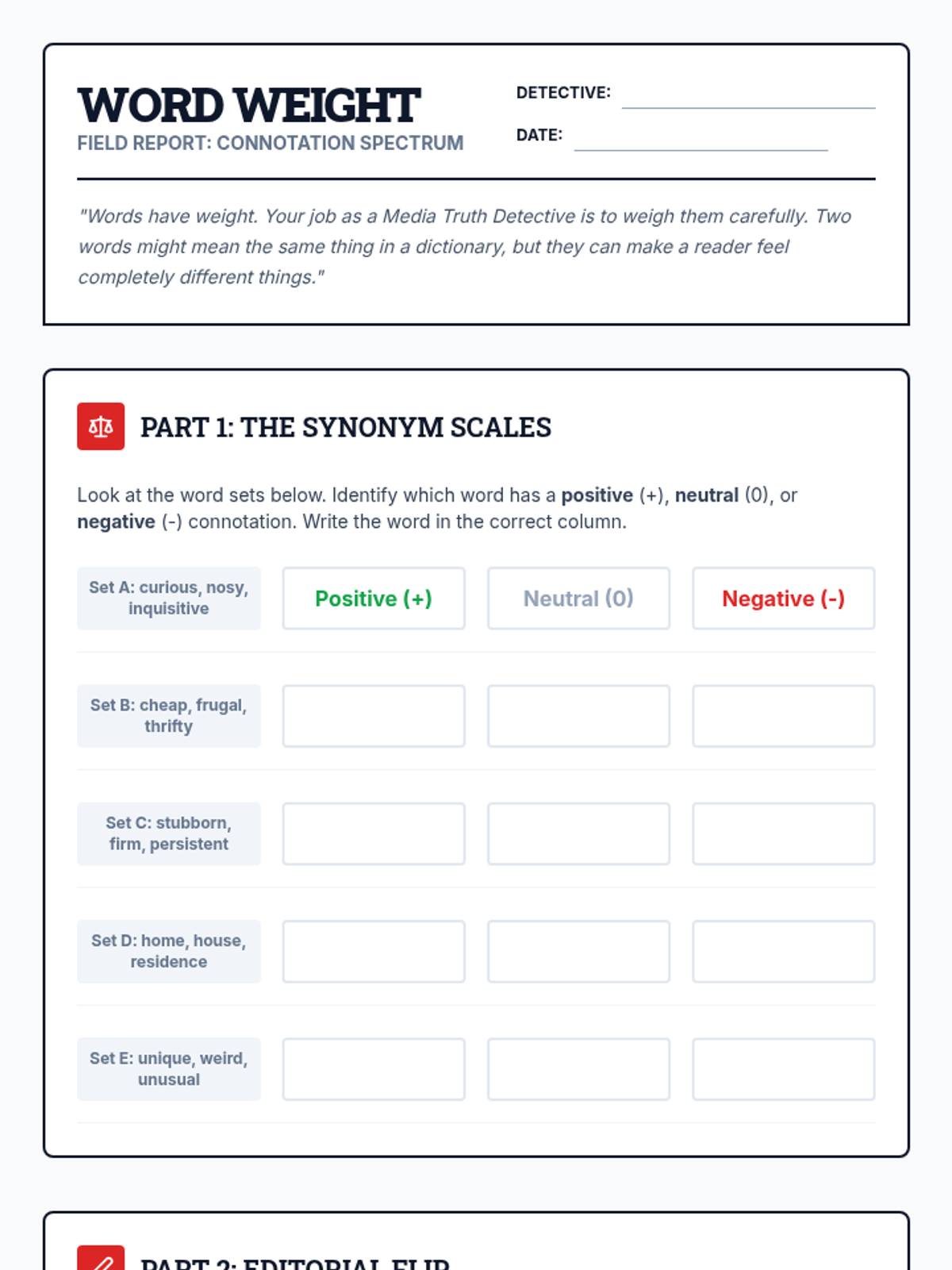
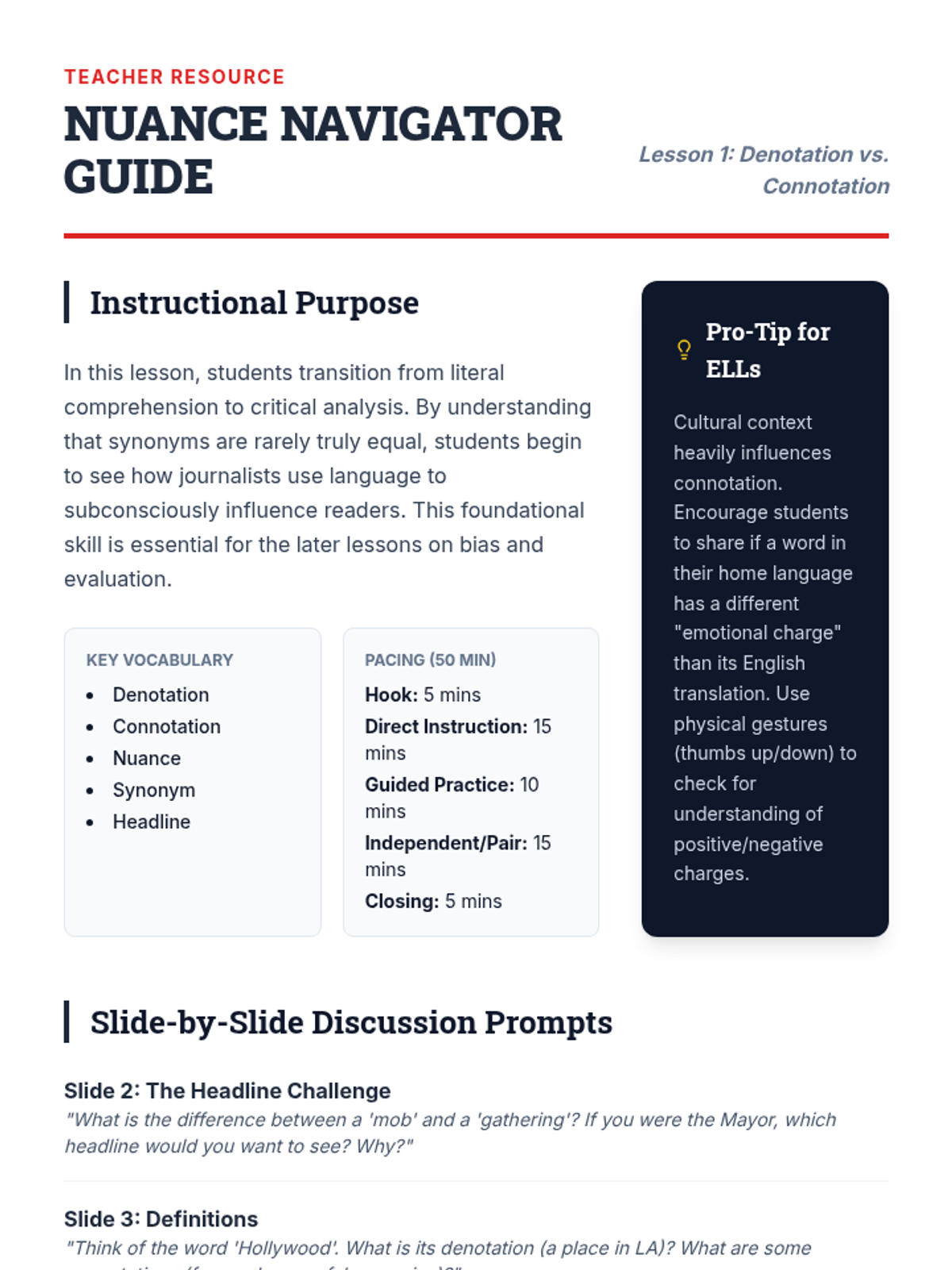
A comprehensive unit for 11th-grade Intermediate English learners focusing on media literacy. Students move from analyzing word-level nuances (connotation) to evaluating complex bias and credibility in digital news sources.
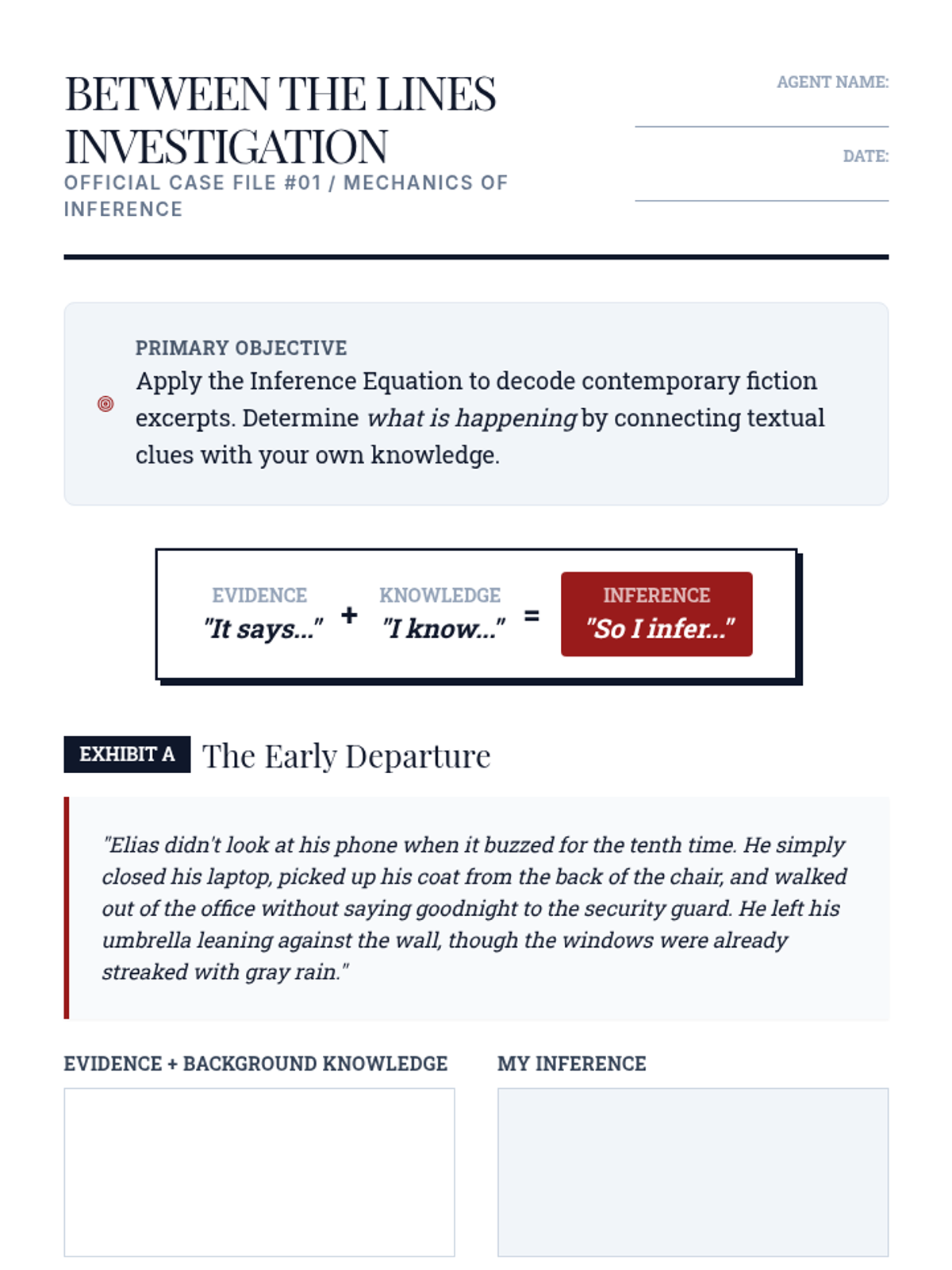
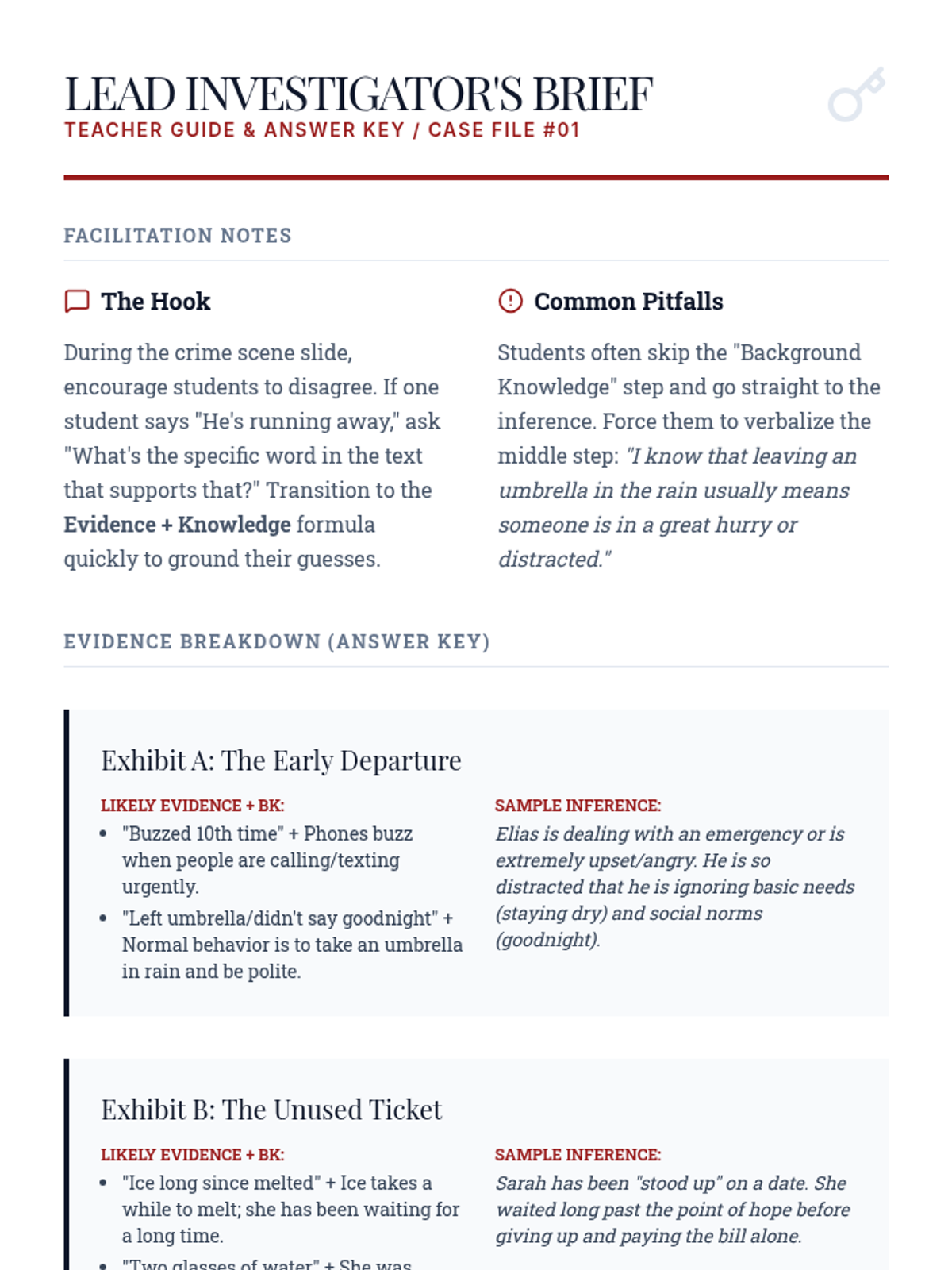
A comprehensive unit for undergraduate ESL/EFL students focusing on deep inferential comprehension in contemporary fiction, moving from basic logical deductions to complex analysis of subtext and cultural context.
A comprehensive unit for intermediate English learners focusing on critical reading of news, identifying bias, and analyzing rhetorical strategies in media. Students transition from identifying basic facts to conducting comparative analyses of international journalism.
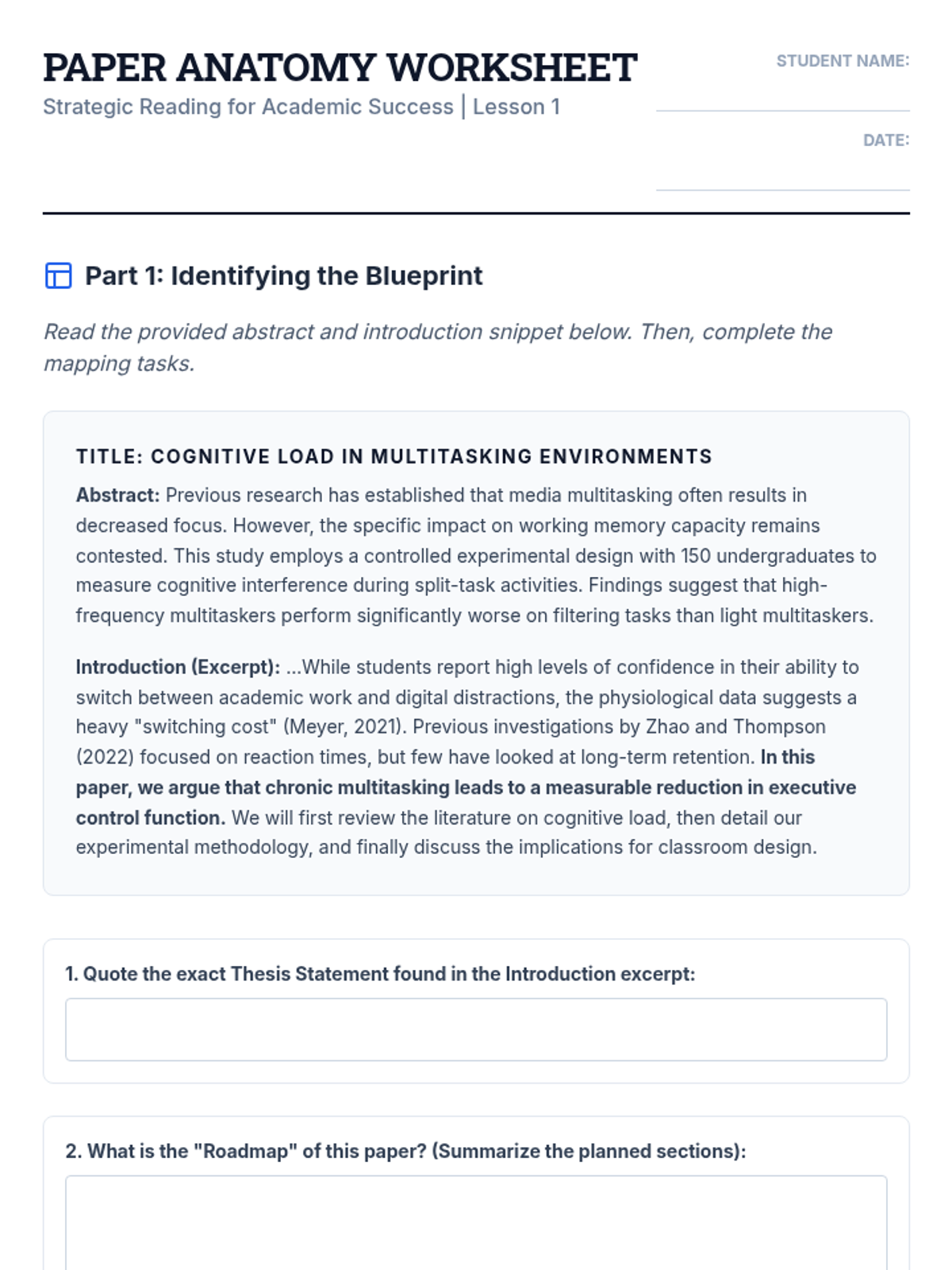
A comprehensive sequence for intermediate English learners (undergraduate level) focused on deconstructing, evaluating, and synthesizing academic texts. Students move from understanding paper structure to producing an annotated bibliography, emphasizing the Academic Word List and critical analysis.
An advanced exploration of English orthography for undergraduate students, focusing on the etymological origins and morphological structures of blends, digraphs, and trigraphs. This sequence prepares future educators to explain the 'why' behind spelling irregularities using historical linguistics and structural analysis.