Essential grammar structures, high-frequency vocabulary, and foundational literacy skills. Equips learners with basic speaking and listening abilities for everyday interactions and introductory text comprehension.
A comprehensive listening sequence for beginner ESL students to navigate their middle school environment. Students progress from basic classroom commands and object identification to mastering numbers, times, and social introductions through active listening simulations.
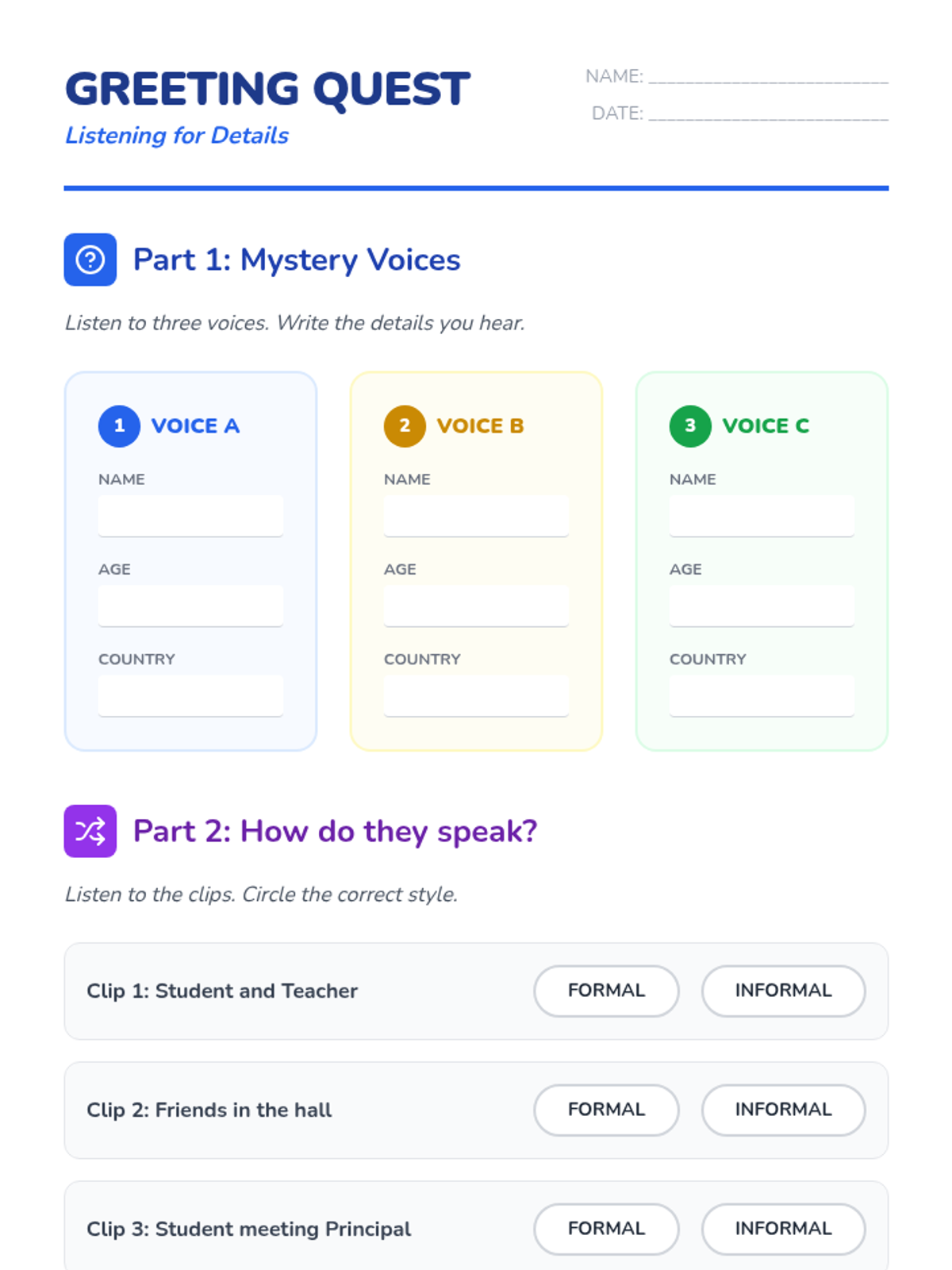
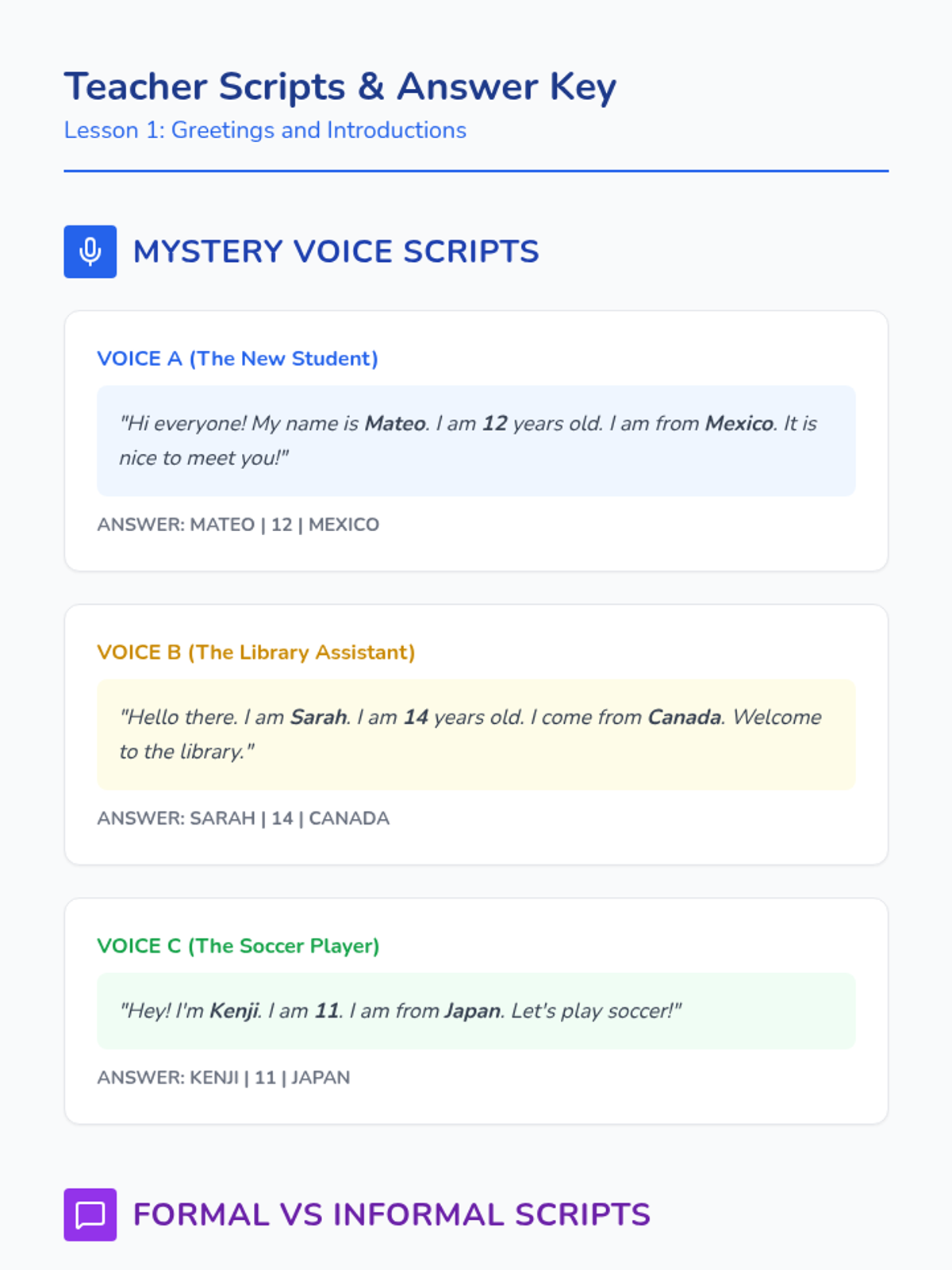
This sequence helps beginner ESL students develop essential listening skills for a middle school environment. It covers greetings, classroom supplies, teacher commands, schedules, and real-world school scenarios through interactive audio-based activities.
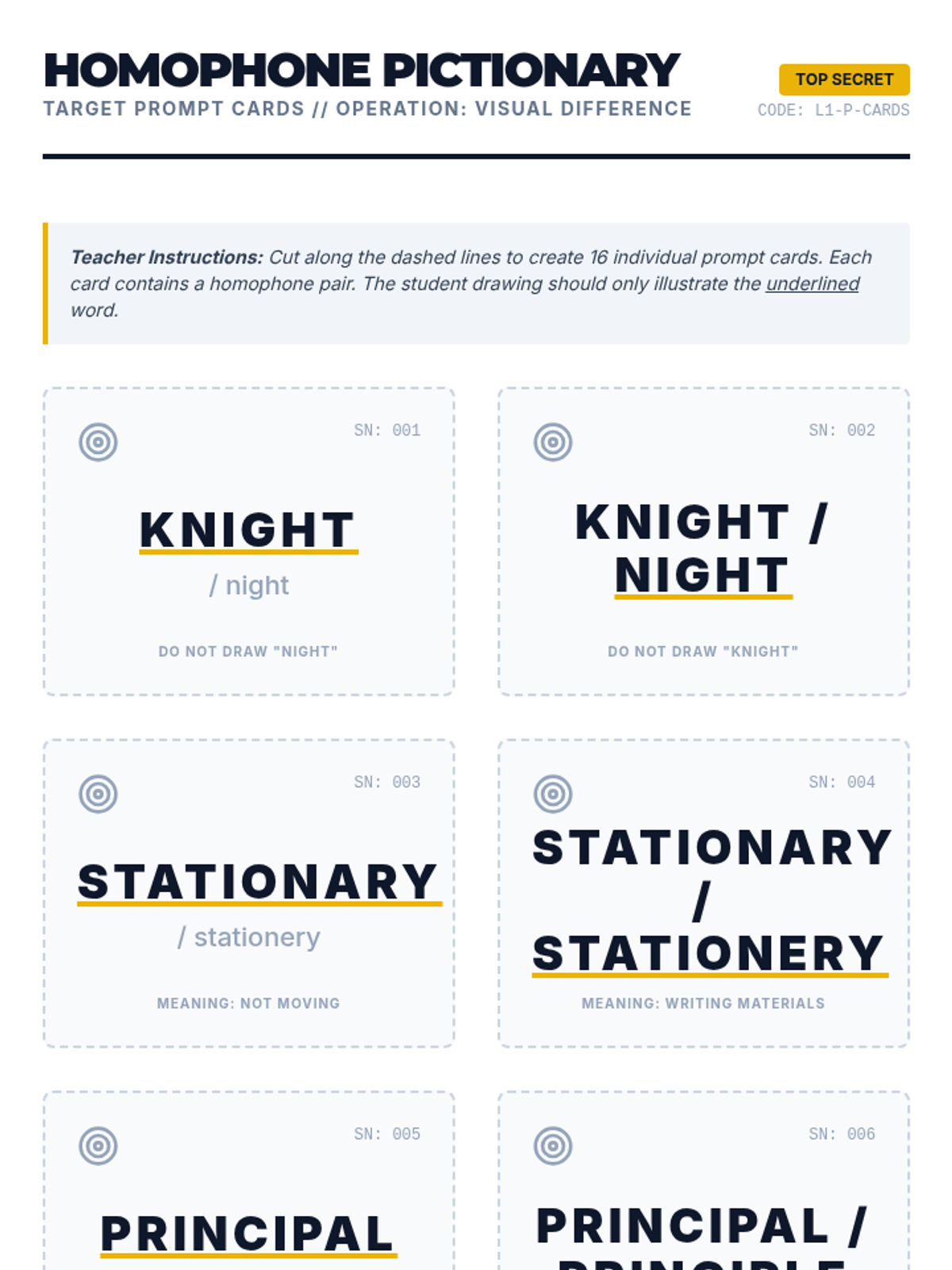
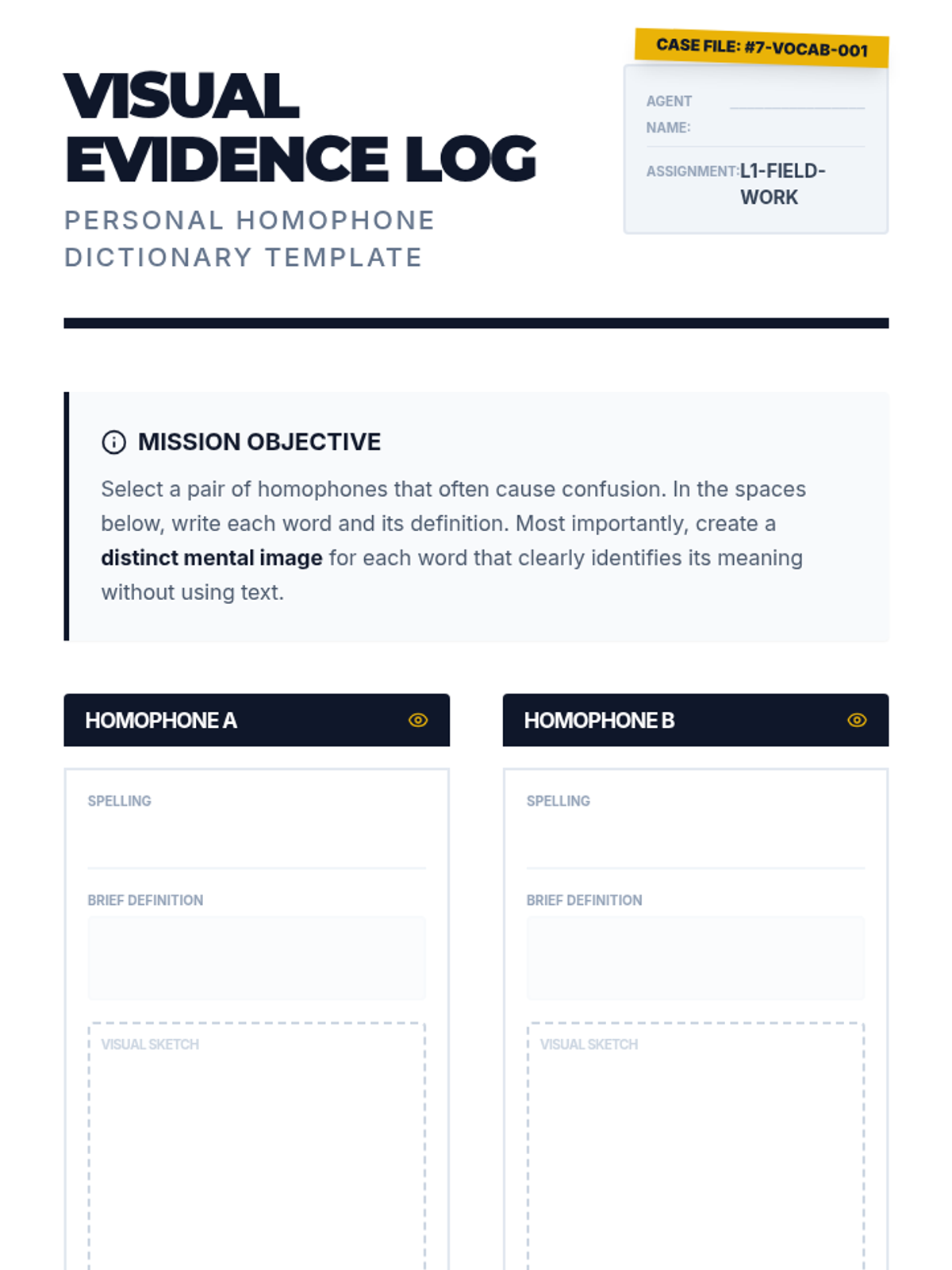
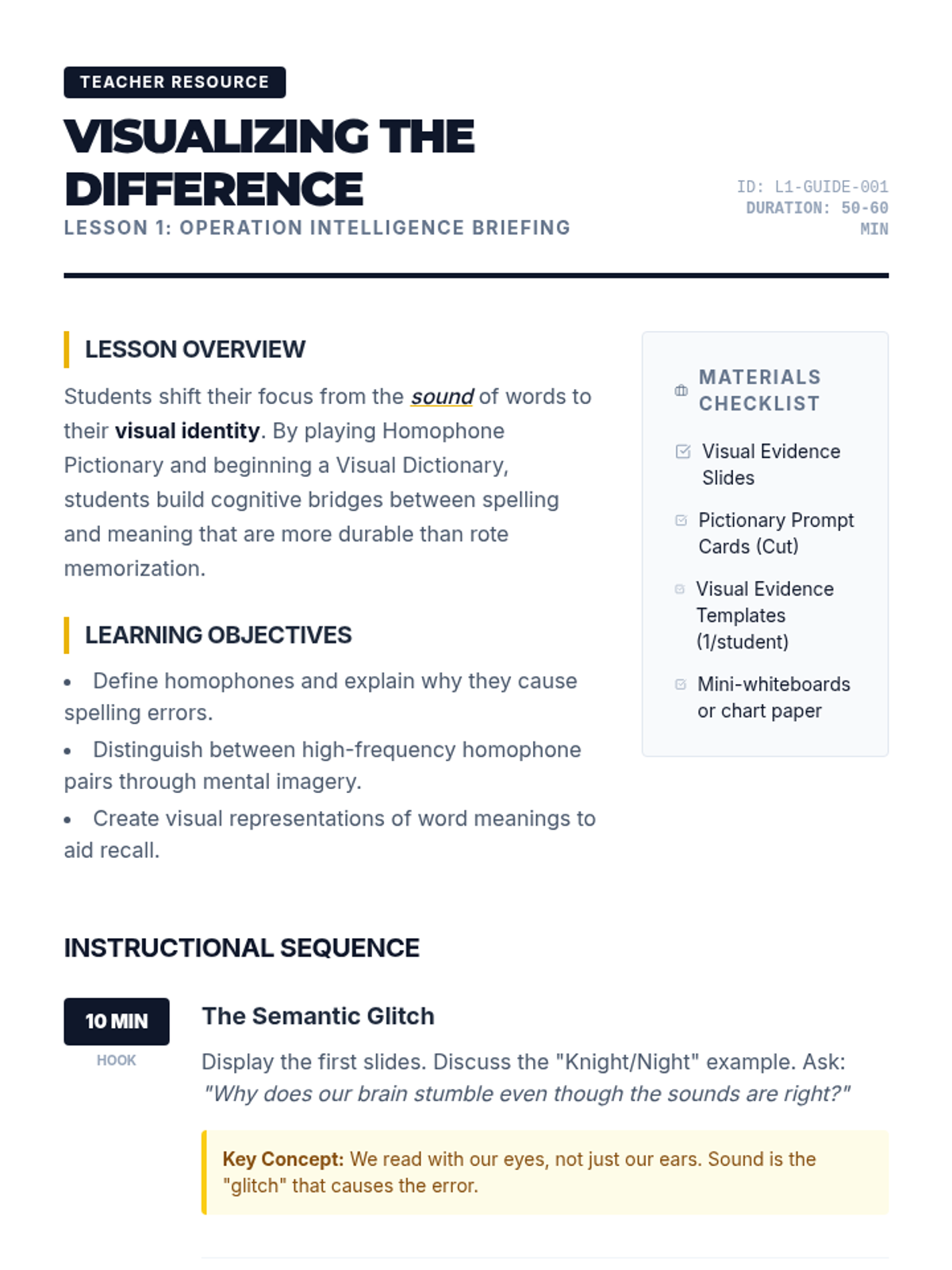
This 7th-grade sequence uses game-based learning and visual mnemonics to master homophones. Students move from visual identification to creating memory aids, conducting context-based scavenger hunts, and finally designing their own homophone board games.
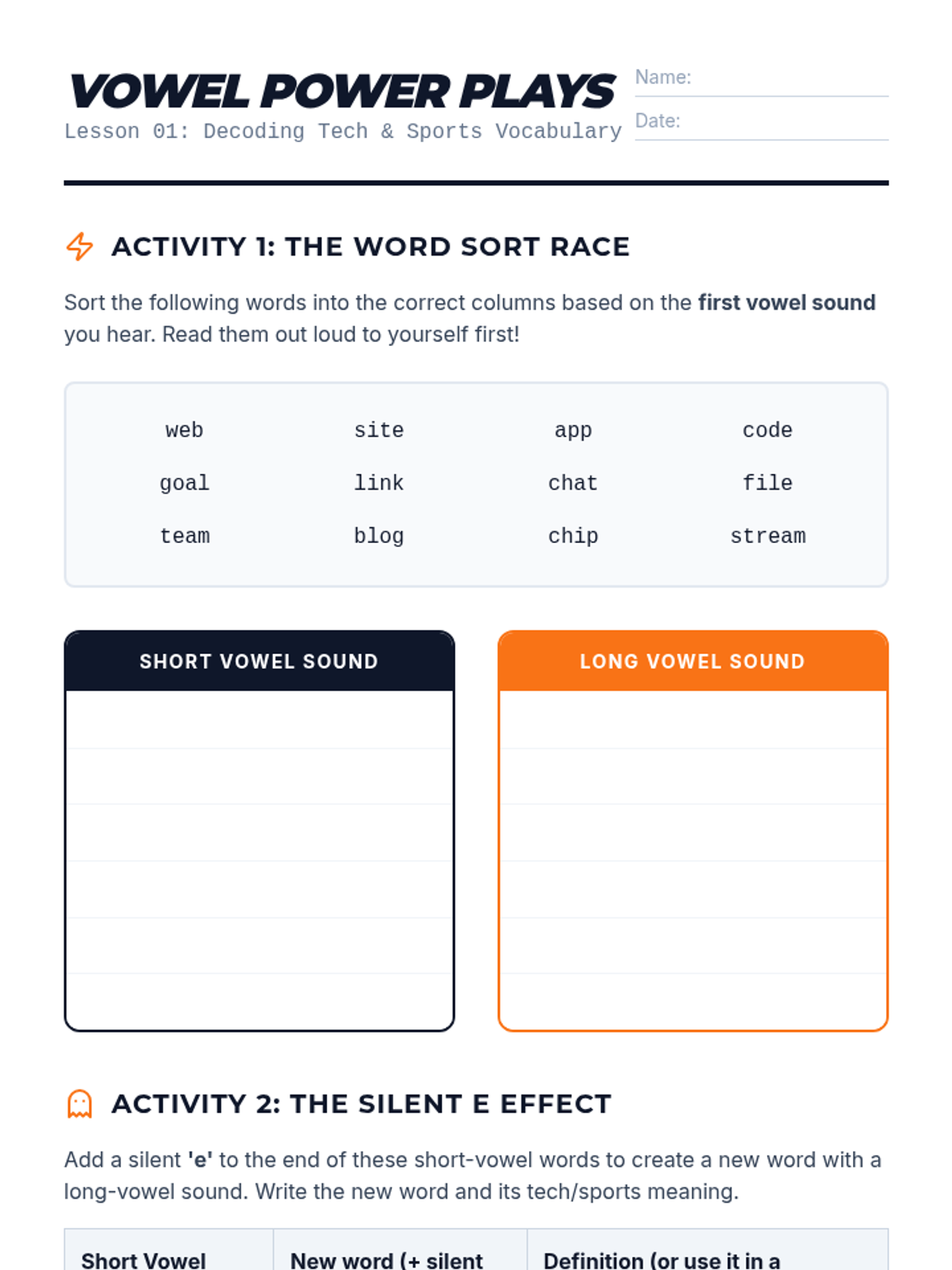
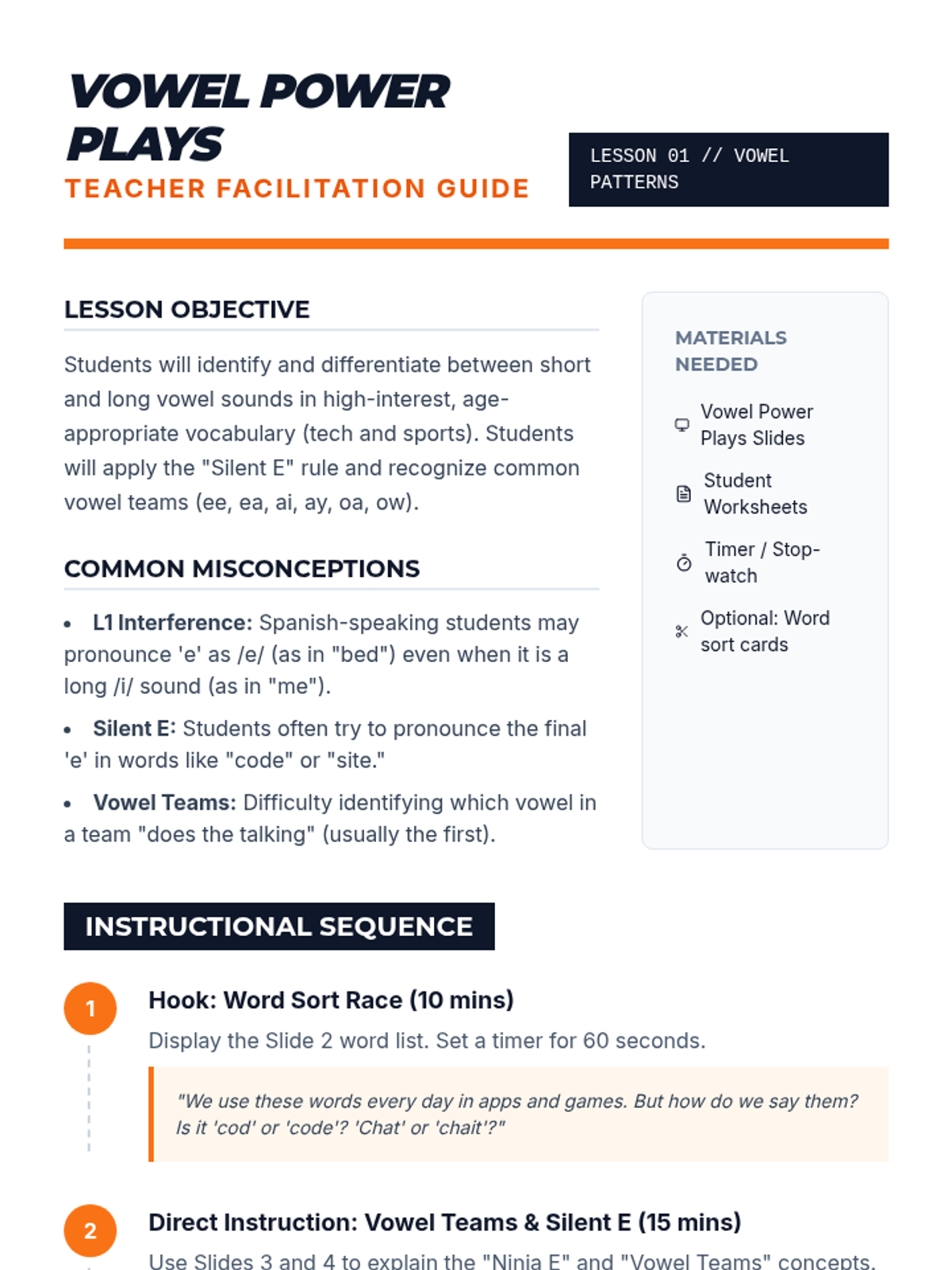
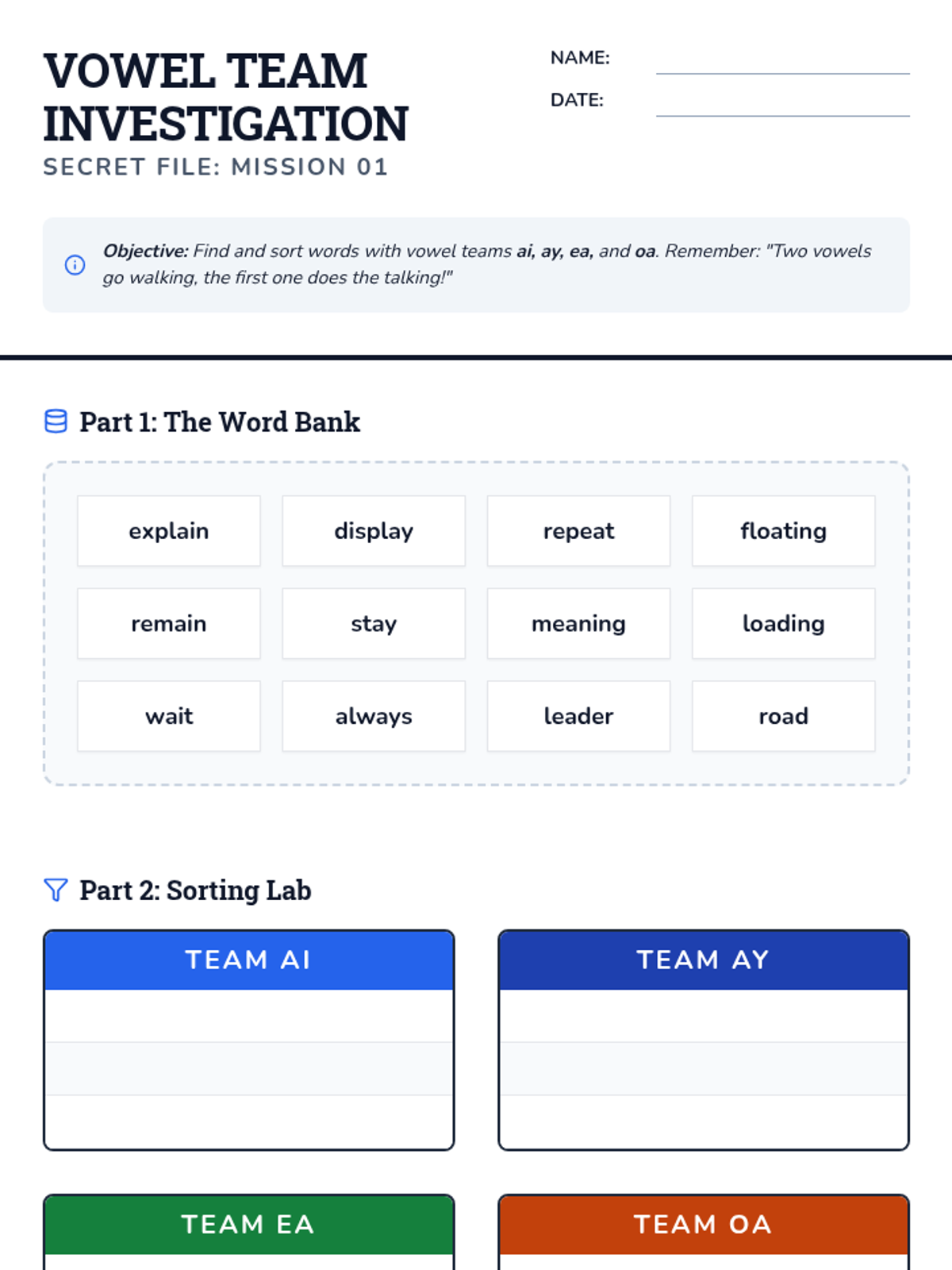
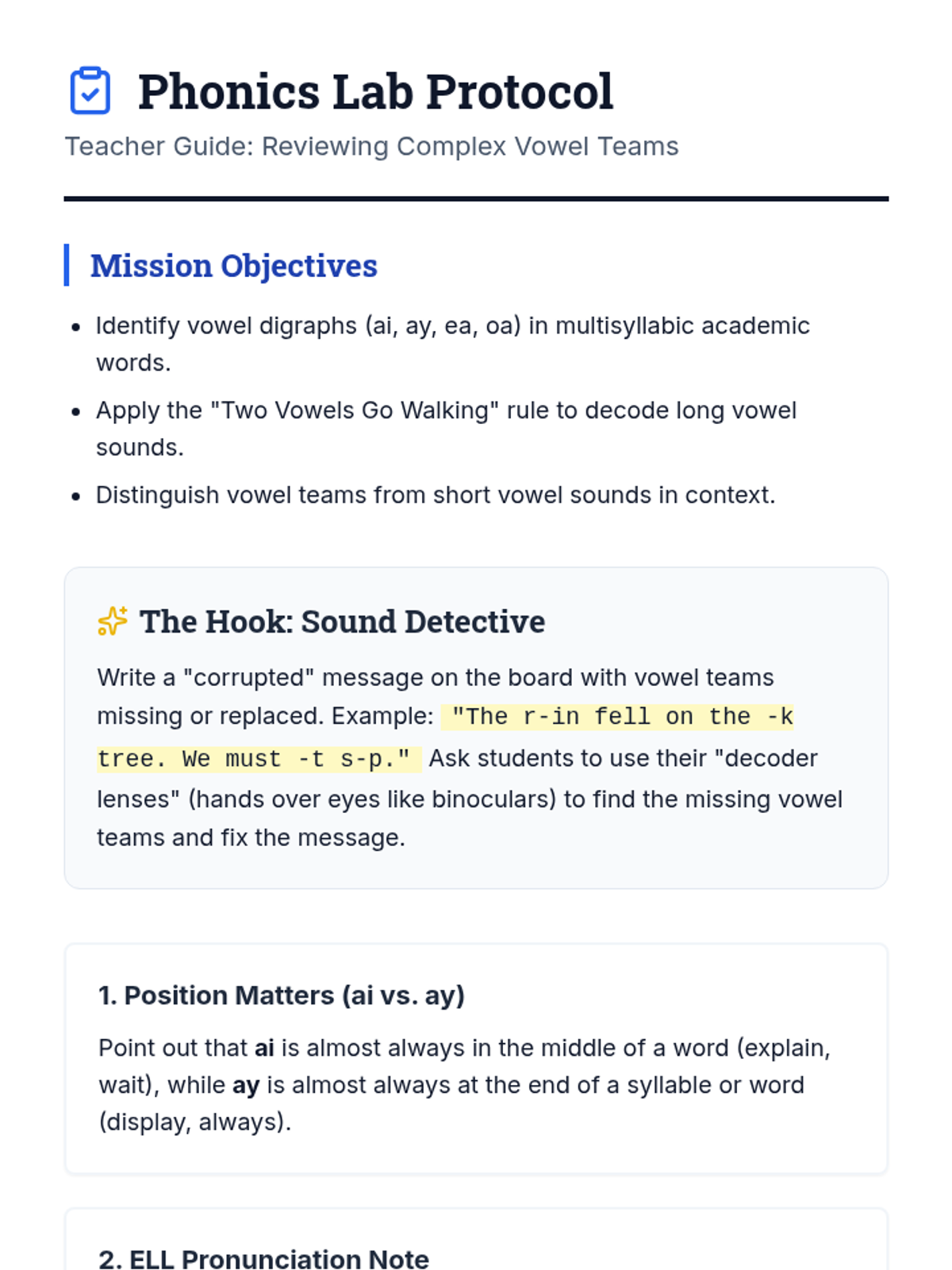
A foundational phonics and decoding sequence designed for adolescent English learners. Students transition from basic vowel sounds and consonant patterns to advanced syllabication and morphological analysis using age-appropriate, high-interest academic vocabulary.
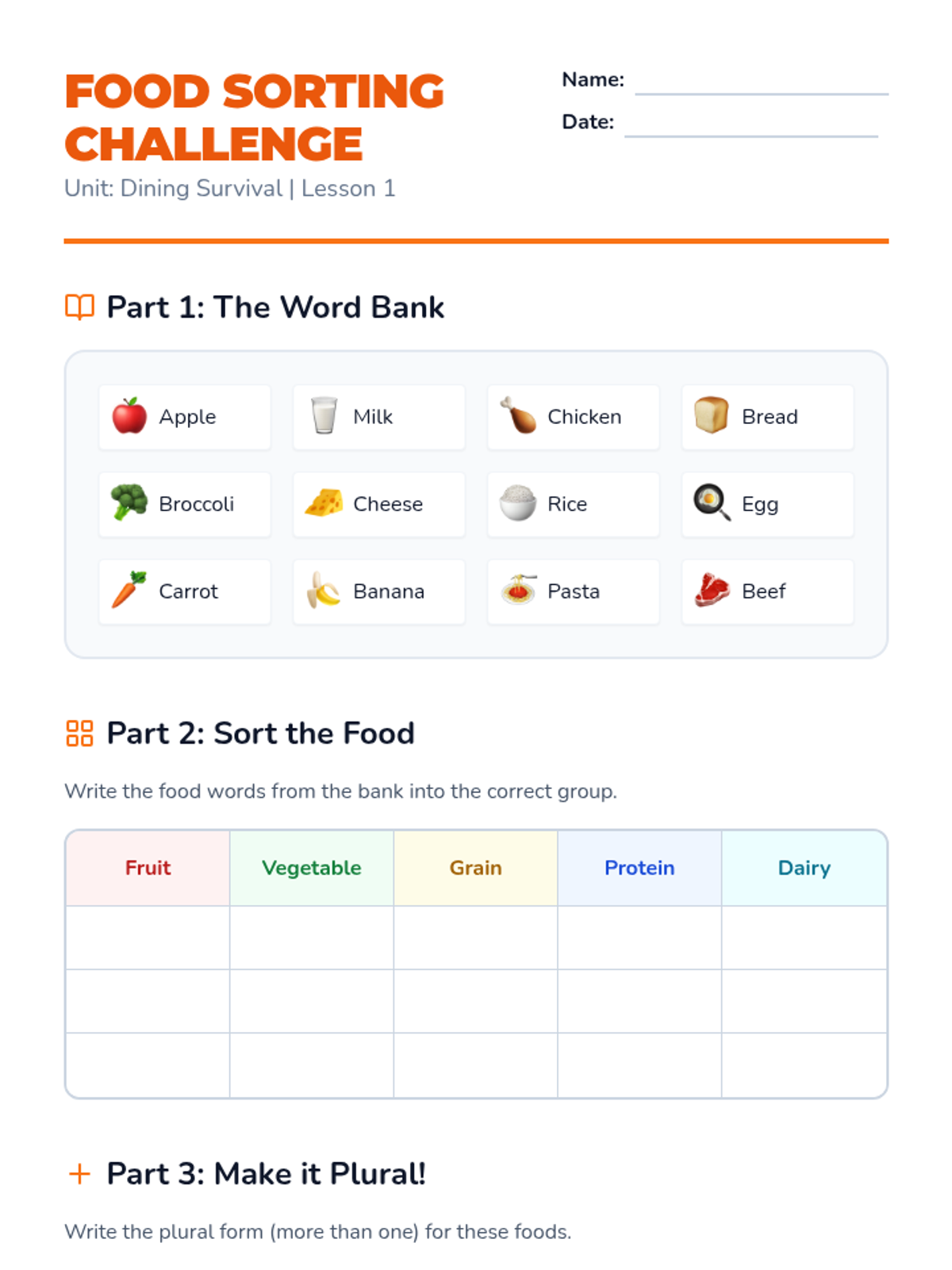
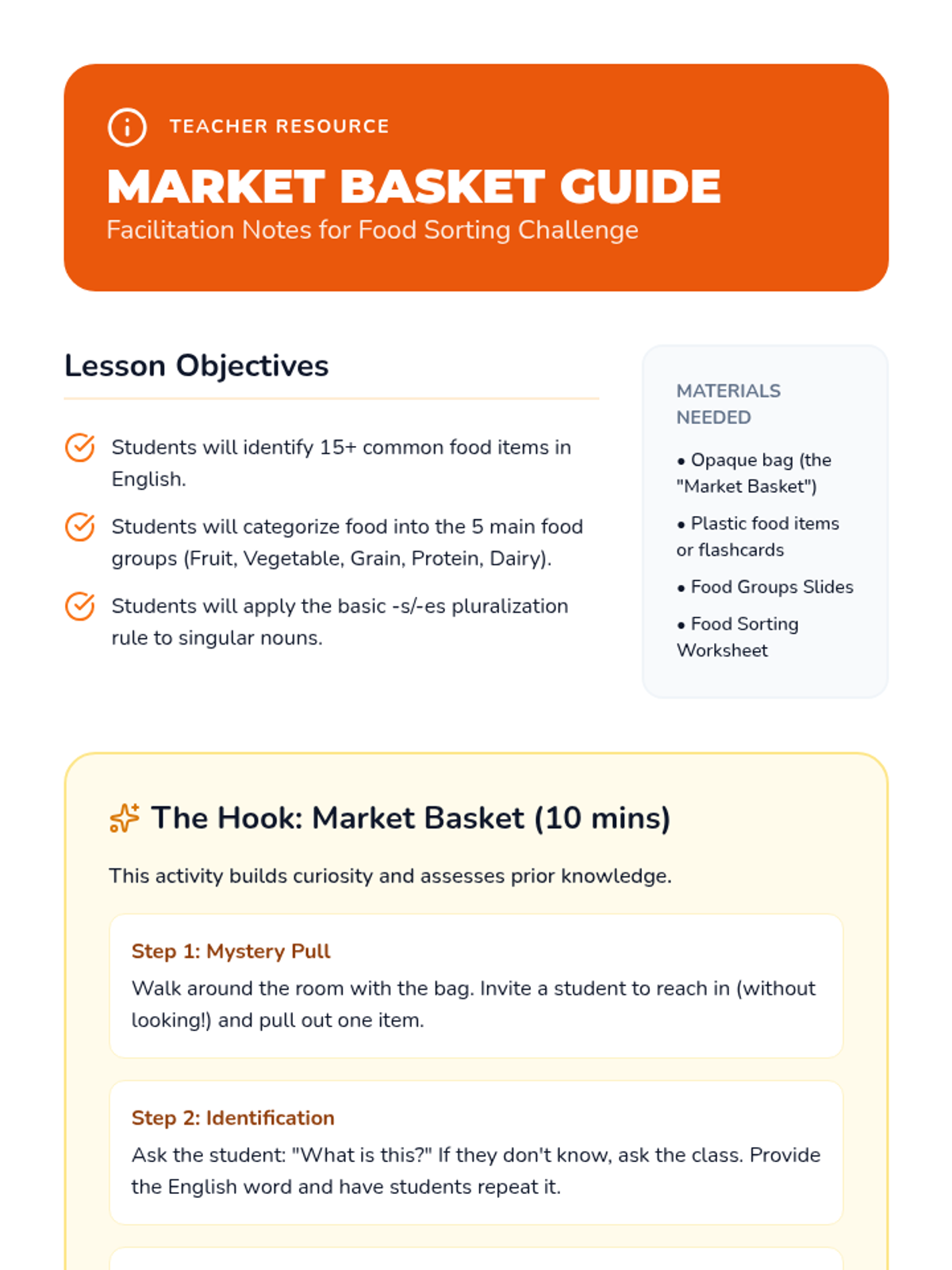
A 5-lesson sequence for beginner ESL students focused on food vocabulary and dining transactions, moving from basic identification to full-scale cafeteria simulations.
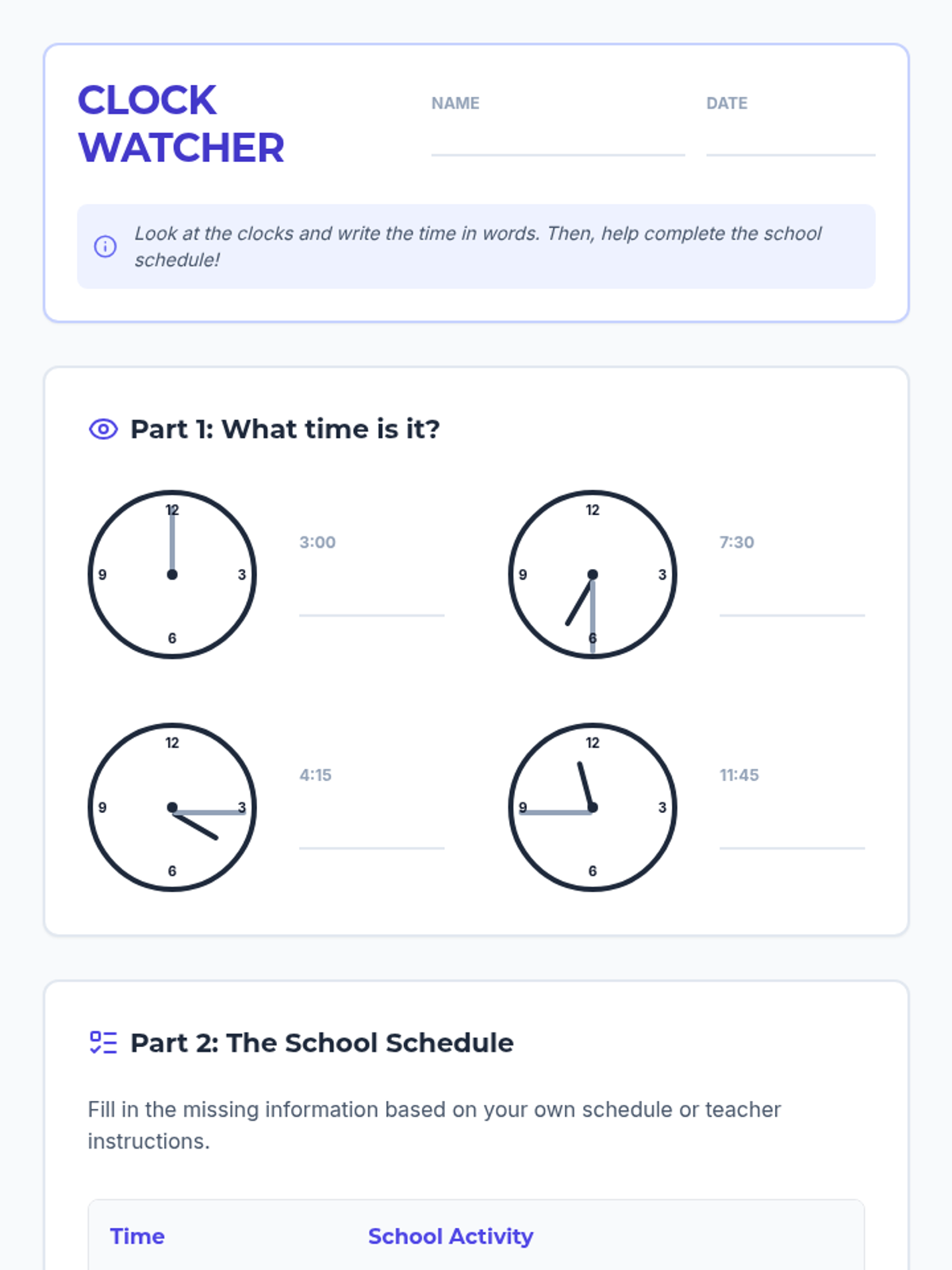
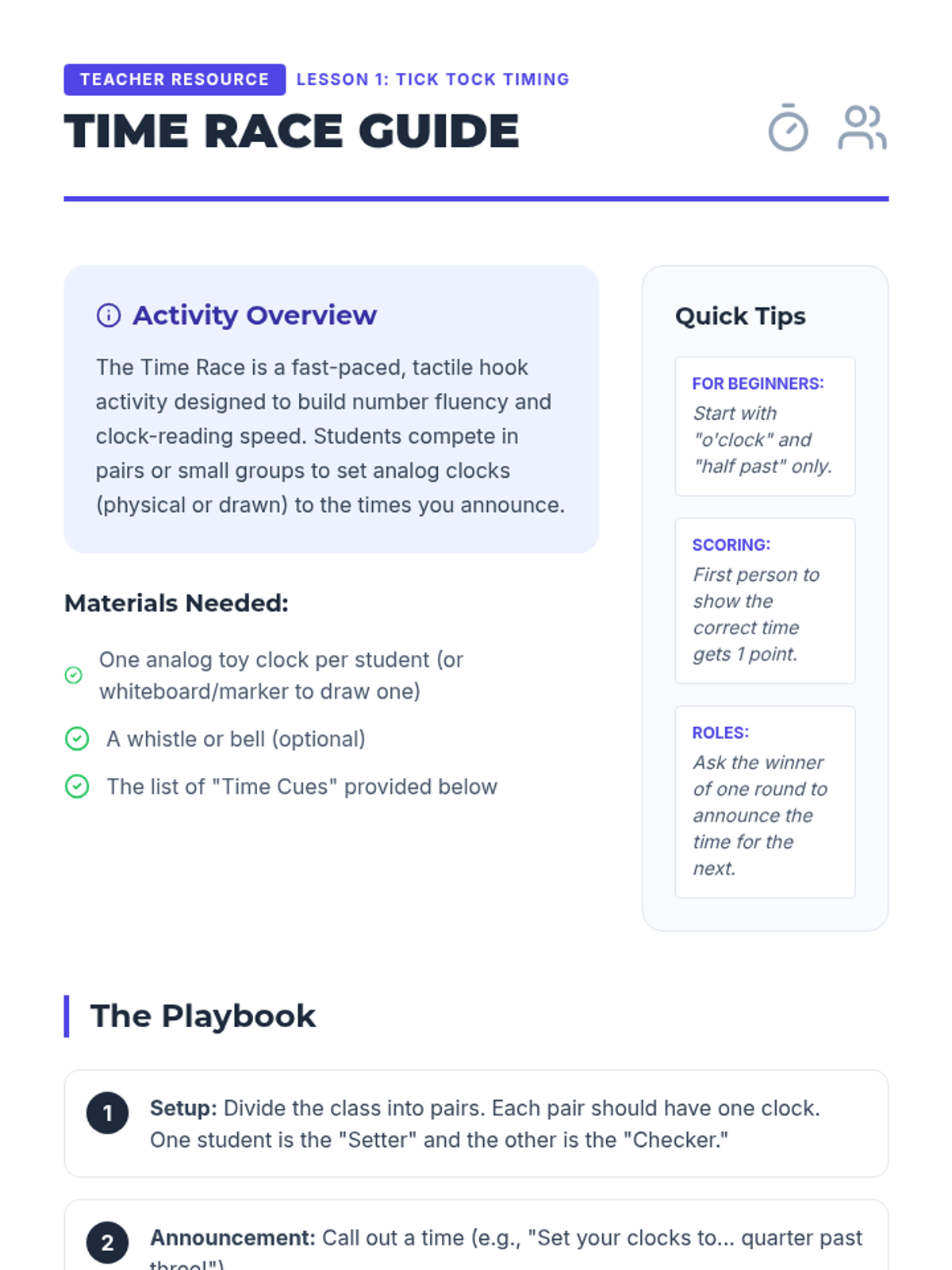
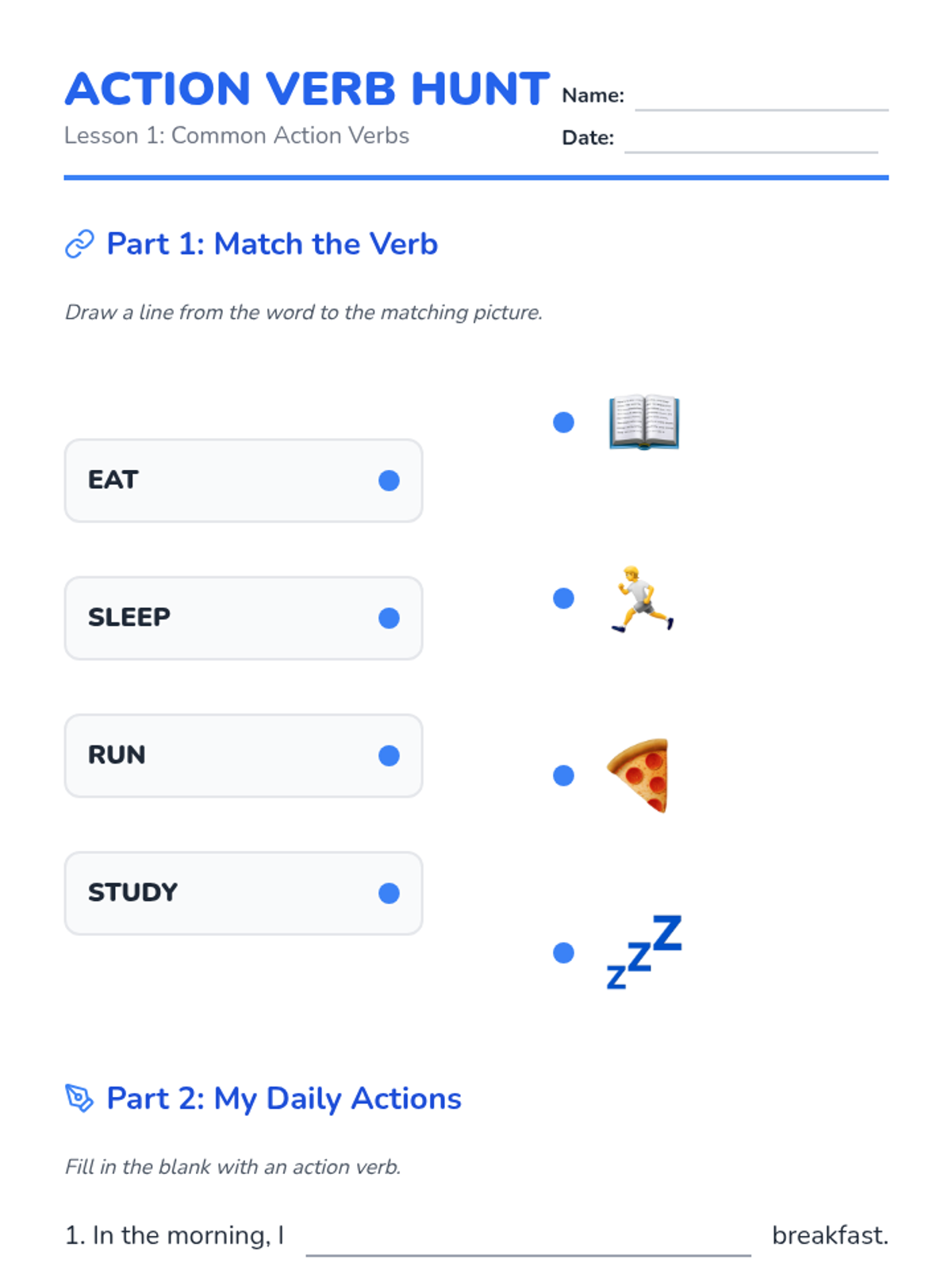
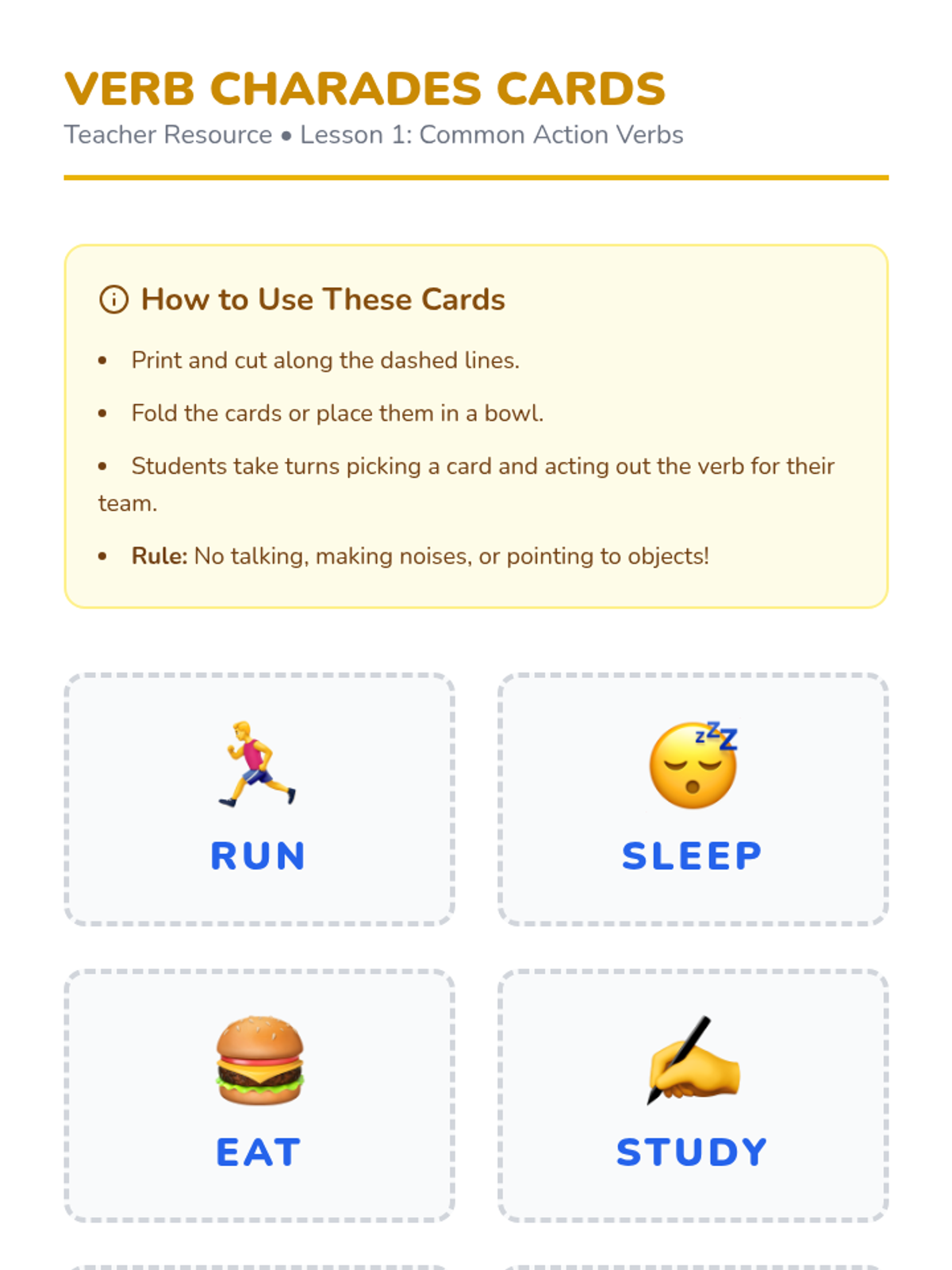
A beginner English sequence for 7th graders focusing on high-frequency verbs, telling time, and sequencing daily routines. Students progress from isolated vocabulary to narrating their daily lives using frequency adverbs and chronological structure.
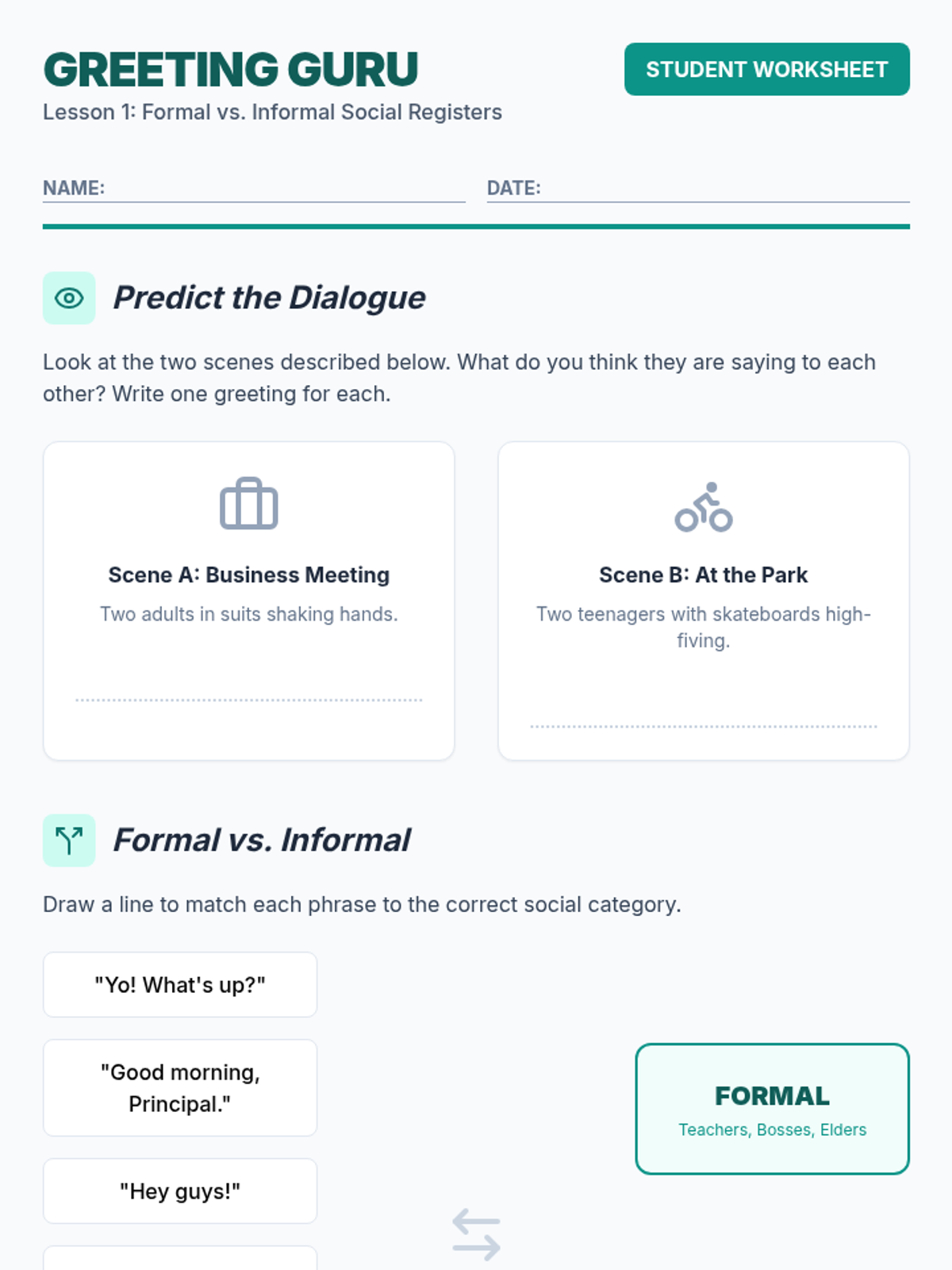
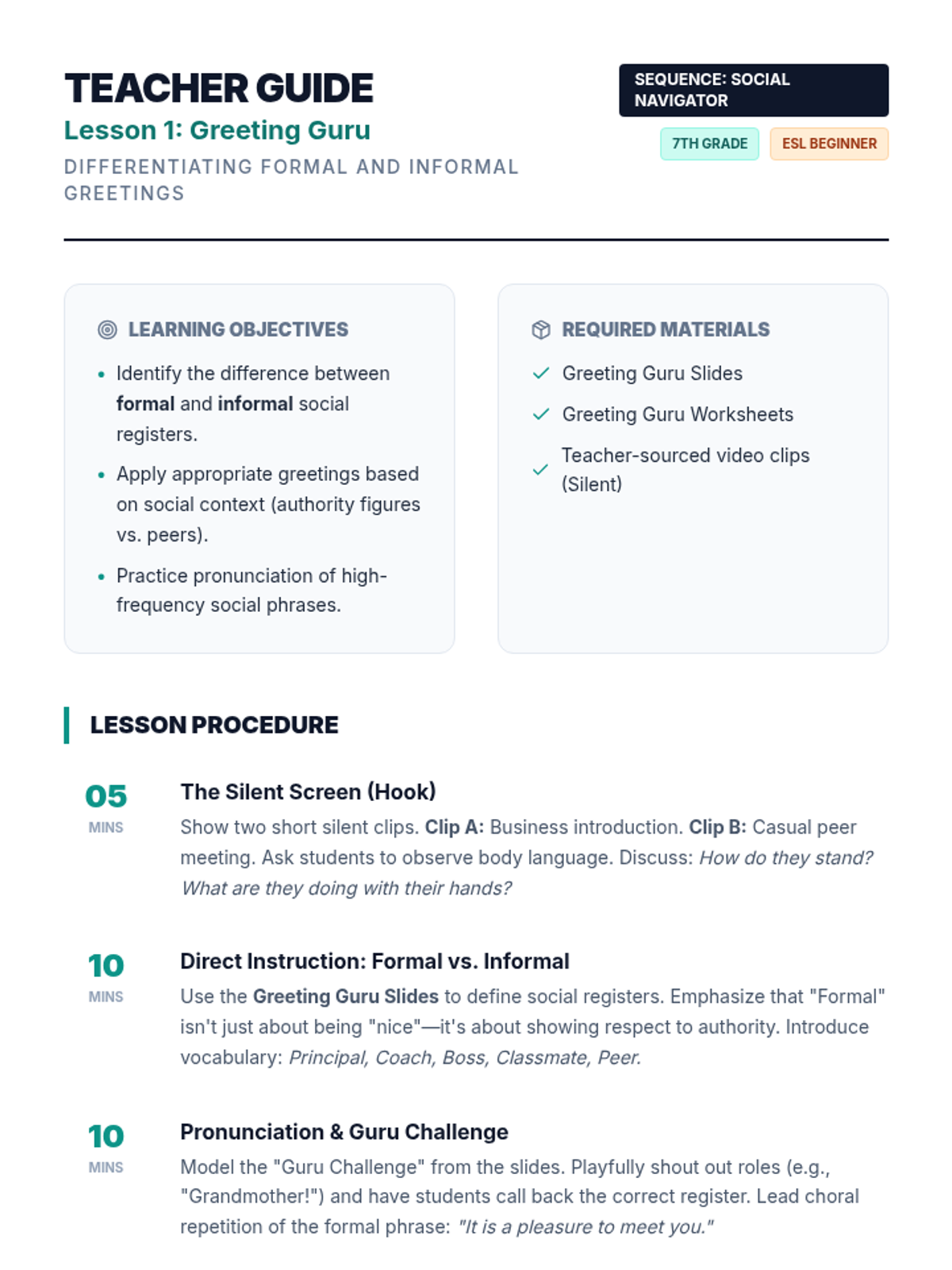
A 5-lesson unit for 7th-grade English Language Learners focusing on social registers, self-introductions, emotional vocabulary, and polite requests to build confidence in social interactions.
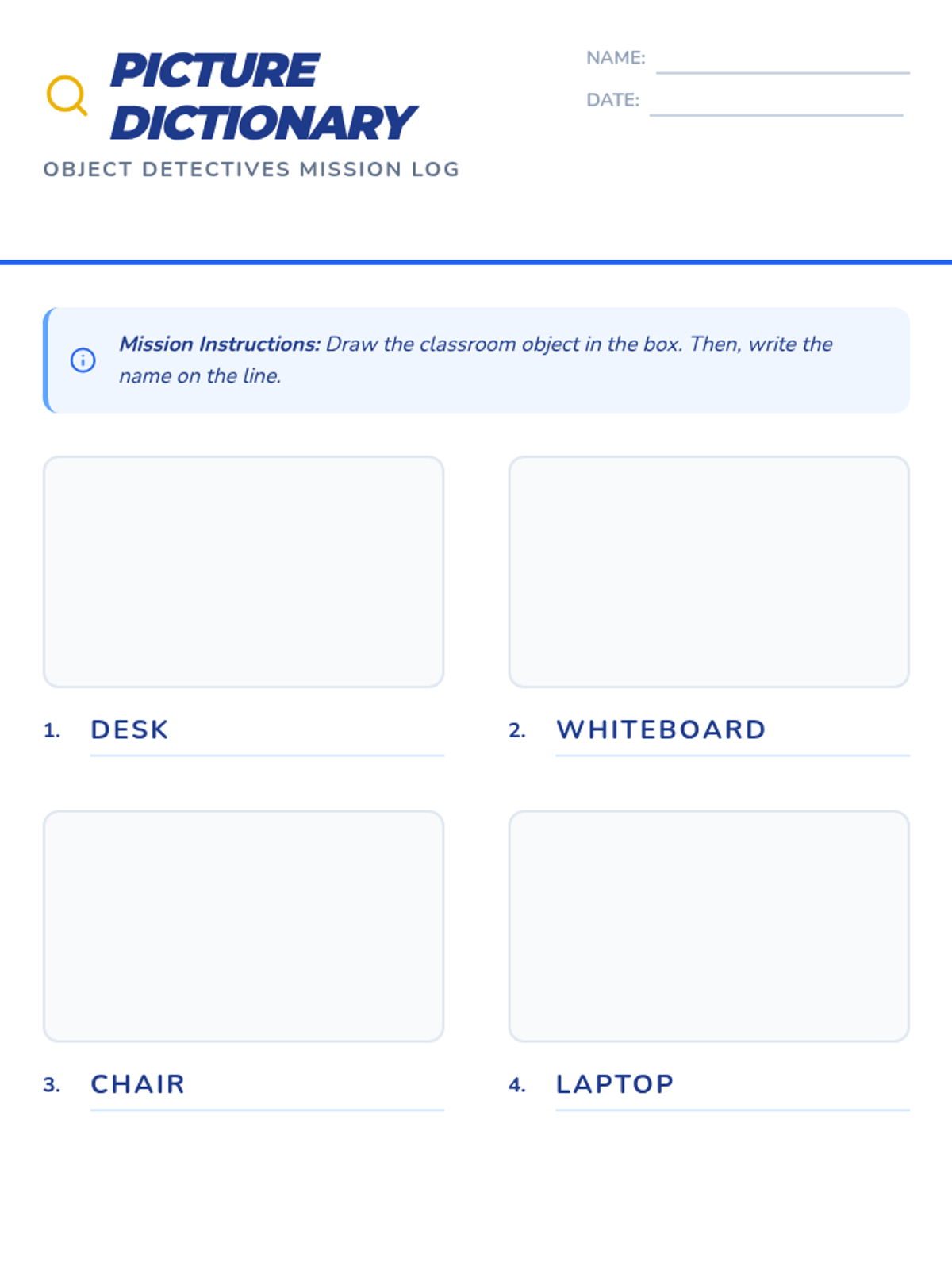
A 5-lesson unit for beginner English Language Learners (ELLs) focusing on classroom objects, instructional commands, colors, numbers, and prepositions. The sequence uses Total Physical Response (TPR) and gamified activities to build foundational vocabulary.
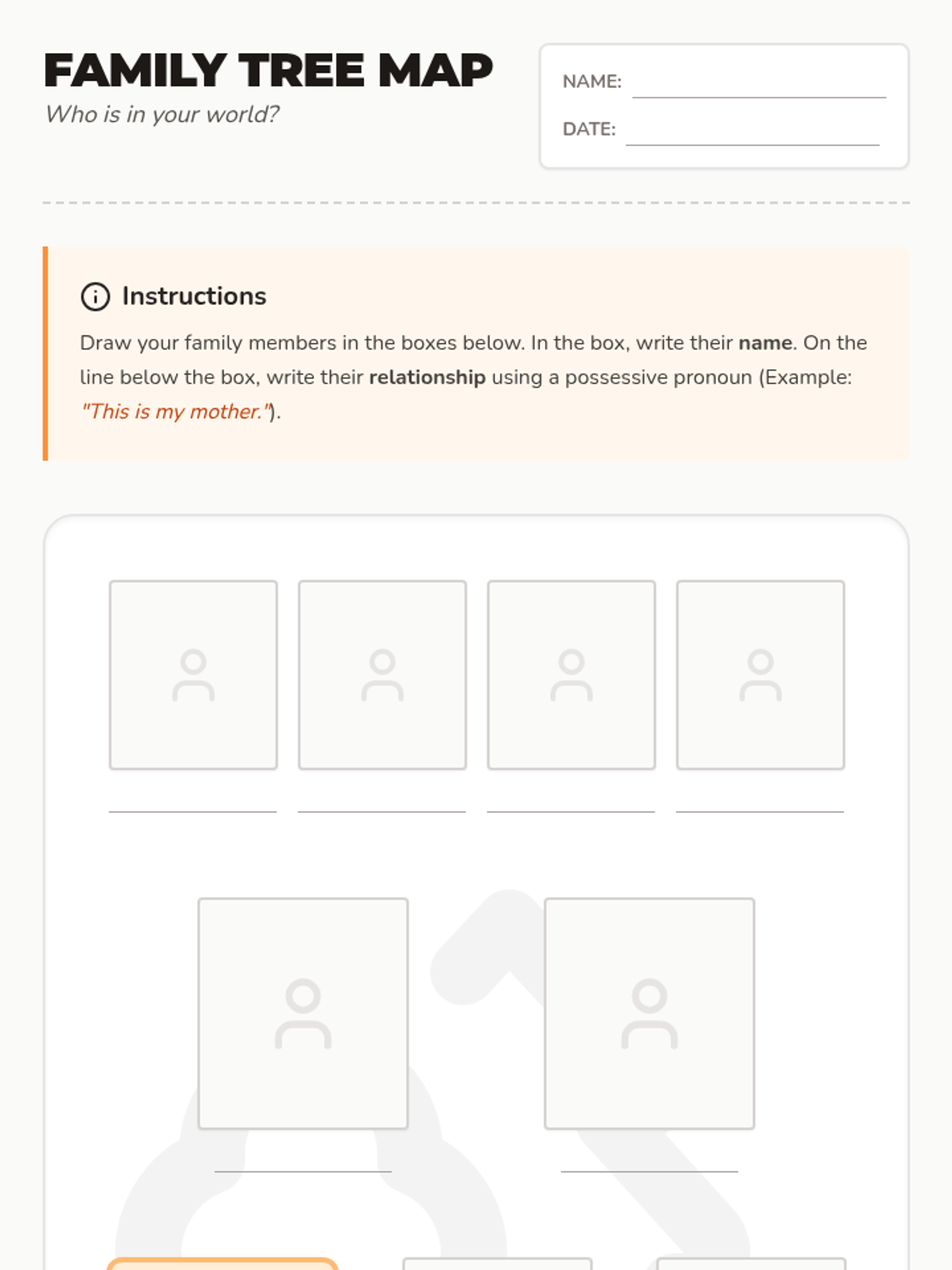
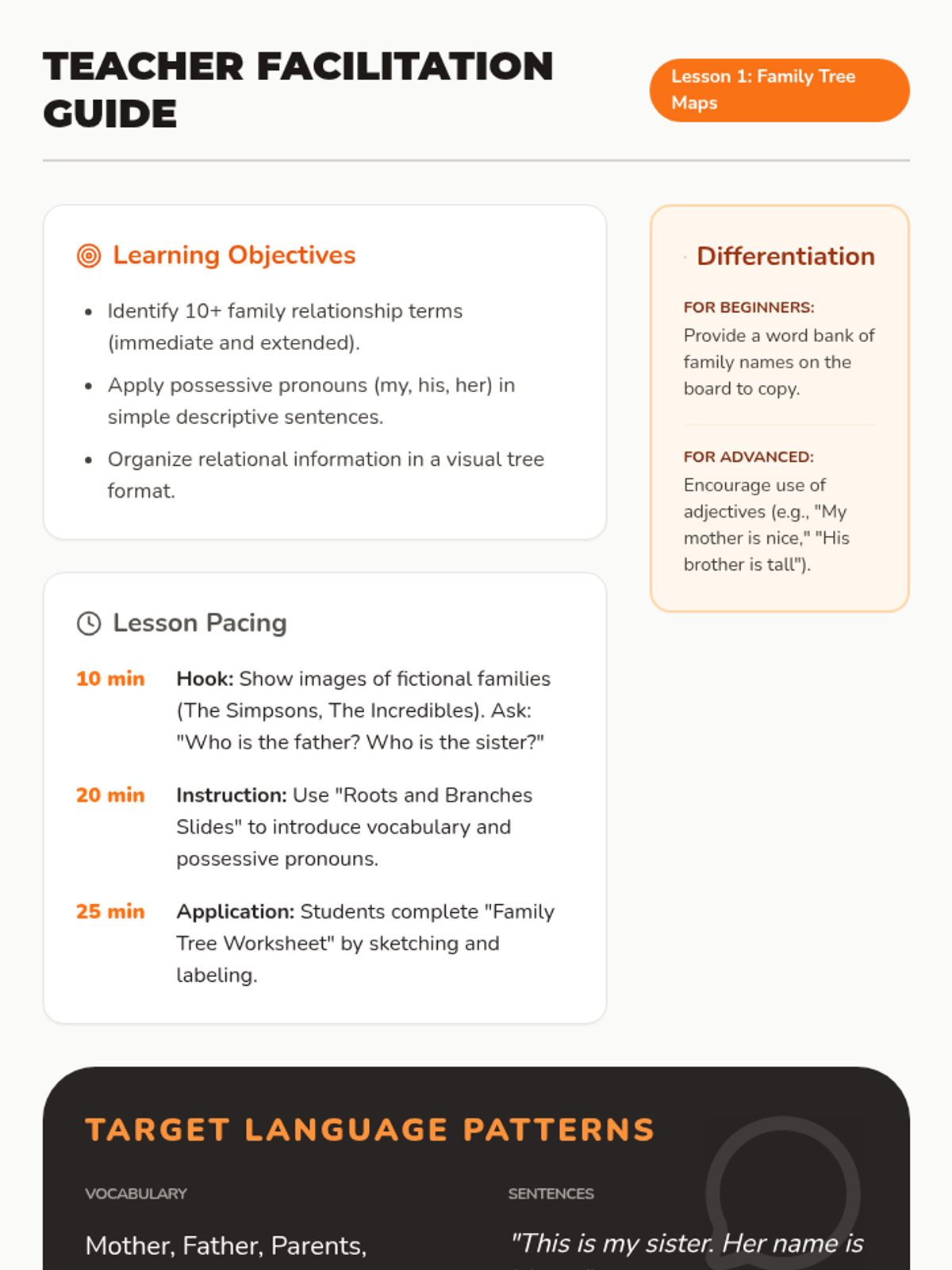
A comprehensive project-based unit for 7th grade ESL beginners focused on articulating identity, family relationships, and personal preferences through vocabulary building and creative projects.
A foundational sequence for 6th-grade ESL beginners focused on high-frequency action verbs, time-telling, and sequencing routines. Students build the vocabulary and structures needed to describe their daily lives and personal preferences.
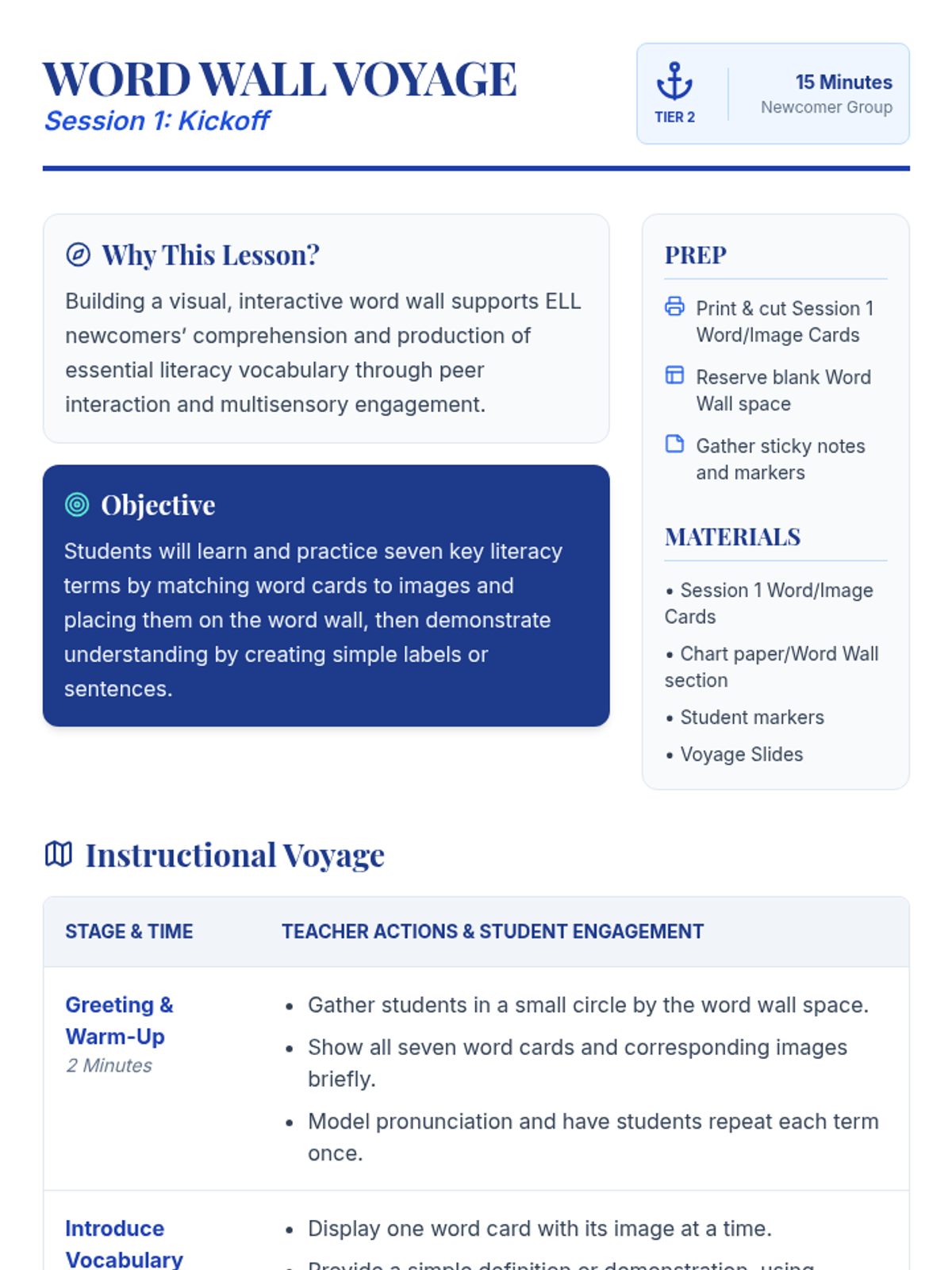
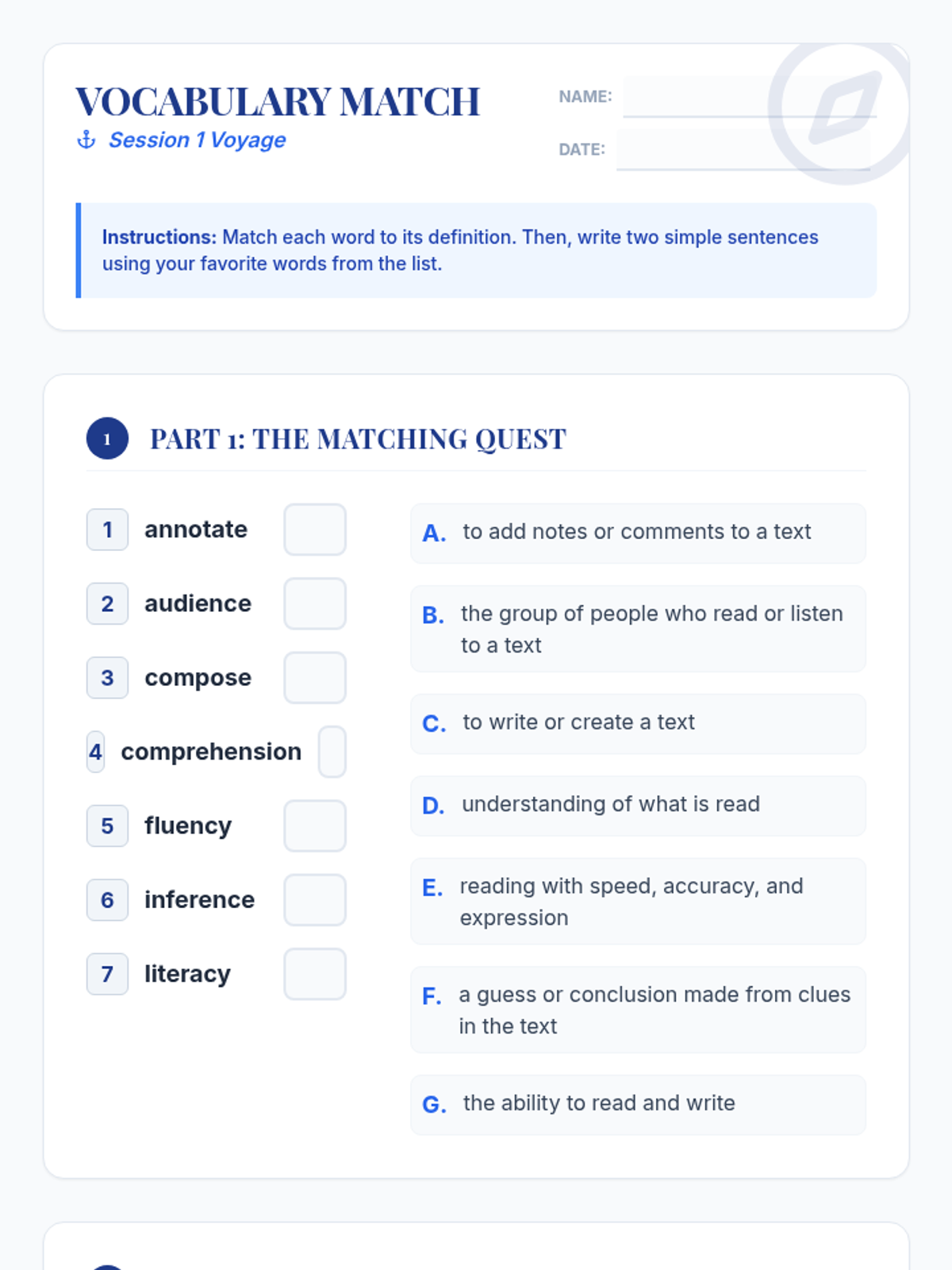
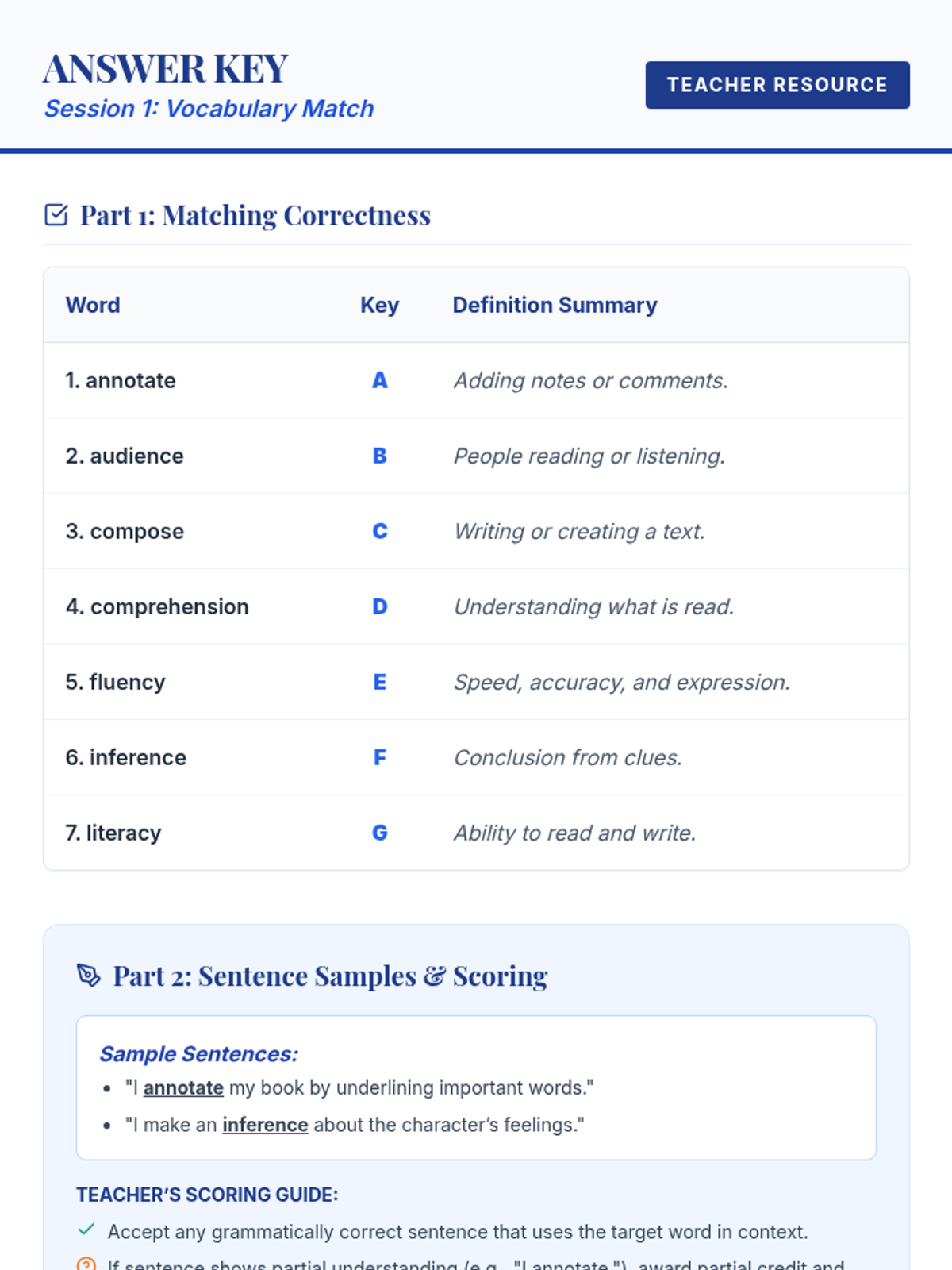
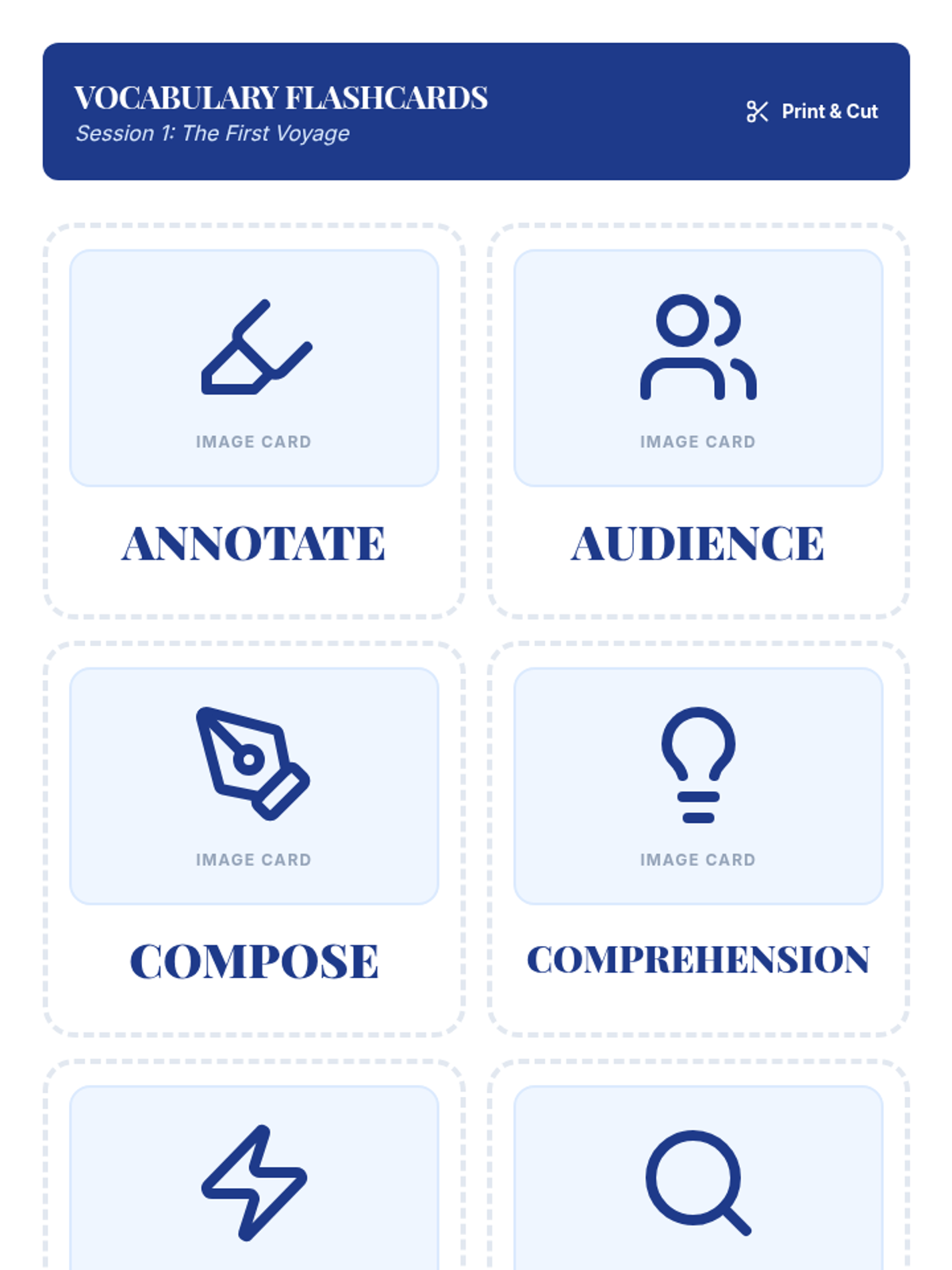
A 5-session vocabulary-building unit for ELL newcomers using a classroom word wall and nautical-themed activities to master key literacy terms.
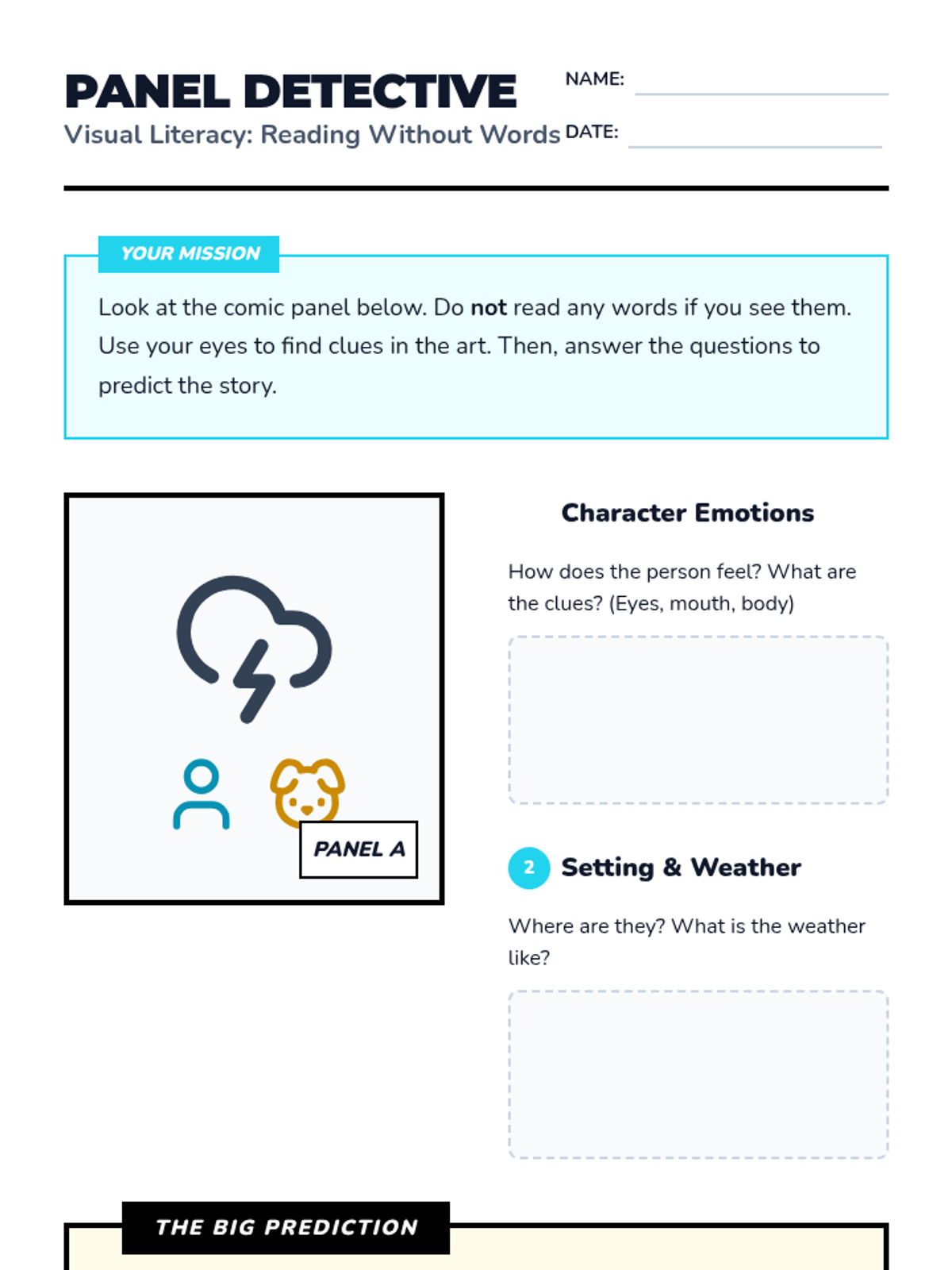
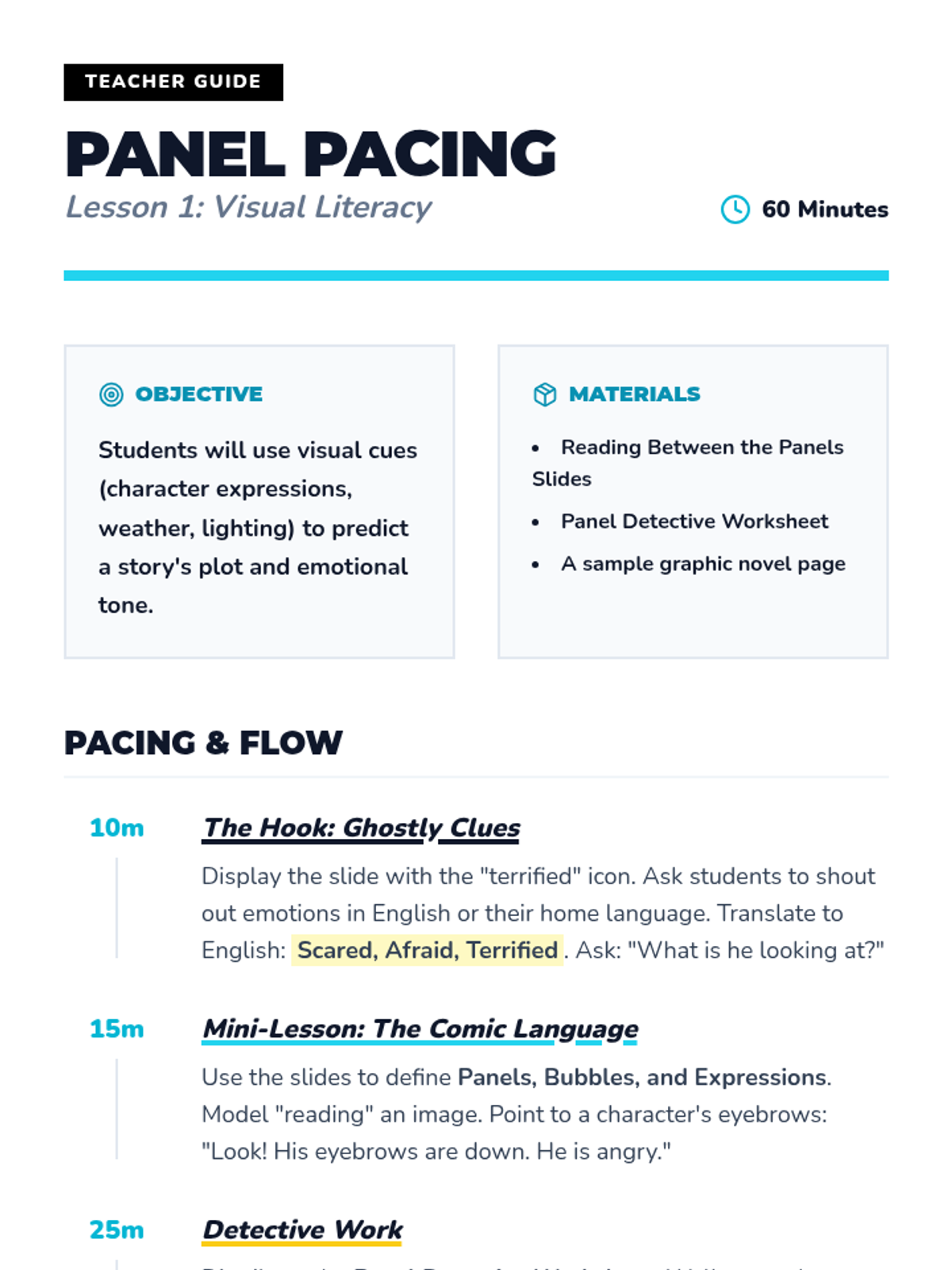
A 5-lesson sequence for 7th-grade beginner ELLs focusing on narrative comprehension through graphic novels and Readers Theater to build reading fluency and engagement.
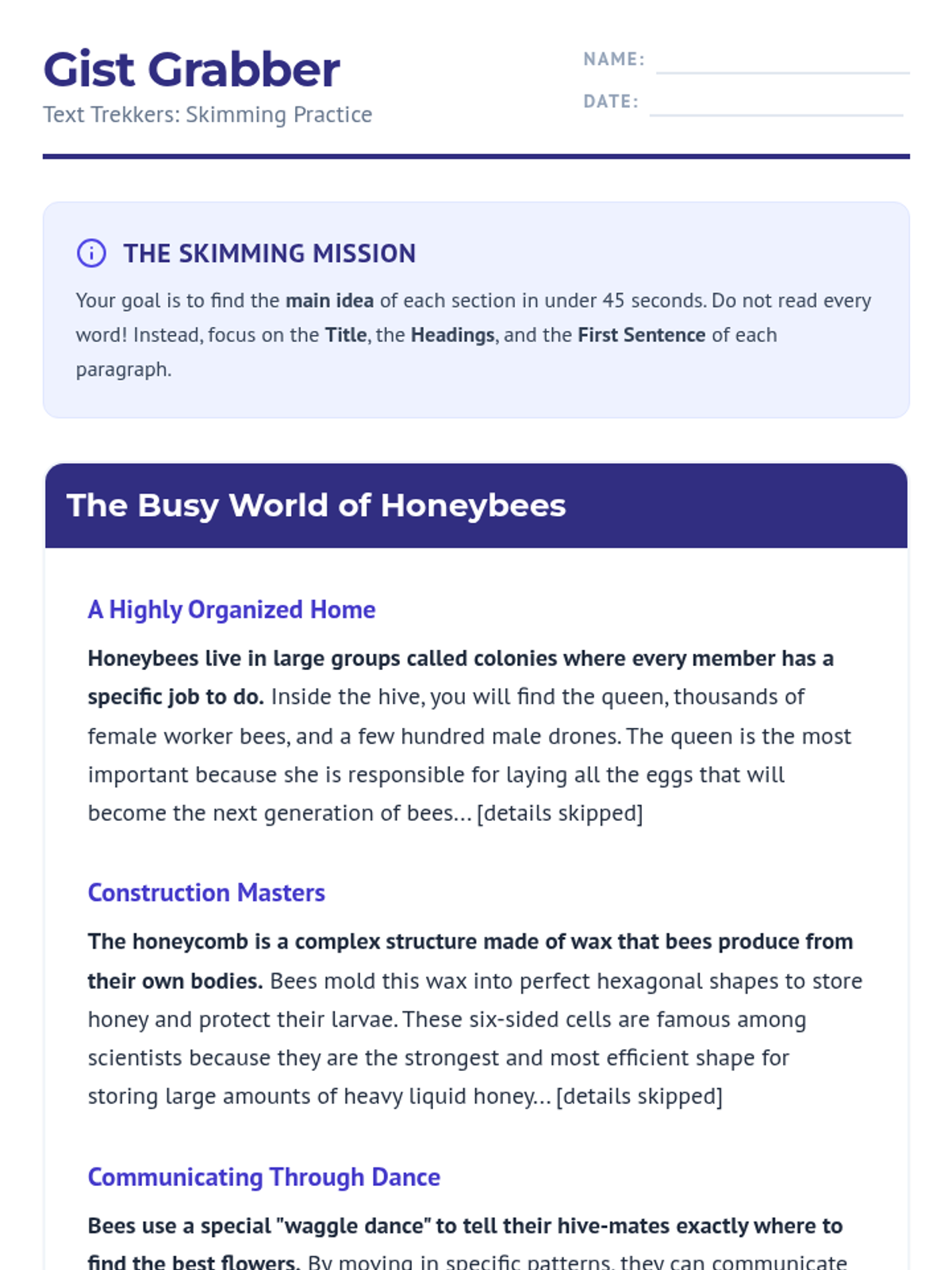
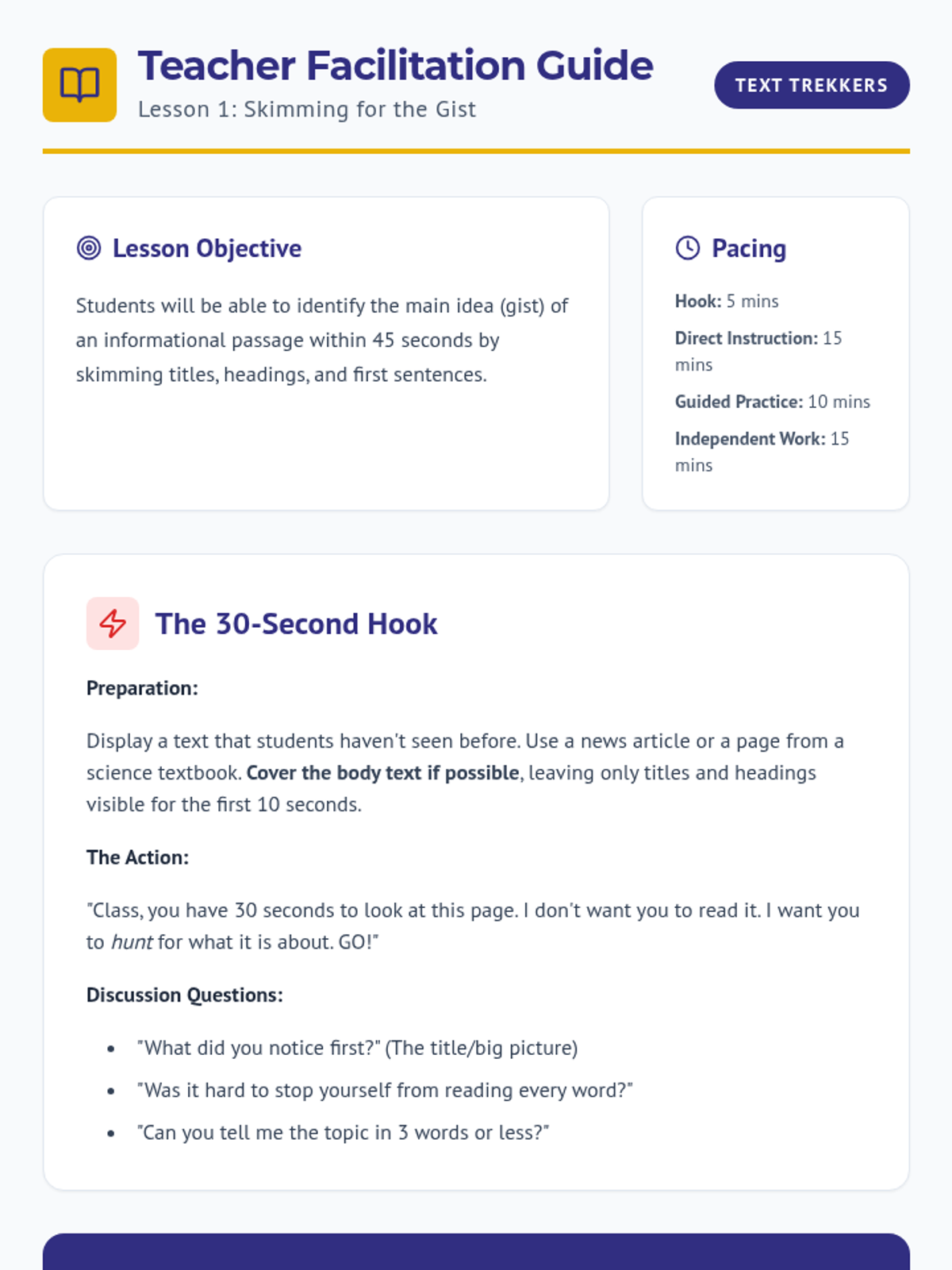
This sequence teaches 5th-grade ESL students how to navigate informational texts efficiently using skimming and scanning strategies. Students will move from understanding the big picture to locating specific keywords and using text features to answer test-style questions under time pressure.
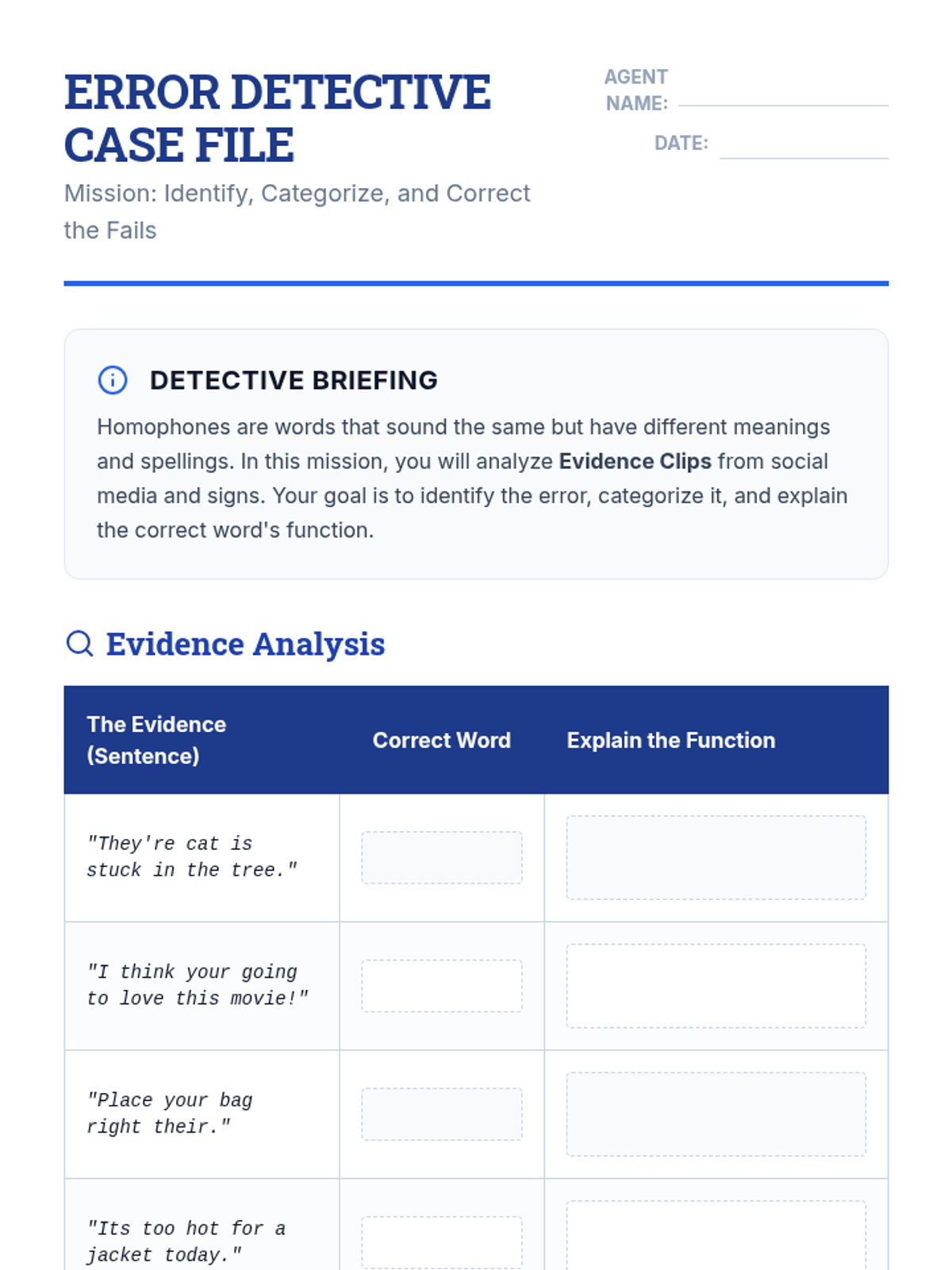
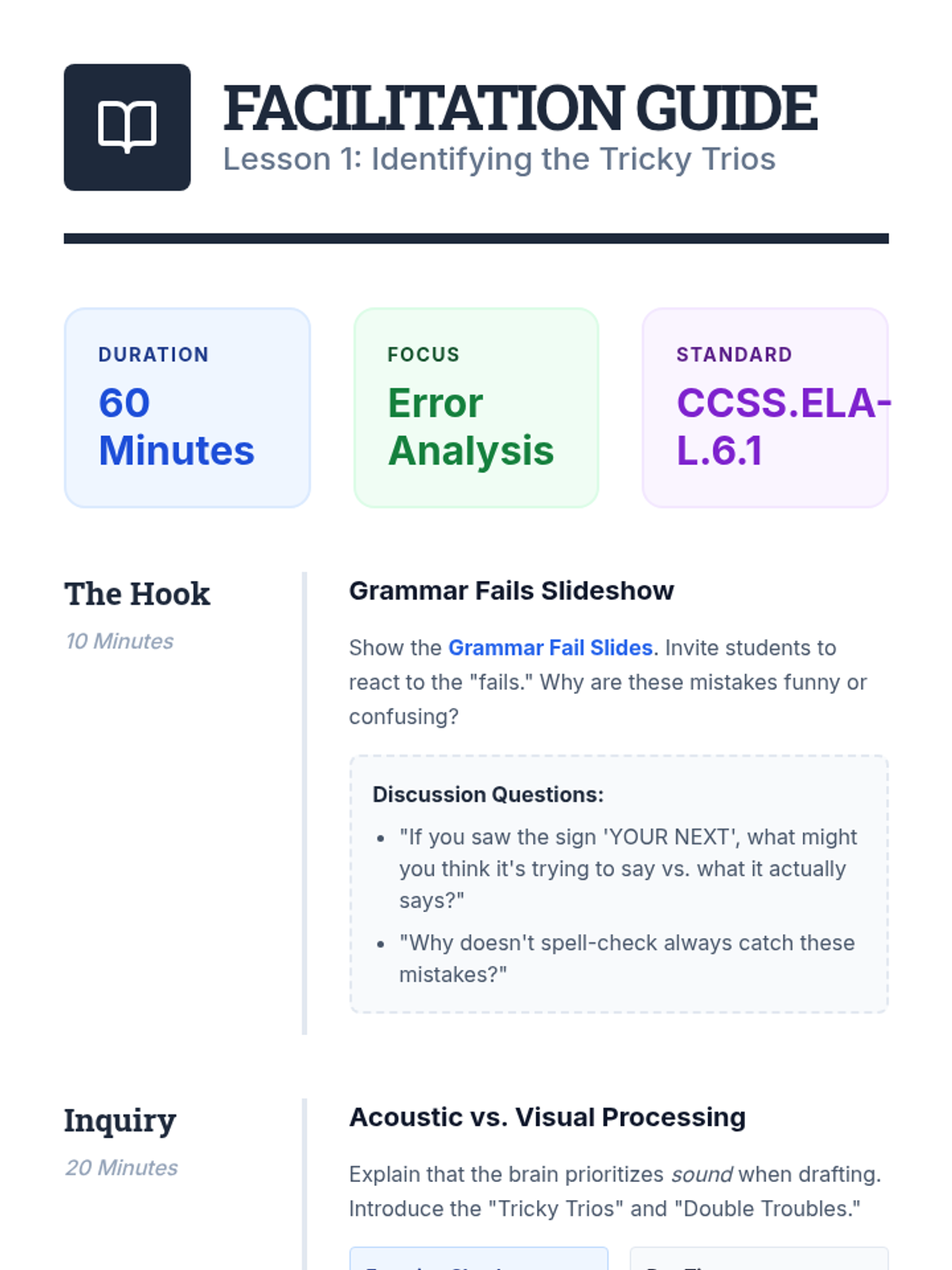
A 5-lesson sequence for 6th Grade students focused on mastering homophones through visual mnemonics, error analysis, and project-based design. Students move from identifying real-world grammar fails to creating their own visual dictionary of commonly confused words.
A 5th-grade phonics sequence for beginner English learners focusing on decoding multisyllabic words using vowel teams, compound words, syllable division (VCCV), and affixes within academic contexts.
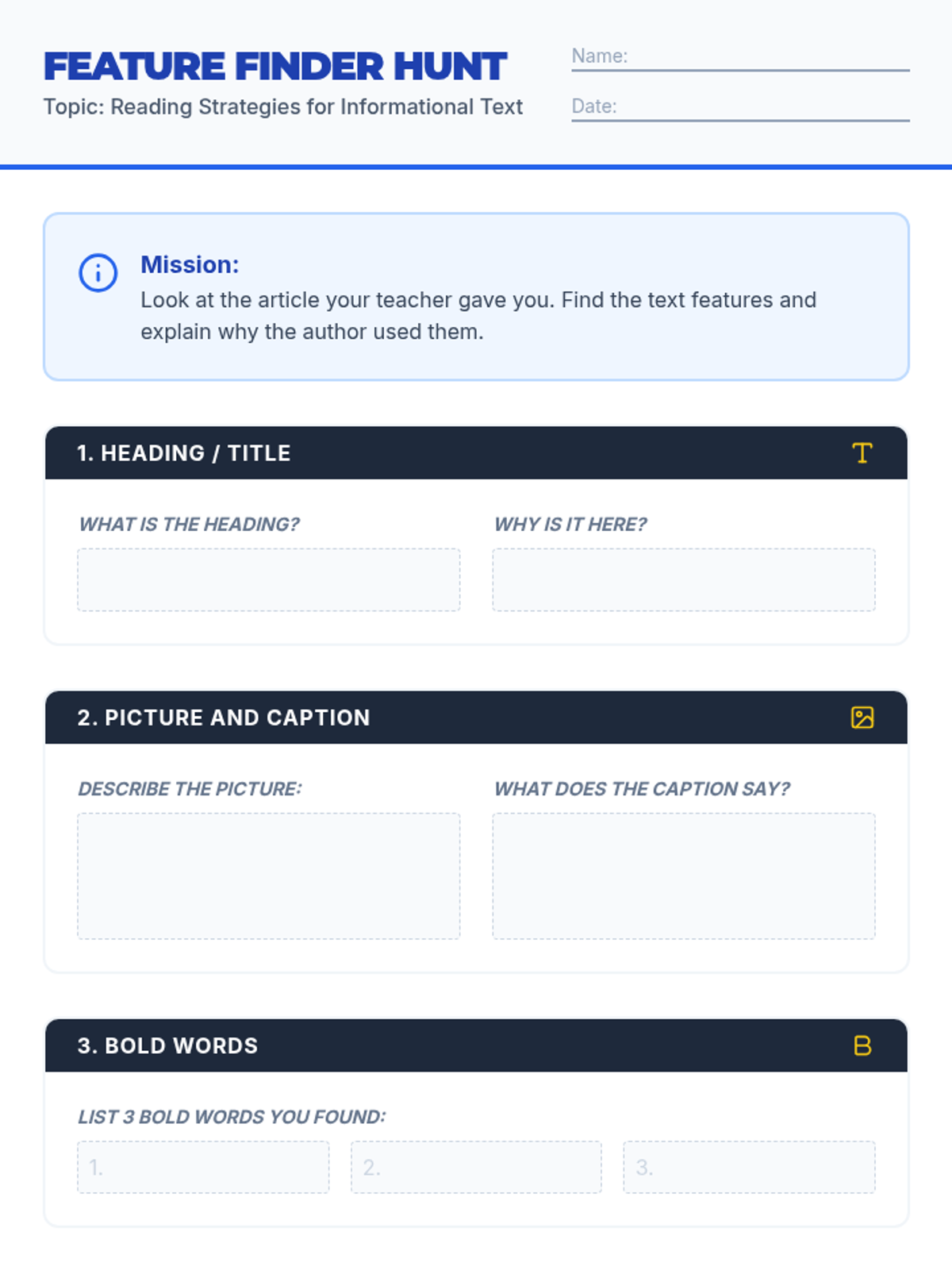
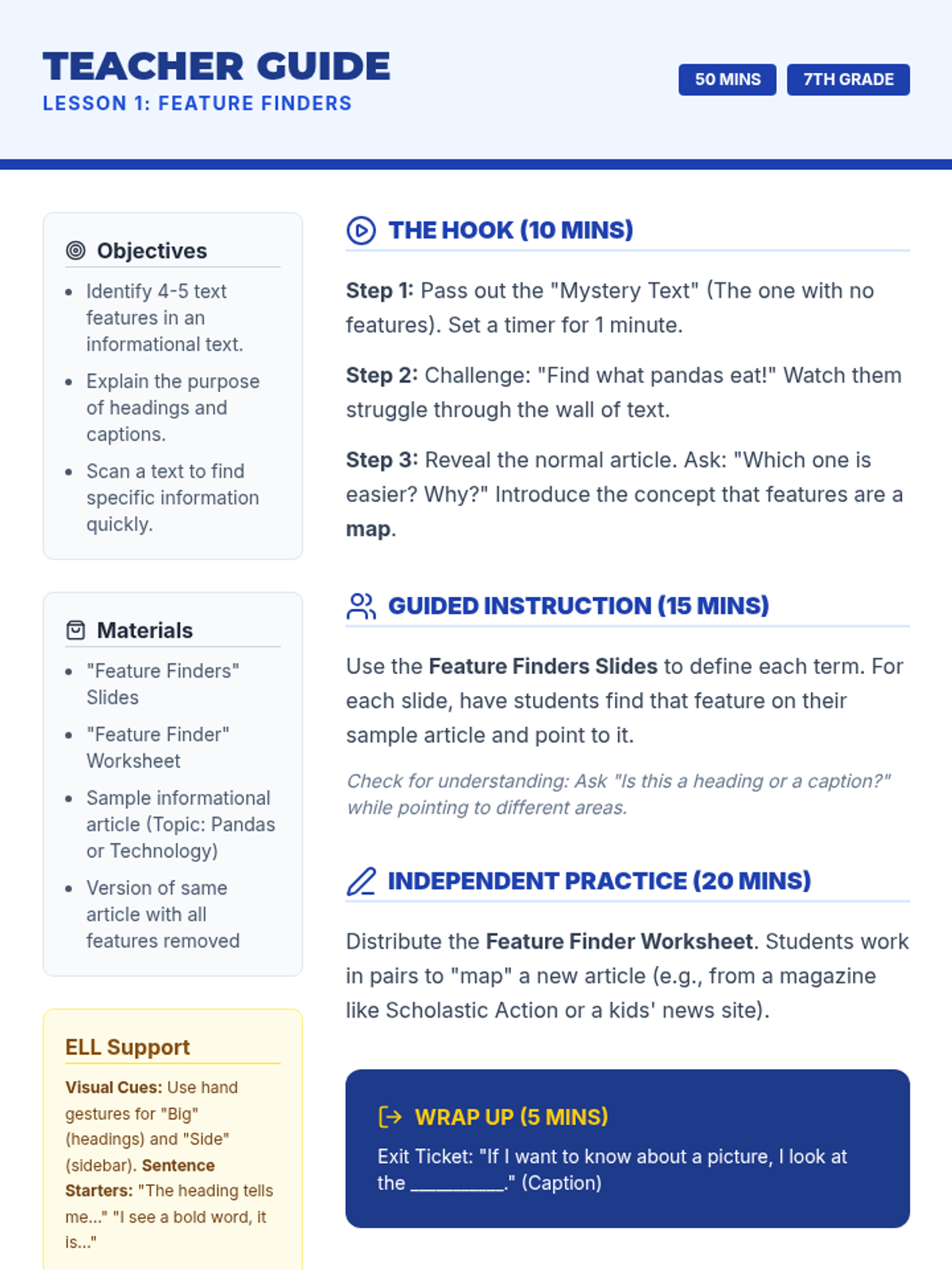
A sequence for 7th grade beginner English Language Learners focused on strategies for reading and understanding informational texts. Students will learn to navigate text features, identify main ideas, use cognates/visuals, answer key questions, and summarize information.
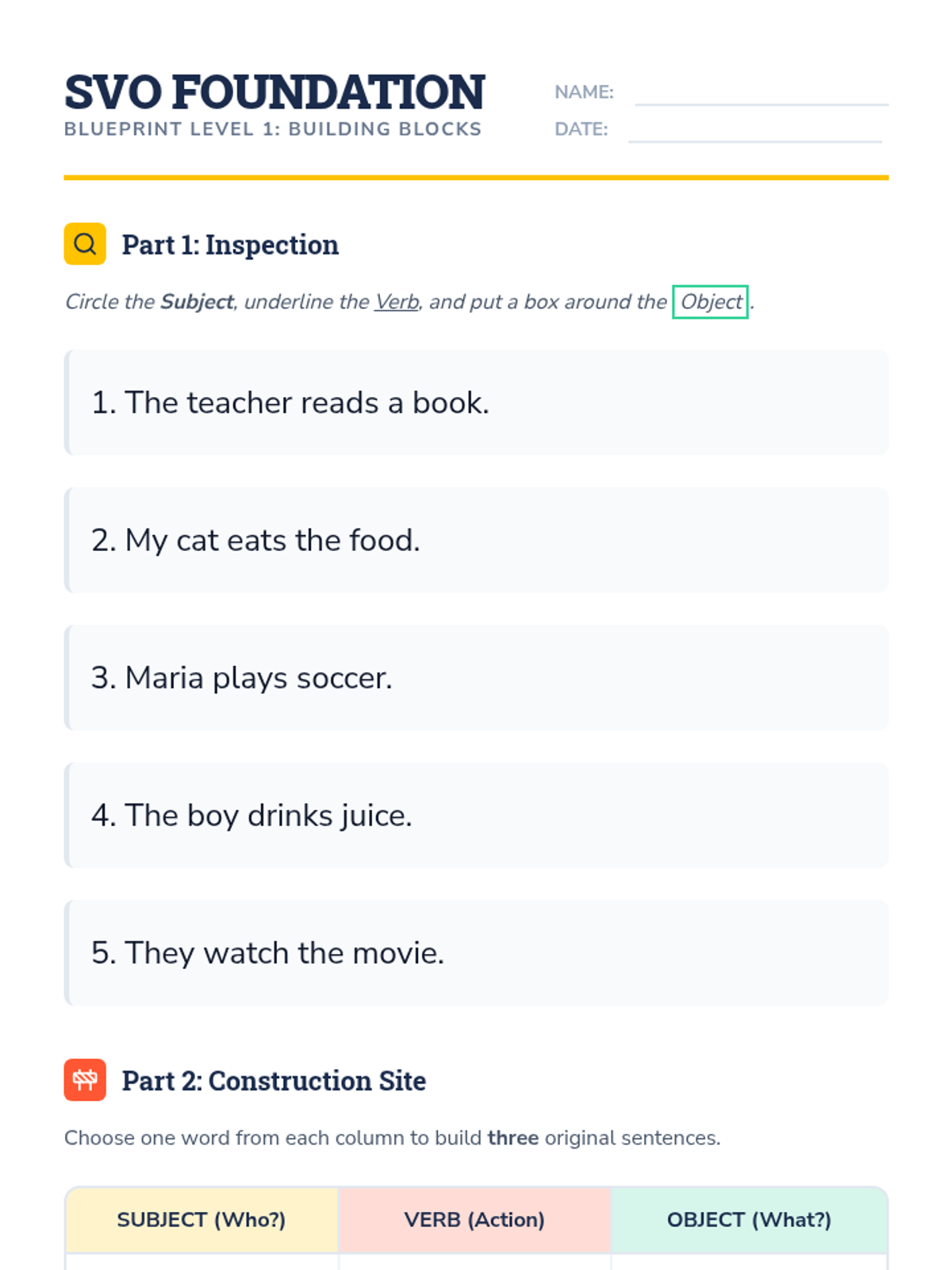
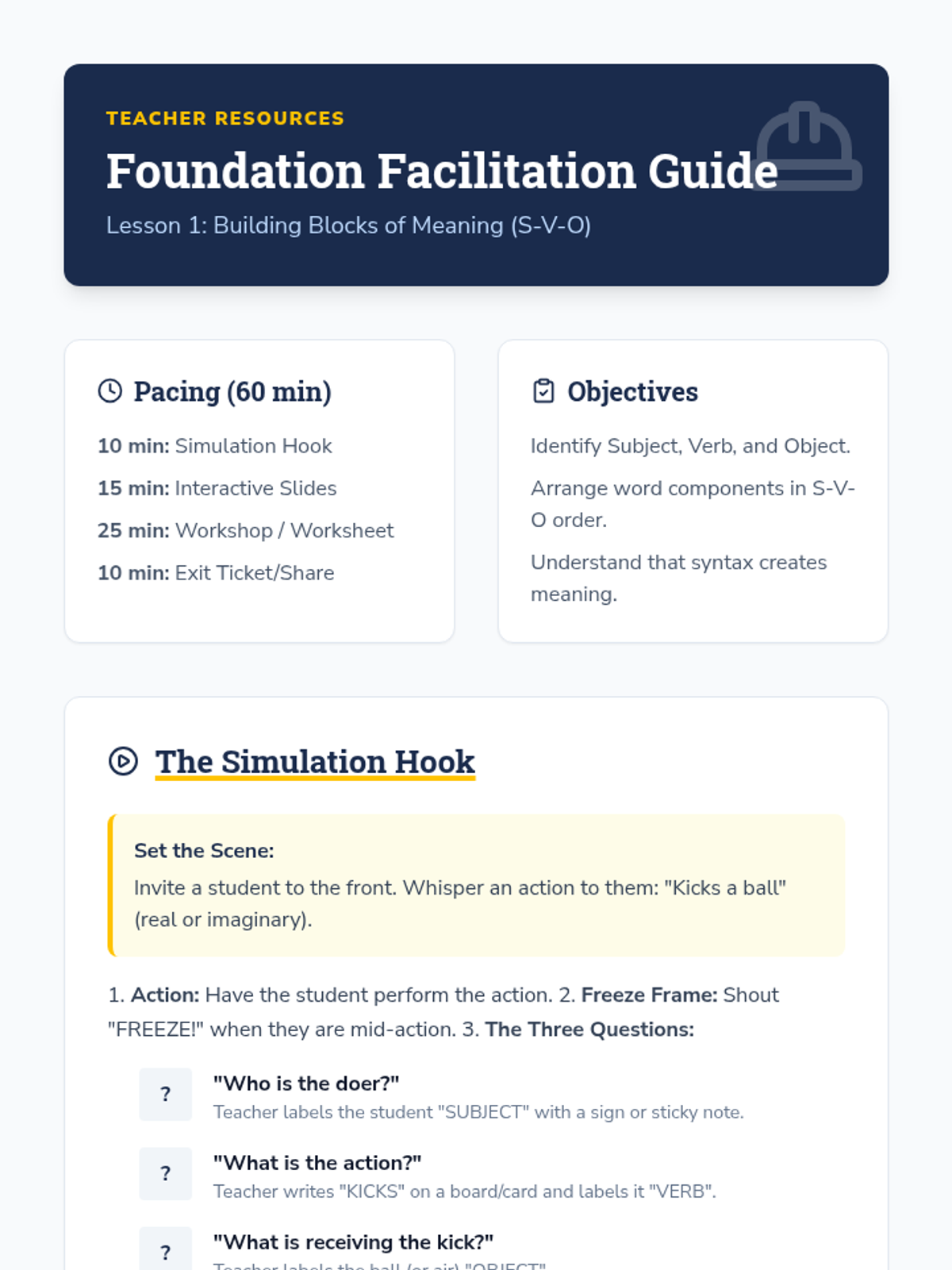
A comprehensive sequence for 7th Grade Beginner English learners focusing on sentence architecture through a construction-themed metaphor. Students progress from identifying Subject-Verb-Object patterns to mastering punctuation, adjectives, and question formation.
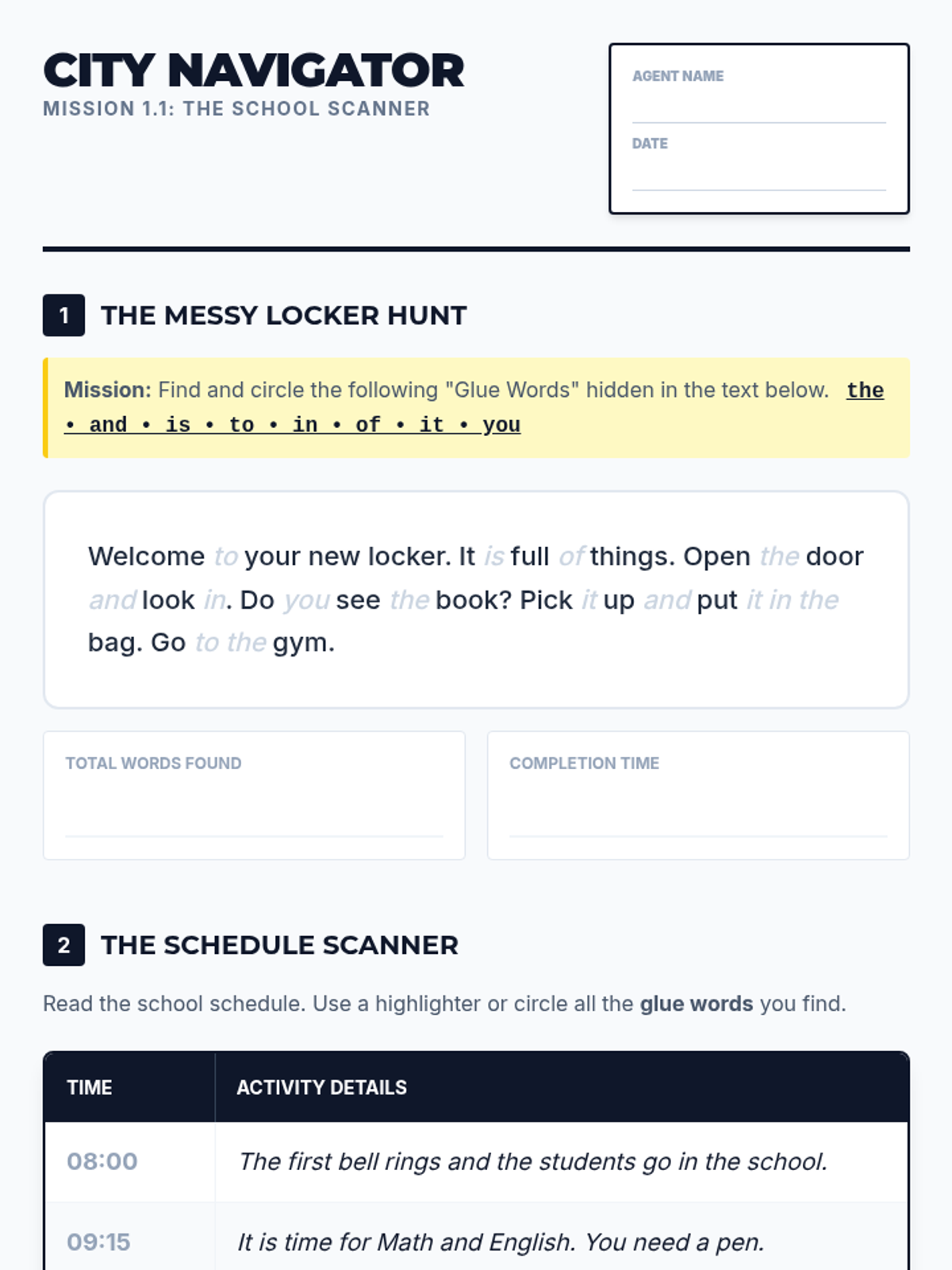
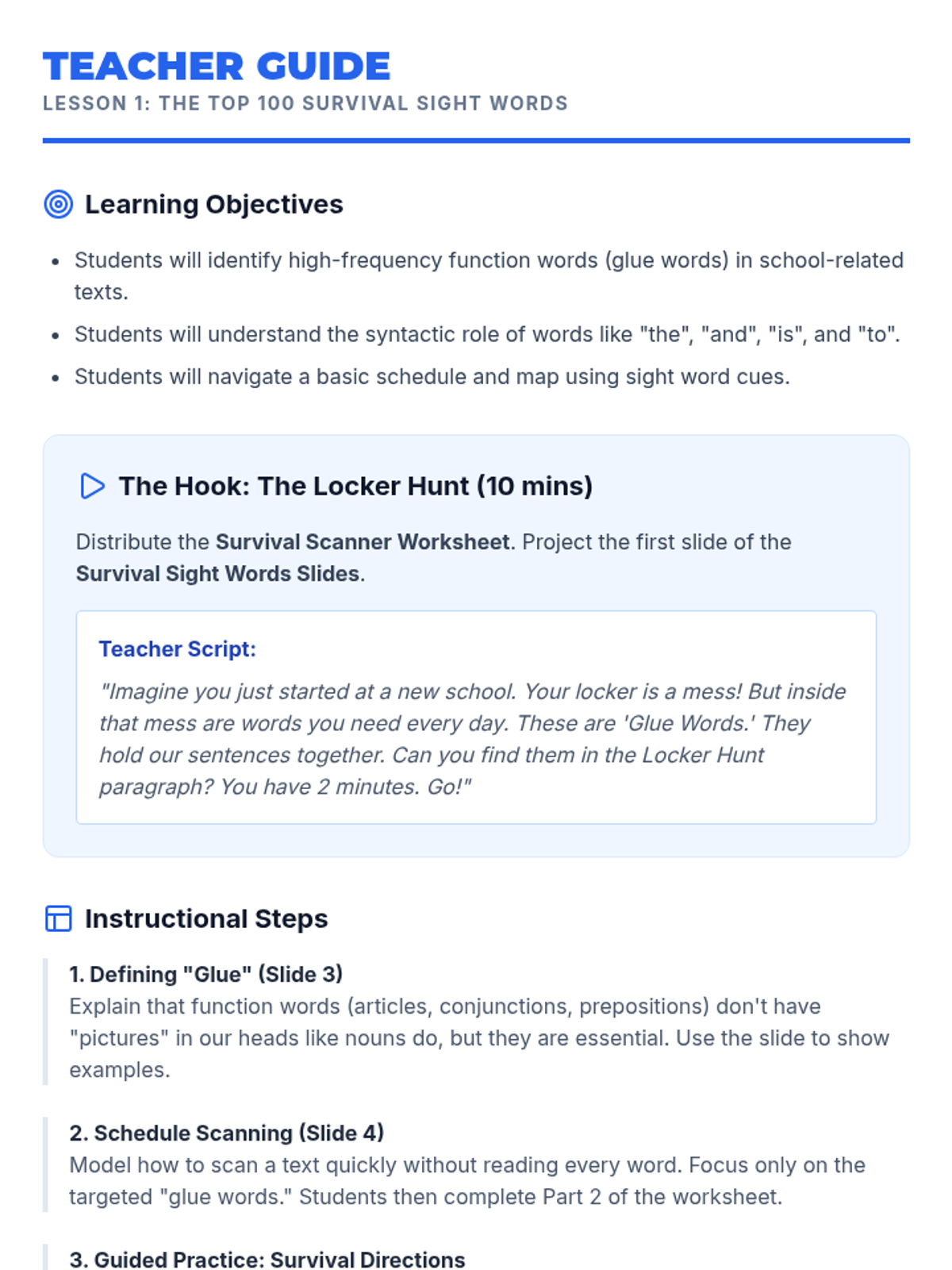
A 7th-grade English Language Learning sequence focusing on mastering the top 300 high-frequency sight words through real-world 'survival English' contexts like schedules, text messages, and menus. Students transition from isolated word recognition to rapid contextual reading to build automaticity and cognitive fluency.
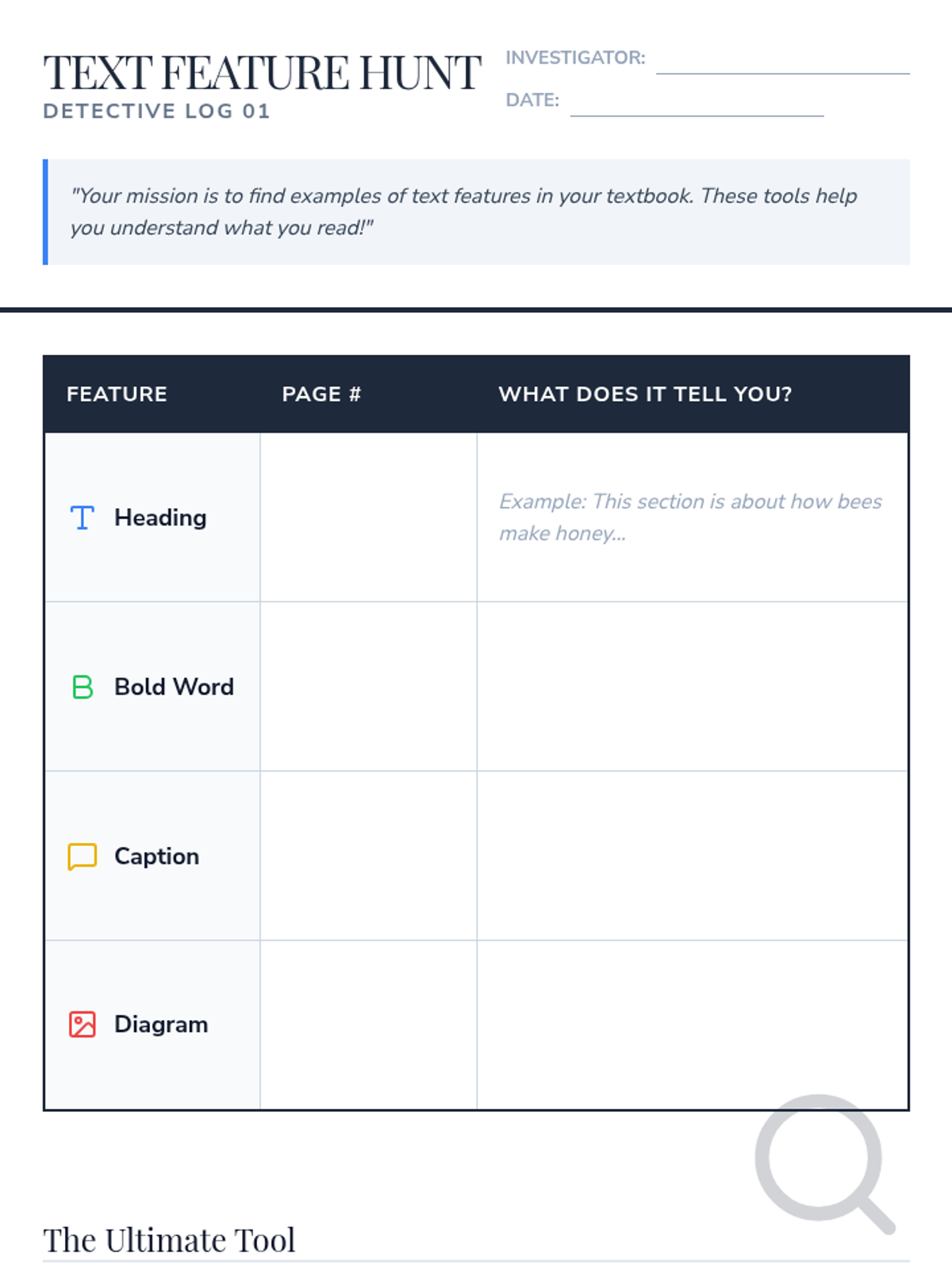
A 5-lesson sequence for 6th Grade Beginner ESL students focused on navigating non-fiction texts. Students learn to use text features, distinguish fact from opinion, identify main ideas, and synthesize information from diagrams to build foundational reading comprehension skills.
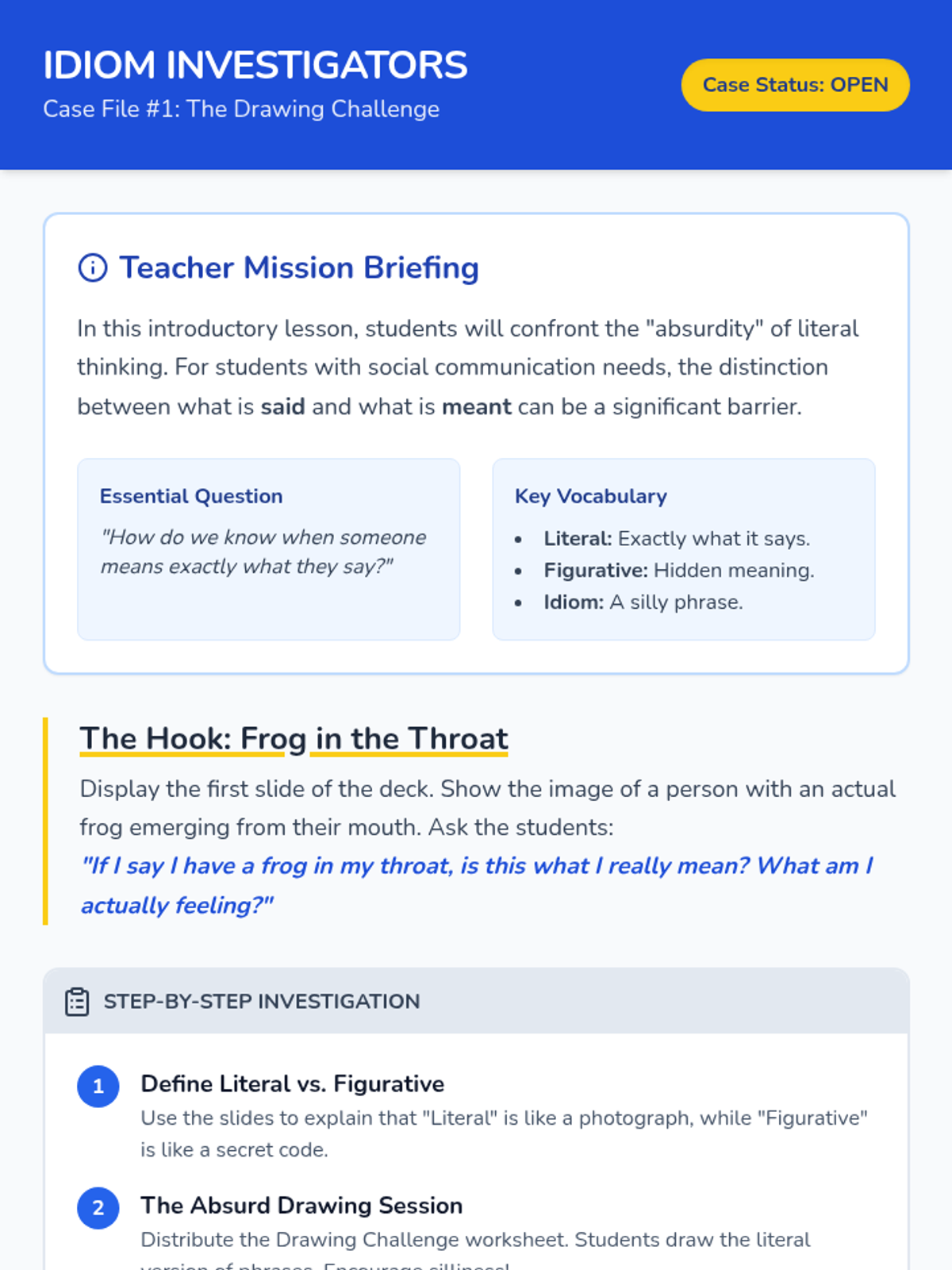
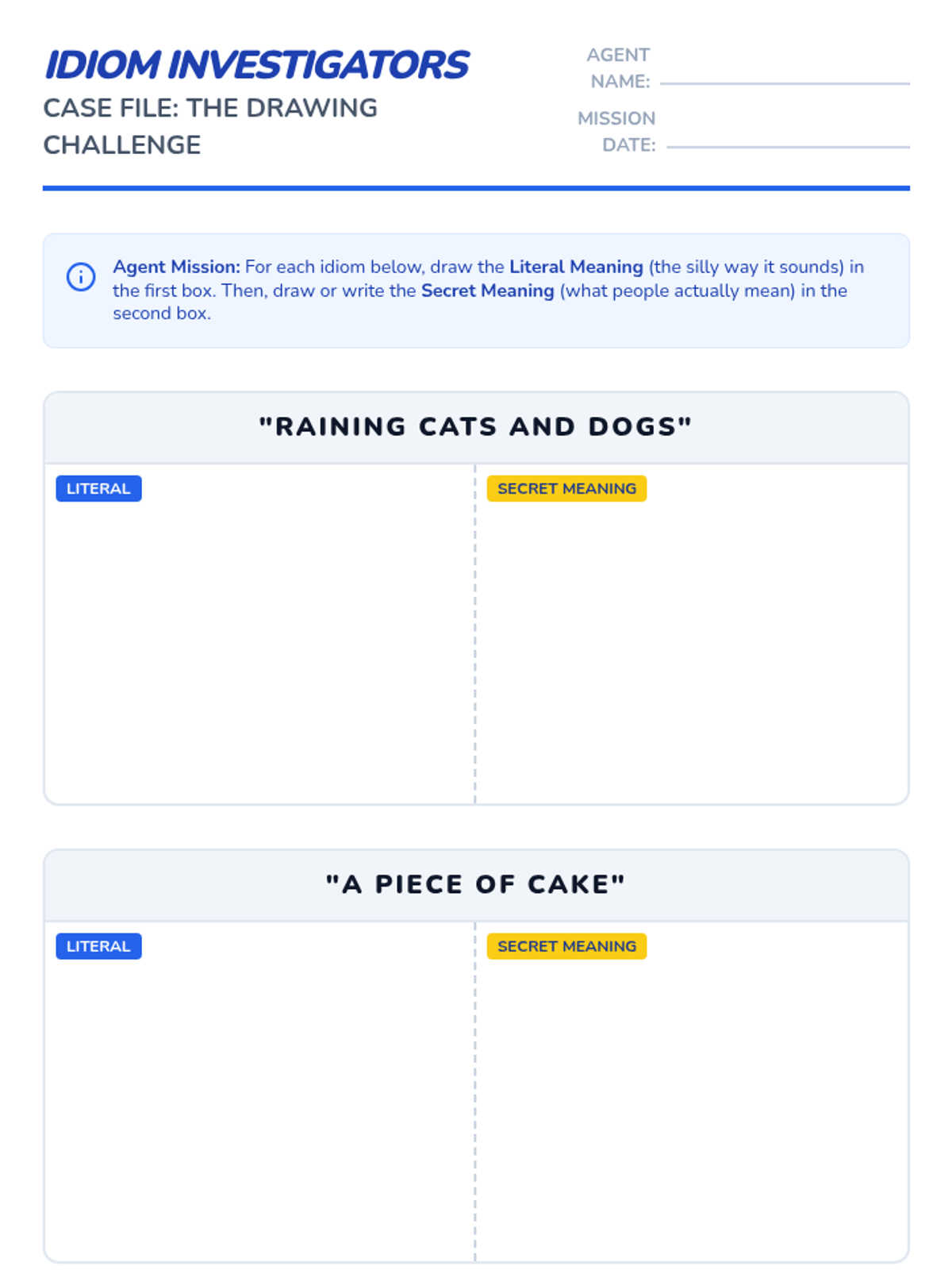
A 5-lesson sequence for 6th-grade students focusing on distinguishing literal from figurative language through visual support, games, and social-emotional learning contexts. Students will progress from visual interpretation to social application of common idioms.
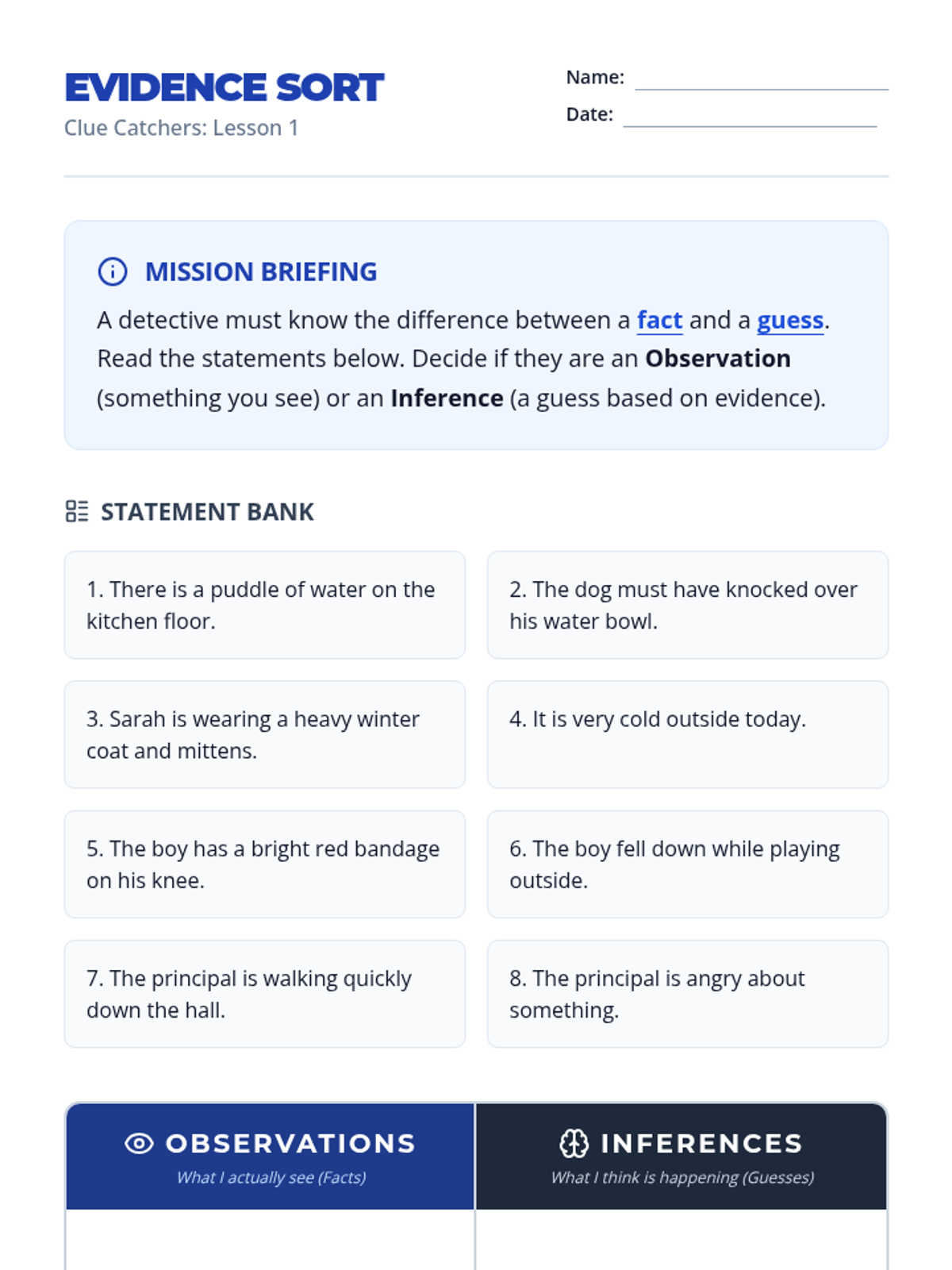
A 5-lesson sequence for 7th-grade students requiring academic support, transitioning from visual analysis to textual inference using the 'I See, I Think, Because' scaffold.
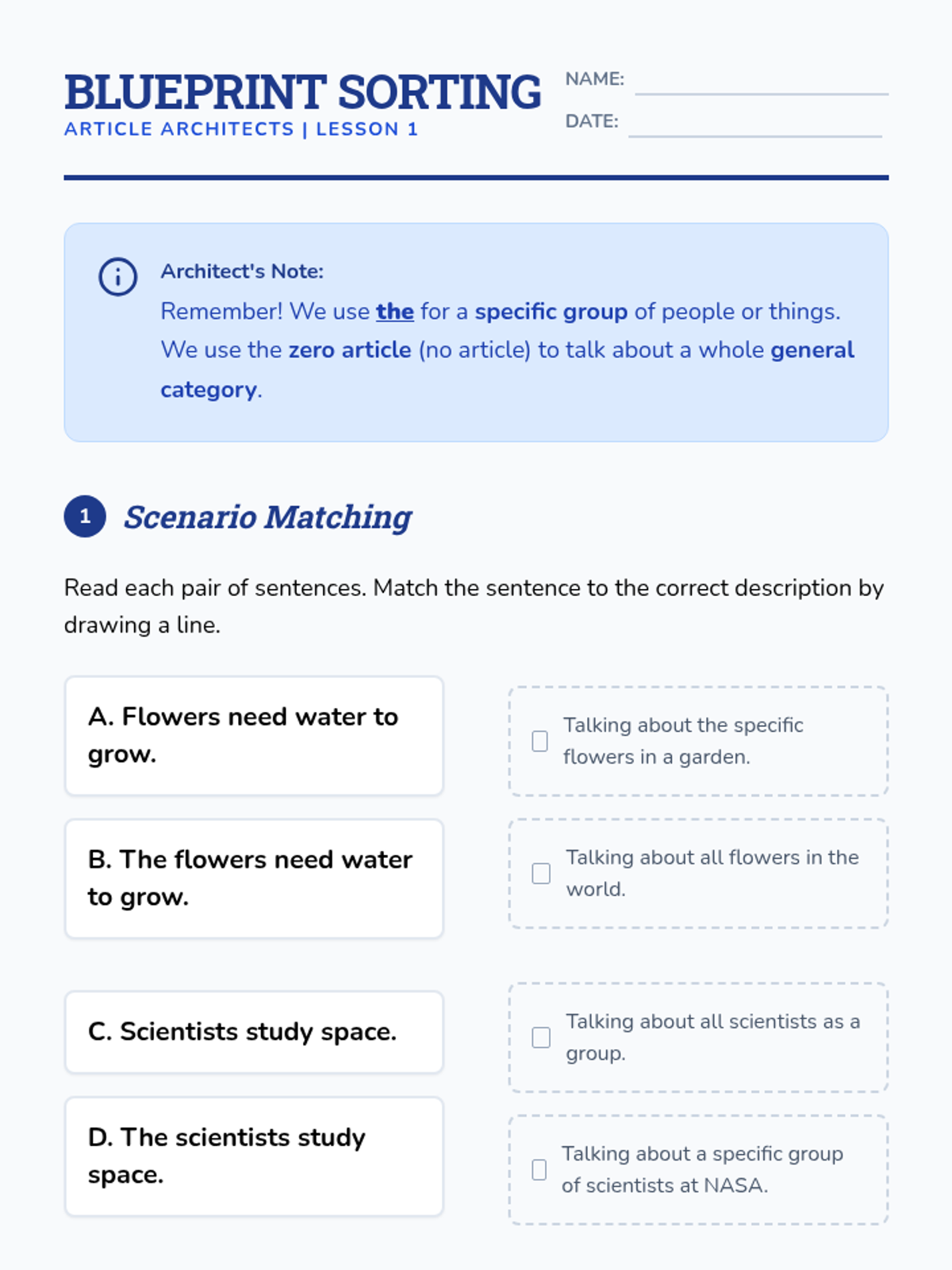
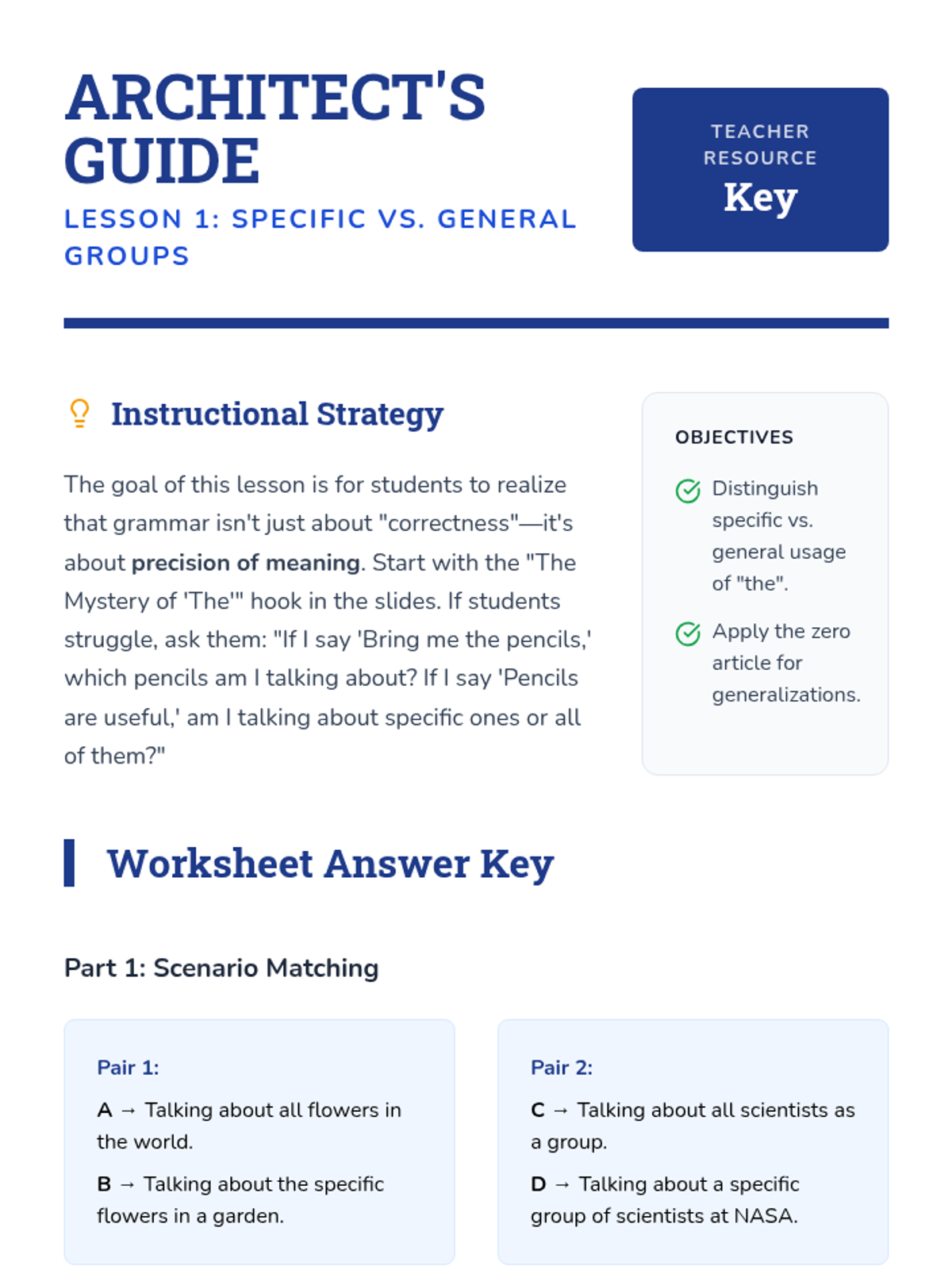
This sequence explores the 'Zero Article'—the grammatical rule of omitting articles for generalizations and abstract concepts. Students will learn to distinguish between specific groups and general categories, understand abstract noun usage, and apply these rules to improve the flow and impact of their writing.