Essential grammar structures, high-frequency vocabulary, and foundational literacy skills. Equips learners with basic speaking and listening abilities for everyday interactions and introductory text comprehension.
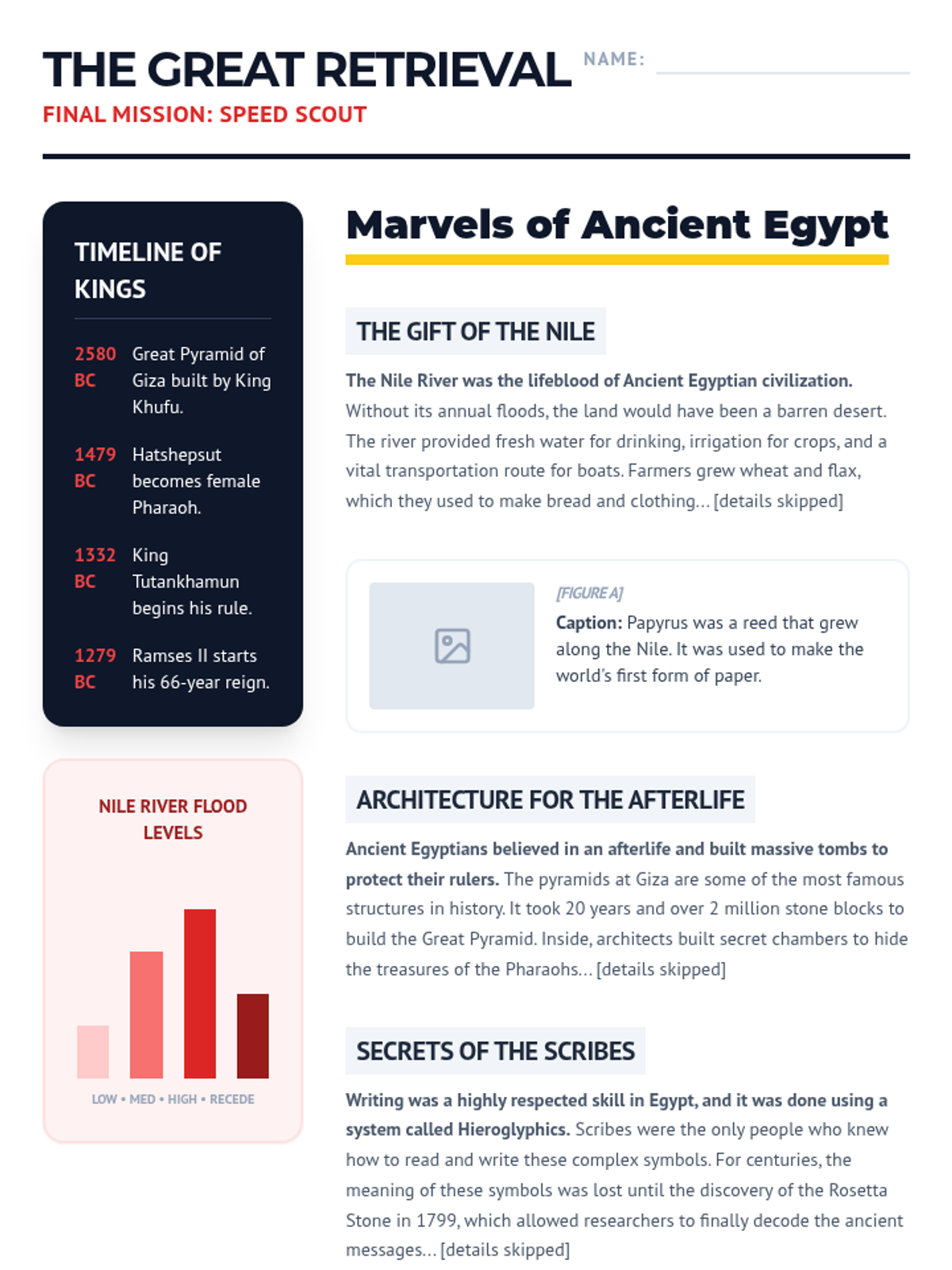
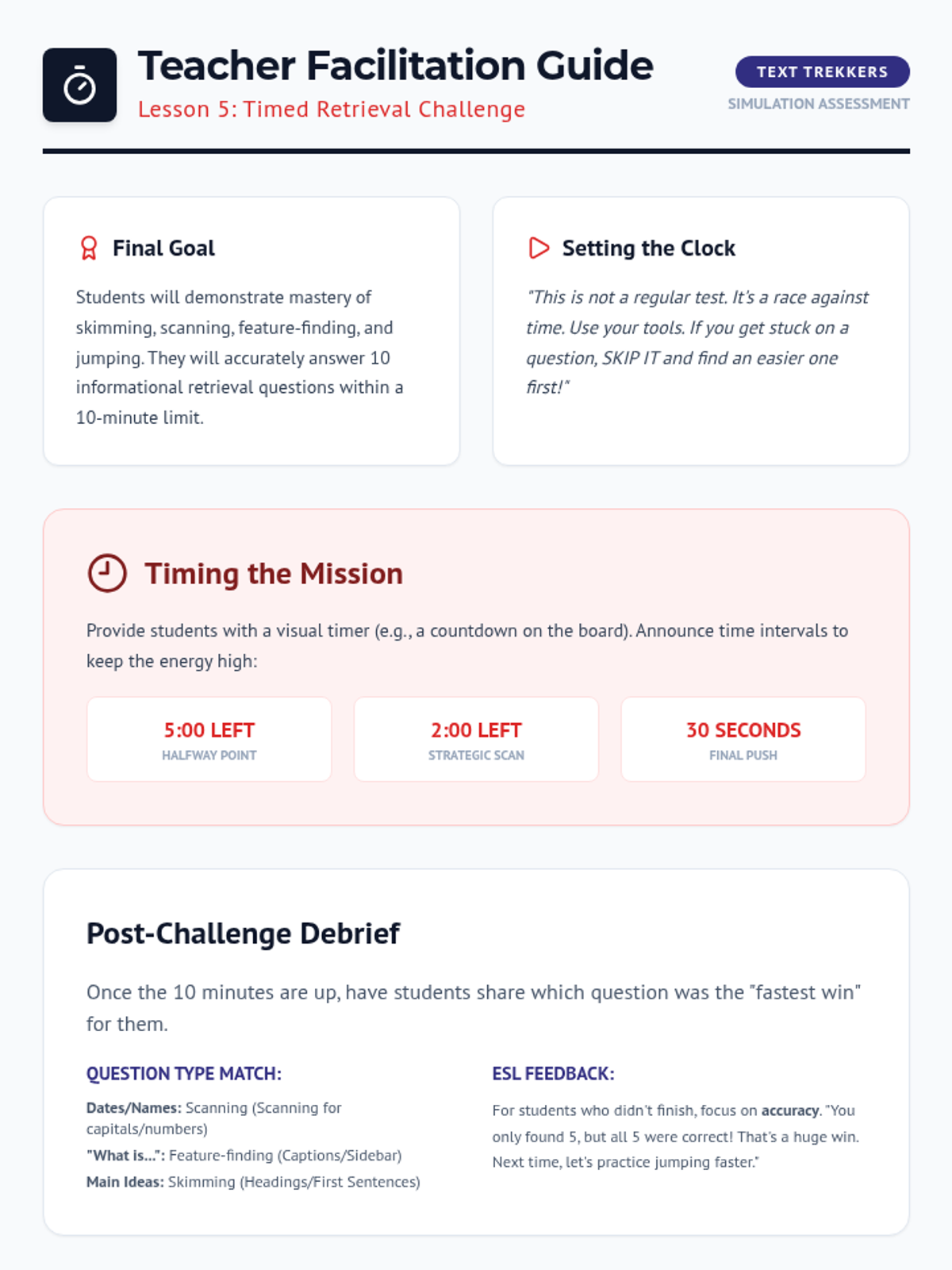
A culminating timed challenge where students apply all strategies to solve information retrieval tasks accurately and quickly.
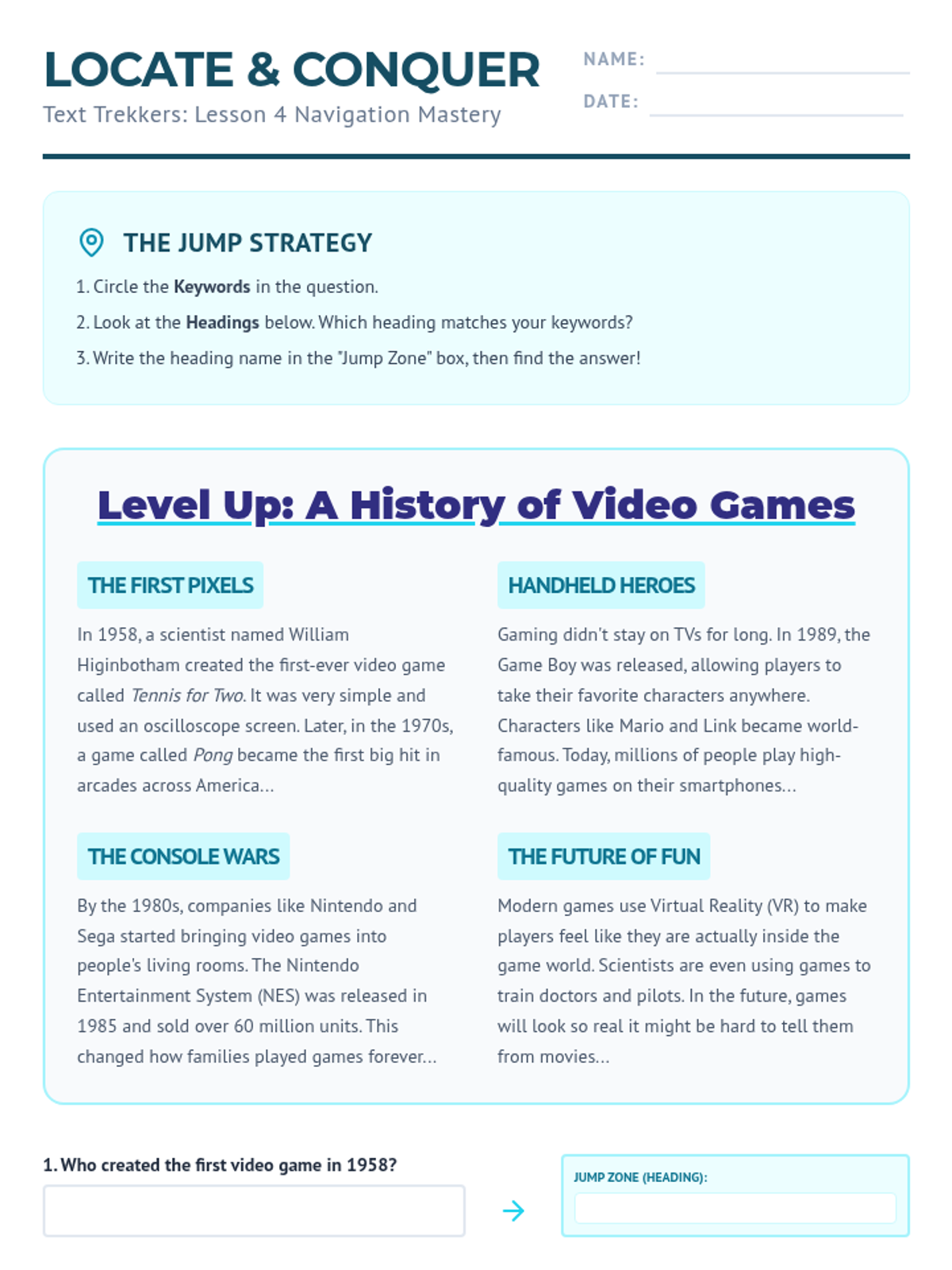
Students learn to predict where an answer is located based on the question type and structure of the text.
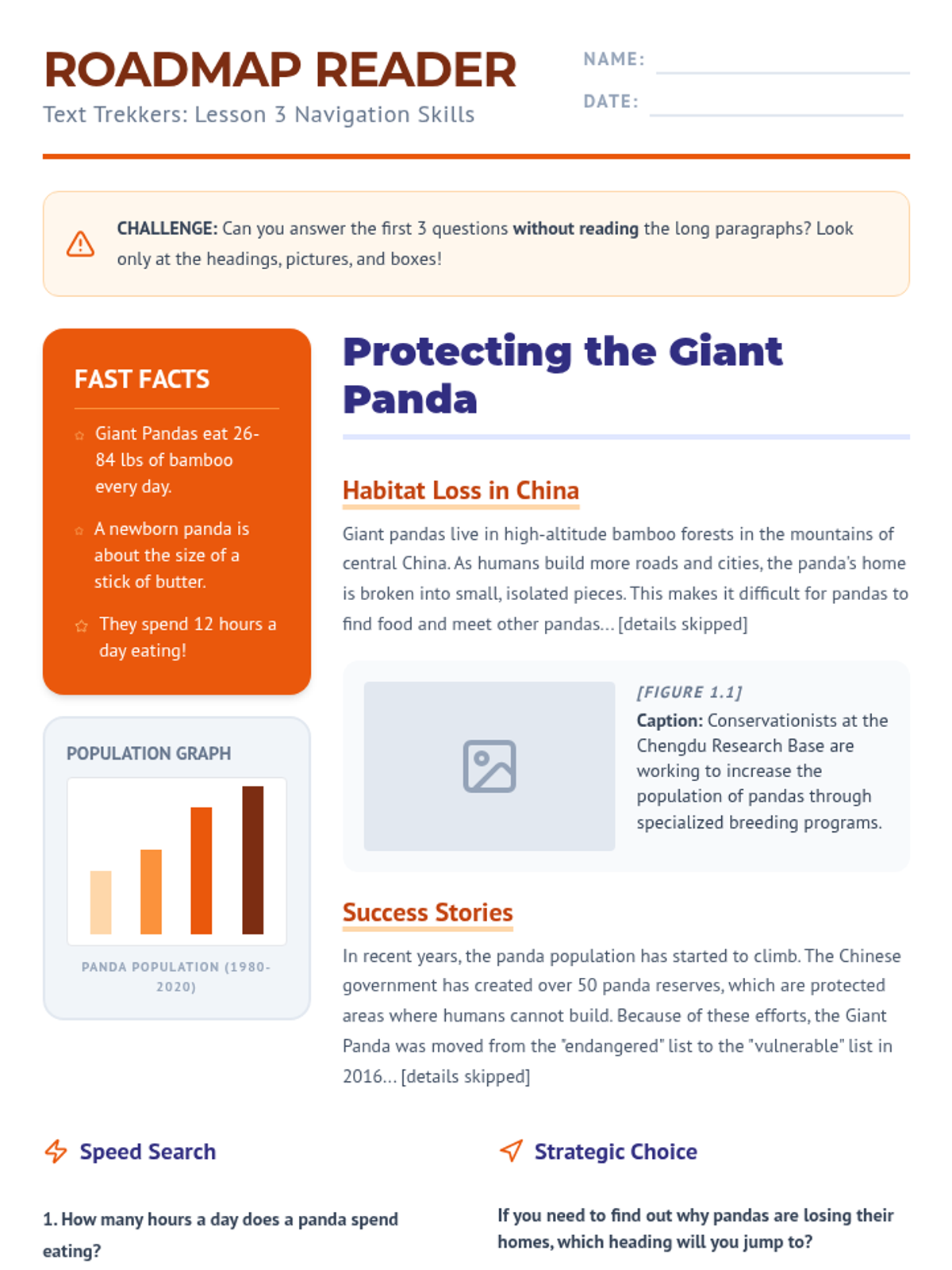
Students analyze how text features like captions, graphs, and bold words serve as navigation tools to find information rapidly.
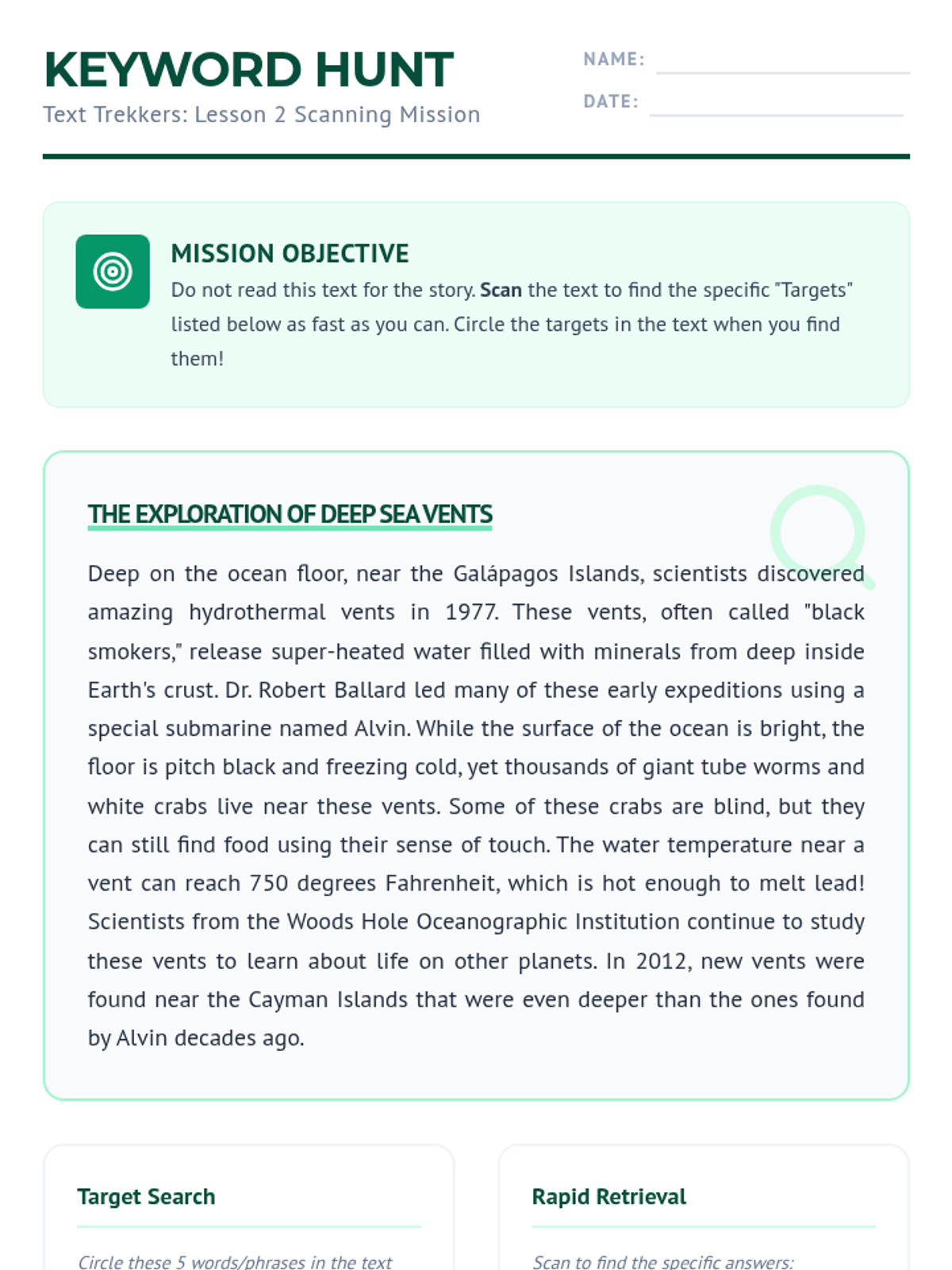
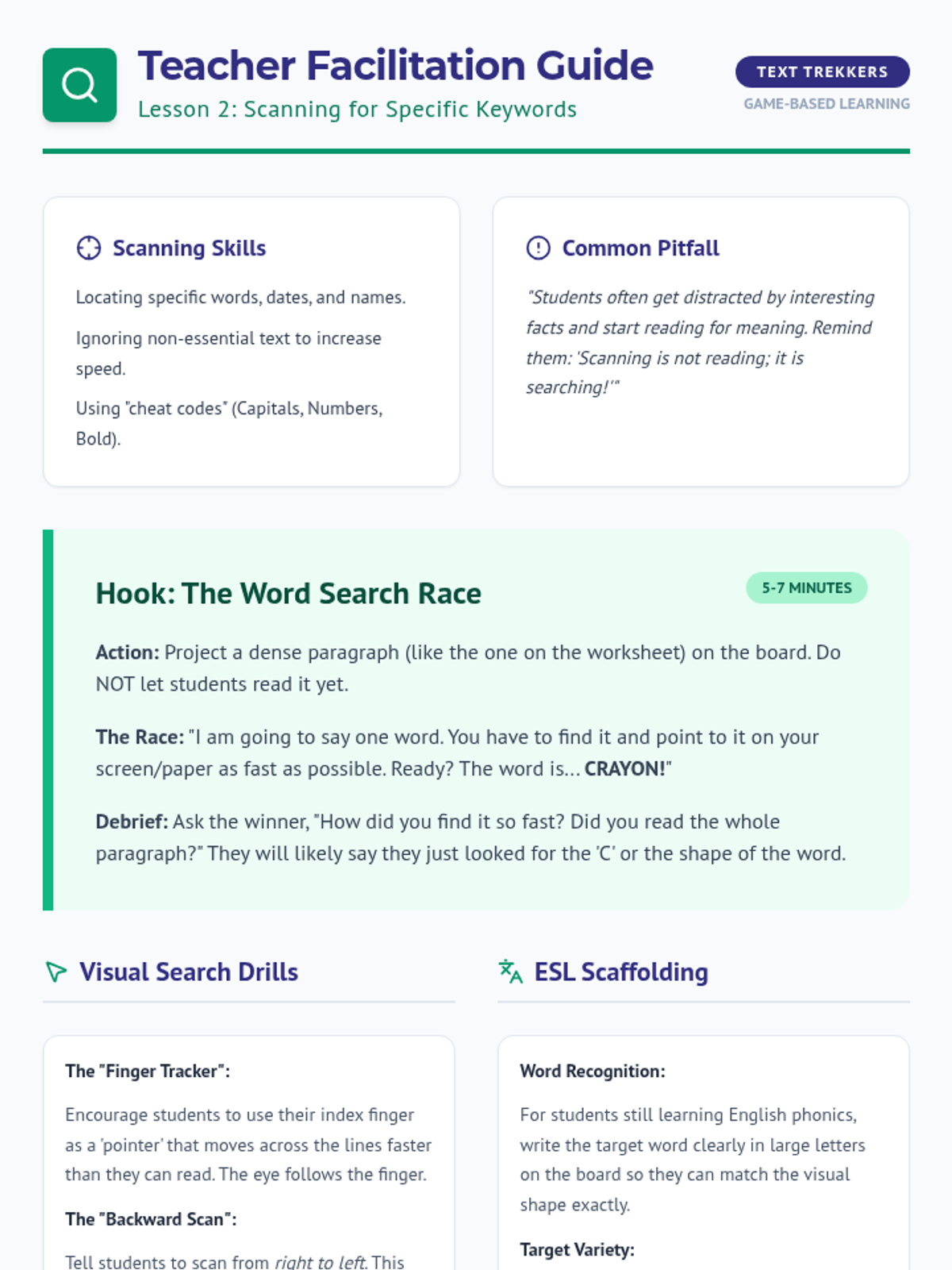
Students practice scanning—moving eyes quickly over text to find specific words, names, or numbers using visual search techniques.
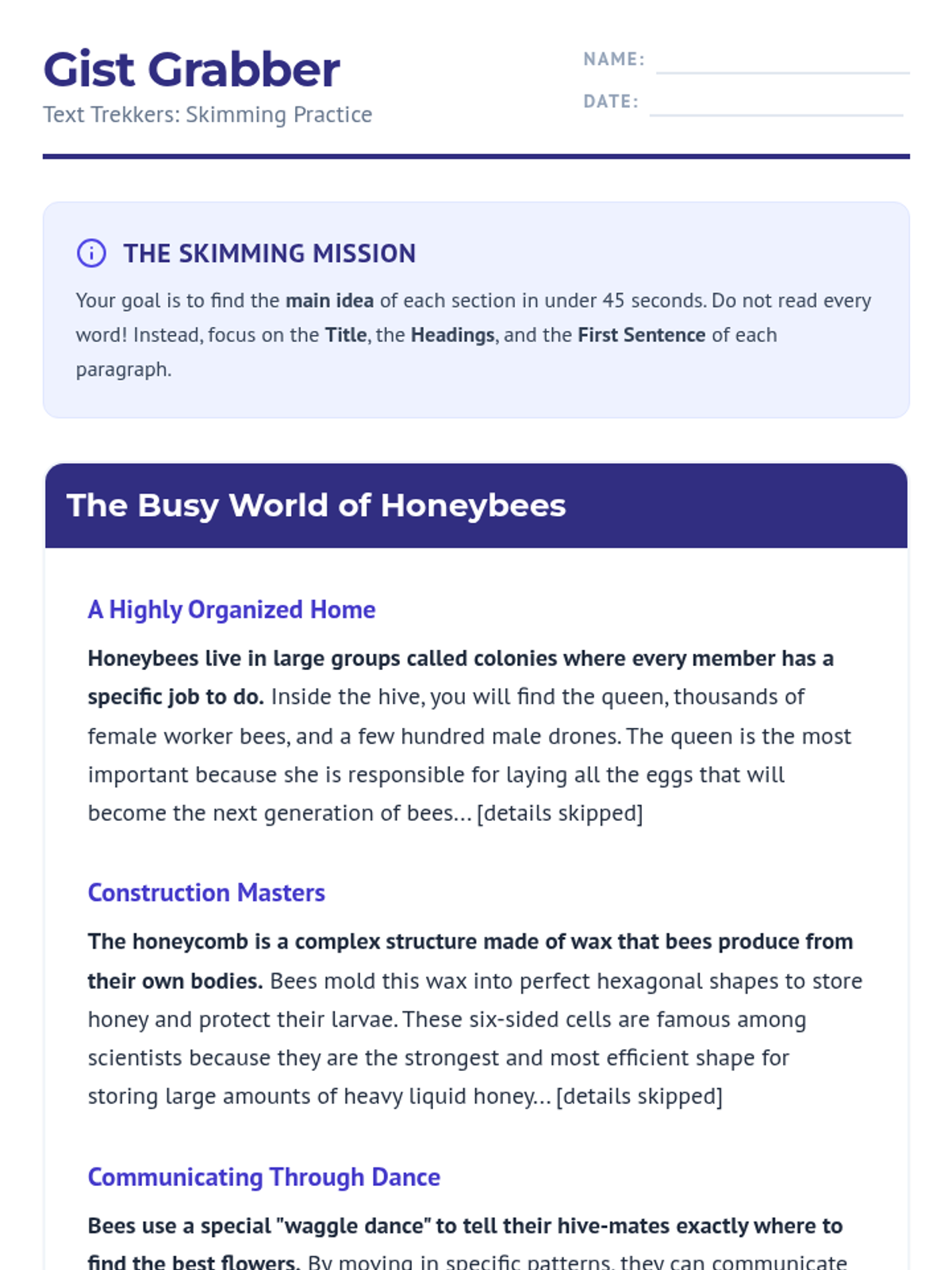
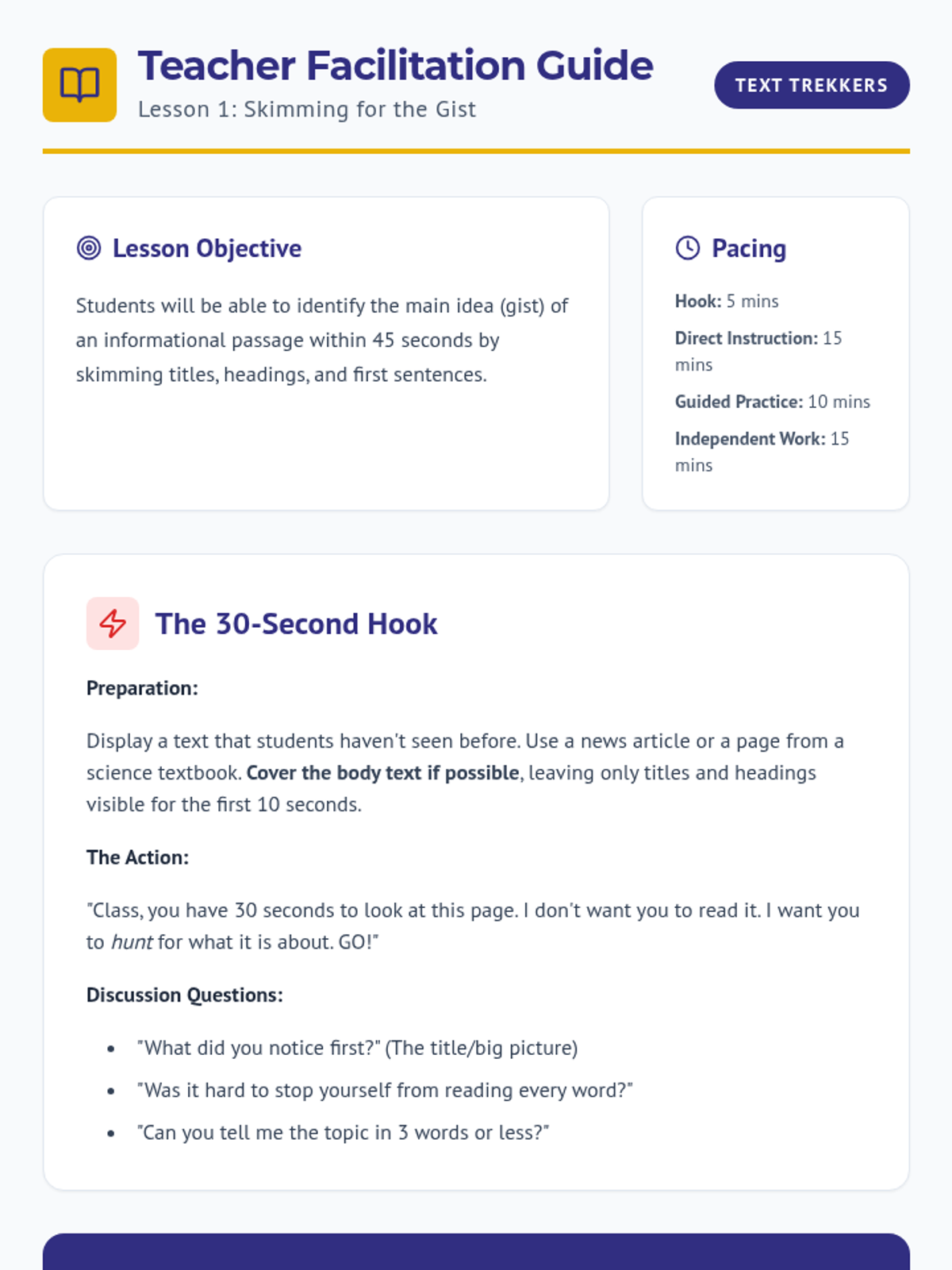
Students learn the technique of skimming to understand the main idea of a text quickly by focusing on titles, headings, and first sentences.
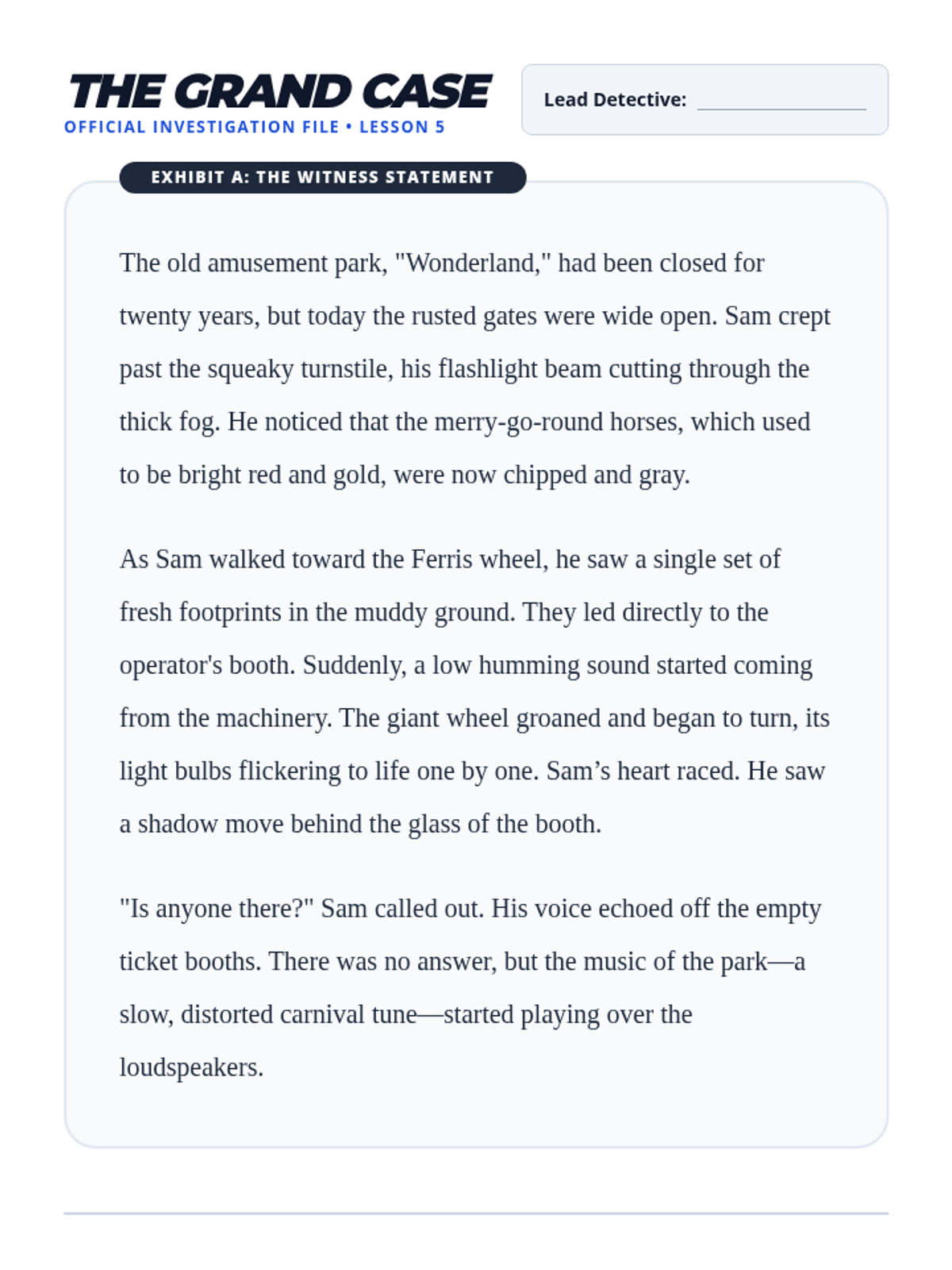
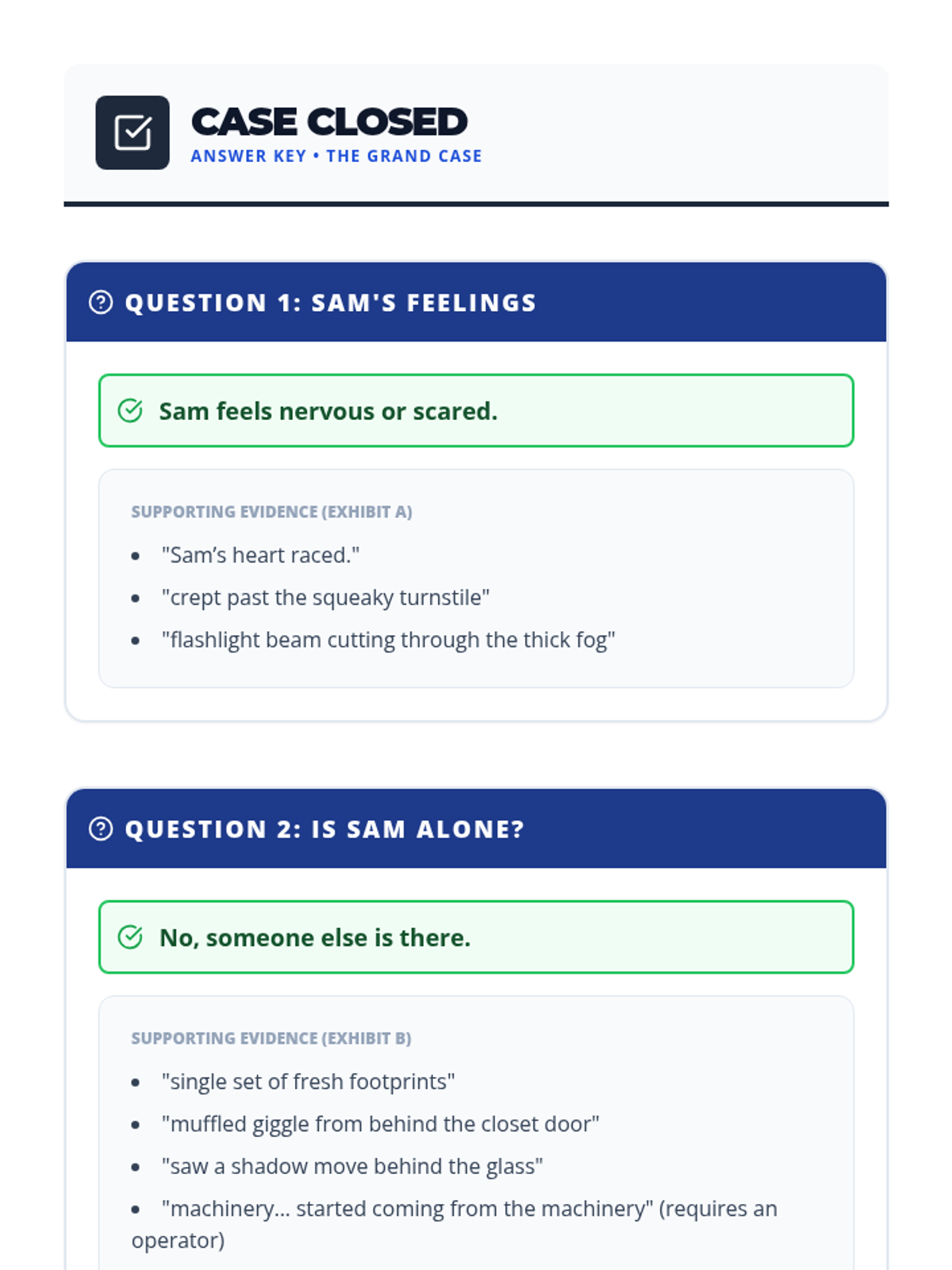
Summative activity where students read a full narrative, answer inference questions, and physically map answers to evidence.
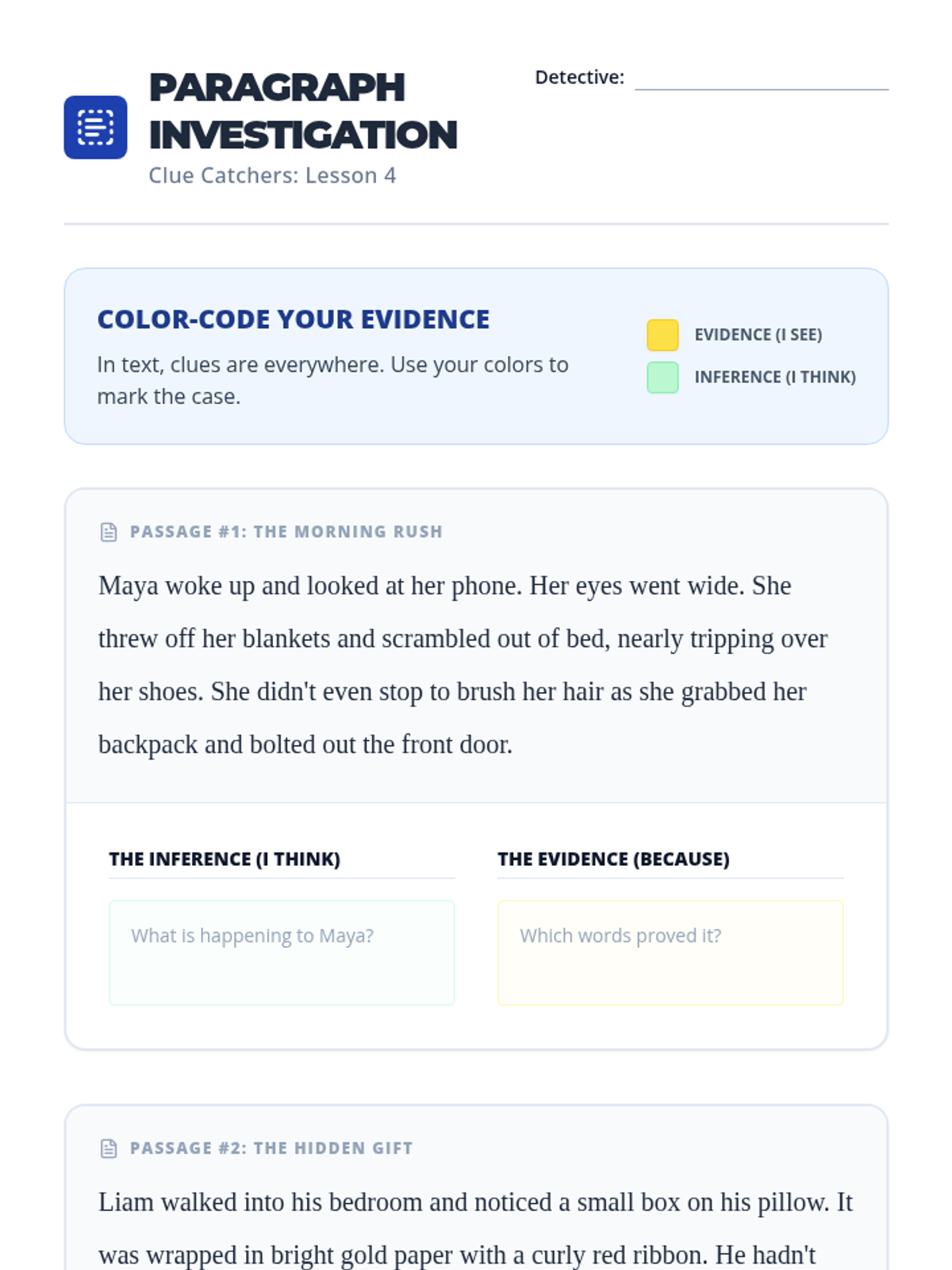
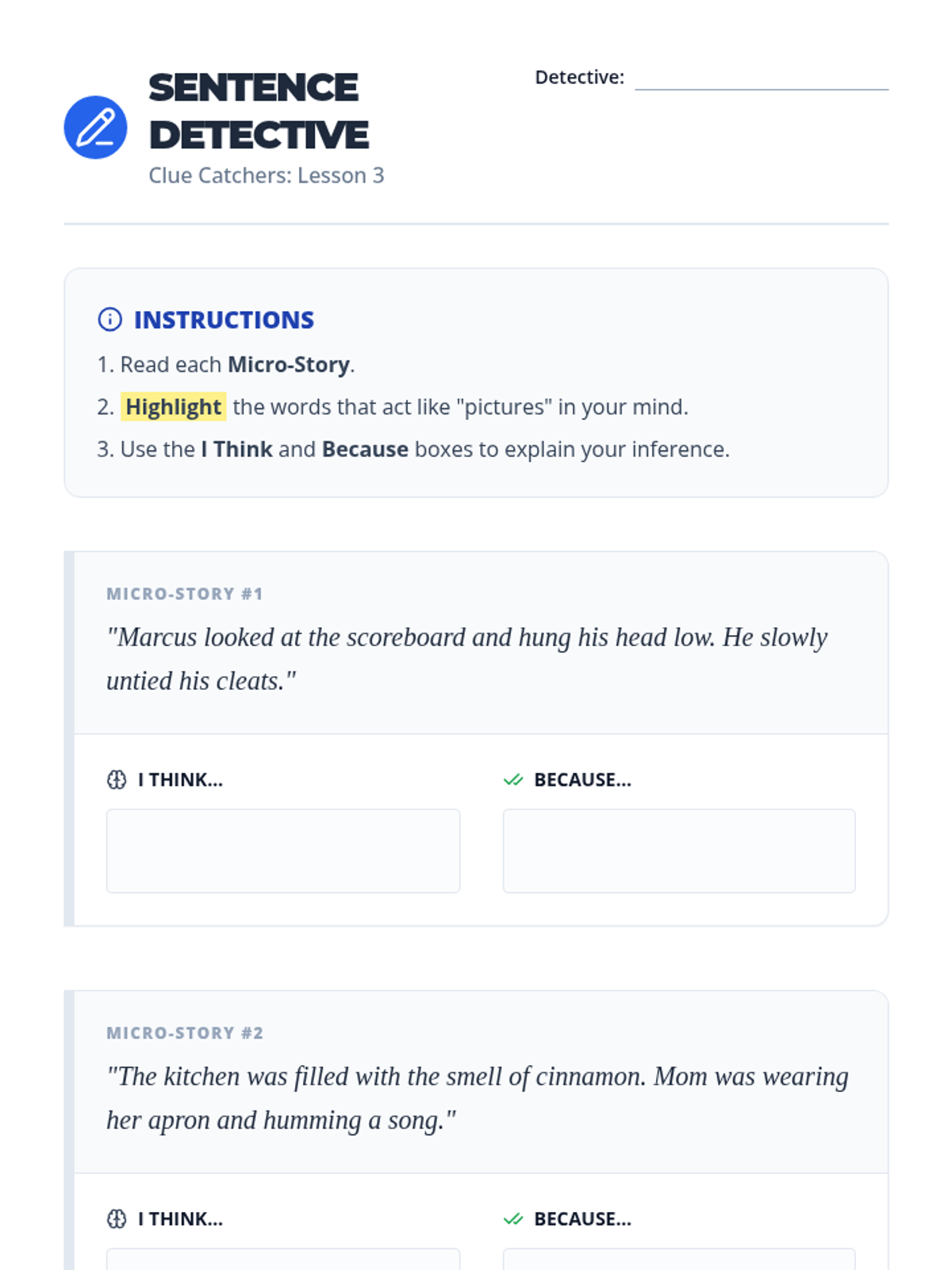
Applying inference strategies to paragraph-length texts using color-coded highlighting for evidence.
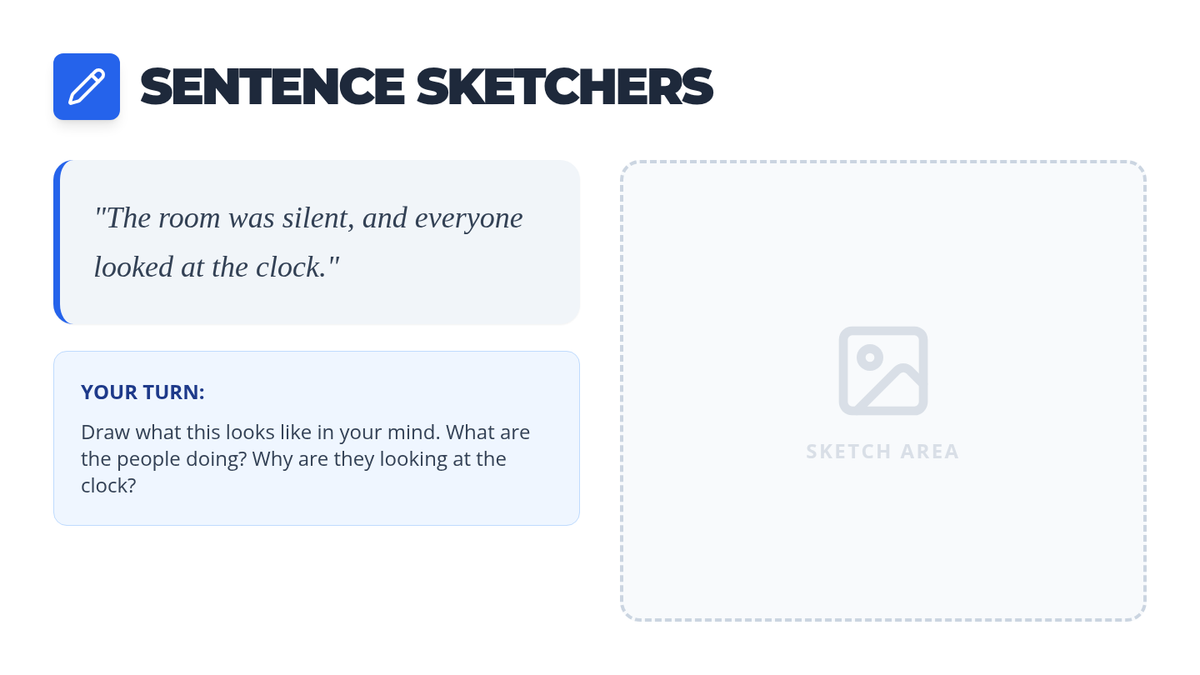
Students transition from images to 'micro-stories', identifying keywords that serve as visual clues in text.
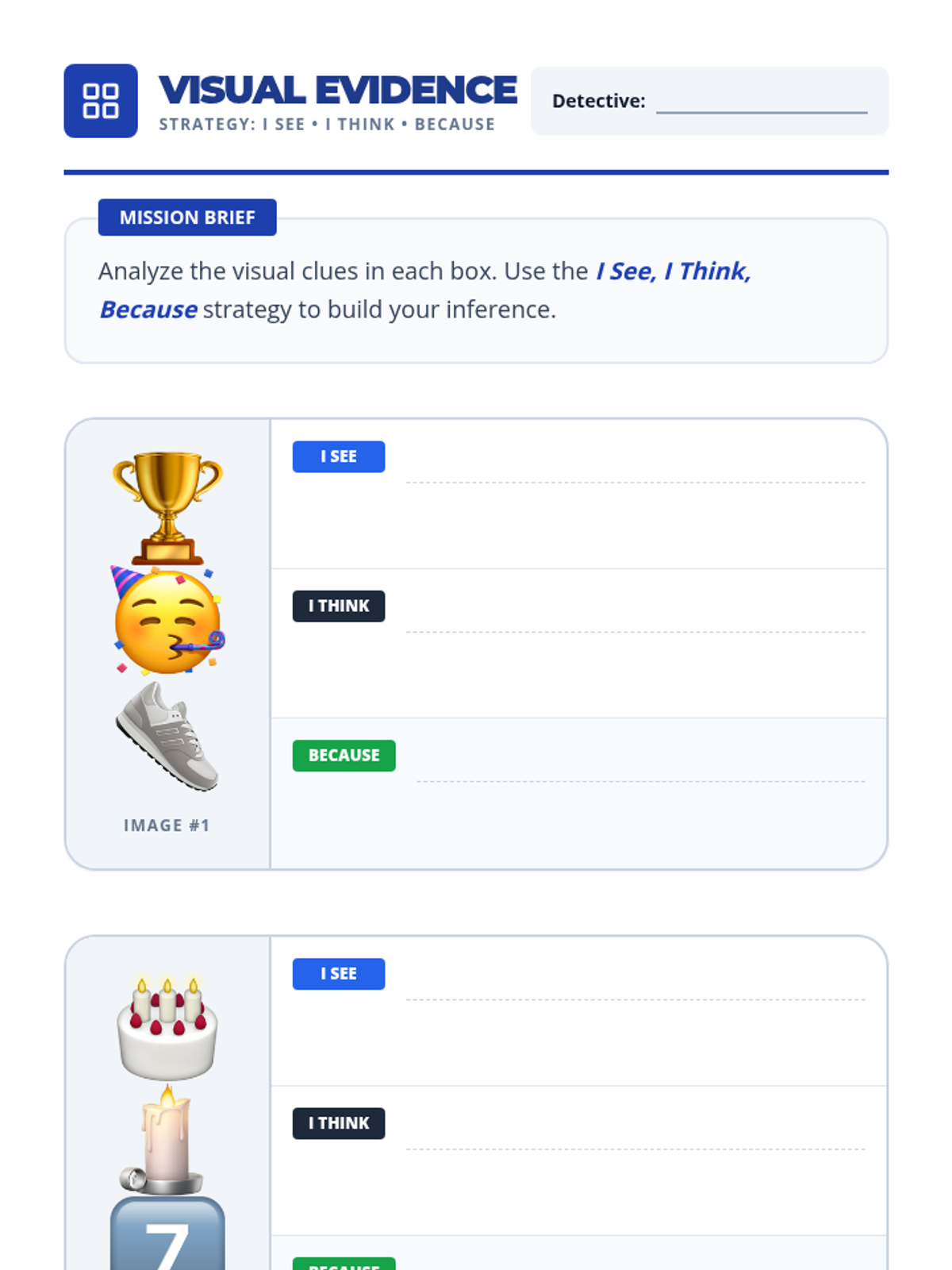
Introduction of the 'I See, I Think, Because' scaffold to structure inferences from single-panel comics.
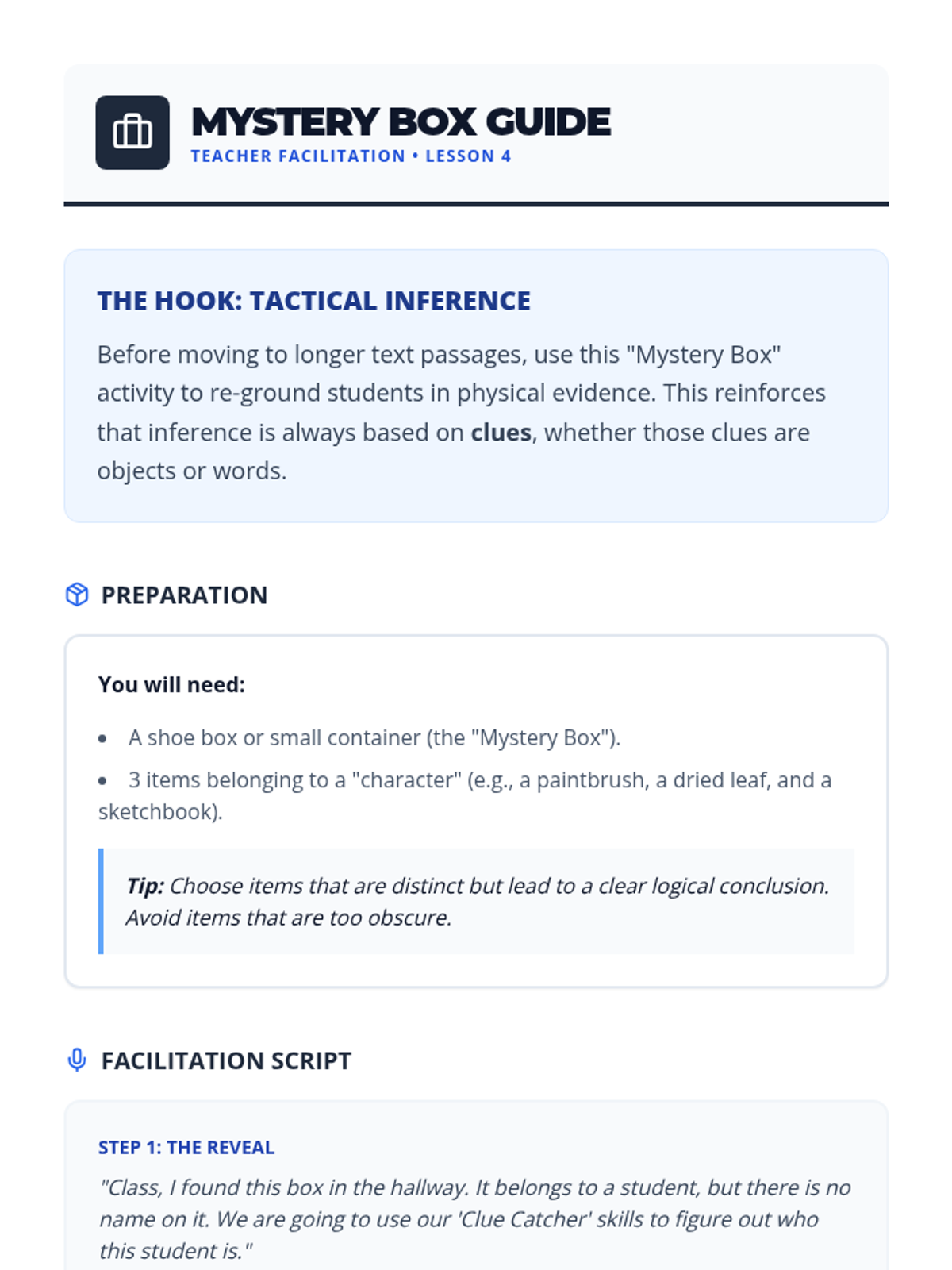
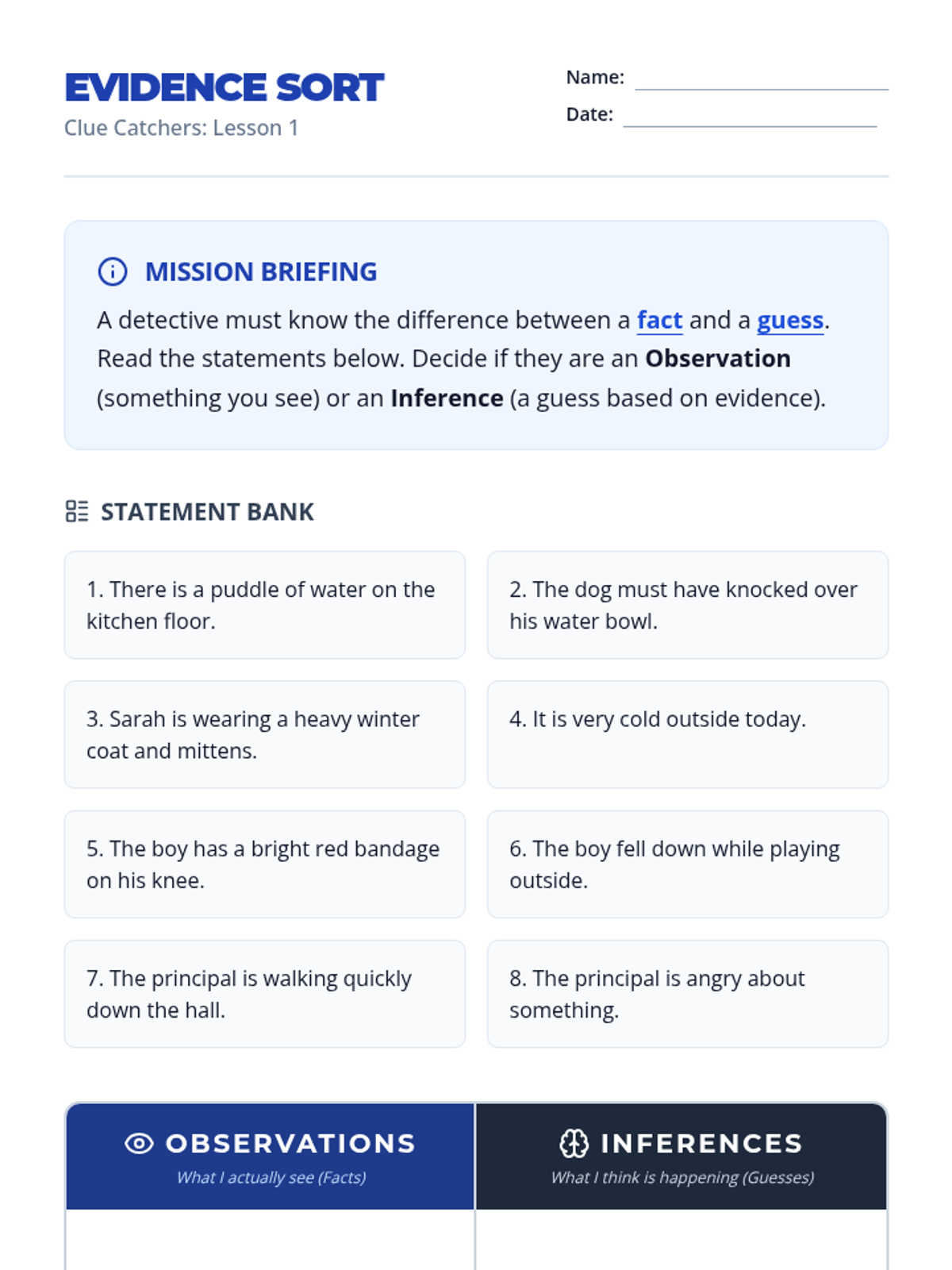
Students differentiate between concrete observations and logical inferences using ambiguous visual stimuli and a T-chart organizer.
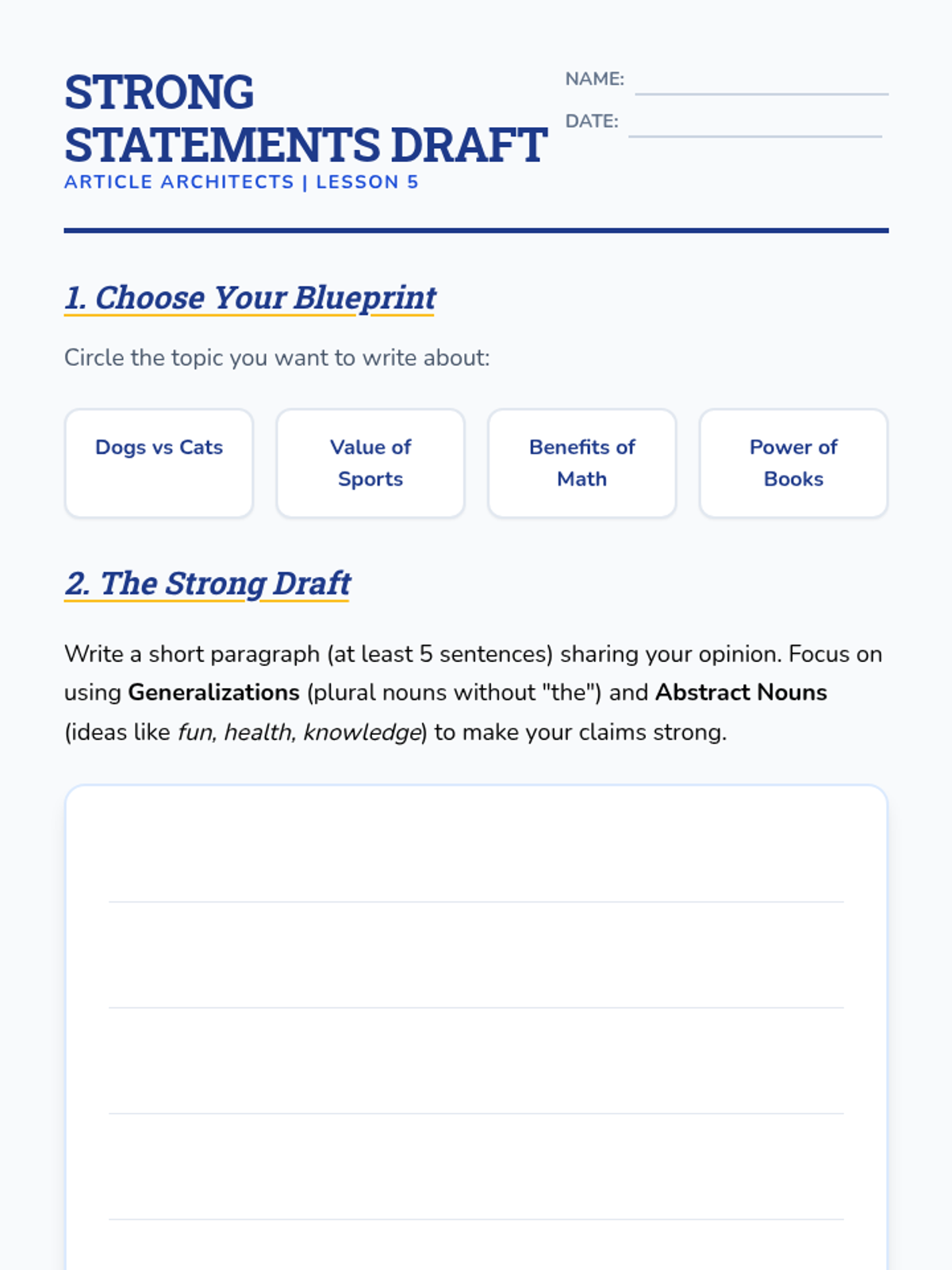
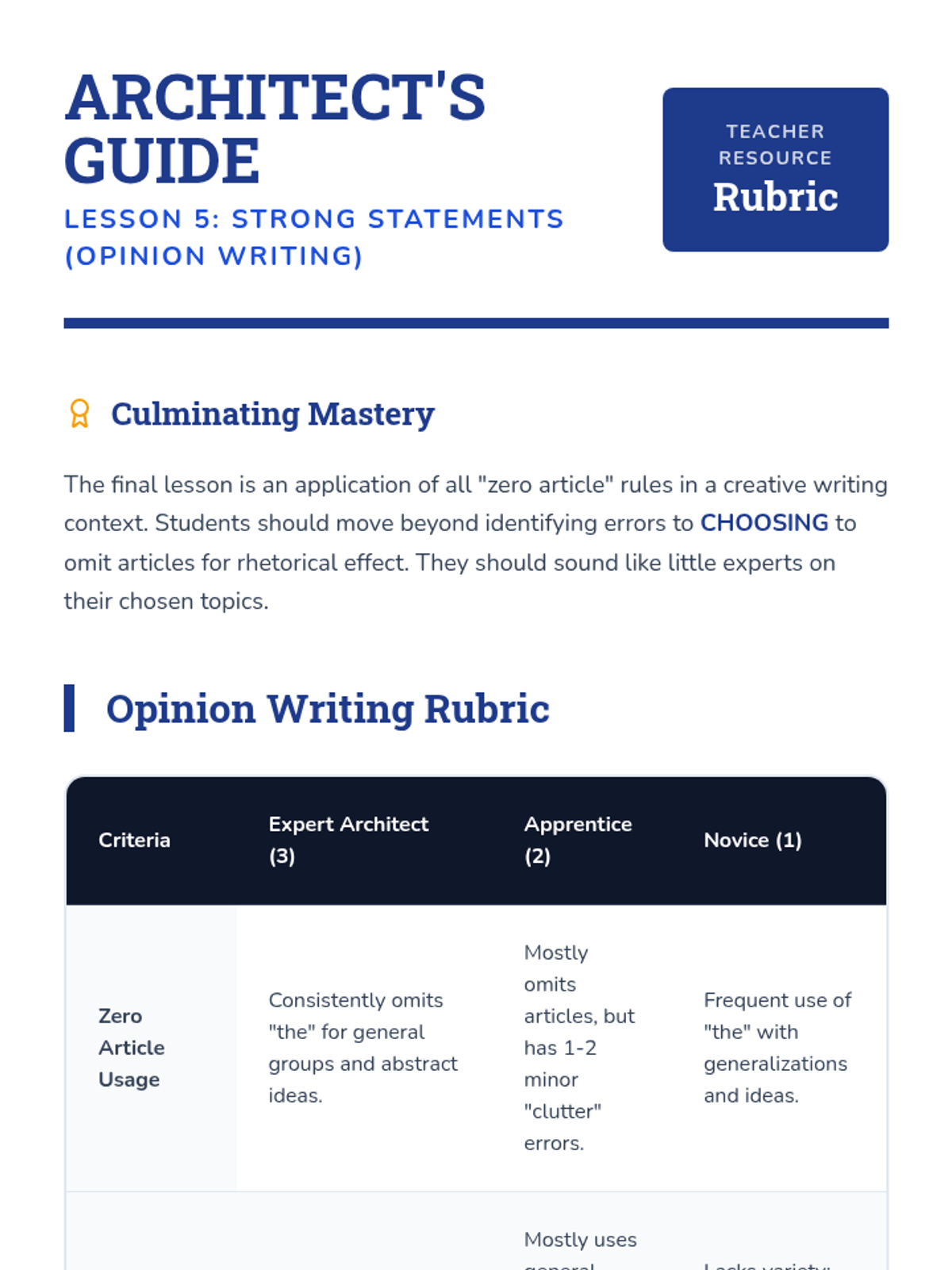
Applying zero article rules to write strong, generalized opinion statements about a chosen topic.
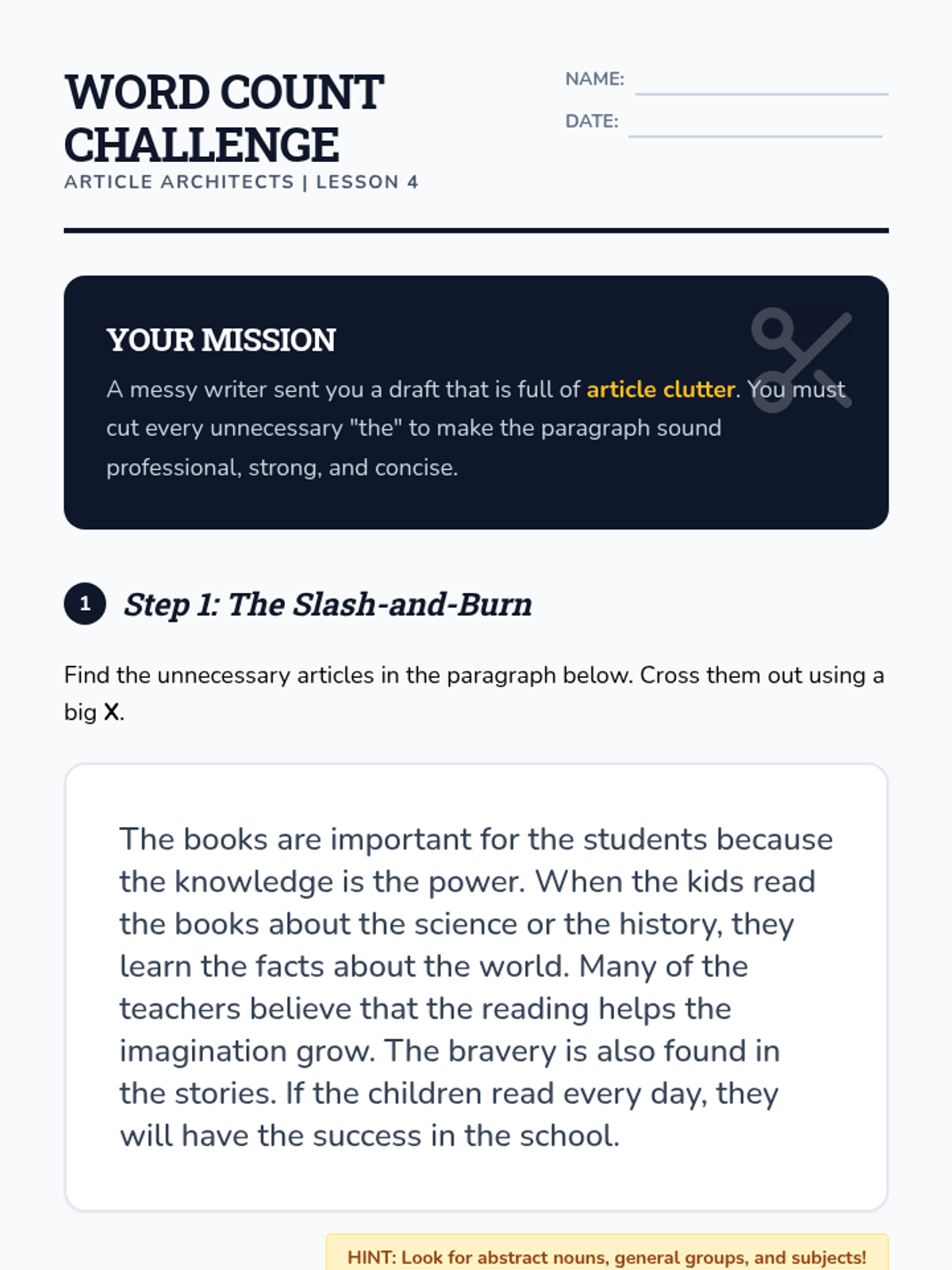
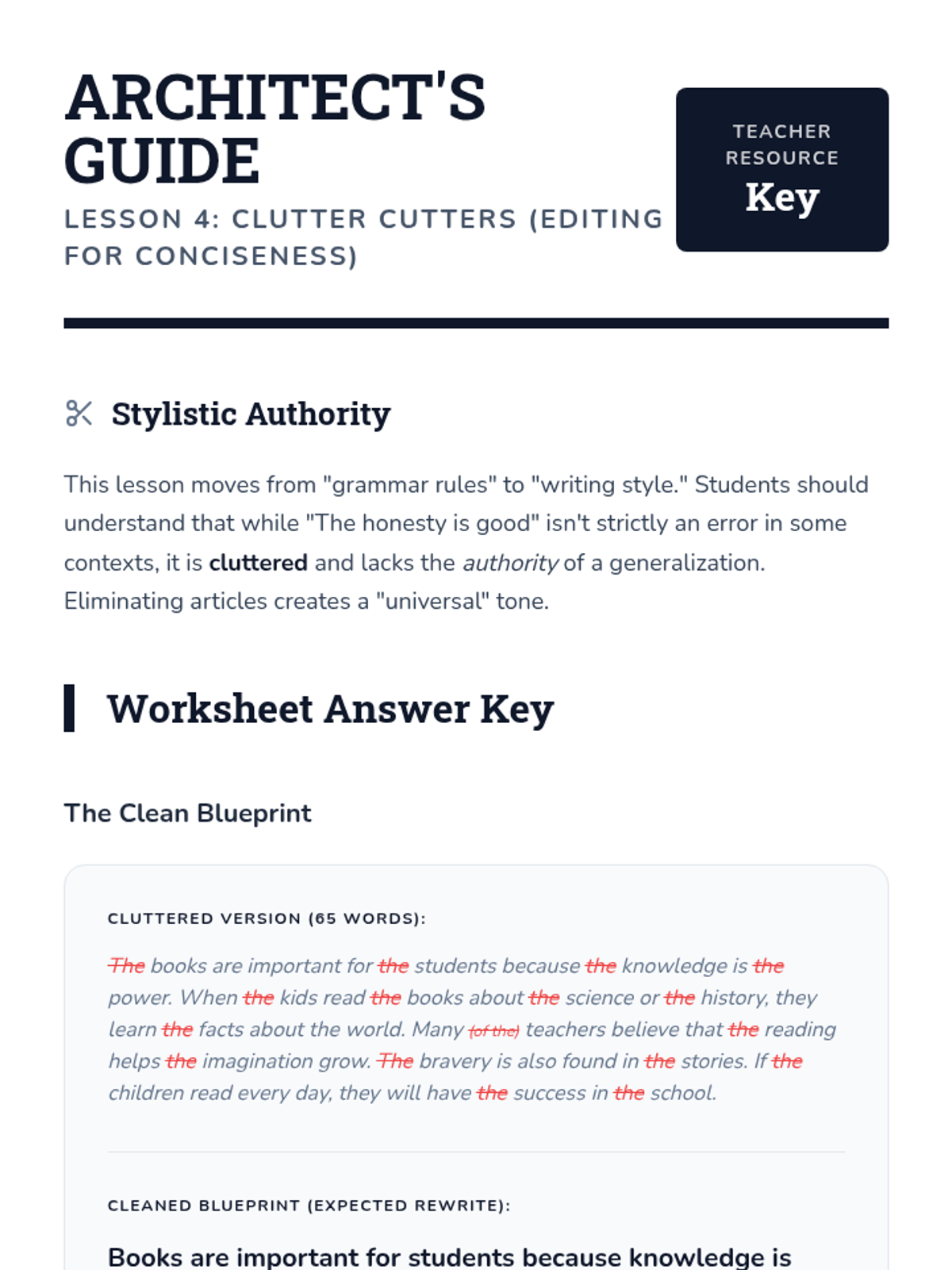
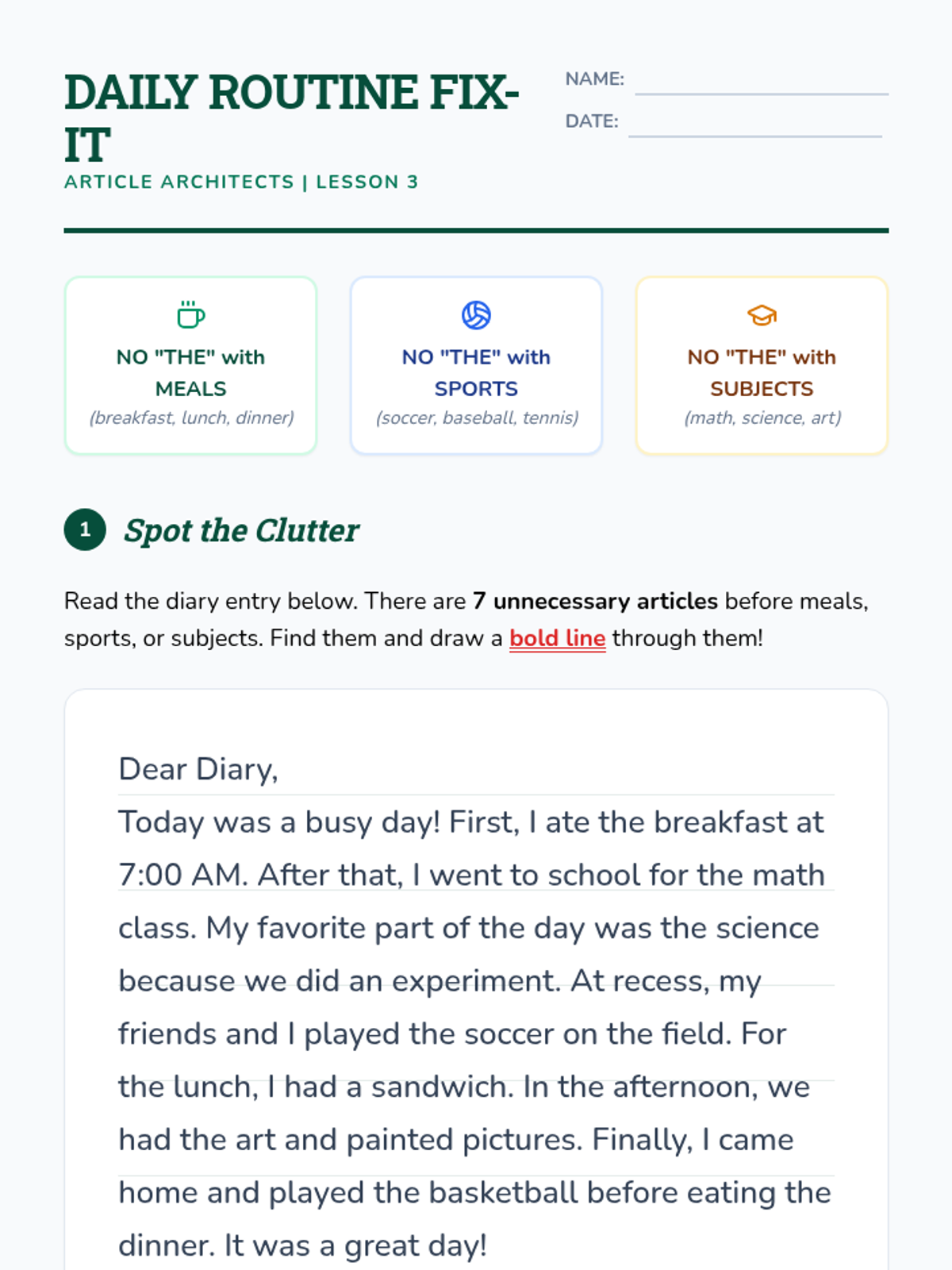
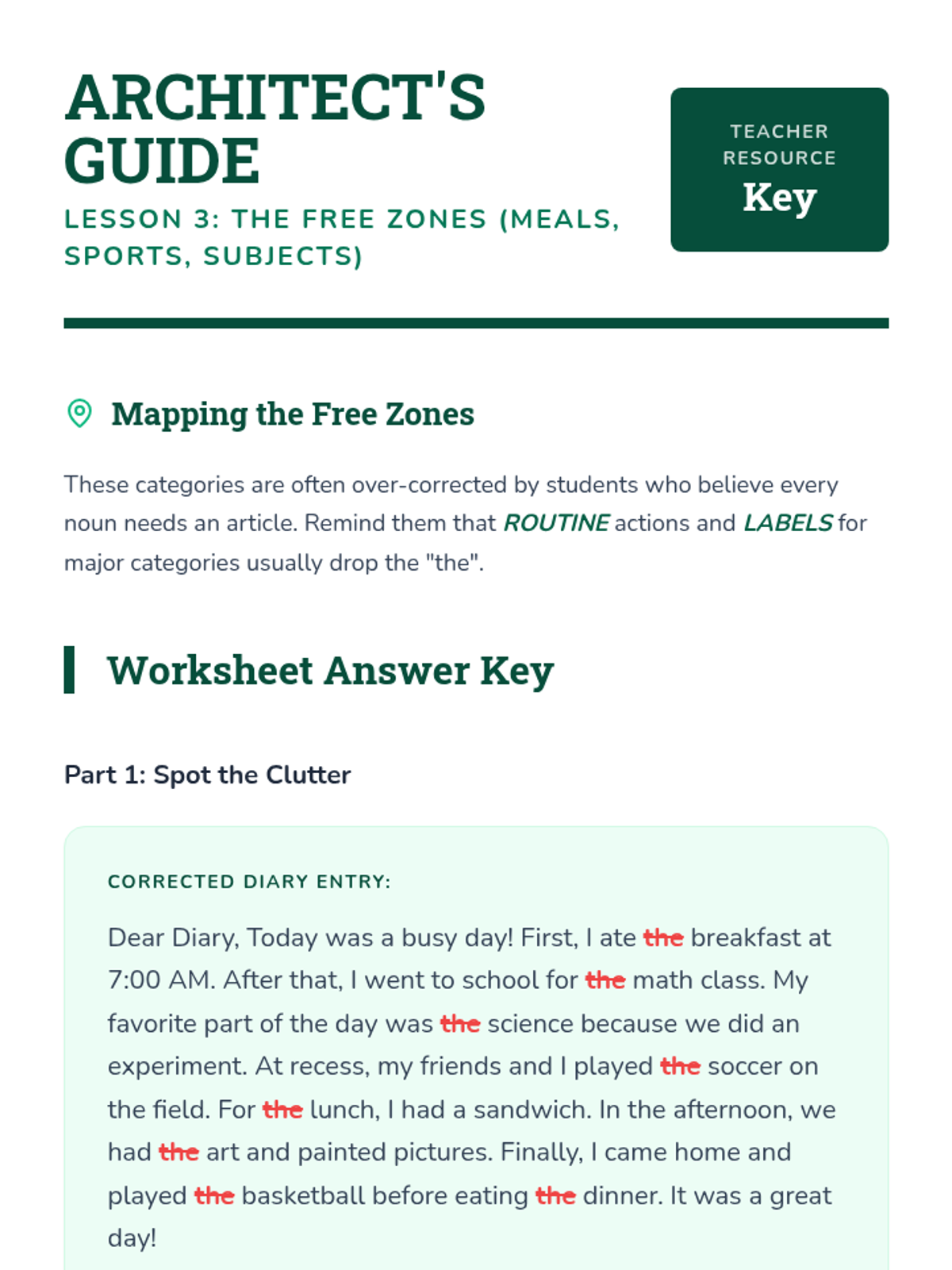
Students edit 'cluttered' text by removing unnecessary articles to improve conciseness and stylistic fluency.
Learning the specific categories (meals, sports, and school subjects) that naturally omit the definite article.
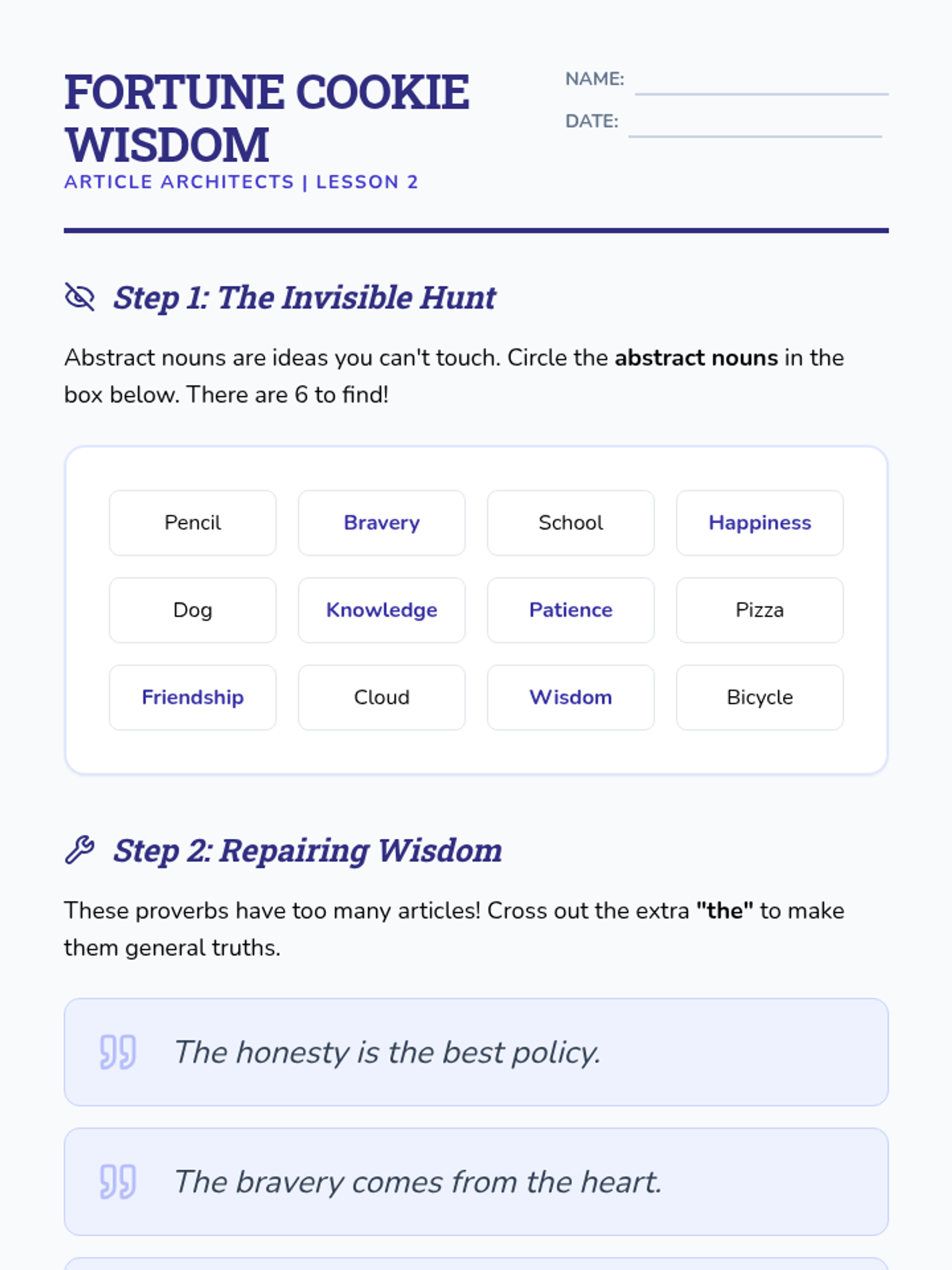
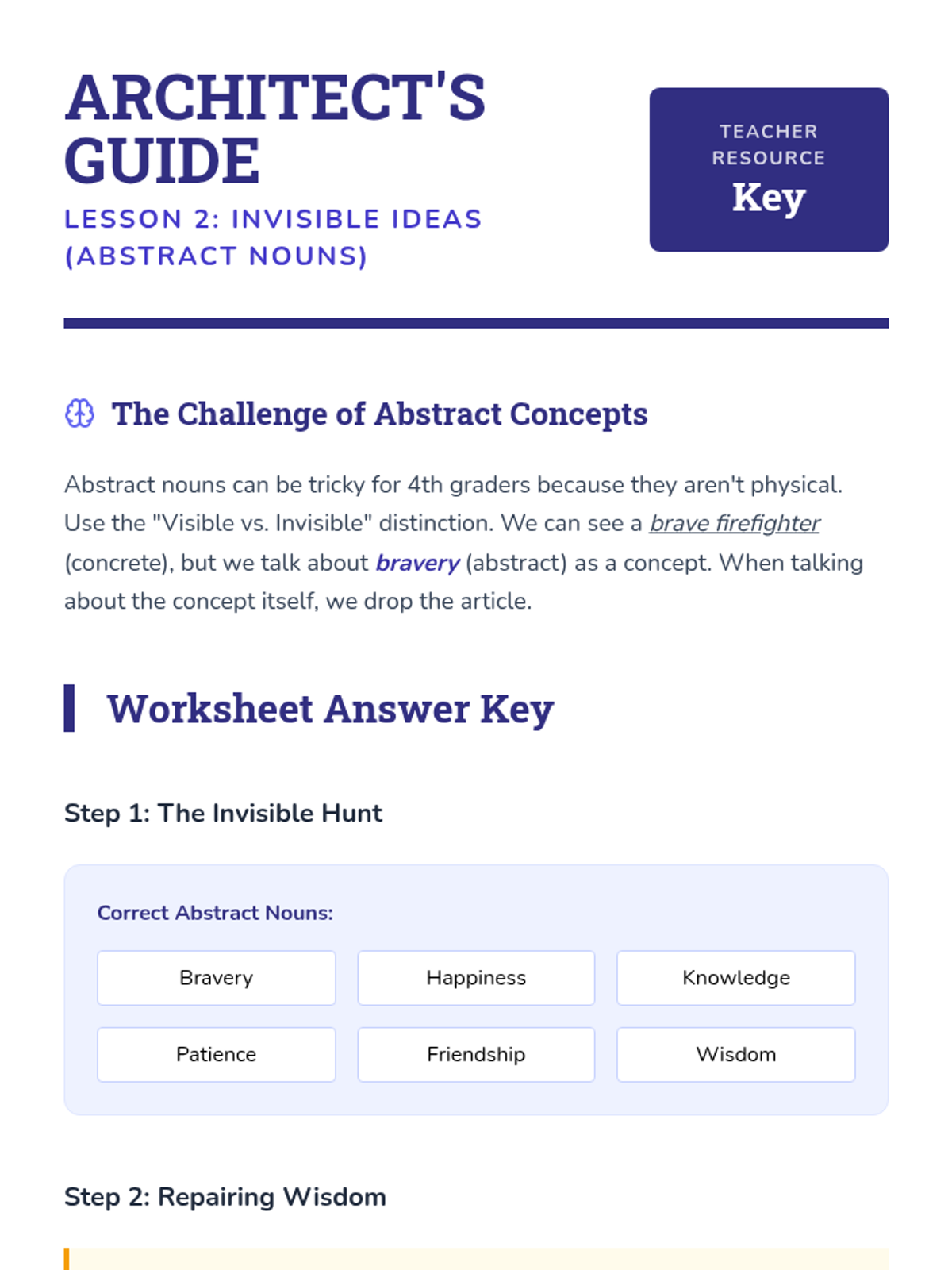
Exploring how abstract nouns like love, bravery, and patience typically use the zero article when discussed in general.
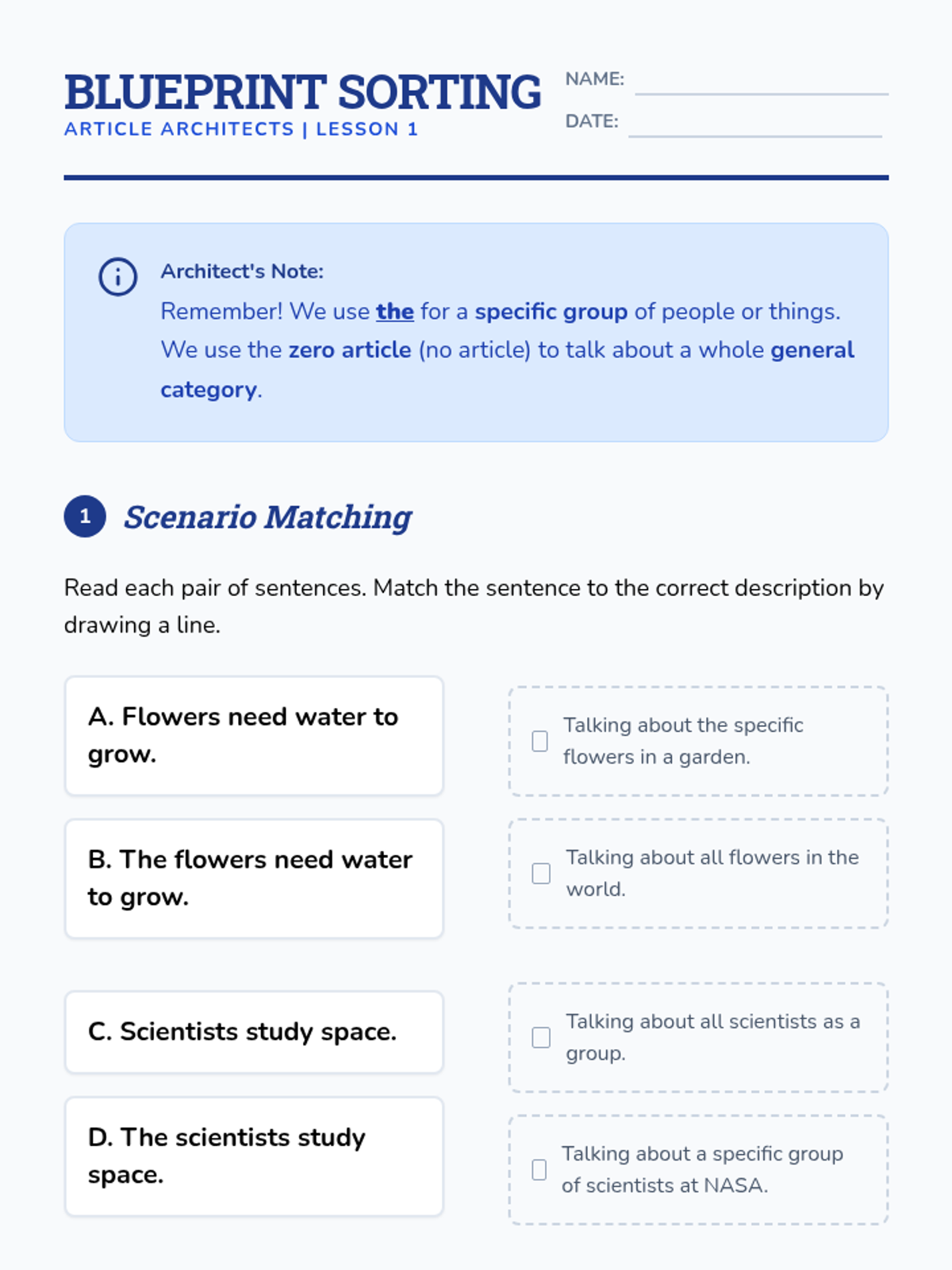
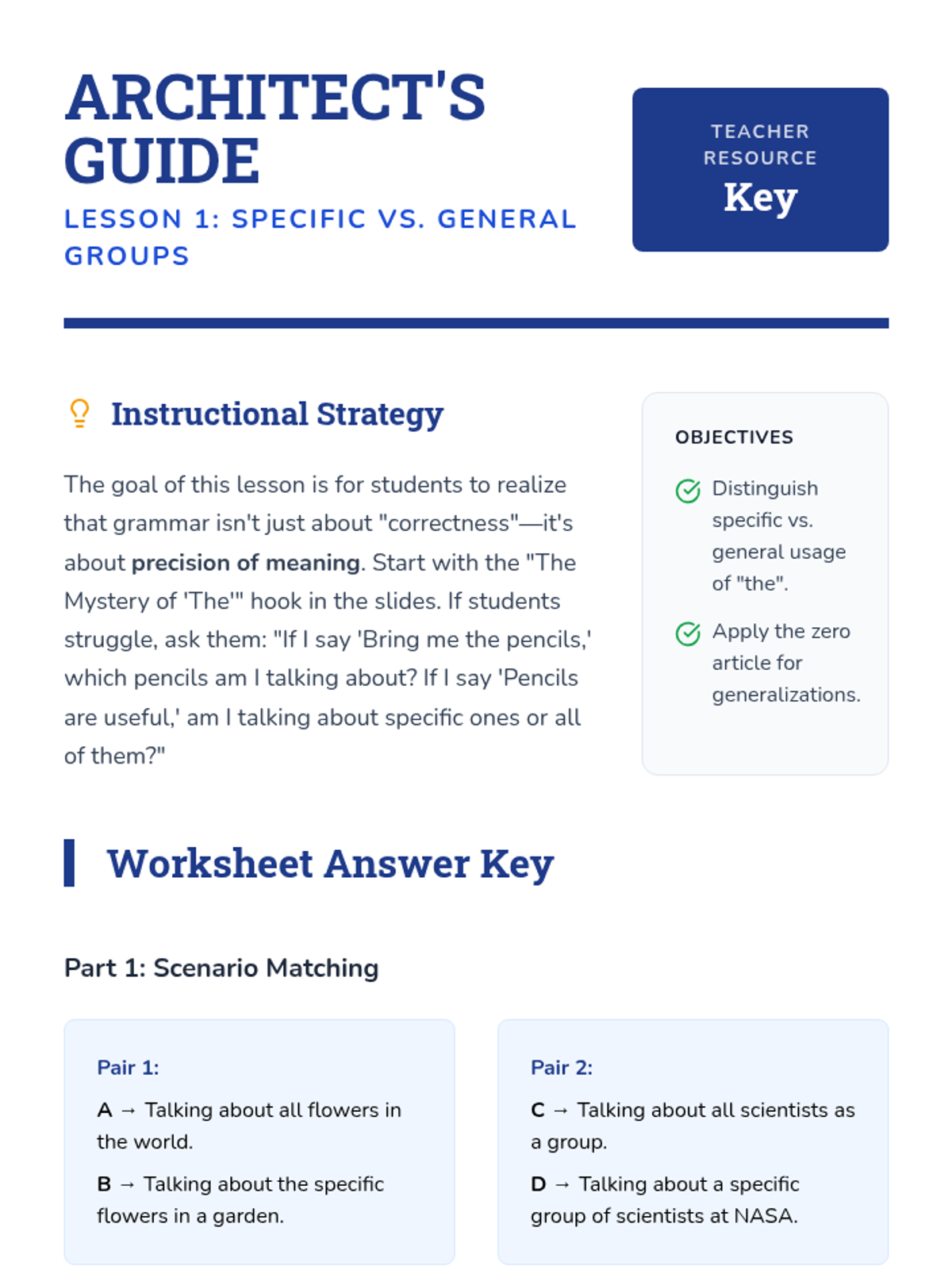
Students compare sentences with and without 'the' to understand how articles change a sentence from specific to general.
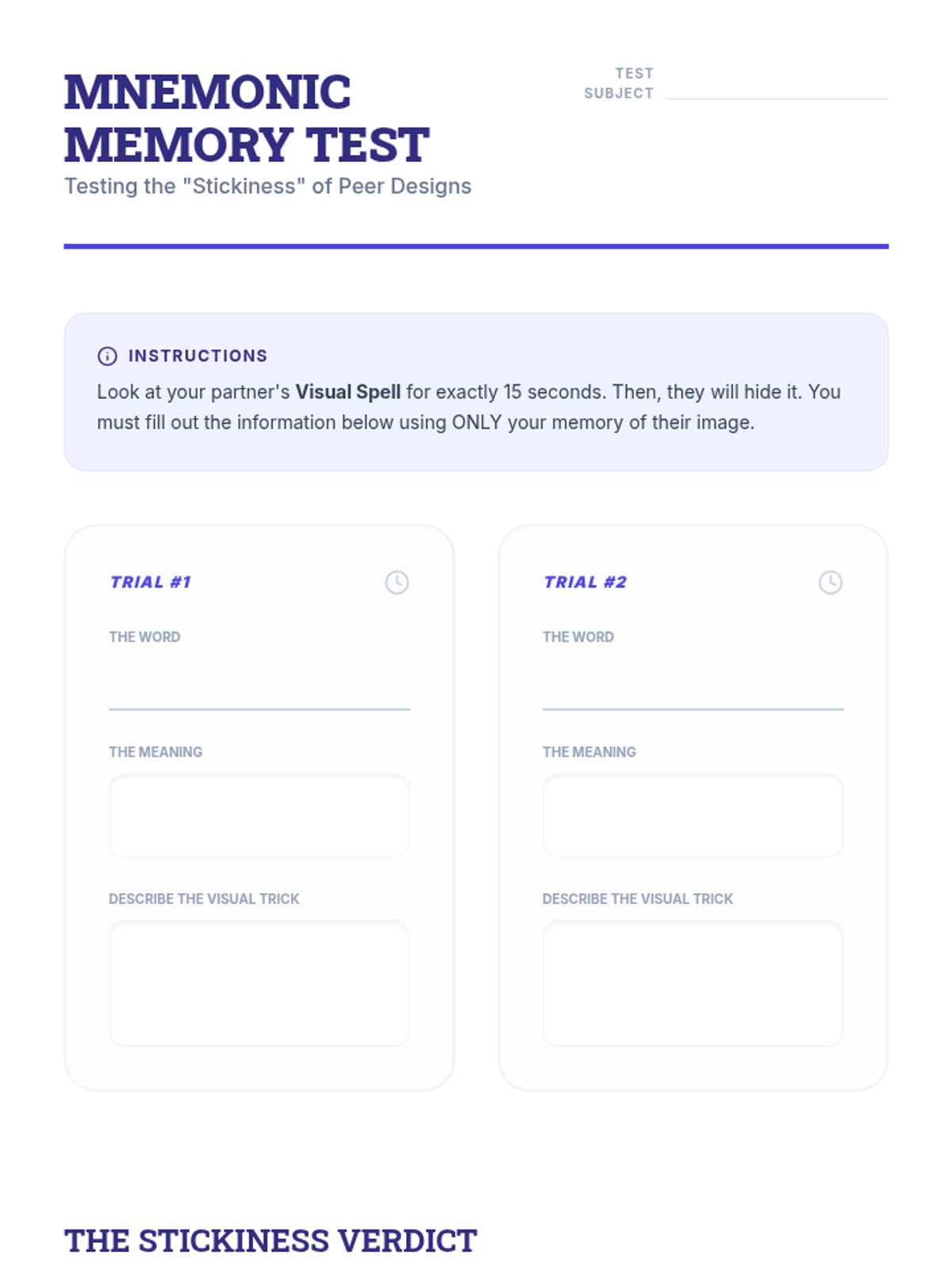
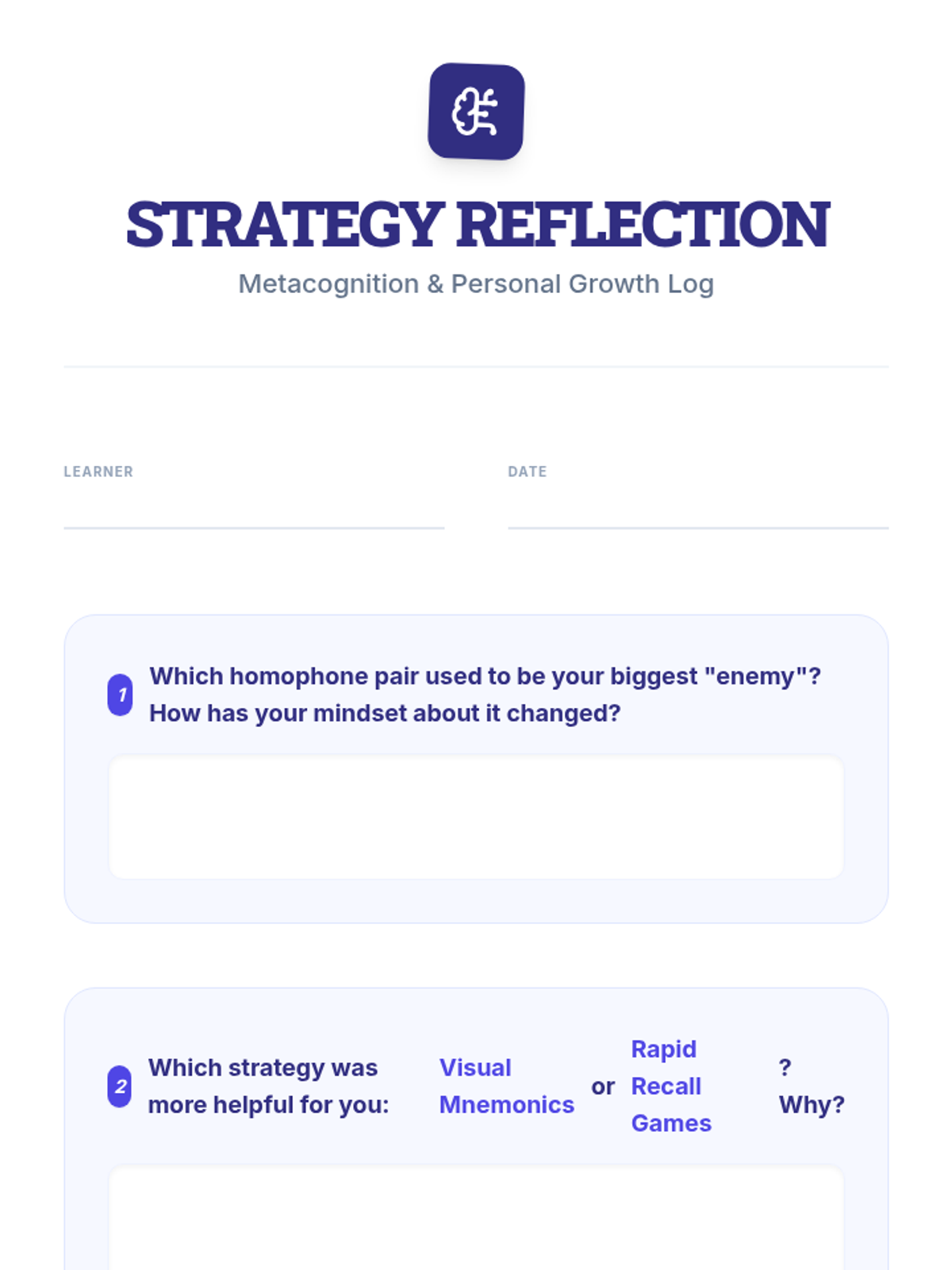
Students test their visual guides on peers through a memory challenge and reflect on the metacognitive strategies that were most effective for their own learning.
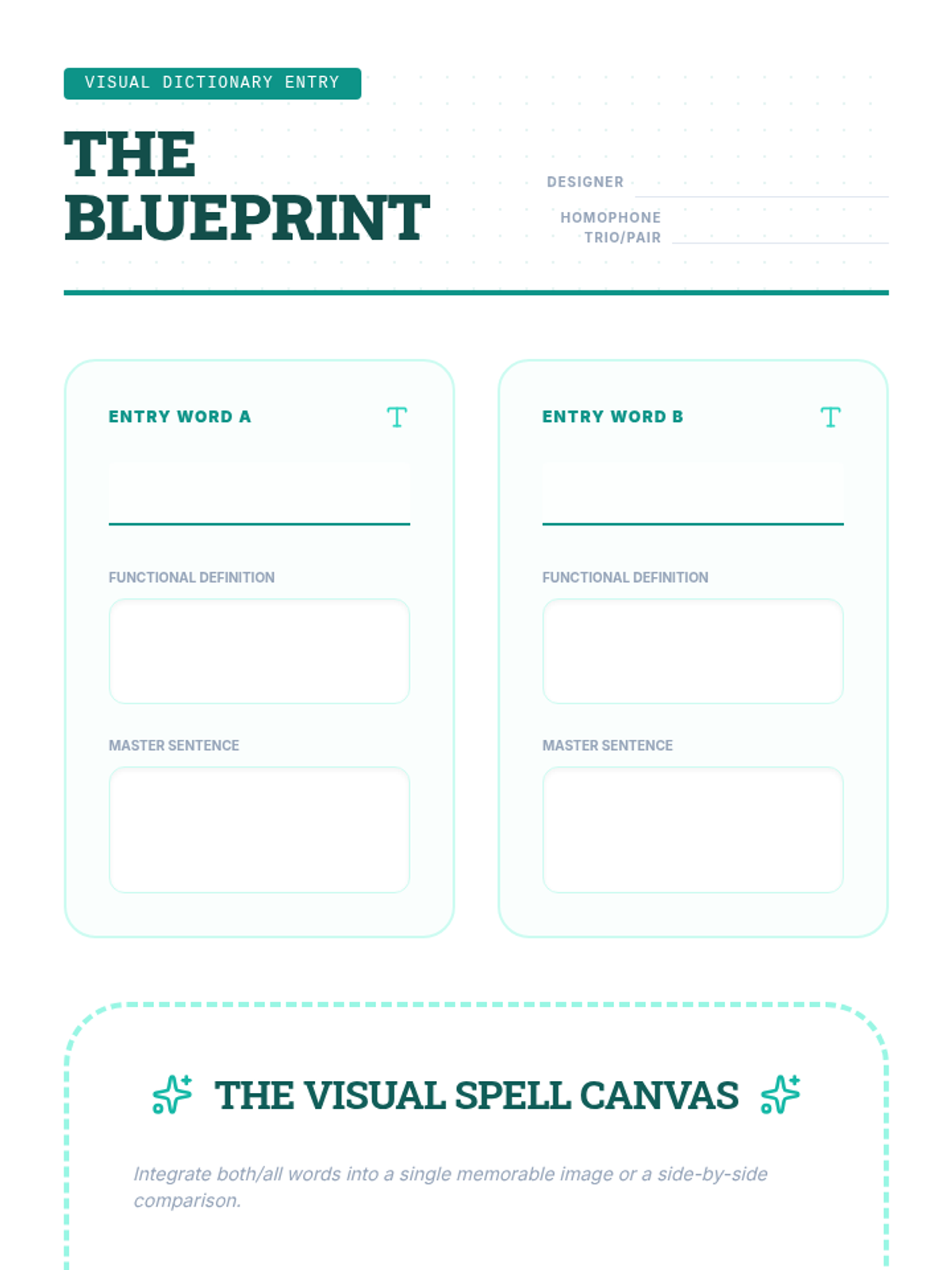
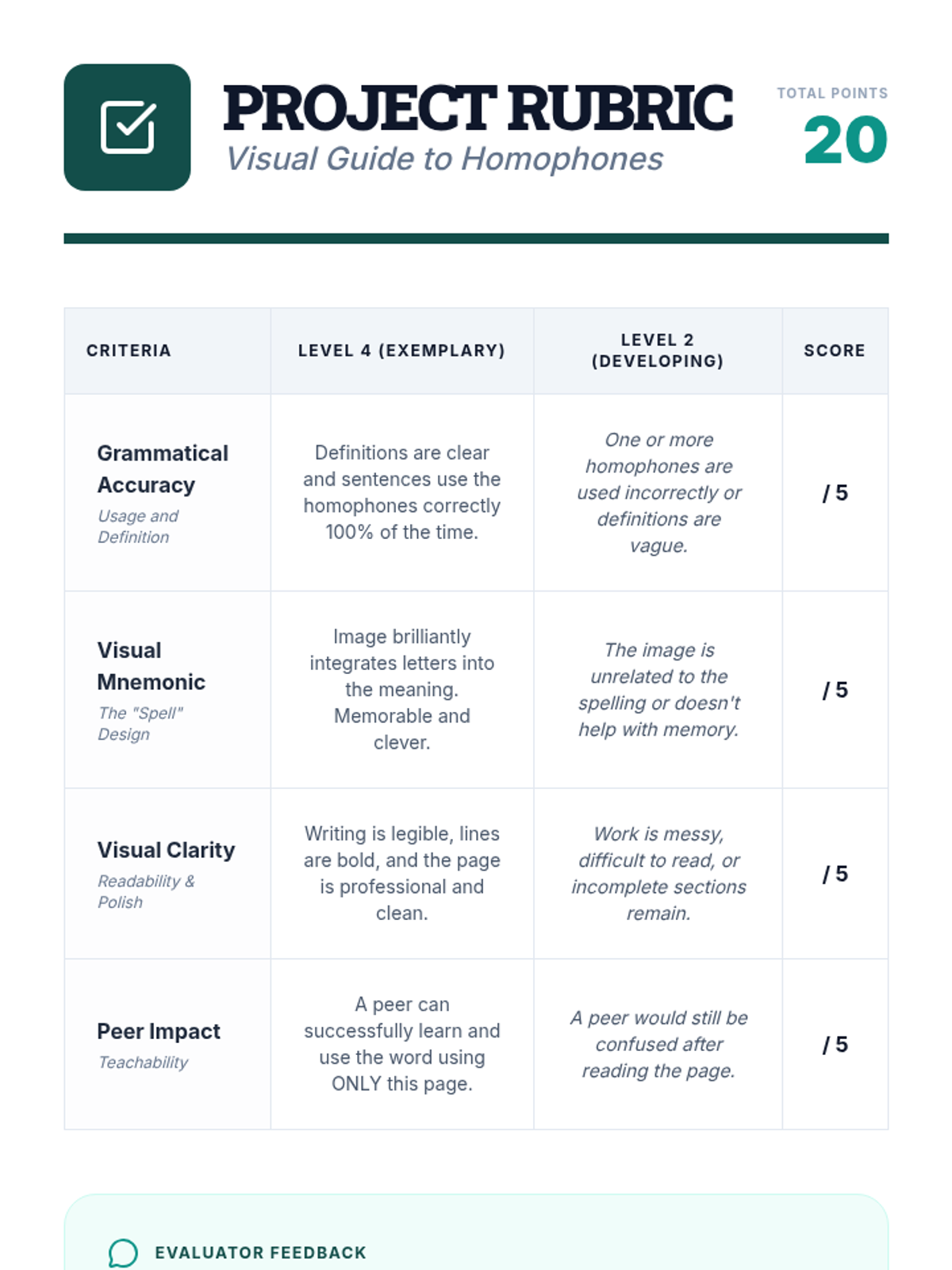
Students synthesize their knowledge by designing a comprehensive visual guide for a specific homophone set. They must define the word, provide a context-rich sentence, and illustrate their mnemonic trick.
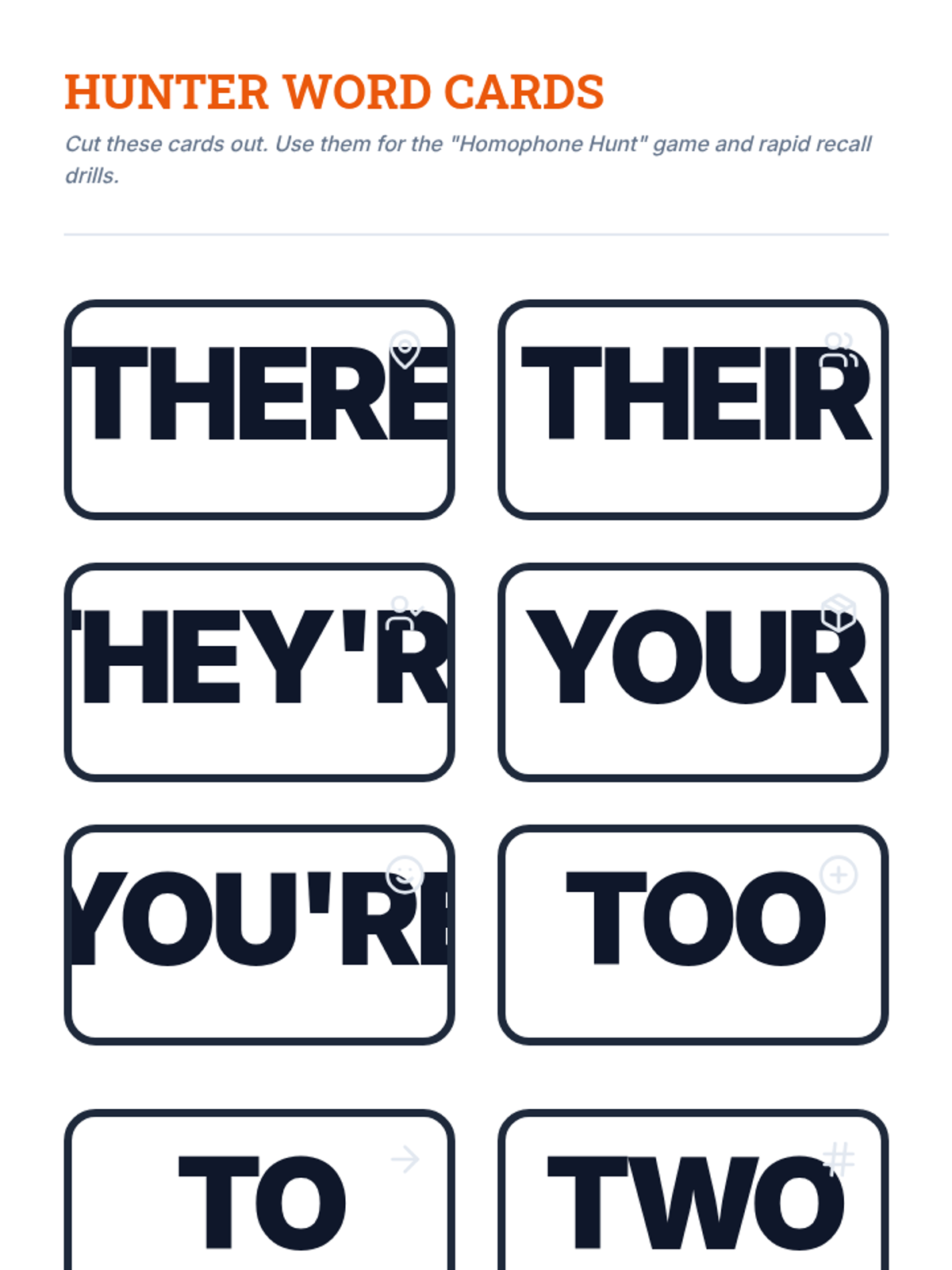
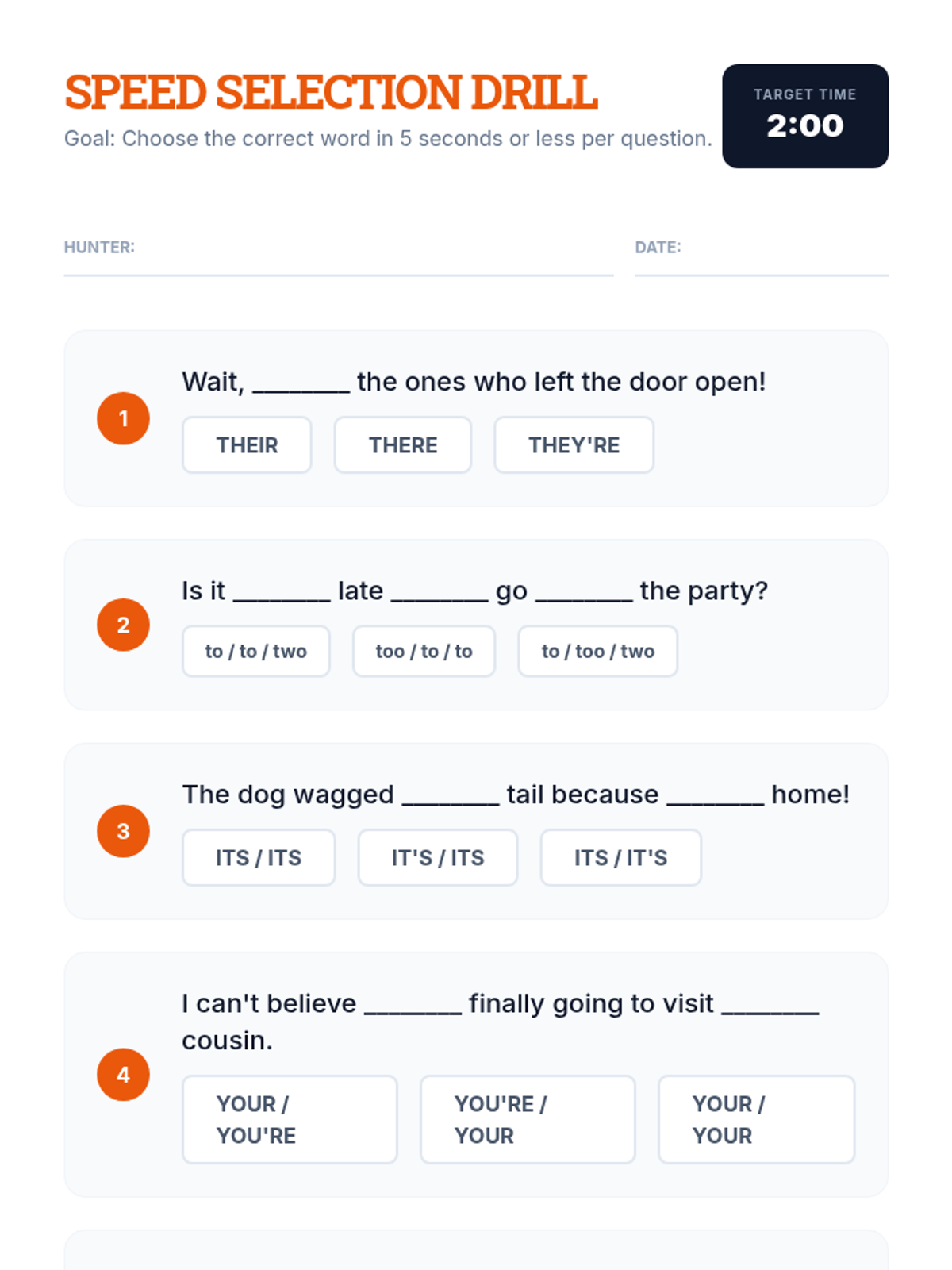
Focuses on building automaticity and rapid recall through game-based learning. Students use physical word cards to react to contextual sentences in a fast-paced environment.
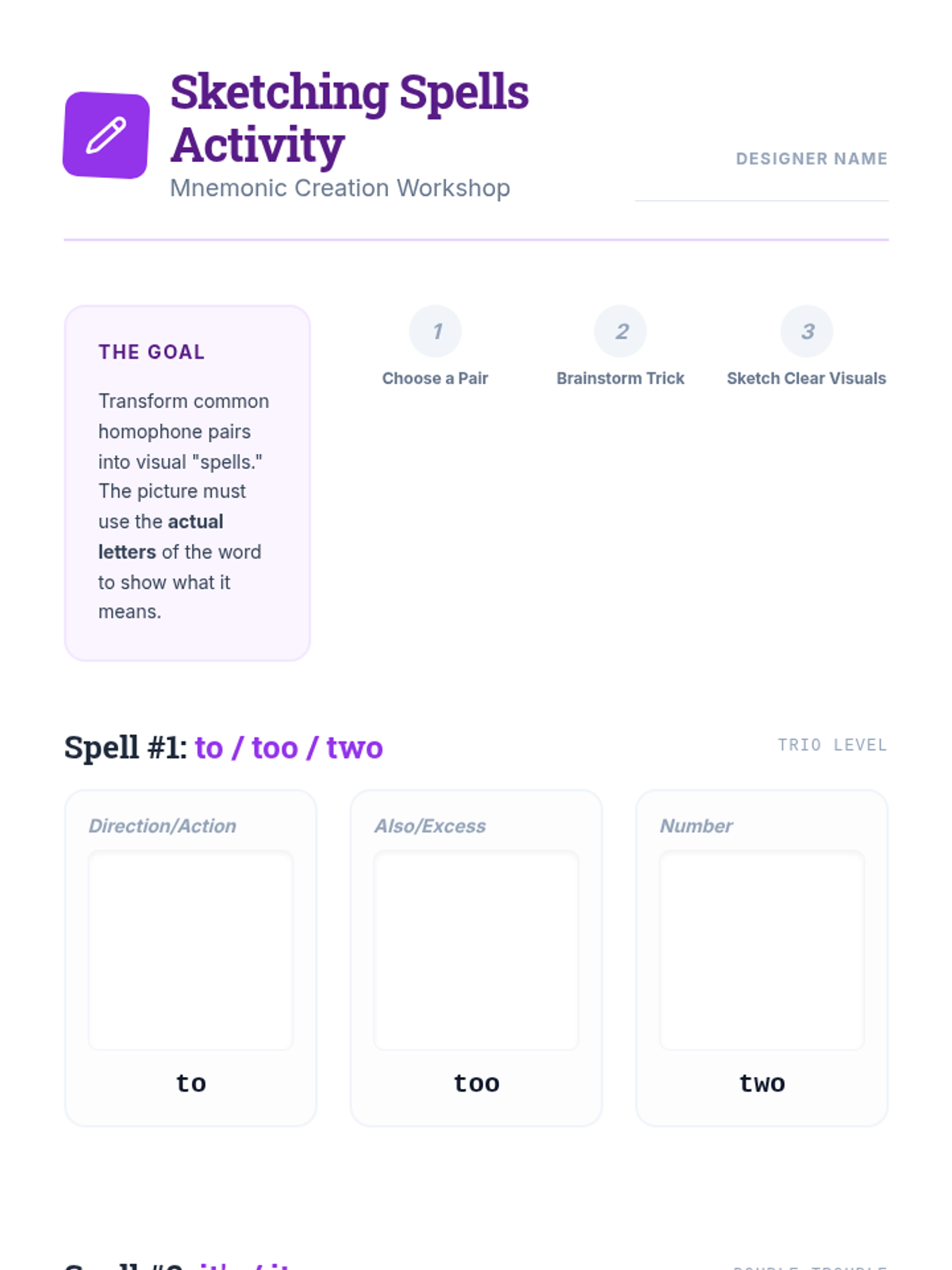
Students move from identification to creation by developing visual mnemonics for homophones, focusing on linking the spelling of a word to its meaning through imagery.
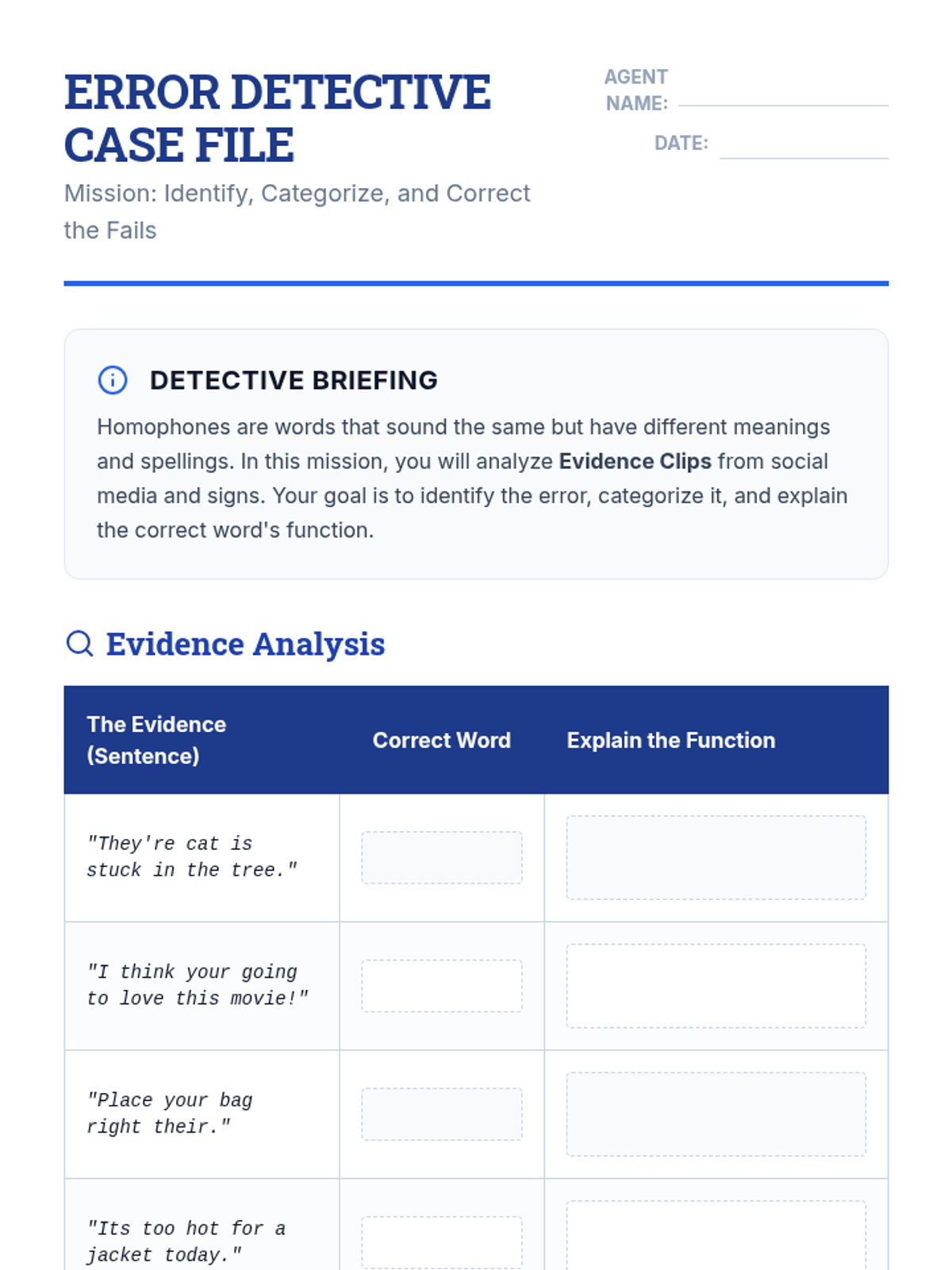
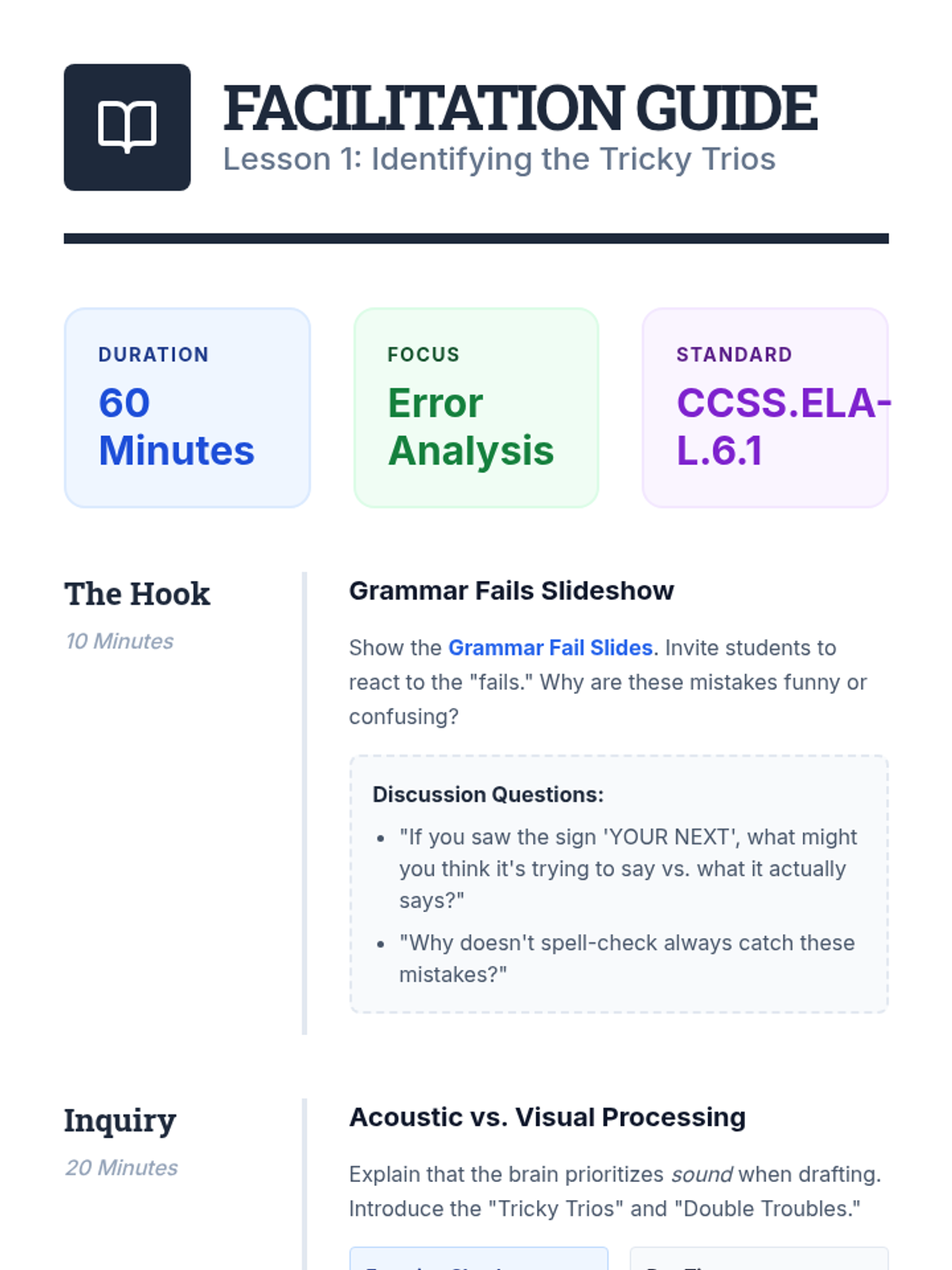
Students examine real-world 'grammar fails' to identify patterns of confusion in common homophones like there/their/they're and your/you're, focusing on grammatical functions.
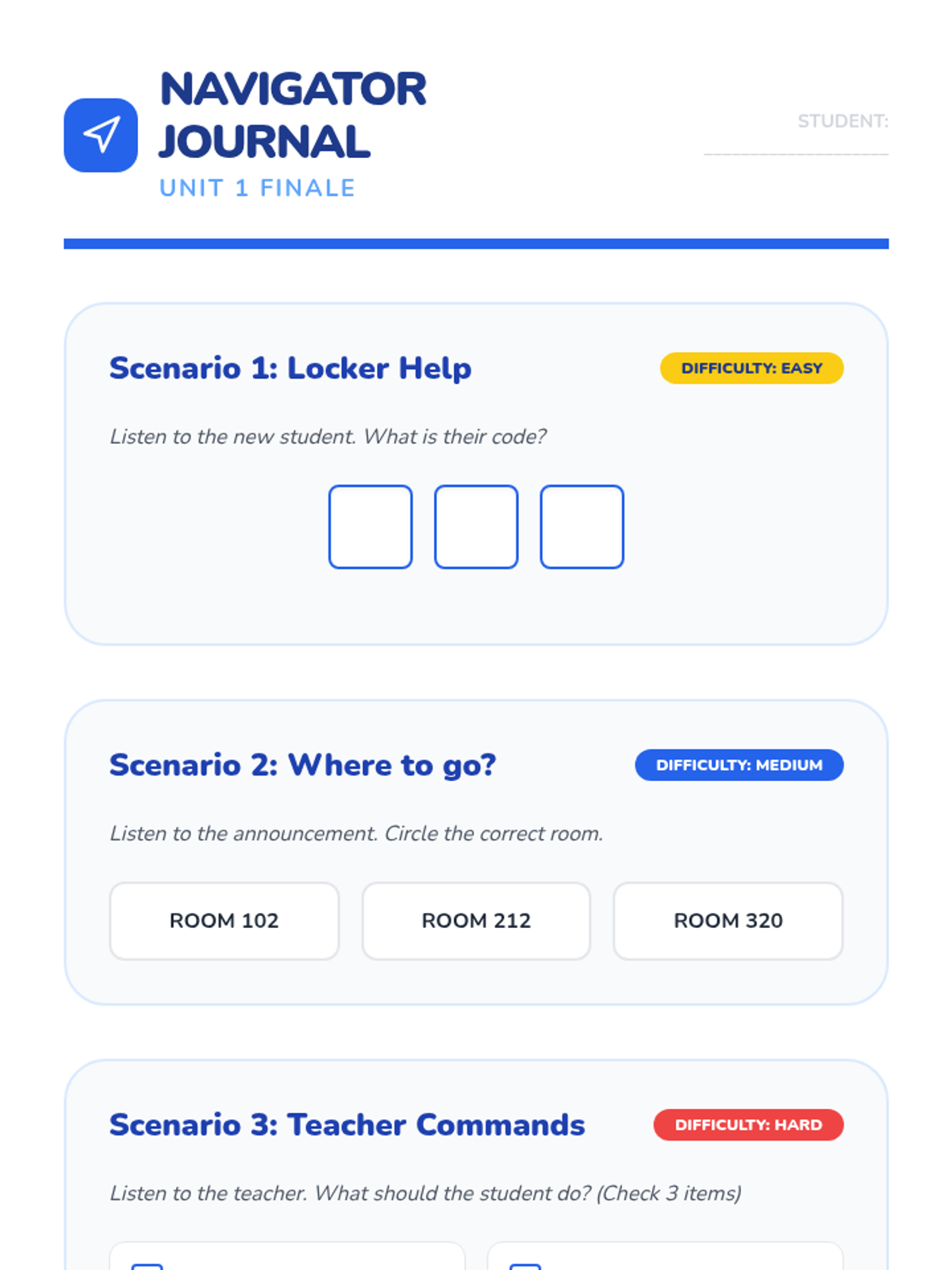
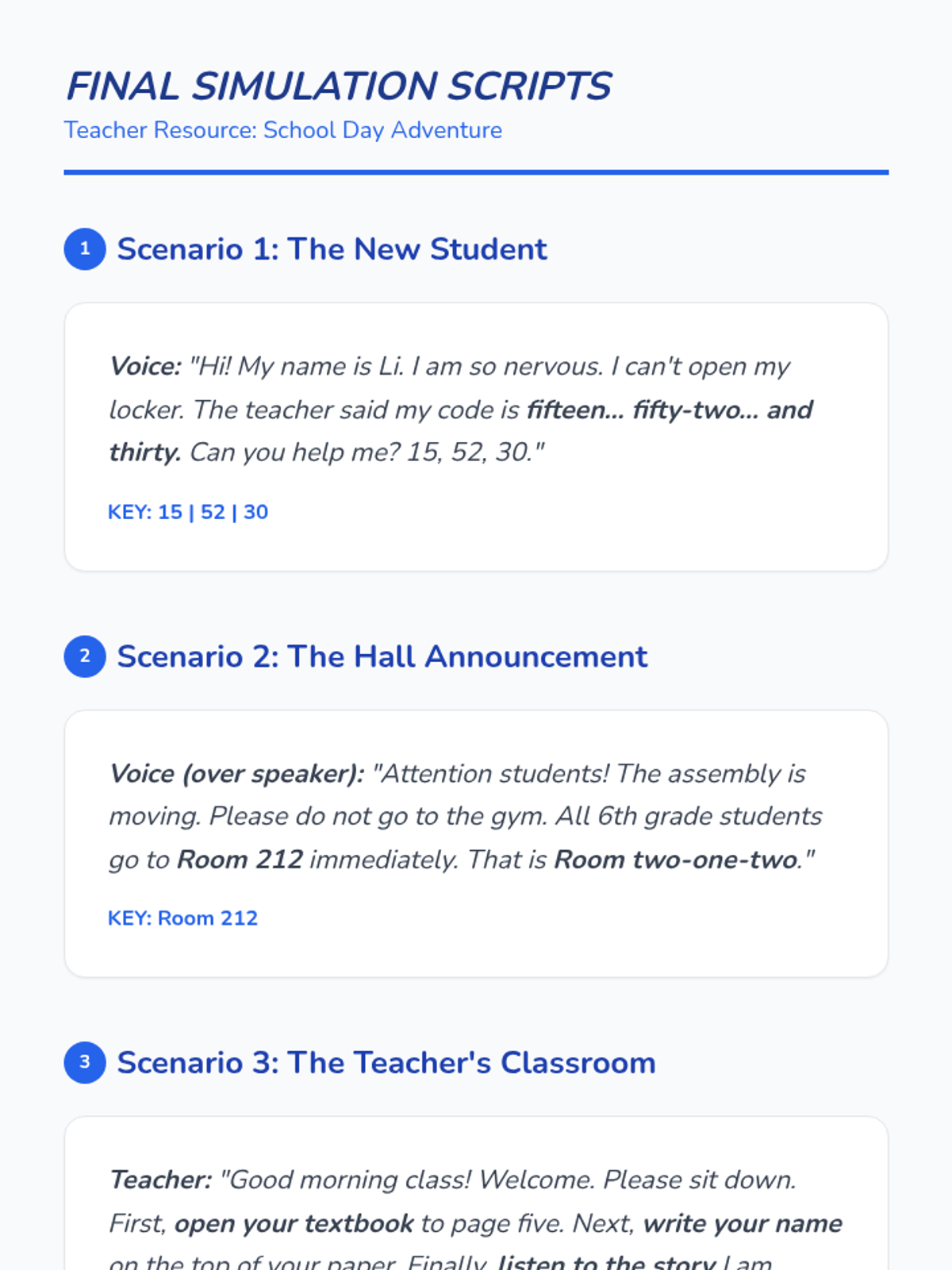
Students synthesize their learning by navigating a virtual audio adventure, making choices based on their understanding of dialogue and instructions throughout a simulated school day.
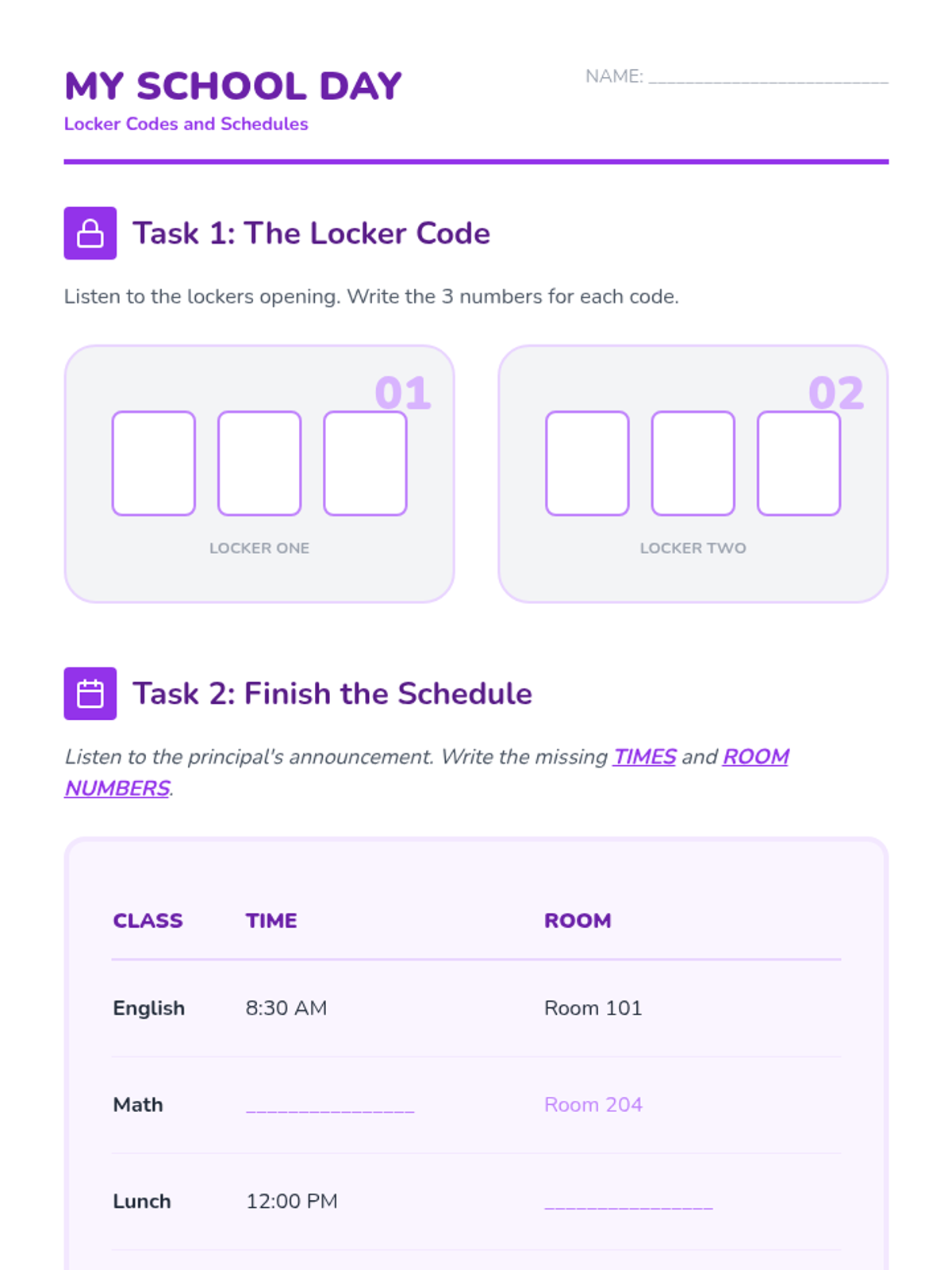
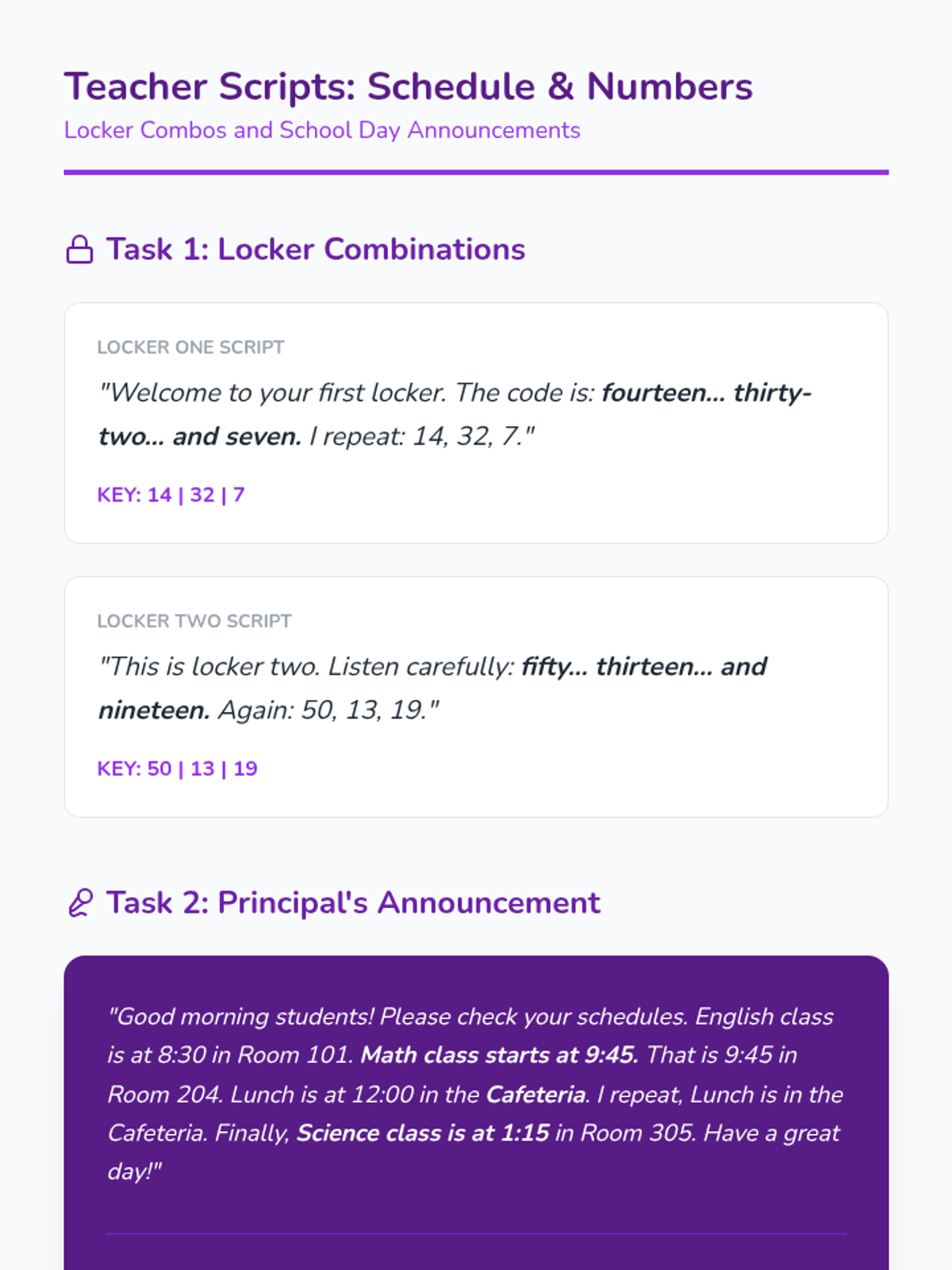
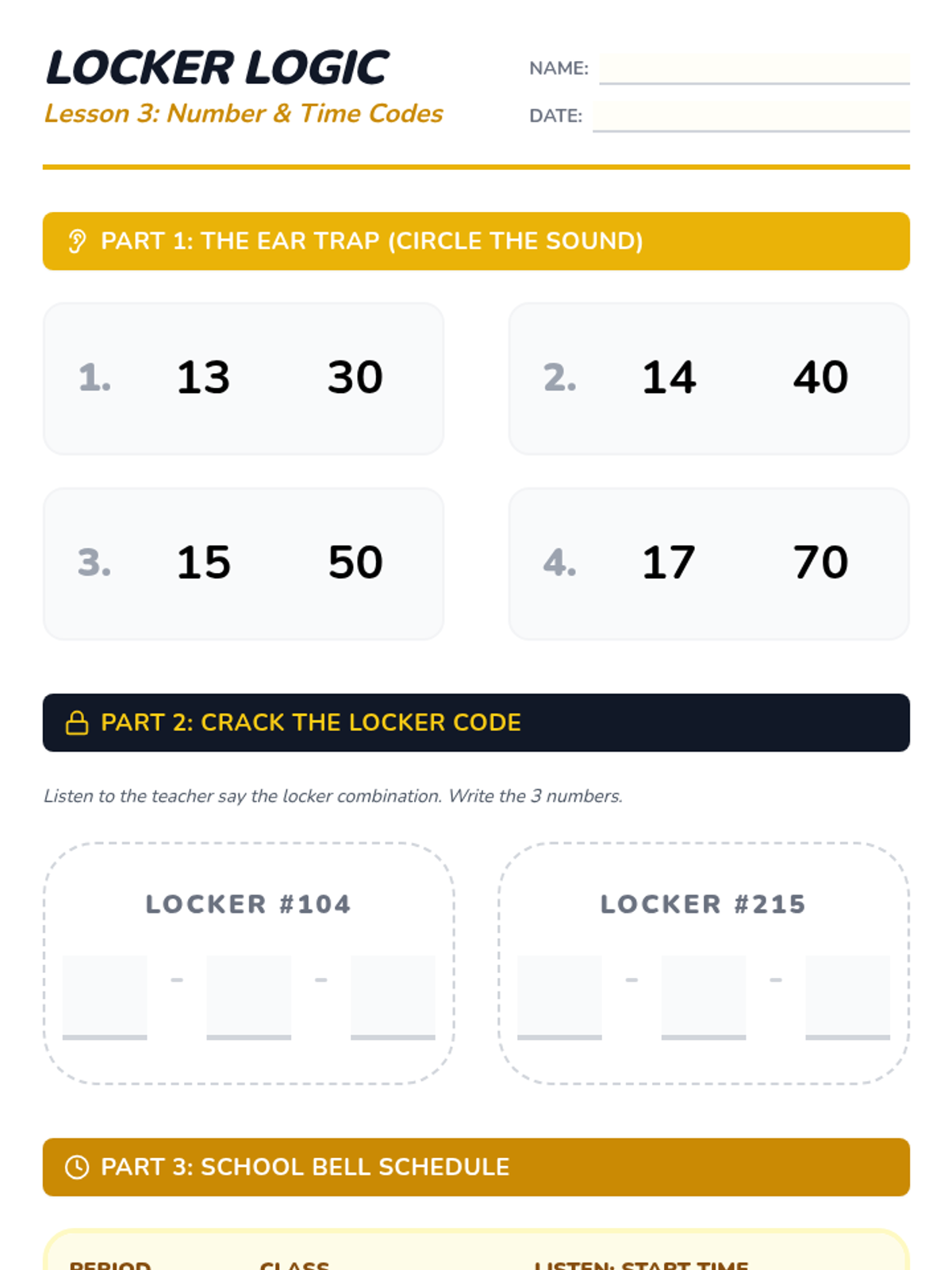
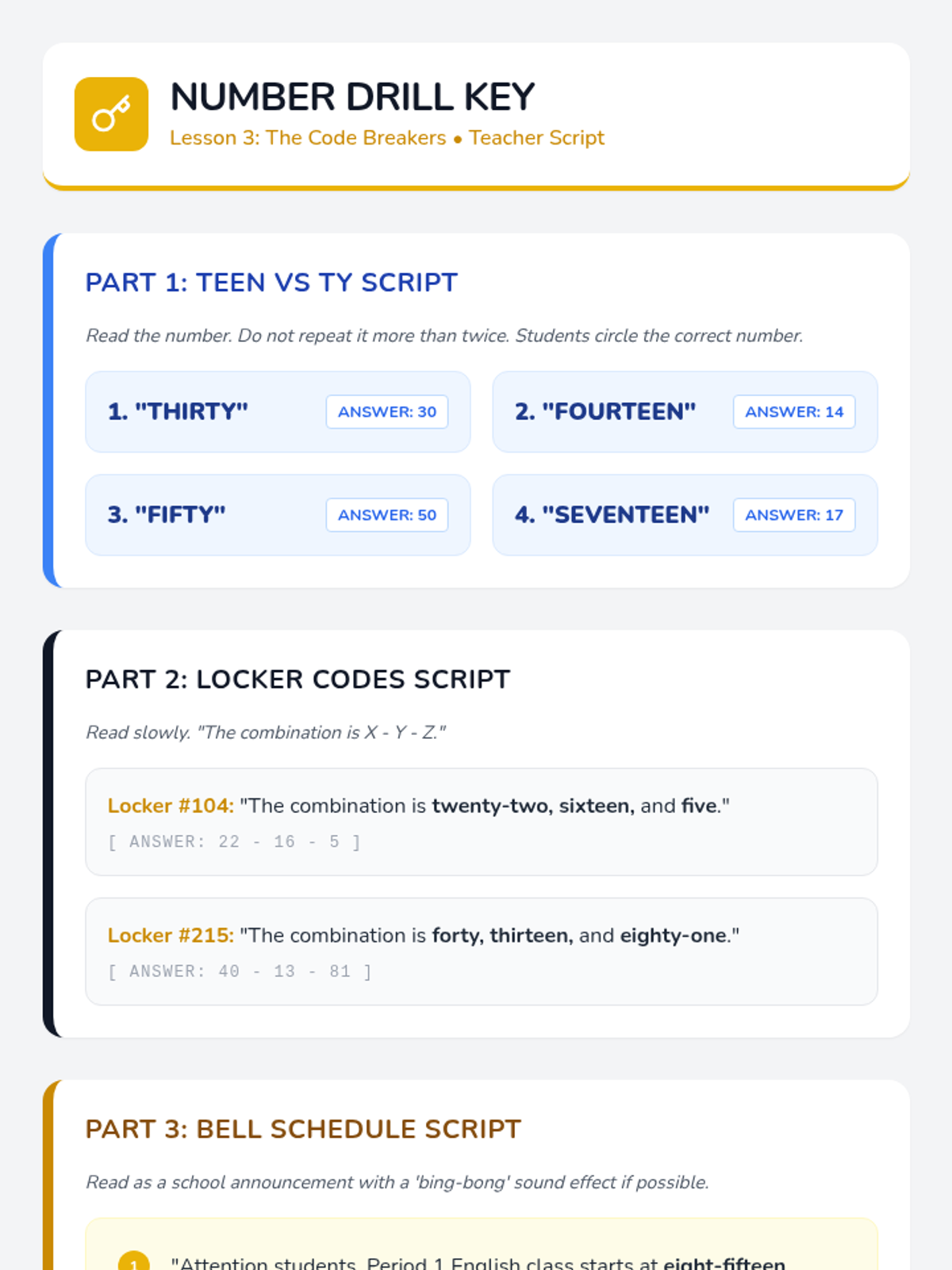
Students practice identifying numbers and time to understand class schedules and locker combinations, focusing on extracting specific data from spoken input.
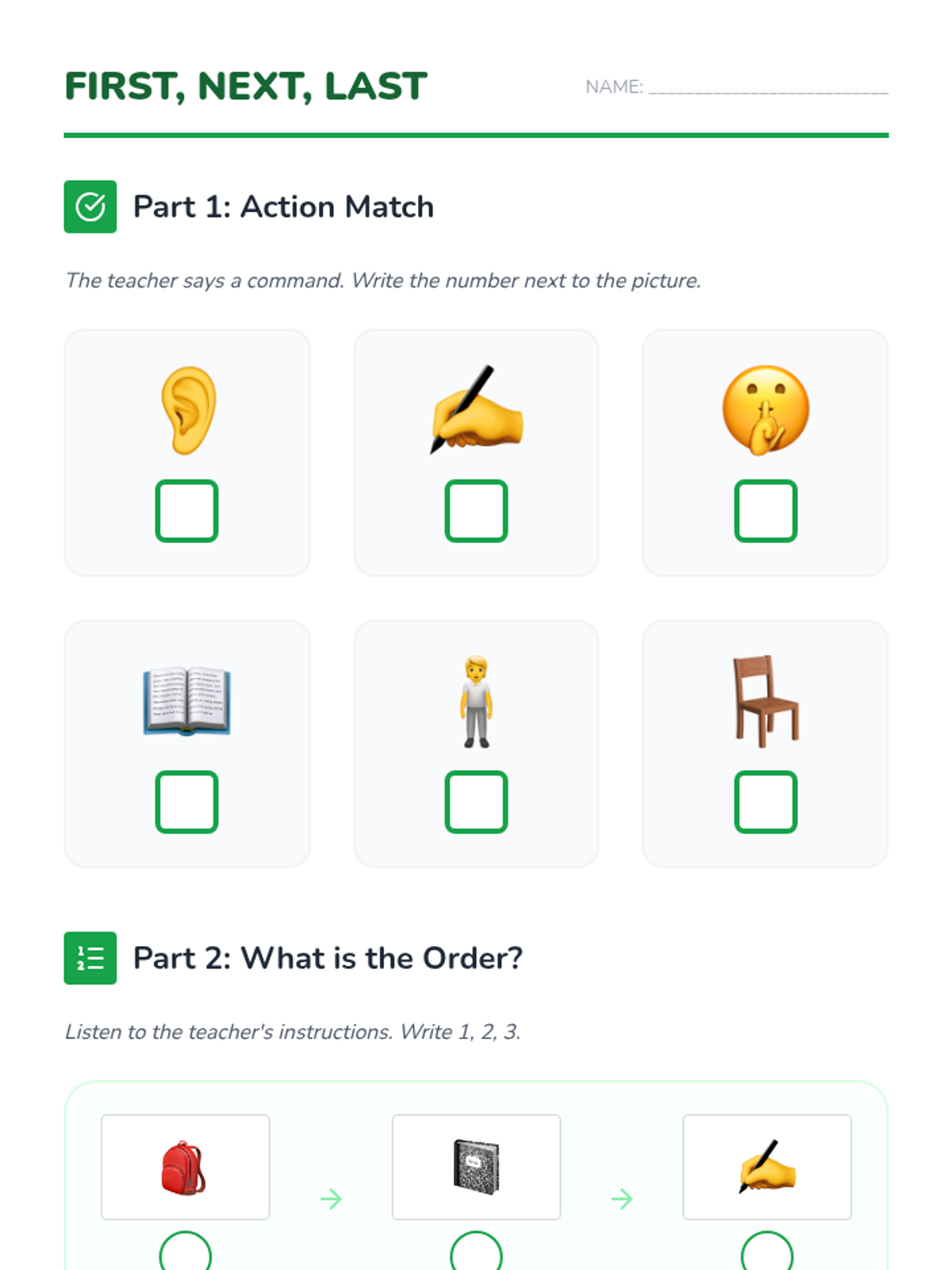
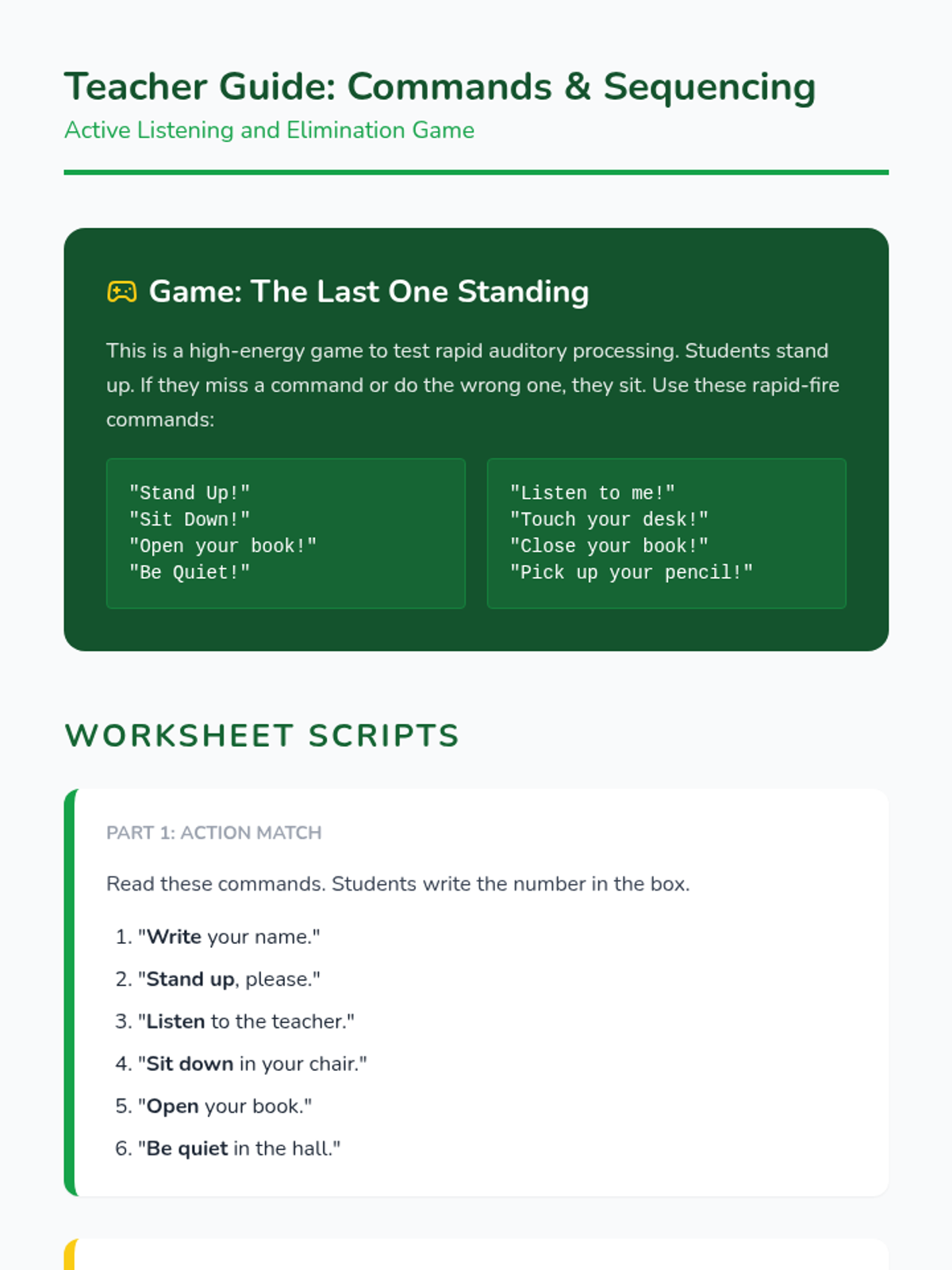
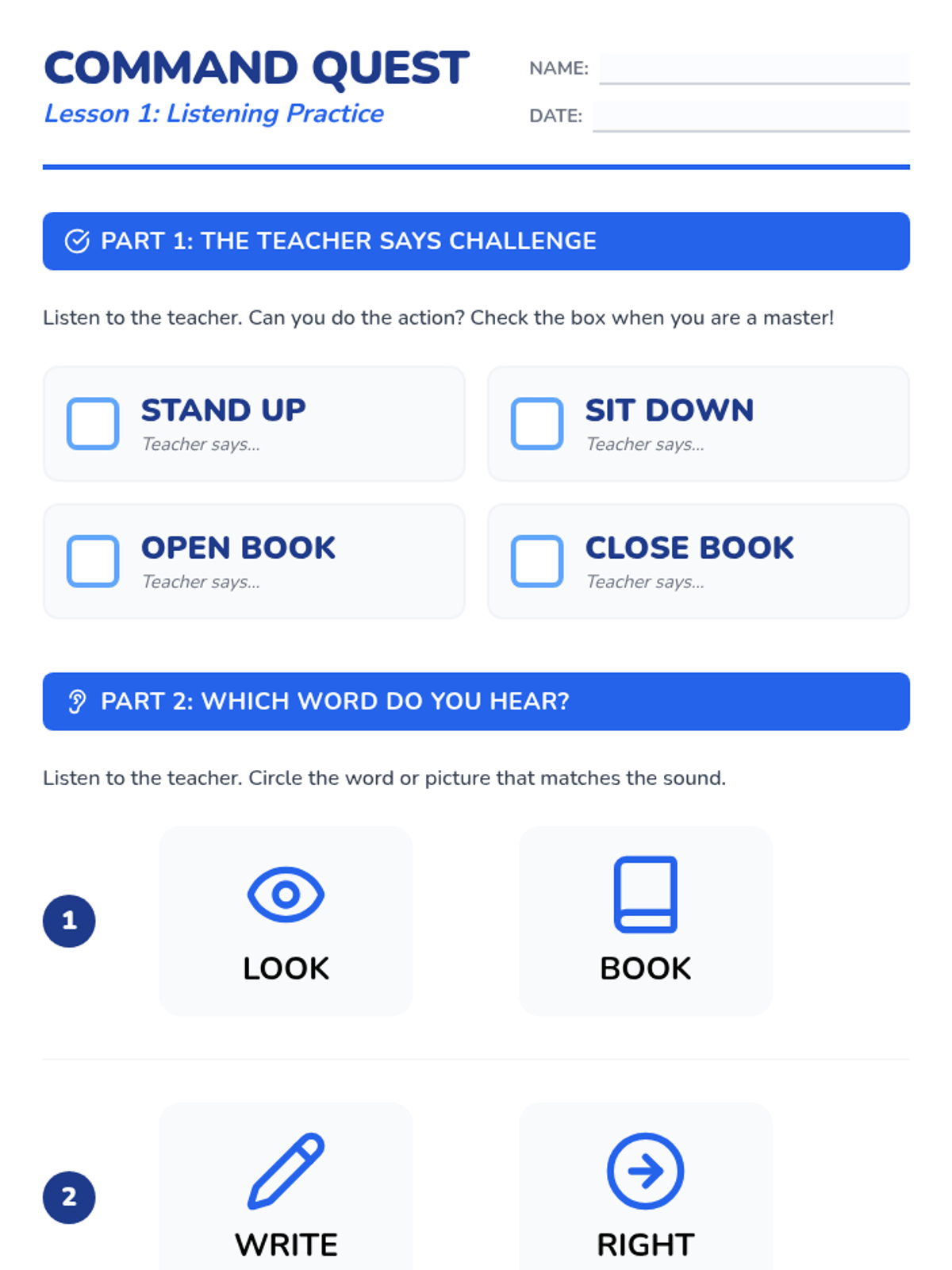
Students learn to recognize and respond to common instructional verbs used by teachers, practicing sequencing through visual-auditory matching.
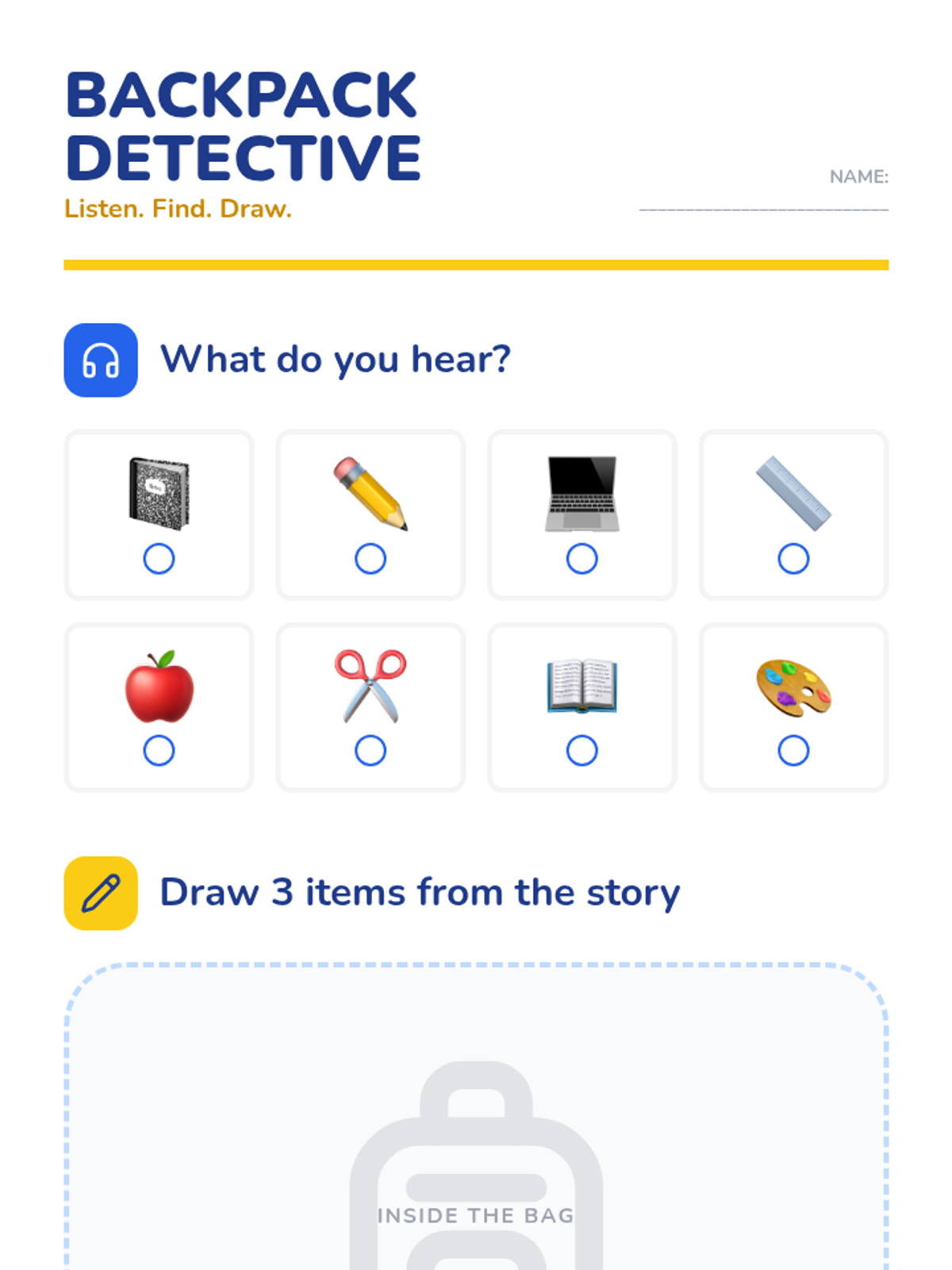
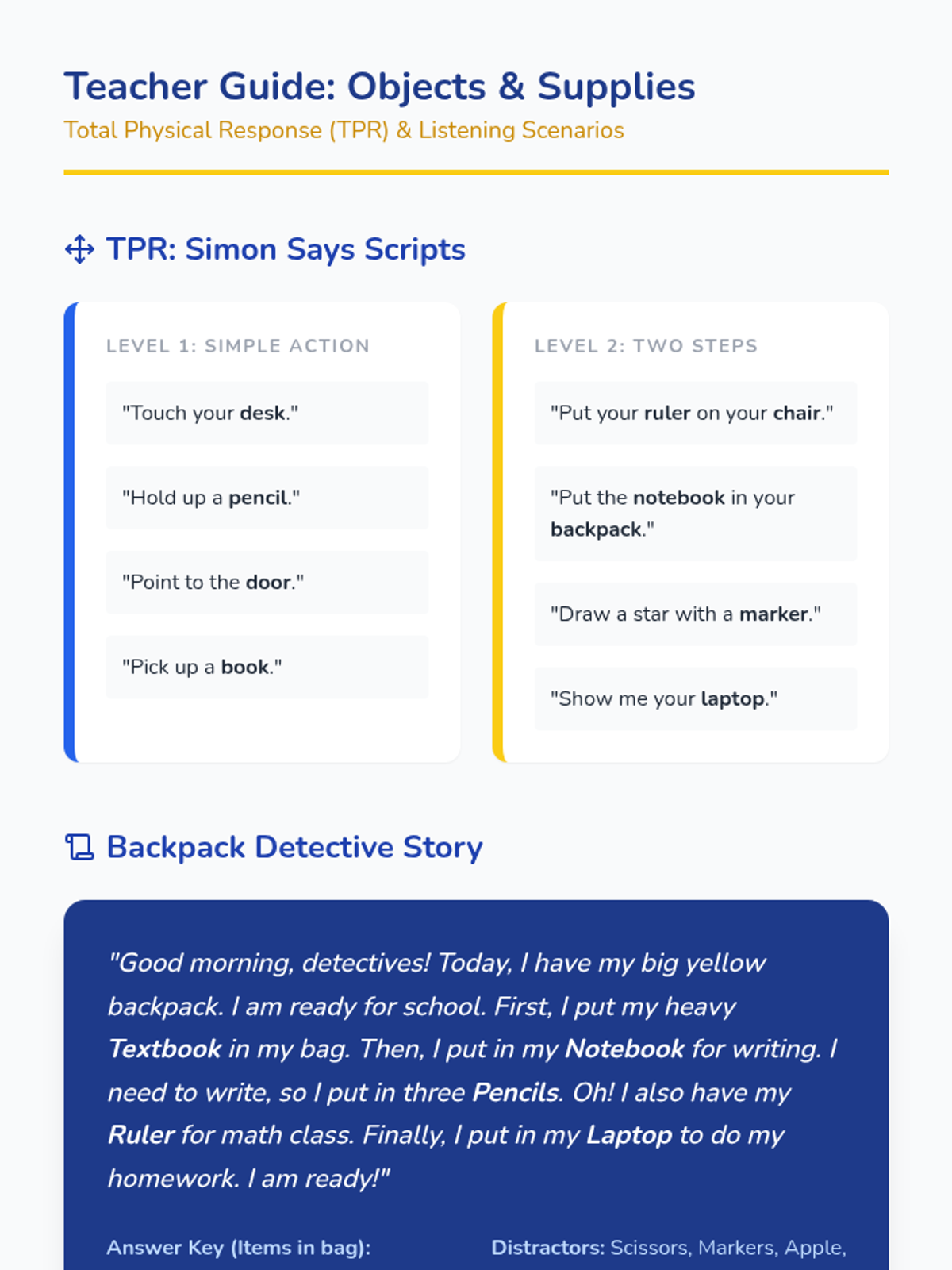
Students focus on physical classroom items, participating in TPR activities and a 'Backpack Detective' game to build auditory-visual associations.
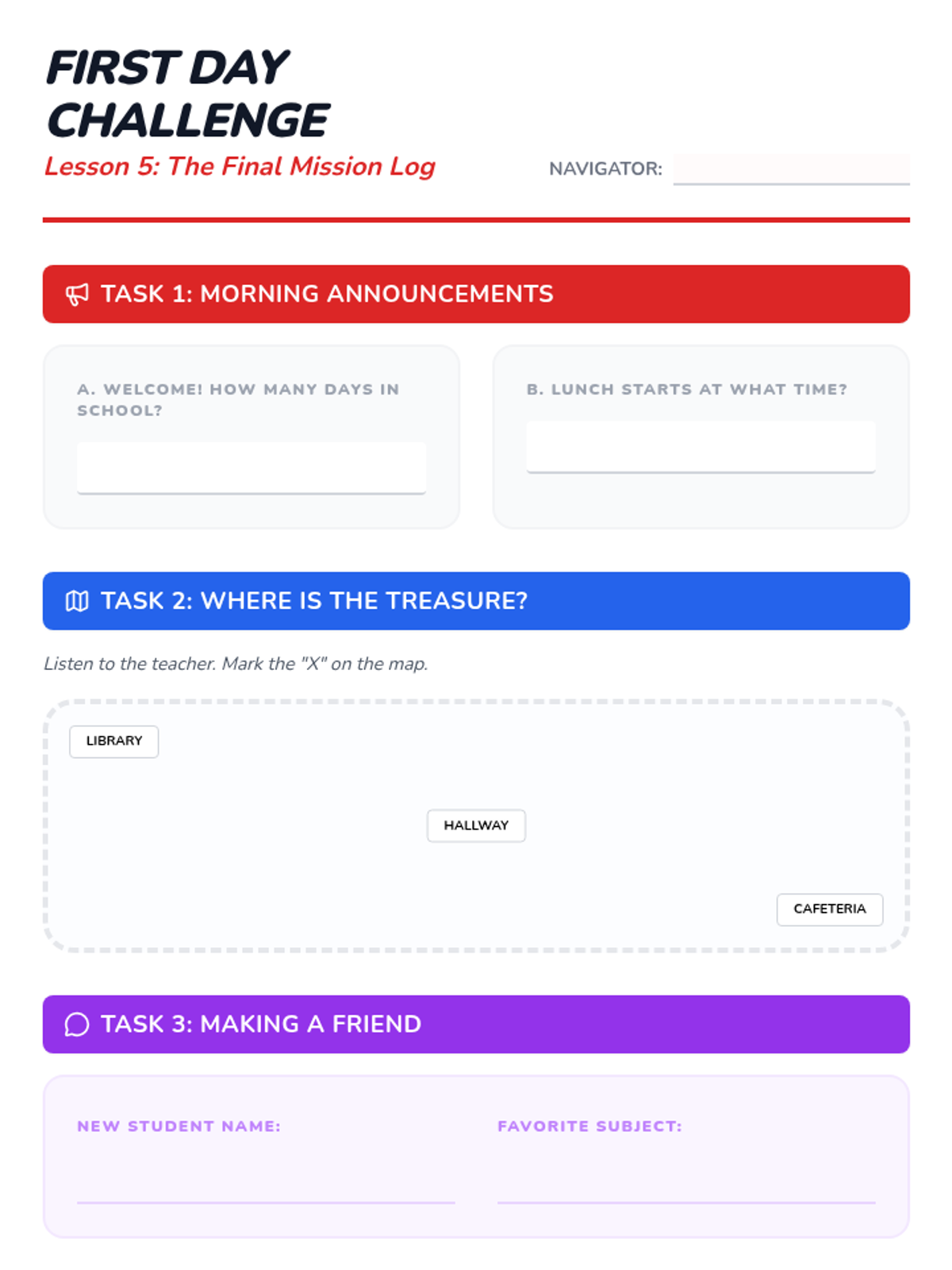
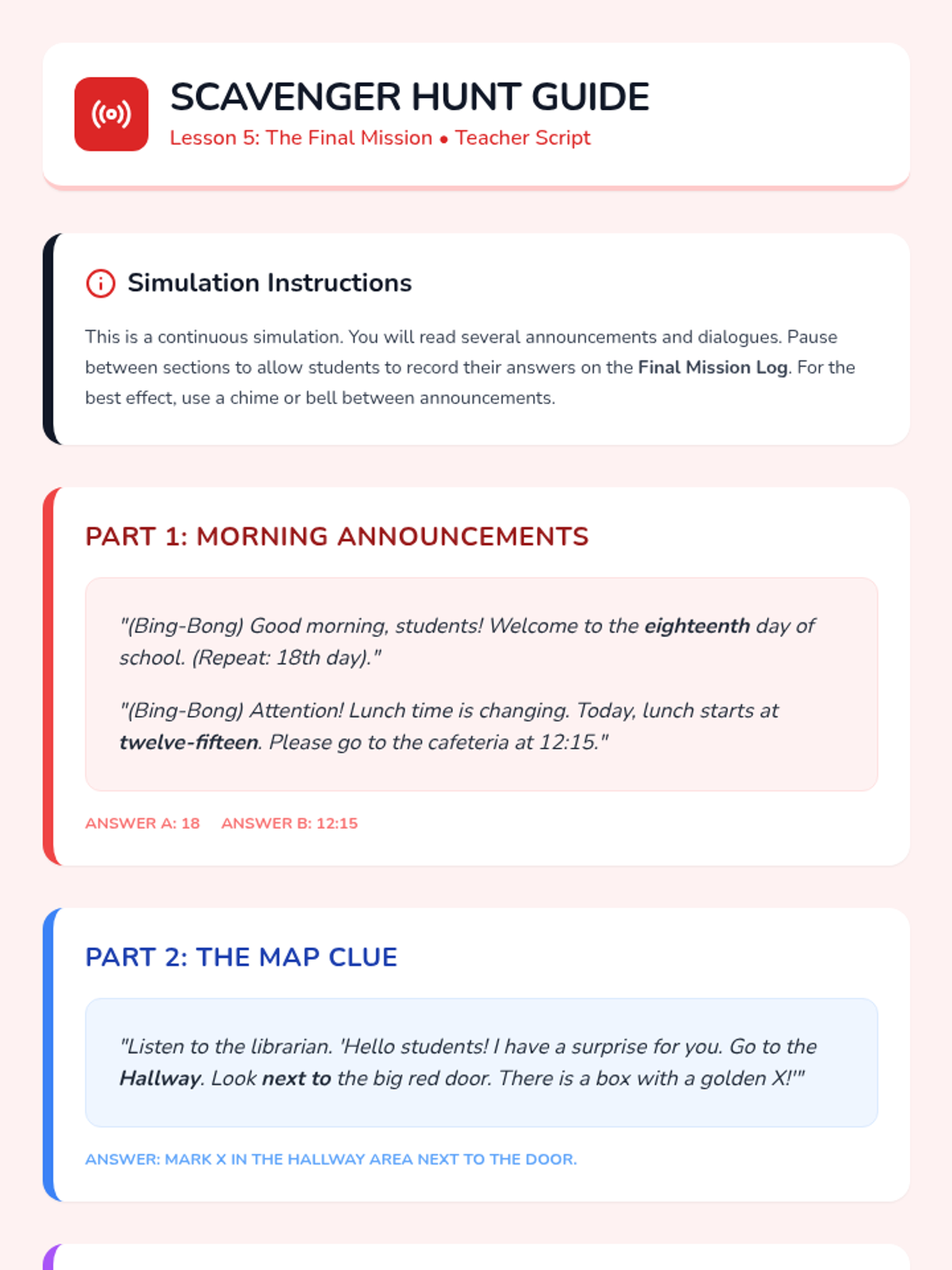
A culminating simulation where students synthesize all previous listening skills to navigate a virtual first day of school.
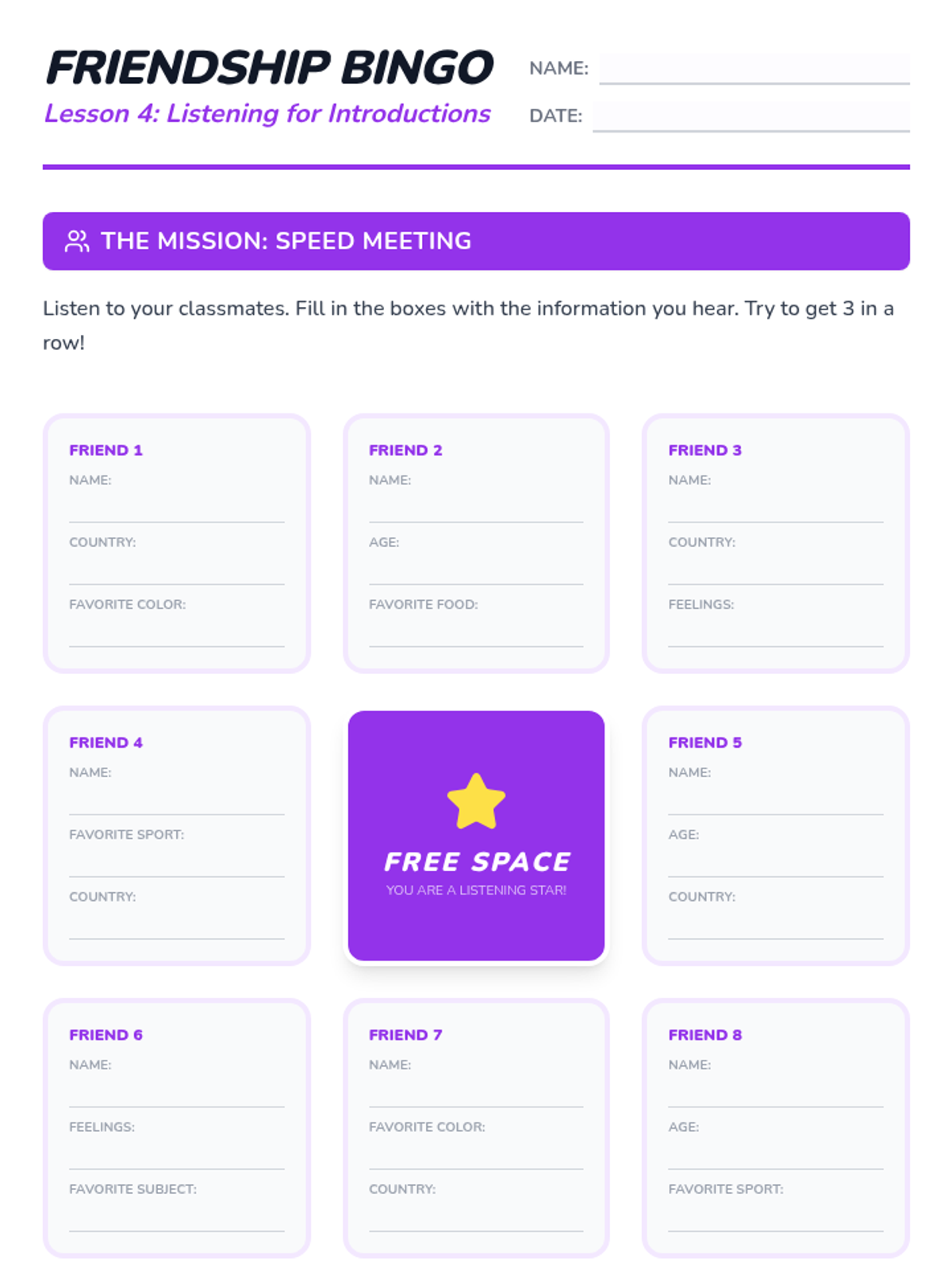
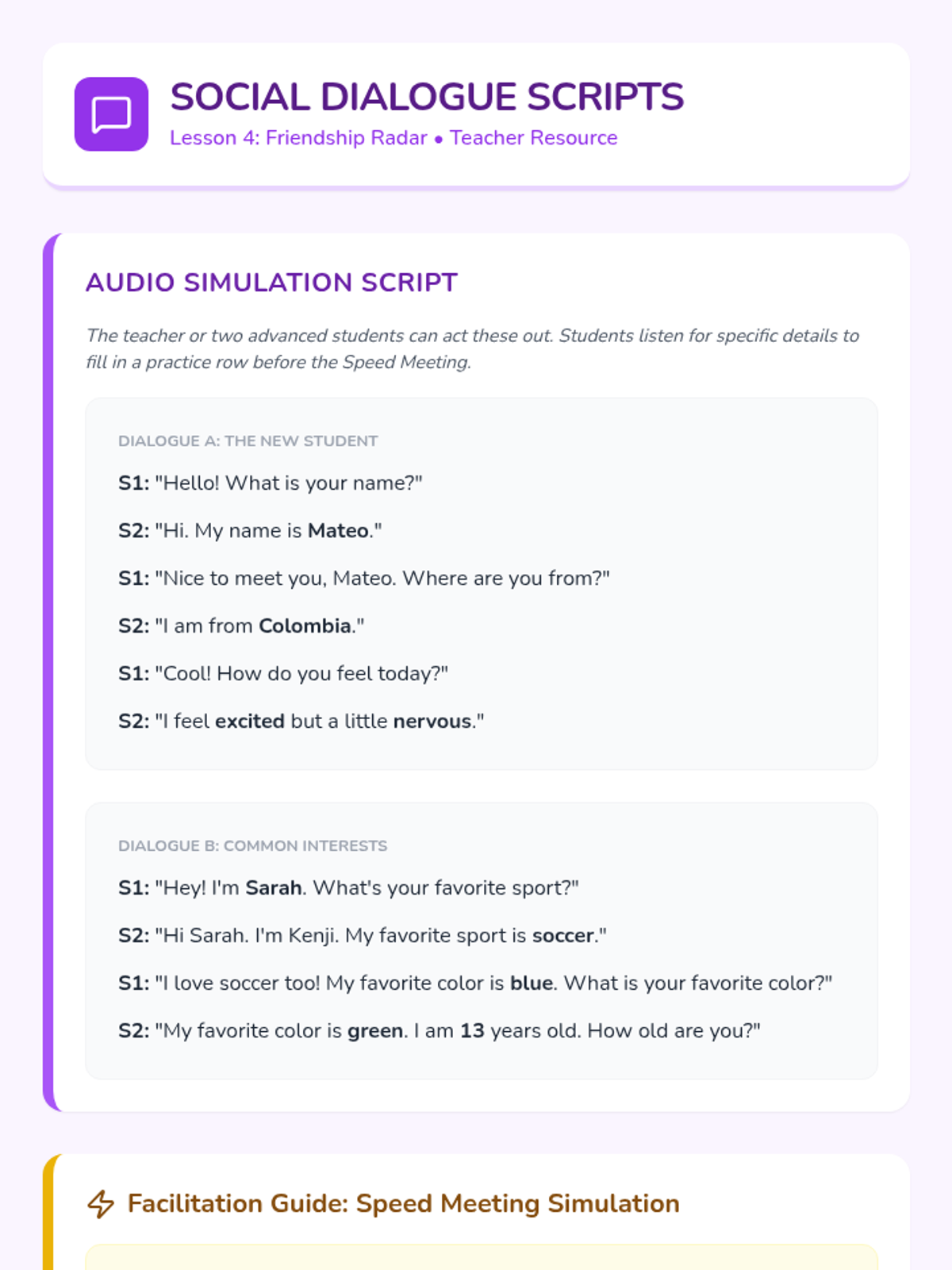
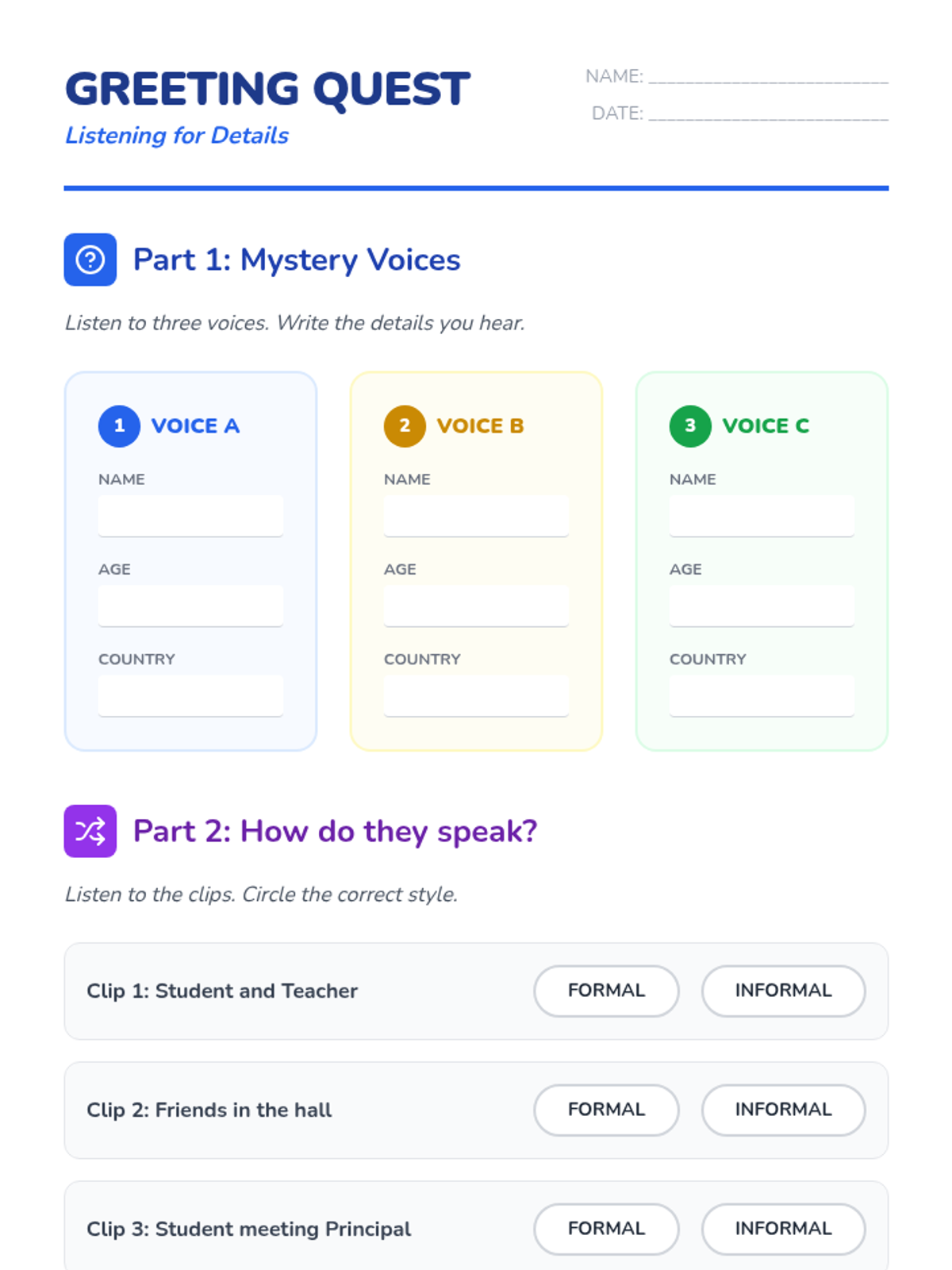
Students practice listening for key details in social greetings and personal introductions, focusing on 'Wh-' questions.
This lesson focuses on auditory discrimination of numbers (0-100), time-telling, and locker combinations.
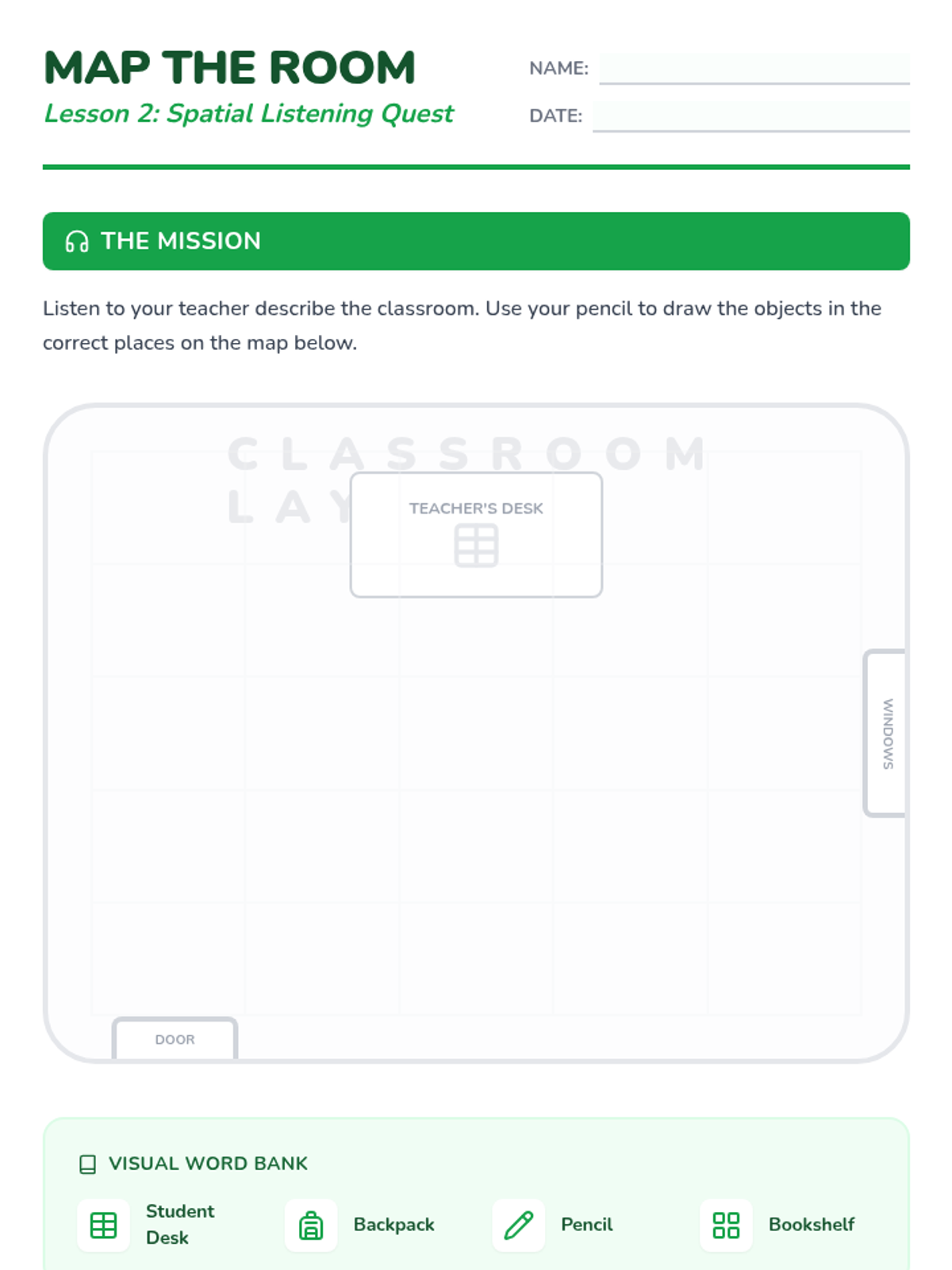
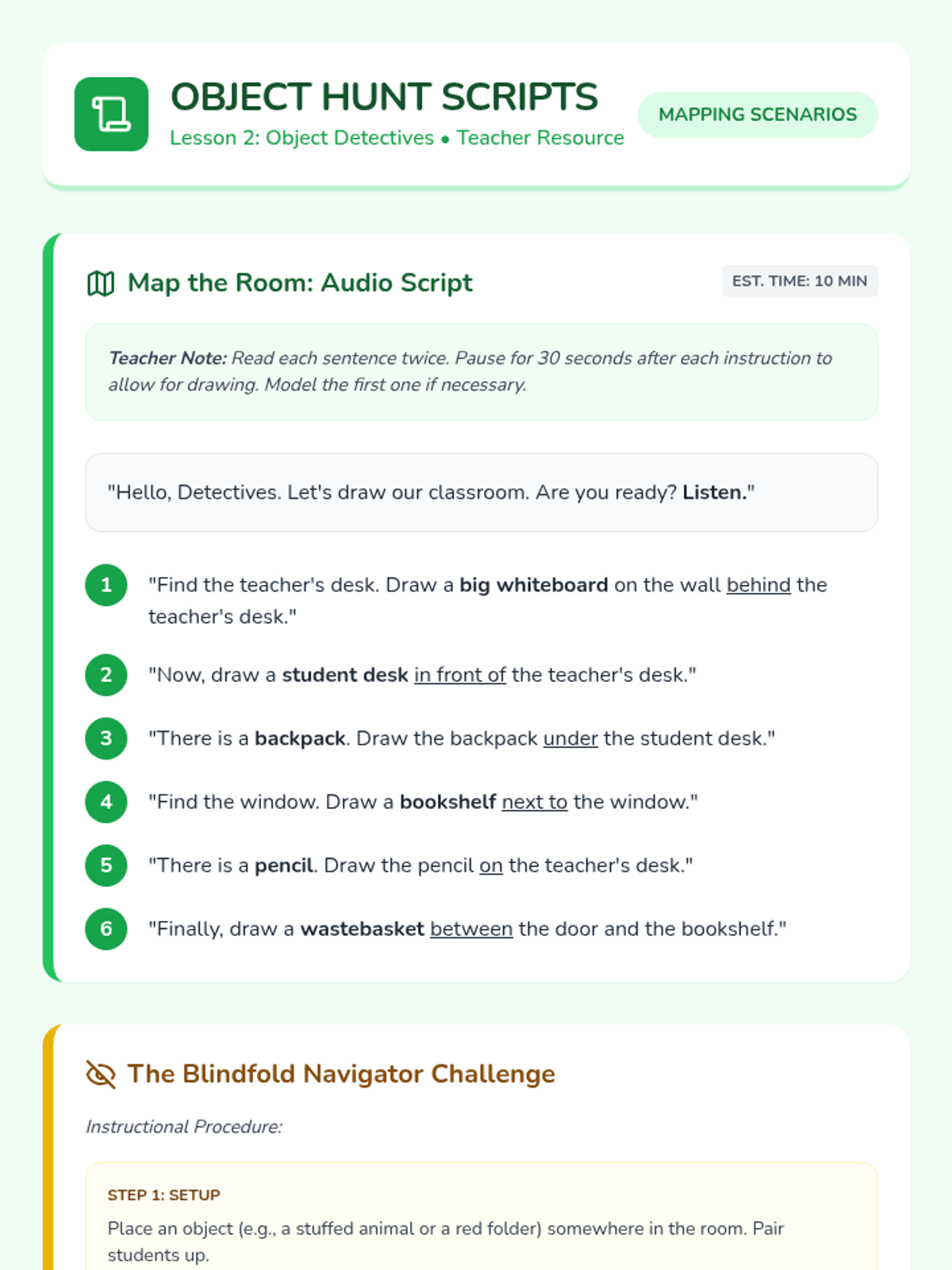
Learners identify common school objects and their locations using prepositions of place and spatial listening cues.
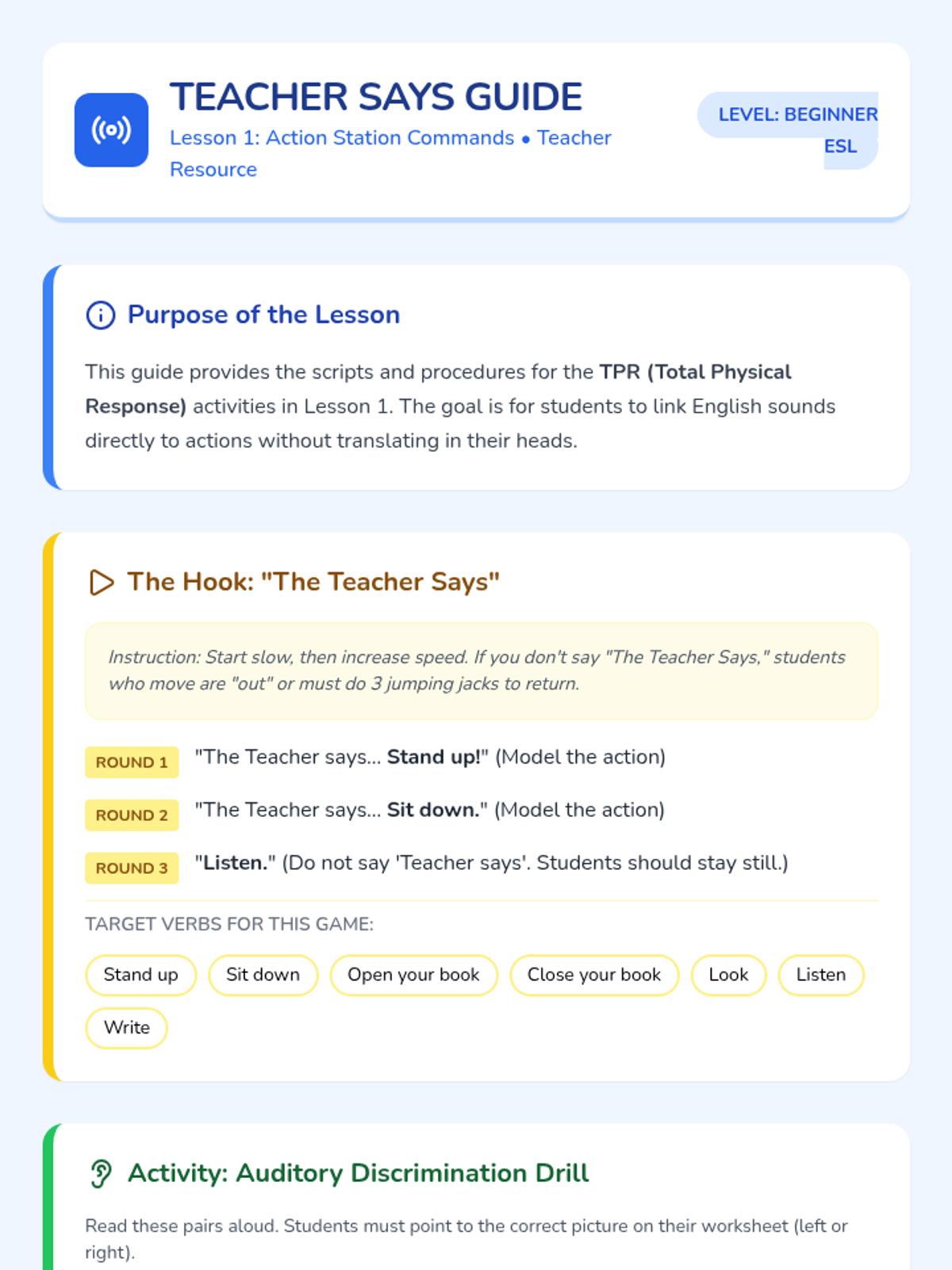
Students learn to recognize and respond to basic imperative verbs through high-energy Total Physical Response (TPR) activities and games.
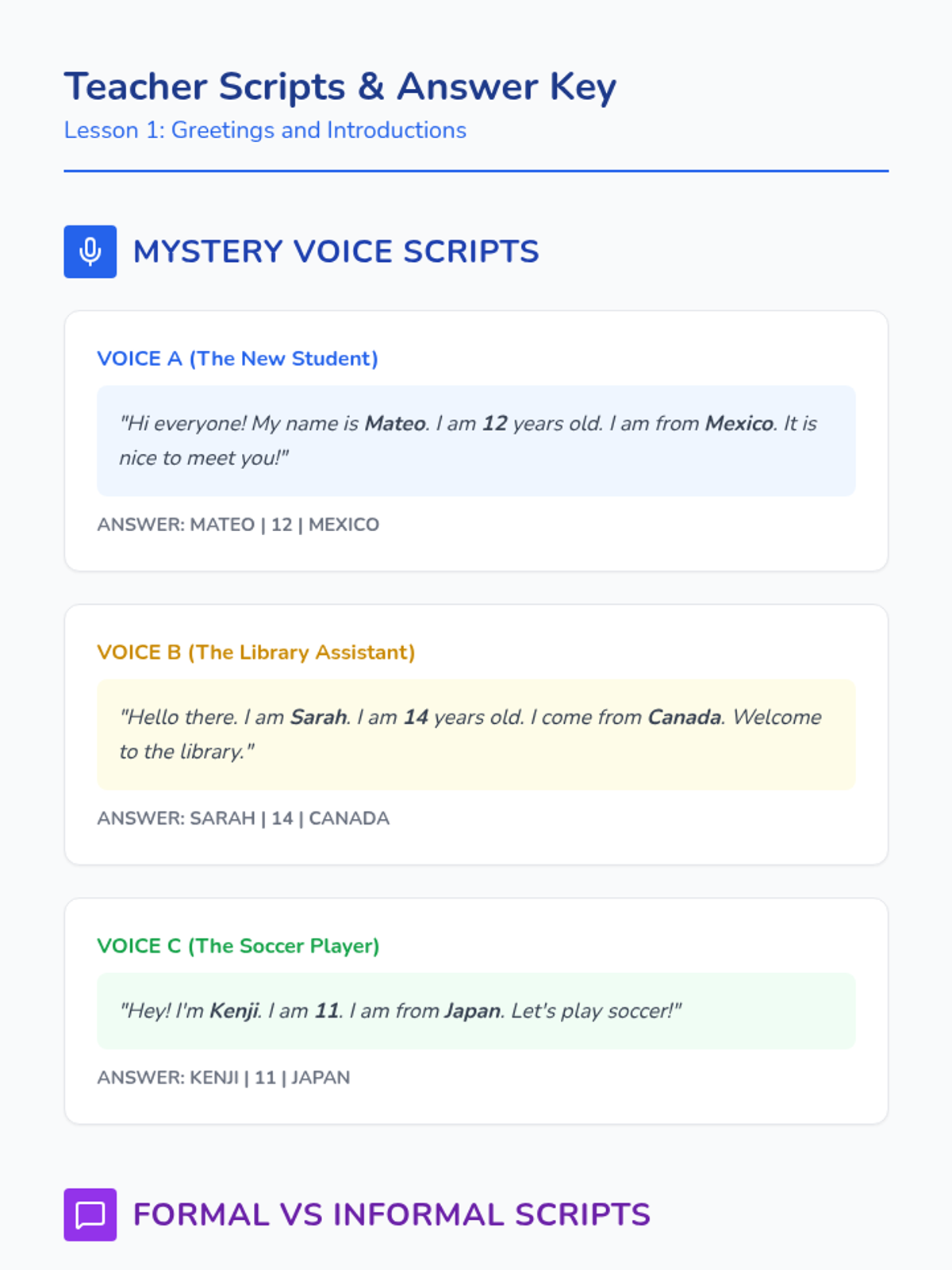
Students practice identifying names and personal details from spoken English, focusing on distinguishing between formal teacher-student greetings and informal peer-to-peer introductions.
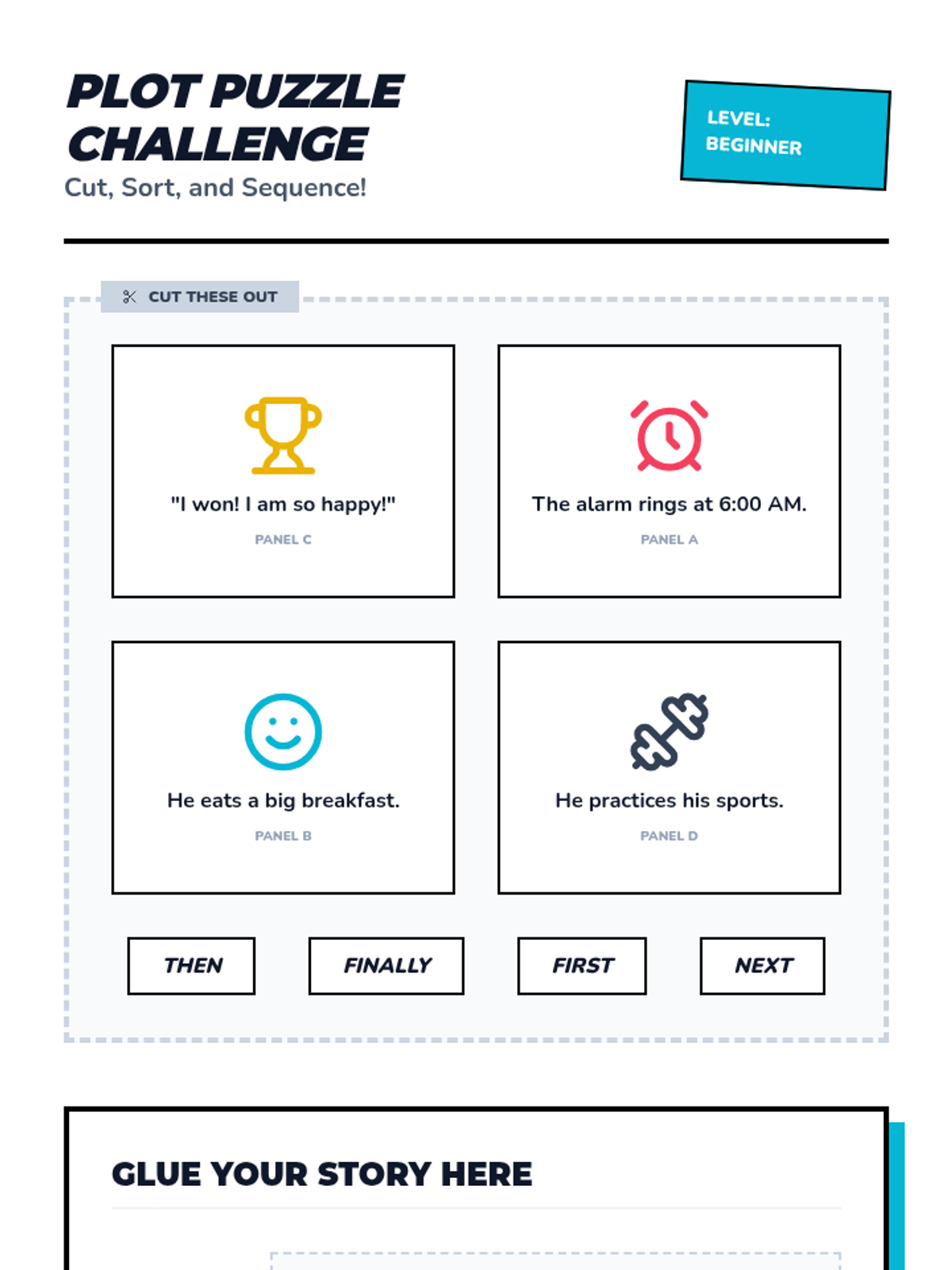
Students learn to sequence plot events using transition words by reassembling scrambled comic strips.
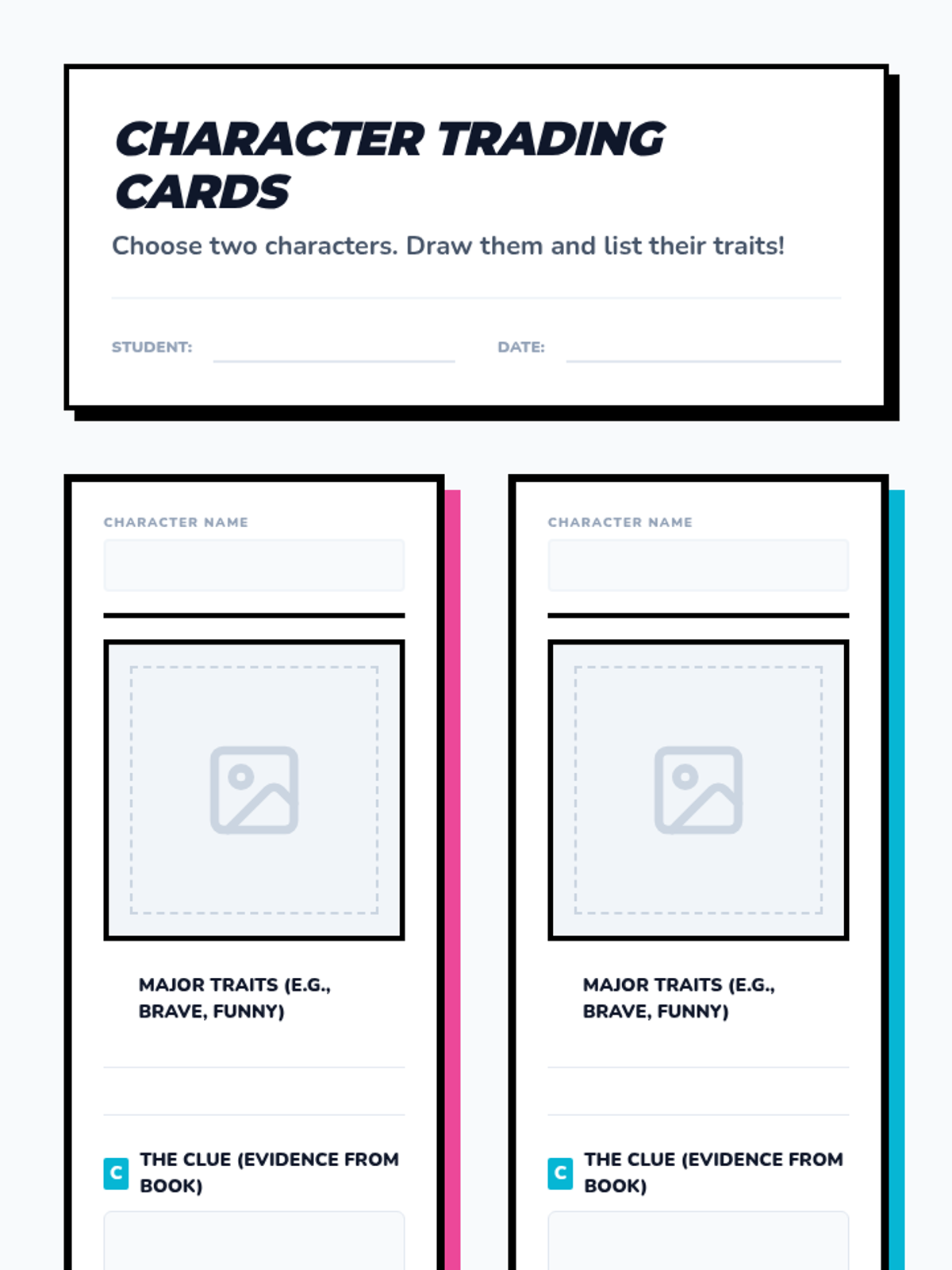
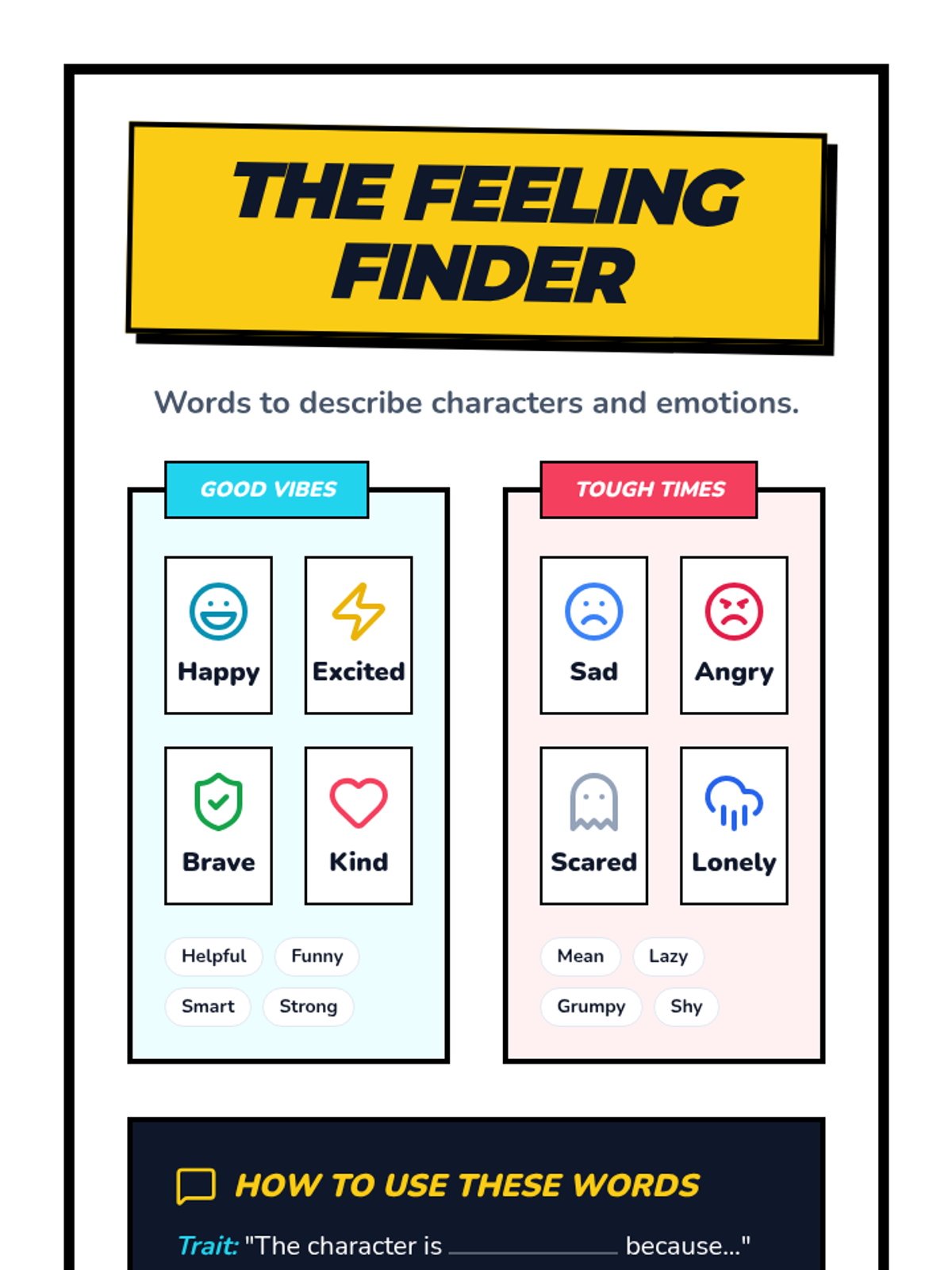
Learners identify character traits and emotions using visual evidence and dialogue, creating trading cards to document their findings.
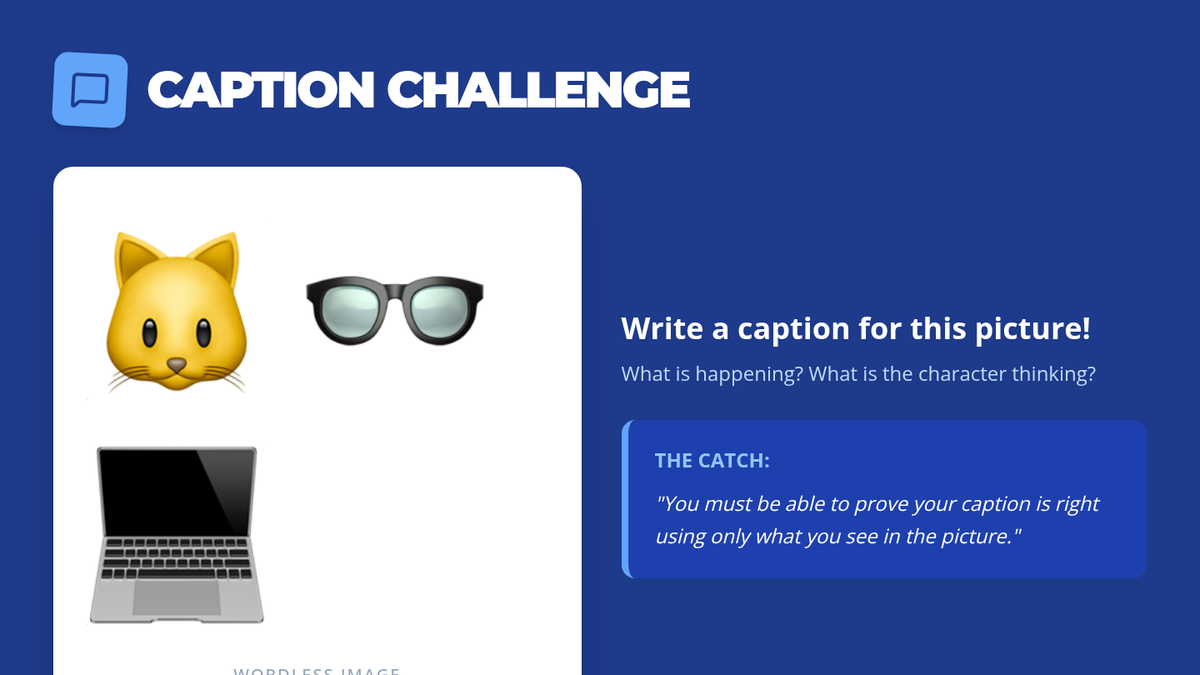
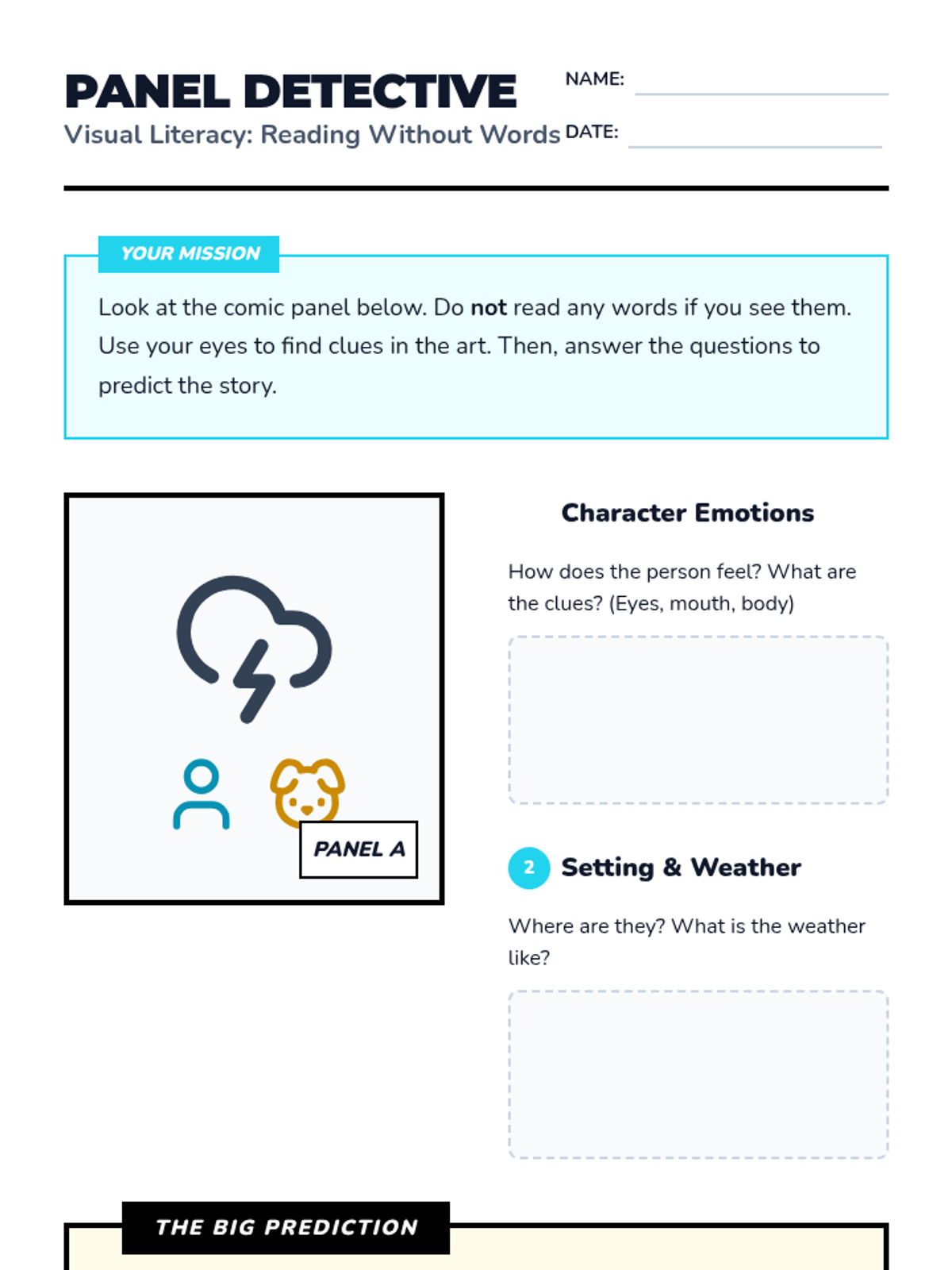
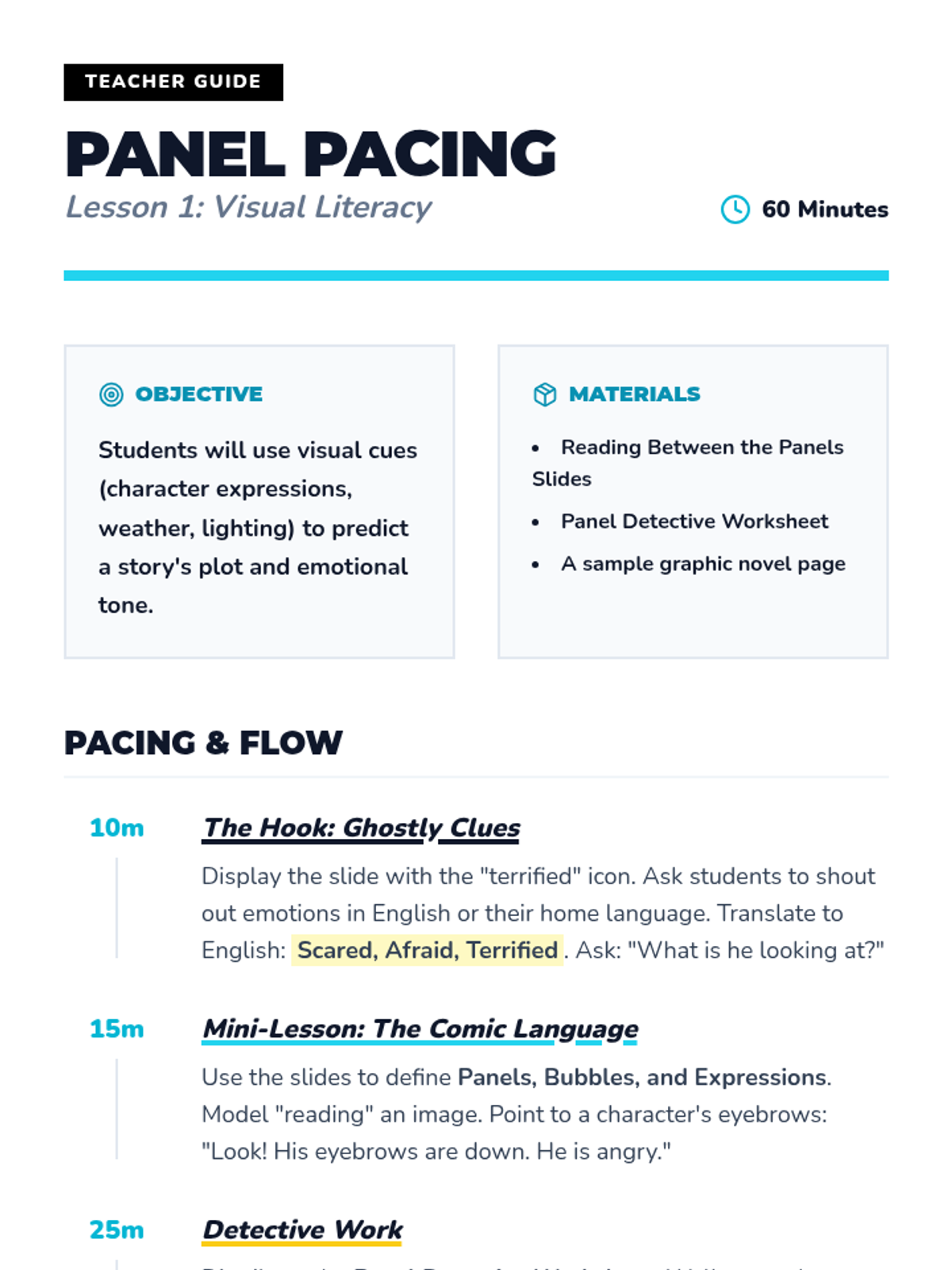
Students analyze graphic novel panels to understand how visual cues like expressions and speech bubbles convey meaning before reading the text.
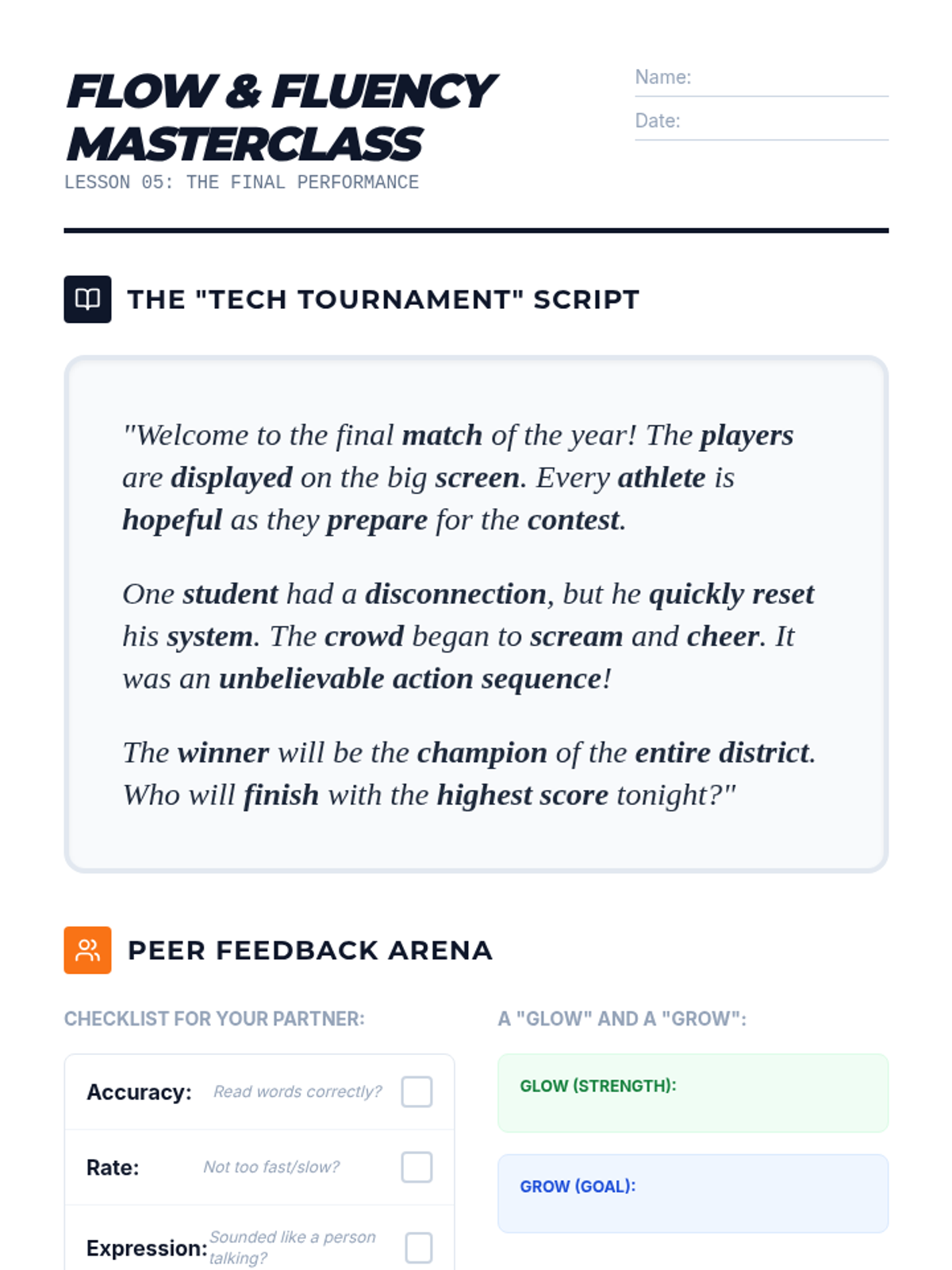
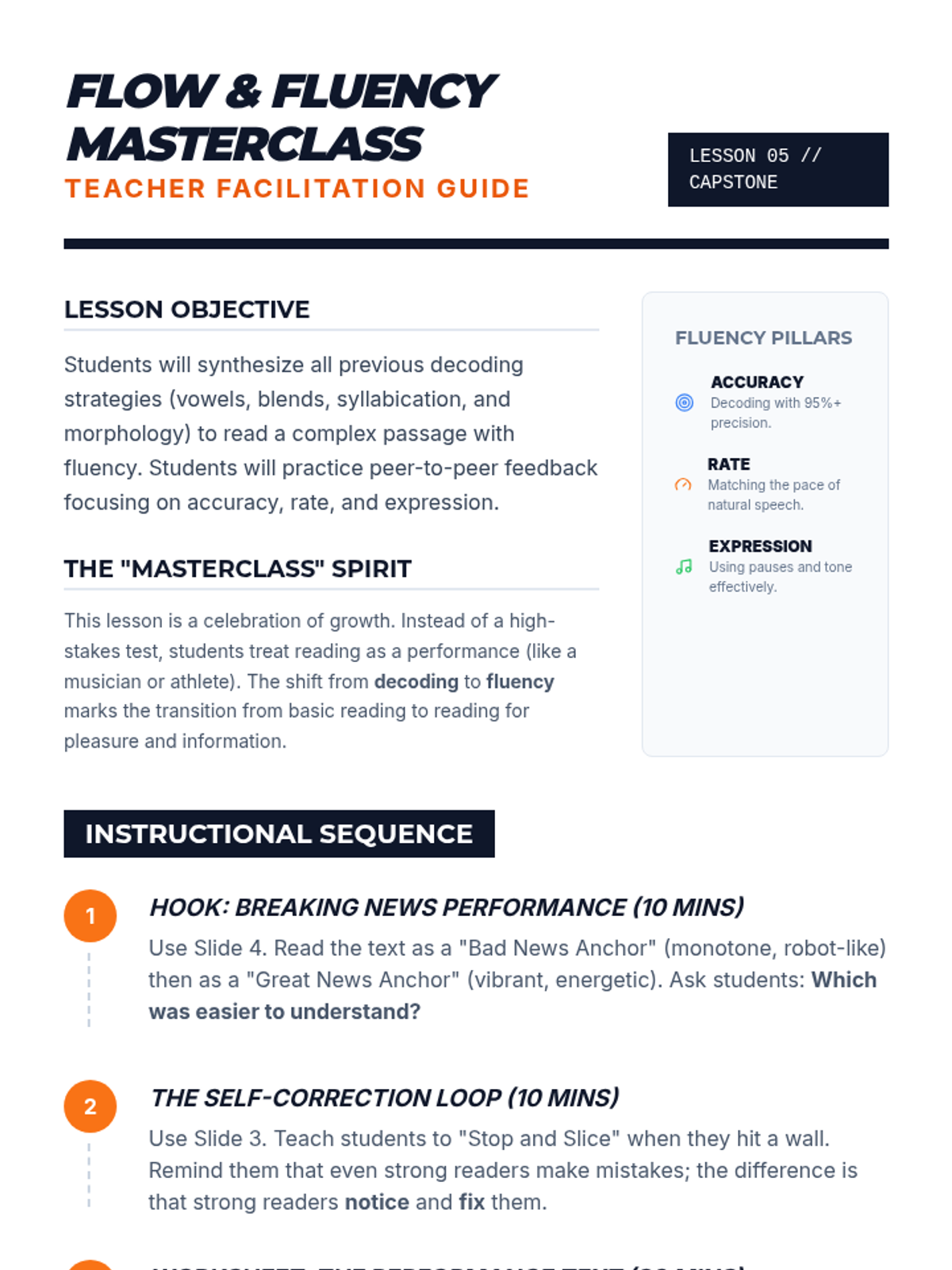
Culminating fluency practice using decodable passages and peer feedback, focusing on reading rate, accuracy, and self-correction strategies.
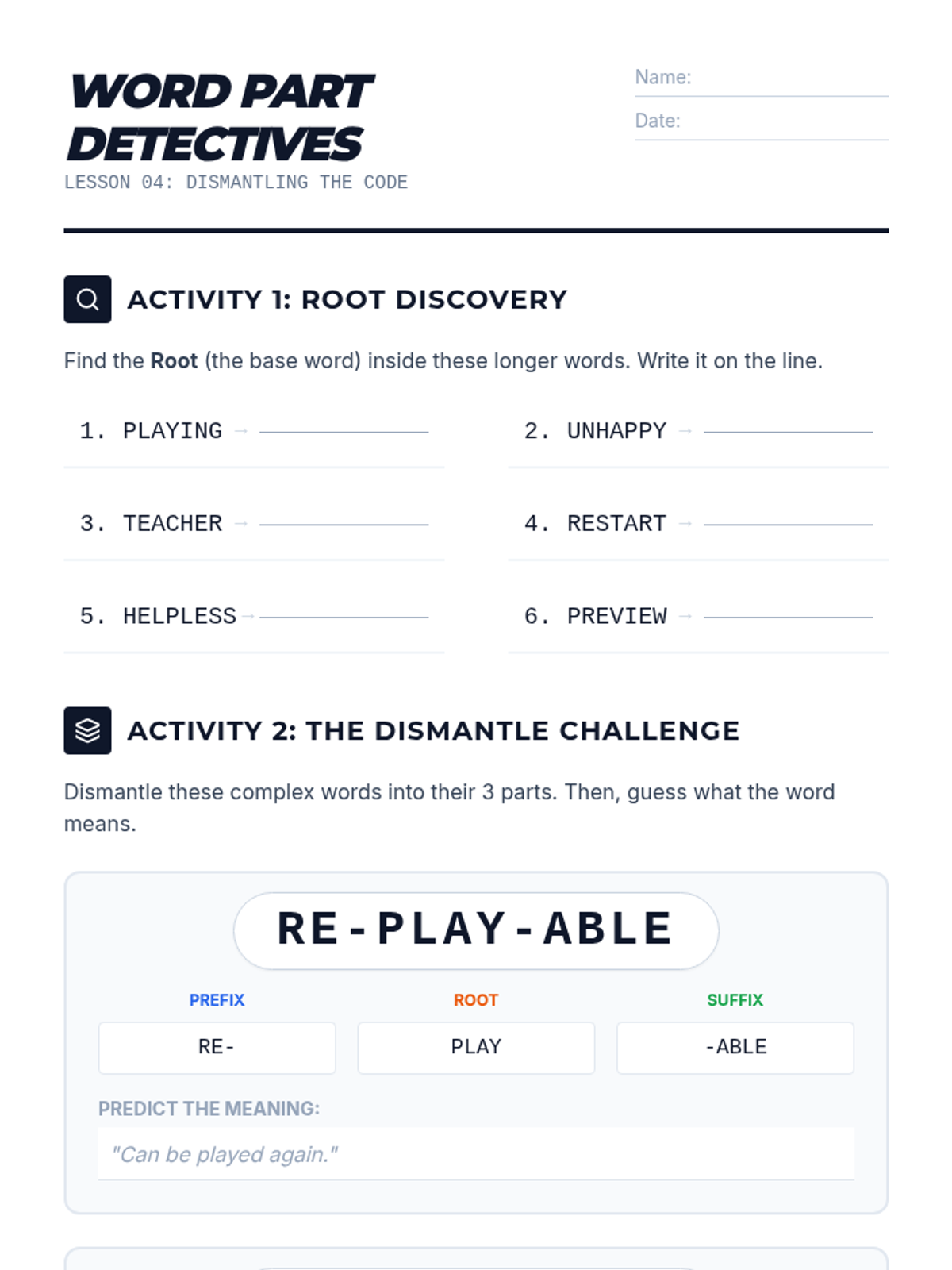
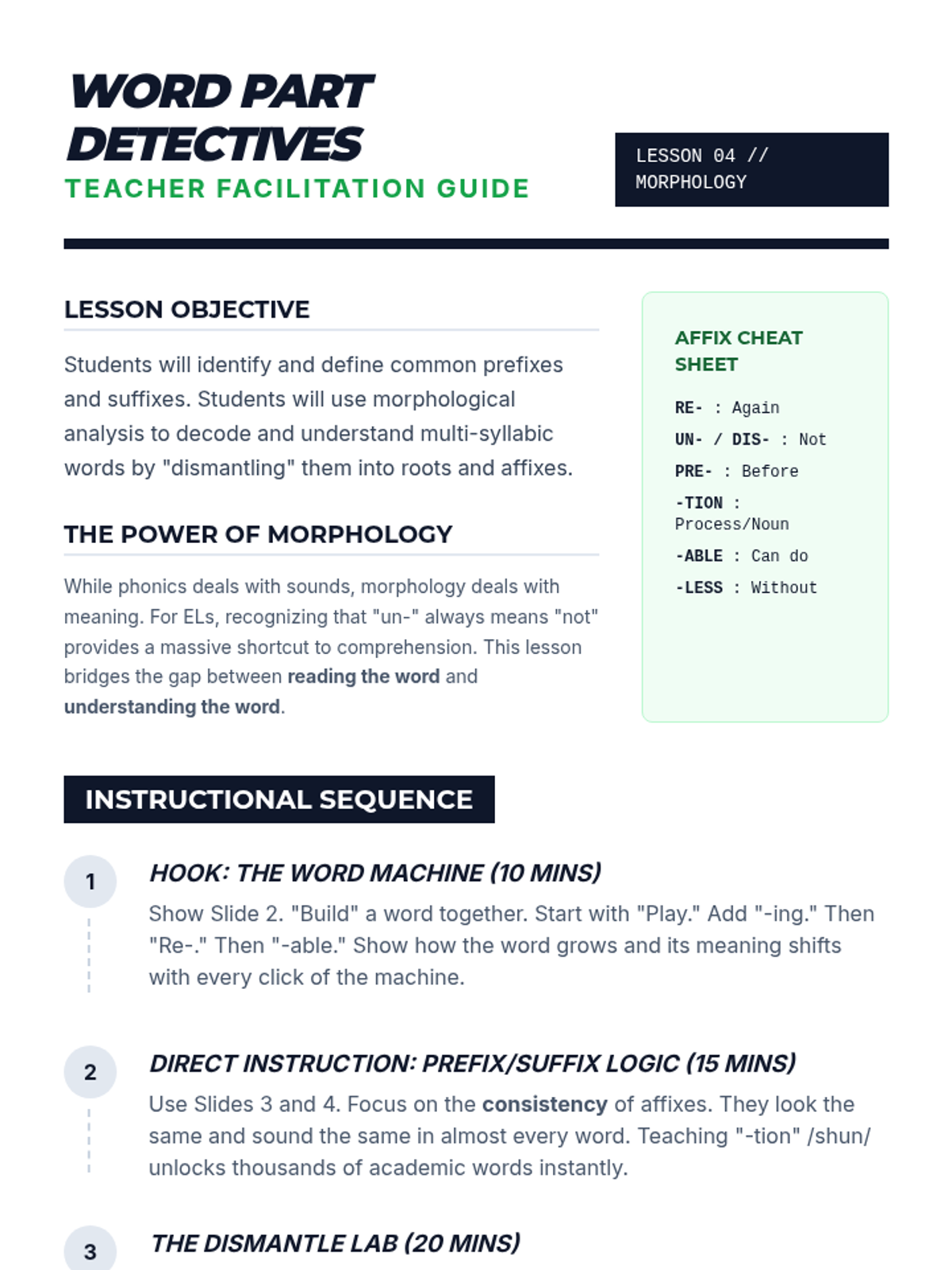
Explores prefixes and suffixes as keys to decoding, where students dismantle complex words into roots to understand both pronunciation and meaning.
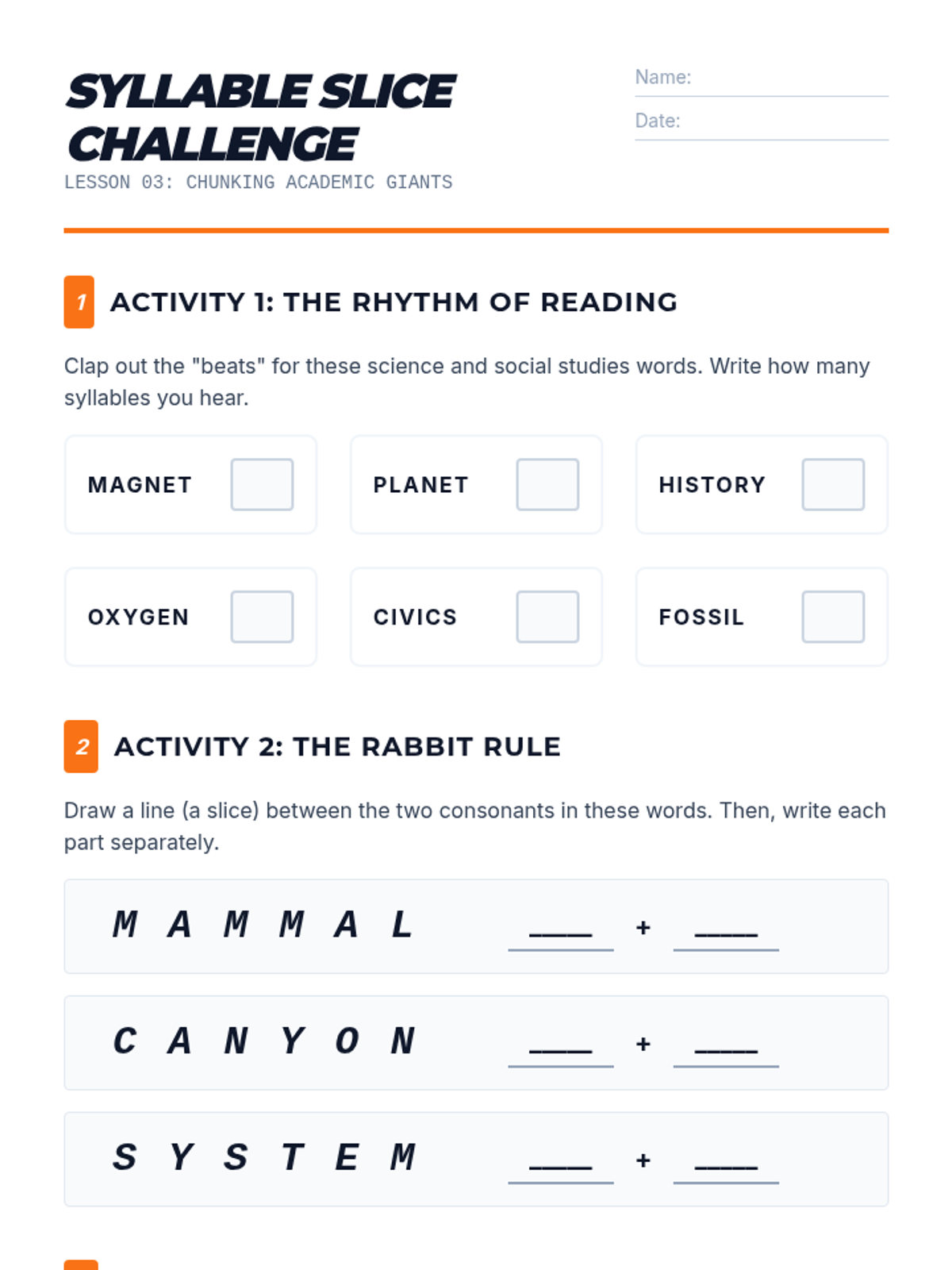
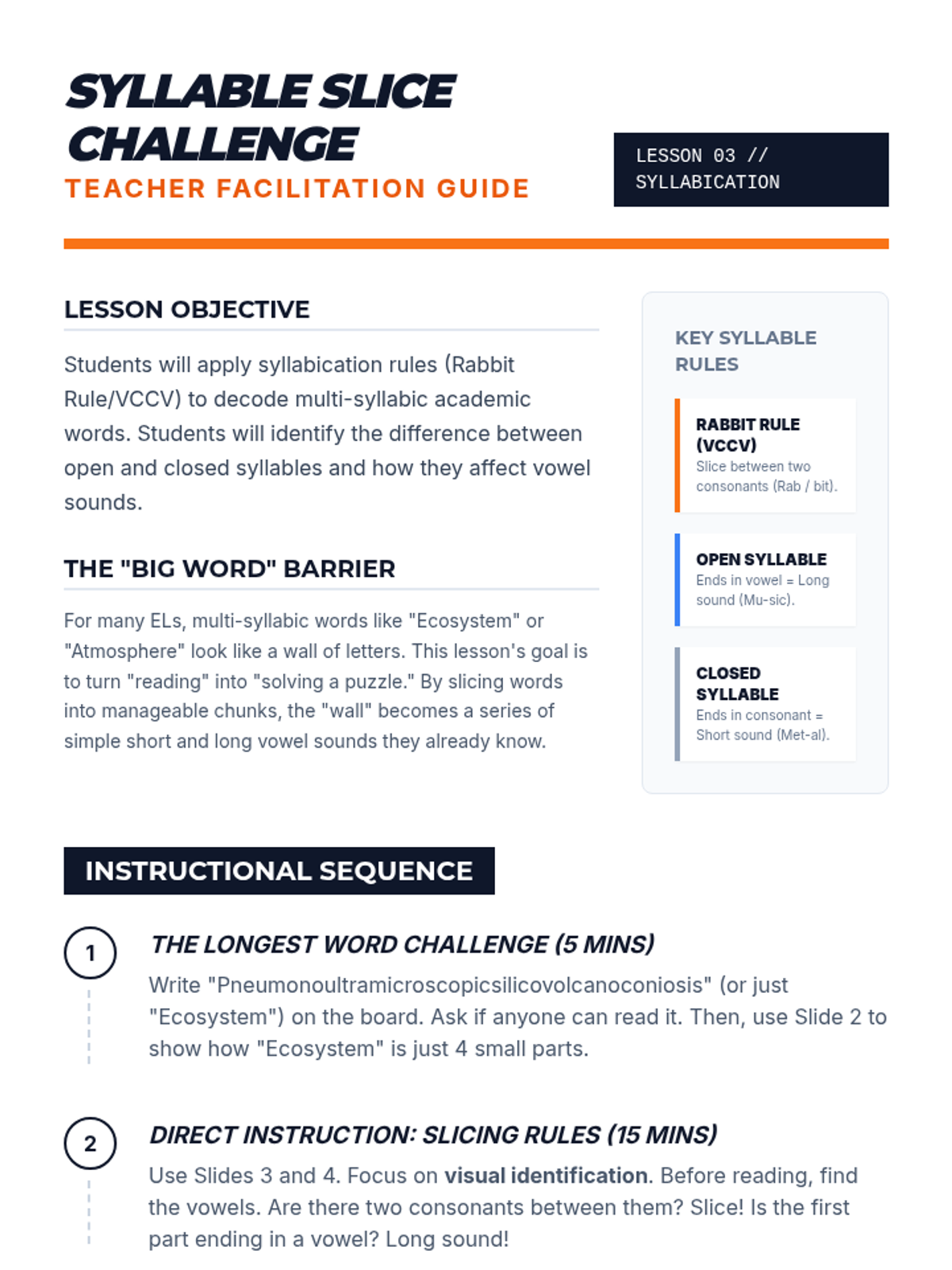
Introduces syllabication strategies including open and closed syllables to help students decode multi-syllabic academic words from science and social studies.
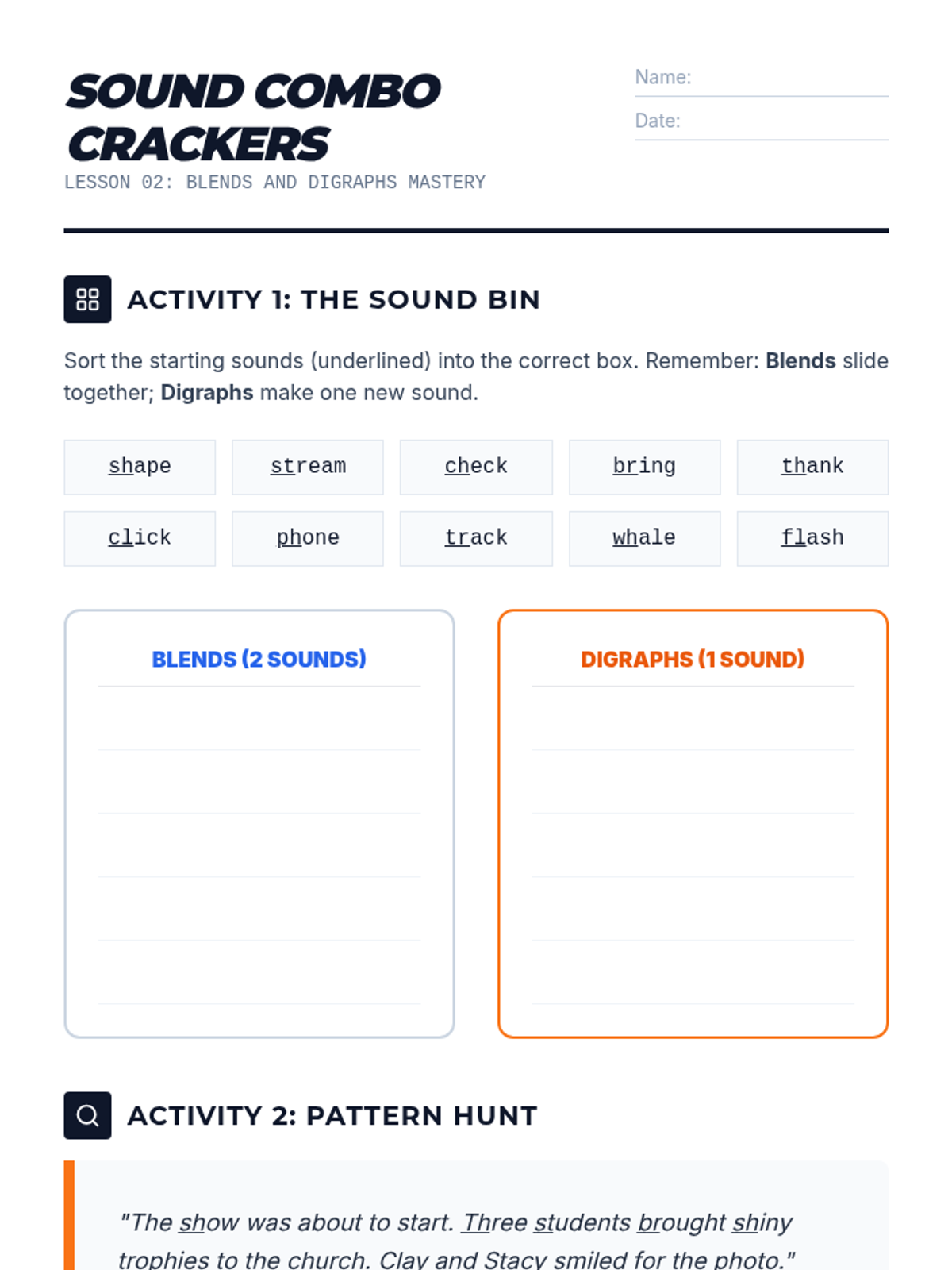
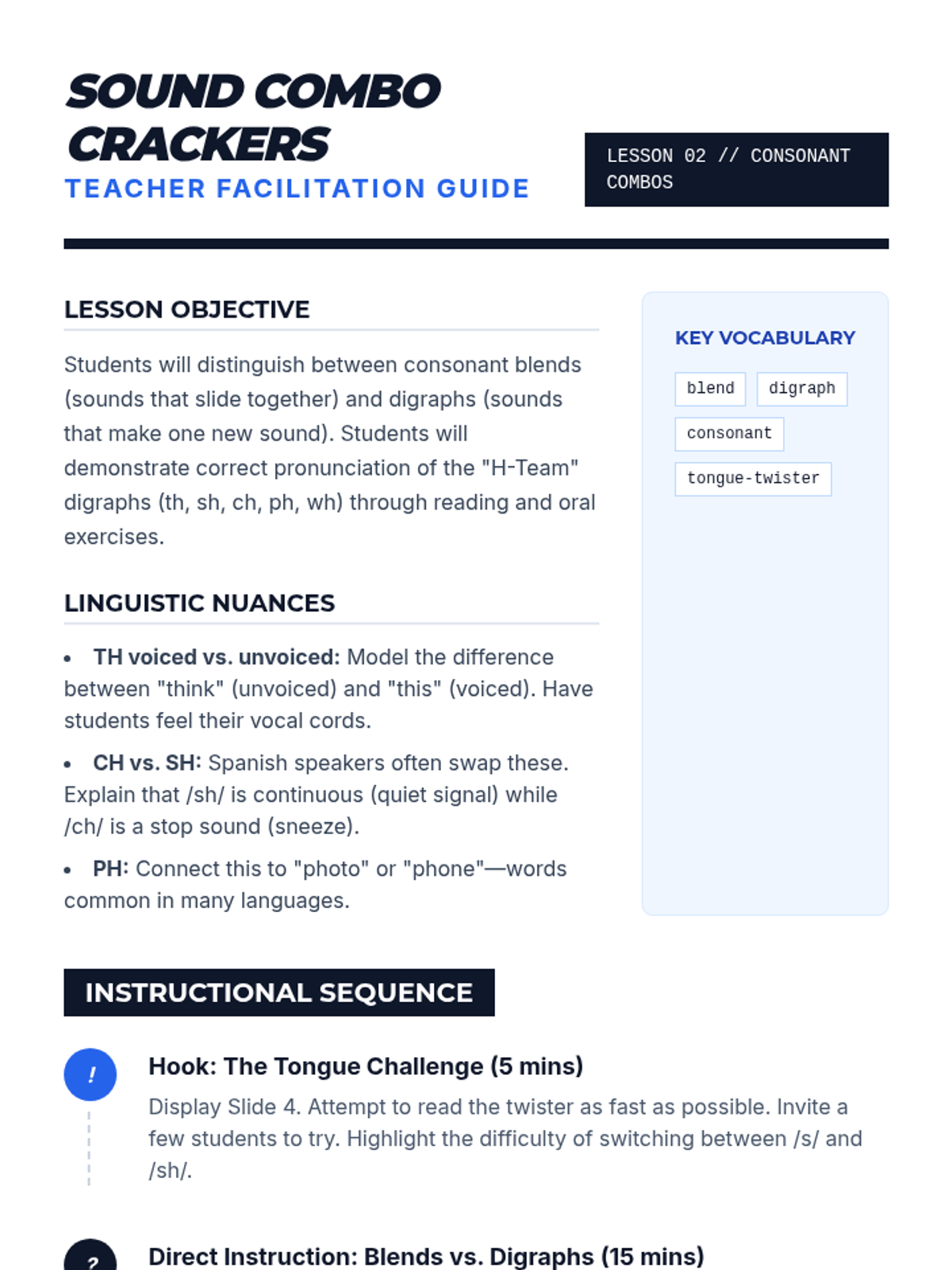
Focuses on common consonant blends and digraphs in everyday English, with students identifying patterns in text and practicing pronunciation through tongue twisters.
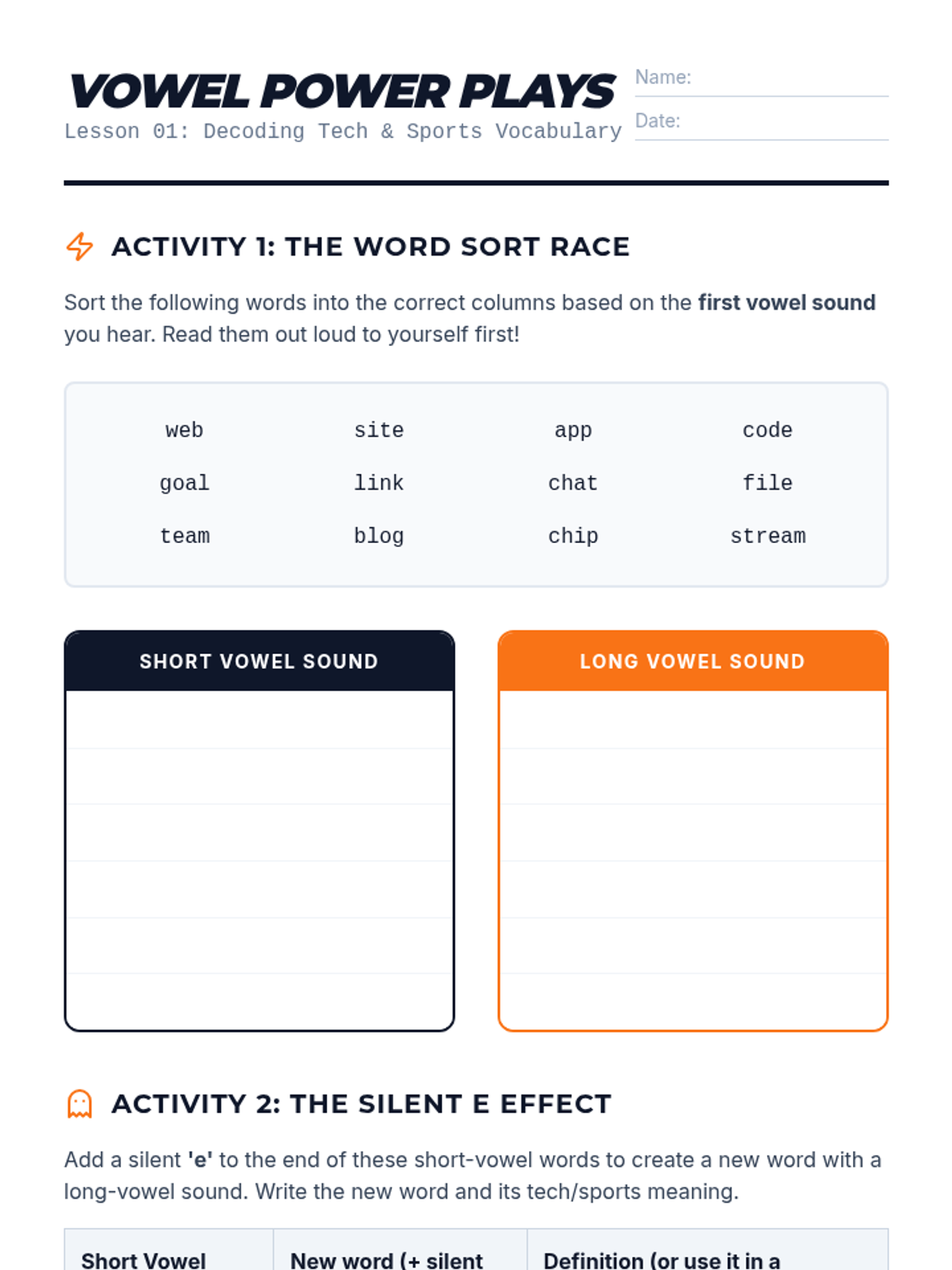
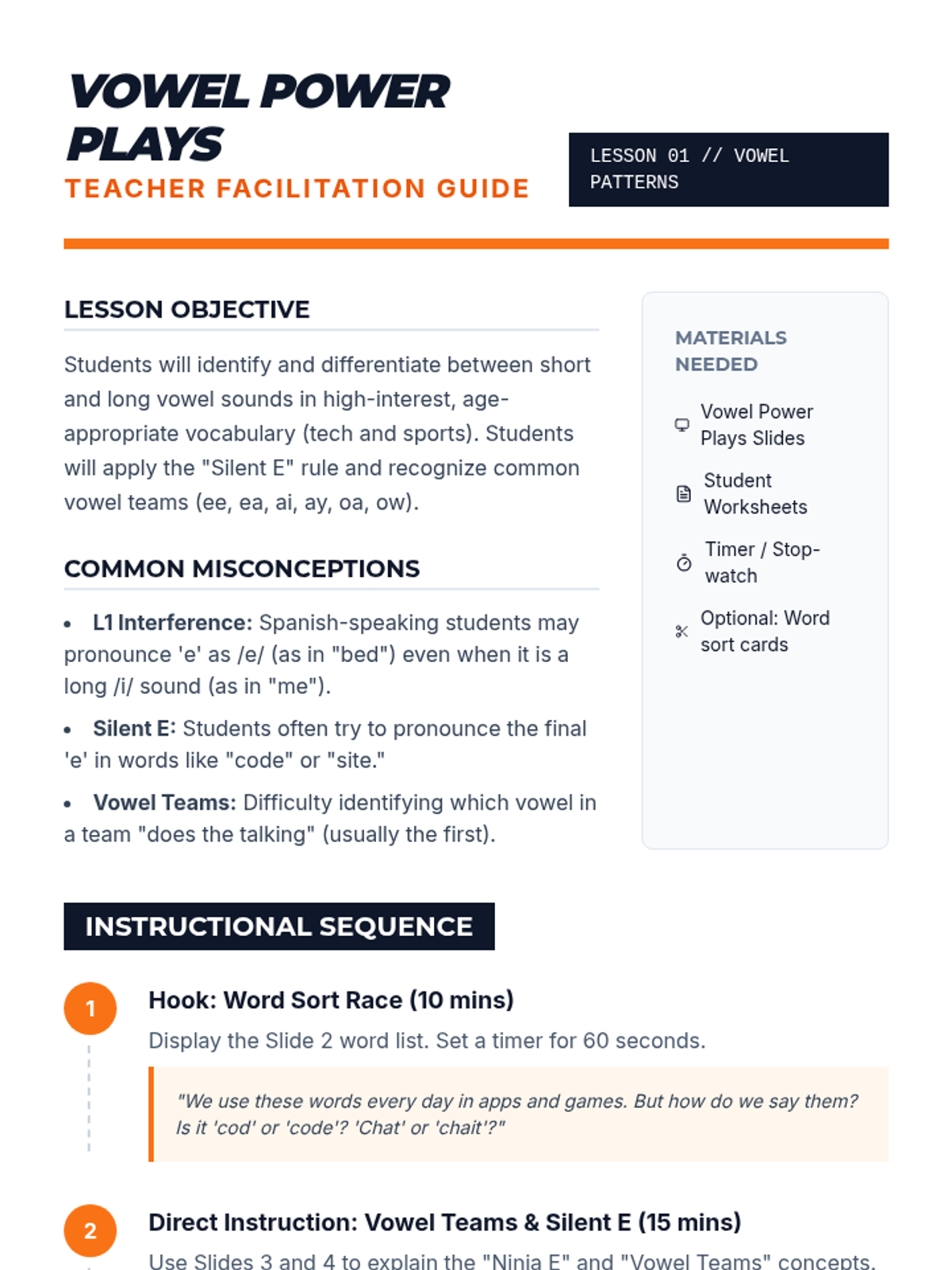
Students master short and long vowel sounds using vocabulary related to sports, tech, and school life, identifying vowel teams through interactive word sorts.
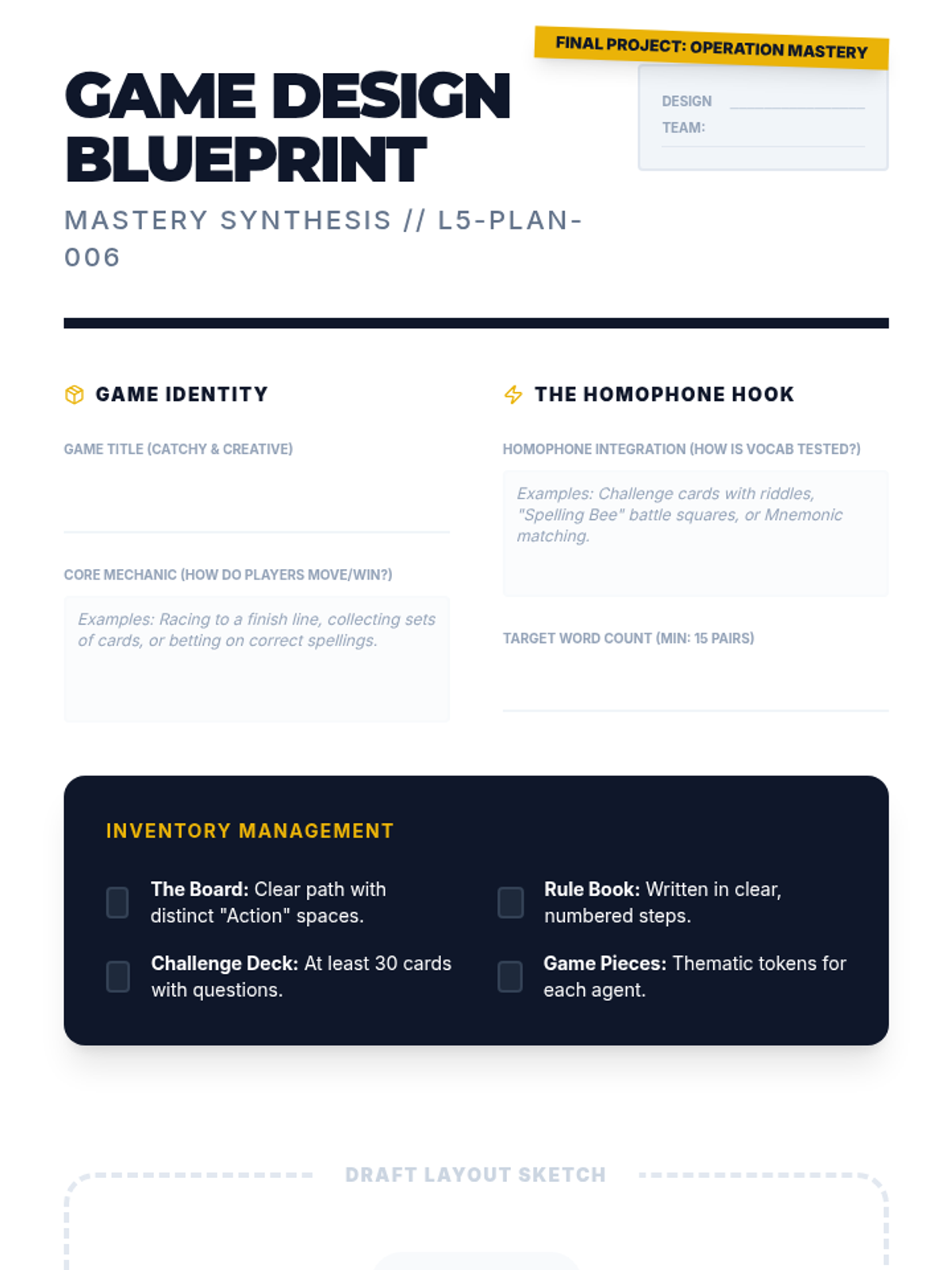
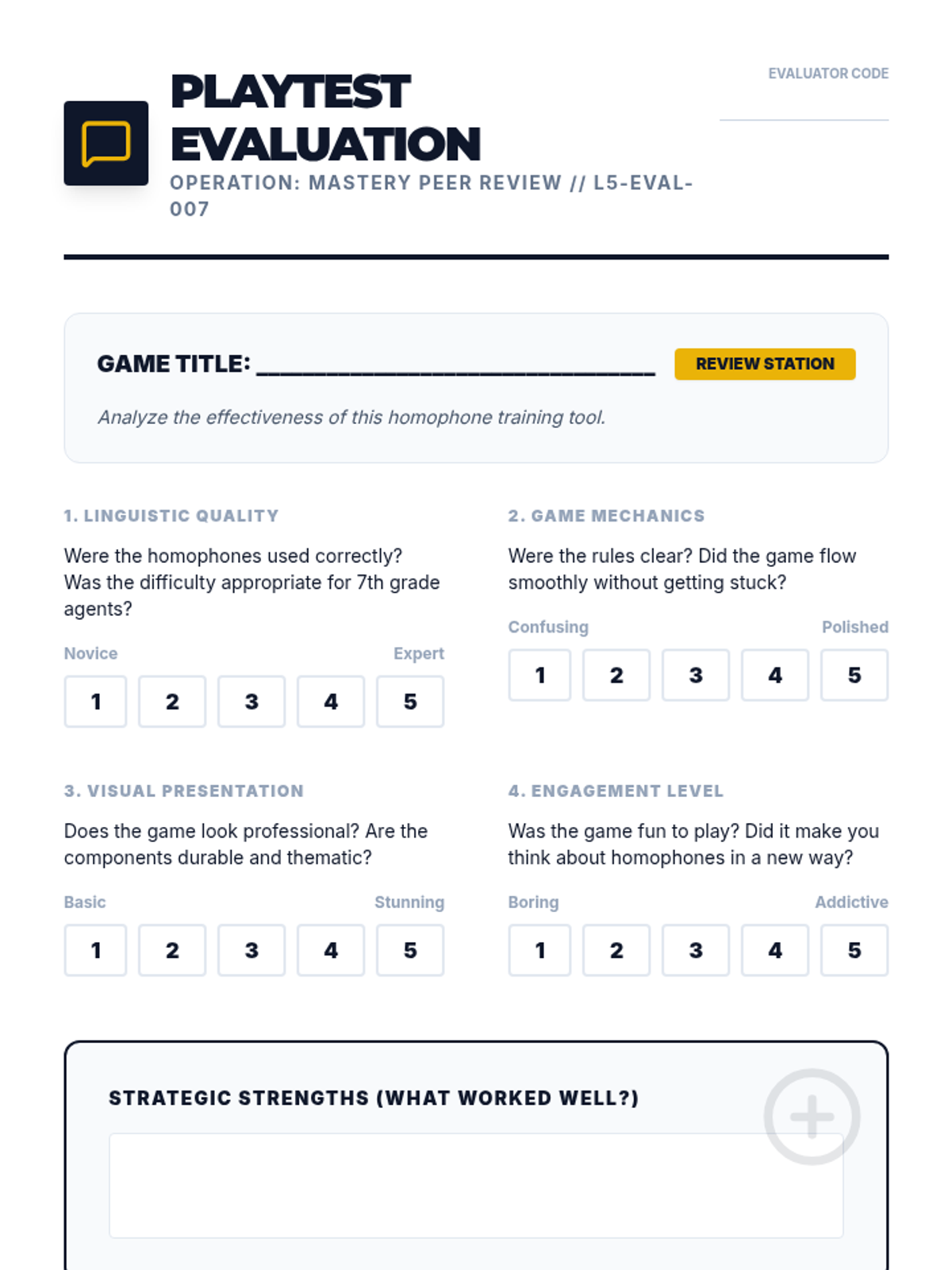
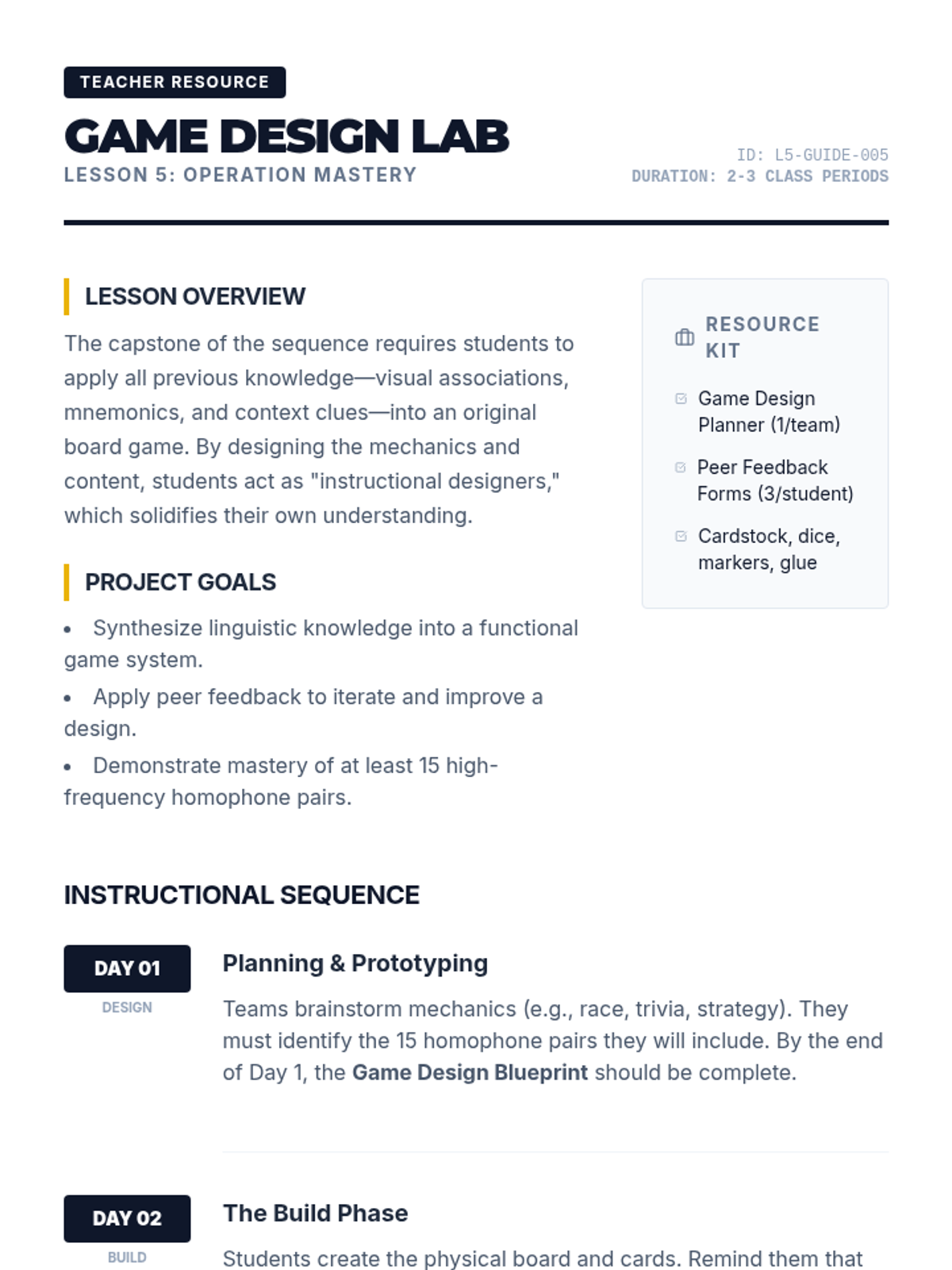
Students synthesize their learning by designing, creating, and playing their own homophone-based board games.
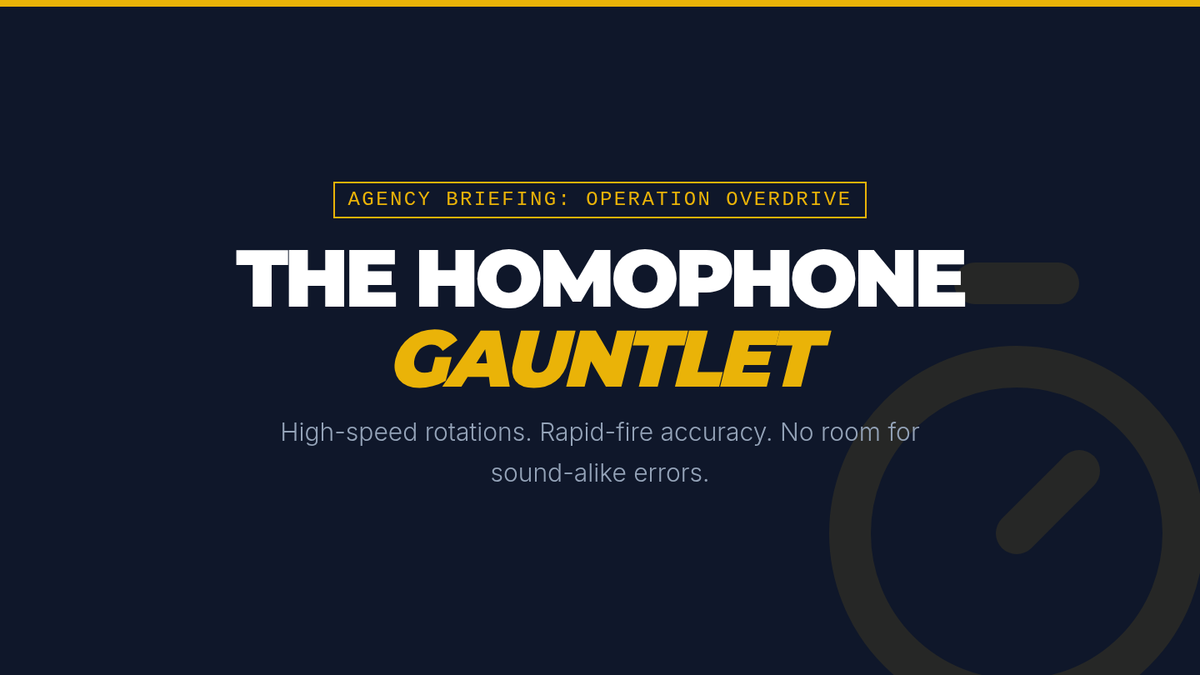
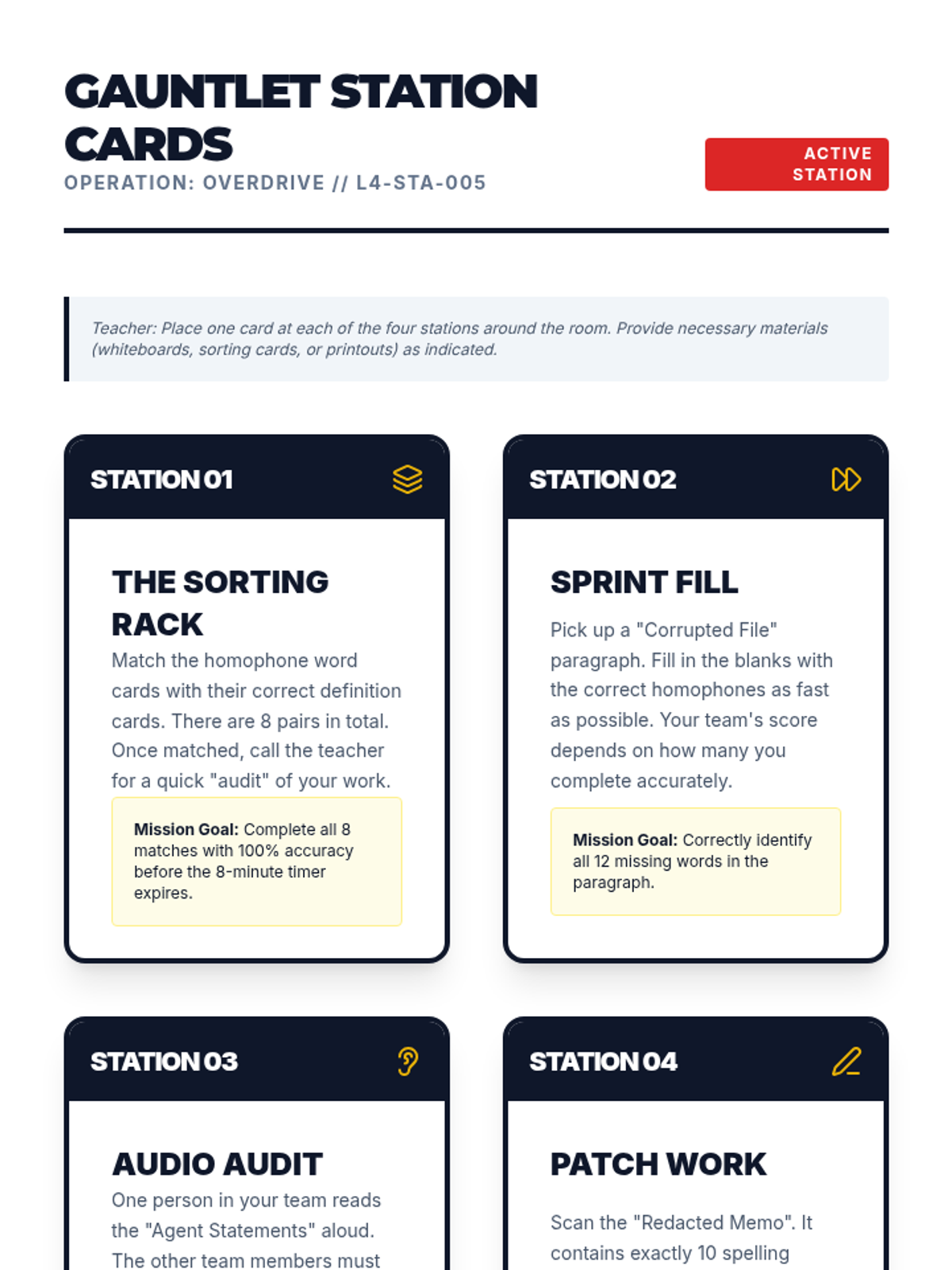
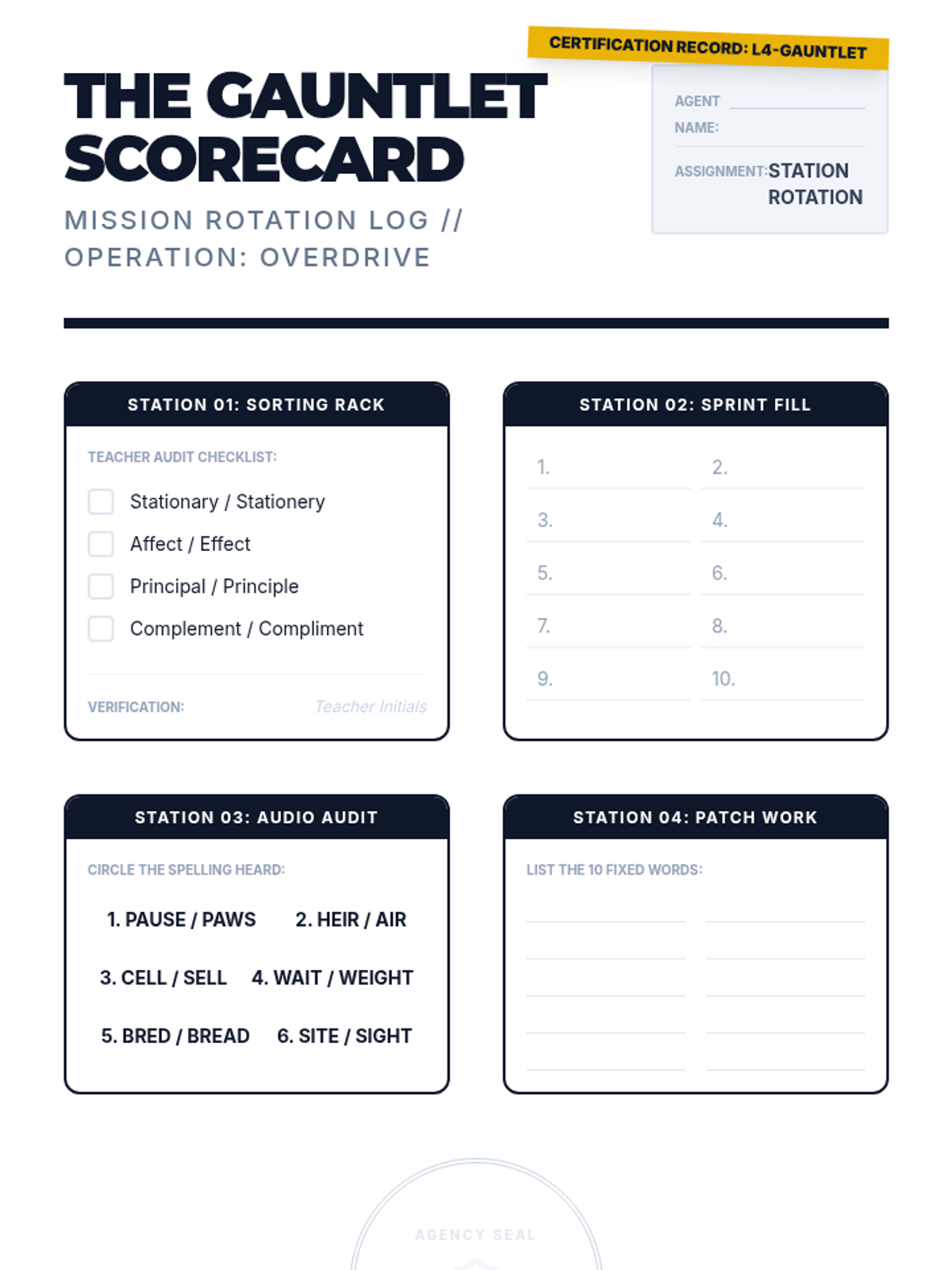
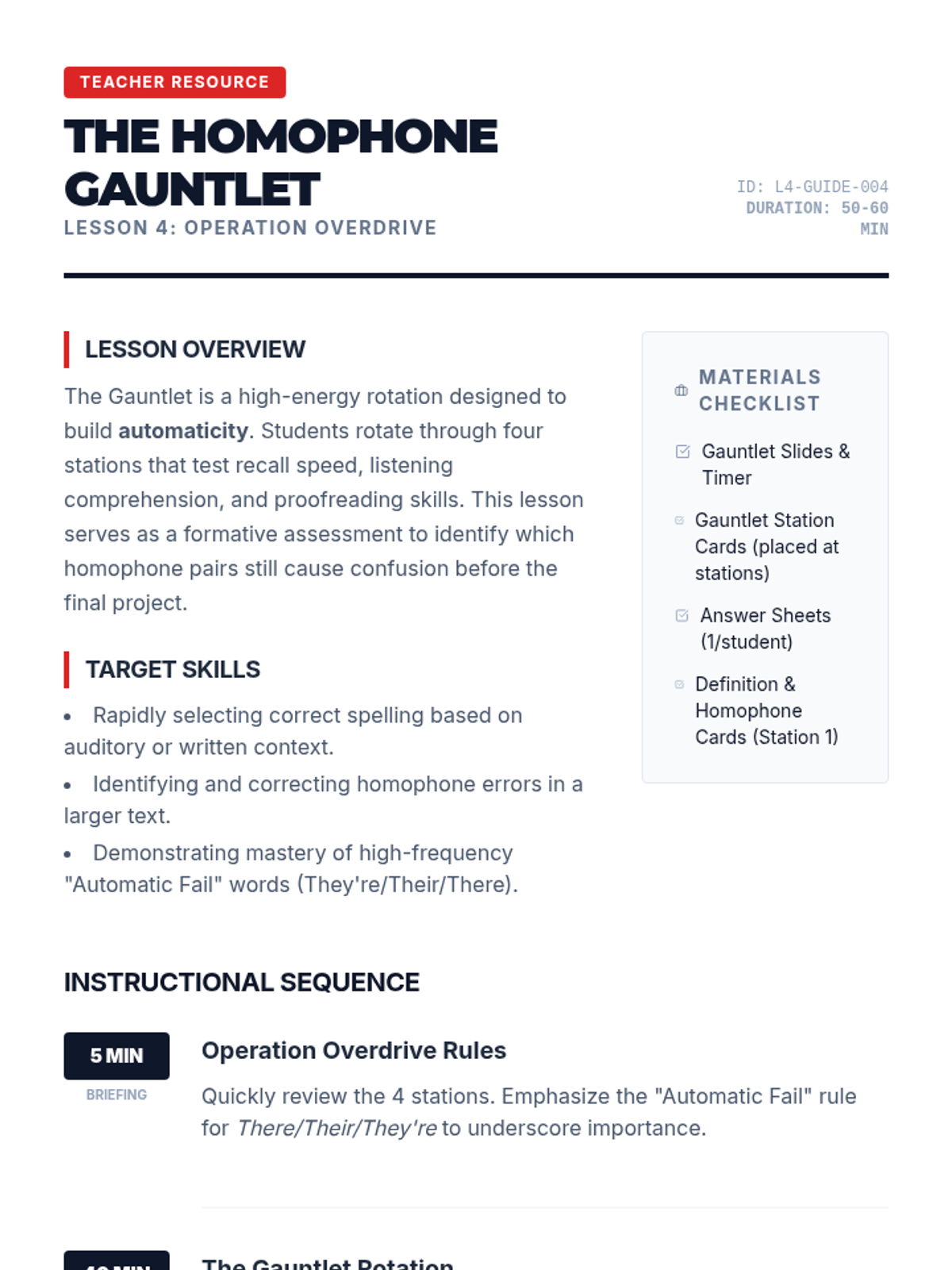
A high-energy, station-based lesson where students rotate through challenges to build rapid recall and automaticity with homophones.
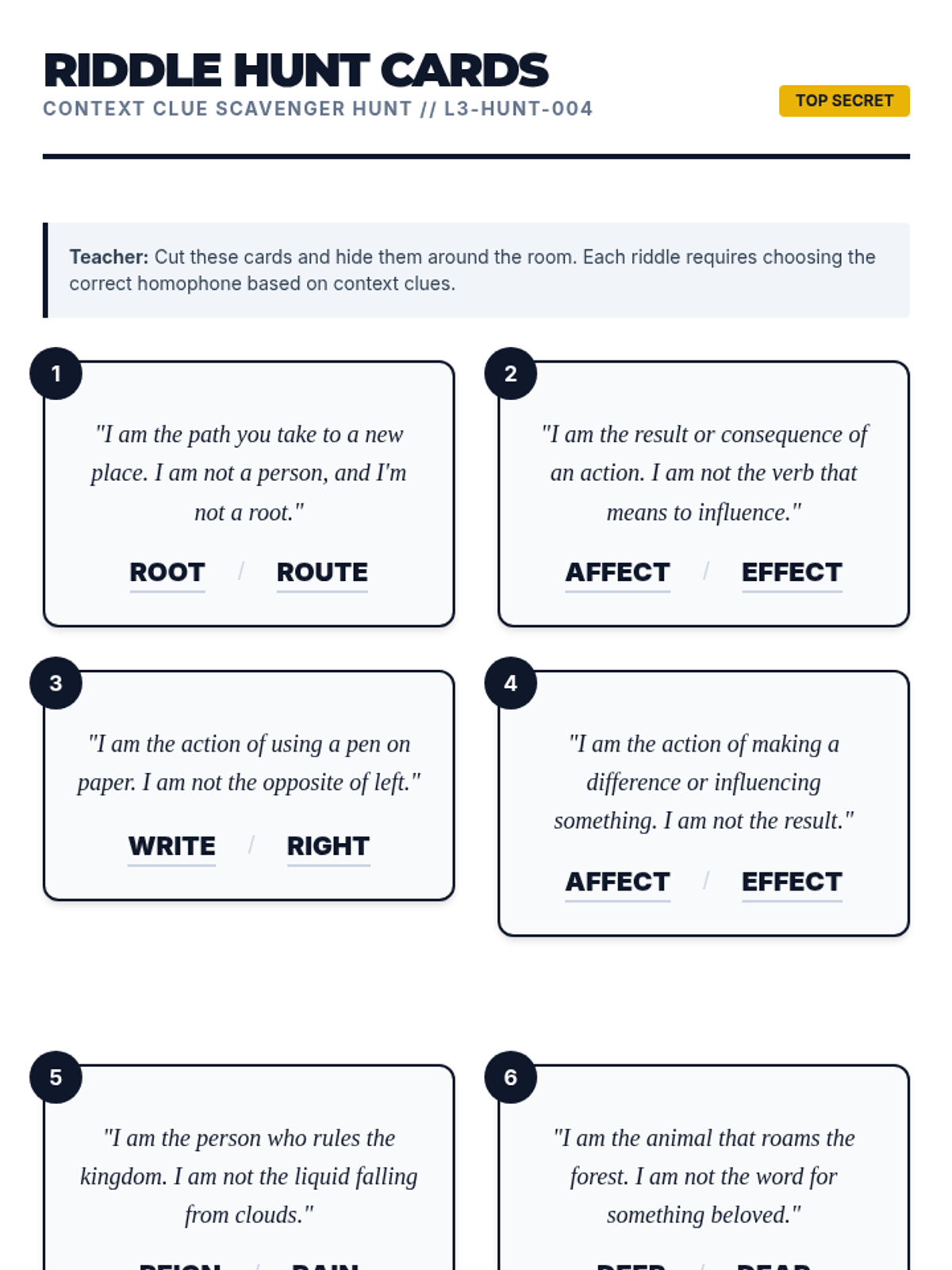
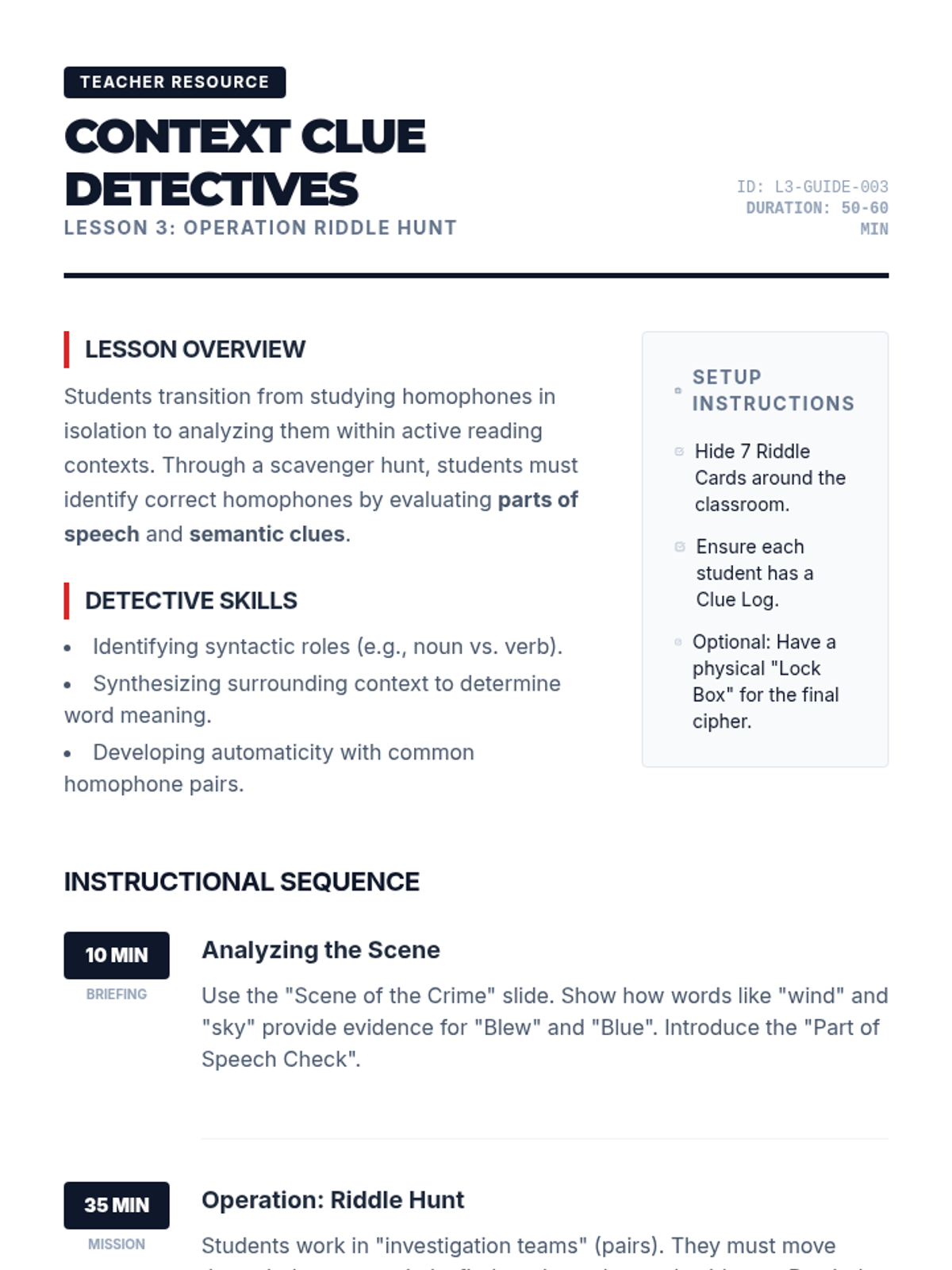
Students solve riddles in a scavenger hunt that requires analyzing sentence context and grammatical clues to choose the correct homophone.
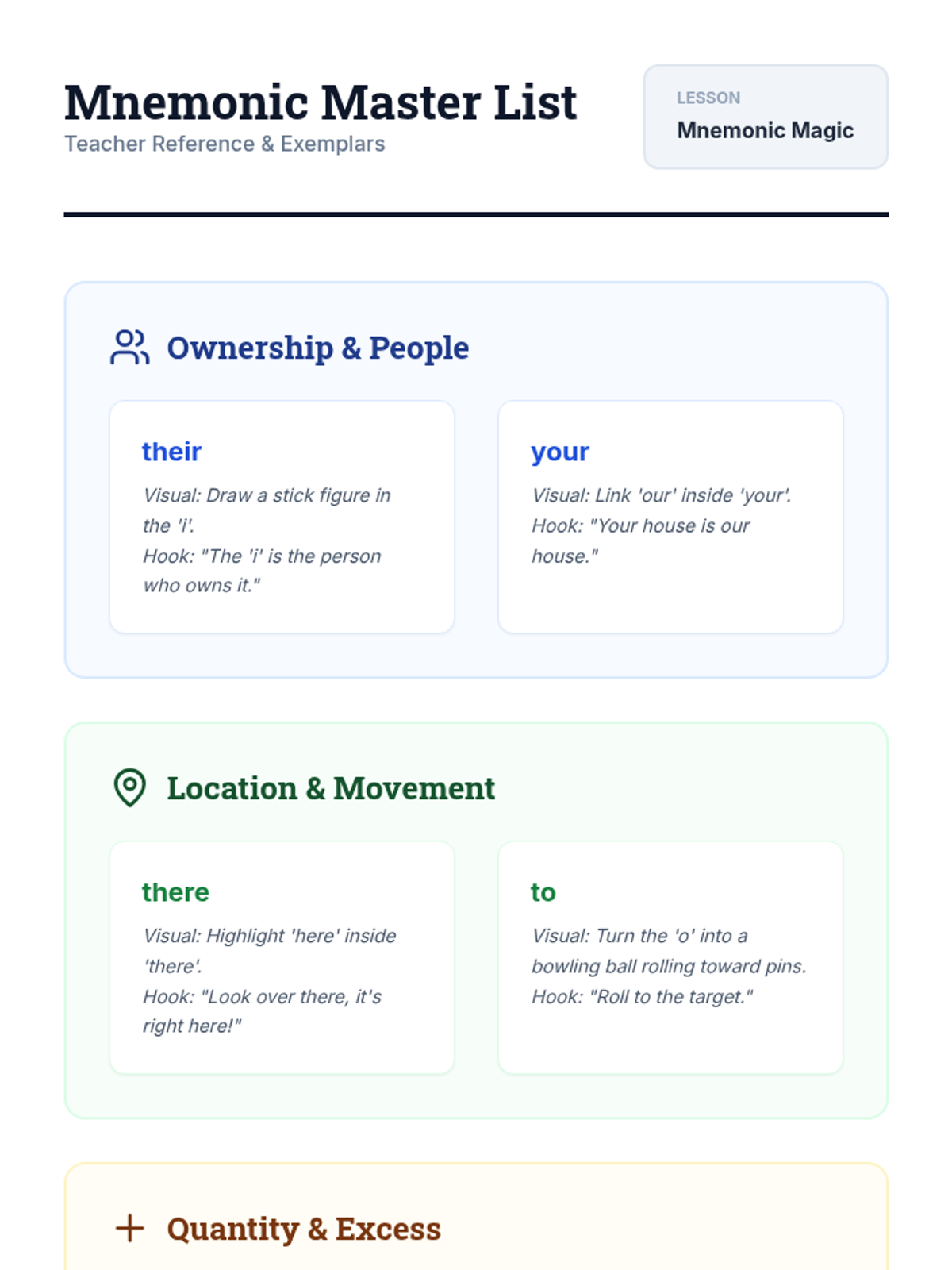
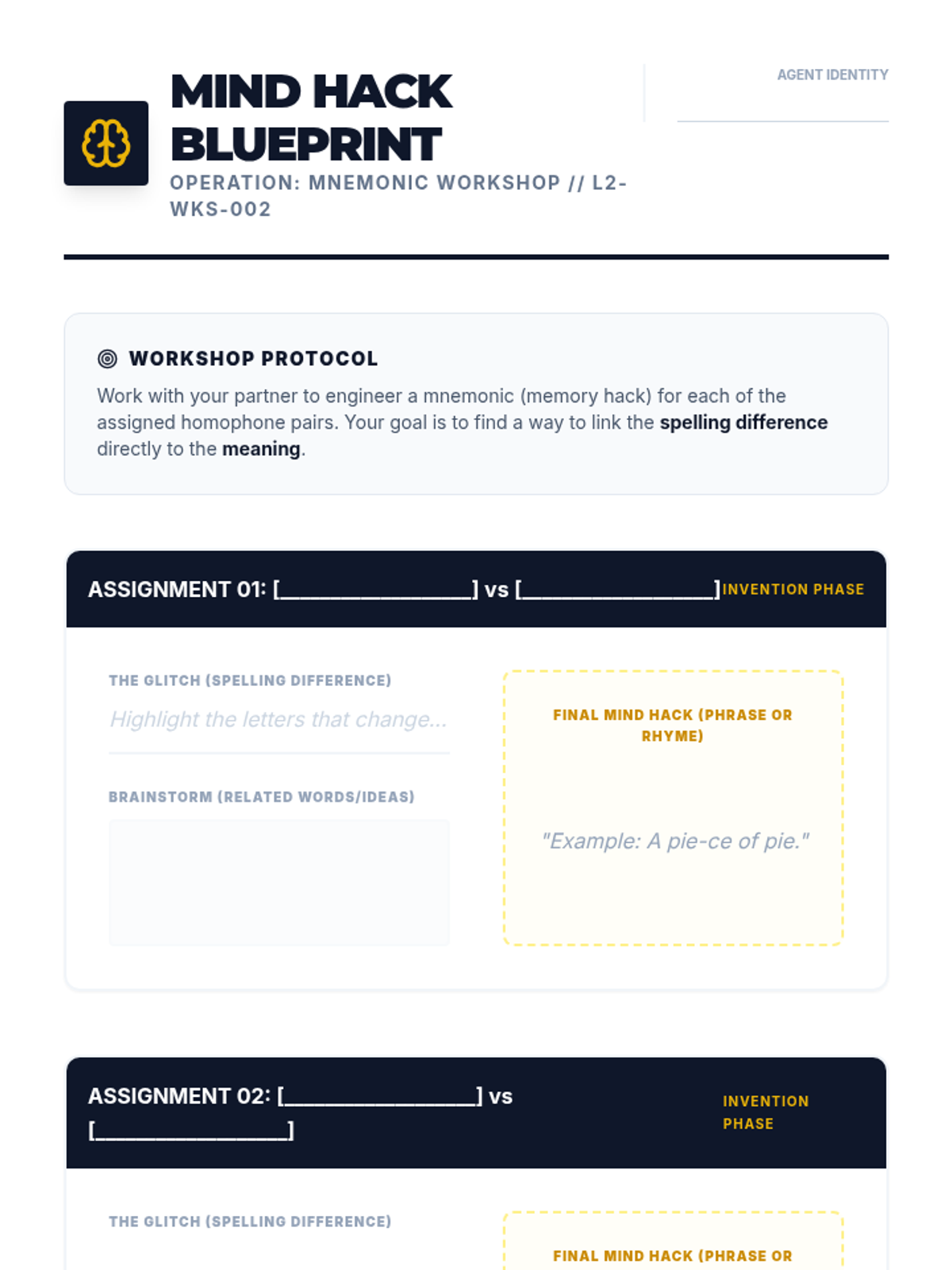
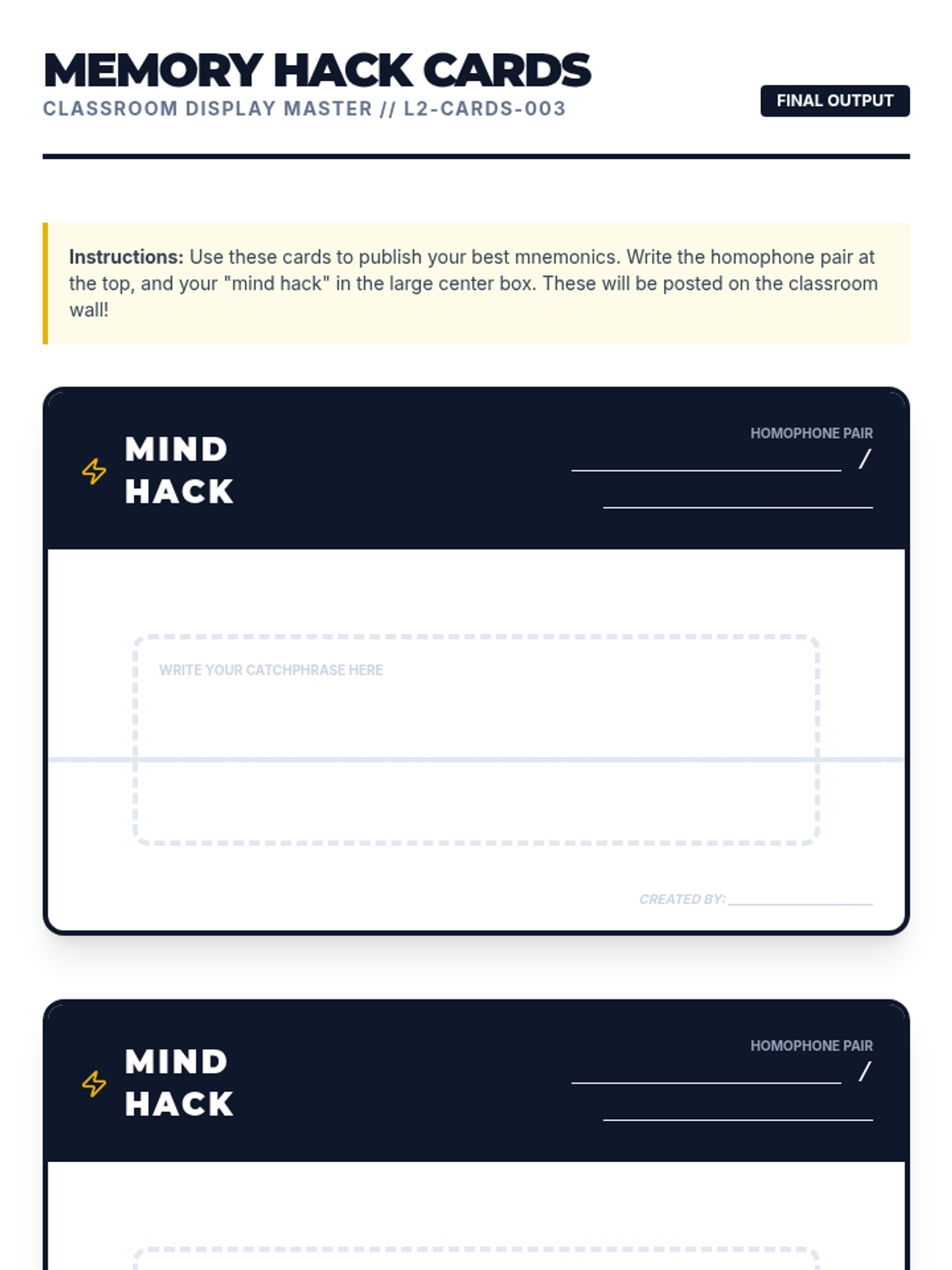
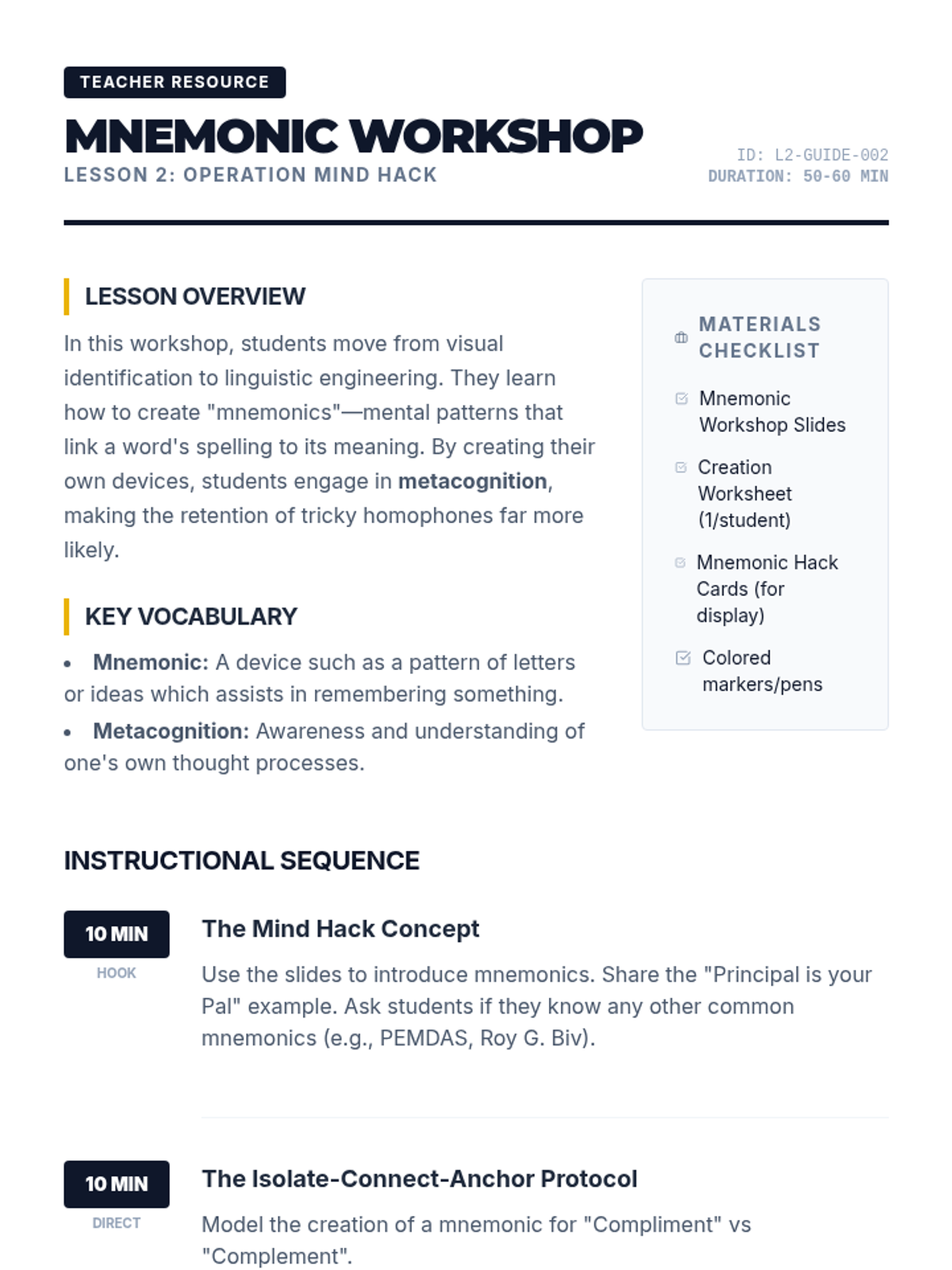
Students investigate and invent mnemonic devices for tricky homophone pairs, leveraging metacognition for long-term retention.
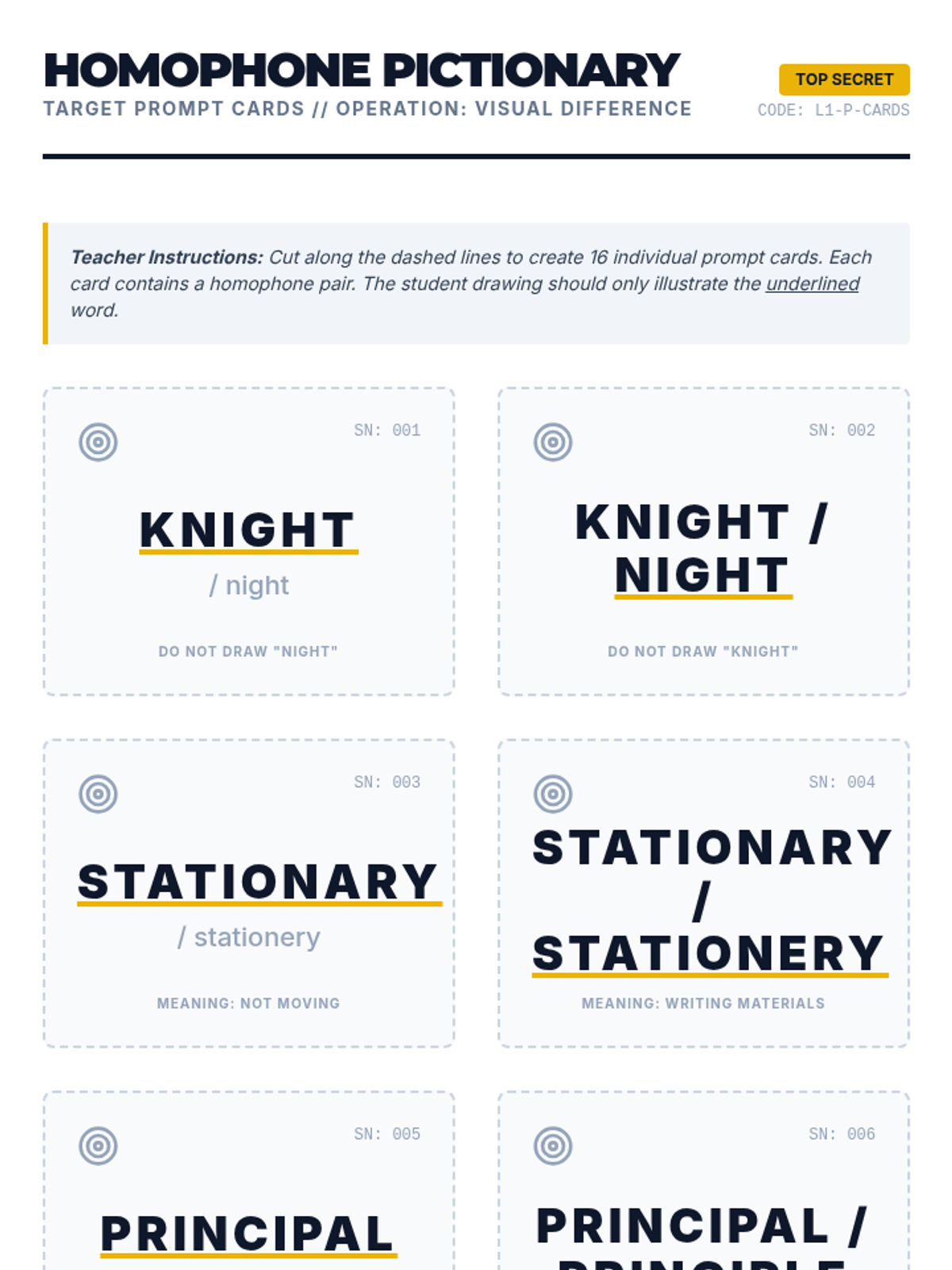
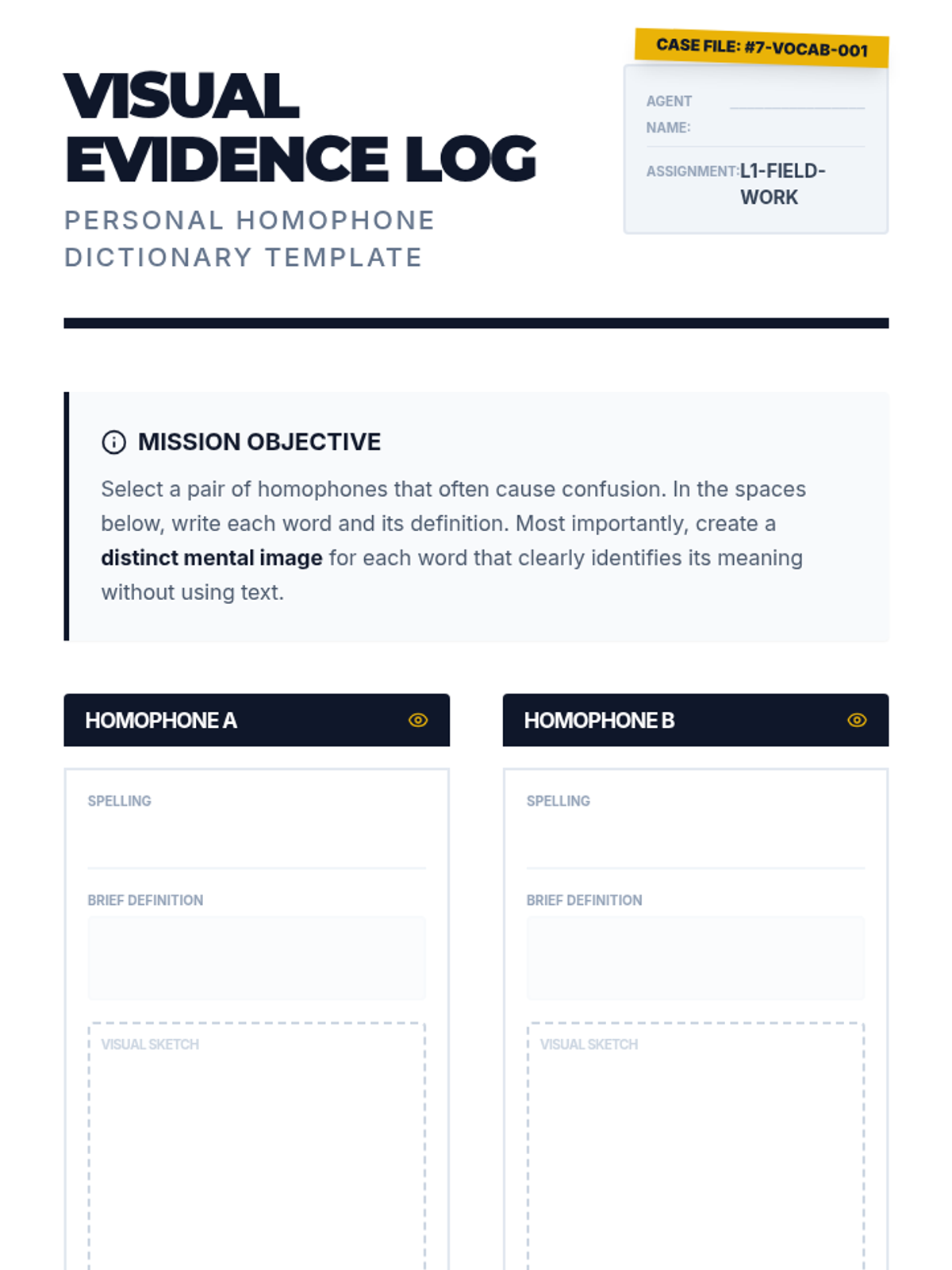
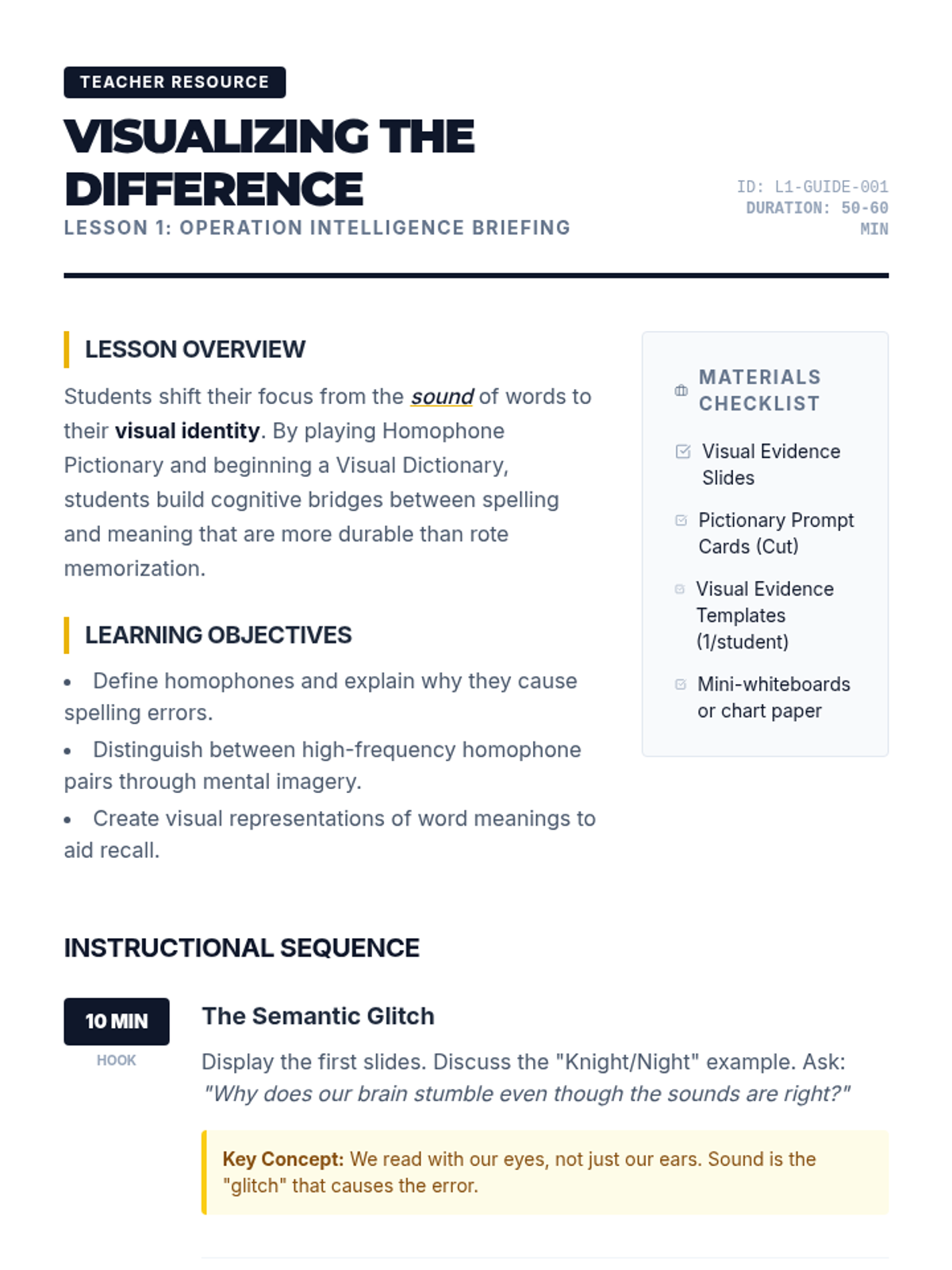
Students play 'Homophone Pictionary' to associate word meanings with distinct mental images and begin building a personal visual dictionary.