Complex syntax, nuanced vocabulary, and academic discourse. Strengthens professional communication through advanced writing, analytical reading, and mastery of high-level auditory and oral fluency.
An advanced ESL sequence for 7th graders focusing on critical listening. Students learn to detect speaker intent, bias, and rhetorical devices, moving from basic comprehension to deep analysis of oral media and persuasive communication.
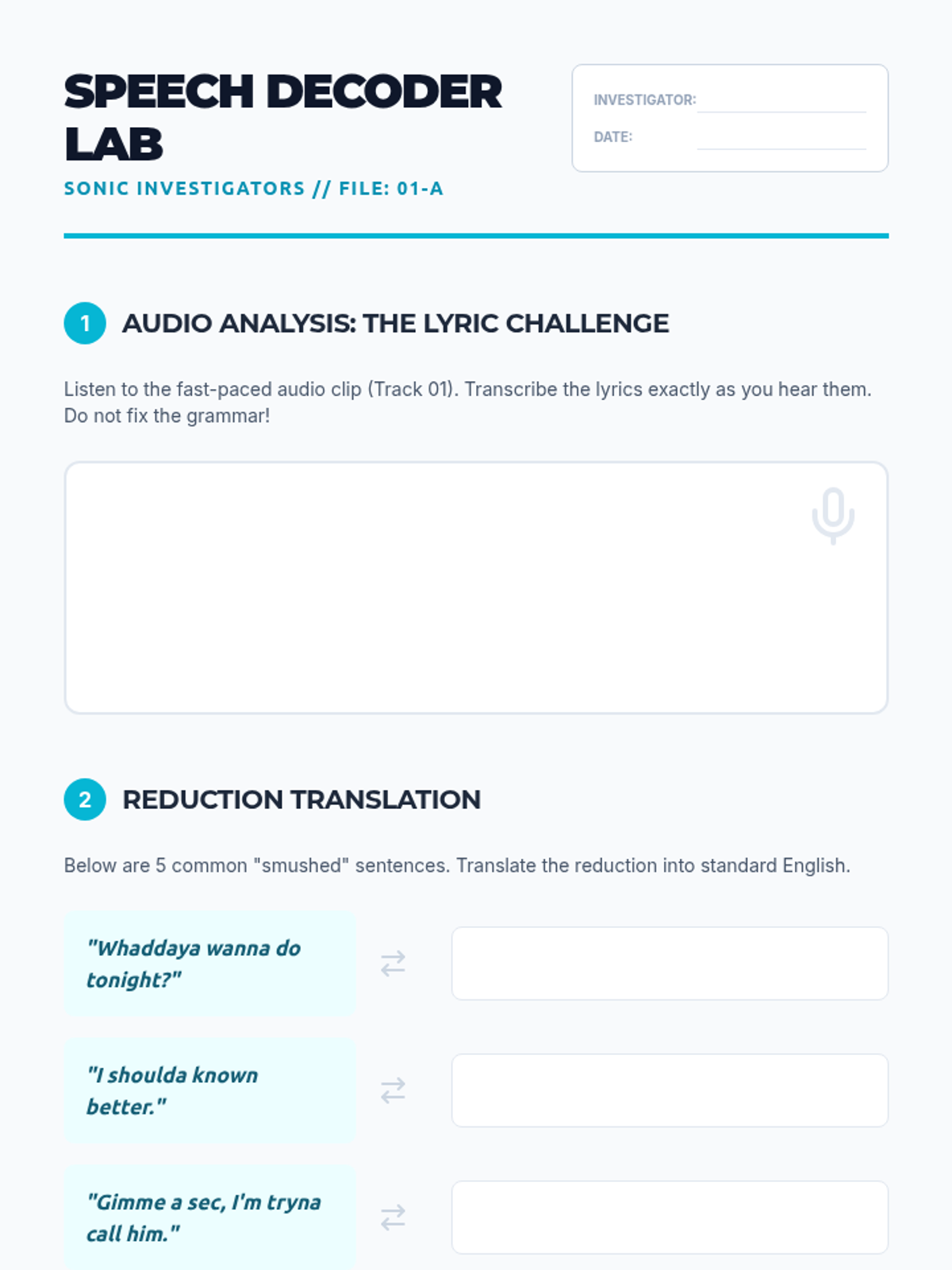
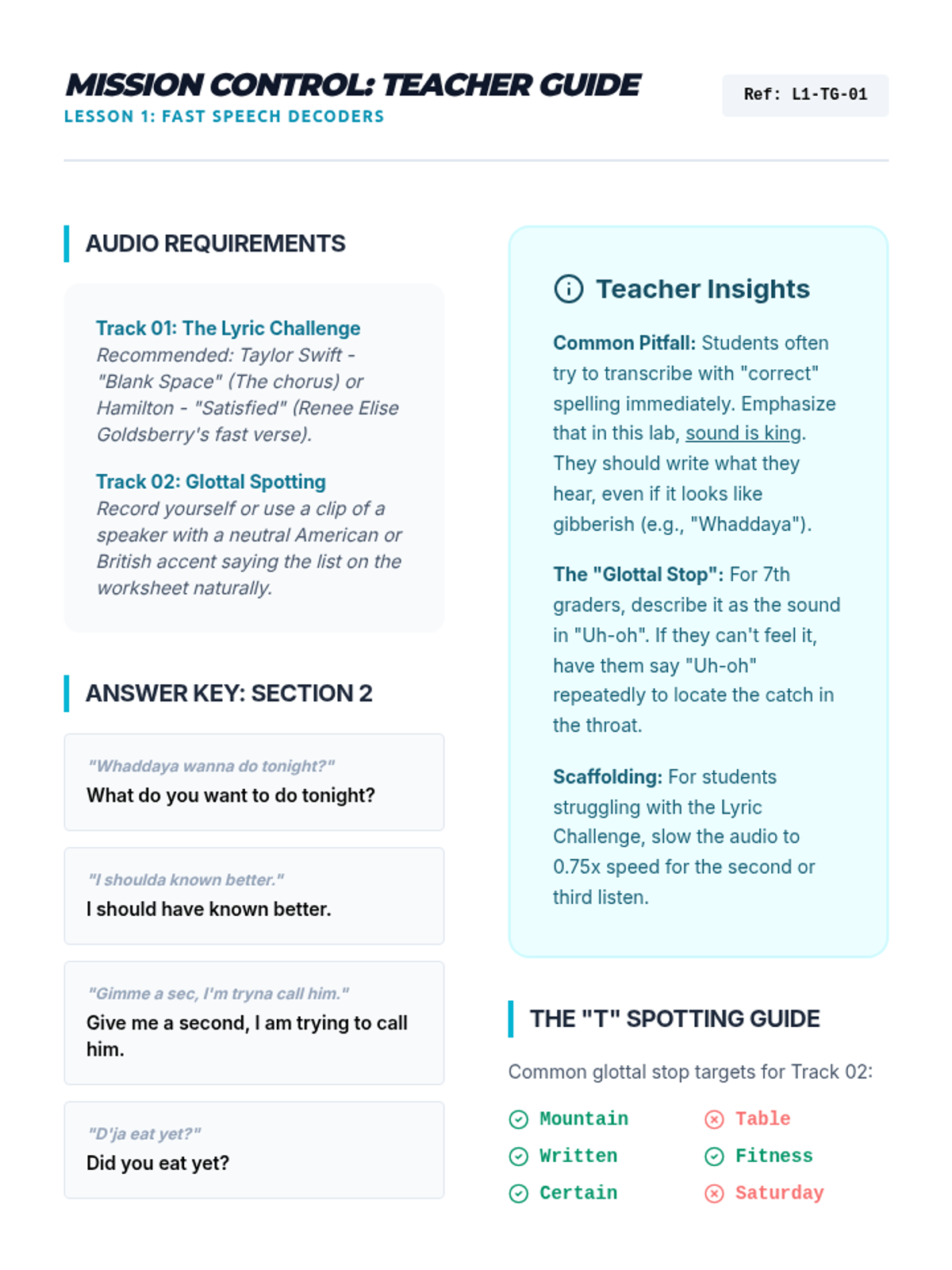
Students explore English beyond the textbook, focusing on authentic fast-paced speech, regional dialects, and varying registers to improve real-world listening comprehension.
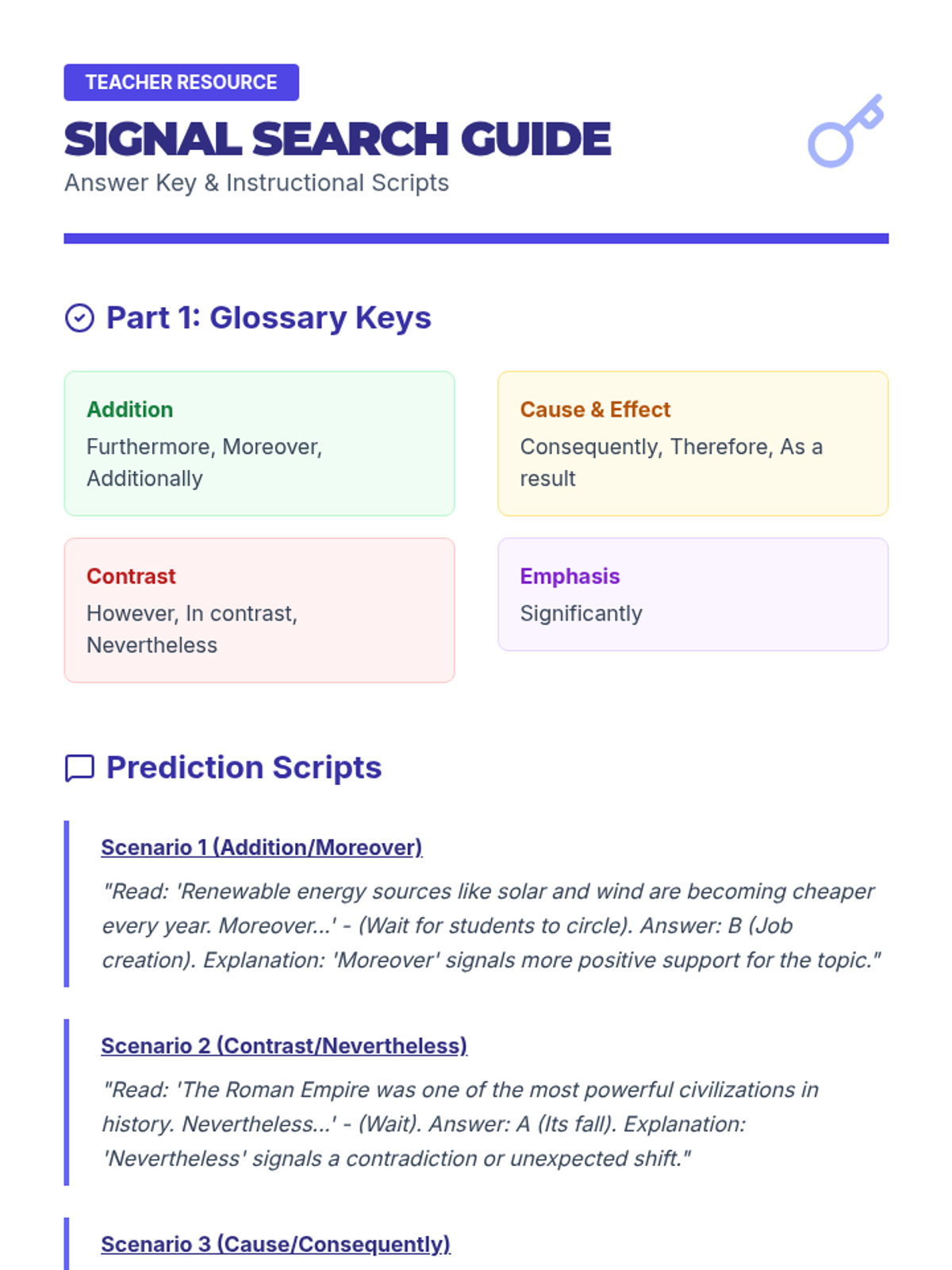
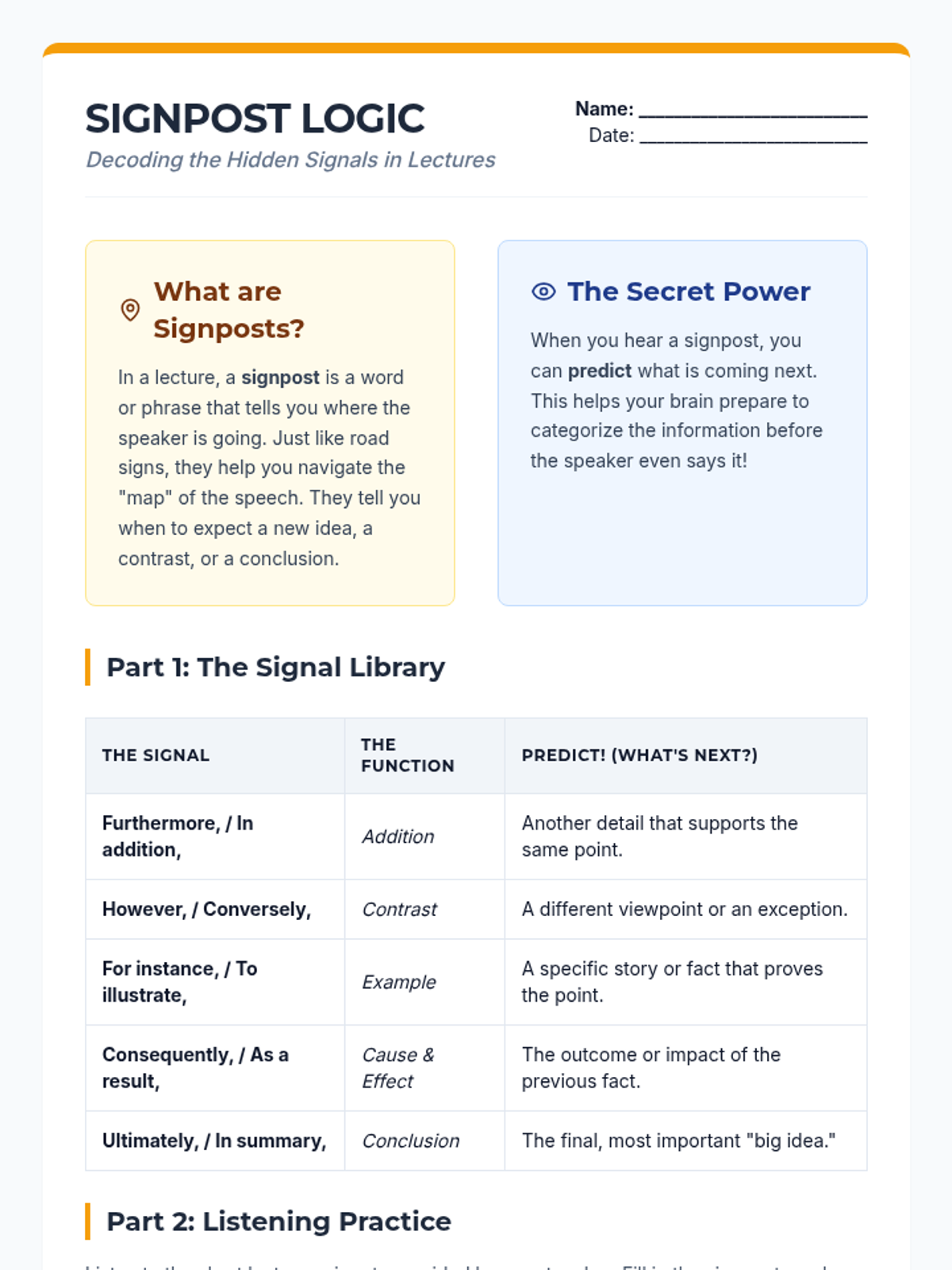
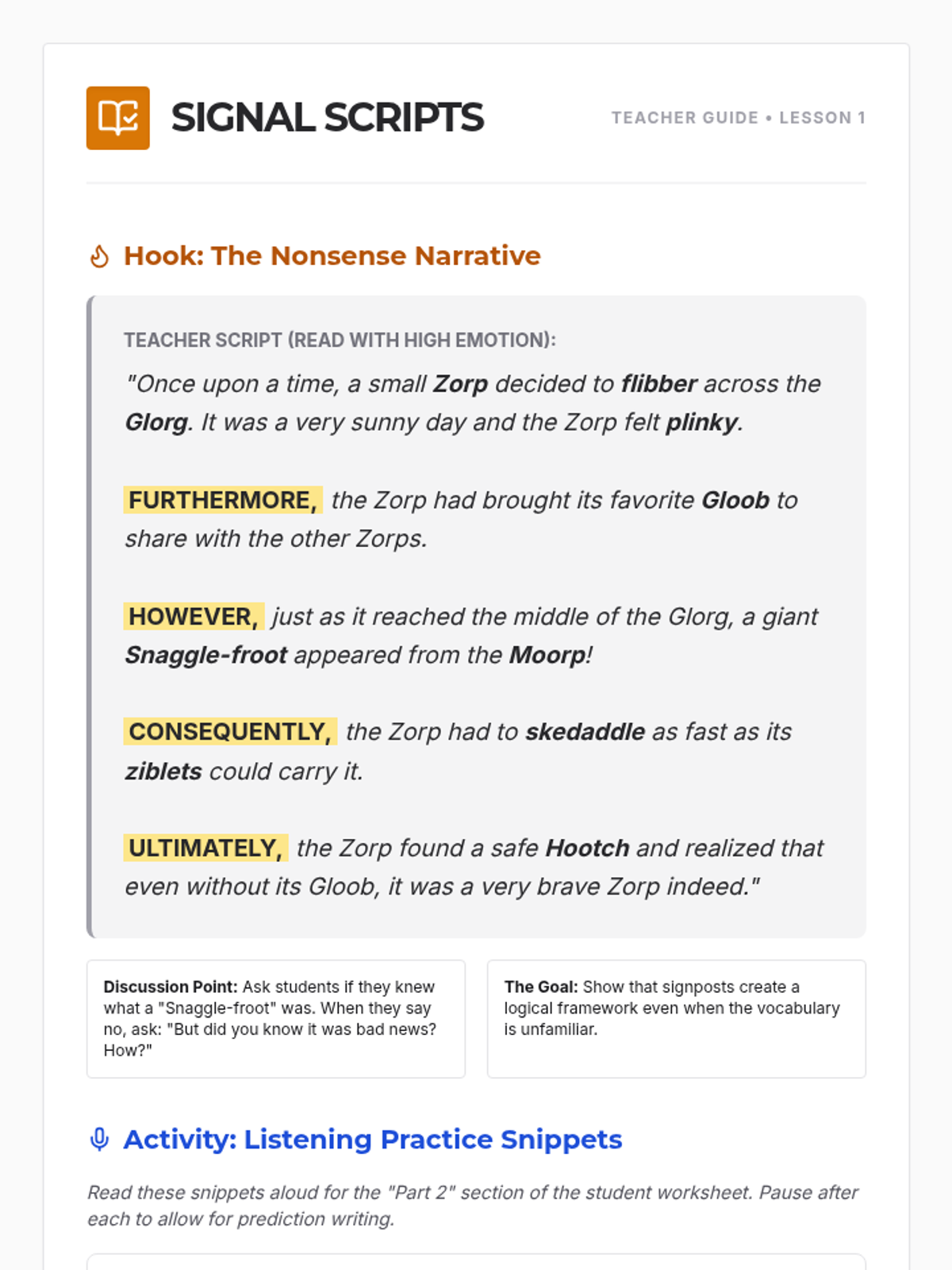
This sequence equips advanced 7th-grade ESL students with the skills to navigate complex academic lectures. It covers identifying verbal transitions, mastering Cornell notes, distinguishing main ideas from trivia, visualizing oral descriptions, and synthesizing information into accurate summaries.
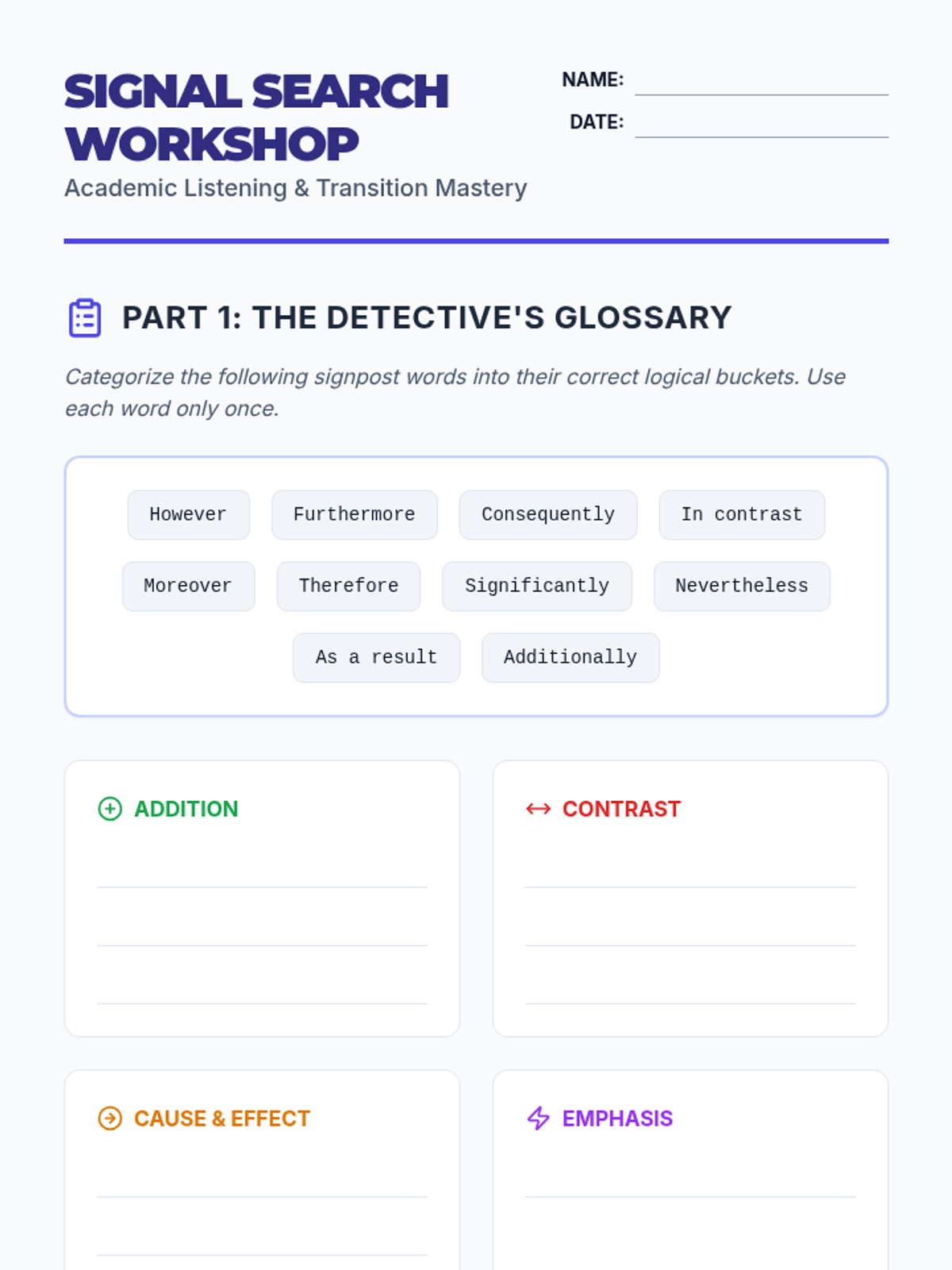
This sequence equips advanced ESL students with strategies for academic listening, focusing on verbal signposts, main idea extraction, Cornell note-taking, and synthesizing complex information for academic discussion.
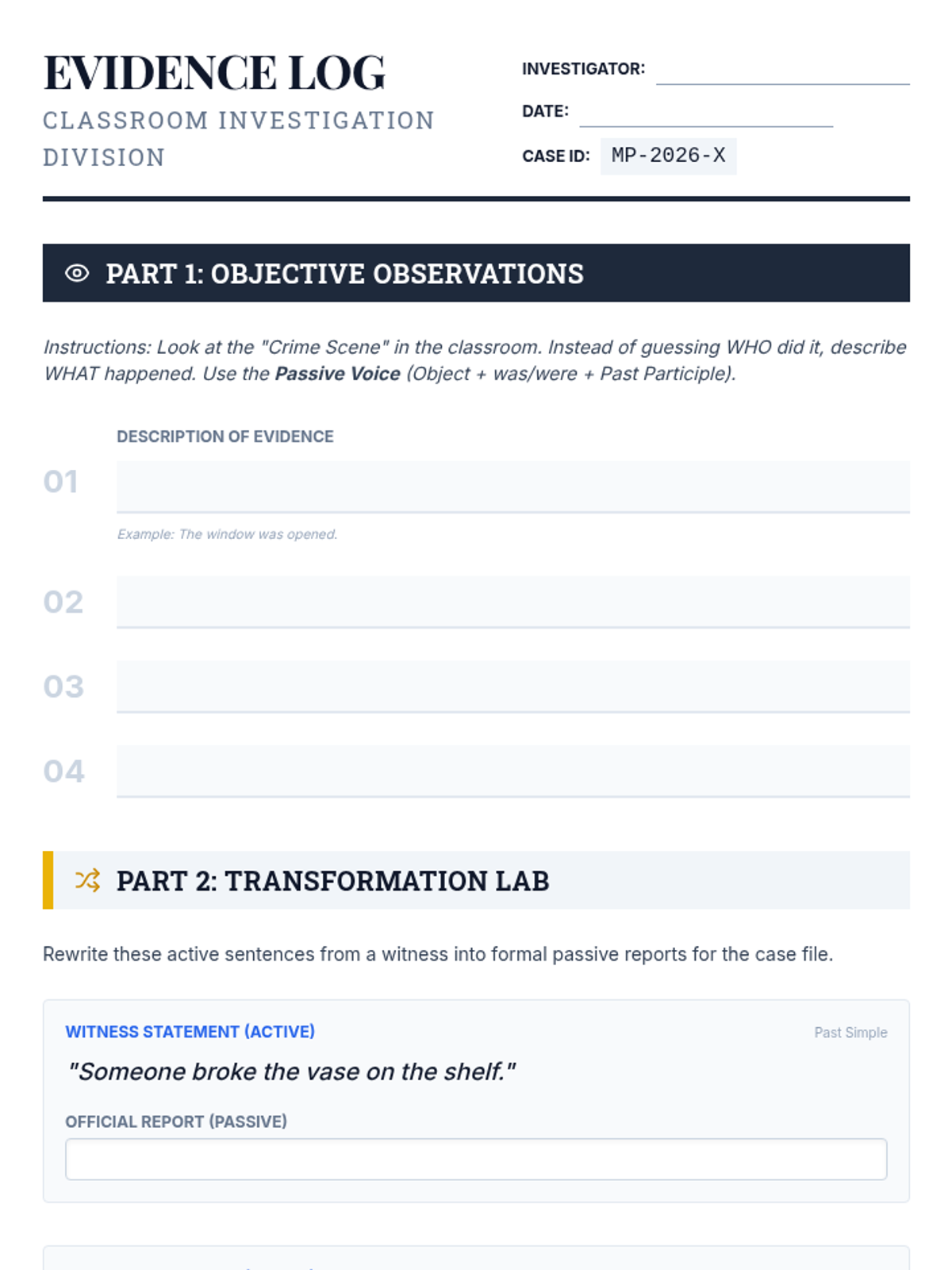
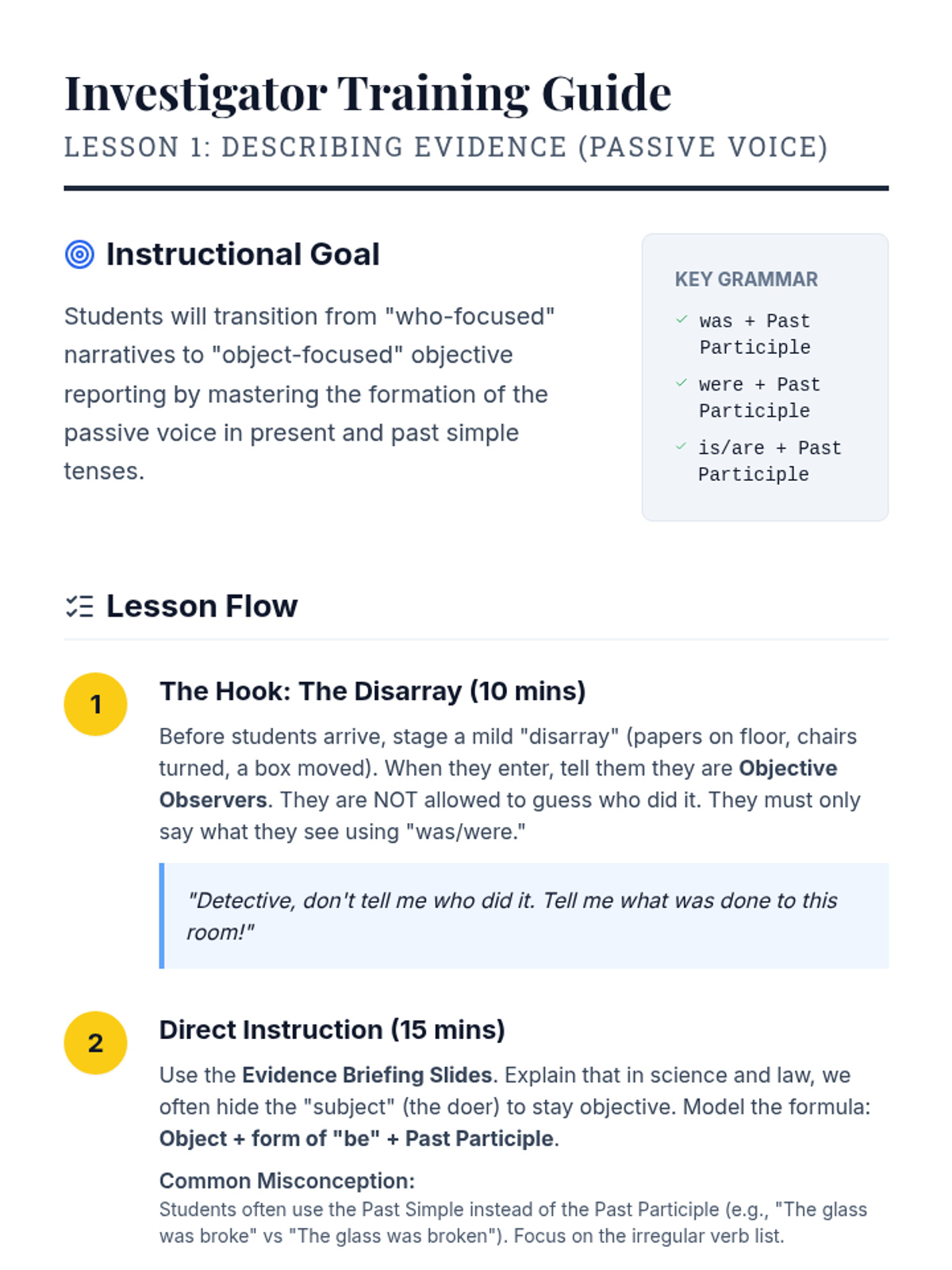
A grammar-focused ESL unit where students act as investigators to solve a classroom mystery. They master passive voice, modals of deduction, reported speech, and past perfect to write an objective case report.
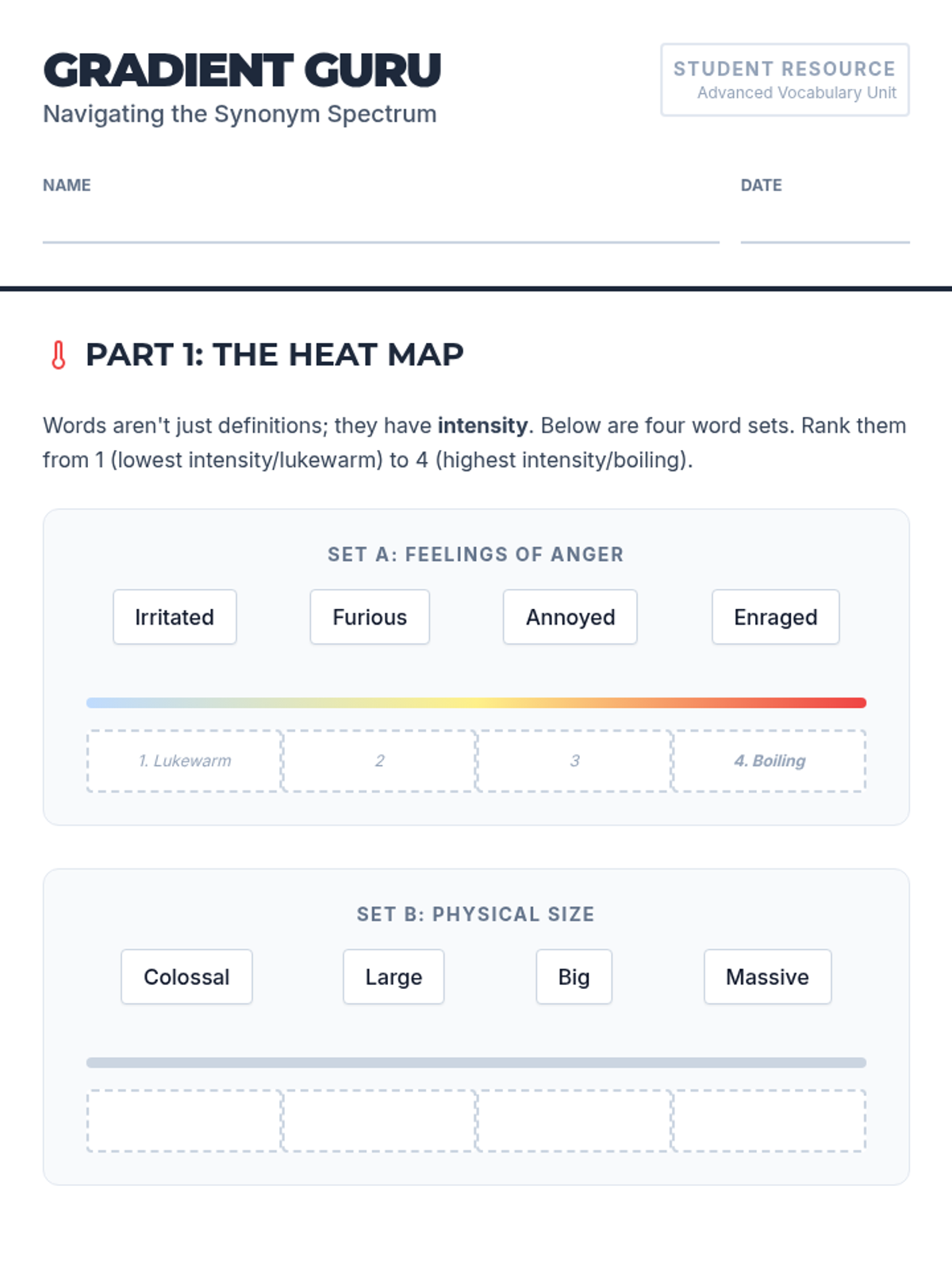
This sequence guides advanced 6th-grade ESL students to refine their academic writing by mastering synonyms and collocations. Students move from basic functional language to precise, sophisticated English through gradient analysis, verb upgrading, and peer editing workshops.
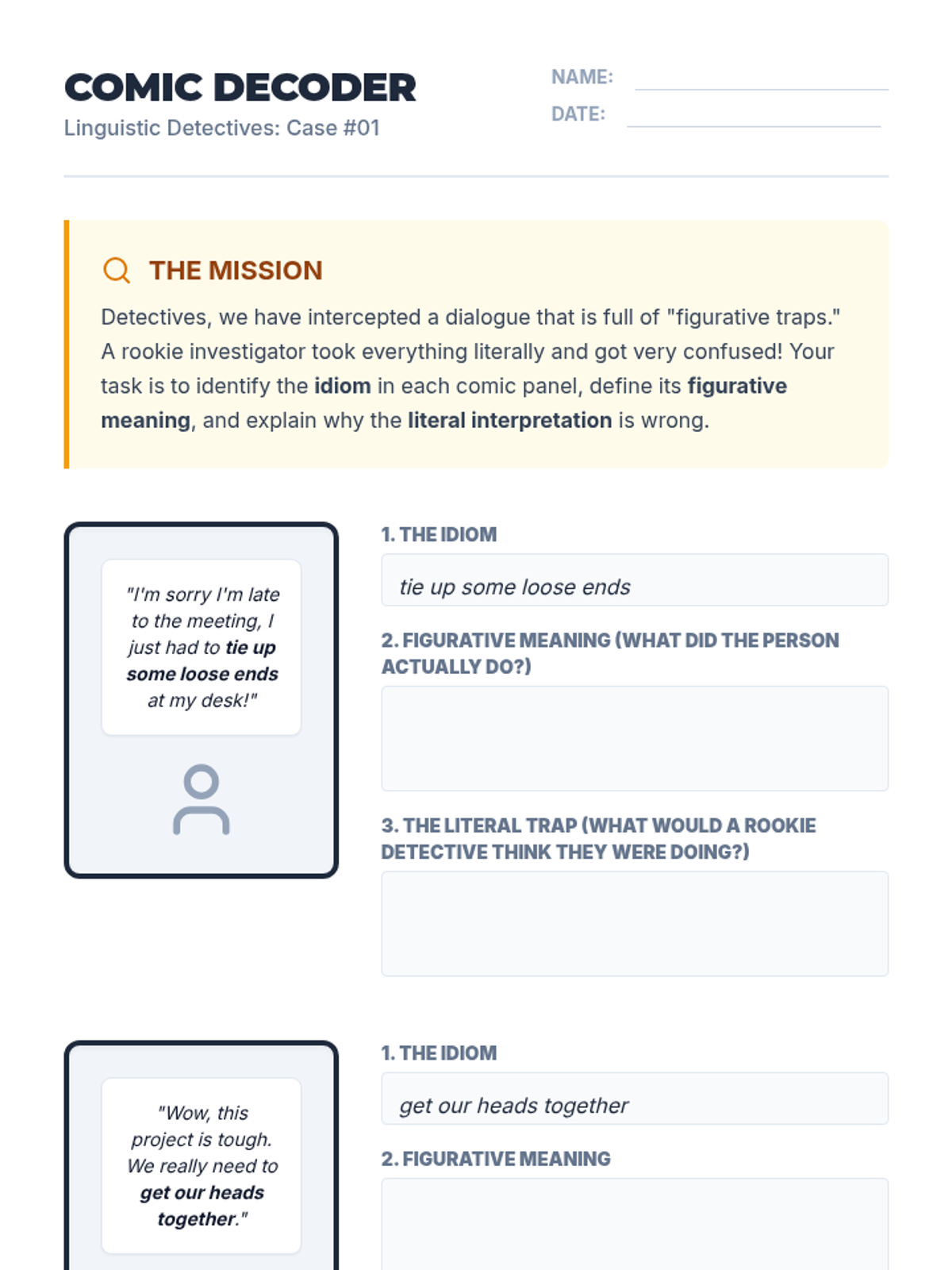
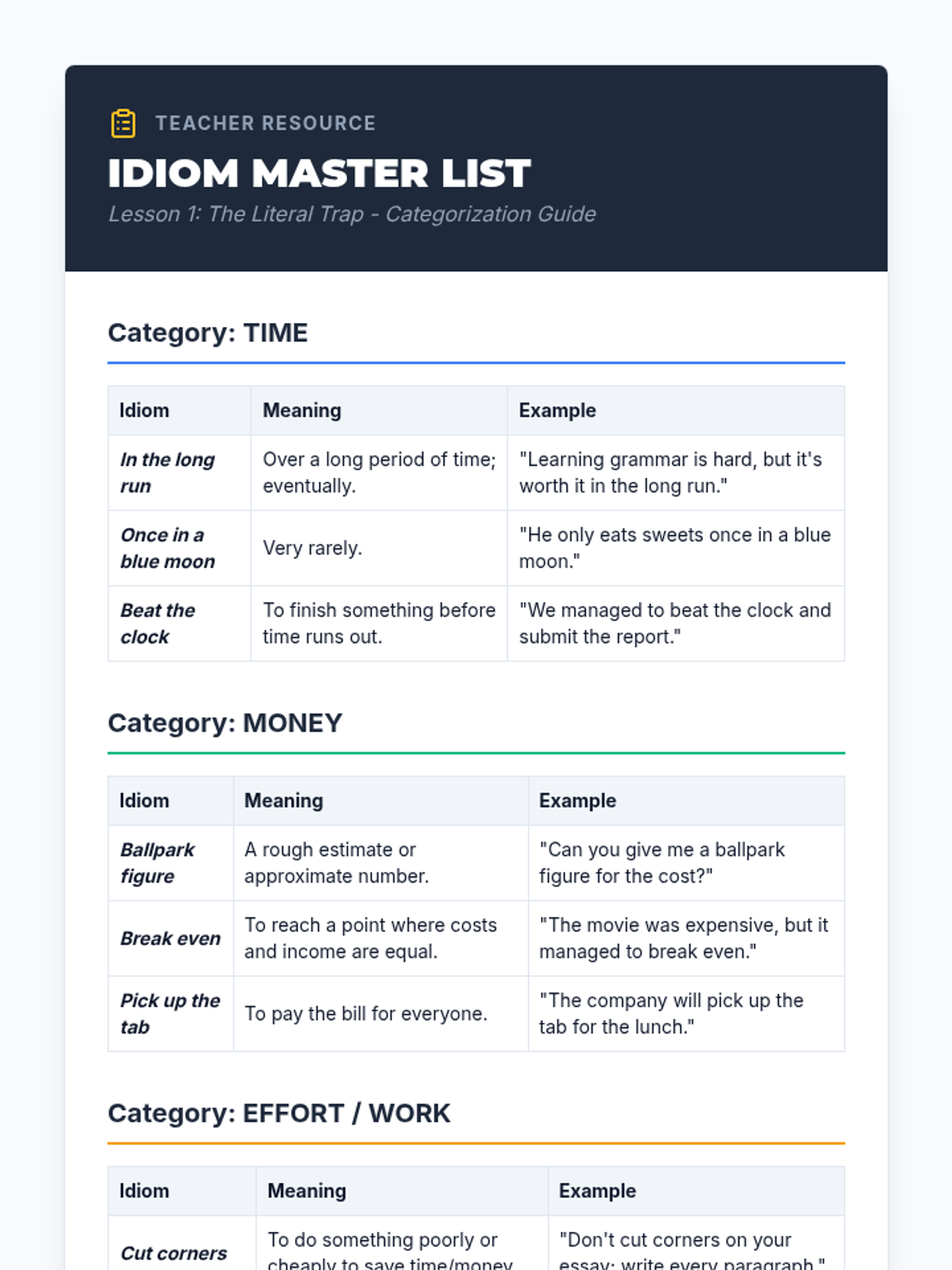
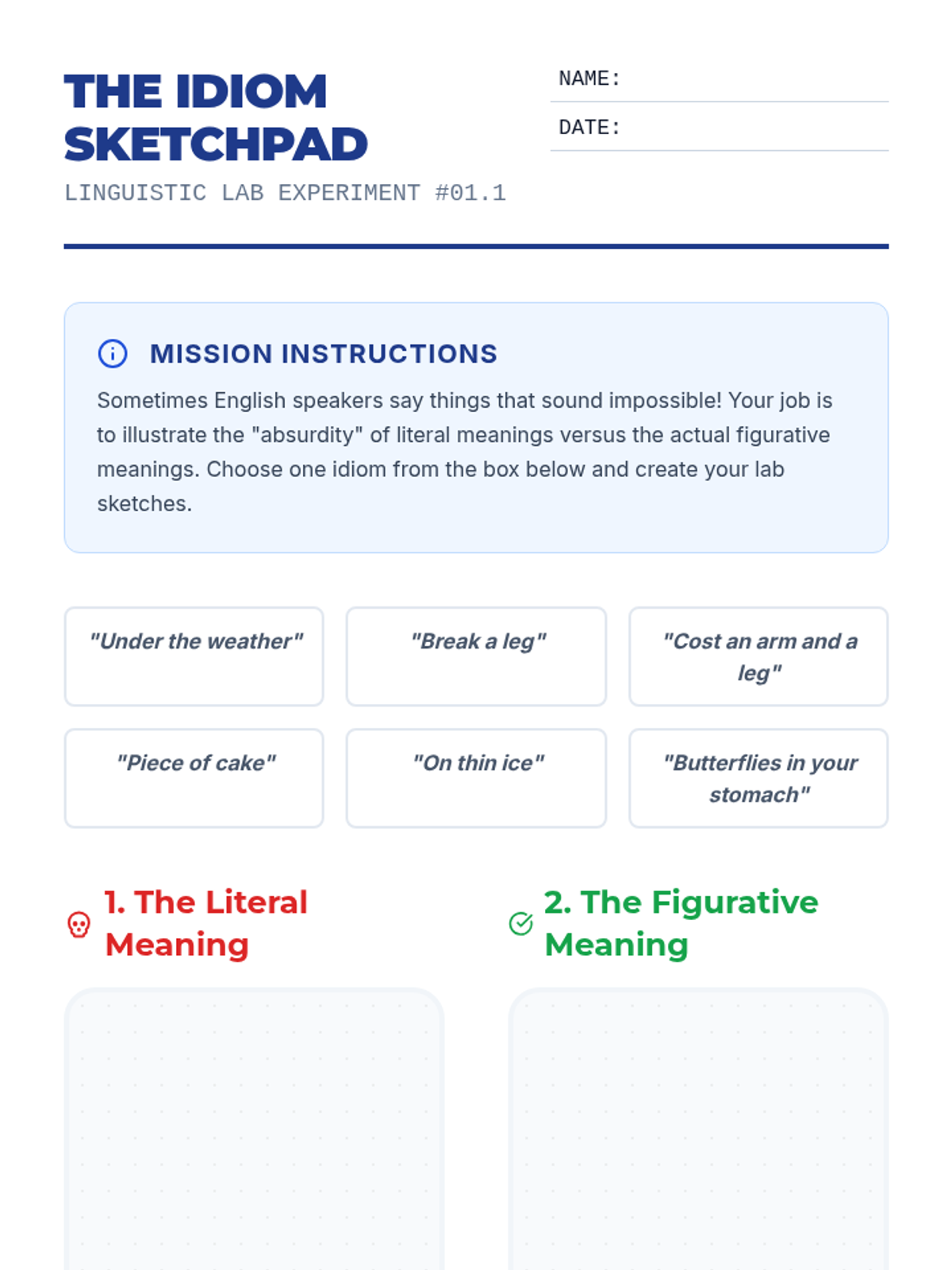
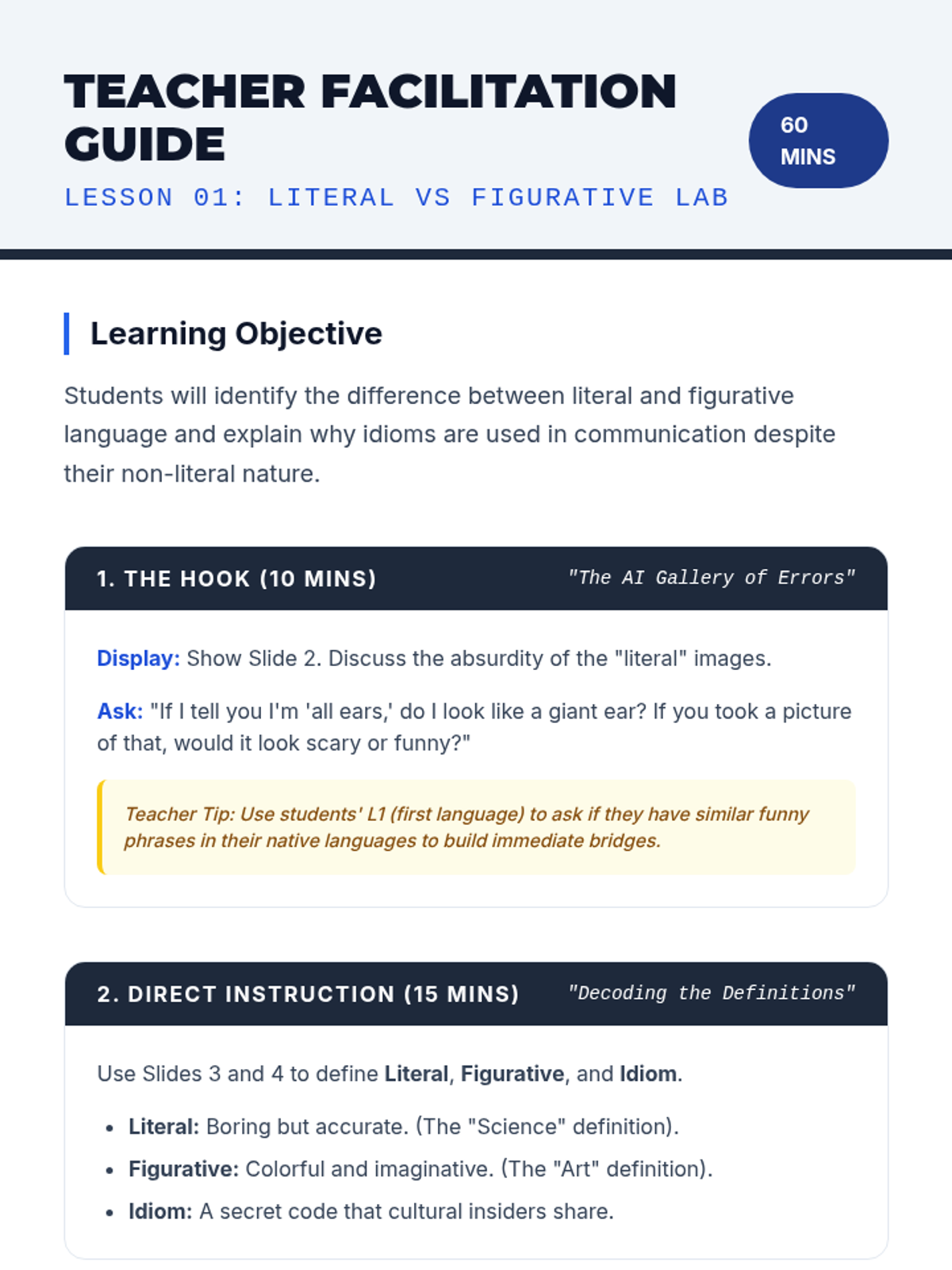
A 5-lesson sequence for advanced 6th-grade ESL students focusing on professional idioms and figurative language through a 'Linguistic Detectives' theme. Students progress from distinguishing literal meanings to using nuanced expressions in professional simulations.
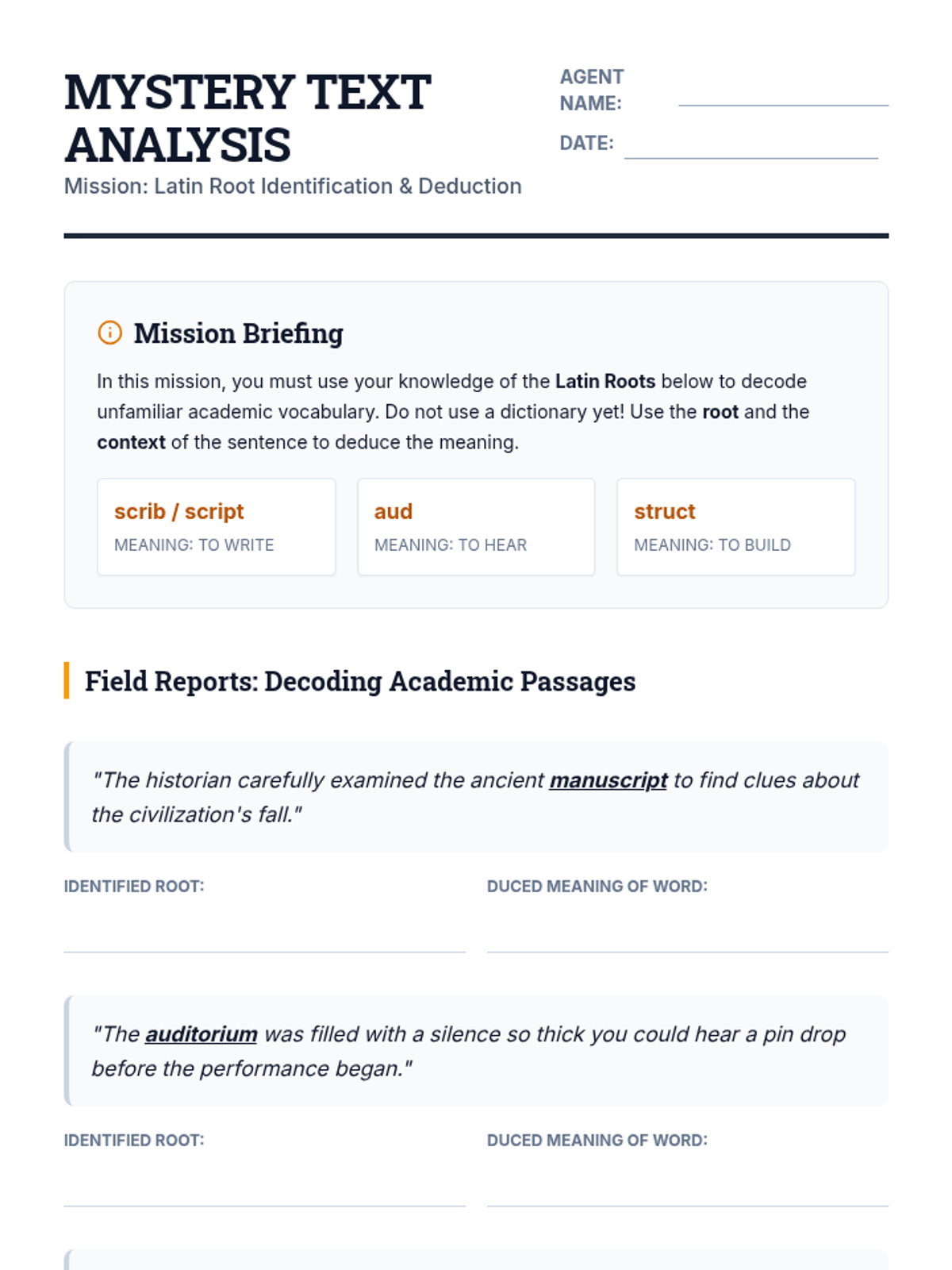
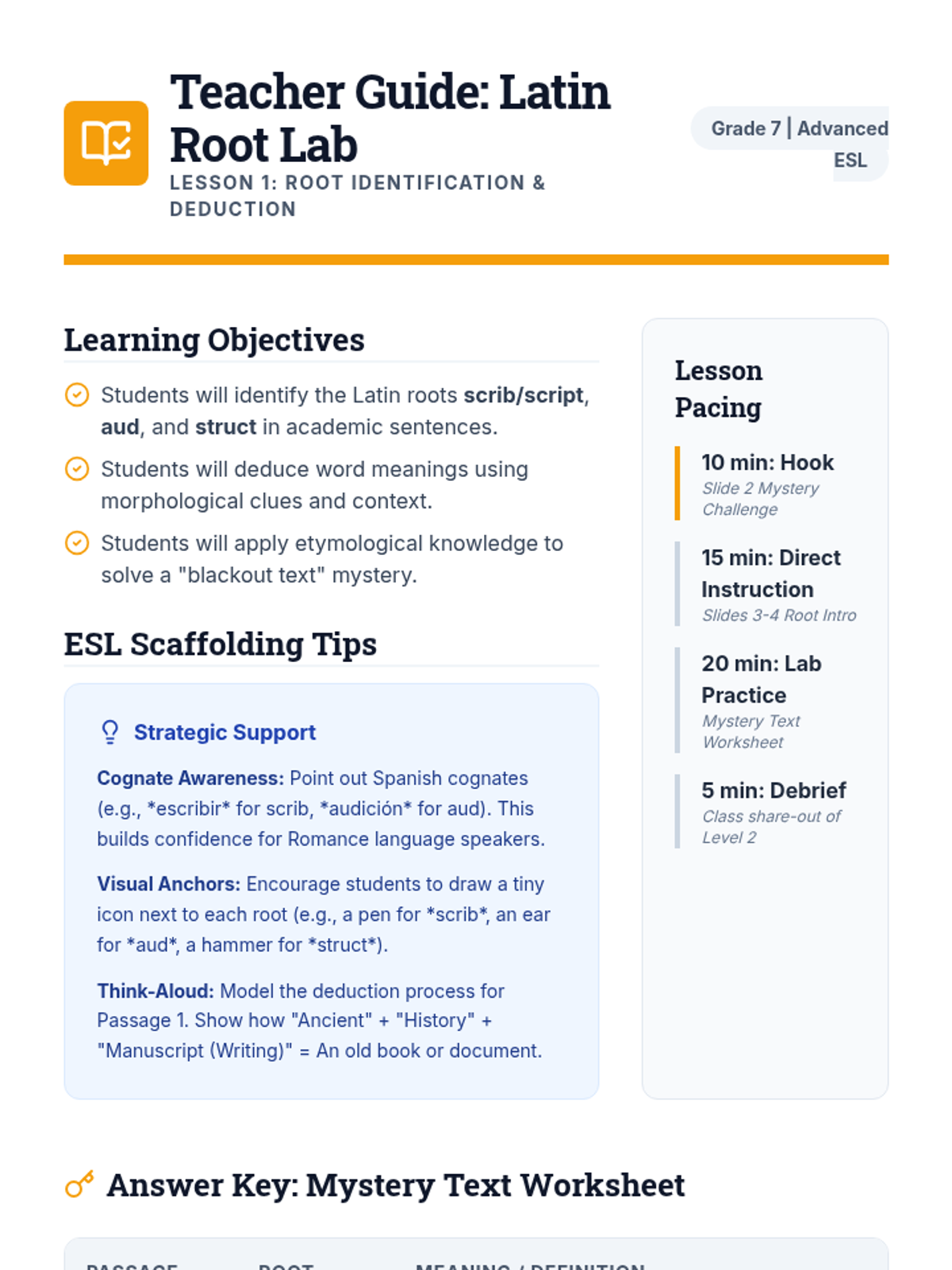
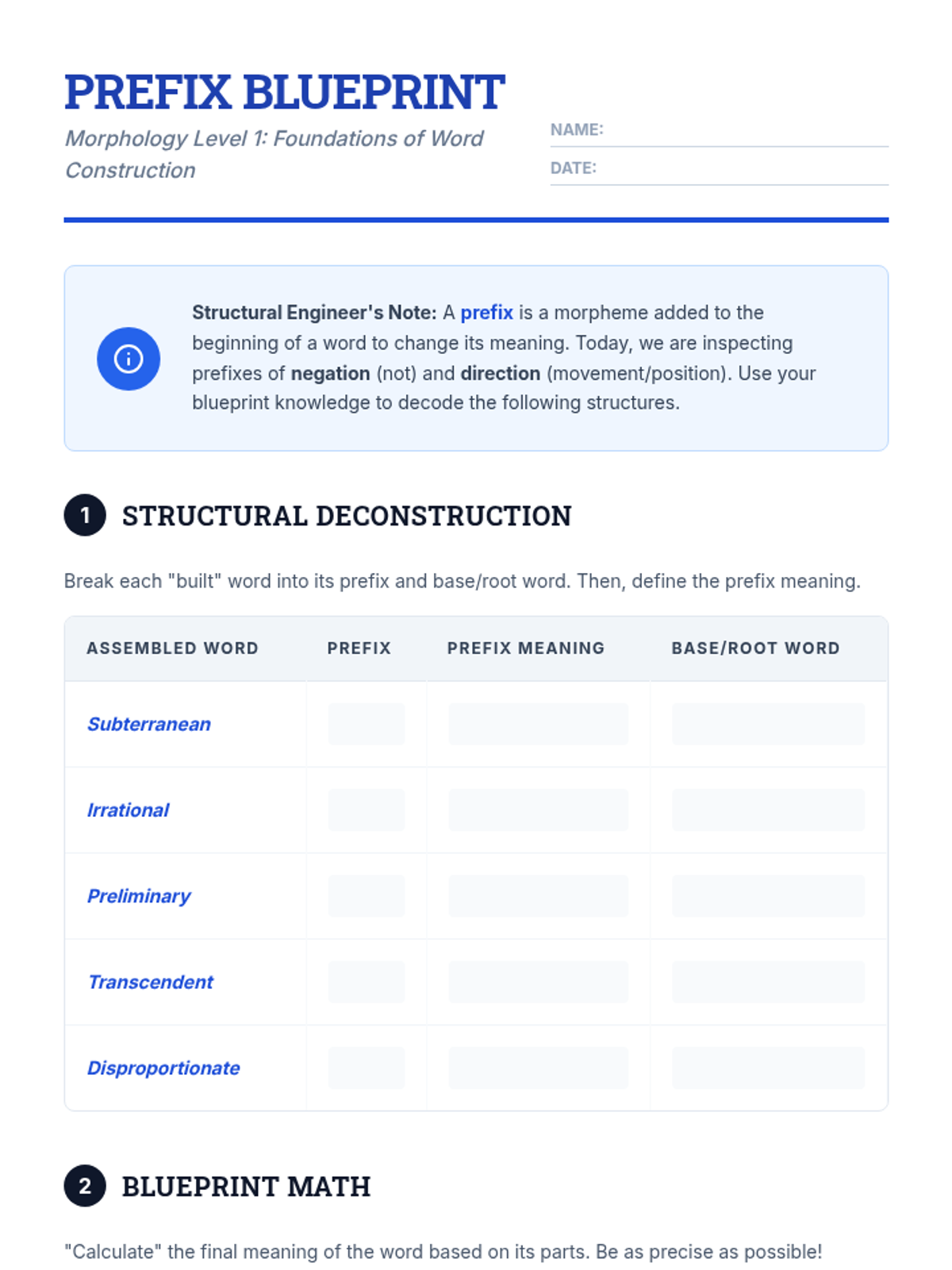
An advanced etymology sequence for 7th Grade ESL students, focusing on Latin and Greek morphemes to decode academic vocabulary across disciplines. Students progress from root identification to creating their own neologisms for modern inventions.
A comprehensive sequence for 6th-grade ELL and advanced students exploring the world of idioms and figurative language. Through a 'Linguistic Lab' theme, students decode hidden meanings, compare global metaphors, and apply their knowledge in creative performances to bridge the gap between literal and figurative English fluency.
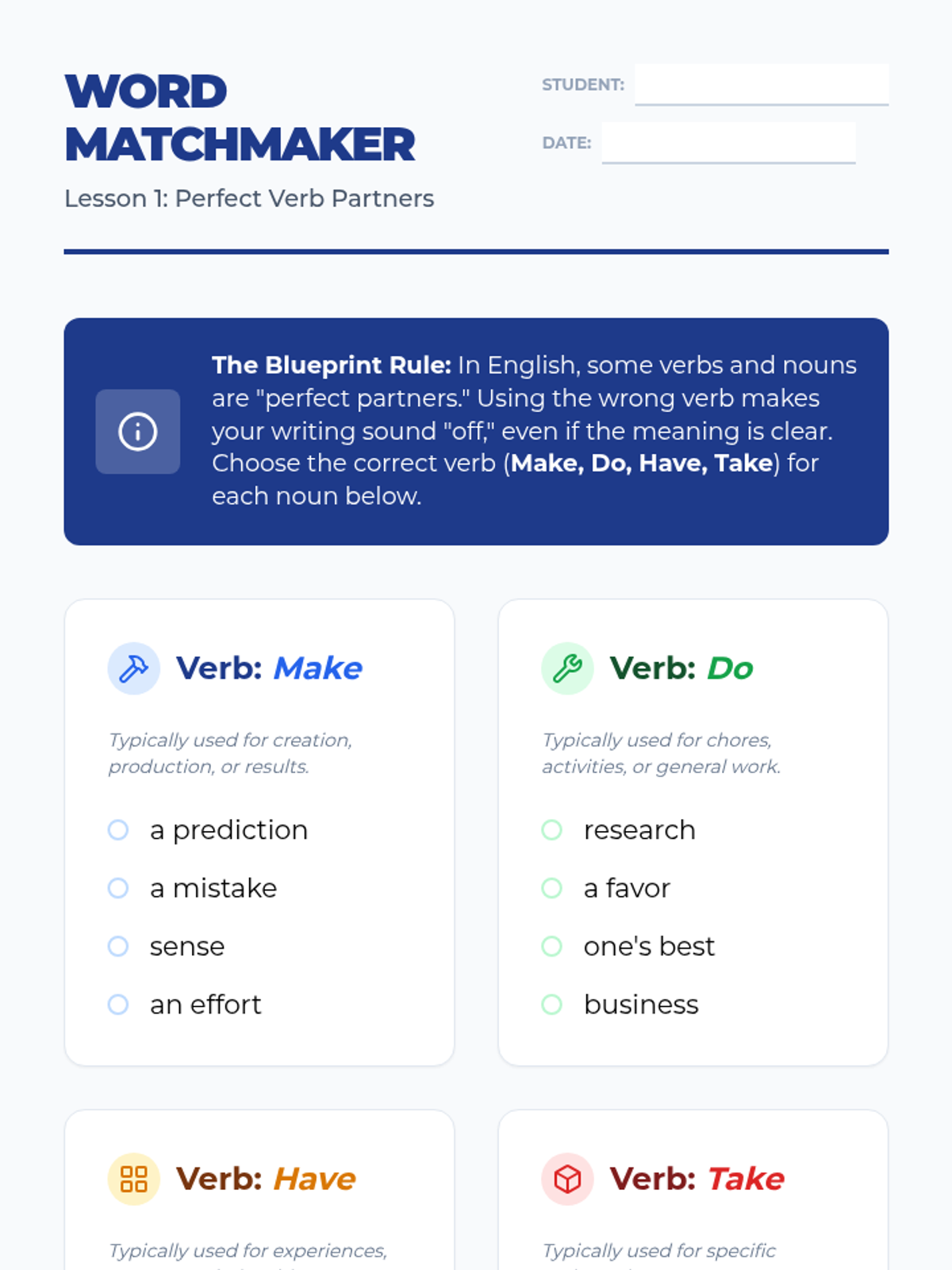
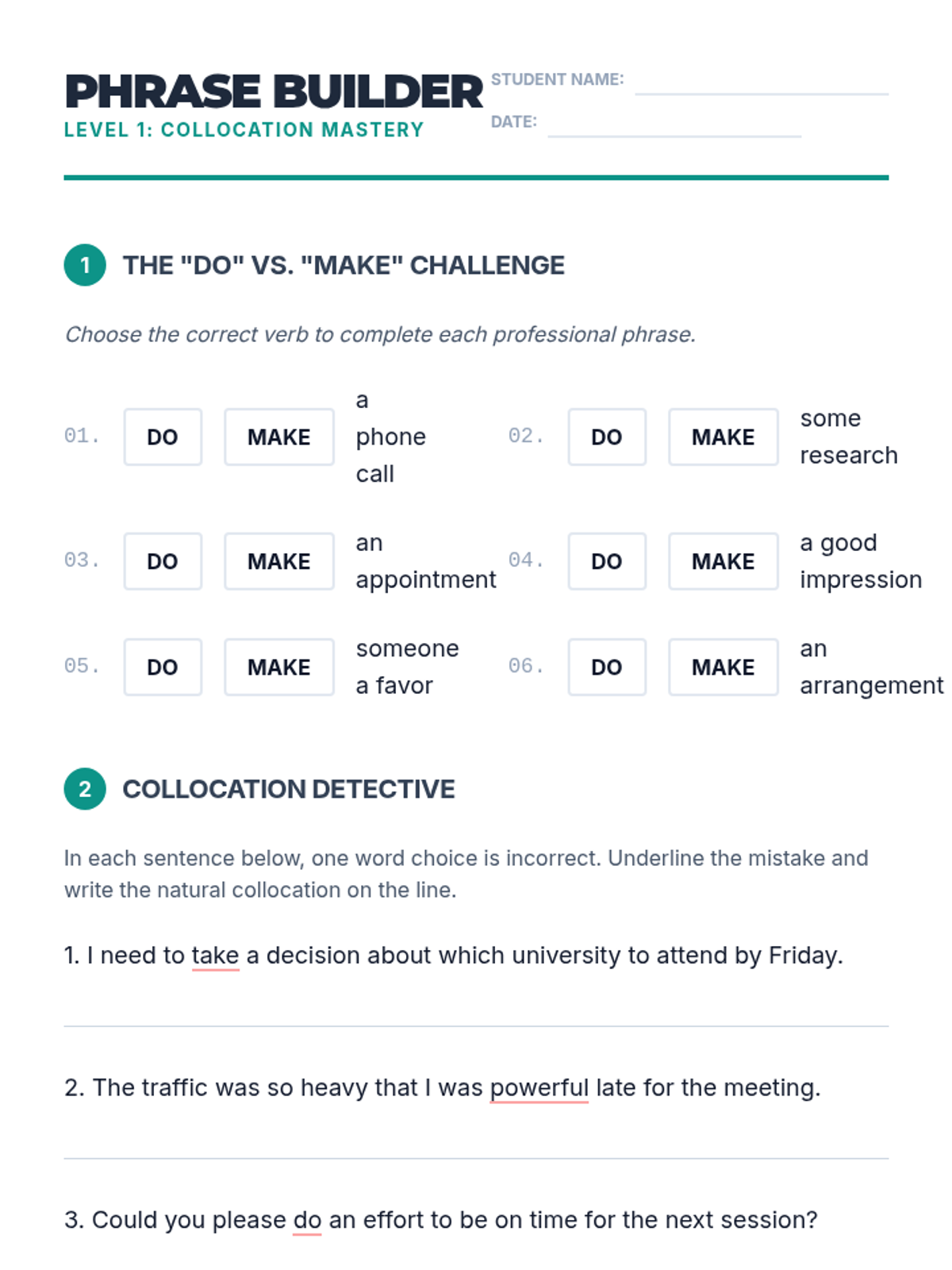
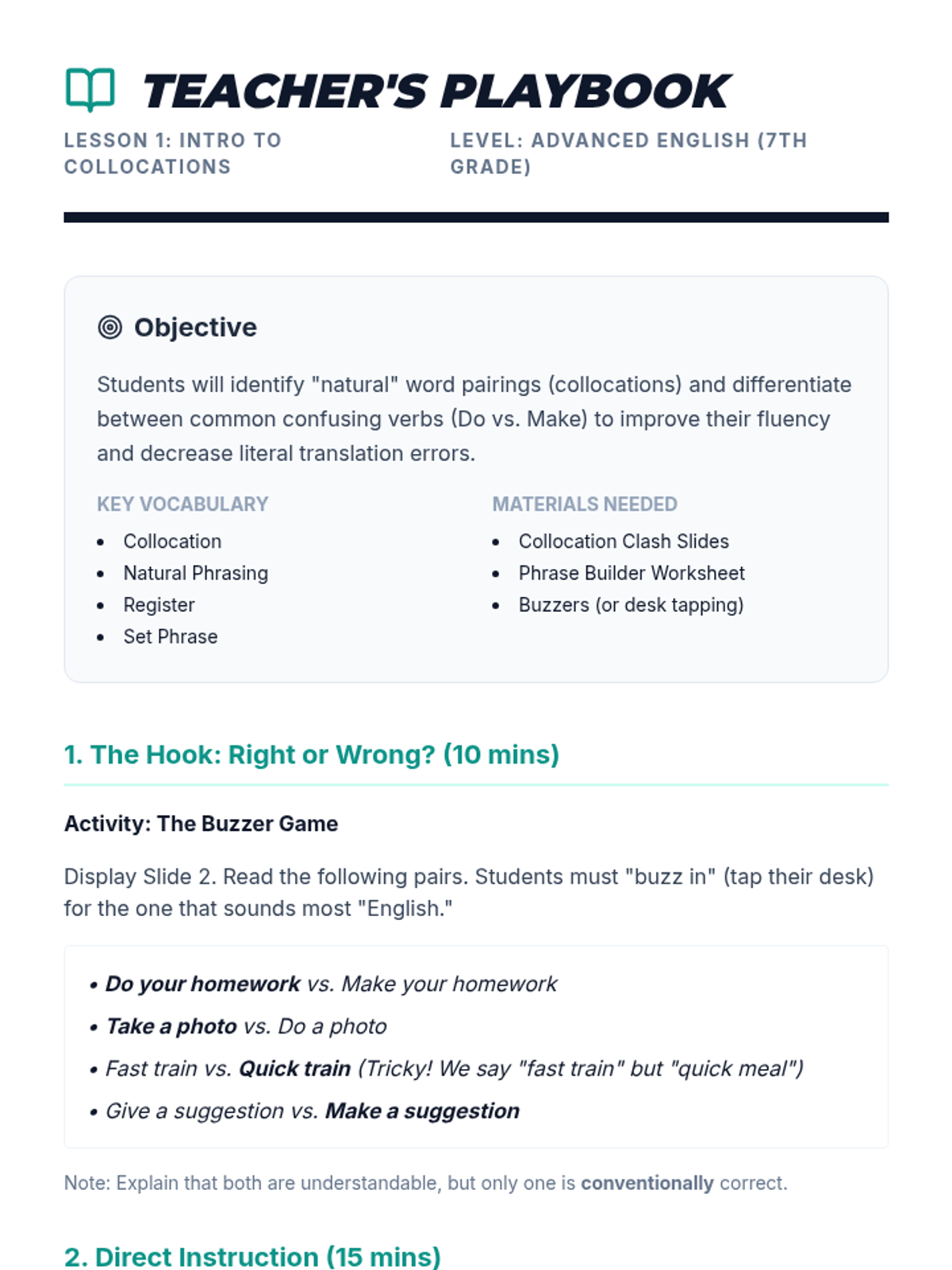
A sequence focused on academic collocations and formal register, teaching students how to use precise word pairings and code-switch for professional contexts.
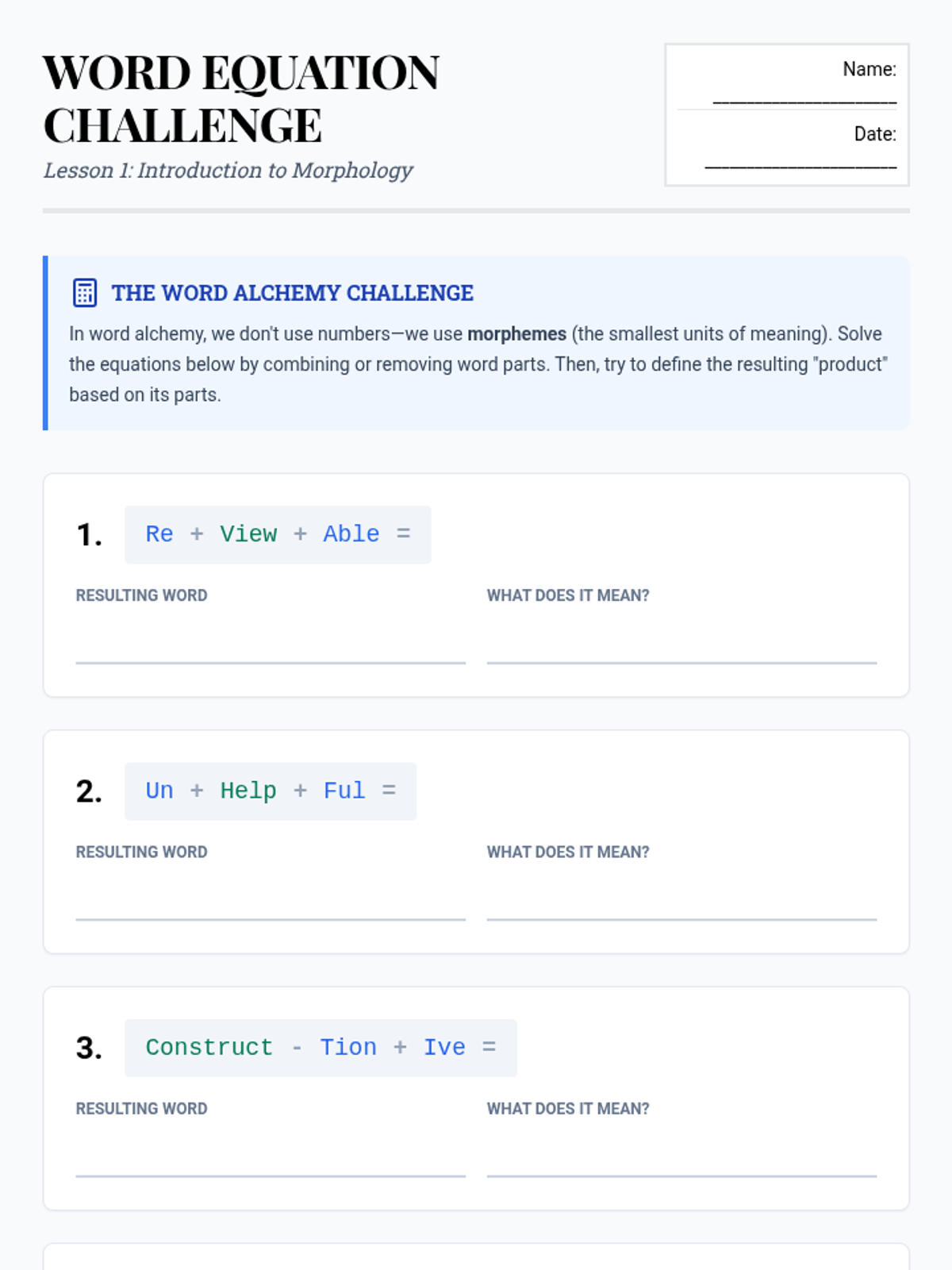
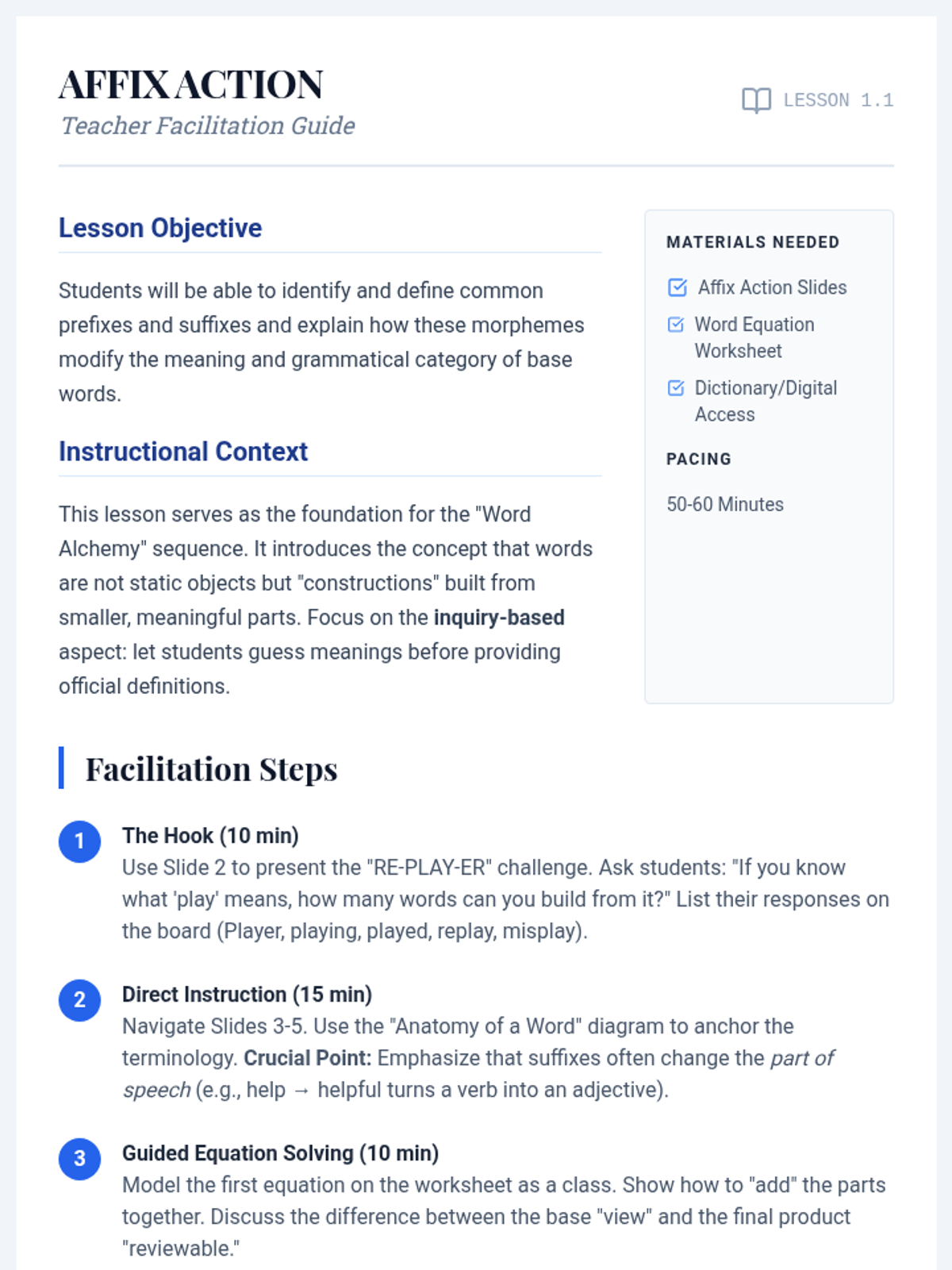
A comprehensive 6th-grade sequence that empowers students to decode complex vocabulary by analyzing Greek and Latin roots, prefixes, and suffixes through gamified and inquiry-based activities.
This sequence addresses the complexities of English phraseology, specifically academic collocations and professional idioms. Students move from literal translations to understanding figurative language used in business and formal environments.
A comprehensive sequence for 7th-grade advanced English learners focused on morphology. Students learn to deconstruct and synthesize vocabulary using Greek and Latin roots, prefixes, and suffixes to decode academic texts.
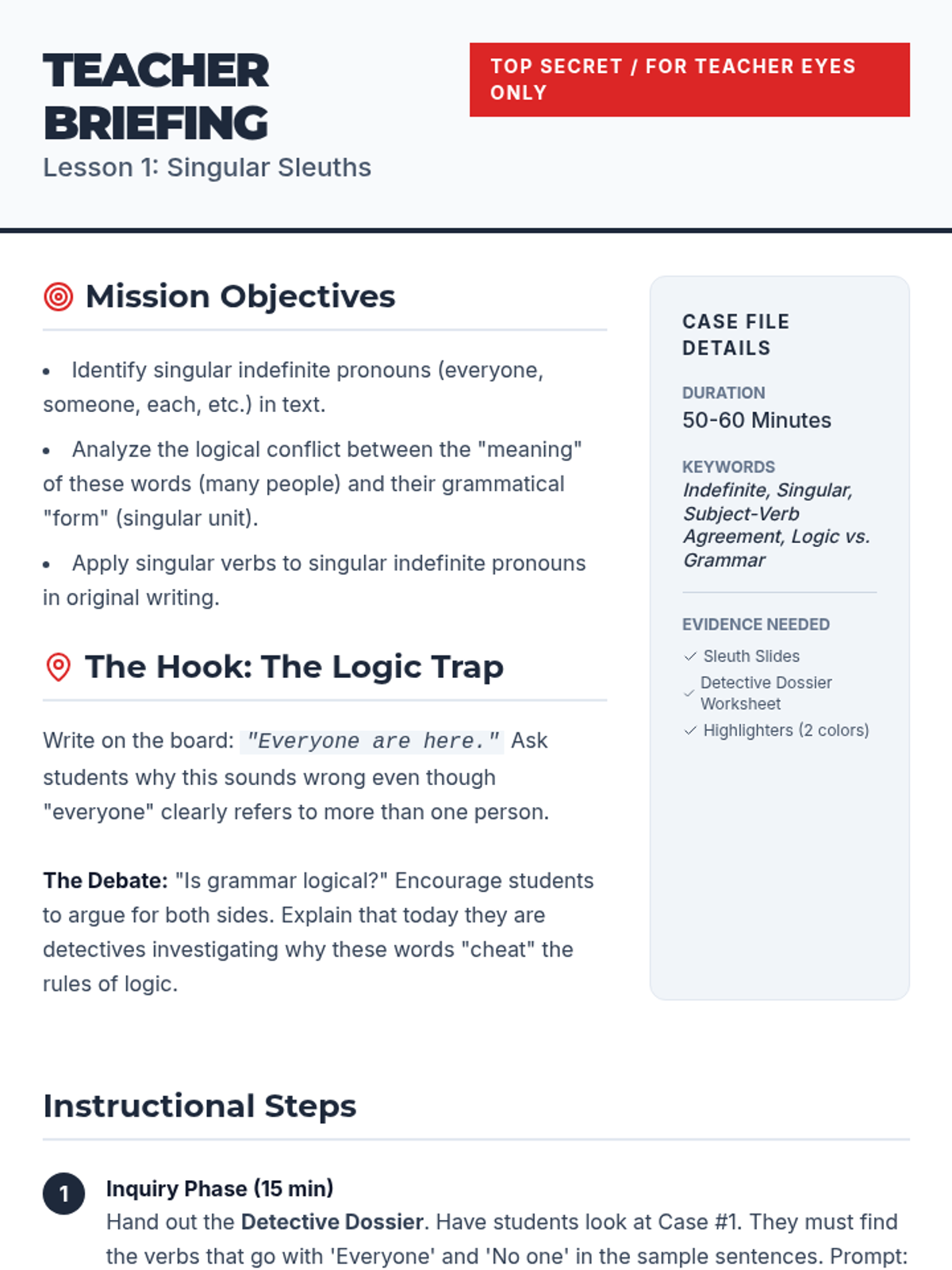
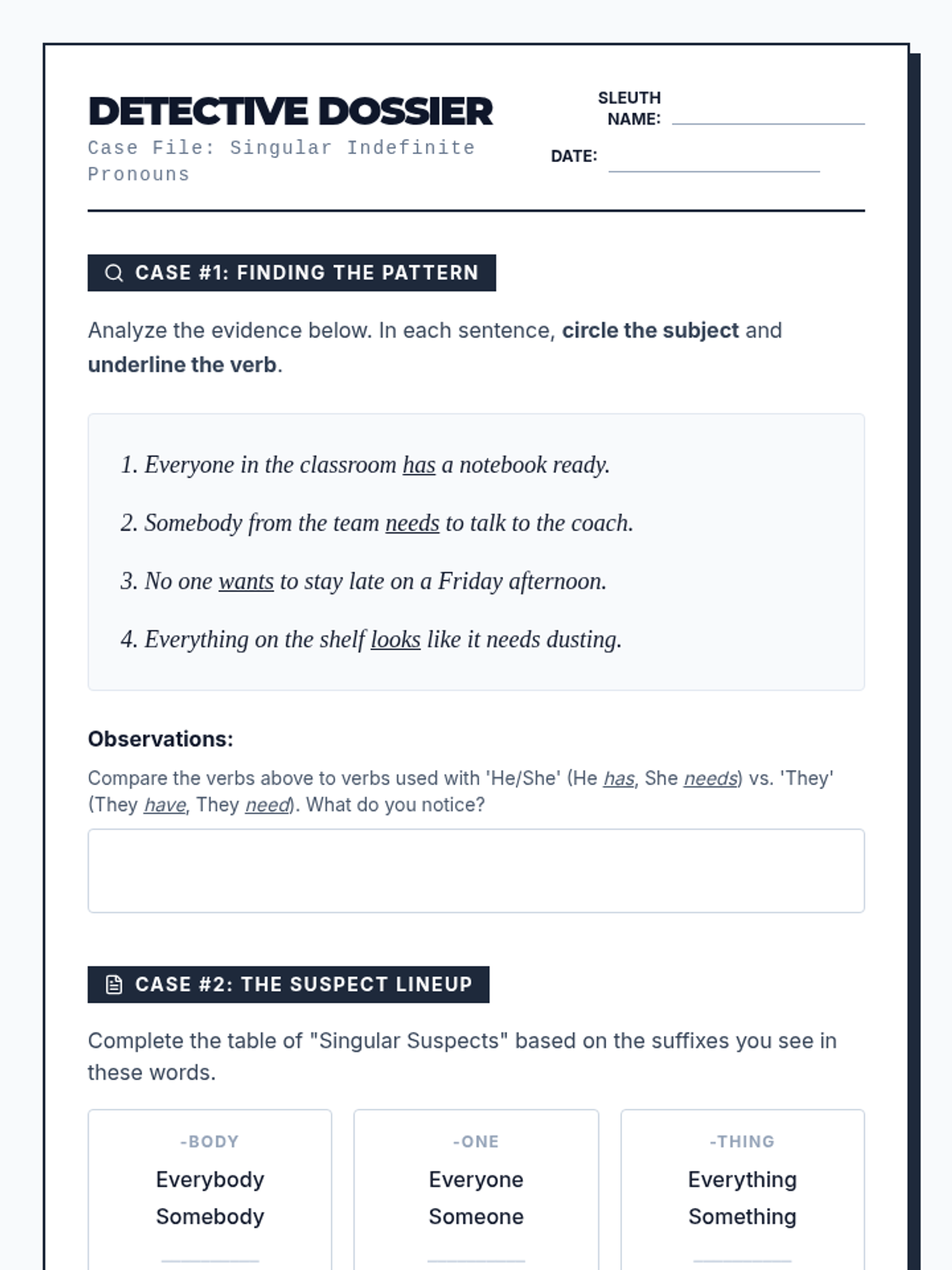
An inquiry-based exploration of subject-verb agreement for collective nouns and indefinite pronouns, using a 'language investigation' theme. Students analyze patterns, categorize tricky words, and synthesize their findings into a 'User Manual for Aliens'.
This sequence guides advanced 6th-grade ESL students through the stylistic application of complex grammar rules to enhance their creative and academic writing. Students explore inversion, the subjunctive mood, advanced conditionals, and passive voice as tools for manipulating tone and emphasis in narratives.
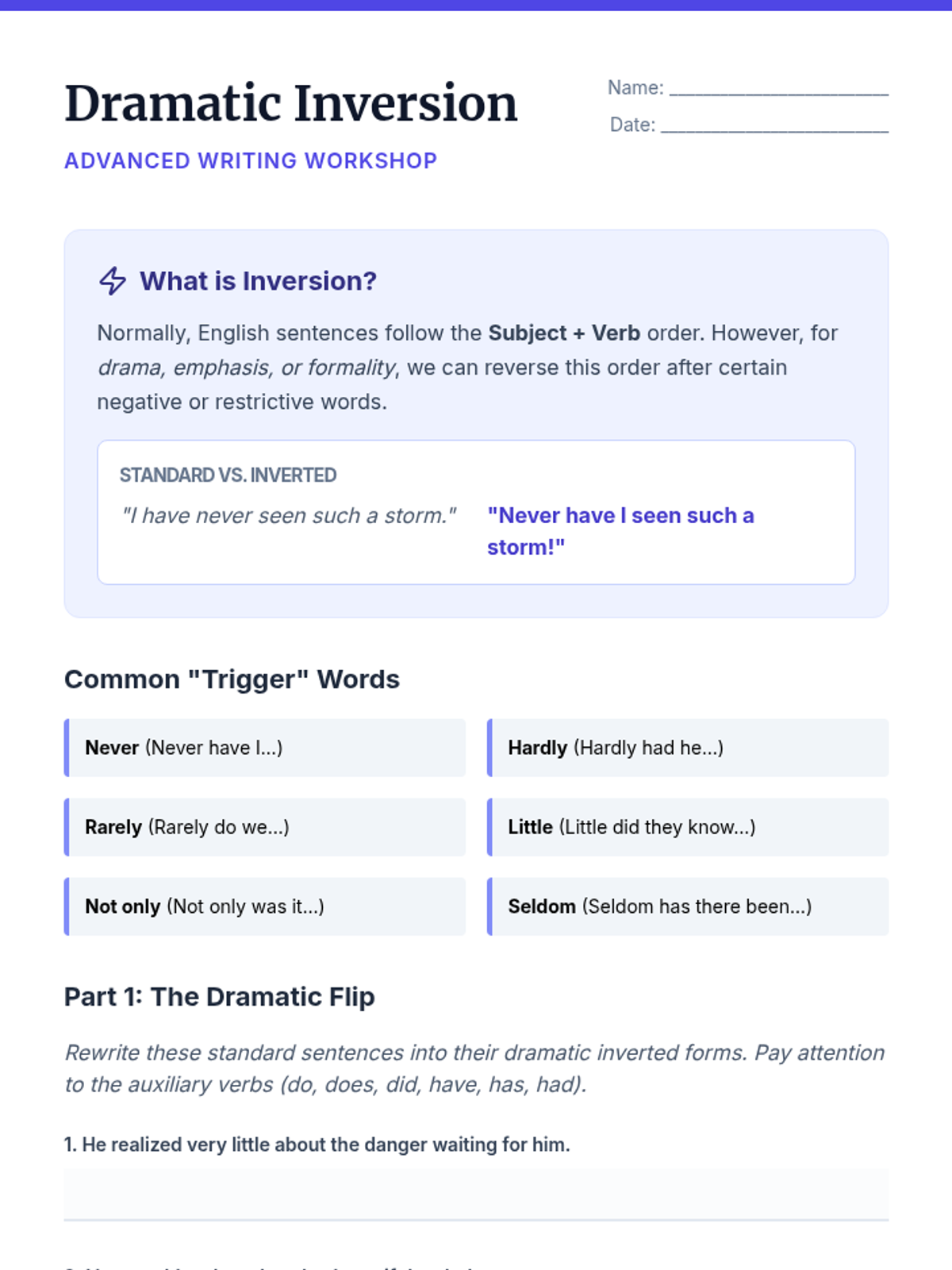
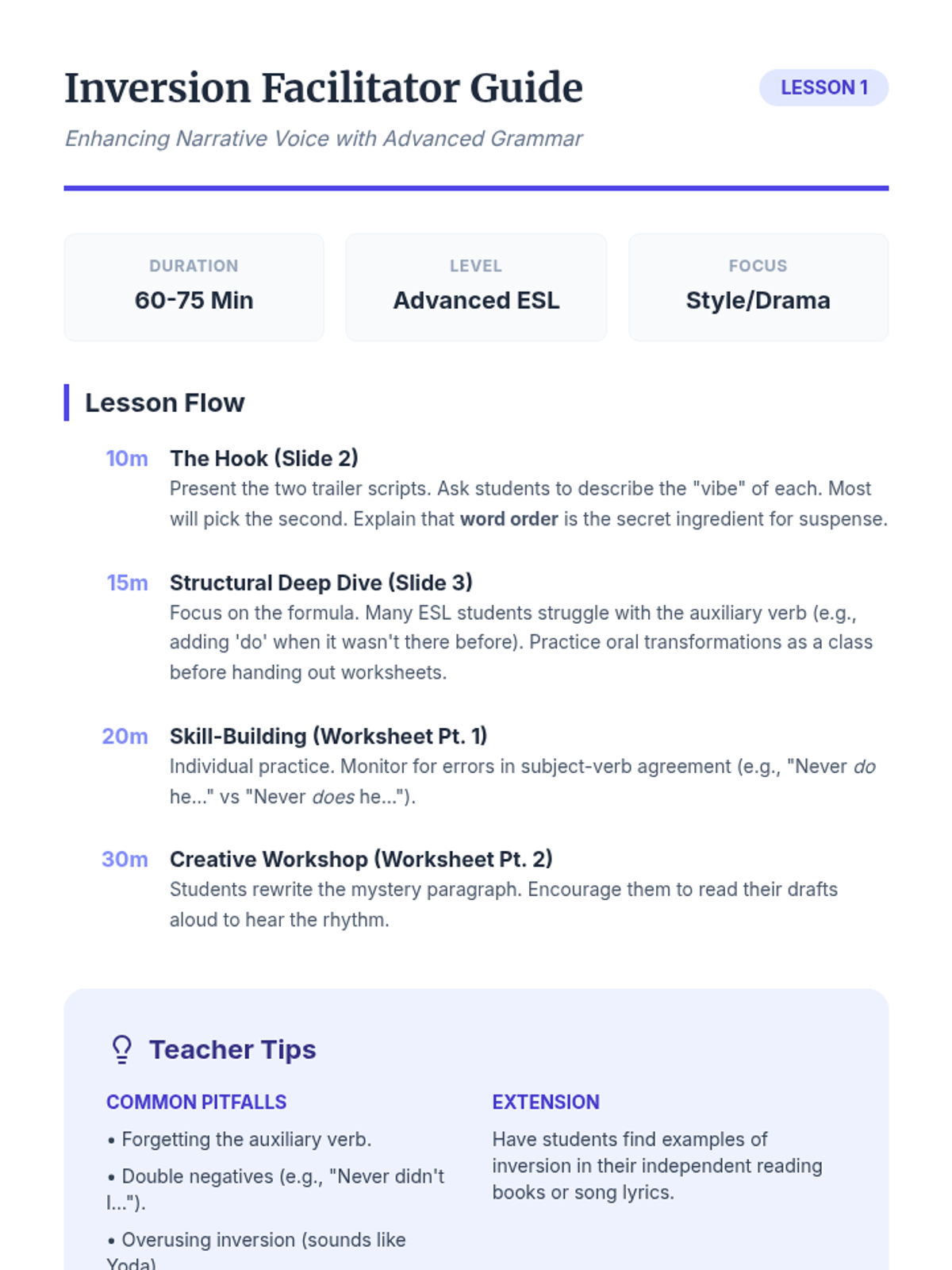
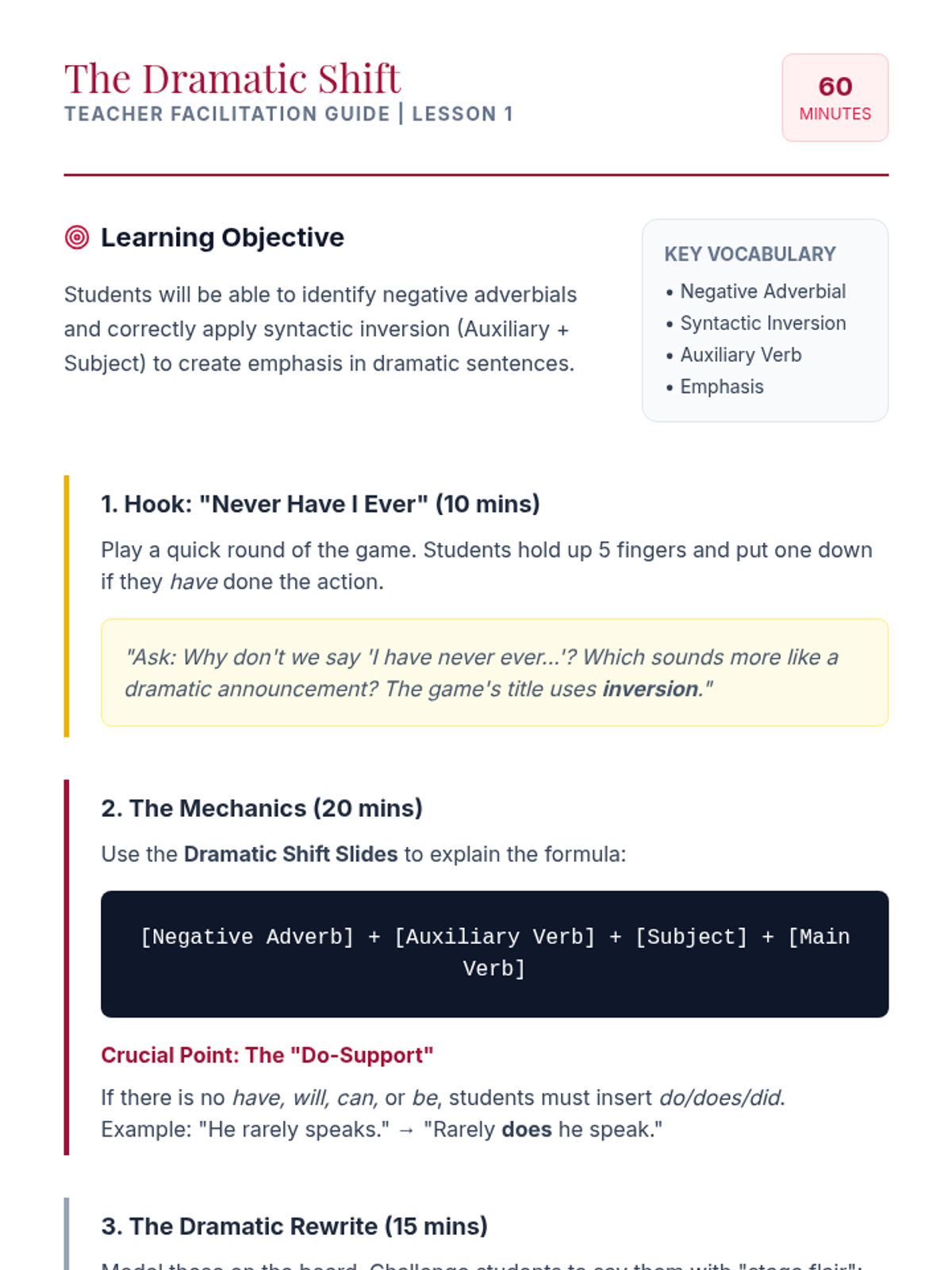
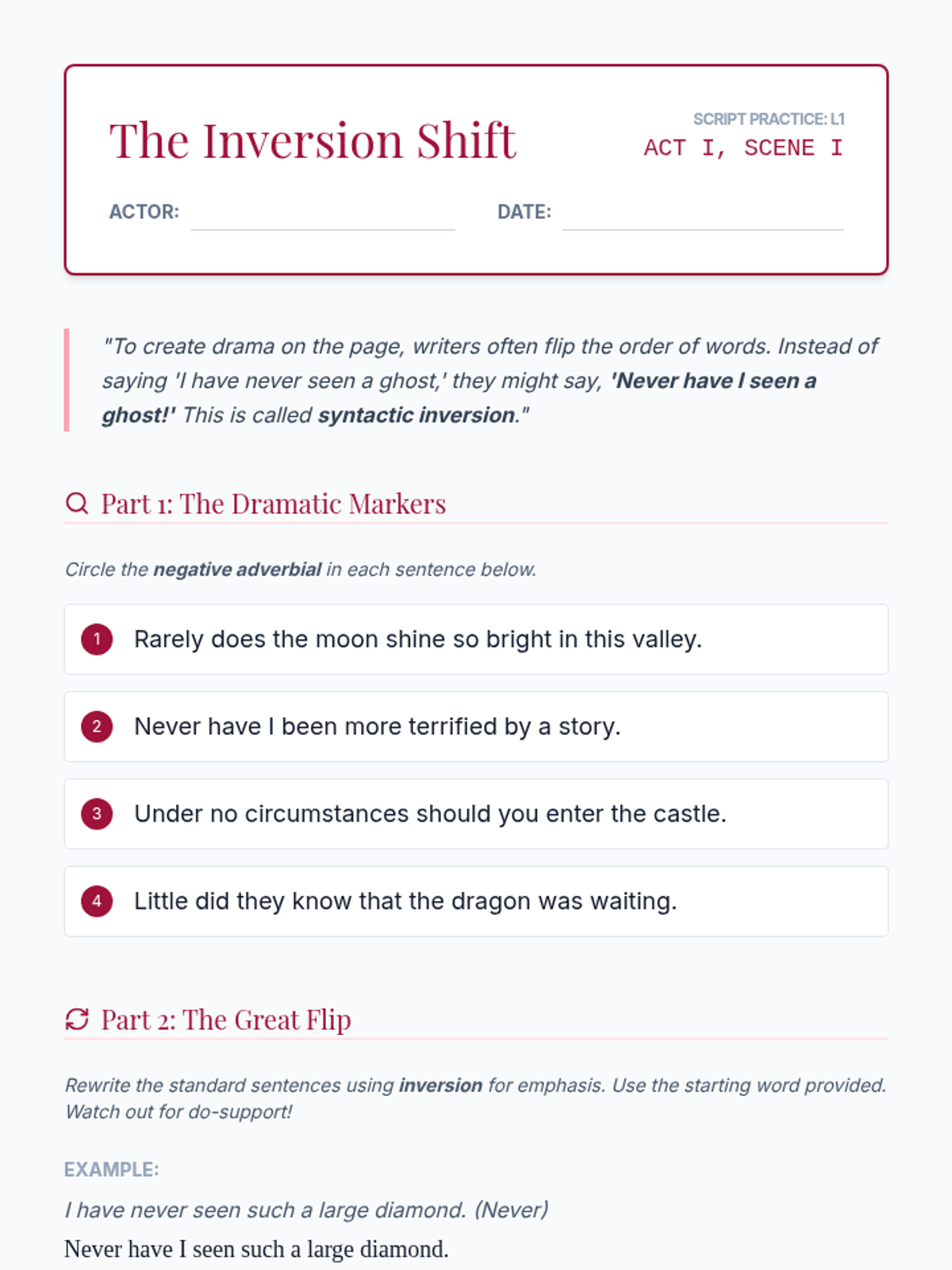
This advanced grammar sequence for 6th grade ELL students explores syntactic inversion as a tool for emphasis and dramatic effect. Students master complex structures like negative adverbials, time-based inversion, and place-based movement to enhance their narrative and persuasive writing.
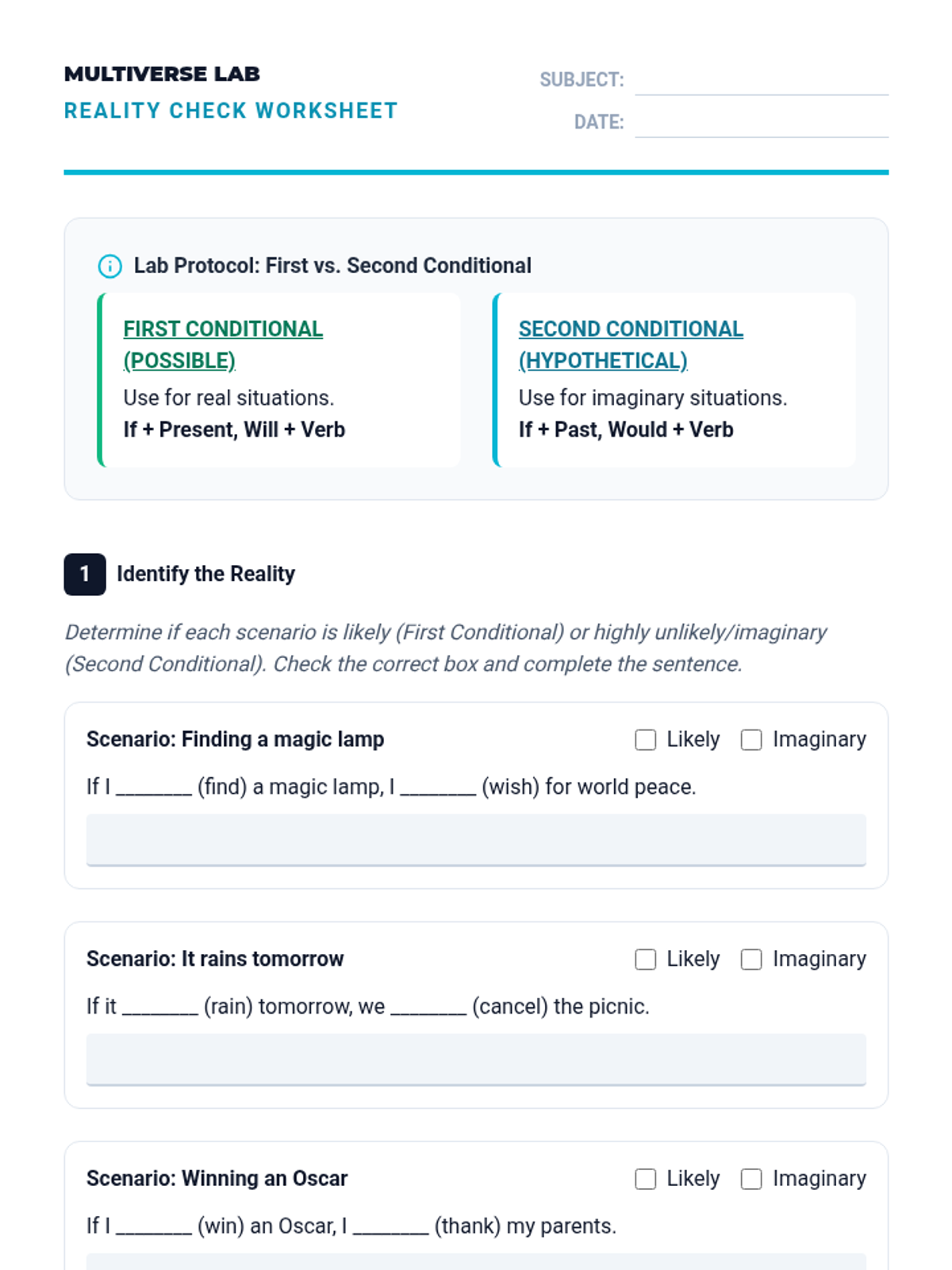
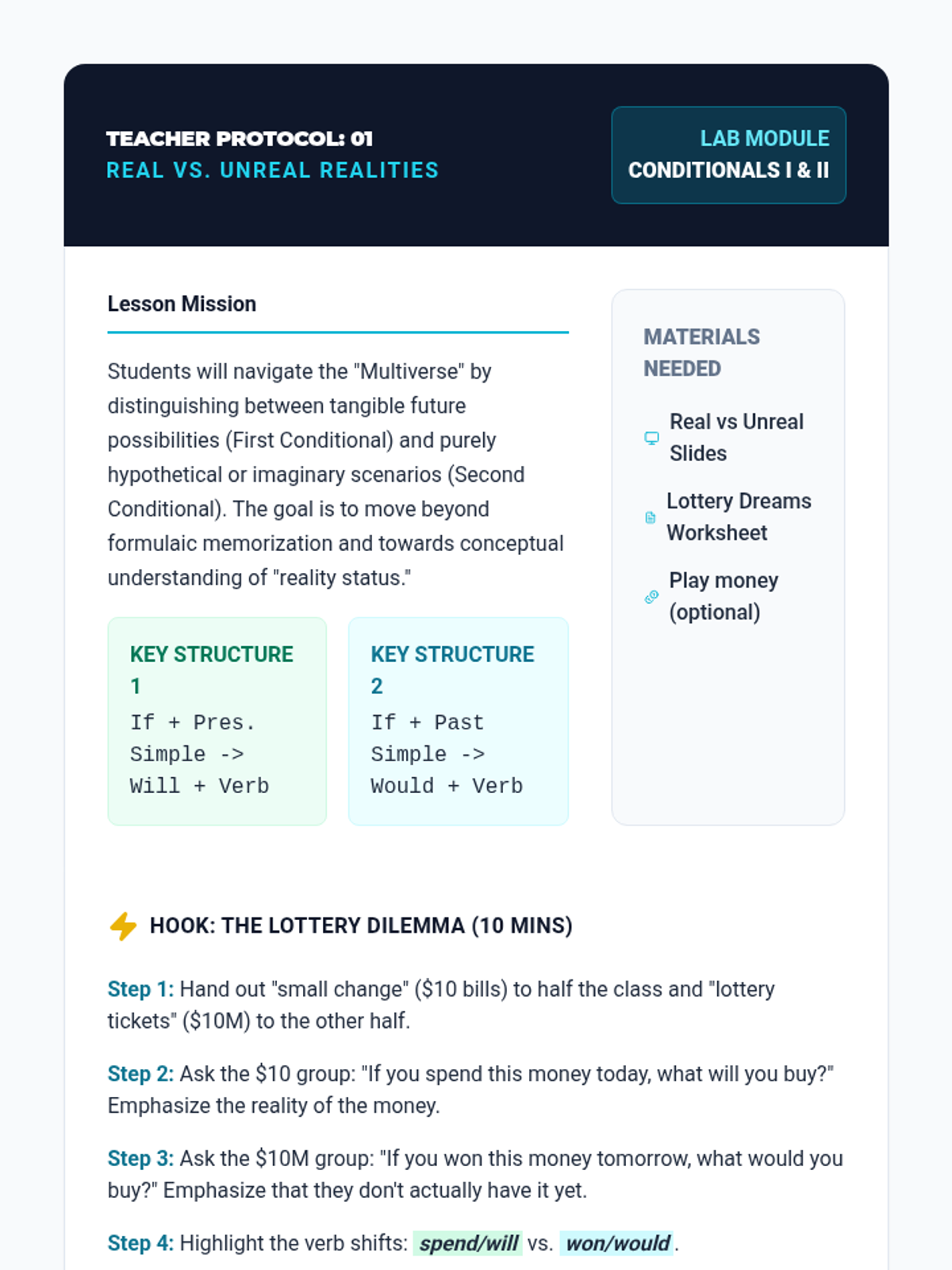
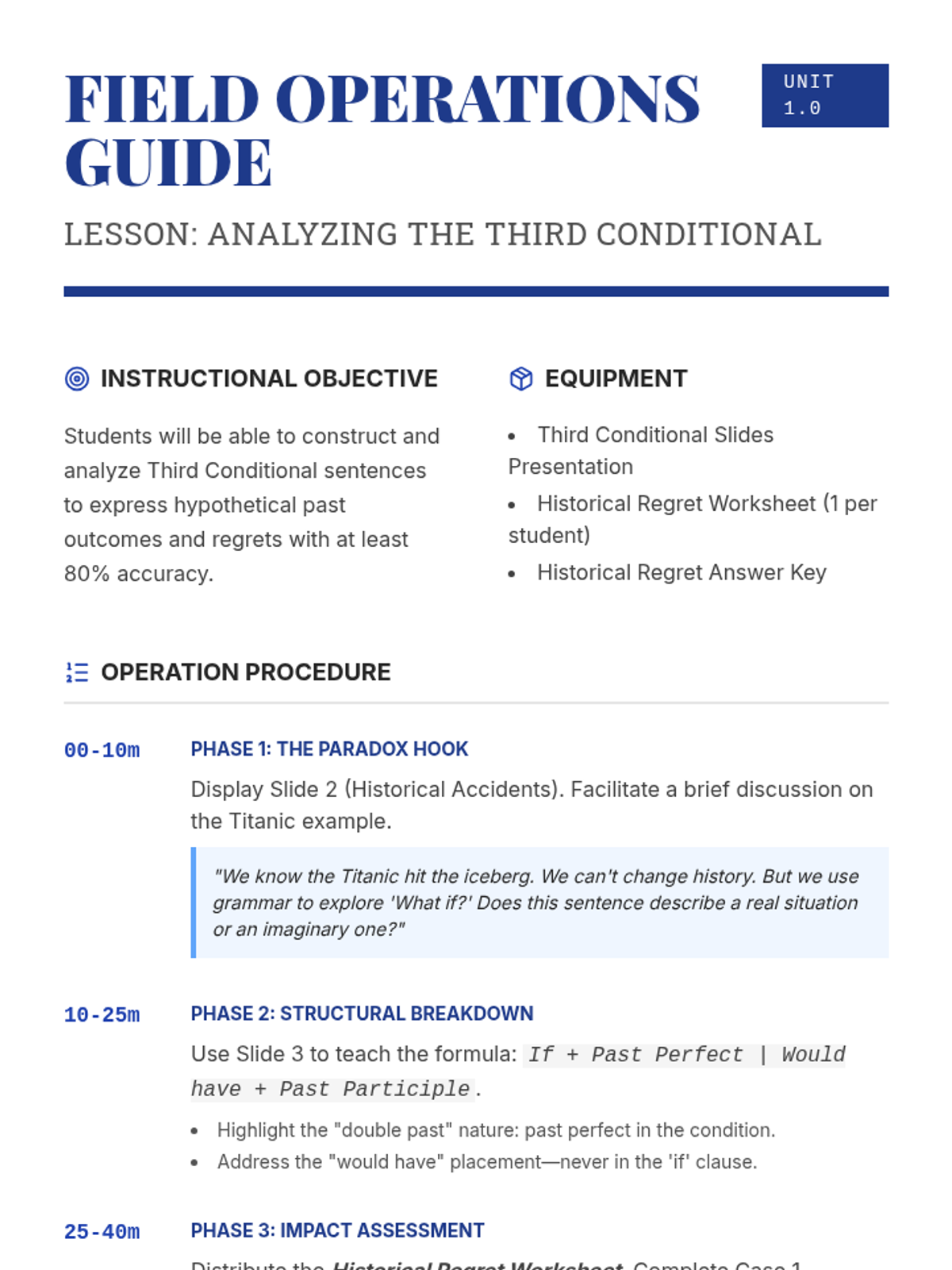
Students delve into the nuances of English conditionals, moving beyond basic cause-and-effect to explore hypothetical situations, regrets, and impossible scenarios using a 'Multiverse Lab' simulation theme.
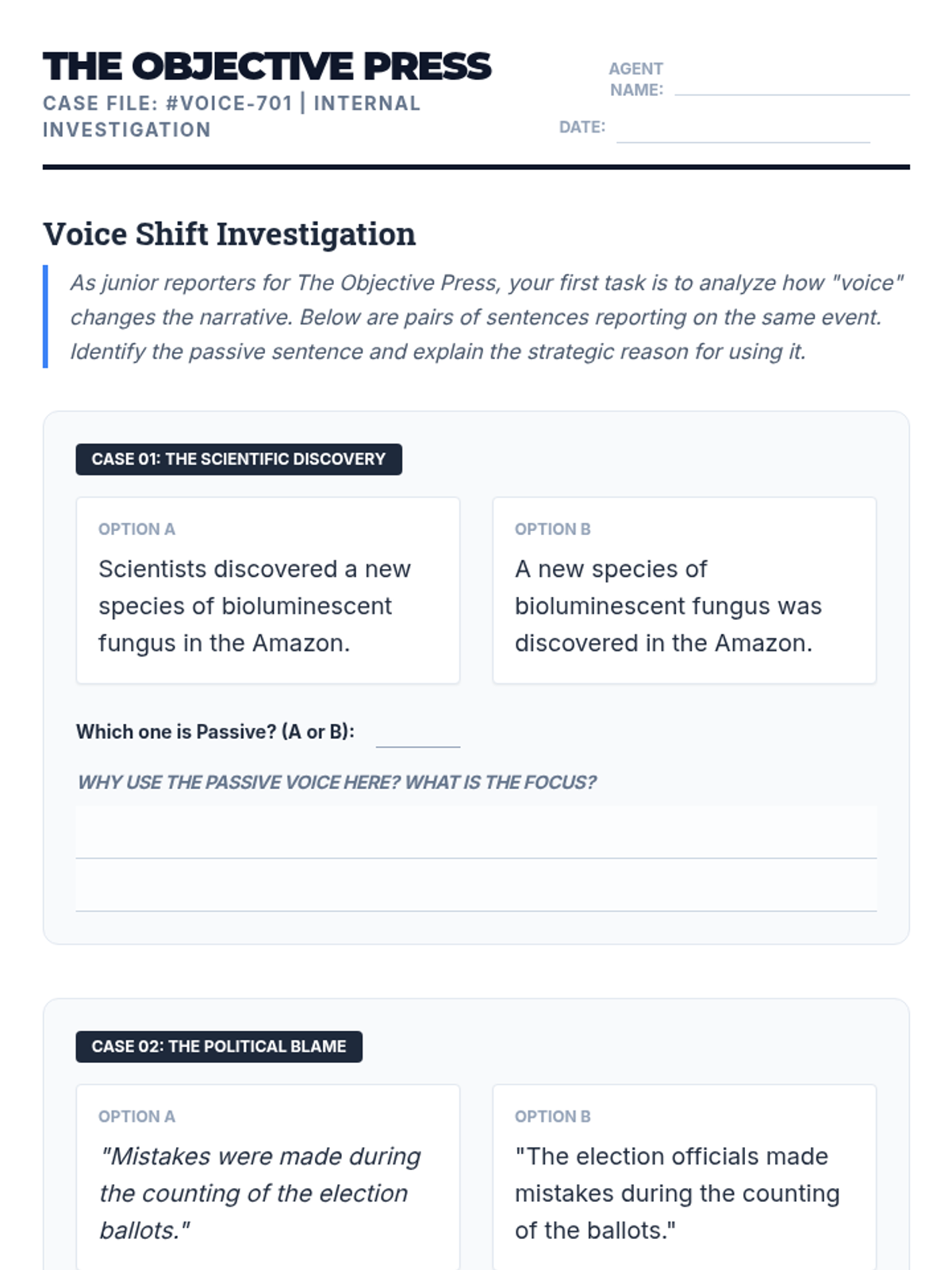
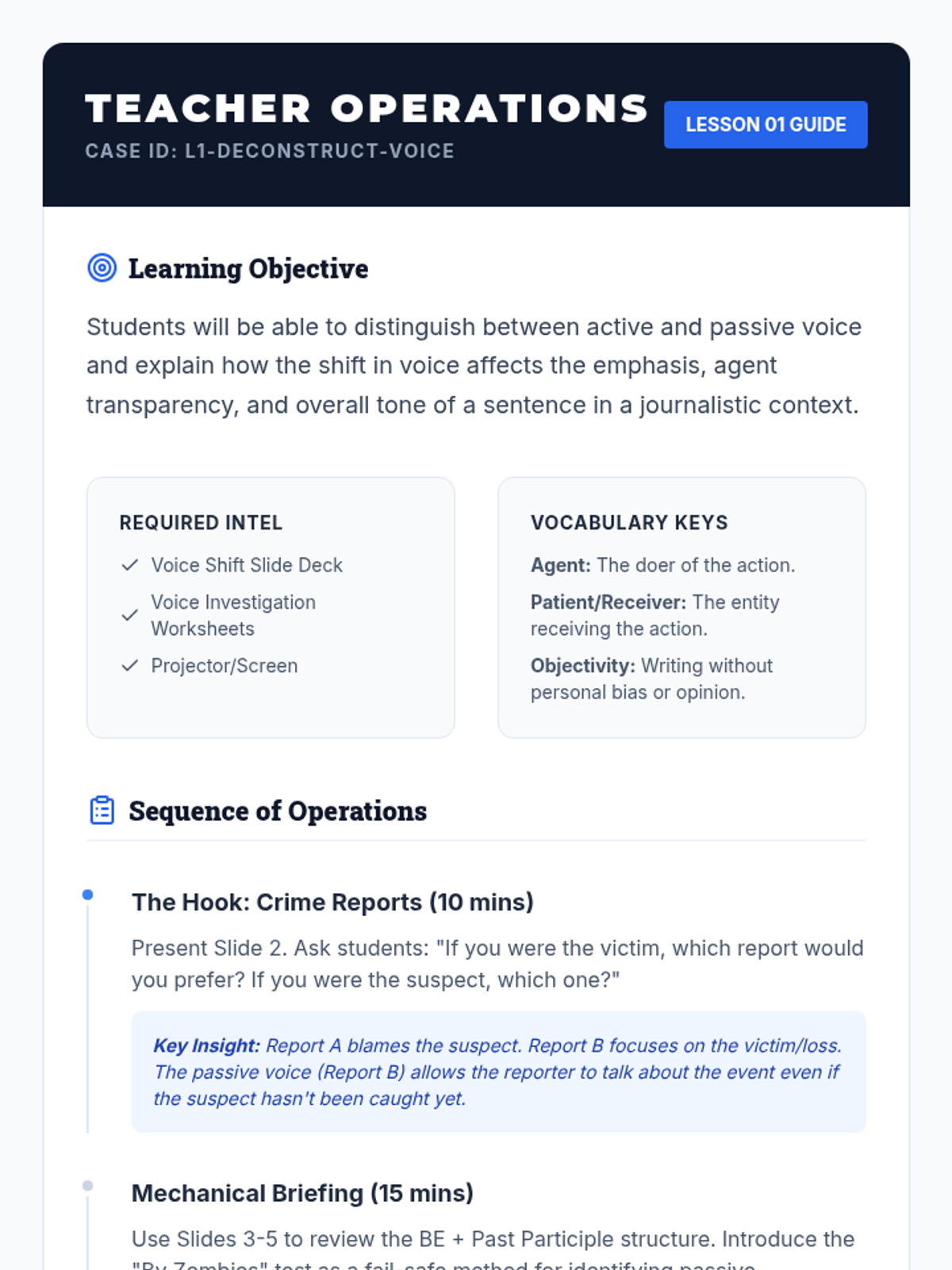
A 5-lesson unit for 7th-grade advanced English learners focused on the strategic use of passive voice, impersonal structures, and the causative form to achieve objectivity in academic and journalistic writing. Students move from mechanical transformations to critical analysis of bias and the production of a professional news report.
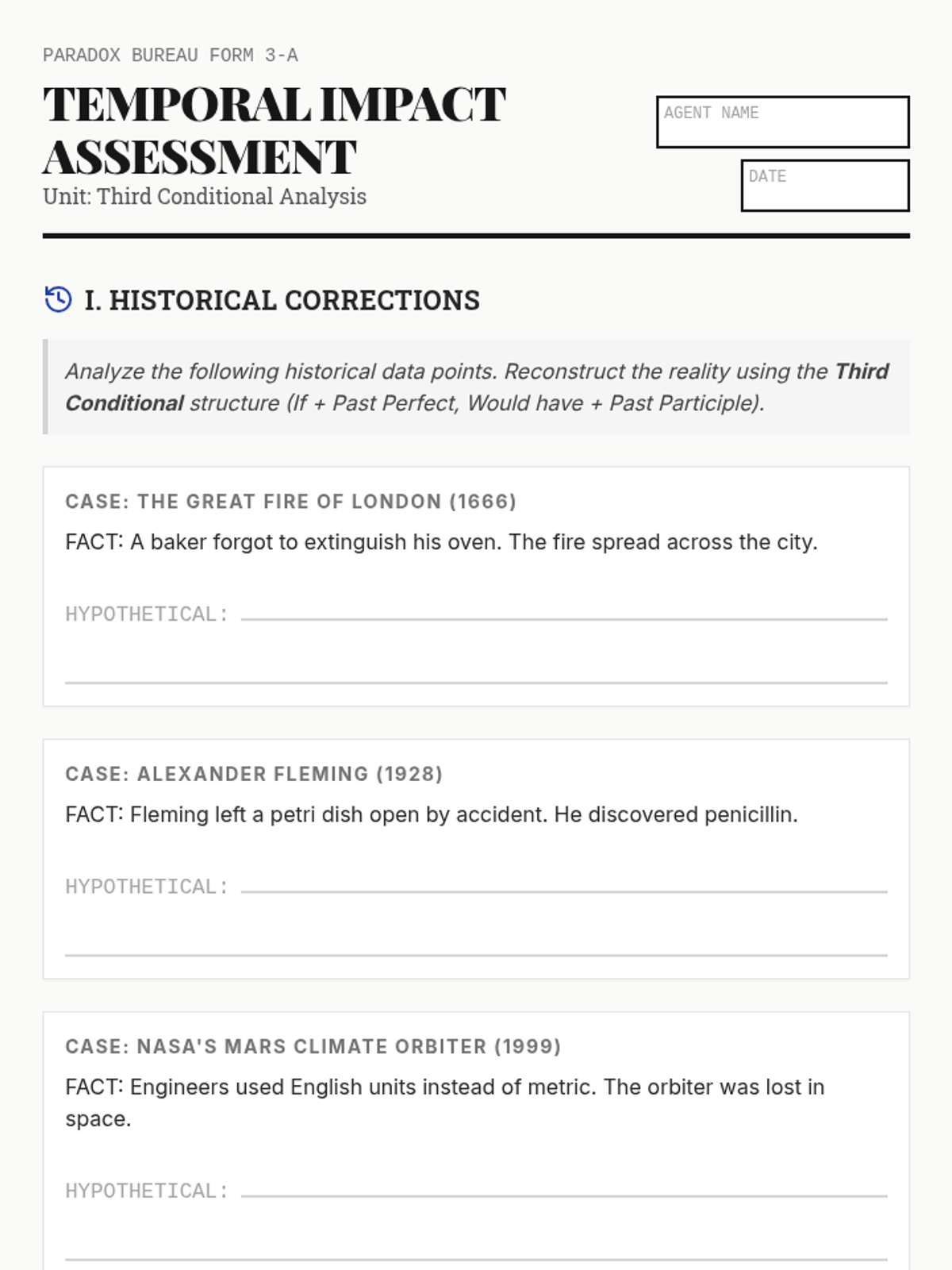
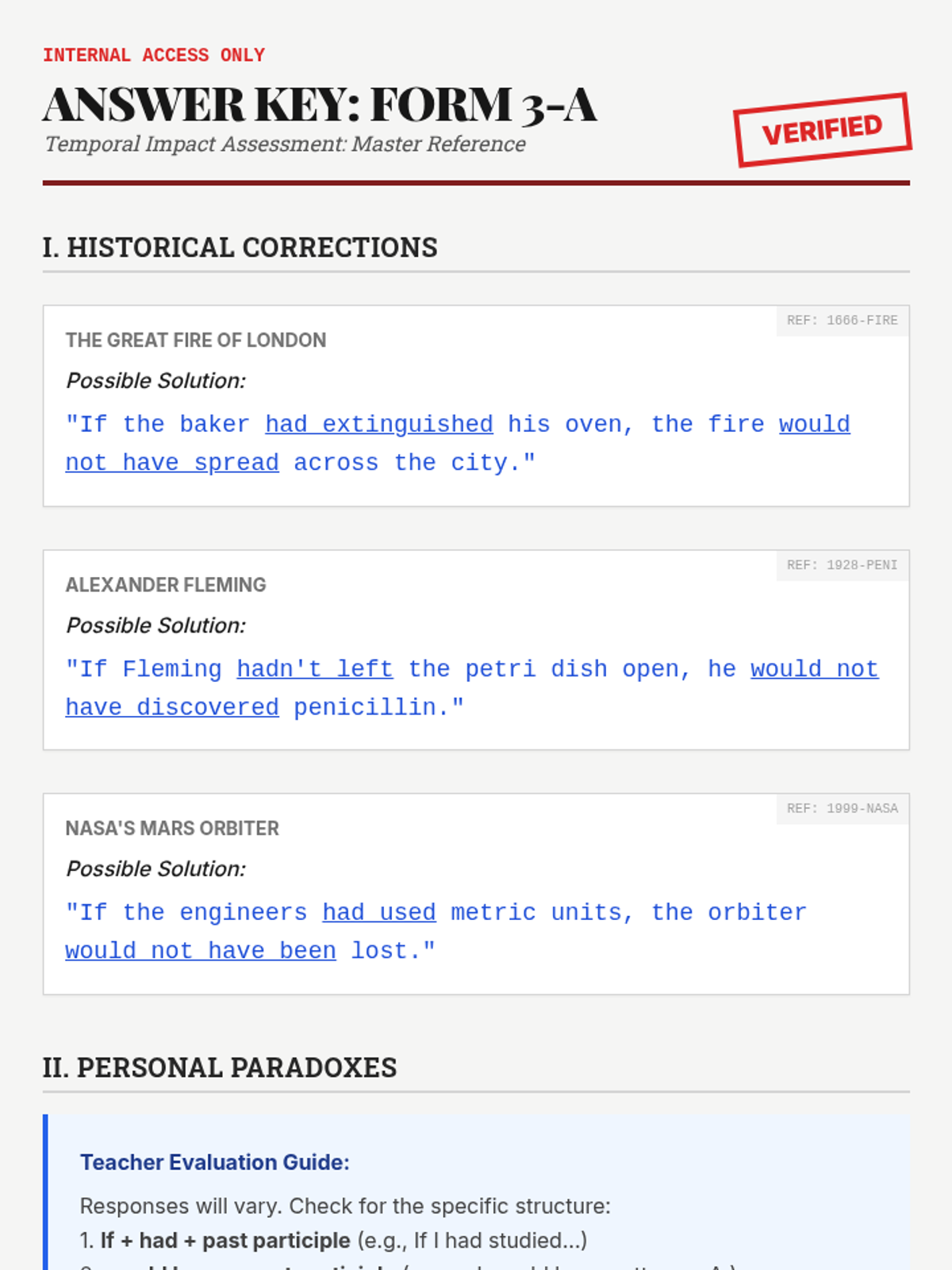
A simulation-based sequence where 7th-grade students master advanced conditional structures (Third, Mixed, and Inverted) to analyze hypothetical scenarios, past regrets, and formal consequences. Students progress from historical 'what-ifs' to a 'Crisis Management' simulation and formal report writing.