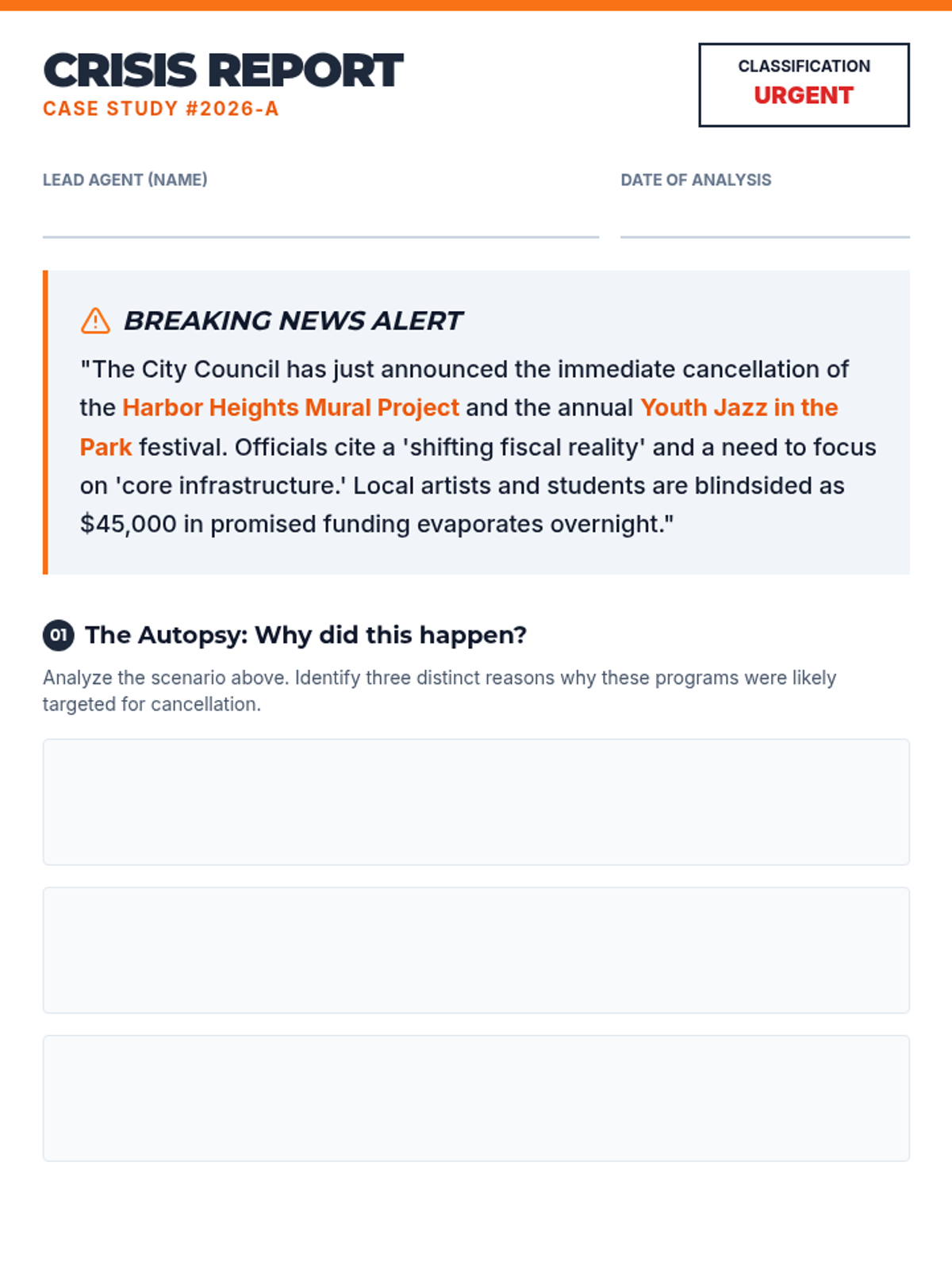
Cultural identity, community development, and public policy through the lens of creative practice. Addresses arts advocacy strategies and integrates interdisciplinary connections across social and professional sectors.
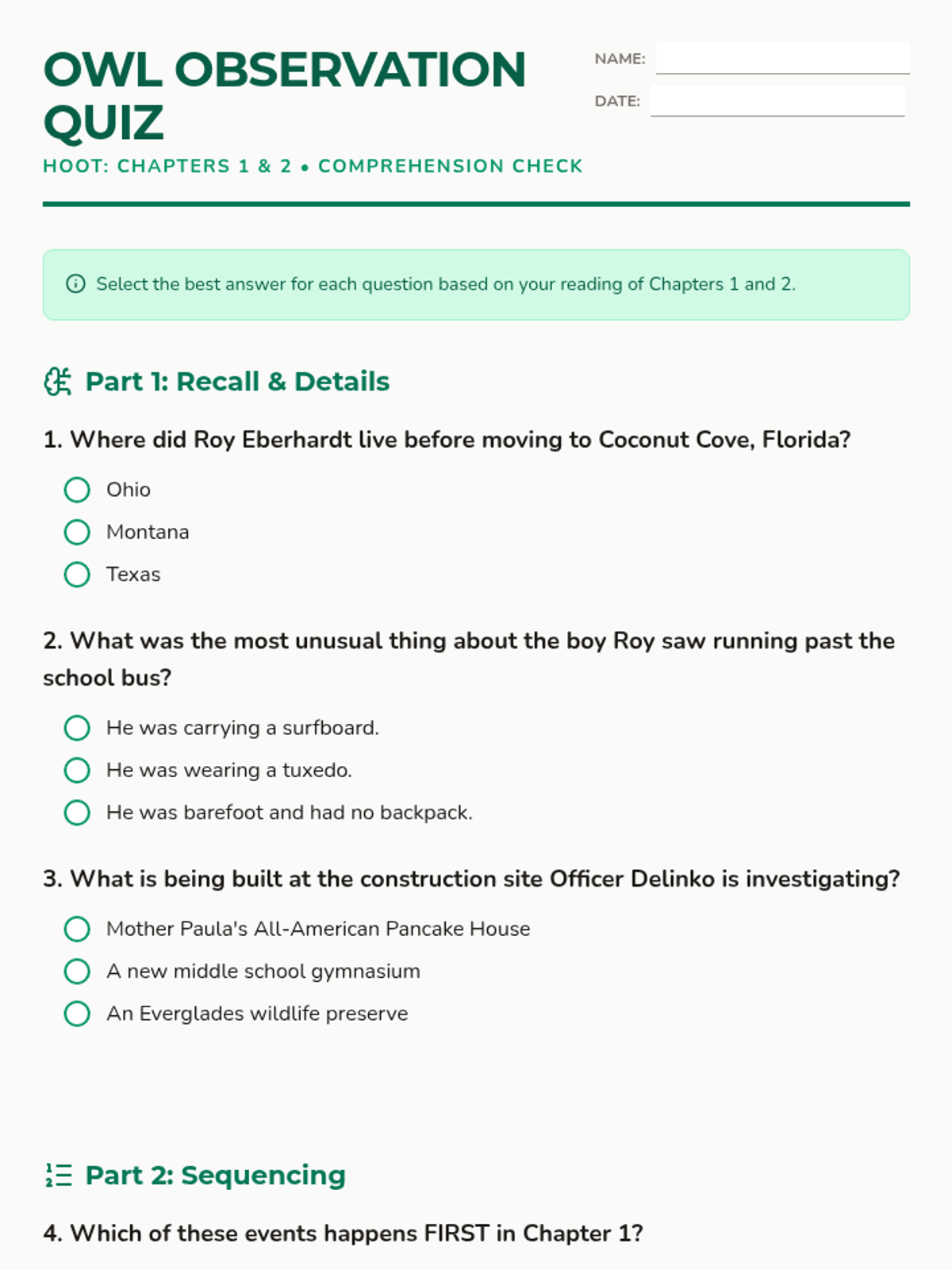
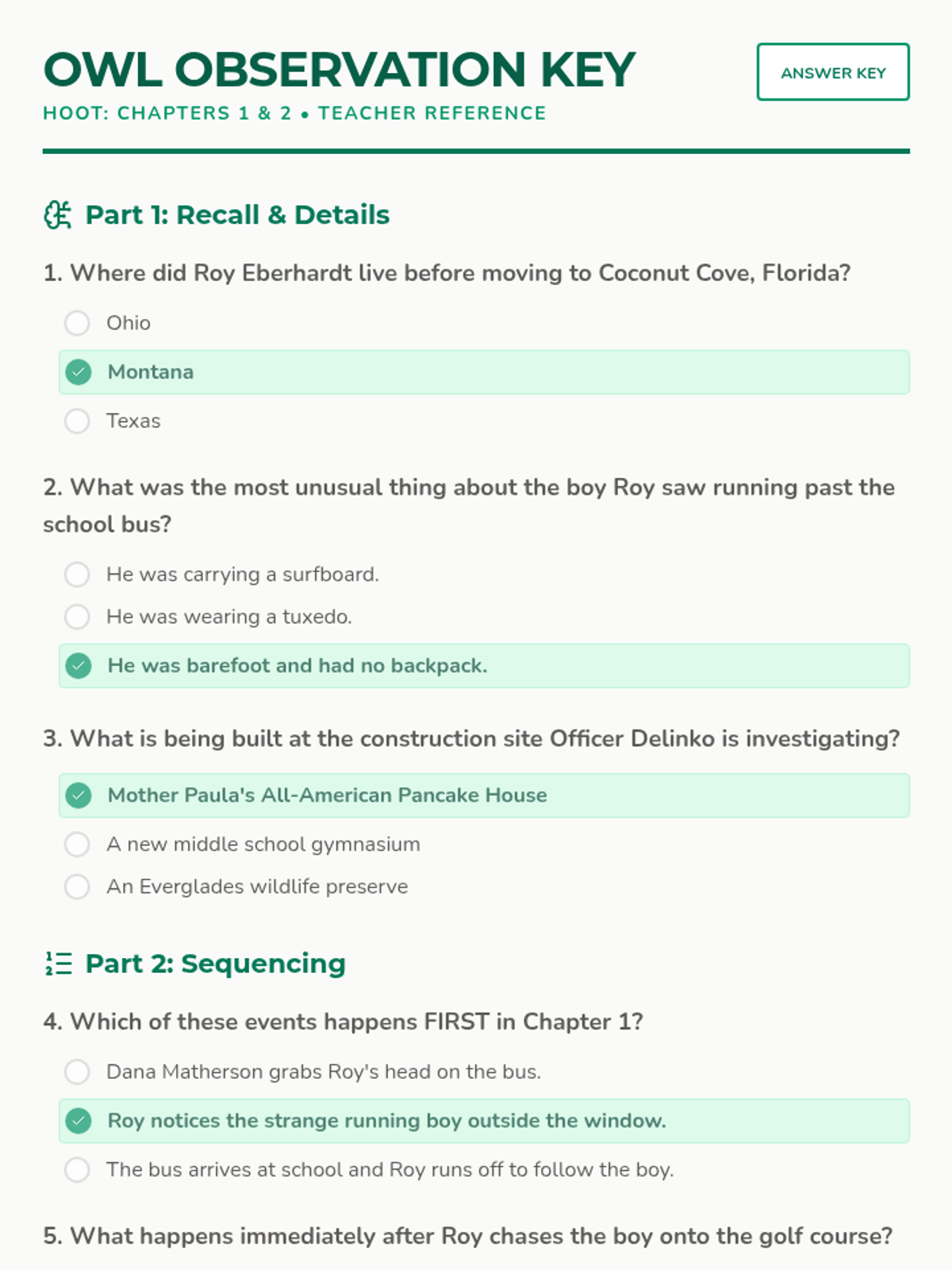
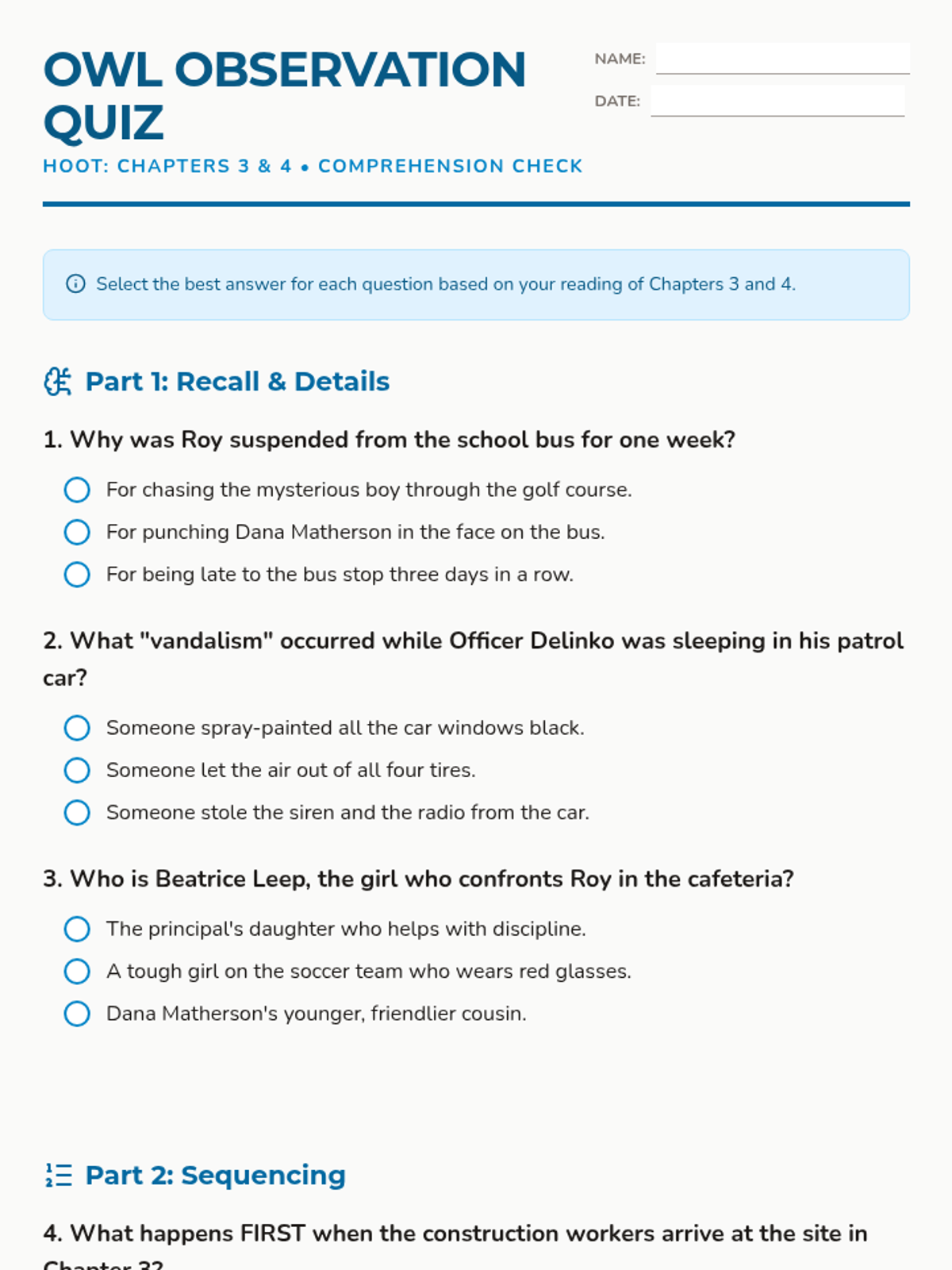
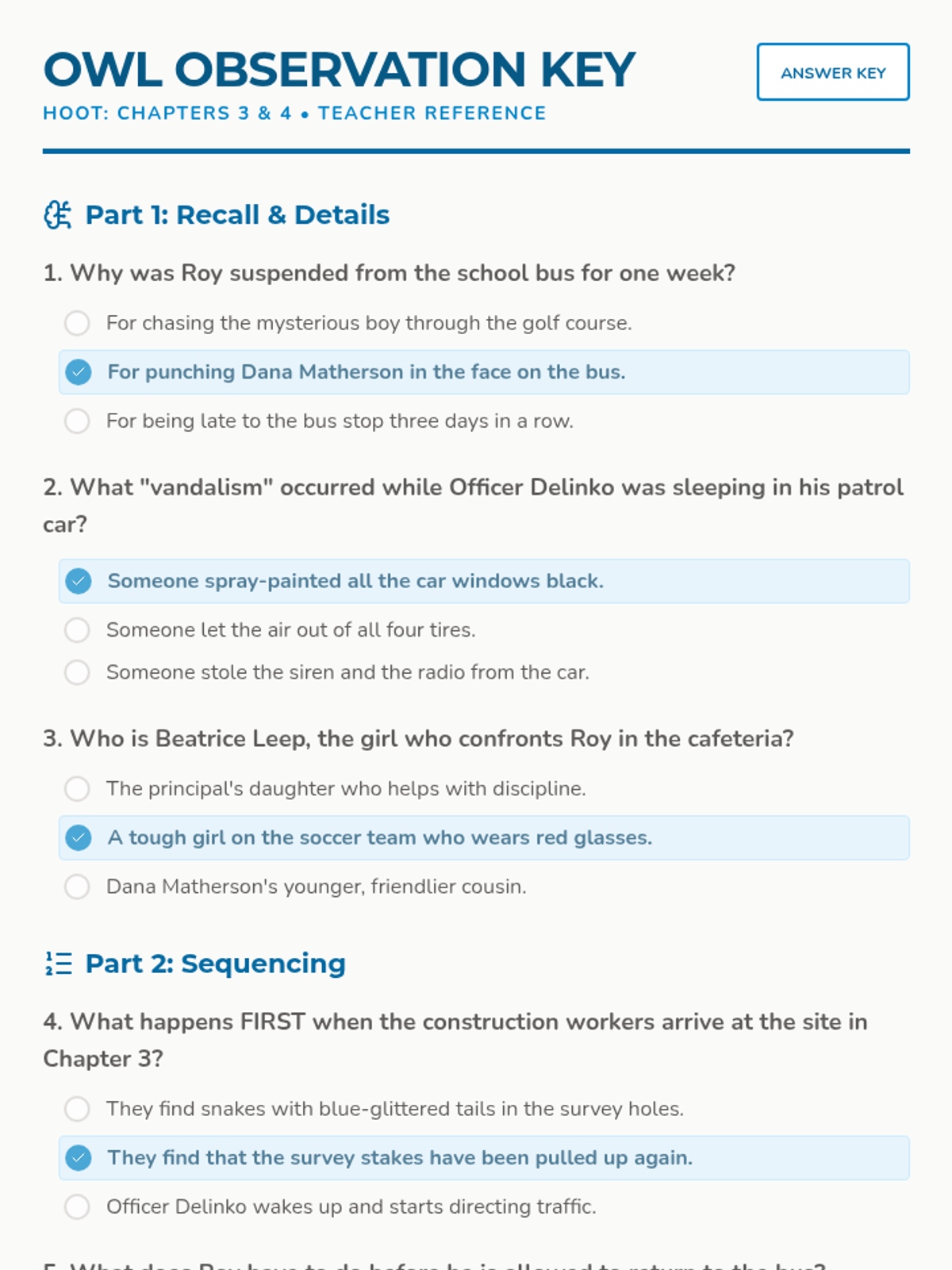
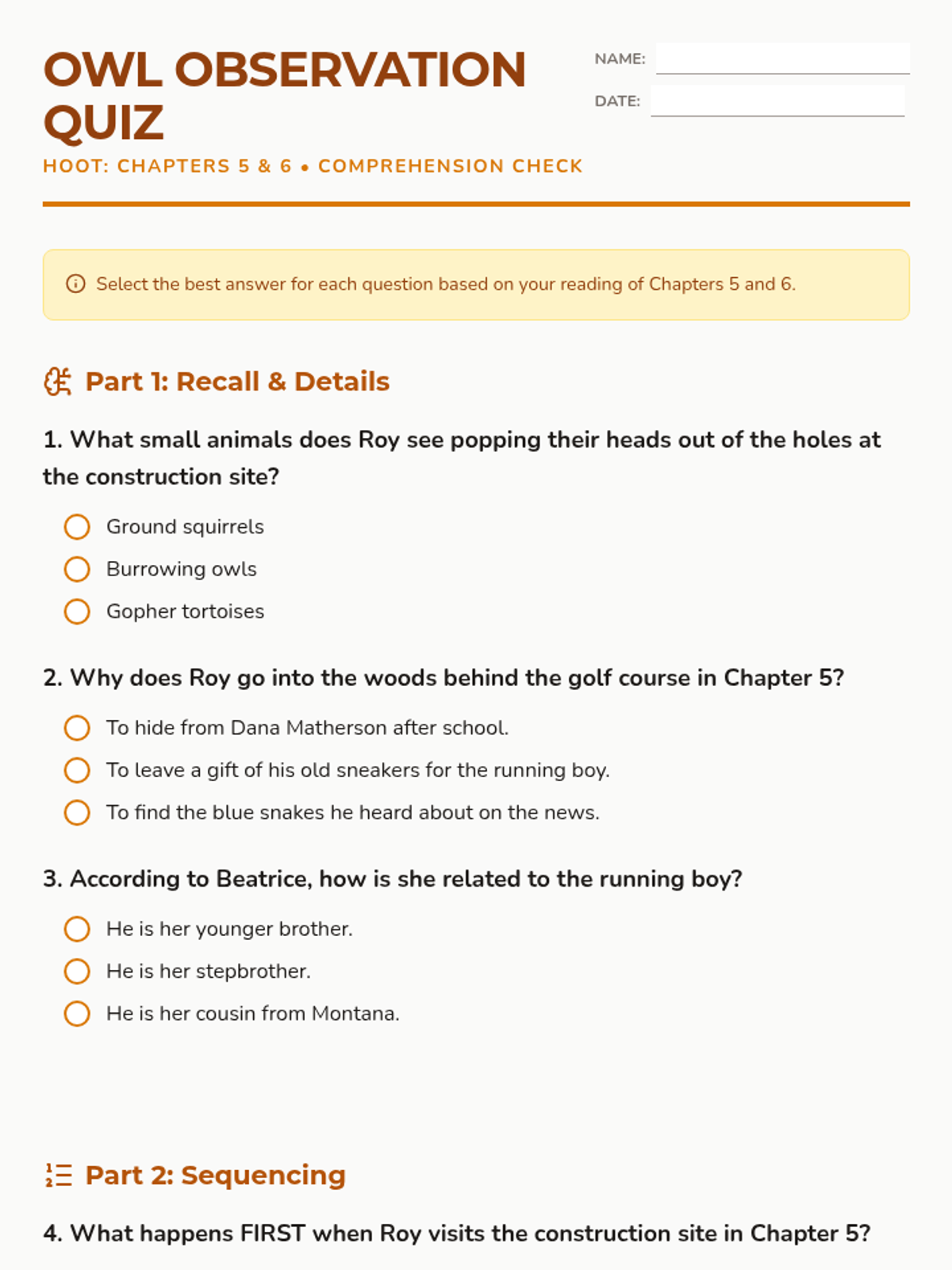
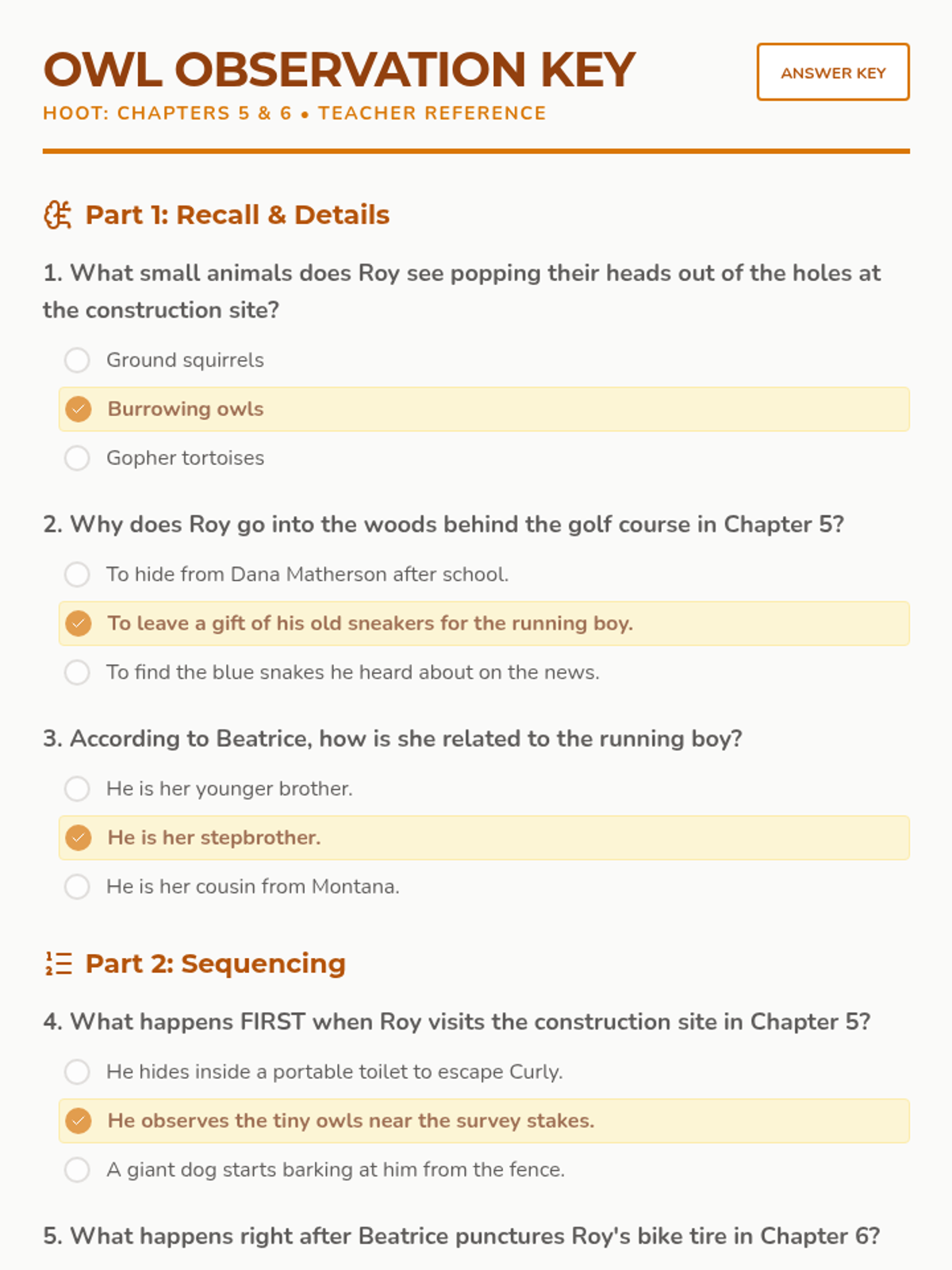
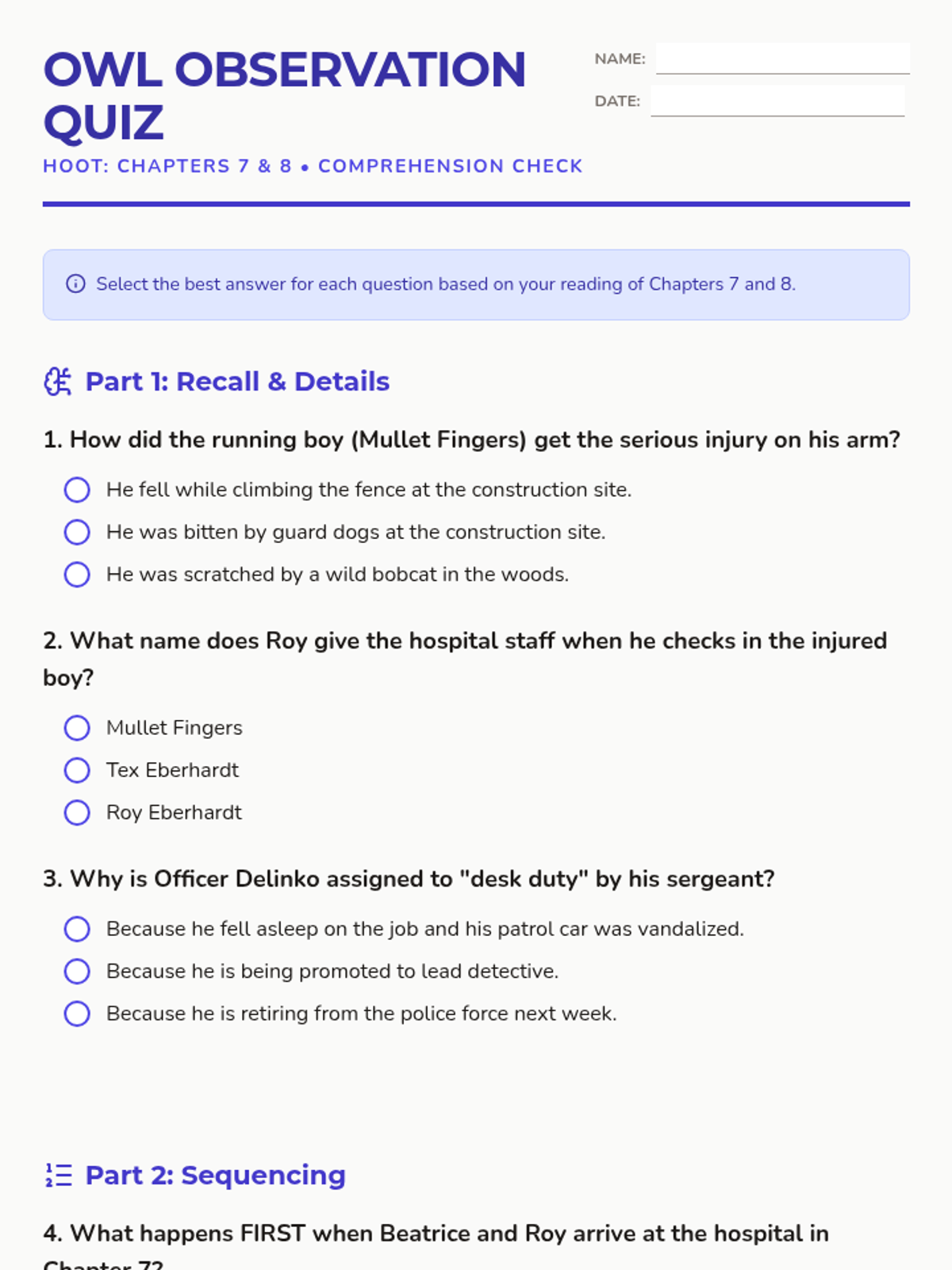
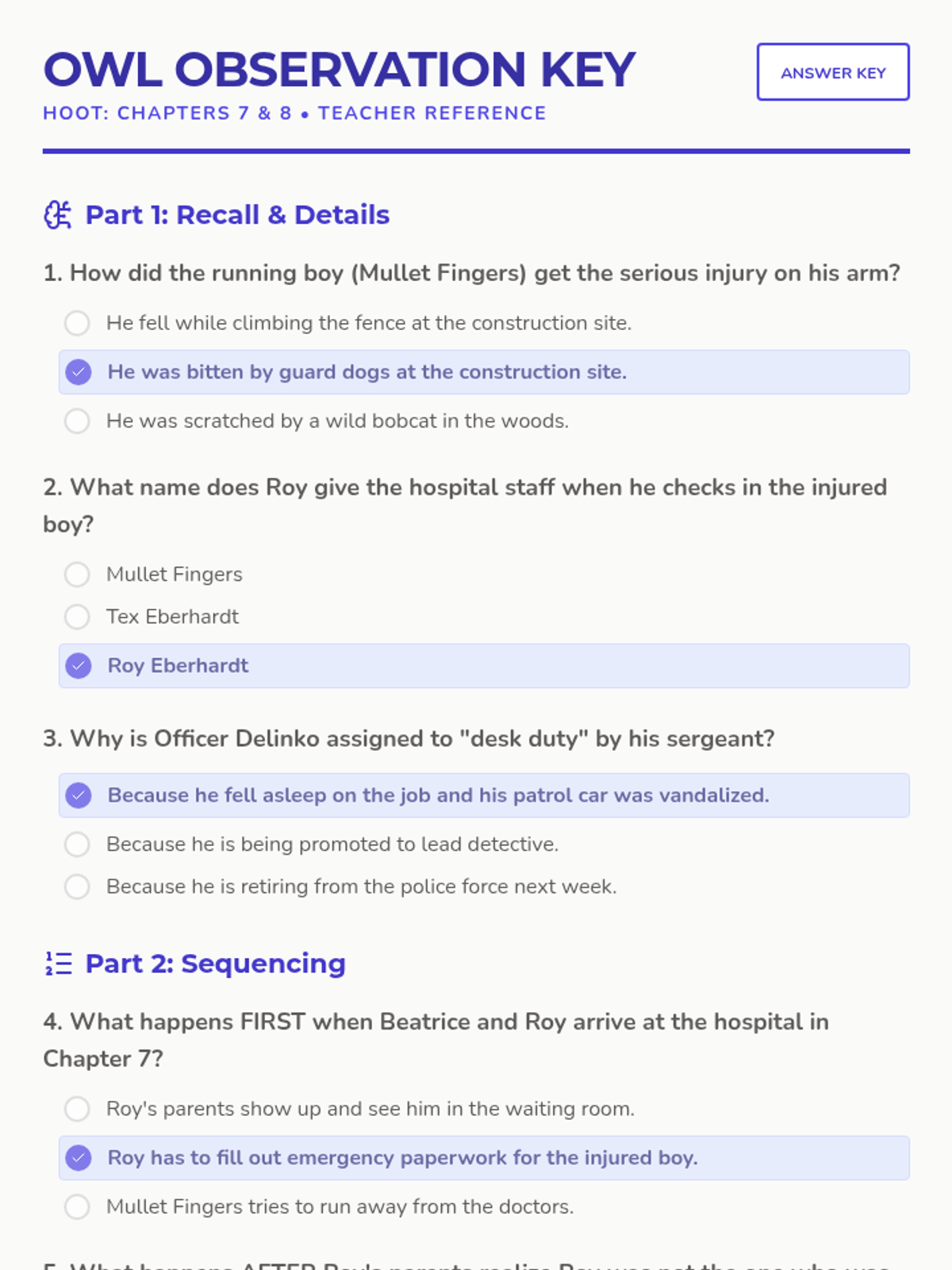
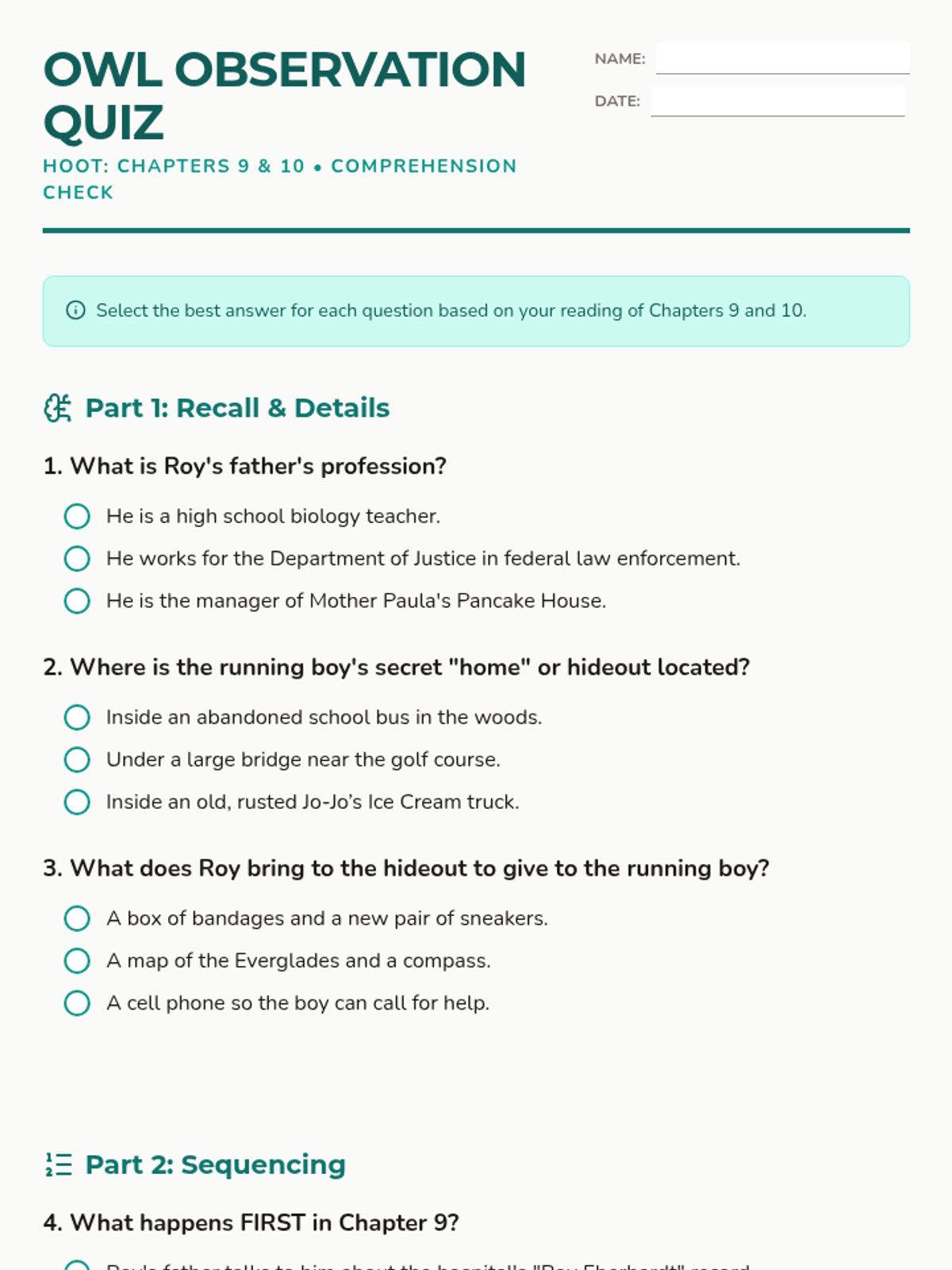
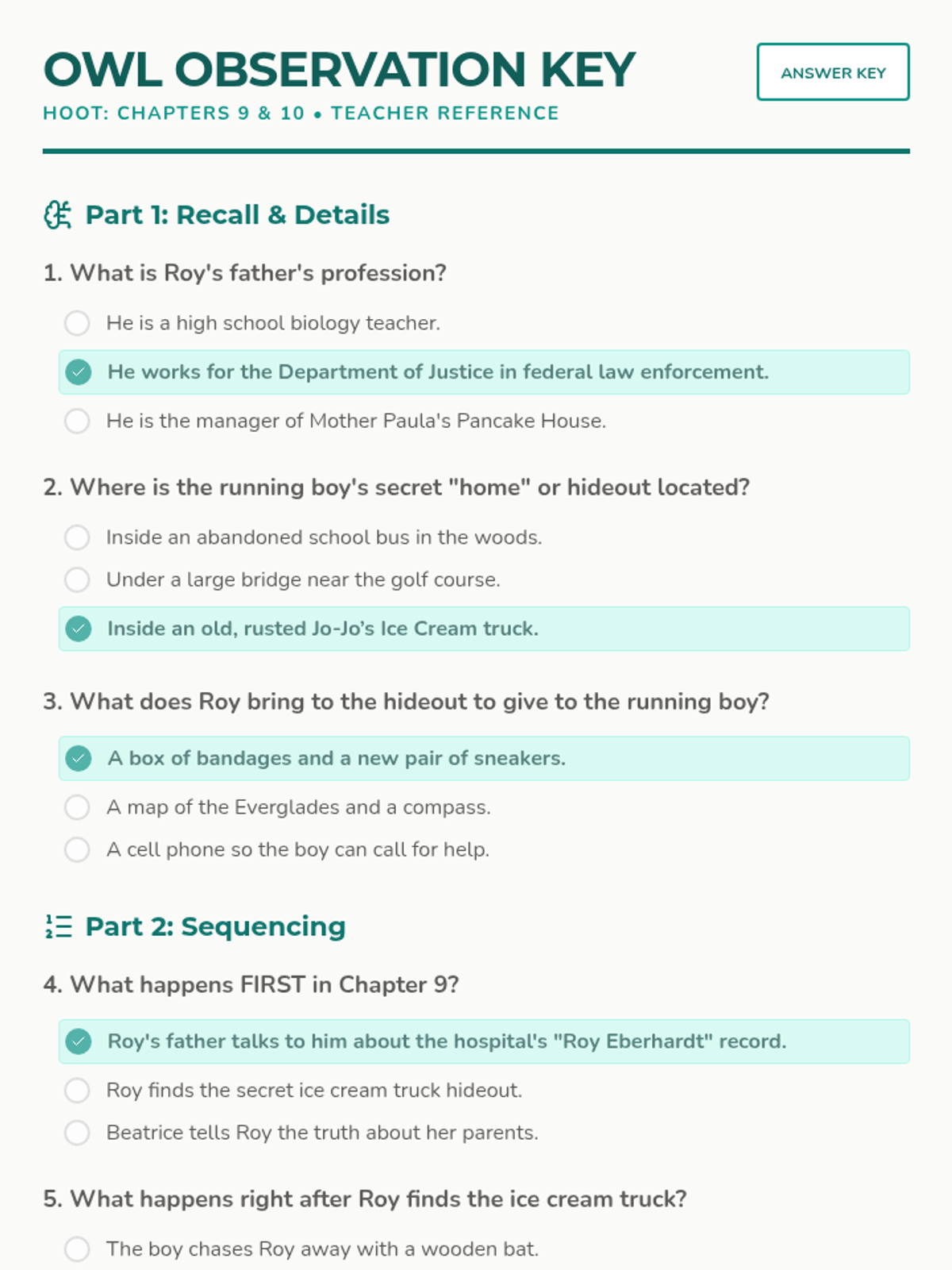
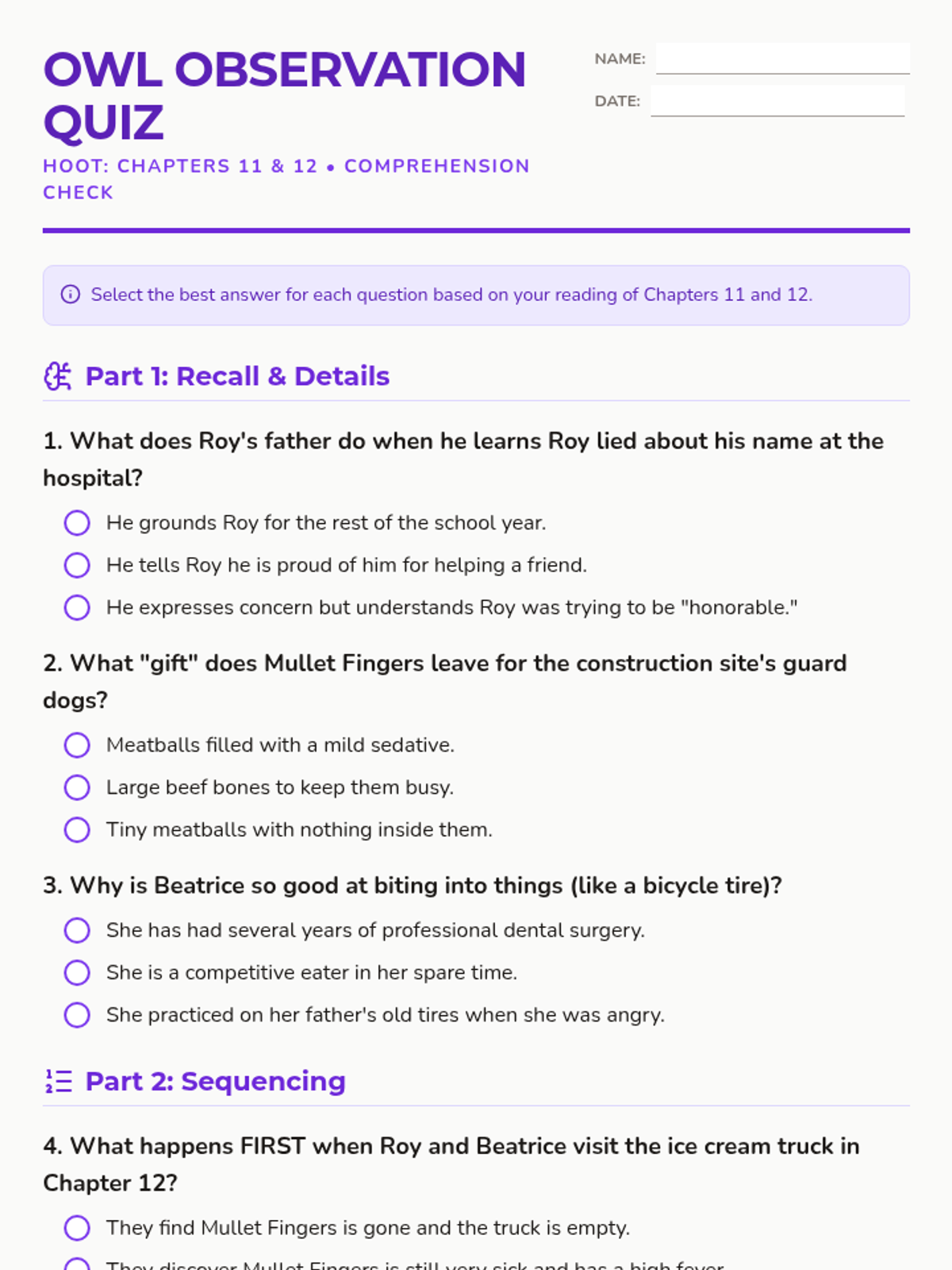
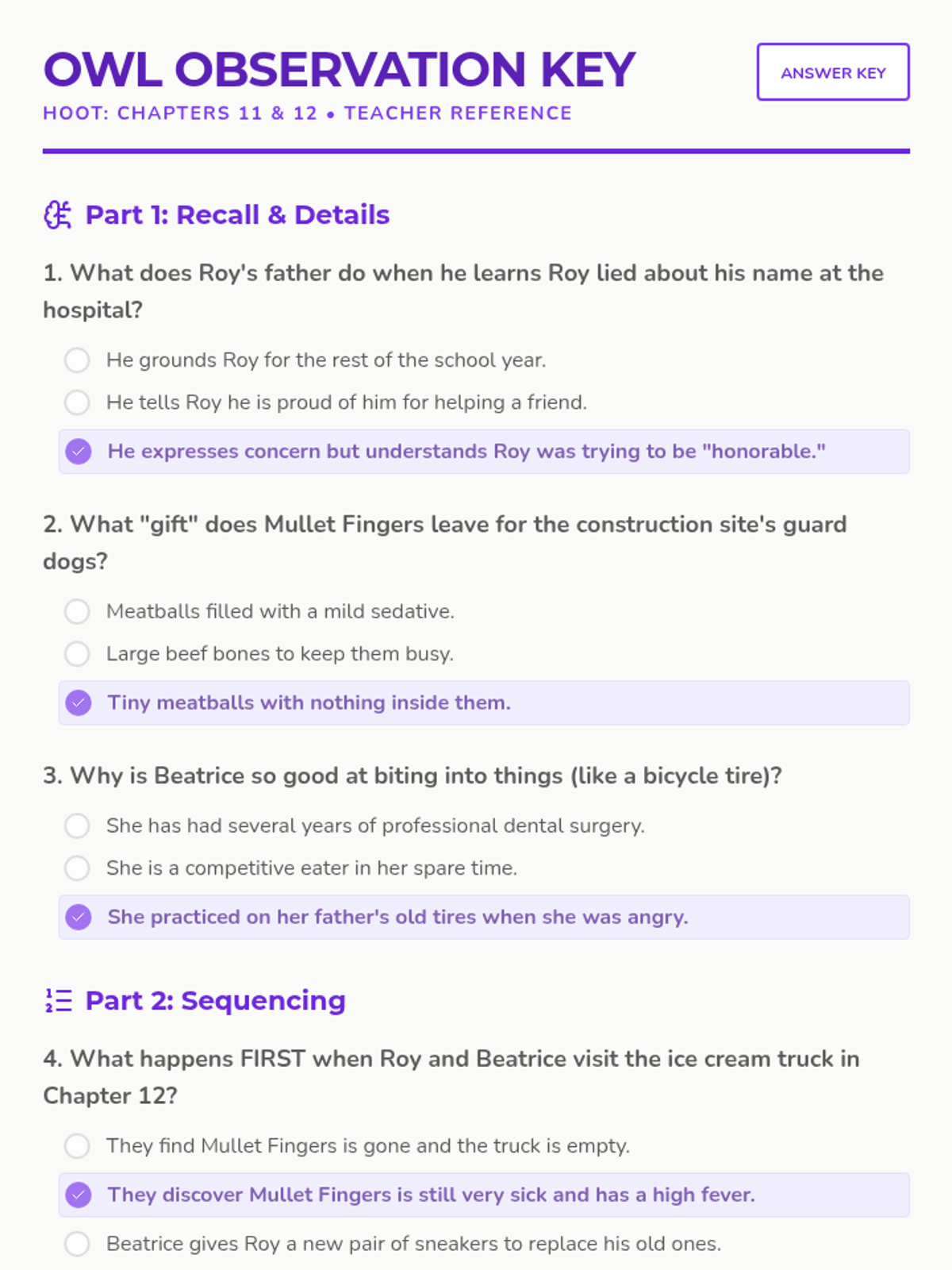
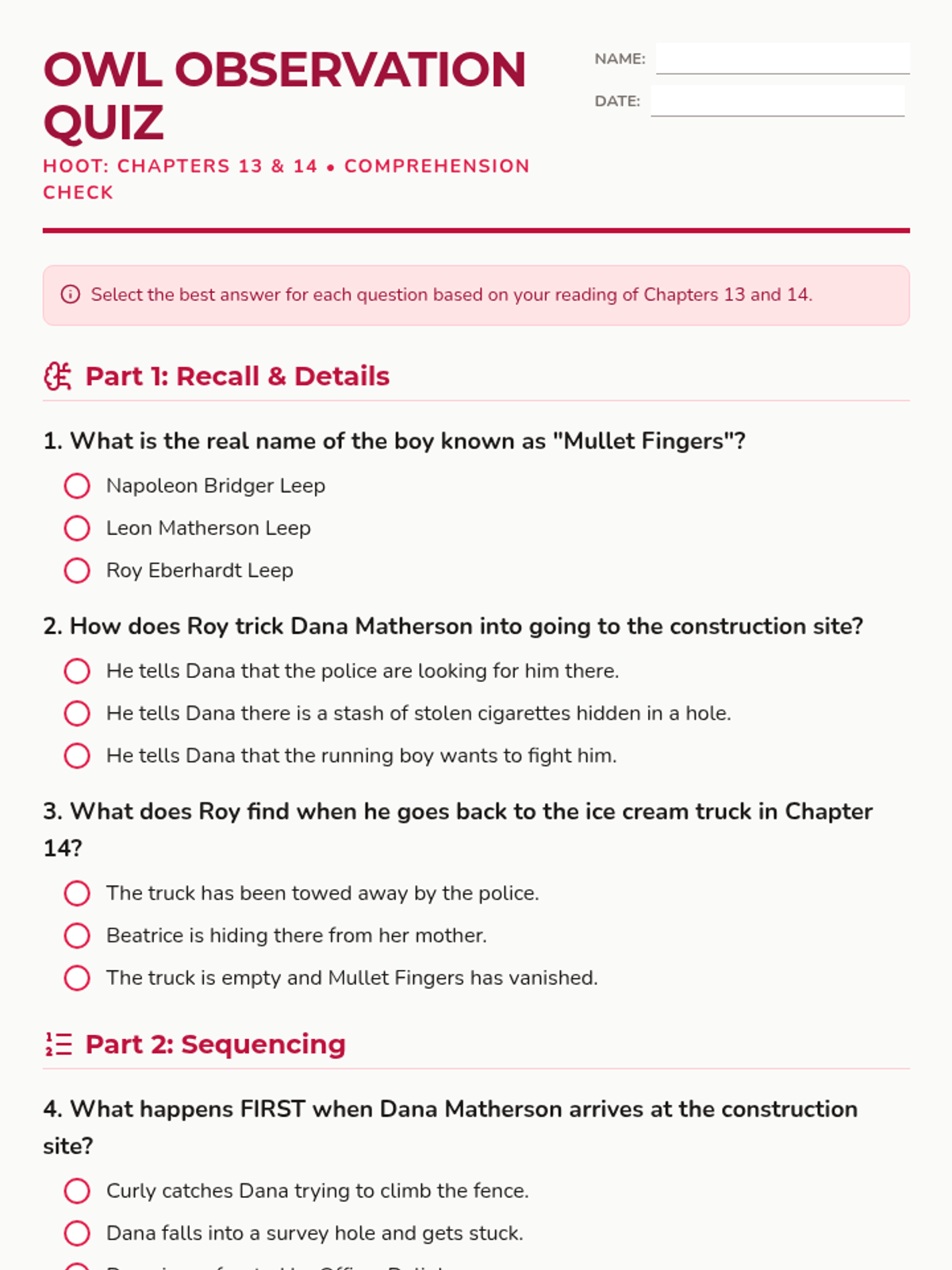
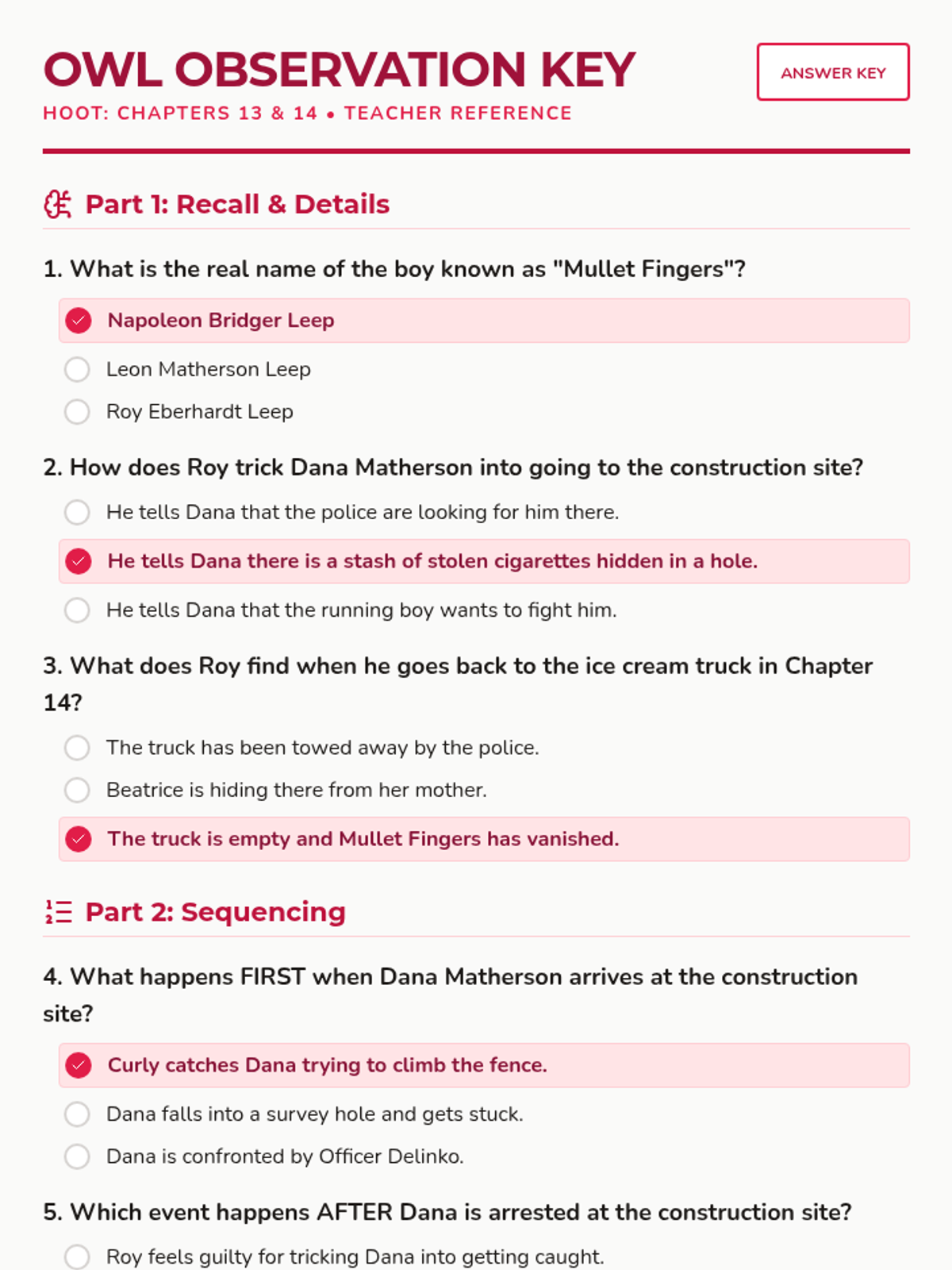
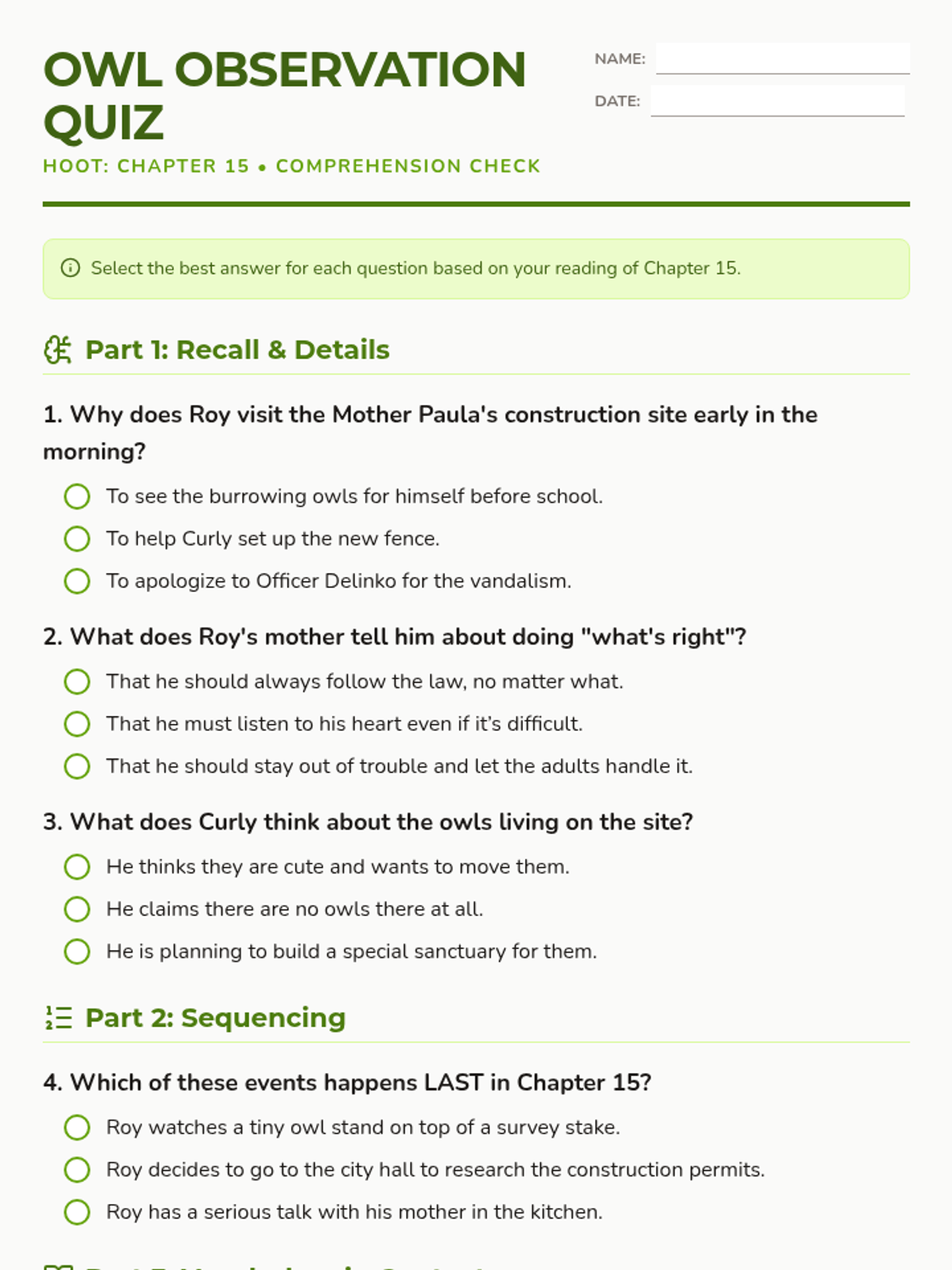
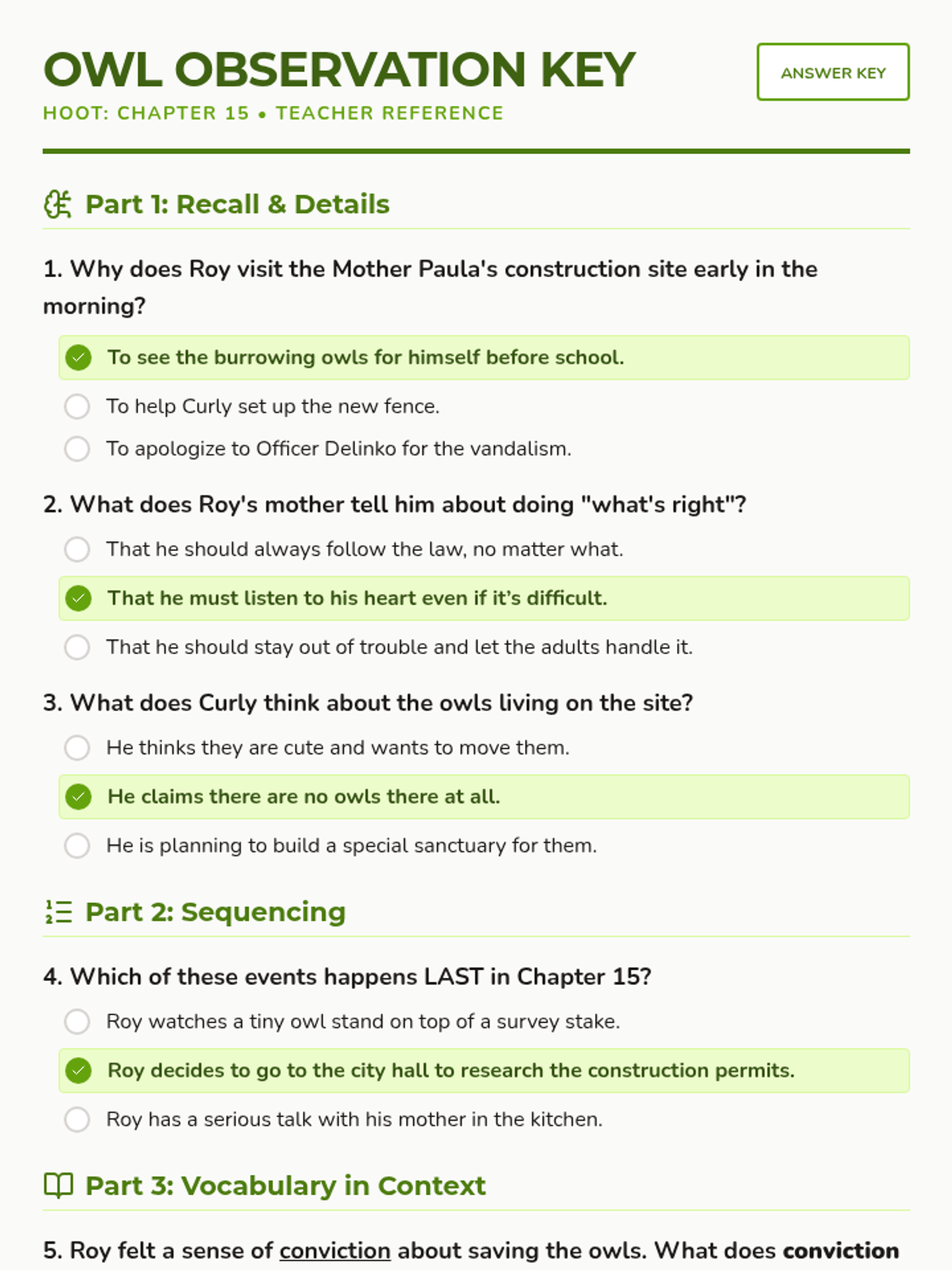
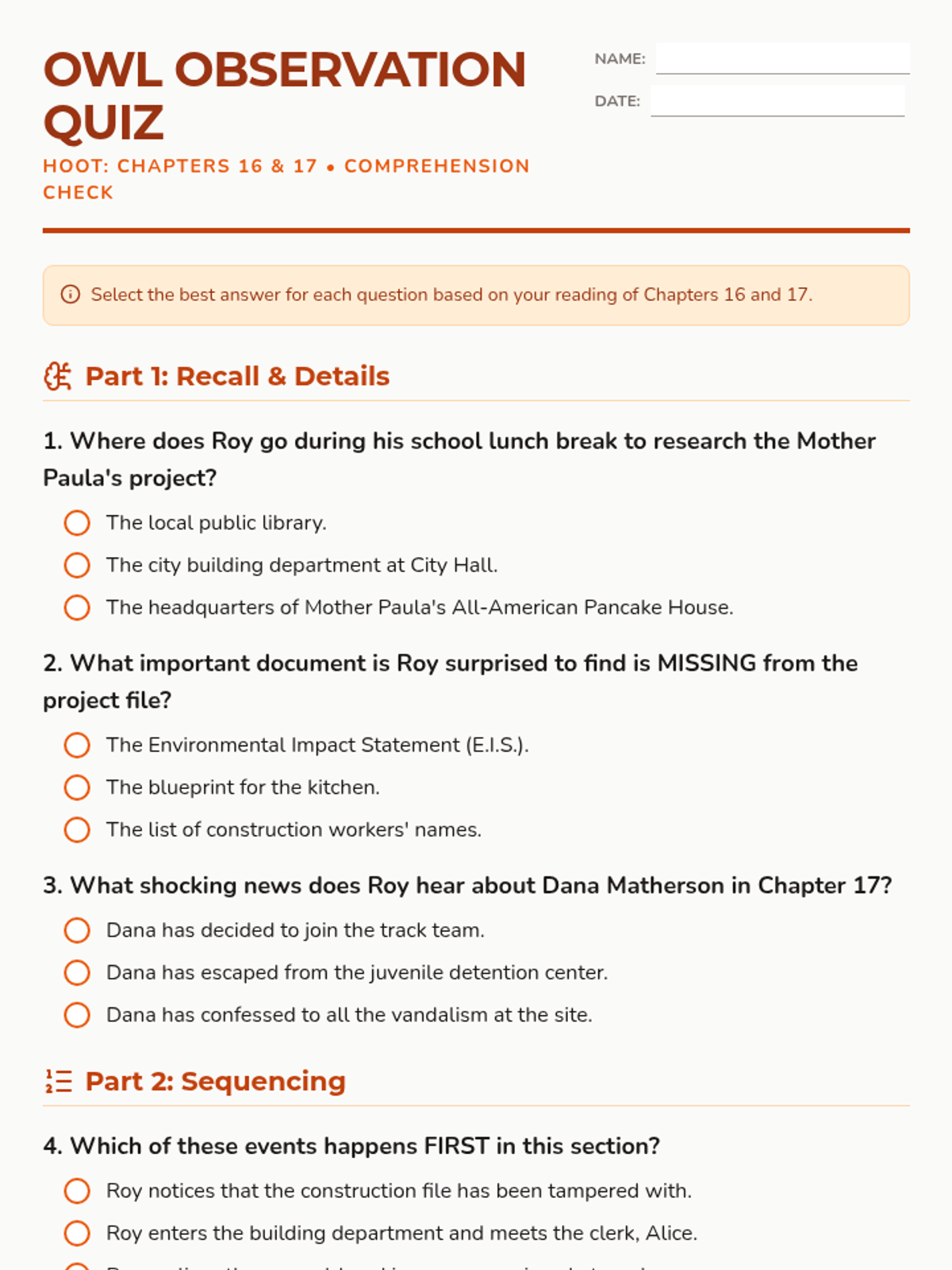
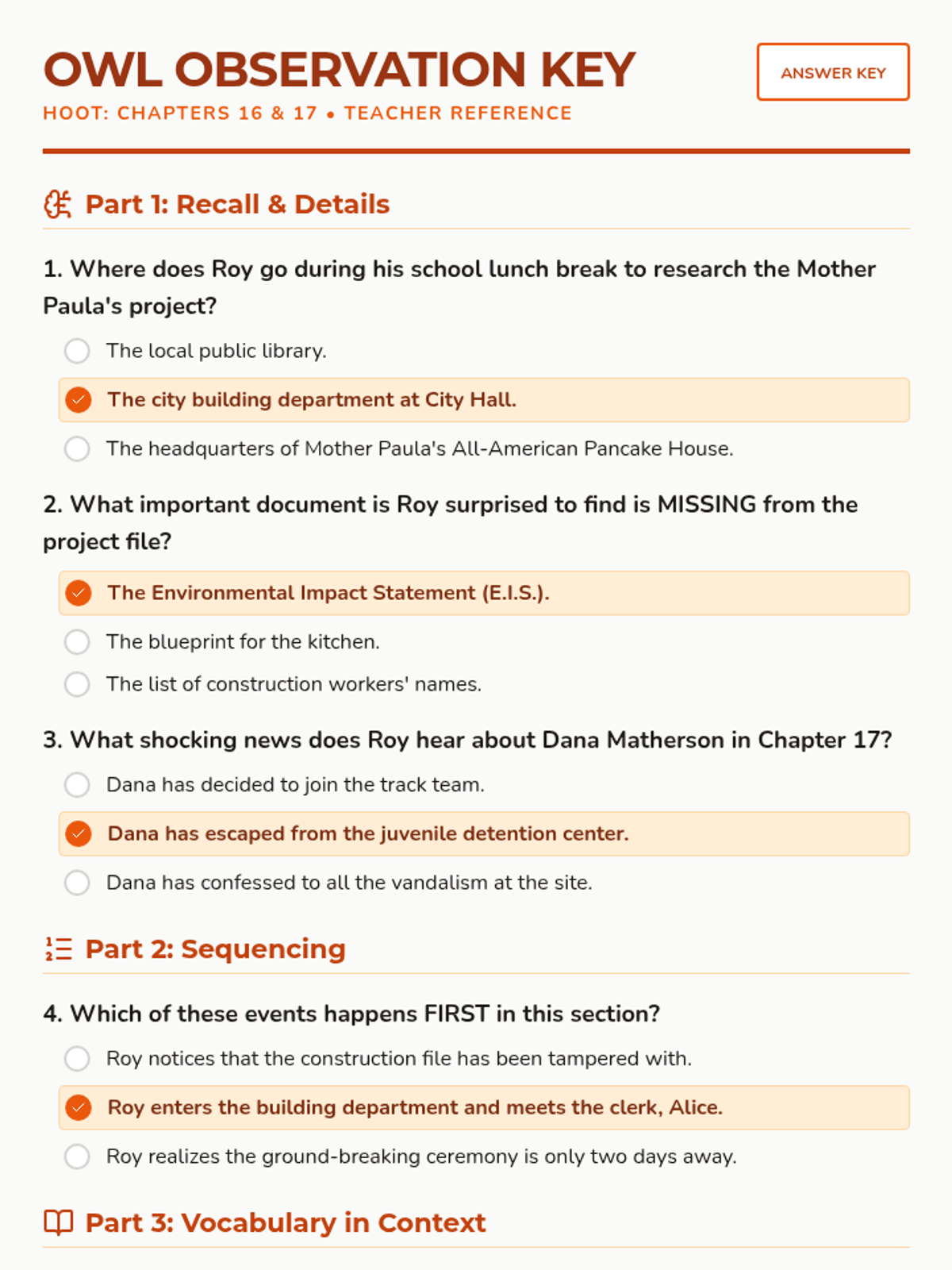
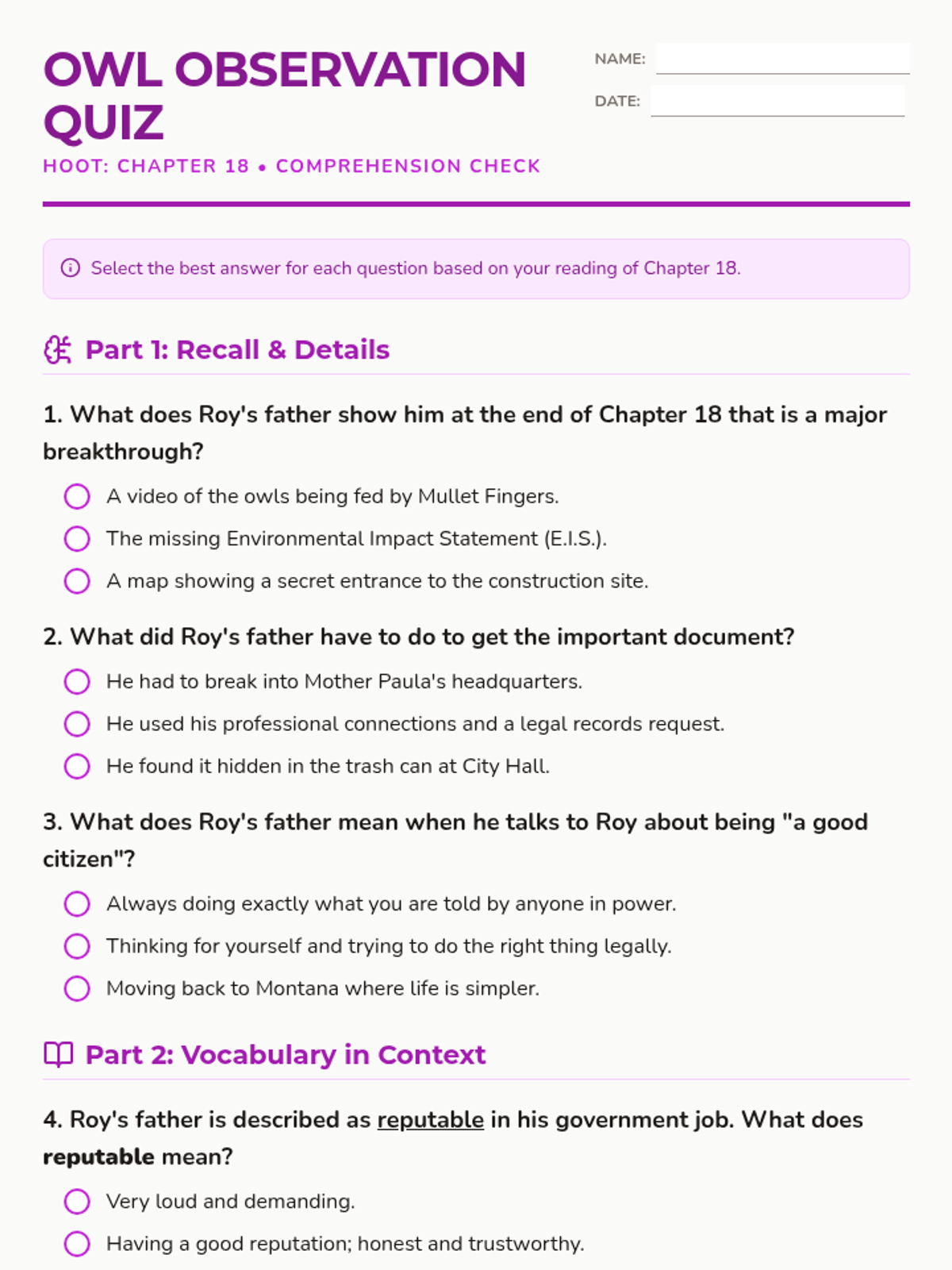
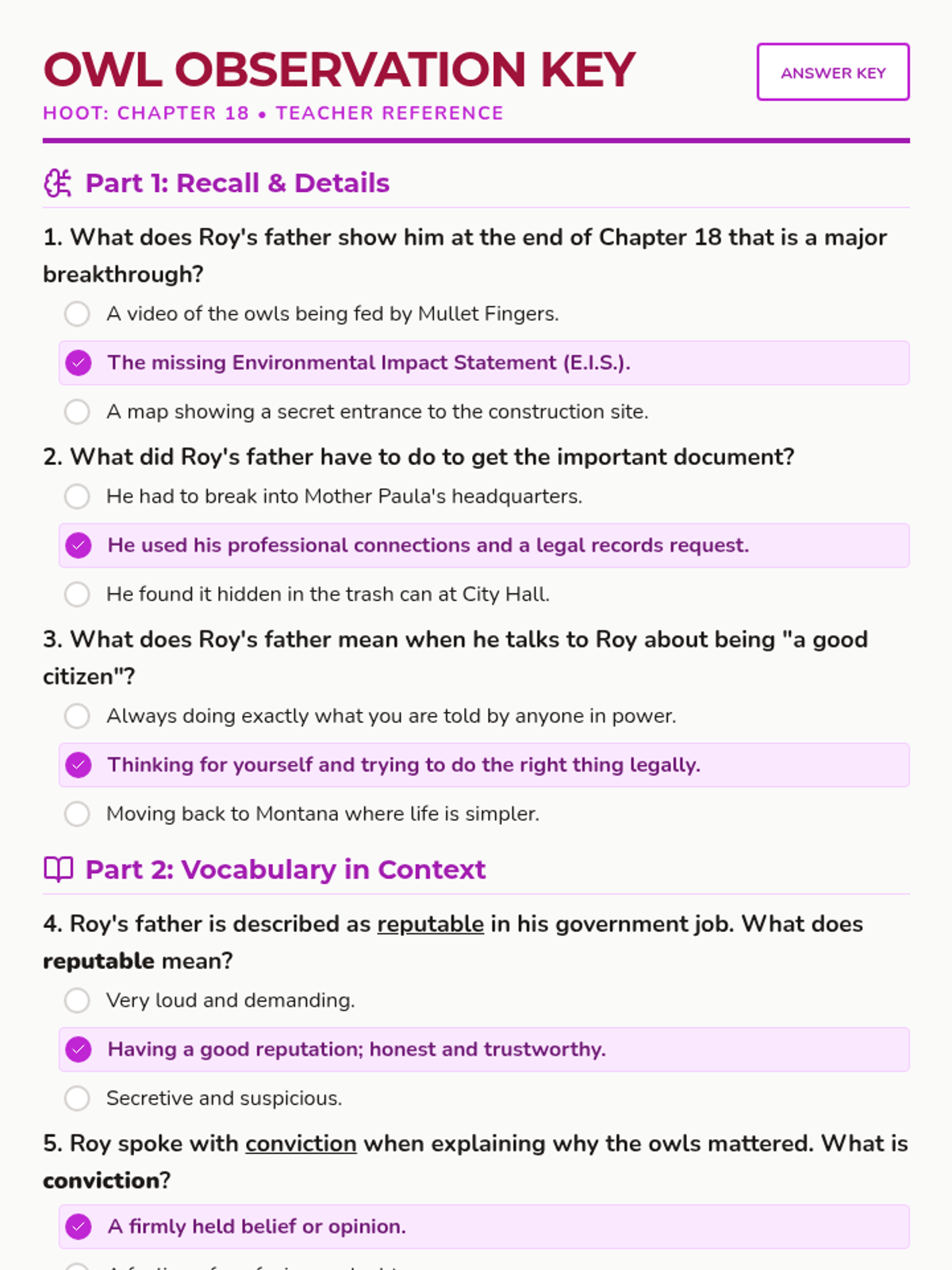
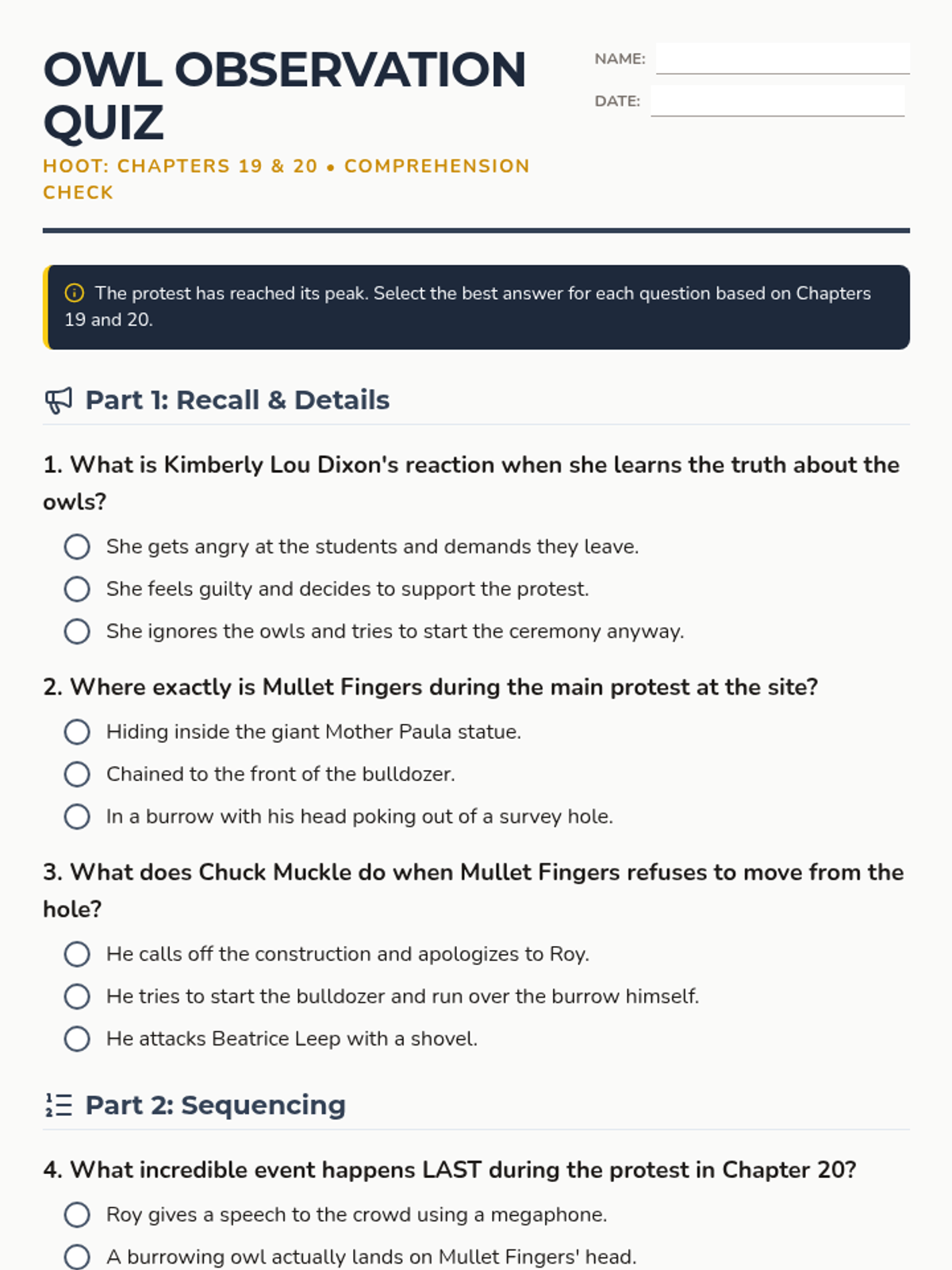
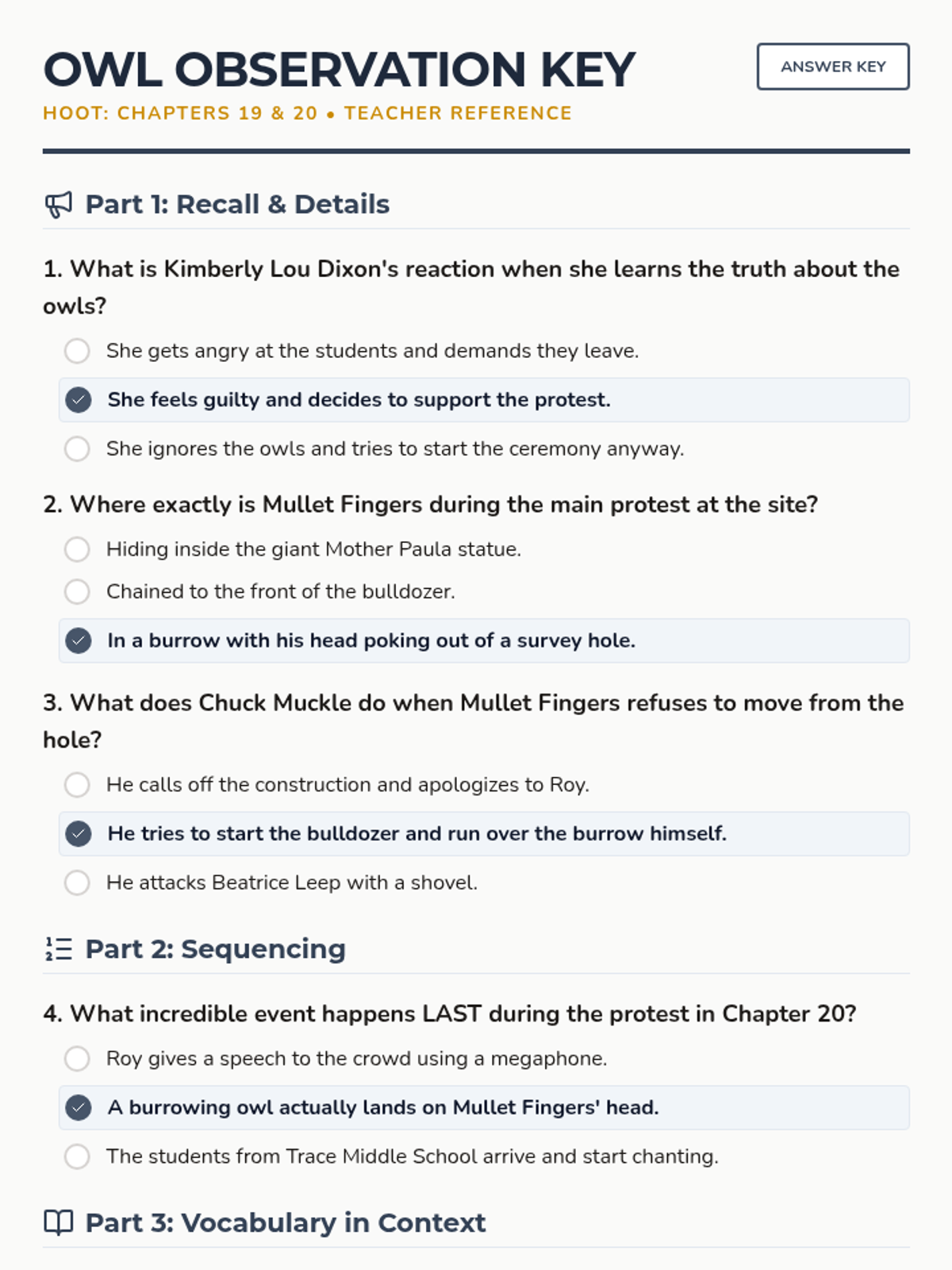
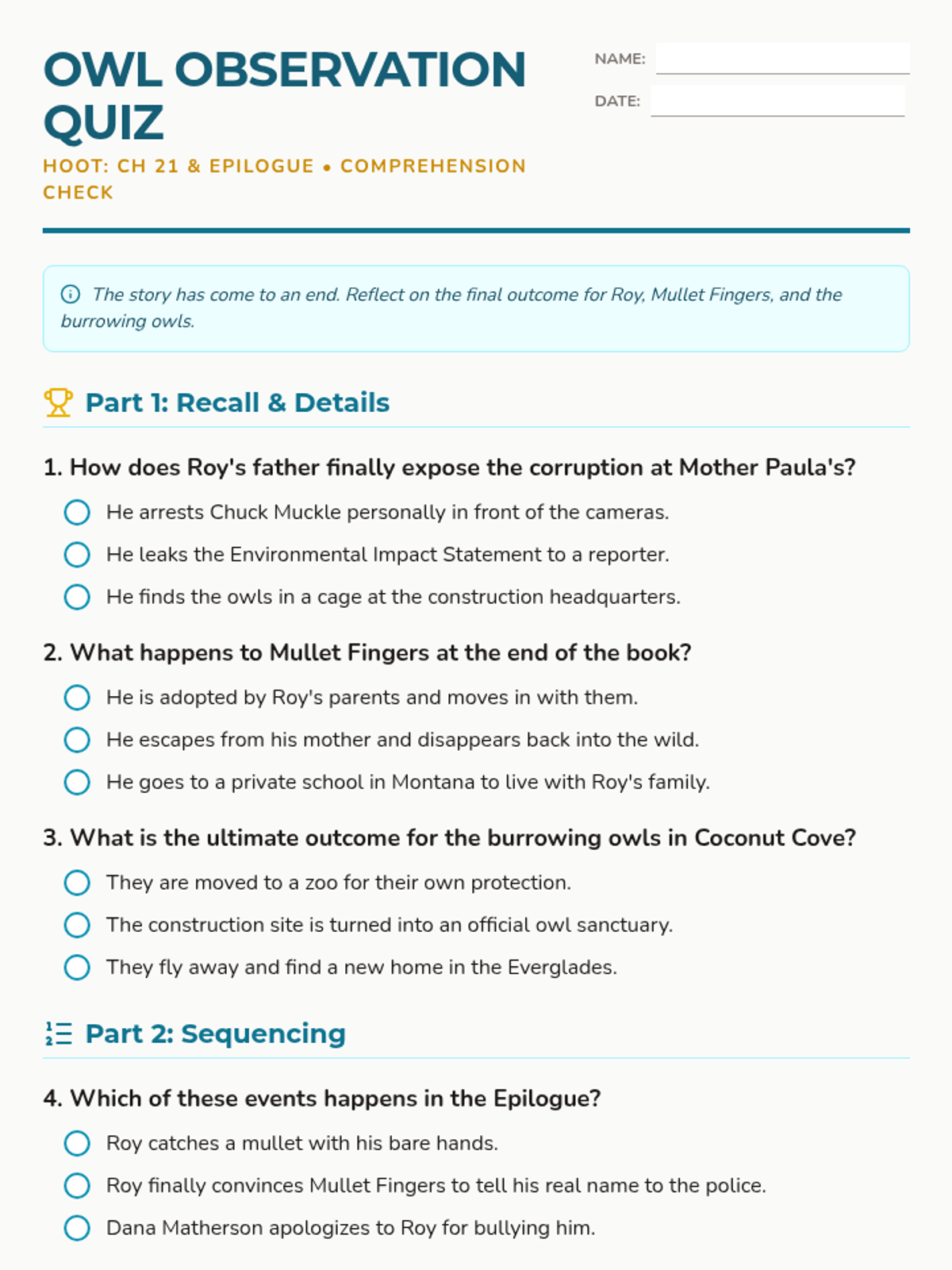
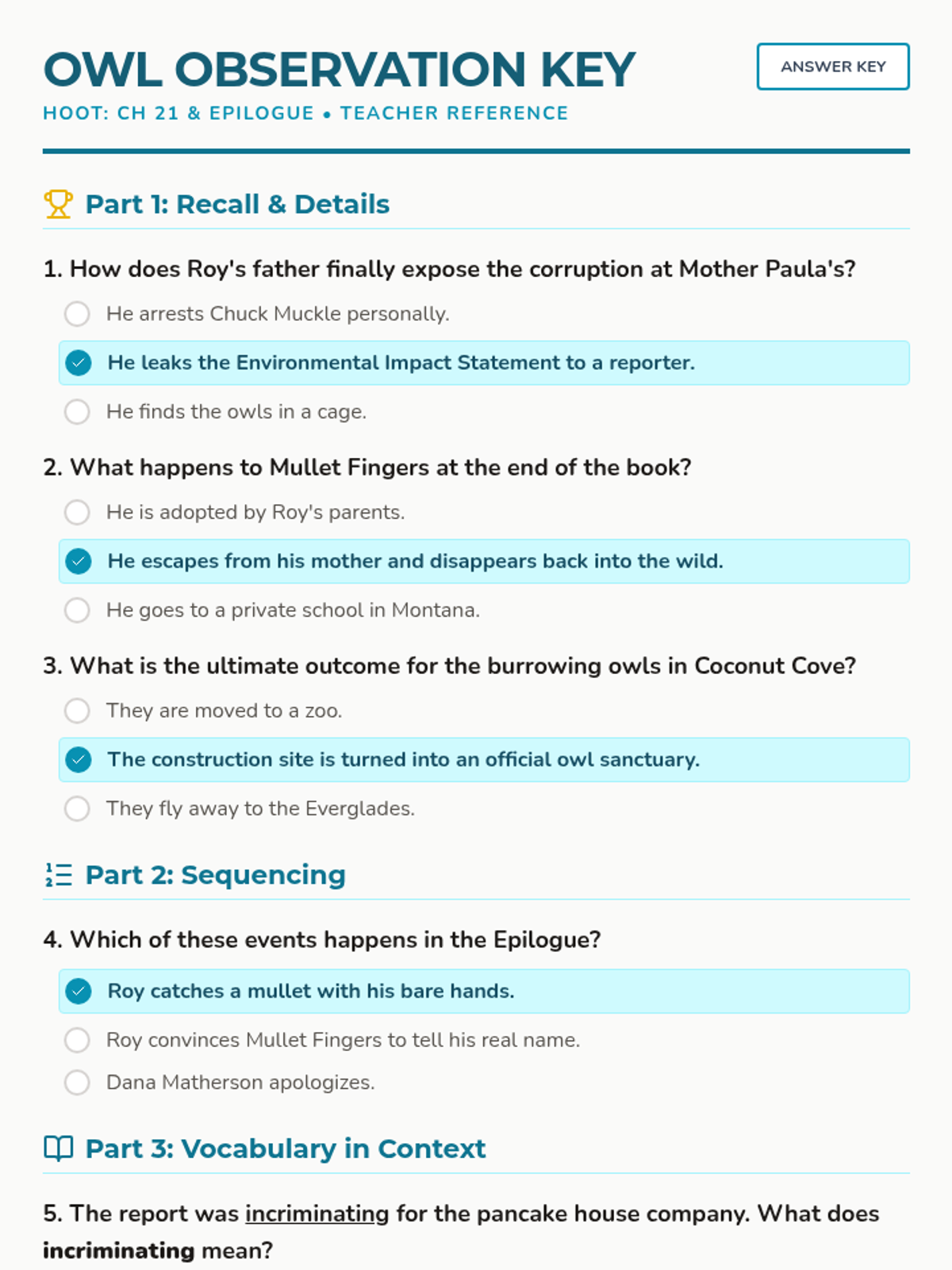
A comprehensive unit for Carl Hiaasen's Hoot, featuring chapter-by-chapter comprehension quizzes, teacher keys, and interactive slide decks.
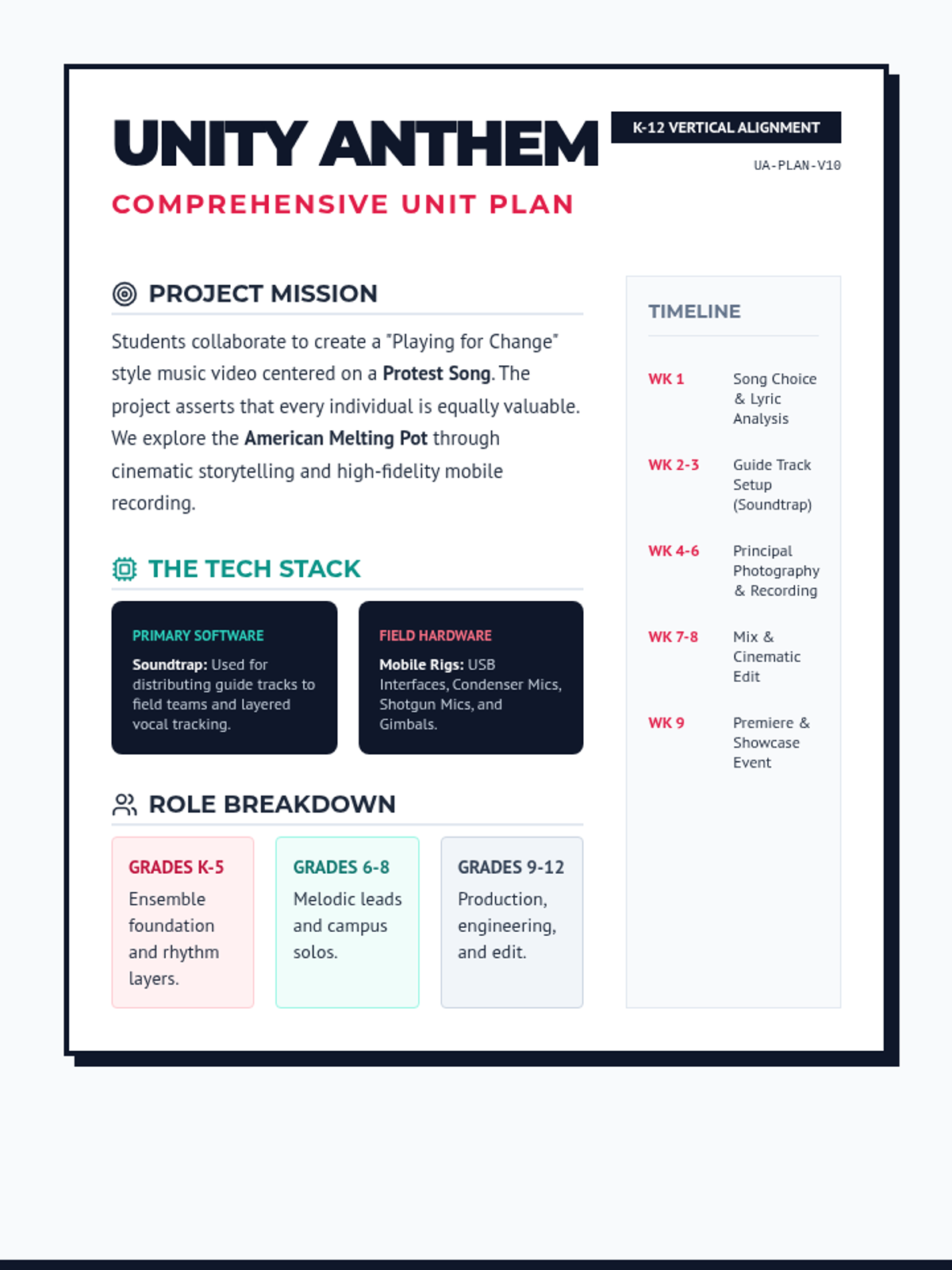
A K-12 collaborative music video project where students across all grade levels work together to produce a 'Playing for Change' style cover of a protest song centered on equality and cultural identity. High school students lead production, while K-8 students provide the musical and visual heart of the performance.
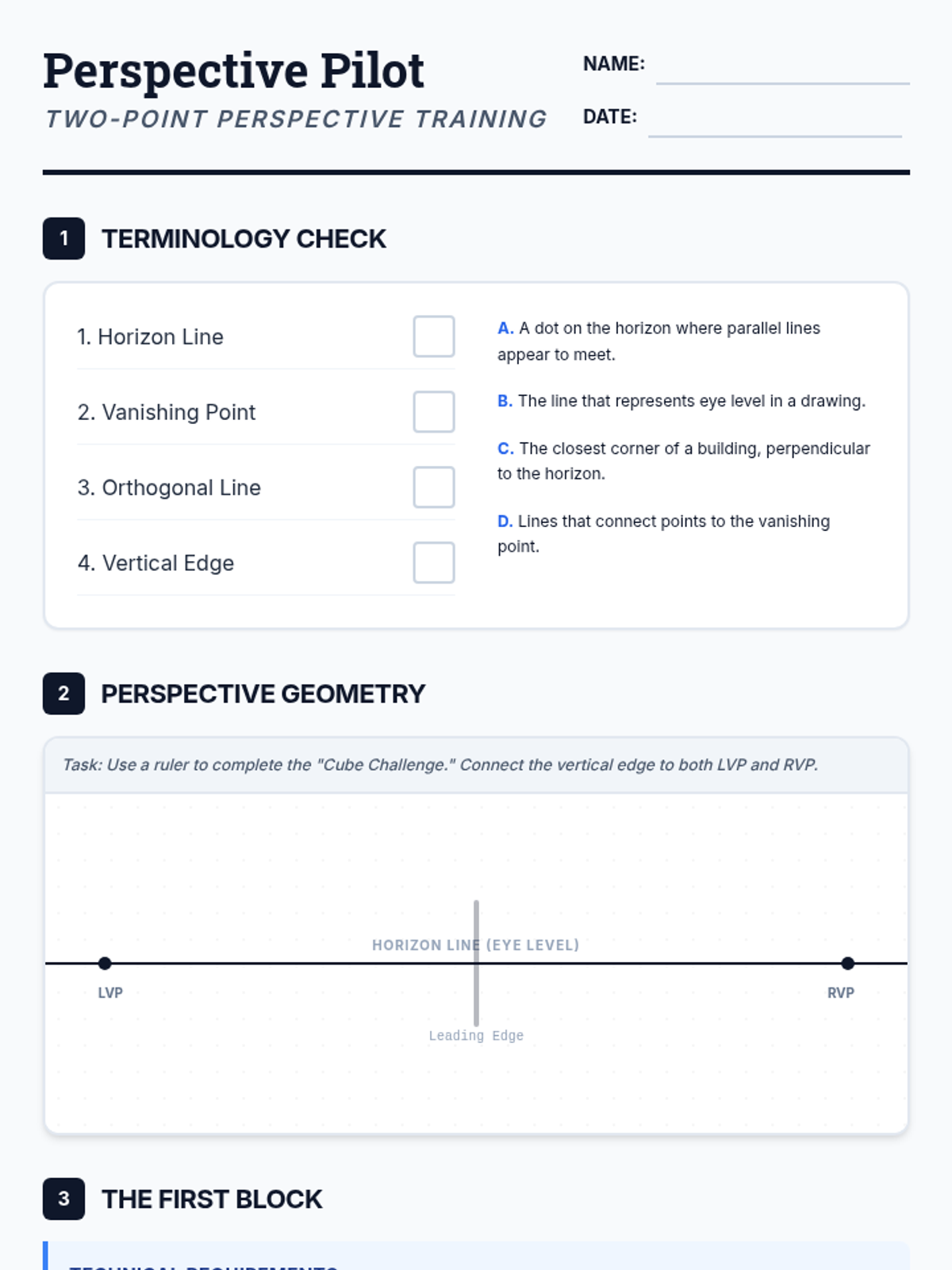
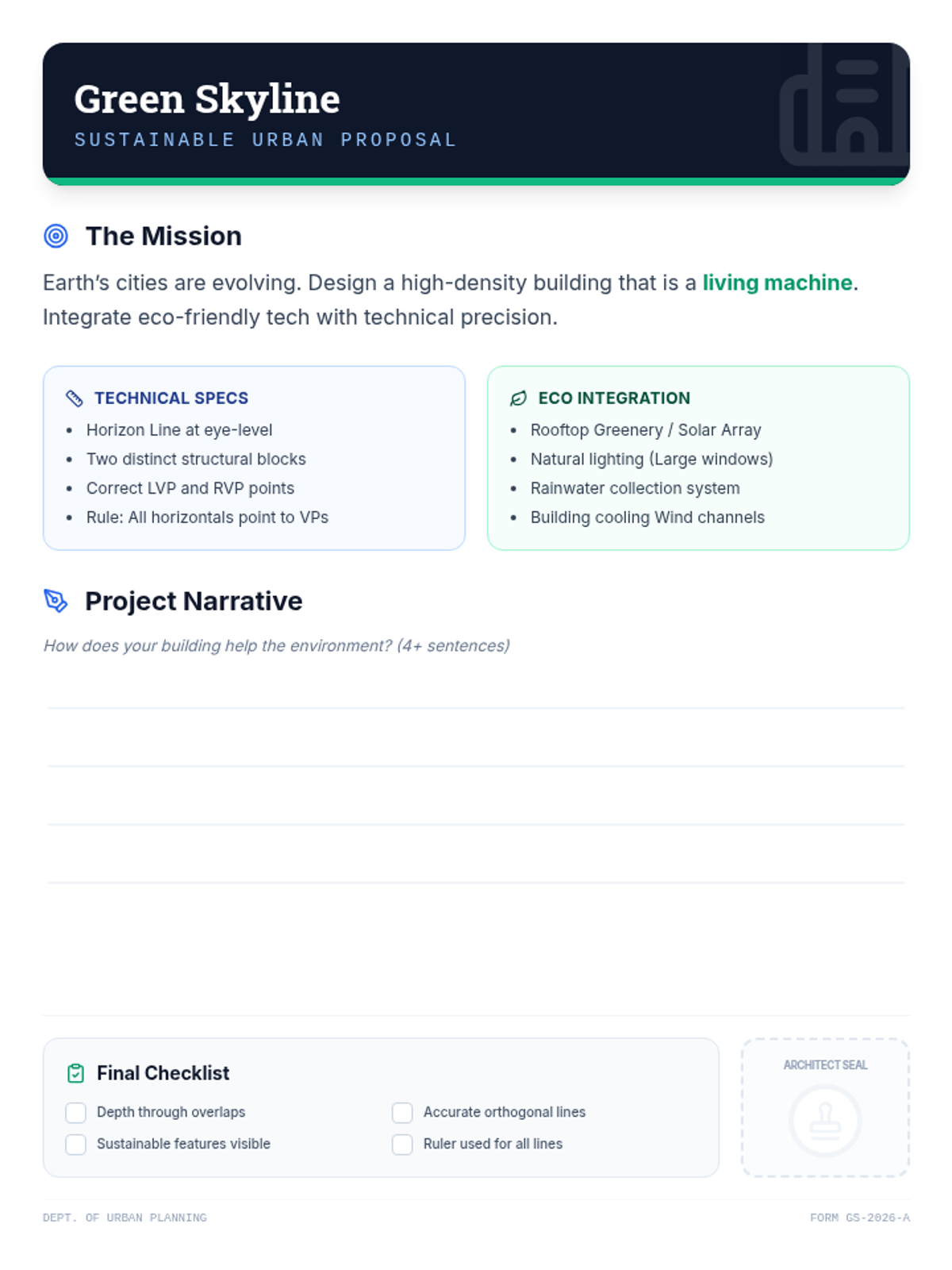
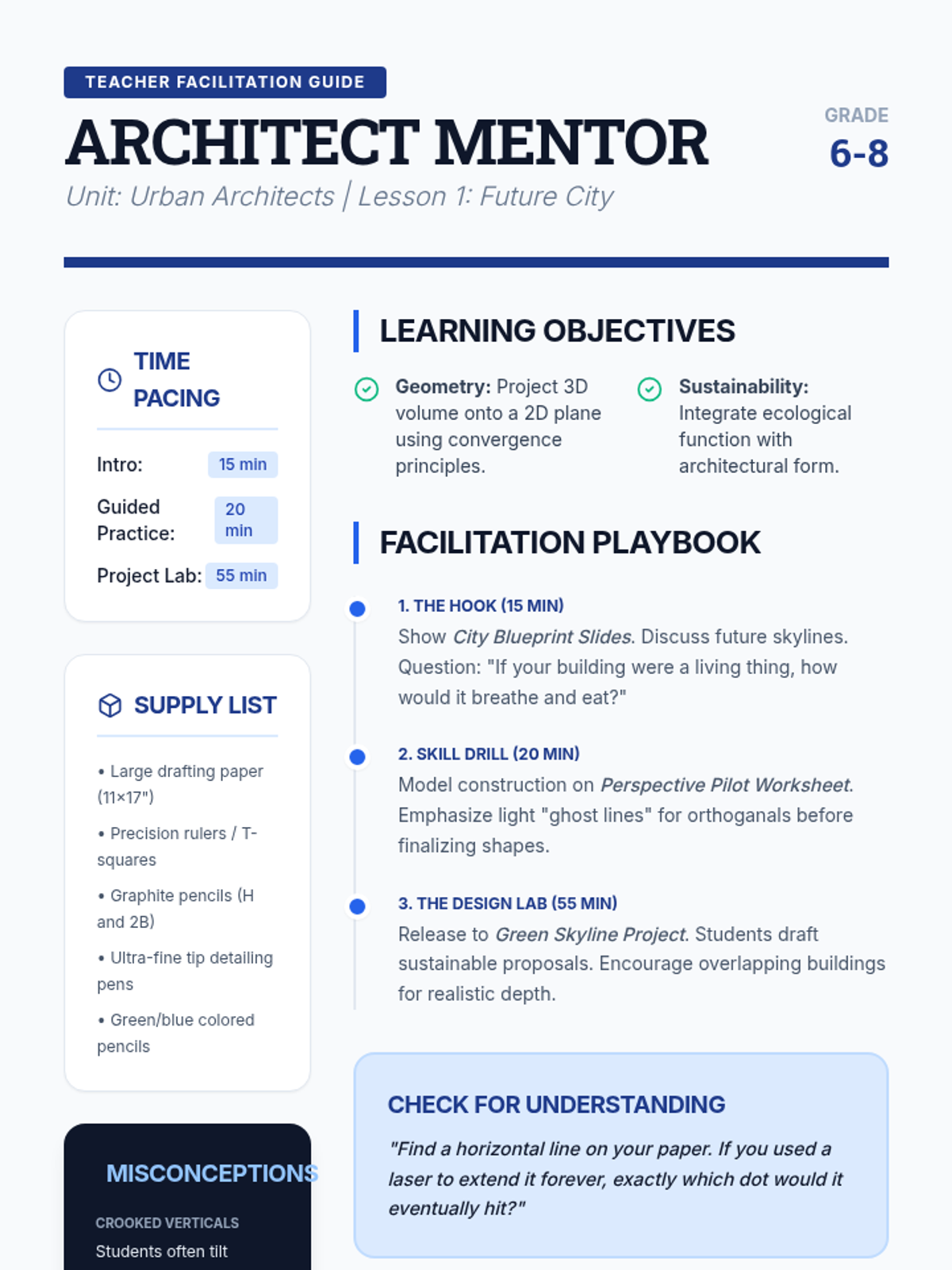
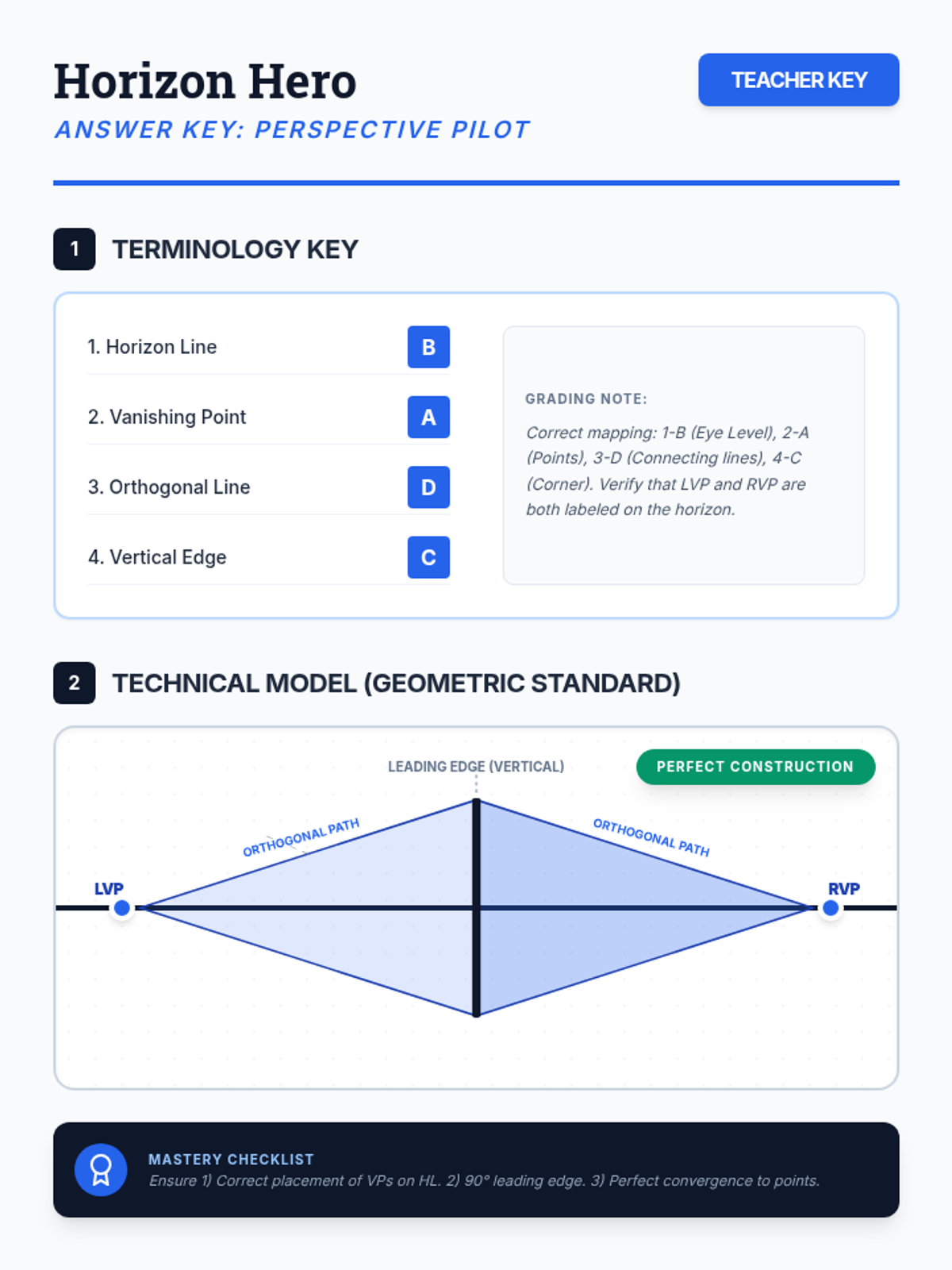
An exploration of architectural drawing and urban design, focusing on the intersection of technical perspective skills and sustainable environmental planning.
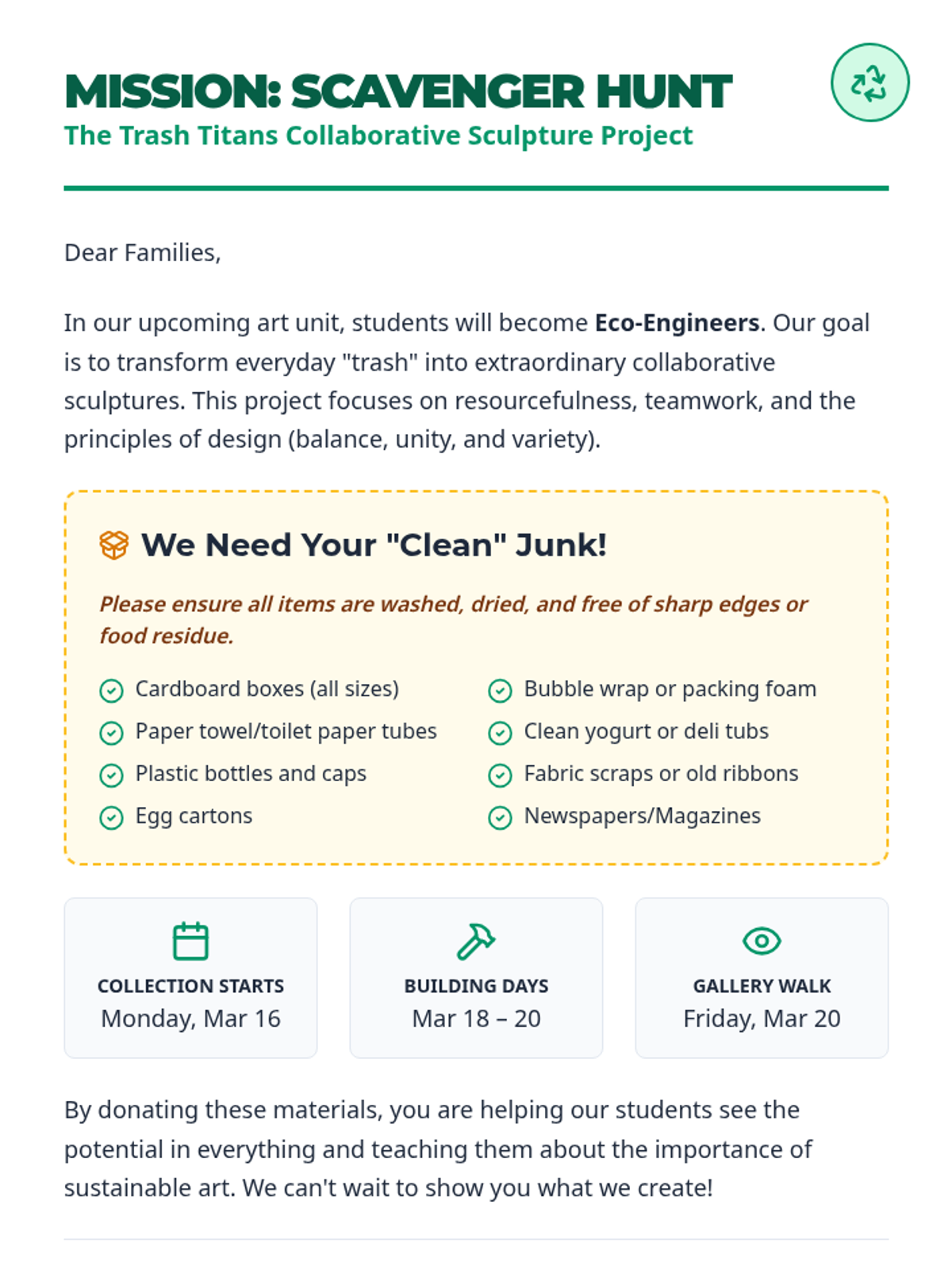
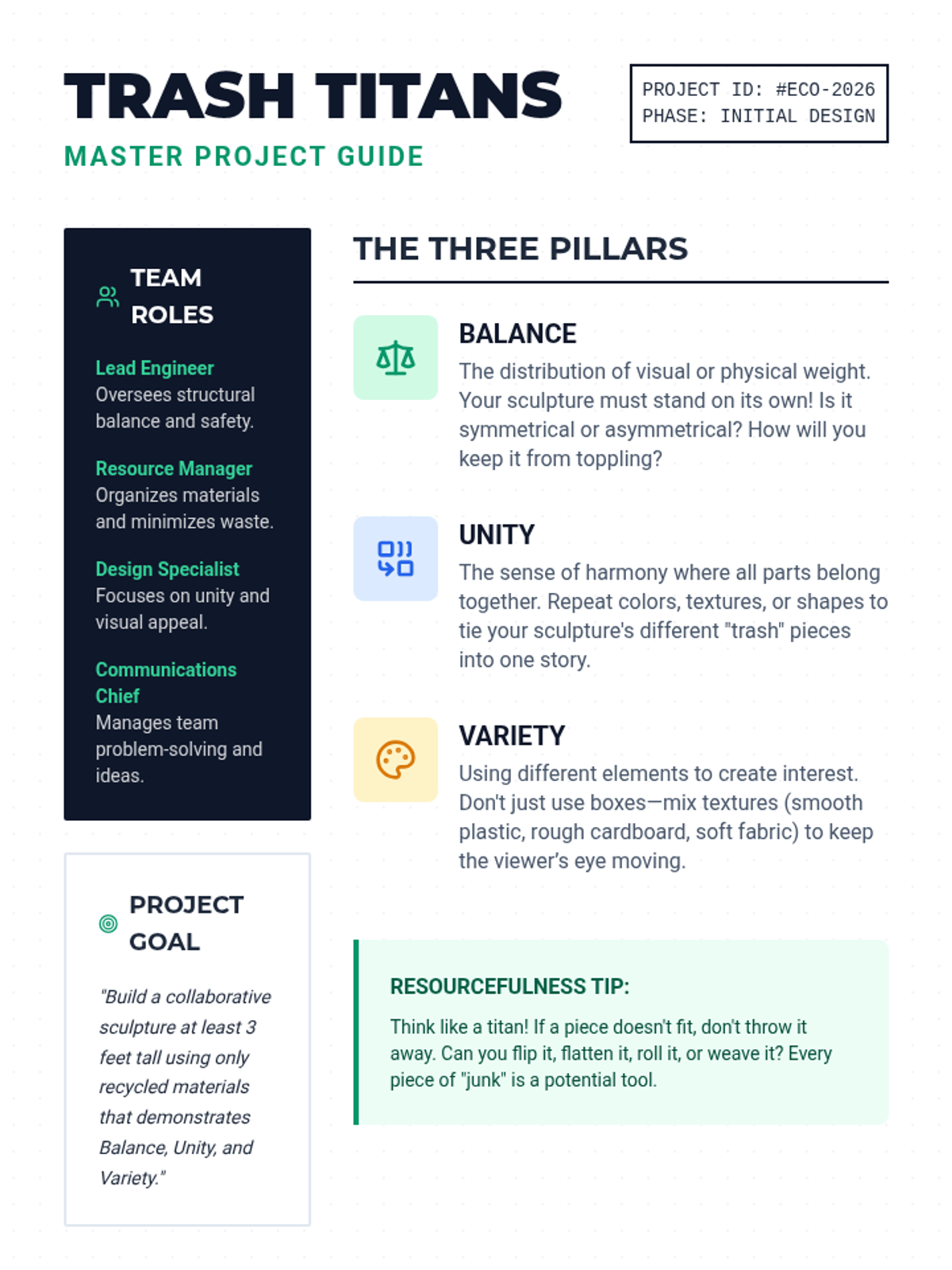
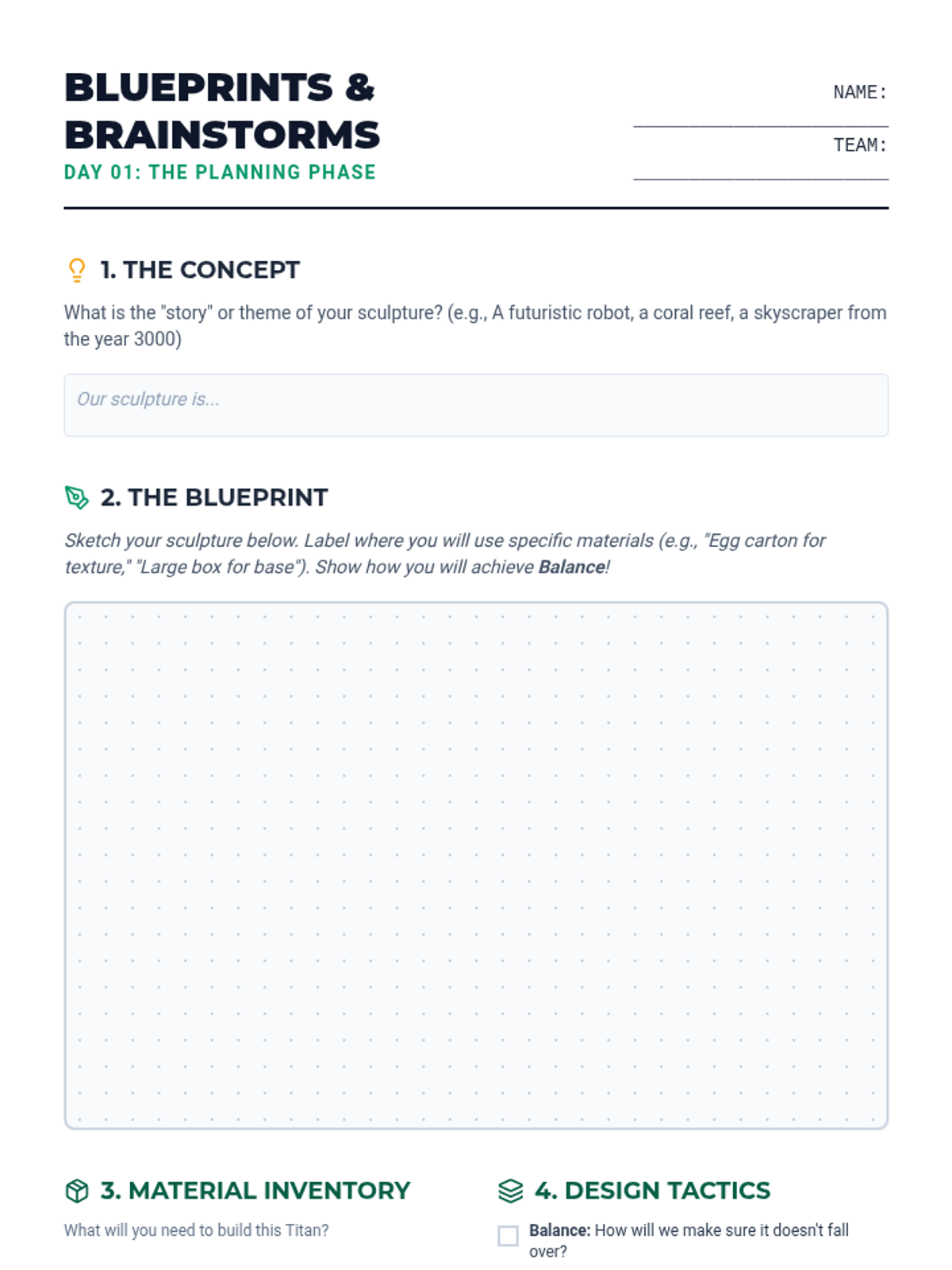
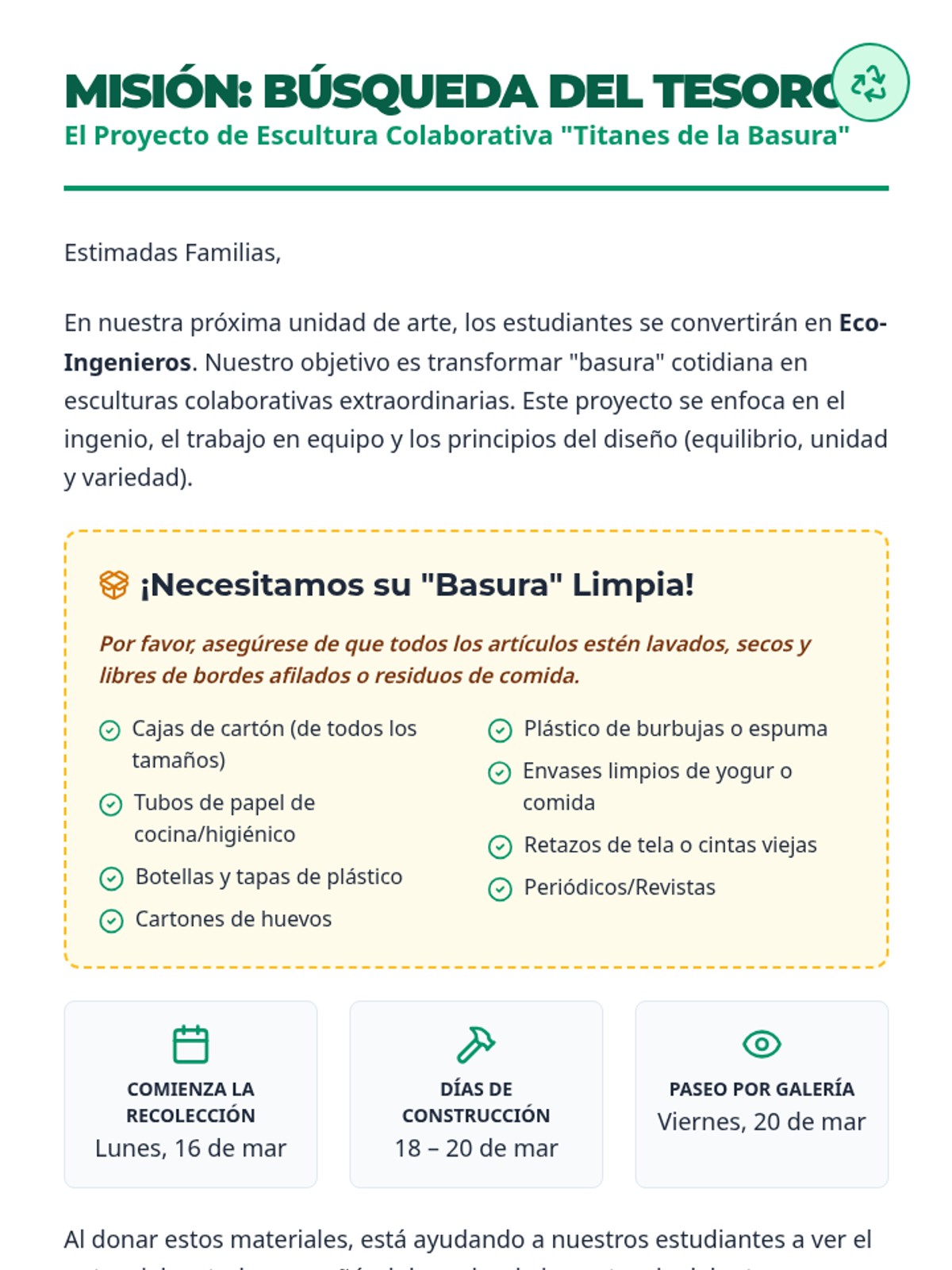
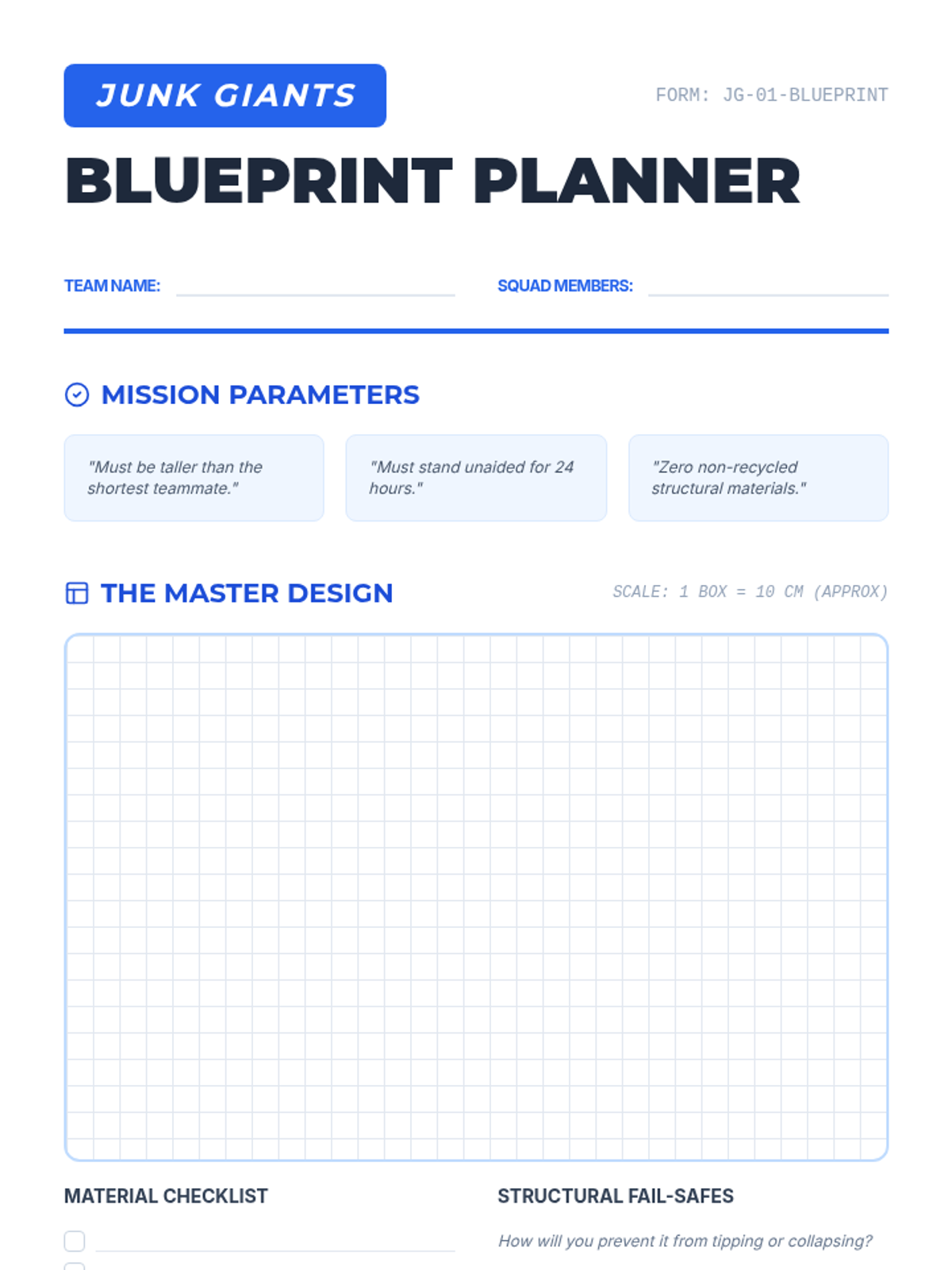
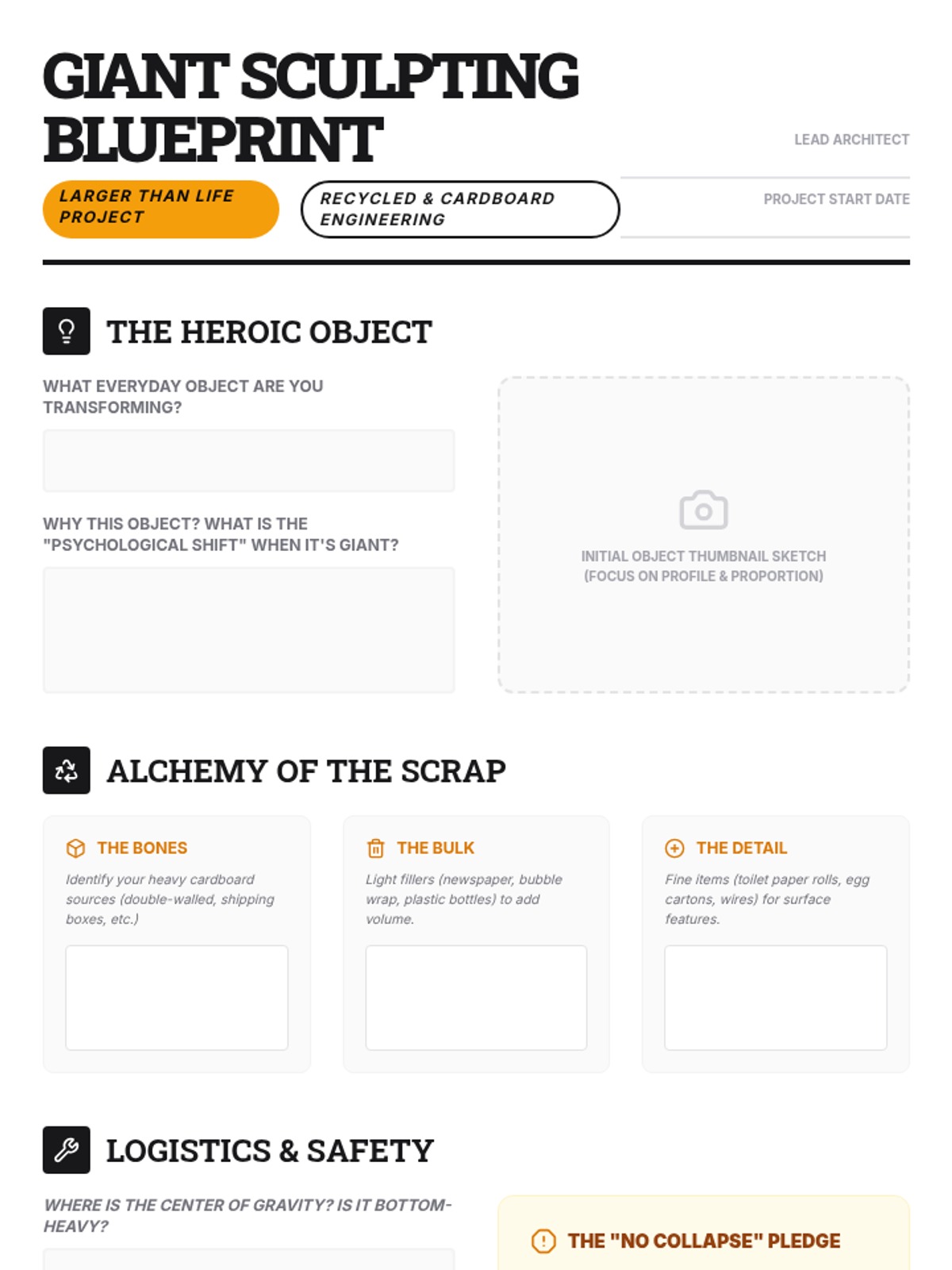
A 3-day collaborative art project where students transform recycled materials into large-scale sculptures while applying principles of design and creative problem-solving.
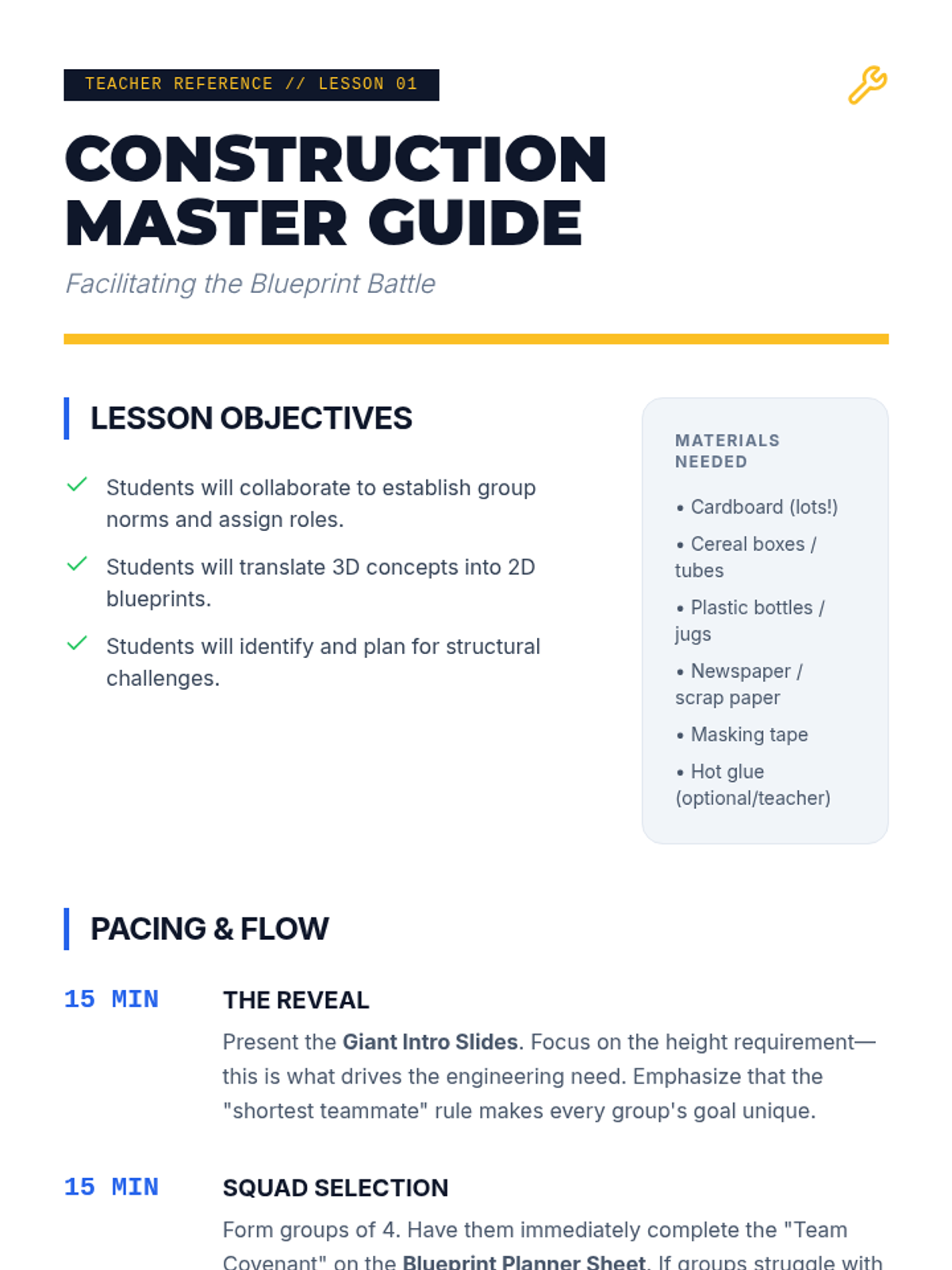
A 3-day collaborative sculpture project where students transform recycled materials into massive structures while overcoming engineering challenges.
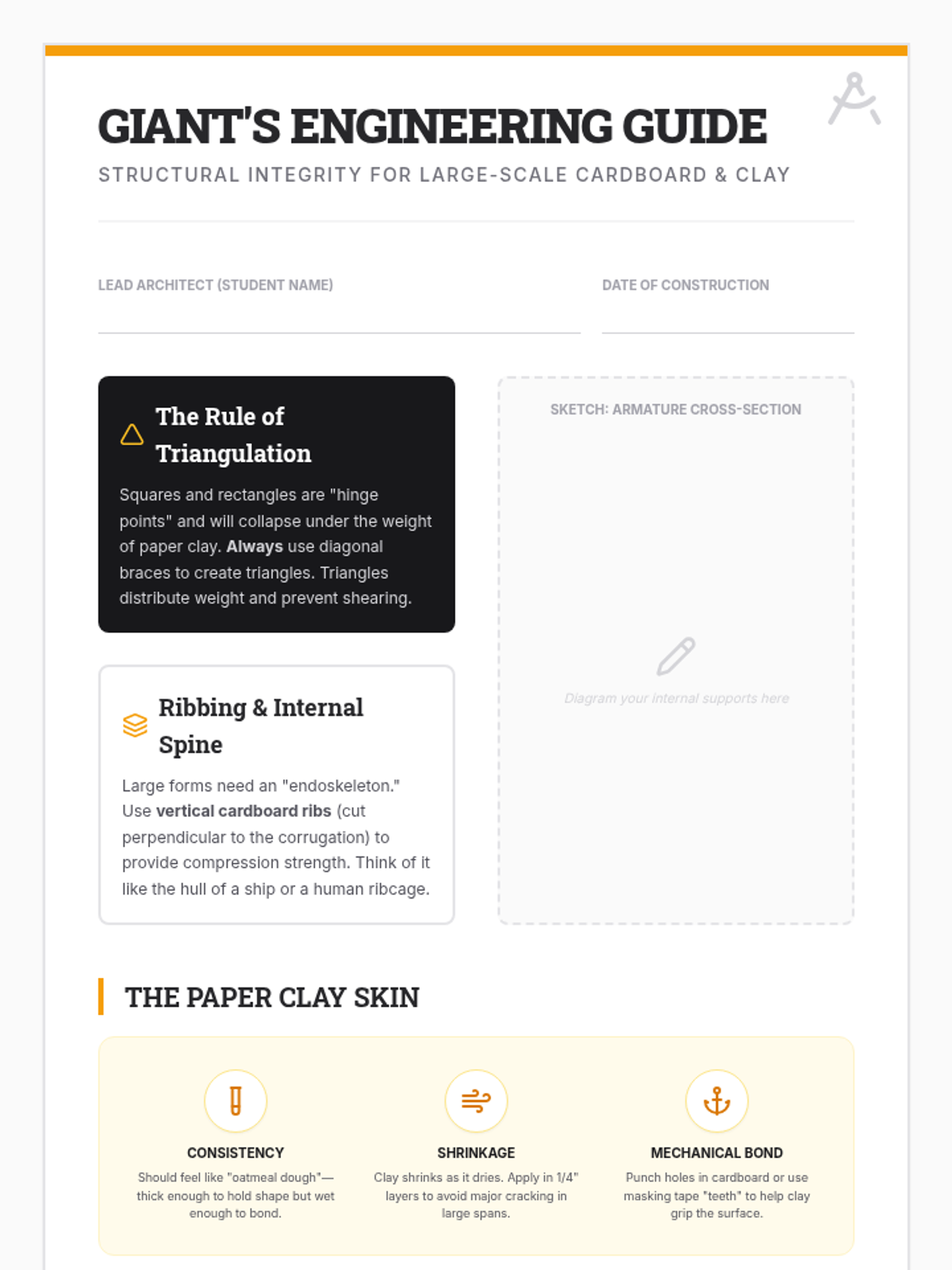
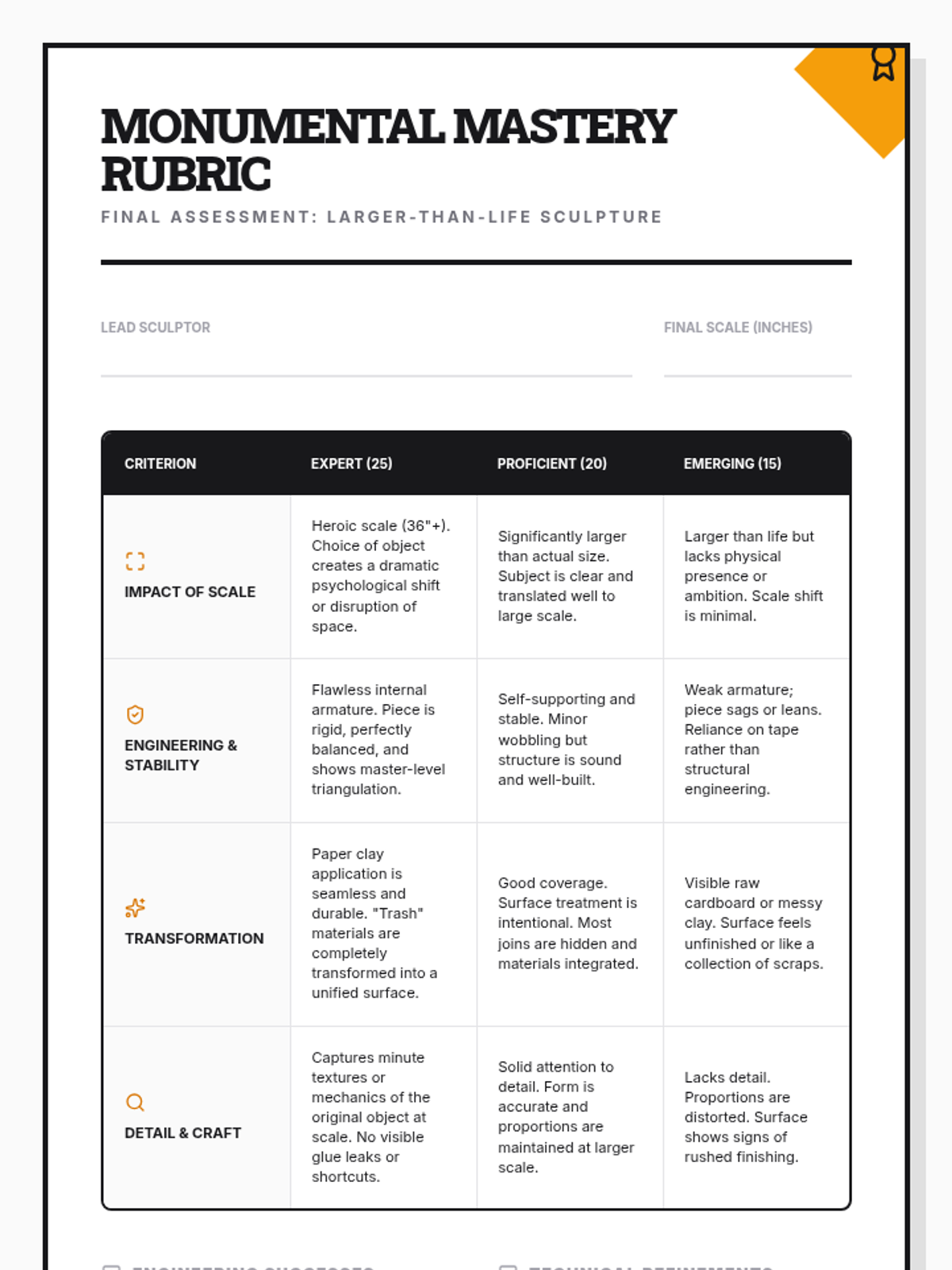
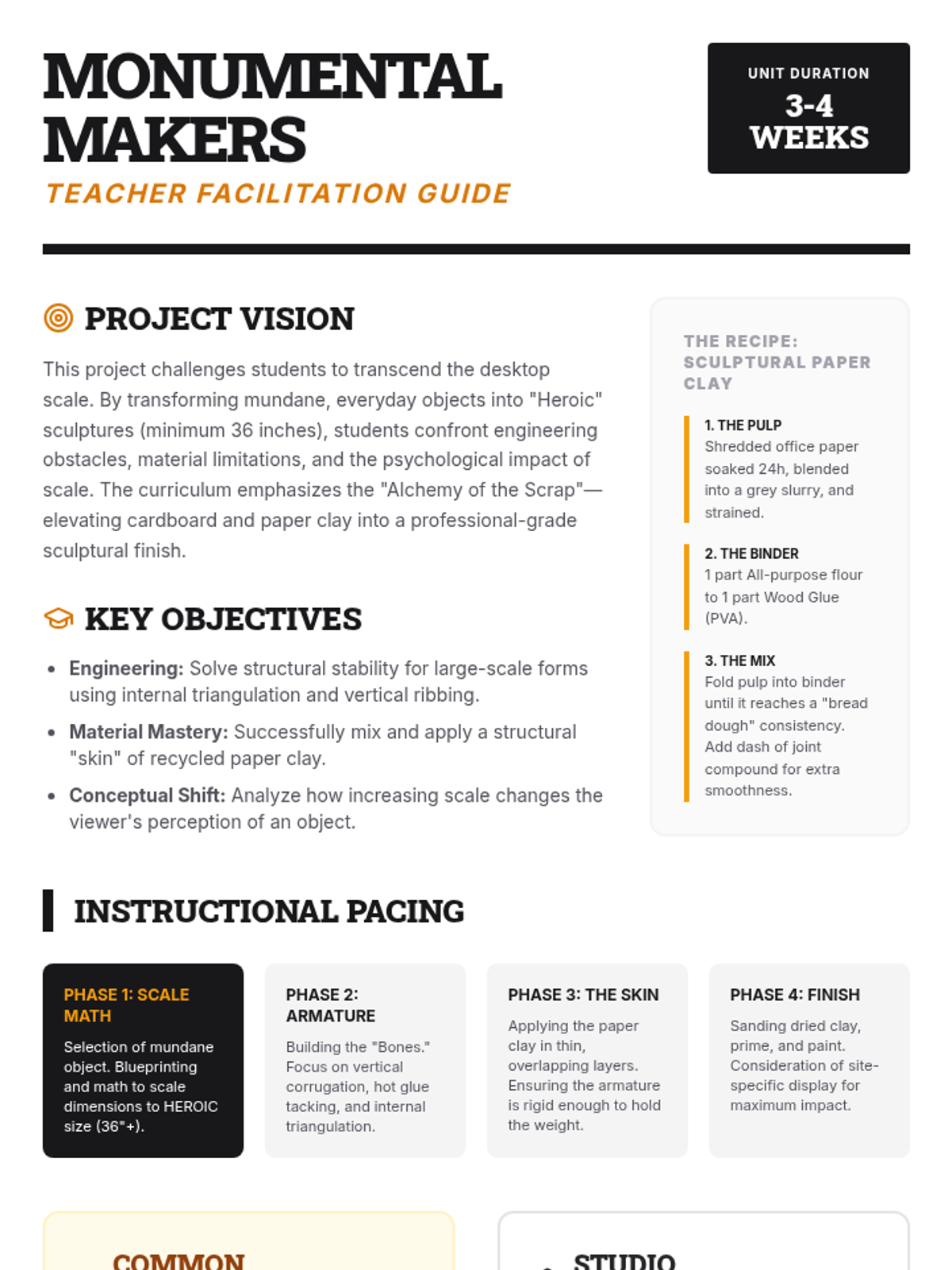
A comprehensive 3D art unit that guides students from transforming recycled materials to mastering monumental scale, combining fine arts history with engineering and technical skill.
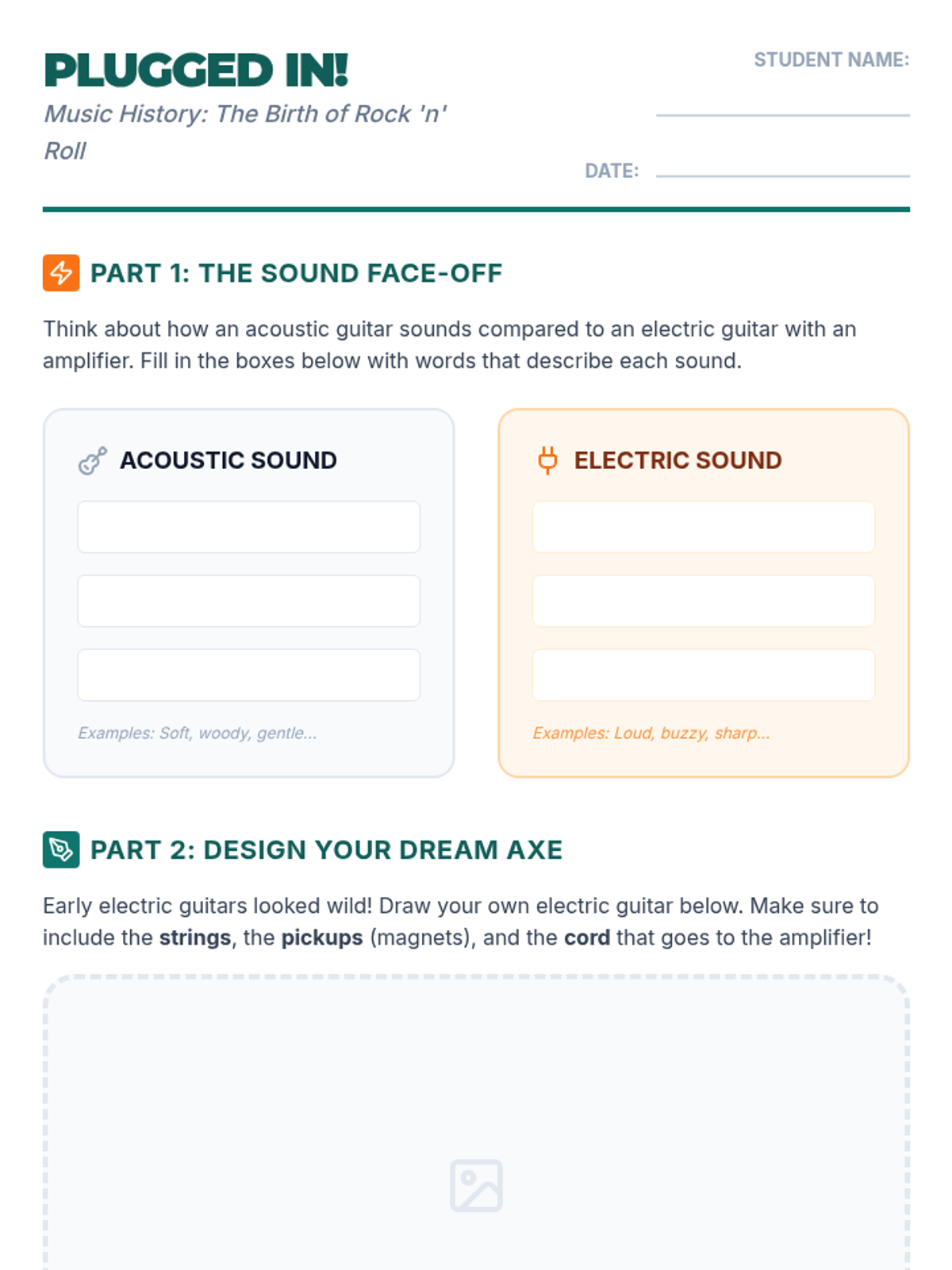
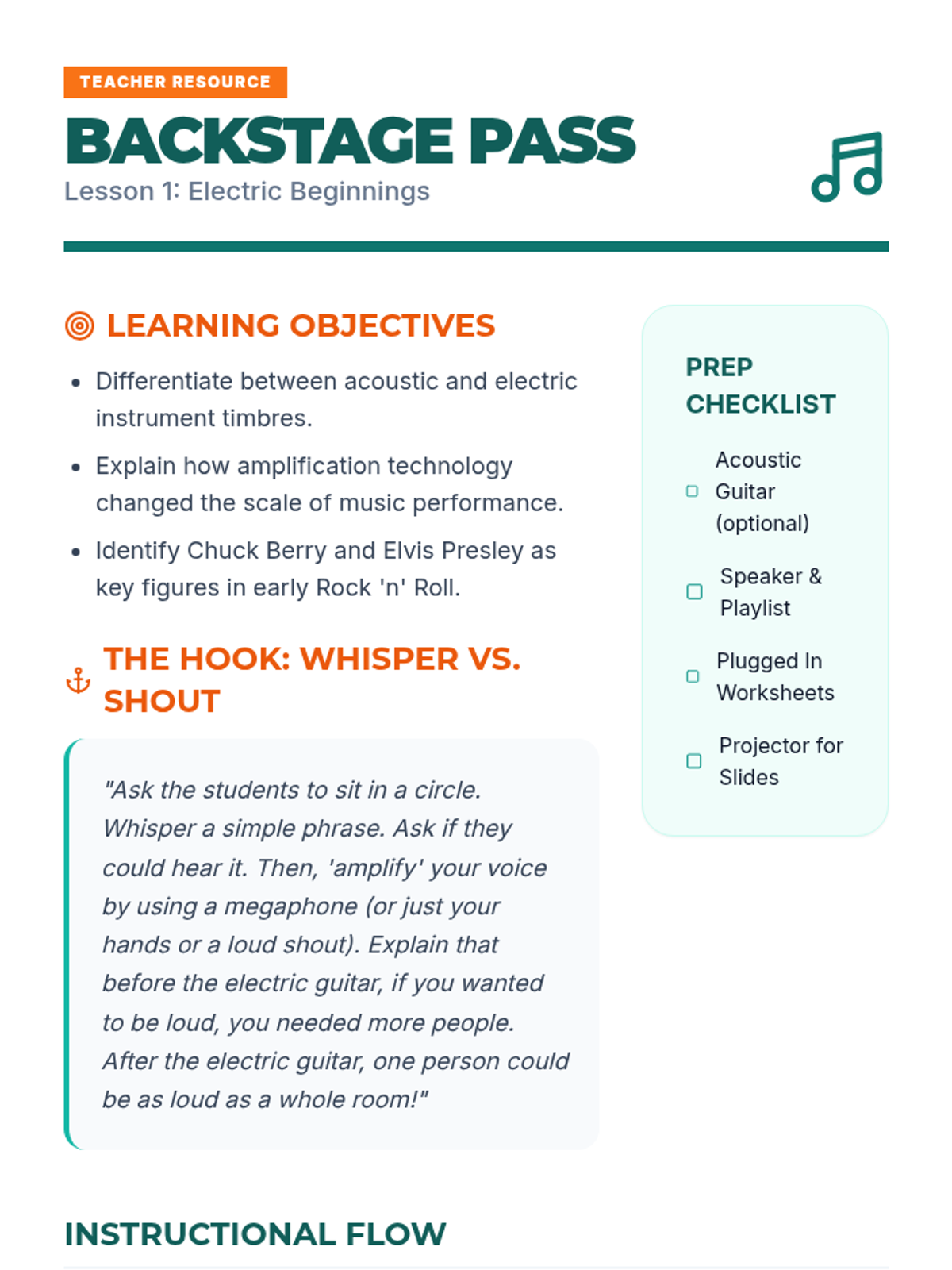
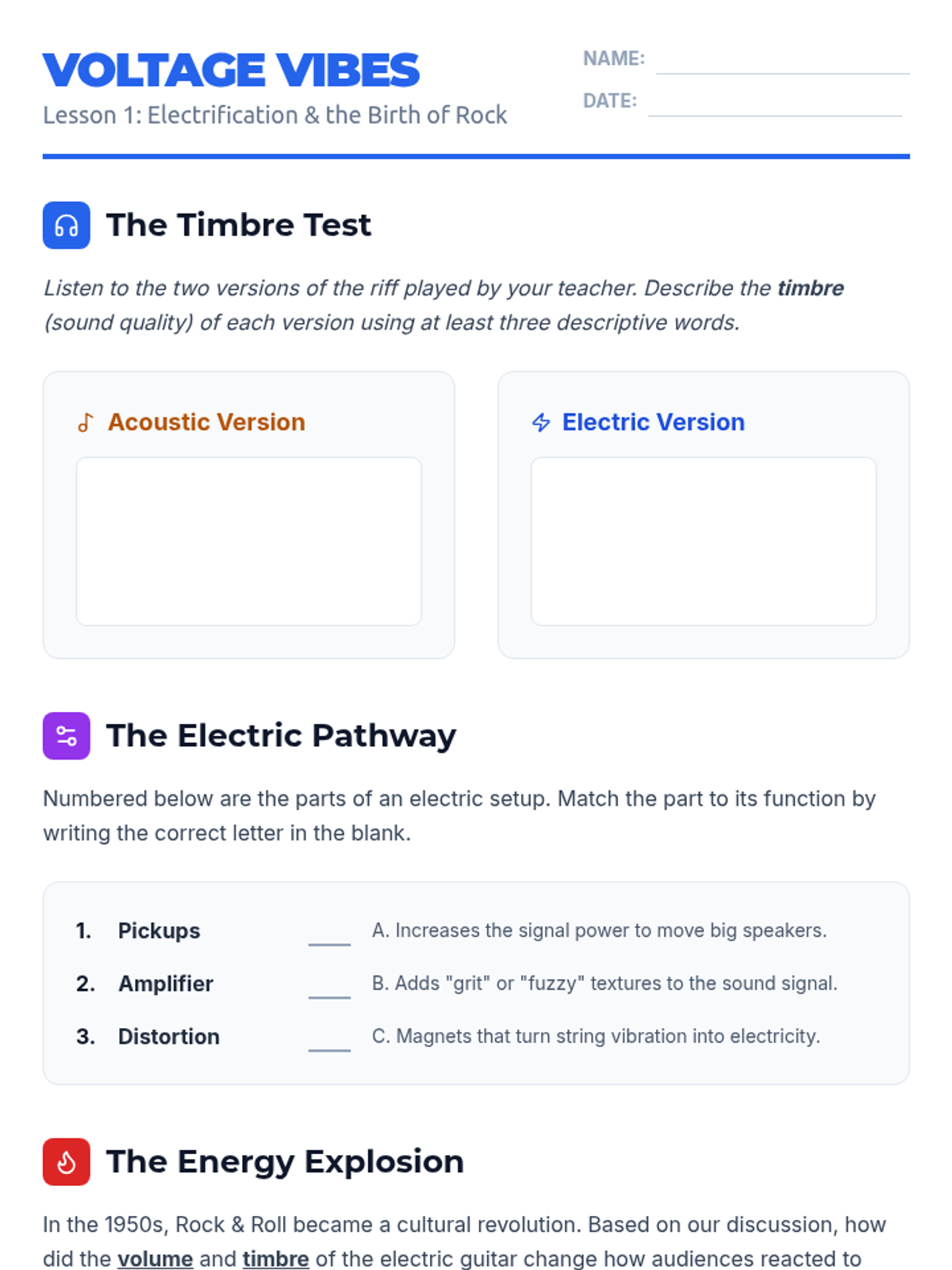
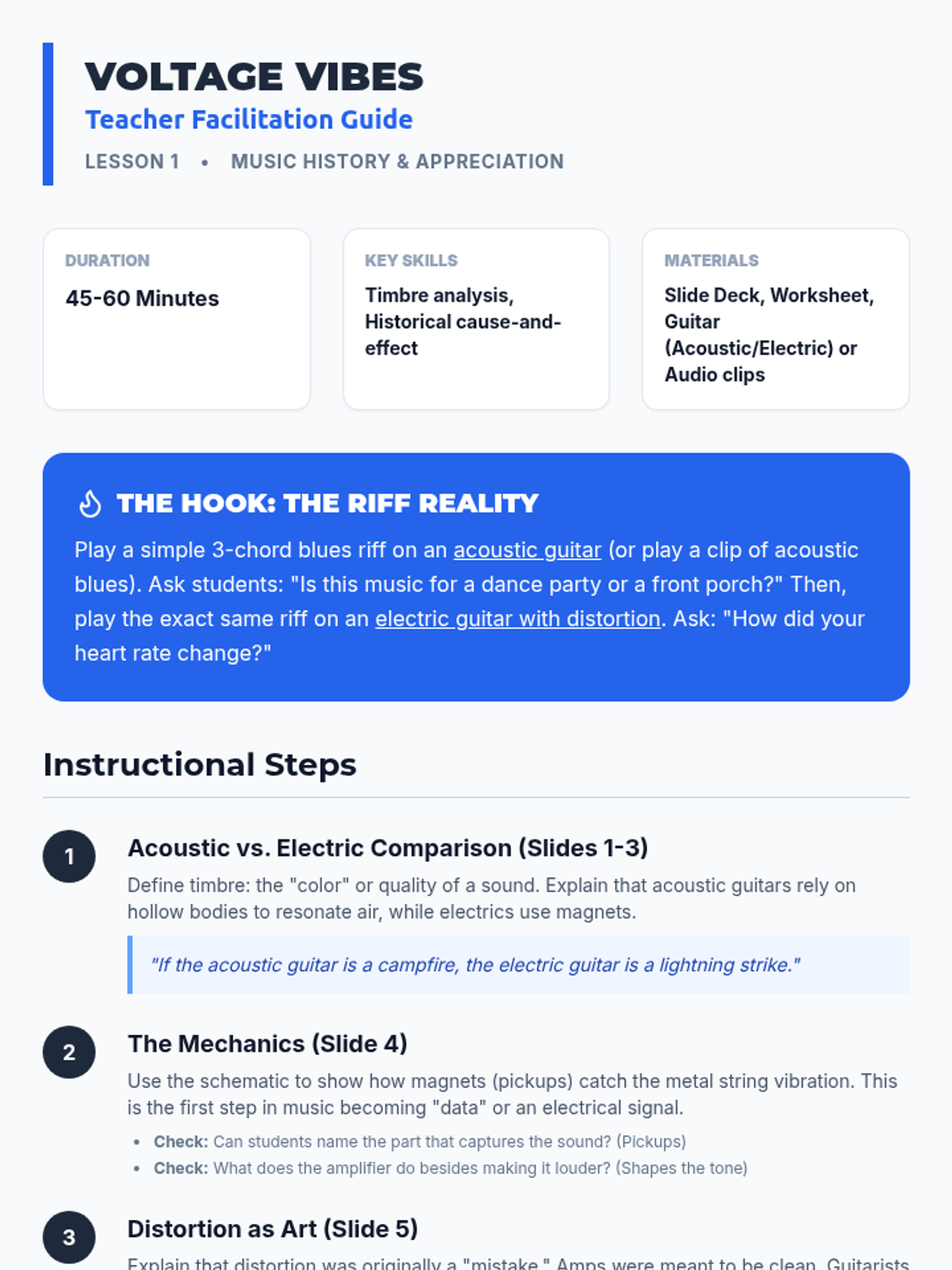
This sequence explores how technology—from the electric guitar to digital software—transformed music from the mid-20th century to today, focusing on genre evolution, song structure, and production.
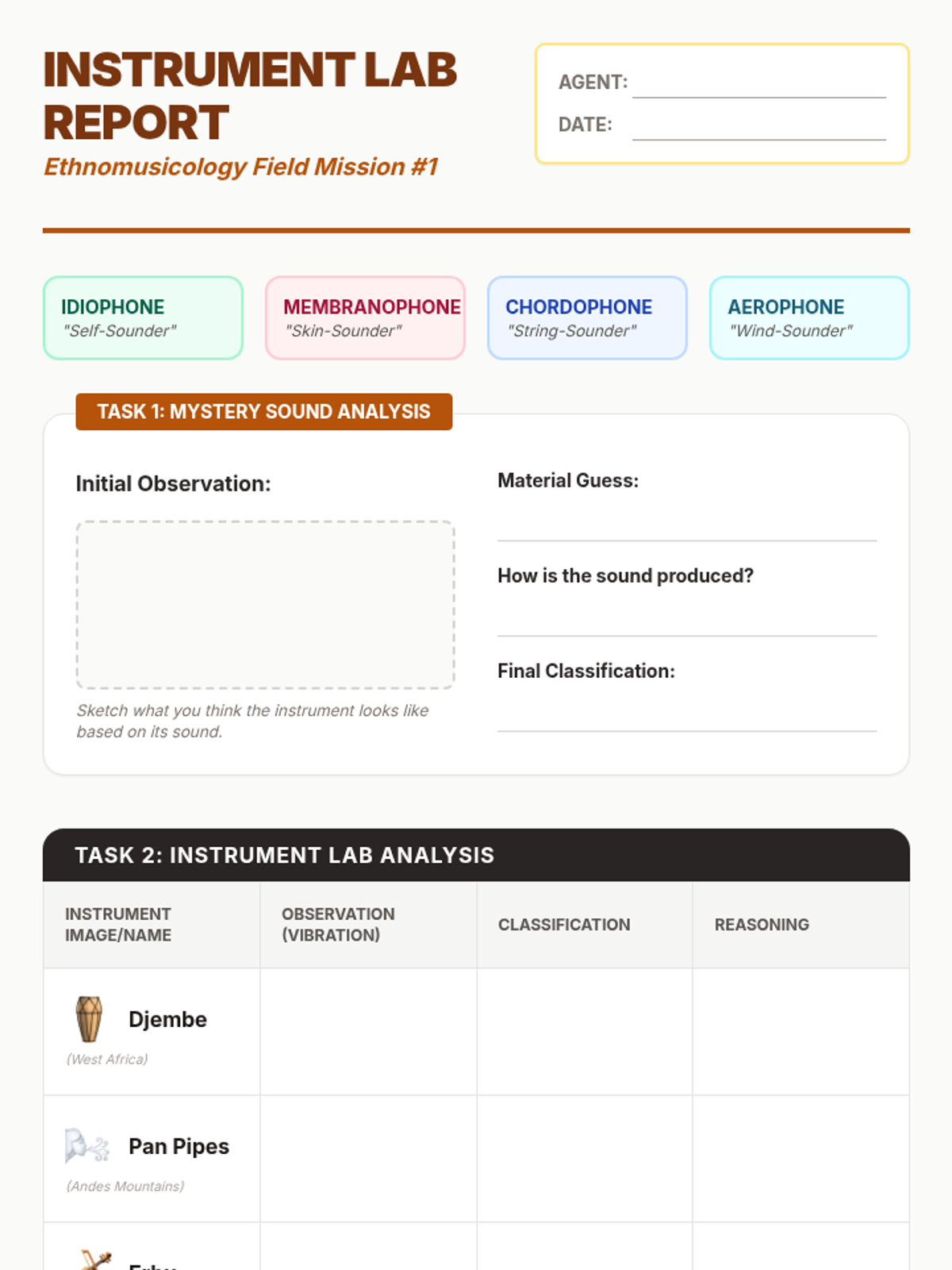
This project-based sequence takes students on a global tour as ethnomusicologists, examining how geography and culture influence musical instruments and sounds. Students classify instruments using the Hornbostel-Sachs system and explore rhythms and scales from Africa, Asia, and Latin America.
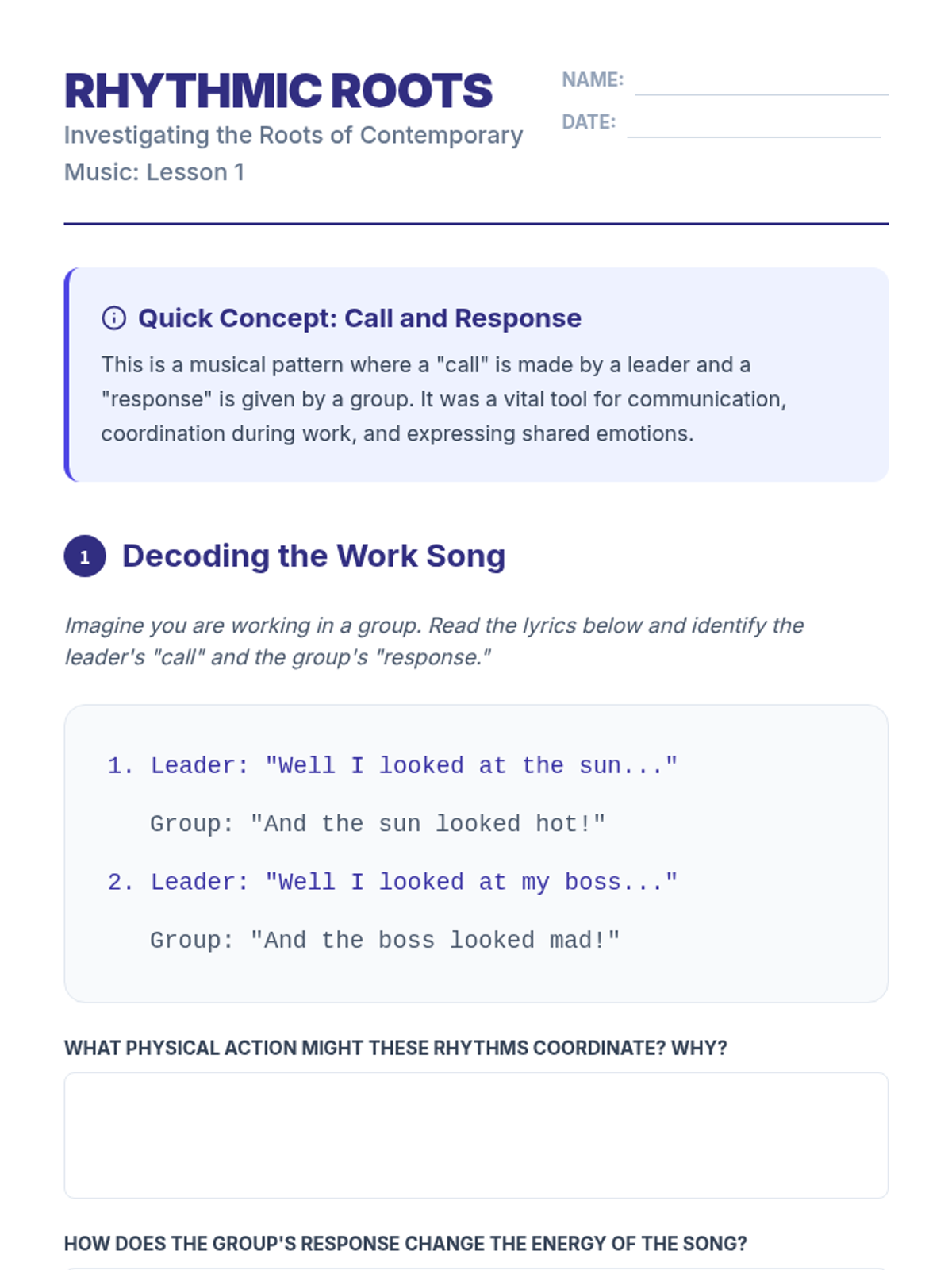
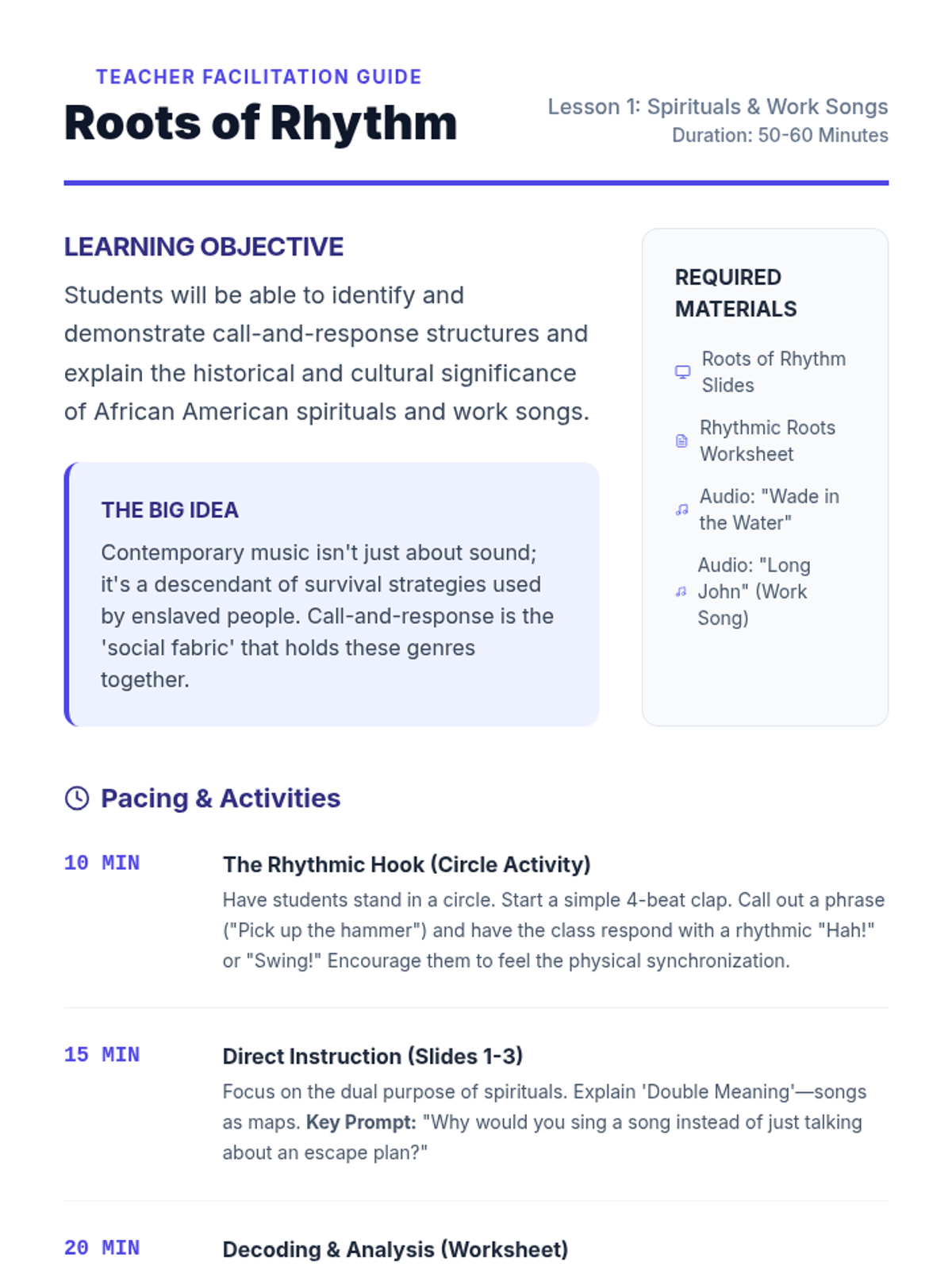
This sequence traces the evolution of contemporary music from 19th-century African American spirituals through the development of the Blues, Jazz, and Rock & Roll. Students investigate how cultural exchange, technology, and social struggles shaped the sounds we listen to today, culminating in a musical genealogy project.
A project-based sequence where 7th-grade students act as community organizers to launch an arts advocacy campaign, moving from needs assessment to a final pitch.
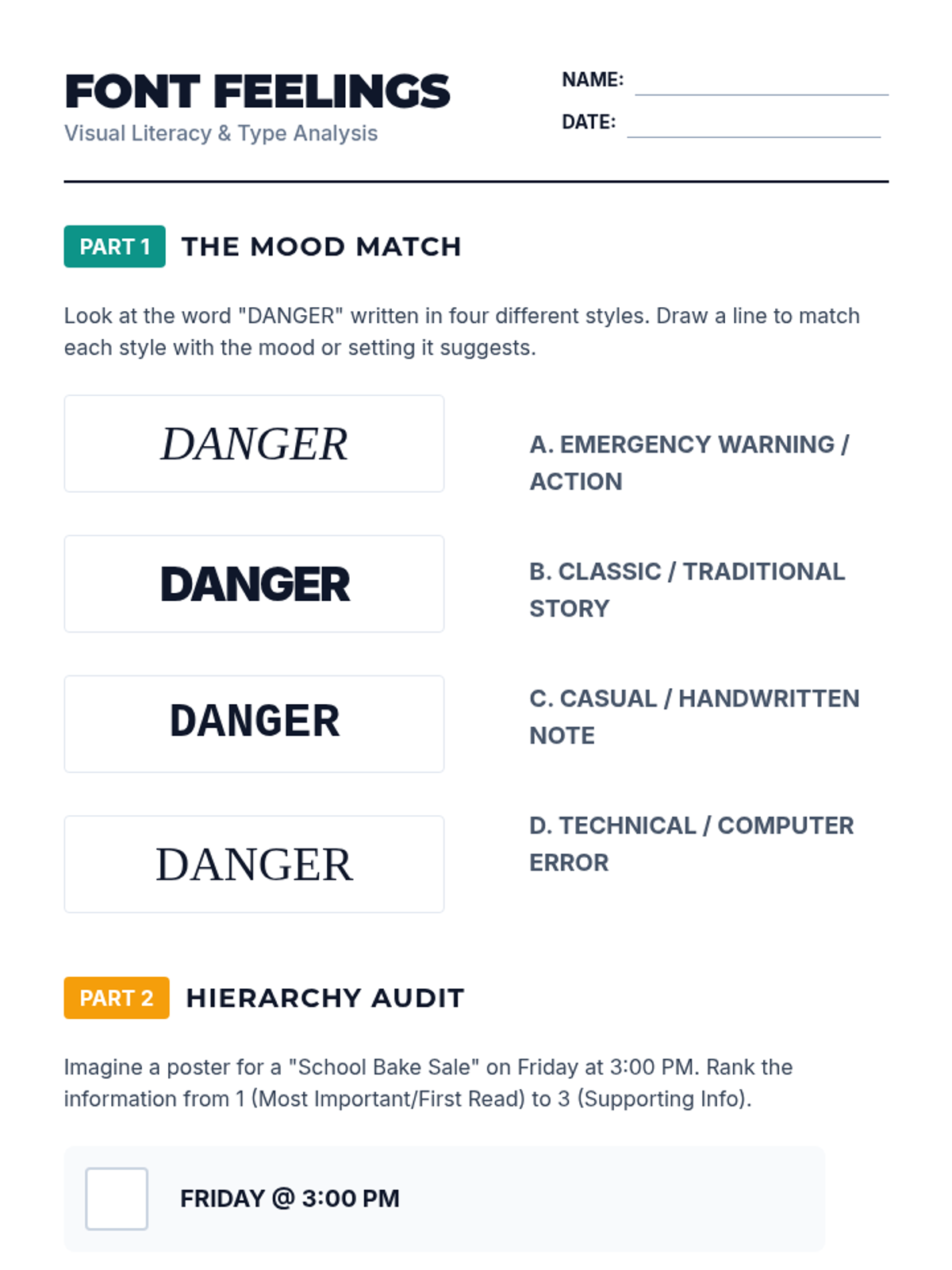
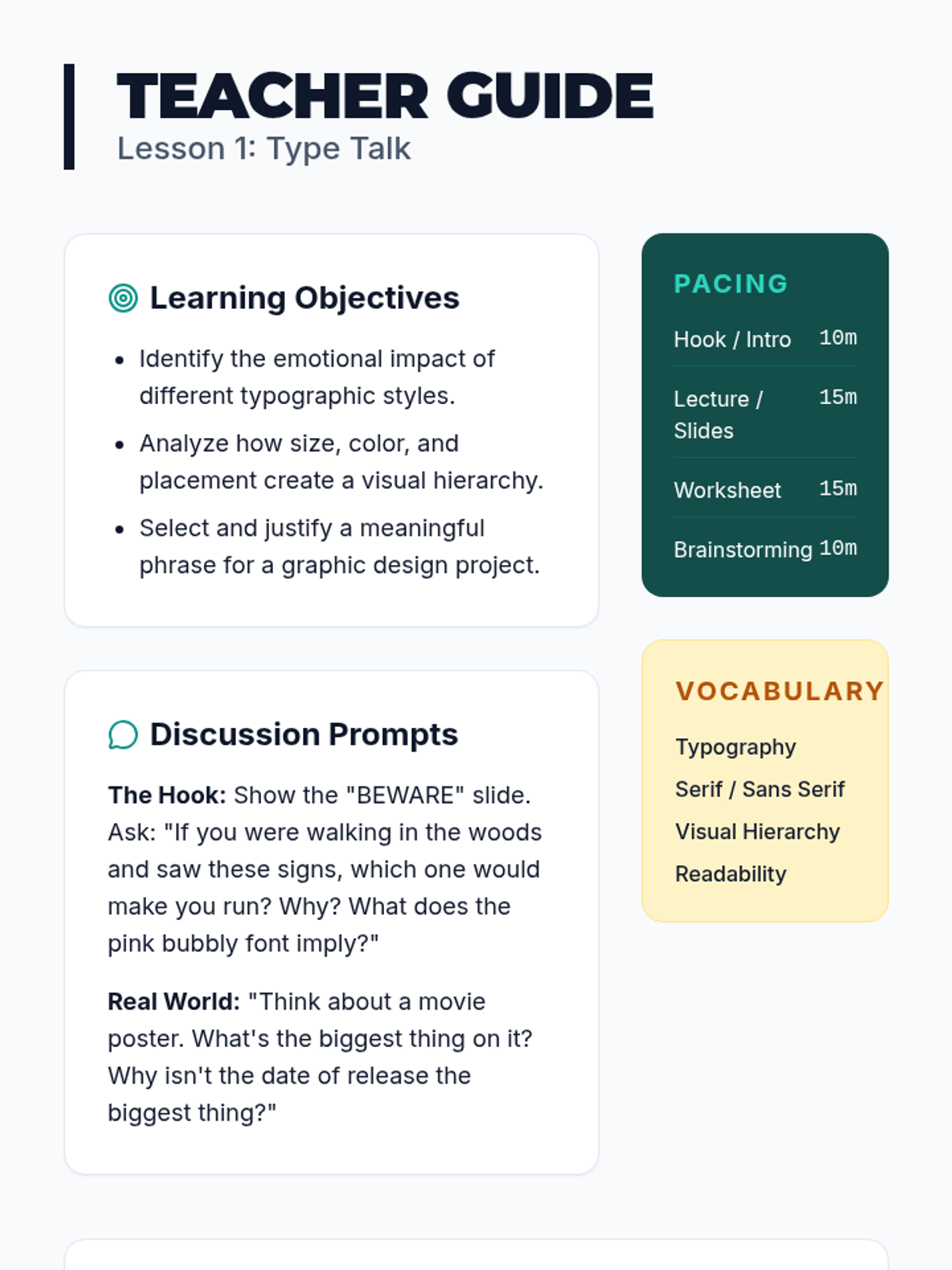
A comprehensive 7th-grade unit that integrates graphic design principles with the physical craft of screen printing. Students learn about typography, visual hierarchy, and composition while navigating the technical challenges of stencil-making and screen printing to create a persuasive poster series.
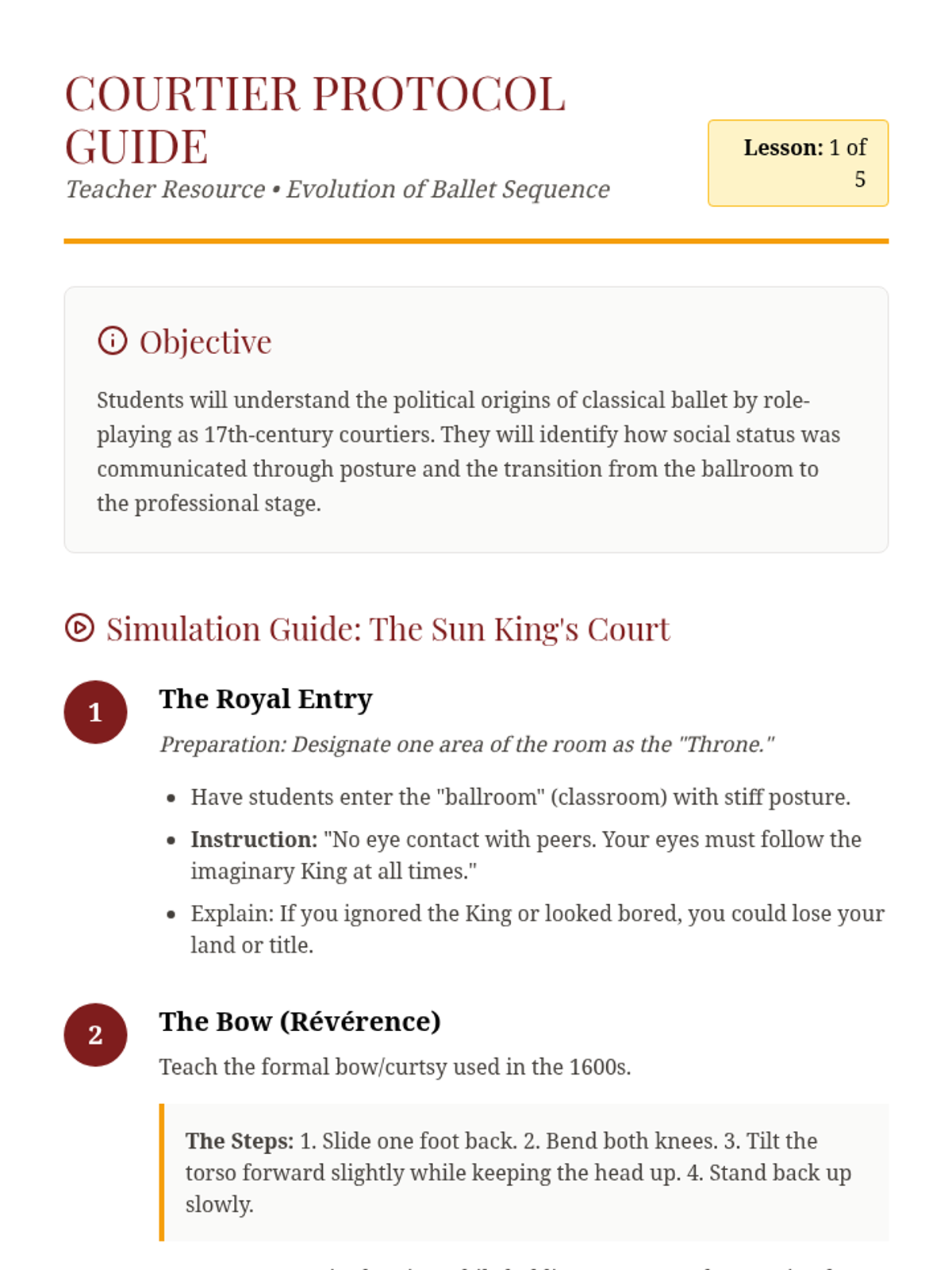
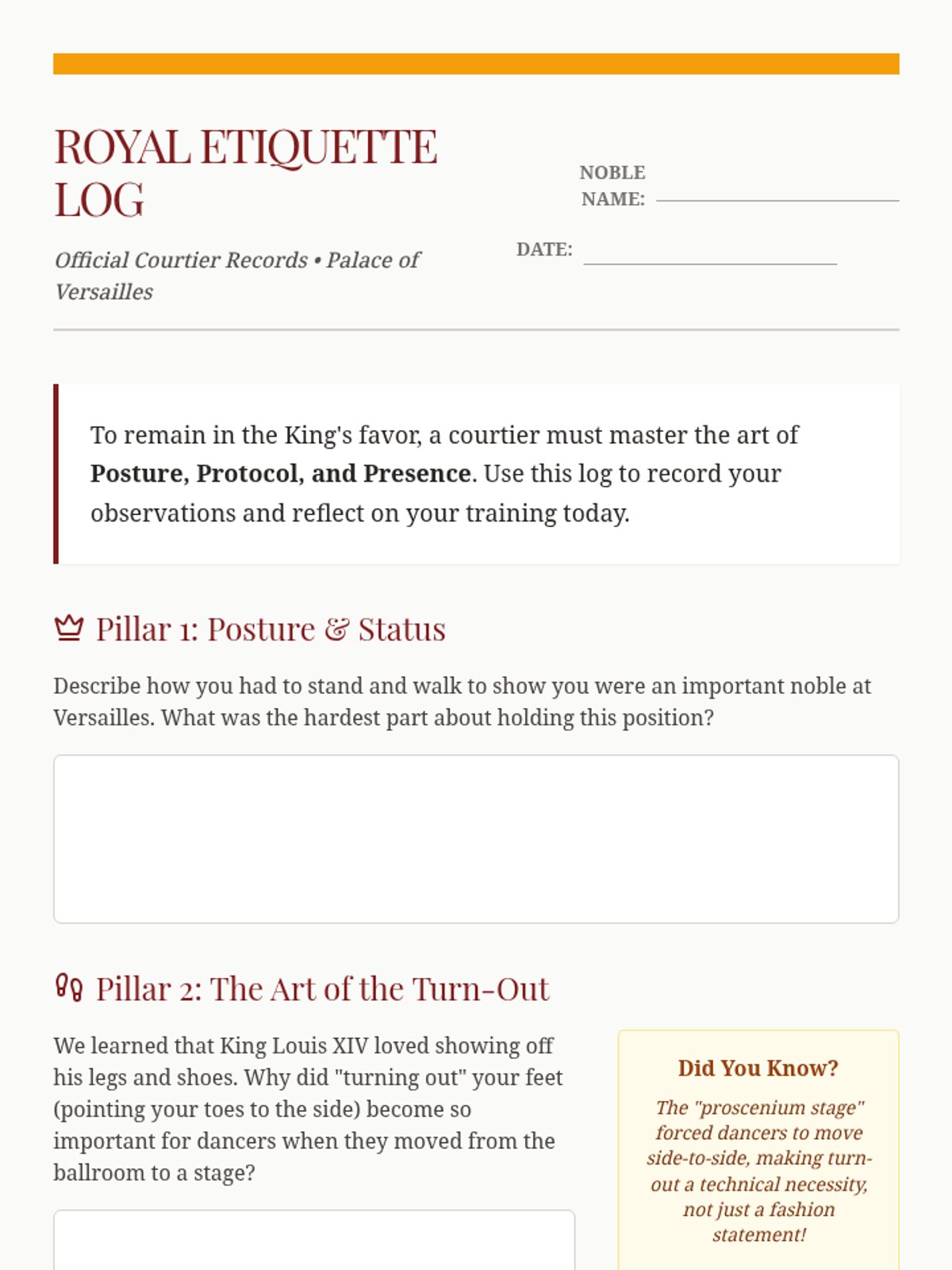
A journey through the evolution of ballet from the 17th-century French royal courts to the modern proscenium stage, exploring how a social pastime for nobility became a professional athletic art form.
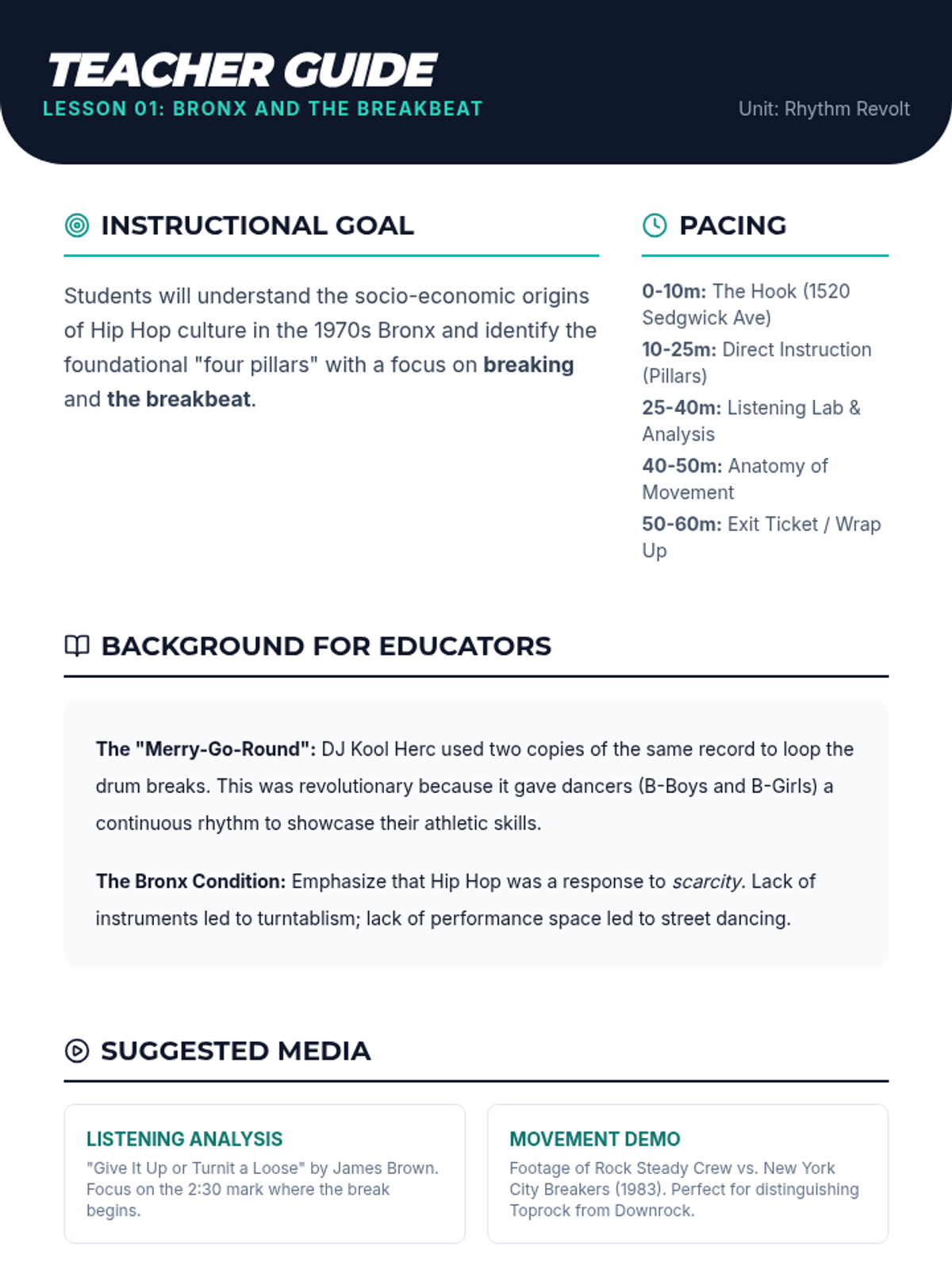
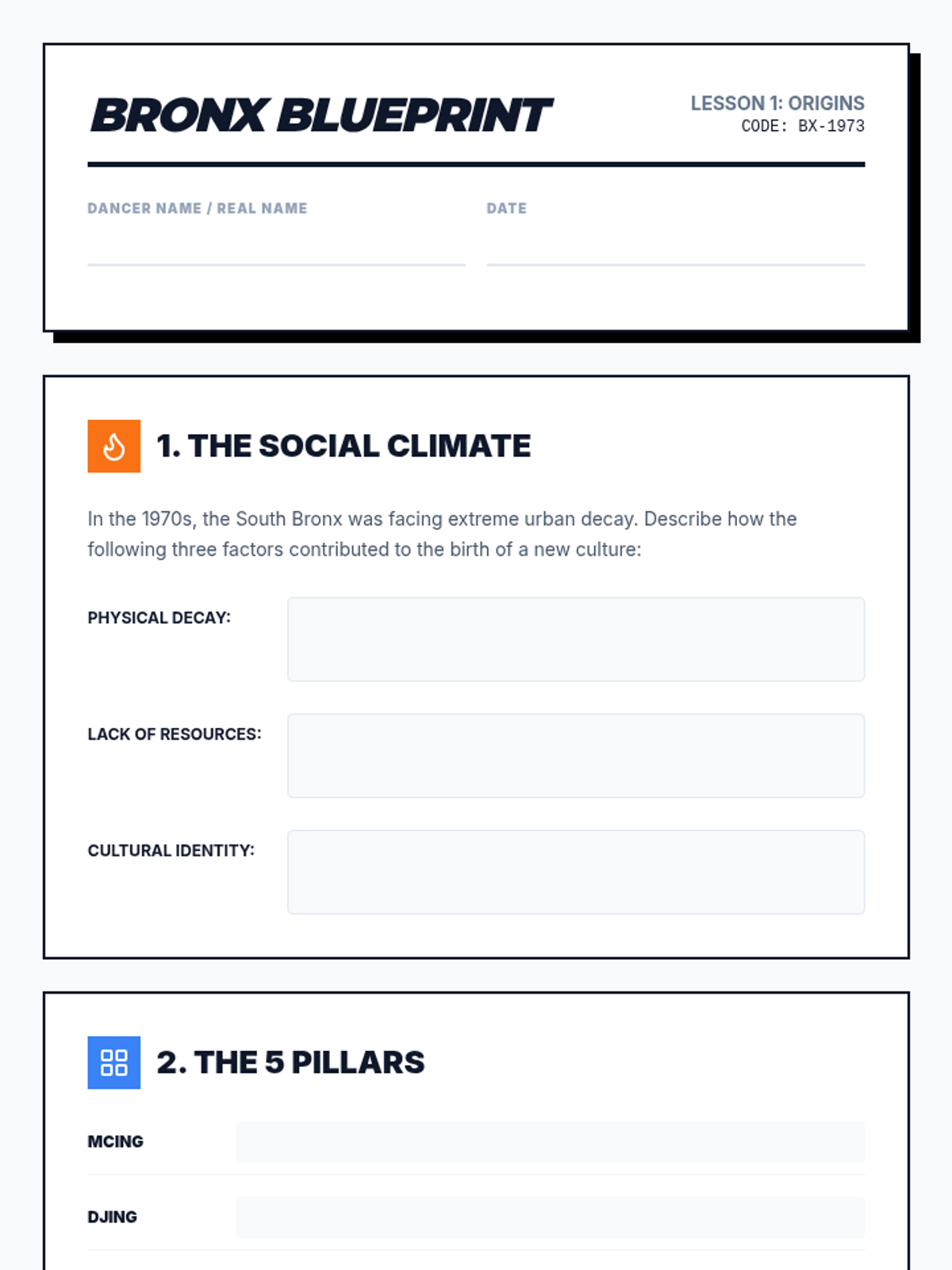
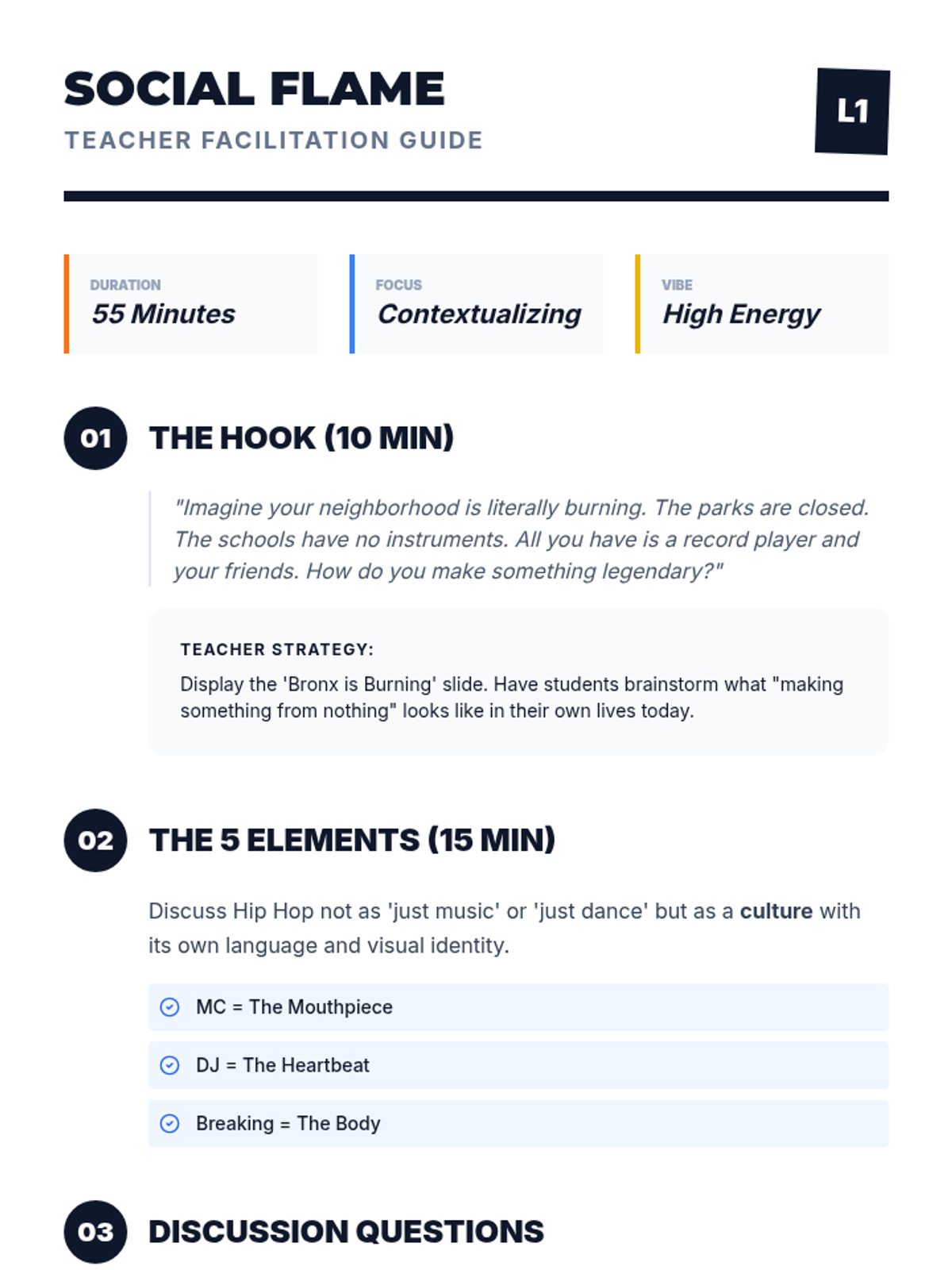
This sequence explores the evolution of urban and popular dance, tracing its journey from the 1970s Bronx to the global digital landscape. Students analyze the socio-economic roots, cultural spread, and ethical implications of dance styles like Hip Hop, K-Pop, and TikTok trends.
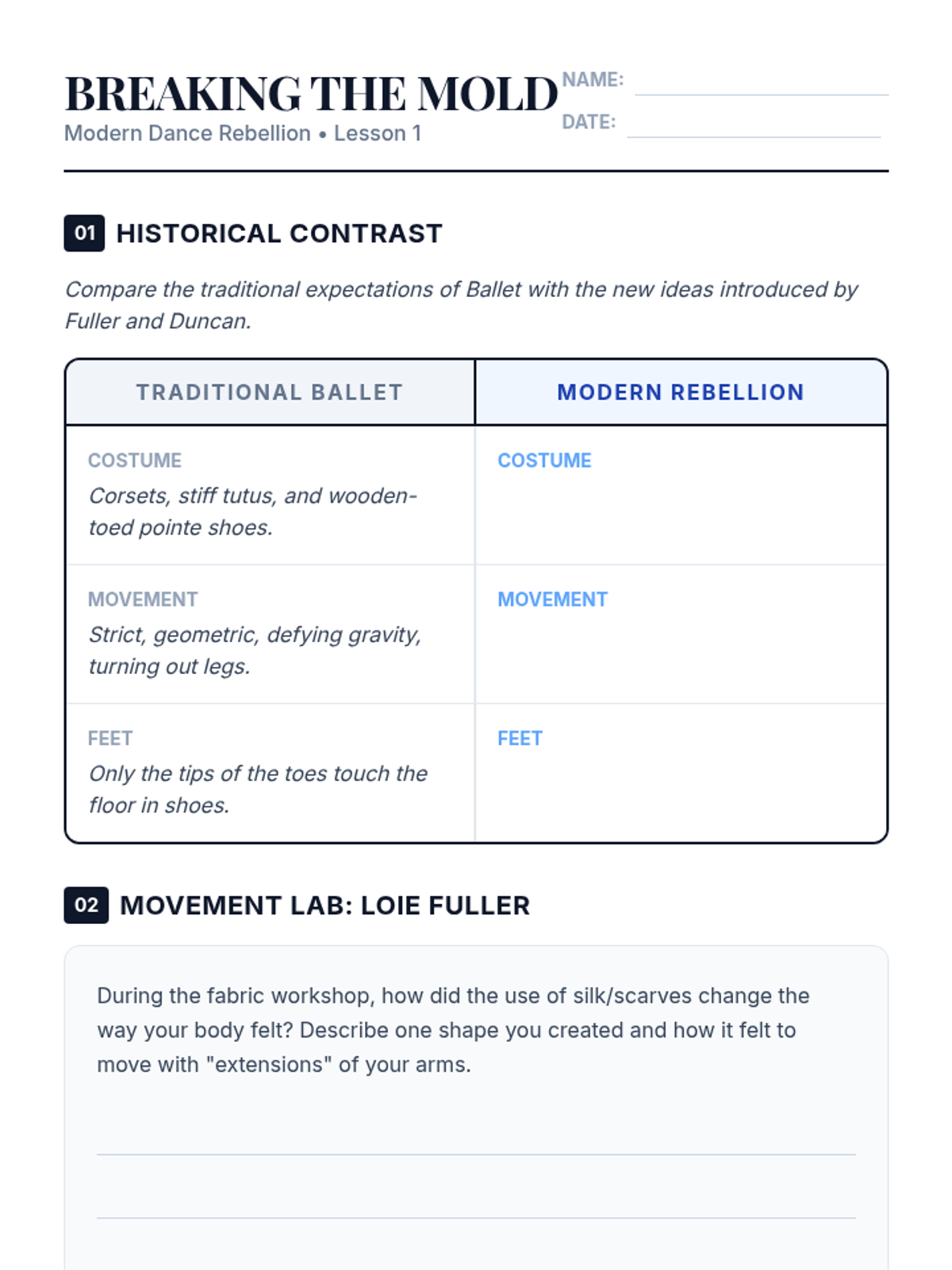
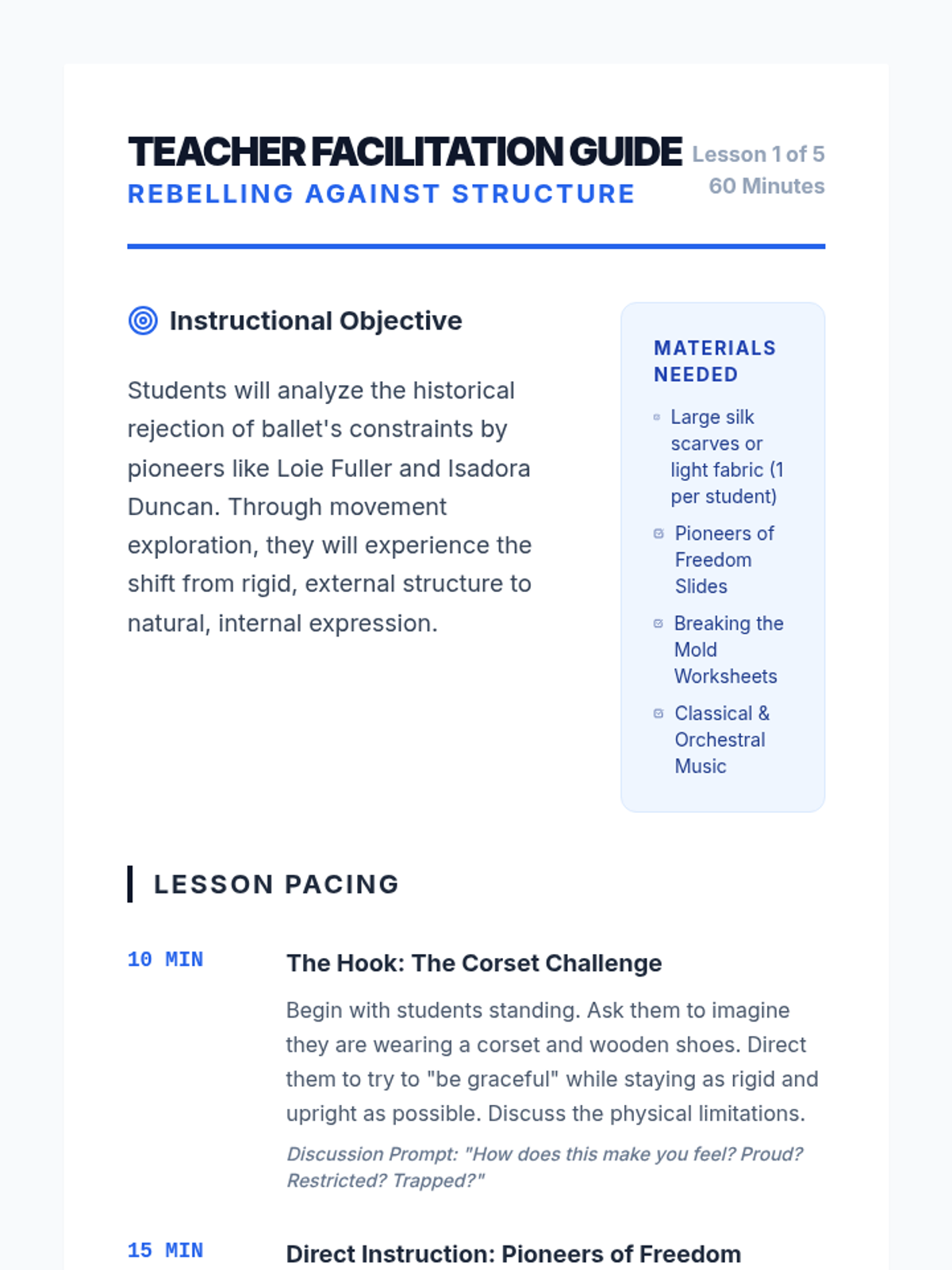
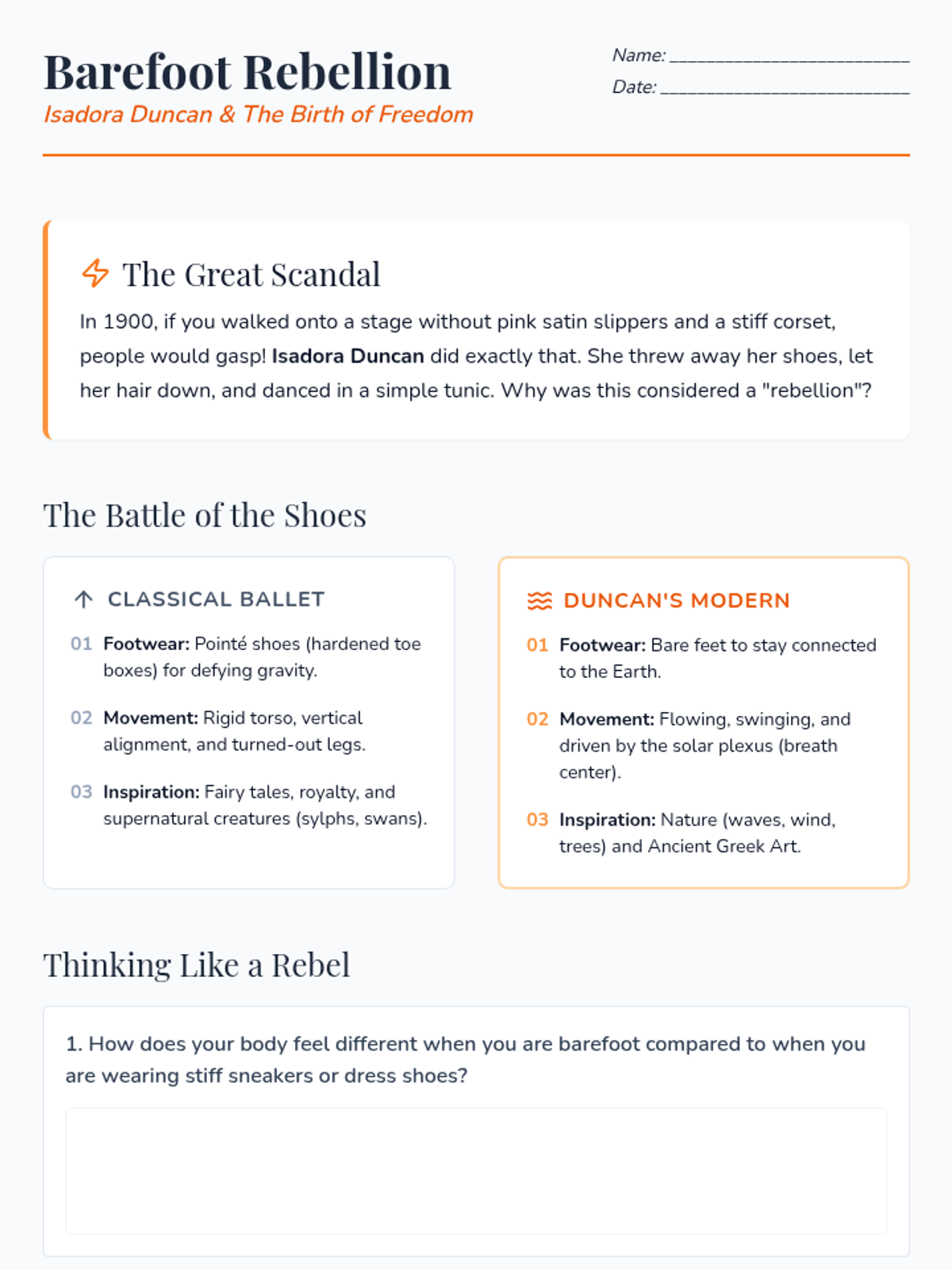
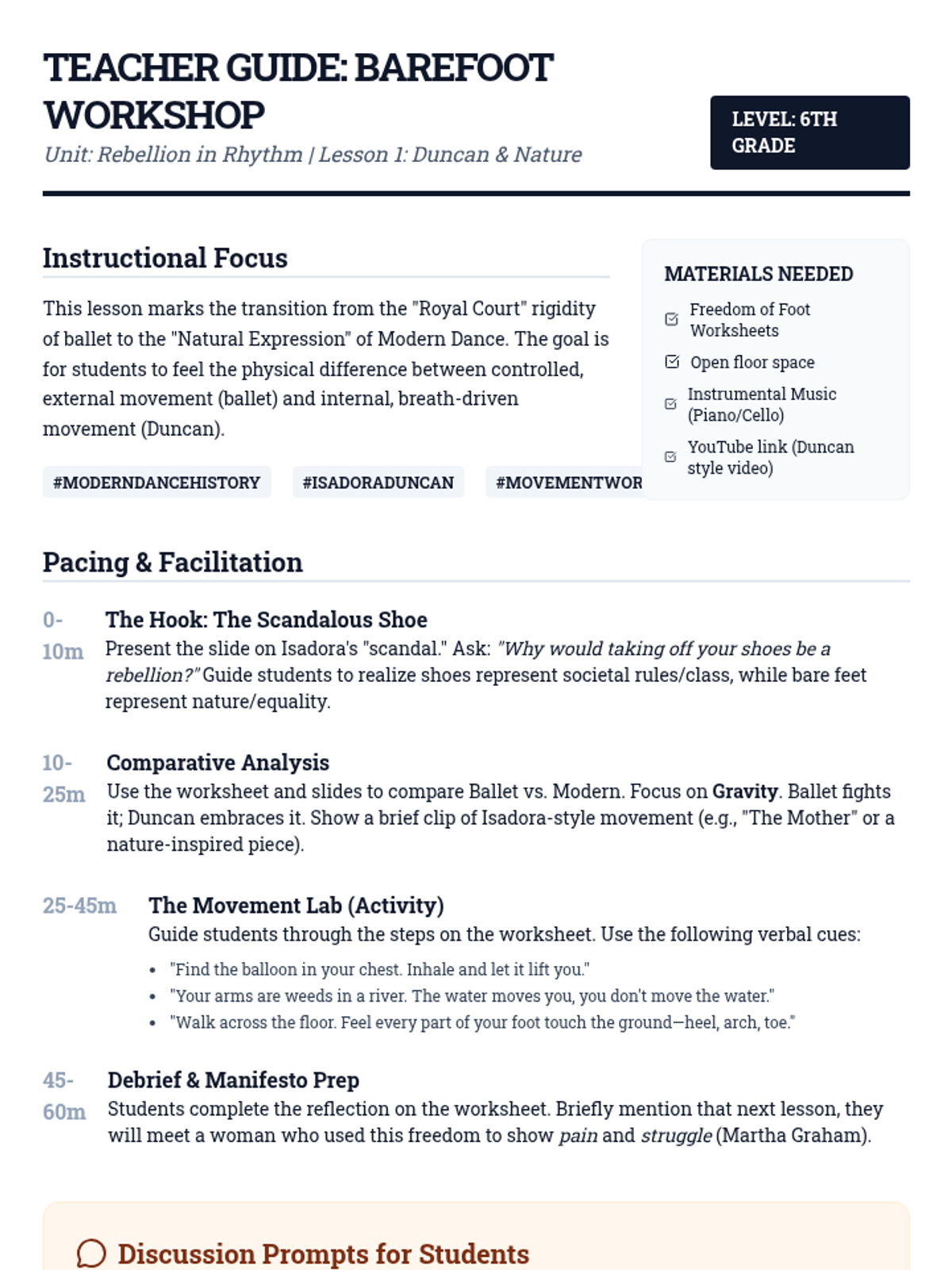
This sequence explores the early 20th-century rebellion that led to Modern Dance. Students learn about pioneers who rejected ballet's constraints to explore natural movement, psychological intensity, and social activism, ultimately understanding dance as a vehicle for personal and collective expression.
A comprehensive 5-lesson sequence tracing ballet's journey from 17th-century French courts to modern American stages, focusing on the intersection of politics, technology, and artistic expression.
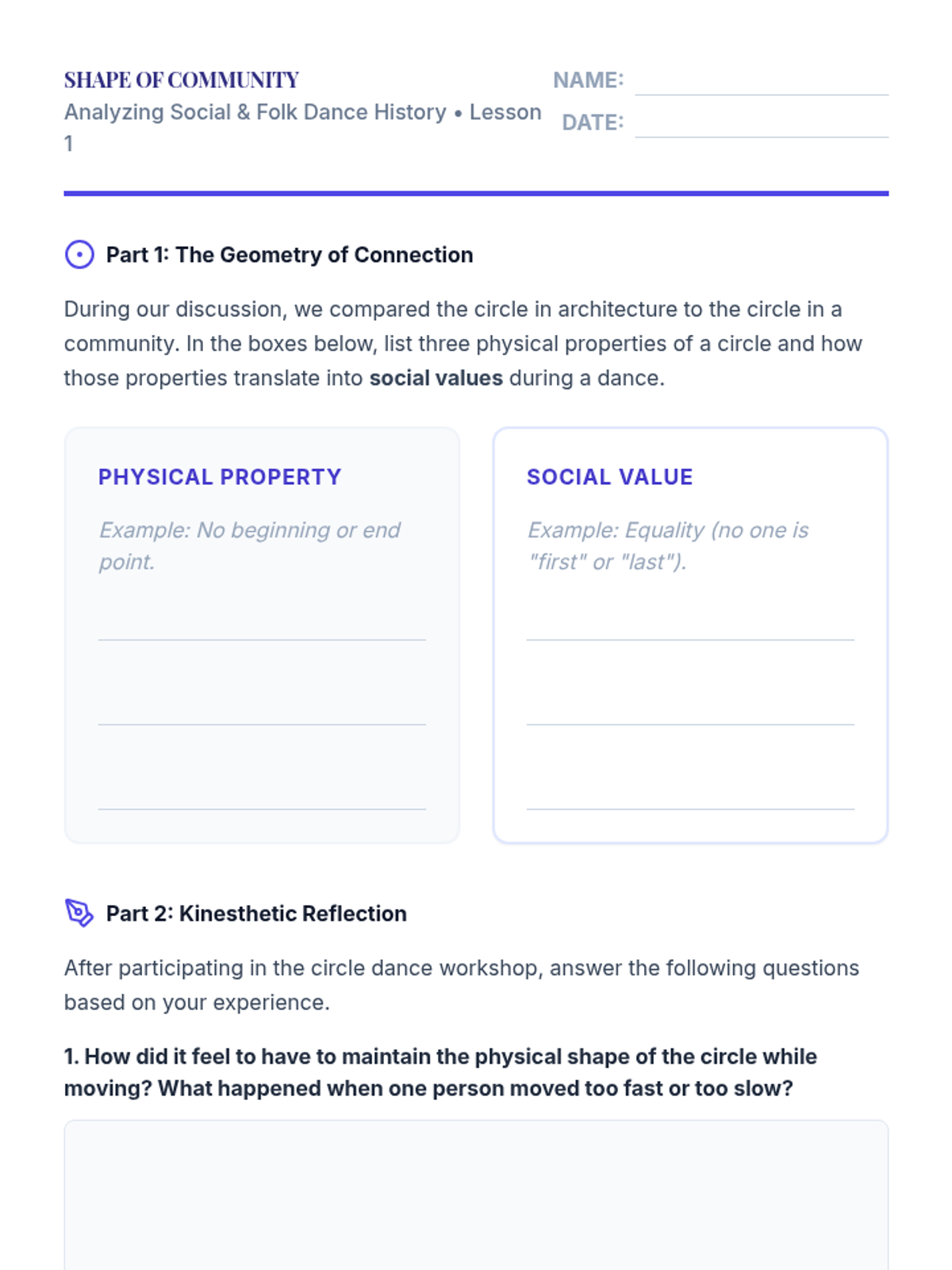
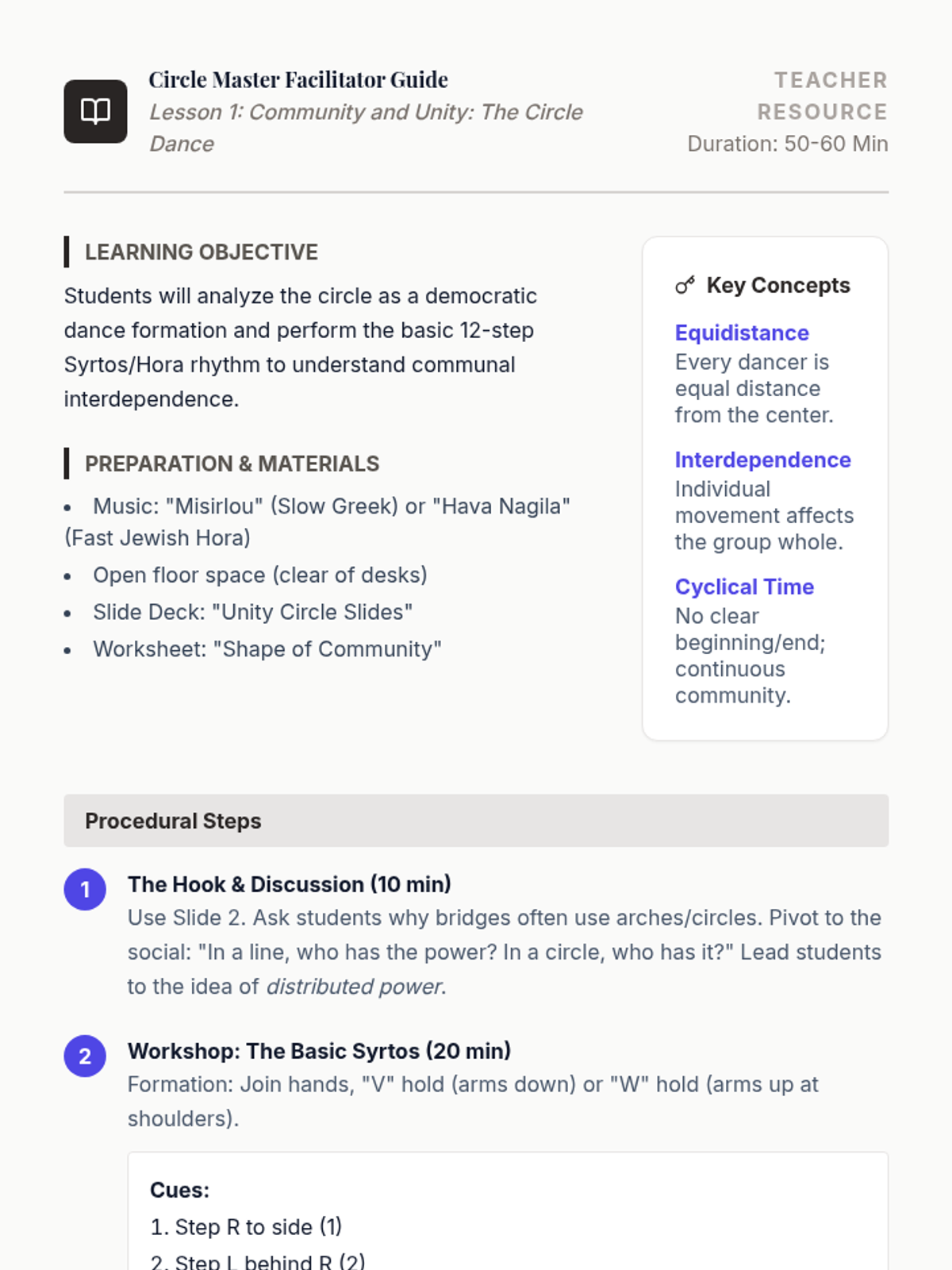
Students explore the social functions of dance, from communal circle dances to hierarchical court dances and the cultural fusion of modern partner styles. They analyze how choreography reflects the values, hierarchies, and gender roles of diverse societies throughout history.
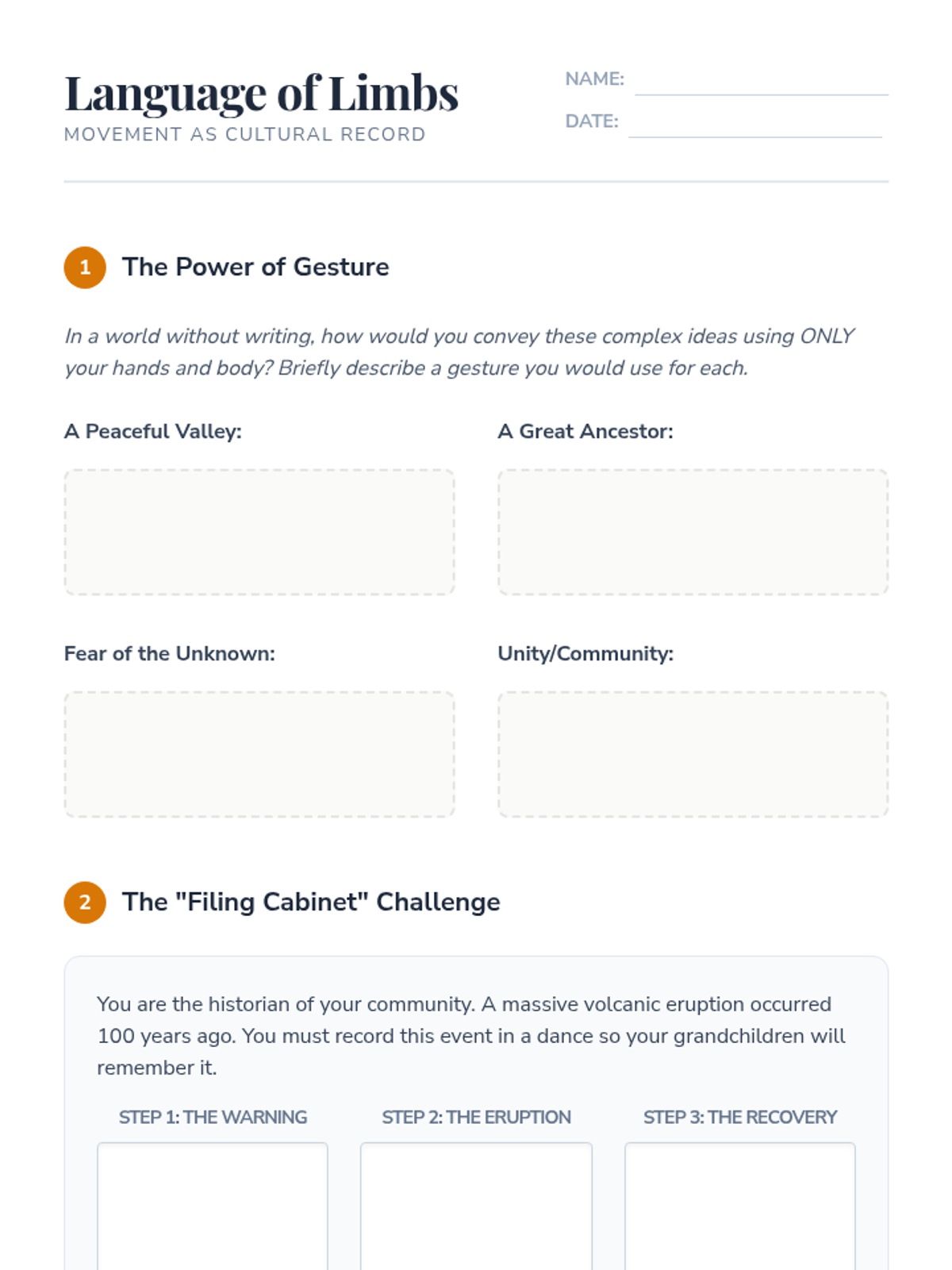
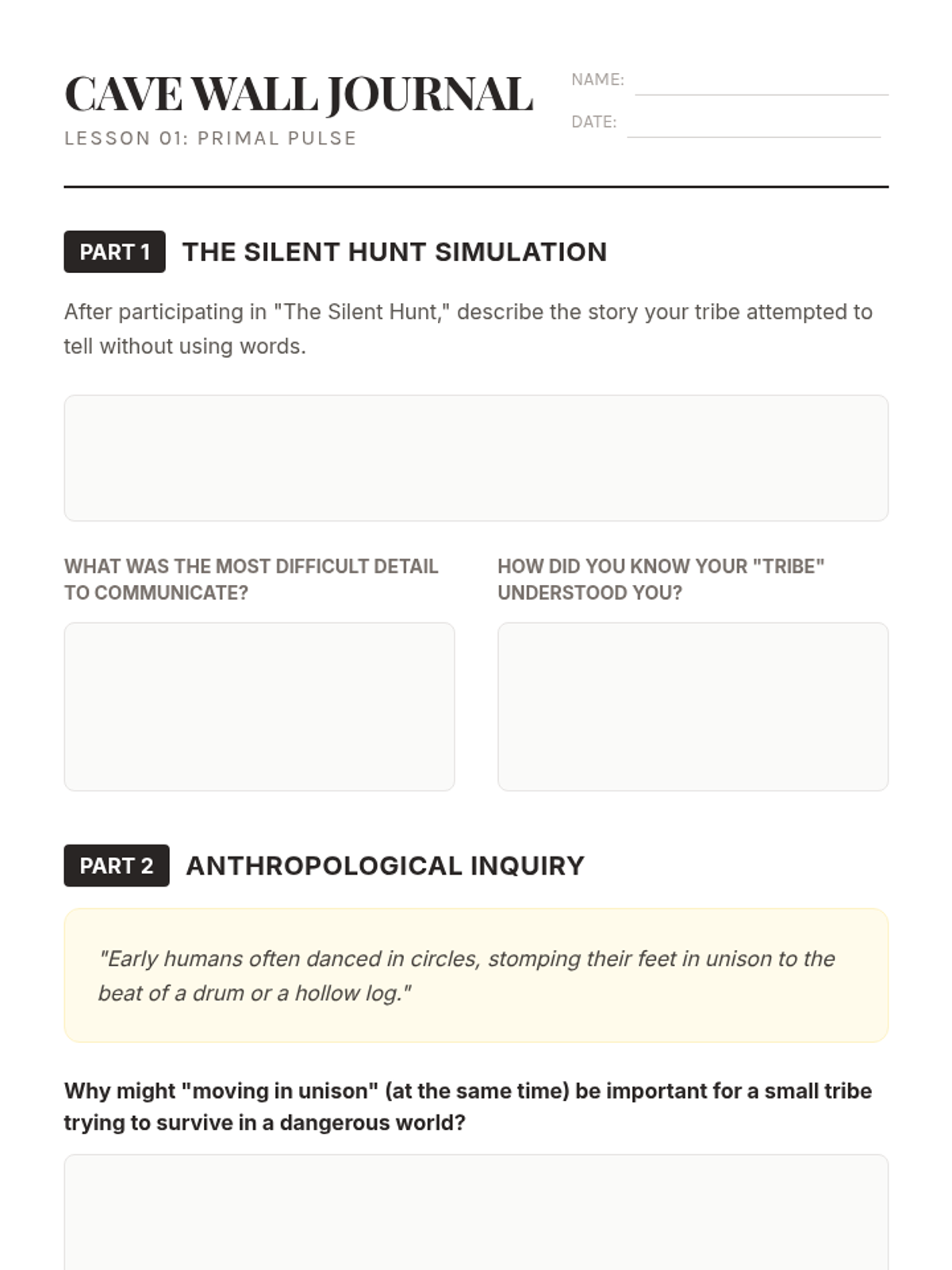
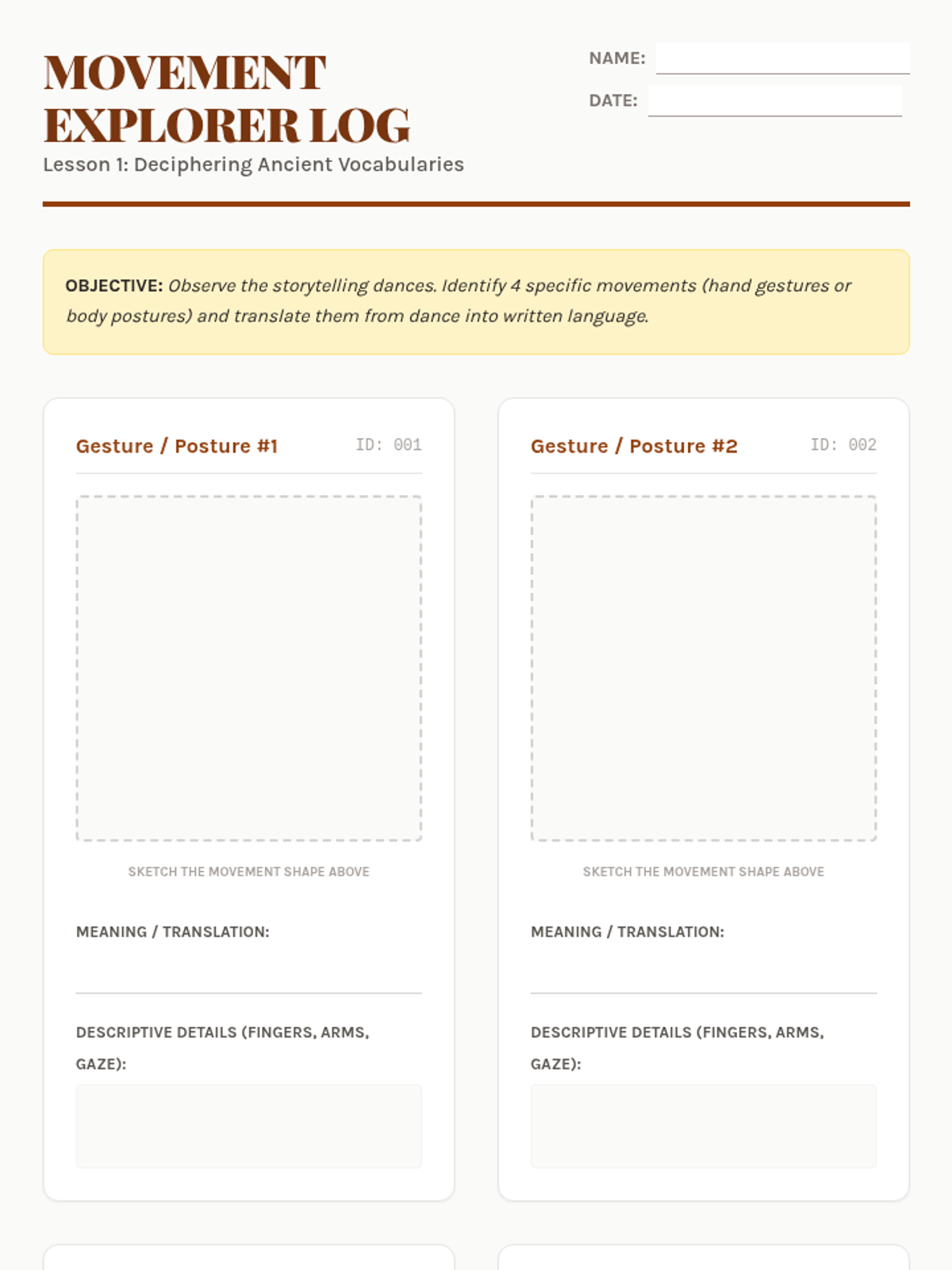
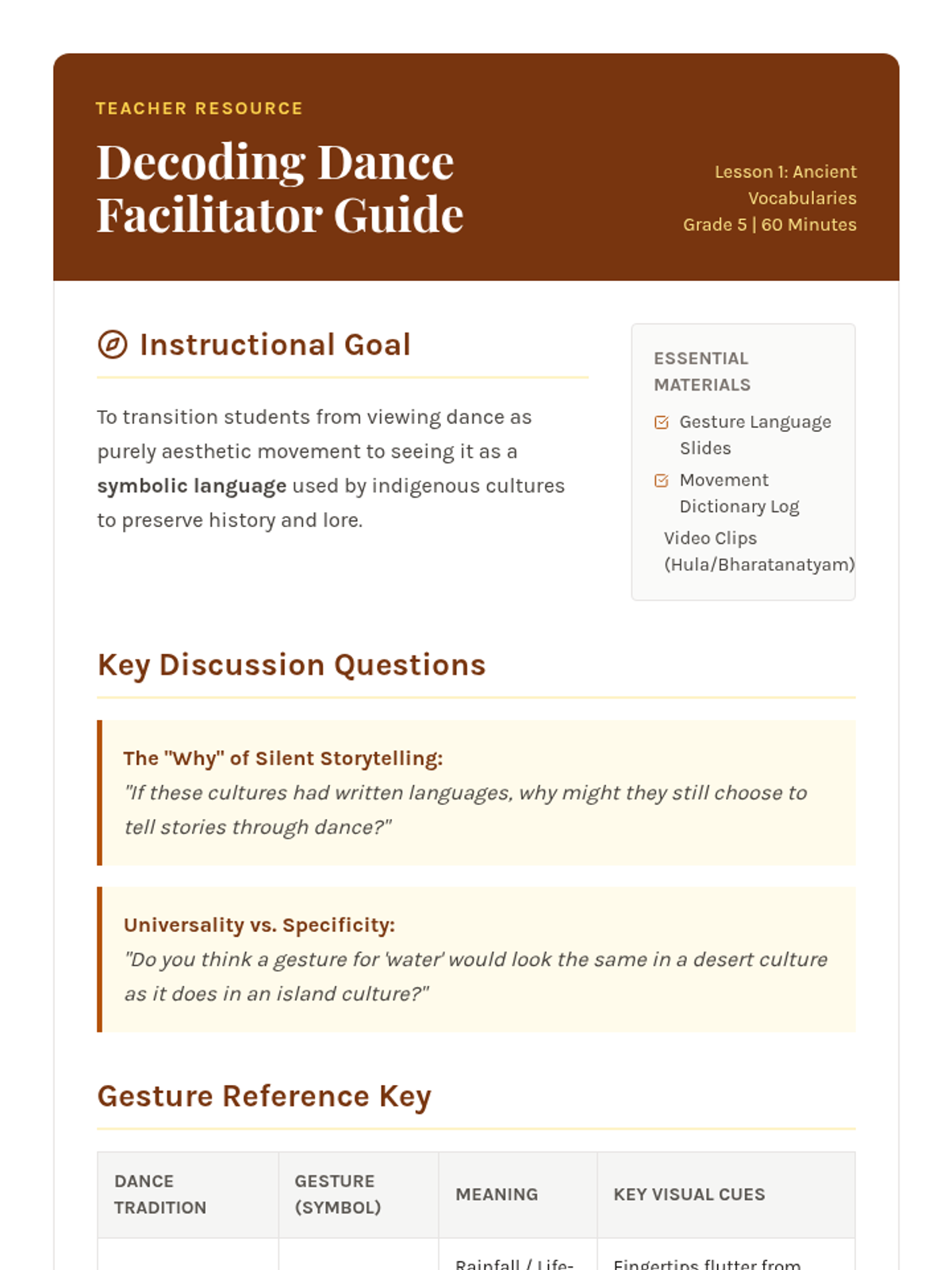
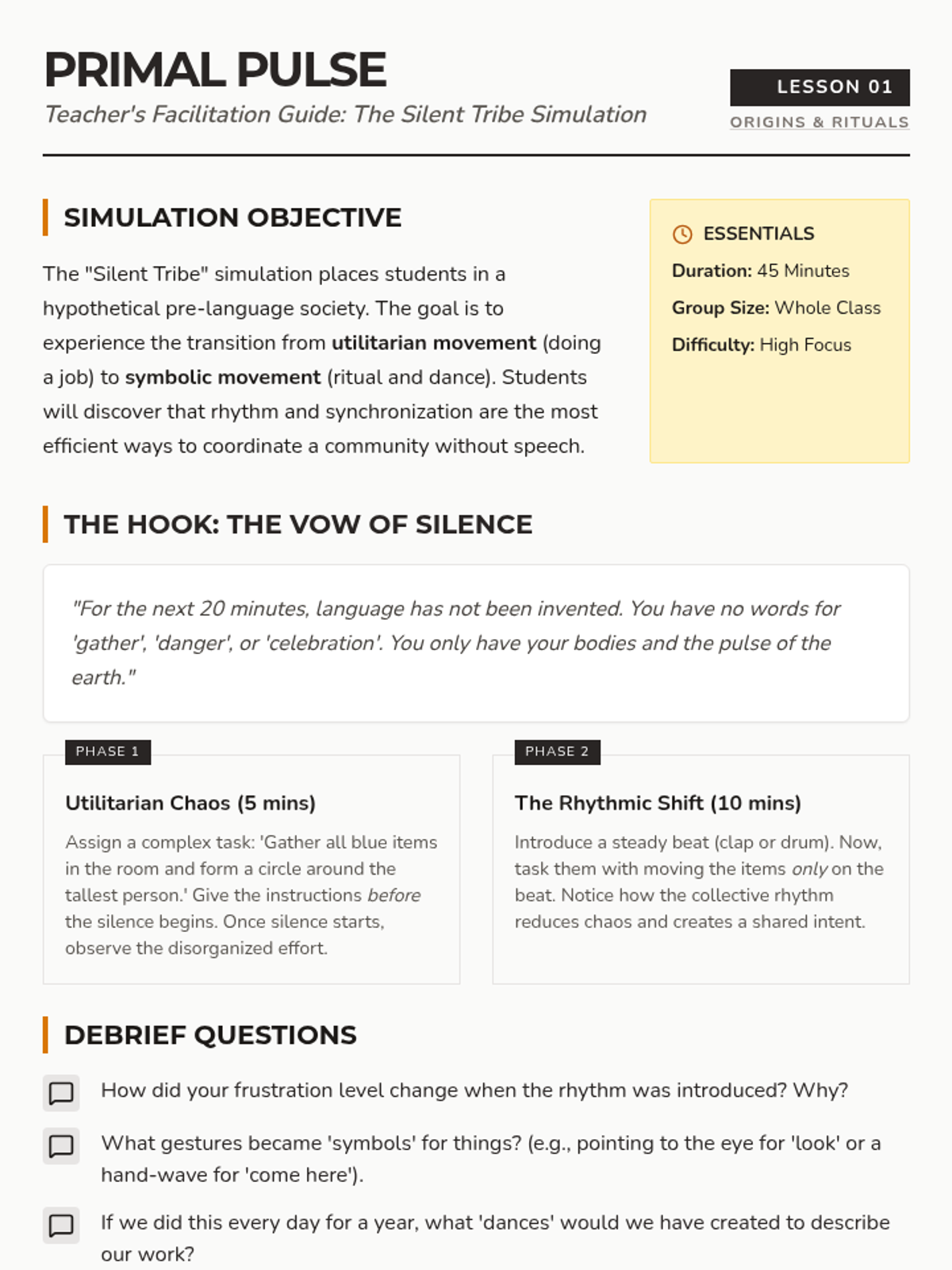
Students investigate the foundational role of dance in ancient and indigenous societies, focusing on how movement serves spiritual, storytelling, and ceremonial functions. Through case studies of Hula, West African dance, and Powwow traditions, they analyze how dance preserves history and fosters community.
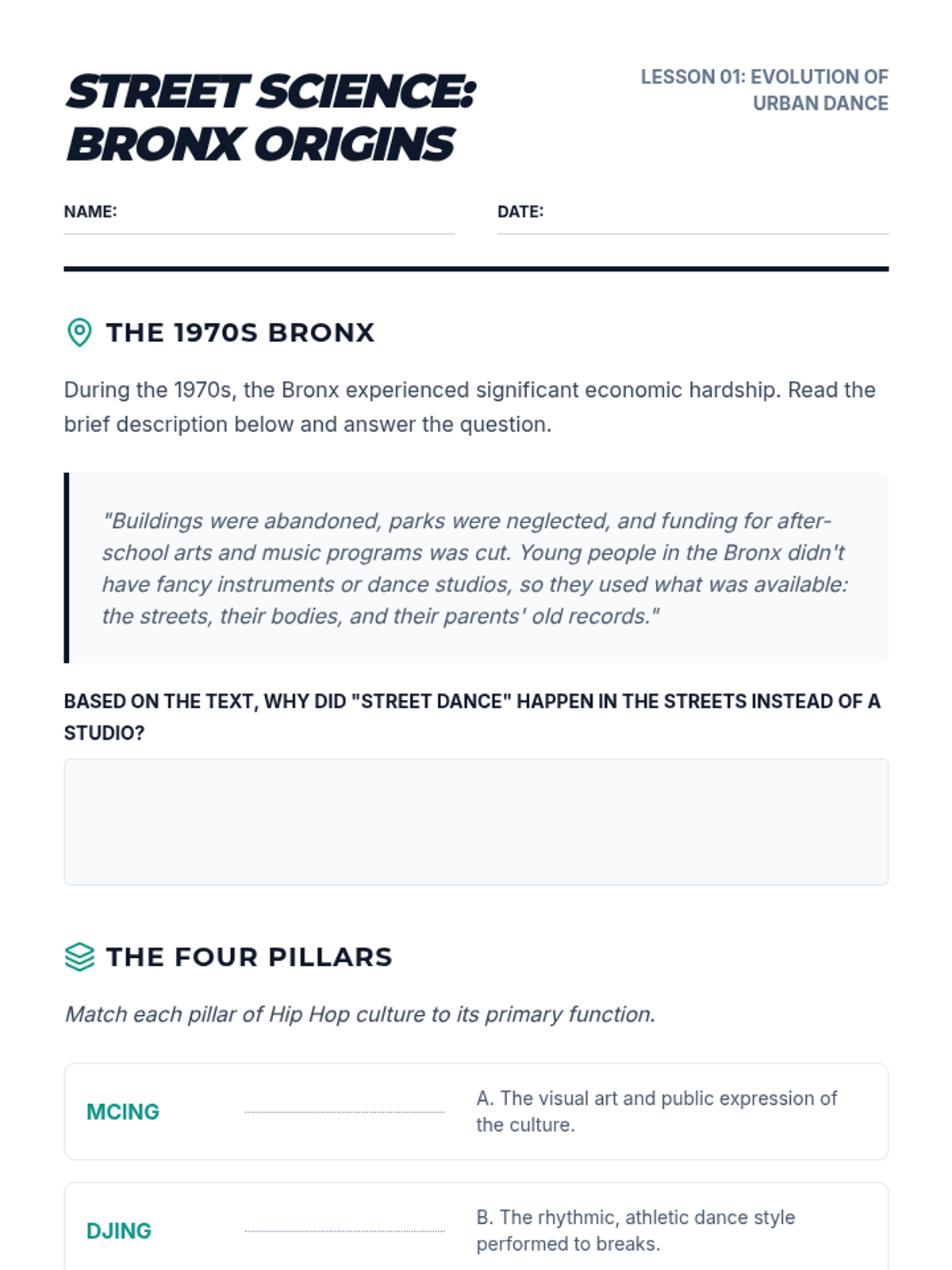
A high-energy exploration of Hip Hop culture's origins in the South Bronx and its evolution into a global phenomenon. Students analyze the socio-economic roots, the social dynamics of the cypher, the physical 'grammar' of breaking, the impact of commercialization, and the cross-cultural fusion seen in modern K-Pop.
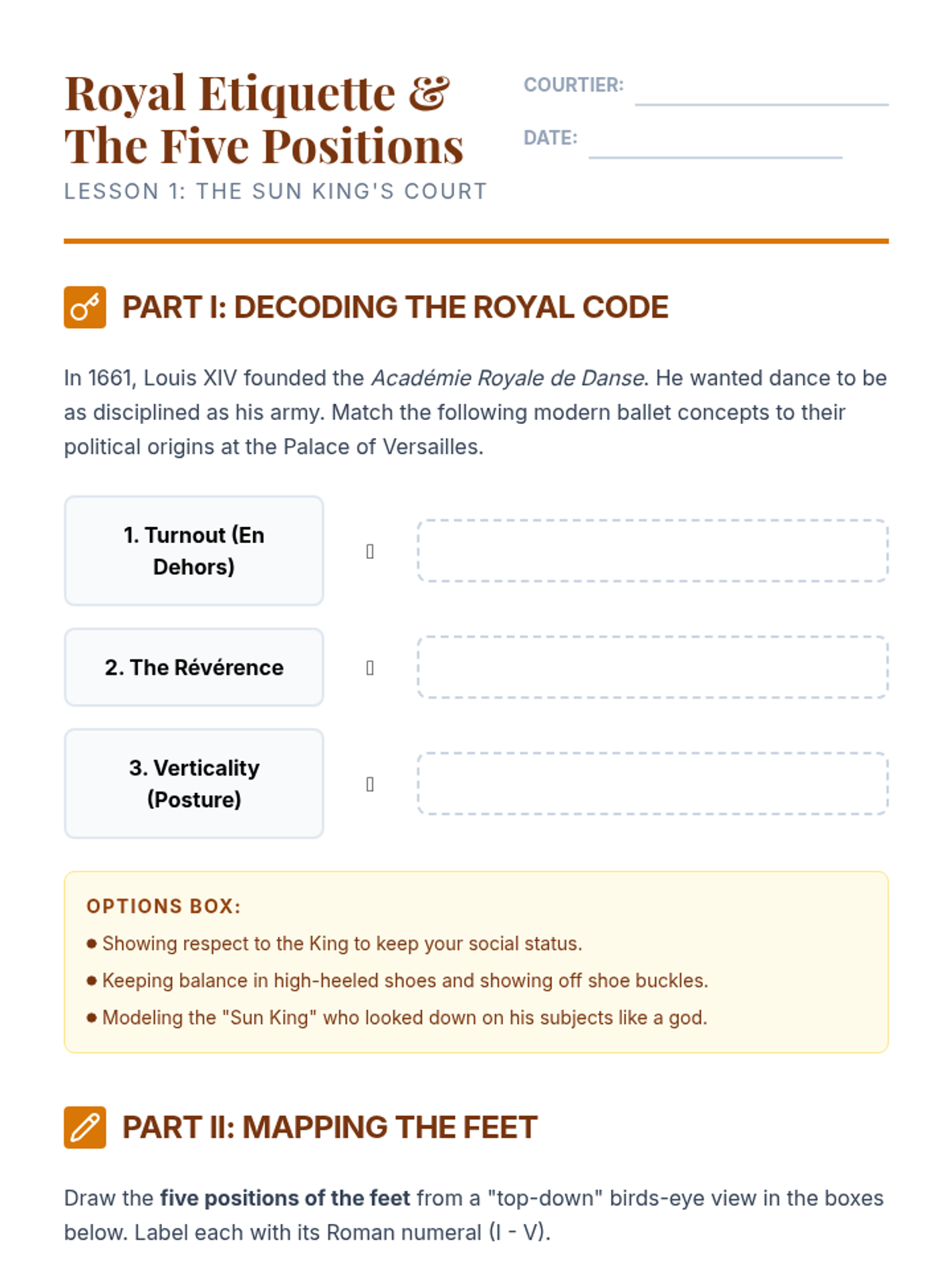
Students explore the rigid structures and hierarchies of classical dance forms from the French and Mughal courts. They analyze how political power, social etiquette, and costume shaped the aesthetics of Ballet and Kathak.
This sequence explores the anthropological roots of dance, focusing on how indigenous cultures use movement for ritual, storytelling, and community. Students analyze traditions from Maori, Hawaiian, and West African cultures to understand the sacred and social functions of dance.
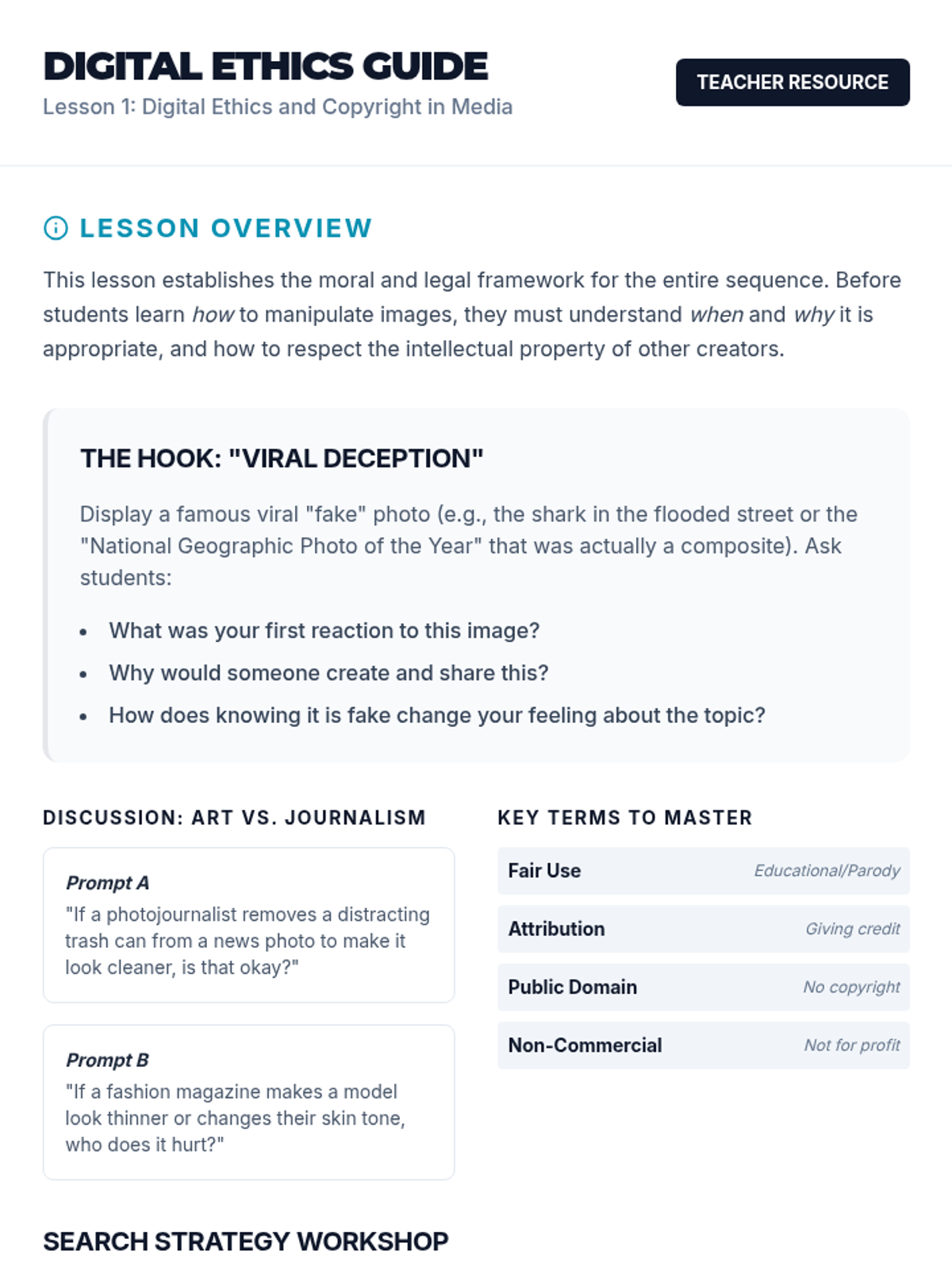
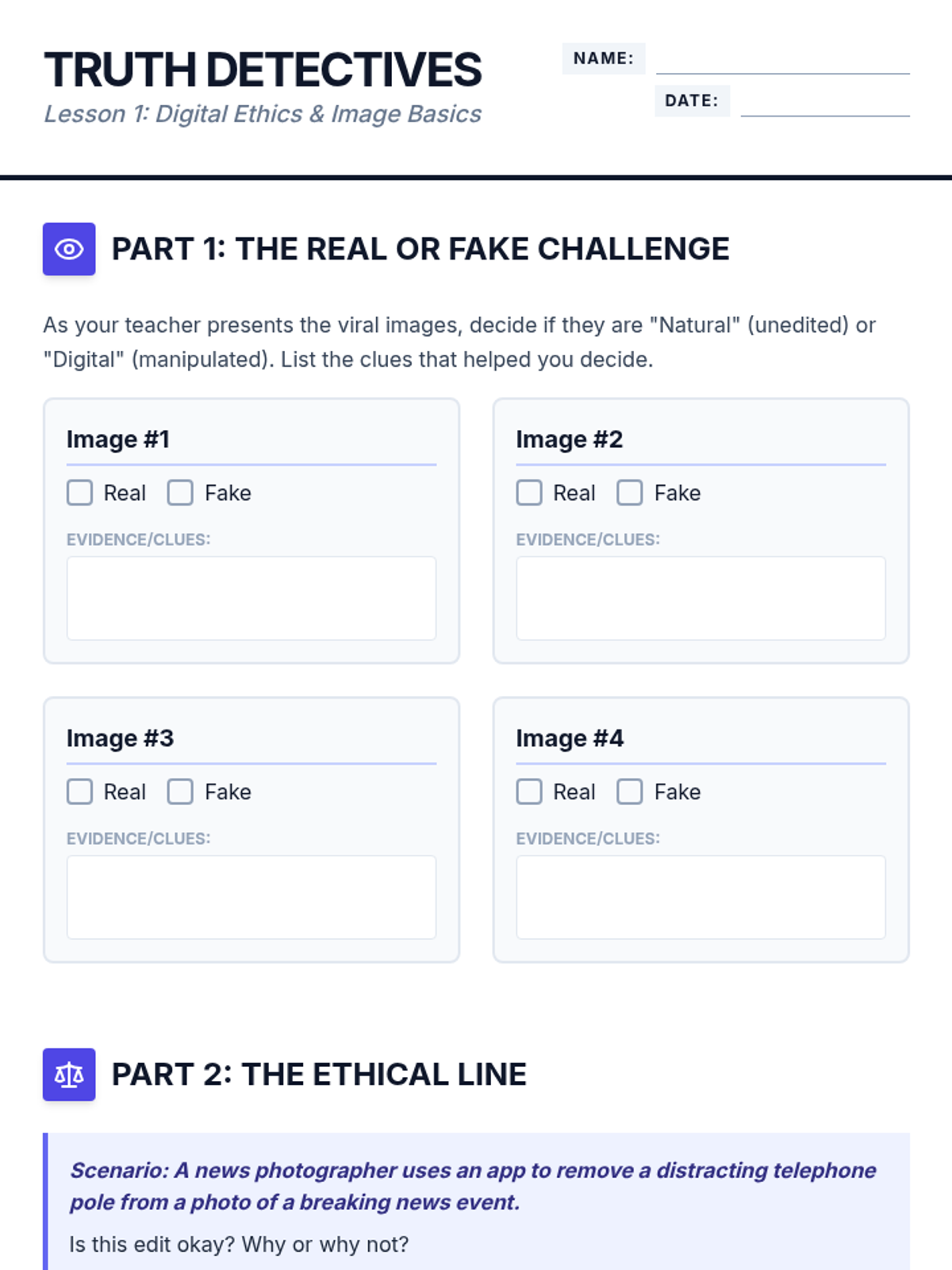
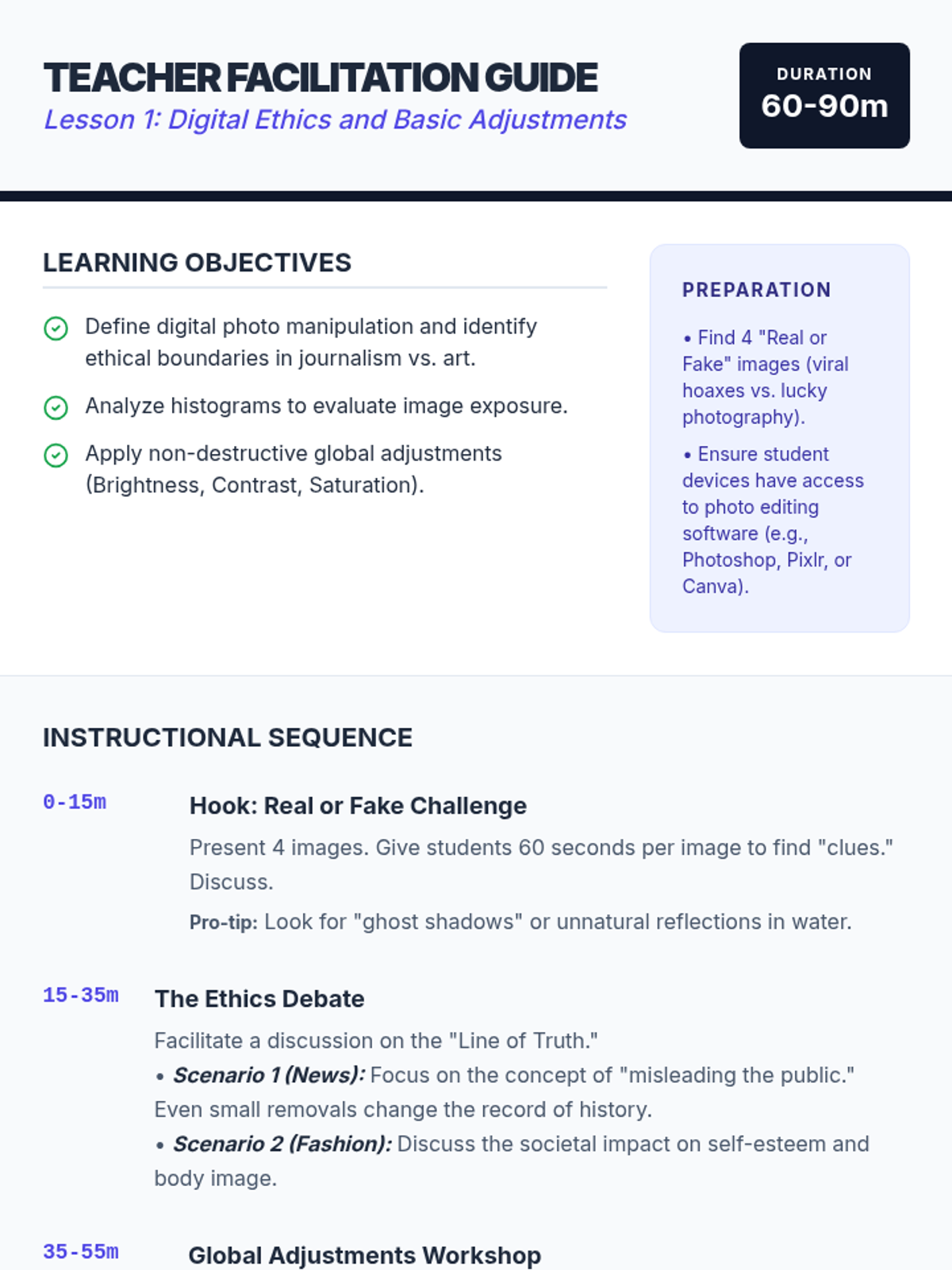
Students explore the ethical and creative possibilities of photo manipulation, learning professional workflows in raster editing to create a surrealist composite. The sequence covers digital citizenship, non-destructive editing, perspective matching, and color grading.
This sequence investigates how the technological explosion of the 20th and 21st centuries, from the electric guitar to AI, redefined music genres and creation. Students analyze production techniques, listen for layers, and explore the concept of technology as a musical instrument.
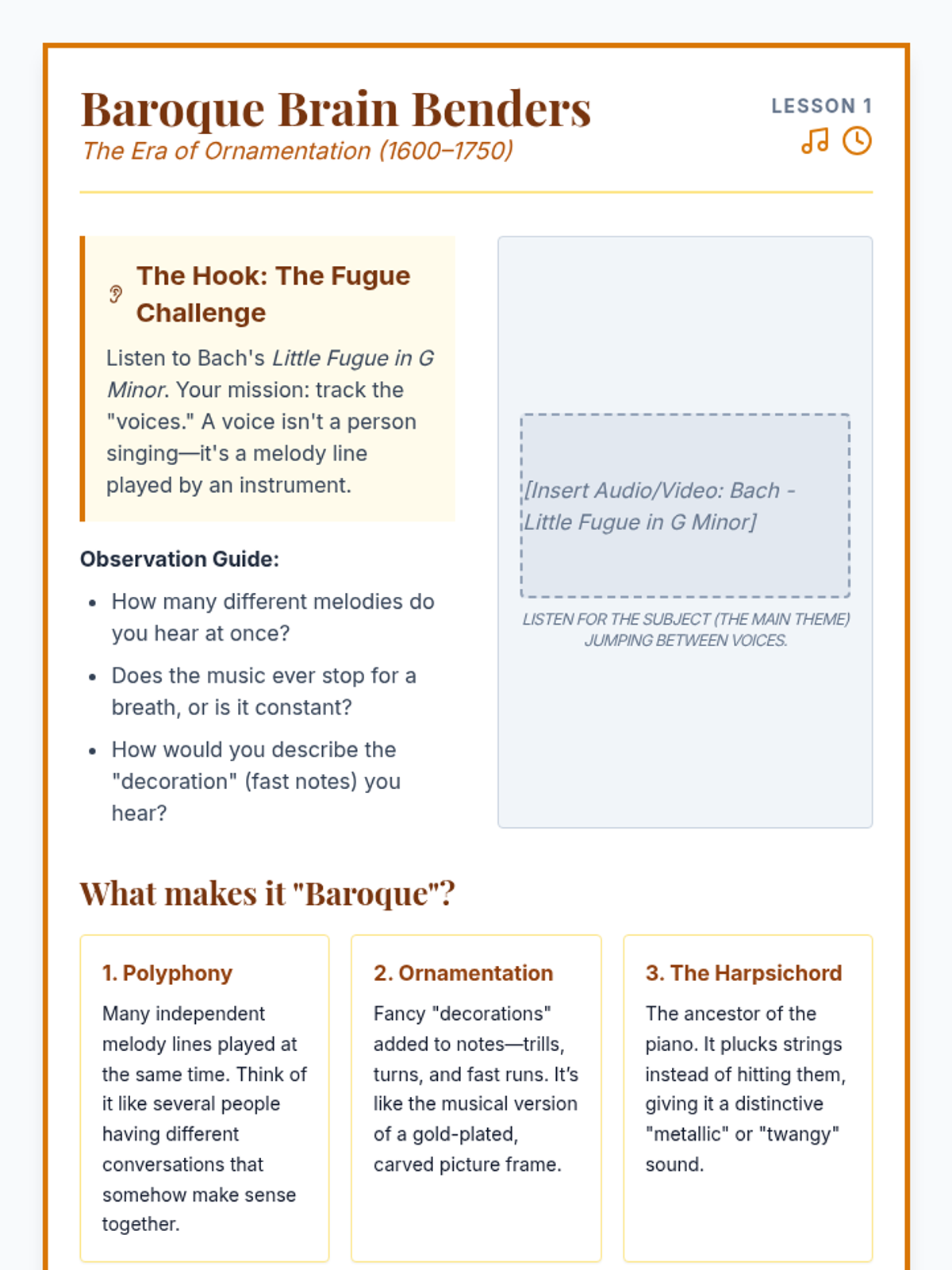
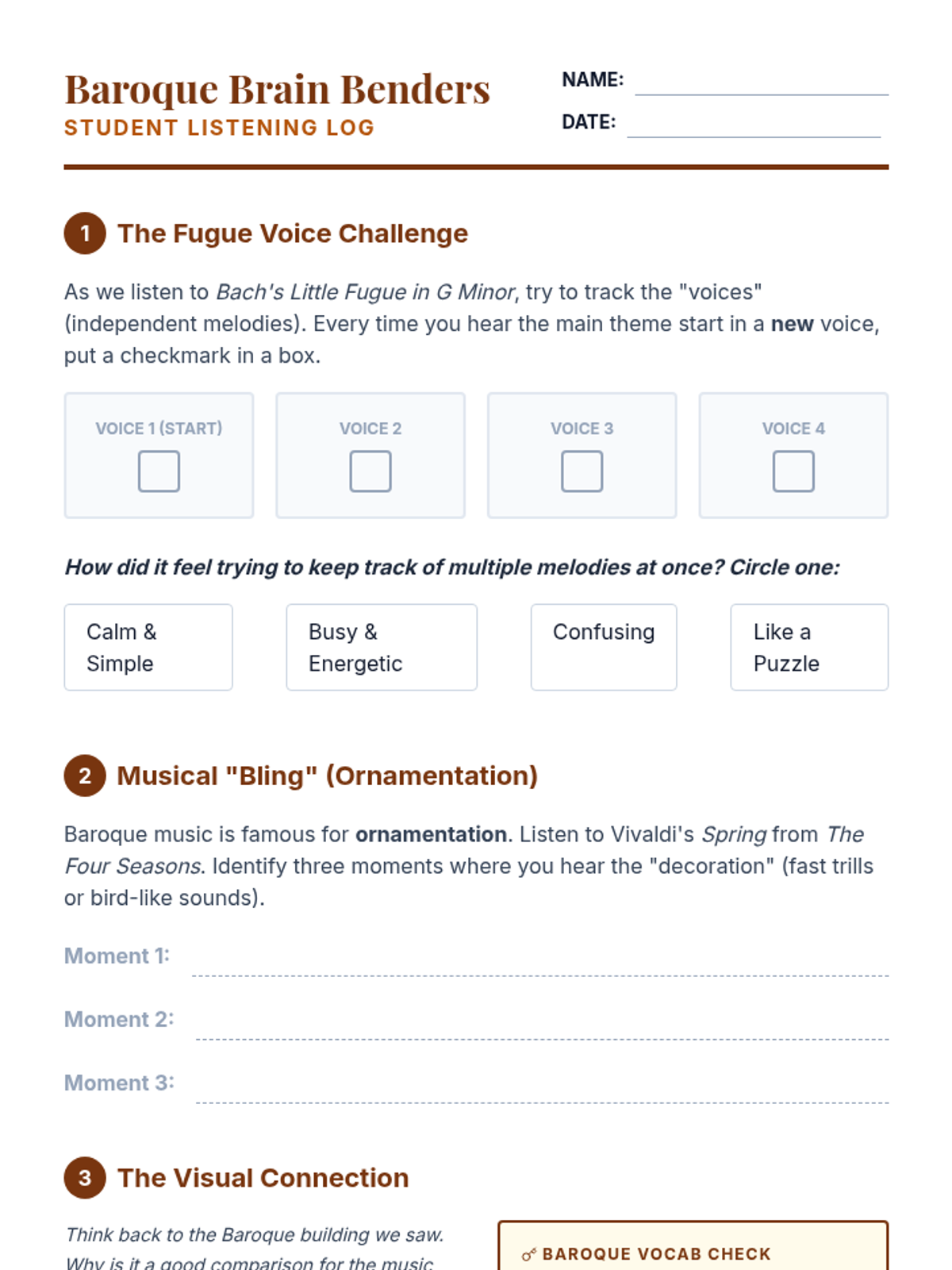
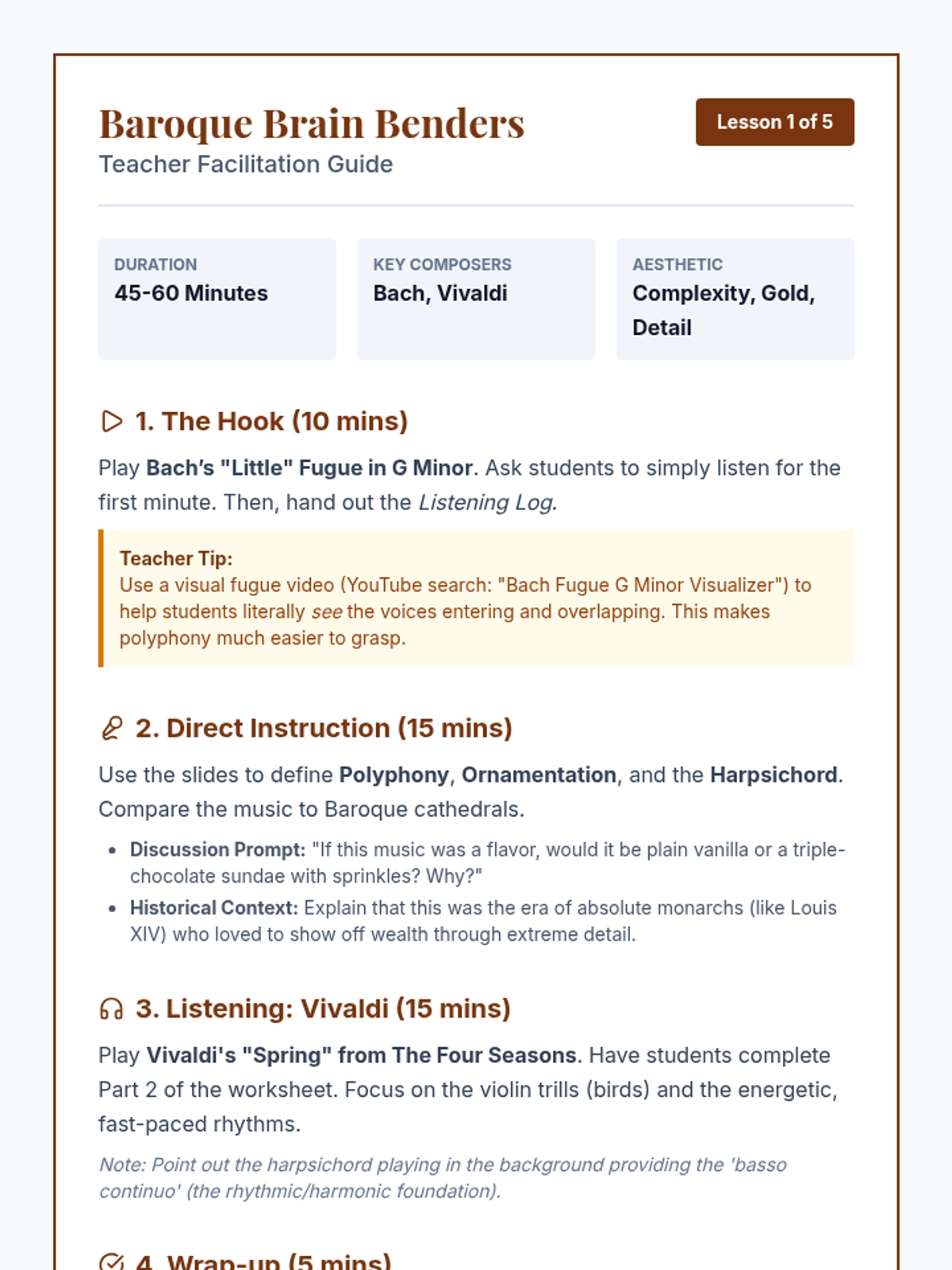
A chronological journey through the Baroque, Classical, Romantic, and Modern eras of Western Art Music, focusing on critical listening and historical context.
A comprehensive 6th-grade unit on digital photo manipulation, covering ethics, technical skills like masking and selection, and creative compositing for surreal art.
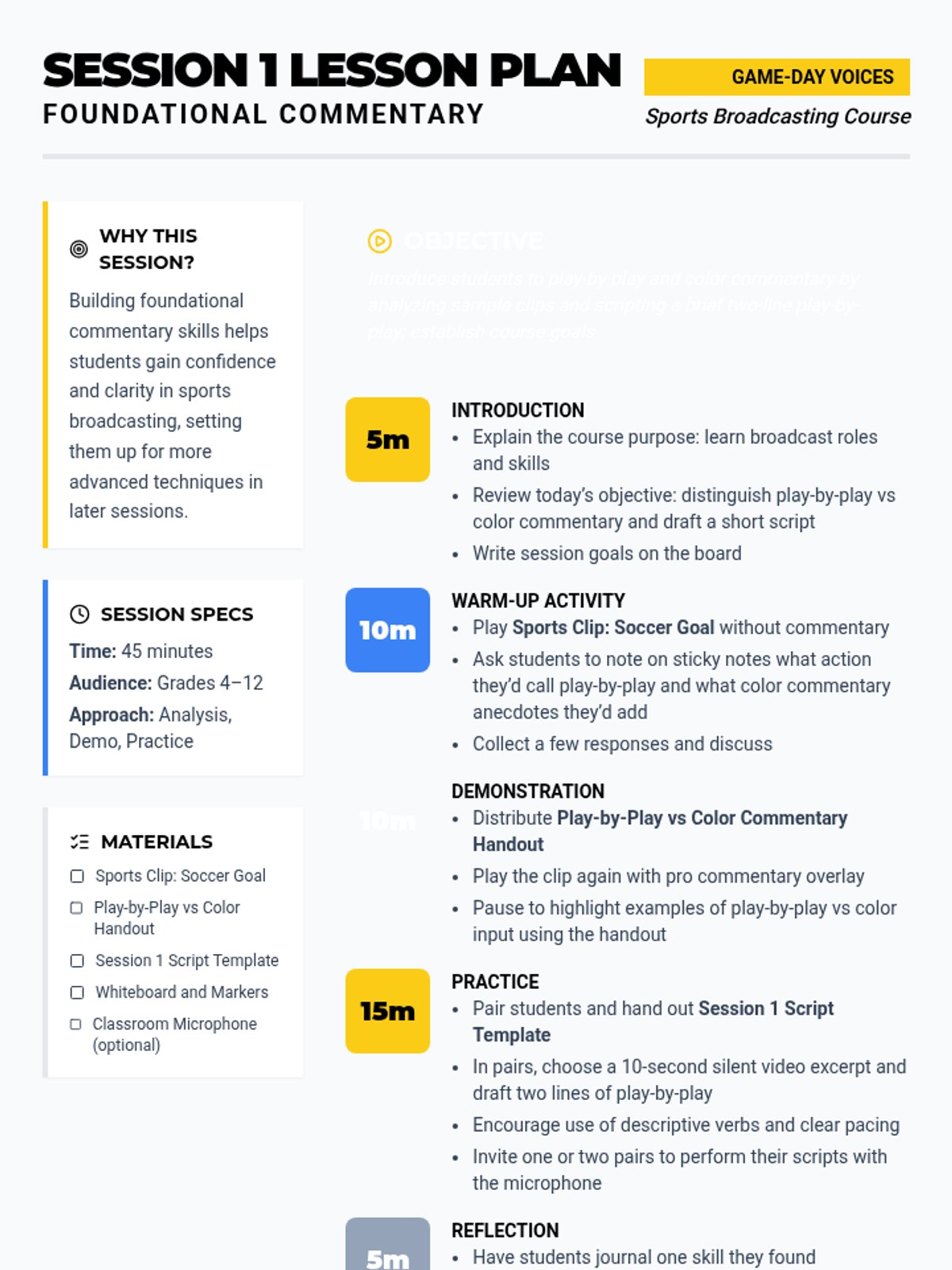
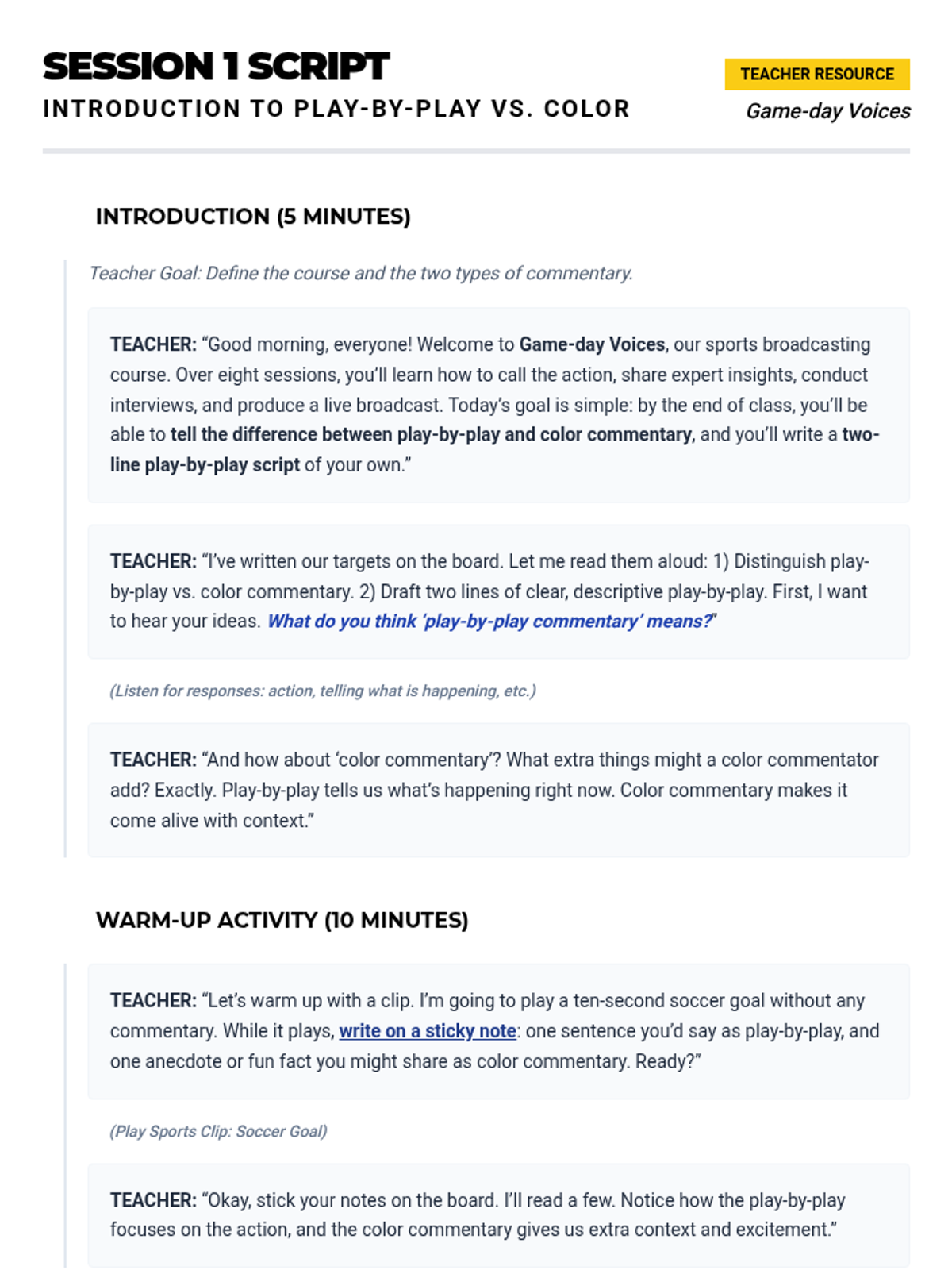
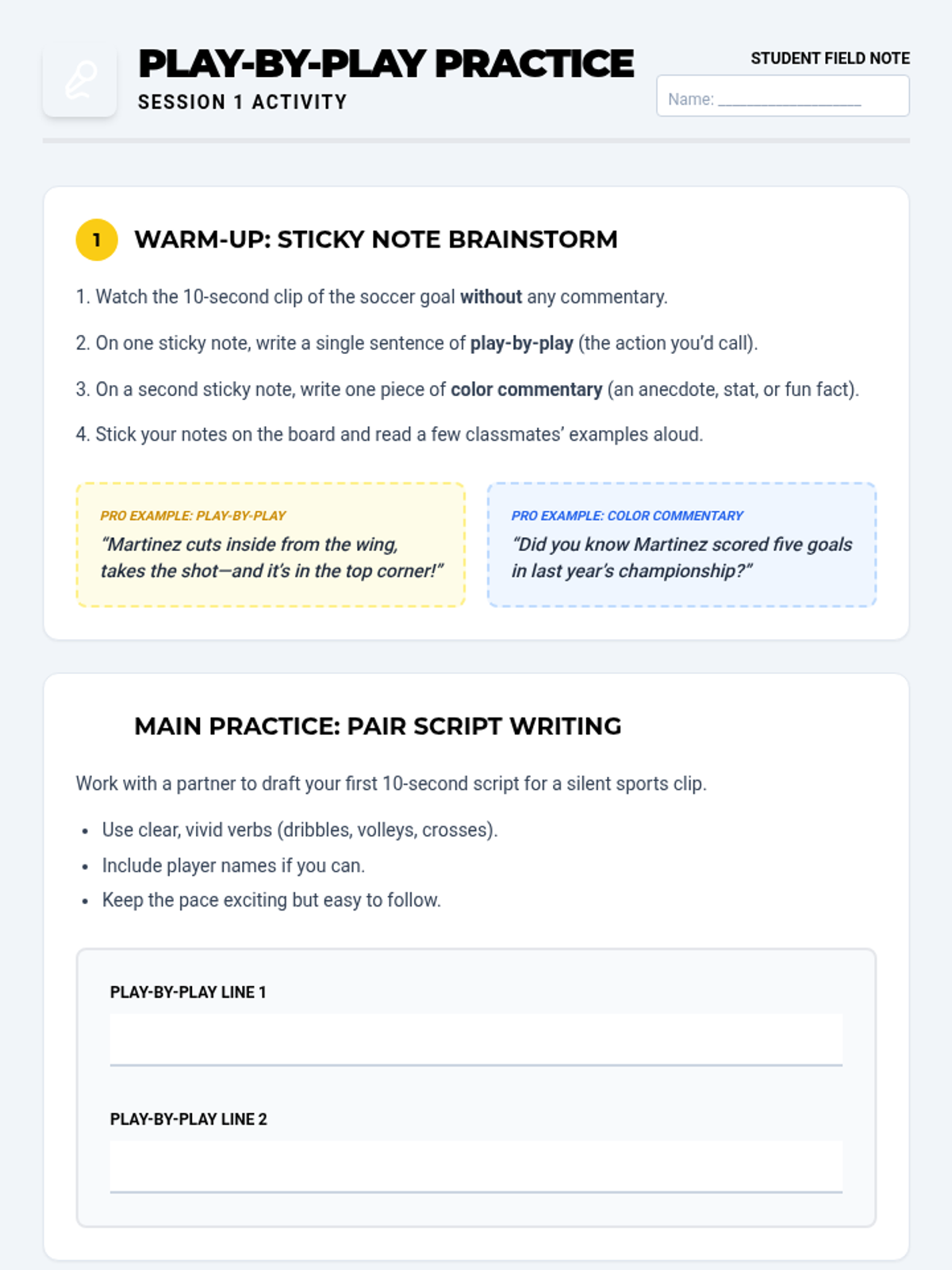
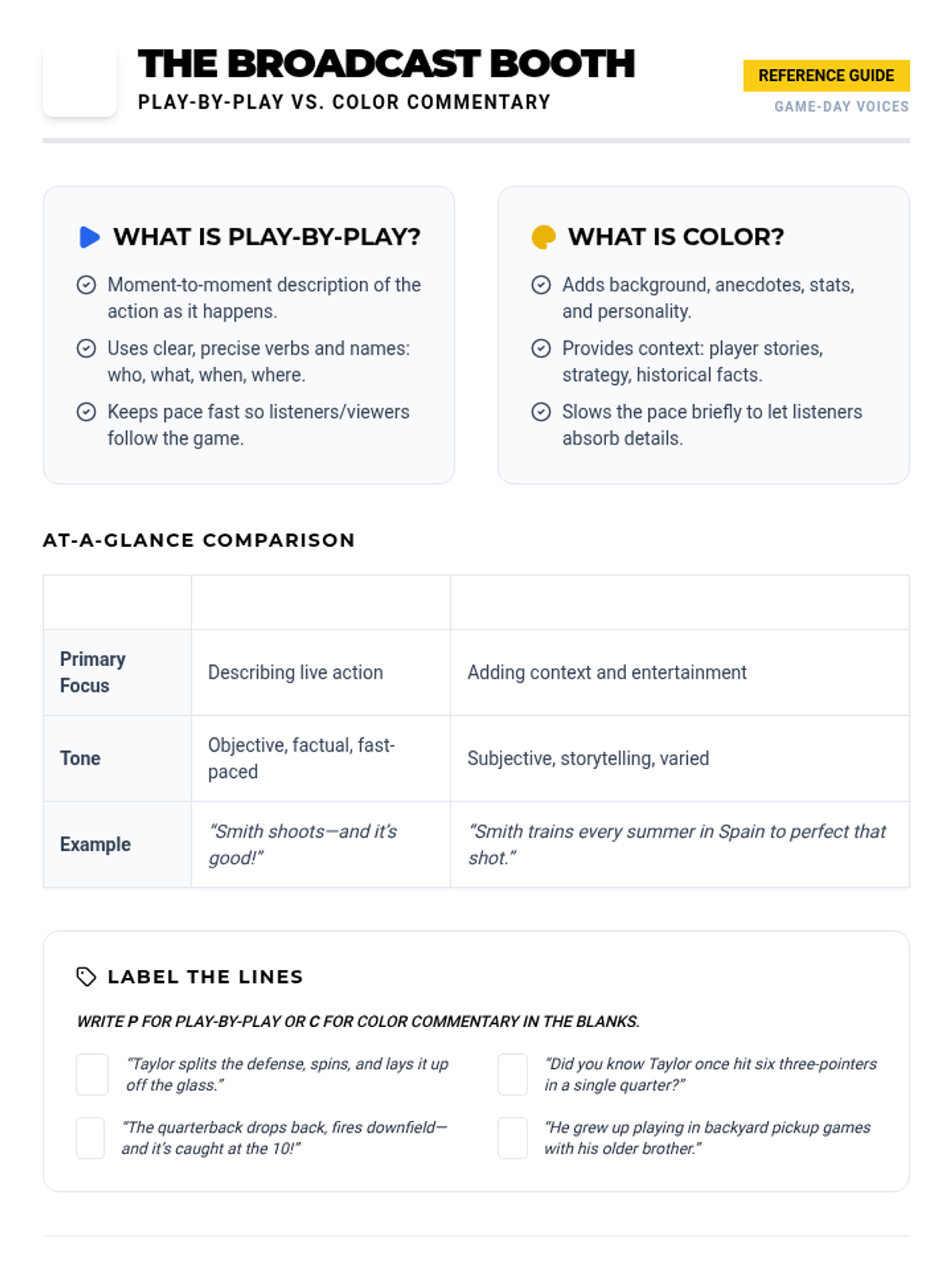
An 8-session sports broadcasting course for grades 4–12, covering play-by-play, color analysis, interviewing, and technical production. Students move from foundational commentary to producing a full capstone broadcast segment.
A journey through 400 years of ballet history, from the royal courts of France to the modern stage. Students explore how political power, fashion, and technology transformed a social duty into a professional athletic art form.
An inquiry-based exploration of dance as a language of storytelling and ritual in indigenous cultures, focusing on gesture, formation, regalia, and rhythm.
A 5-lesson unit exploring the 20th-century rebellion against ballet that birthed Modern and Contemporary dance. Students analyze pioneers like Duncan, Graham, and Ailey, experimenting with movement innovations and culminating in their own 'rule-breaking' choreographic project.
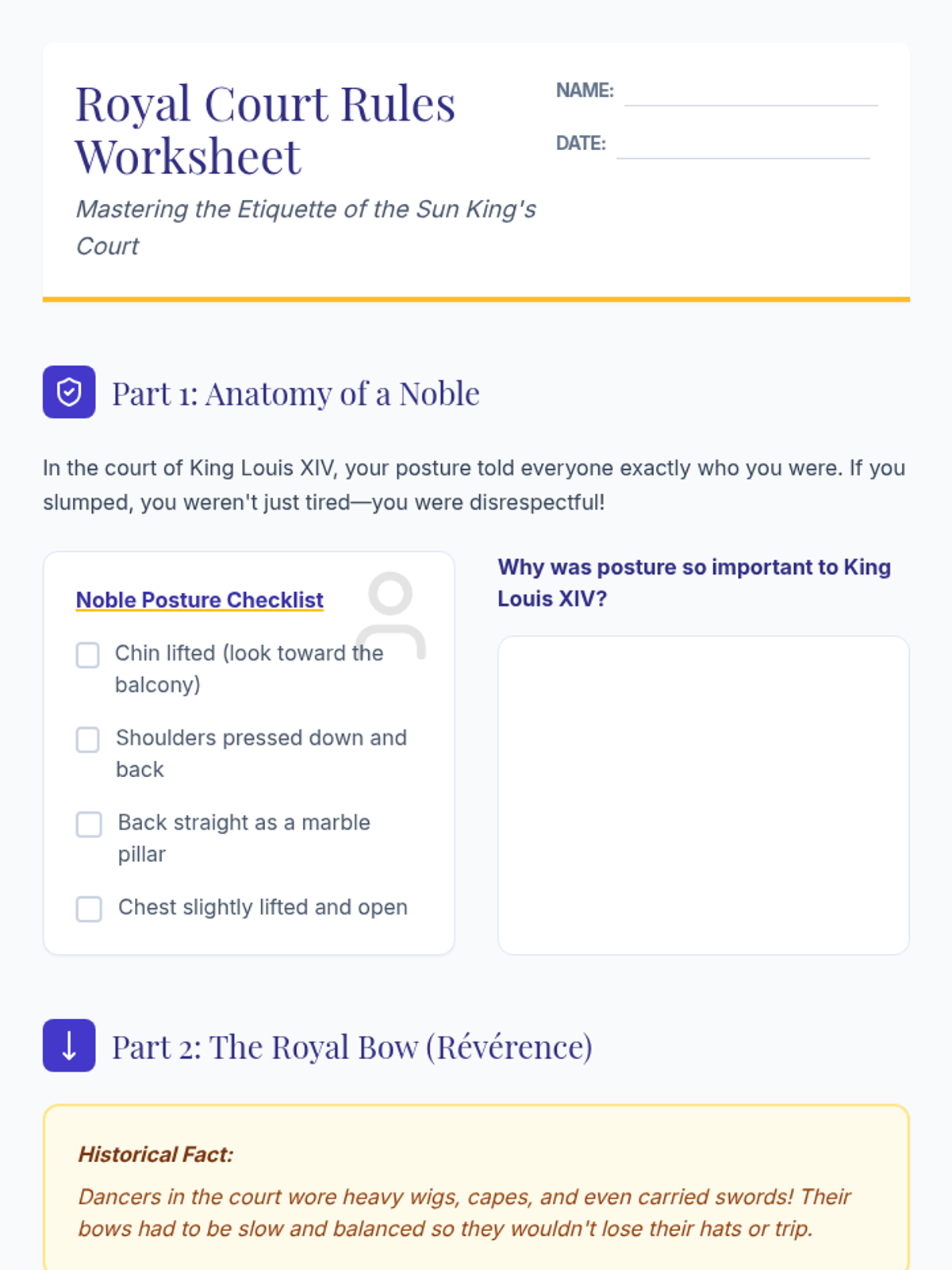
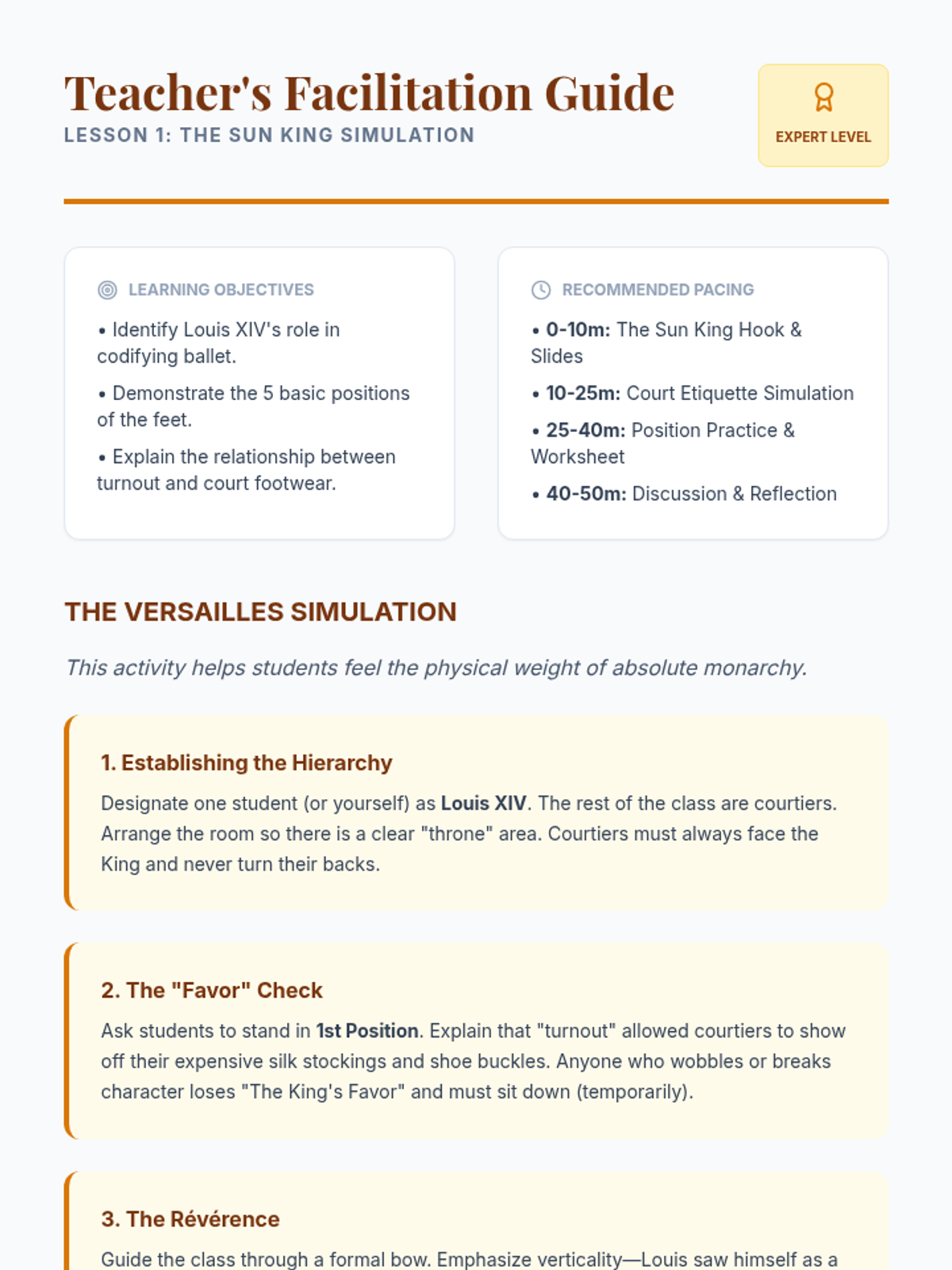
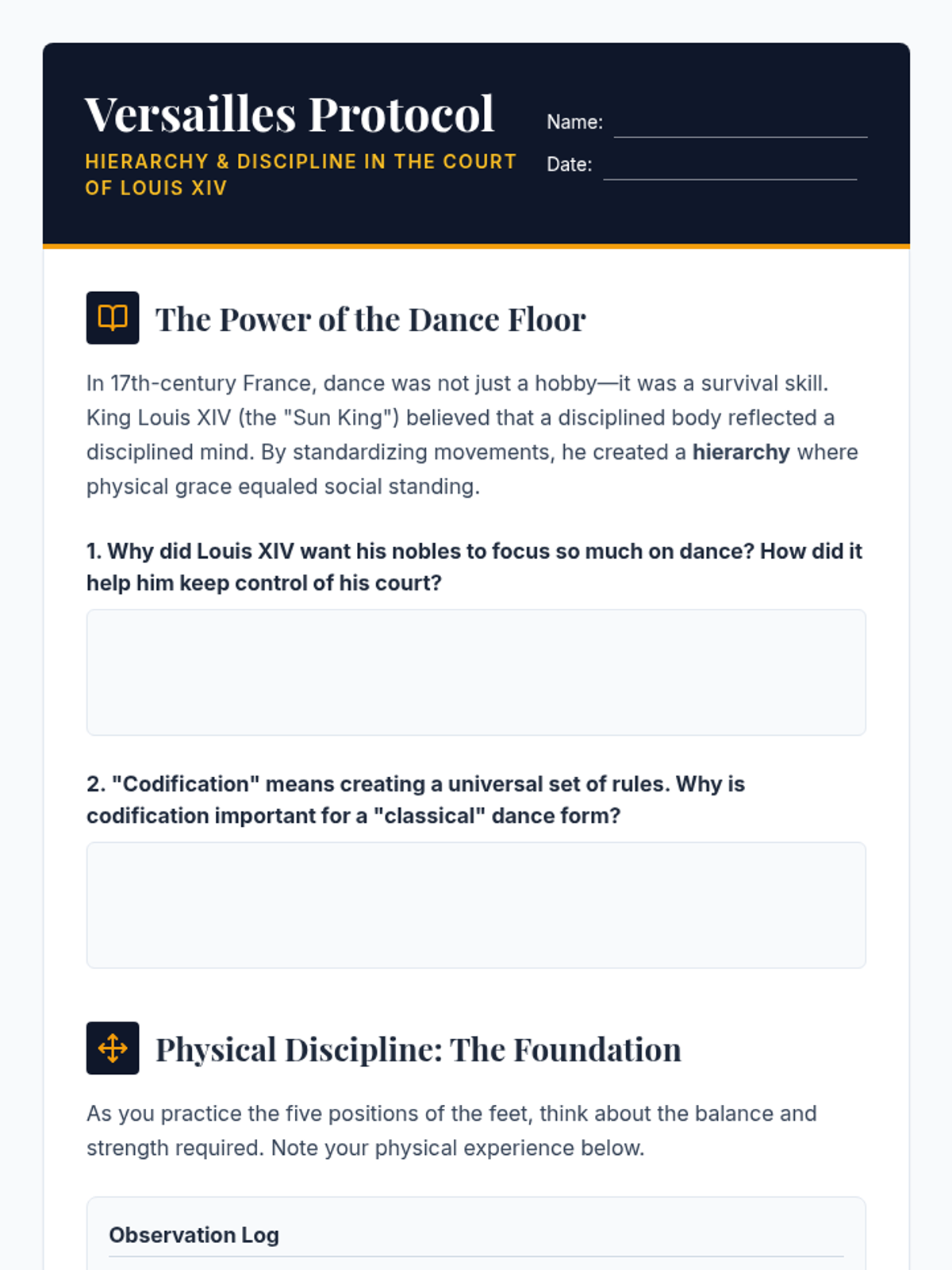
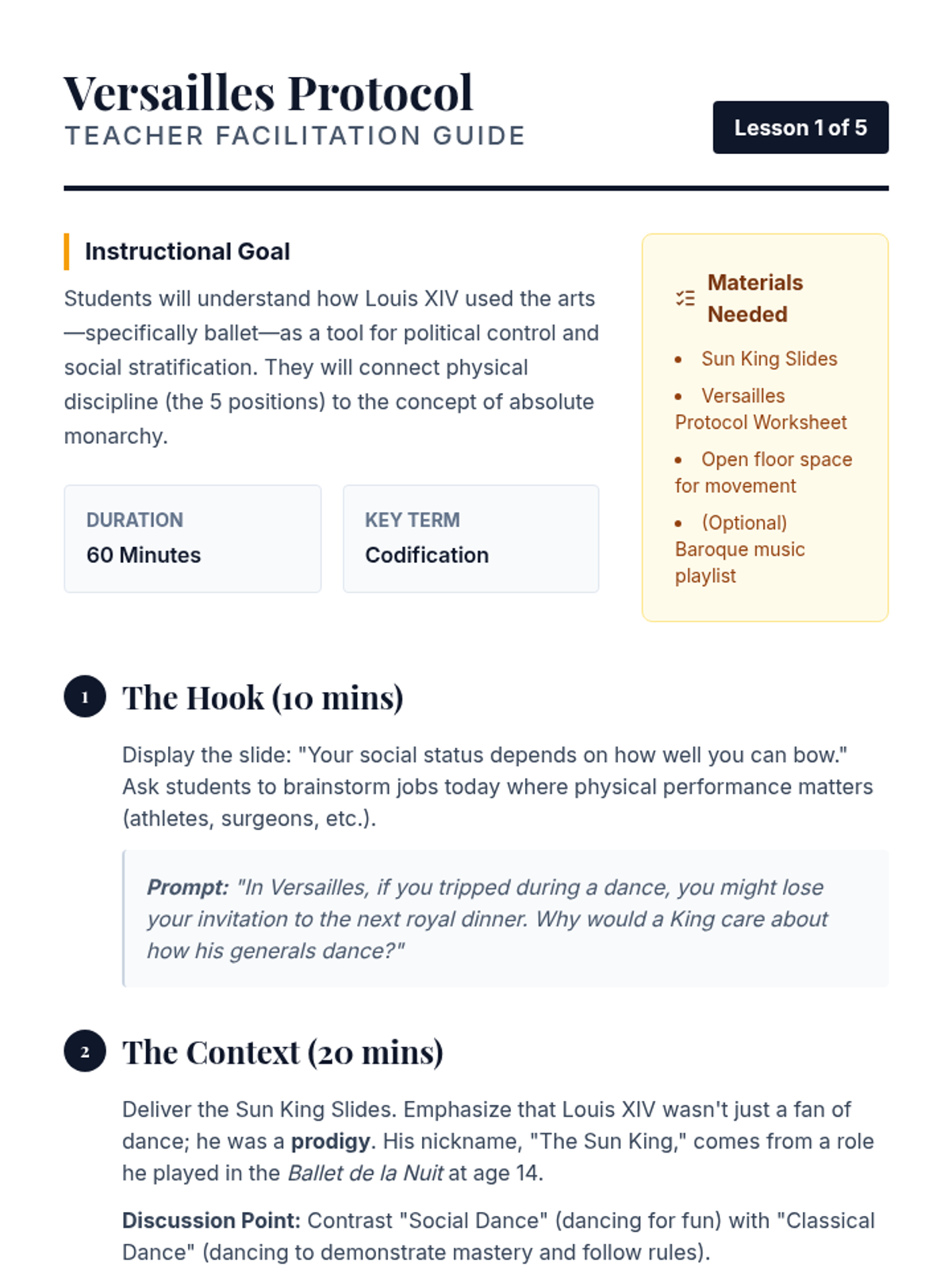
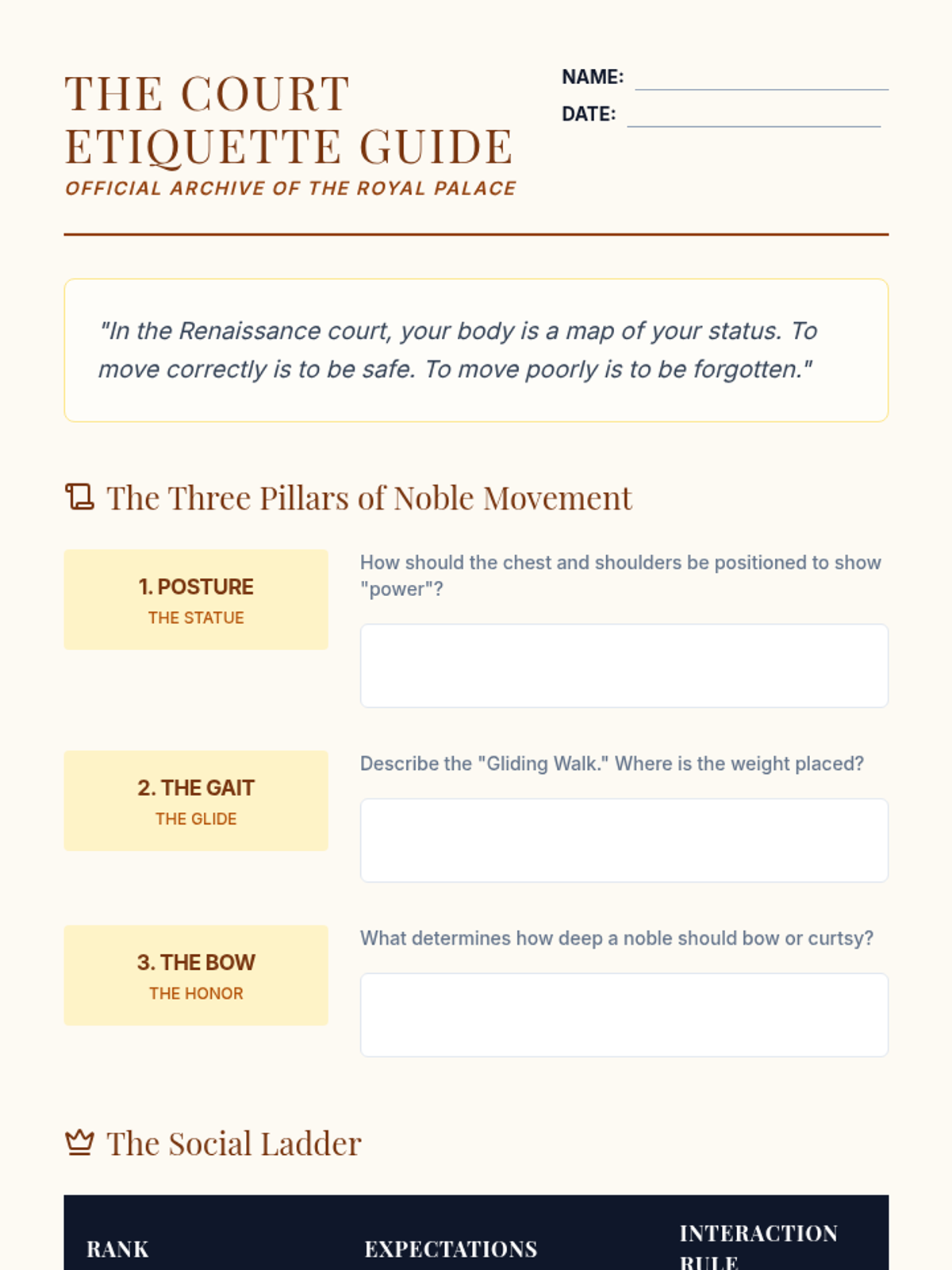
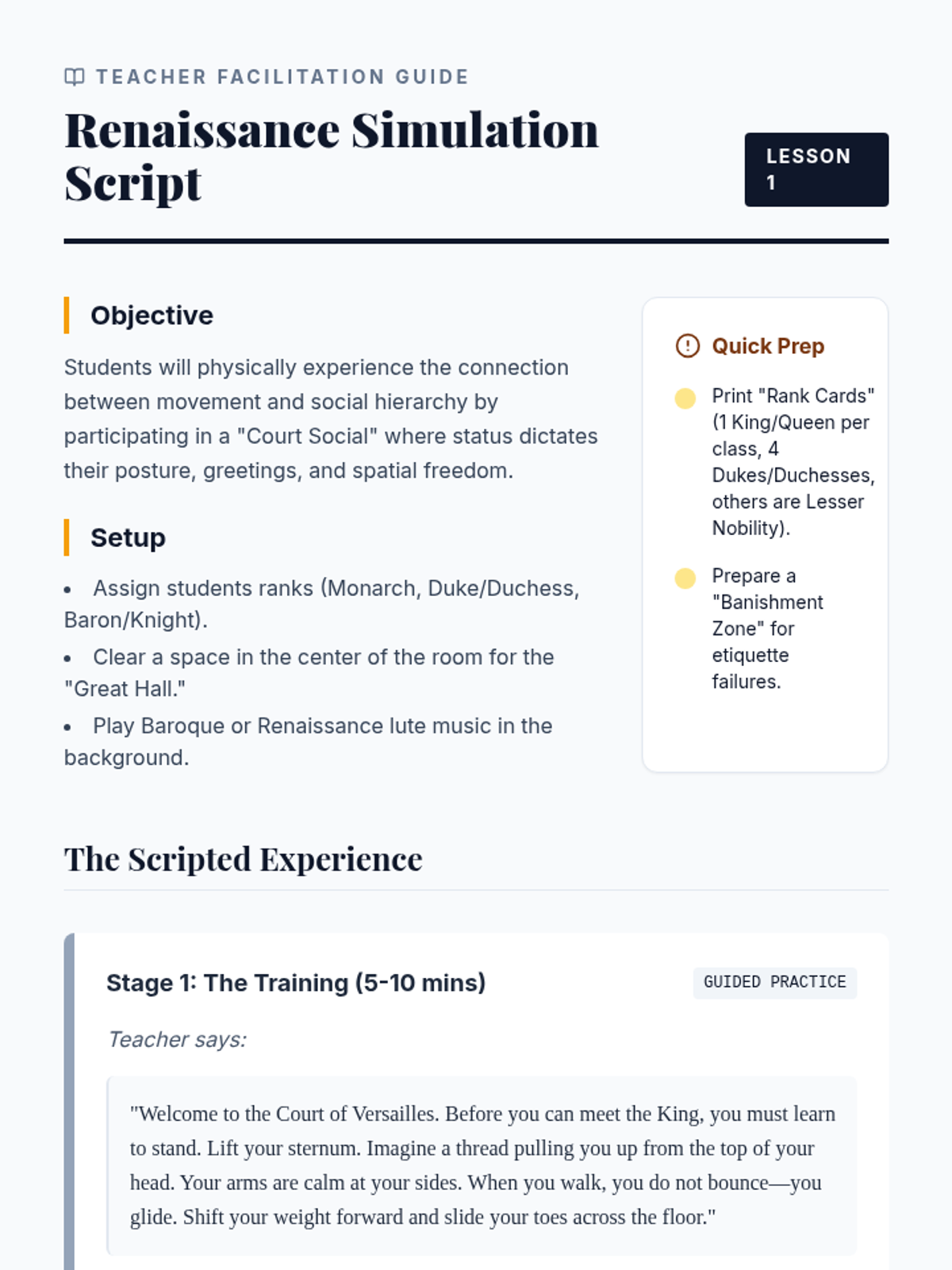
A journey through the history of classical dance, exploring how power, fashion, and social hierarchy shaped the movement styles of the Renaissance and Baroque eras into the formalized art of ballet. Students will move from court etiquette to the technical rigor of King Louis XIV's court, analyze Romantic era narratives, and create their own codified dance systems.
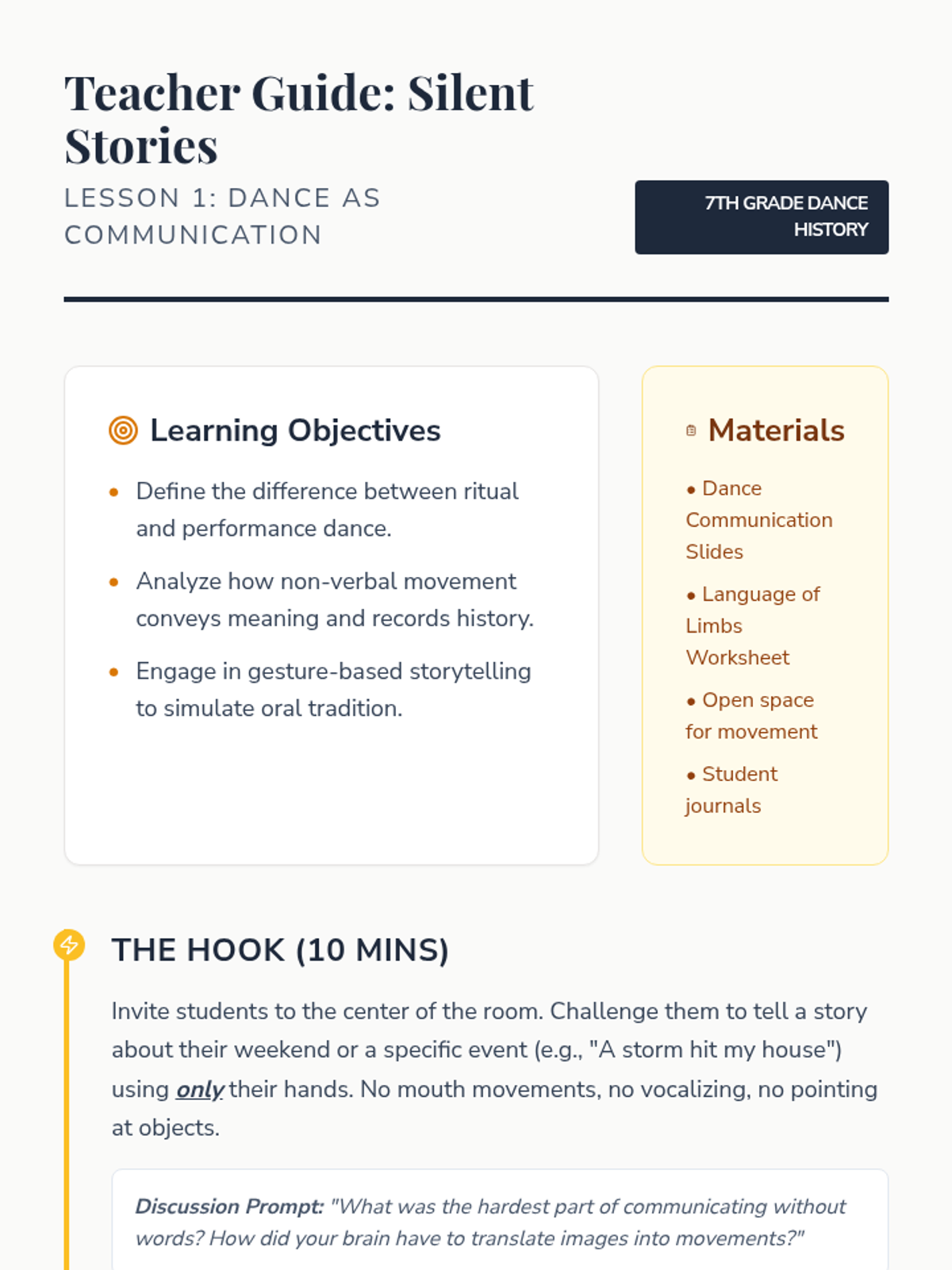
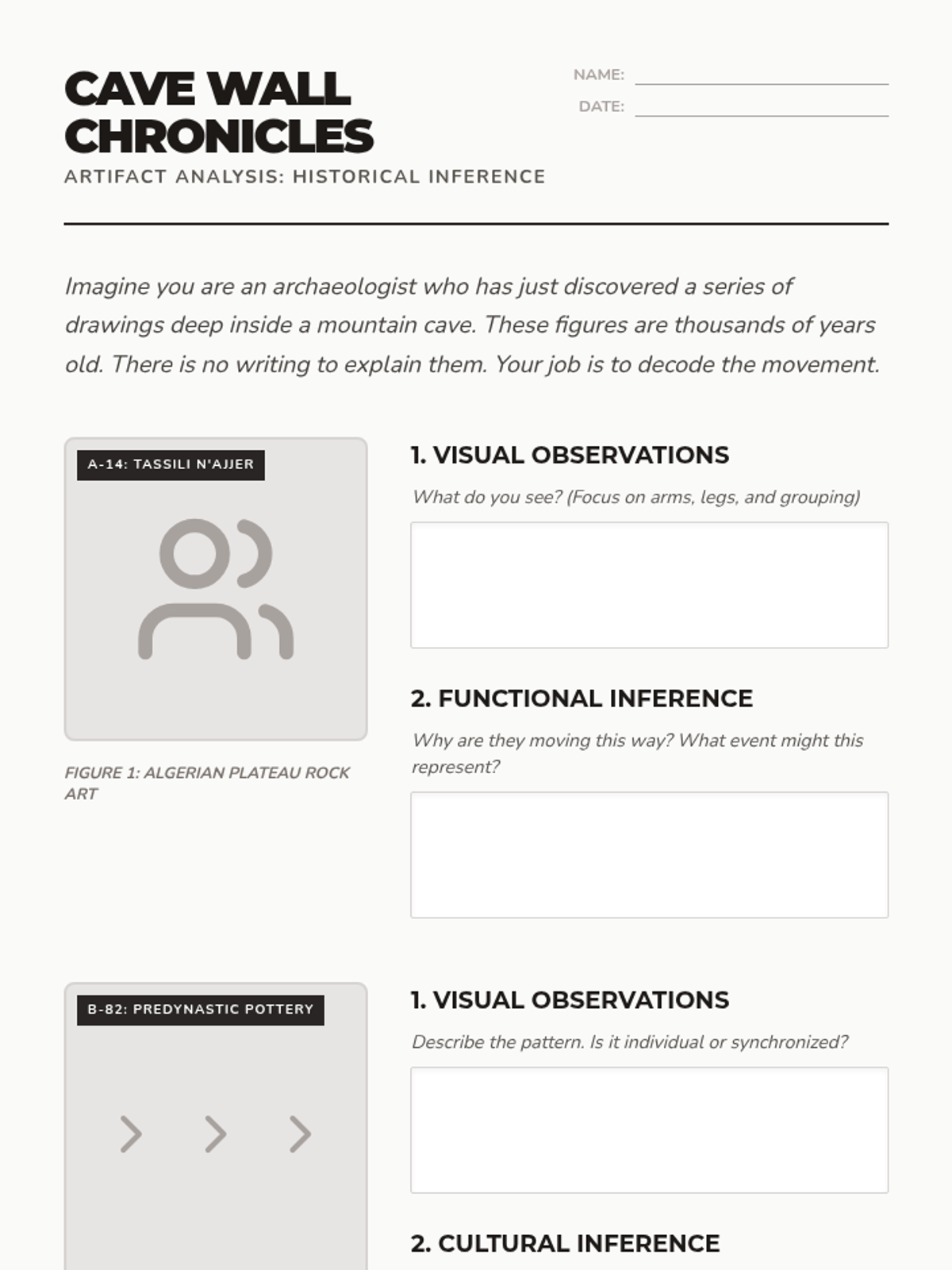
A 5-lesson unit exploring how dance served as the primary form of communication and history-keeping before written language, investigating Hawaiian, Greek, and West African traditions.
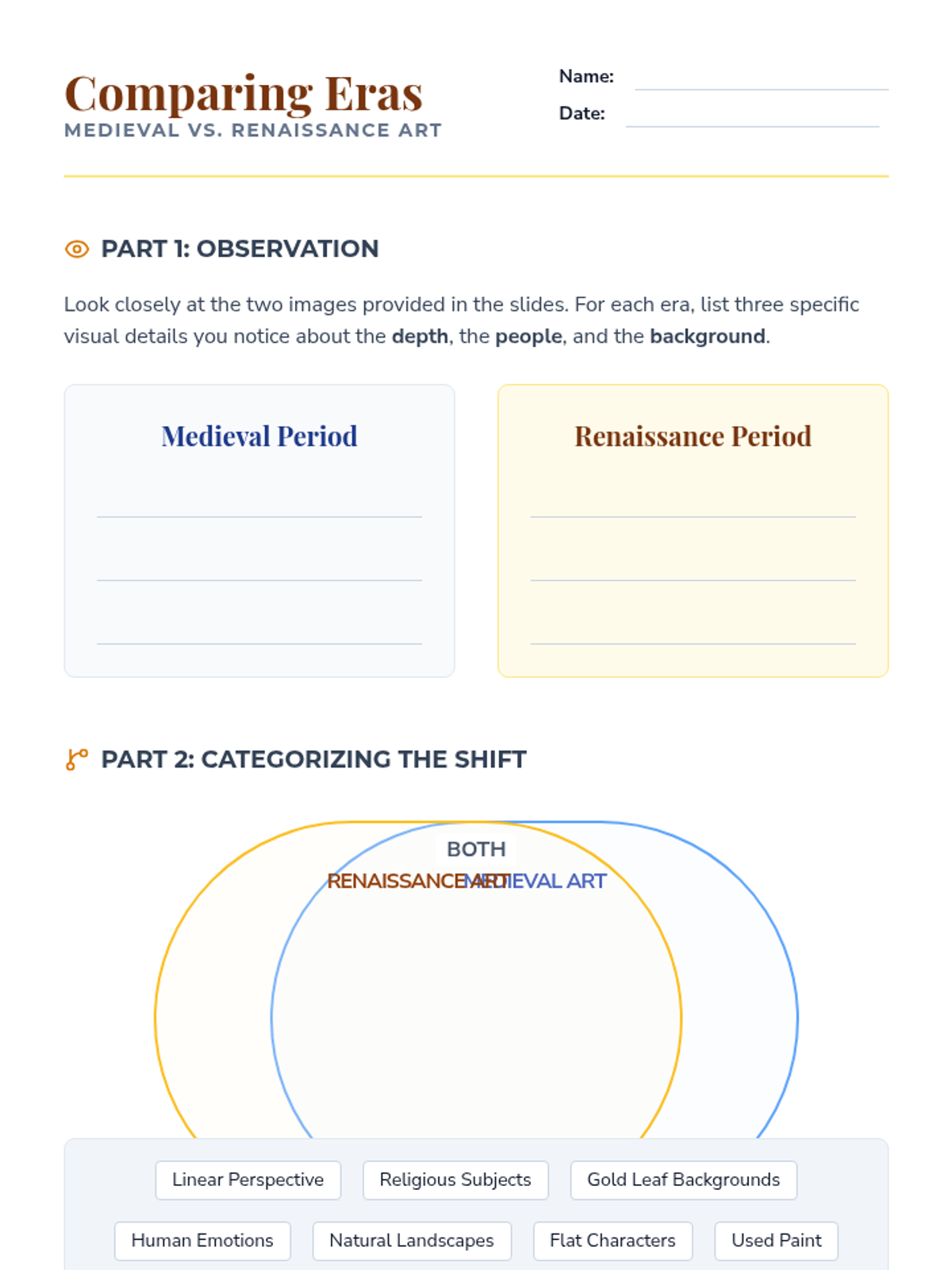
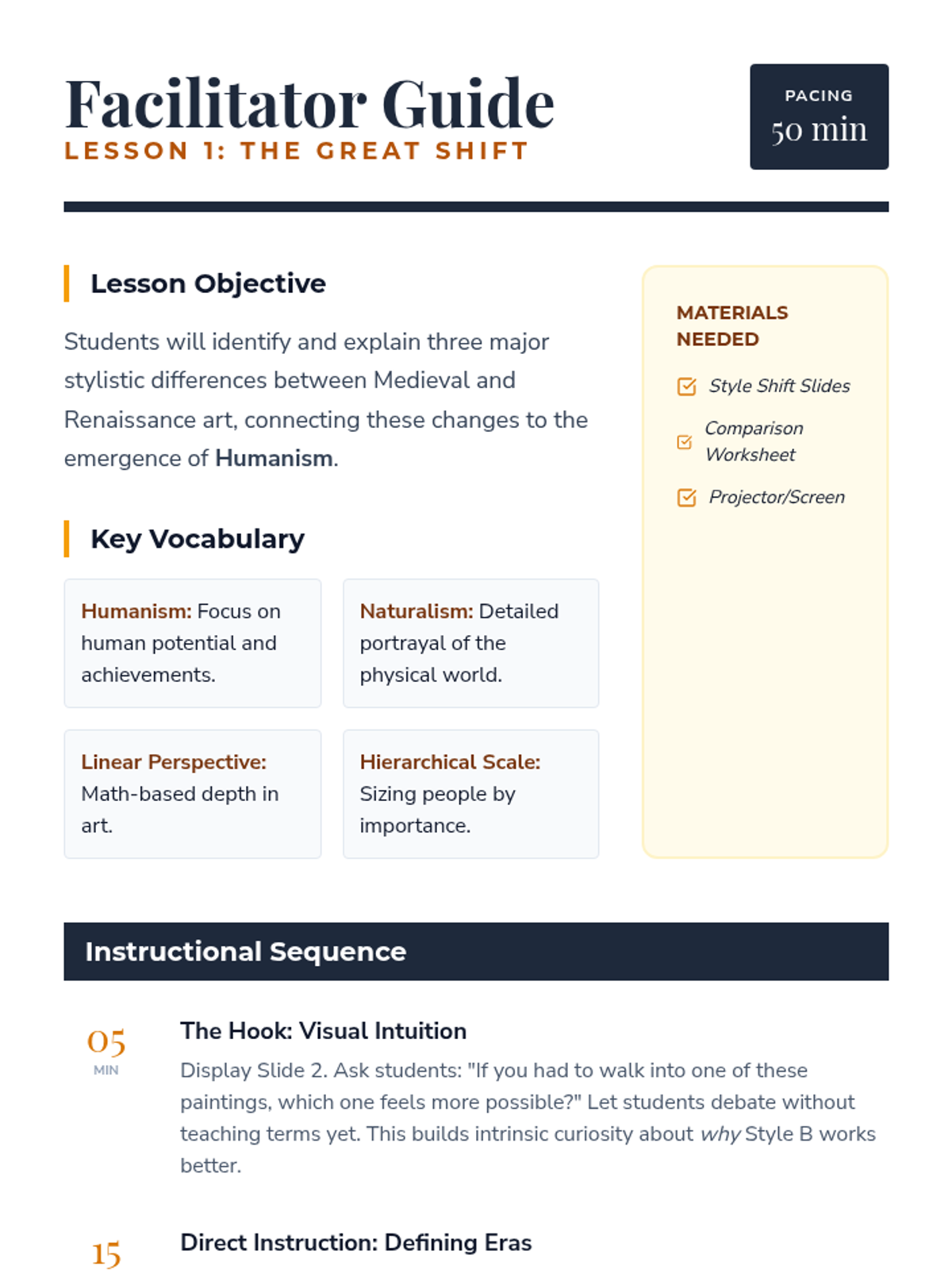
This sequence explores the transition from Medieval to Renaissance art, focusing on the development of linear perspective, human anatomy in art, and the cultural shift toward Humanism. Students will analyze masterpieces like 'The School of Athens' and apply mathematical principles to create their own realistic artworks.