Fundamental techniques for drawing, painting, sculpture, and photography alongside modern digital design principles. Analyzes historical artistic movements while building skills in printmaking and graphic media.
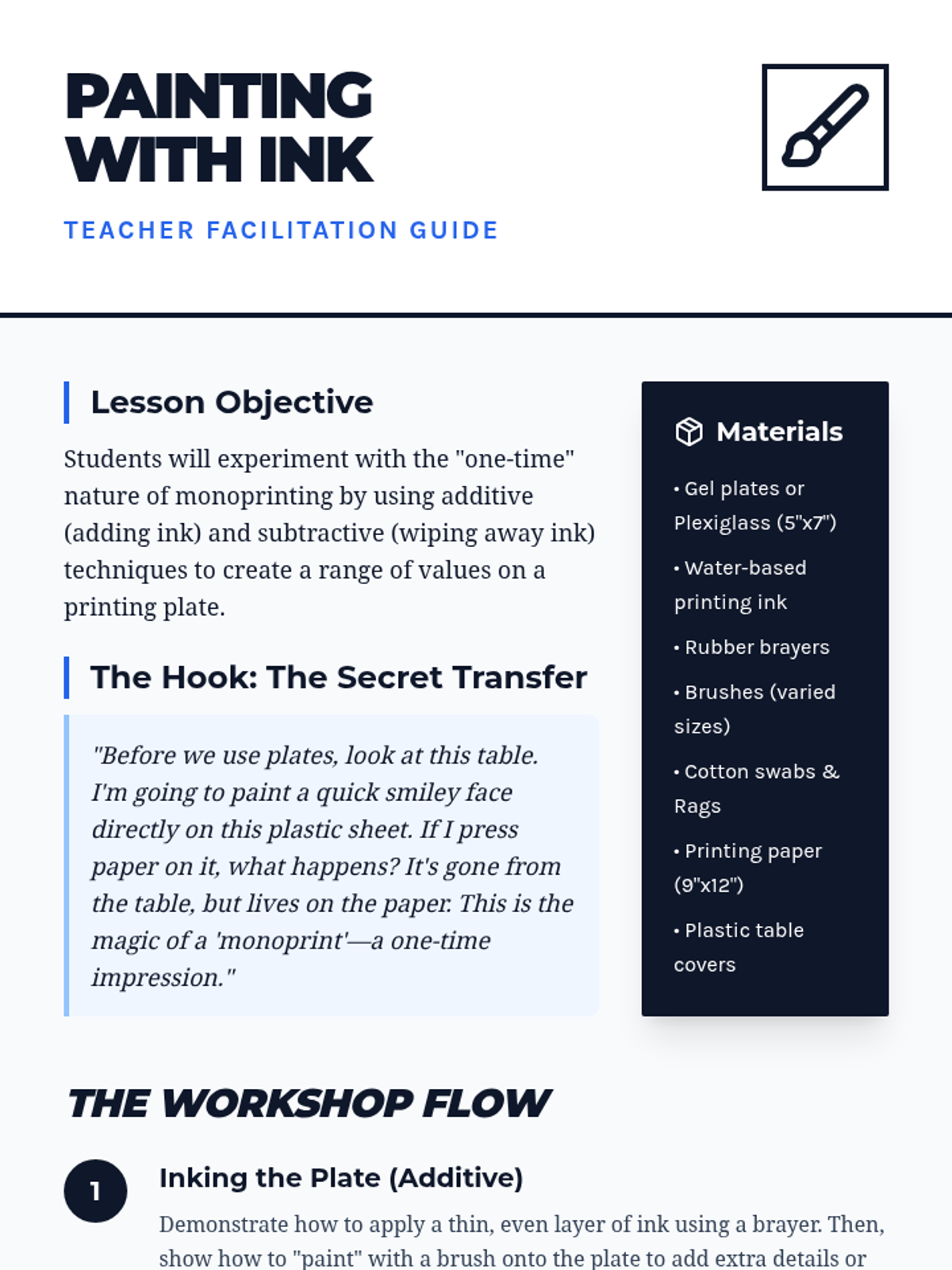
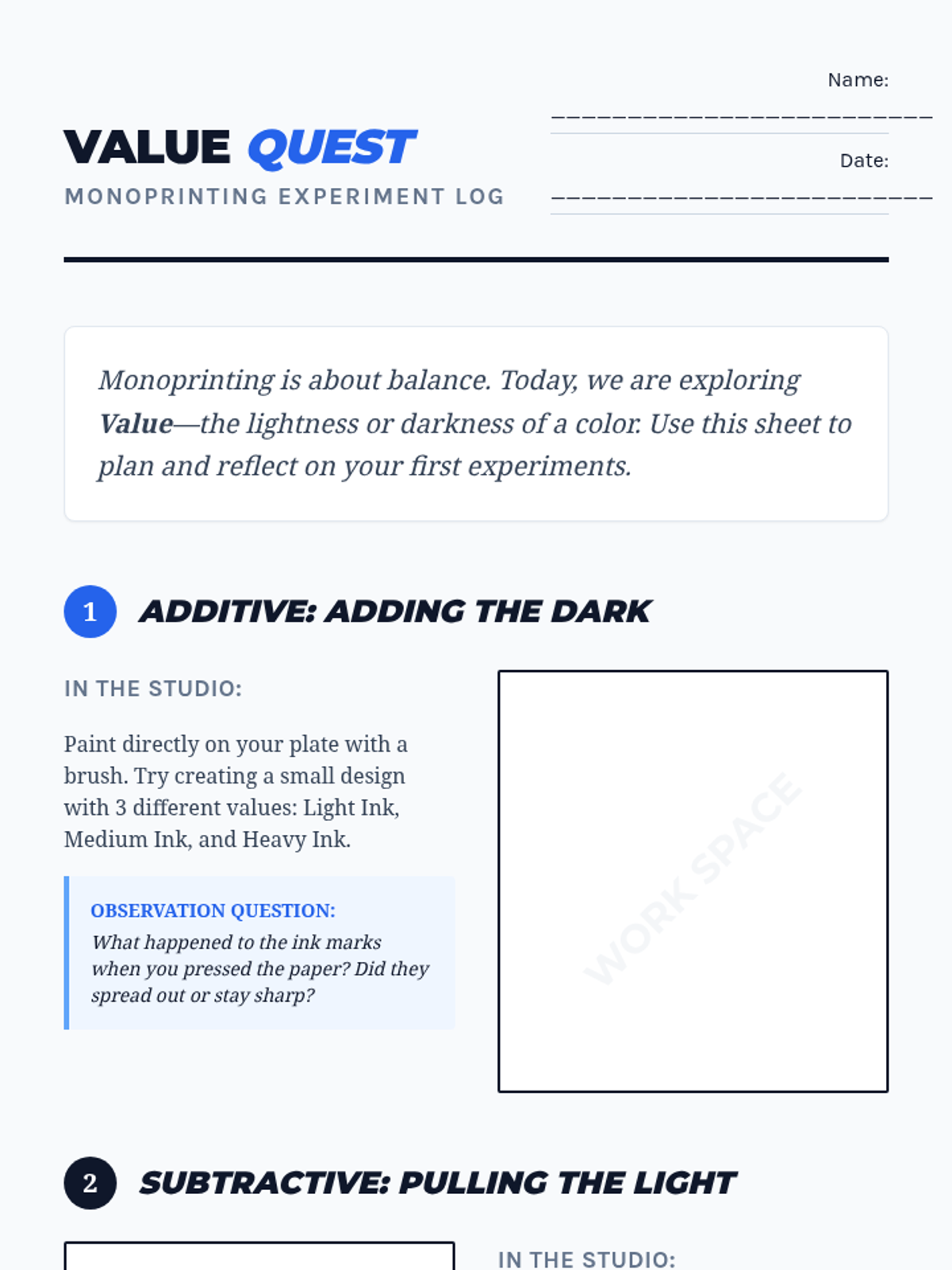
A 5-lesson sequence exploring the experimental nature of monoprinting. Students investigate ink properties, transparency, and layering through additive/subtractive methods, found object textures, masking, and ghost printing, culminating in a curated portfolio.
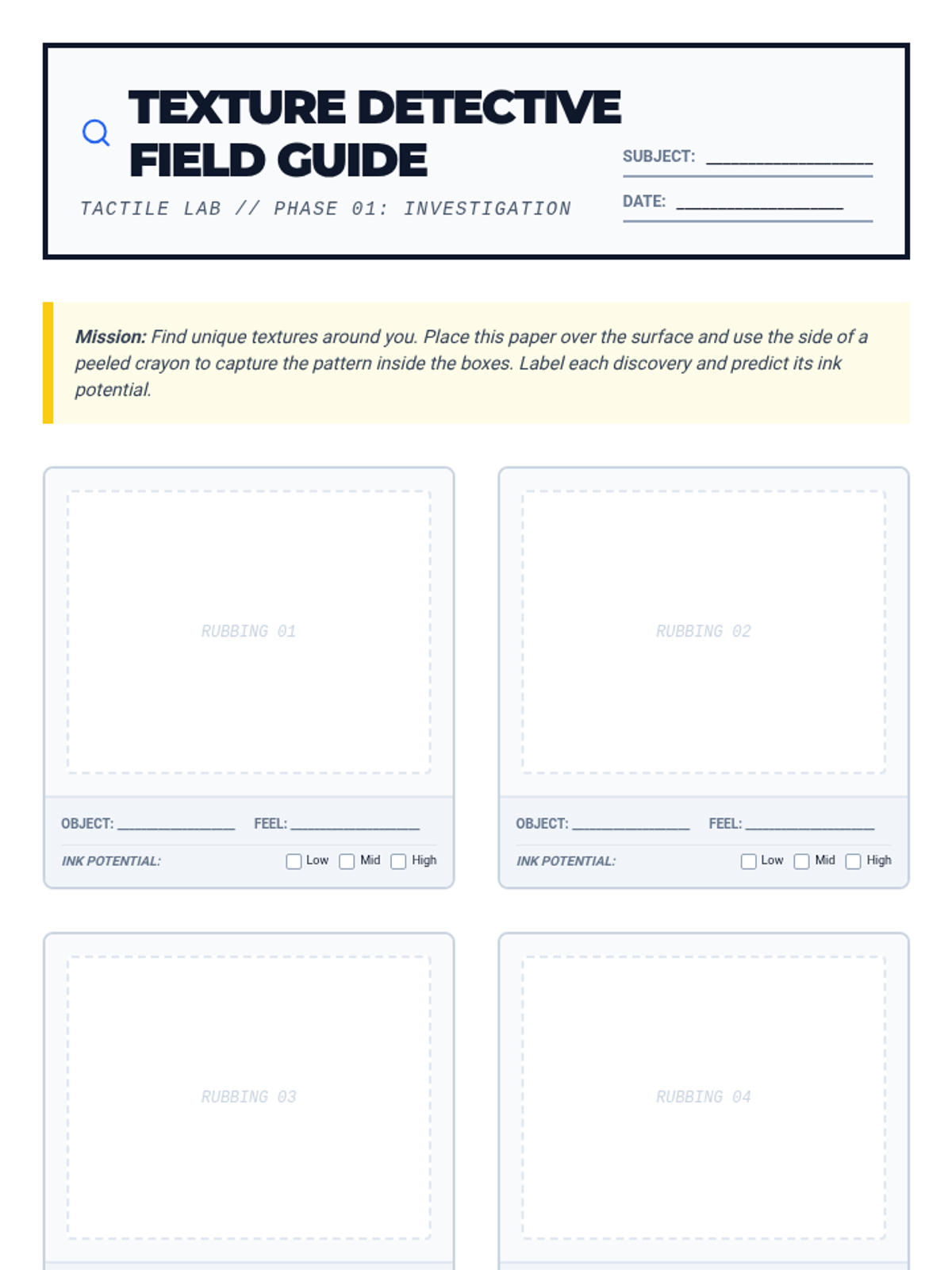
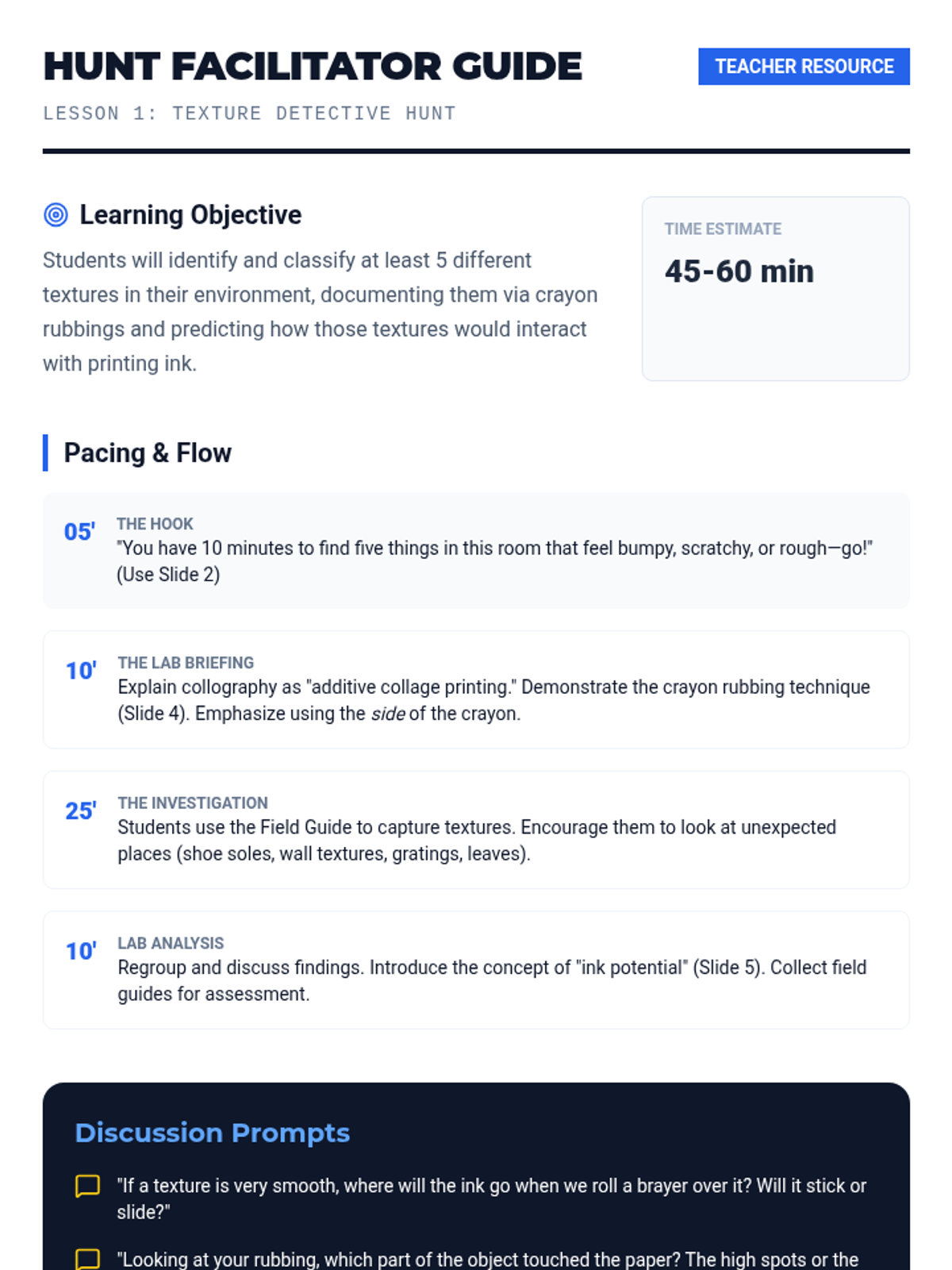
A 4th-grade printmaking unit where students transform found textures into complex printing plates. Through inquiry and experimentation, students explore collography by building, sealing, inking, and pressing tactile 'matrices'.
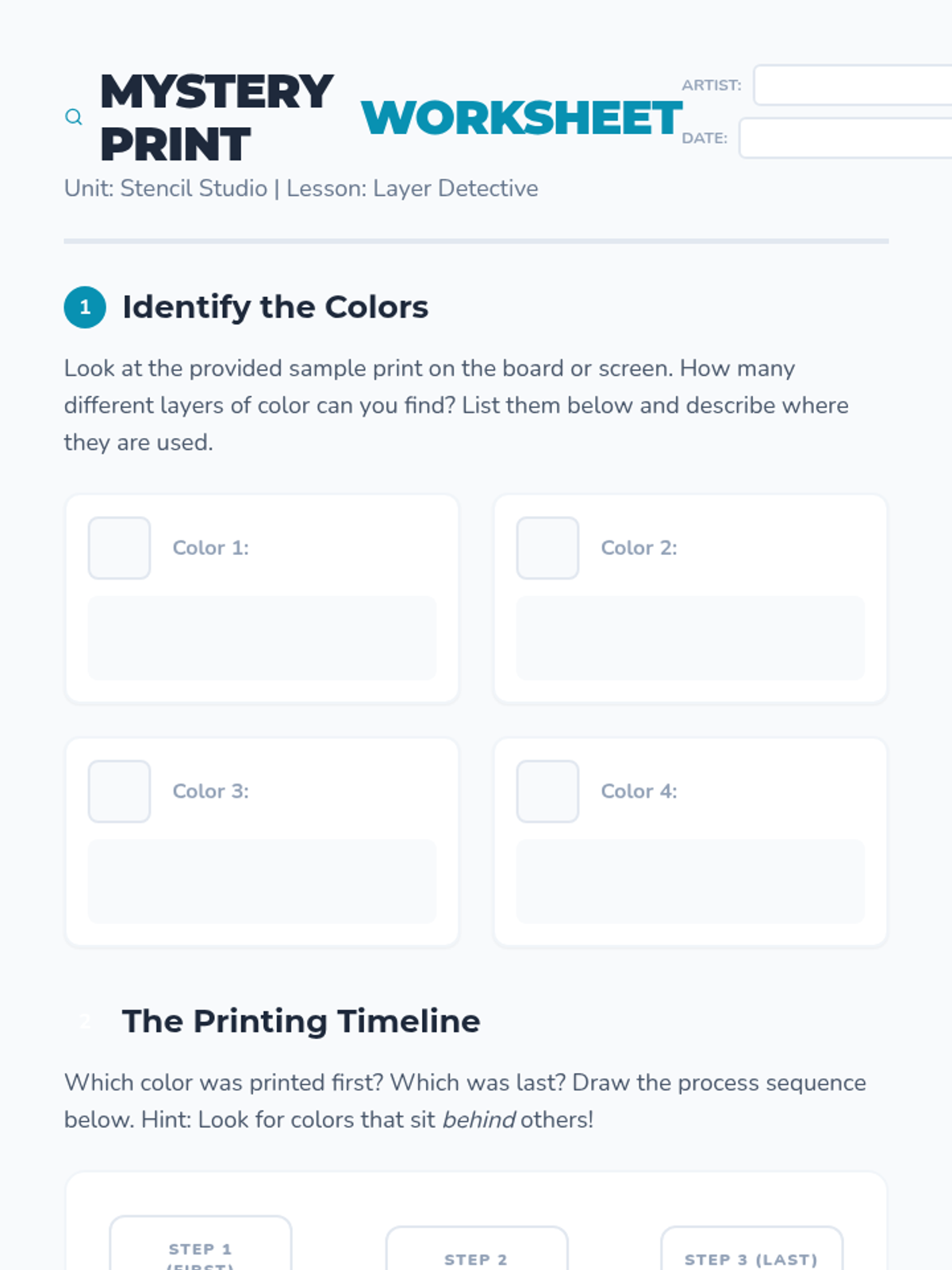
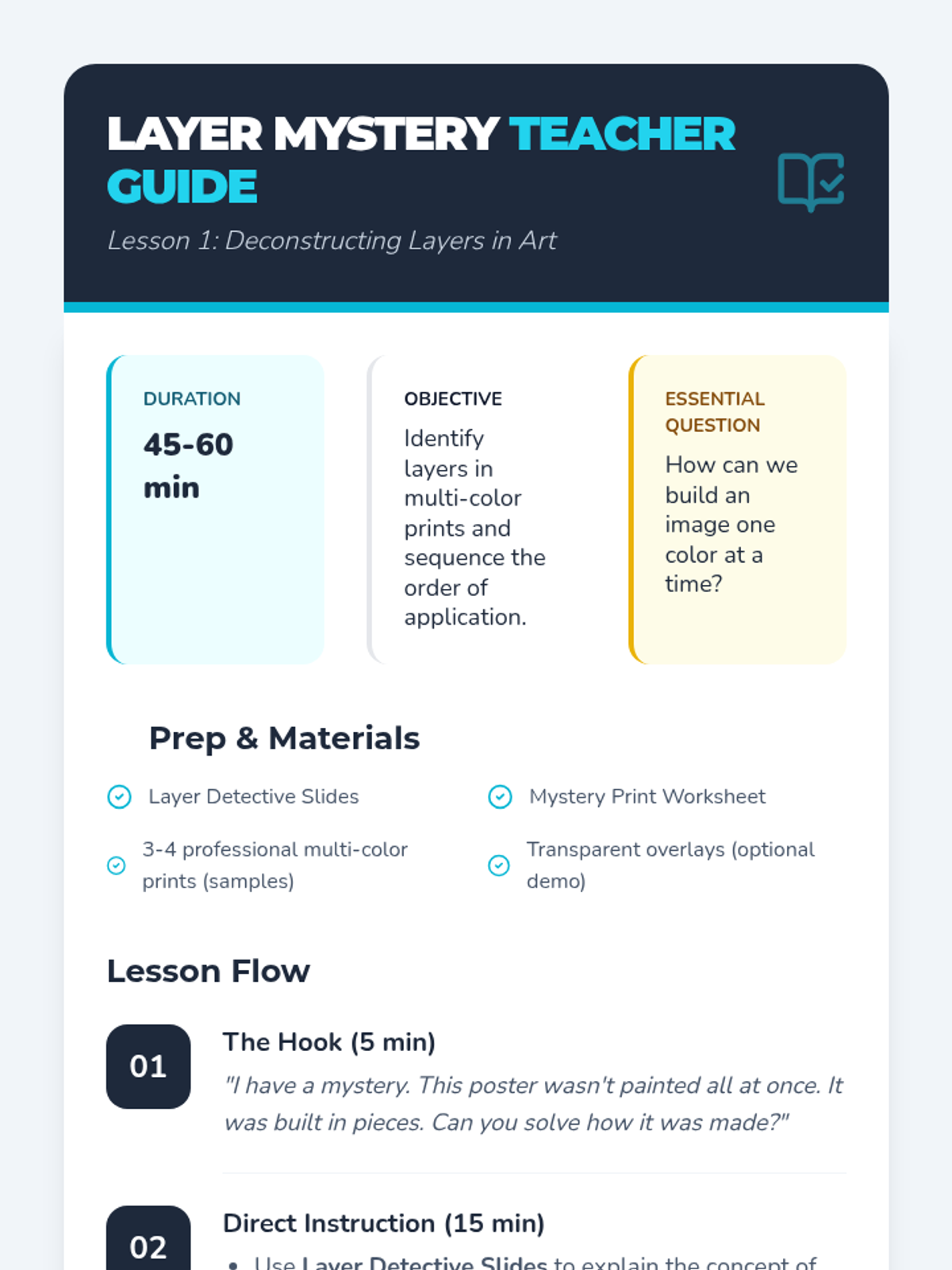
An inquiry-based art sequence where 4th graders explore multi-layer stencil printing, focusing on color theory, registration, and visual deconstruction. Students move from analyzing professional prints to creating their own multi-layered color compositions.
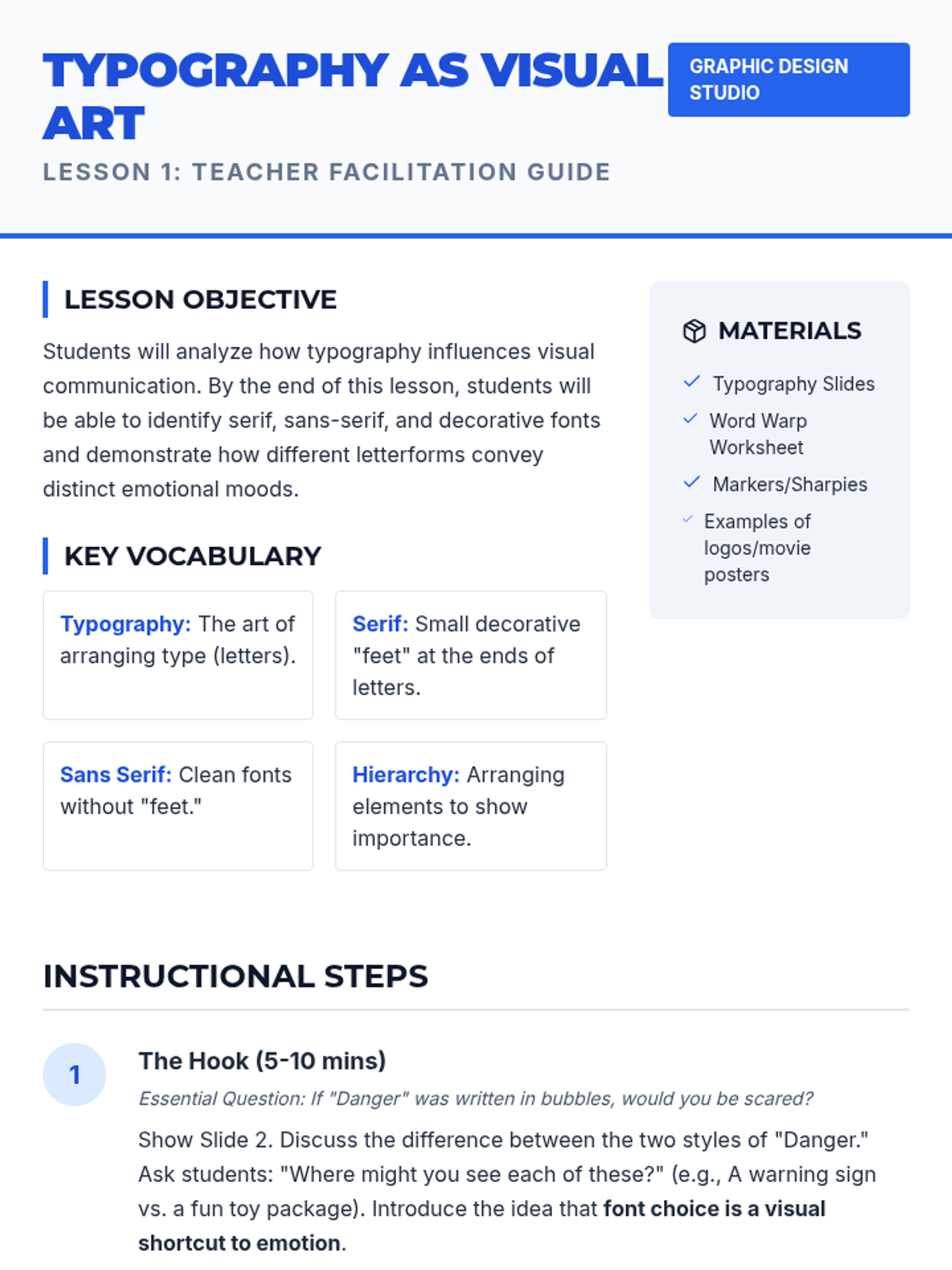
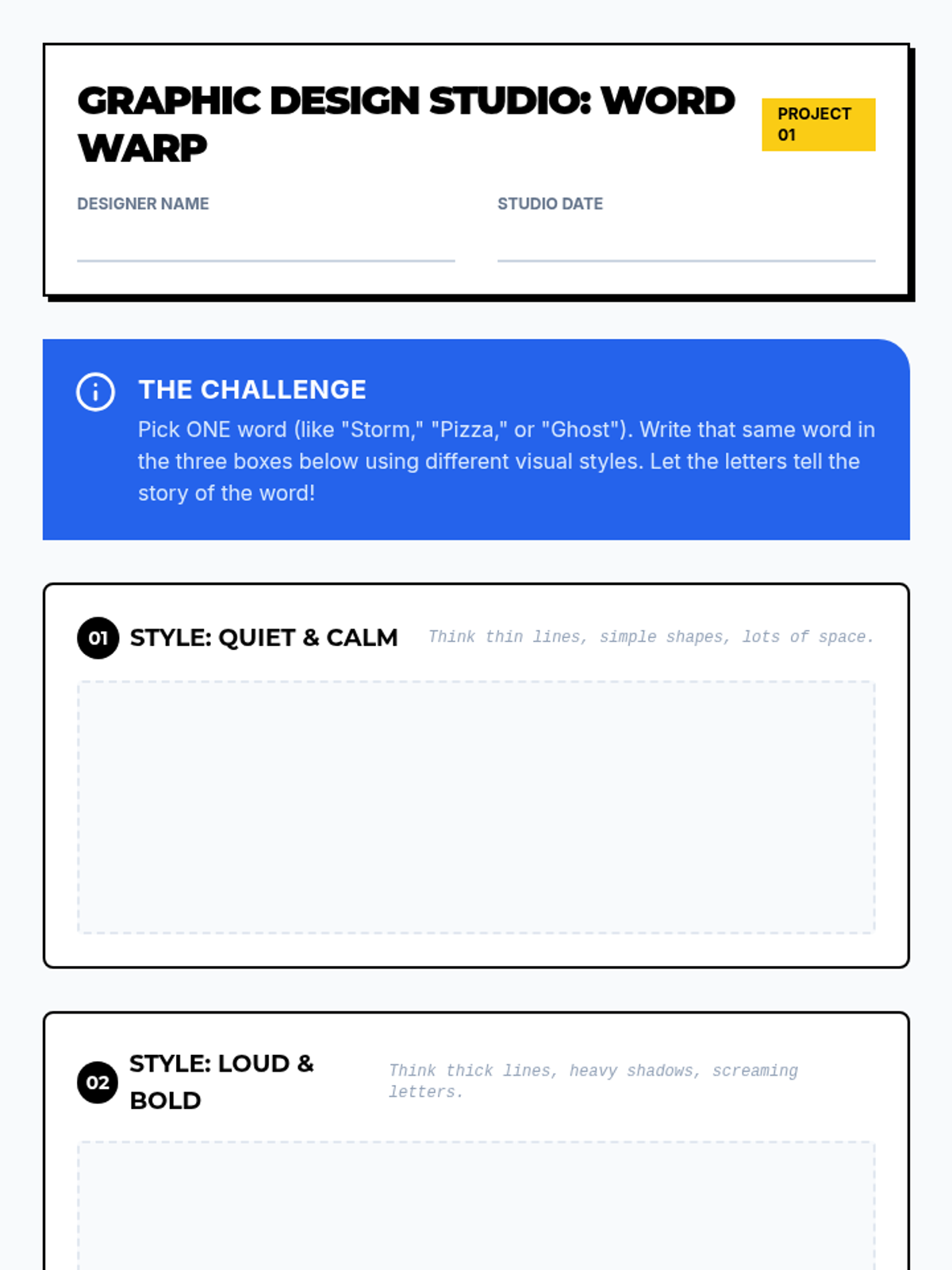
A project-based sequence for 4th-grade students exploring typography, layout, and stencil printmaking to create communicative graphic posters. Students act as designers, learning how visual elements and text work together to convey messages effectively.
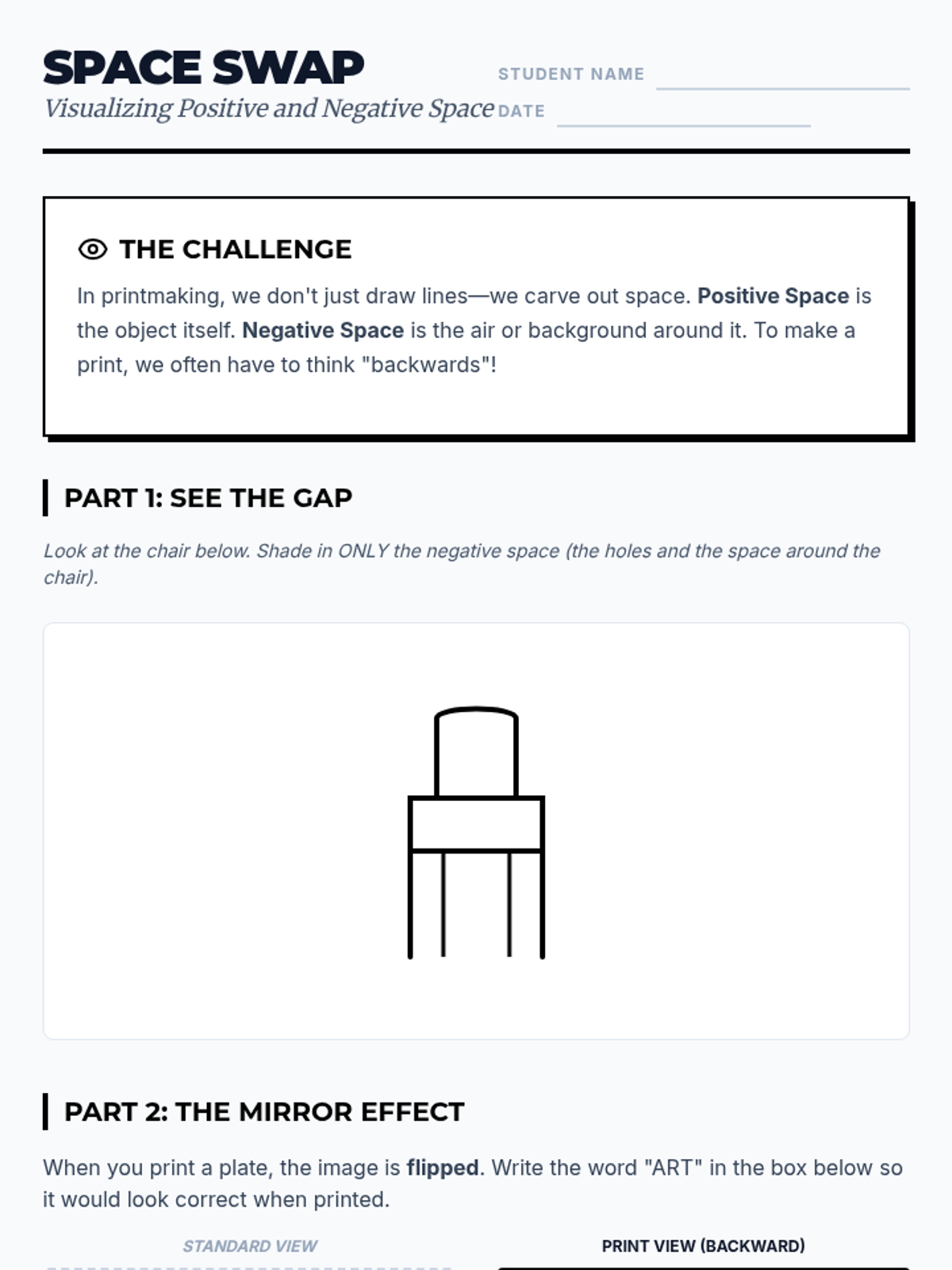
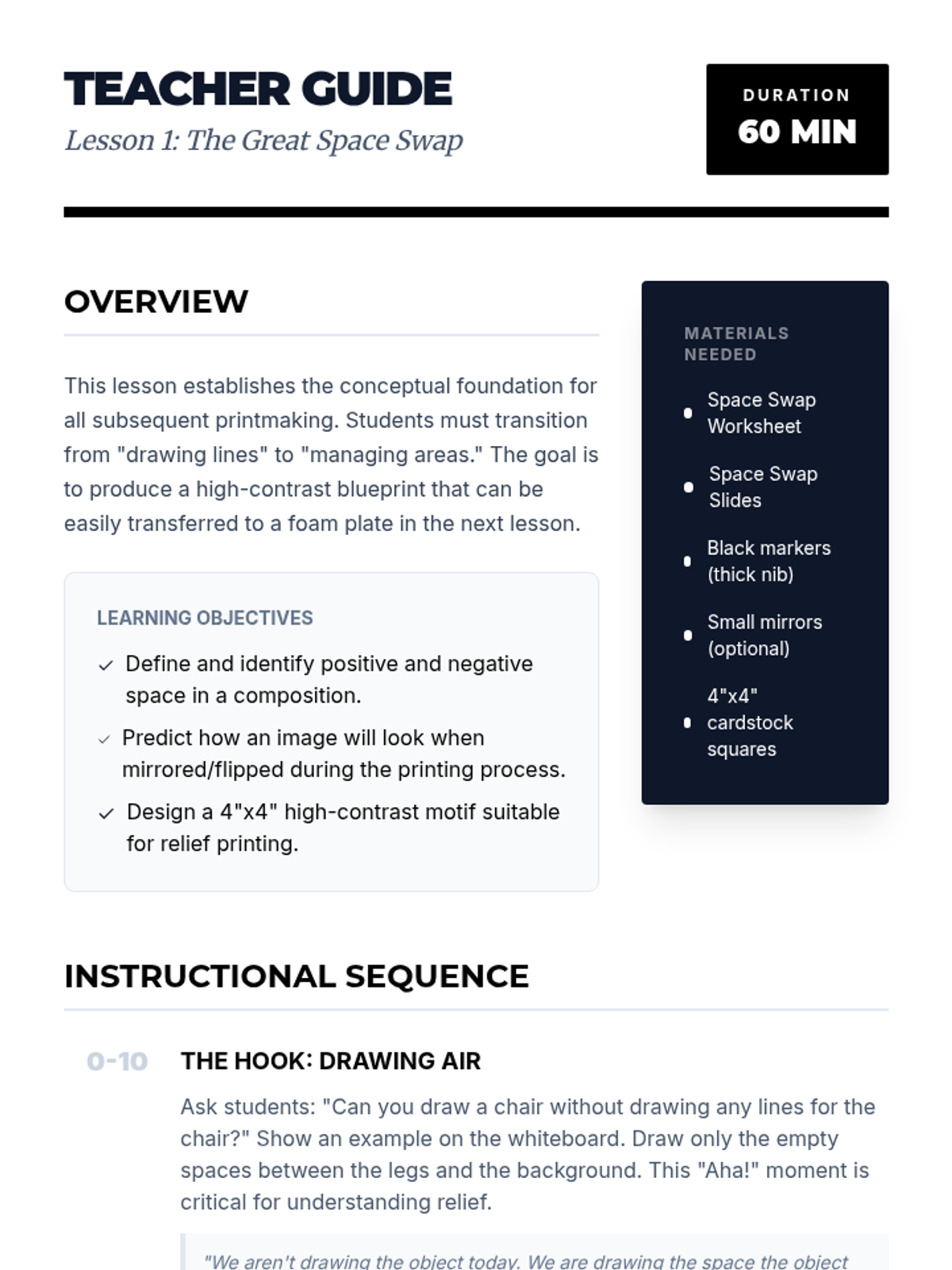
Students explore relief printing using soft foam plates, focusing on positive and negative space, inking techniques, and pattern creation. The sequence culminates in a professional-style edition of prints and a gallery walk critique.
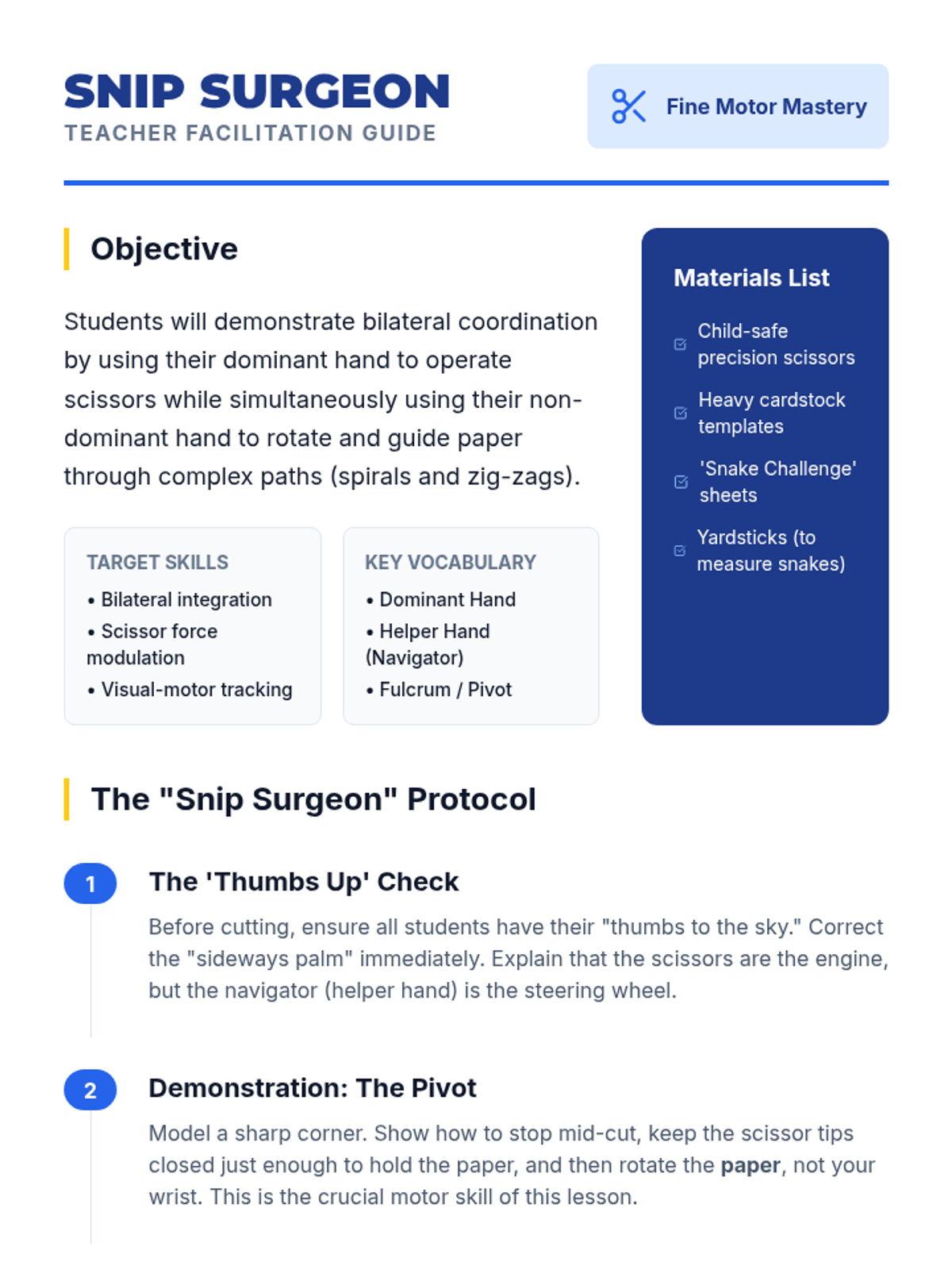
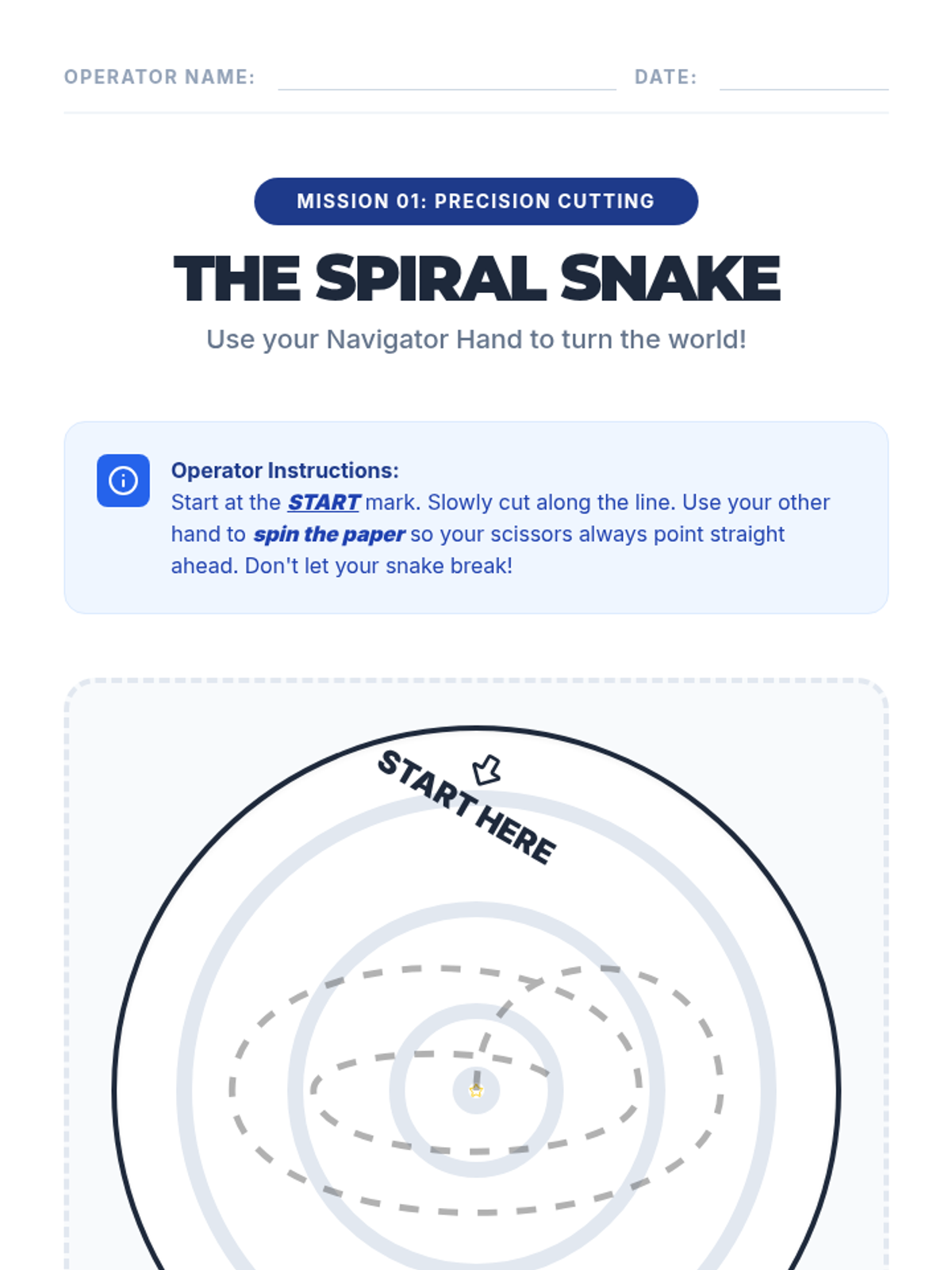
Students develop advanced fine motor skills and bilateral coordination through 3D paper engineering. The sequence progresses from intricate scissor work and precise folding to tool-based measuring and complex adhesive control, culminating in the construction of functional pop-up mechanisms.
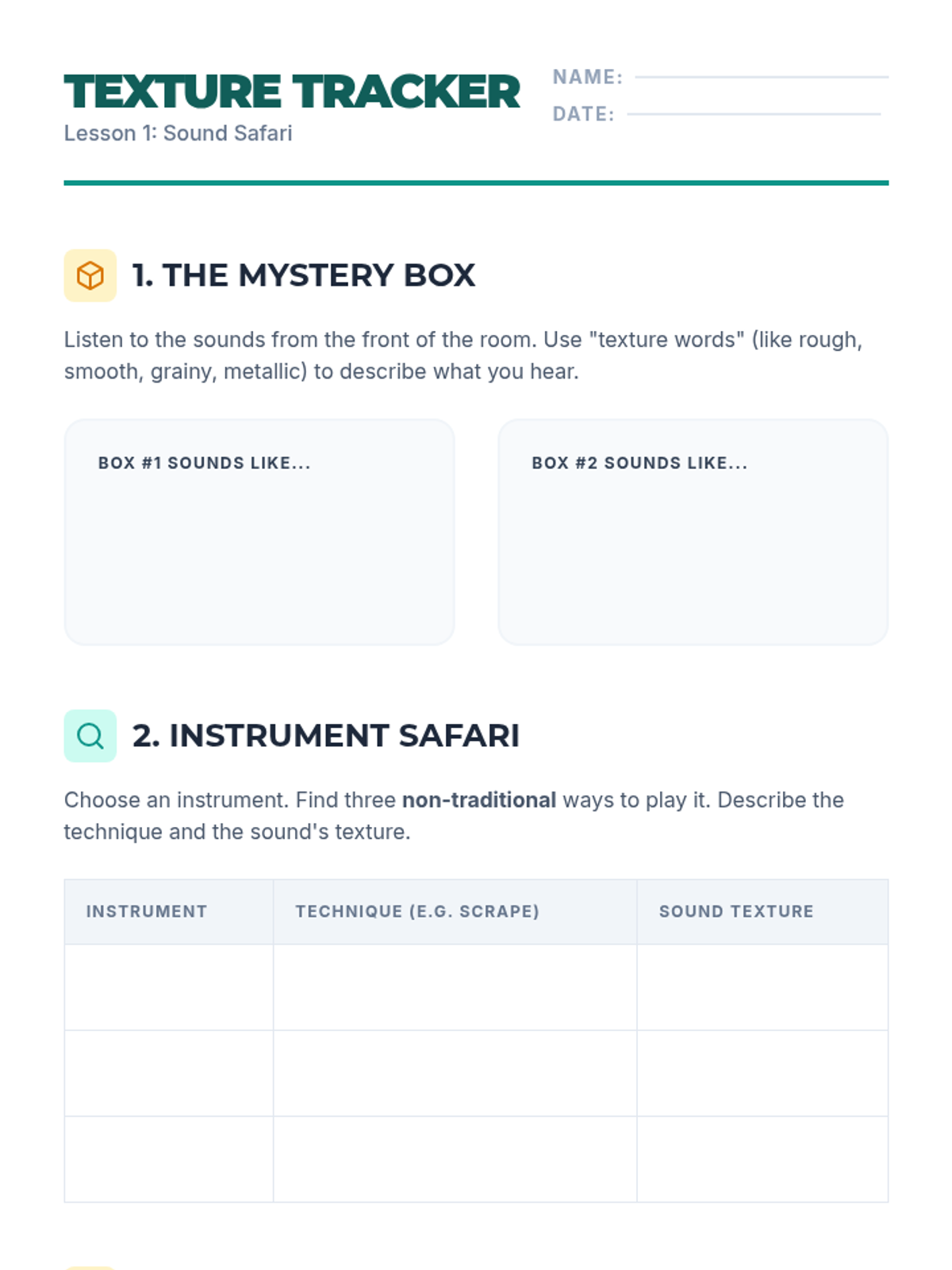
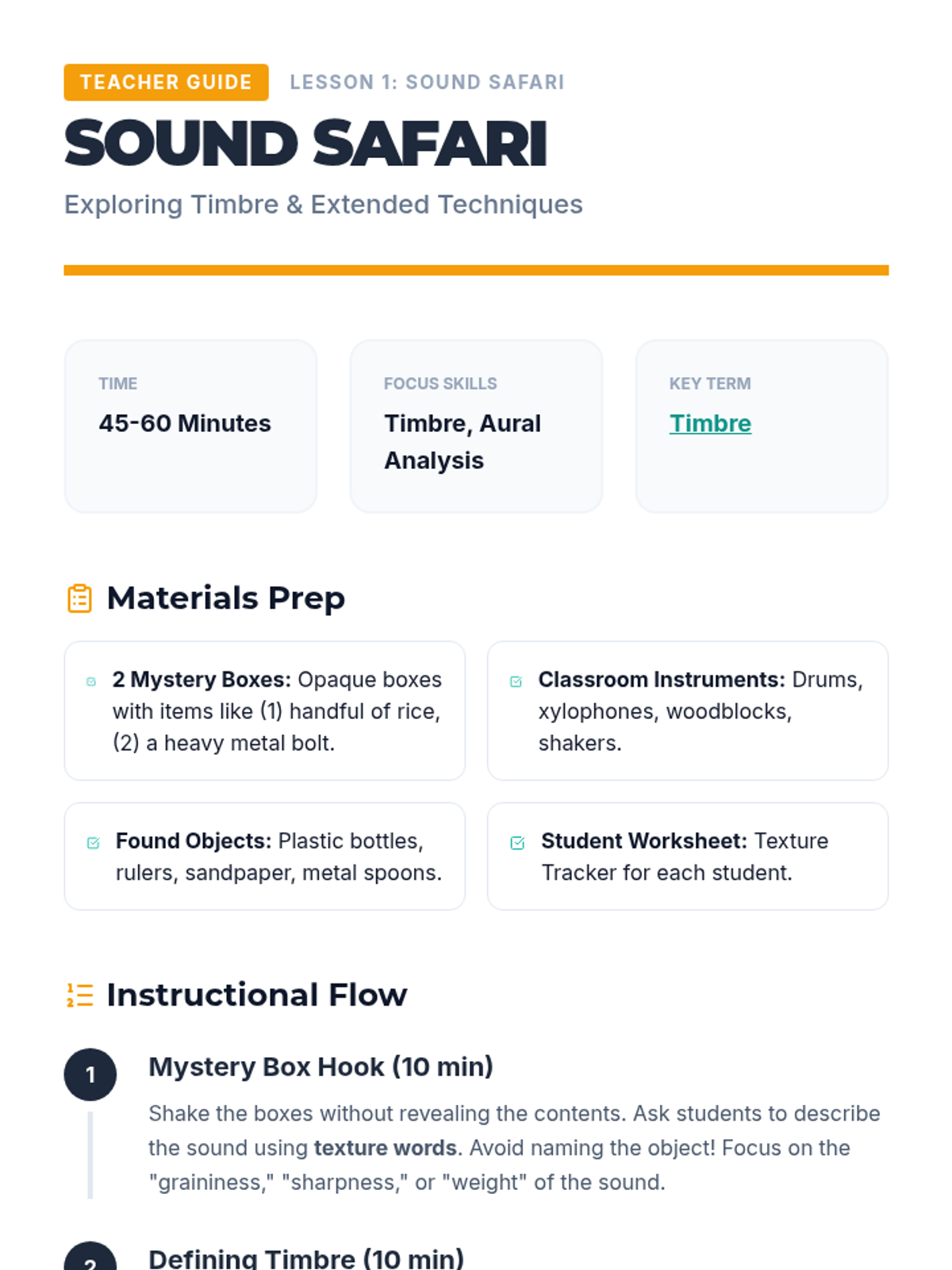
A 5-lesson journey into music composition using graphic notation. Students explore sound textures, invent visual symbols for audio, compose narrative soundscapes, and lead ensembles as conductors.
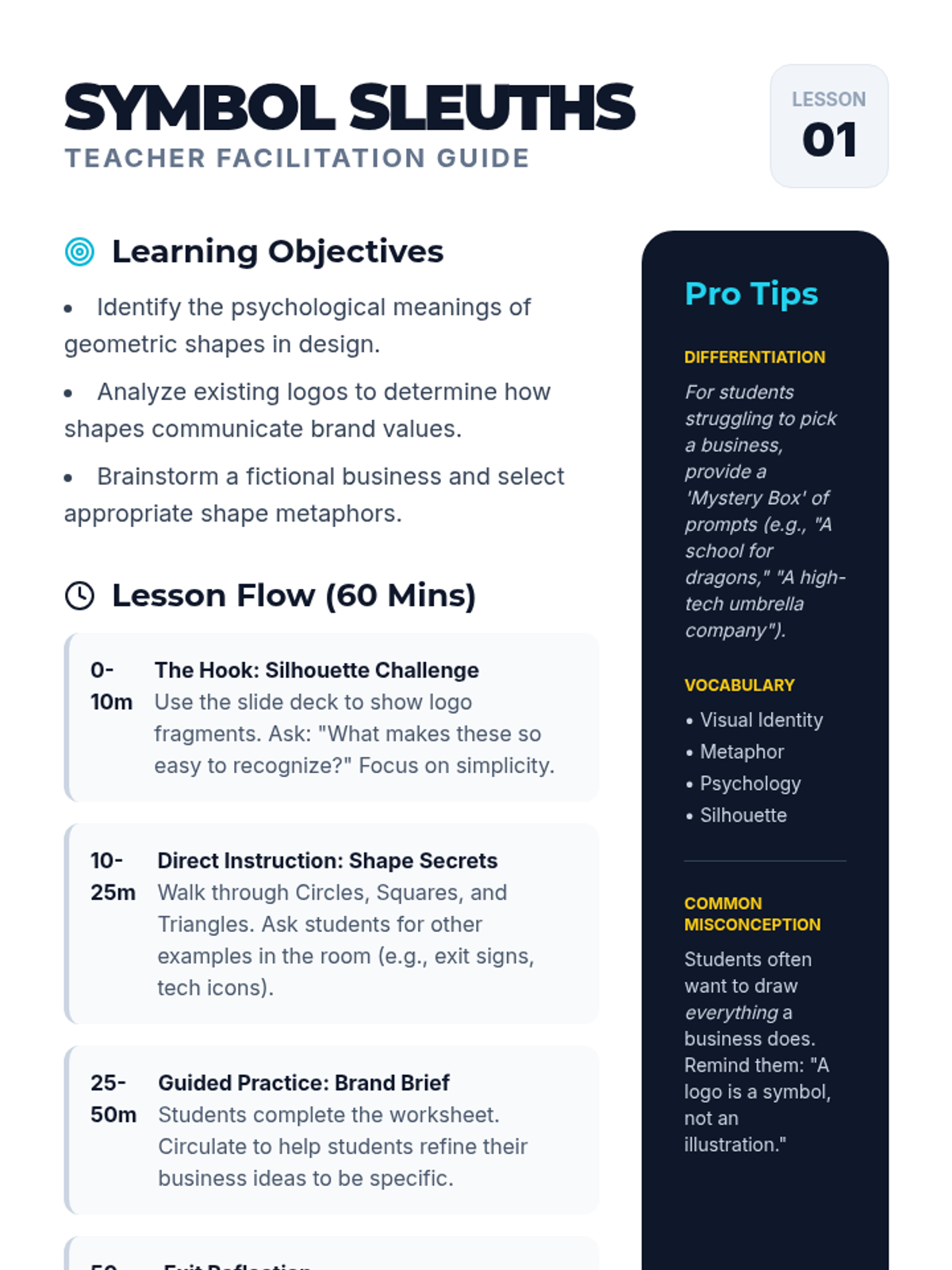
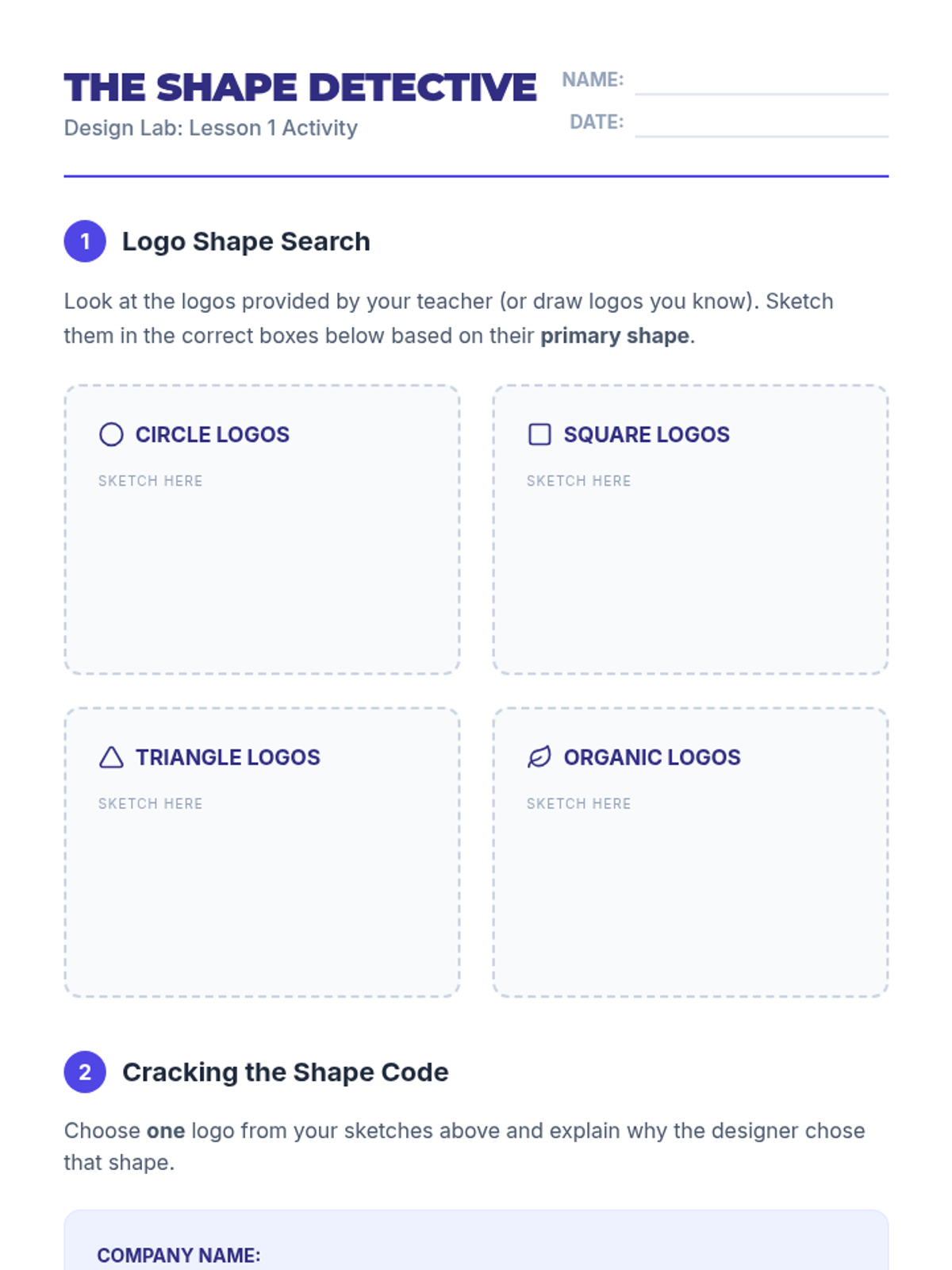
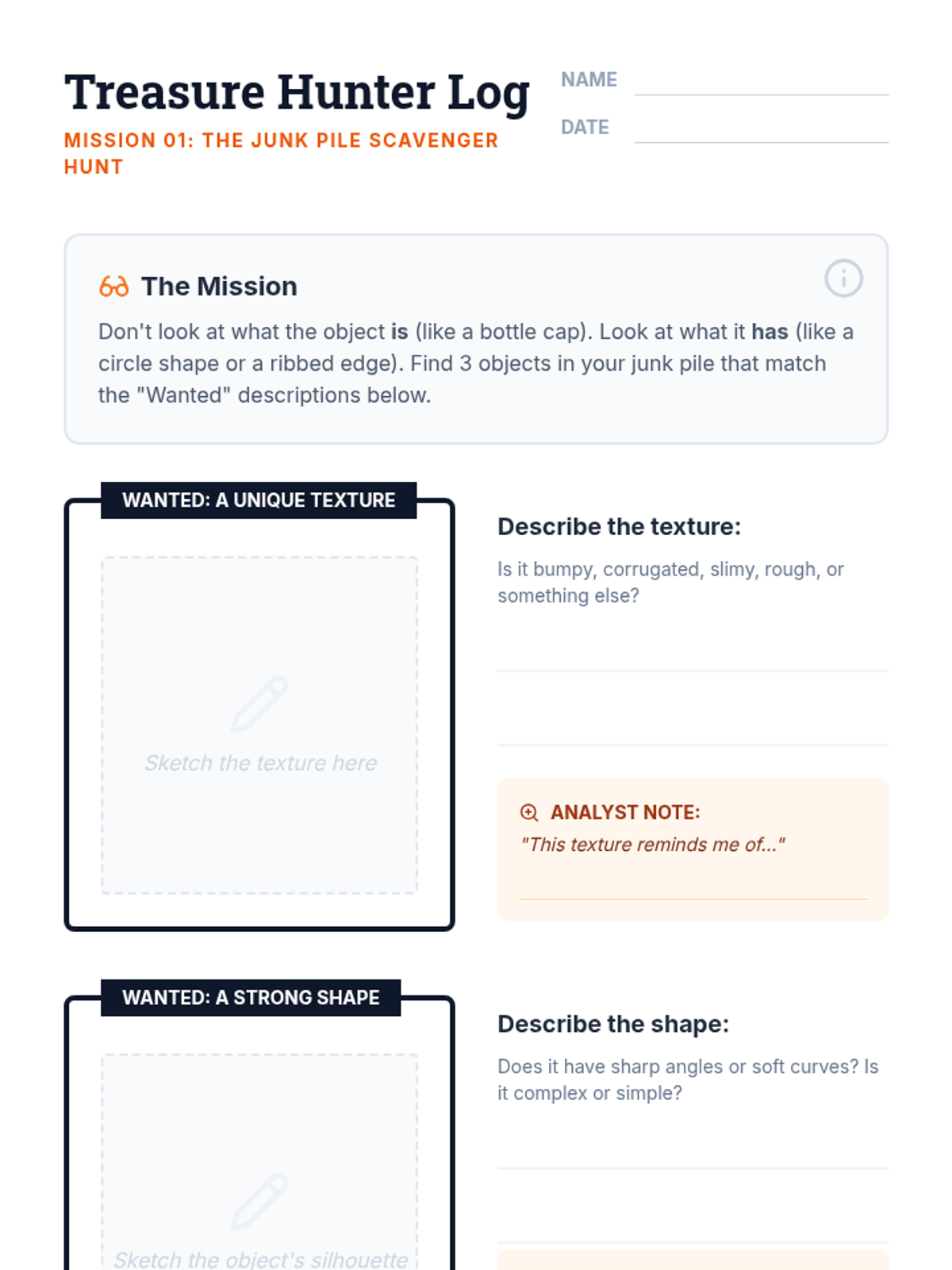
In this project-based sequence, fourth-grade students explore the core principles of graphic design by creating a visual identity for a fictional business. They progress through analyzing shapes, colors, and typography to sketching and refining their own original logos and business cards.
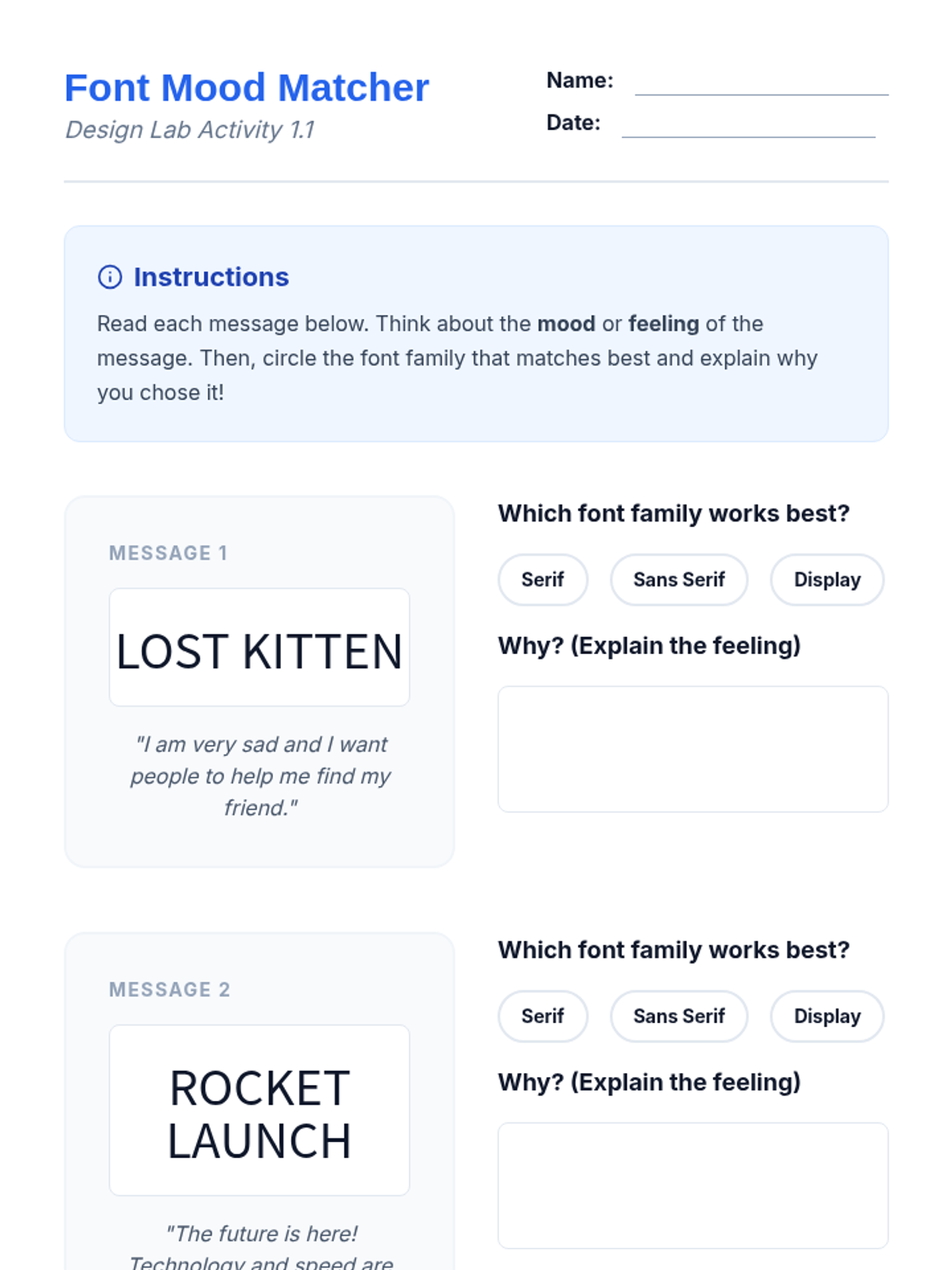
A comprehensive introduction to digital design for 4th graders, covering typography, color theory, and layout through hands-on workshop activities and a final poster project.
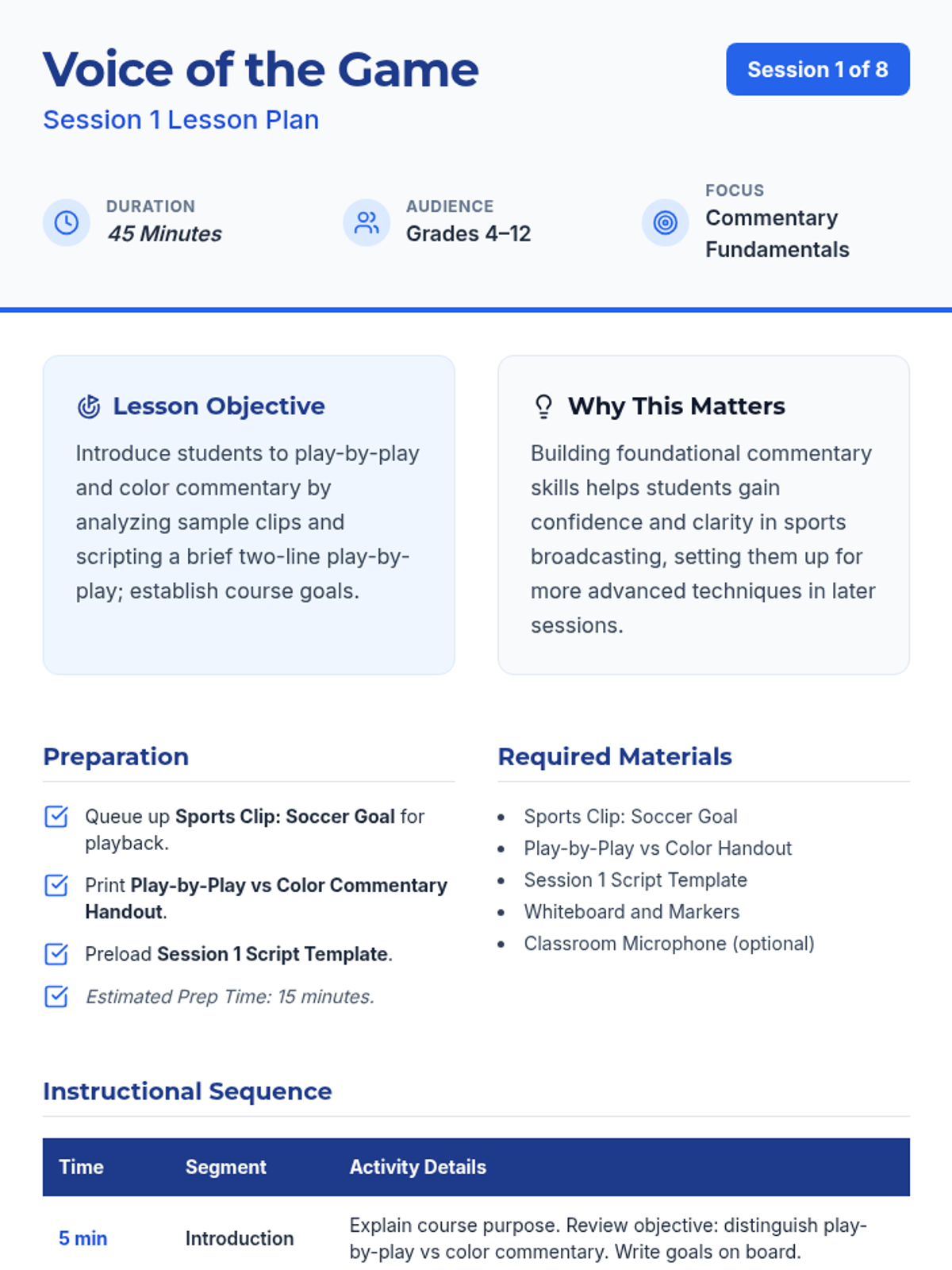
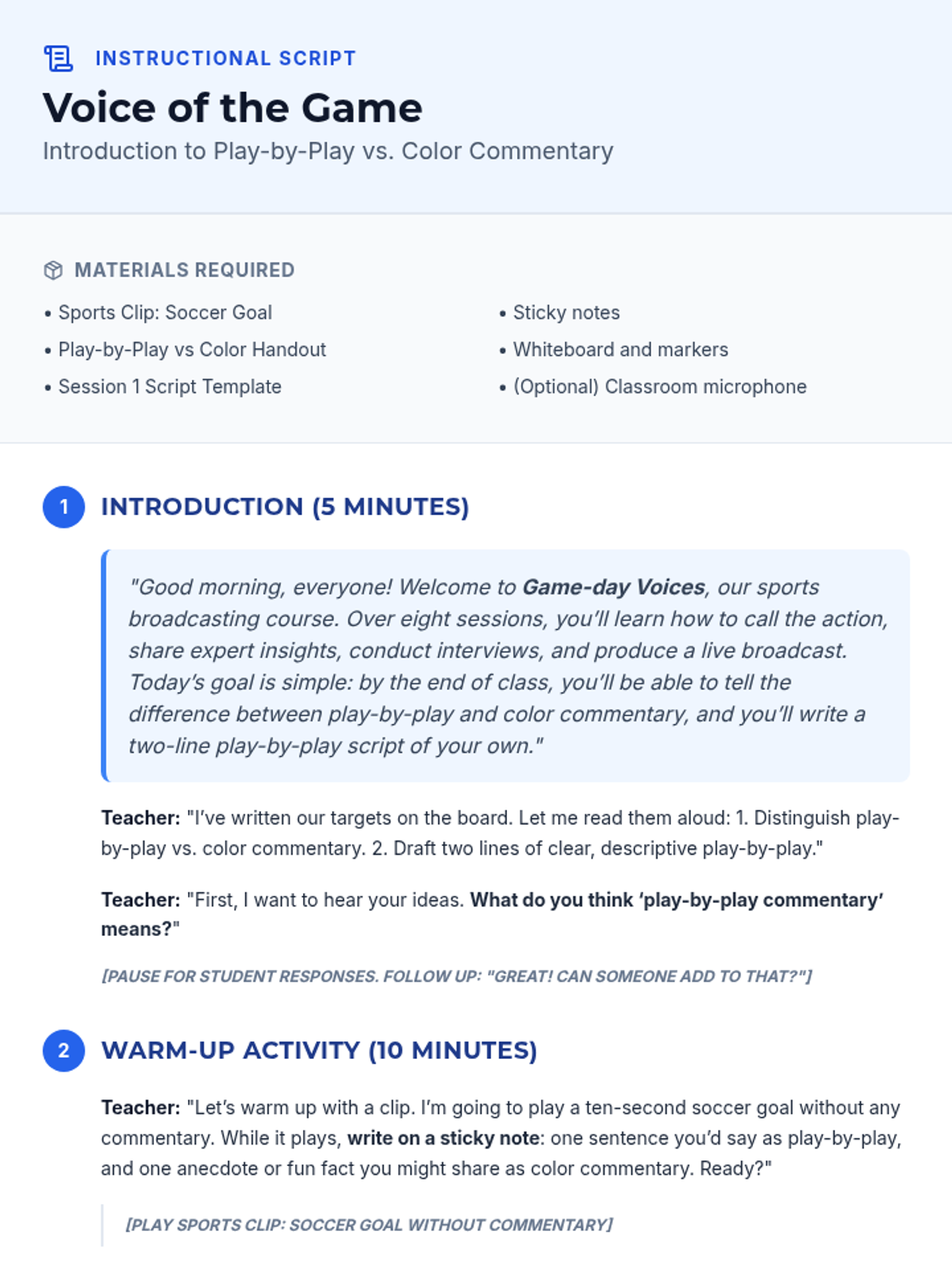
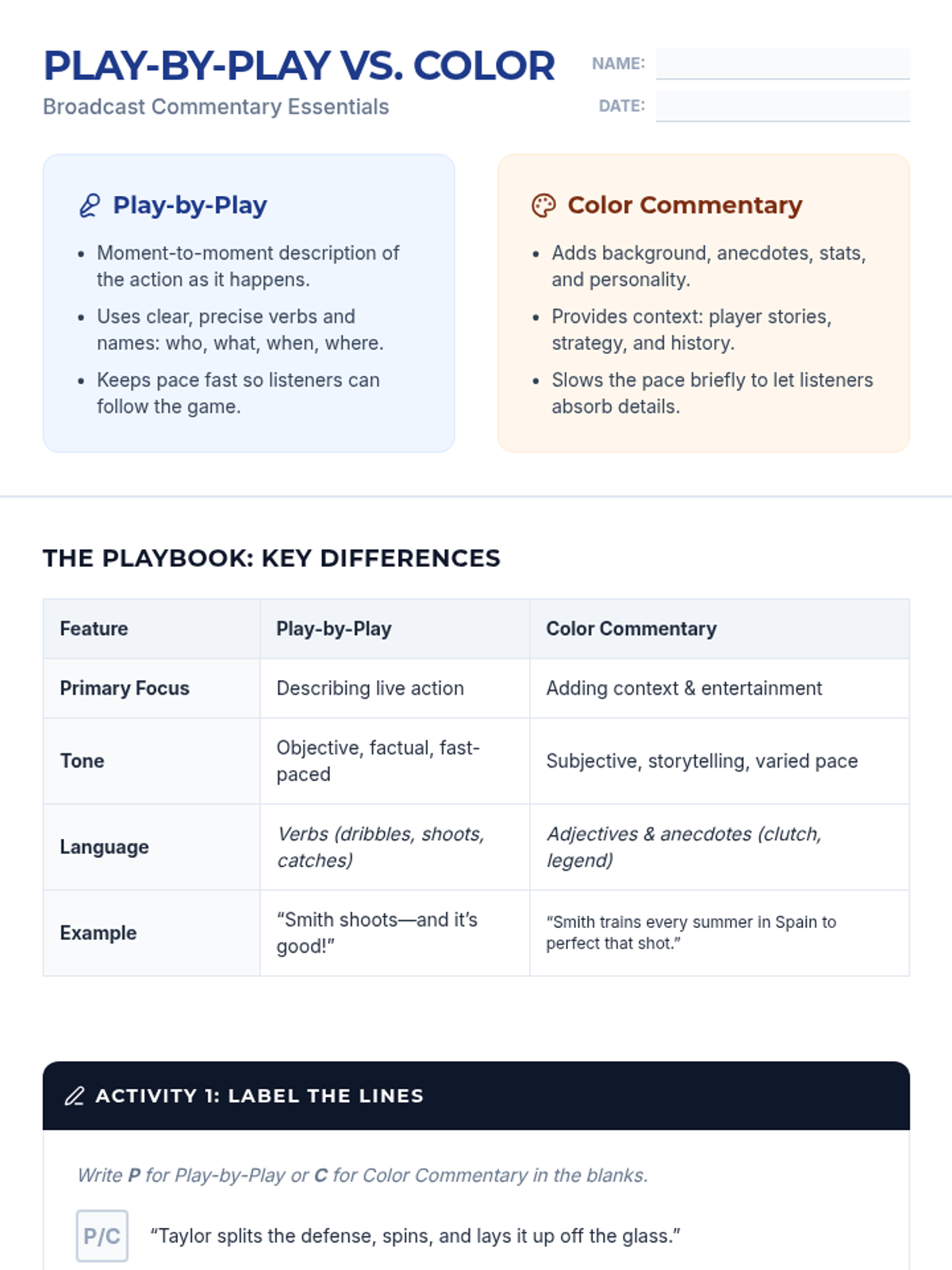
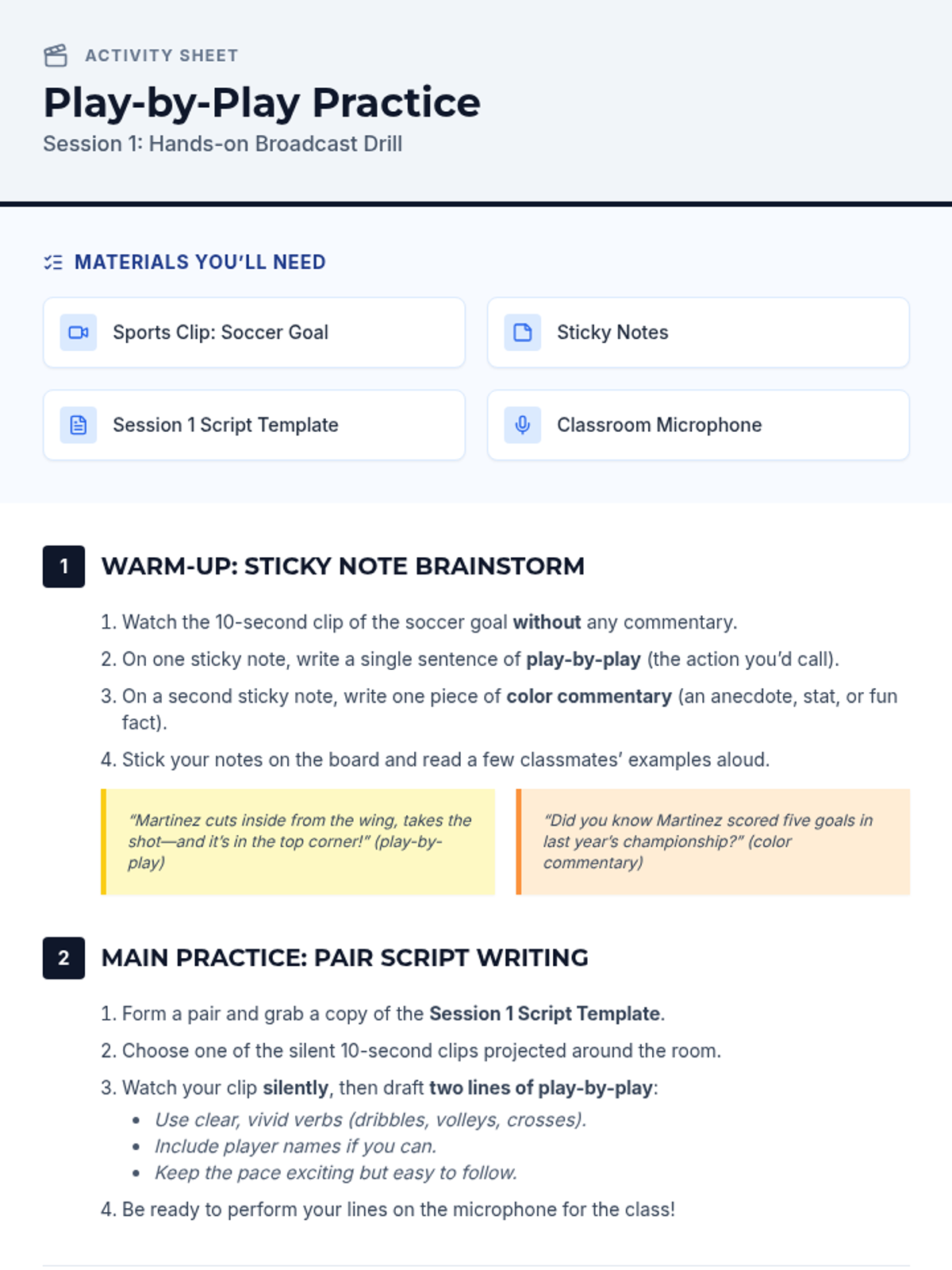
An 8-session sports broadcasting course for grades 4–12, covering play-by-play, color commentary, interviewing, camera work, audio mixing, and live production directing. Students progress from foundational vocal skills to a complete capstone broadcast project.
A comprehensive introduction to graphic design for fourth graders, focusing on how typography, color, and shapes communicate messages. Students progress from analyzing professional brands to creating their own personal logo and visual identity using digital tools.
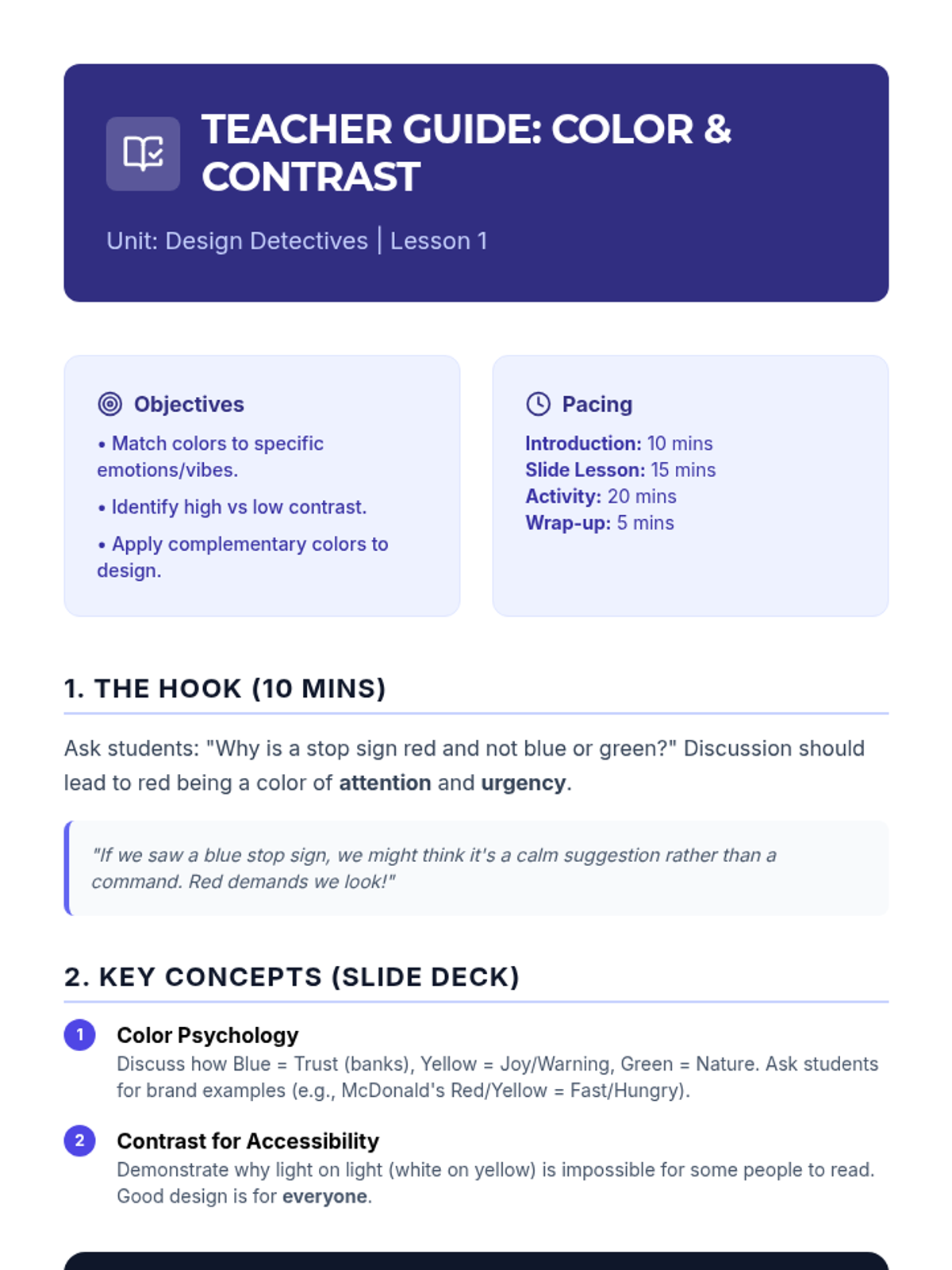
This sequence introduces fourth-grade students to digital graphic design, focusing on how visual choices like color, typography, and layout impact communication. Students progress from analyzing design elements to creating a cohesive digital poster for a school event.
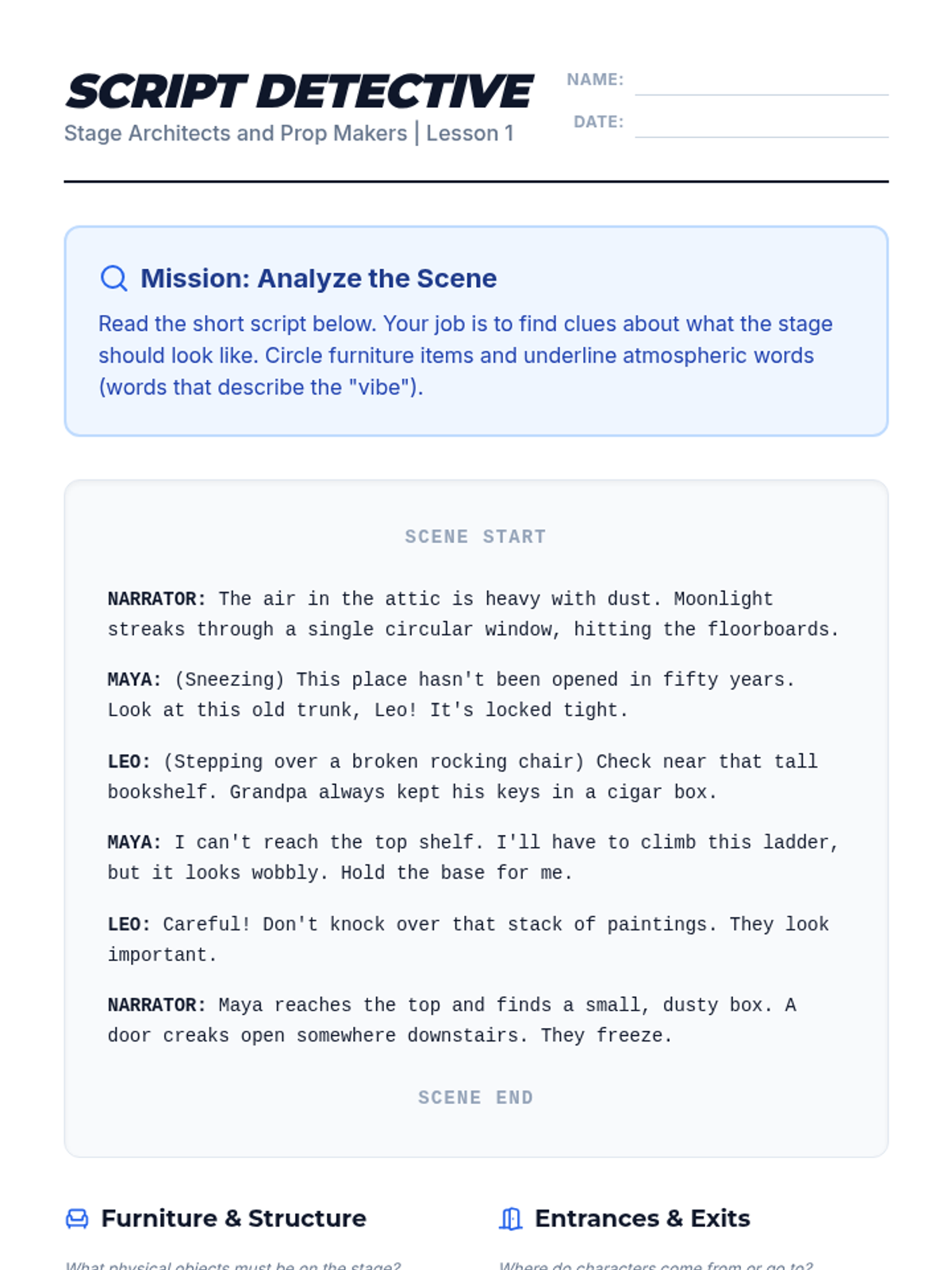
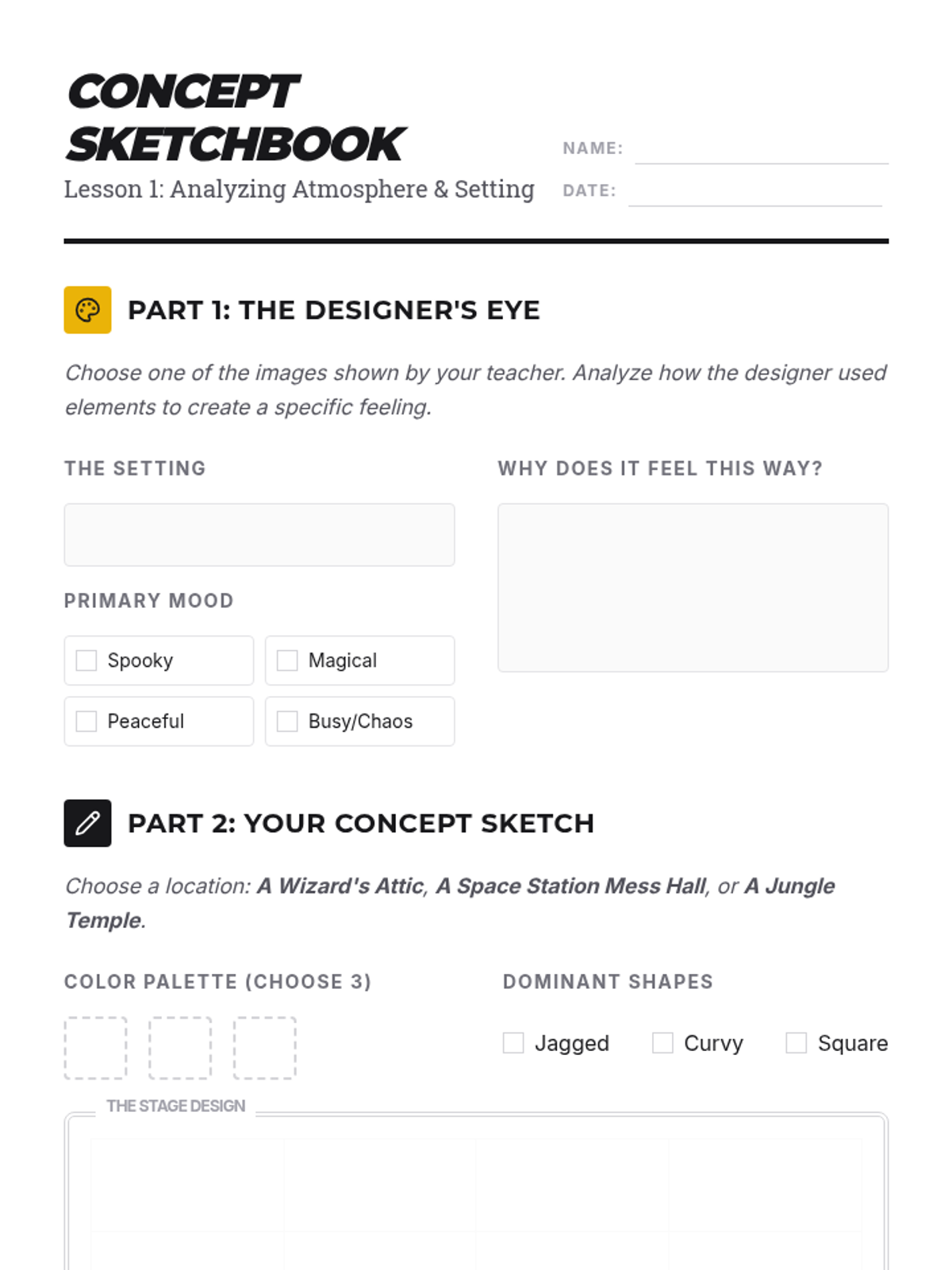
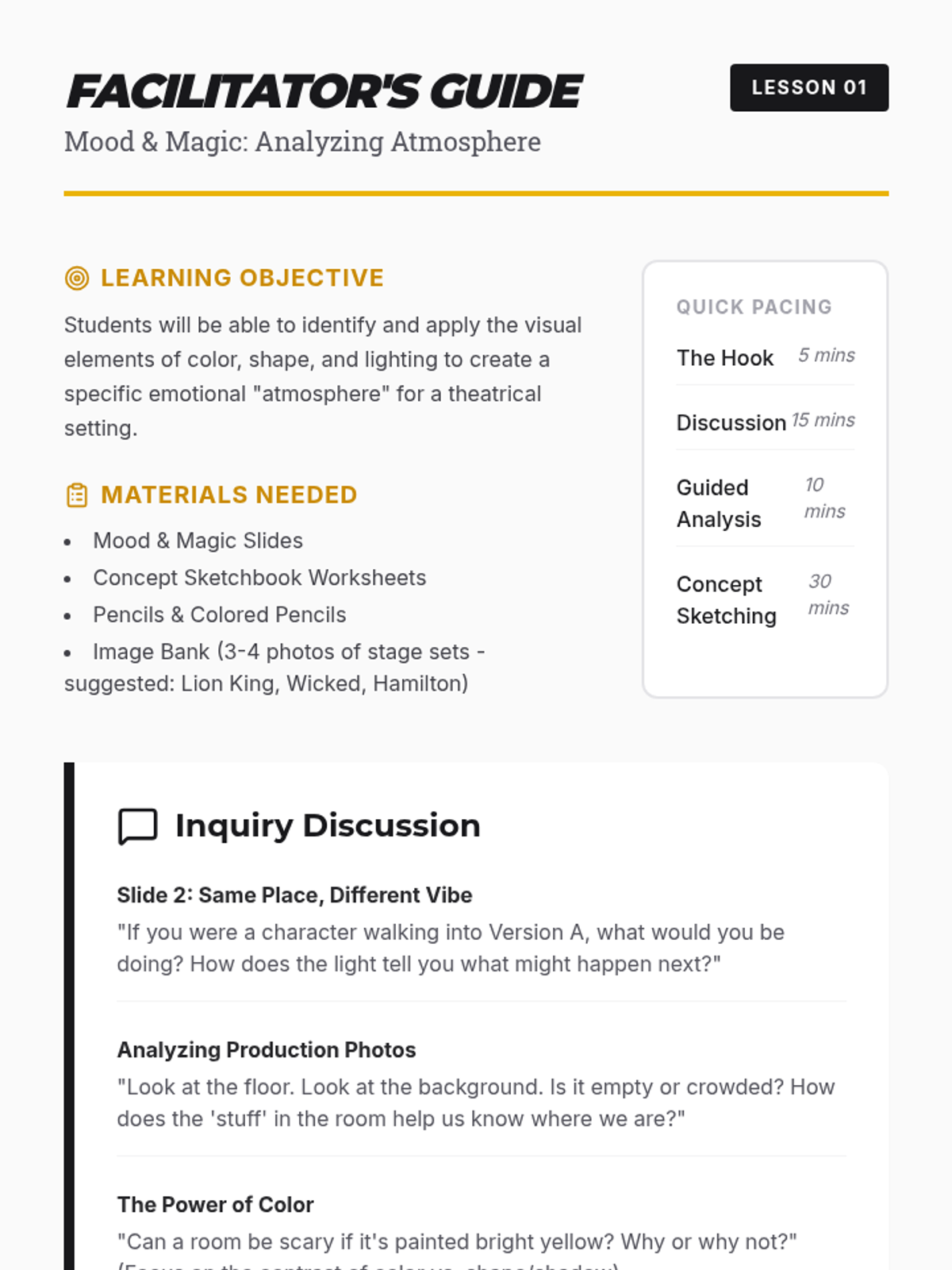
This hands-on sequence introduces 4th graders to the visual and engineering side of theater. Students analyze scripts to design environments, draft scale floor plans, build 3D scenic models, and fabricate props, emphasizing spatial reasoning and storytelling through physical space.
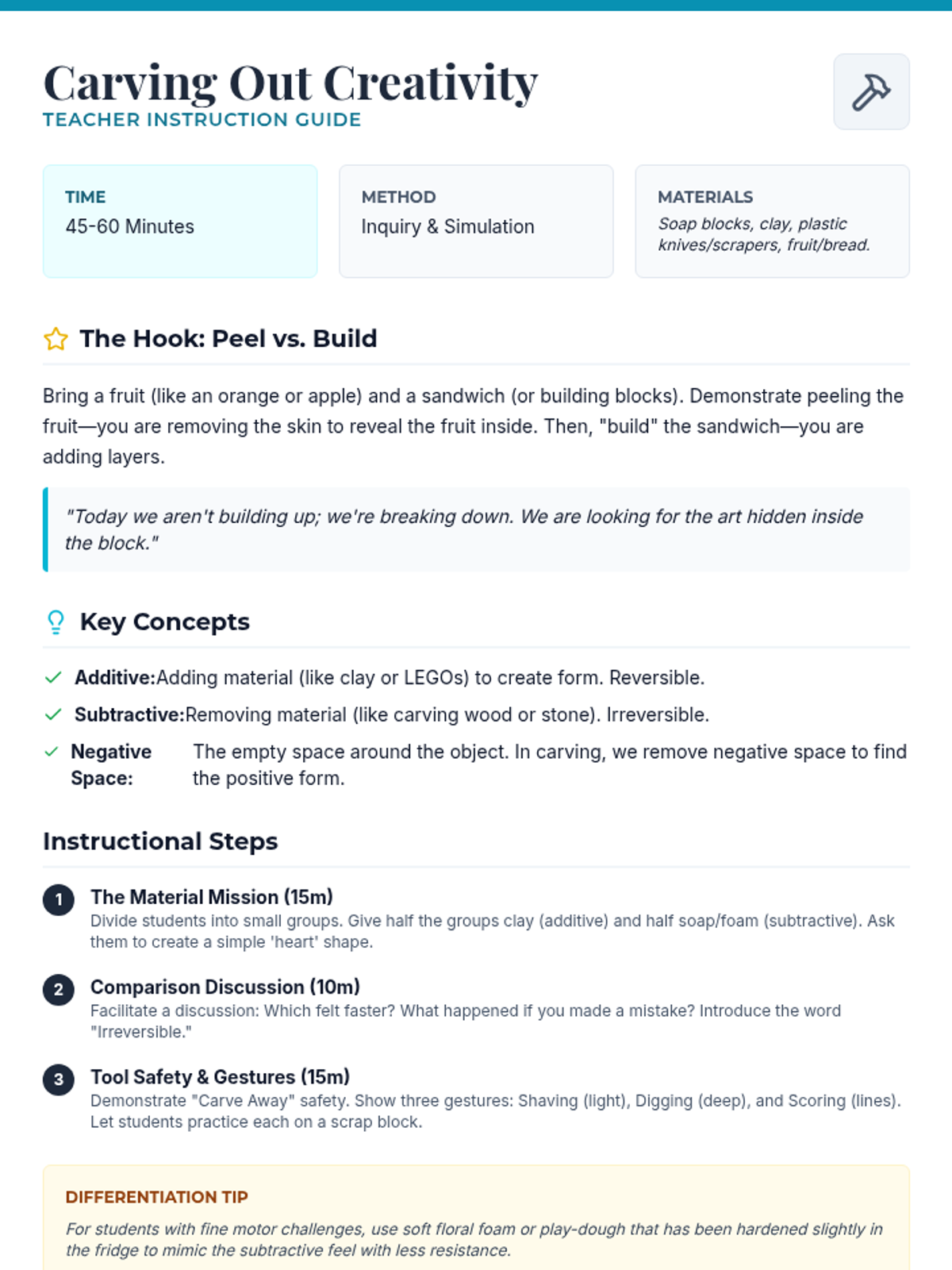
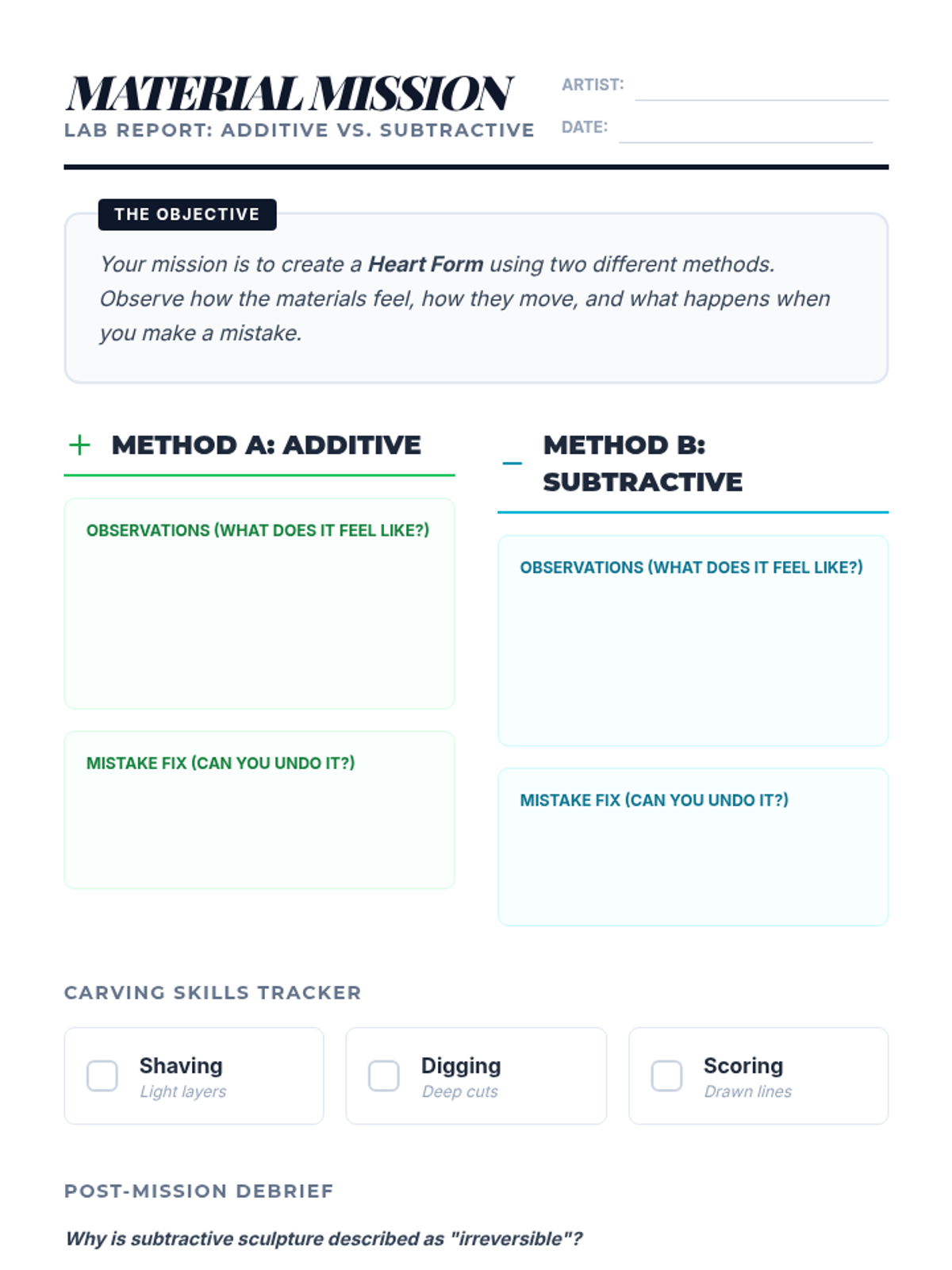
A 4th-grade sequence exploring subtractive sculpture. Students learn to reveal forms by removing material from blocks, focusing on visualization, 3D planning, and form refinement.
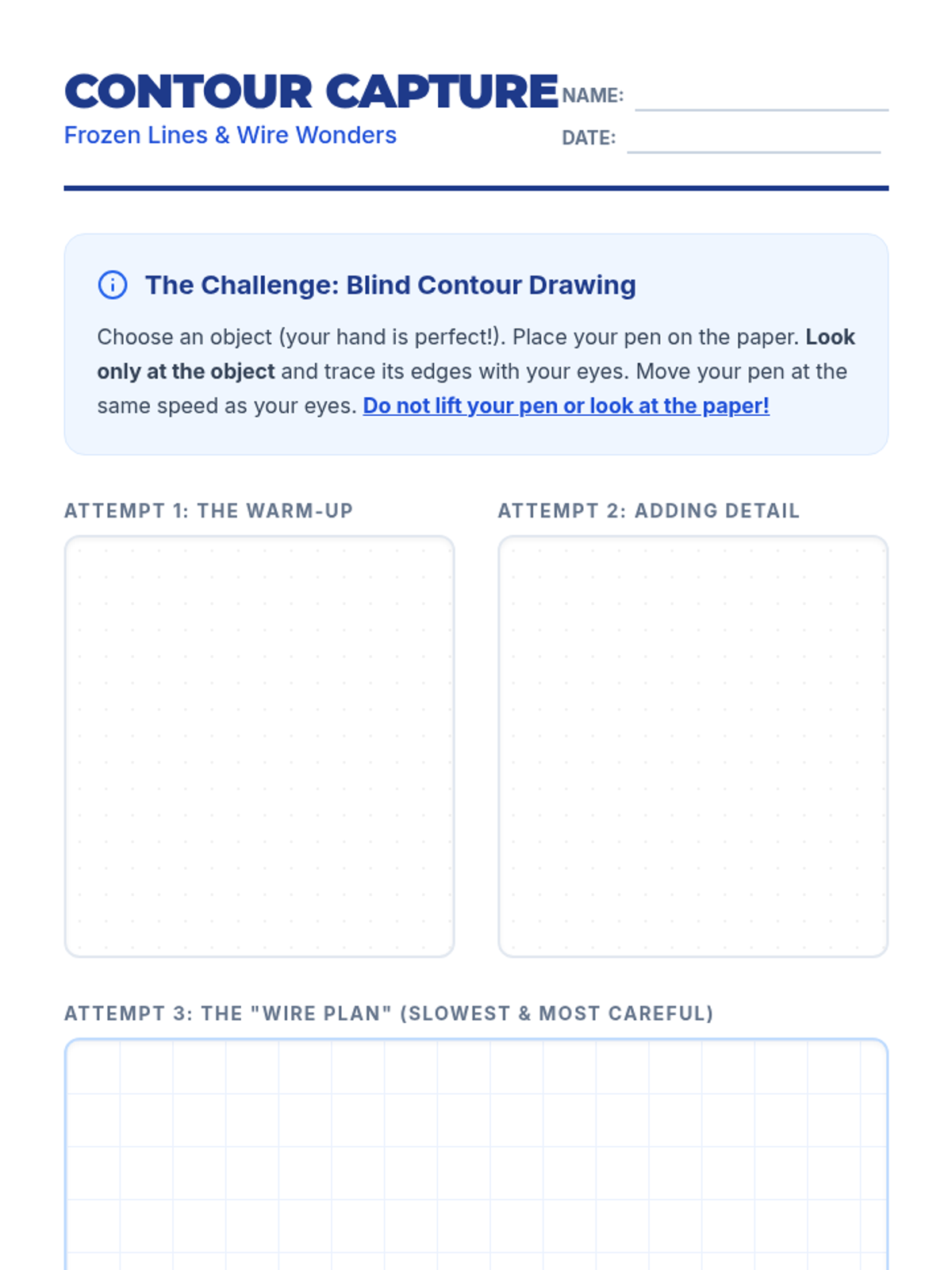
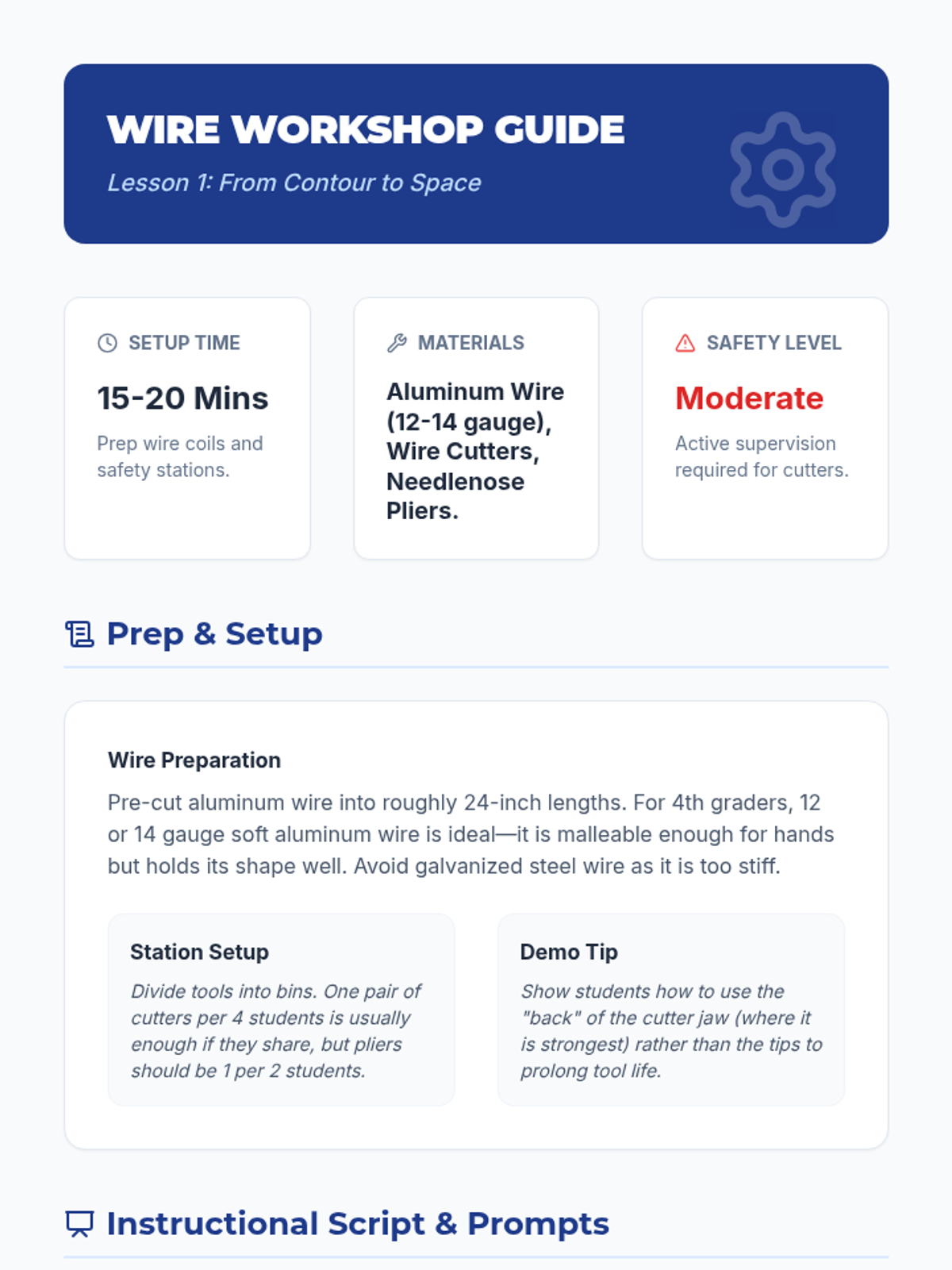
A 5-lesson sequence for 4th graders exploring how wire can be used to create 3D volume, movement, and gesture. Students transition from 2D contour drawing to 3D wire sculptures, culminating in a shadow play exhibition.
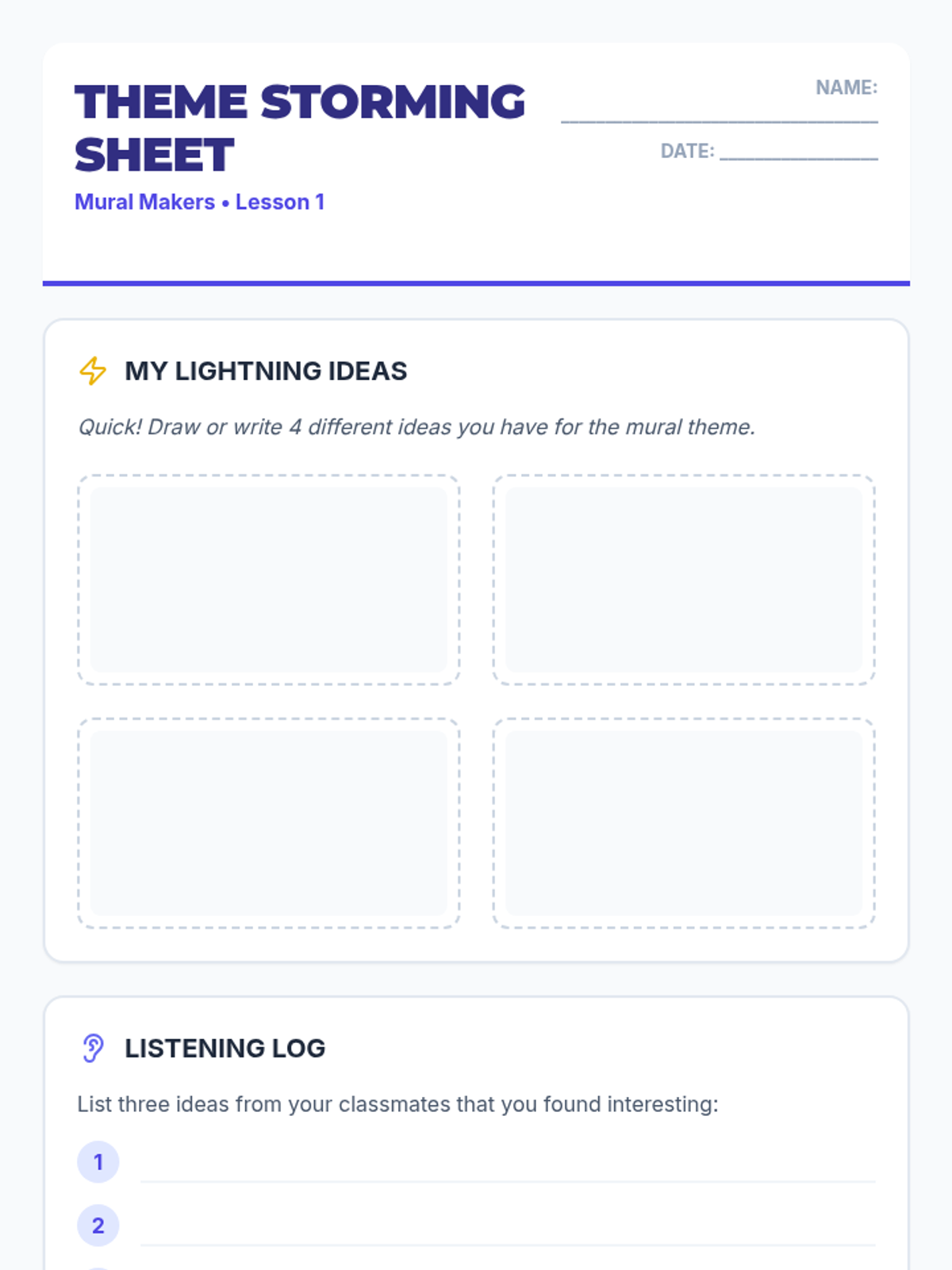
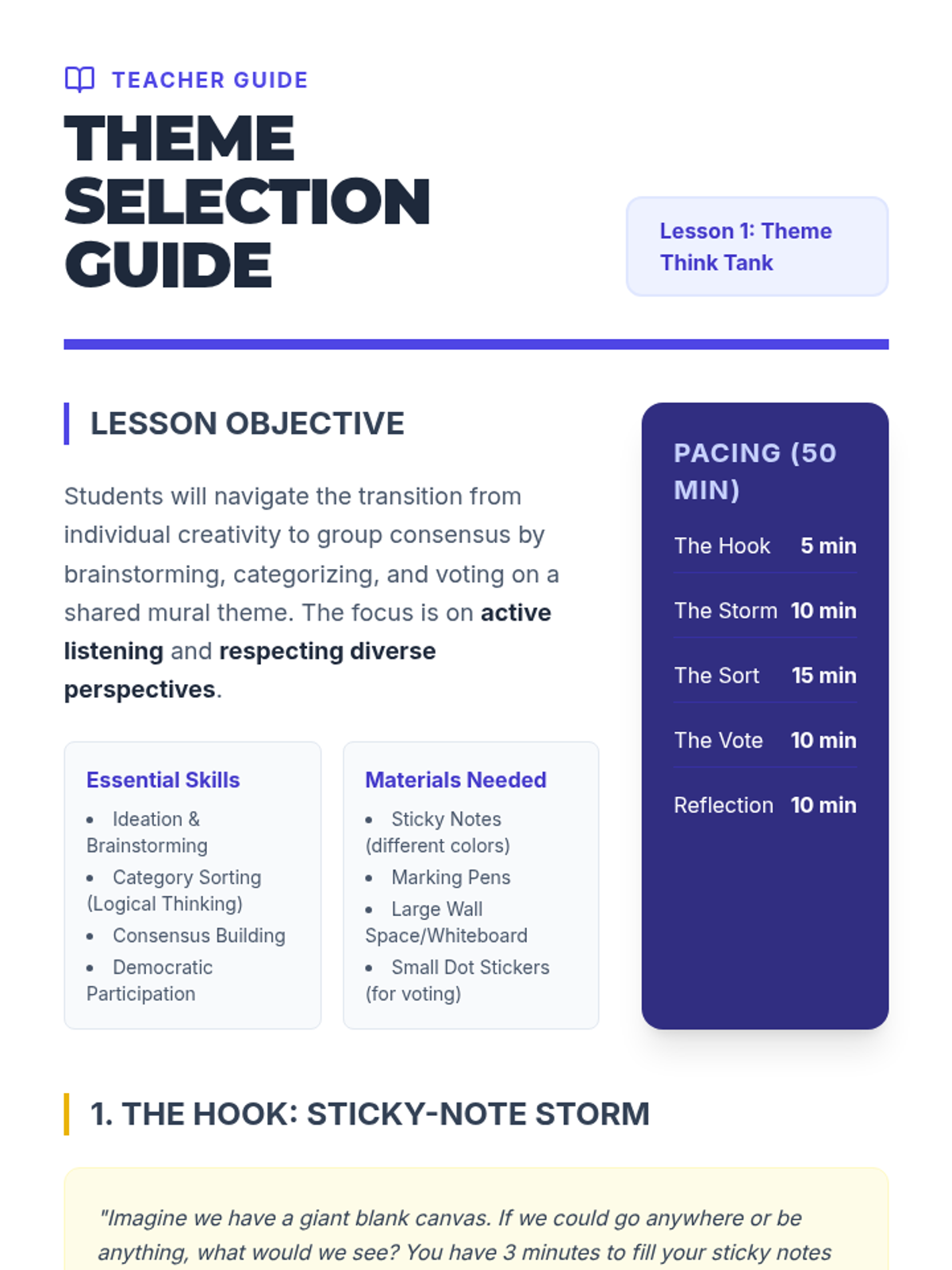
A project-based sequence where 4th-grade students learn the art of collaboration by designing and executing a group mural. They will move from individual ideas to a unified collective vision through negotiation, sketching, and artistic blending.
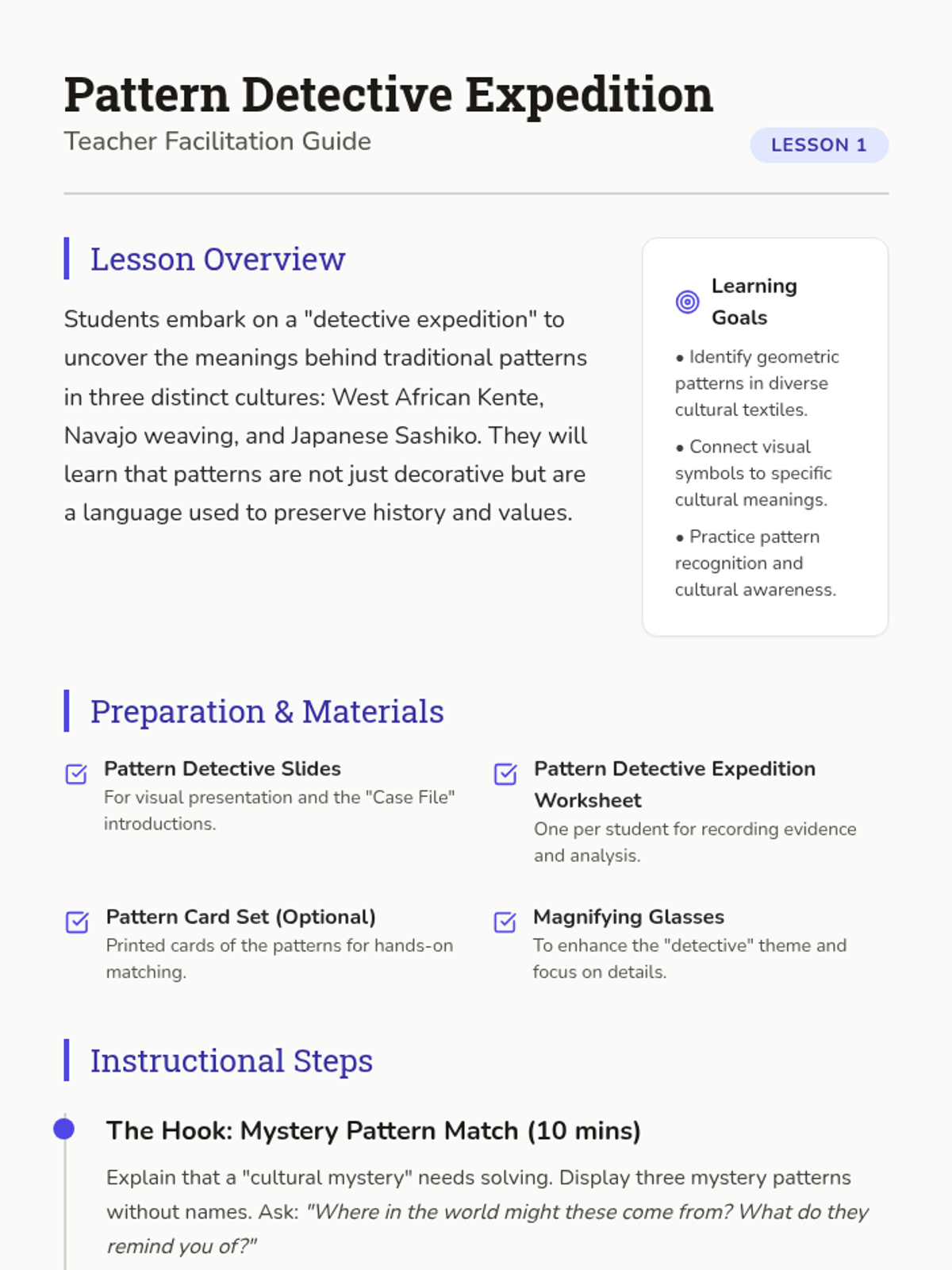
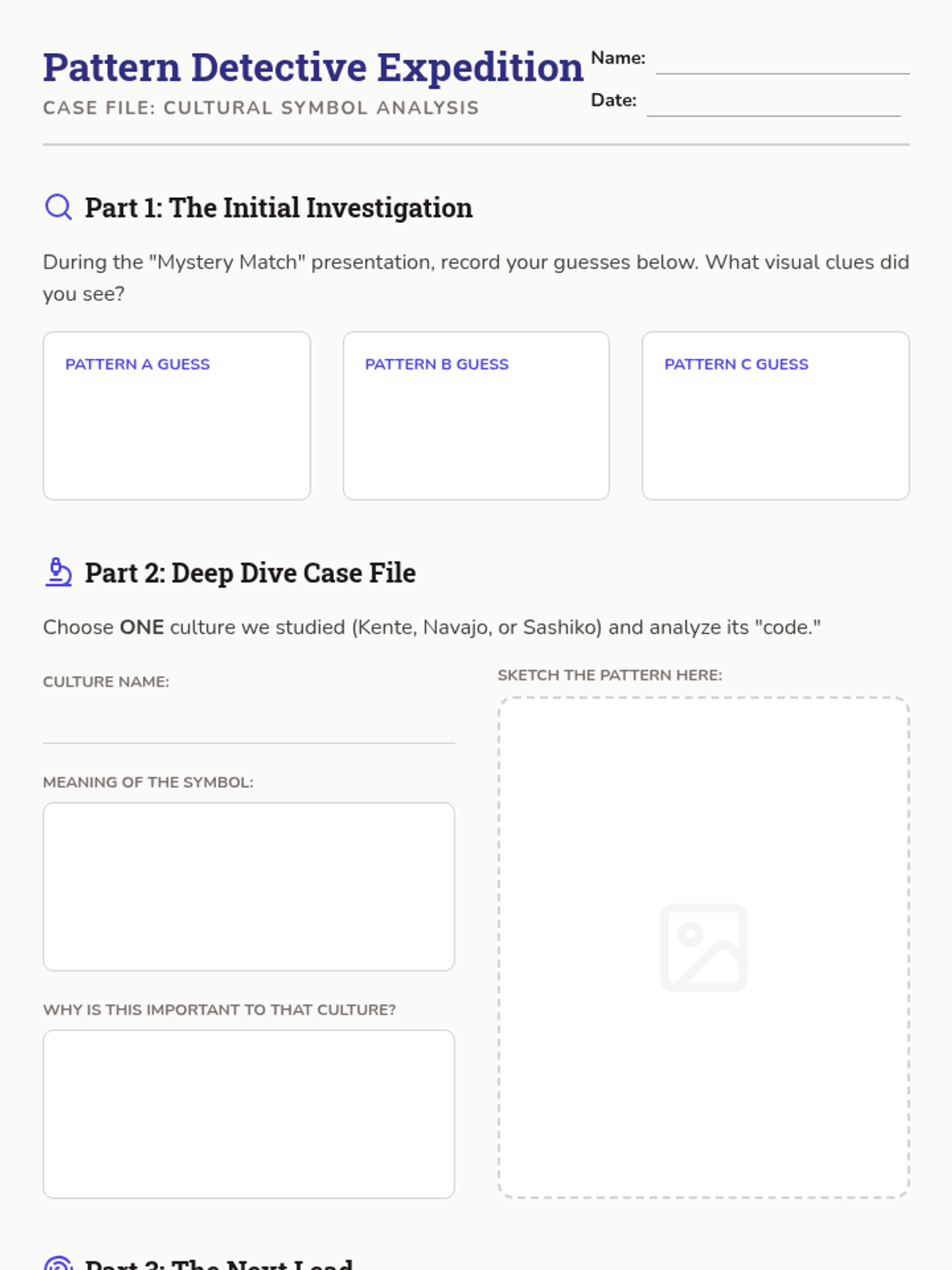
This 5-lesson sequence explores how art preserves cultural heritage. Students analyze patterns from West African, Navajo, and Japanese traditions, identify personal cultural symbols, and create a collaborative class mosaic that celebrates their diverse backgrounds and shared community.
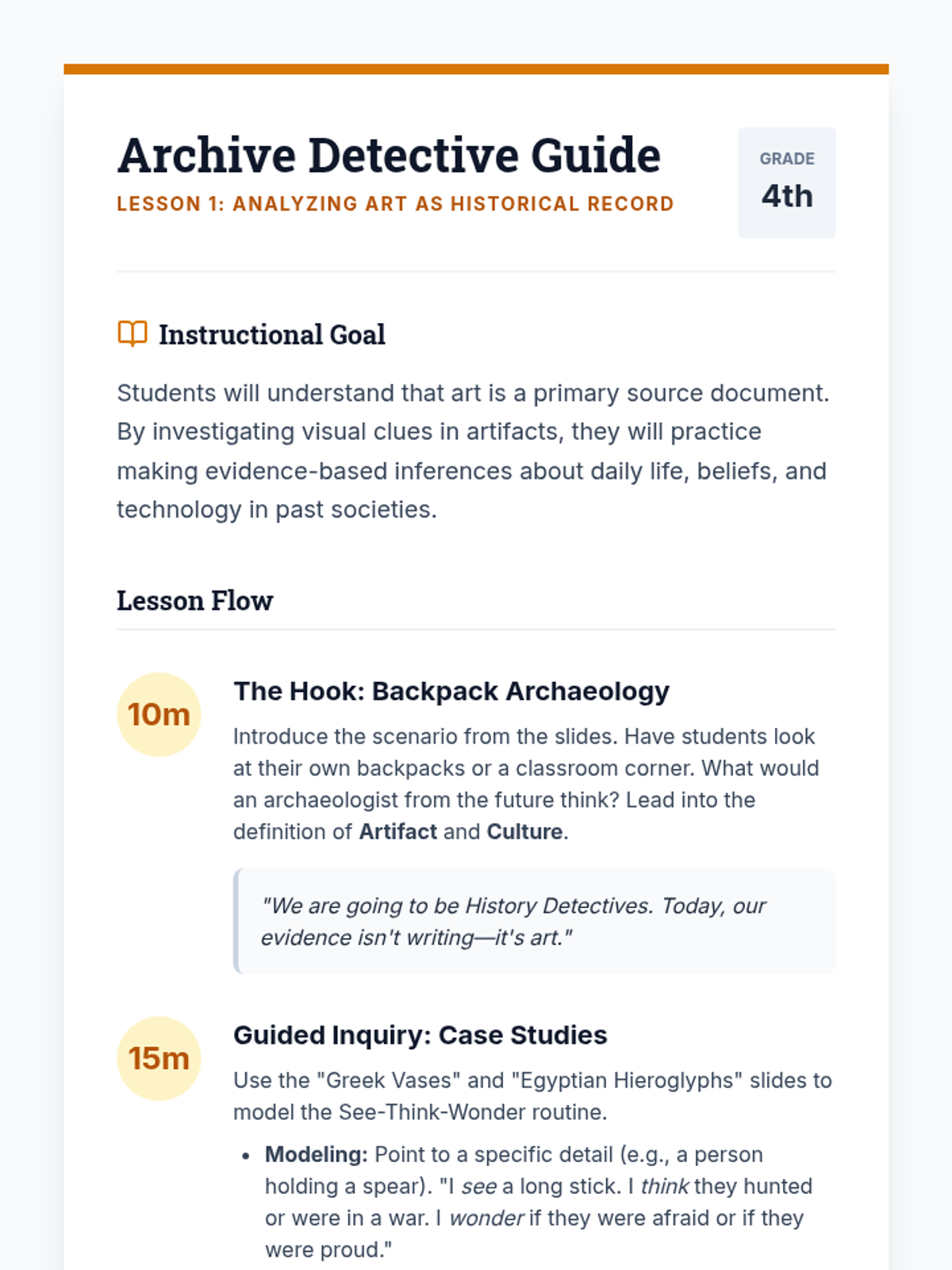
This 4th-grade sequence explores how traditional arts and crafts function as vessels for cultural heritage. Students learn to 'read' artifacts like narrative quilts and pottery as historical texts, ultimately creating their own heritage artifacts to preserve personal or family stories.
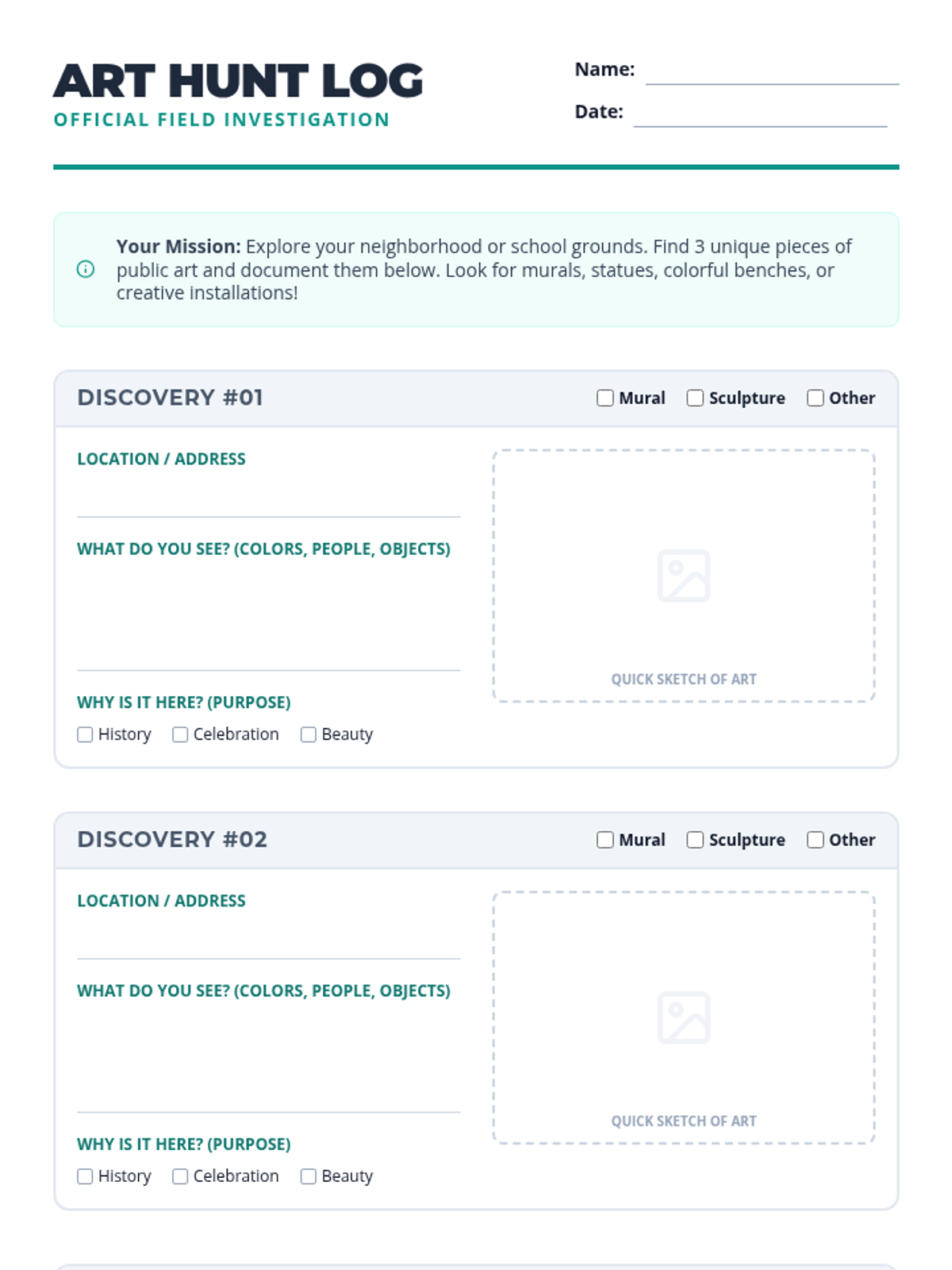
A project-based learning unit for 4th graders exploring how public art reflects local culture, values, and history, culminating in a collaborative mural design proposal.
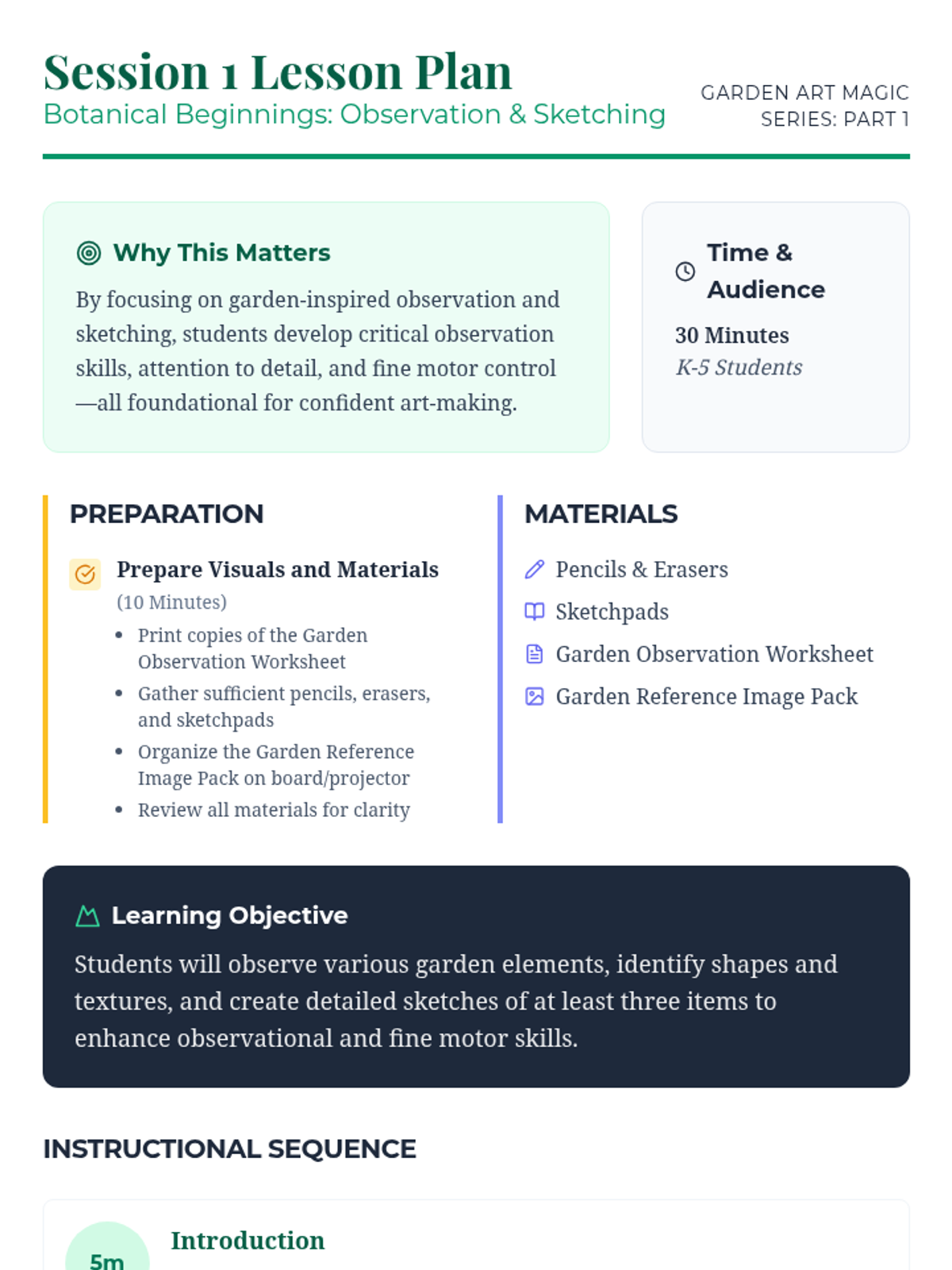
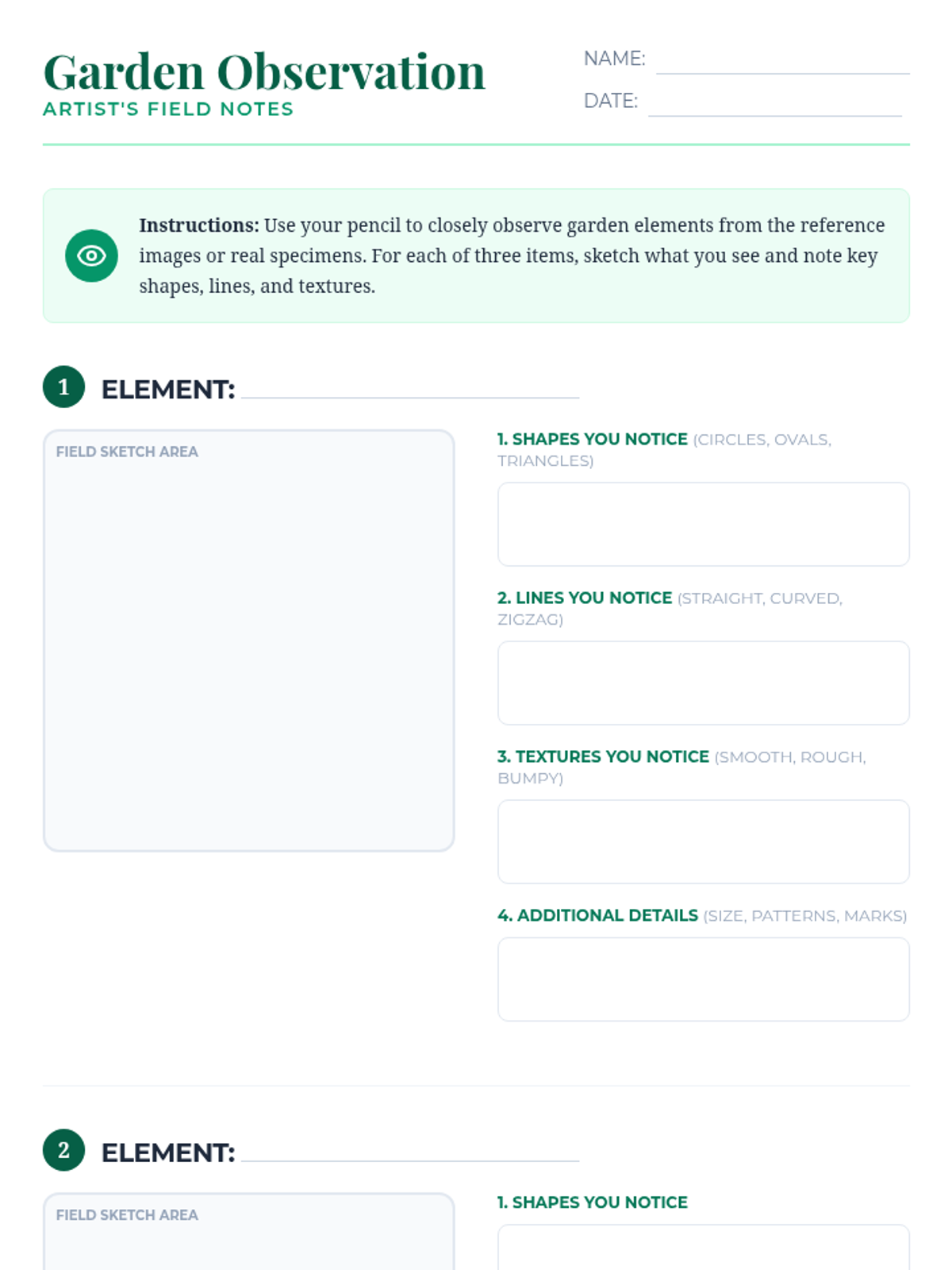
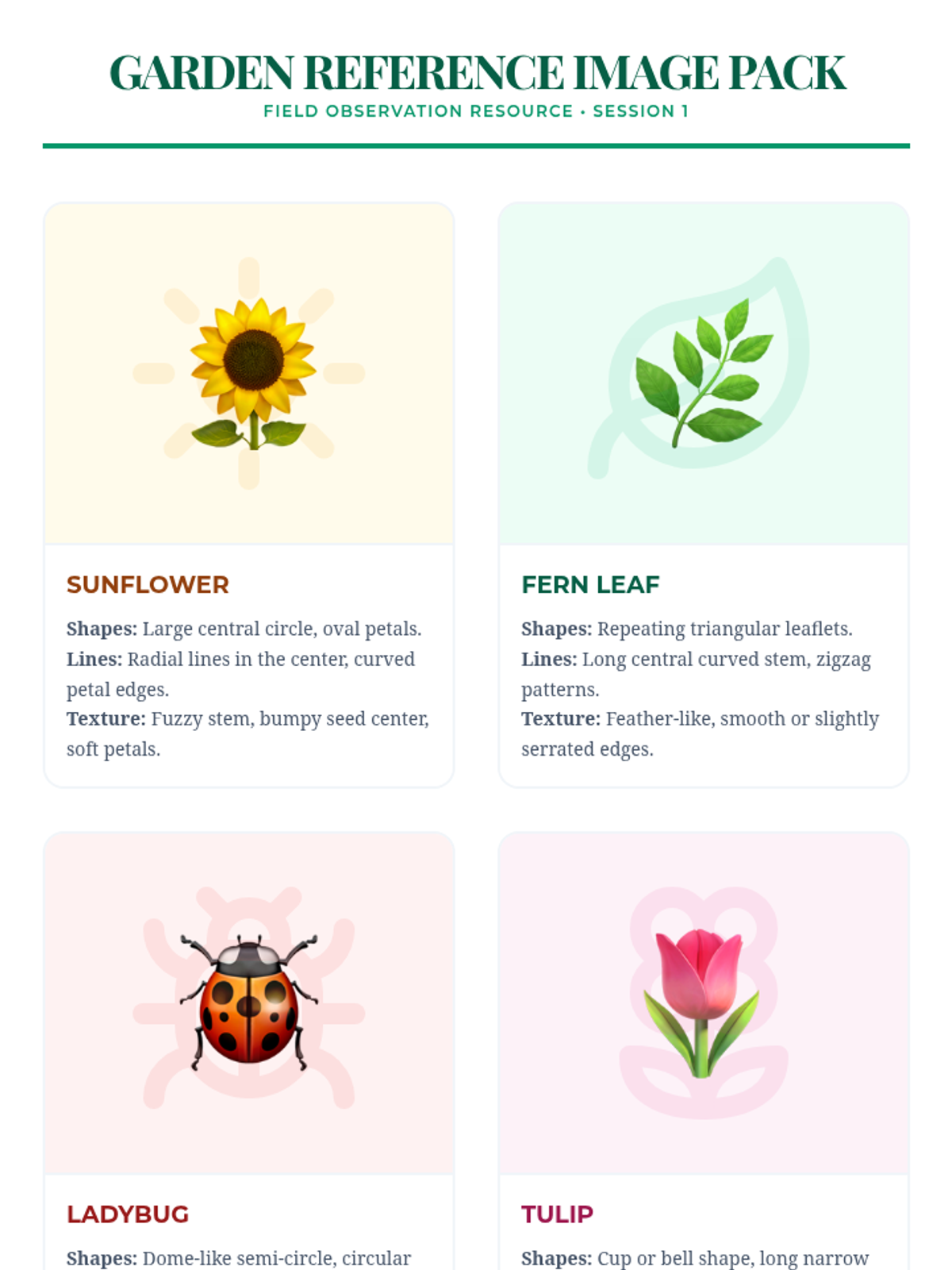
A 3-session art series for K-5 students exploring garden-inspired art. Students develop observation, sketching, color mixing, and chalk pastel techniques to create vibrant mixed-media artworks.
A project-based sequence for 4th graders exploring the technical world of theater production. Students learn to manipulate space, materials, sound, and light to tell compelling stories, culminating in a design showcase.
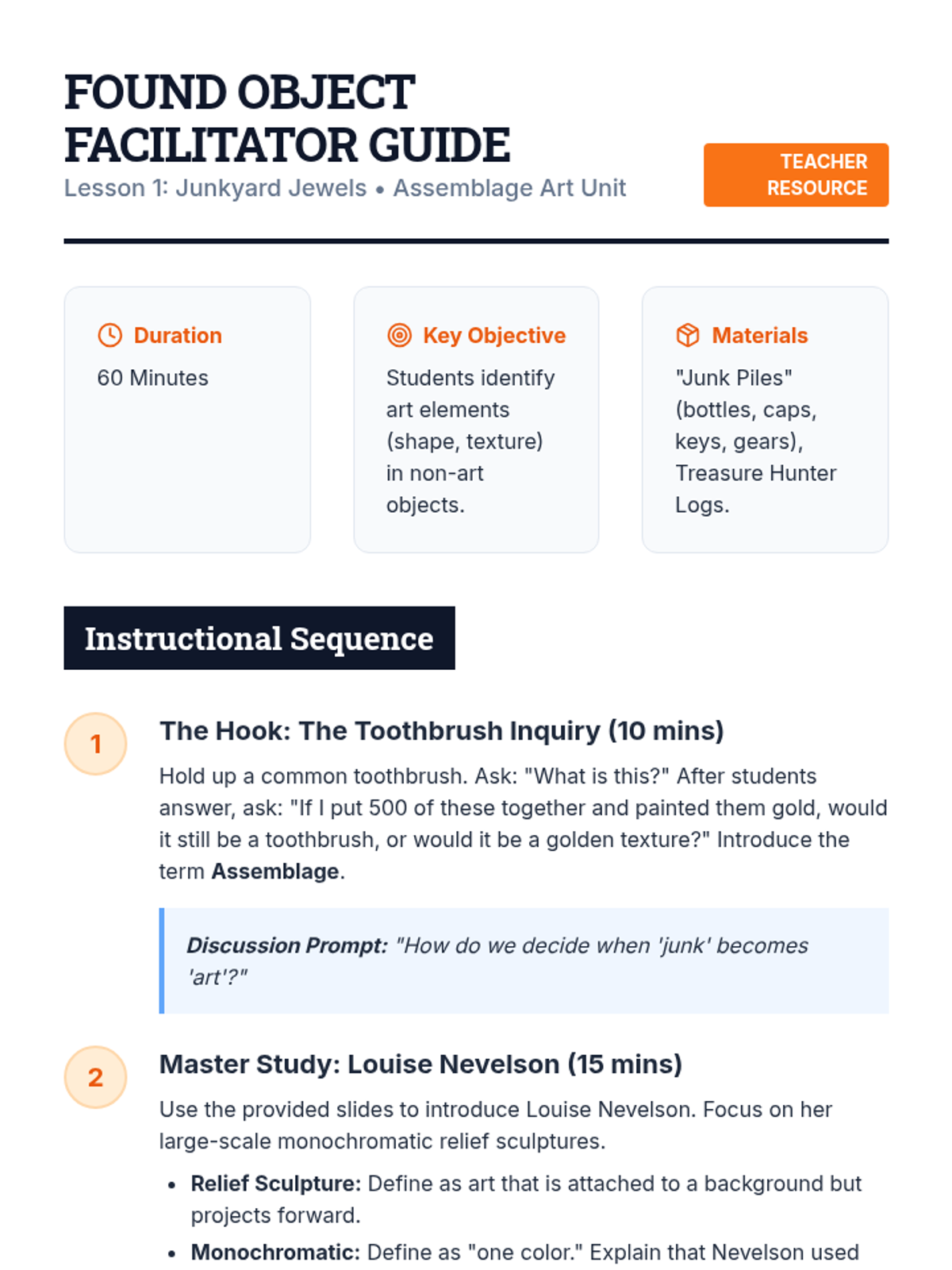
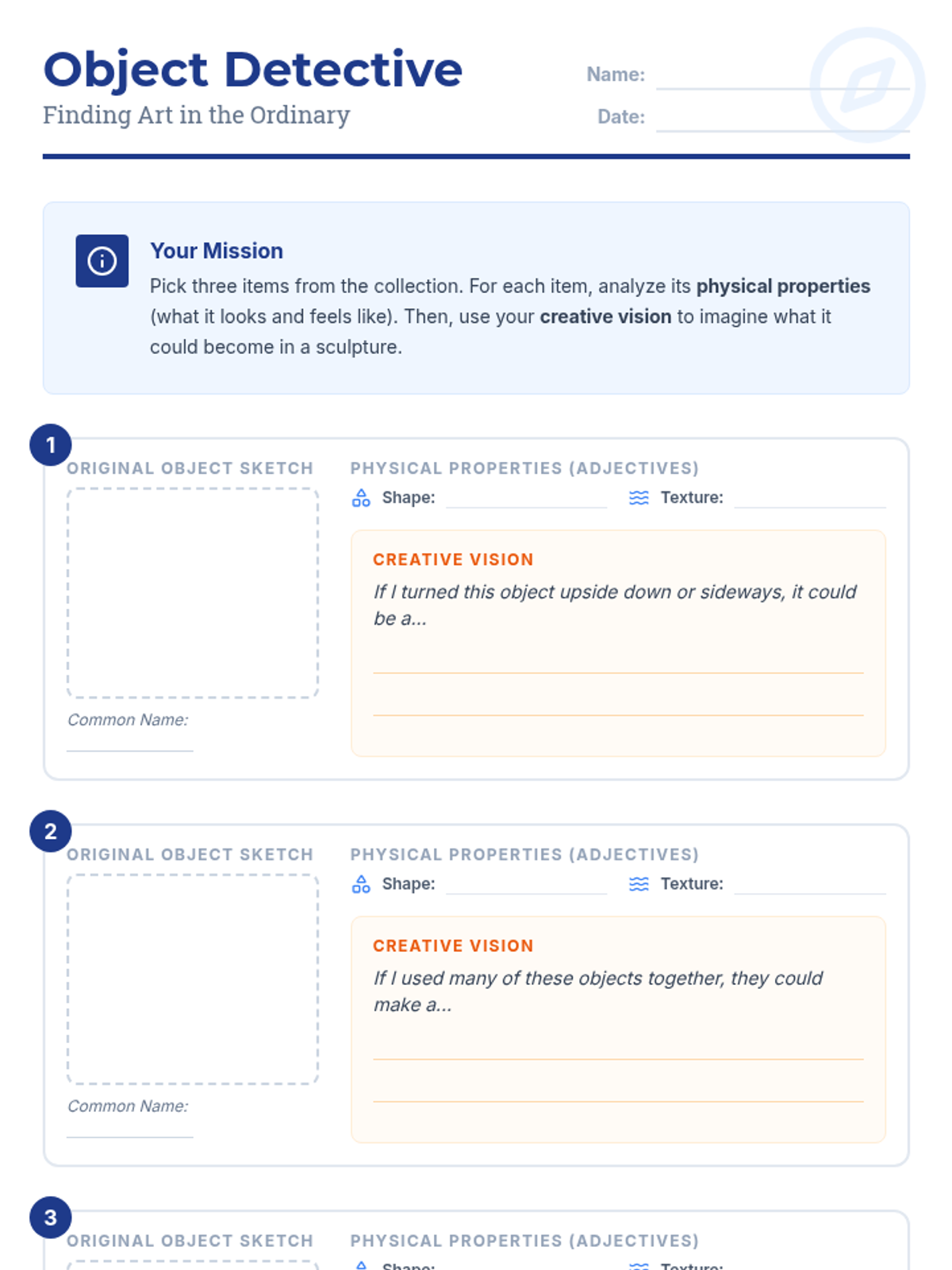
Students explore the world of assemblage art by repurposing found objects into unified relief sculptures. They learn about composition, texture, and unity through hands-on construction and monochromatic finishes.
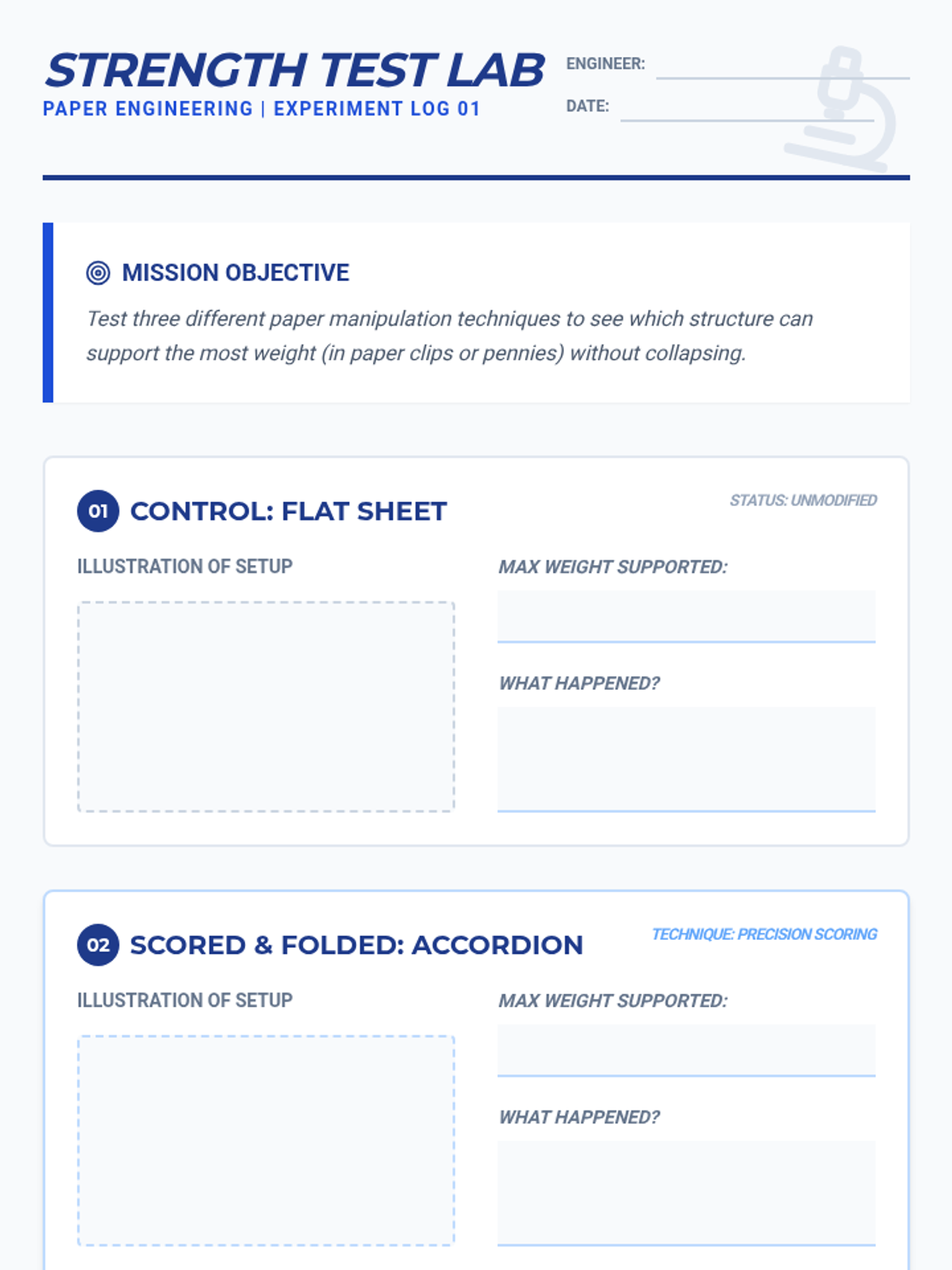
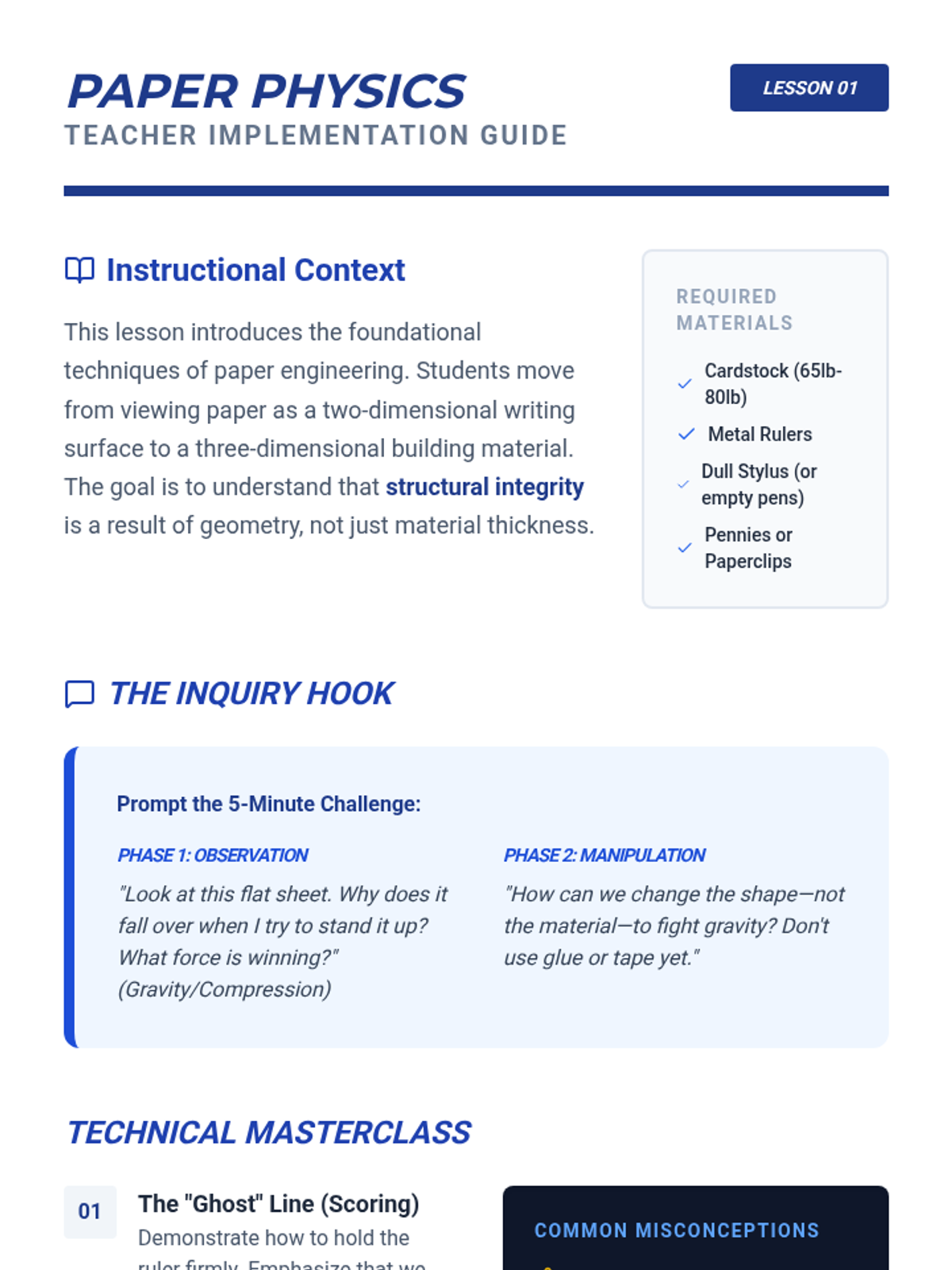
This sequence explores the intersection of engineering and art through paper sculpture. Students investigate how a flimsy, flat material can be manipulated through folding, scoring, and slotting to become rigid and self-supporting, moving from basic relief to free-standing geometric construction.
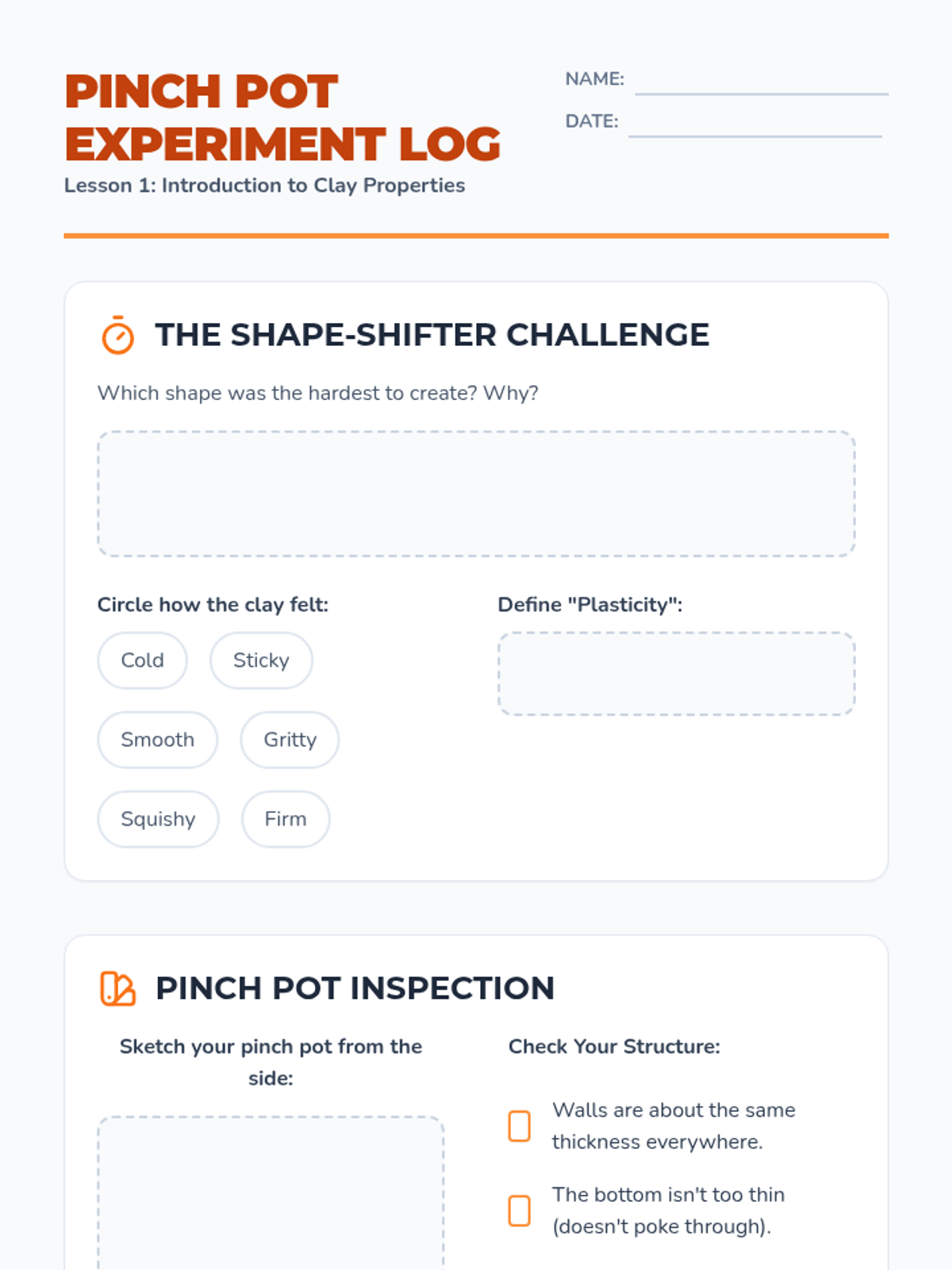
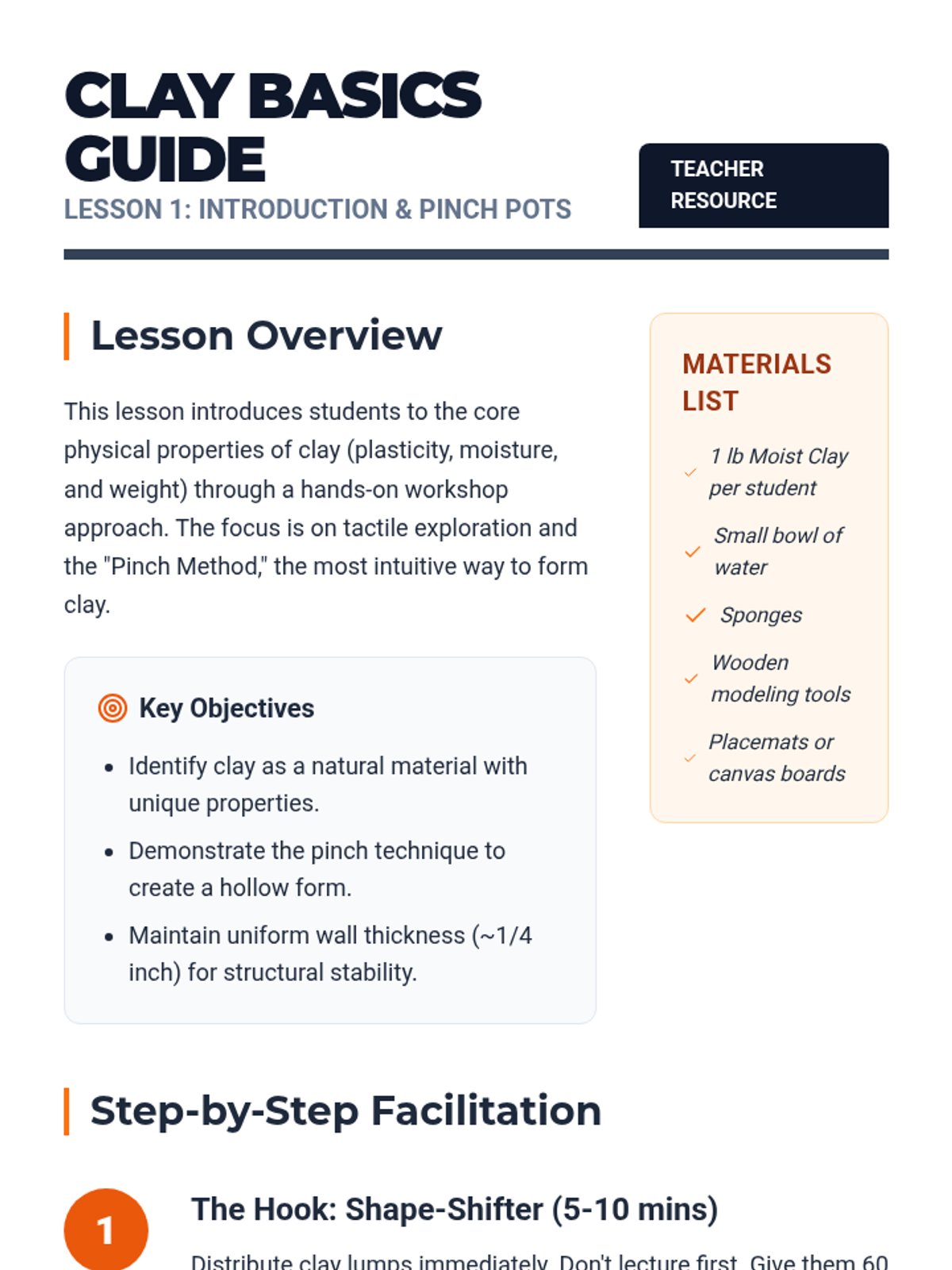
This sequence introduces 4th-grade students to foundational clay hand-building techniques: pinch, coil, and slab. Students explore clay properties, structural integrity, and surface decoration to create three-dimensional art.
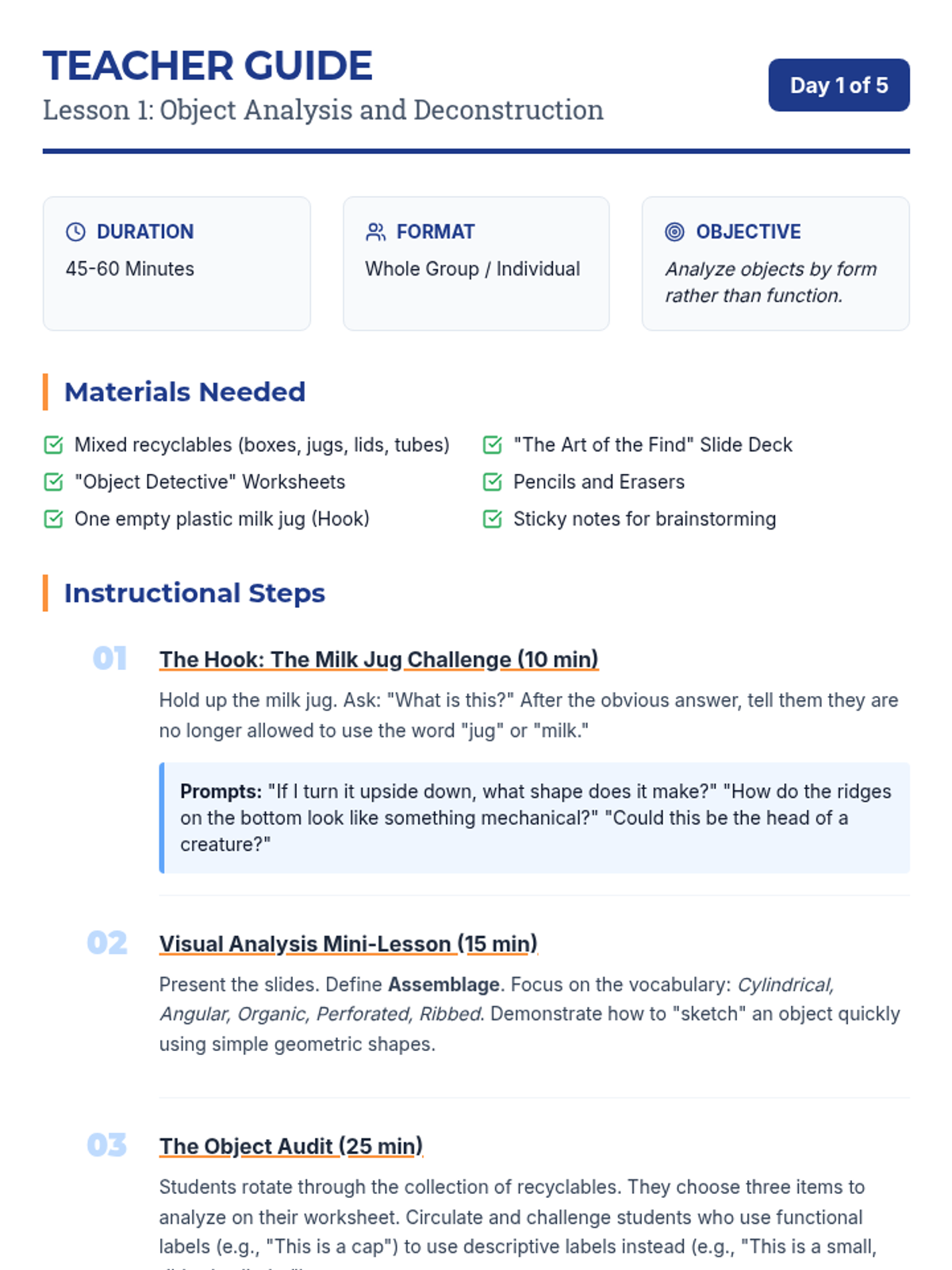
A 5-lesson unit where 4th-grade students transform recycled materials into 3D sculptures, focusing on visual analysis, engineering connections, and artistic unification.
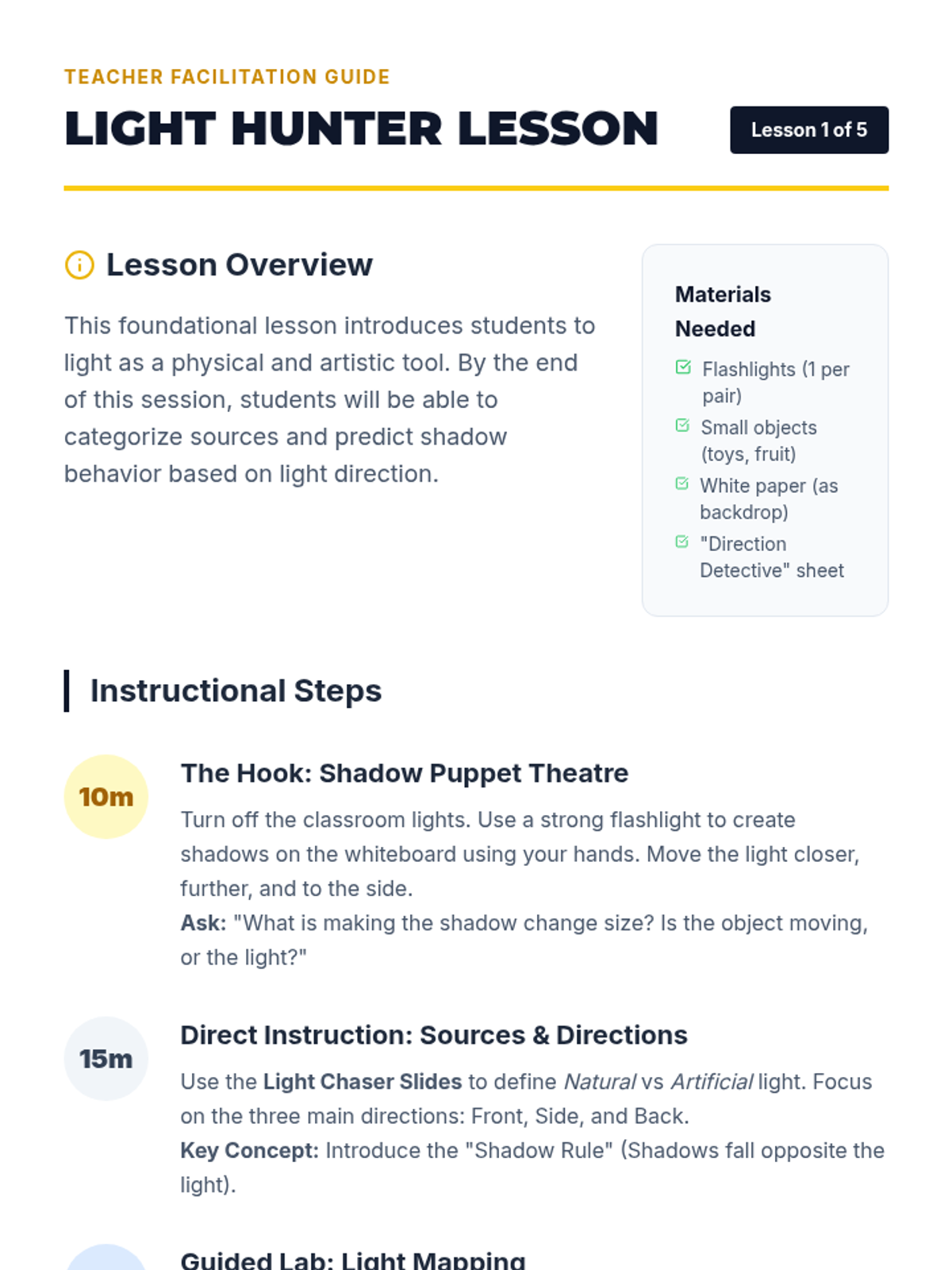
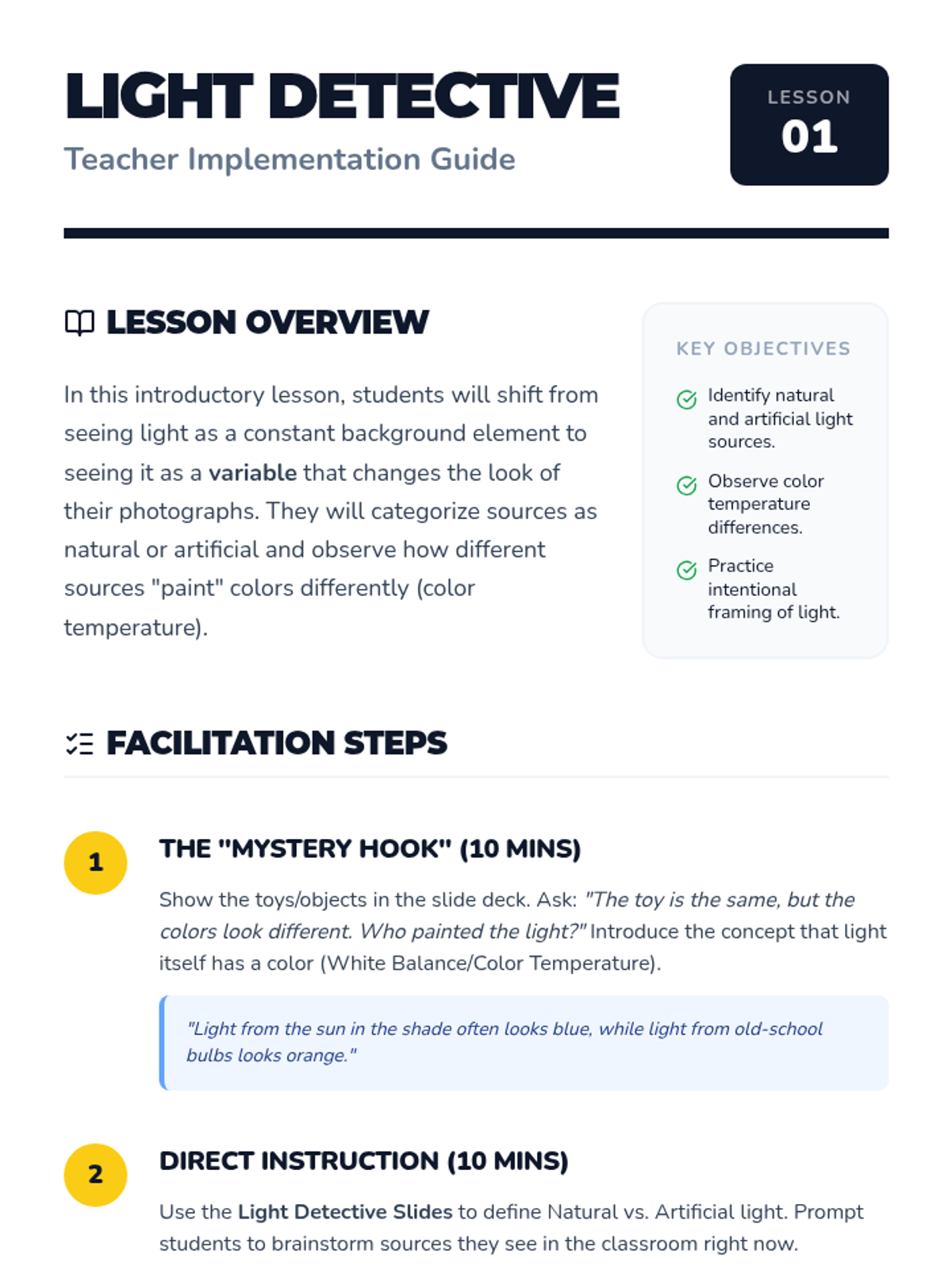
In this sequence, students explore light as the primary medium of photography, investigating how direction, quality, and source affect the mood of an image. Through hands-on experiments, learners discover the difference between hard and soft light and learn to manipulate shadows for artistic effect.
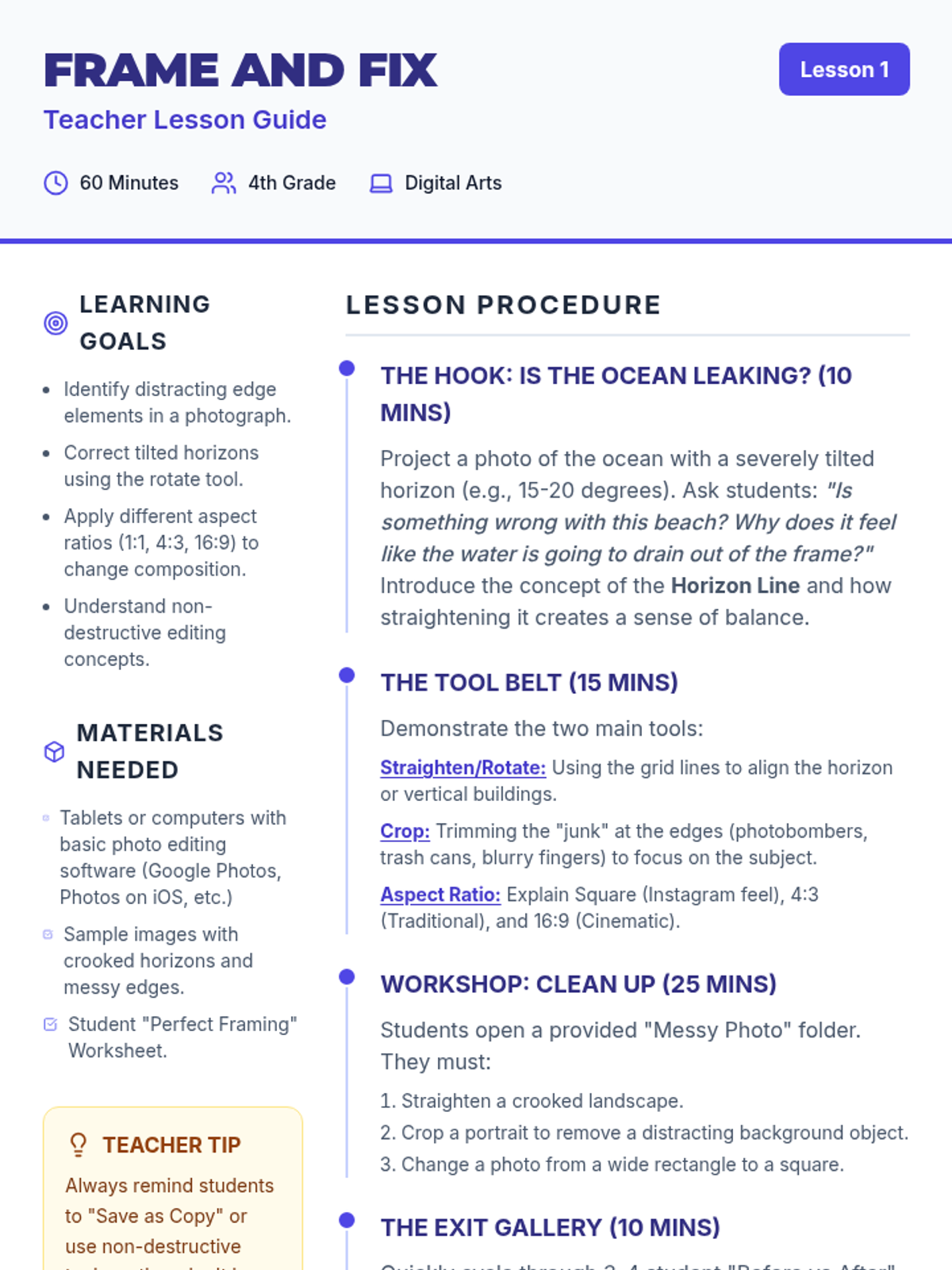
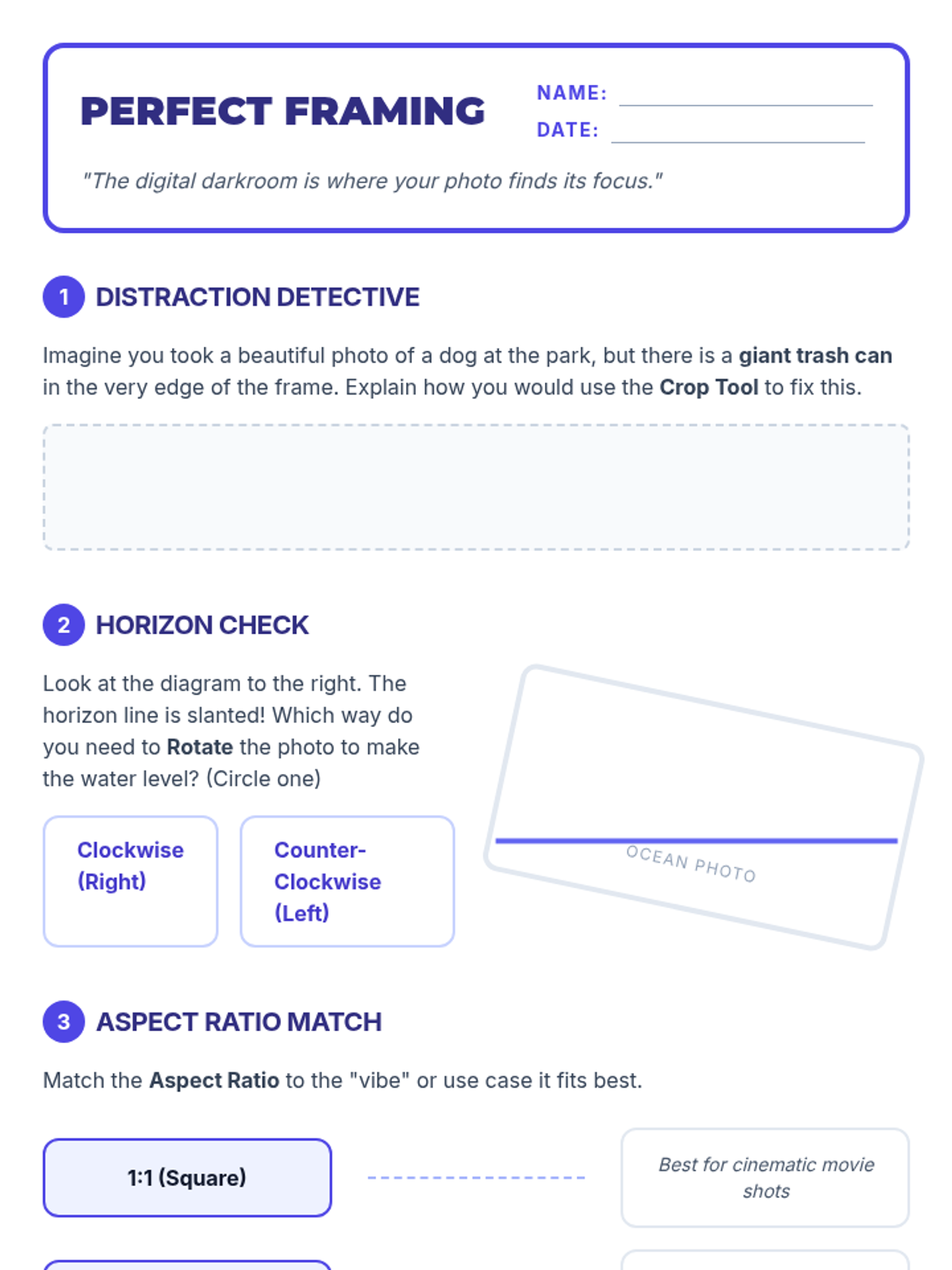
A technical photography sequence for 4th graders exploring the 'digital darkroom.' Students learn to use non-destructive editing tools like cropping, tonal adjustments, and color correction to enhance their artistic intent while maintaining authenticity.
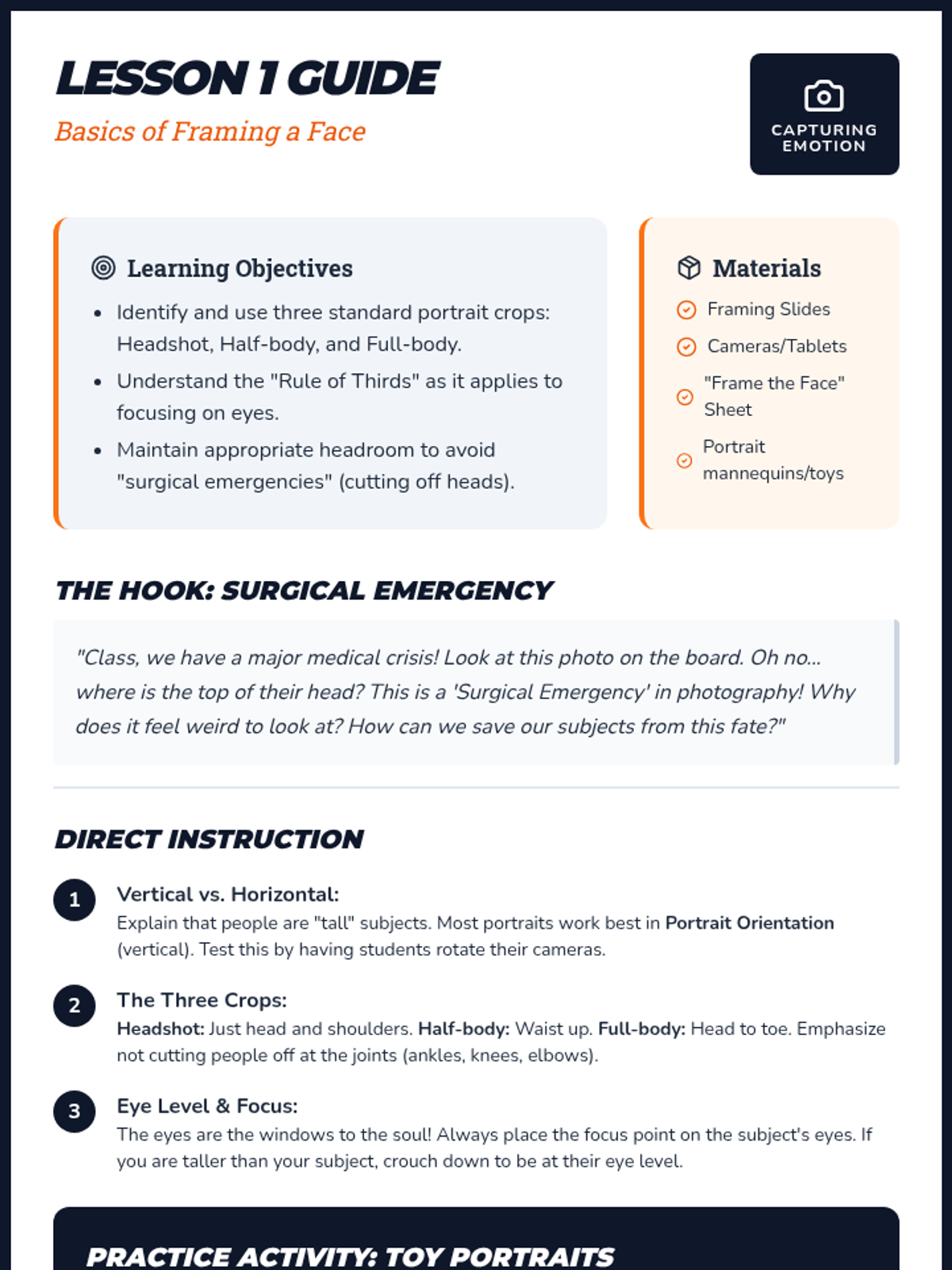
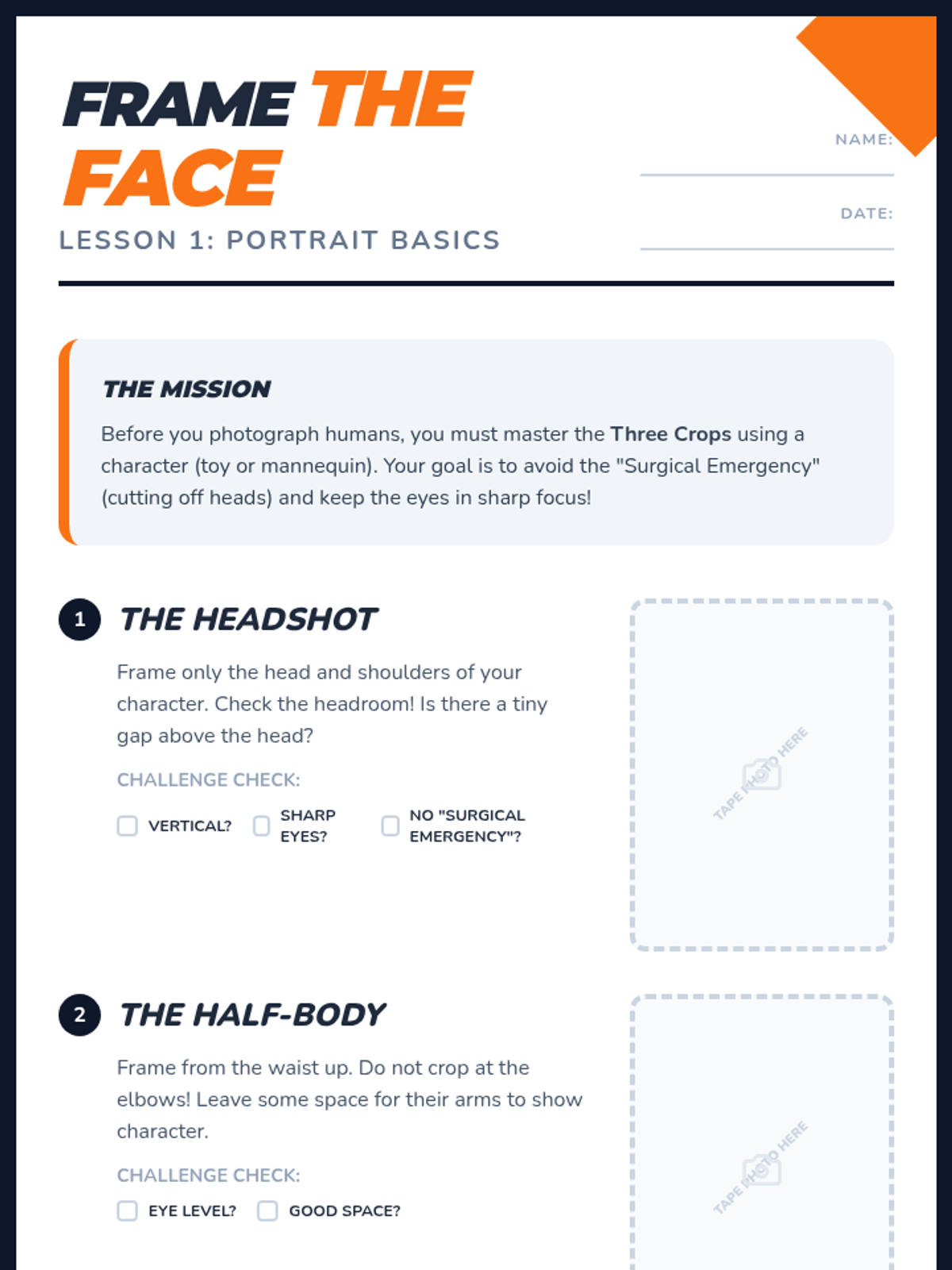
A photography sequence for 4th graders focused on portraiture, teaching technical framing, communication skills, and creative storytelling through the lens. Students progress from basic crops to a final exhibition of peer portraits.
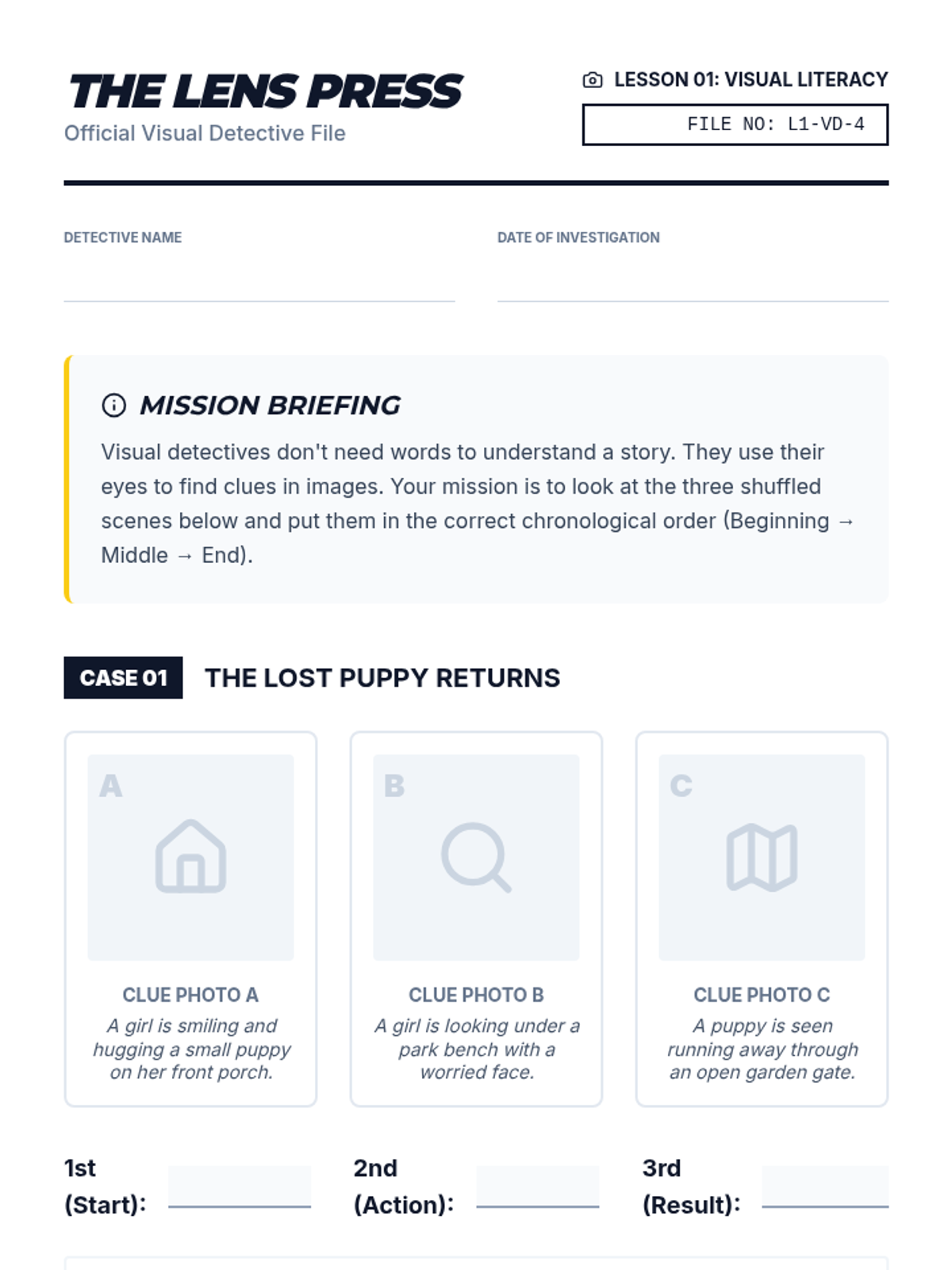
A comprehensive 4th-grade photography unit that guides students from basic visual literacy to the creation of a multi-image photo essay. Students learn narrative structure, shot variety, process documentation, and emotional resonance through a lens-based perspective.
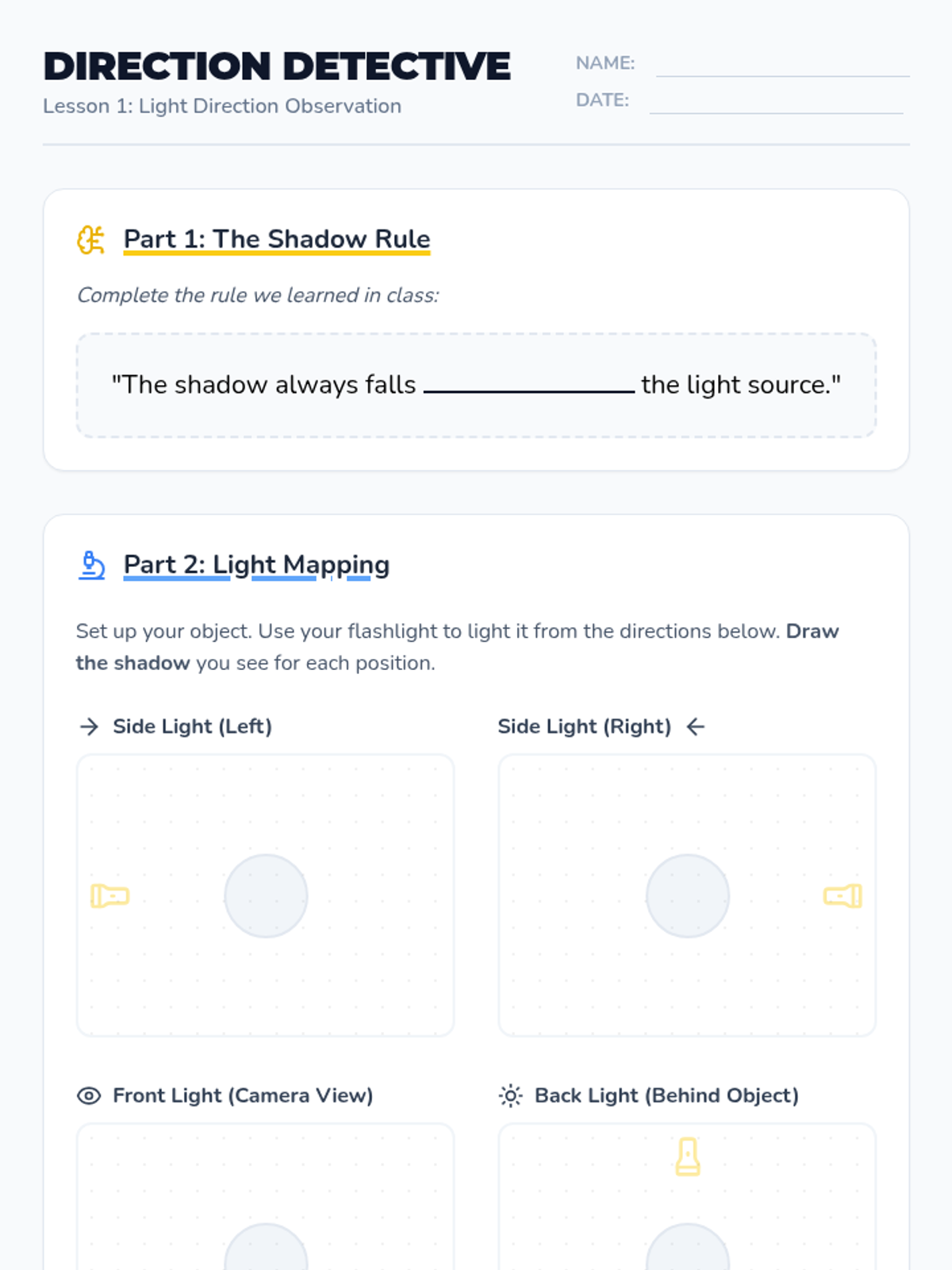
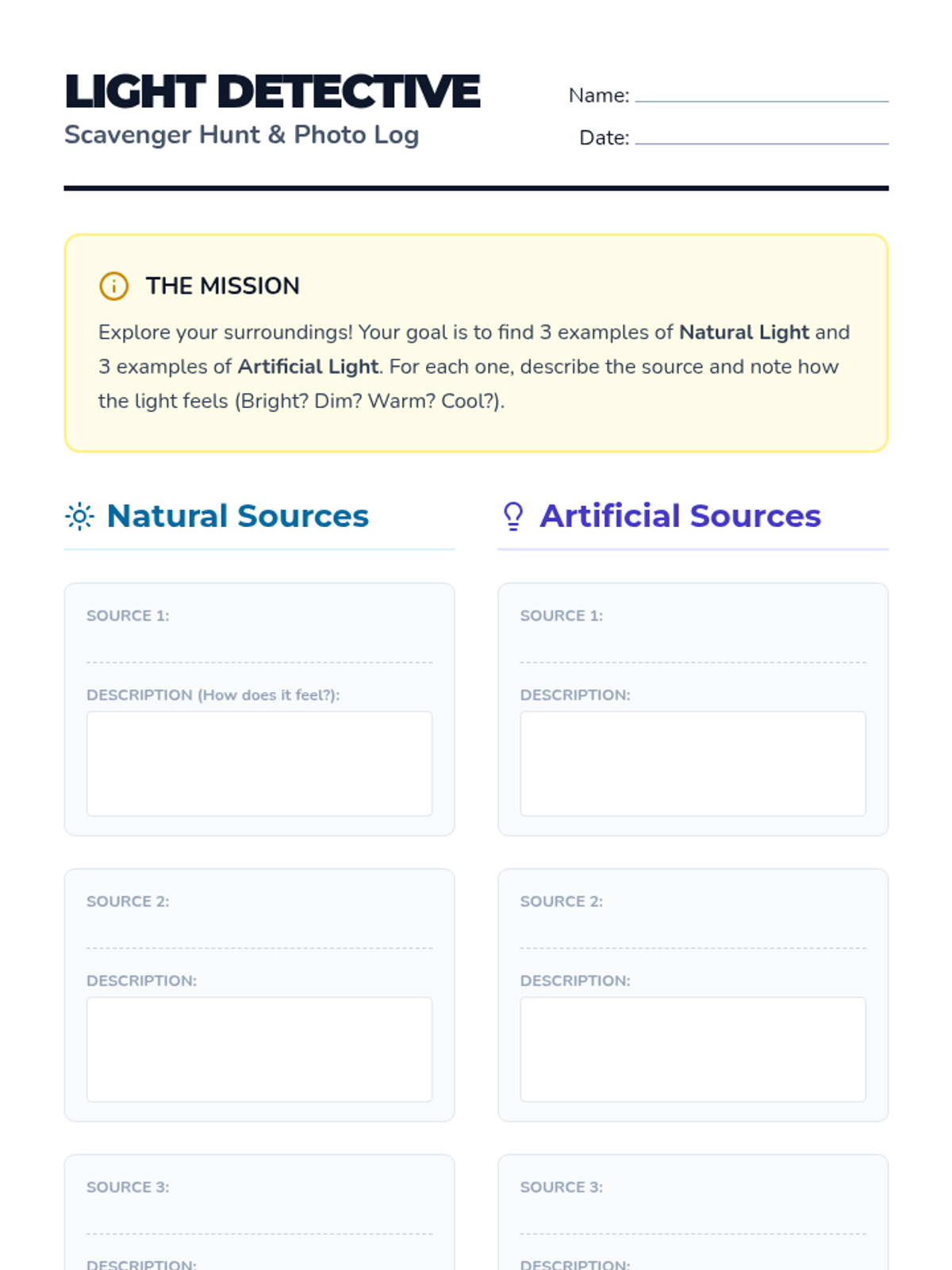
This sequence introduces 4th-grade students to the fundamental role of light in photography. Students explore light sources, directionality, and exposure basics through hands-on inquiry and creative experimentation.
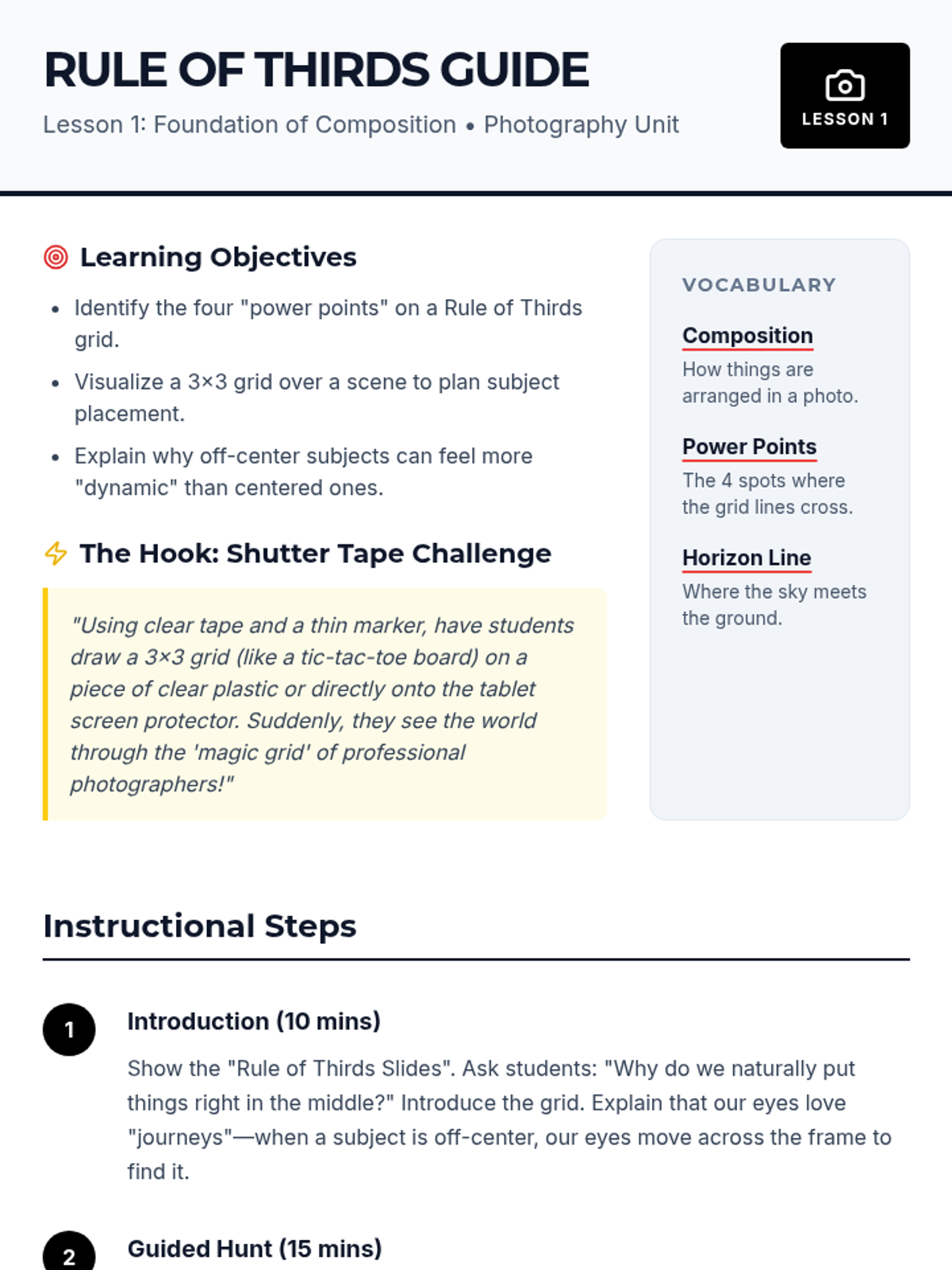
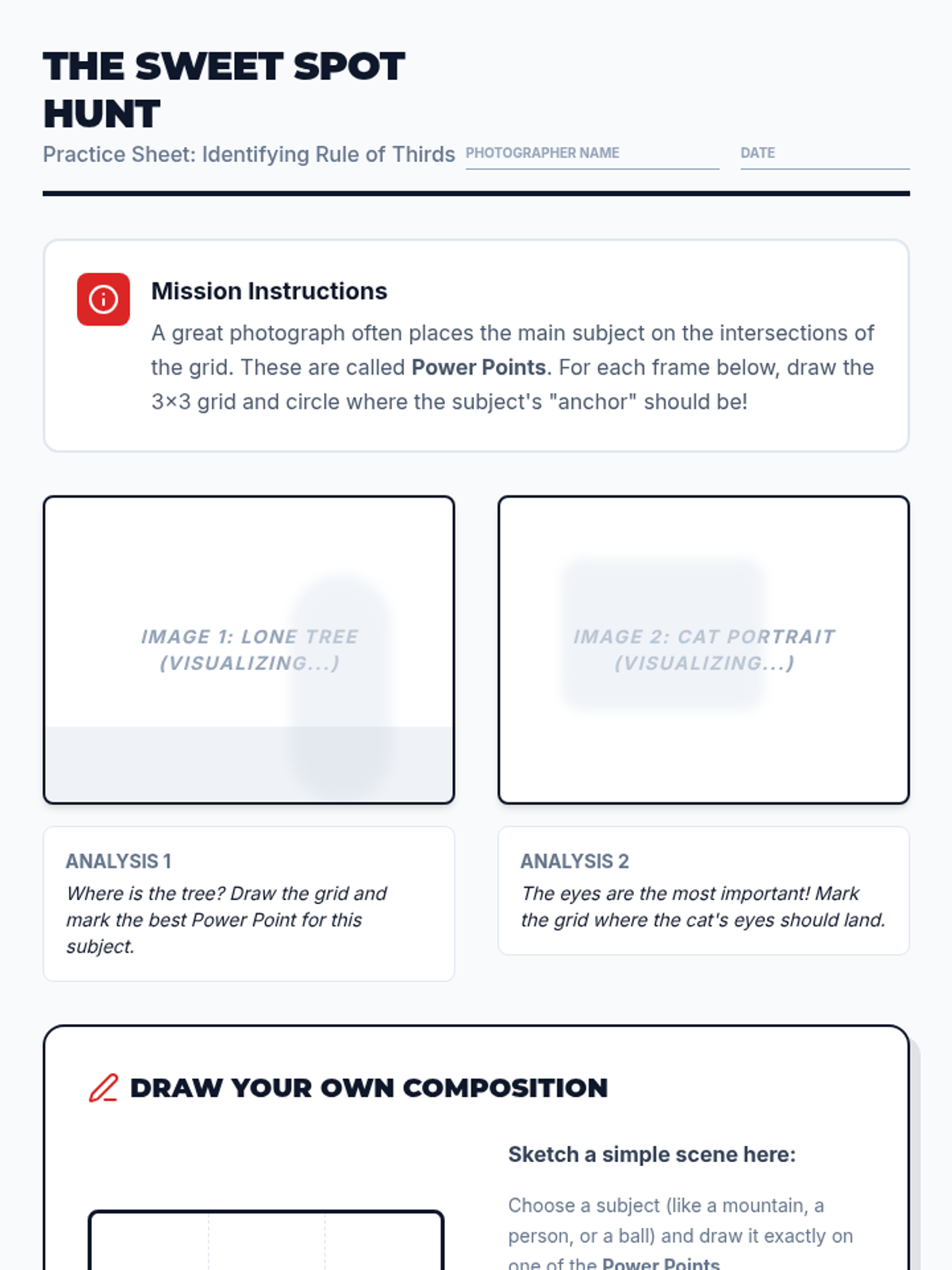
This sequence introduces 4th-grade students to the fundamental rules of visual composition, transforming how they view their surroundings through a lens. Students learn about the Rule of Thirds, camera angles, leading lines, and framing techniques to move beyond snapshots and toward intentional artistic photography.