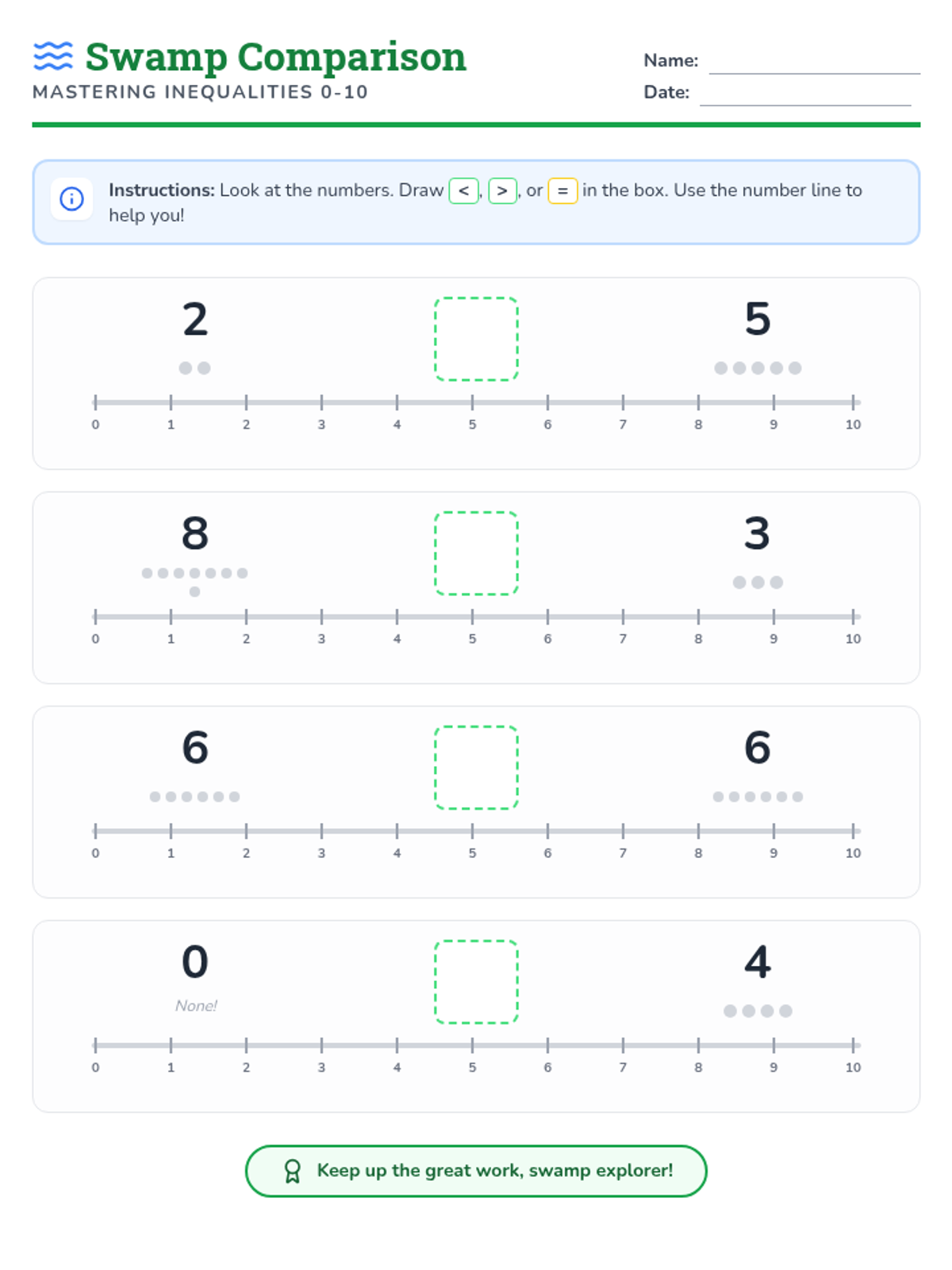
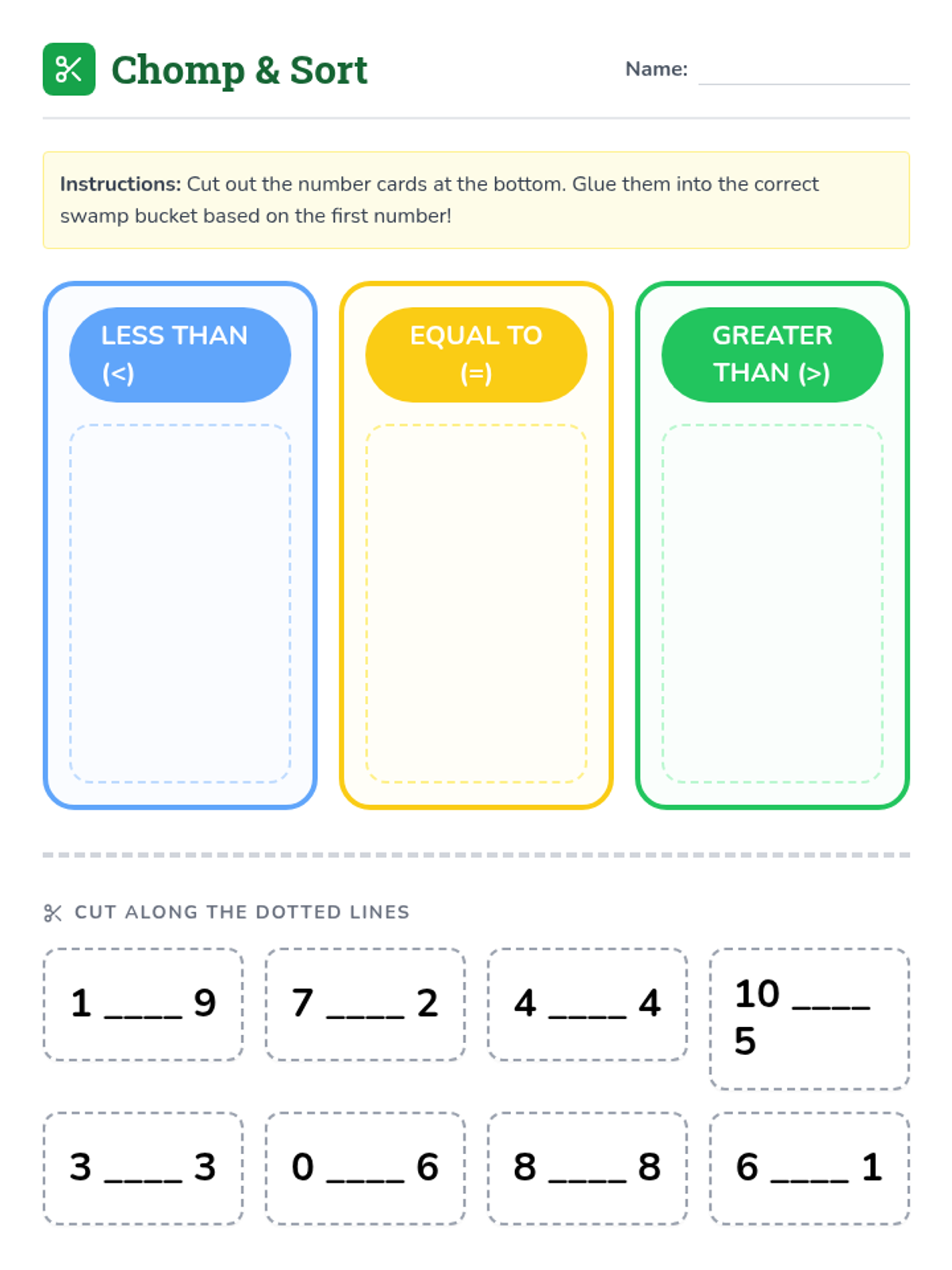
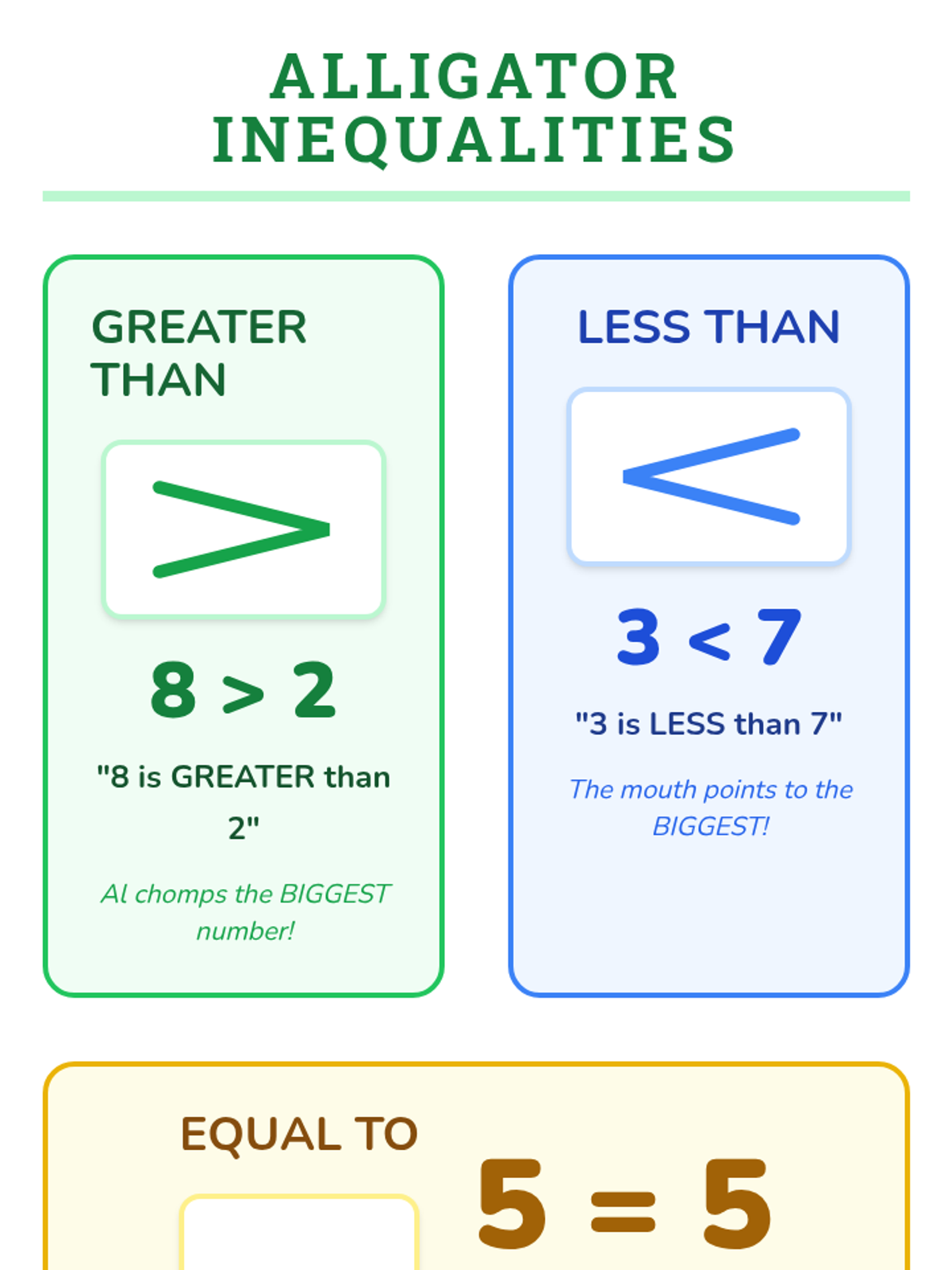
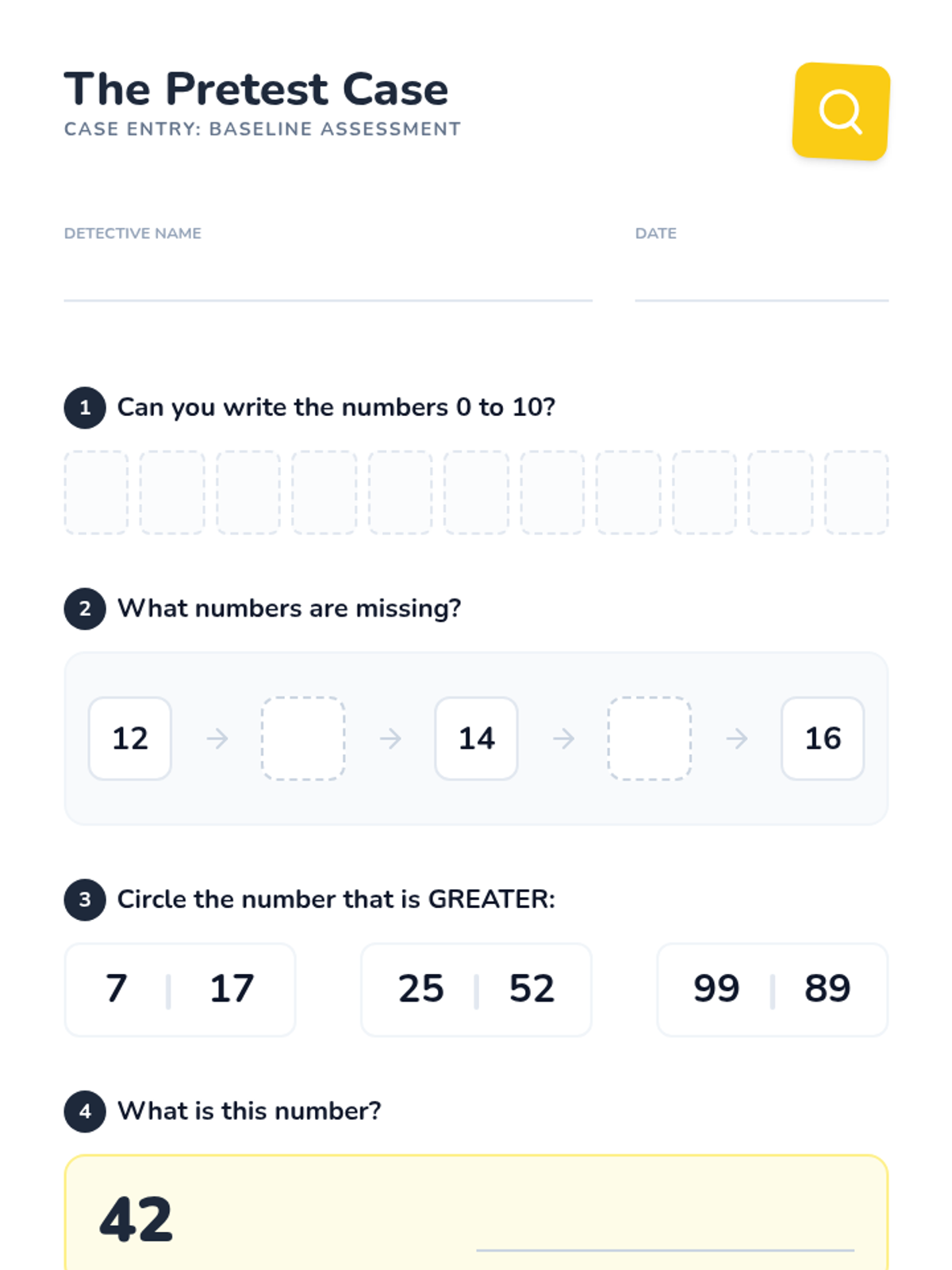
One-to-one correspondence, numeral identification, and comparison of quantities using terms like greater than or less than. Establishes the foundation for numerical literacy and early arithmetic operations.
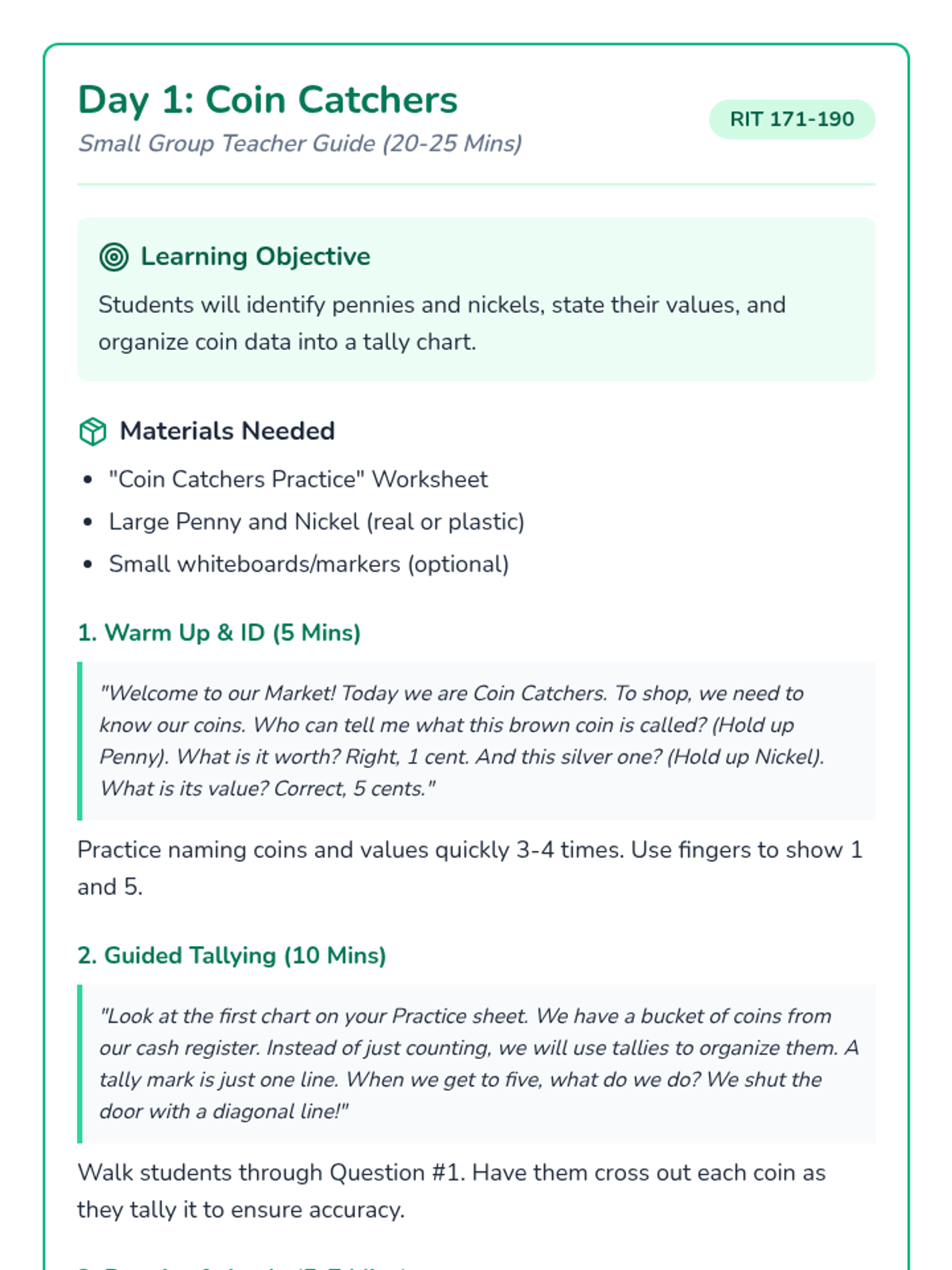
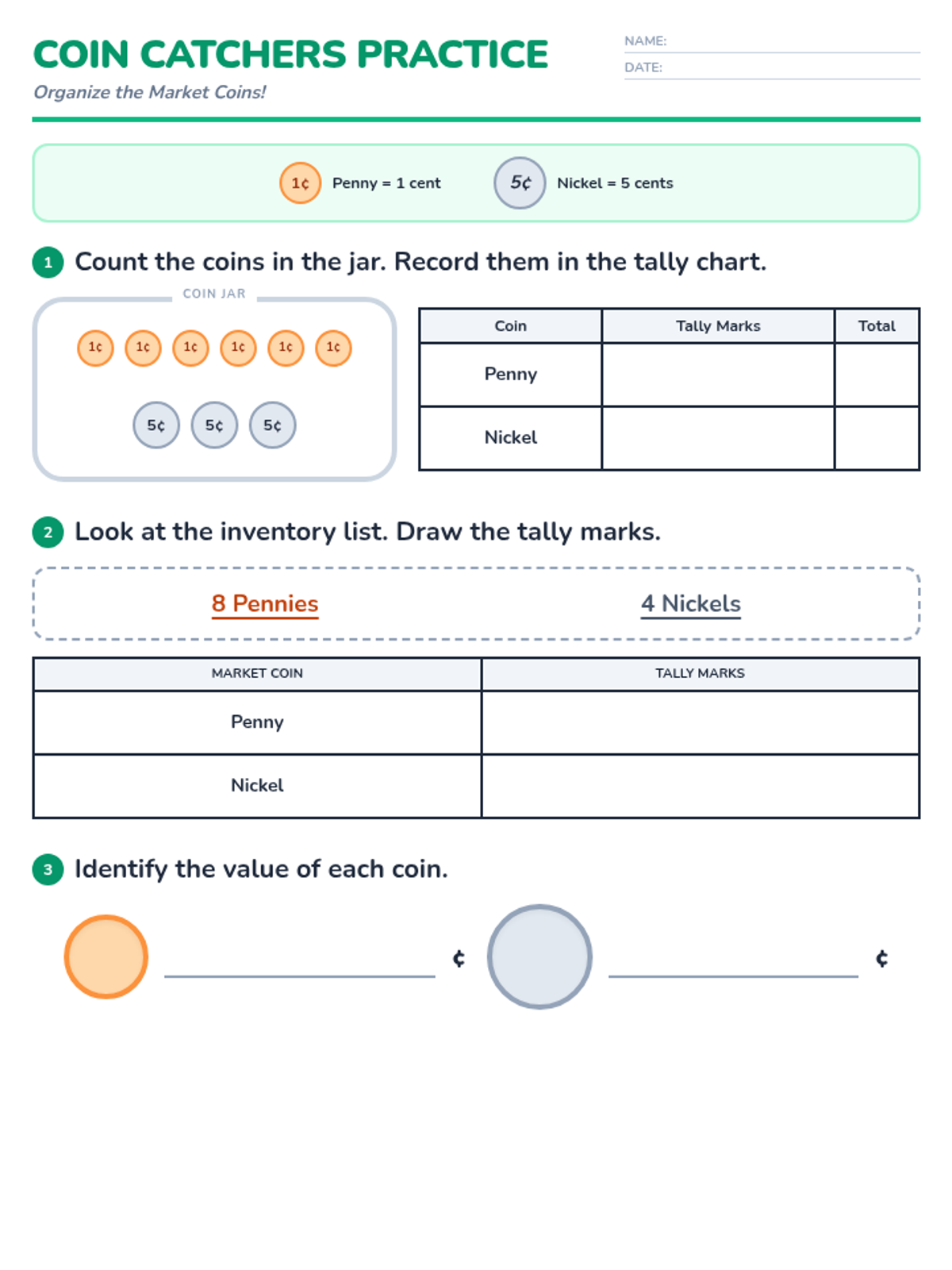
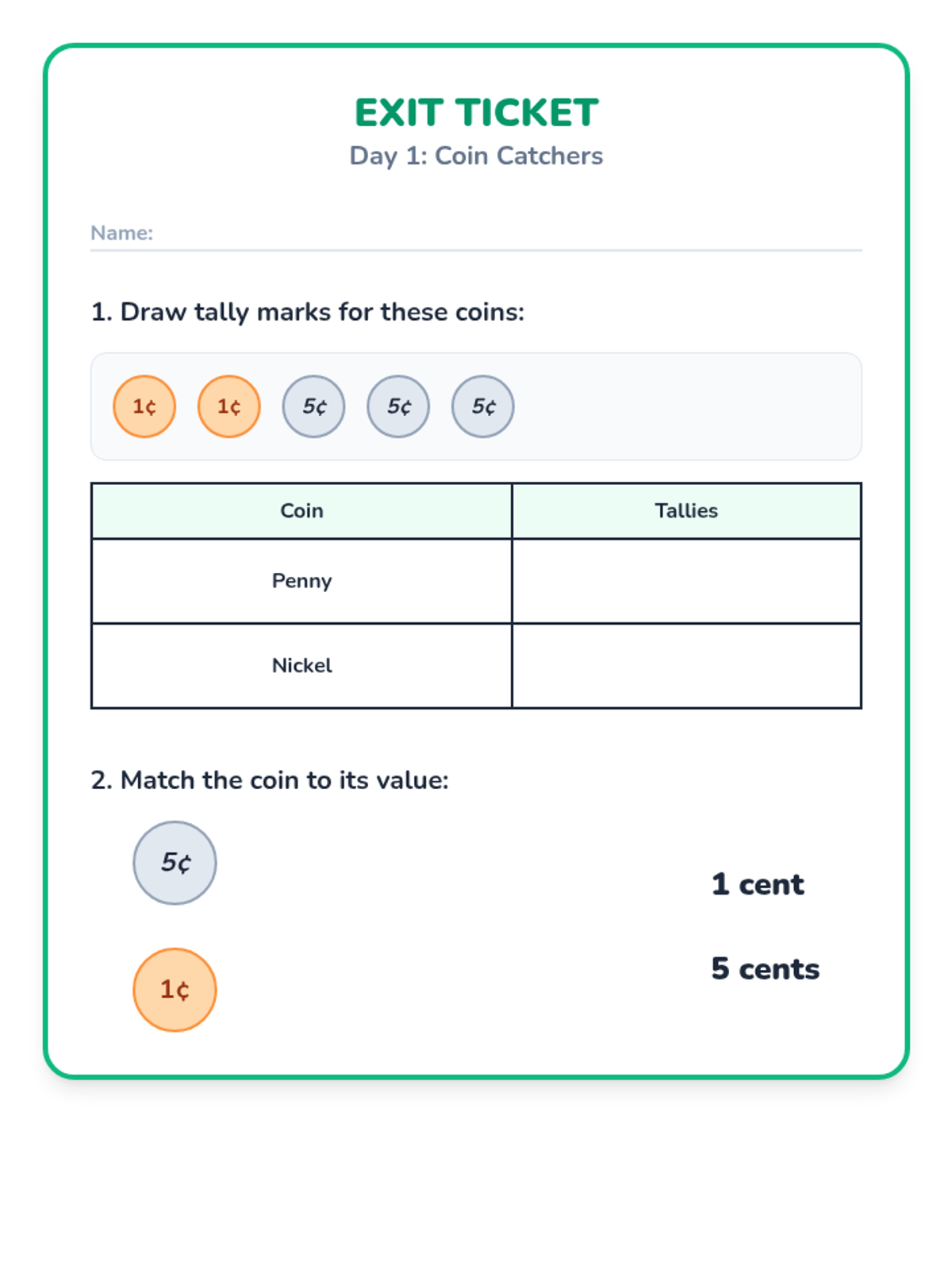
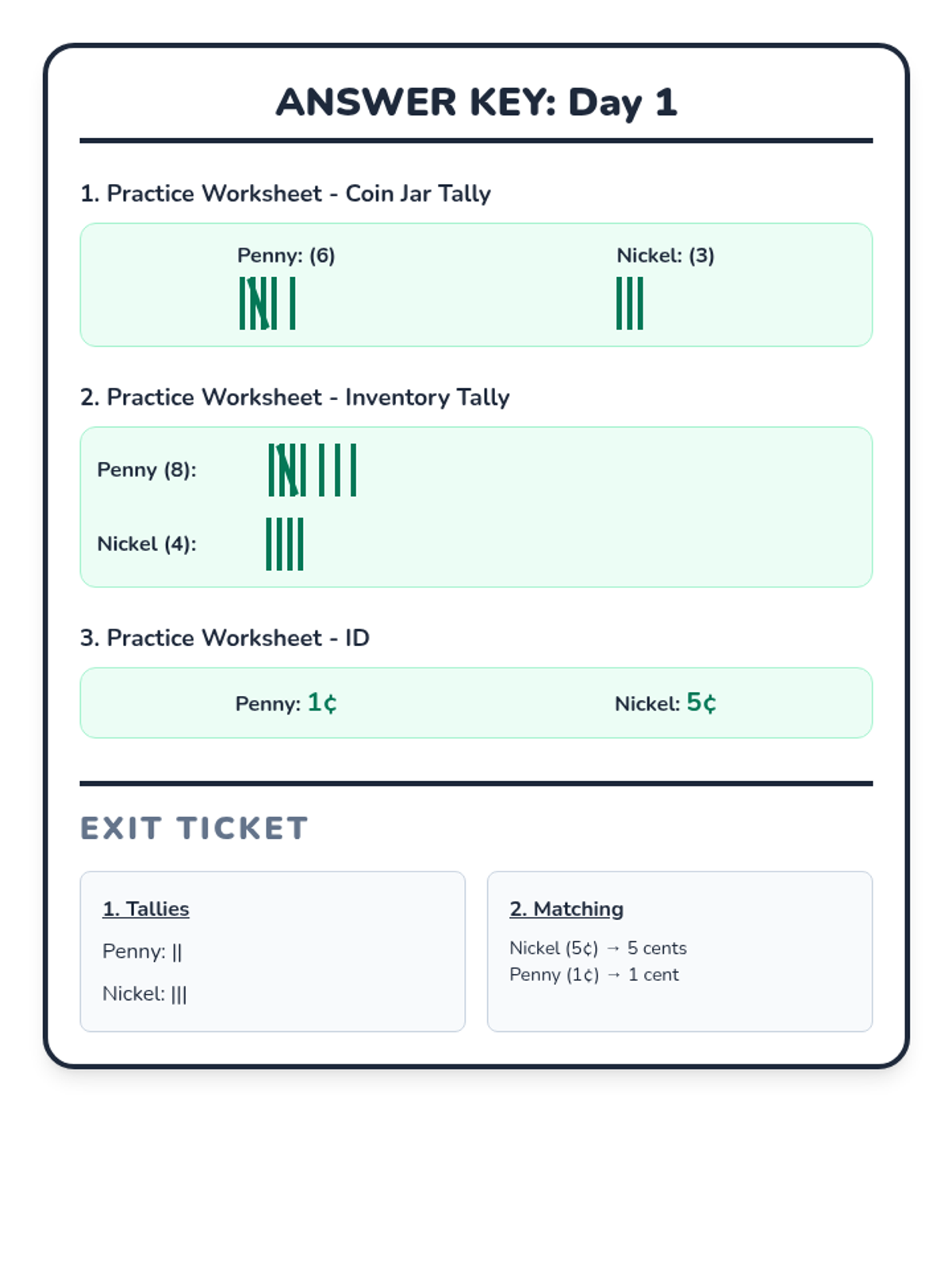
A 3-day small group math sequence focused on bridging NWEA RIT scores from 170-180 to 181-190. Students master coin identification (pennies/nickels), counting, and data analysis through tally charts, picture graphs, and bar graphs with a market-themed aesthetic.
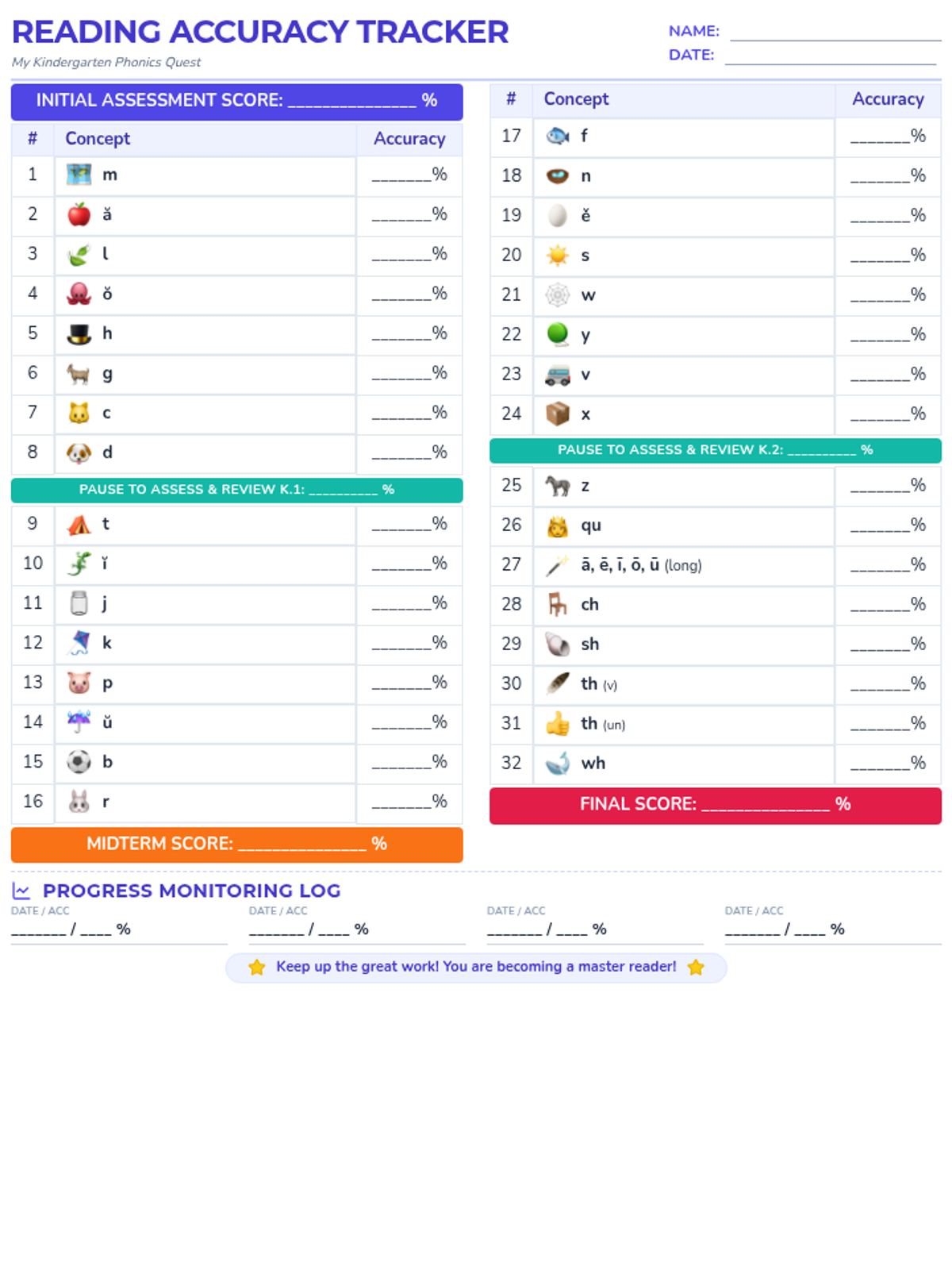
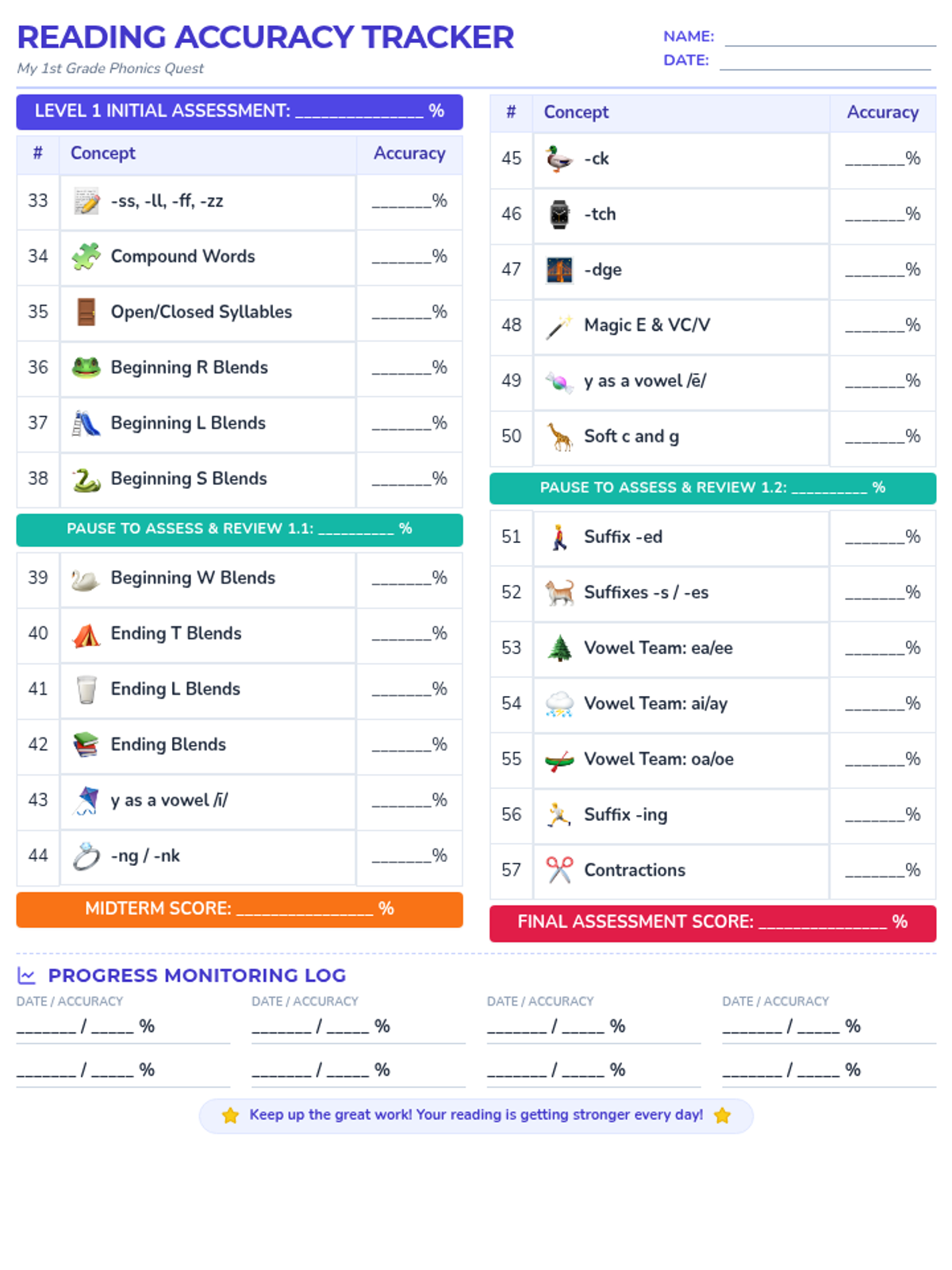
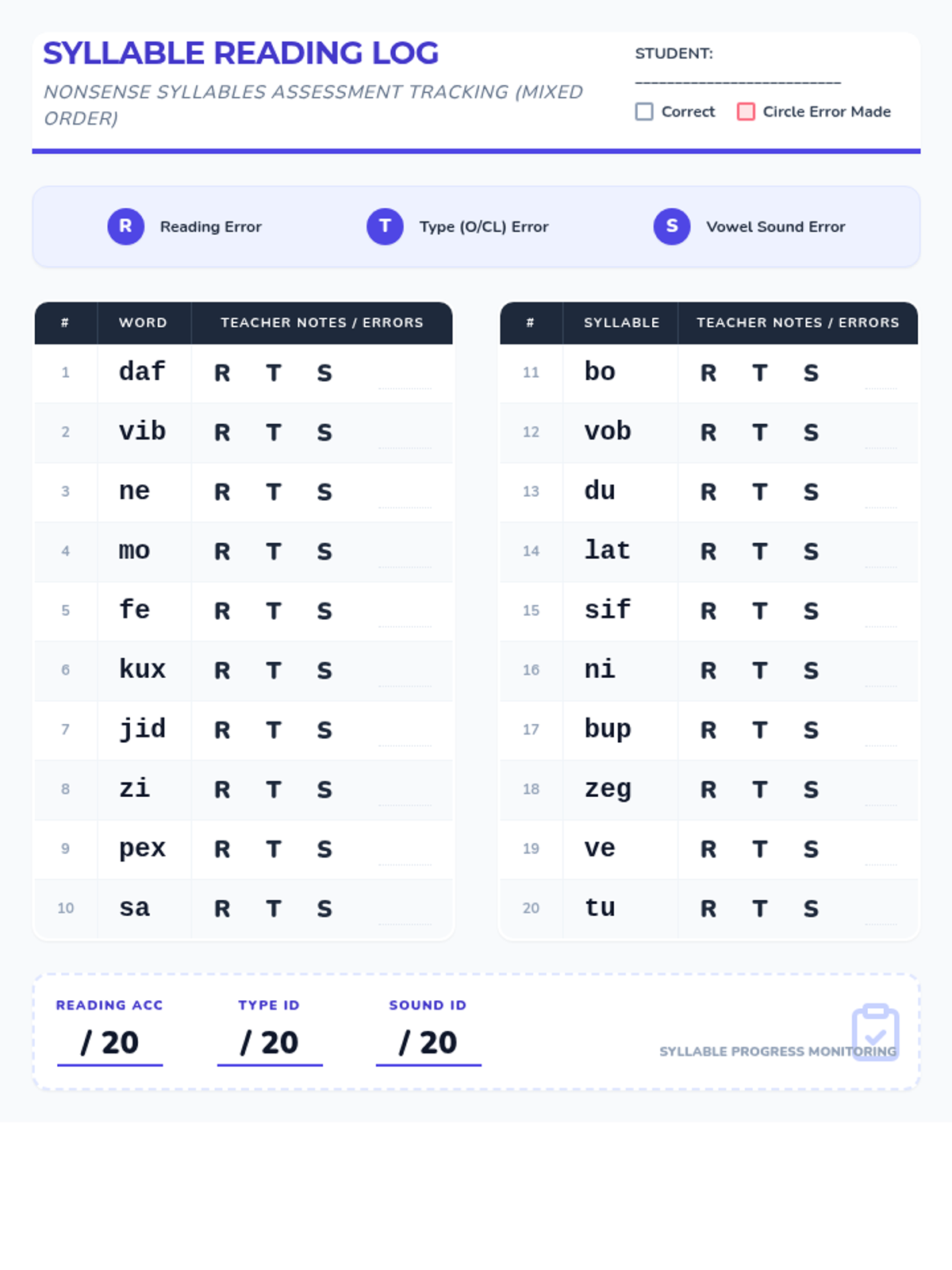
A foundational skills unit covering literacy progress tracking and early numeracy strategies for decomposition and missing addends.
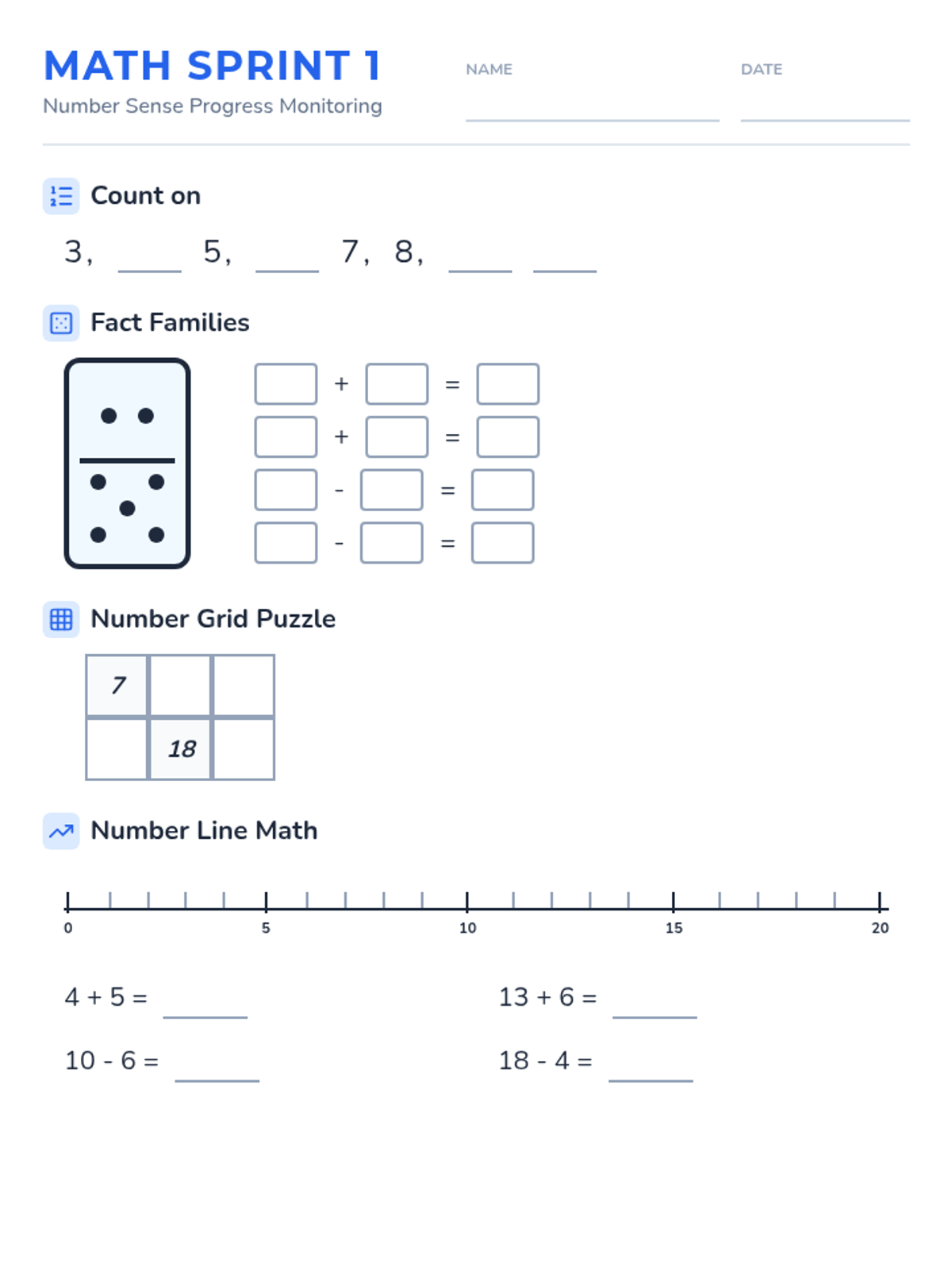
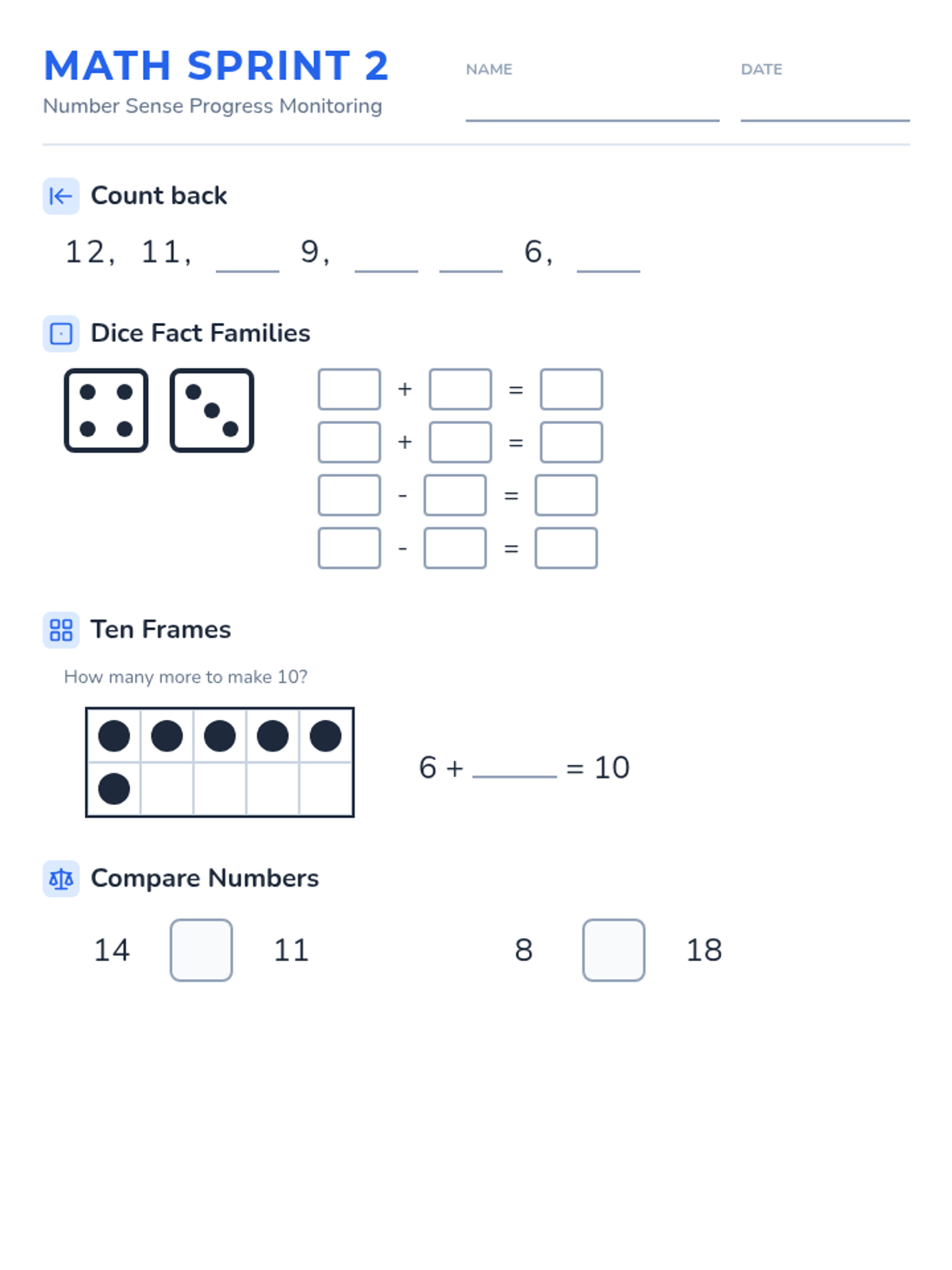
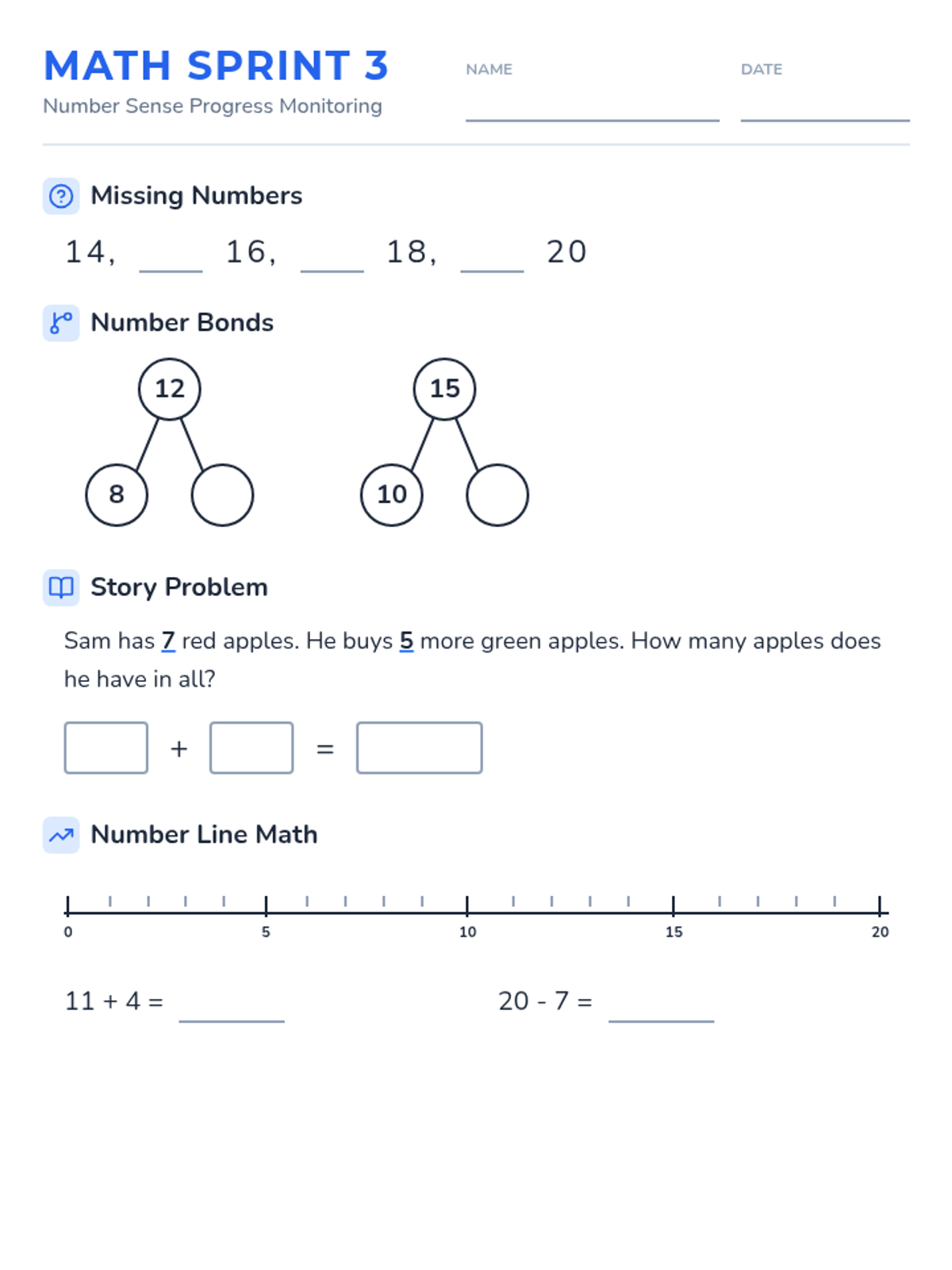
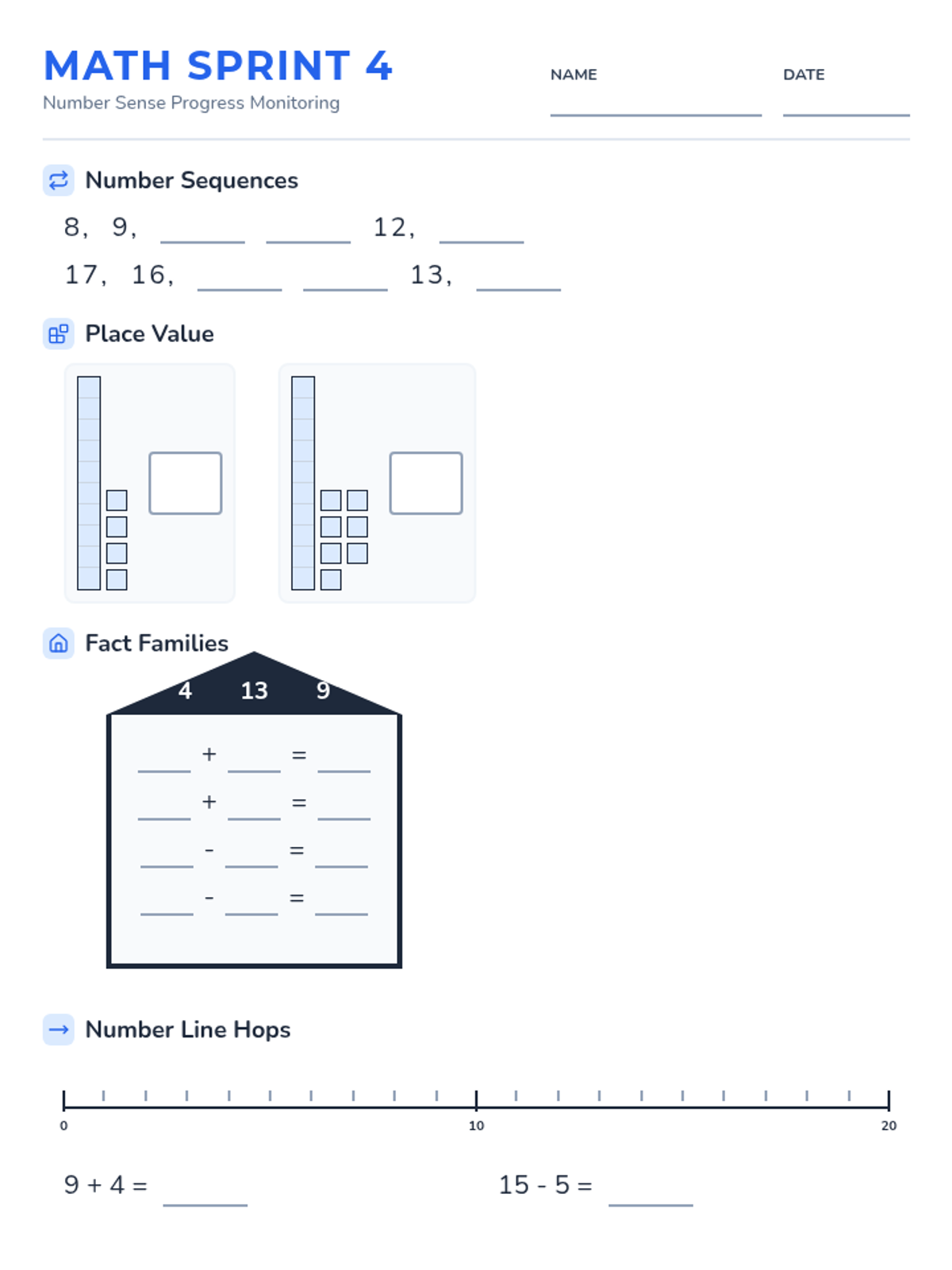
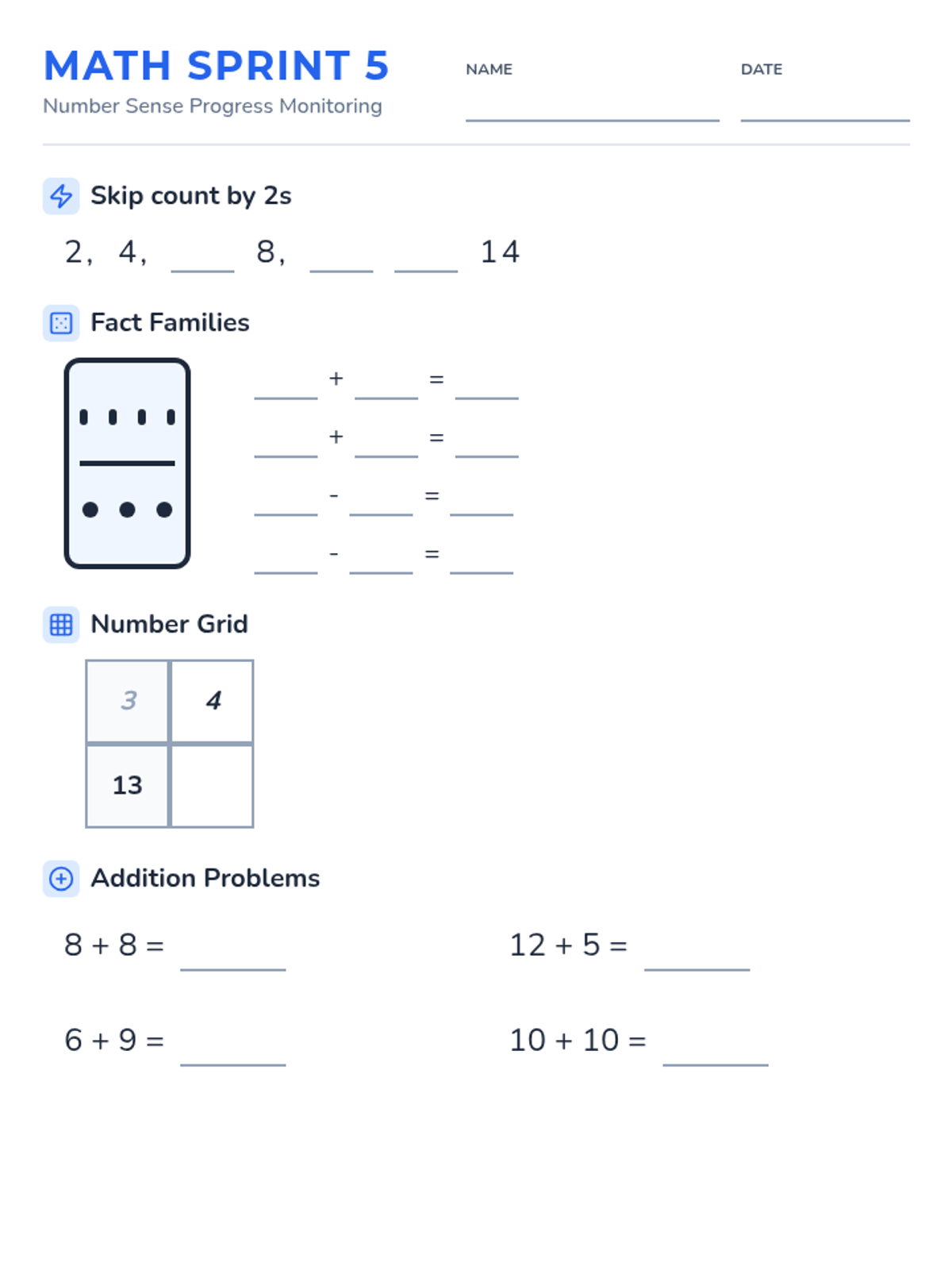
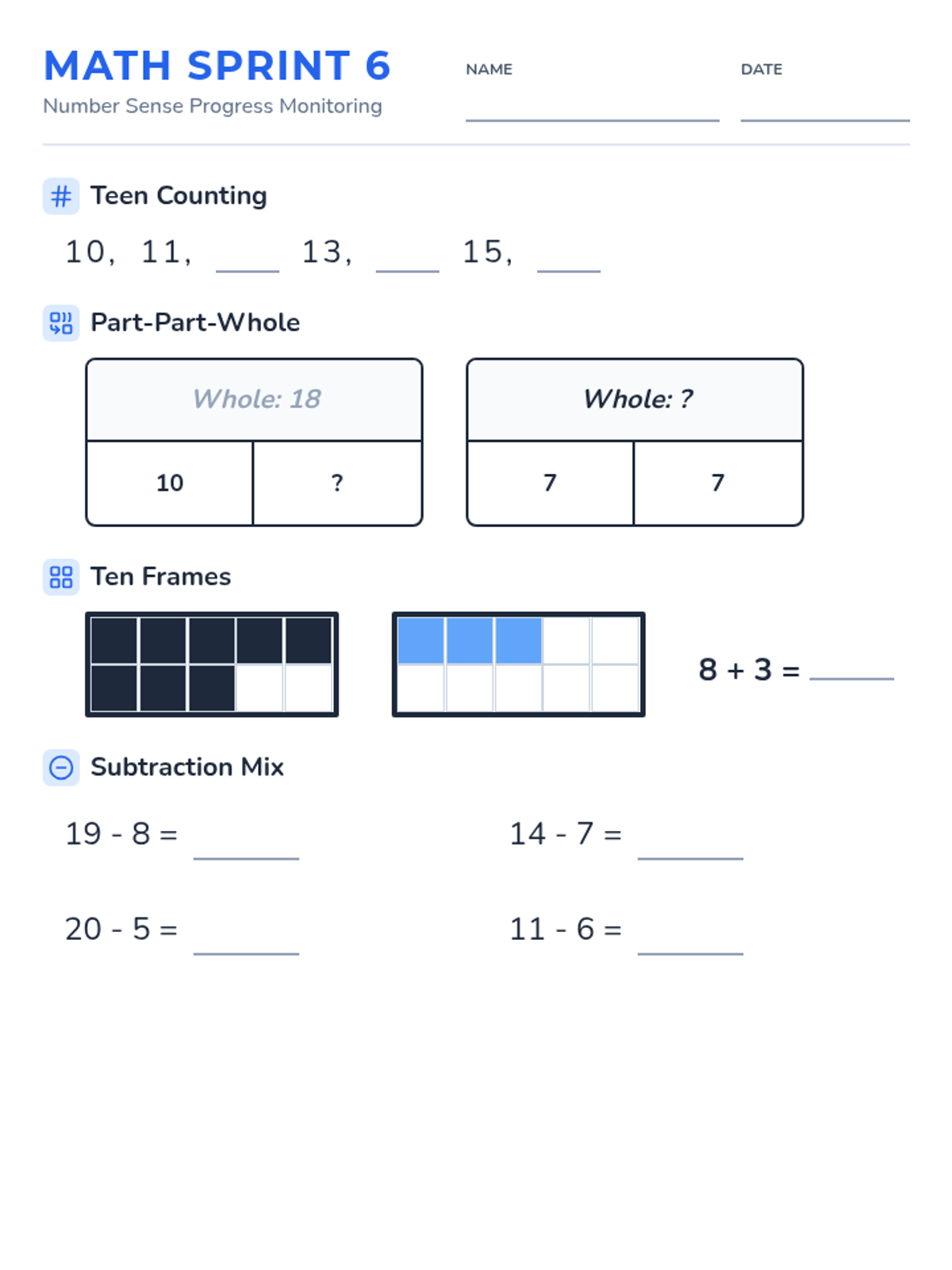
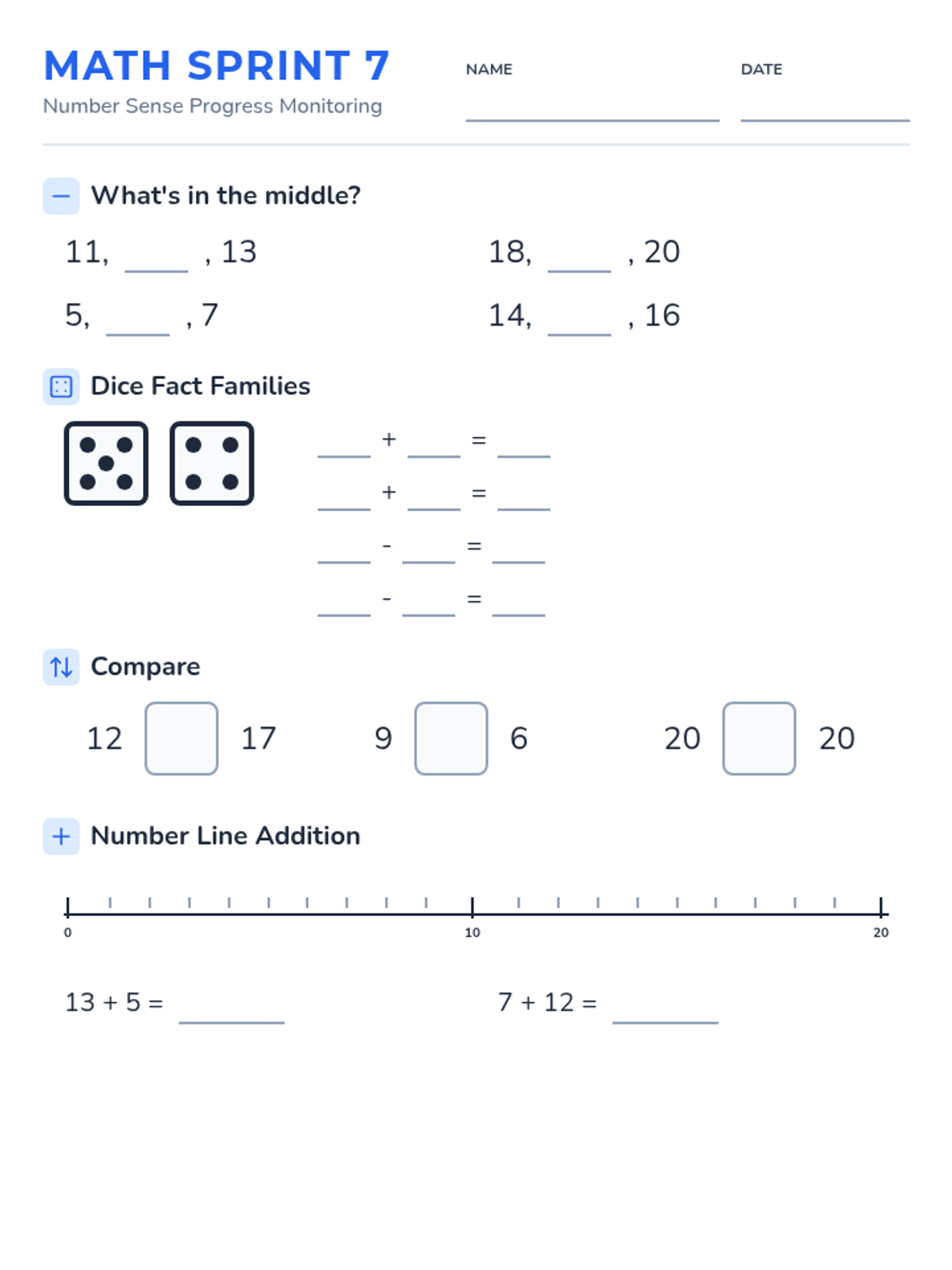
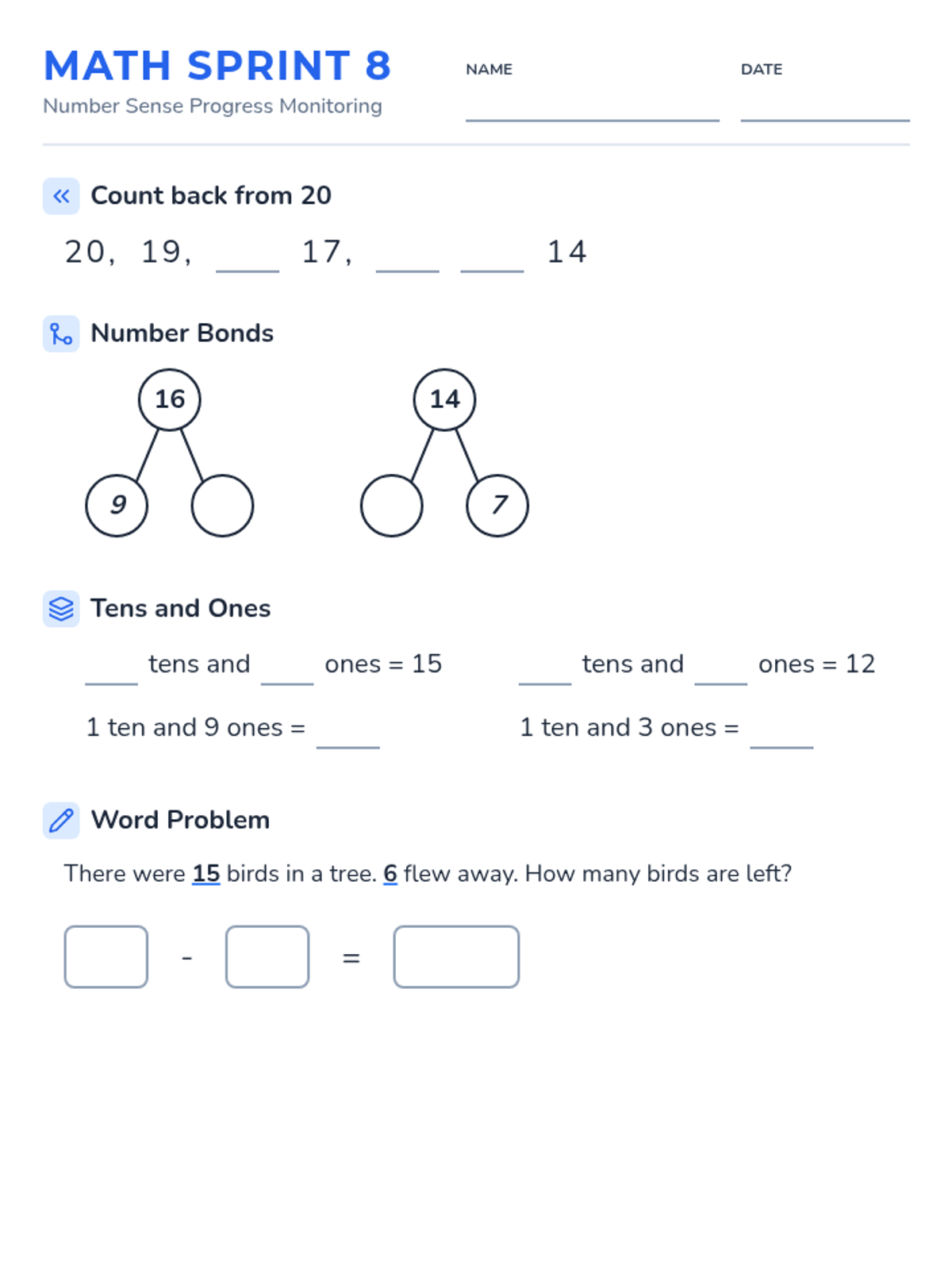
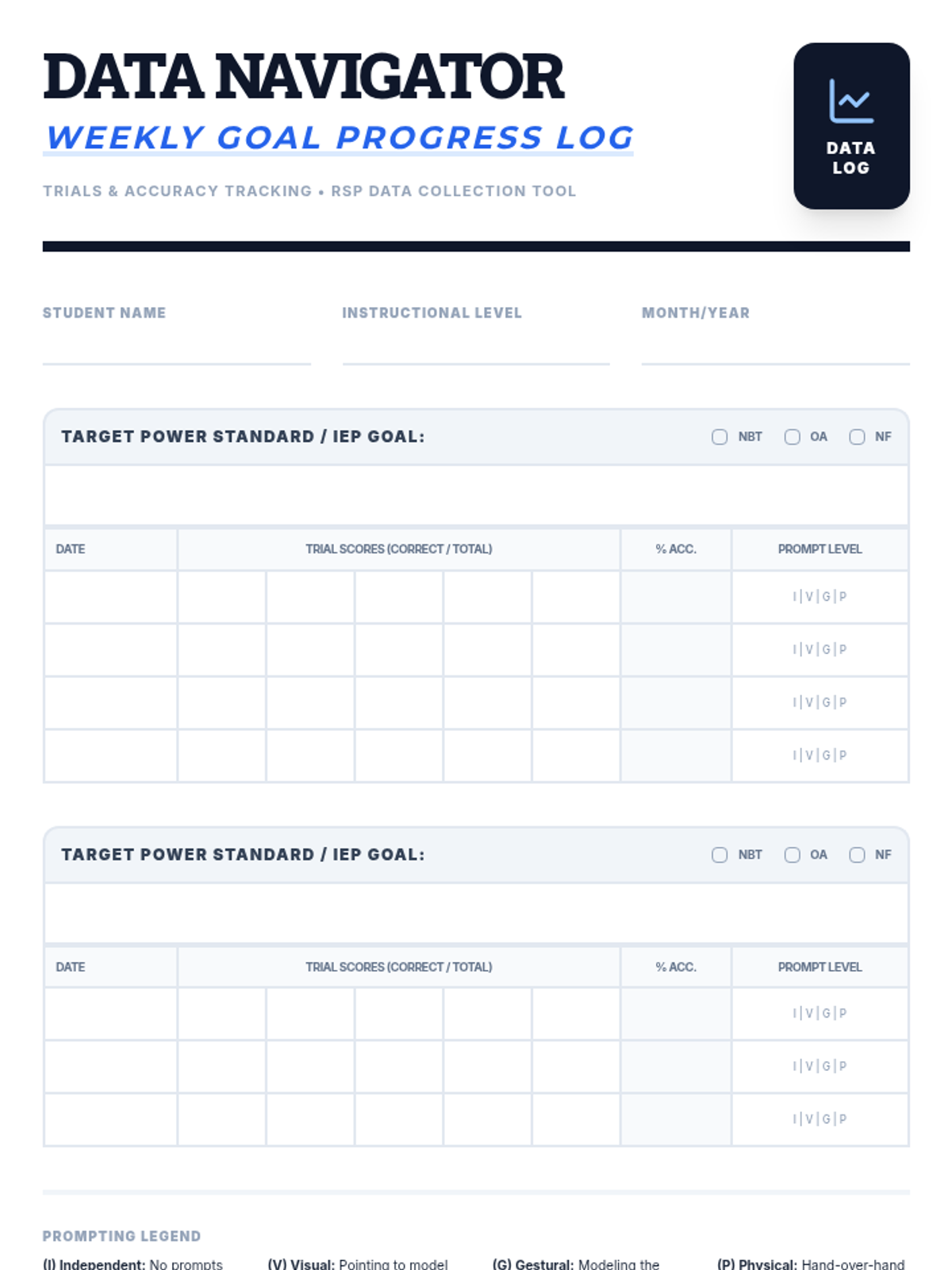
A comprehensive series of elementary math progress monitoring resources designed to track student growth in foundational arithmetic and number sense.
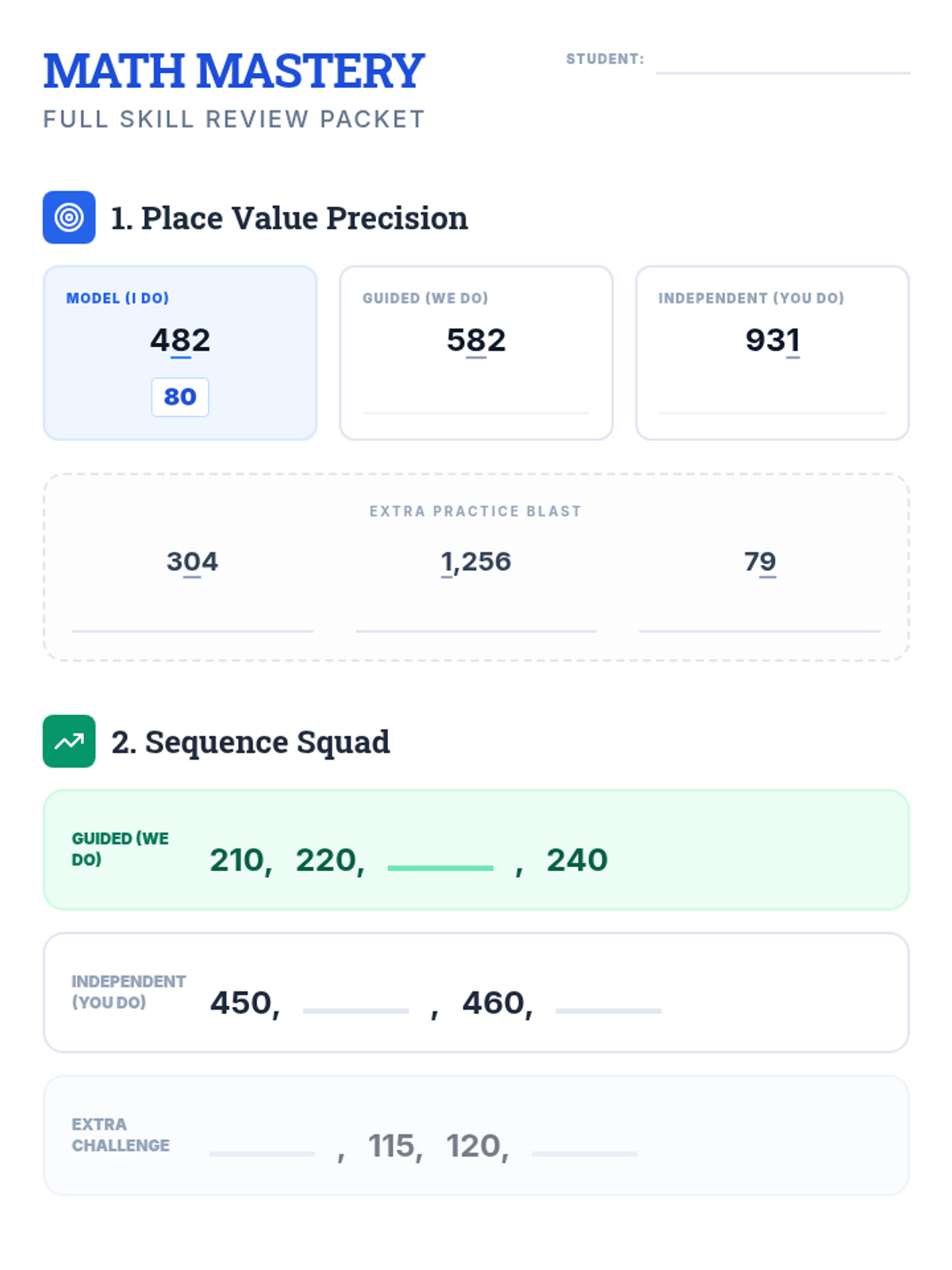
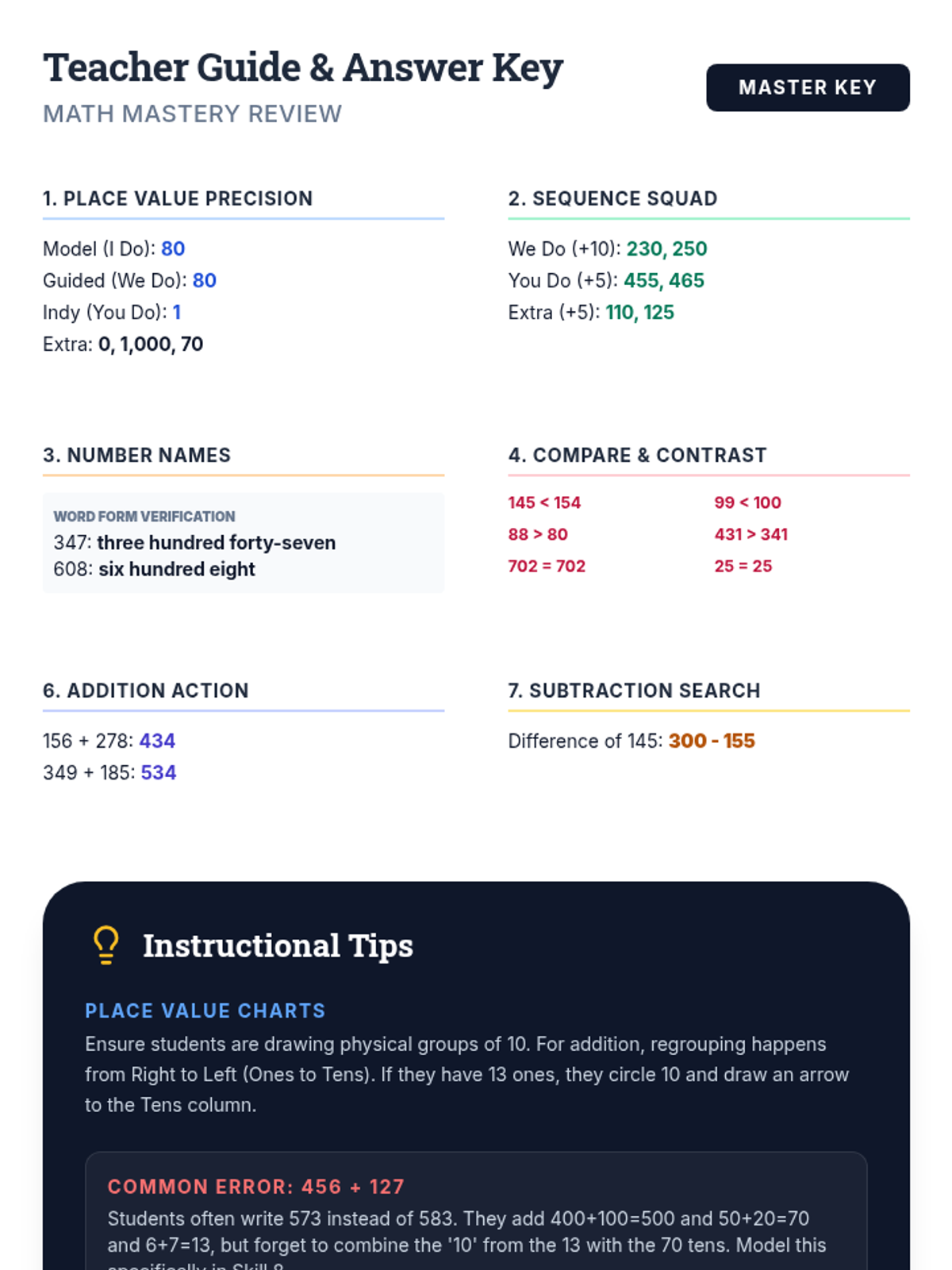
A comprehensive math review sequence covering place value, number operations, and algebraic thinking for elementary students. Includes gradual release instruction and extensive independent practice.
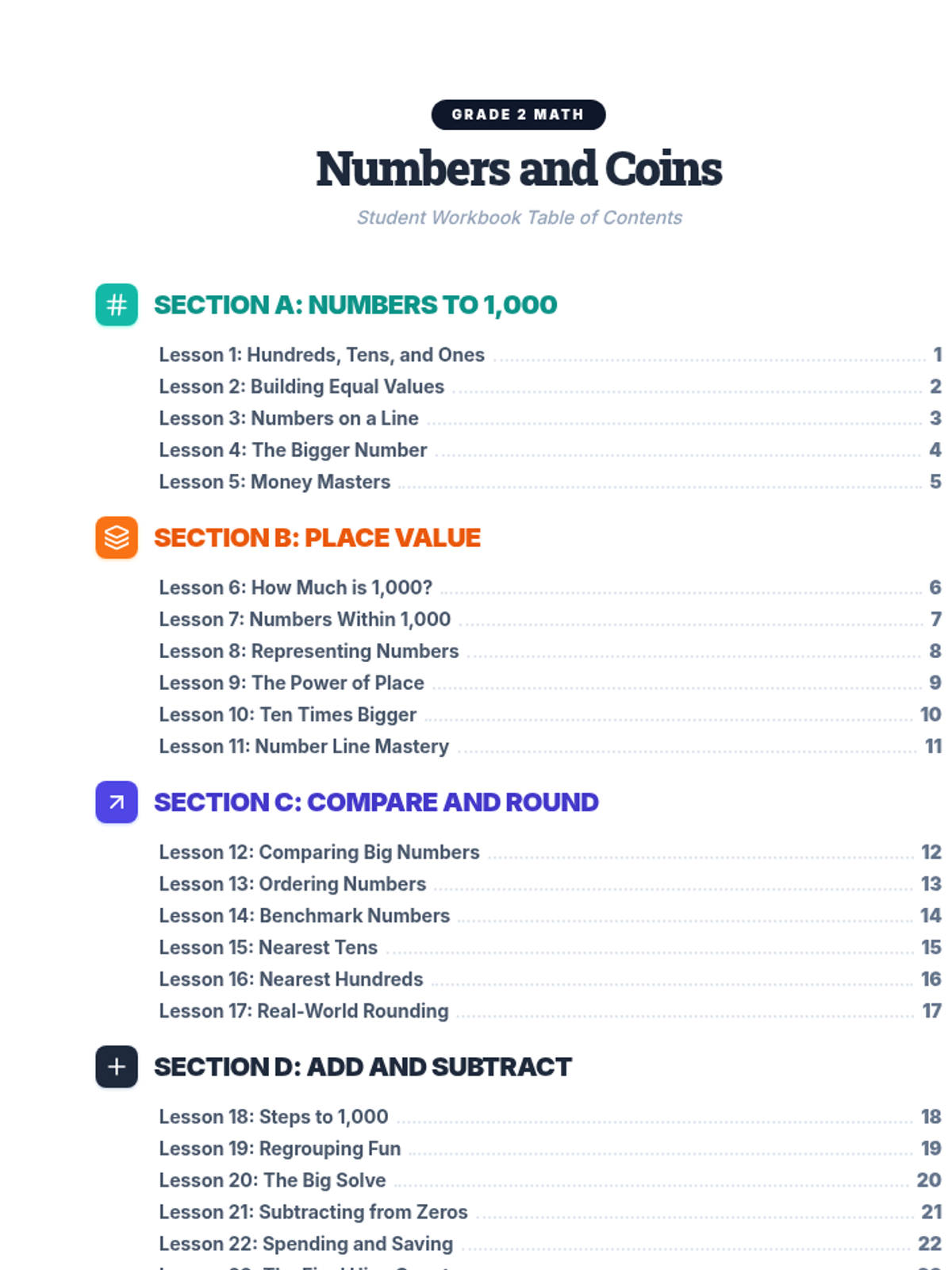
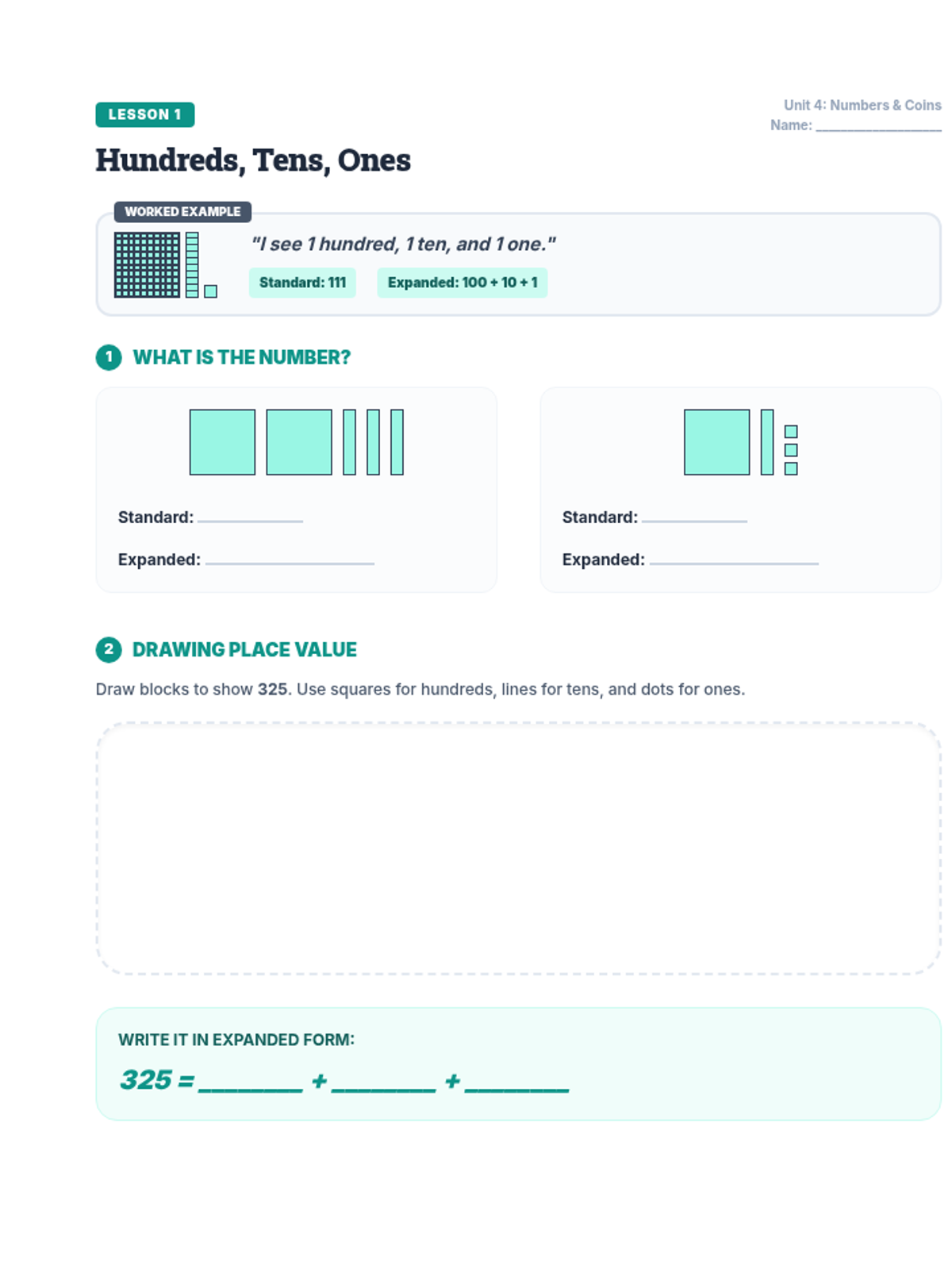
A series of lessons for 2nd grade students focusing on numbers within 1,000, place value, number lines, and money equivalencies, adapted from 4th grade concepts. This is the fourth unit in the series.
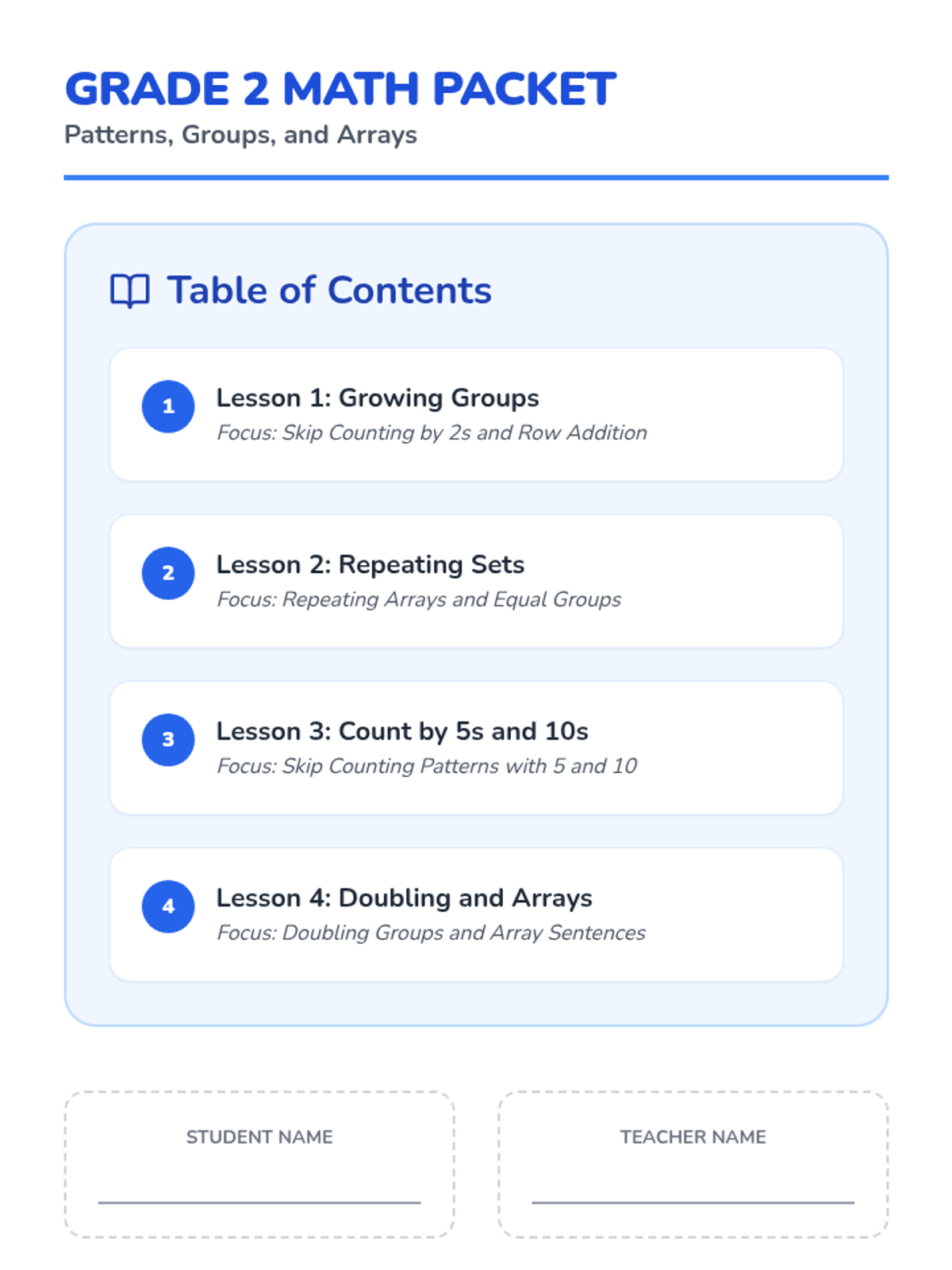
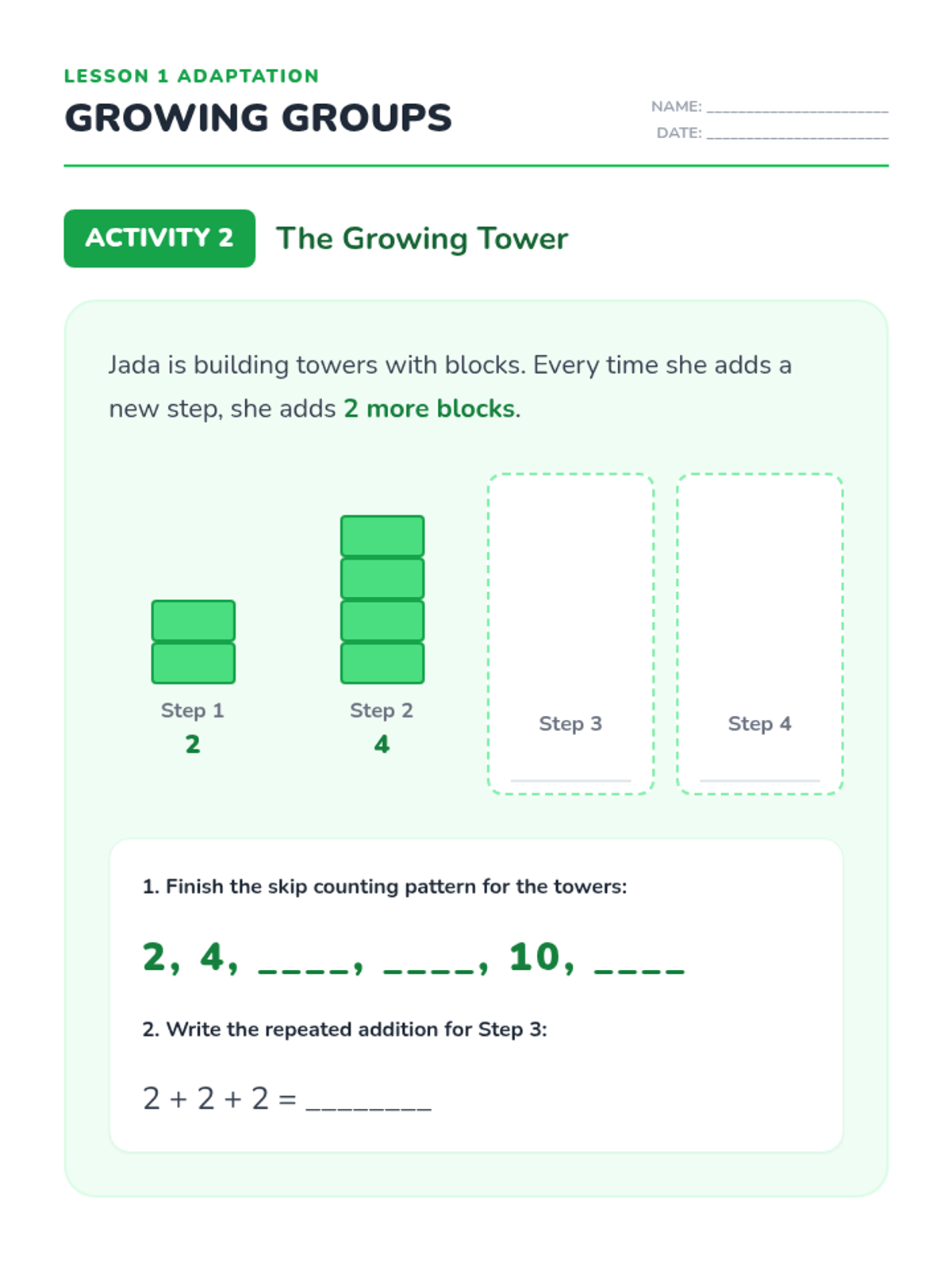
A comprehensive Grade 2 math packet focused on skip counting, repeated addition, arrays, and equal groups.
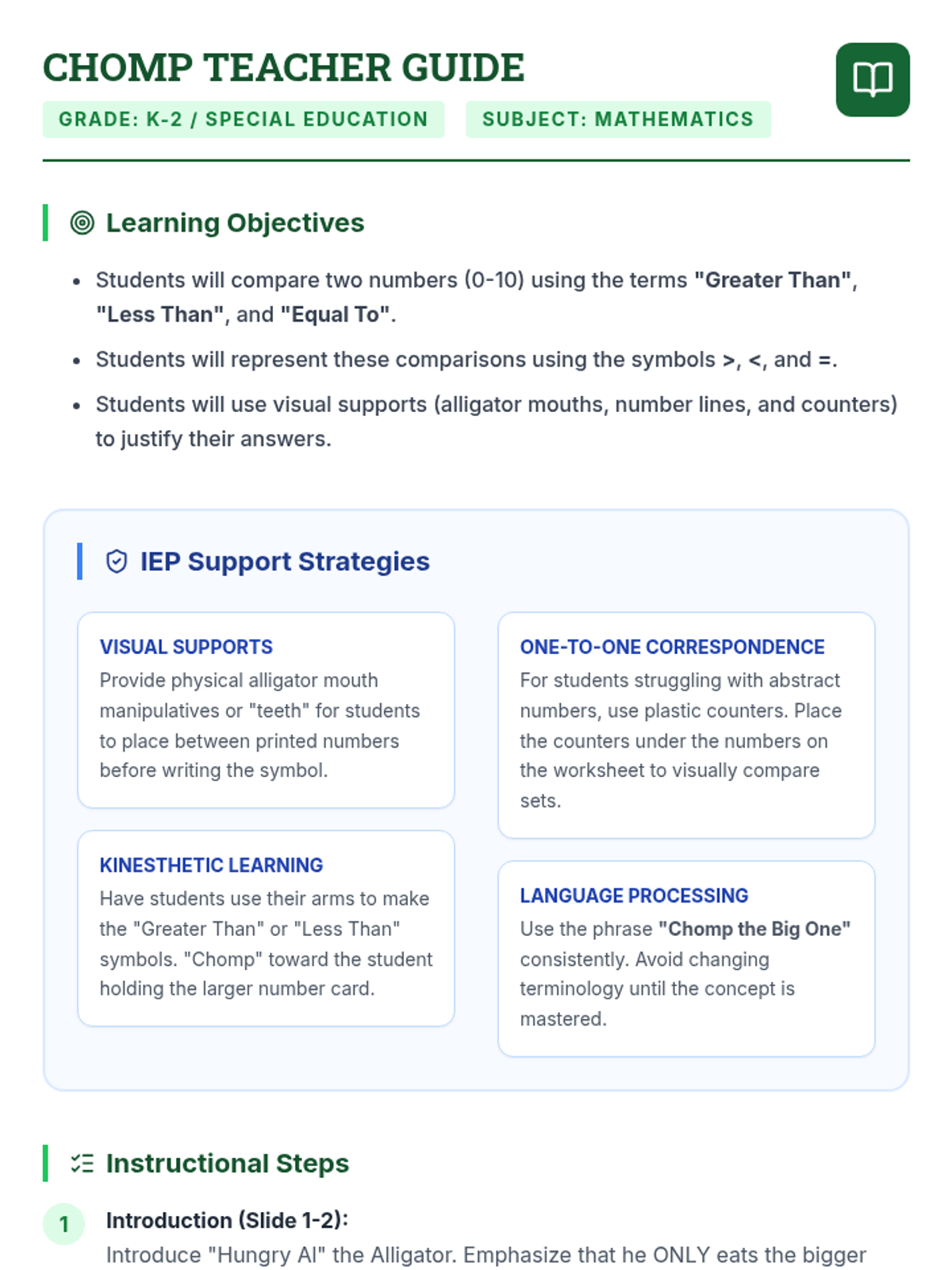
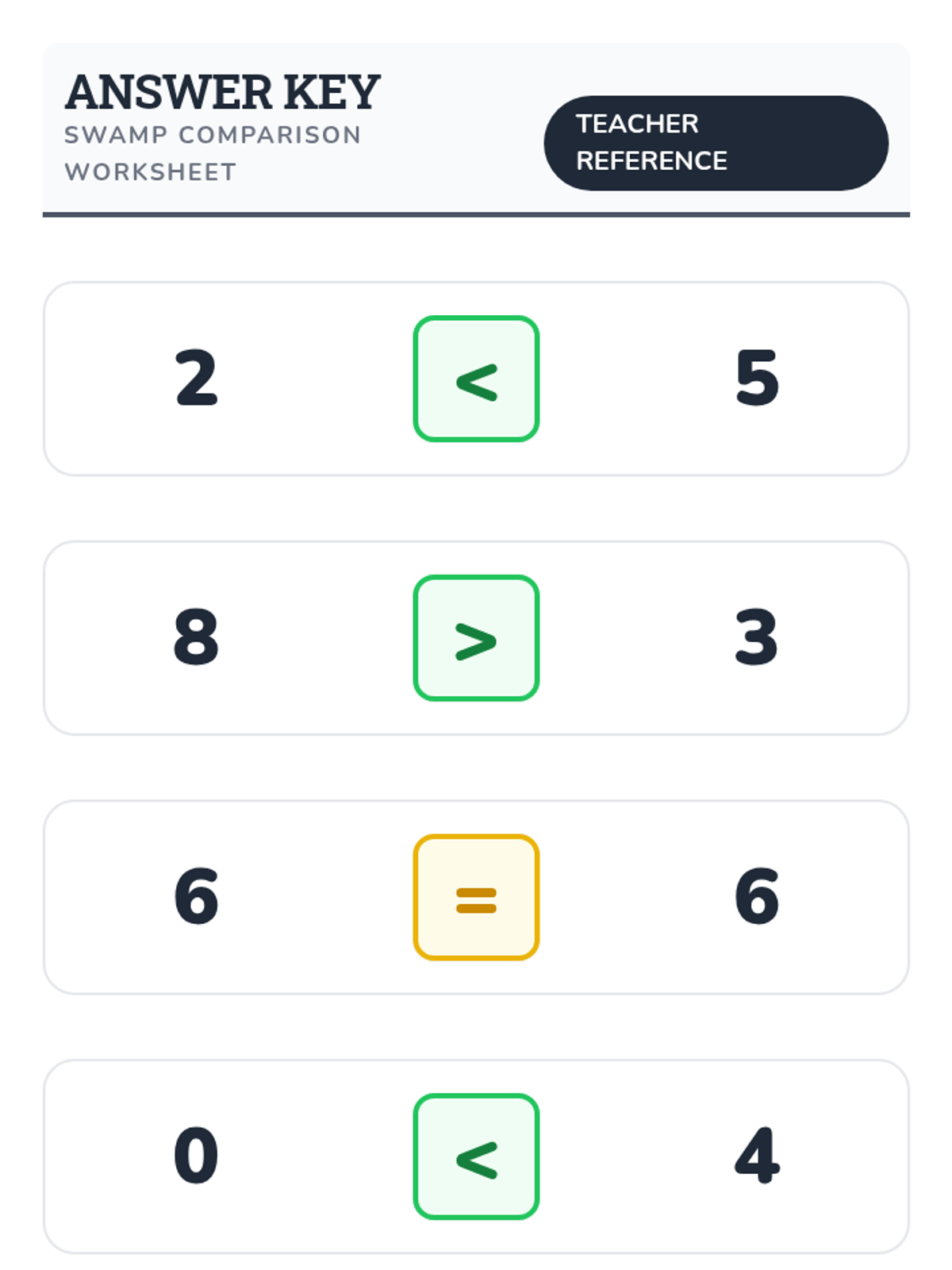
A foundational math sequence focused on number comparison and inequalities for numbers 0-10, designed with heavy visual supports for early learners and students with IEPs.
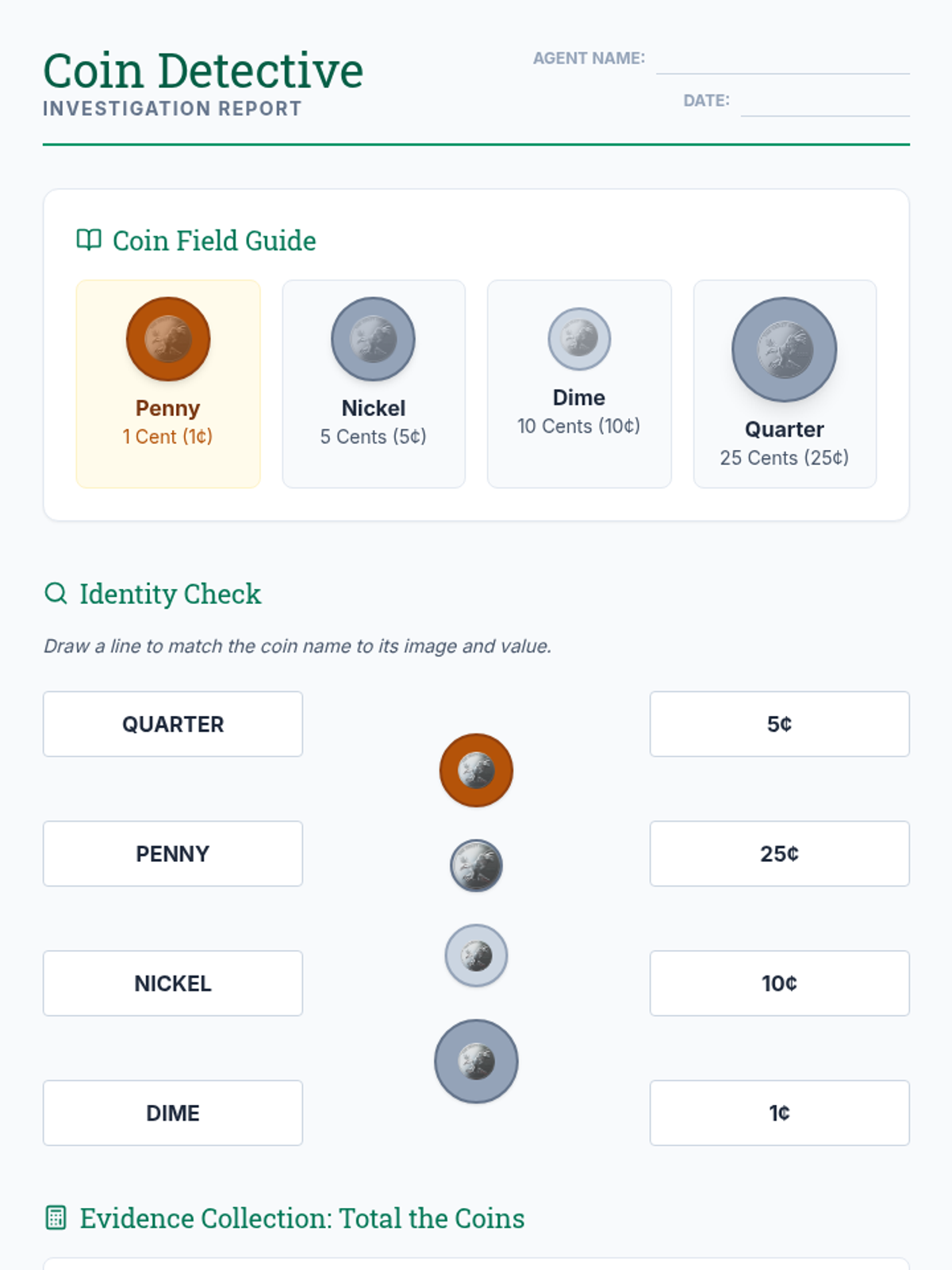
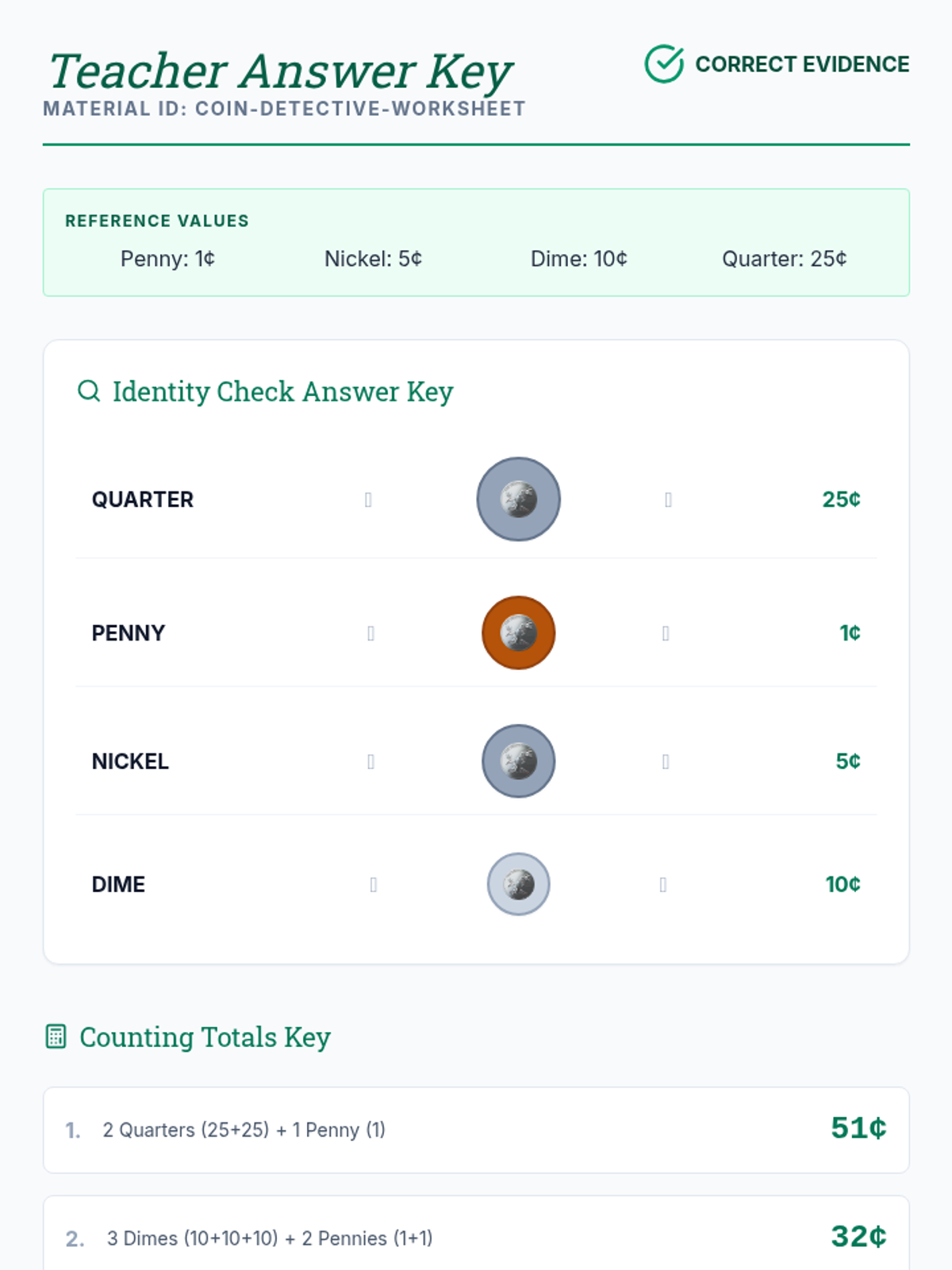
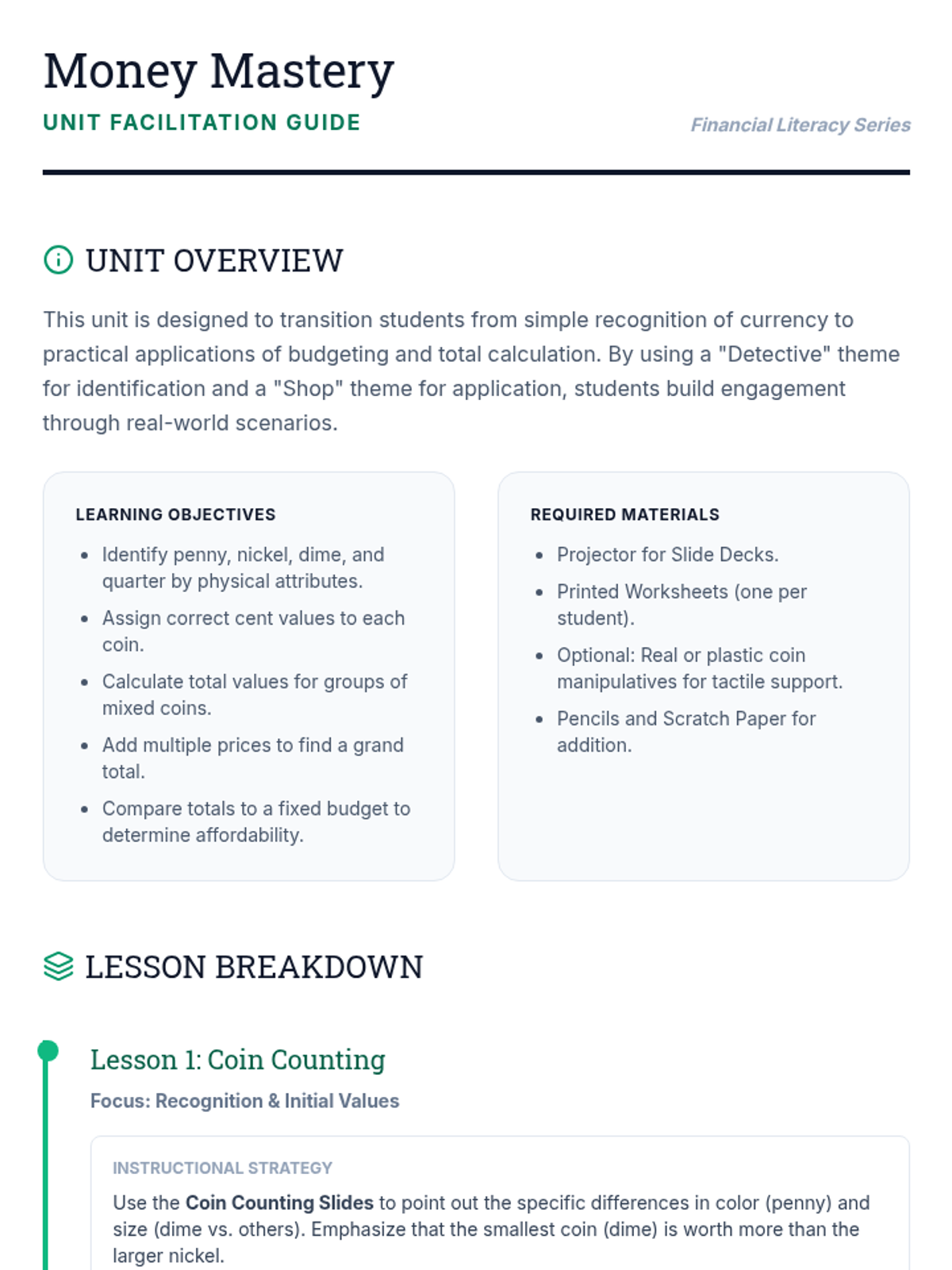
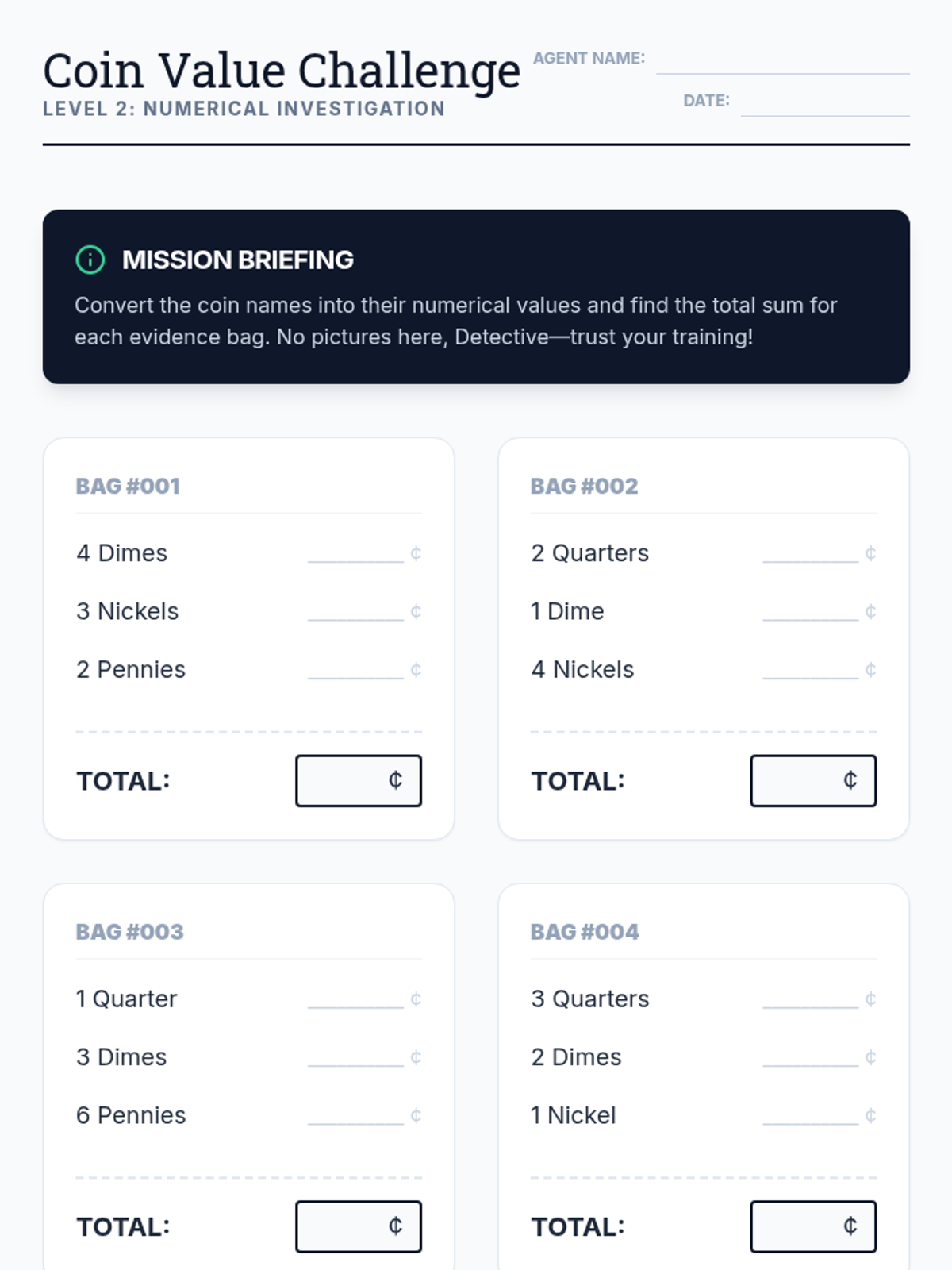
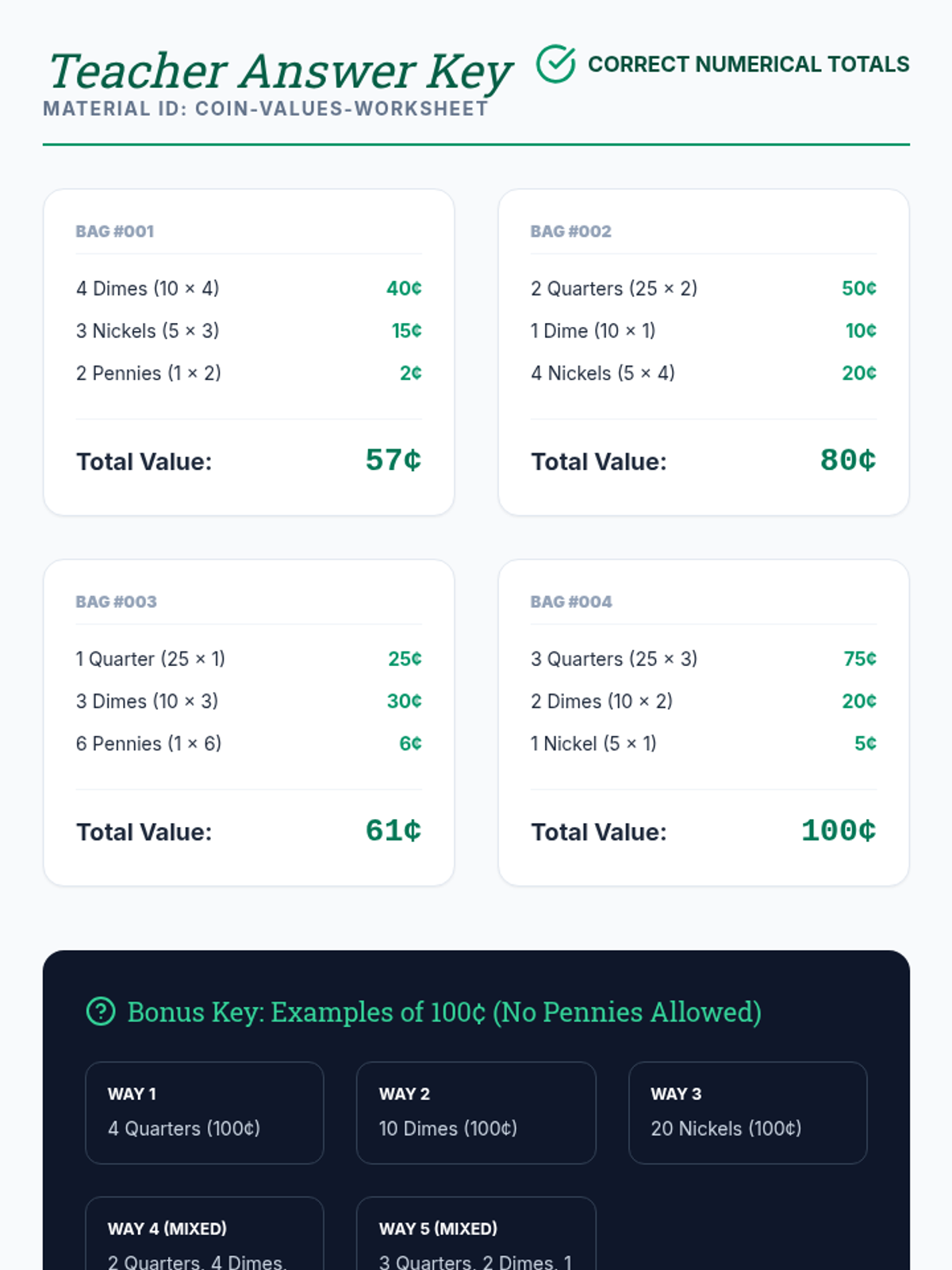
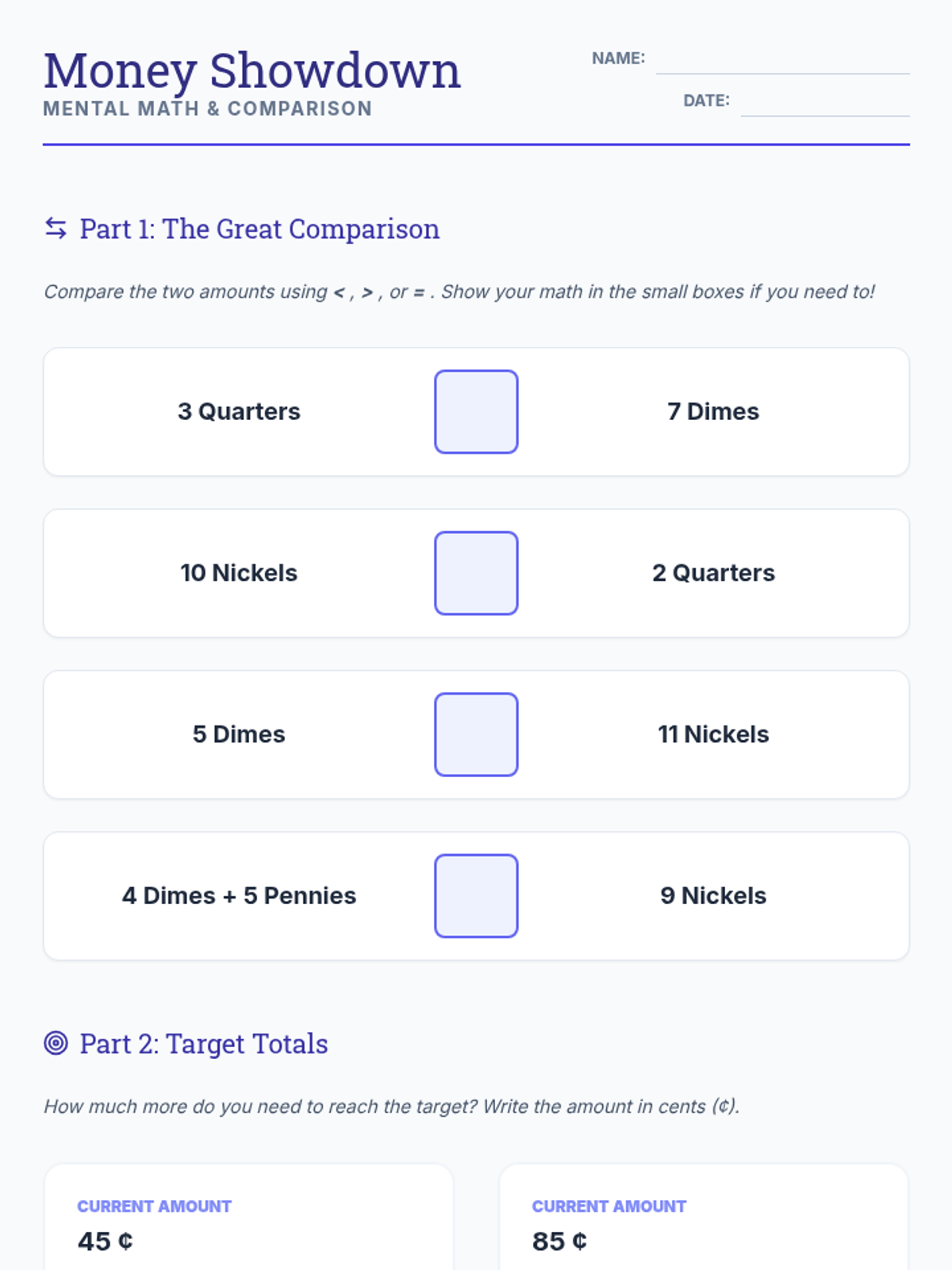
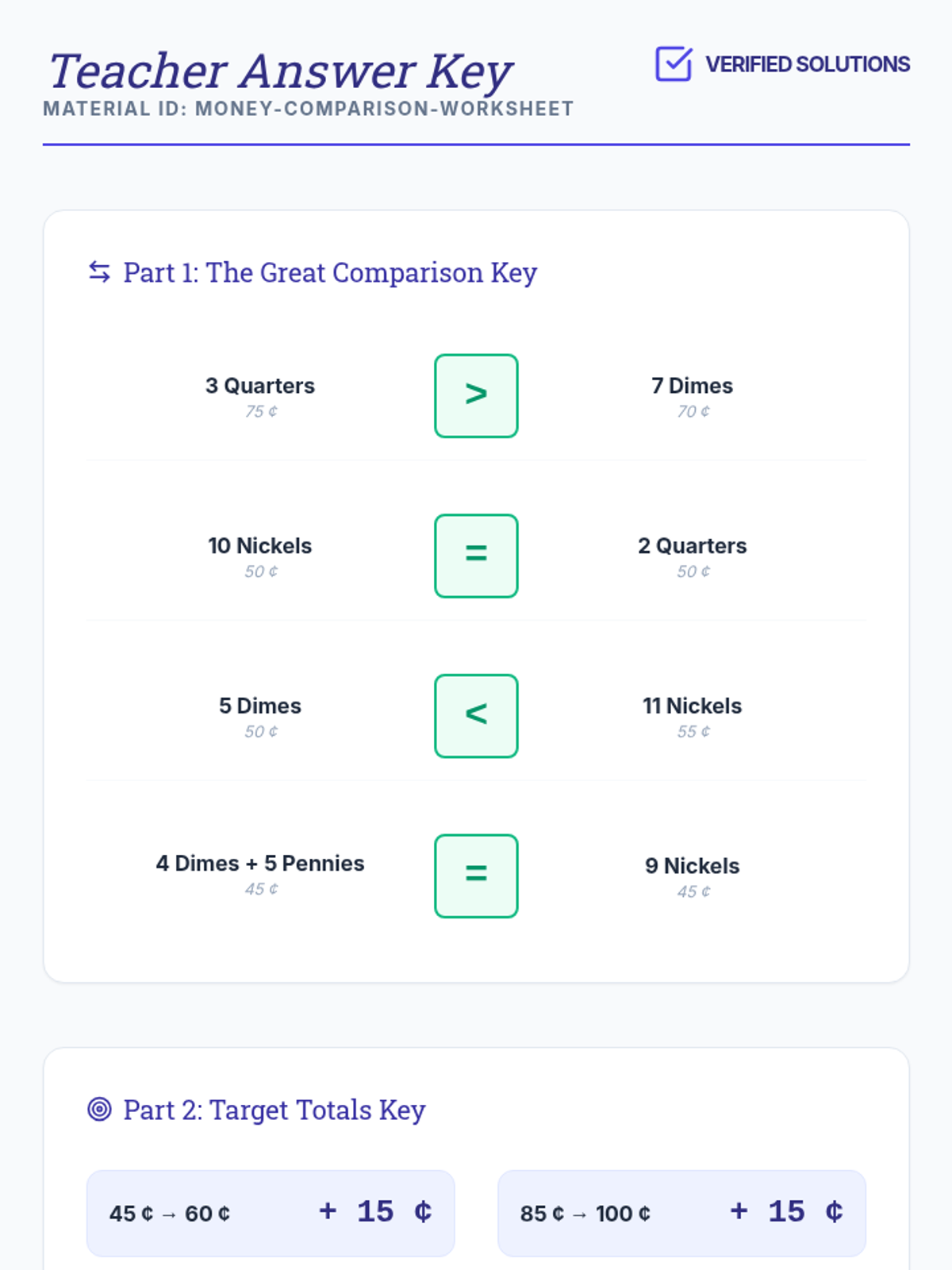
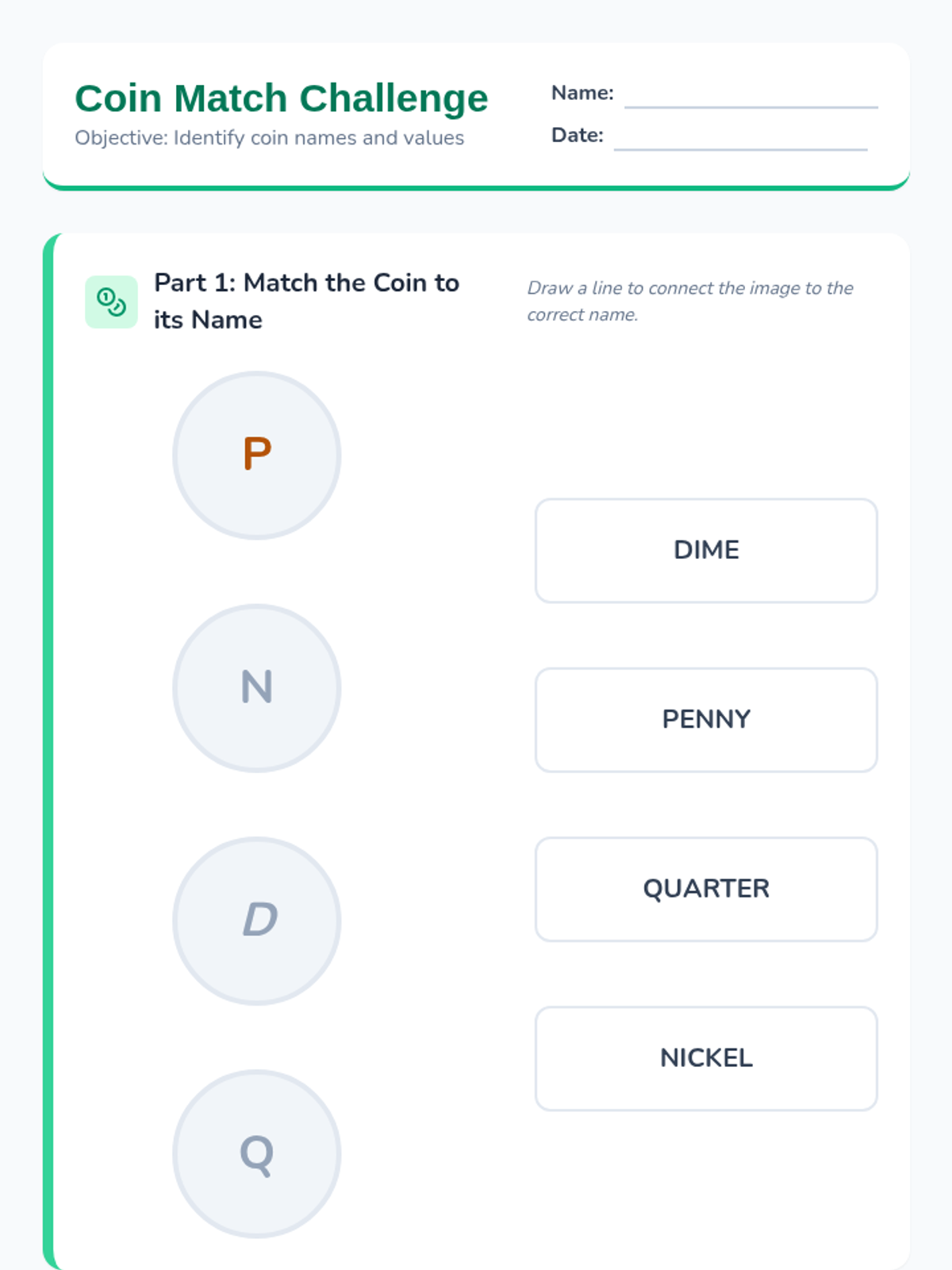
A comprehensive unit on essential financial literacy skills, ranging from basic coin identification to practical budgeting and total calculation.
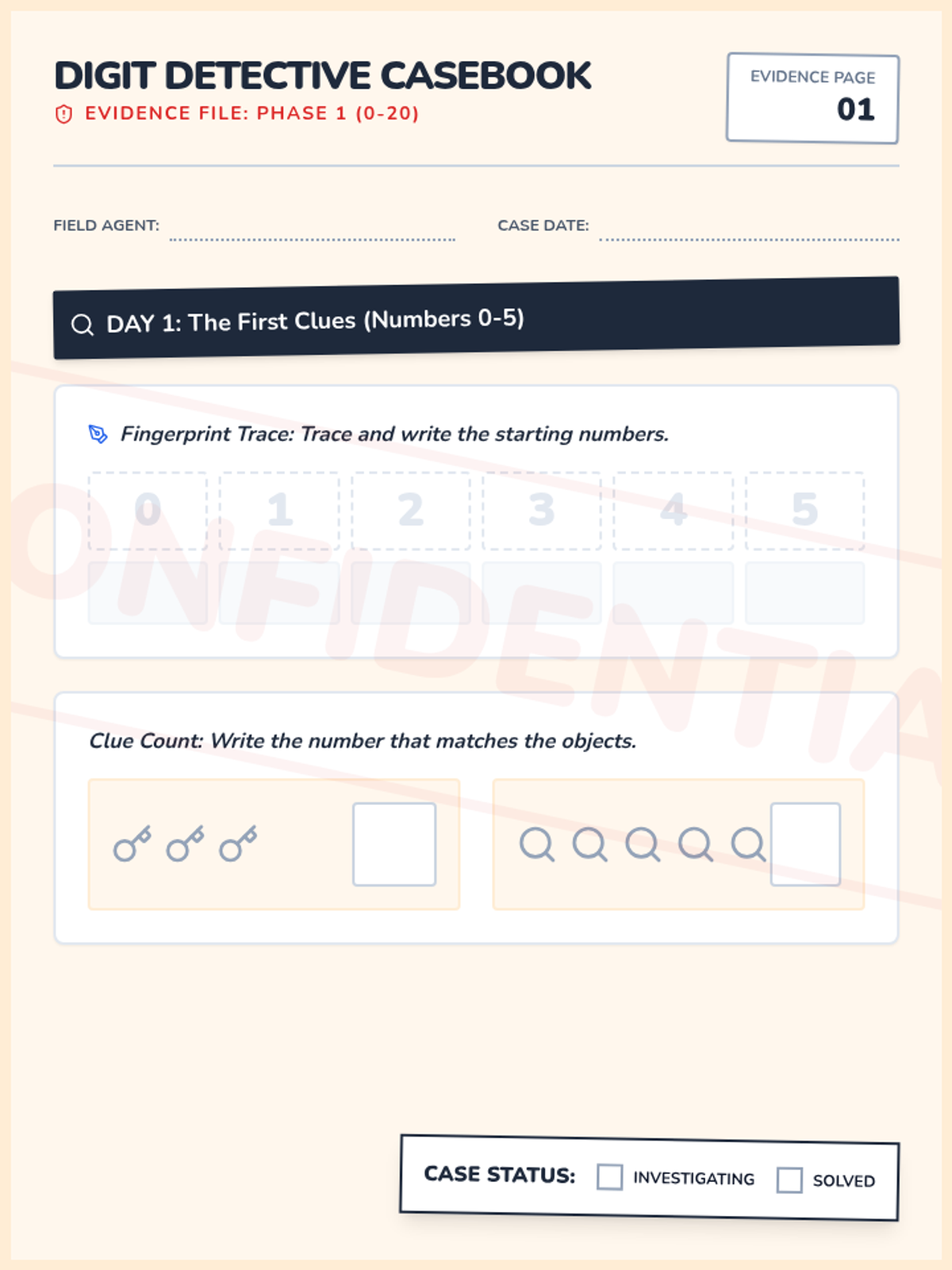
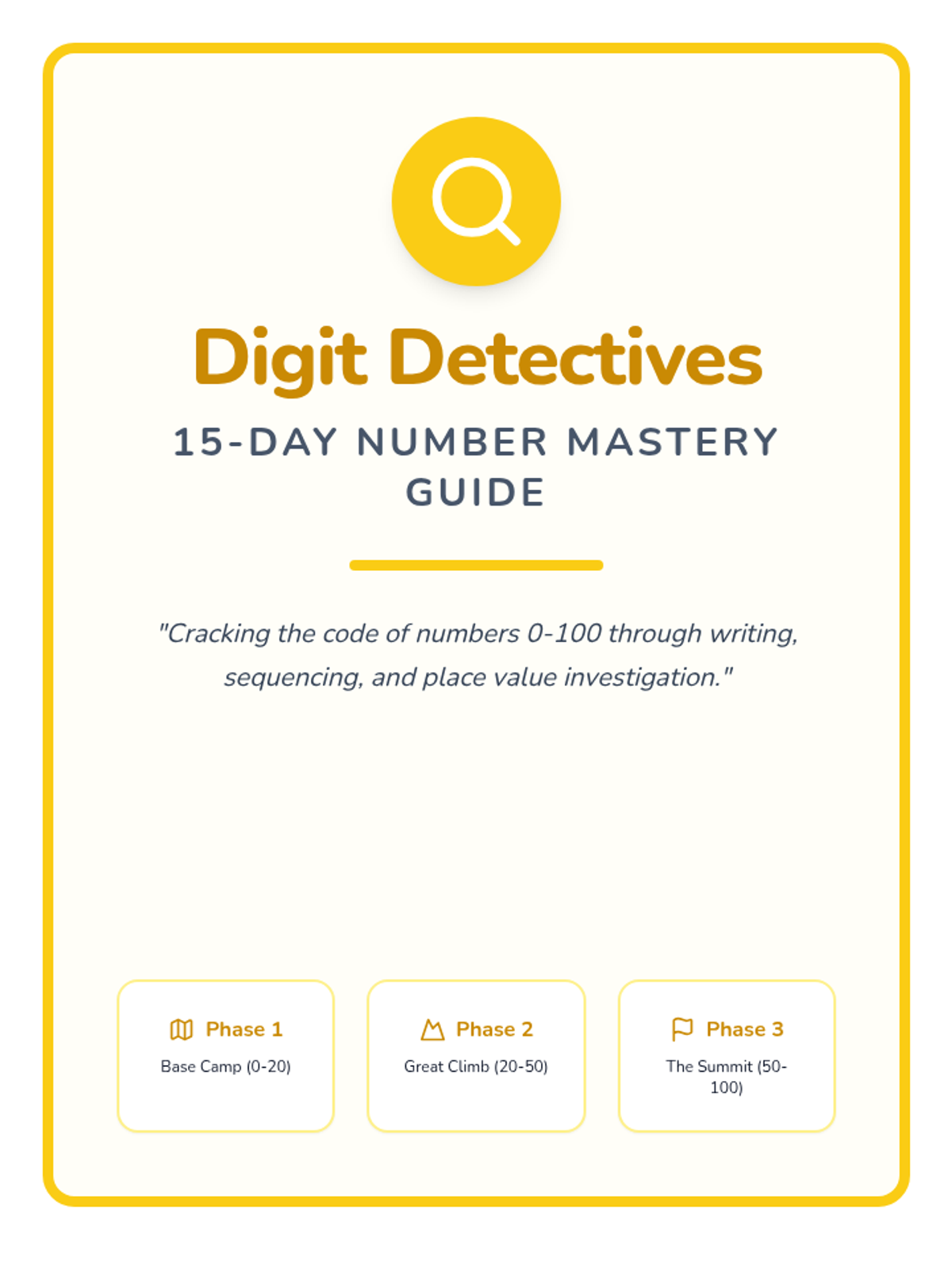
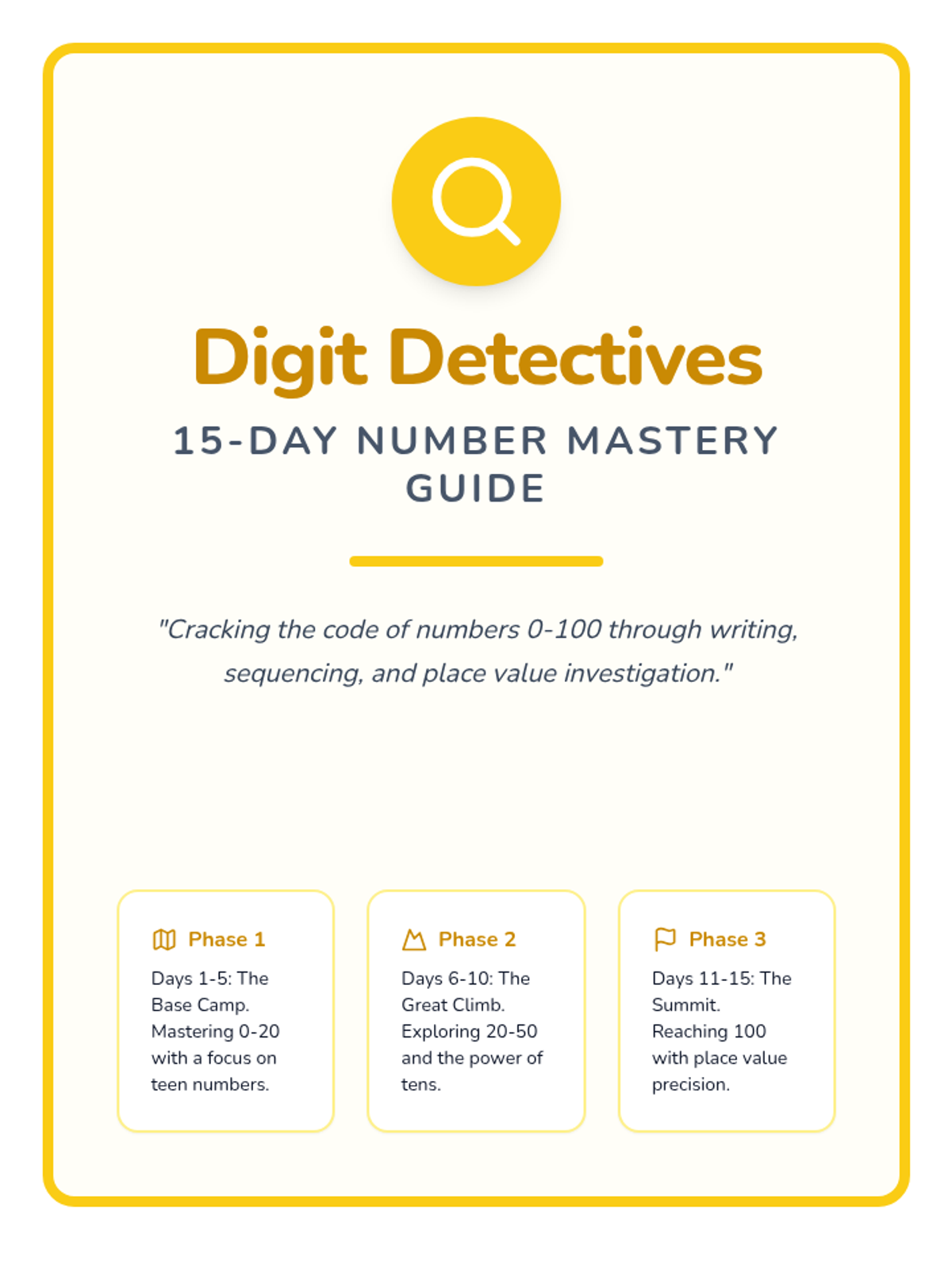
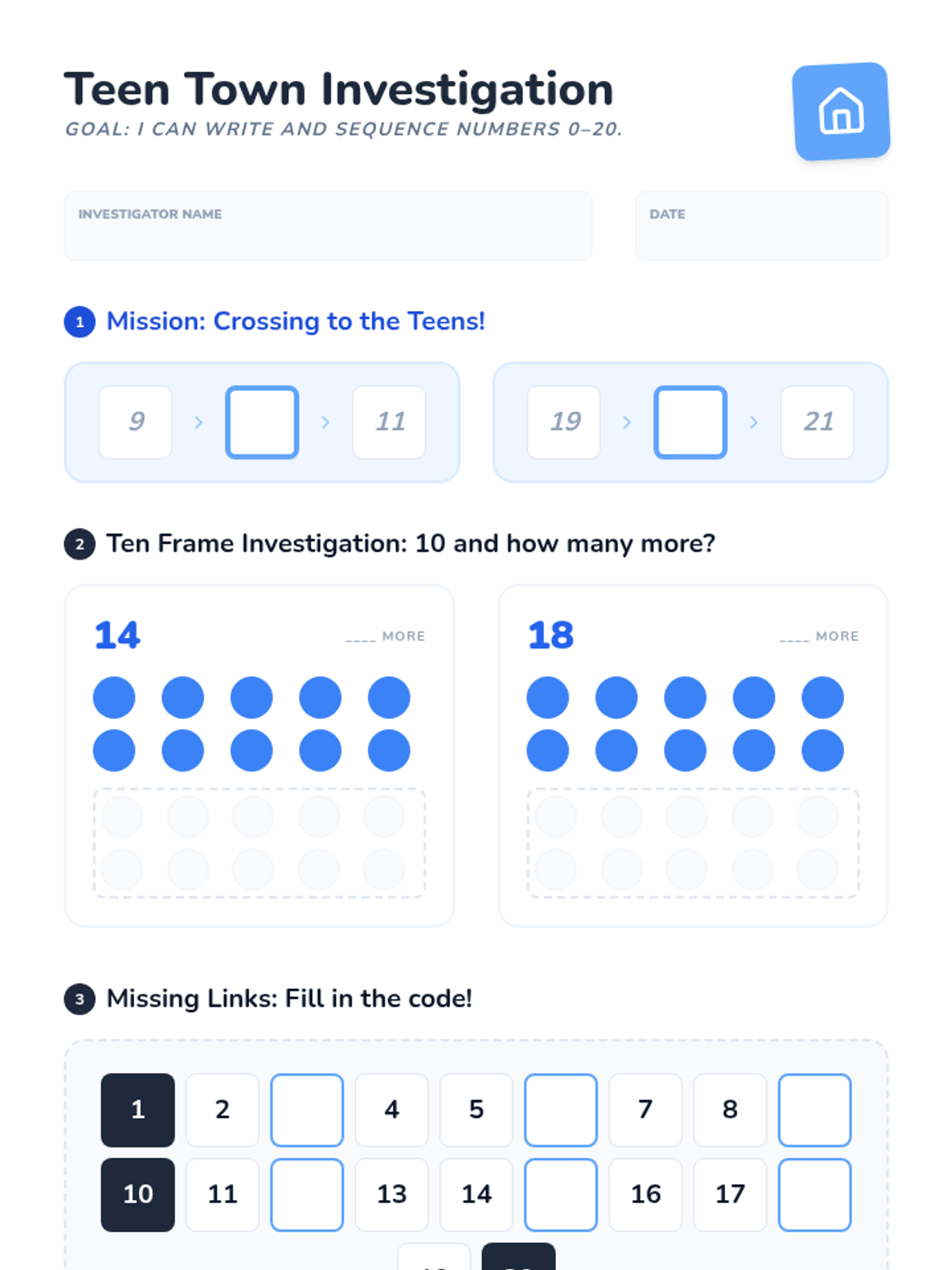
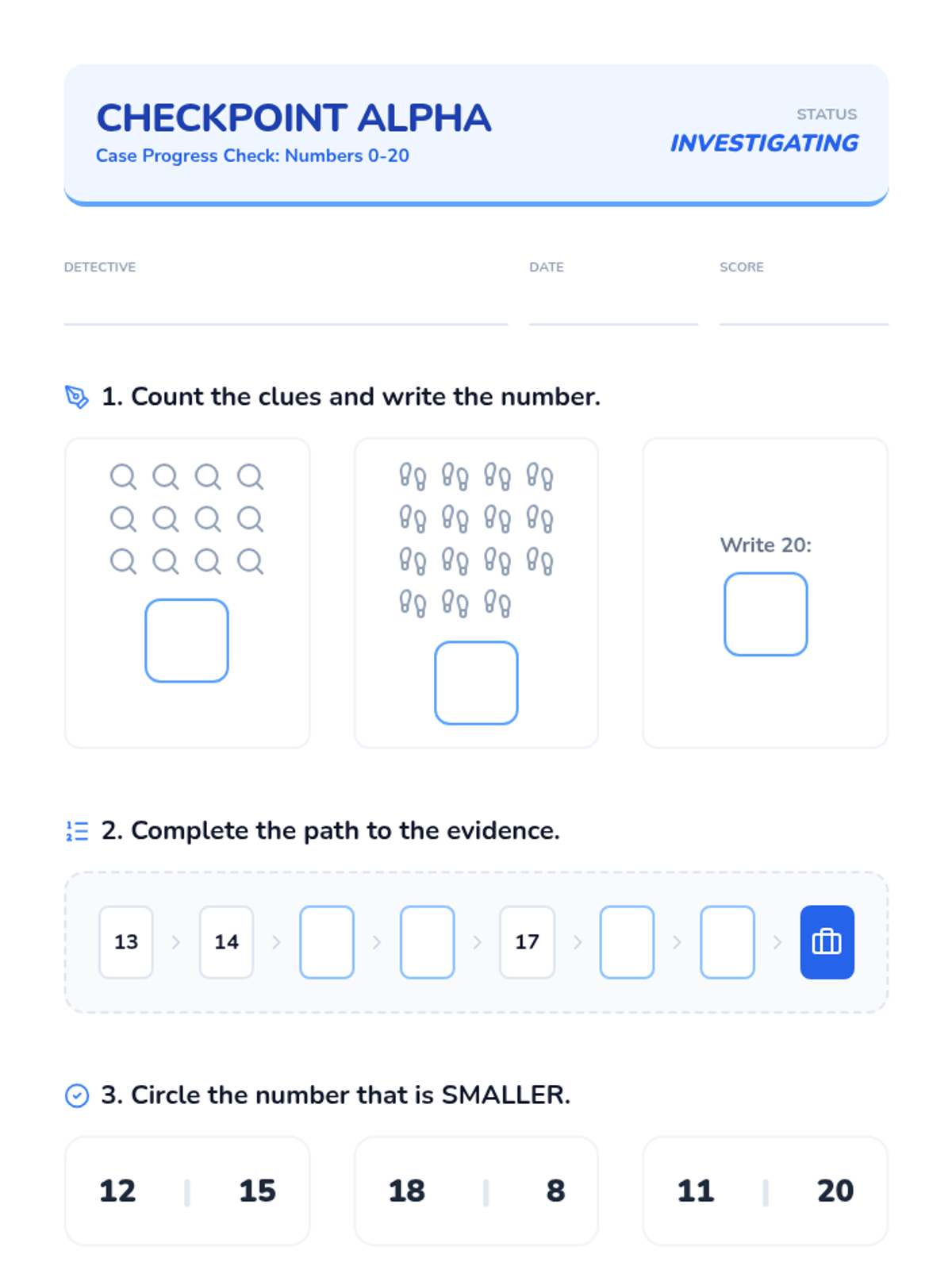
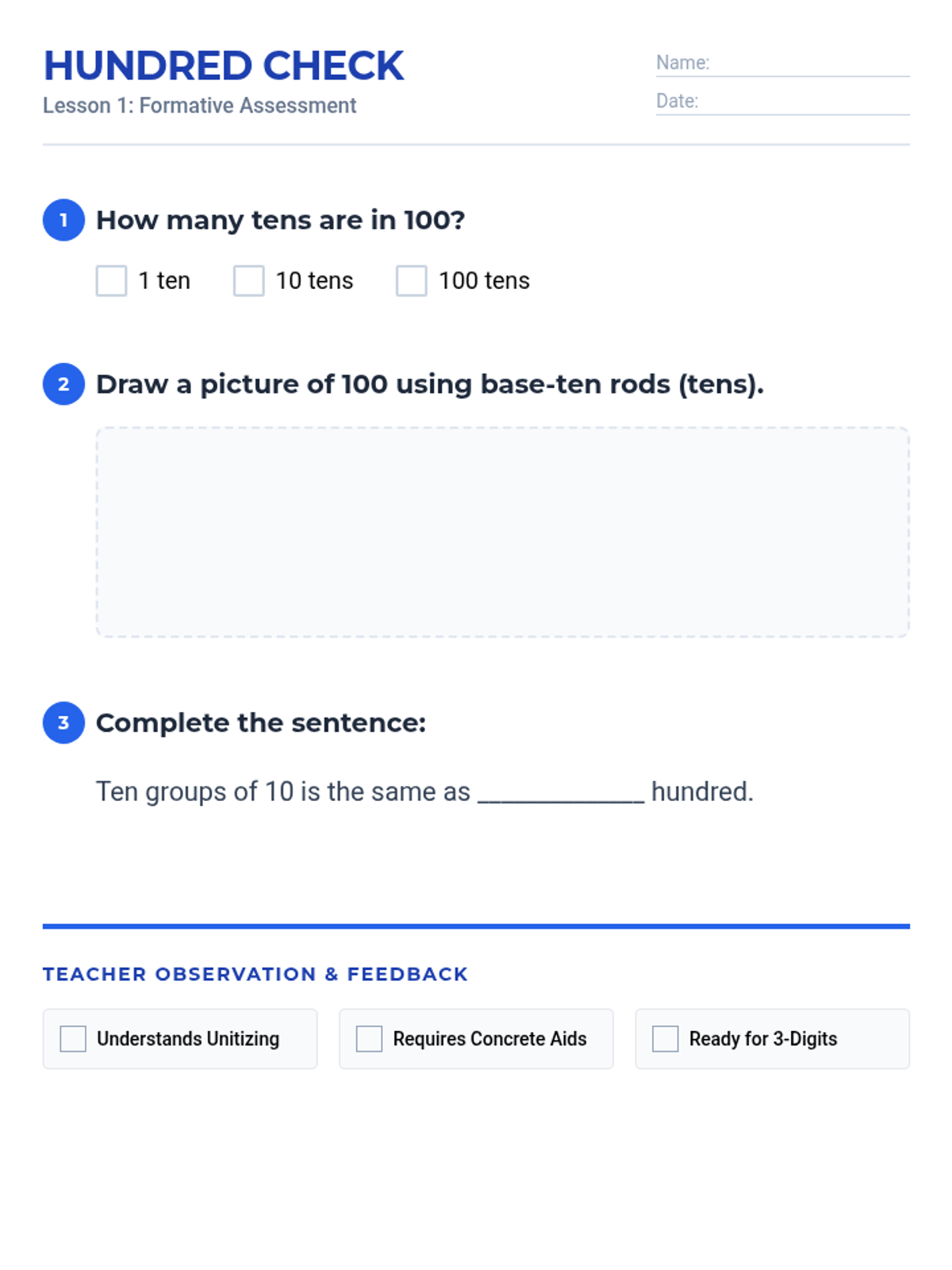
A comprehensive 15-day math sequence designed for early elementary students to master numbers 0-100. The curriculum covers writing, sequencing, and place value through three progressive phases: 0-20, 20-50, and 50-100.
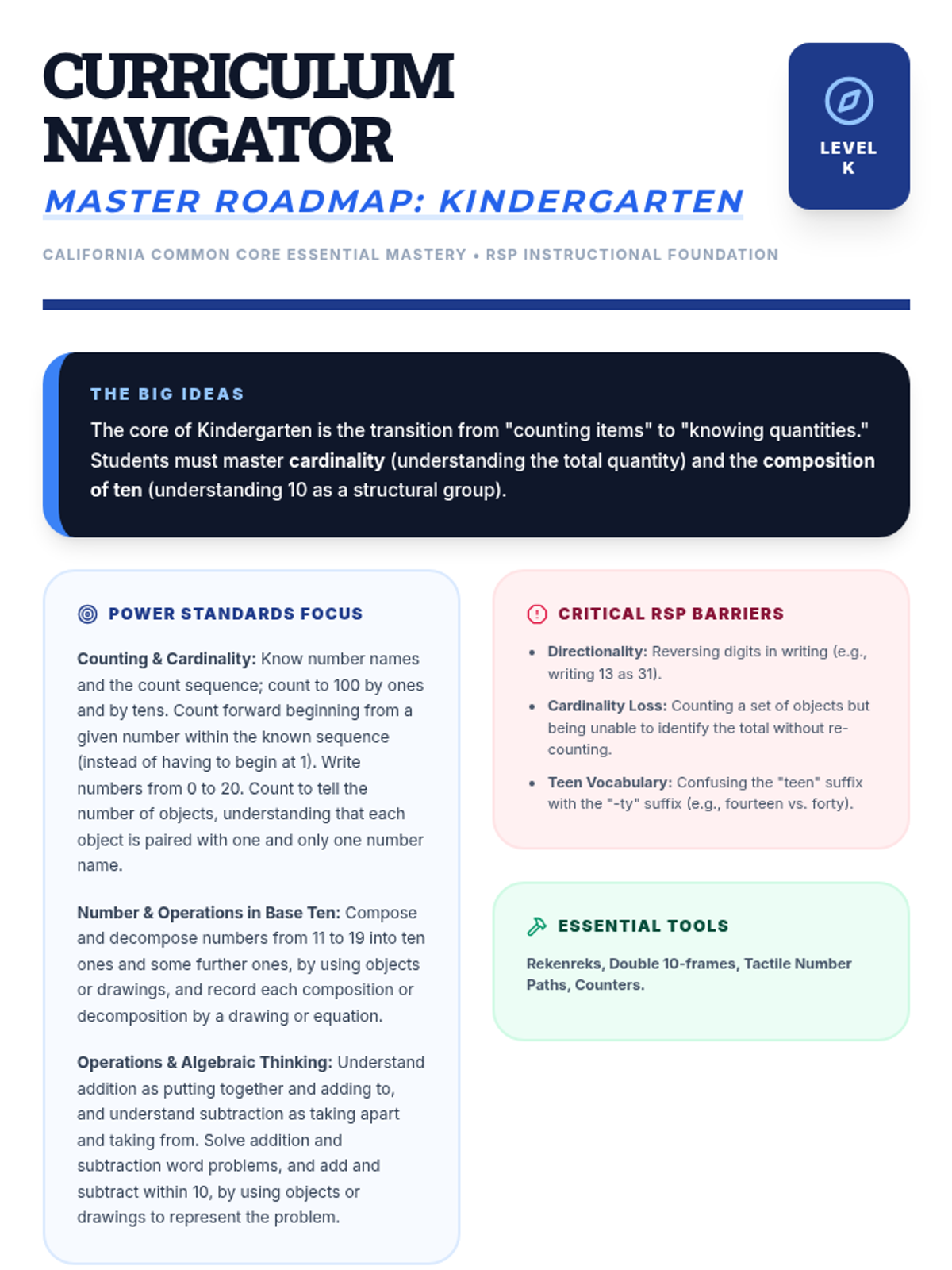
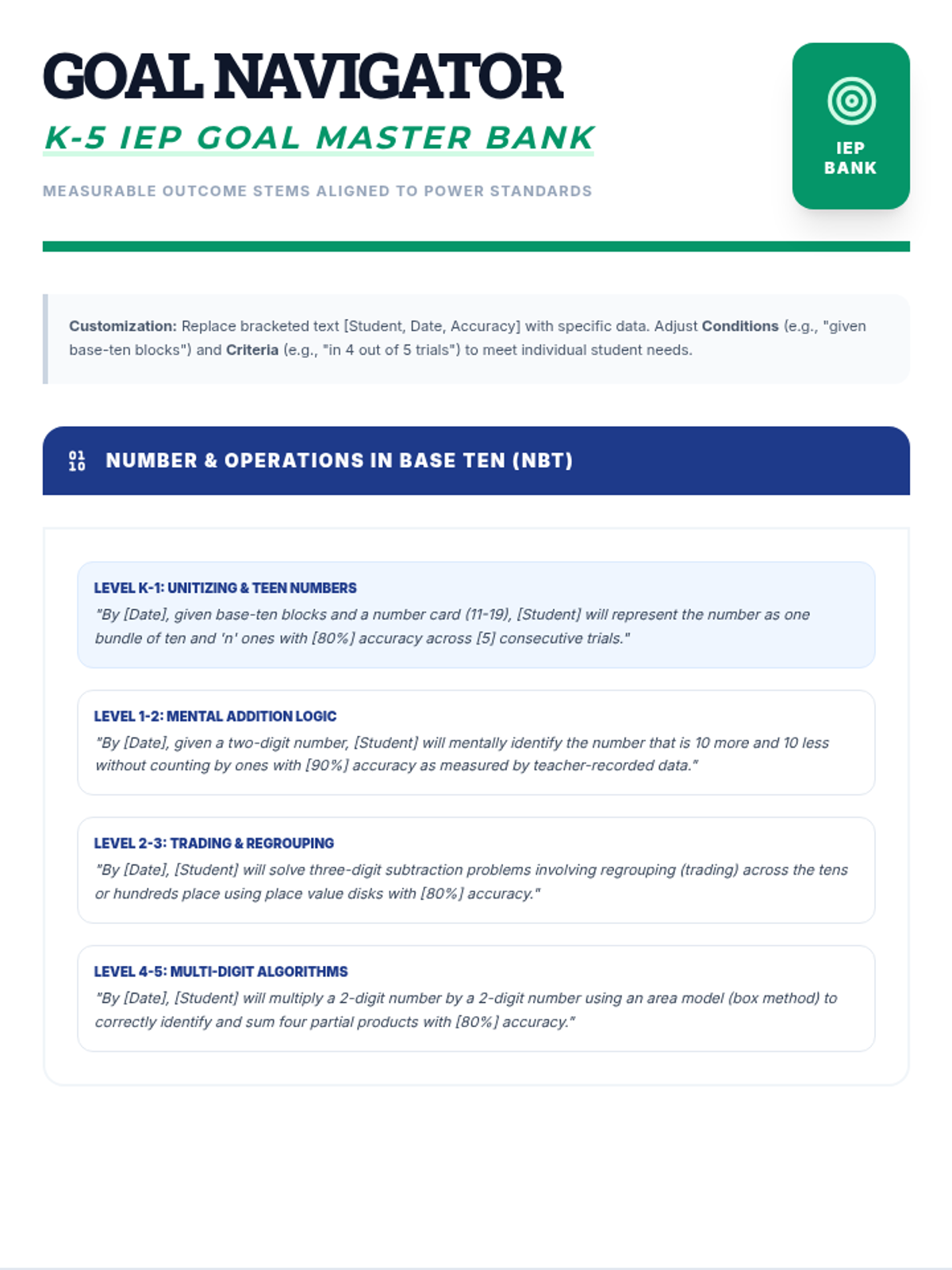
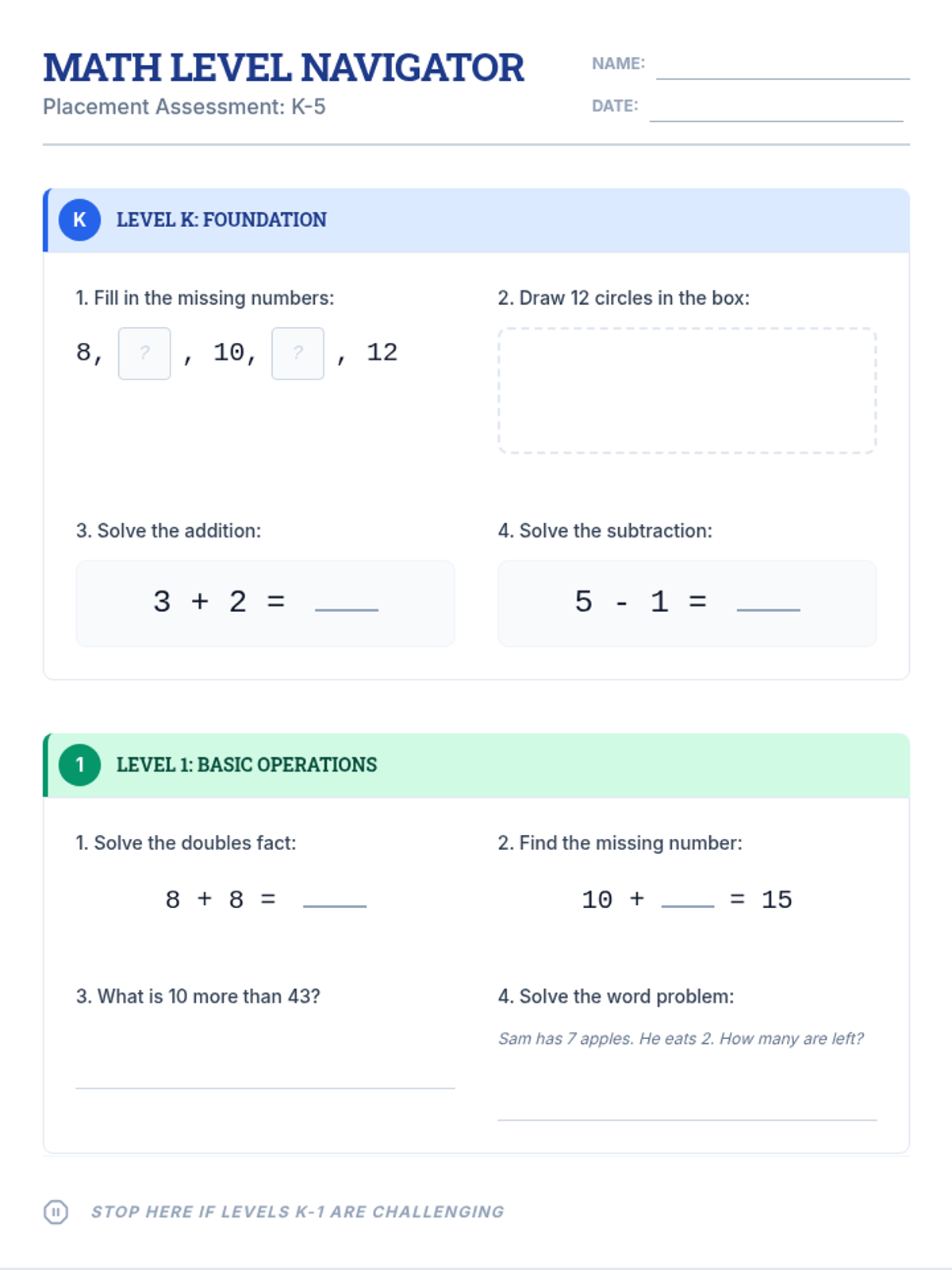
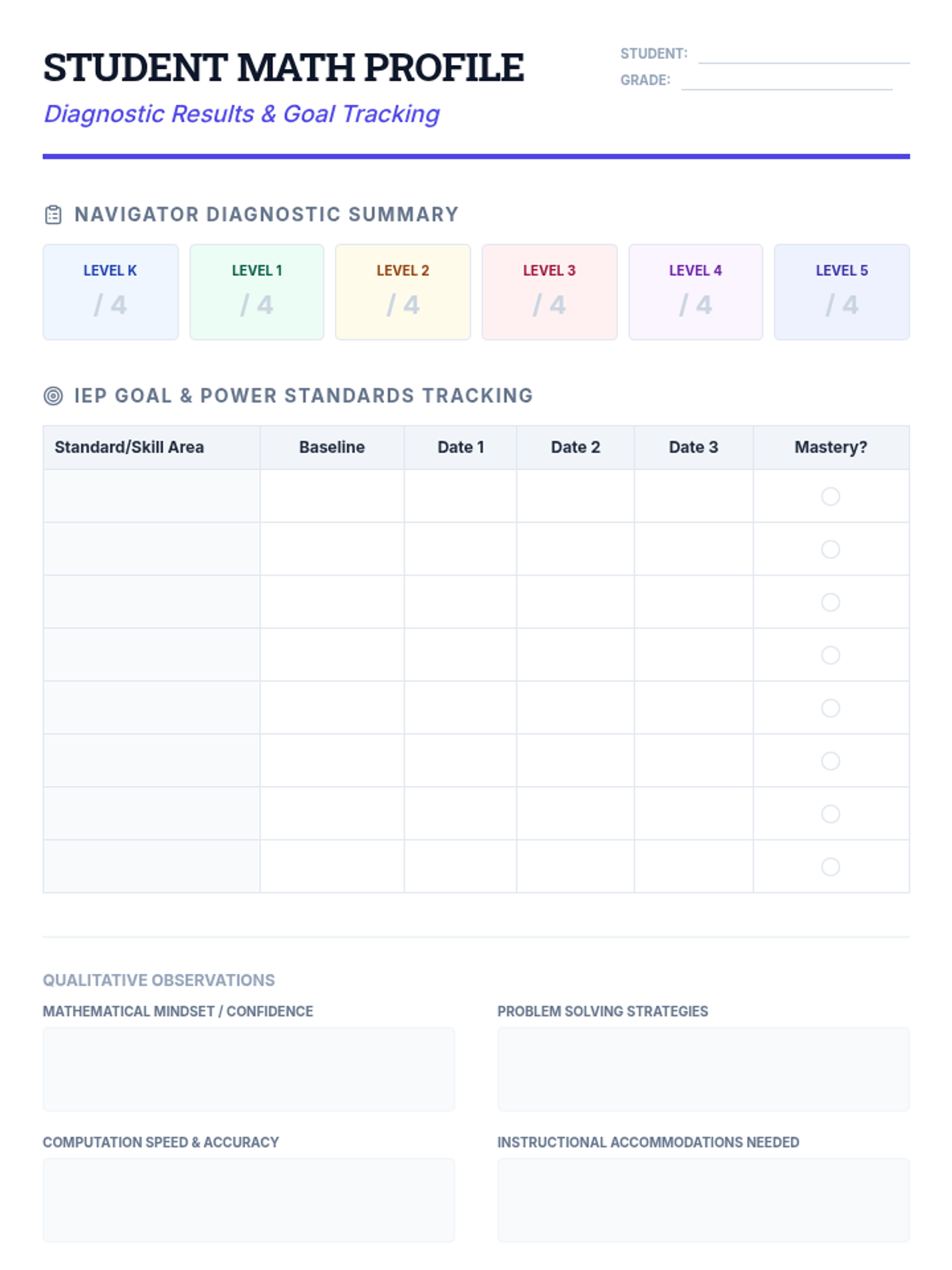
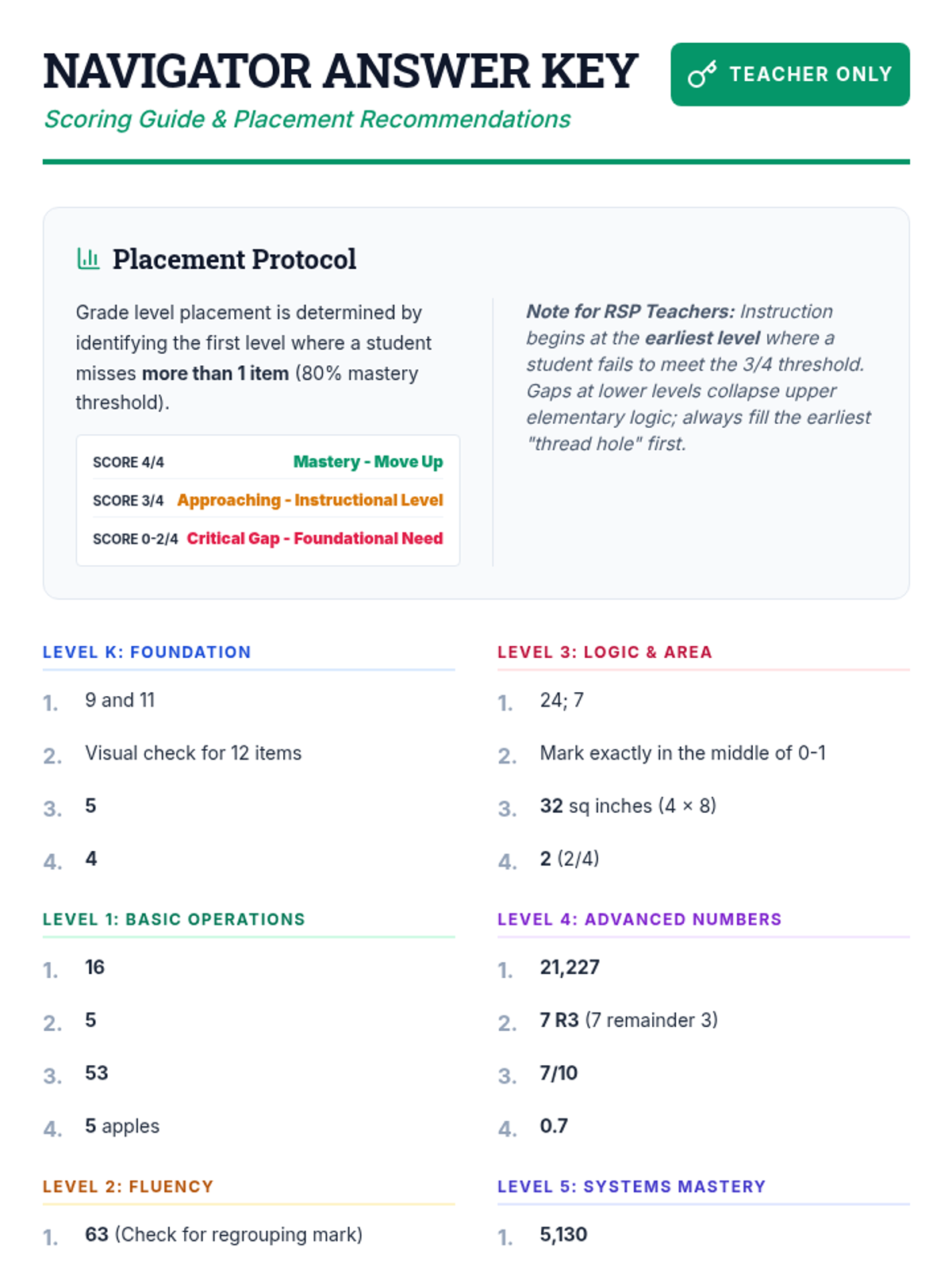
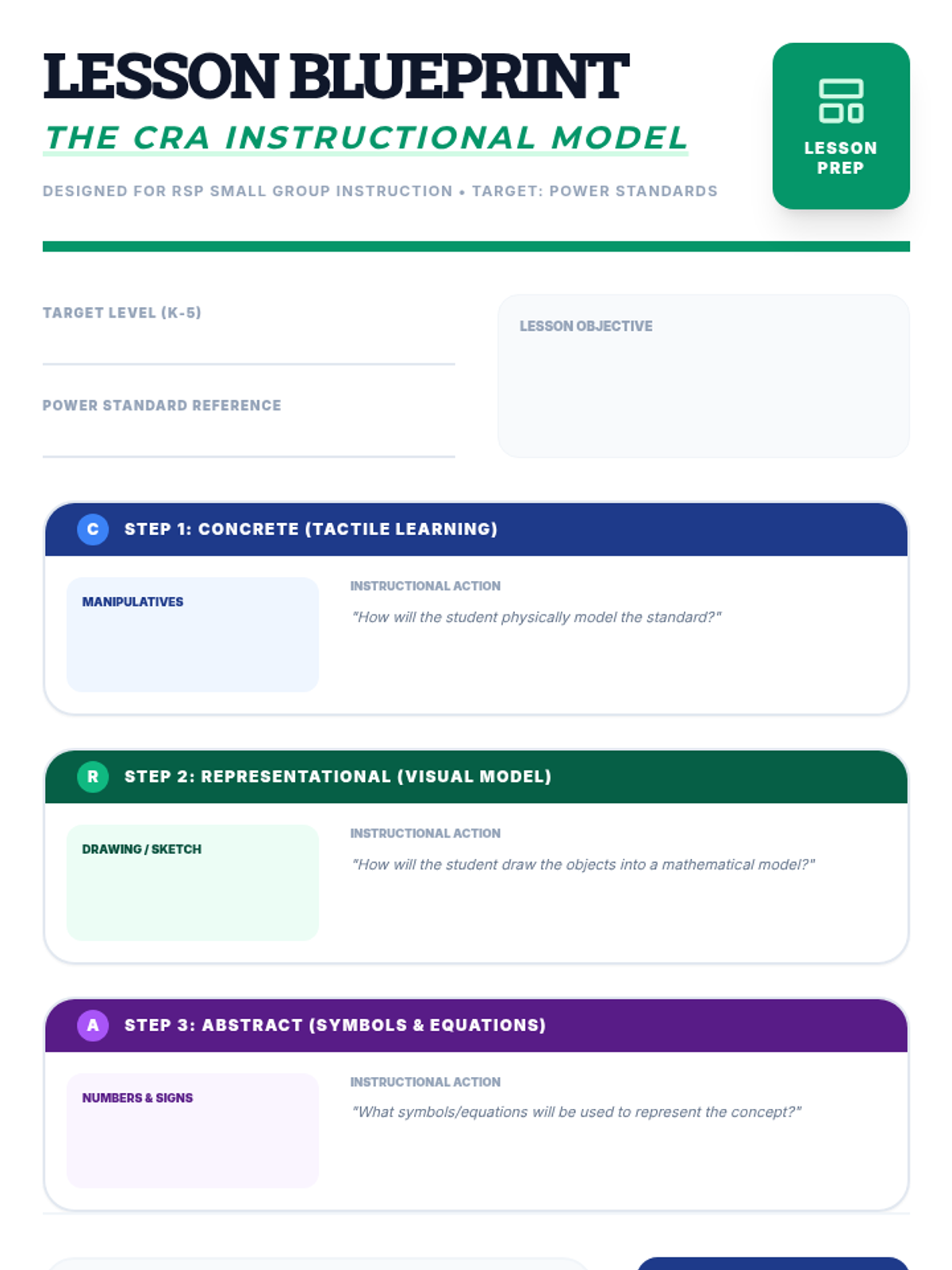
A comprehensive framework for K-5 RSP math instruction, including a California Common Core aligned scope and sequence of power standards and a leveled placement diagnostic.
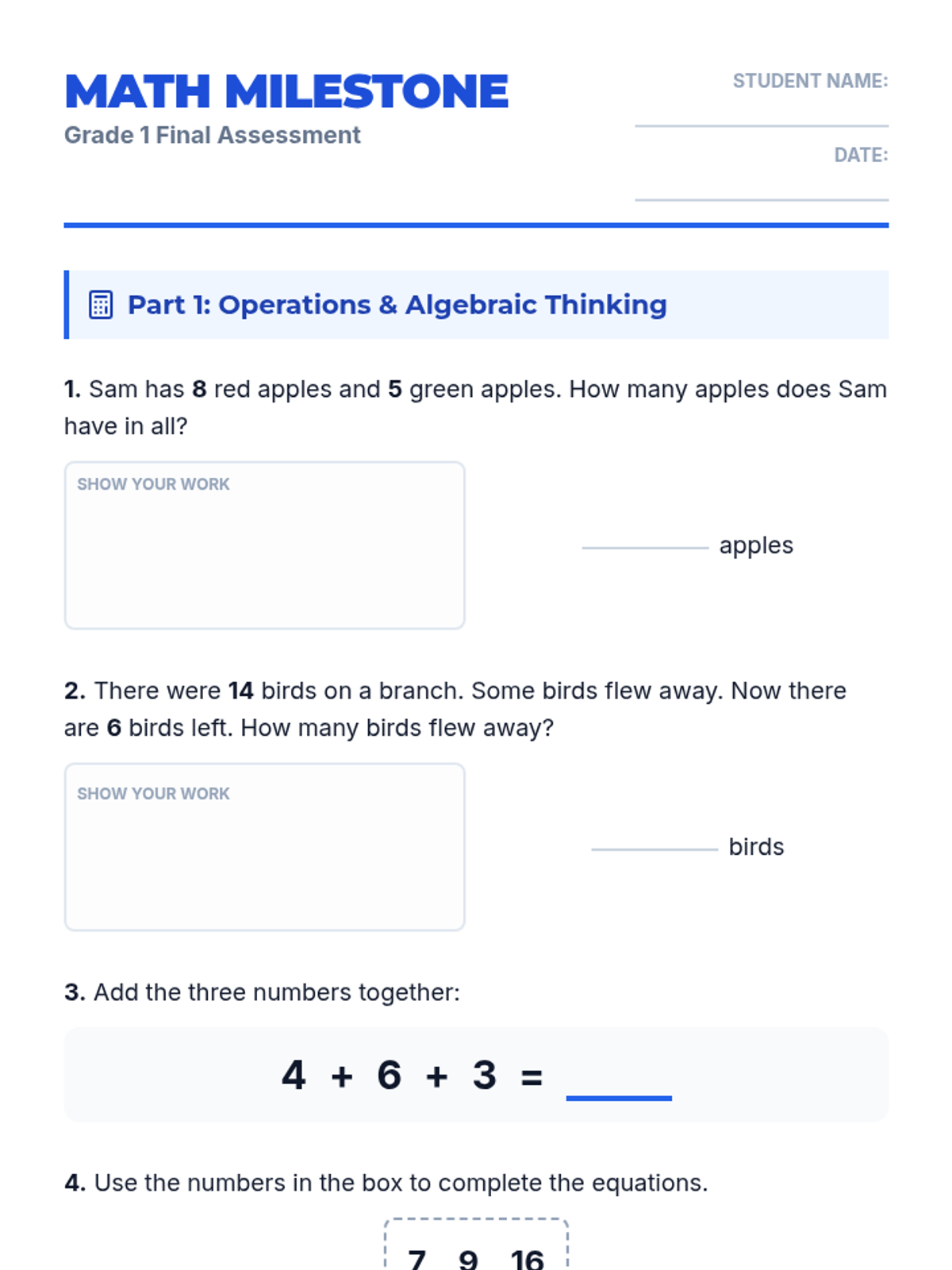
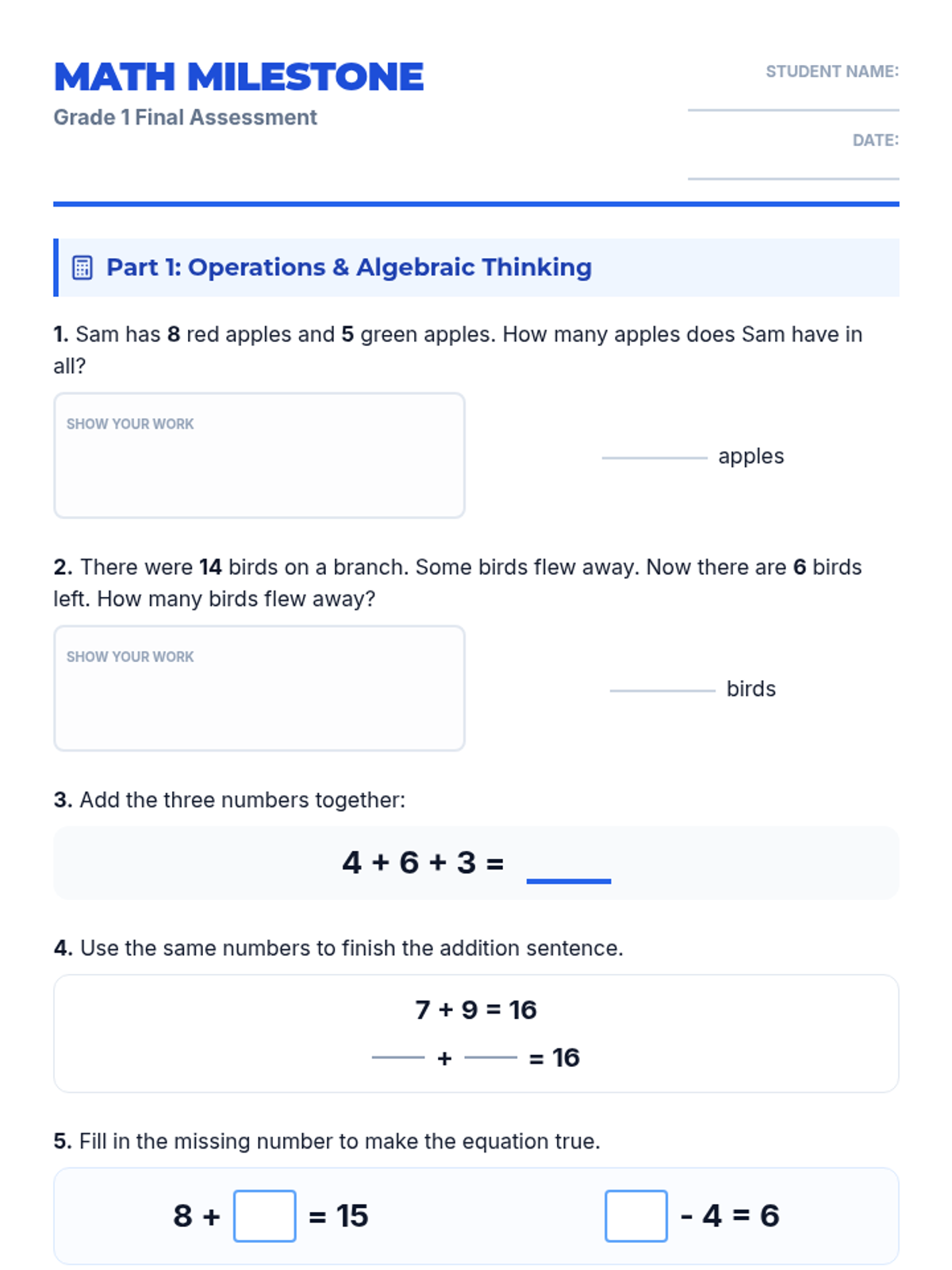
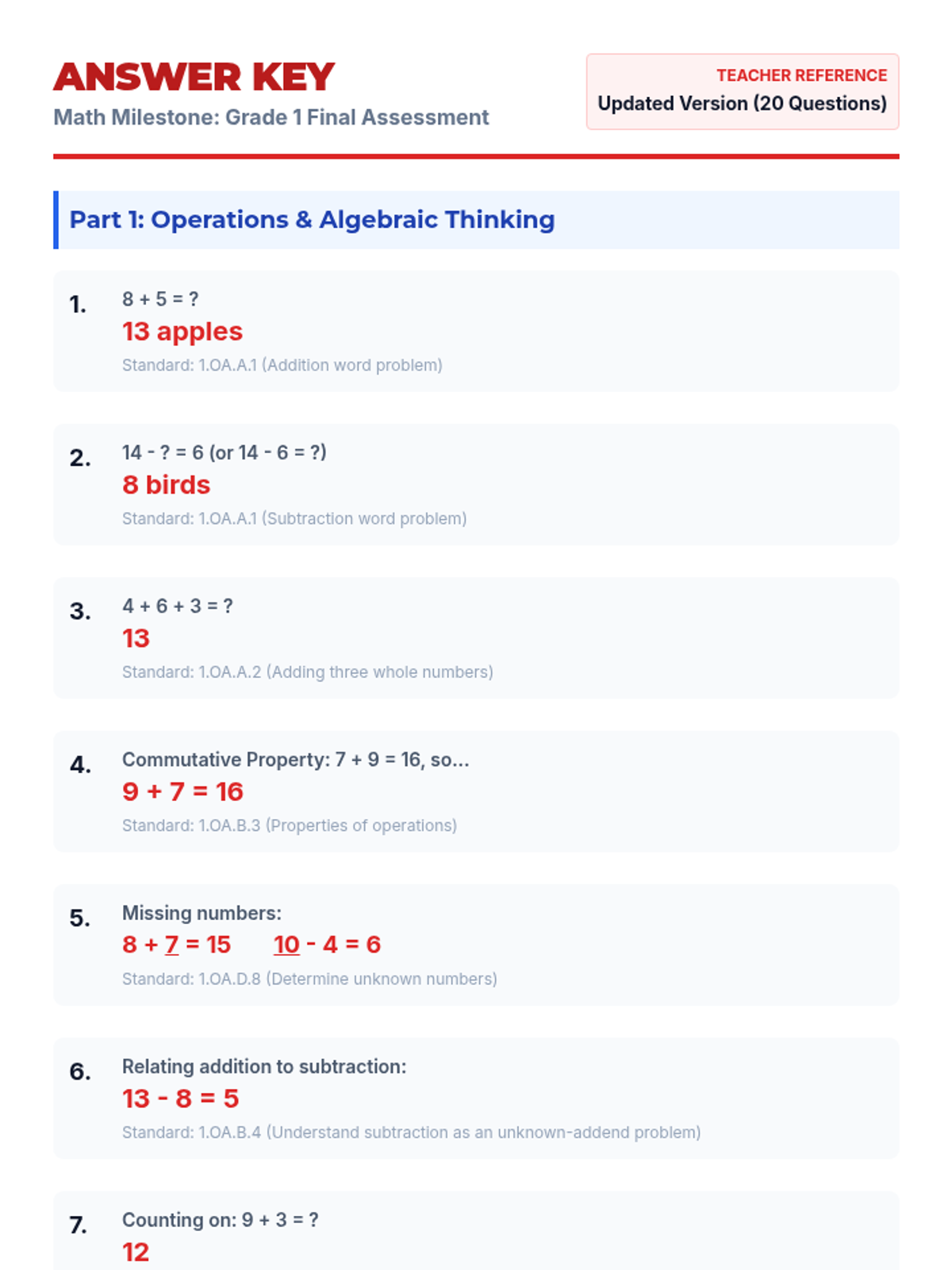
A series of materials designed to evaluate and document first-grade students' mastery of year-long mathematical standards in preparation for second grade.
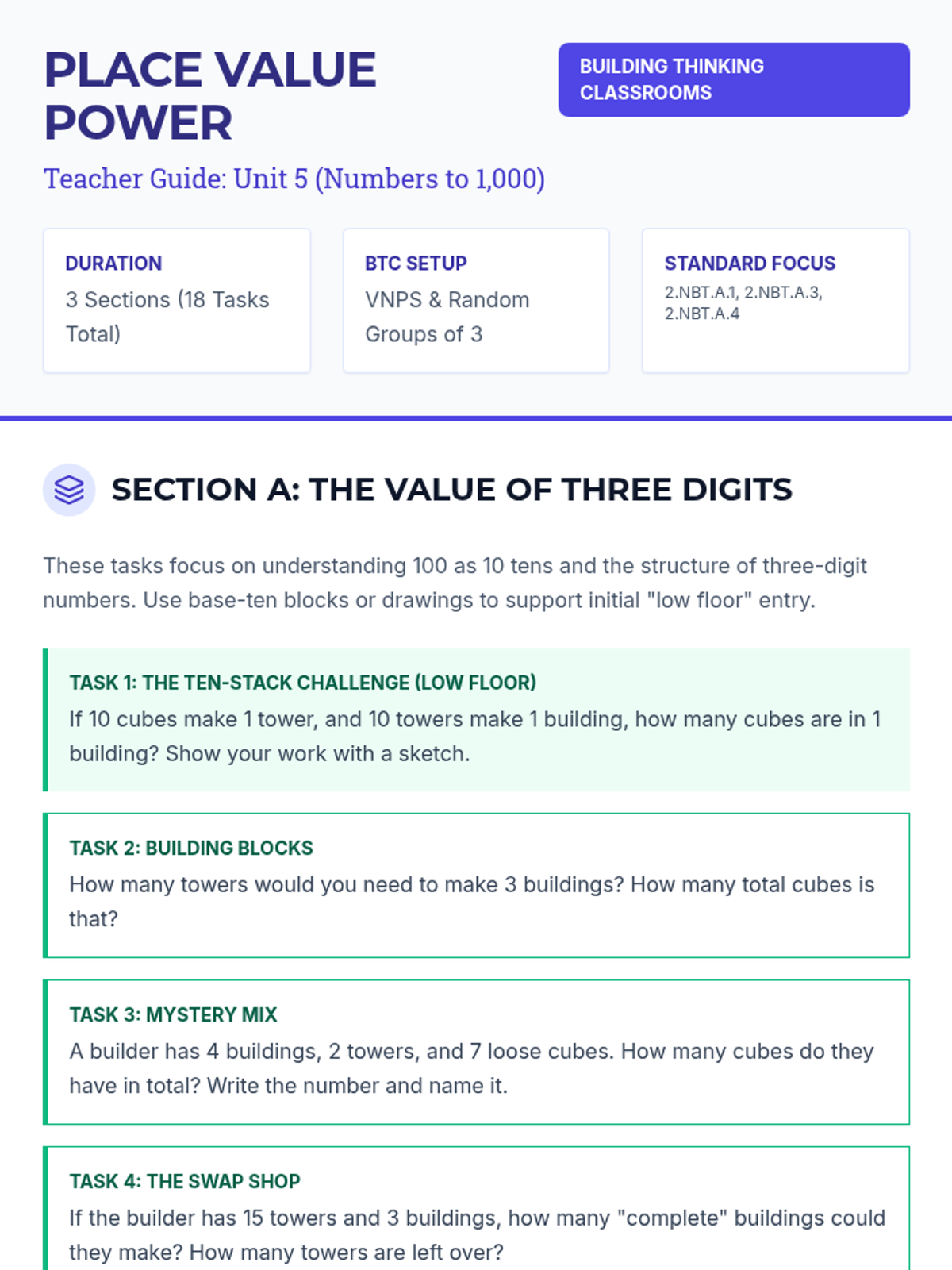
A comprehensive unit plan for 2nd Grade Mathematics based on Illustrative Mathematics Units 5-8, integrated with Building Thinking Classrooms (BTC) pedagogy. Each section includes a sequence of six 'thin-sliced' tasks designed to build conceptual rigor through collaborative problem-solving on vertical surfaces.
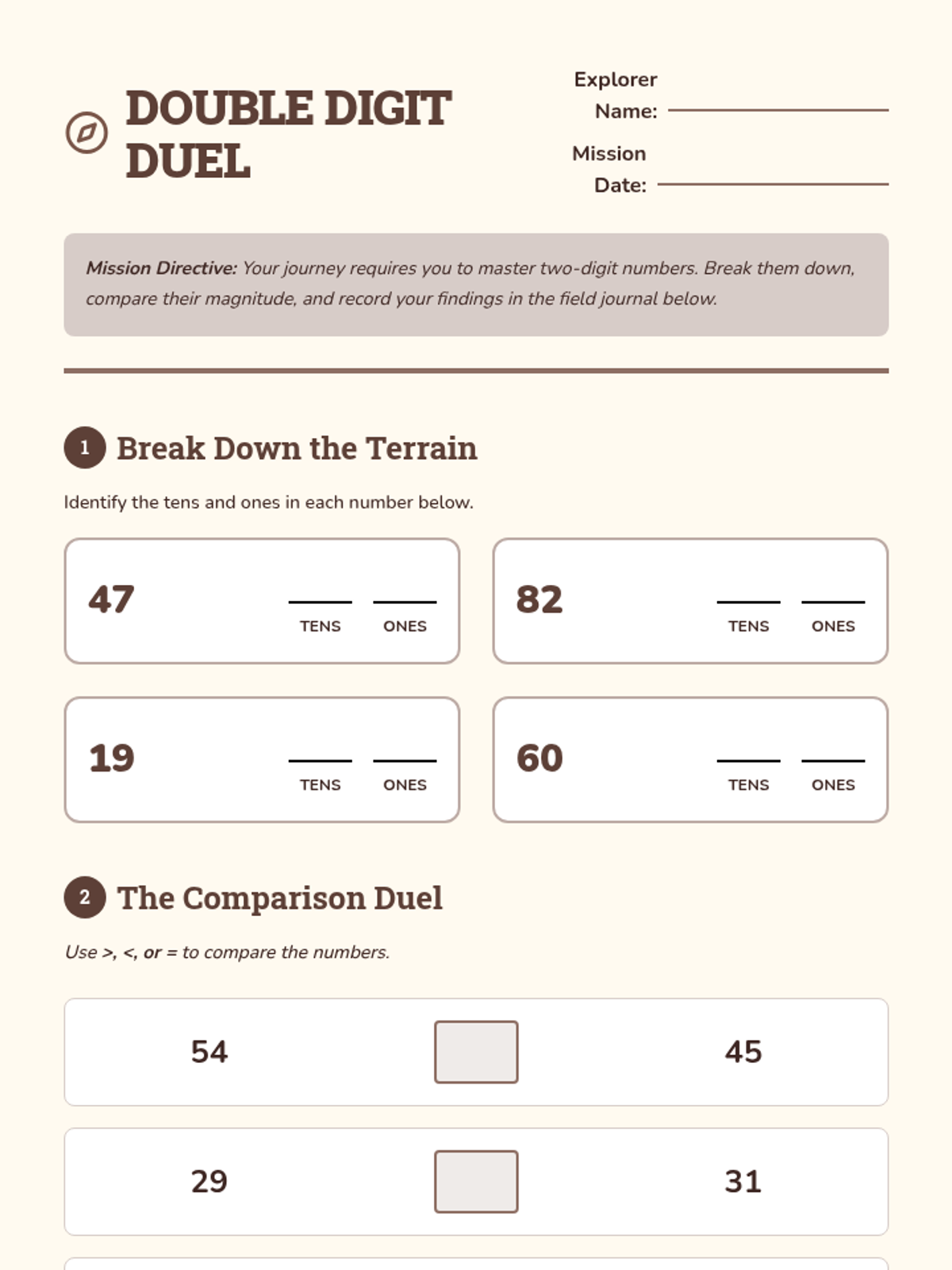
A comprehensive journey through place value, moving from two-digit foundations to four-digit mastery. Students explore reading, writing in multiple forms, and comparing numbers using exploration-themed activities.
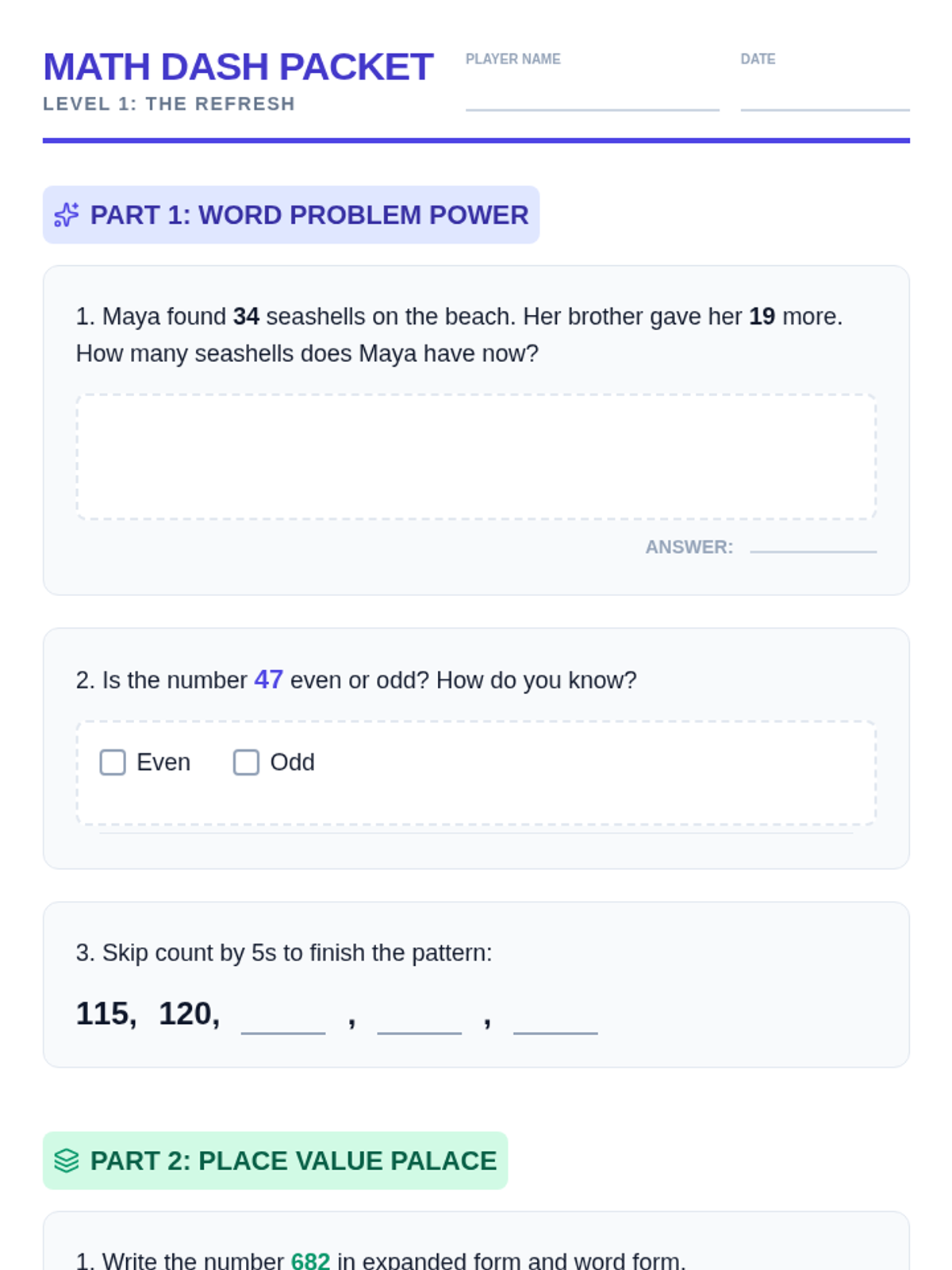
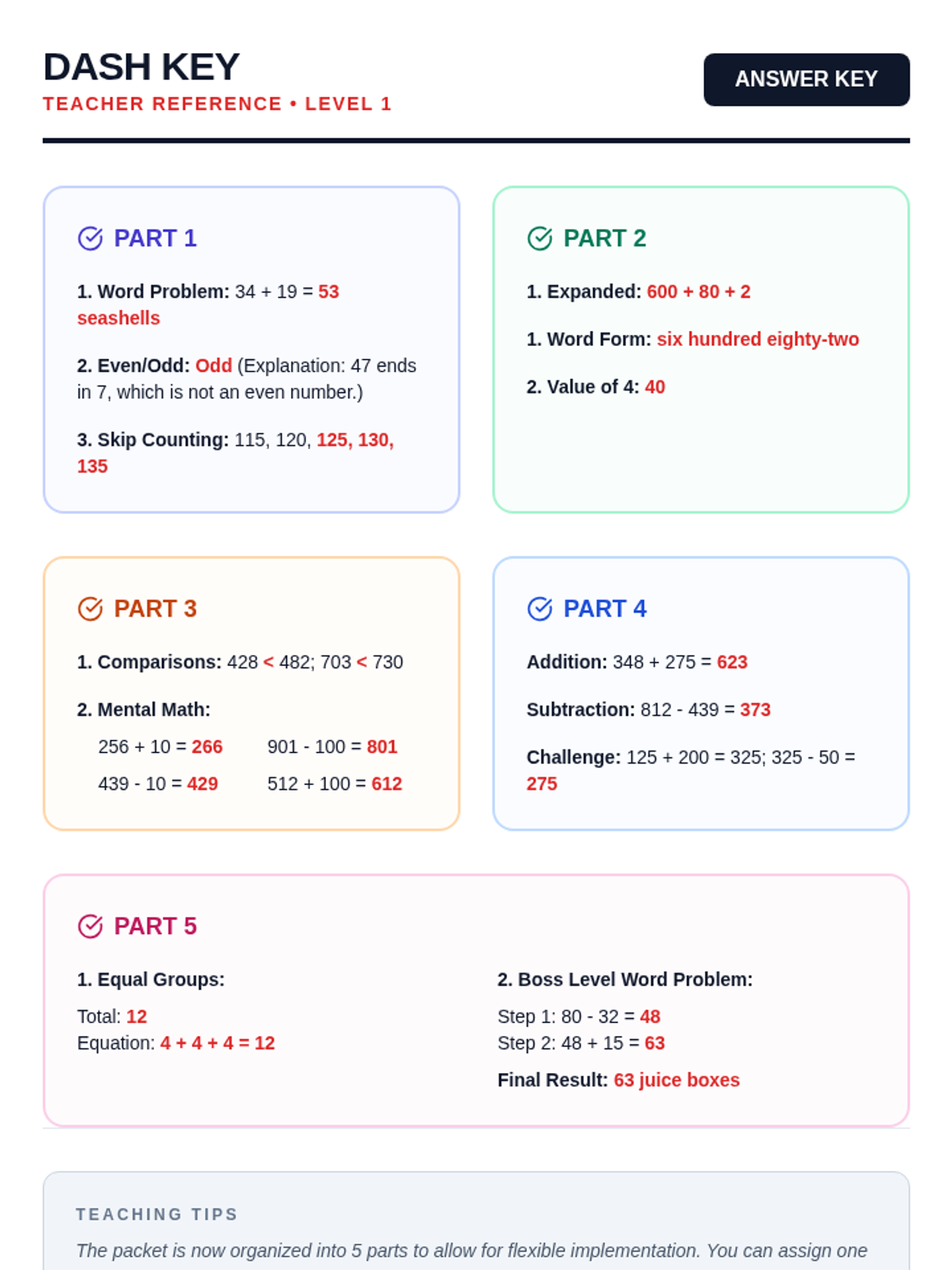
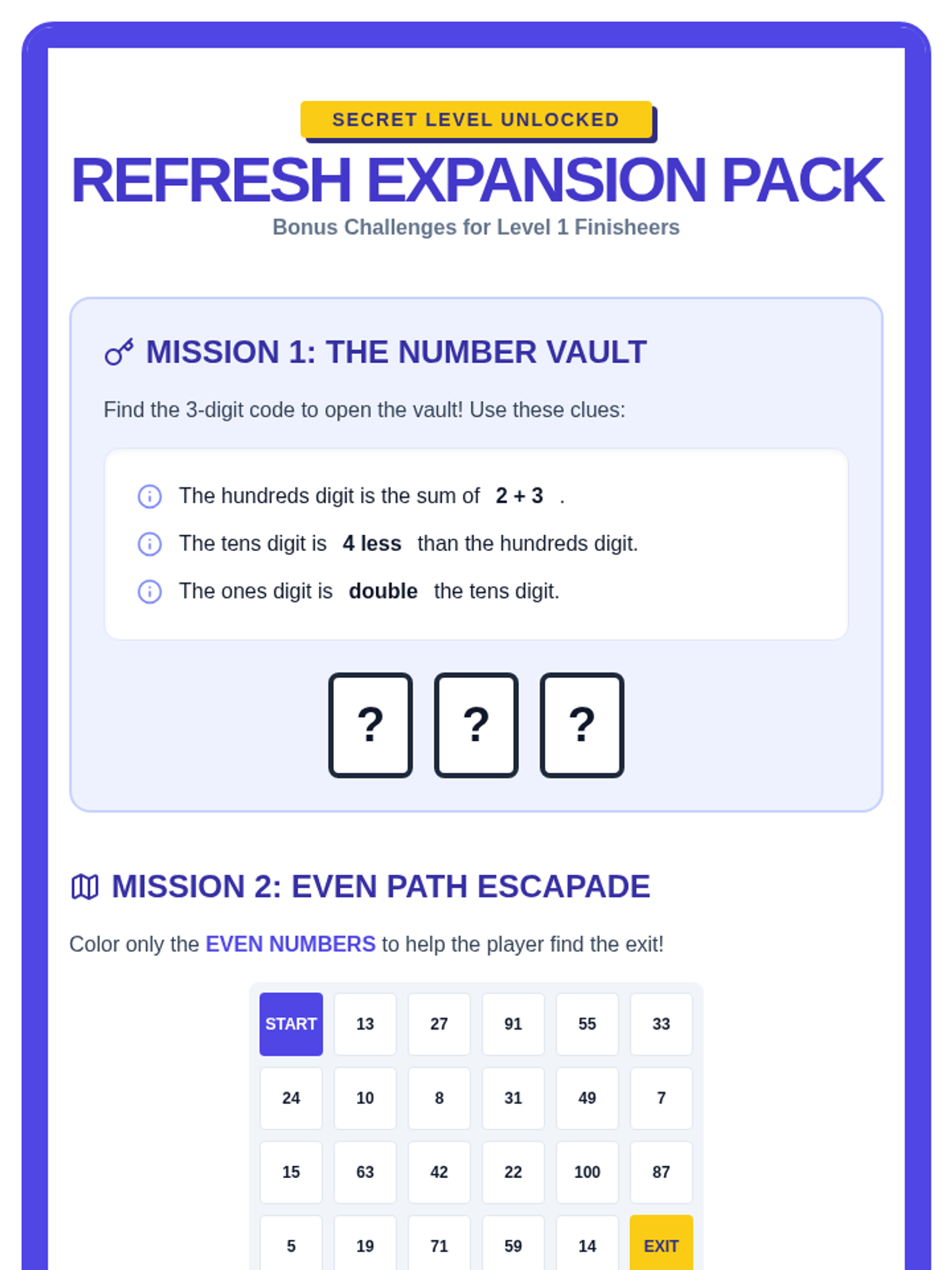
A 3-week high-energy, retro-gaming themed journey through 2nd-grade math standards to prepare 3rd-grade students for success.
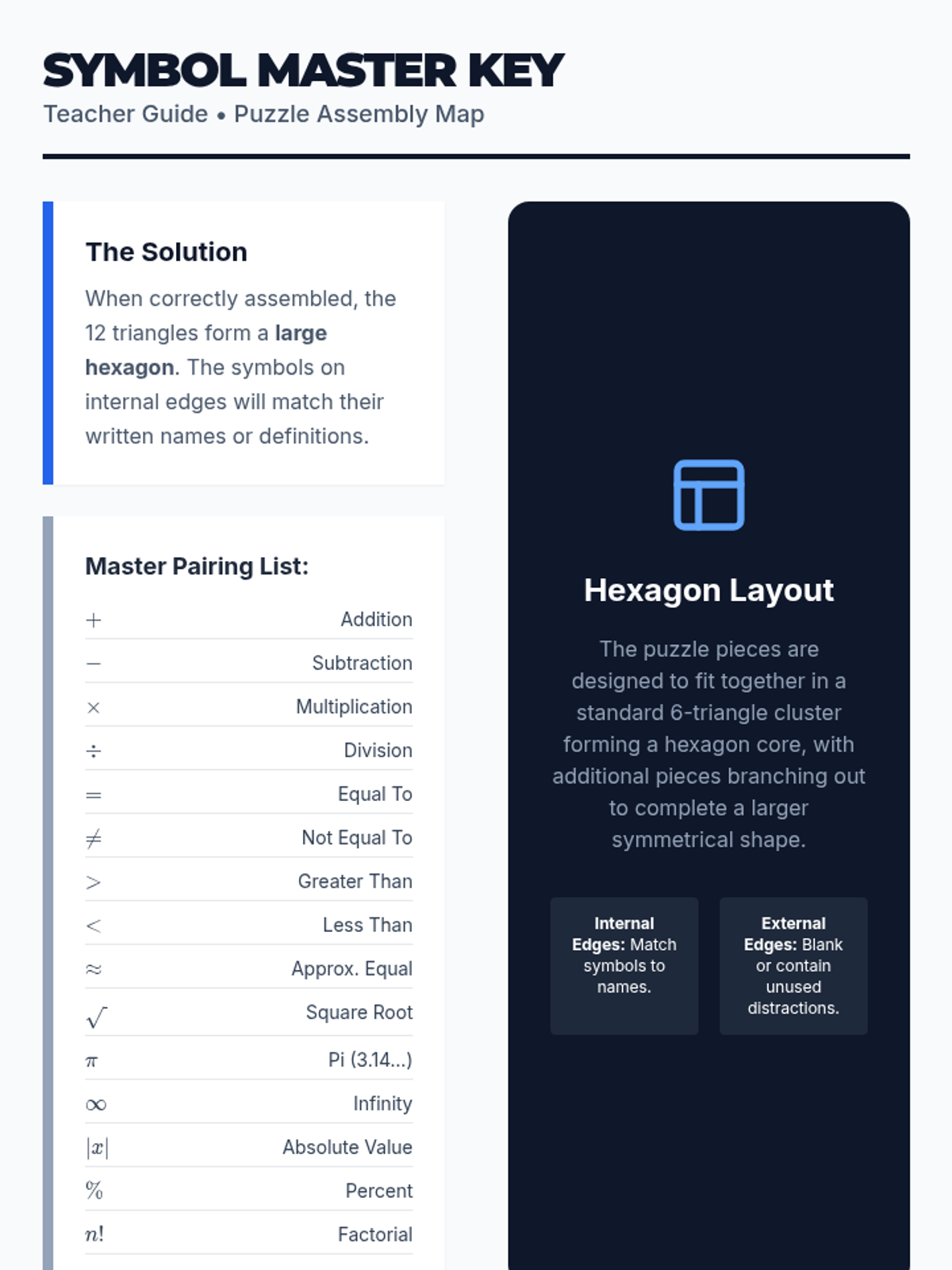
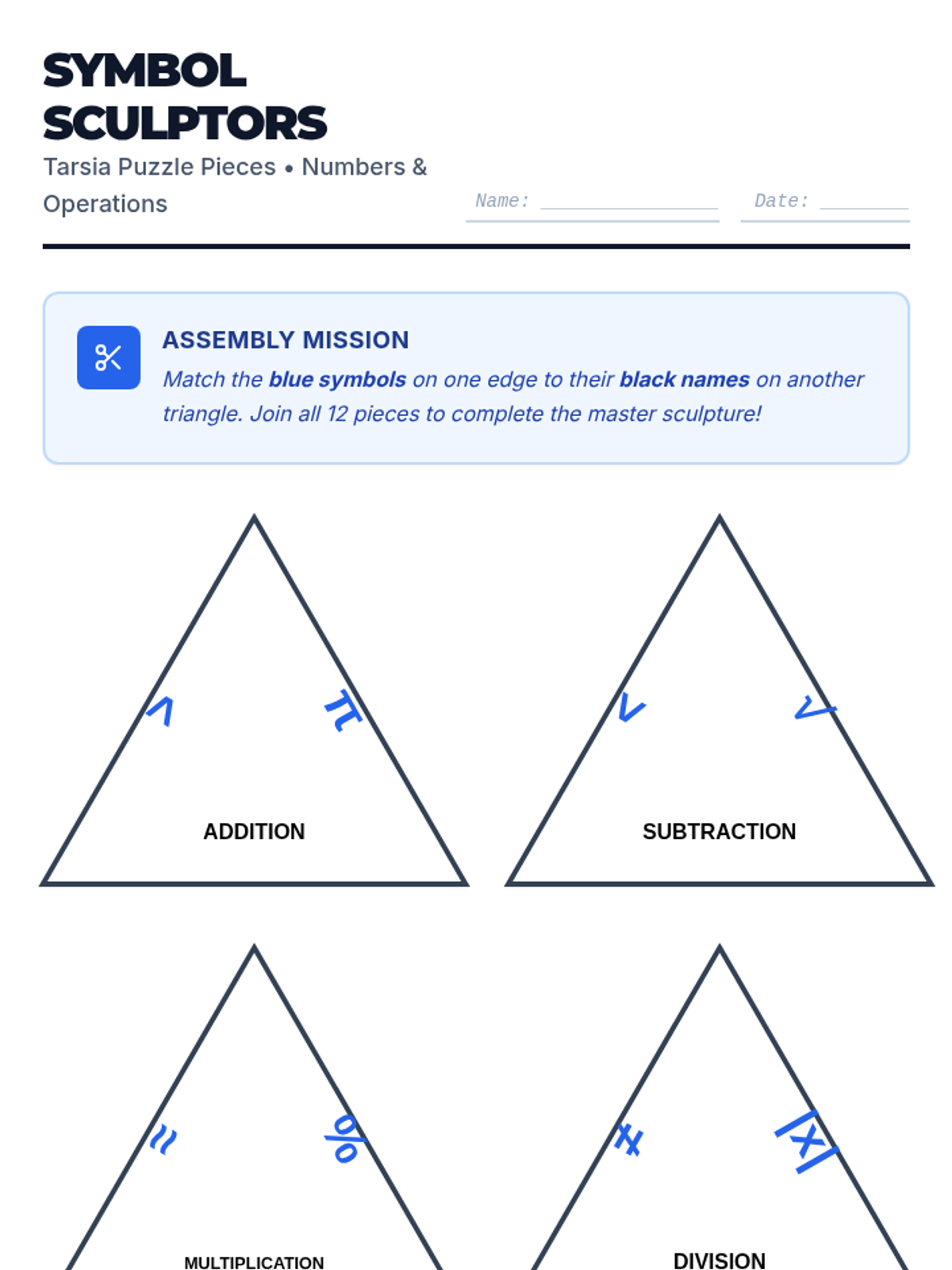
A series of lessons designed to build fluency in mathematical notation and operations through visual and tactile learning.
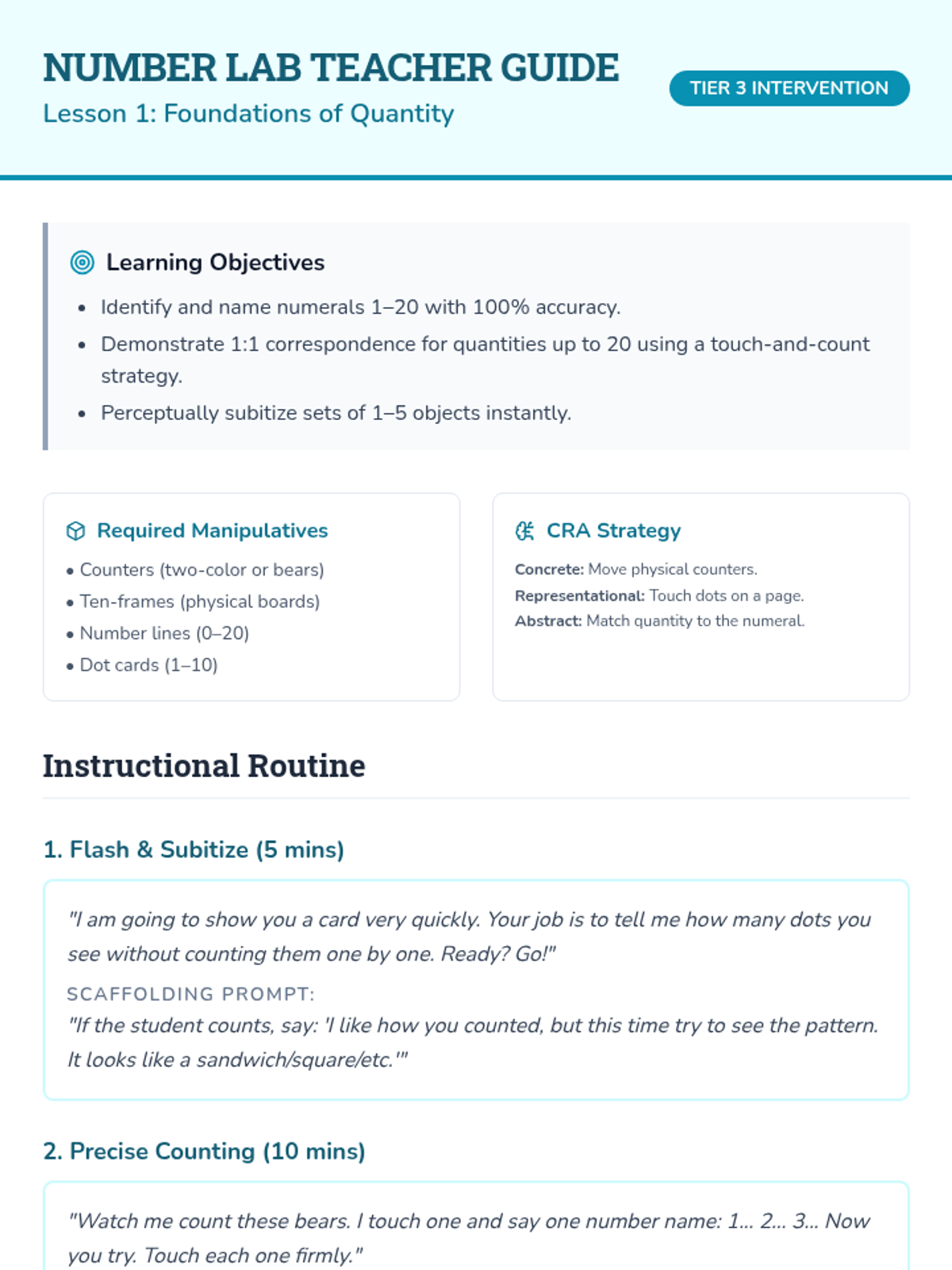
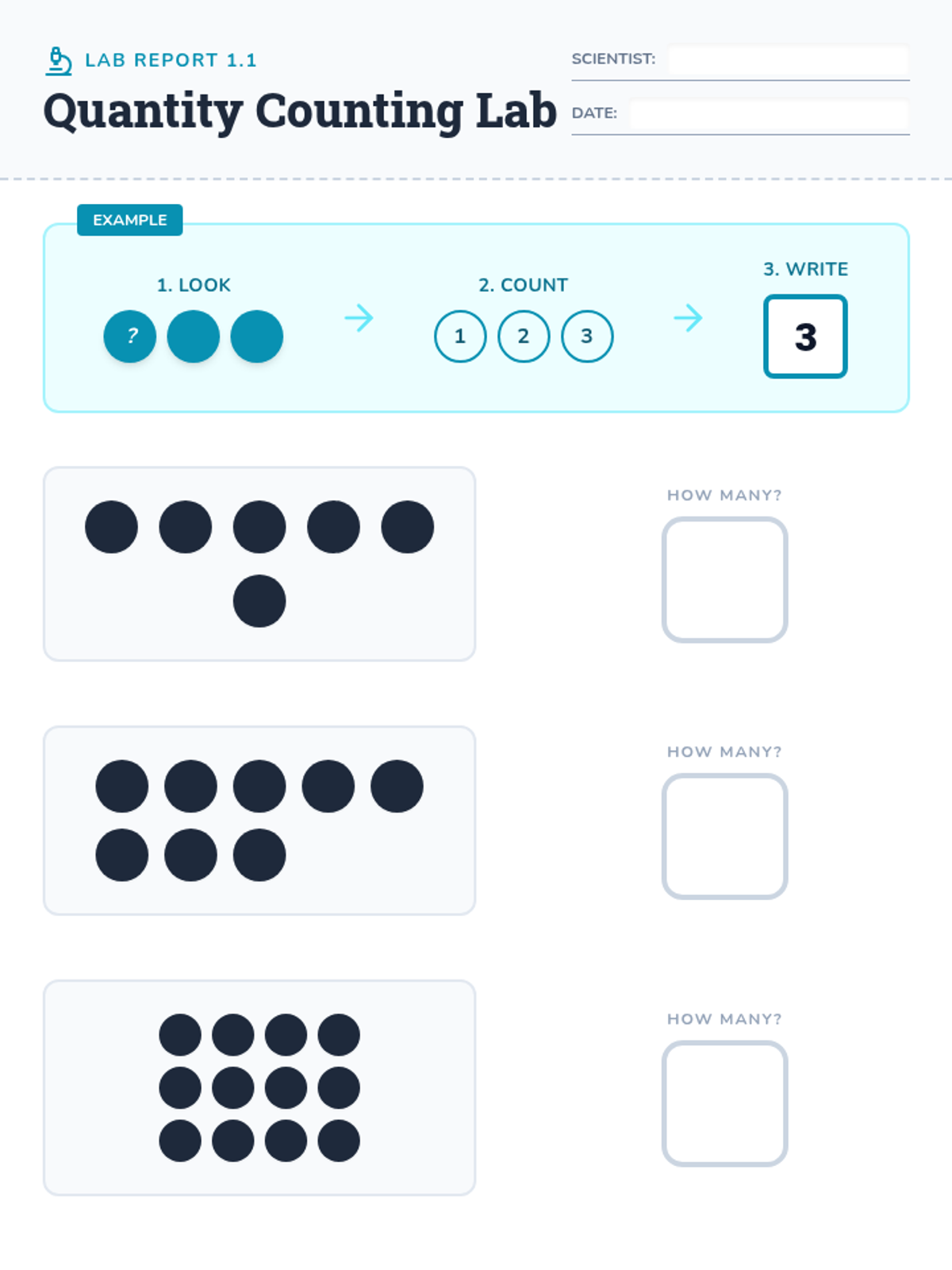
A high-intensity, evidence-based intervention designed for students needing foundational number sense support. Focuses on subitizing, 1:1 correspondence, place value, and decomposition using a CRA (Concrete-Representational-Abstract) approach.
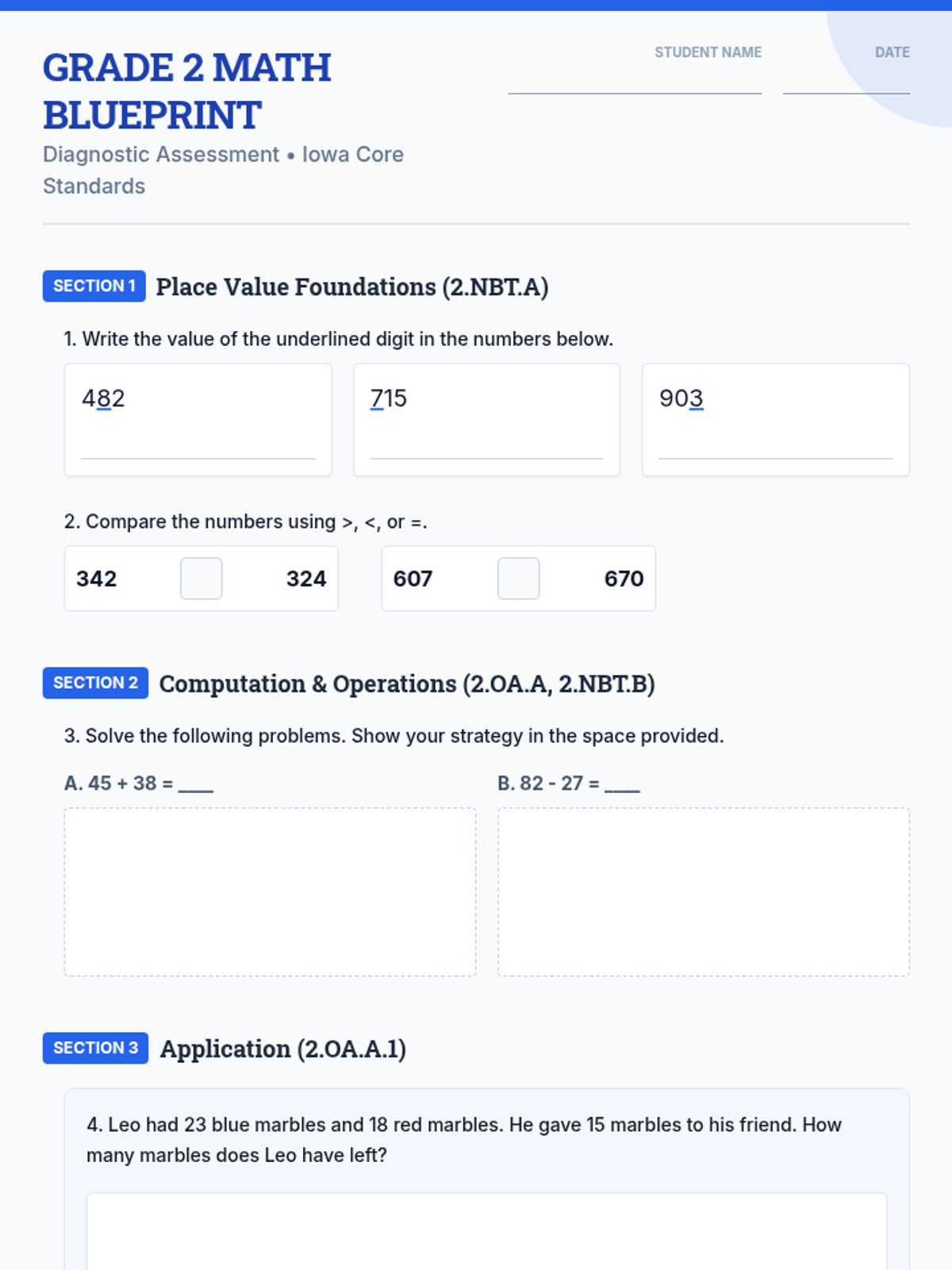
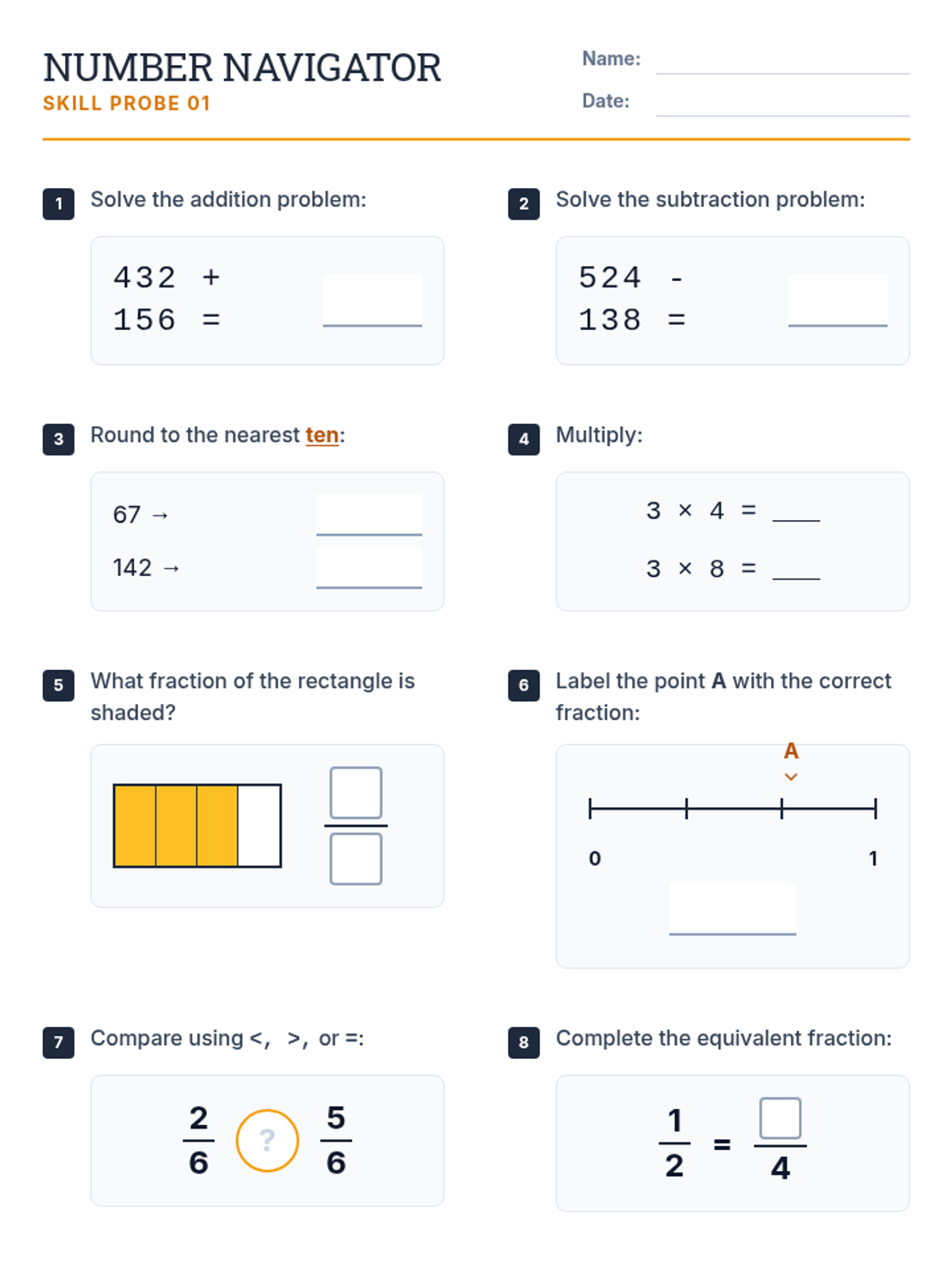
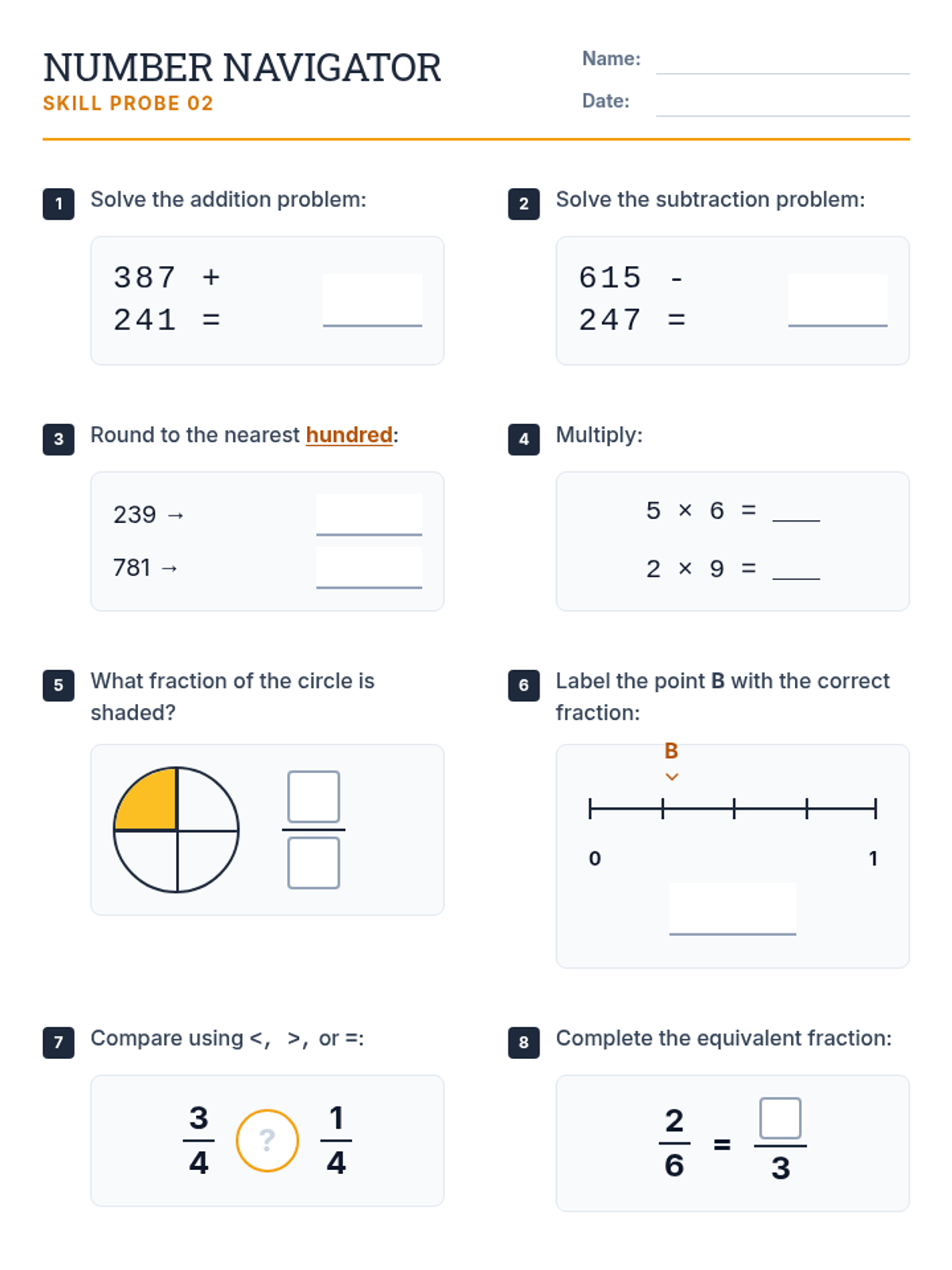
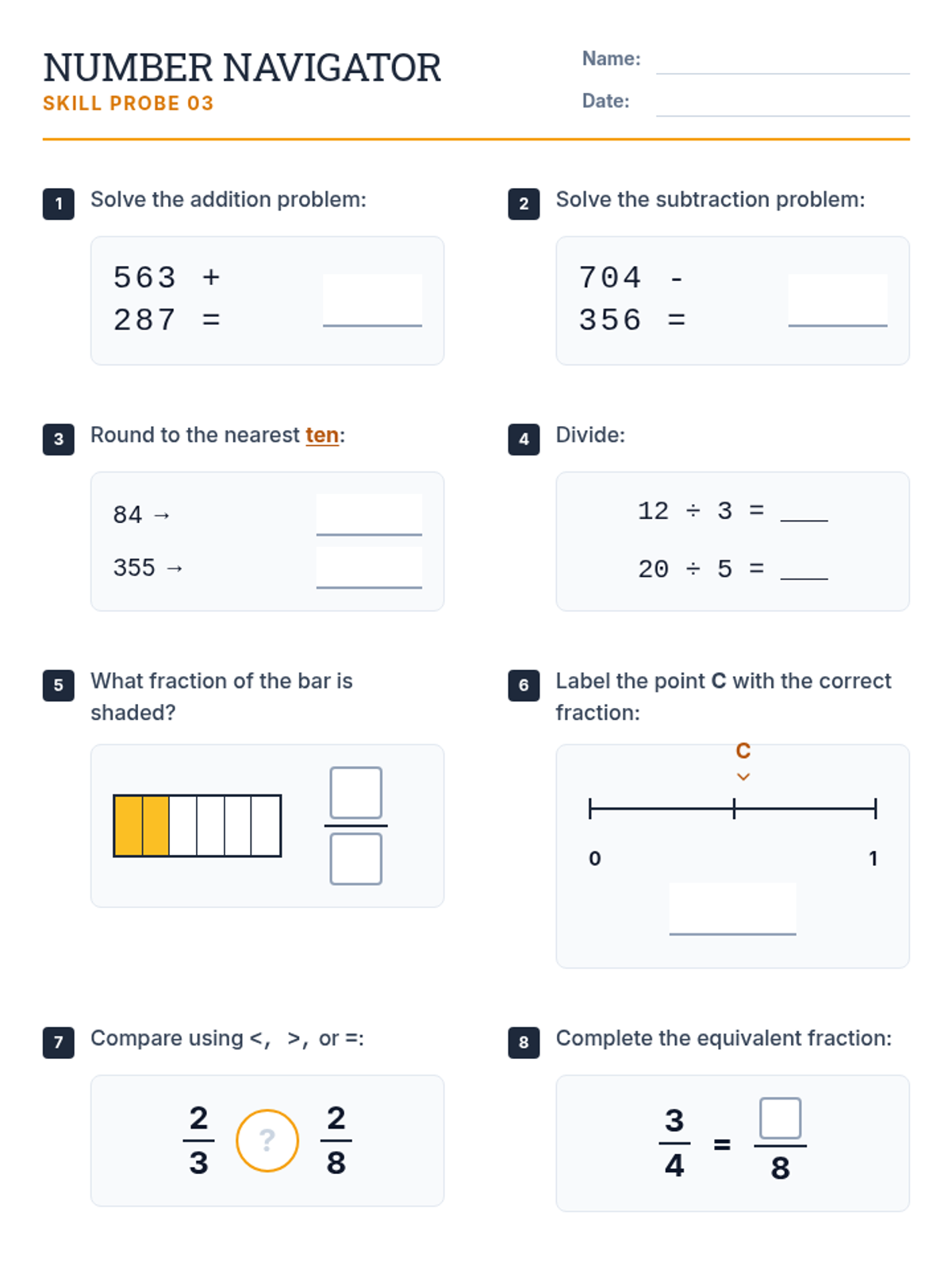
A comprehensive diagnostic suite for grades 2-5 designed to identify specific skill gaps in foundational math domains aligned to the Iowa Core standards. This series helps educators pinpoint exactly where students have discrepancies in place value, arithmetic, and early rational numbers.
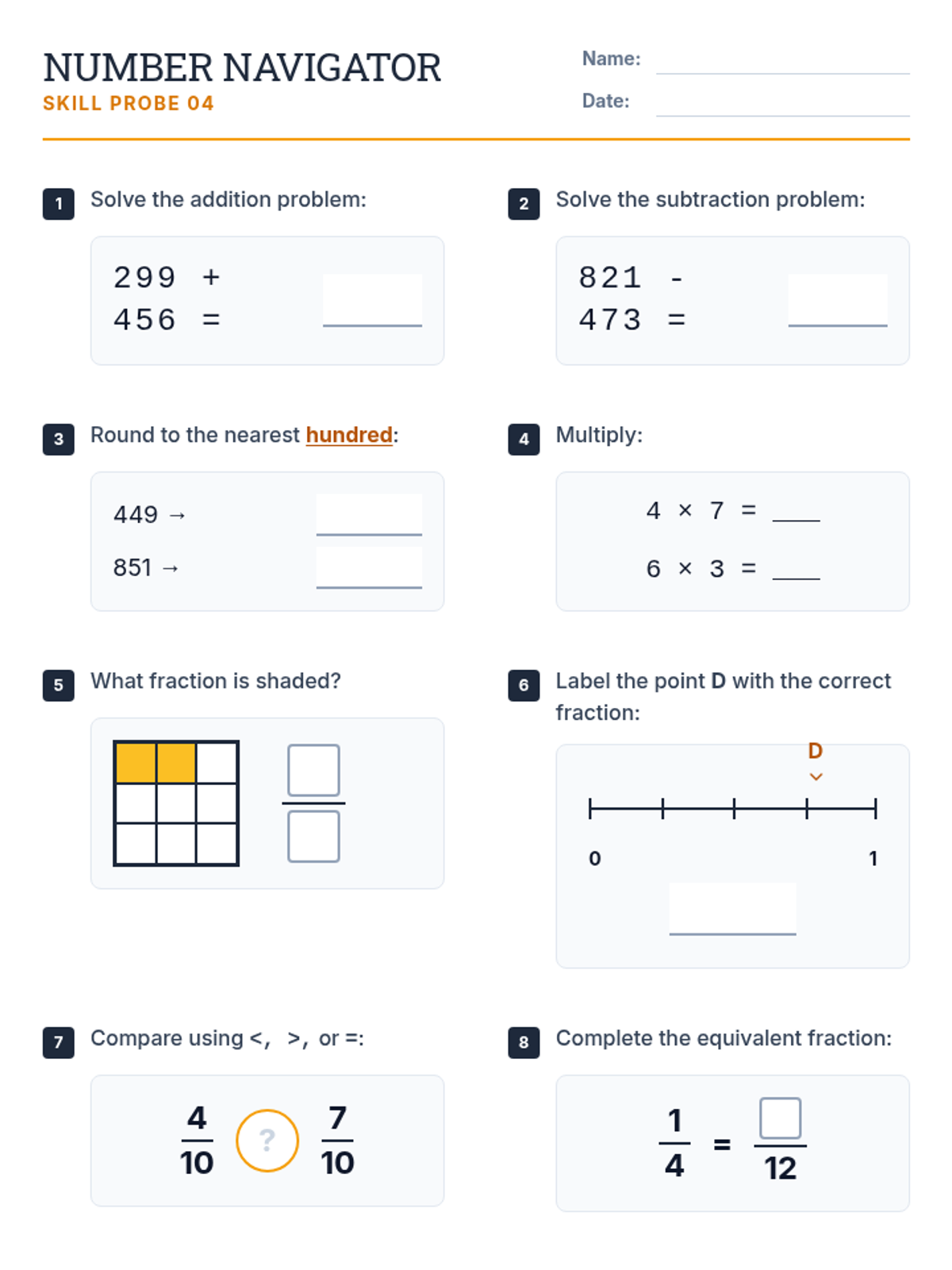
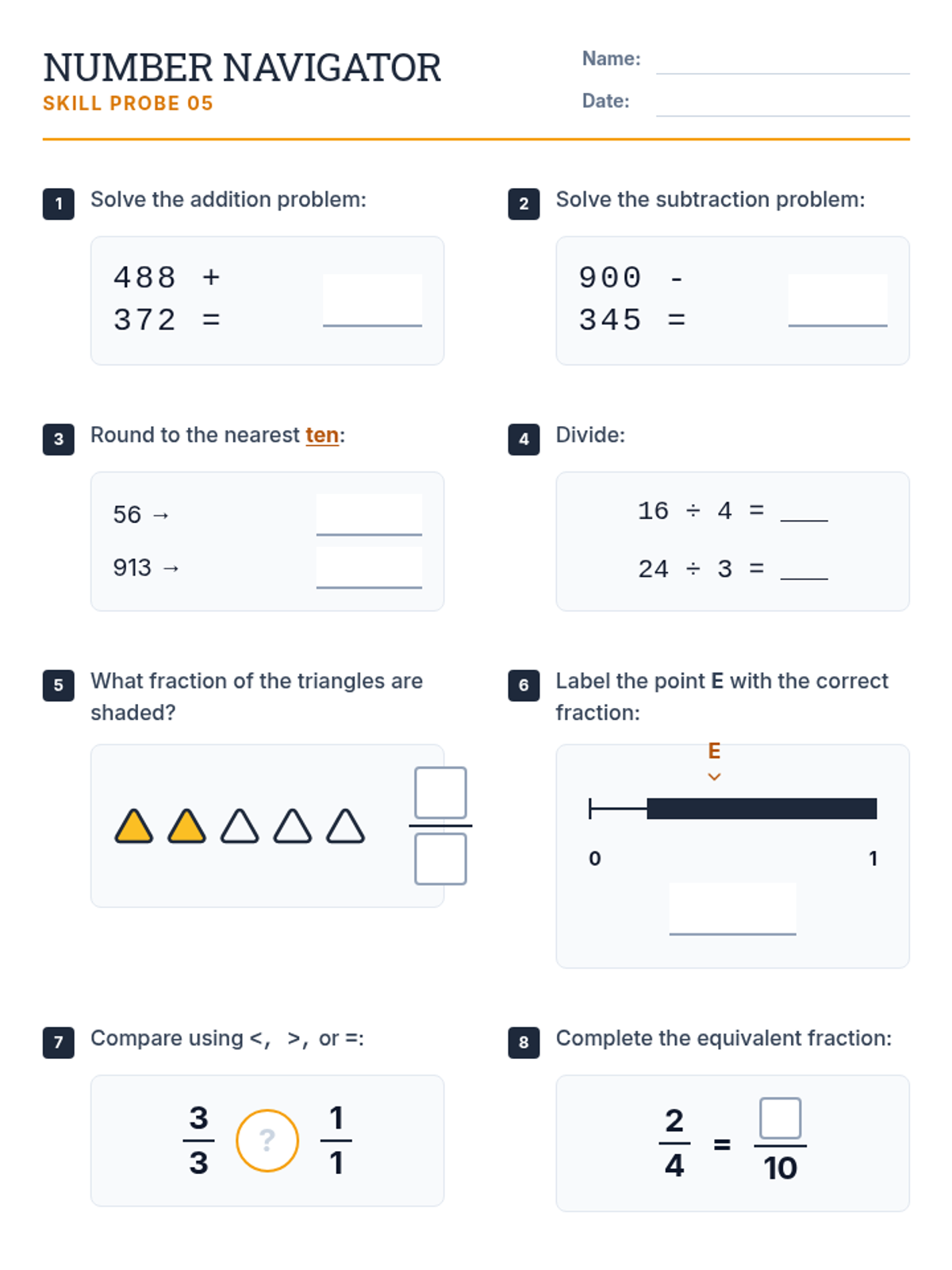
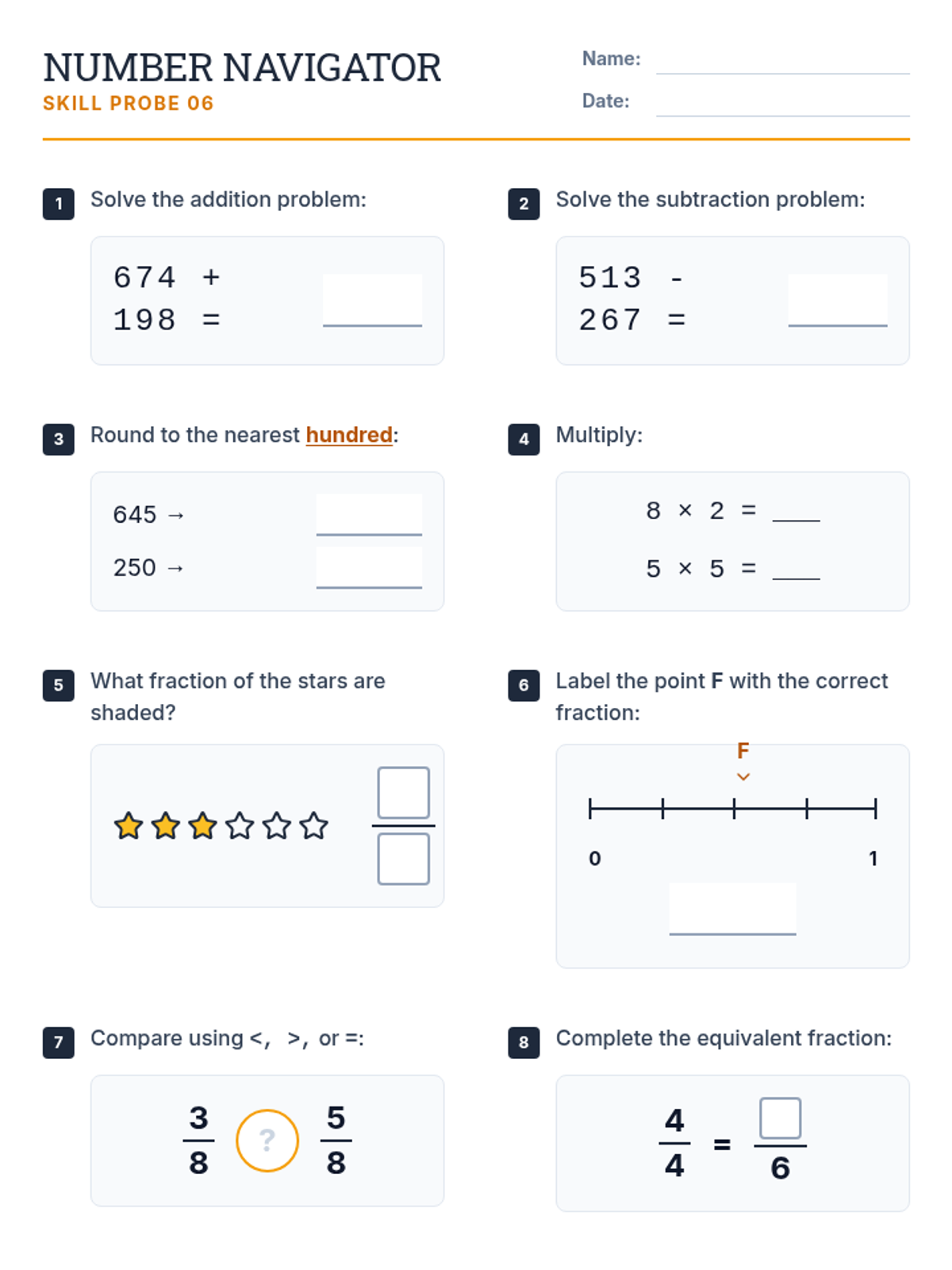
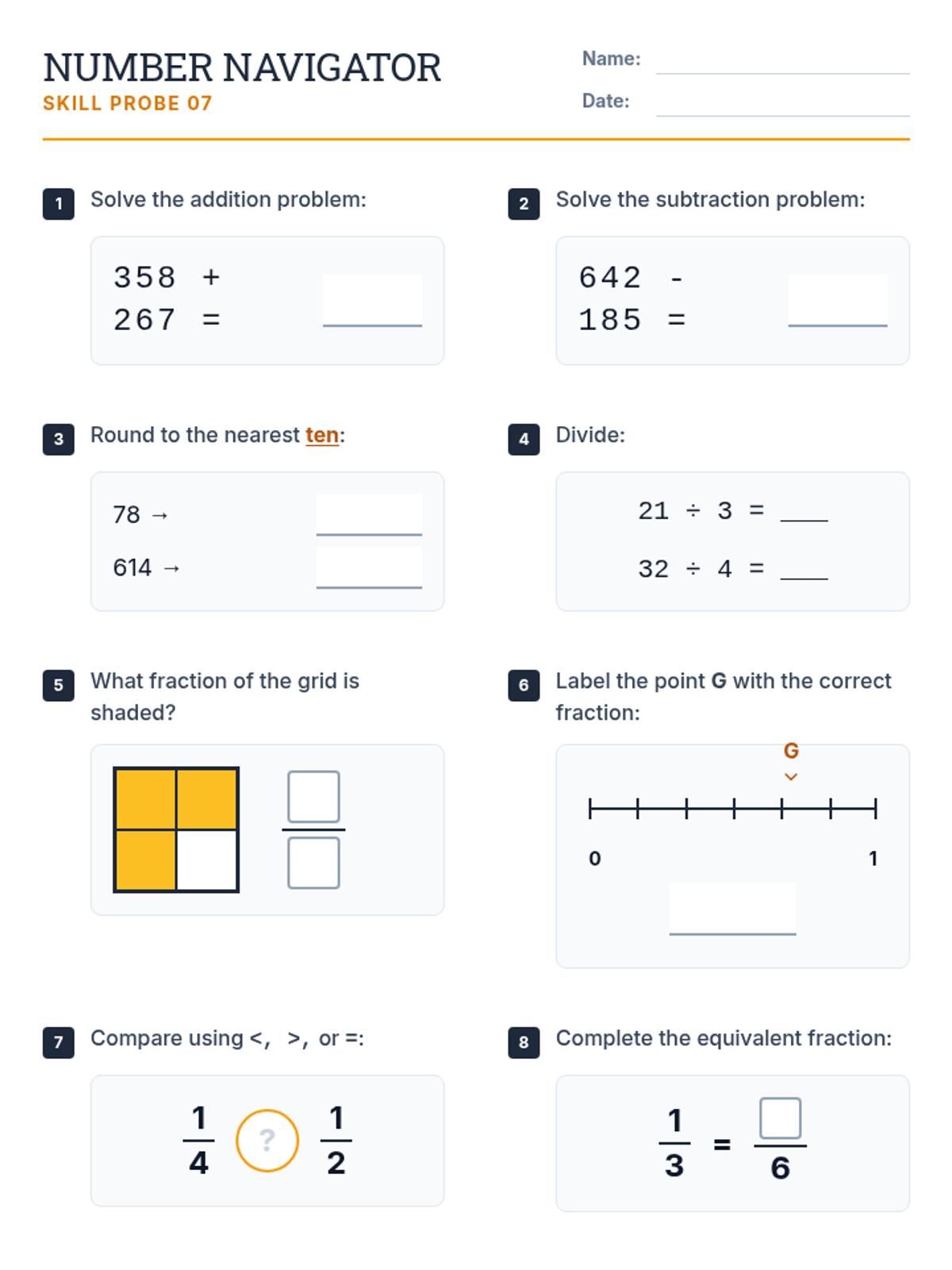
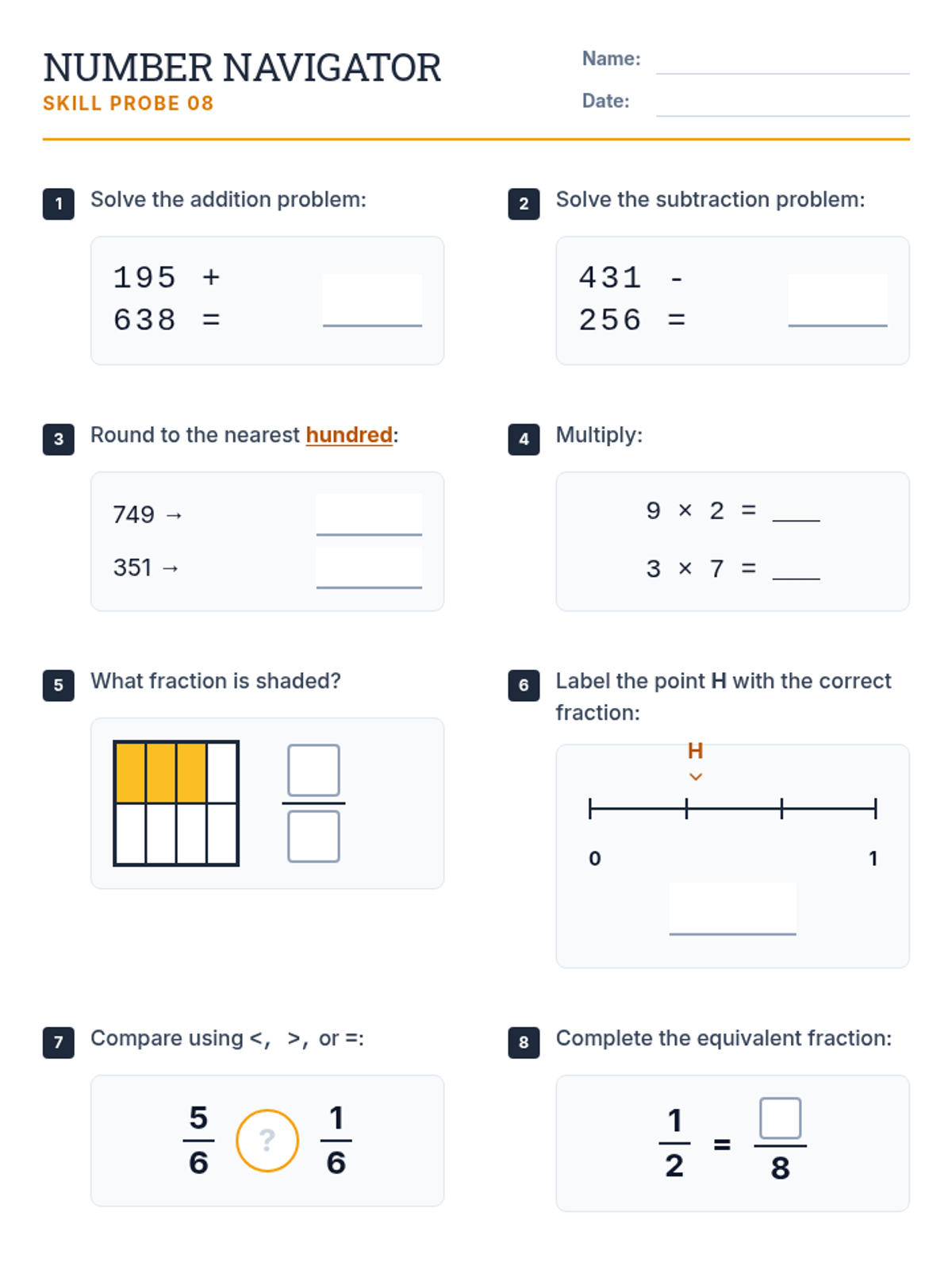
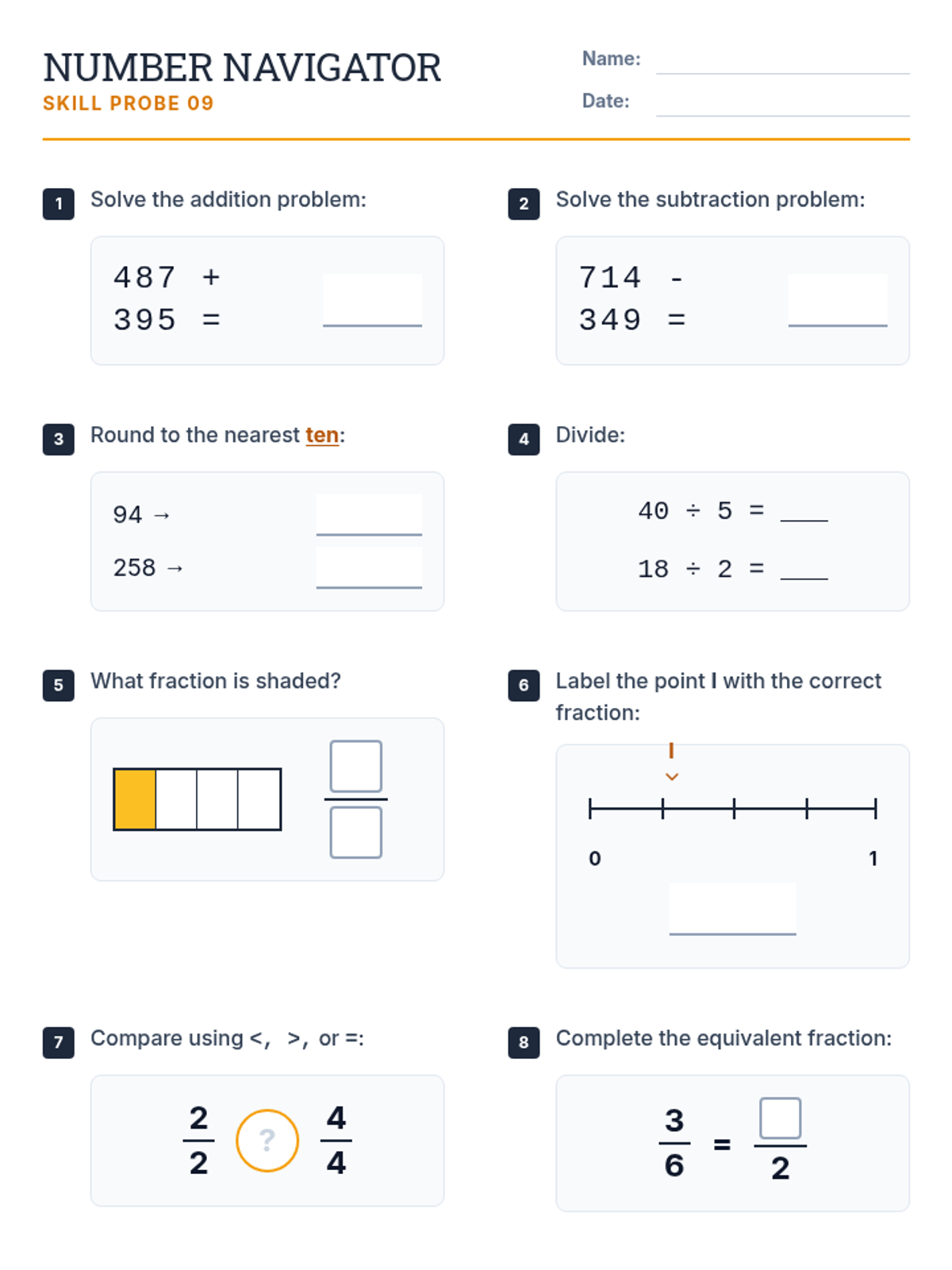
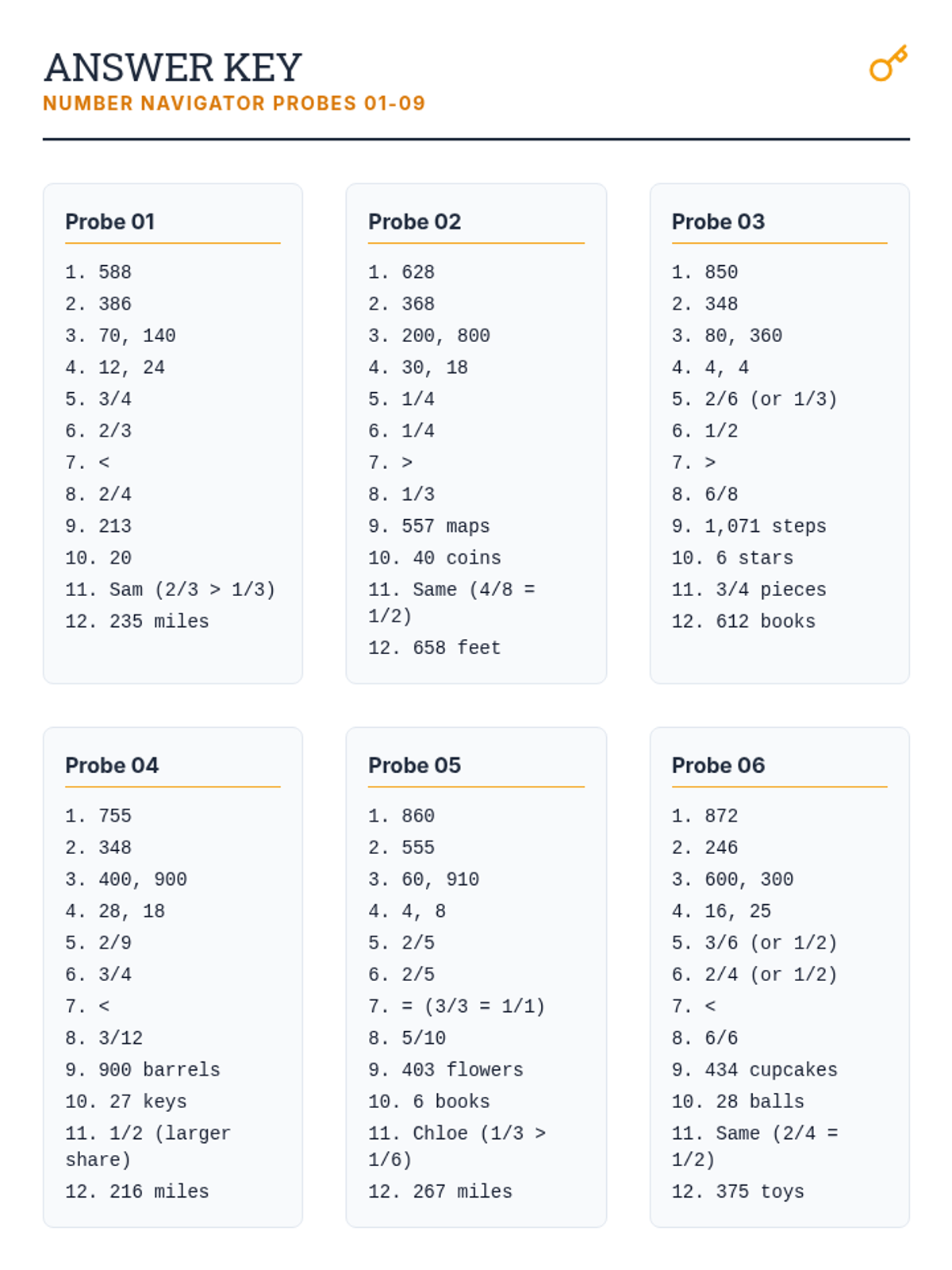
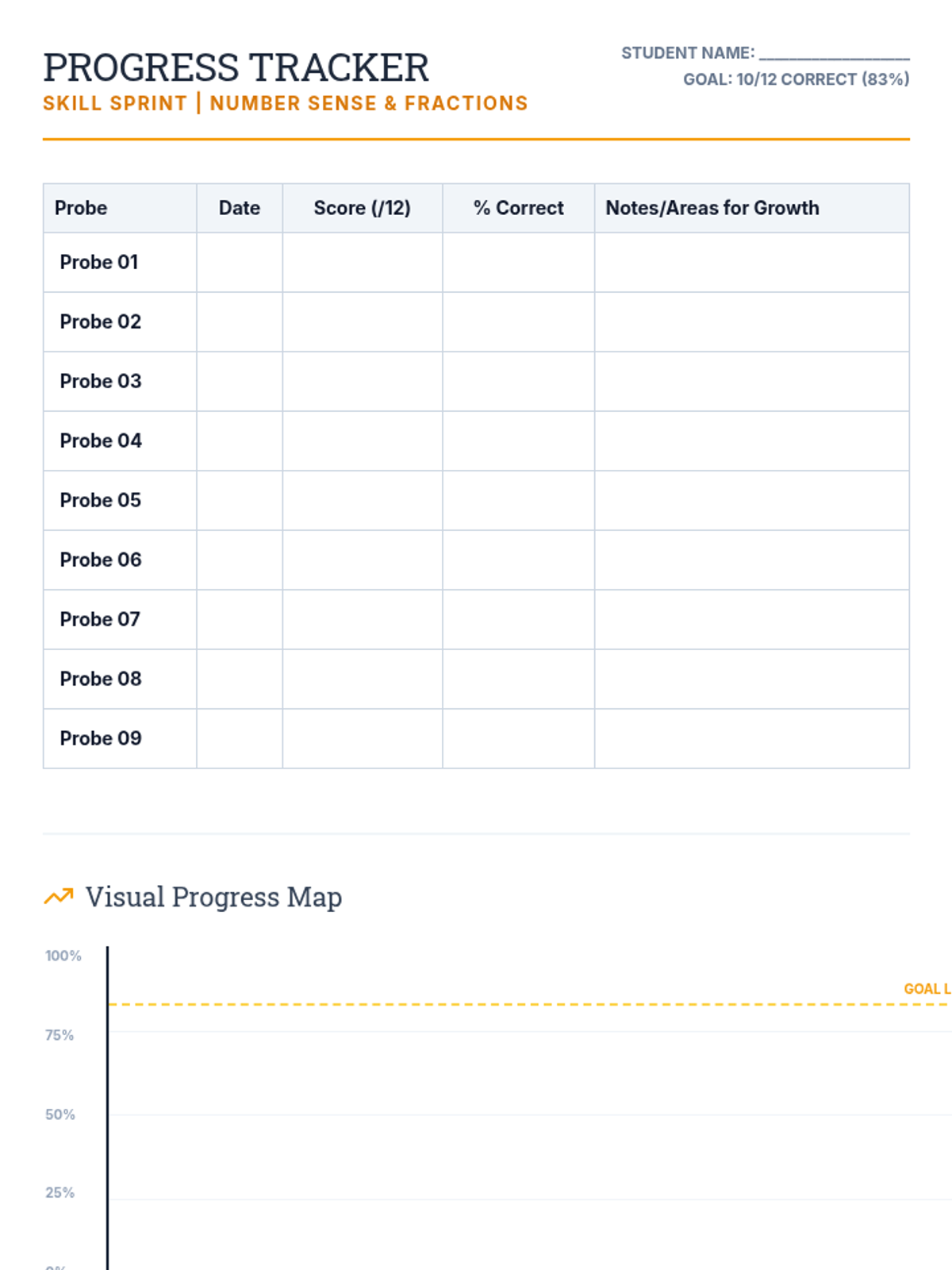
A comprehensive set of progress monitoring probes focused on 2nd and 3rd-grade number sense and fractions for 4th-grade students working on foundational skills.
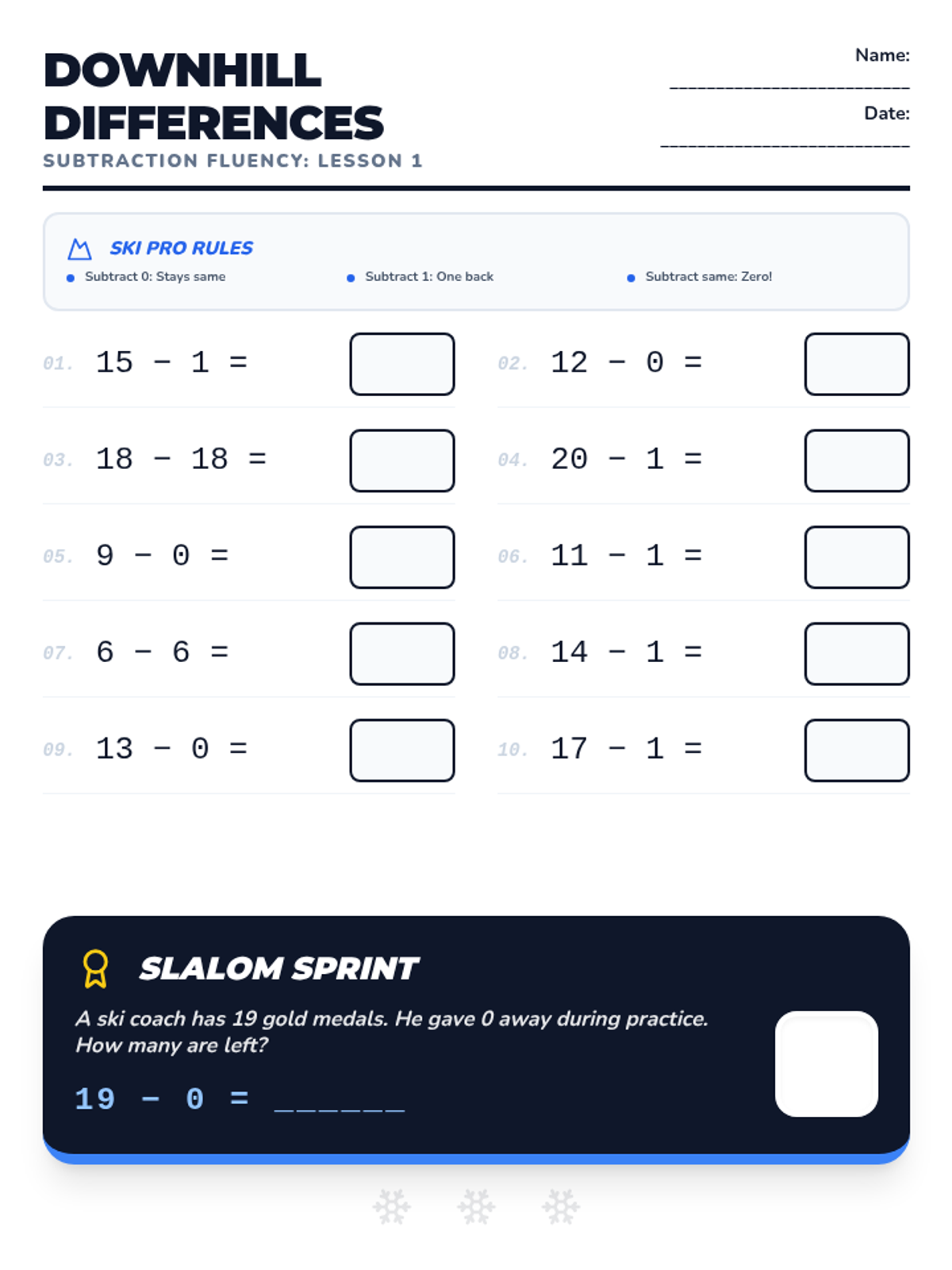
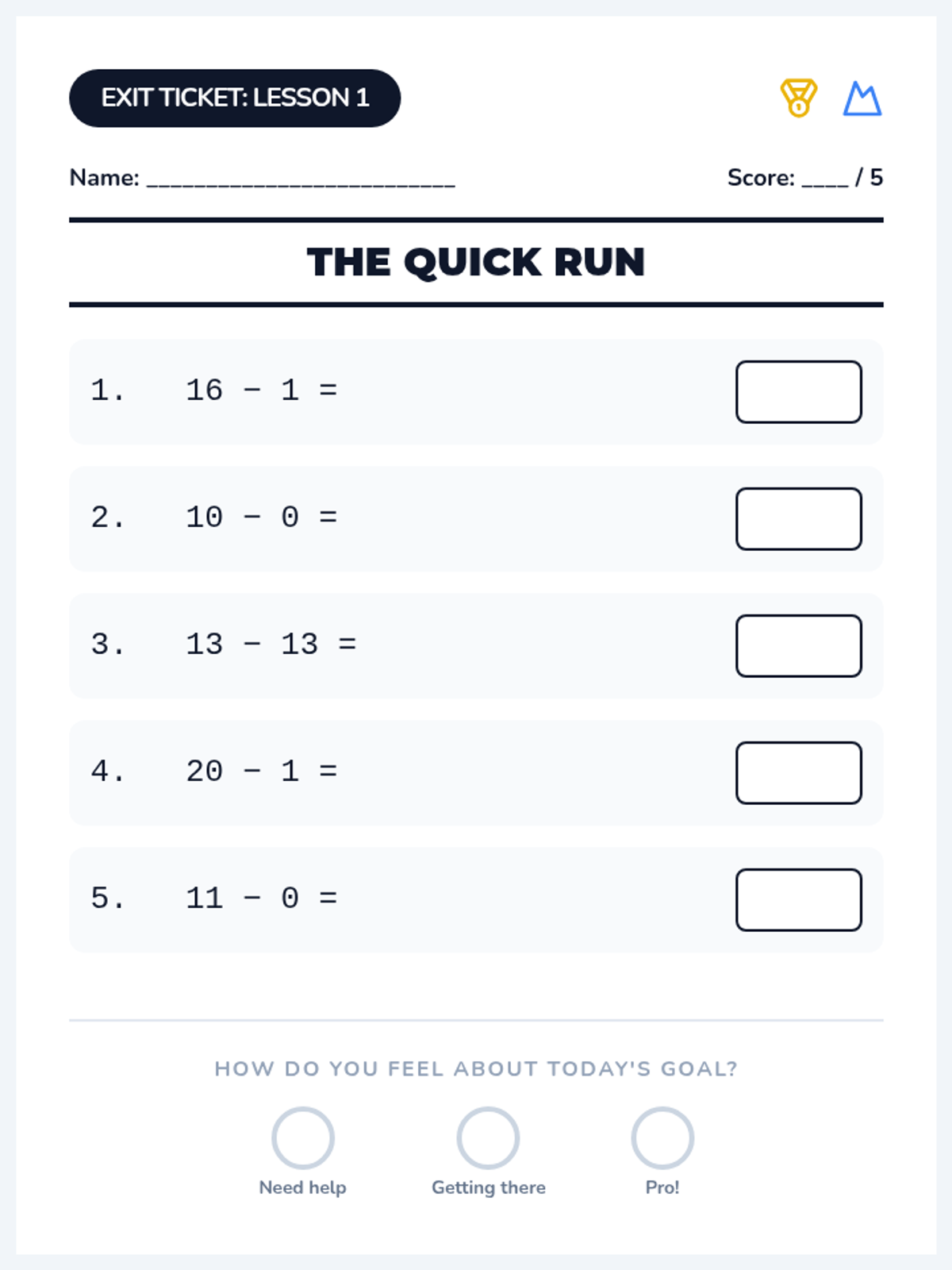
A 20-lesson subtraction fluency unit for primary students, explicitly organized by mental math strategies: Counting Up, Number Lines, Making 10, Pretend 10, and Close to Doubles, all with Winter Olympic themes.
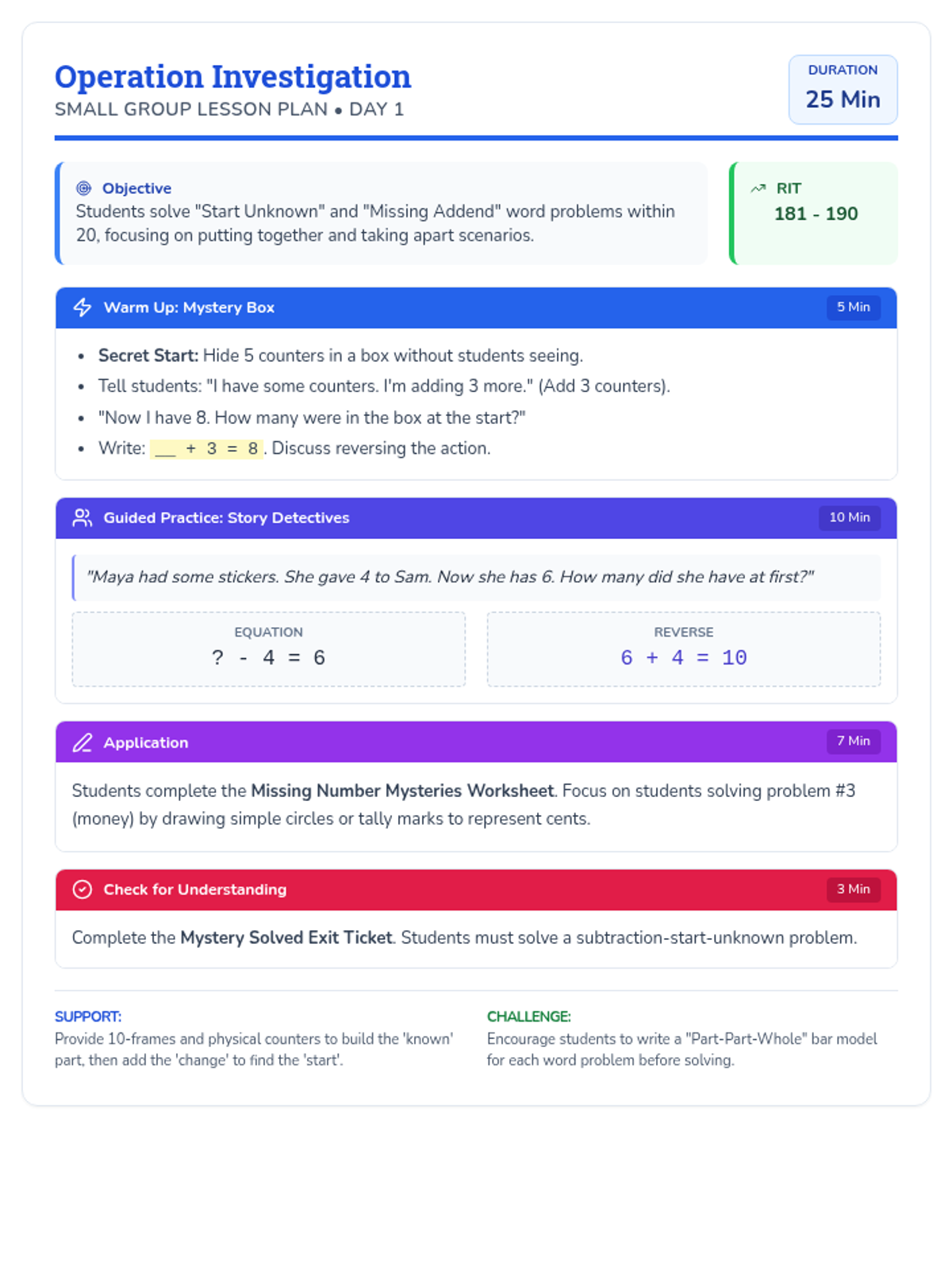
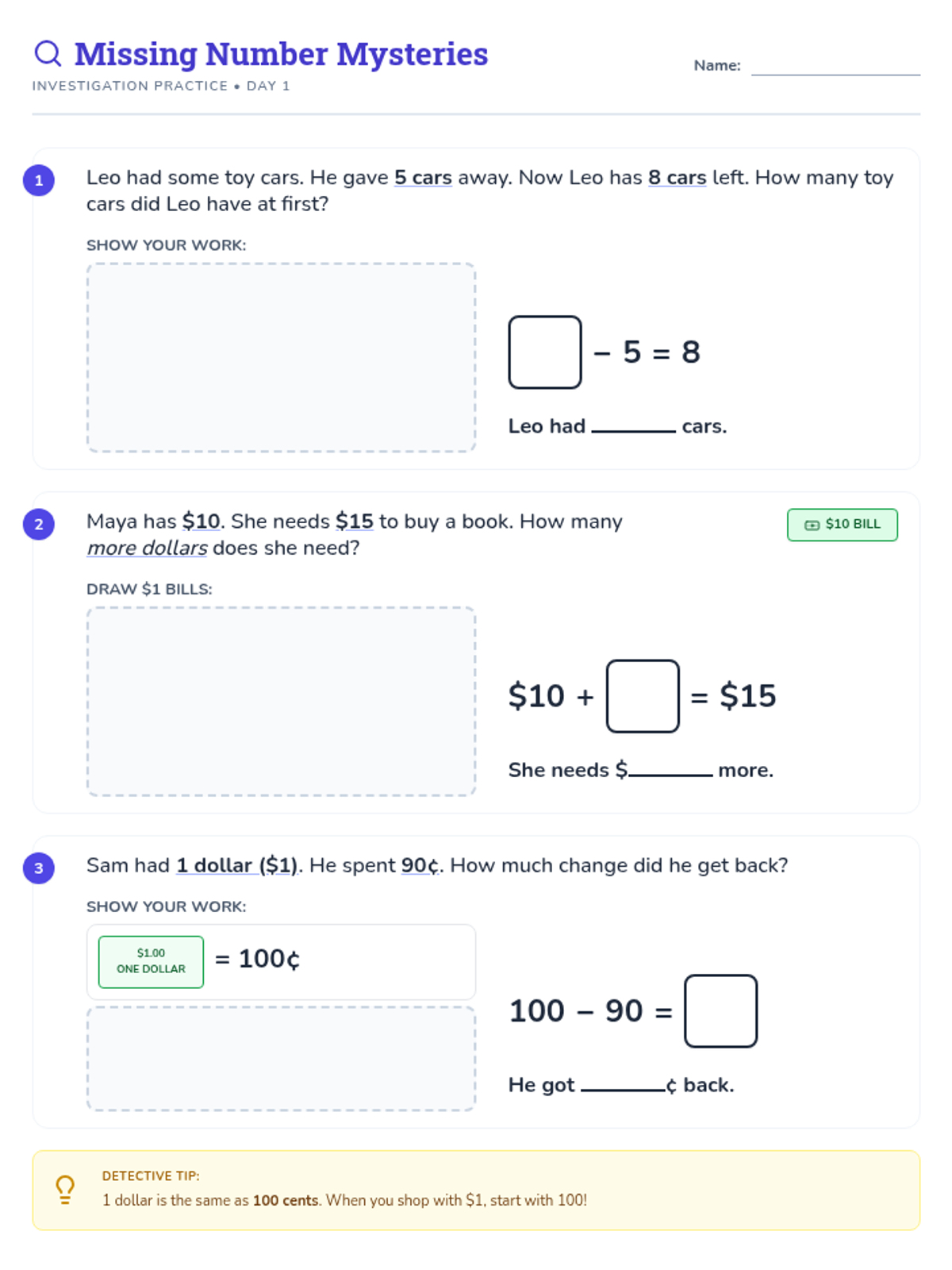
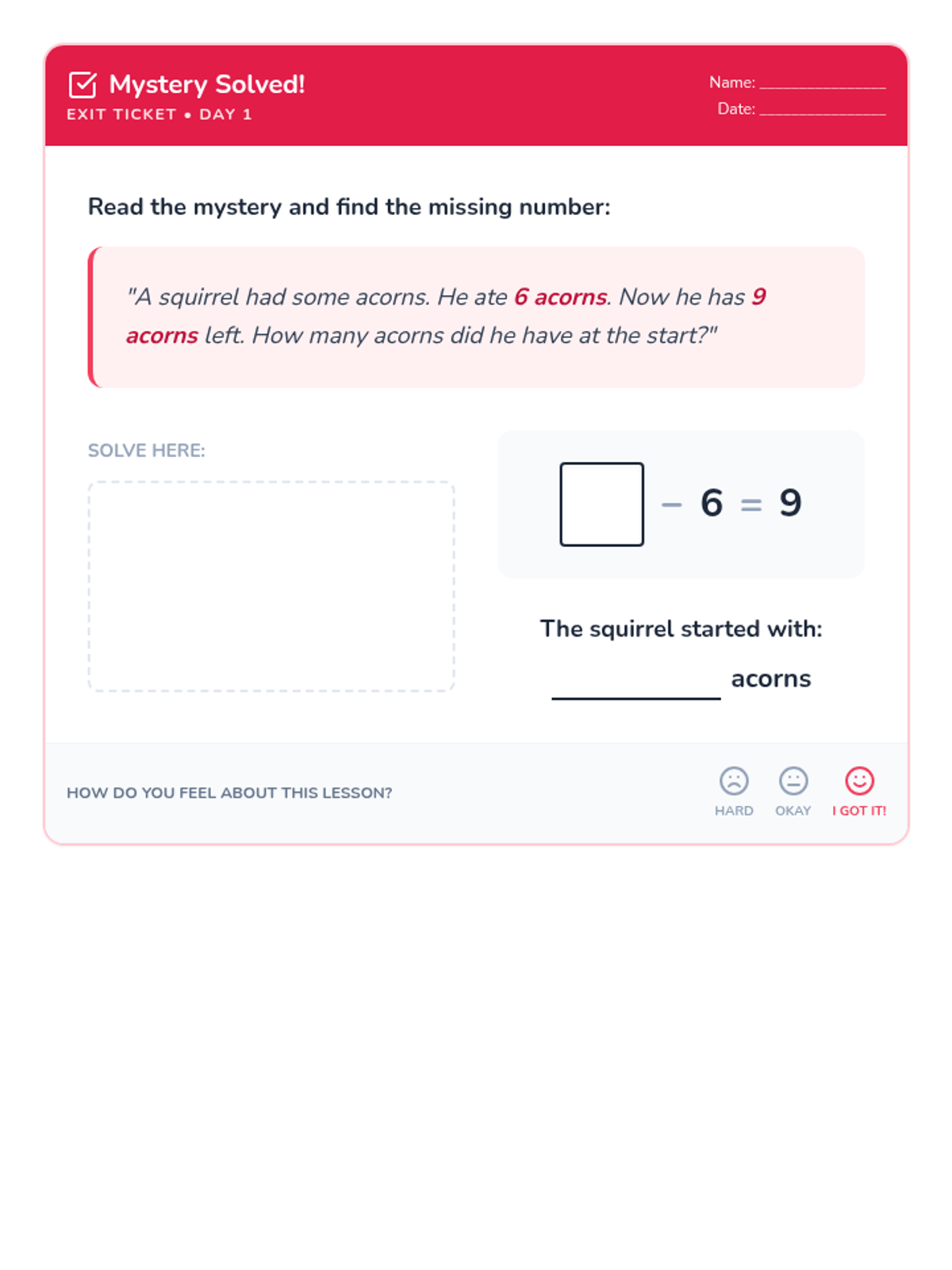
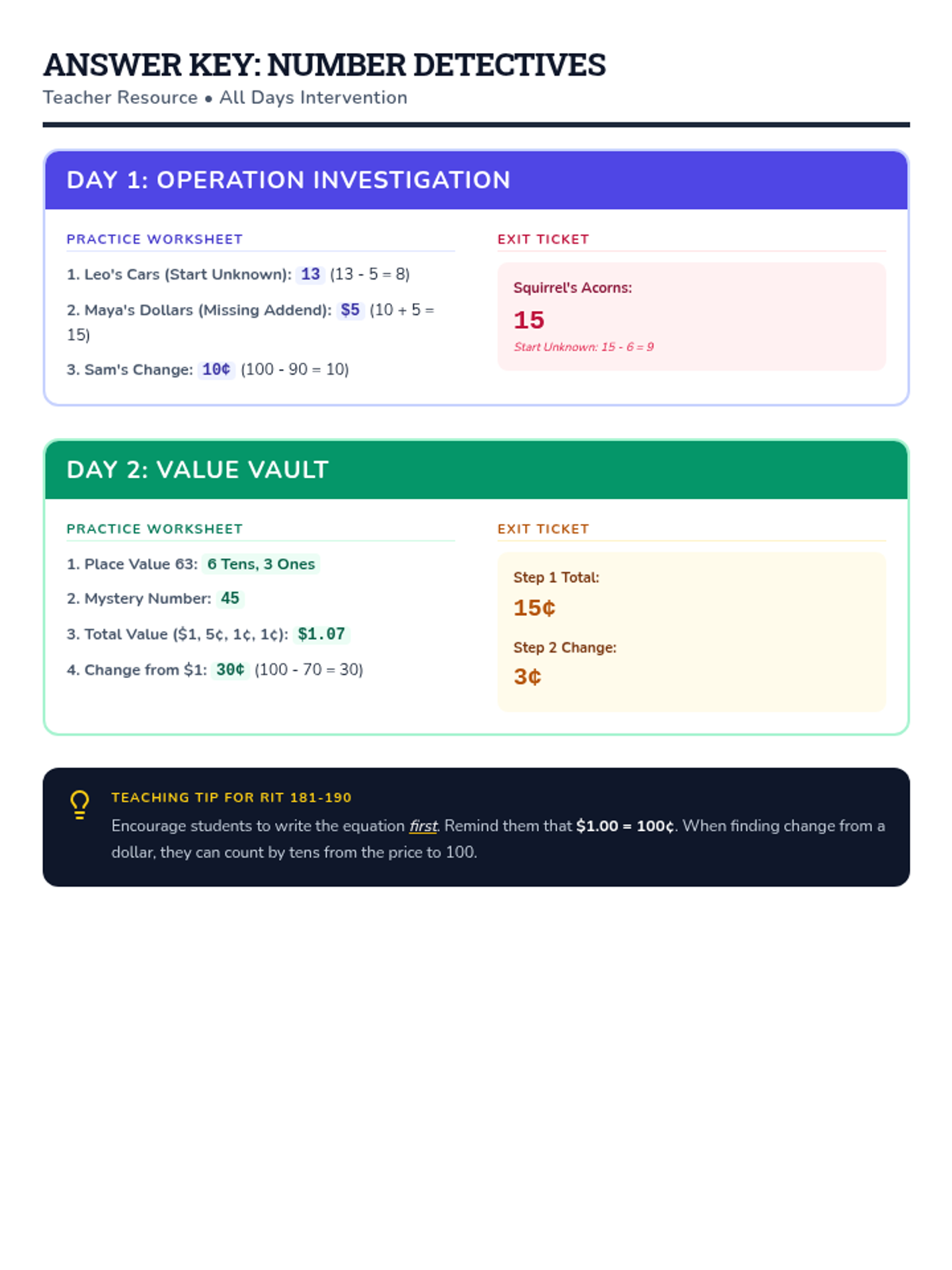
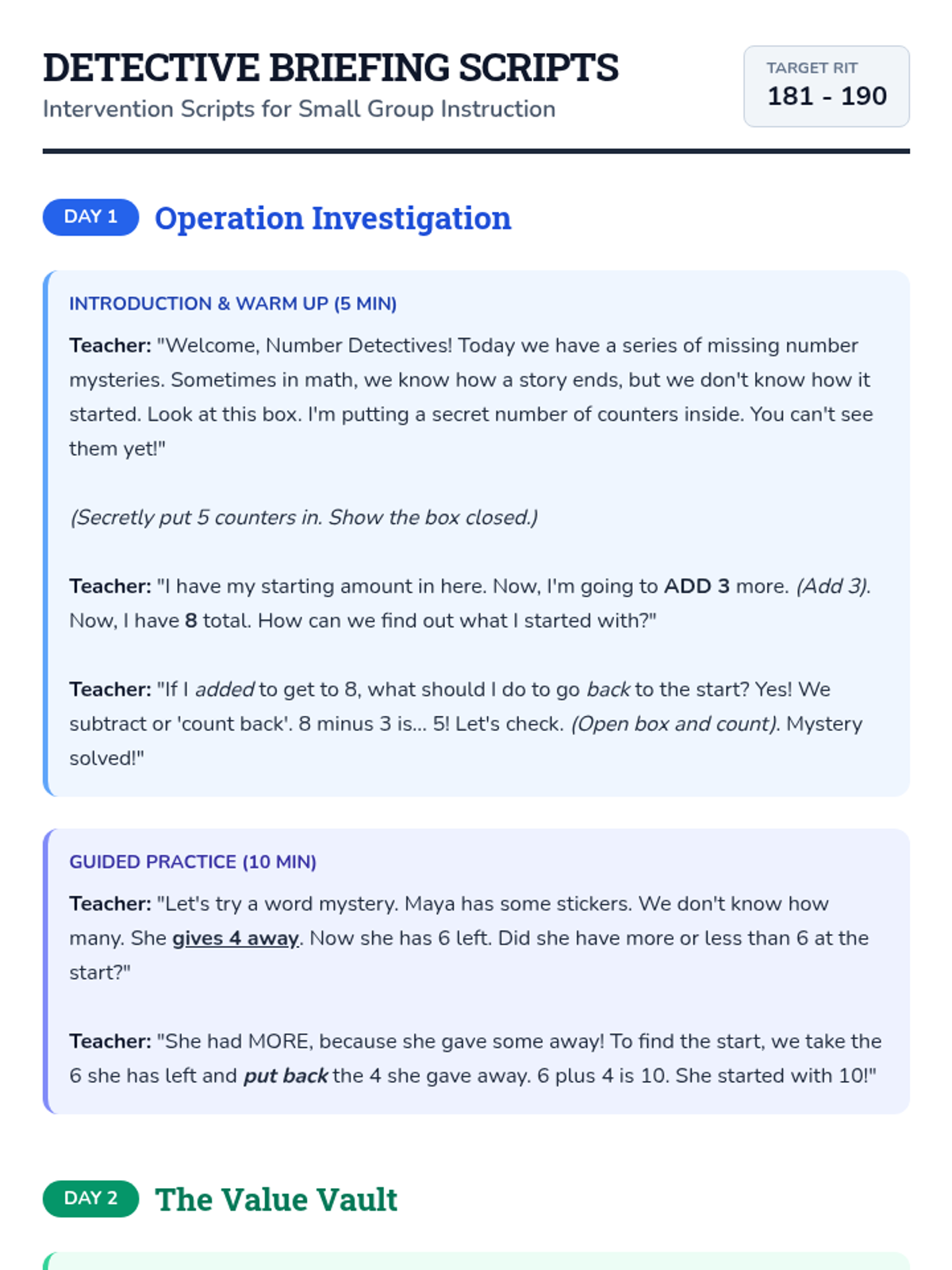
A targeted intervention sequence designed to move students from NWEA RIT 171-180 to 181-190, focusing on missing addends, subtraction, start-unknown word problems, place value, and monetary concepts.
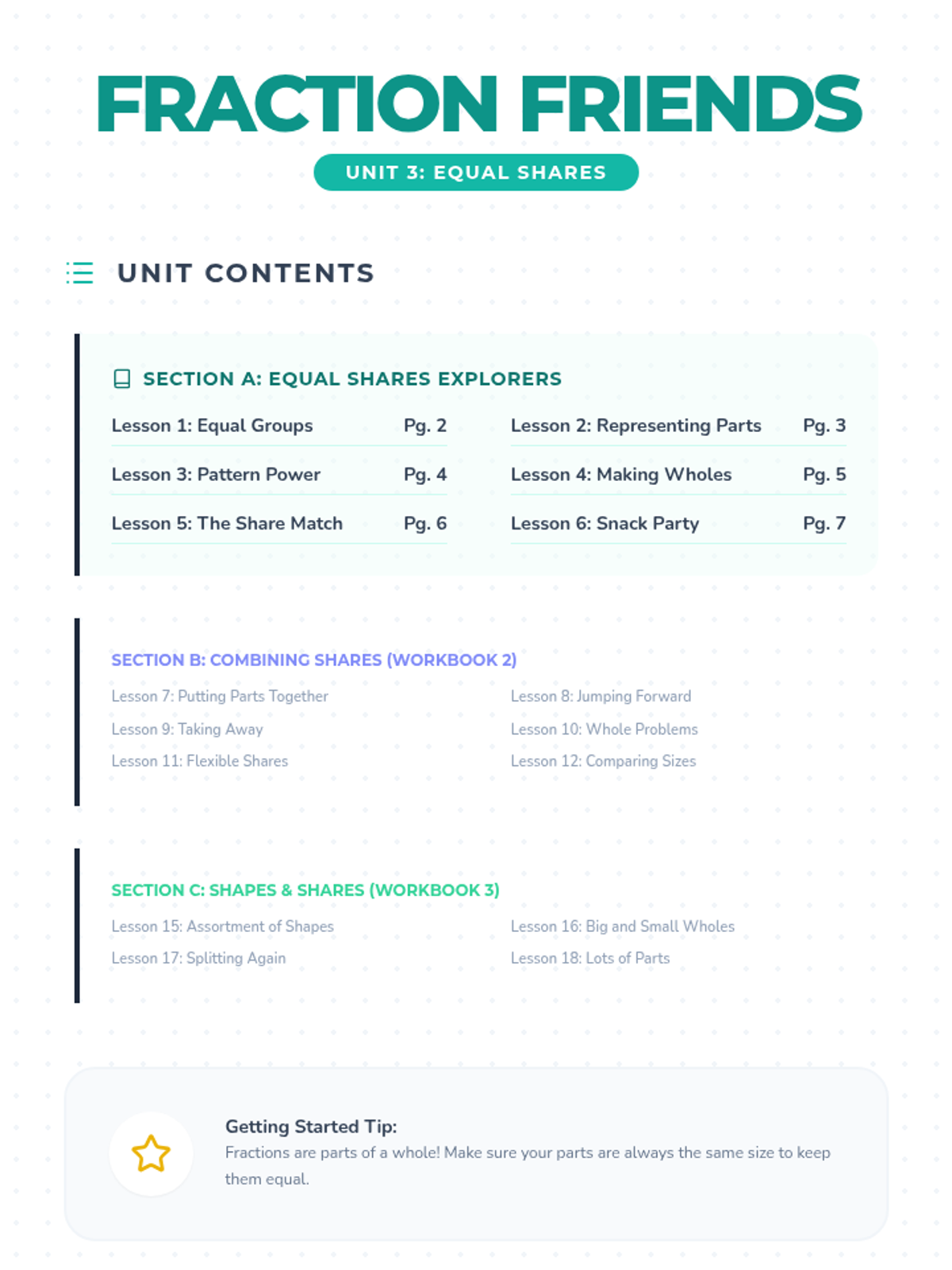
A unit introducing foundational fraction concepts to 2nd-grade students using partitioning, naming equal shares, and skip counting parts of a whole.
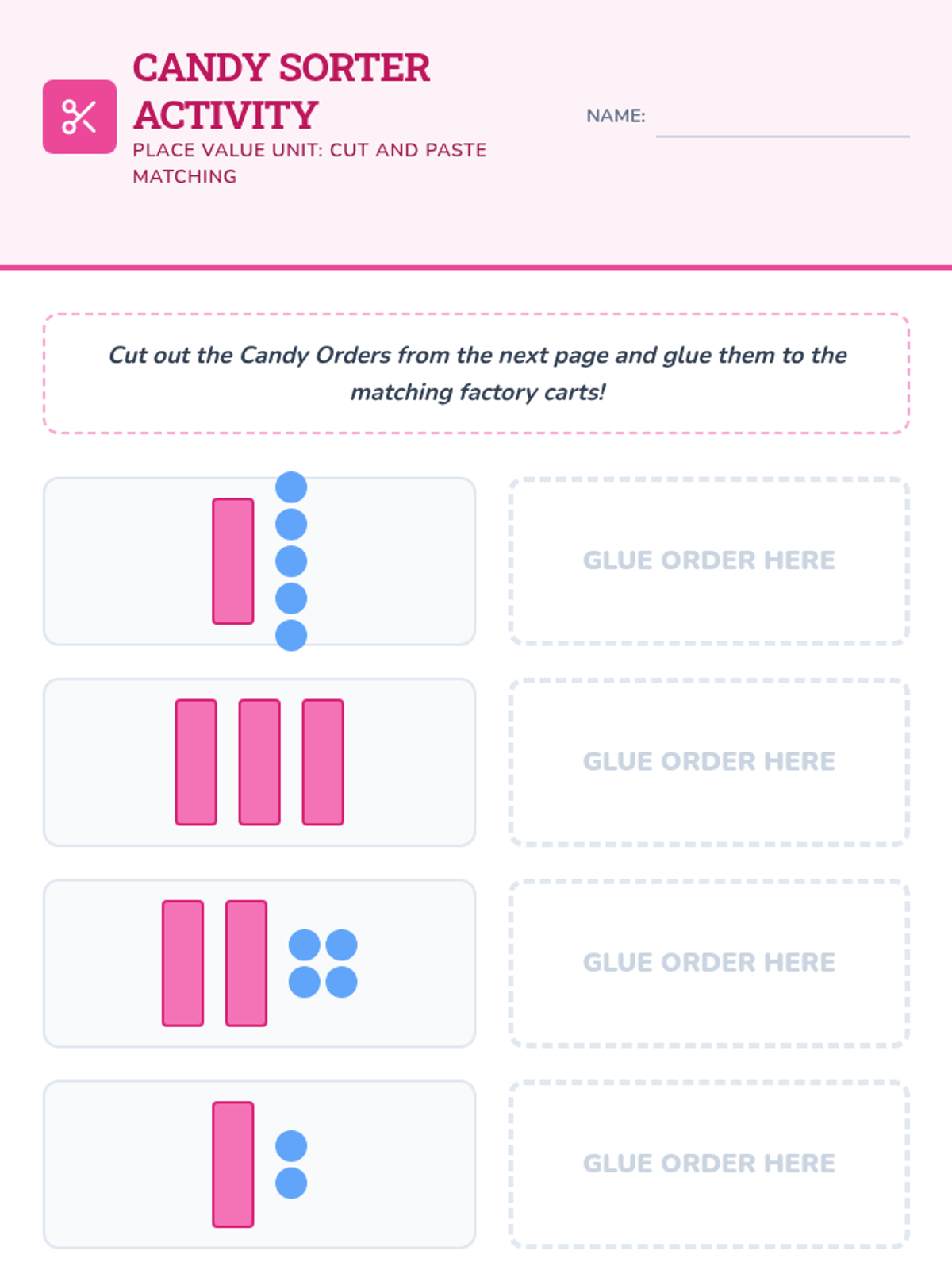
A comprehensive math unit focused on understanding place value for two-digit numbers, specifically designed for a multi-grade (1st-3rd) special education setting. The unit uses a 'Construction Site' theme to help students visualize building numbers with bundles of ten and individual ones.
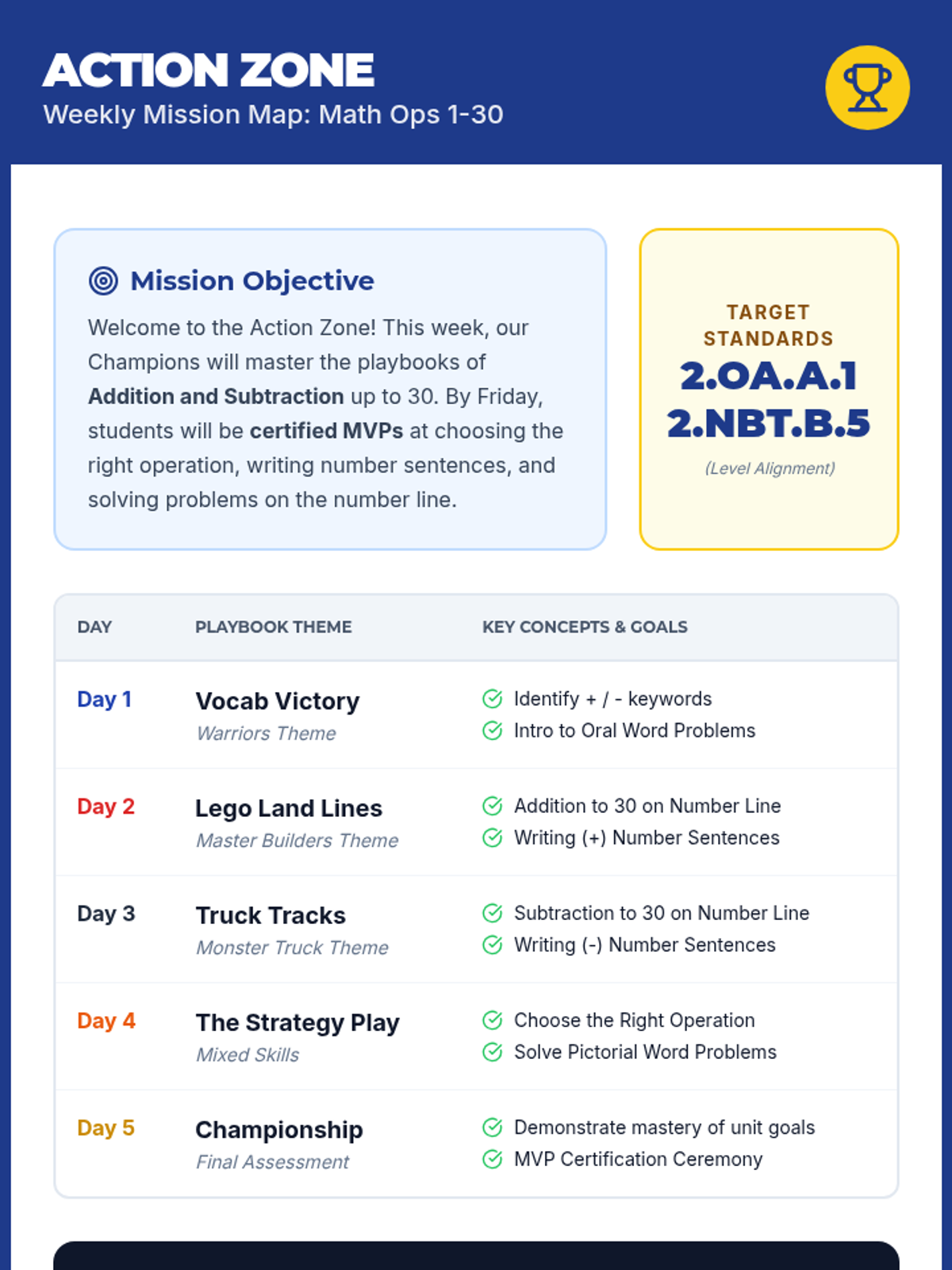
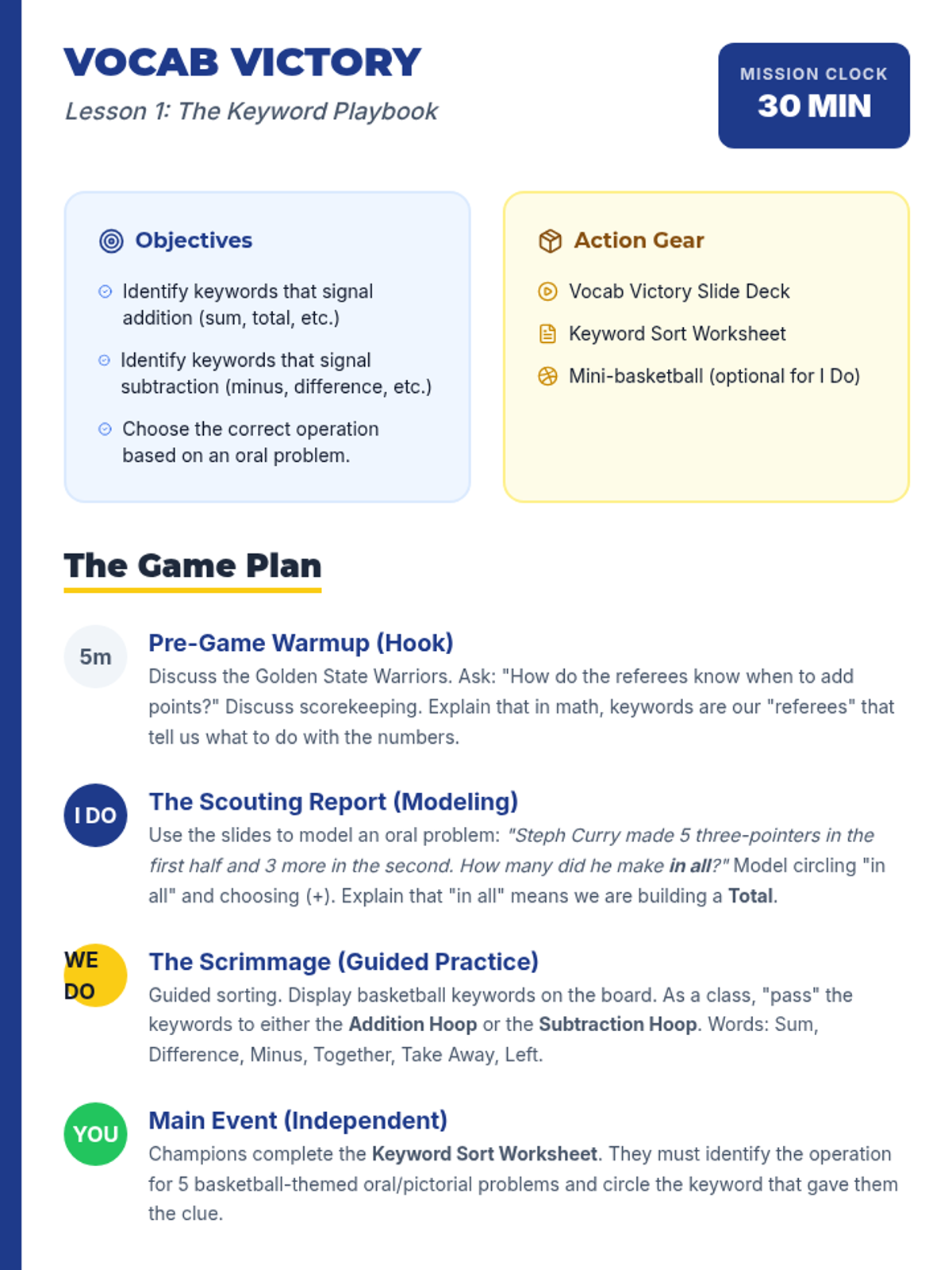
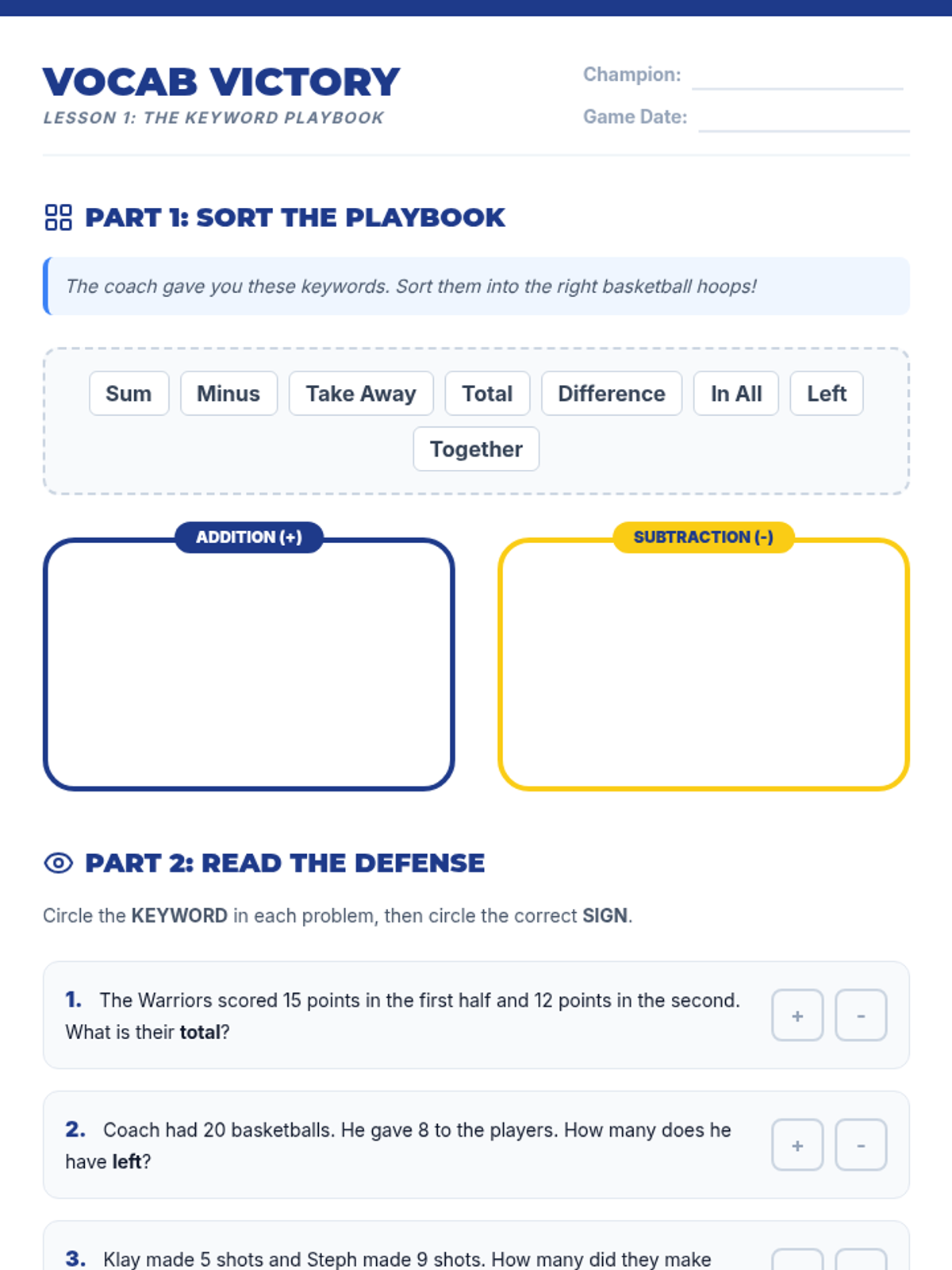
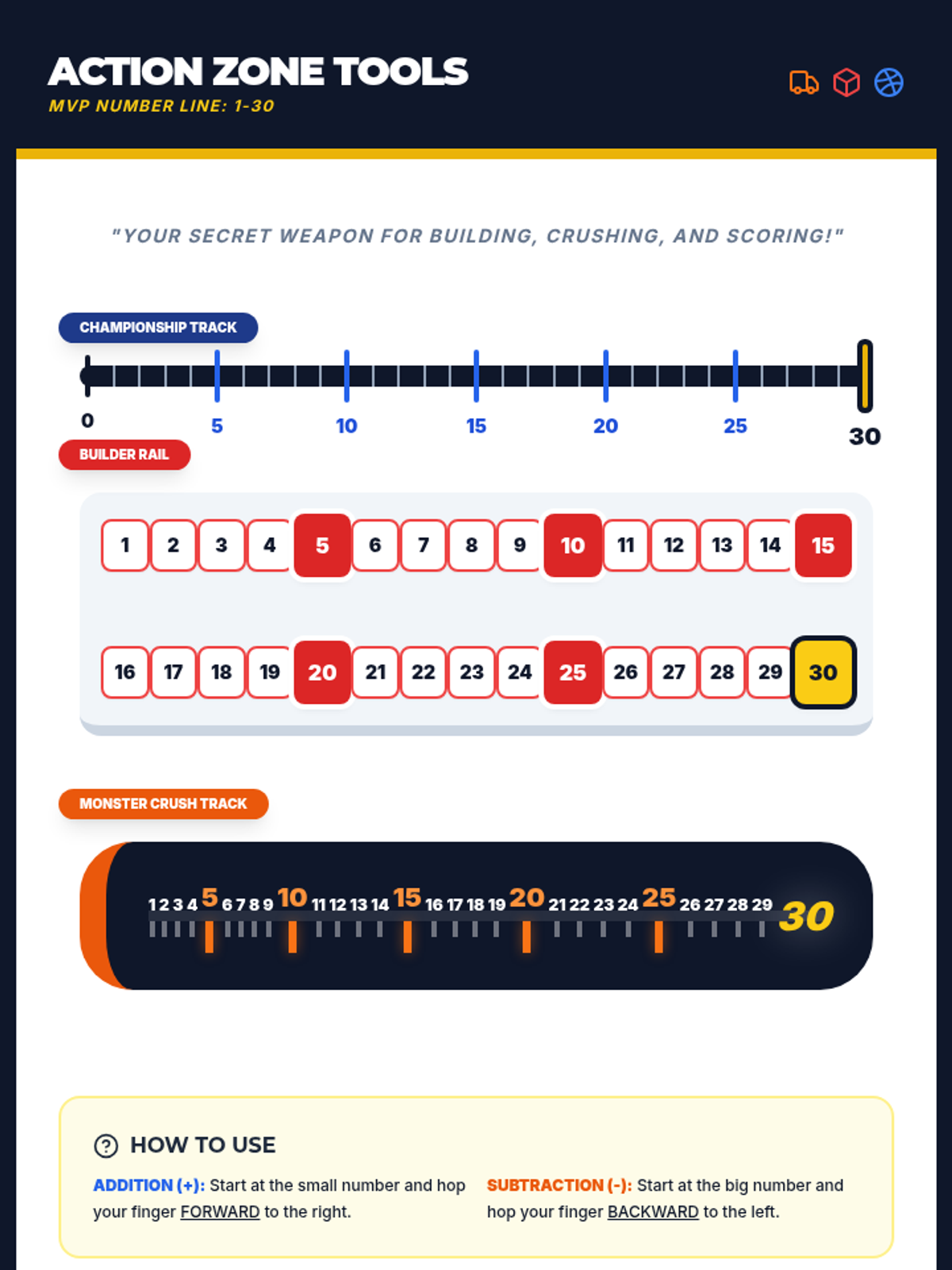
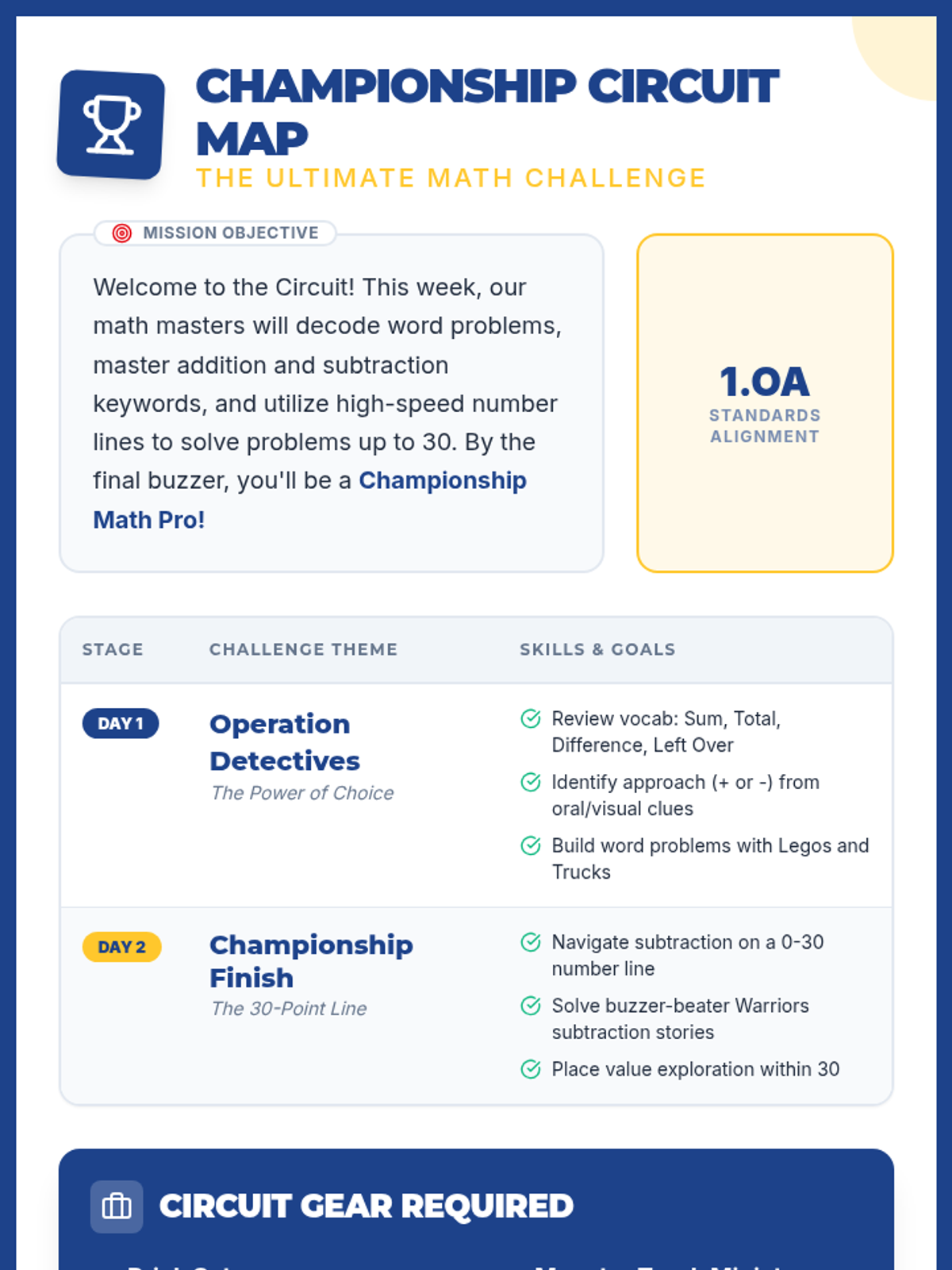
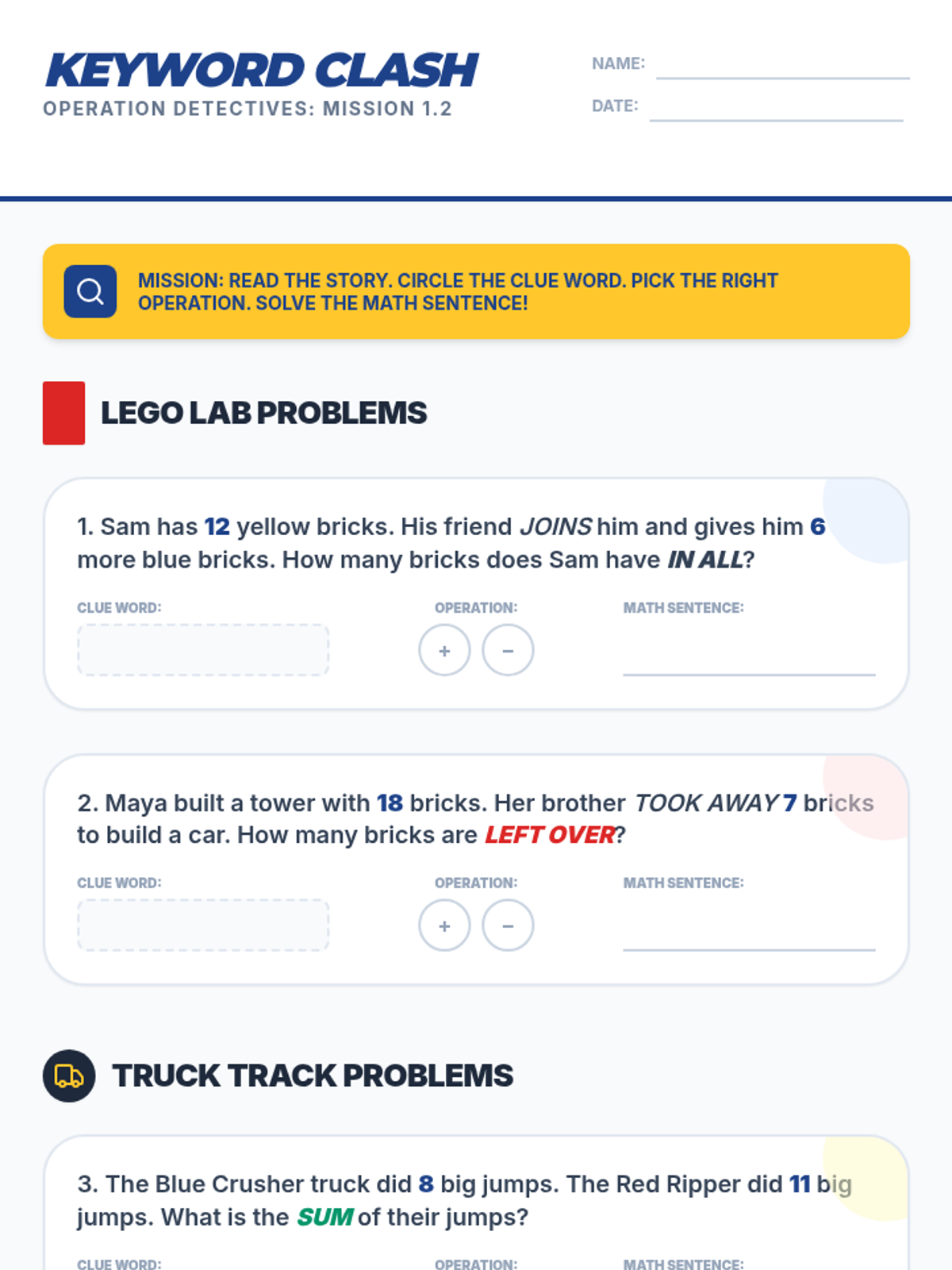
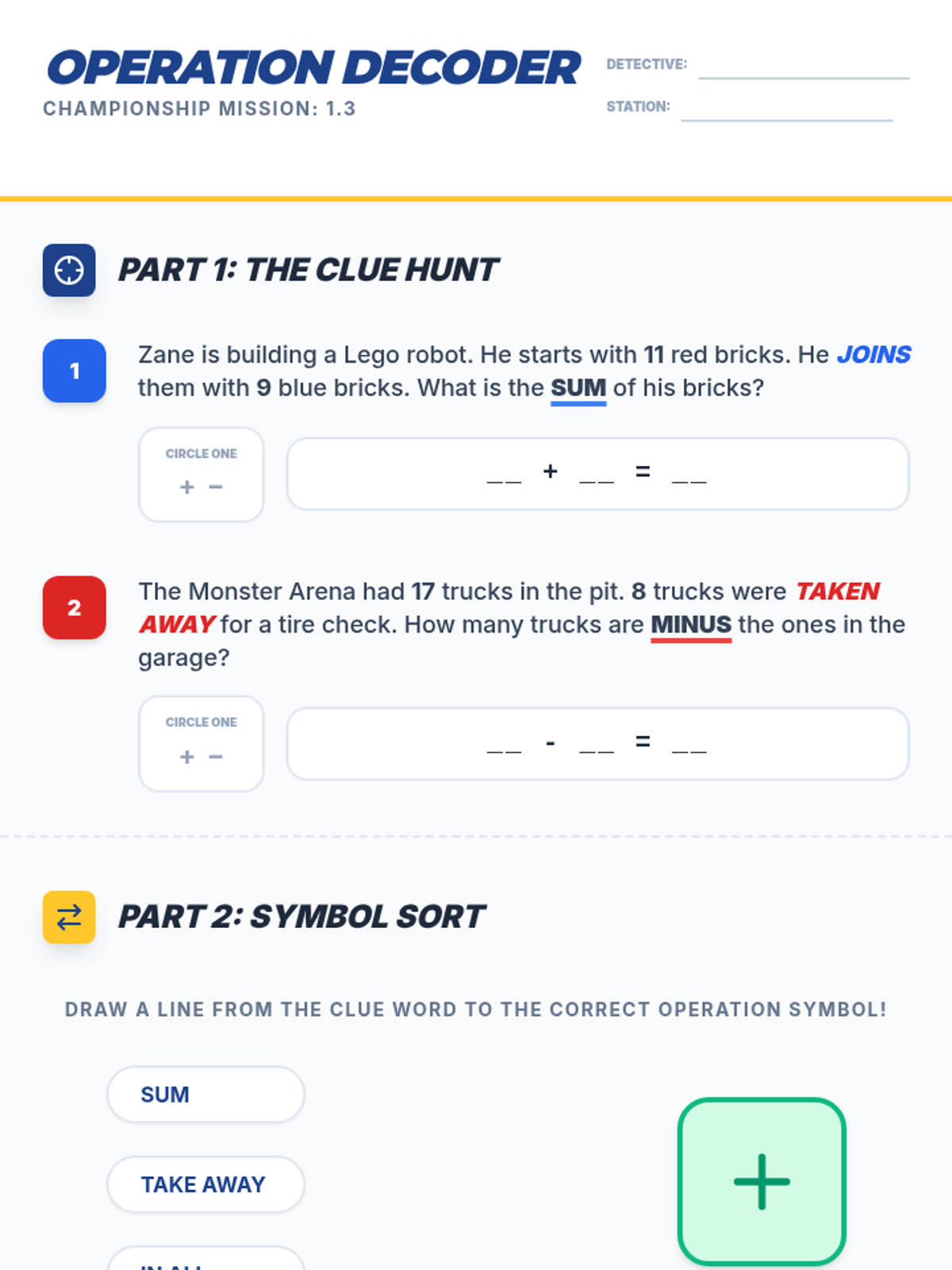
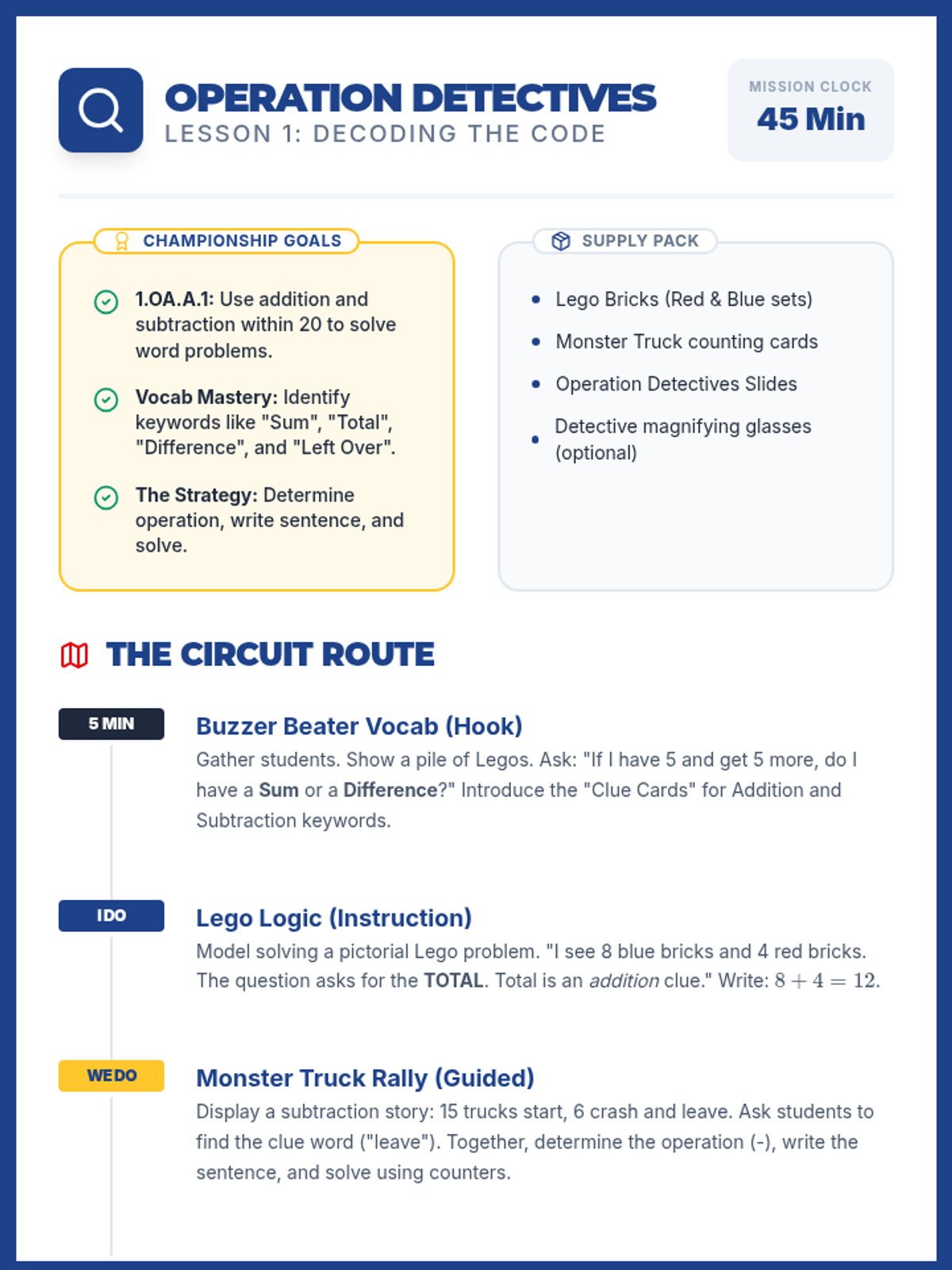
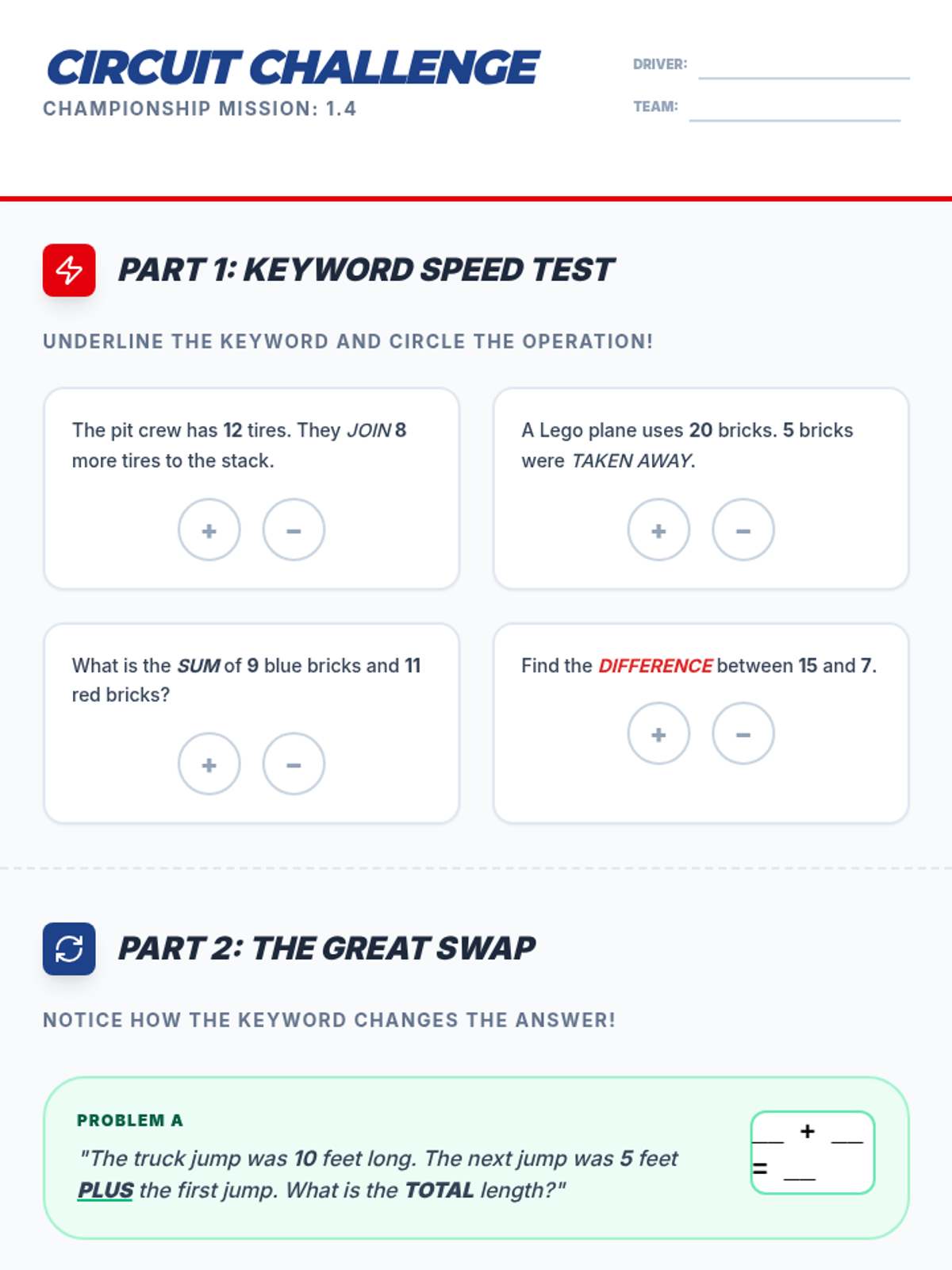
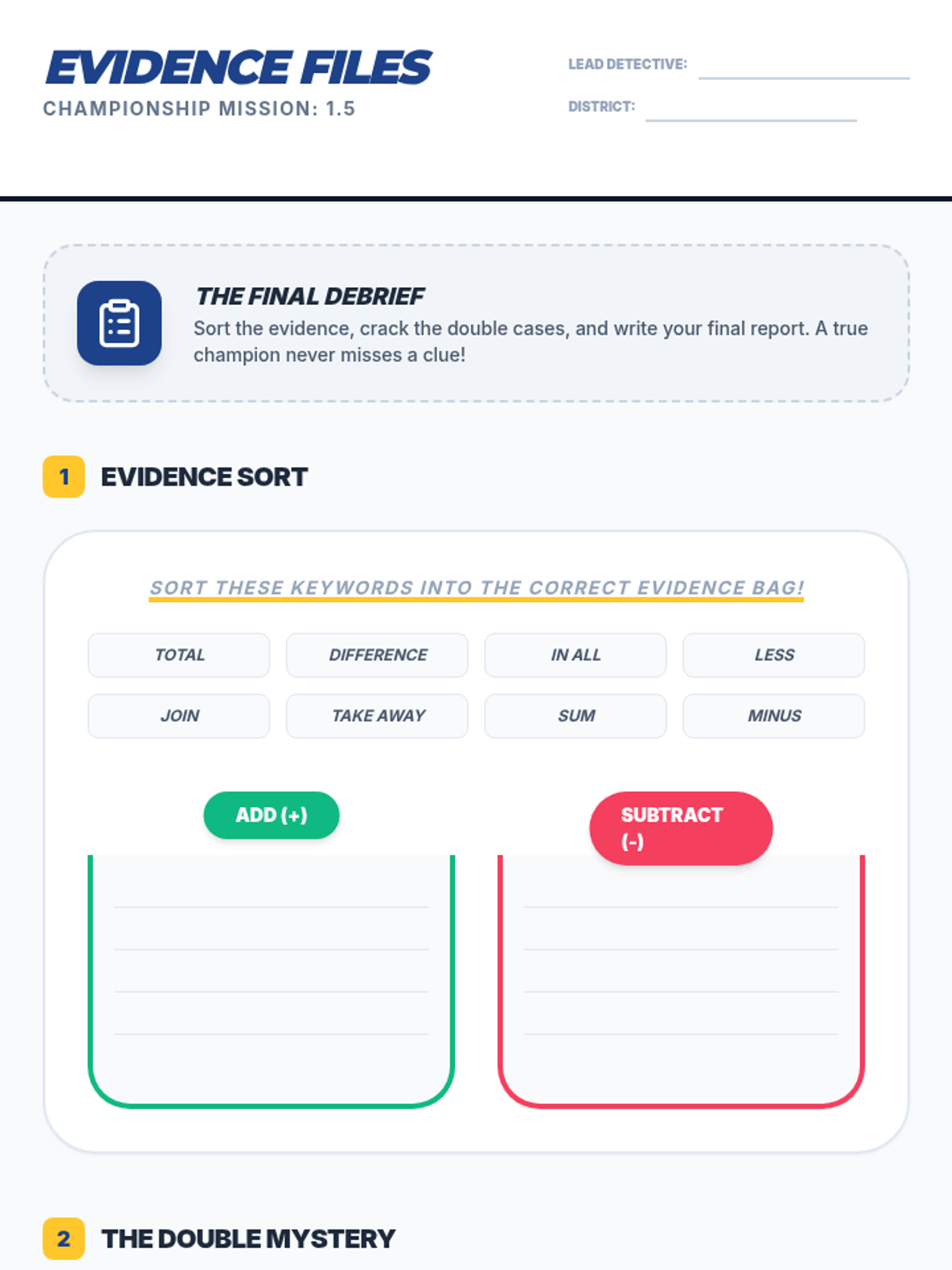
A 5-day math sequence for 3rd and 4th grade students working at a 2nd-grade level. The unit focuses on addition and subtraction up to 30 using number lines and keyword strategies, themed around Legos, monster trucks, and the Golden State Warriors.
A math unit focusing on operations, algebraic thinking, and number sense up to 30, themed around Legos, Monster Trucks, and the Golden State Warriors. Students learn to decode word problems, choose the correct operation, and utilize number lines for subtraction.
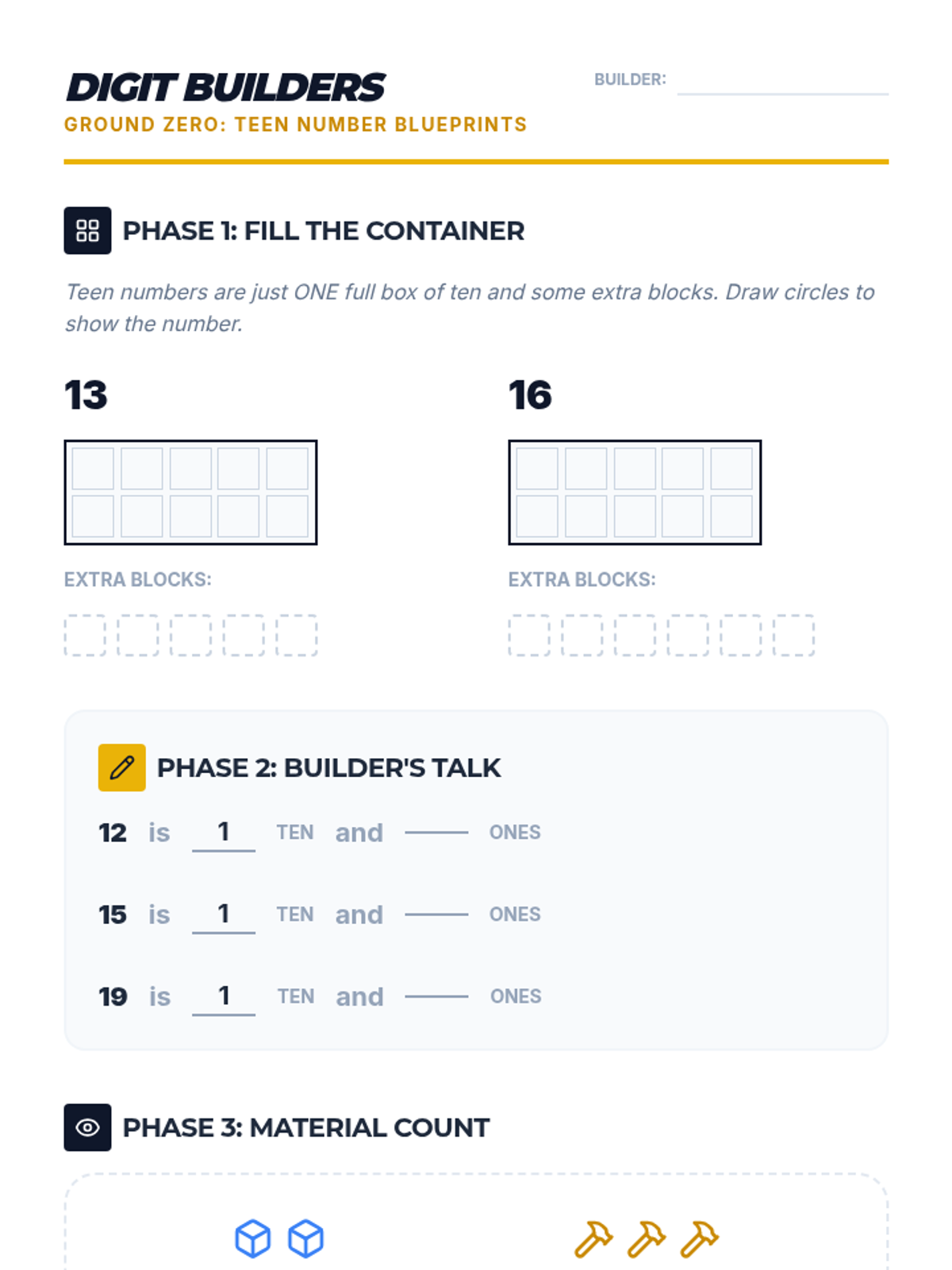
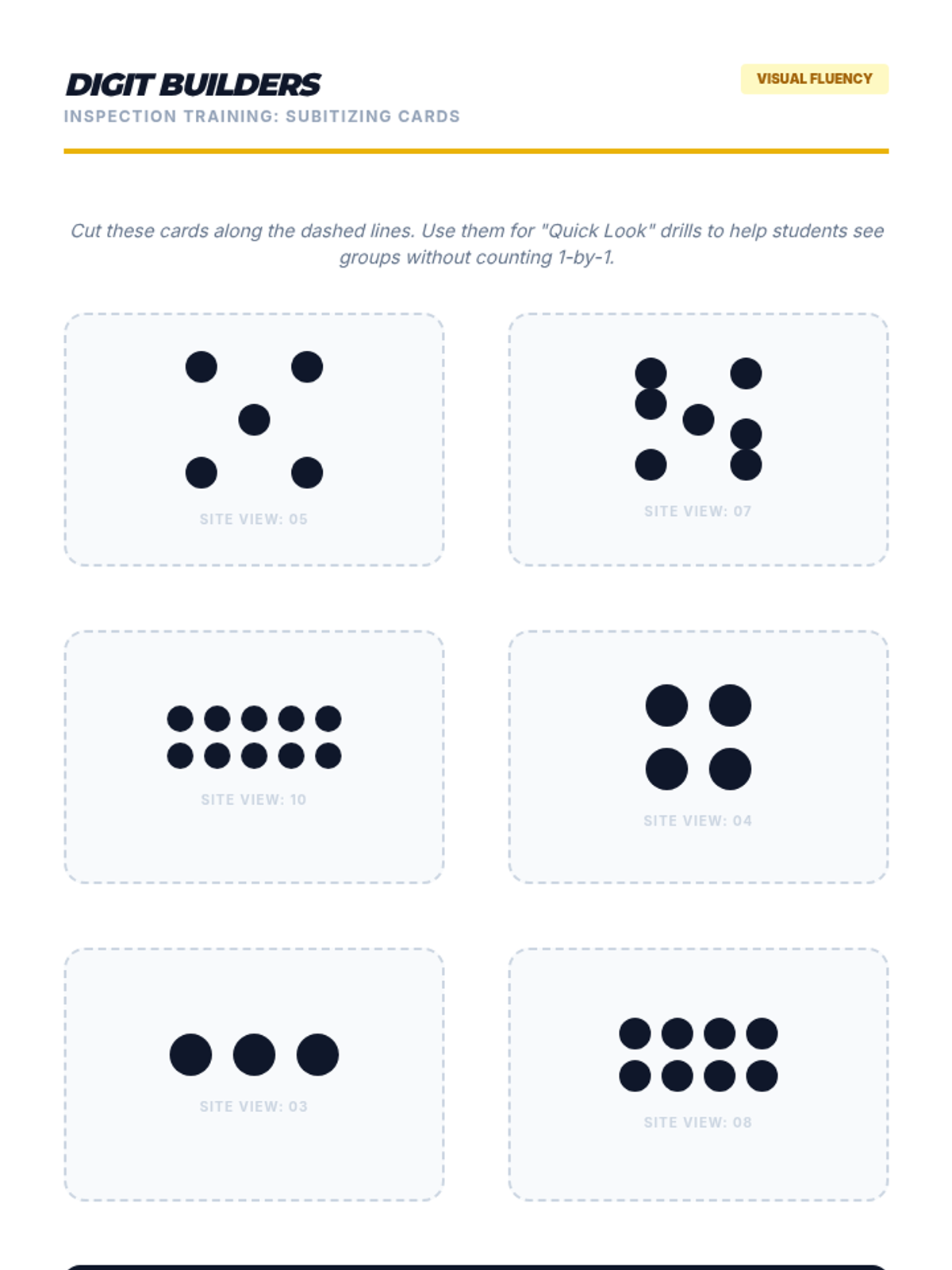
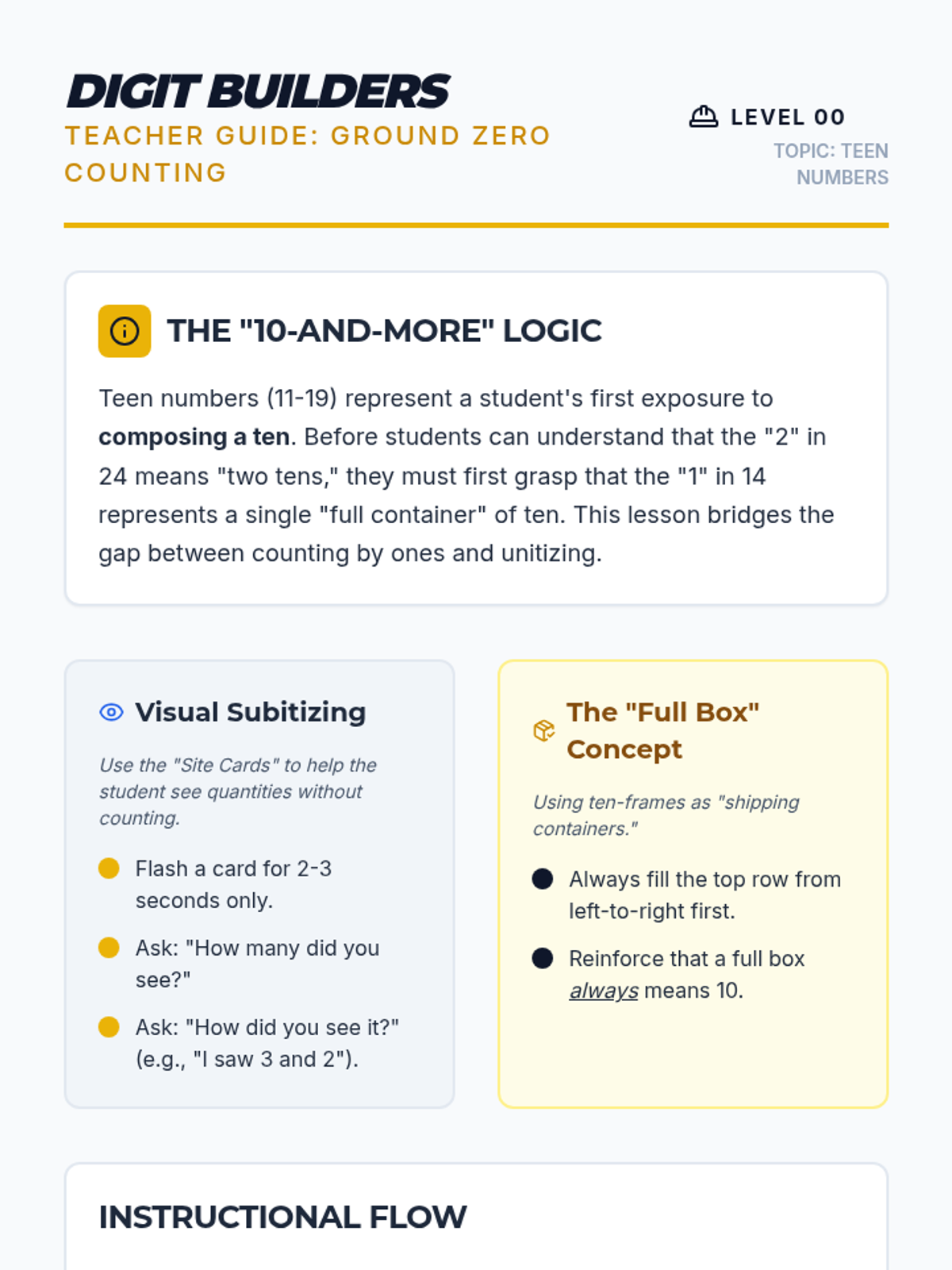
A foundational unit on place value that spirals from teen numbers up to the hundreds place. Using a 'Digit Builders' architectural theme, students learn to construct, deconstruct, and compare 2-digit and 3-digit numbers, building a solid foundation for future math.
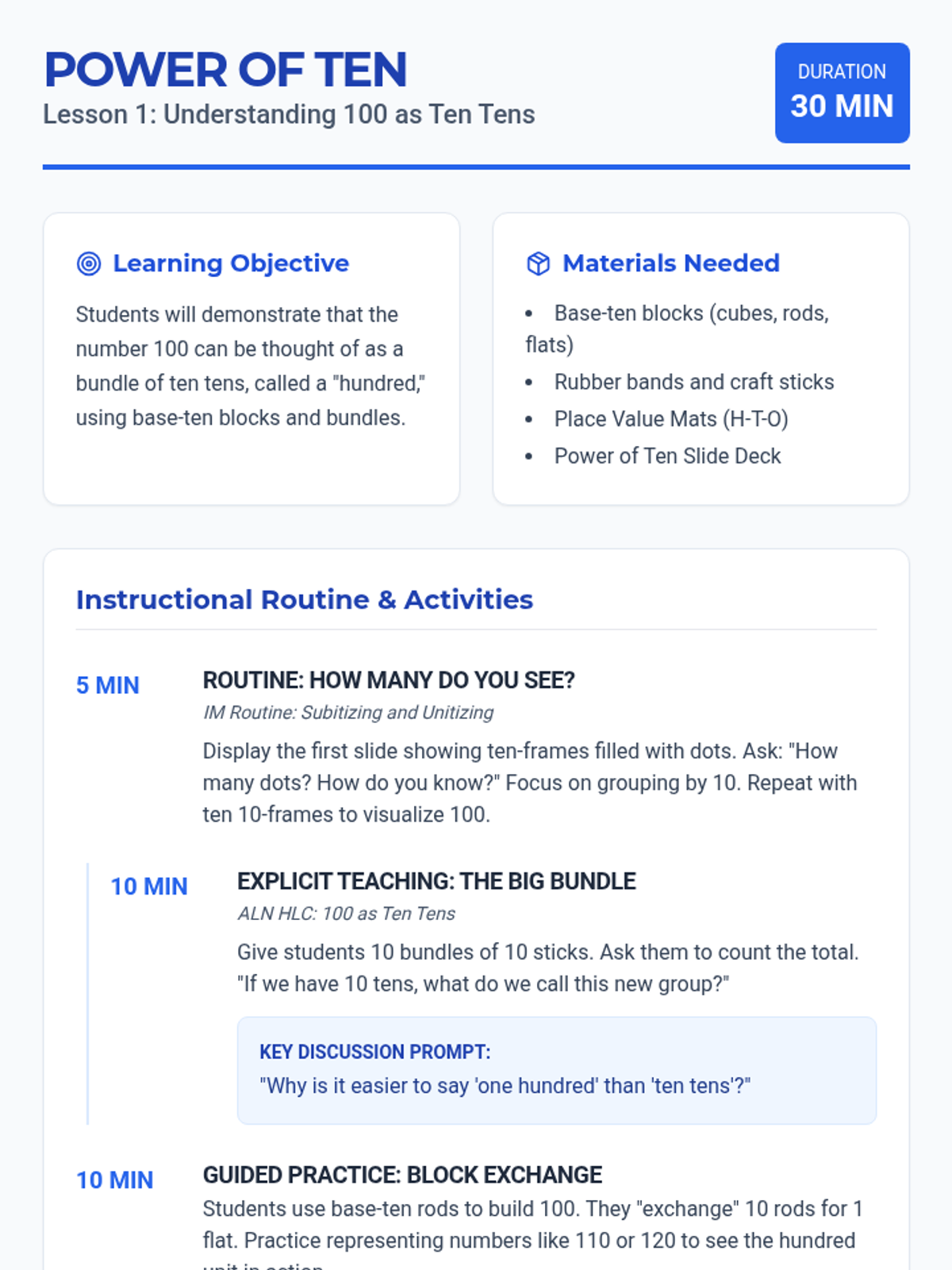
A comprehensive 12-lesson Tier 2 intervention sequence for second grade, focusing on place value and addition/subtraction strategies (2.NBT.A and 2.NBT.B). Each lesson follows a 30-minute structure using ALN High Leverage Concepts and IM-inspired instructional routines.
A comprehensive week-long math unit focused on identifying coin values and performing addition and subtraction of money up to $20 using a calculator in real-world contexts.