Fundamental concepts of emotional intelligence, stress reduction, and relaxation exercises. Develops skills for healthy relationships, digital balance, and resilience while establishing pathways for help-seeking and support systems.
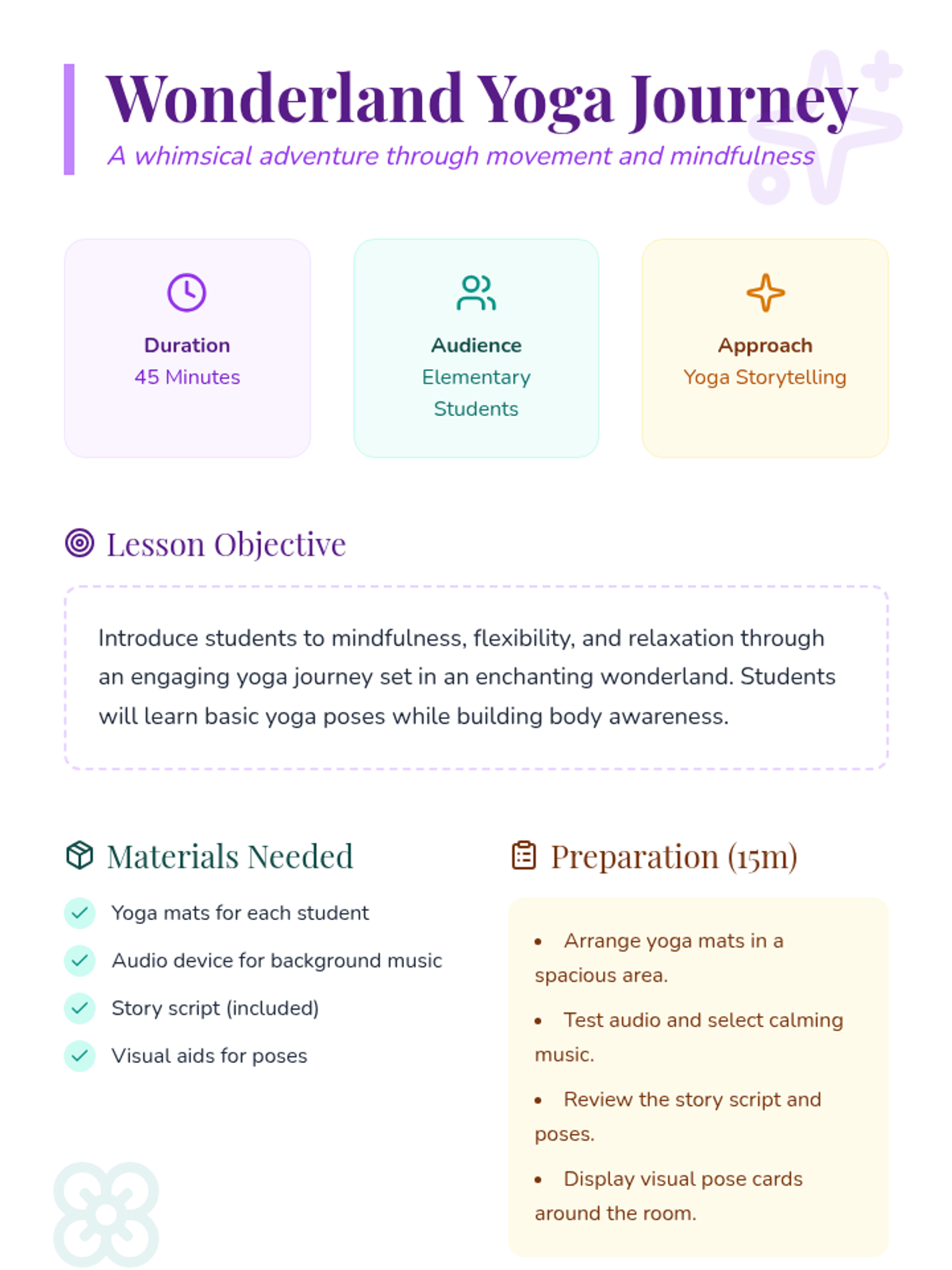
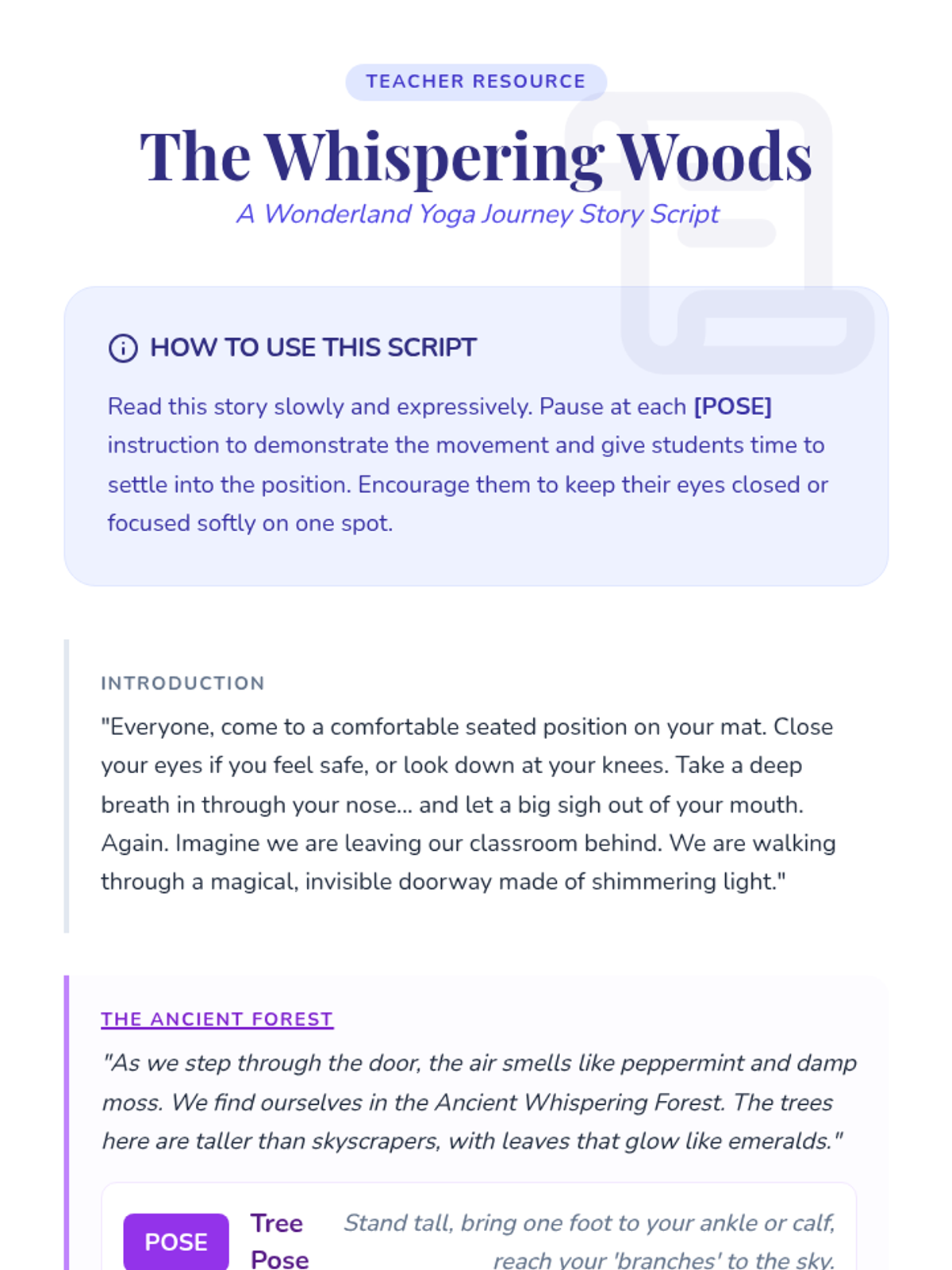
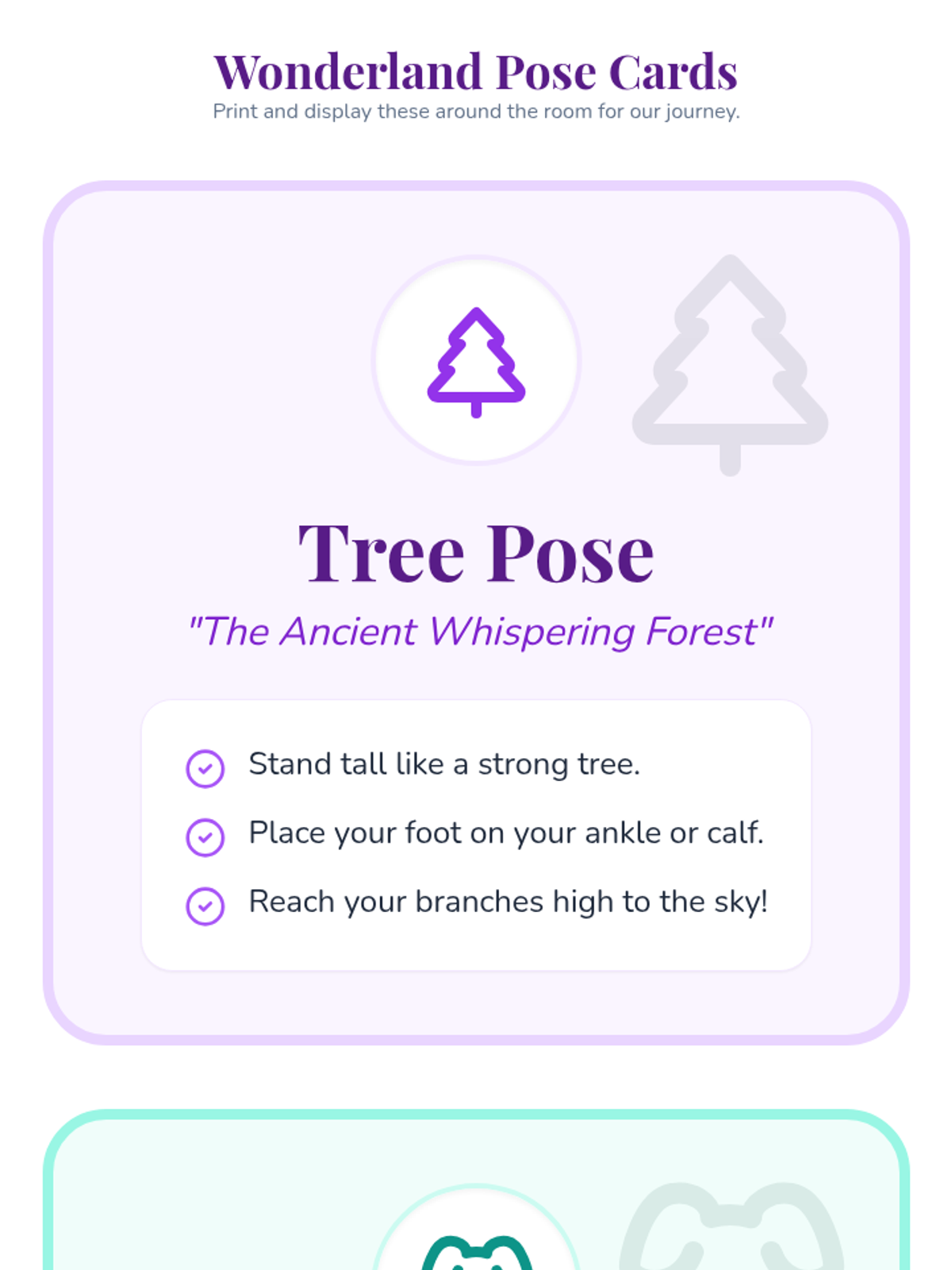
An enchanting yoga adventure that combines storytelling with mindfulness and physical activity. Students explore a whimsical wonderland through yoga poses, fostering flexibility and relaxation.
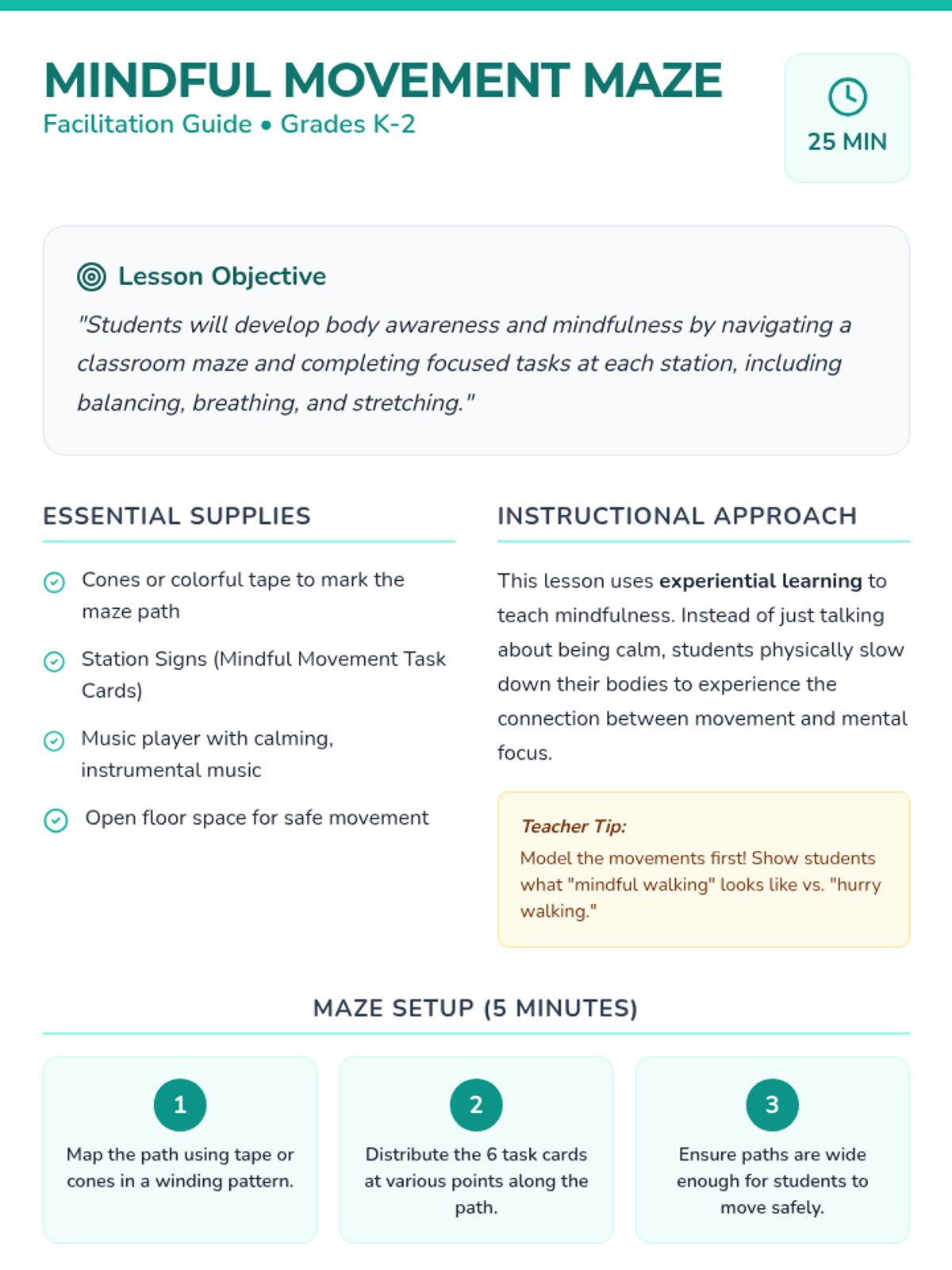
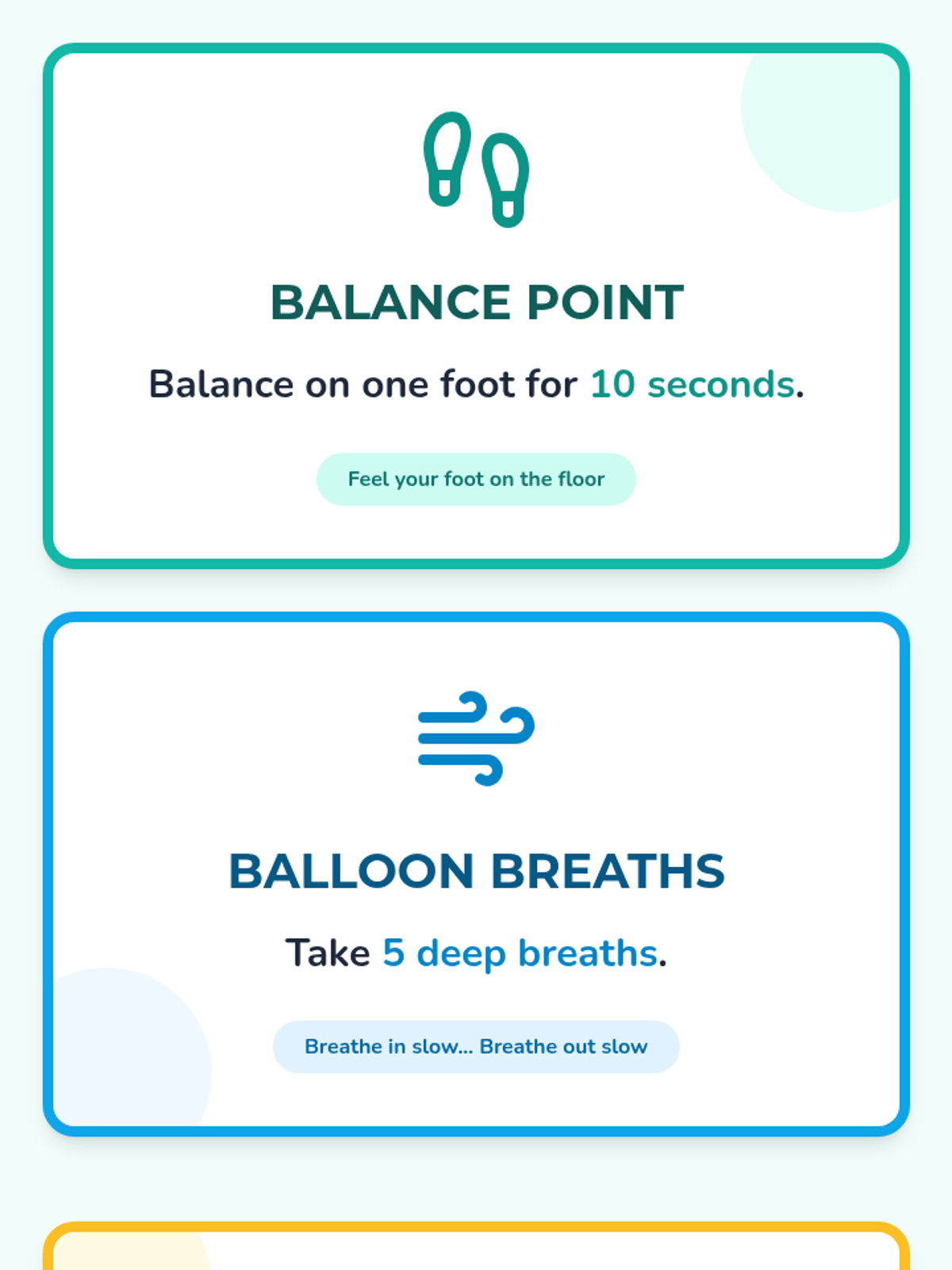
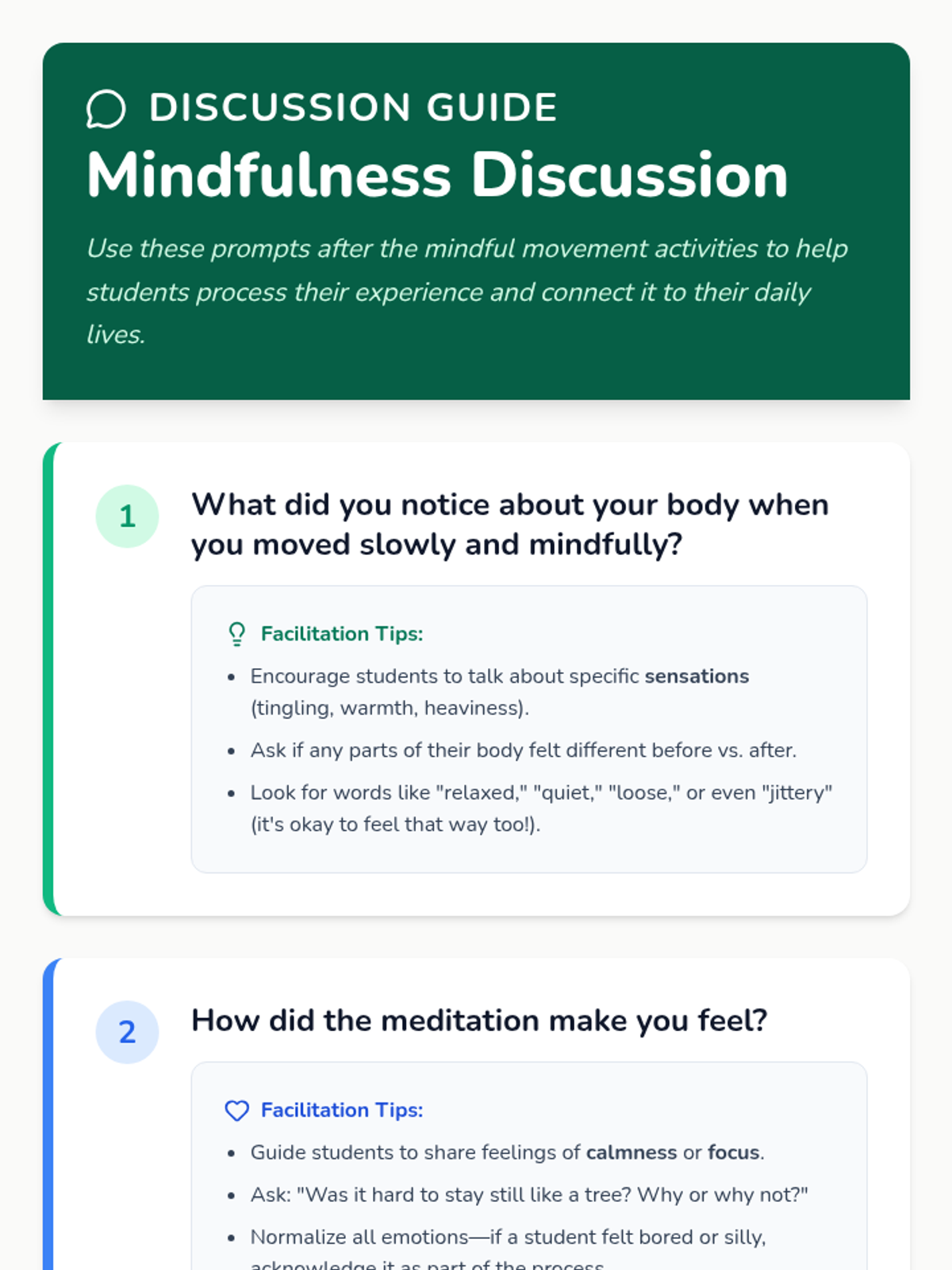
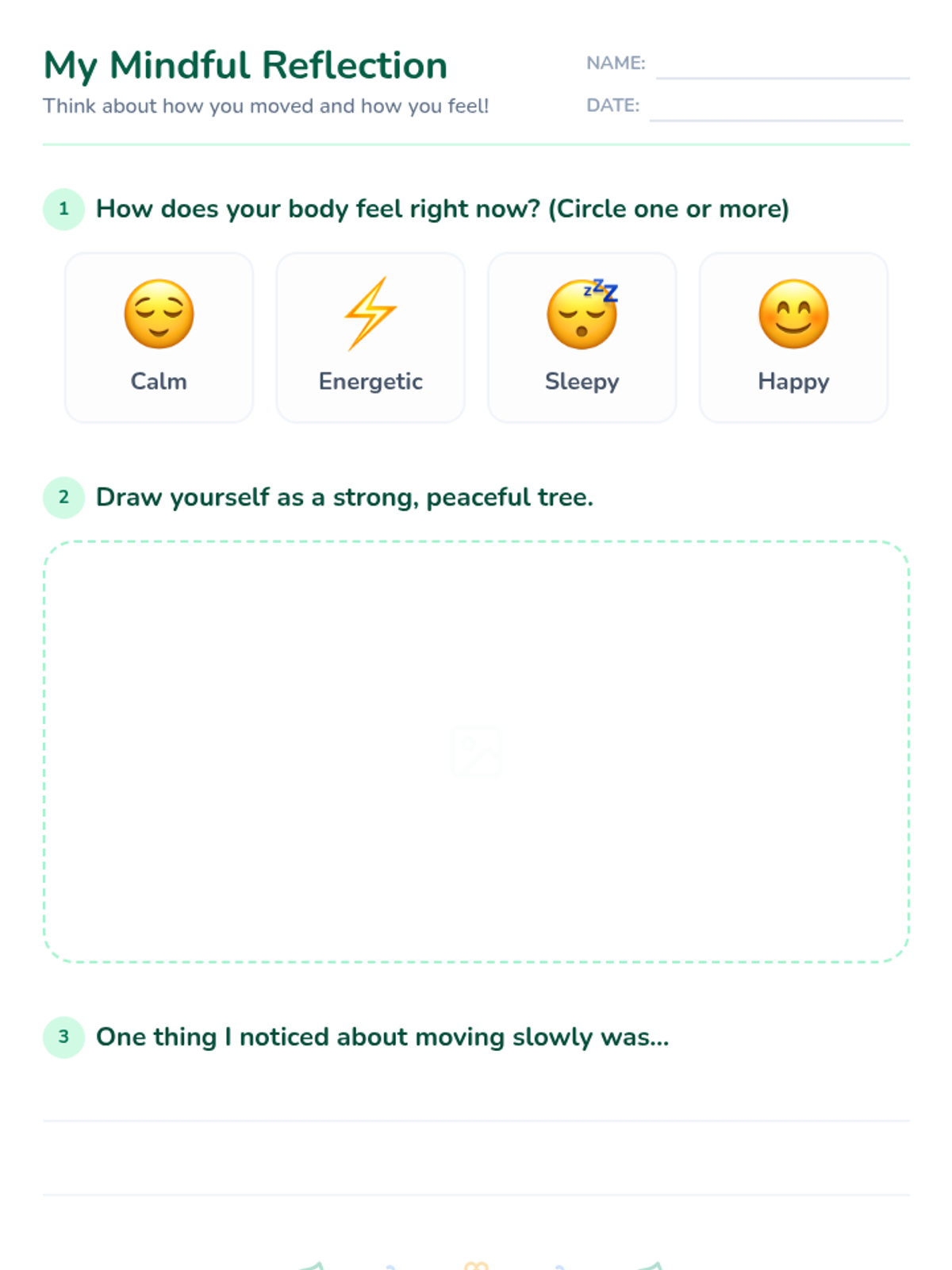
A physical activity lesson for K-2 students that uses a classroom maze to practice mindfulness, balance, and breathing. Students develop body awareness through gentle movement stations in a calming environment.
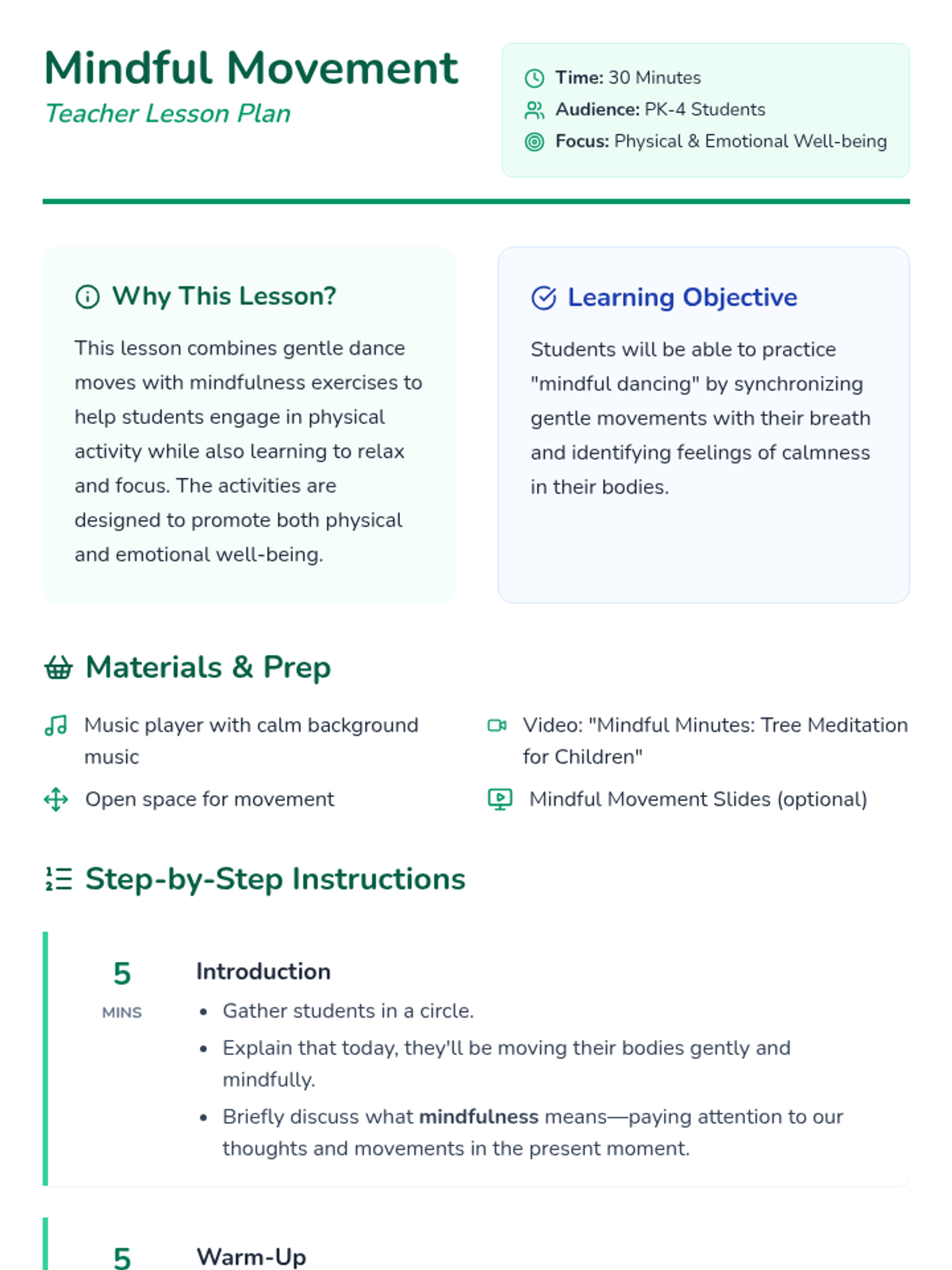
A lesson combining gentle dance and mindfulness to help PK-4 students improve focus, physical coordination, and emotional well-being.
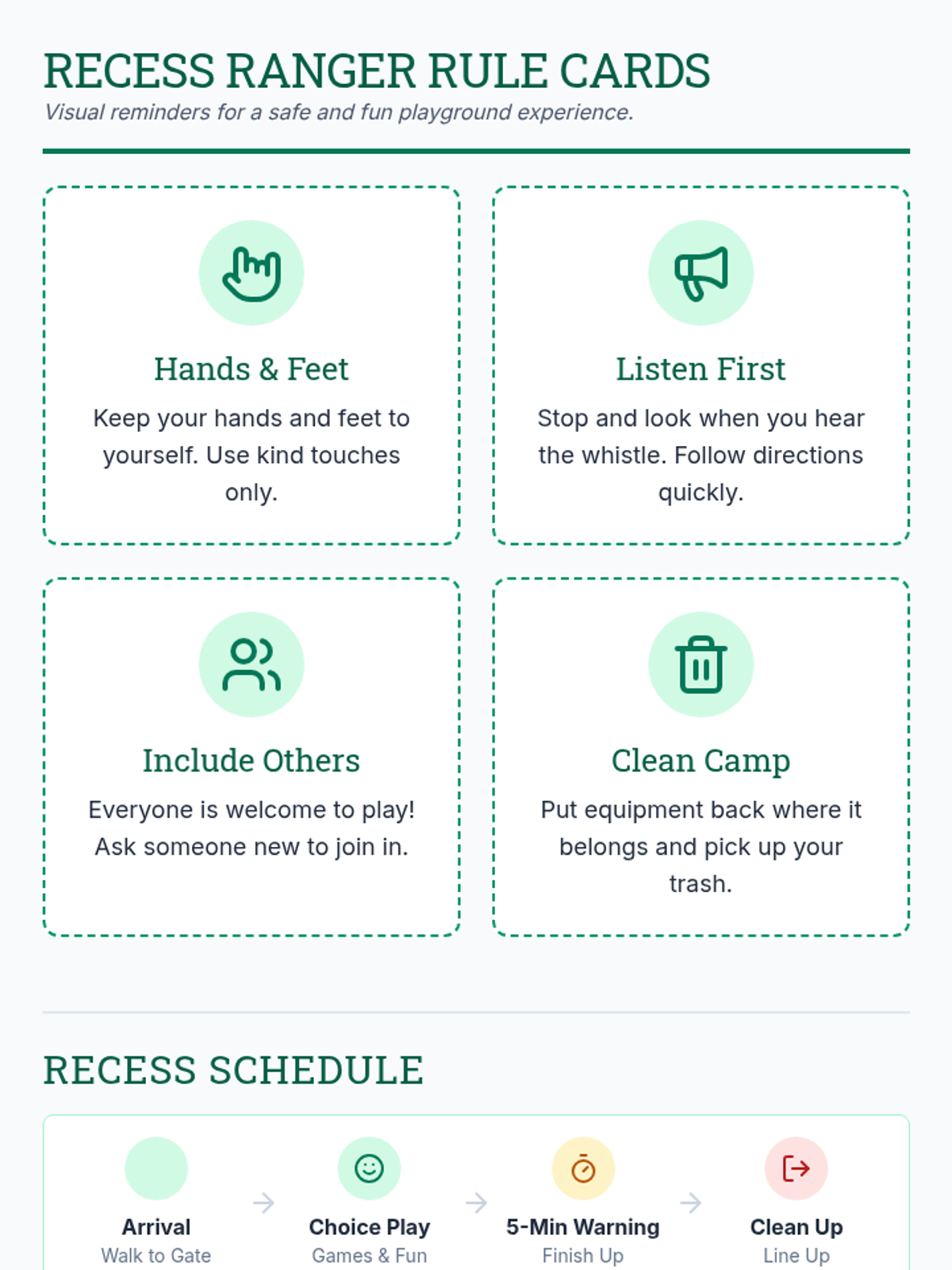
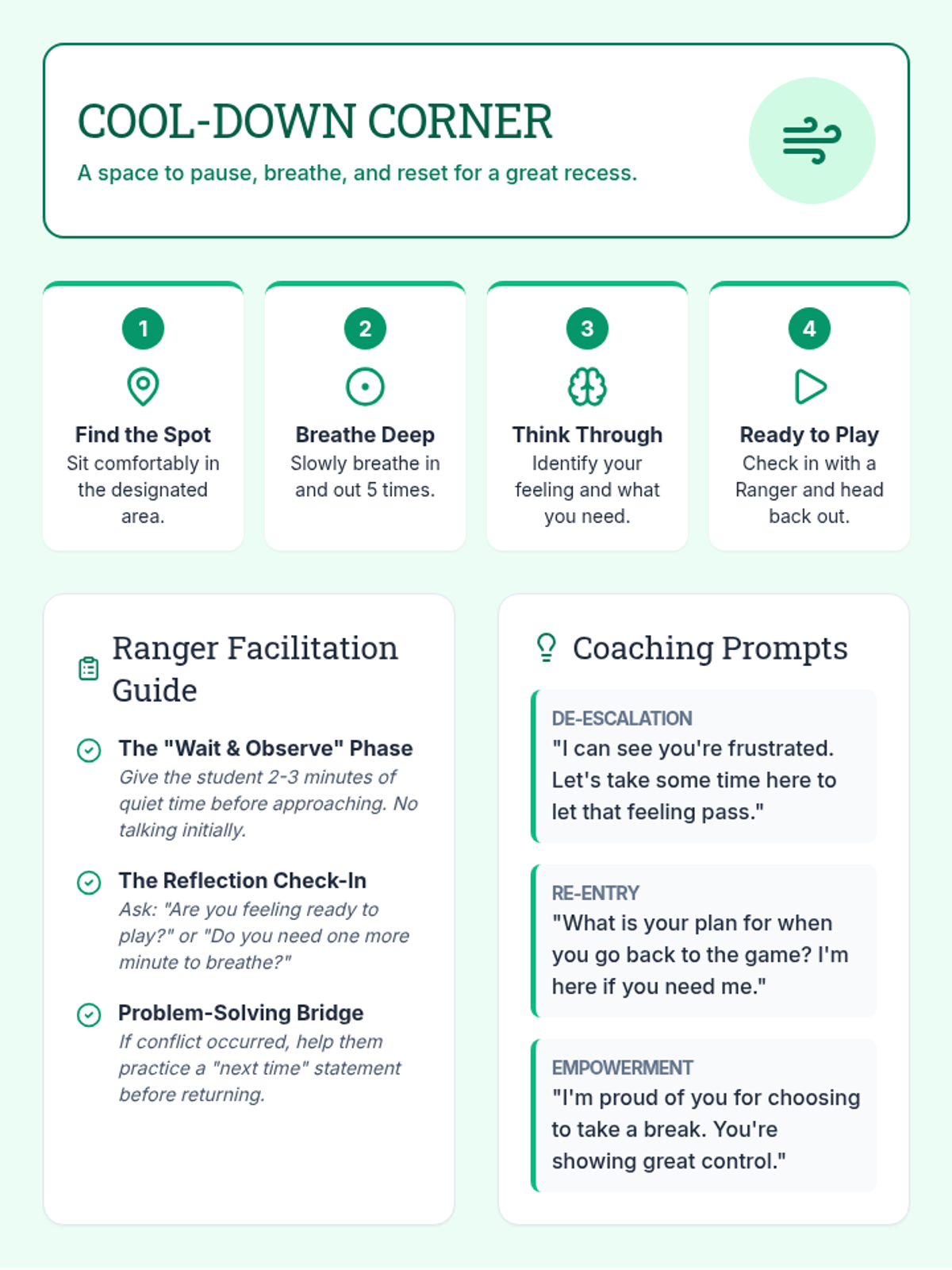
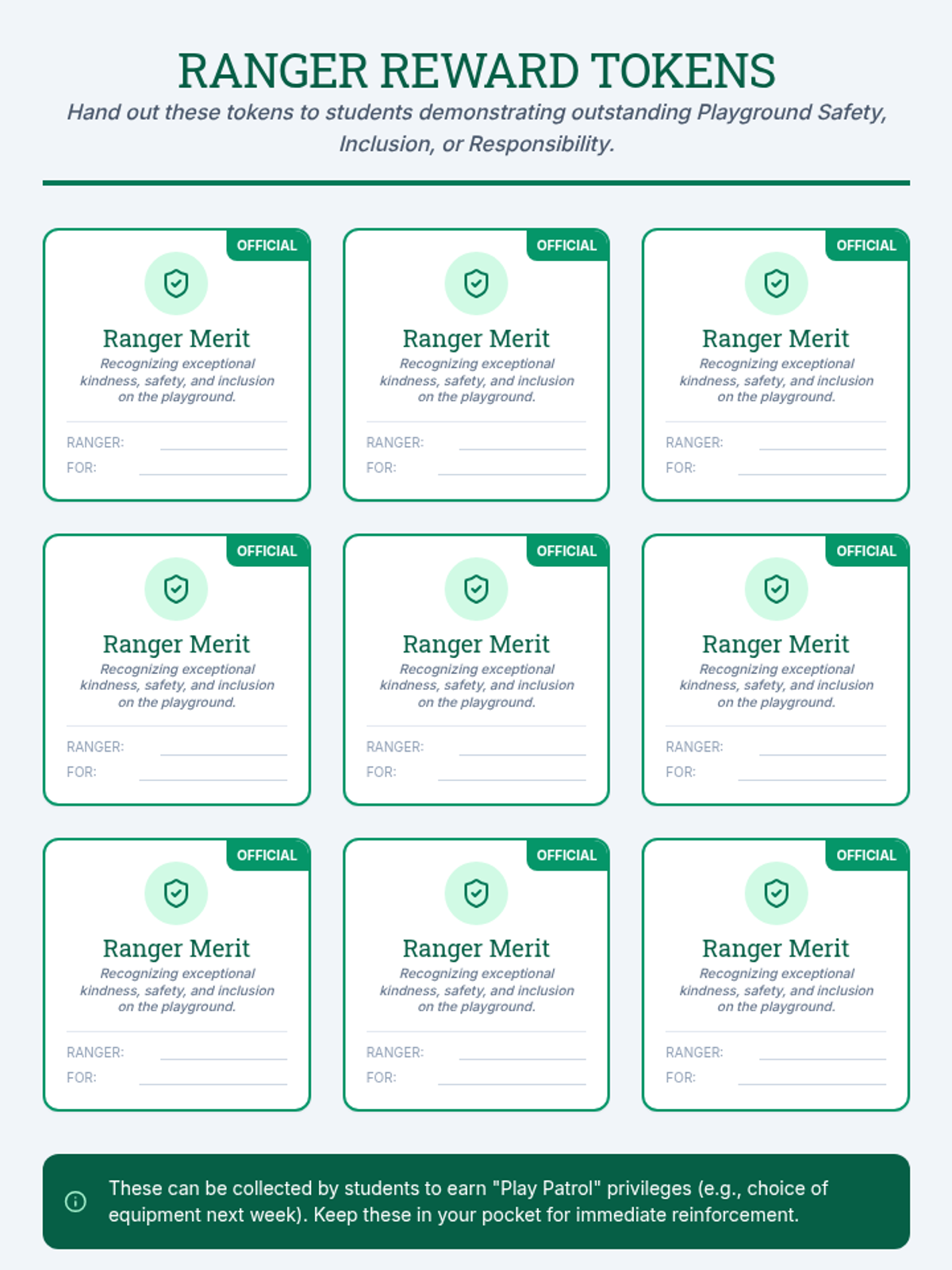
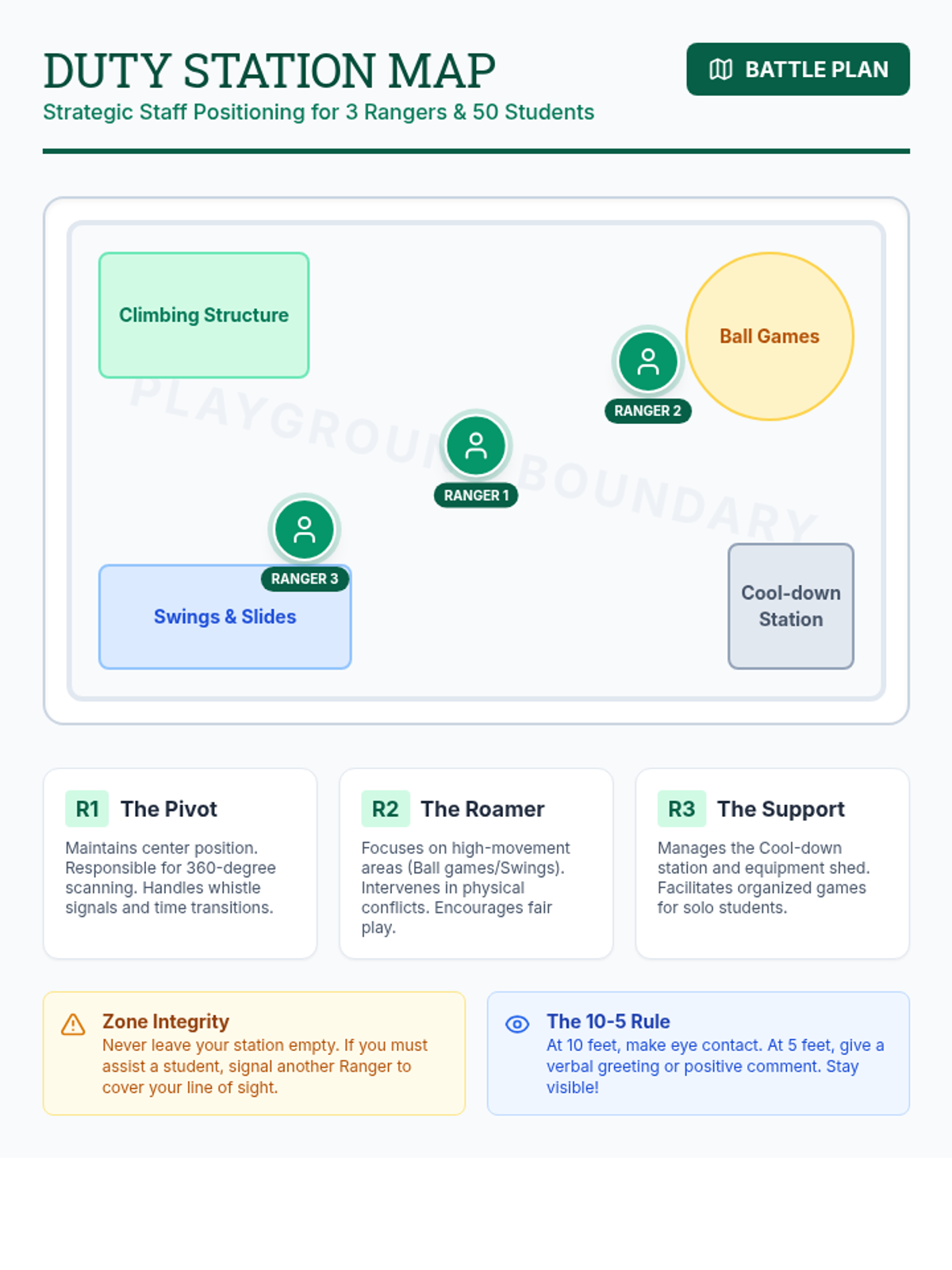
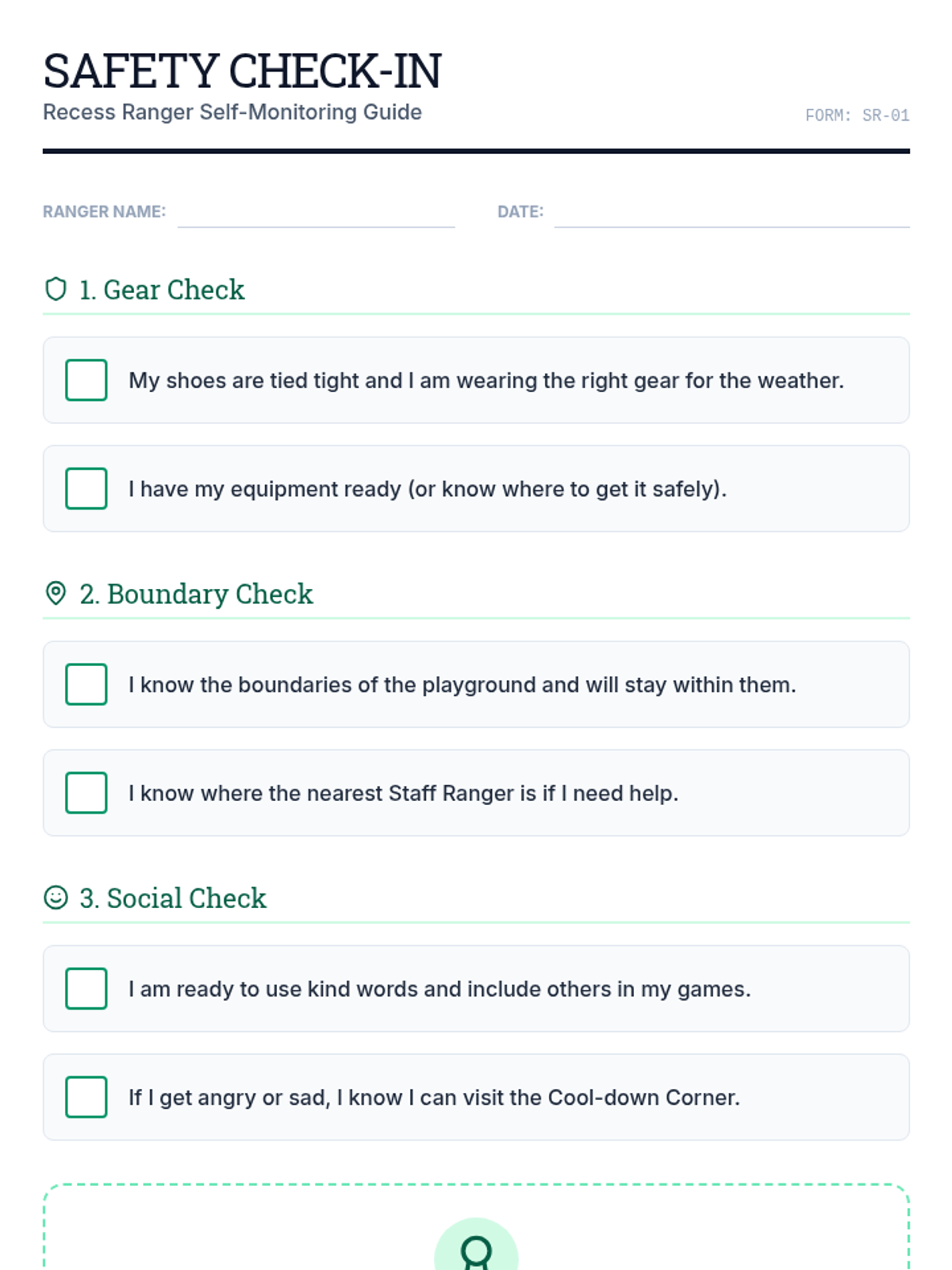
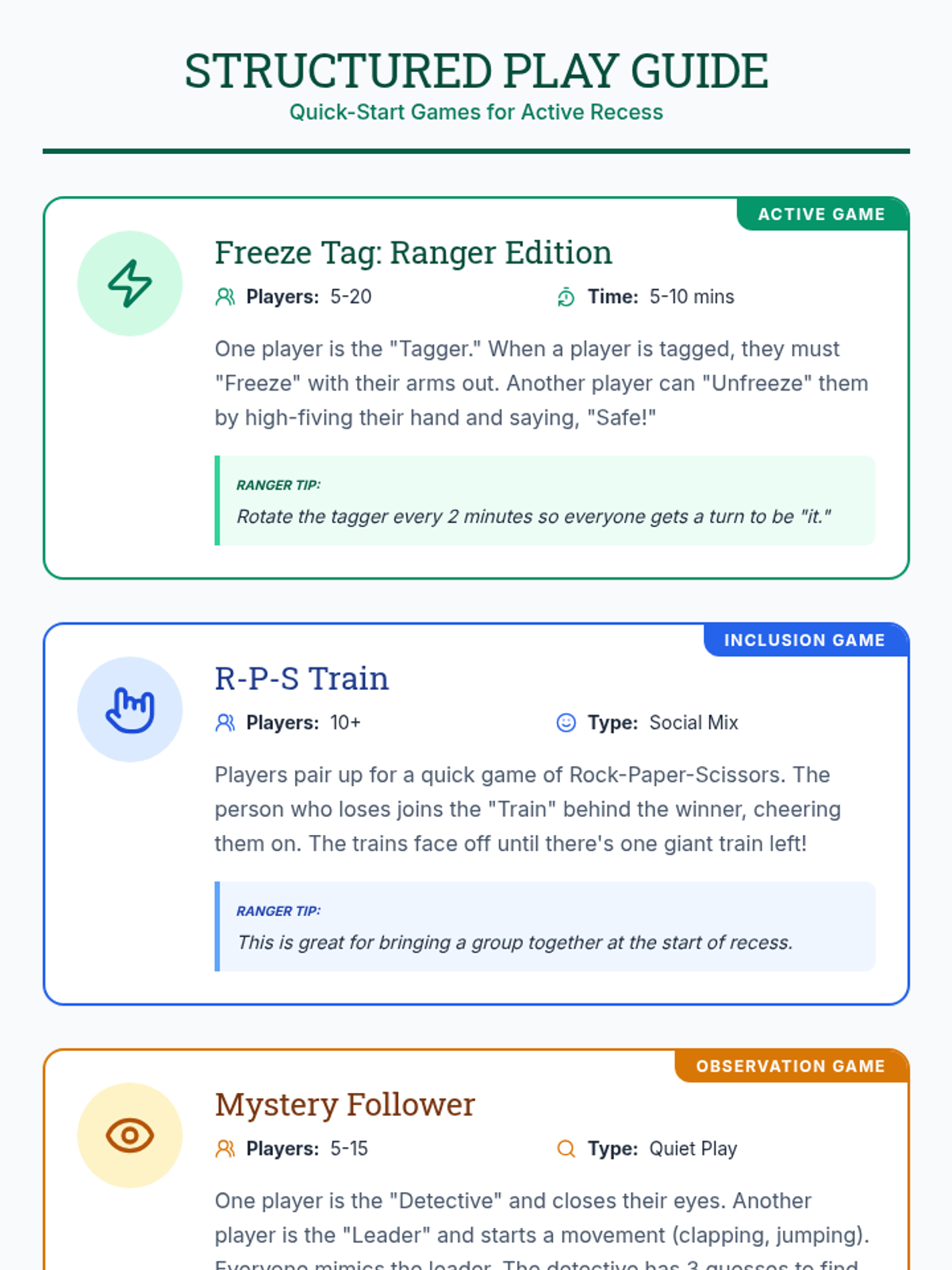
A comprehensive management system for outdoor recess, designed for 3 staff members overseeing 50 students. Includes visual supports, safety protocols, and structured play guides.
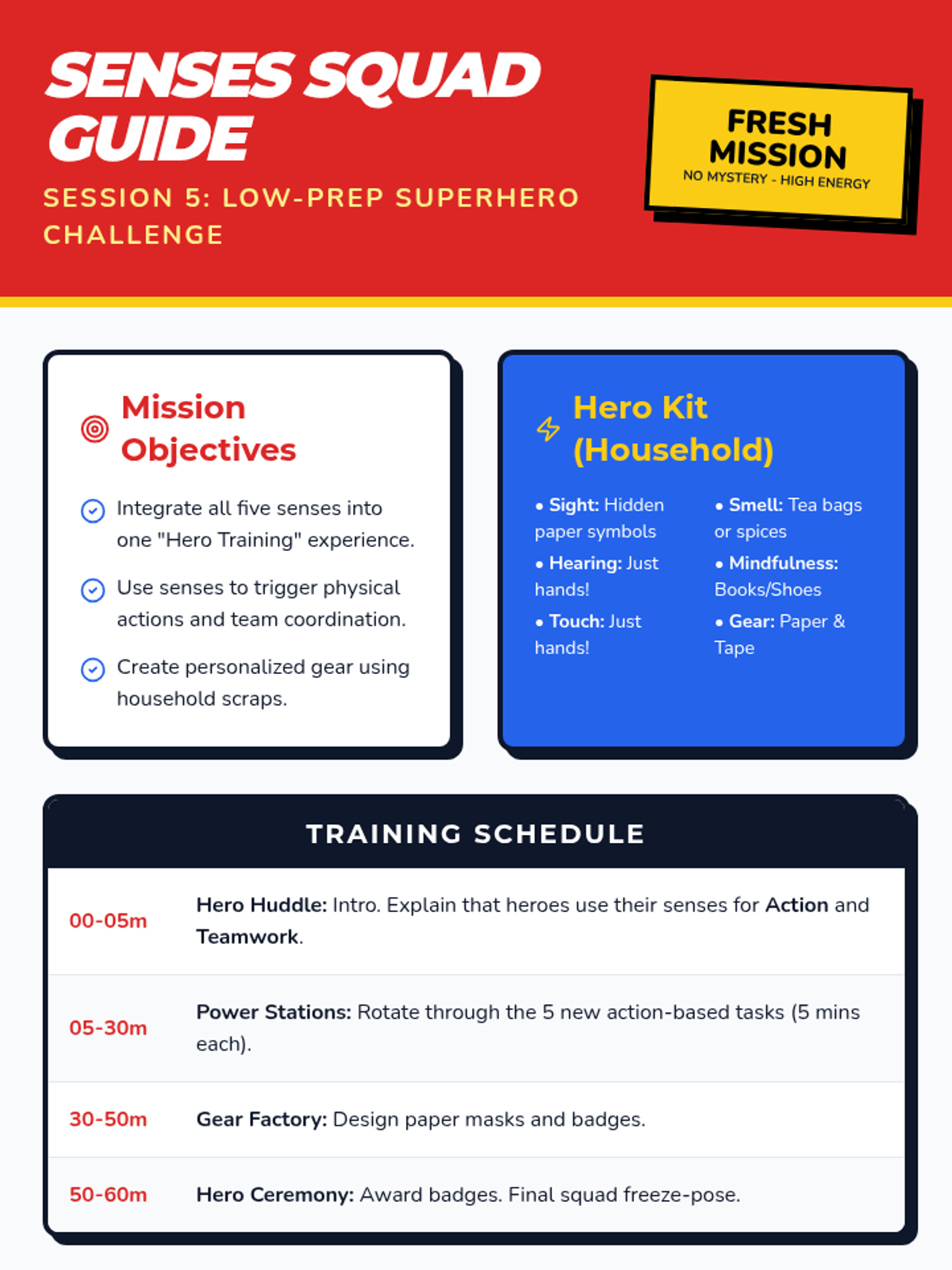
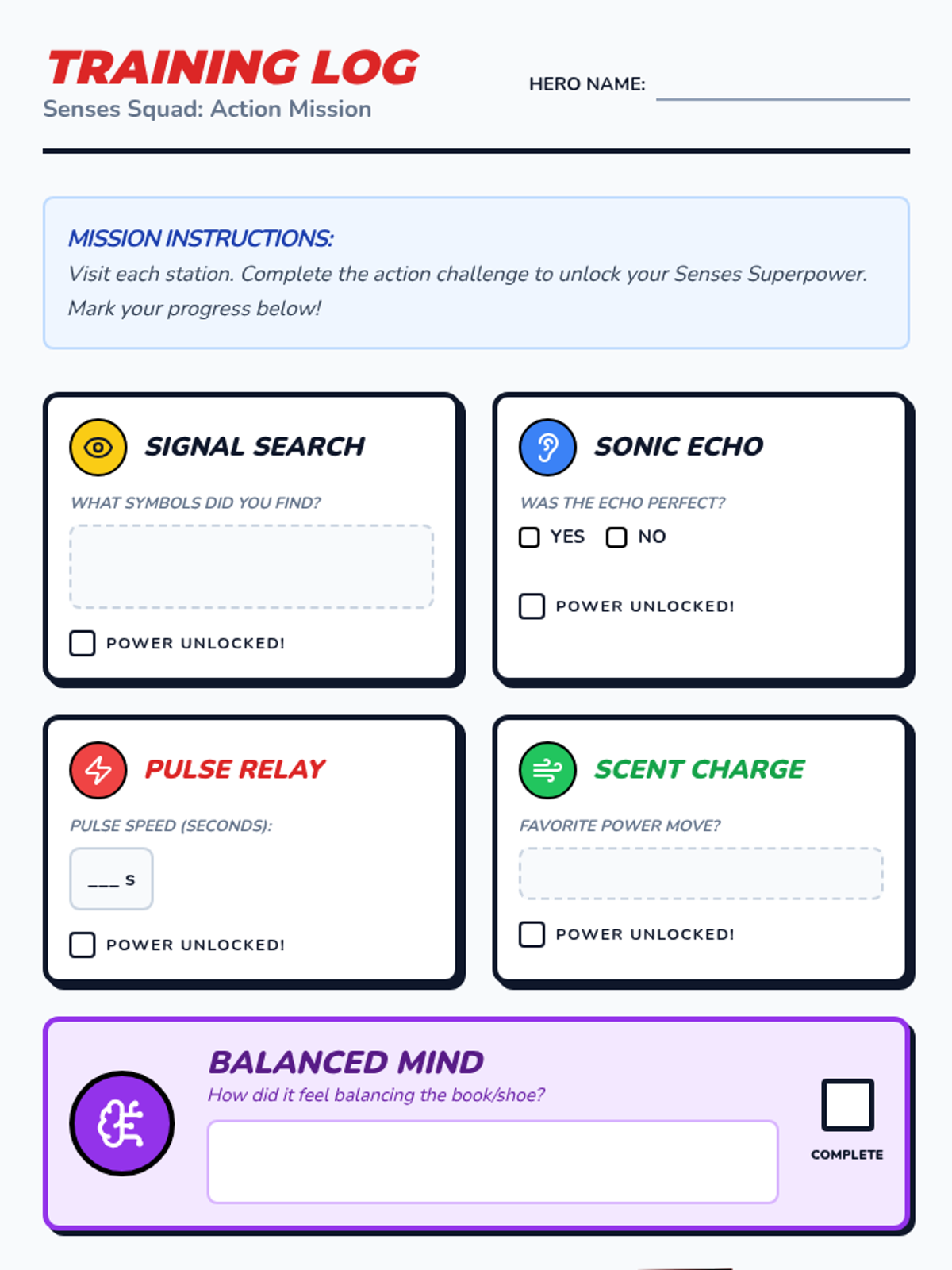
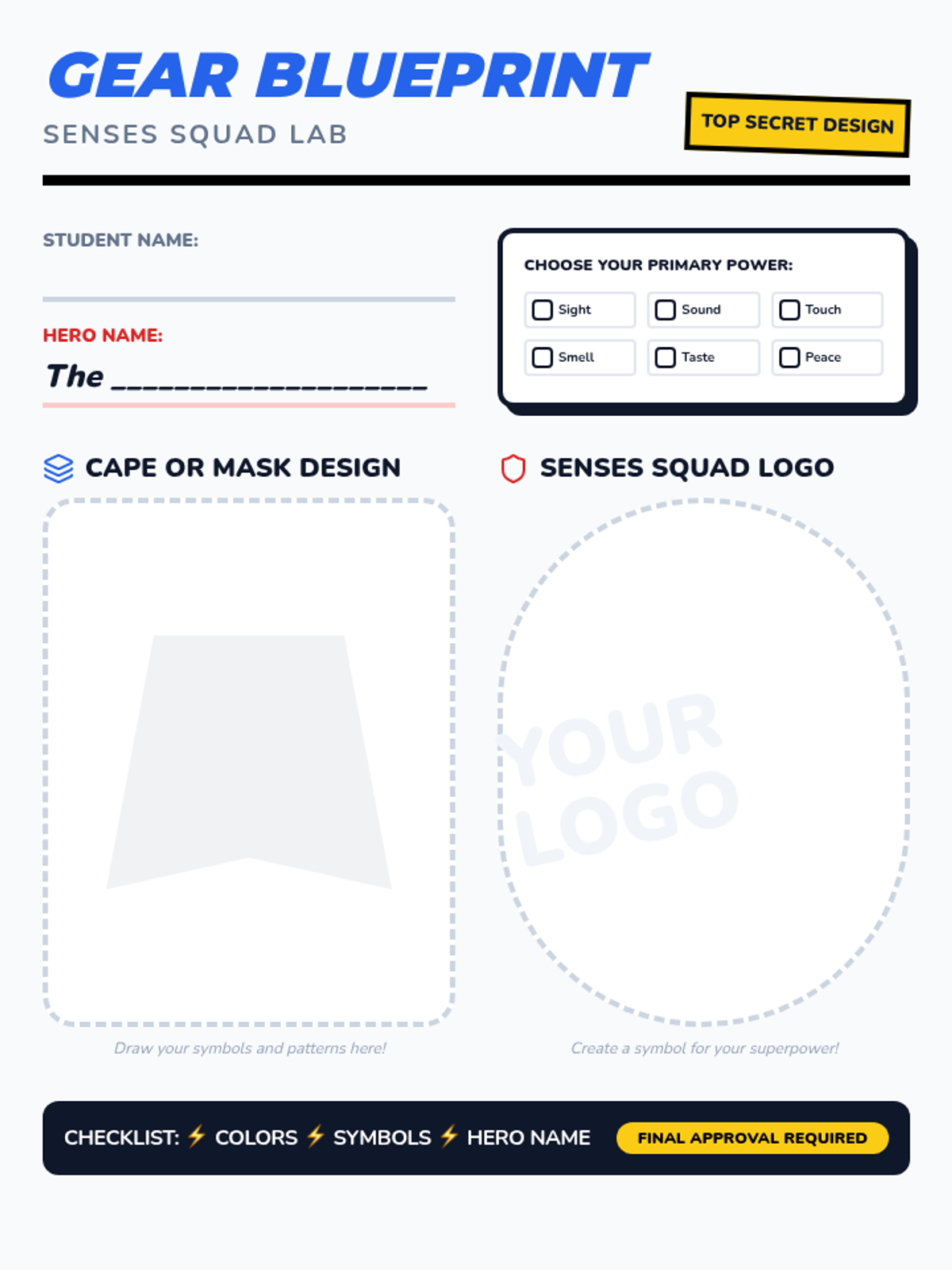
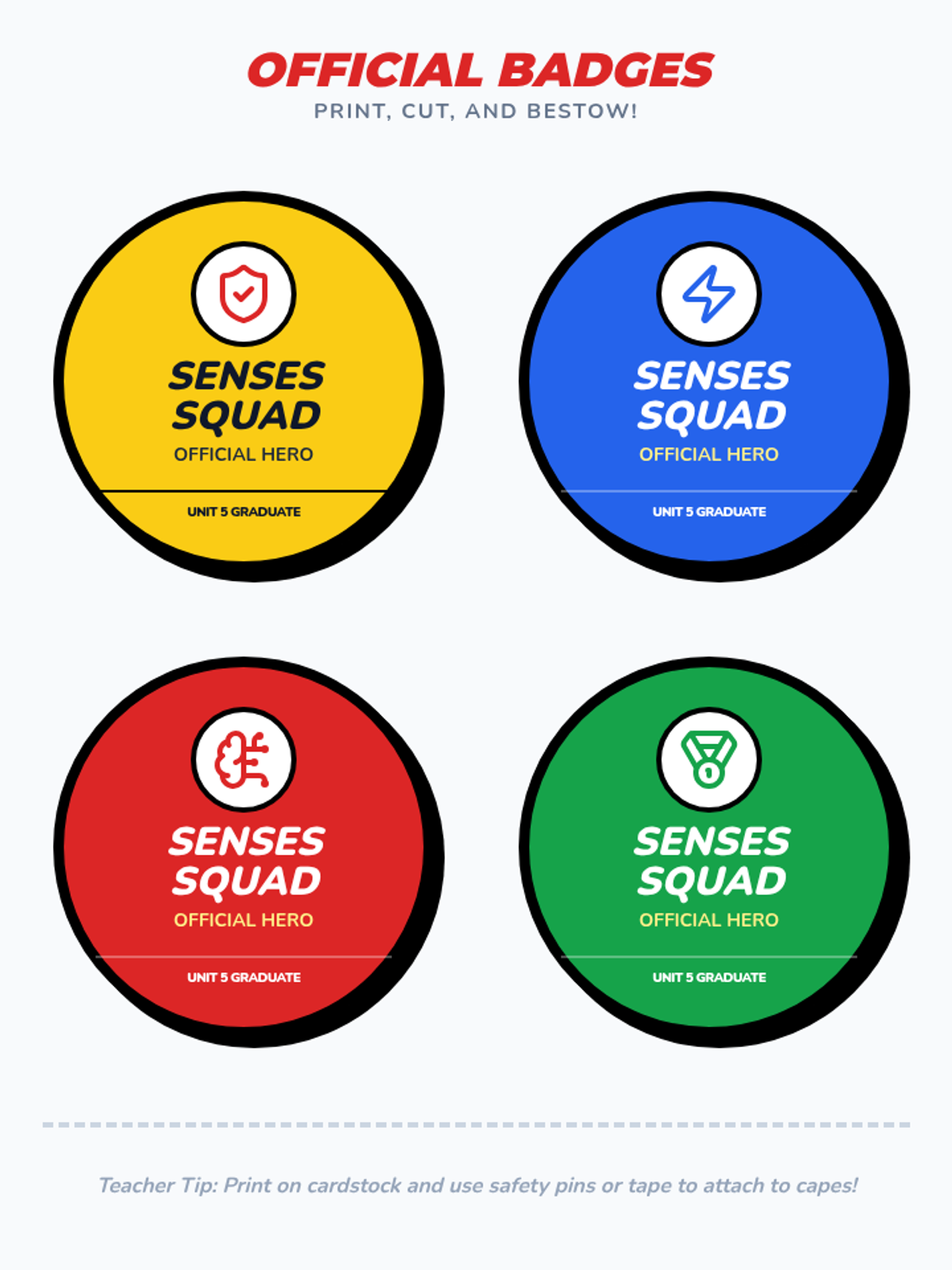
A high-energy wrap-up session for K-2 students to integrate their knowledge of the five senses and mindfulness through a superhero-themed training challenge. Students rotate through sensory stations and create their own superhero gear to represent their 'Senses Superpowers'.
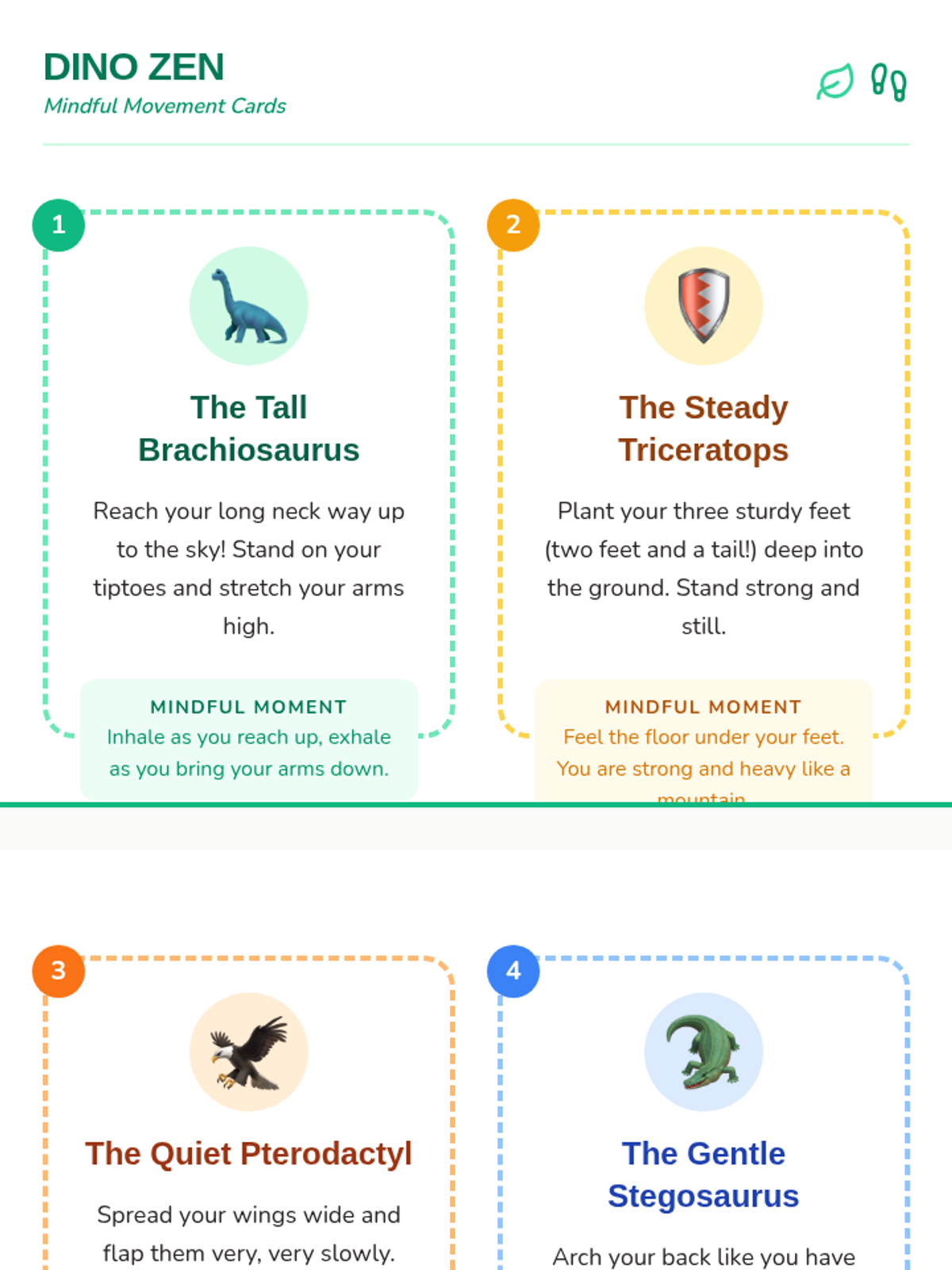
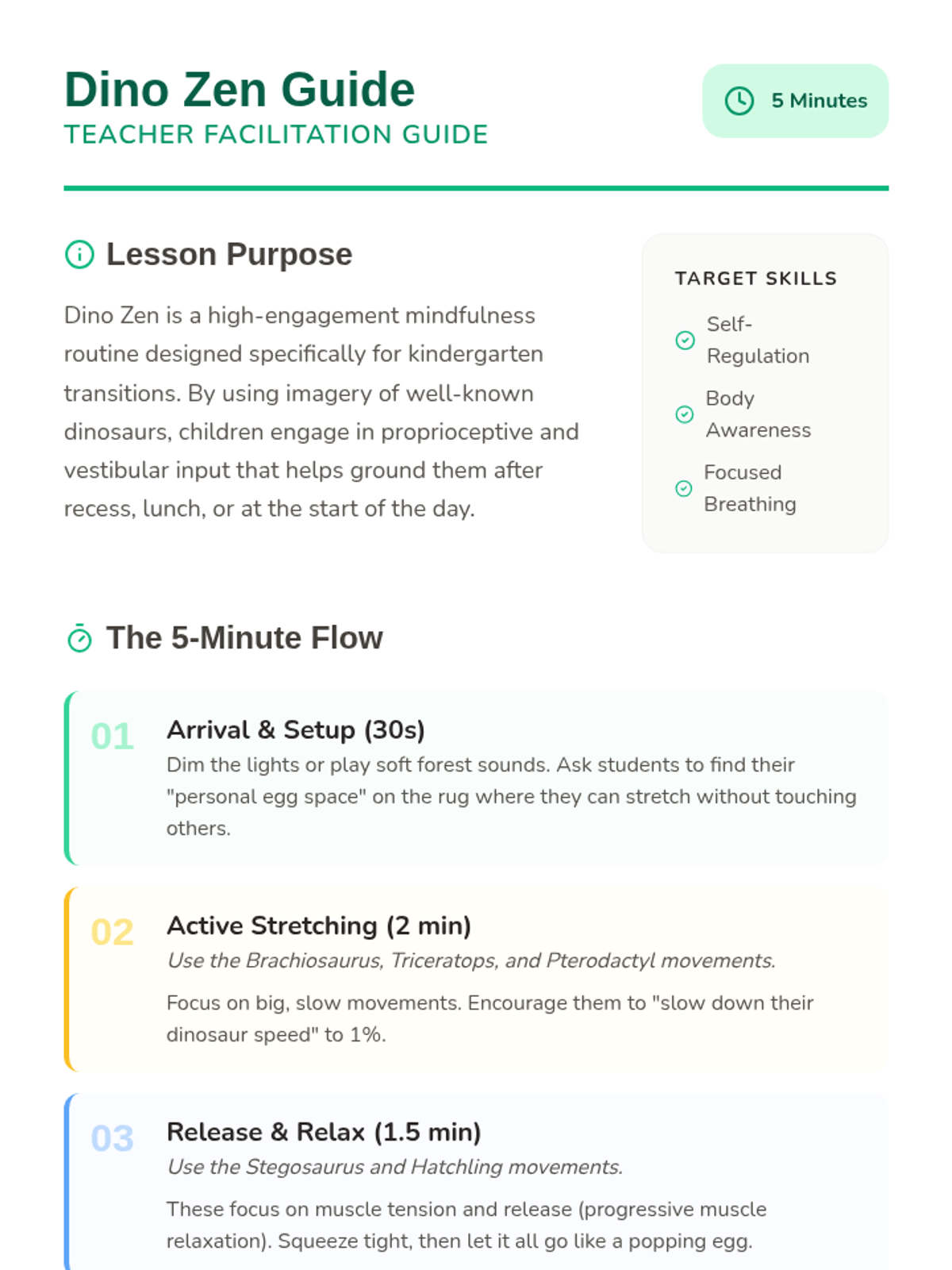
A 5-minute mindfulness warm-up for kindergarteners that uses dinosaur-themed movements to improve focus, regulation, and body awareness.
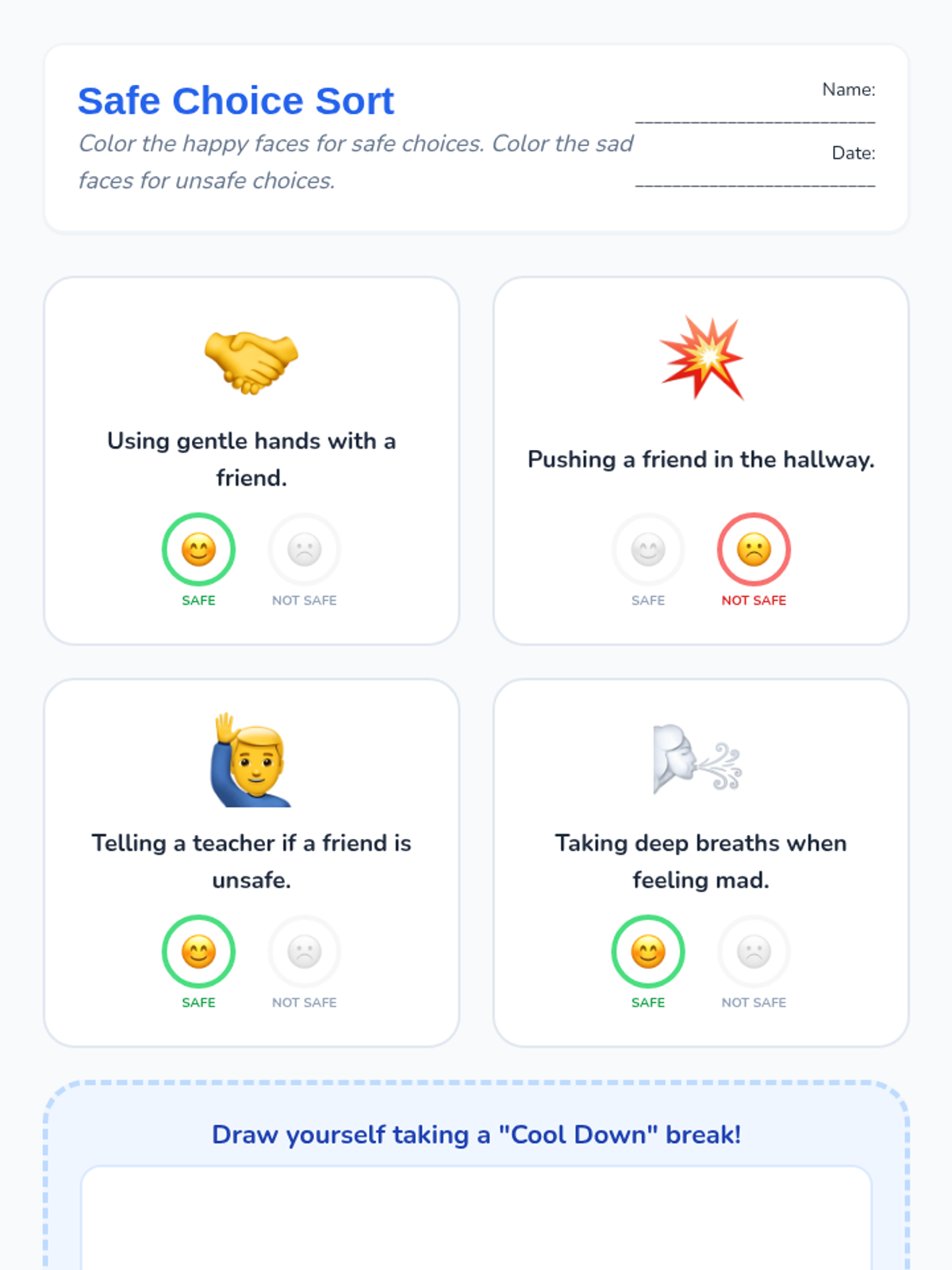
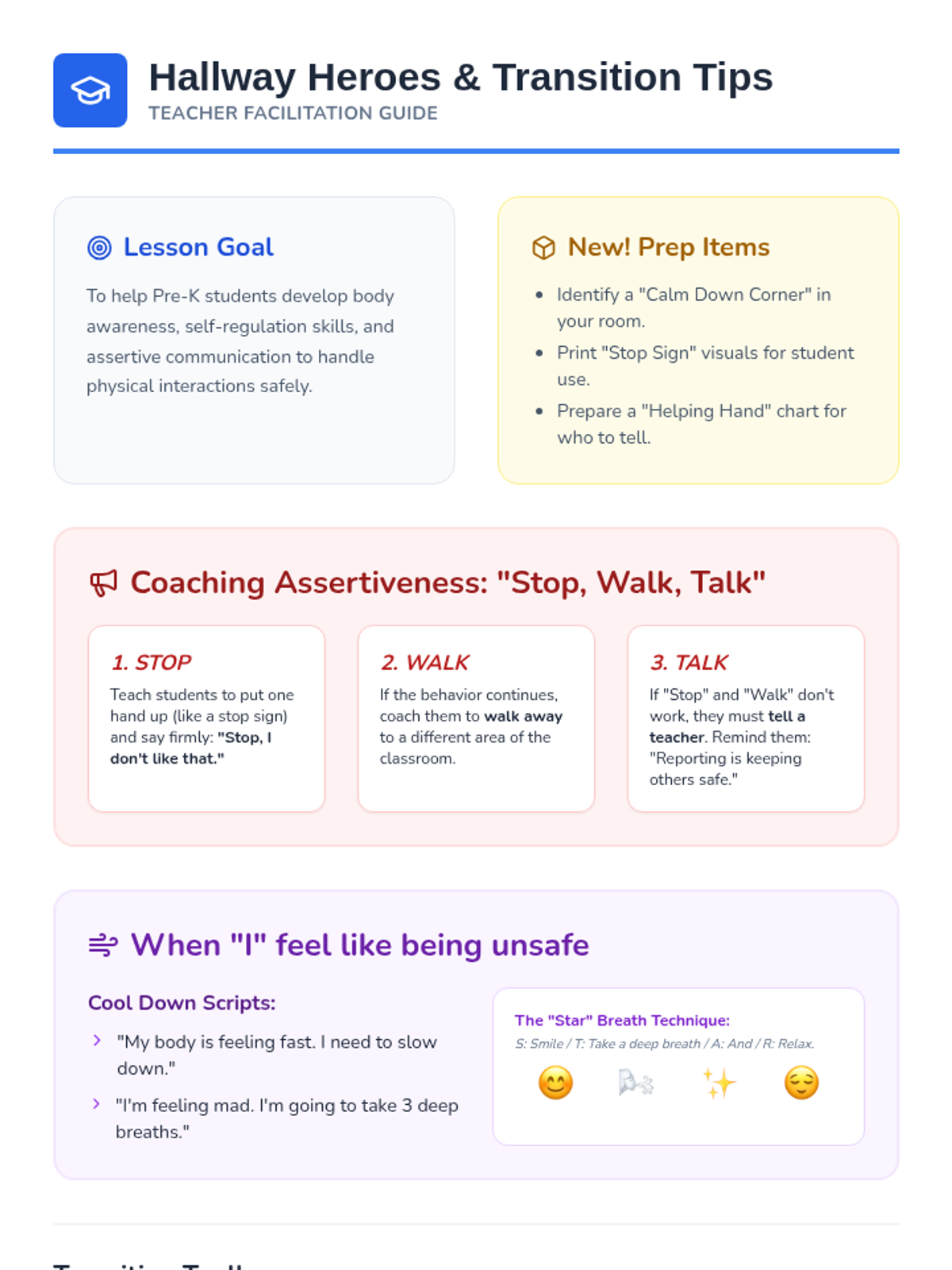
A foundational lesson for Pre-K students to learn about personal space, gentle touch, and safe movement during playtime and hallway transitions. Through a social story and interactive sorting, students practice making 'safe body' choices.
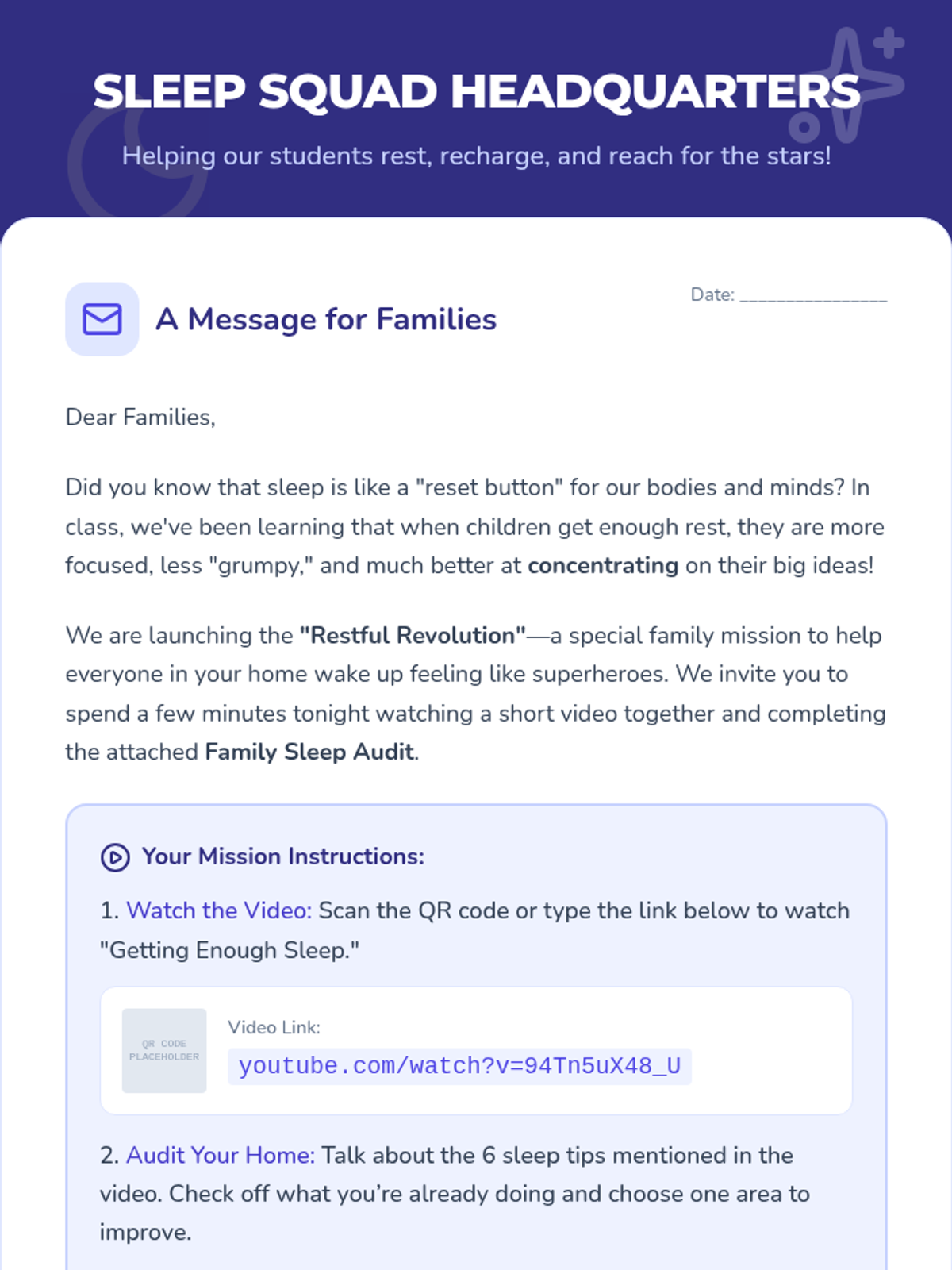
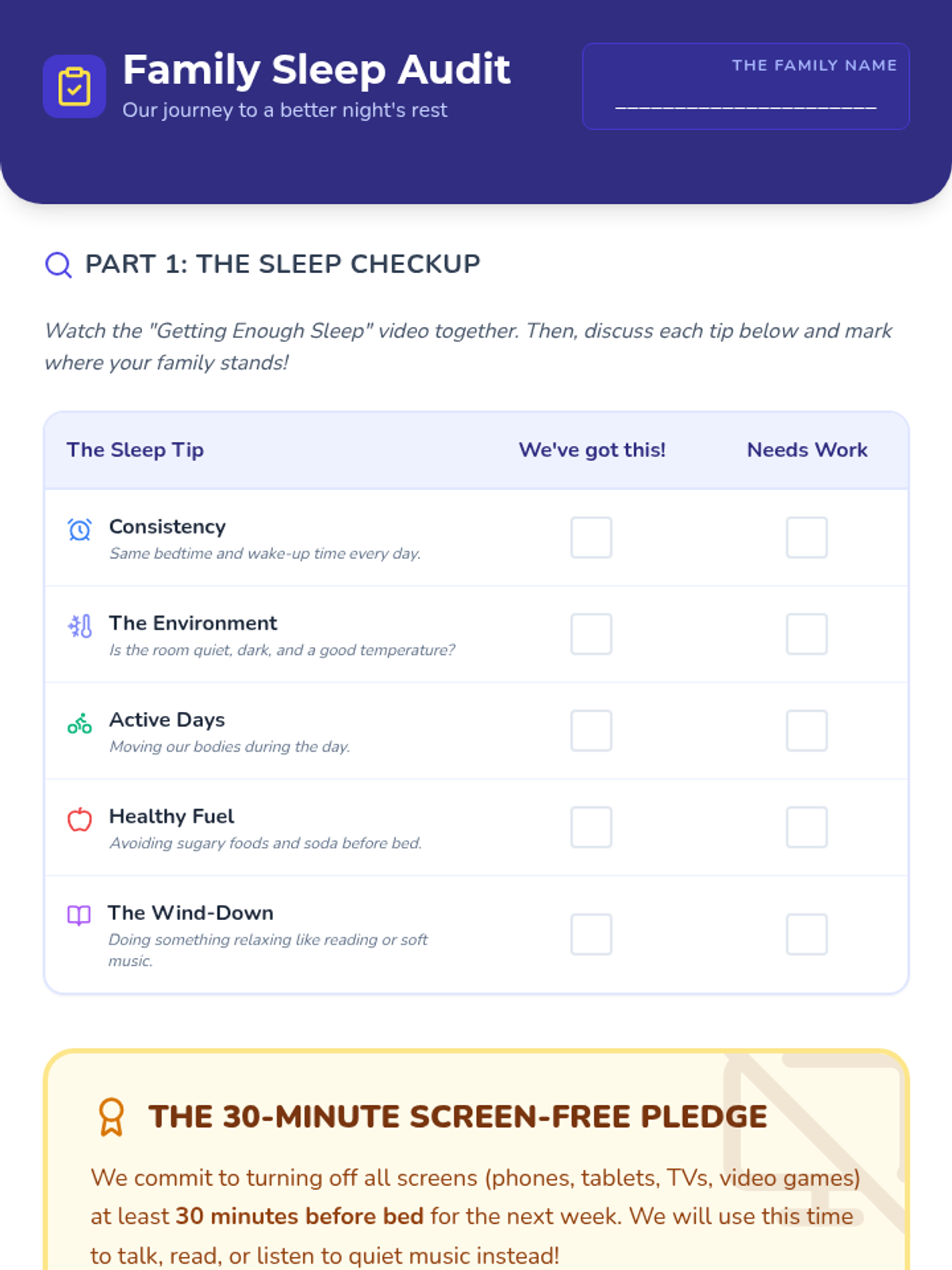
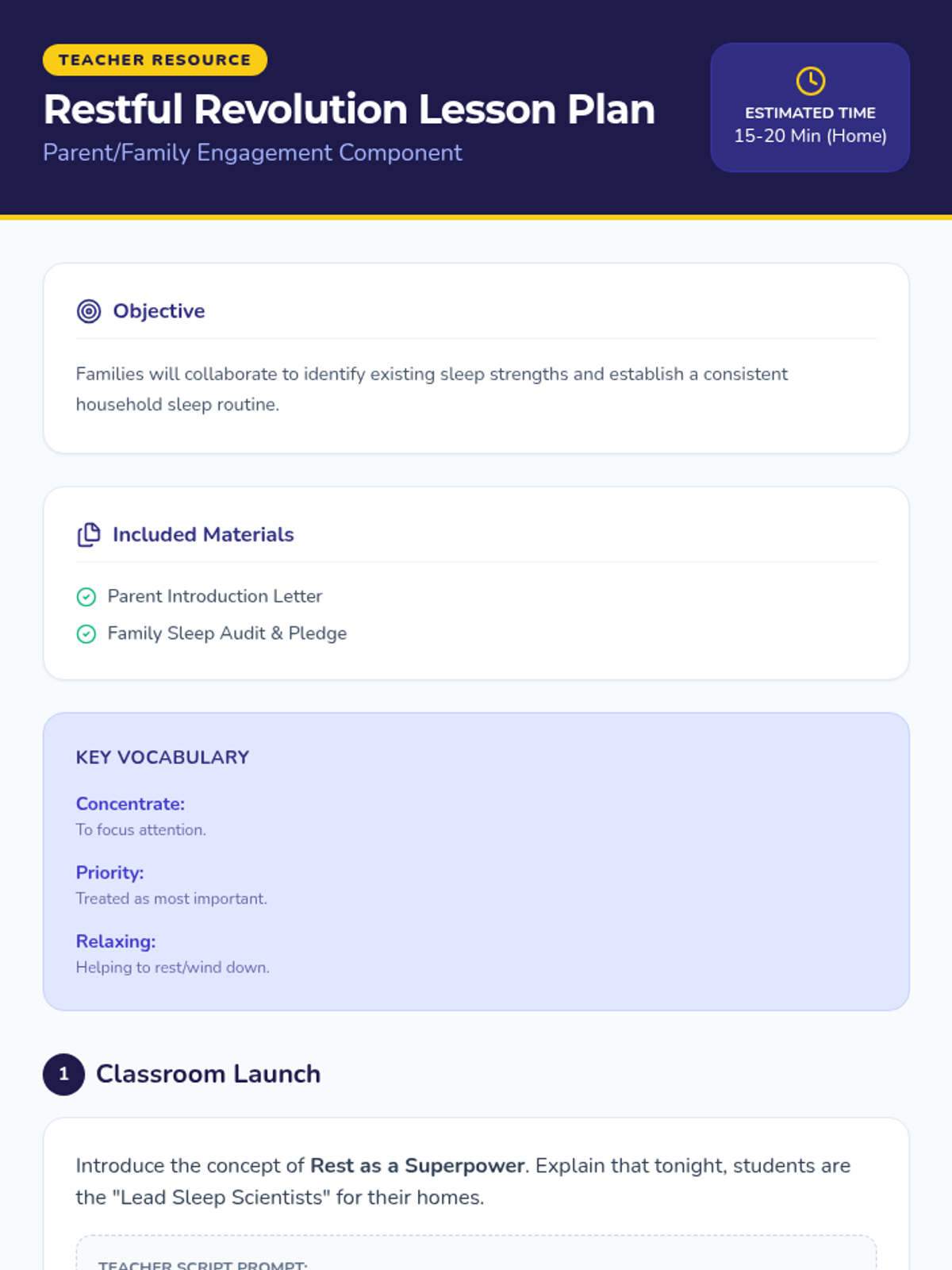
A home-connection lesson designed to help families establish healthy sleep habits through a shared video viewing, a household audit, and a screen-free commitment.
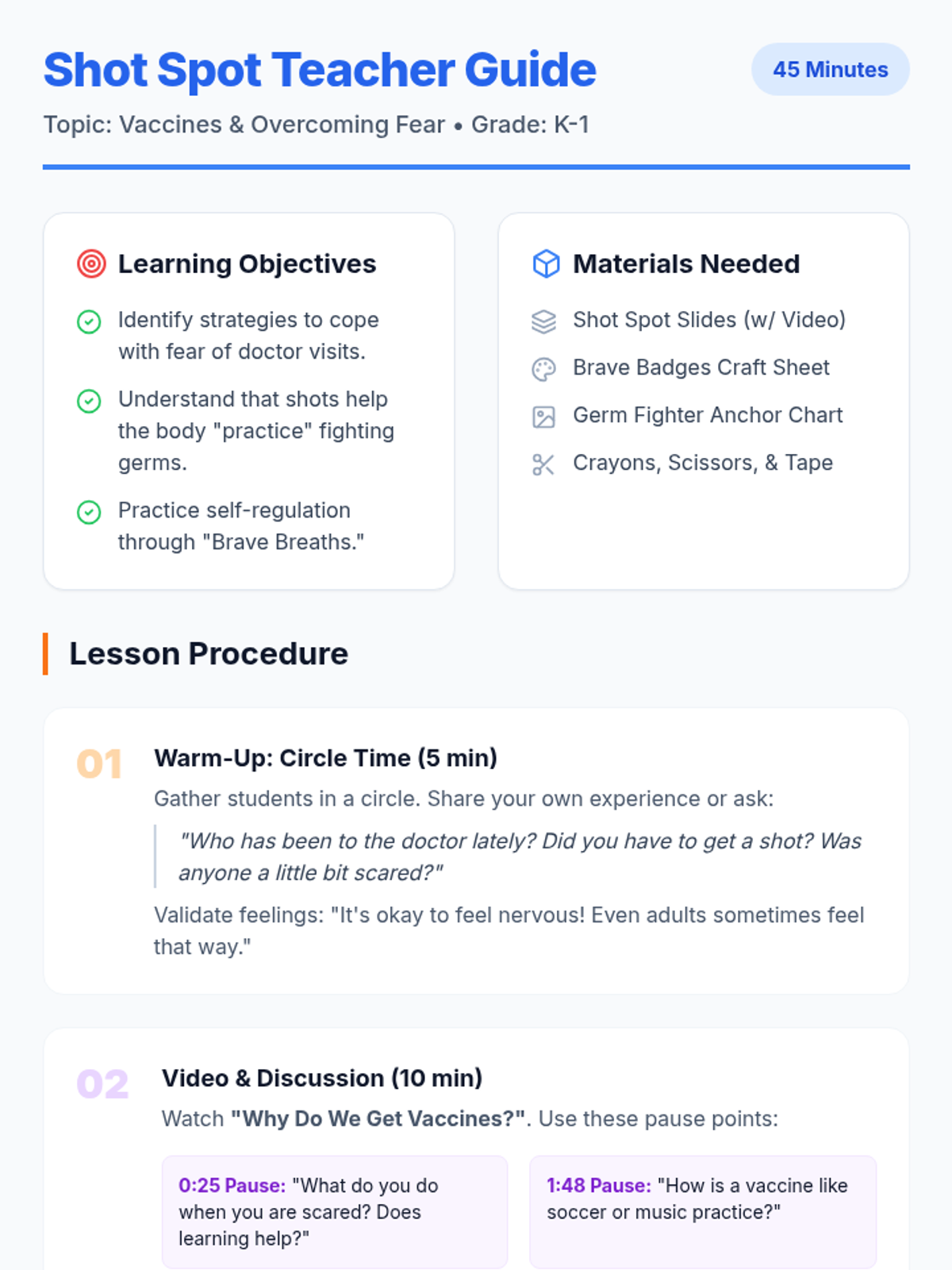
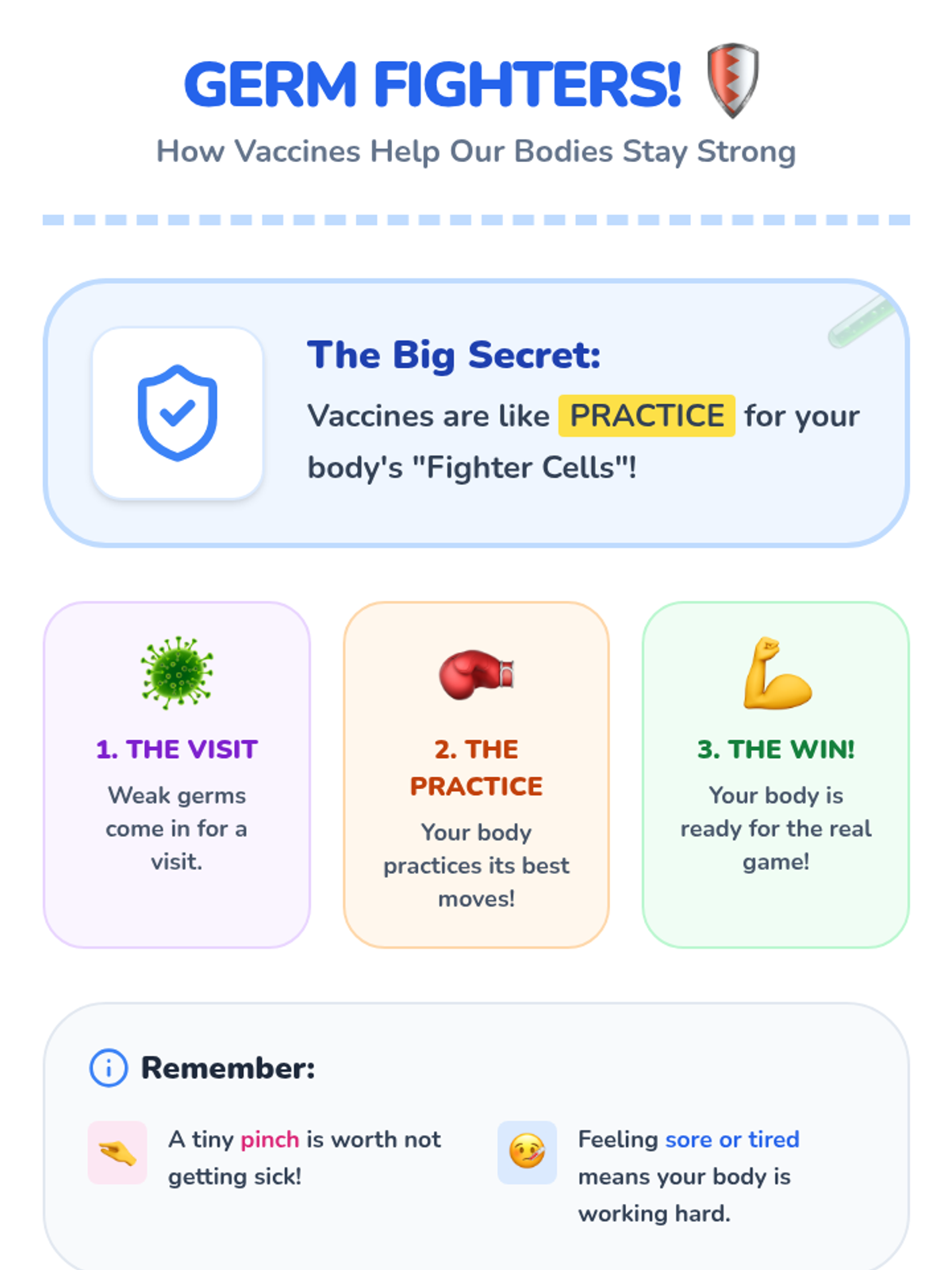
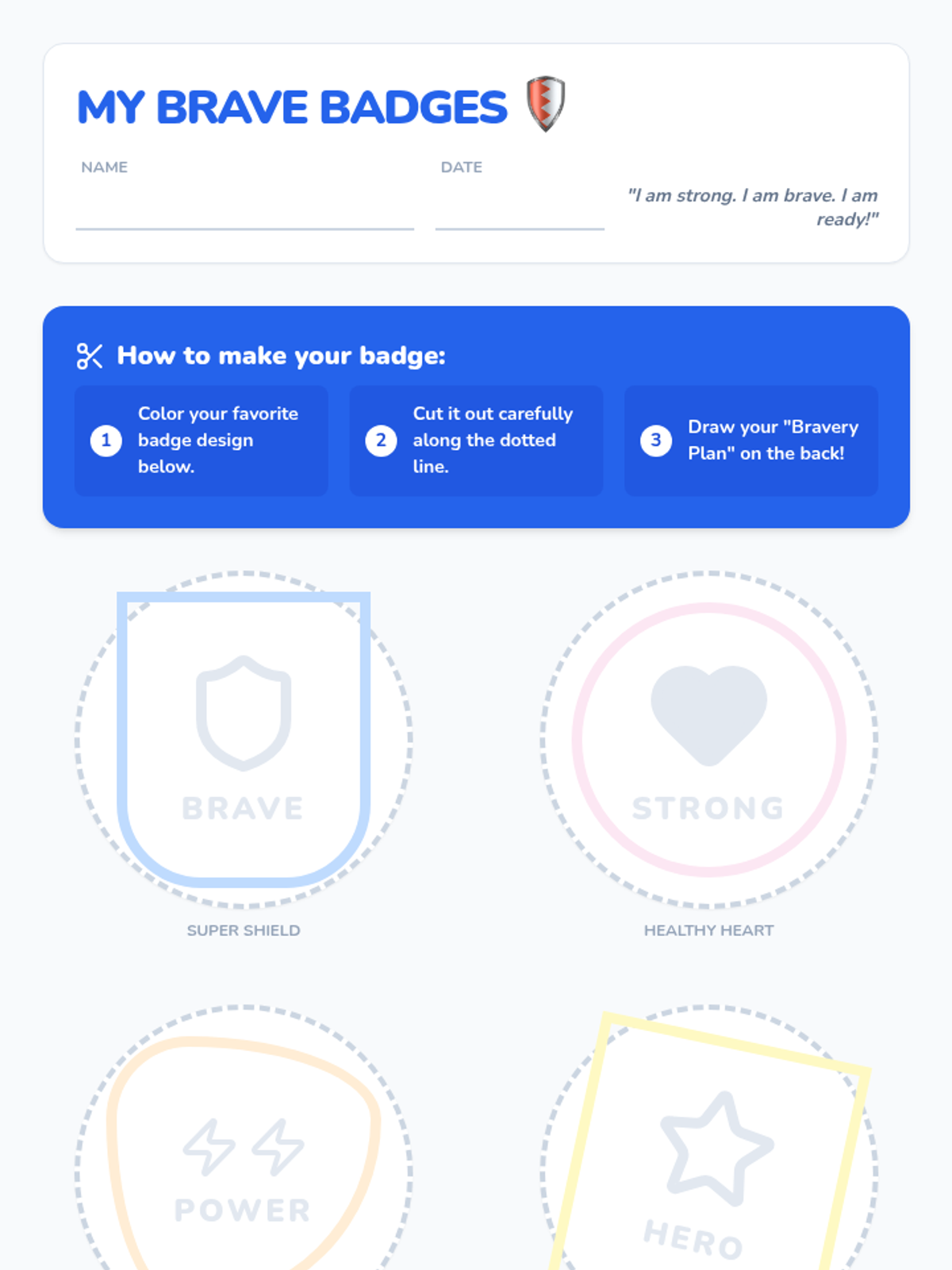
A lesson designed for Kindergarten and 1st Grade students to help them understand vaccines and manage their fears regarding doctor visits and shots. Students will learn the 'practice' analogy for vaccines and create 'Brave Badges' to help them cope with medical anxiety.
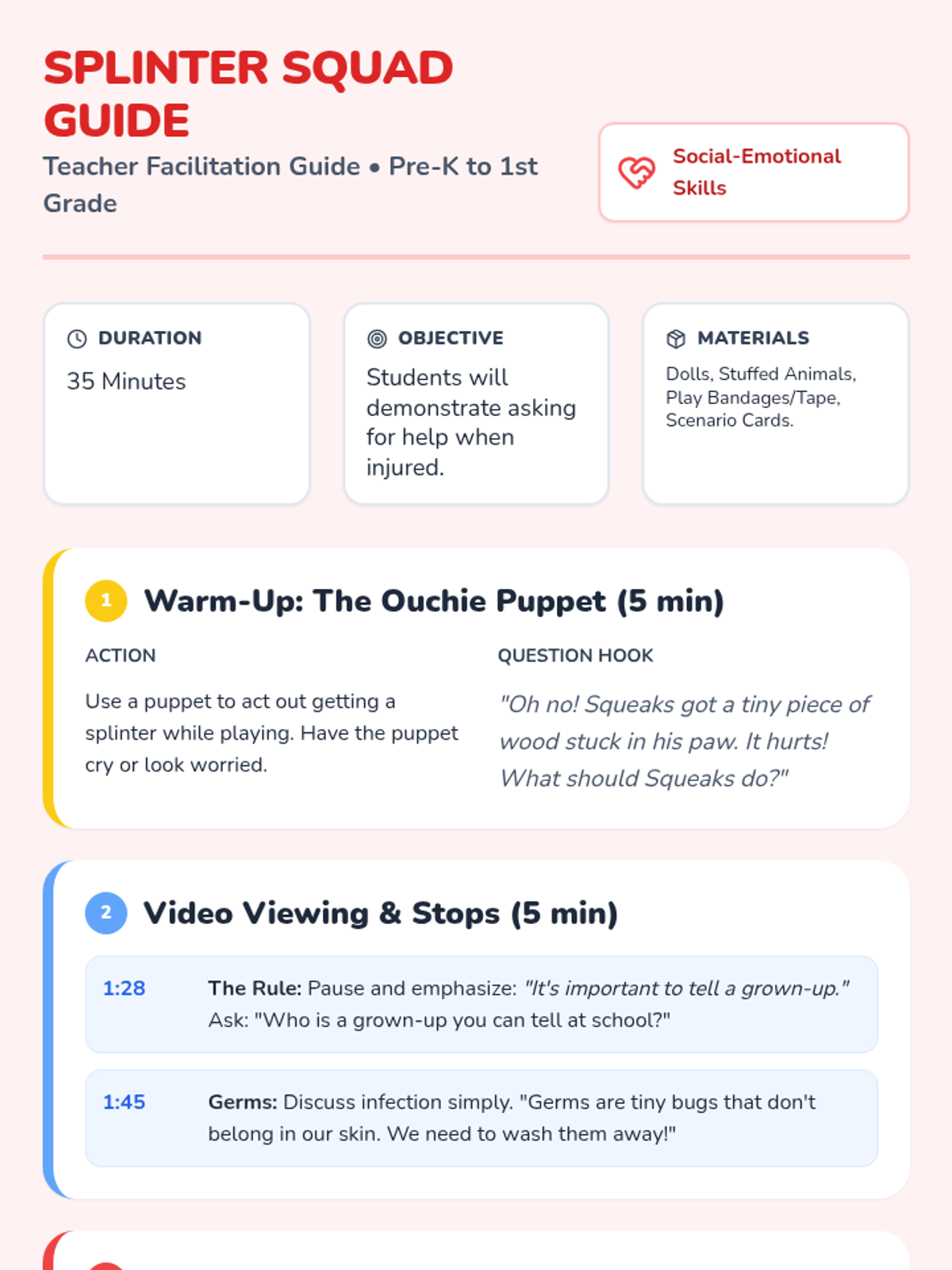
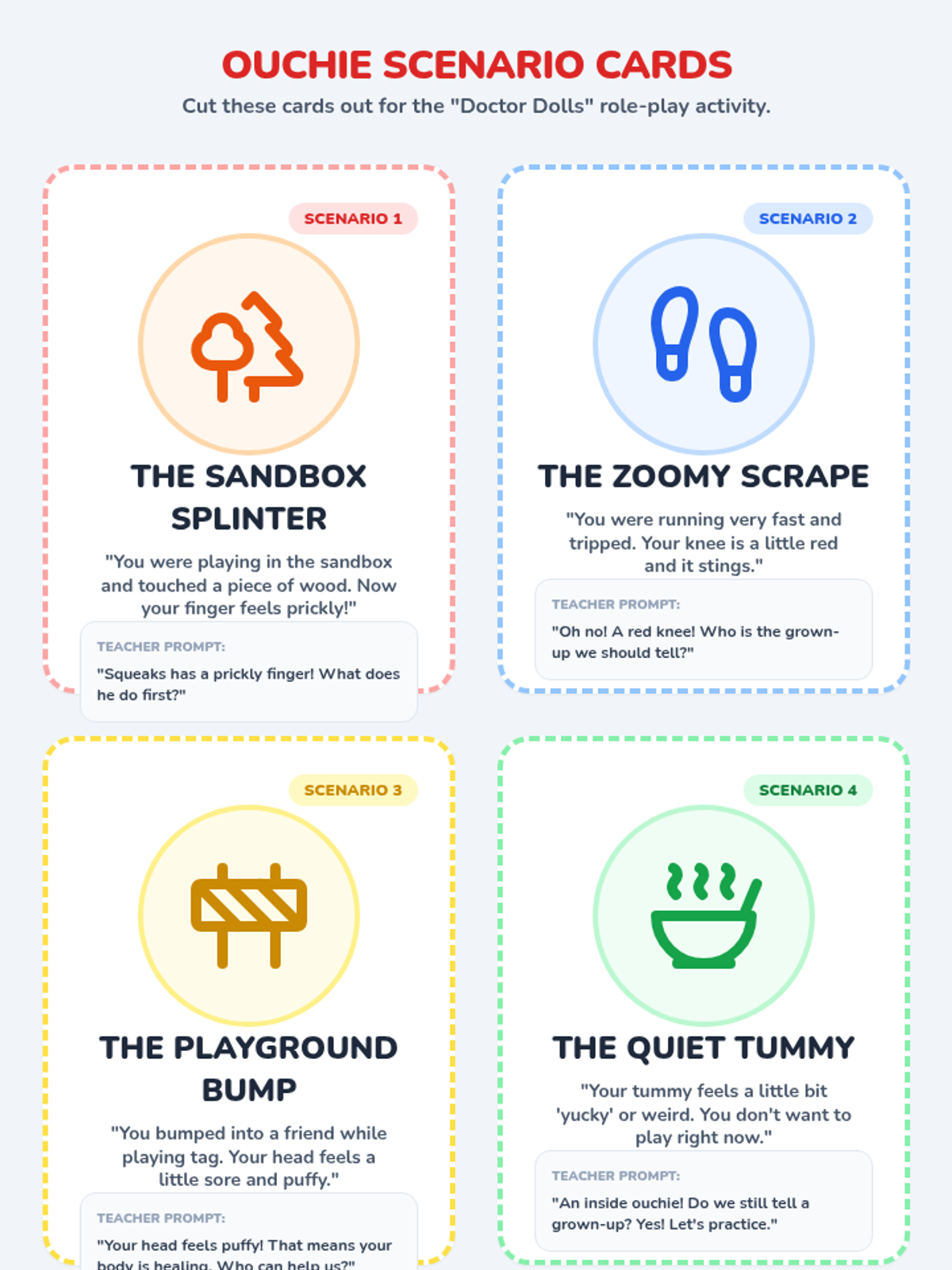
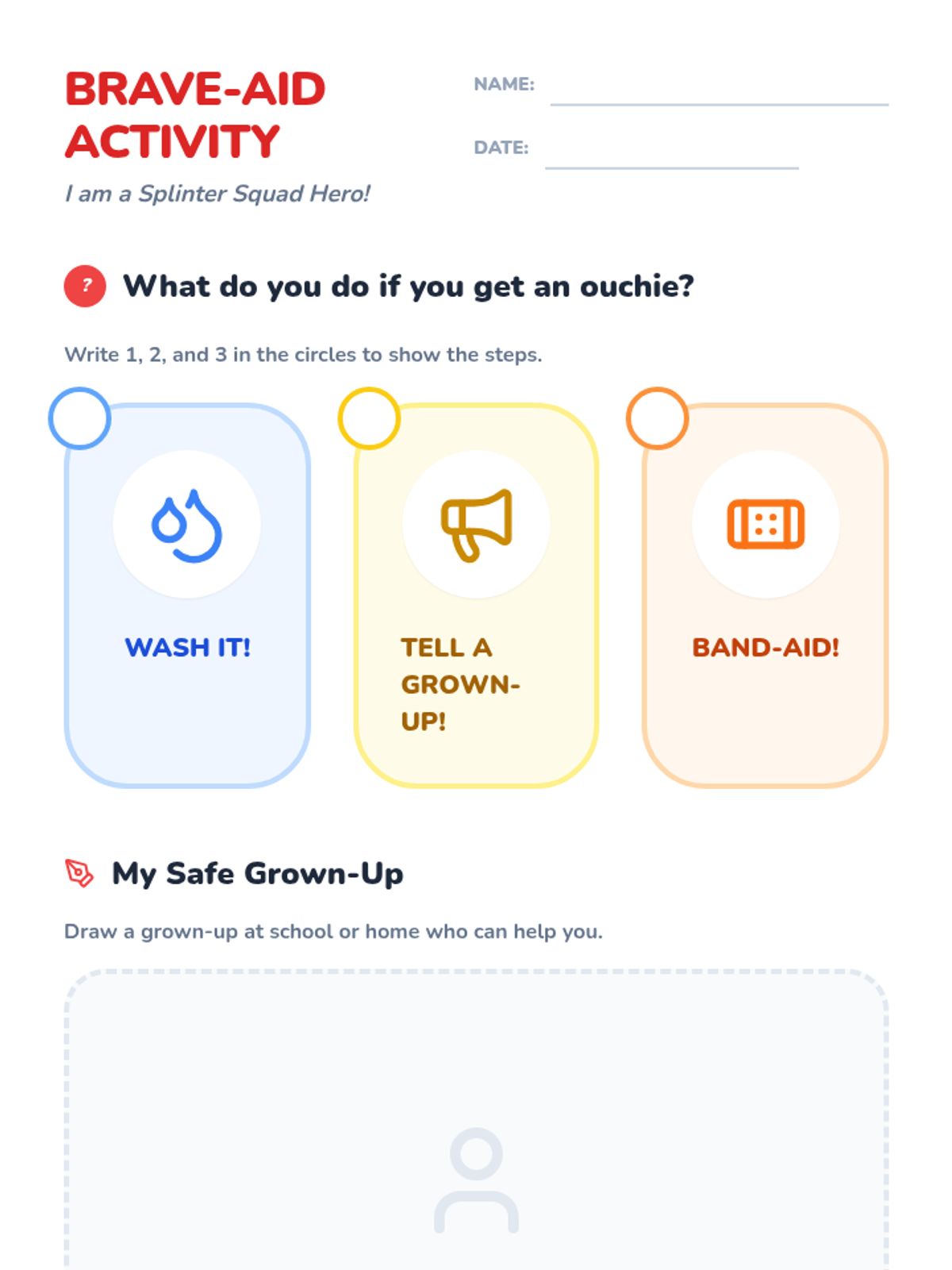
A social-emotional and health lesson for early learners on how to identify injuries and ask for help from trusted adults.
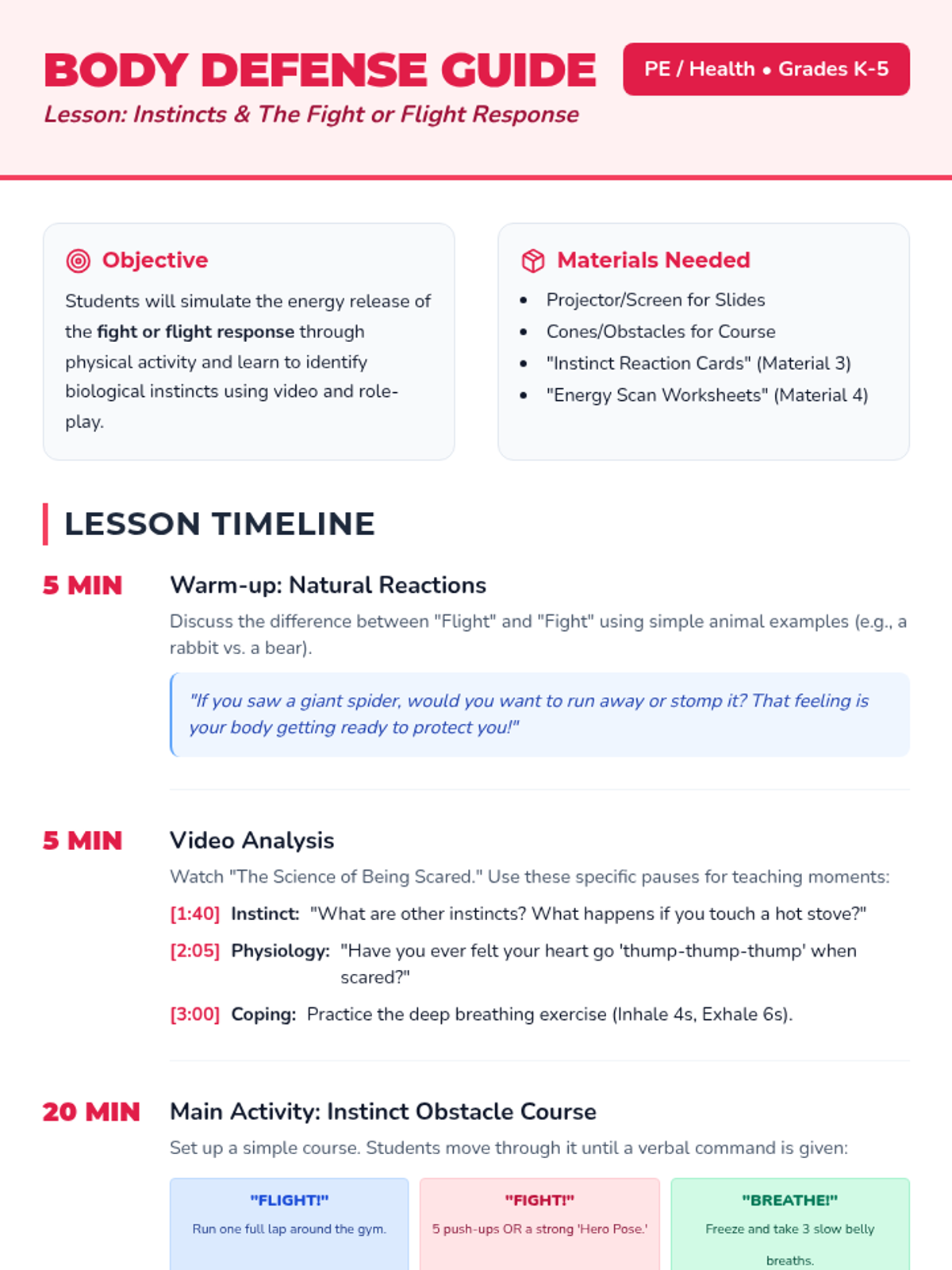
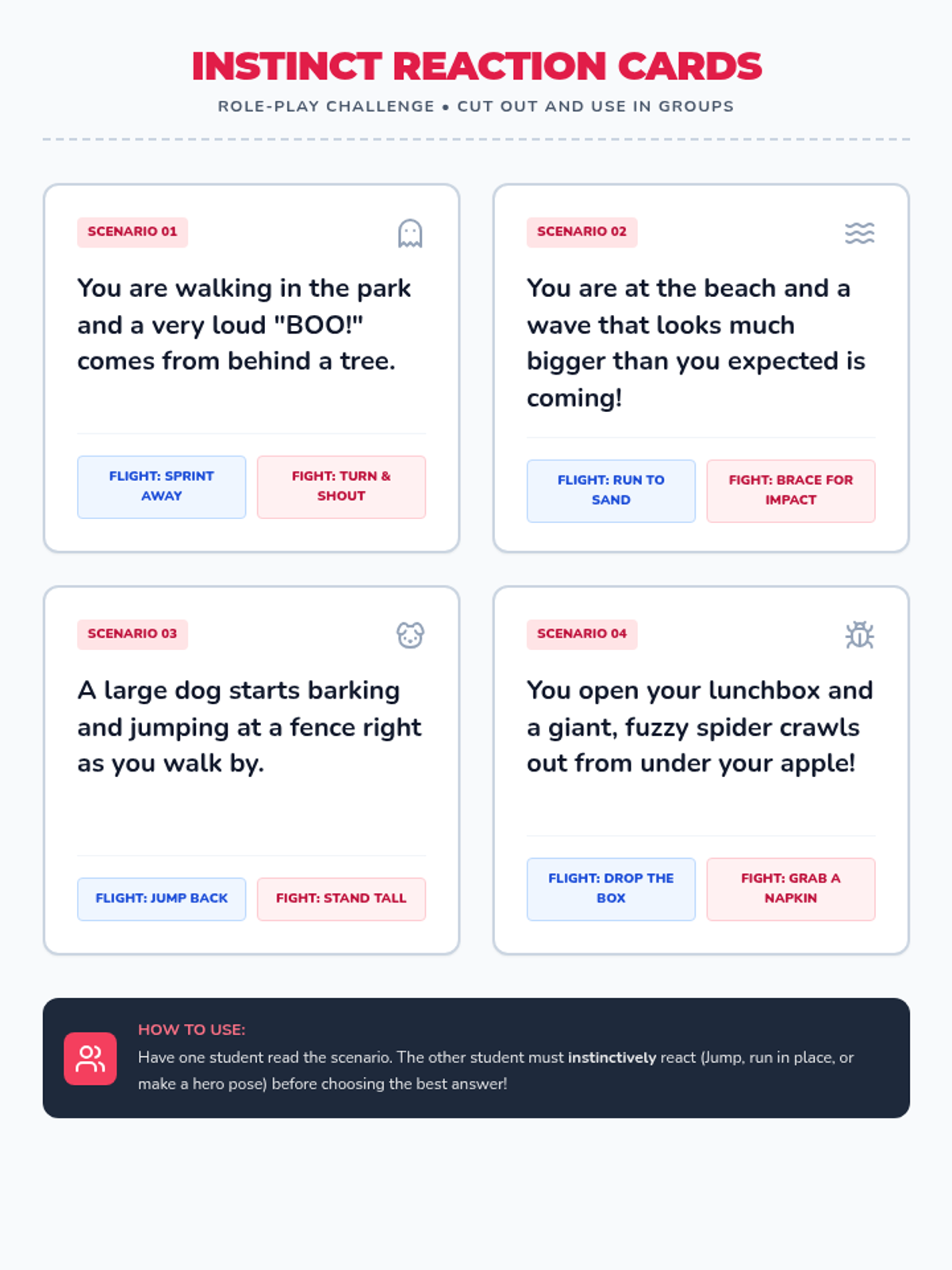
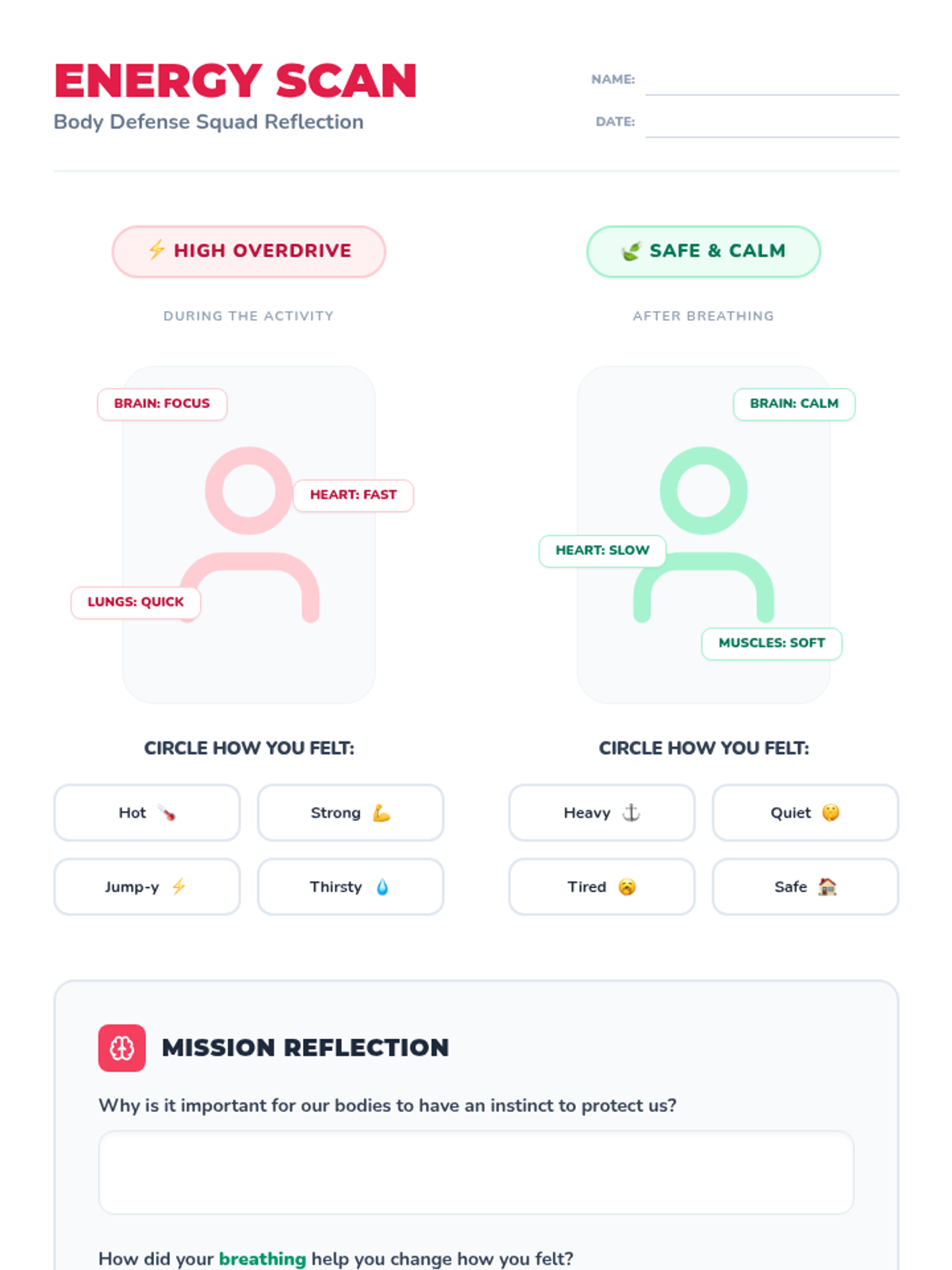
A physical education and health lesson that teaches elementary students about the fight or flight response through active simulation, video analysis, and breathing techniques. Students will learn to recognize their body's automatic instincts and how to regulate them.
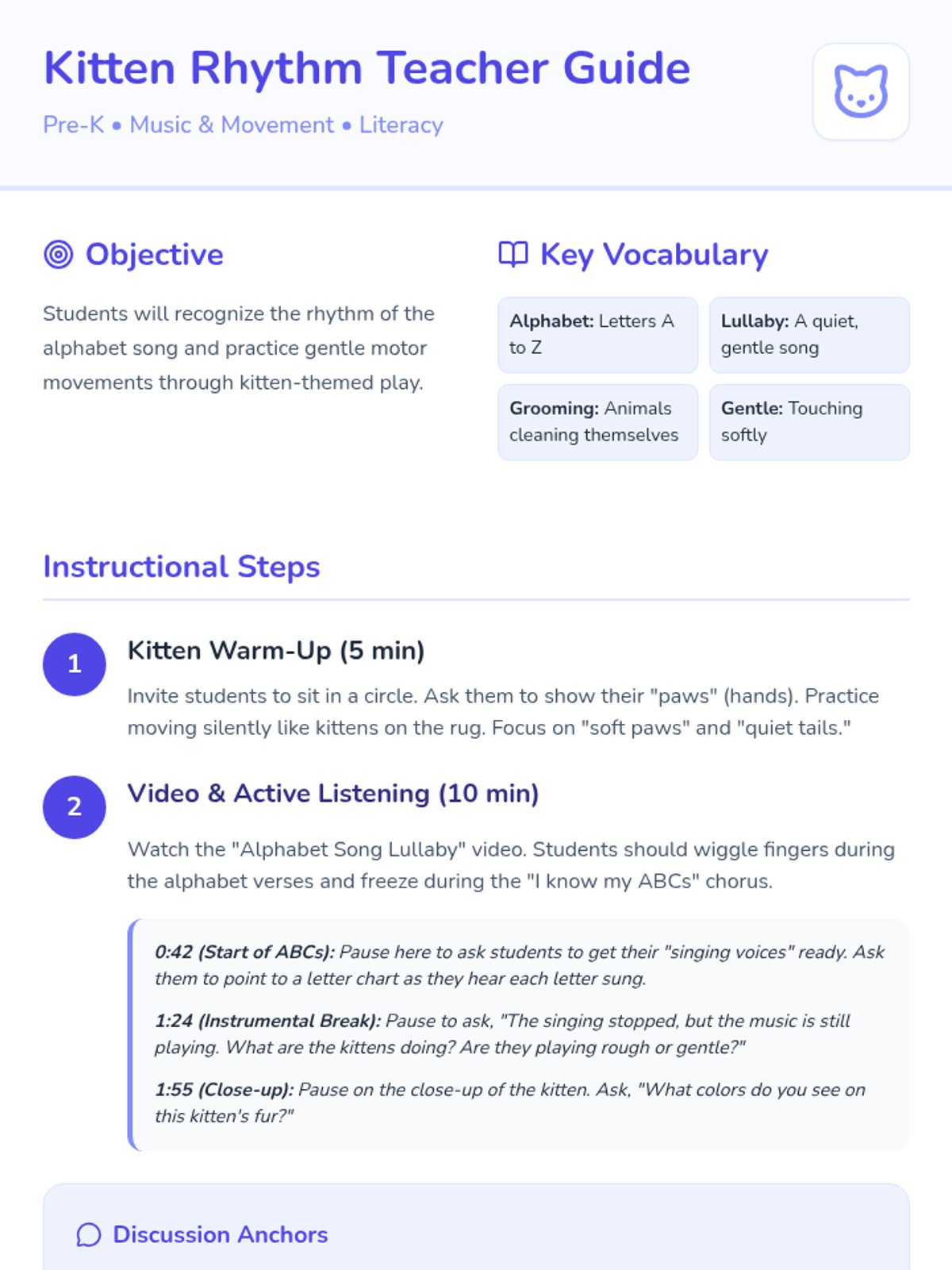
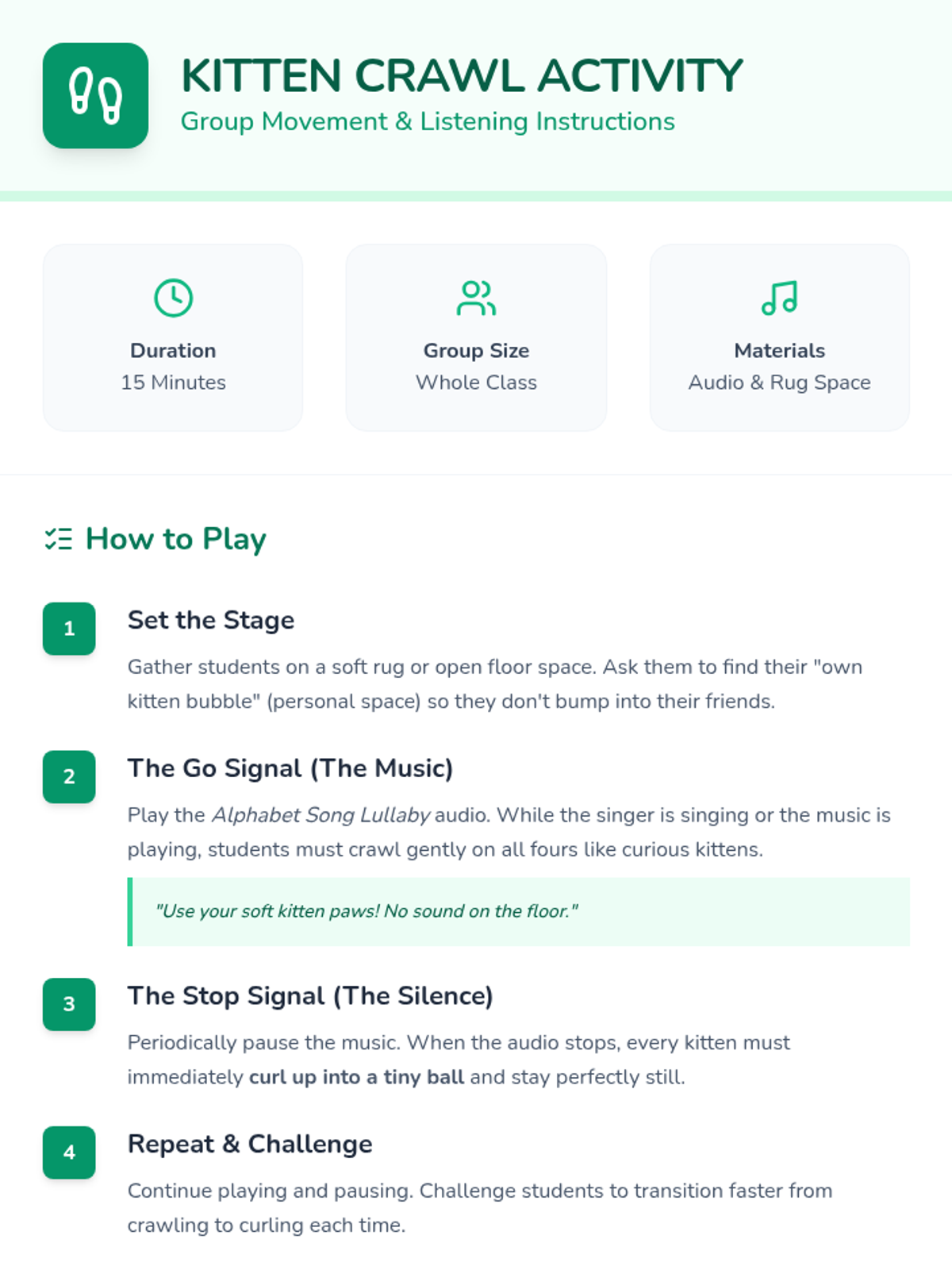
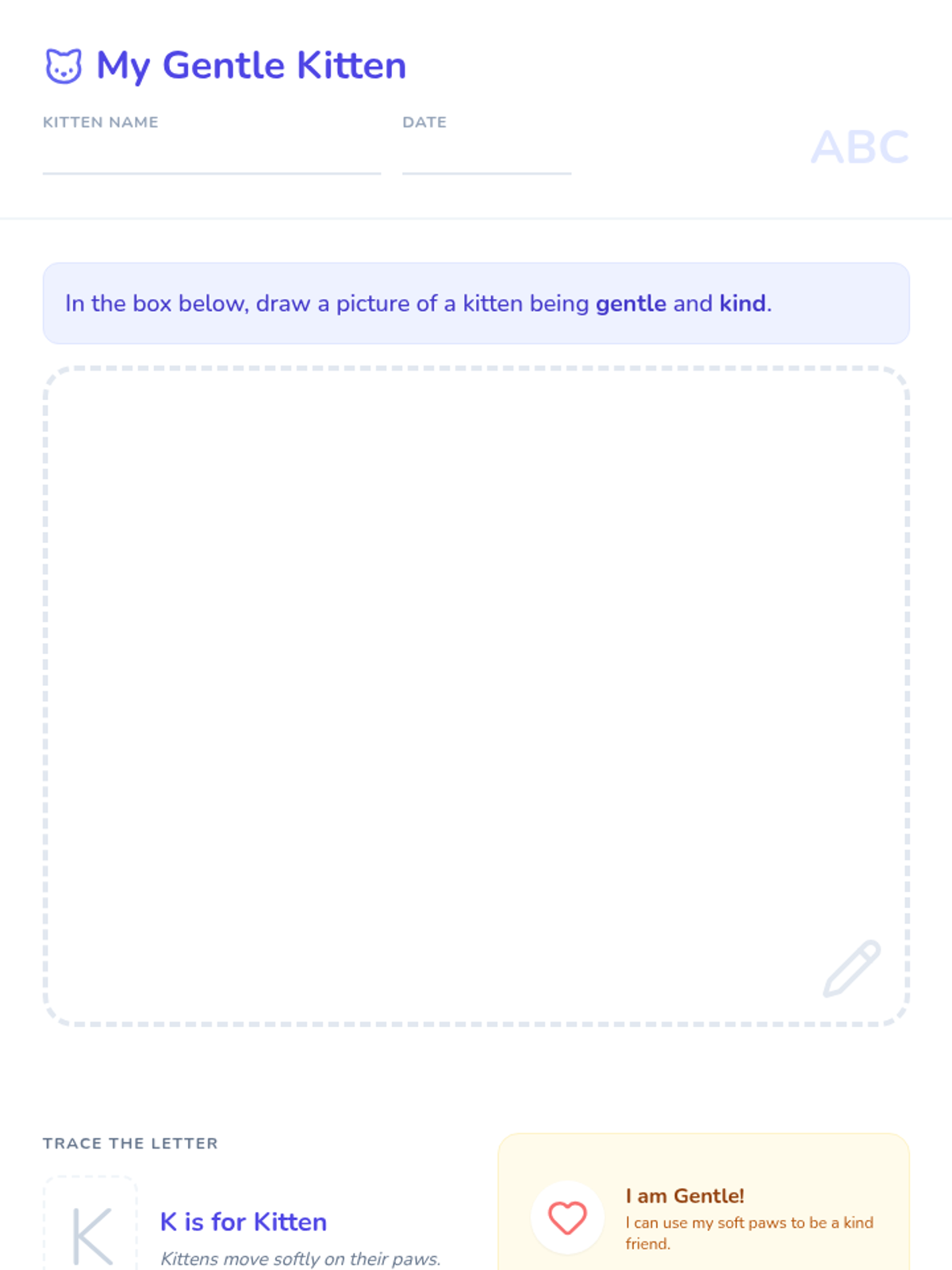
A gentle Pre-K lesson focusing on rhythm and movement through an alphabet lullaby featuring kittens. Students practice fine and gross motor skills while identifying the ABC song's structure.
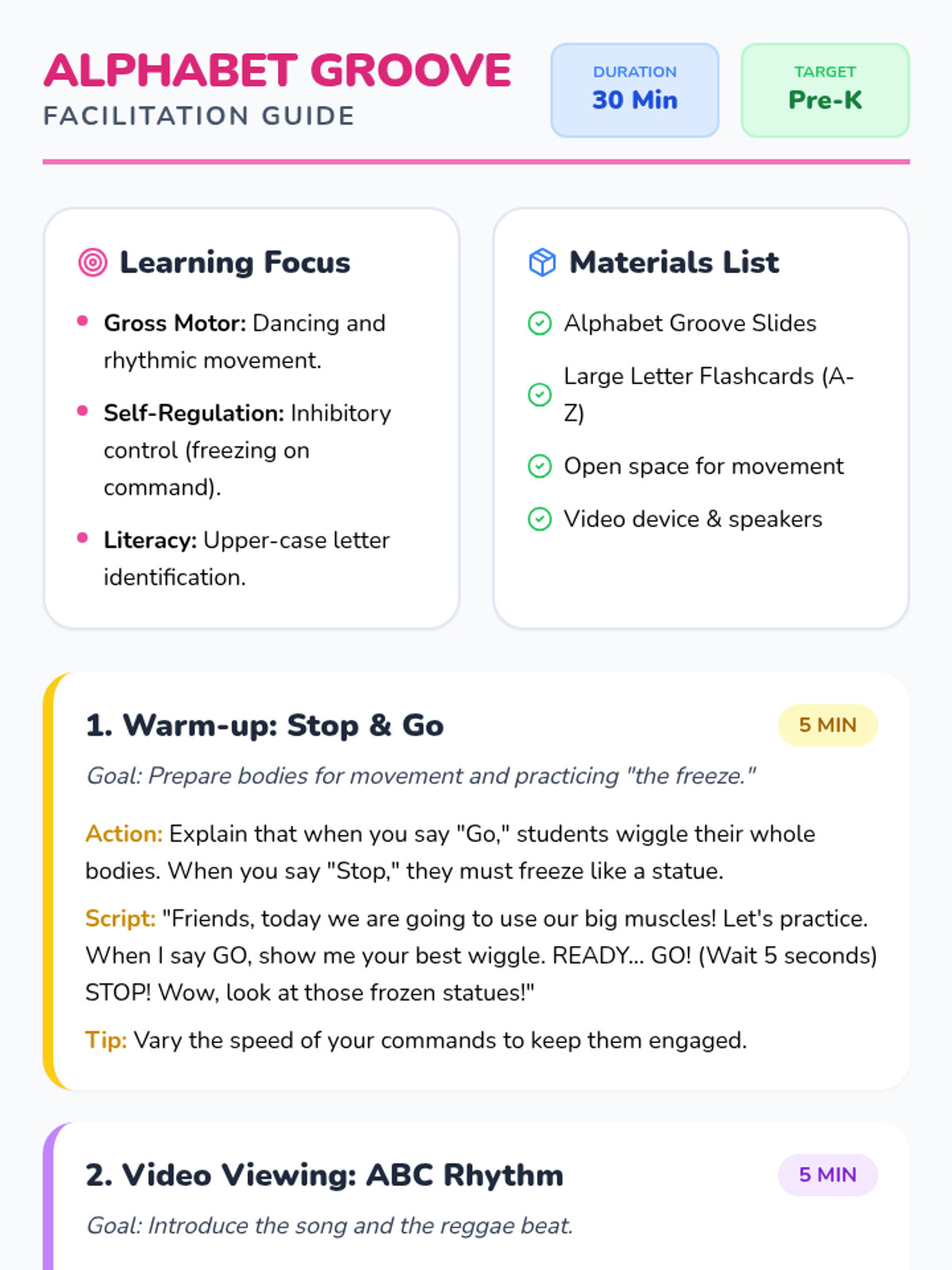
A high-energy Pre-K lesson focused on gross motor skills and inhibitory control through a musical freeze dance game that reinforces alphabet recognition.
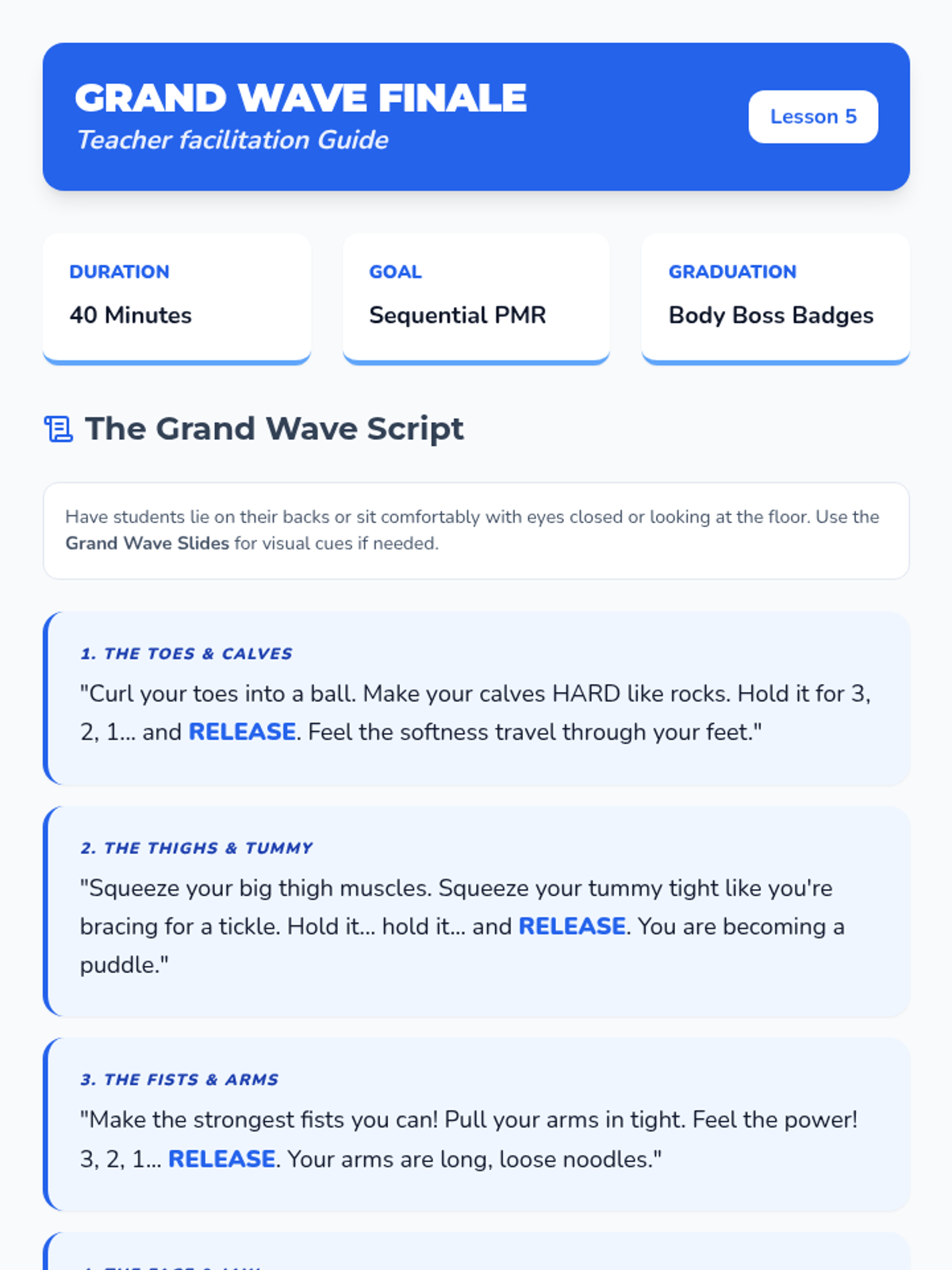
Synthesizing skills into a sequential 'wave' of relaxation through the entire body.
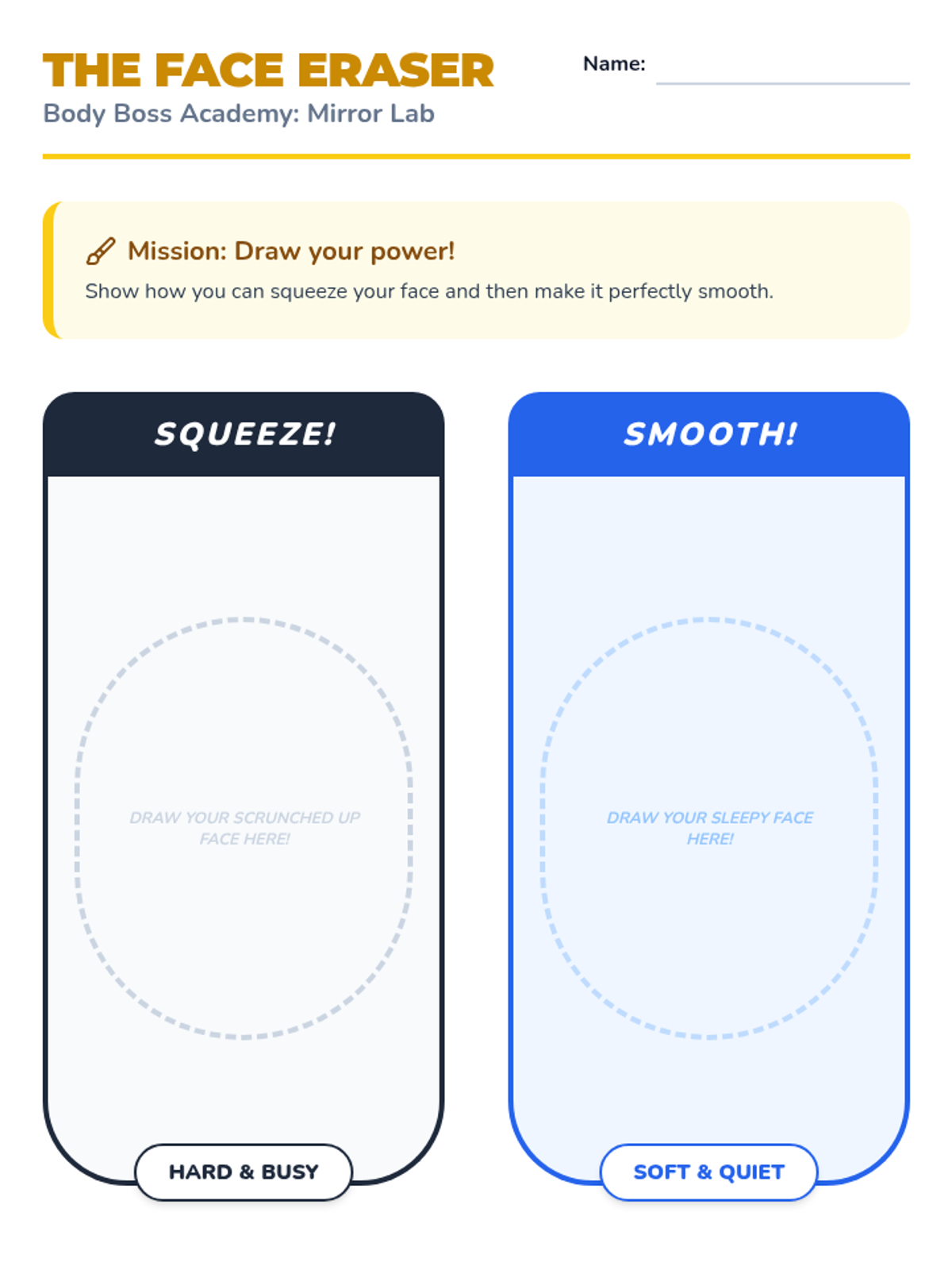
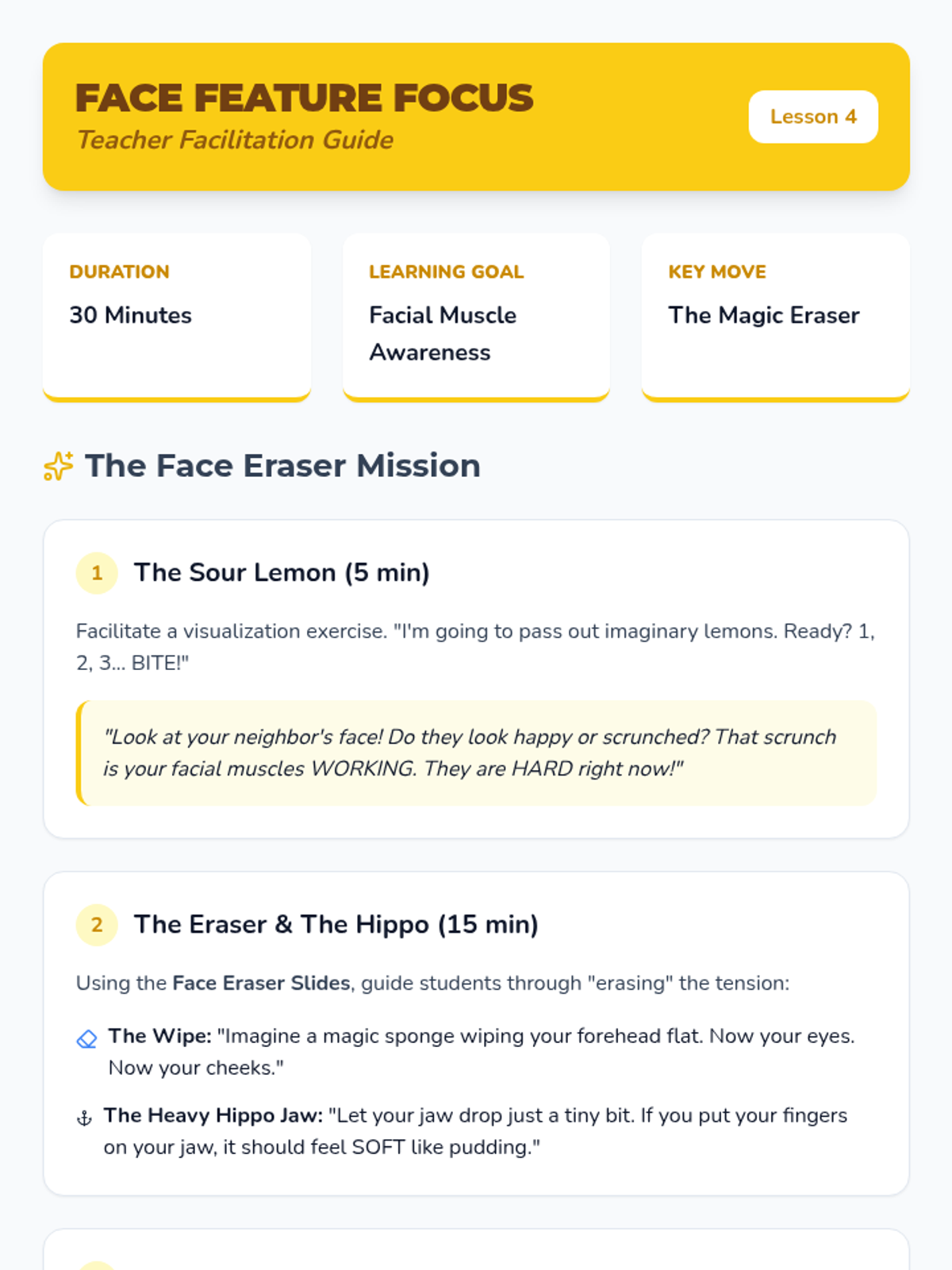
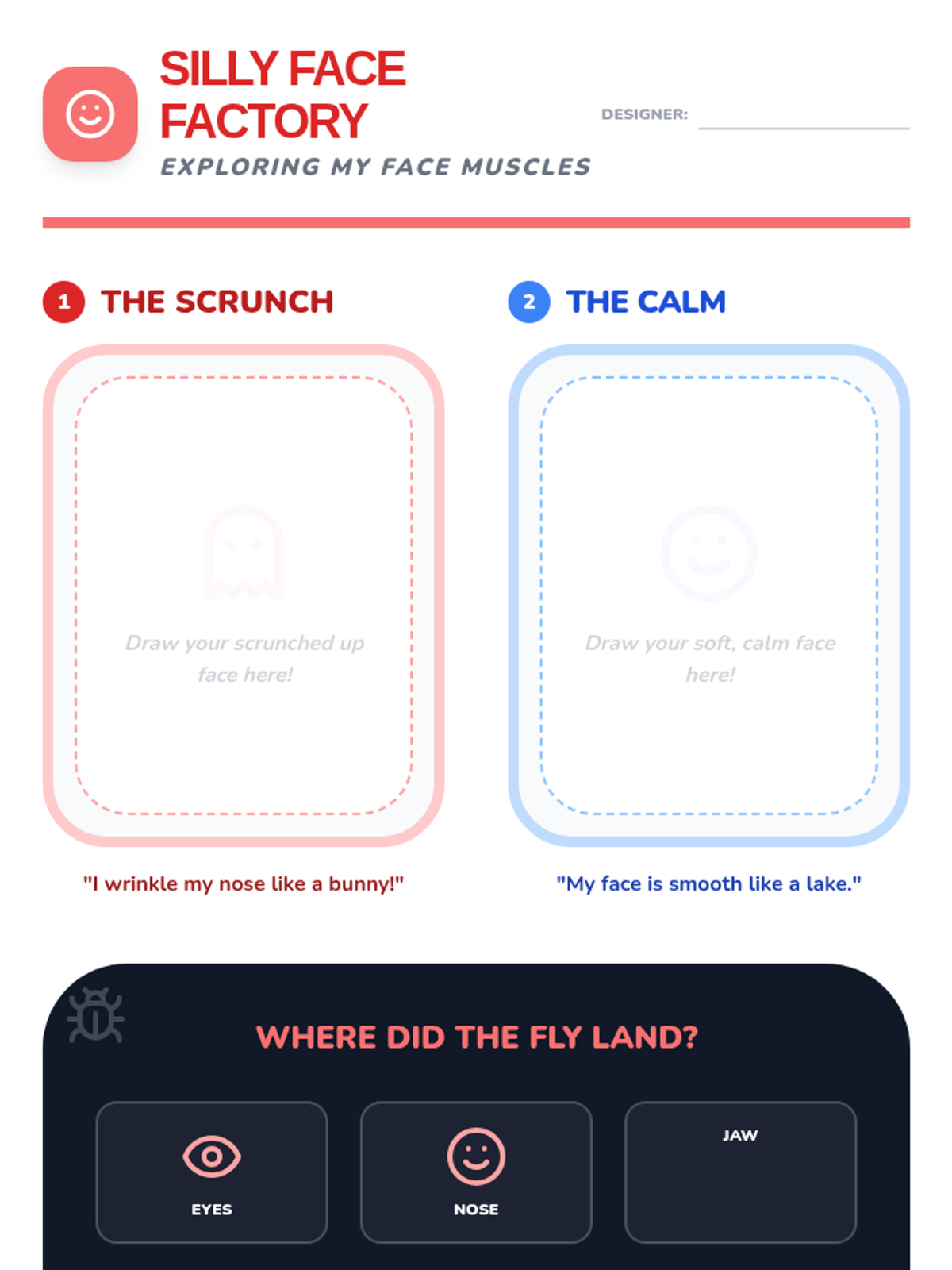
Focusing on identifying and releasing tension in the face and jaw.
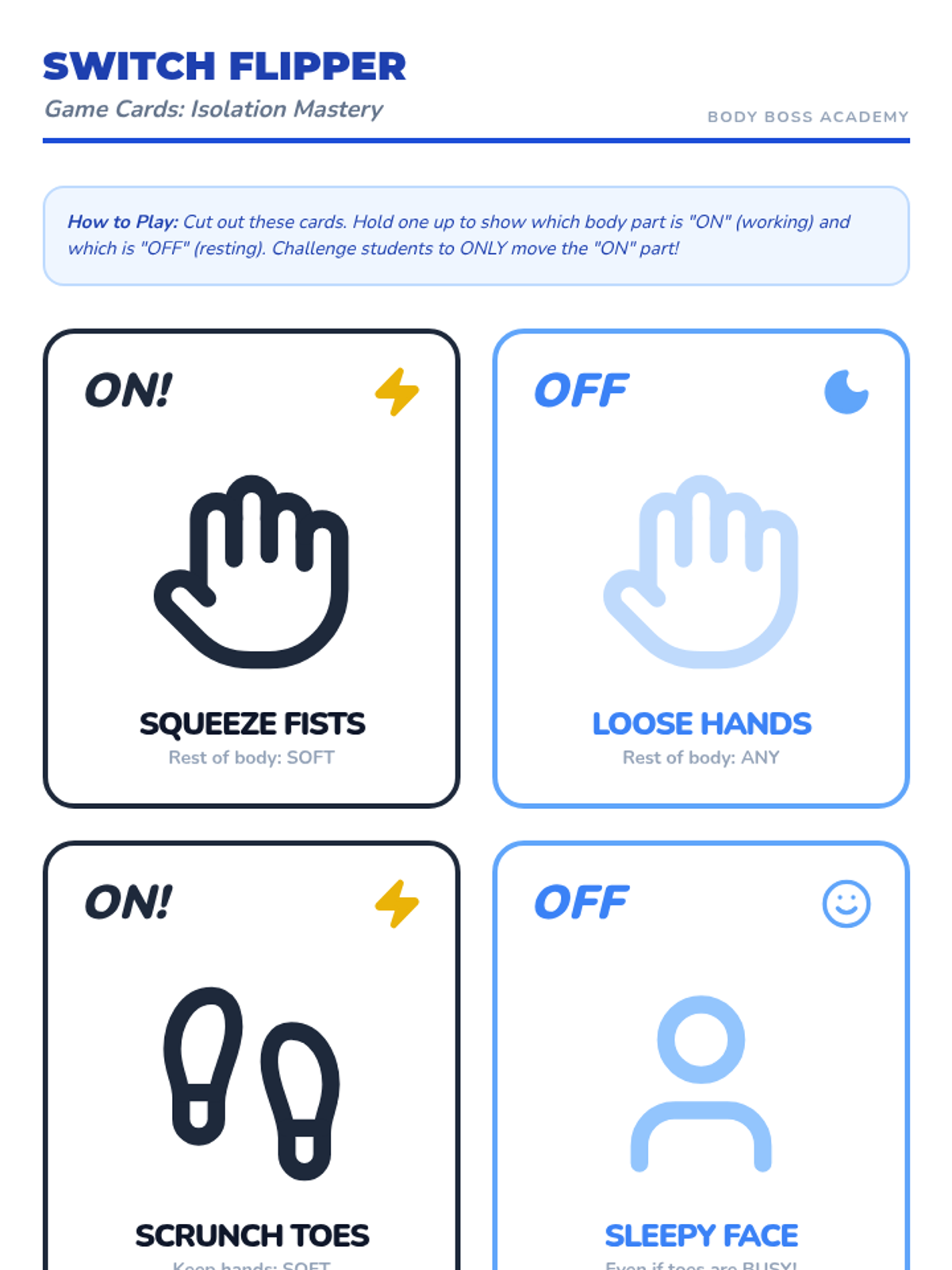
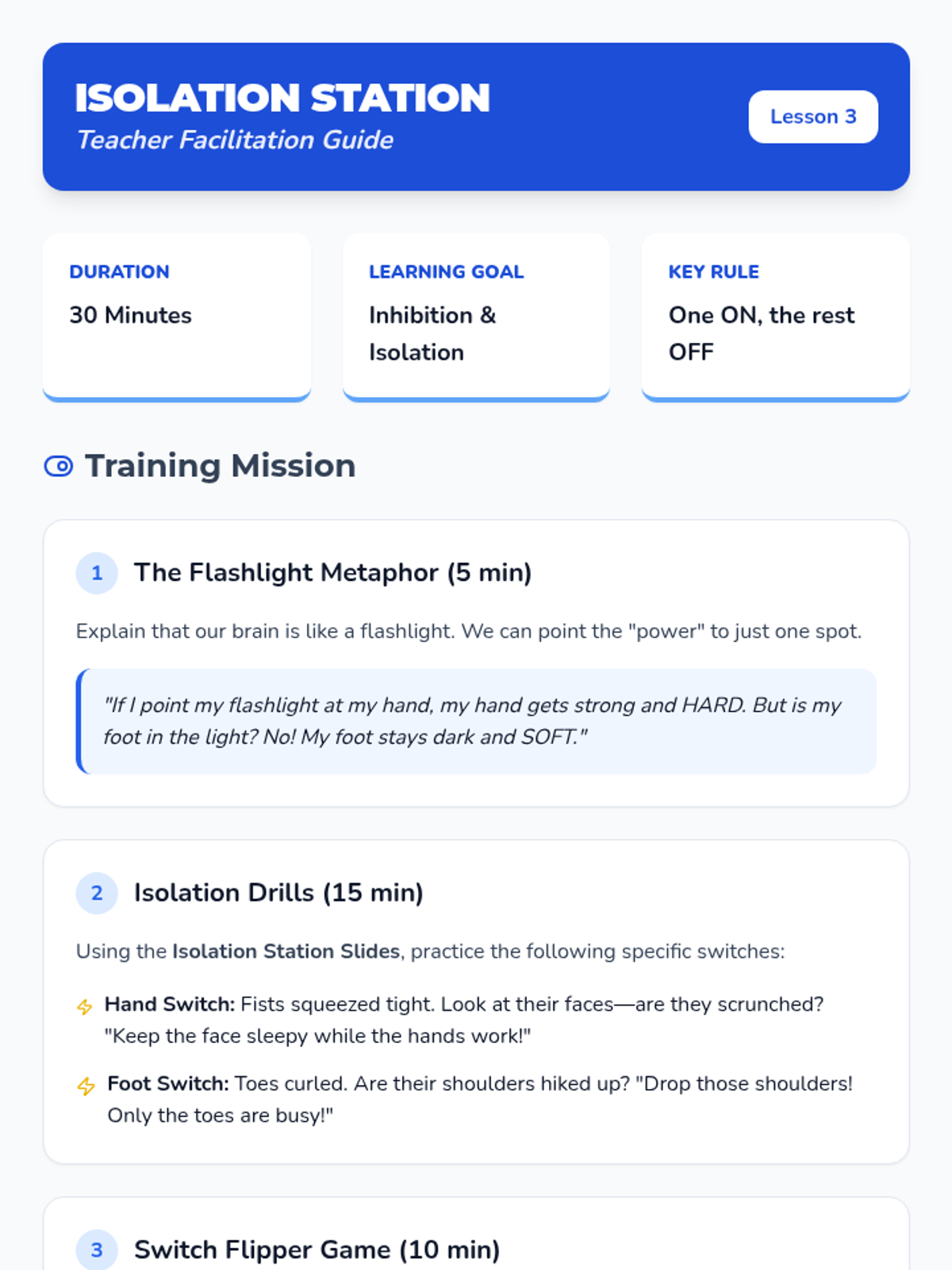
Practicing isolating tension in hands and feet while keeping the rest of the body still.
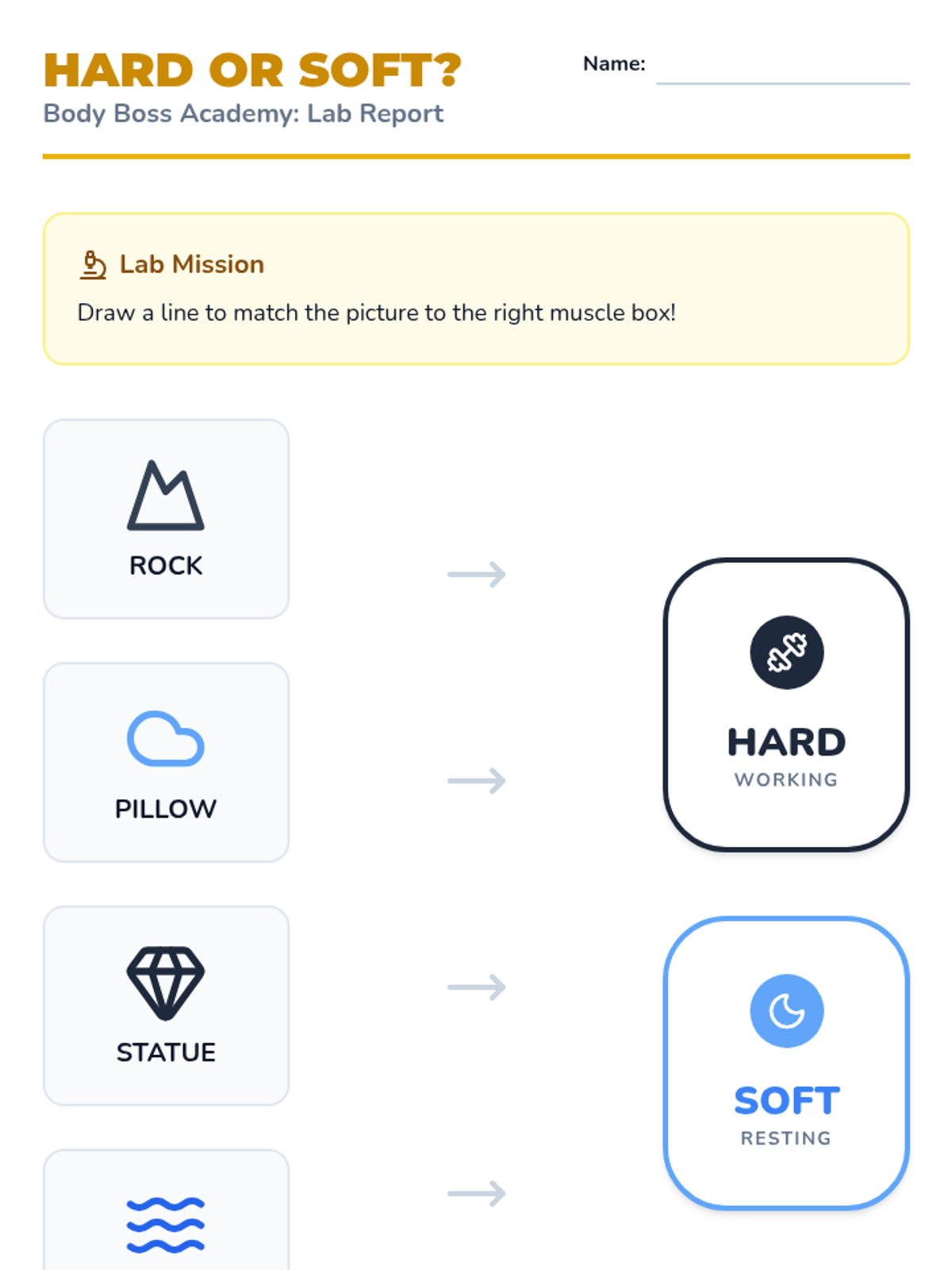
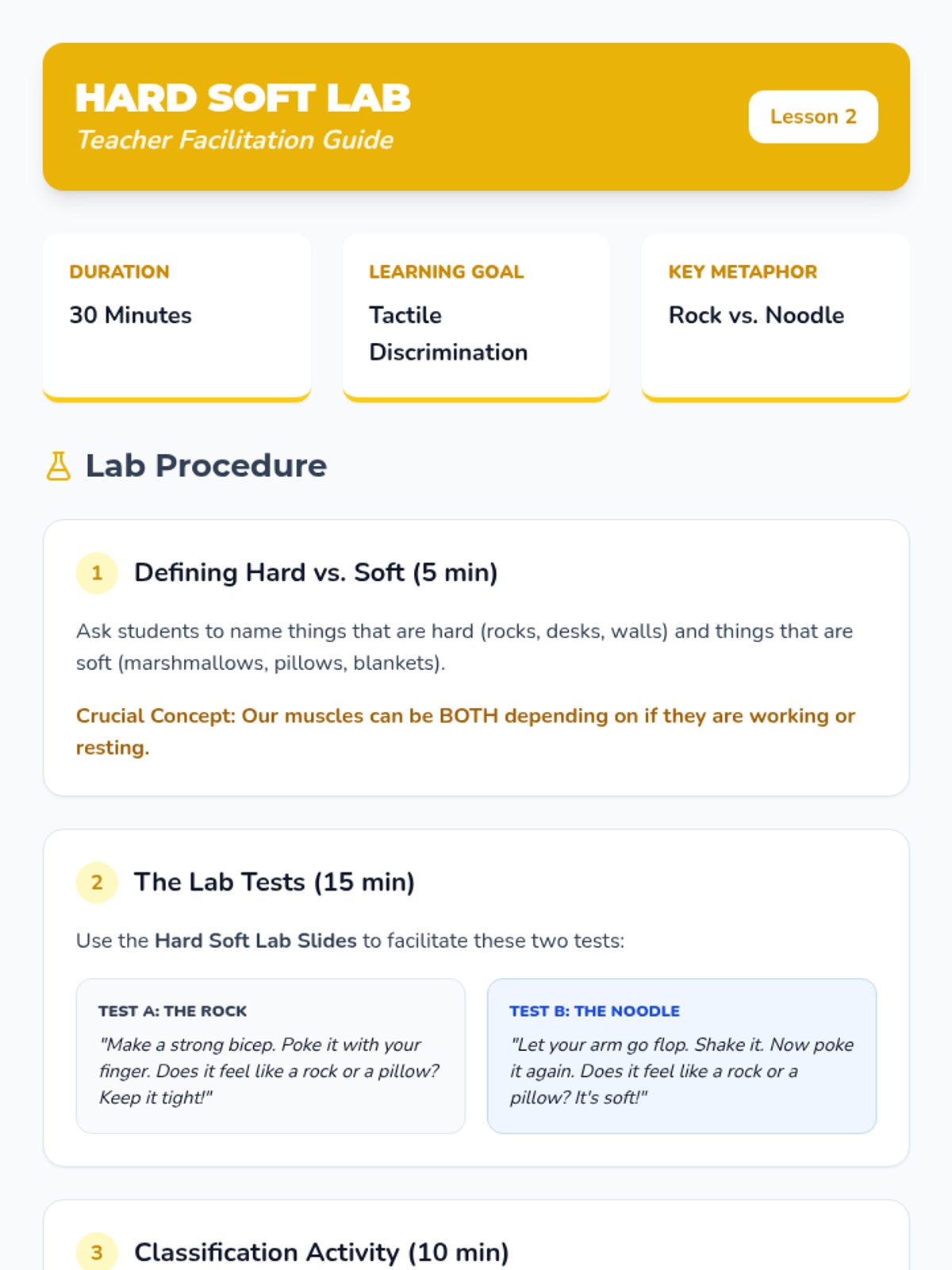
A tactile exploration of the difference between contracted (hard) and relaxed (soft) muscles.
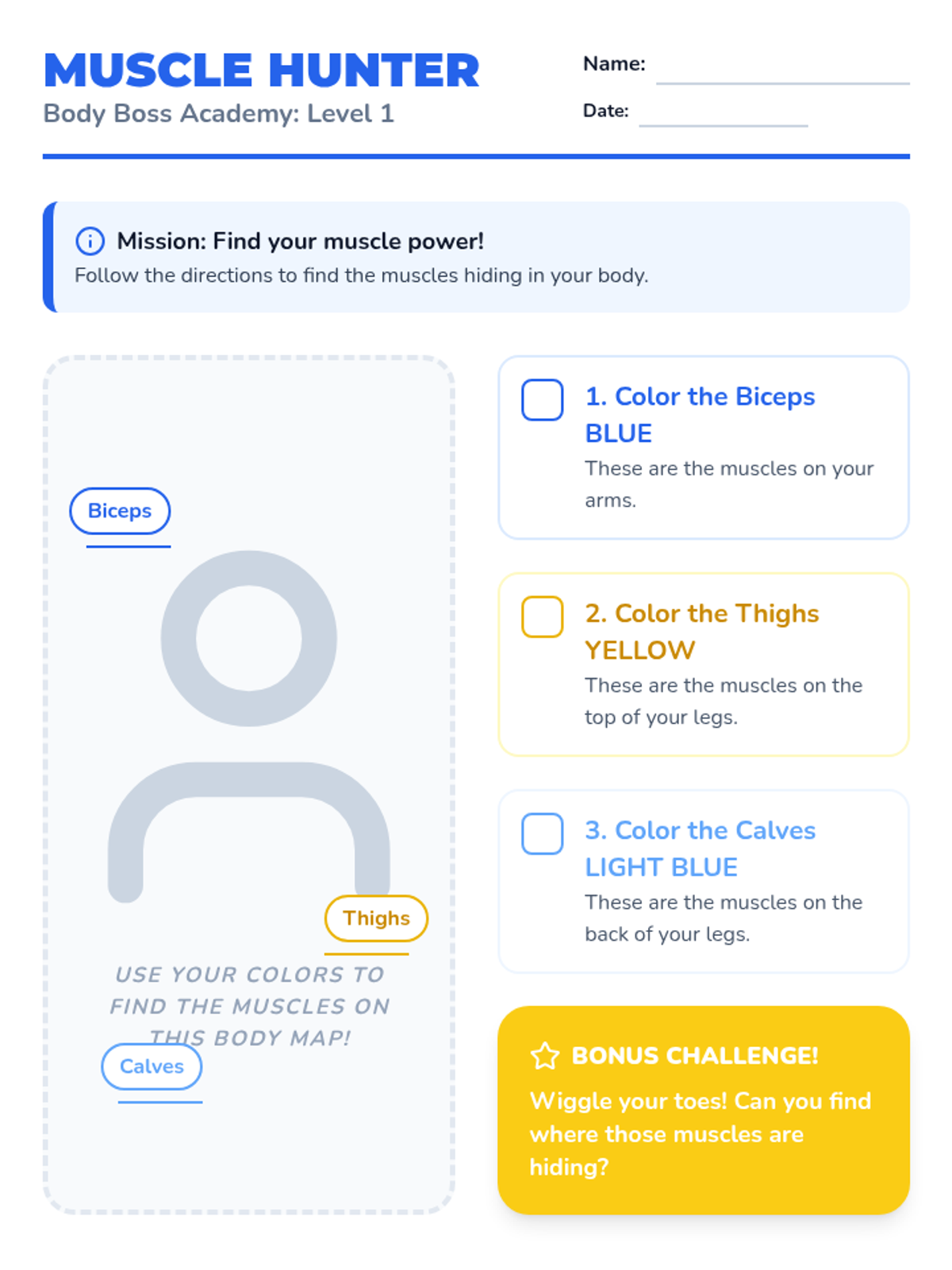
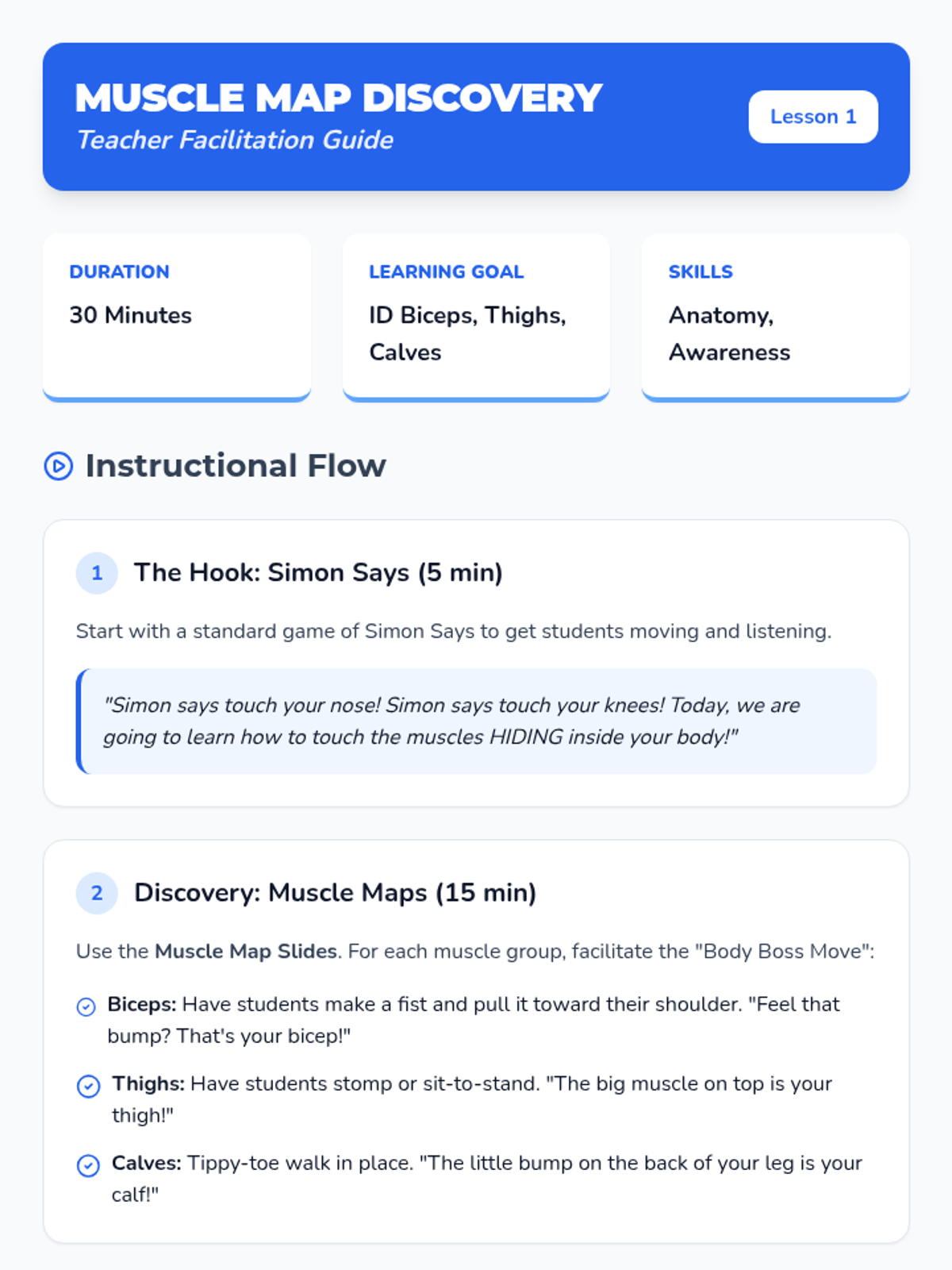
Students identify and locate major muscle groups through movement and touch, building the vocabulary for relaxation.
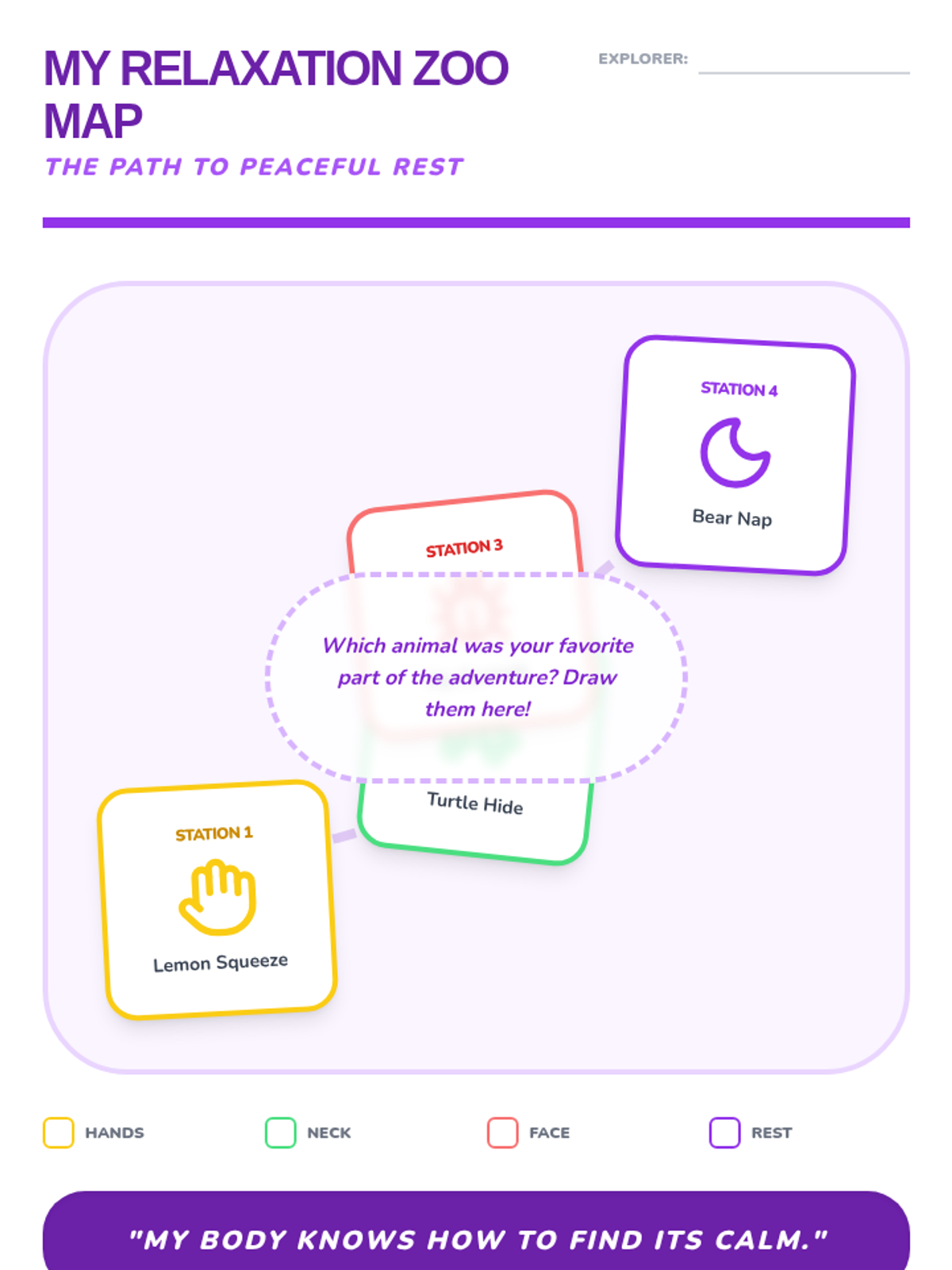
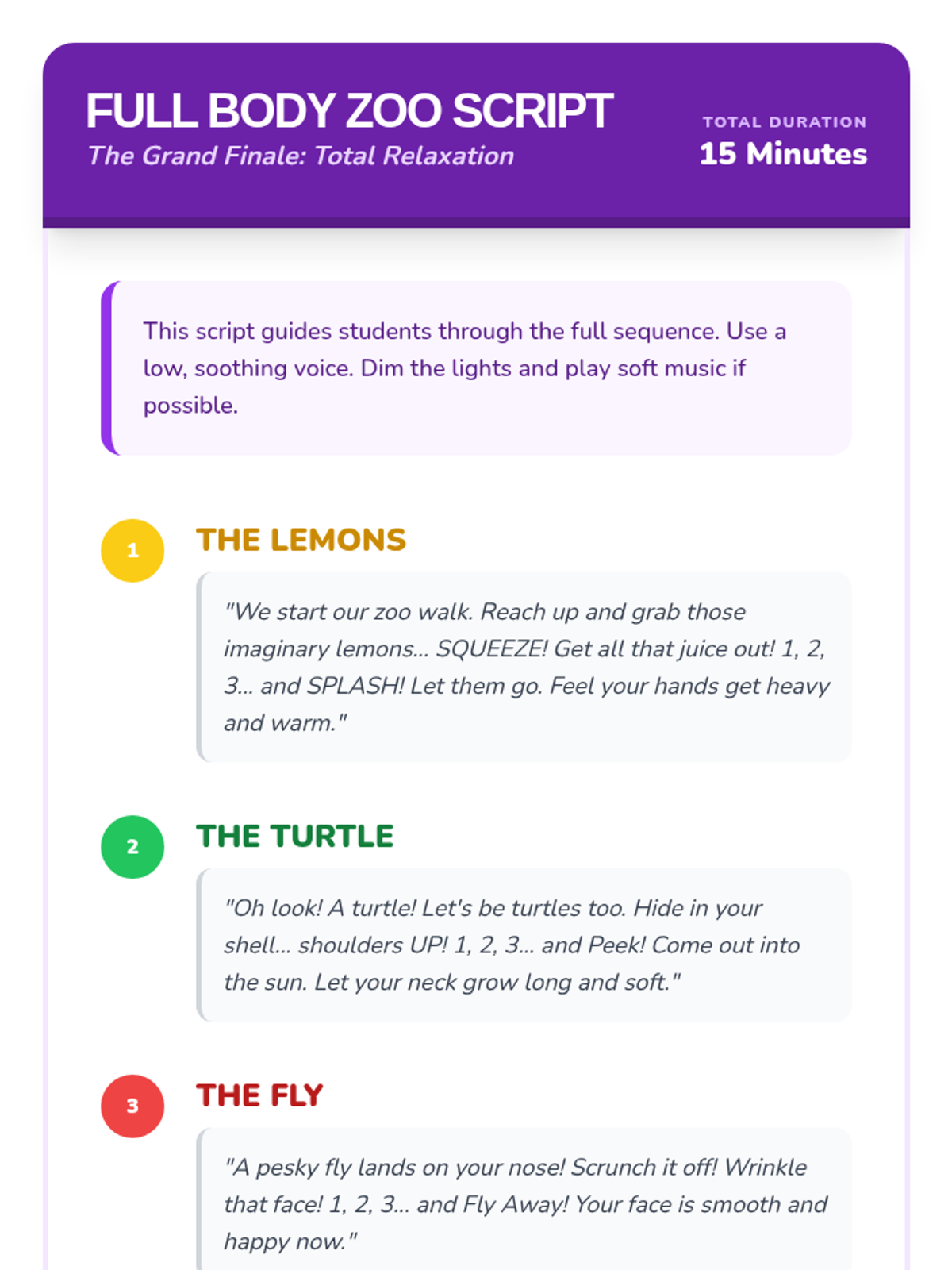
Students combine the previous animal metaphors into a sequential narrative, tensing and releasing from head to toe. The lesson culminates in a 'hibernating bear' rest period to experience full relaxation.
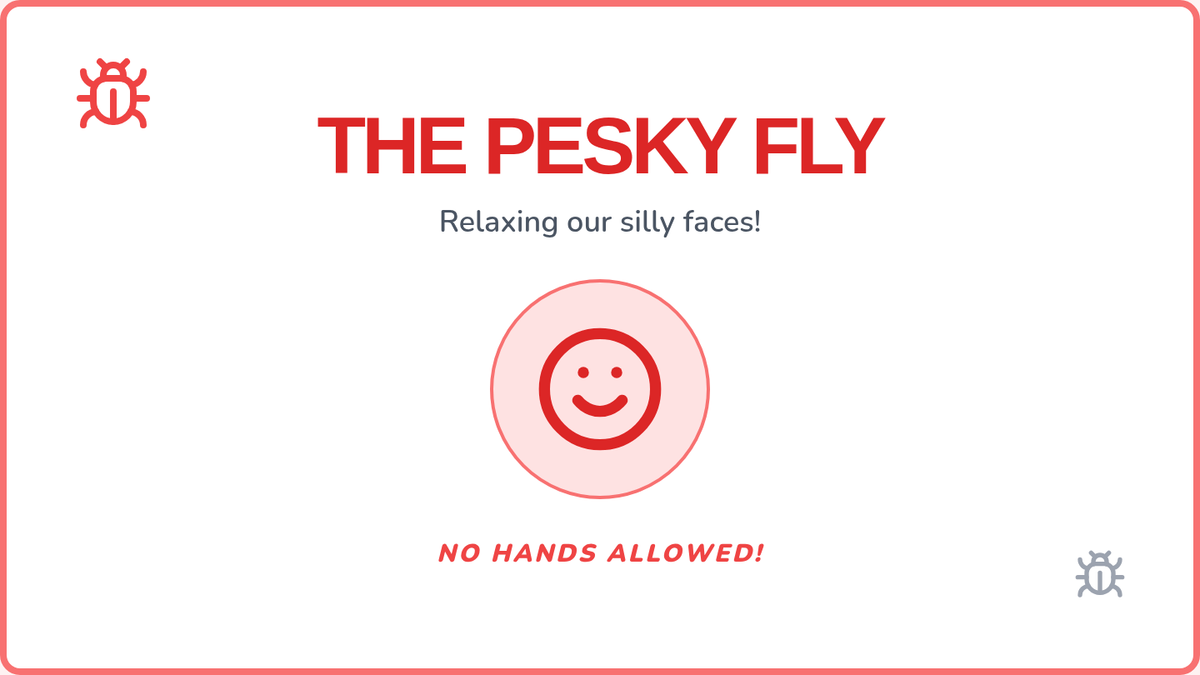
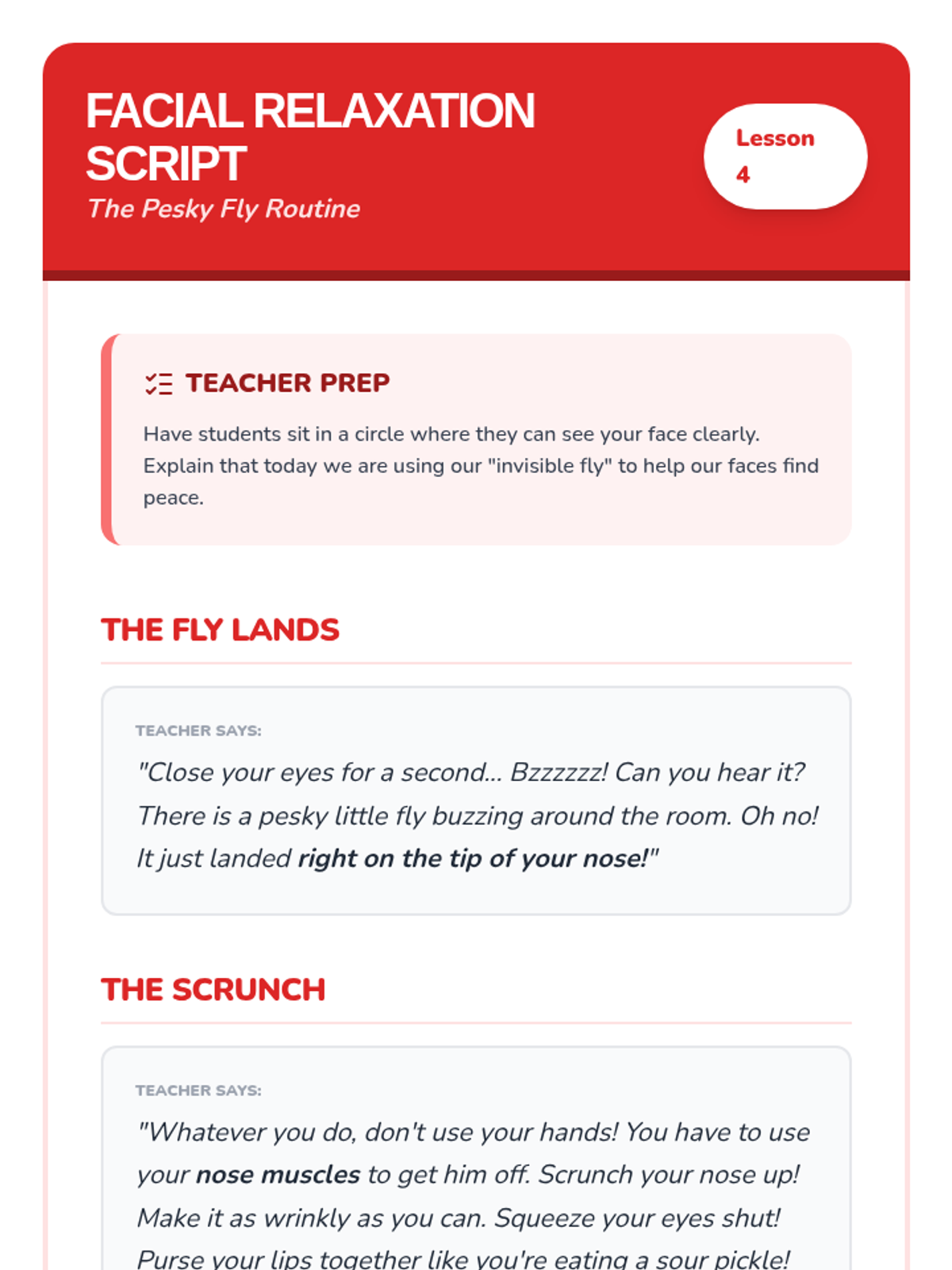
Children act out having a fly land on their nose that they need to scrunch off without using their hands. This playful activity teaches students how to recognize and release tension in their jaw, nose, and forehead.
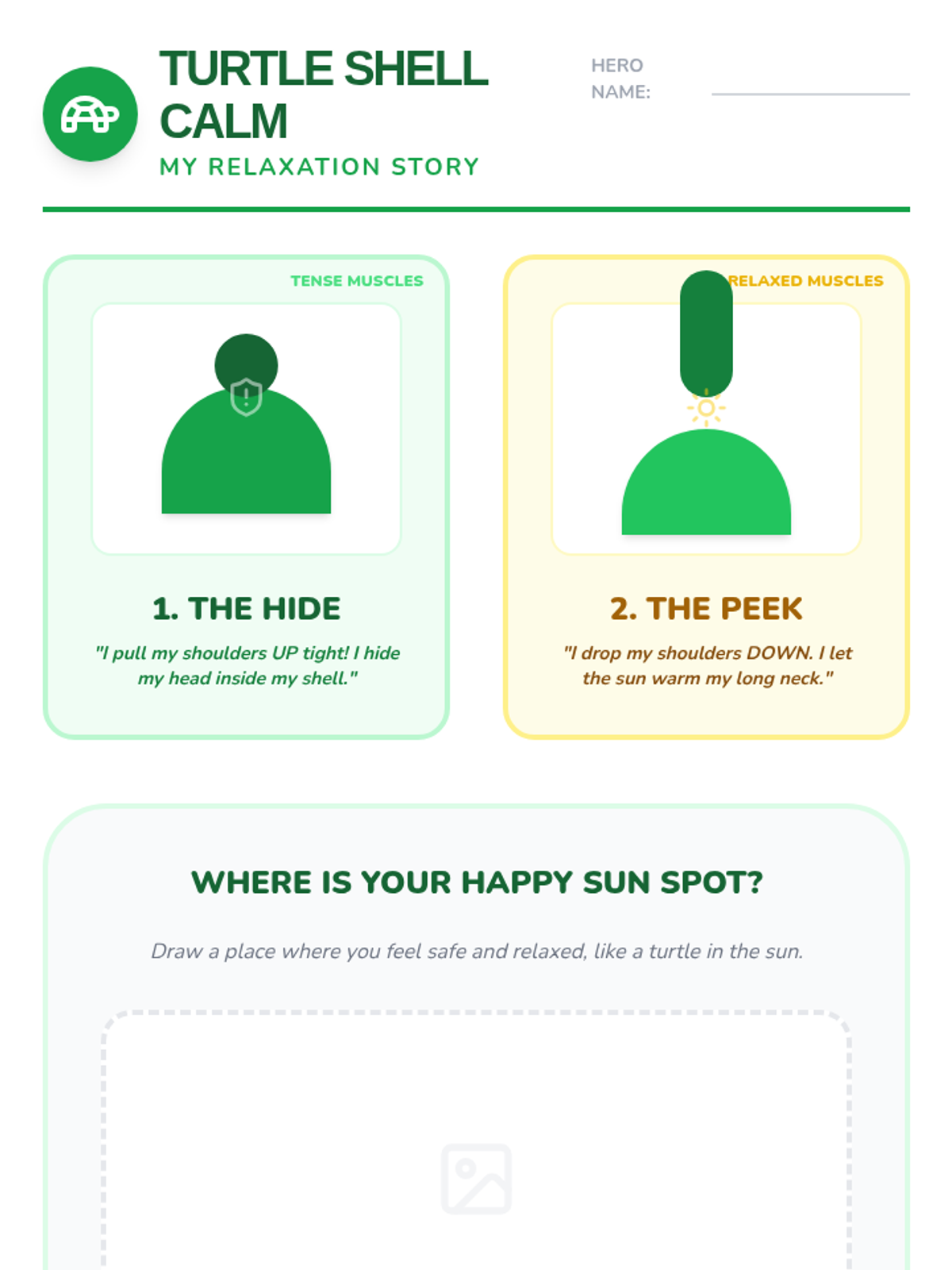
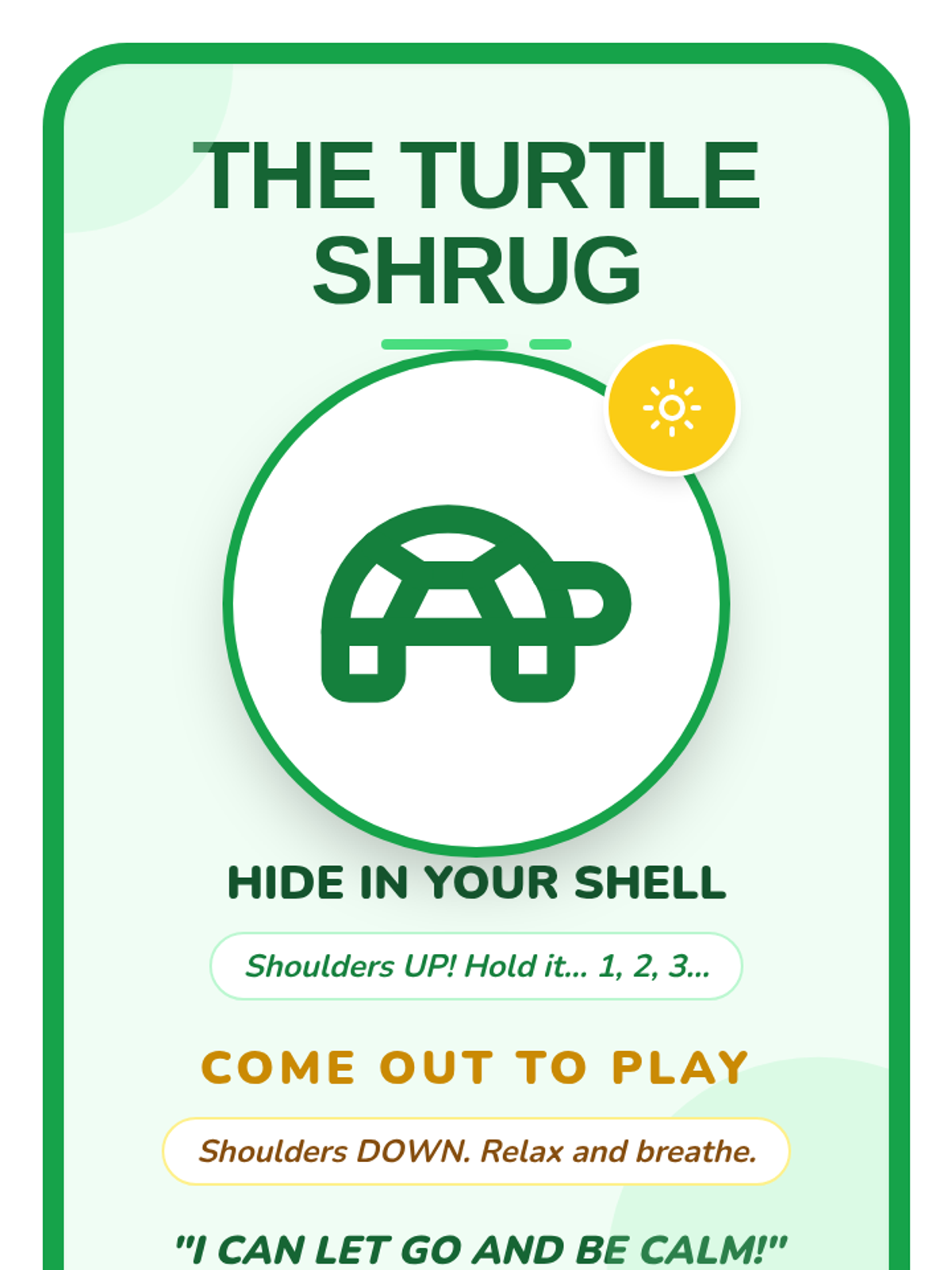
Students pretend to be turtles retreating into their shells to tense their shoulders and necks, then releasing to 'come out in the sun.' This targets the common stress-holding area of the trapezius muscles.
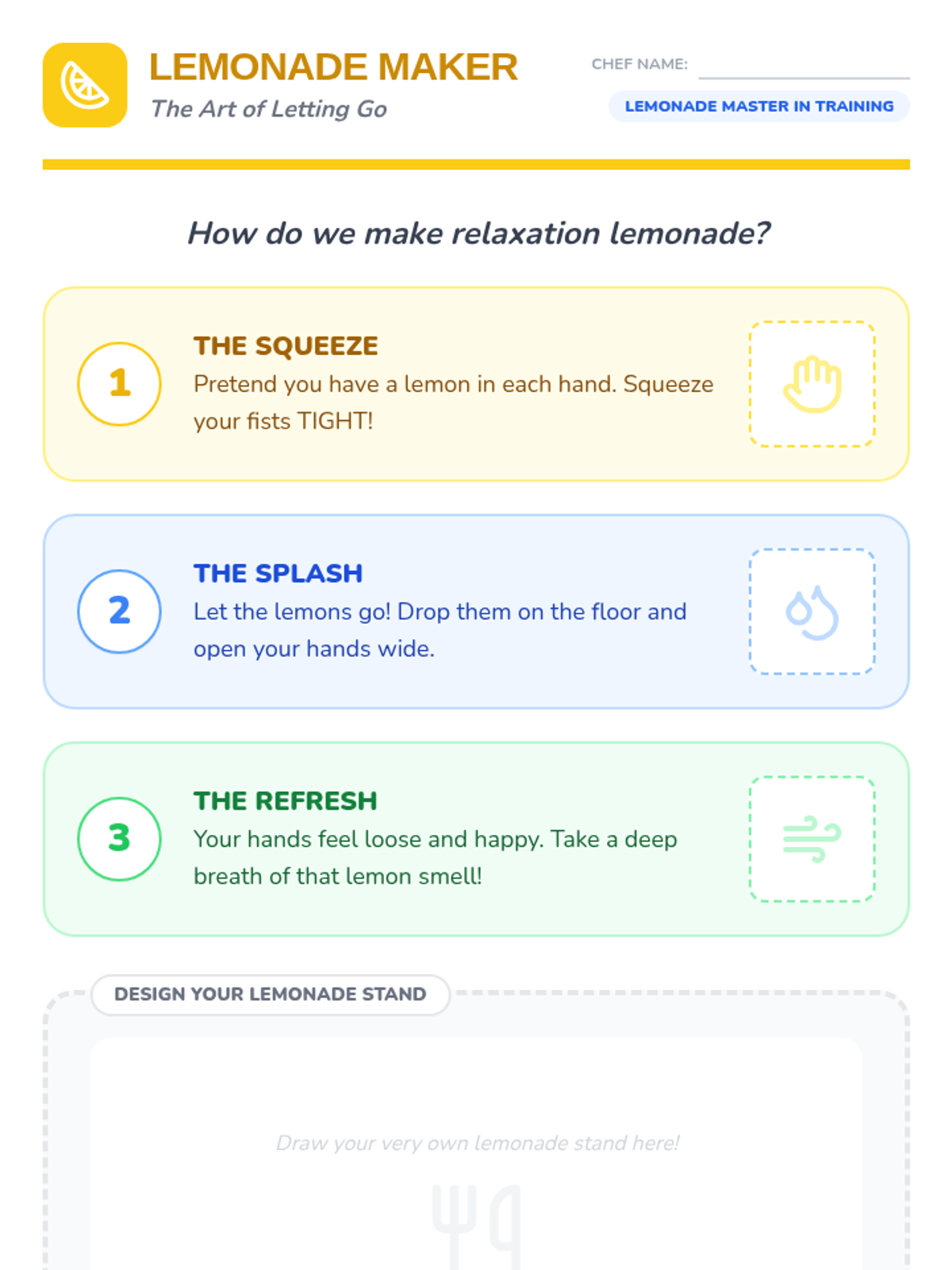
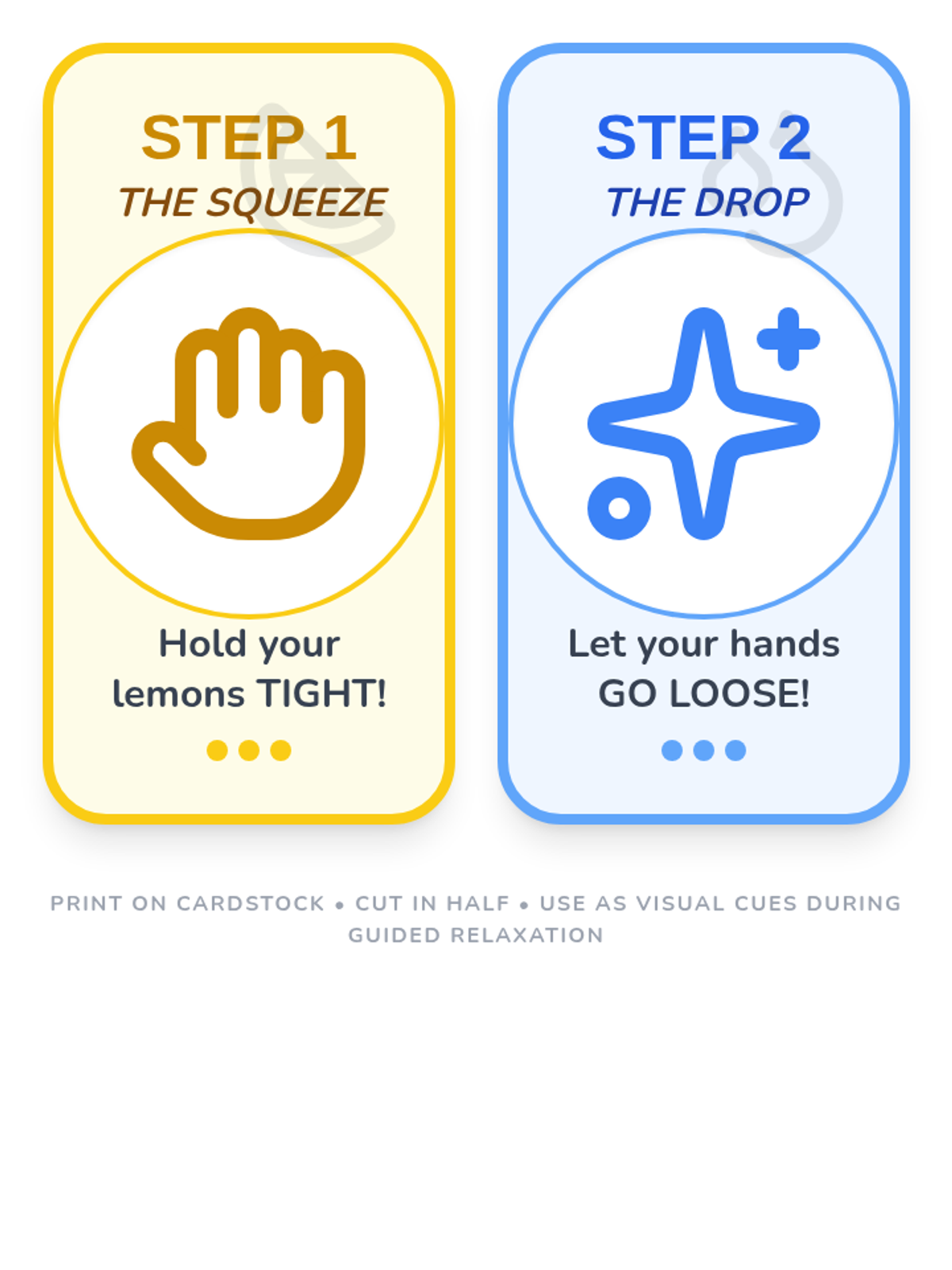
Using the metaphor of squeezing lemons to make lemonade, students practice tensing their hands and arms and then letting go. This lesson isolates upper extremity muscles to teach the contrast between effort and release.
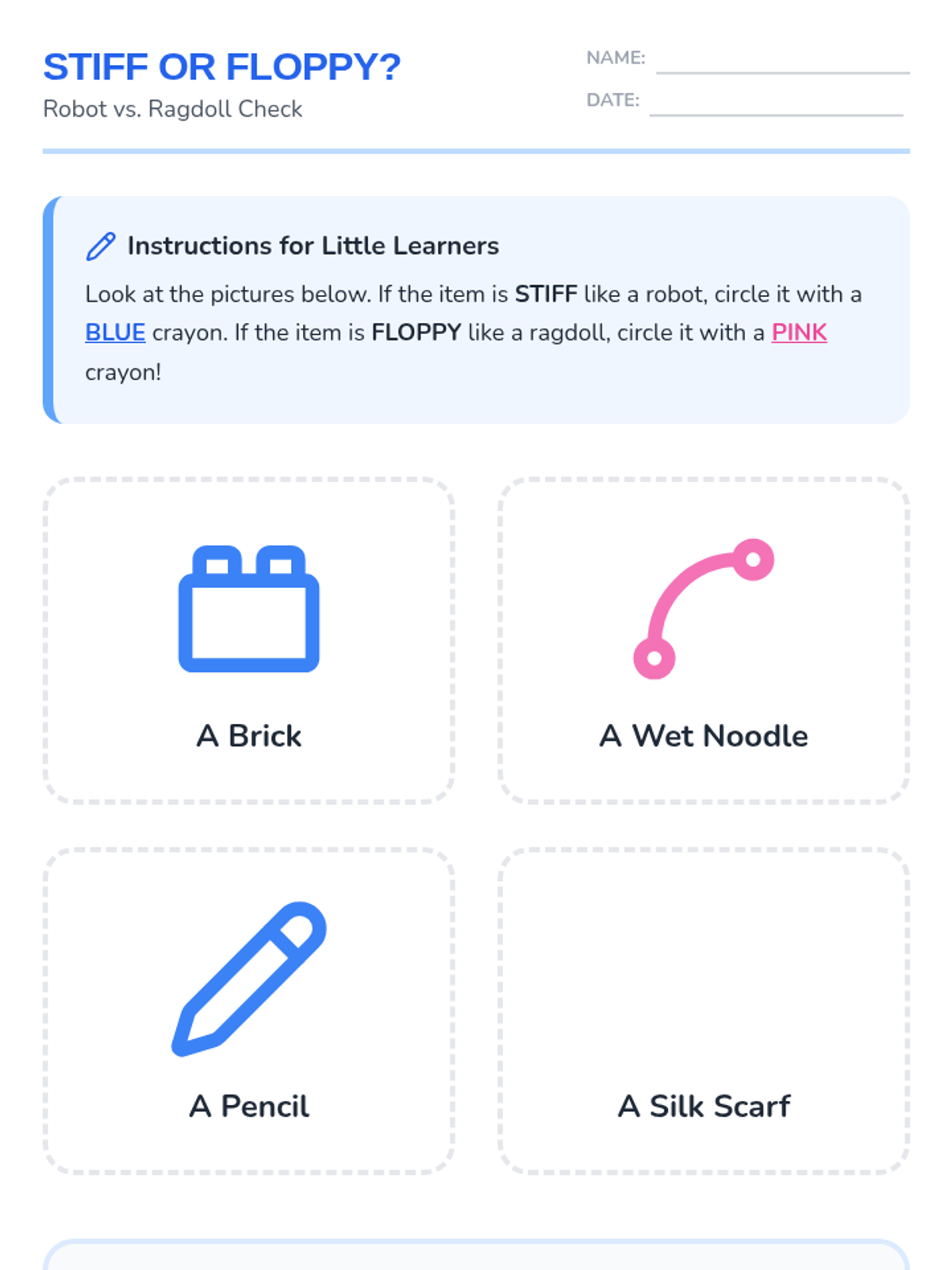
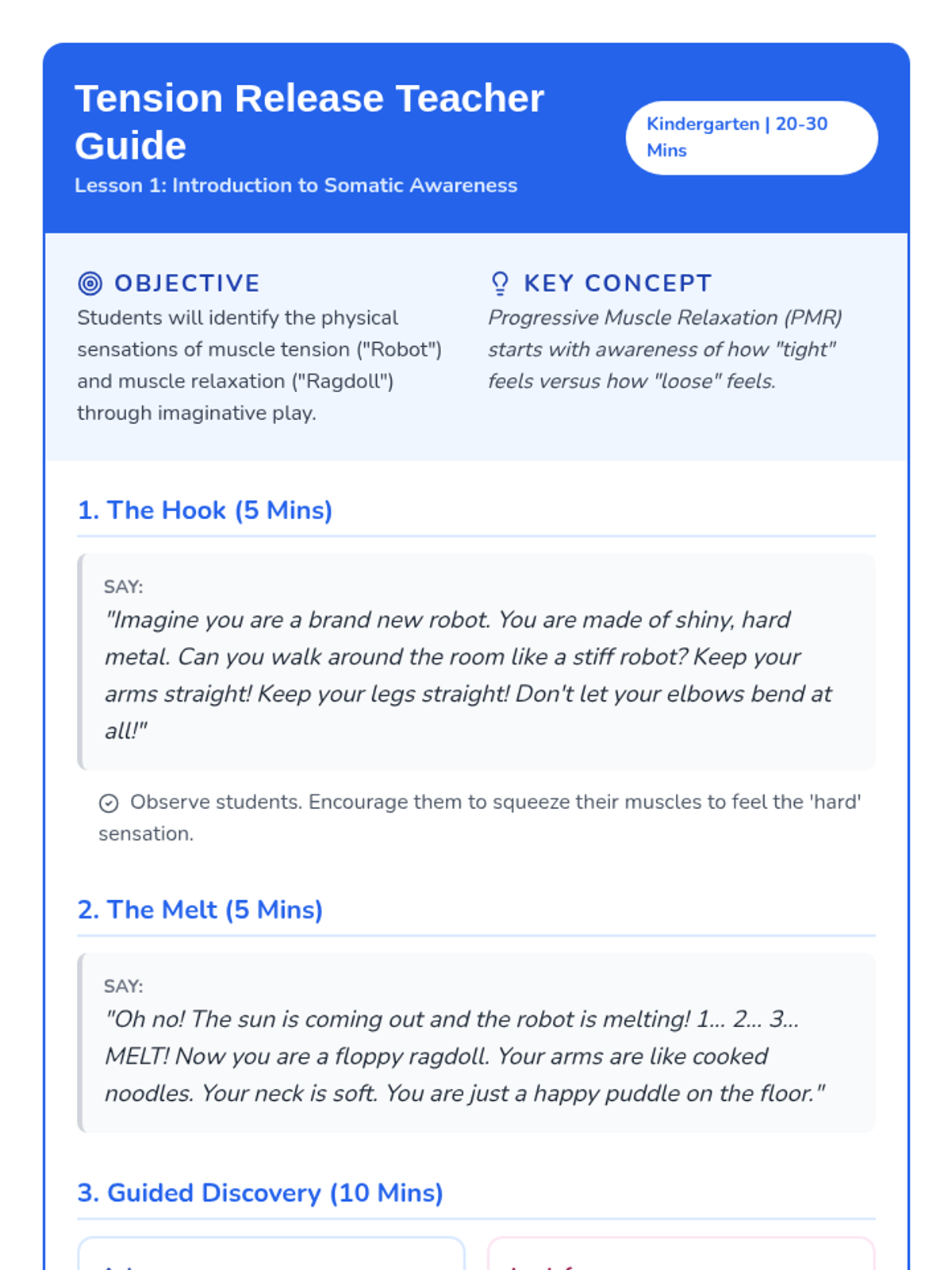
Students explore the difference between being 'stiff like a robot' and 'floppy like a ragdoll' to understand basic muscle states. They practice alternating between these two states to build initial somatic awareness.
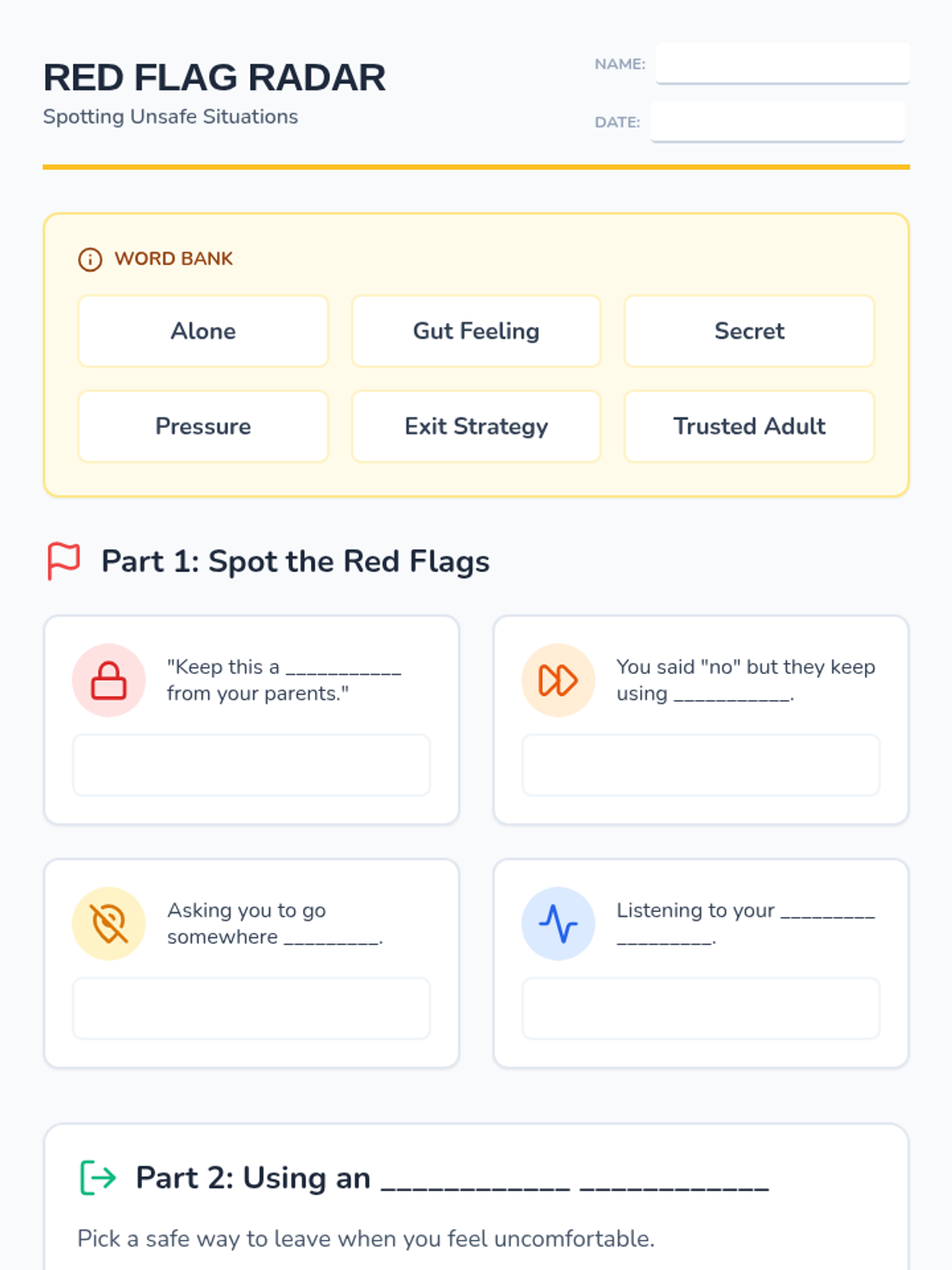
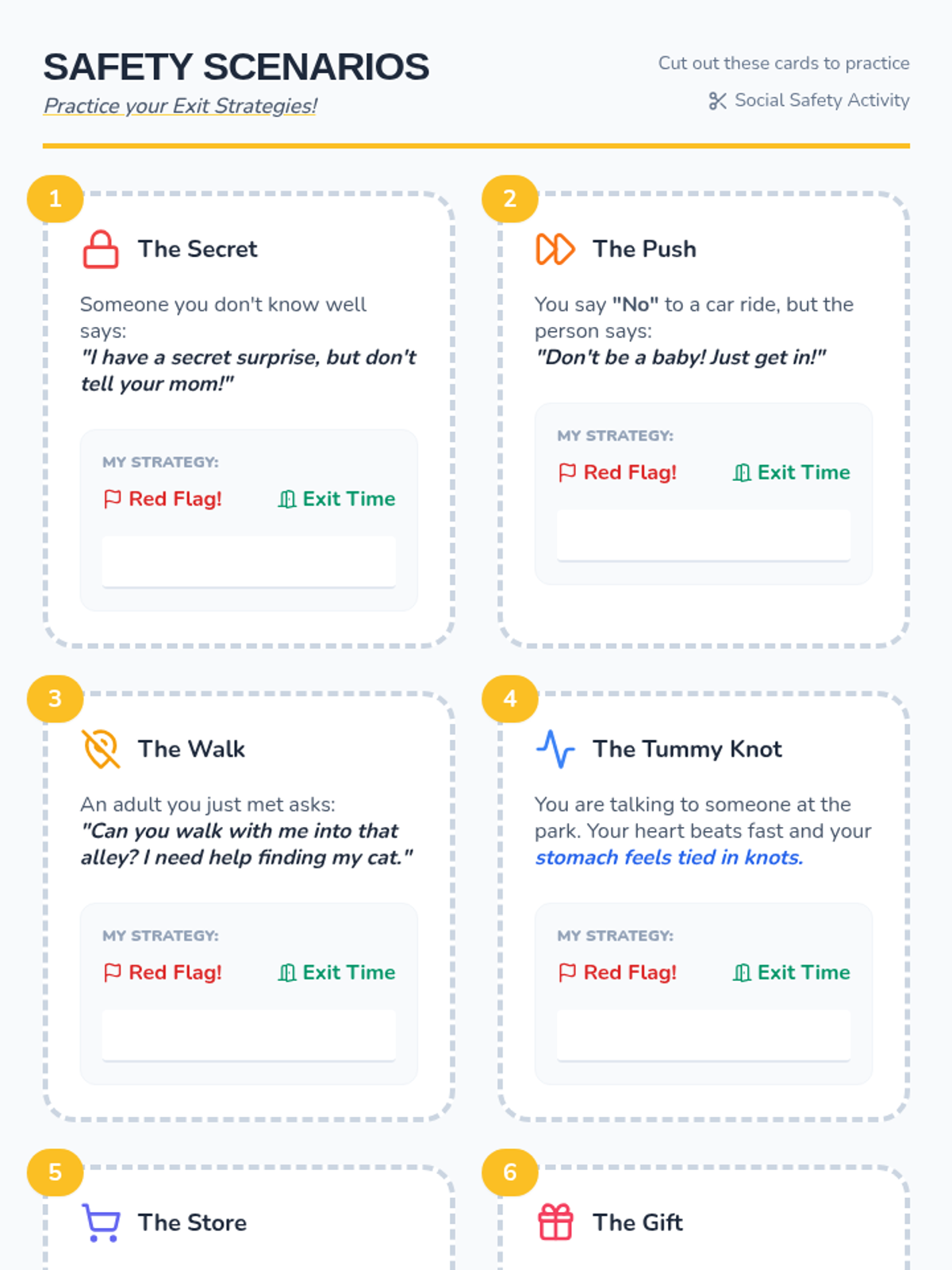
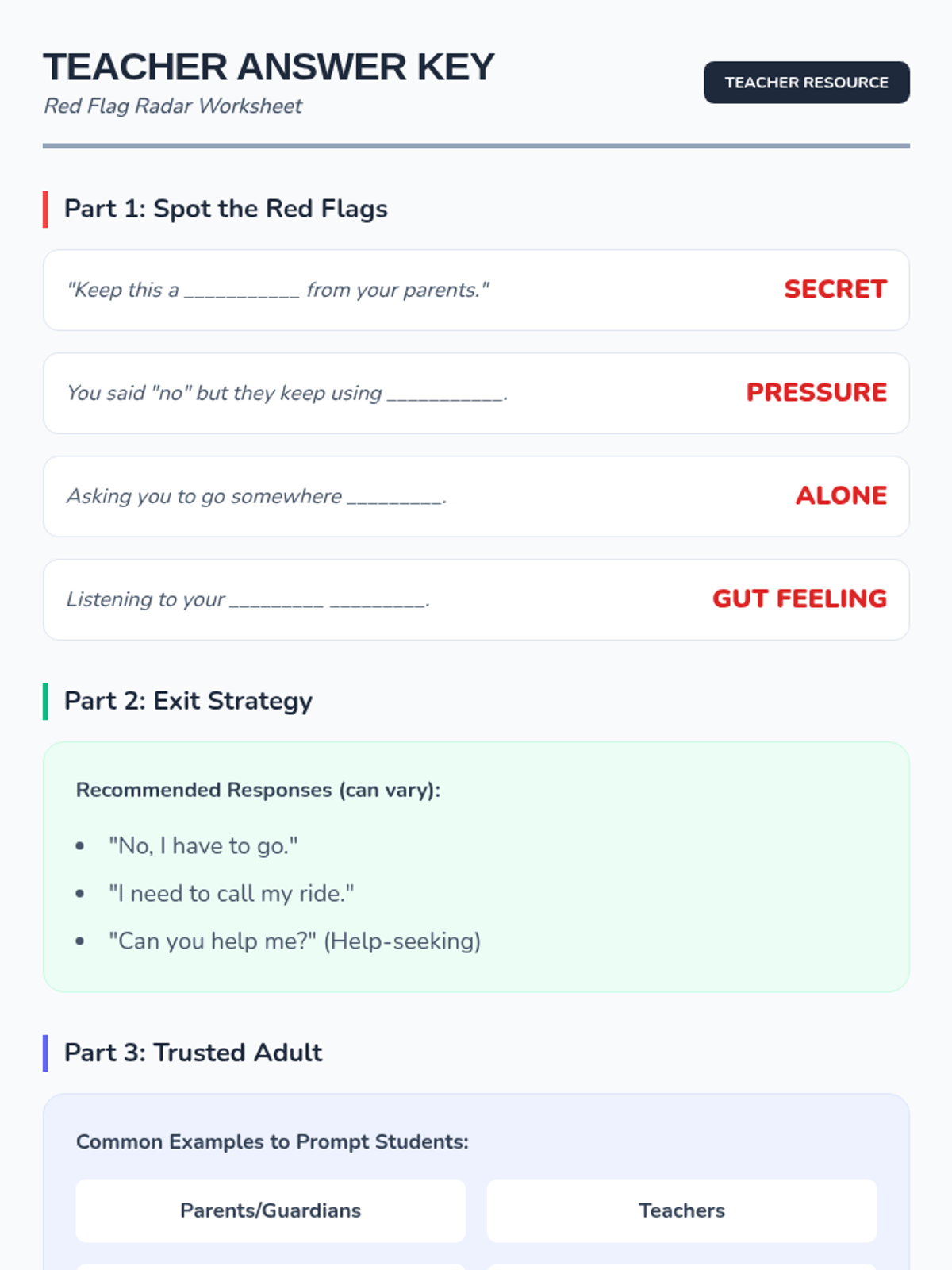
This lesson focuses on identifying 'red flags' in social situations, understanding the importance of 'gut feelings', and practicing exit strategies to move to safety. Students will learn to recognize subtle warning signs and identify trusted adults they can turn to for help.
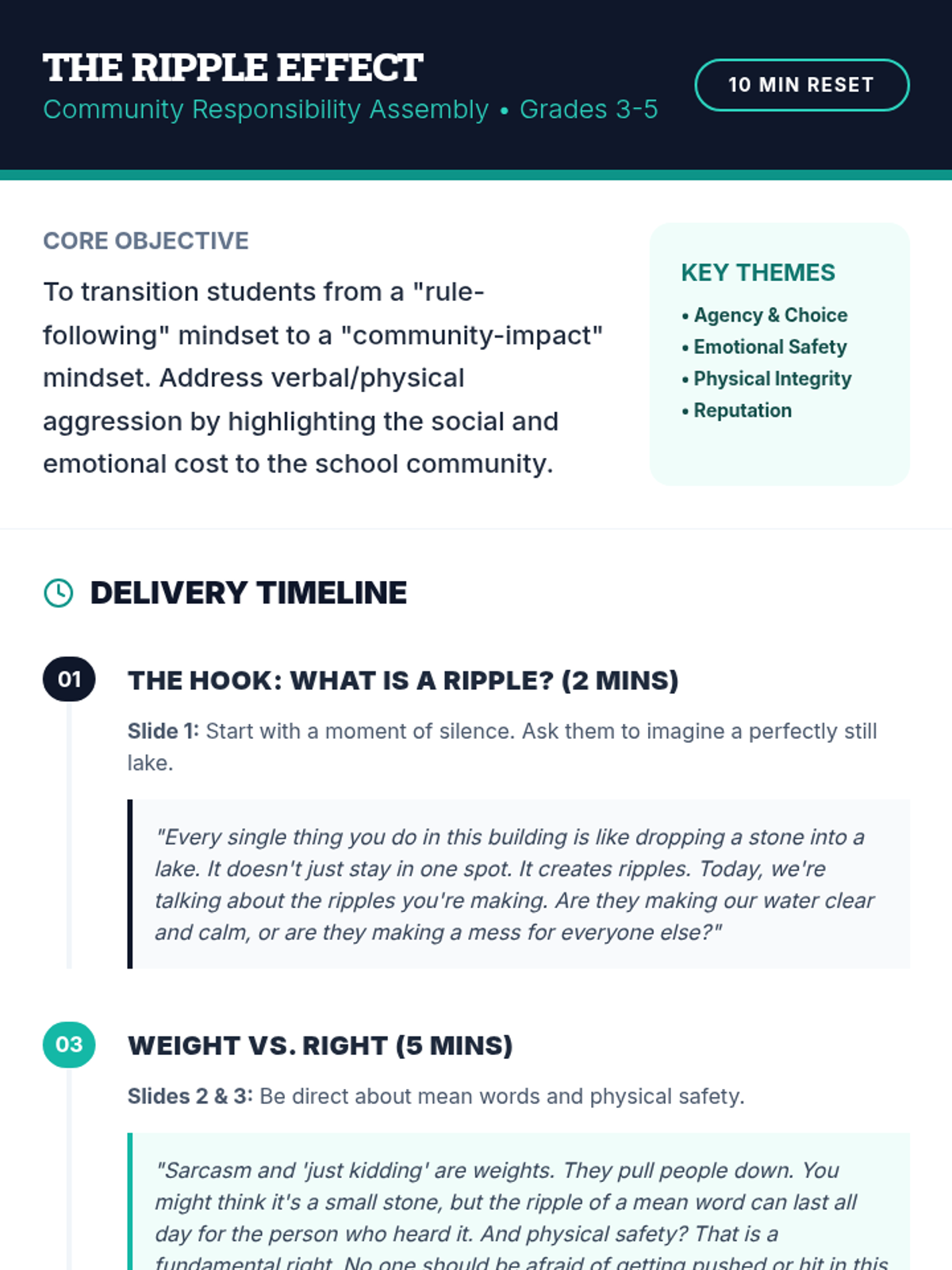
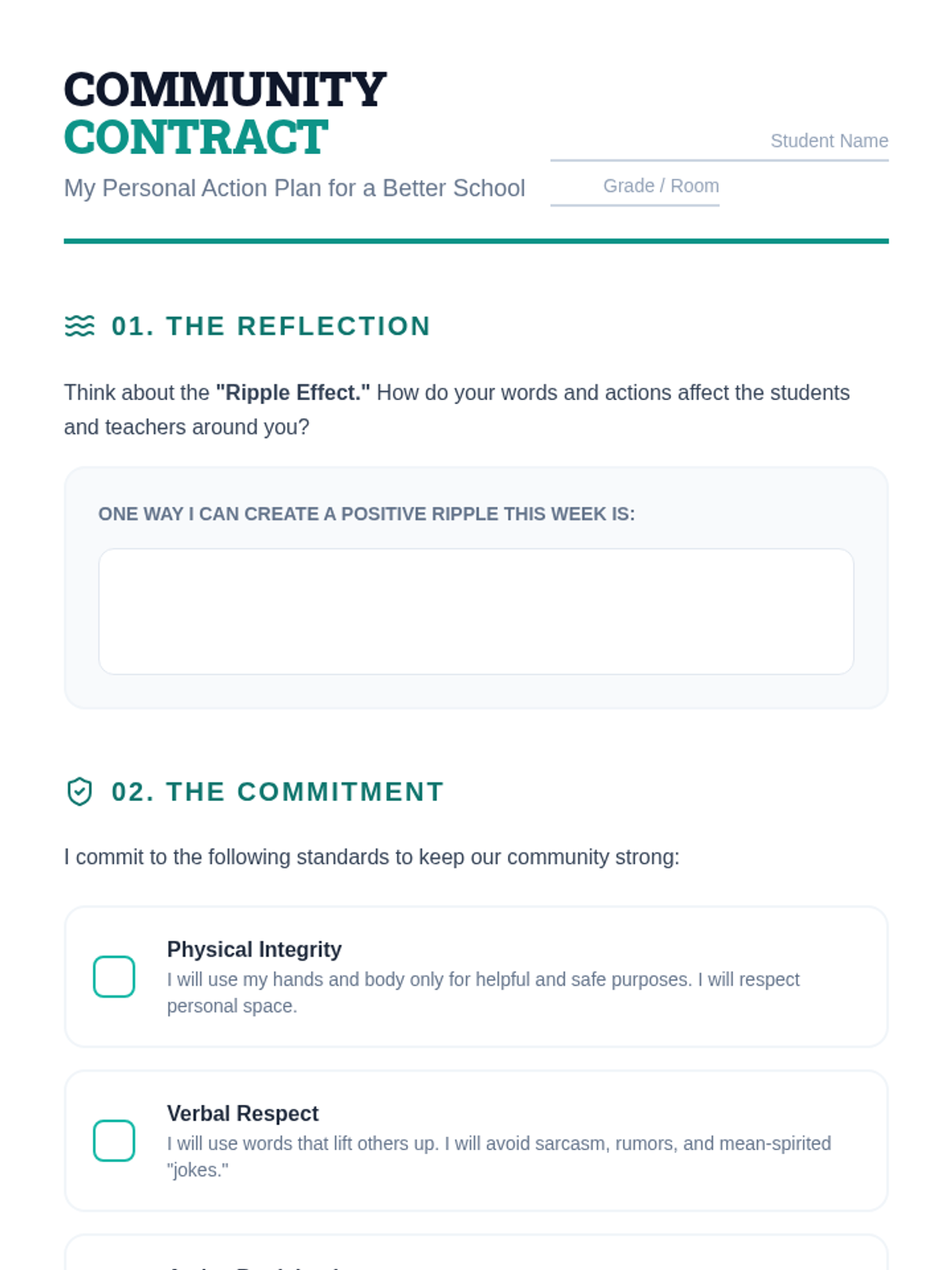
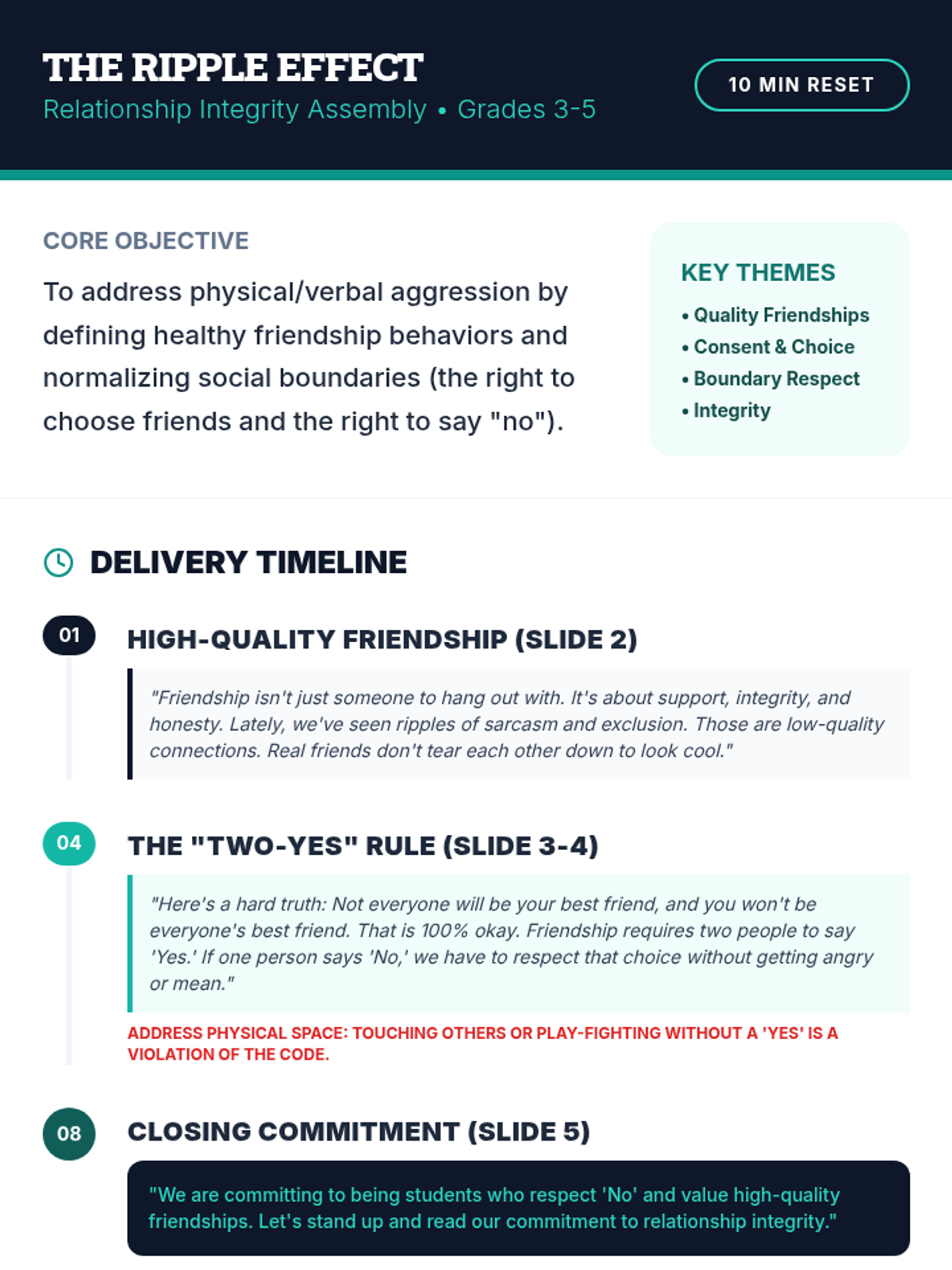
A 10-minute assembly for upper elementary students focusing on the impact of their choices on the school community and building a culture of respect.
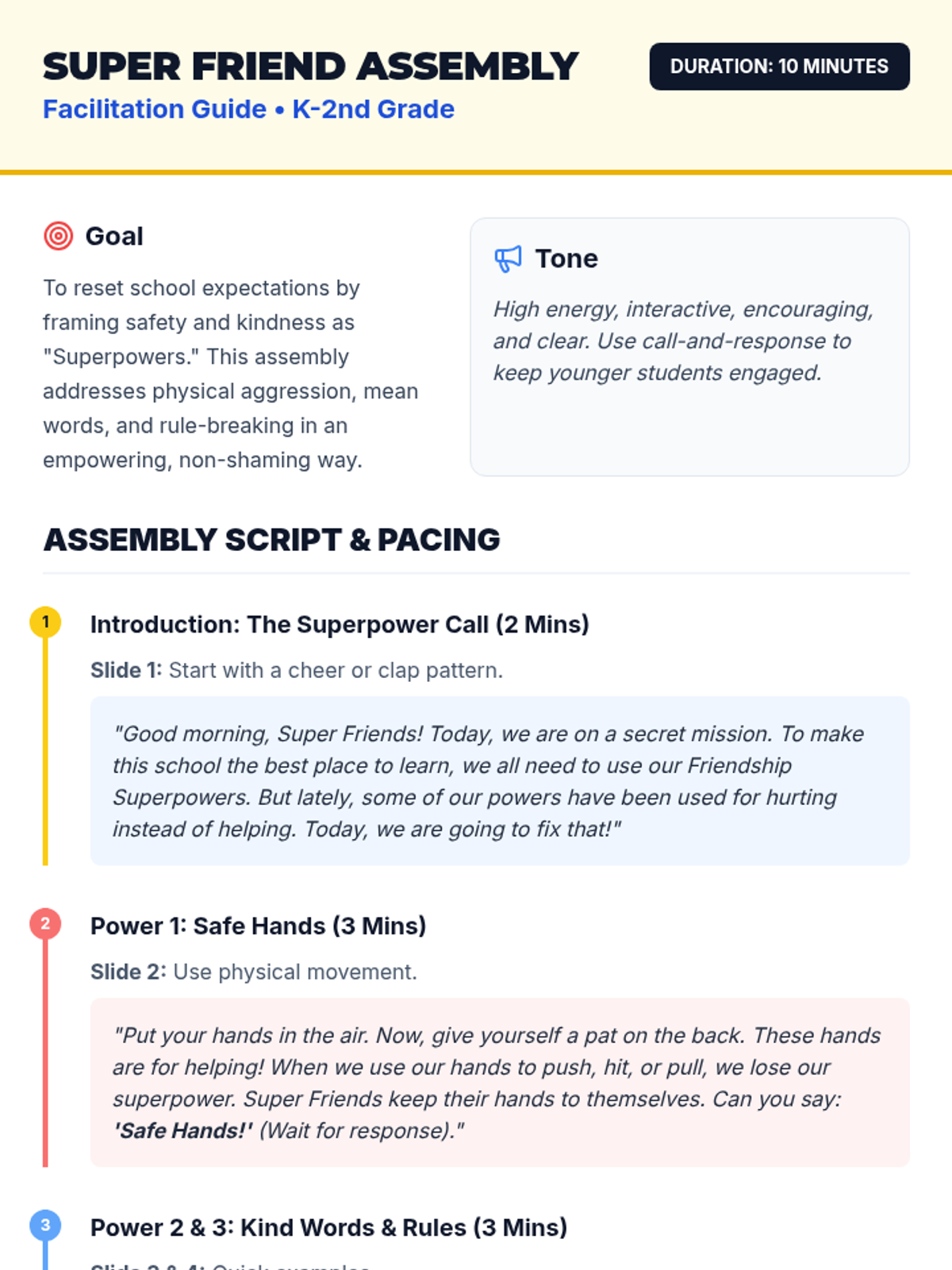
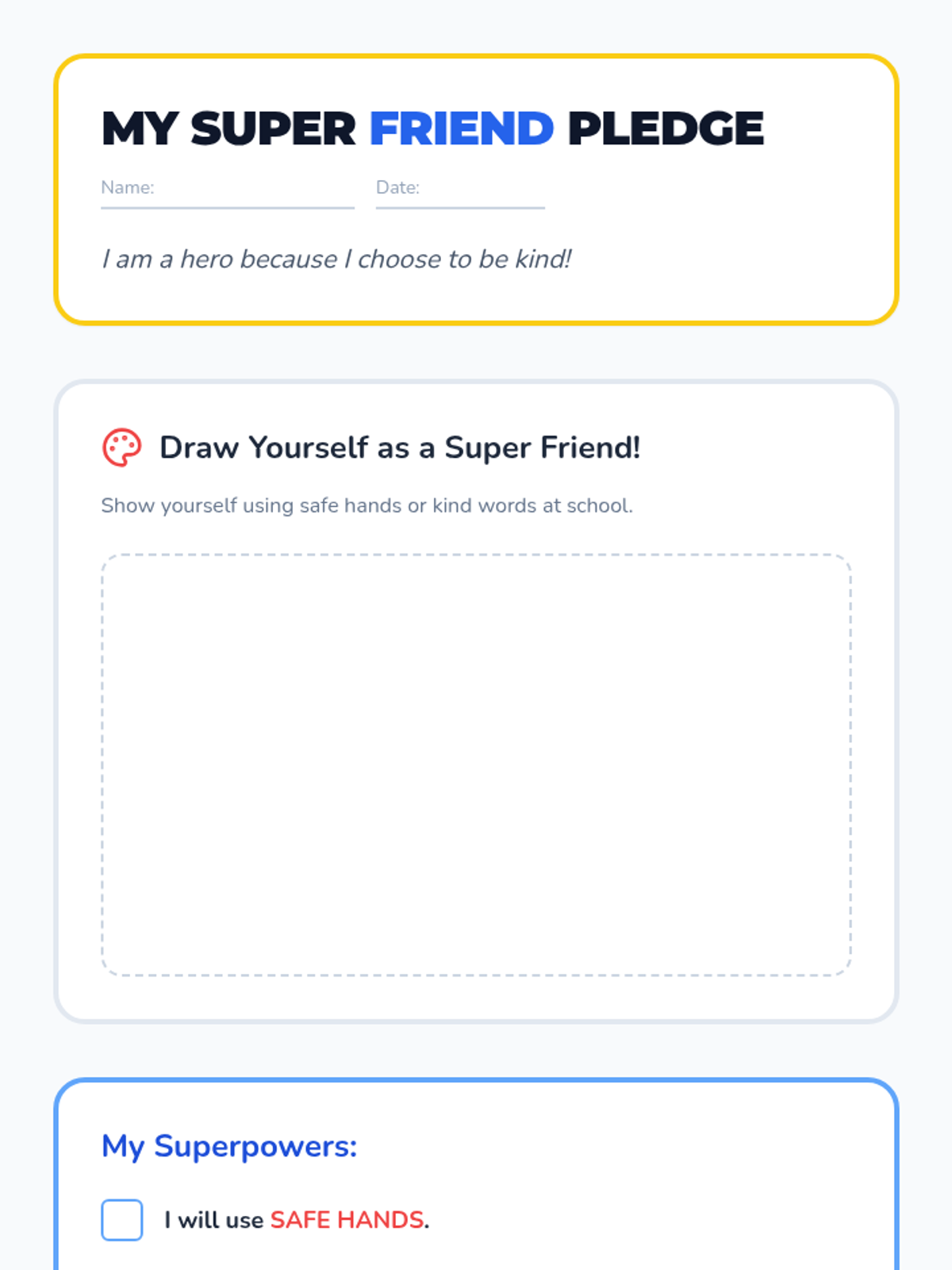
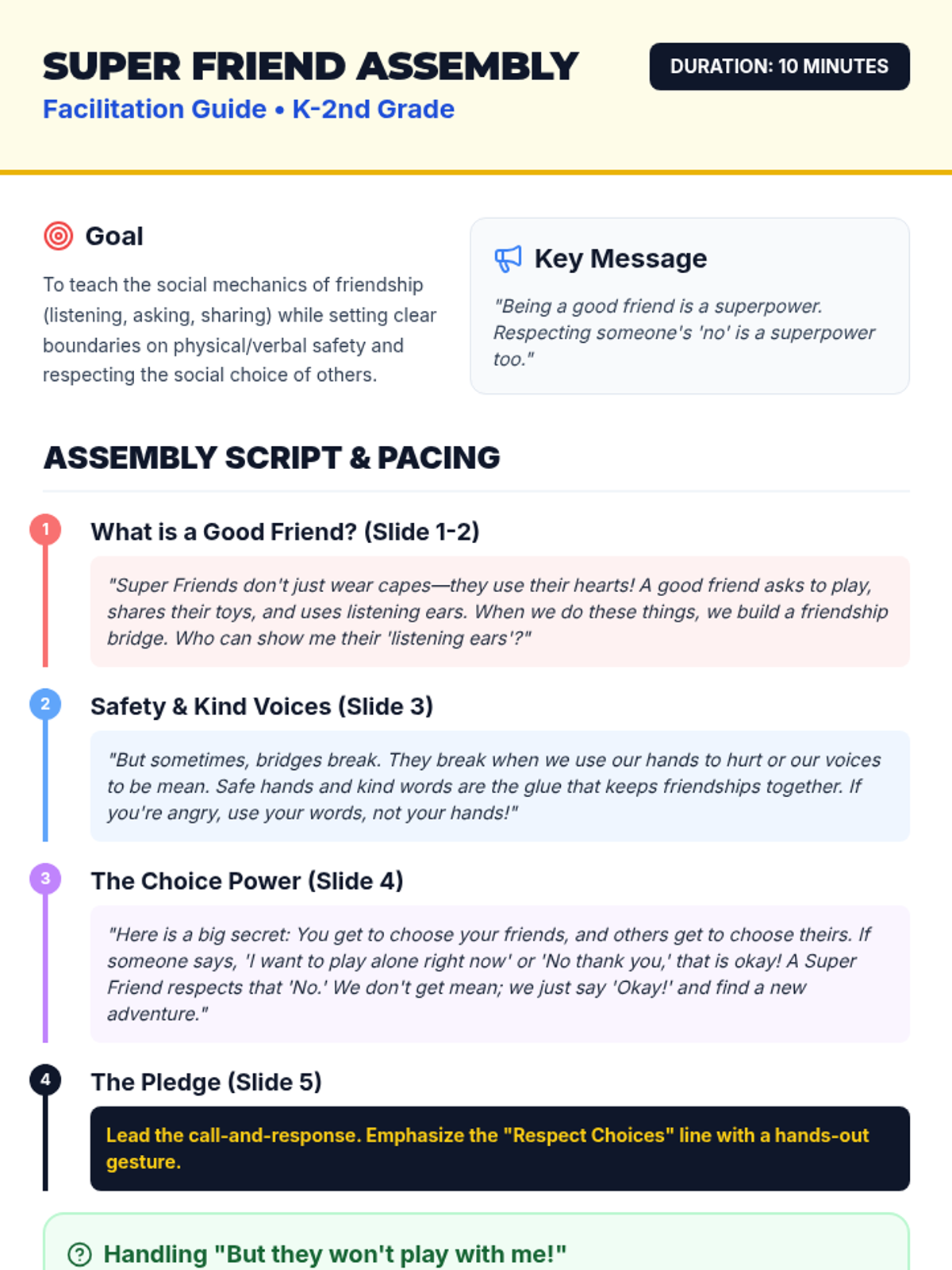
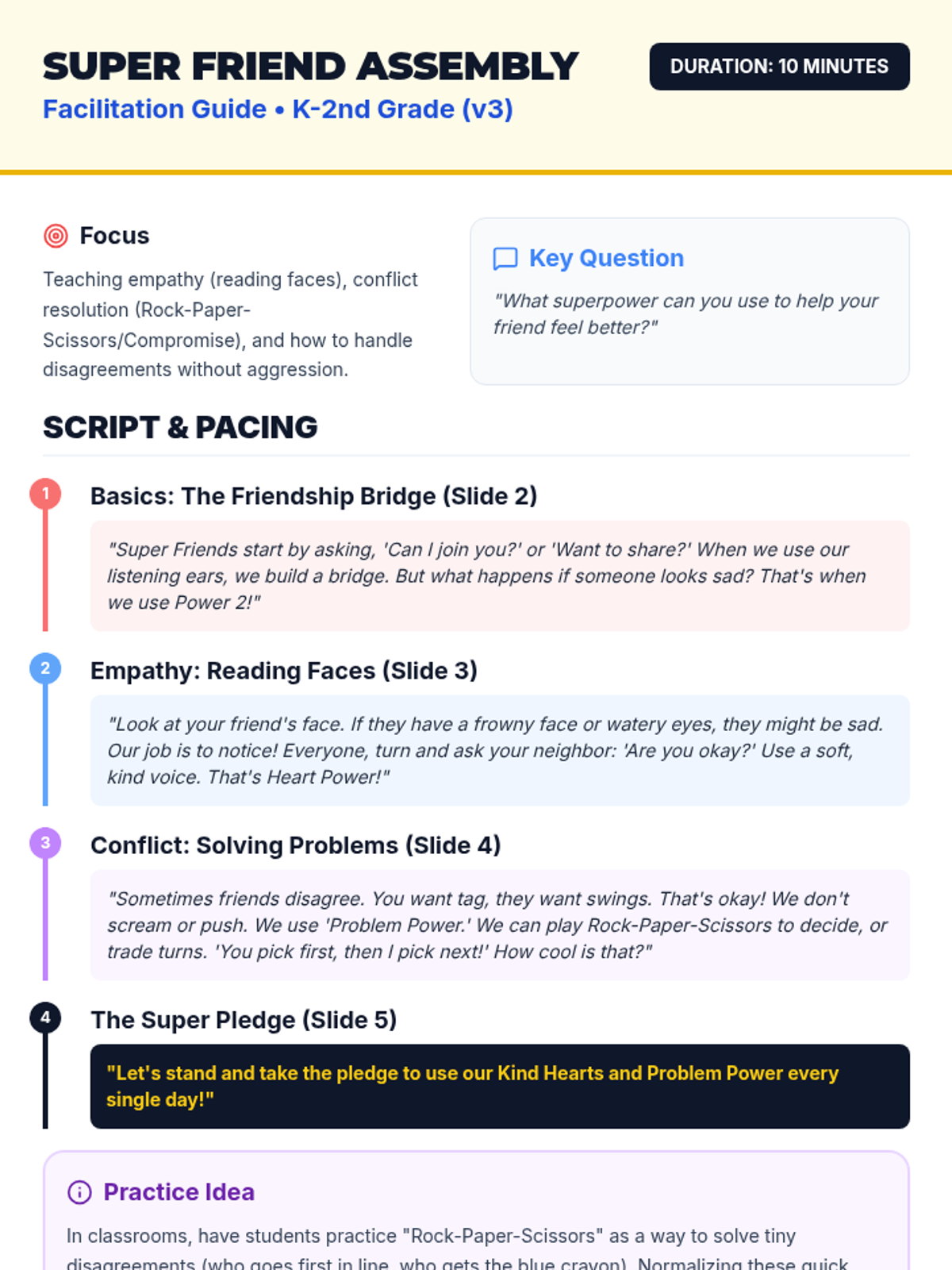
A high-energy, visual 10-minute assembly focused on basic rules, safe hands, and kind words for younger students.
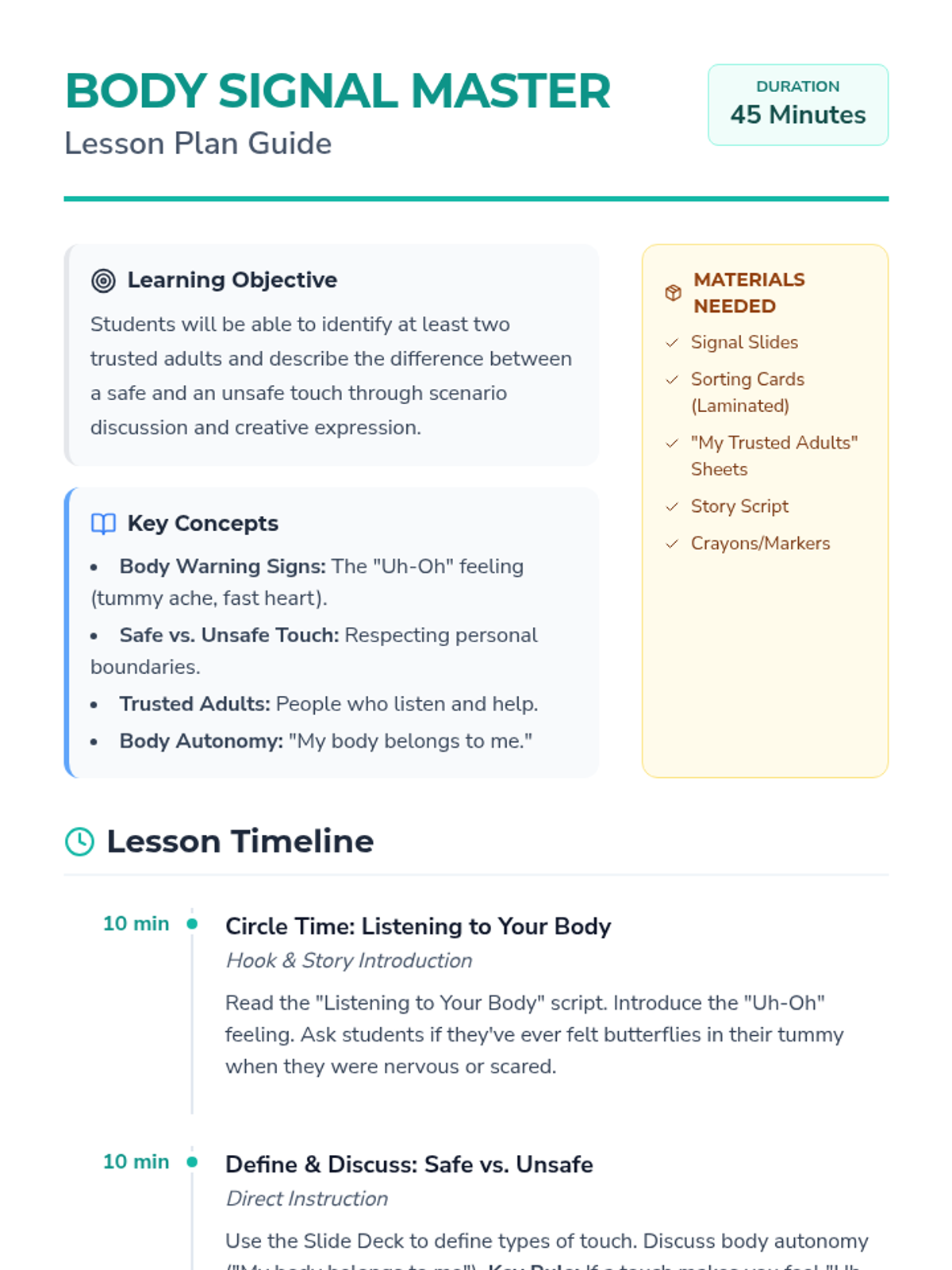
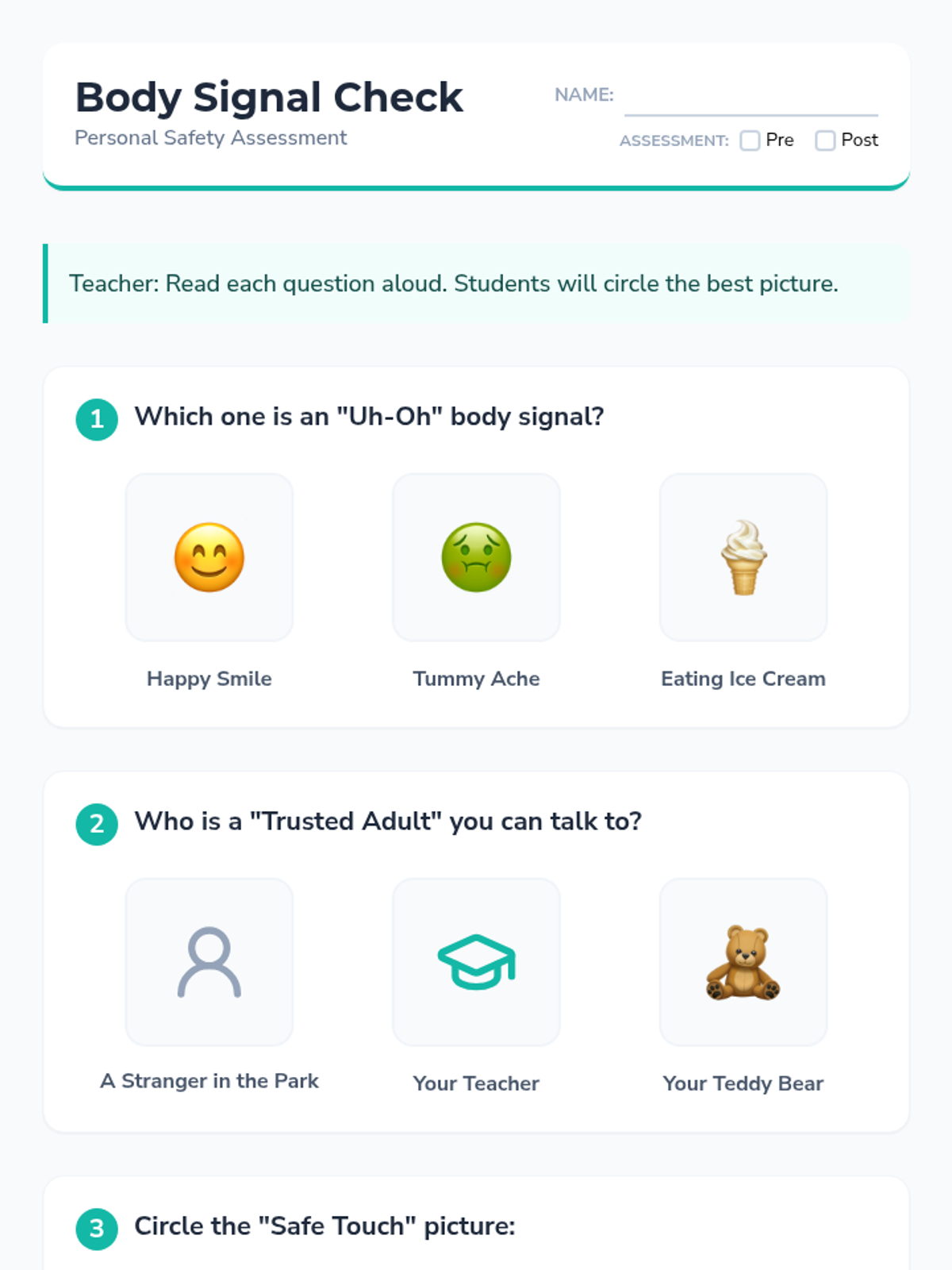
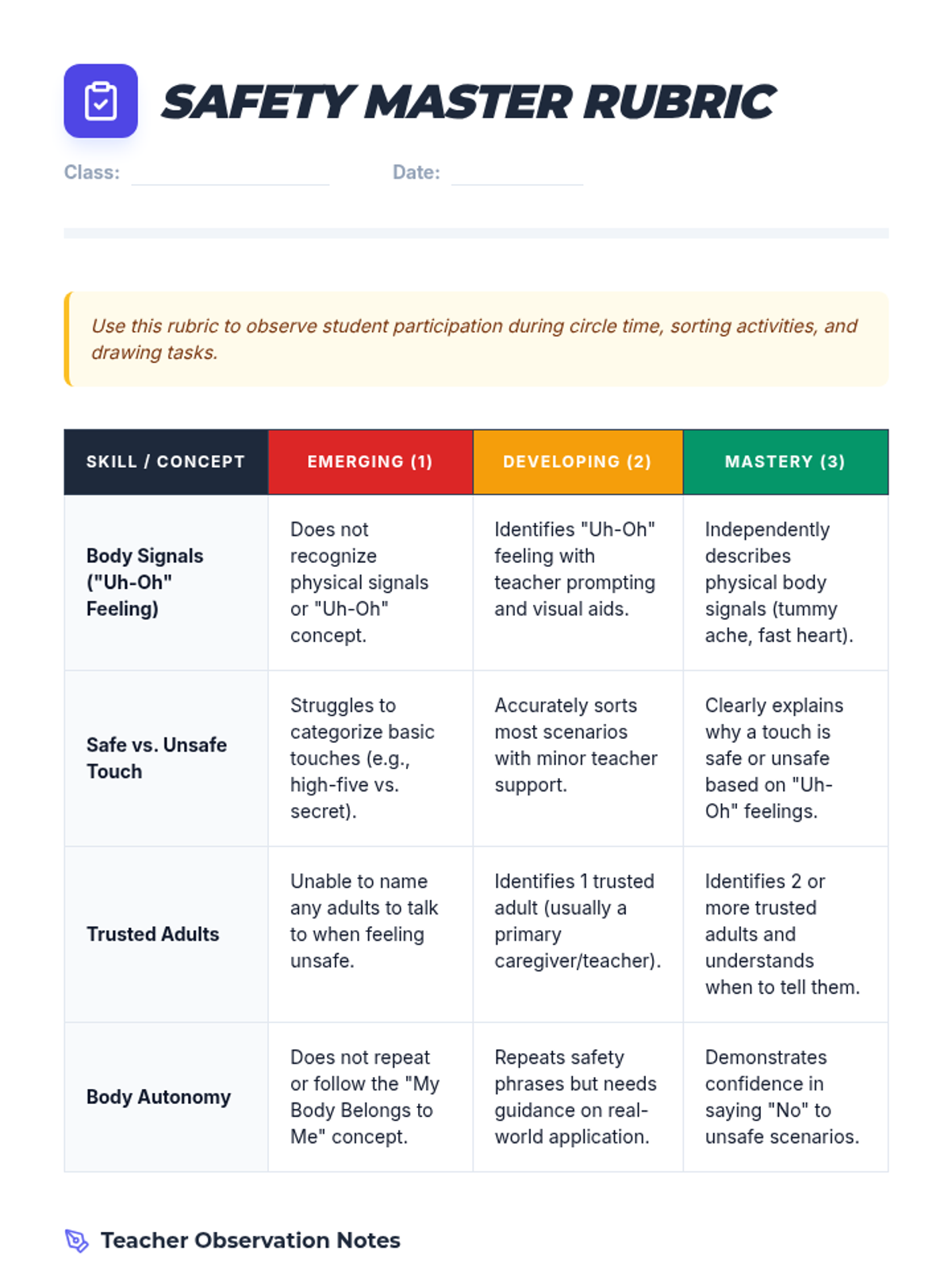
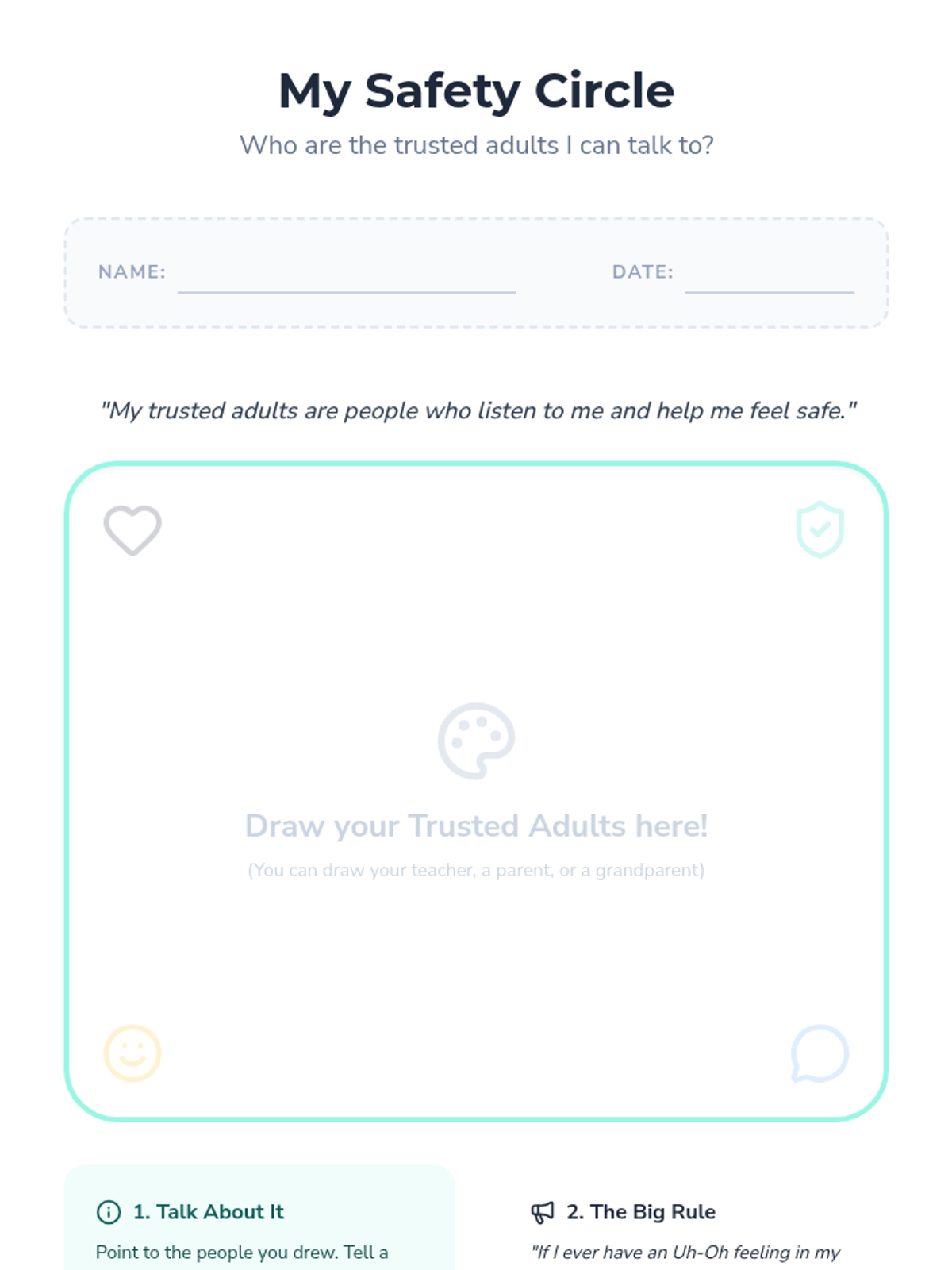
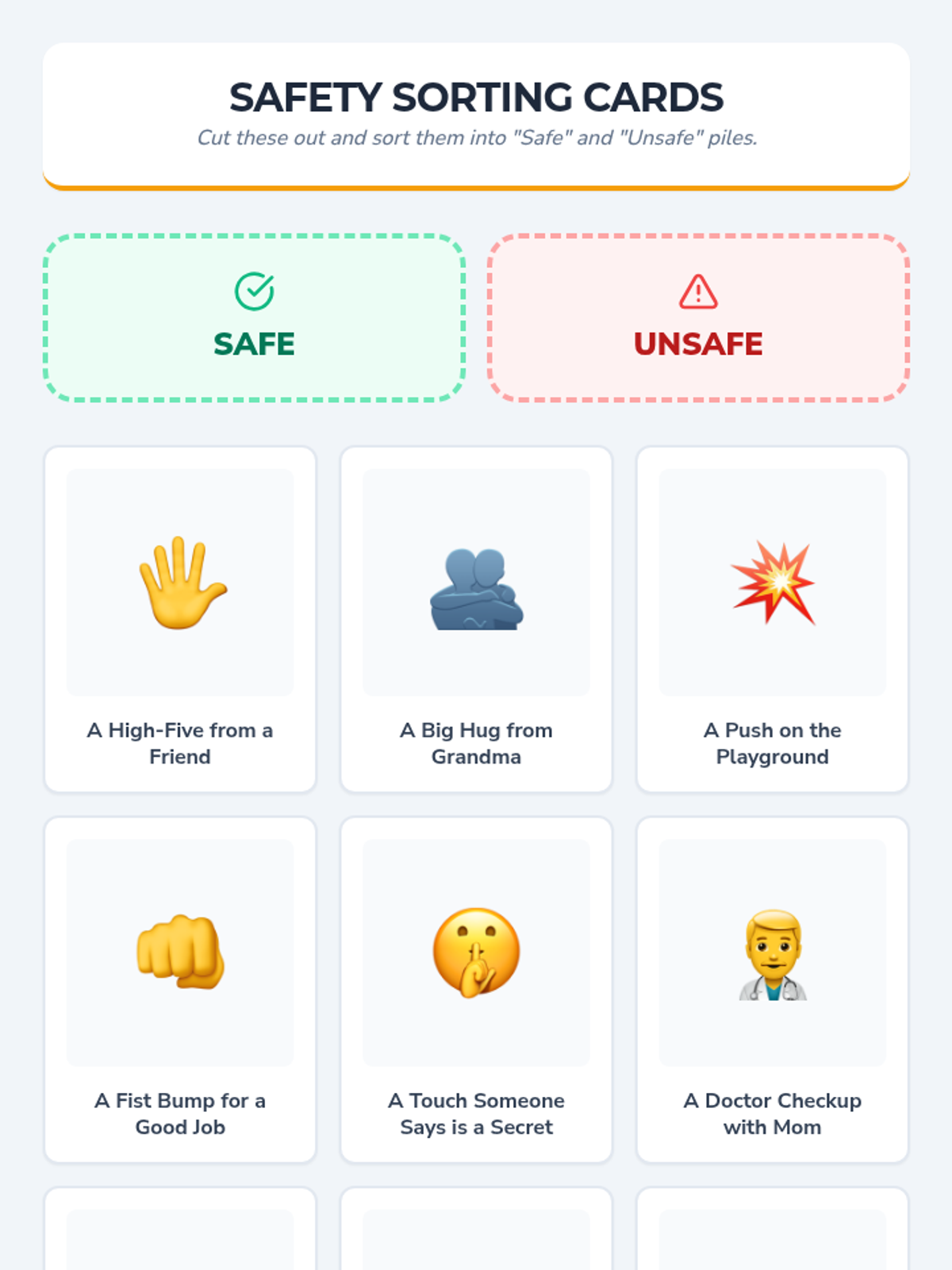
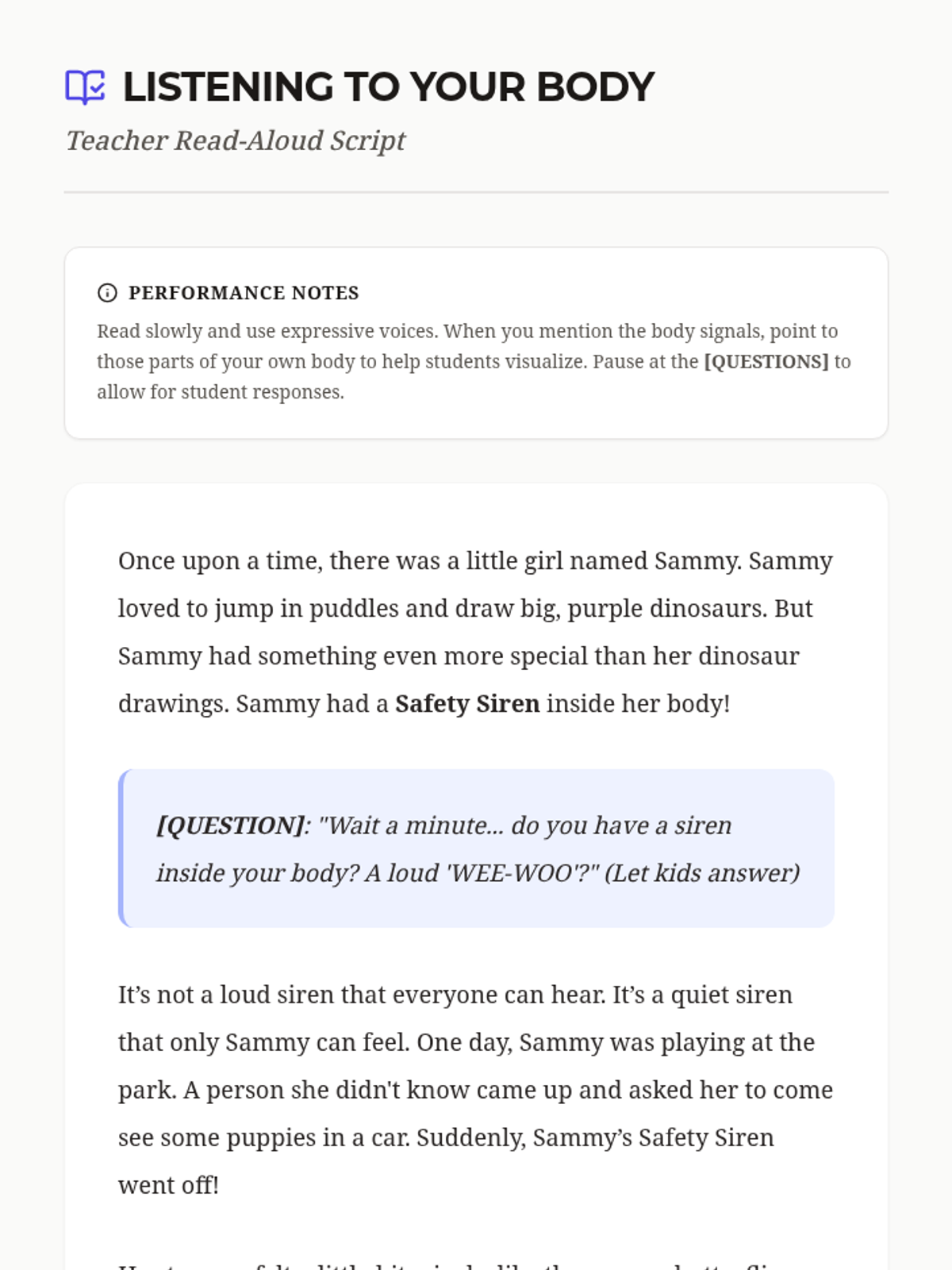
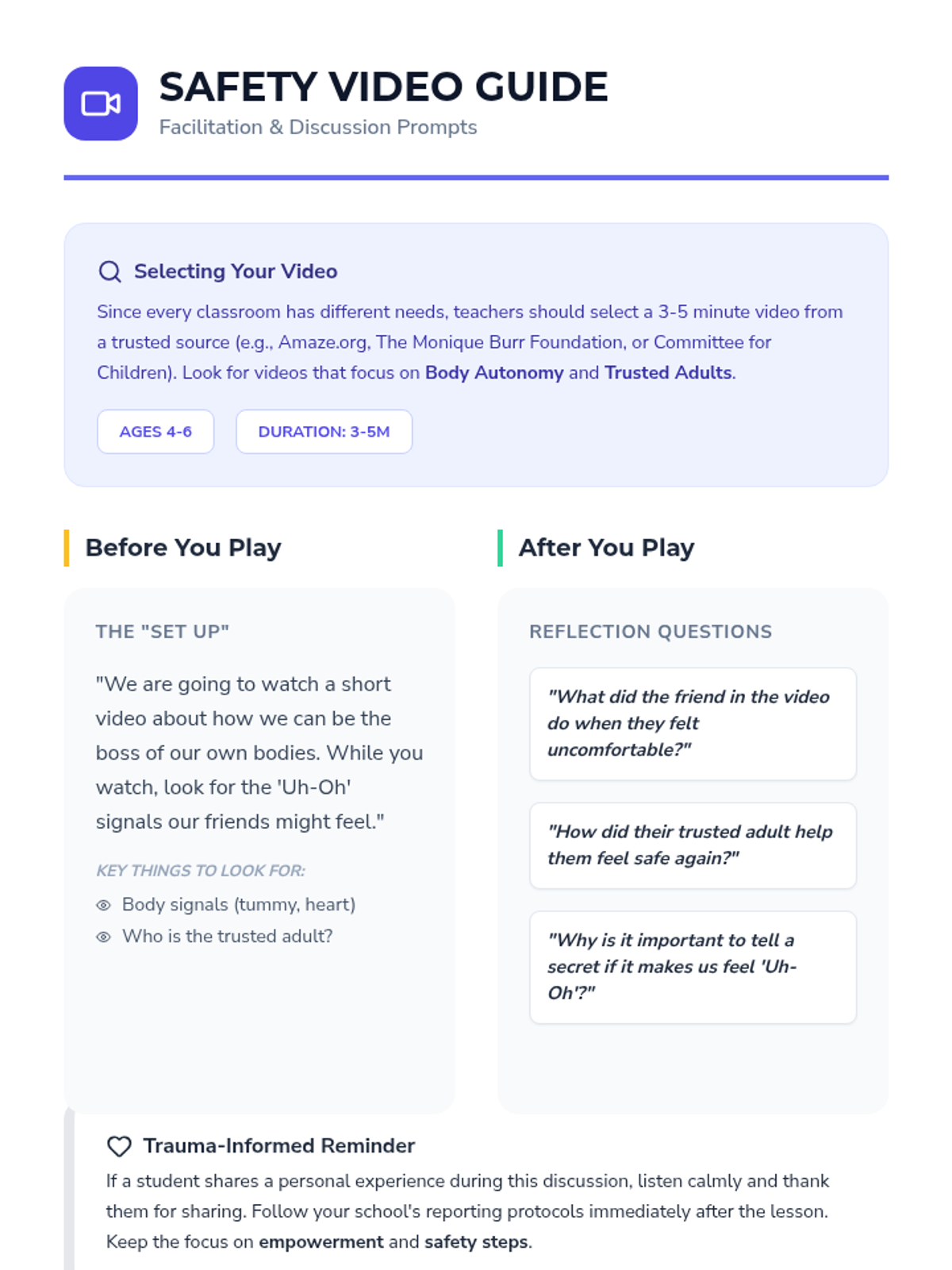
A comprehensive 45-minute lesson for Kindergarteners to learn about body safety, trusted adults, and the difference between safe and unsafe touches. Students will learn to recognize their body's 'Uh-Oh' signals and identify people they can talk to.
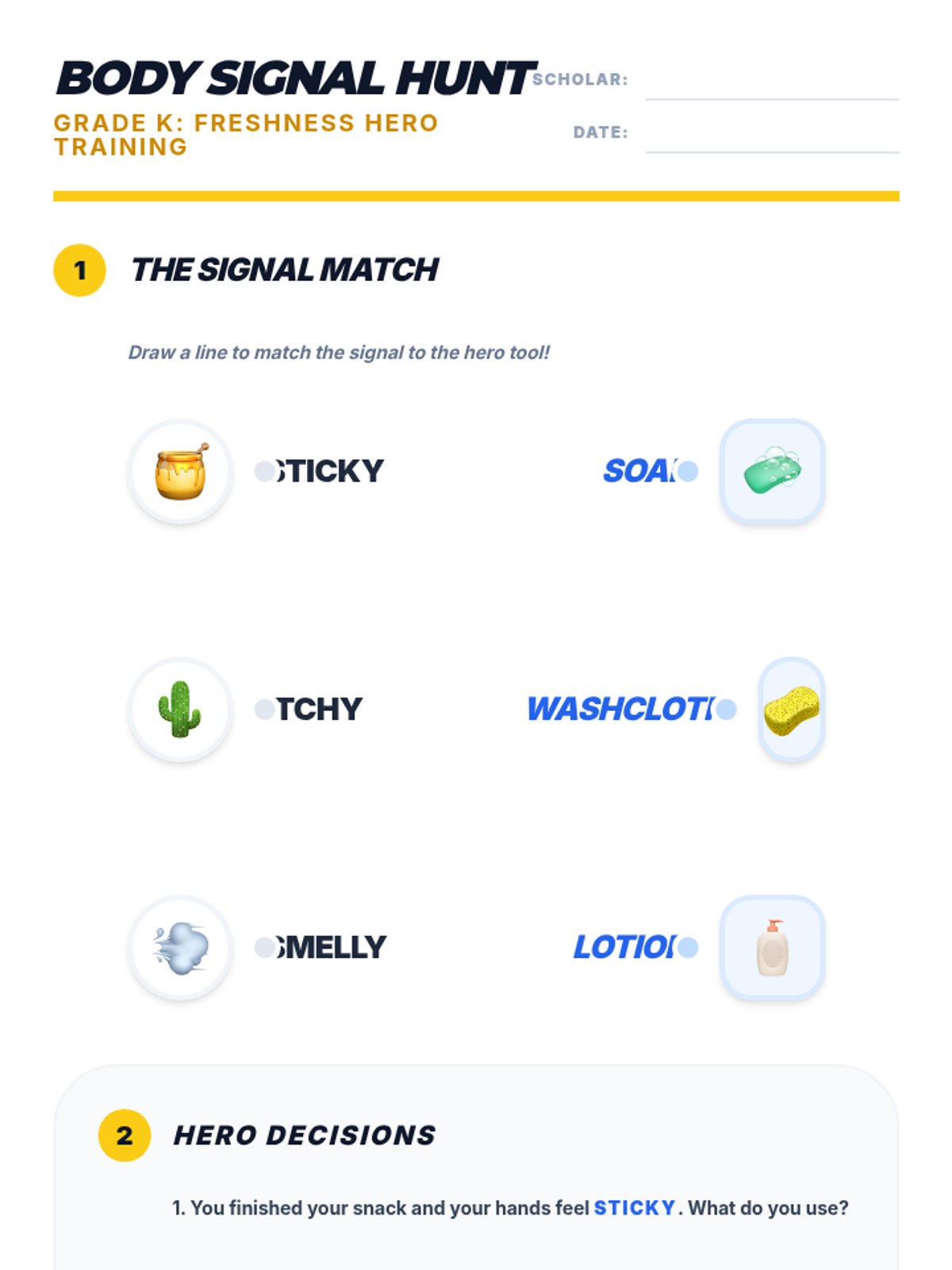
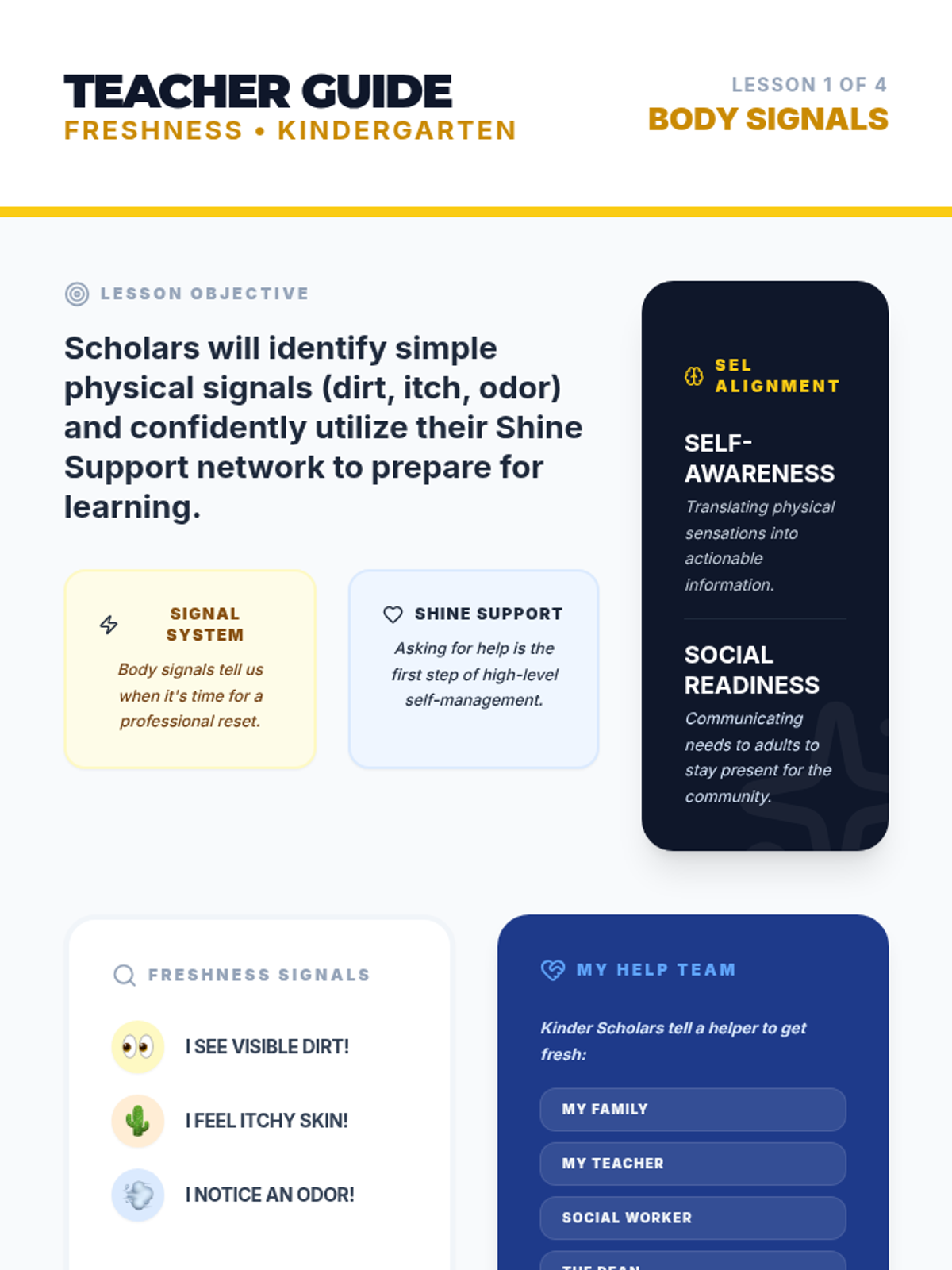
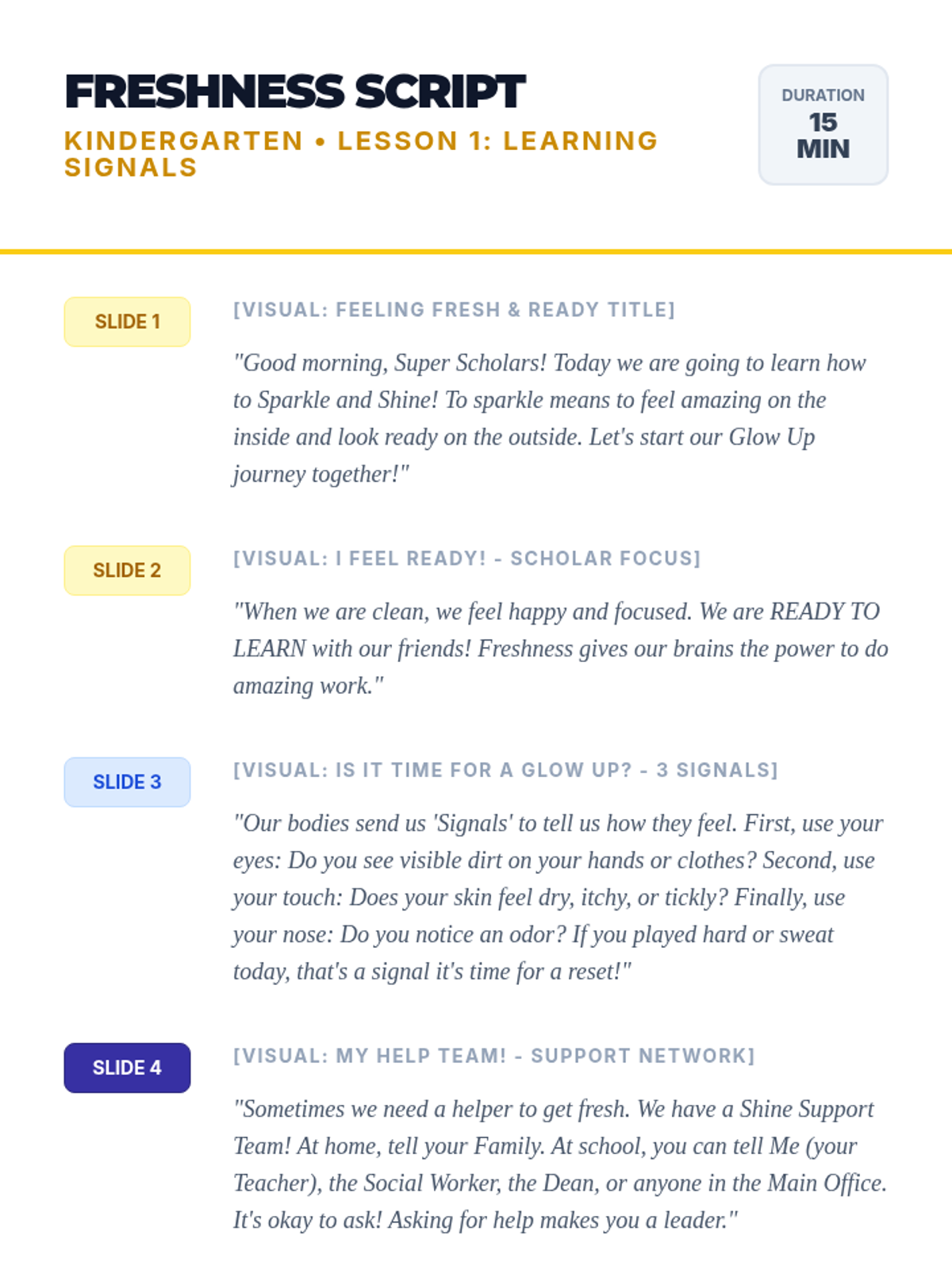
Focuses on identifying how our bodies feel when they are clean and recognizing basic body signals (sticky, itchy) for Kindergarten students.
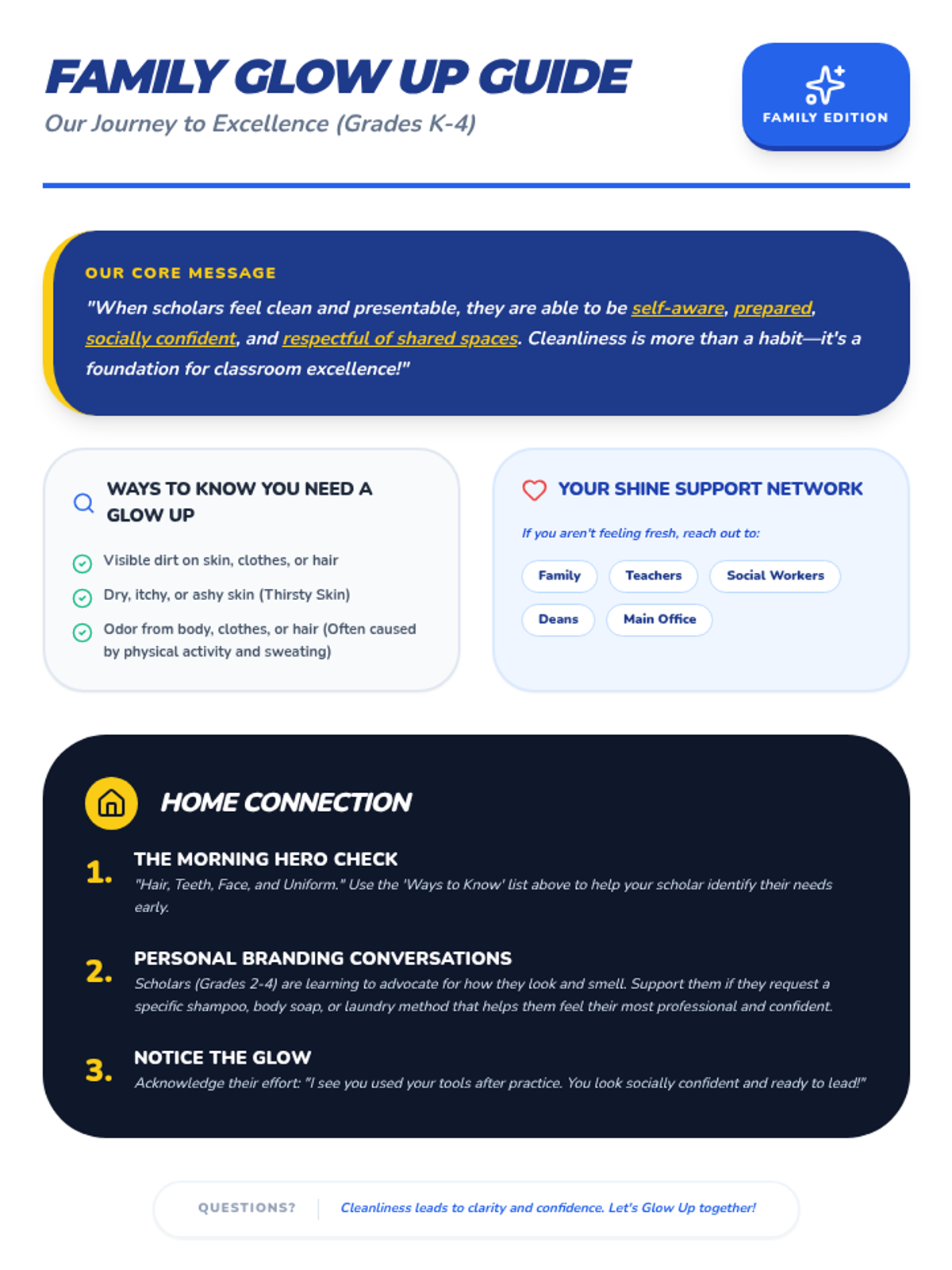
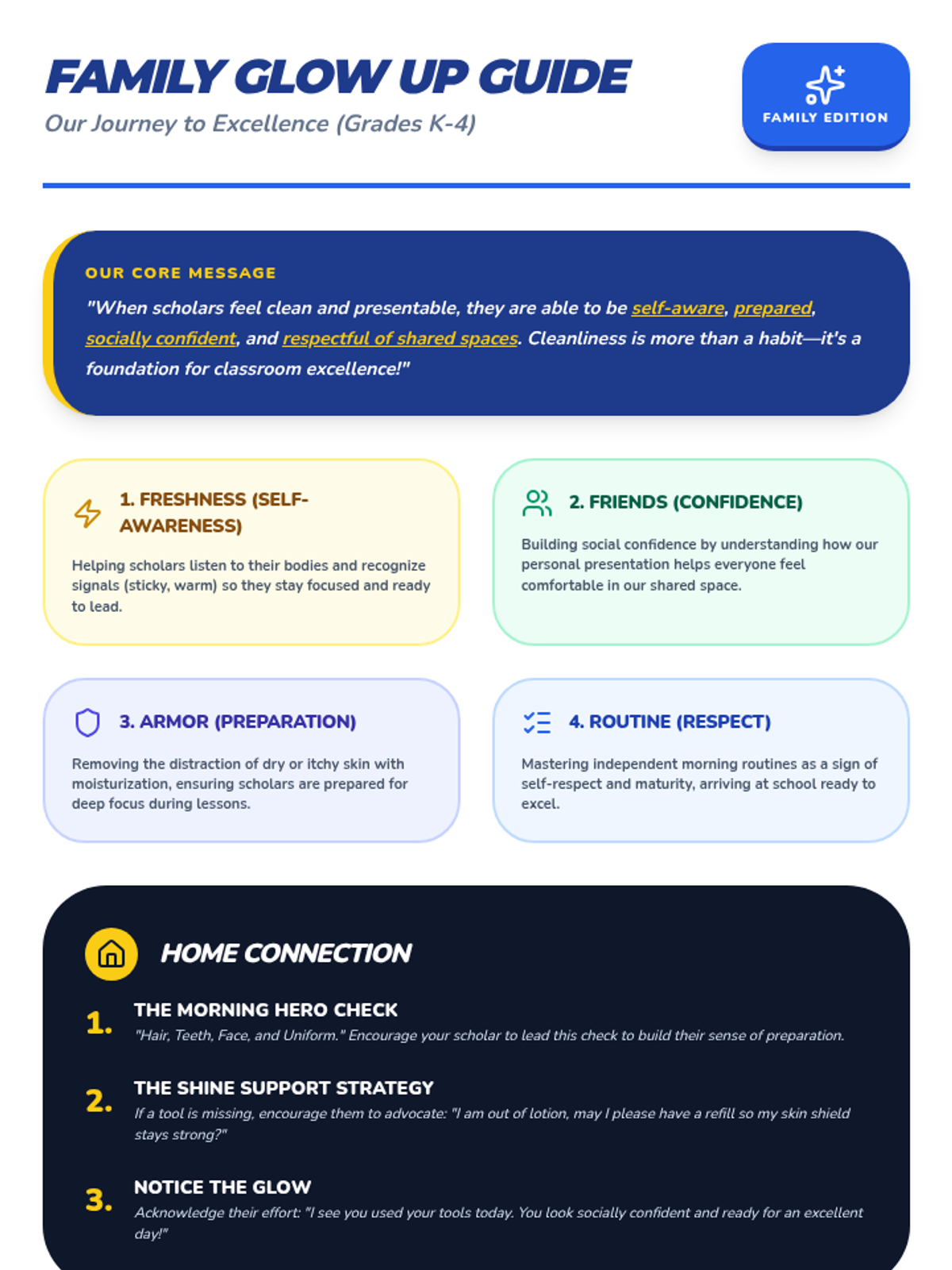
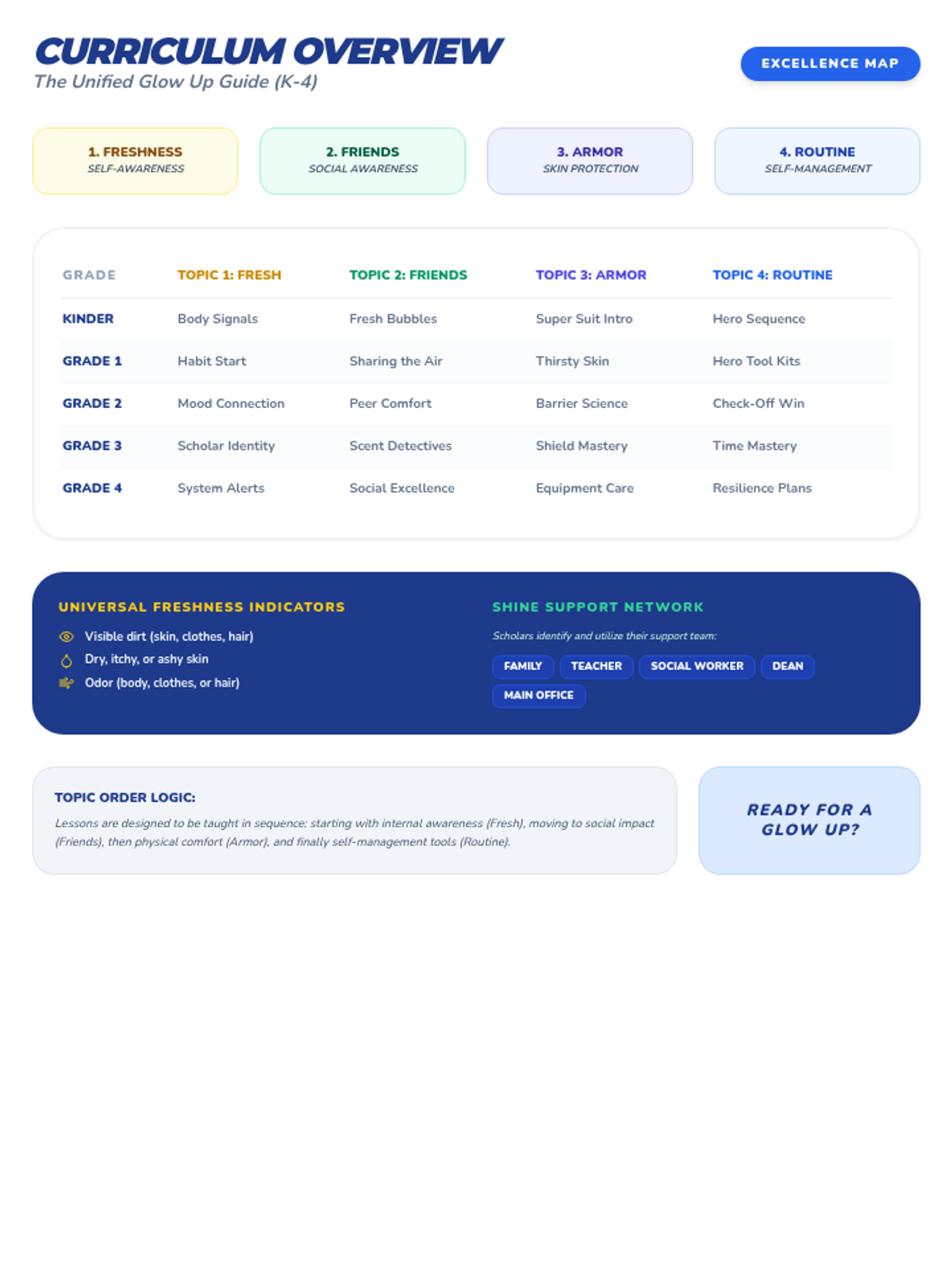
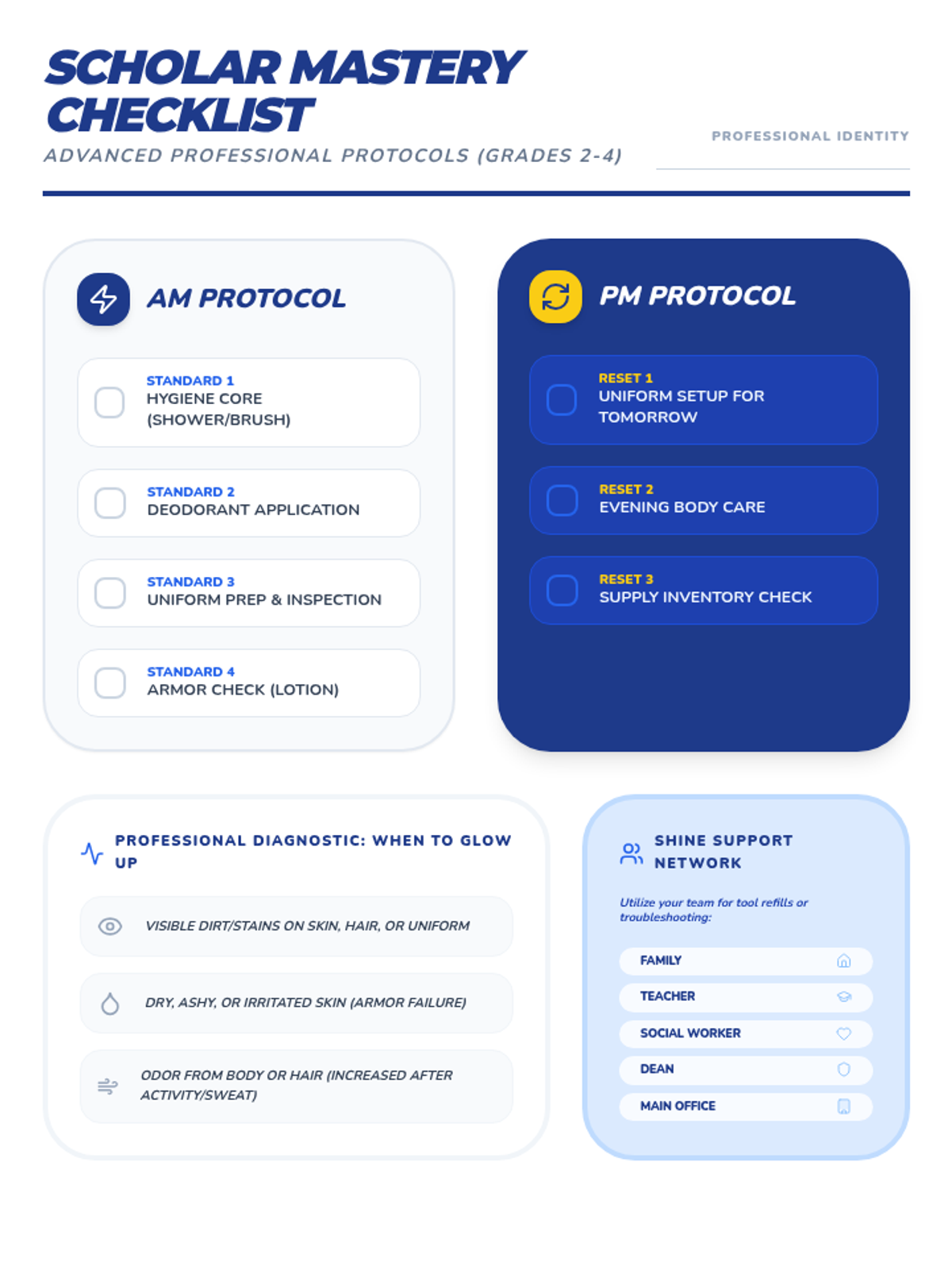
General resources and curriculum mapping for the Glow Up Guide hygiene program.
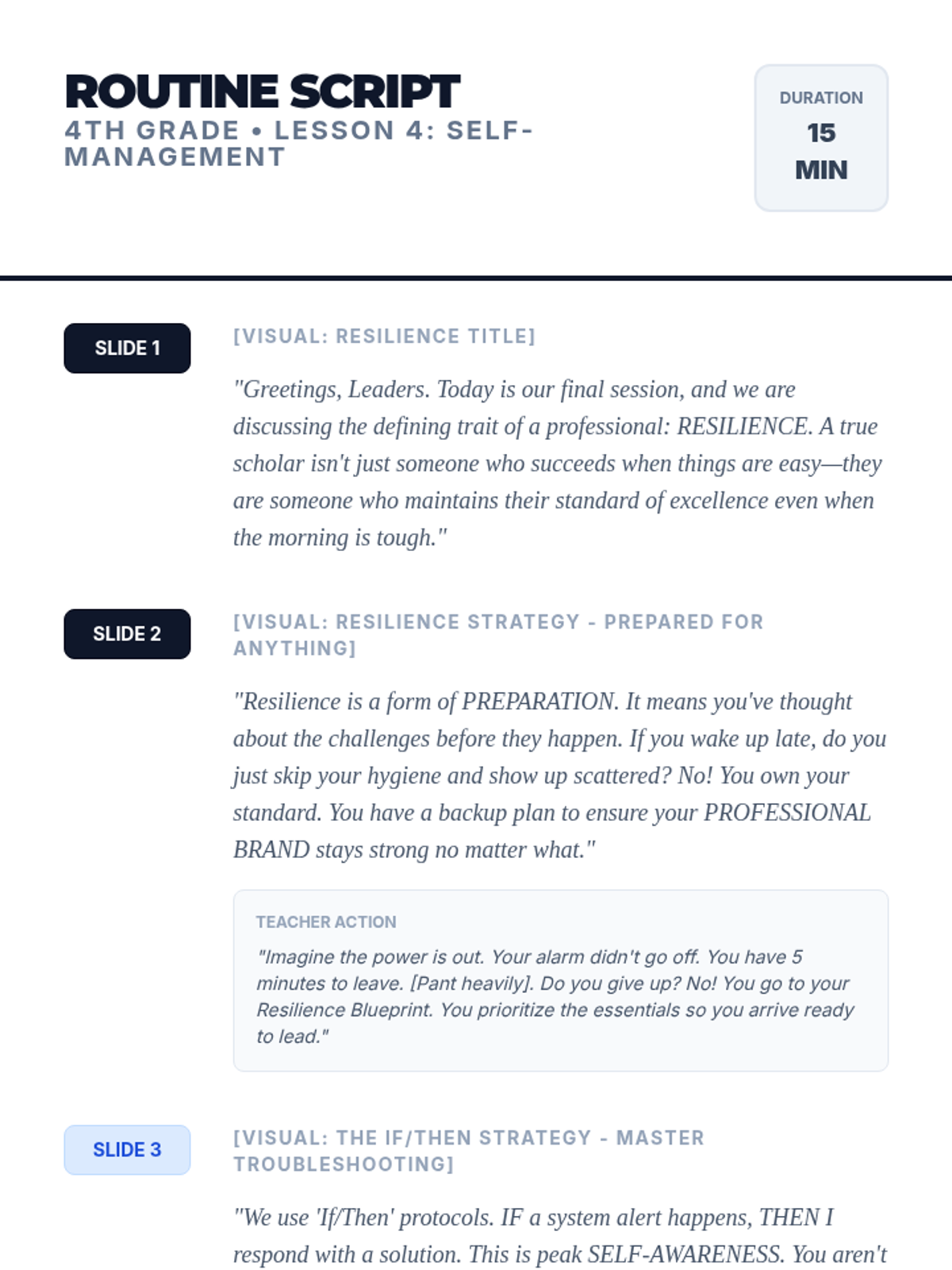
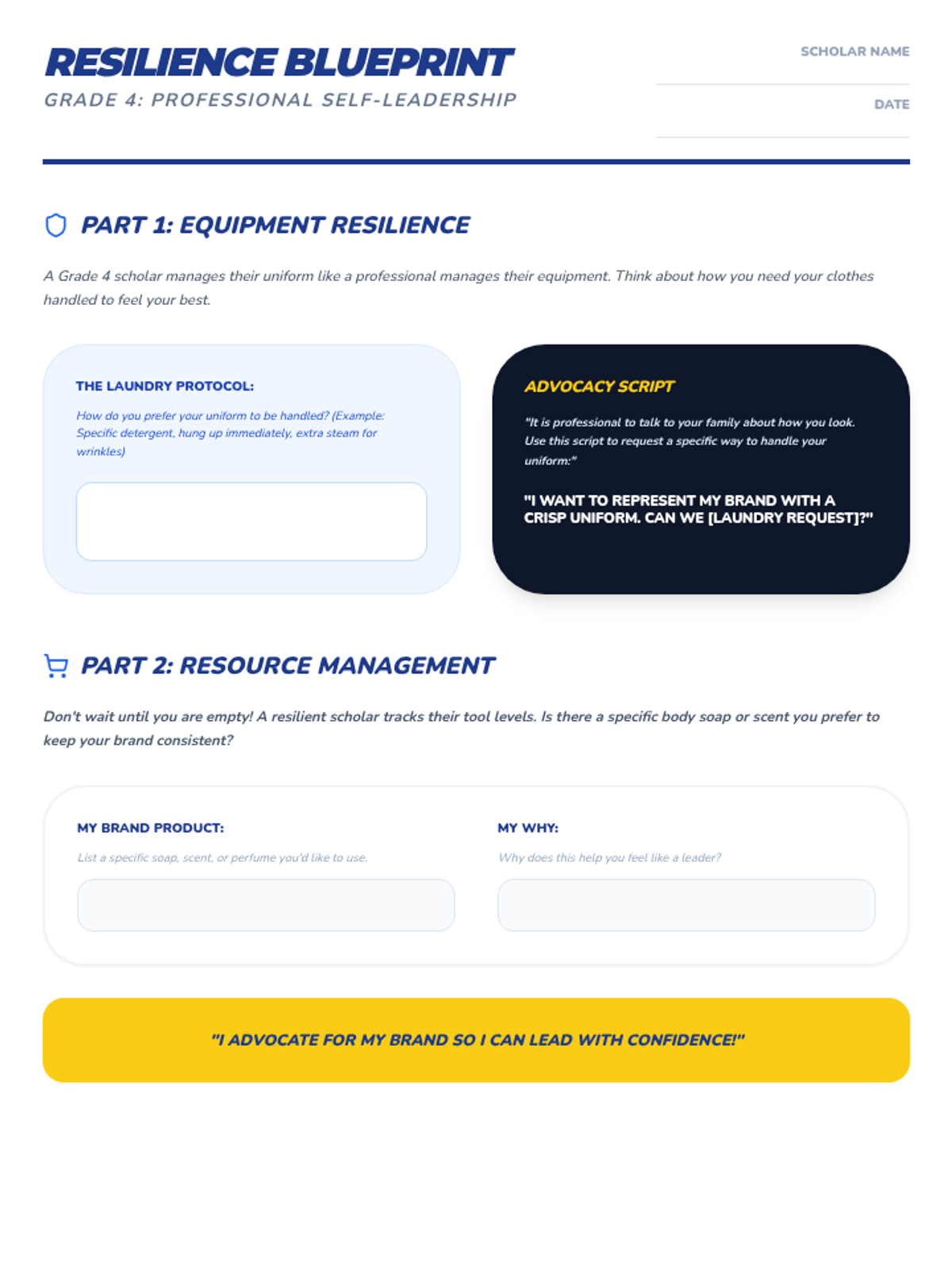
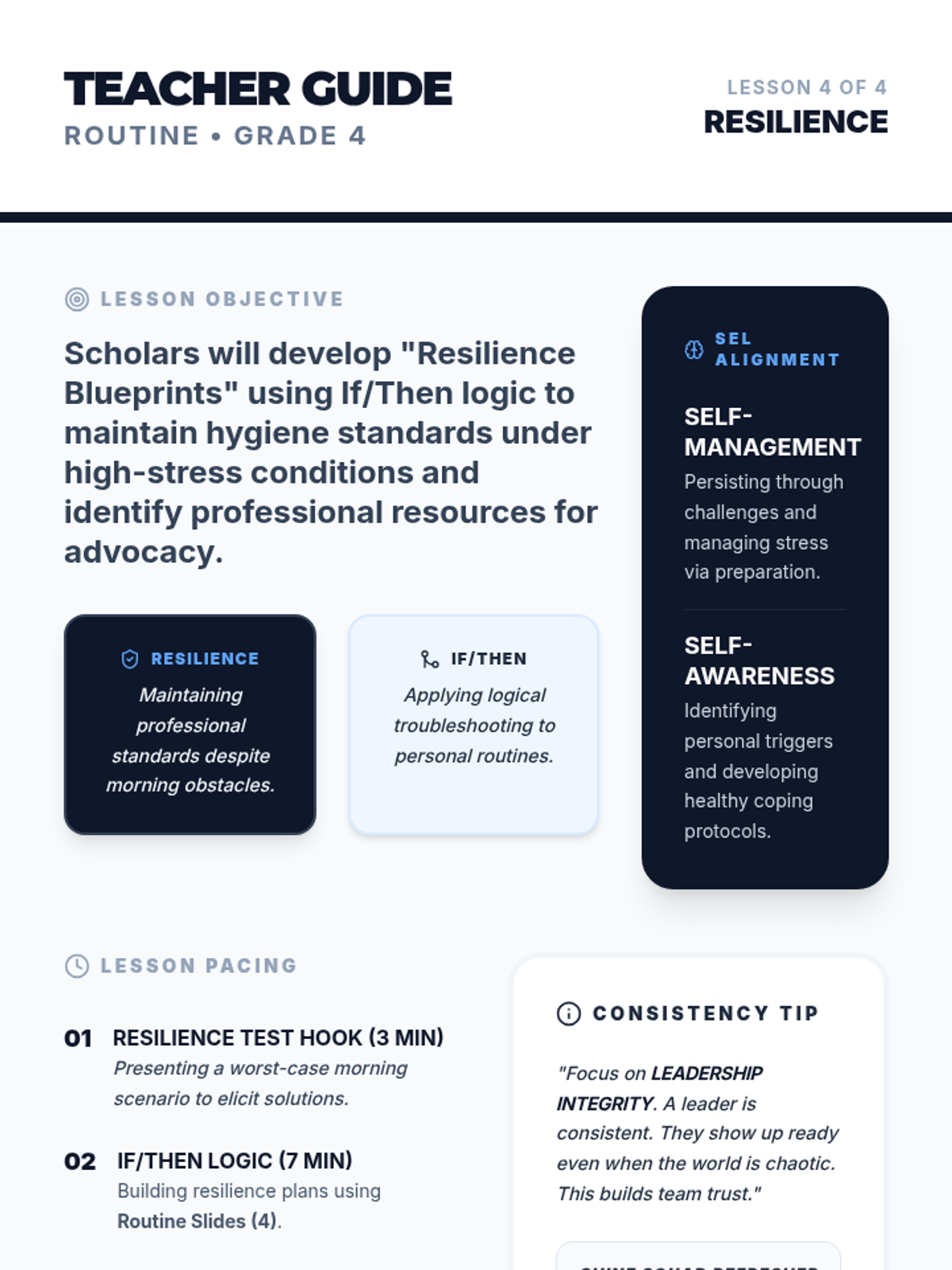
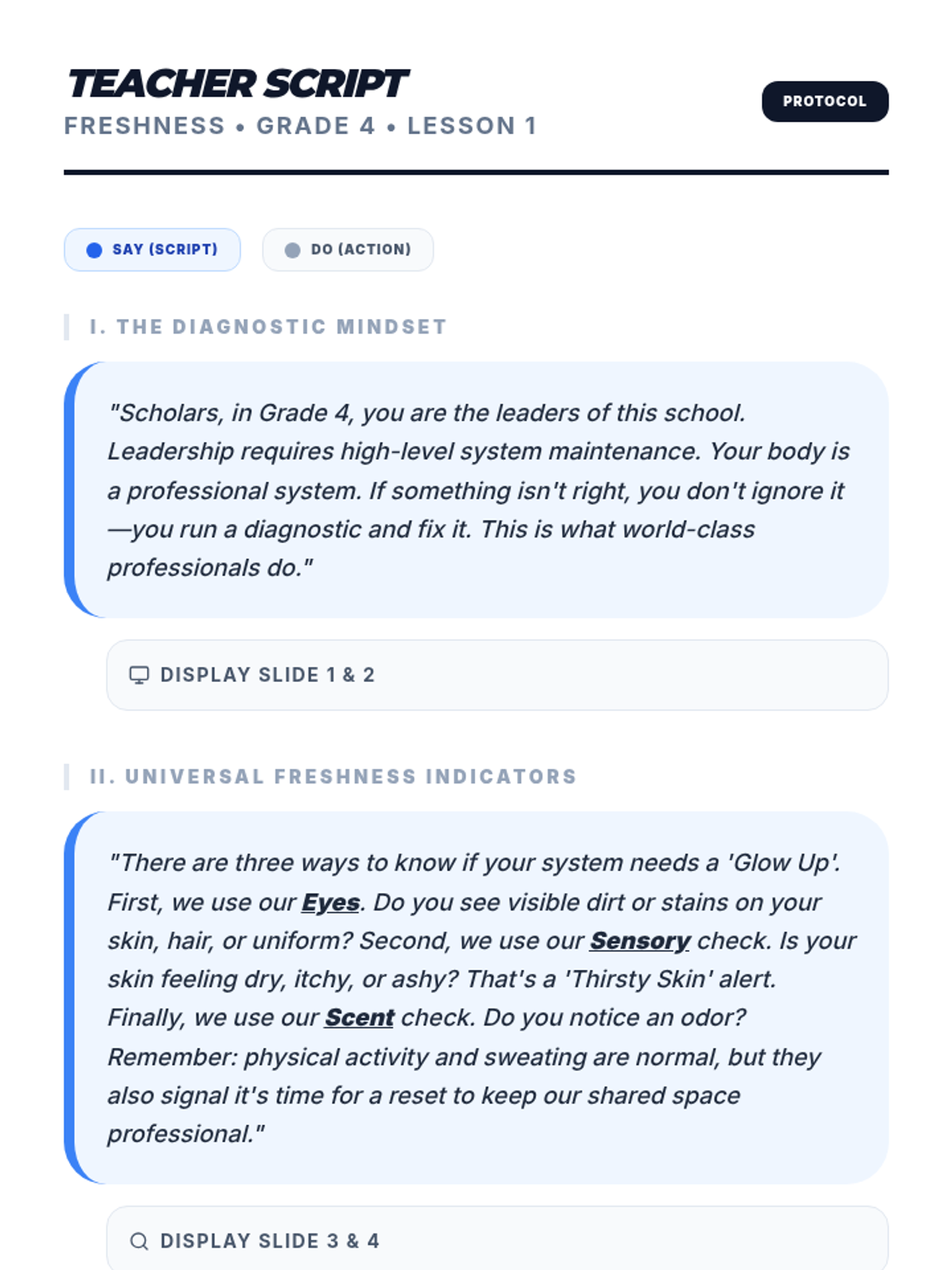
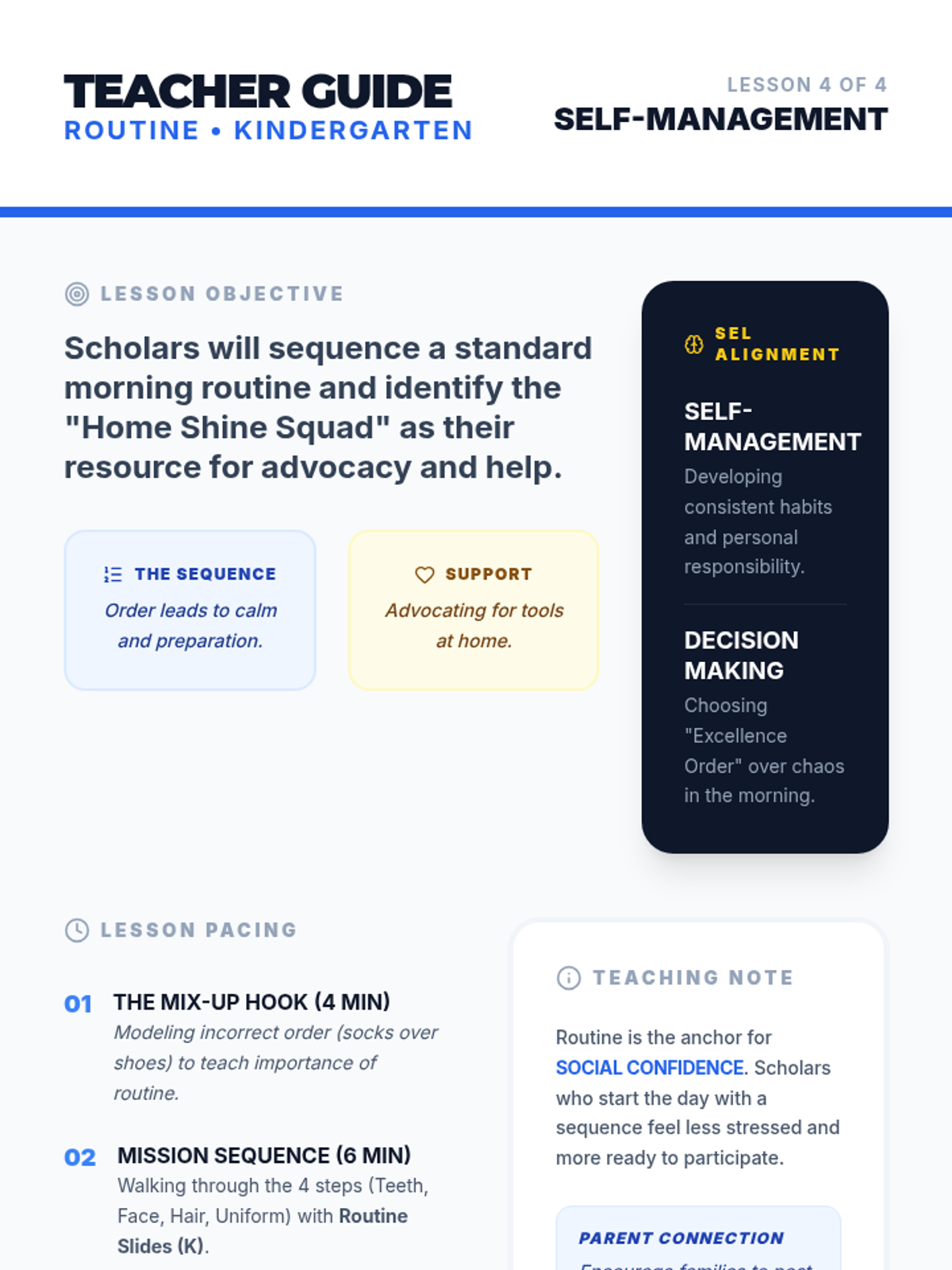
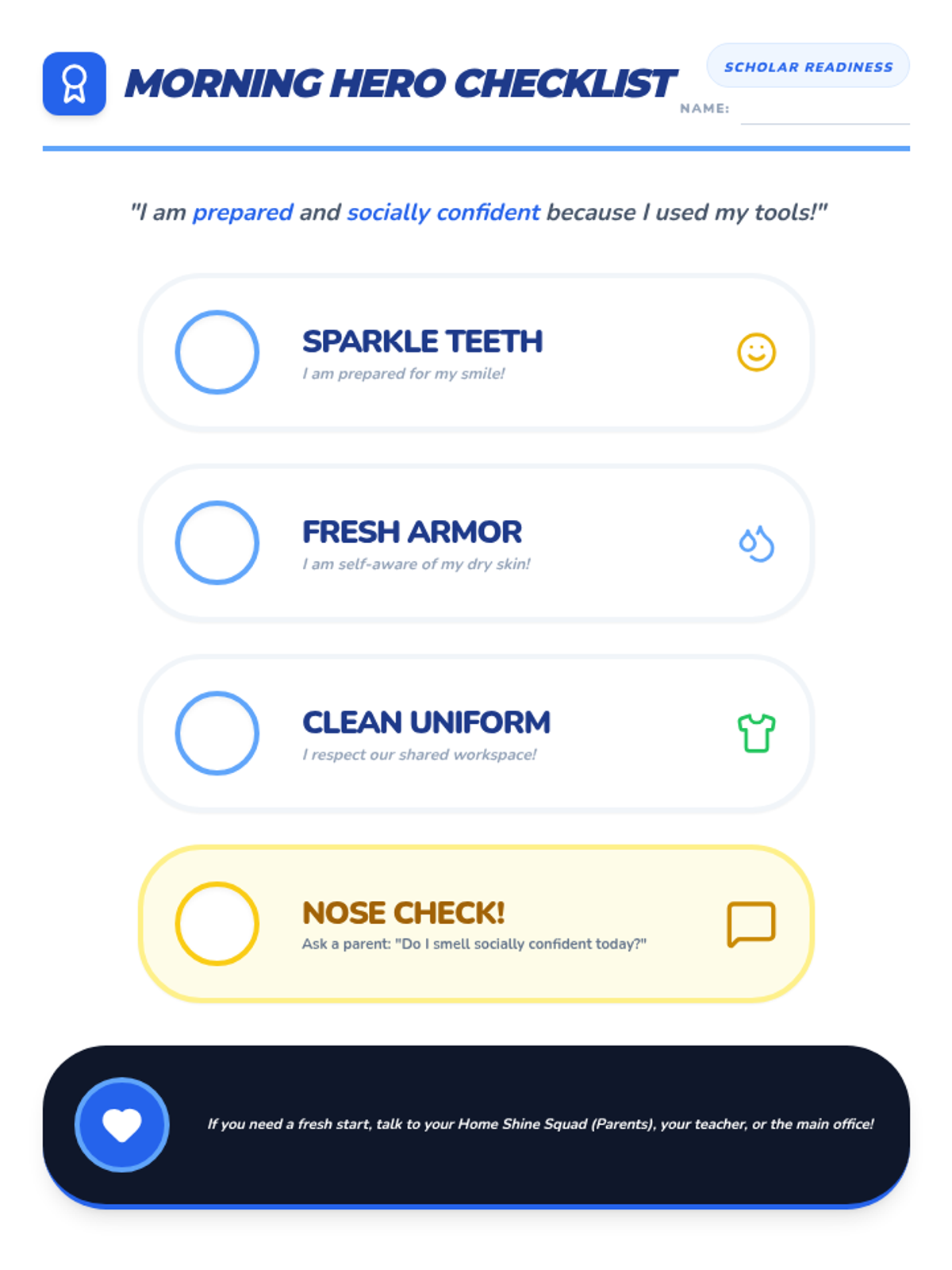
Creating a professional resilience plan for morning routines and uniform care for 4th grade leaders.
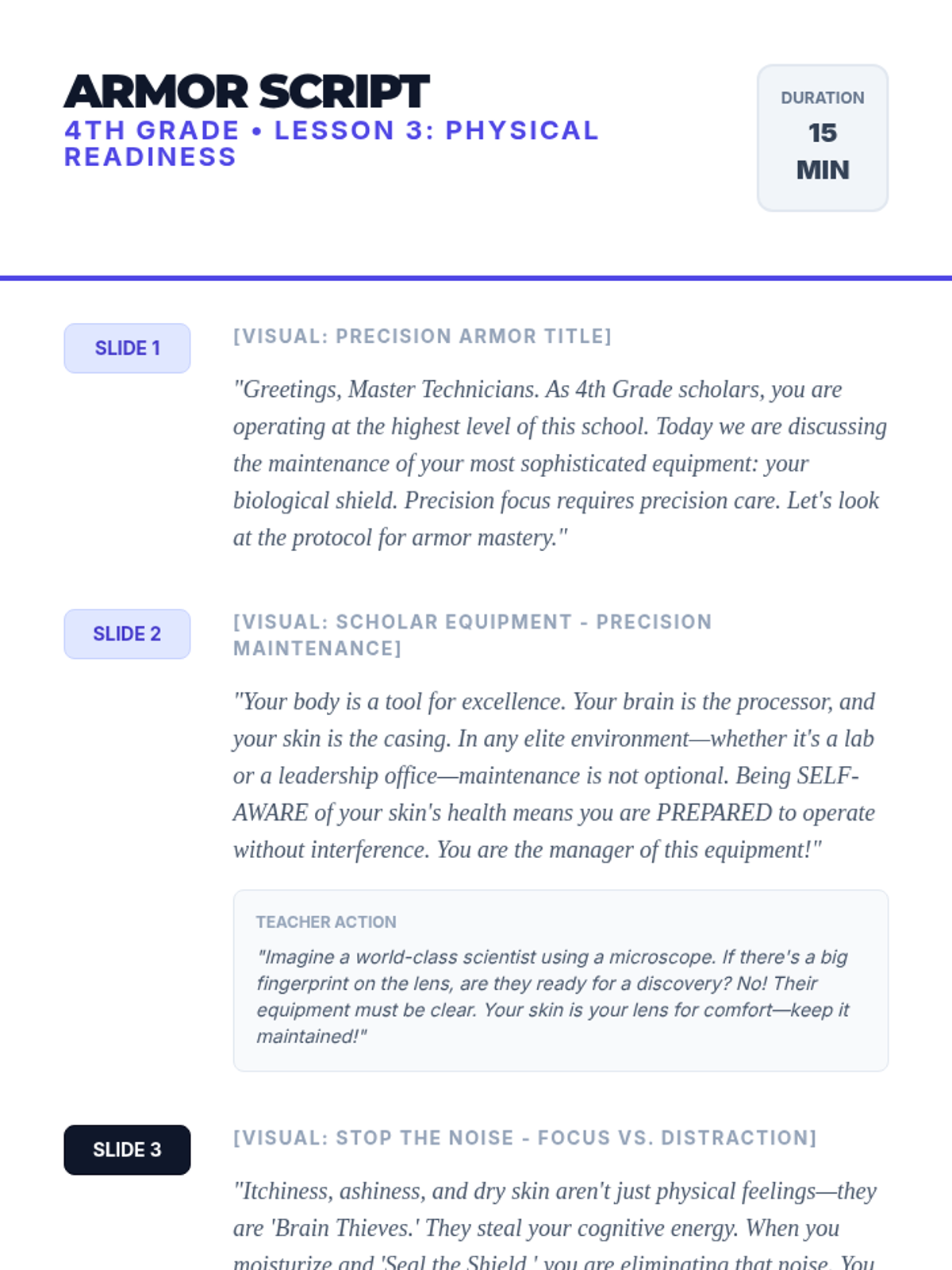
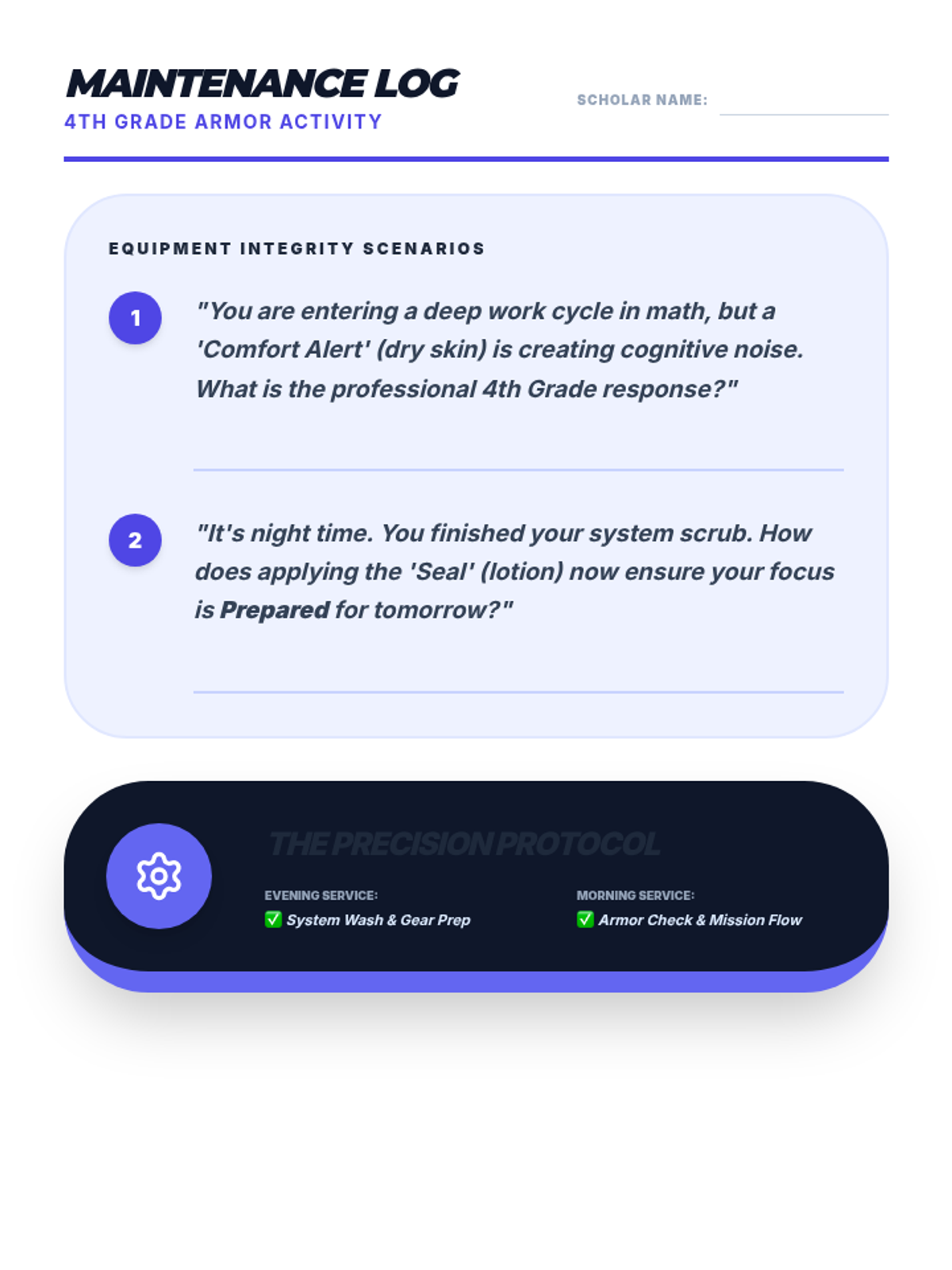
Advanced skin health and moisturization as a tool for comfort and academic focus in 4th grade.
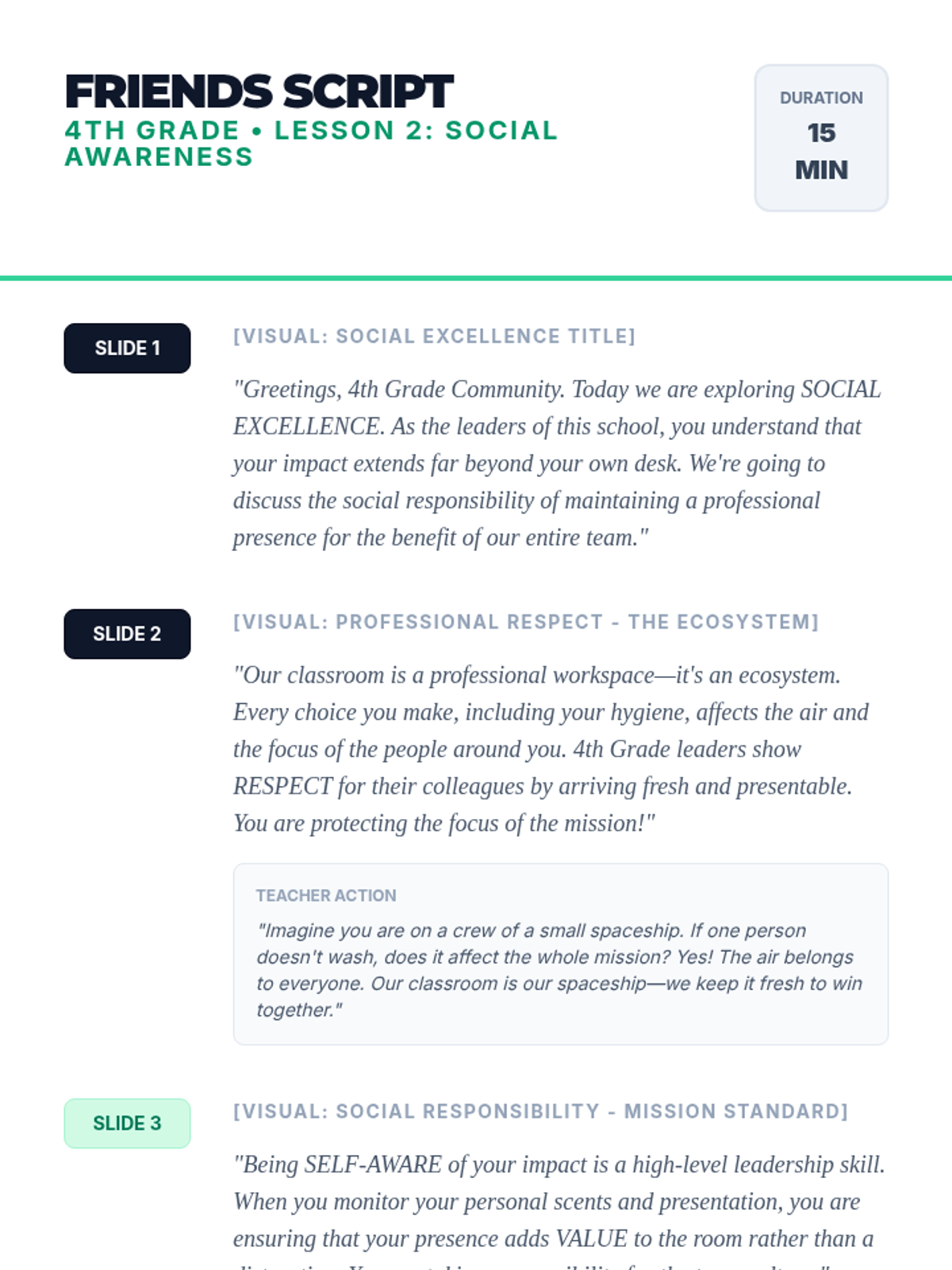
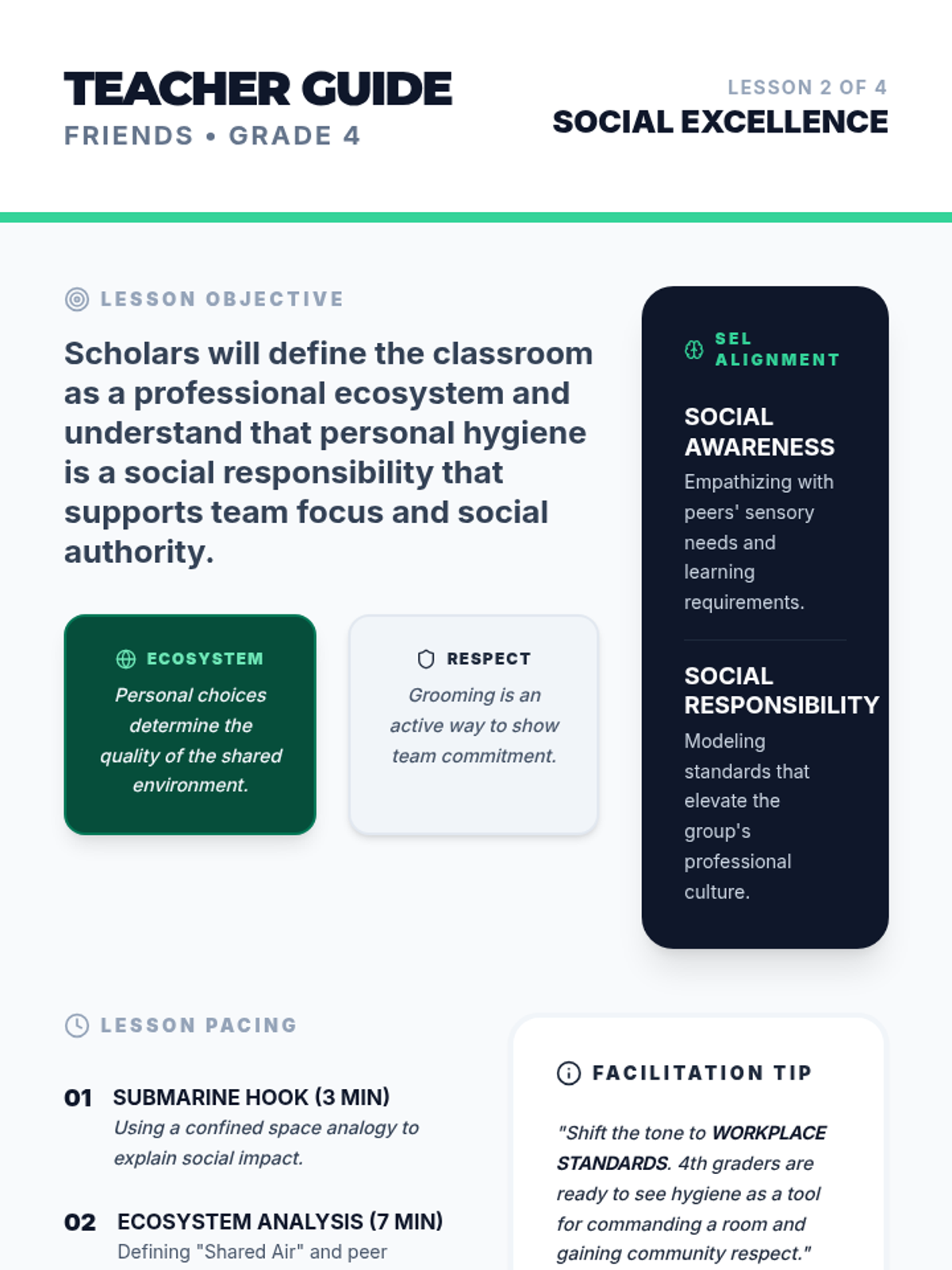
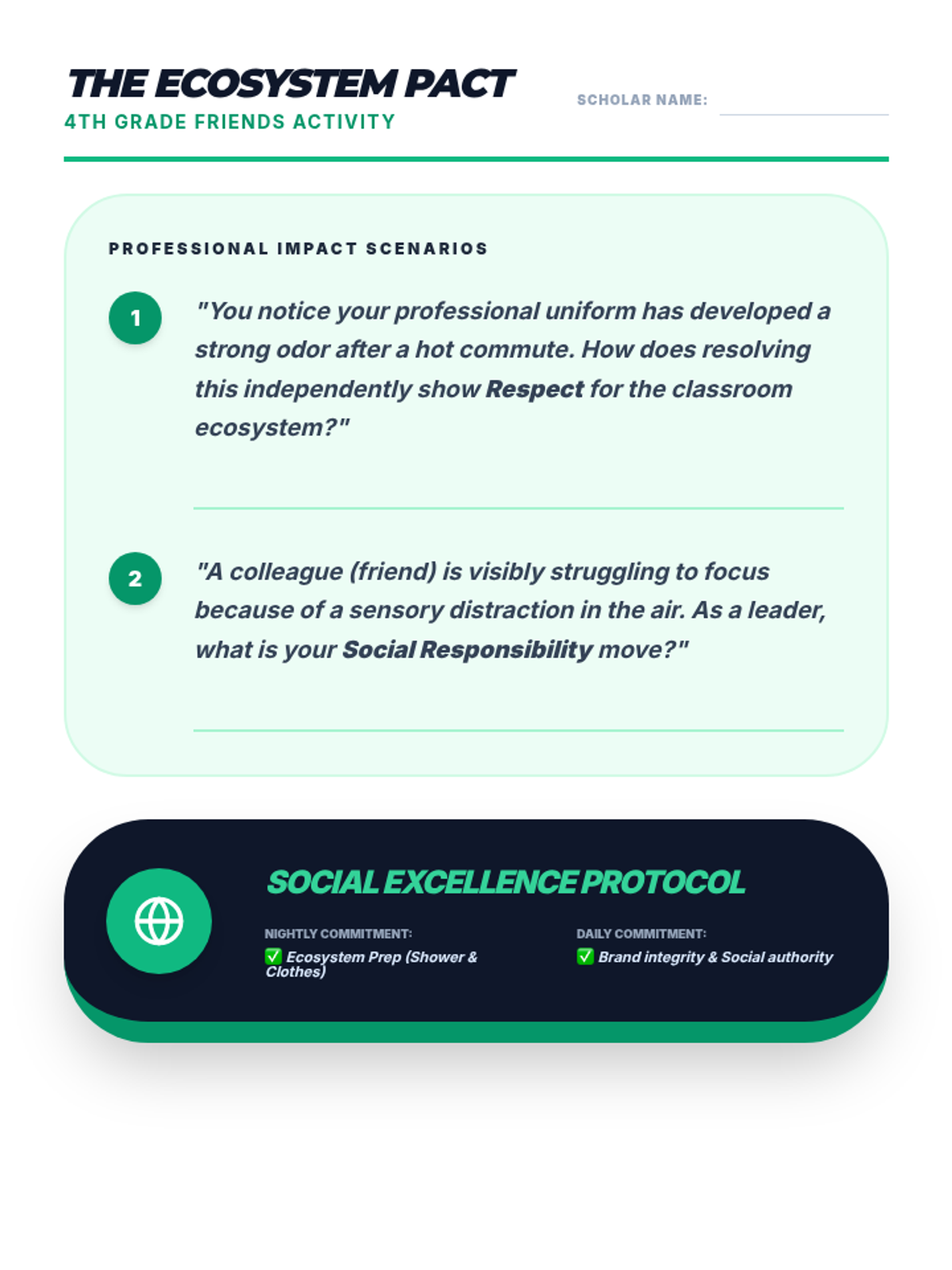
Professionalism and social responsibility through the lens of classroom environment for 4th graders.
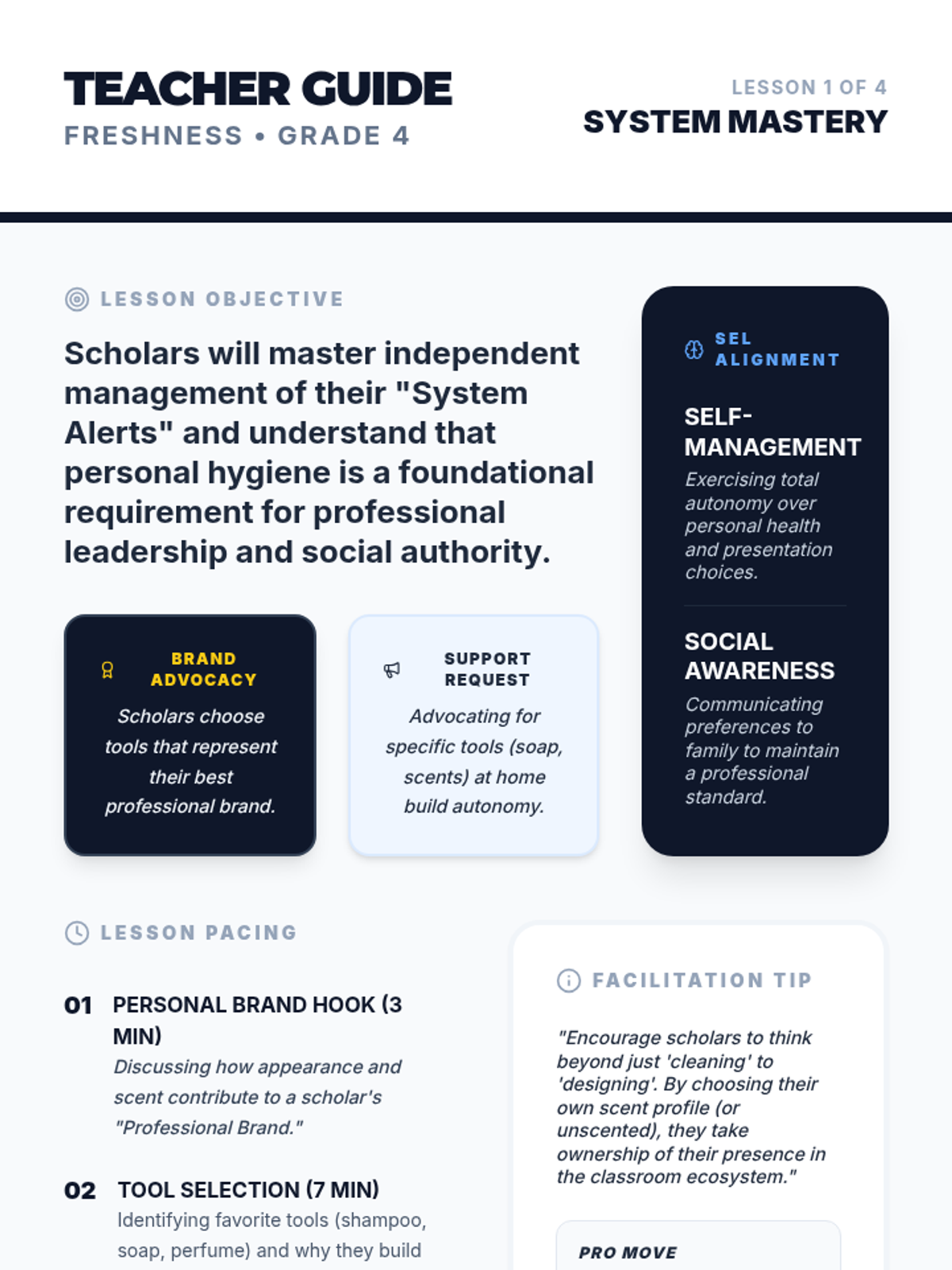
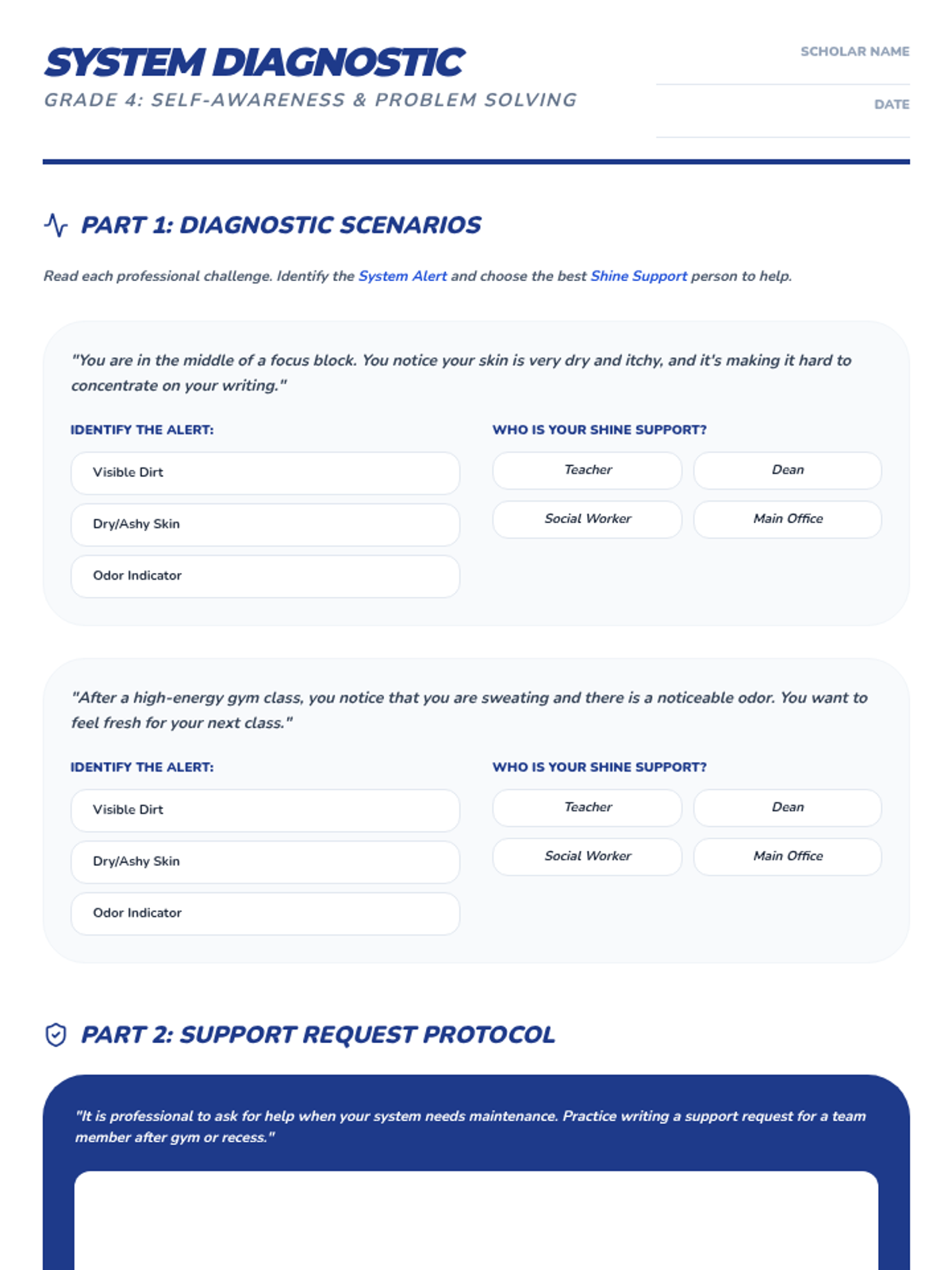
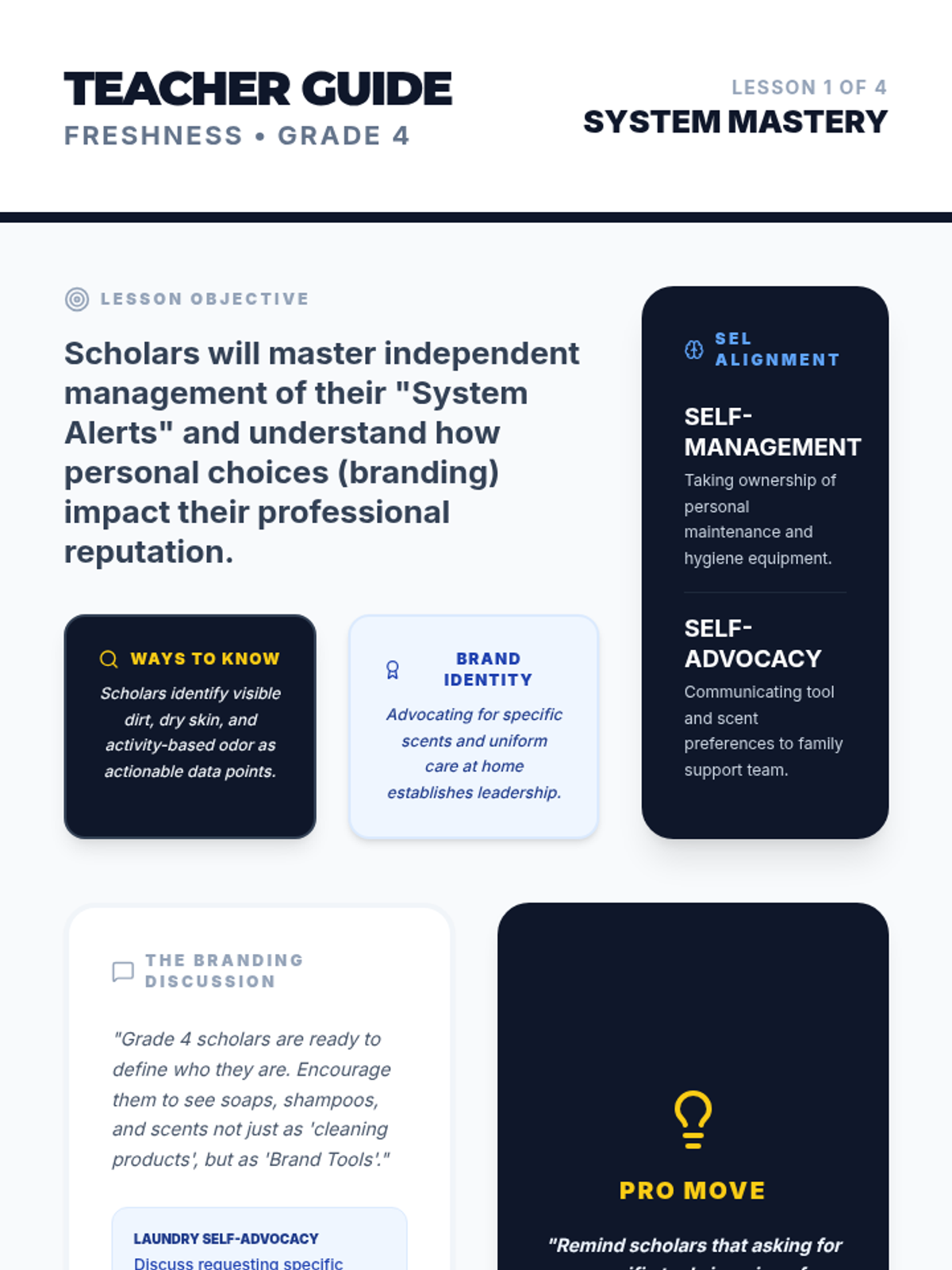
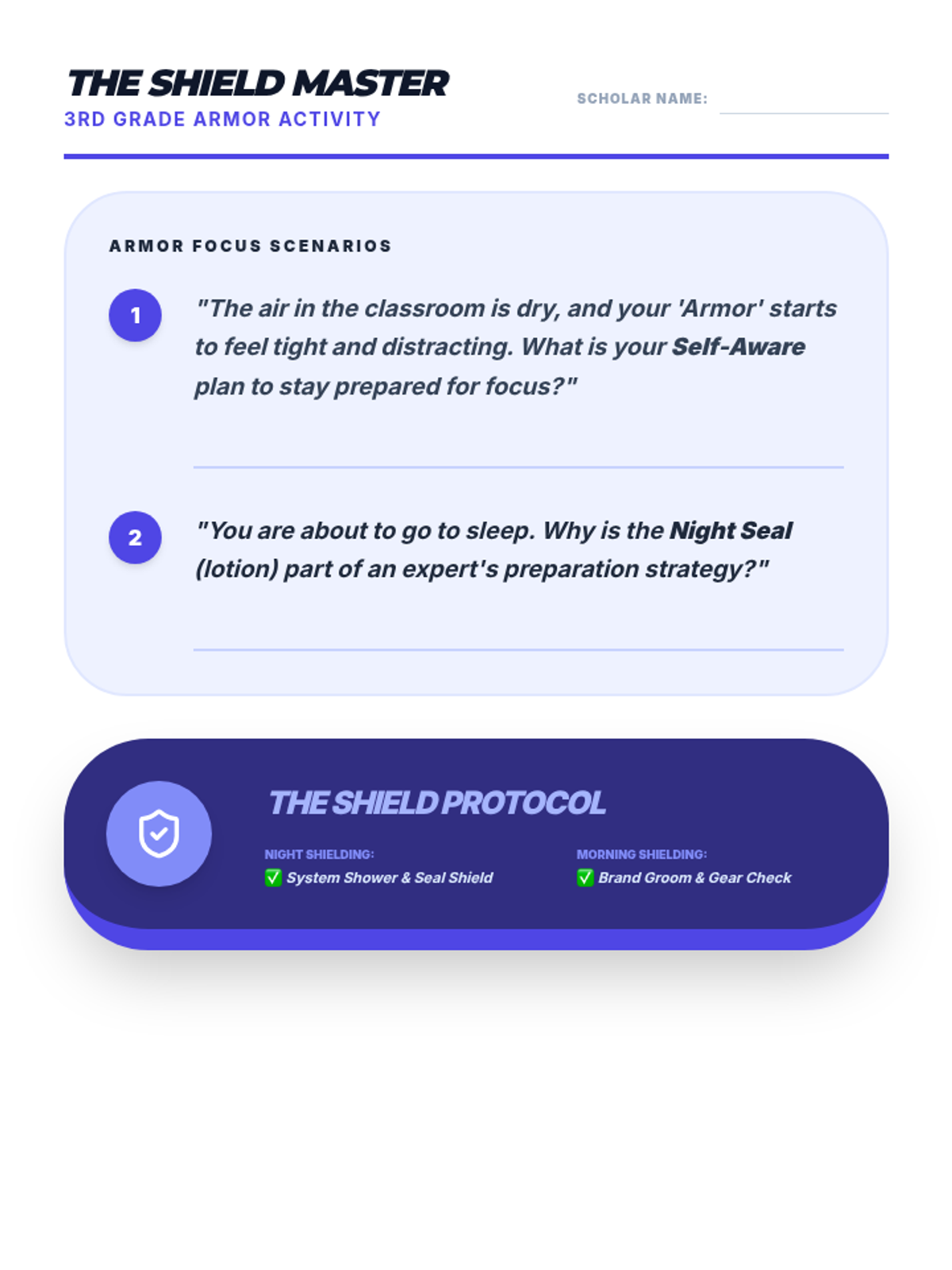
Independent self-management of 'System Alerts' and professional standards for 4th grade scholars.
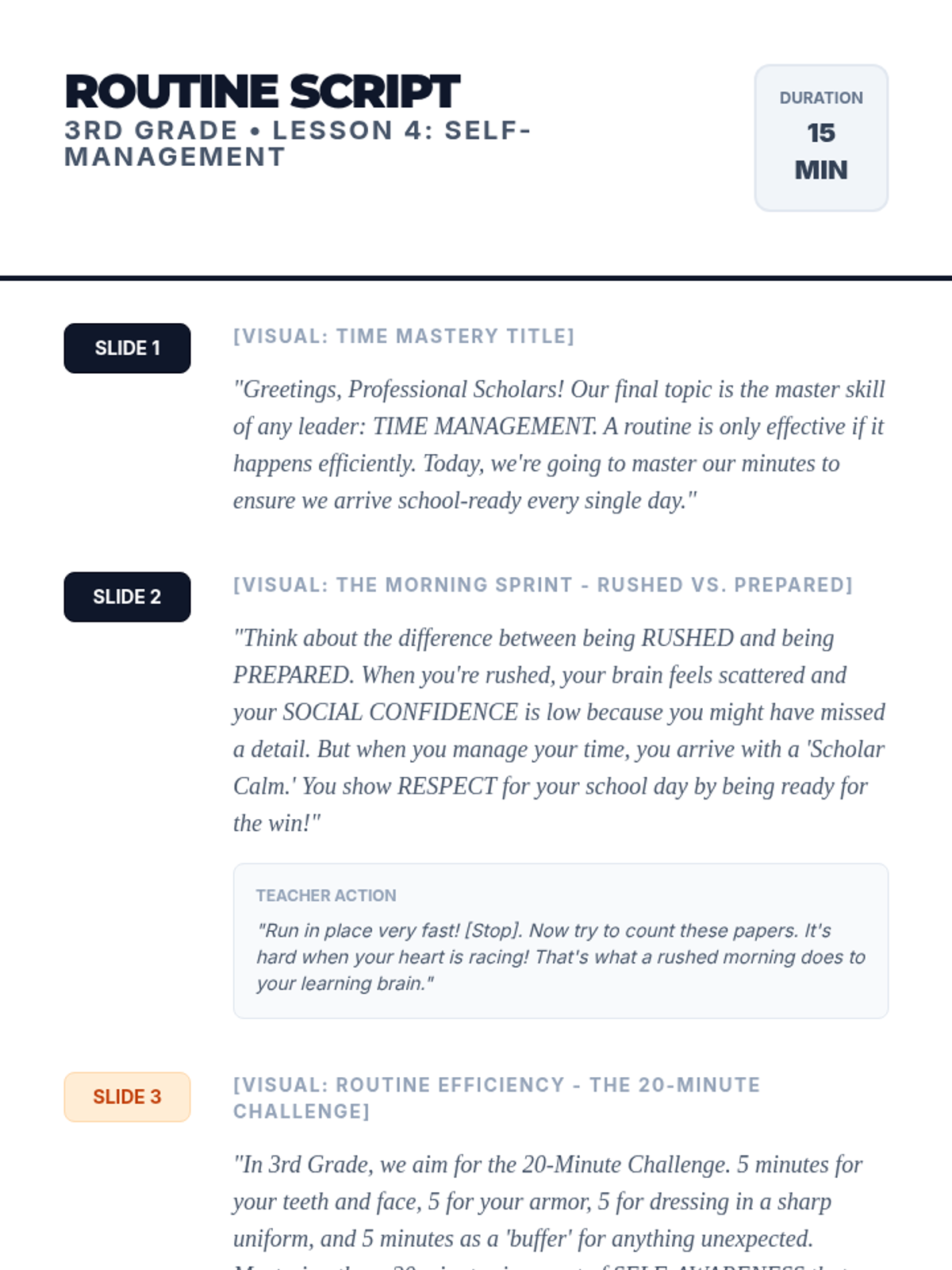
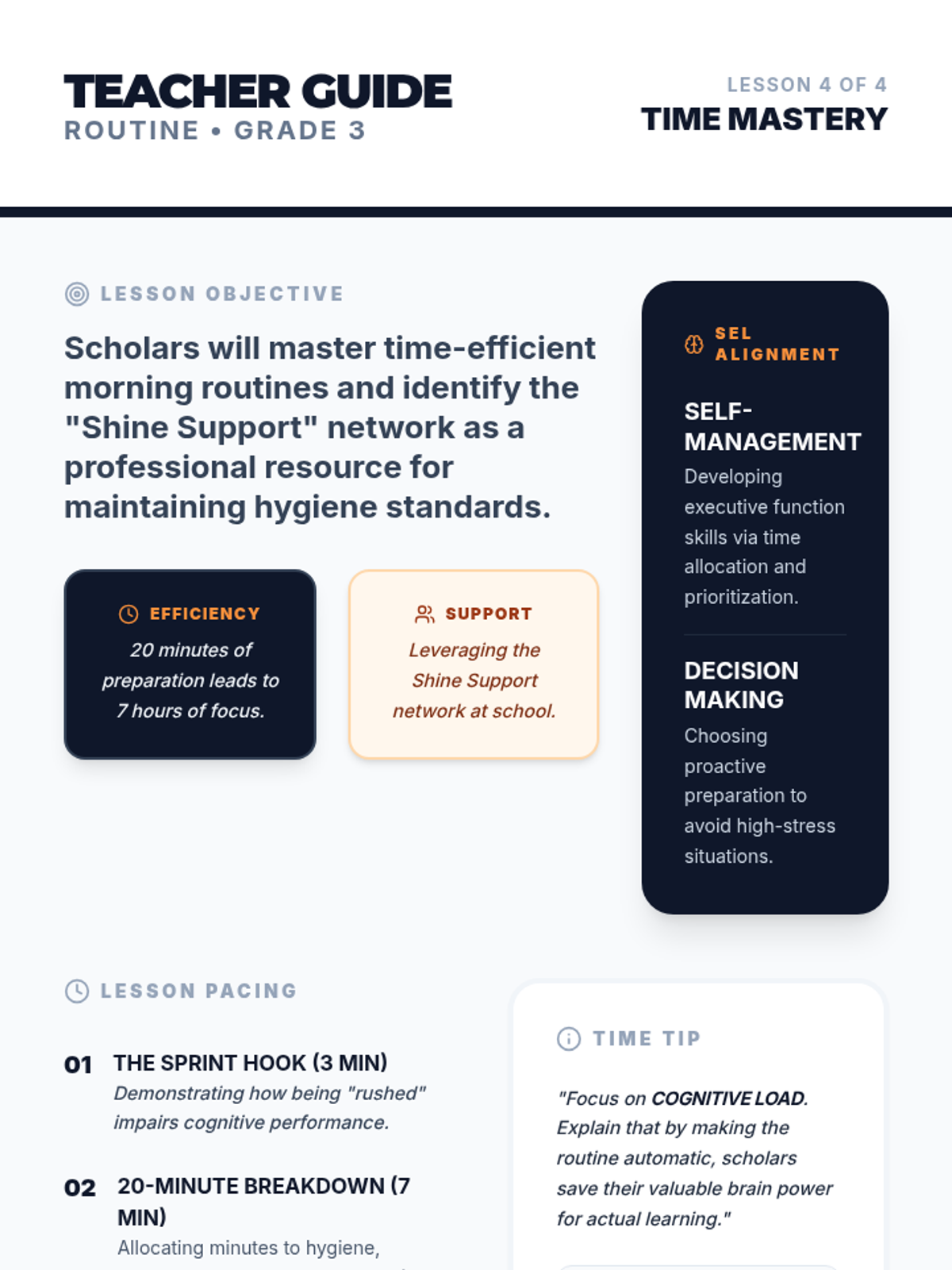
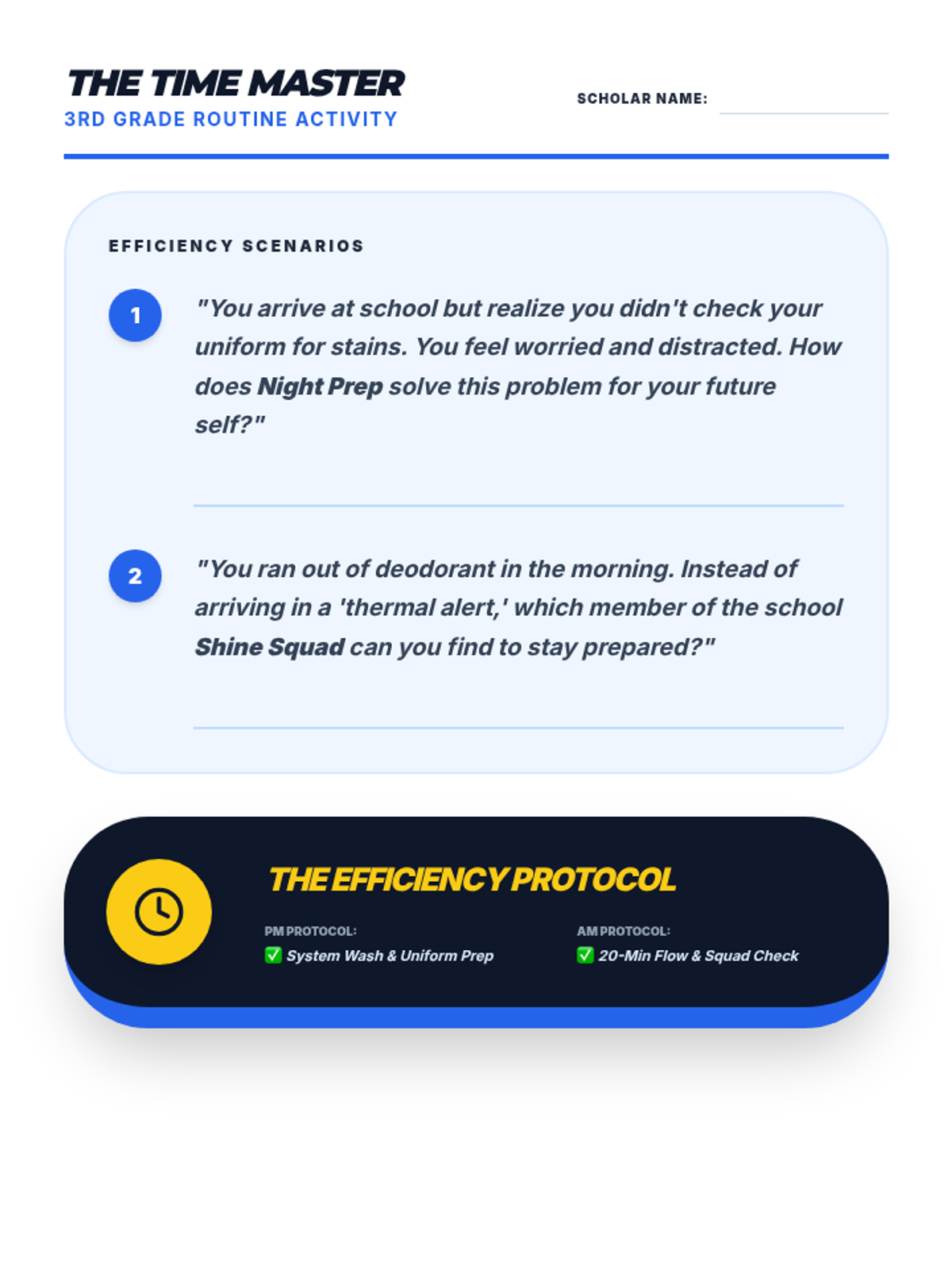
Mastering time management and efficient morning habits to arrive school-ready in 3rd grade.
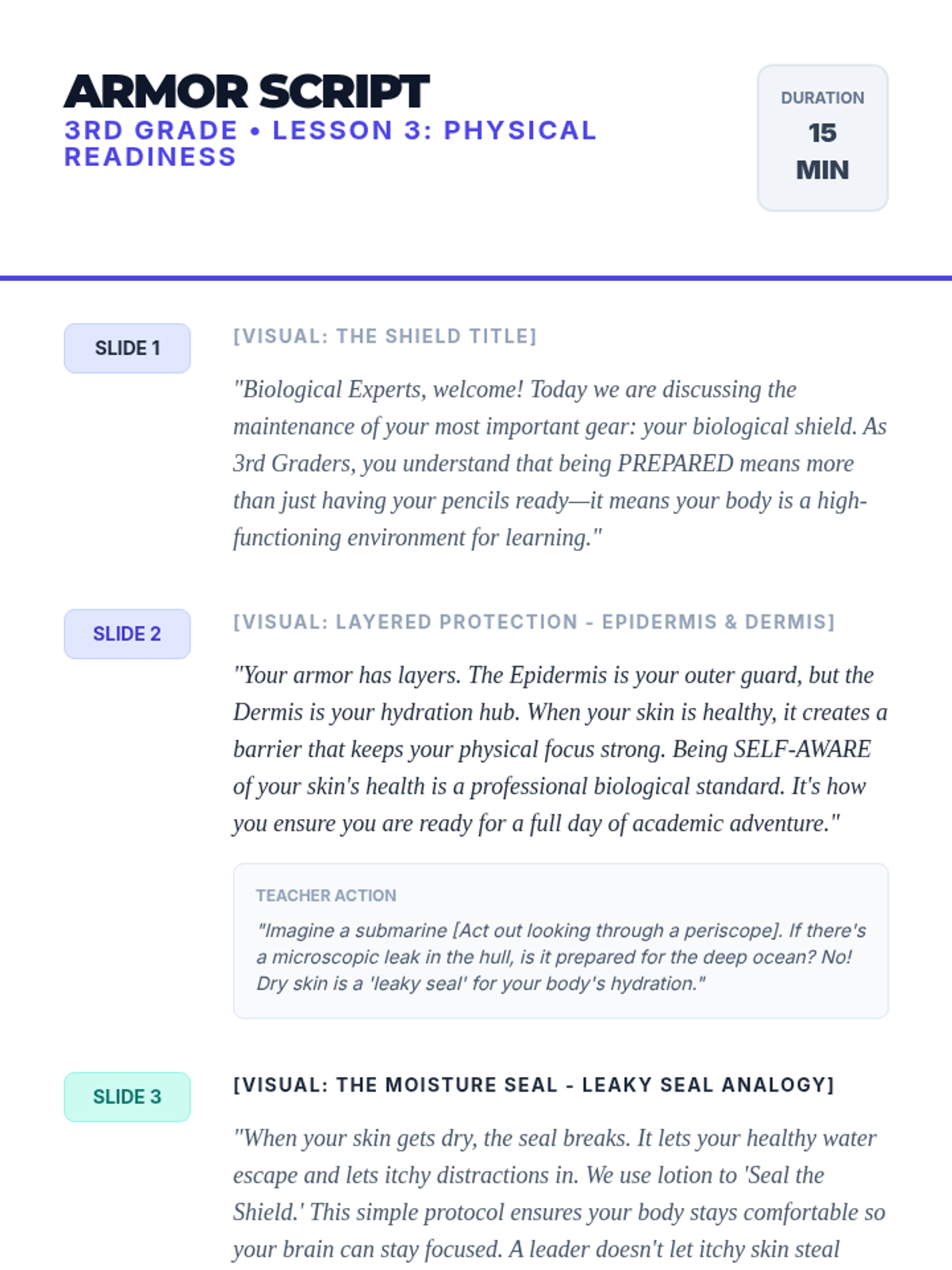
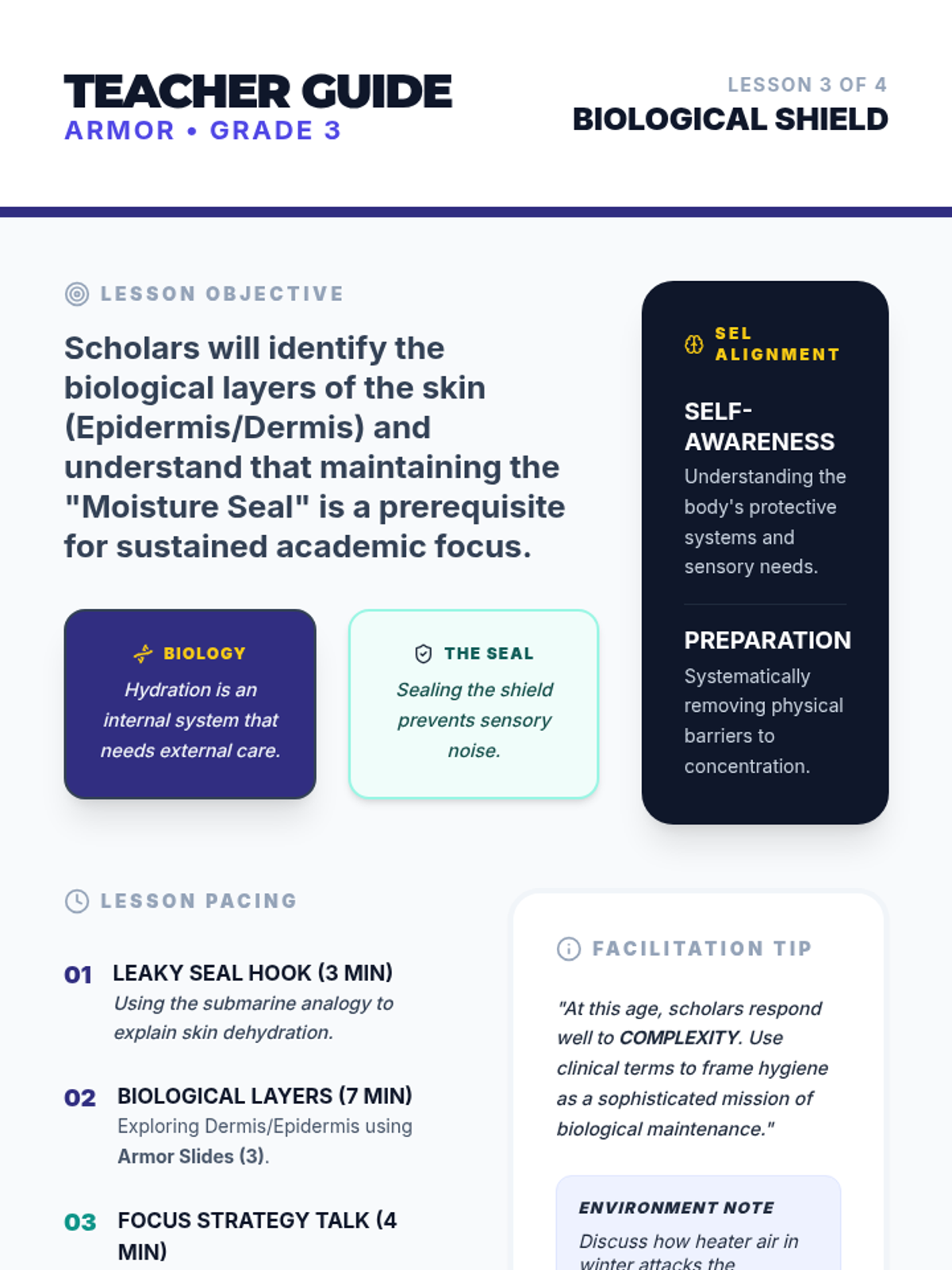
The biology of skin health and the importance of the 'Skin Shield' for 3rd grade health standards.
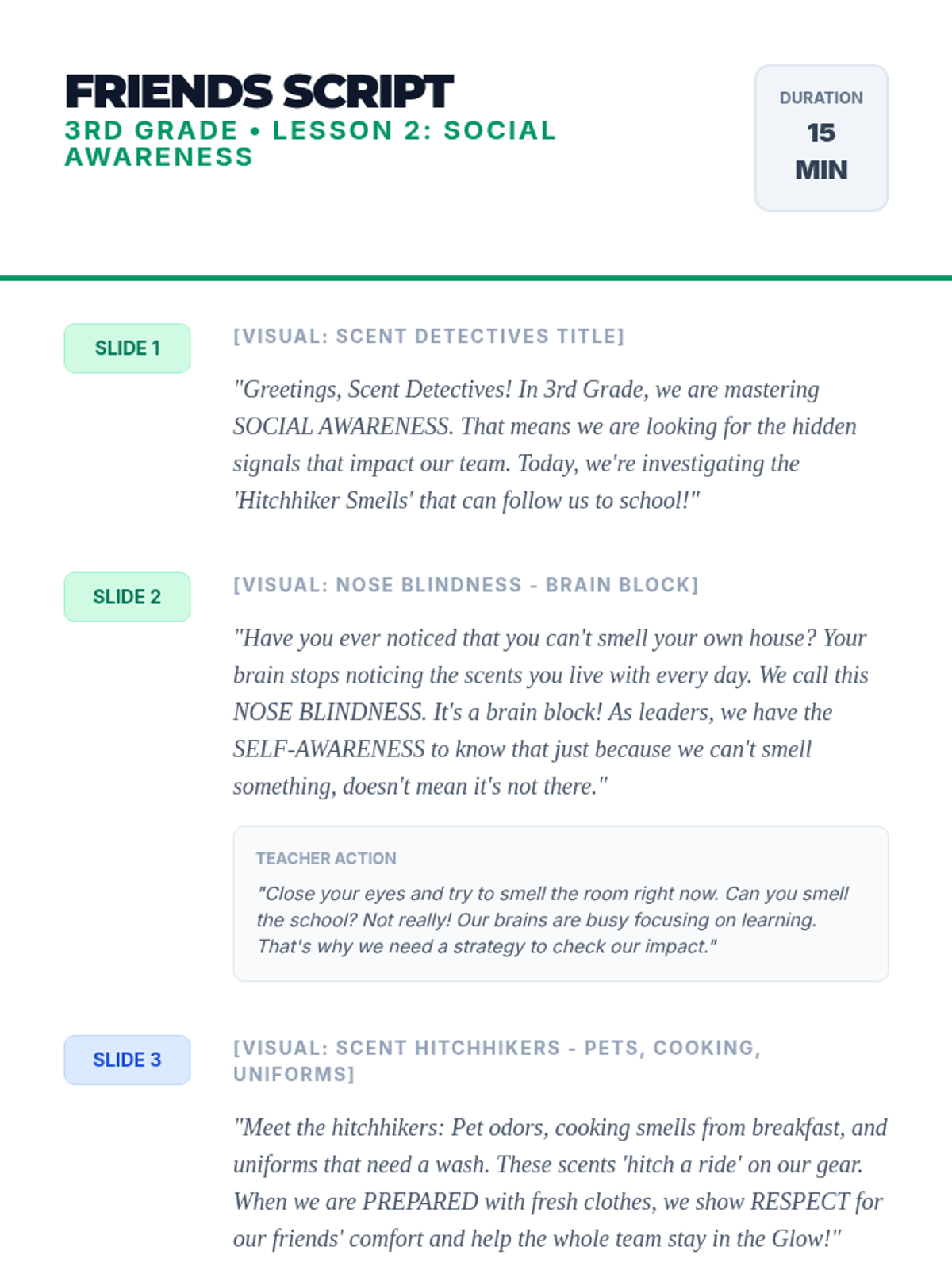
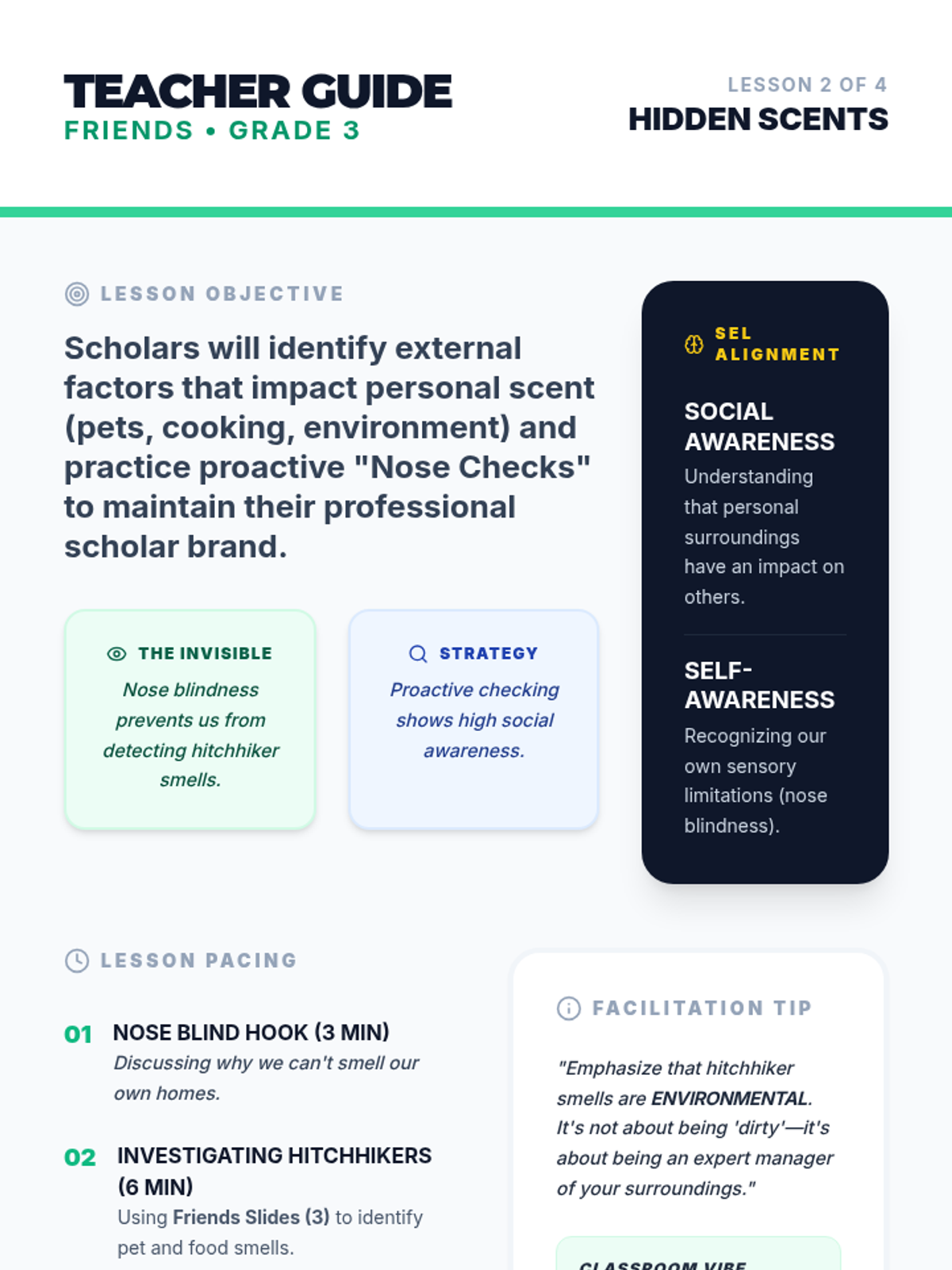
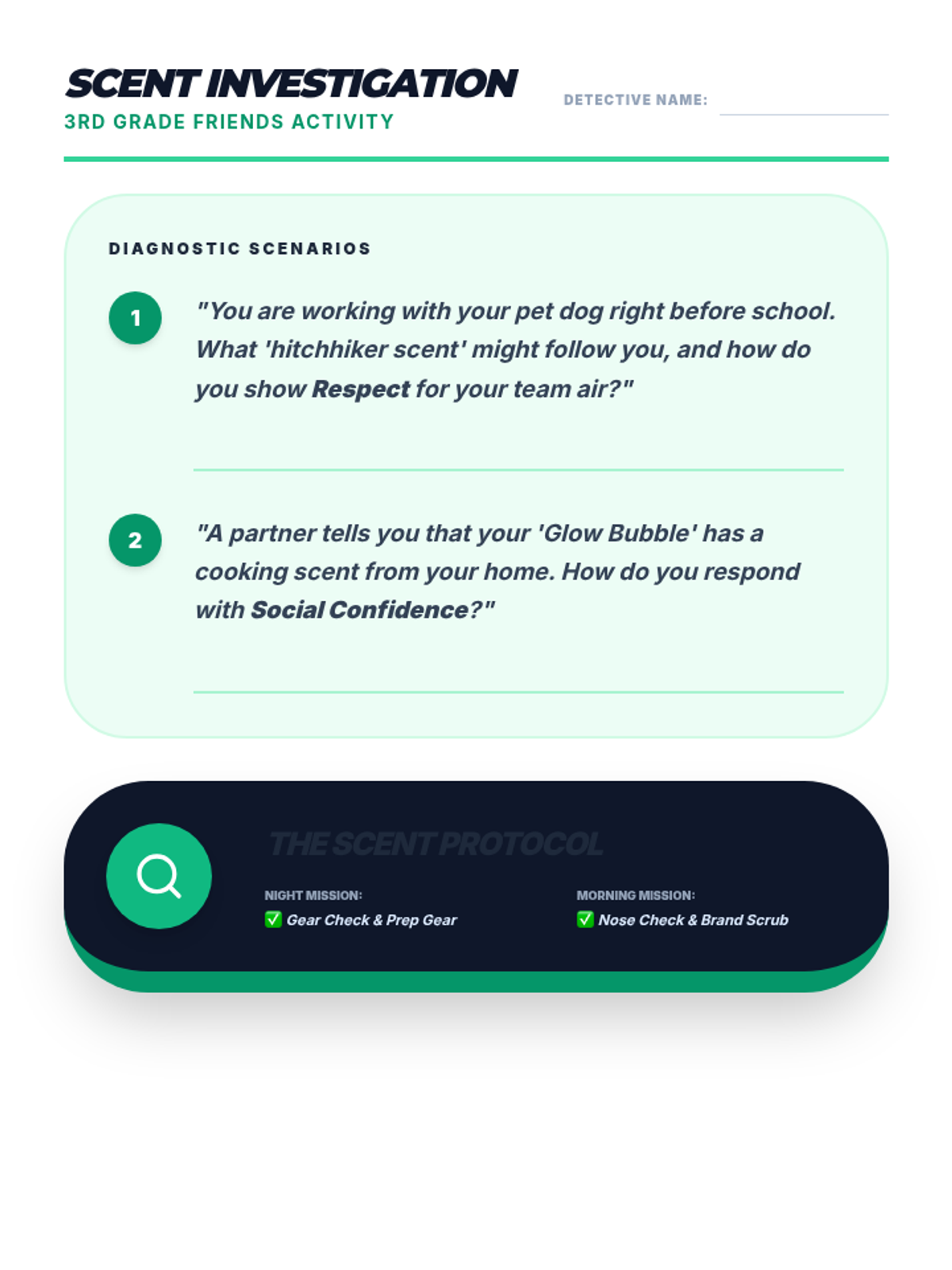
Identifying 'Hidden Scent Factors' like pet odors and cooking smells for 3rd grade social awareness.
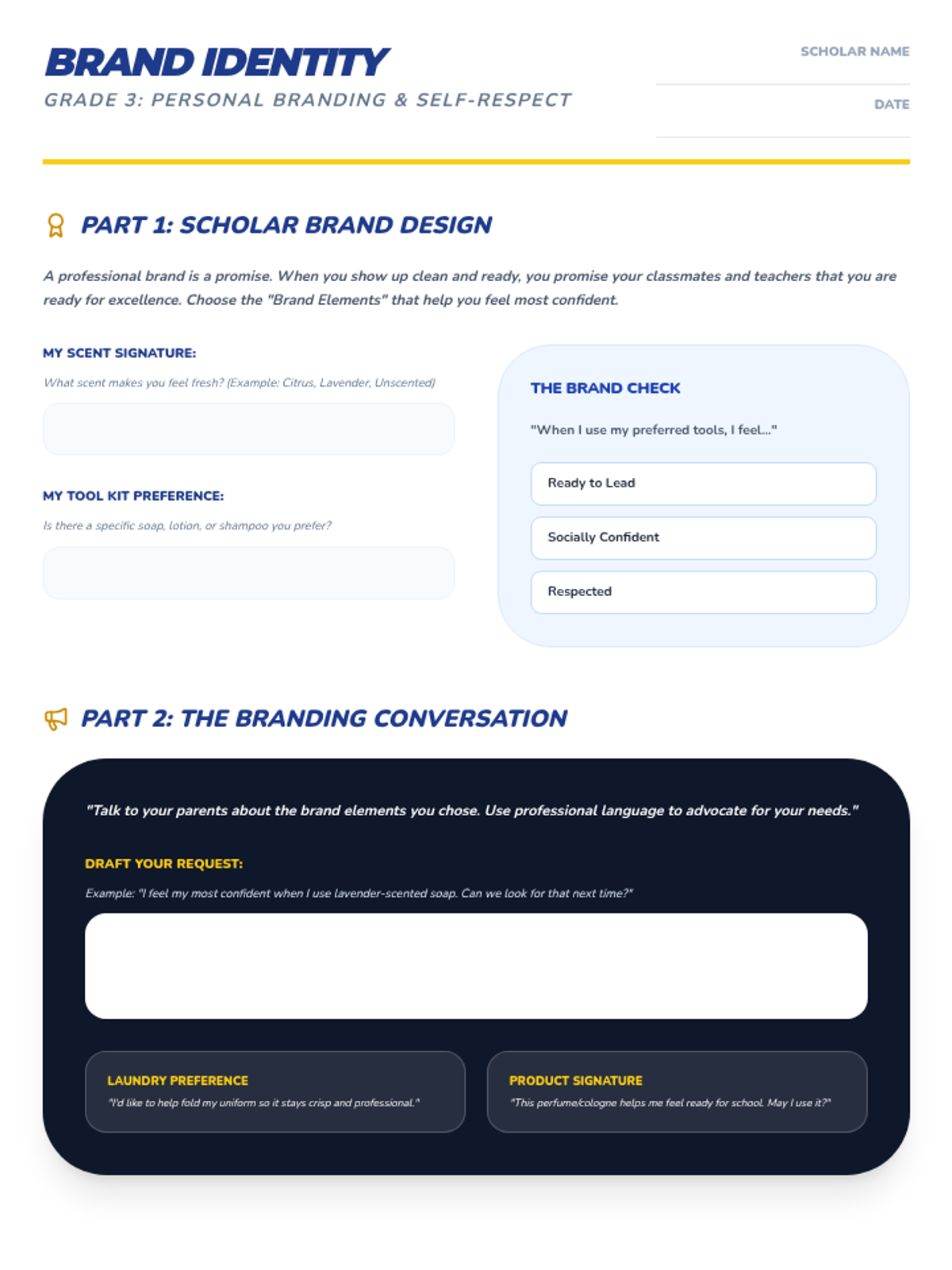
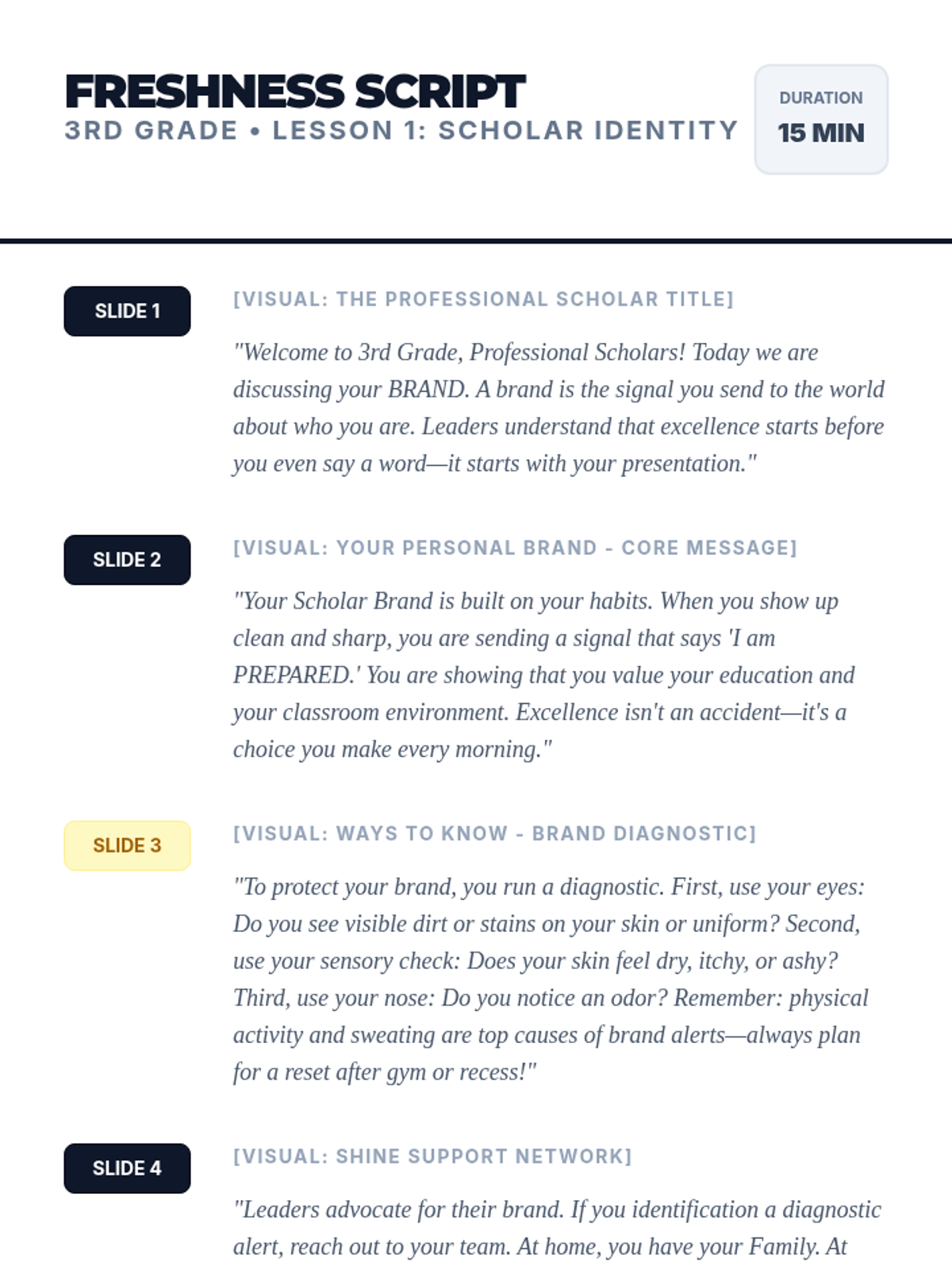
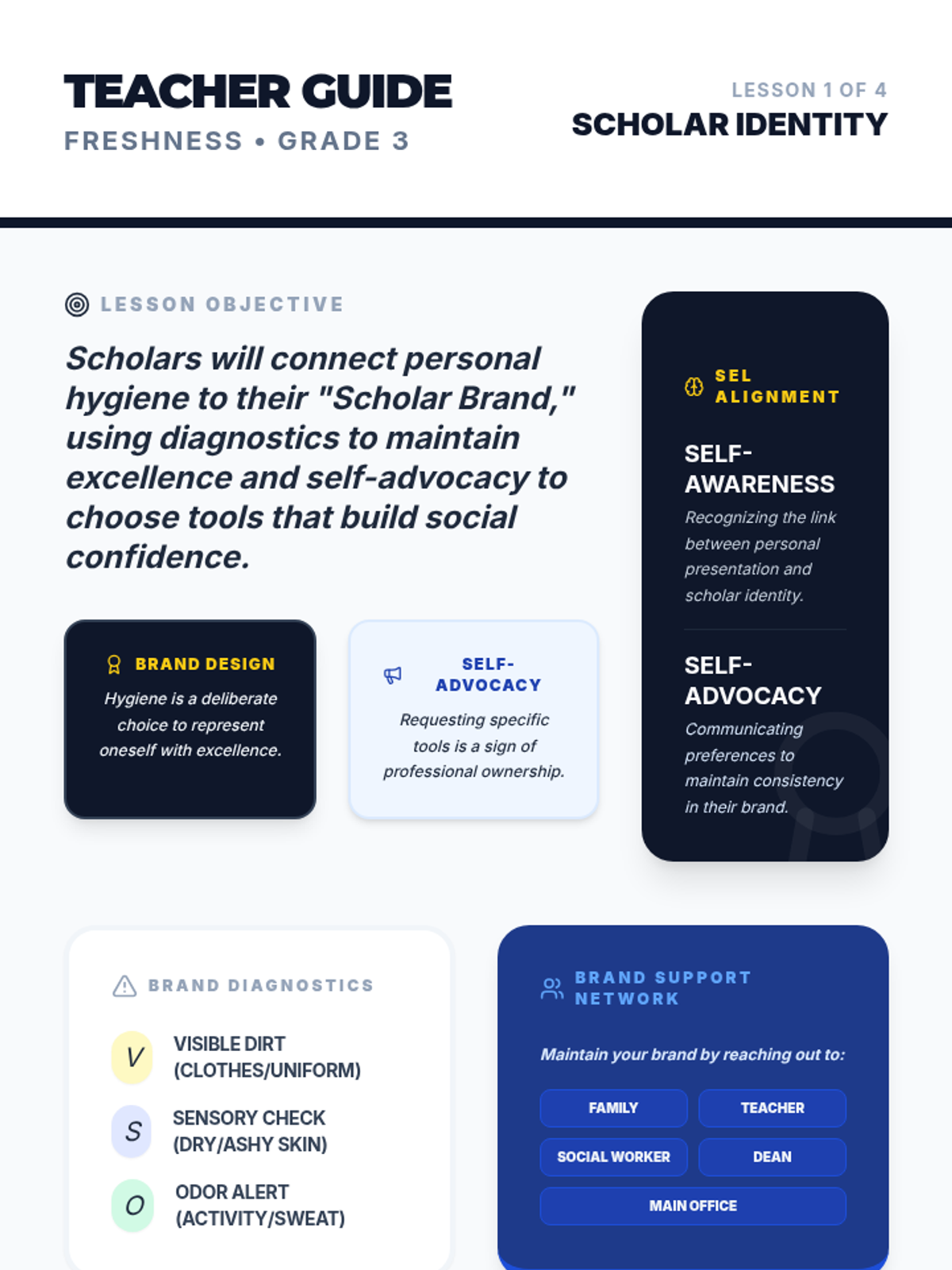
Connecting hygiene to the 'Professional Scholar' identity and self-respect for 3rd grade students.
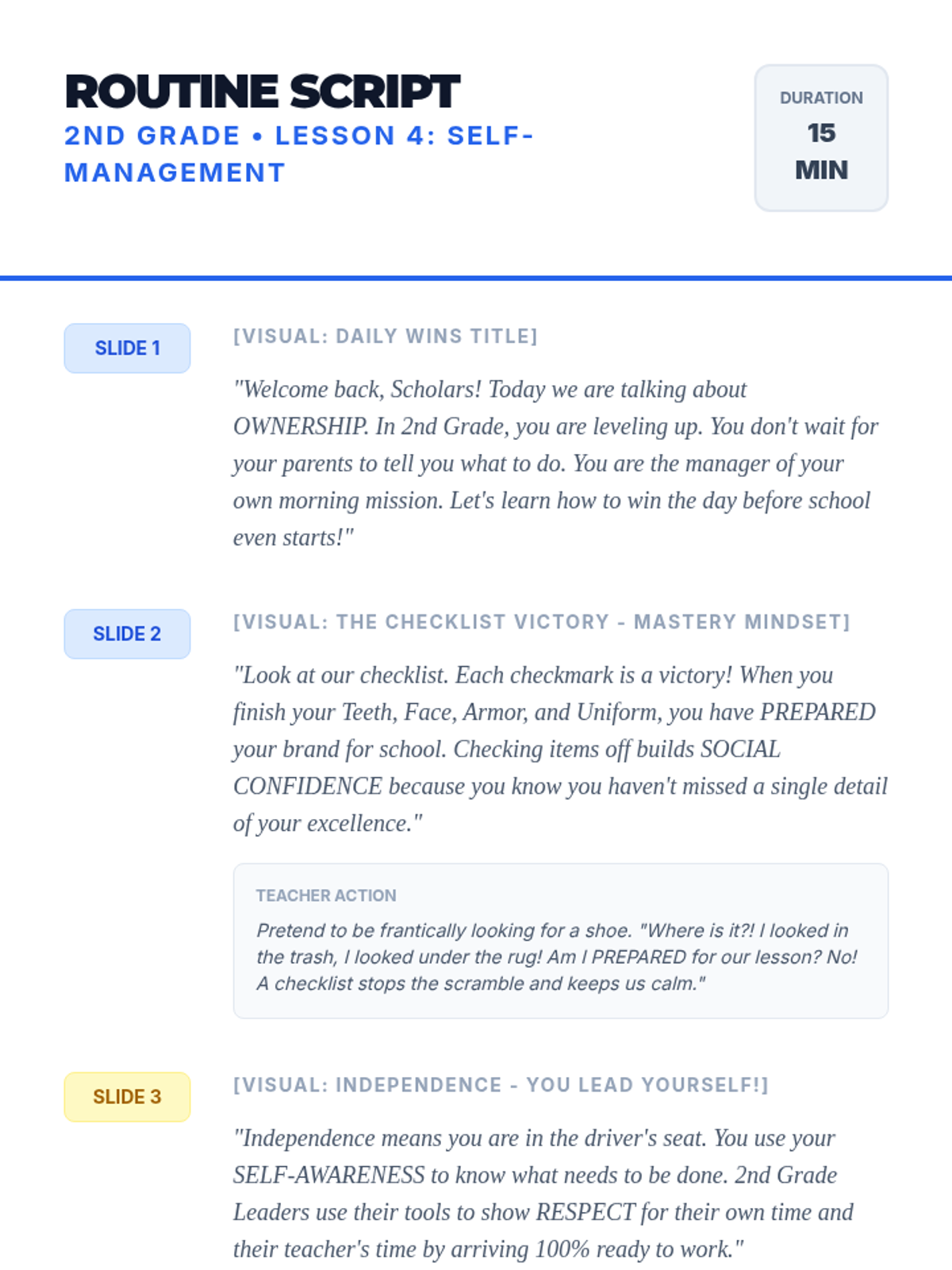
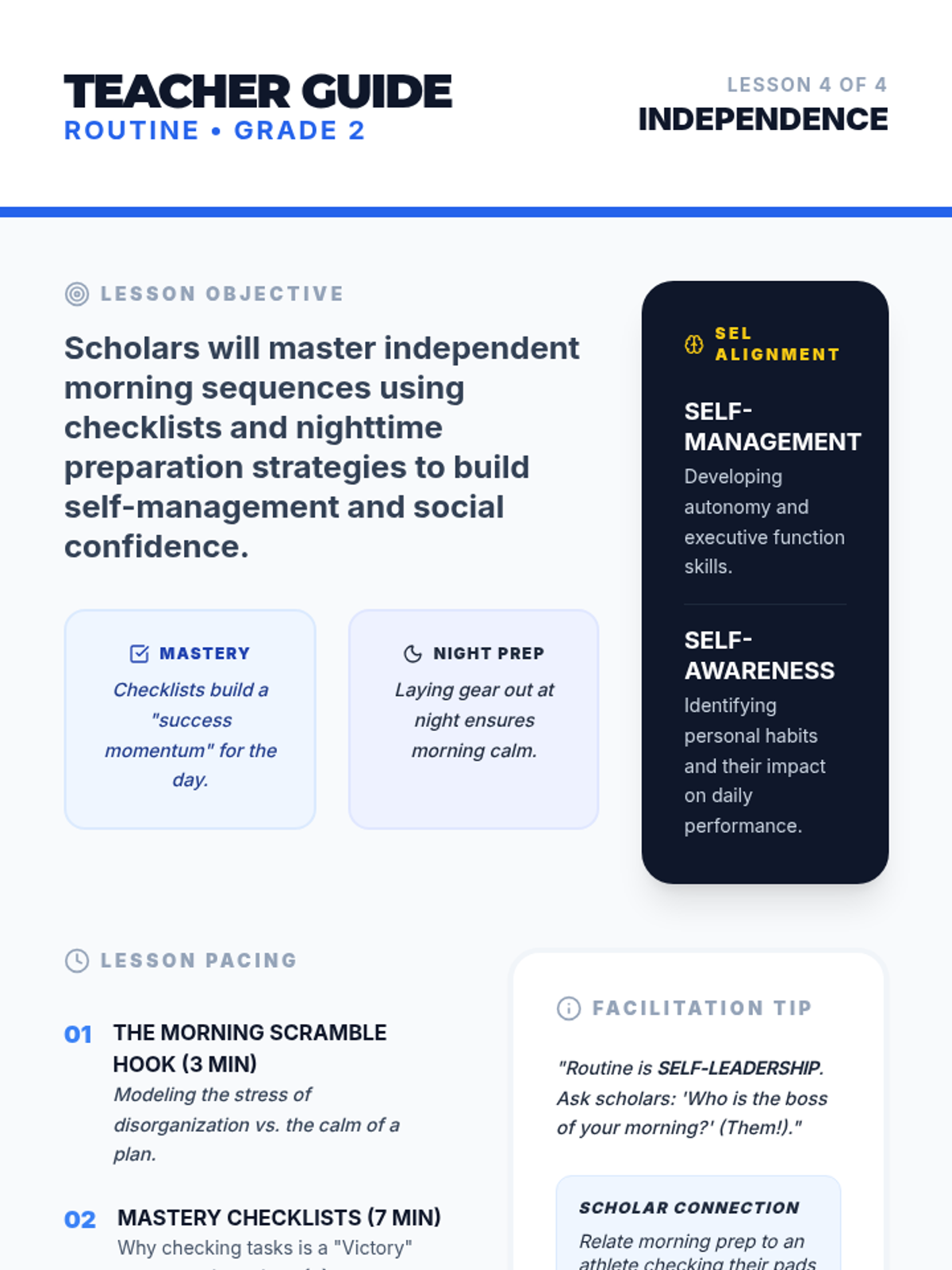
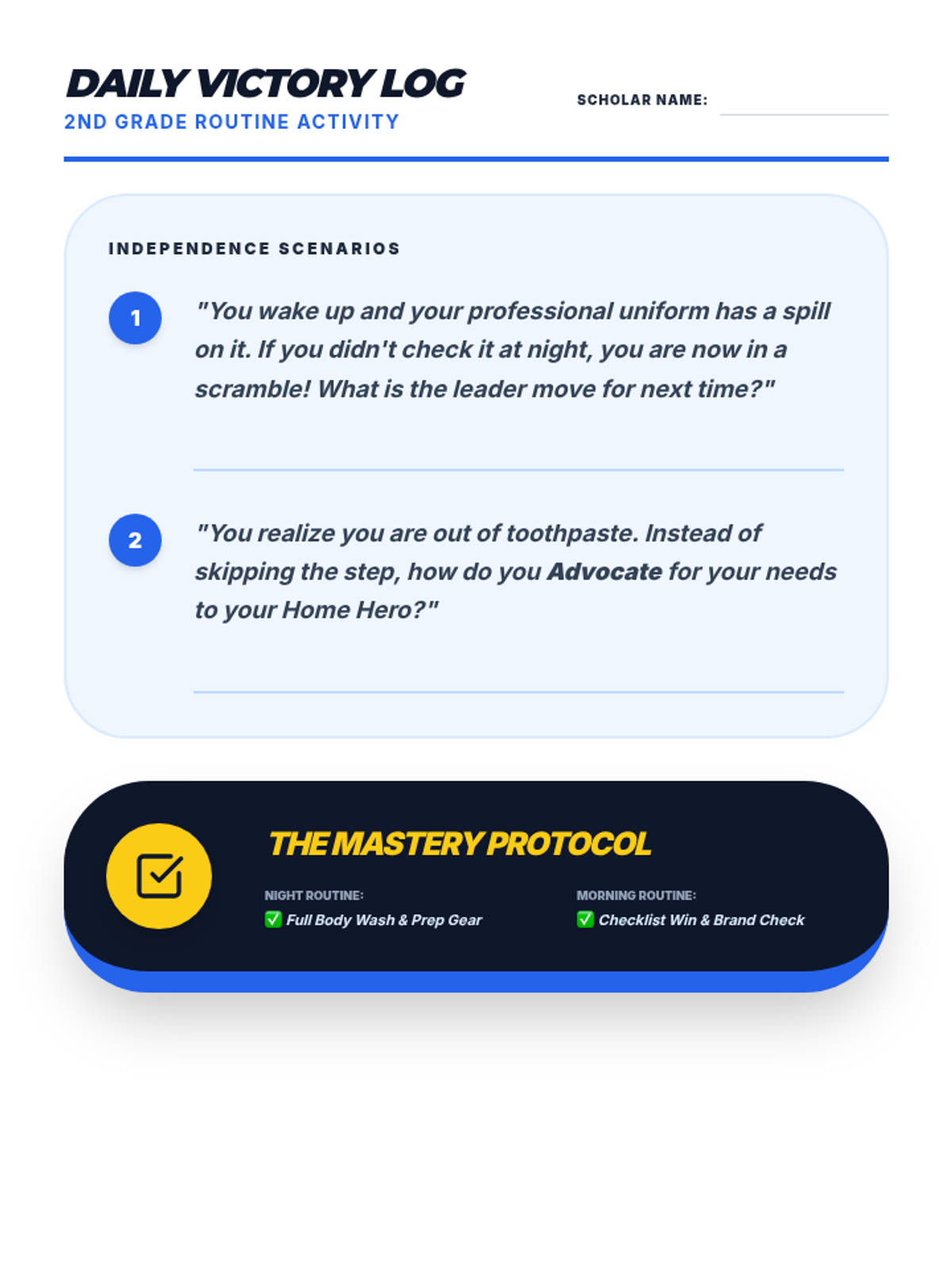
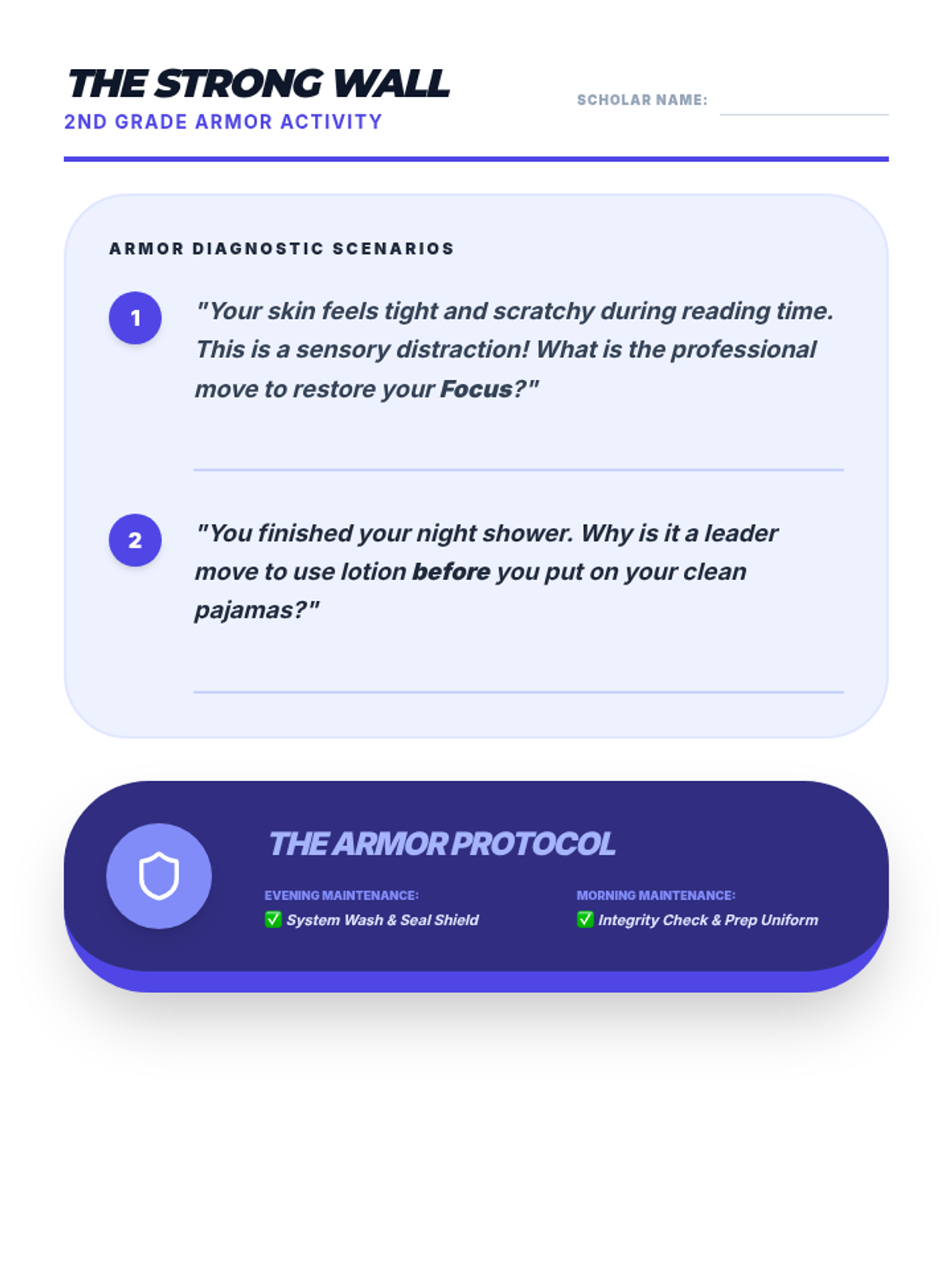
Developing a checklist-based morning routine and the concept of nighttime uniform prep for 2nd grade.
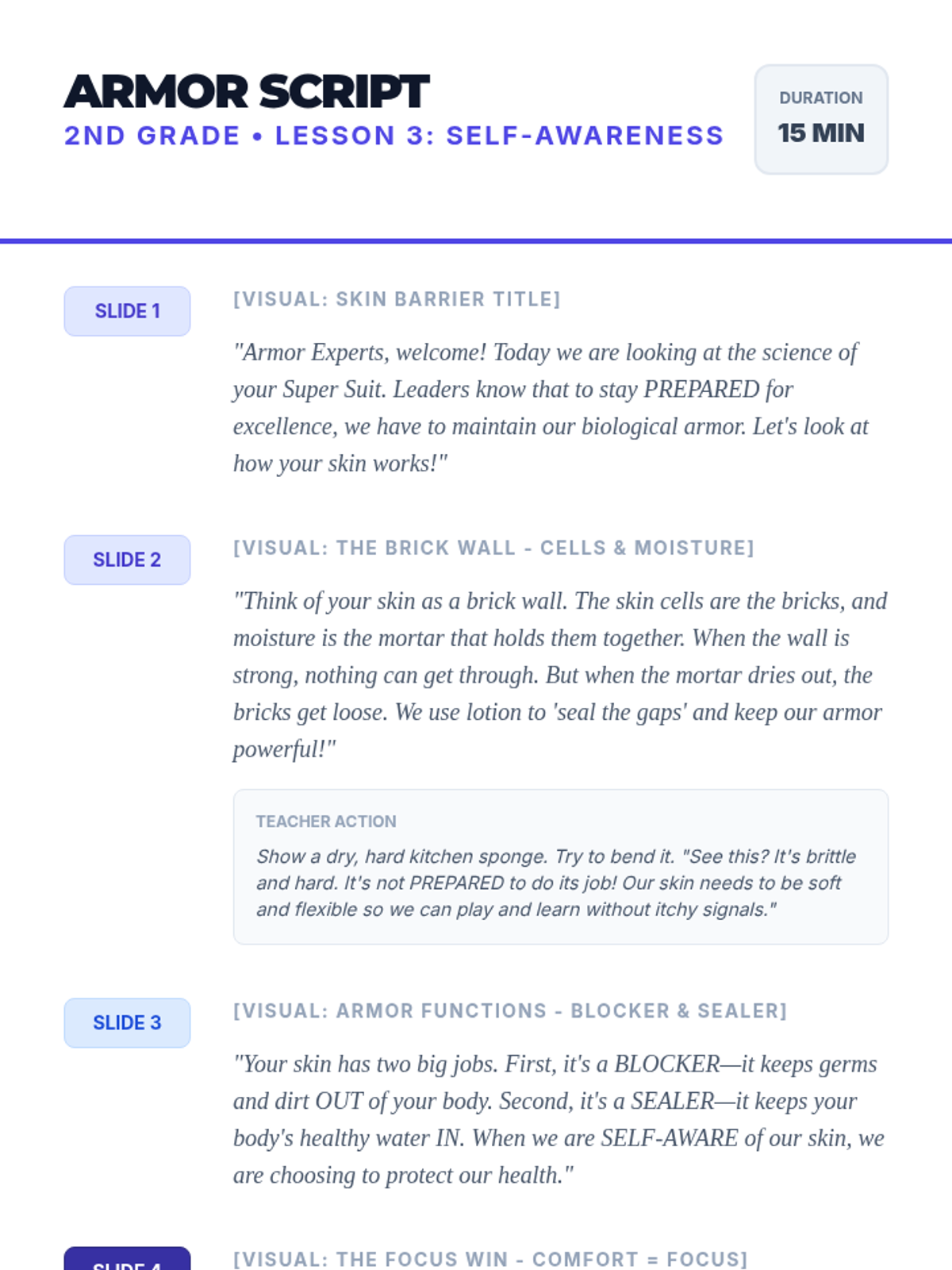
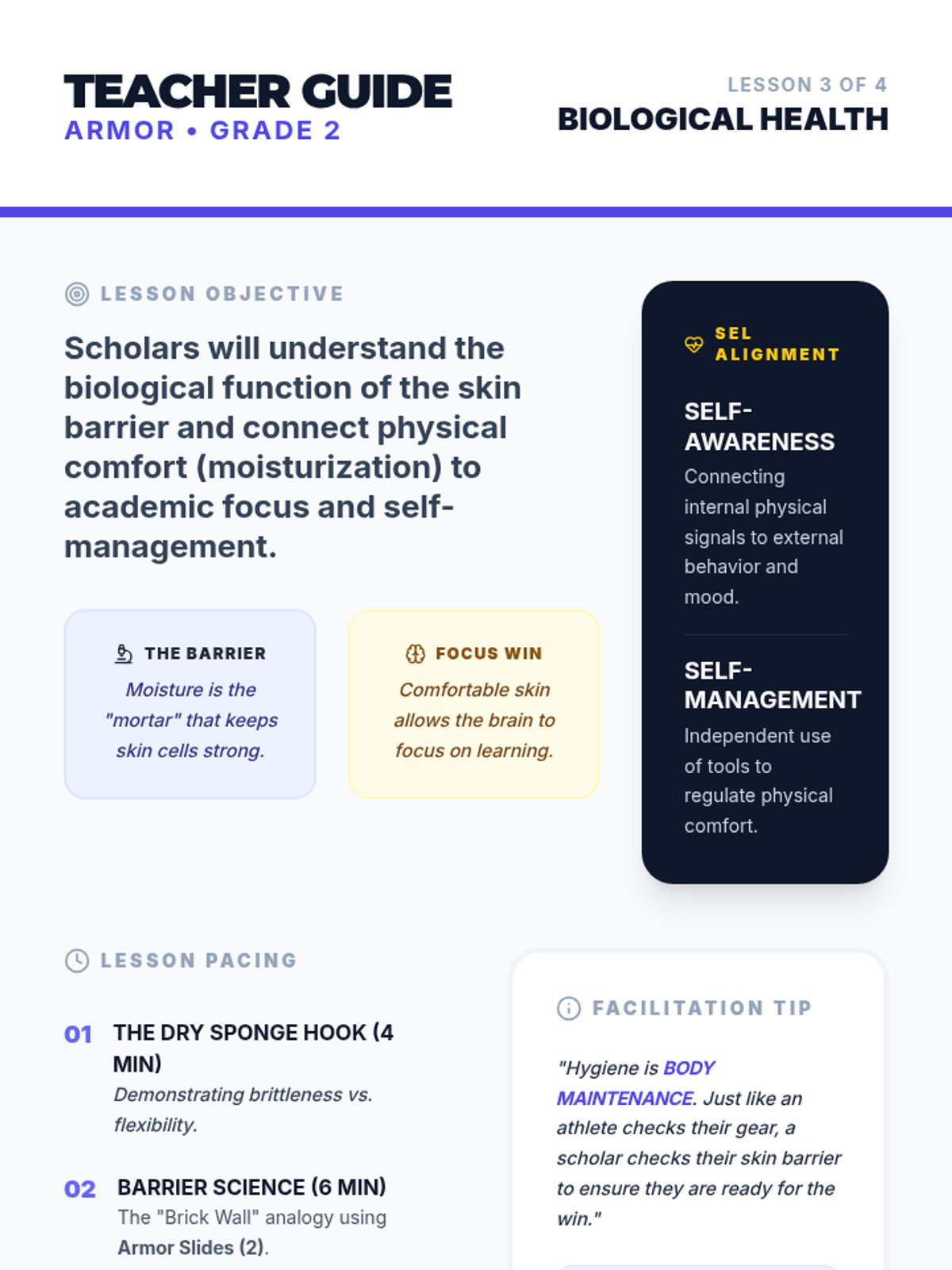
Explores the science of the skin barrier and the sensory benefits of moisturization for 2nd graders.
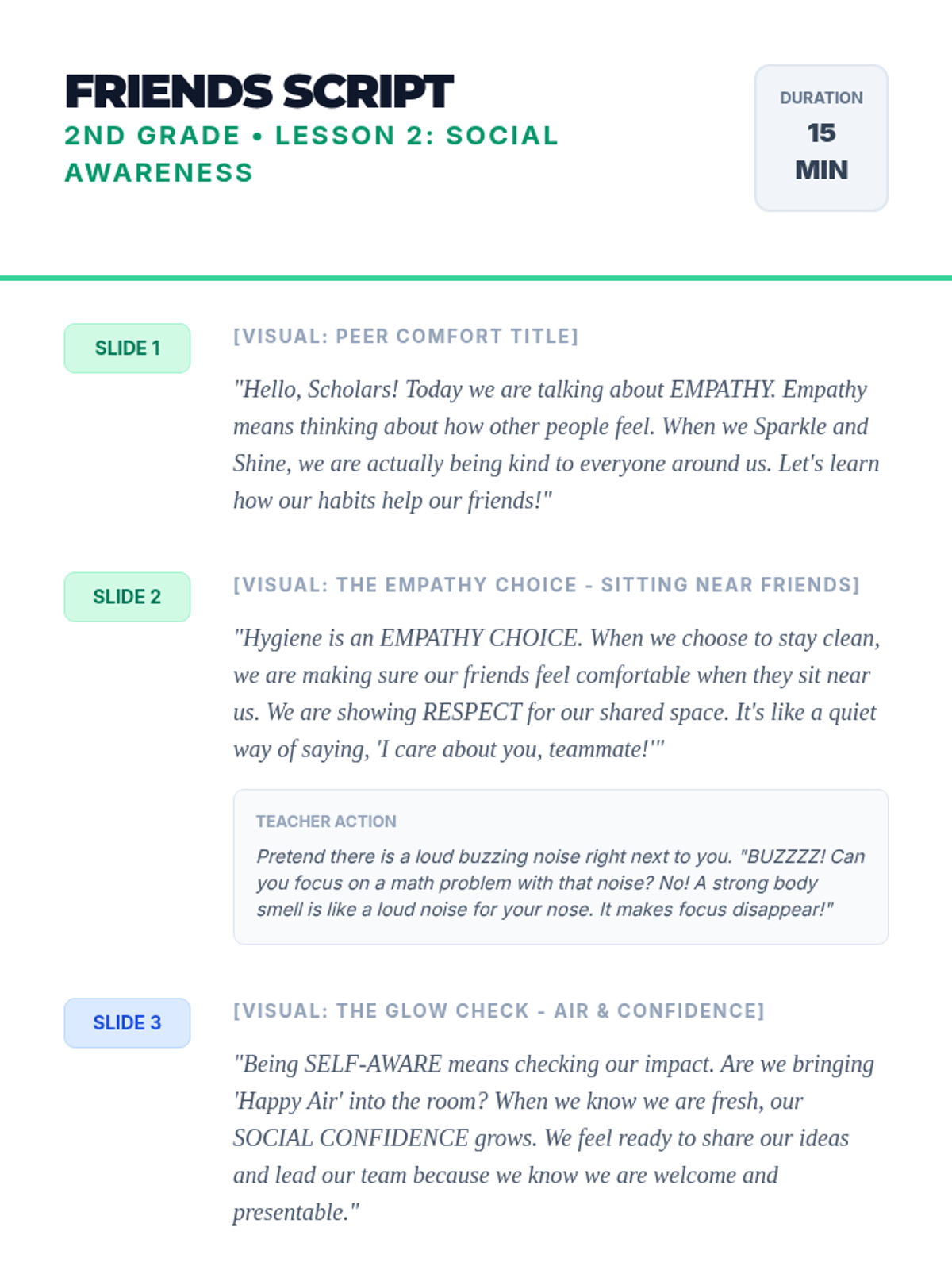
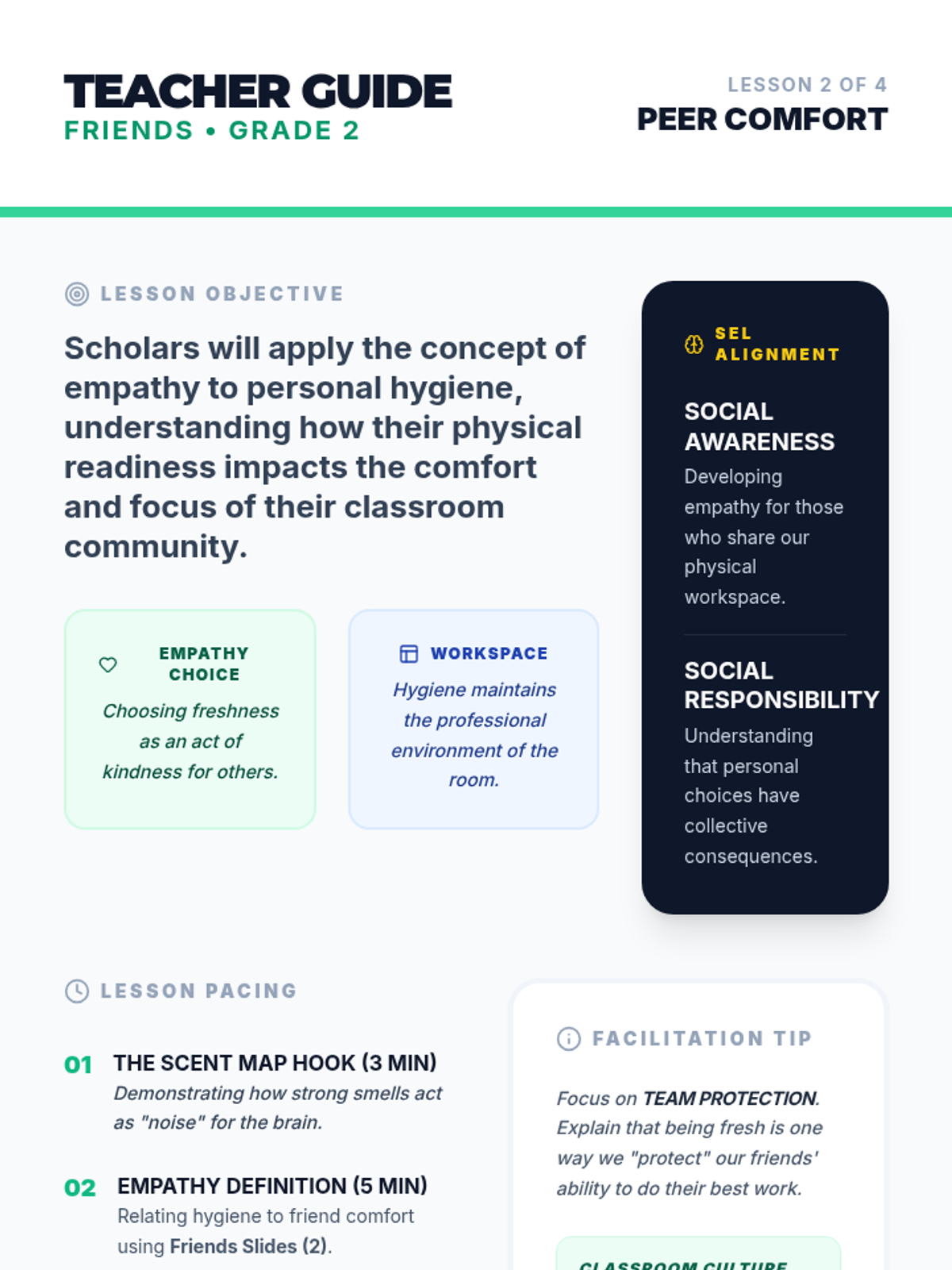
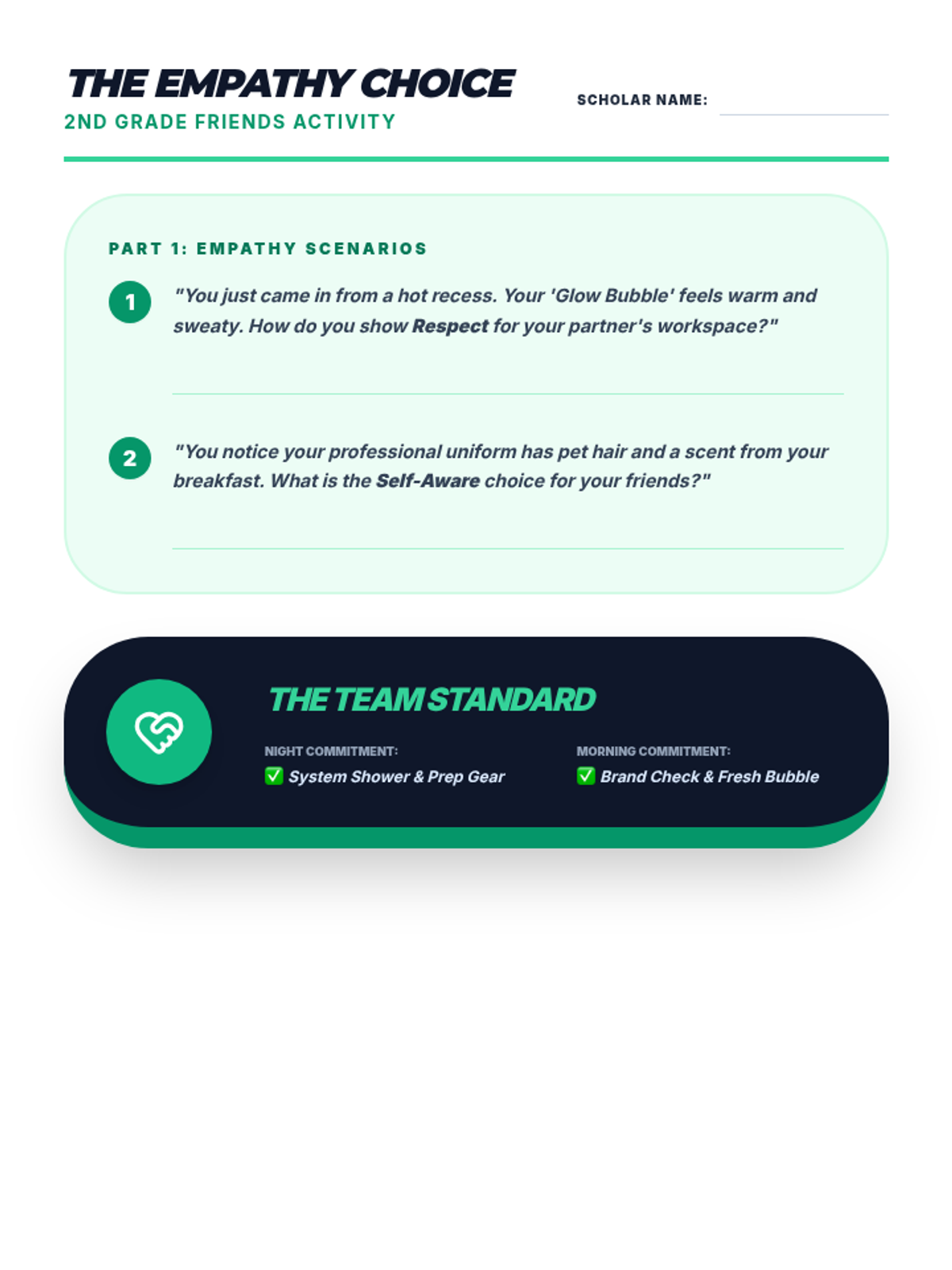
Introduction to empathy and how 2nd graders' hygiene choices show respect for their peers' comfort.
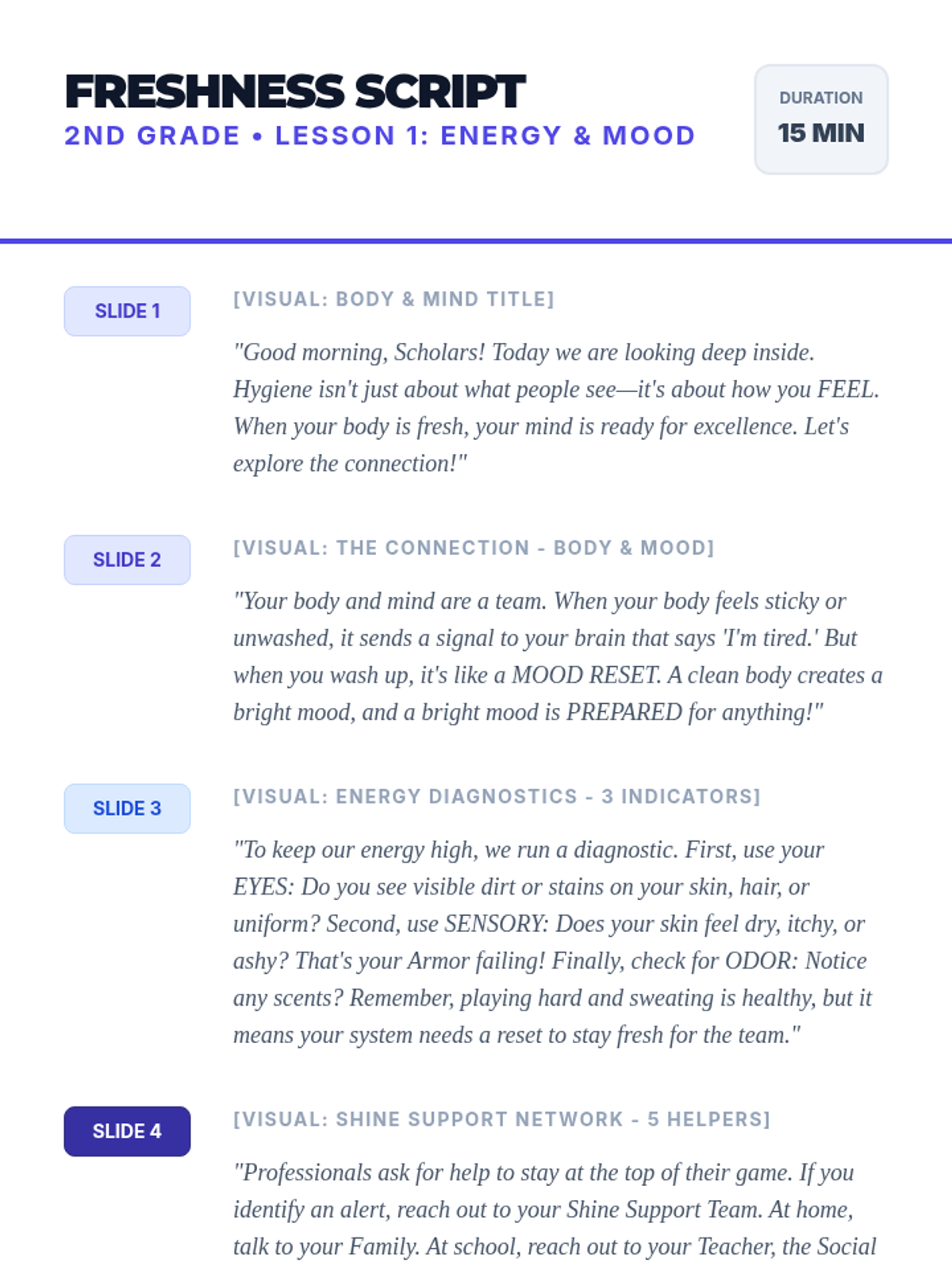
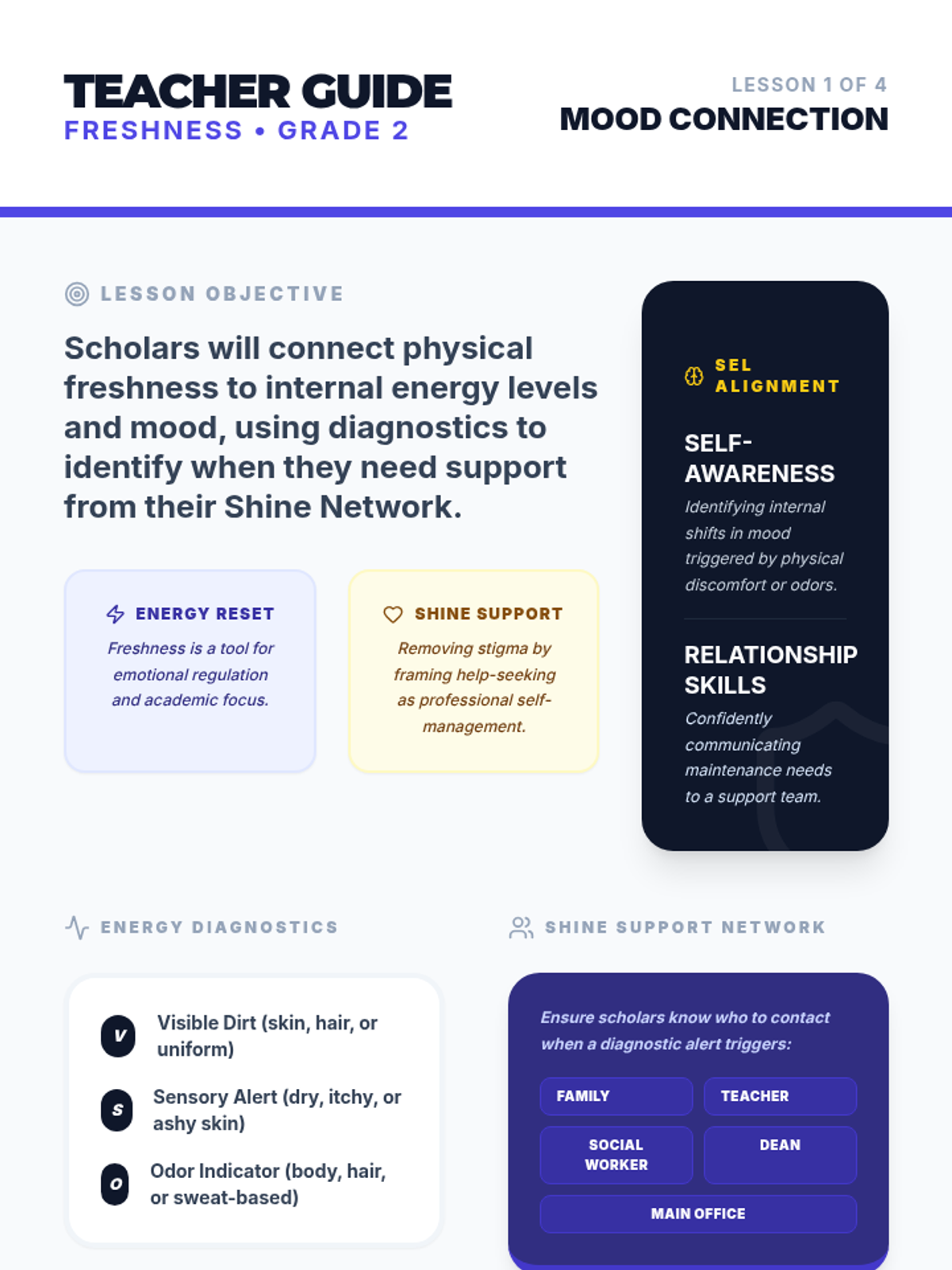
Connecting physical freshness to mood and identifying internal shifts in energy for 2nd graders.
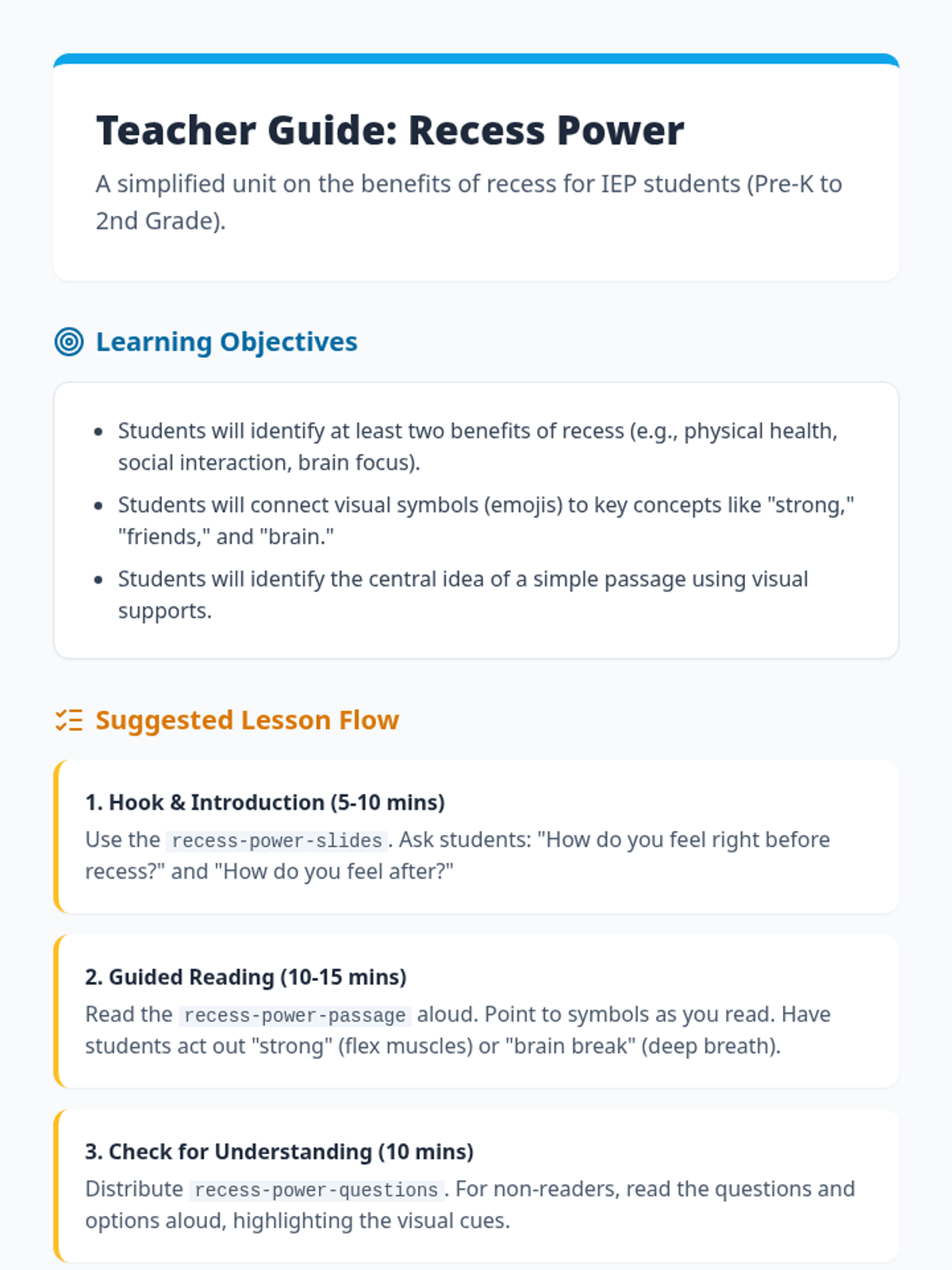
A lesson exploring the physical, social, and emotional benefits of recess for young learners, designed with accessibility and visual supports for IEP students.
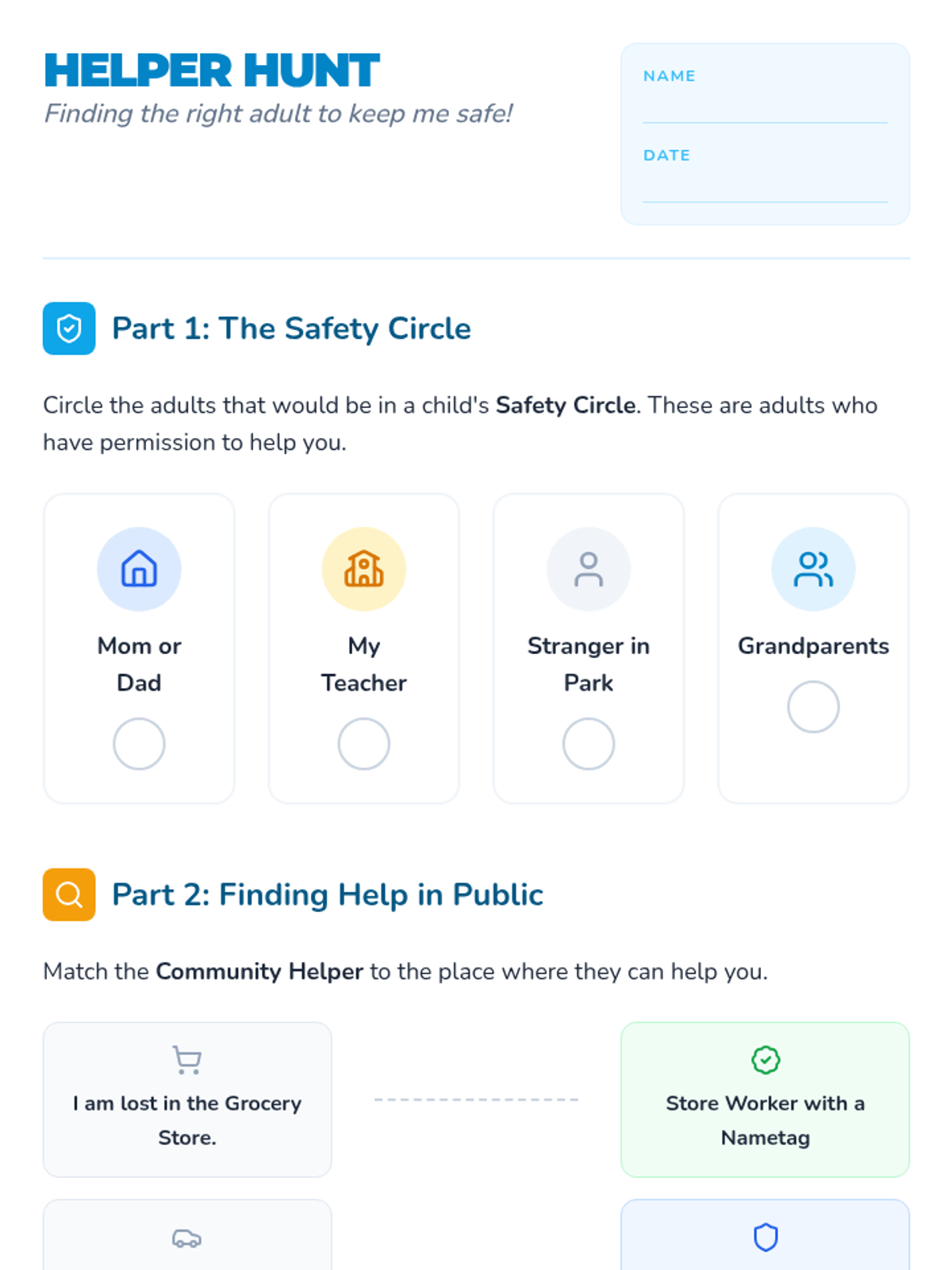
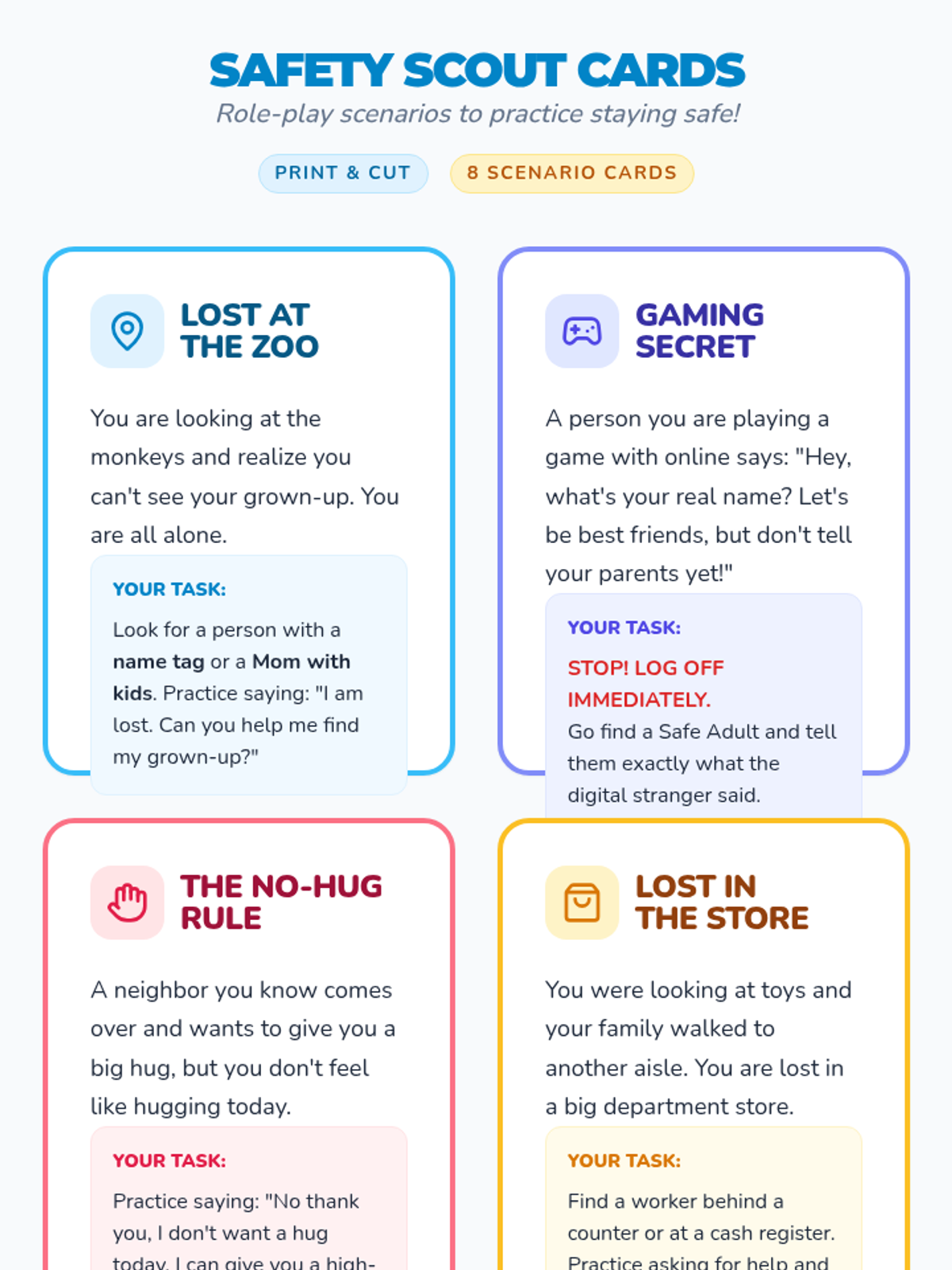
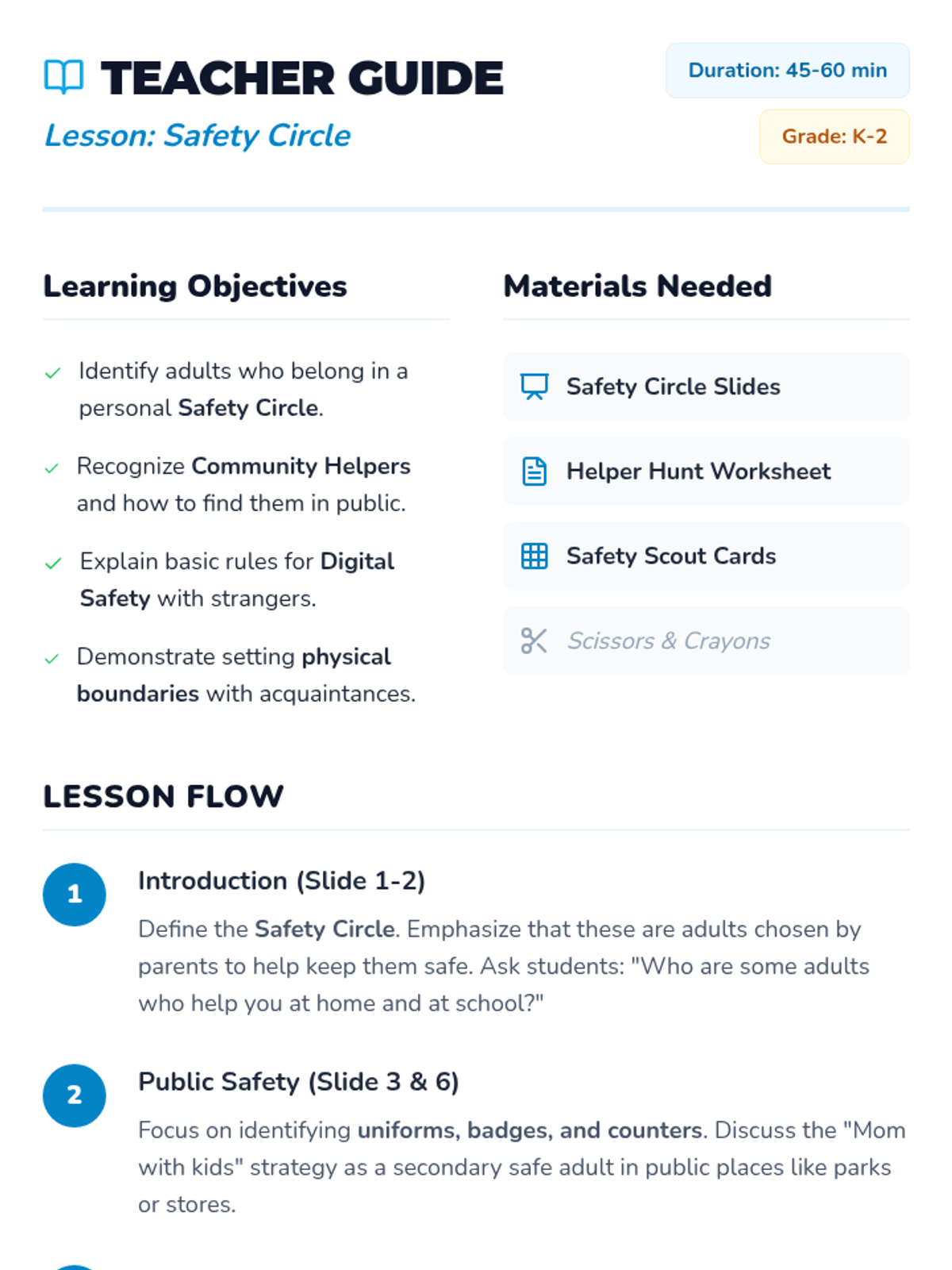
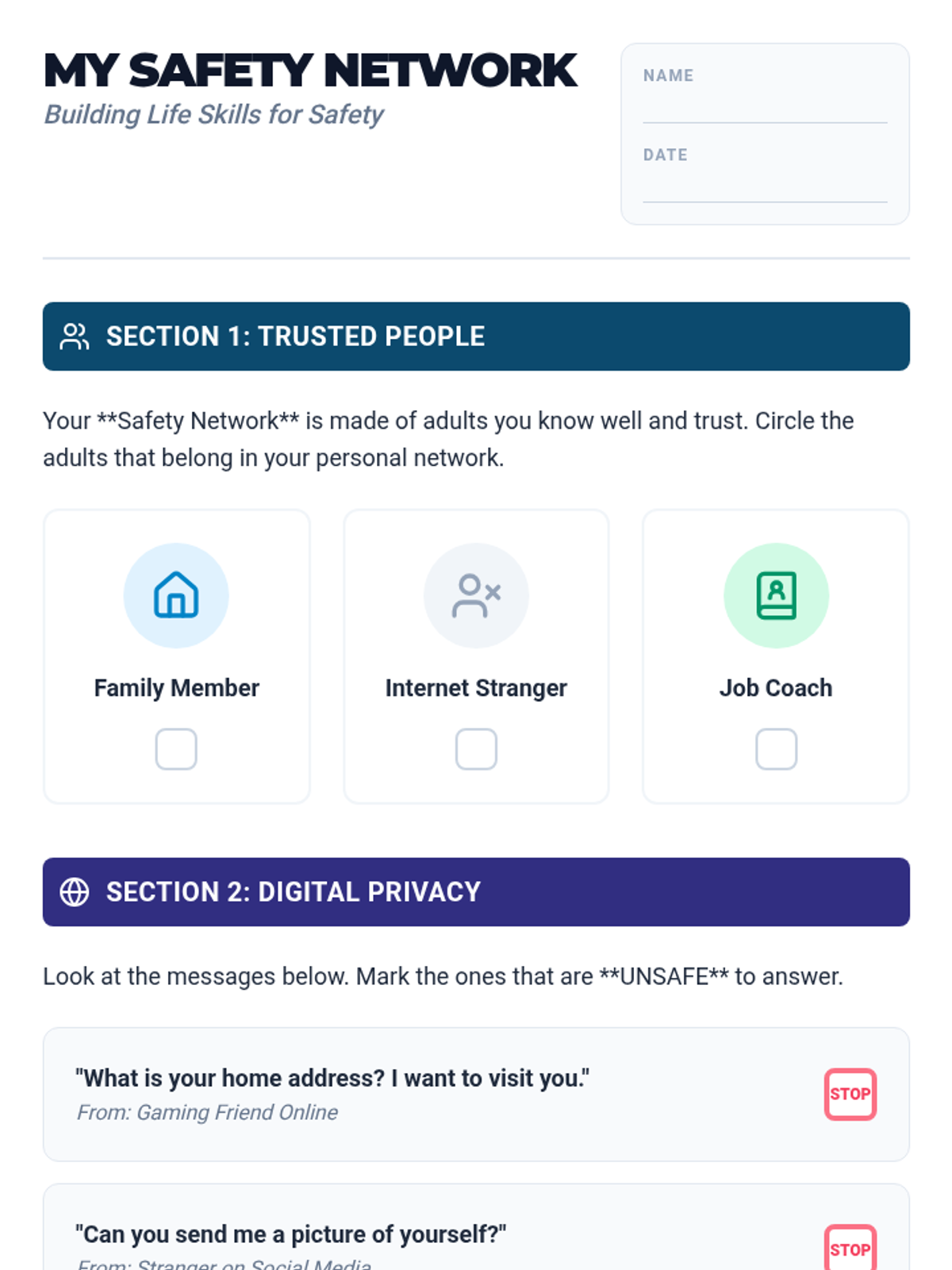
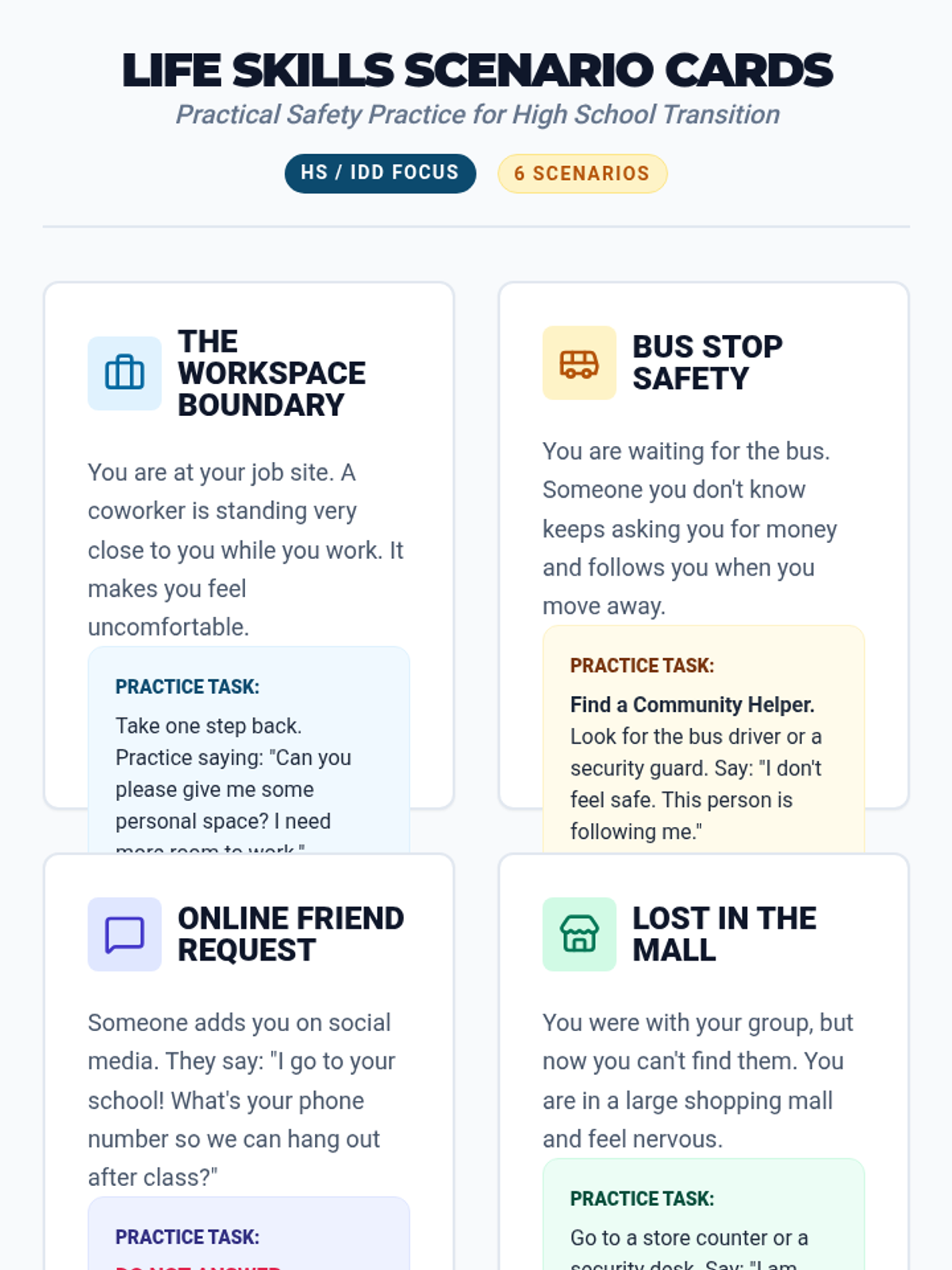
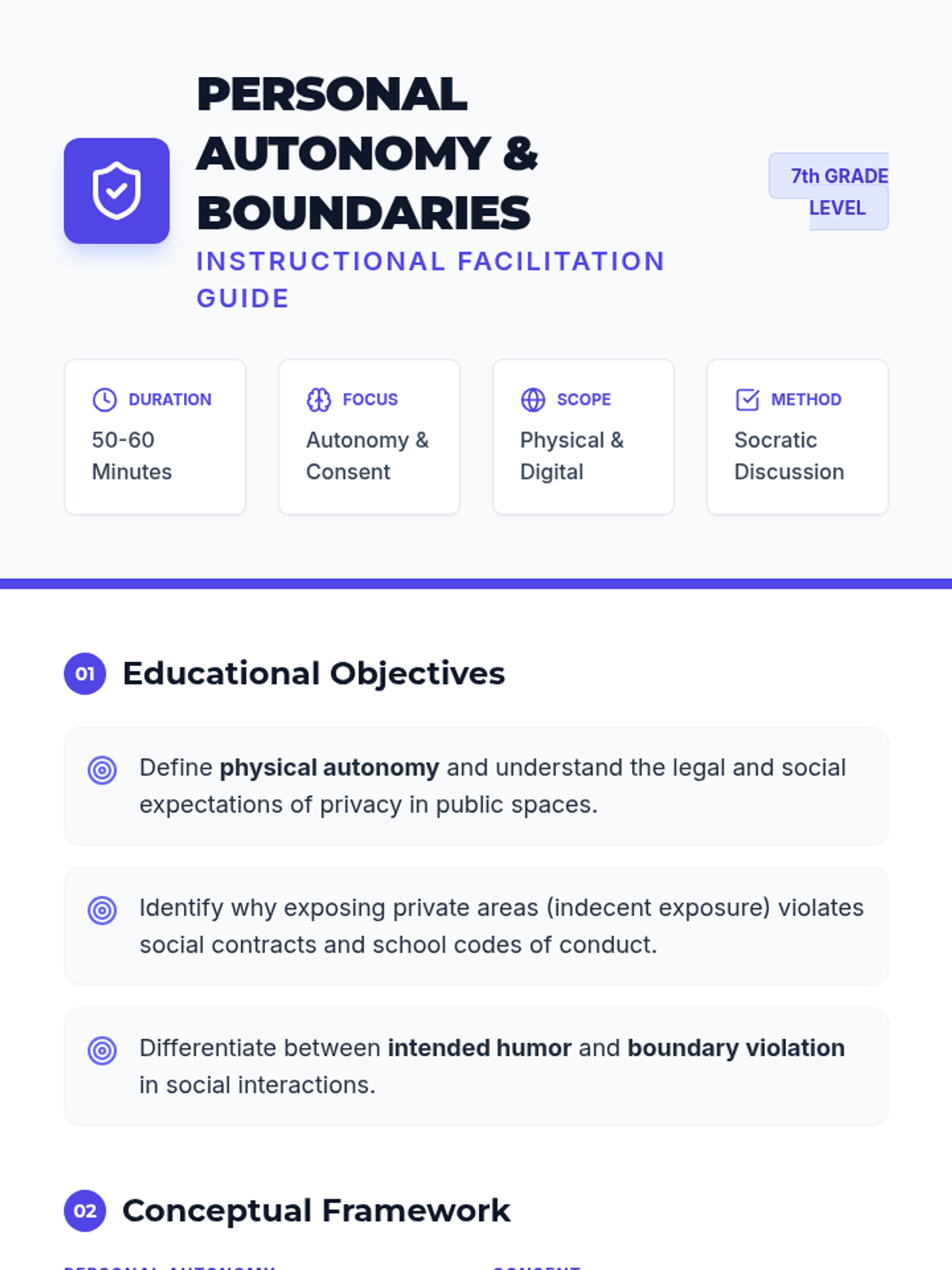
A comprehensive lesson teaching students how to identify safe adults, navigate digital interactions, ask for help in public, and maintain healthy boundaries with acquaintances.
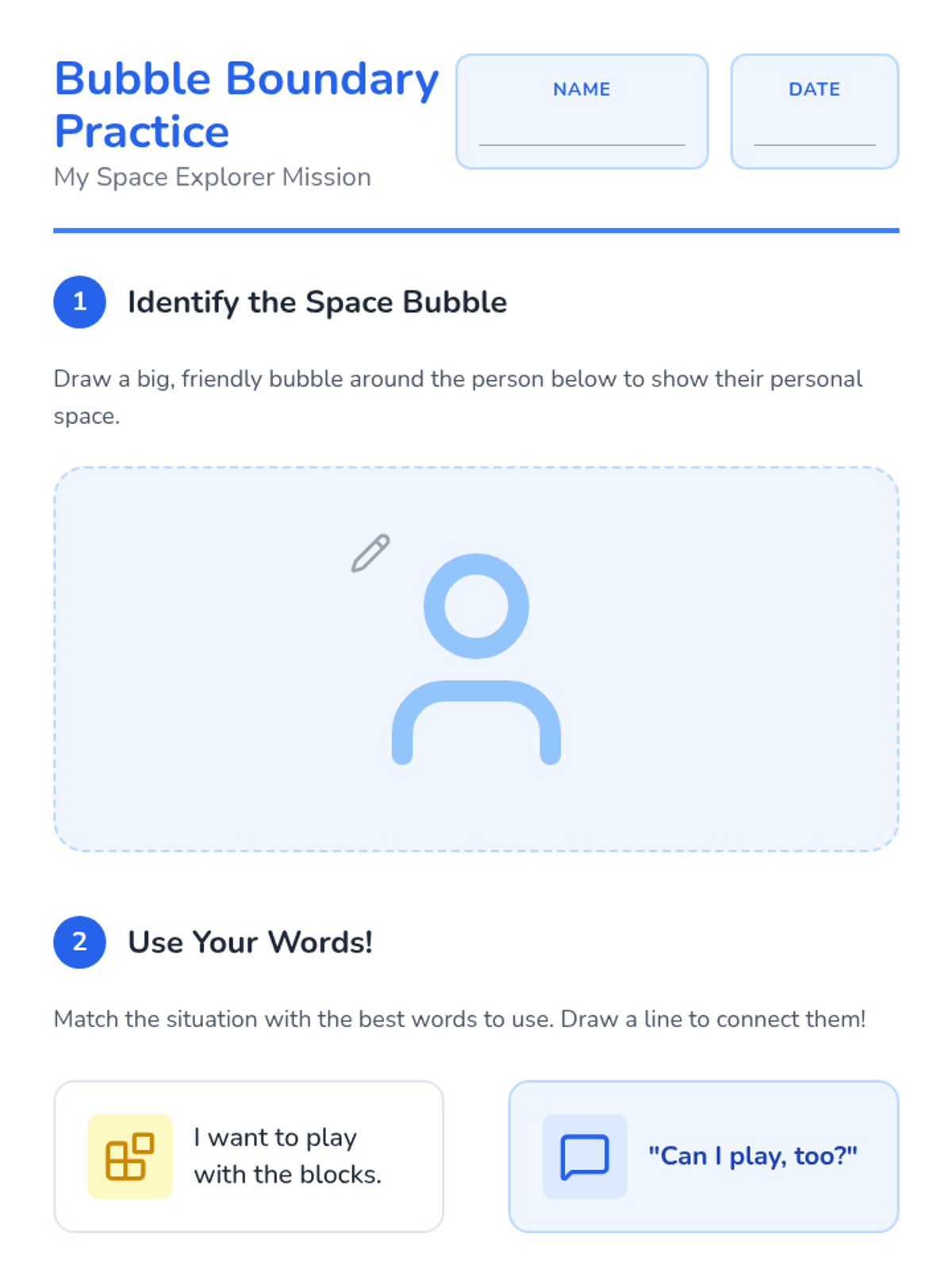
Teaching students about the concept of personal space bubbles and the importance of keeping hands to themselves, specifically regarding private body parts.
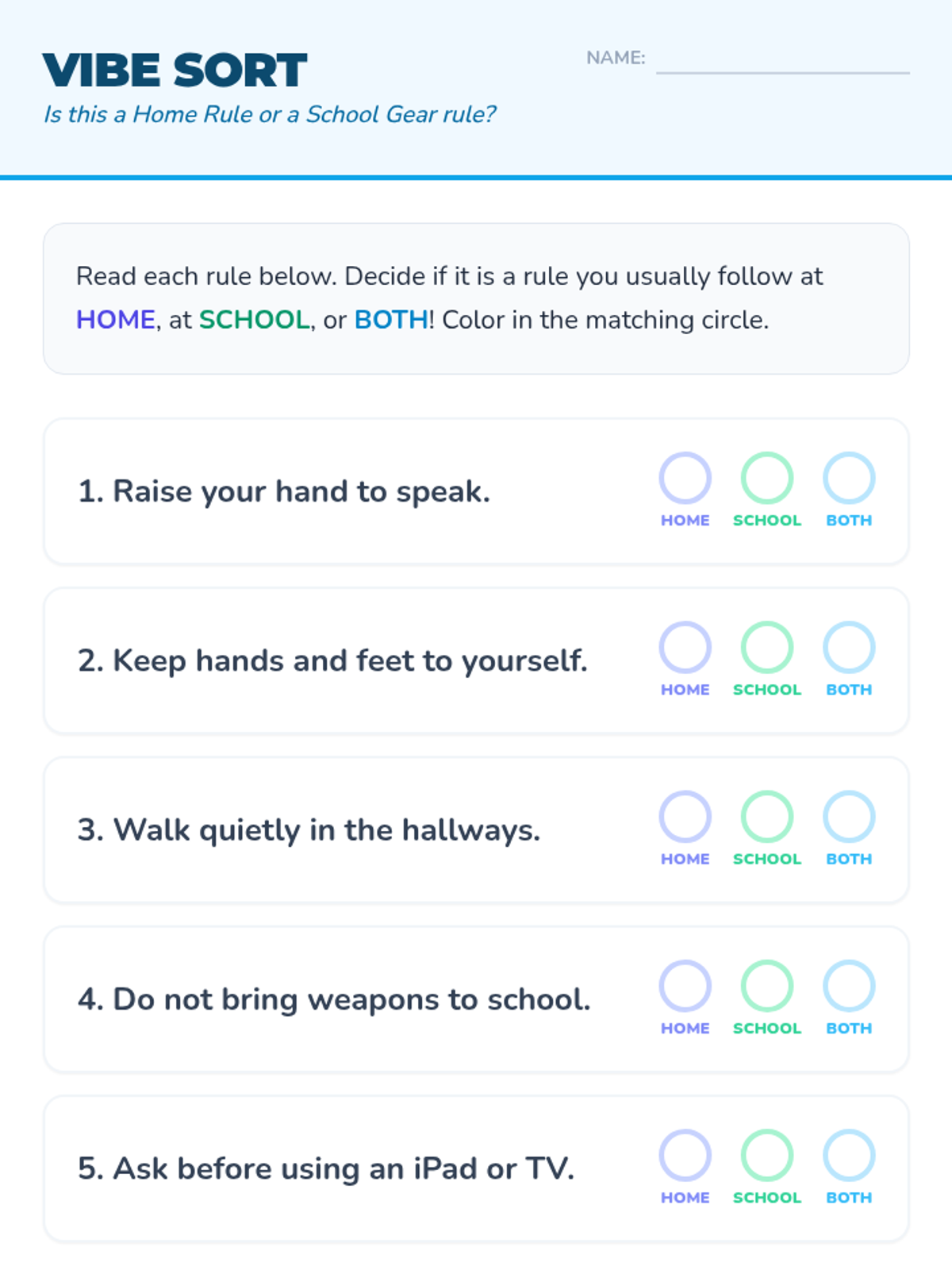
Students learn to navigate different social environments by understanding that rules and expectations change based on the setting (home vs. school).
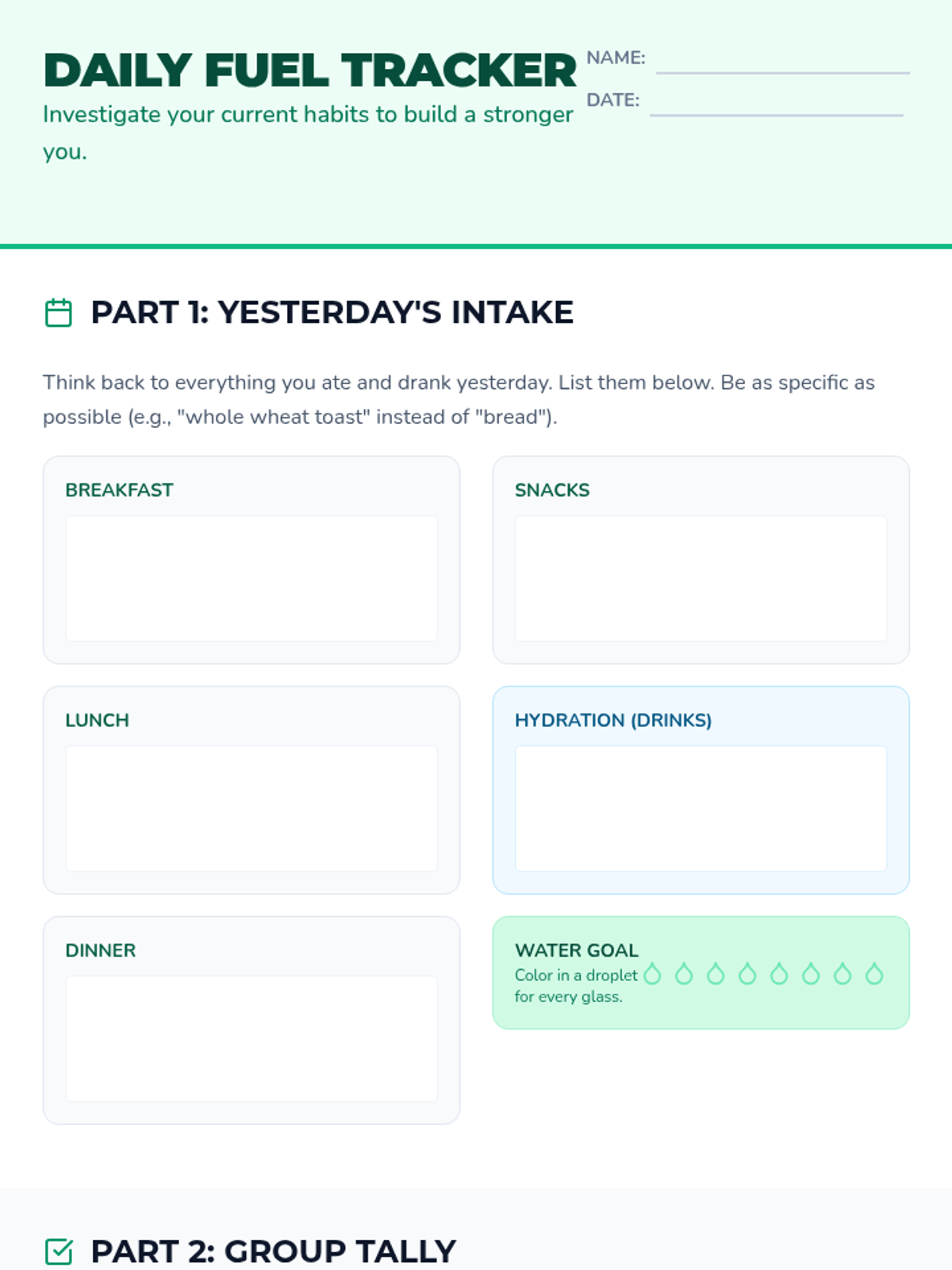
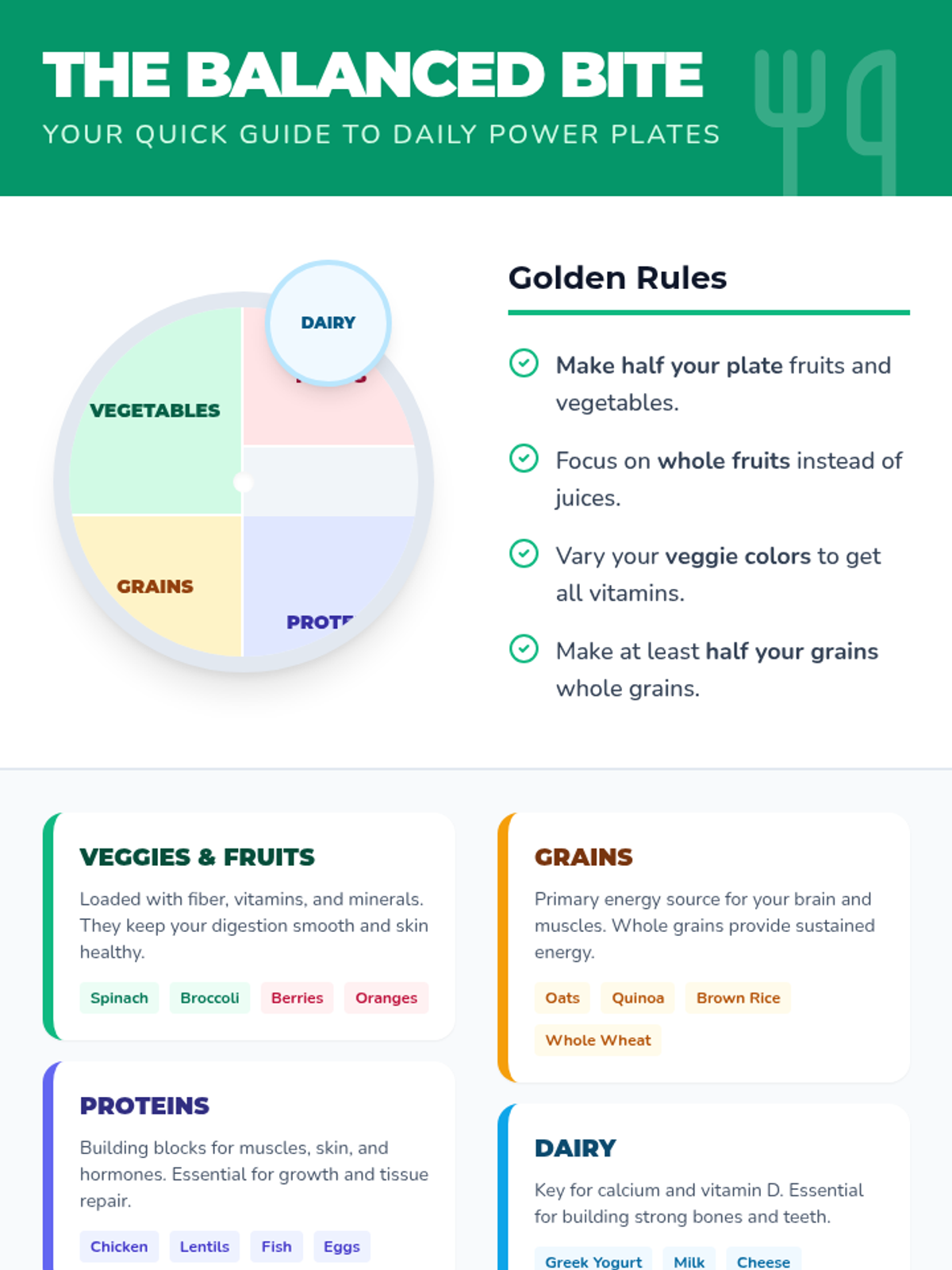
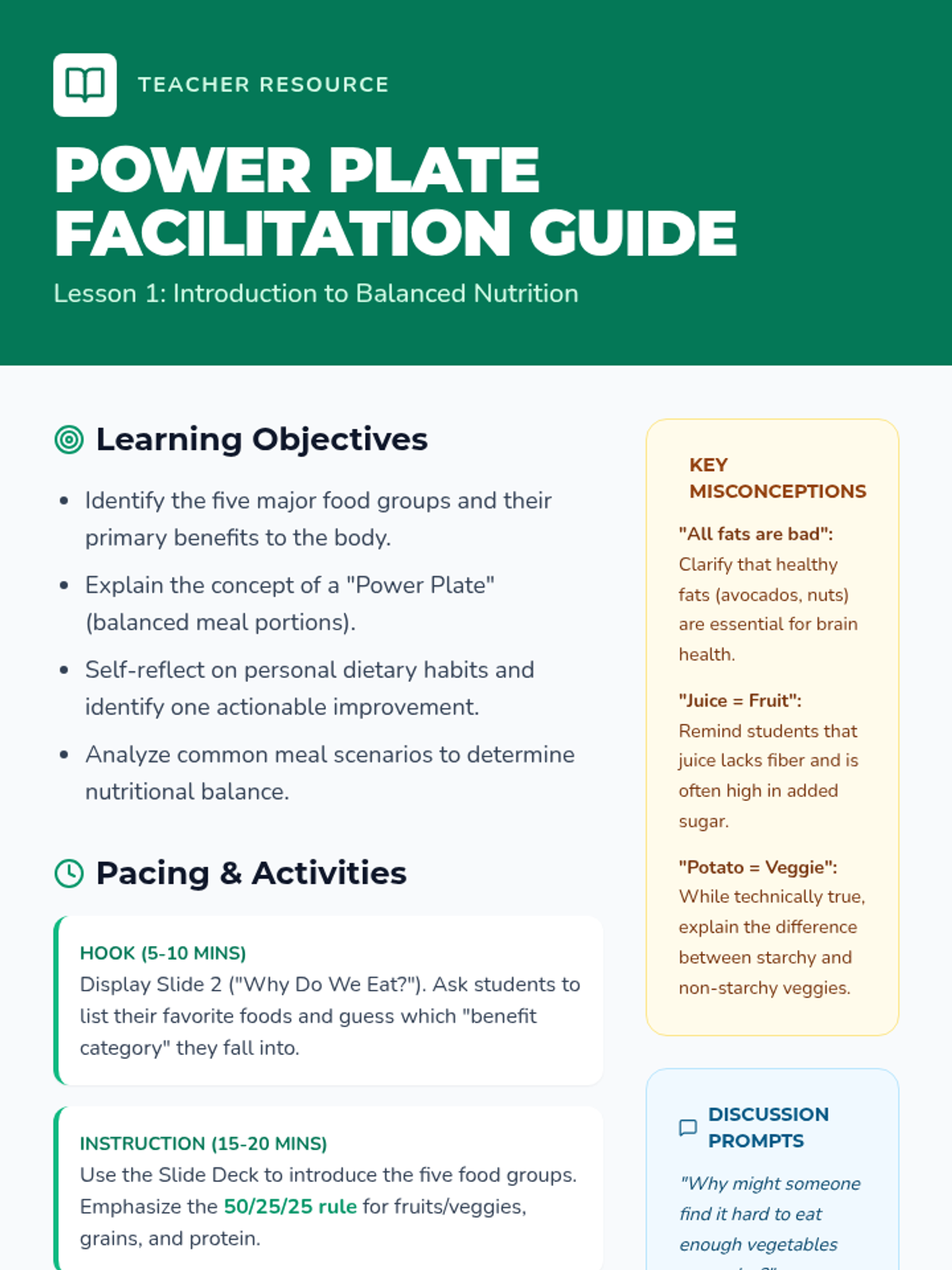
Students explore the five food groups, understand the importance of balanced nutrition, and learn how to build a healthy plate.
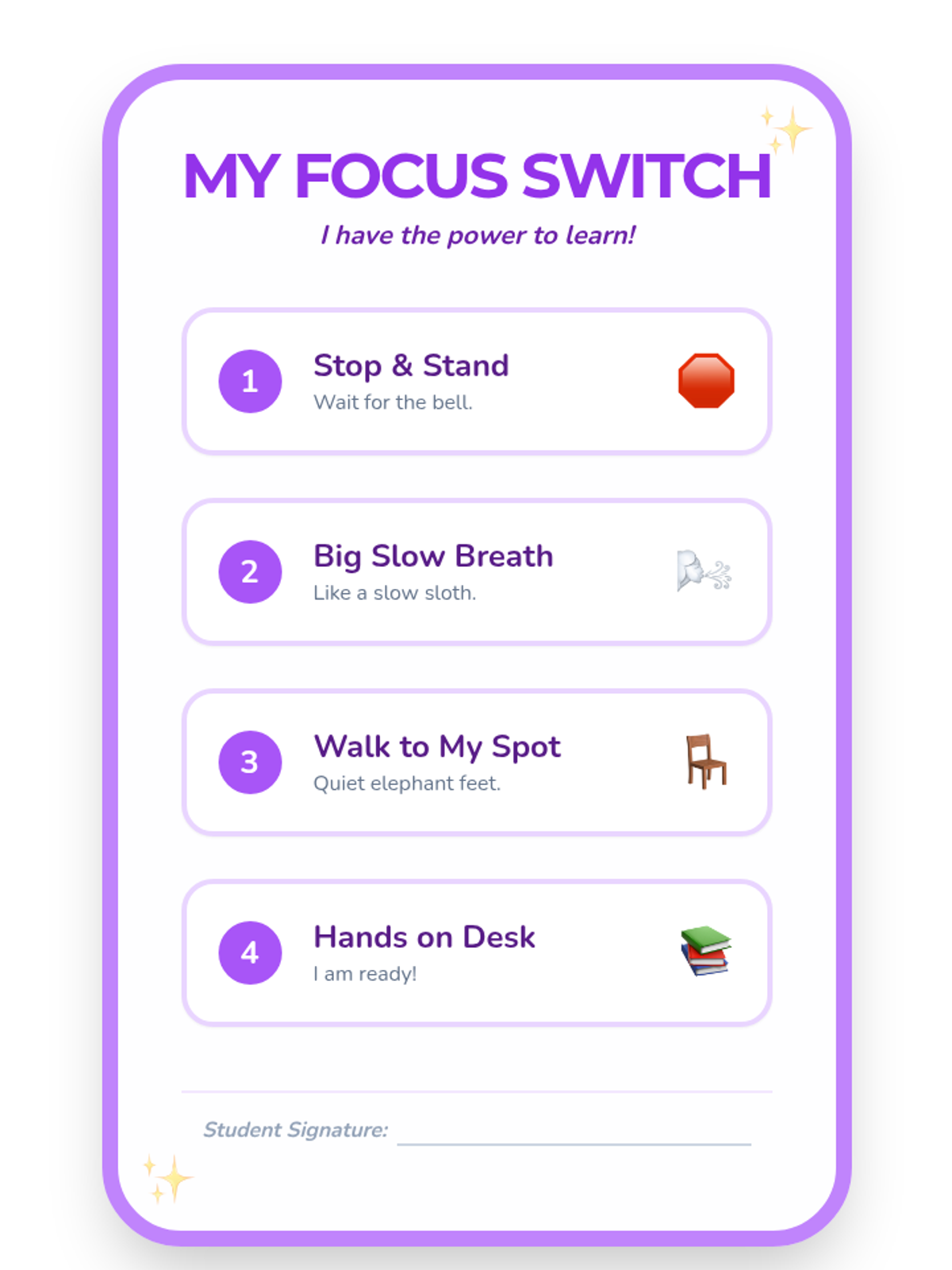
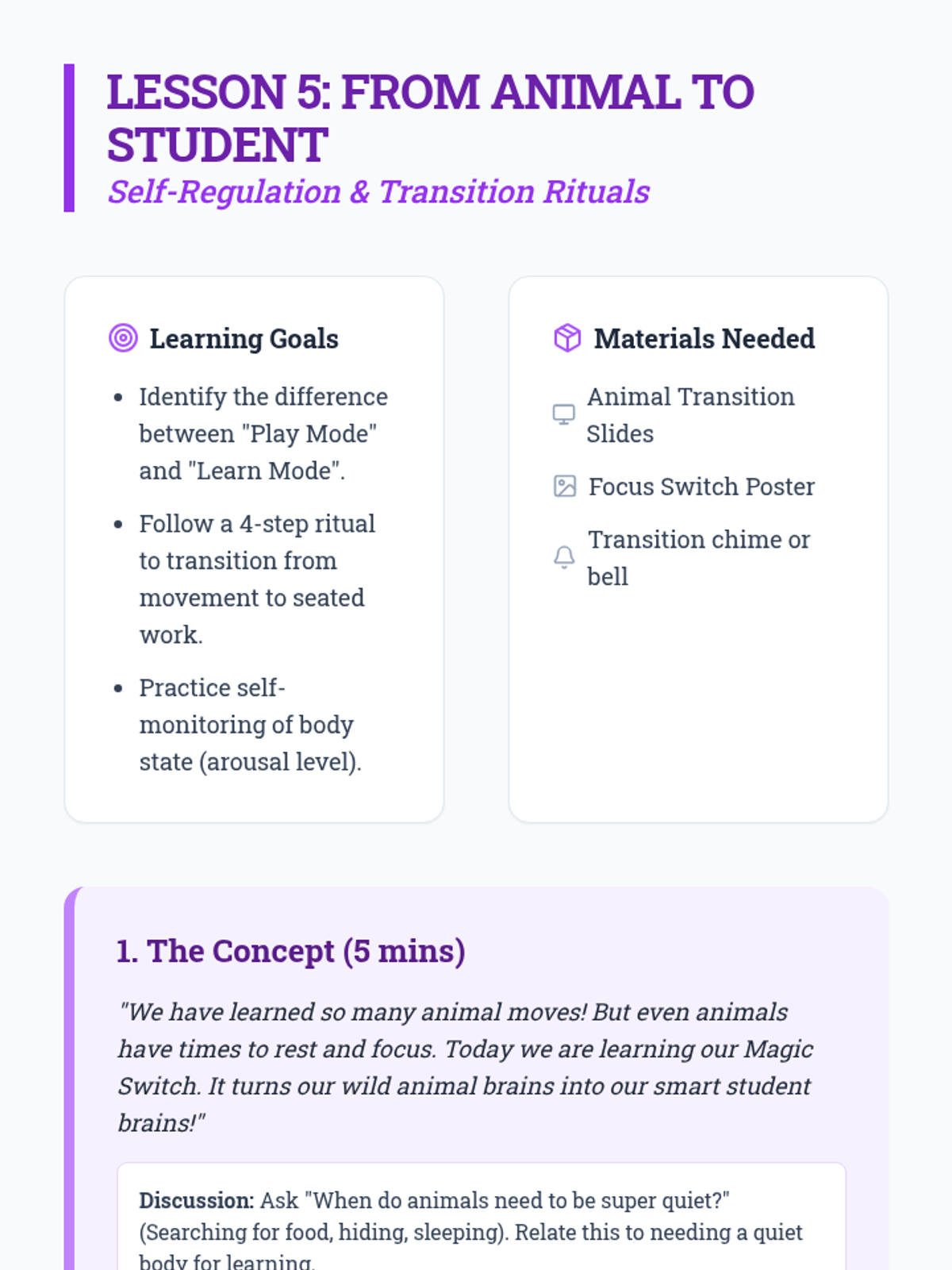
Students learn and practice a specific 'ritual' to transition from high-energy animal play back into focused classroom learning.
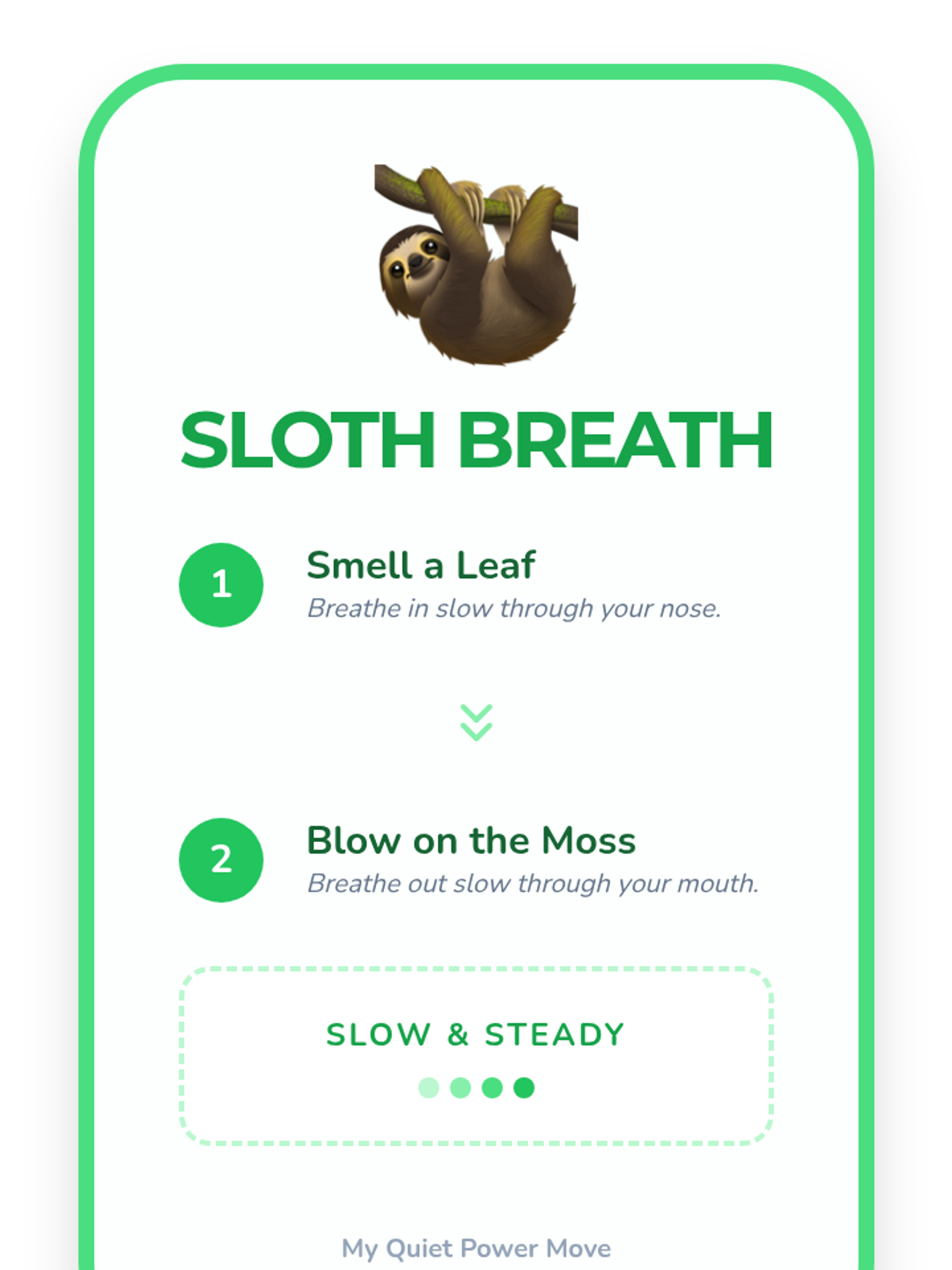
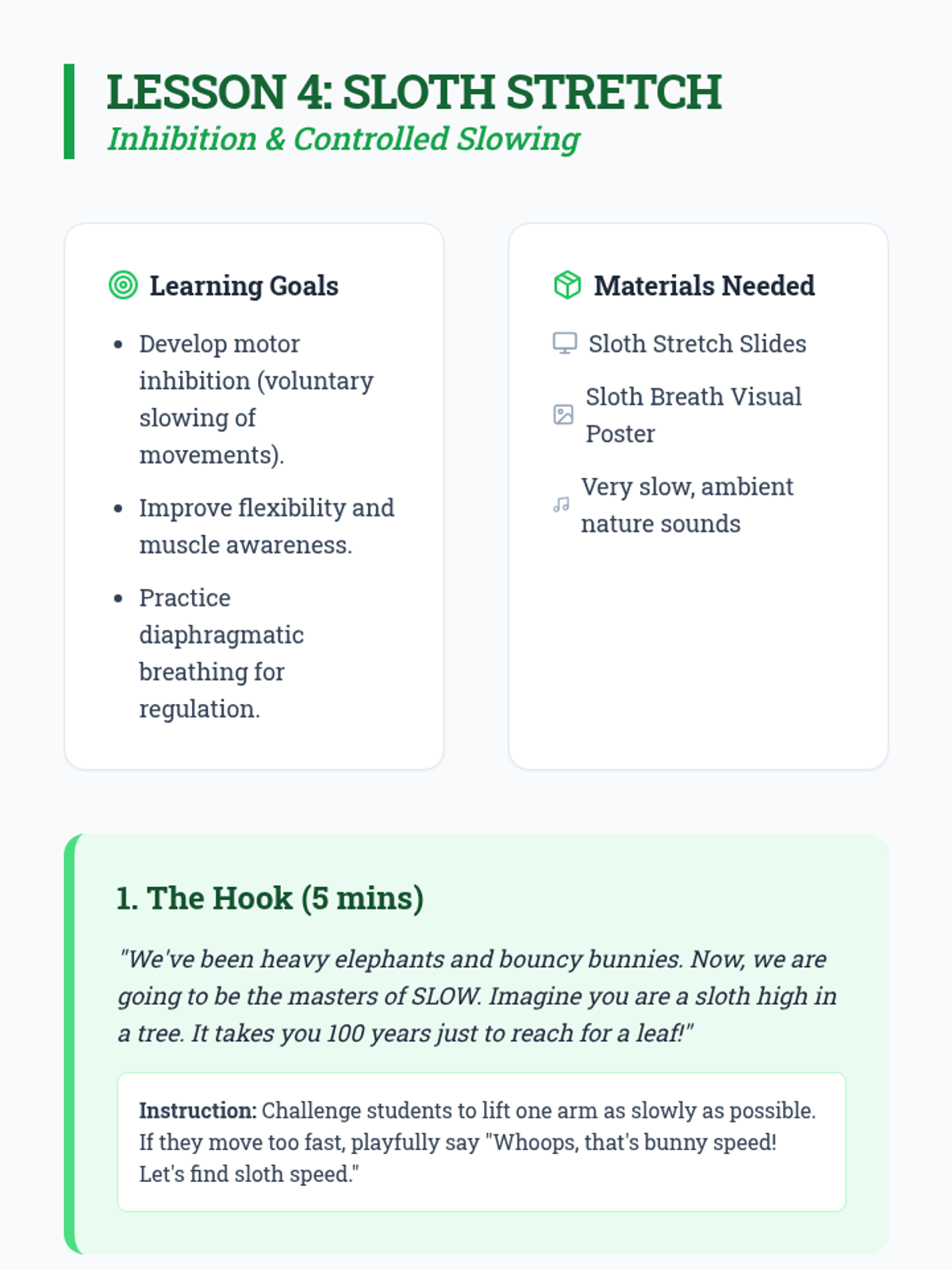
Students practice extreme slow-motion movements and stretching to develop inhibition and body control.
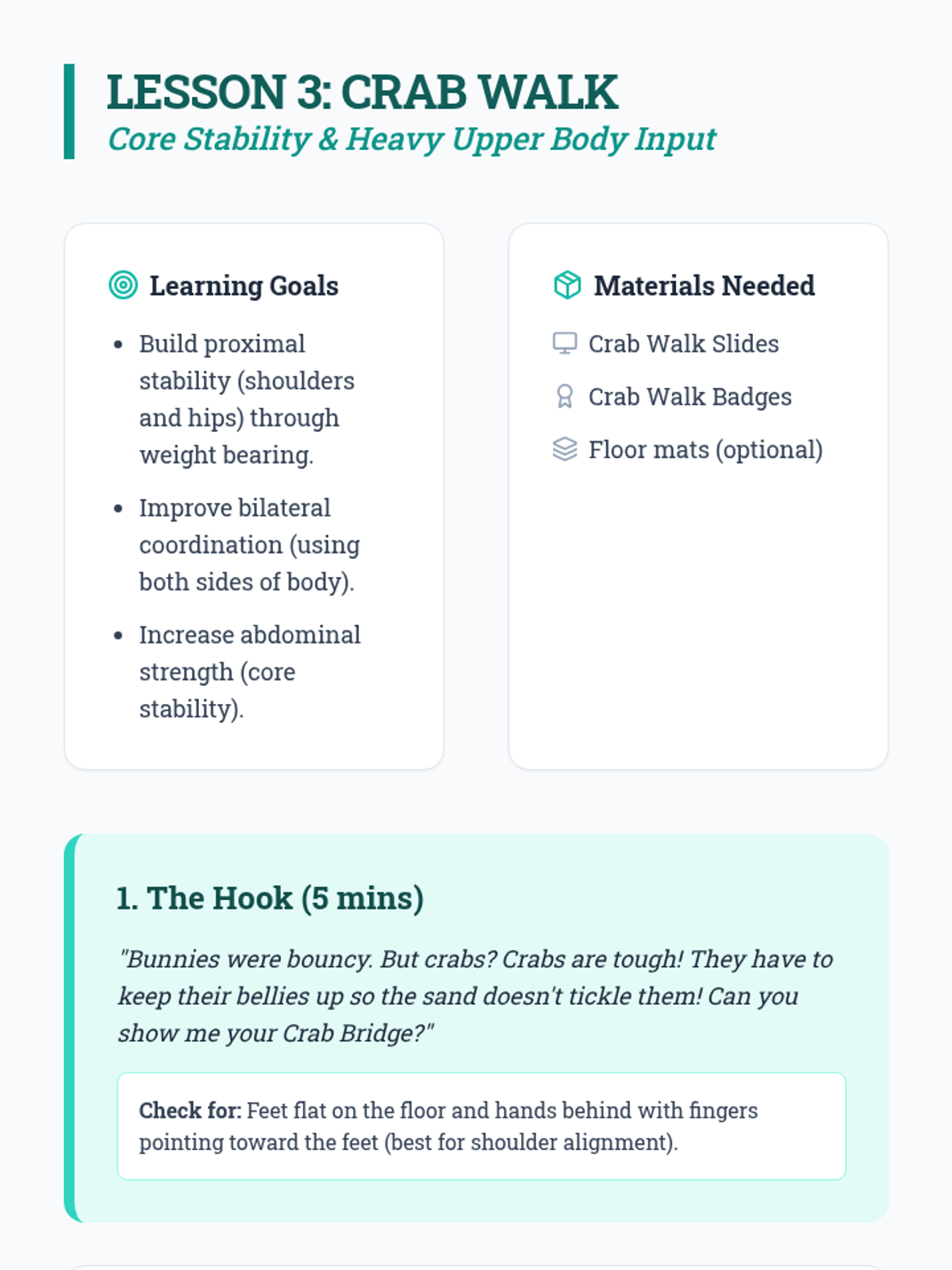
Students practice the crab walk to build core strength and shoulder stability while receiving deep pressure input.
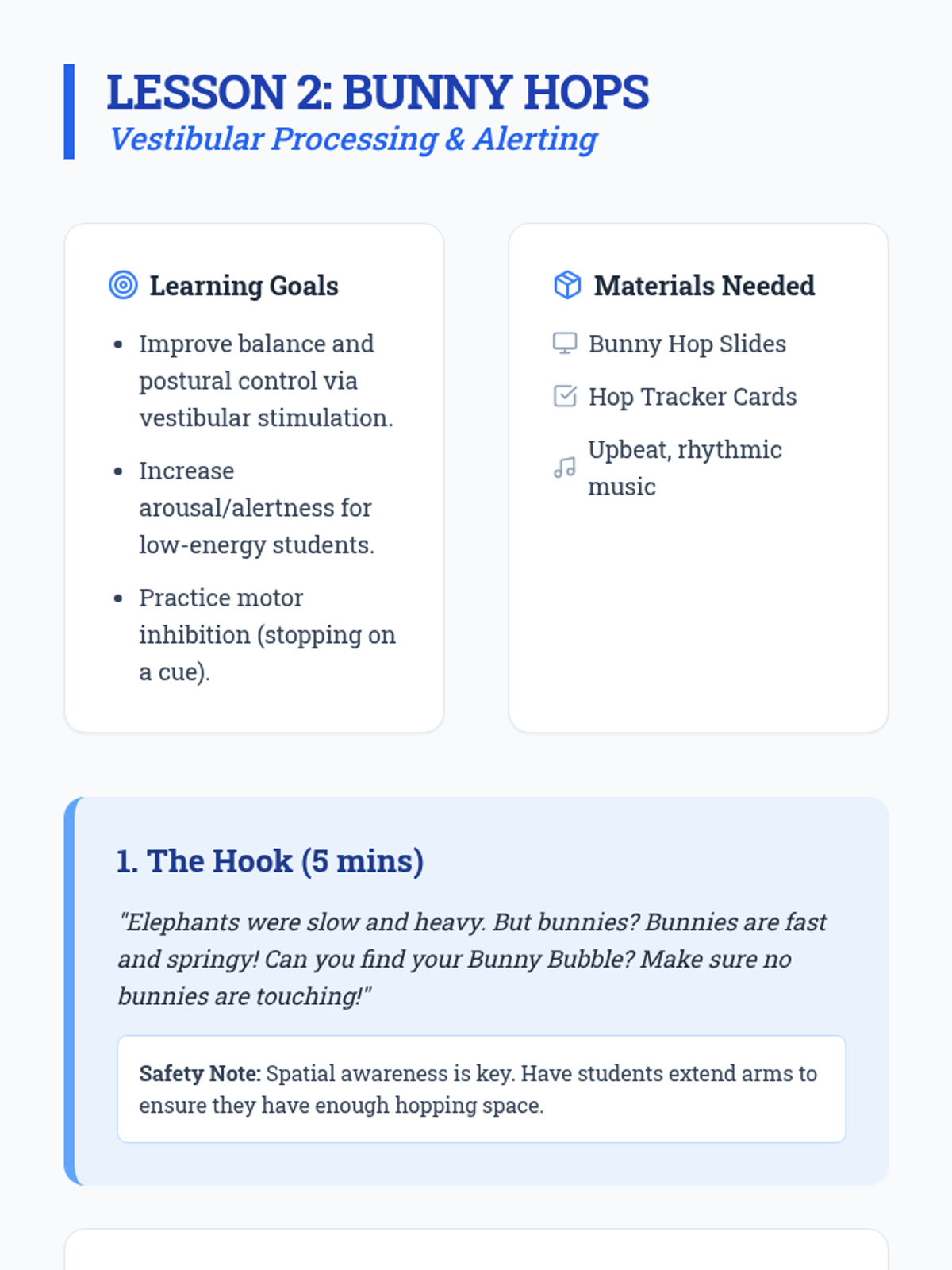
Students explore rhythmic jumping and hopping to stimulate the vestibular system and improve focus and coordination.
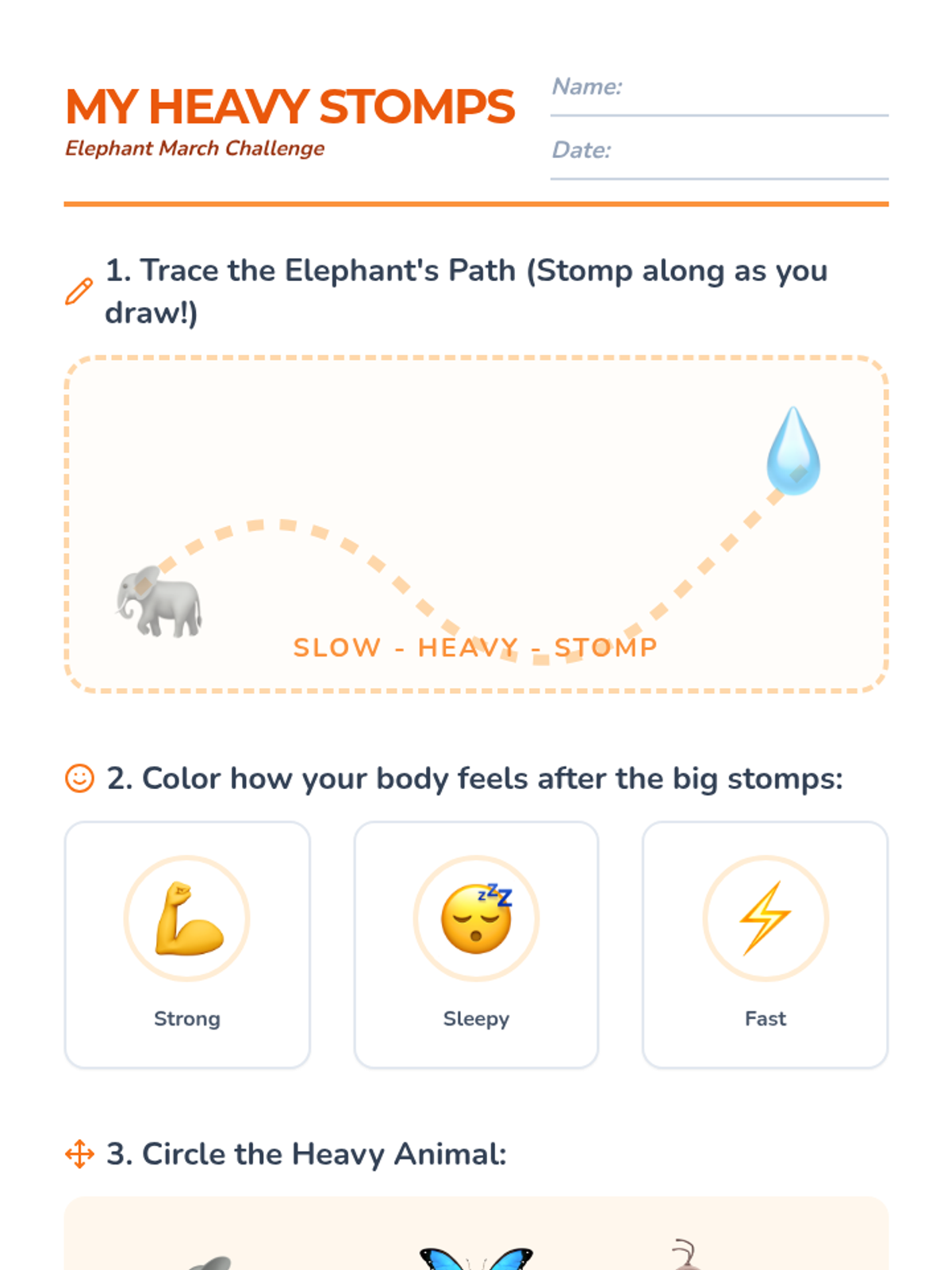
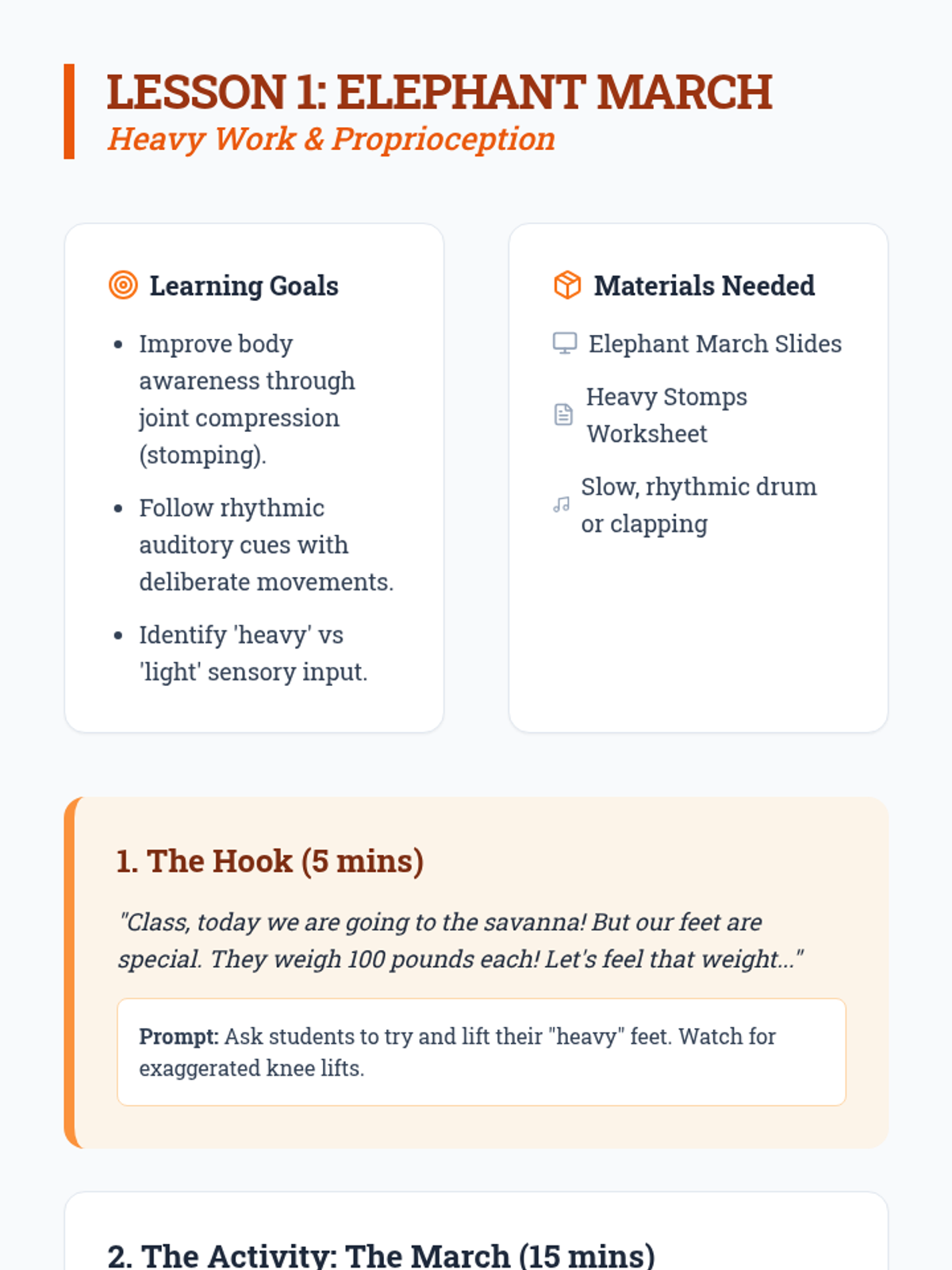
Students imitate heavy, slow-moving animals like elephants to engage large muscle groups and joints through 'heavy work' activities.
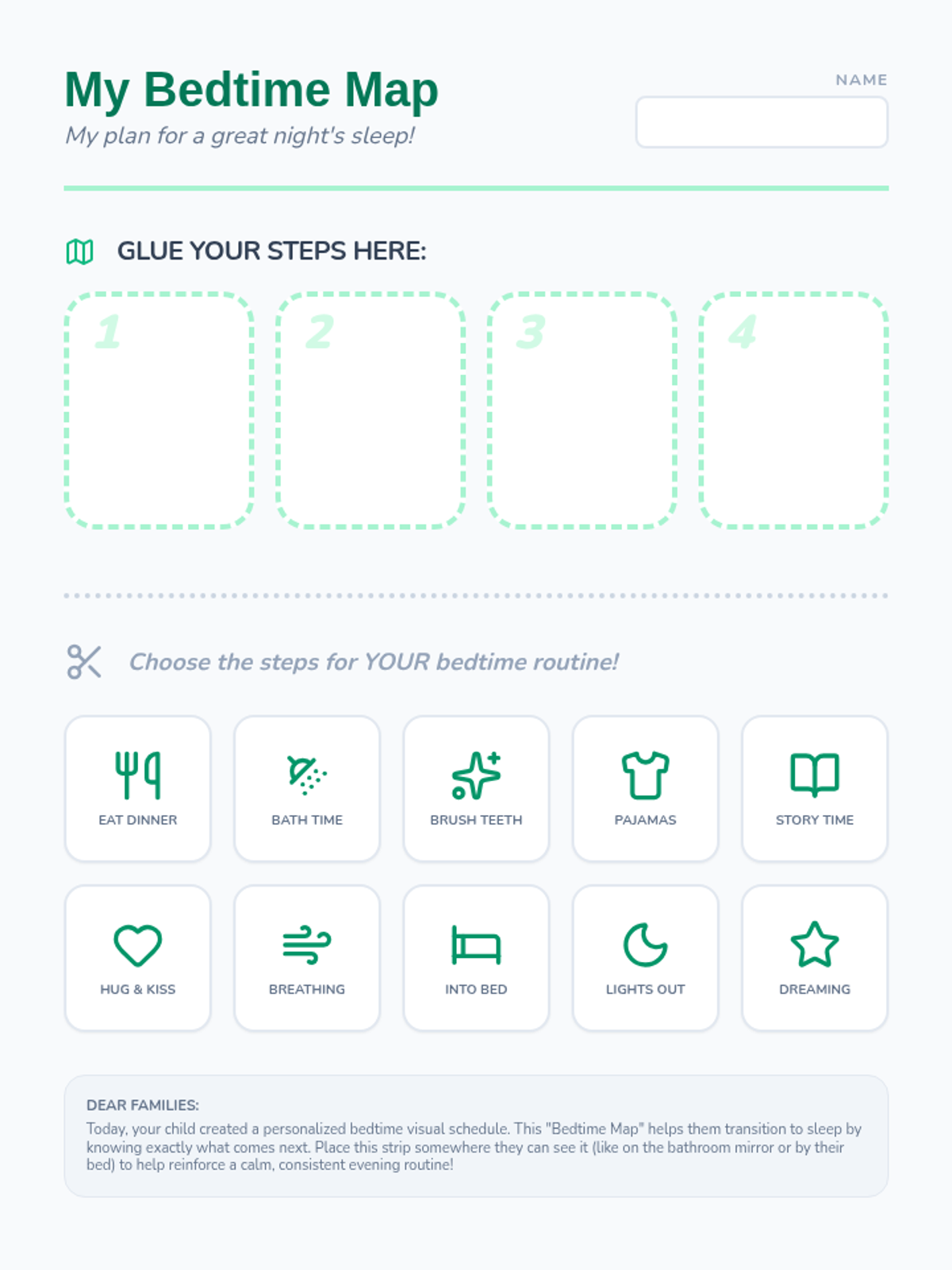
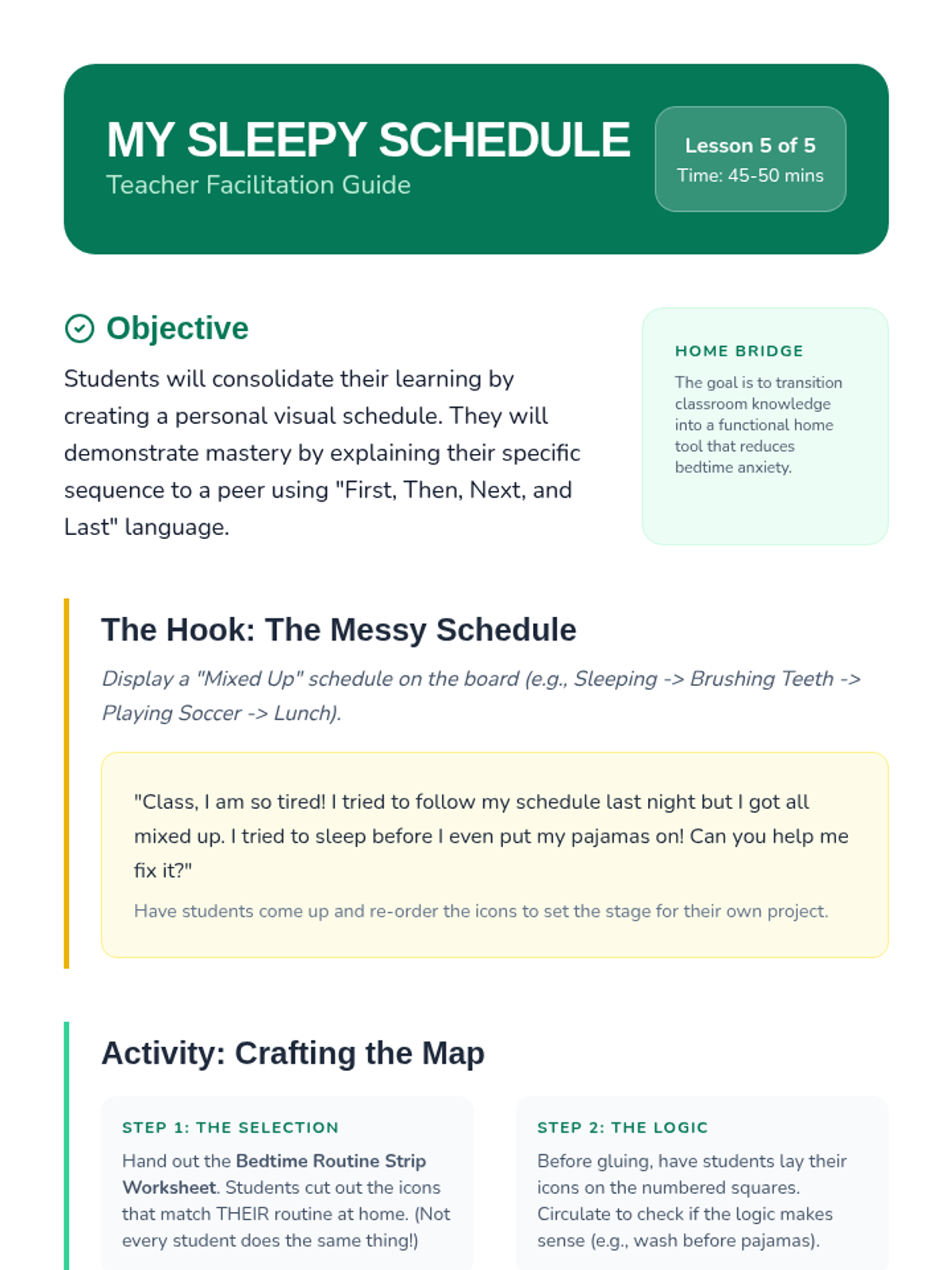
Students create a personalized visual strip using stickers or drawings that represent their specific bedtime routine steps. They practice explaining their routine to a peer using their new visual aid.
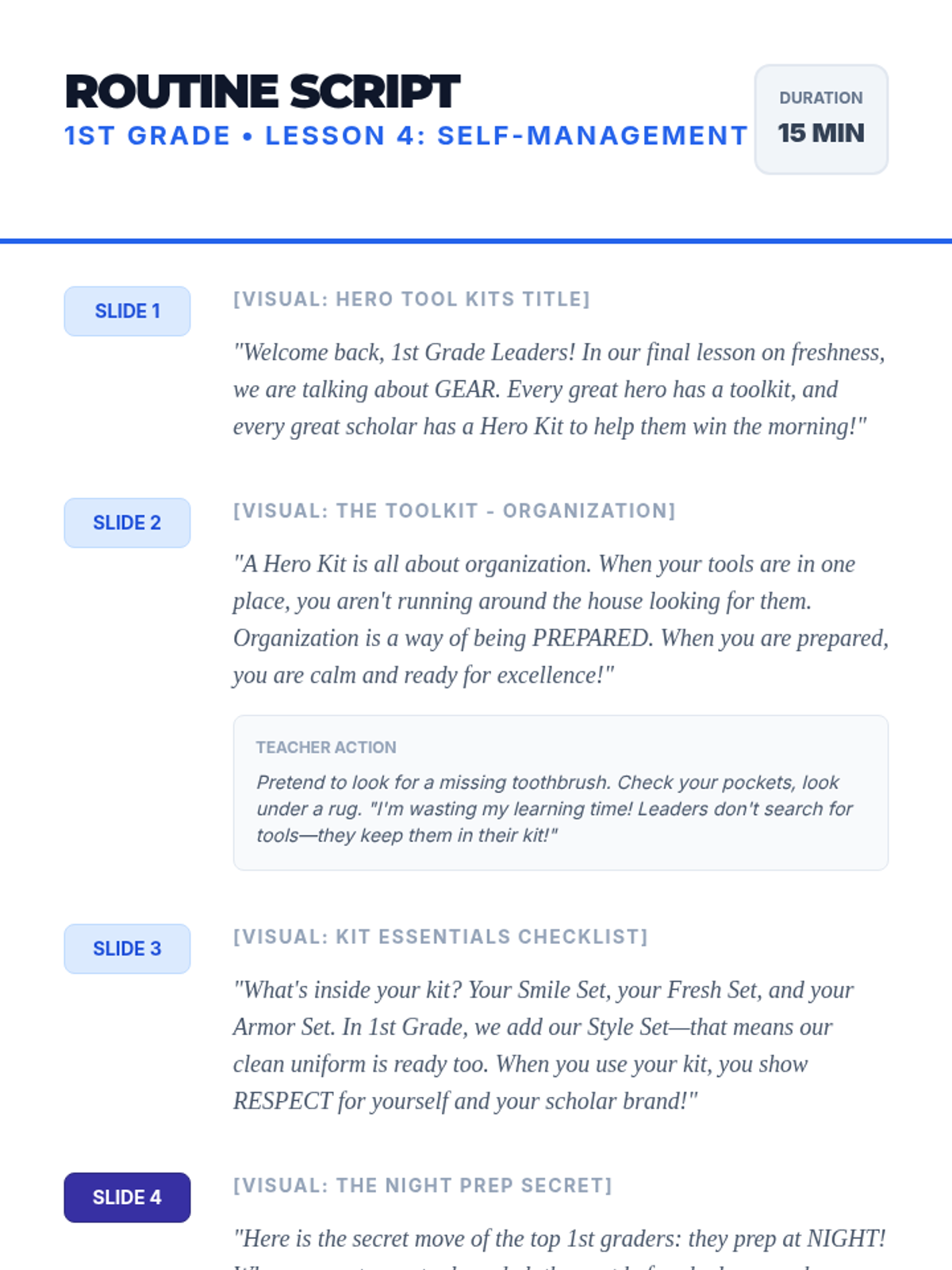
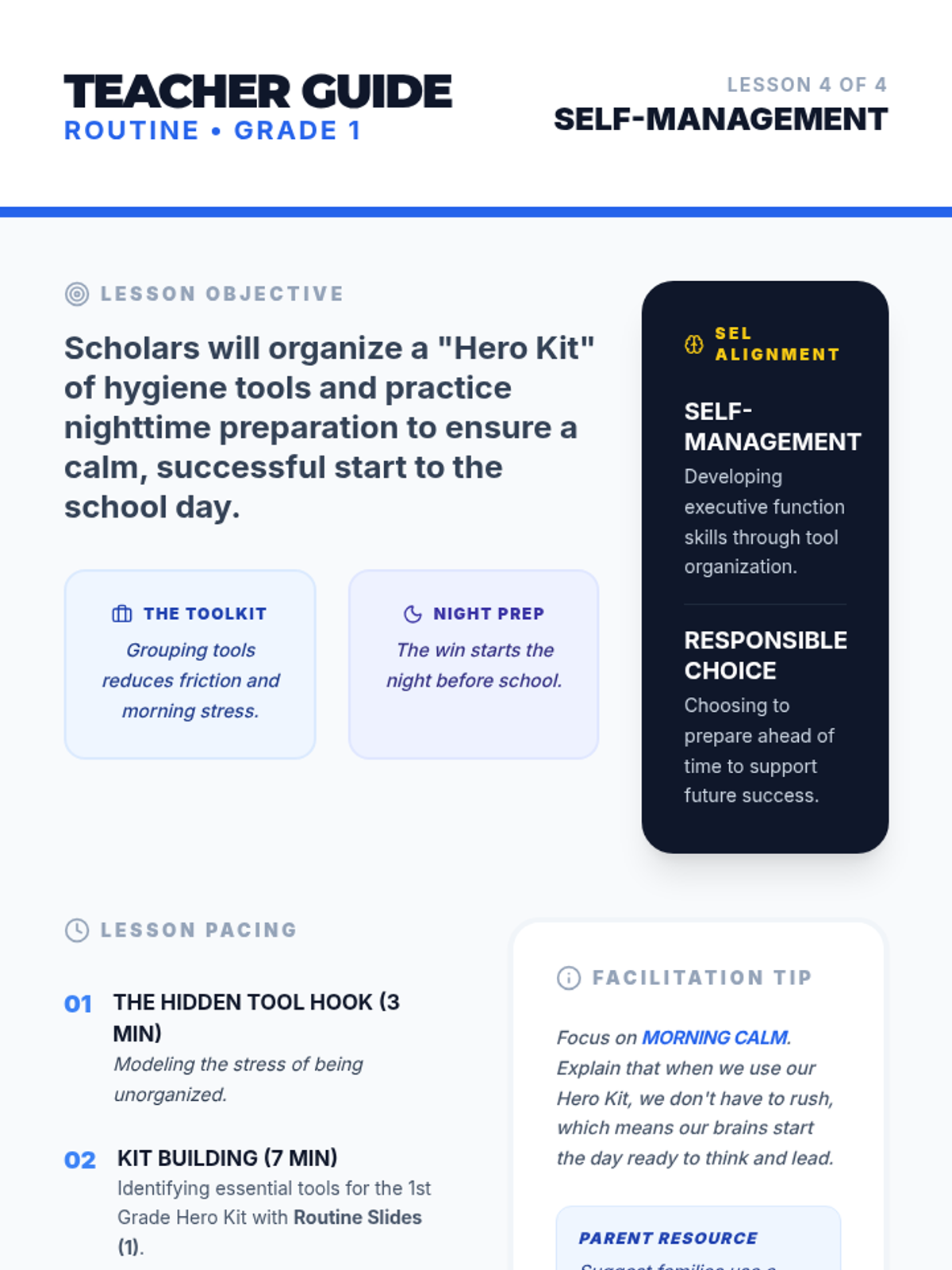
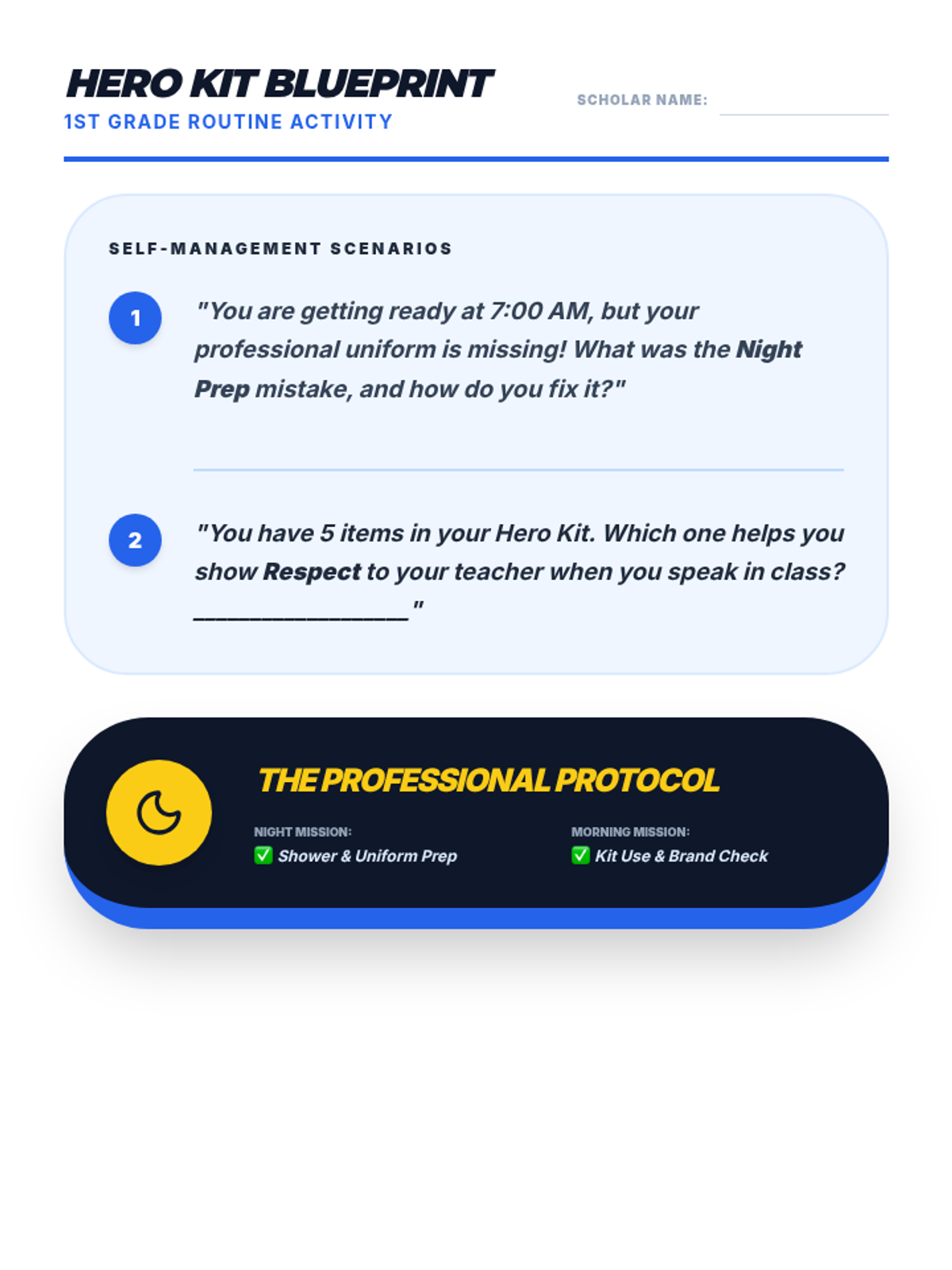
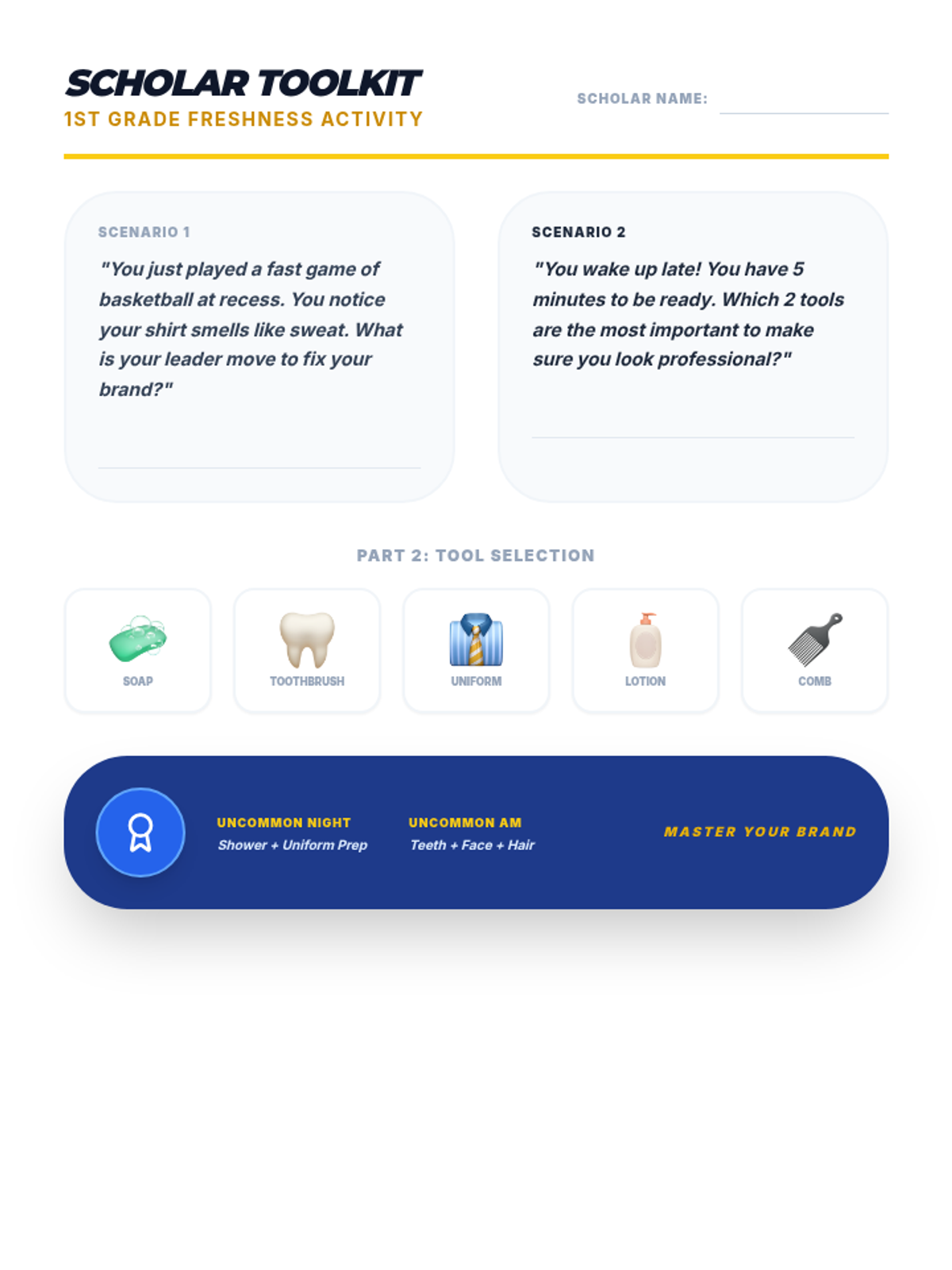
Building a 'Hero Tool' kit for morning hygiene routines tailored for 1st grade students.
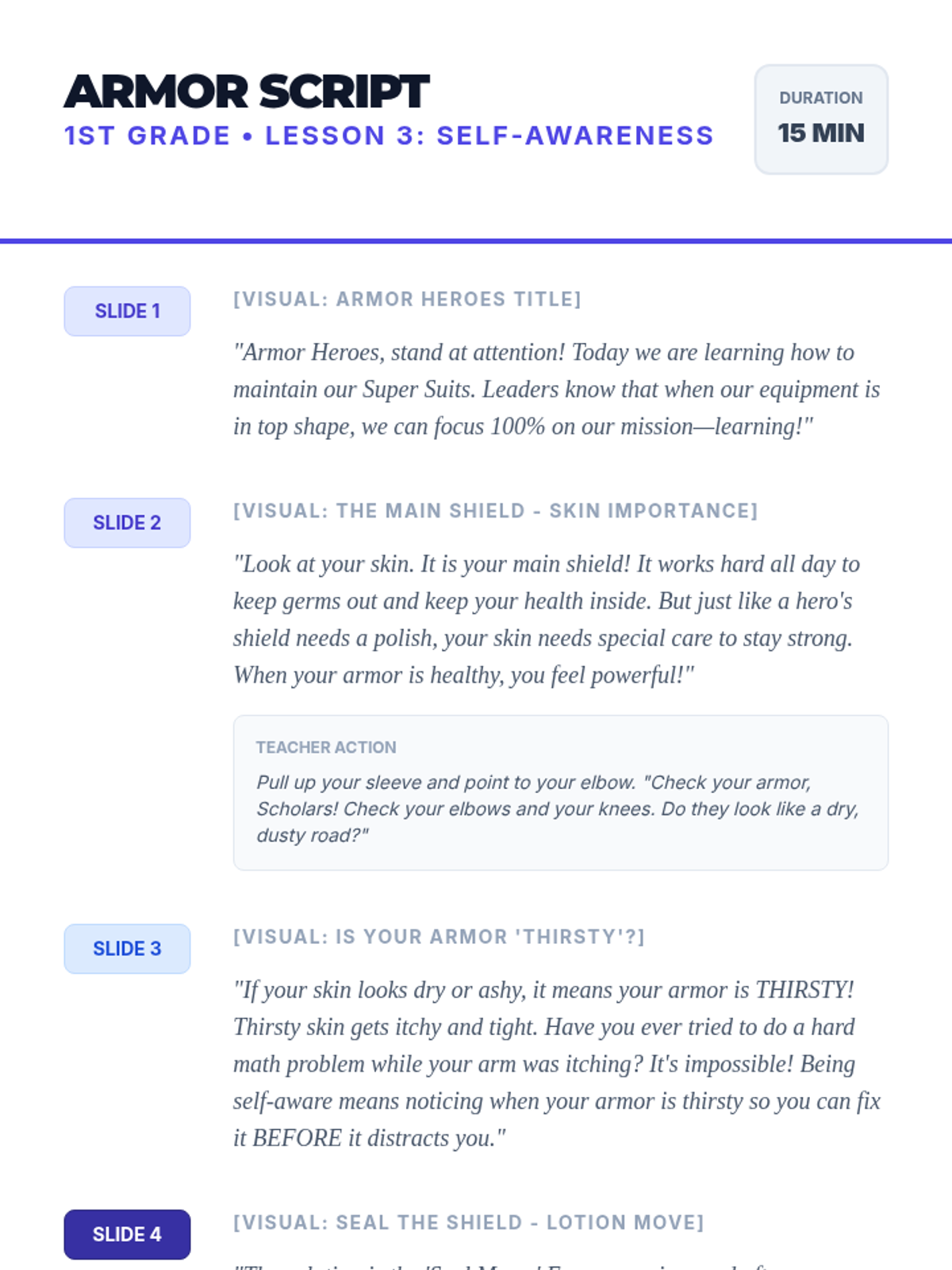
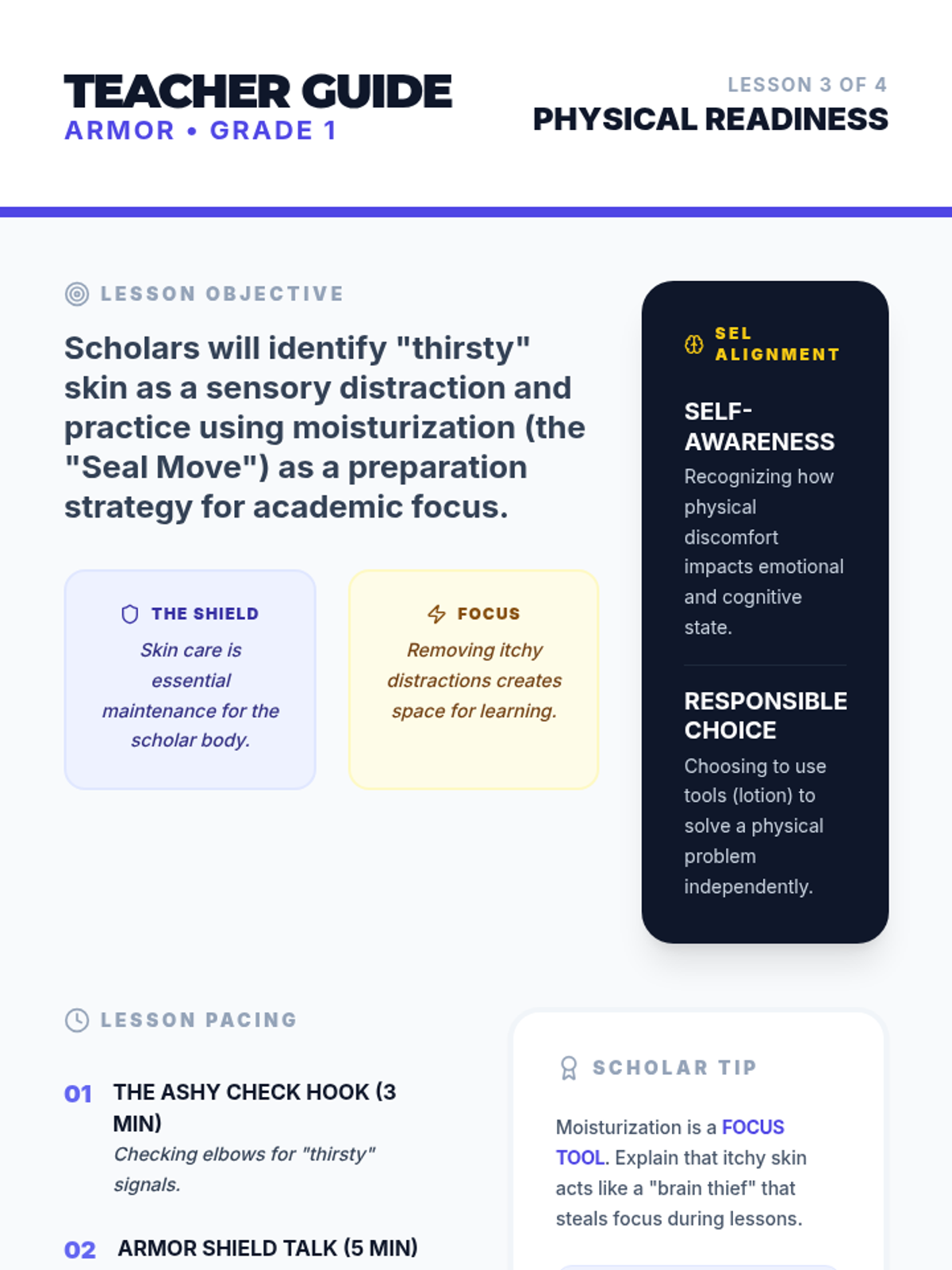
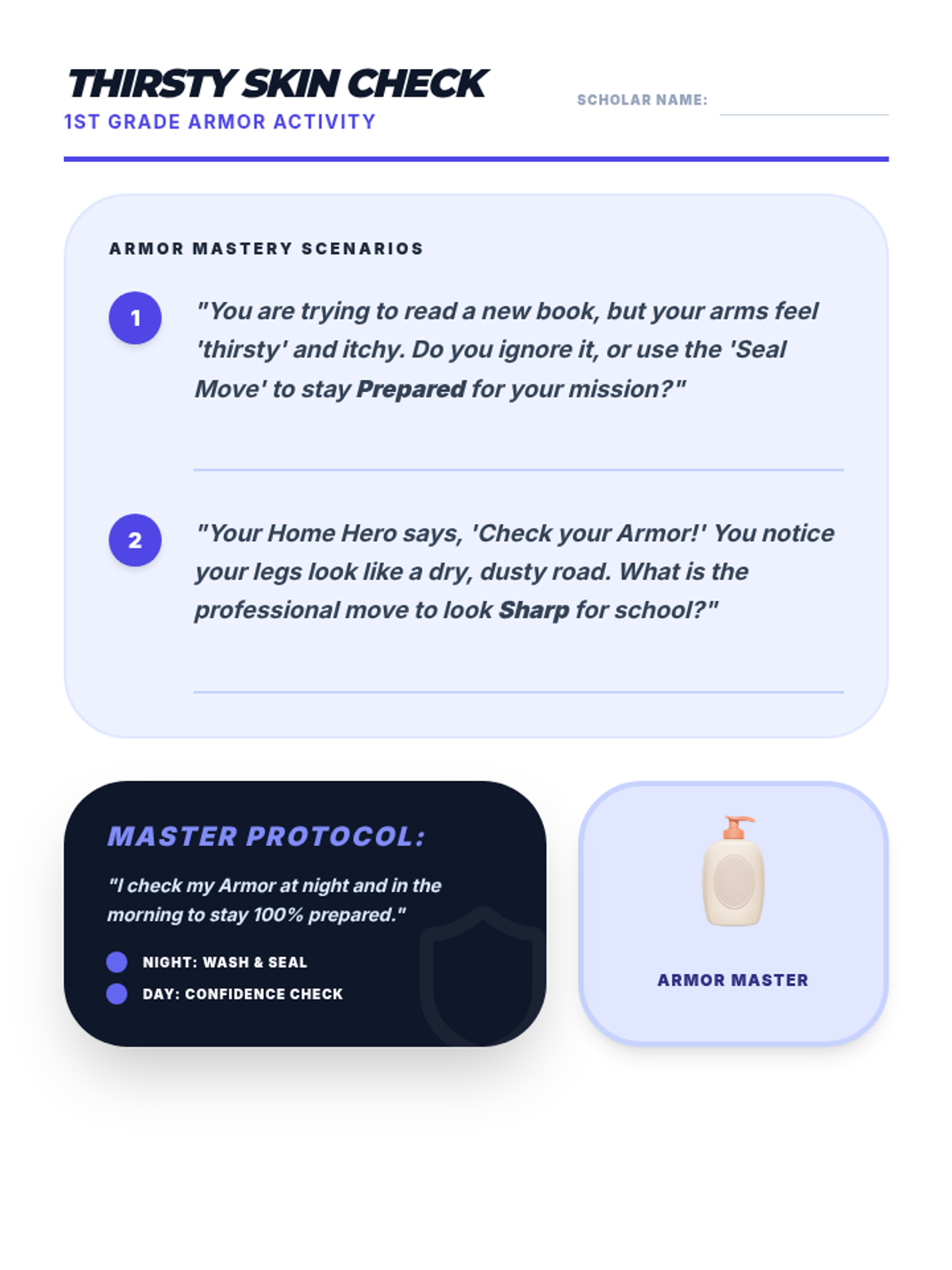
Explains 'thirsty' skin and how 1st graders can help their skin armor stay strong with lotion.
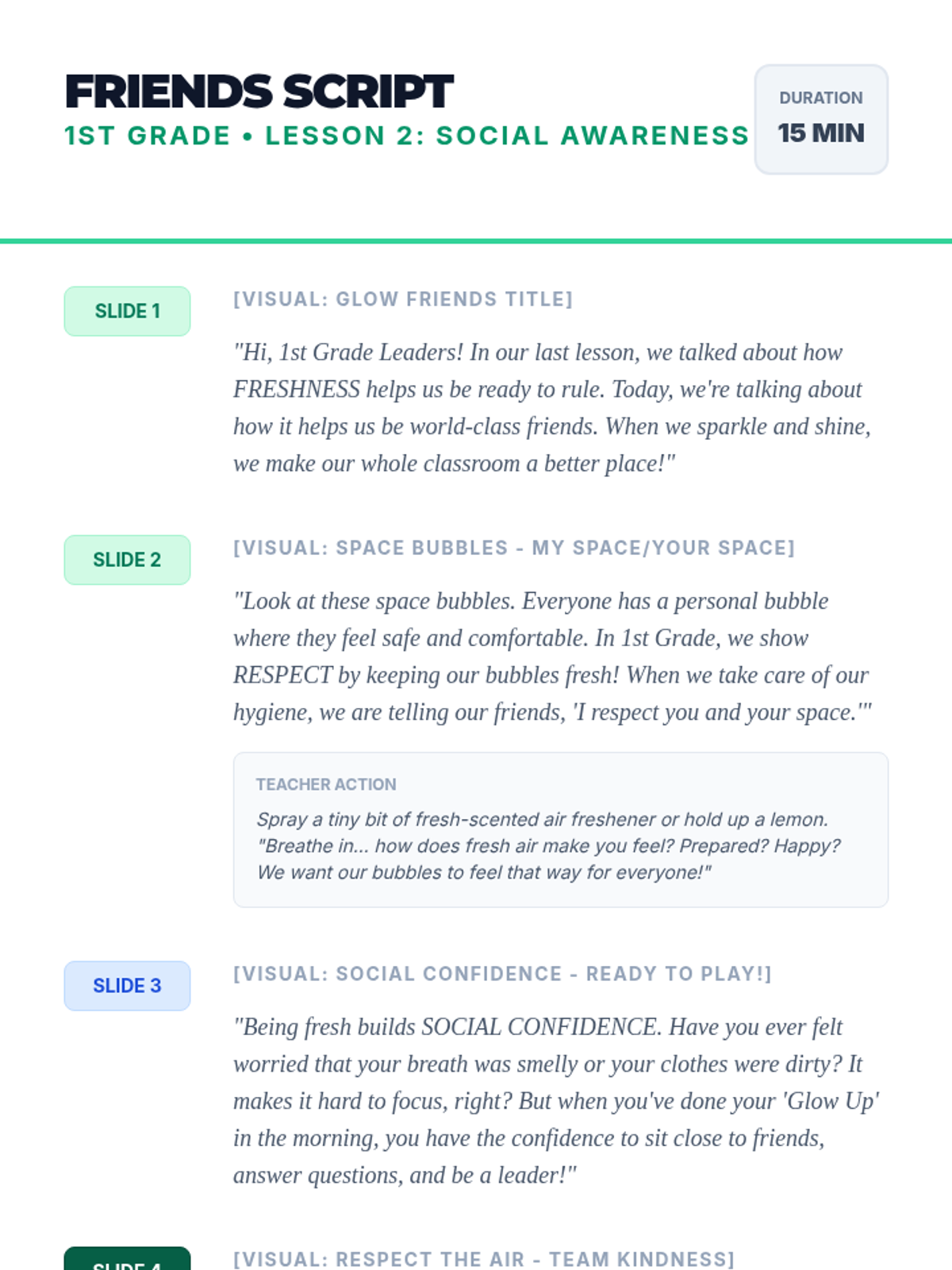
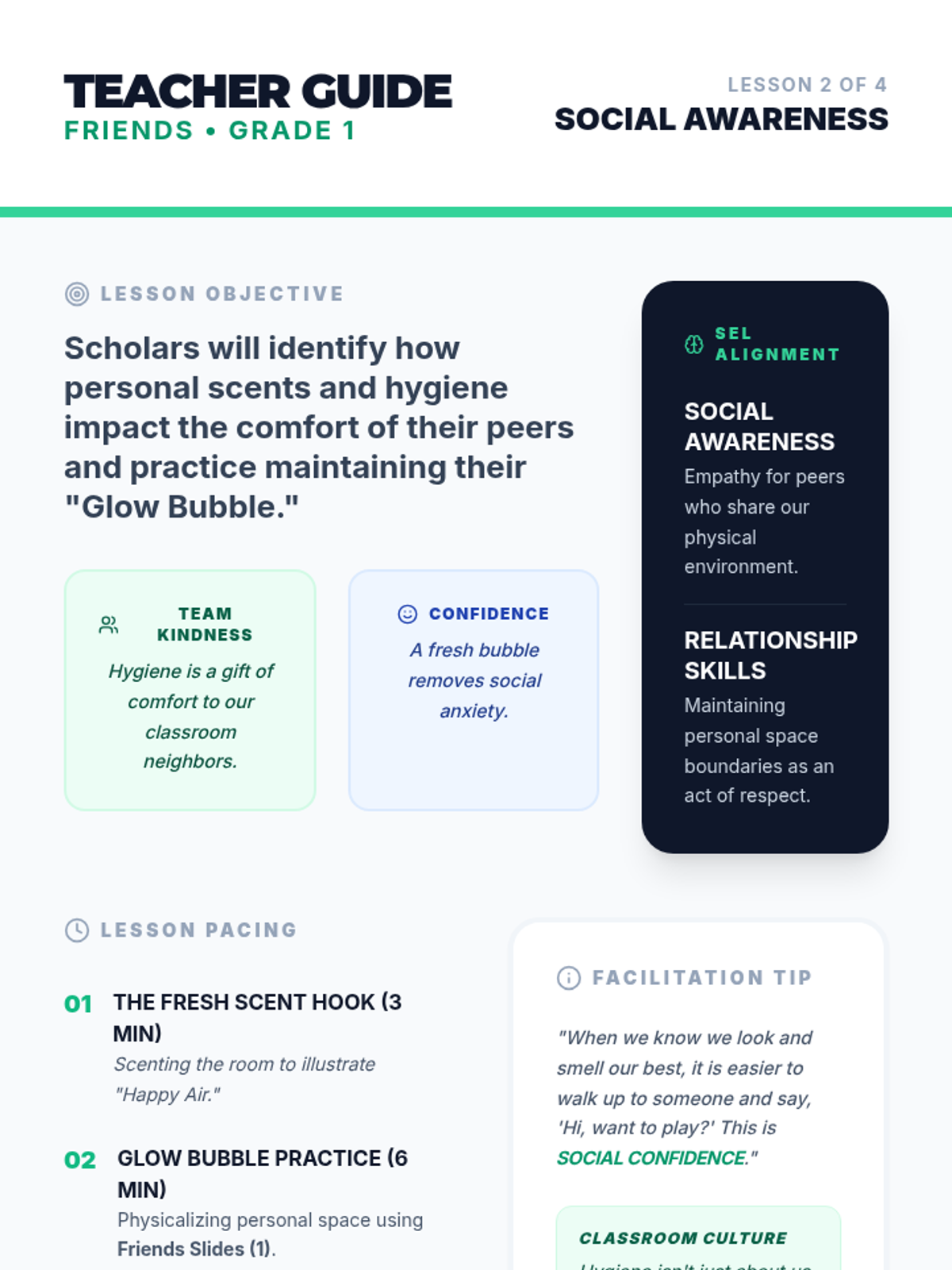
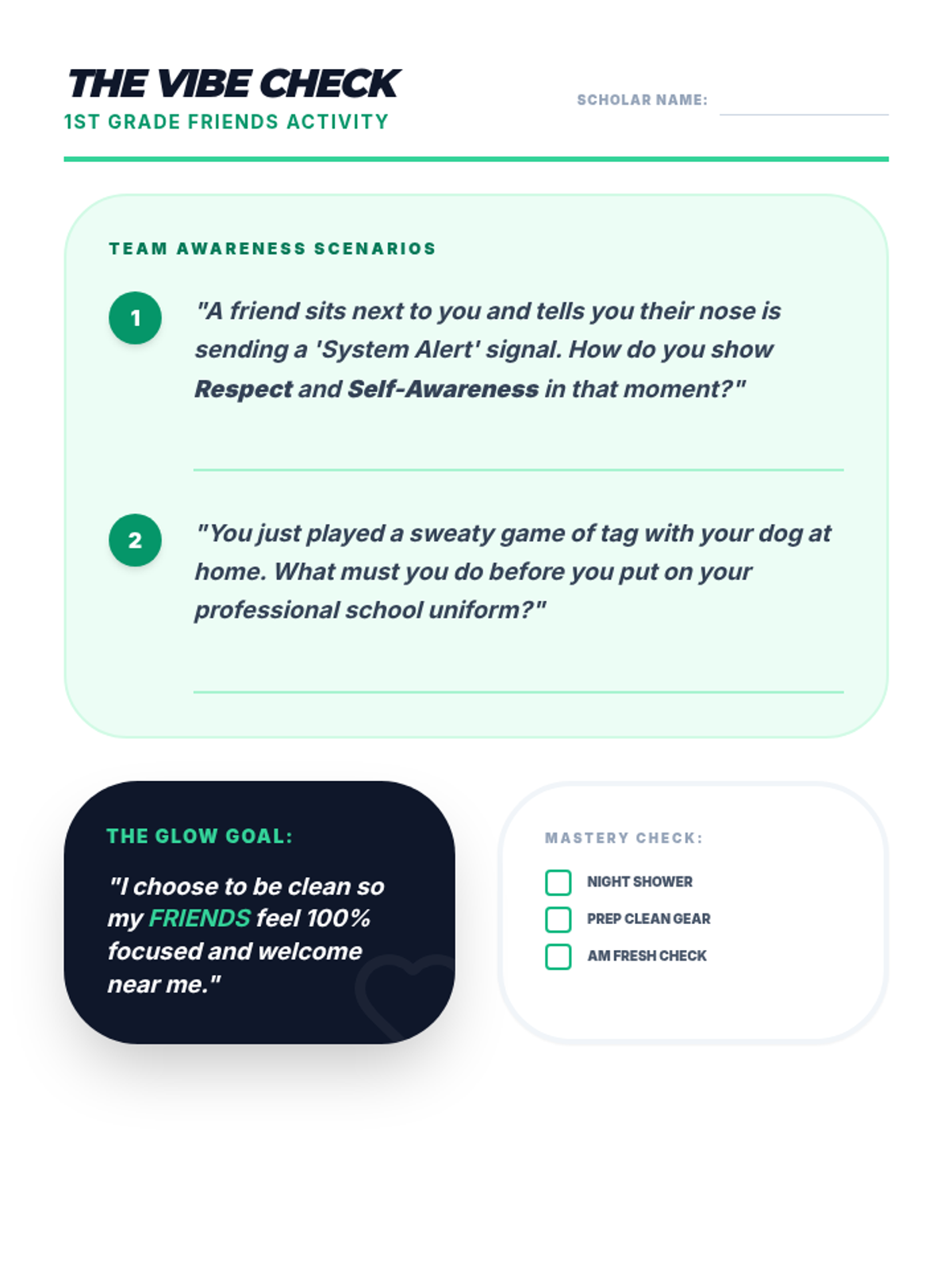
Teaches 1st graders about personal space bubbles and the impact of odors on their classmates.
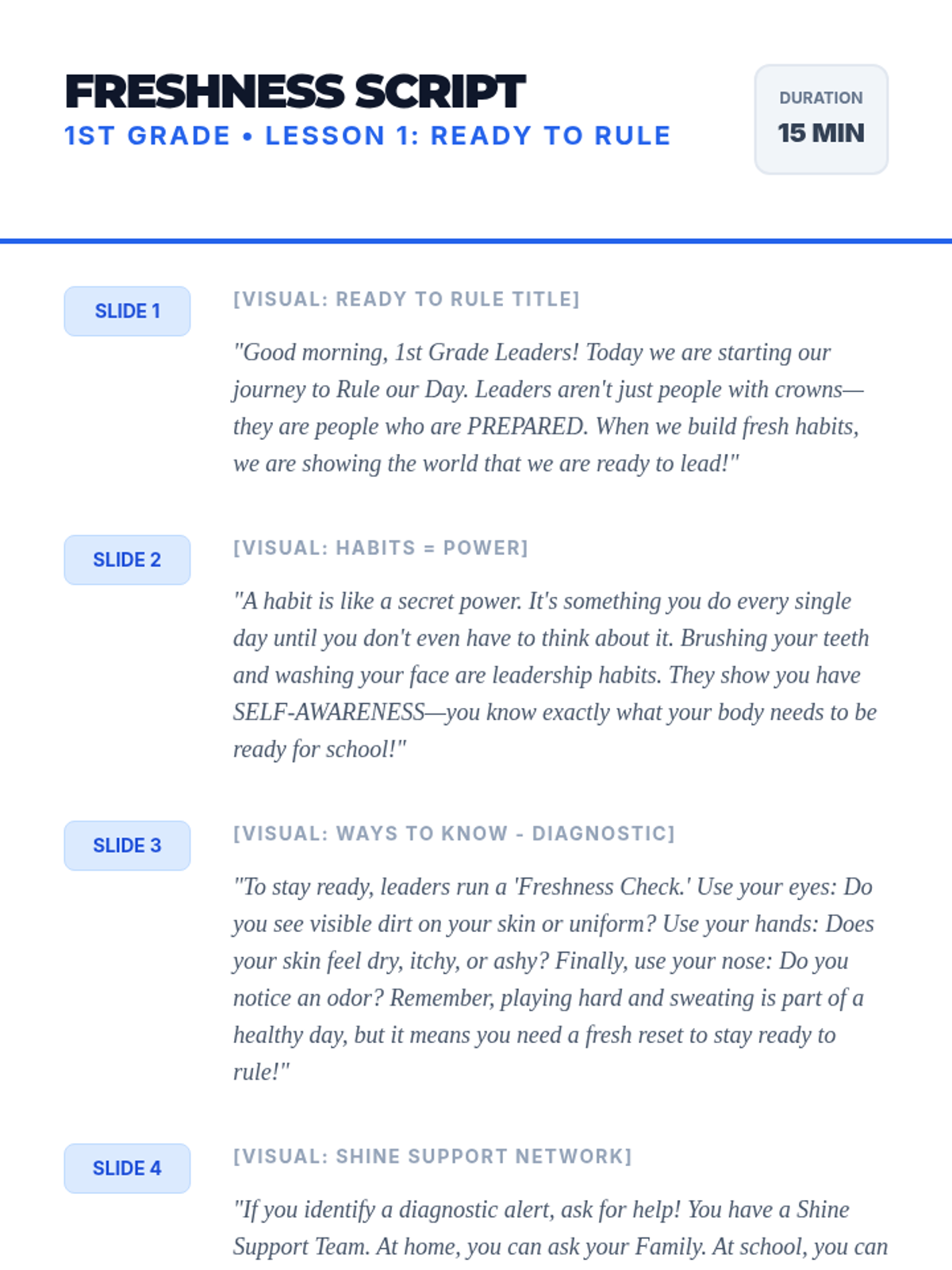
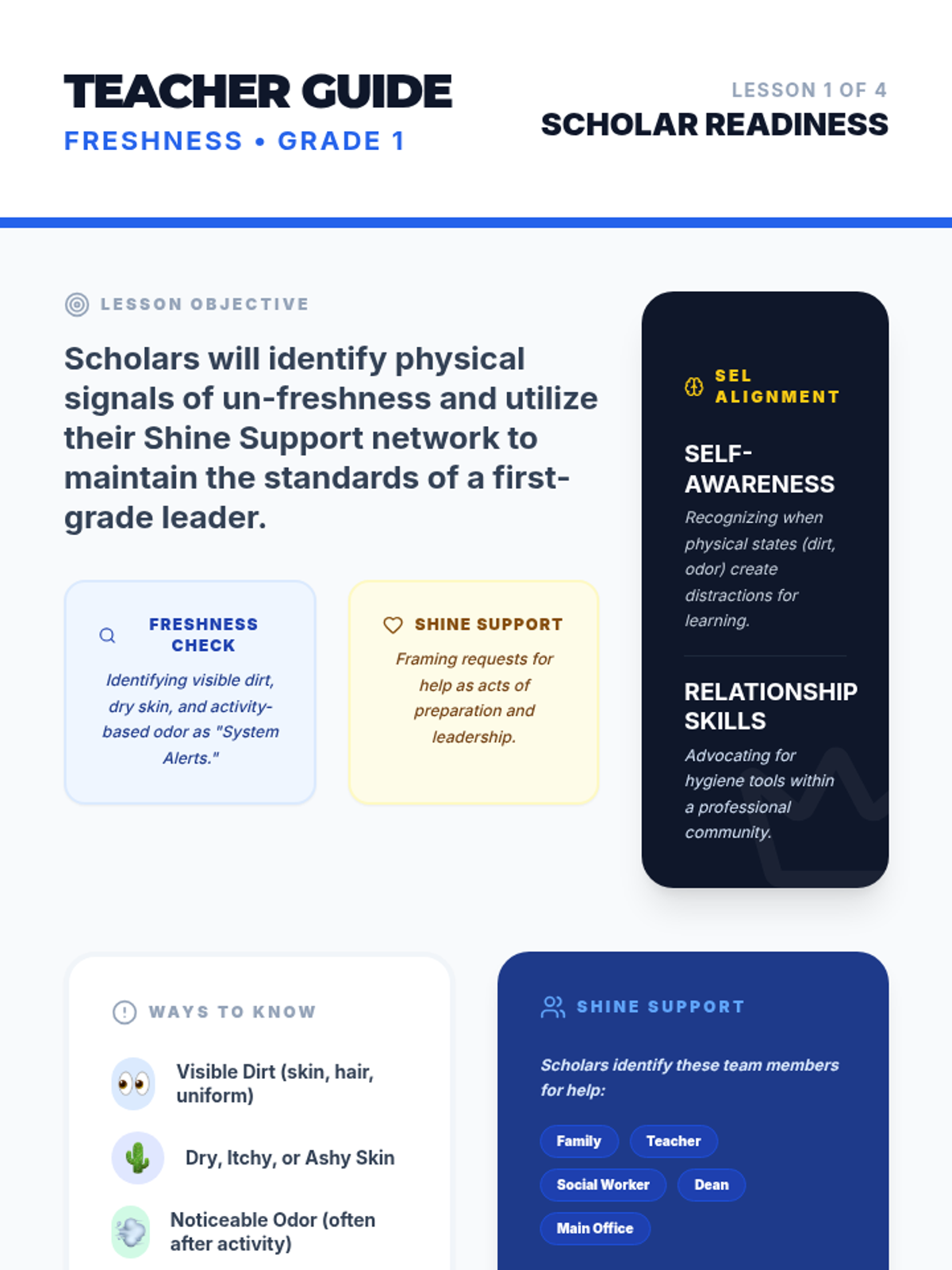
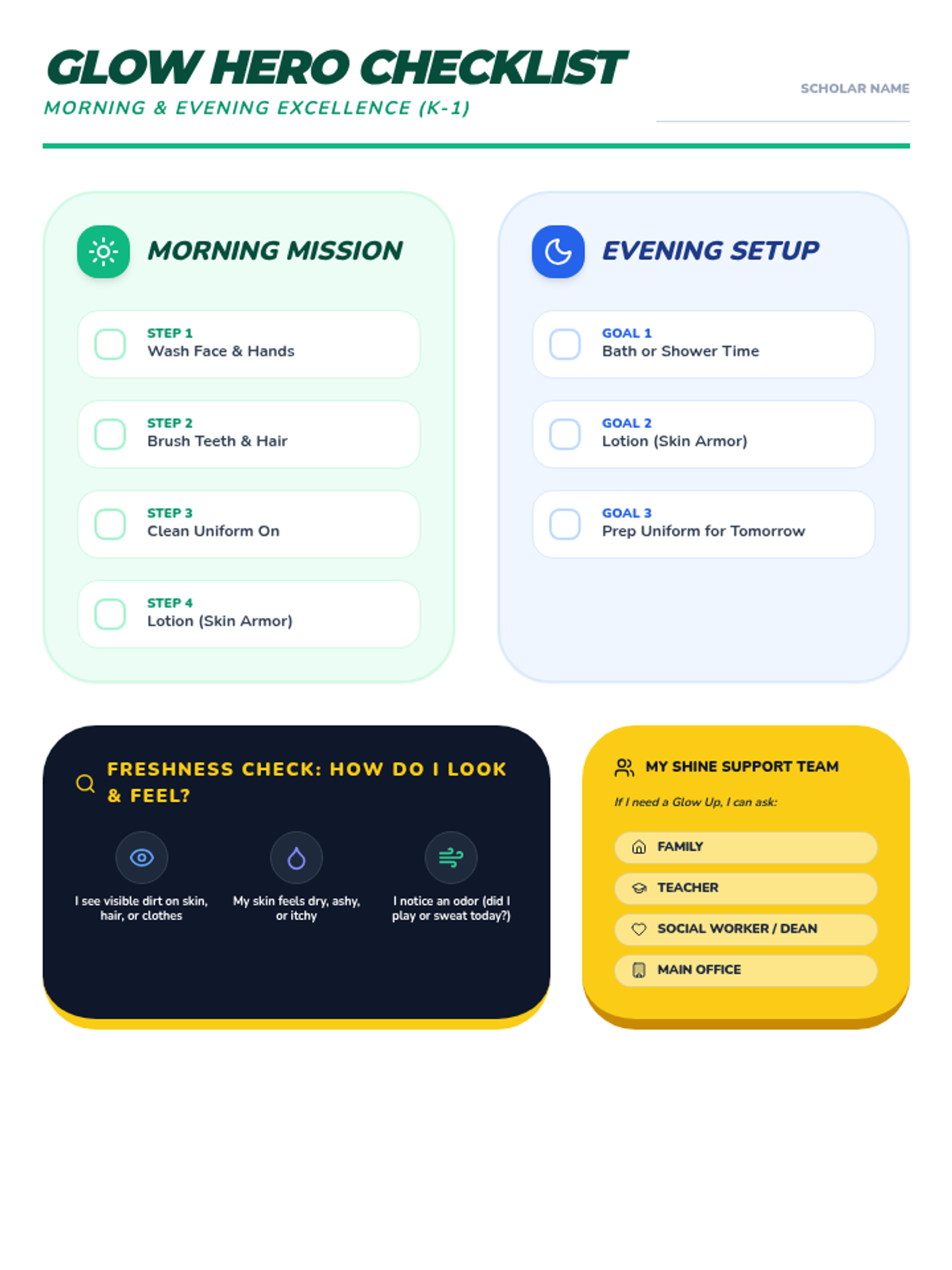
Focuses on basic body cleanliness habits and feeling 'ready' for 1st grade learning.
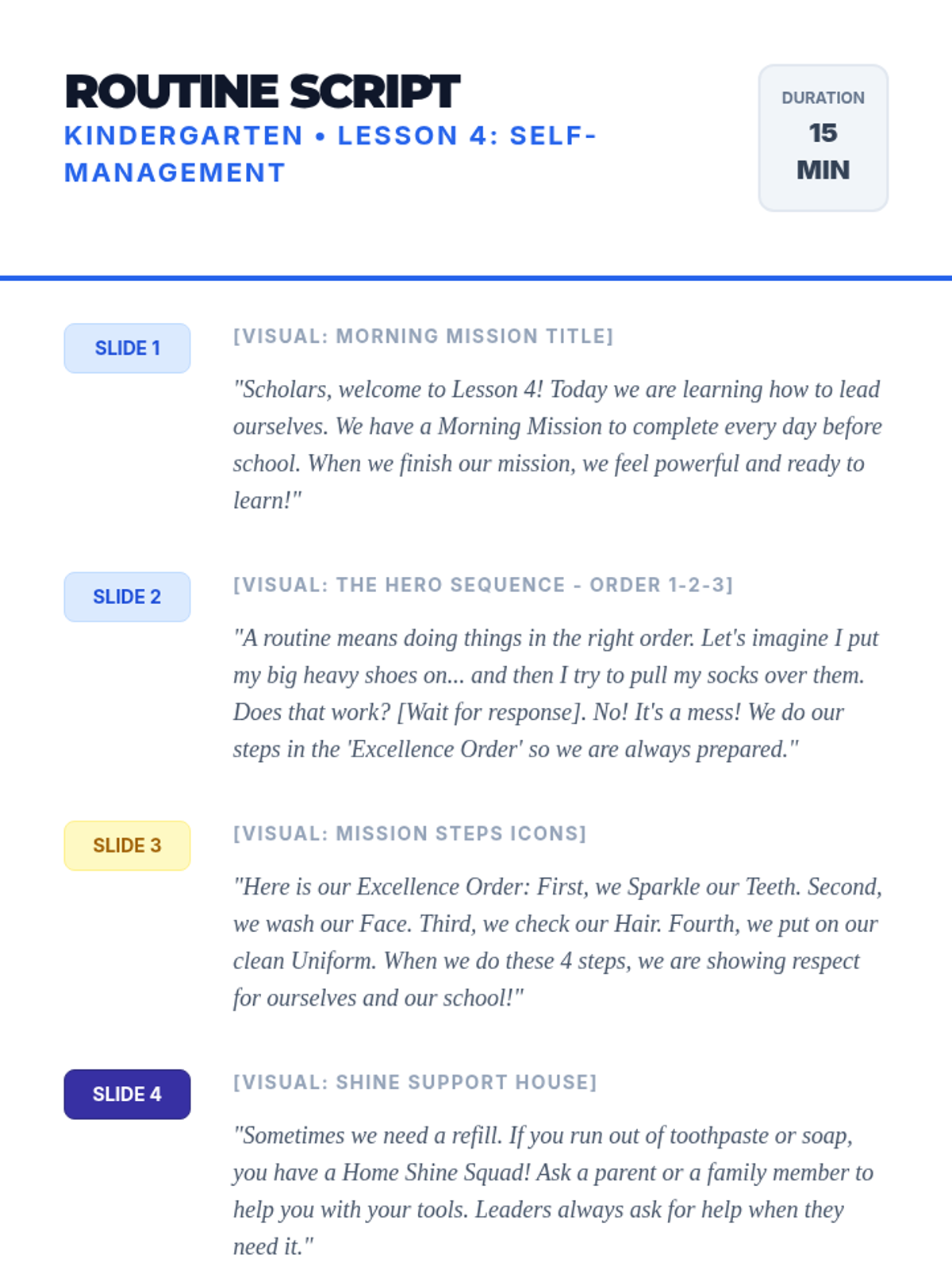
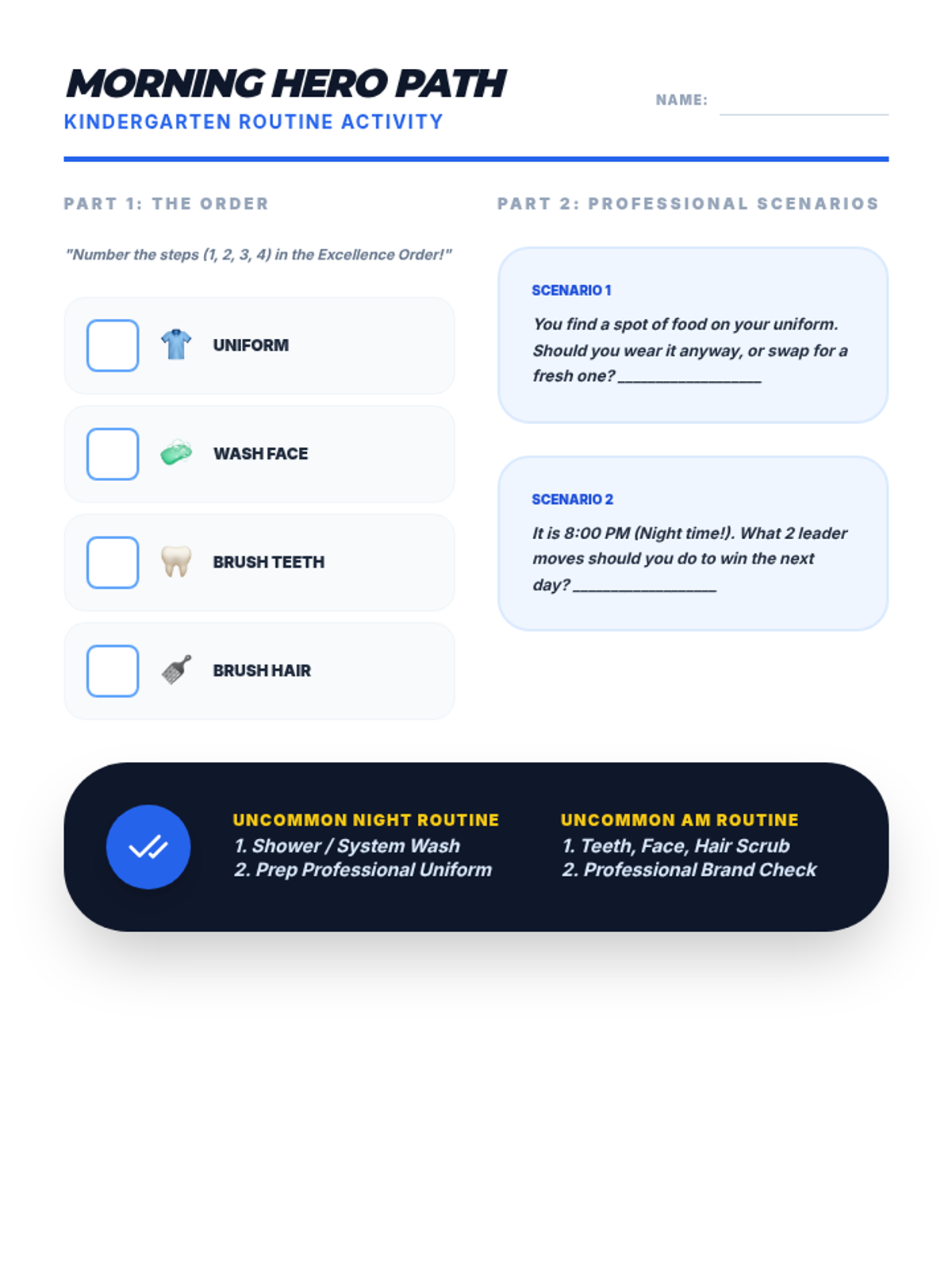
Practicing the sequence of a morning routine through play and pictograms for Kindergarten students.
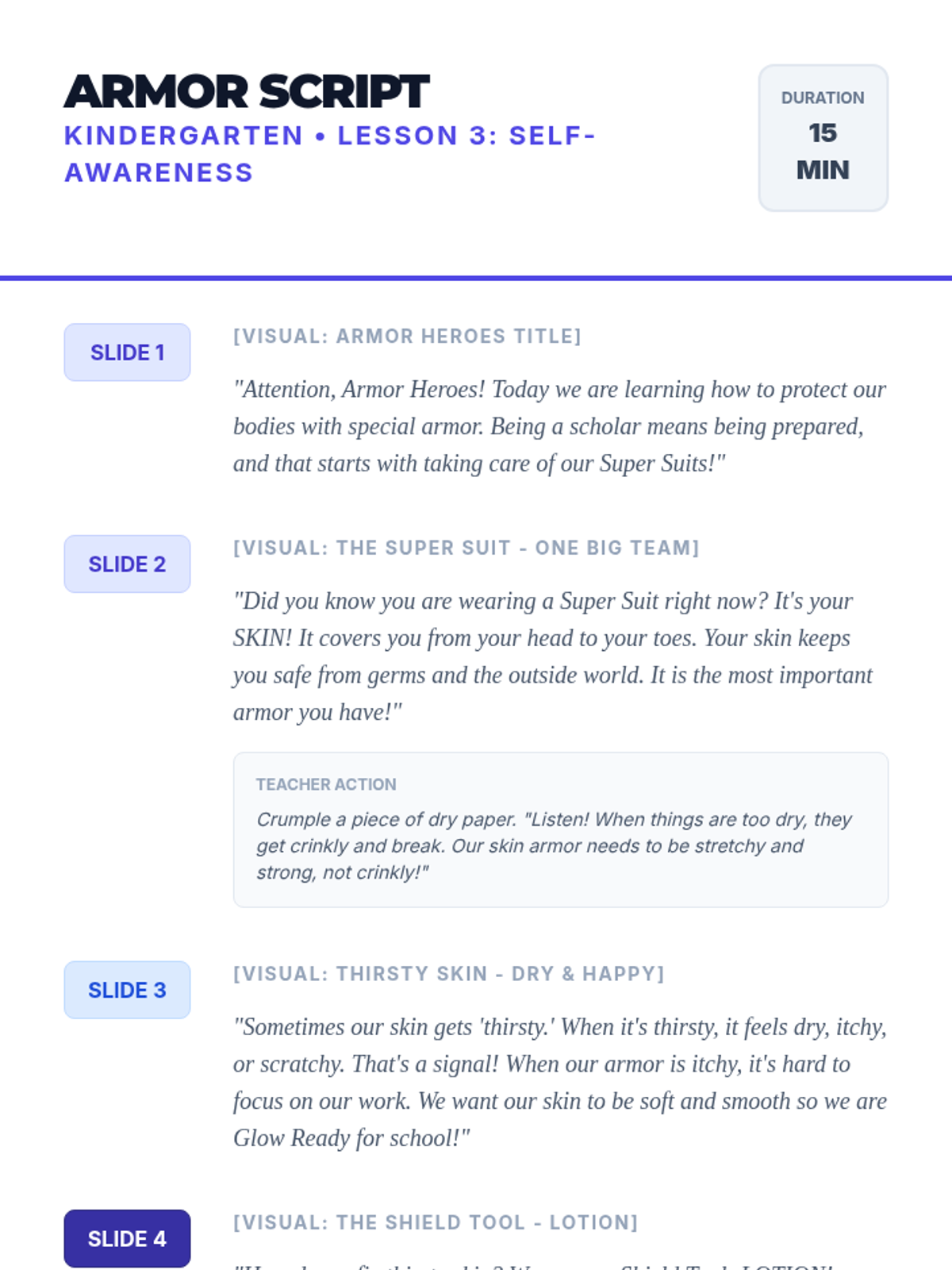
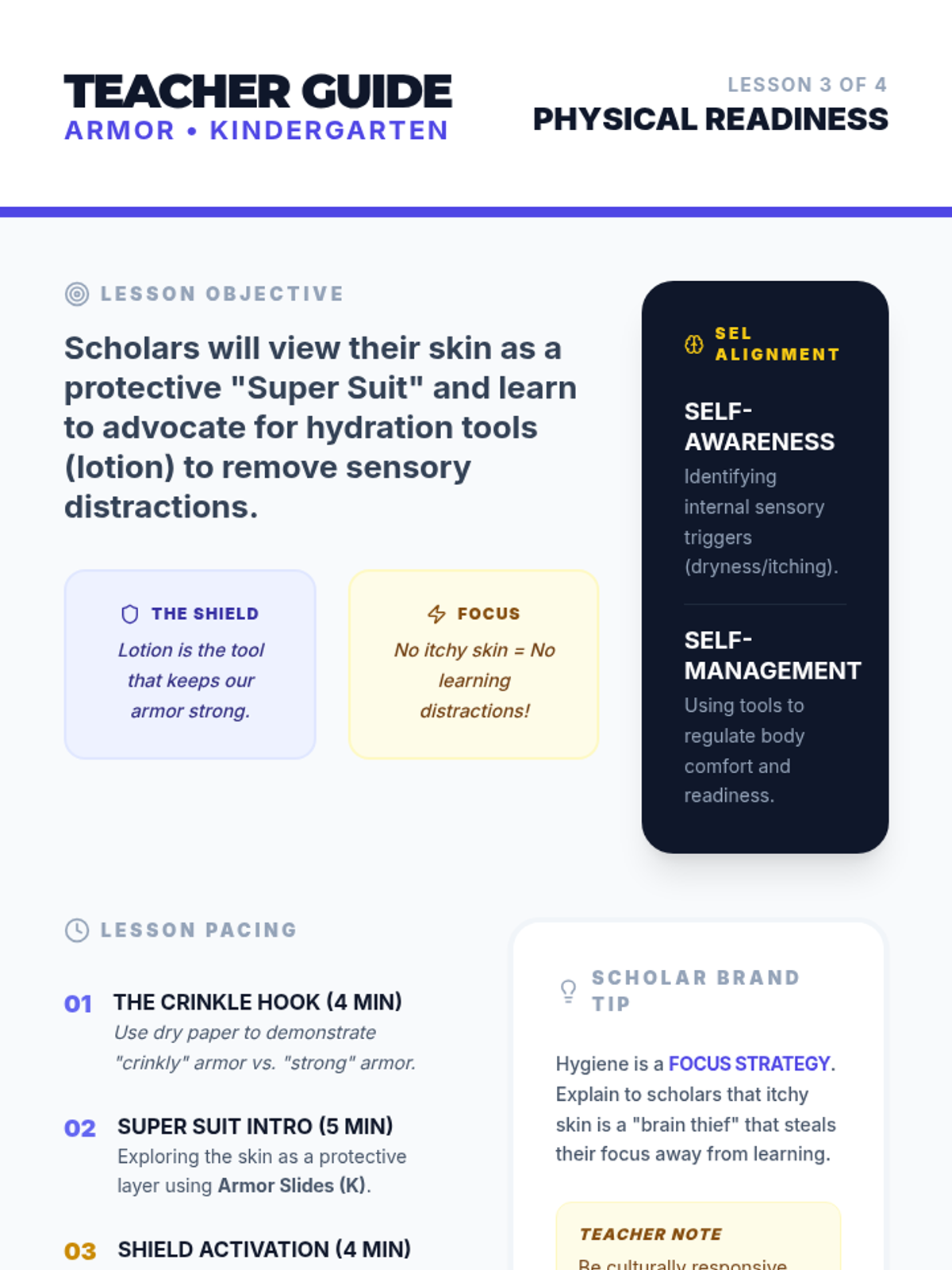
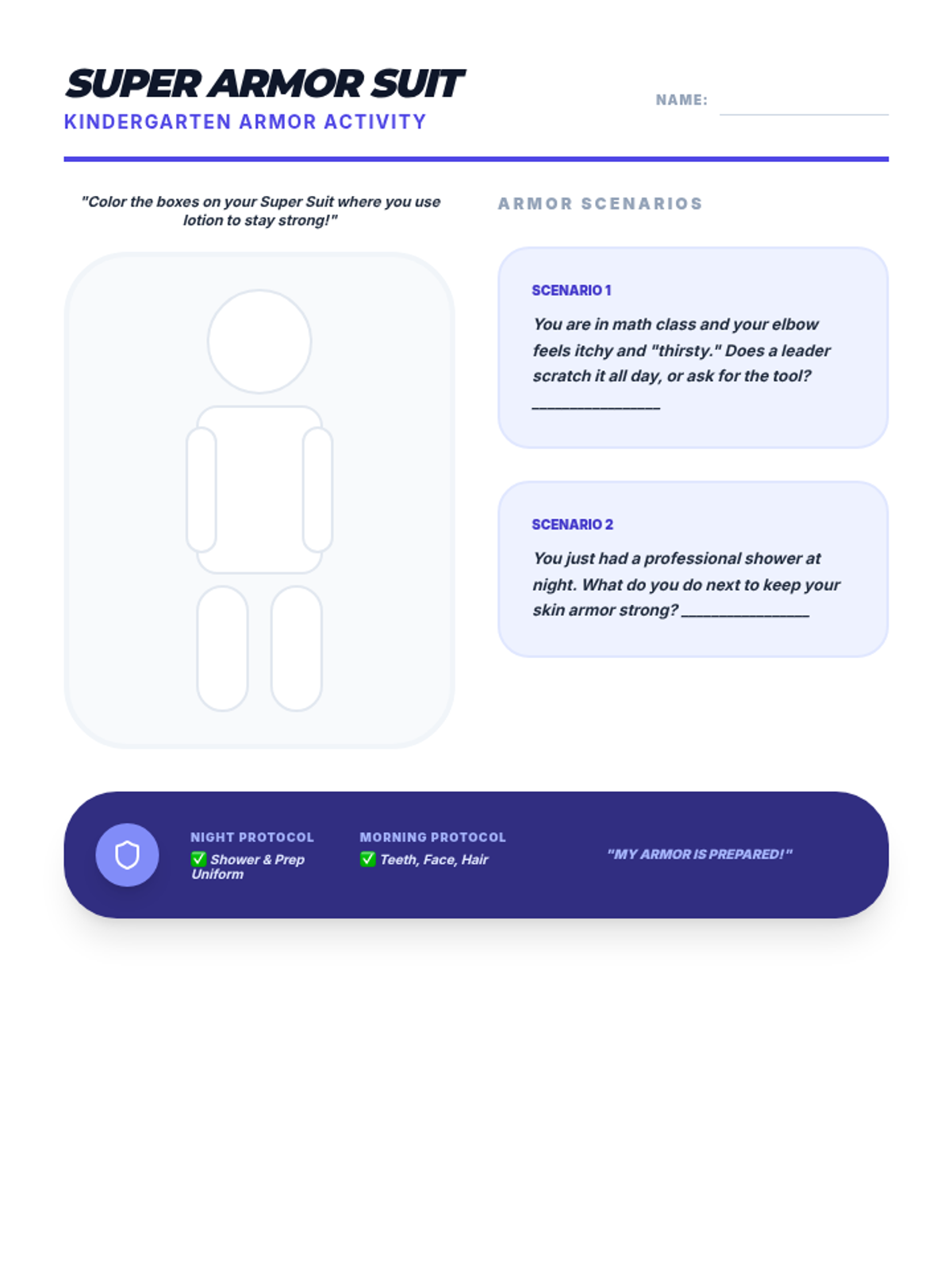
Introduces the 'Super Suit' analogy for skin and the role of lotion for Kindergarten skin health.
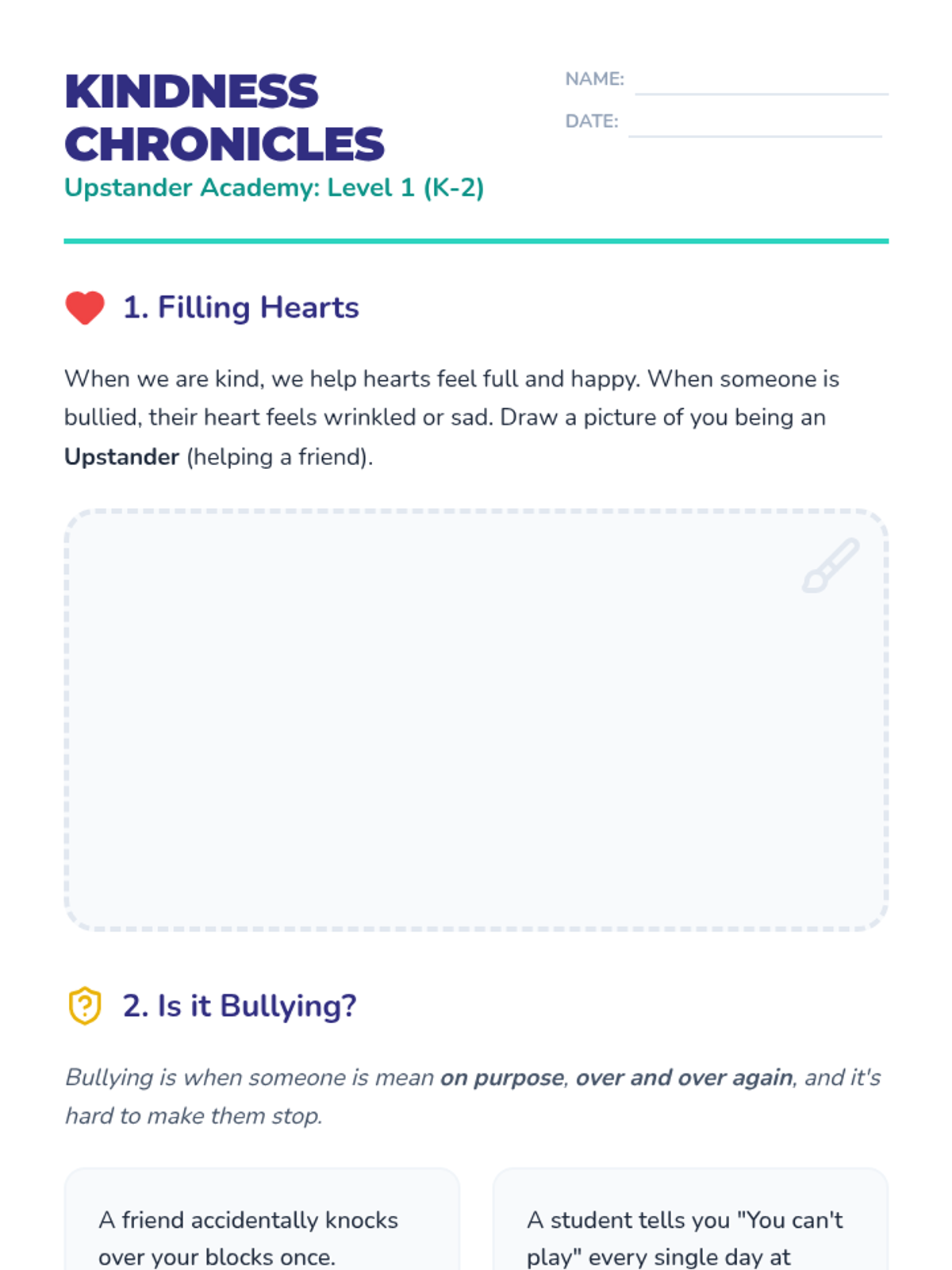
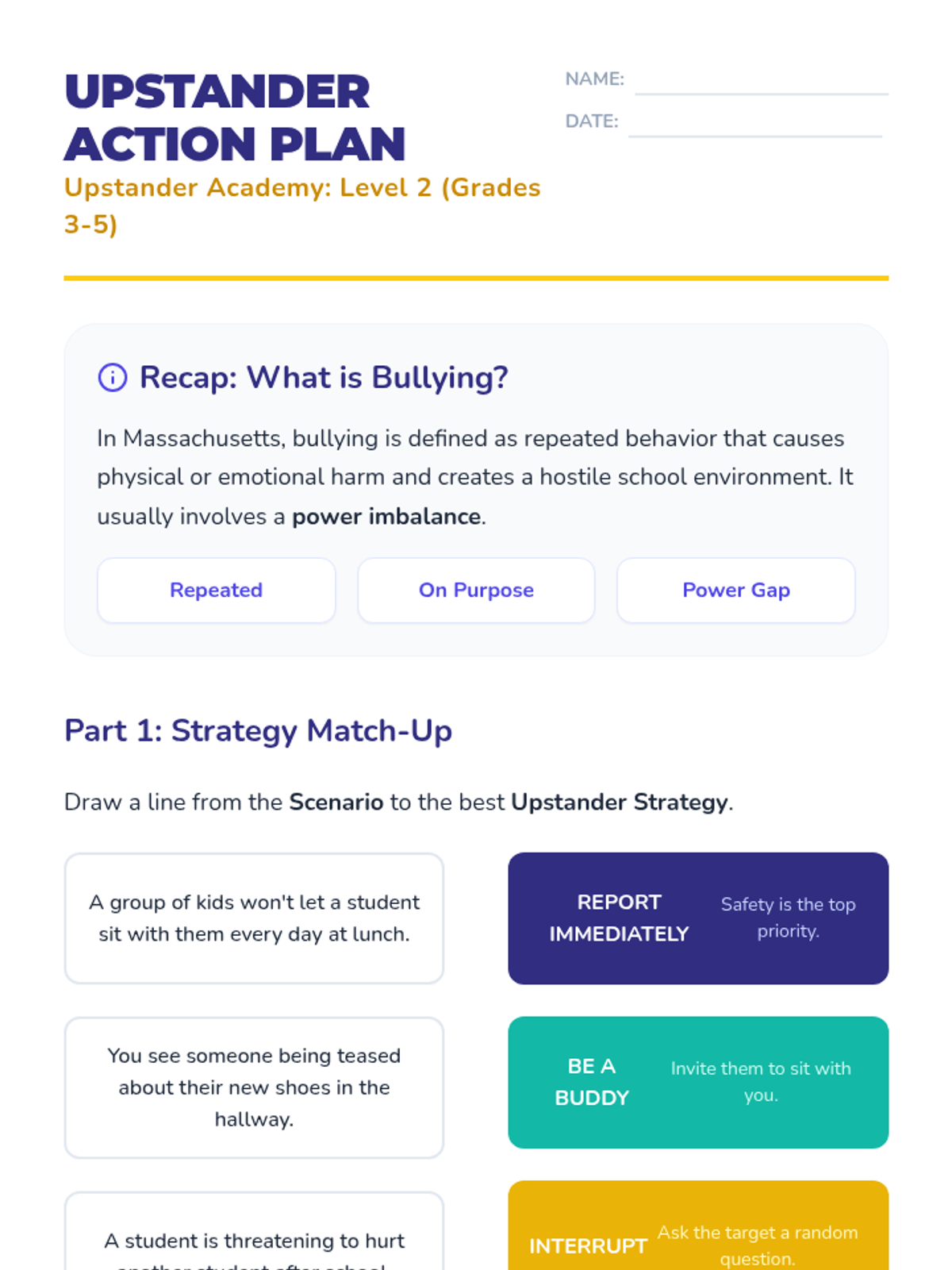
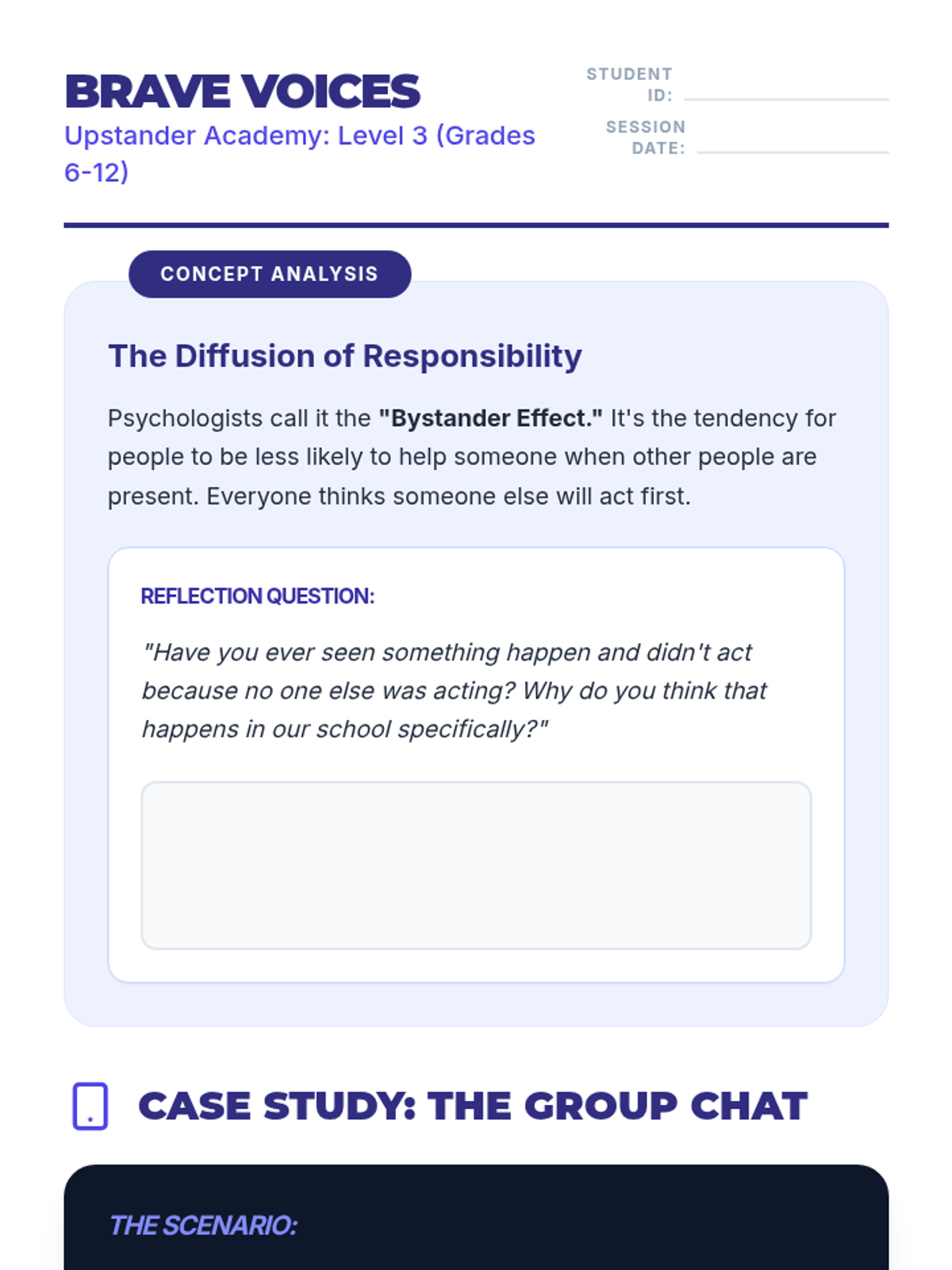
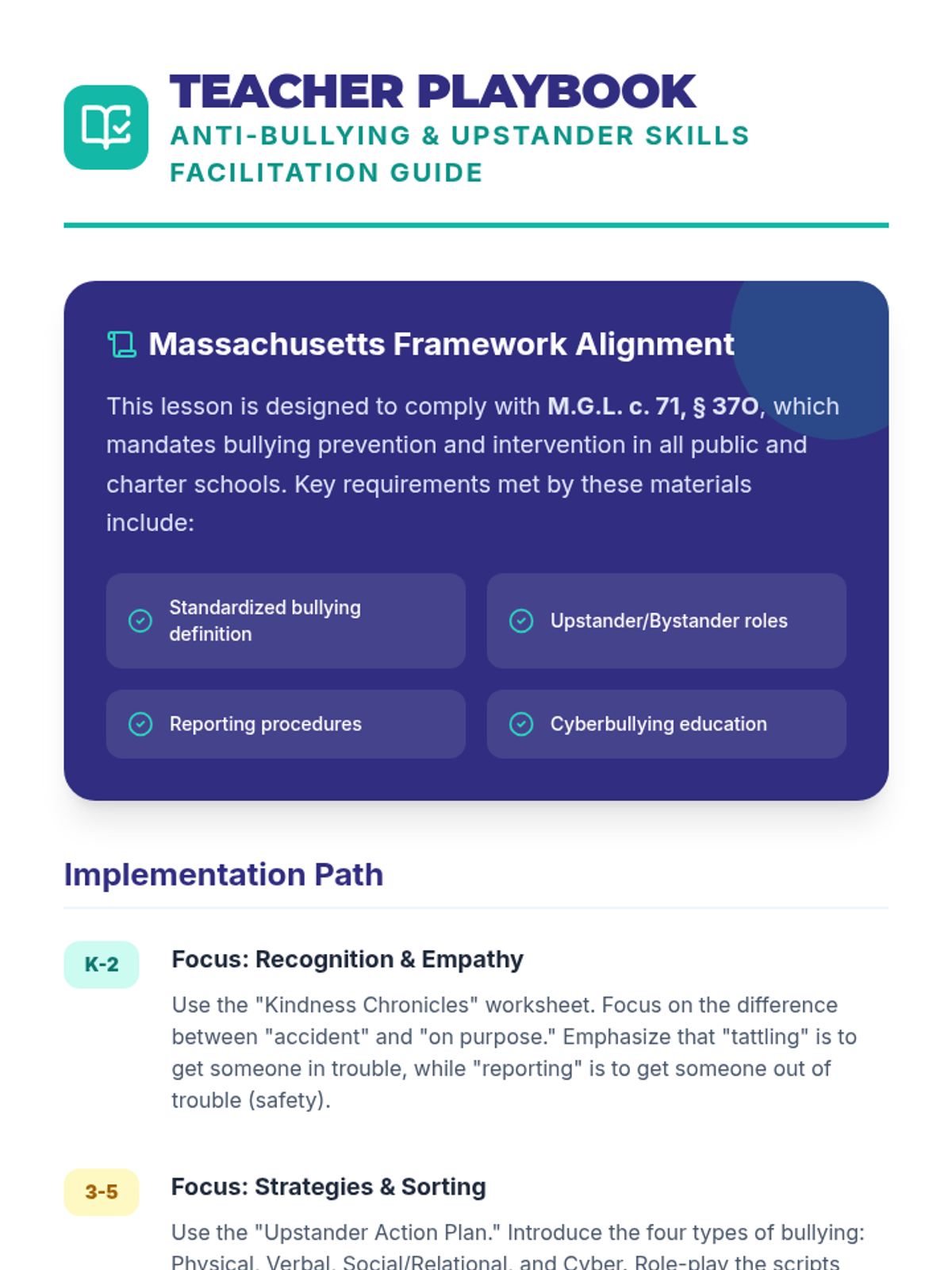
A comprehensive anti-bullying and upstander skills lesson designed for K-12 students. It focuses on identifying bullying, developing empathy, and providing concrete reporting strategies aligned with Massachusetts state frameworks.
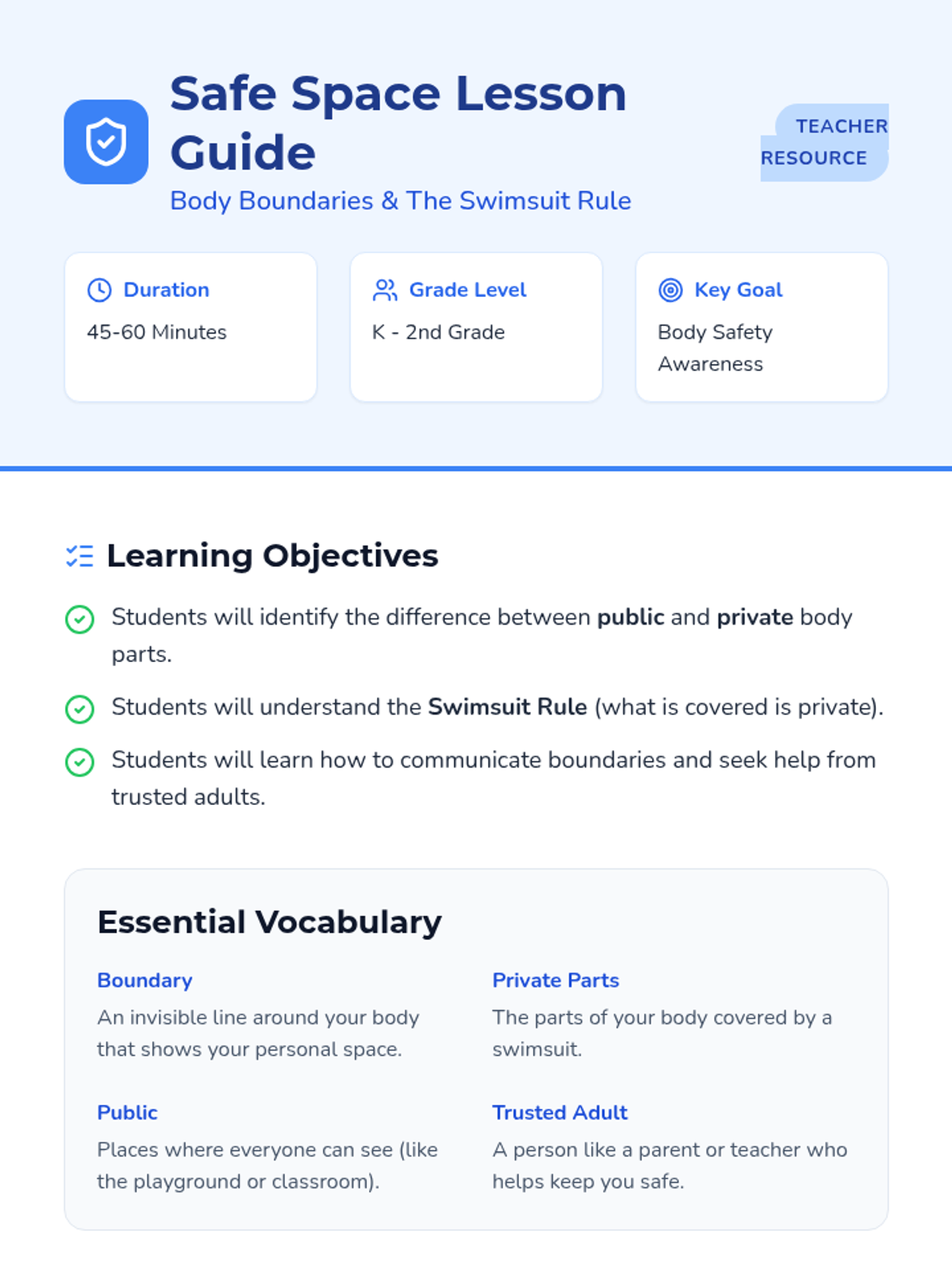
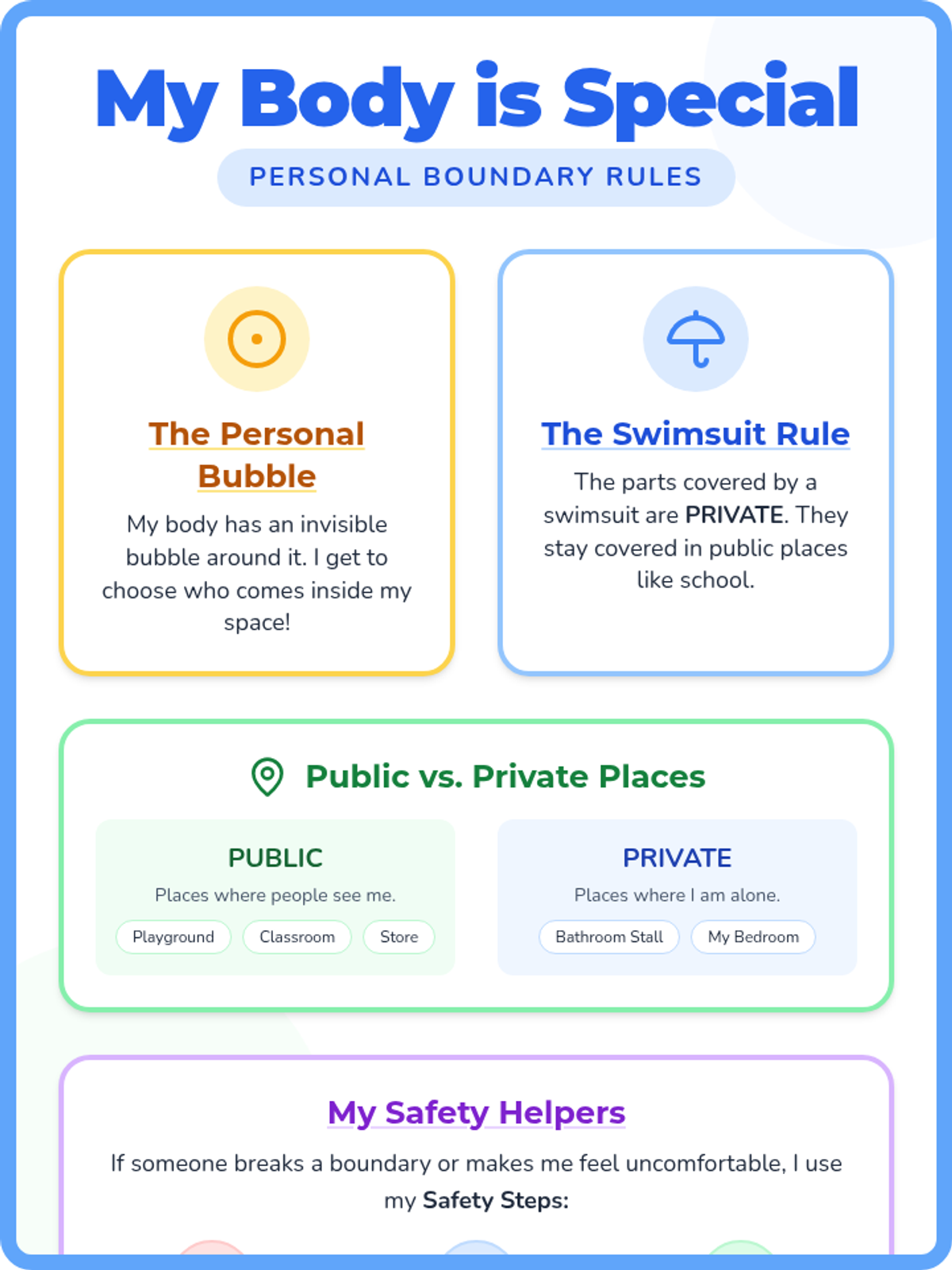
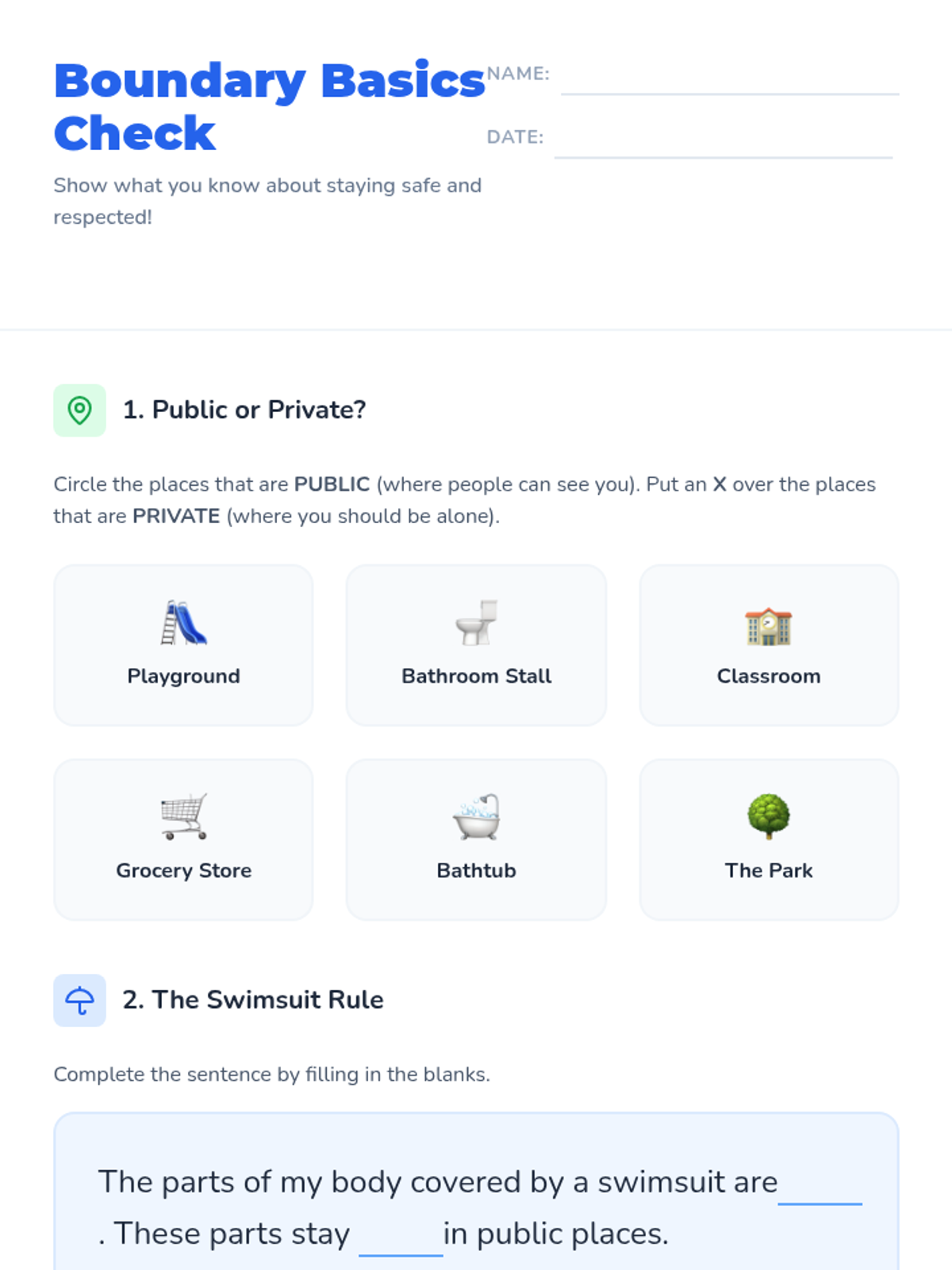
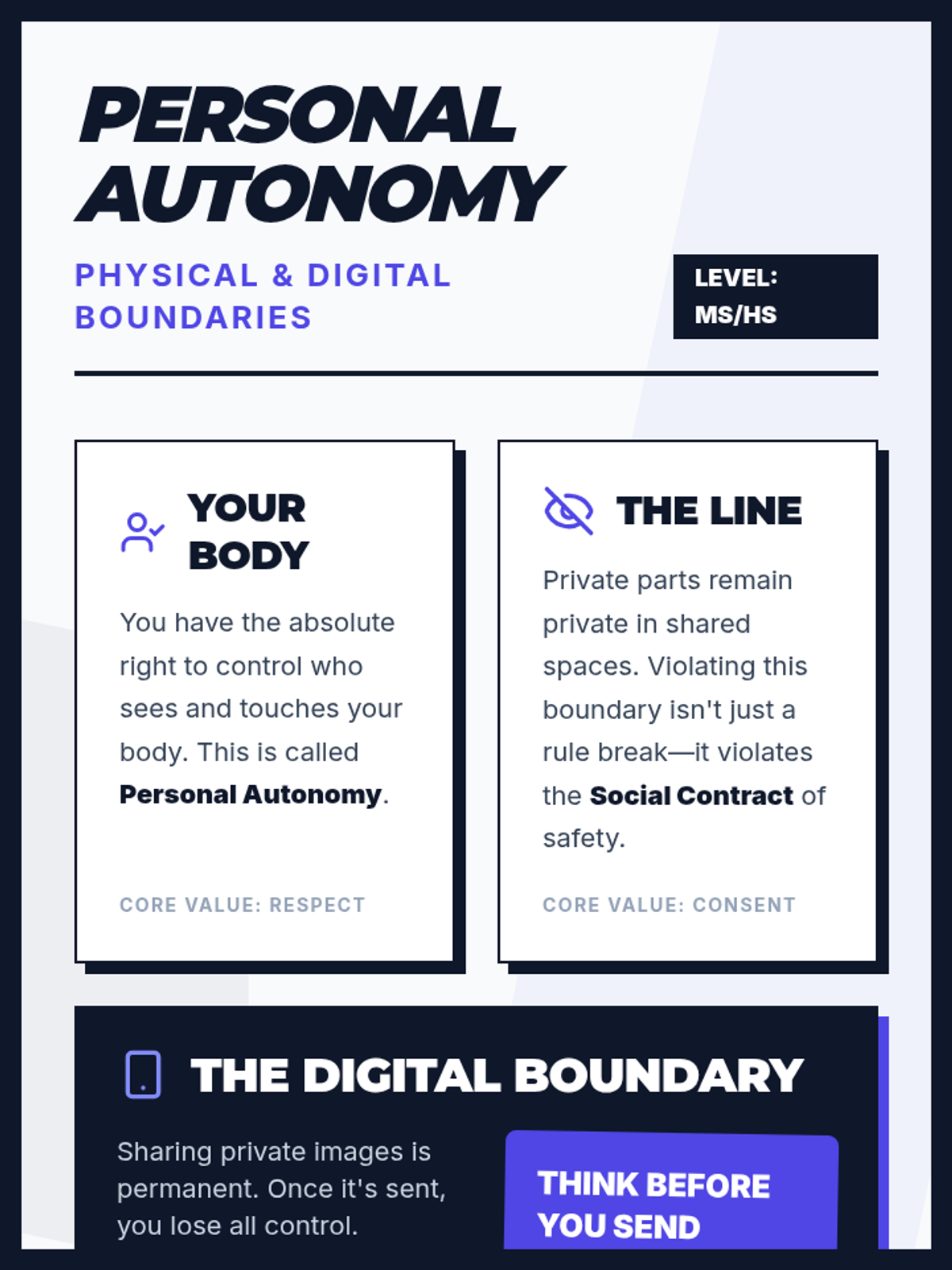
A comprehensive lesson on personal boundaries, body safety, and the importance of keeping private parts covered, using the Swimsuit Rule as a central framework.