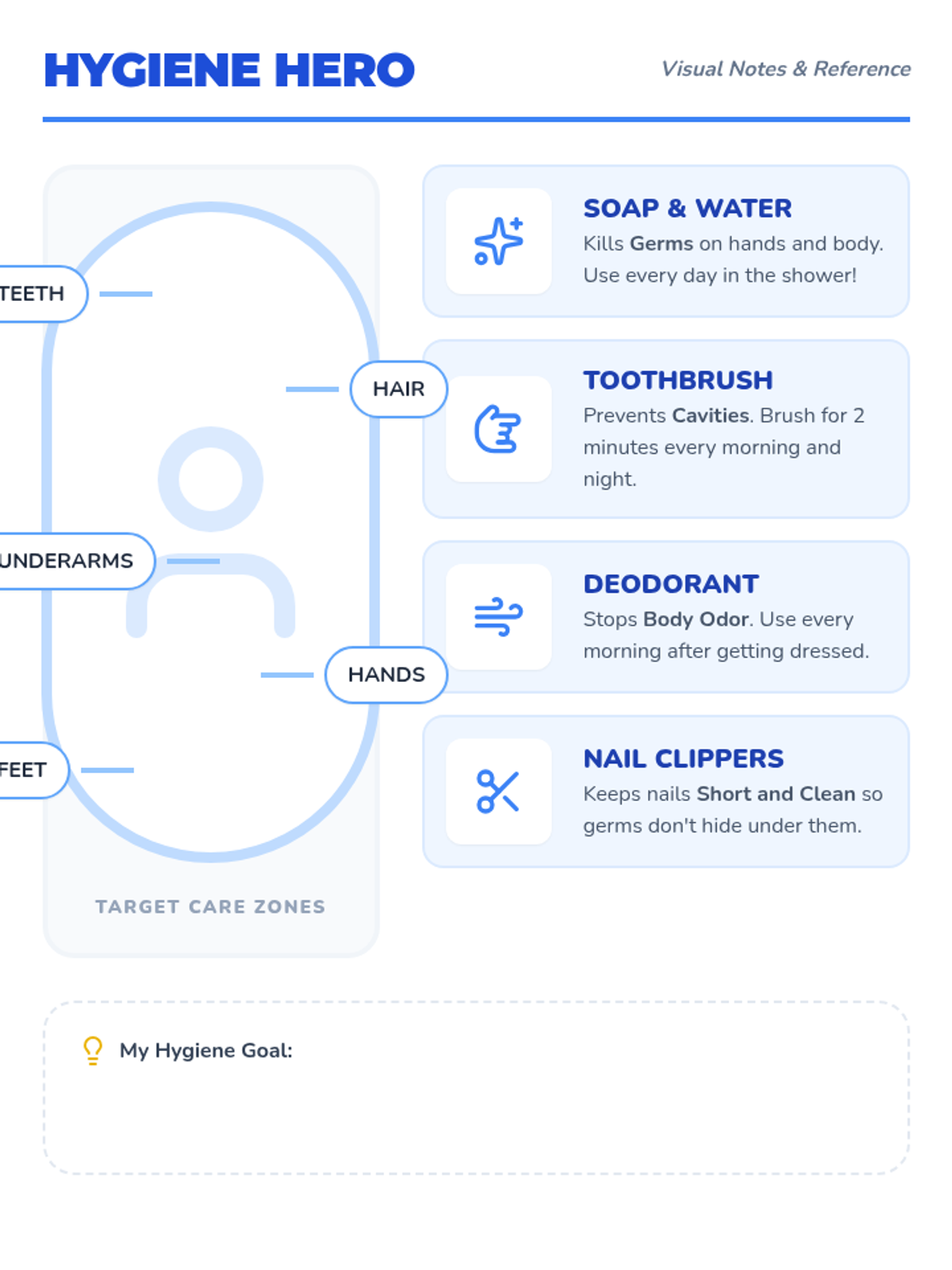
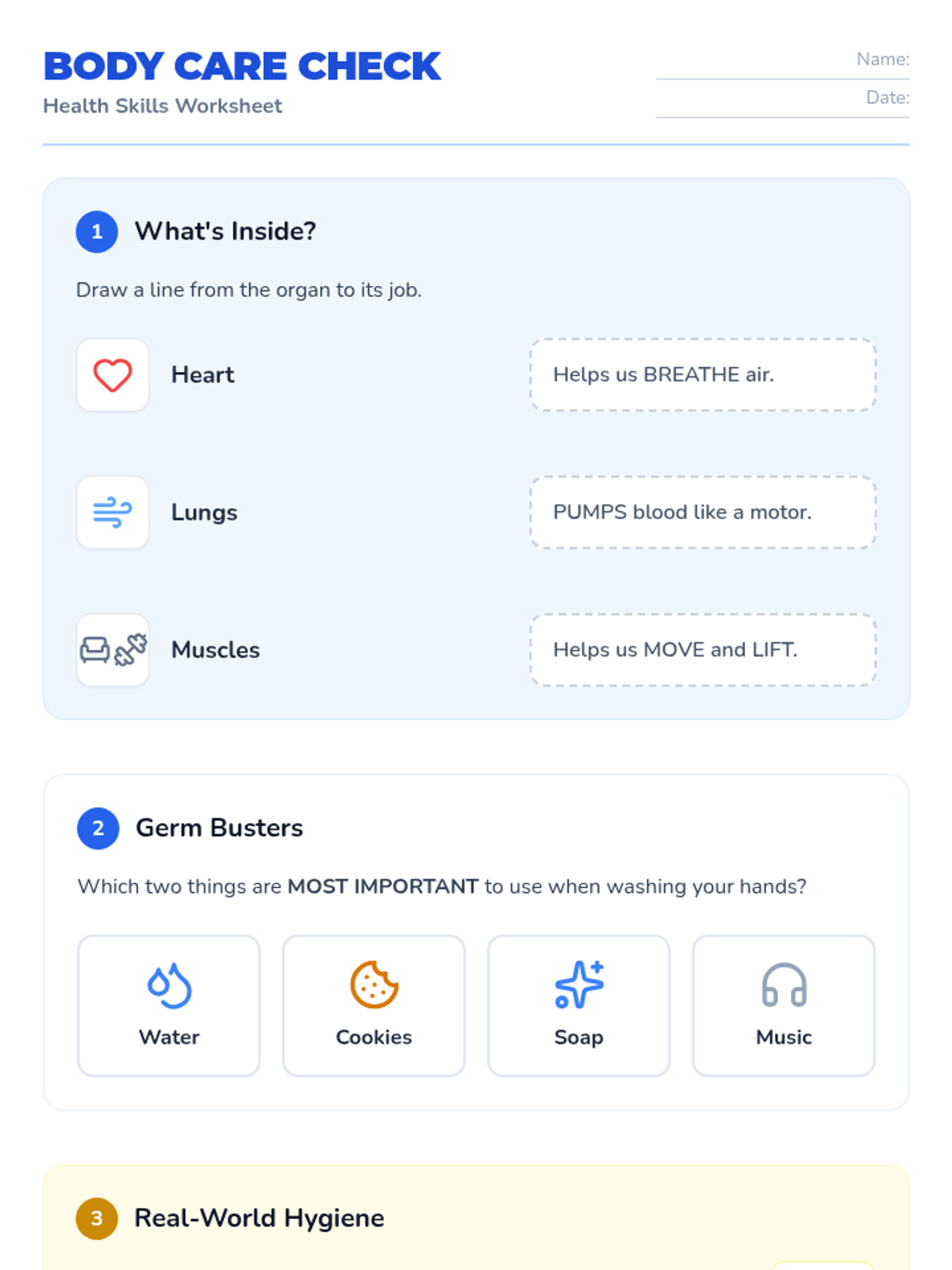
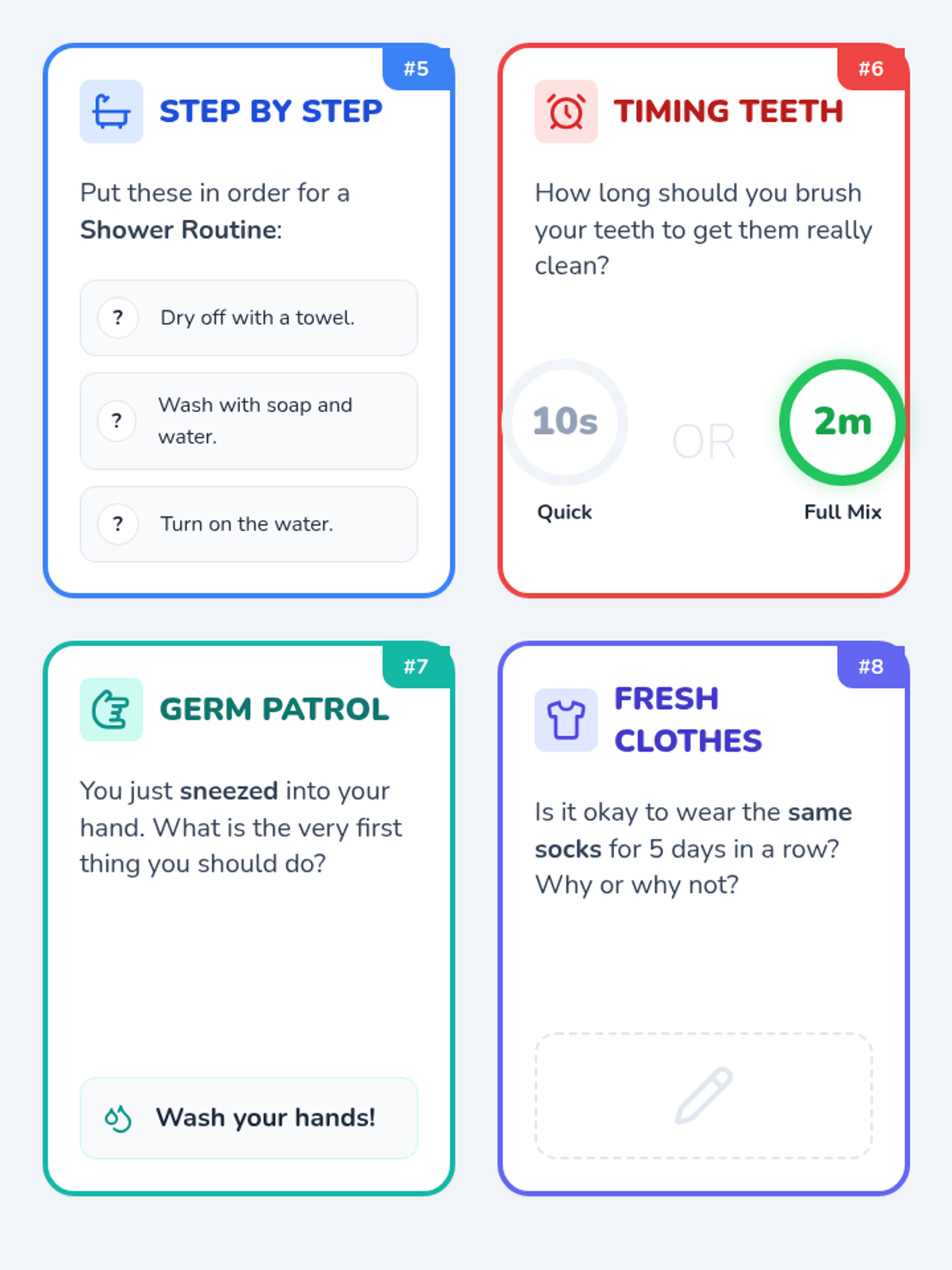
Daily hygiene, hydration, and sleep routines paired with strategies for disease and injury prevention. Builds skills in health decision-making, body awareness, and self-advocacy to support lifelong well-being.
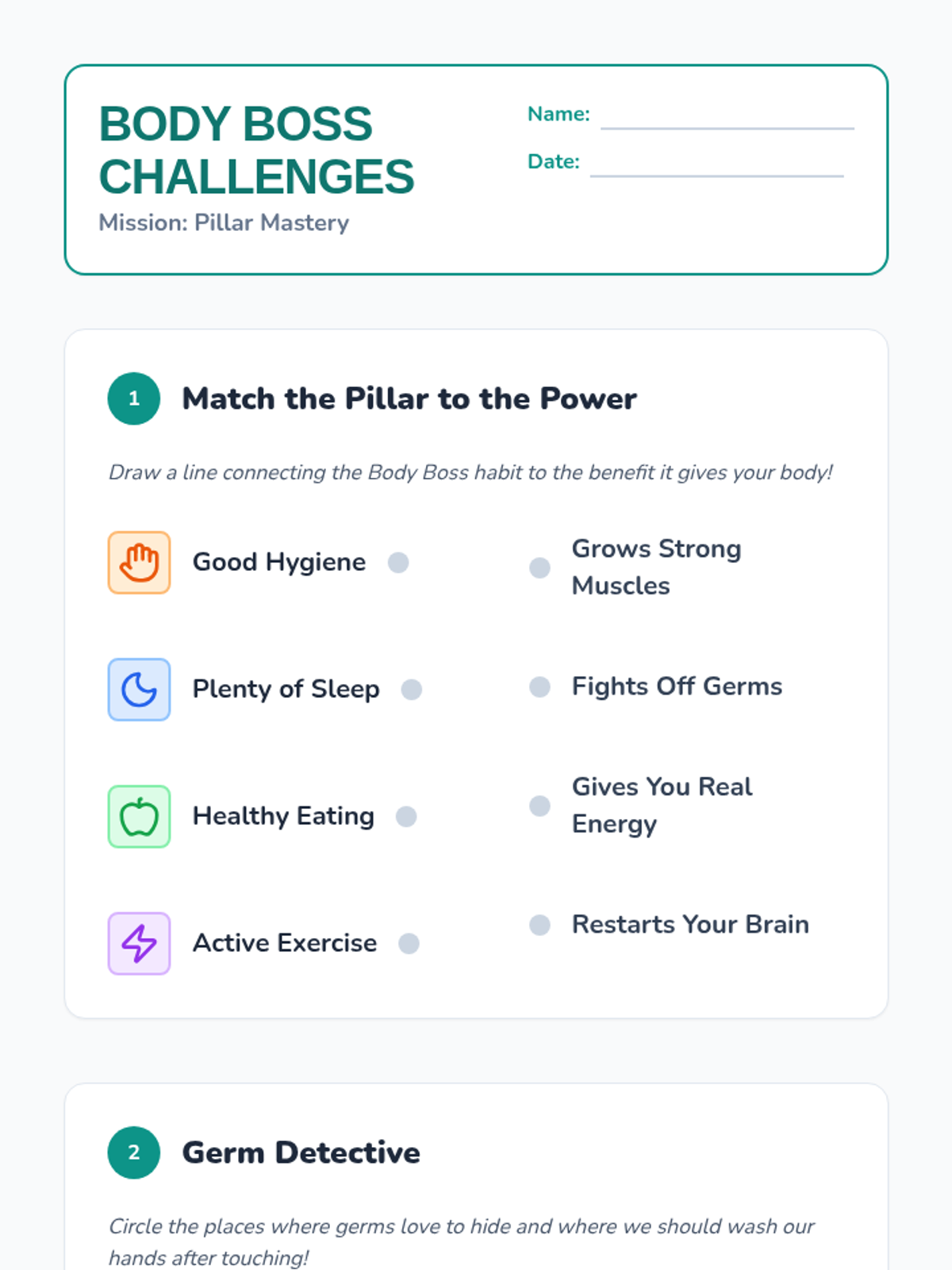
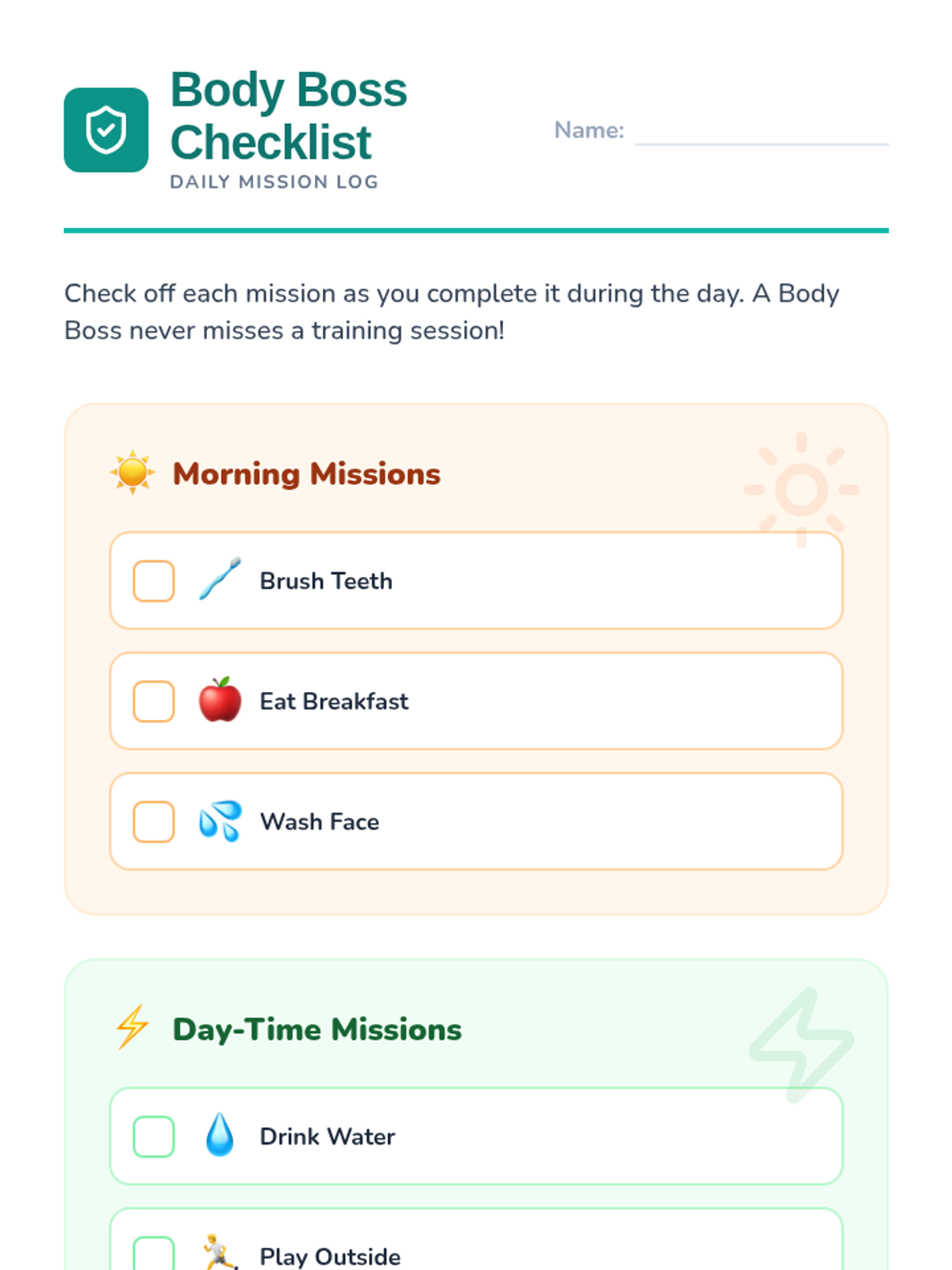
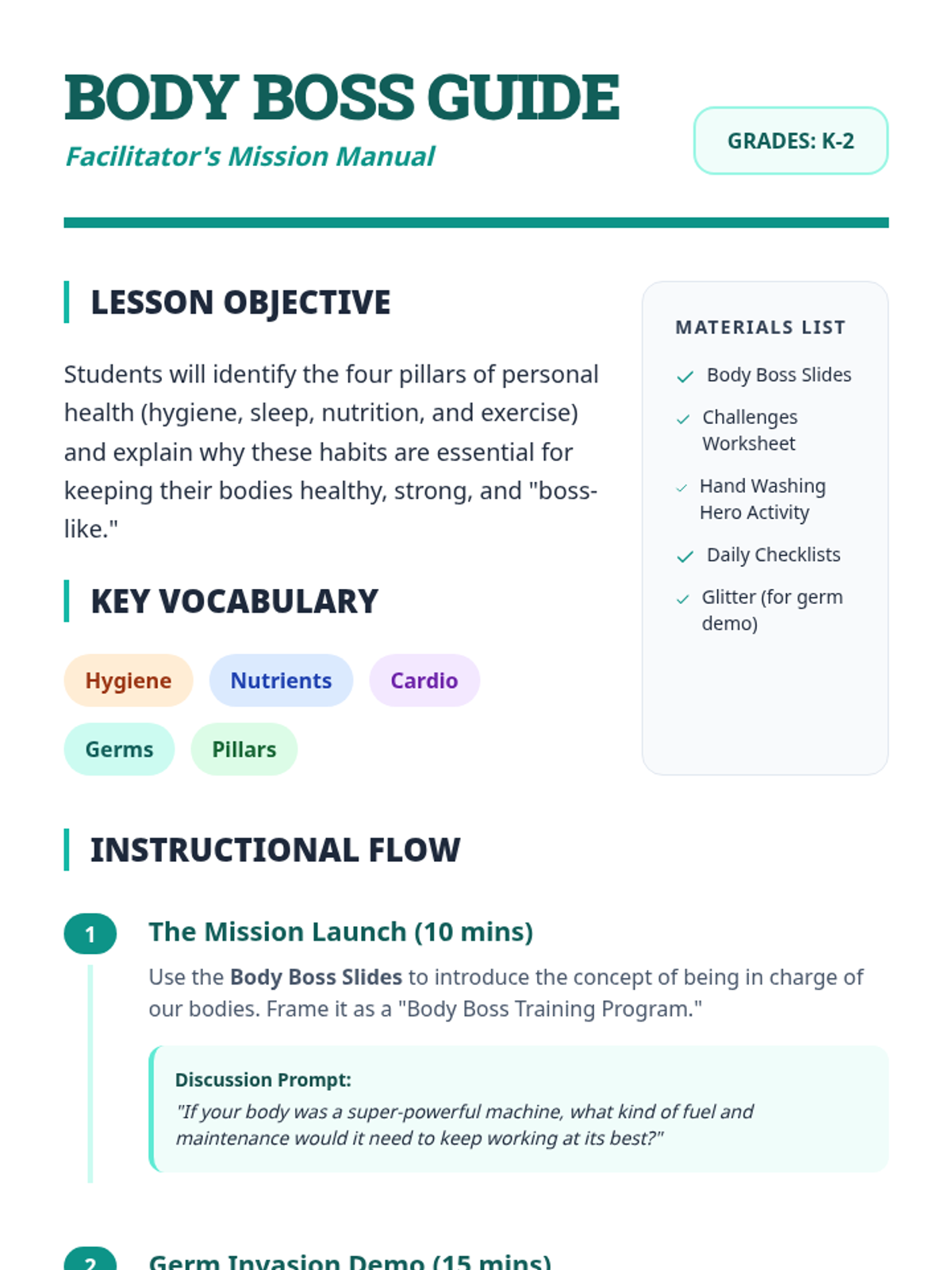
A comprehensive lesson teaching students the four pillars of health: hygiene, sleep, nutrition, and exercise. Students will learn why these habits are essential for their bodies through interactive slides, matching activities, and a personal routine checklist.
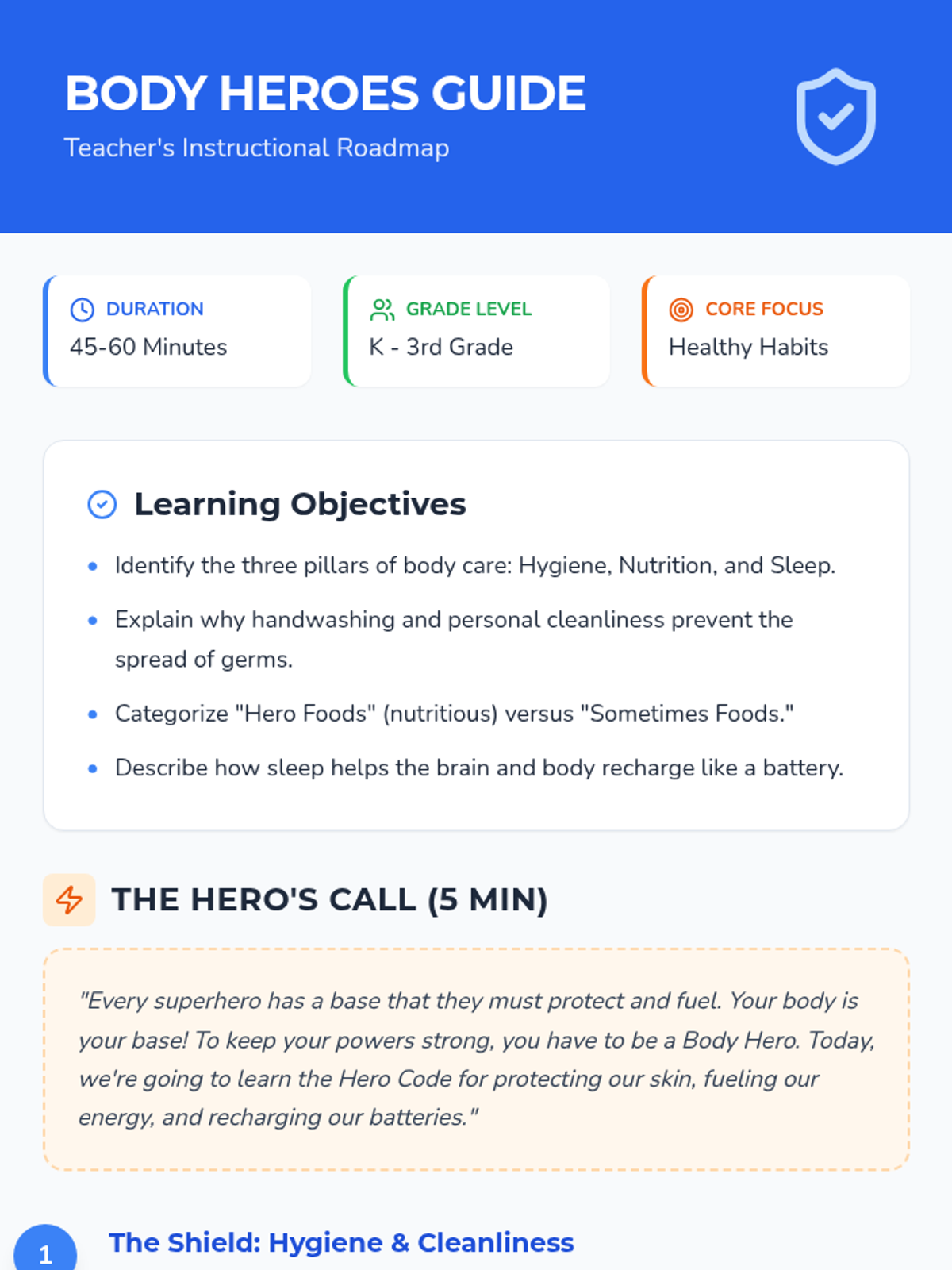
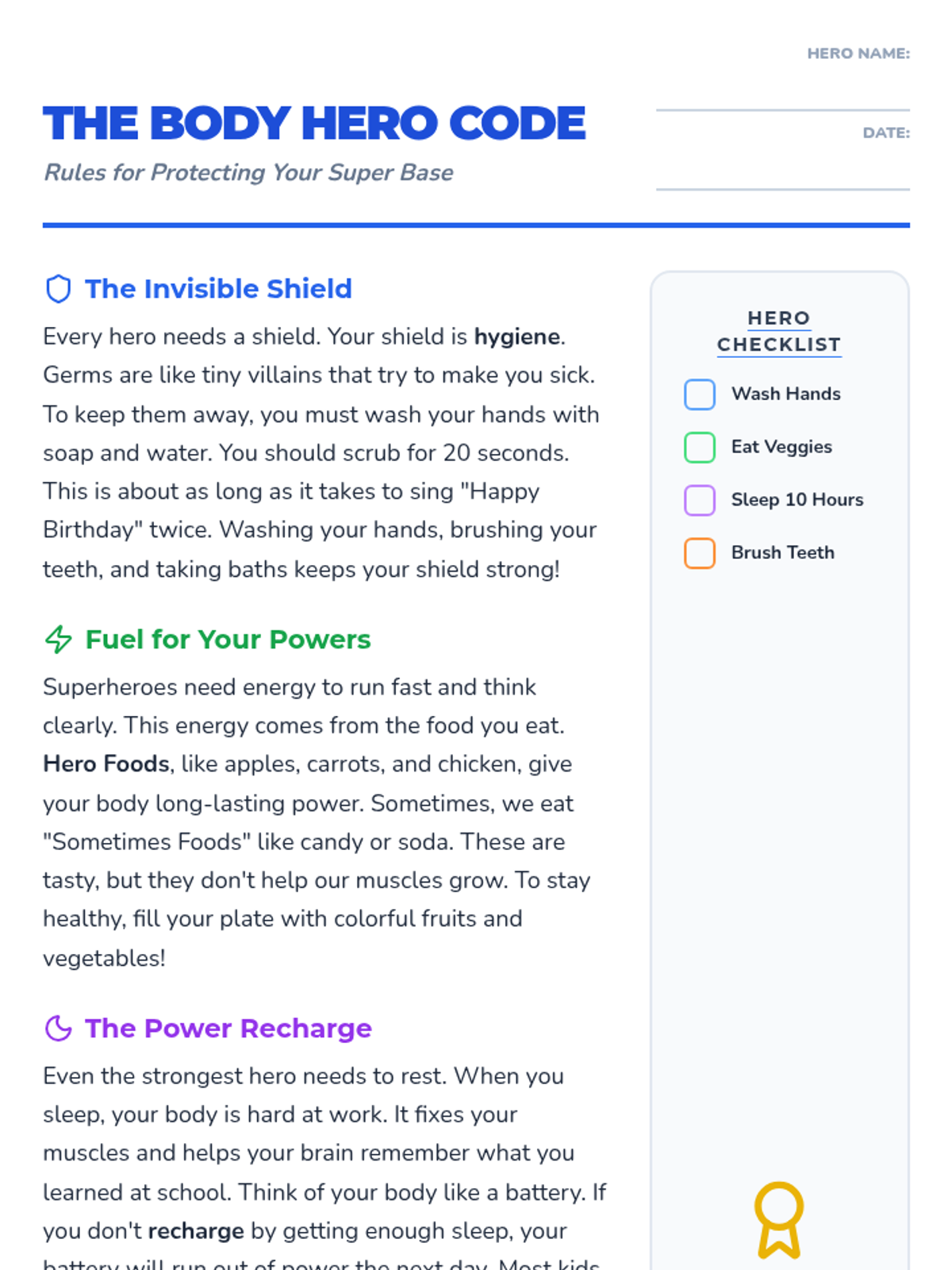
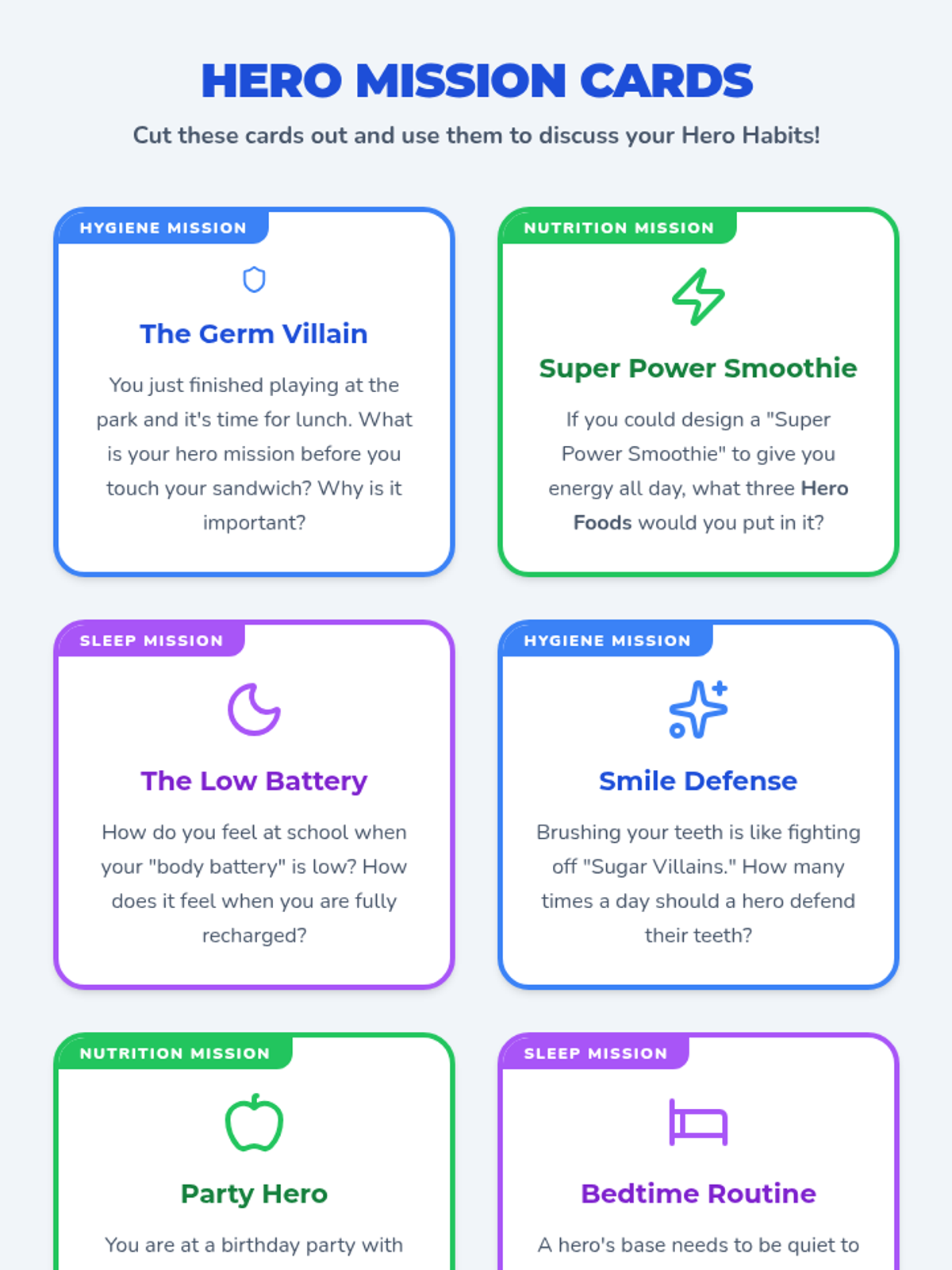
A foundational lesson on physical health focusing on hygiene, nutrition, and sleep. Students learn to view themselves as 'Body Heroes' who protect and fuel their systems through daily habits.
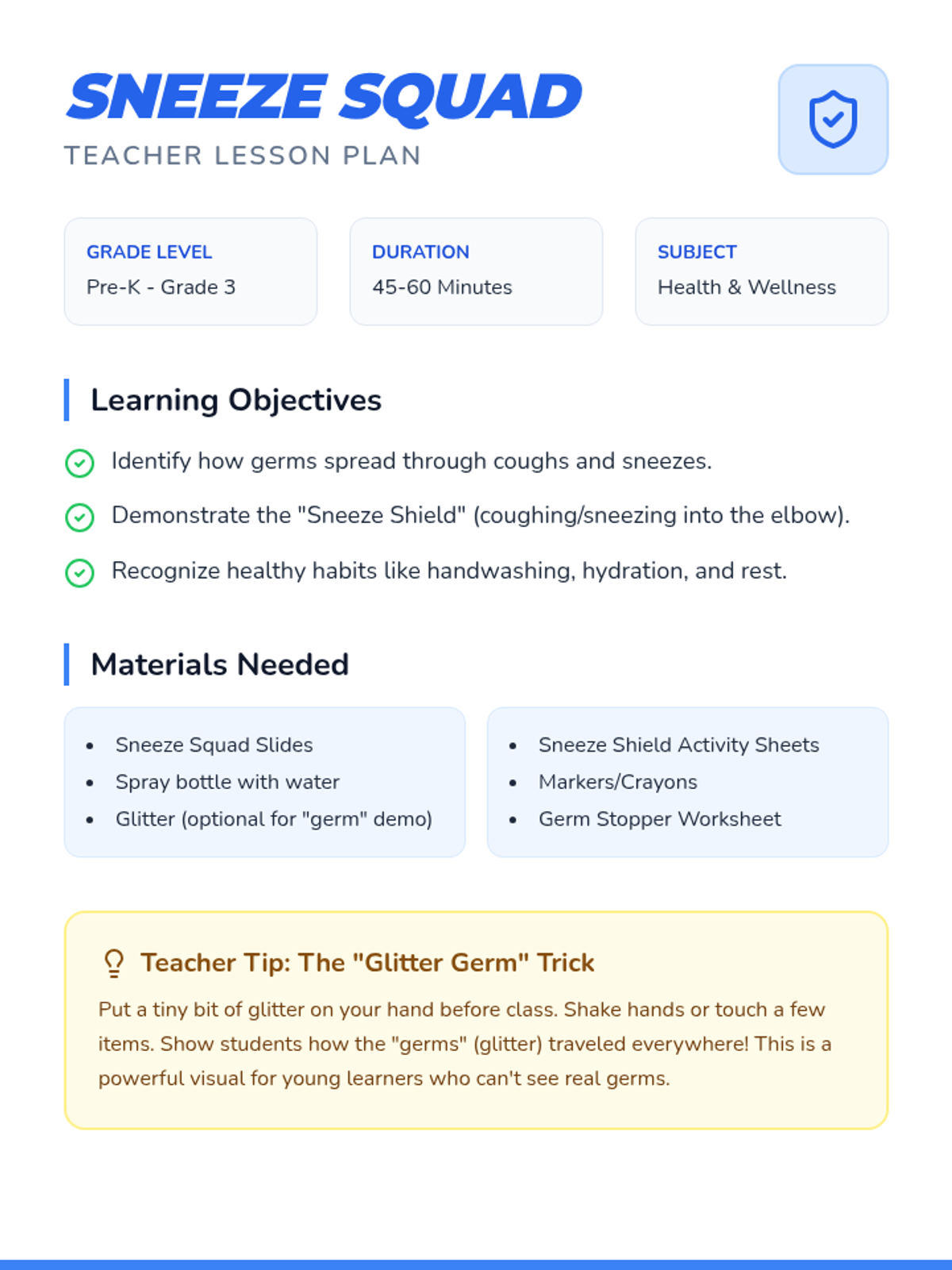
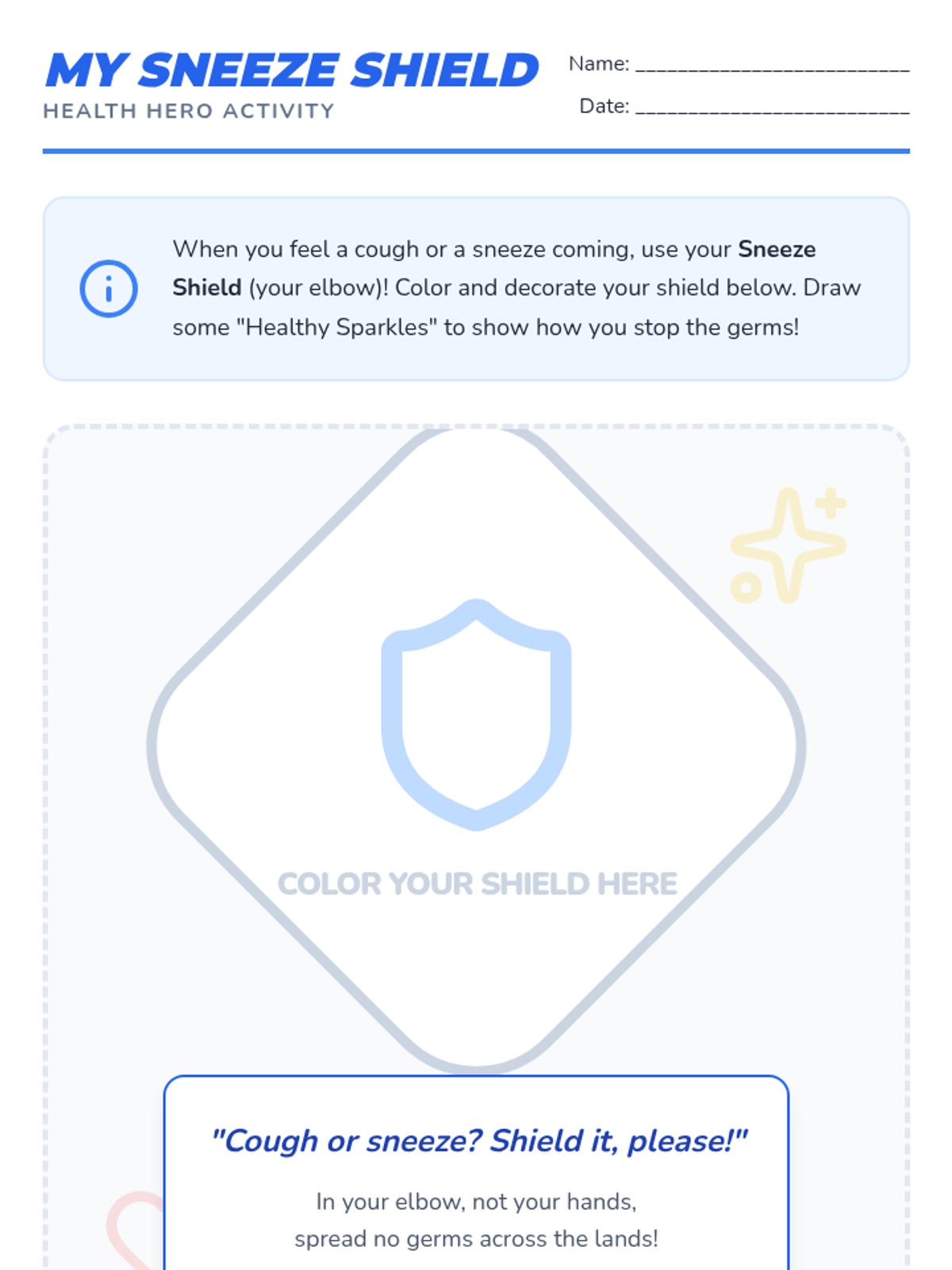
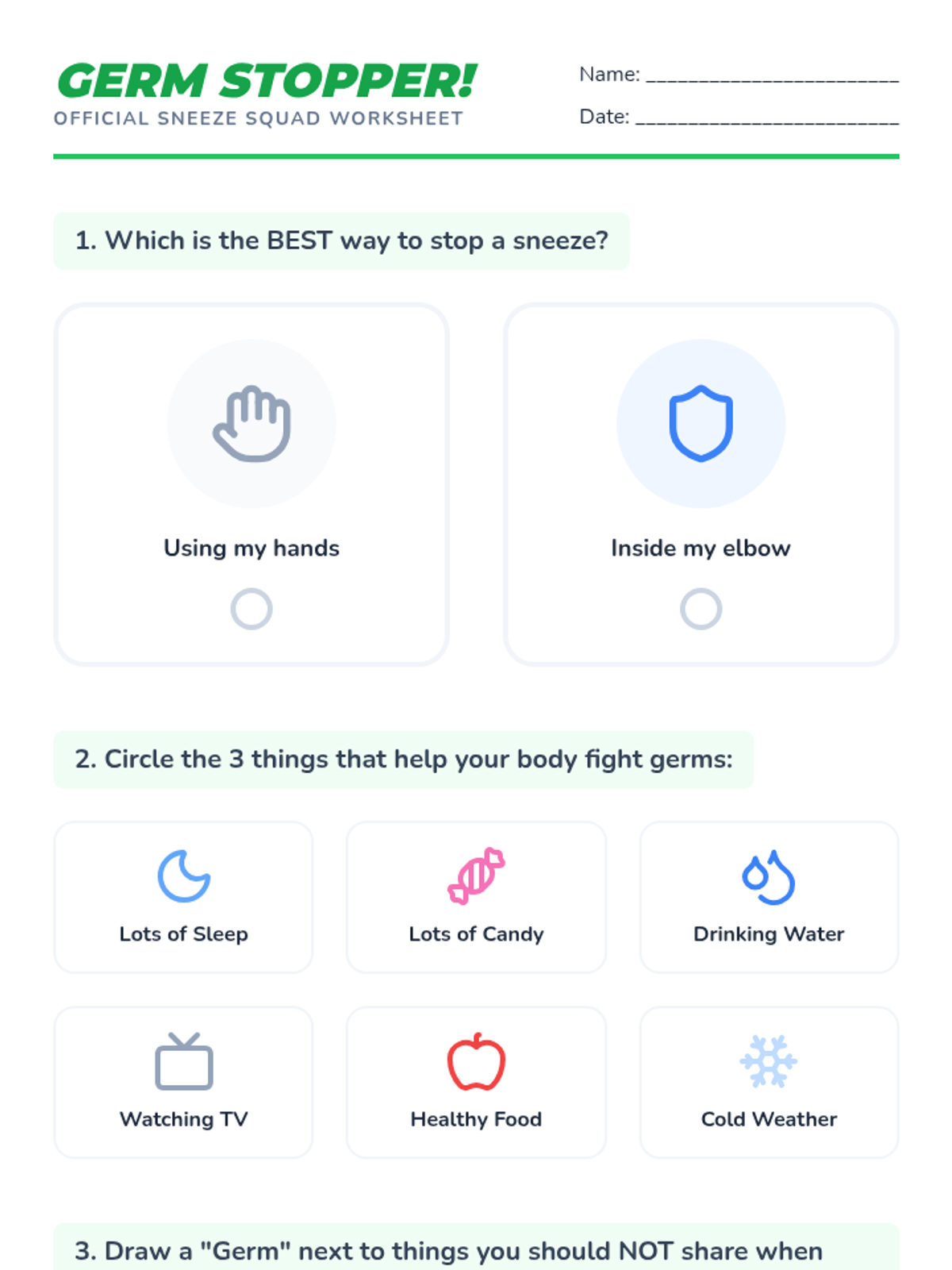
Students in Pre-K to Grade 3 learn essential cold and flu prevention strategies through the 'Sneeze Shield' technique, interactive storytelling, and germ-stopping habits.
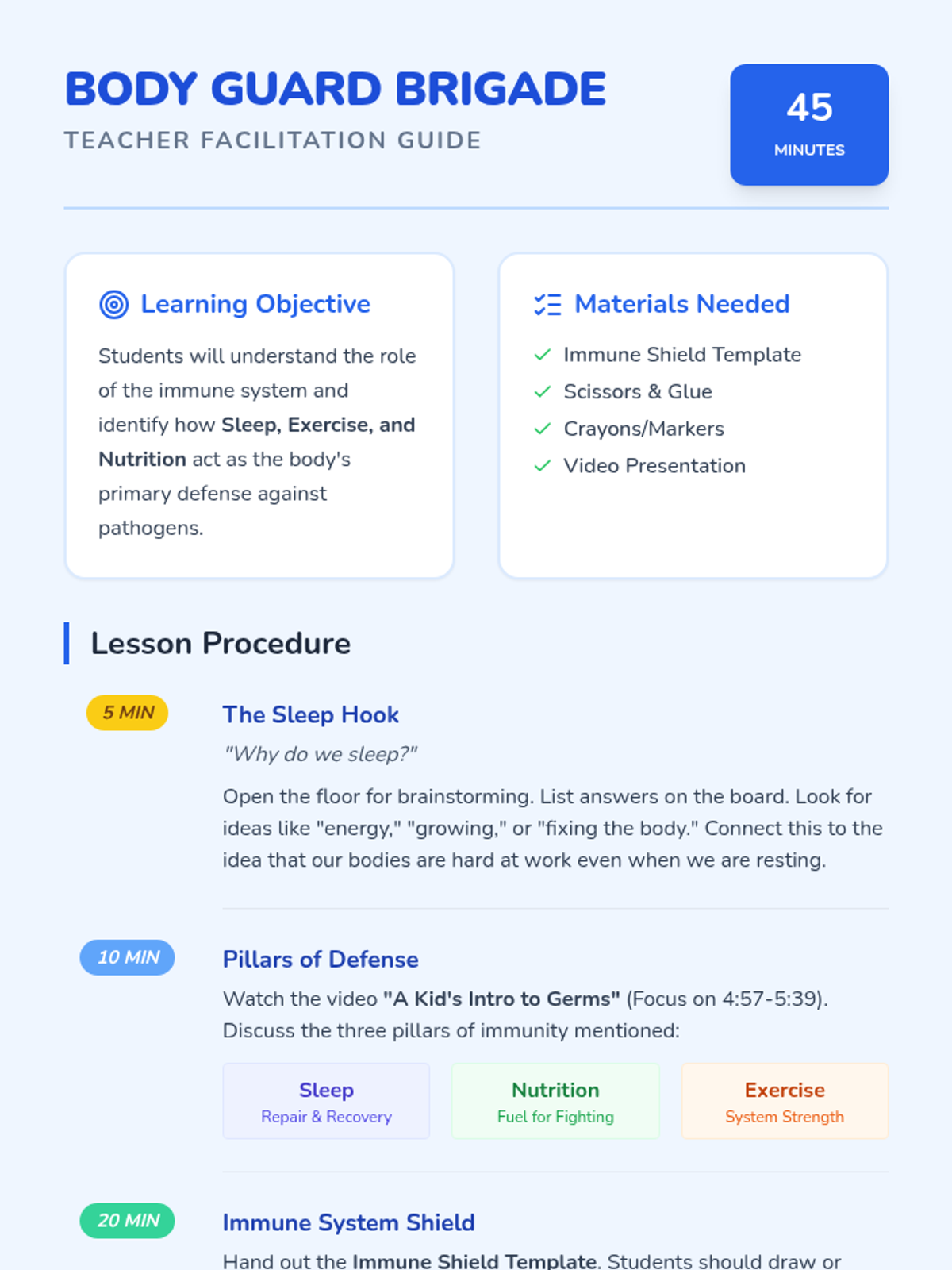
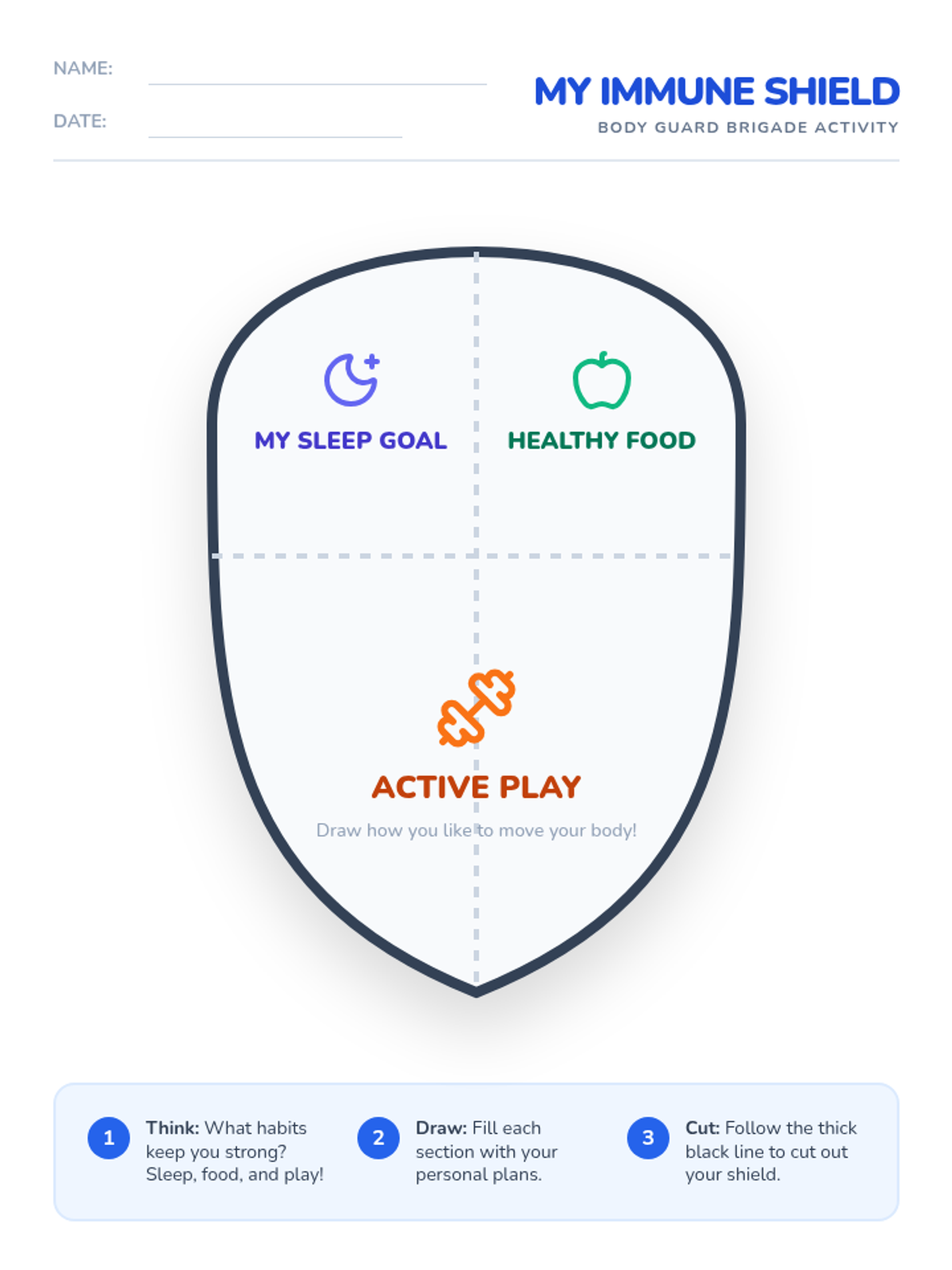
A lesson where students learn how sleep, exercise, and nutrition form an 'immune shield' to protect them from germs. Students create personal health goals and form a 'Defense Line' to share their plans.
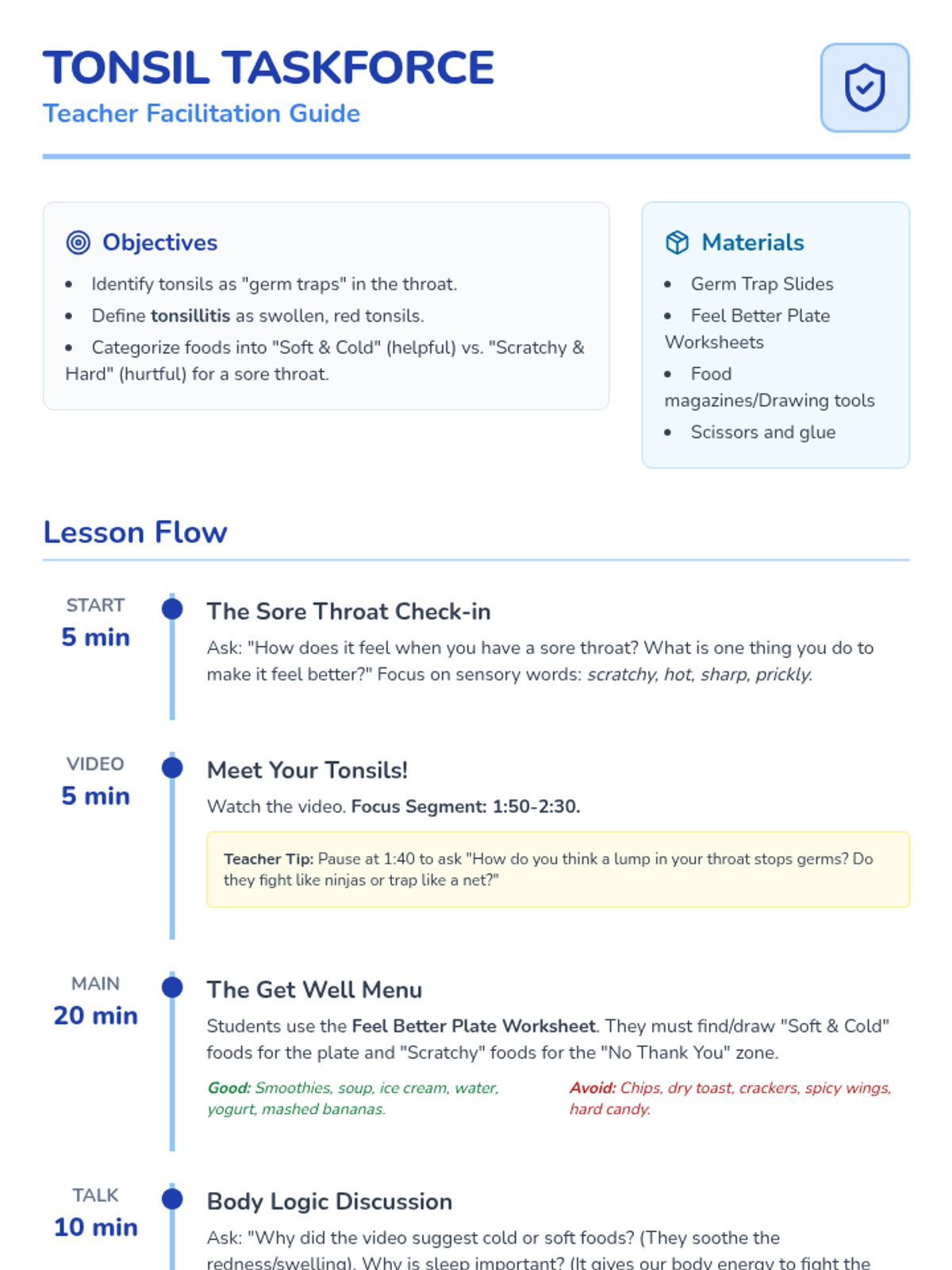
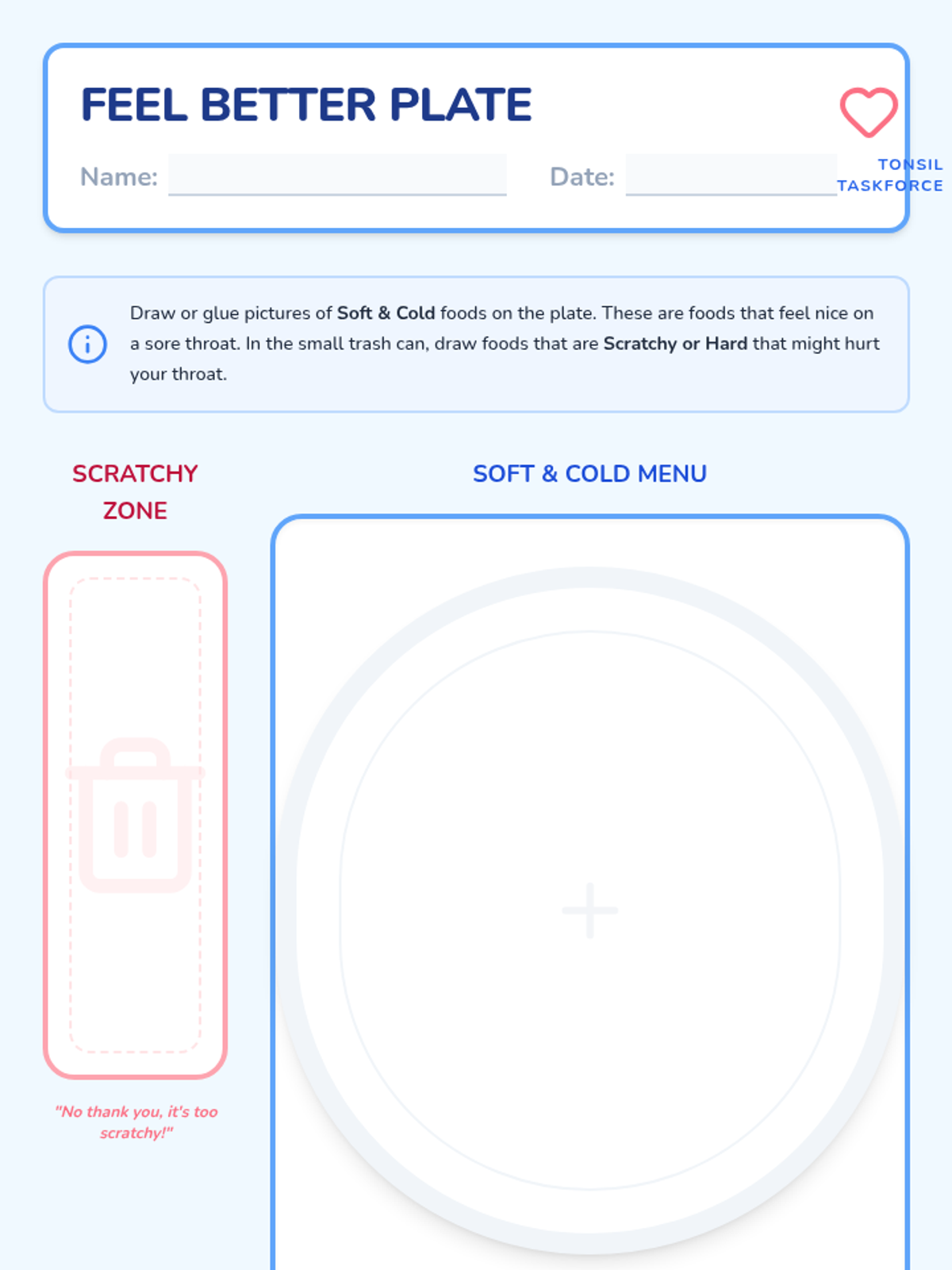
A health-focused lesson for K-3 students about how tonsils protect the body from germs and how to care for them during tonsillitis using a 'soft and cold' care plan.
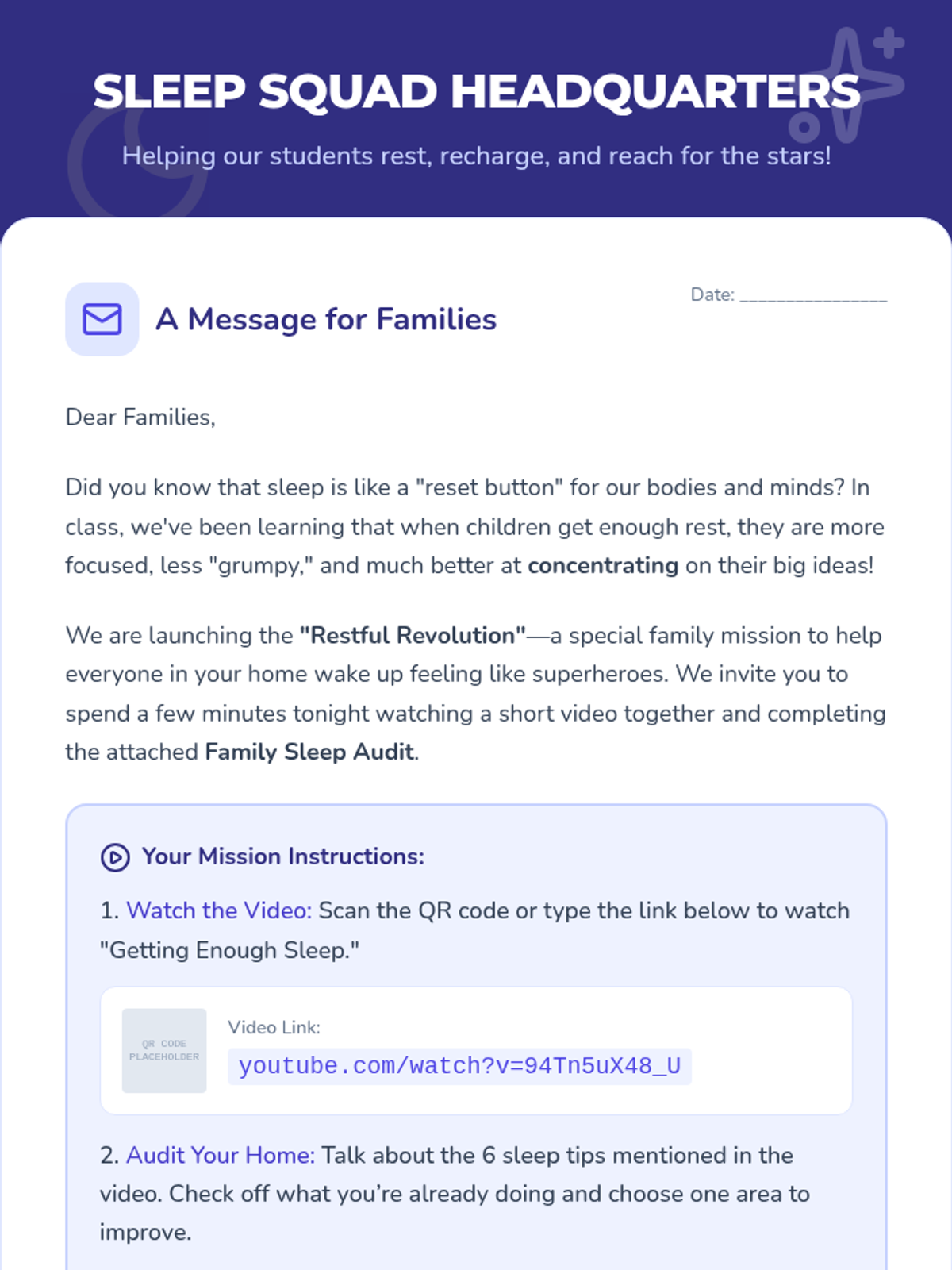
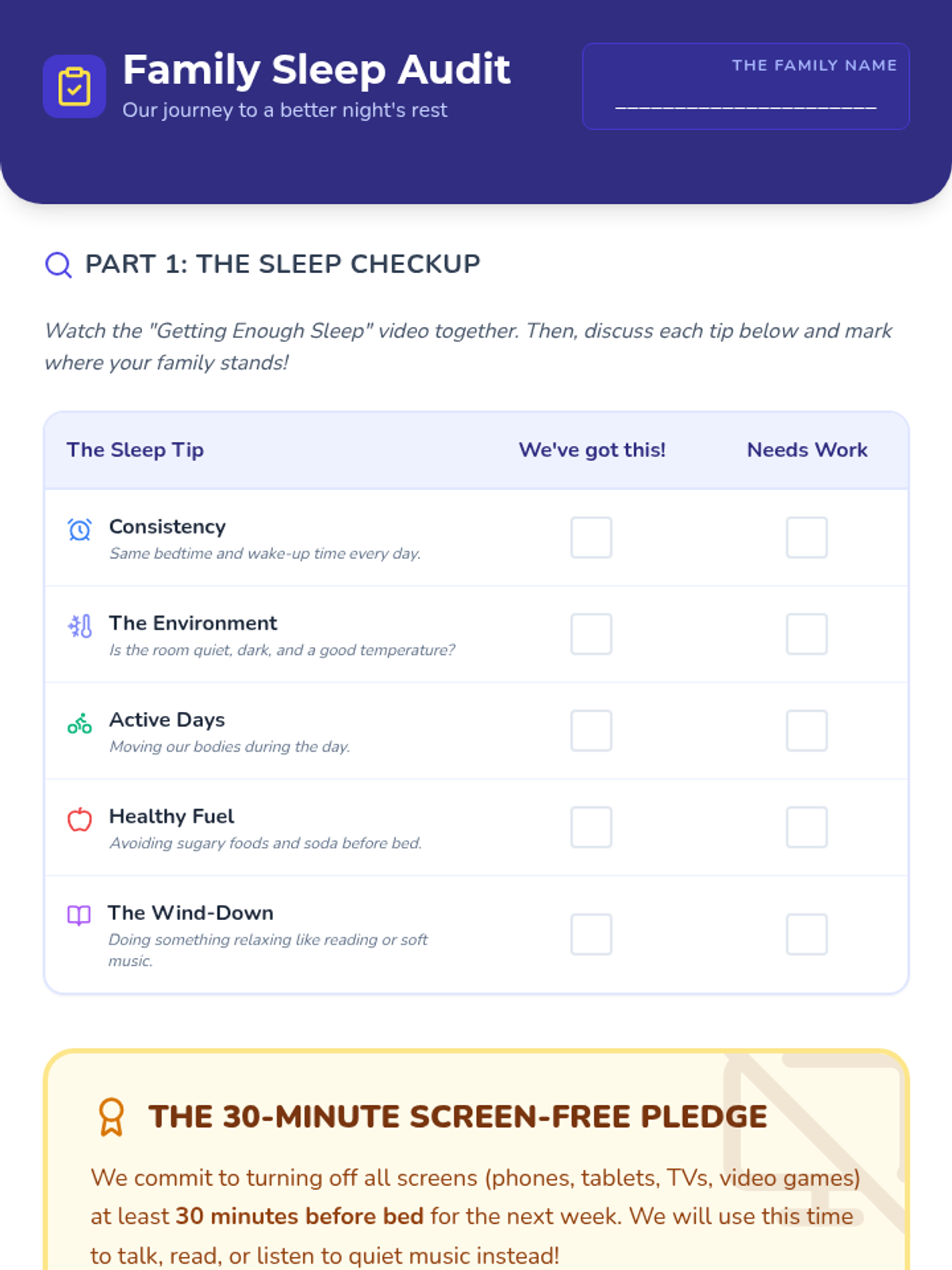
A home-connection lesson designed to help families establish healthy sleep habits through a shared video viewing, a household audit, and a screen-free commitment.
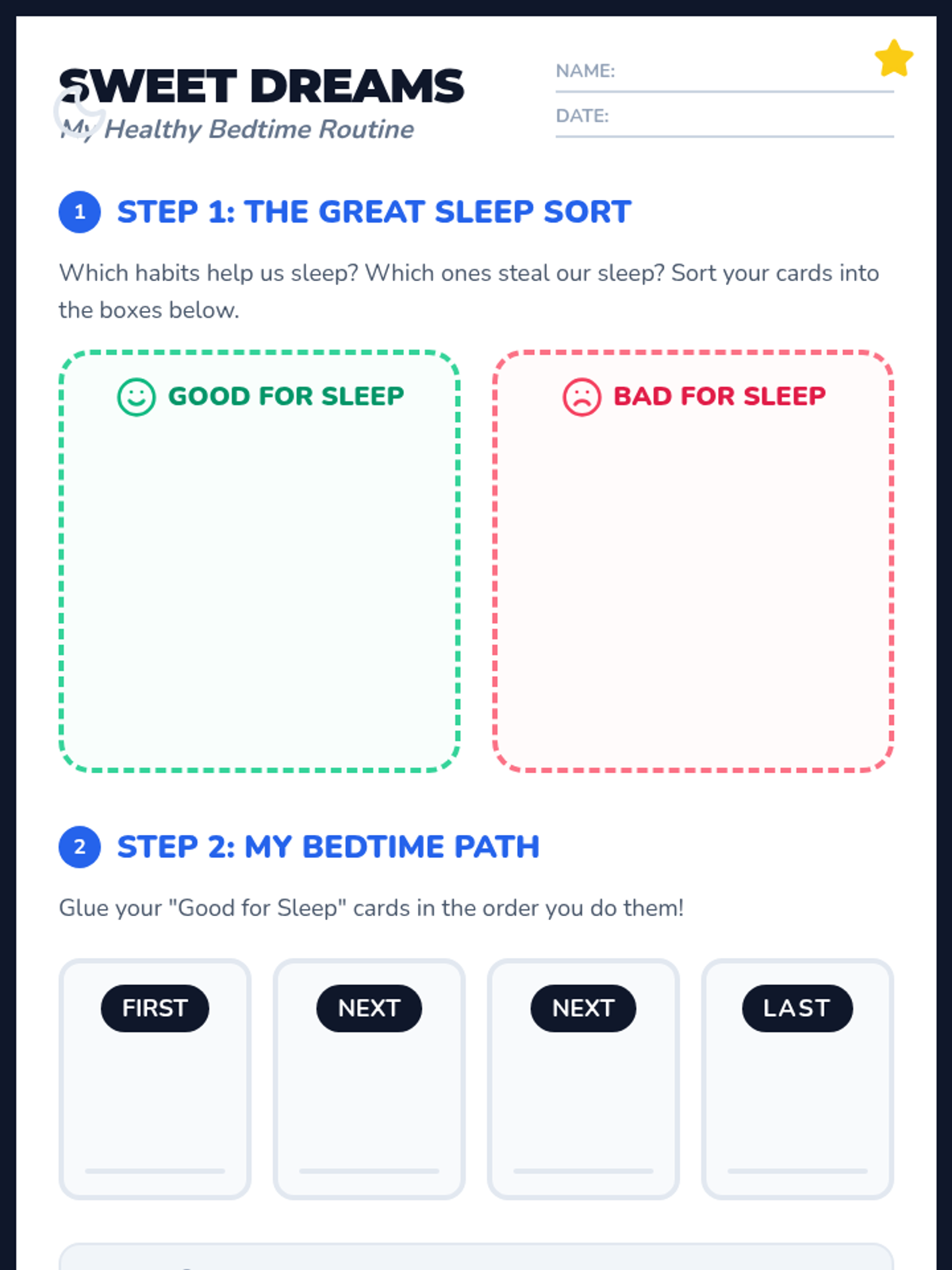
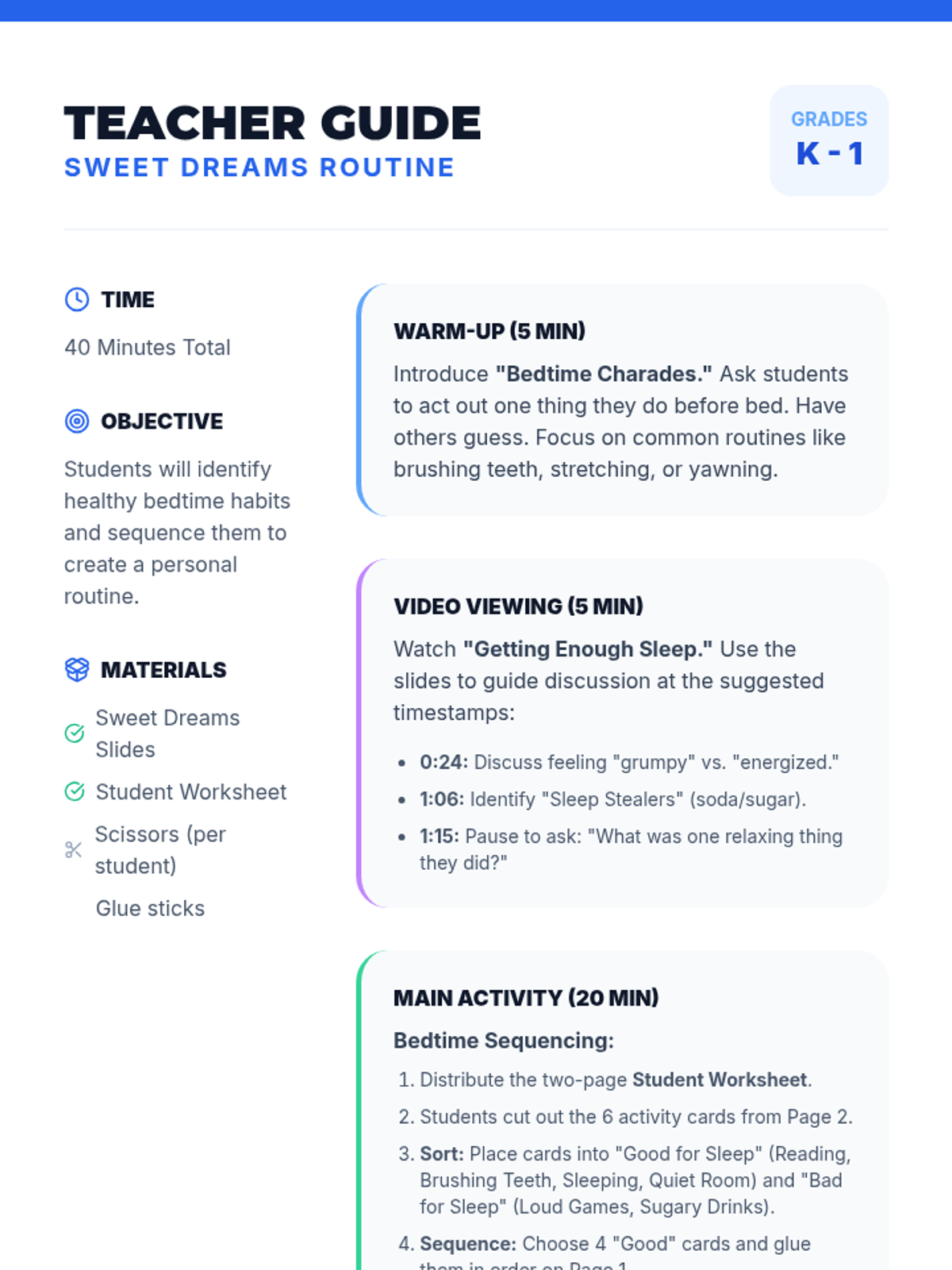
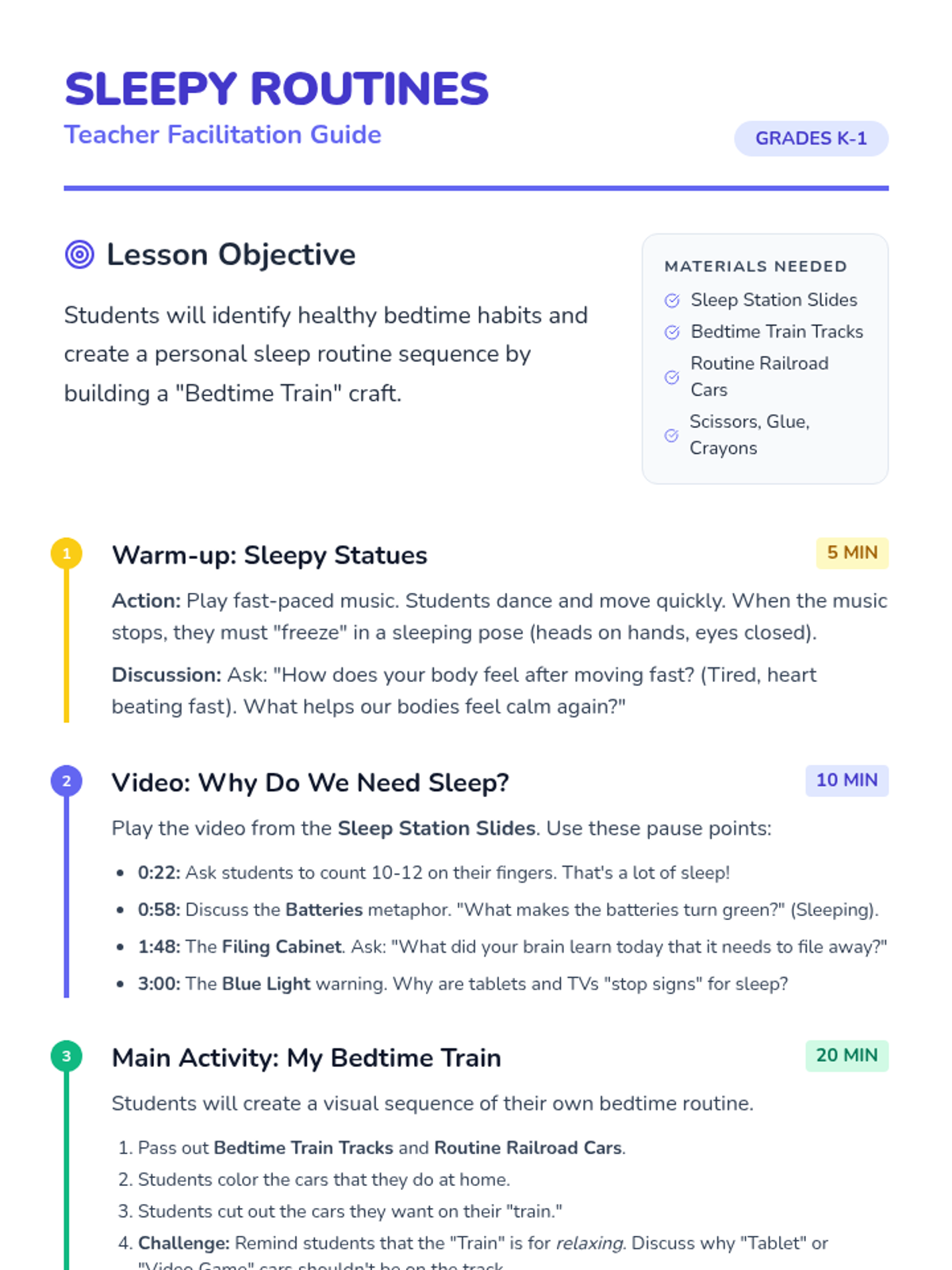
A lesson for K-1 students to identify and sequence healthy bedtime habits using a catchy video and hands-on sorting activity.
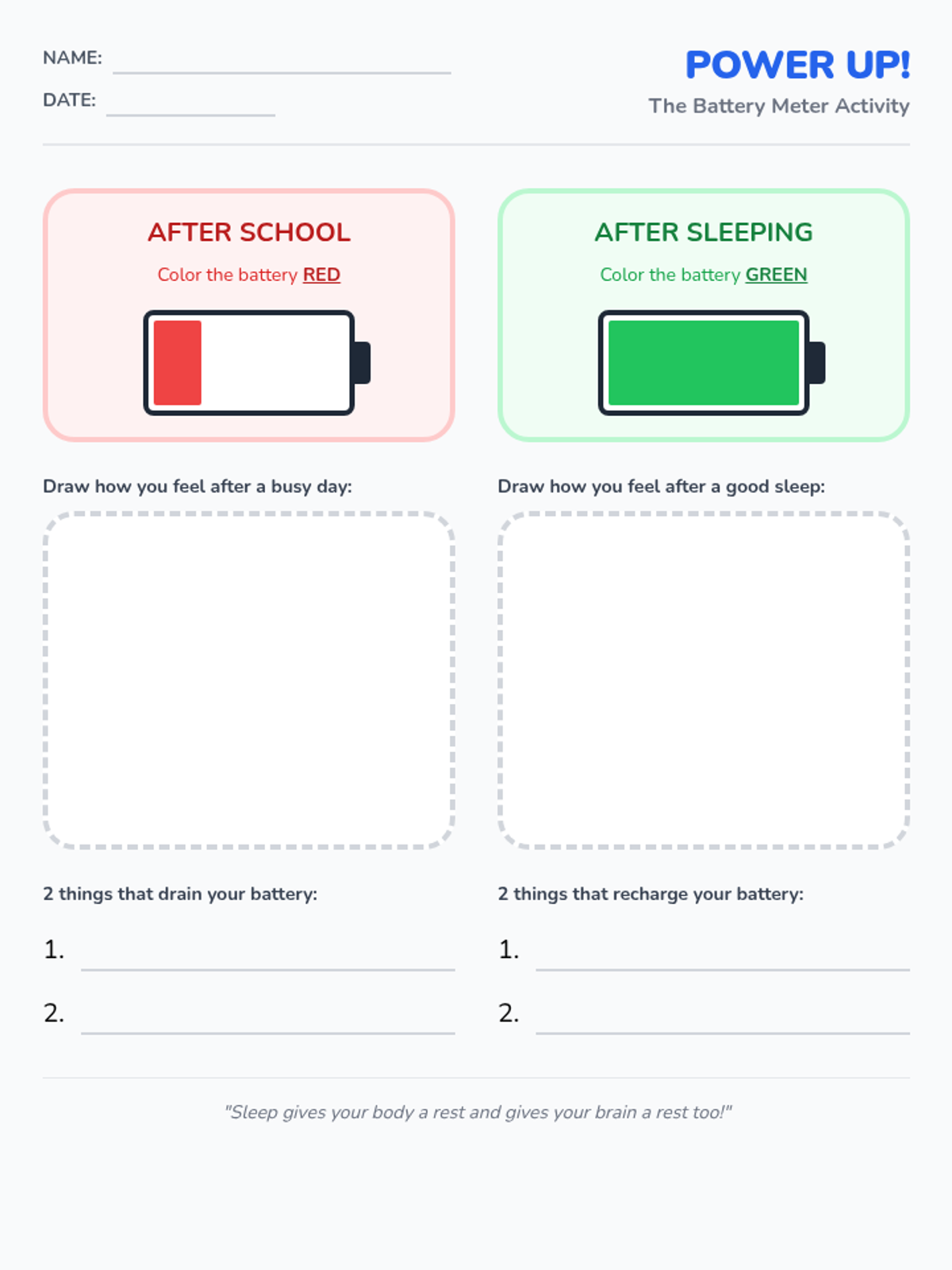
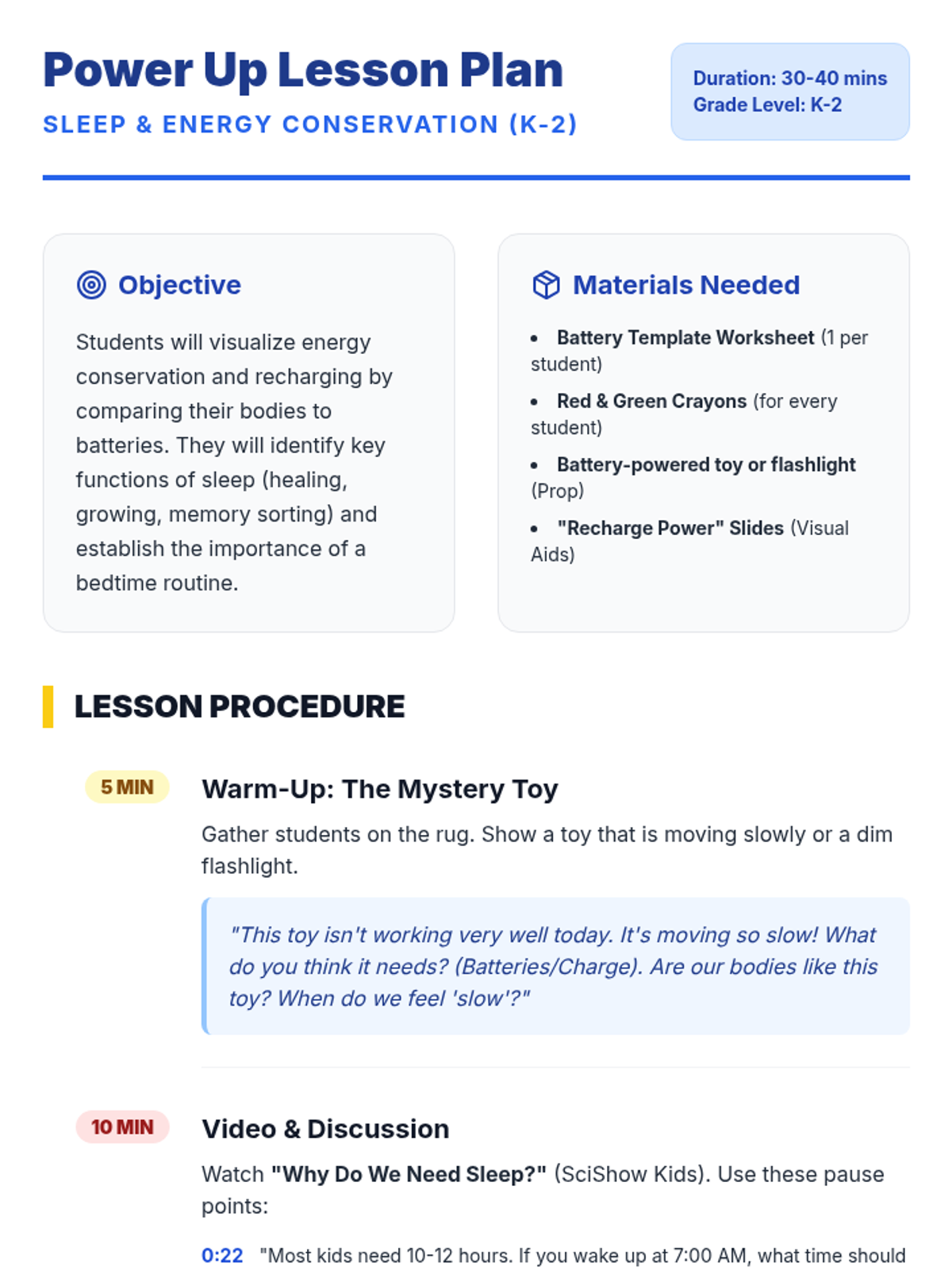
A lesson for K-2 students about the importance of sleep using the 'human battery' metaphor to explain energy conservation, growth, and brain function.
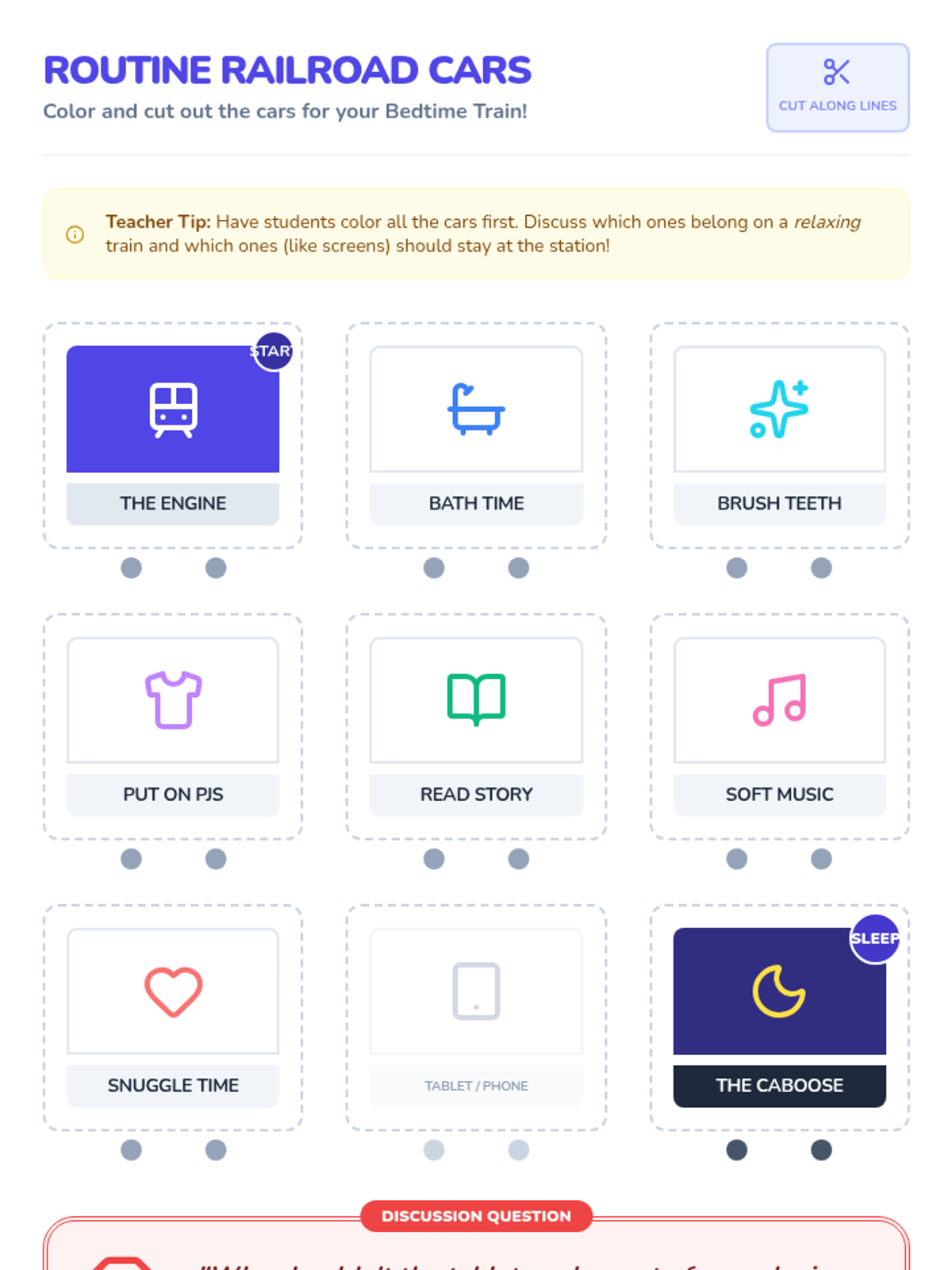
A lesson for Kindergarten and 1st-grade students to learn about the importance of sleep and create their own bedtime routines using a fun 'Bedtime Train' craft.
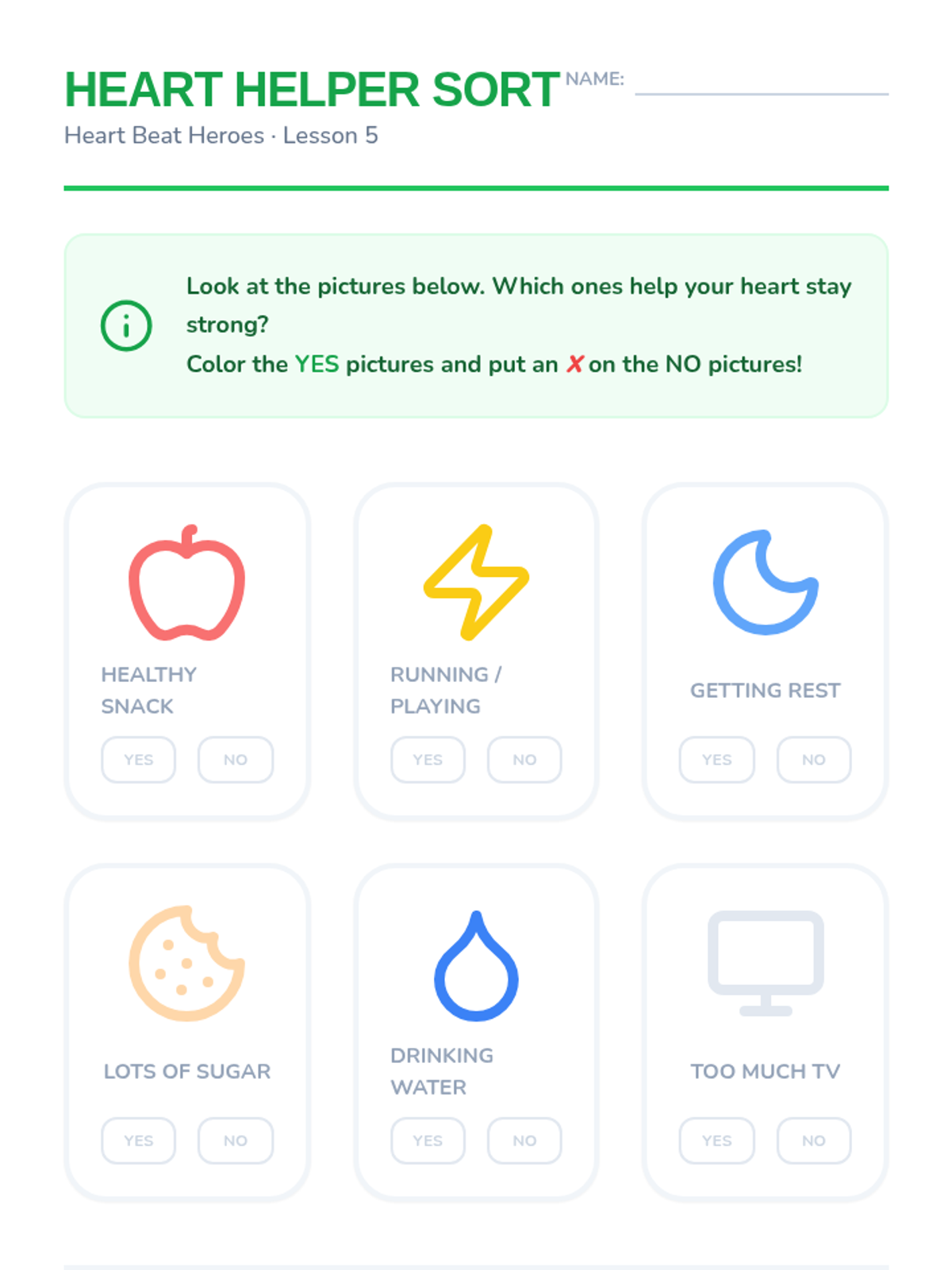
Categorizing activities and foods that keep the heart muscle strong and healthy.
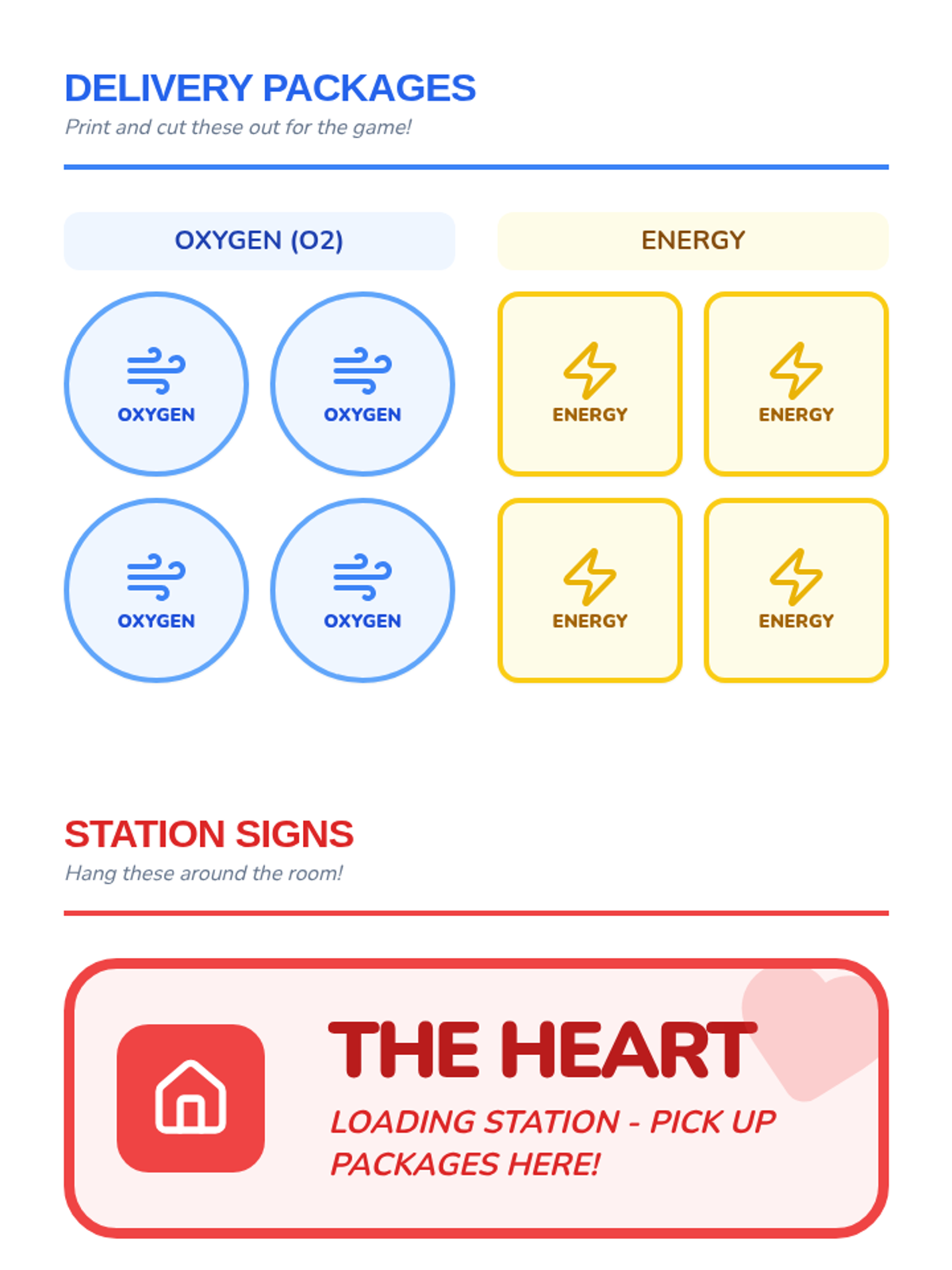
A role-playing game where students act as blood cells delivering 'packages' to the rest of the body.
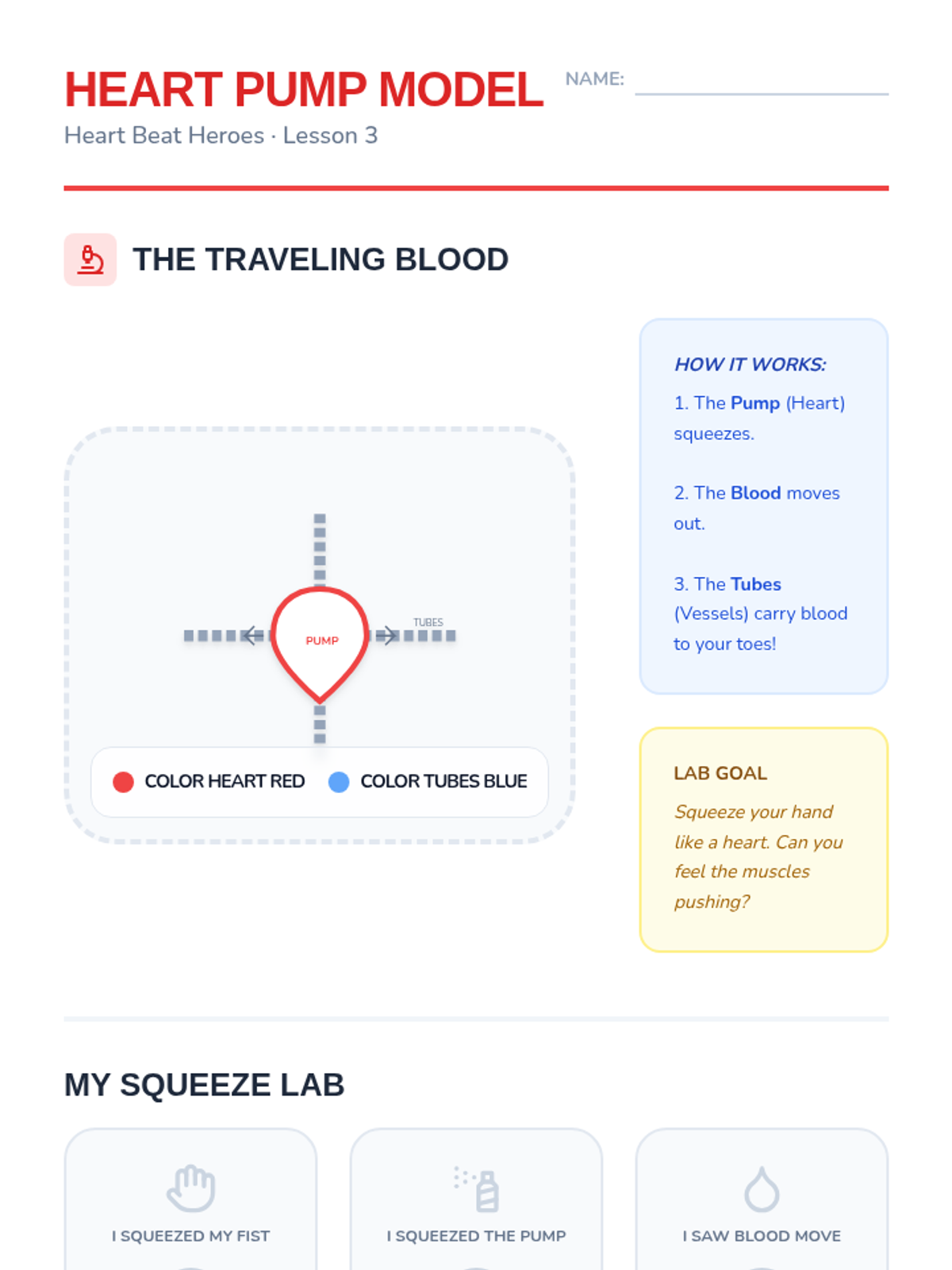
Observing how the heart acts as a pump using analogies and a simple water model.
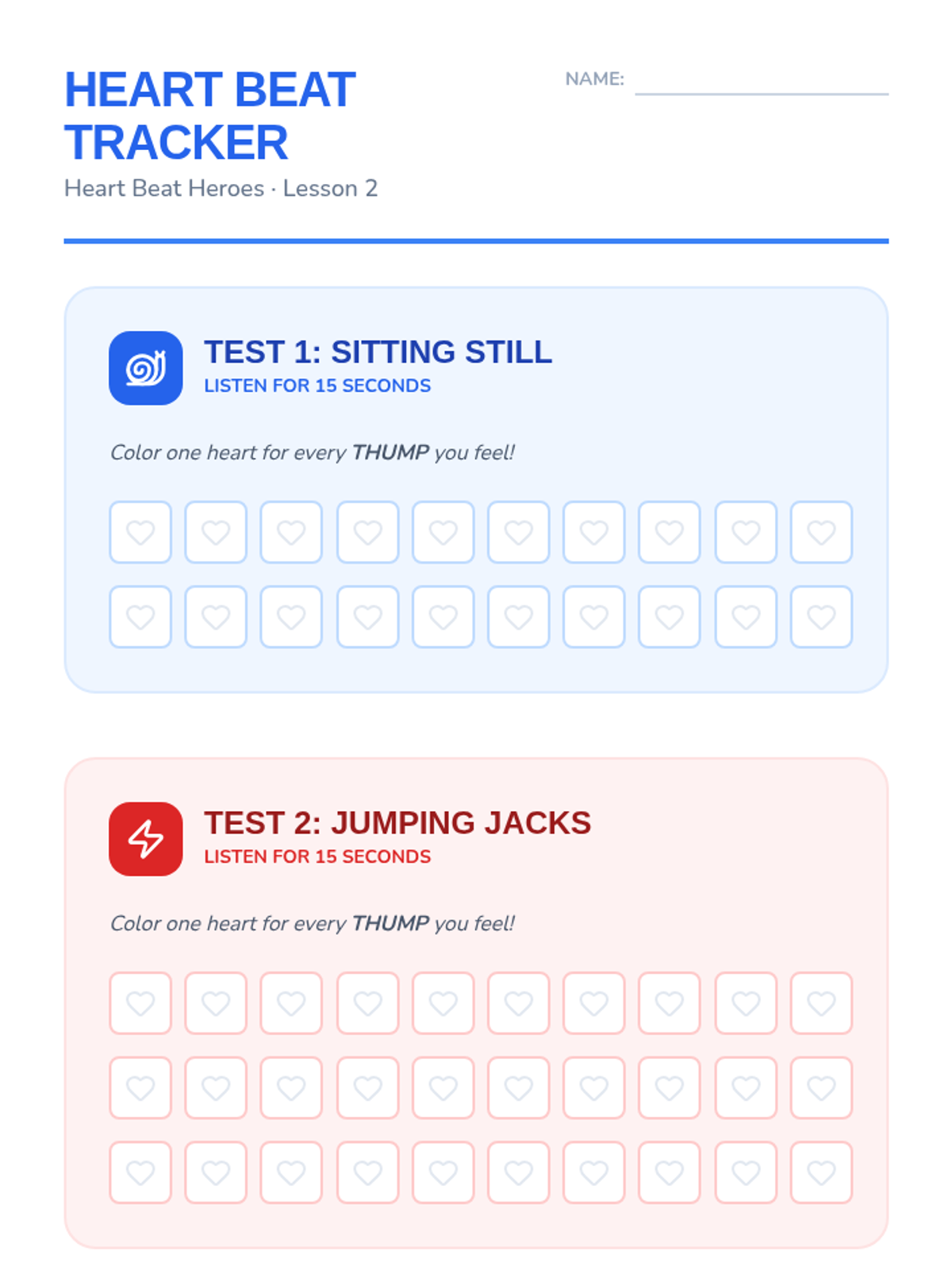
An experiment comparing resting heart rate to active heart rate using simple data collection.
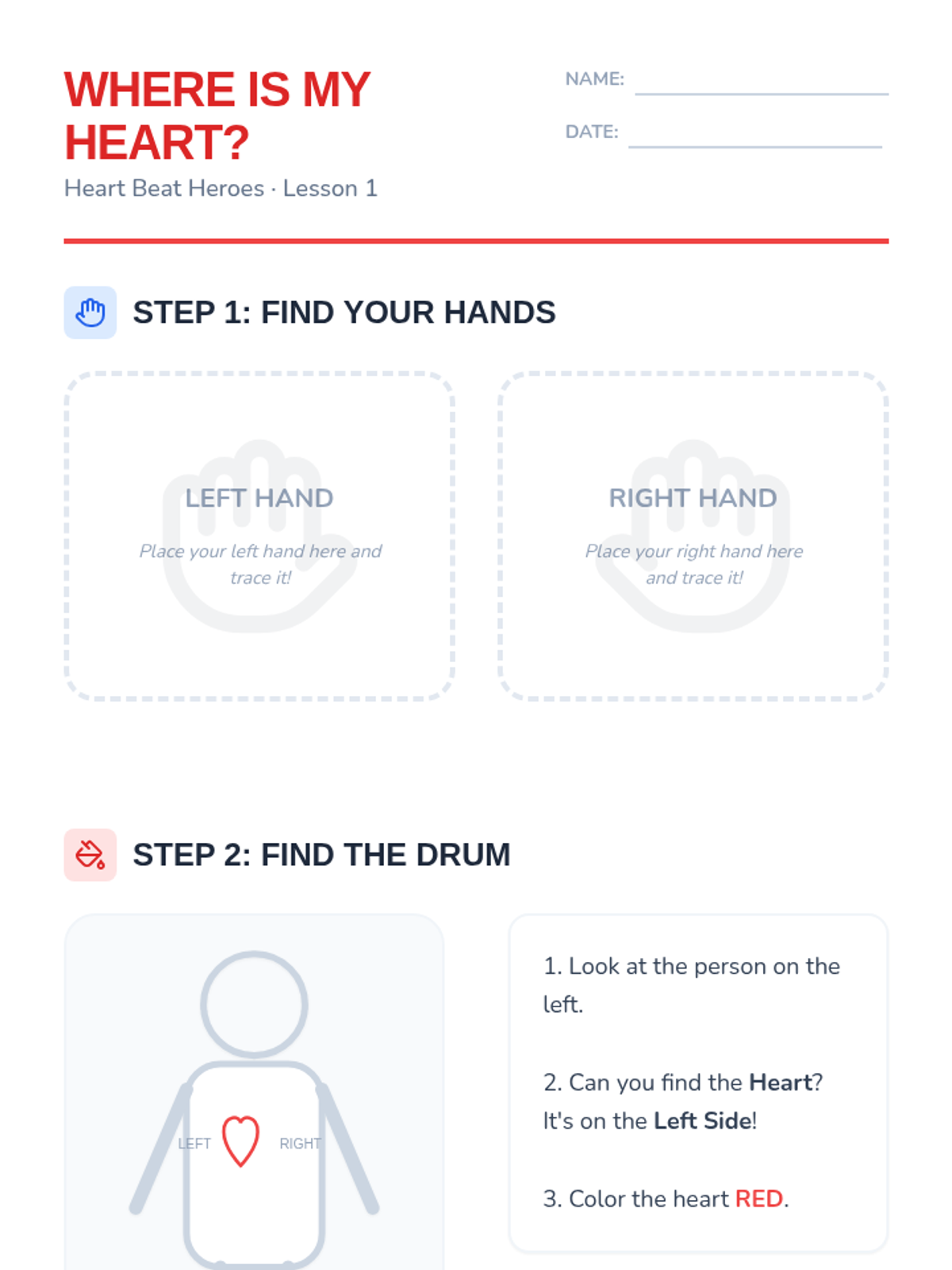
Students discover the location and rhythm of their heart through listening and body awareness activities.
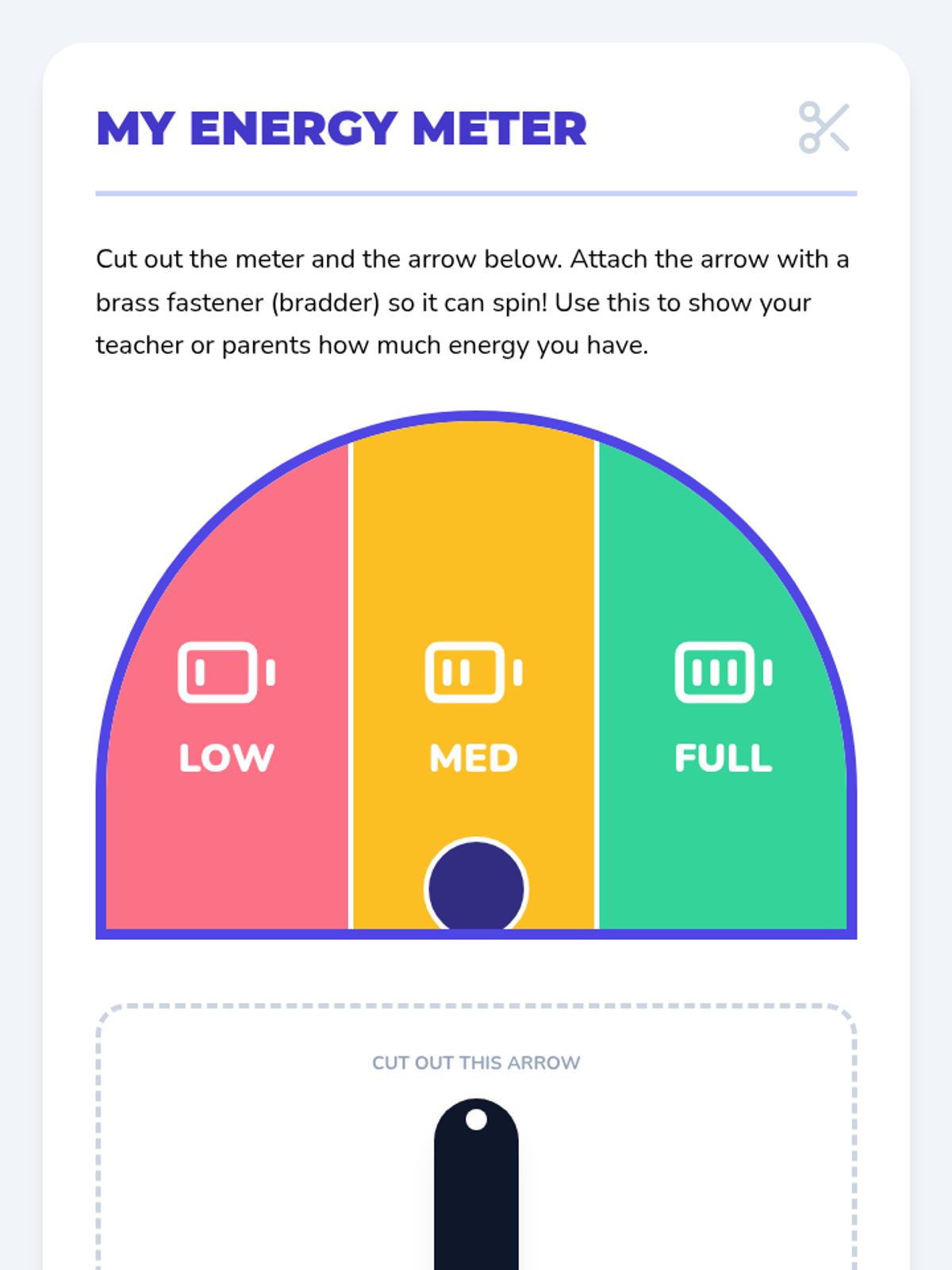
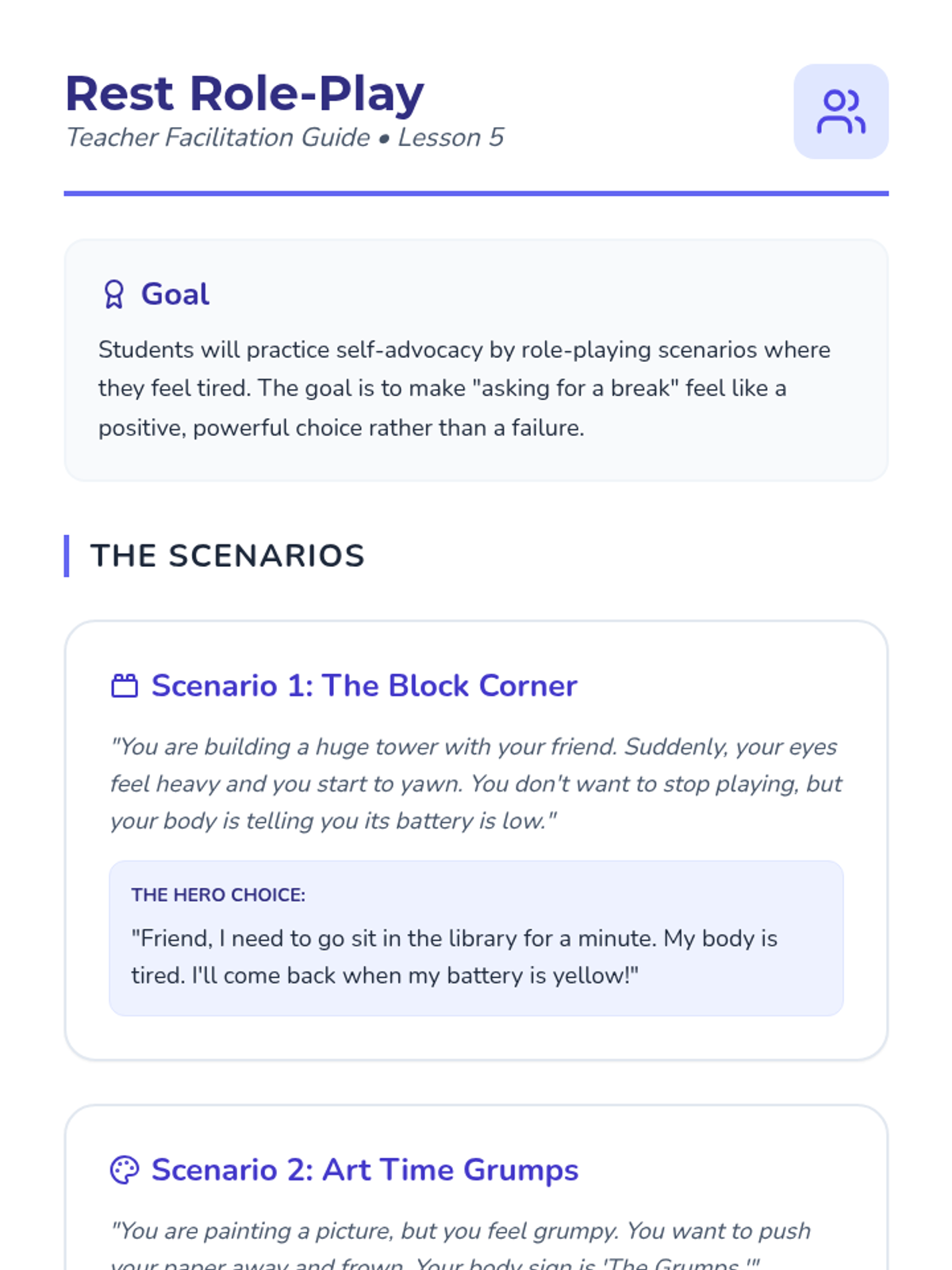
Students practice responding to tiredness by finding quiet spots or asking for breaks, using 'Energy Meters' to self-advocate for rest.
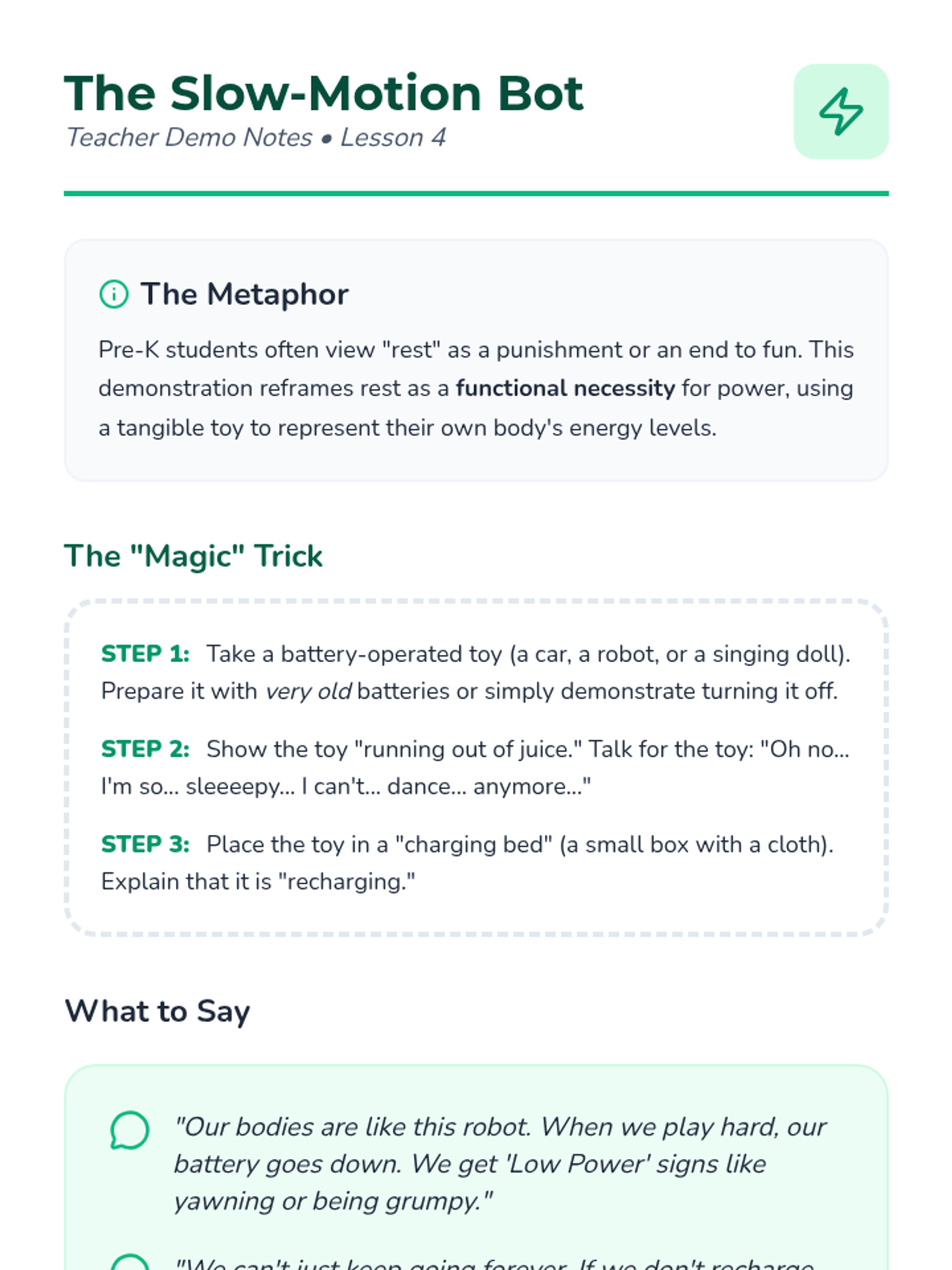
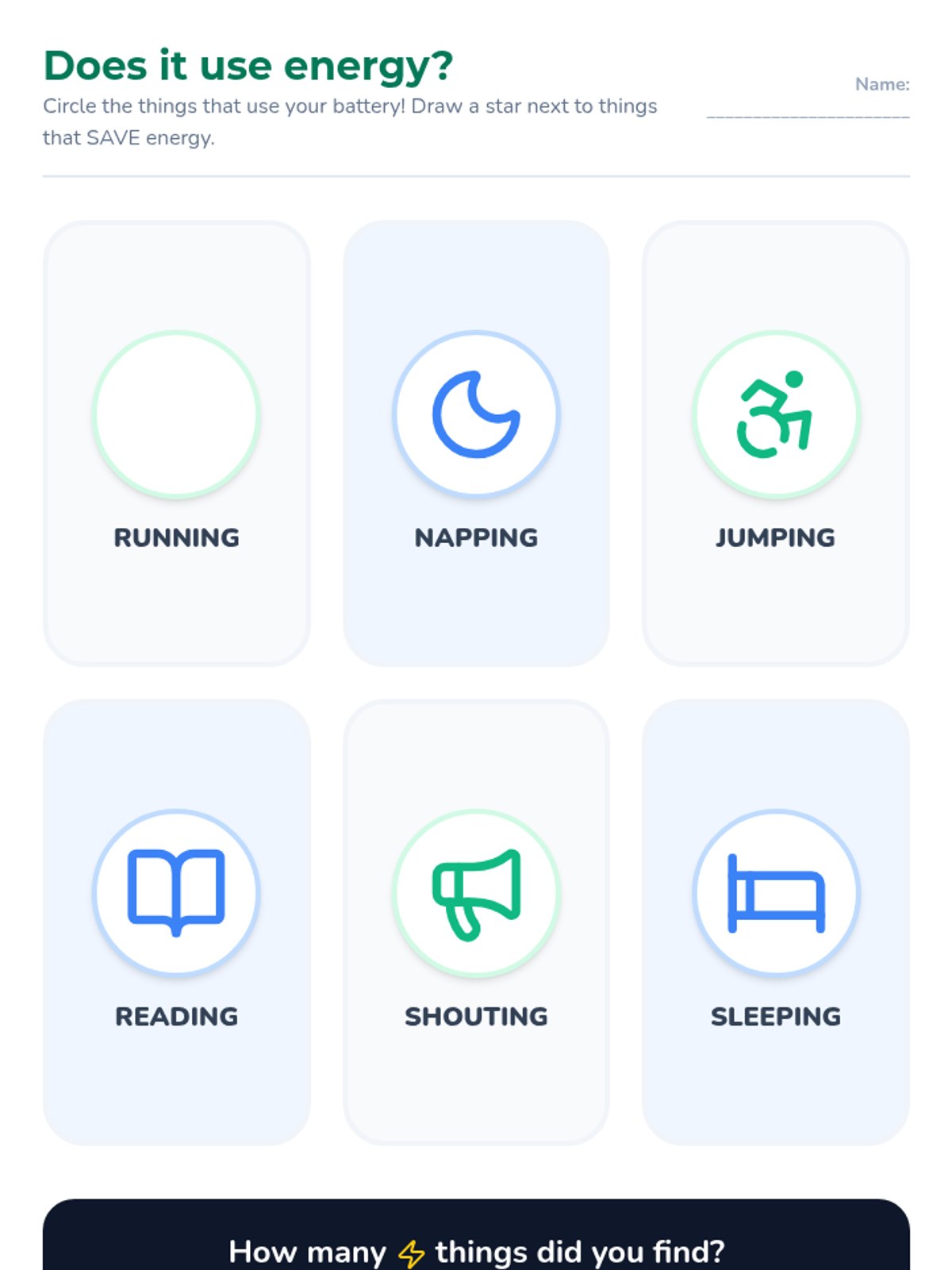
Using a battery metaphor, students learn why sleep is necessary for energy and sort activities into those that use energy and those that save it.
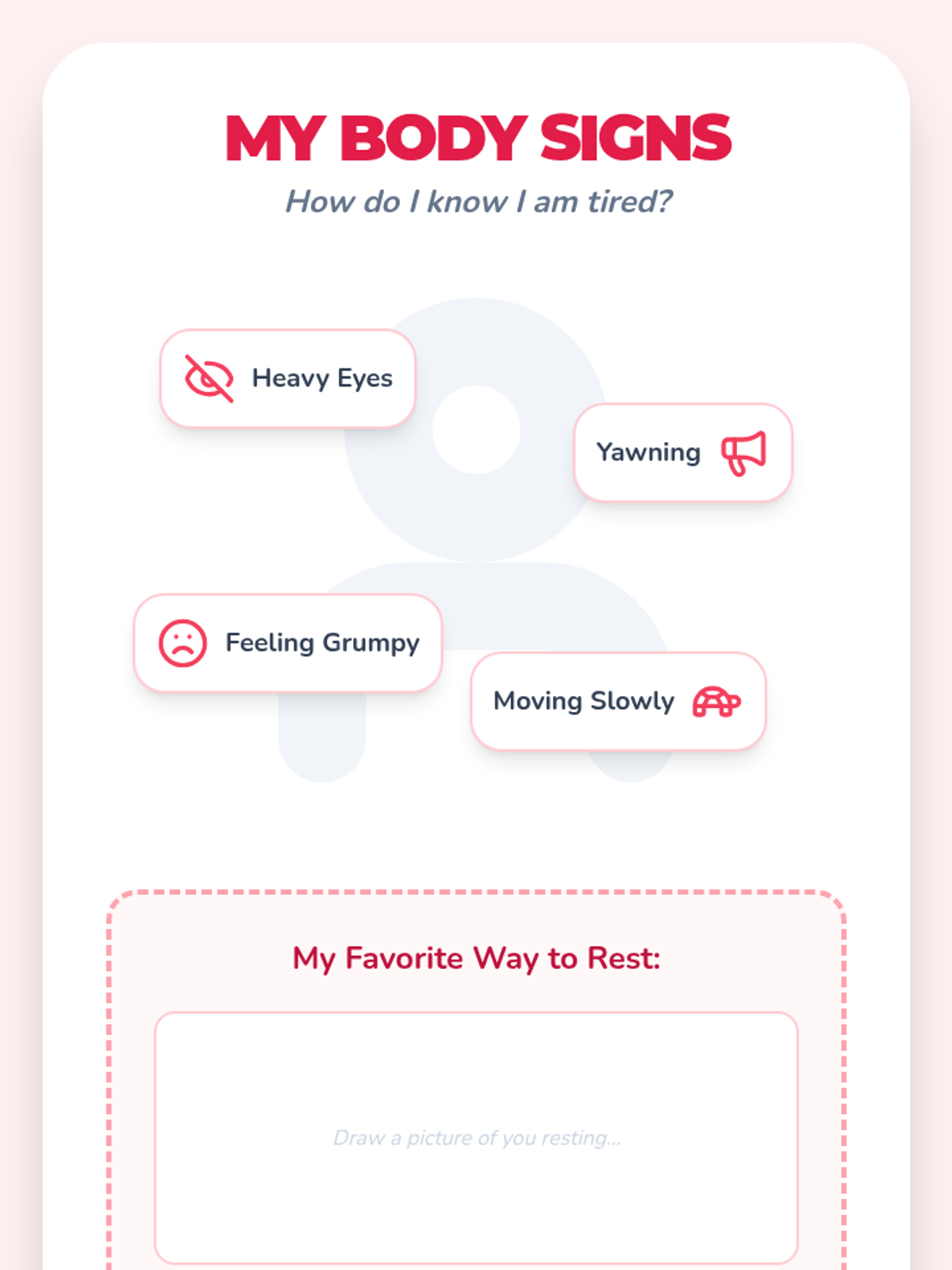
Students identify physical cues of tiredness like yawning and heavy eyelids through active play and a 'Statue Game' check-in.
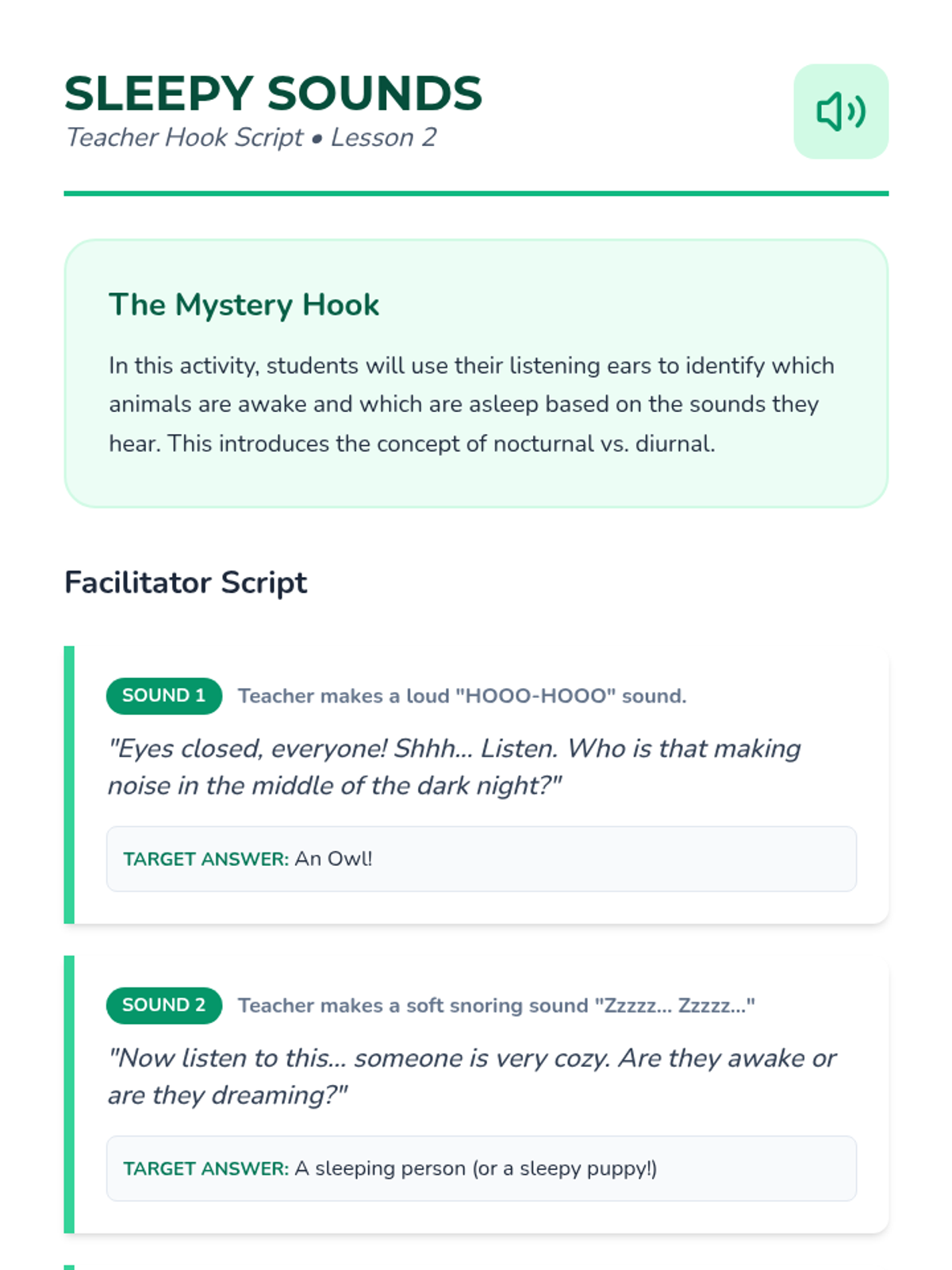
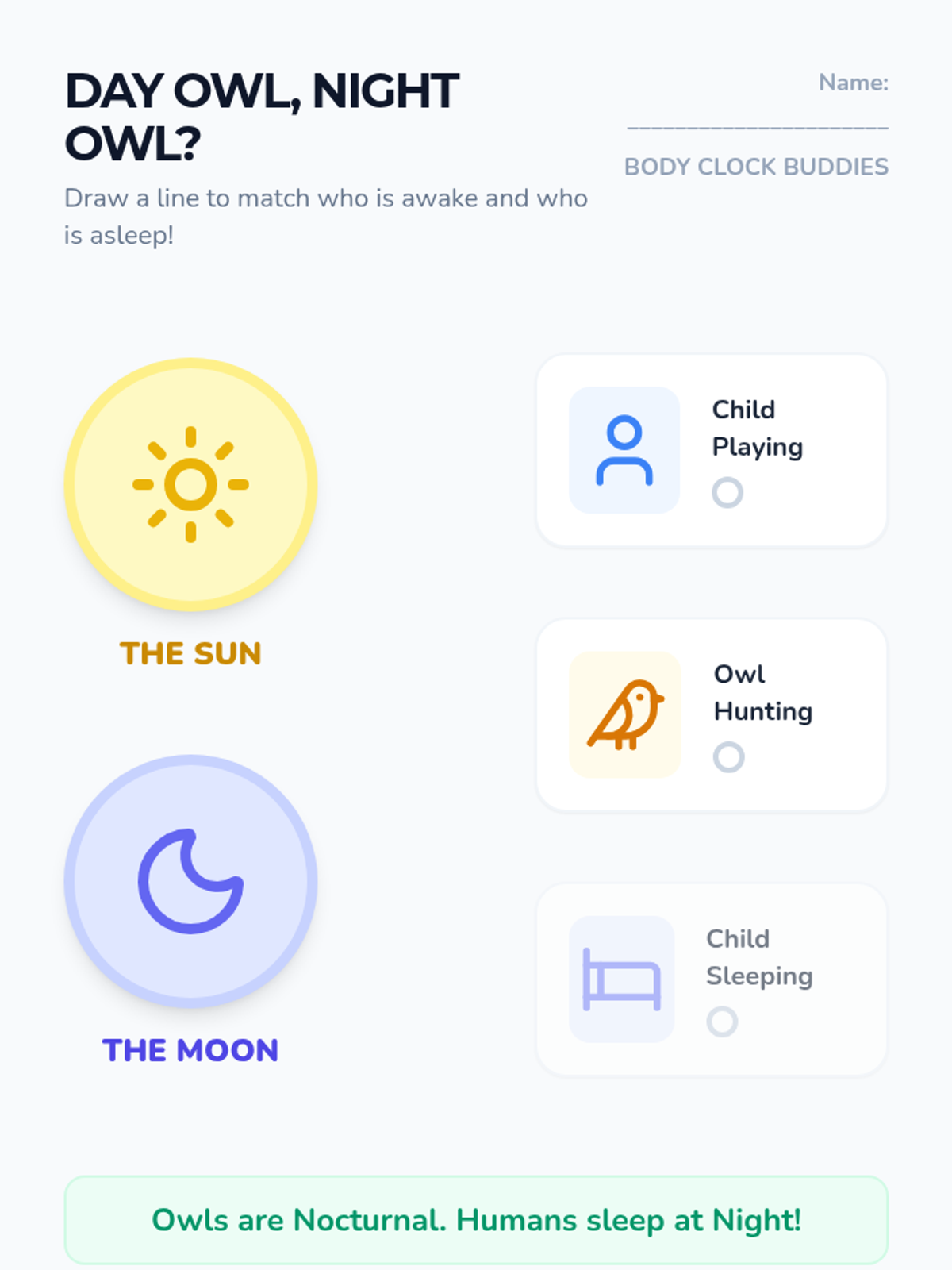
Using comparisons between nocturnal animals like owls and diurnal humans, students learn that people are biologically designed to sleep when it is dark.
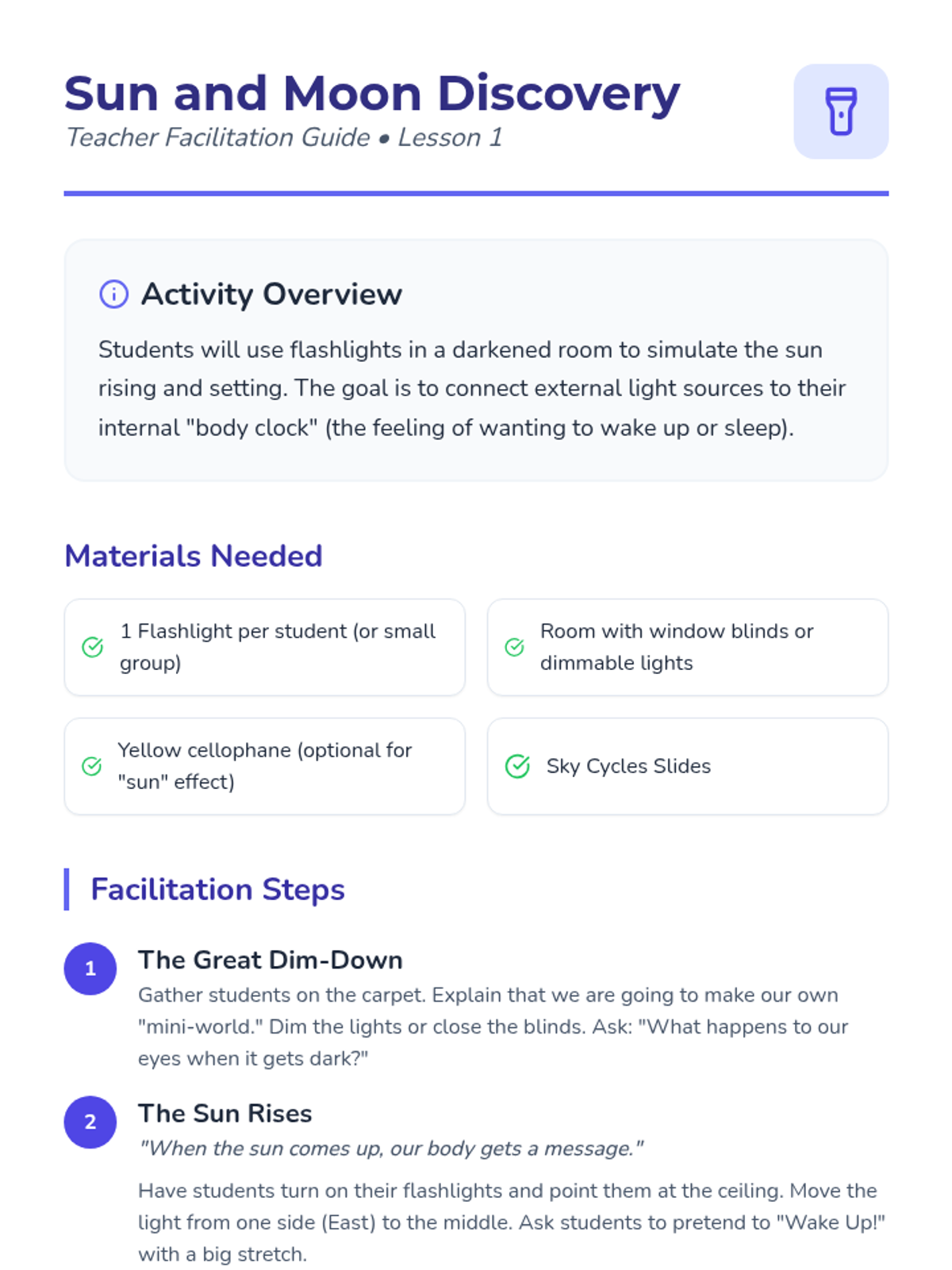
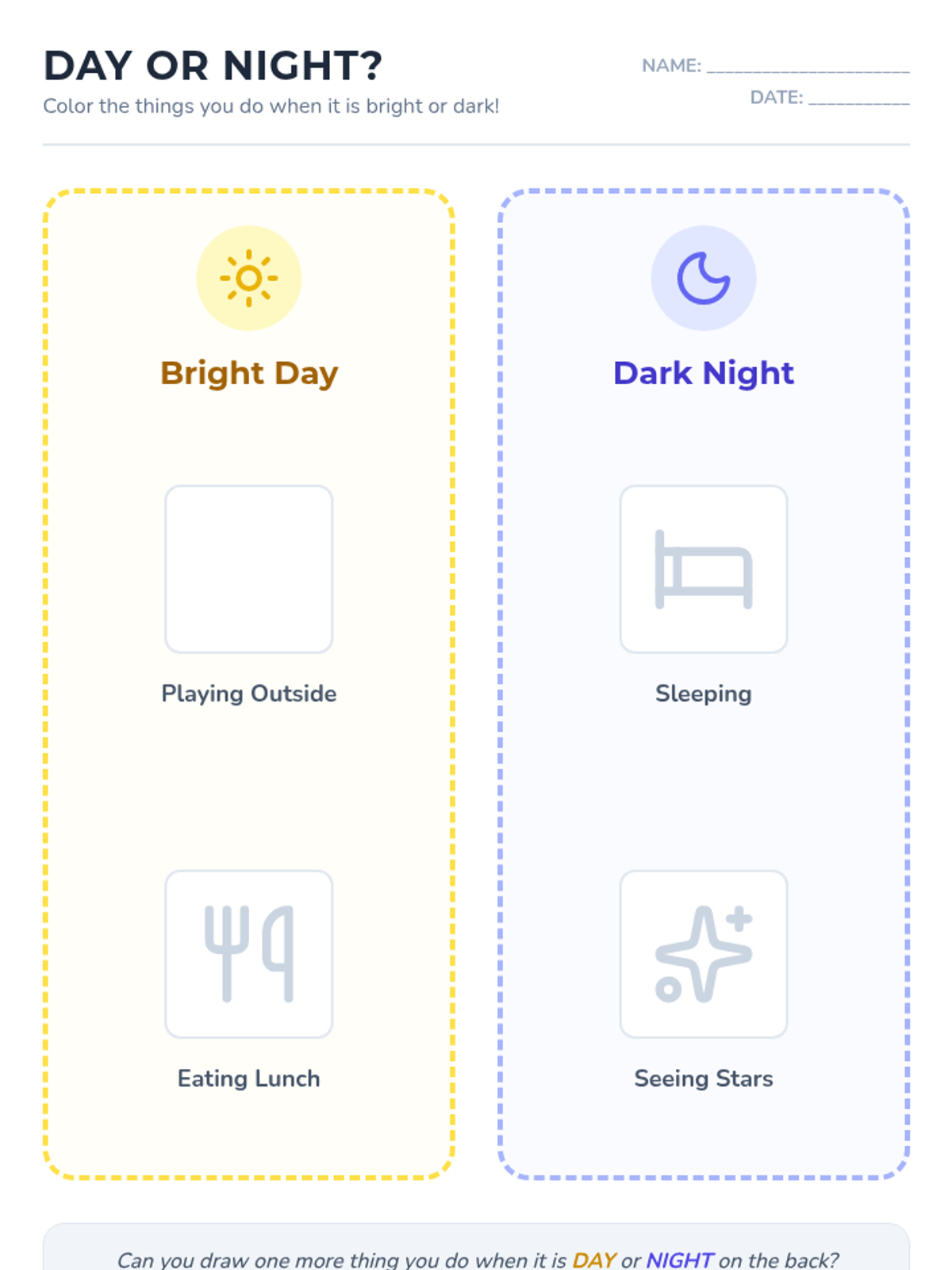
Students explore the concept of the sun rising and setting through a dark-room flashlight activity, learning how light and darkness signal the body to wake up or sleep.
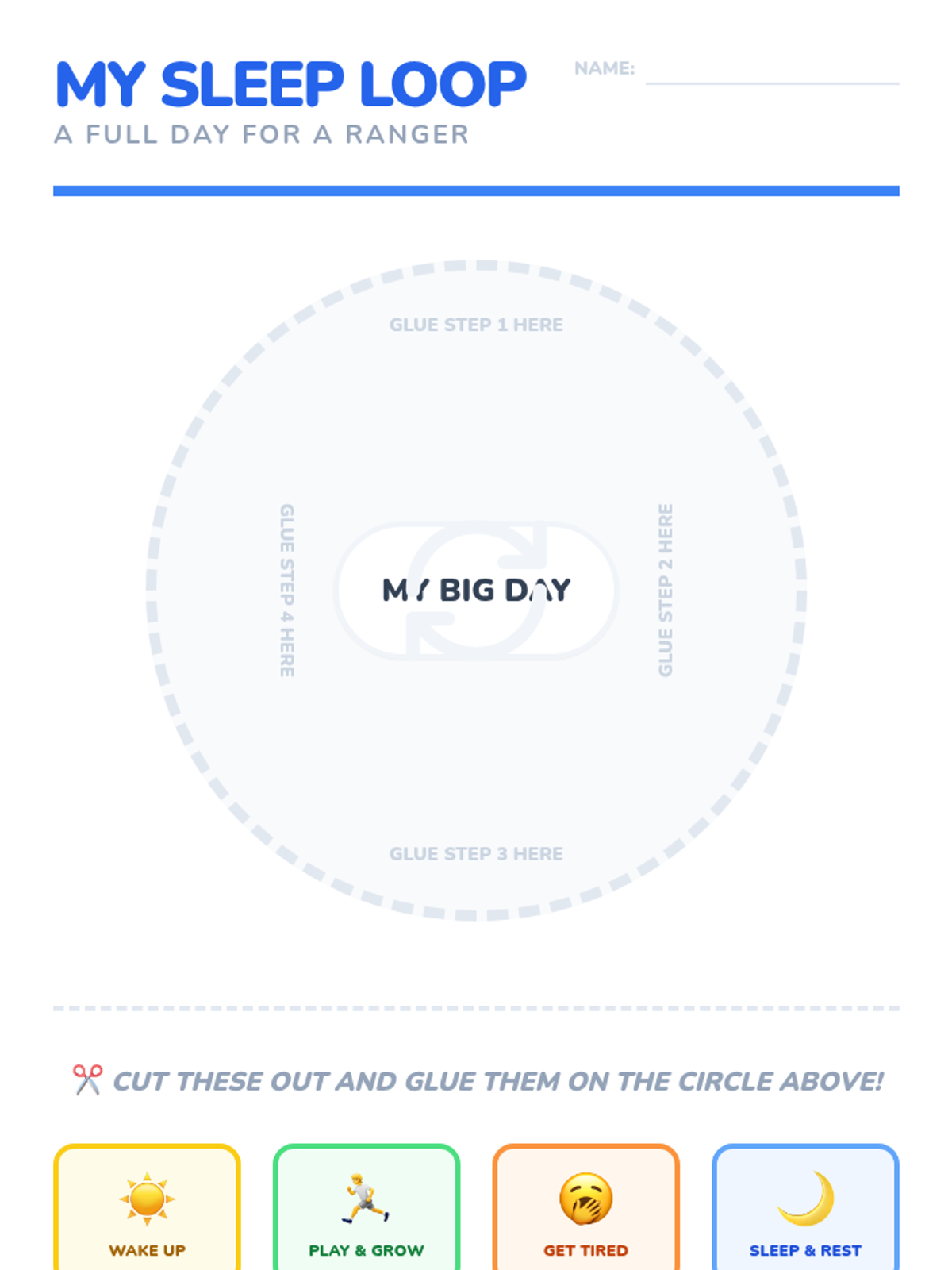
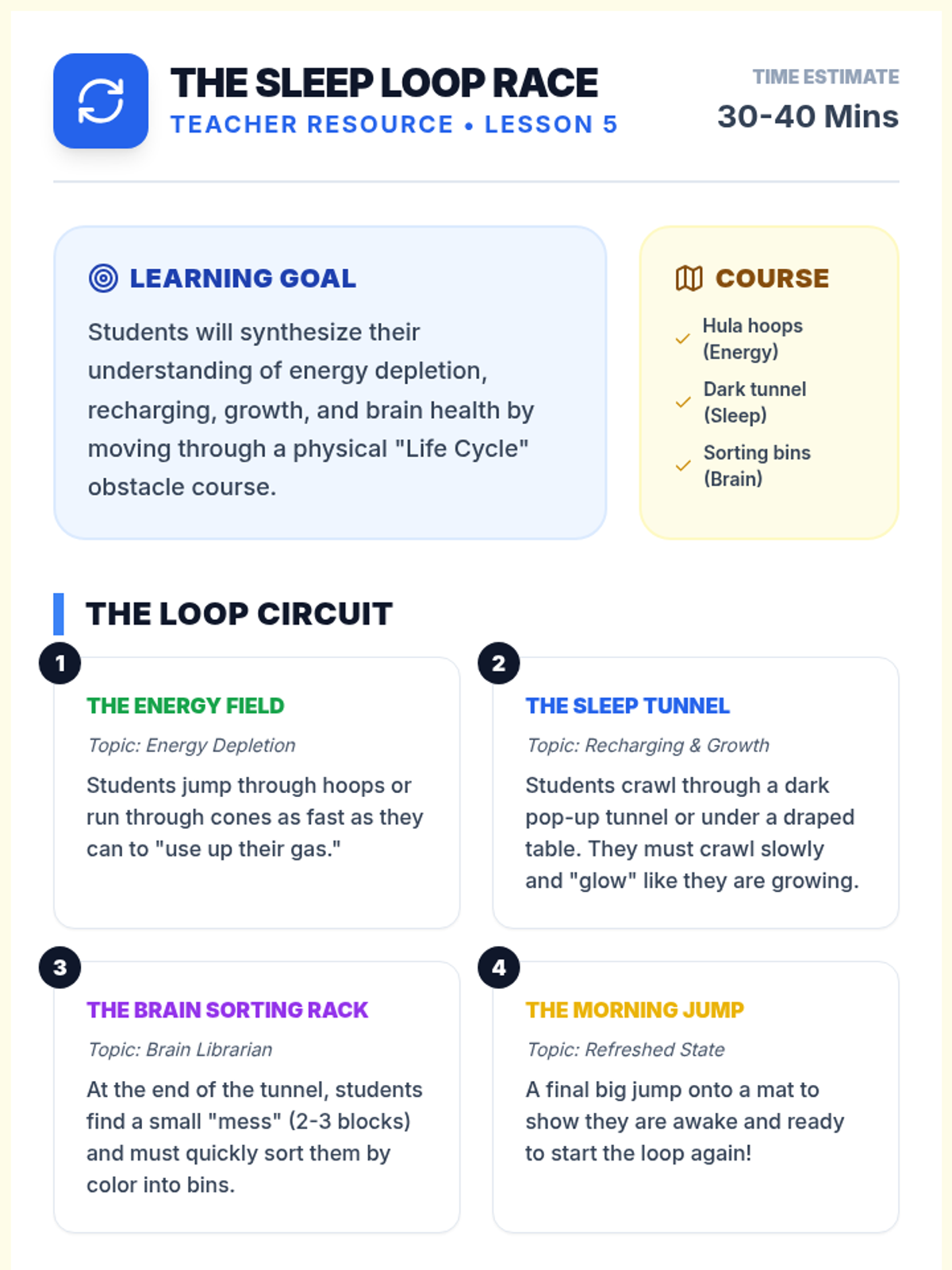
Students synthesize their learning by mapping the daily cycle of playing, getting tired, and resting to wake up refreshed.
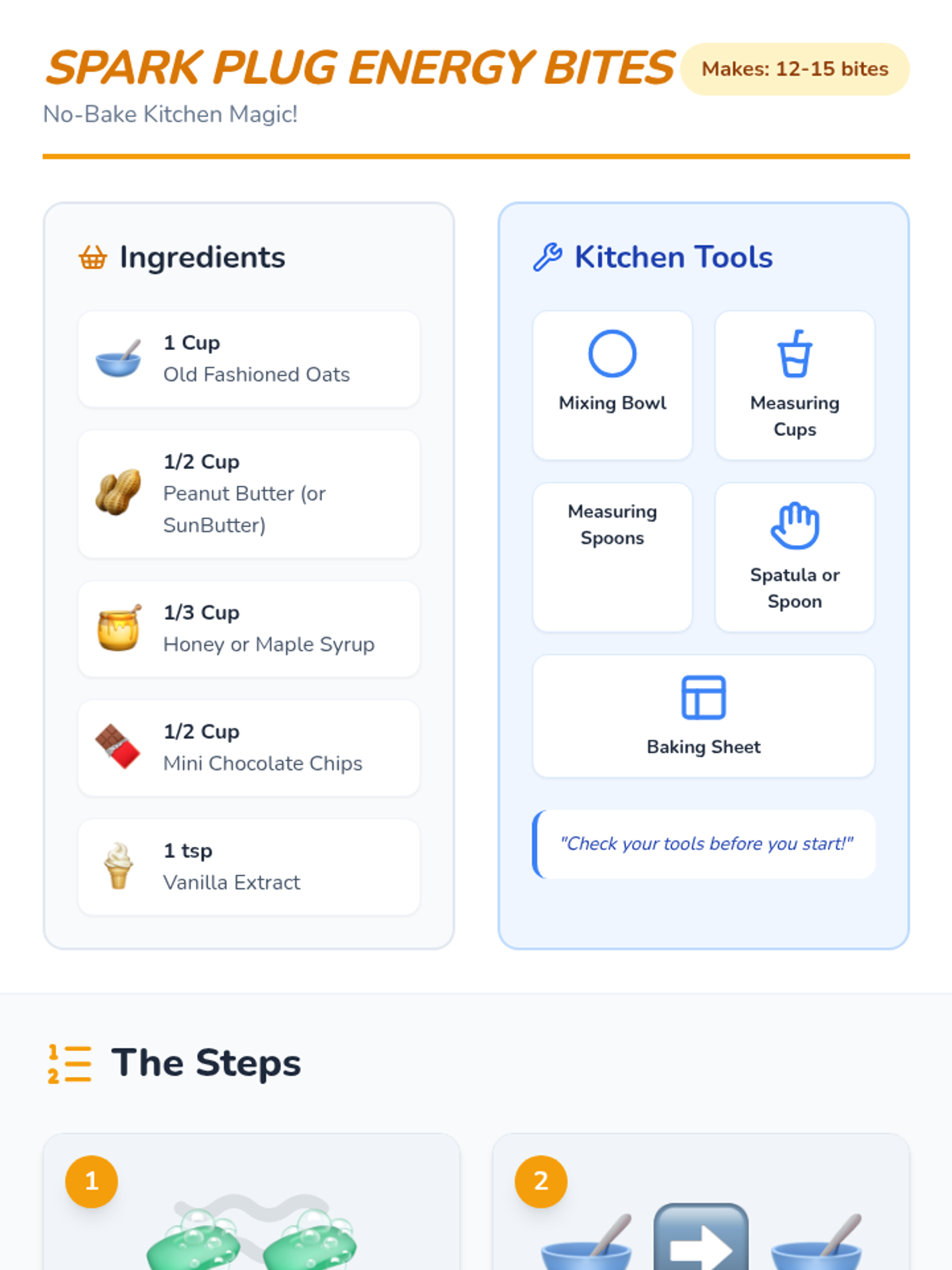
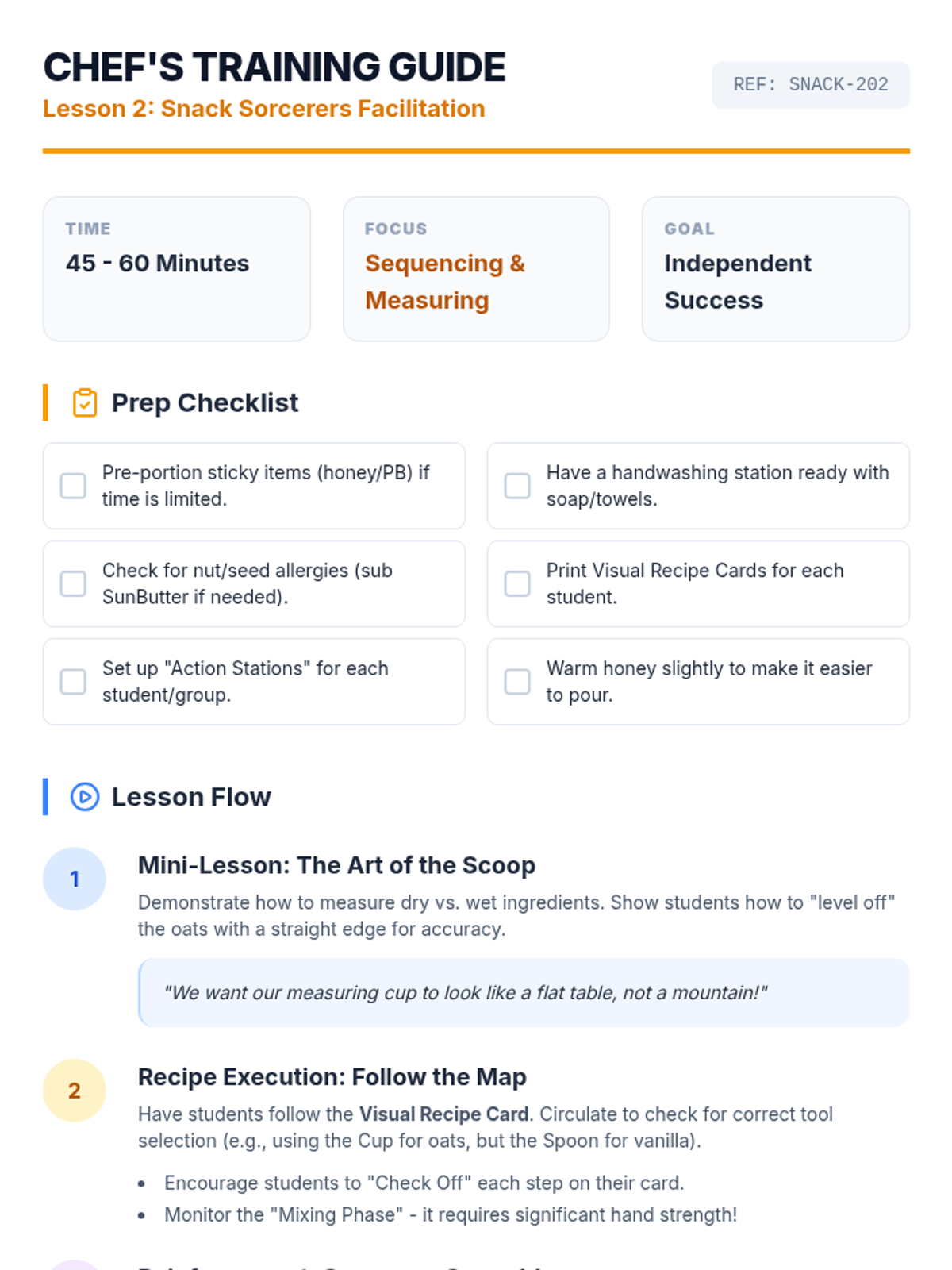
Students follow a visual recipe to create no-bake energy bites, focusing on sequencing, measuring, and independent living skills.
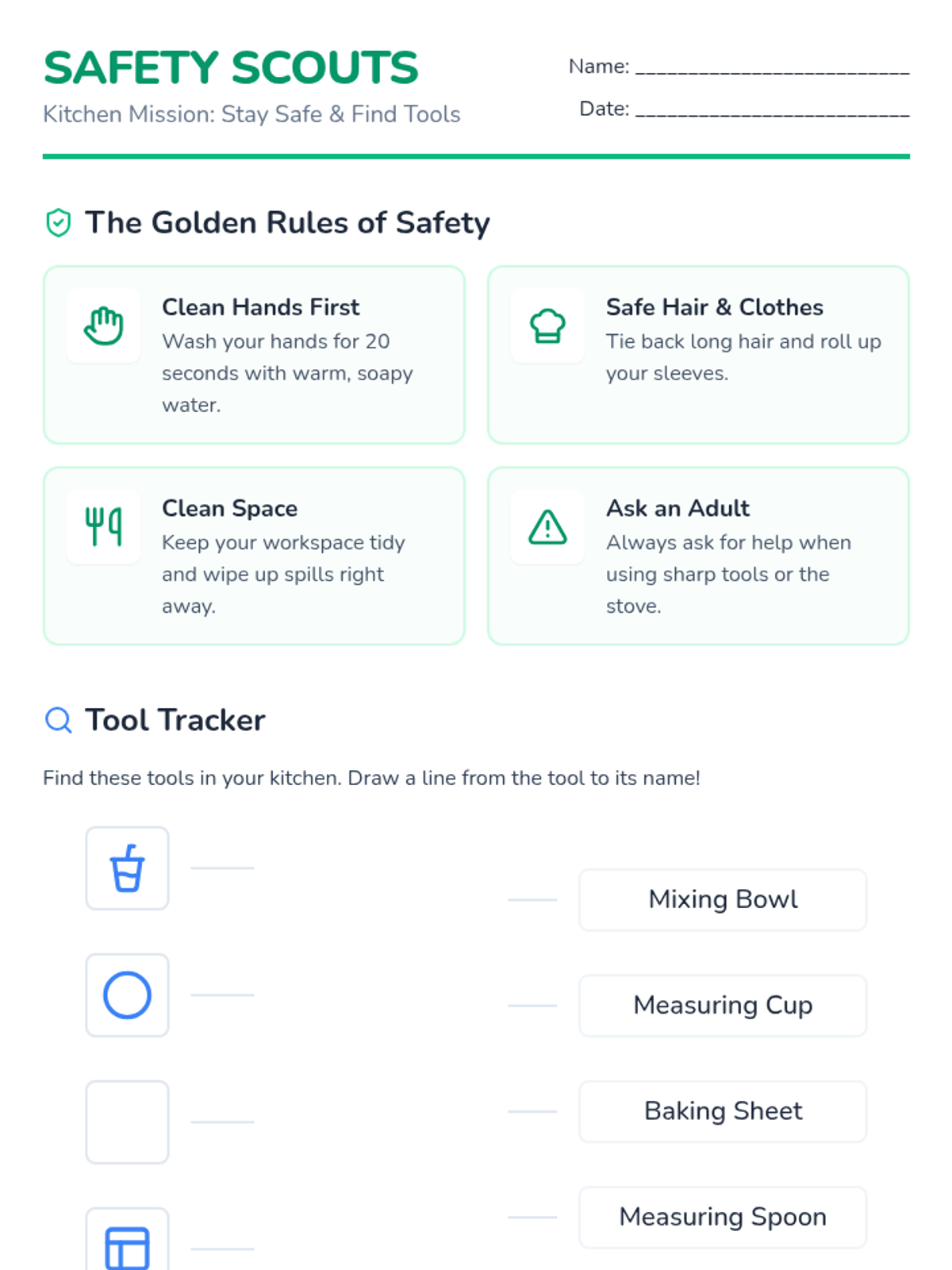
Students learn the essential rules of kitchen safety and identify common measuring tools and kitchen equipment.
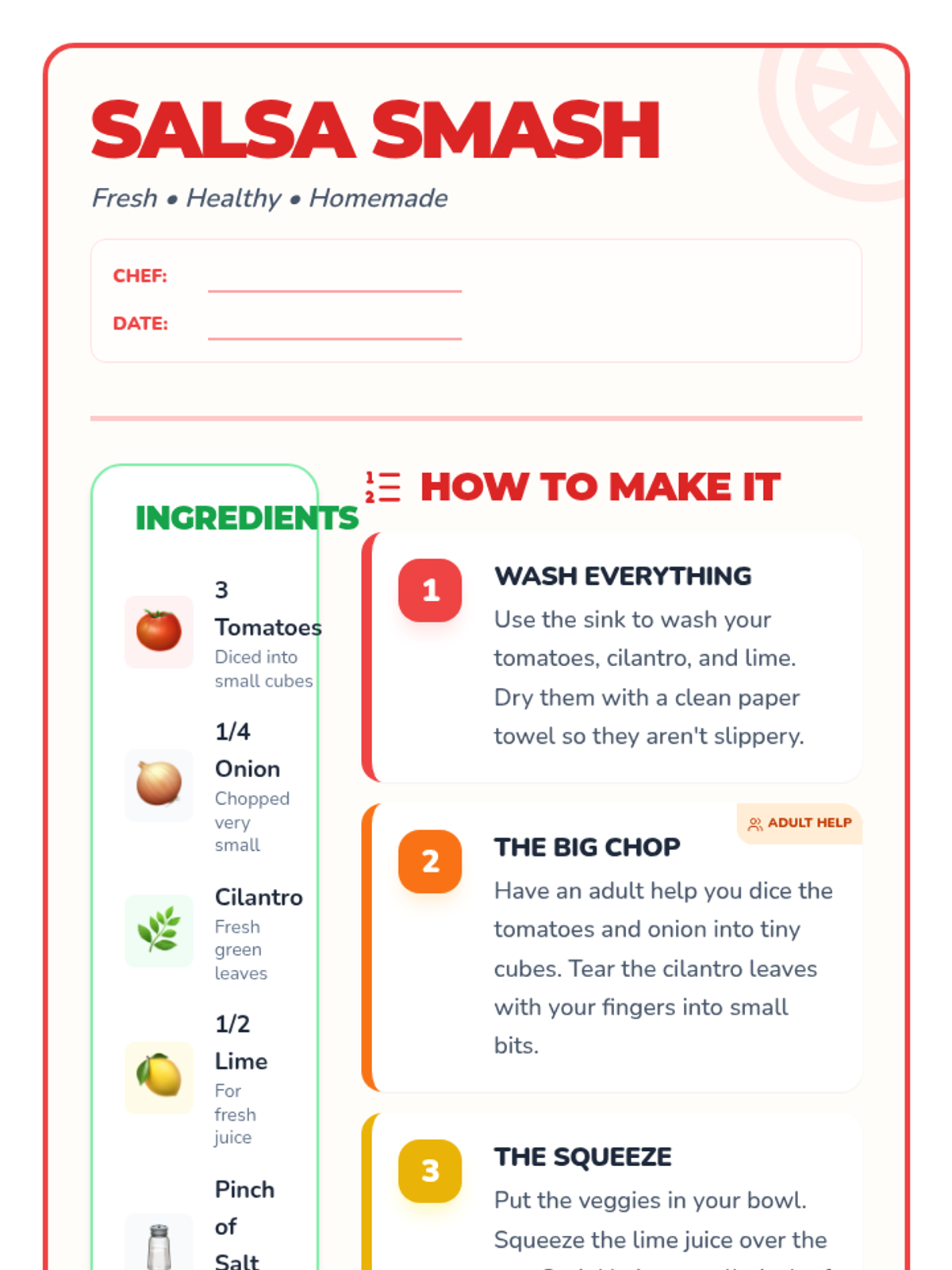
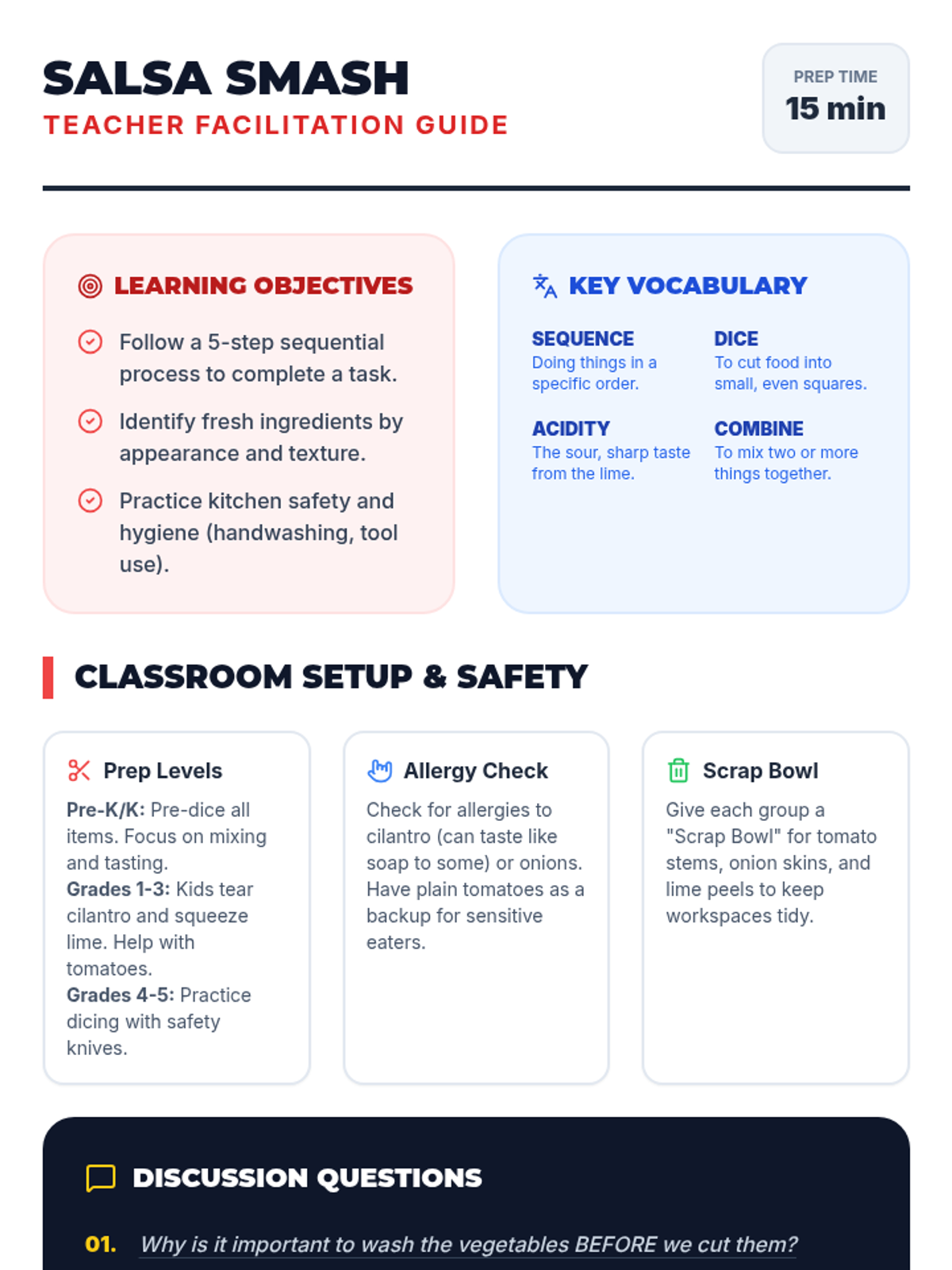
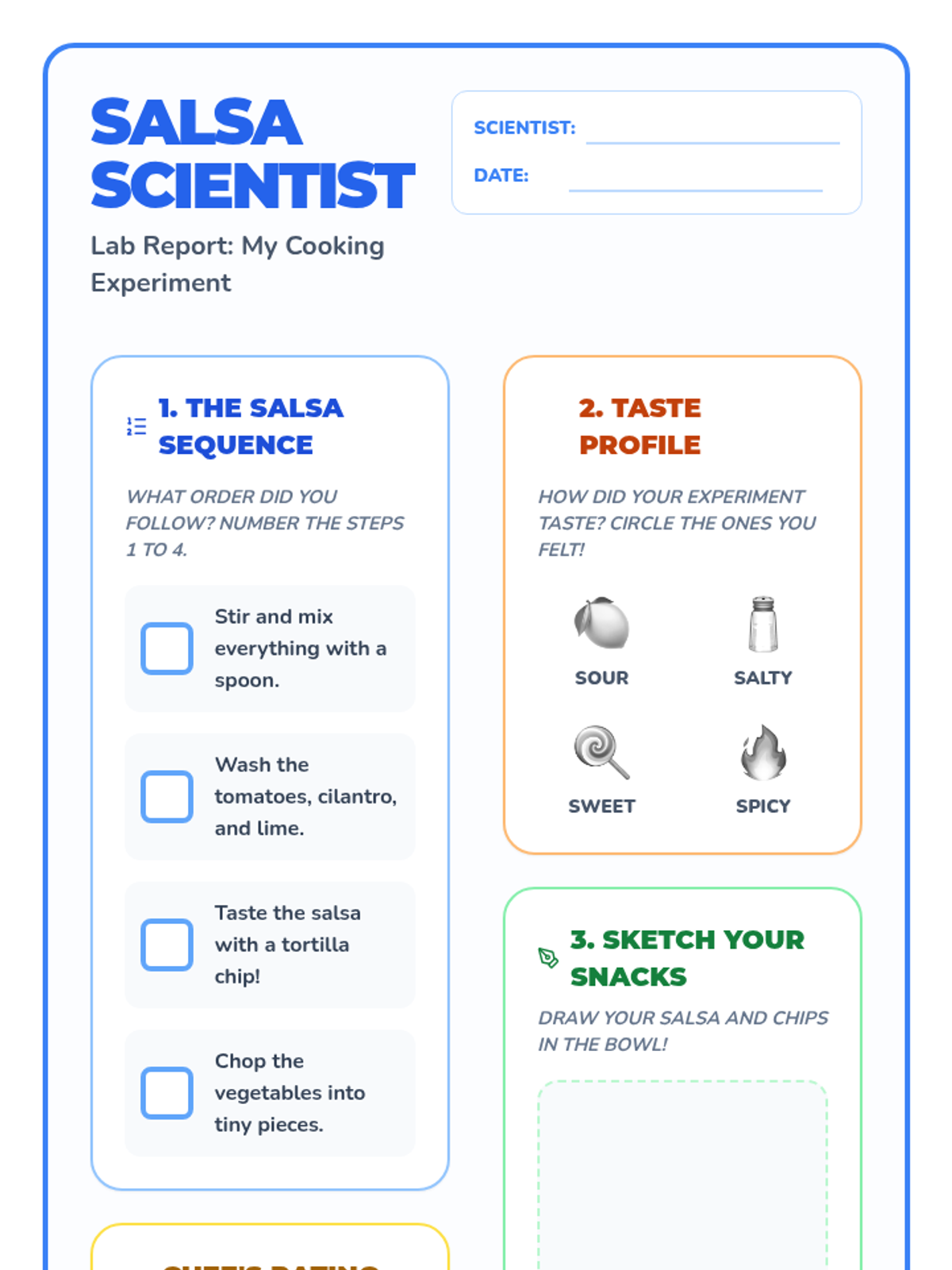
A beginner-friendly cooking lesson focused on following sequential instructions and identifying fresh ingredients while making a simple salsa.
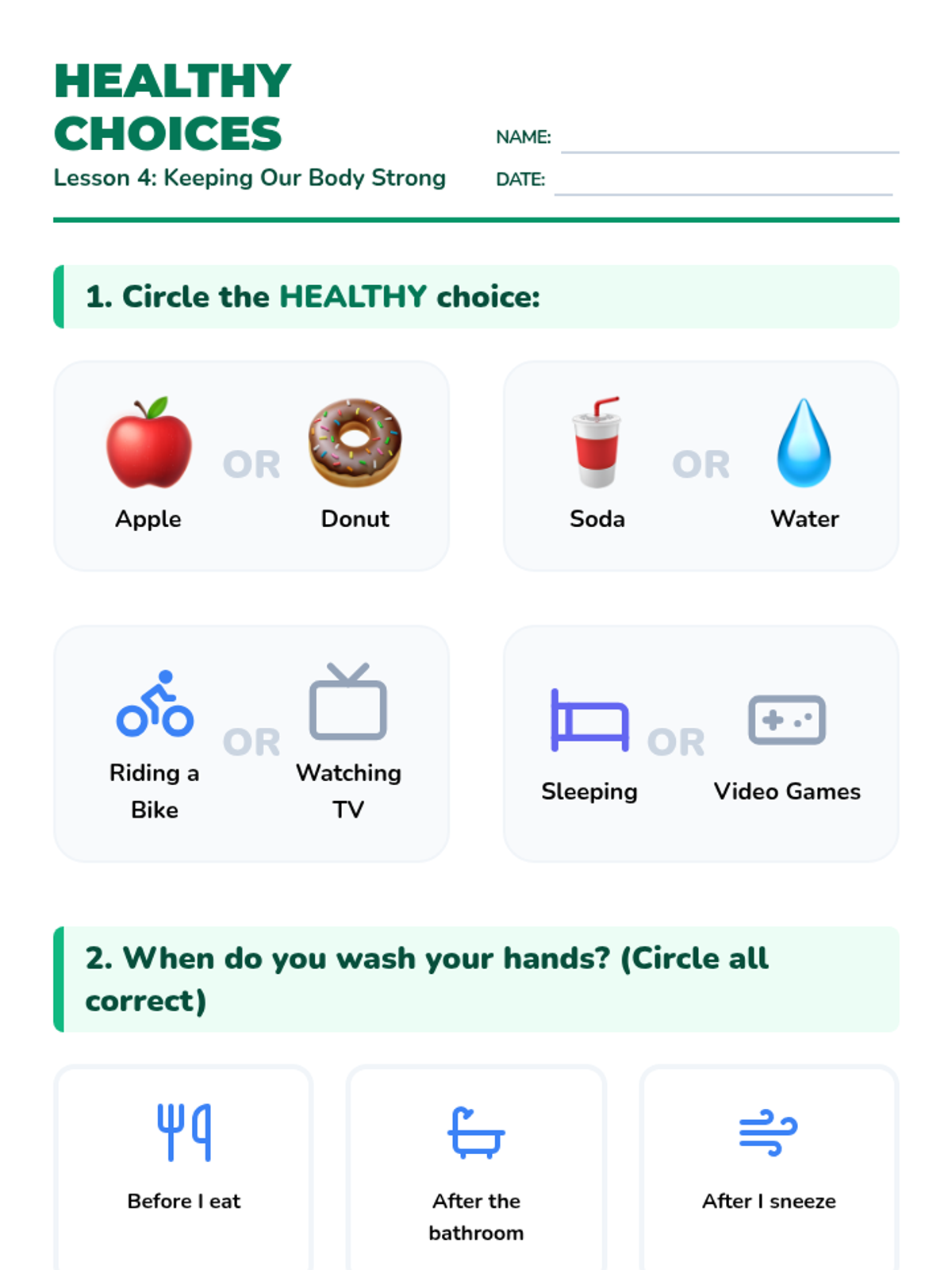
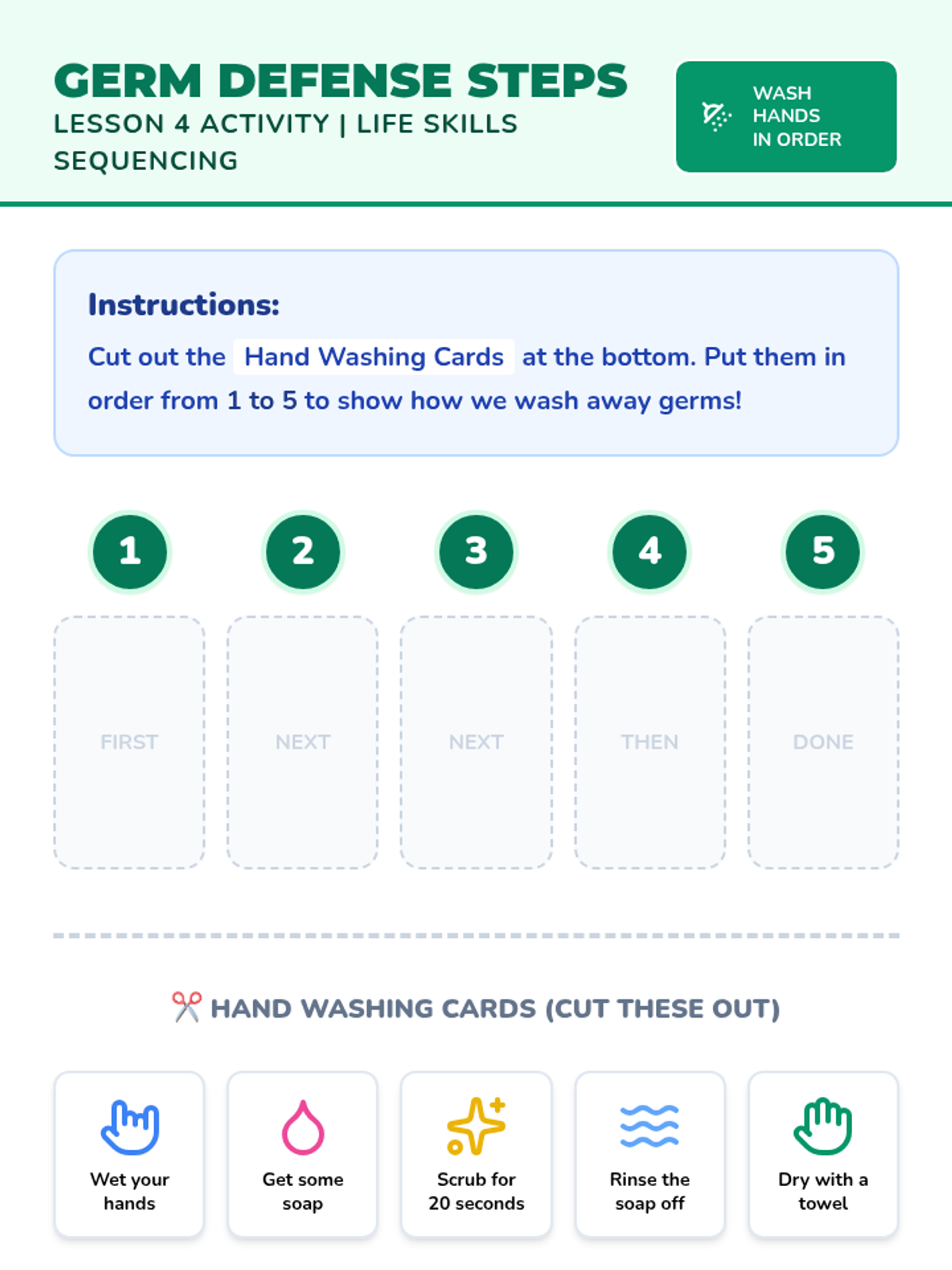
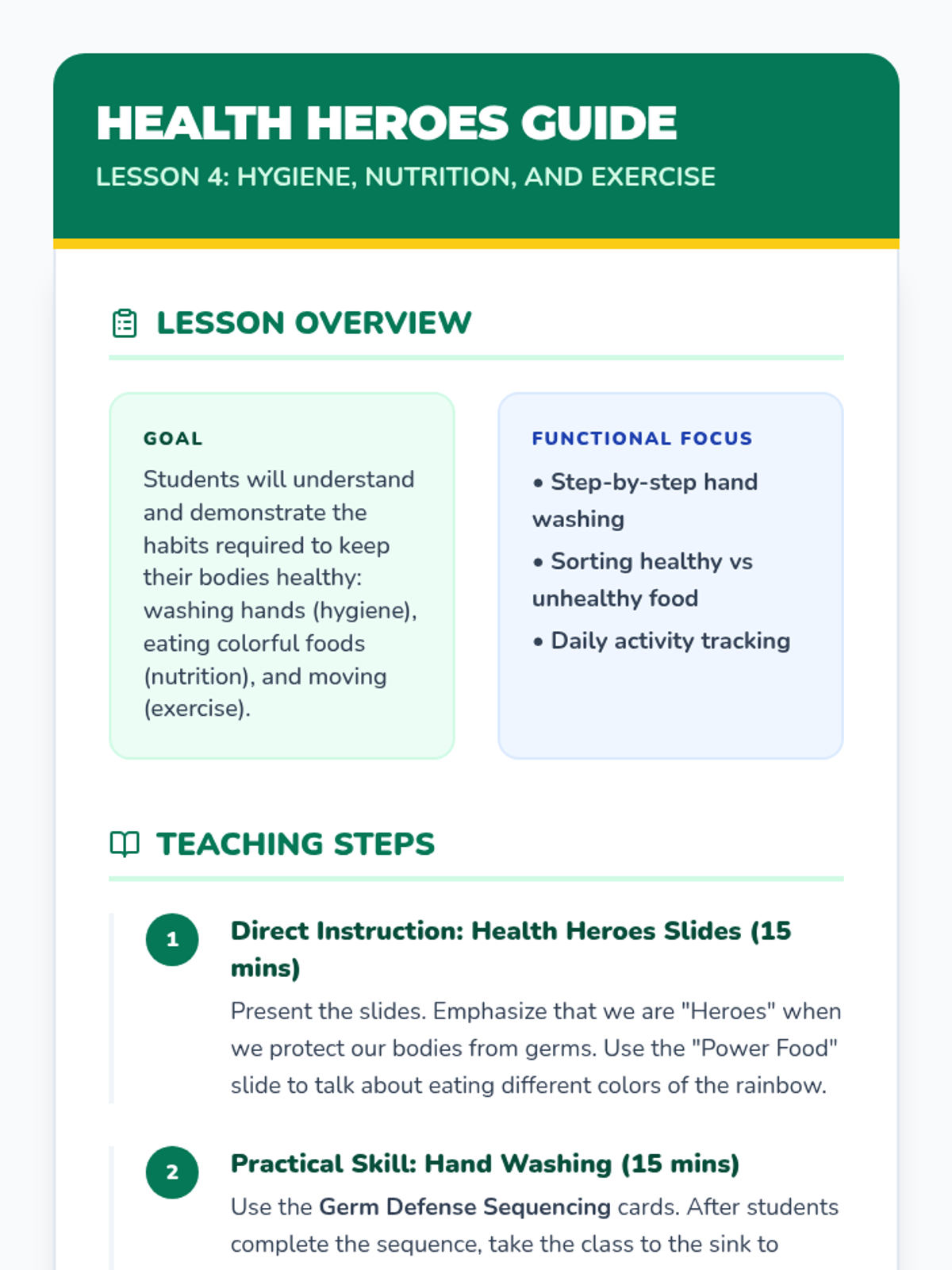
Covers essential health habits including hand washing, nutrition, and exercise to keep the body functioning at its best.
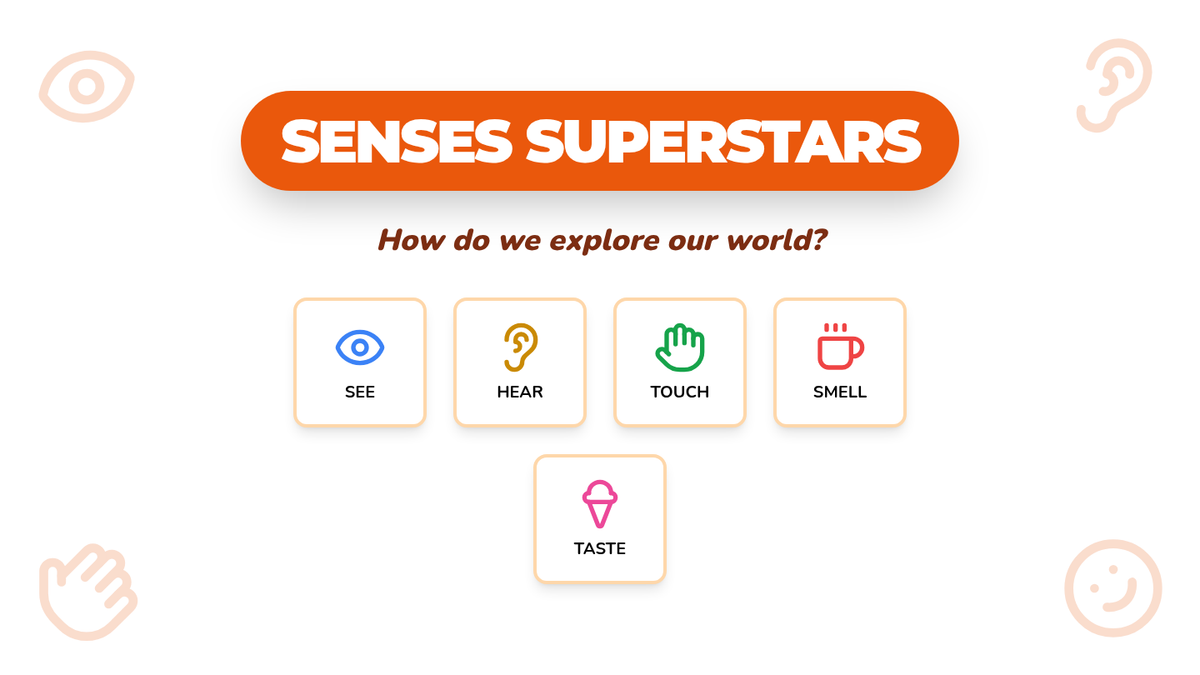
Explores how the five senses help us interact with and stay safe in our environment.
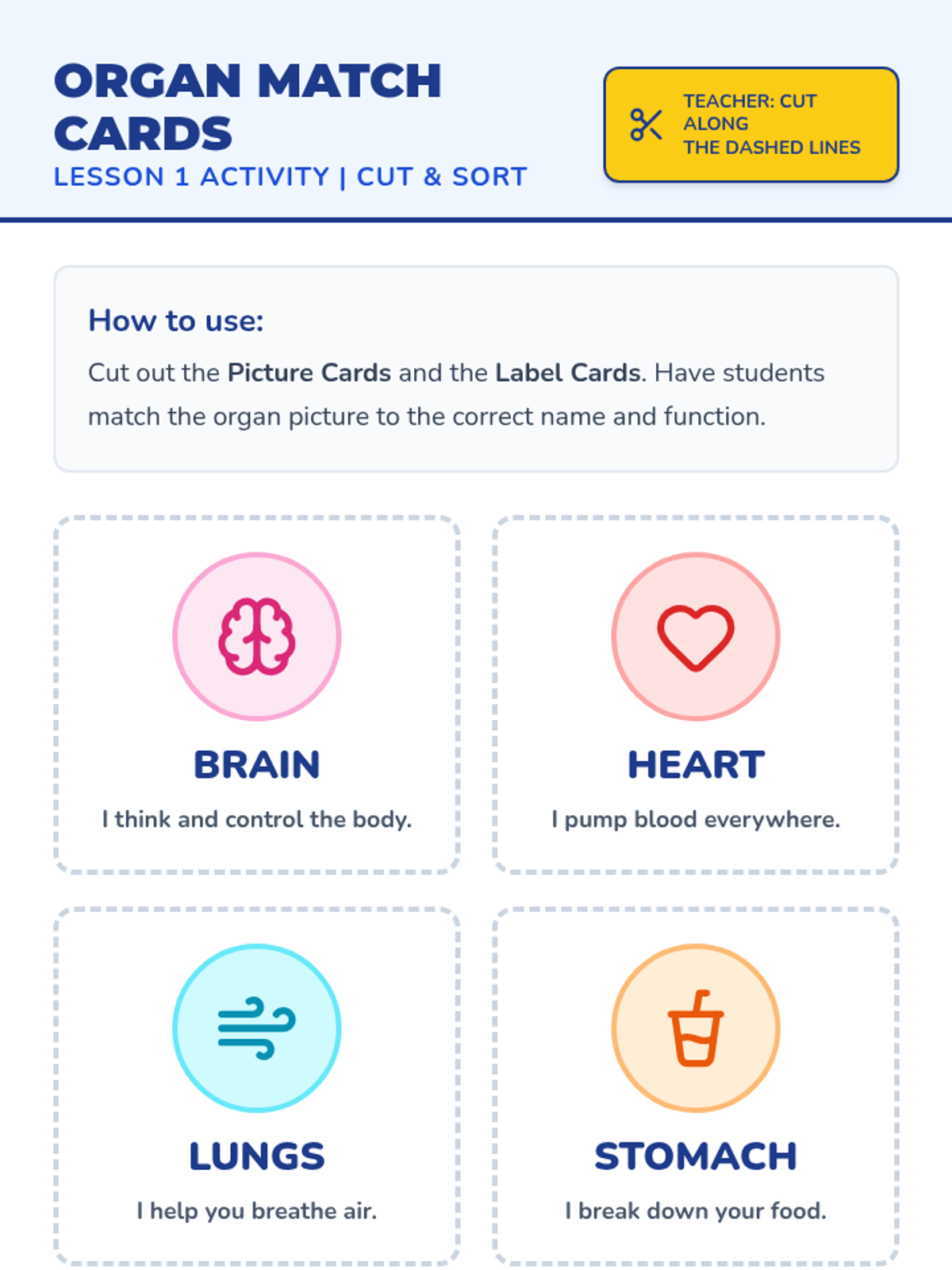
Introduces the heart, lungs, and brain as the 'engine' of the body, explaining their vital functions in simple, functional terms.
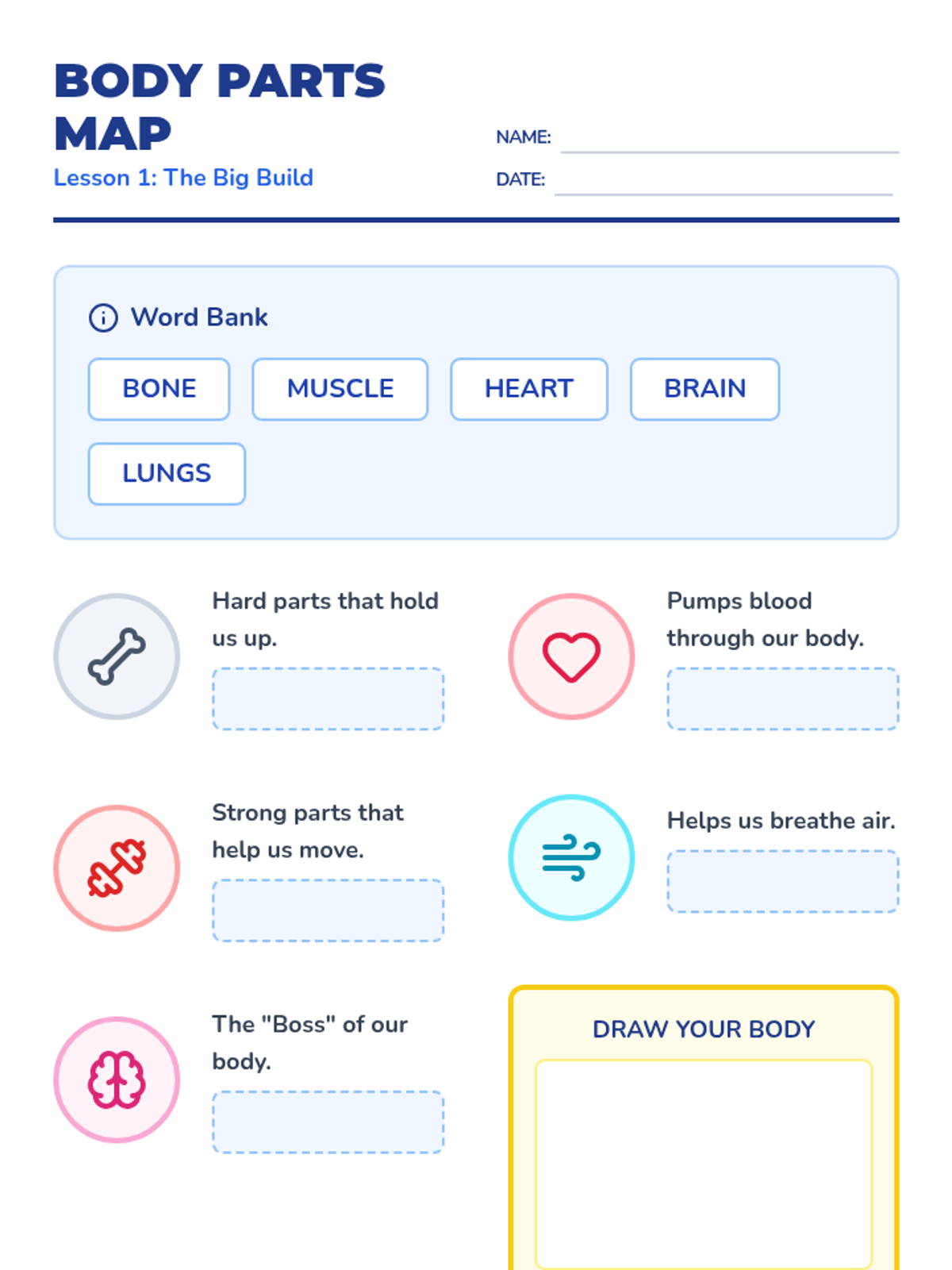
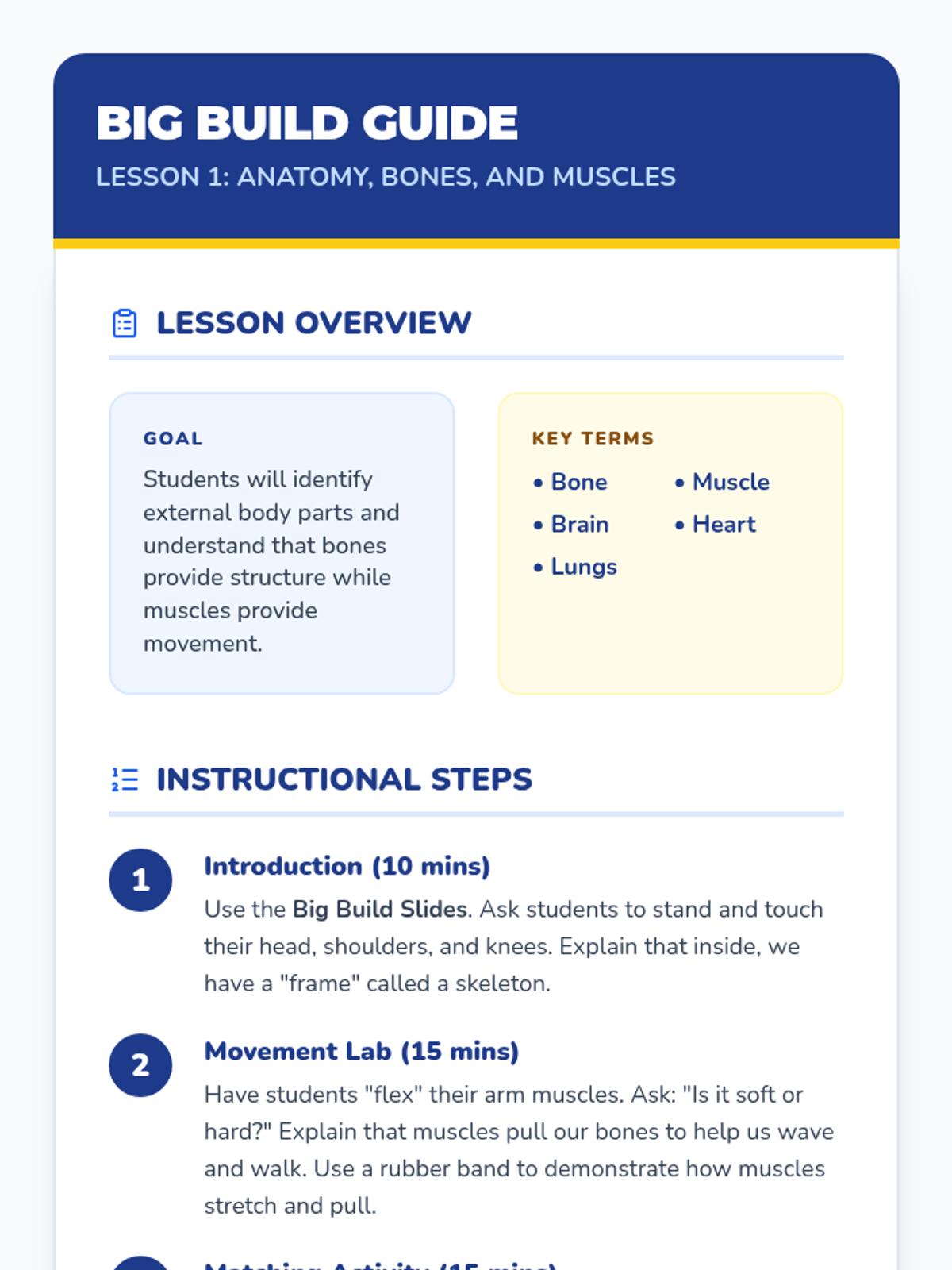
Focuses on the external body parts and the internal framework of bones and muscles that help us move and stay strong.
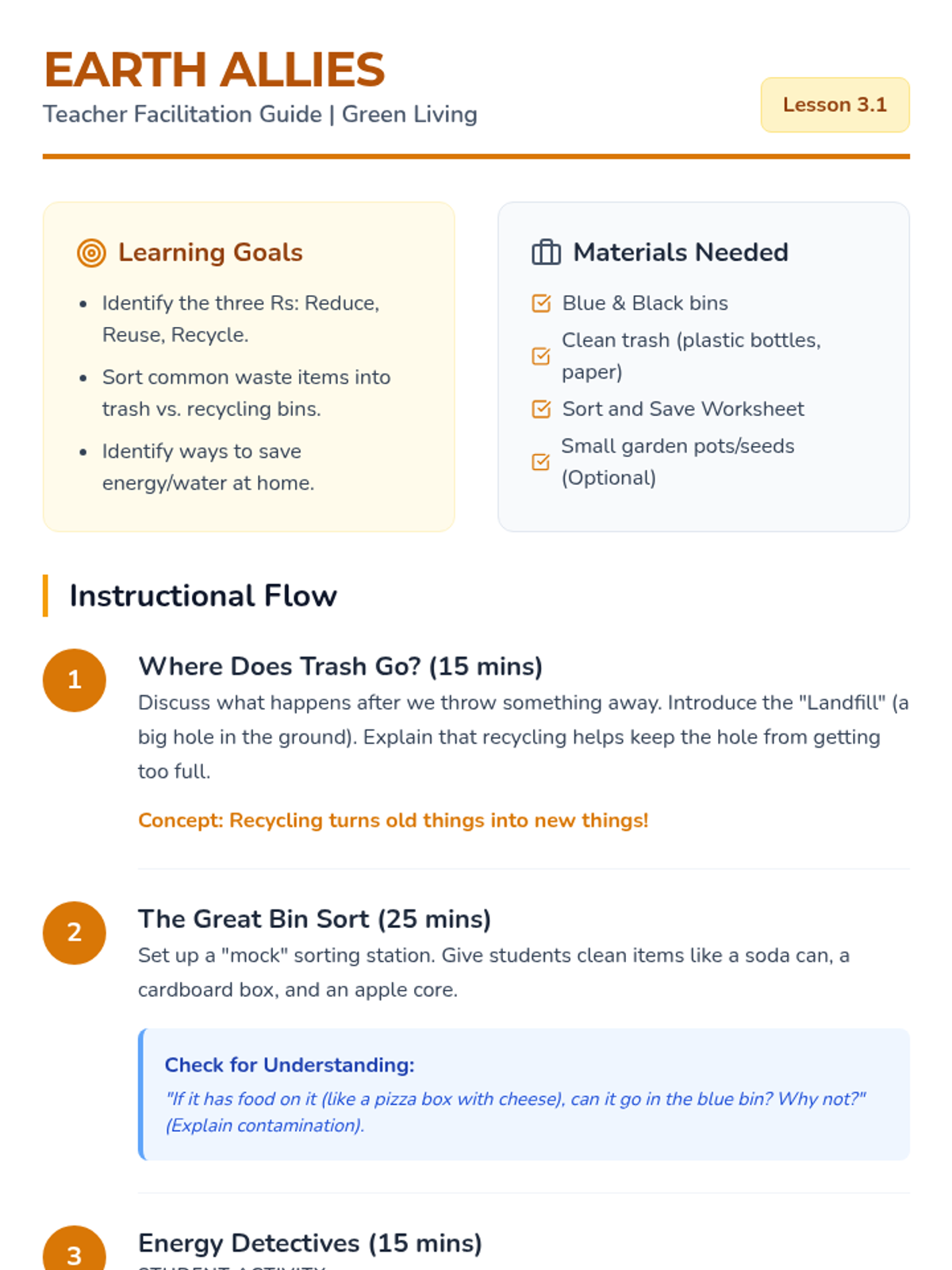
Introduces sustainability through waste reduction, recycling, and understanding how personal choices impact the local environment.
Covers basic human anatomy related to movement and health, alongside essential personal hygiene routines for daily living.
Focuses on identifying healthy food groups, reading simple food labels, and making informed nutritional choices for daily energy.
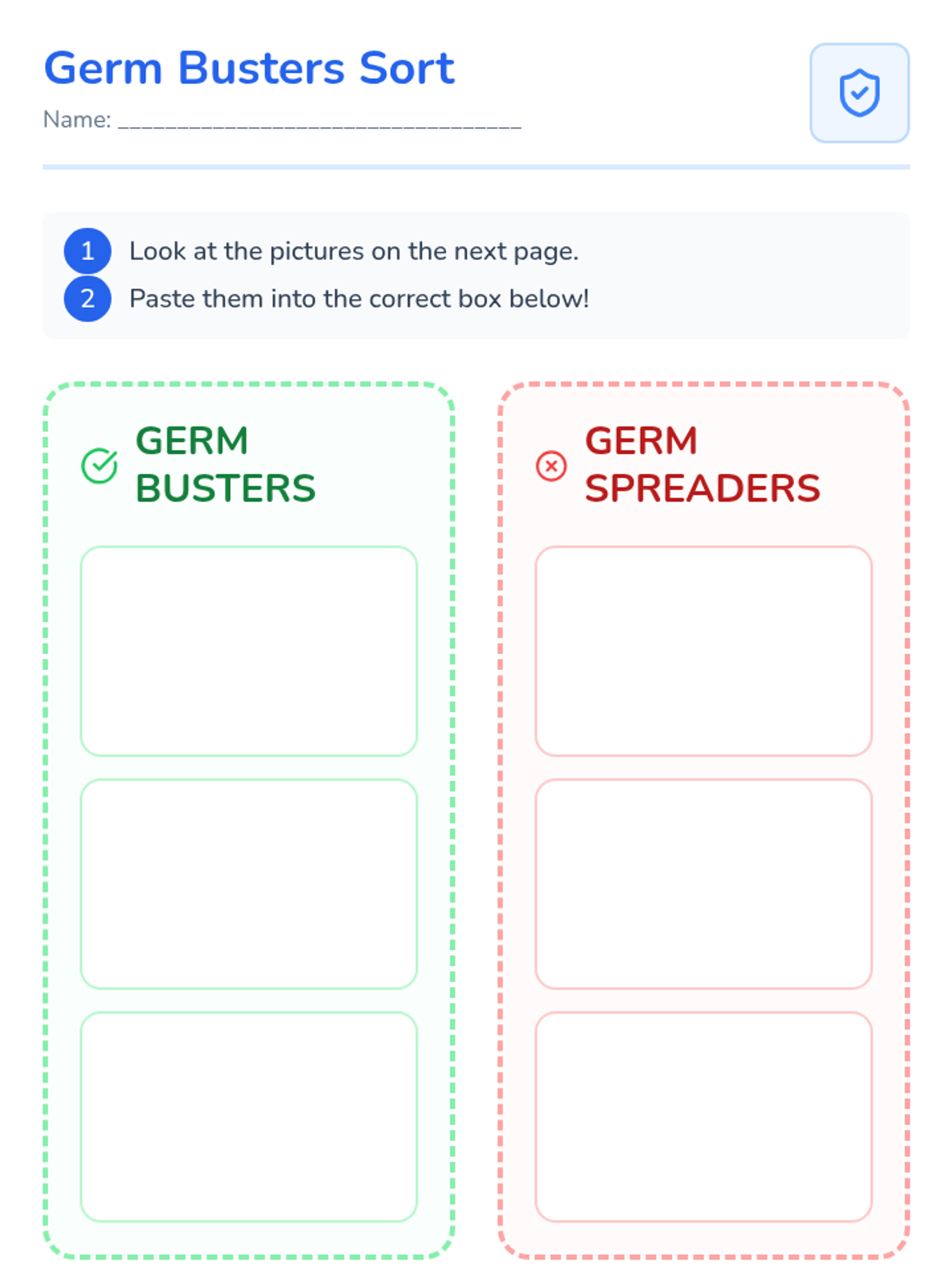
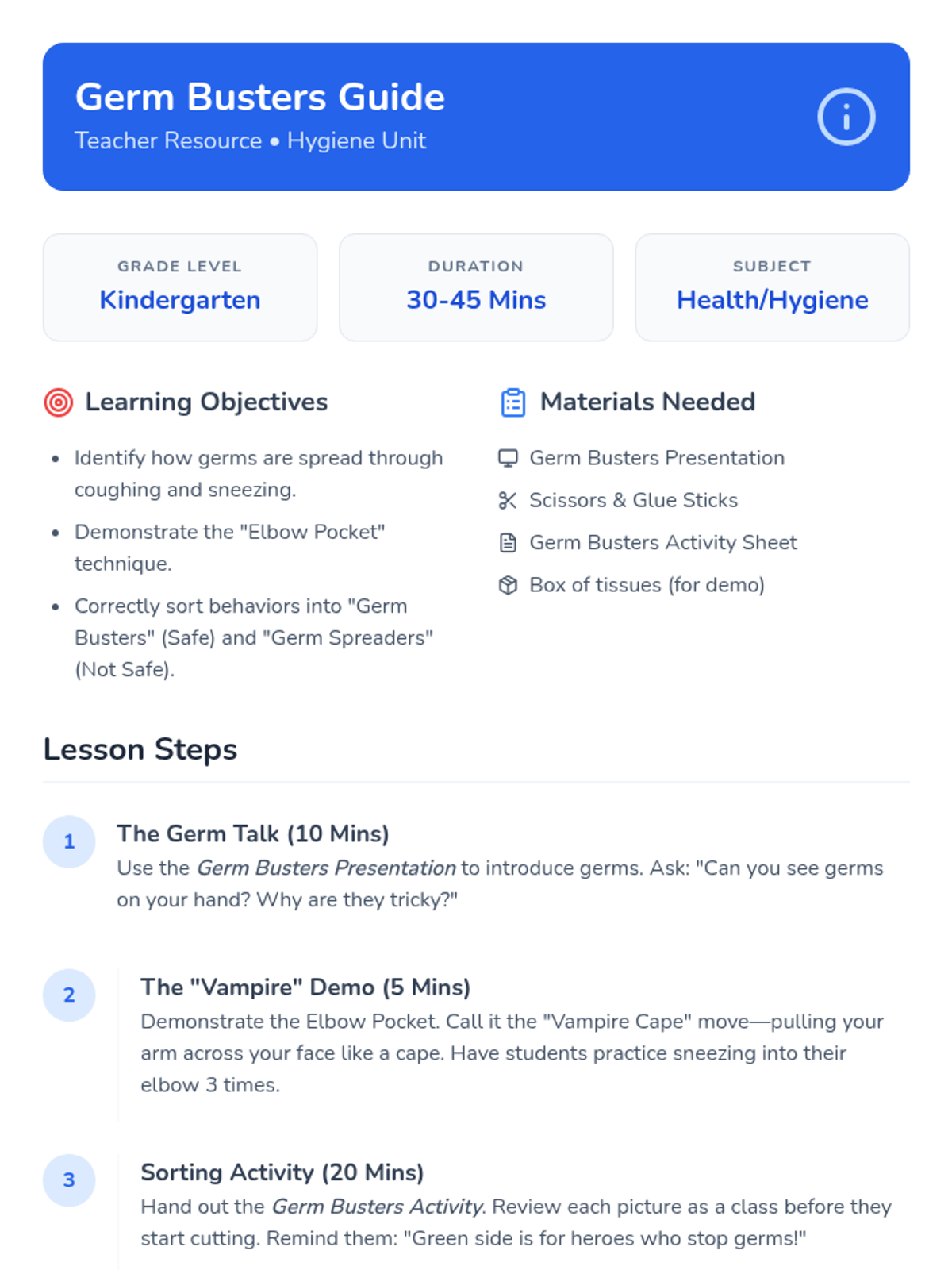
A fun, interactive lesson for kindergarteners to learn how to properly cover their coughs and sneezes using the 'Elbow Pocket' and tissues. Students will identify germ-stopping behaviors through a hands-on sorting activity.
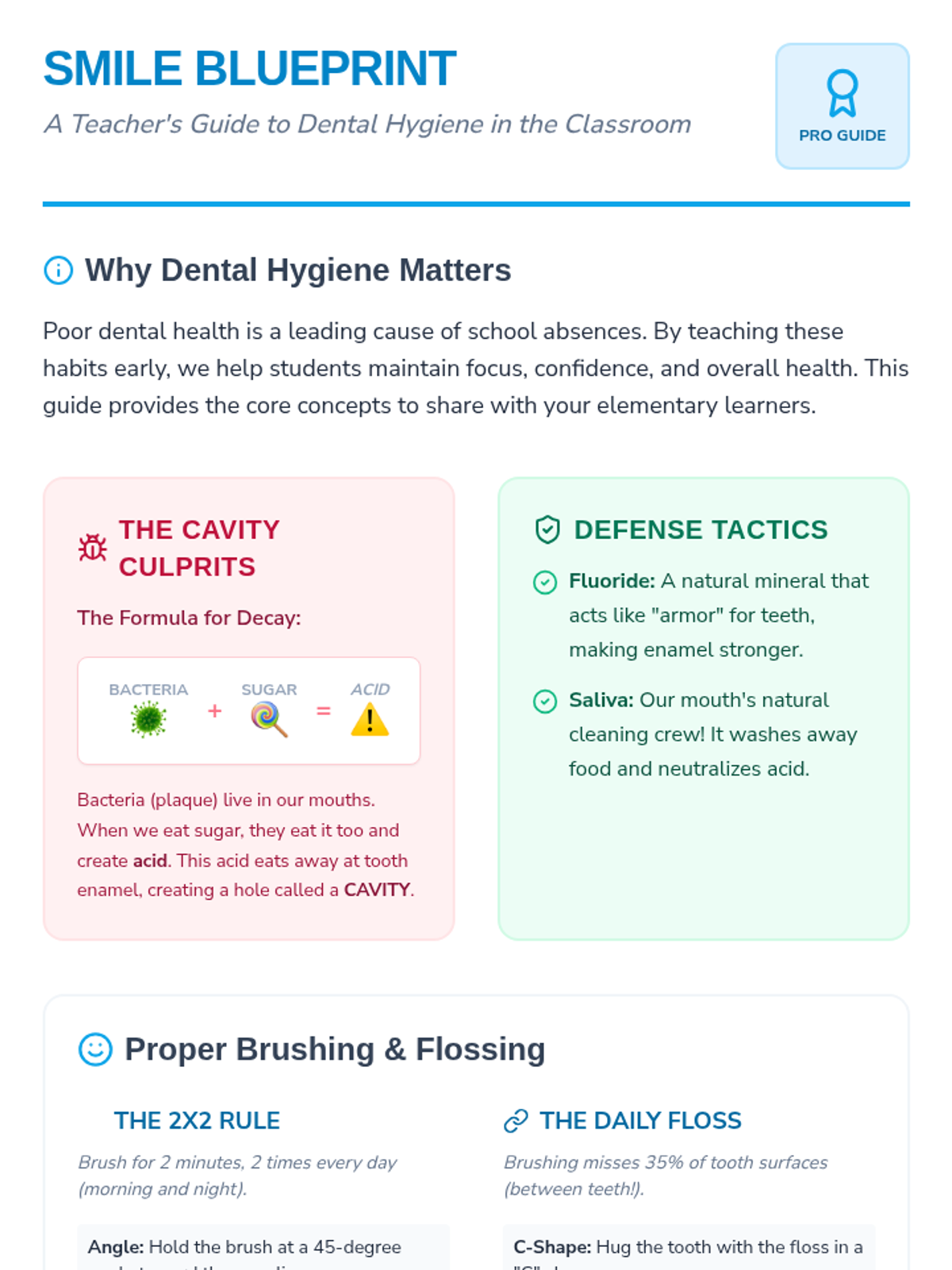
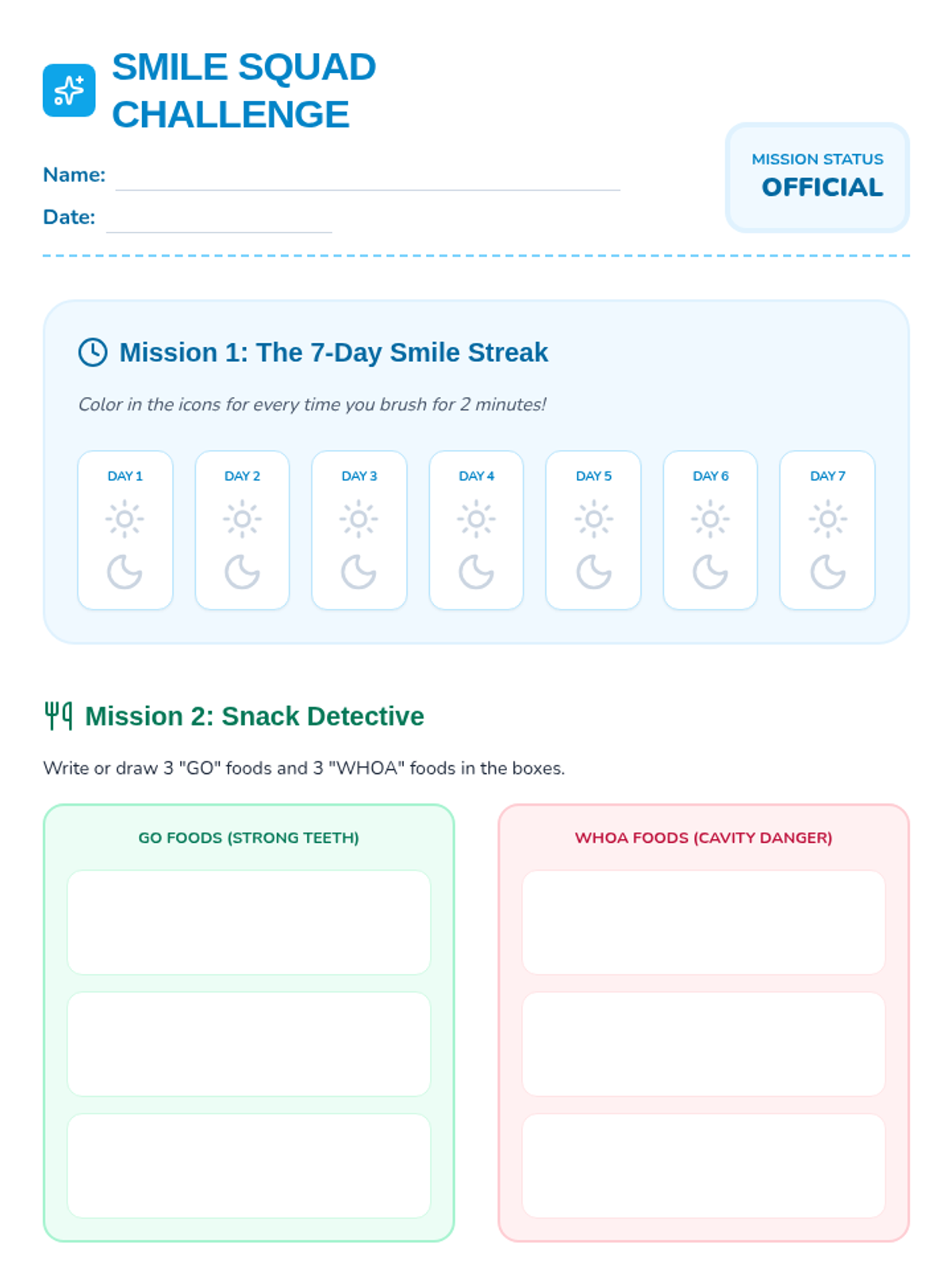
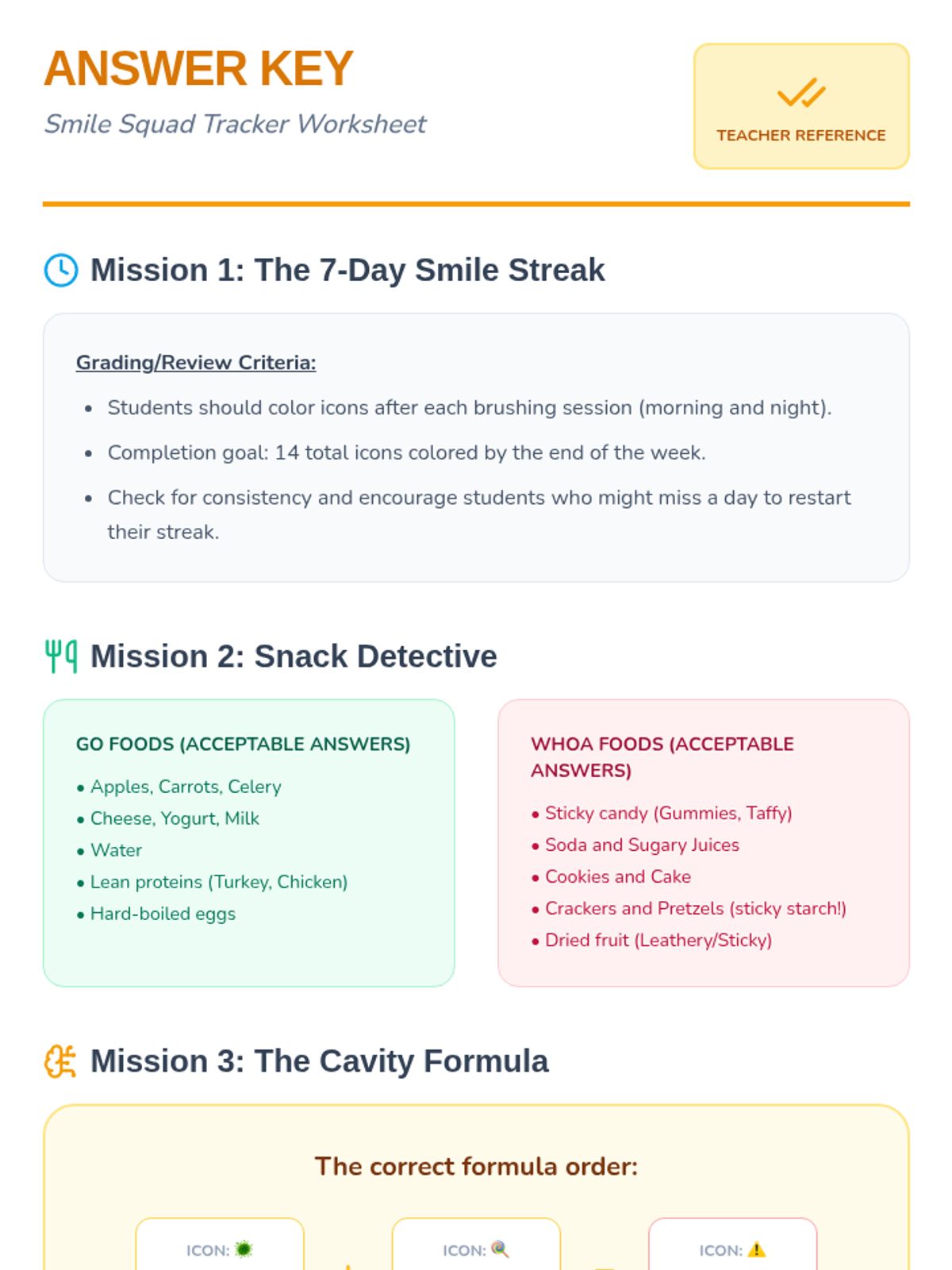
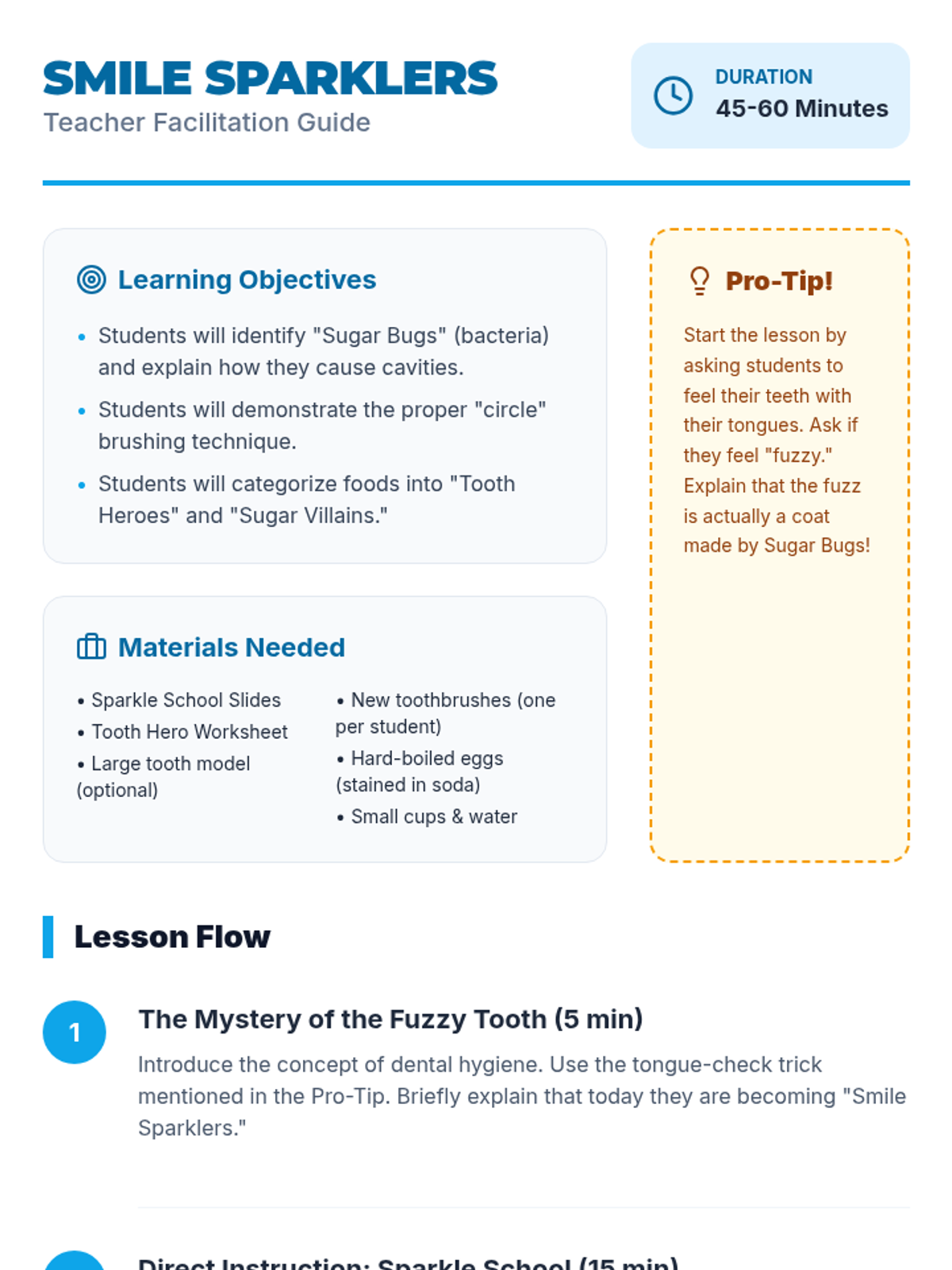
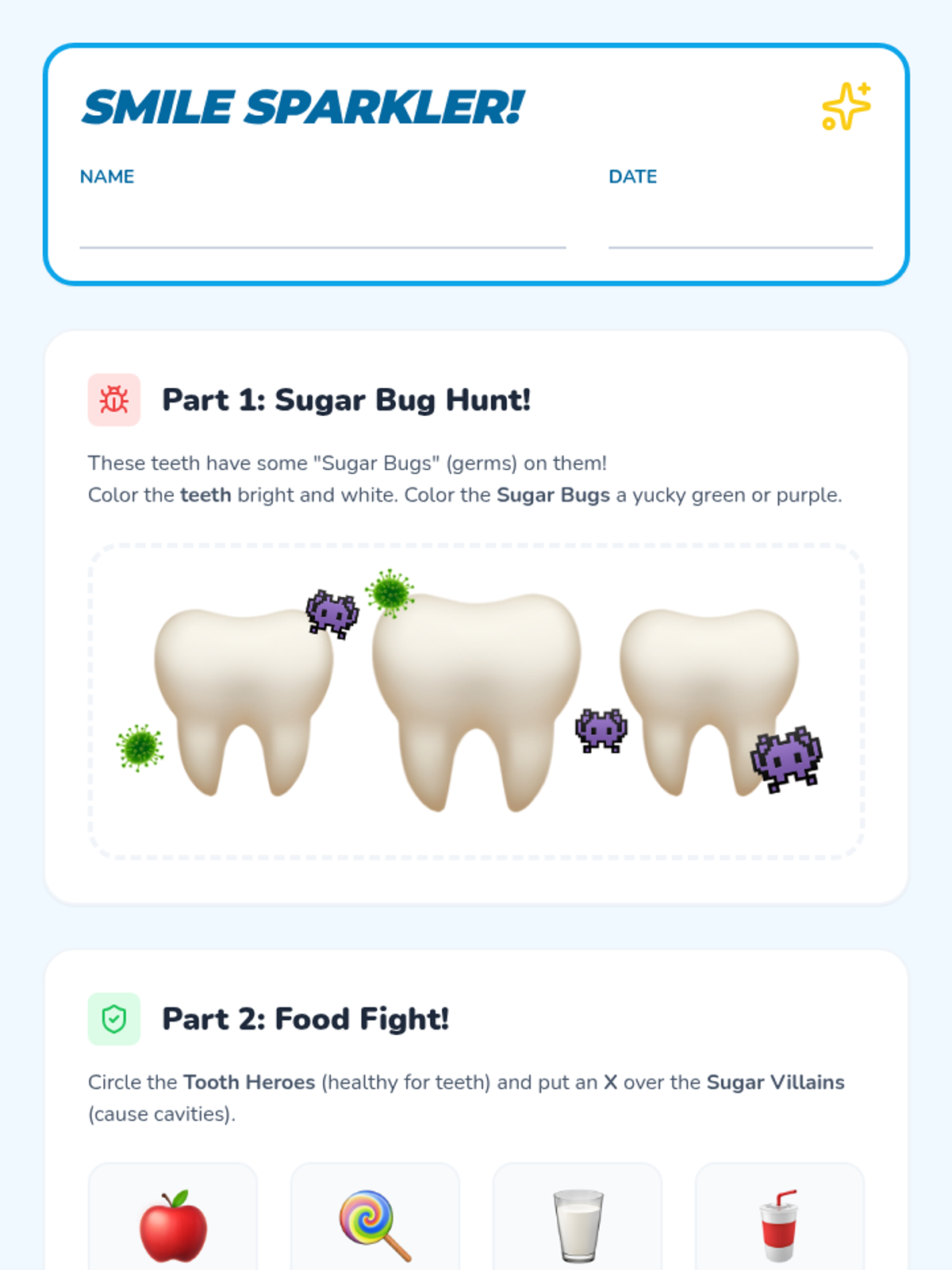
A comprehensive lesson plan and set of resources for teaching elementary students about dental hygiene, focusing on cavity prevention, proper technique, and nutrition.
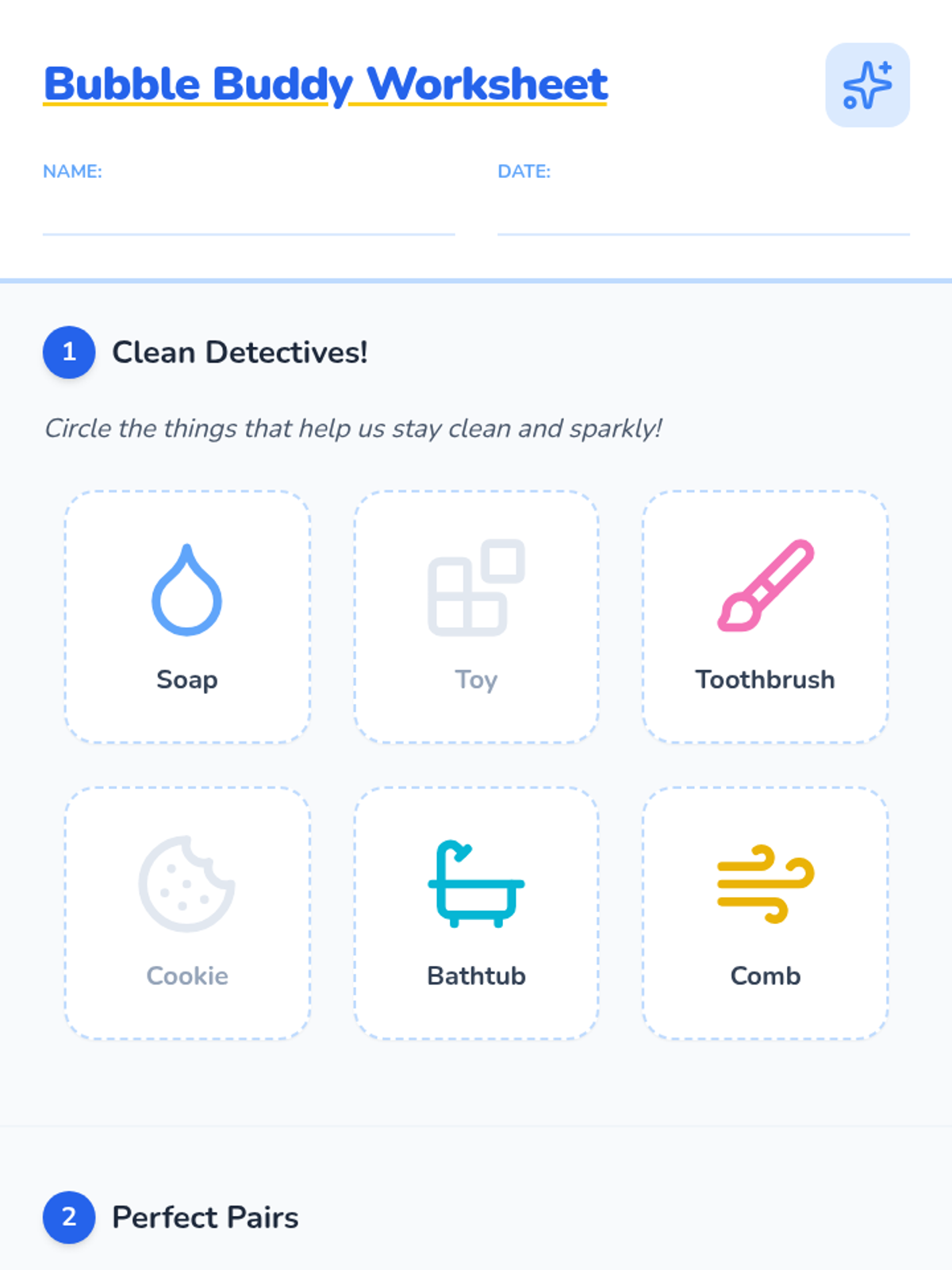
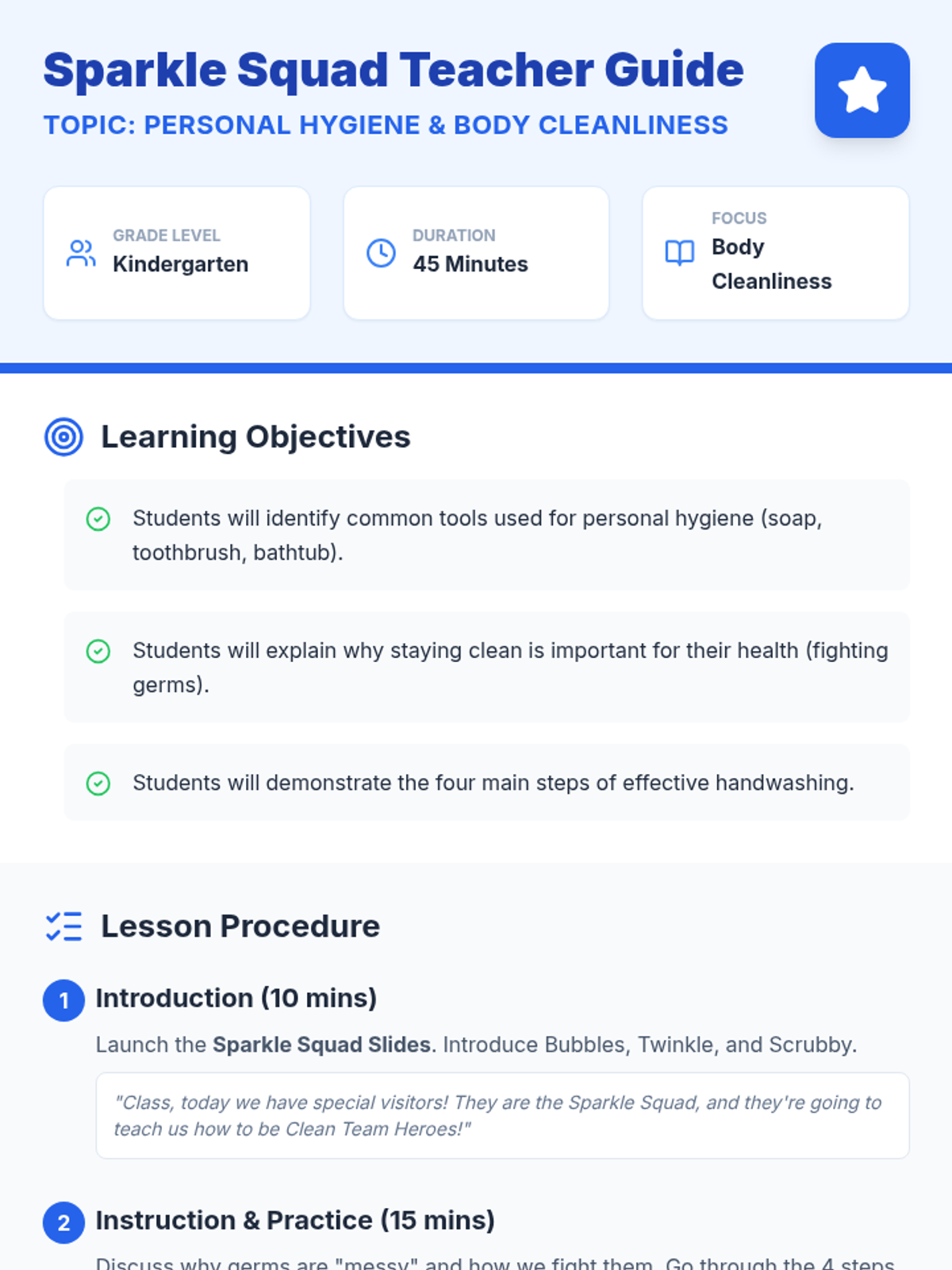
A fun and engaging lesson for kindergarteners about the importance of body cleanliness, featuring the Sparkle Squad characters. Students learn about handwashing, bathing, and brushing teeth through visual aids and interactive activities.
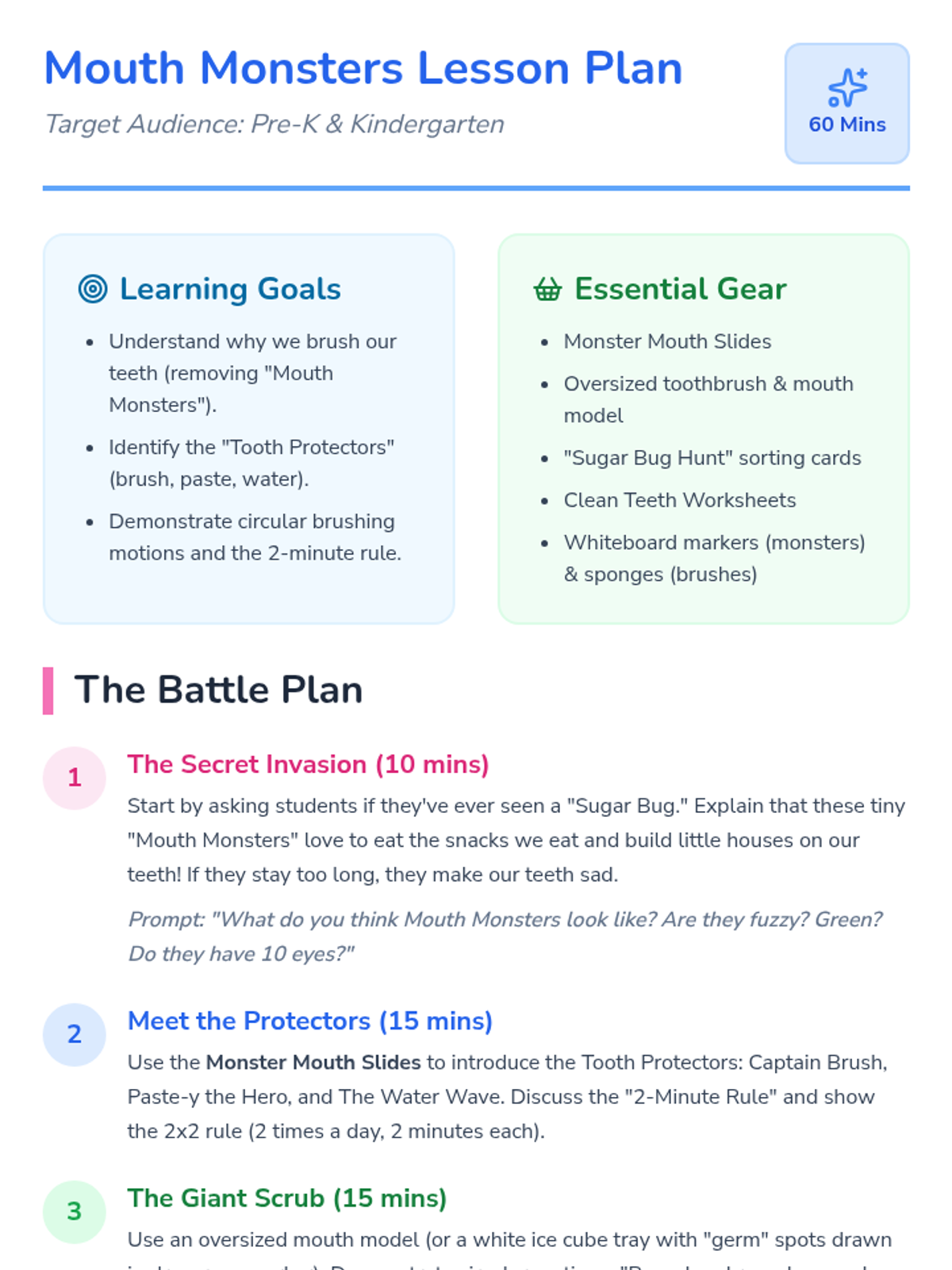
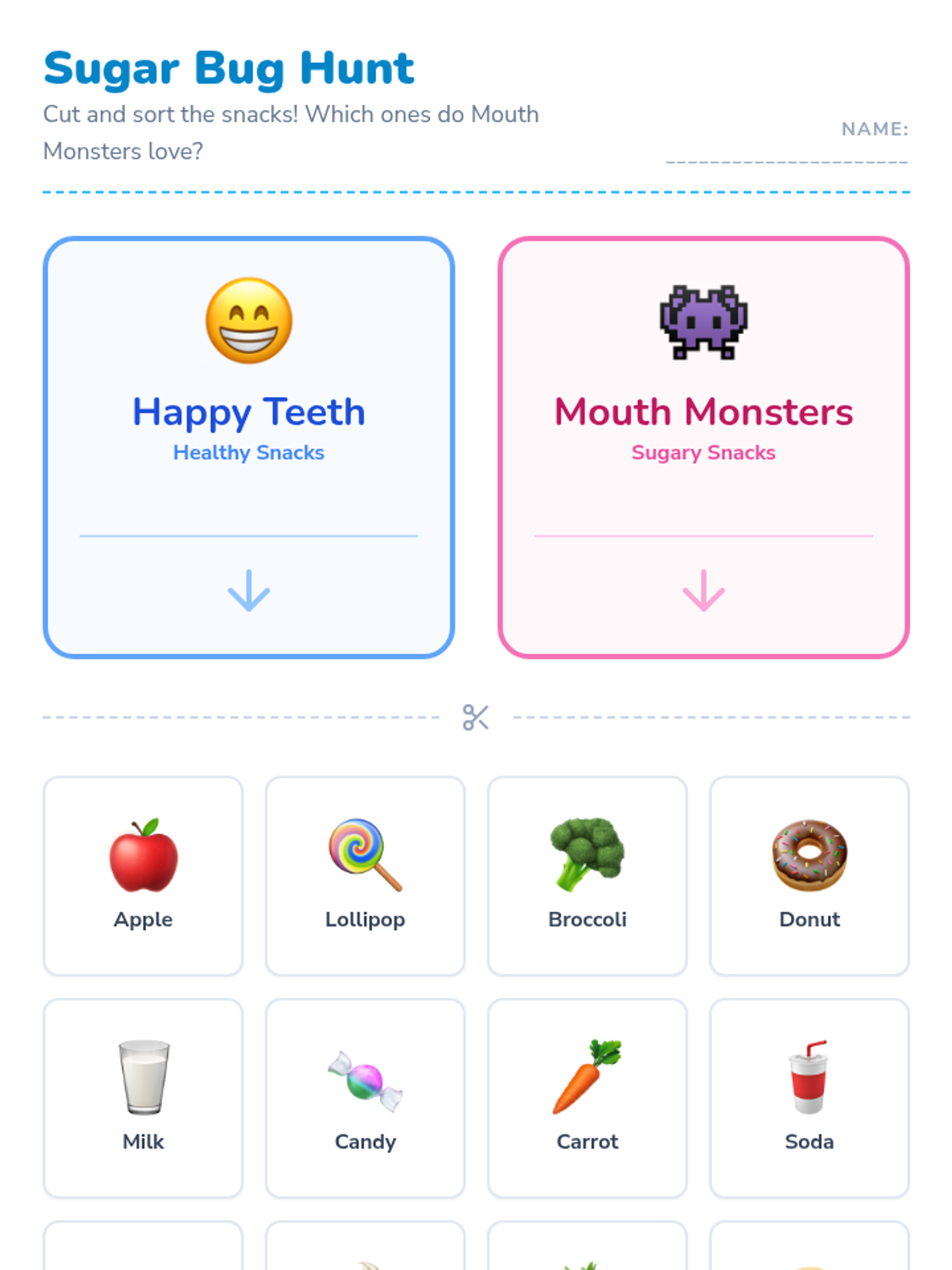
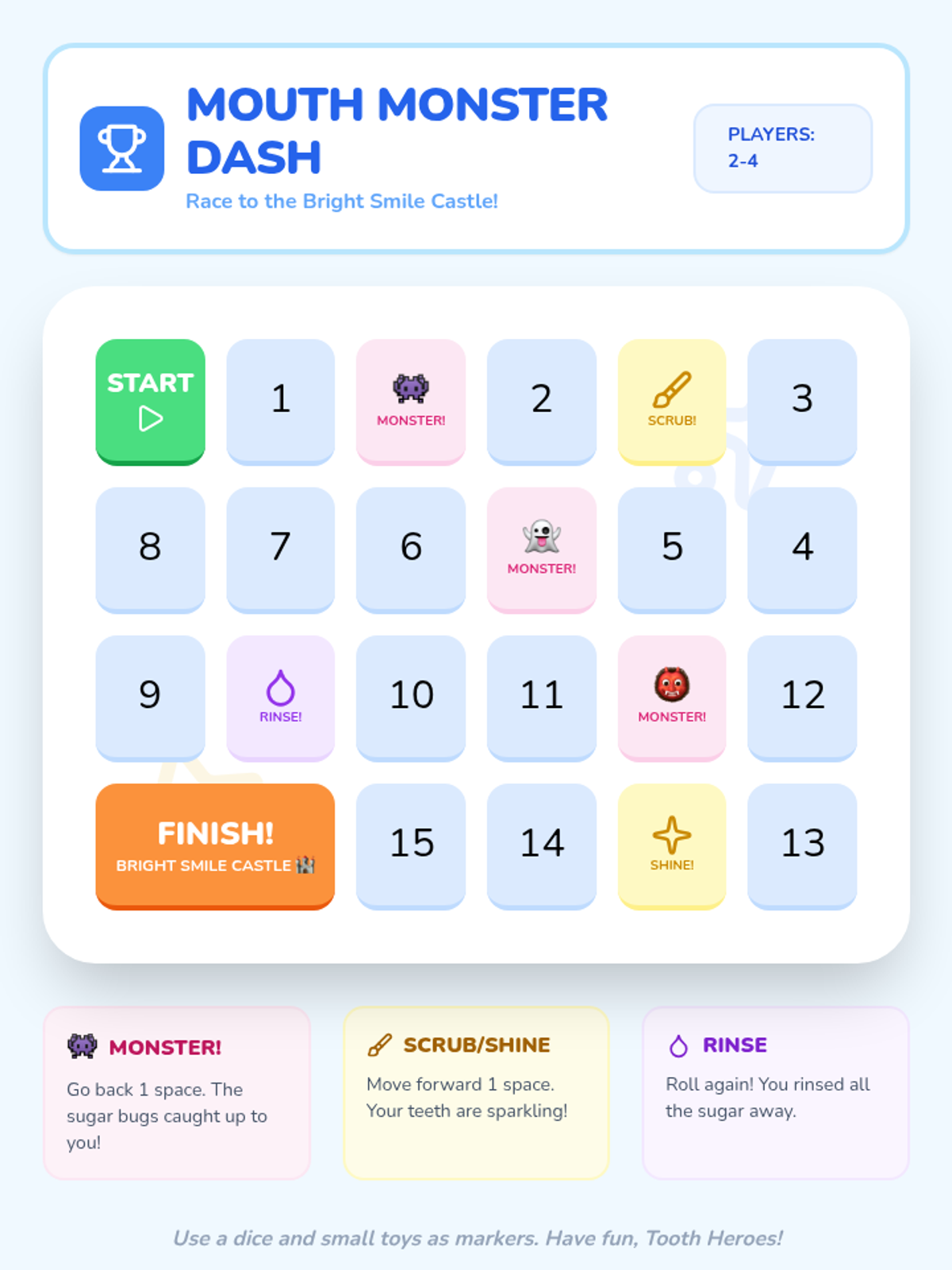
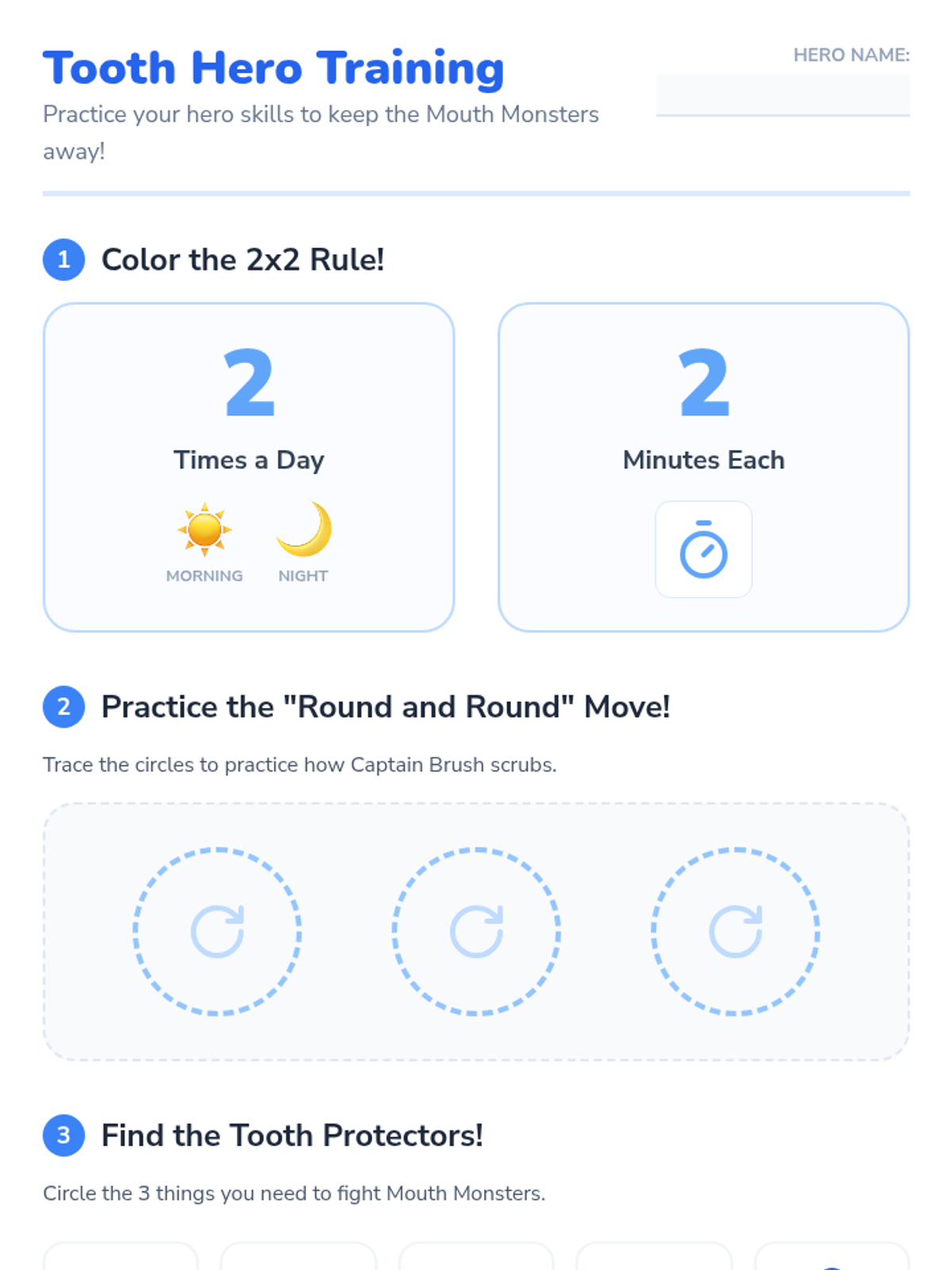
A fun, interactive dental hygiene lesson for Pre-K and Kindergarten students that uses the 'Mouth Monsters' concept to teach the importance of brushing and proper technique. Students will learn through a story, a catchy song, and hands-on practice.
A fun, interactive lesson on dental hygiene covering proper brushing and flossing techniques, as well as understanding how germs cause cavities.
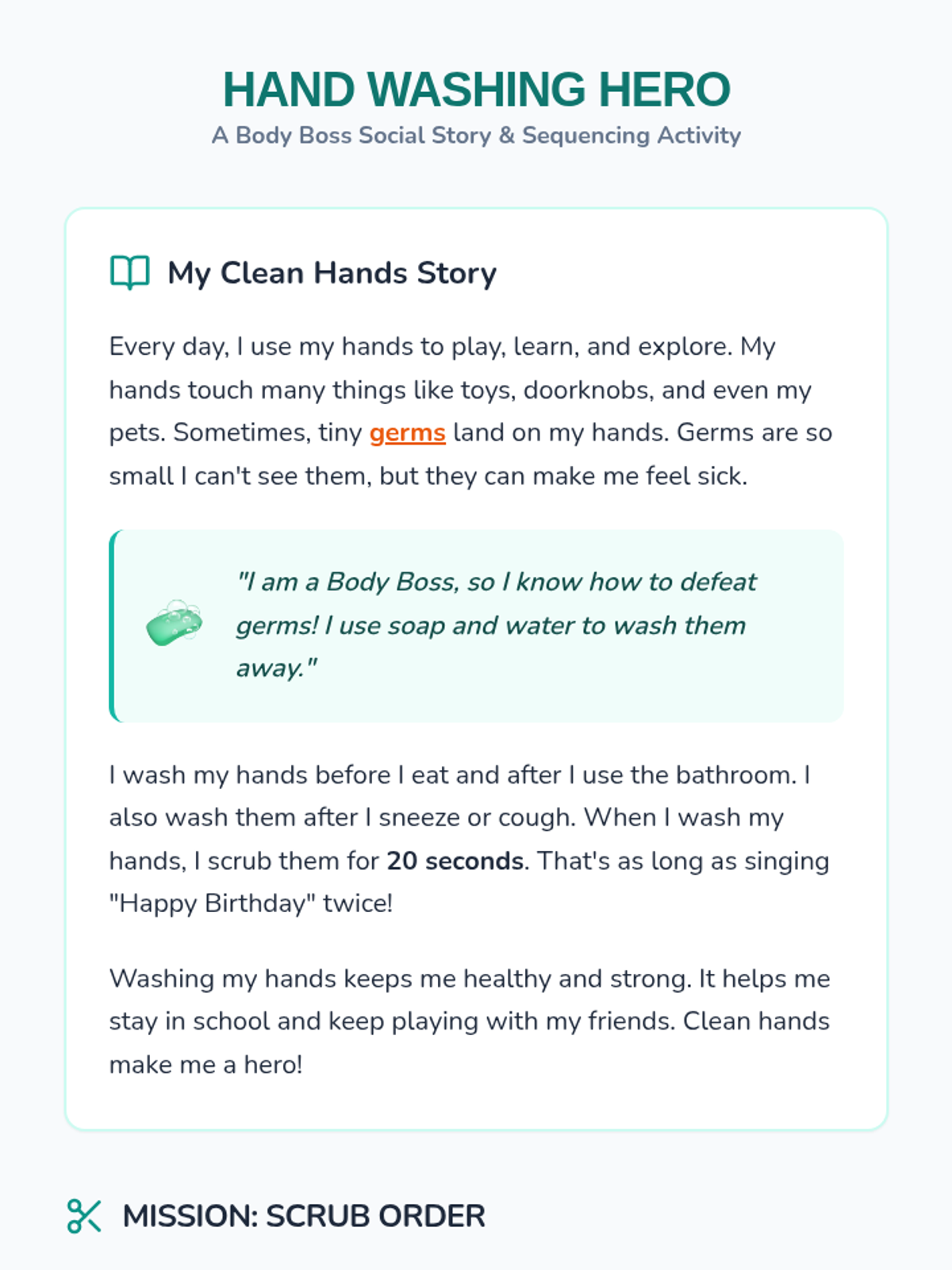
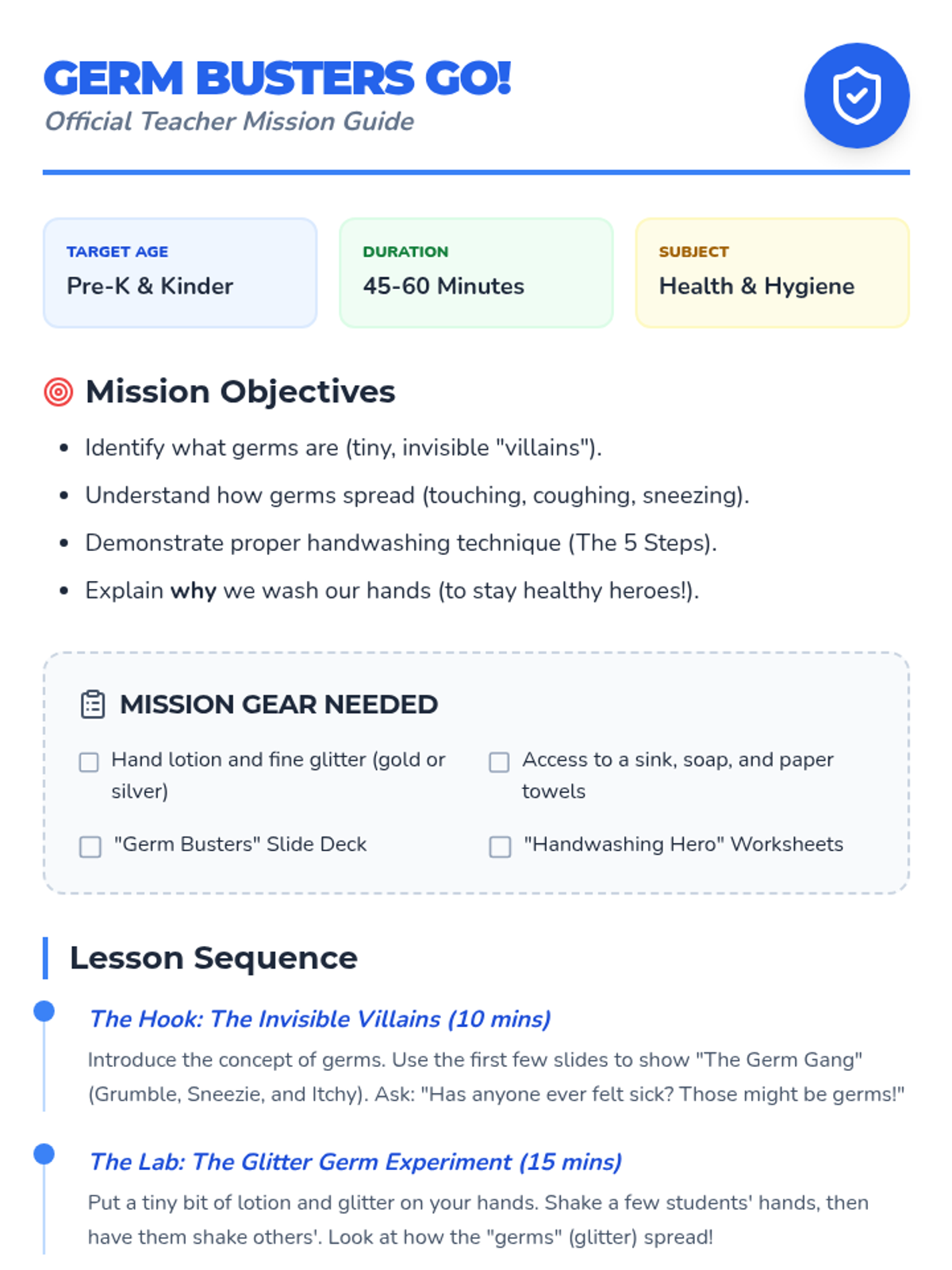
A fun, interactive lesson for Pre-K and Kindergarten students to learn about germs and the importance of handwashing through stories, games, and a hands-on glitter activity.
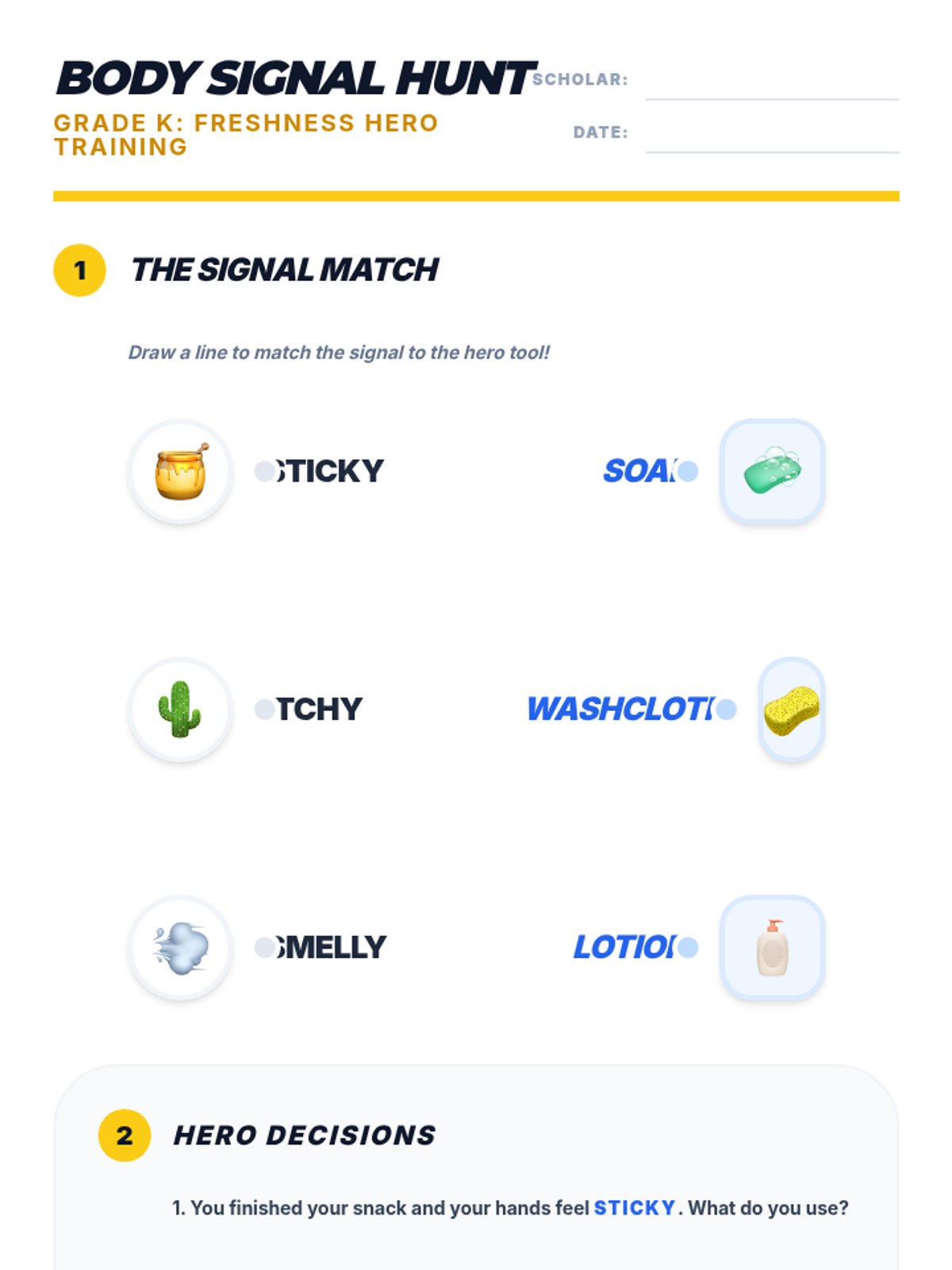
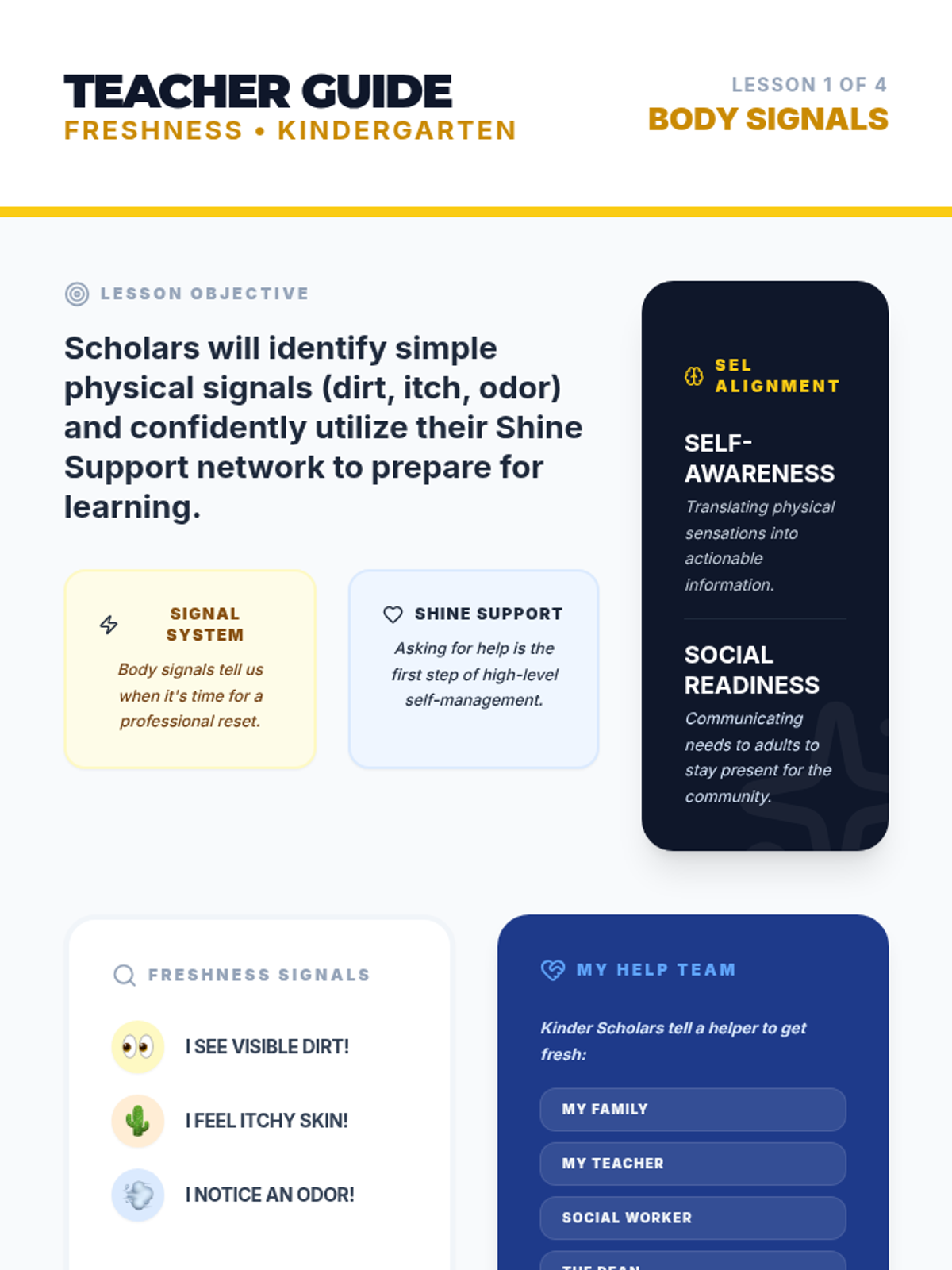
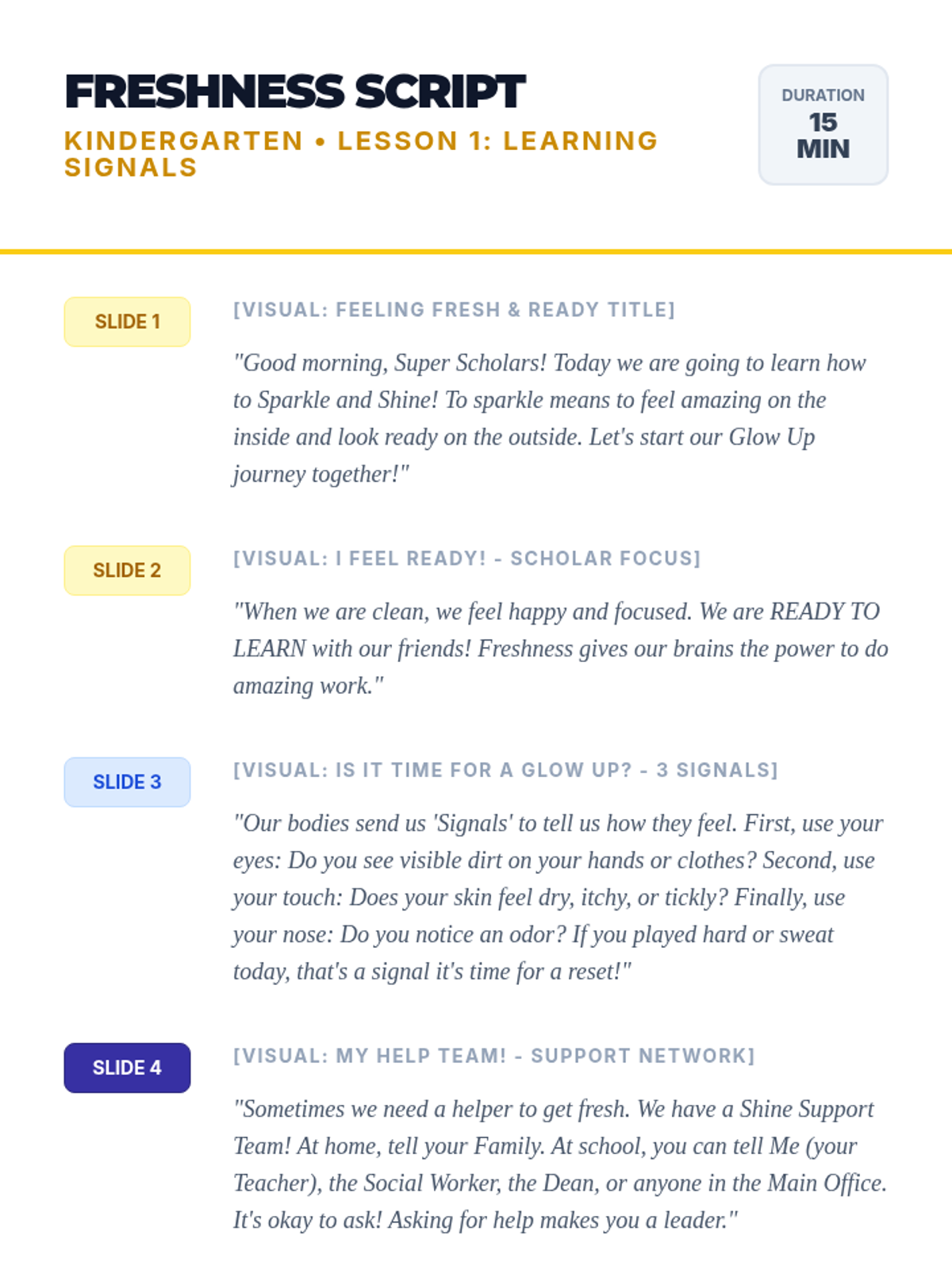
Focuses on identifying how our bodies feel when they are clean and recognizing basic body signals (sticky, itchy) for Kindergarten students.
A lesson exploring the physical, social, and emotional benefits of recess for young learners, designed with accessibility and visual supports for IEP students.
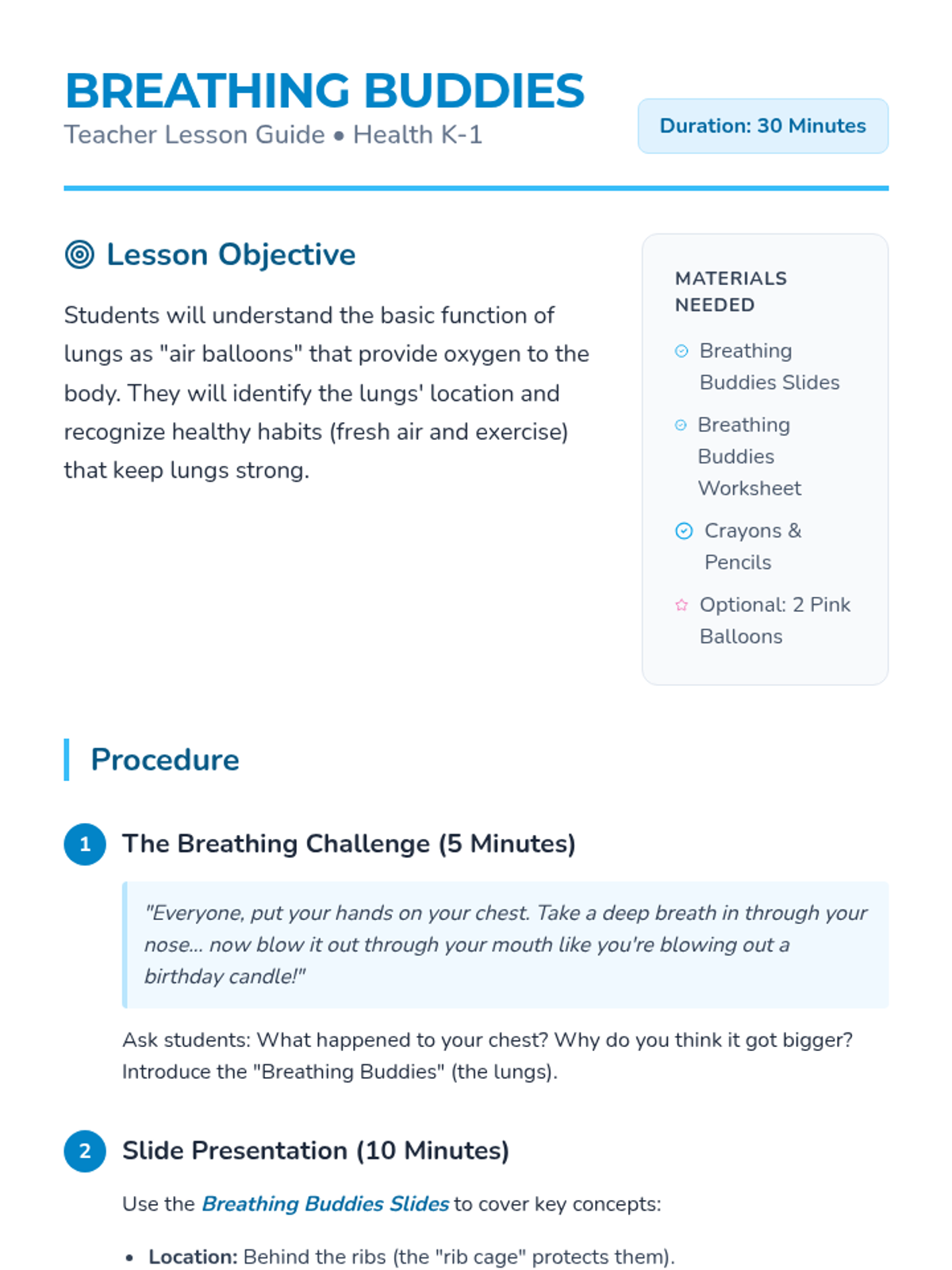
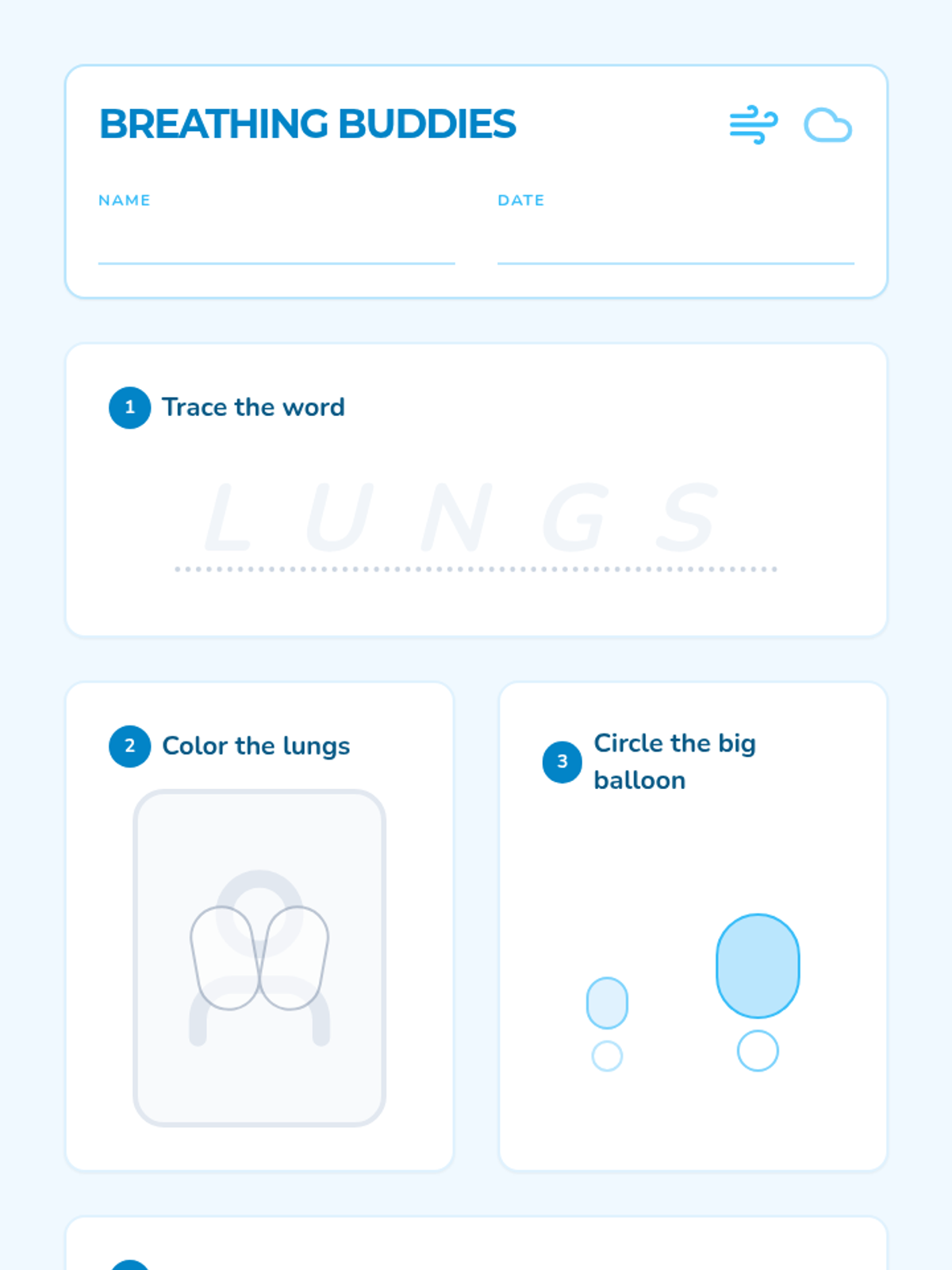
A 30-minute introductory health lesson for K-1 students about the lungs, focusing on their function as 'air balloons' for the body and how to keep them healthy.
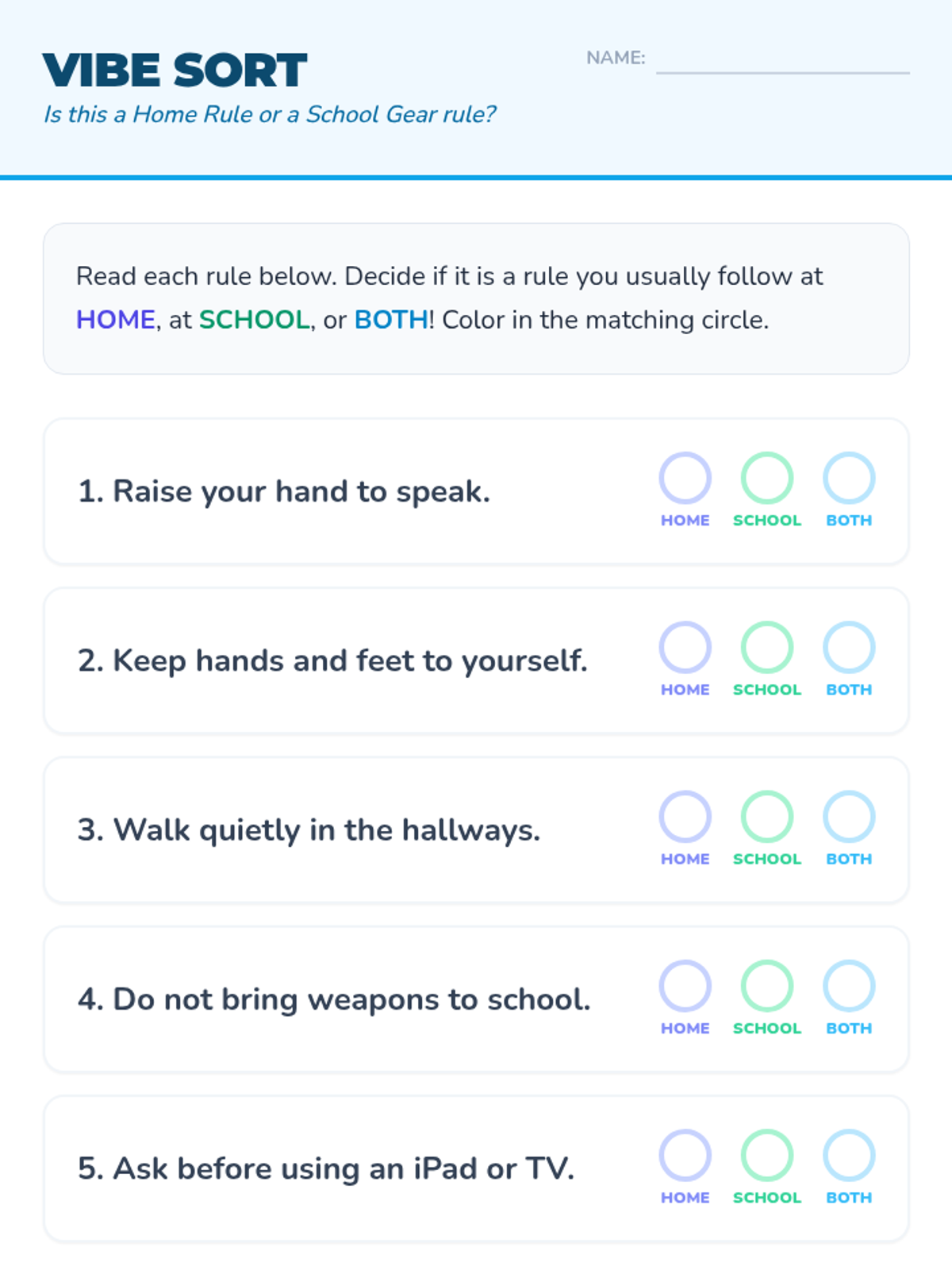
Students learn to navigate different social environments by understanding that rules and expectations change based on the setting (home vs. school).
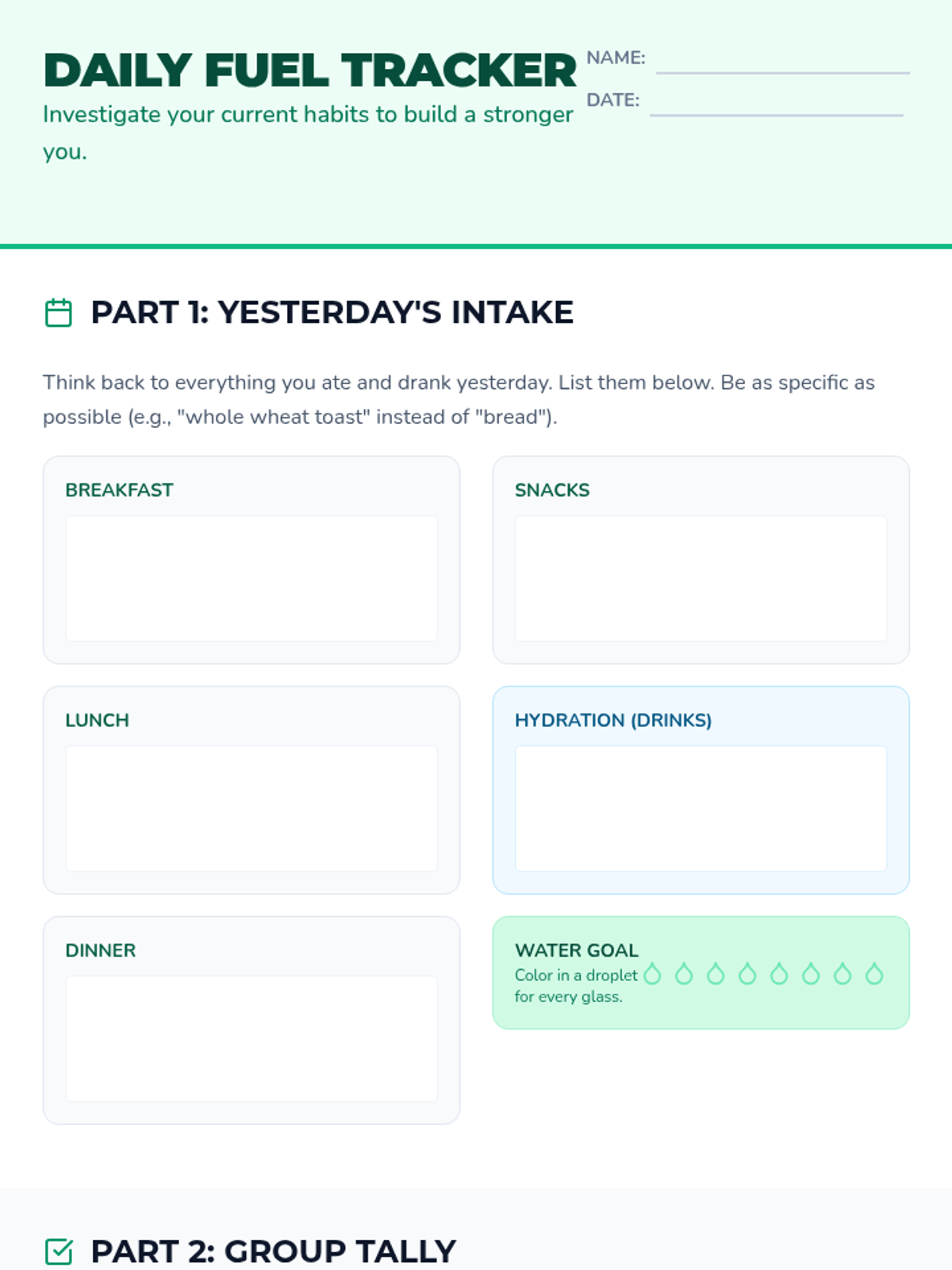
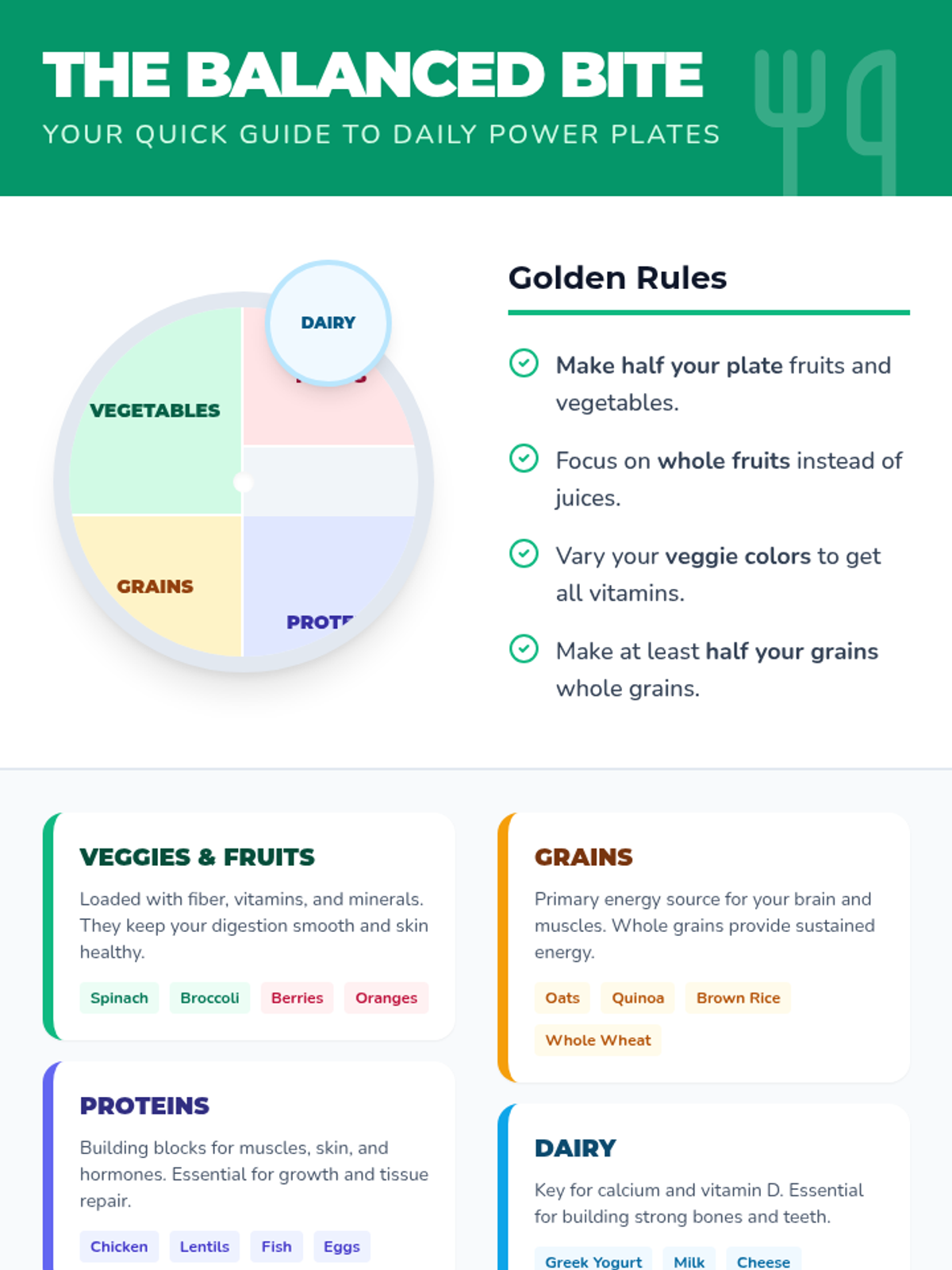
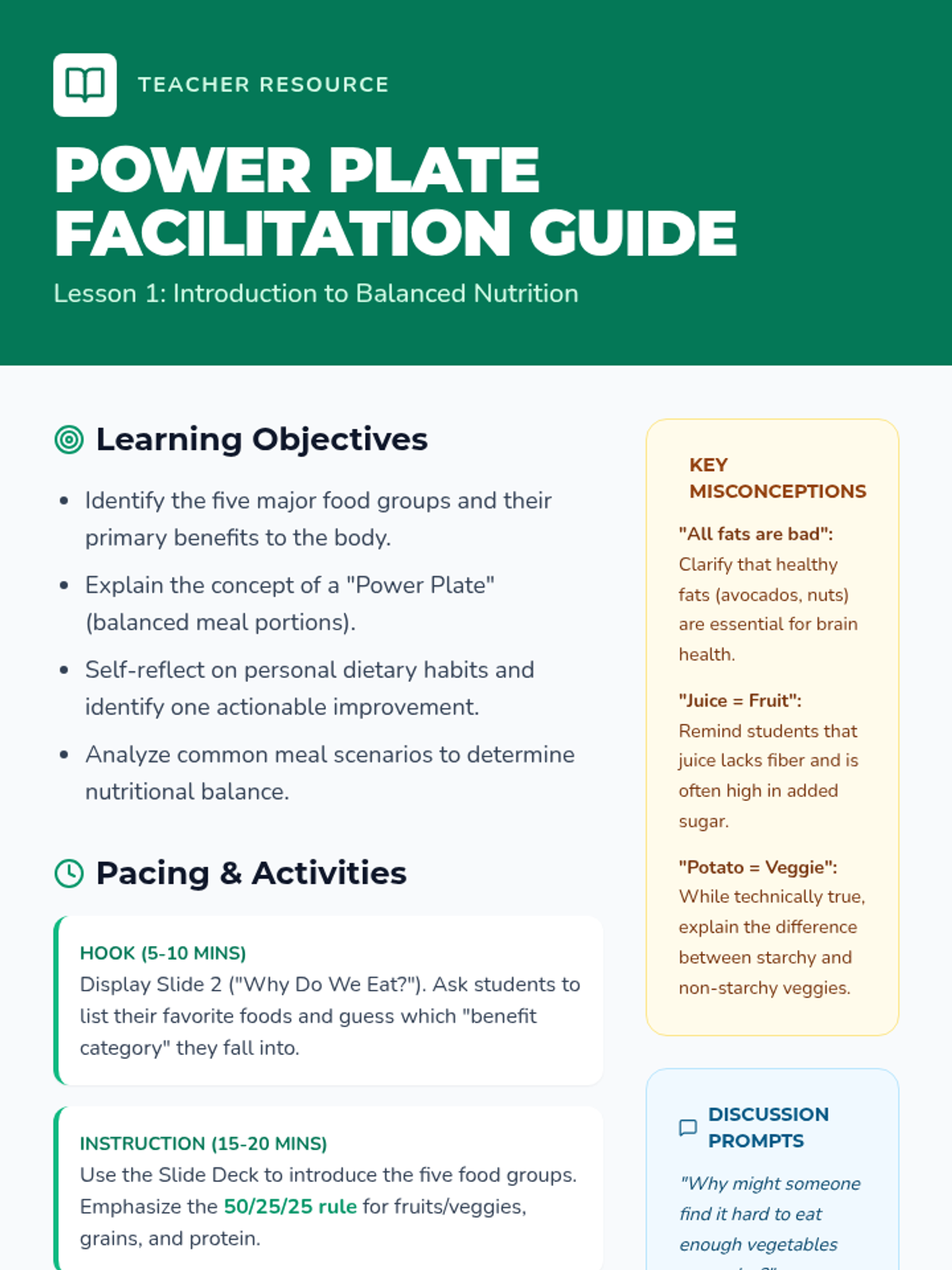
Students explore the five food groups, understand the importance of balanced nutrition, and learn how to build a healthy plate.
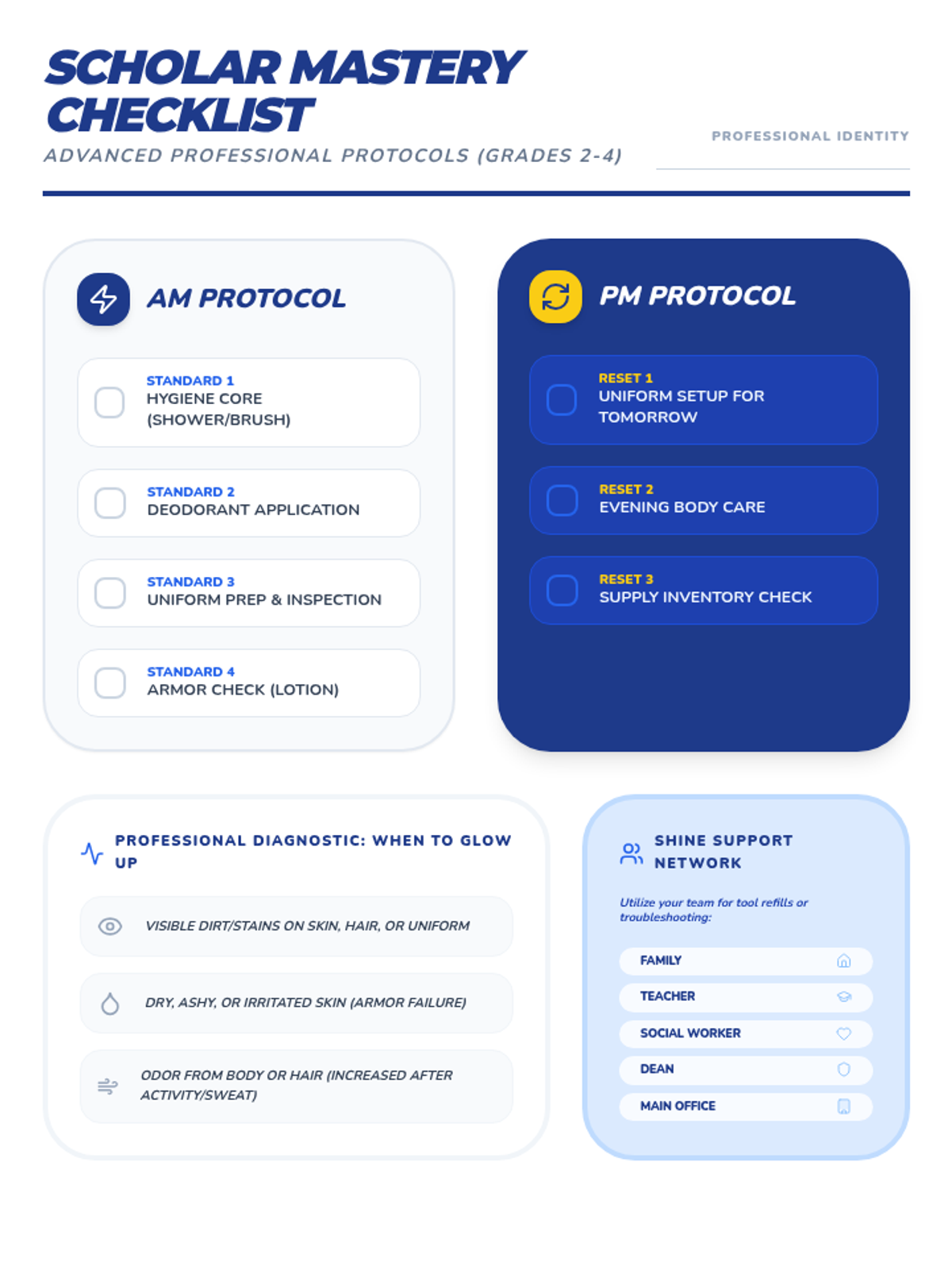
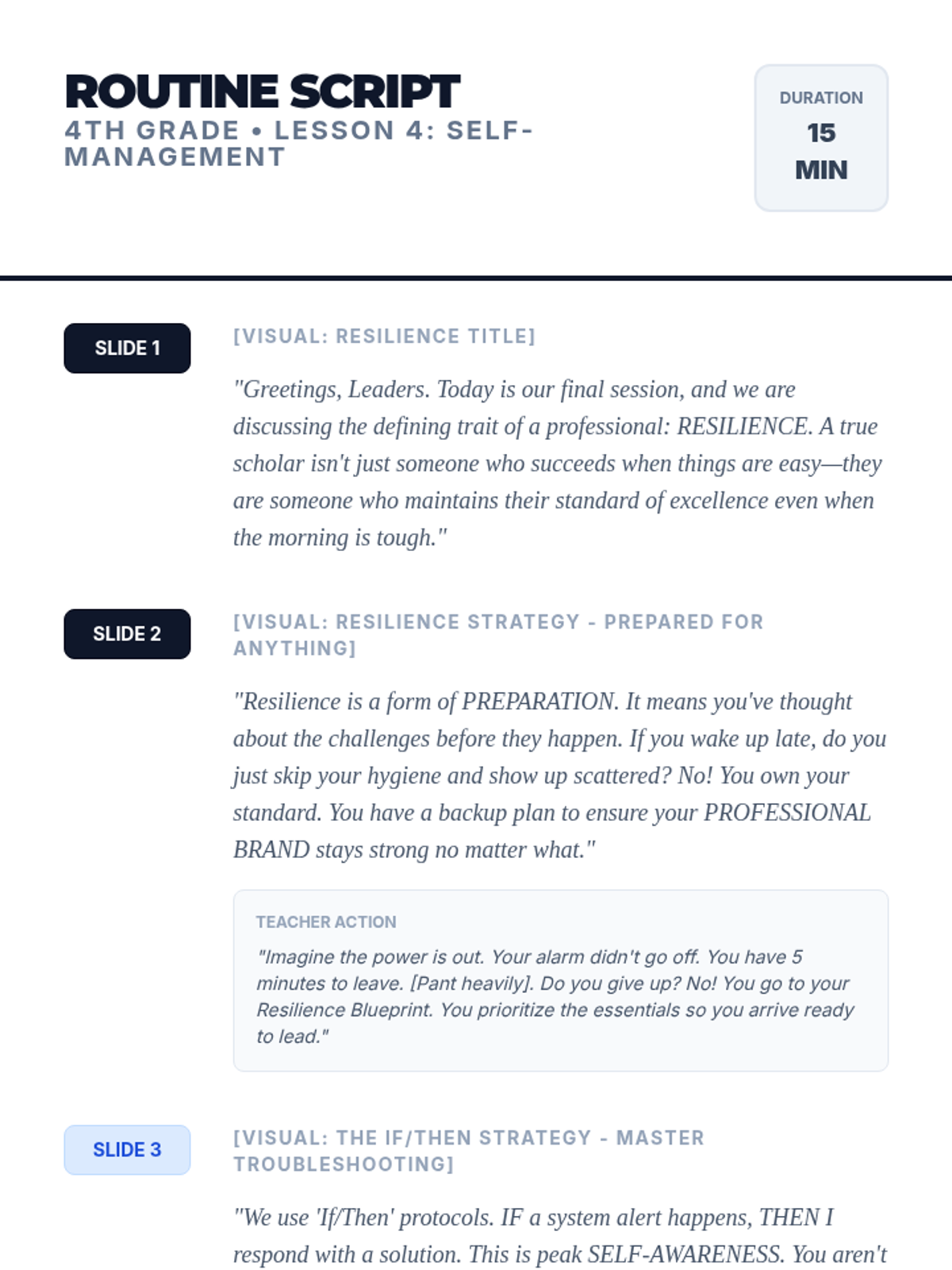
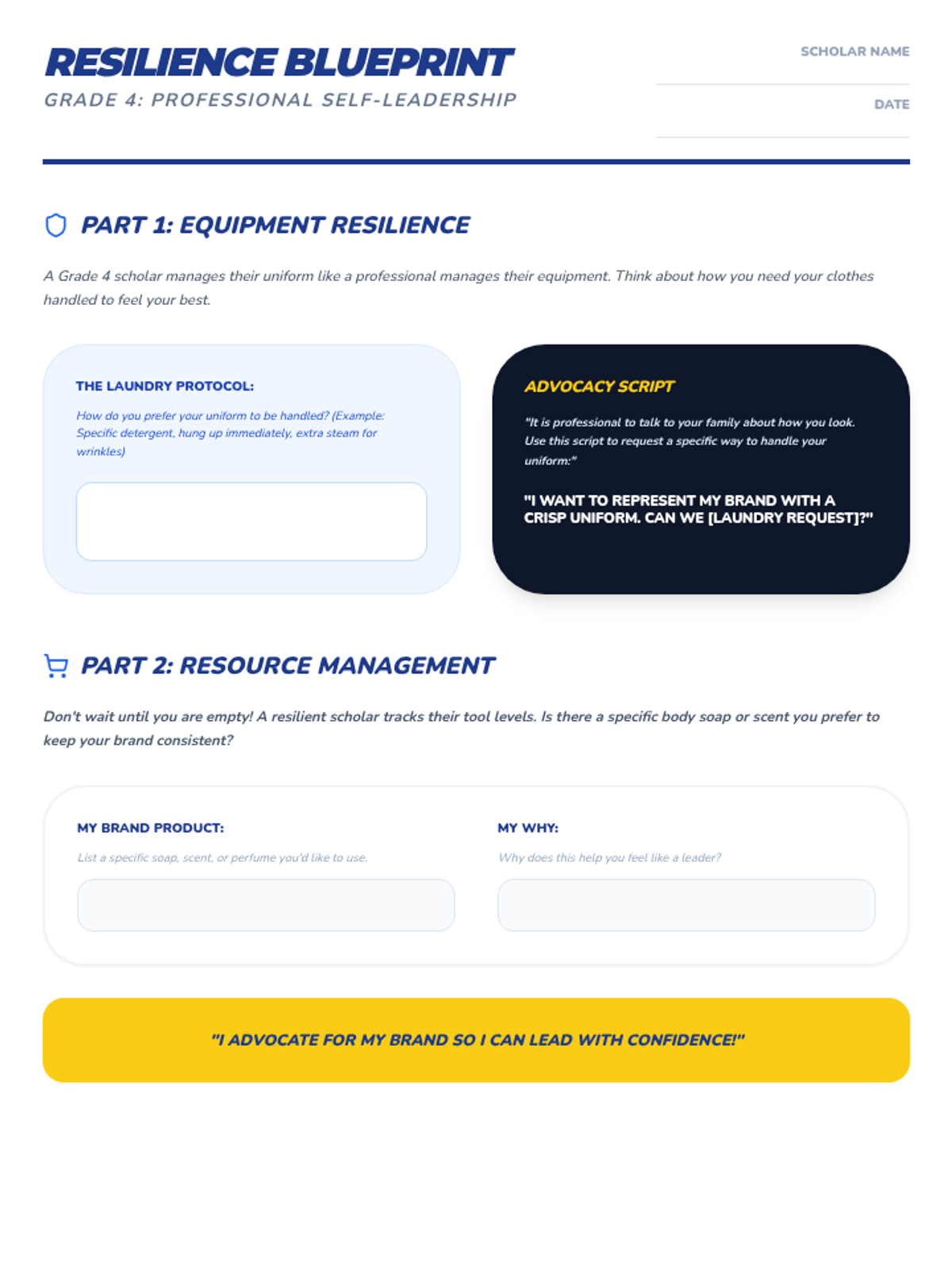
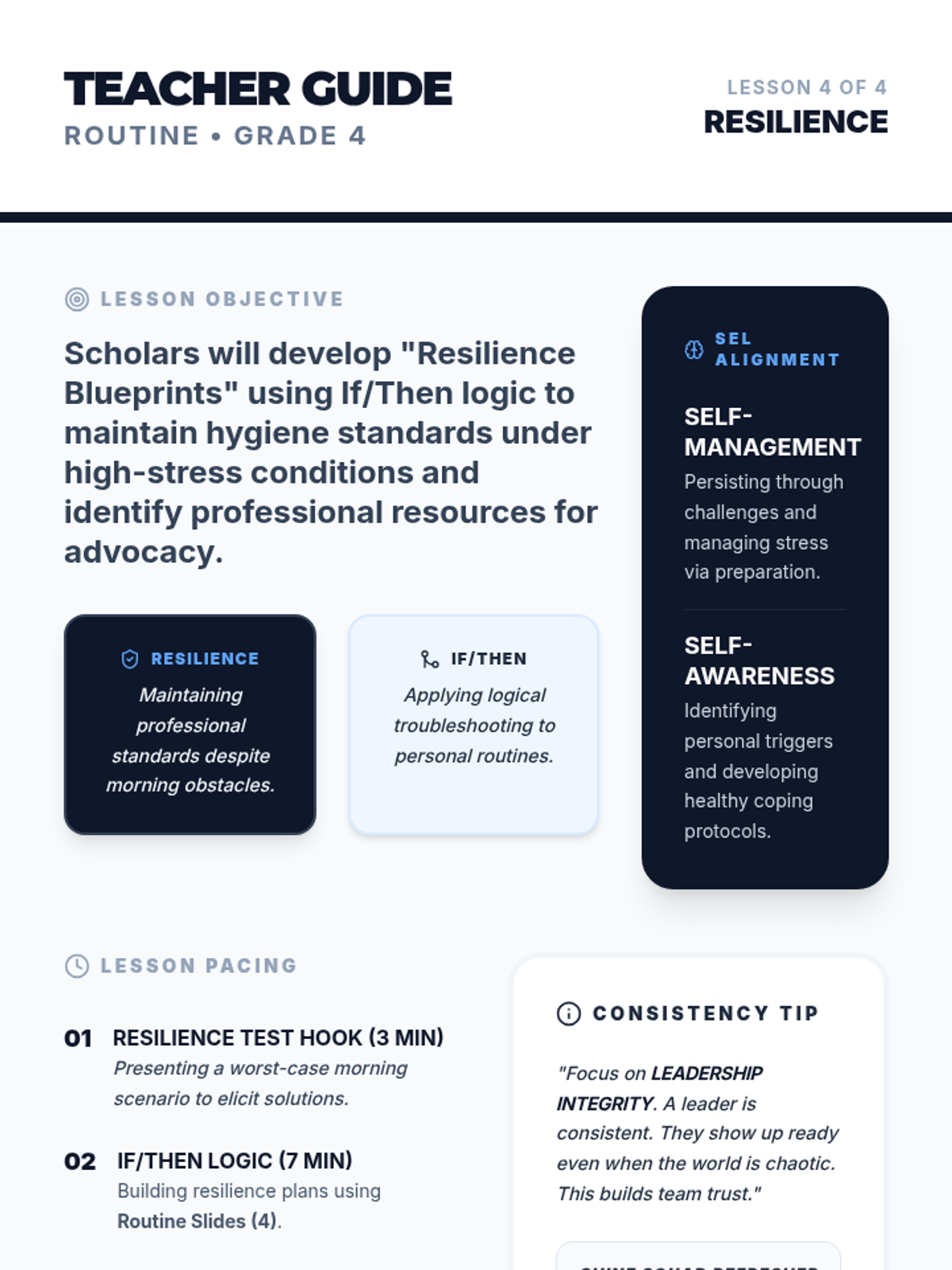
Creating a professional resilience plan for morning routines and uniform care for 4th grade leaders.
Advanced skin health and moisturization as a tool for comfort and academic focus in 4th grade.
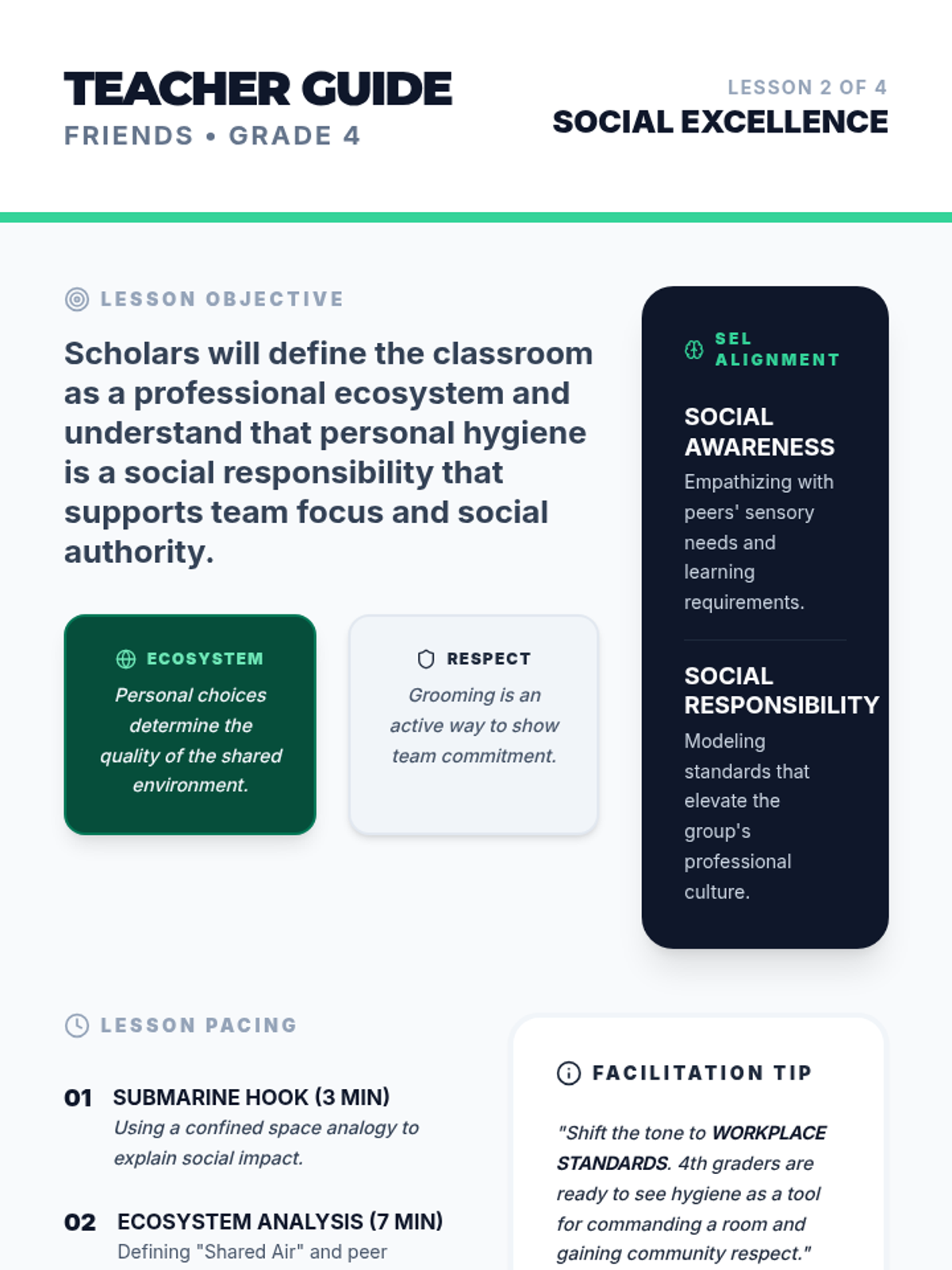
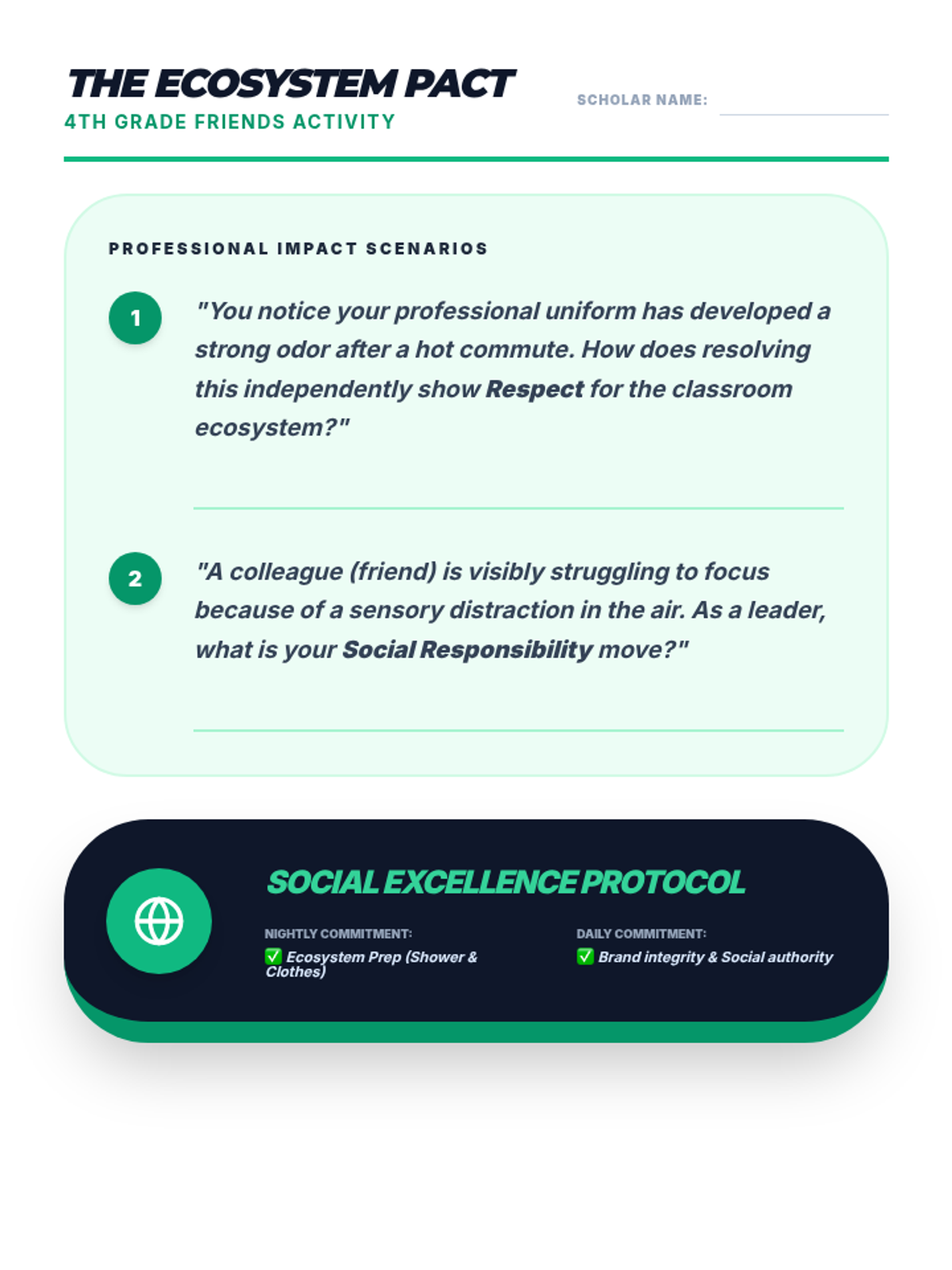
Professionalism and social responsibility through the lens of classroom environment for 4th graders.
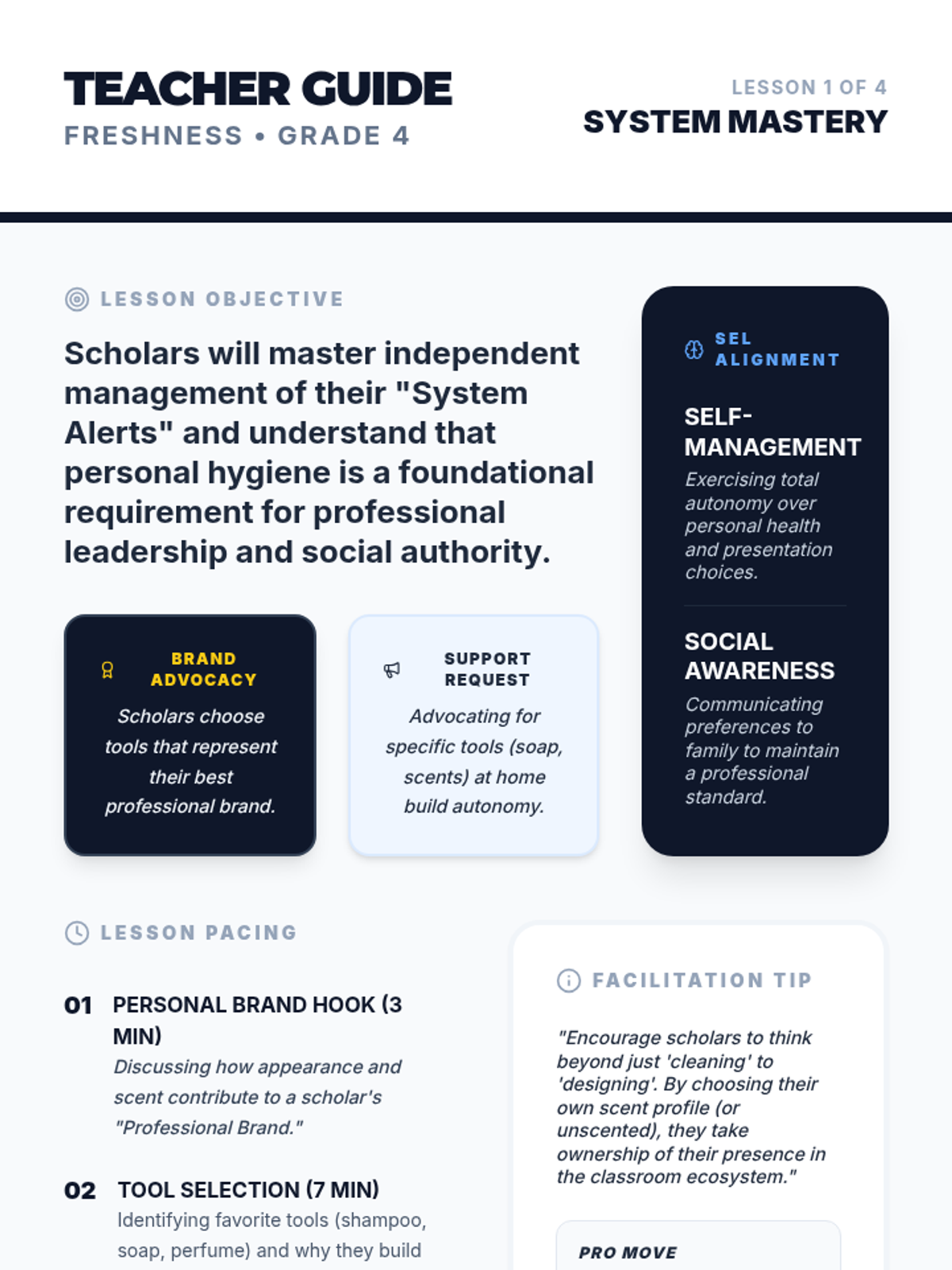
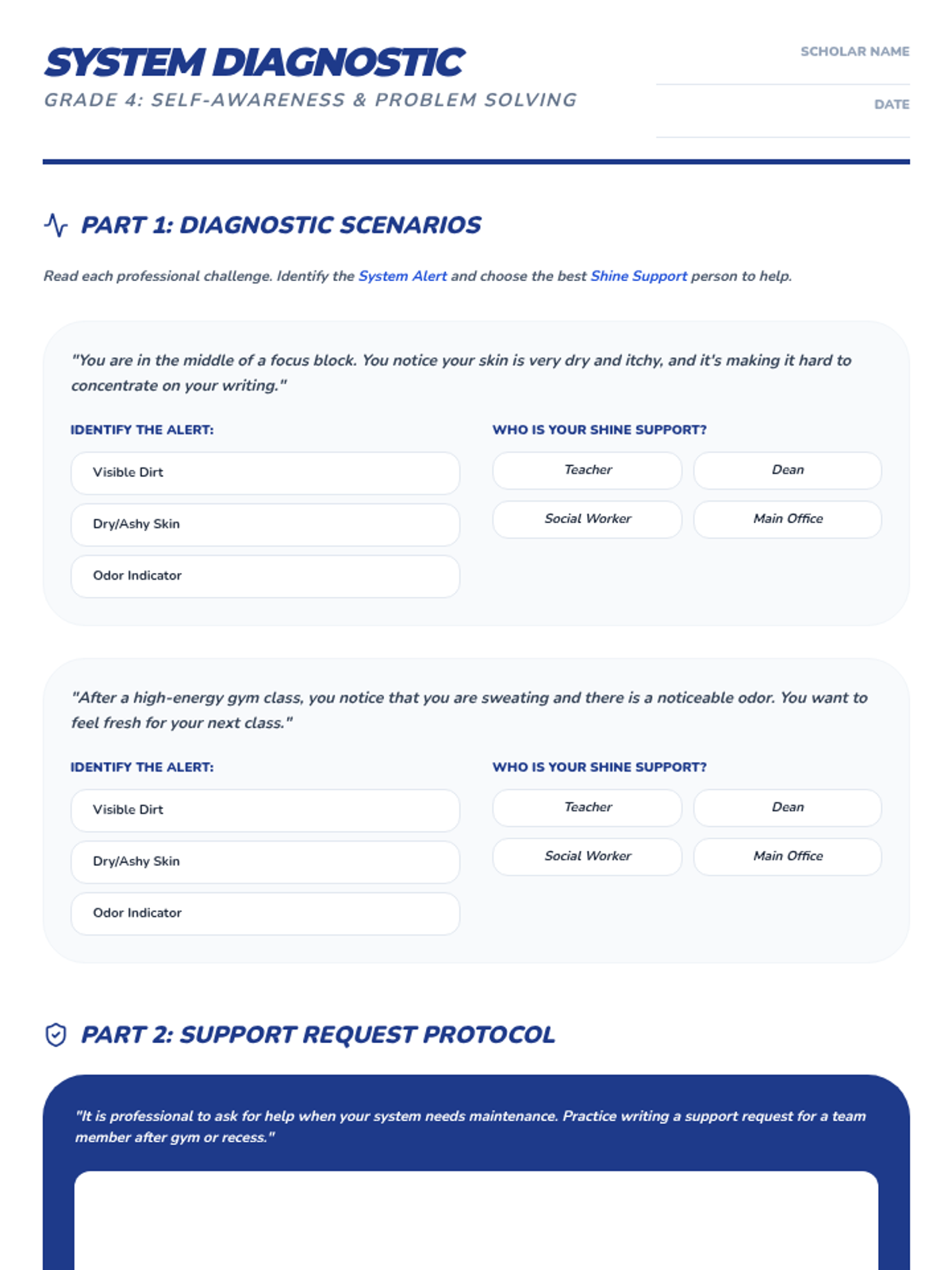
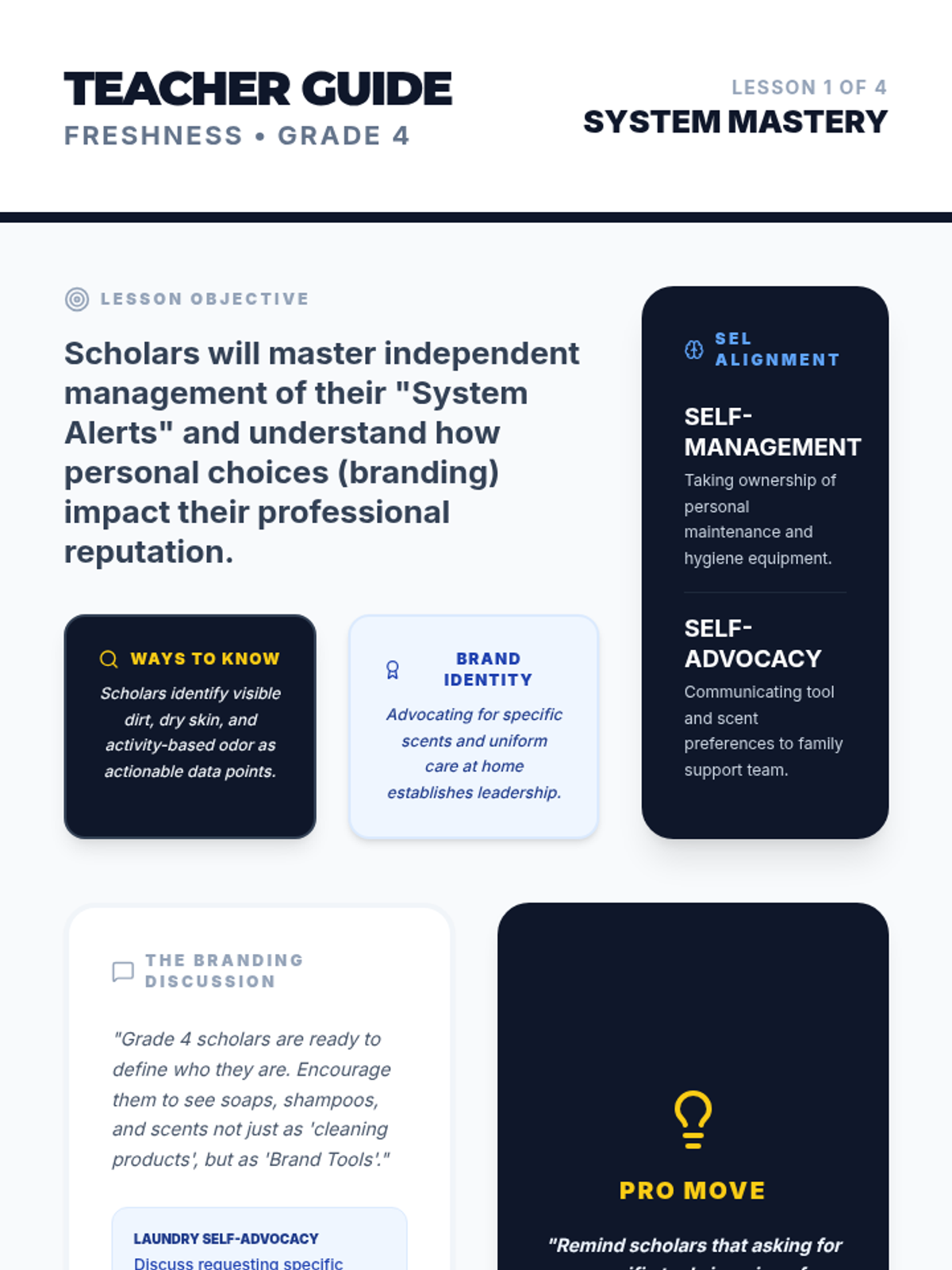
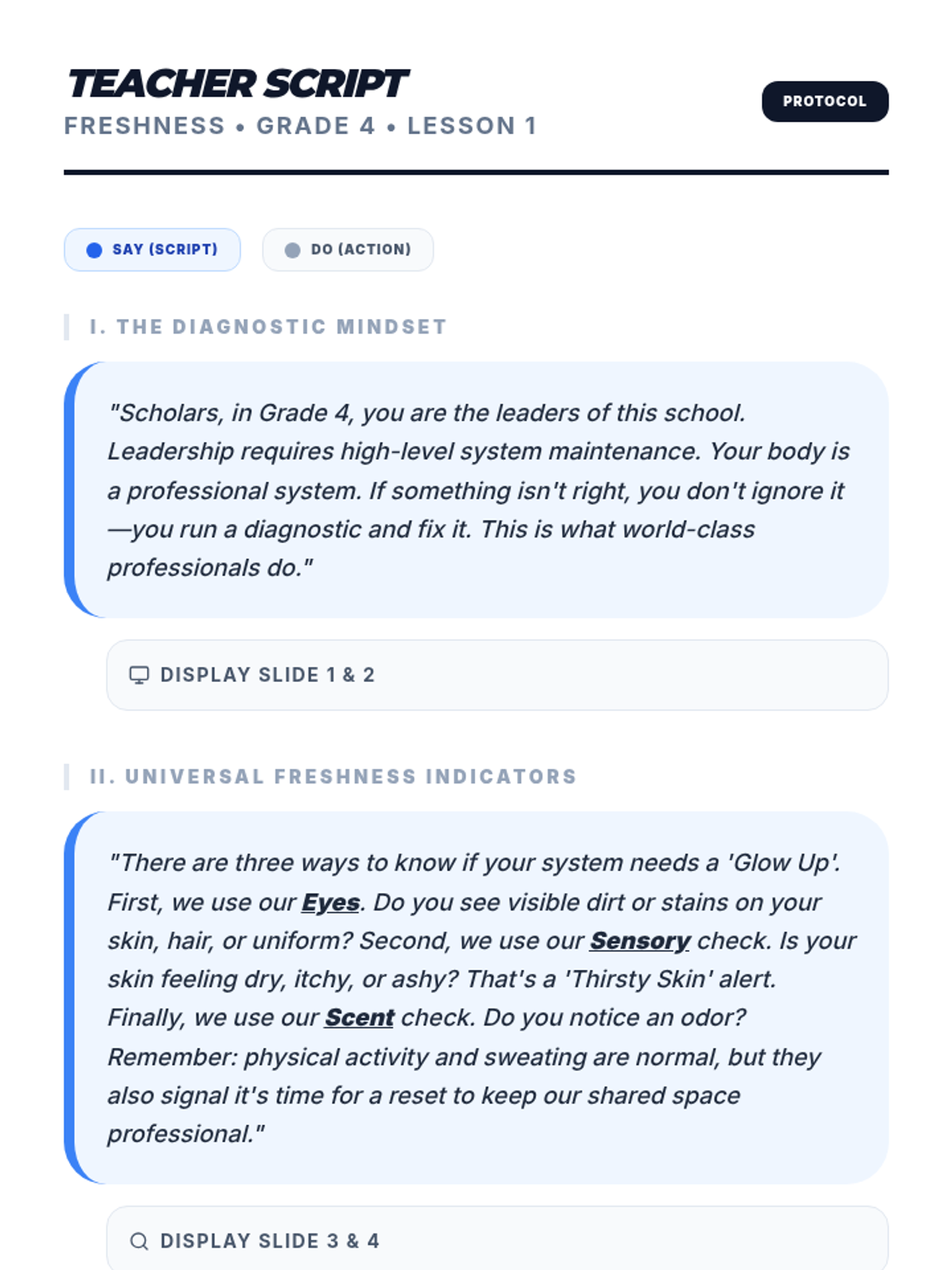
Independent self-management of 'System Alerts' and professional standards for 4th grade scholars.
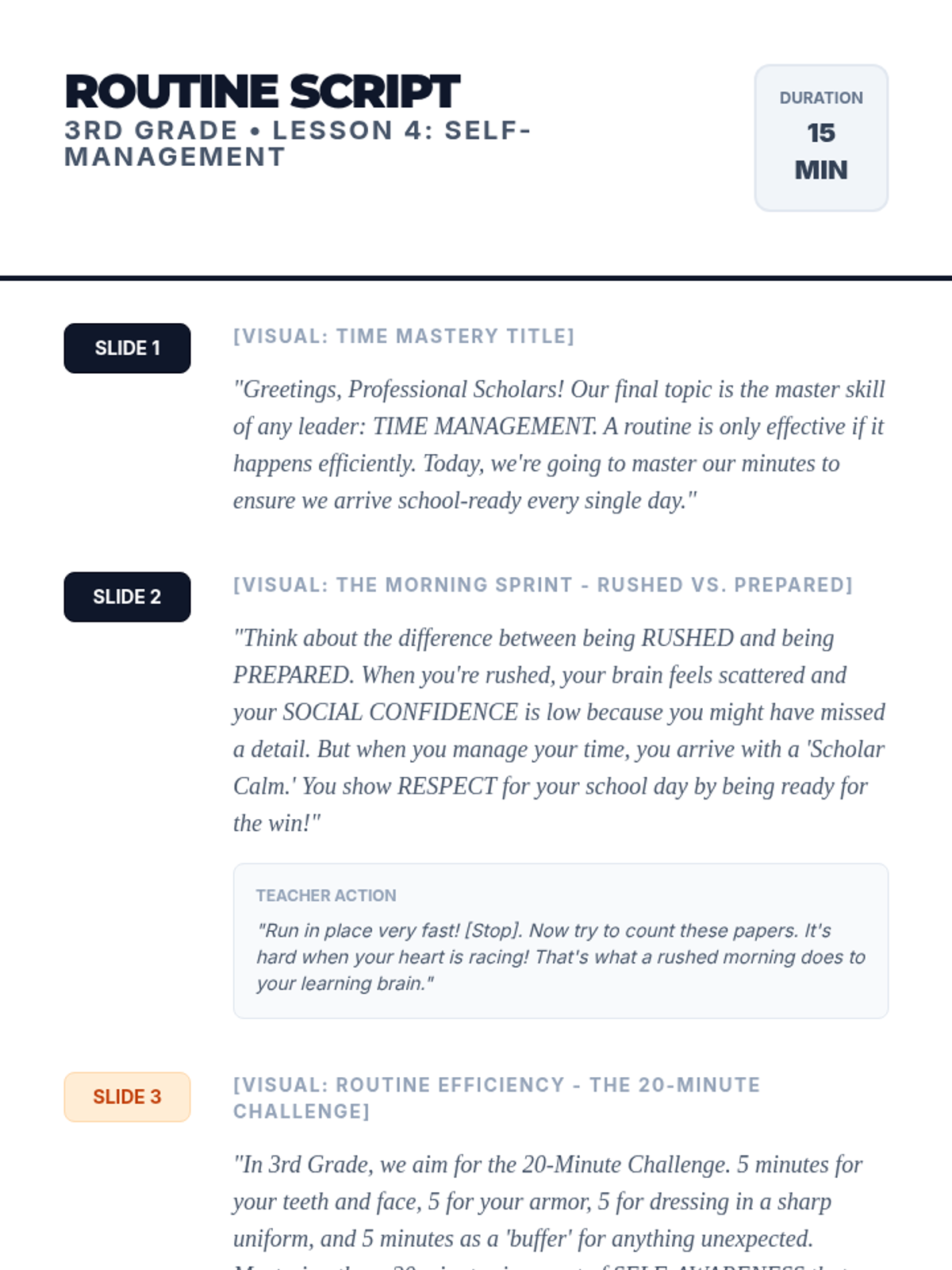
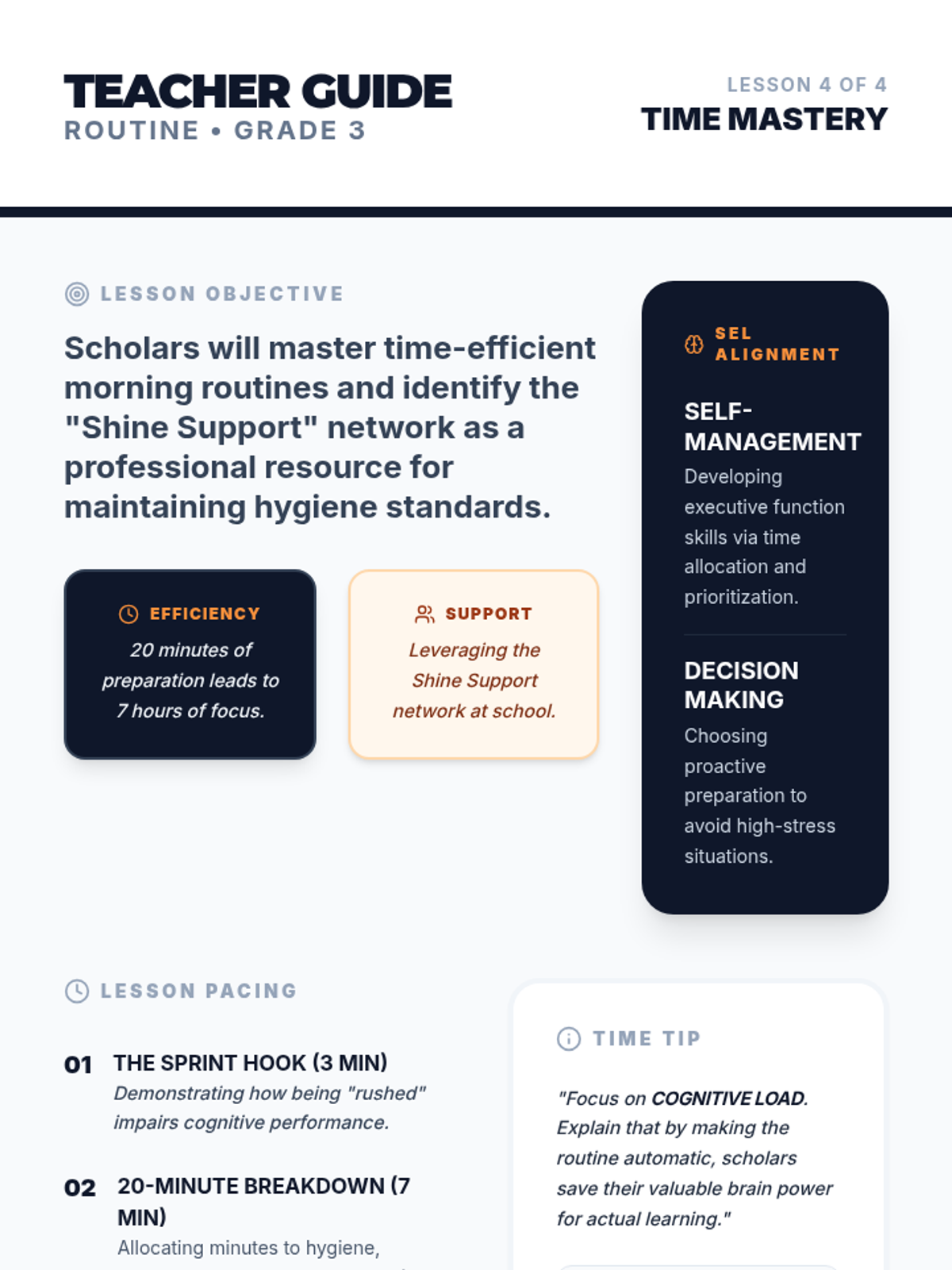
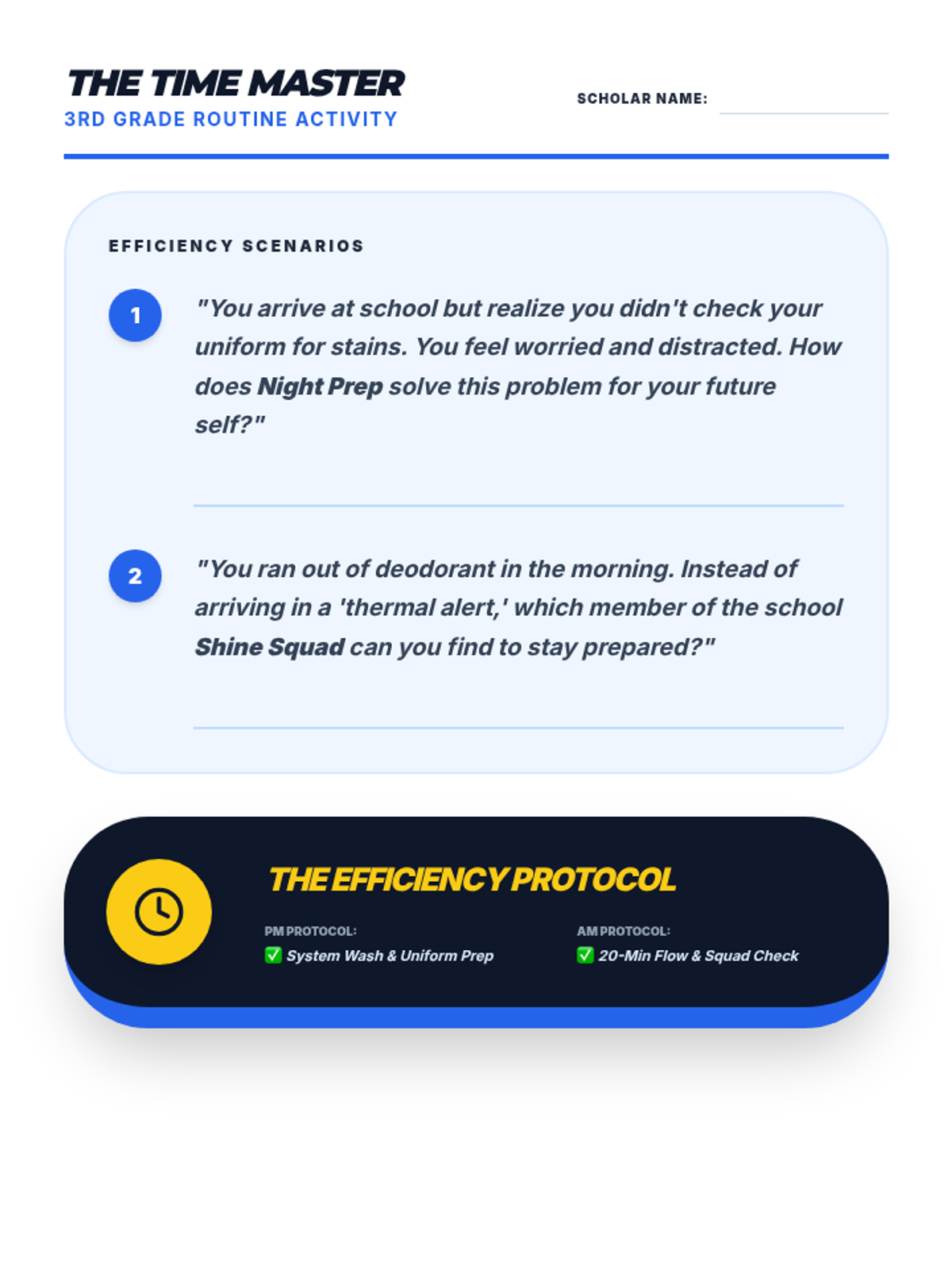
Mastering time management and efficient morning habits to arrive school-ready in 3rd grade.
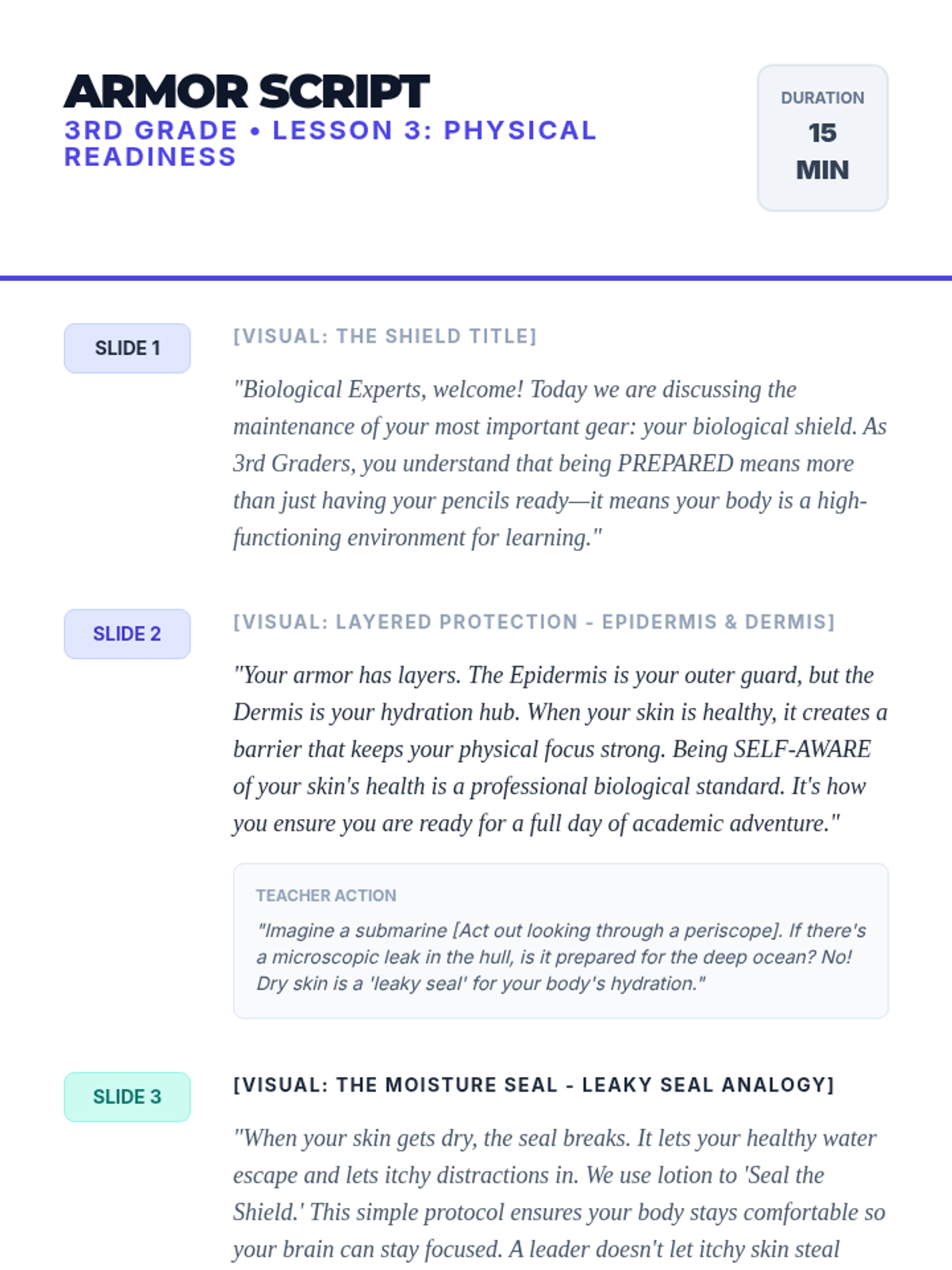
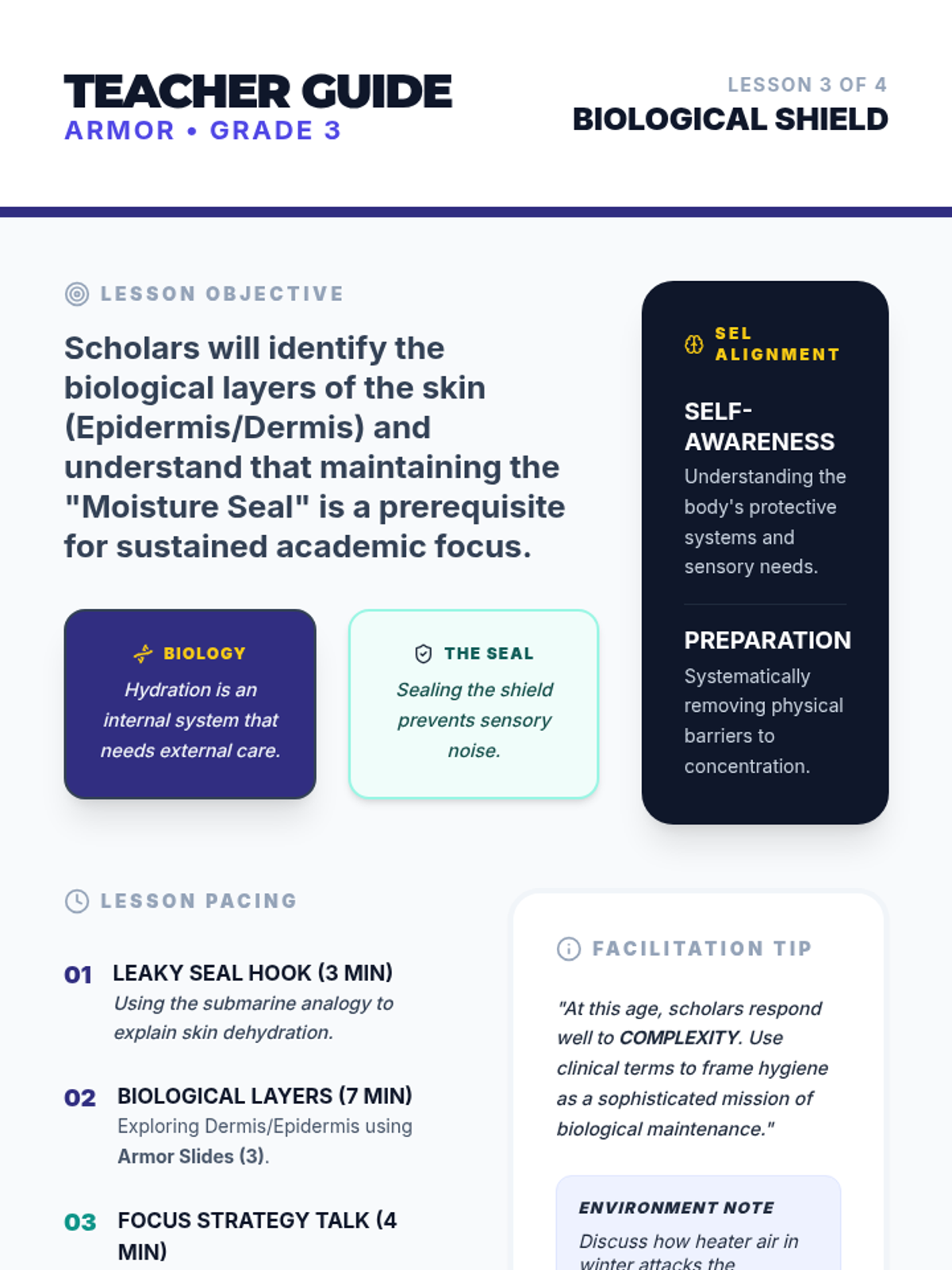
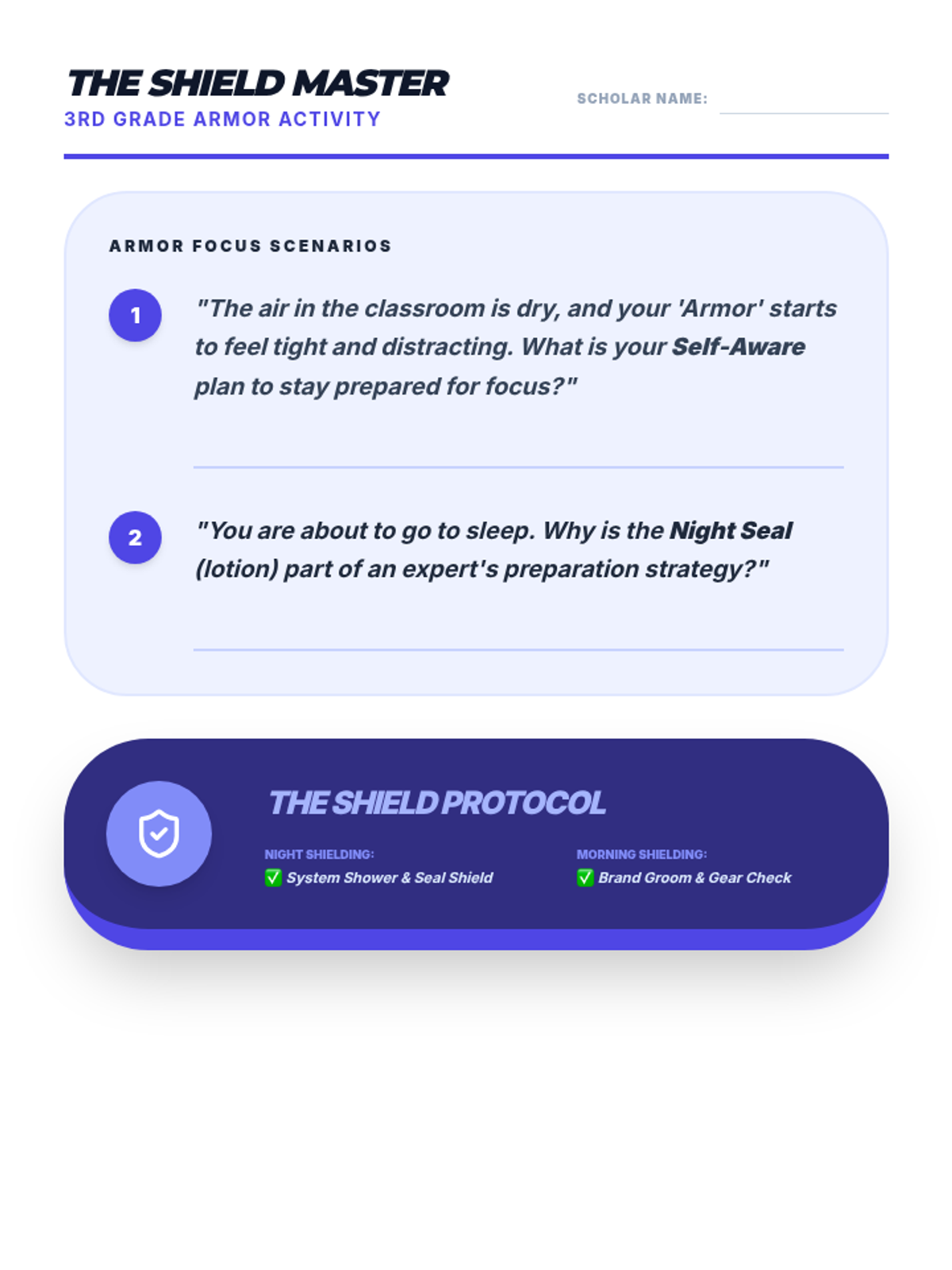
The biology of skin health and the importance of the 'Skin Shield' for 3rd grade health standards.
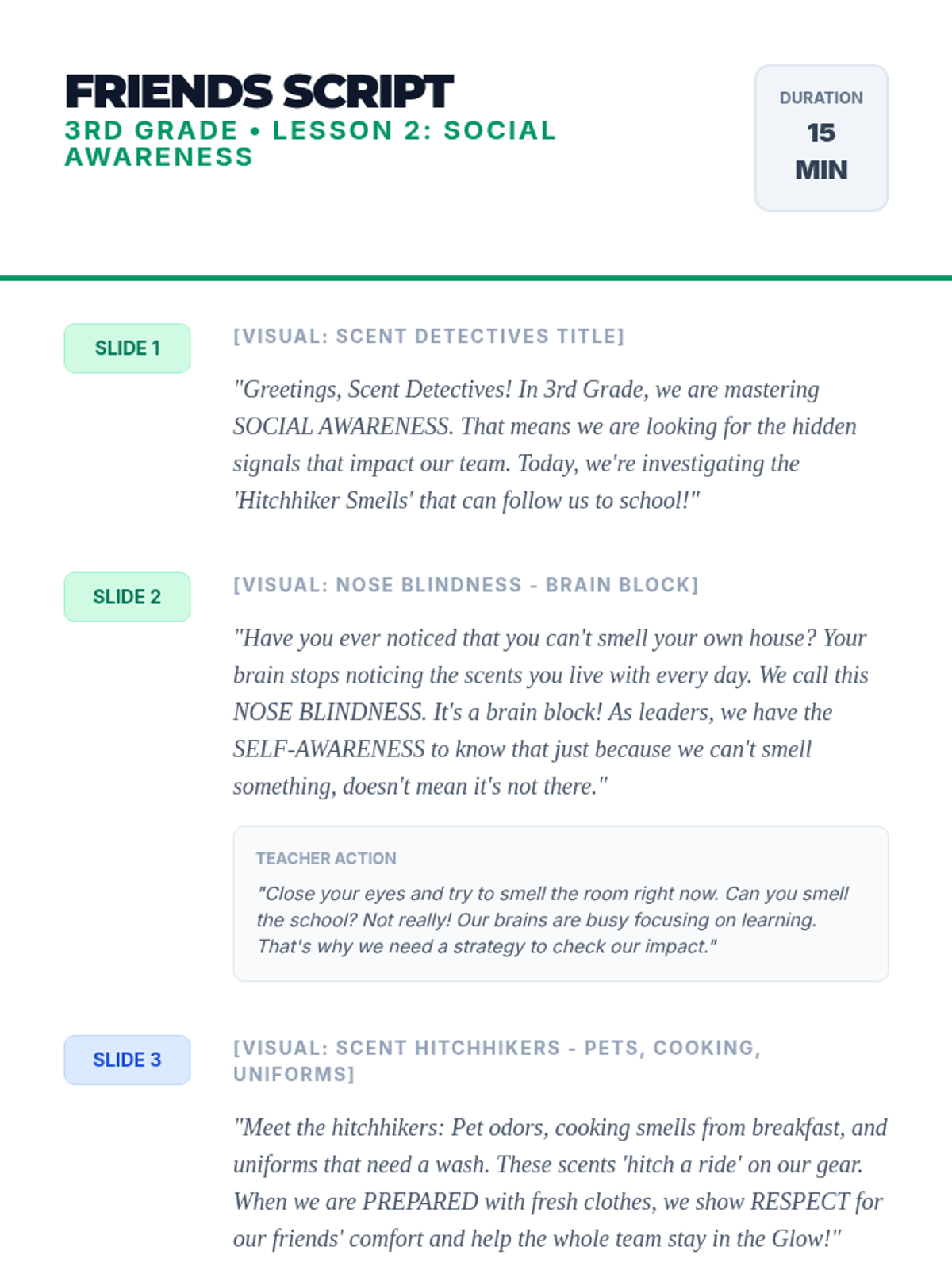
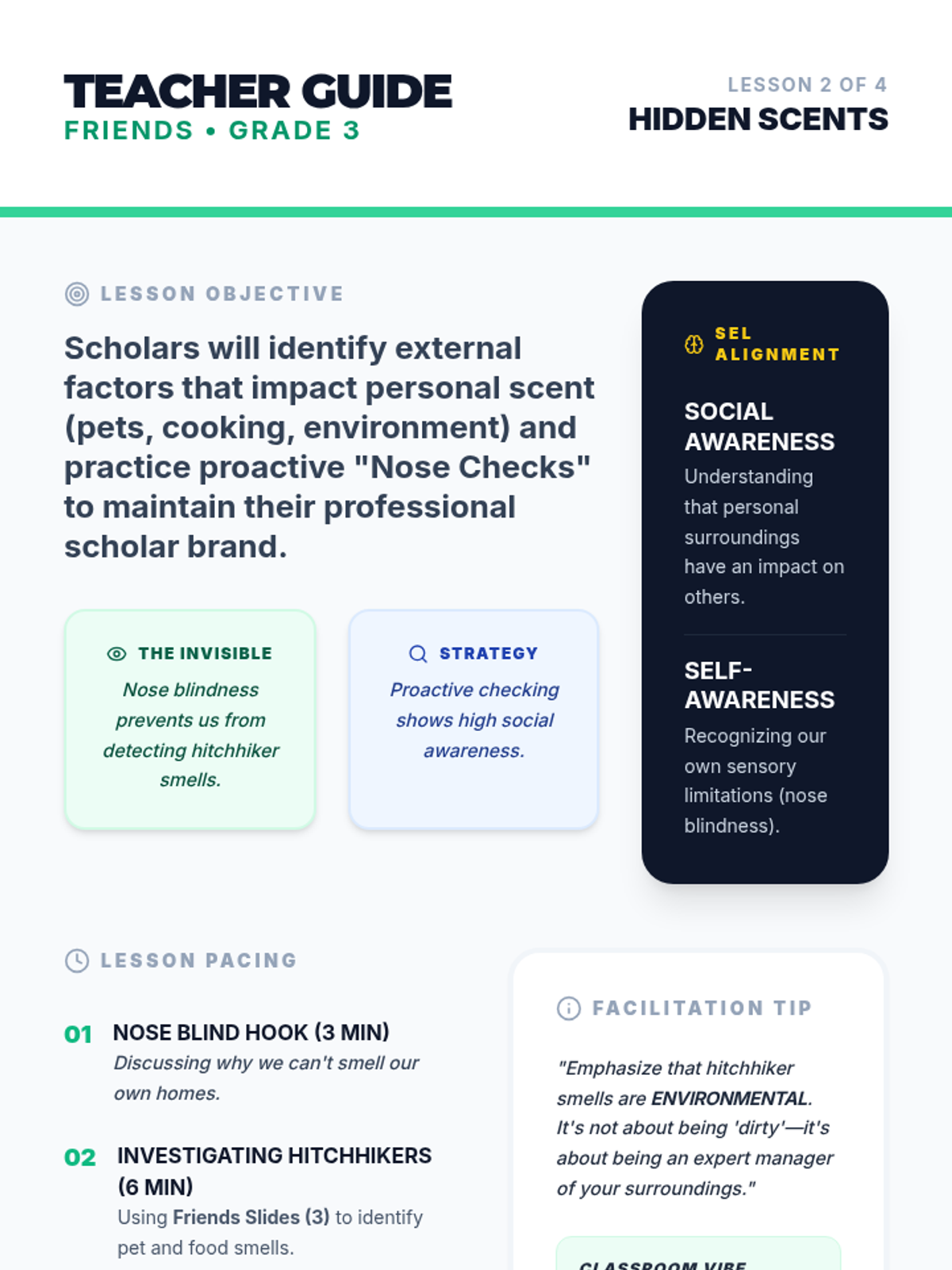
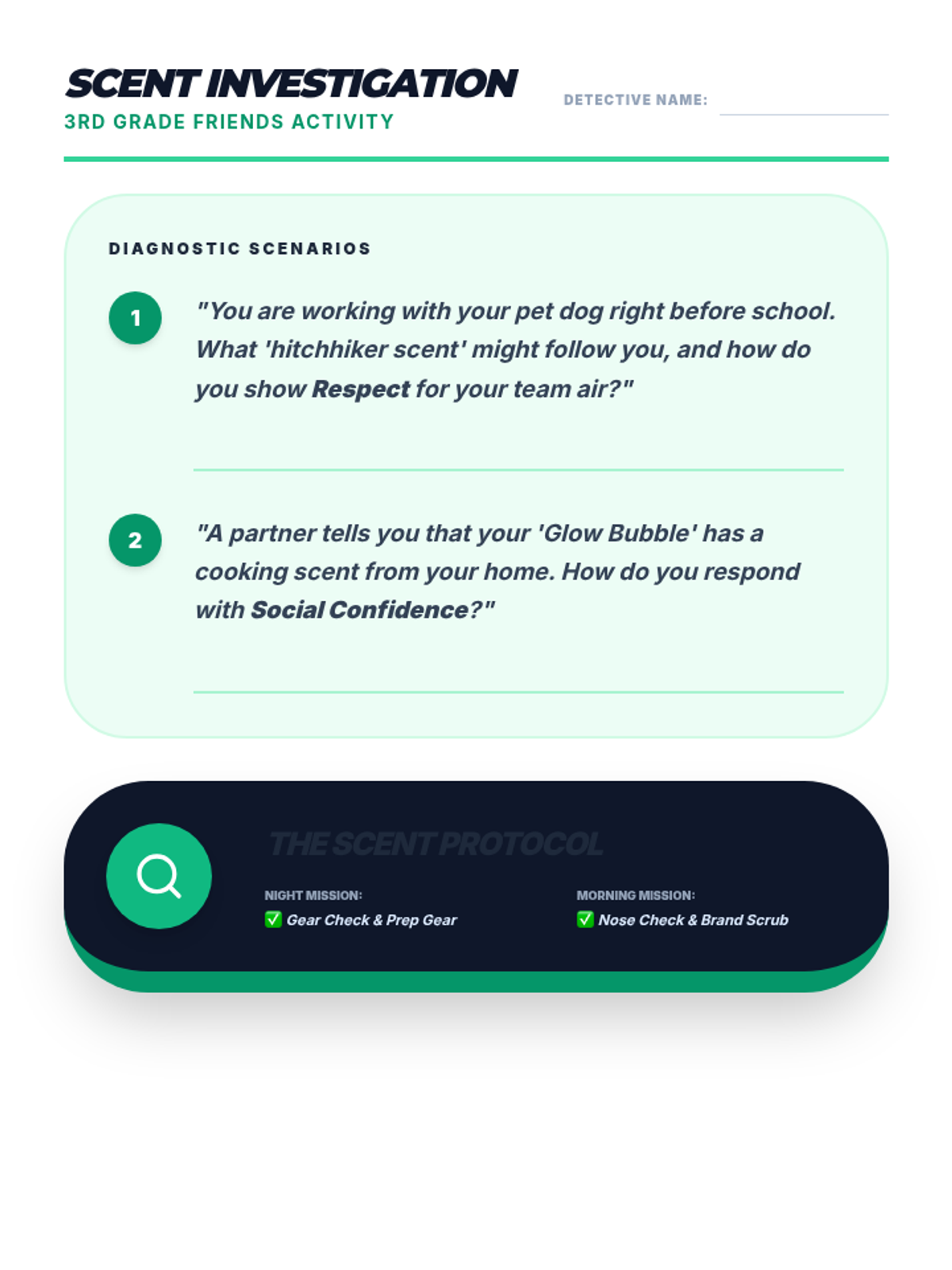
Identifying 'Hidden Scent Factors' like pet odors and cooking smells for 3rd grade social awareness.
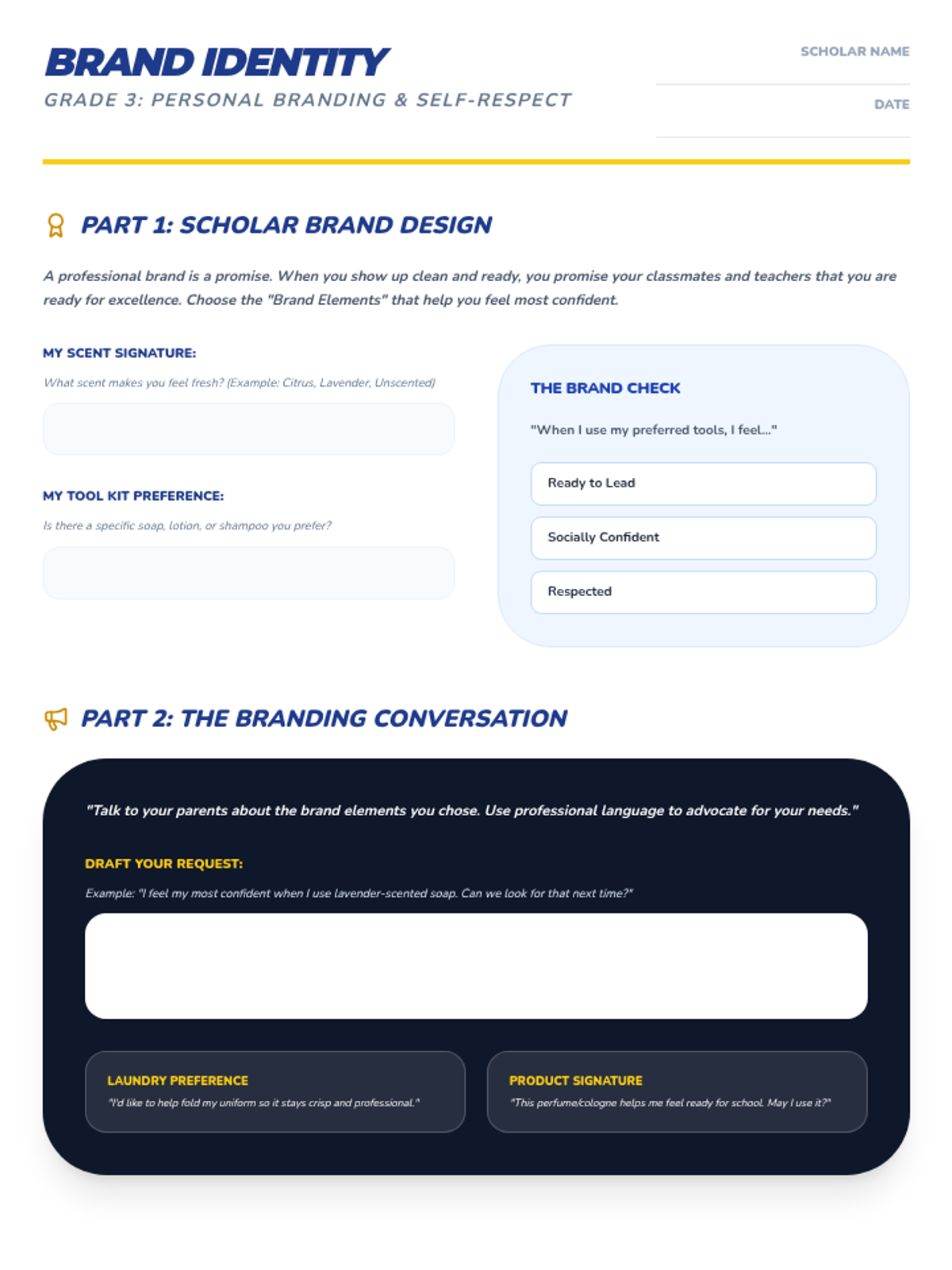
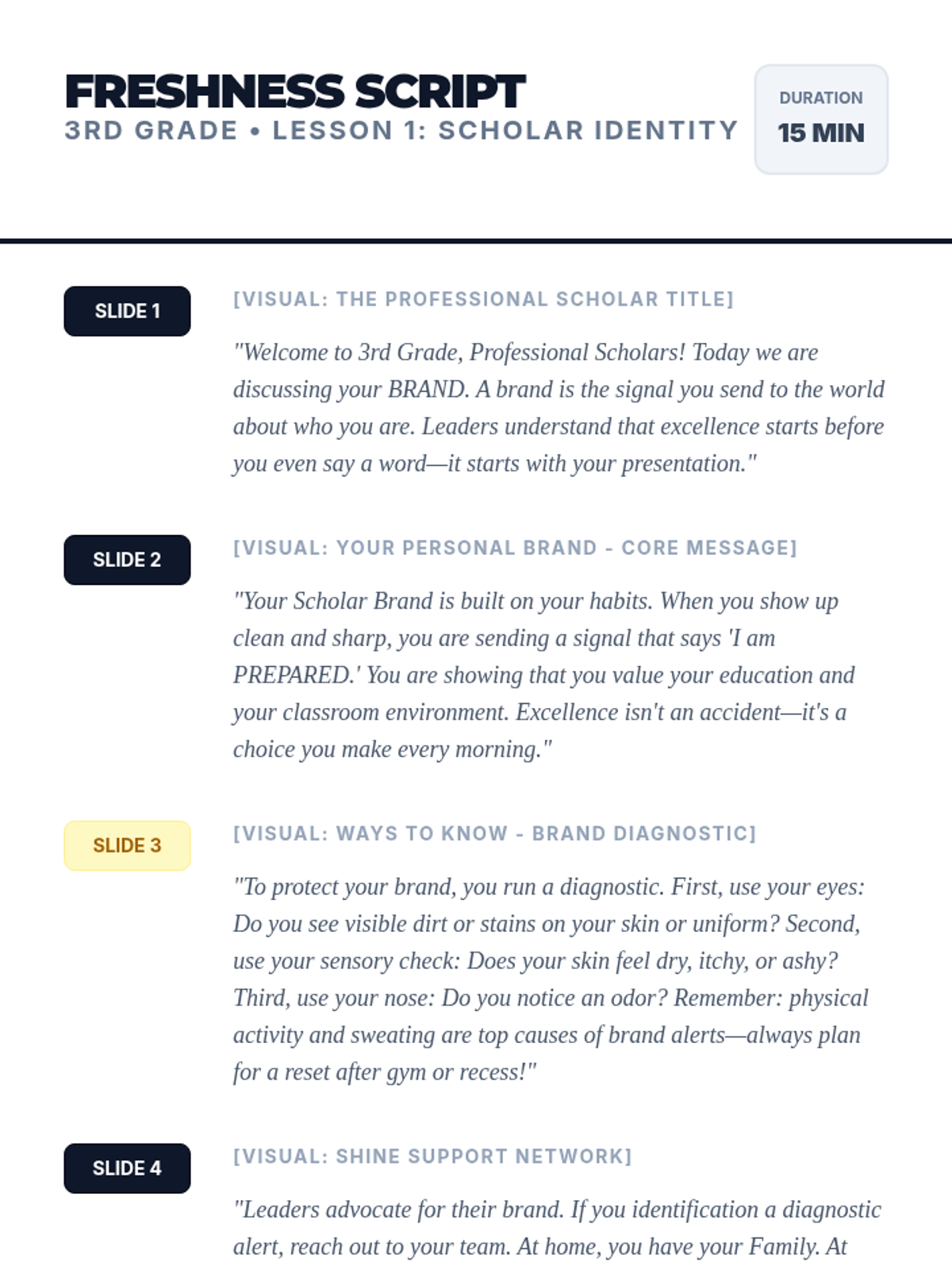
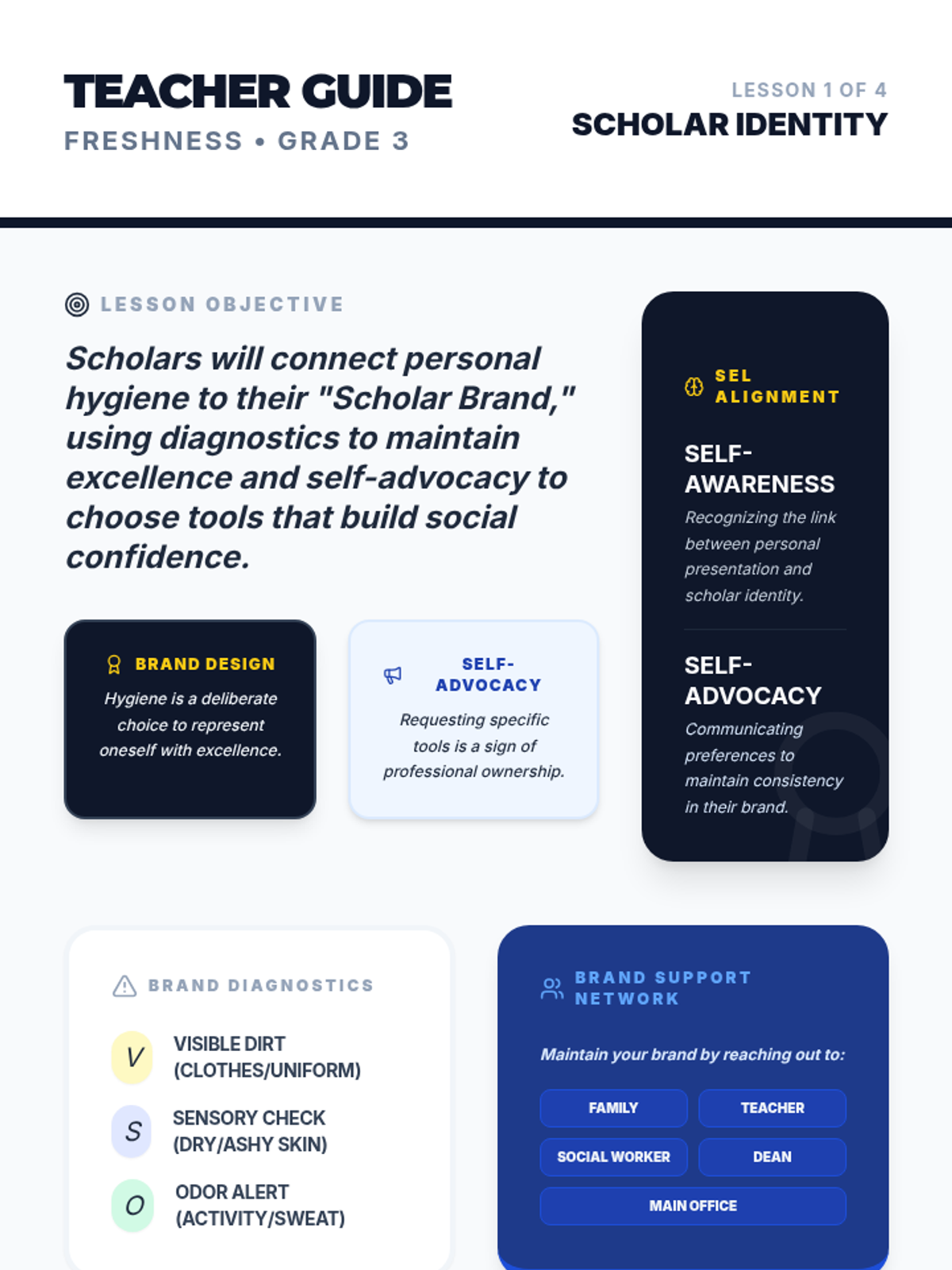
Connecting hygiene to the 'Professional Scholar' identity and self-respect for 3rd grade students.
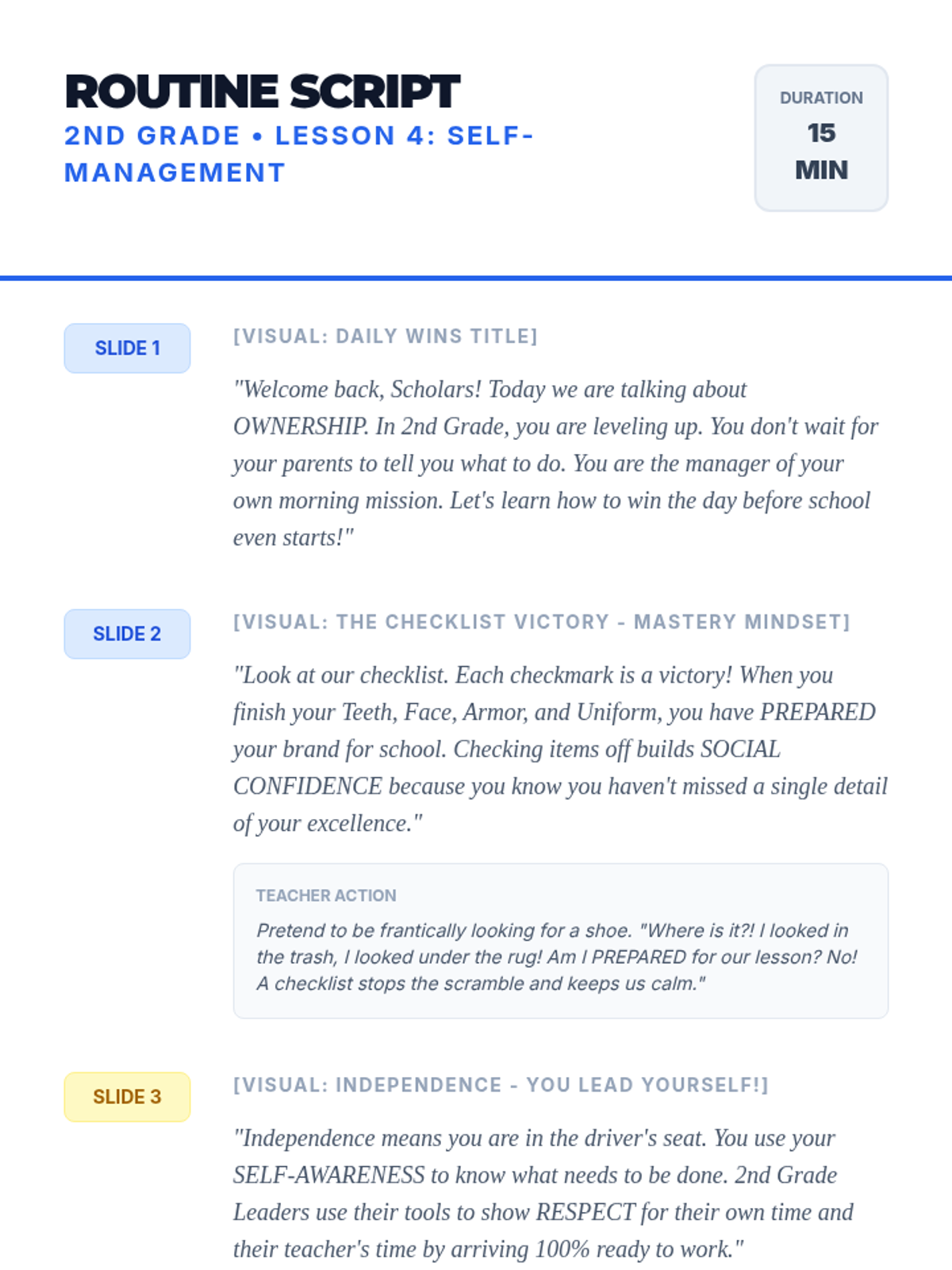
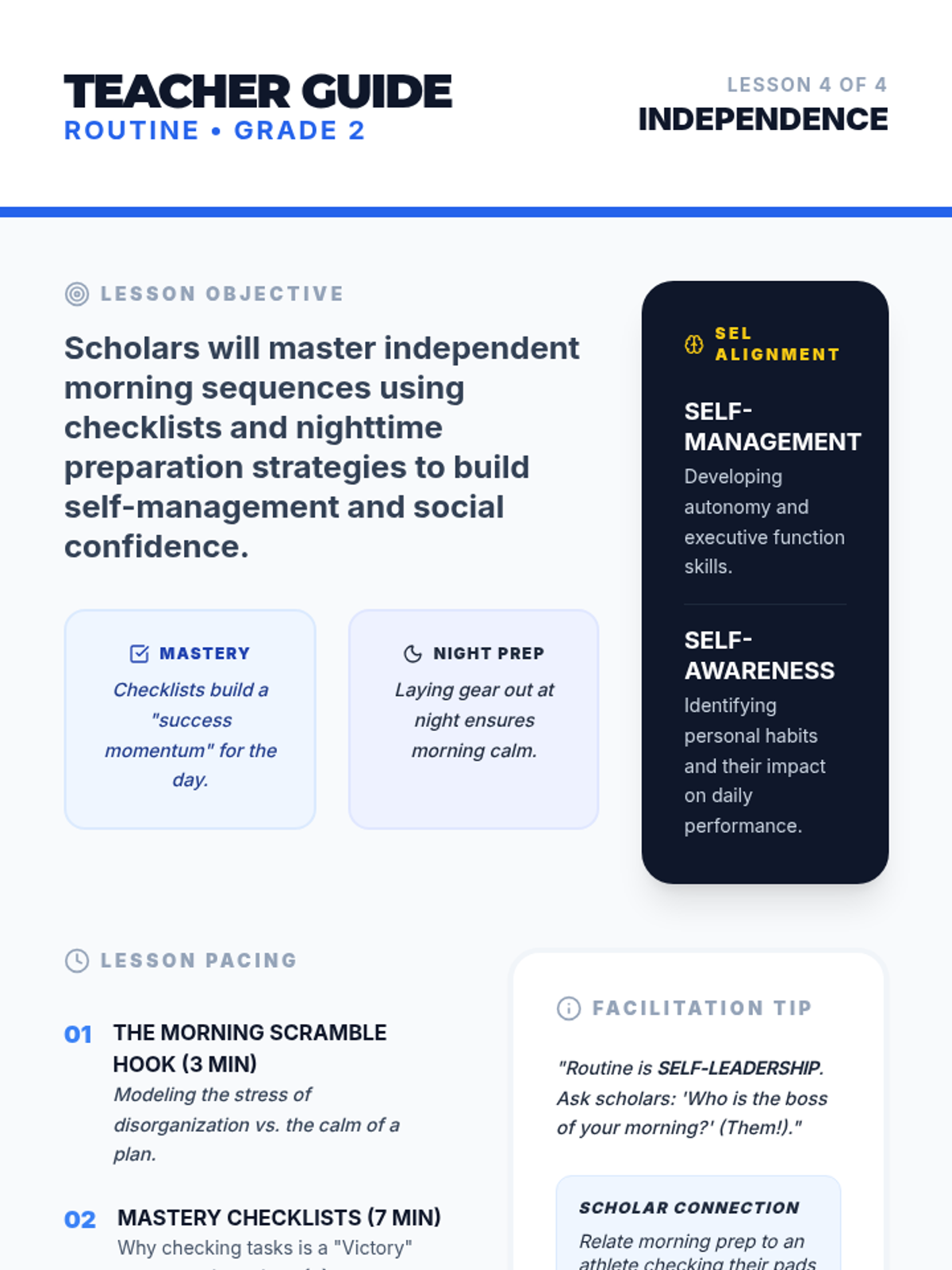
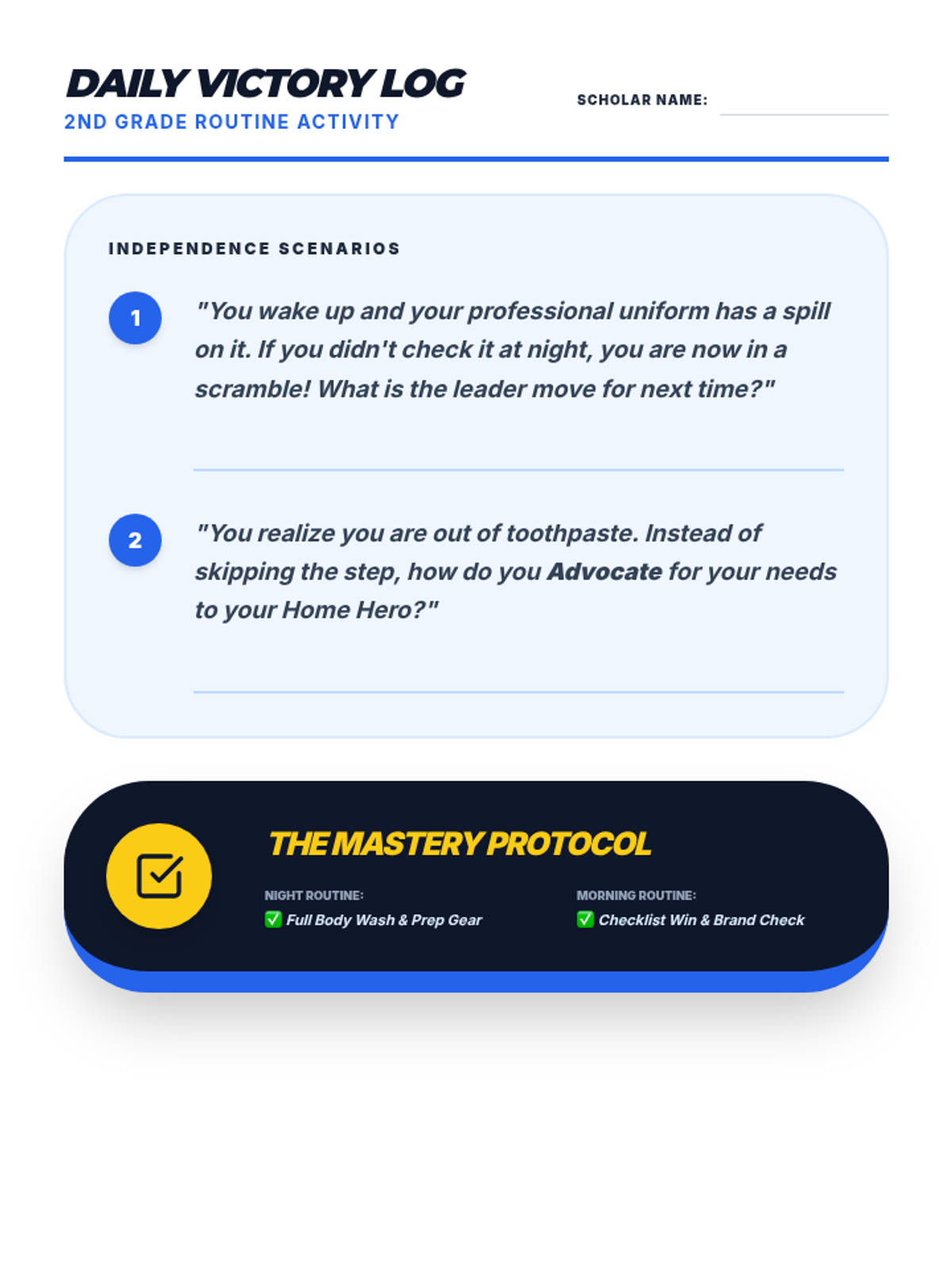
Developing a checklist-based morning routine and the concept of nighttime uniform prep for 2nd grade.
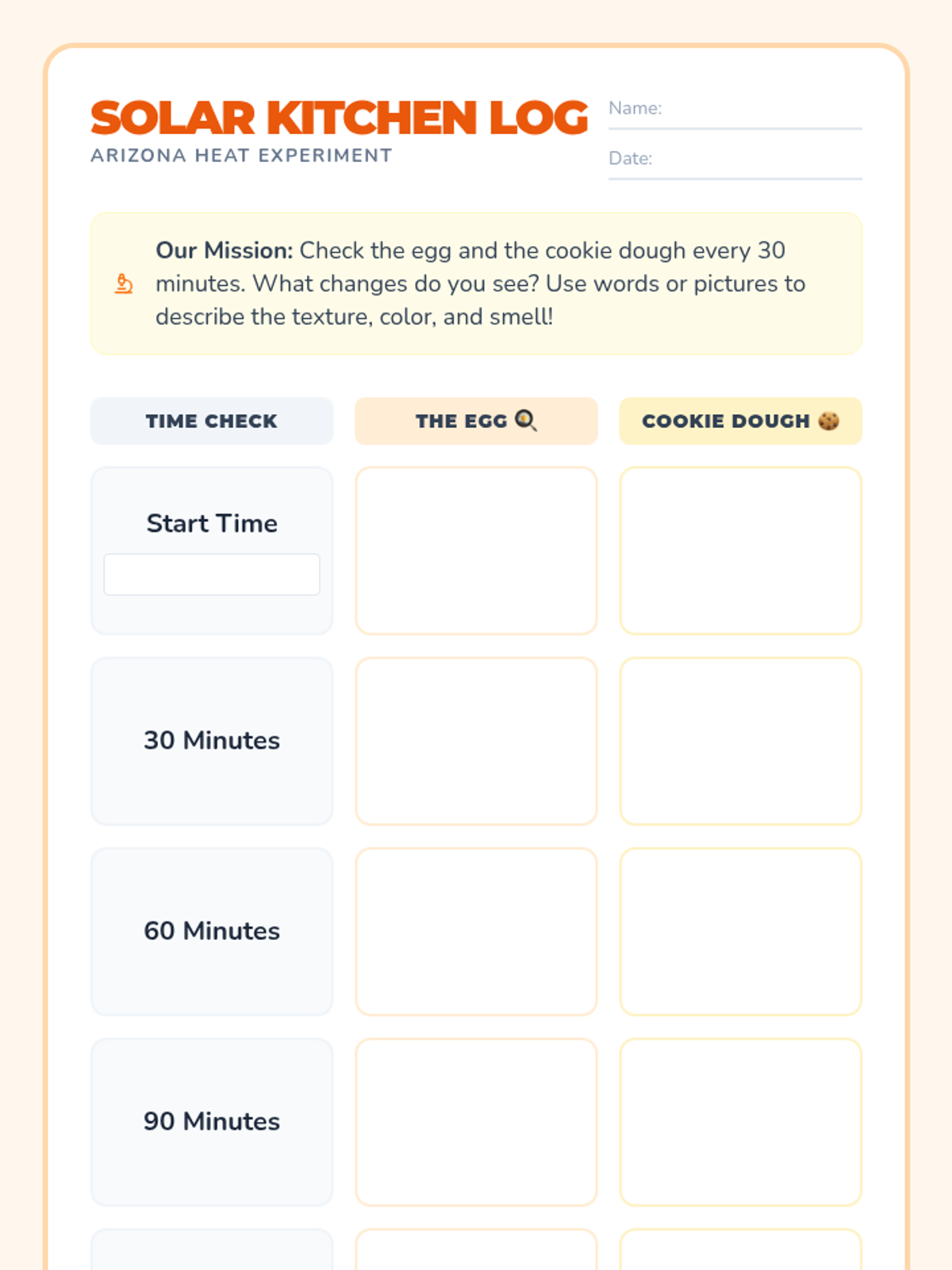
A hands-on experiment using a cookie sheet to see how long it takes to cook an egg and cookie dough in the Arizona sun.
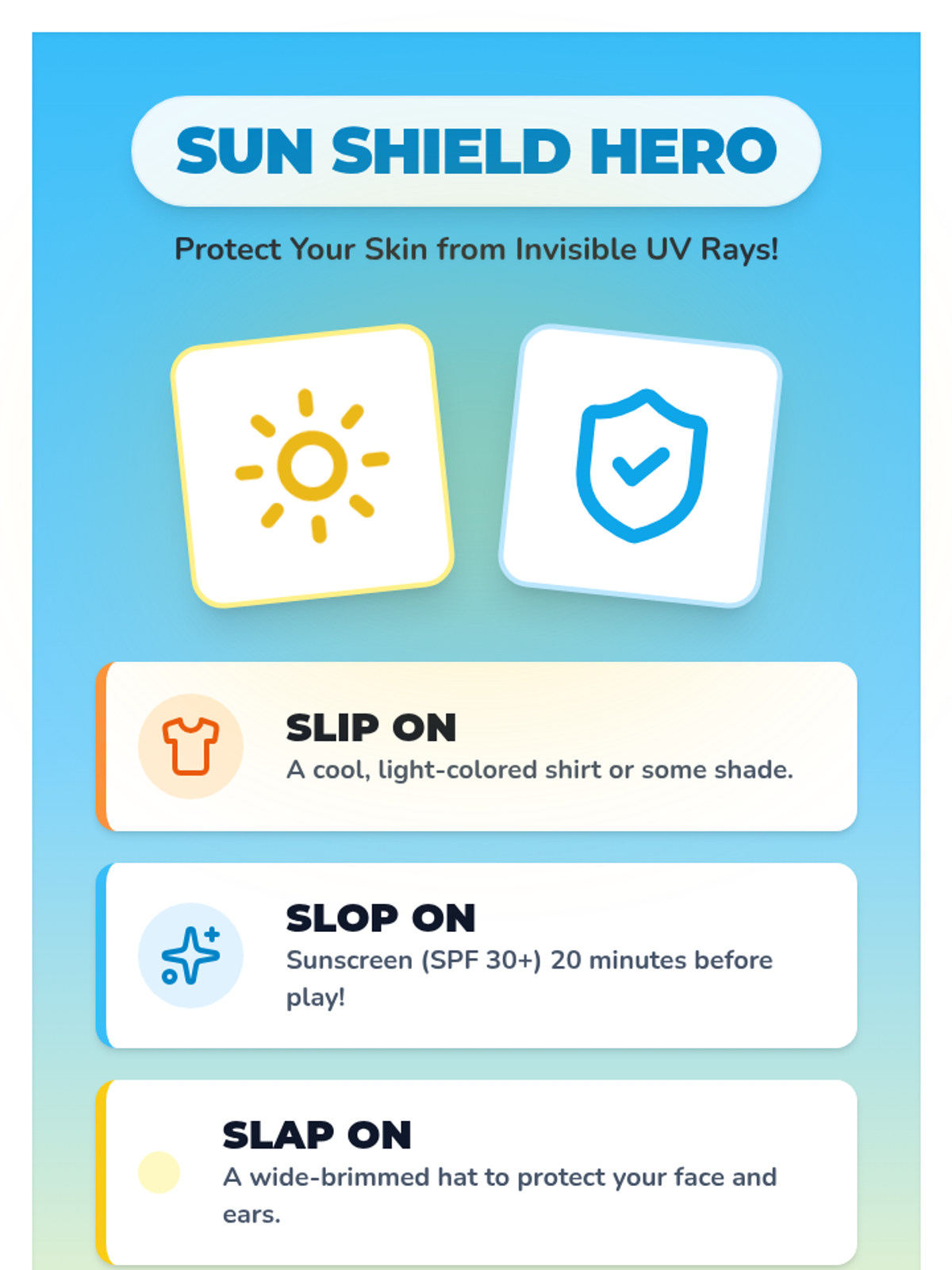
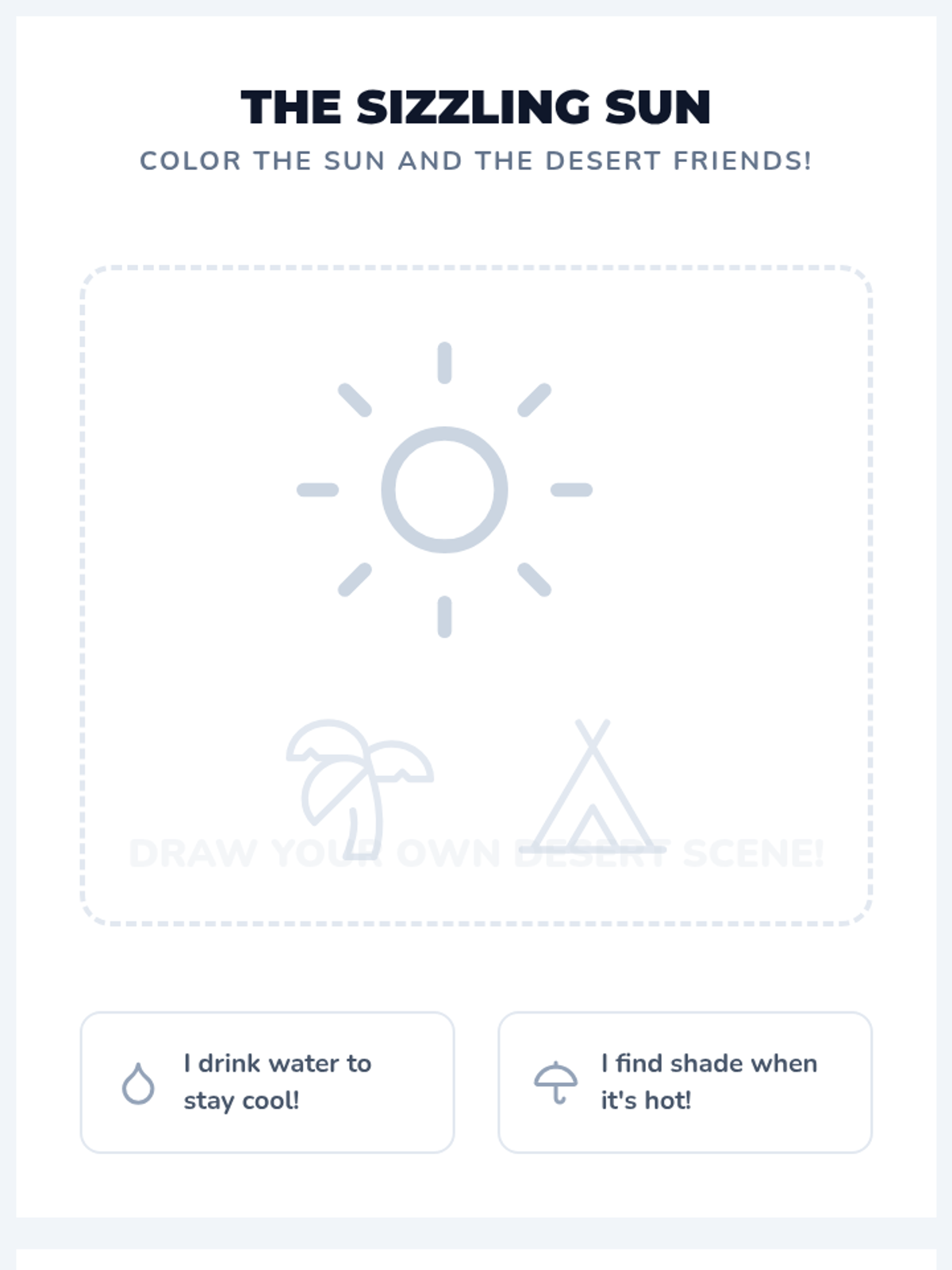
Focusing on UV protection through sunscreen, hats, and shade to prevent sunburns during outdoor play.
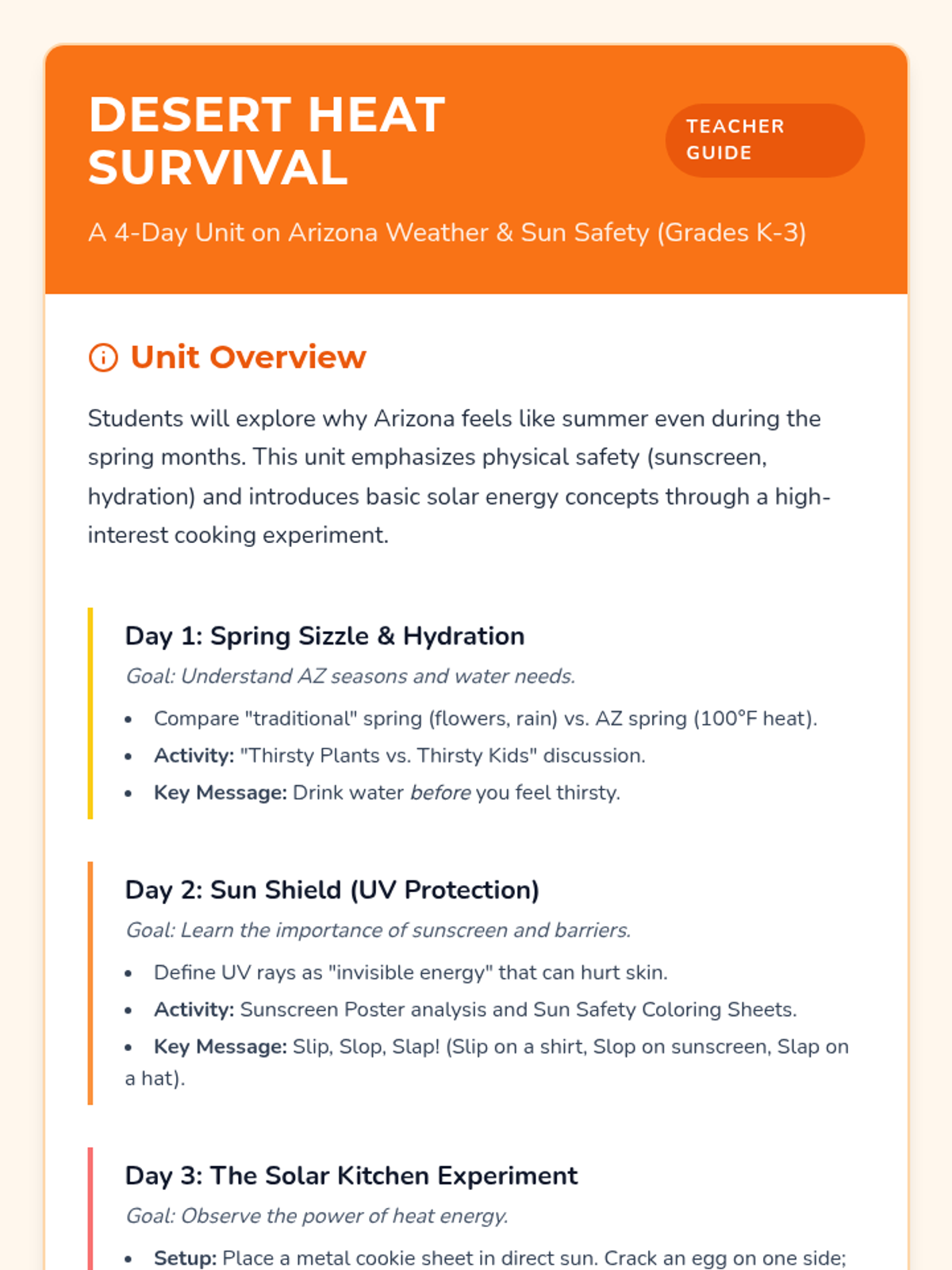
Introduction to Arizona's unique spring weather and the importance of staying hydrated when temperatures soar.
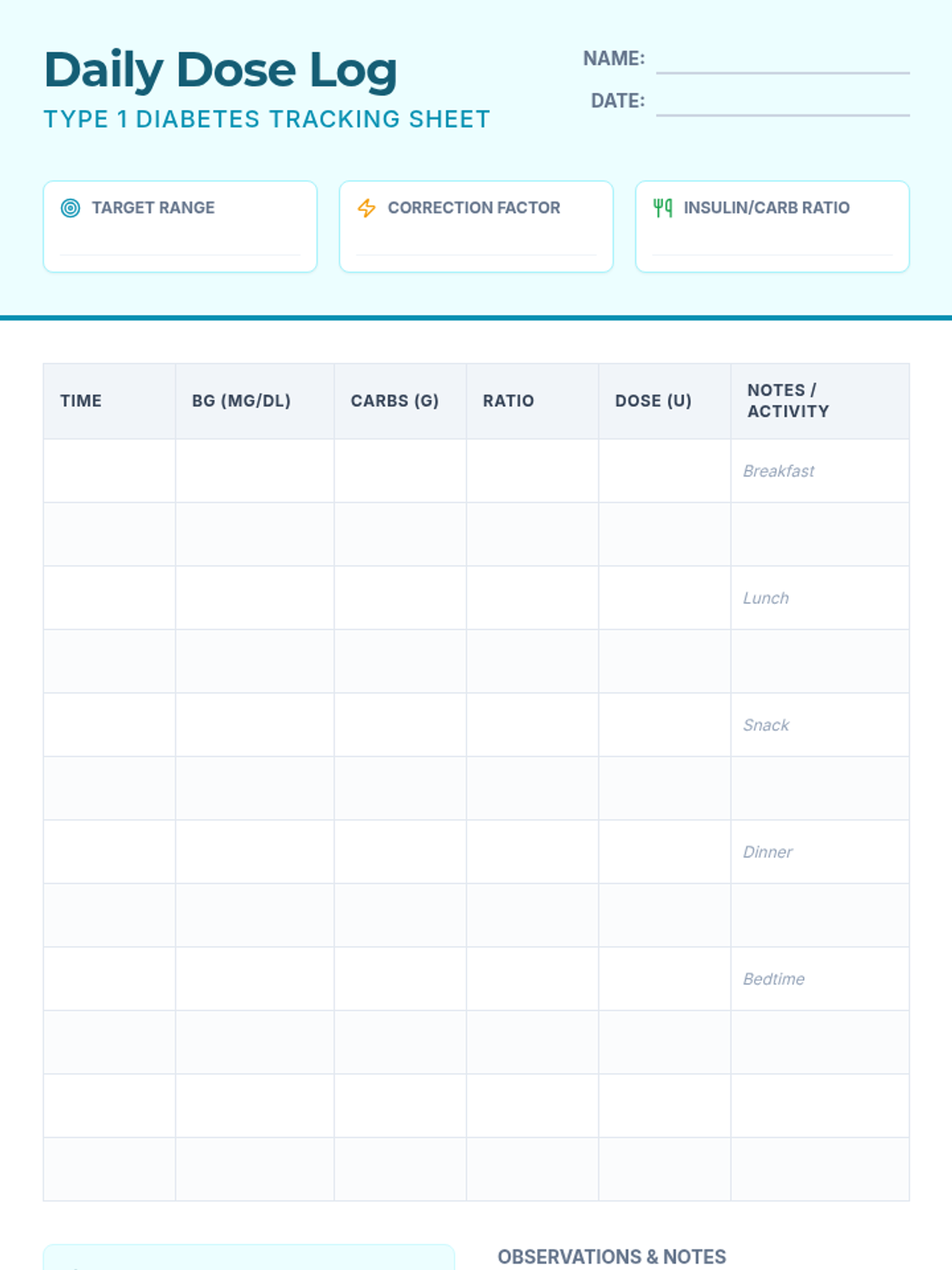
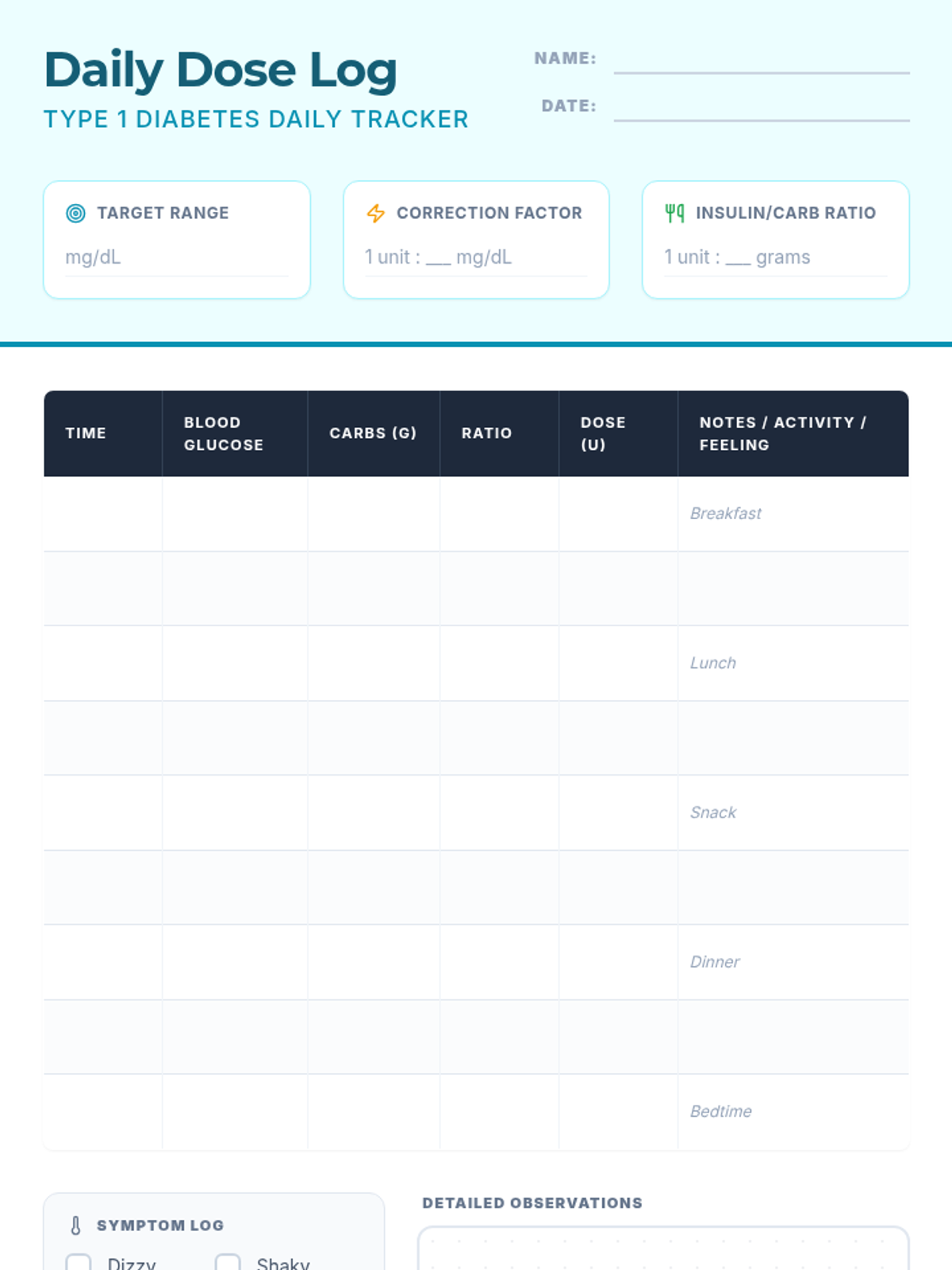
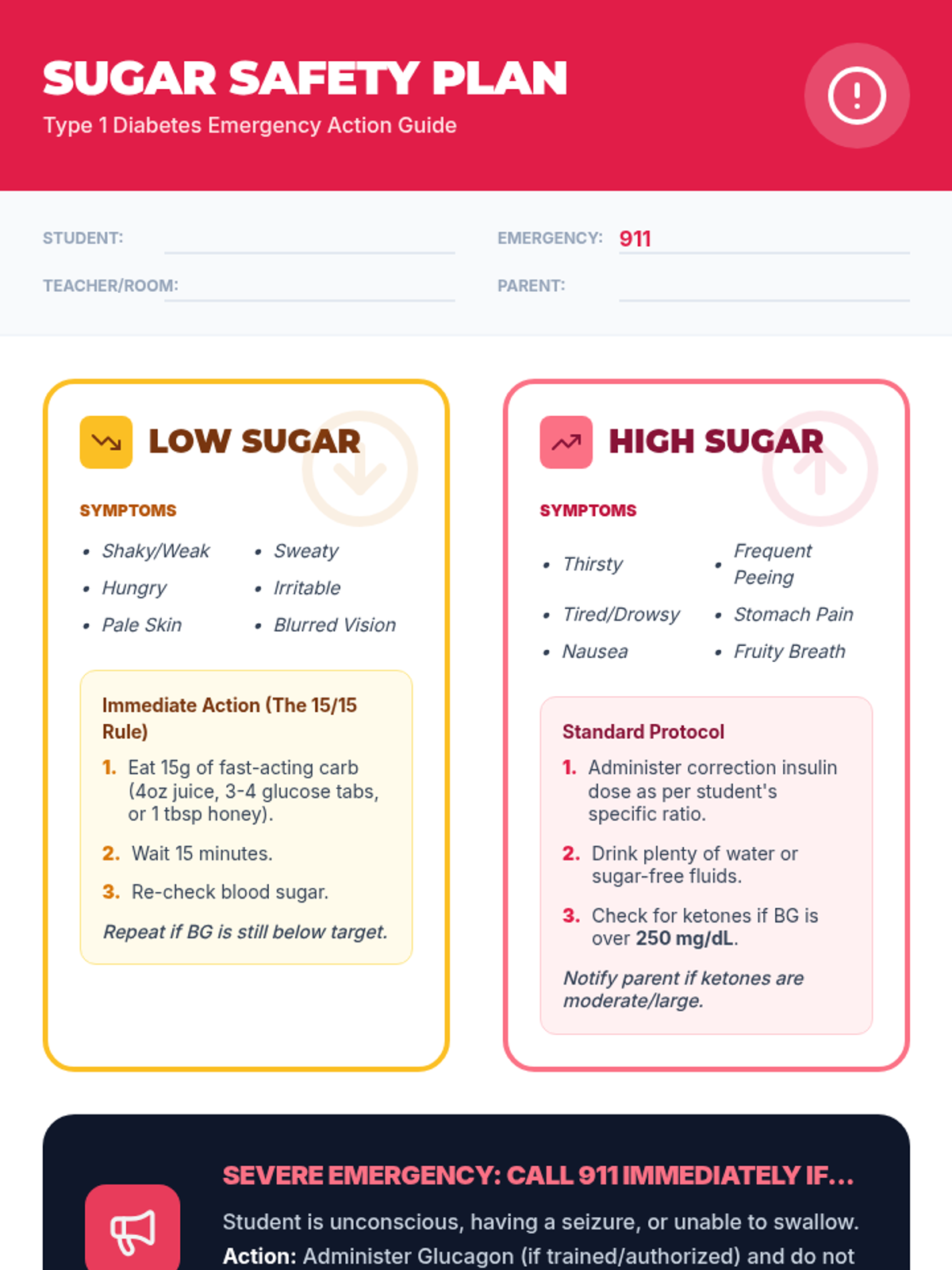
A comprehensive toolkit for tracking and managing Type 1 Diabetes daily routines, designed for students, parents, and school health staff.
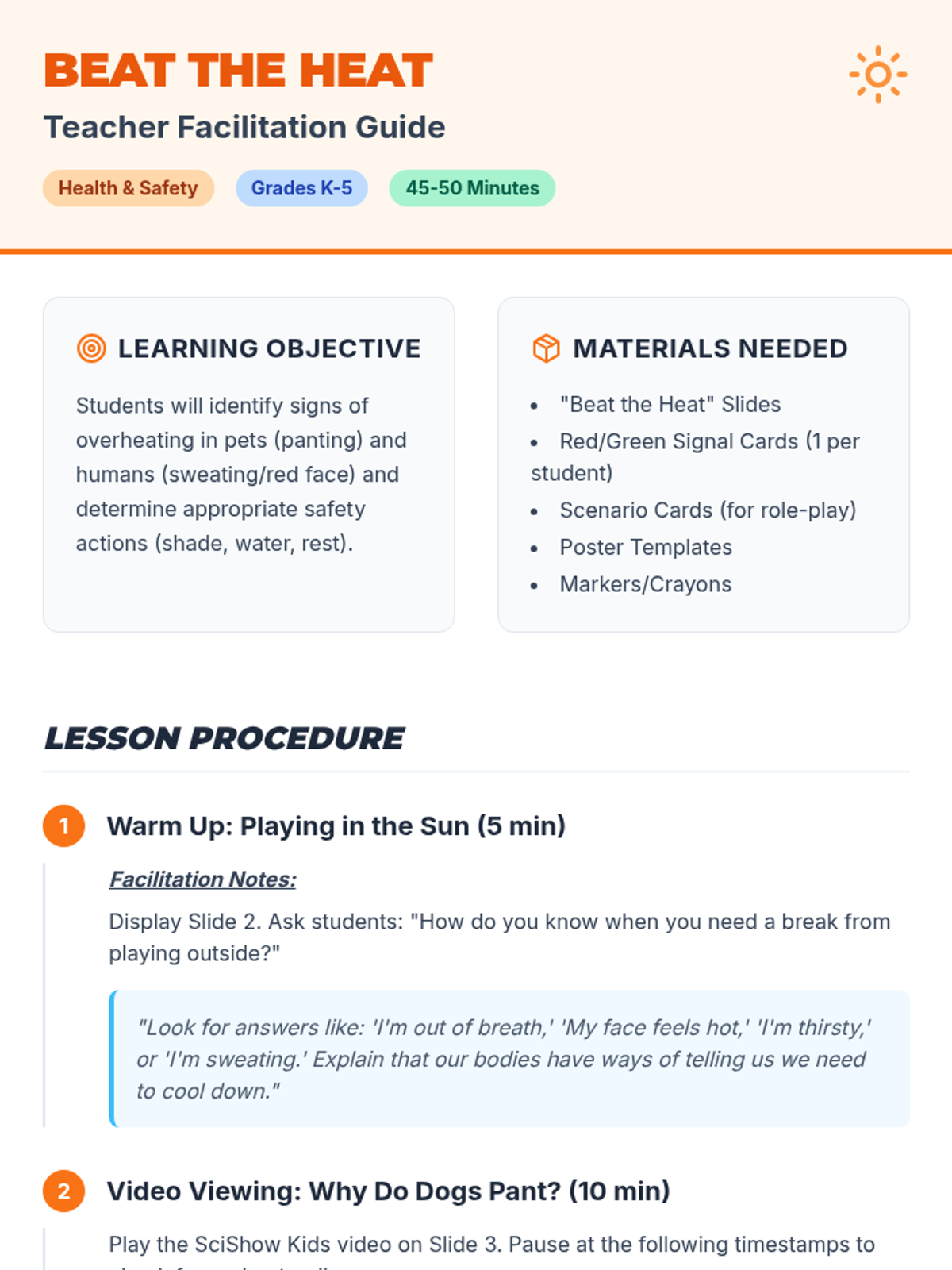
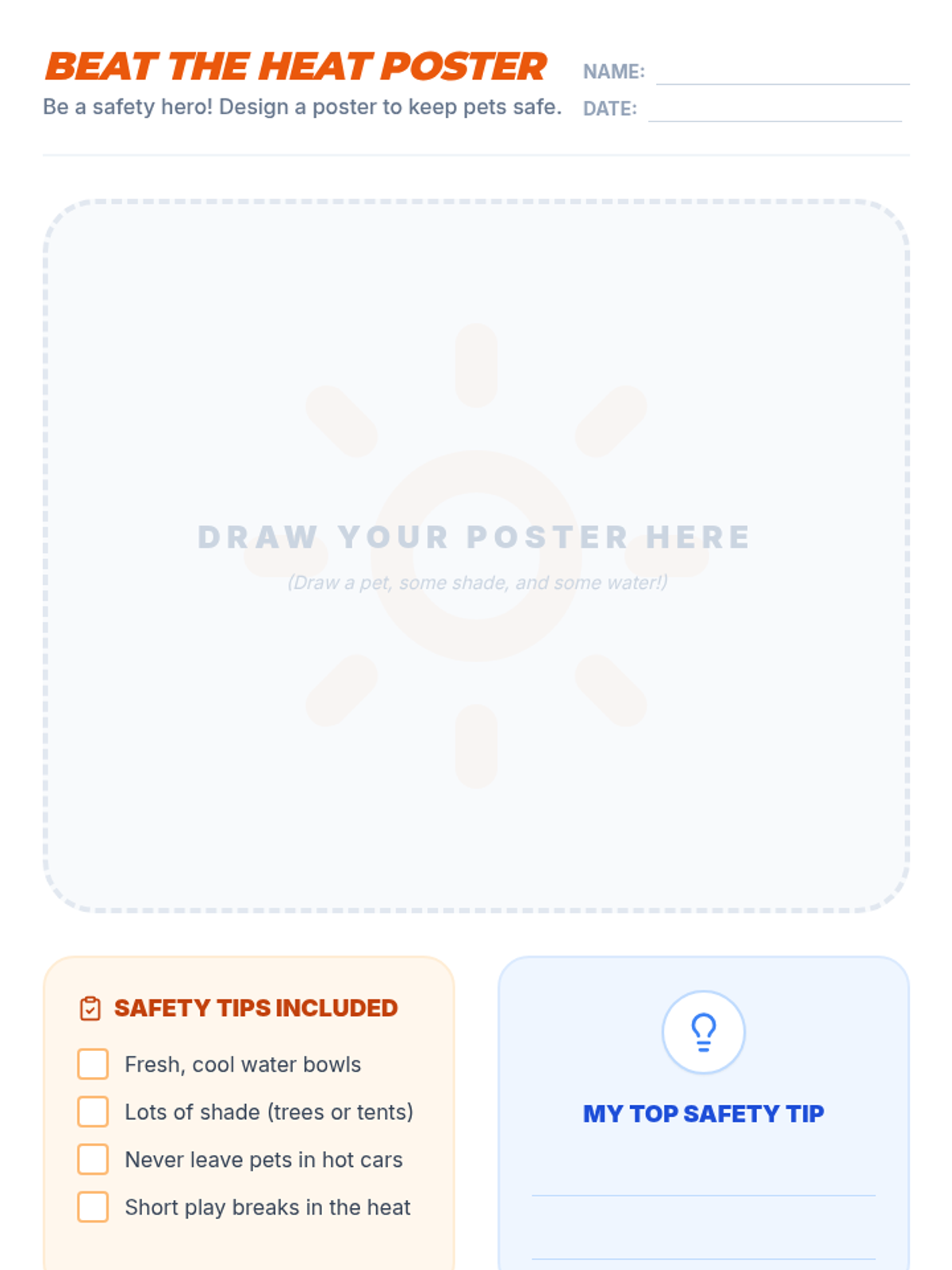
Students learn to recognize signs of overheating in humans and pets and identify appropriate safety actions through a video, role-play activity, and poster design.
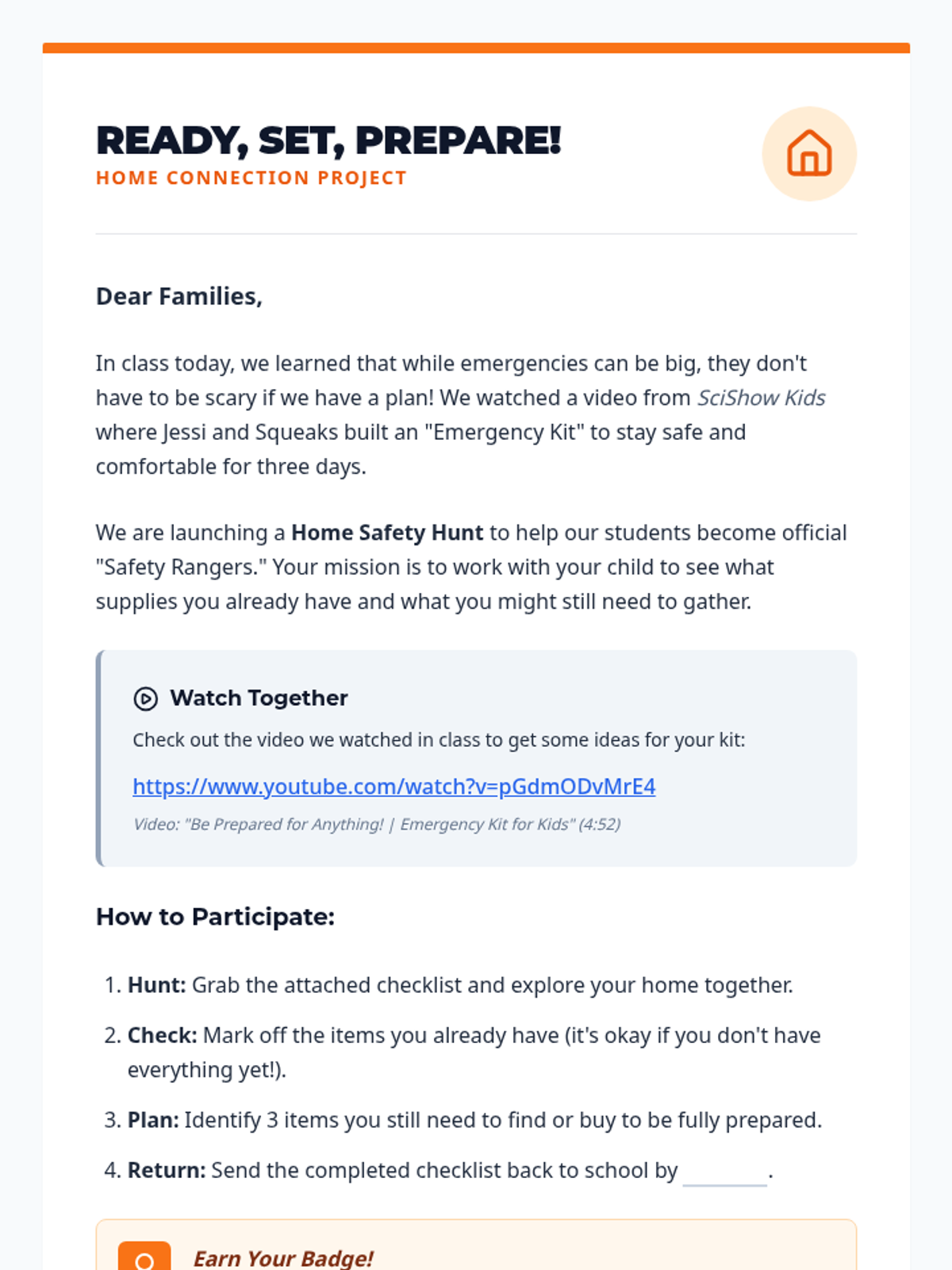
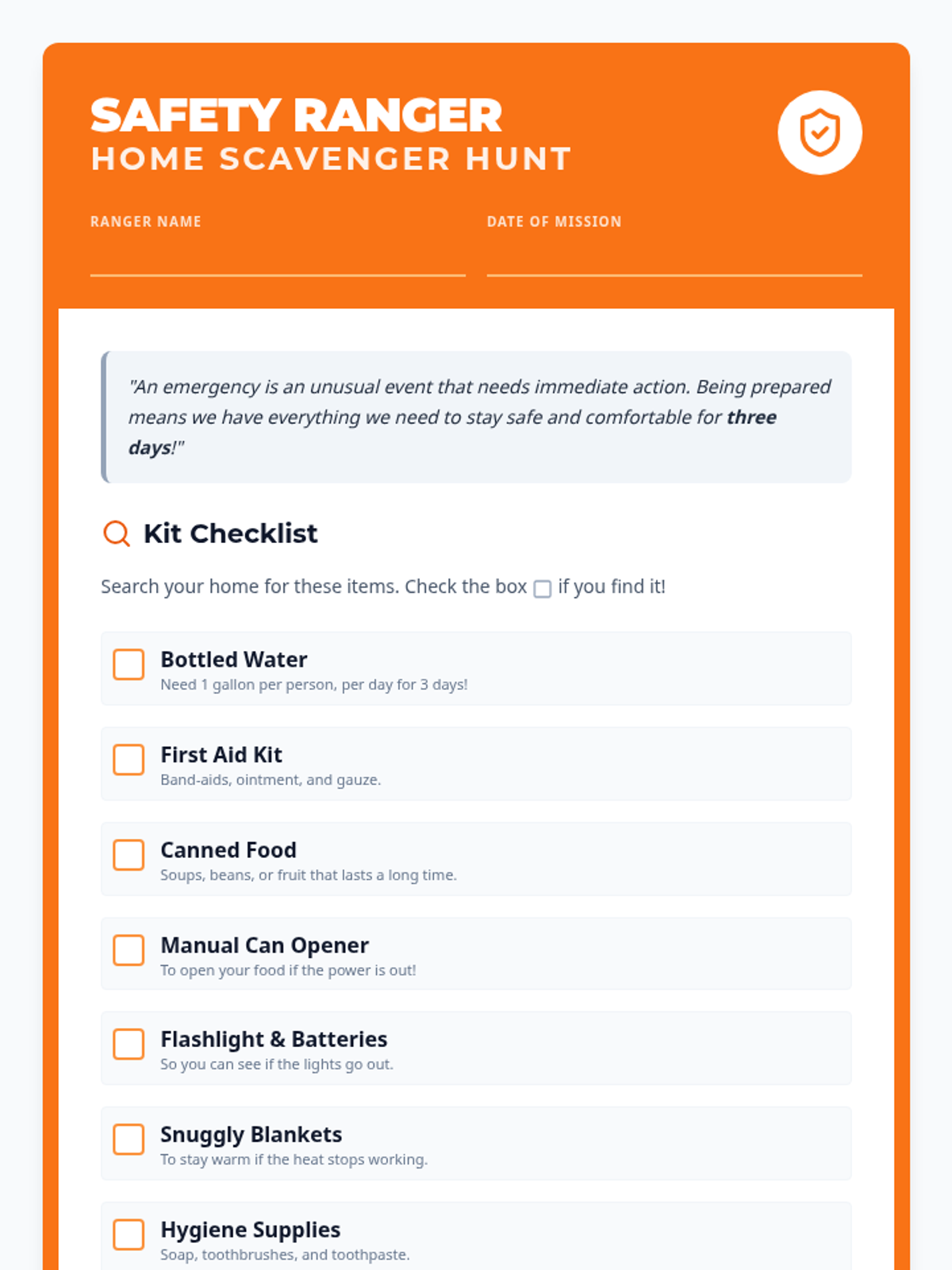
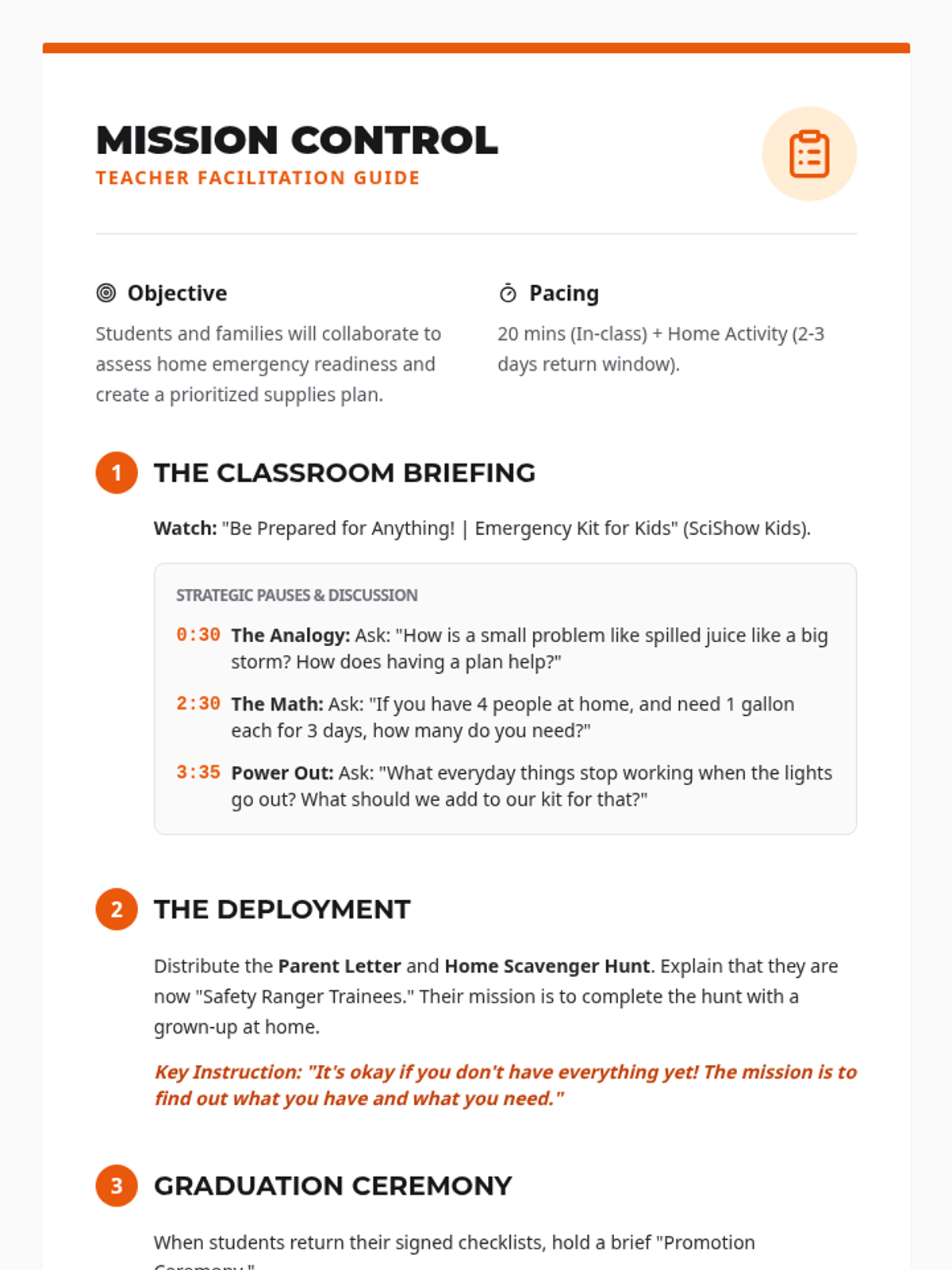
A home-school connection lesson where families work together to build or assess an emergency kit using insights from Jessi and Squeaks.
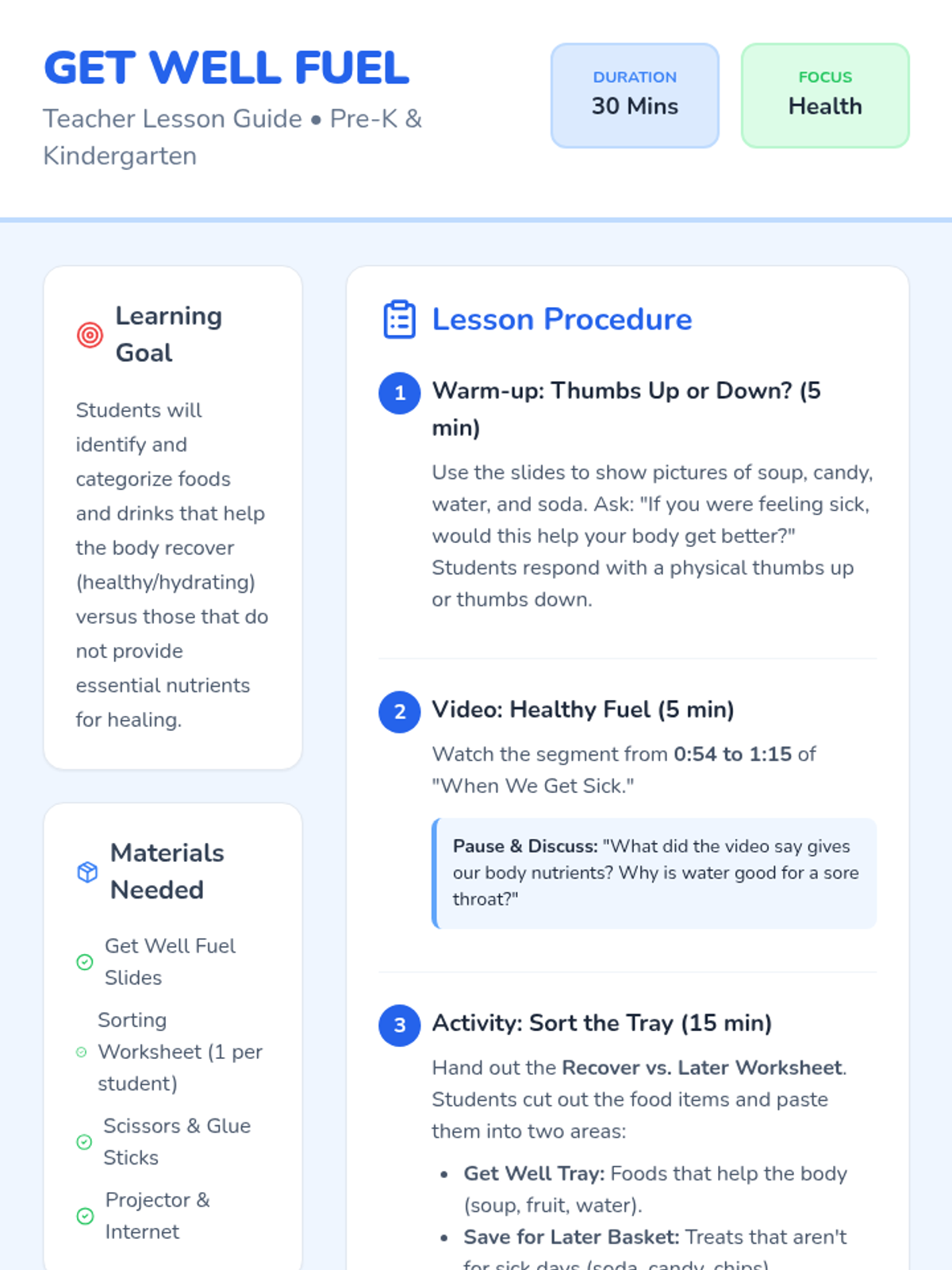
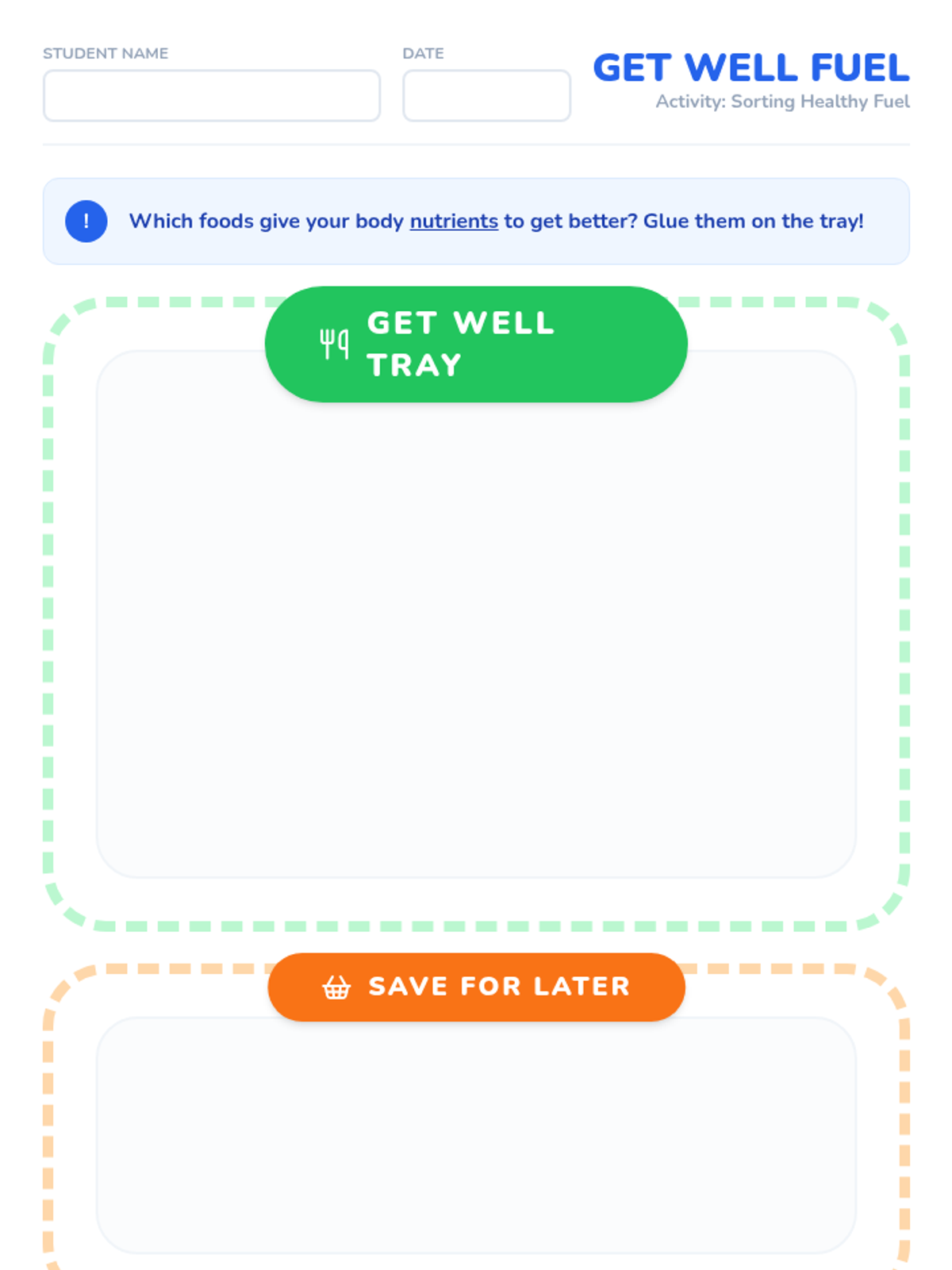
A lesson for Pre-K and Kindergarten students to identify and categorize foods and drinks that provide the nutrients and hydration needed to help the body recover from illness.
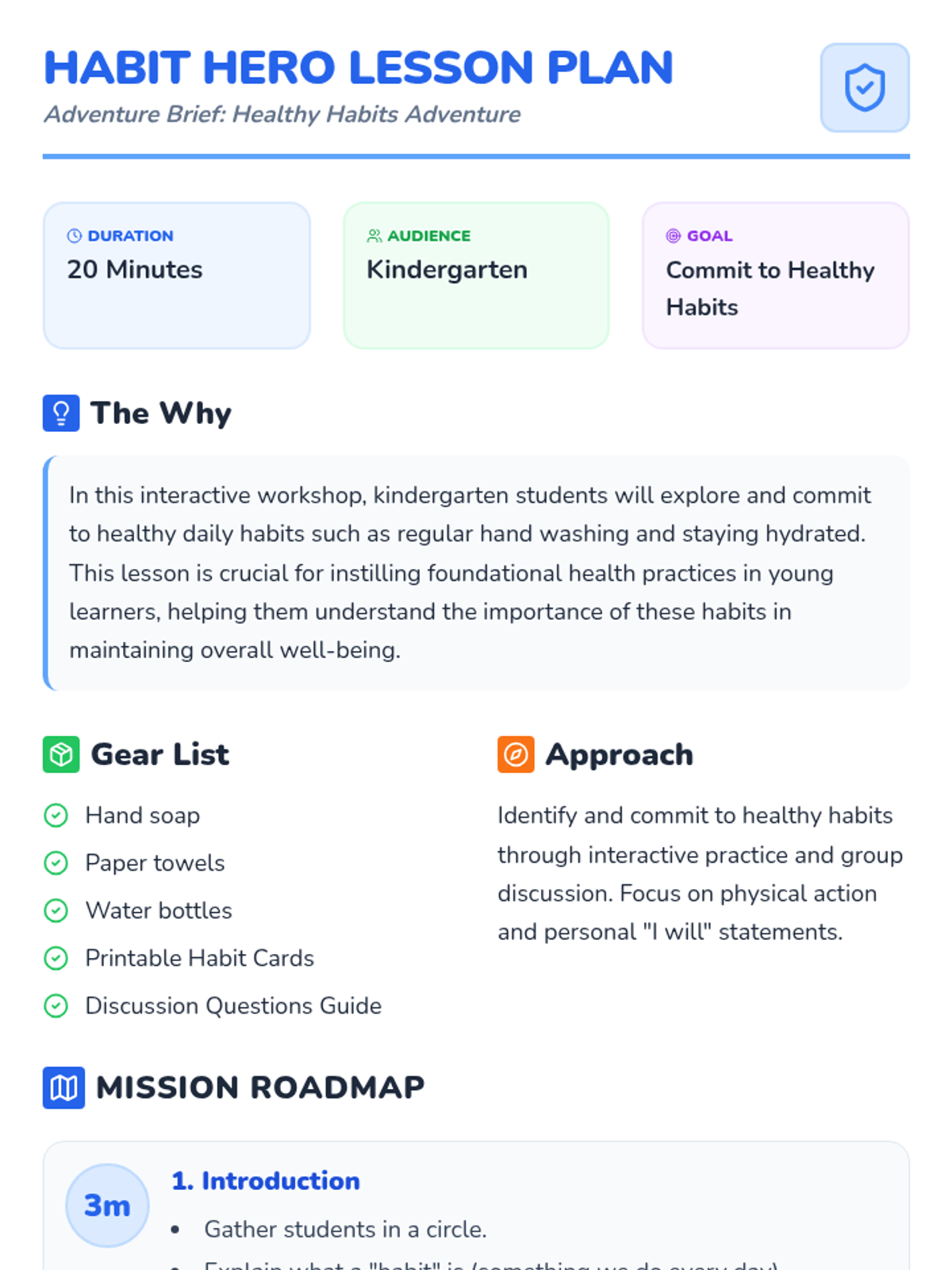
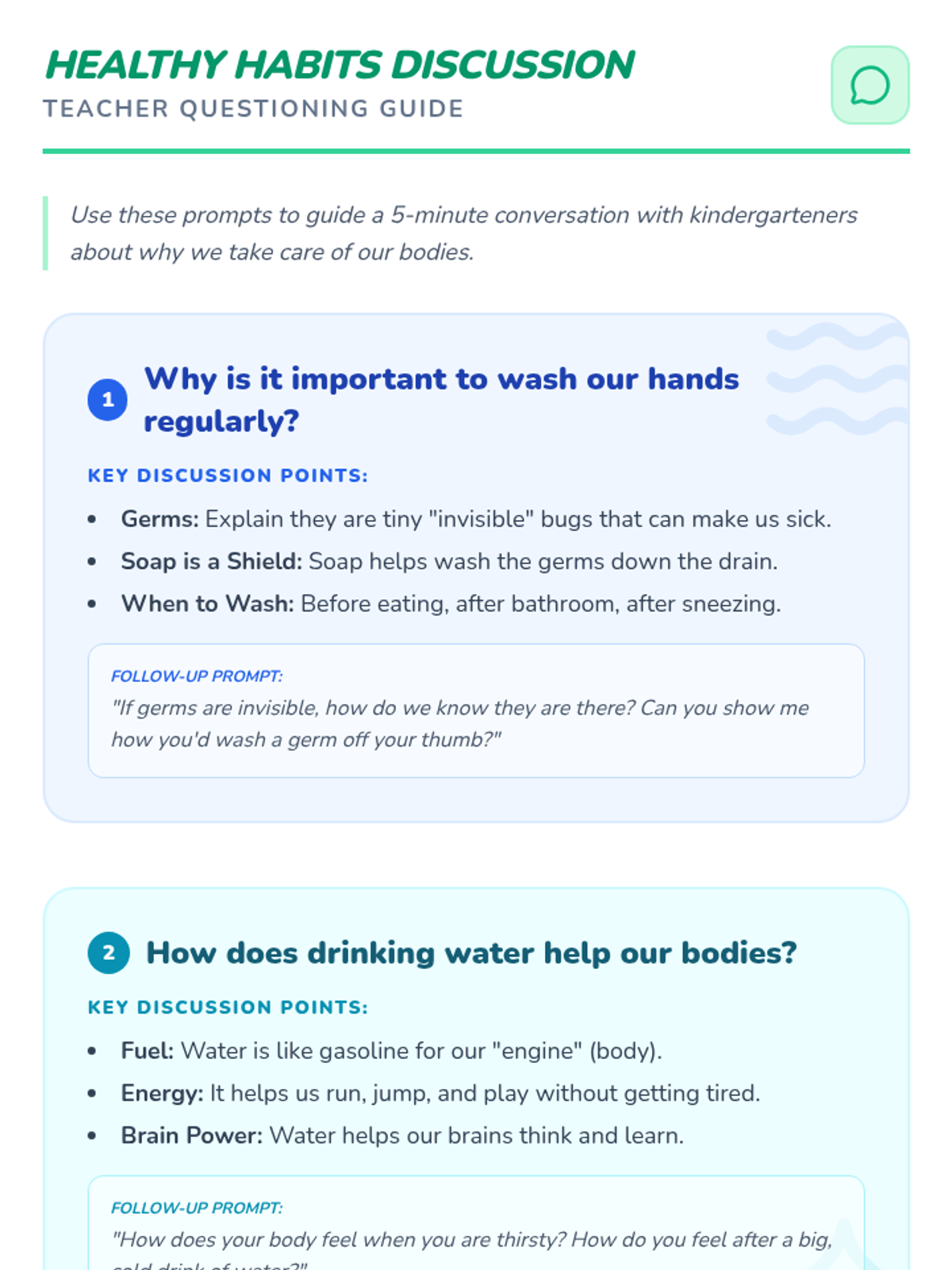
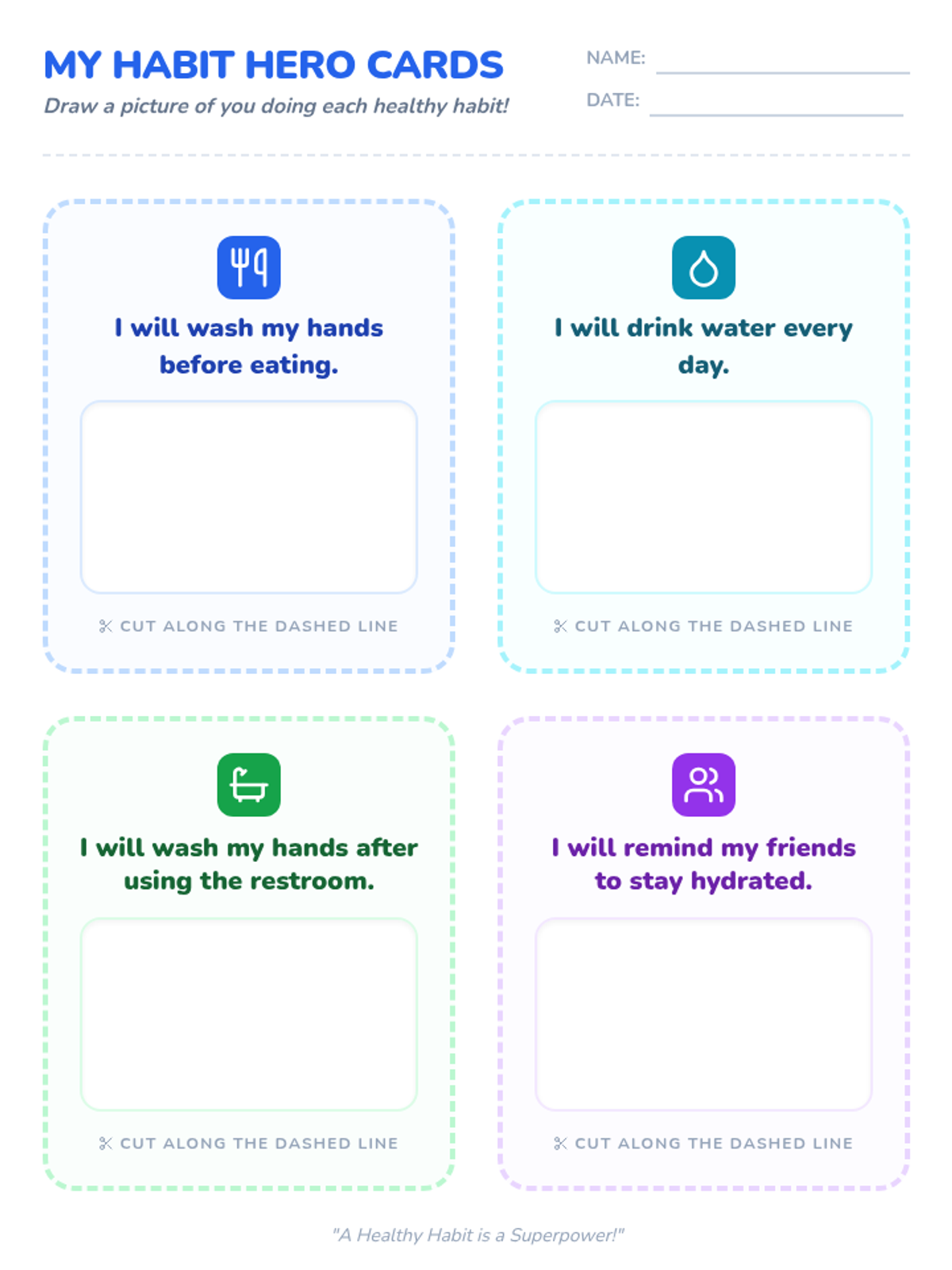
An interactive health workshop for kindergarteners focusing on foundational habits like hand washing and hydration to promote long-term well-being.
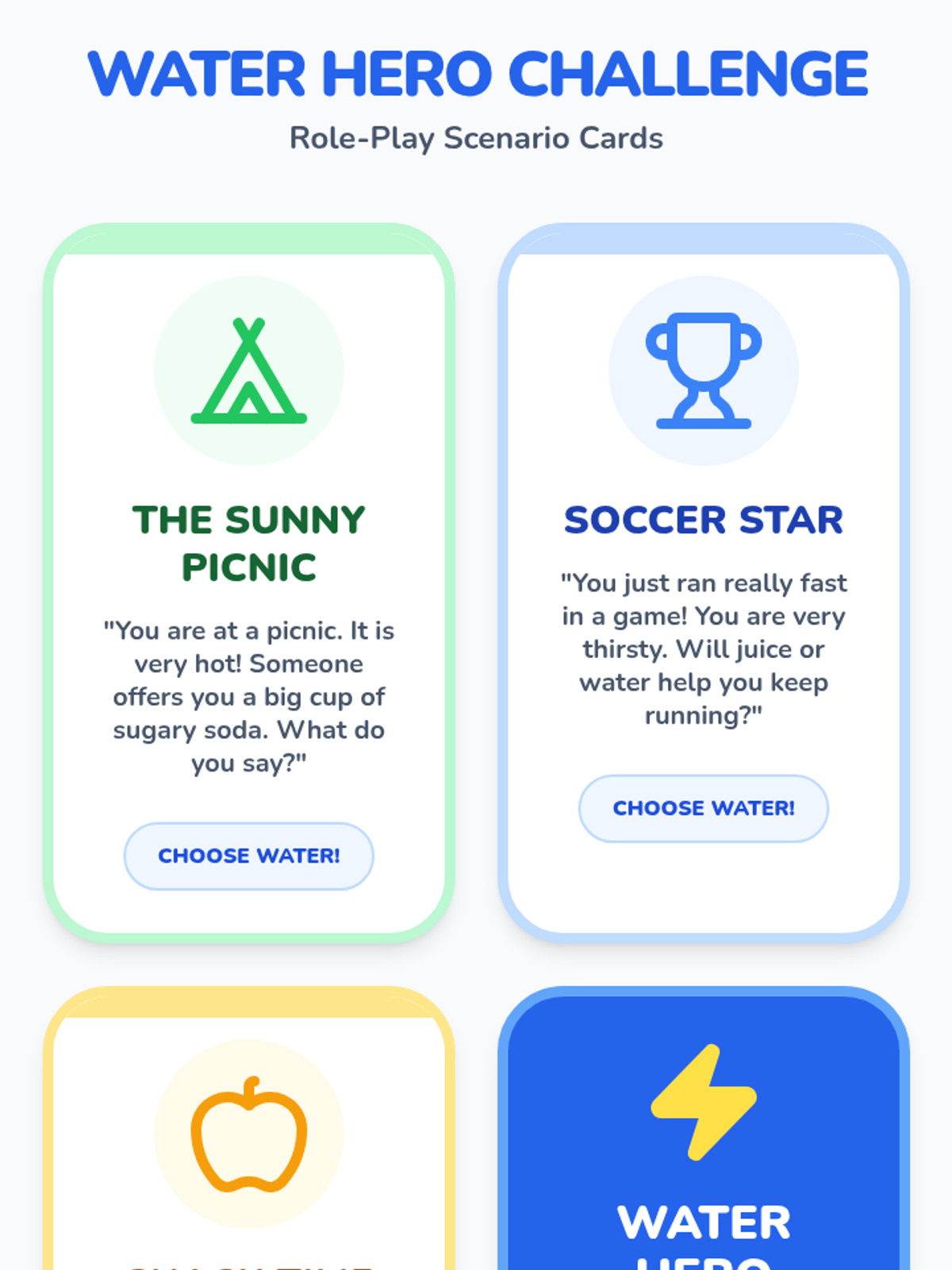
Students practice making healthy hydration choices through role-play scenarios, building the confidence to choose water in social situations.
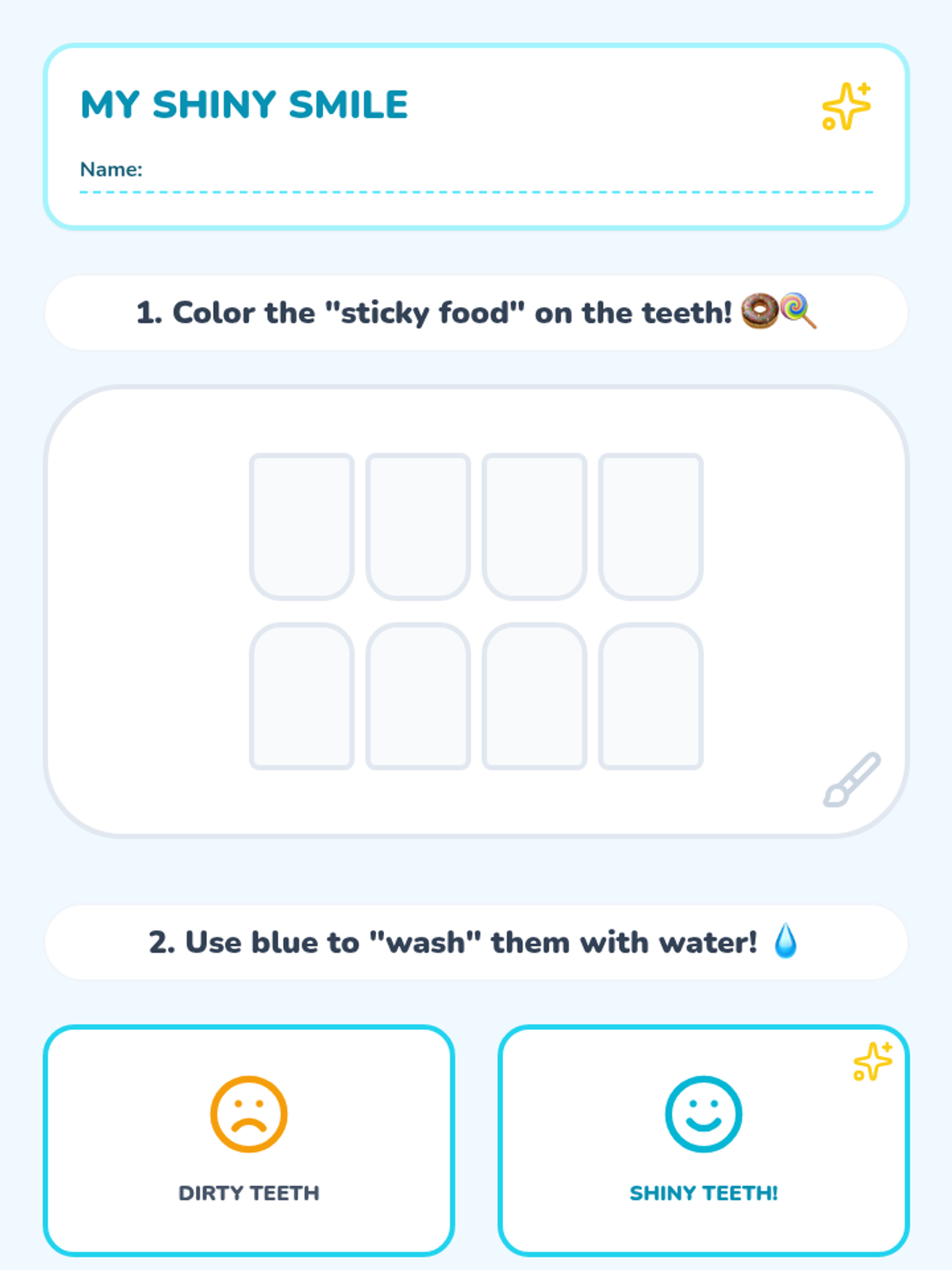
Students learn how water acts as a 'natural toothbrush' by rinsing away food particles and keeping teeth strong through a hands-on simulation.
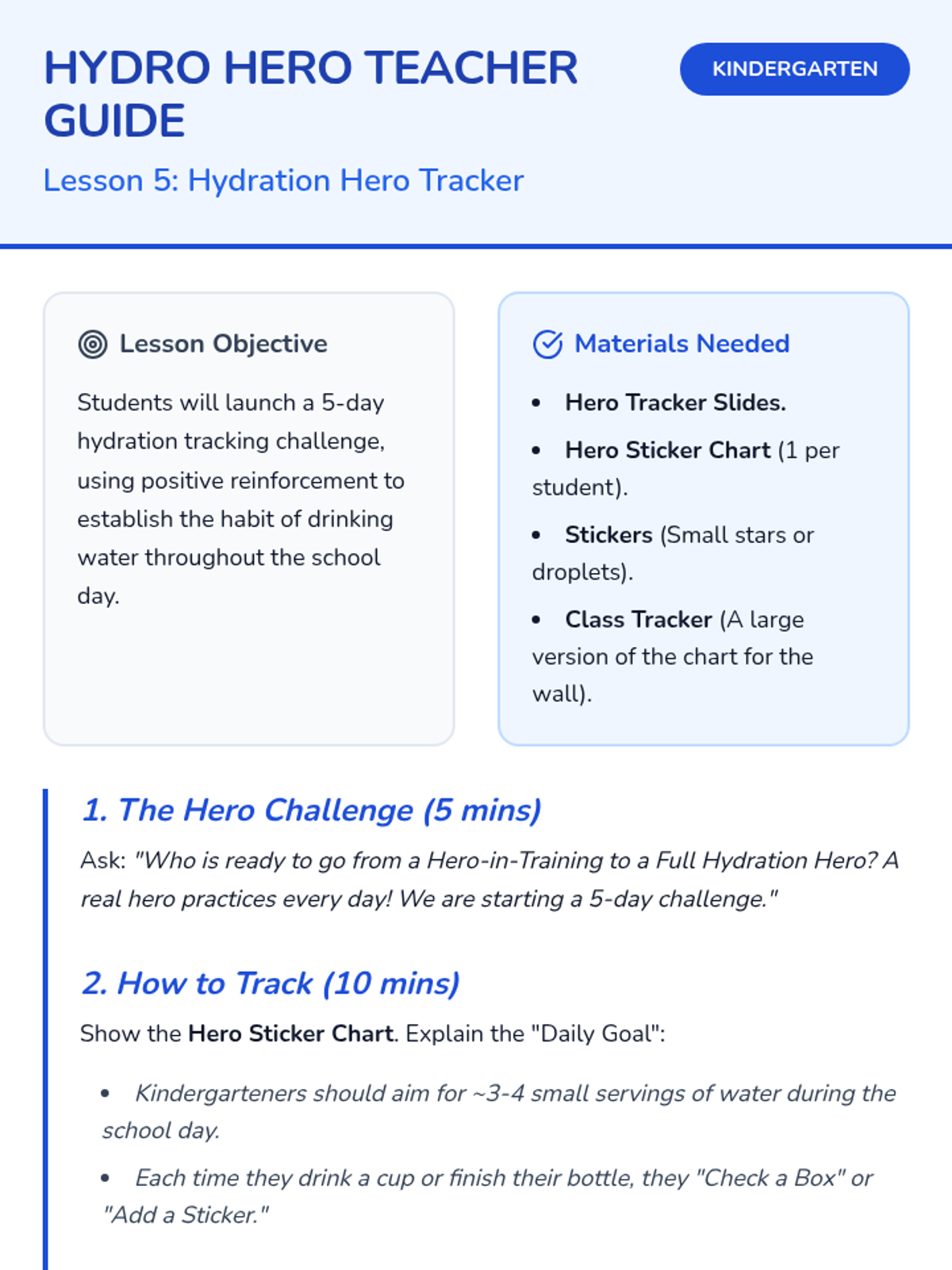
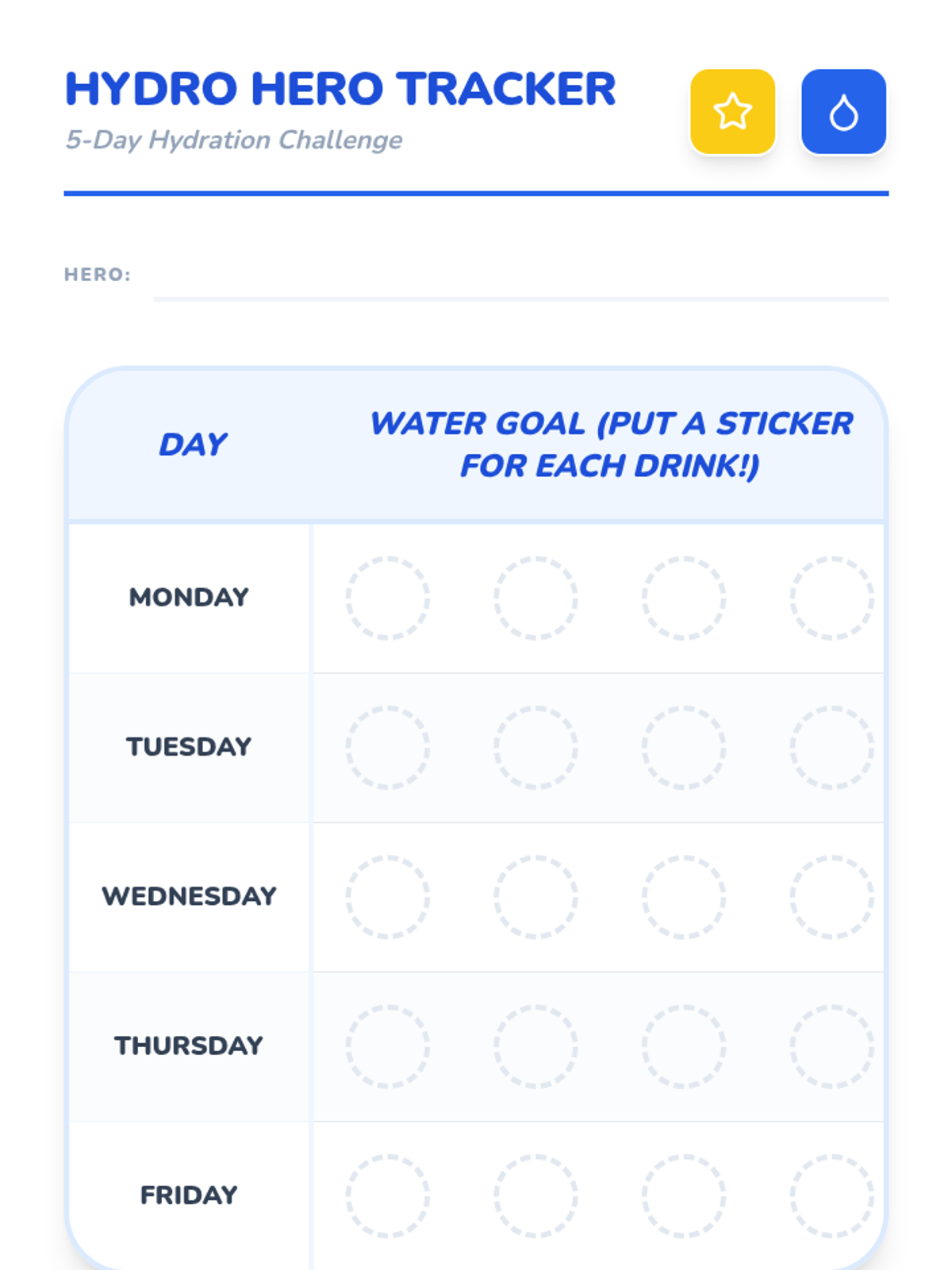
The class launches a tracking system where students add a sticker to a chart every time they finish a portion of water. This mastery-based approach encourages consistency through positive reinforcement. The sequence concludes with a review of their collective success.
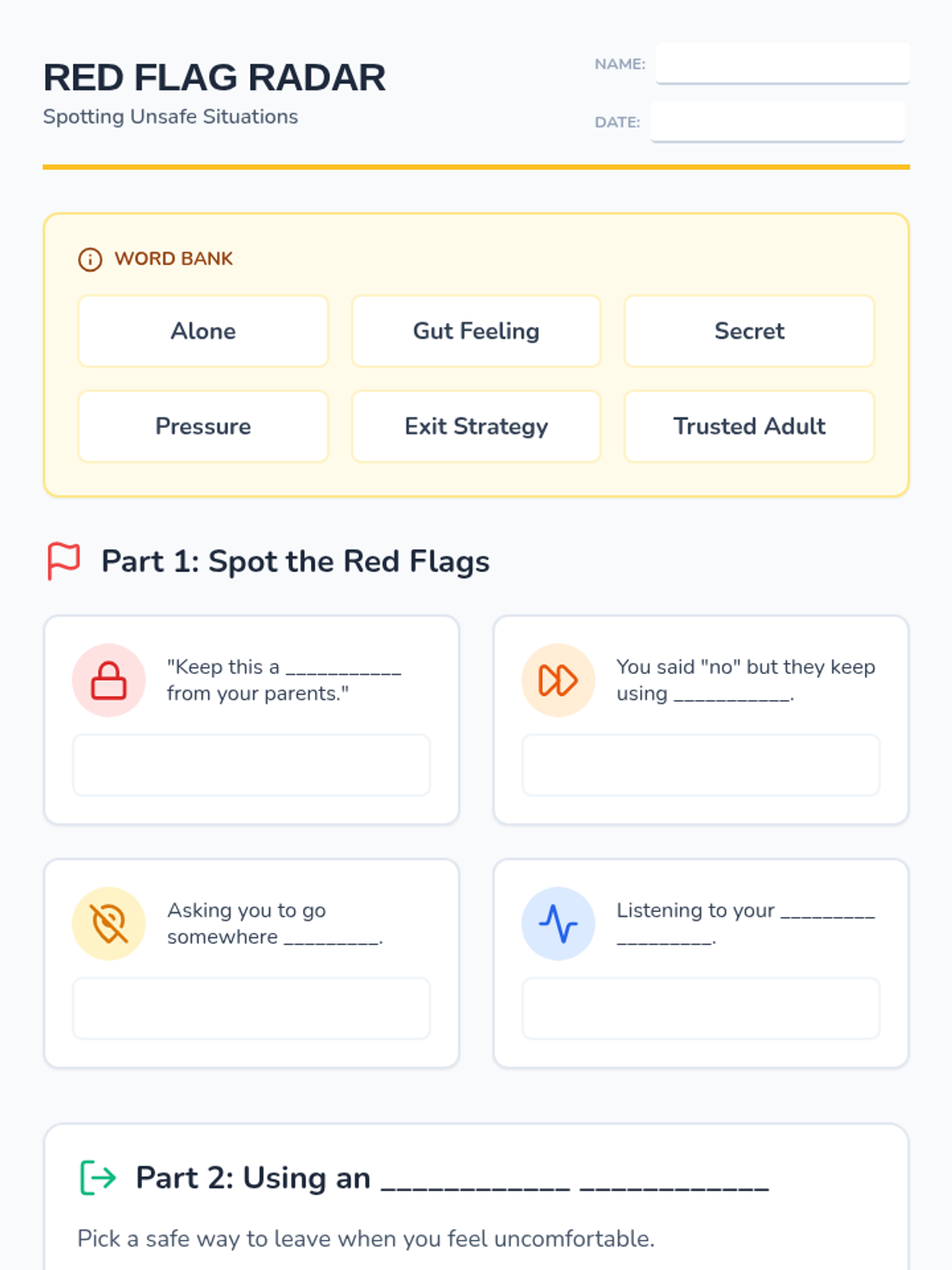
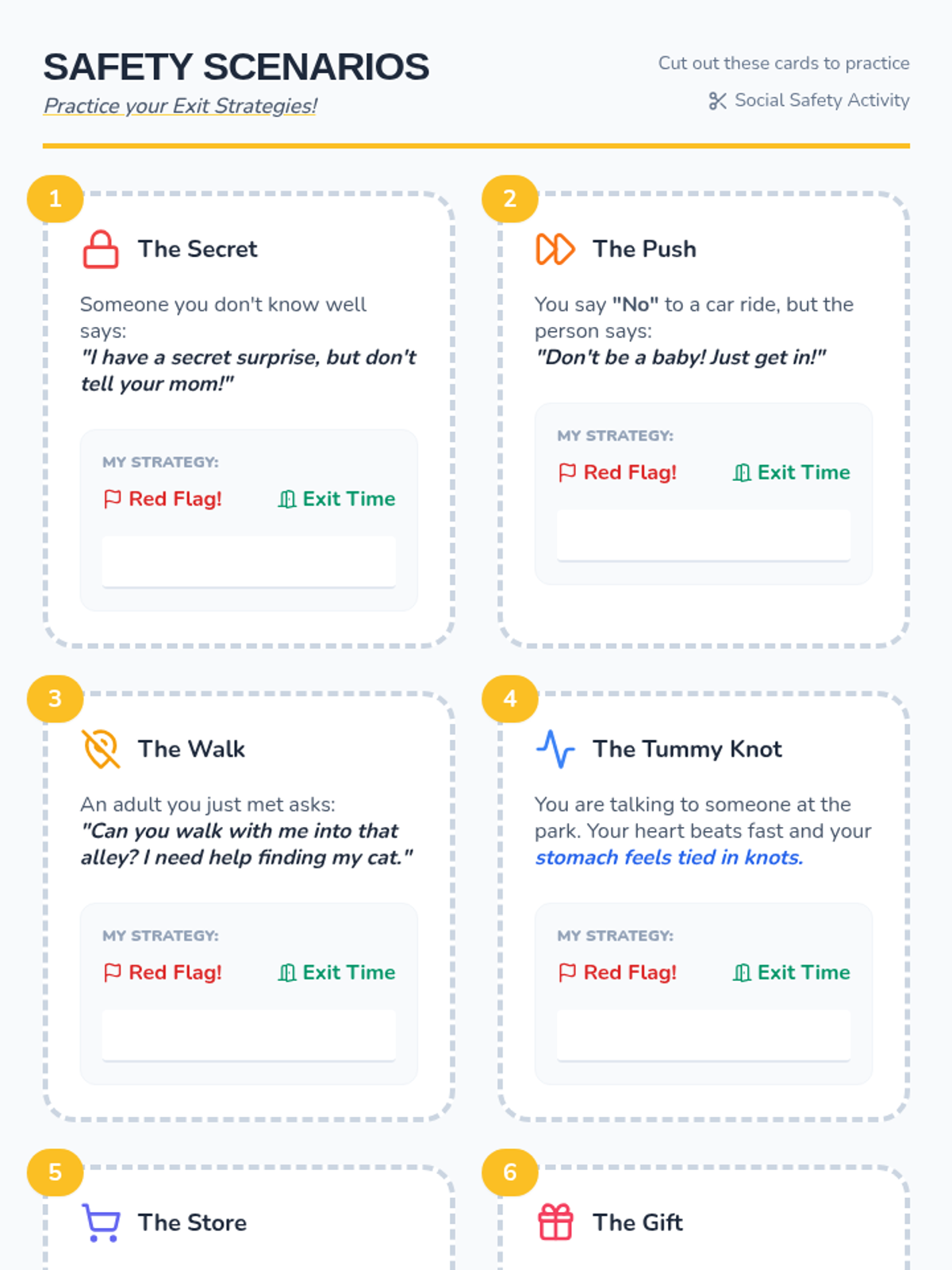
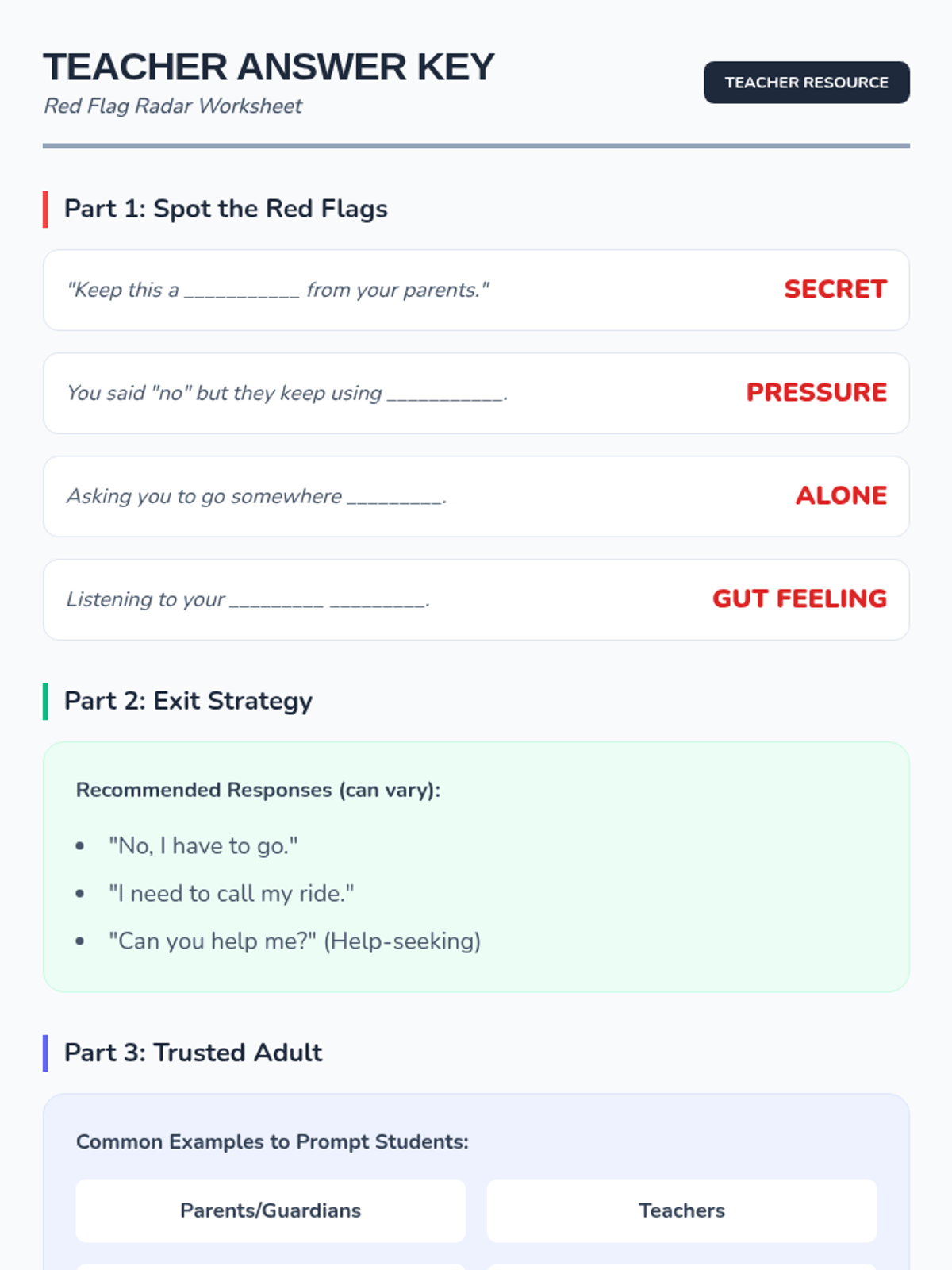
This lesson focuses on identifying 'red flags' in social situations, understanding the importance of 'gut feelings', and practicing exit strategies to move to safety. Students will learn to recognize subtle warning signs and identify trusted adults they can turn to for help.
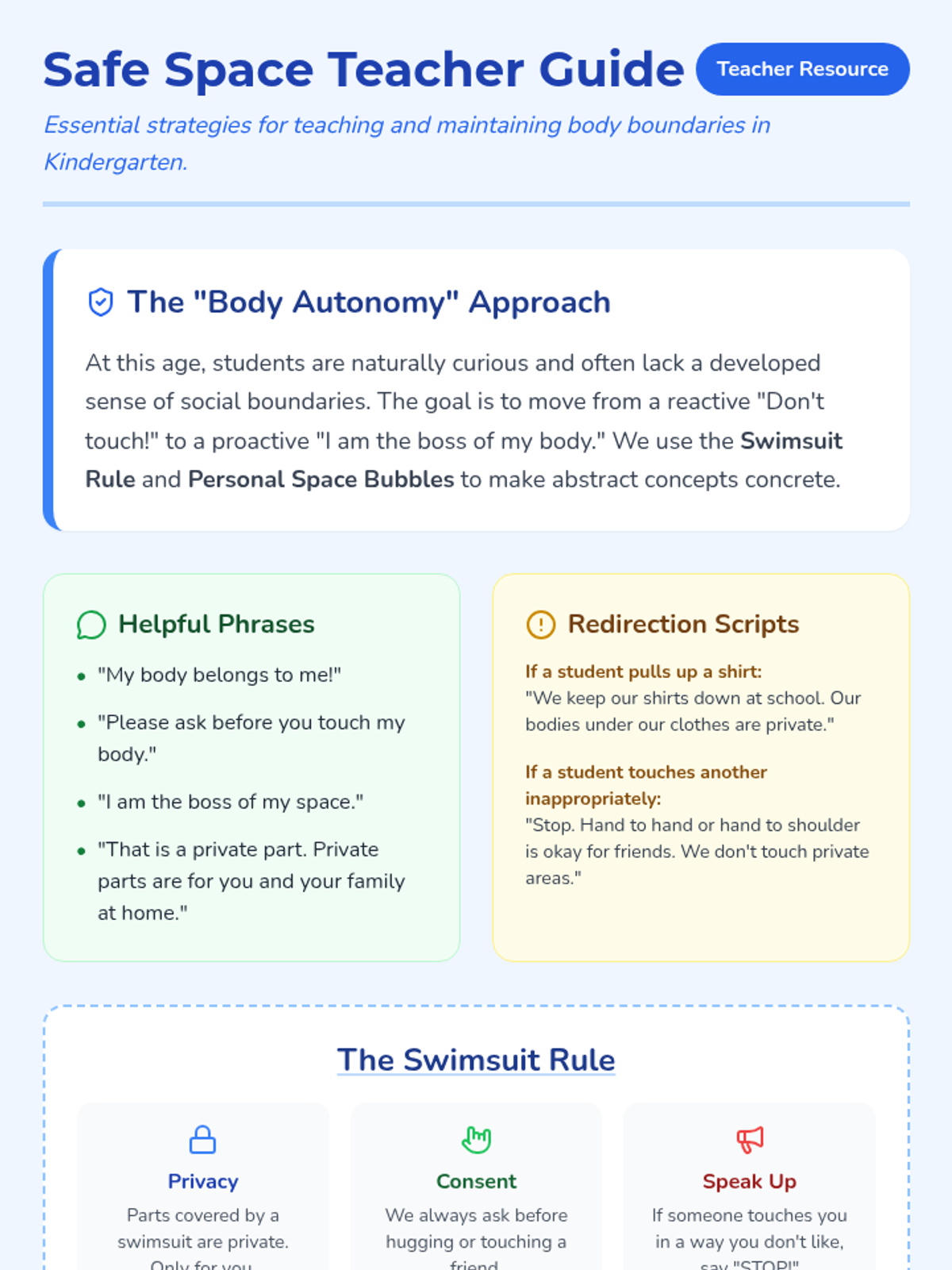
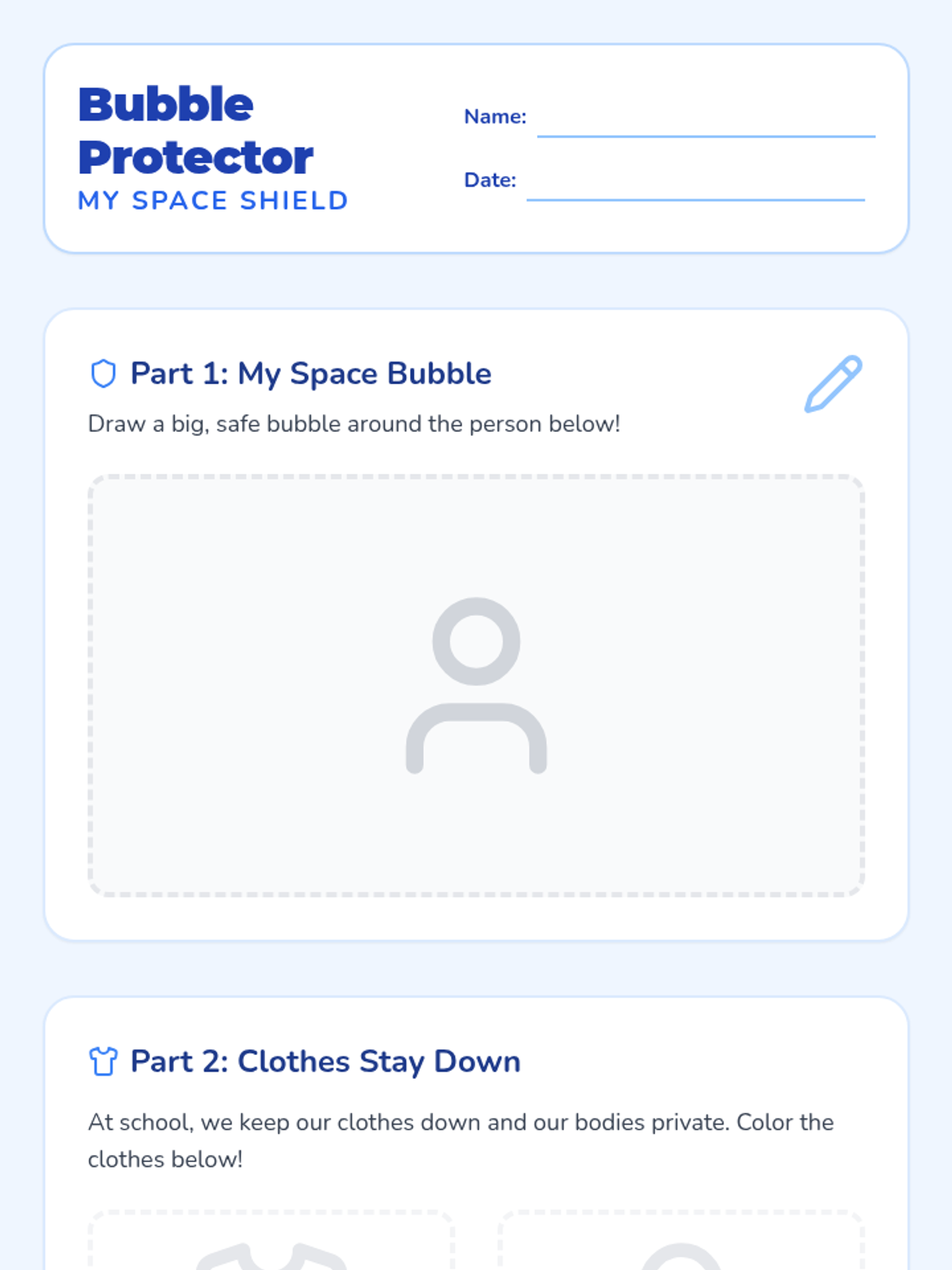
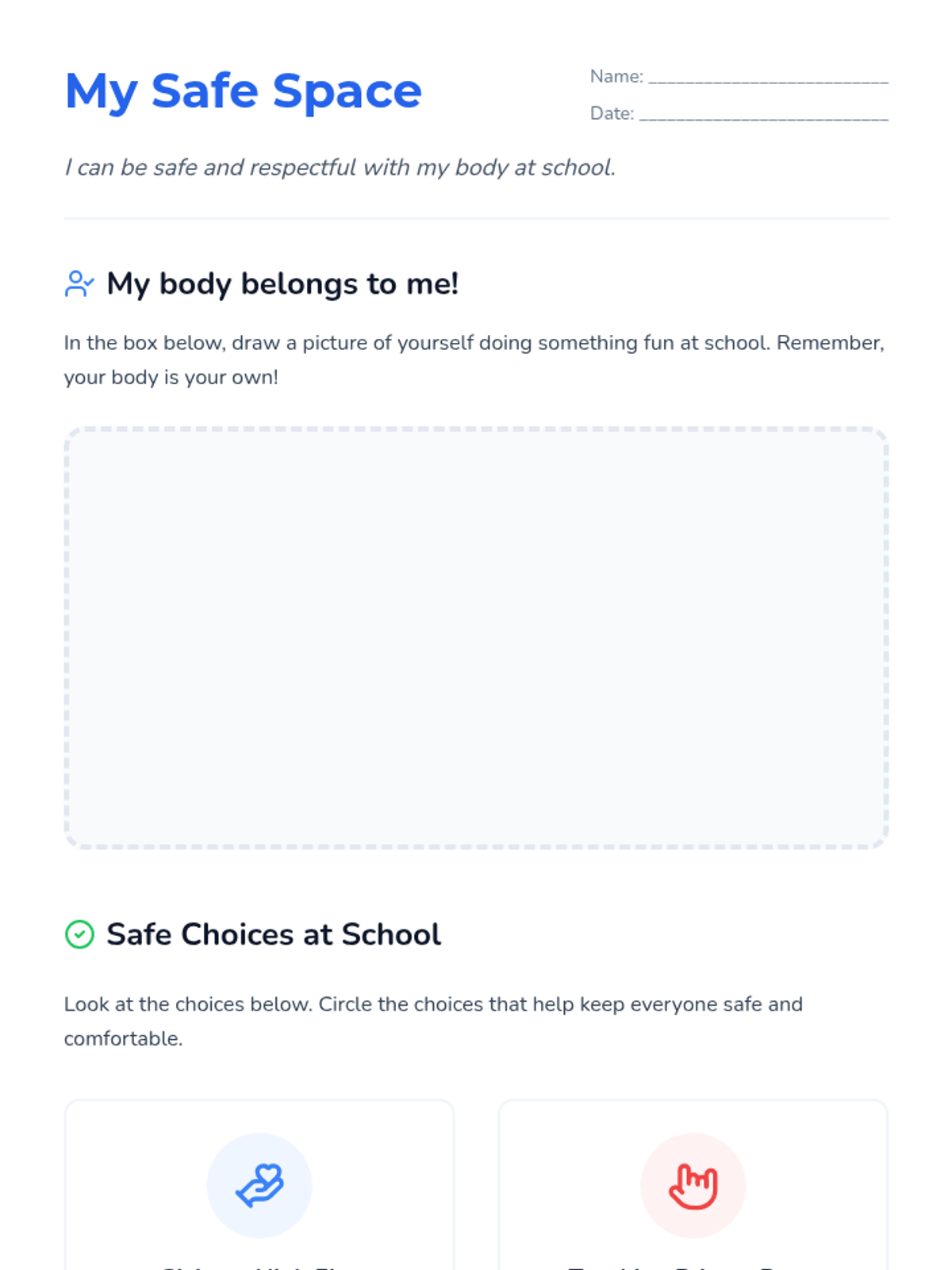
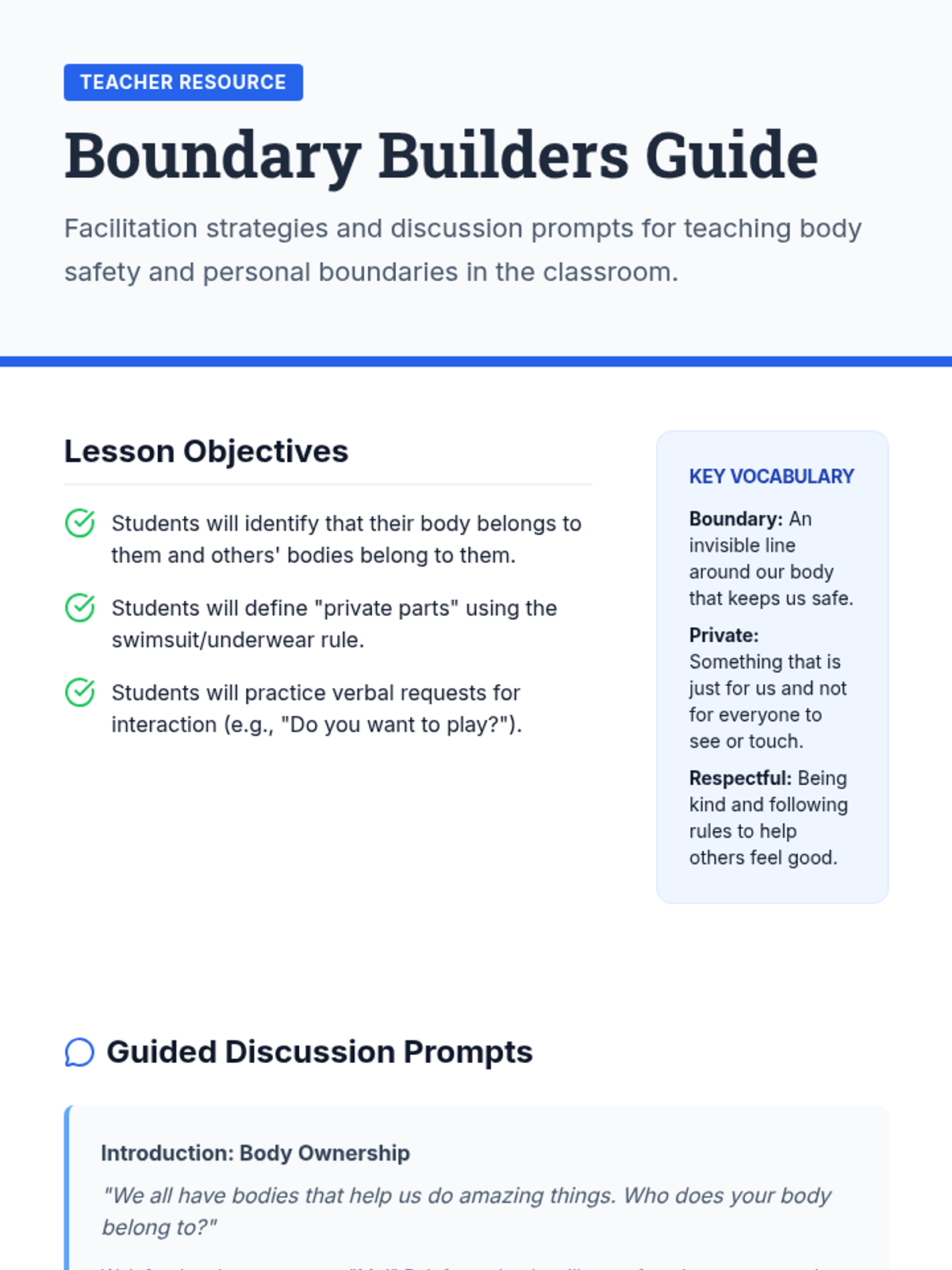
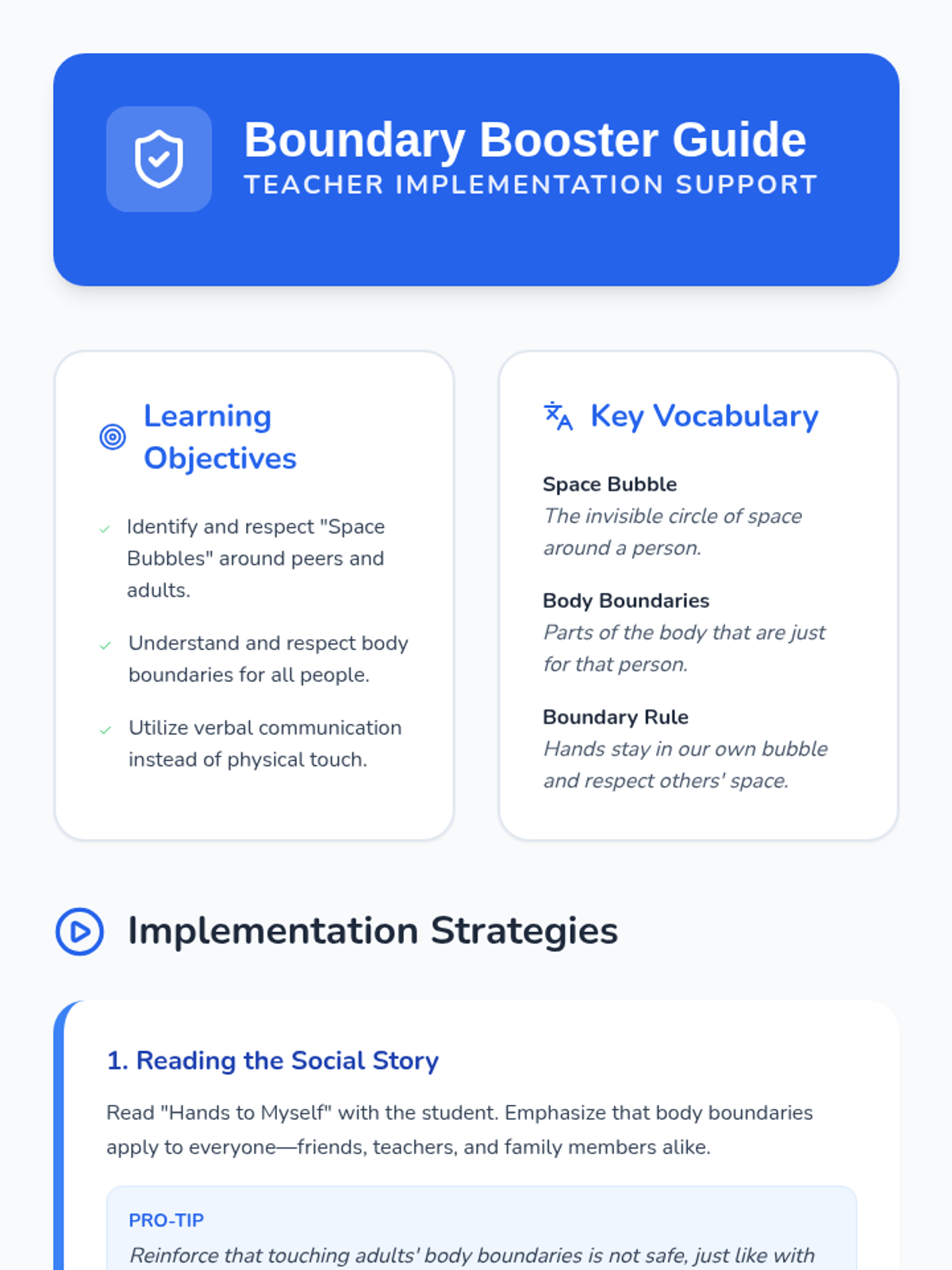
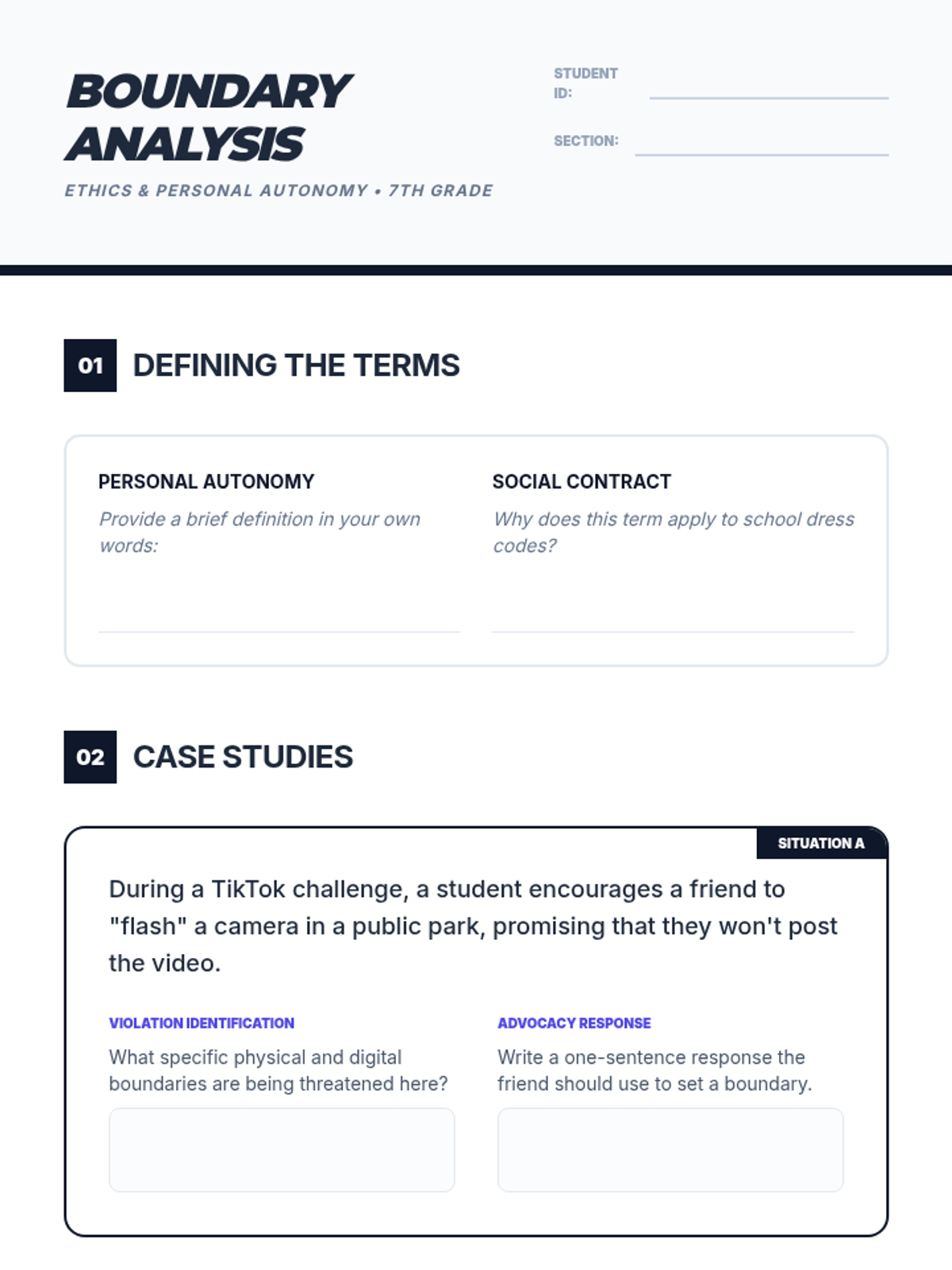
A lesson focused on teaching Kindergarten students about personal space, body boundaries, and the importance of keeping private parts private. It uses the concept of a 'Space Shield' to make boundaries concrete and empowering.
A foundational lesson introducing the concept of personal space, body ownership, and the distinction between private and public body parts.
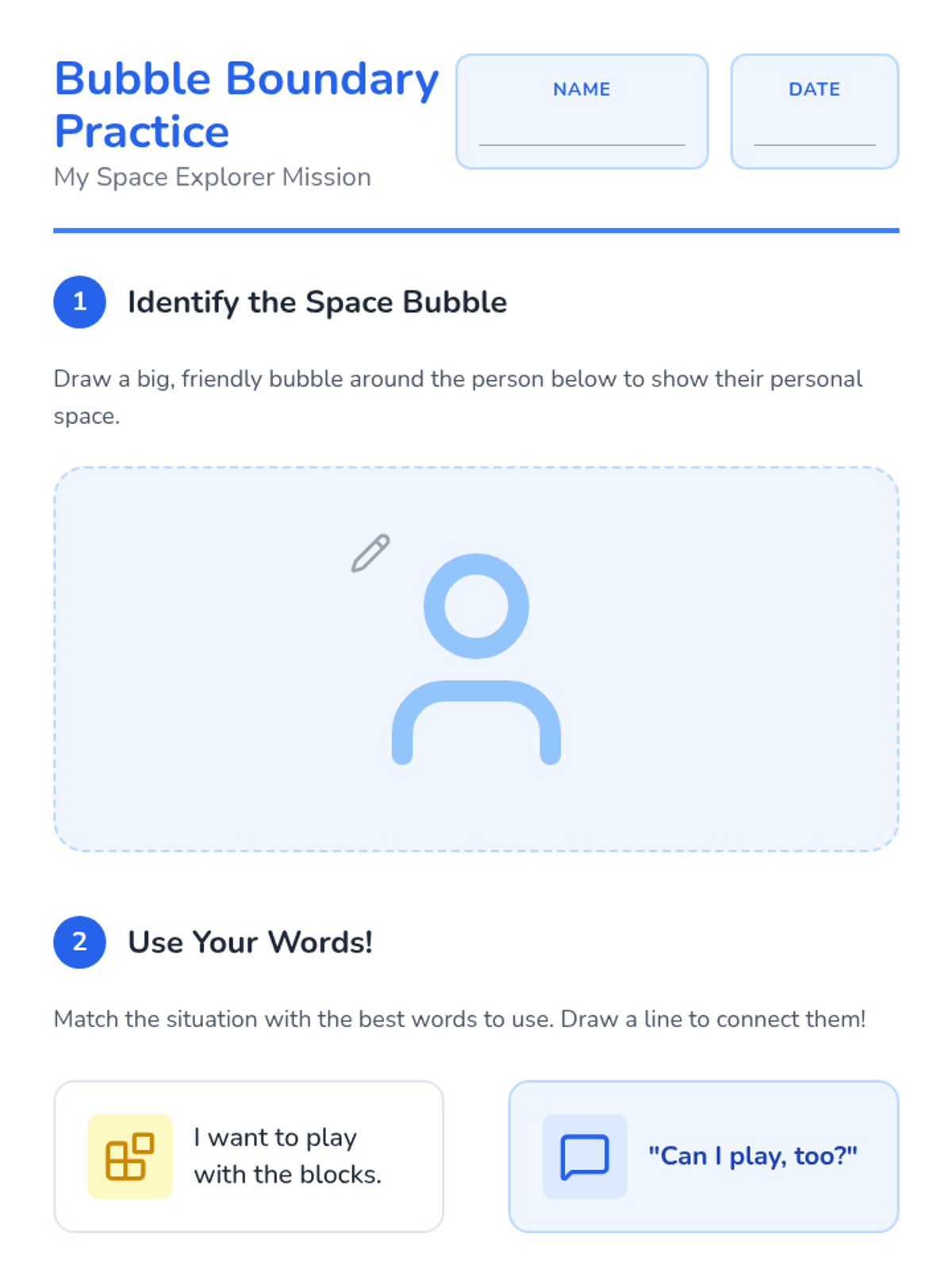
Teaching students about the concept of personal space bubbles and the importance of keeping hands to themselves, specifically regarding private body parts.
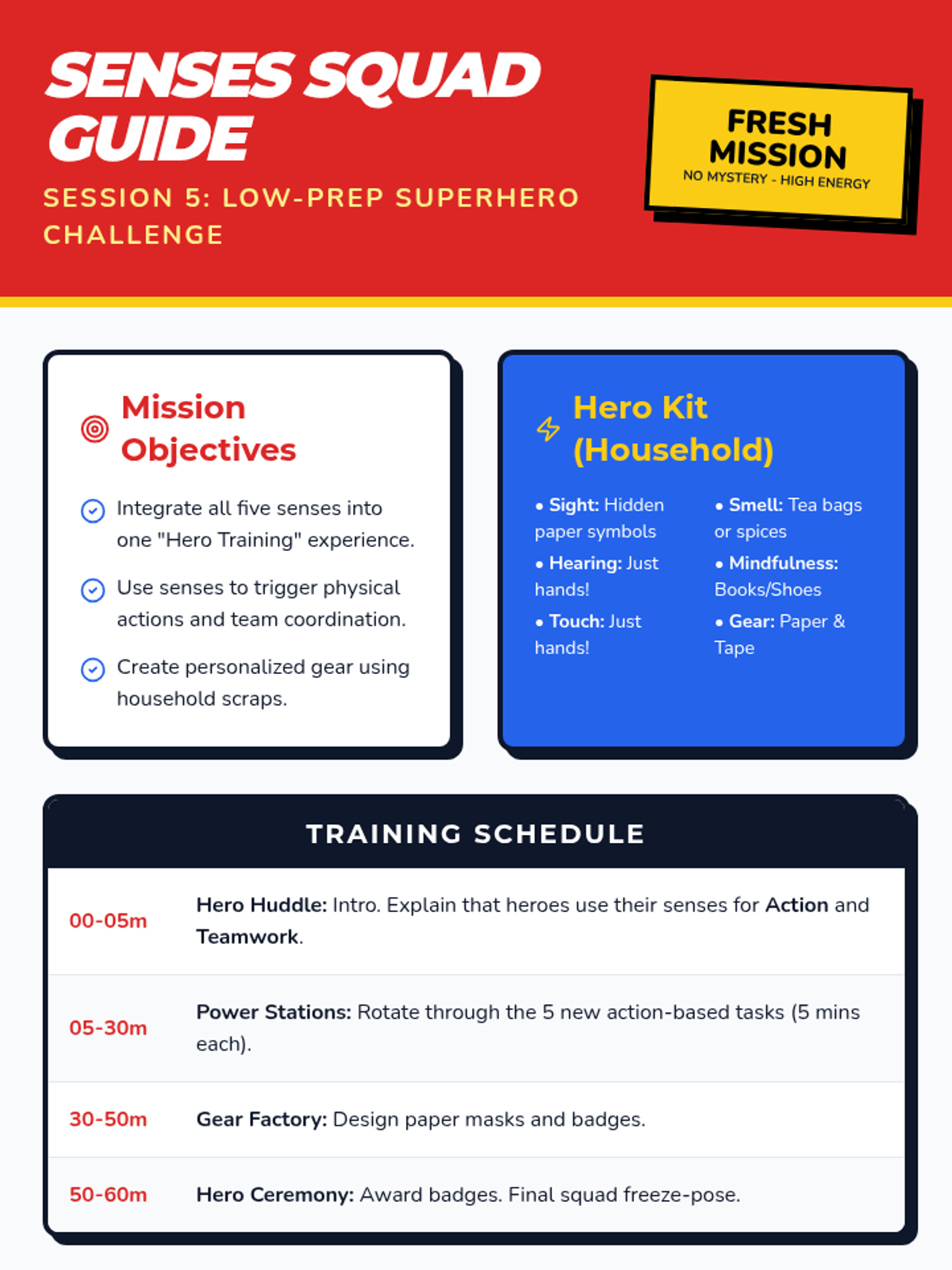
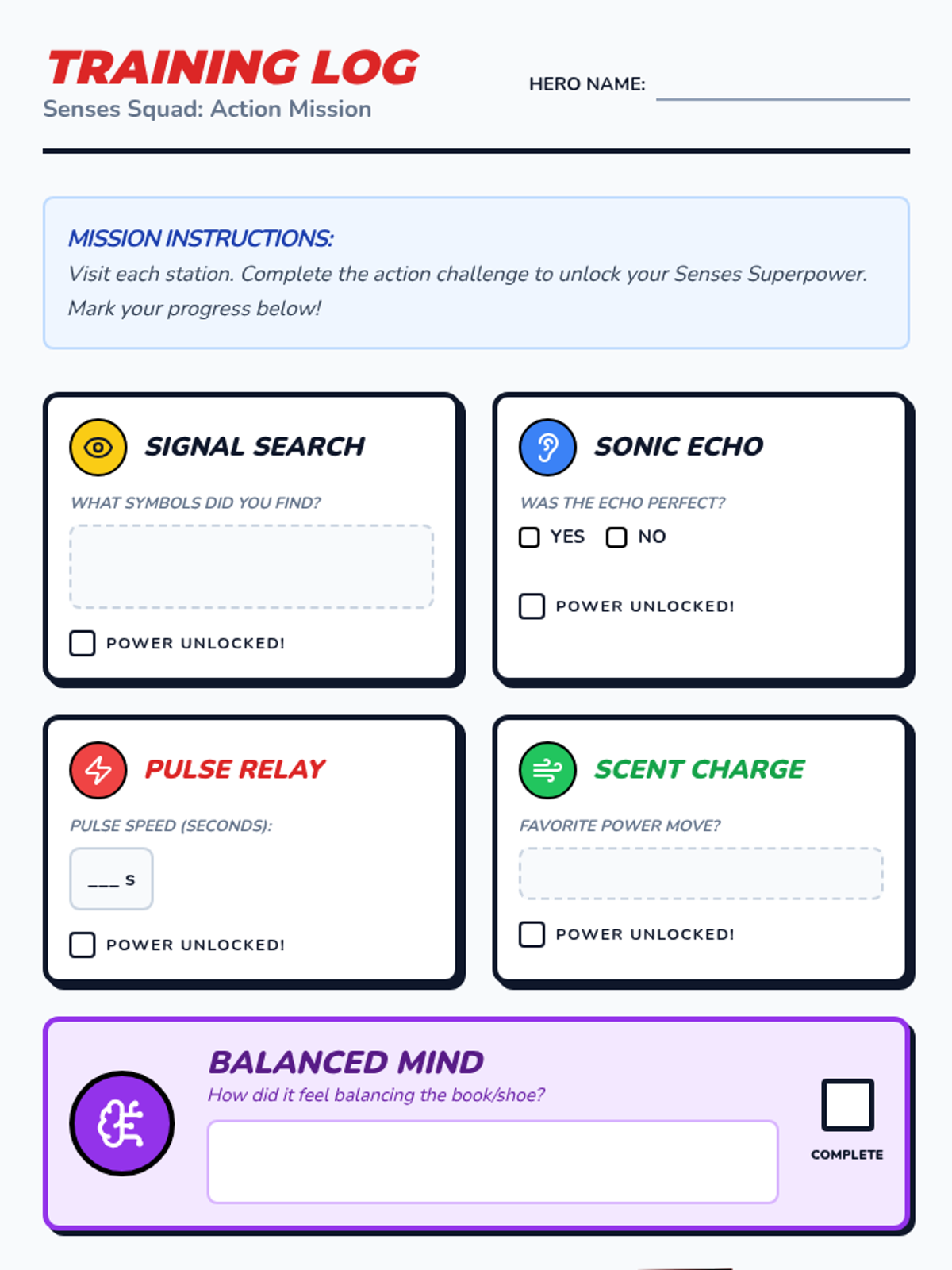
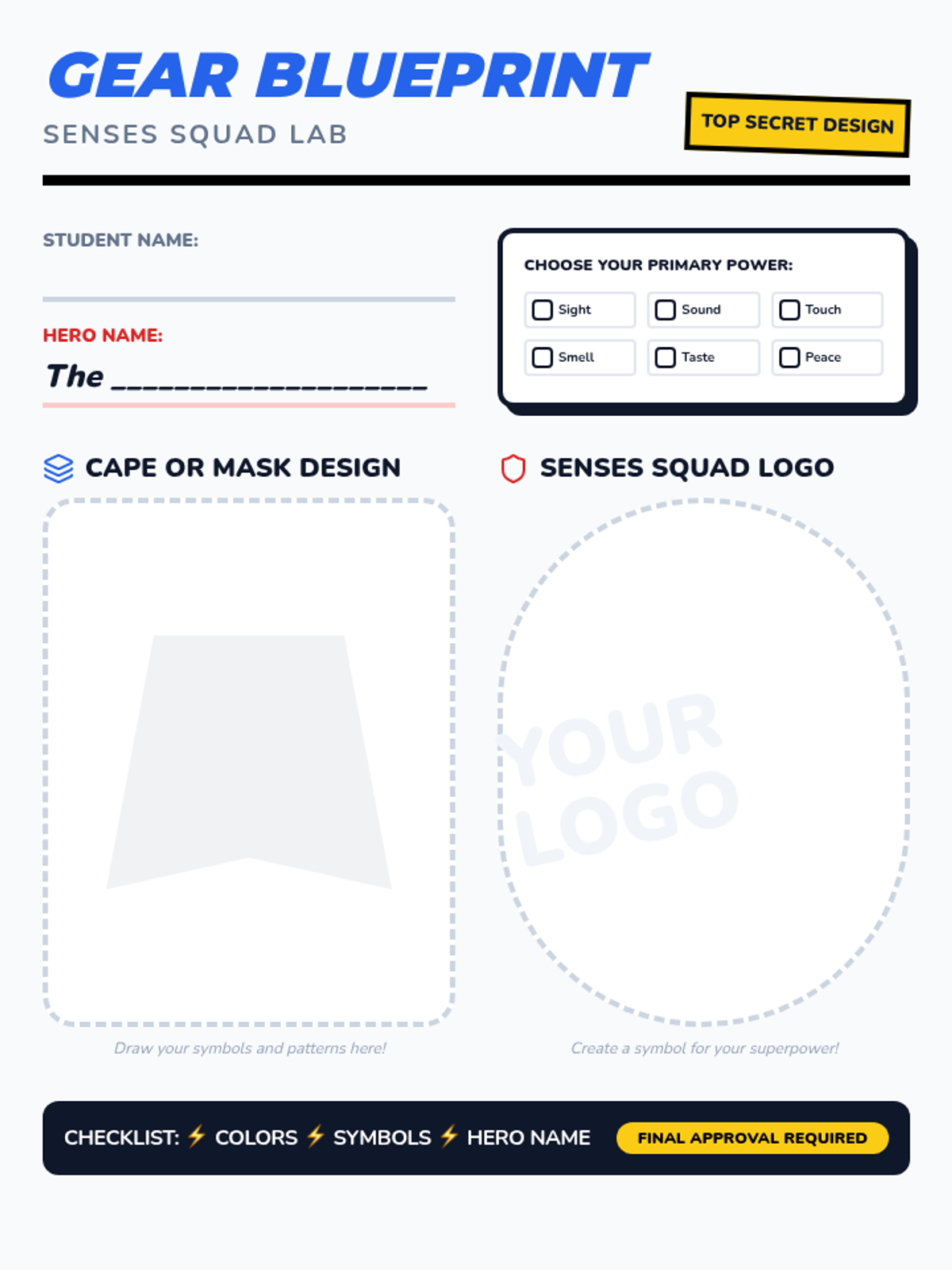
A high-energy wrap-up session for K-2 students to integrate their knowledge of the five senses and mindfulness through a superhero-themed training challenge. Students rotate through sensory stations and create their own superhero gear to represent their 'Senses Superpowers'.
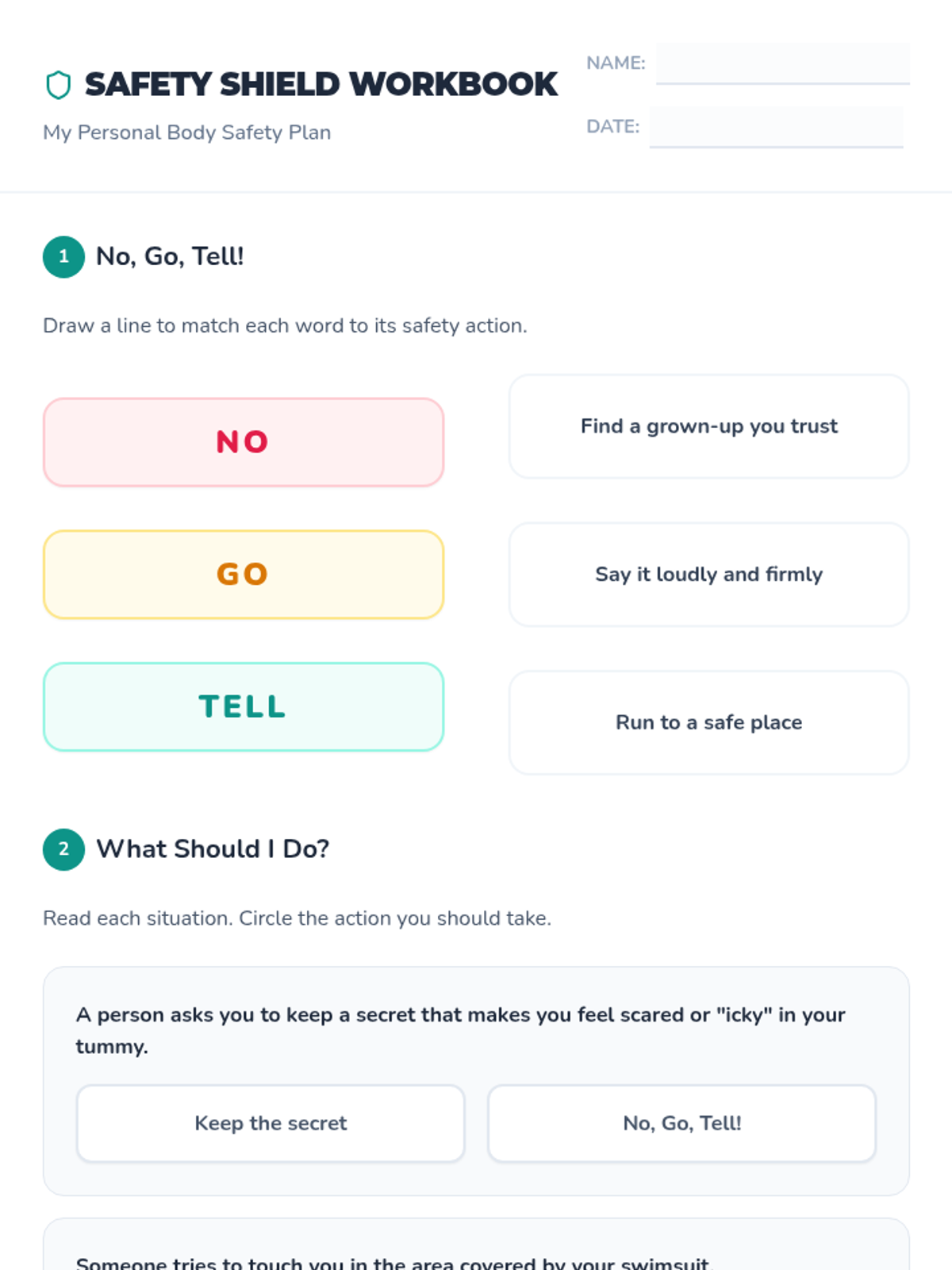
This lesson teaches children vital body safety rules, including the 'No, Go, Tell' strategy and understanding personal boundaries. Through interactive activities and visual reminders, kids learn to identify trusted adults and respond confidently to uncomfortable situations.
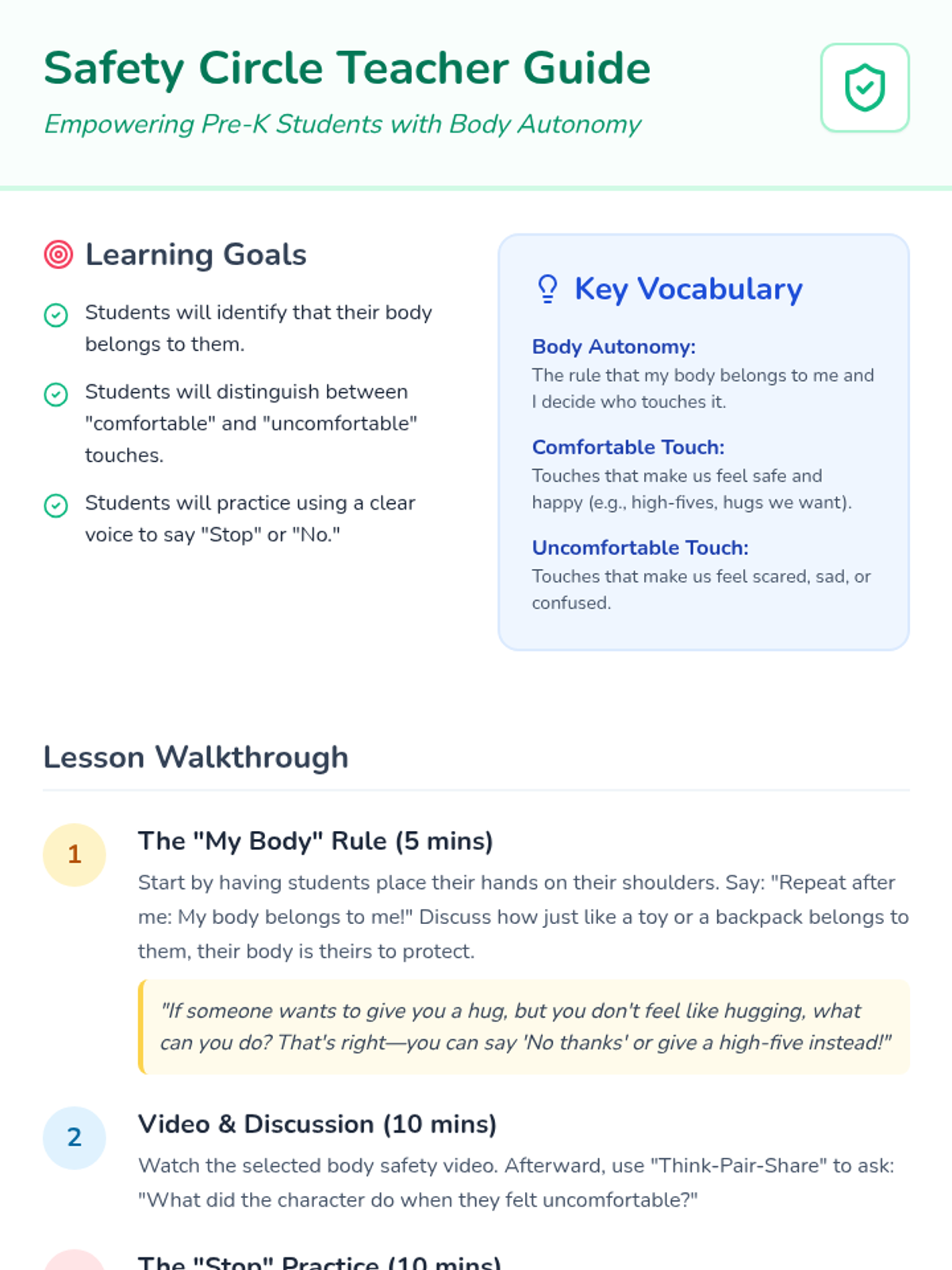
A comprehensive lesson for Pre-K students on body safety, identifying comfortable and uncomfortable touches, and practicing the power to say 'No' or 'Stop'. The lesson uses age-appropriate language to empower children to set boundaries and identify trusted adults.
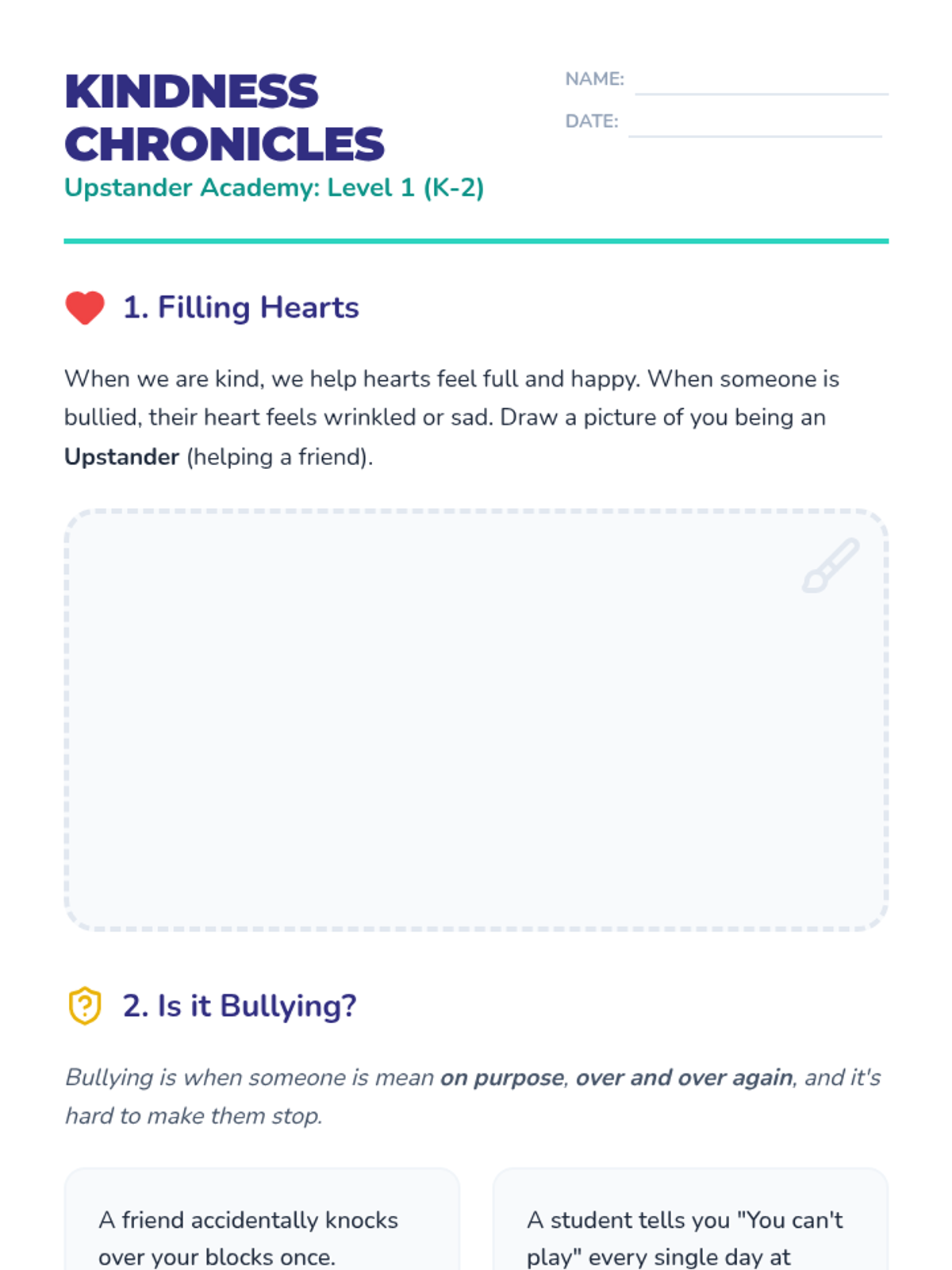
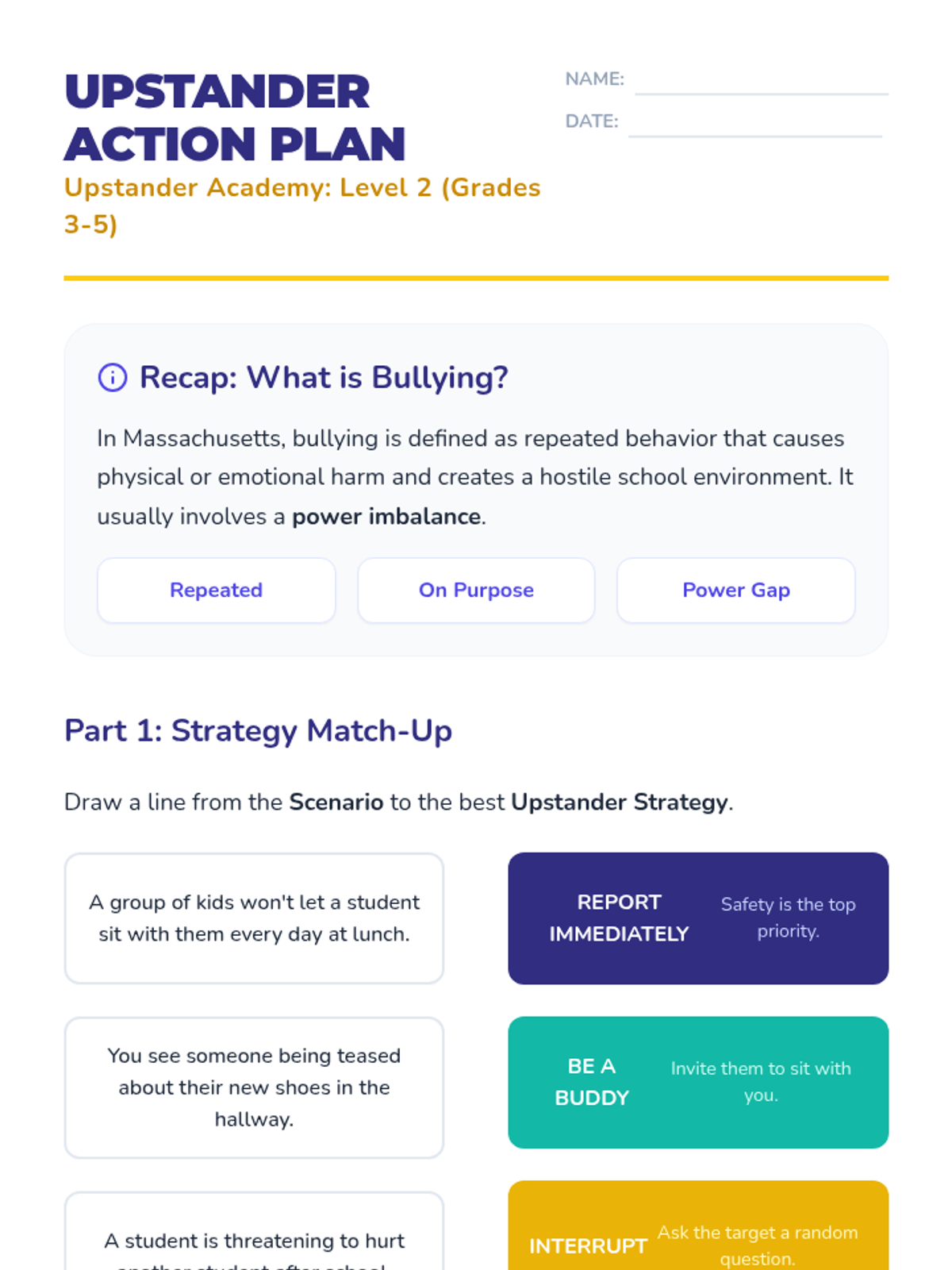
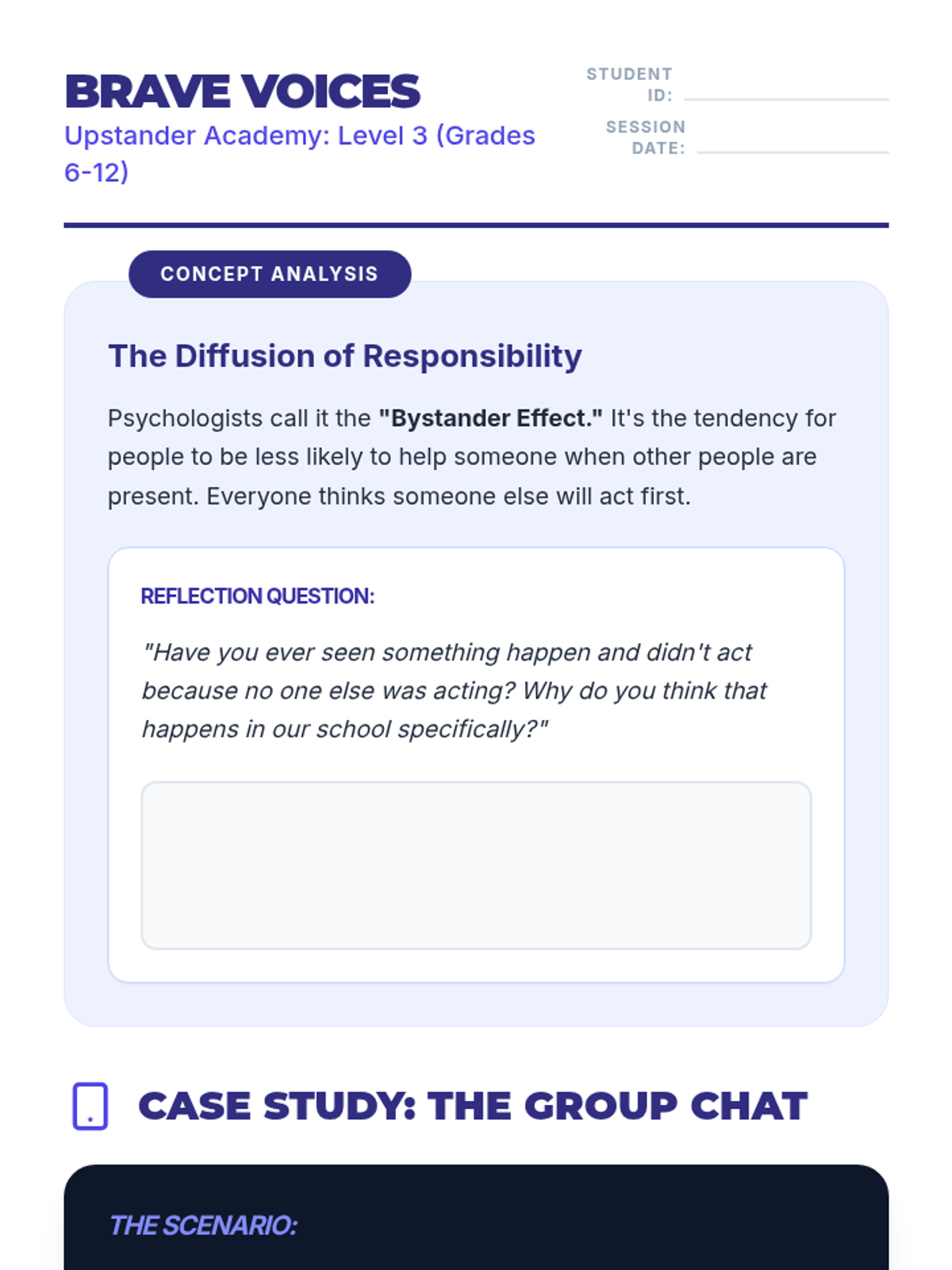
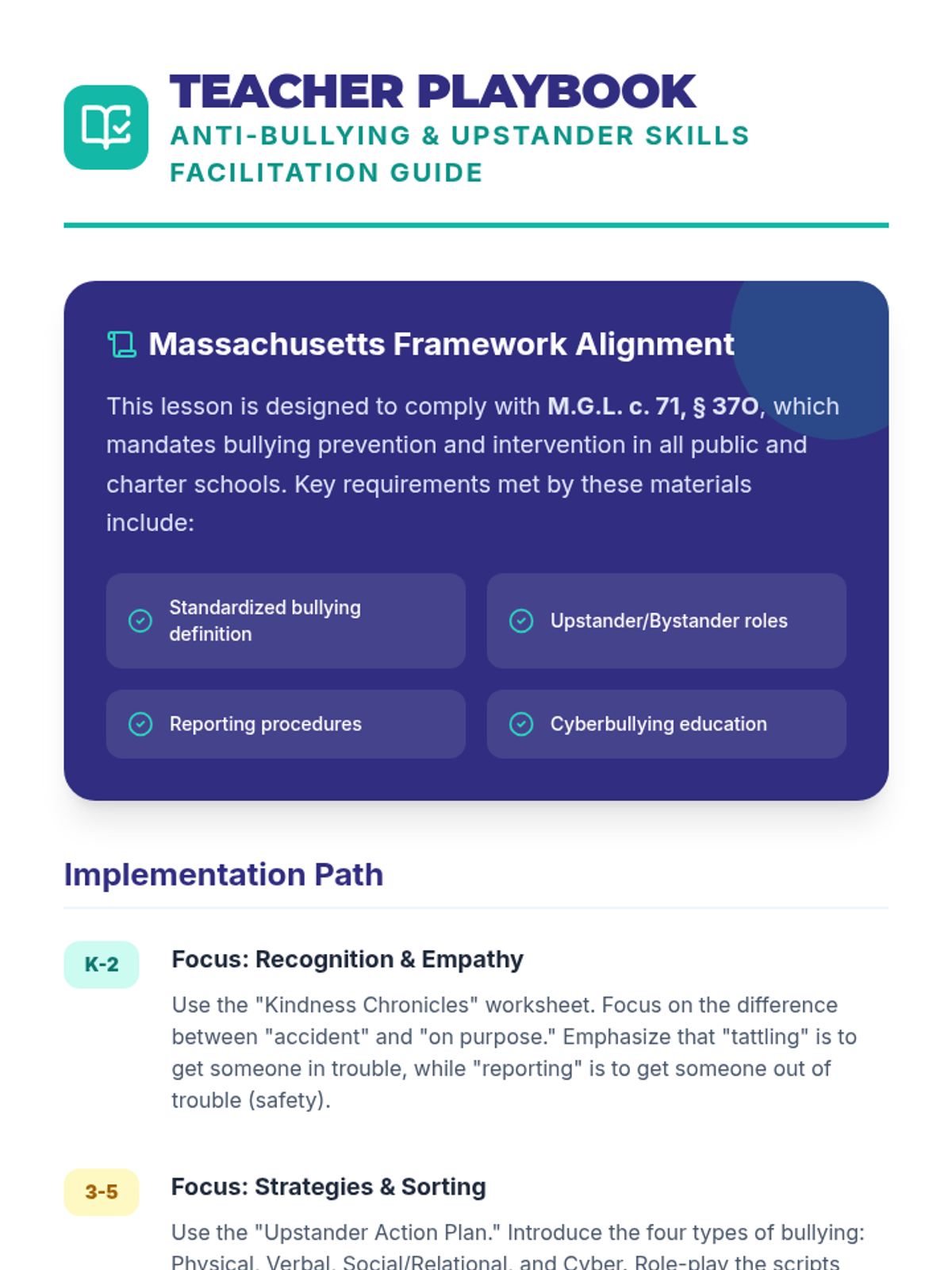
A comprehensive anti-bullying and upstander skills lesson designed for K-12 students. It focuses on identifying bullying, developing empathy, and providing concrete reporting strategies aligned with Massachusetts state frameworks.
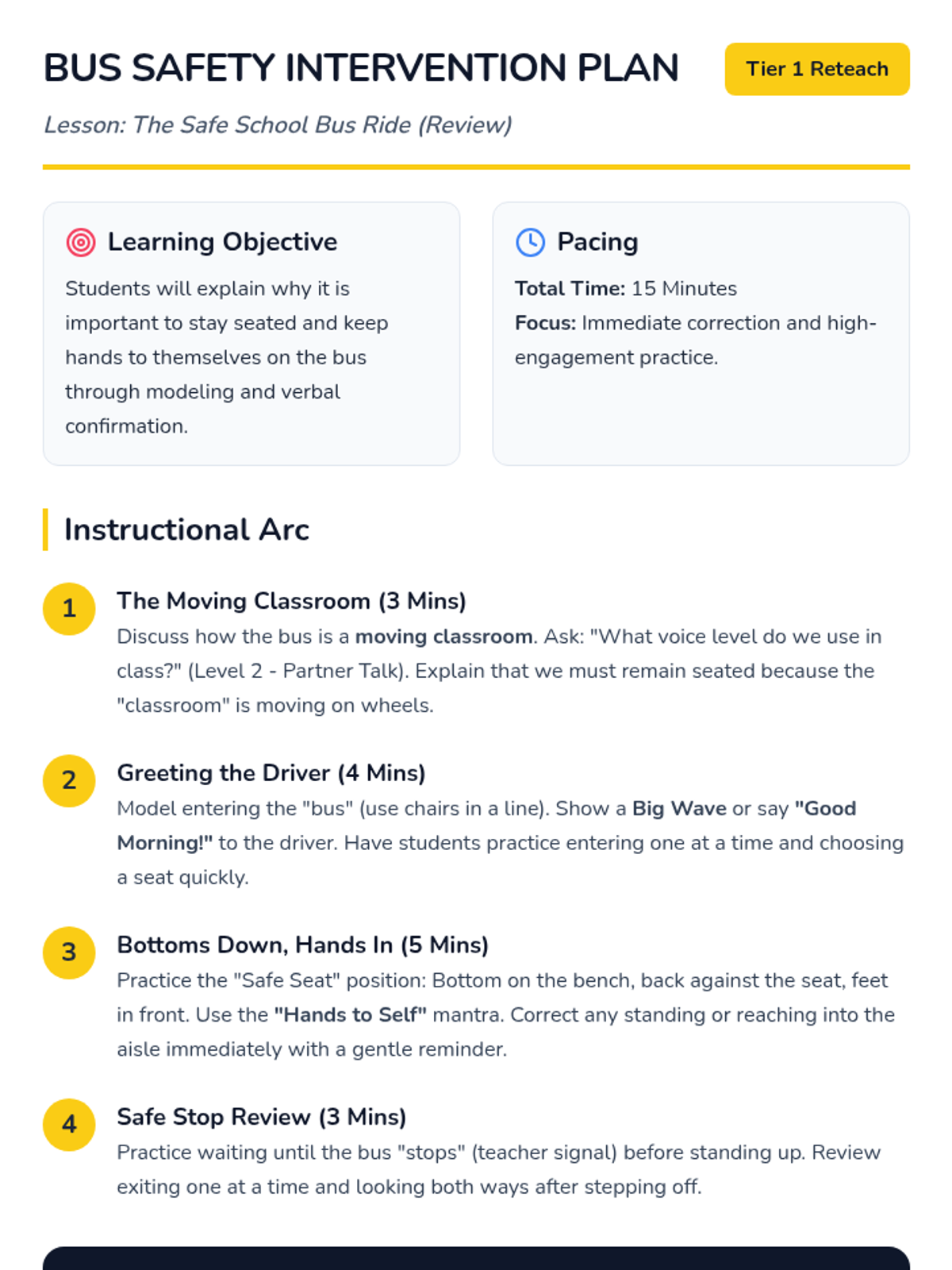
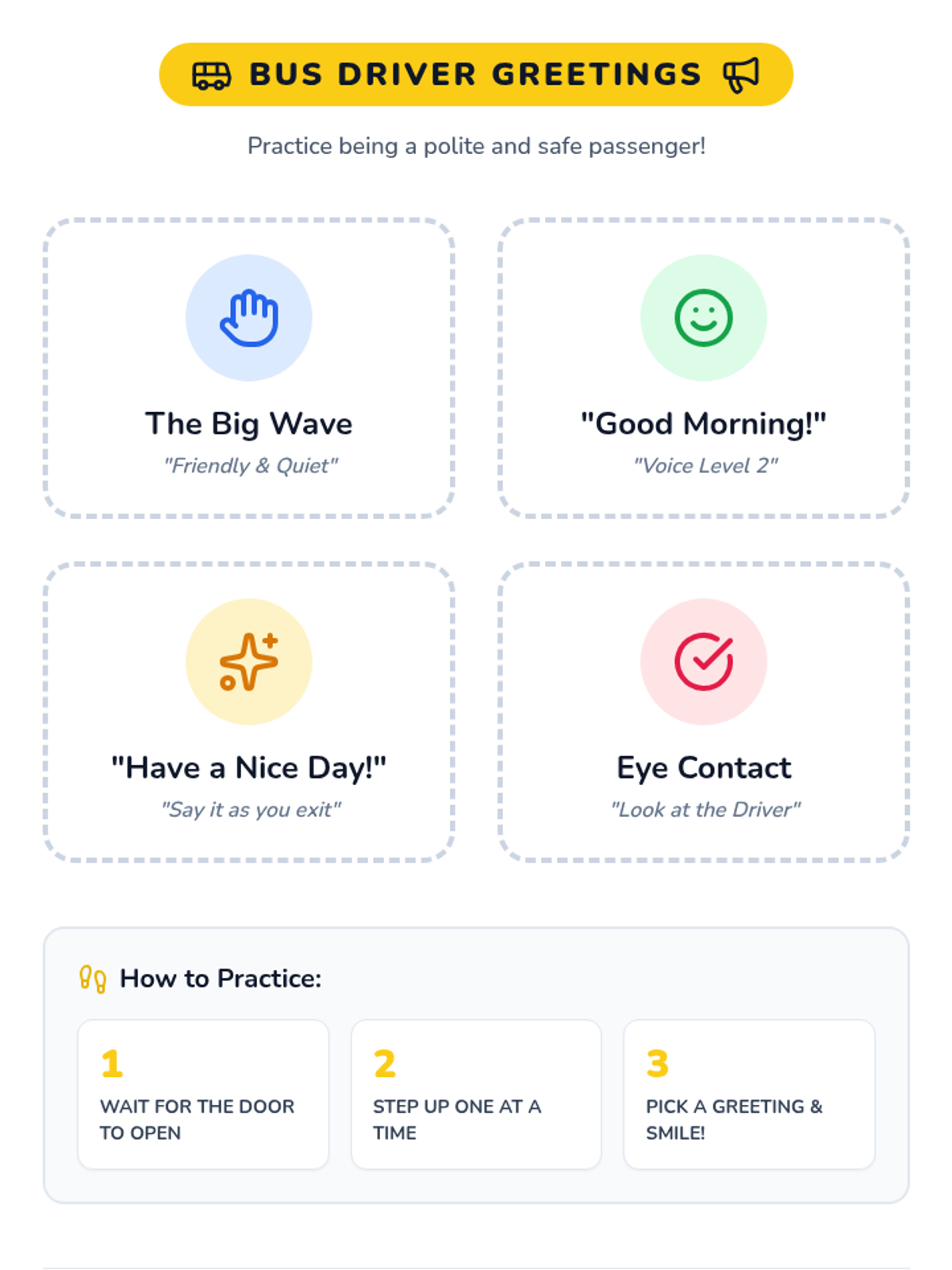
A 15-minute Tier 1 reteaching lesson for Kindergarten focusing on school bus safety, specifically staying seated, keeping hands to self, and greeting the driver.
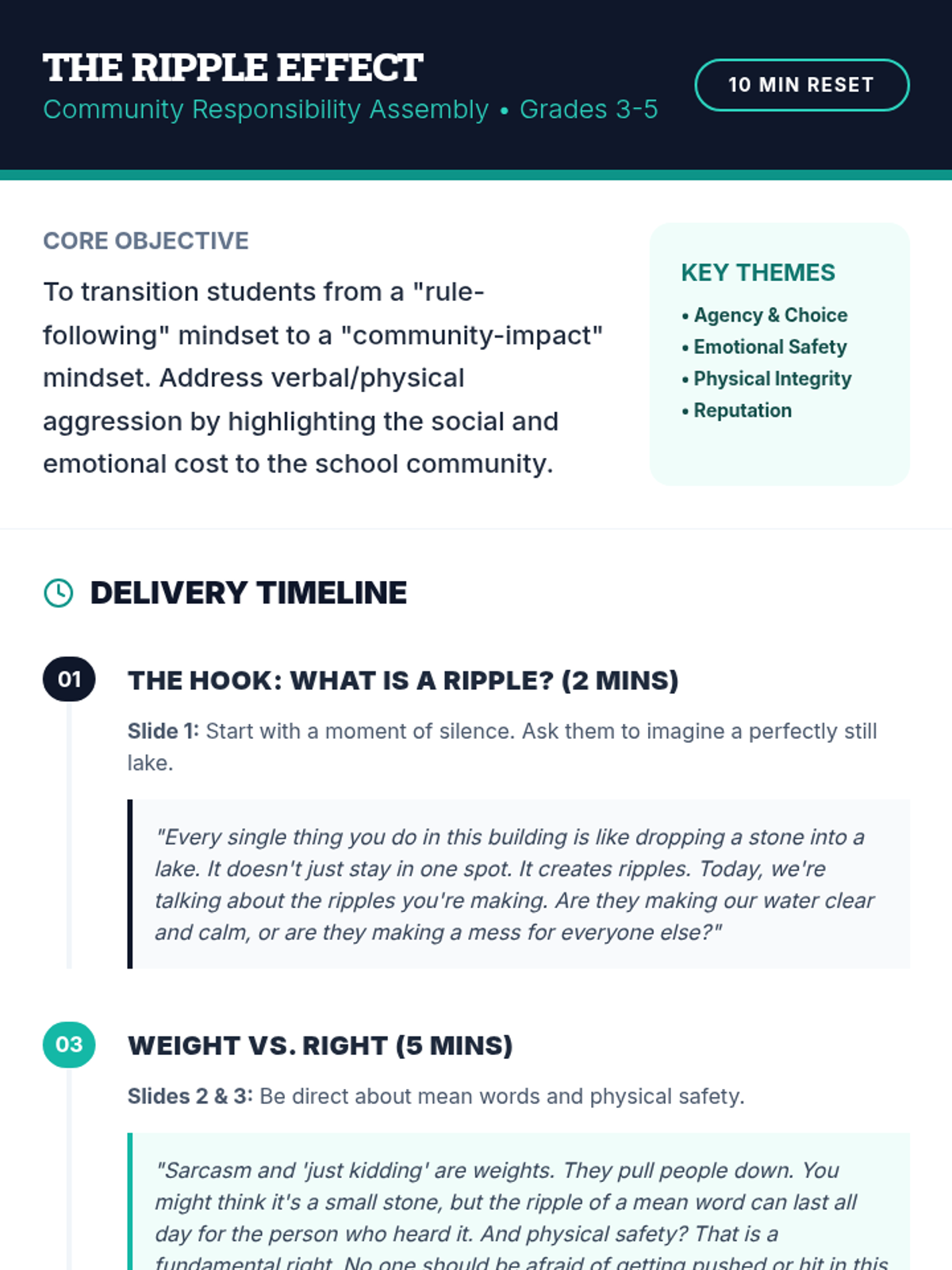
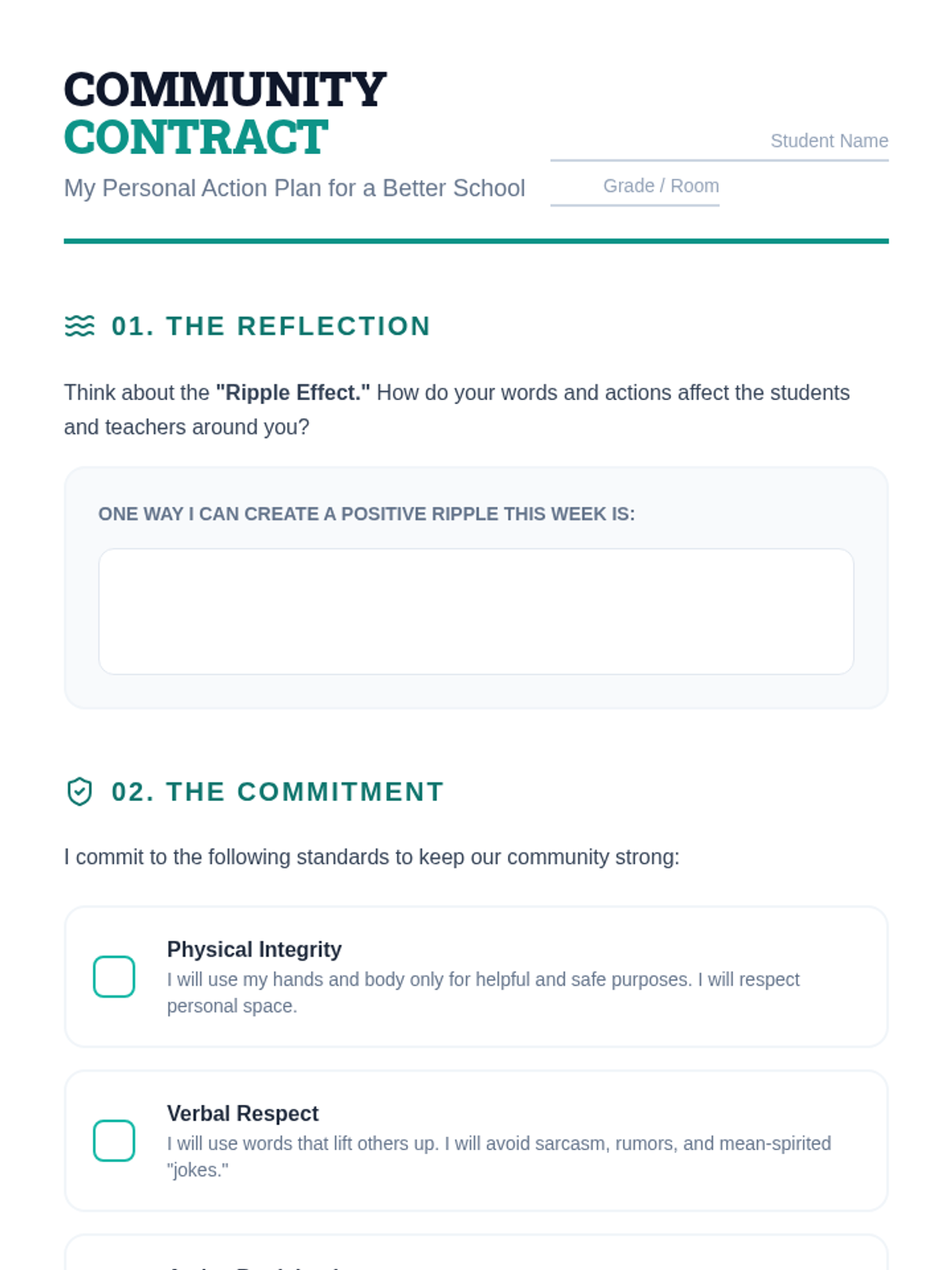
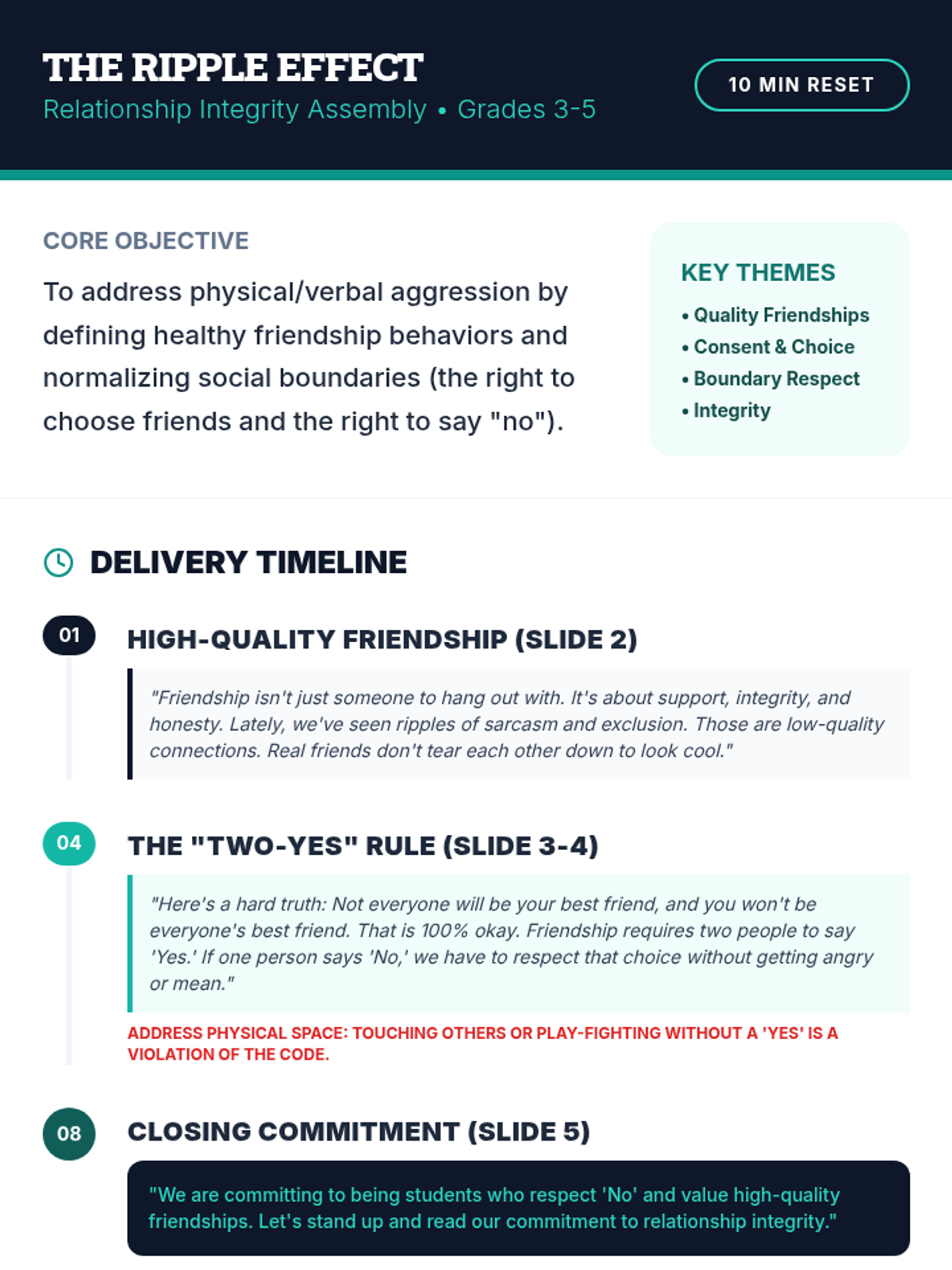
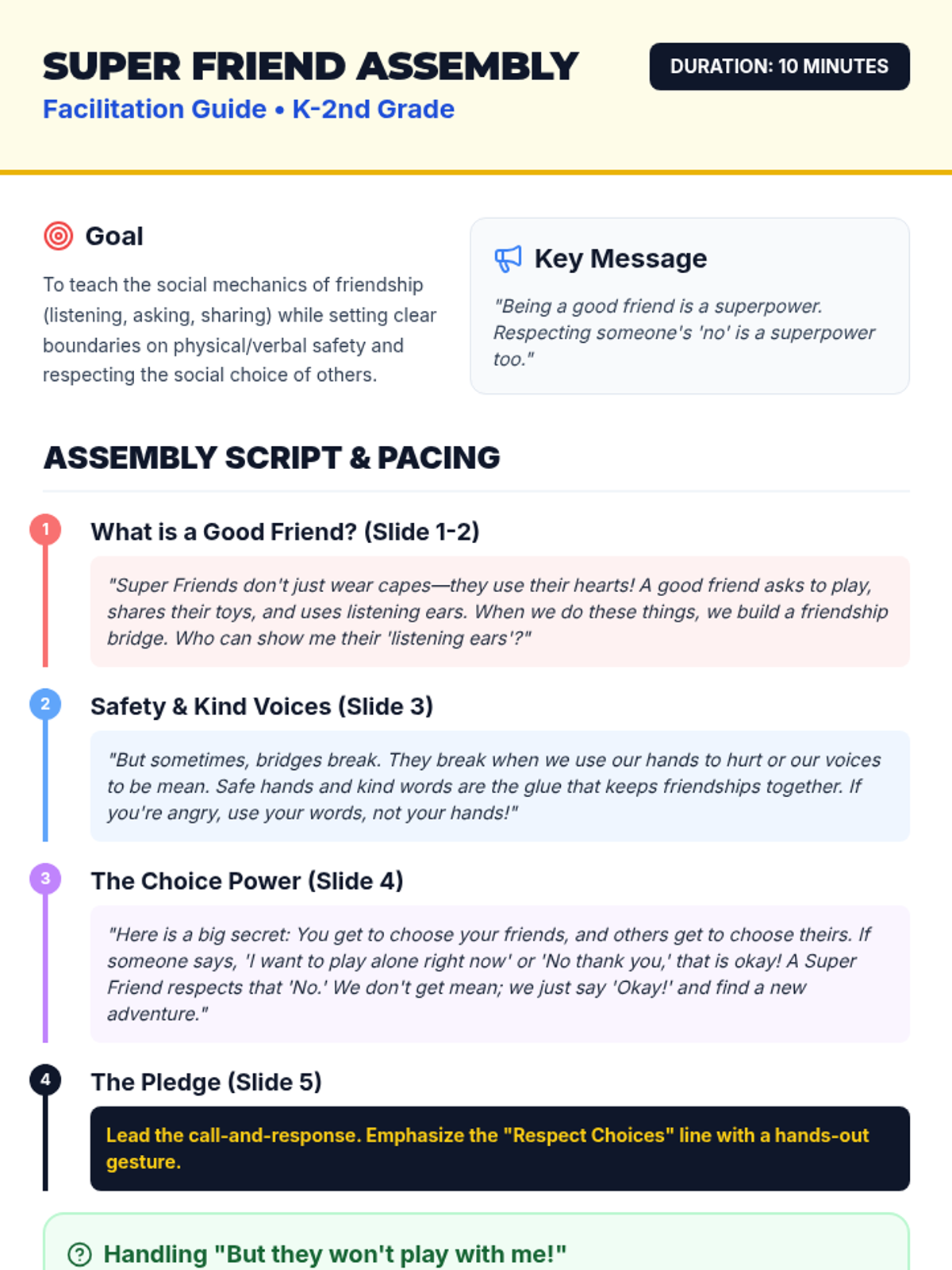
A 10-minute assembly for upper elementary students focusing on the impact of their choices on the school community and building a culture of respect.
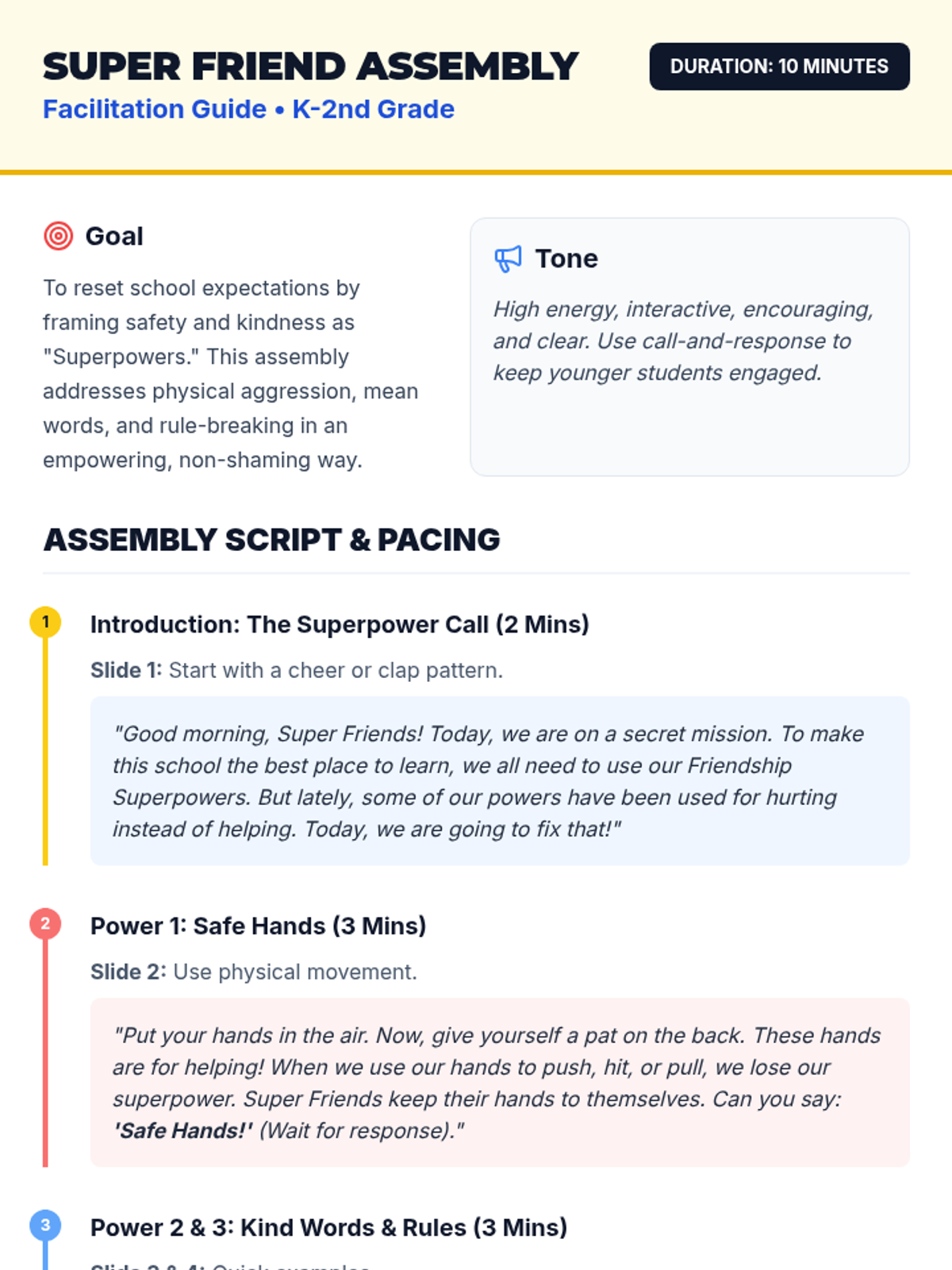
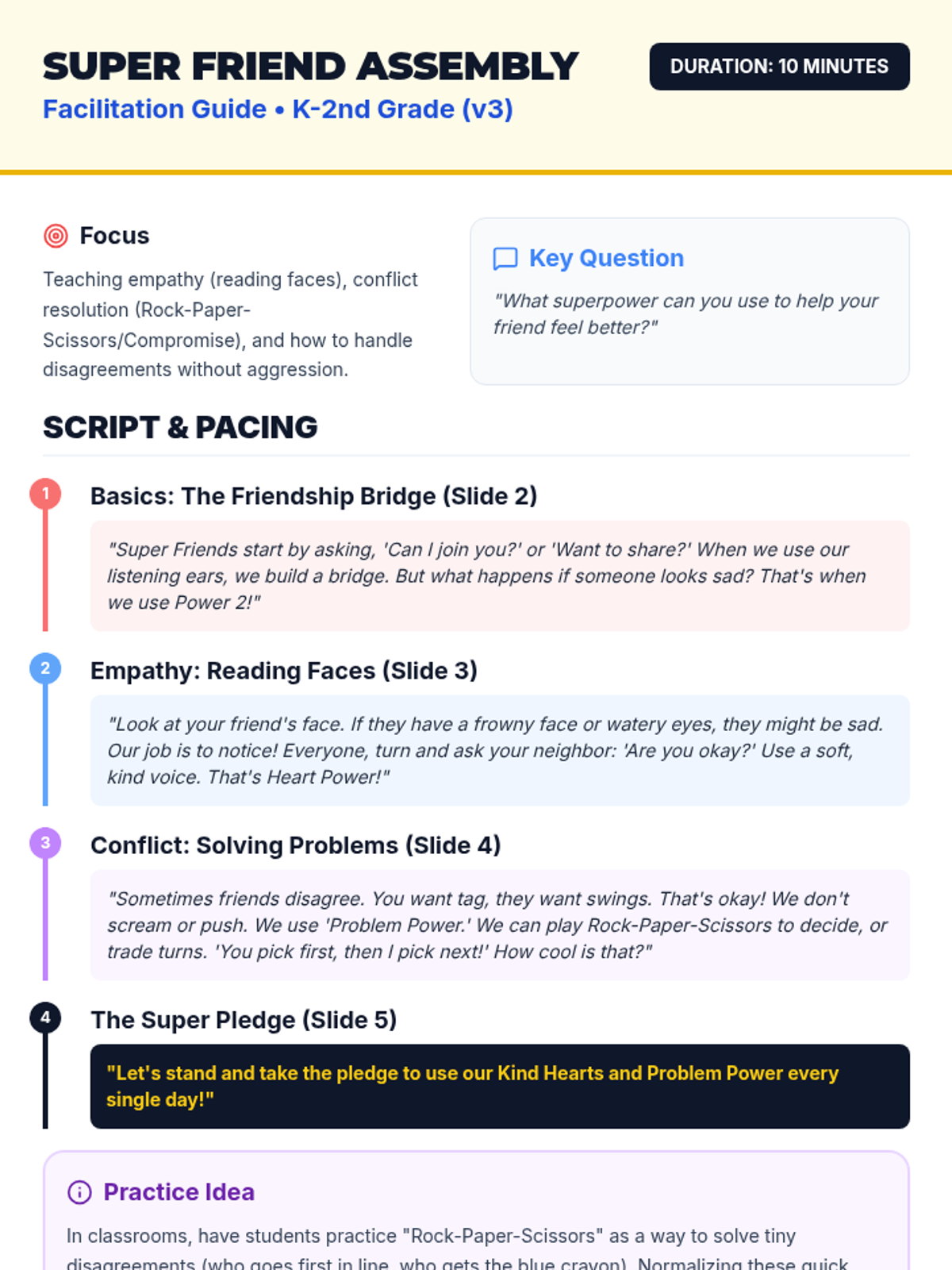
A high-energy, visual 10-minute assembly focused on basic rules, safe hands, and kind words for younger students.
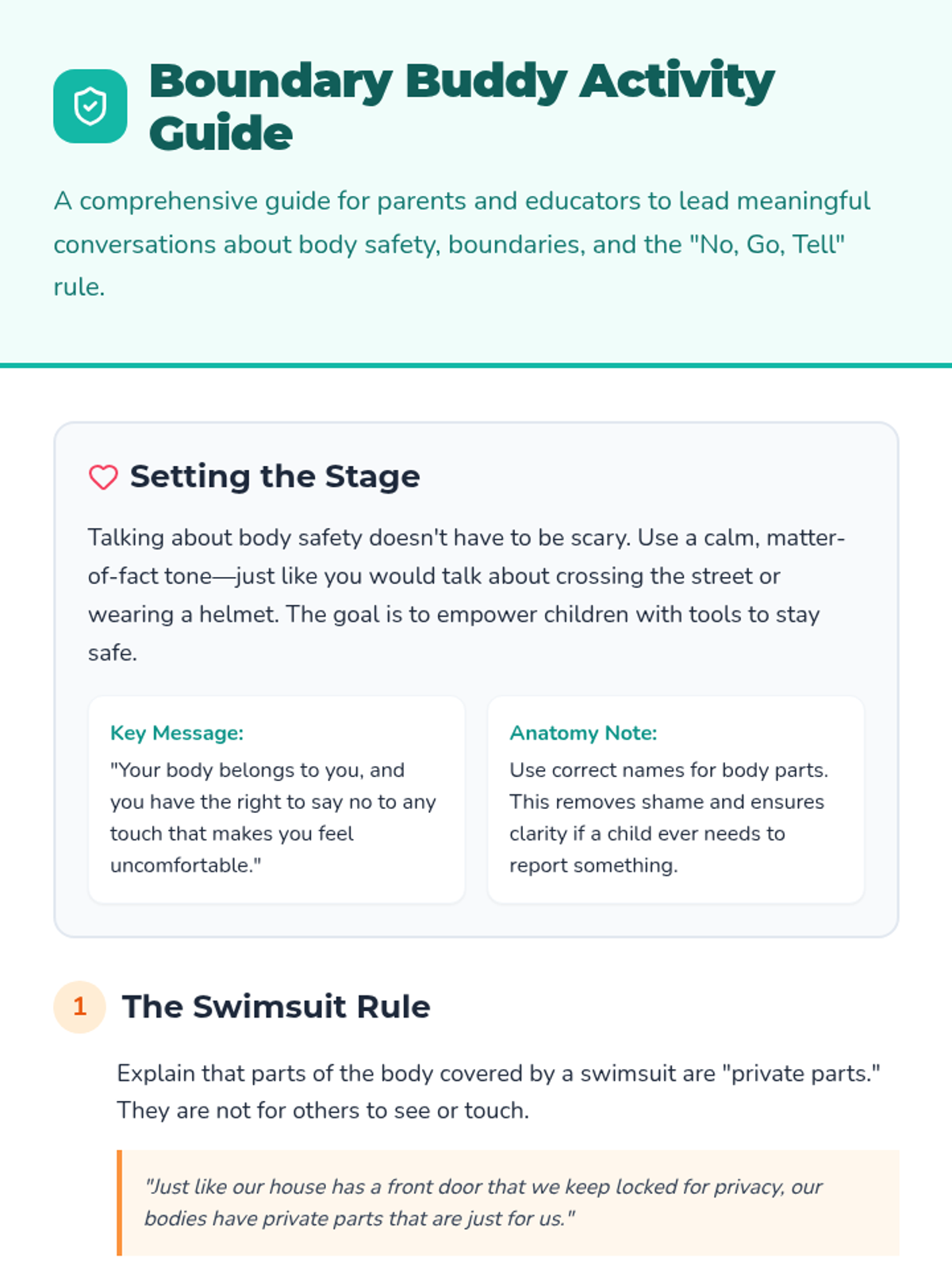
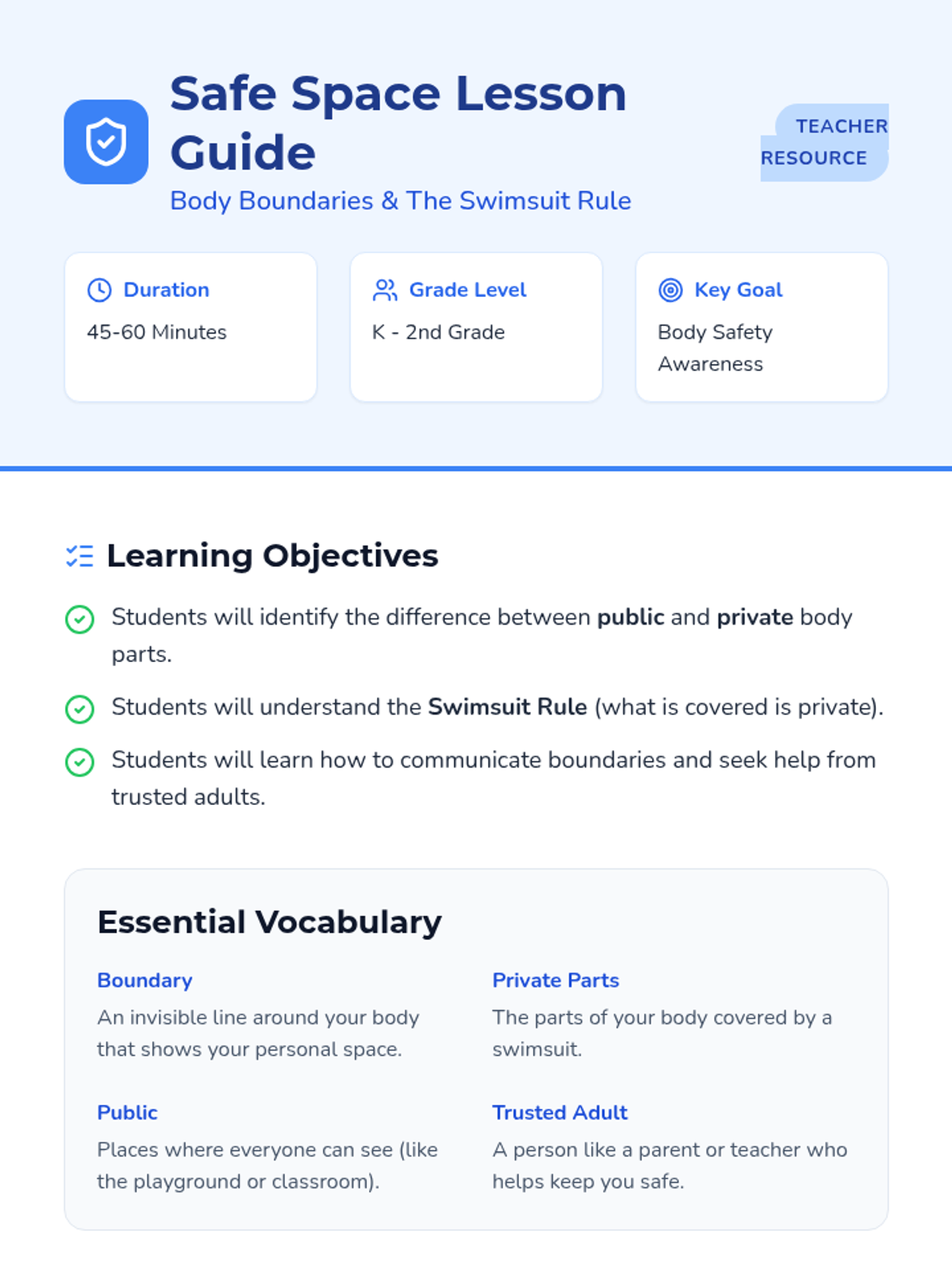
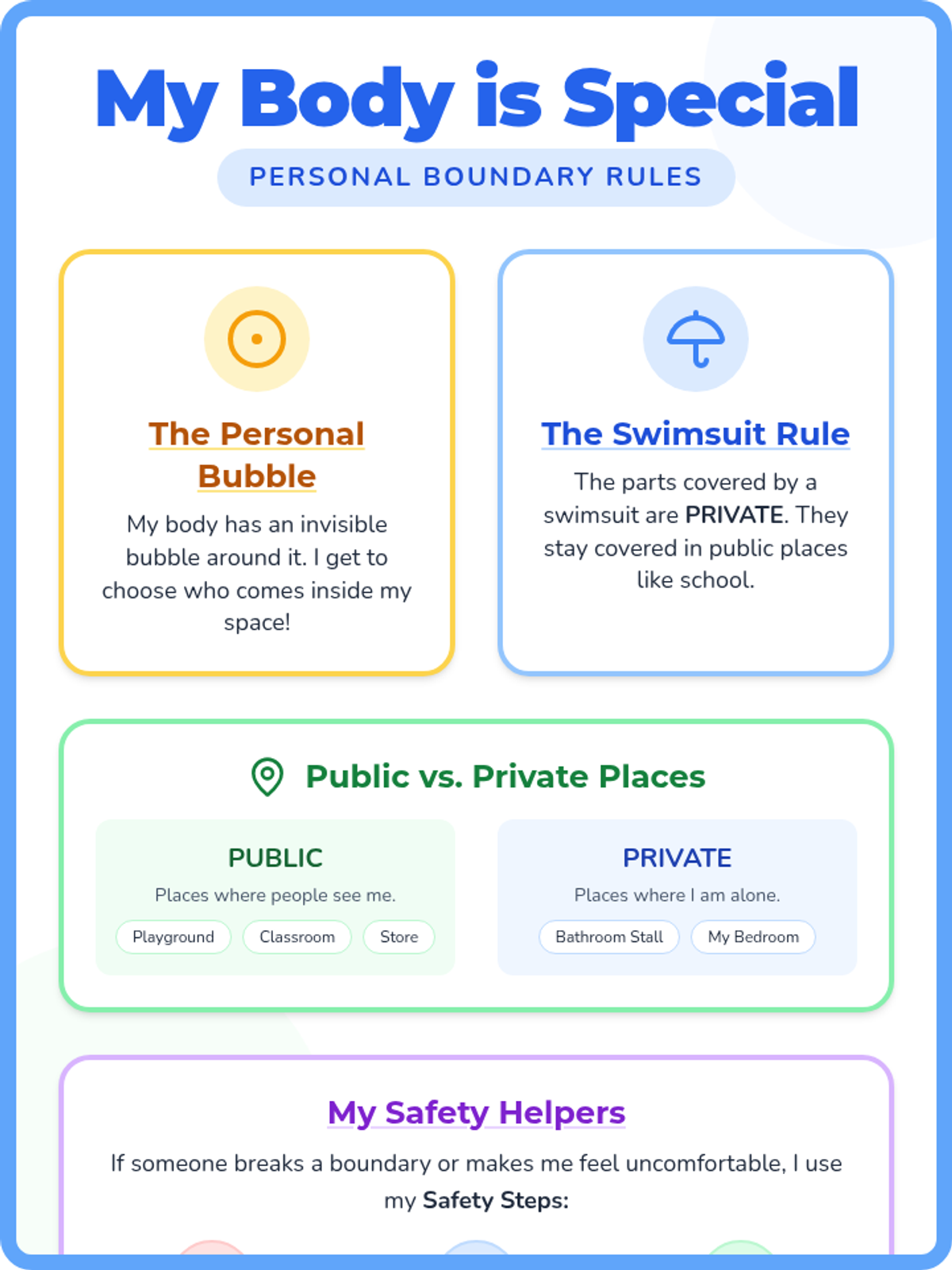
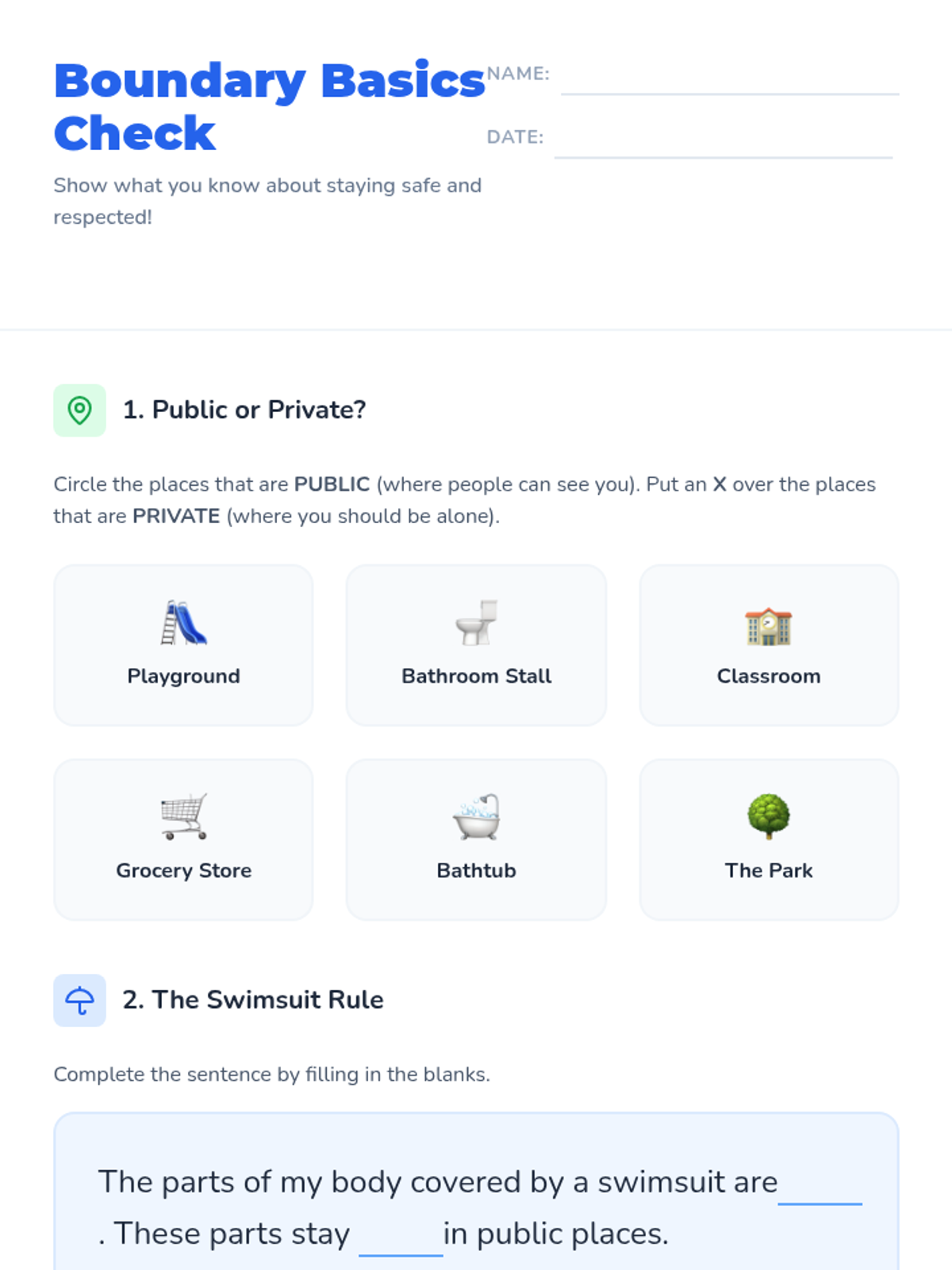
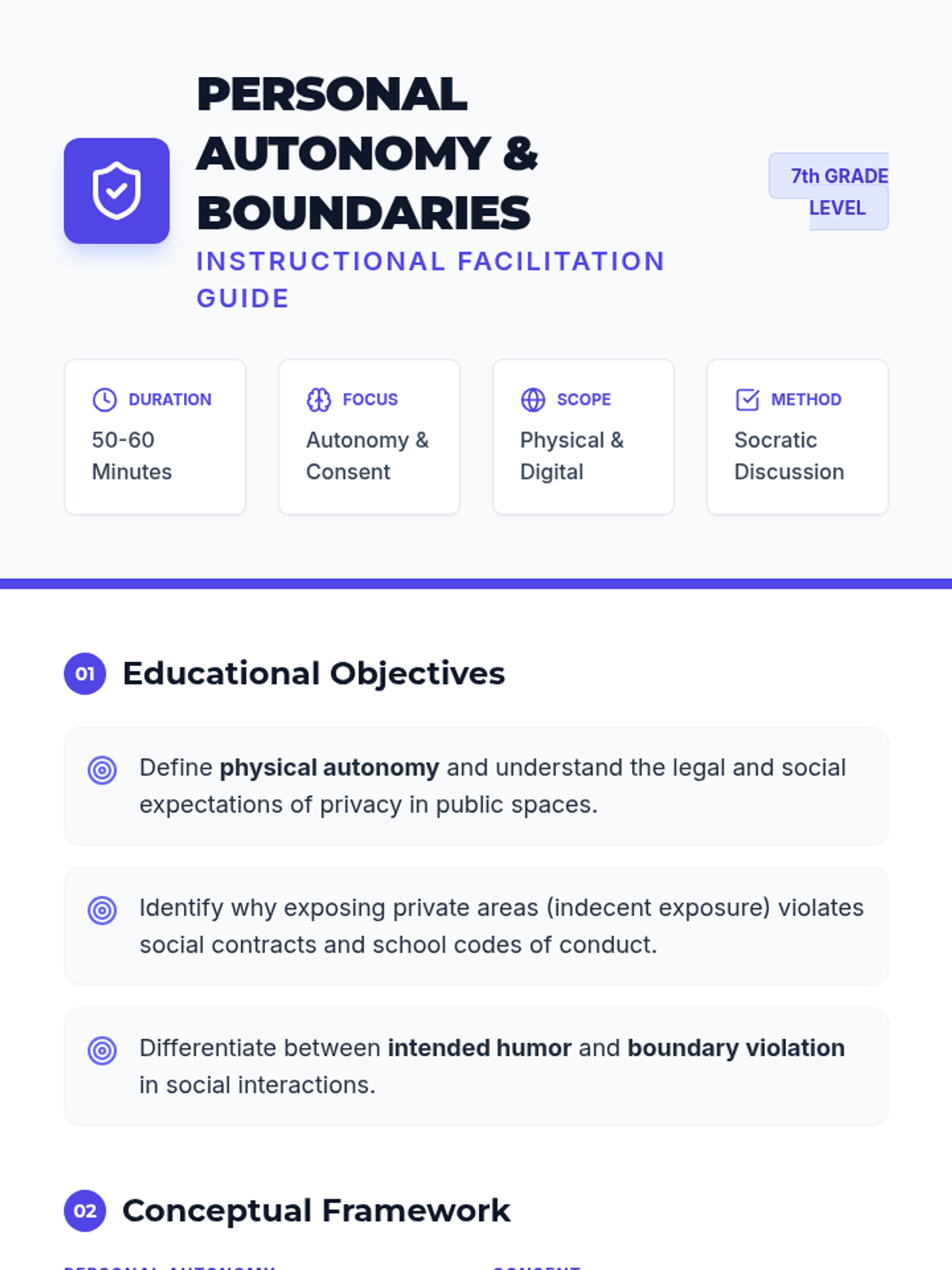
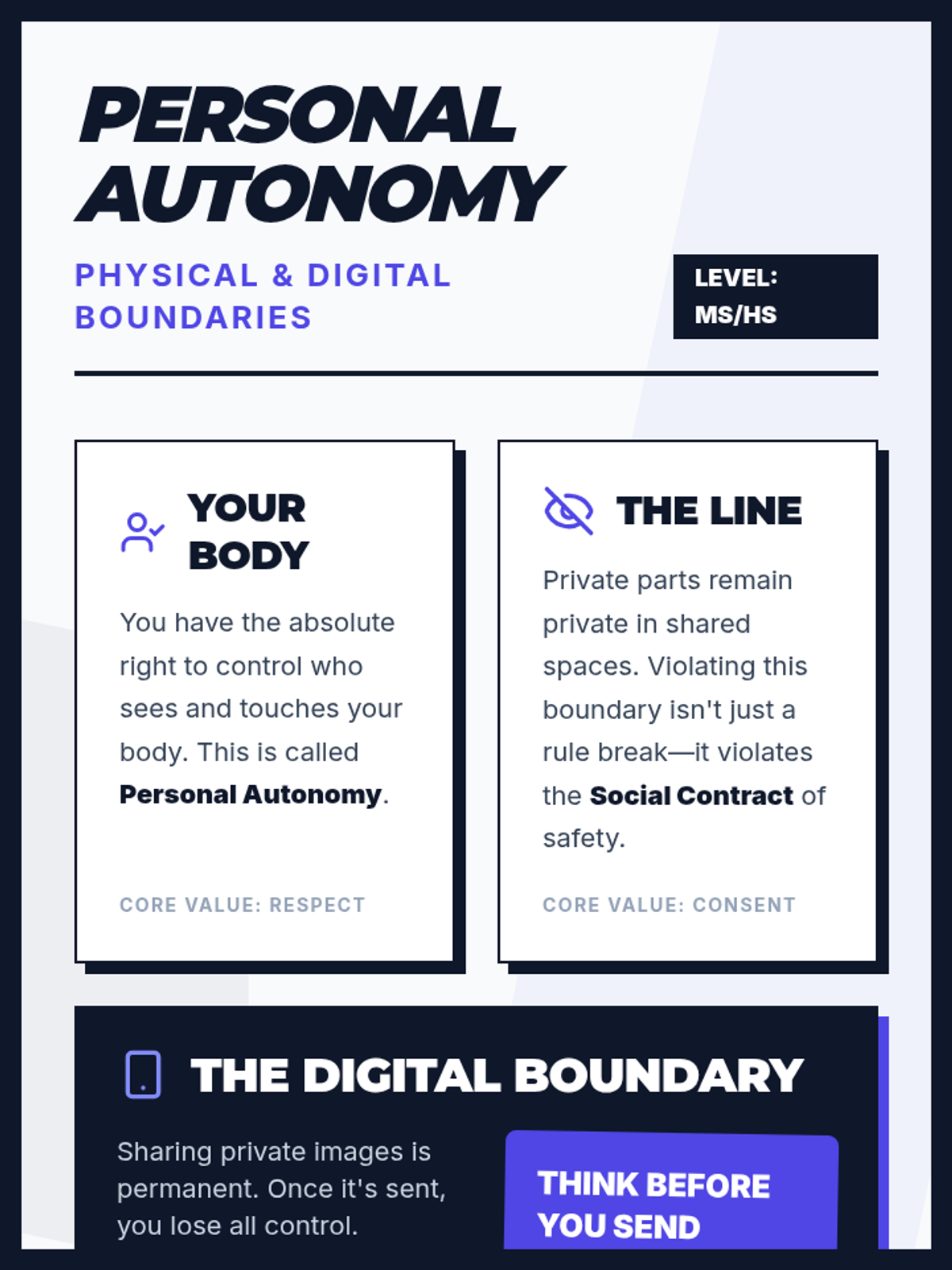
A comprehensive lesson on personal boundaries, body safety, and the importance of keeping private parts covered, using the Swimsuit Rule as a central framework.
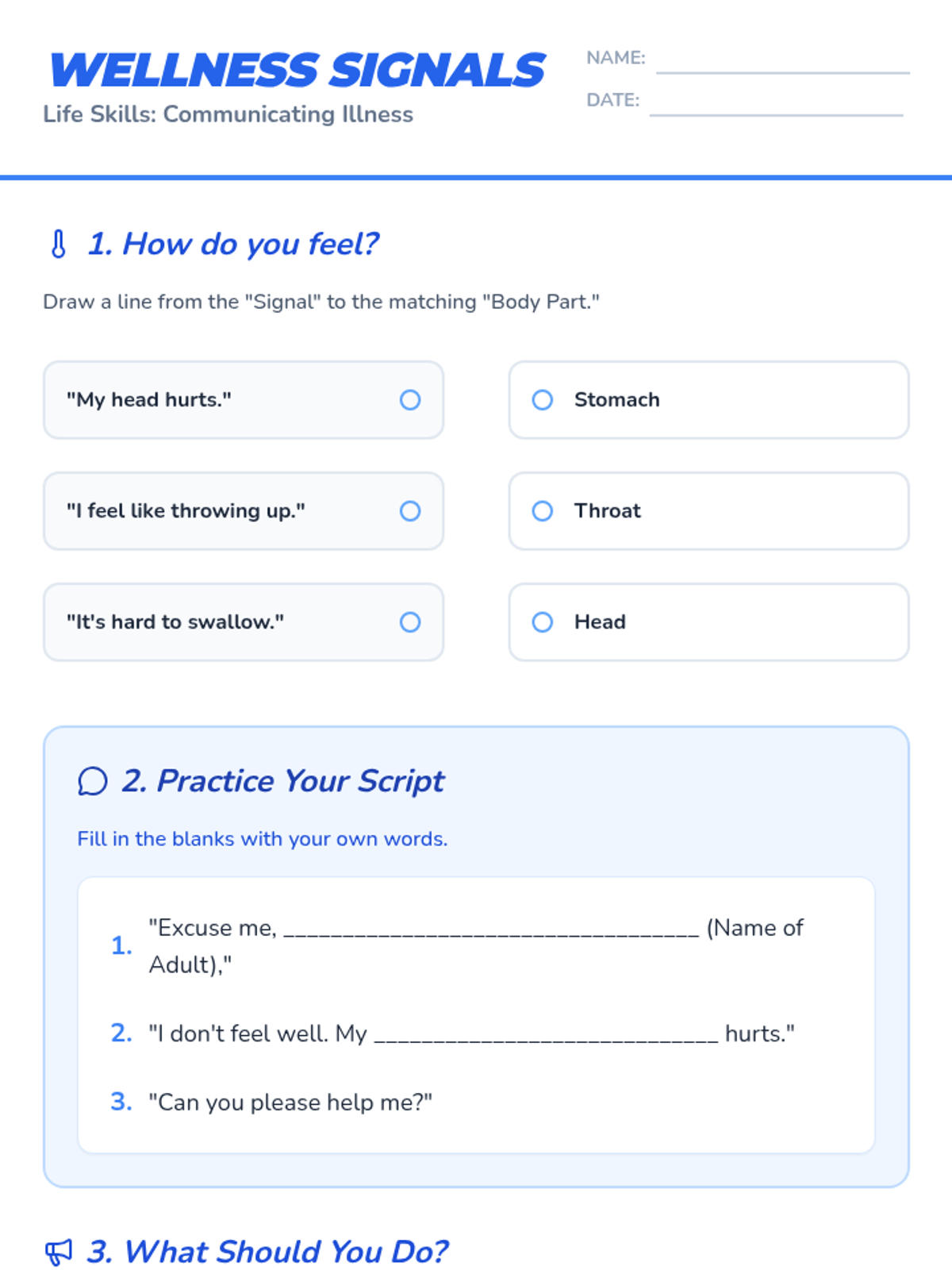
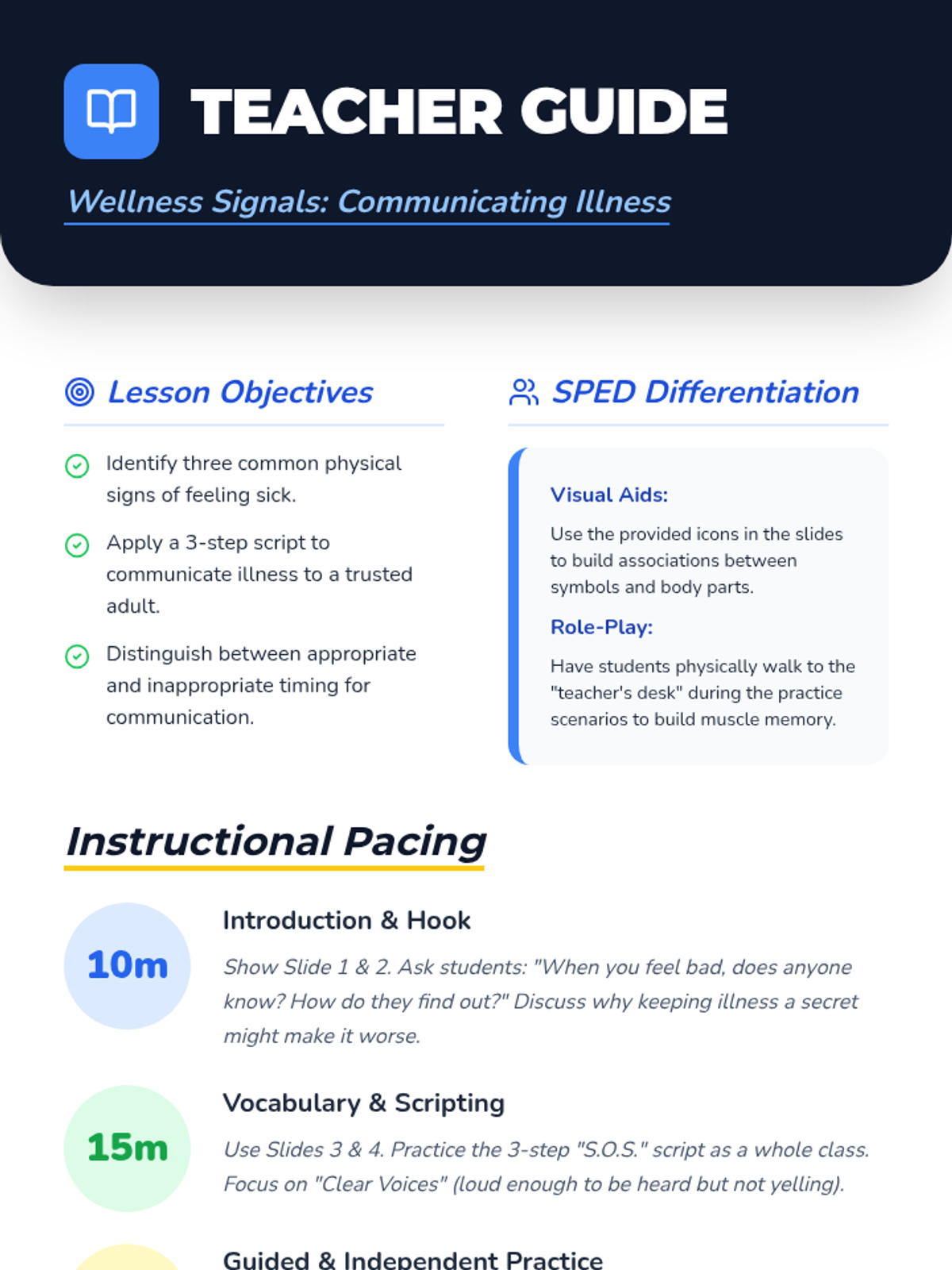
A lesson focused on identifying symptoms of illness and effectively communicating those symptoms to trusted adults at home or school using clear language and sentence starters.
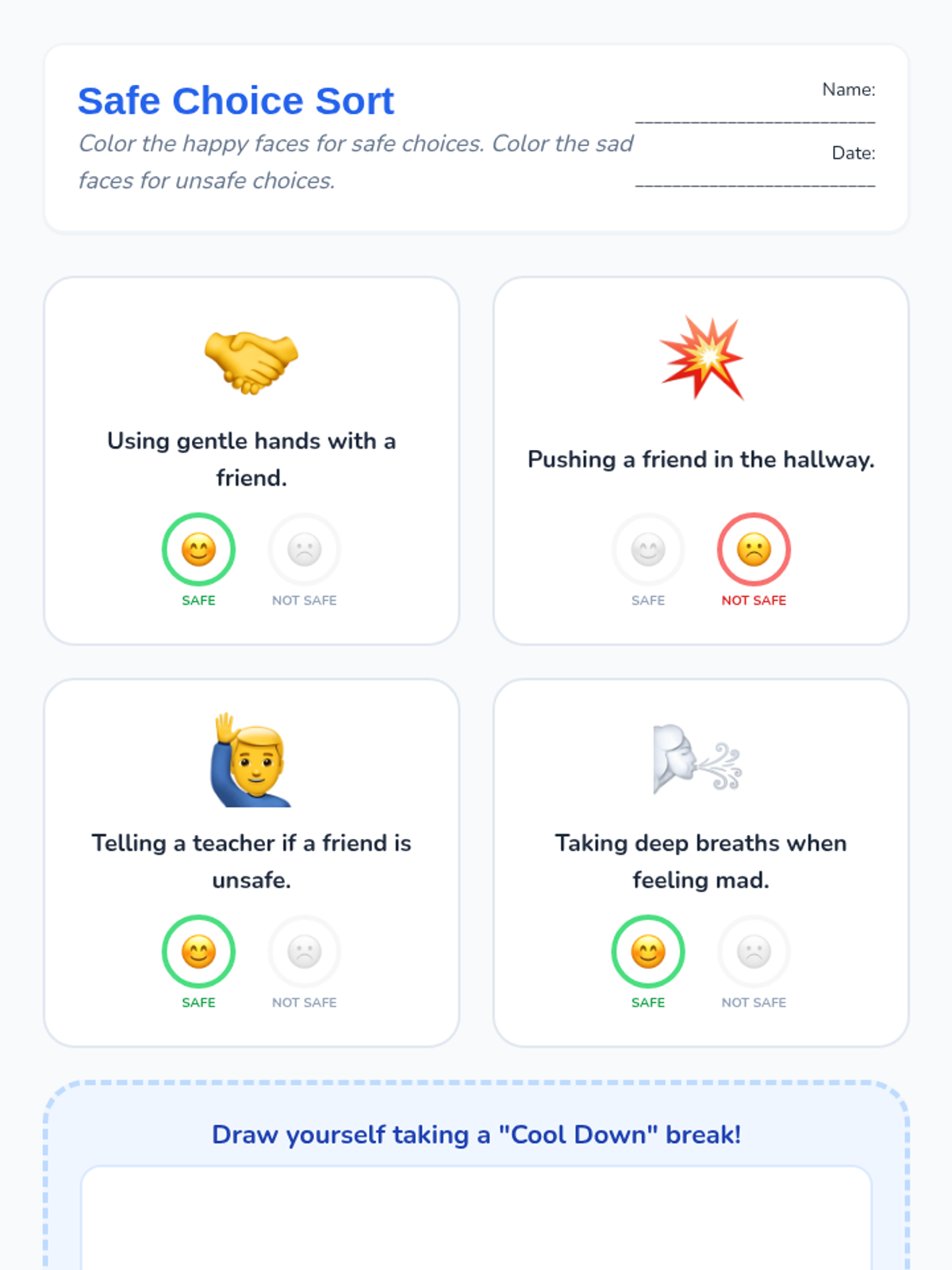
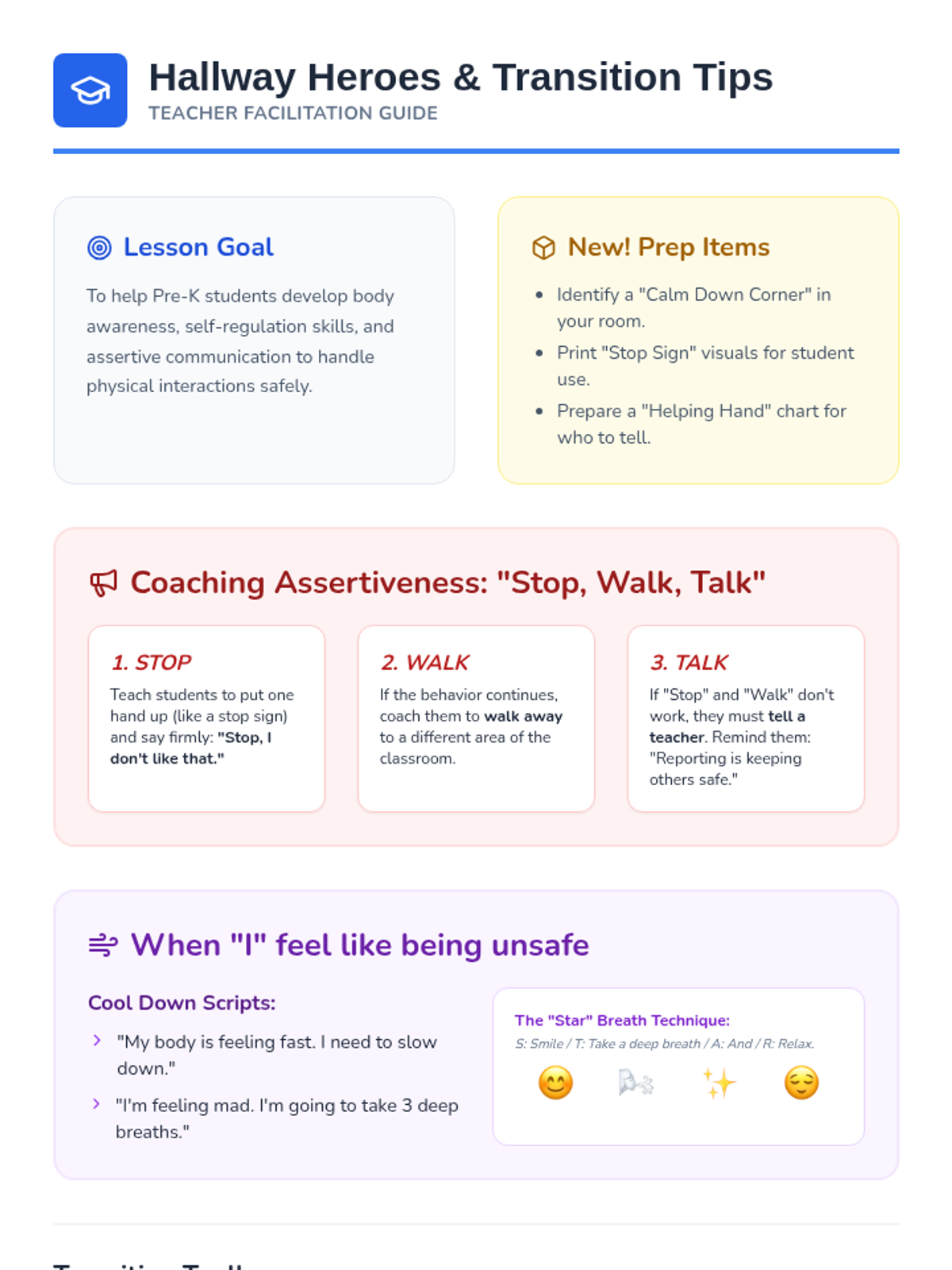
A foundational lesson for Pre-K students to learn about personal space, gentle touch, and safe movement during playtime and hallway transitions. Through a social story and interactive sorting, students practice making 'safe body' choices.
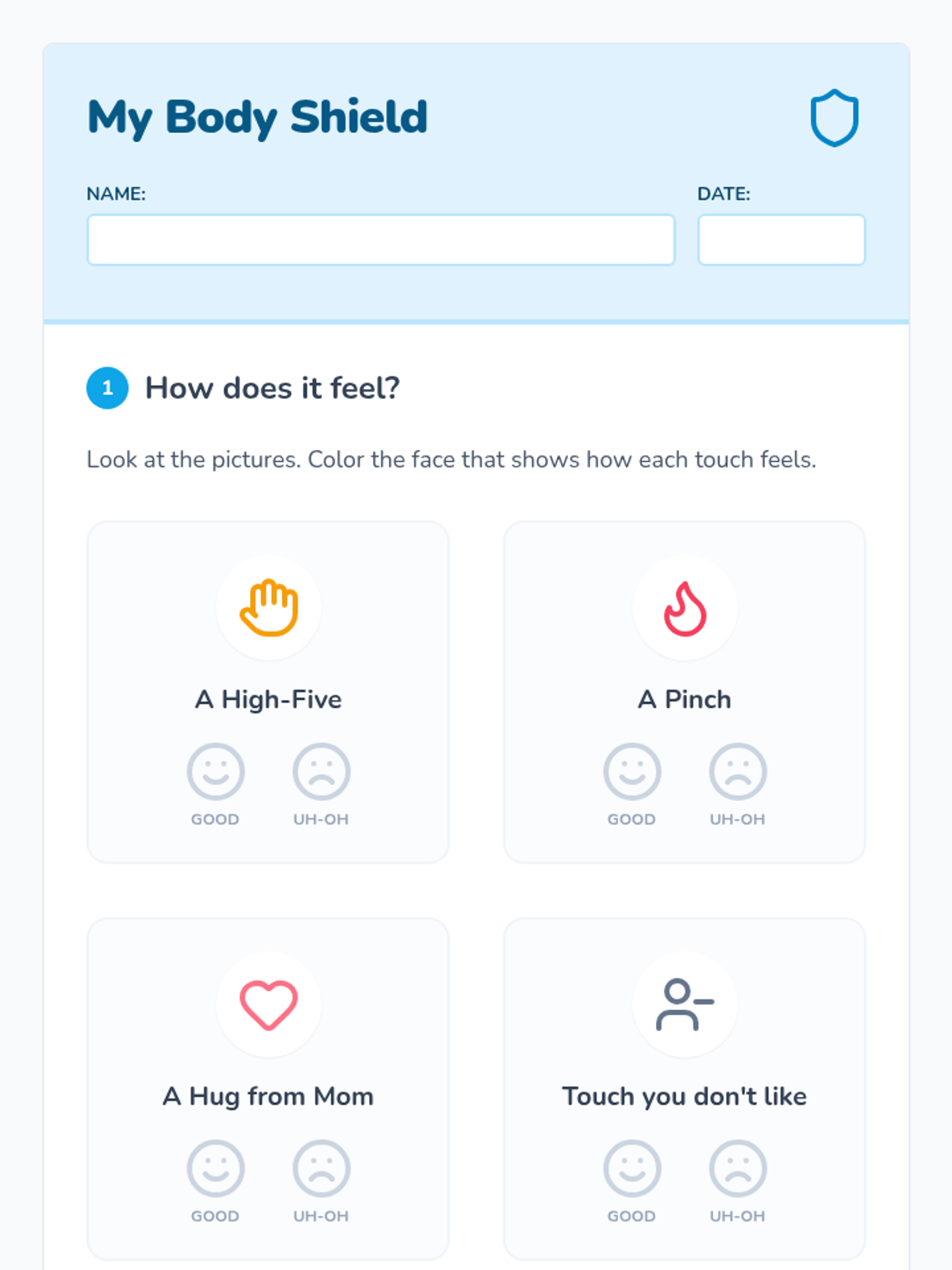
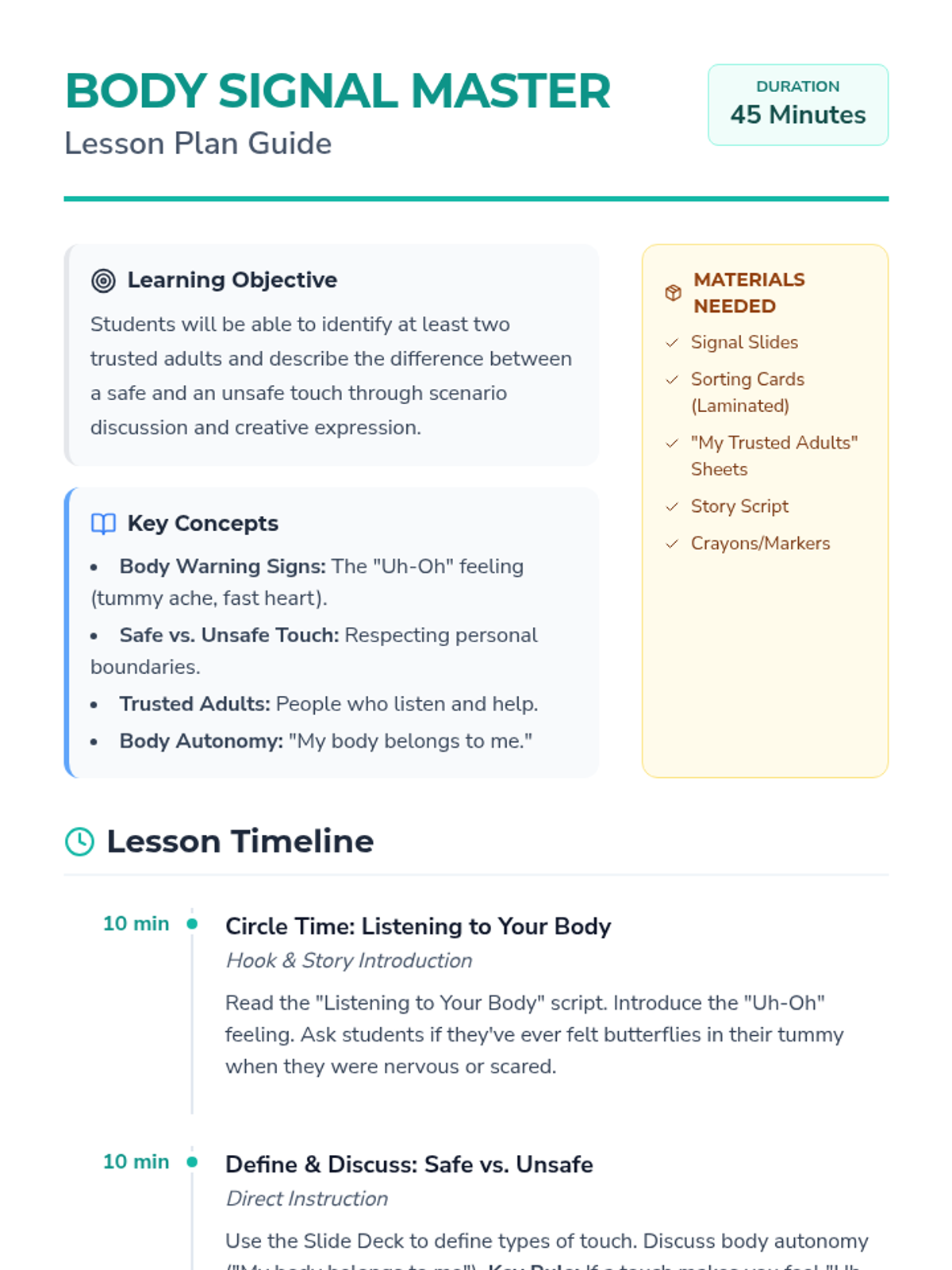
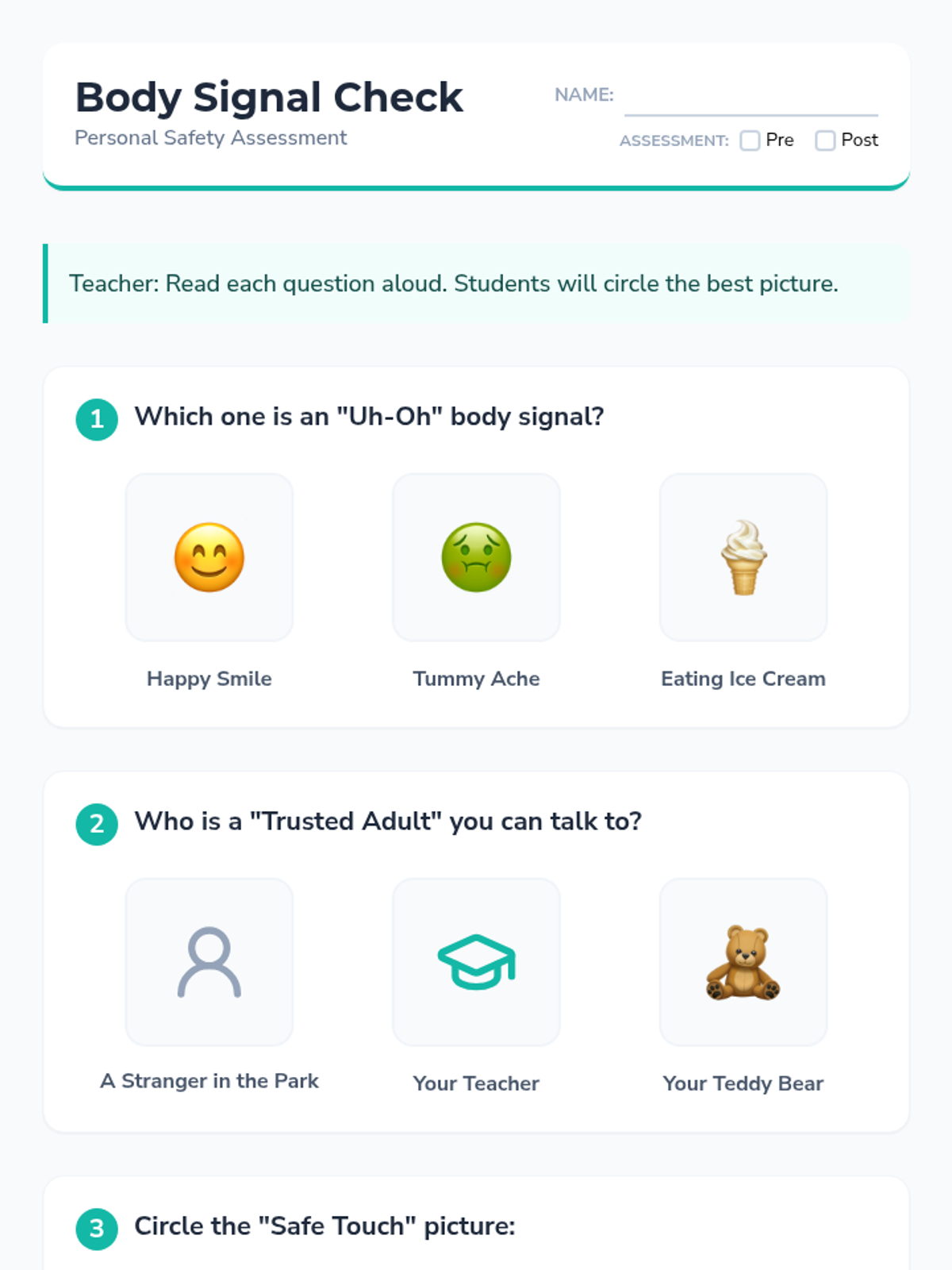
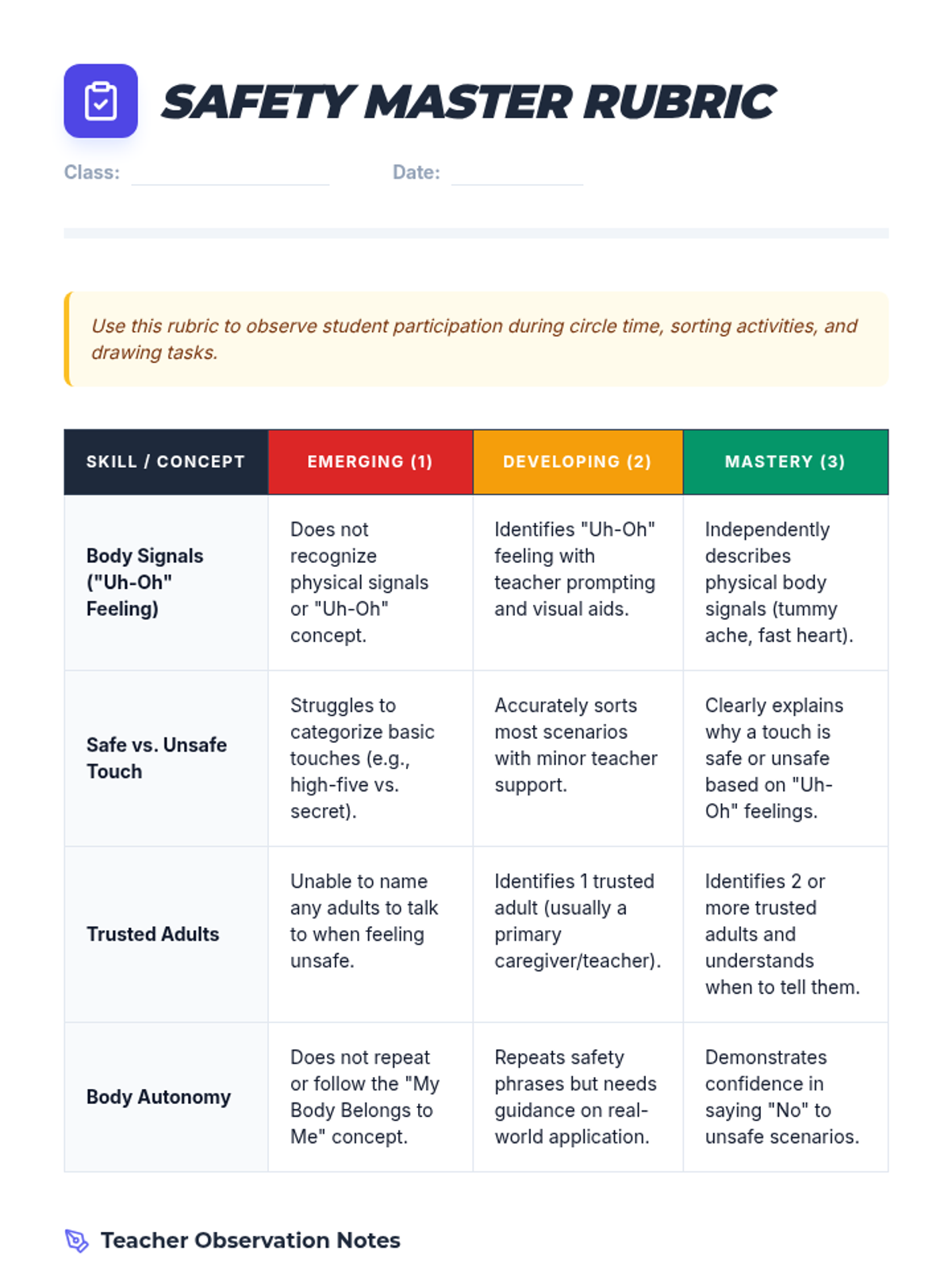
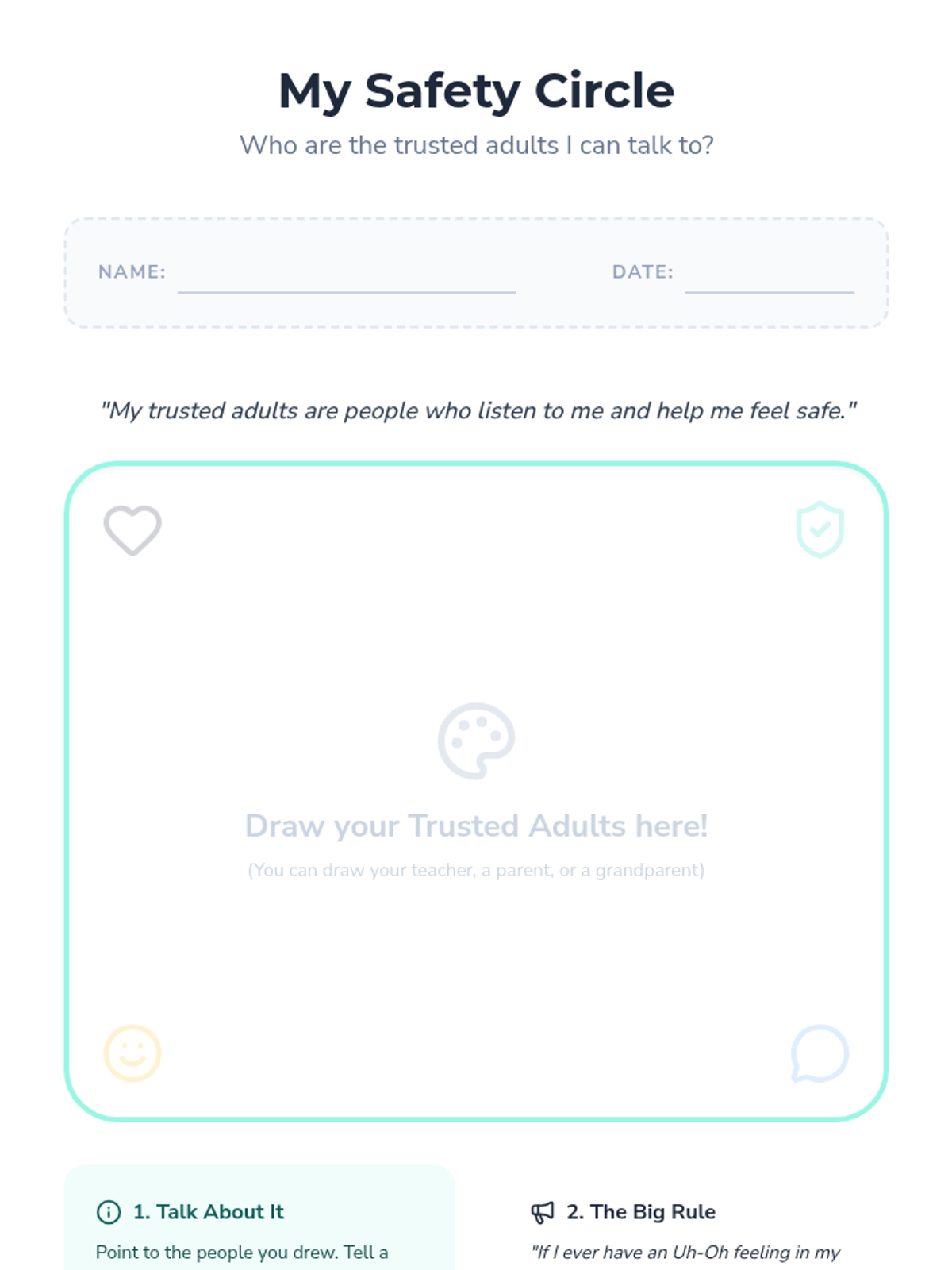
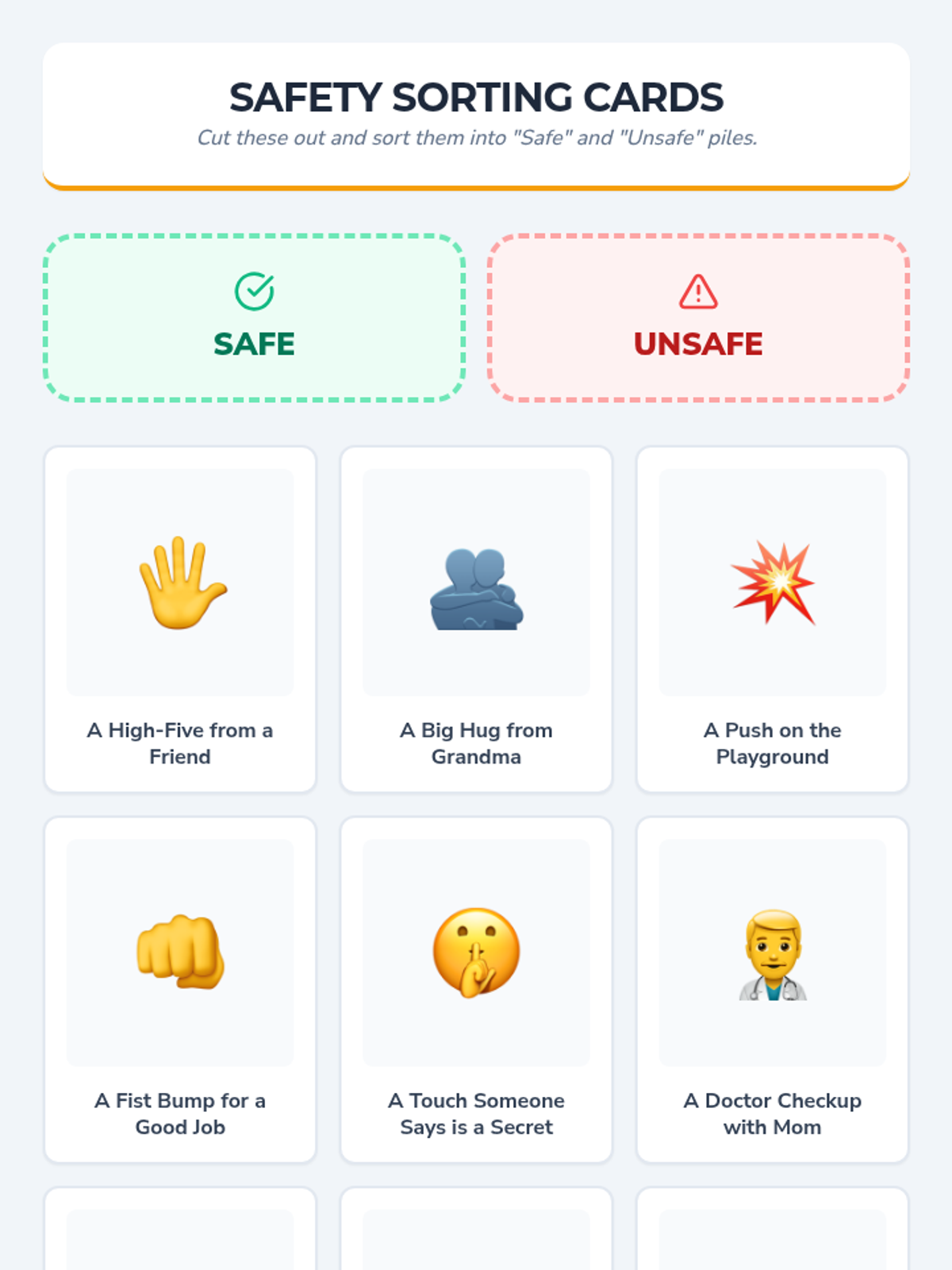
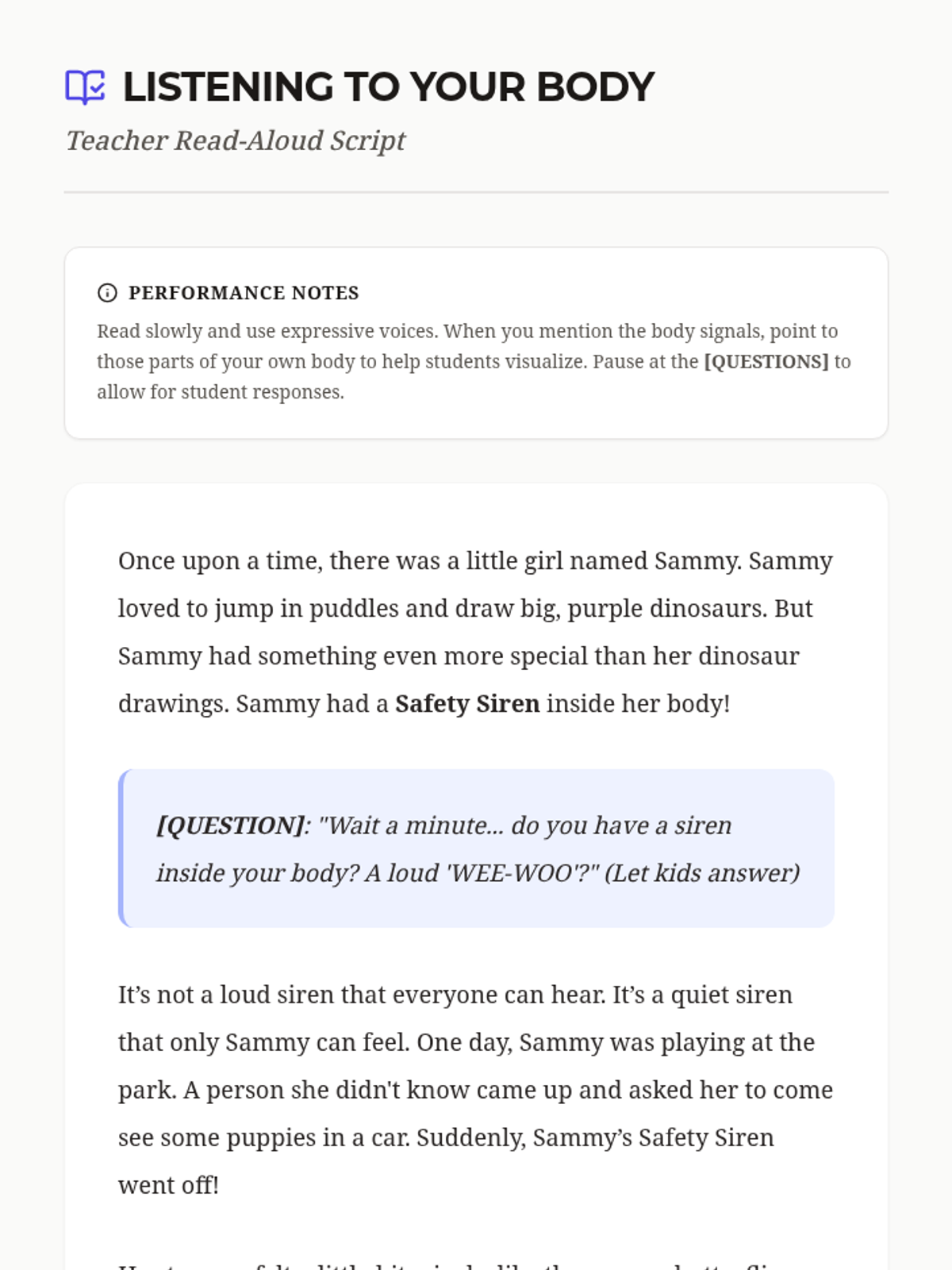
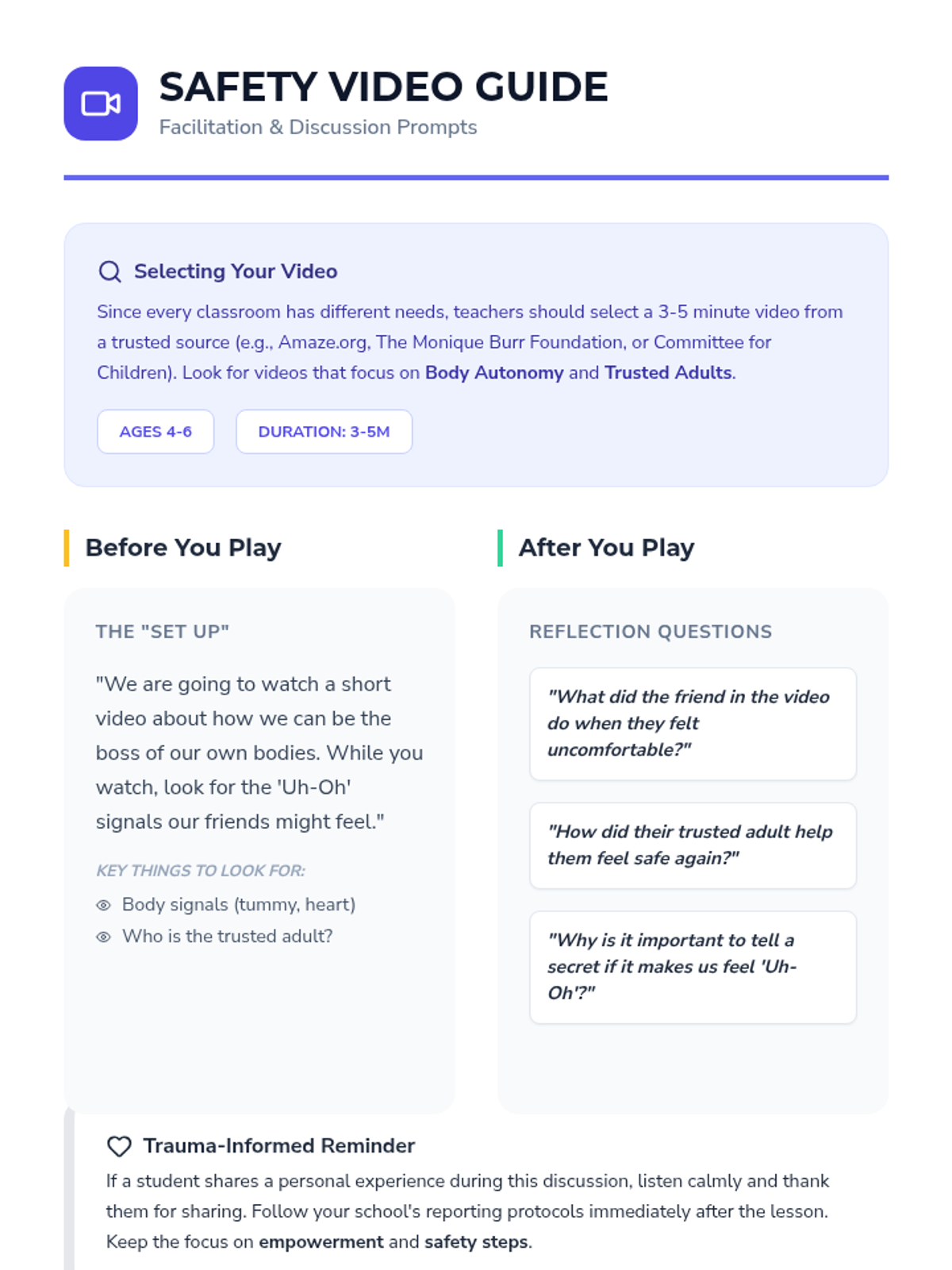
A comprehensive 45-minute lesson for Kindergarteners to learn about body safety, trusted adults, and the difference between safe and unsafe touches. Students will learn to recognize their body's 'Uh-Oh' signals and identify people they can talk to.
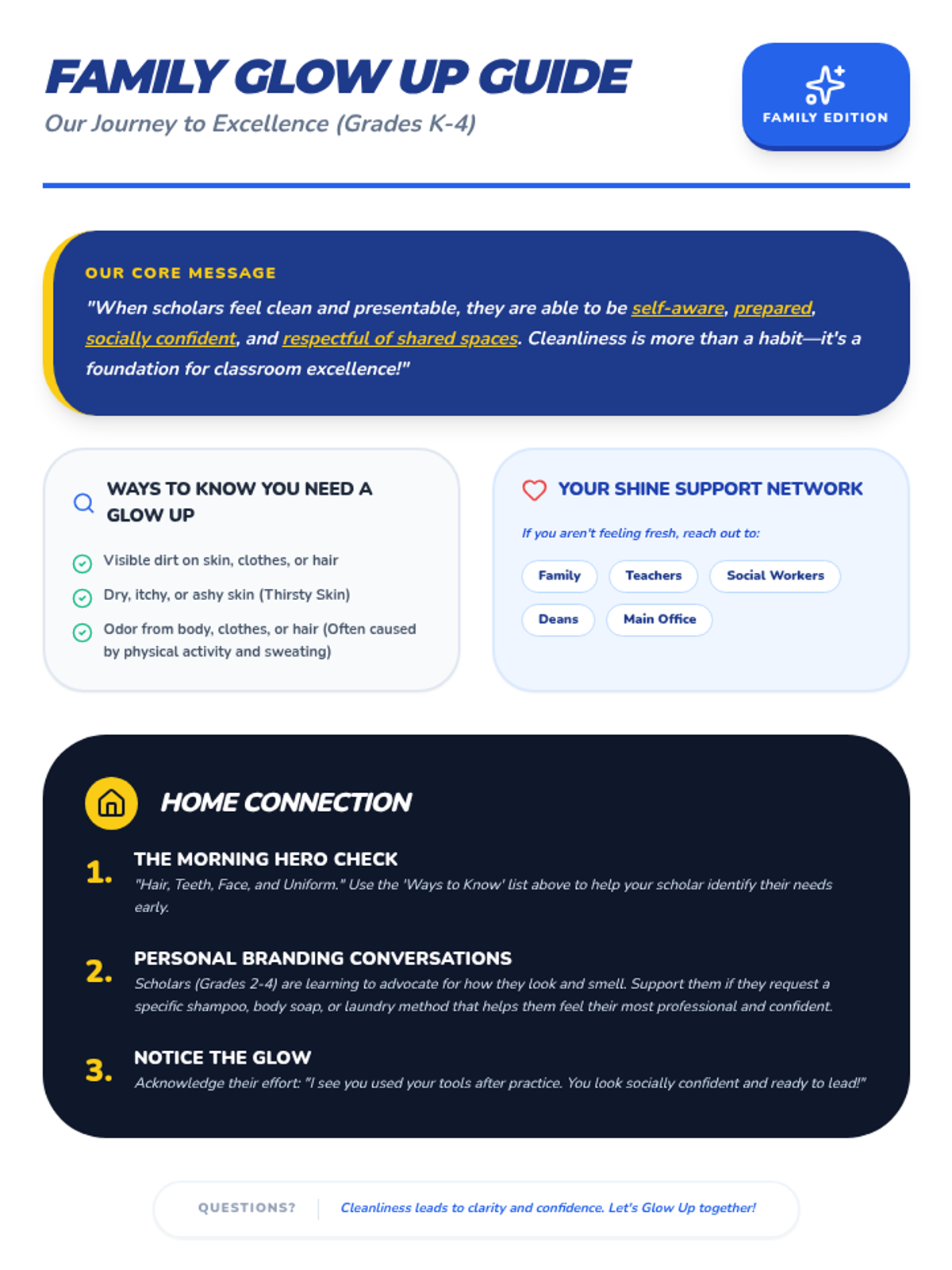
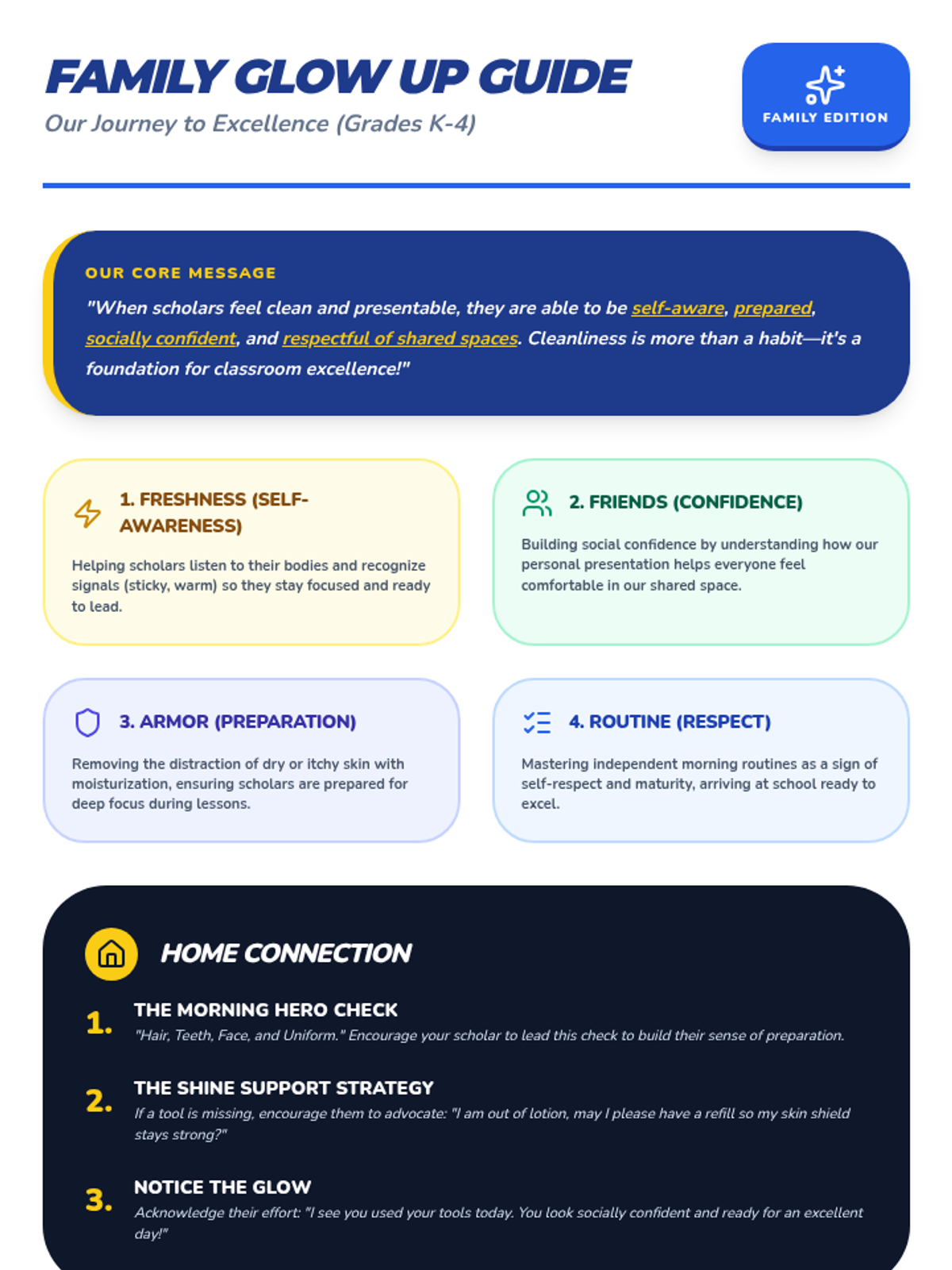
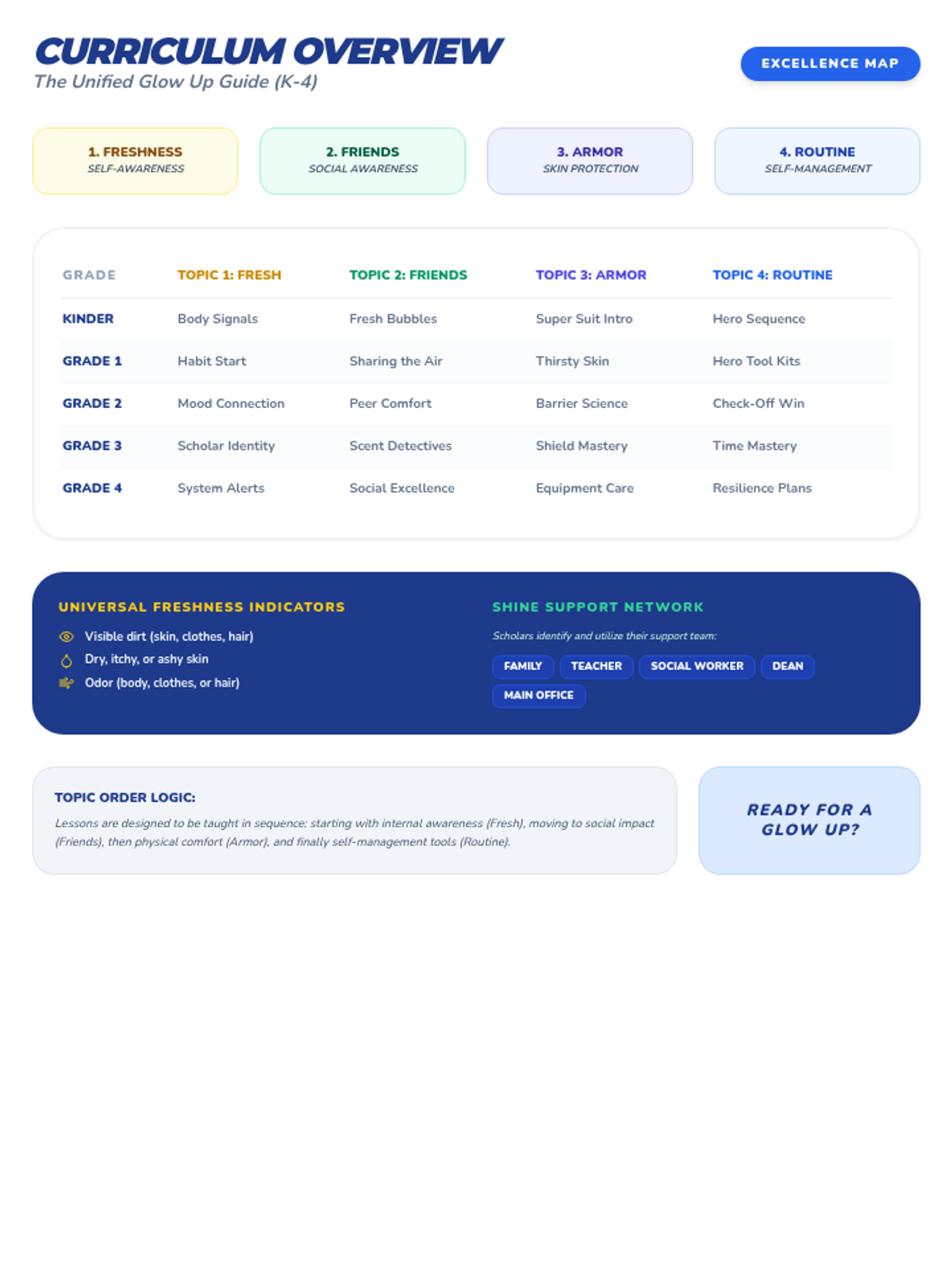
General resources and curriculum mapping for the Glow Up Guide hygiene program.
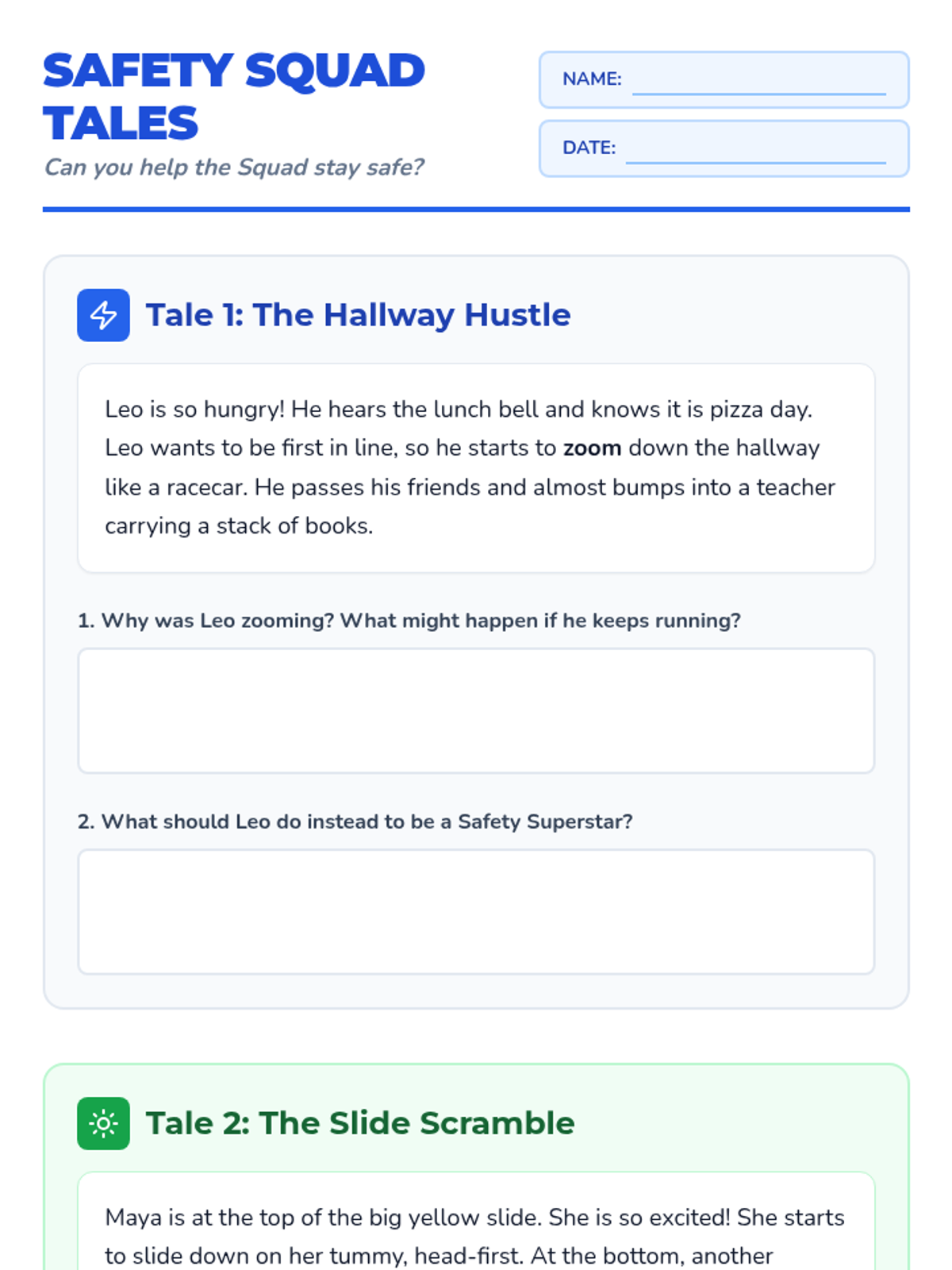
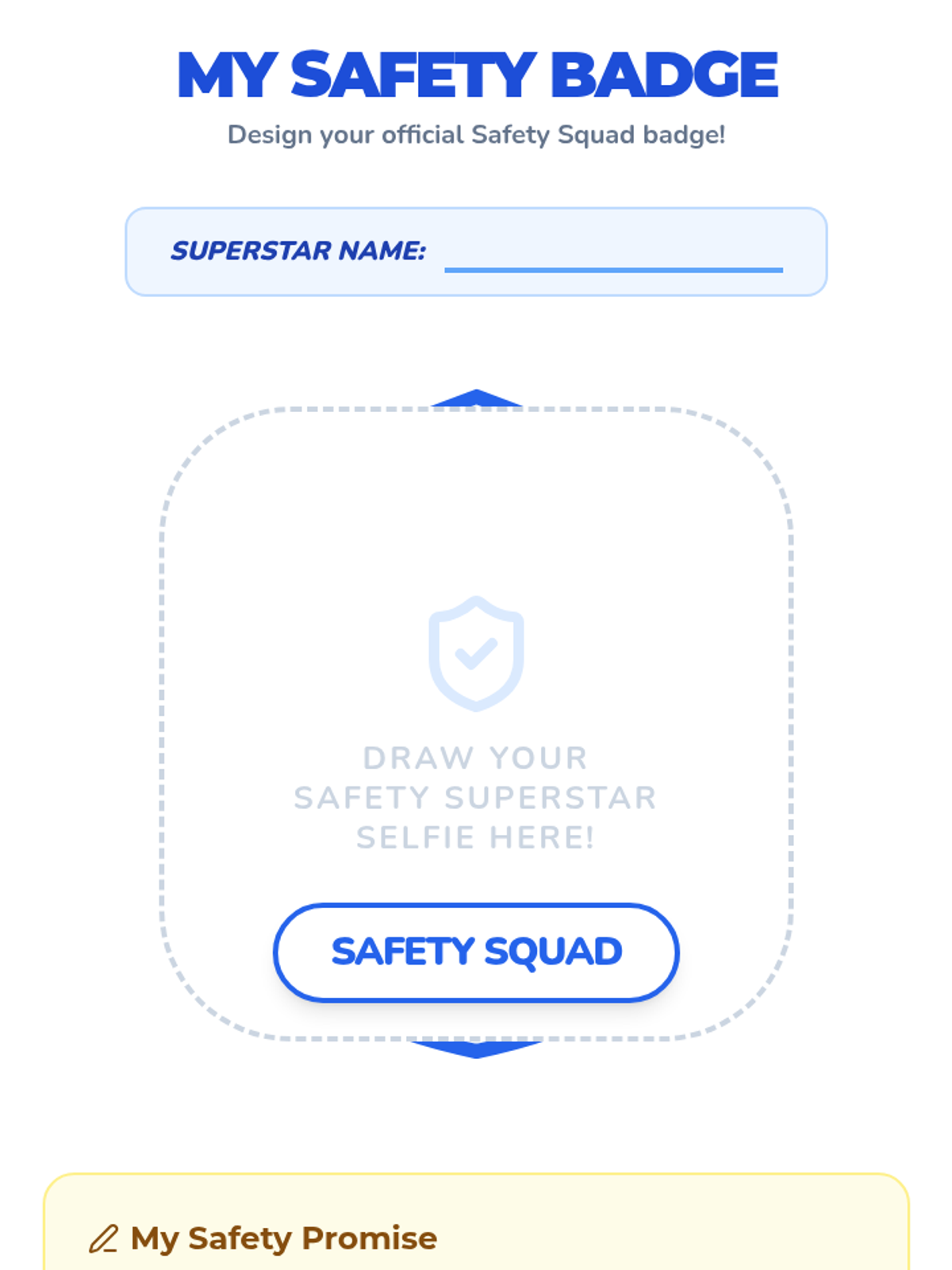
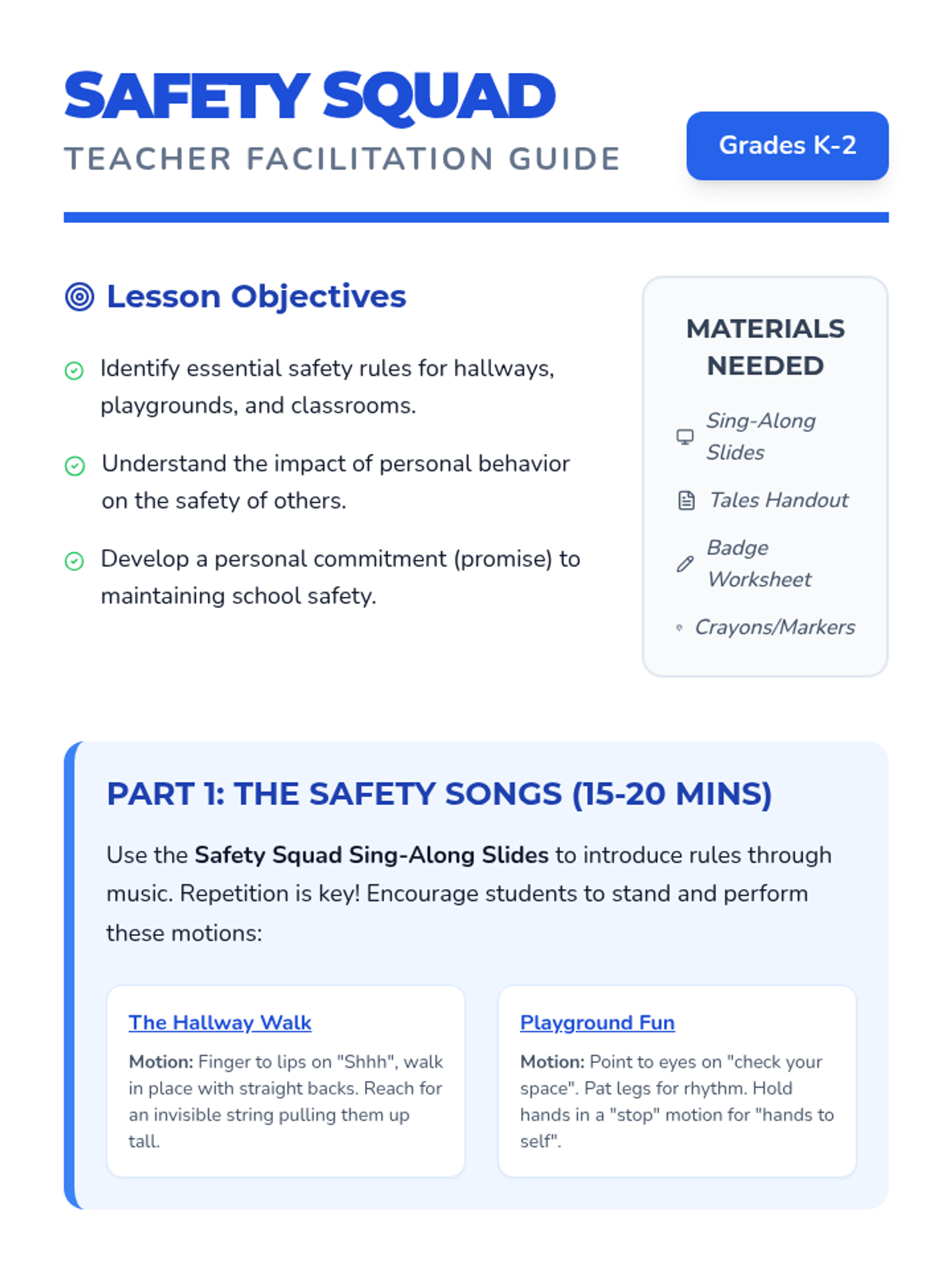
A fun and engaging lesson that uses catchy songs and relatable stories to teach students how to stay safe in school hallways, classrooms, and playgrounds.
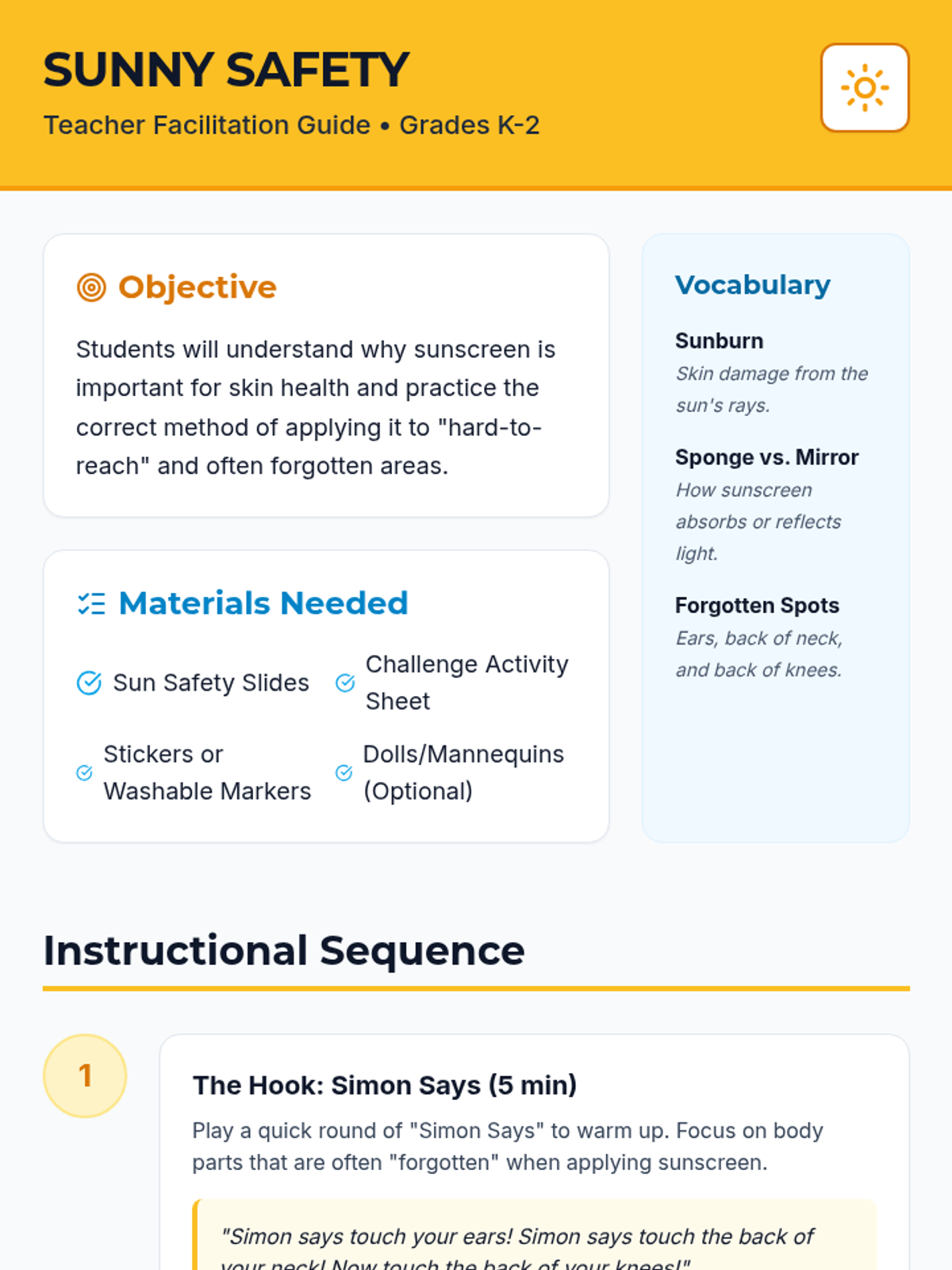
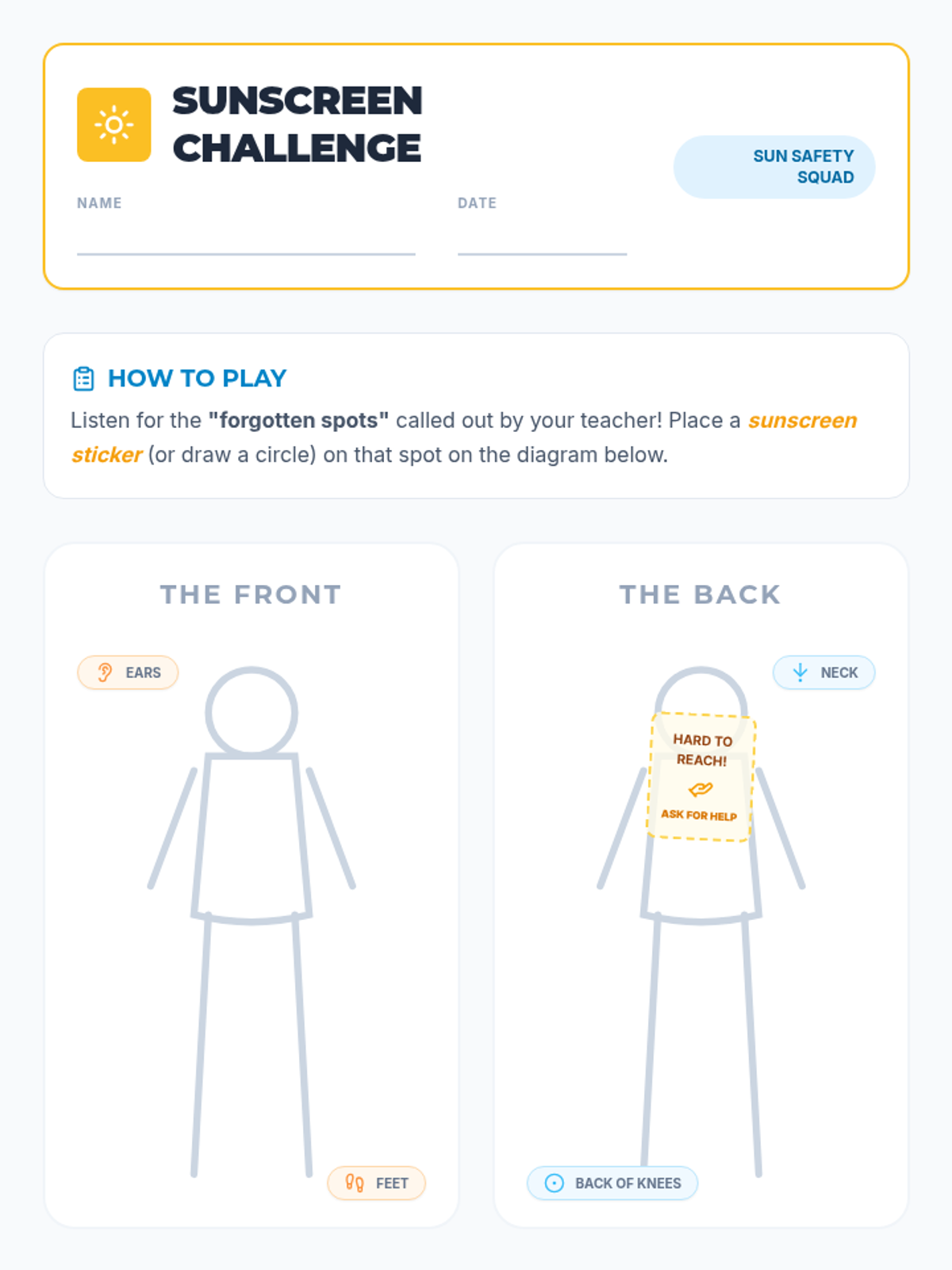
A fun, interactive lesson for K-2 students on how to protect their skin from the sun, featuring the "Sunscreen Challenge" and the "Sponge vs. Mirror" analogy.
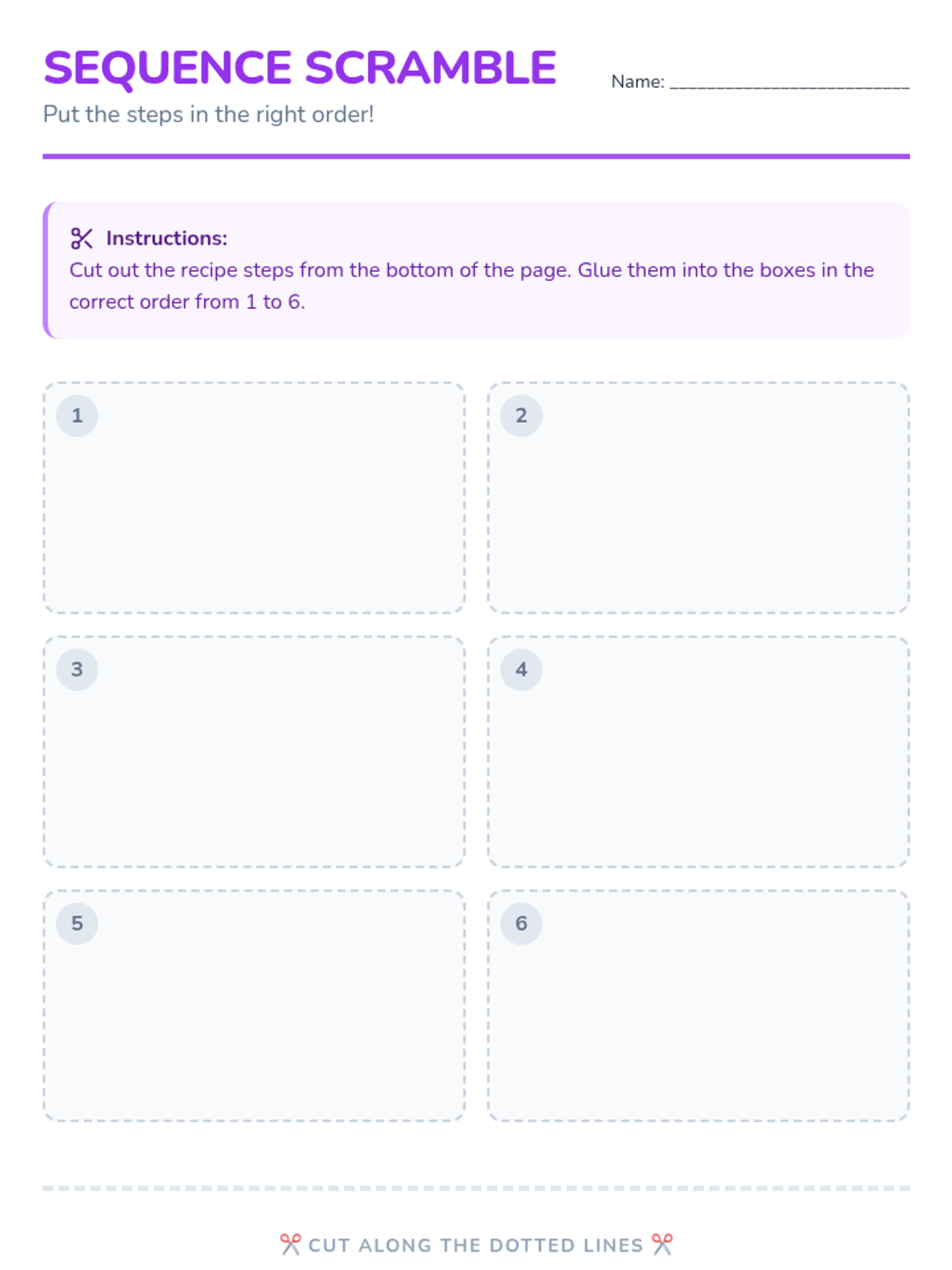
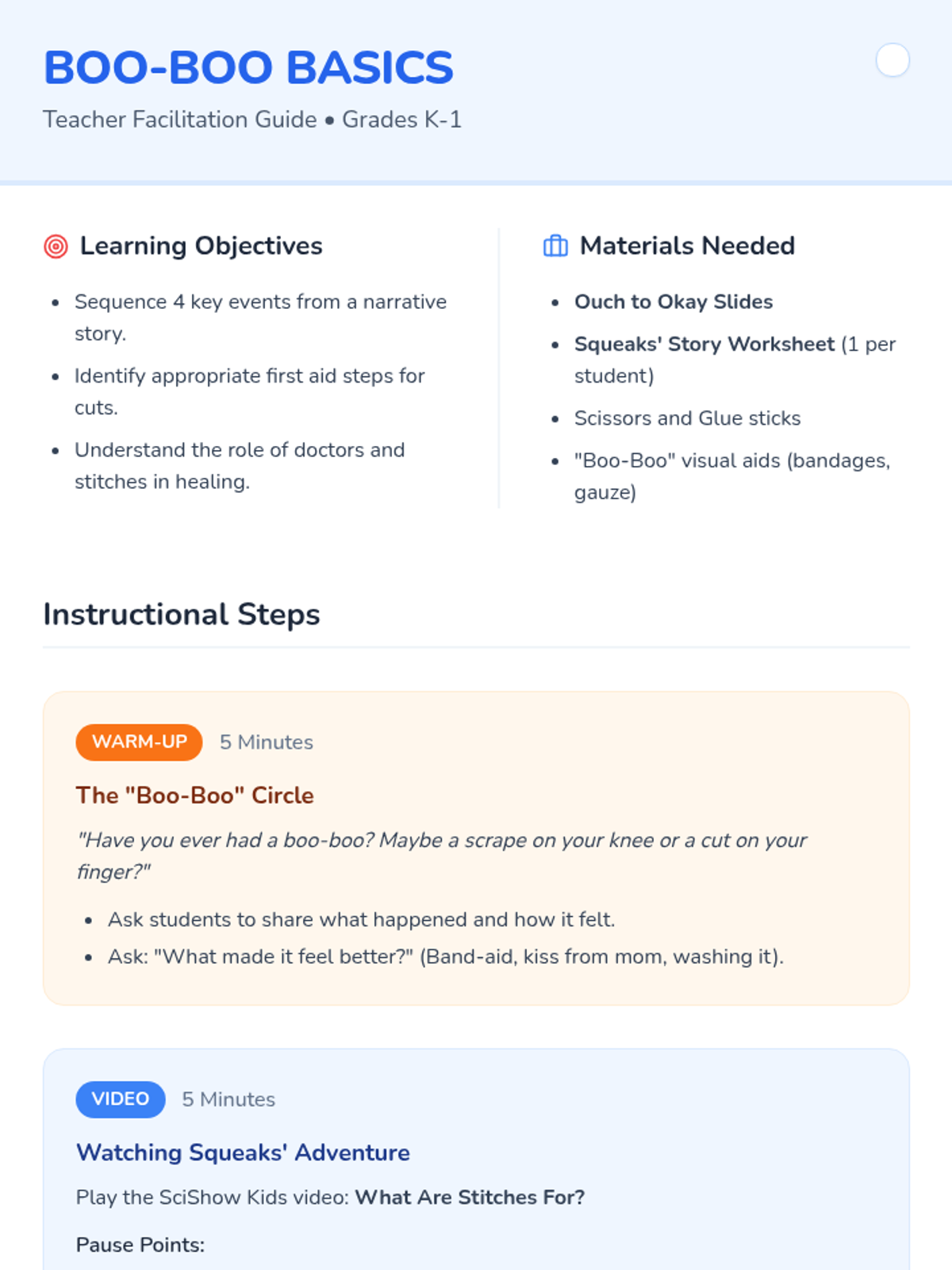
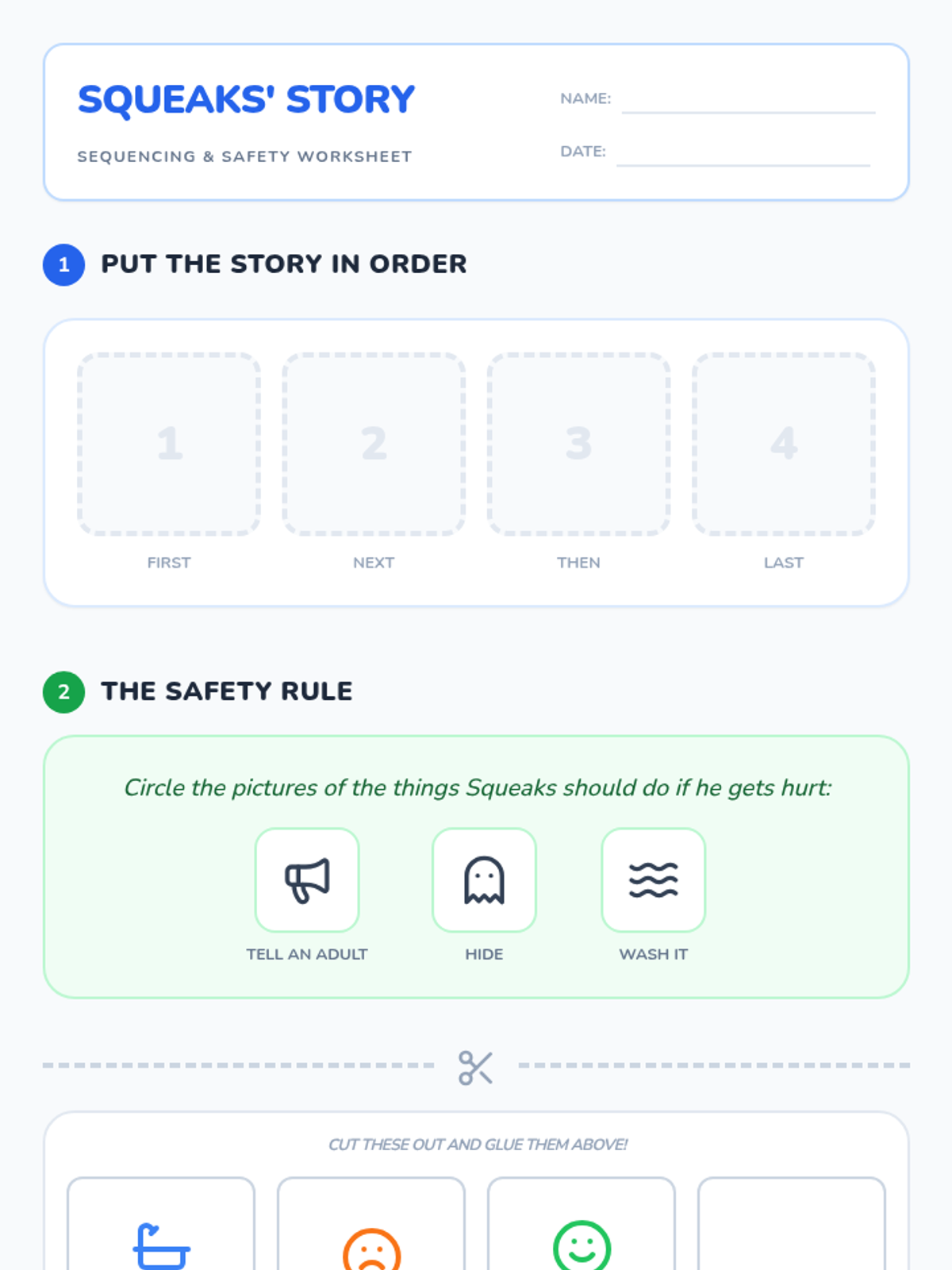
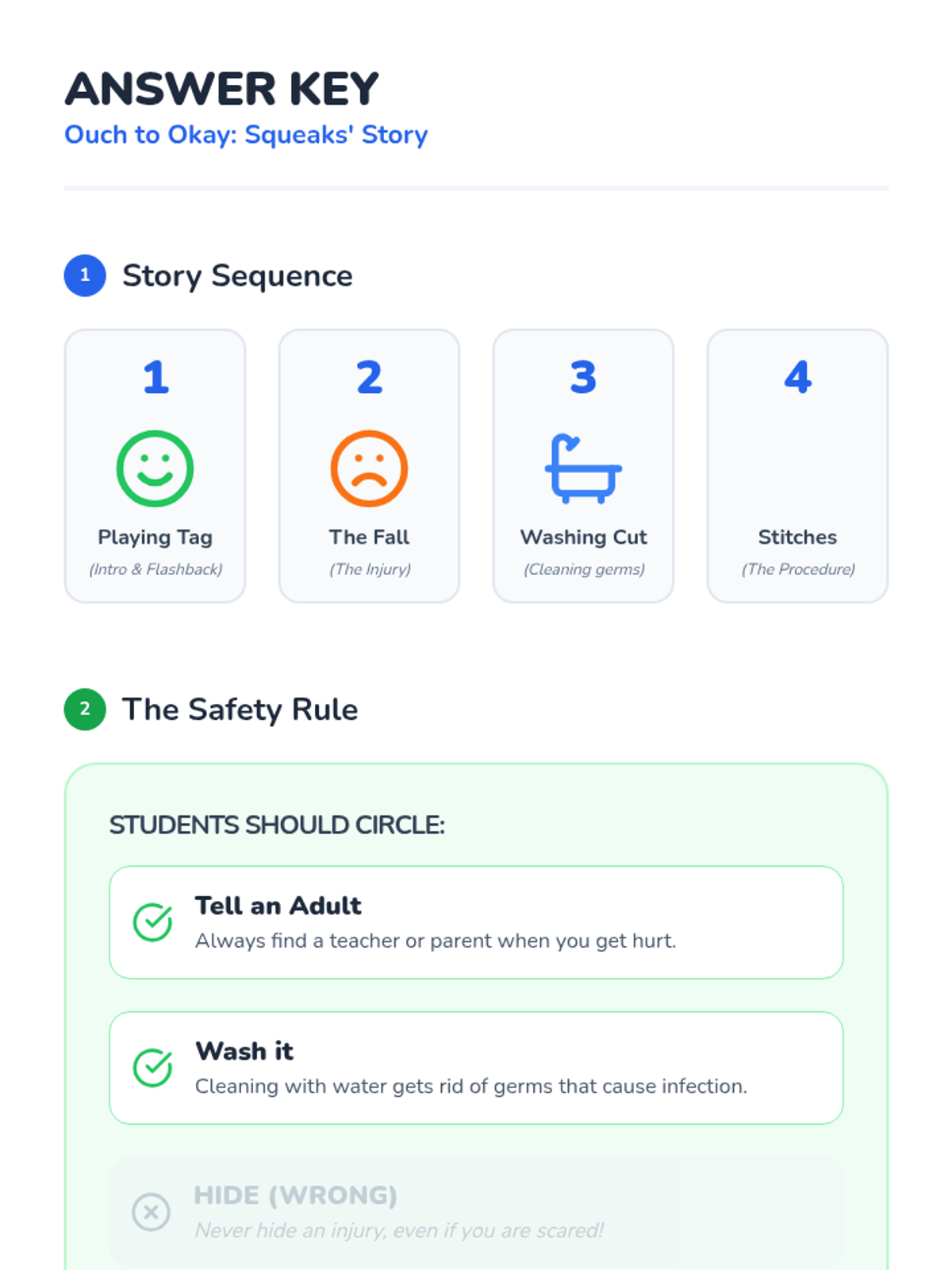
Students will learn to sequence events and understand basic first aid through the story of Squeaks getting stitches. The lesson includes a presentation, a cut-and-paste sequencing activity, and a teacher facilitation guide.
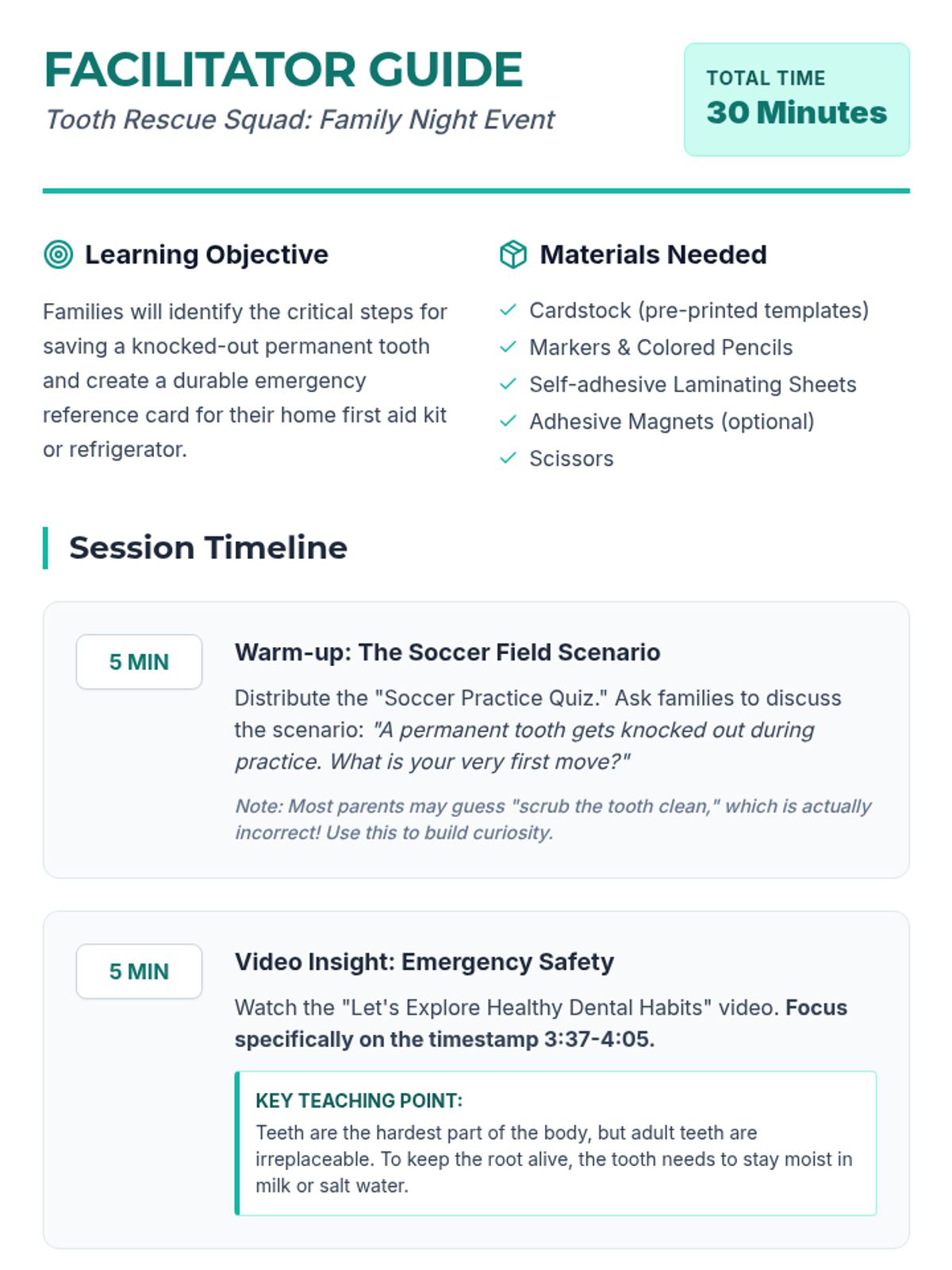
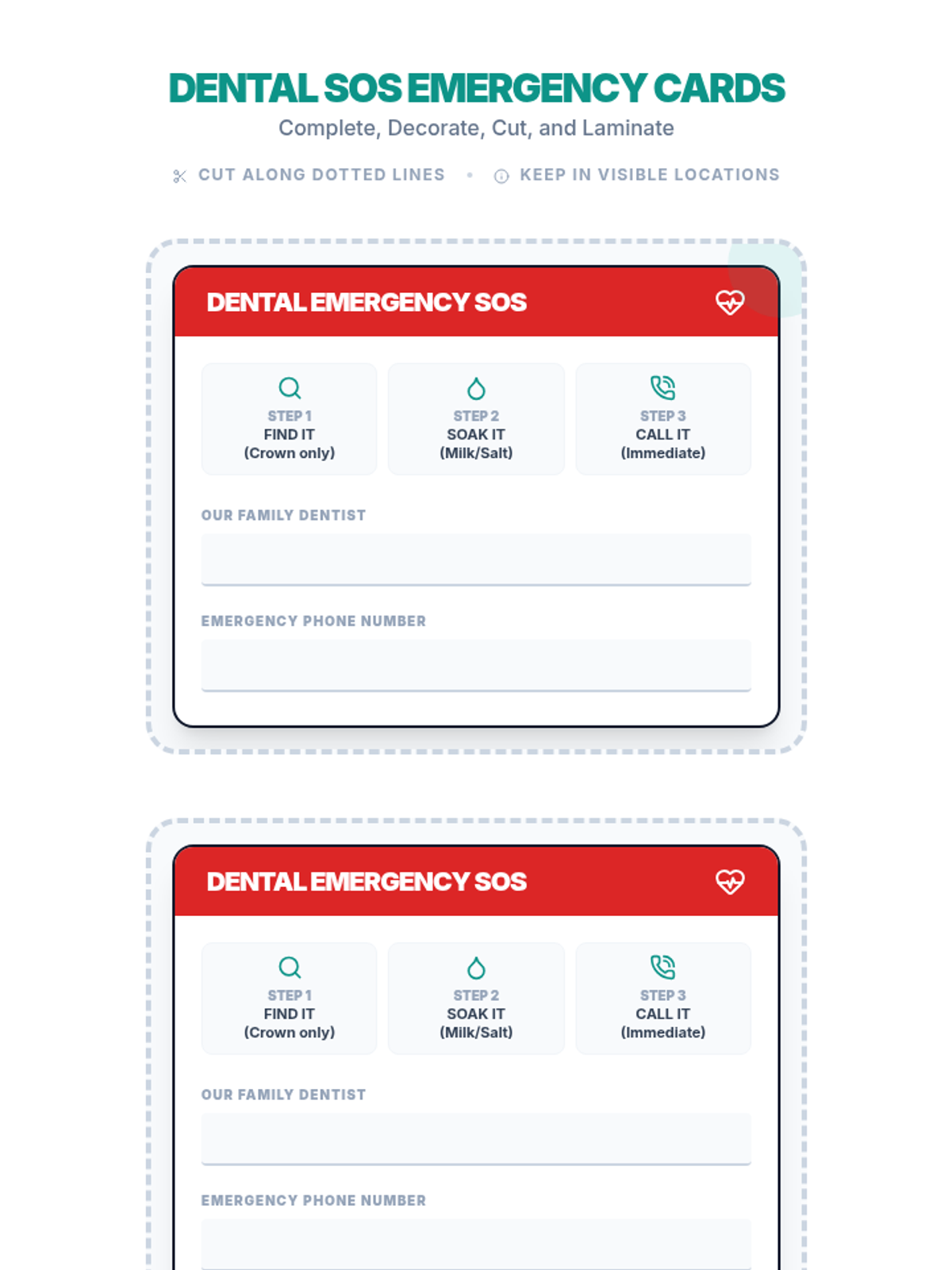
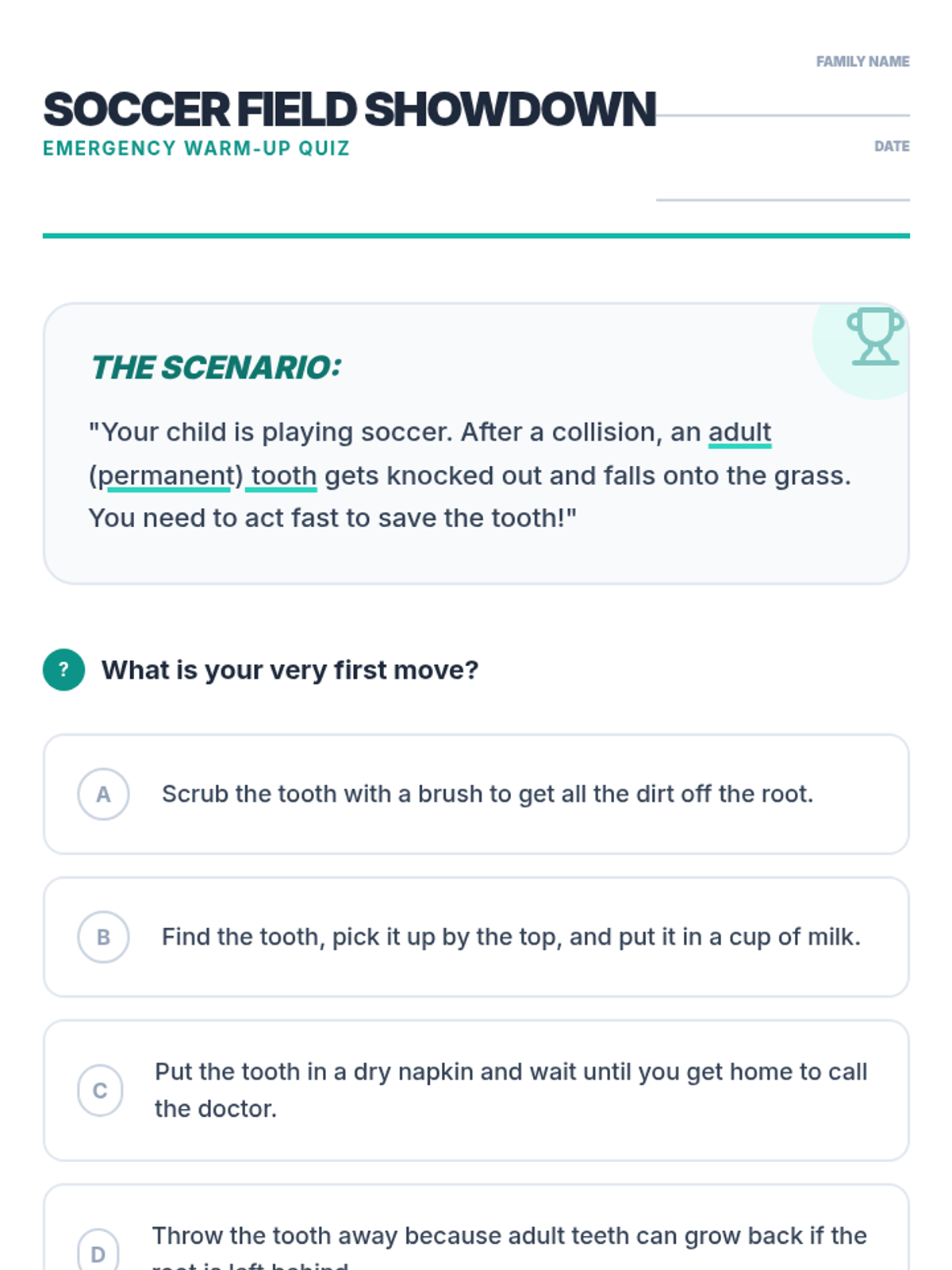
A 30-minute interactive family night session where families learn how to handle dental emergencies and create a 'Dental SOS' reference card for their home.
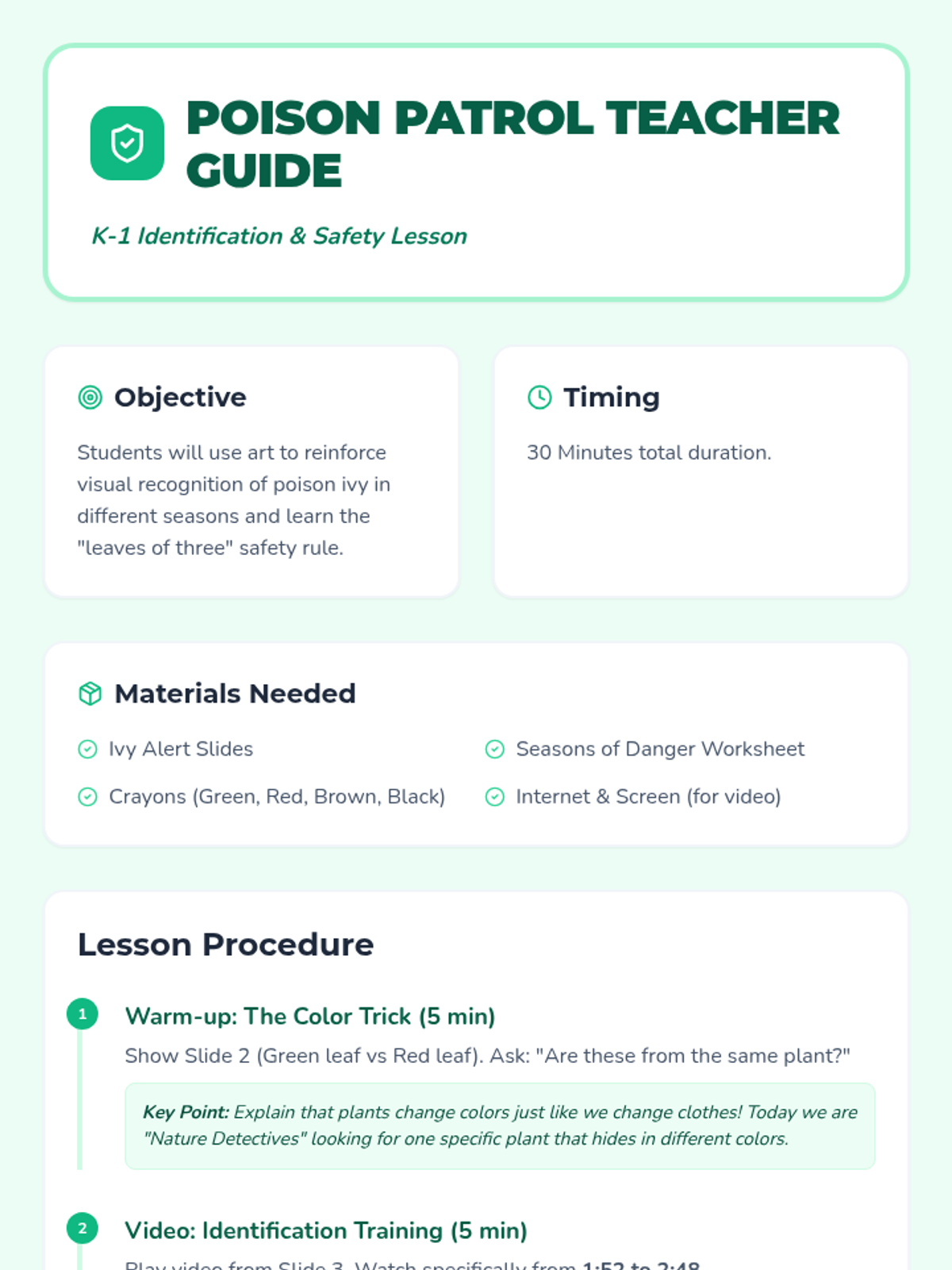
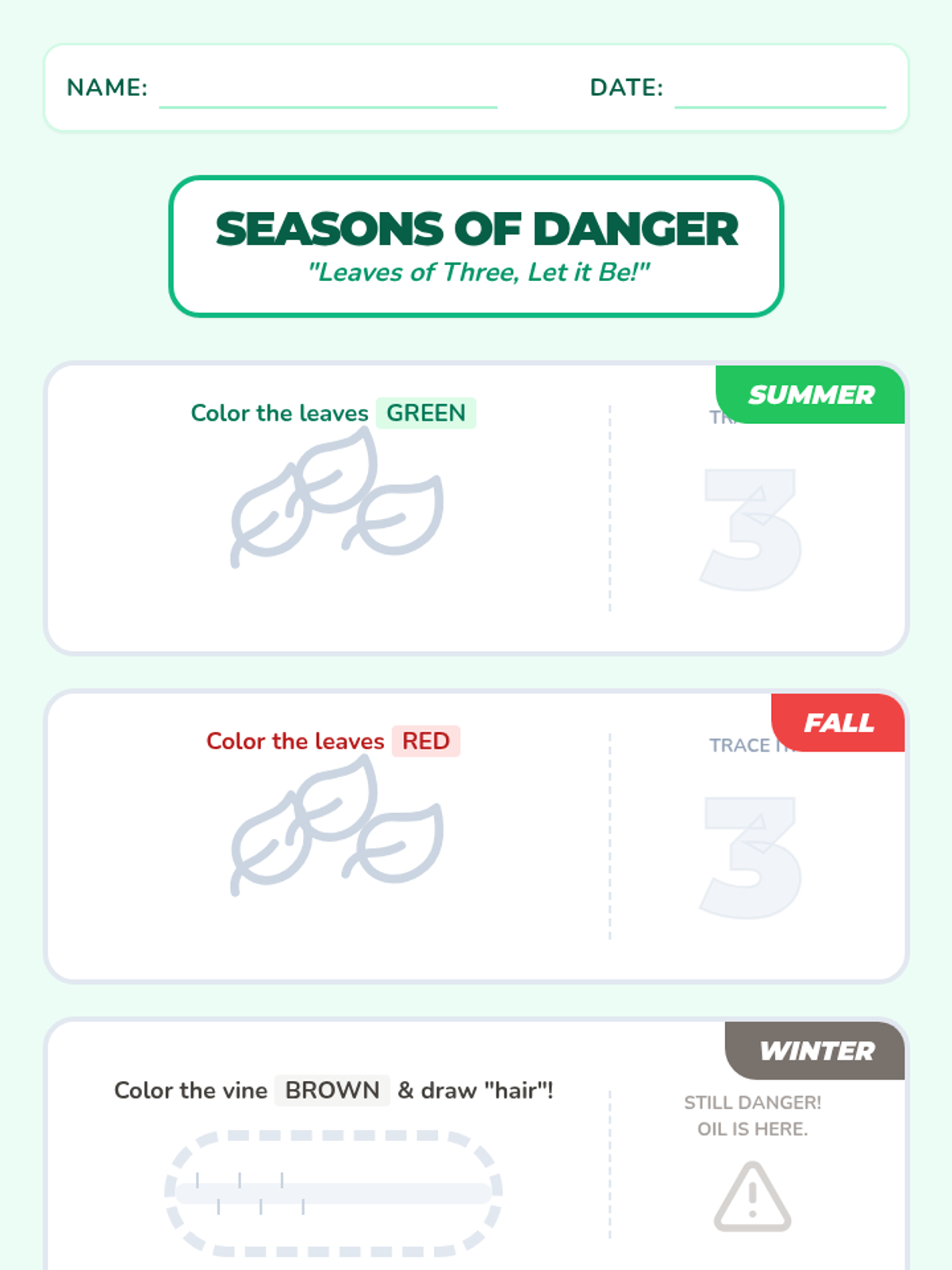
Students will learn to identify poison ivy in summer, fall, and winter through visual analysis, a science video, and an art-based coloring activity focused on the 'leaves of three' rule.
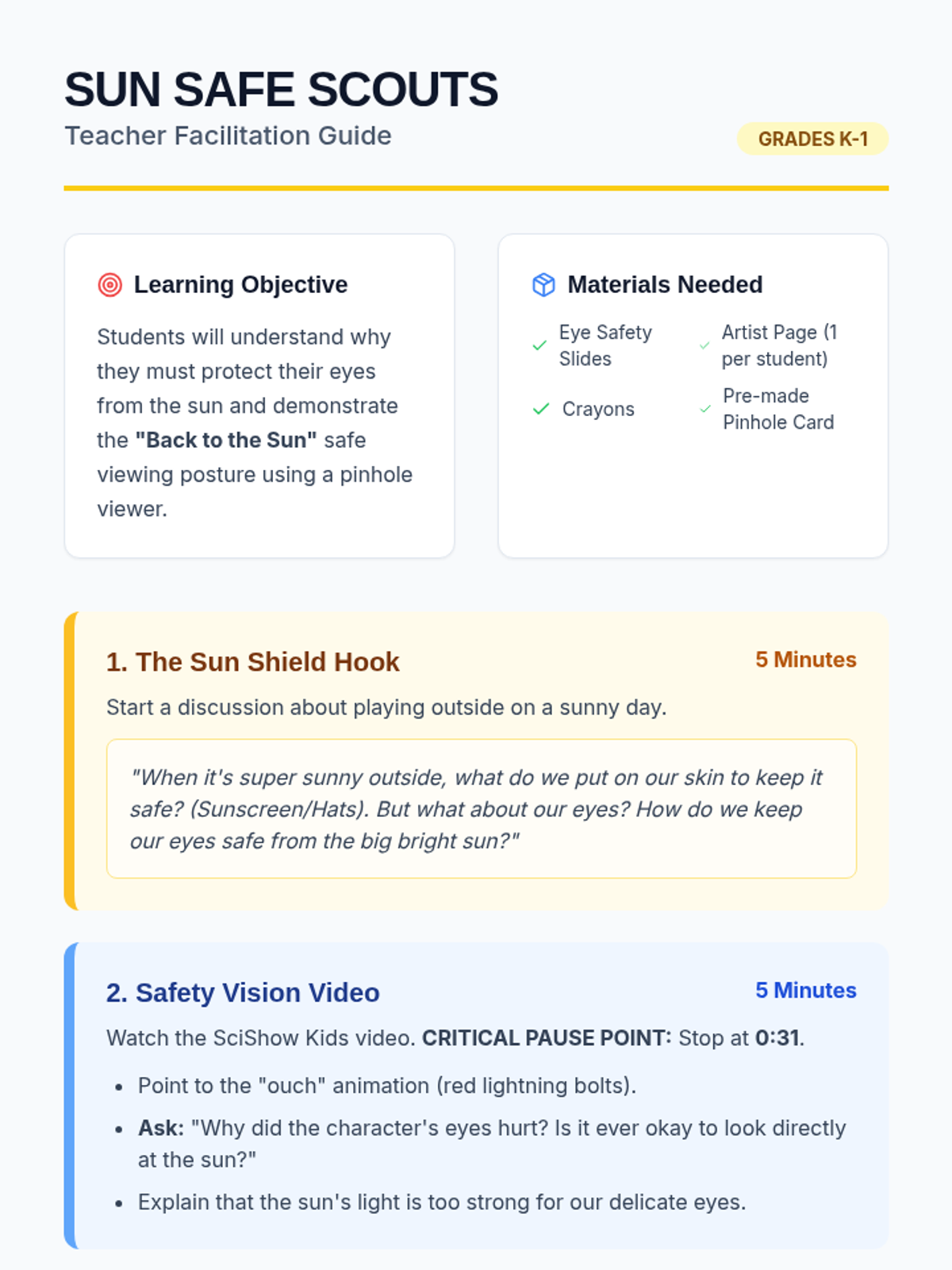
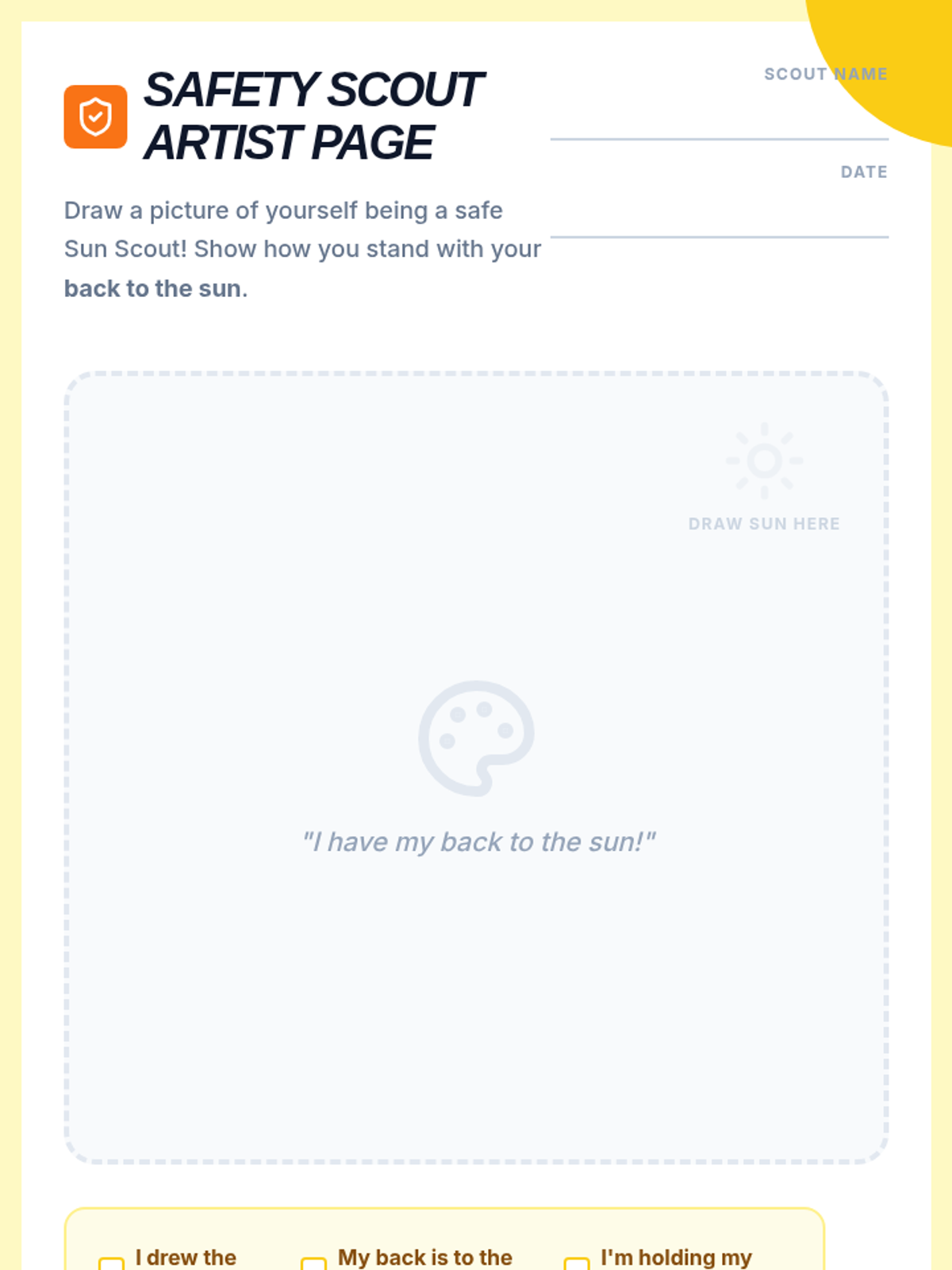
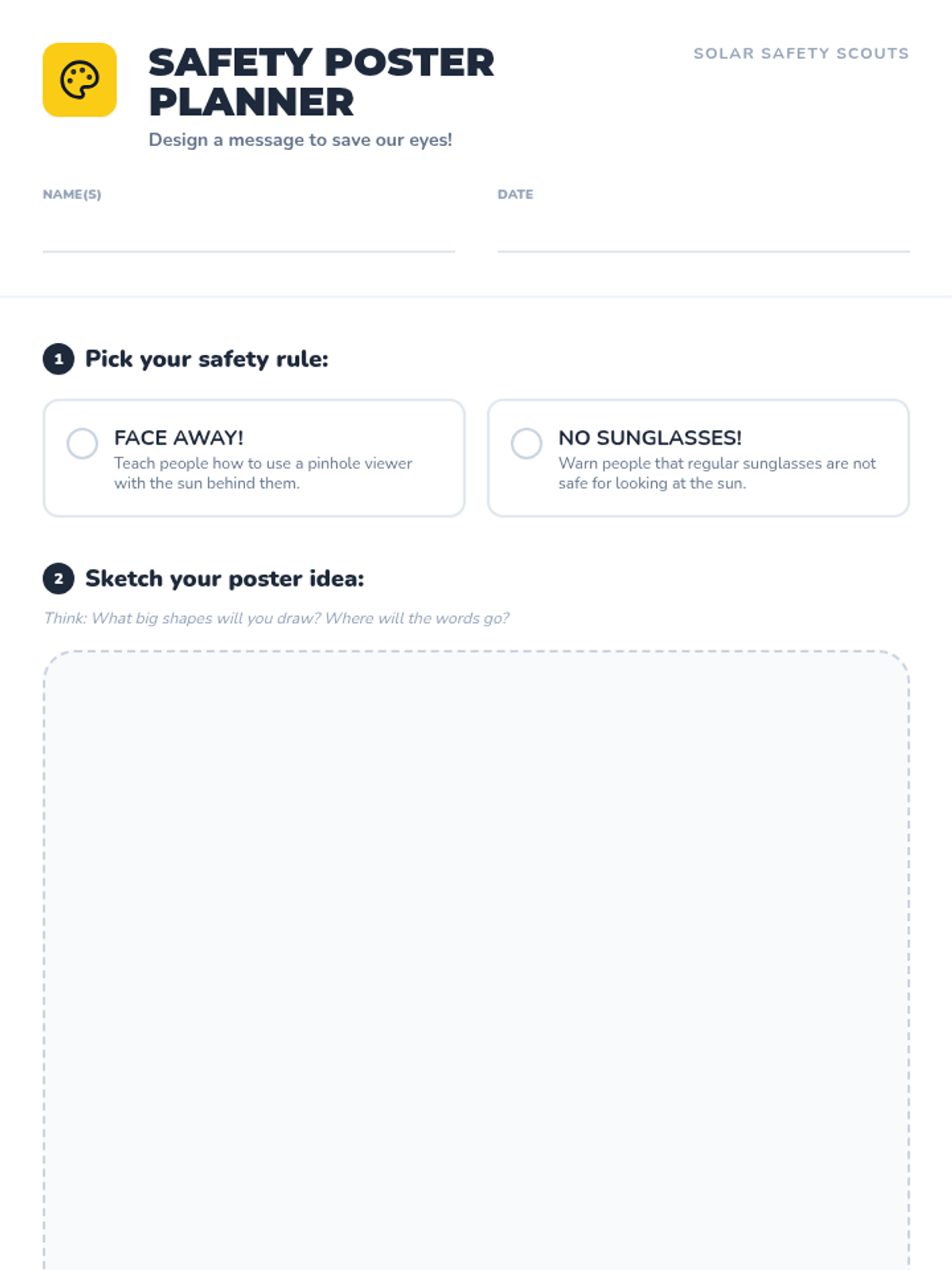
A Kindergarten to 1st-grade lesson focused on sun safety and the 'Back to the Sun' posture for viewing solar phenomena. Includes a video discussion, a physical drill, and a reflective drawing activity.
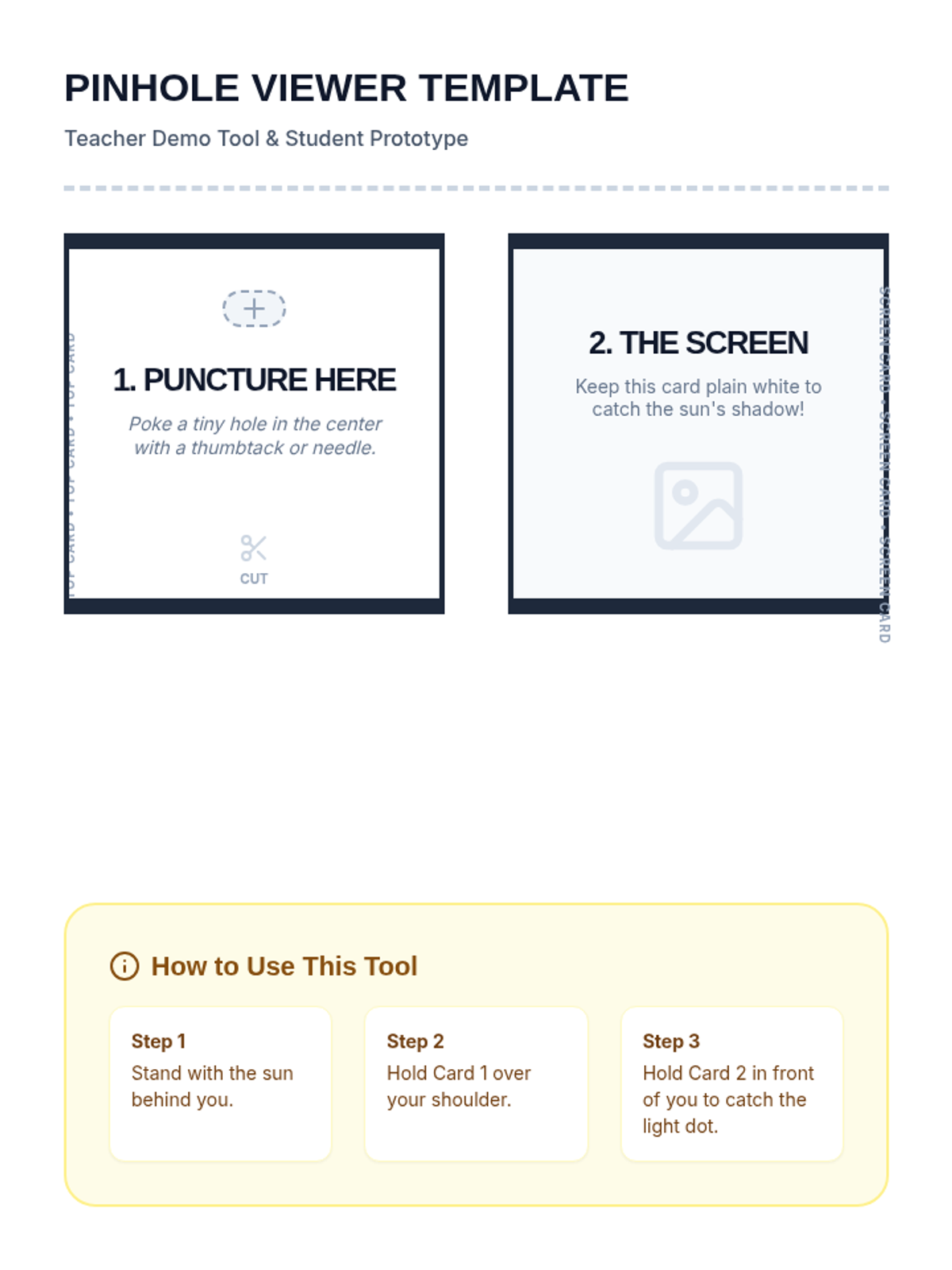
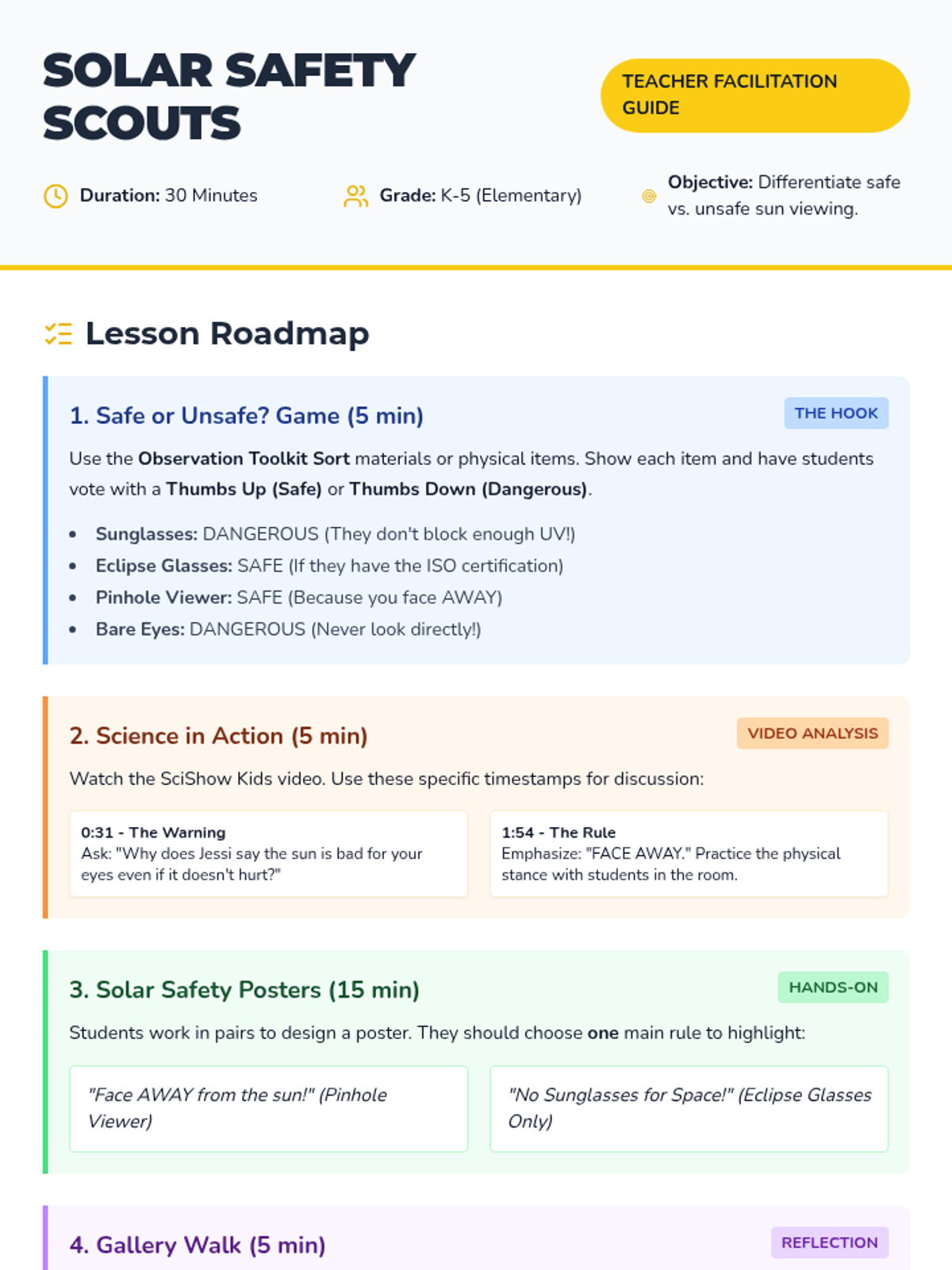
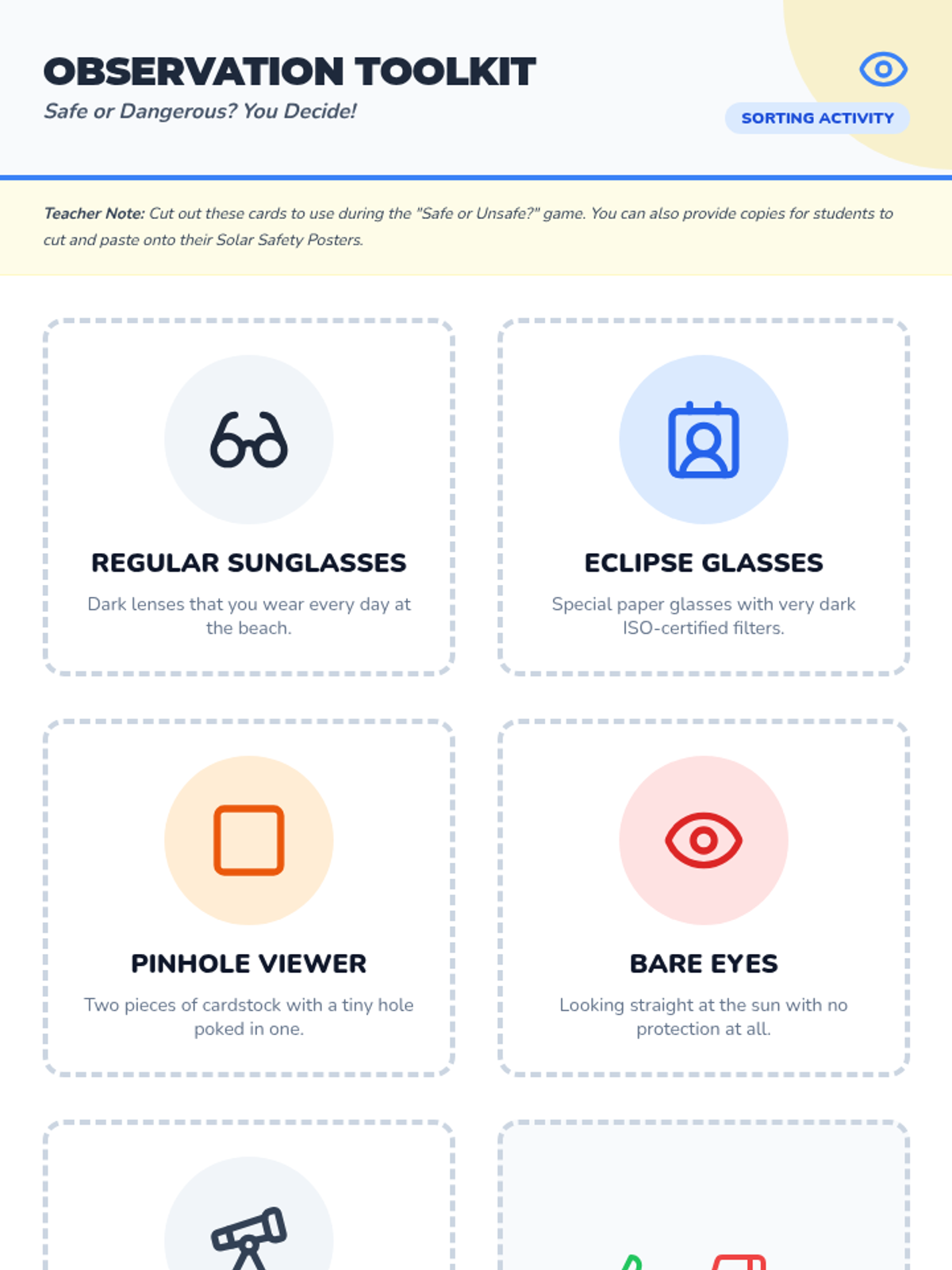
A comprehensive lesson teaching elementary students how to observe the sun safely using eclipse glasses and pinhole viewers while avoiding dangerous methods like regular sunglasses or telescopes.
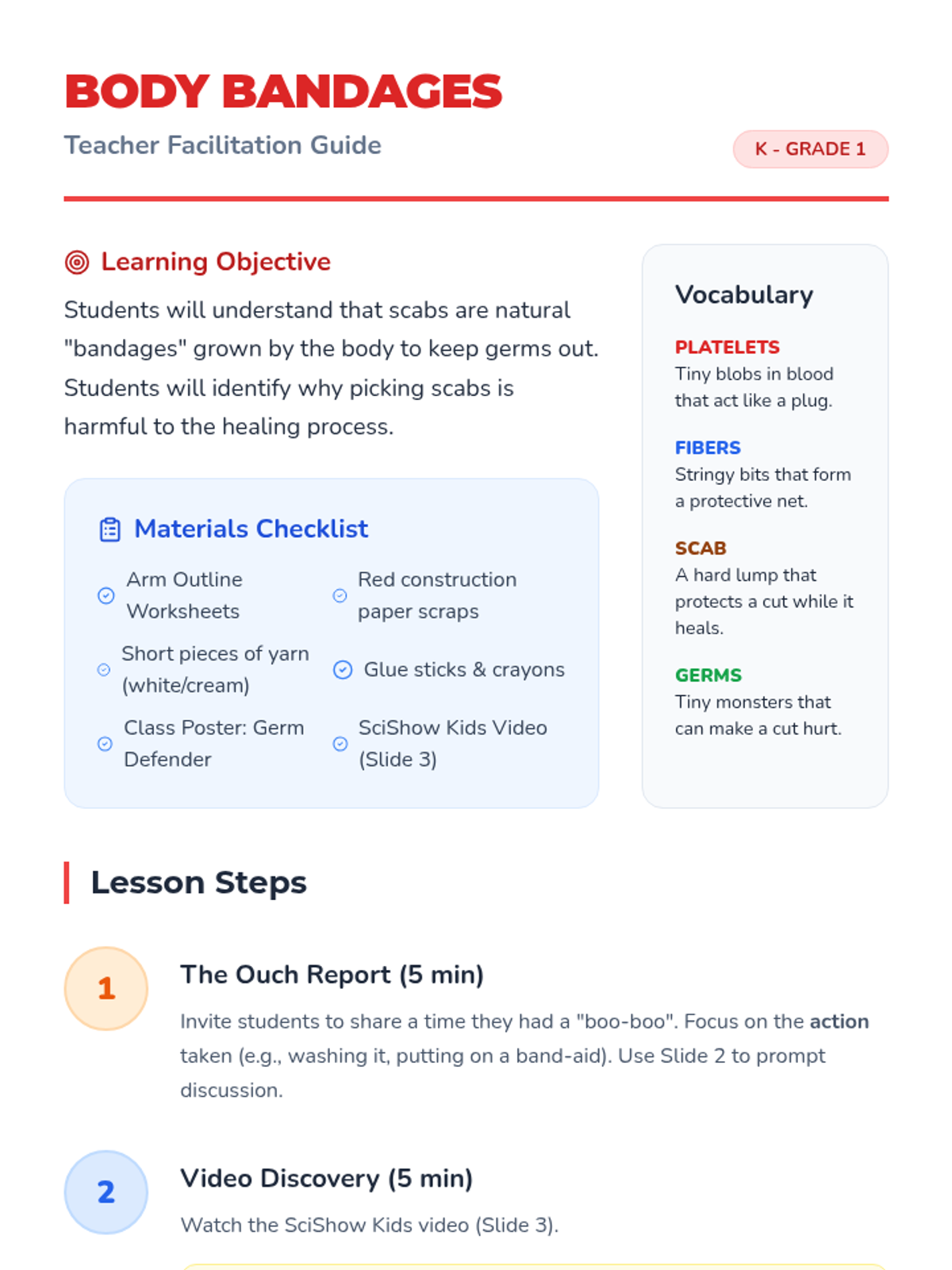
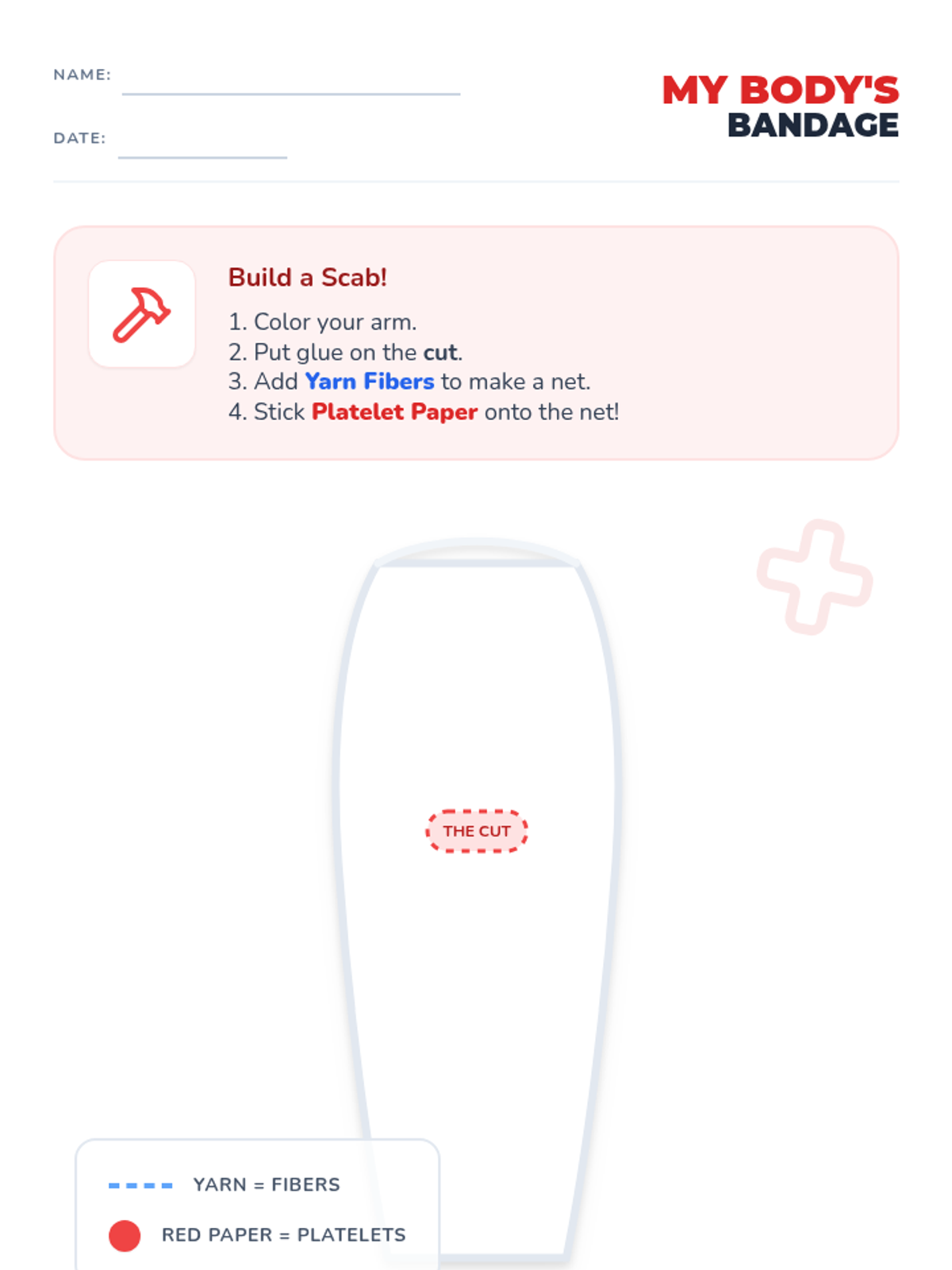
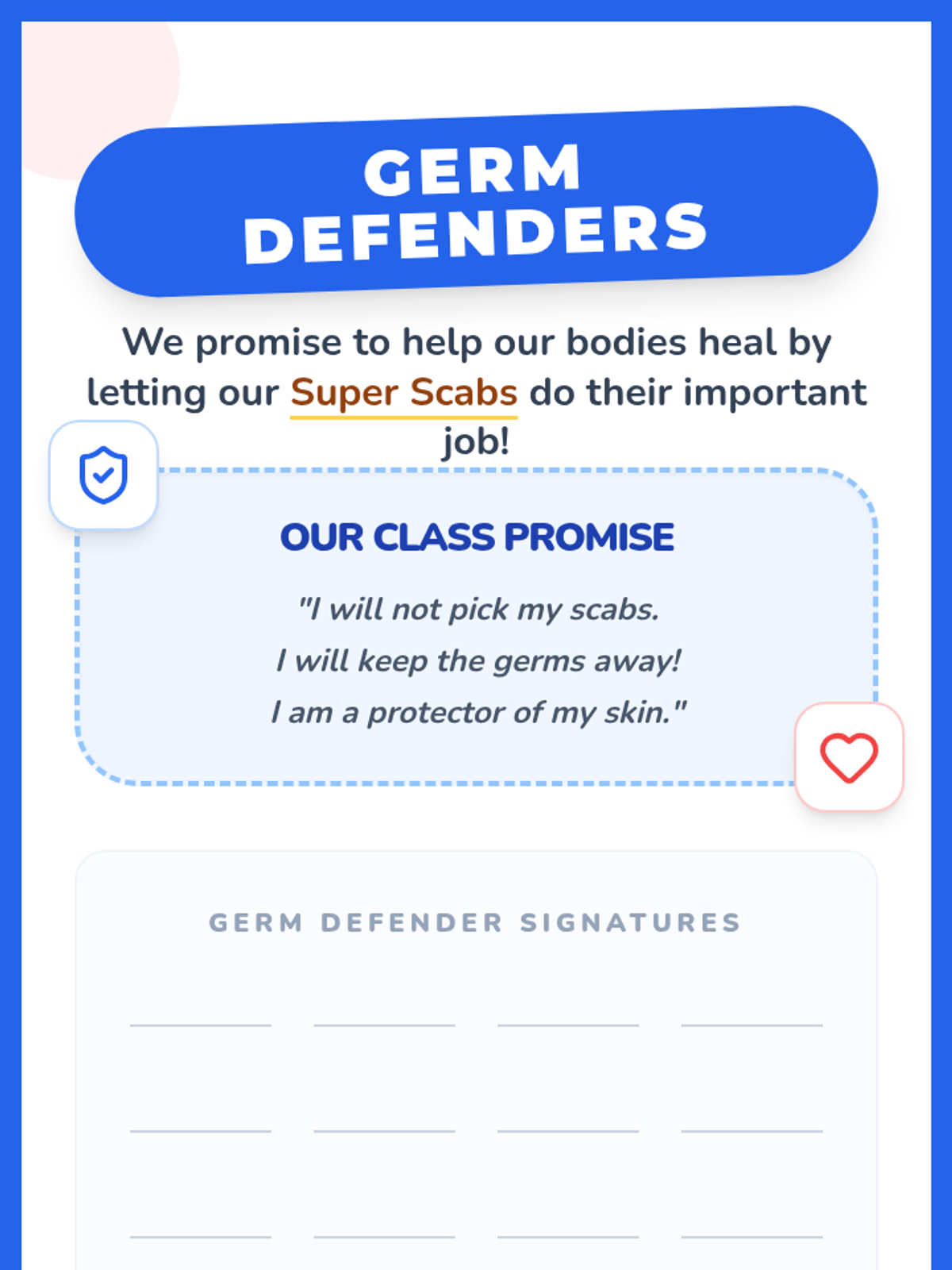
A lesson for K-1 students explaining that scabs are the body's natural bandages. Includes a hands-on art activity using red paper and yarn to model how platelets and fibers form a scab, alongside a class pledge to be 'Germ Defenders' and avoid picking scabs.
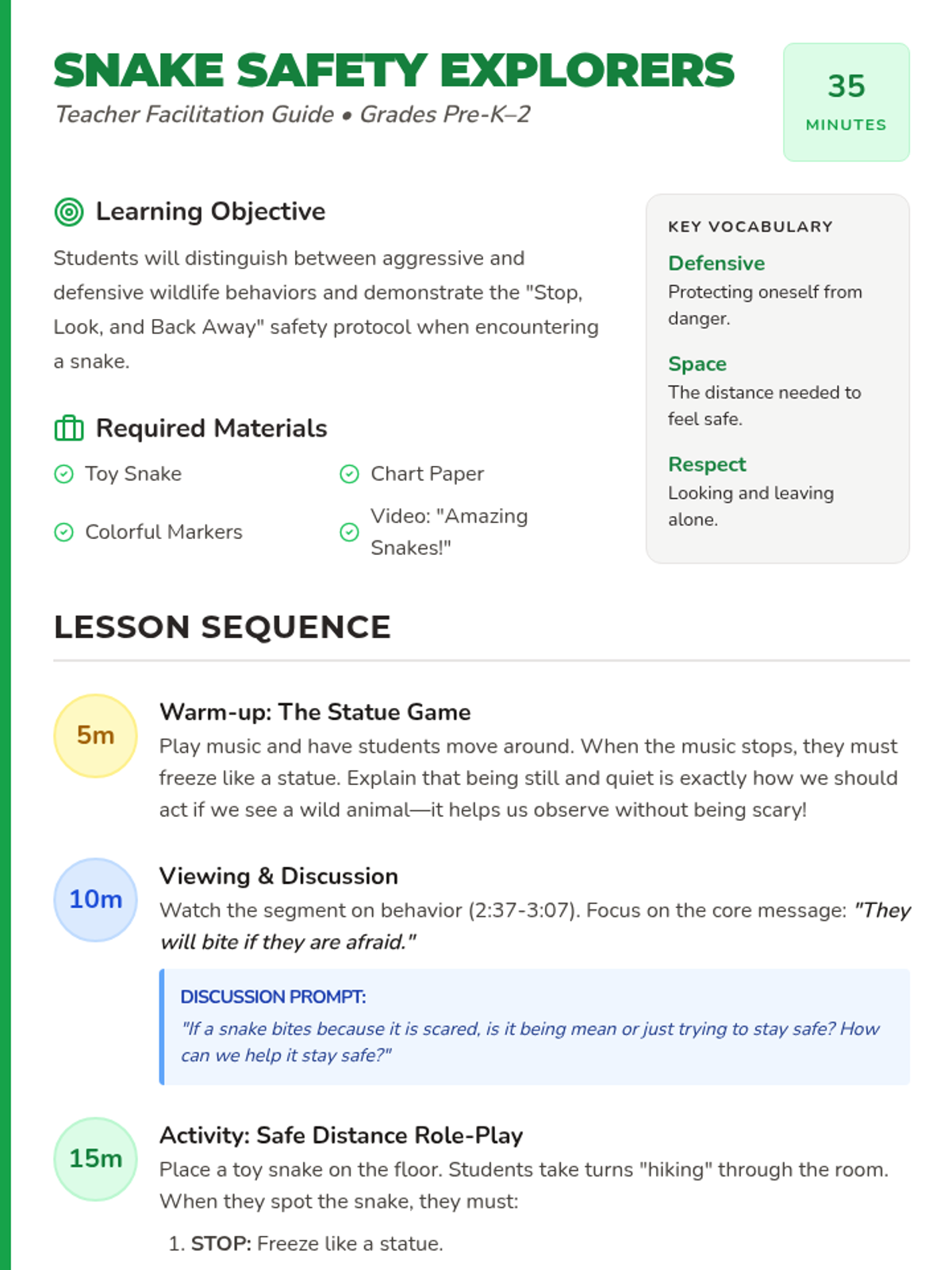
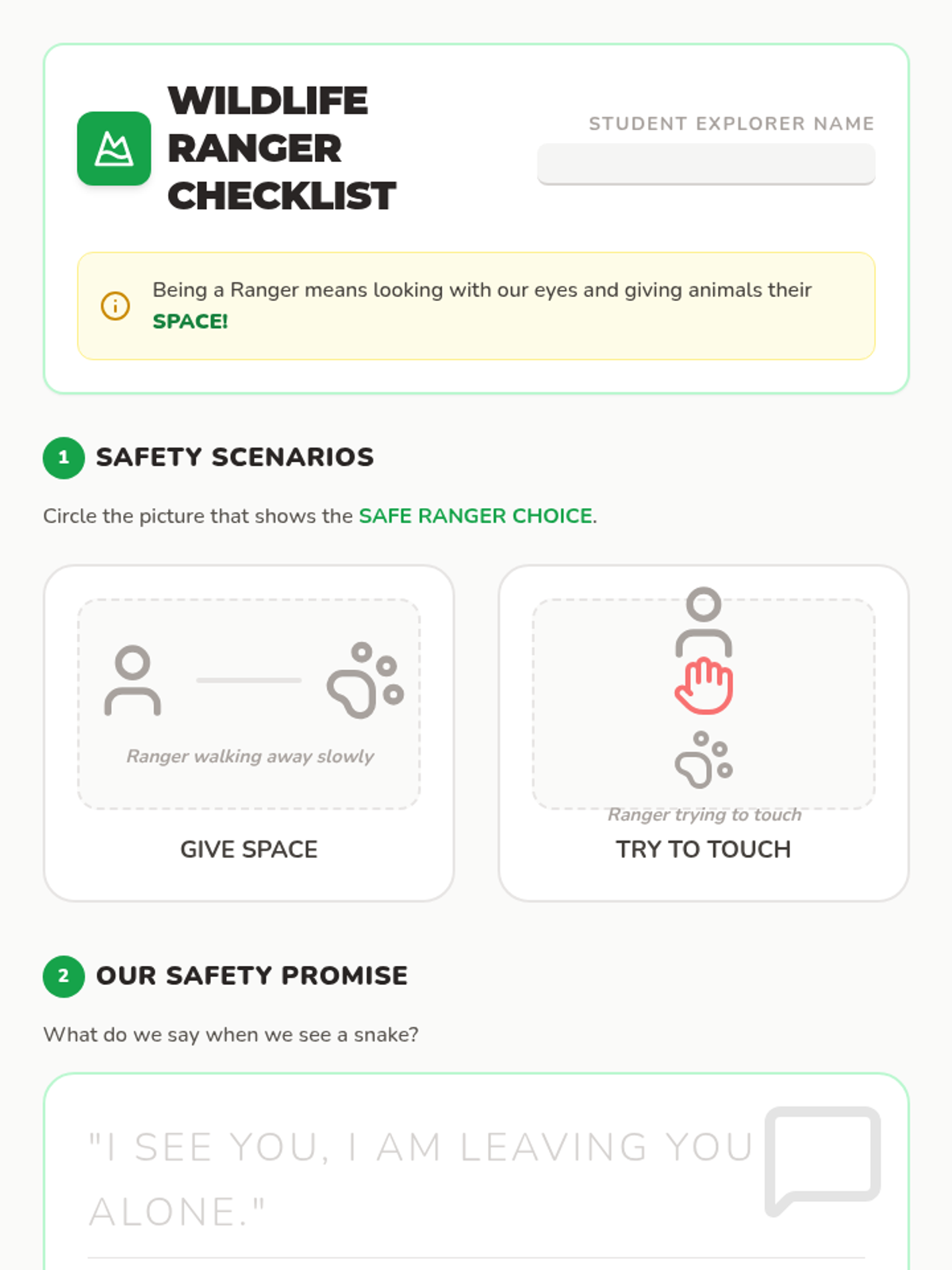
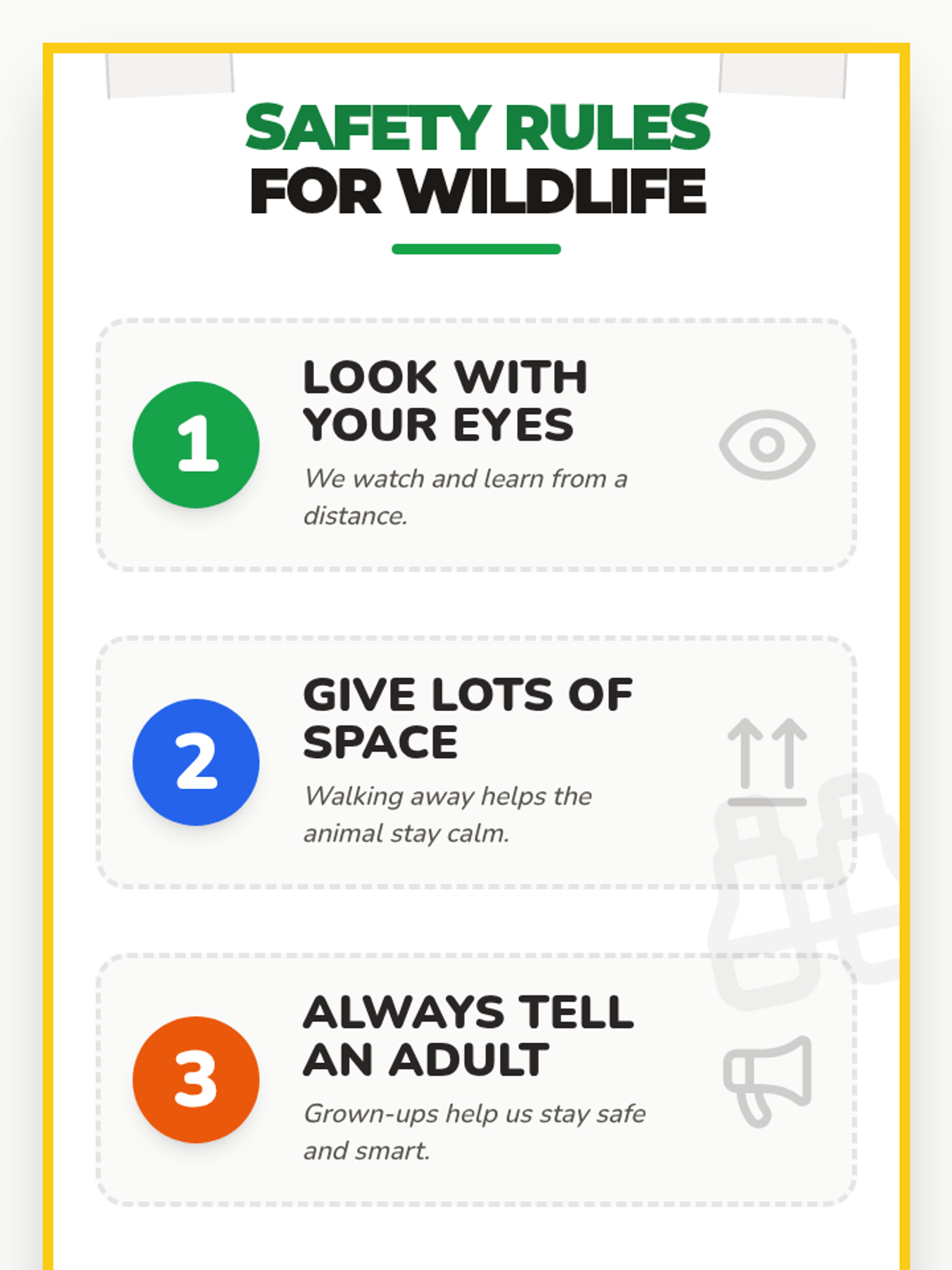
A safety-focused lesson for young learners (Pre-K to 2nd Grade) about how to respectfully observe wildlife, specifically snakes, by understanding defensive behaviors and practicing safe distance protocols.