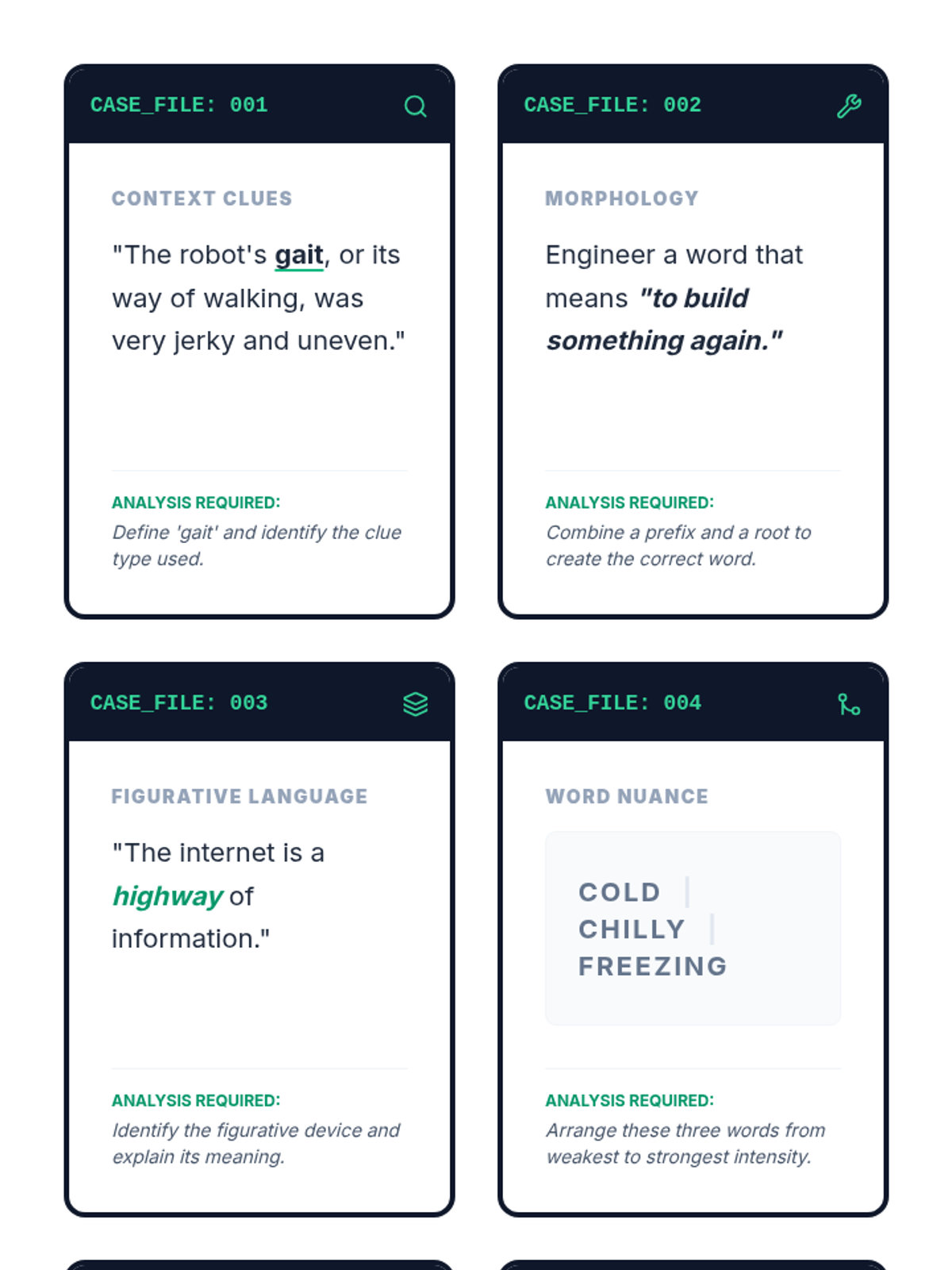
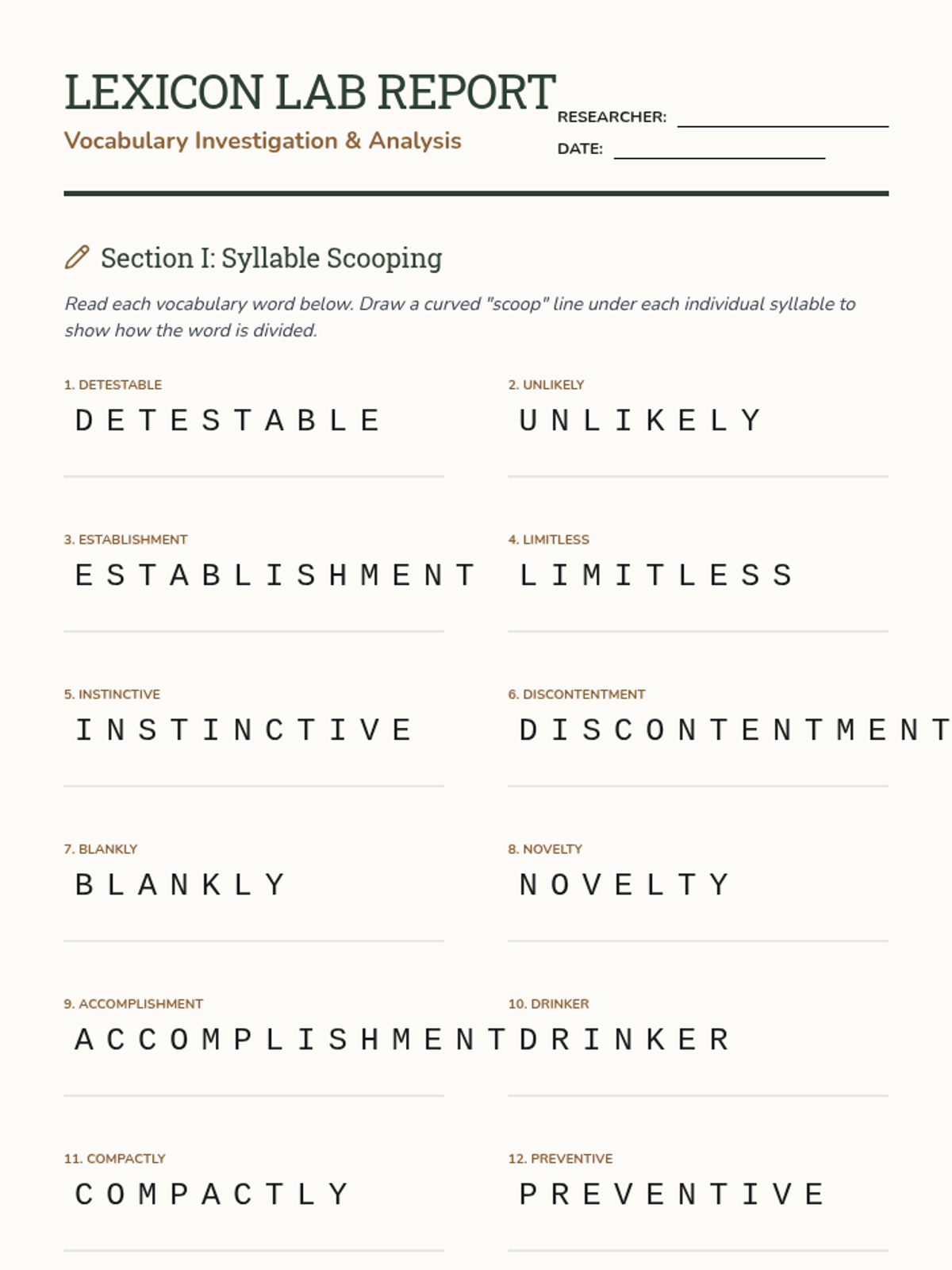
Builds word mastery through parts of speech, Greek and Latin roots, and morphological analysis of prefixes and suffixes. Develops nuanced comprehension using context clues, shades of meaning, and idiomatic expressions.
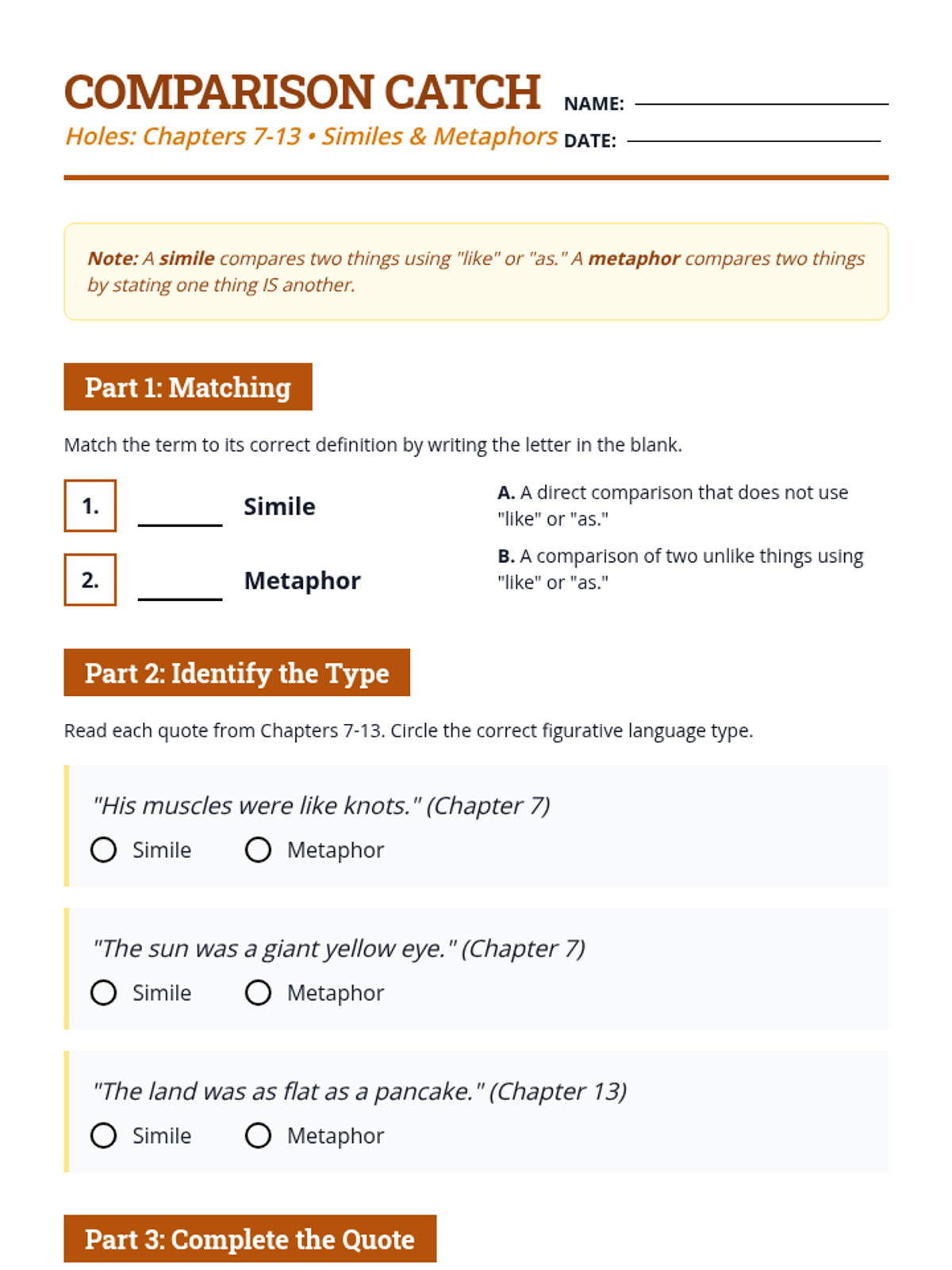
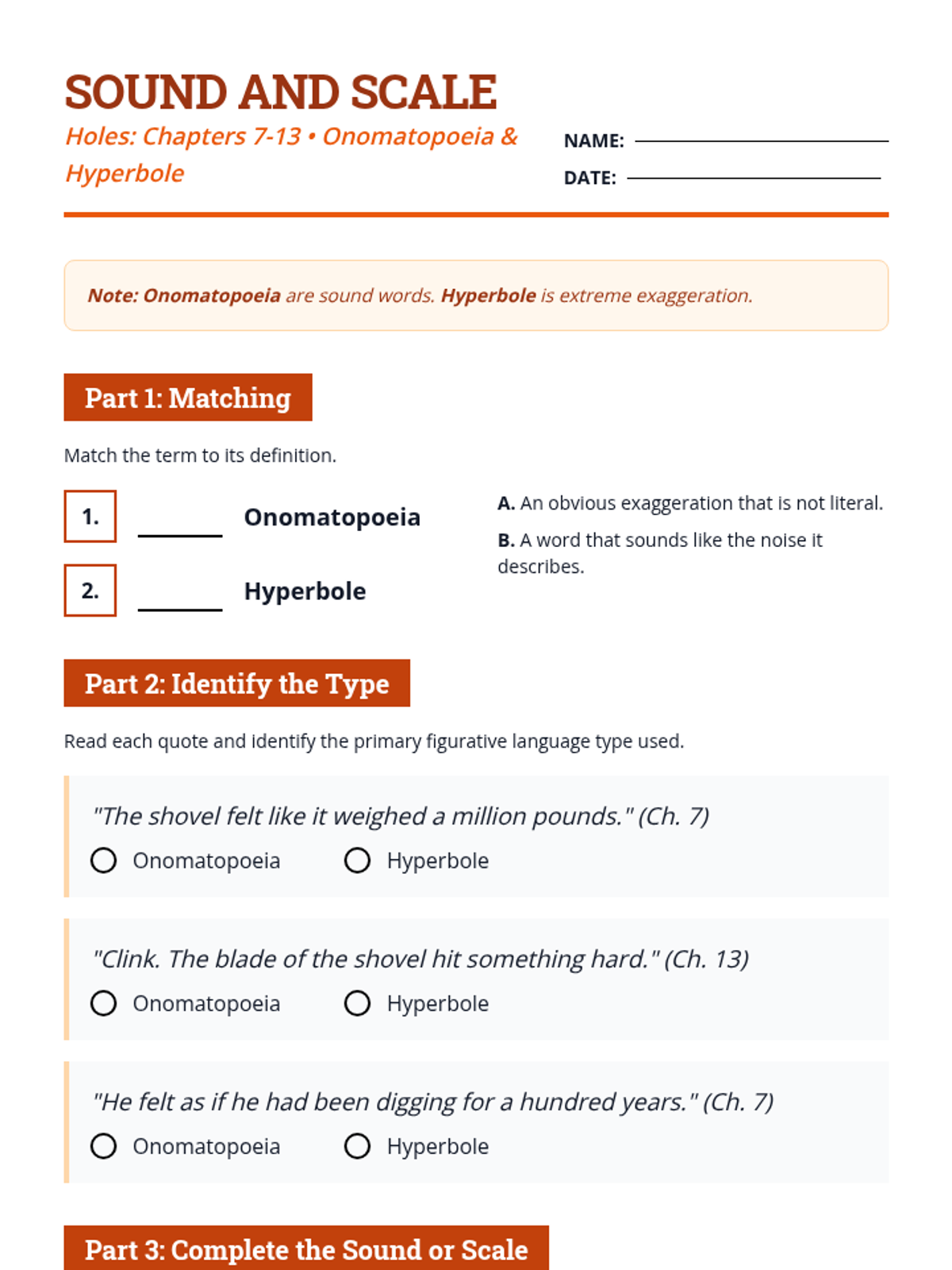
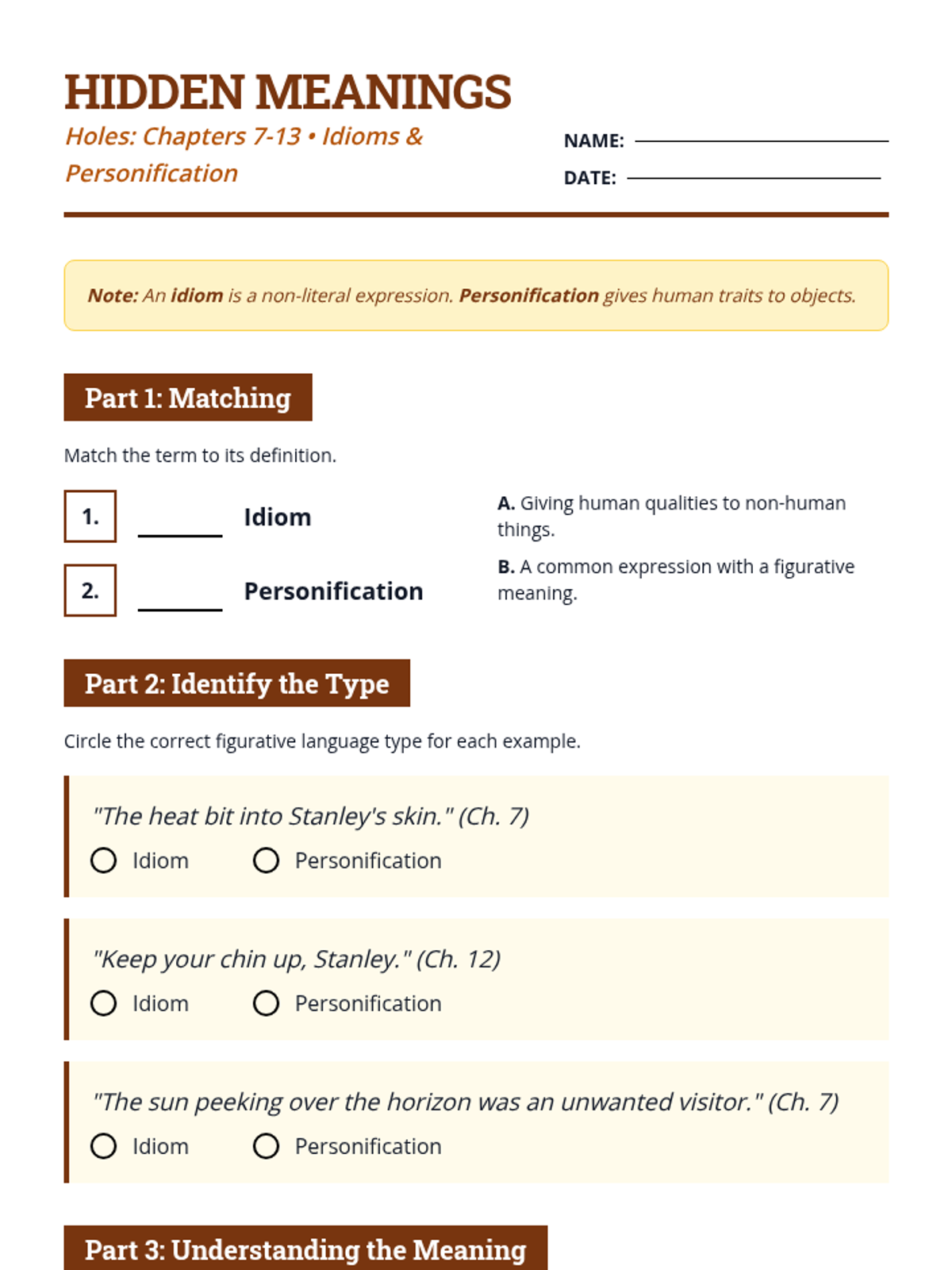
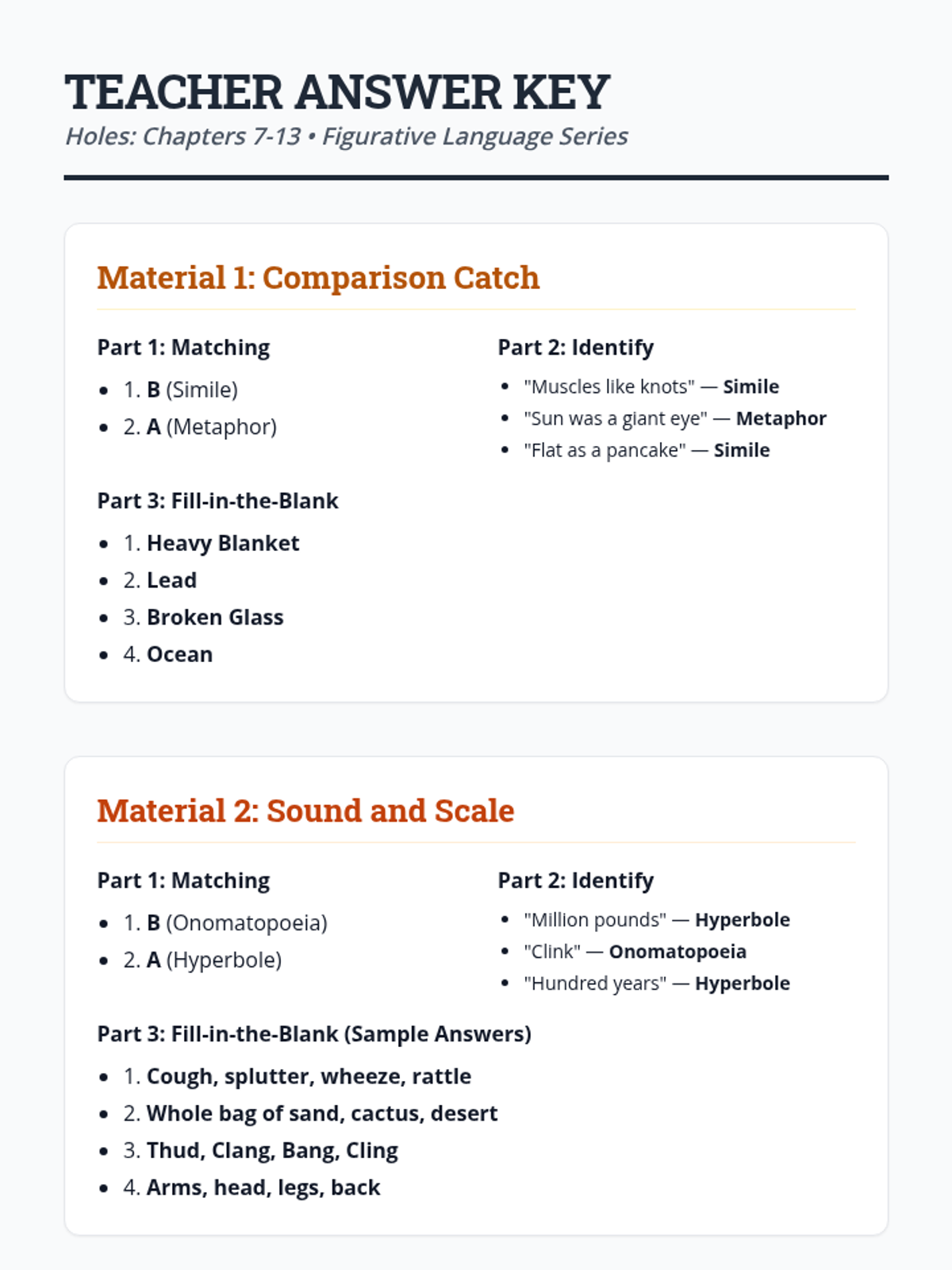
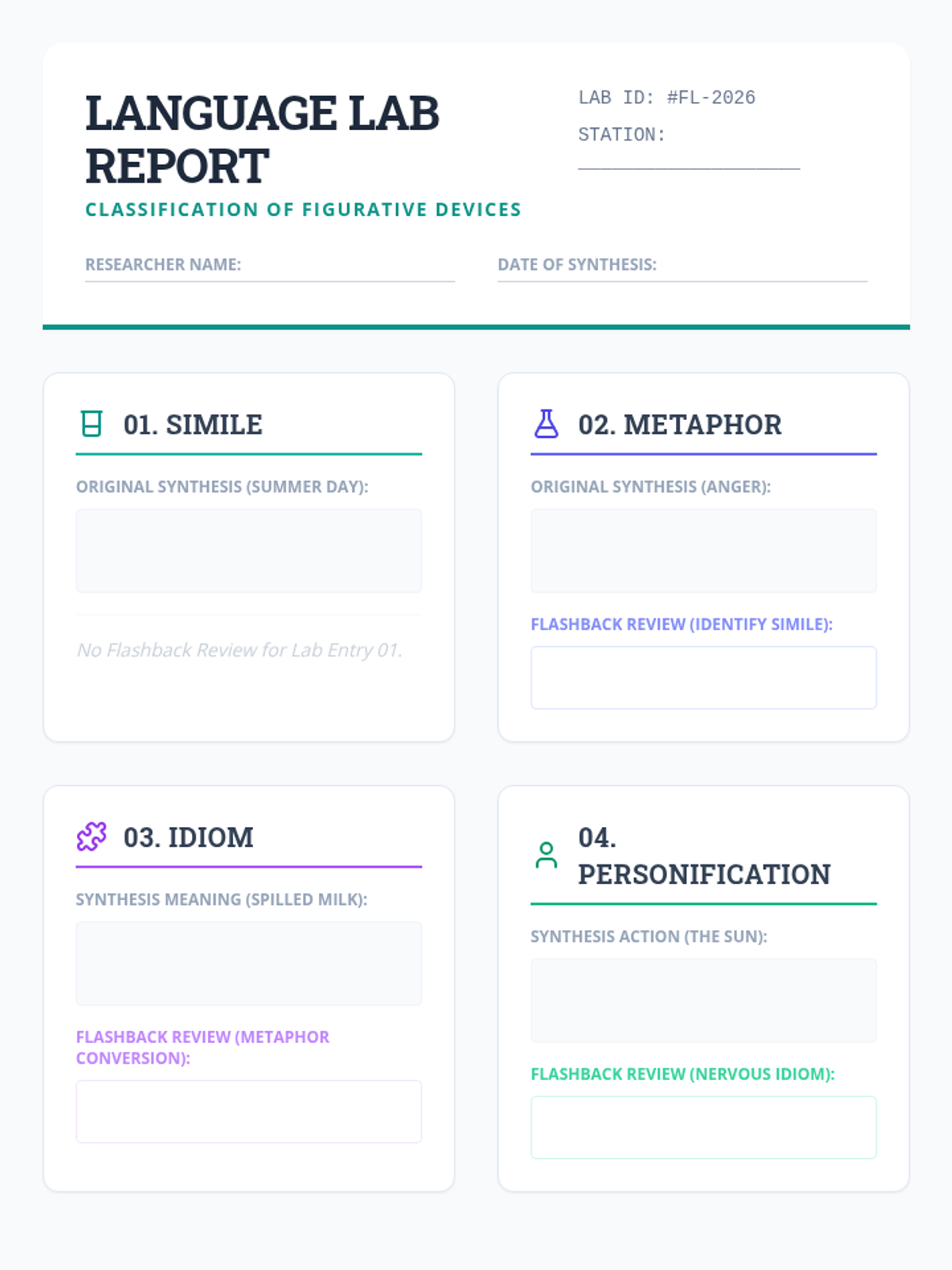
A lesson exploring figurative language in Chapters 7-13 of Louis Sachar's Holes, focusing on identifying and analyzing similes, metaphors, onomatopoeia, hyperbole, idioms, and personification through the lens of life at Camp Green Lake.
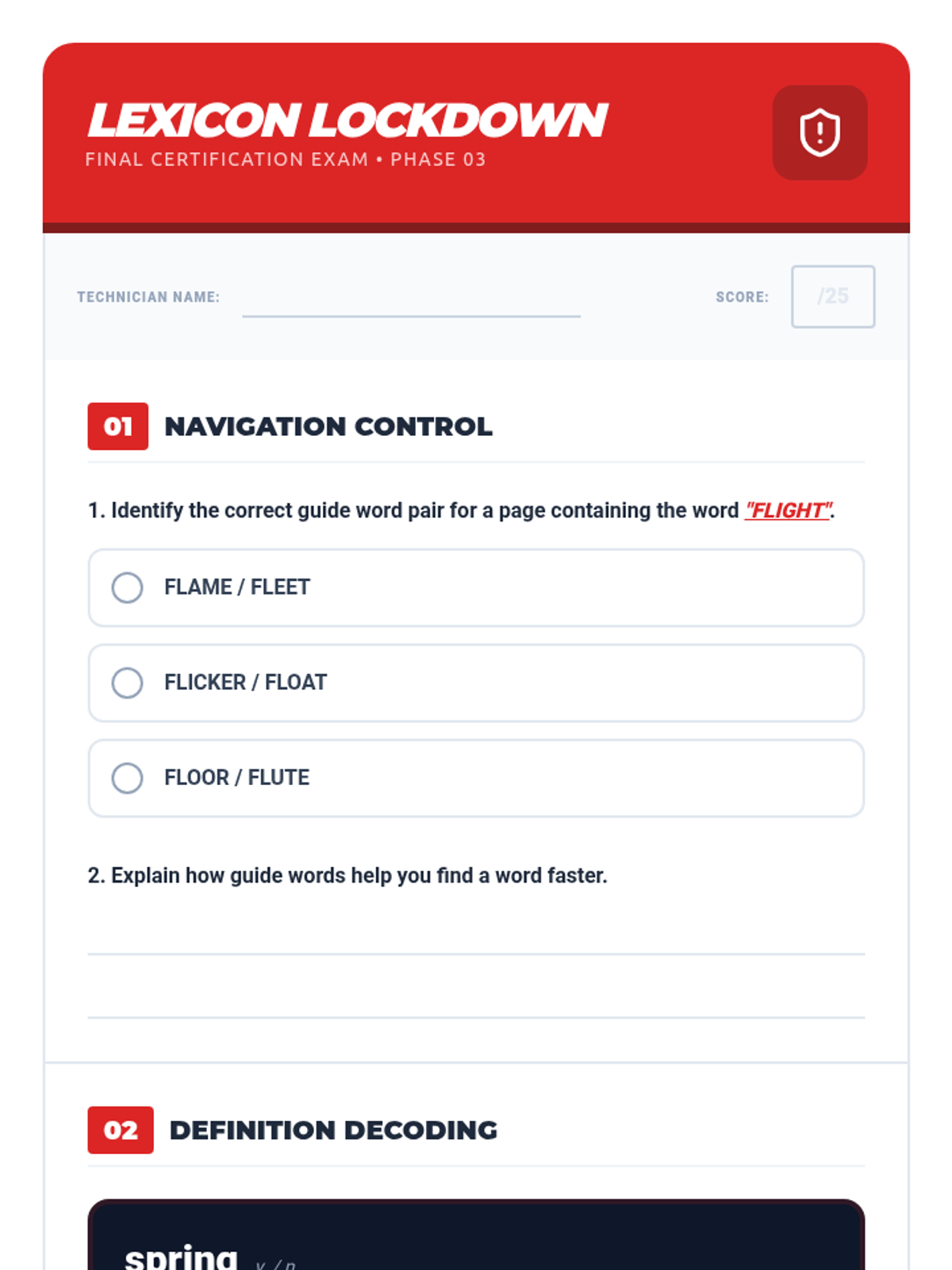
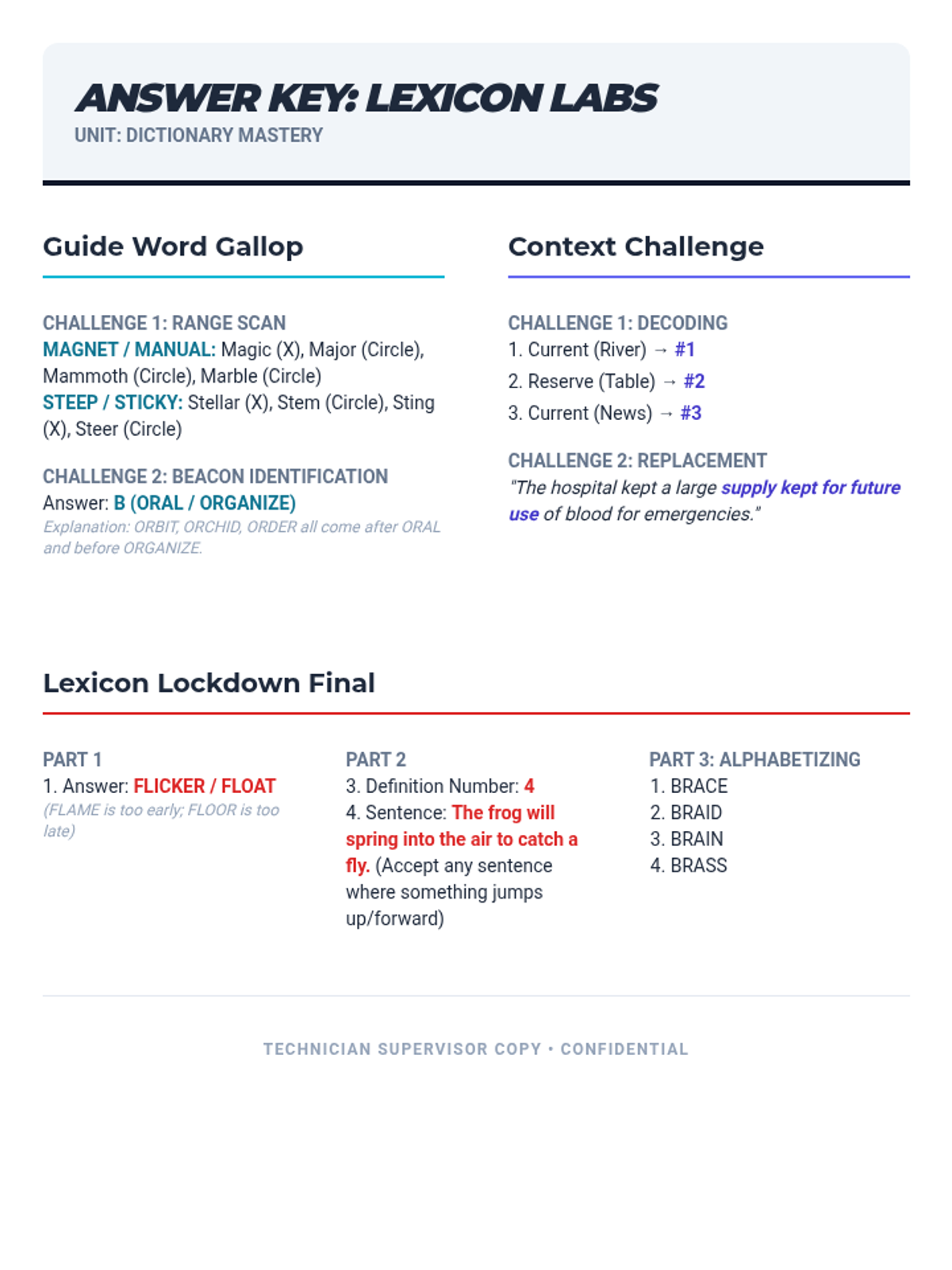
A cumulative review and formal assessment of dictionary navigation and entry analysis skills.
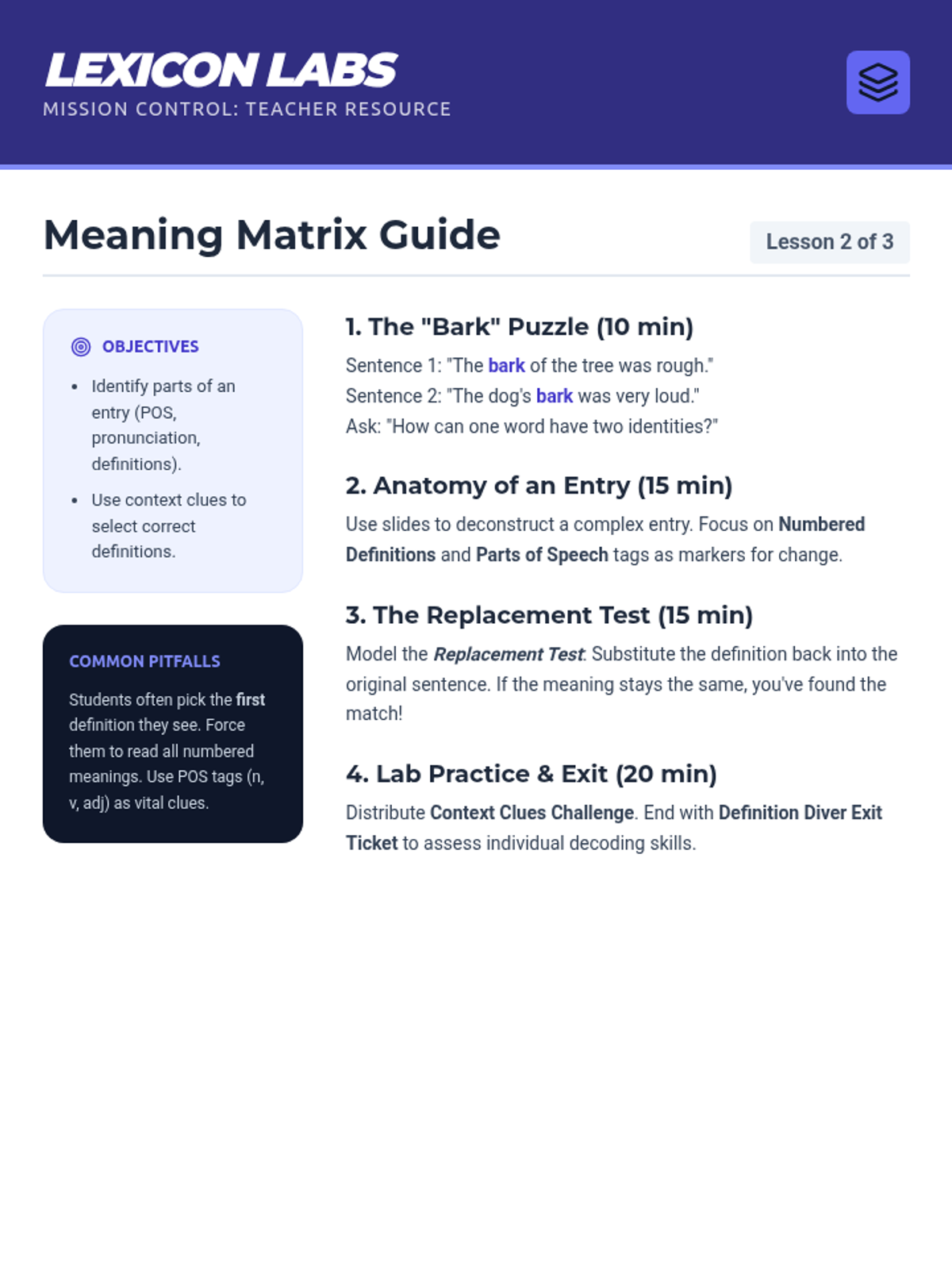
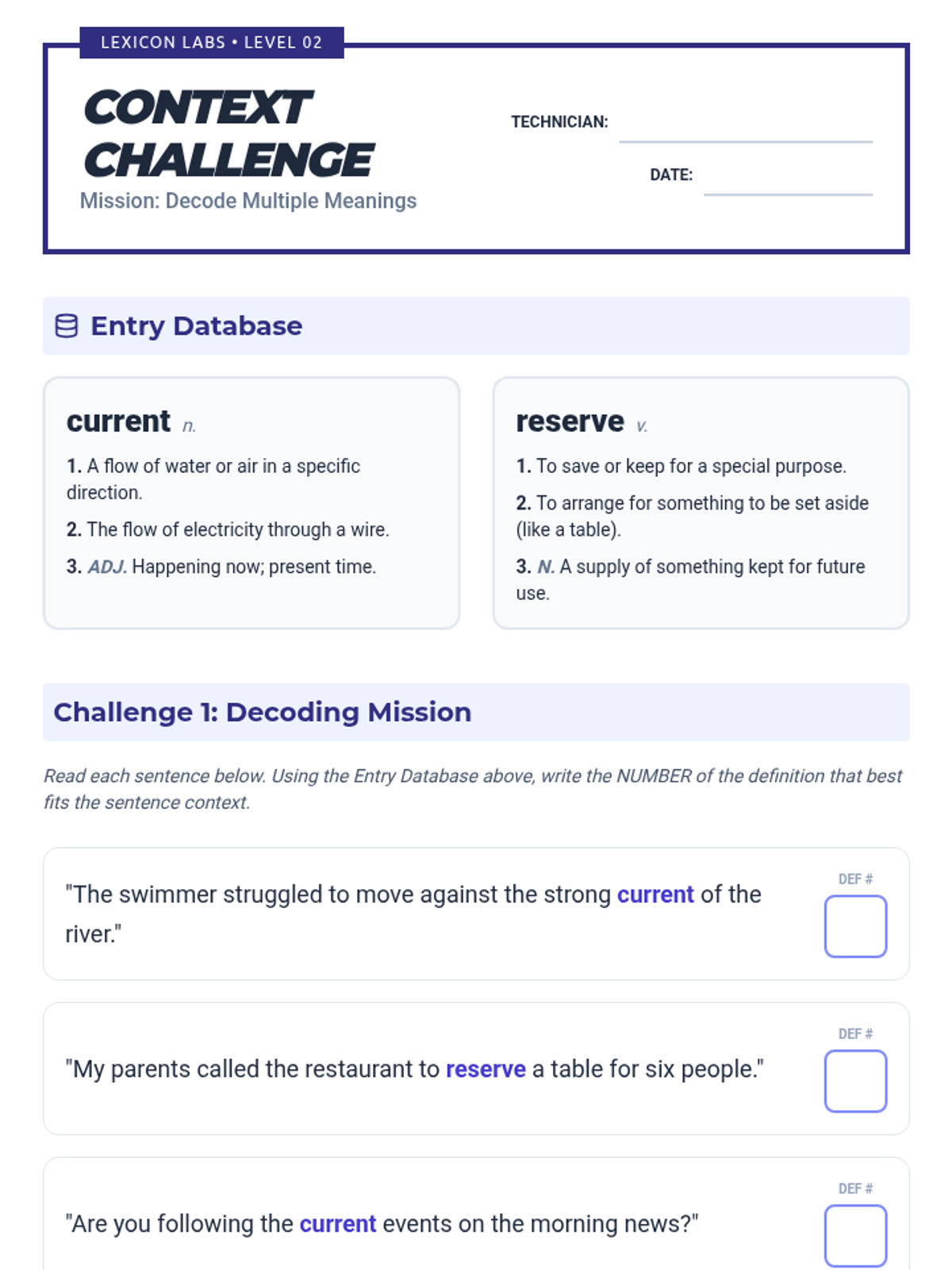
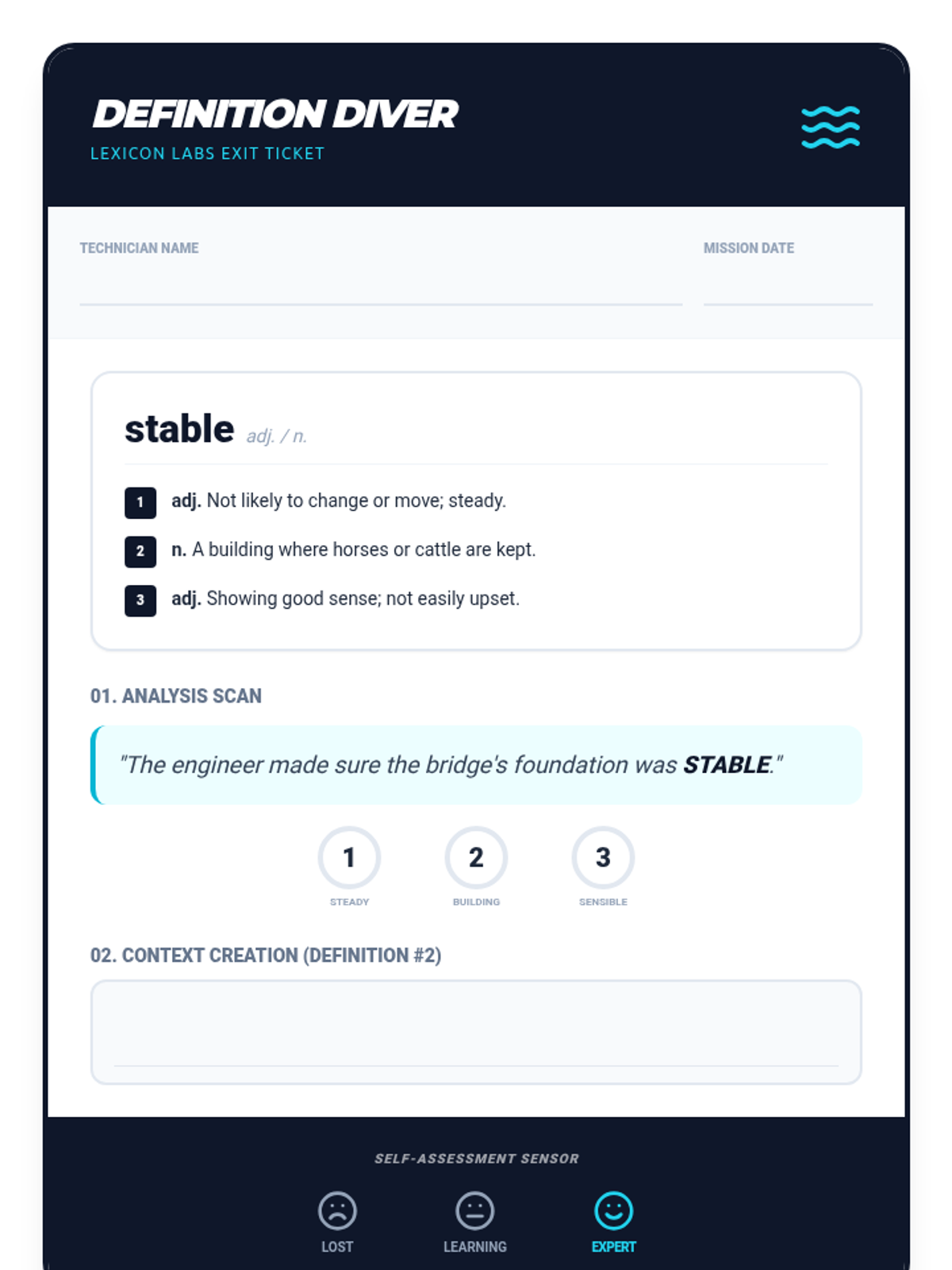
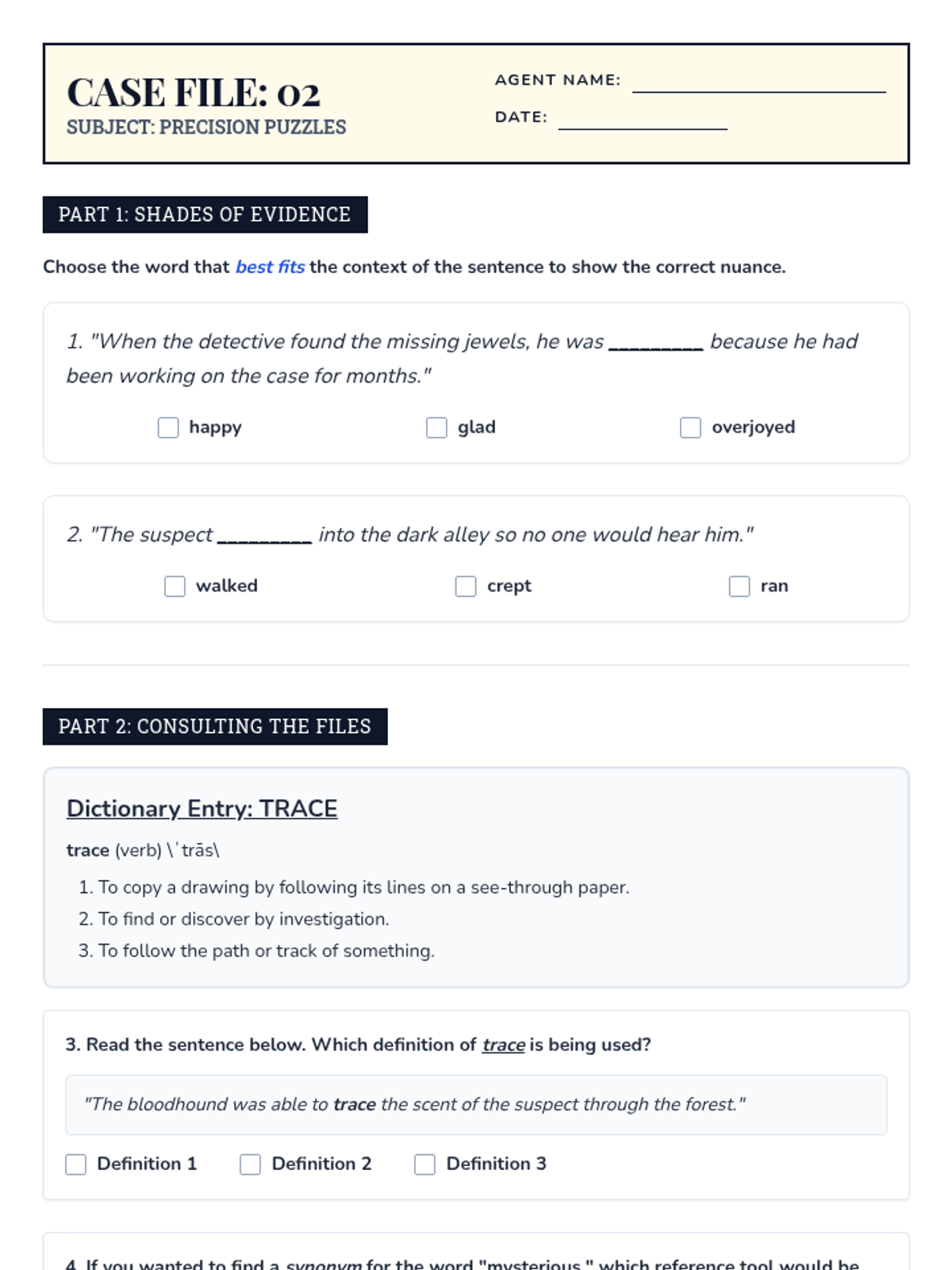
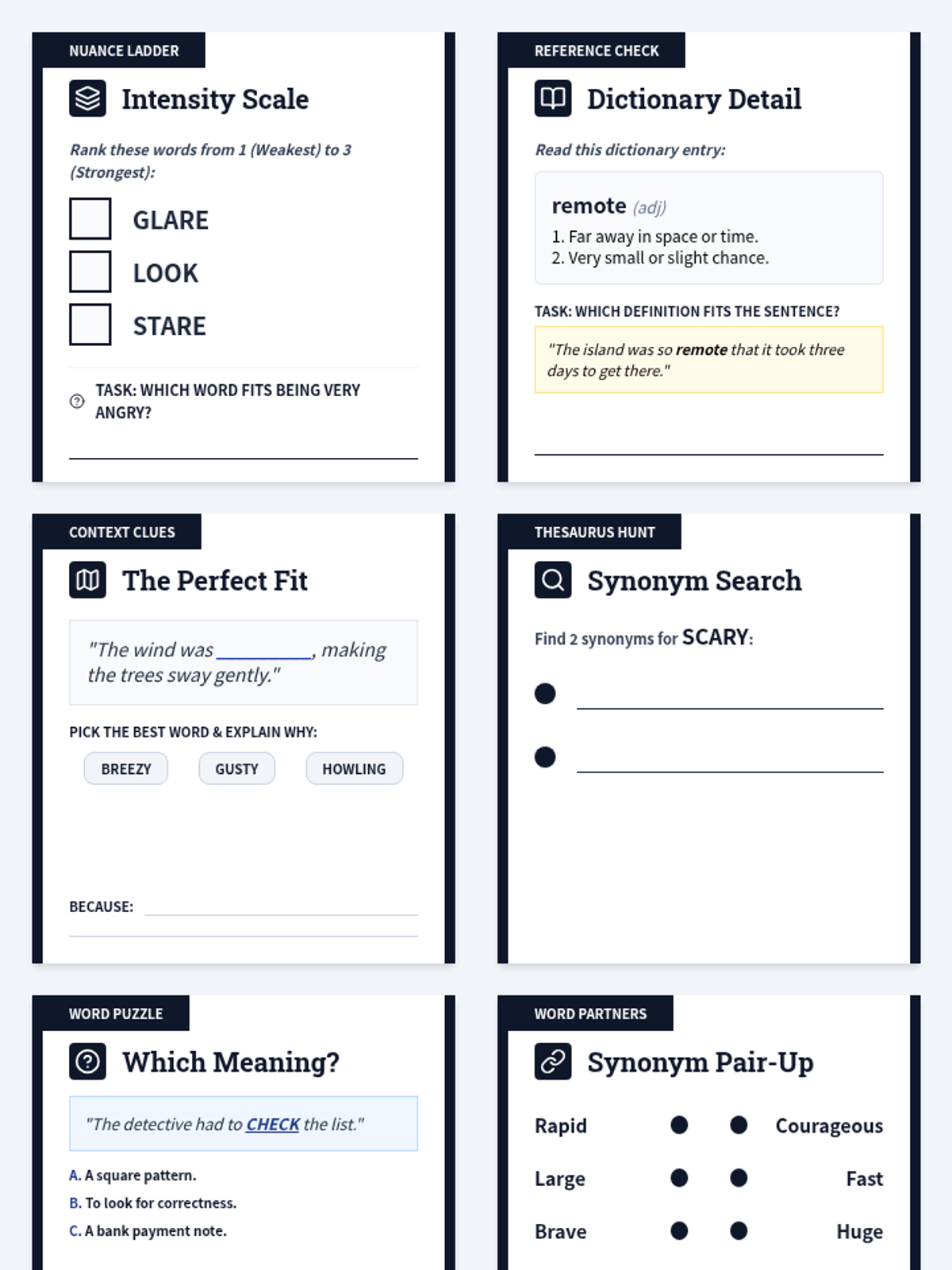
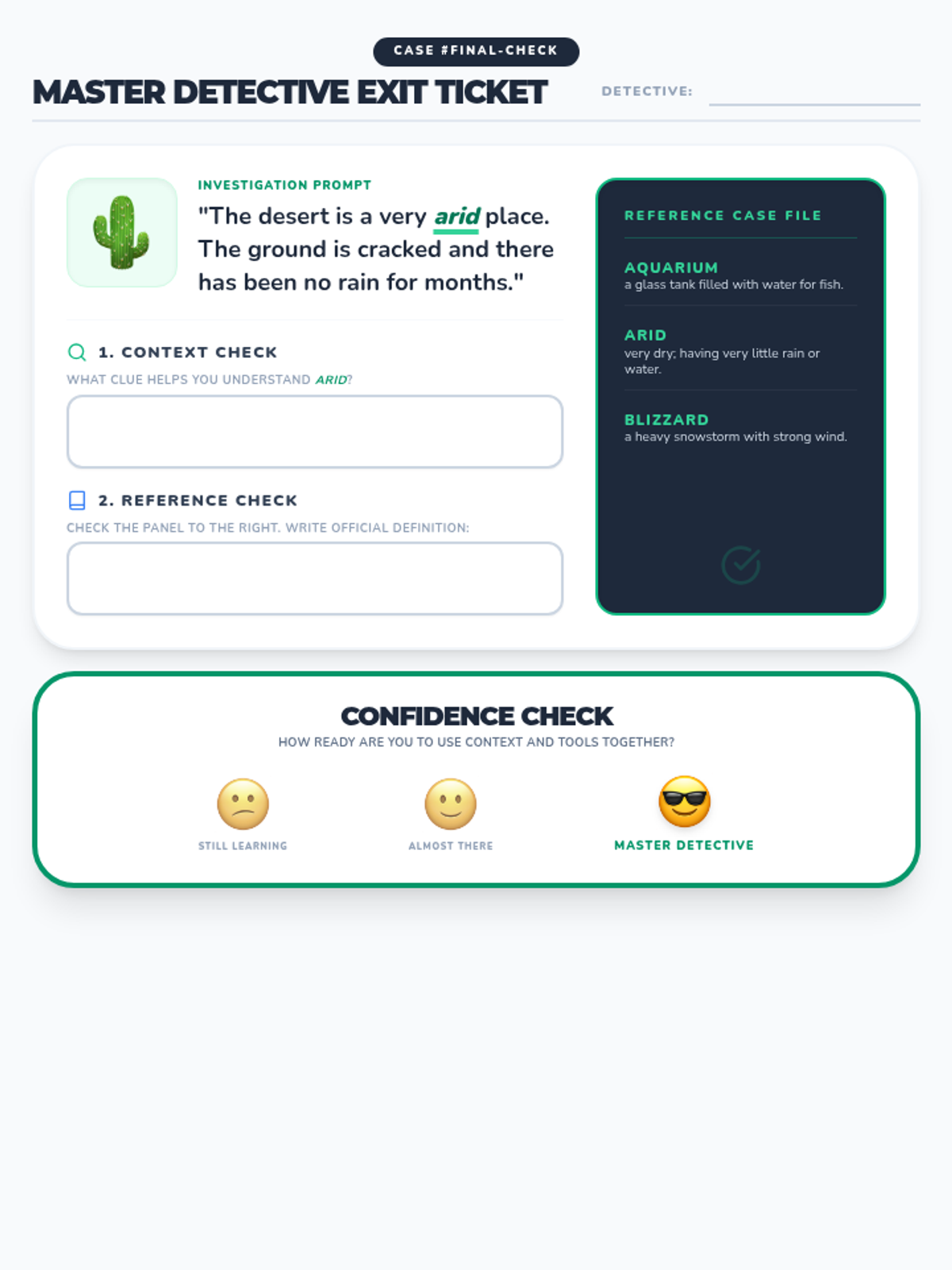
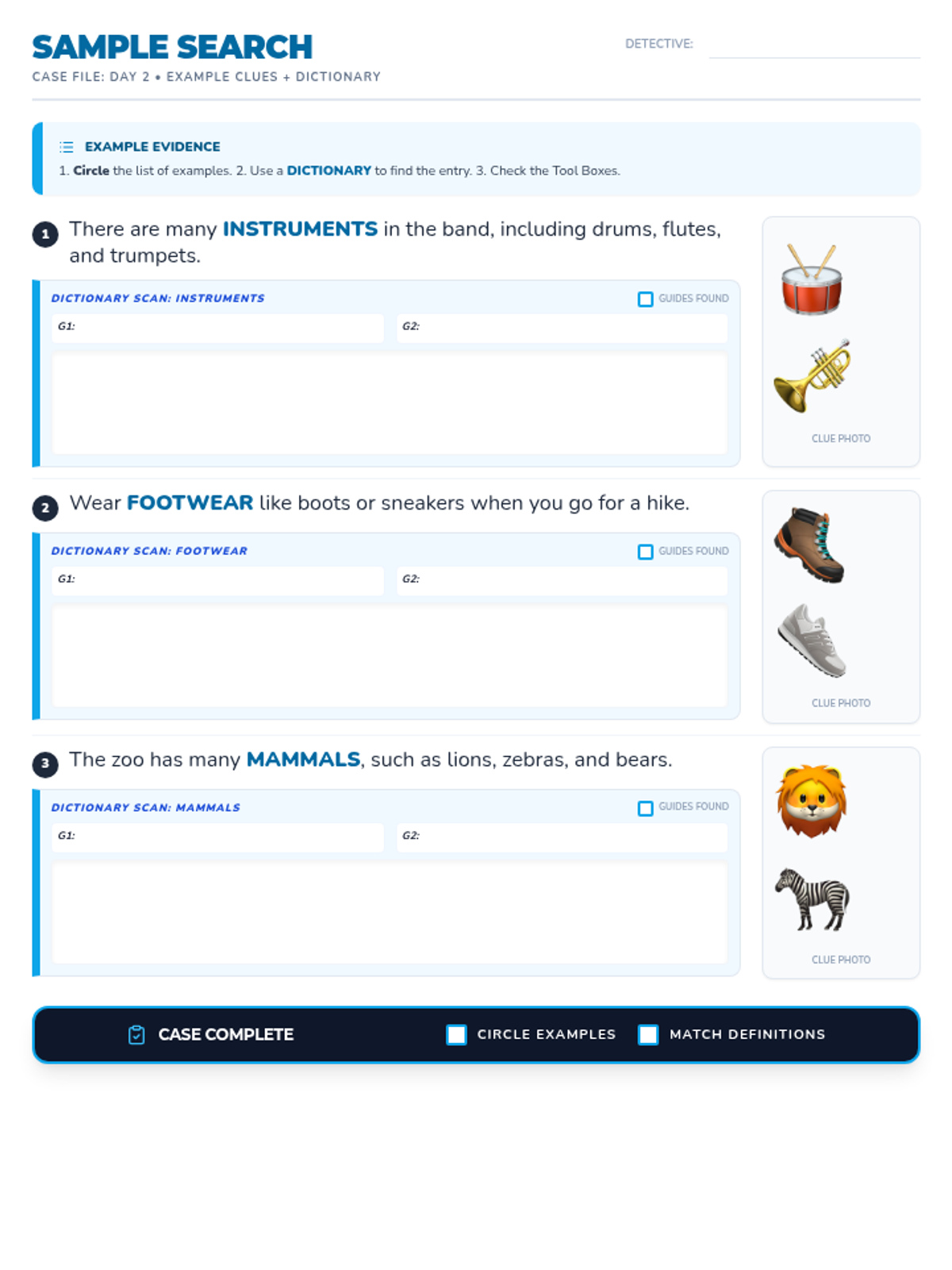
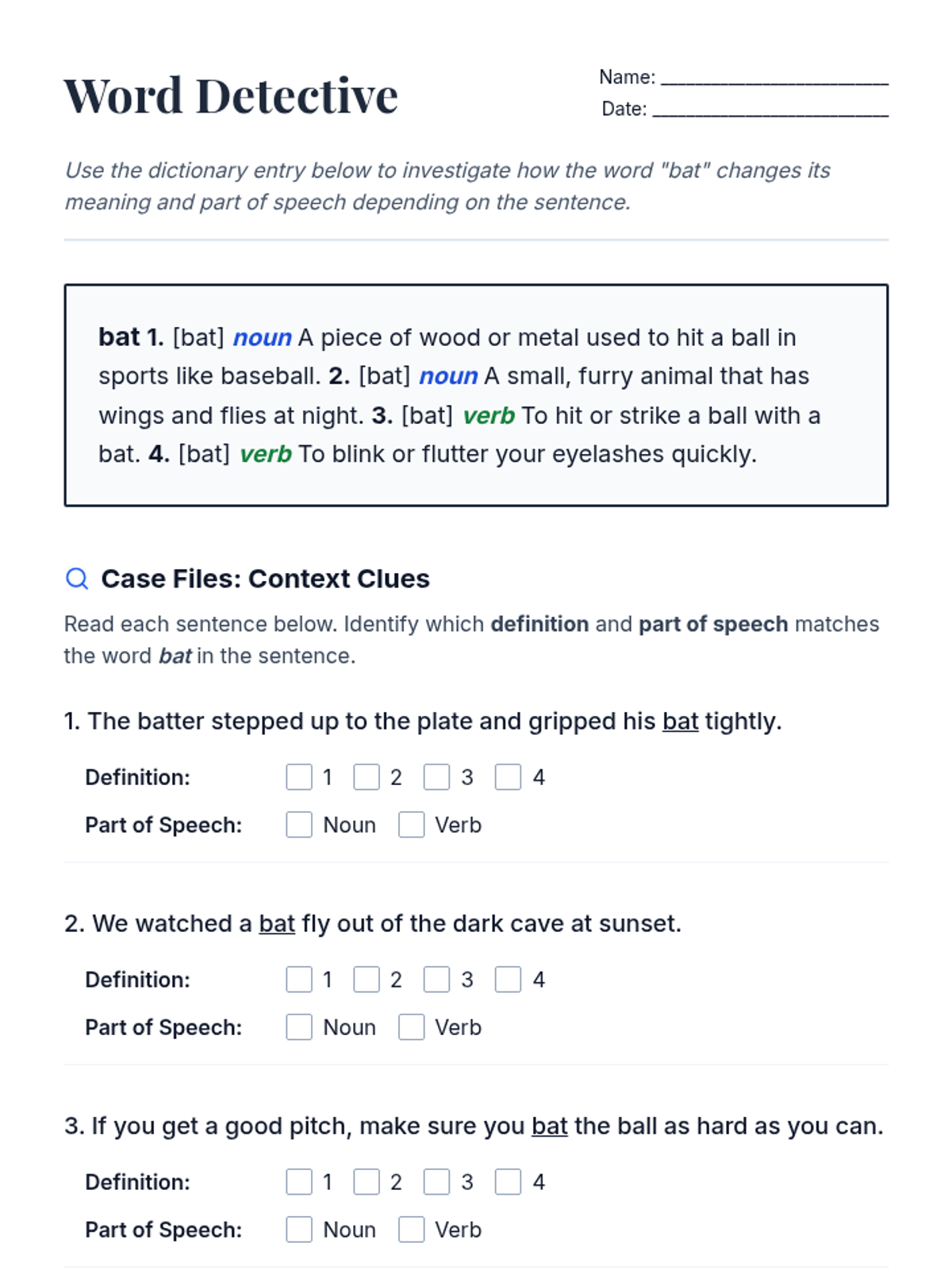
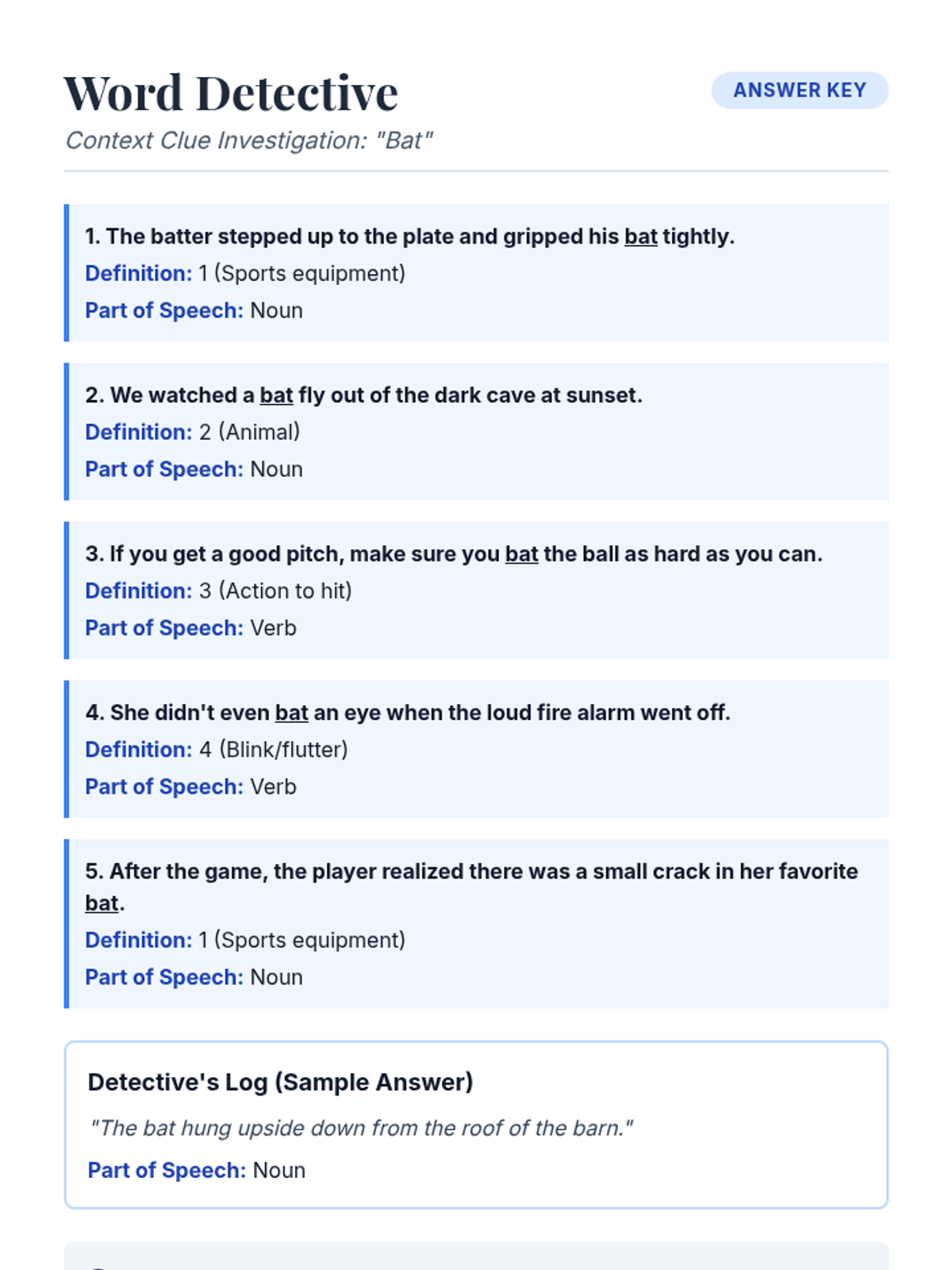
Focuses on the anatomy of a dictionary entry, specifically how to identify and choose between multiple definitions based on sentence context.
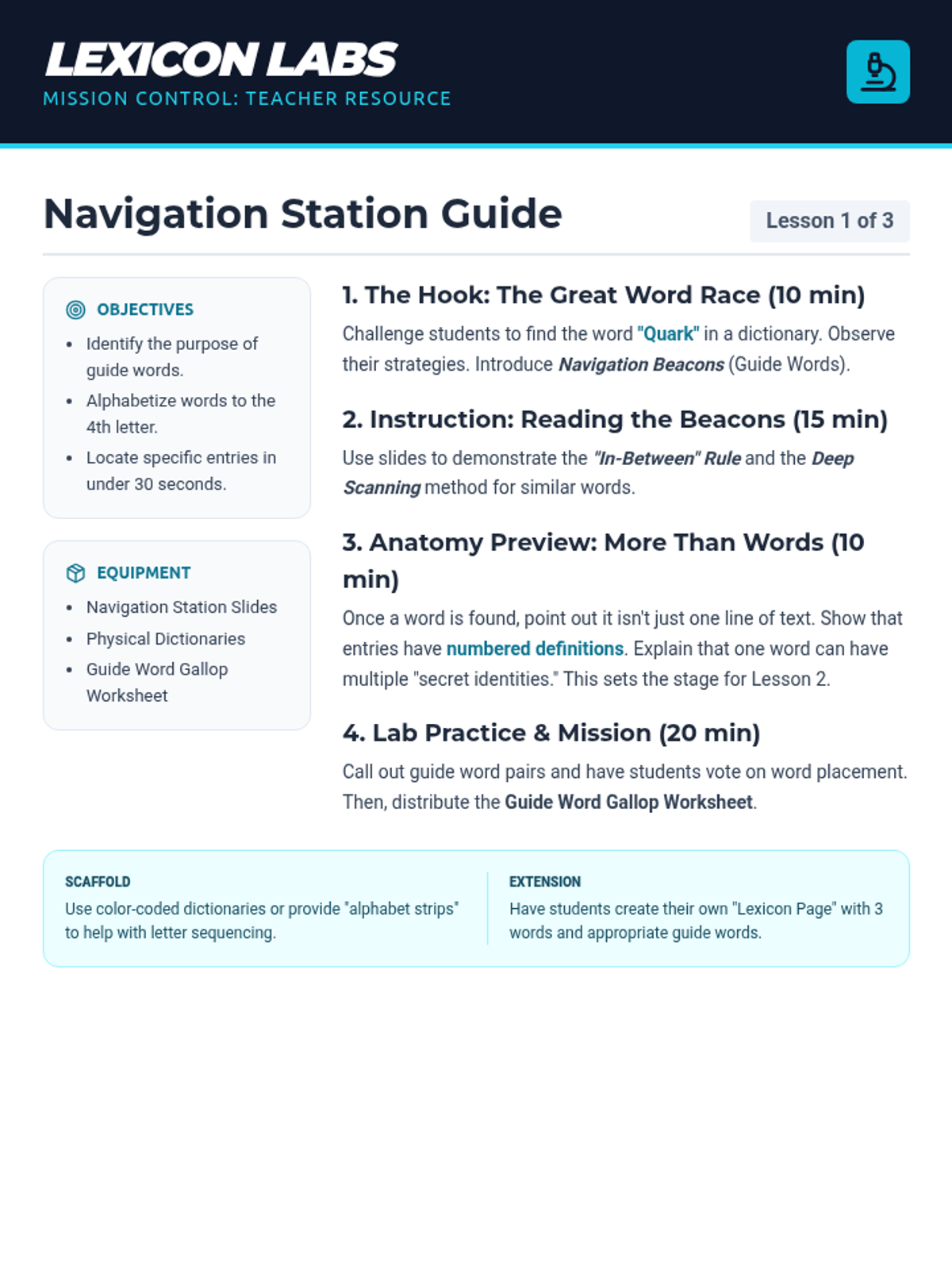
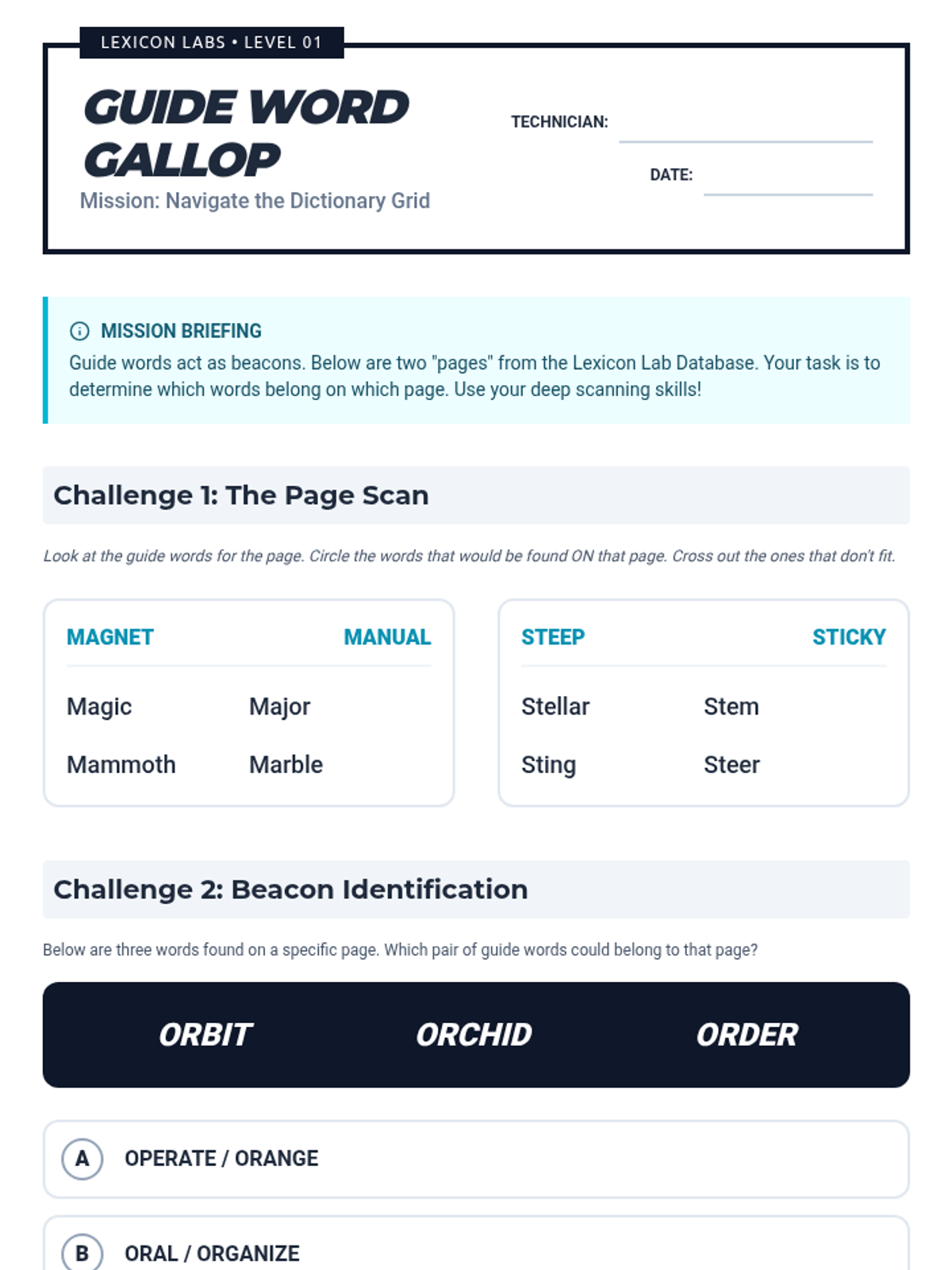
Introduction to the physical and digital structure of a dictionary, with a deep dive into using guide words for rapid word location.
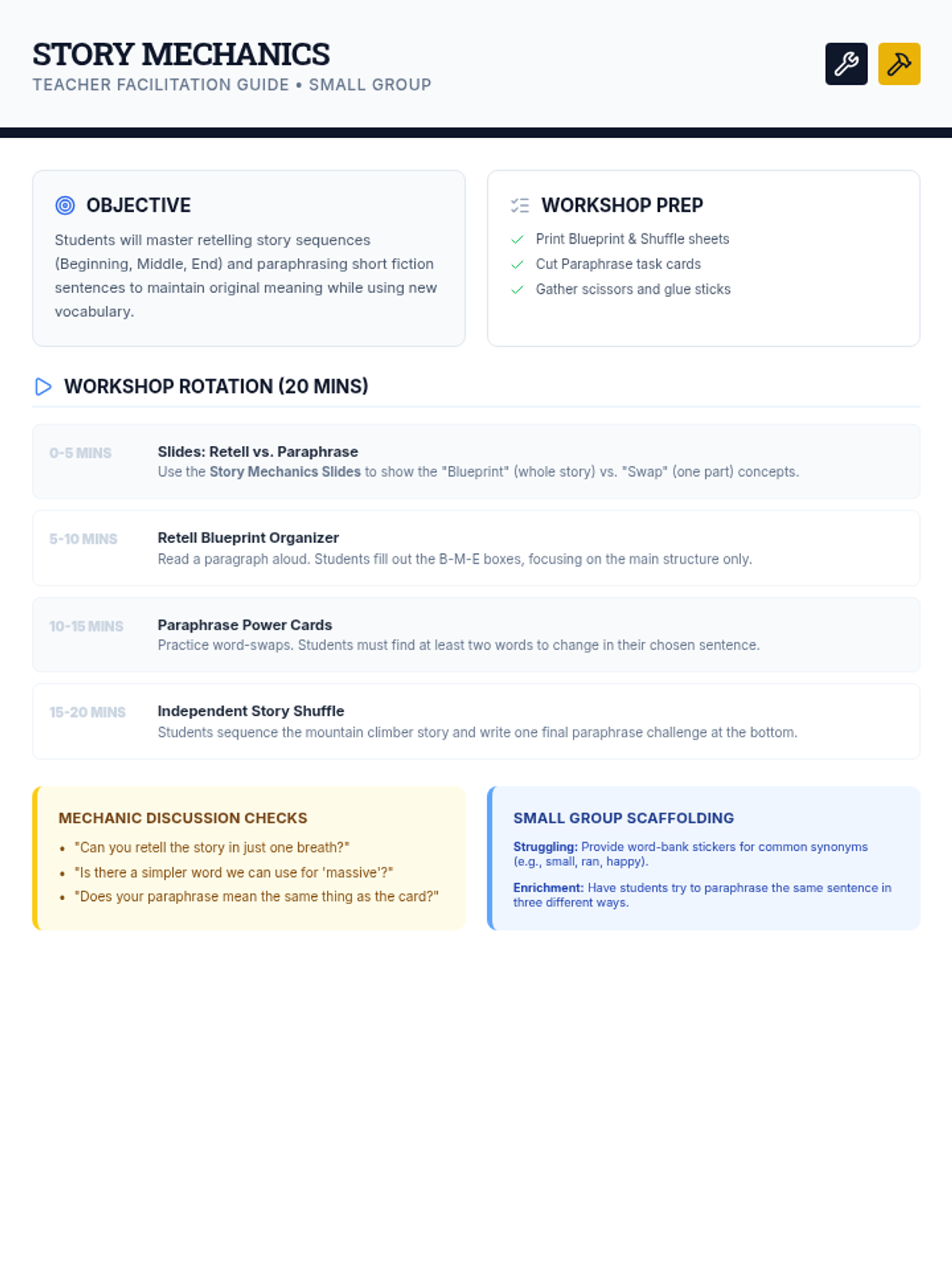
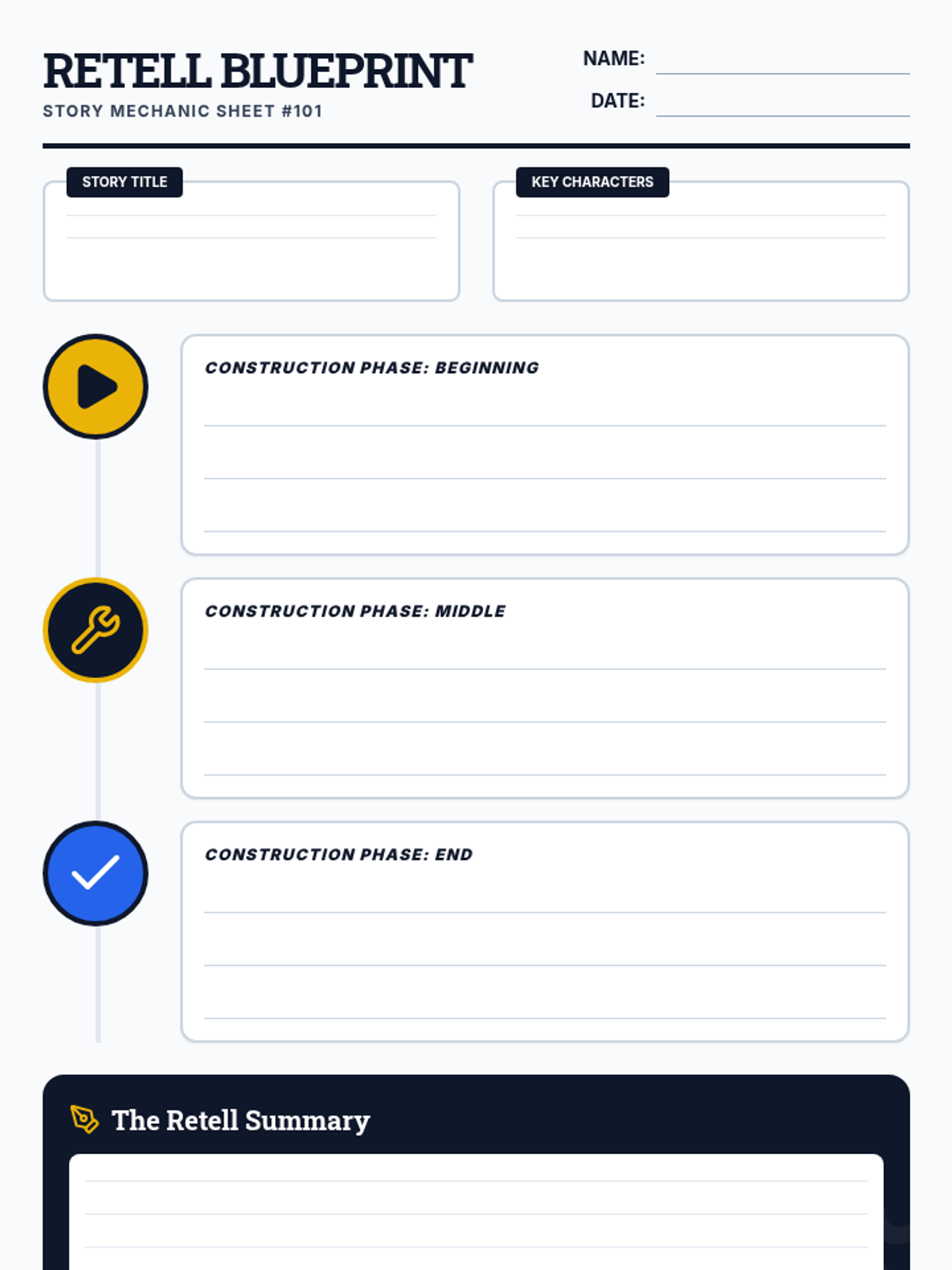
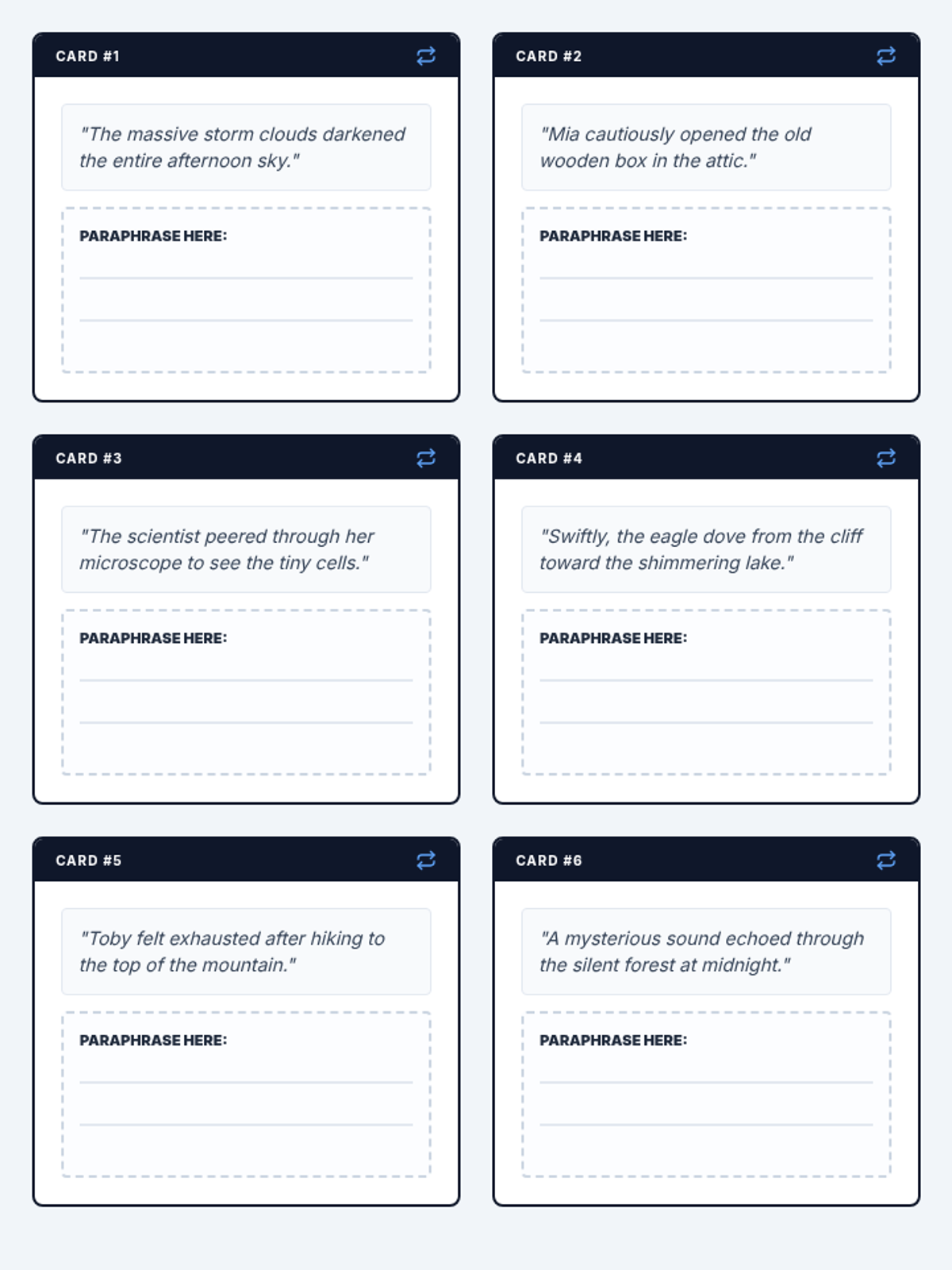
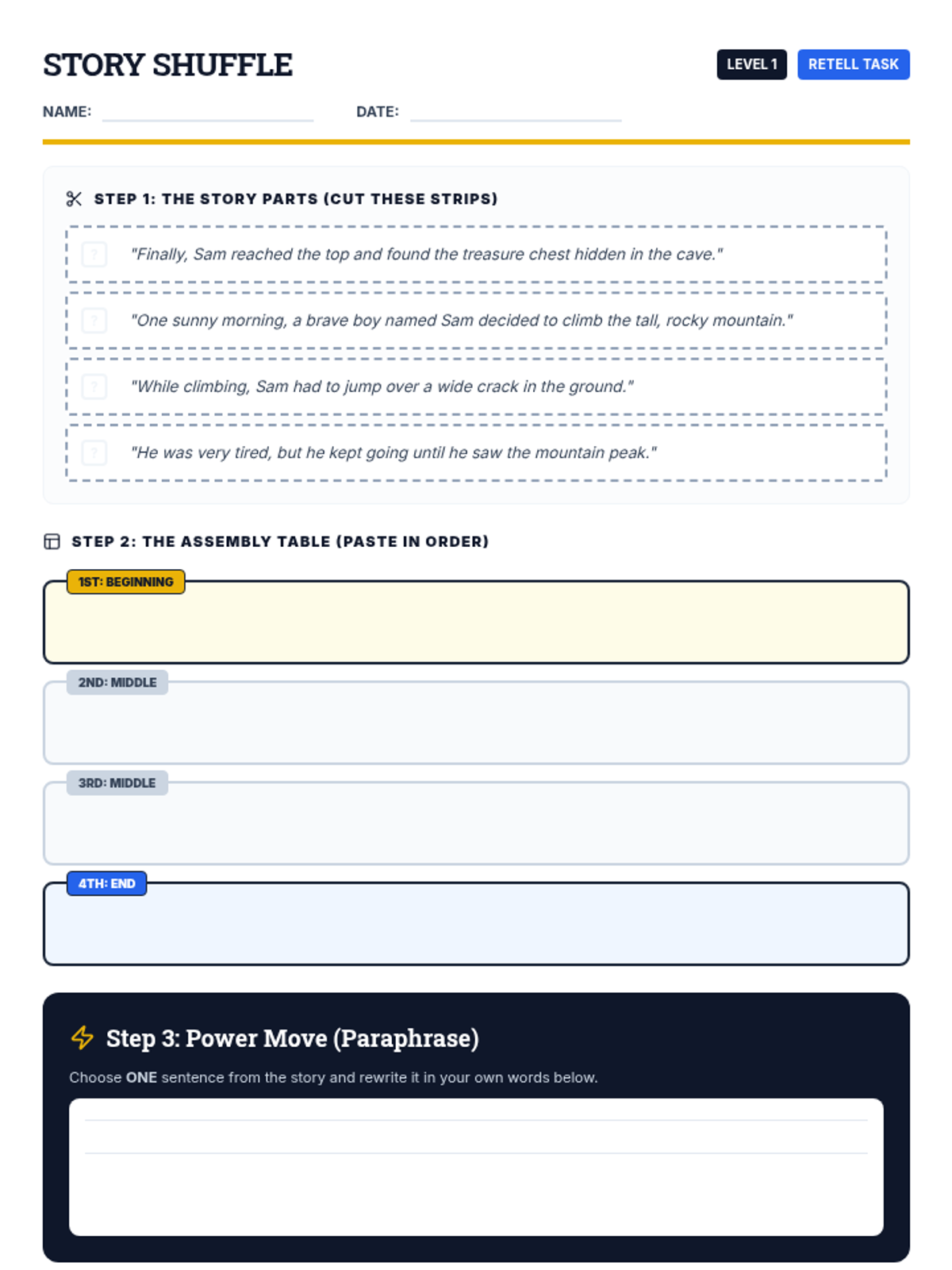
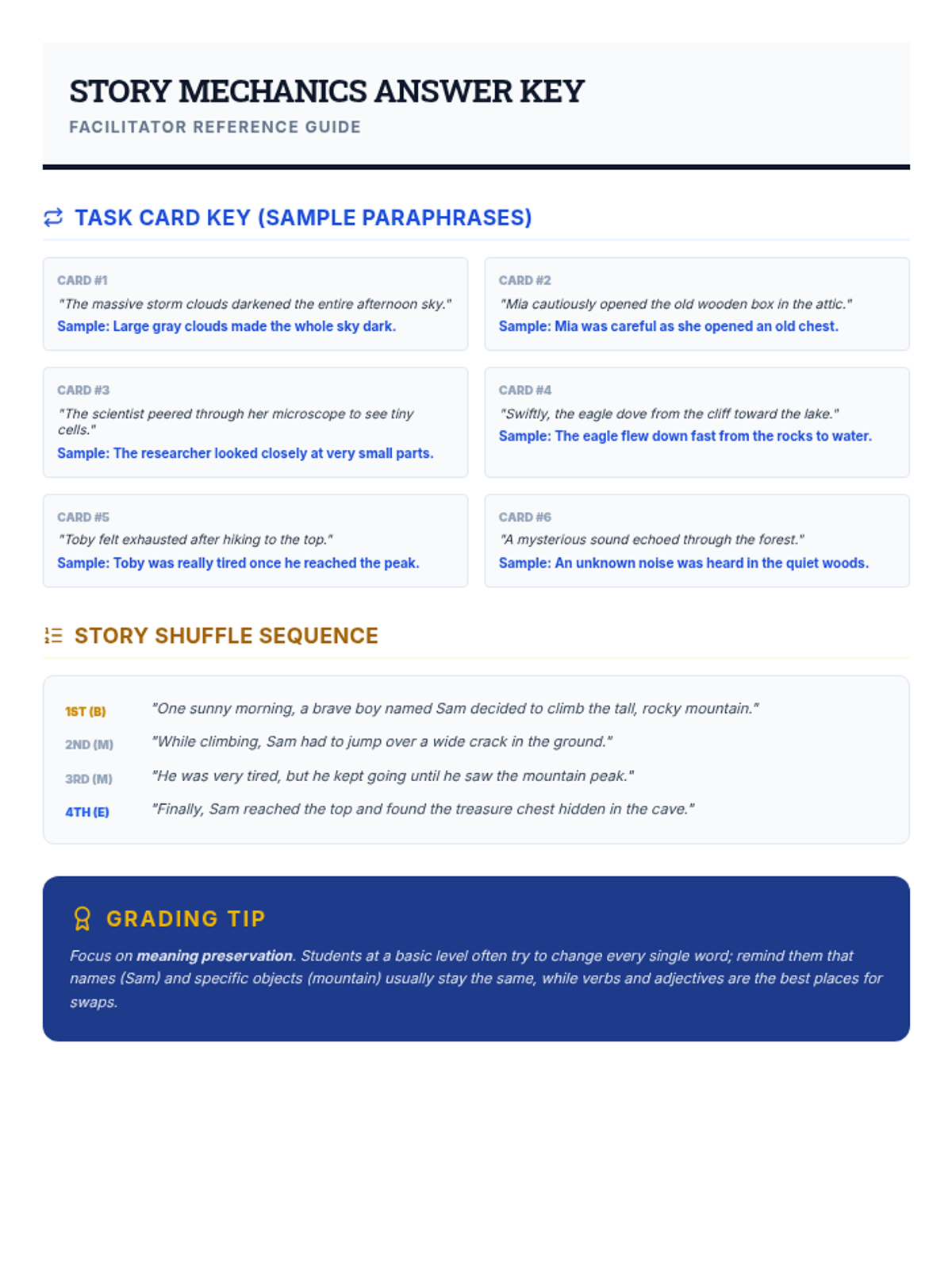
A comprehensive small-group lesson focused on the foundational skills of retelling and paraphrasing using short fiction. Students use blueprint-themed tools to identify story structure and practice restating ideas in their own words.
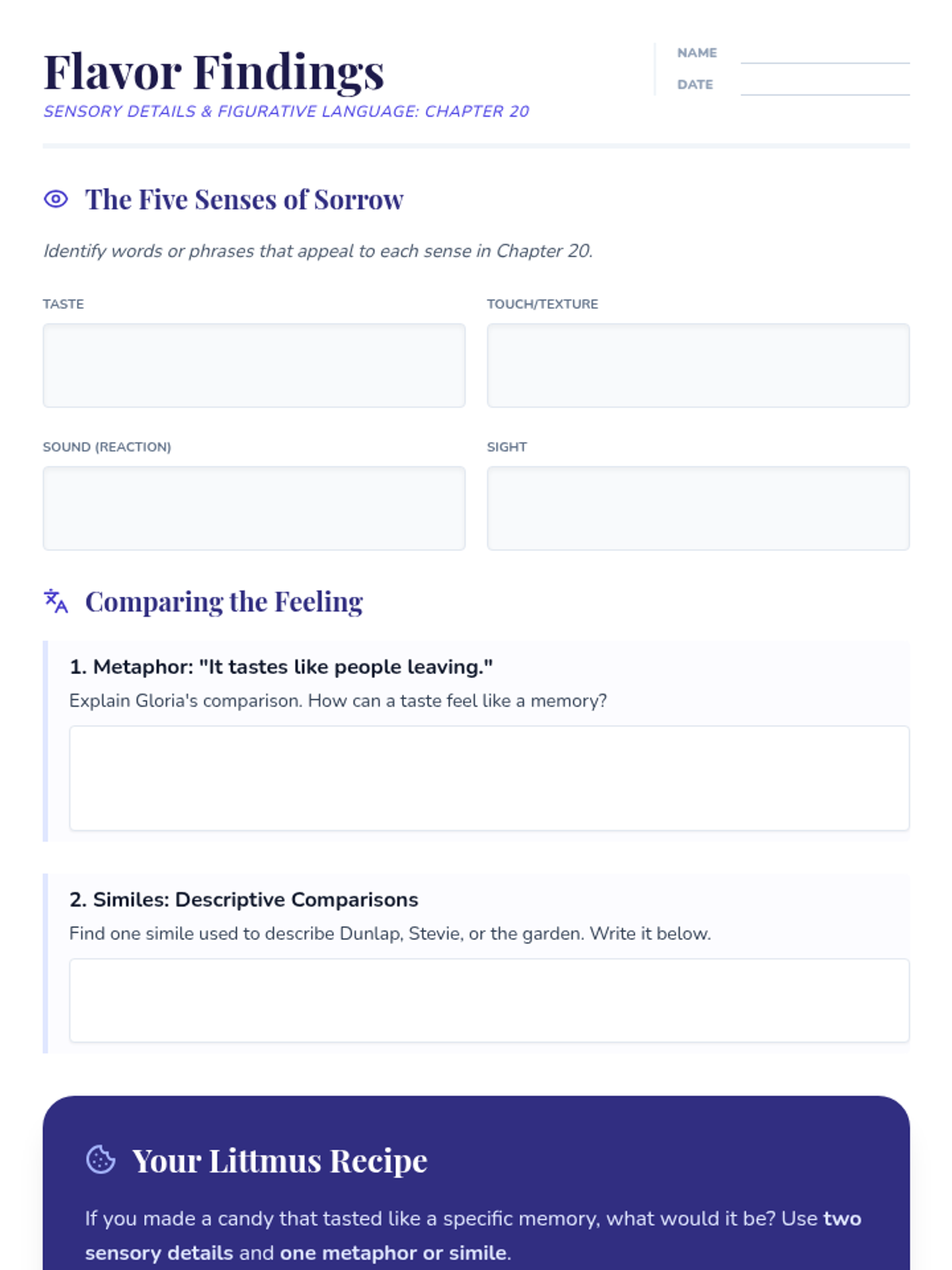
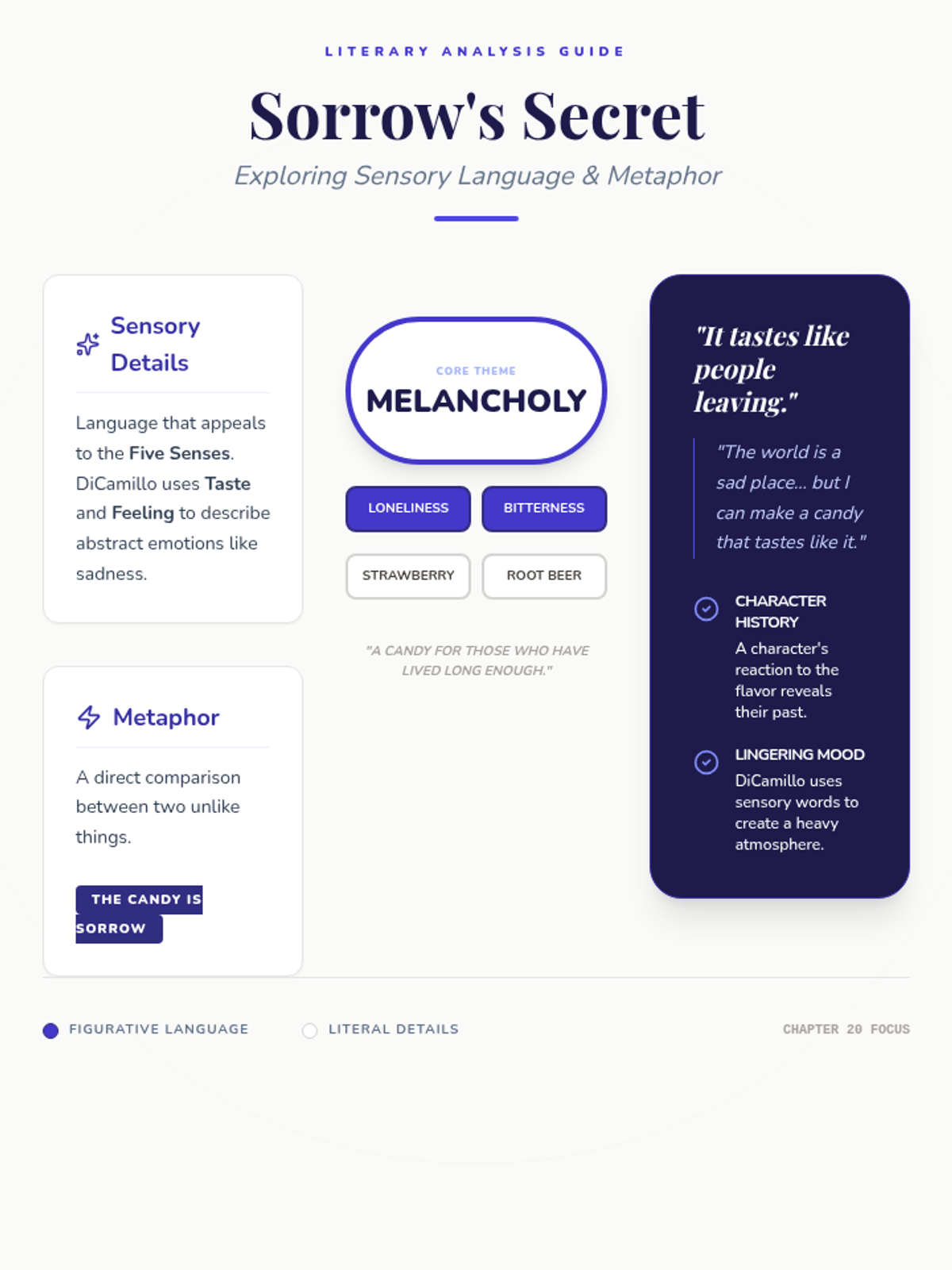
A lesson exploring the sensory language and figurative descriptions used in Chapter 20 to describe the unique flavor of sorrow.
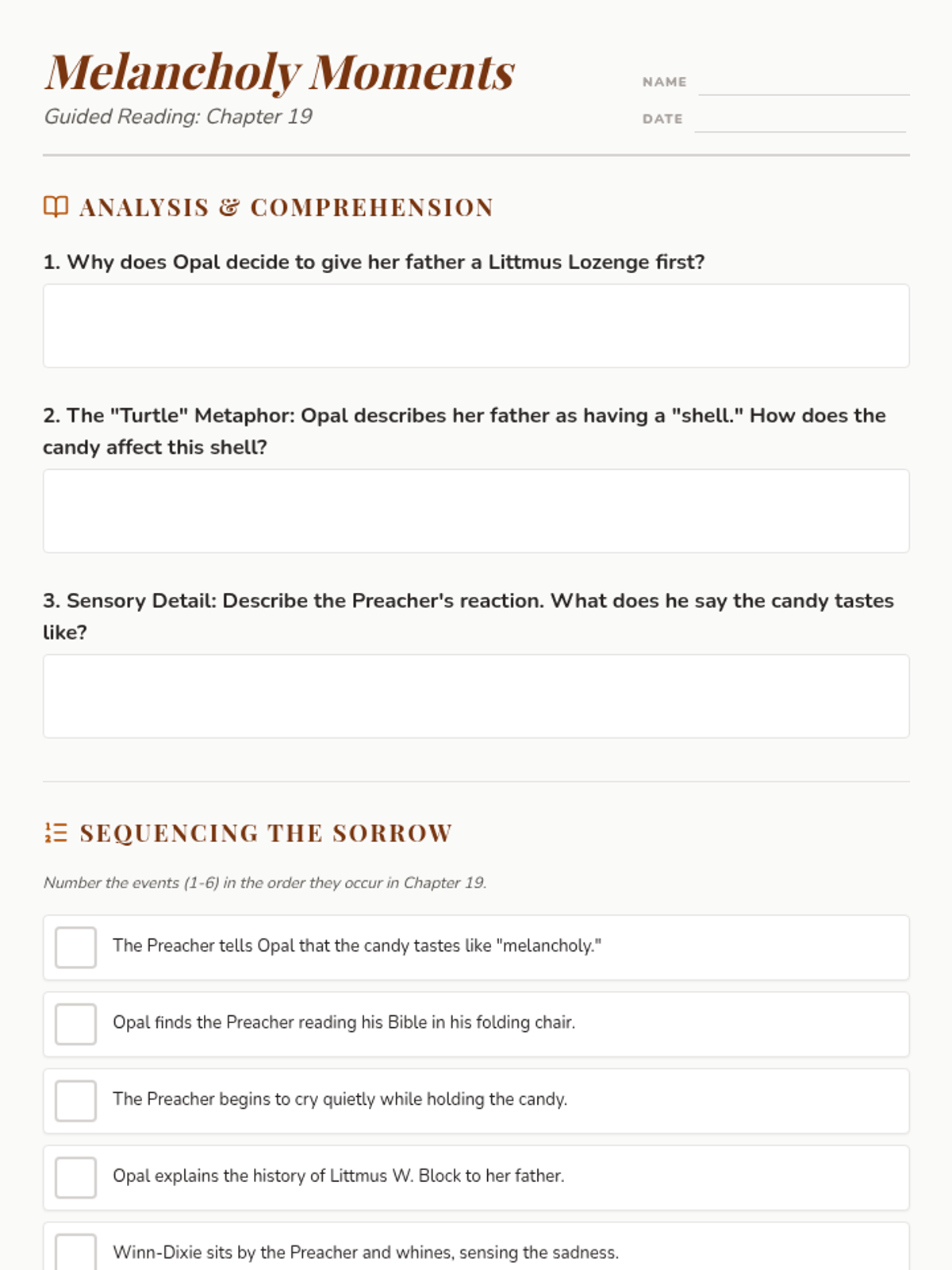
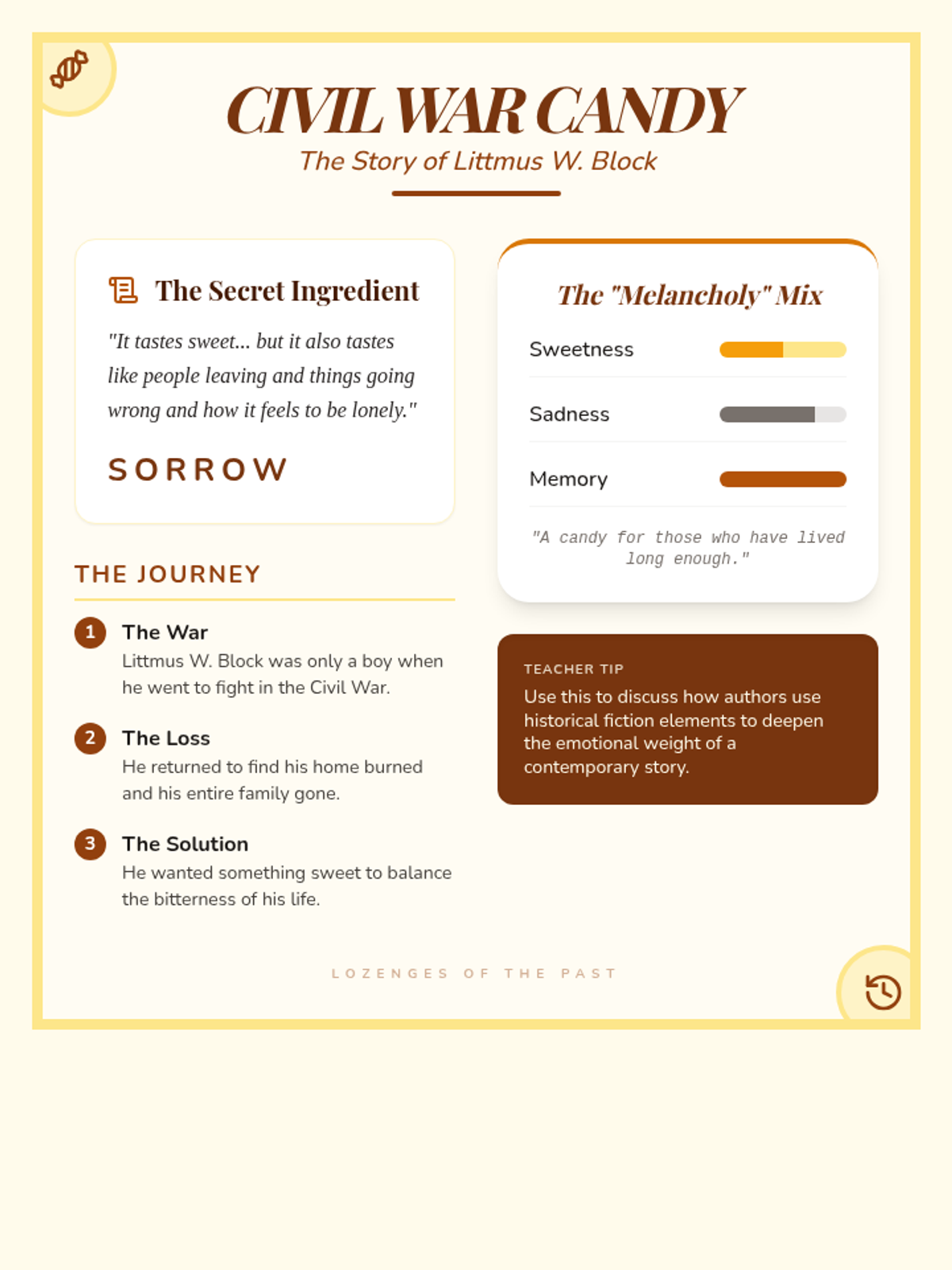
A lesson focused on the sequencing of events in Chapter 19 and deep comprehension of the Preacher's emotional reaction to the Littmus Lozenge.
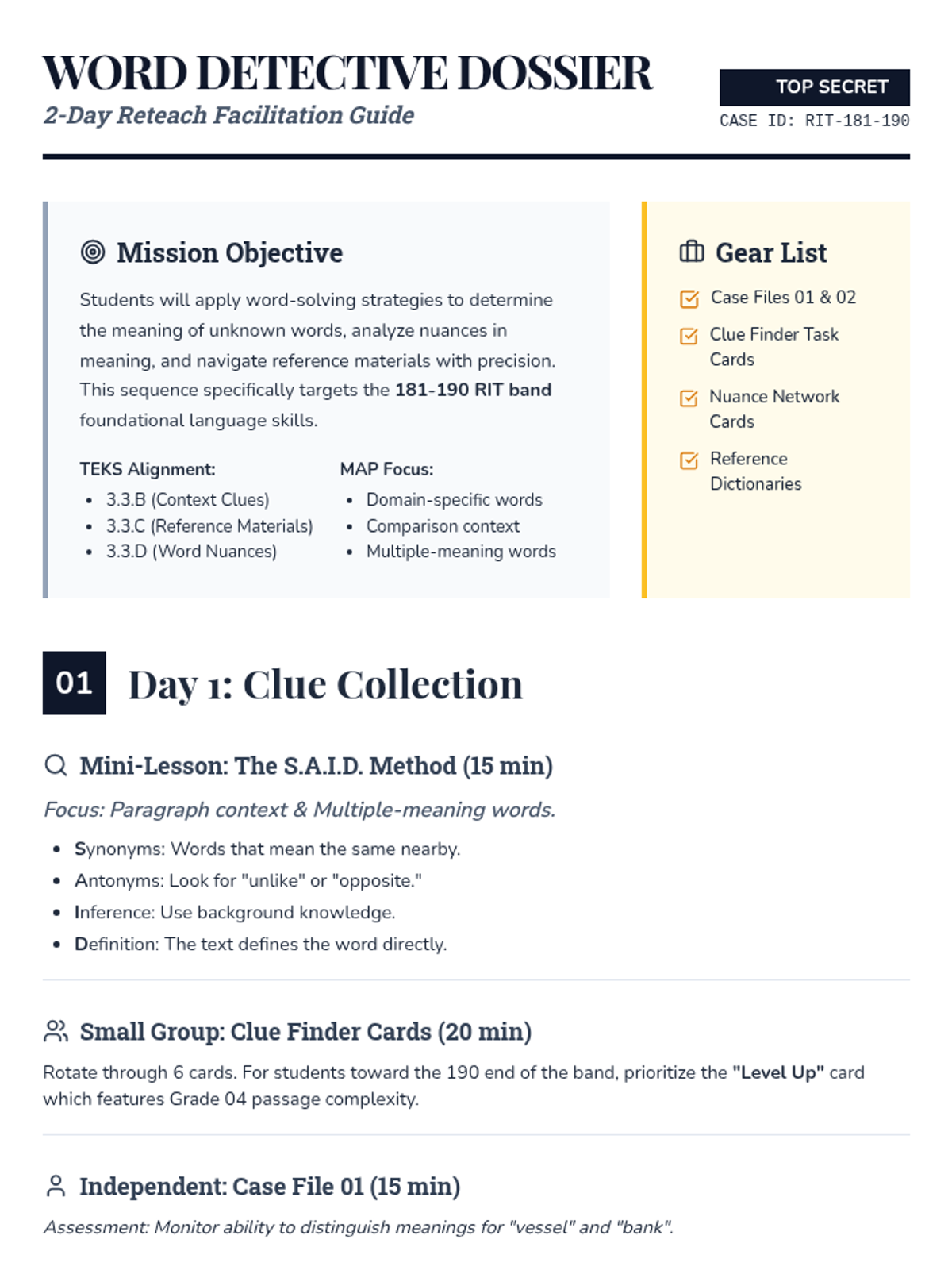
Focuses on TEKS 3.3.C and 3.3.D, targeting word nuances, synonyms, and the effective use of reference materials to determine precise meanings.
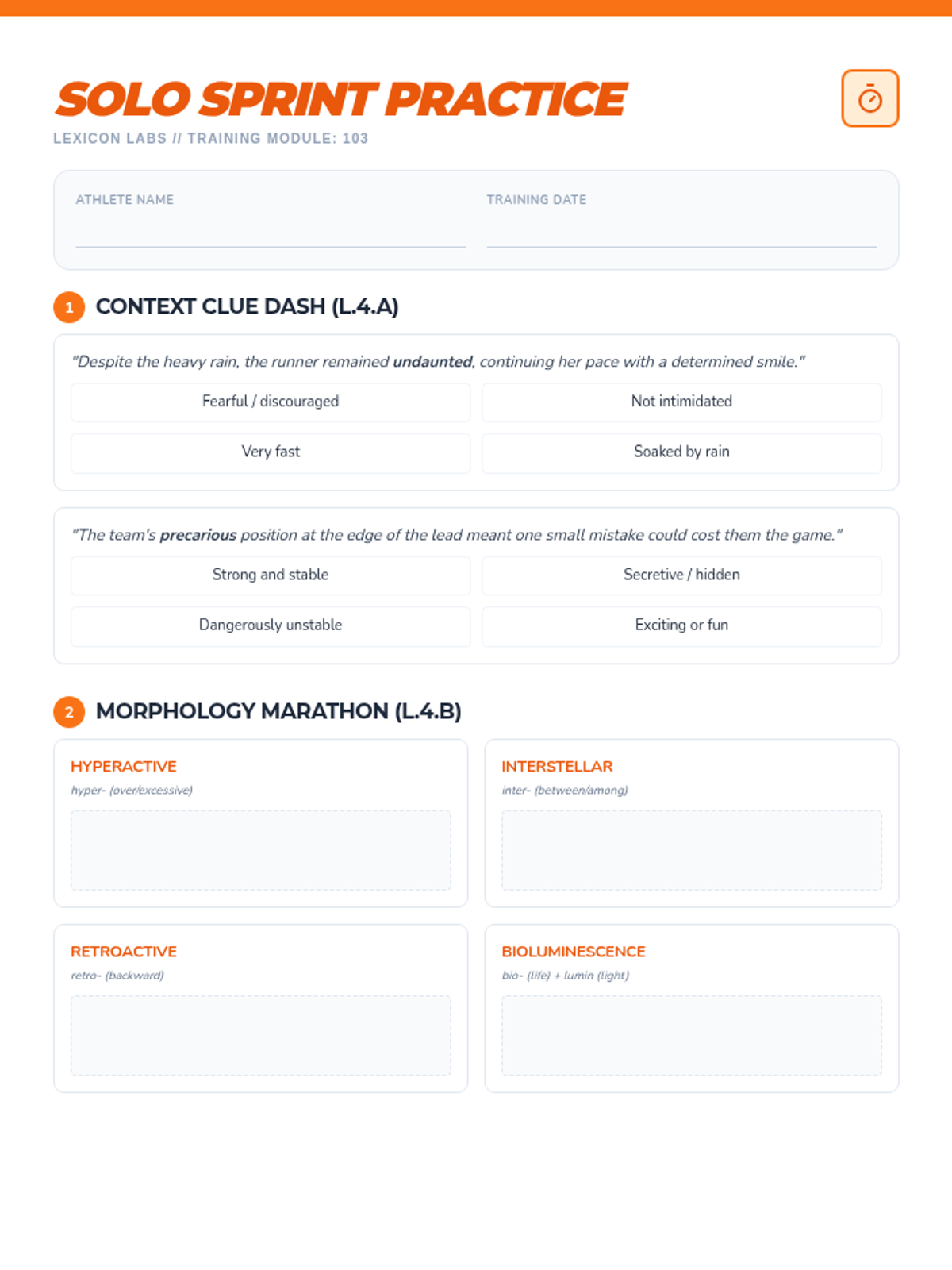
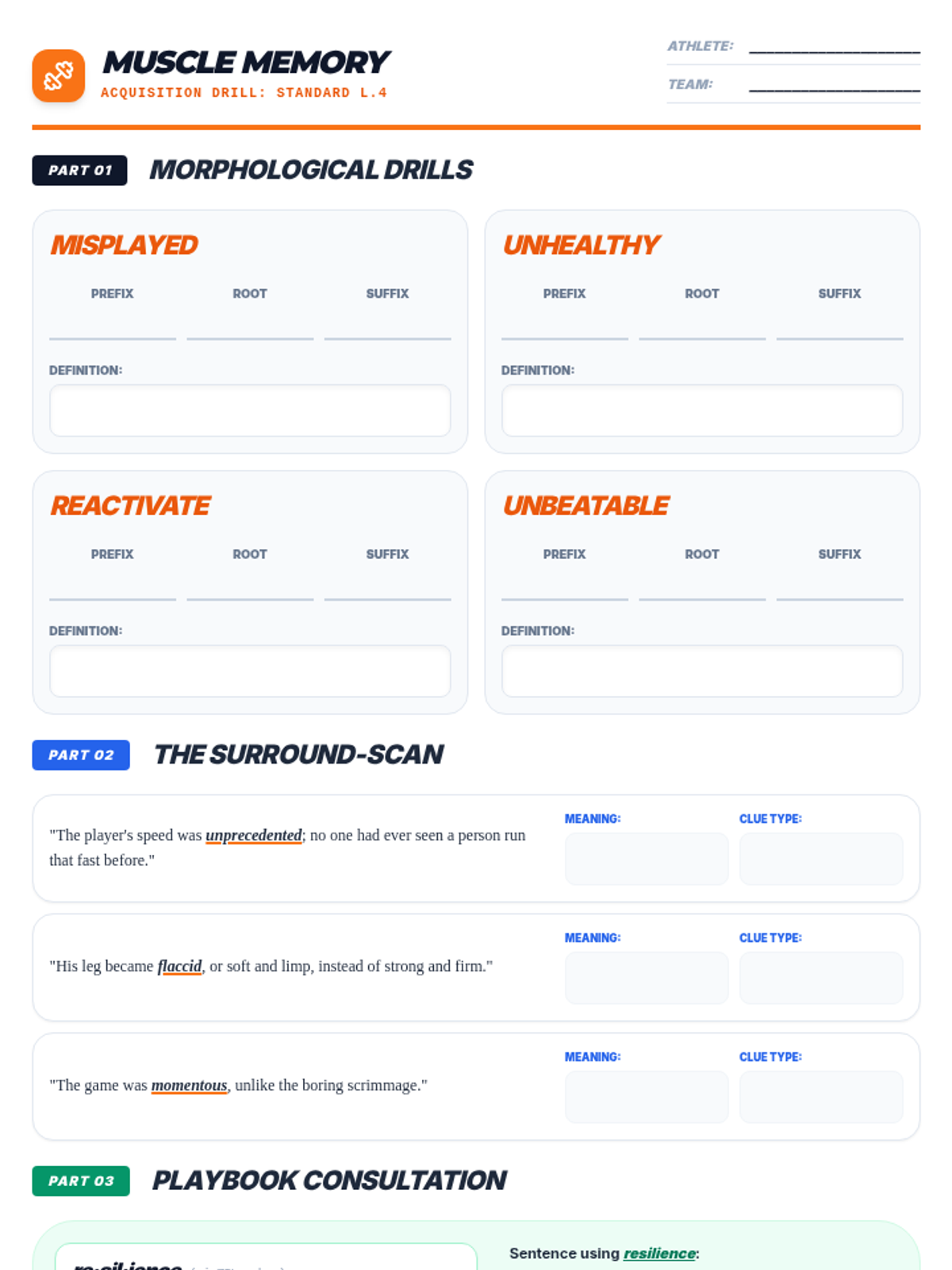
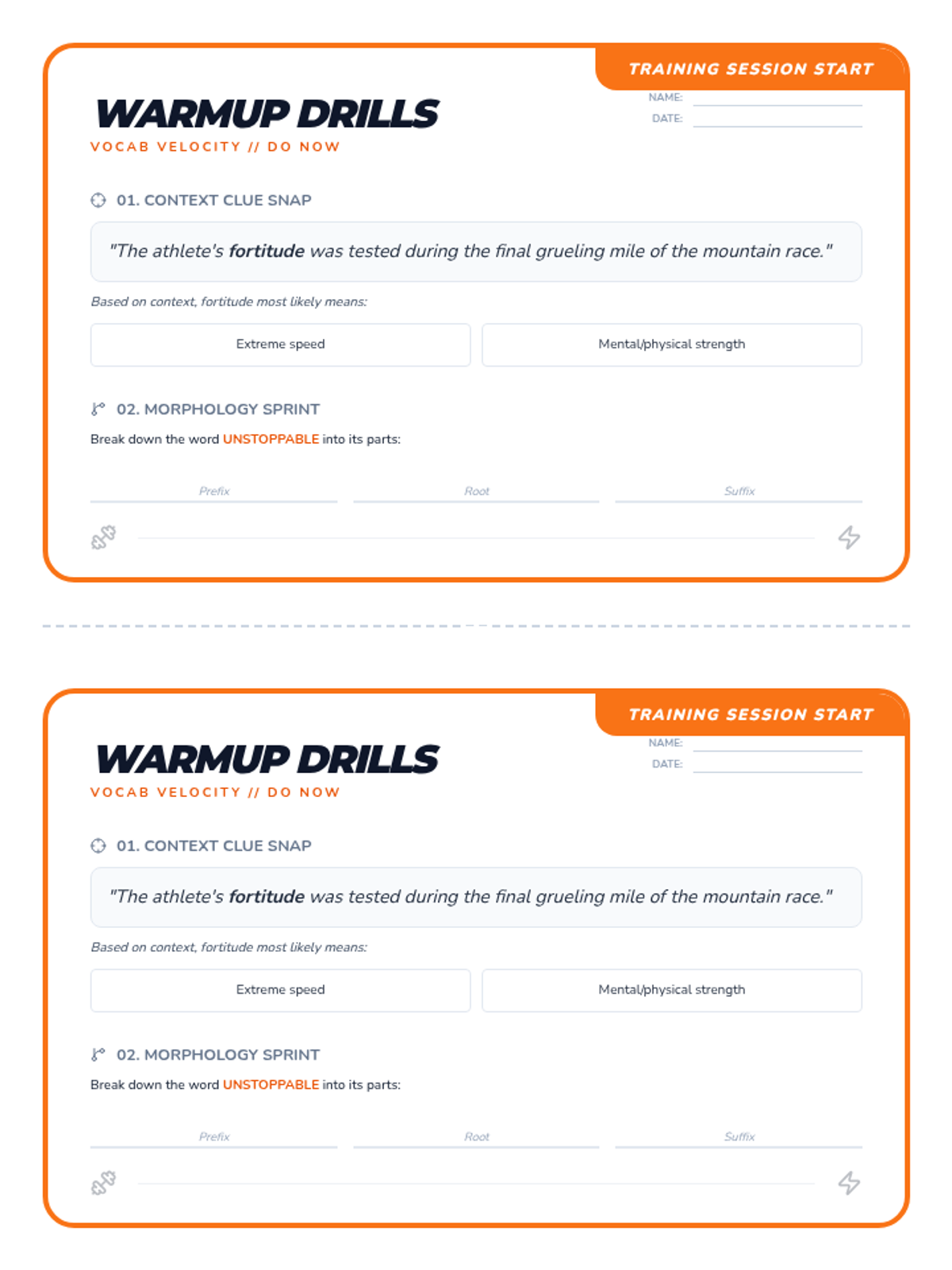
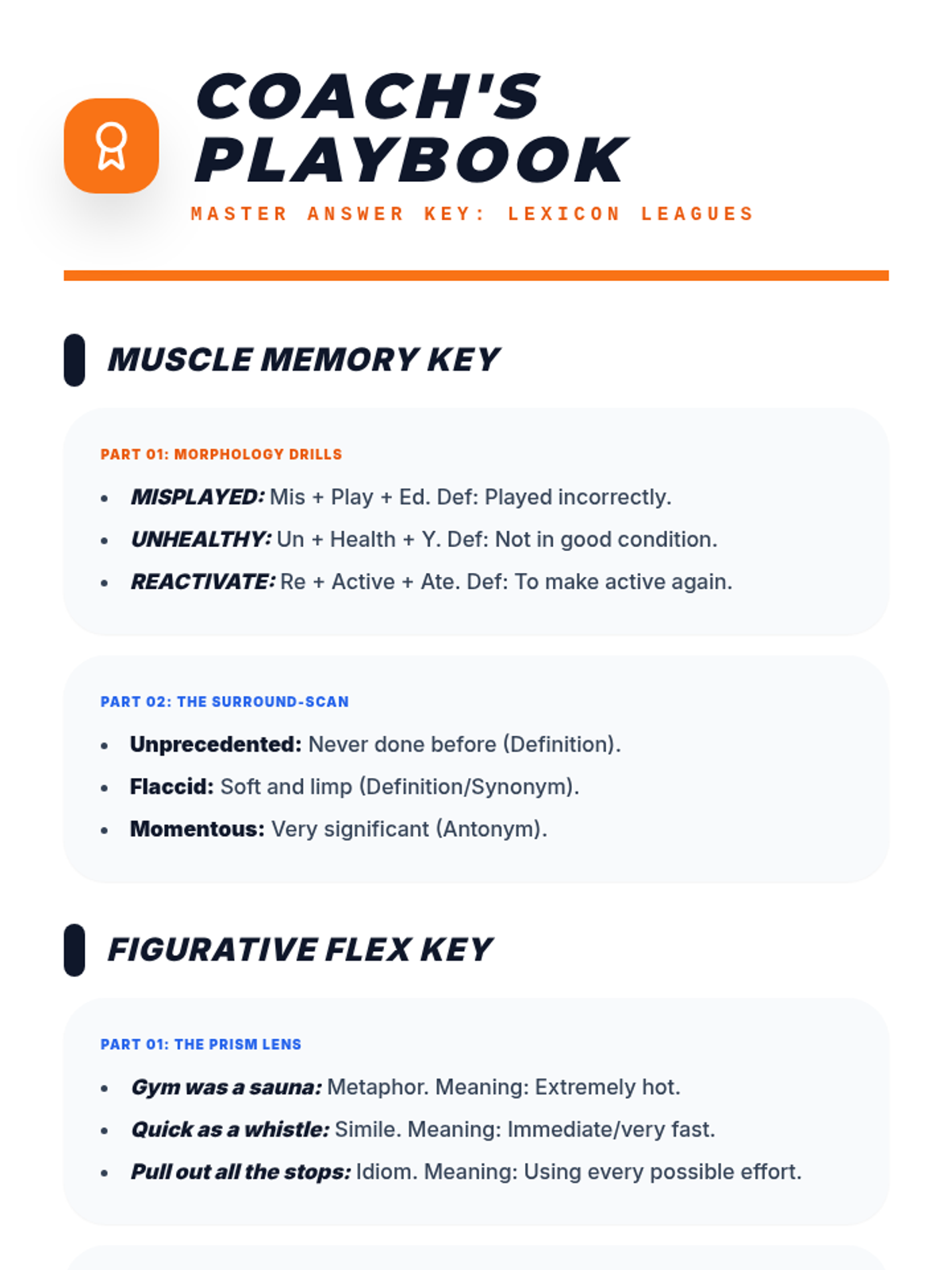
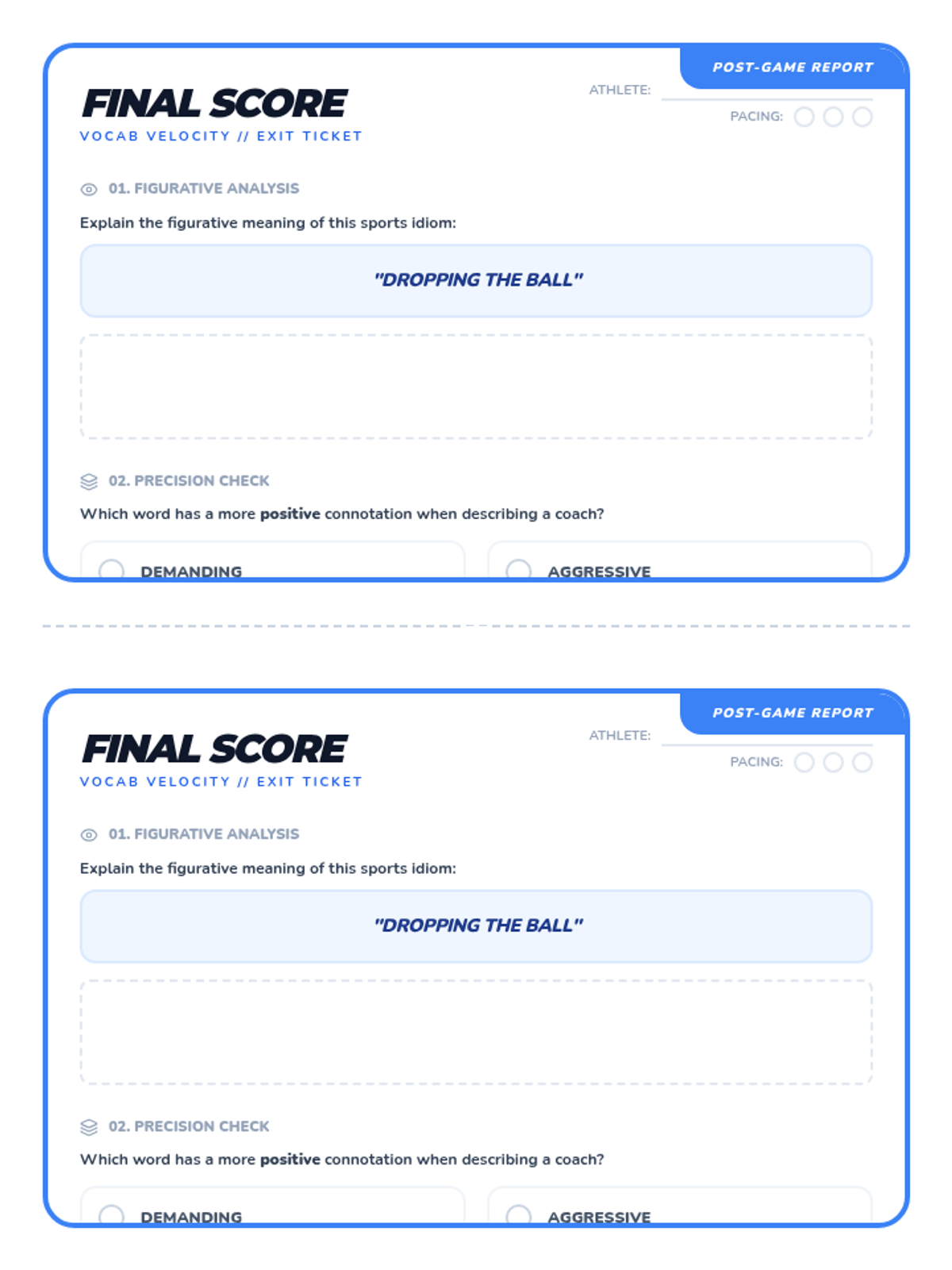
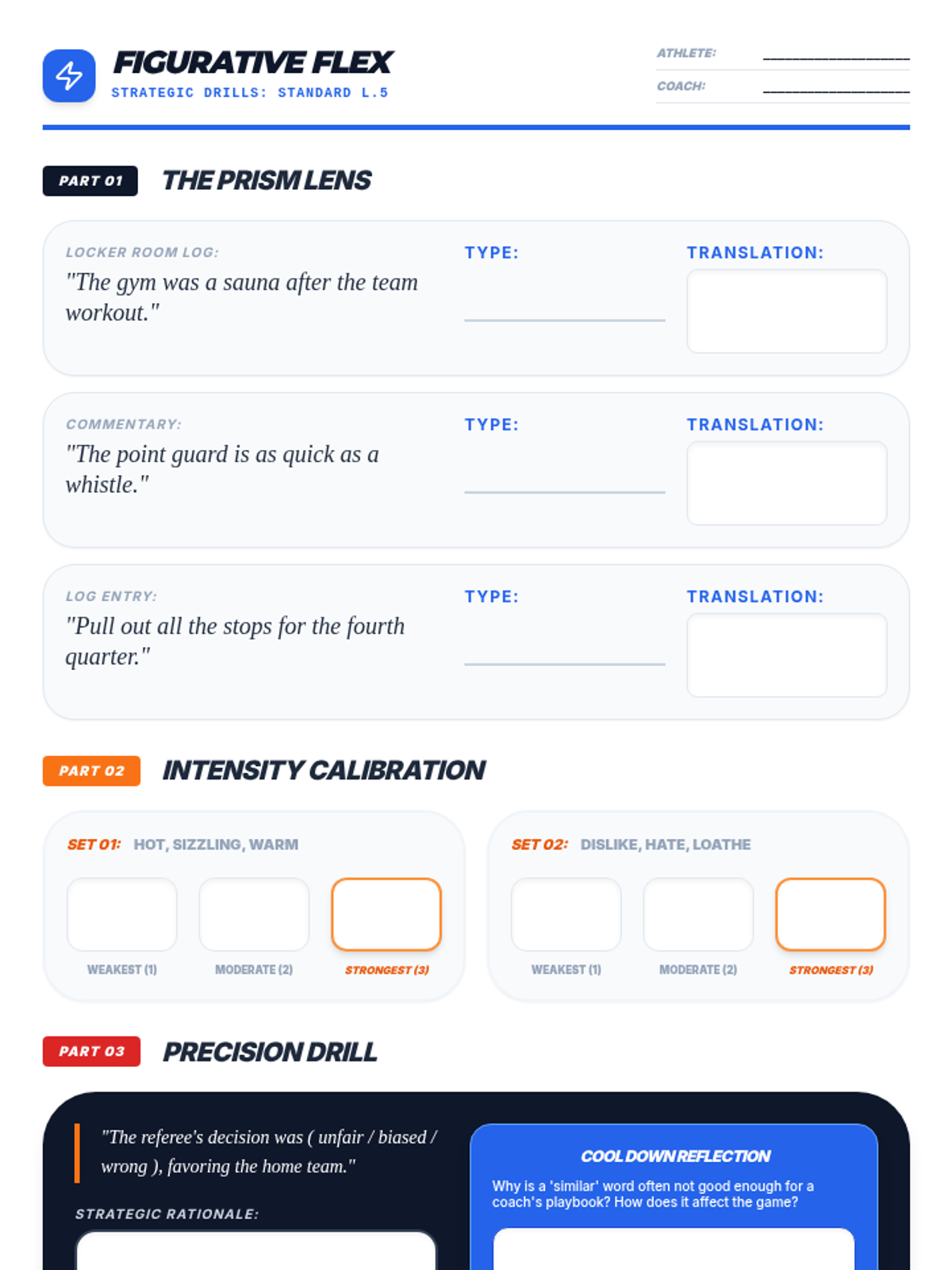
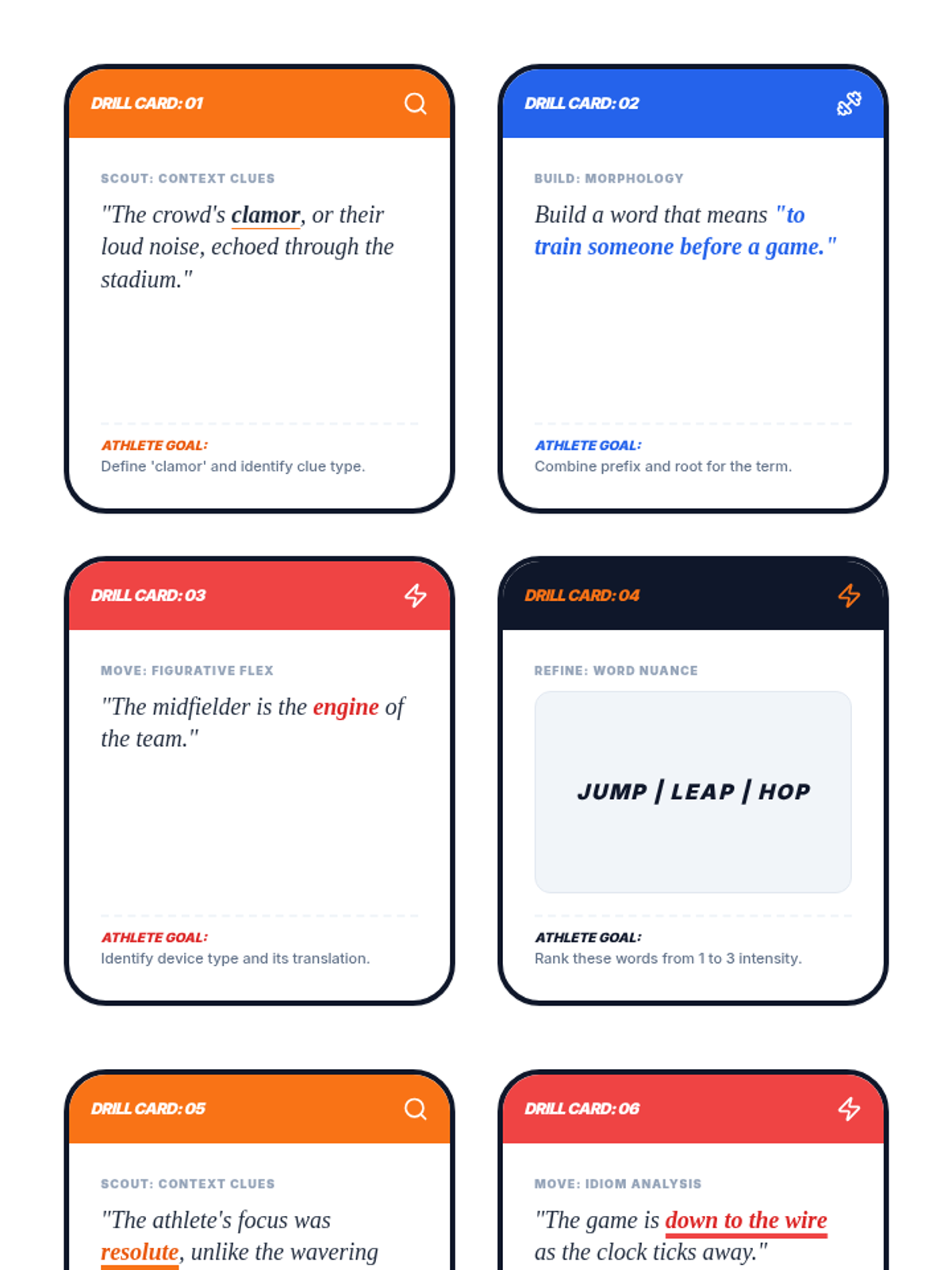
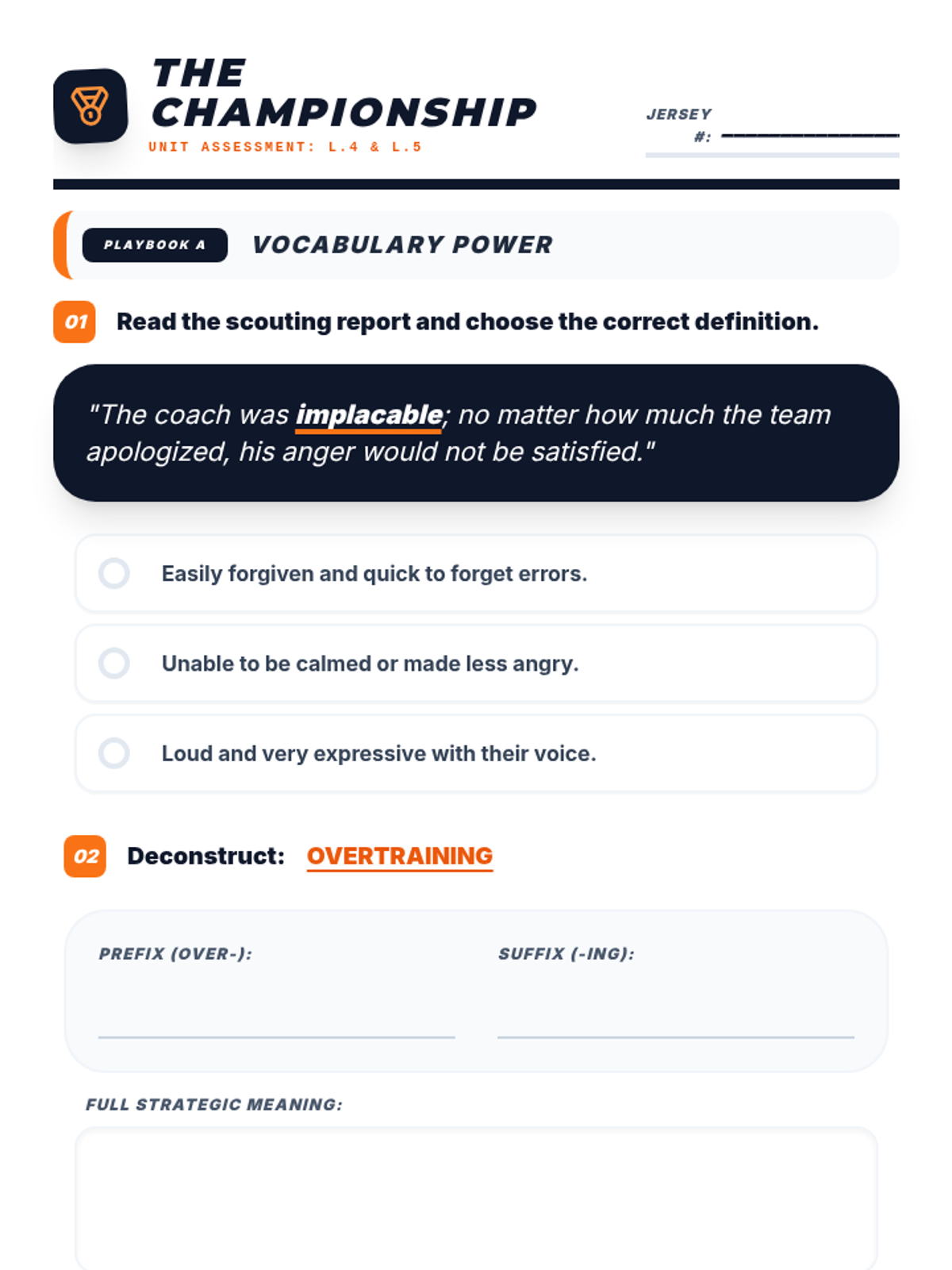
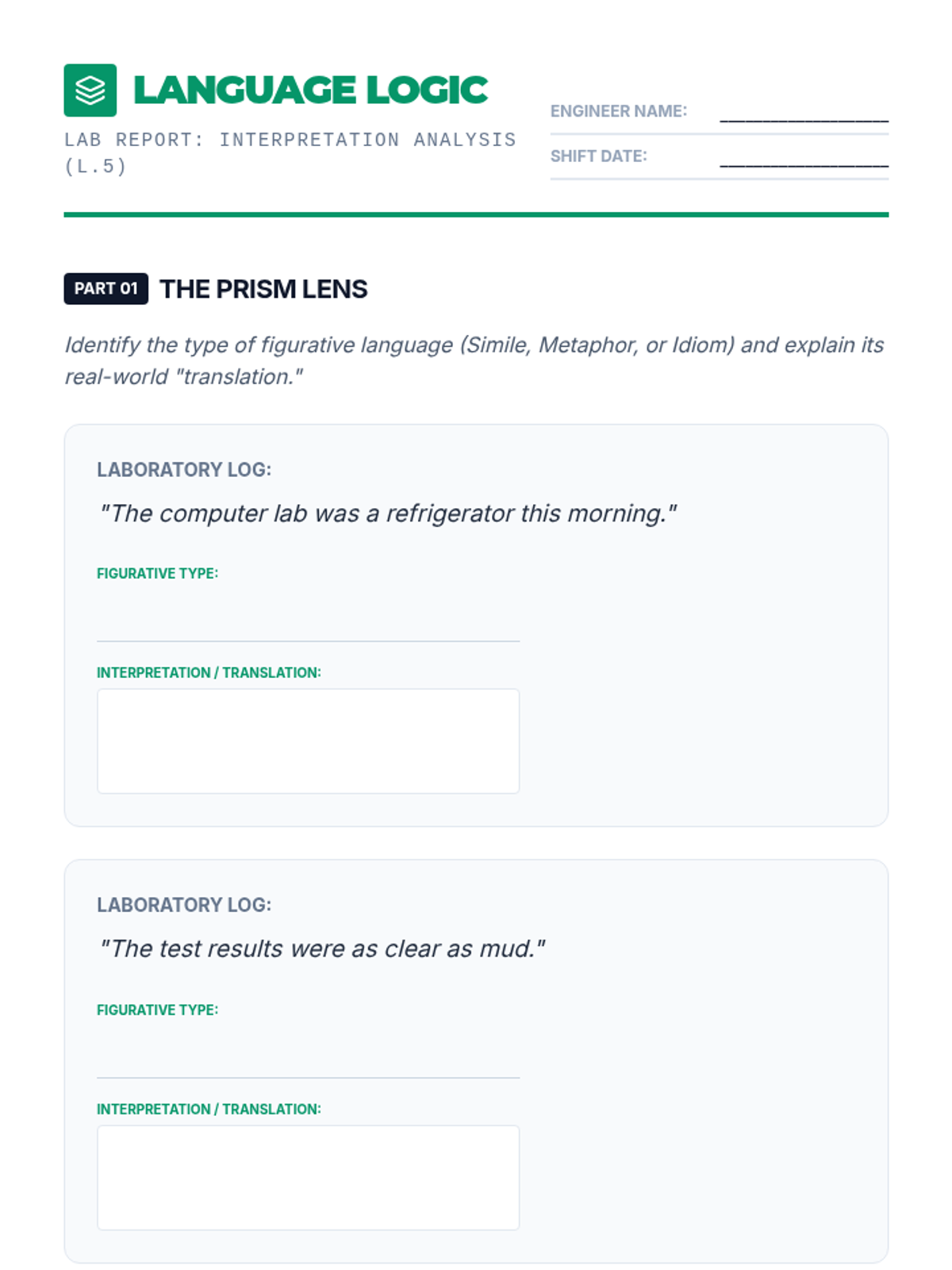
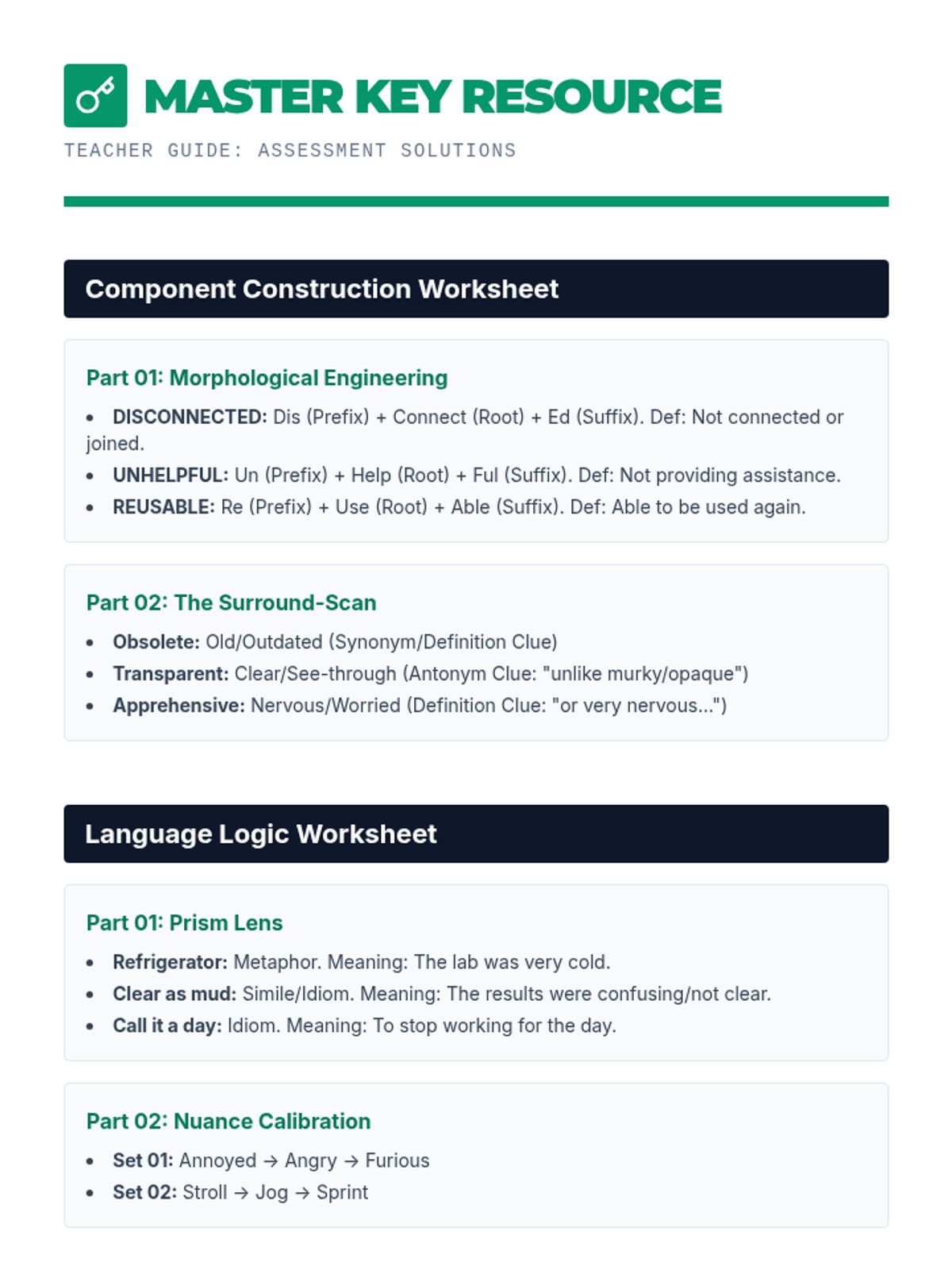
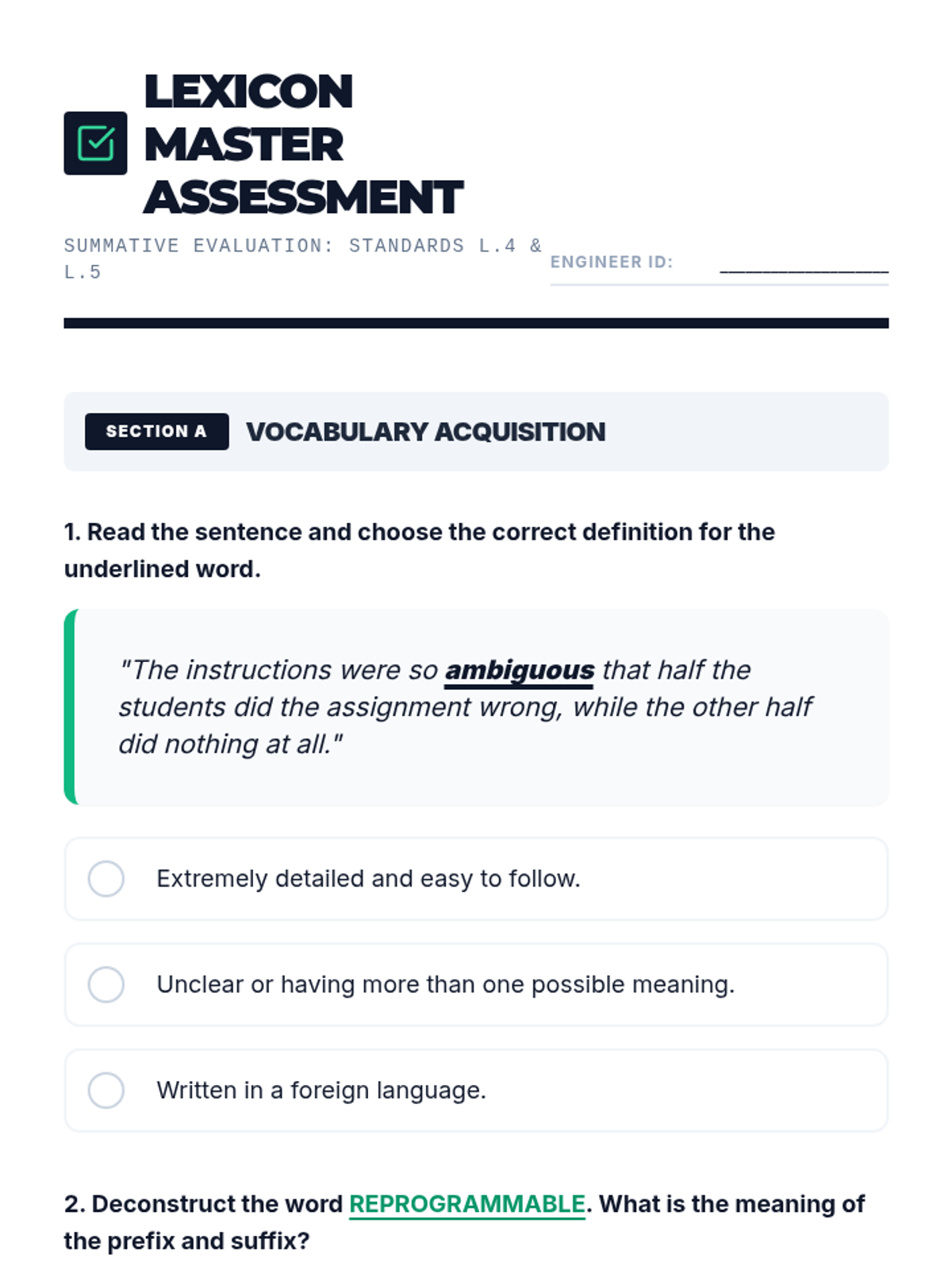
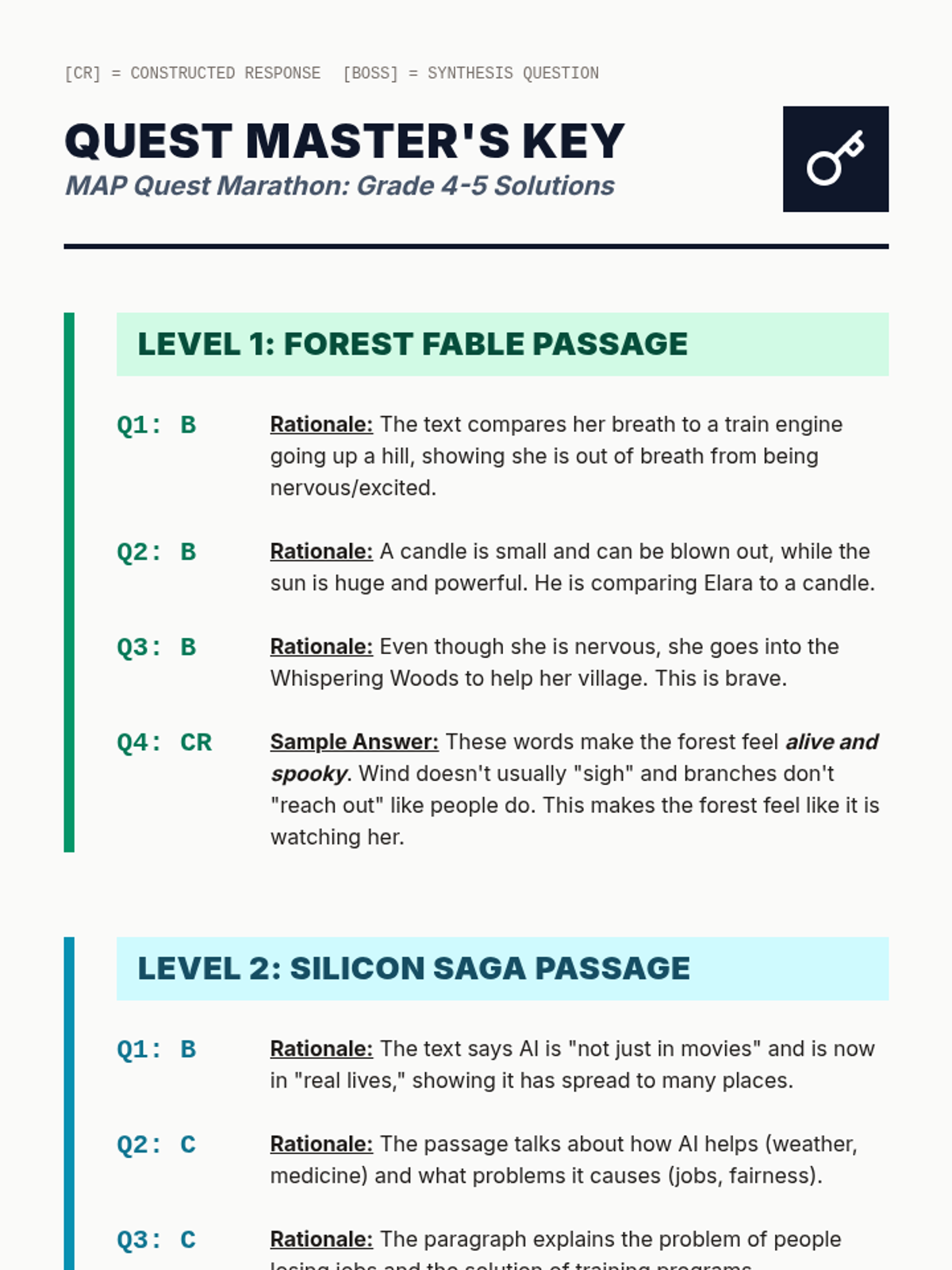
Instructional materials for vocabulary acquisition (L.4) and figurative language mastery (L.5). Students complete a 'training camp' sequence including drills, circuit training, and a final championship assessment.
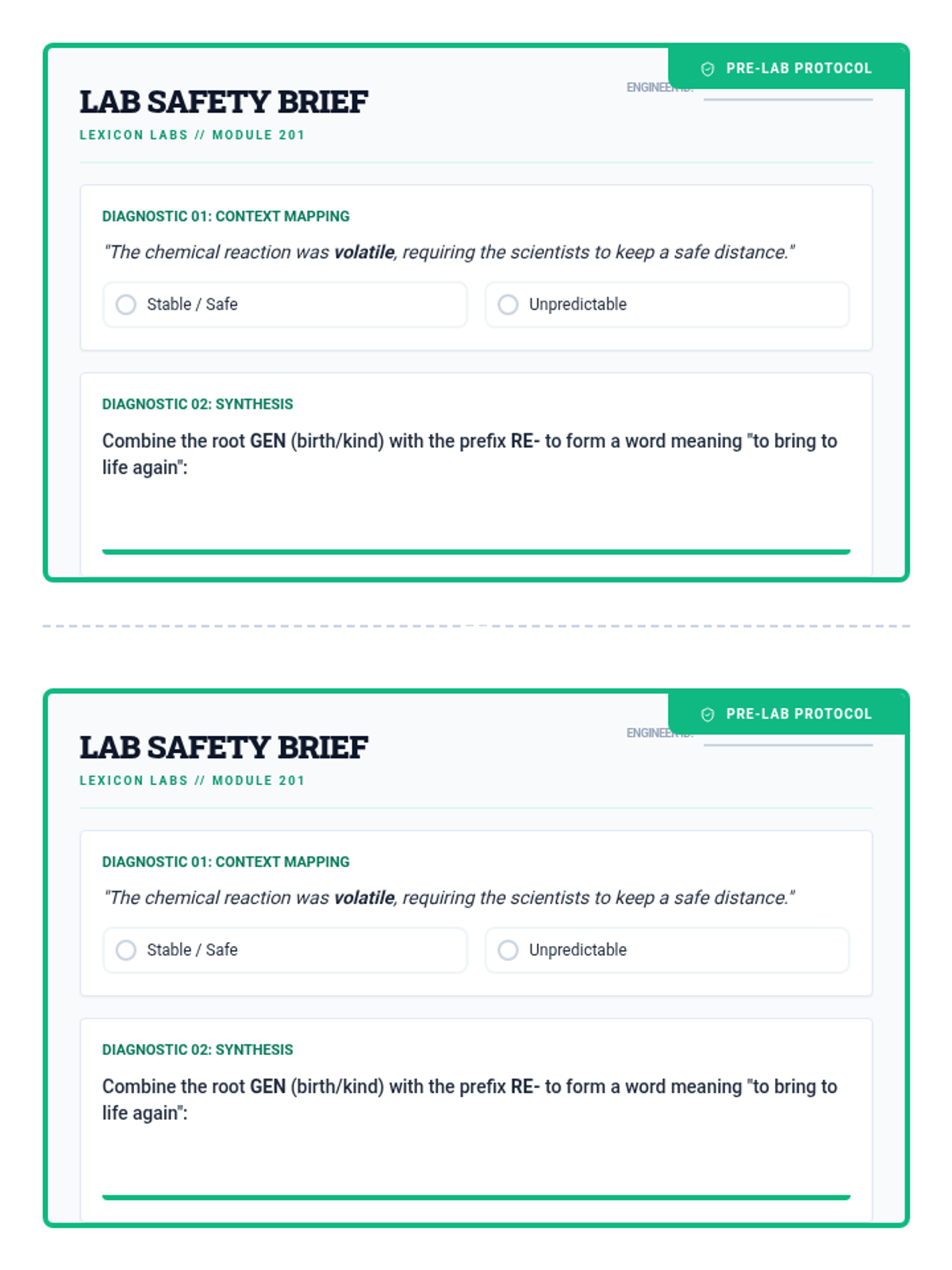
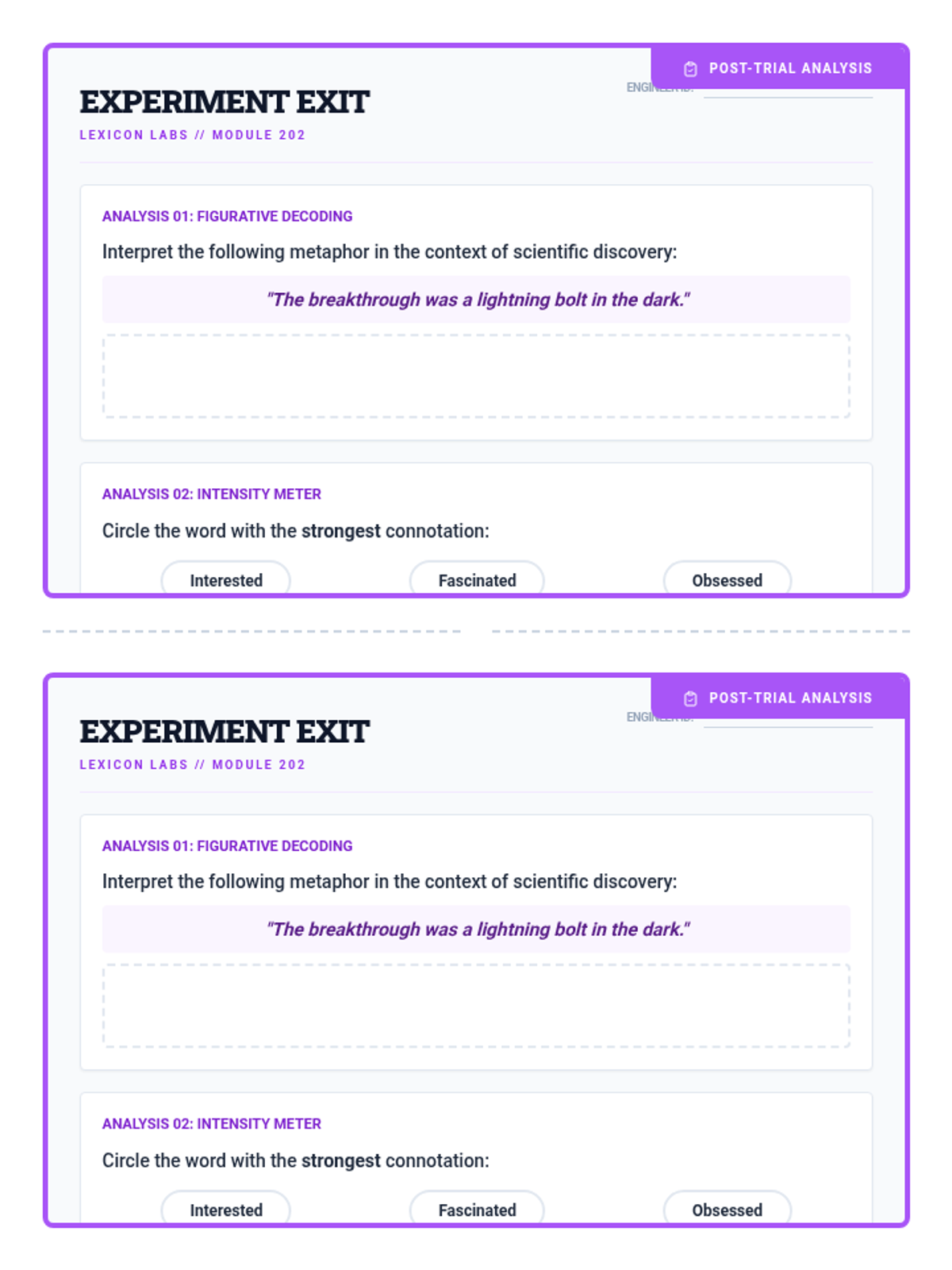
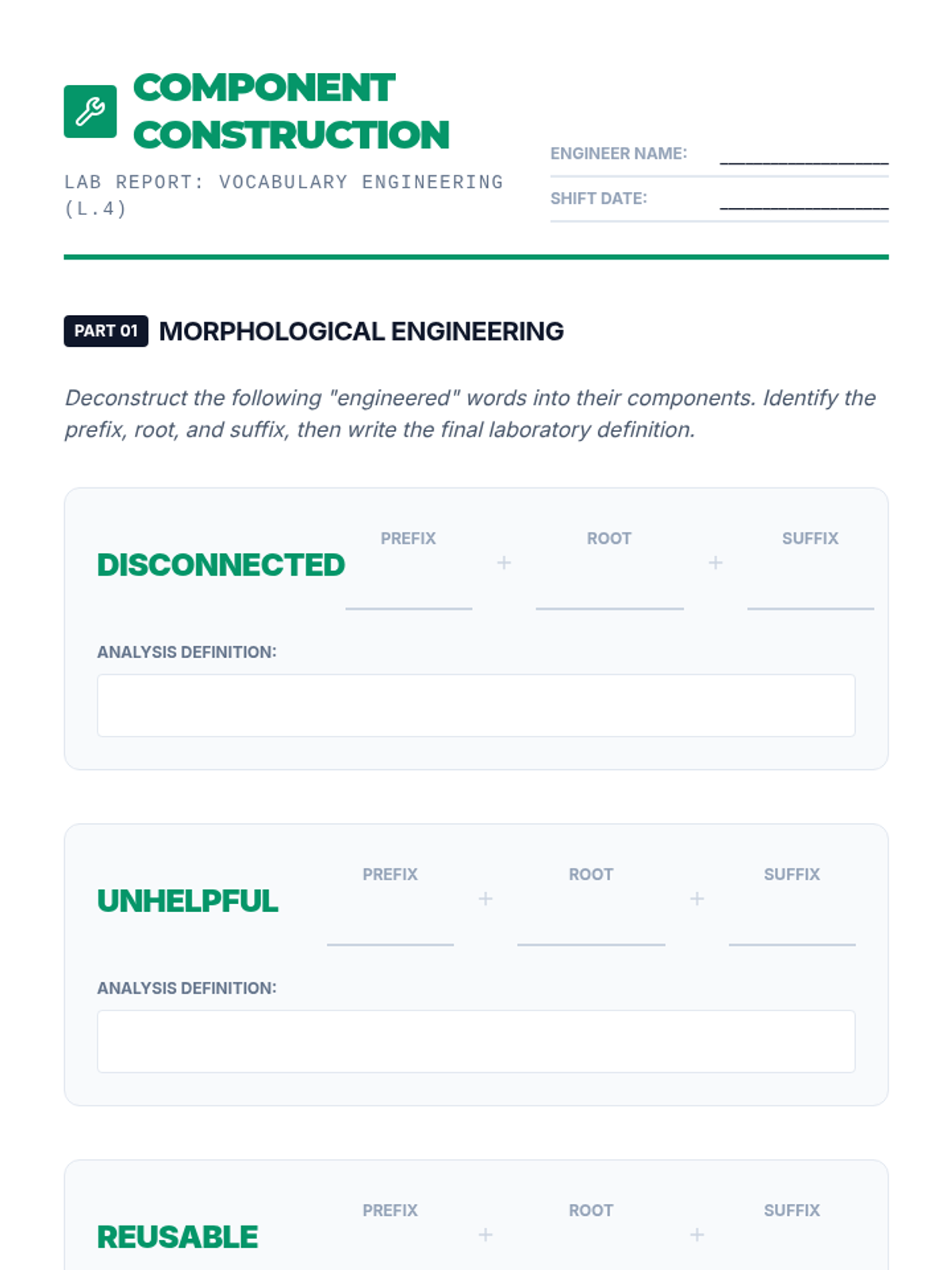
Instructional materials for mastering vocabulary acquisition (L.4) and understanding figurative language and word nuances (L.5). Includes direct instruction, hands-on practice, and a final summative assessment.
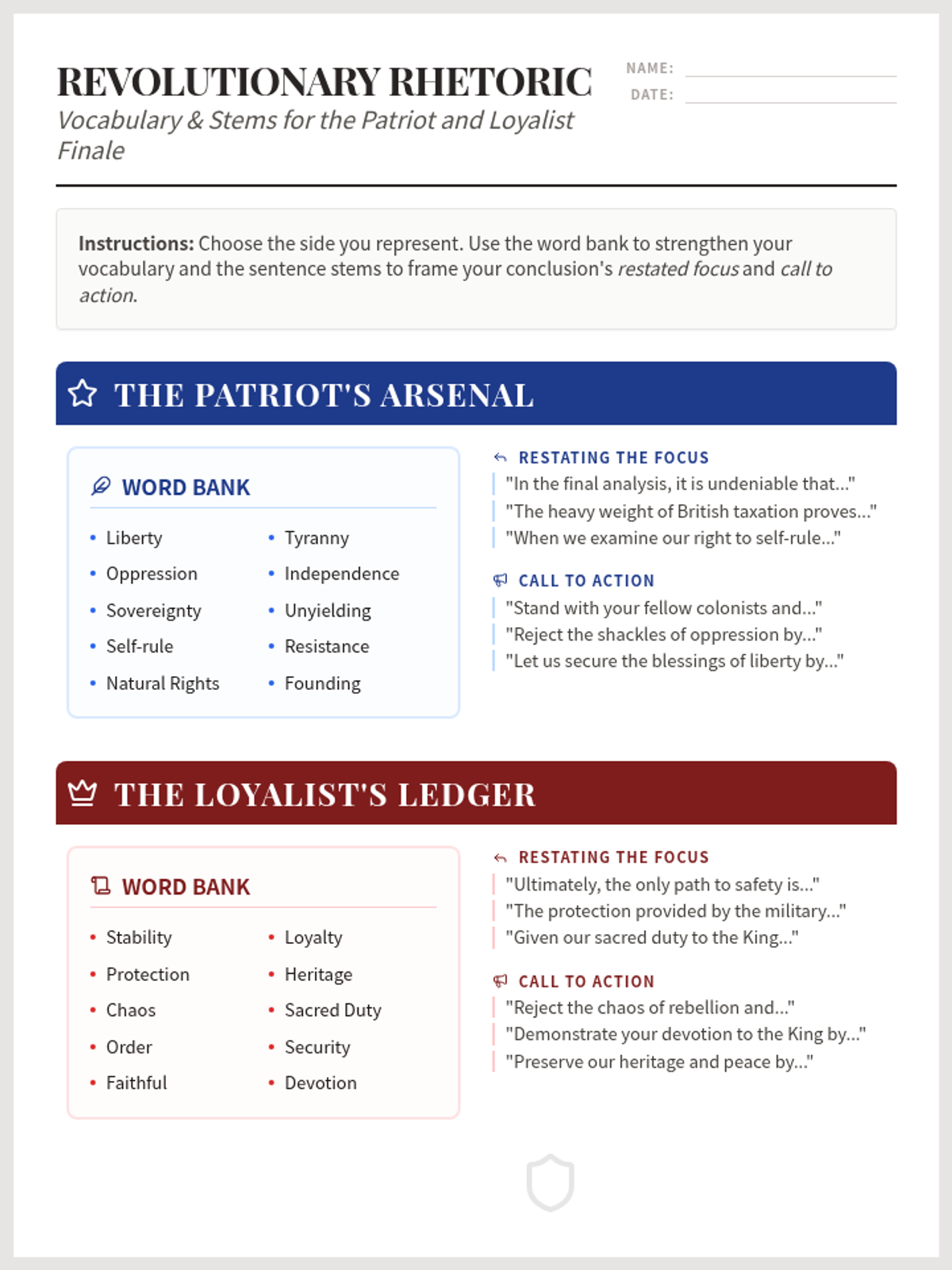
This lesson helps students master the art of writing persuasive conclusions for American Revolution opinion essays. Students learn to restate their focus and provide a compelling call to action from either a Patriot or Loyalist perspective.
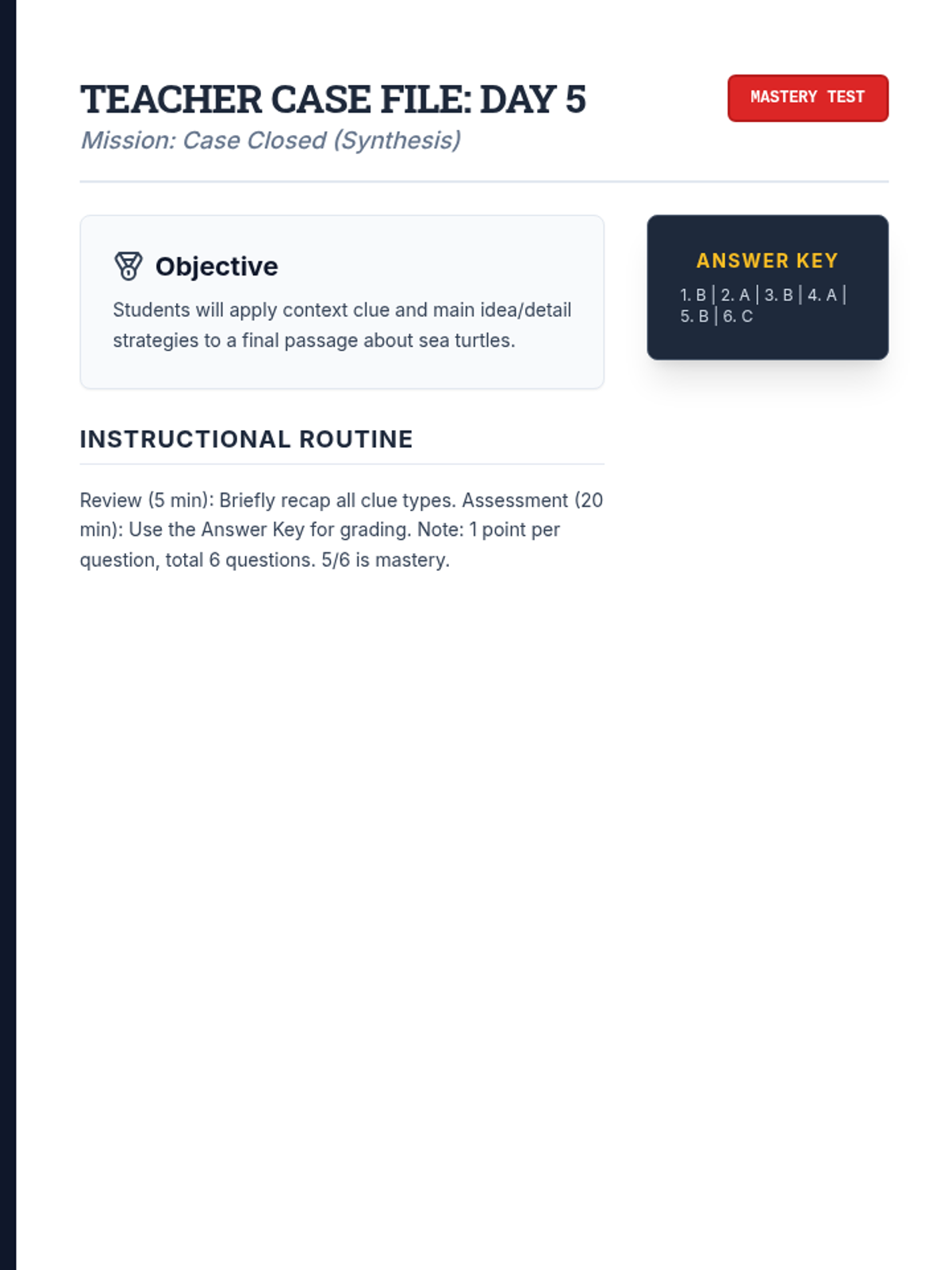
Day 5: Synthesis and Assessment. Students apply both context clues and main idea strategies to a final 'case' passage.
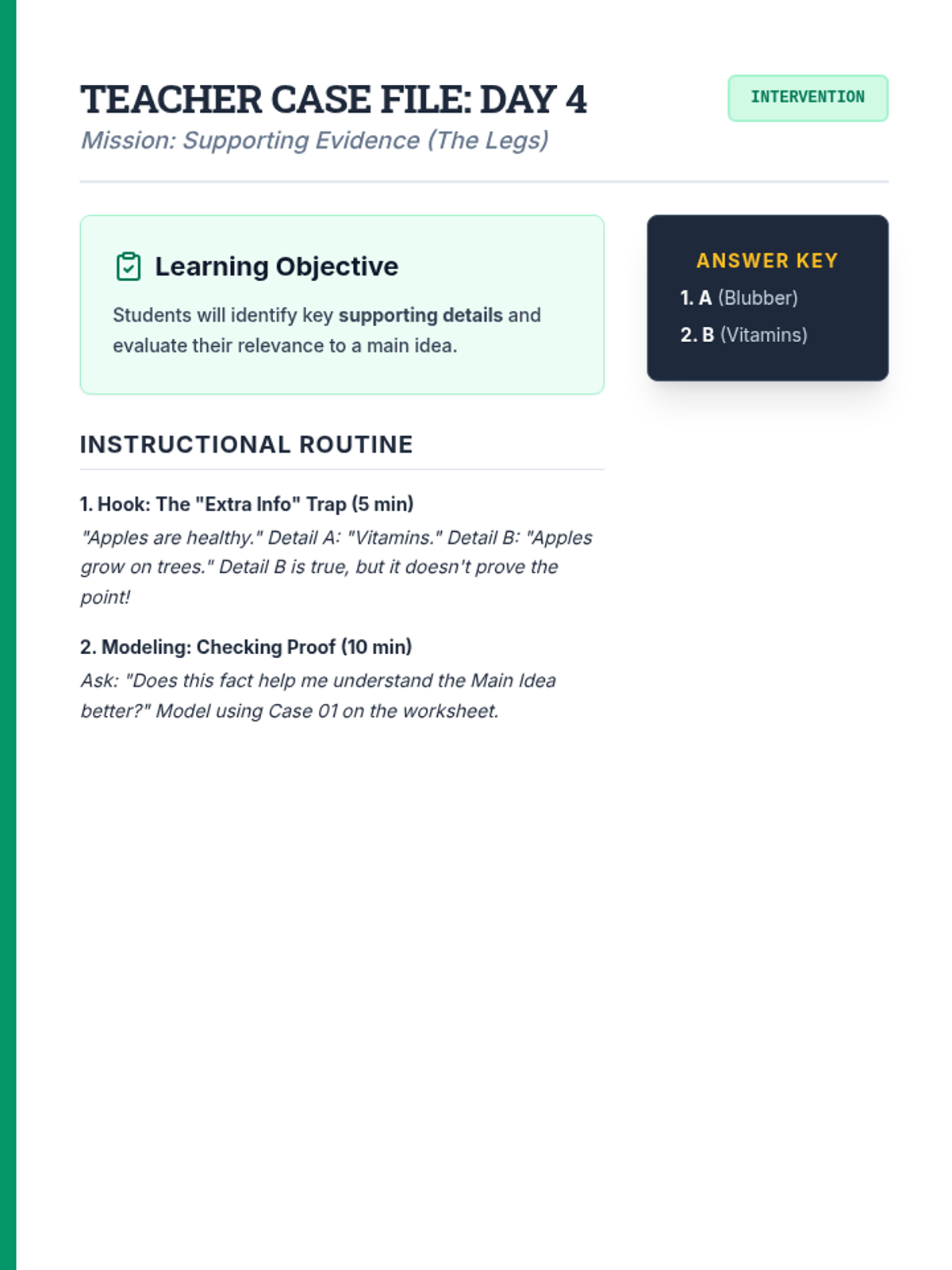
Day 4: Connecting Supporting Details to the Main Idea. Students use the 'Table Model' to see how details hold up the central claim.
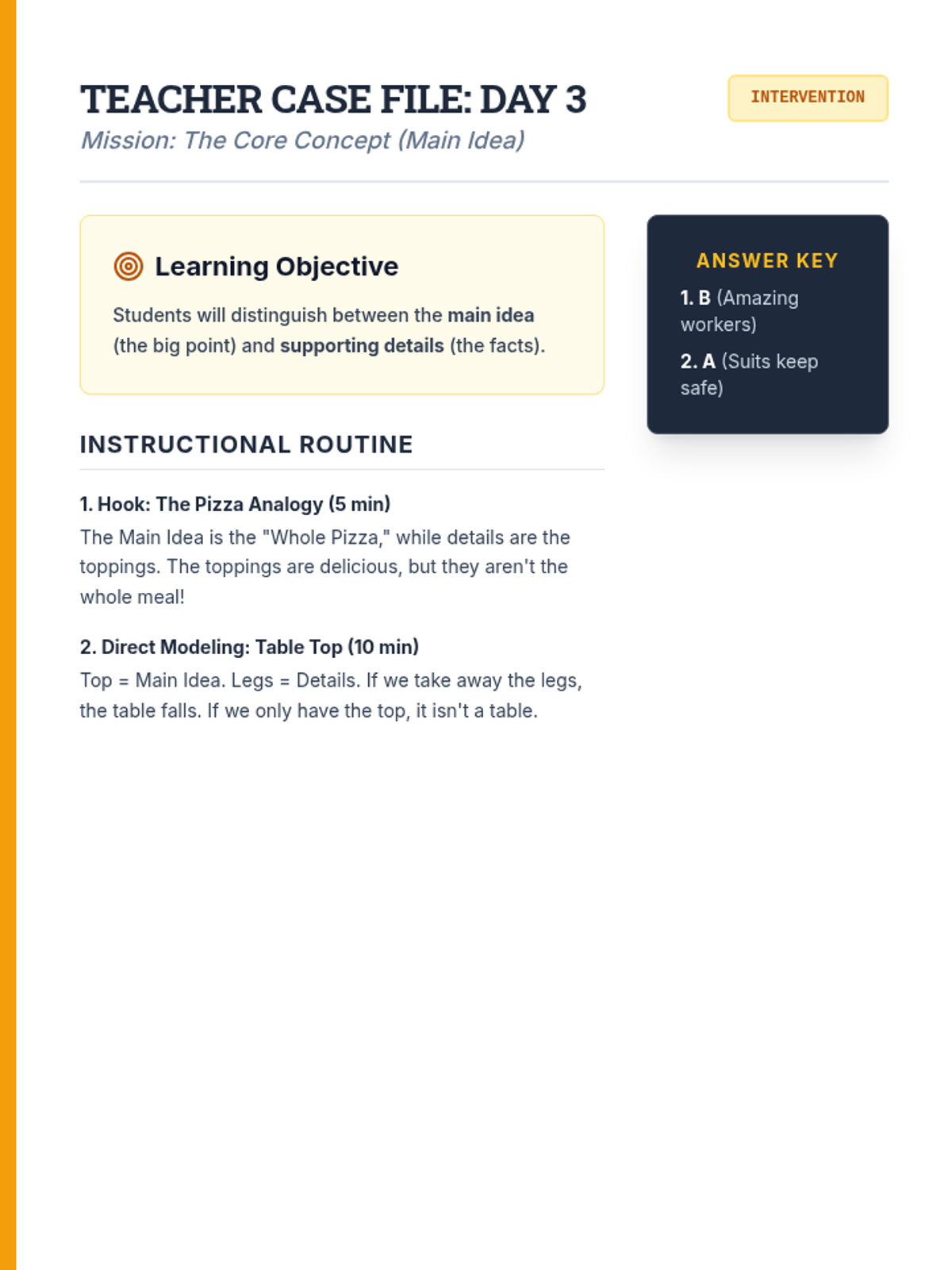
Day 3: Shifting to Main Idea. Students learn to identify the central point of a text and distinguish it from interesting but non-essential facts.
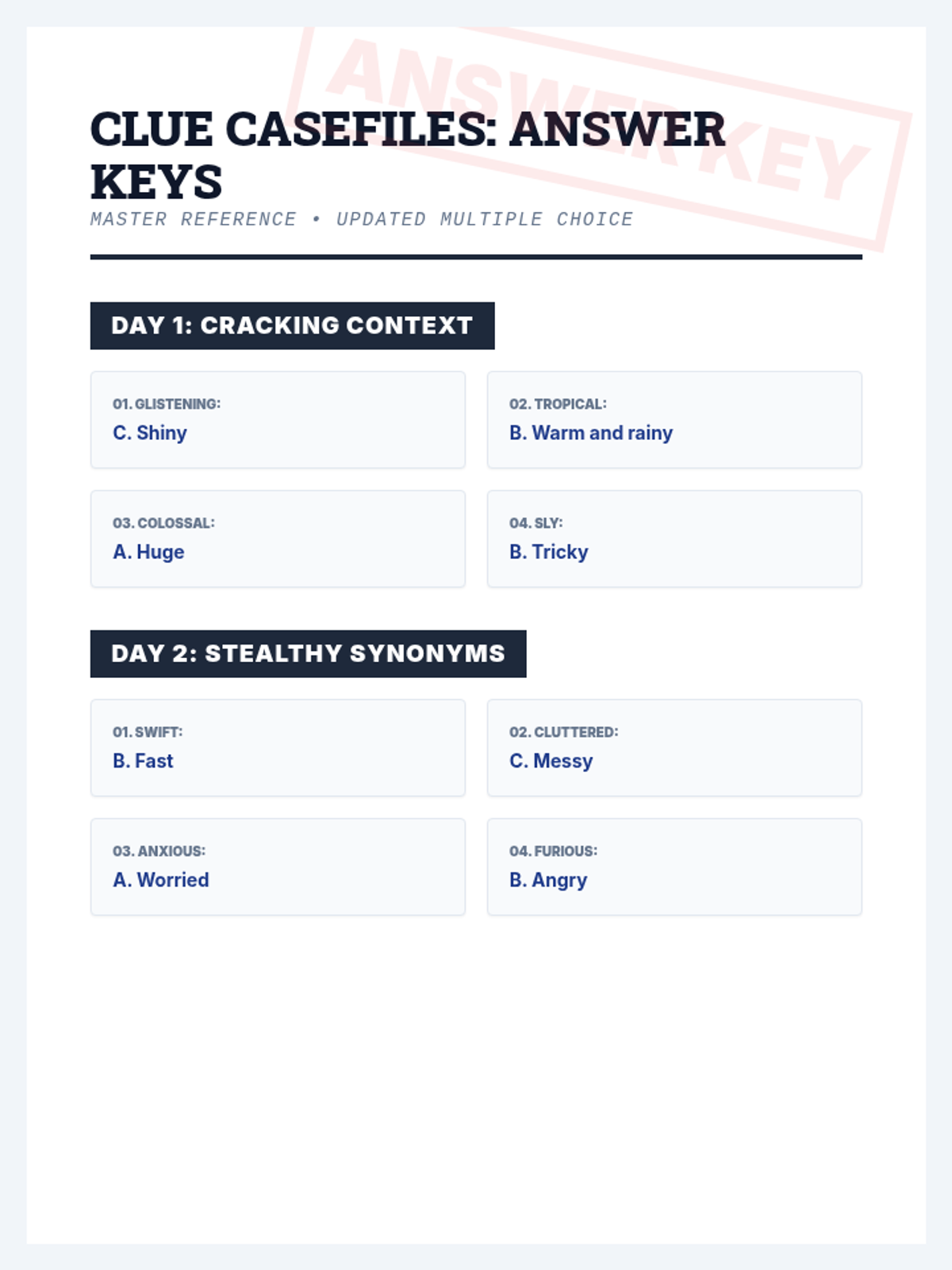
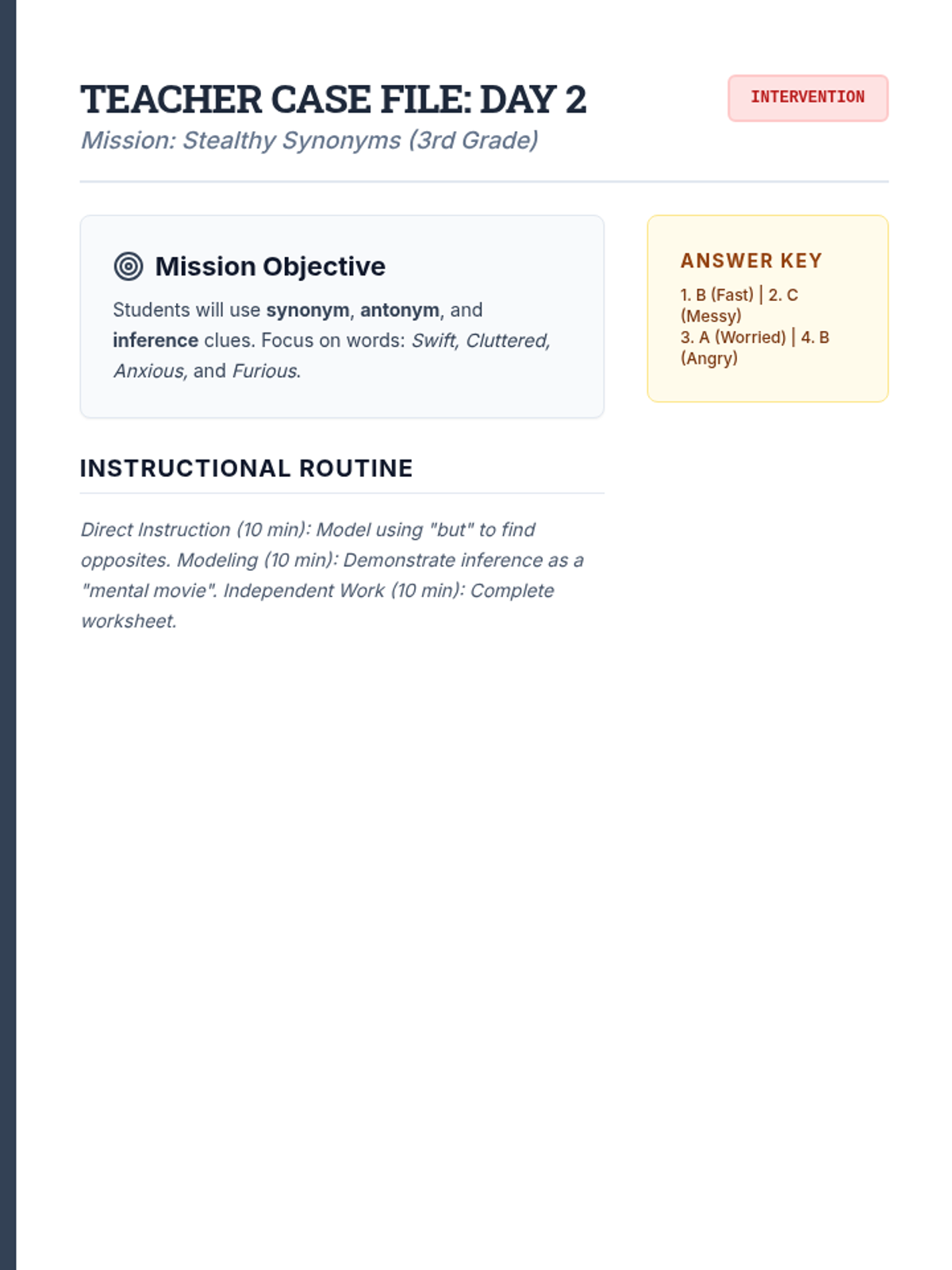
Day 2: Expanding Context Clues to include synonyms, antonyms, and inference. Students use comparative logic to deduce unfamiliar word meanings.
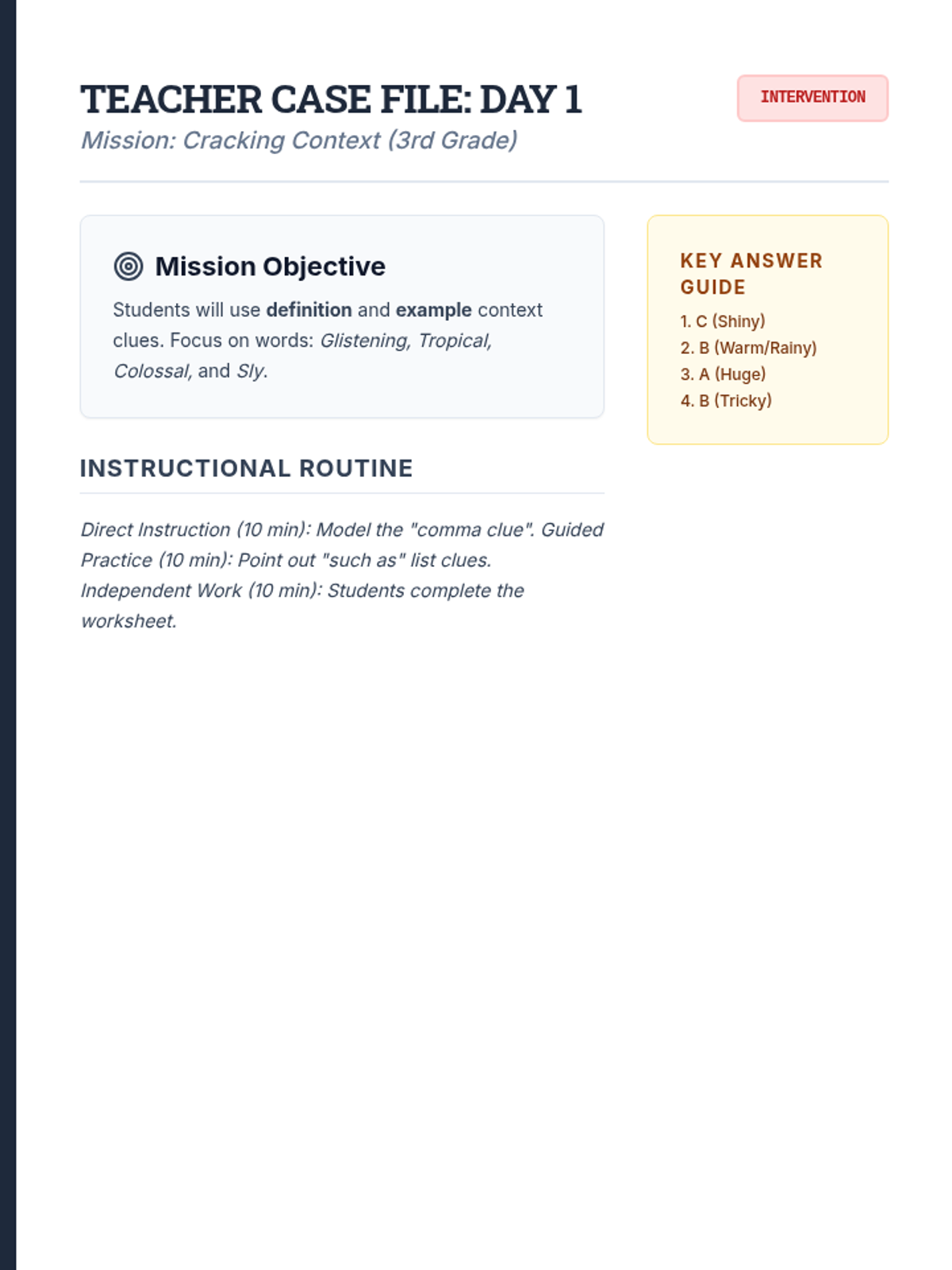
Day 1: Introduction to Context Clues using definition and example clues. Students learn to hunt for 'hidden meanings' directly within the sentence.
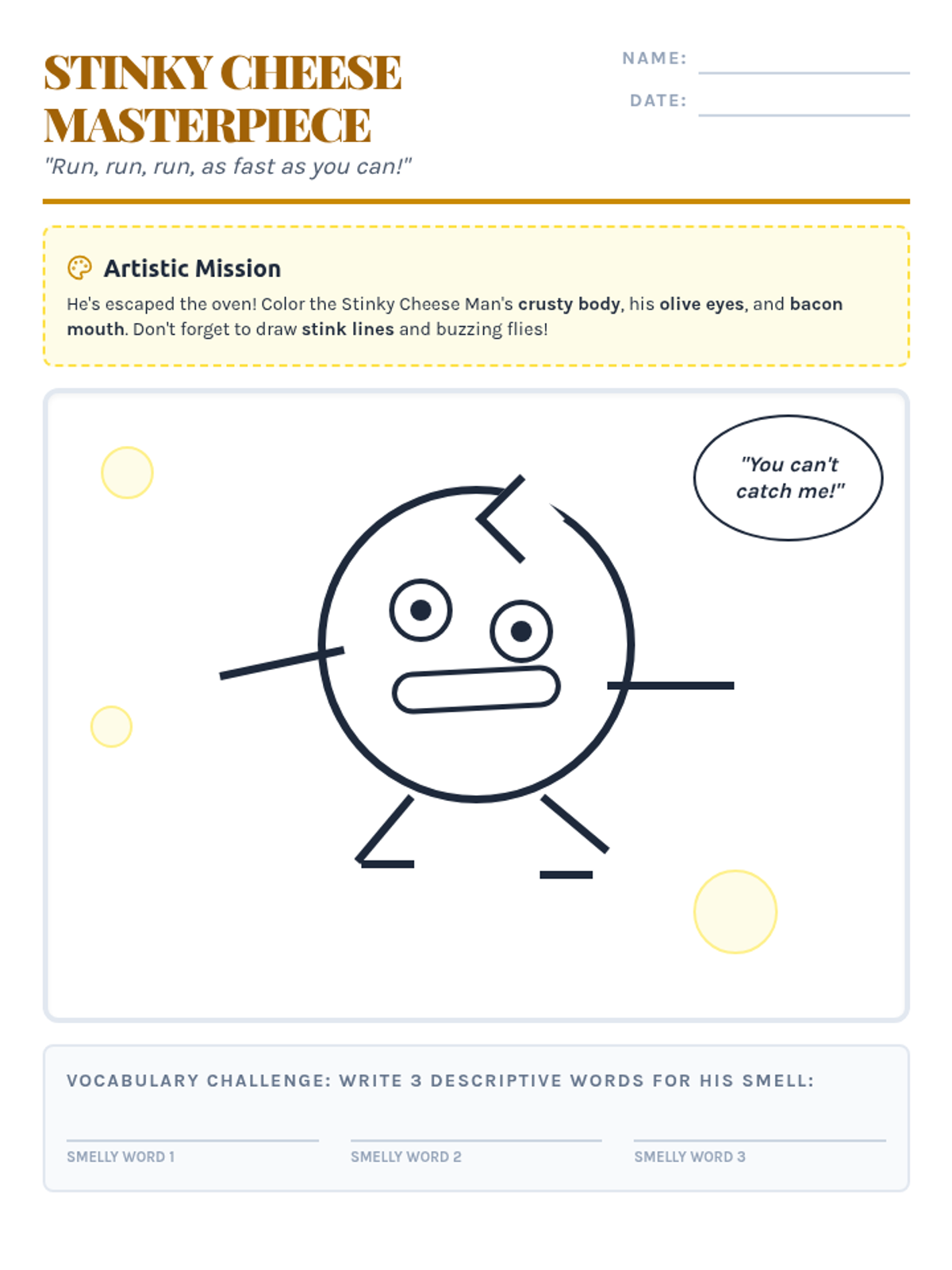
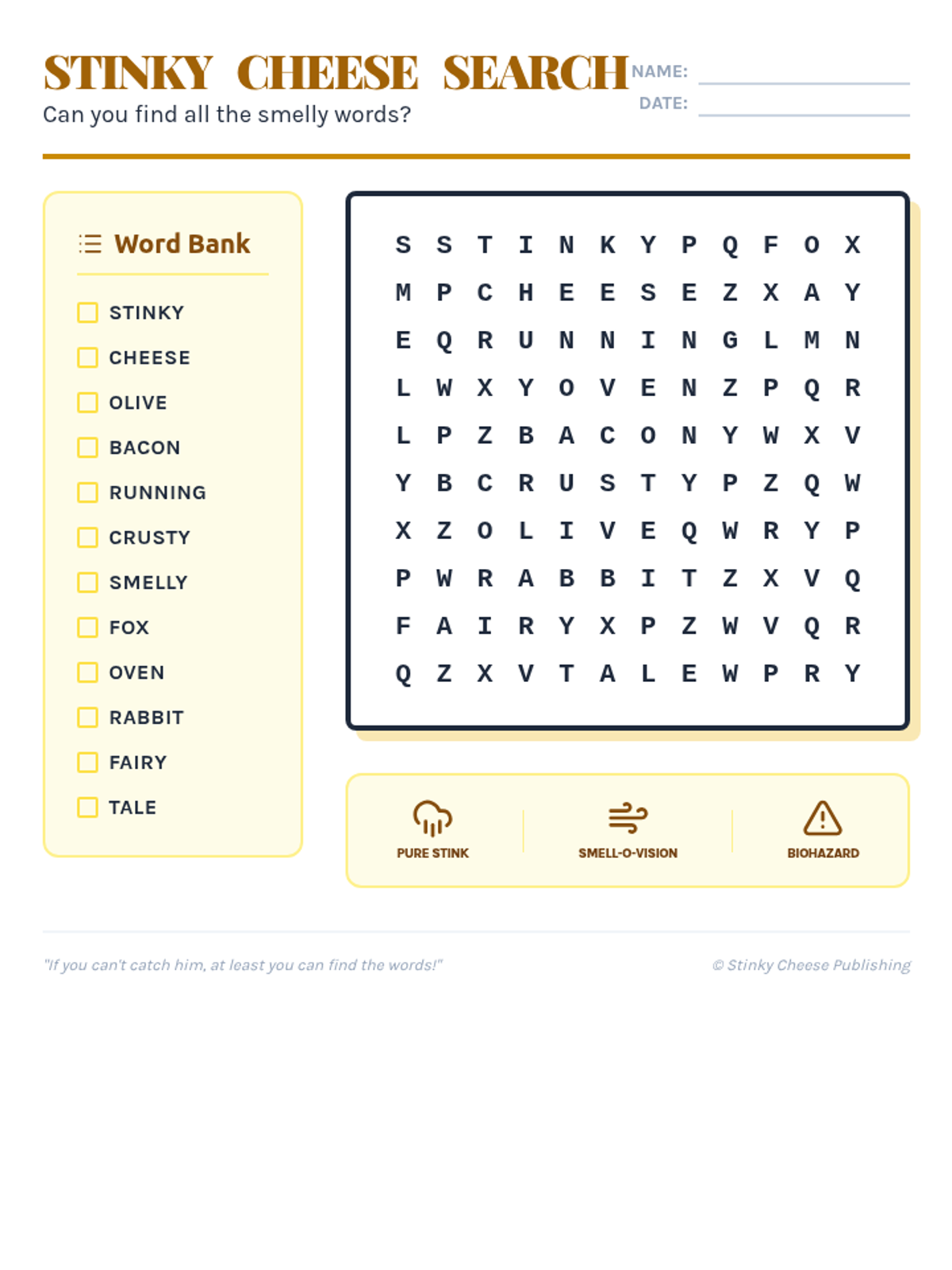
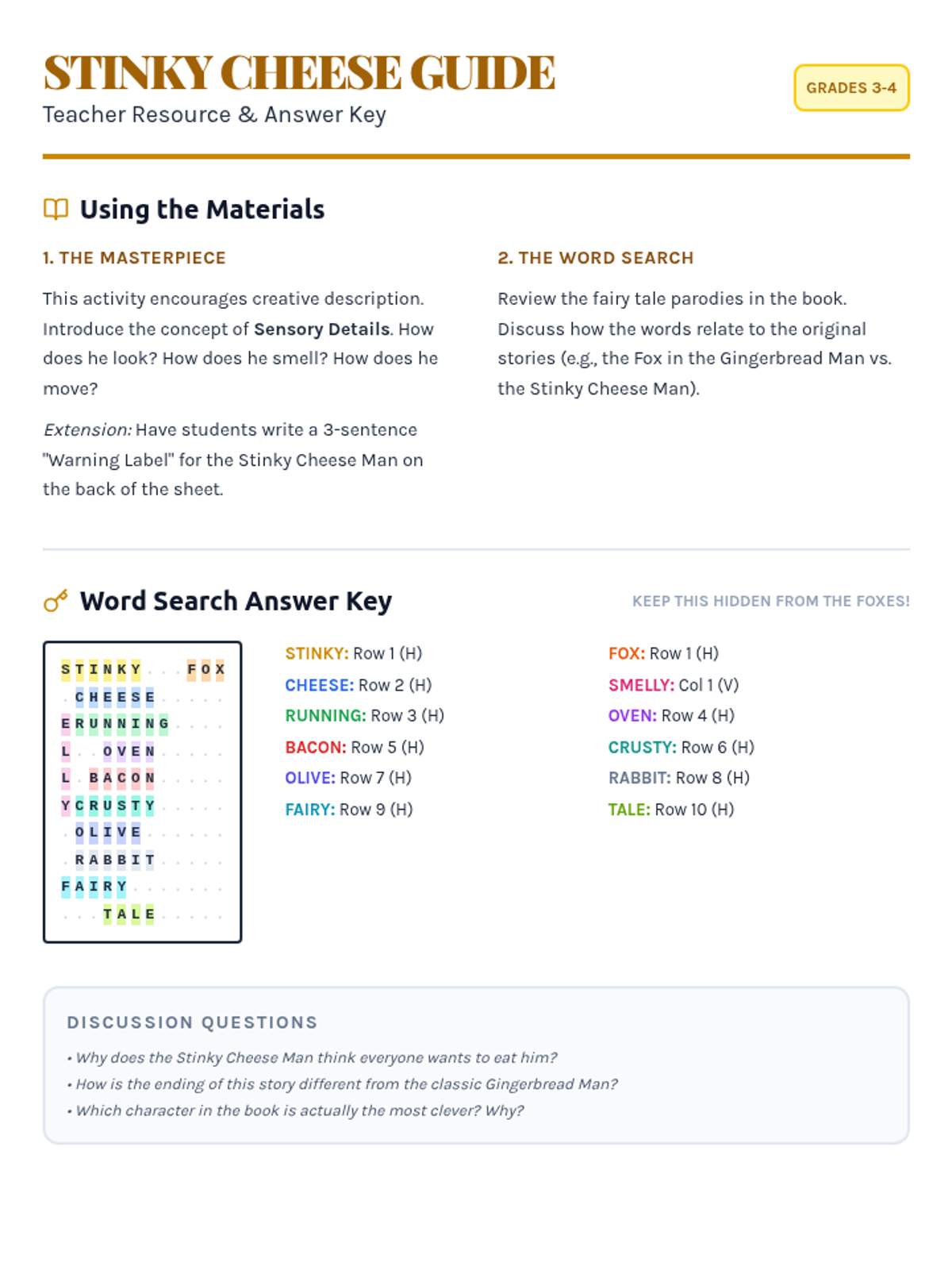
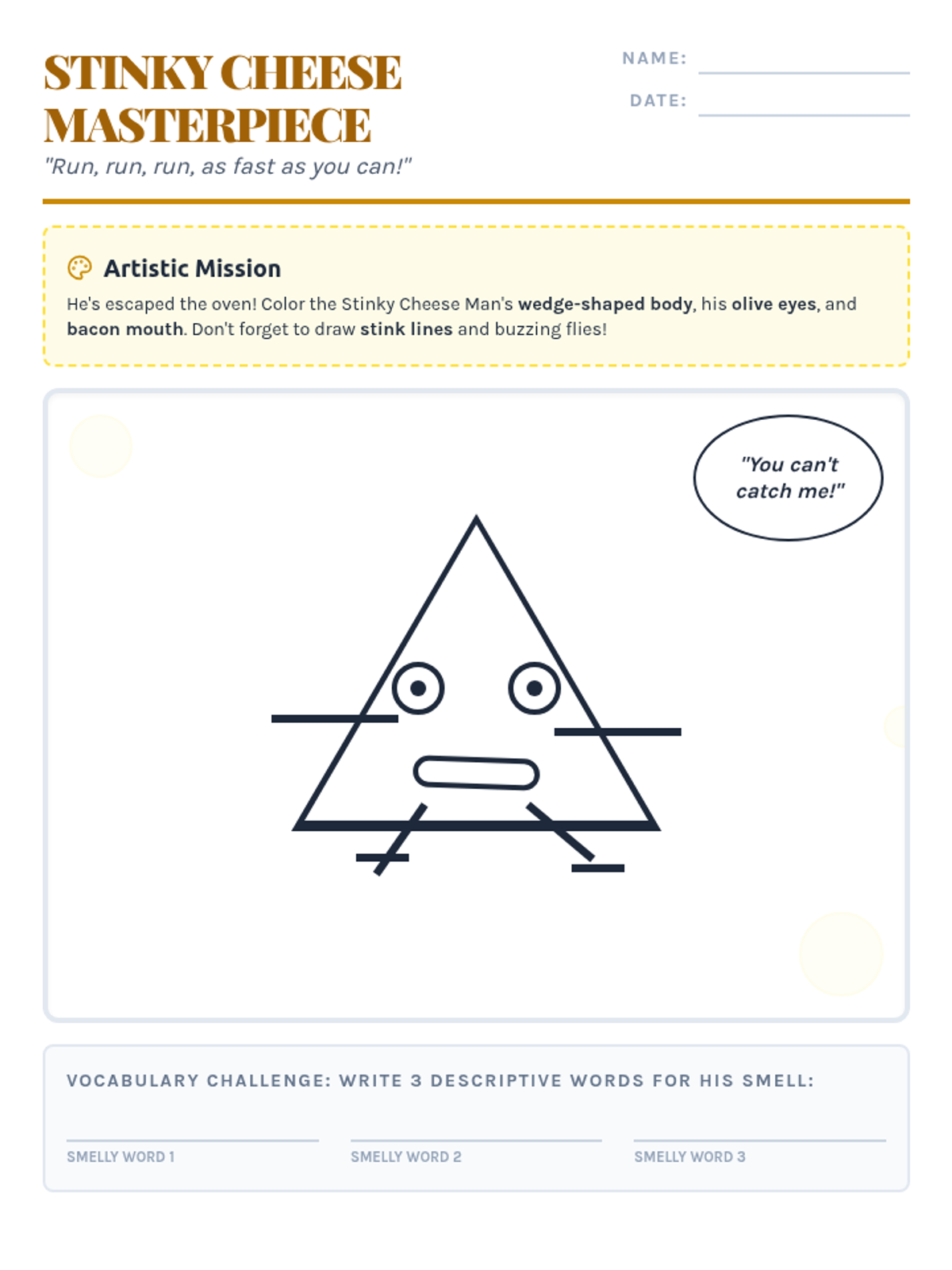
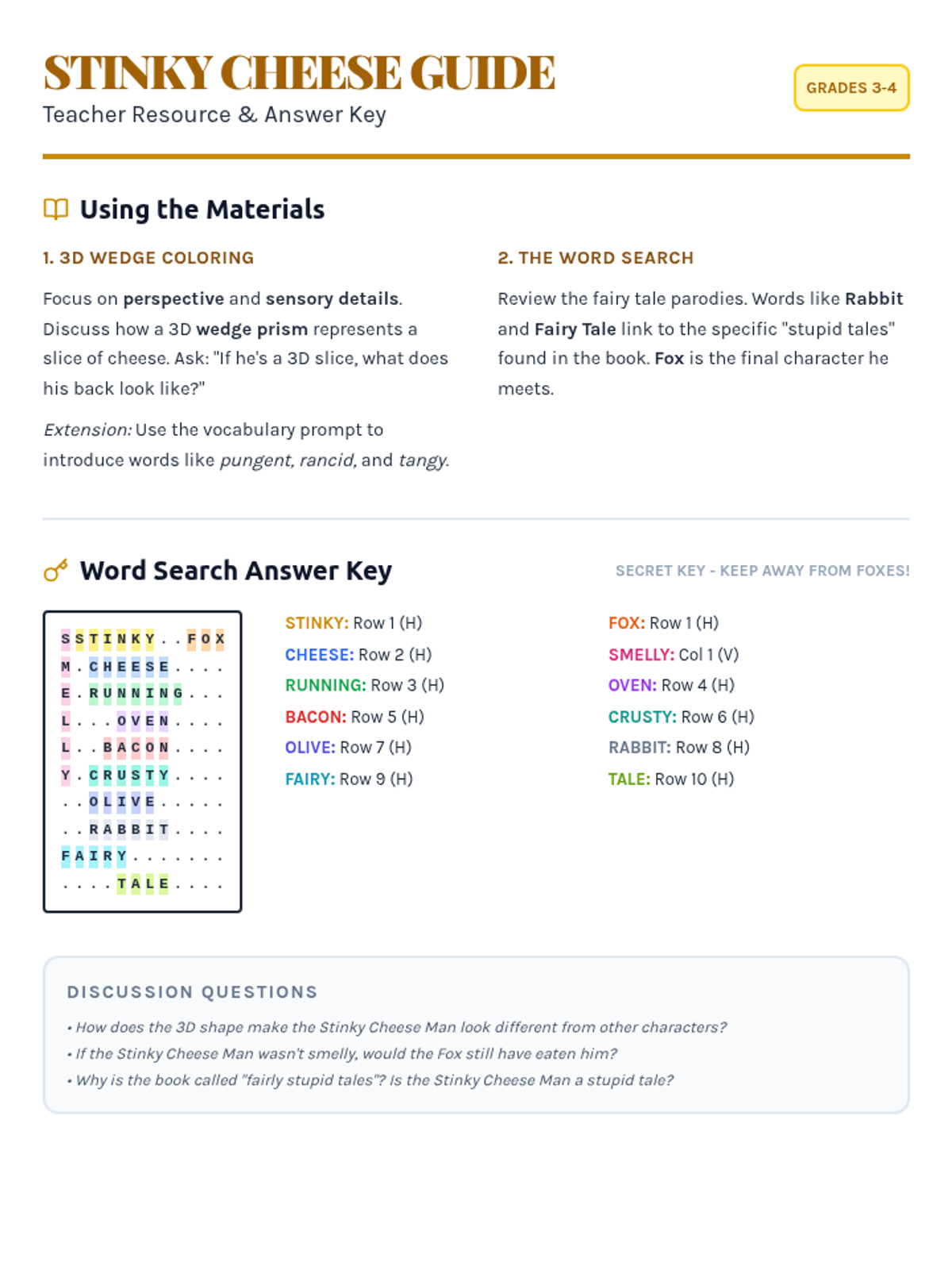
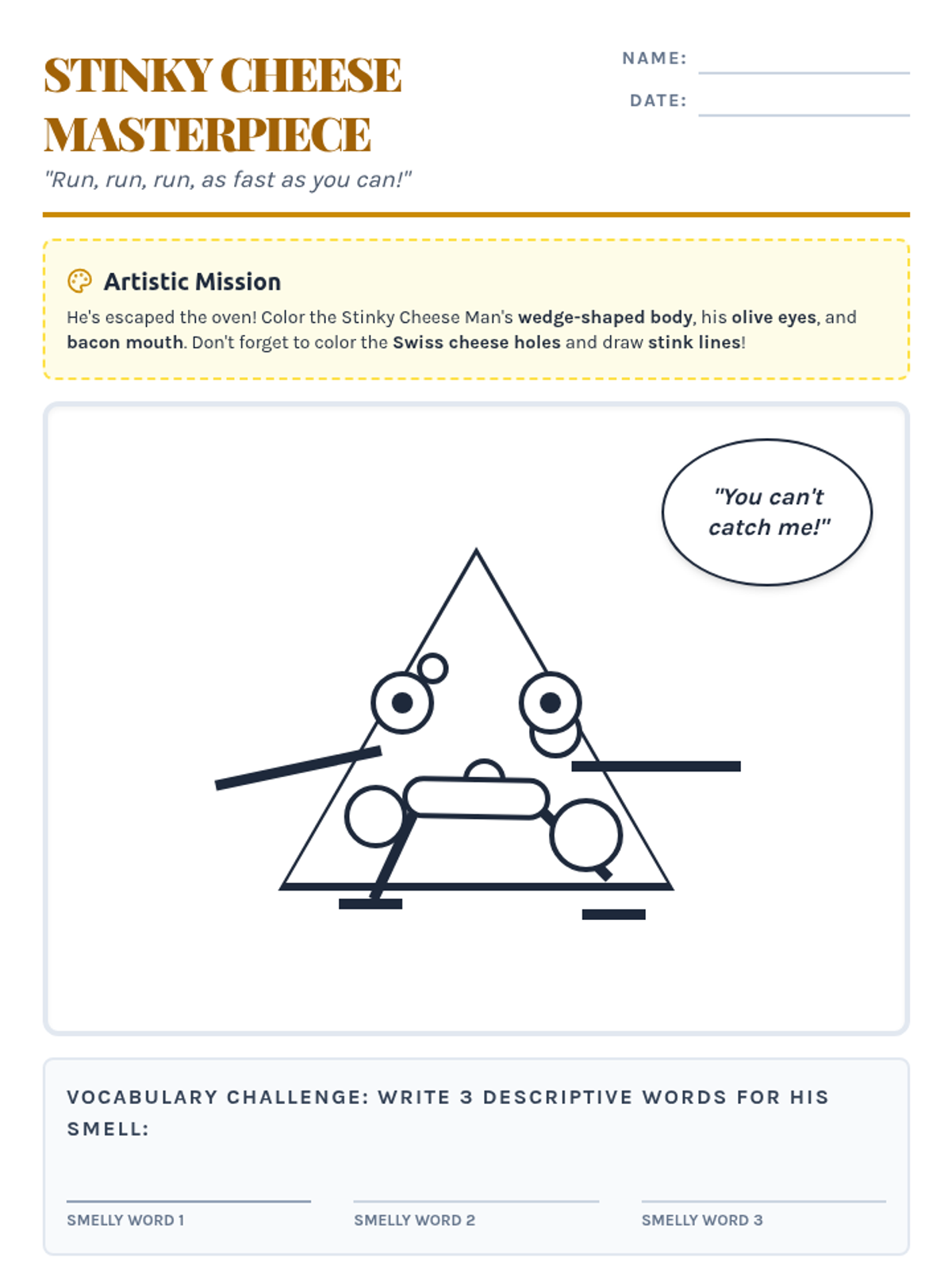
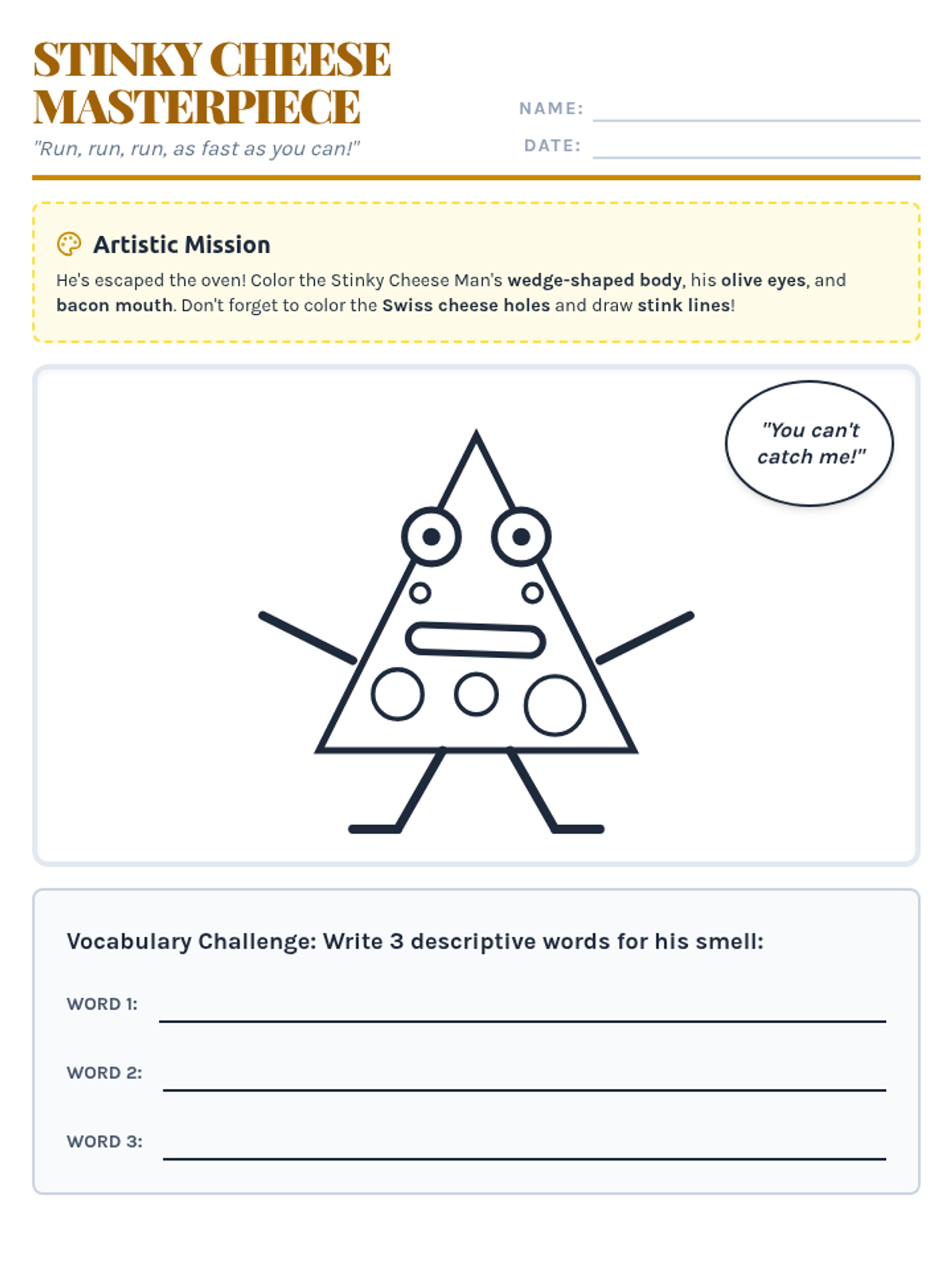
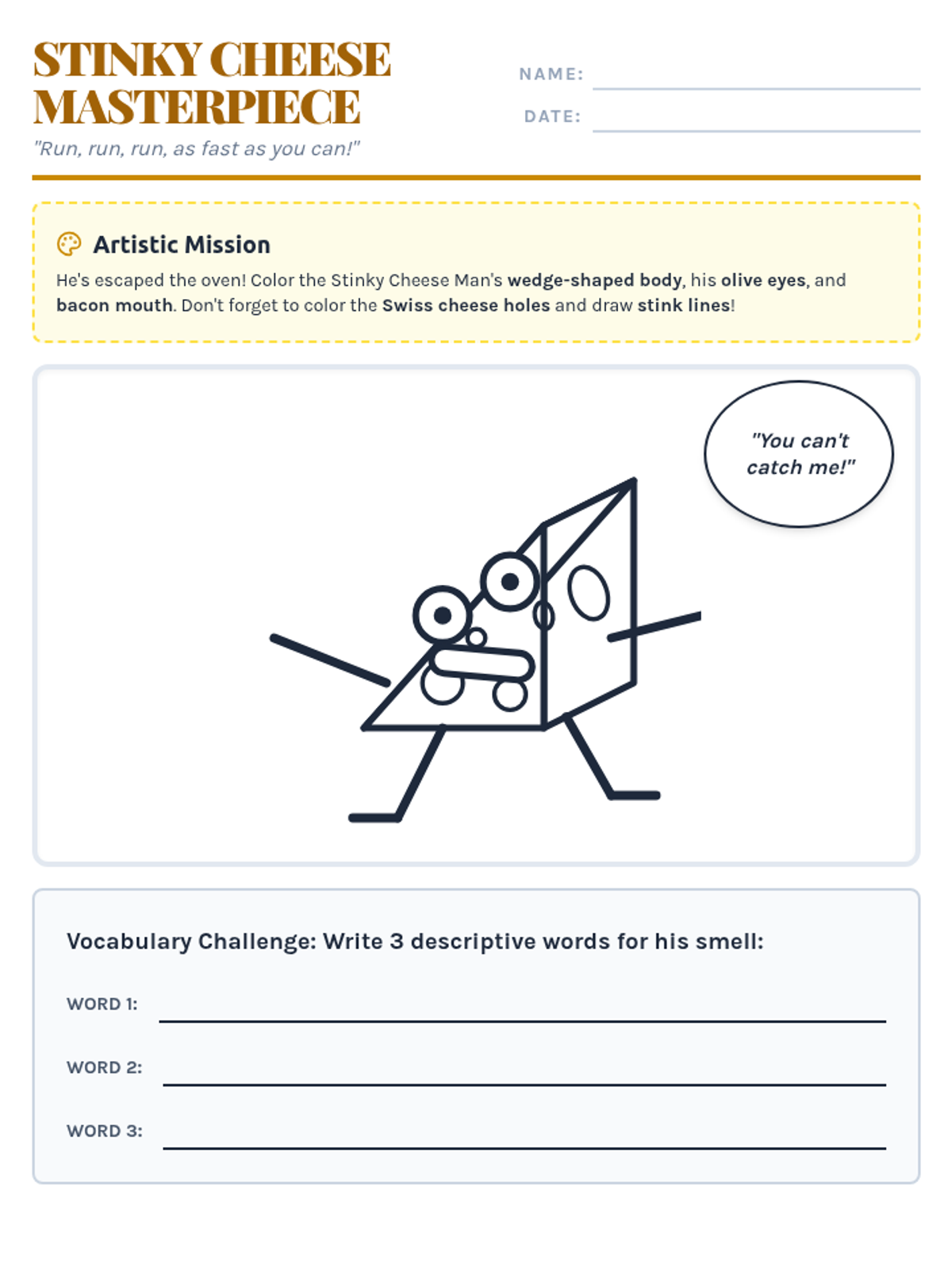
A collection of fun activities based on the classic book 'The Stinky Cheese Man', focusing on creative expression and vocabulary.
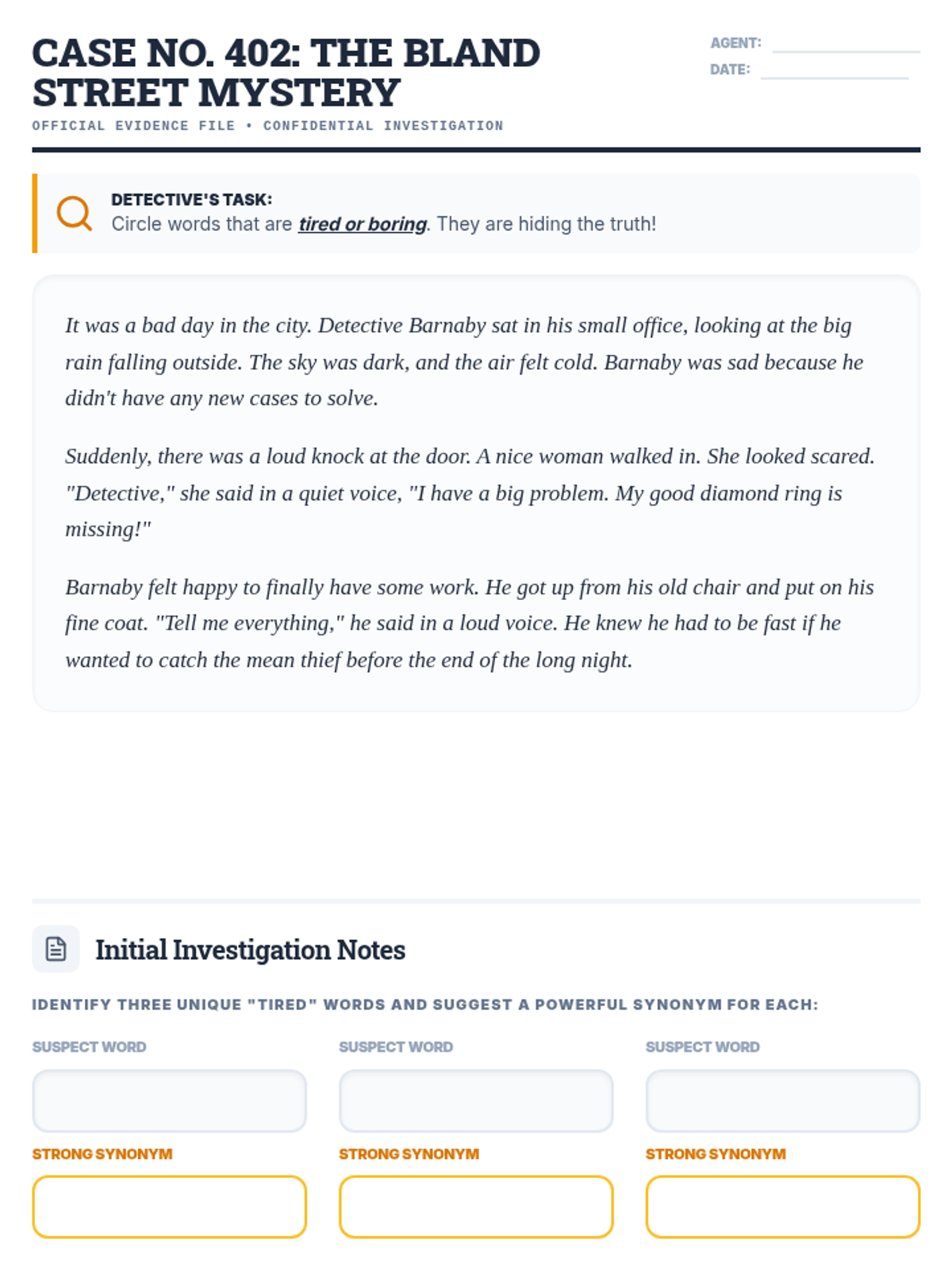
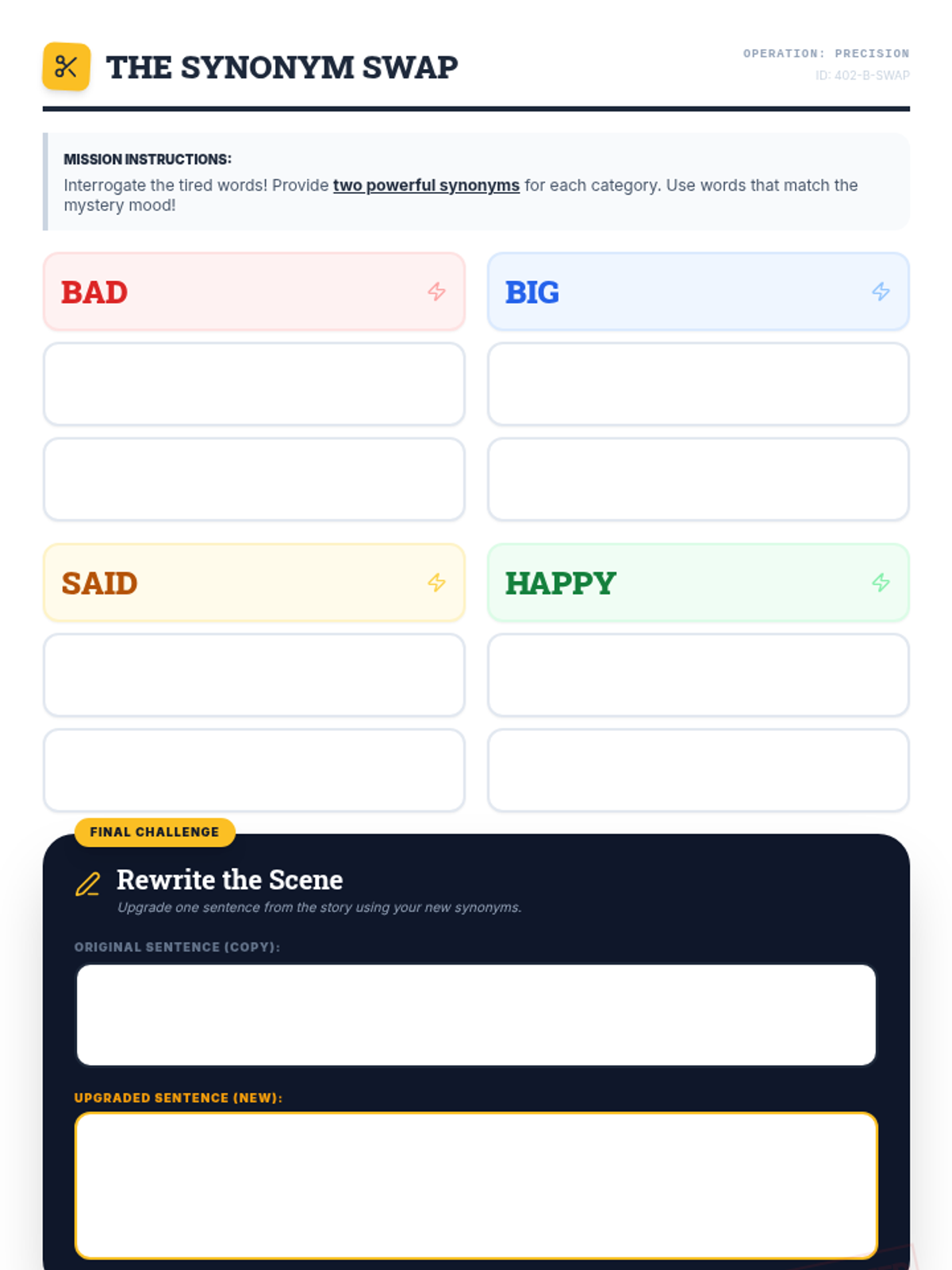
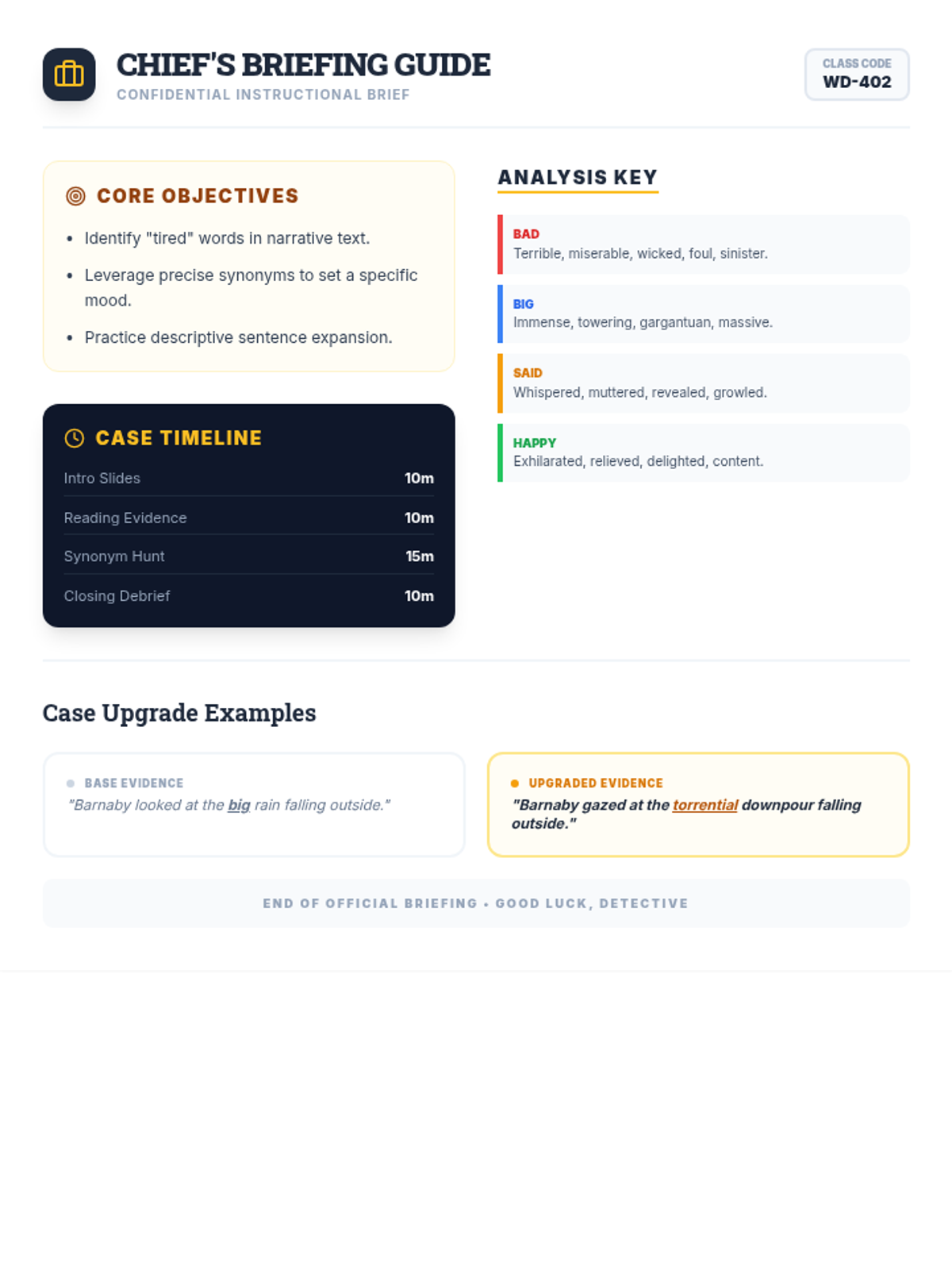
Students will identify overused, 'tired' words in a narrative passage and learn how to replace them with precise synonyms to improve descriptive writing through a detective-themed investigation.
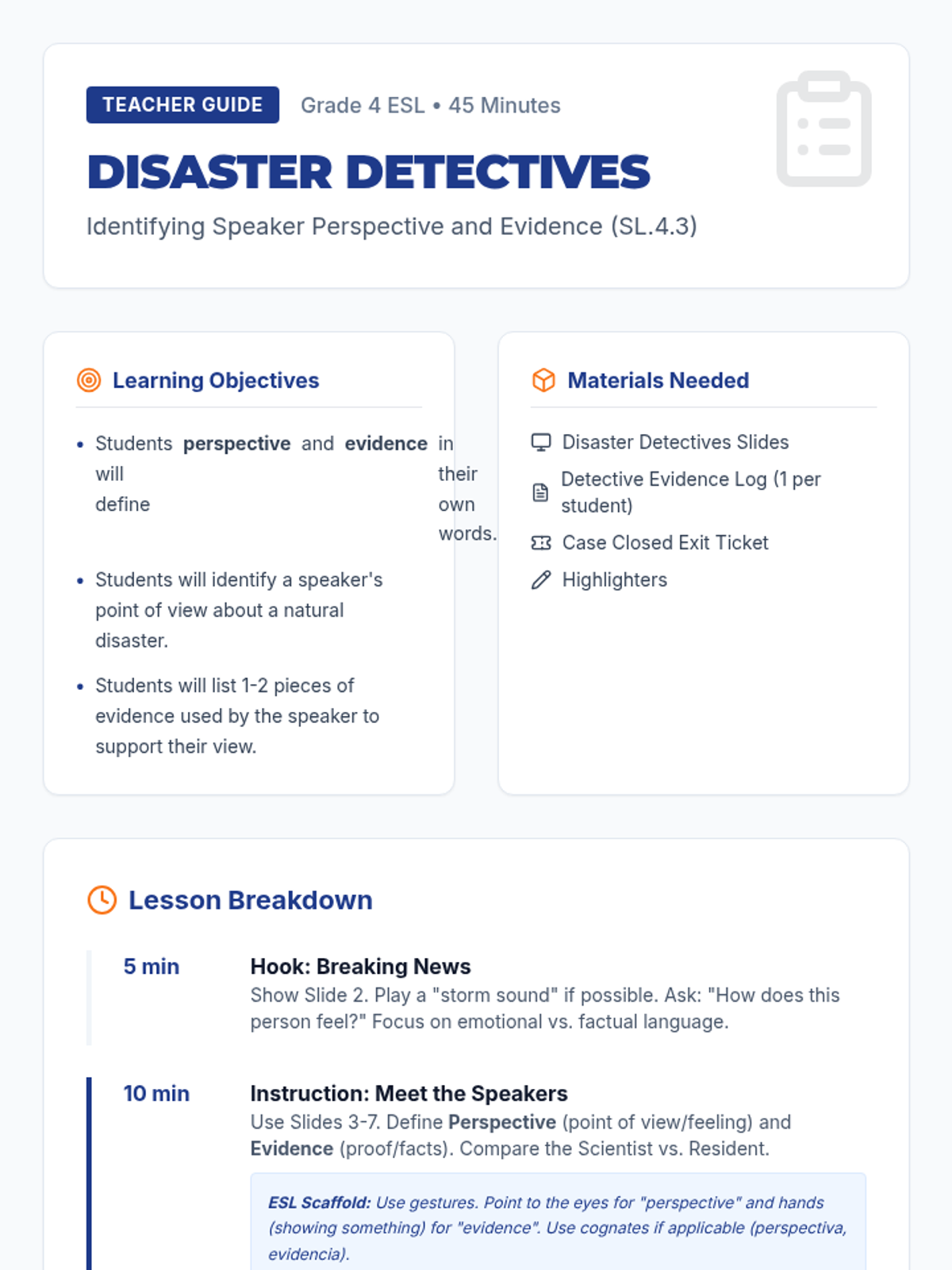
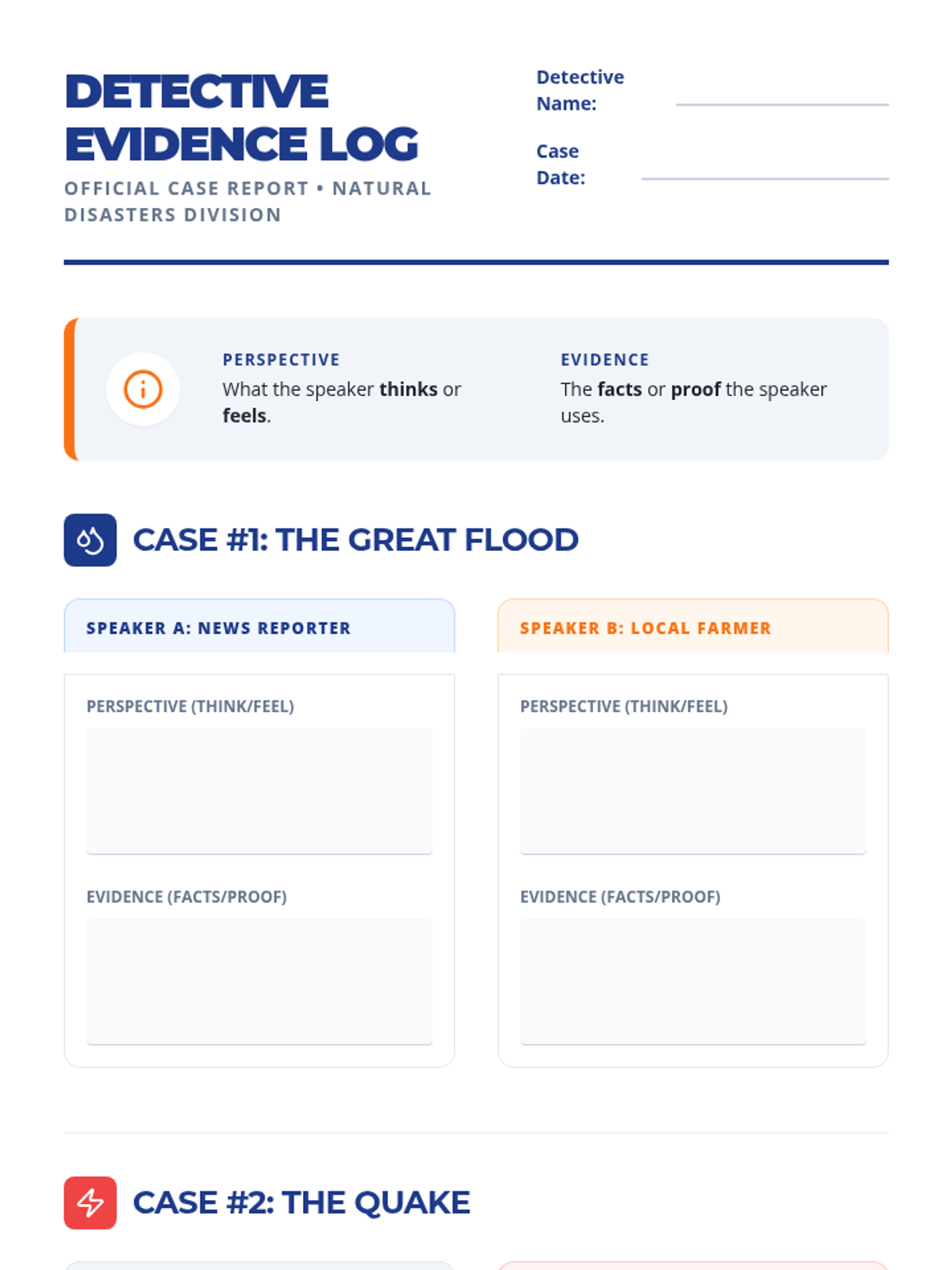
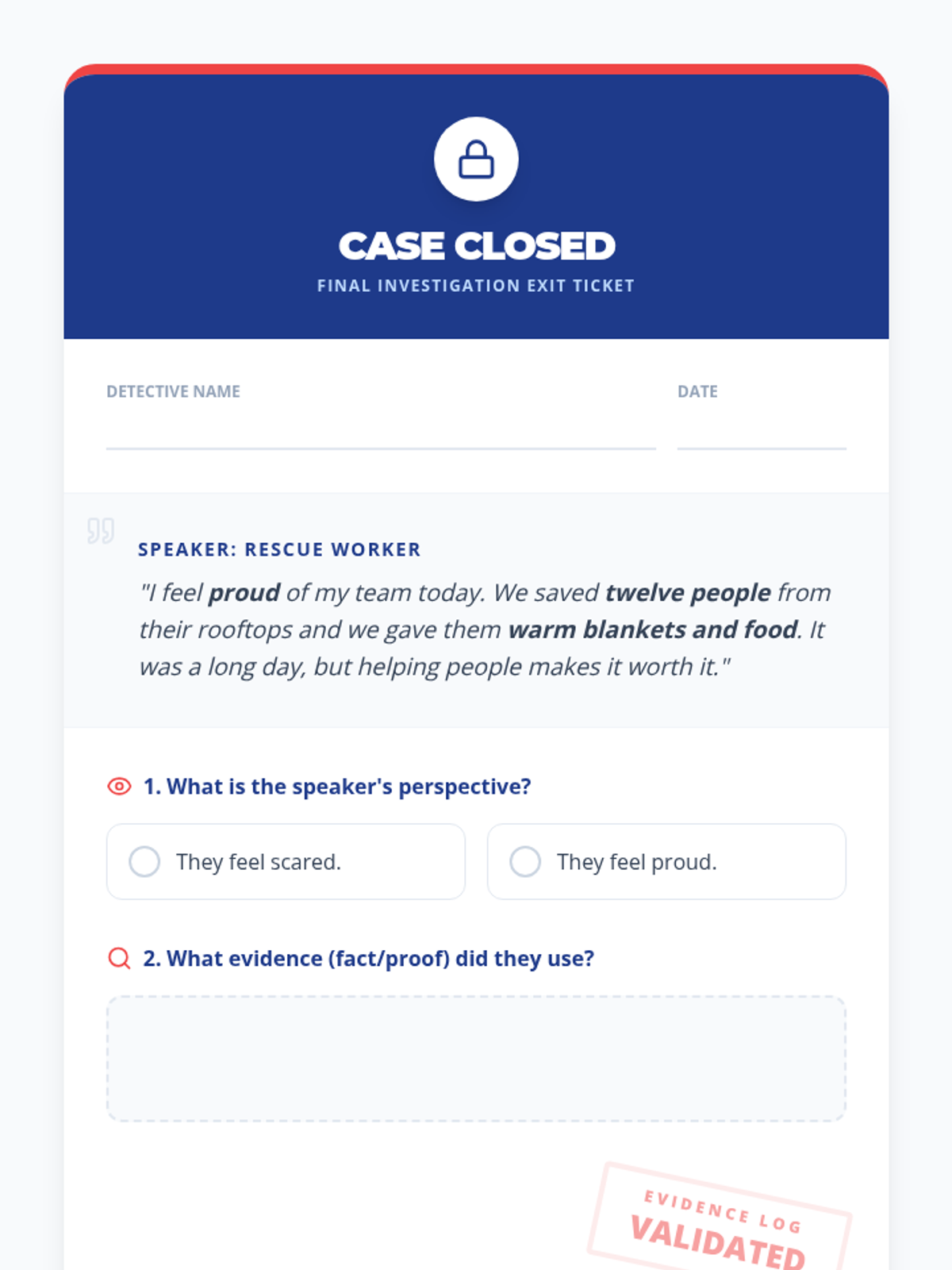
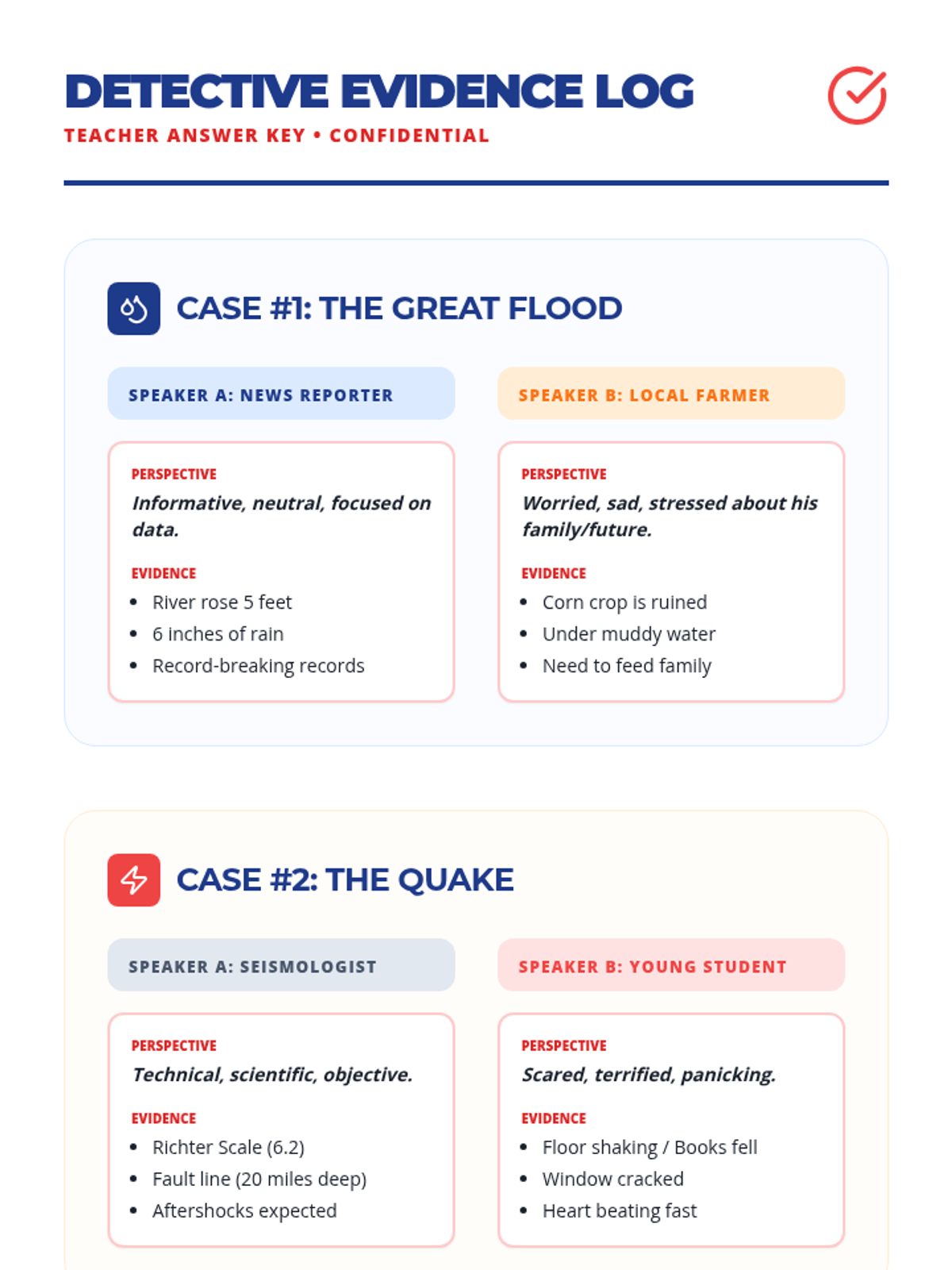
A 45-minute ESL lesson for Grade 4 students to identify a speaker's perspective and evidence concerning natural disasters, comparing different points of view.
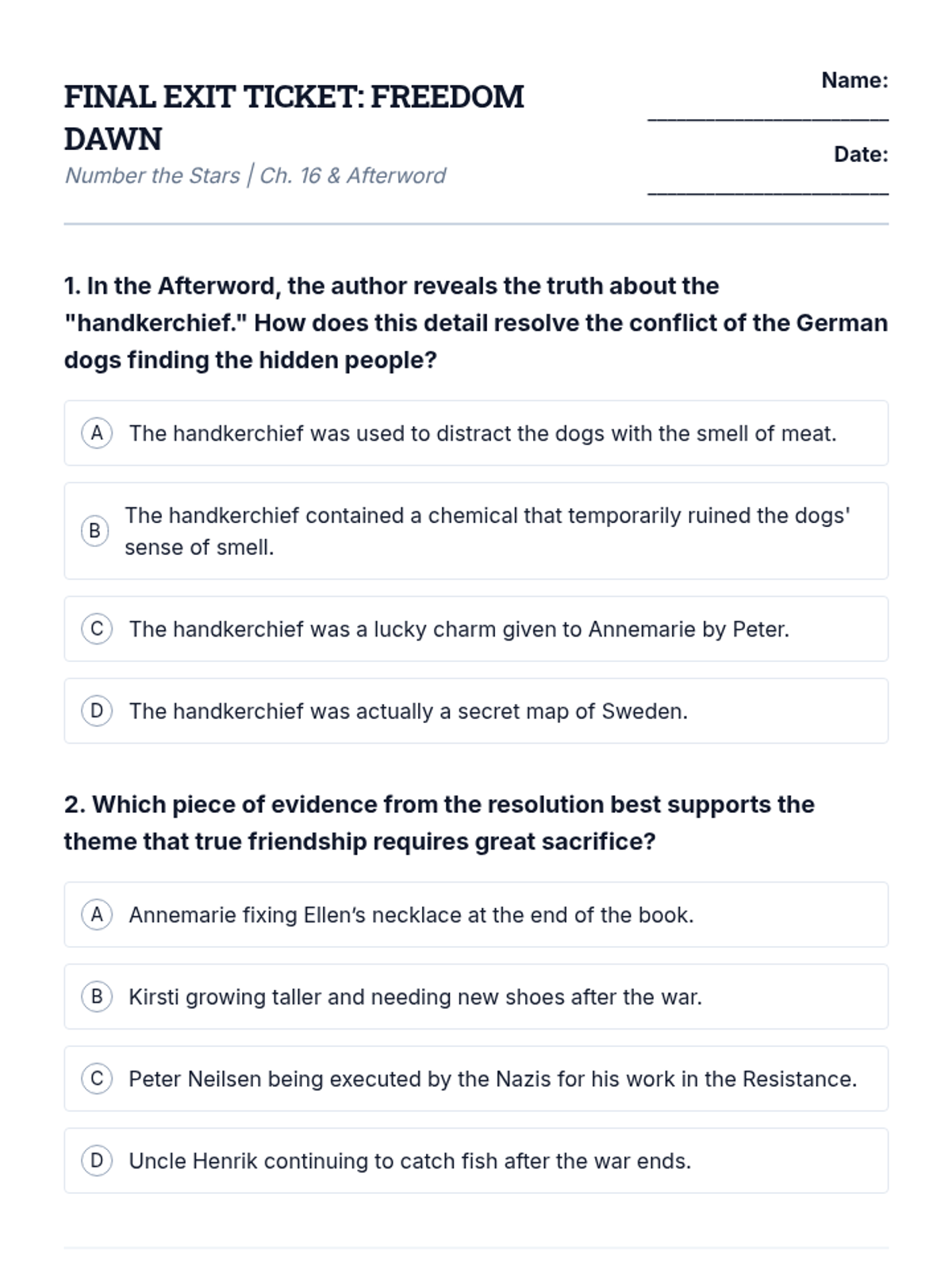
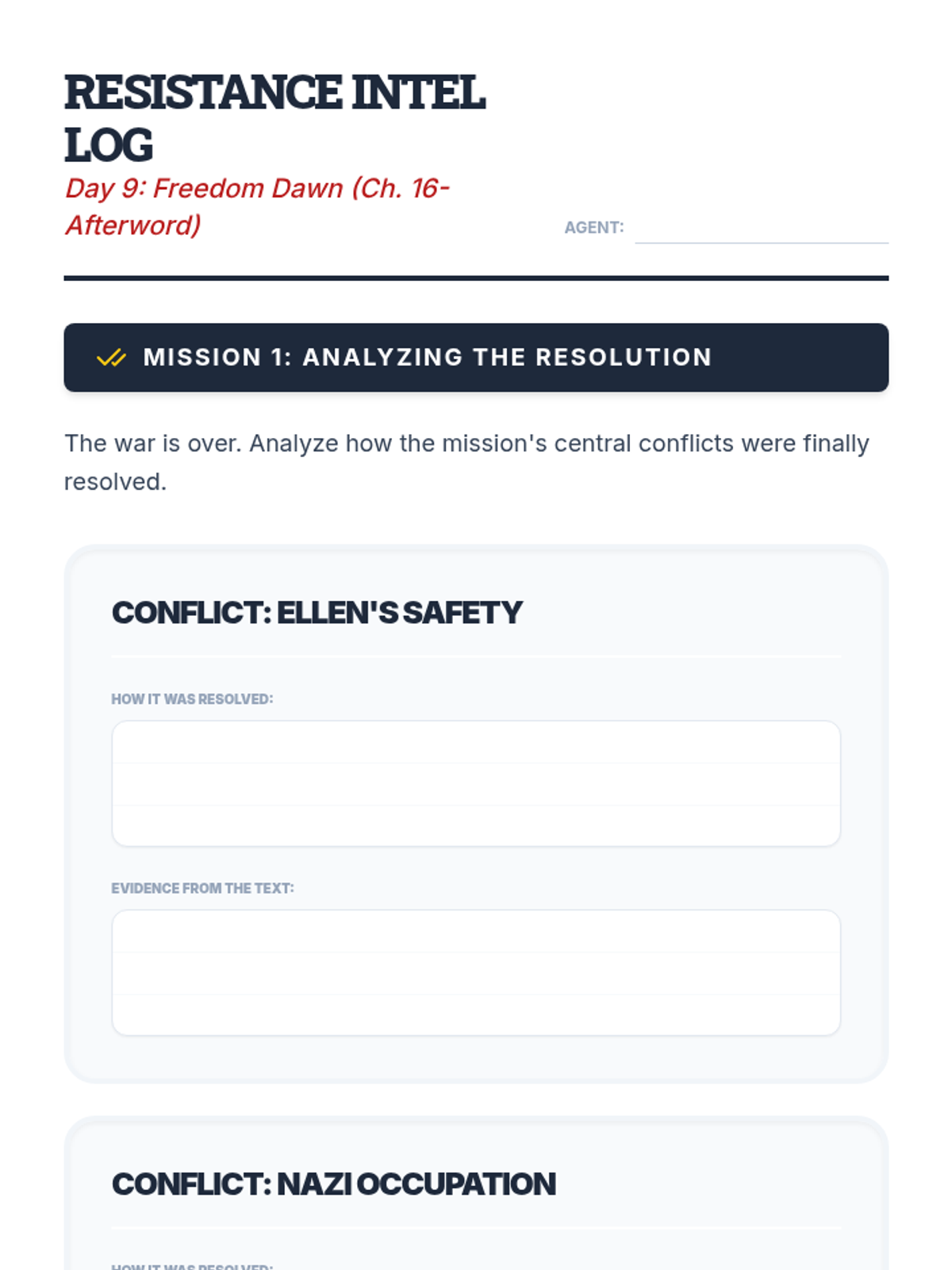
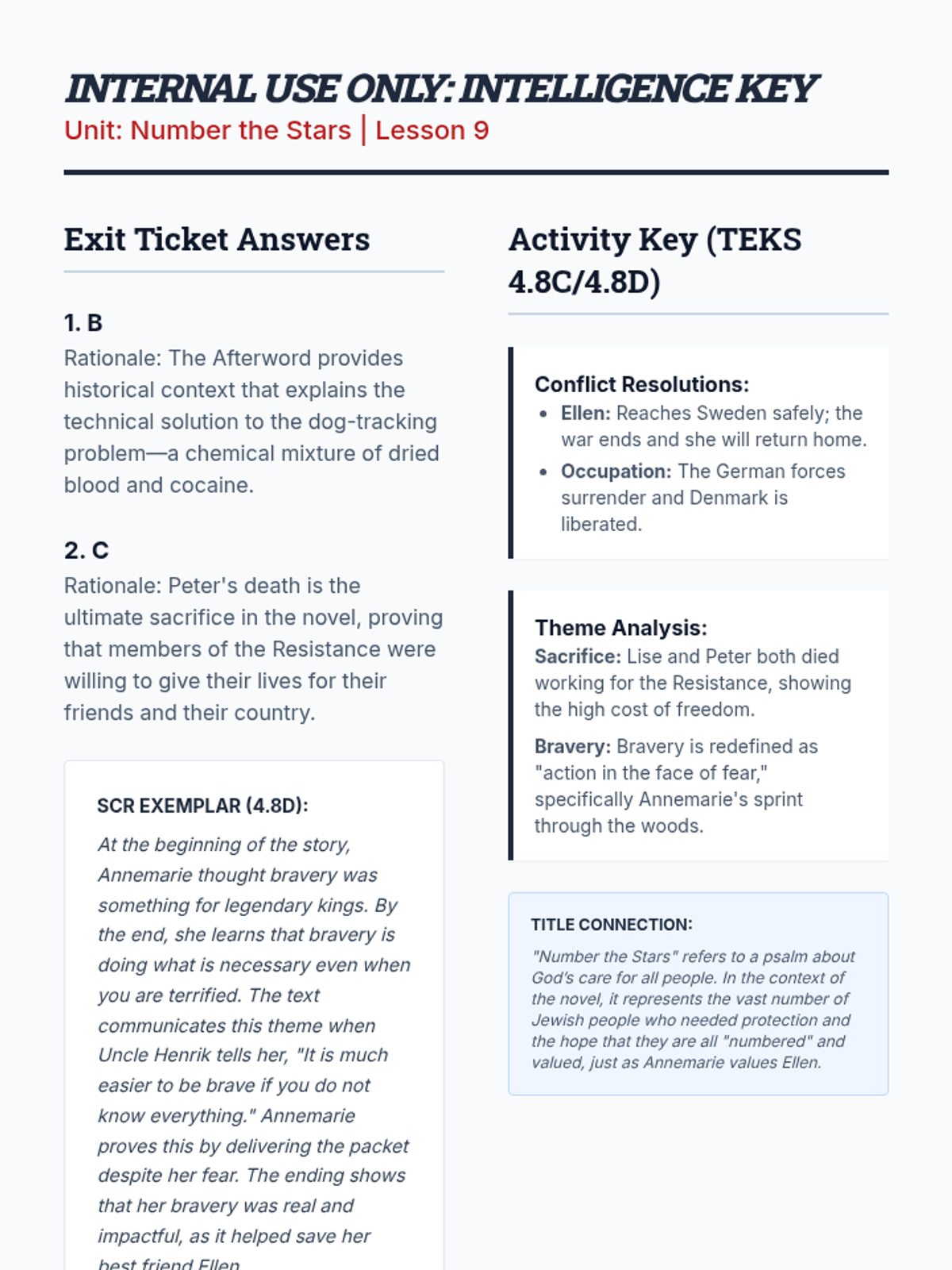
Students synthesize the entire novel's events, including the final chapter and afterword, to identify themes and analyze the resolution of the plot.
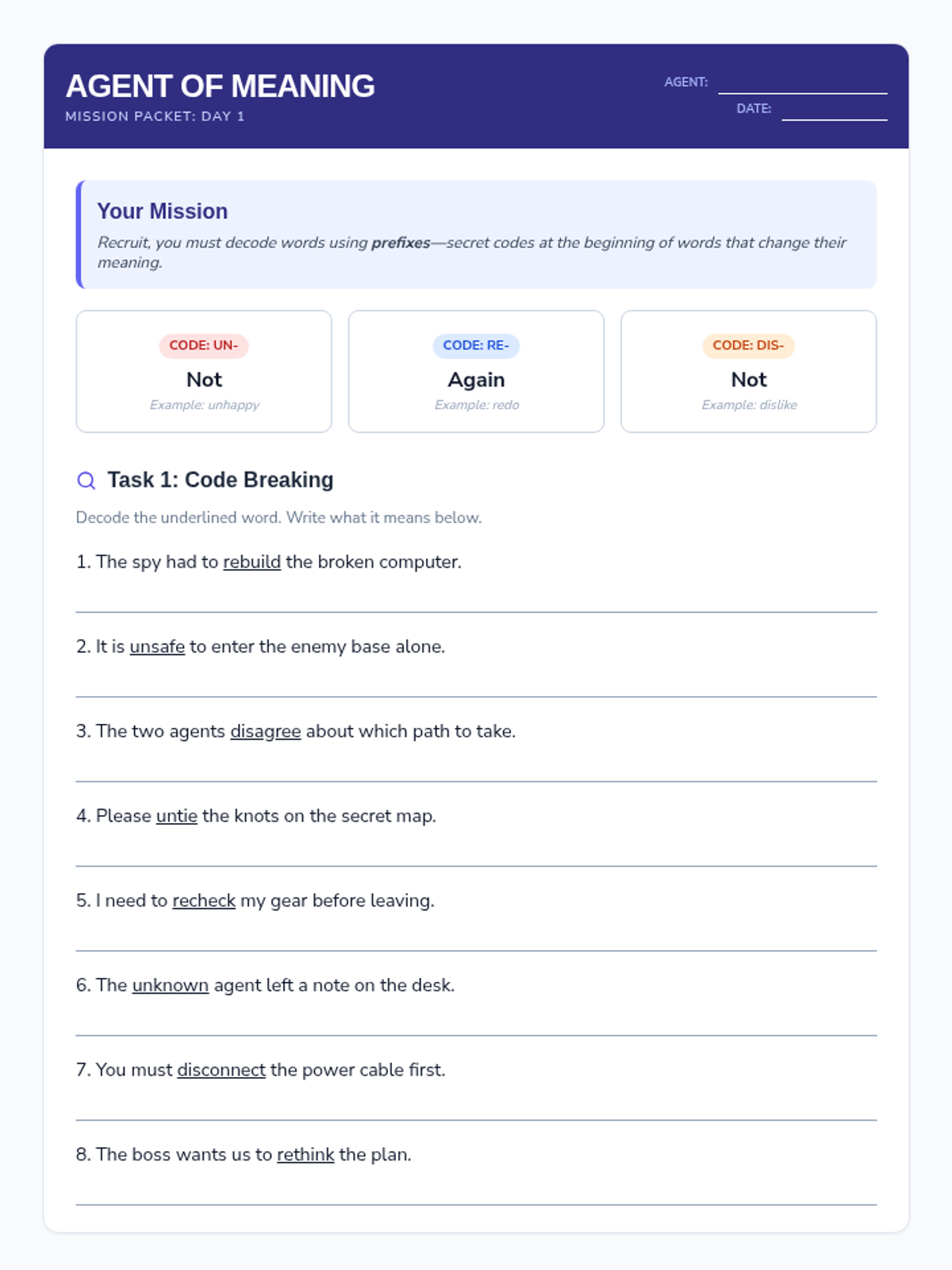
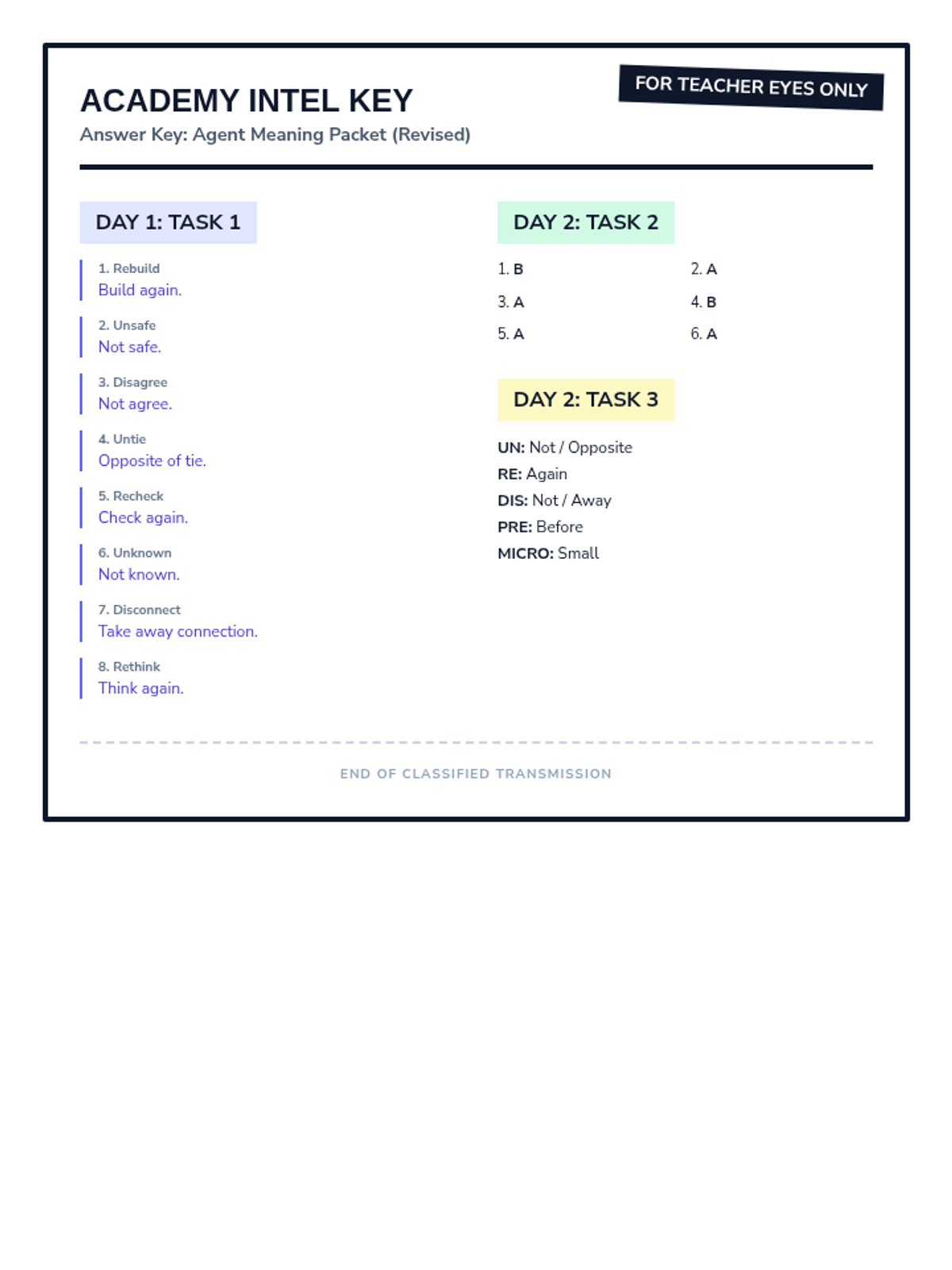
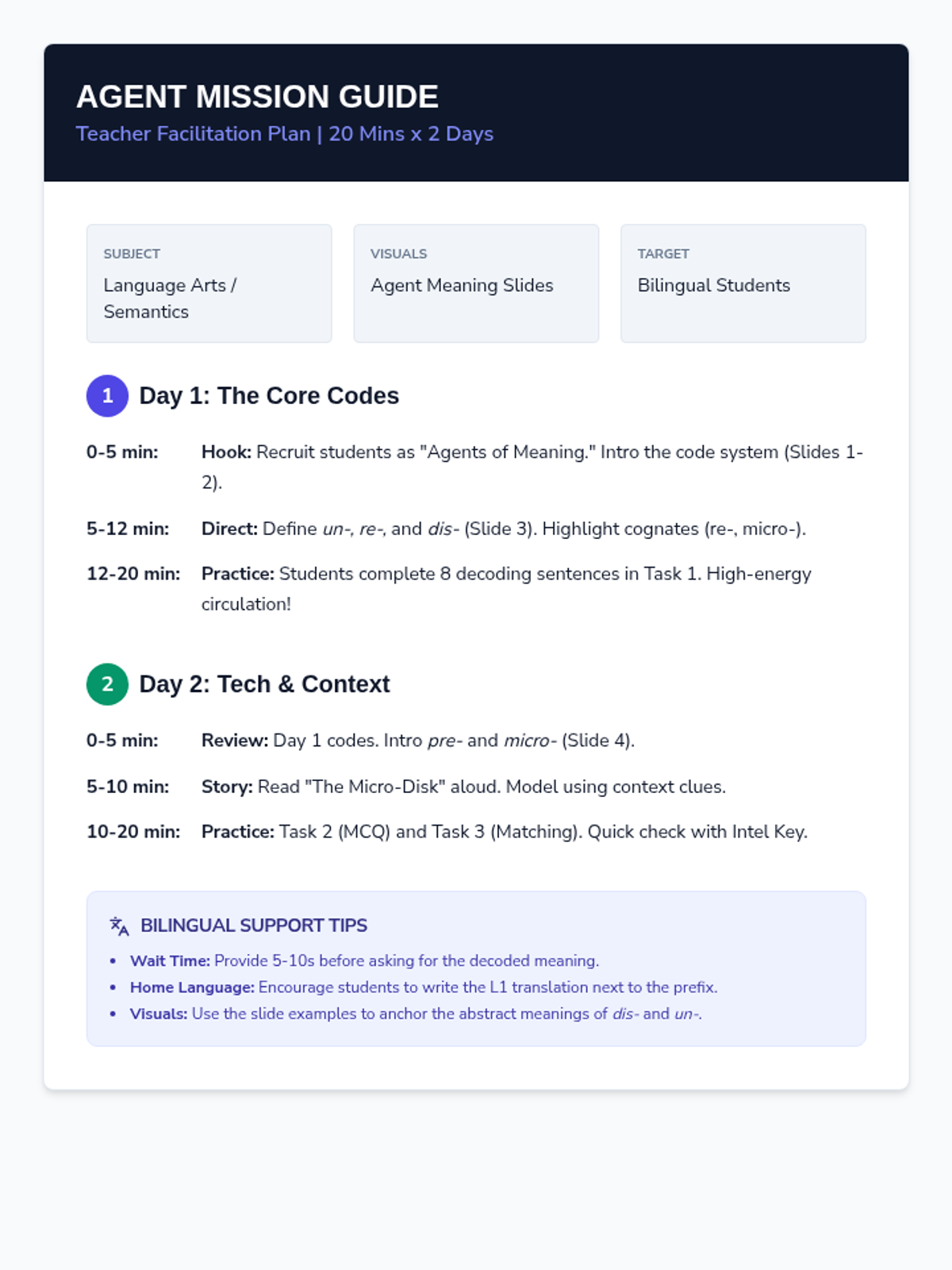
A two-day mini-lesson for bilingual students focused on decoding prefixes (un-, re-, dis-, pre-, micro-) using a spy-themed 'Agent of Meaning' narrative. Students use context clues and semantics to unlock word meanings in short stories and practice exercises.
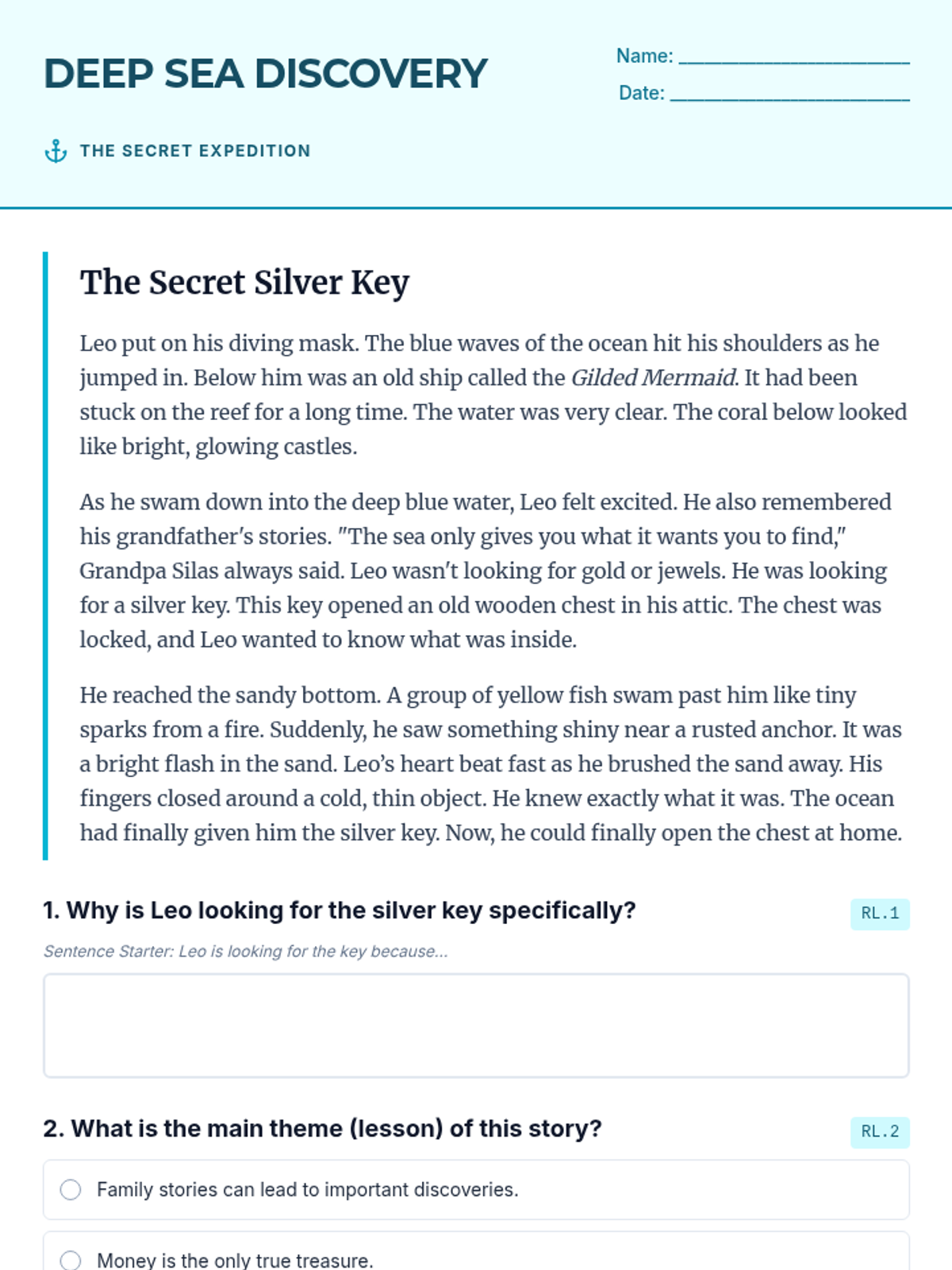
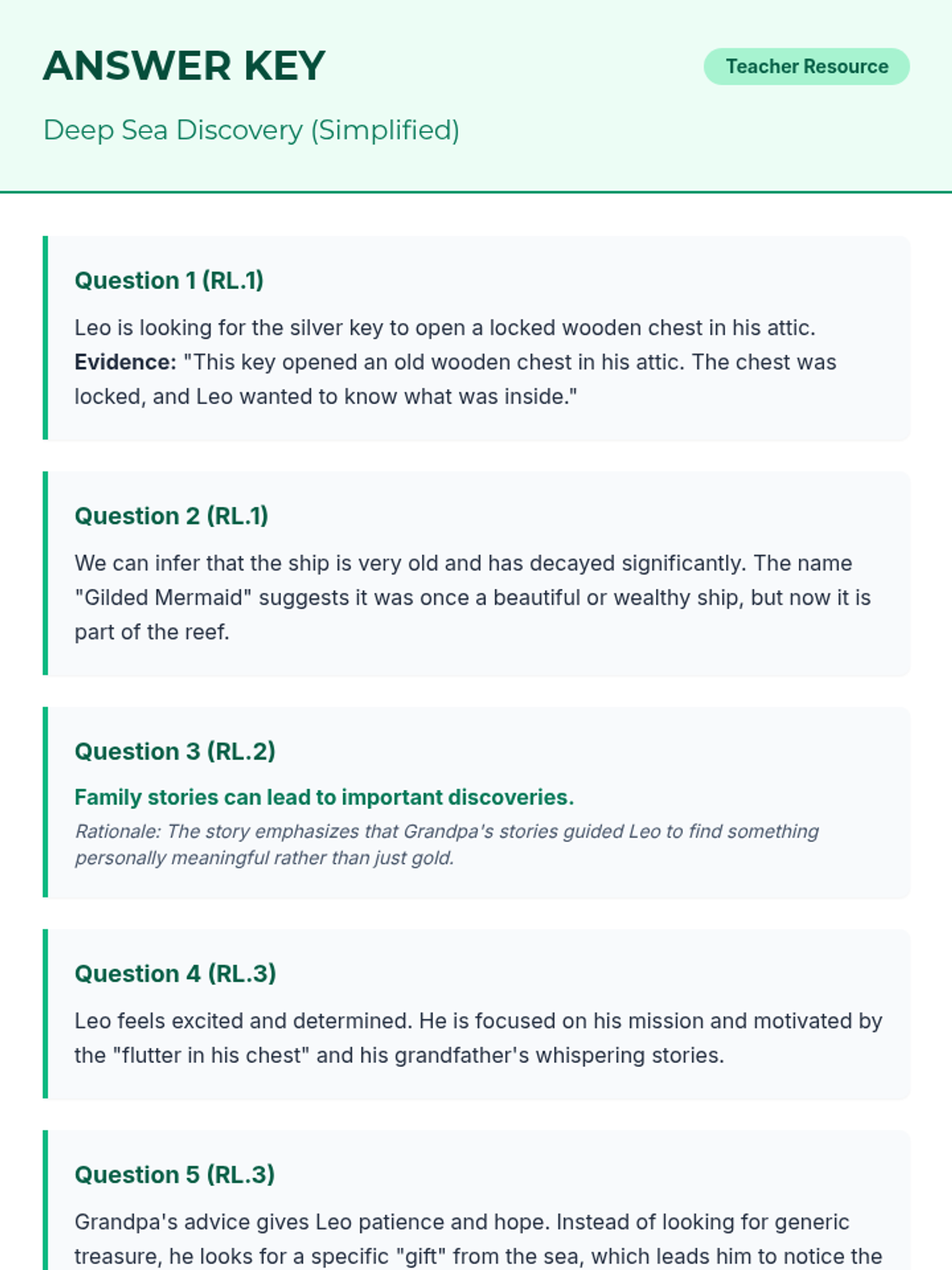
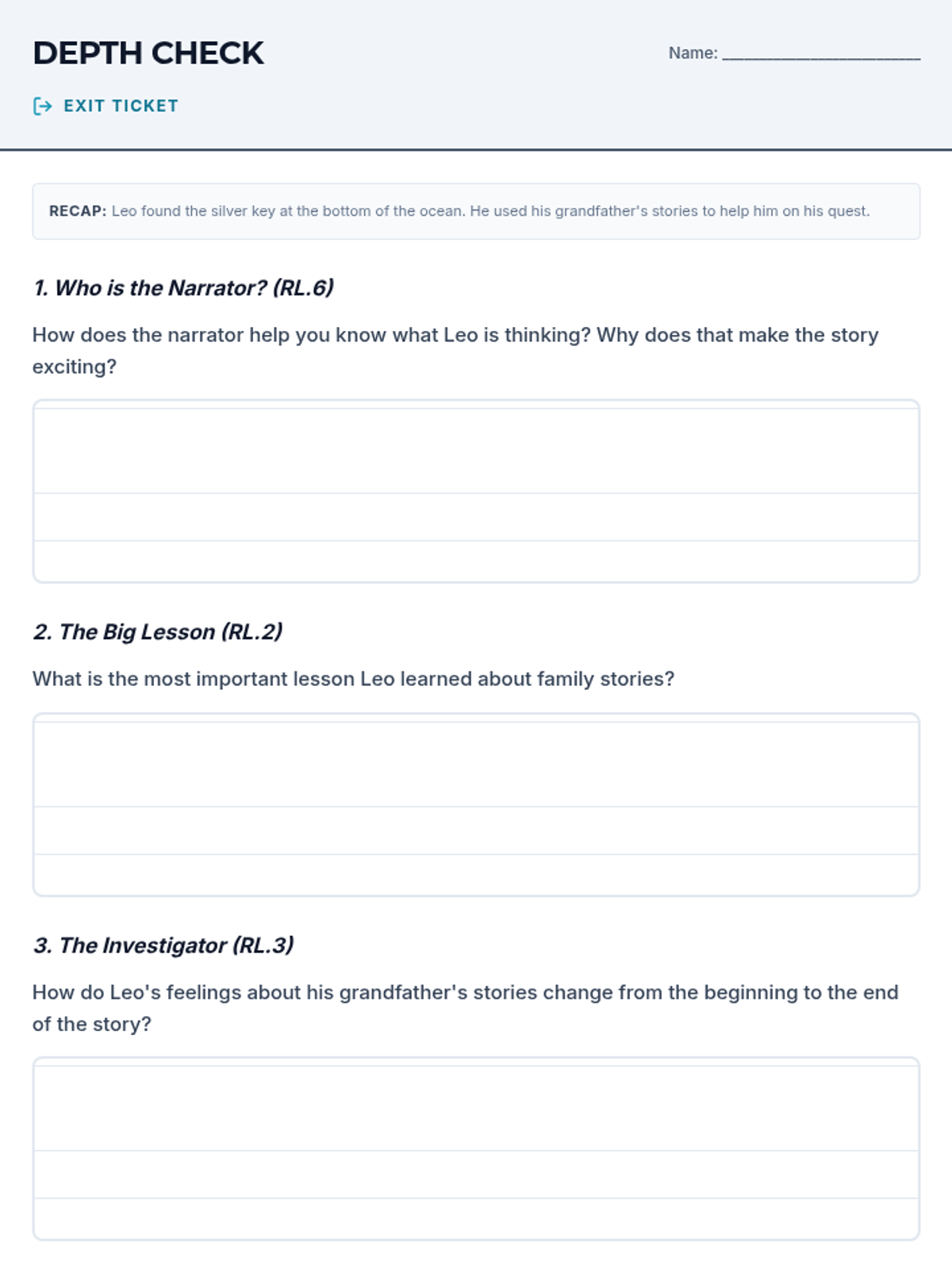
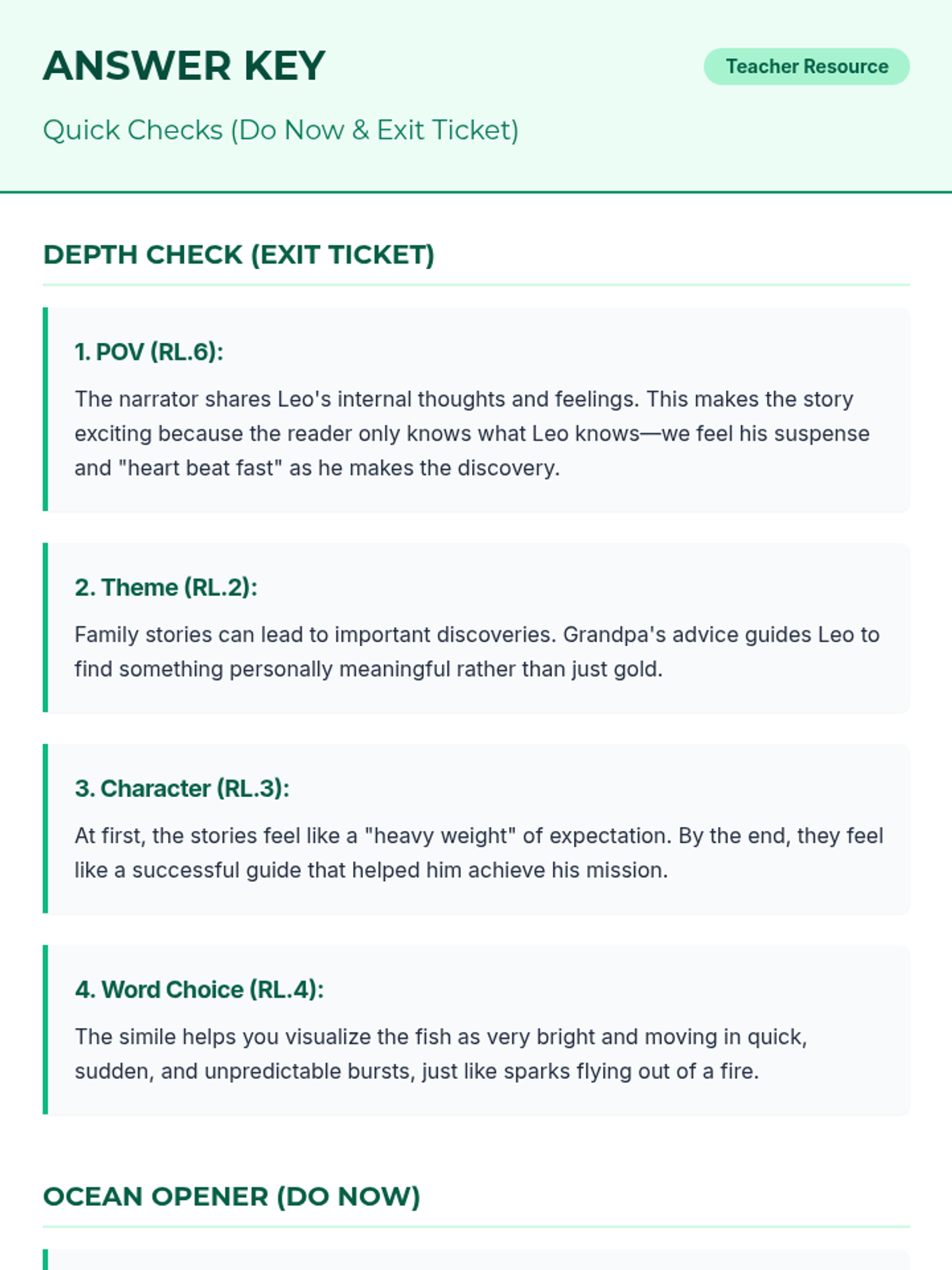
Students analyze a narrative passage to practice quoting evidence, determining themes, and understanding point of view. This lesson specifically targets Common Core standards RL.1, RL.2, RL.3, RL.4, and RL.6.
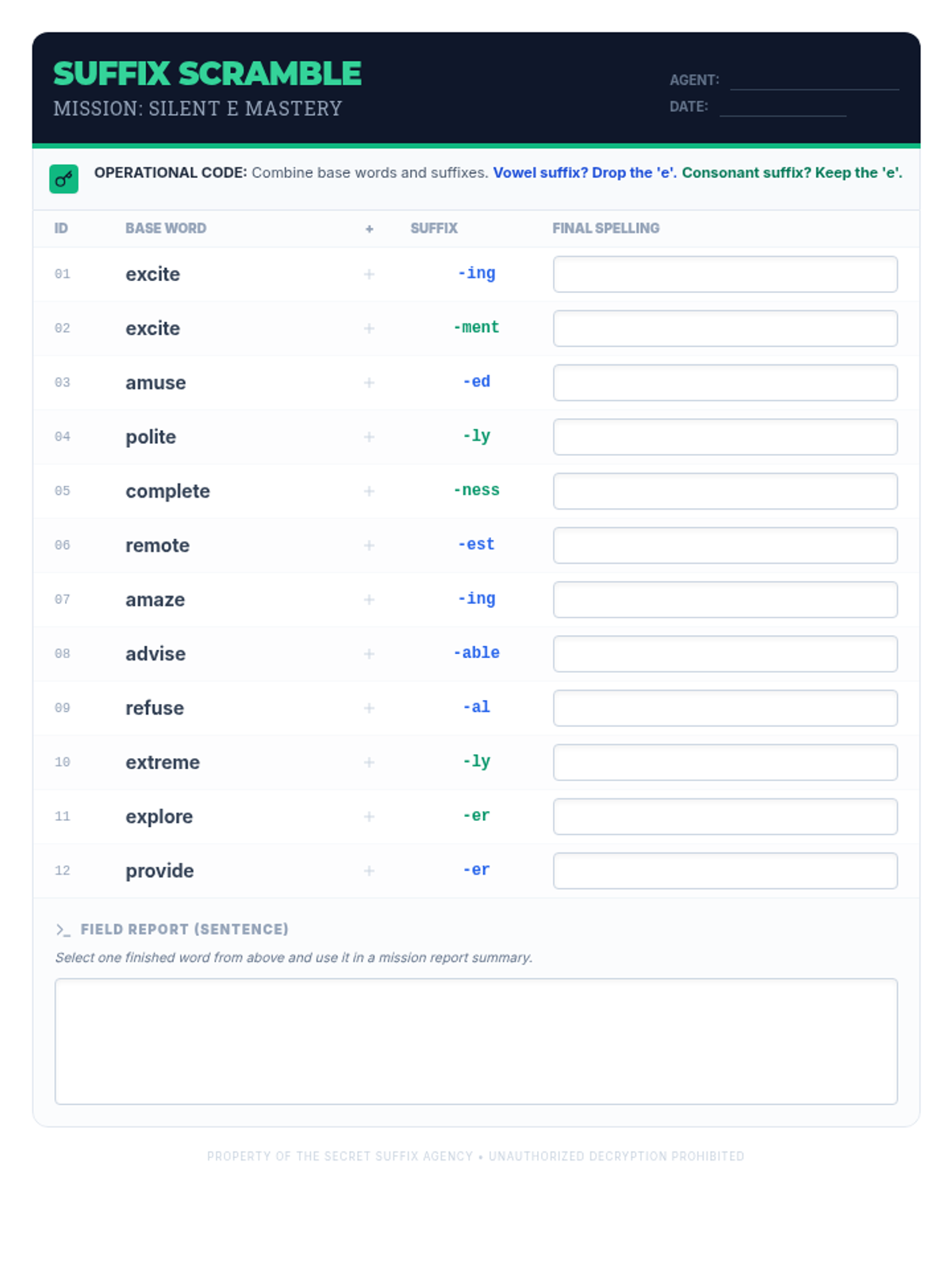
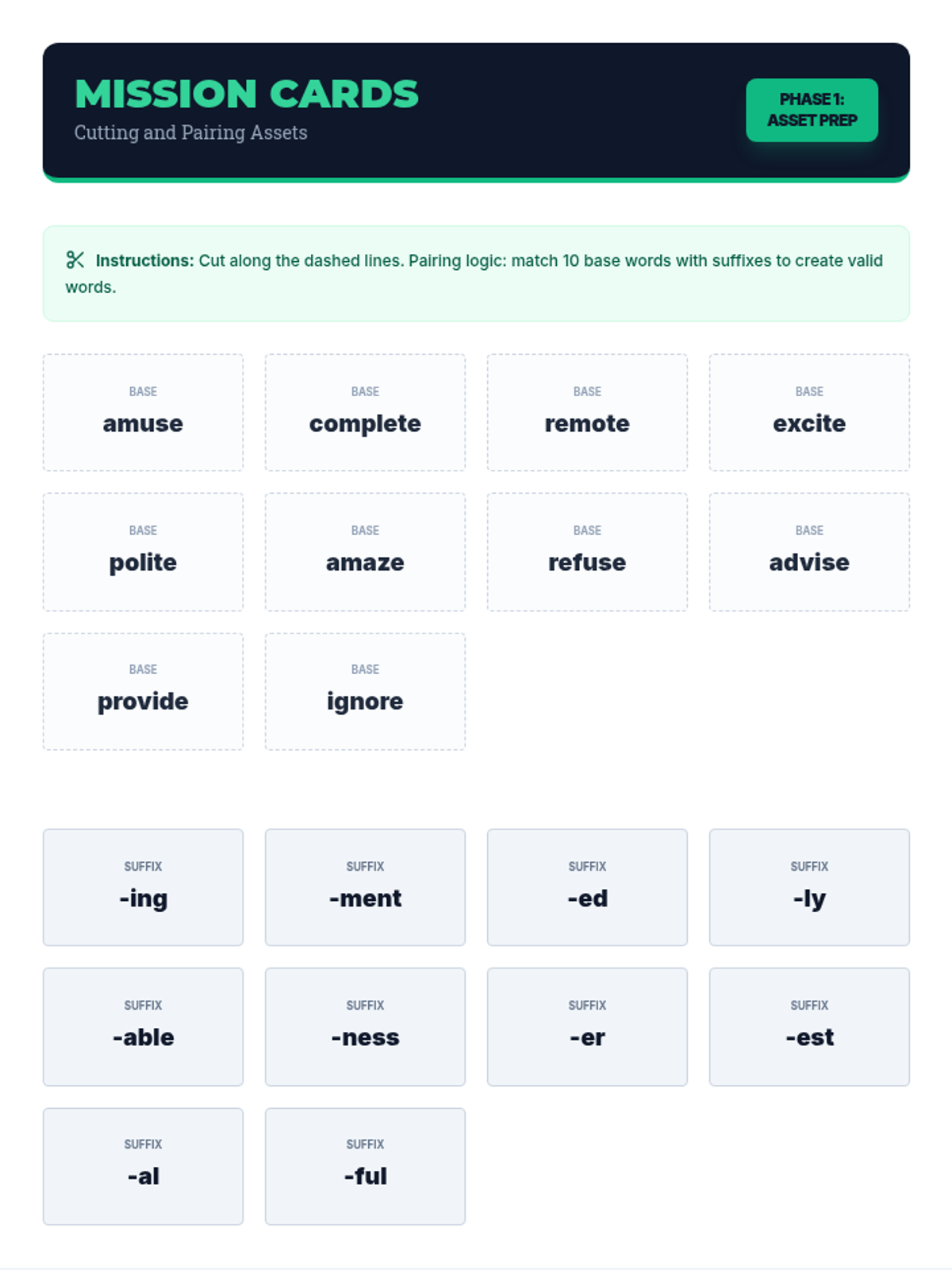
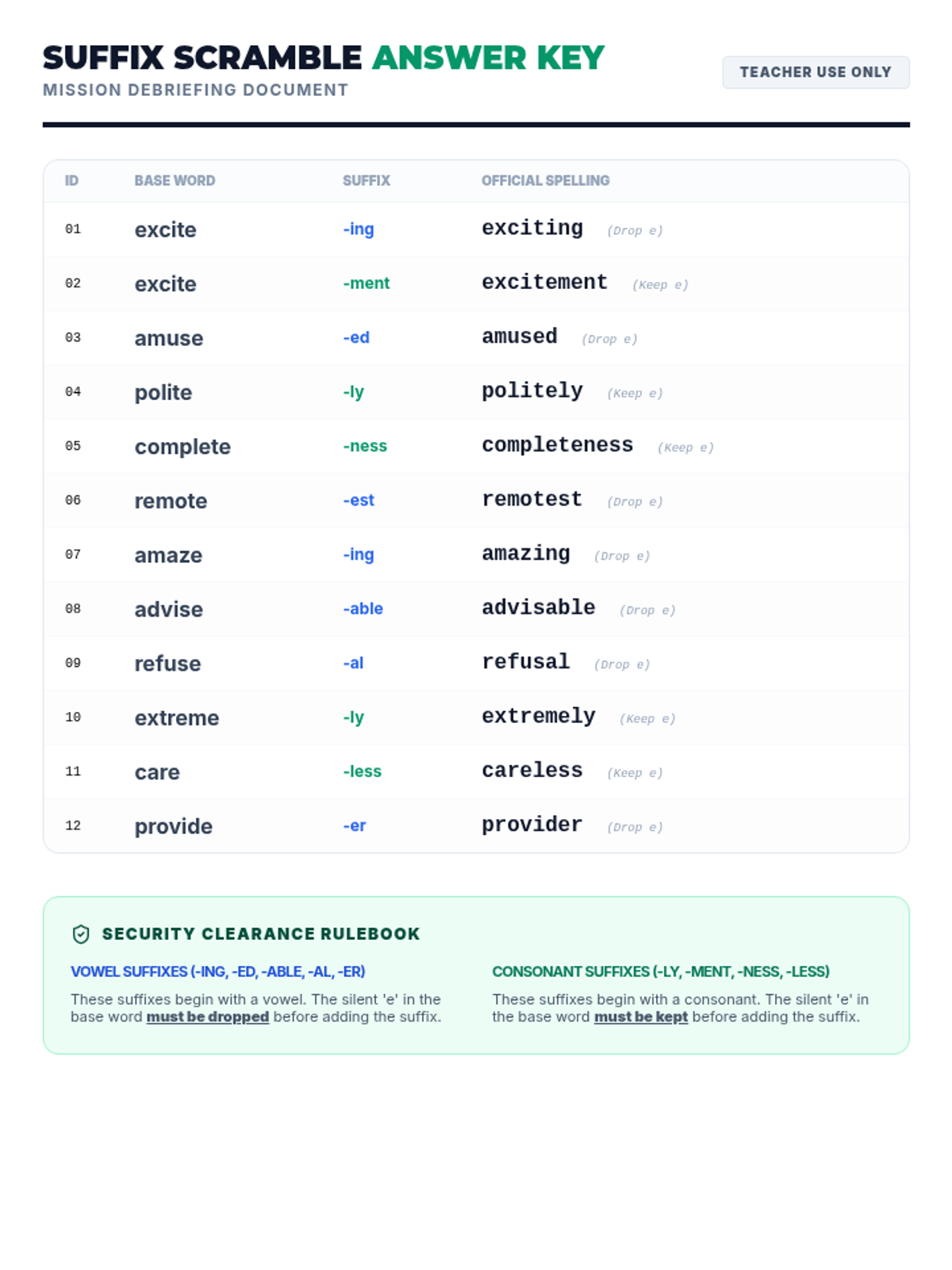
A comprehensive lesson on adding suffixes to multi-syllabic words ending in a silent 'e', focusing on the rules for dropping or keeping the 'e' based on the suffix type.
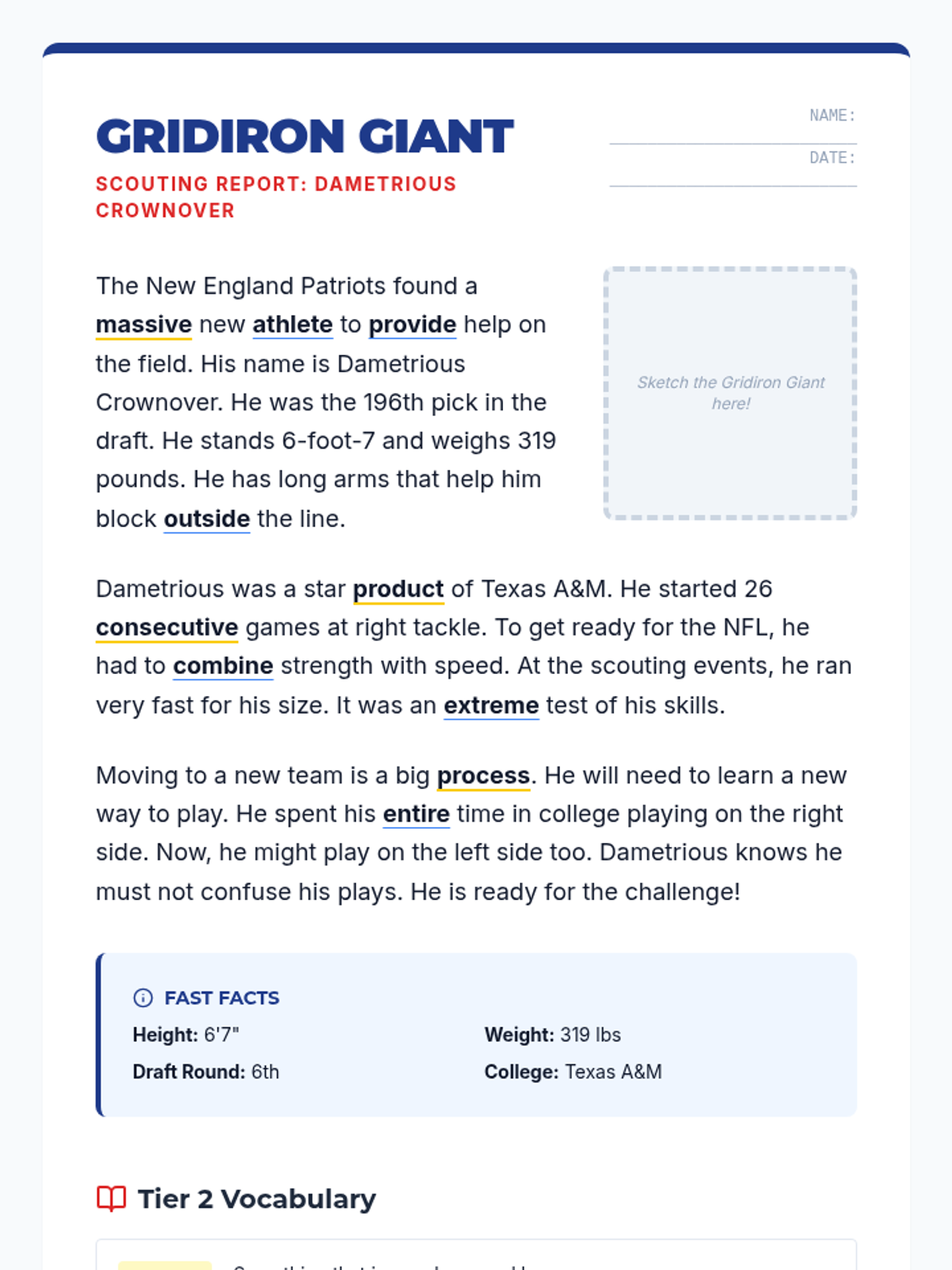
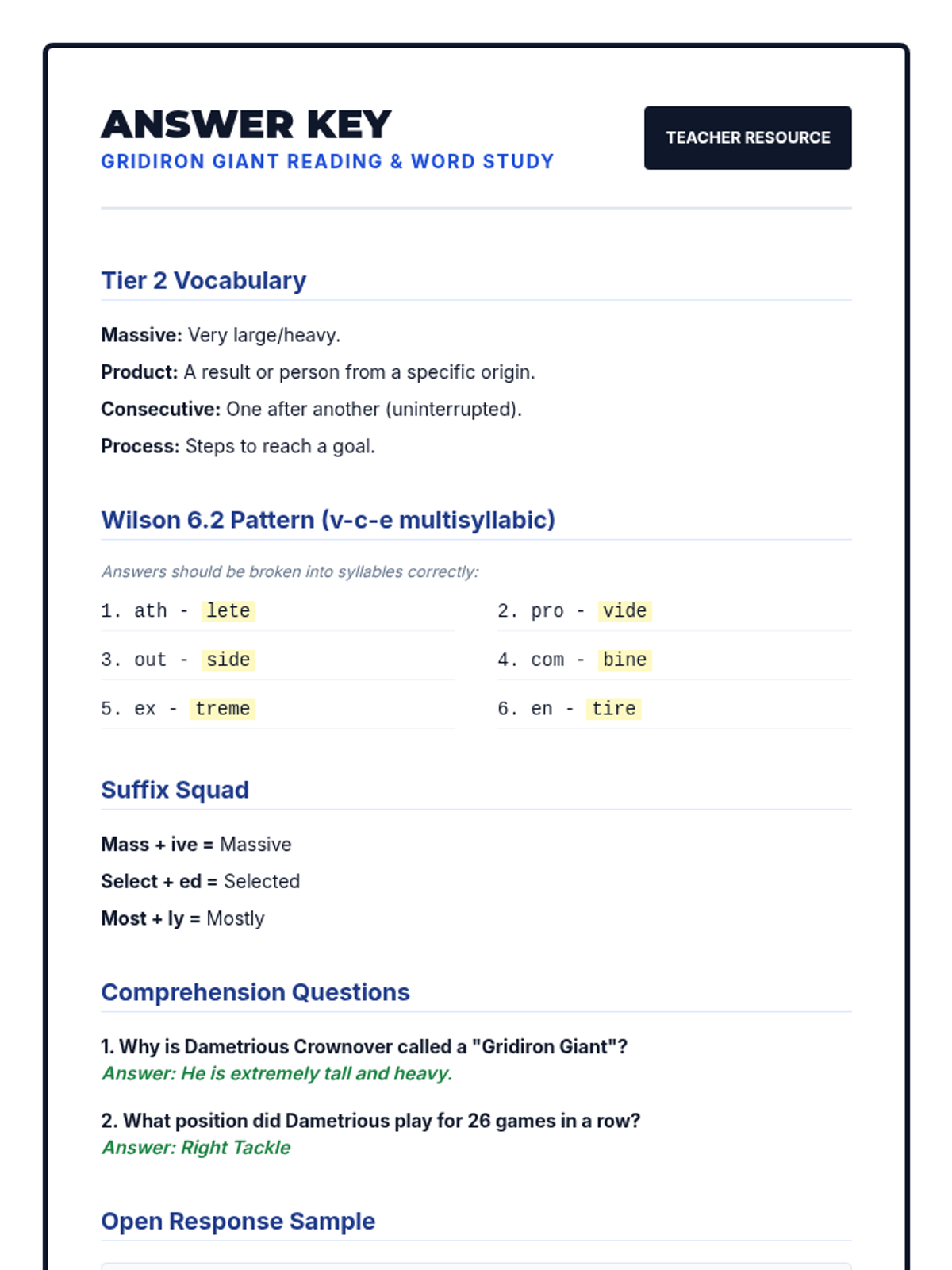
A 4th-grade reading lesson focused on Patriots player Dametrious Crownover, targeting Wilson 6.2 patterns (v-c-e in multisyllabic words), academic vocabulary, and morphological analysis.
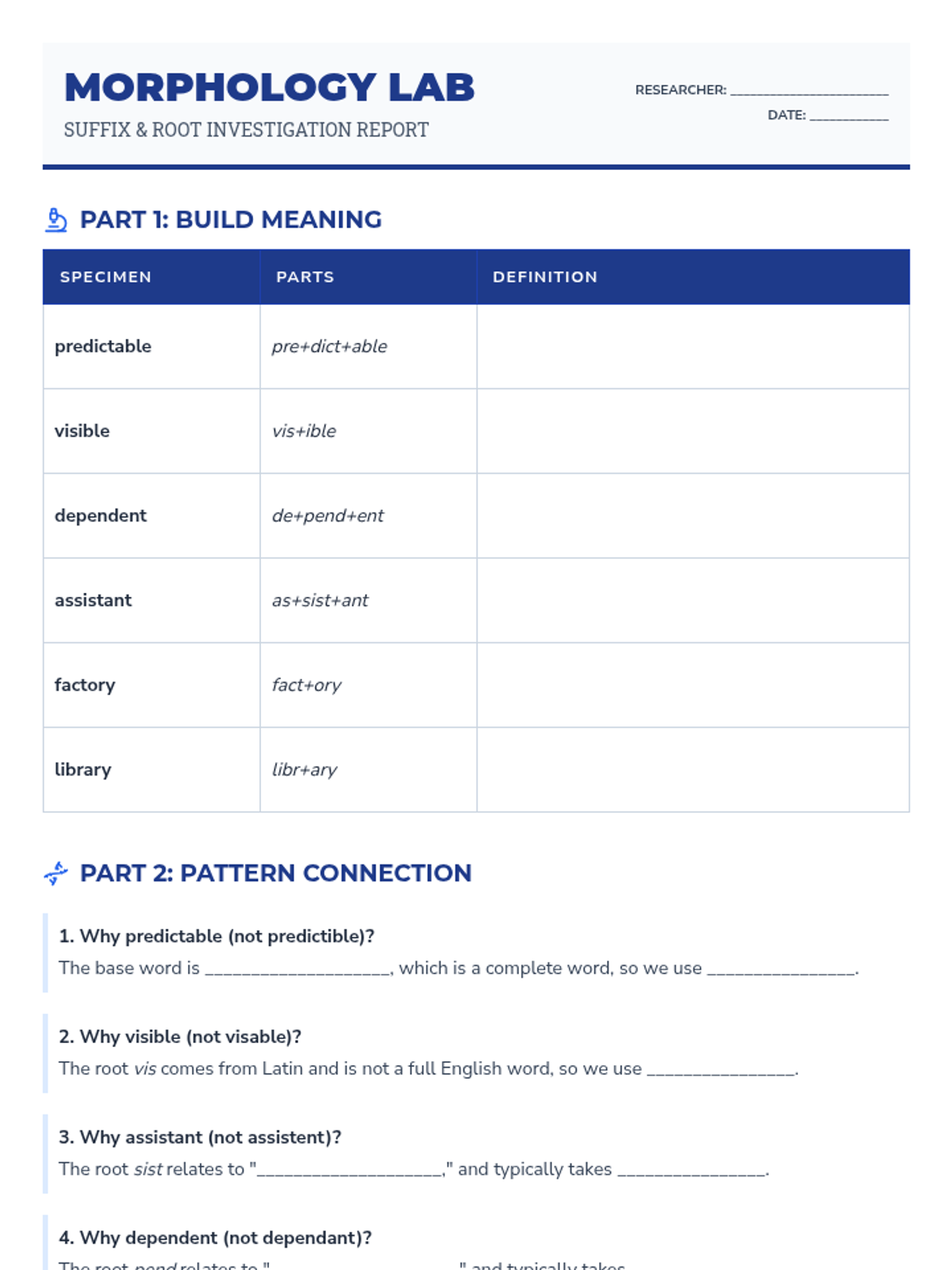
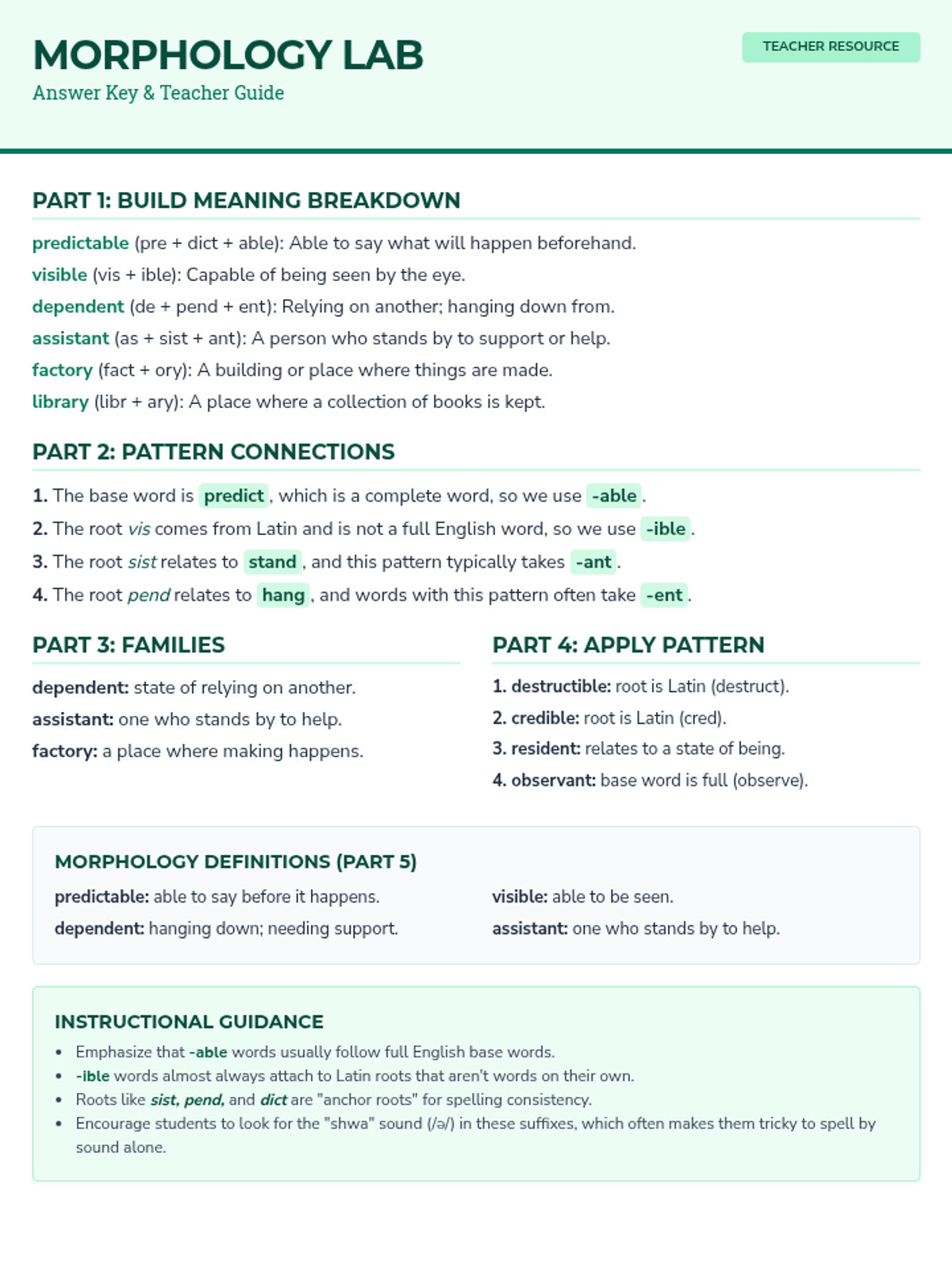
A deep dive into morphology and common word endings (-able, -ible, -ary, -ery, -ory, -ant, -ent), focusing on how Latin roots and base words determine spelling patterns.
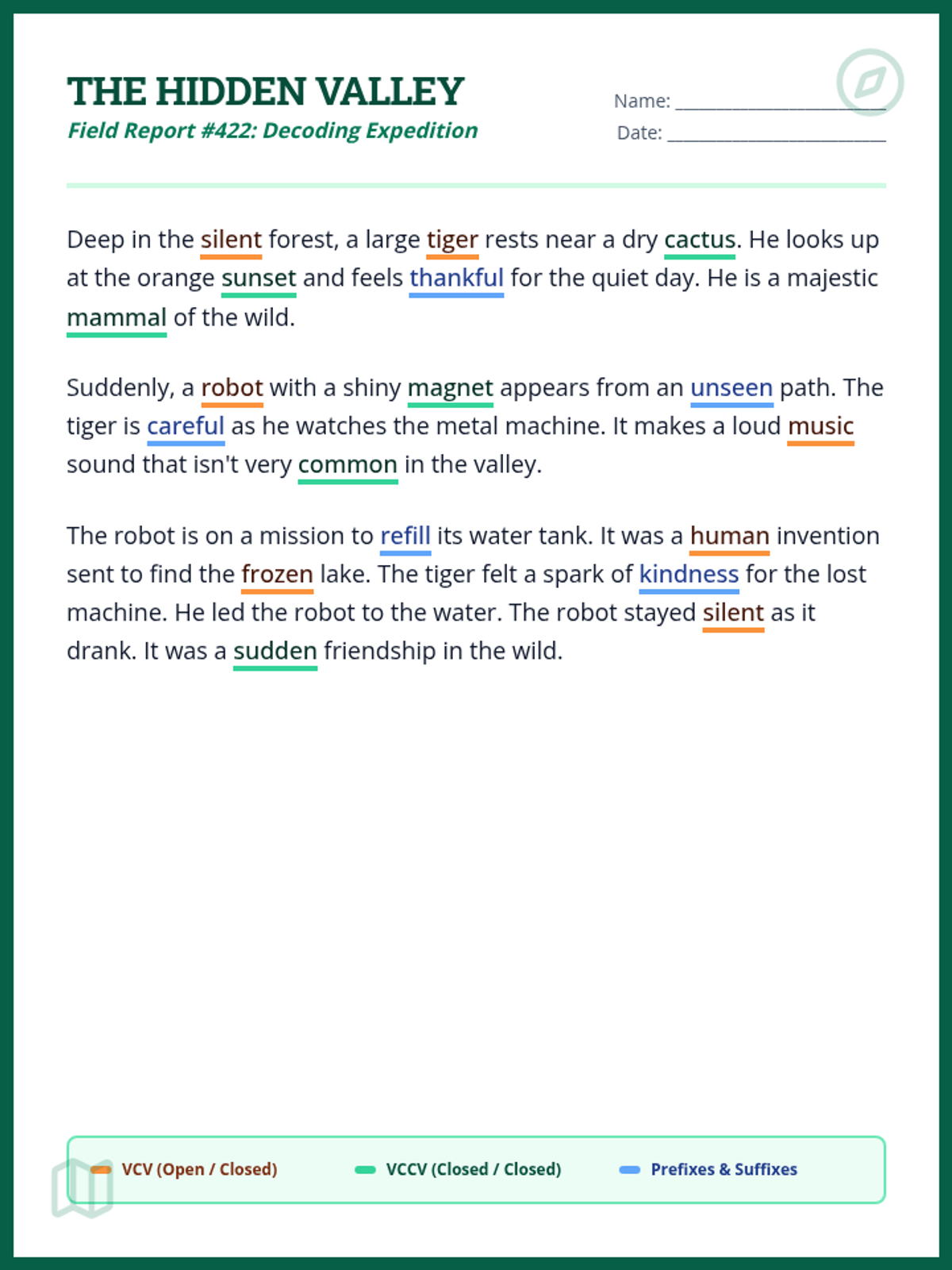
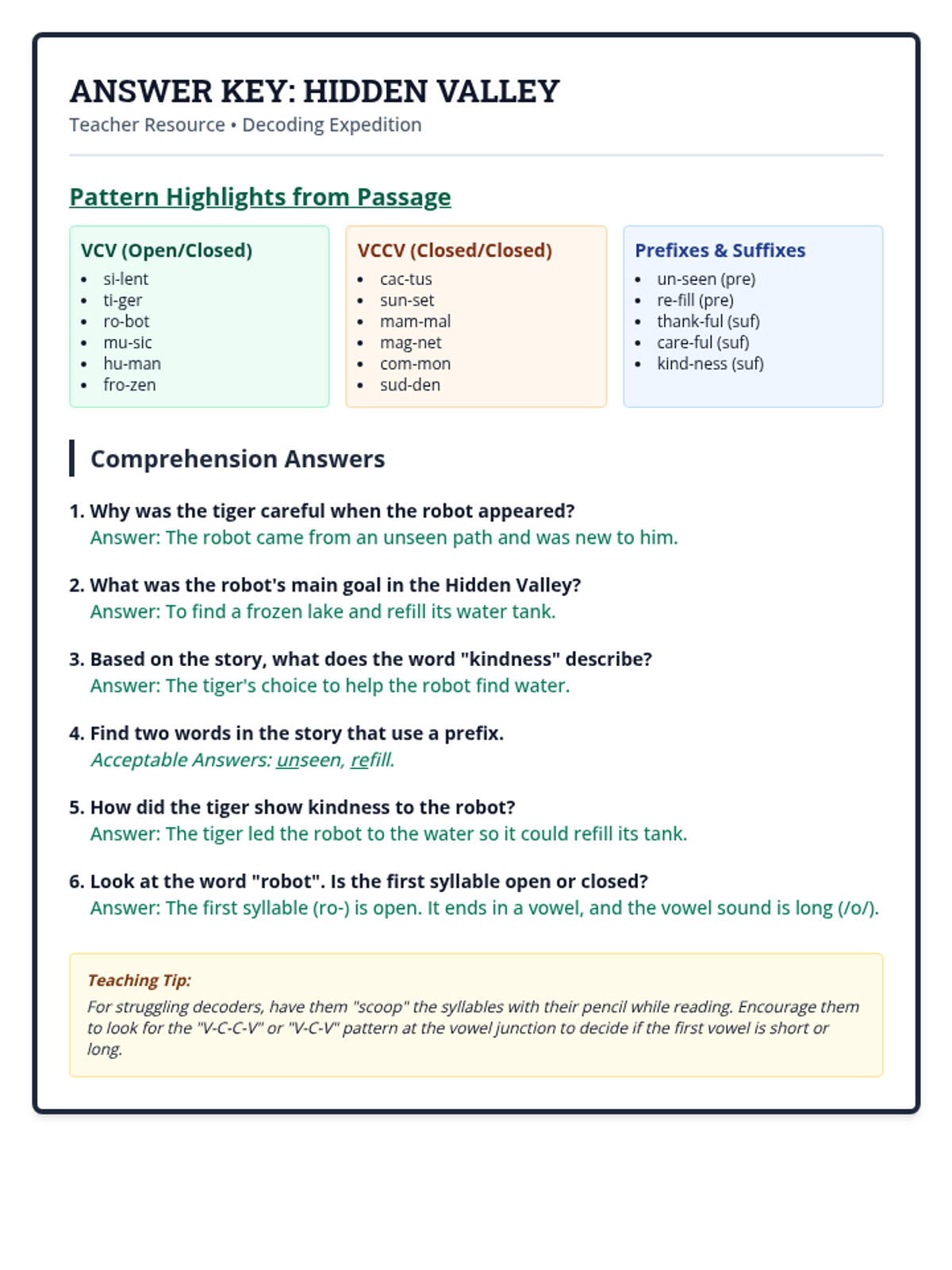
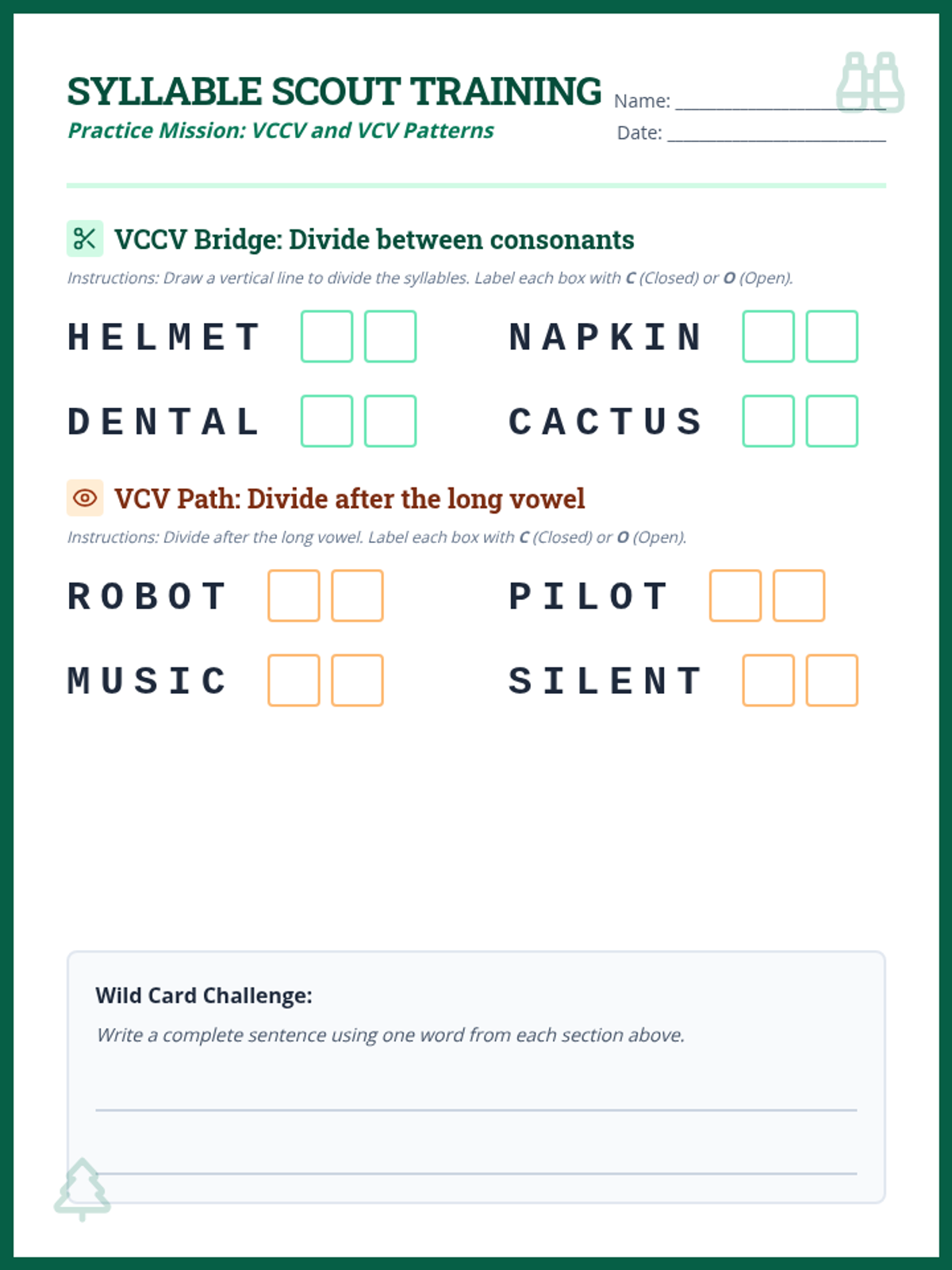
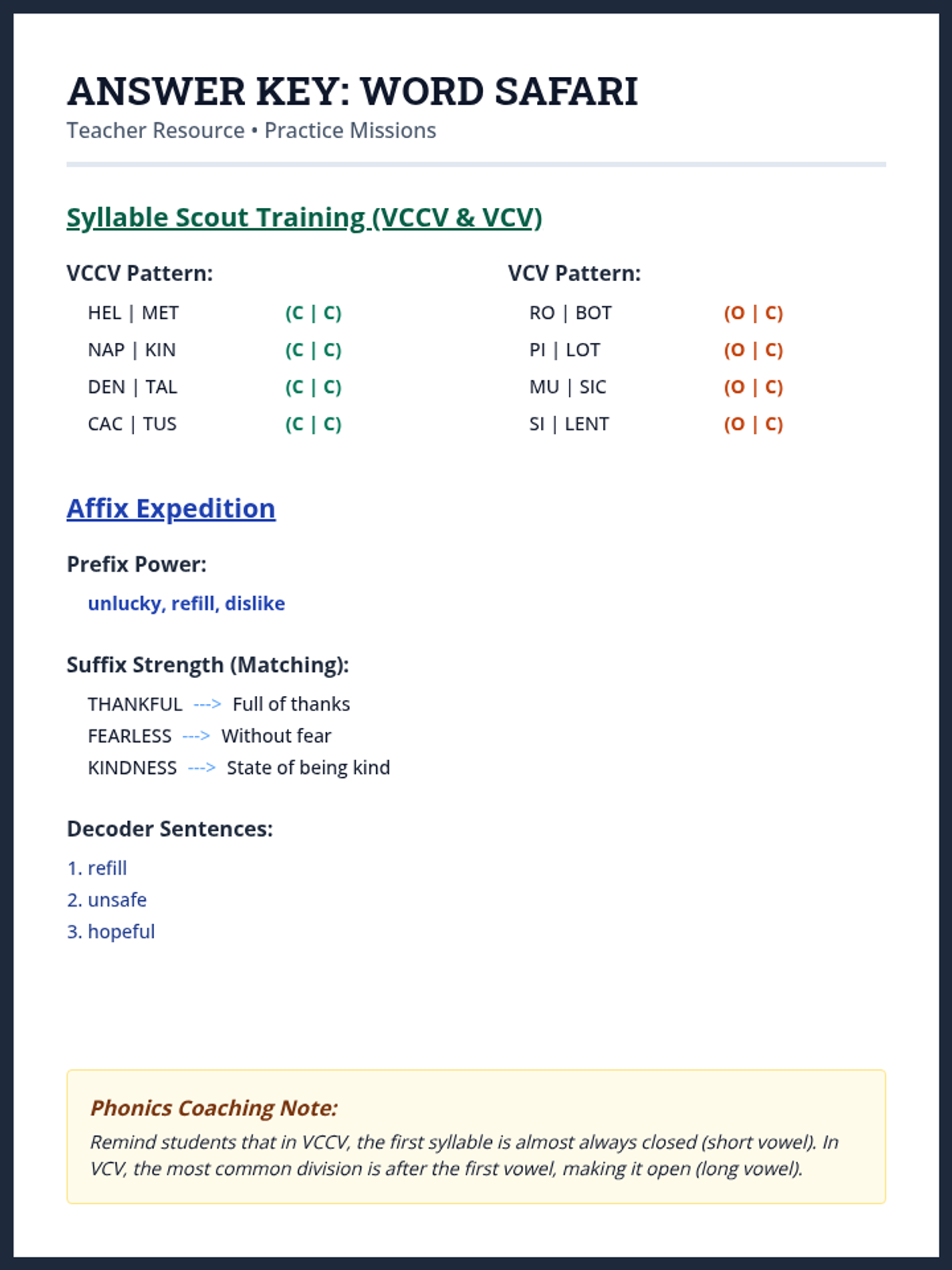
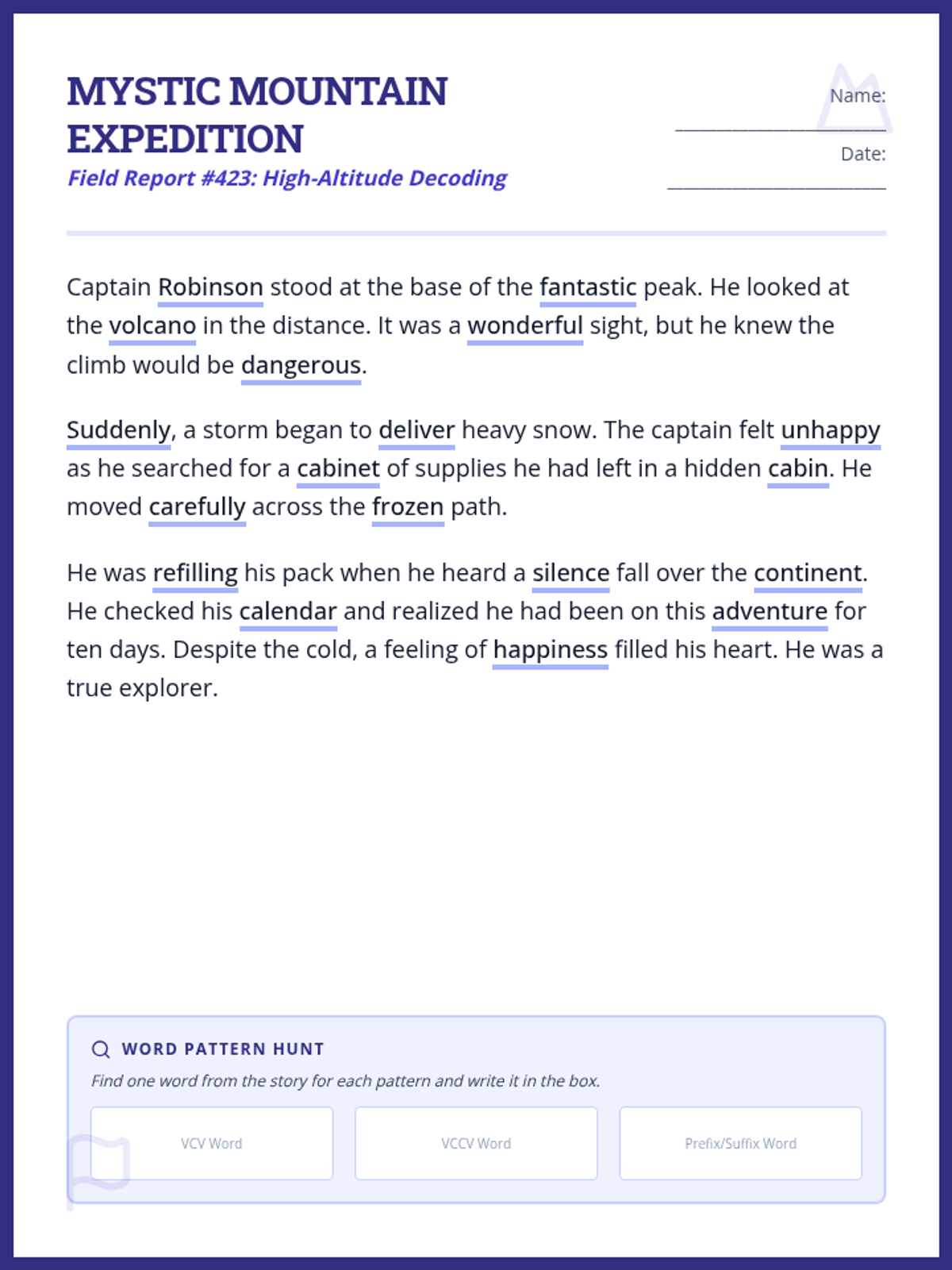
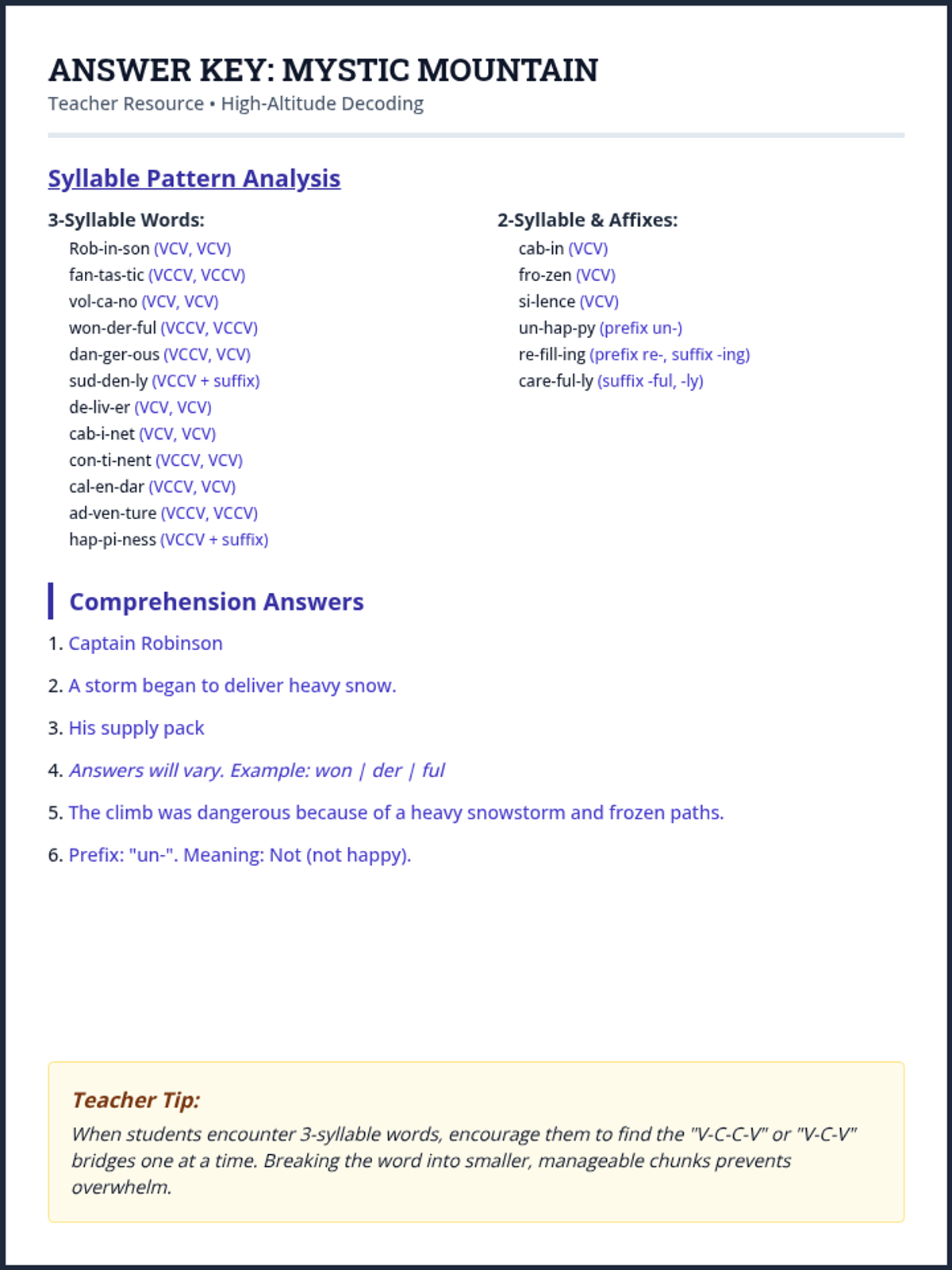
A lesson focused on decoding VCCV and VCV syllable patterns, along with common prefixes and suffixes, through an engaging reading passage and comprehension check.
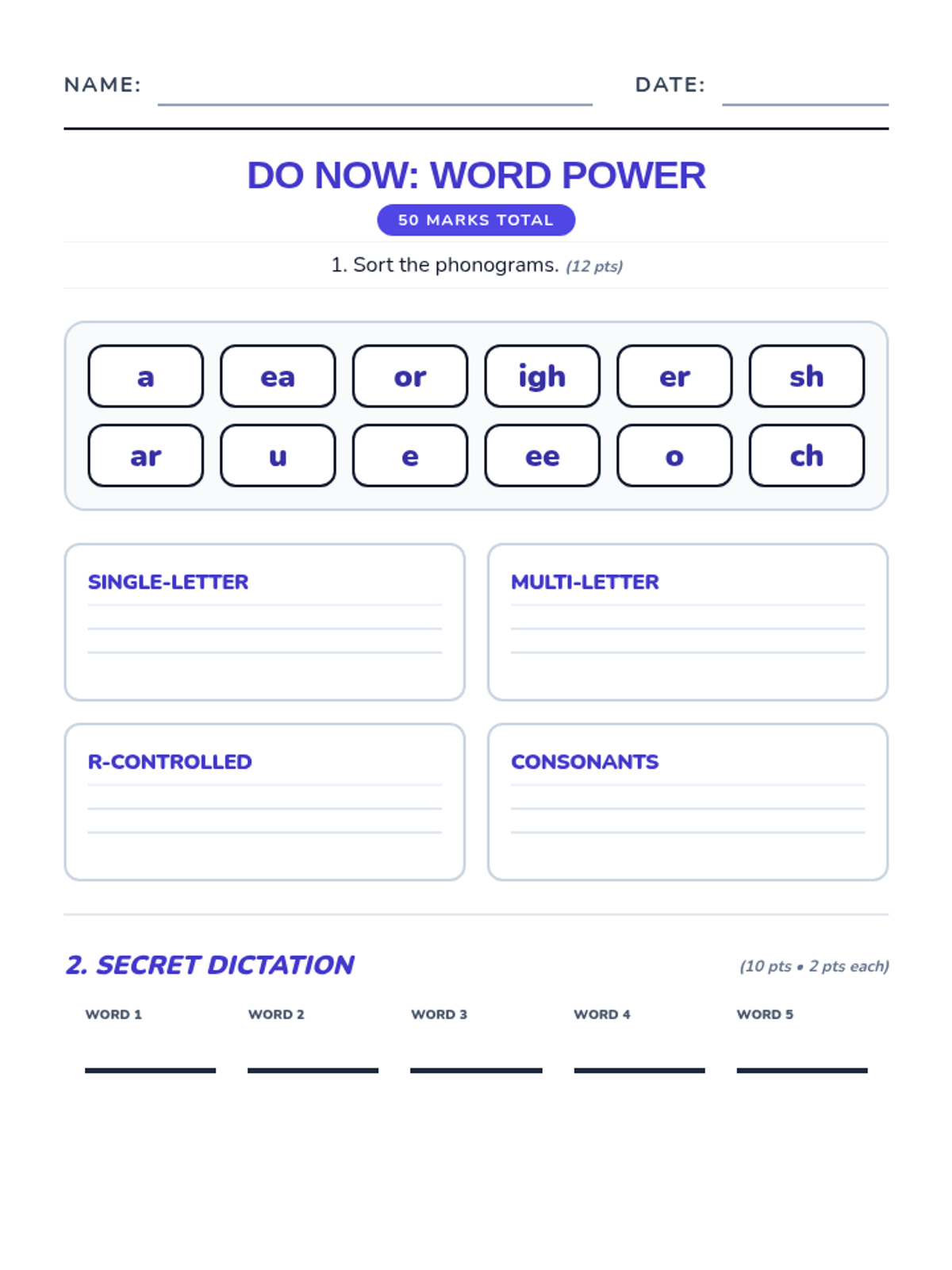
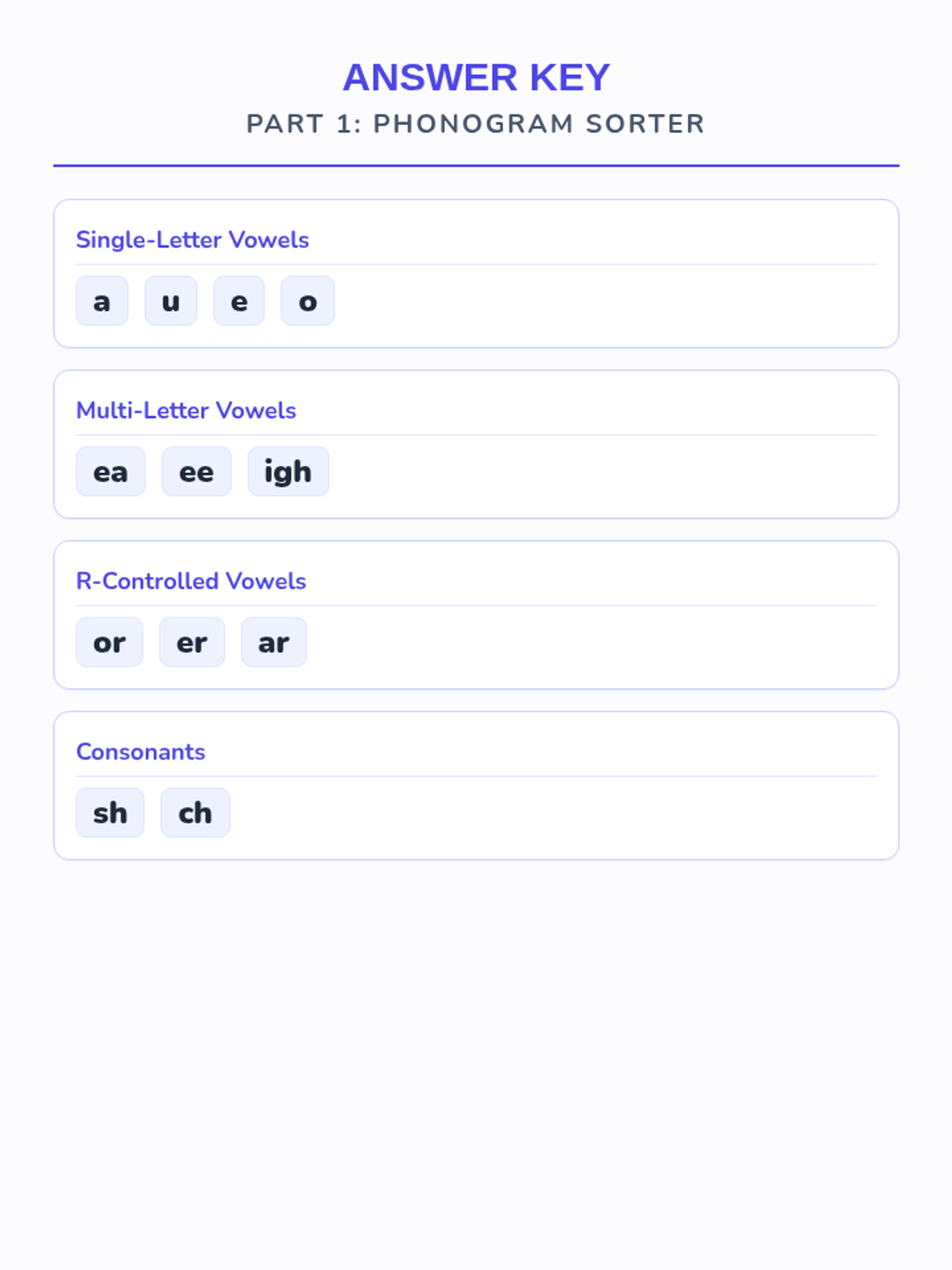
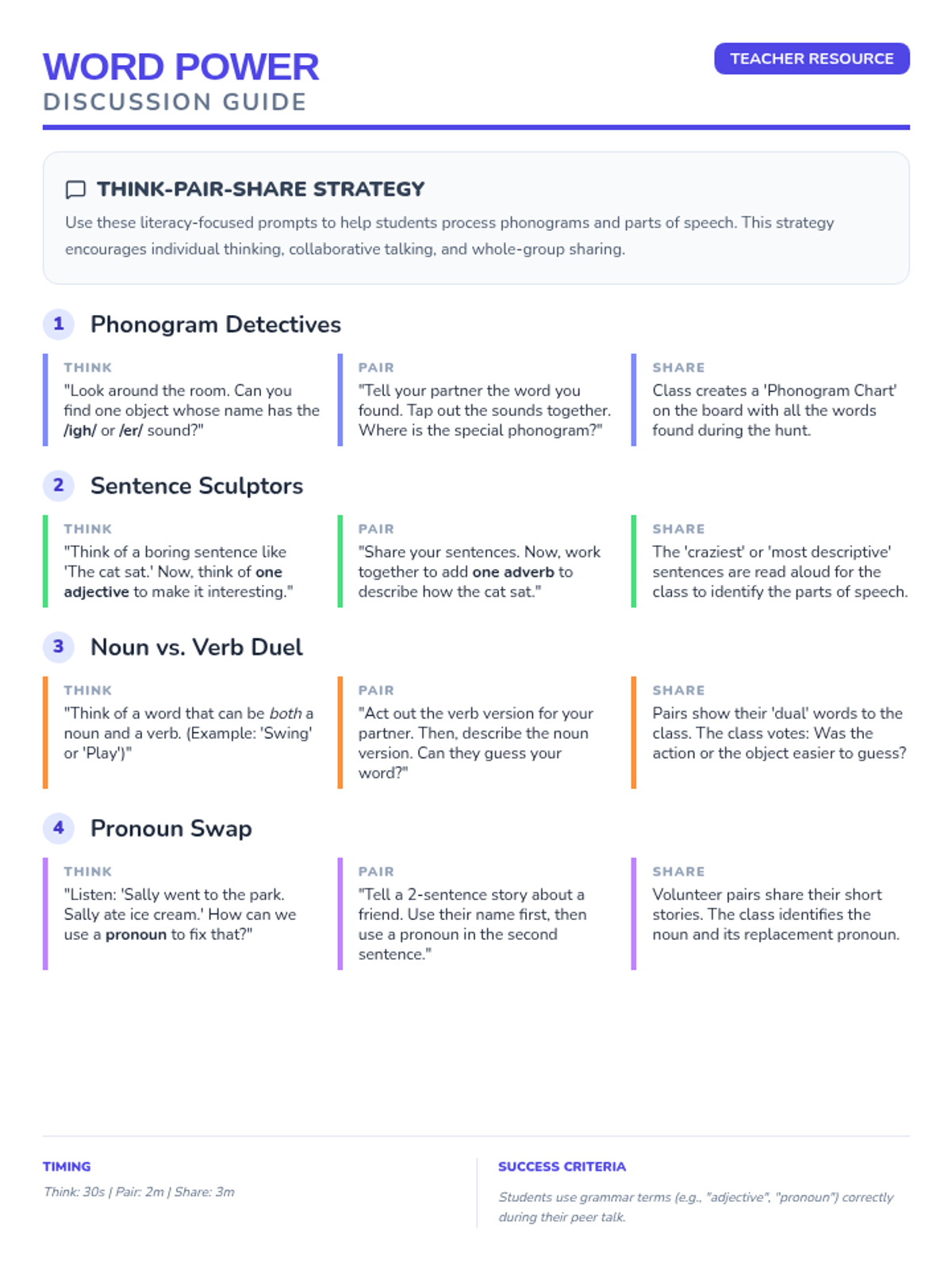
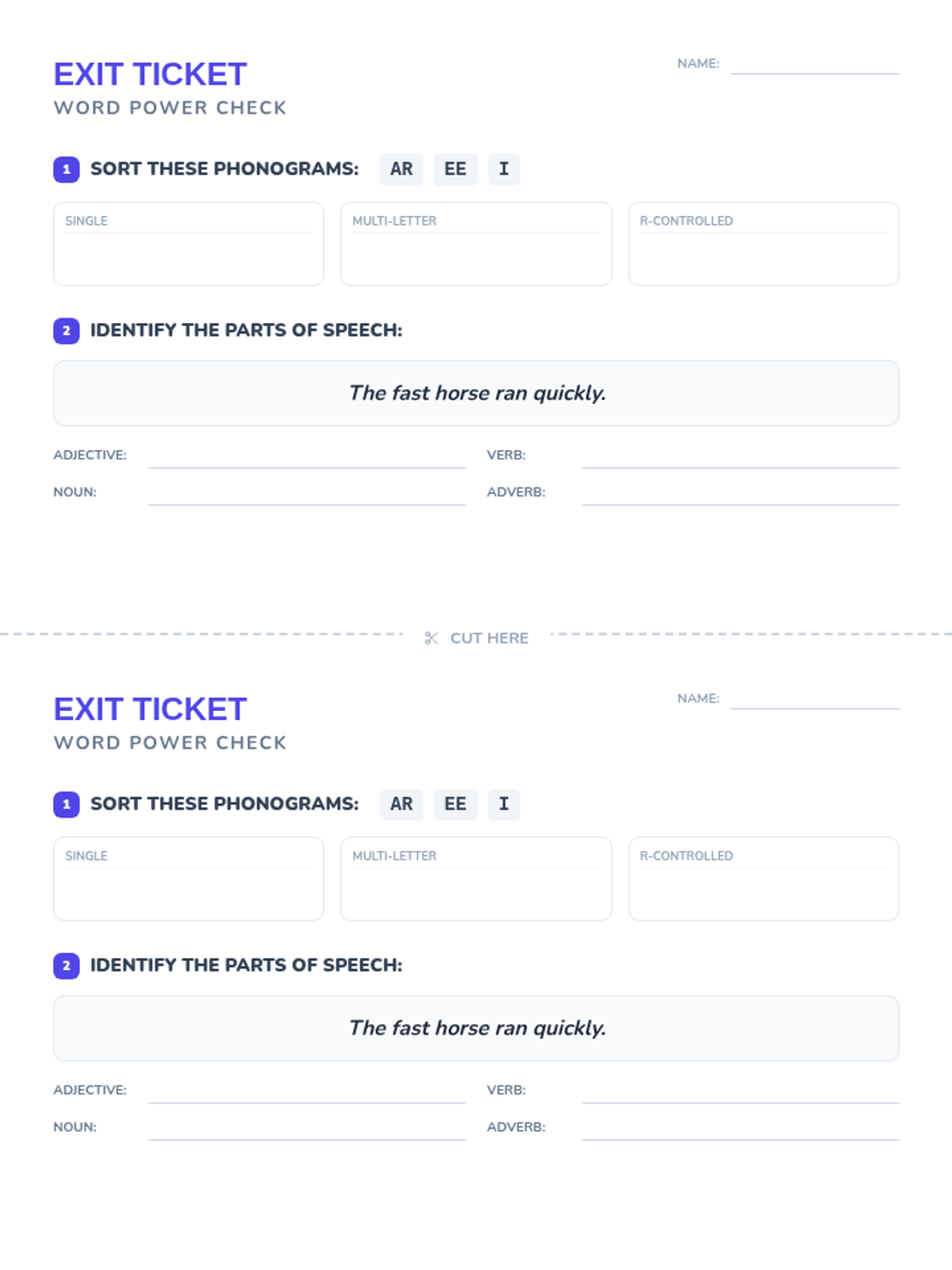
A two-part foundational literacy lesson focusing on phonogram categorization and identifying parts of speech in simple sentences.
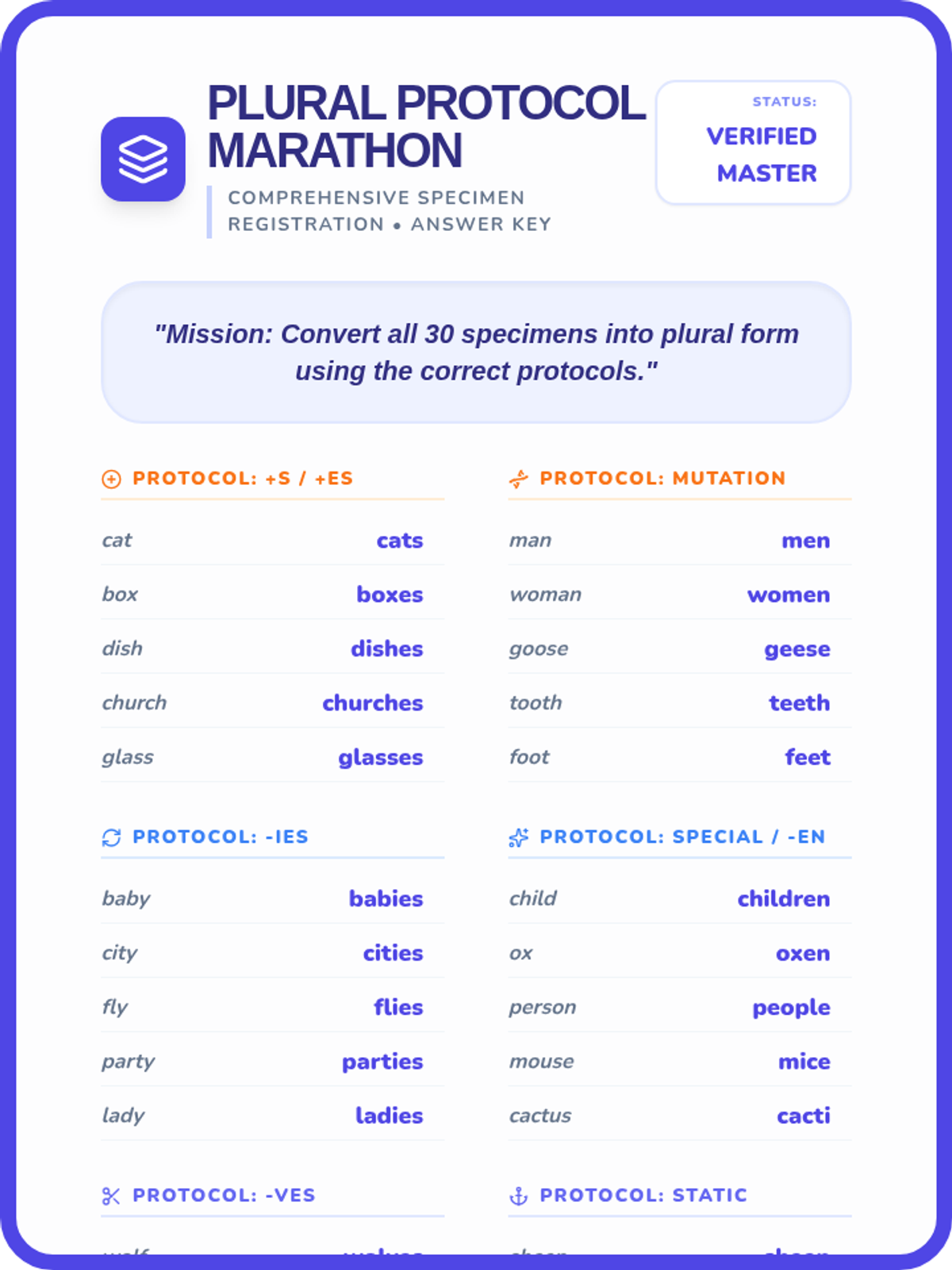
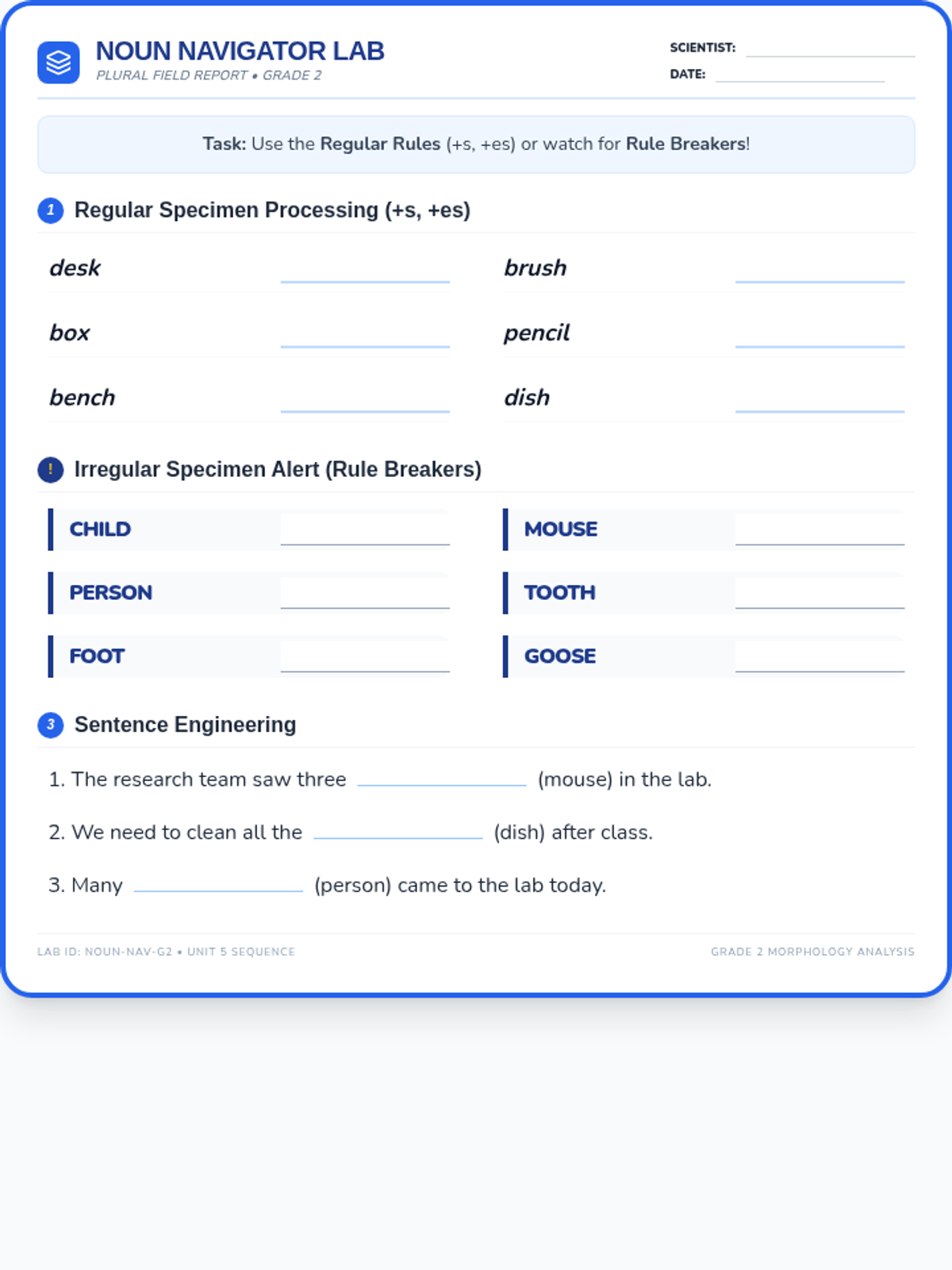
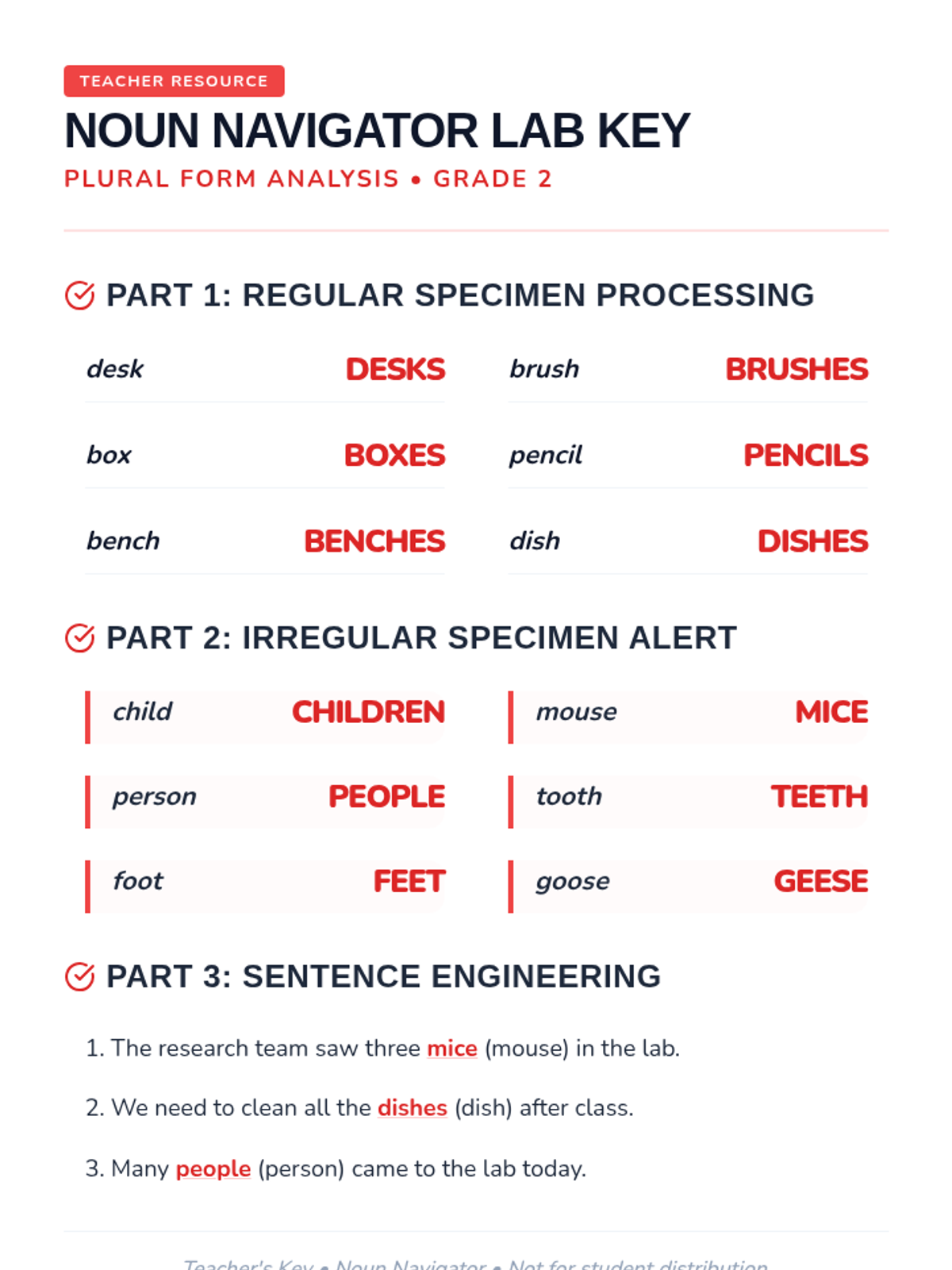
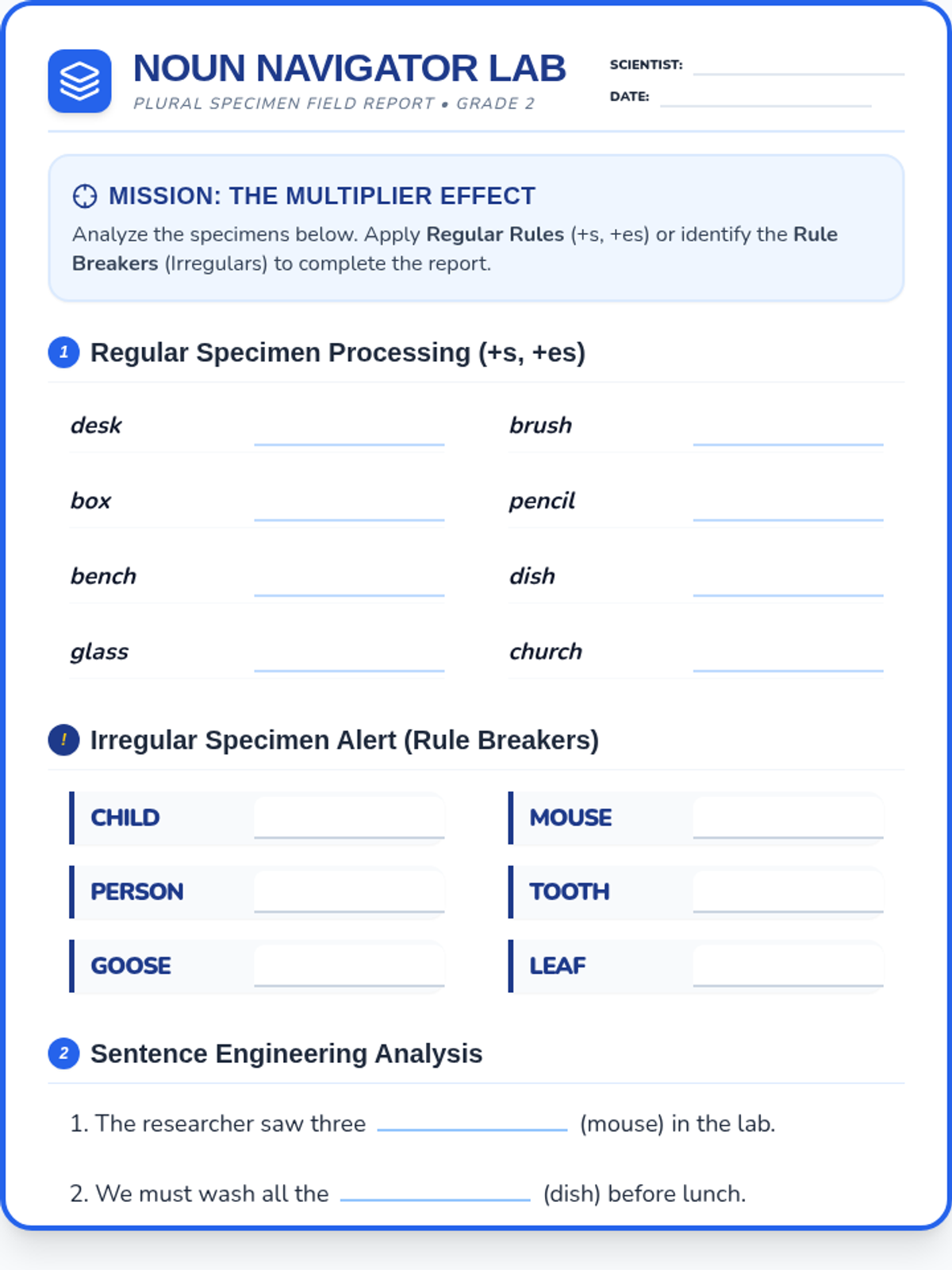
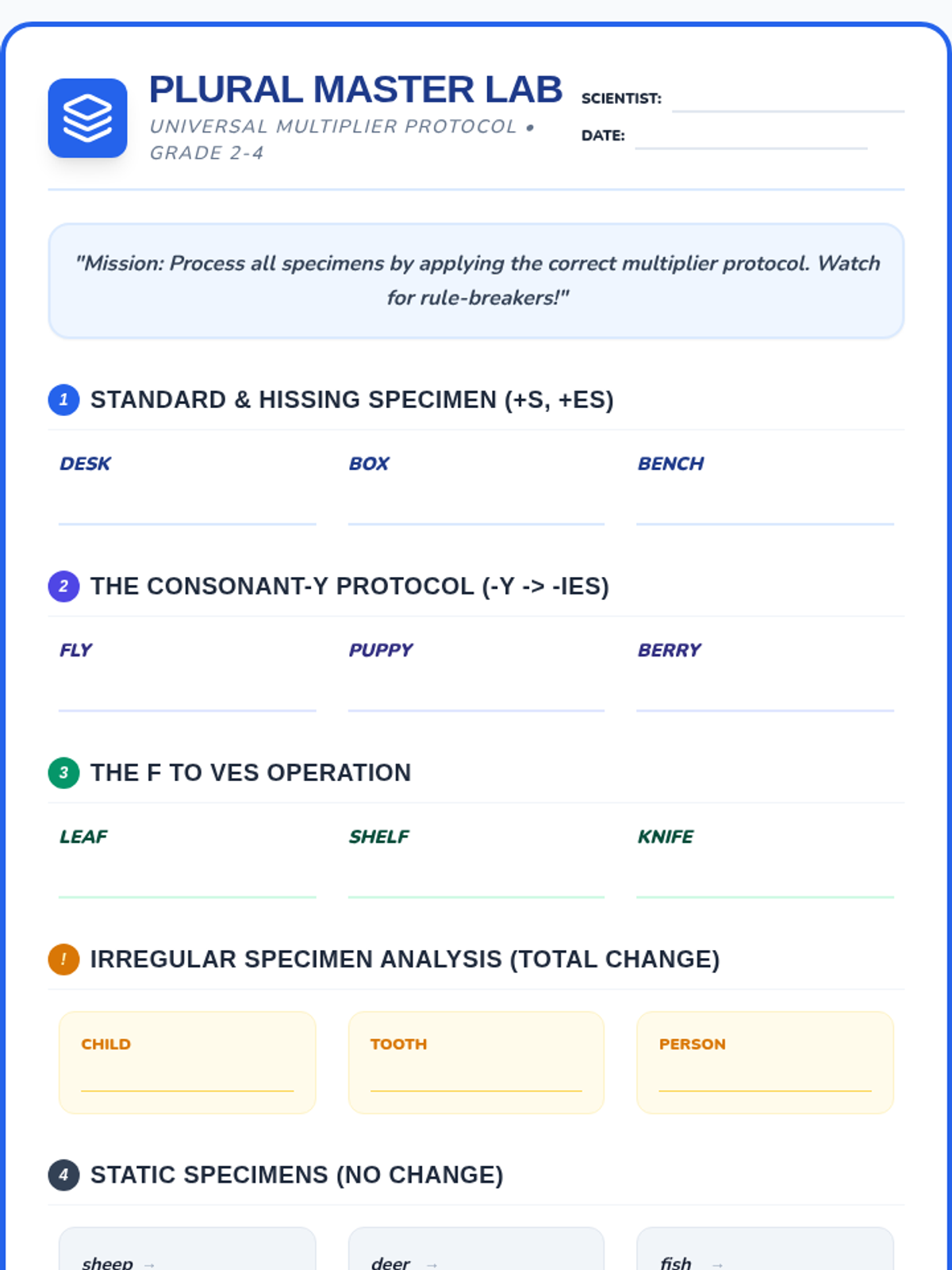
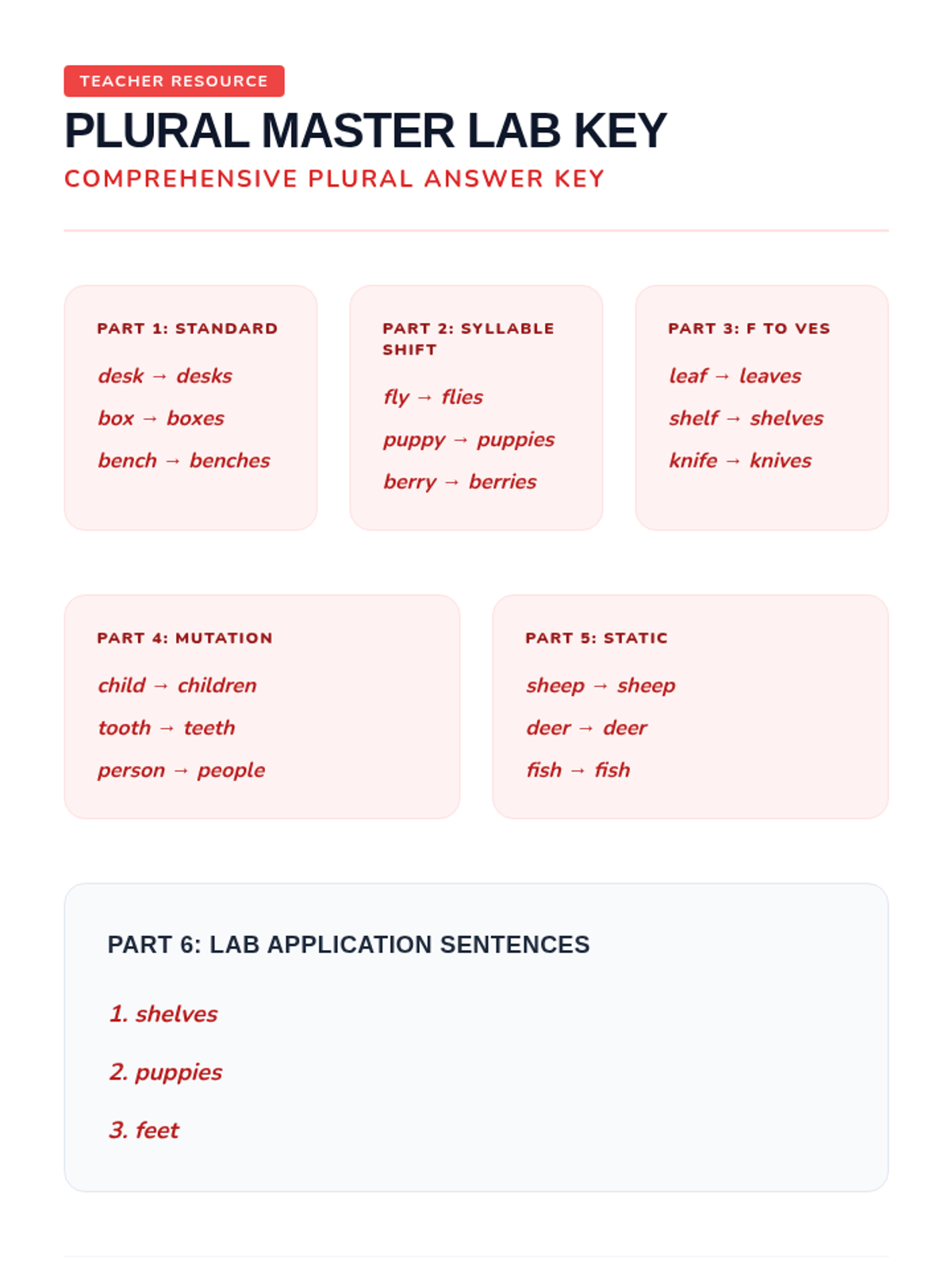
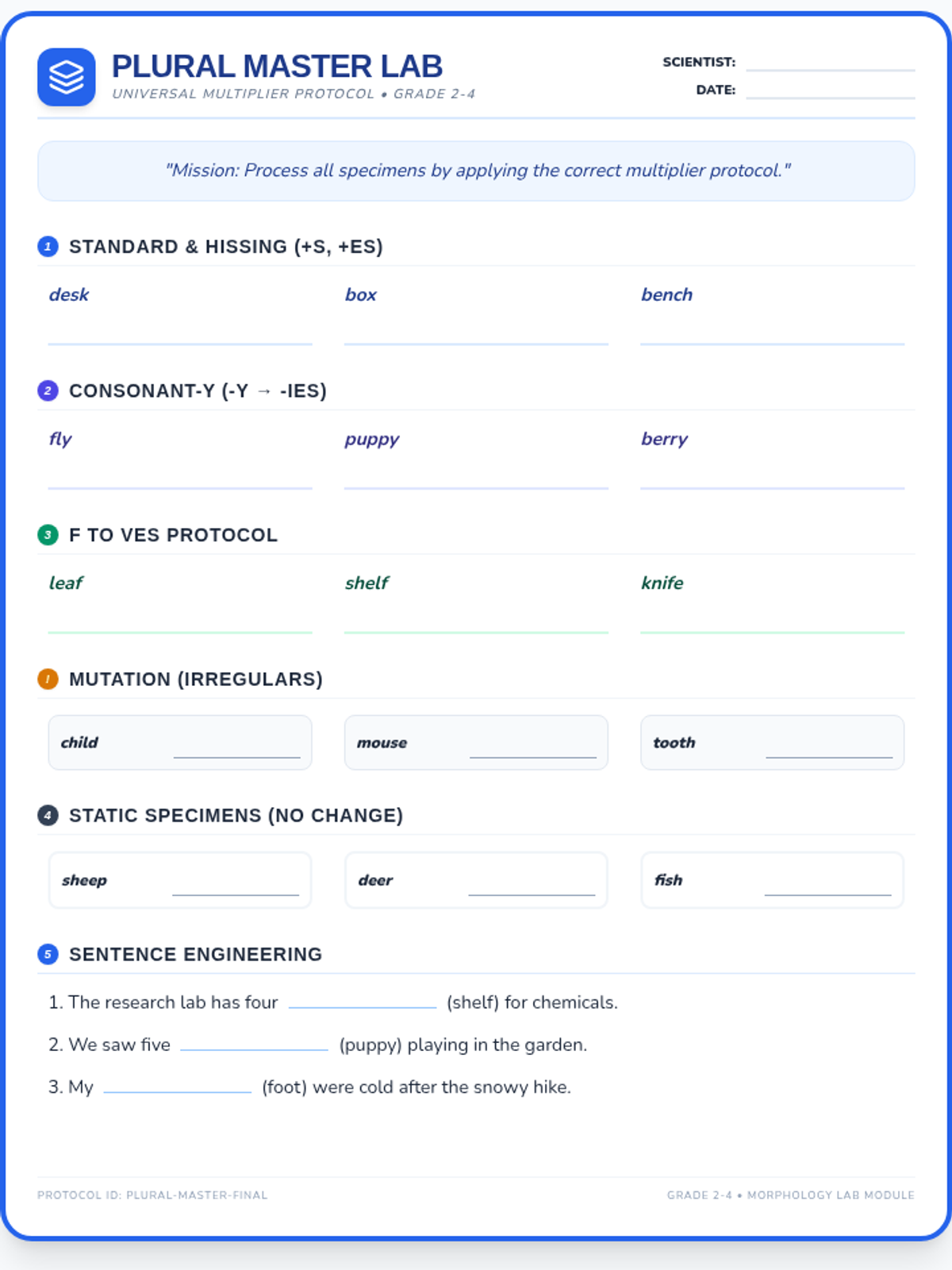
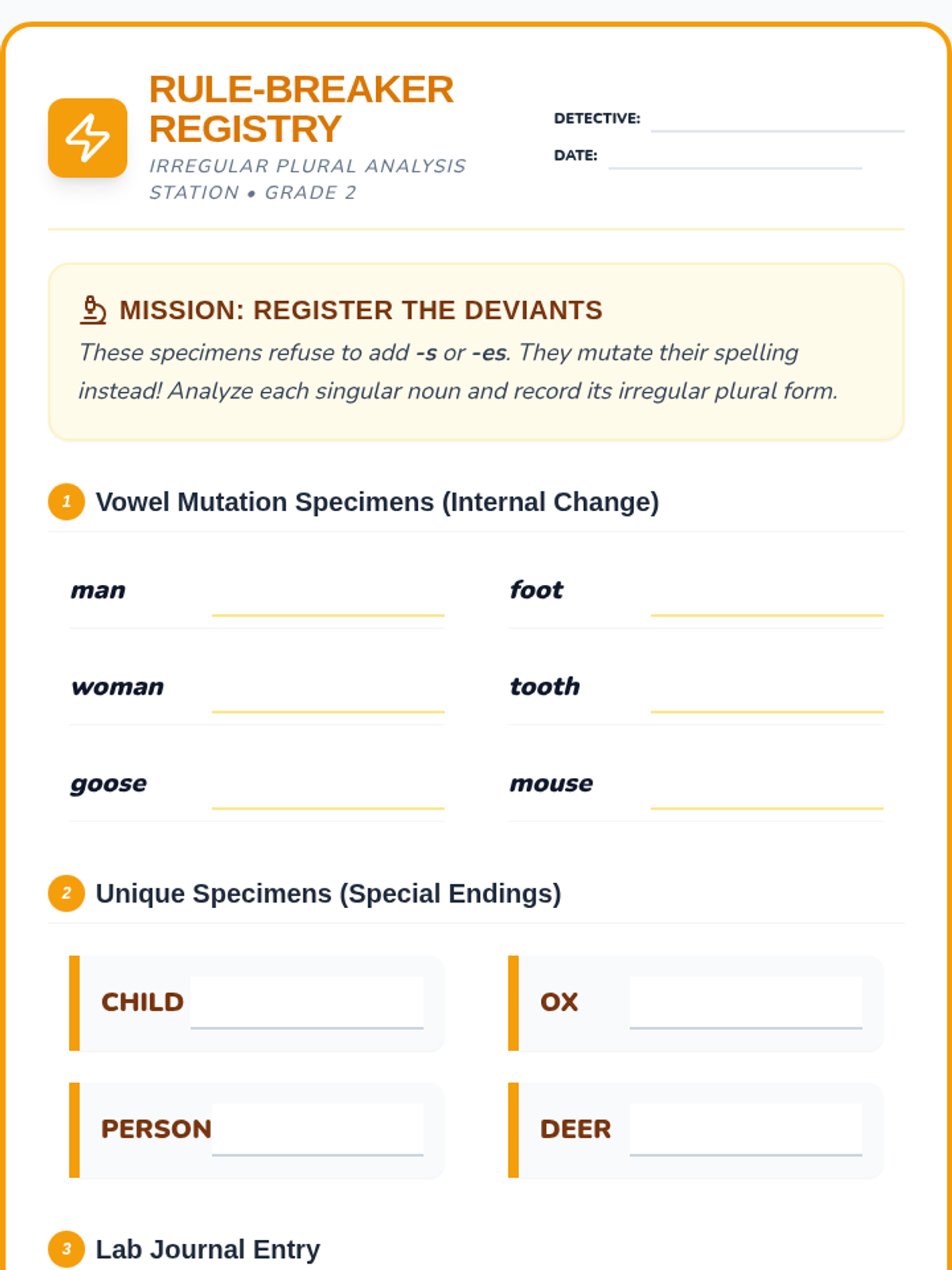
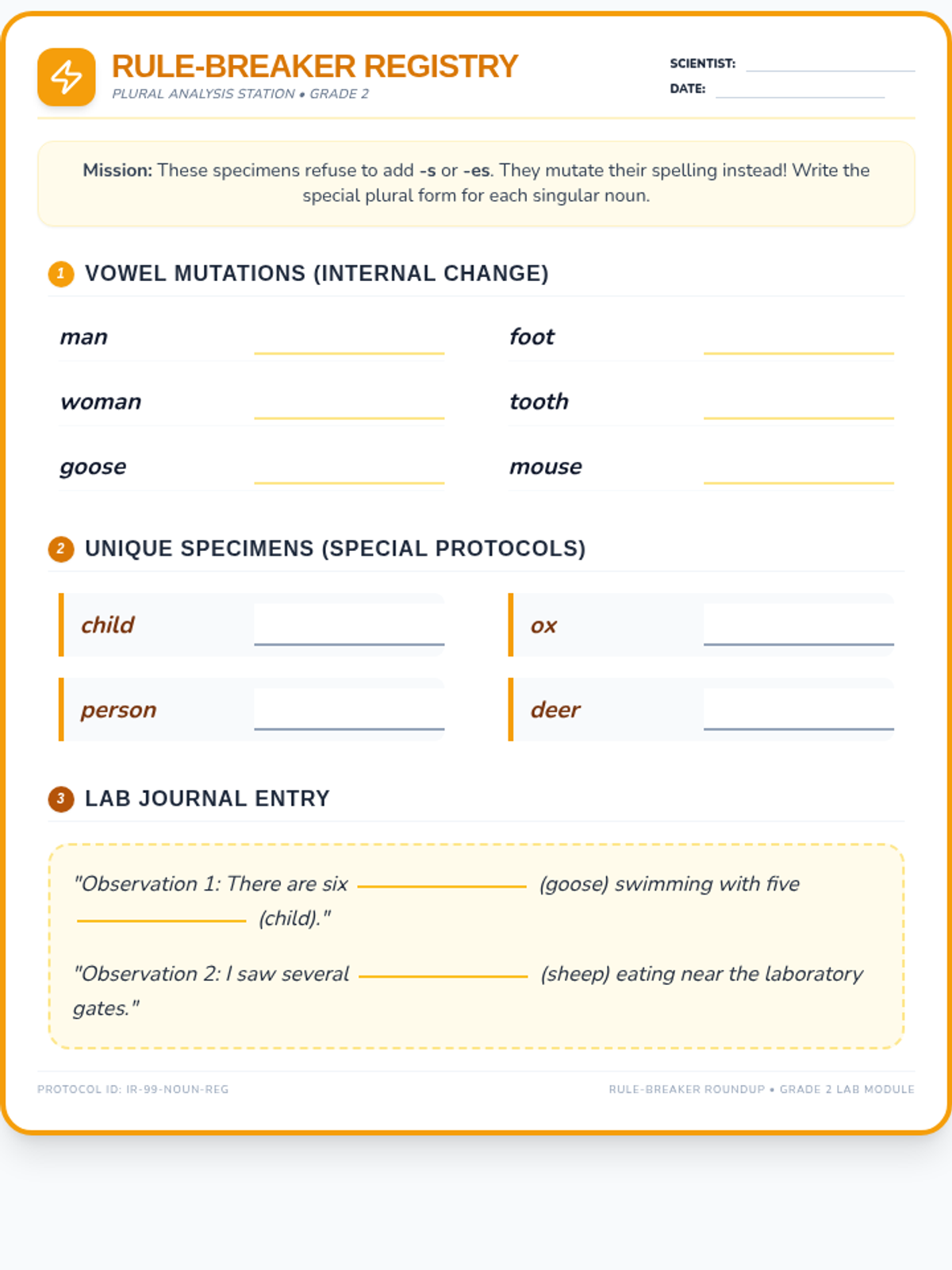
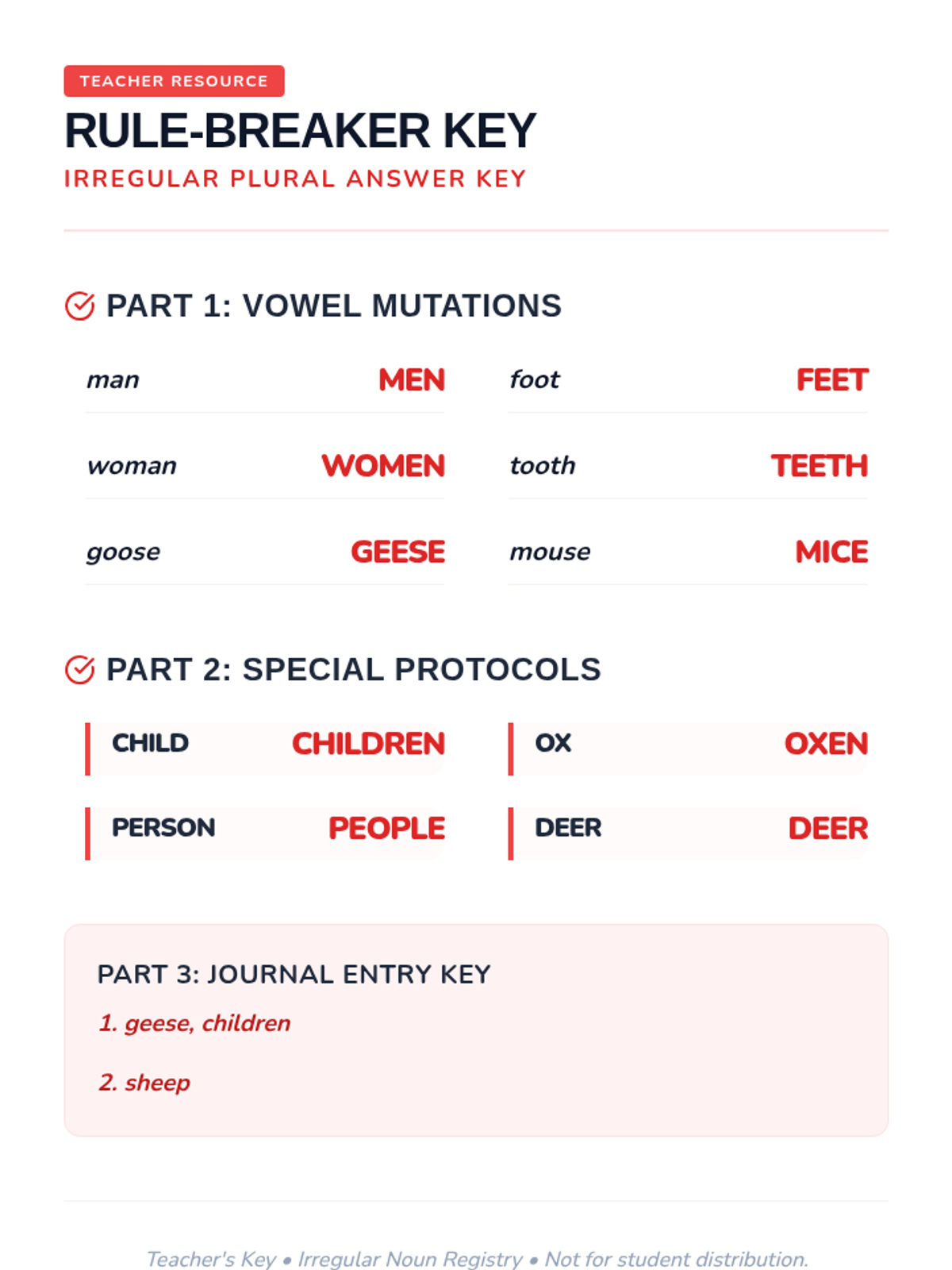
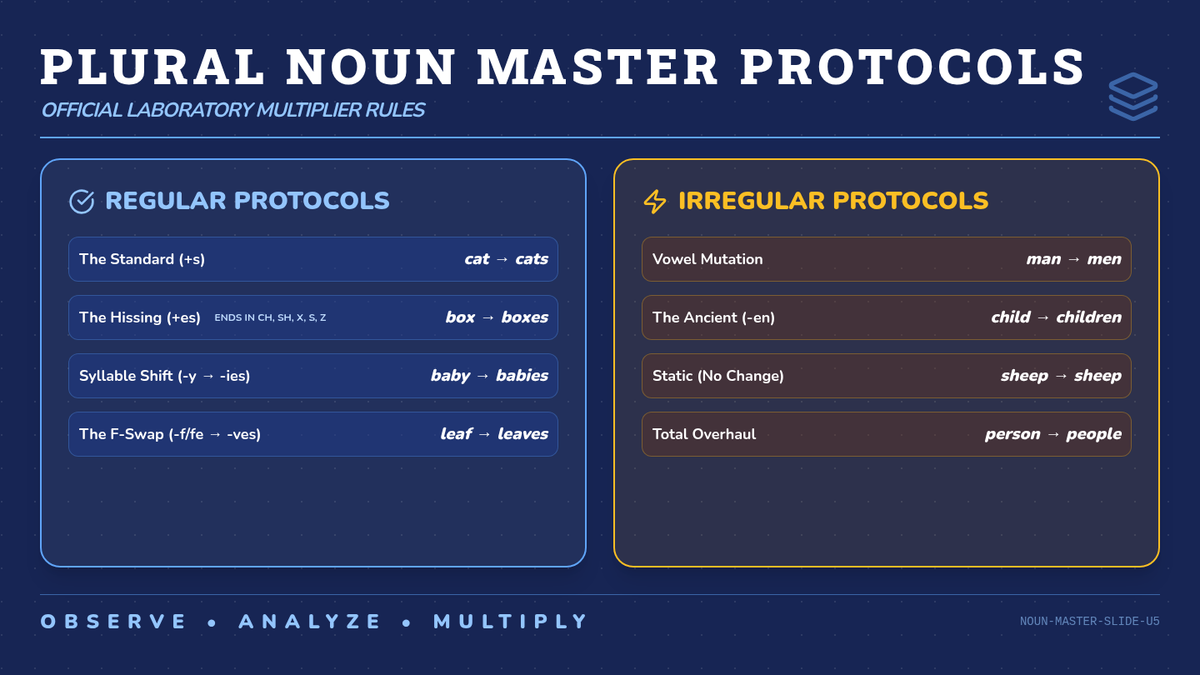
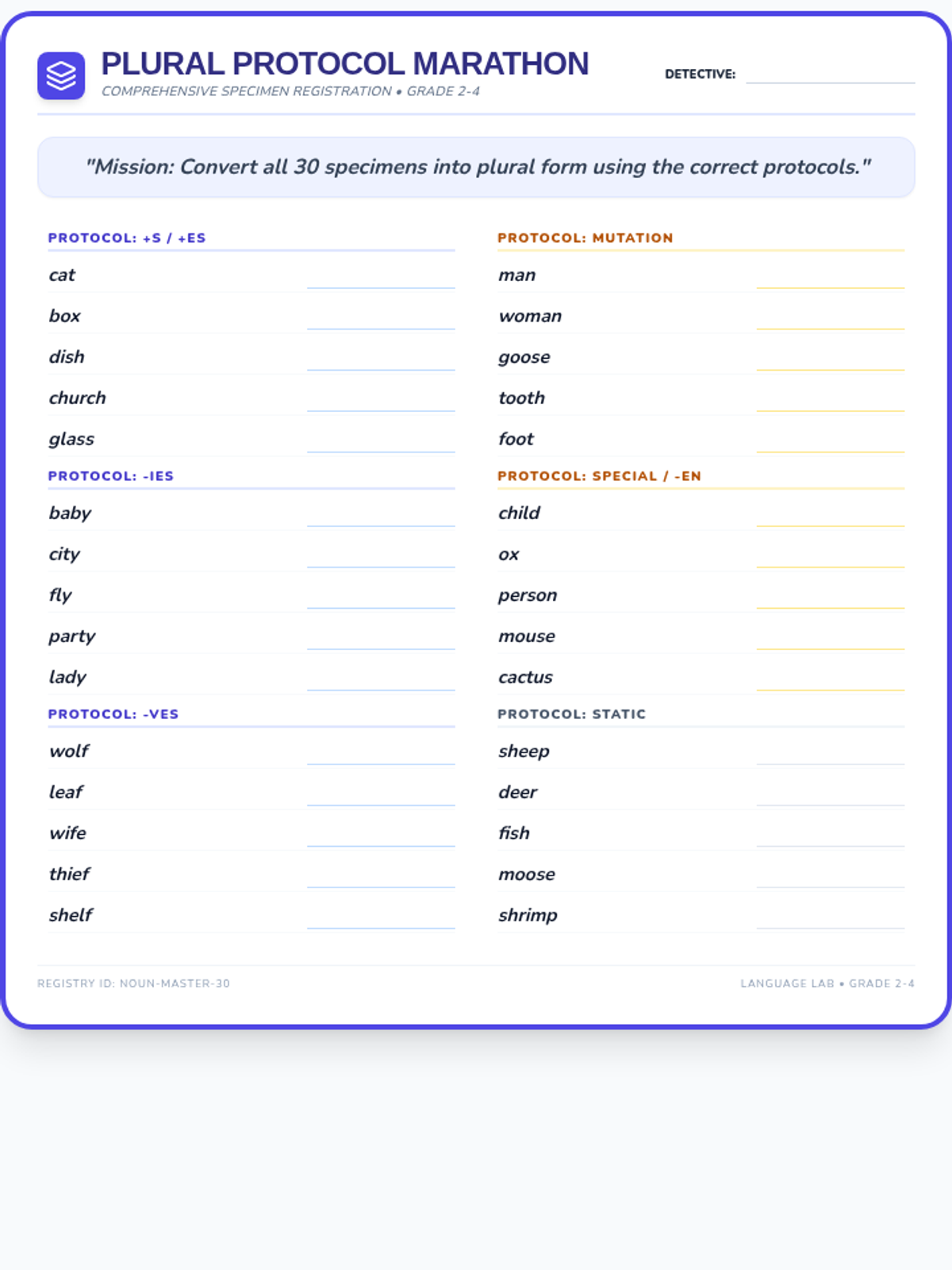
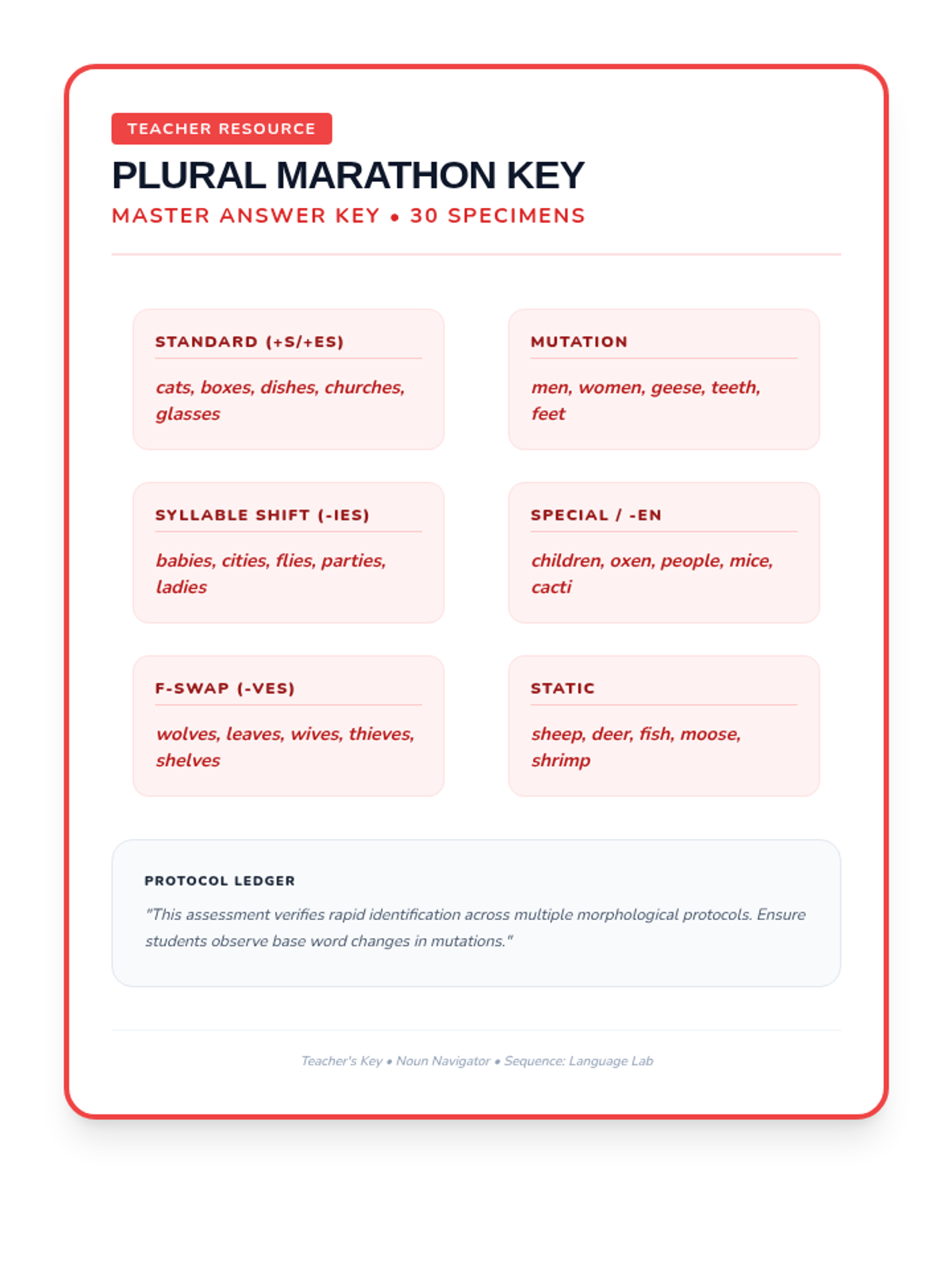
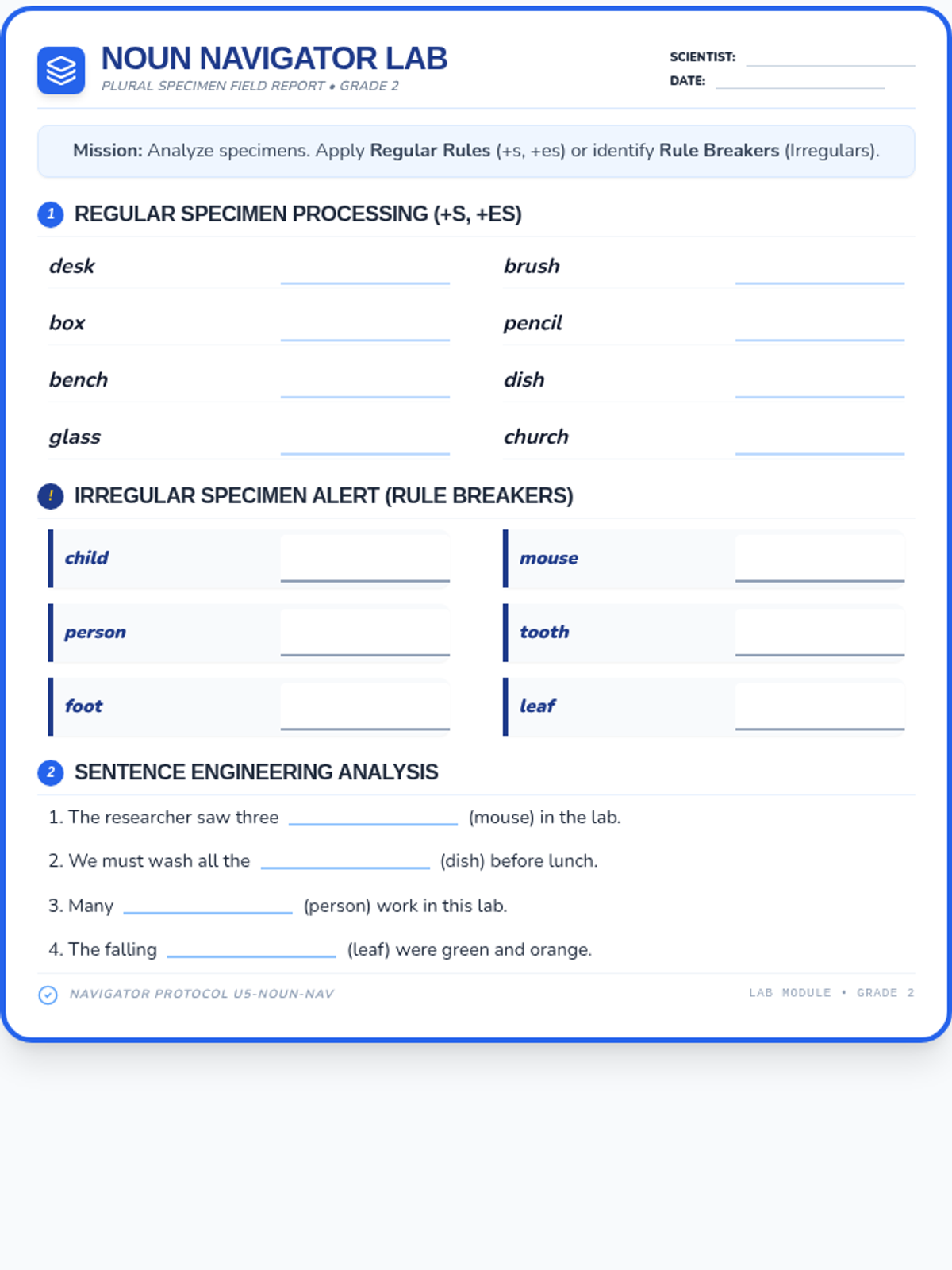
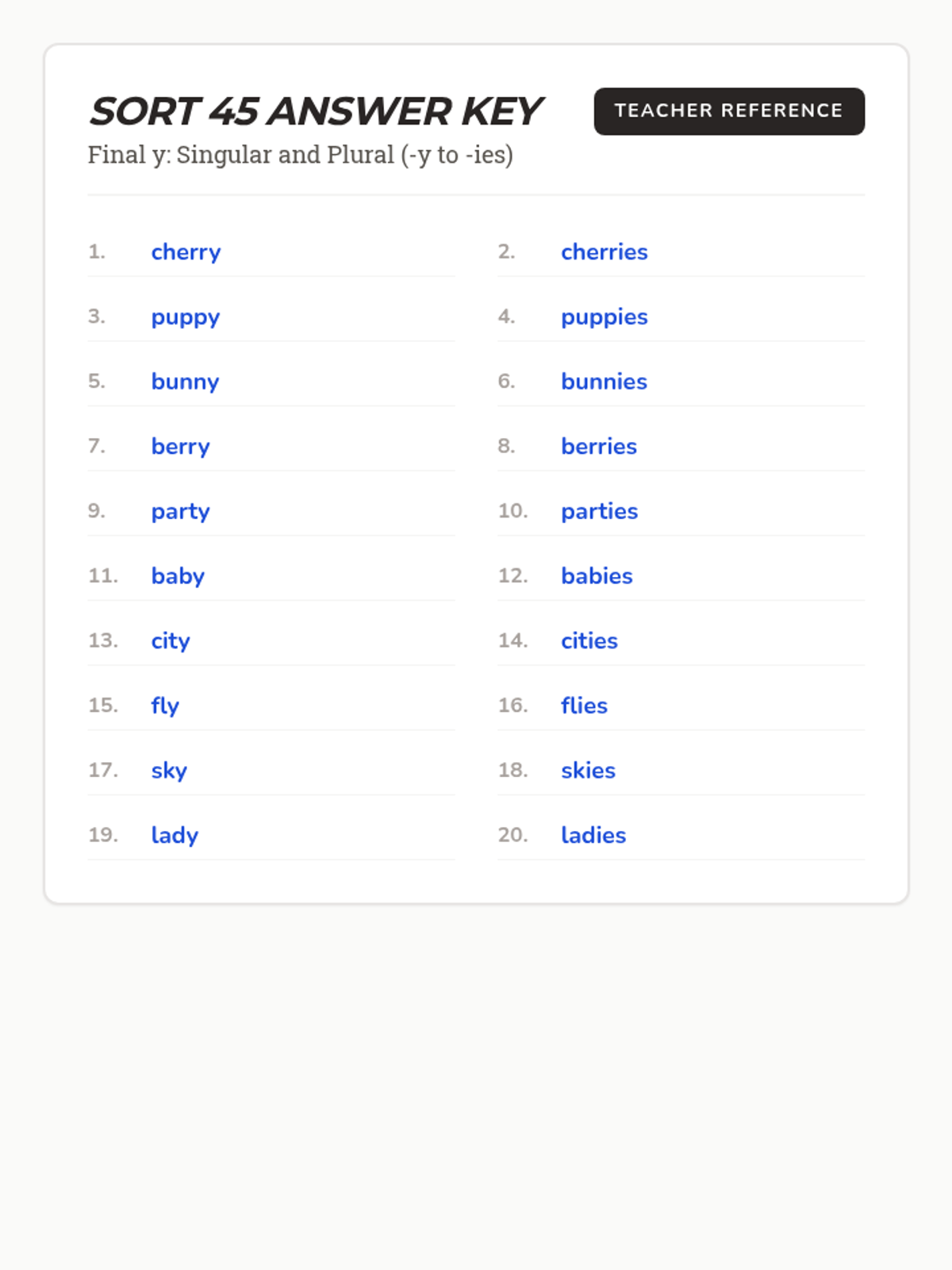
A lesson on identifying and forming plural nouns. Students learn the standard rules for regular plurals (-s, -es, -ies, -ves) and investigate 'rule-breaking' irregular nouns like mice, children, and people.
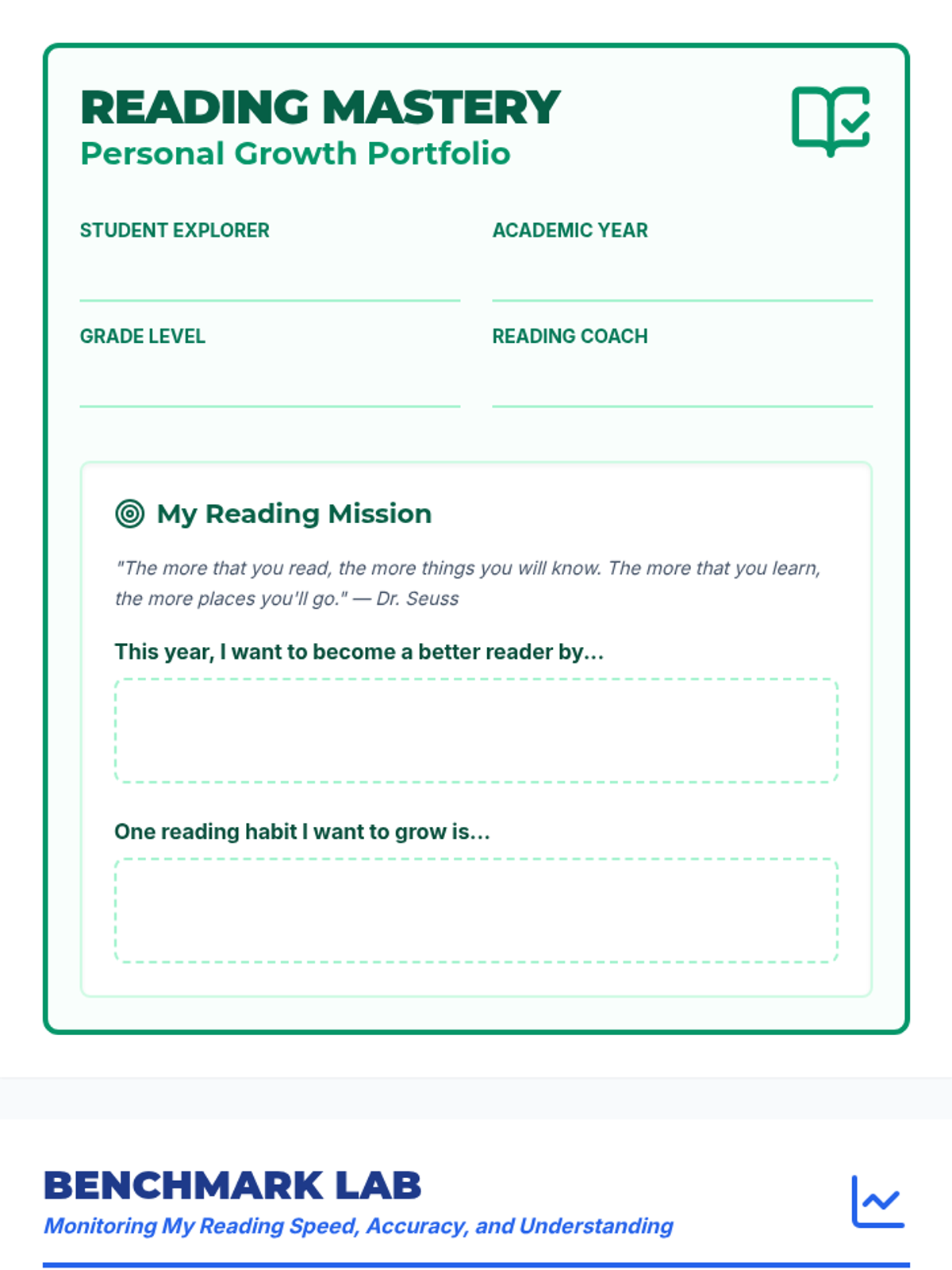
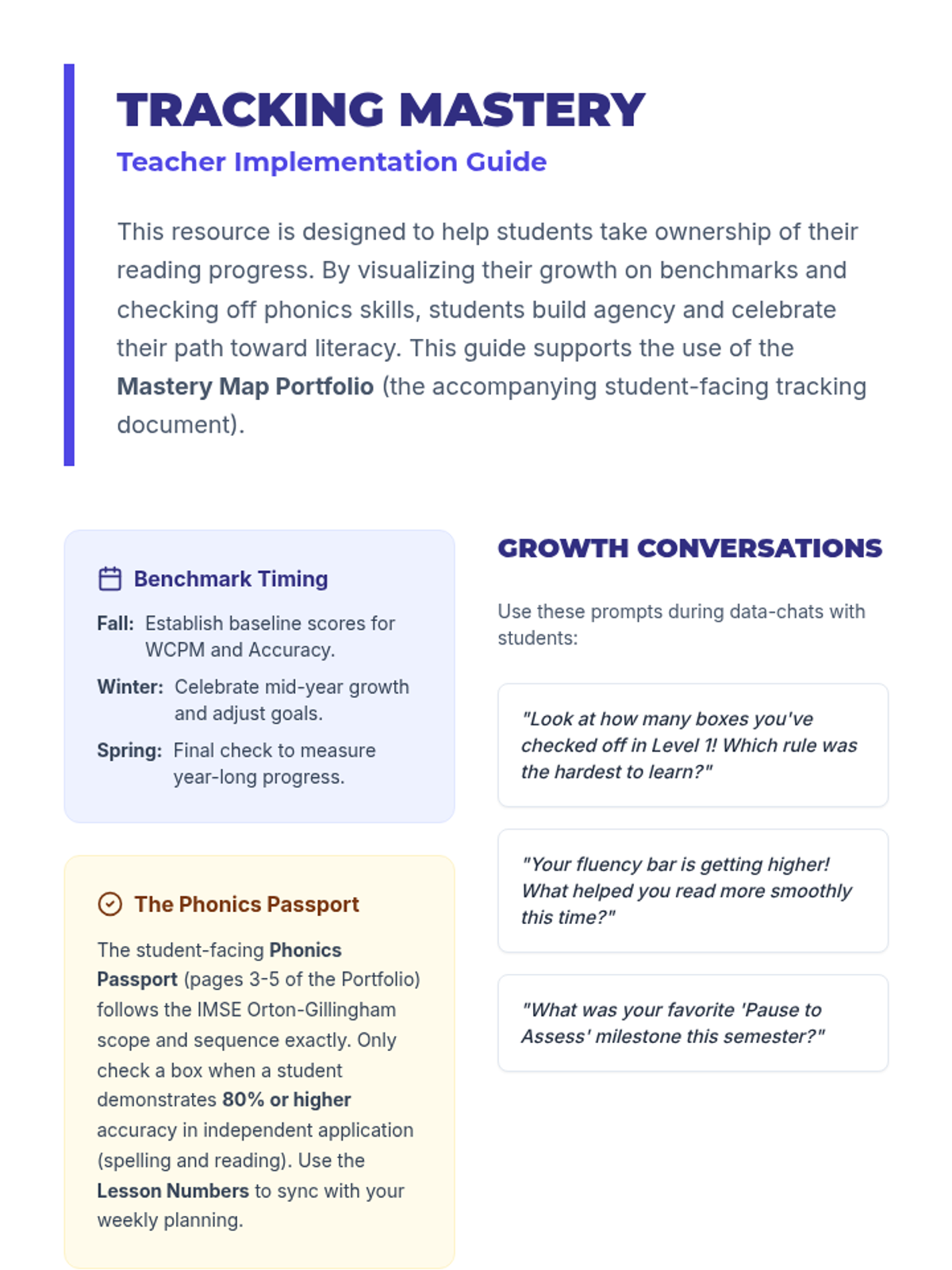
A comprehensive suite of data tracking tools for students to monitor their reading progress, including benchmark assessments and IMSE Orton-Gillingham concept checks from Kindergarten through 5th grade.
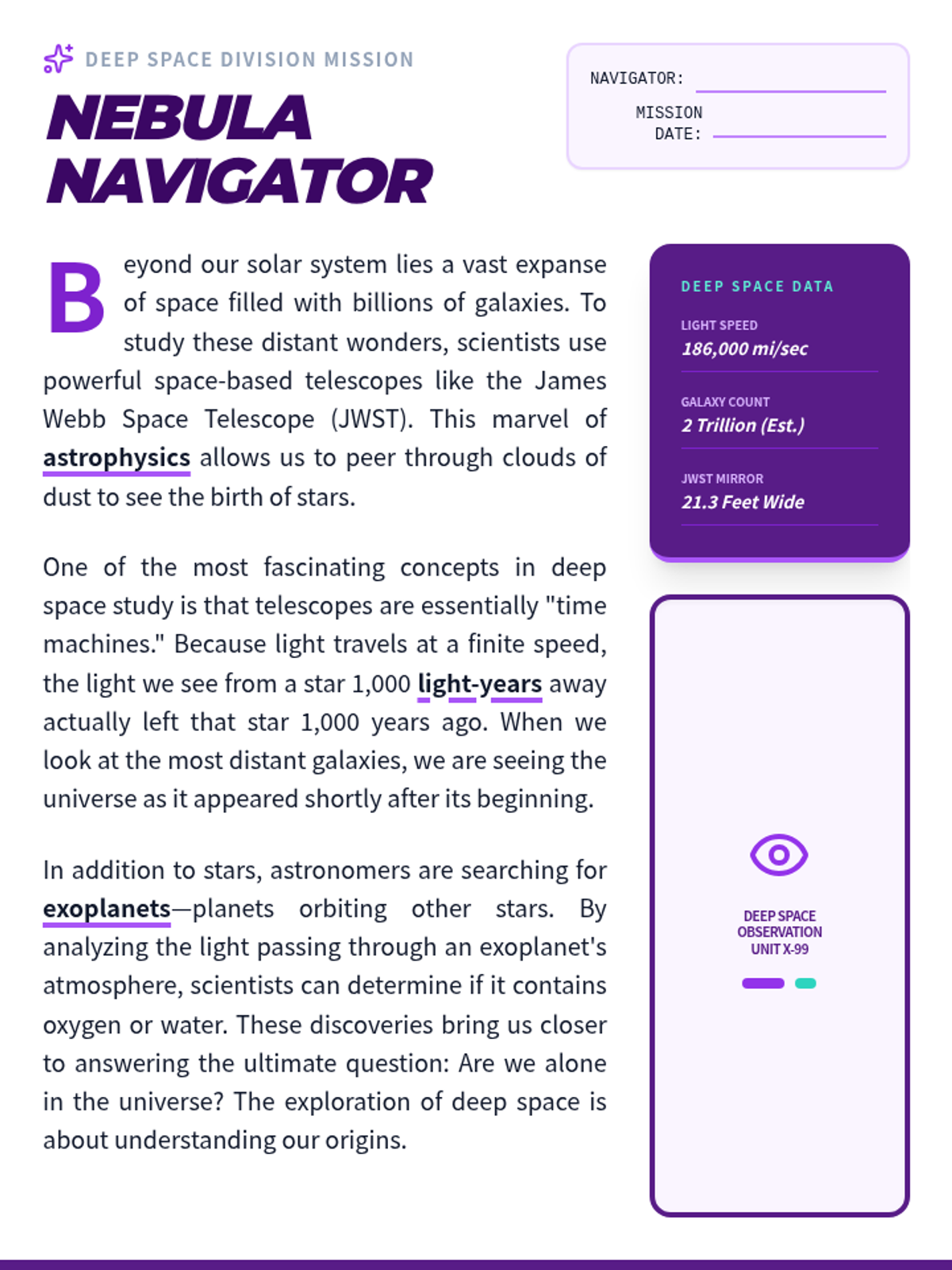
A 5th grade mission investigating deep space exploration, focusing on advanced telescopes, distant galaxies, and the scientific methods used to study the universe.
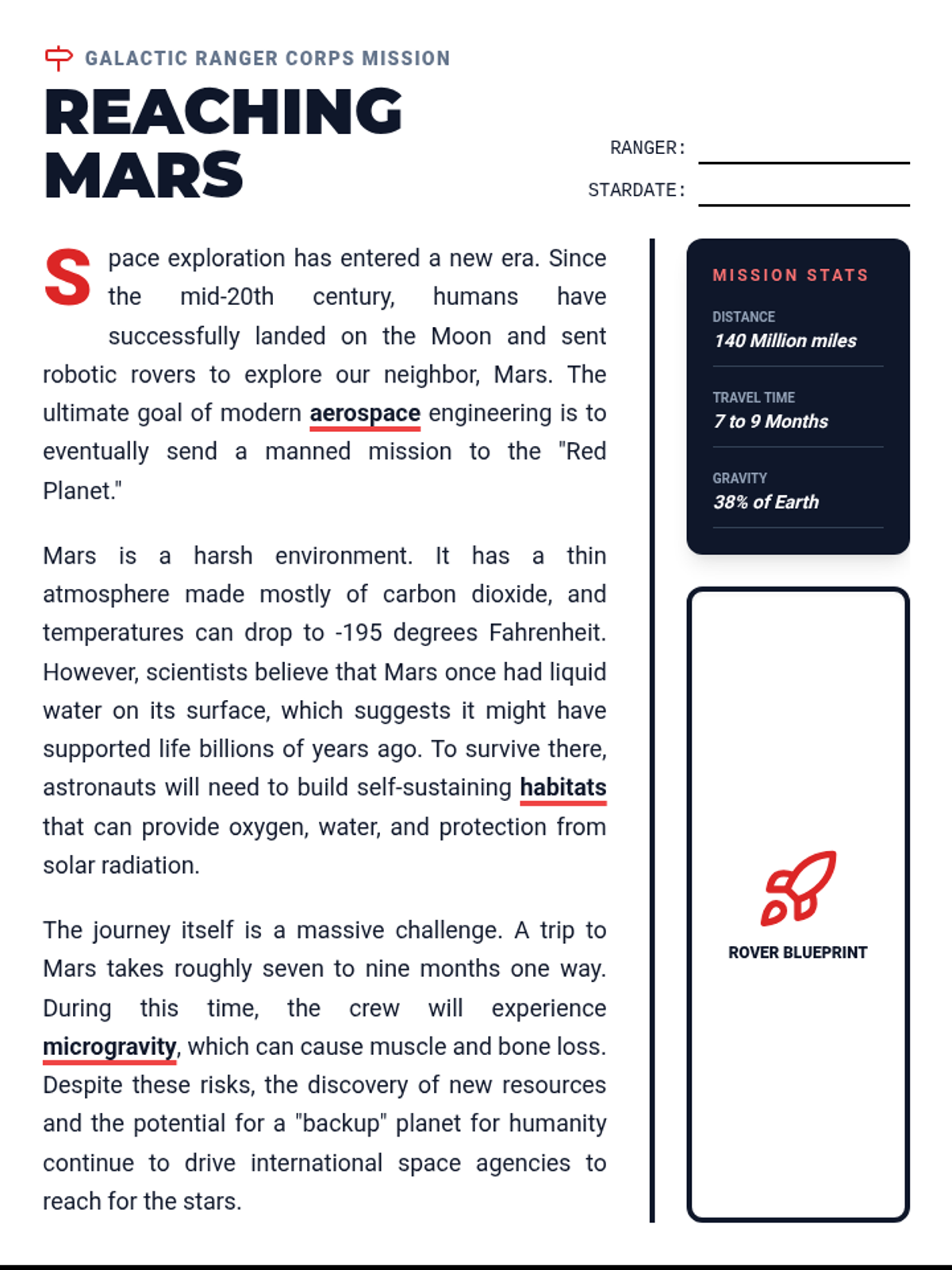
A 4th grade deep dive into the history of space travel and the future of Mars exploration, focusing on detailed analysis and critical thinking.
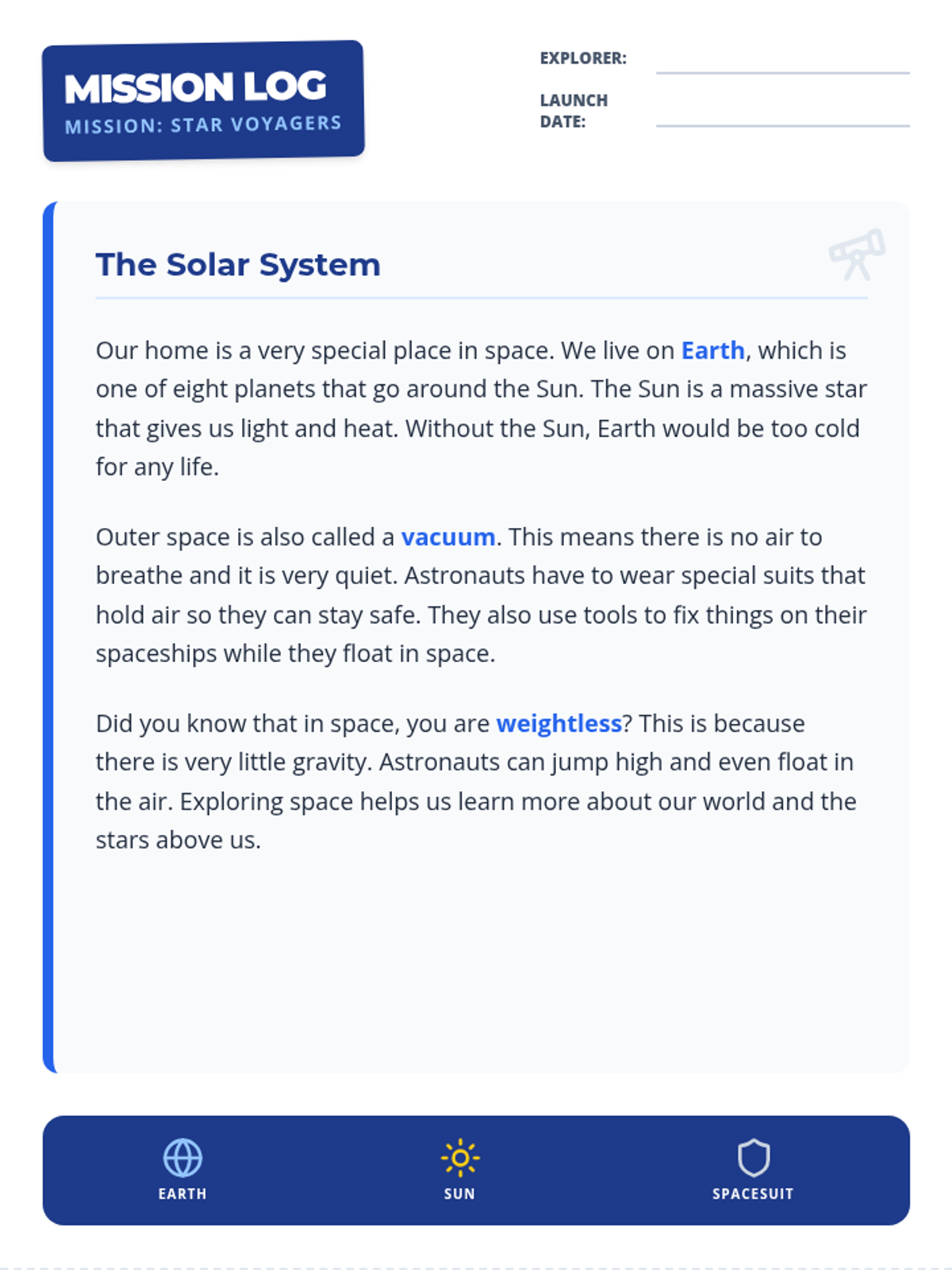
A 2nd grade exploration of the solar system and astronaut life, helping students develop reading stamina and structured comprehension skills.
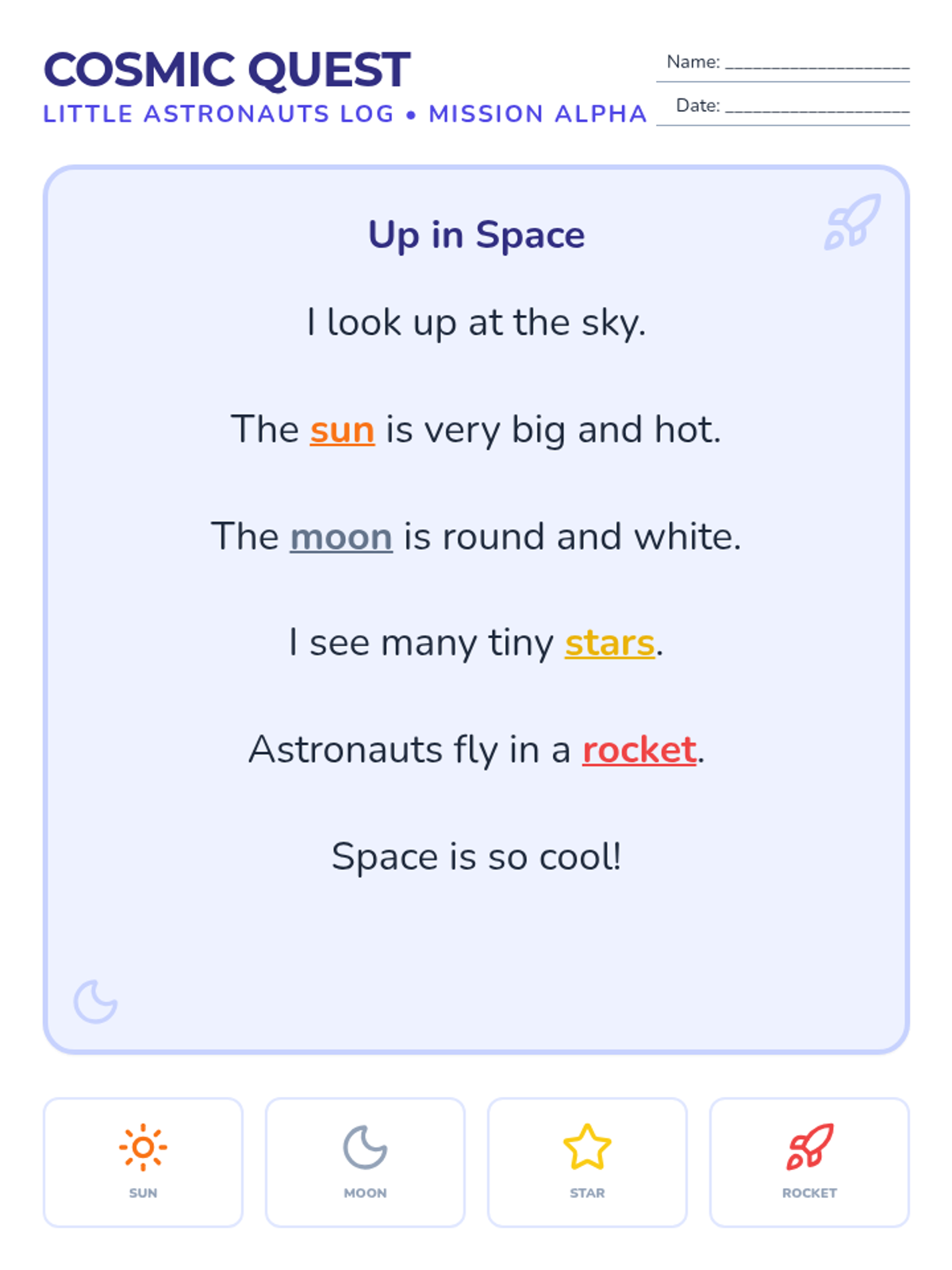
An introductory space exploration lesson for Kindergarteners focusing on basic concepts like the sun, moon, and stars through simple text and visual engagement.
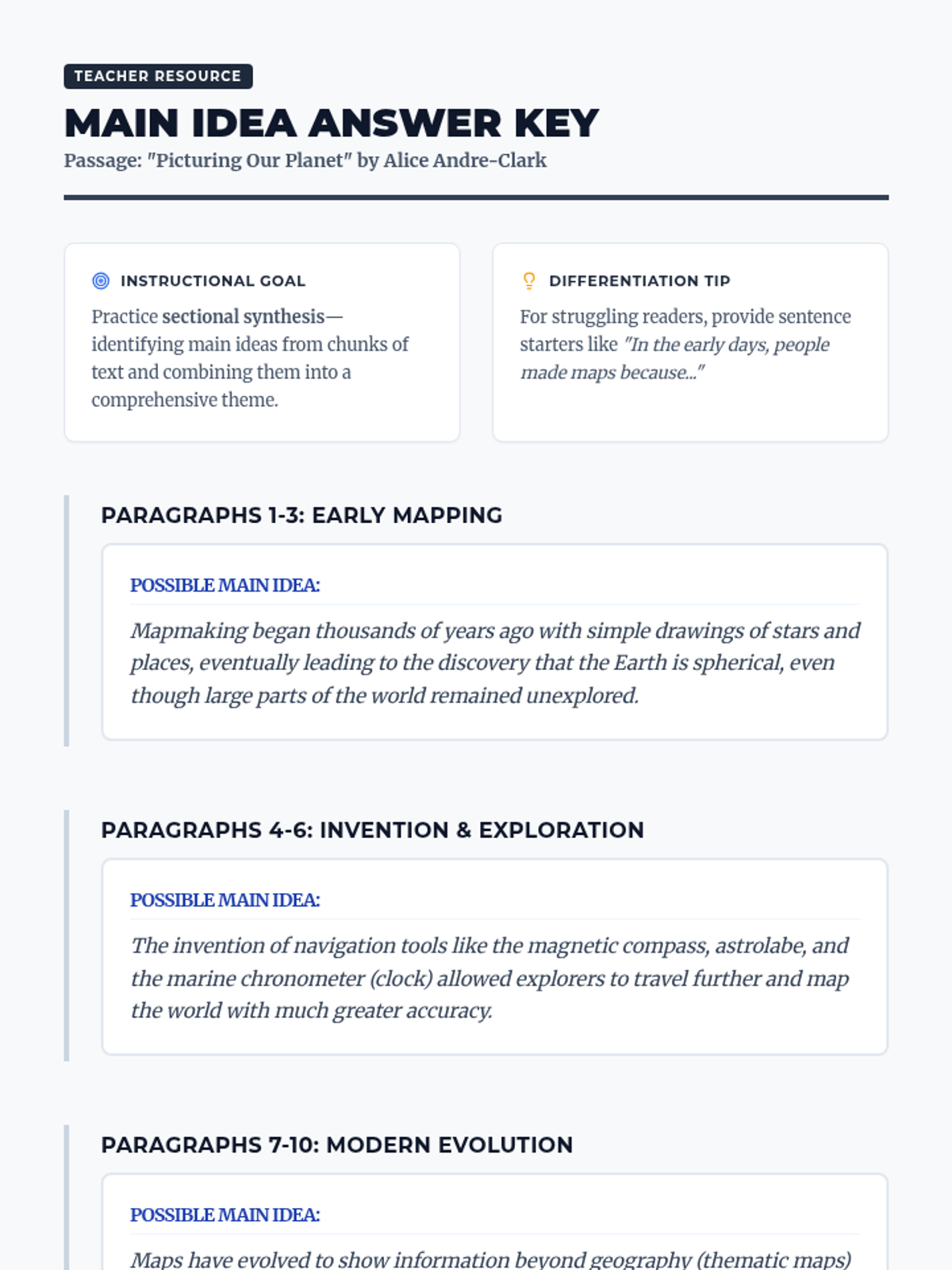
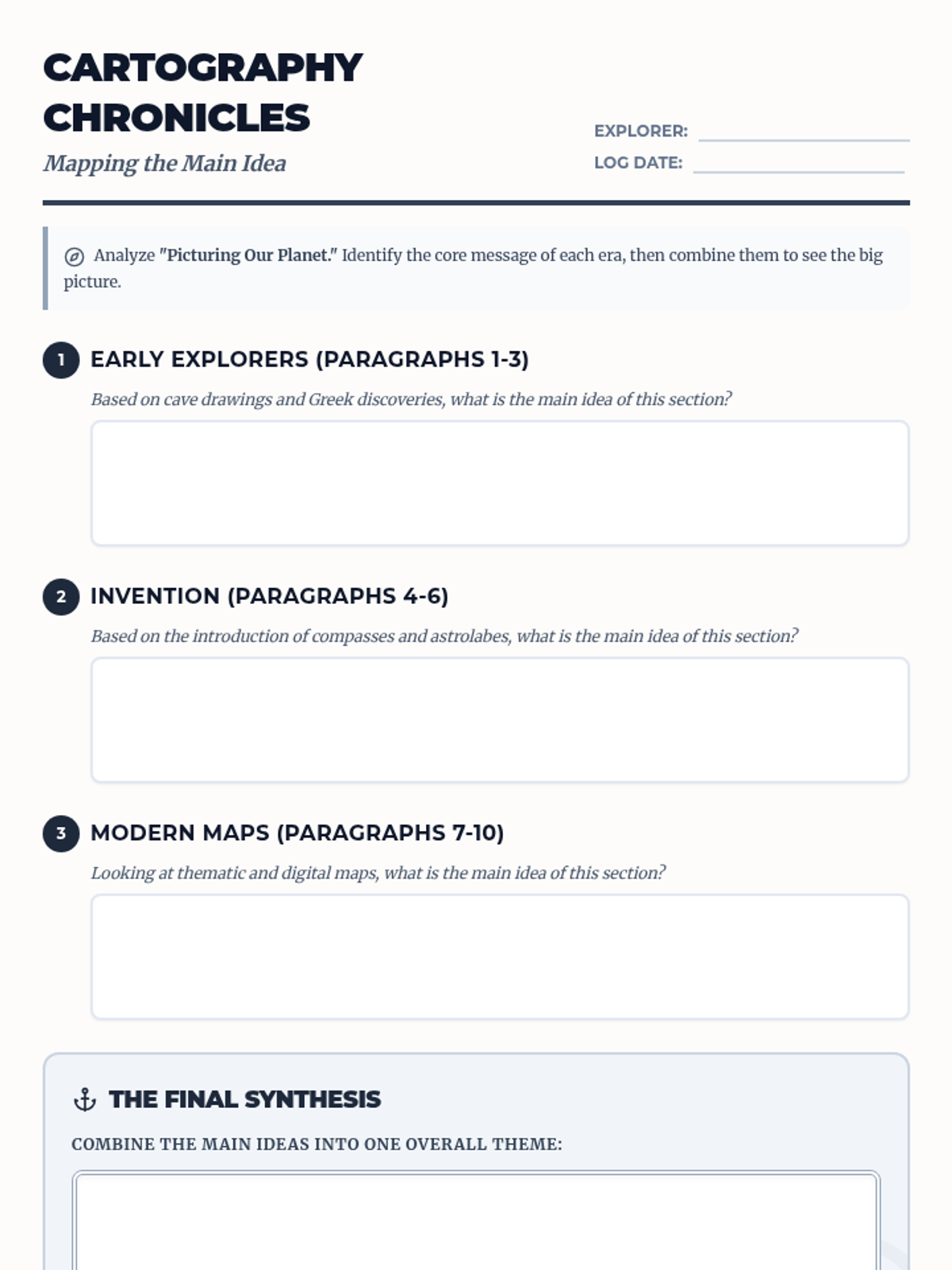
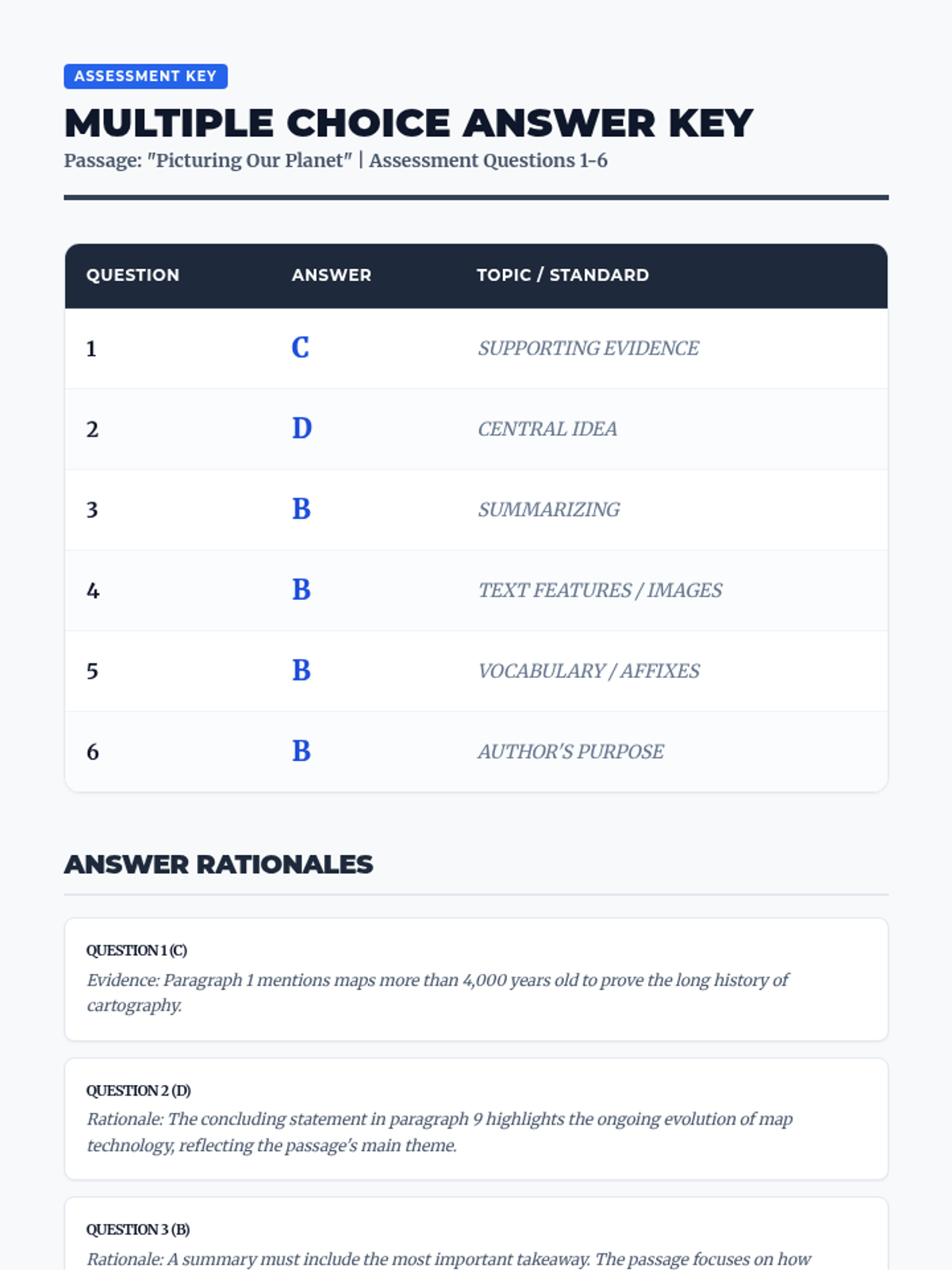
This lesson guides students through identifying sectional main ideas and synthesizing them into a central theme using the historical passage 'Picturing Our Planet'.
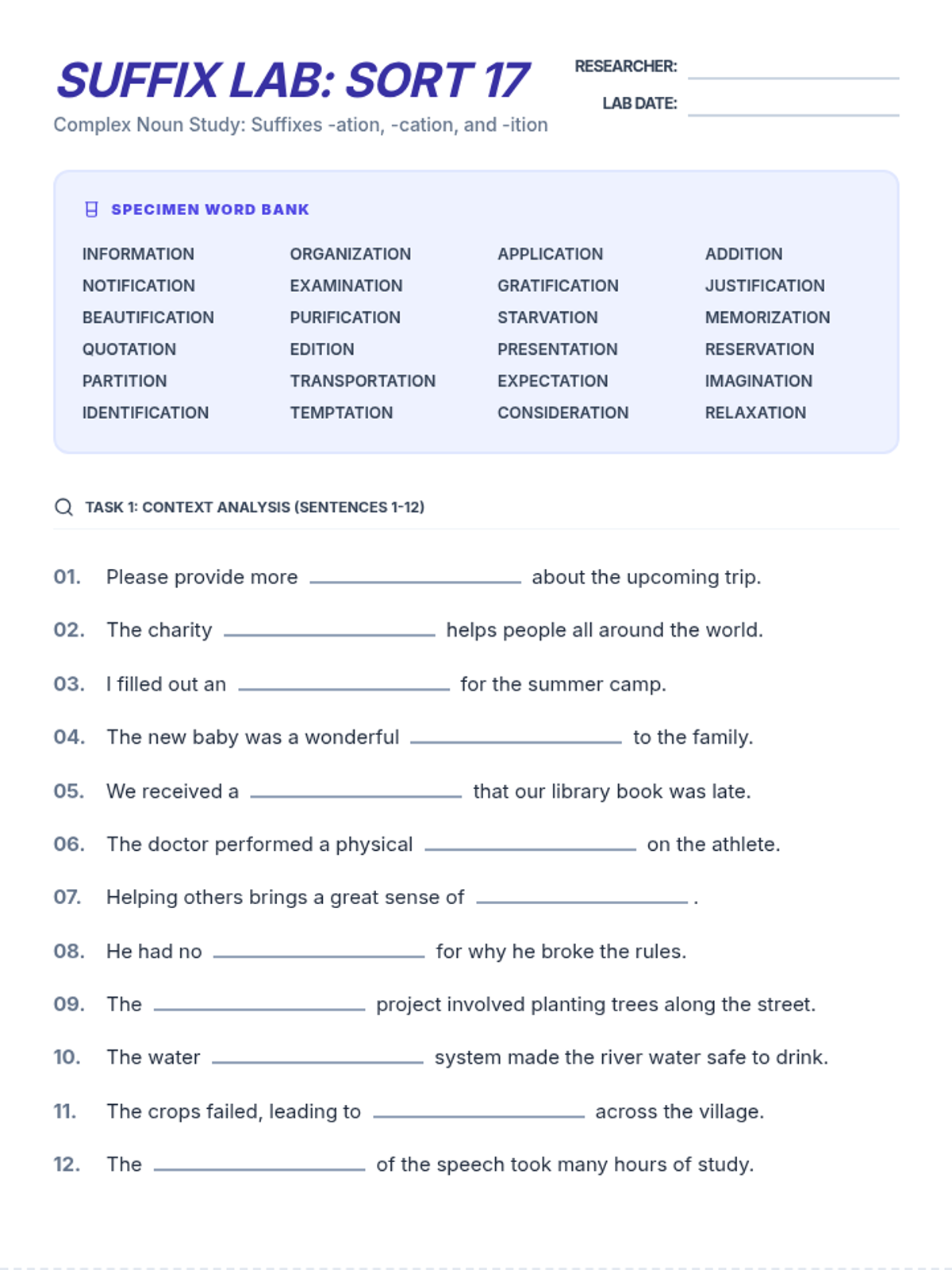
A lesson focused on the suffixes -ation, -cation, and -ition and how they transform verbs into nouns. Students analyze word pairs like 'inform' and 'information'.
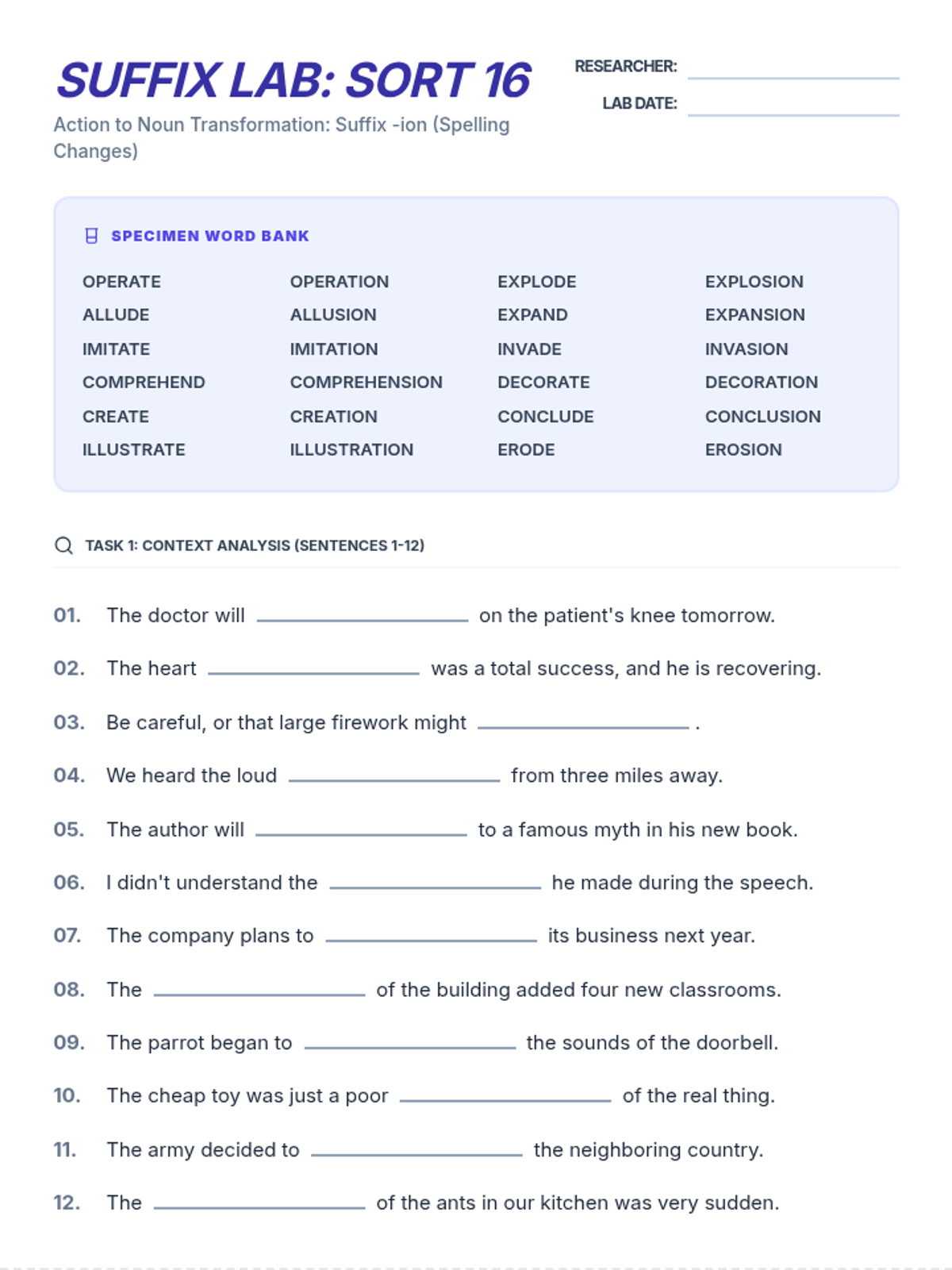
A lesson focused on the suffix -ion involving spelling changes such as dropping the final 'e' or changing 'd' to 's'. Students analyze pairs like 'operate' and 'operation'.
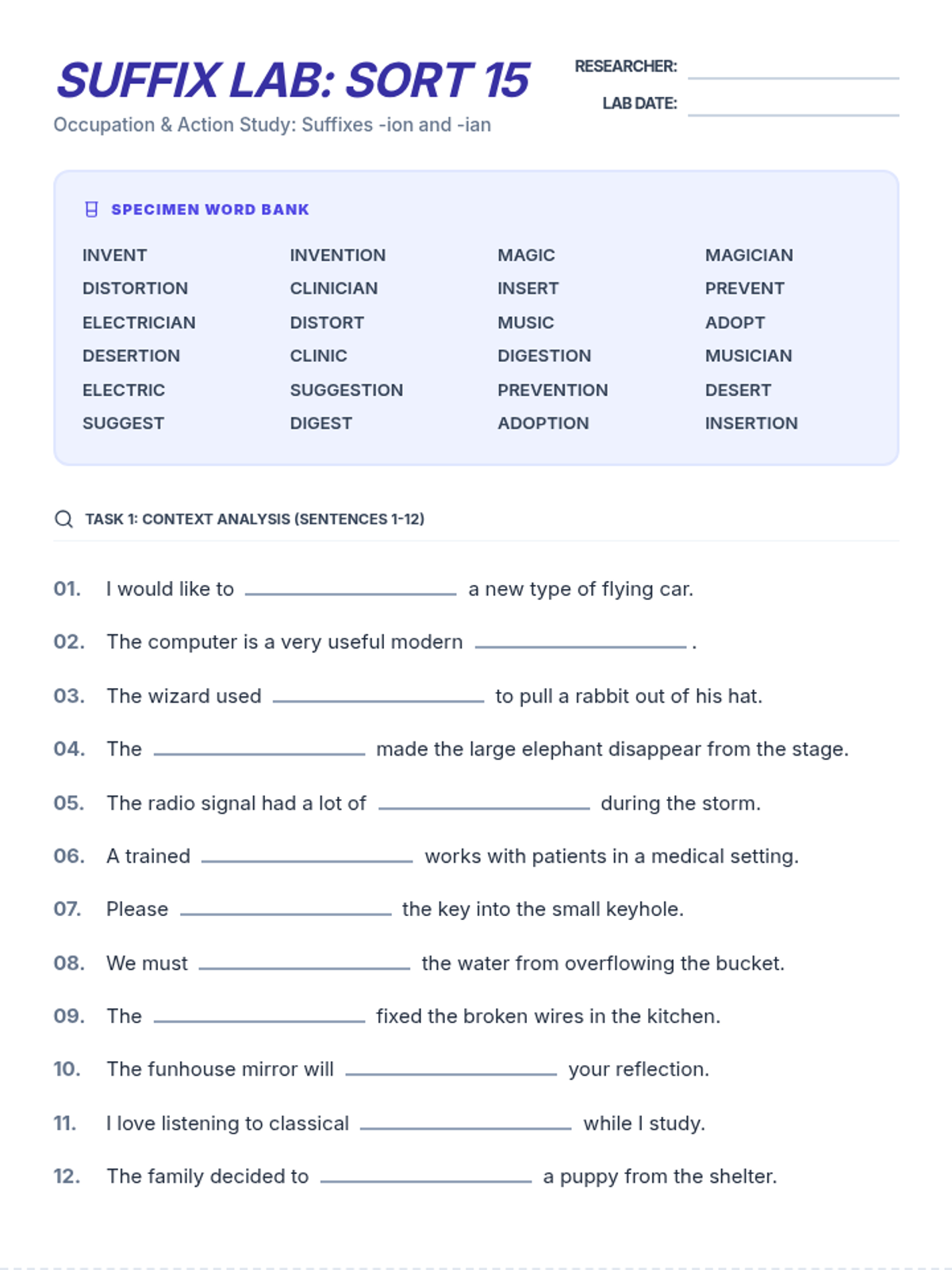
A lesson focused on the suffixes -ion and -ian with no spelling change to the base word. Students analyze nouns like 'invention', 'magician', and 'musician'.
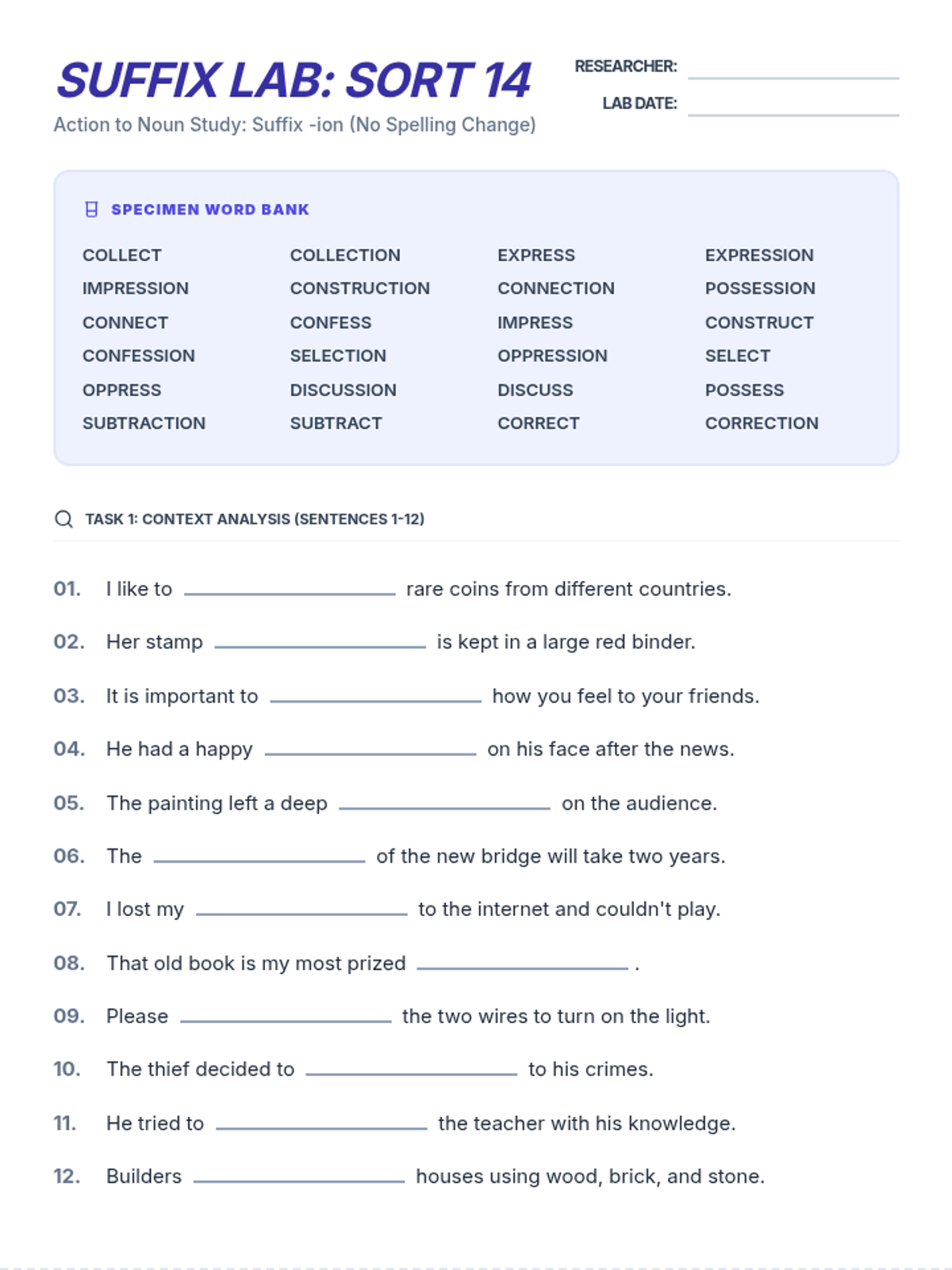
A lesson focused on the suffix -ion and how it changes verbs into nouns with no spelling change to the base word. Students analyze word pairs like 'collect' and 'collection'.
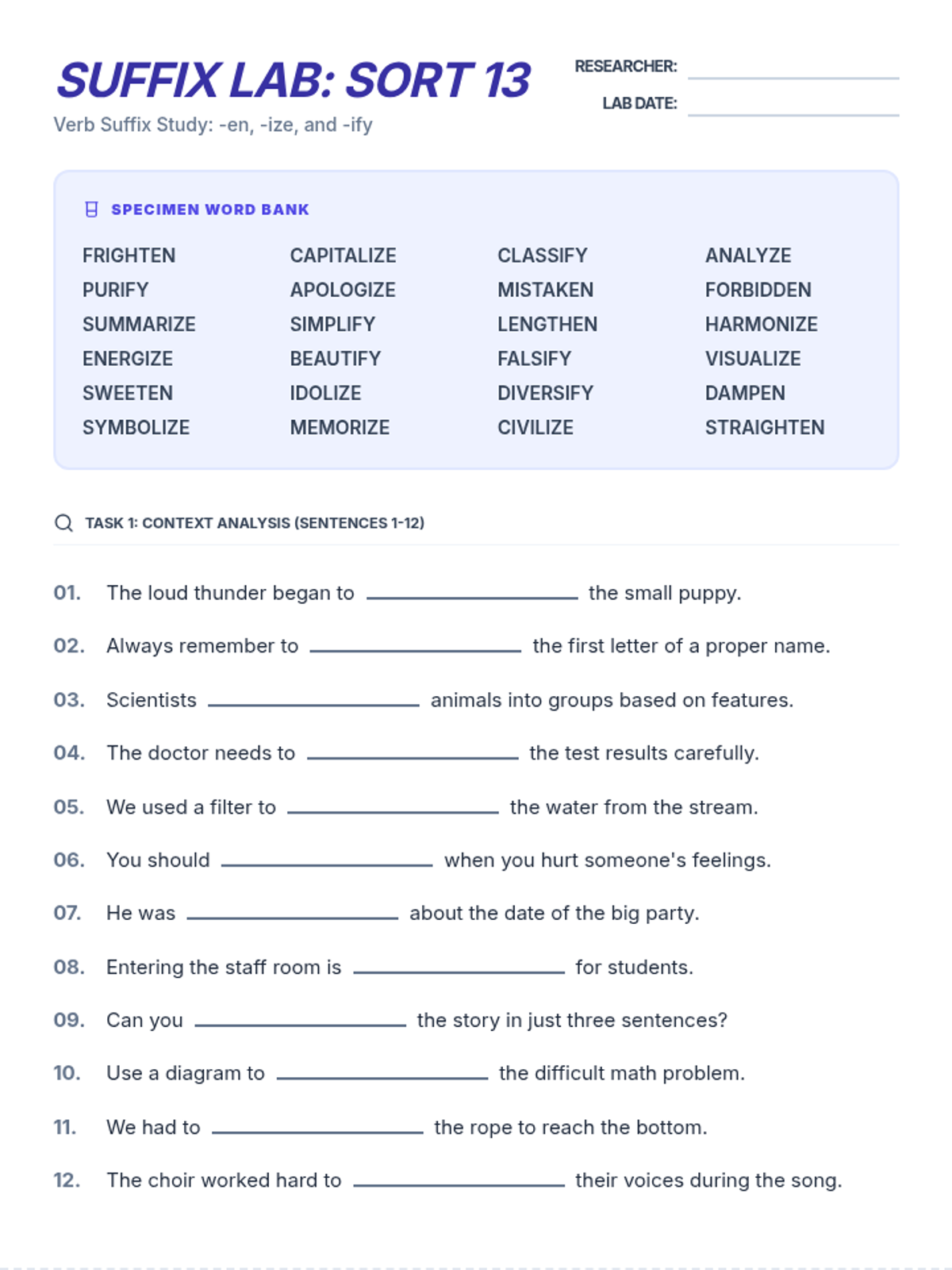
A lesson focused on the suffixes -en, -ize, and -ify. Students investigate how these suffixes transform base words into verbs representing actions or states.
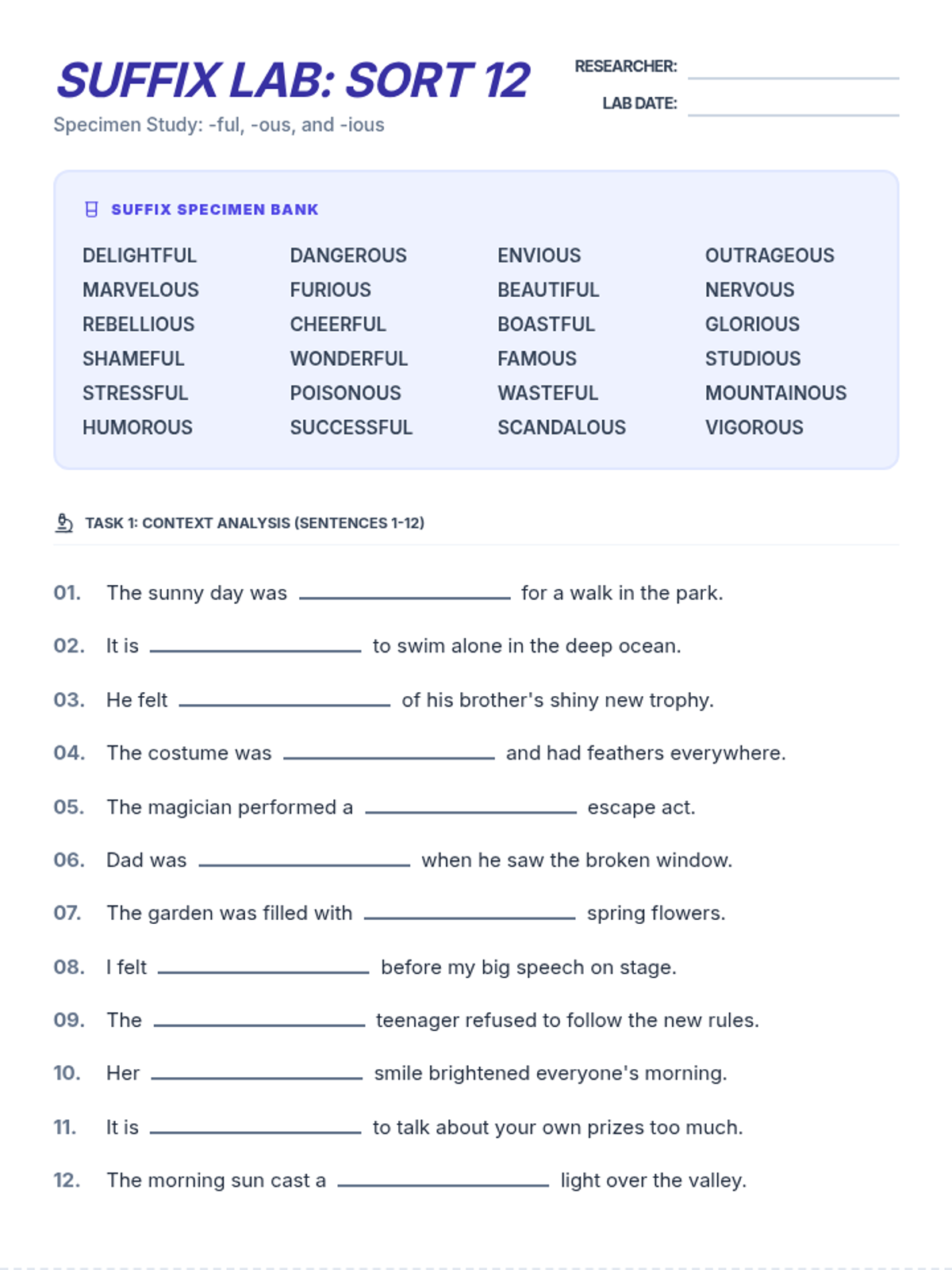
A lesson focused on the suffixes -ful, -ous, and -ious. Students analyze how these suffixes form adjectives from nouns, representing full of or having qualities of.
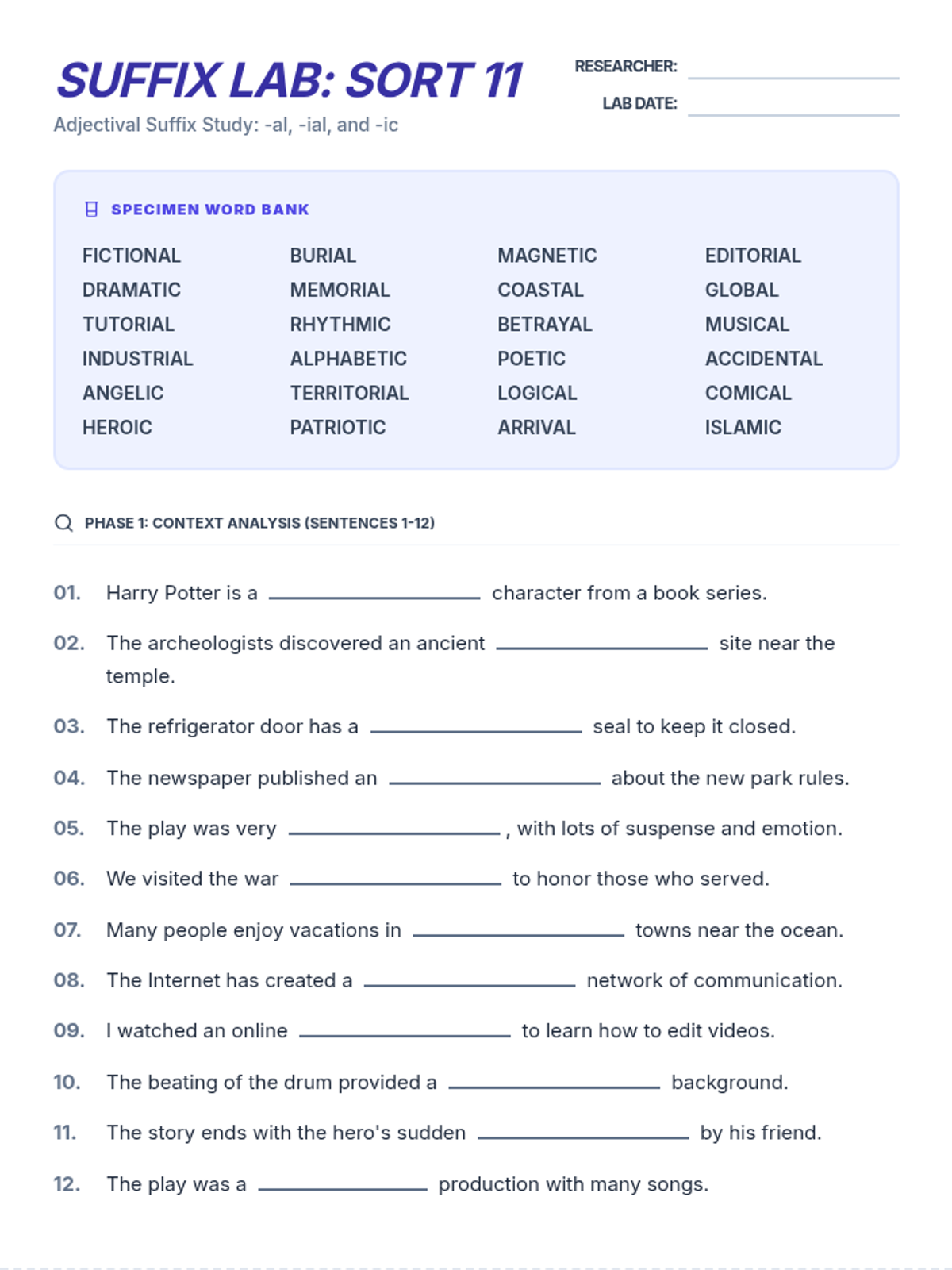
A lesson focused on the suffixes -al, -ial, and -ic. Students analyze how these suffixes form adjectives from nouns, representing relating to or having qualities of.
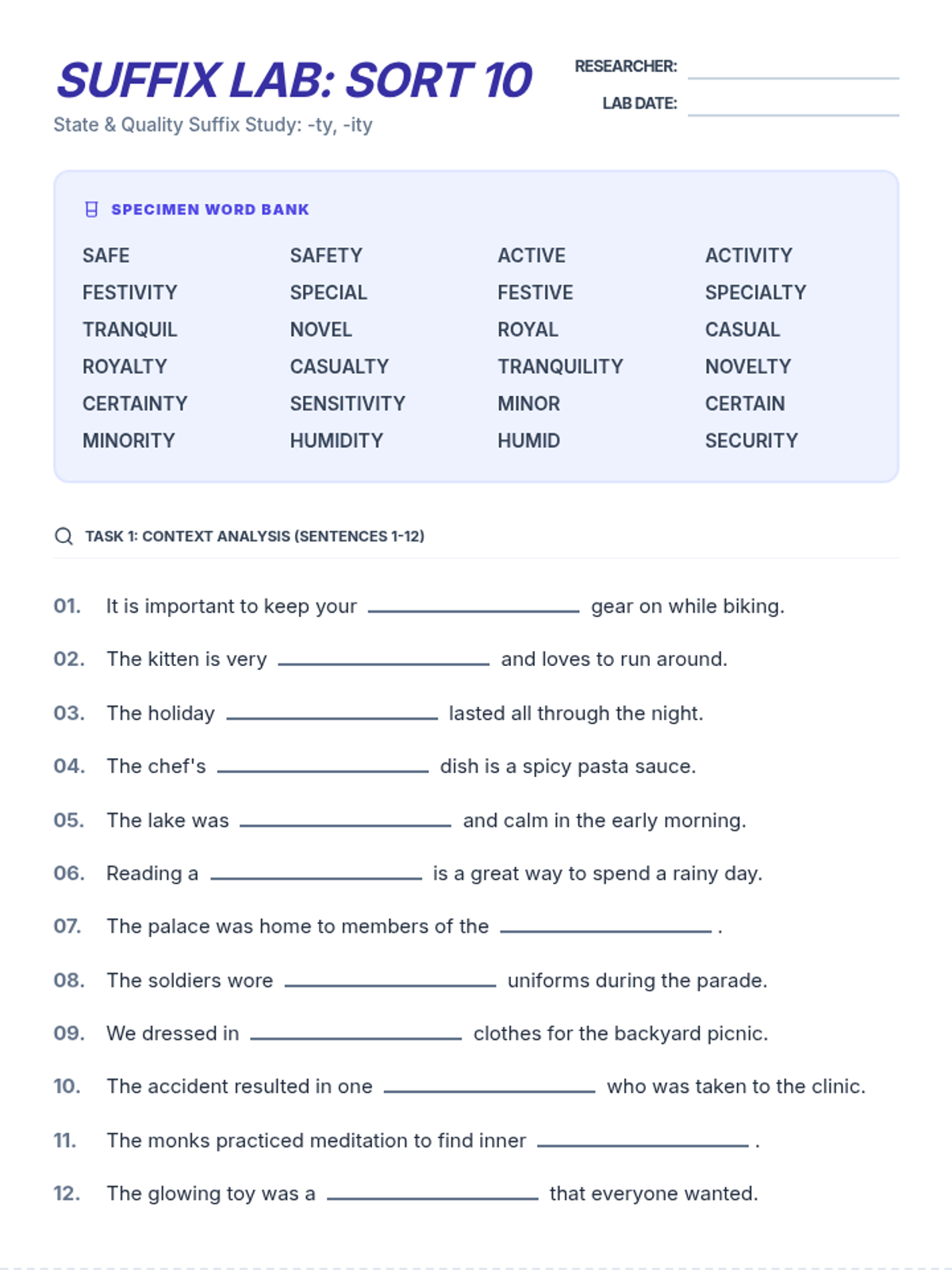
A lesson focused on the suffixes -ty and -ity. Students analyze how these suffixes form nouns from adjectives, representing states or qualities.
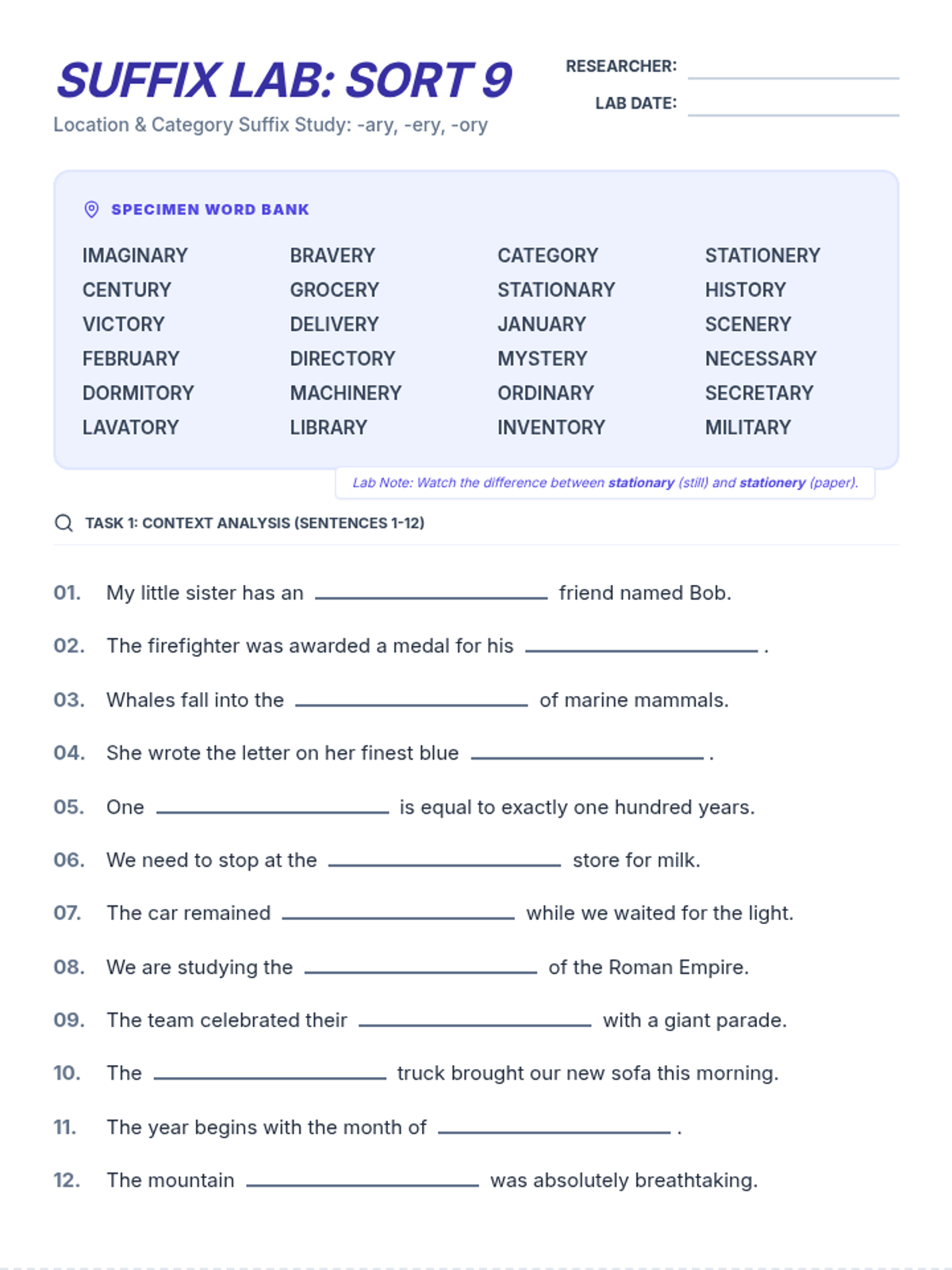
A lesson focused on location and category suffixes (-ary, -ery, -ory). Students analyze how these suffixes form nouns and adjectives related to places, groups, and qualities.
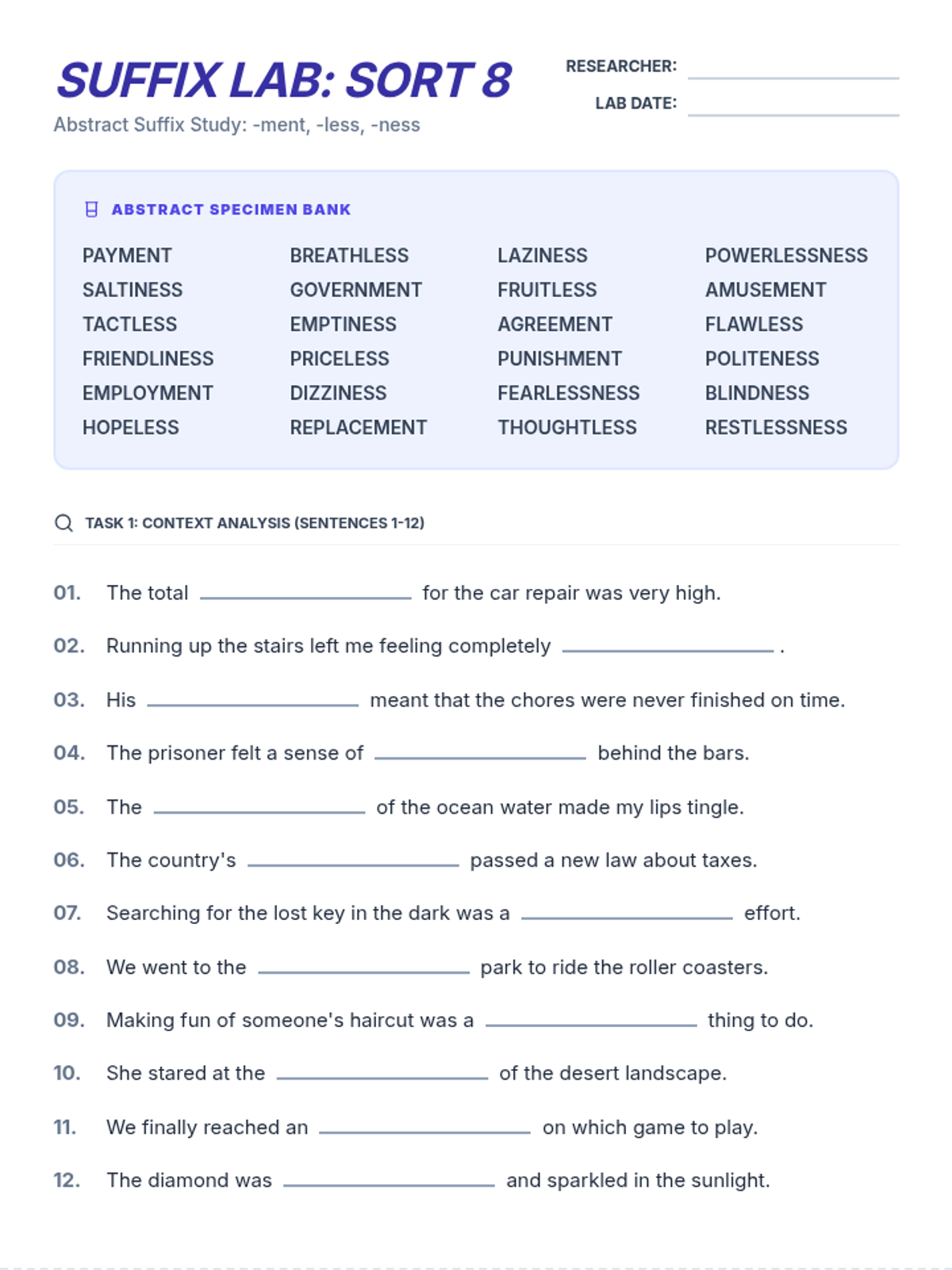
A lesson focused on abstract suffixes (-ment, -less, -ness). Students explore how these suffixes form nouns and adjectives related to states, qualities, and actions.
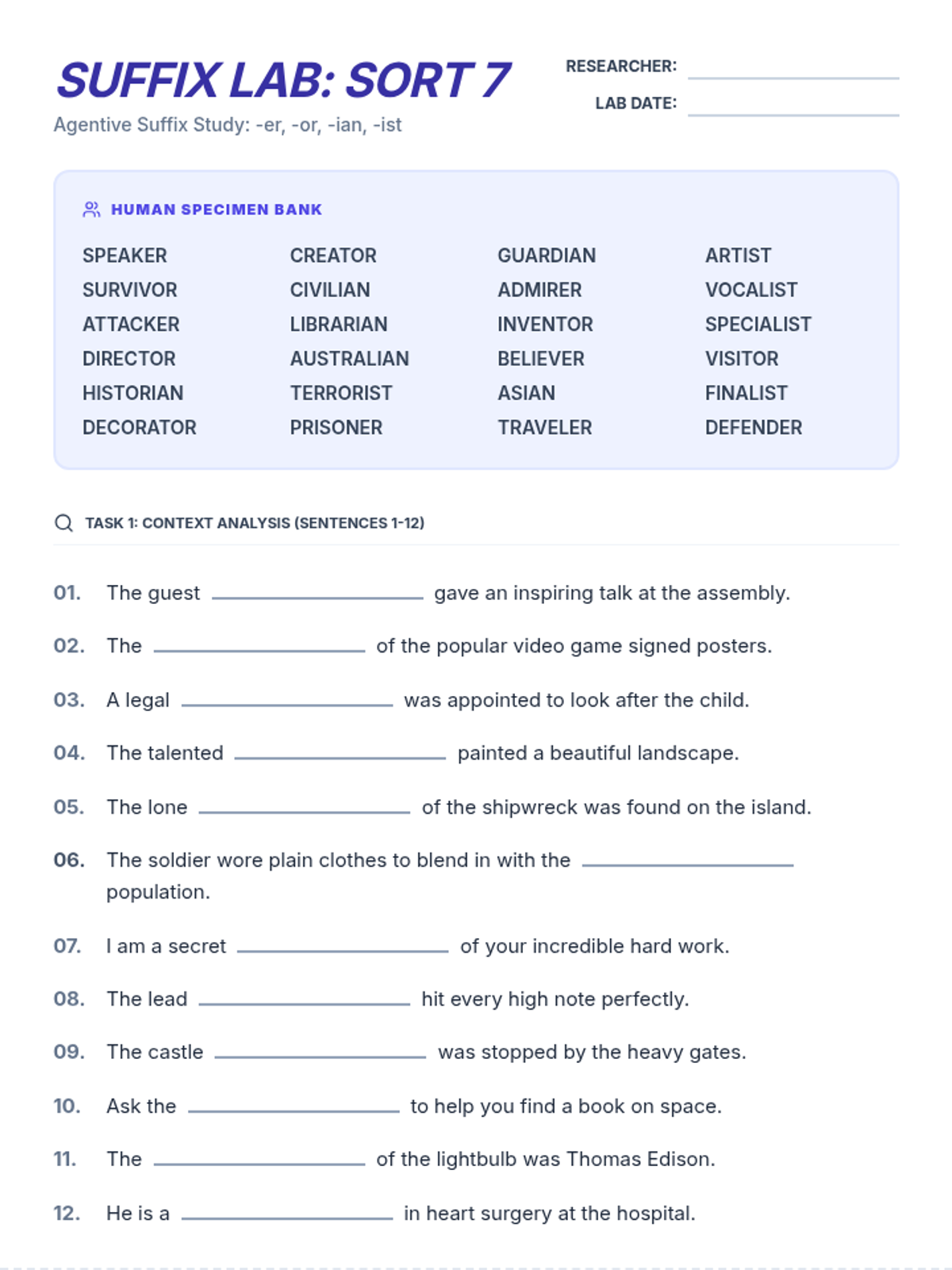
A lesson focused on agentive suffixes (-er, -or, -ian, -ist). Students analyze how these suffixes identify people who perform specific actions or hold certain roles.
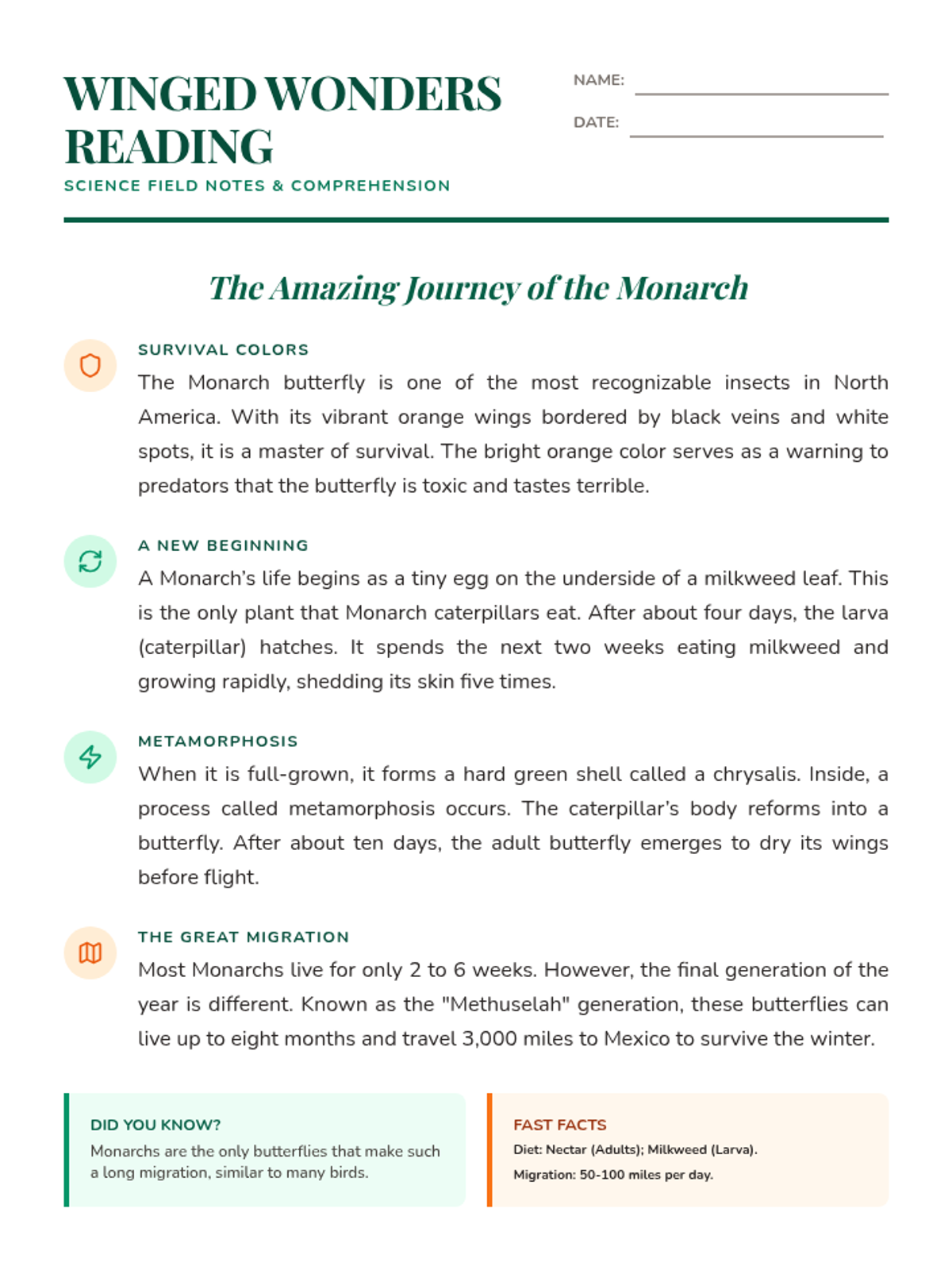
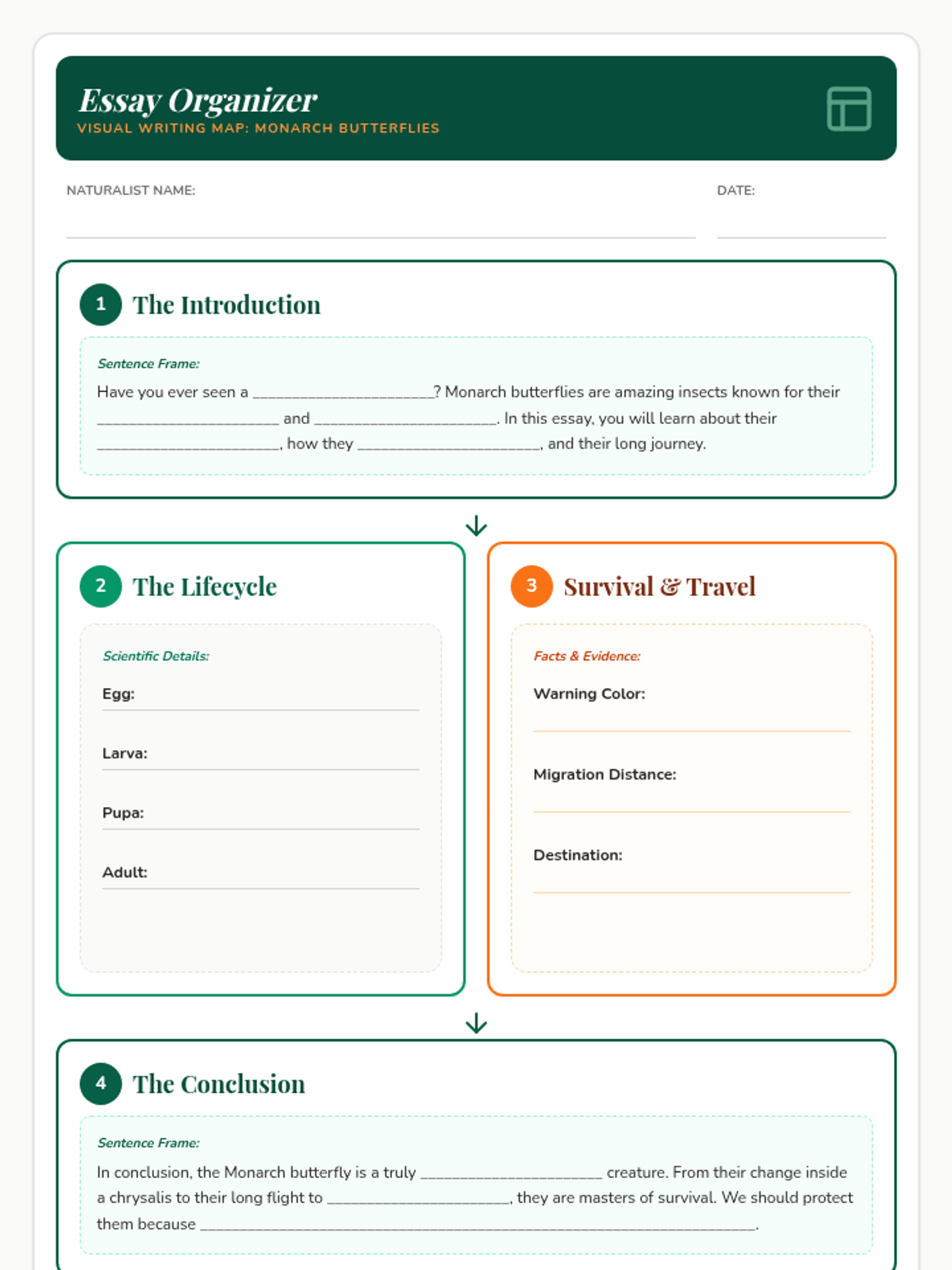
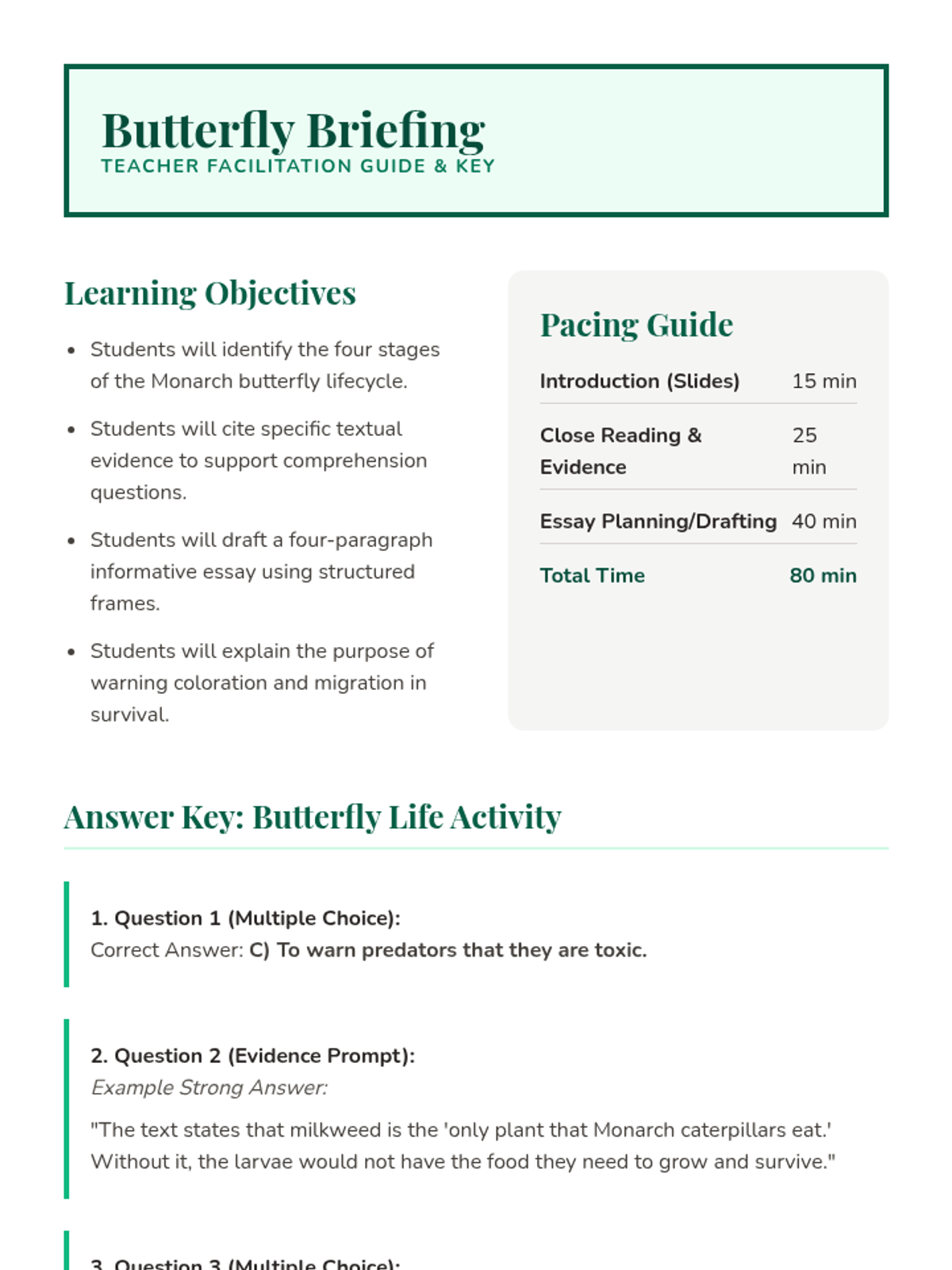
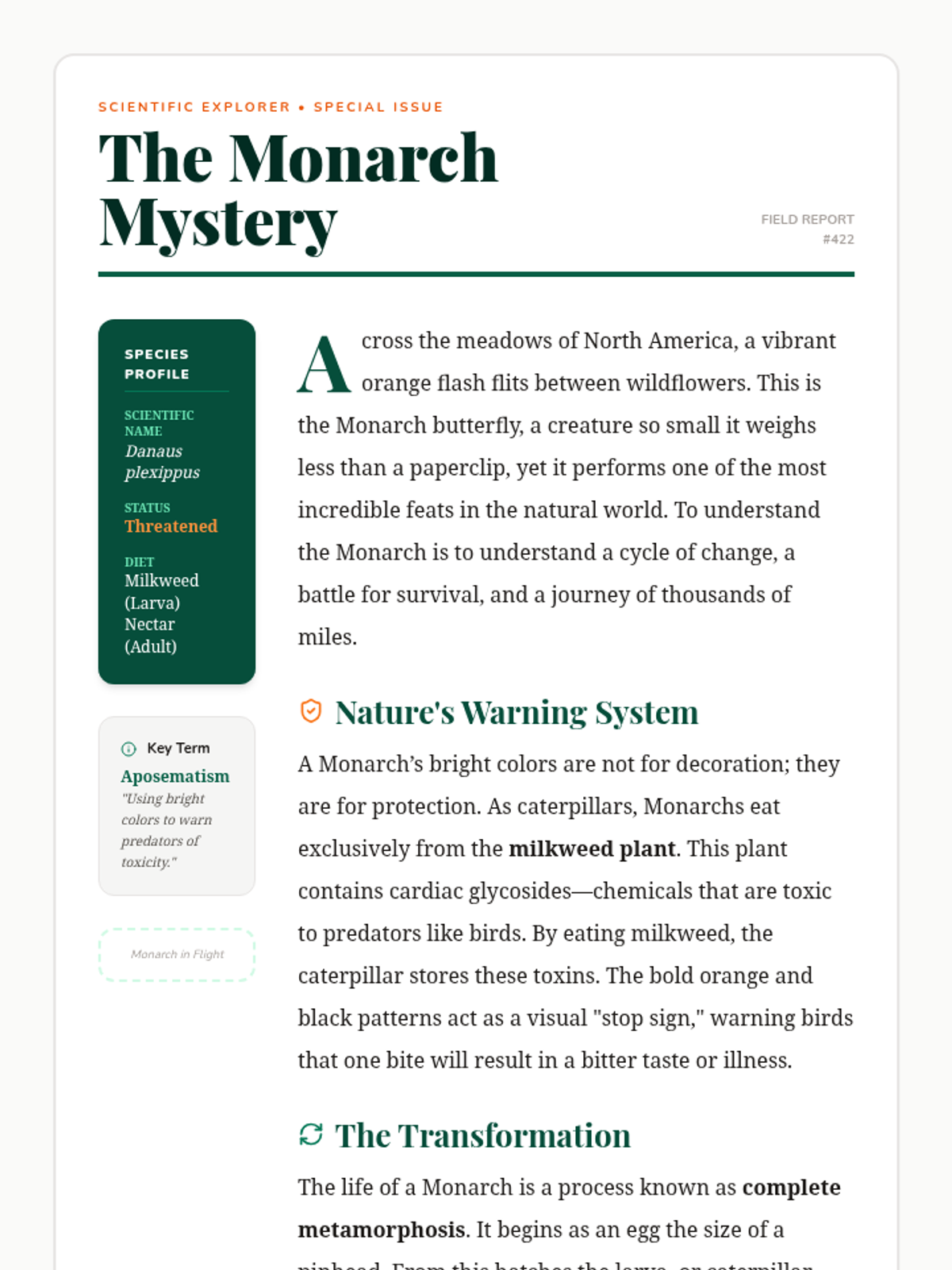
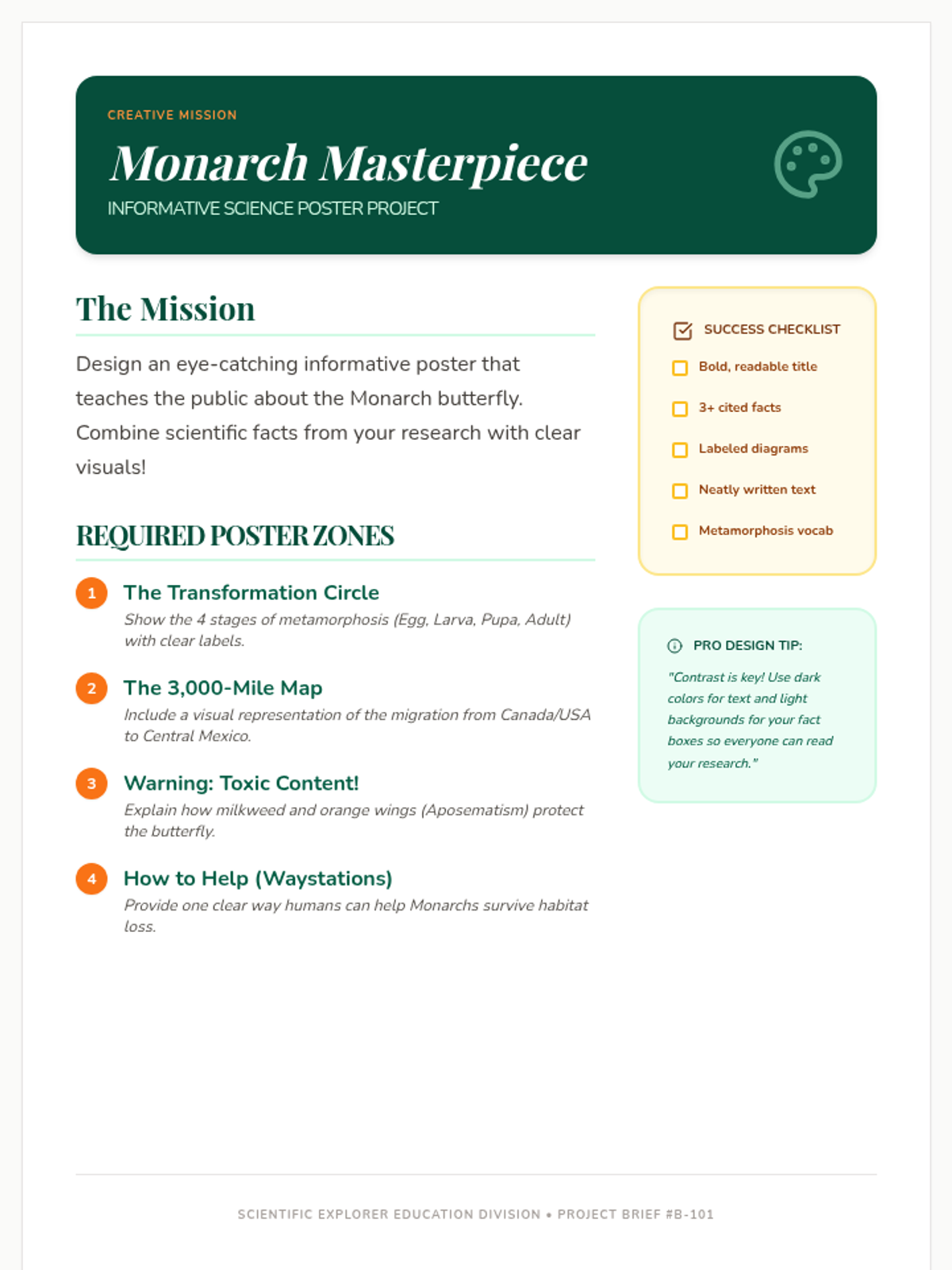
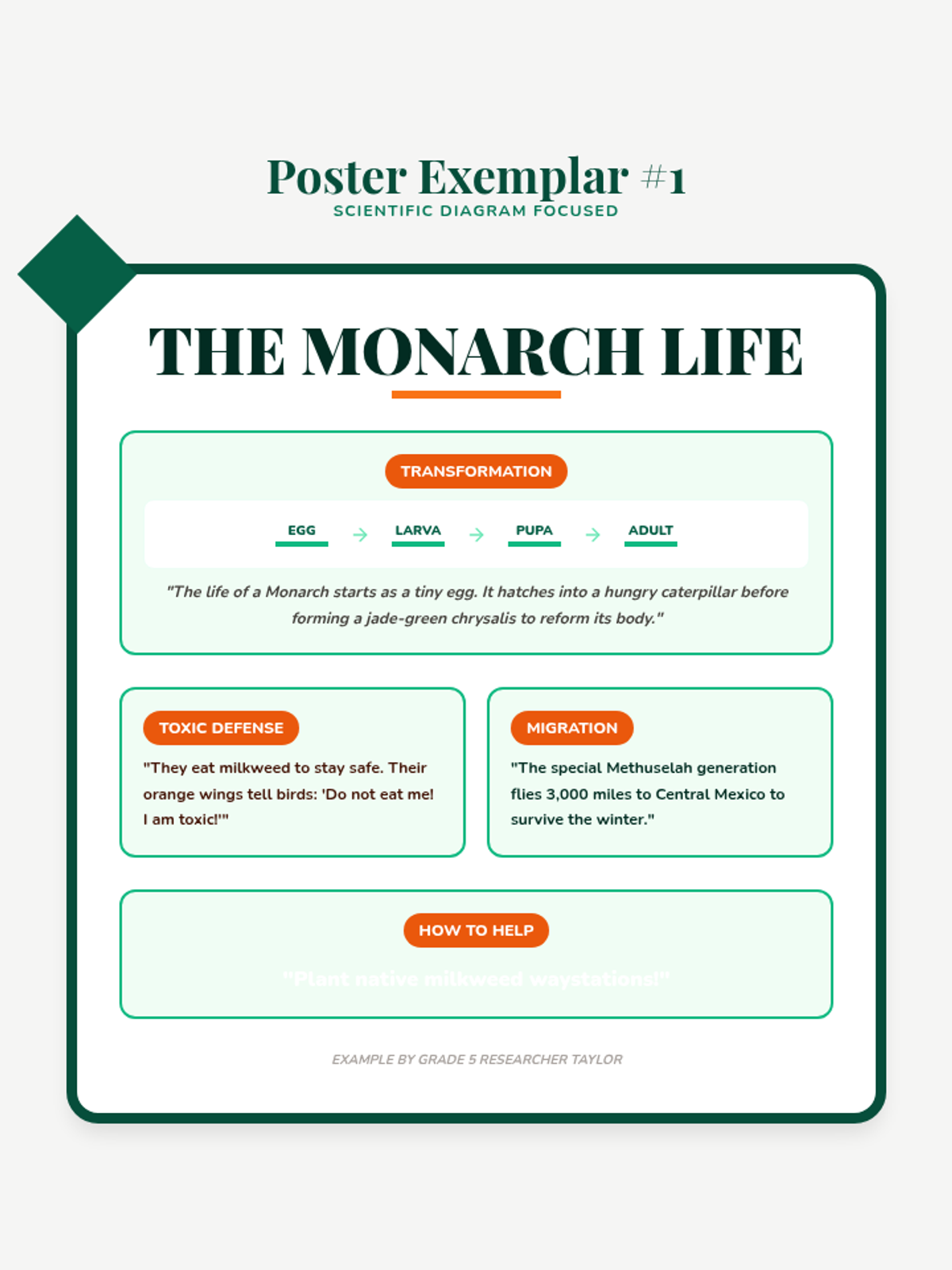
A comprehensive lesson on butterfly biology and conservation, focusing on citing textual evidence and structured informative writing for 4th-5th grade students.
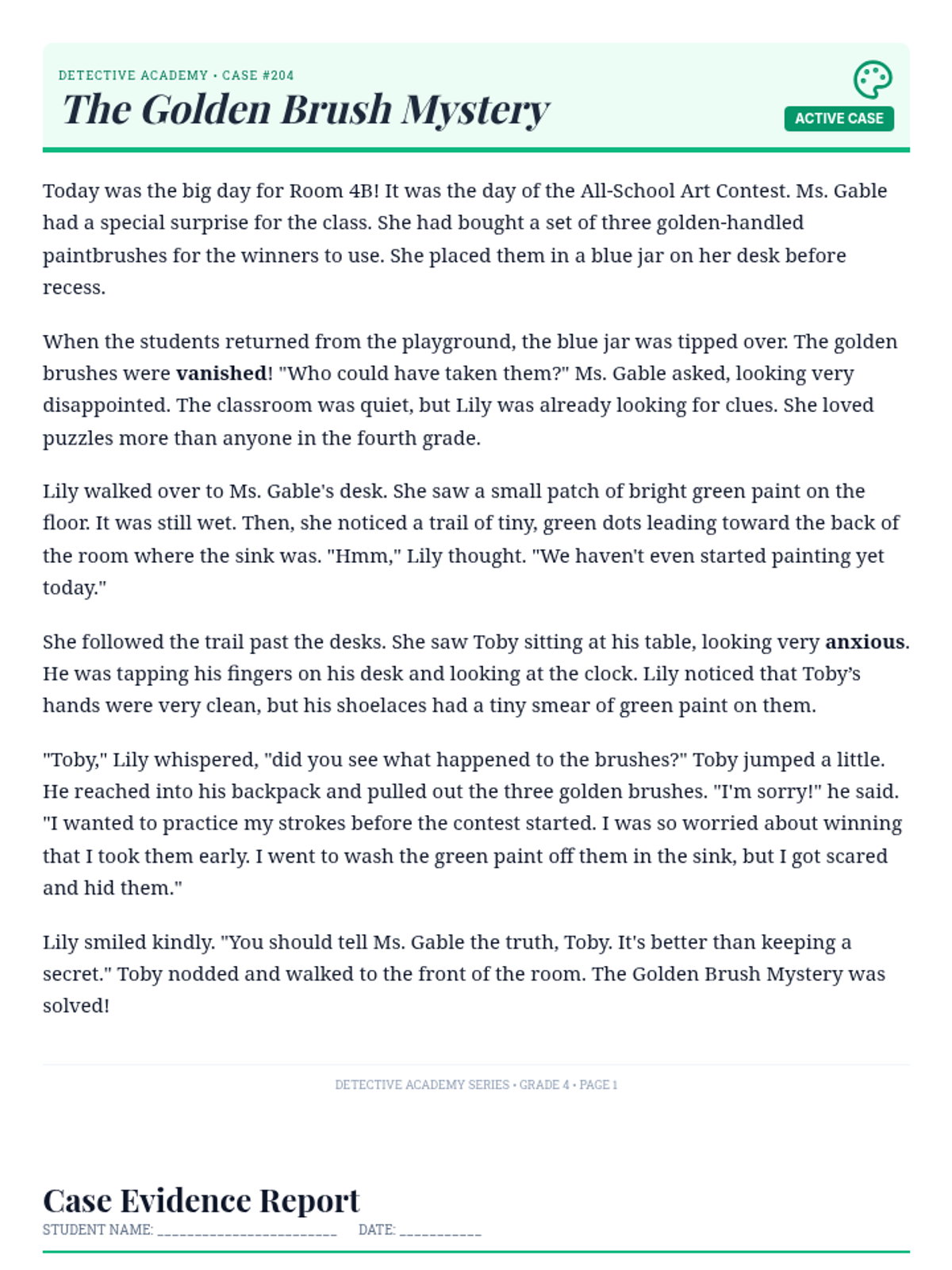
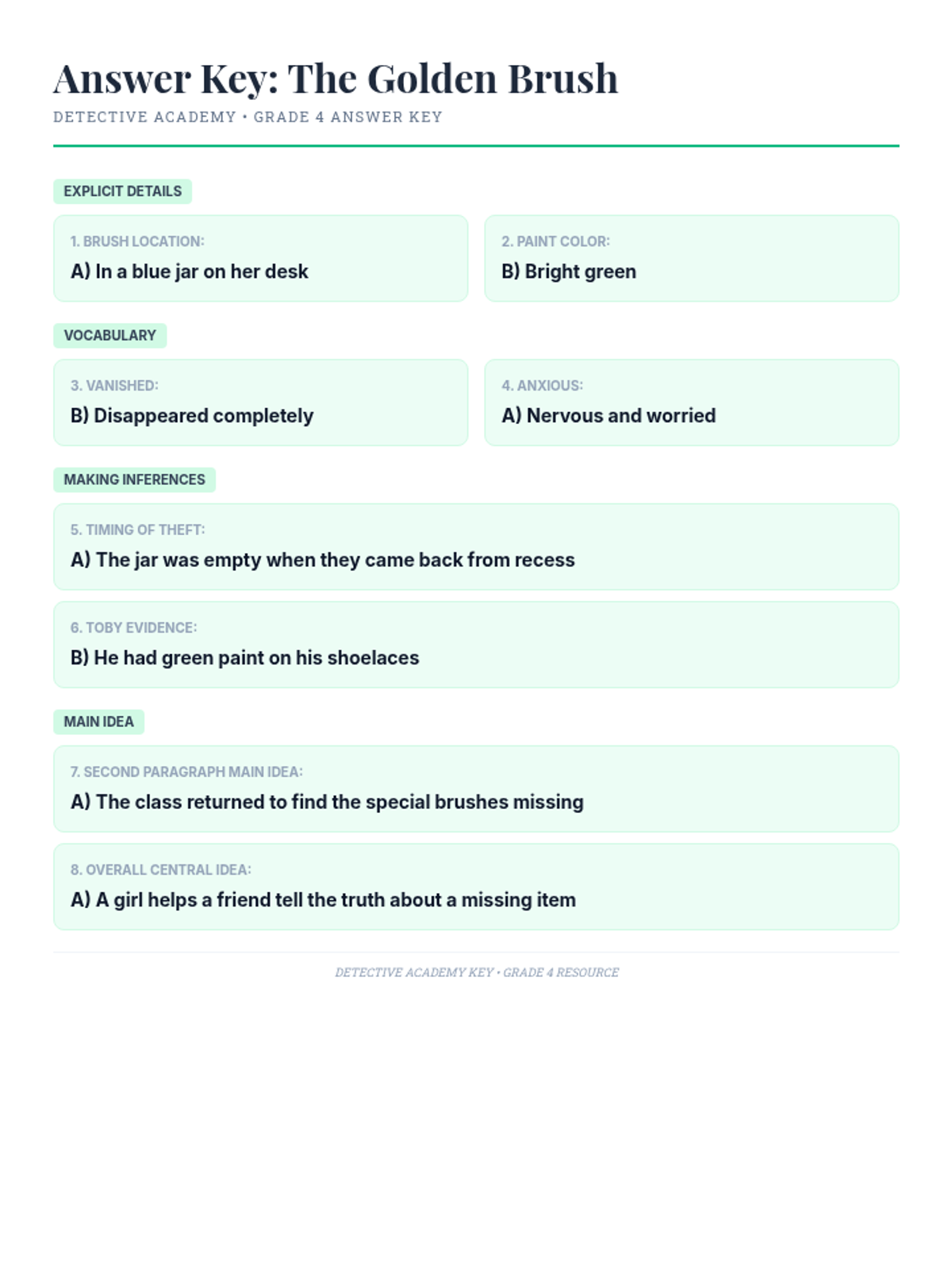
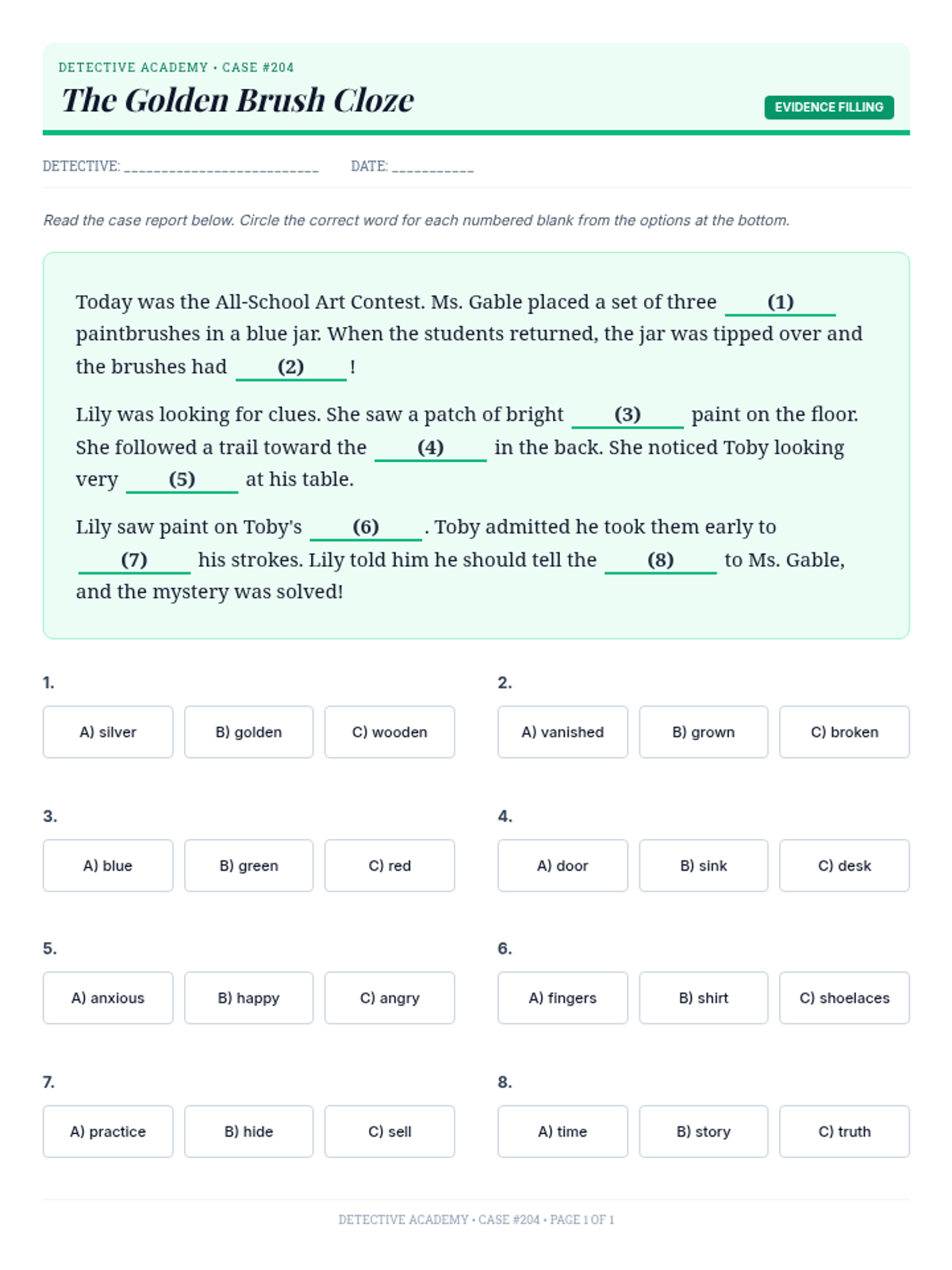
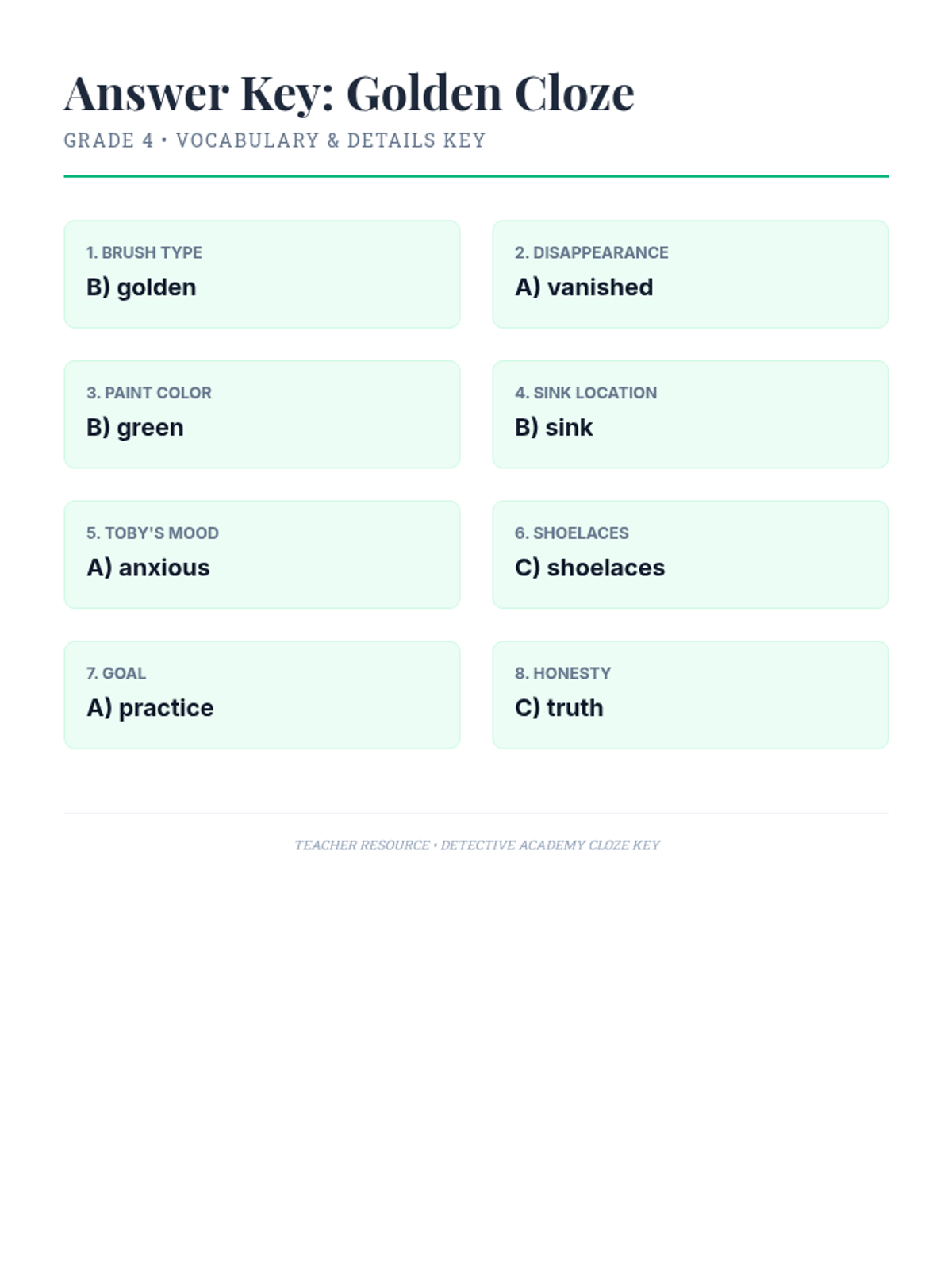
A grade 4 reading comprehension lesson focused on a mystery story, targeting skills in inferencing, explicit details, context clues, and identifying main ideas.
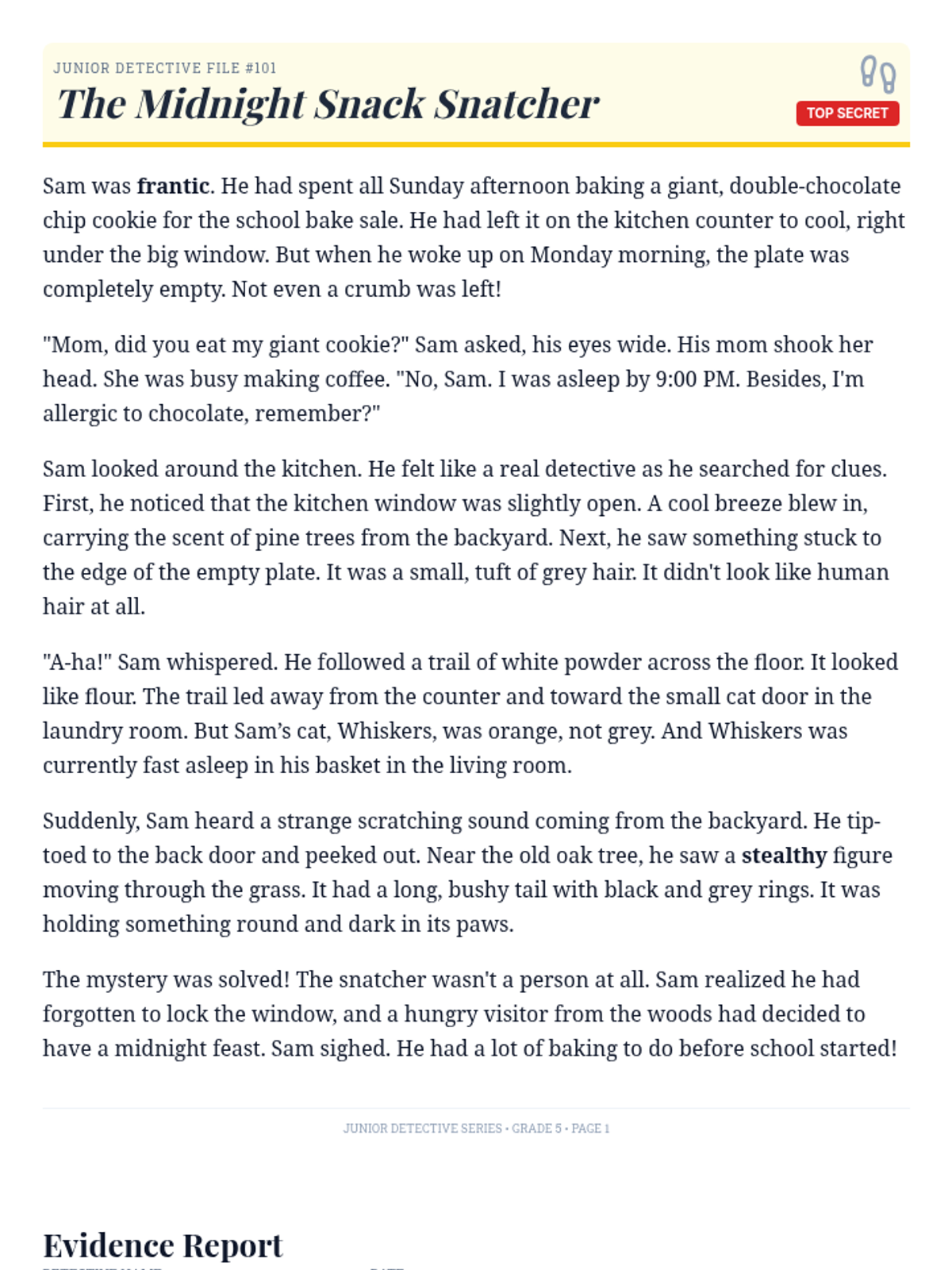
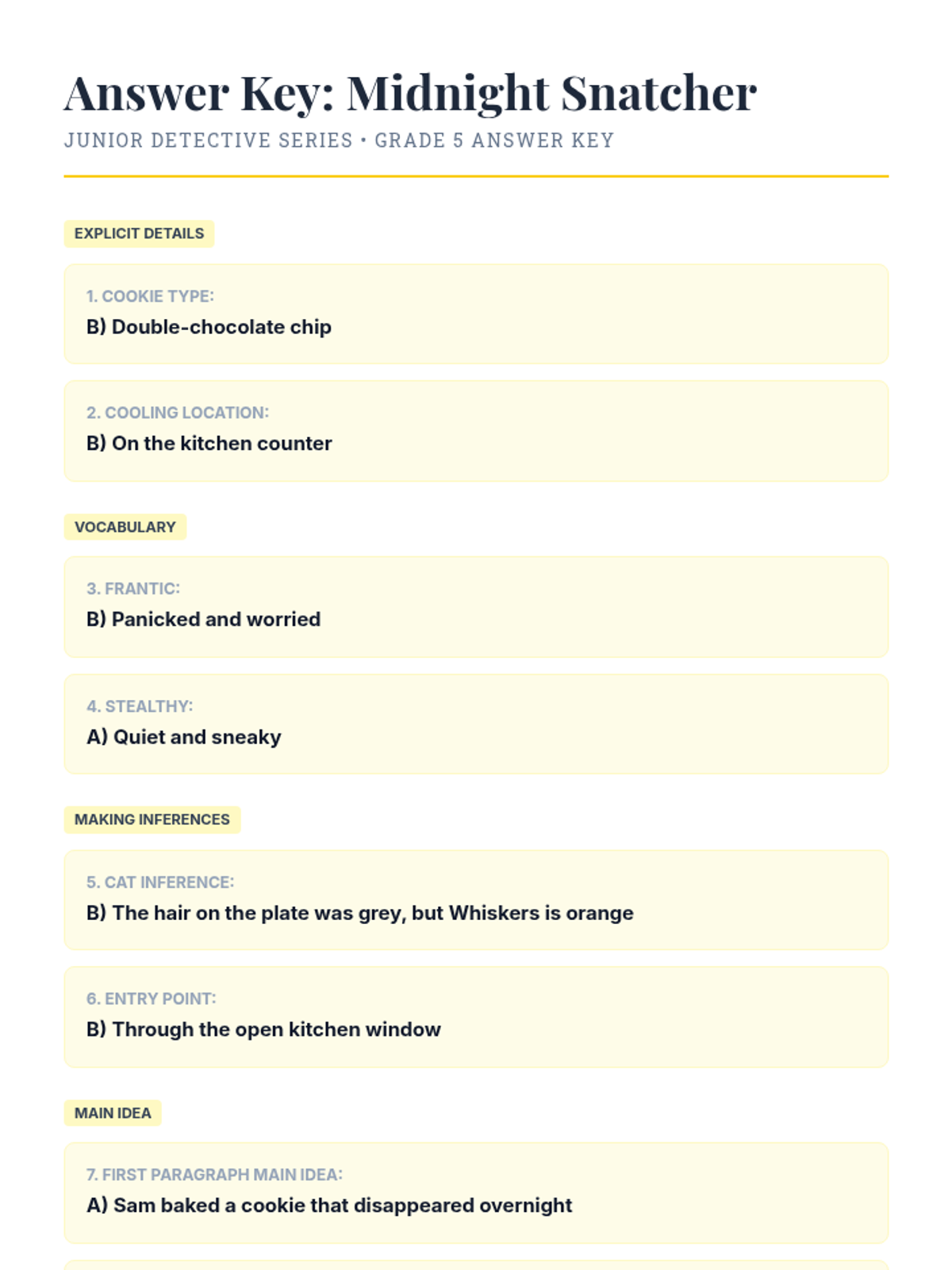
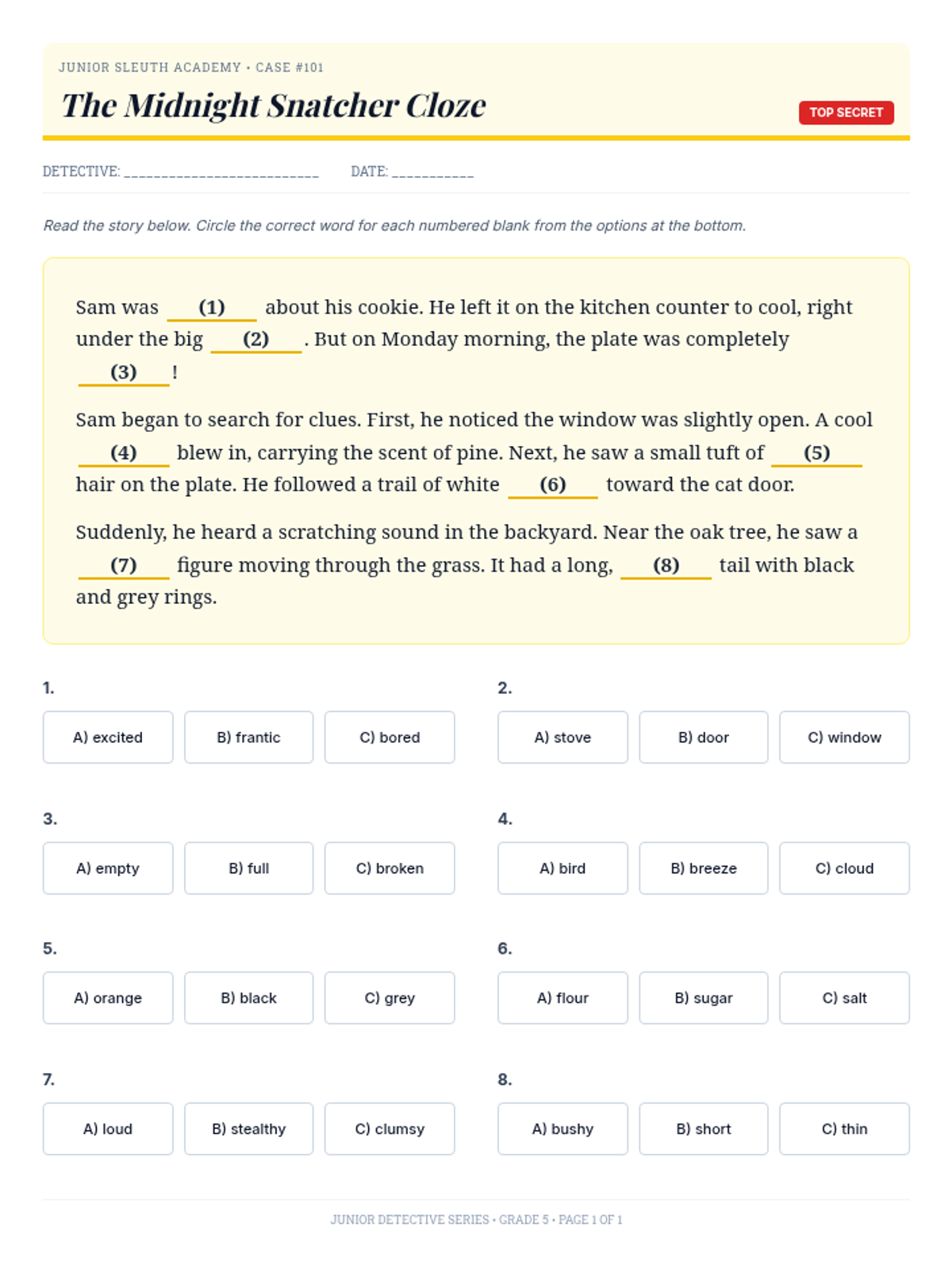
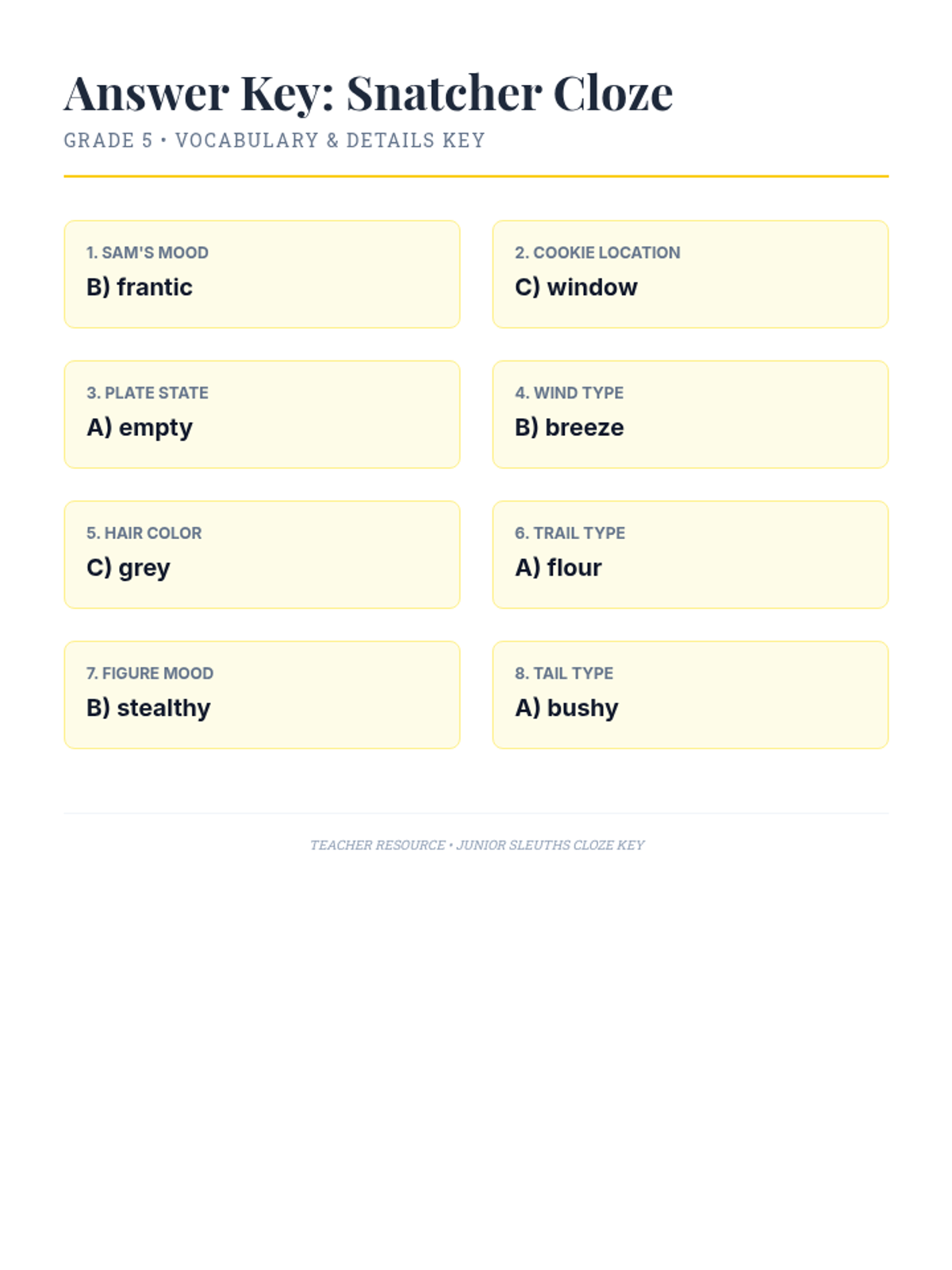
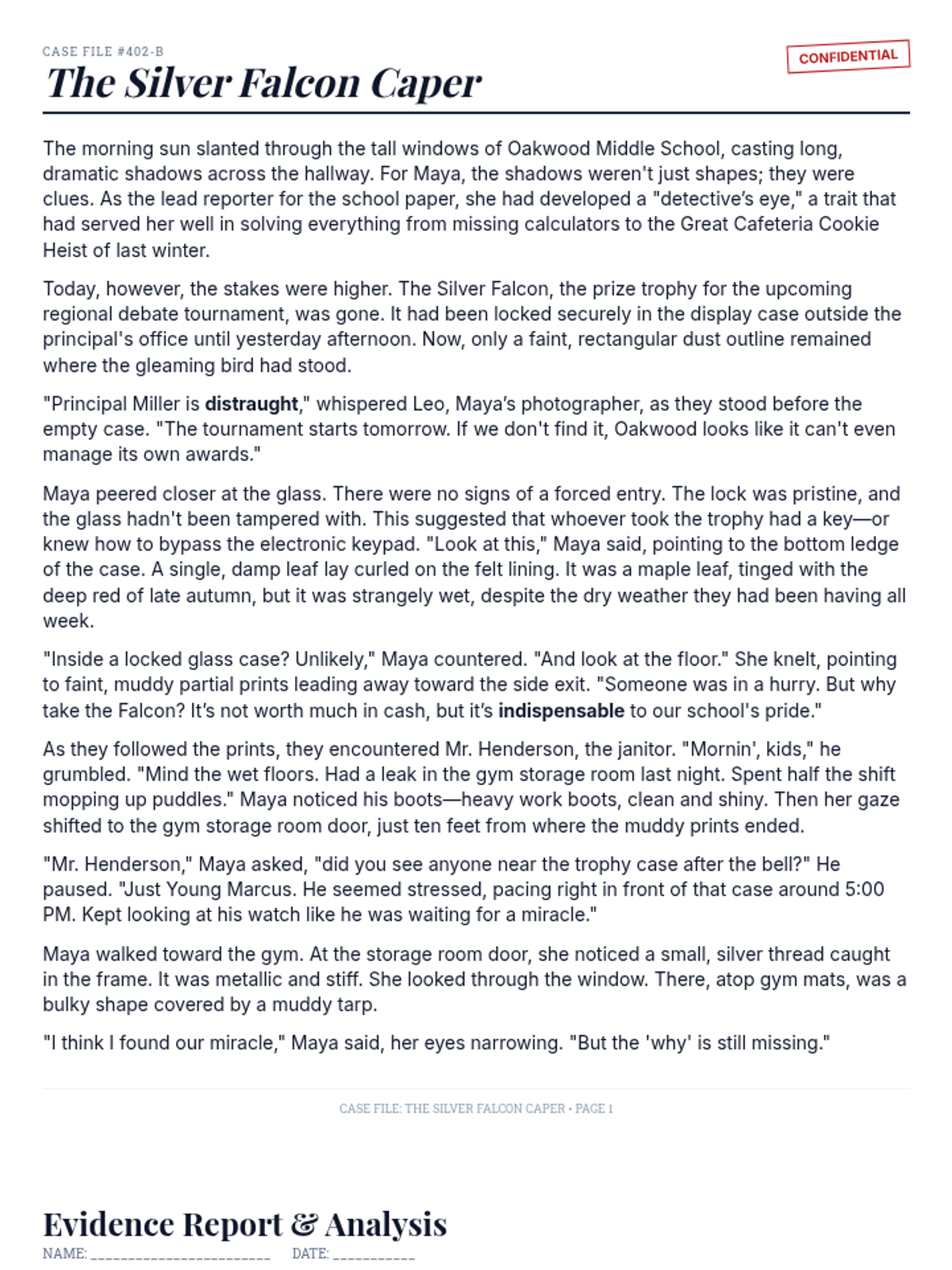
A grade 5 reading comprehension lesson focused on a mystery story, targeting skills in inferencing, explicit details, context clues, and identifying main ideas.
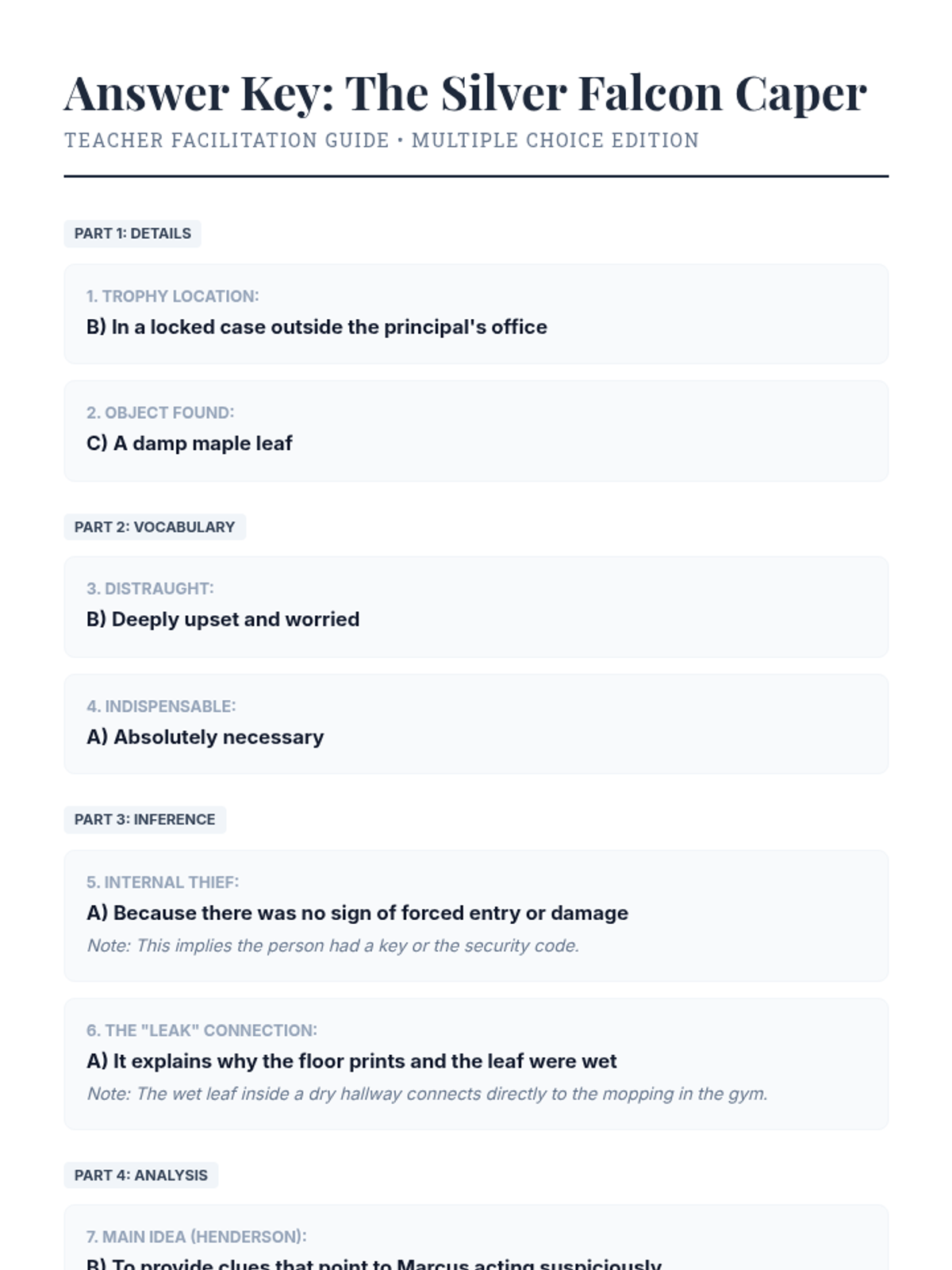
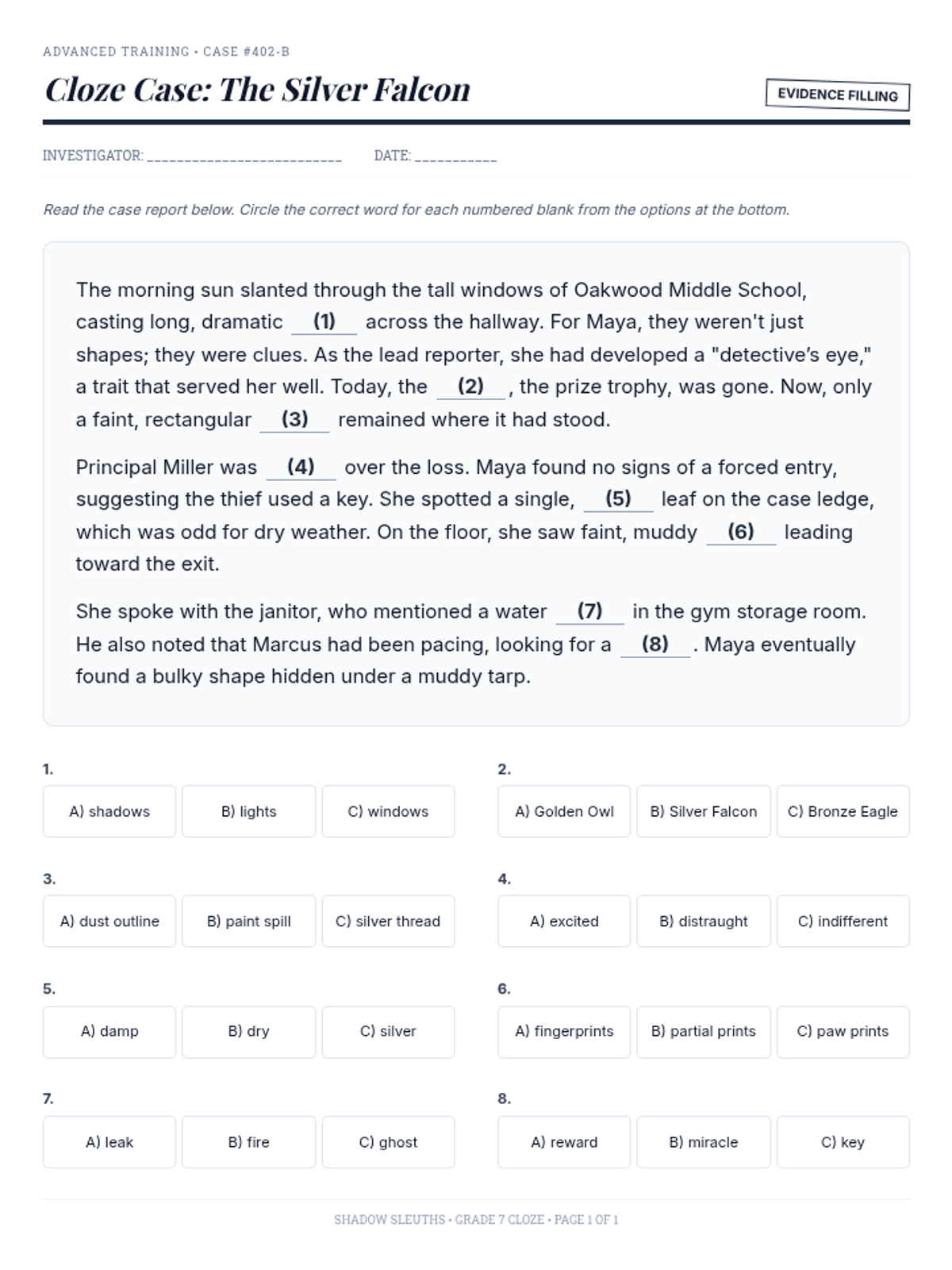
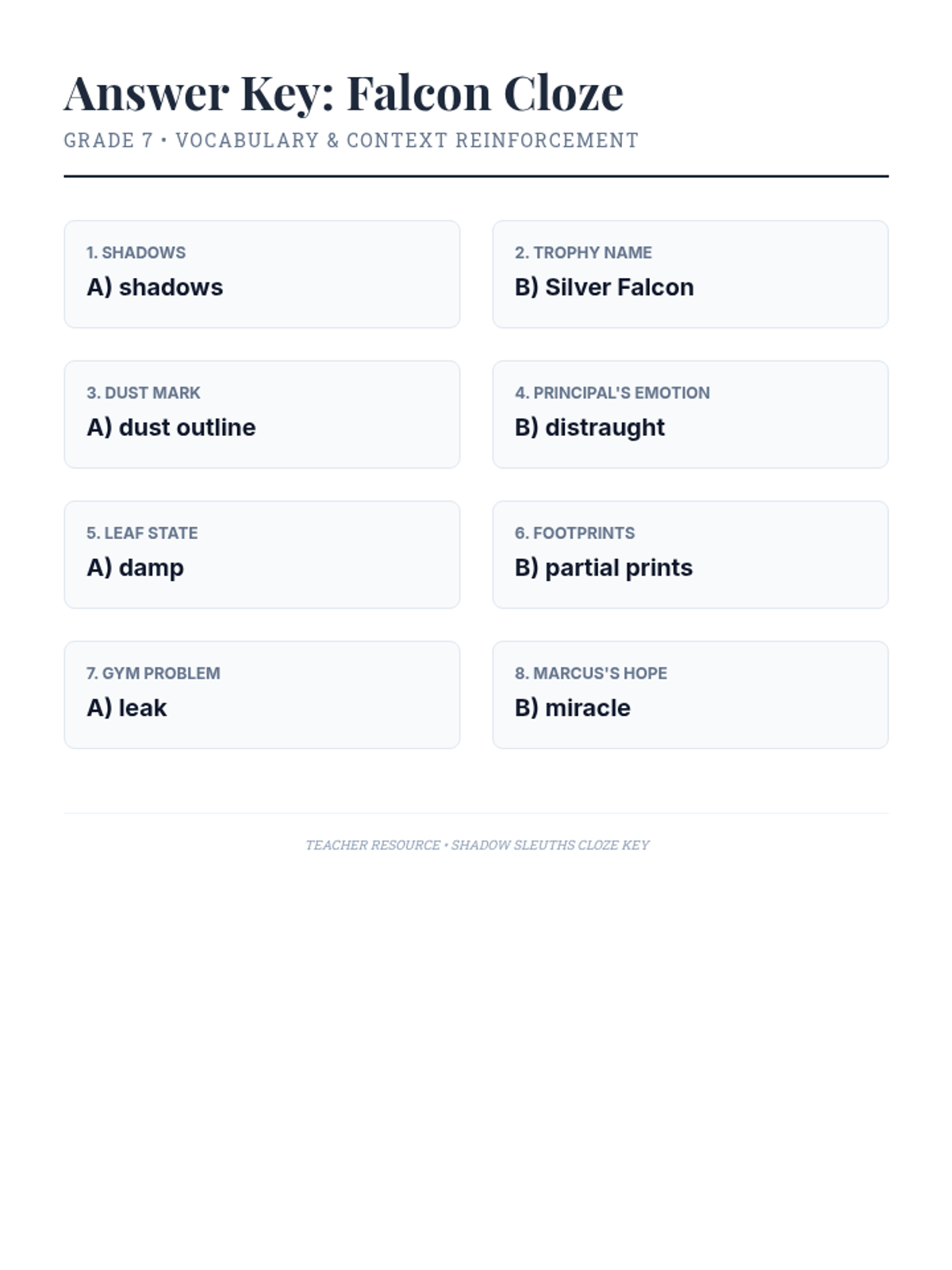
A grade 7 reading comprehension lesson focused on a mystery story, targeting skills in inferencing, explicit details, context clues, and identifying main ideas.
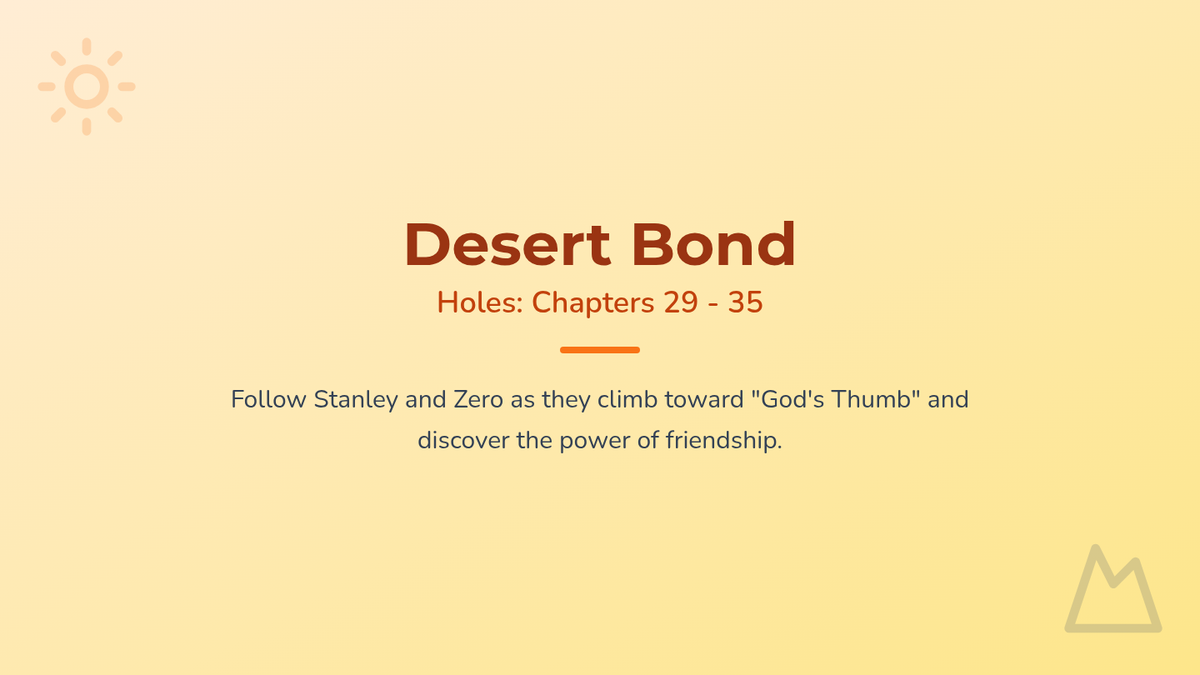
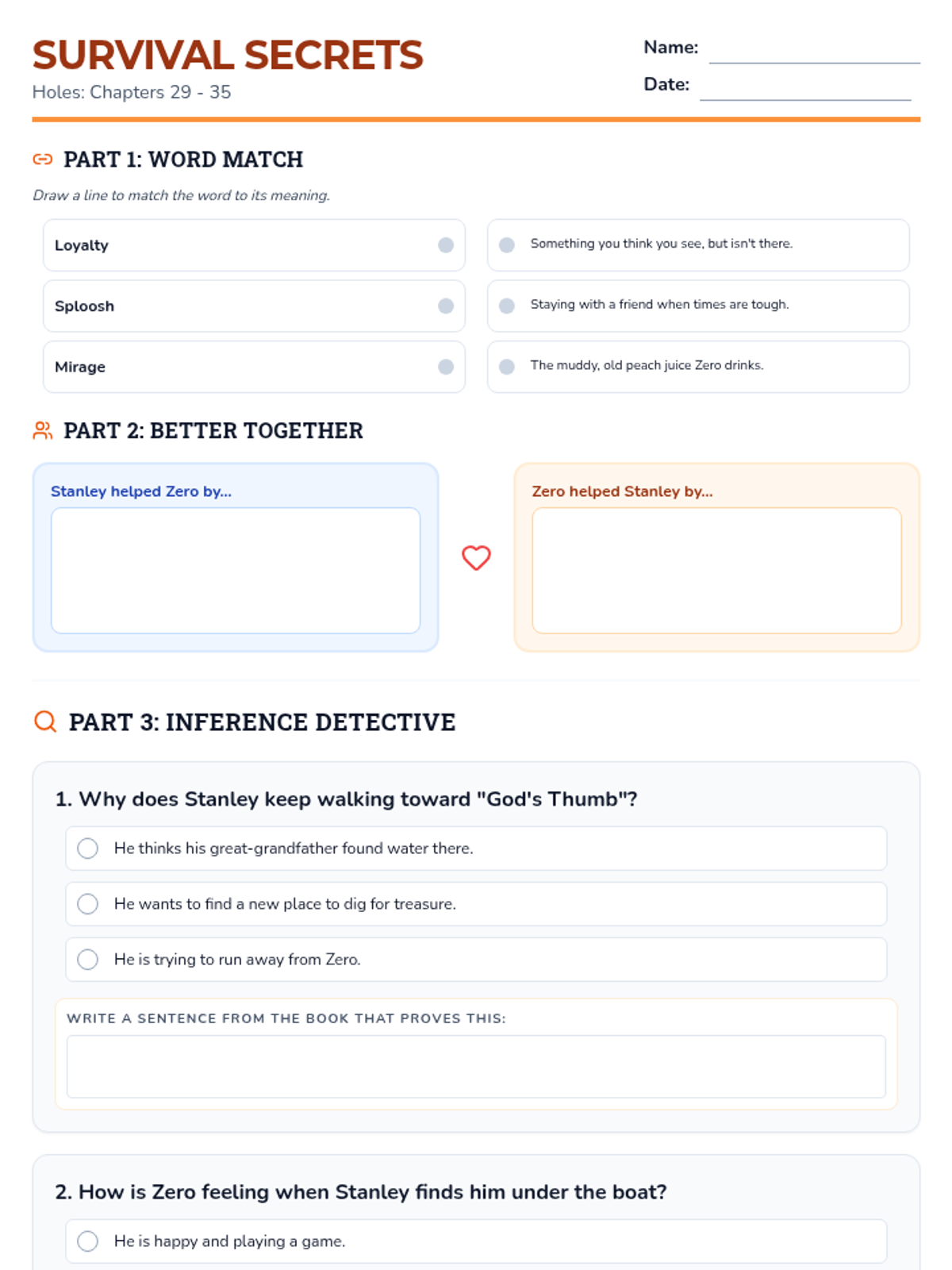
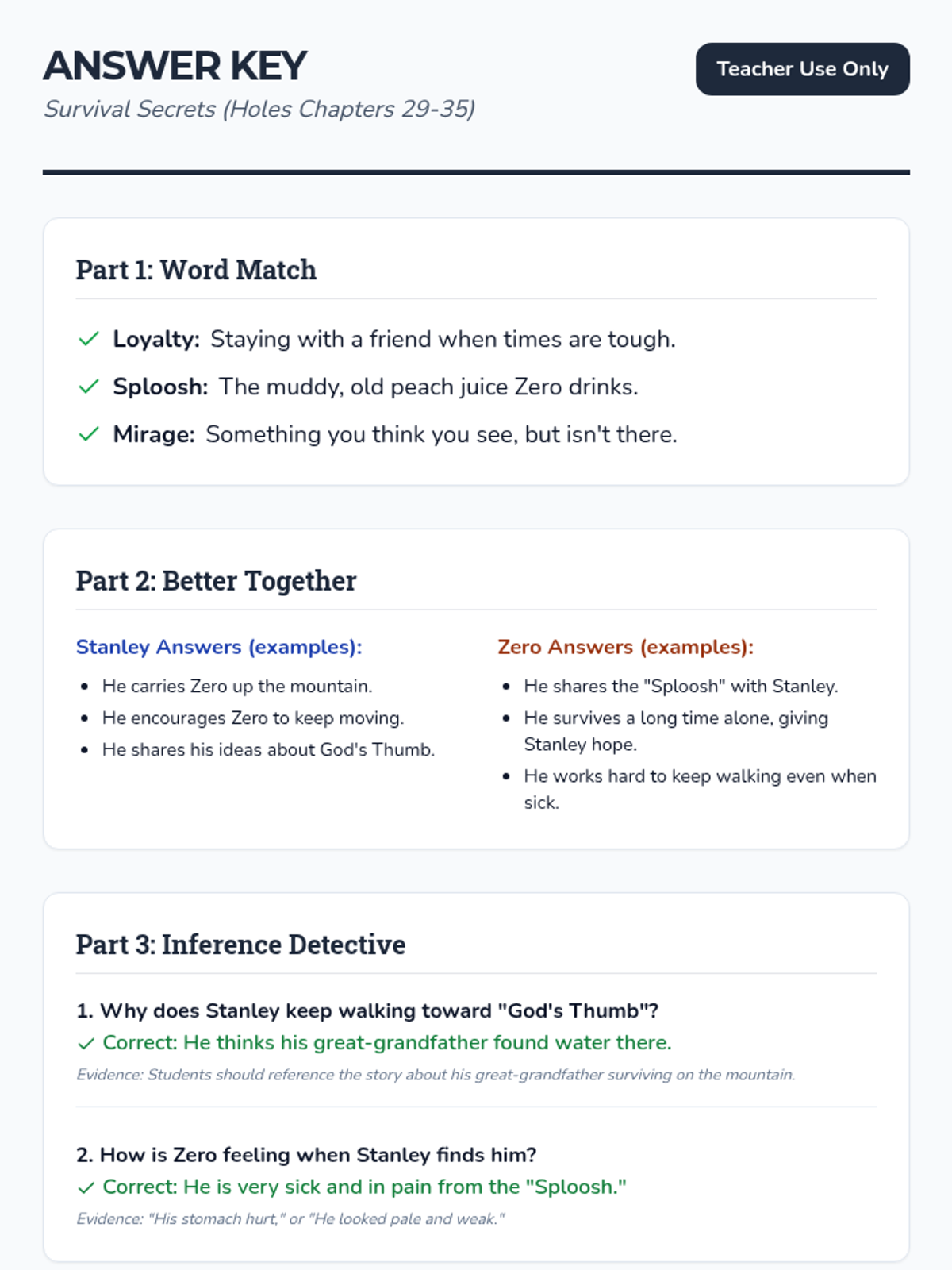
A lesson focused on chapters 29-35 of Louis Sachar's Holes, exploring the deepening friendship between Stanley and Zero as they face the challenges of the desert. Students will analyze character relationships, make inferences about their survival, and identify the central theme of loyalty.
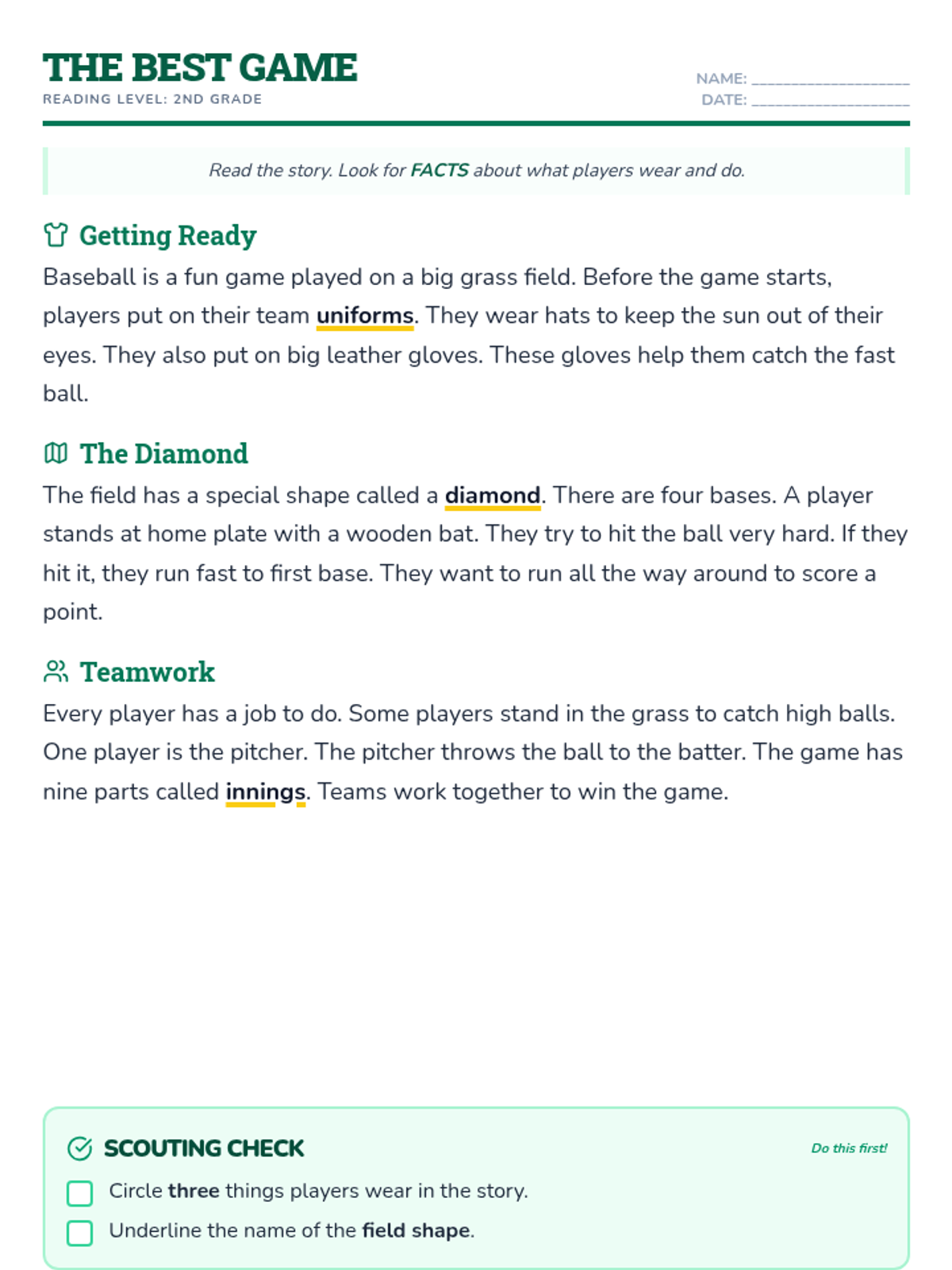
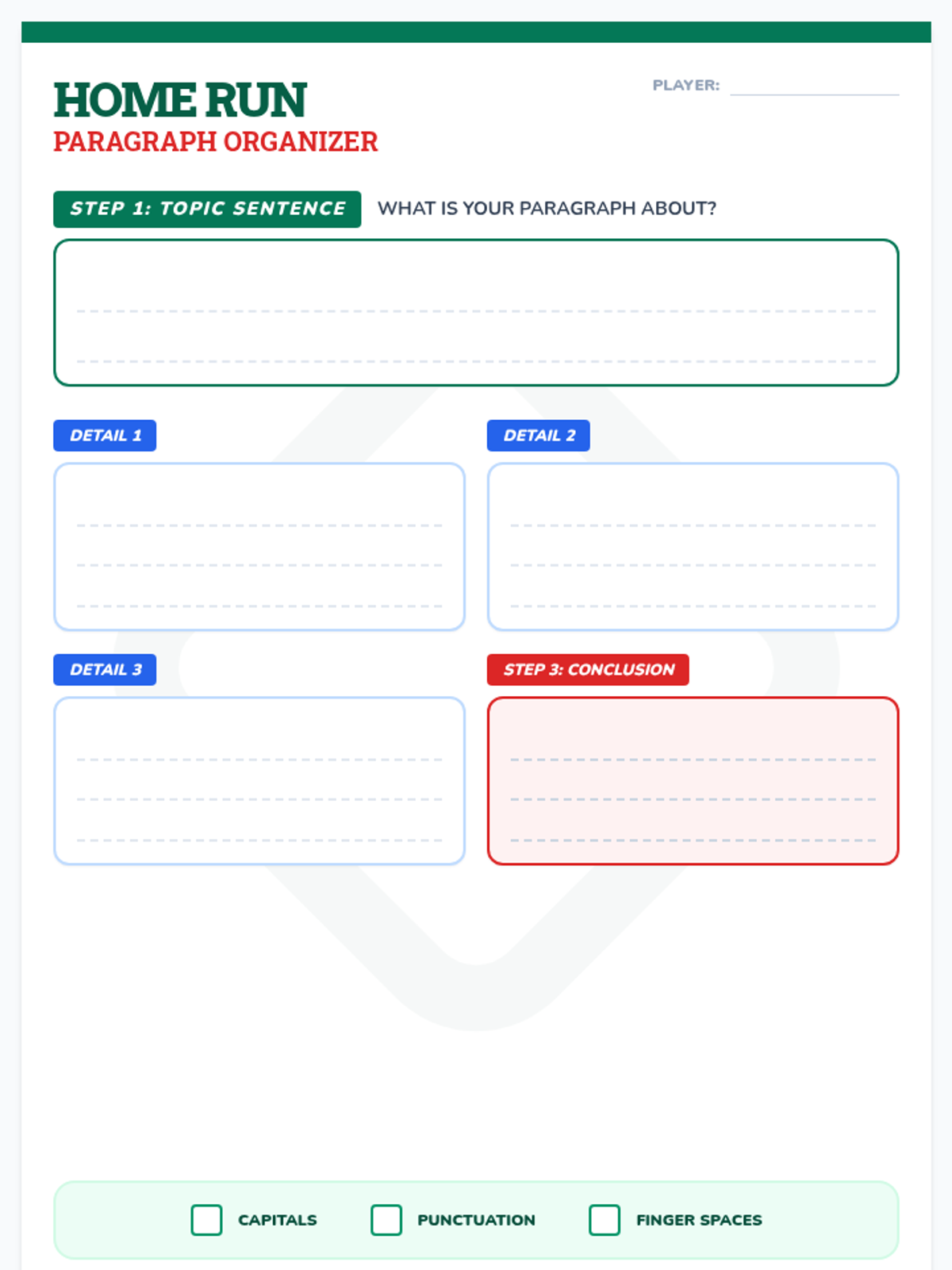
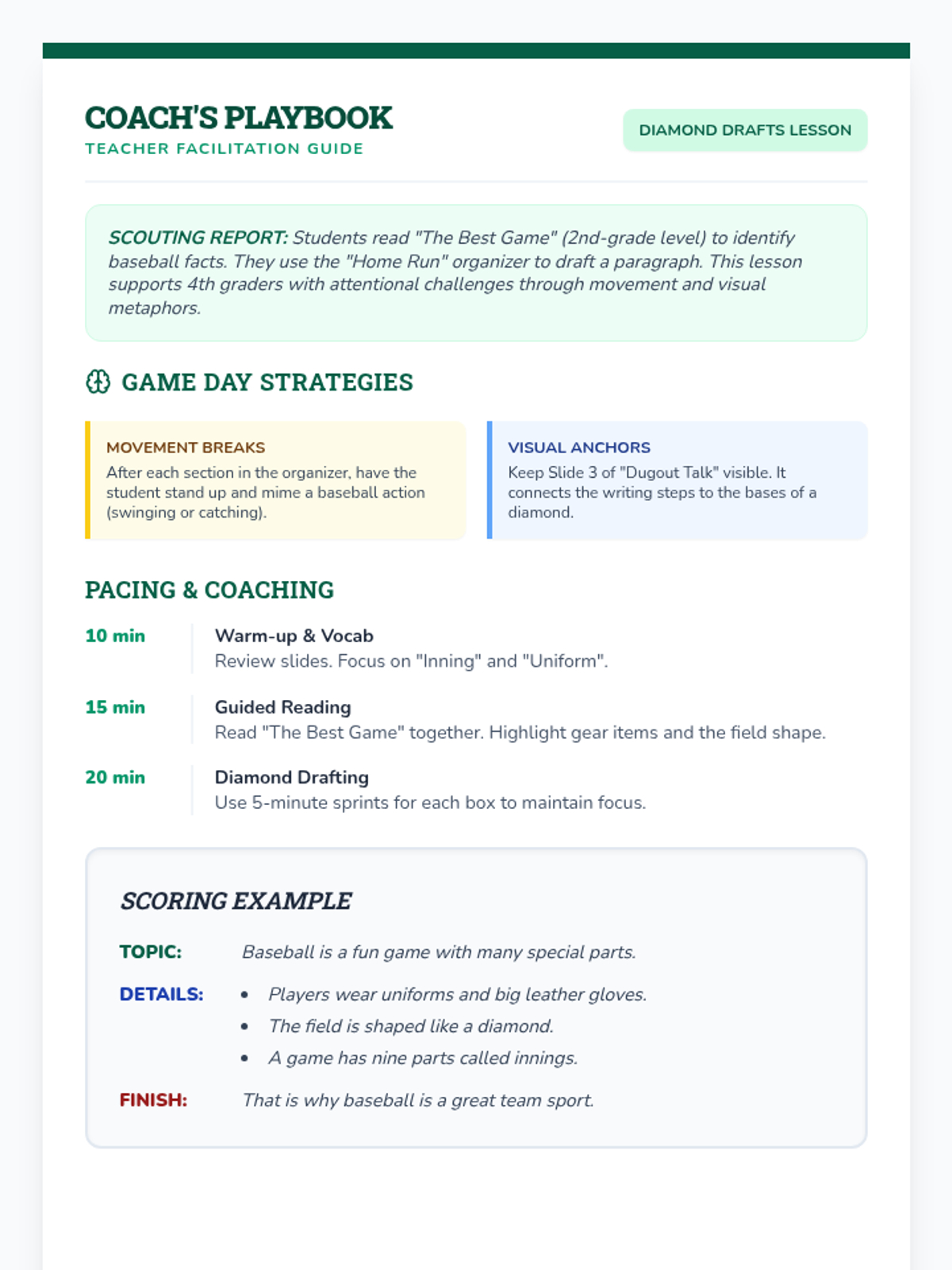
A baseball-themed reading and writing lesson designed for a 4th grader reading at a 2nd-grade level. The lesson focuses on identifying key details and organizing a paragraph using a topic sentence, three details, and a conclusion.
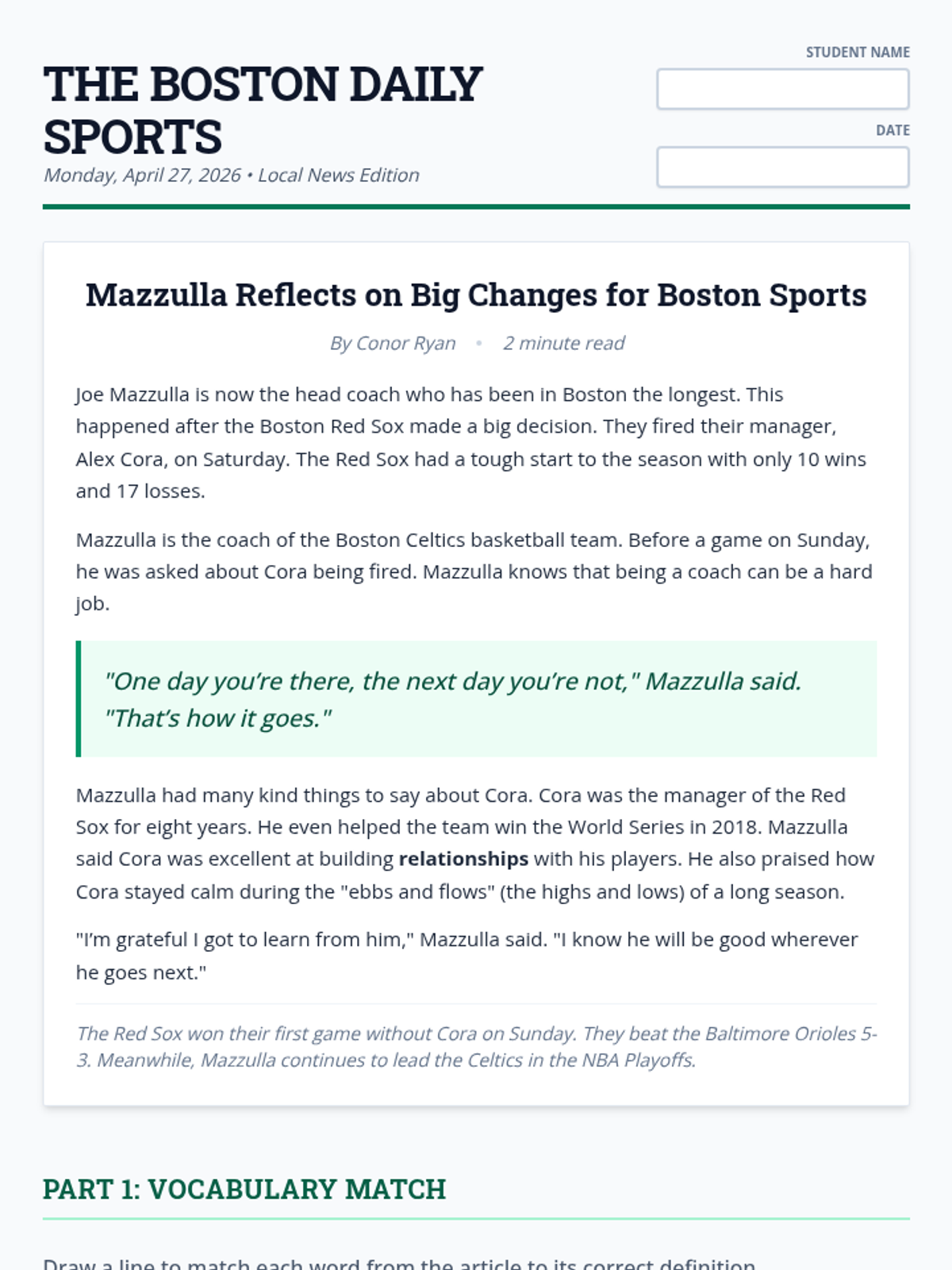
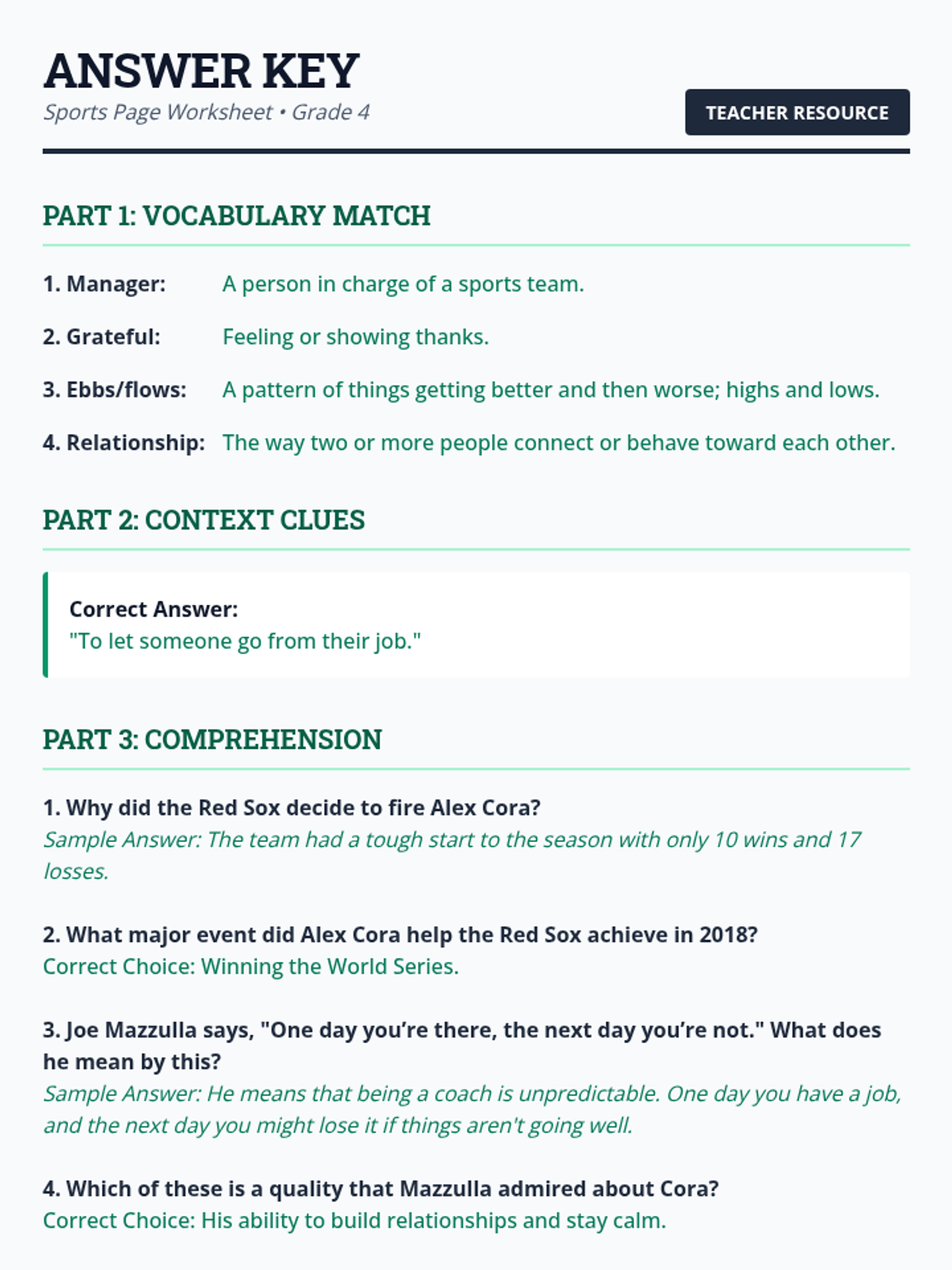
A reading comprehension lesson centered on a local sports news story about coaching changes in Boston, adapted for 4th-grade readers. Students will practice identifying key details, understanding vocabulary in context, and making inferences from quotes.
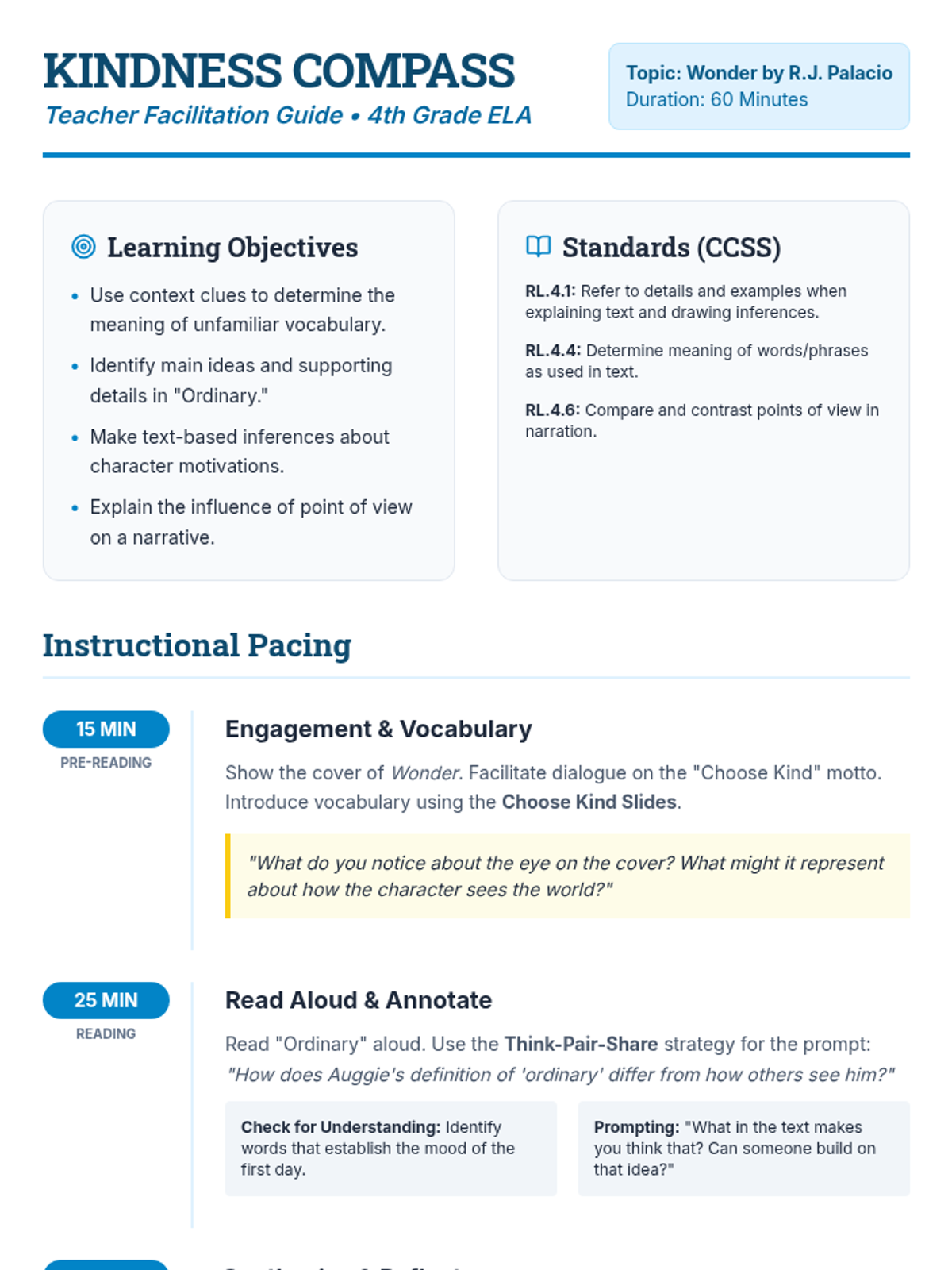
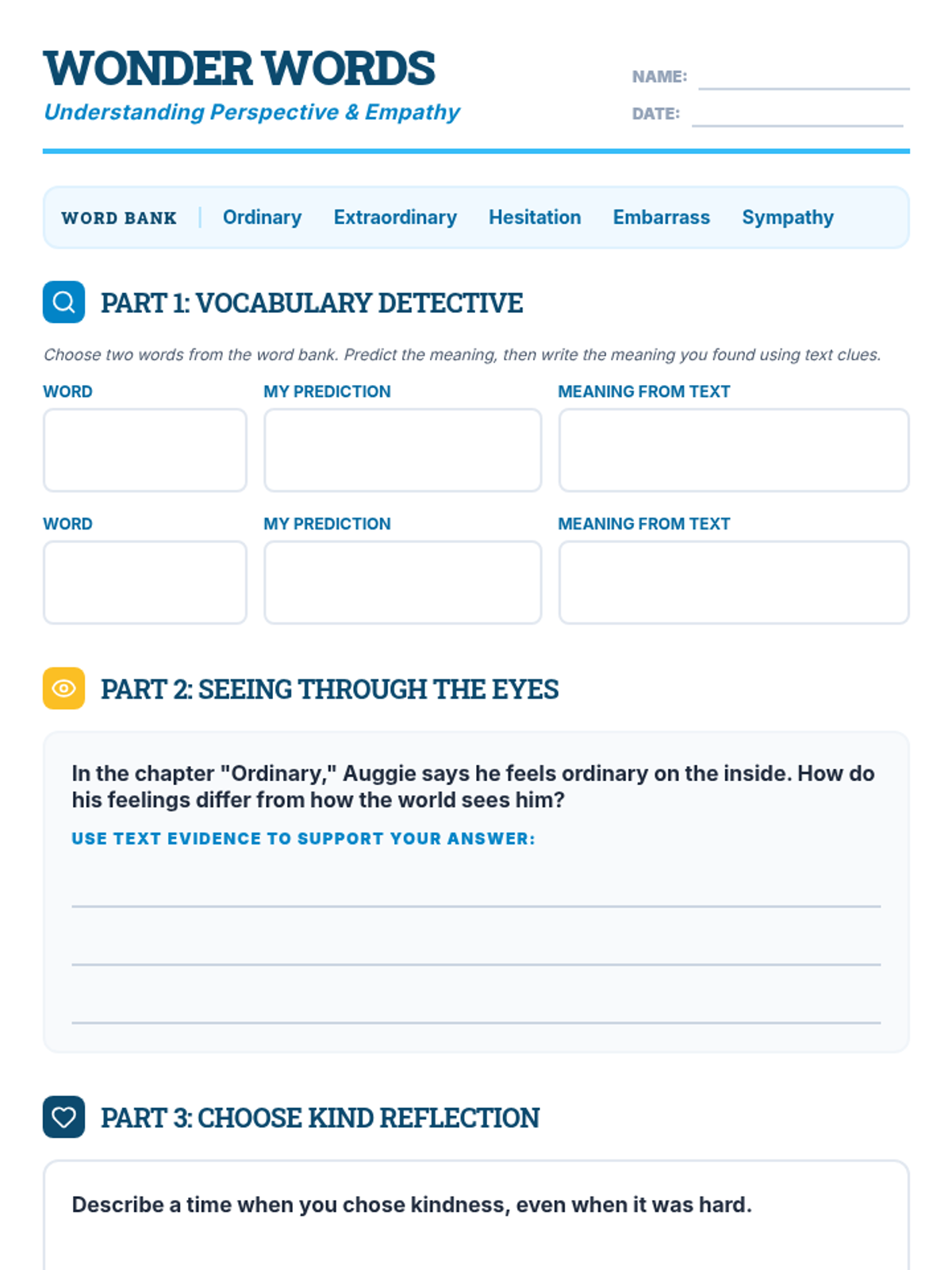
A literature-based ELA lesson for 4th grade focused on empathy, vocabulary, and perspective using R.J. Palacio's 'Wonder'. Students explore the concept of being 'ordinary' versus 'extraordinary' while building core literacy skills.
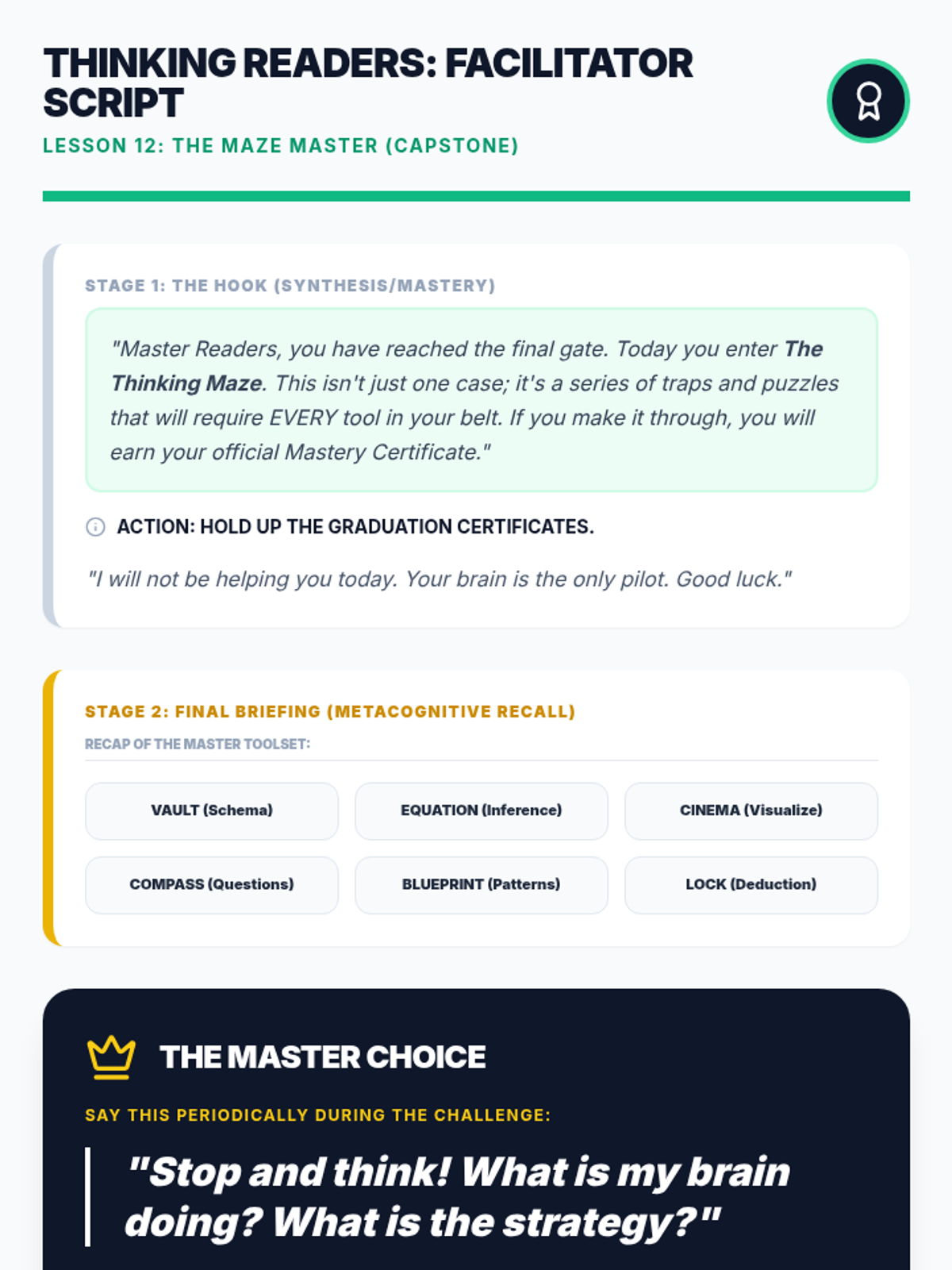
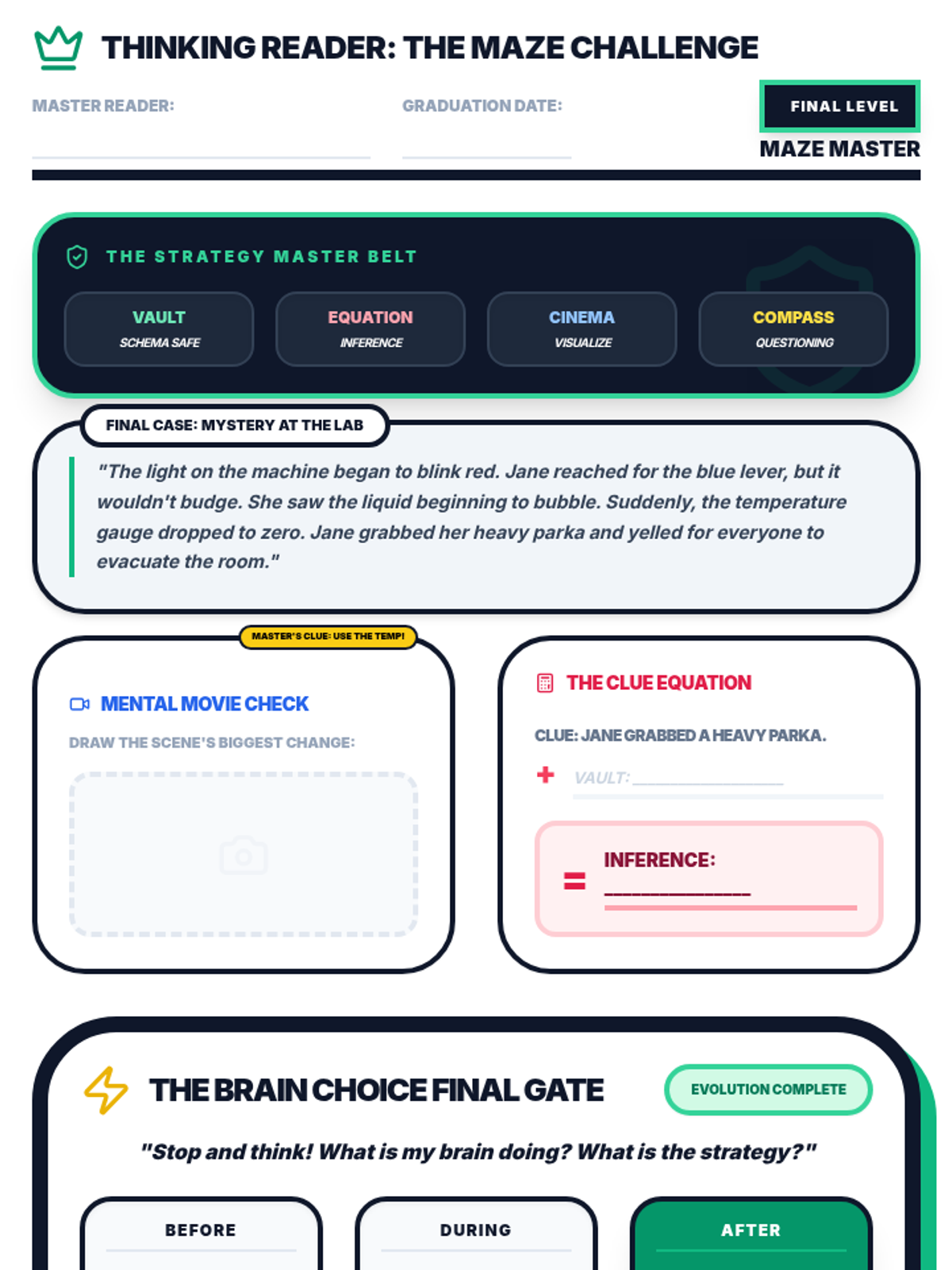
Capstone simulation. Students apply all 11 strategies to solve a complex text-based 'Maze' and earn their Thought Tracker Mastery.
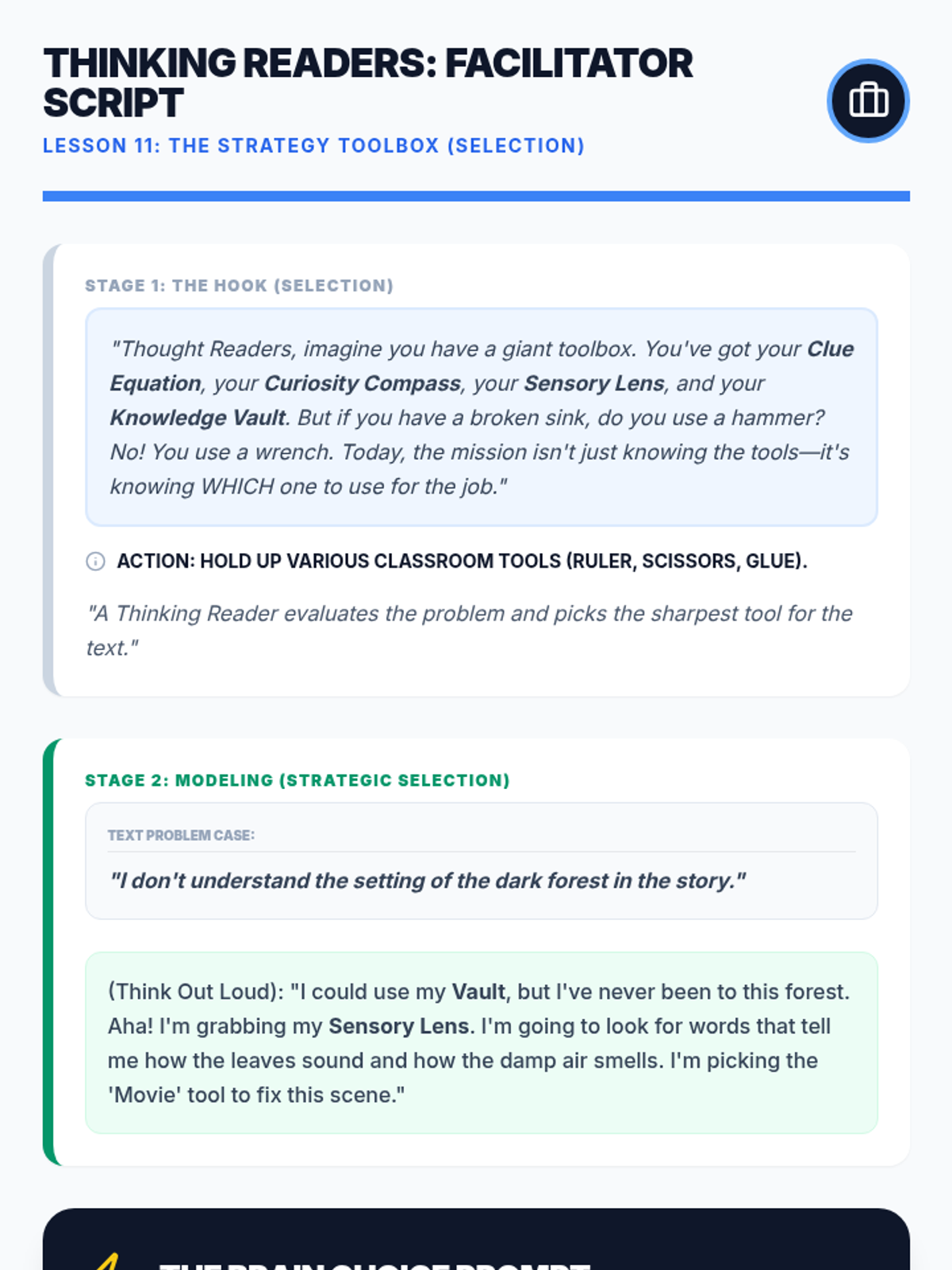
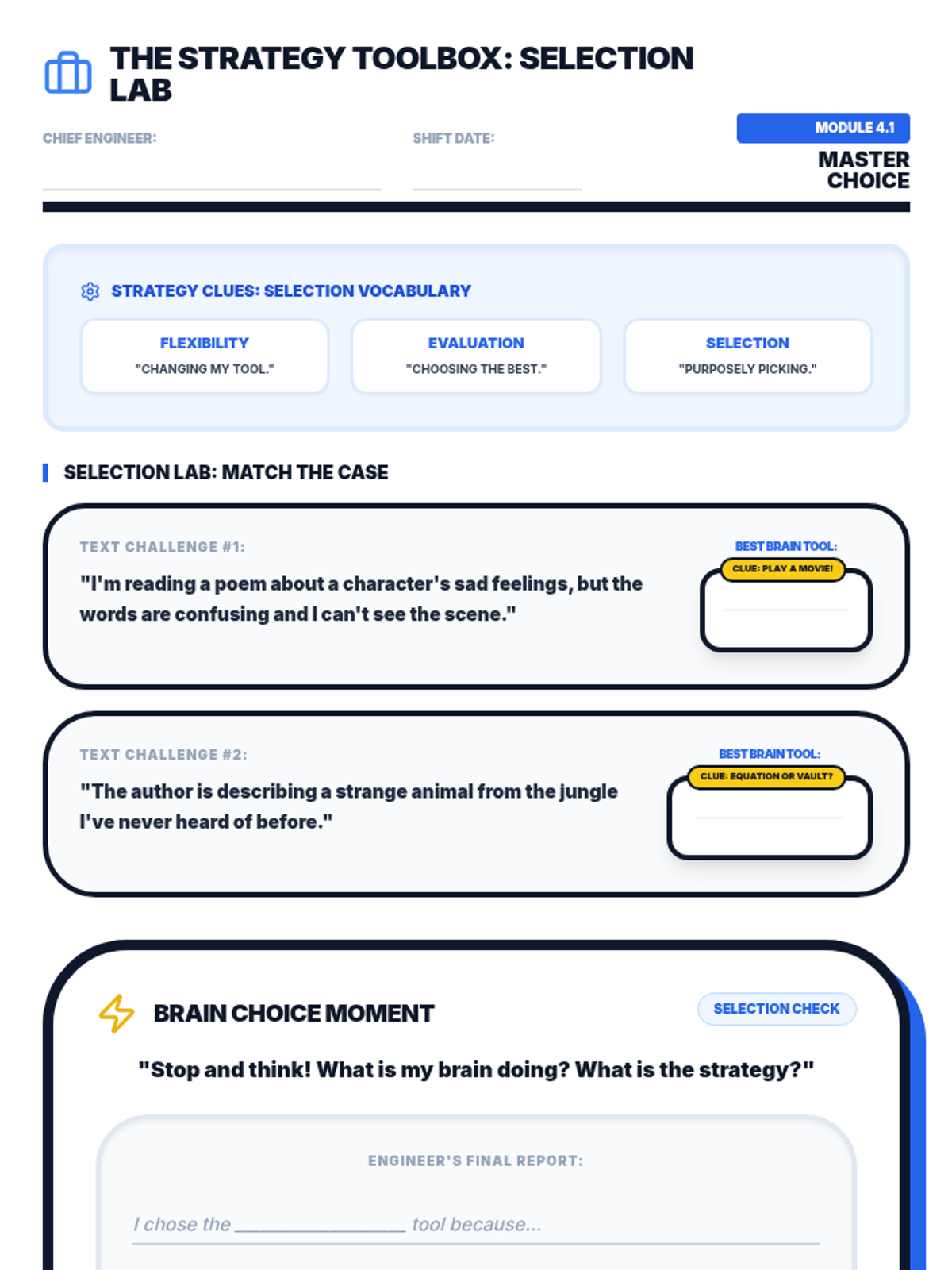
Metacognitive choice. Students practice deciding which 'Mind Tool' (Inference, Visualization, Questioning) is best for specific text challenges.
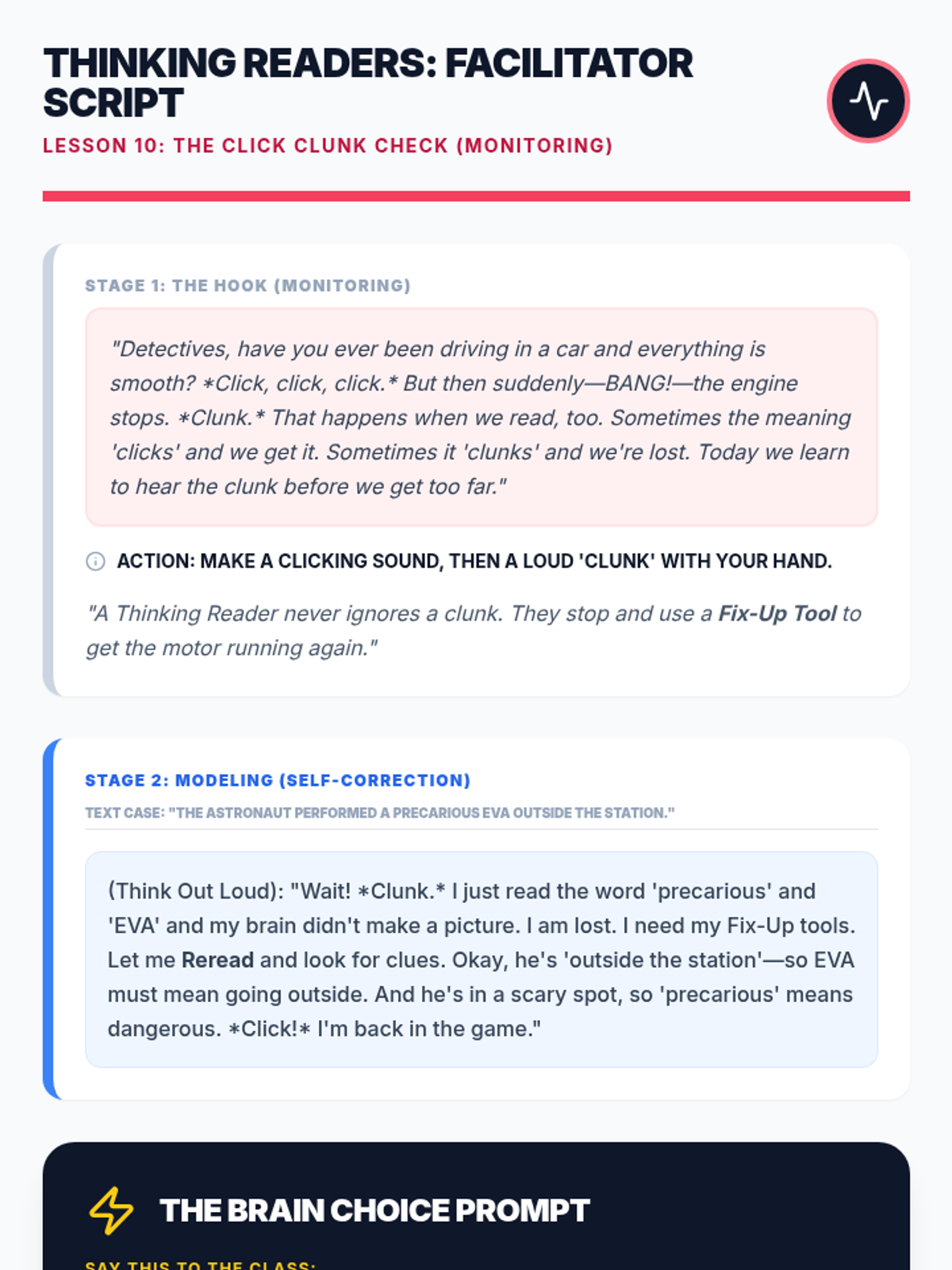
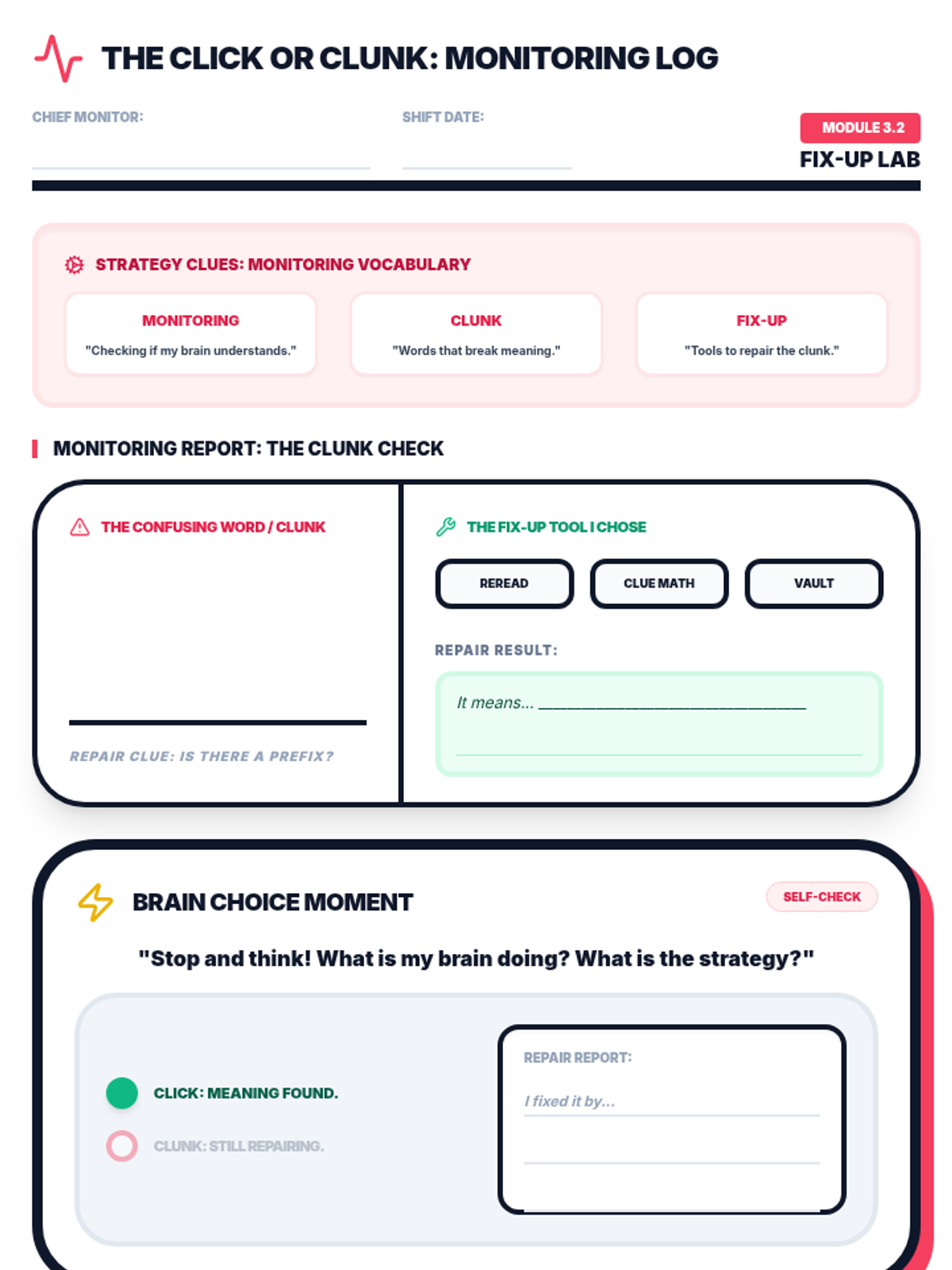
Masters the 'Click or Clunk' monitoring technique. Students learn to identify when meaning breaks down and which tool to use for a 'fix-up'.
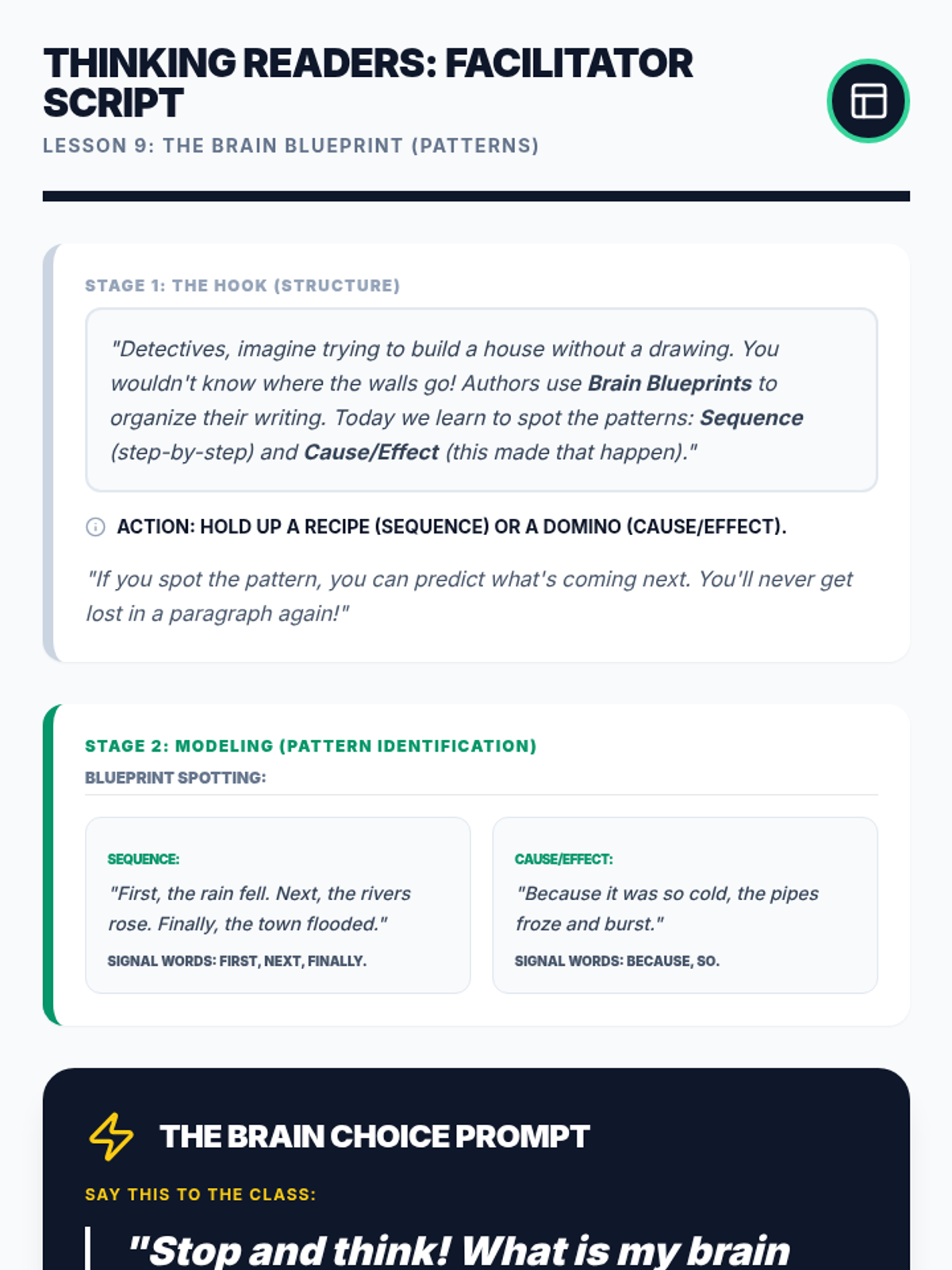
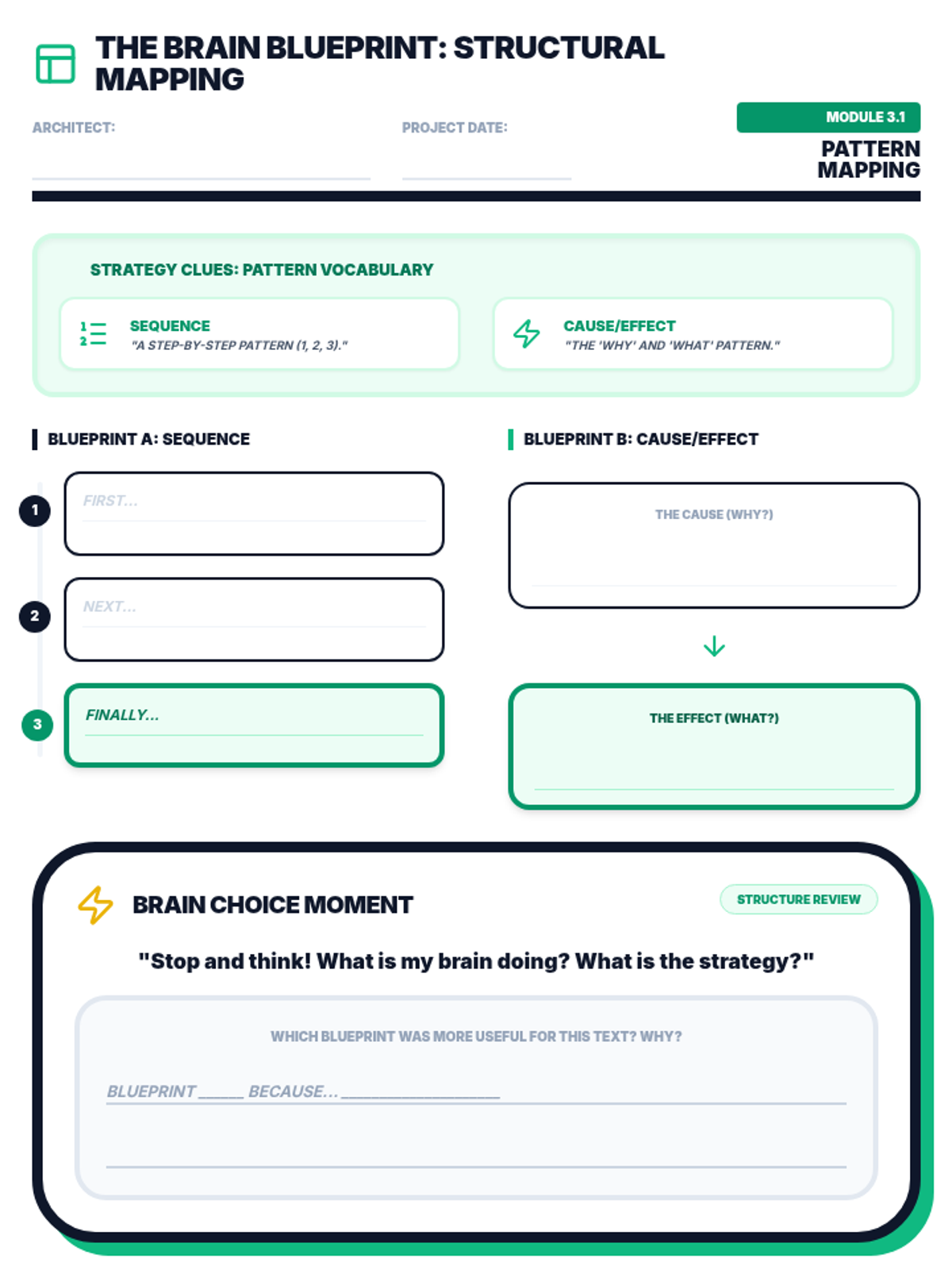
Identifies text structures (Cause/Effect, Sequence) as 'Brain Blueprints' that help organize incoming data.
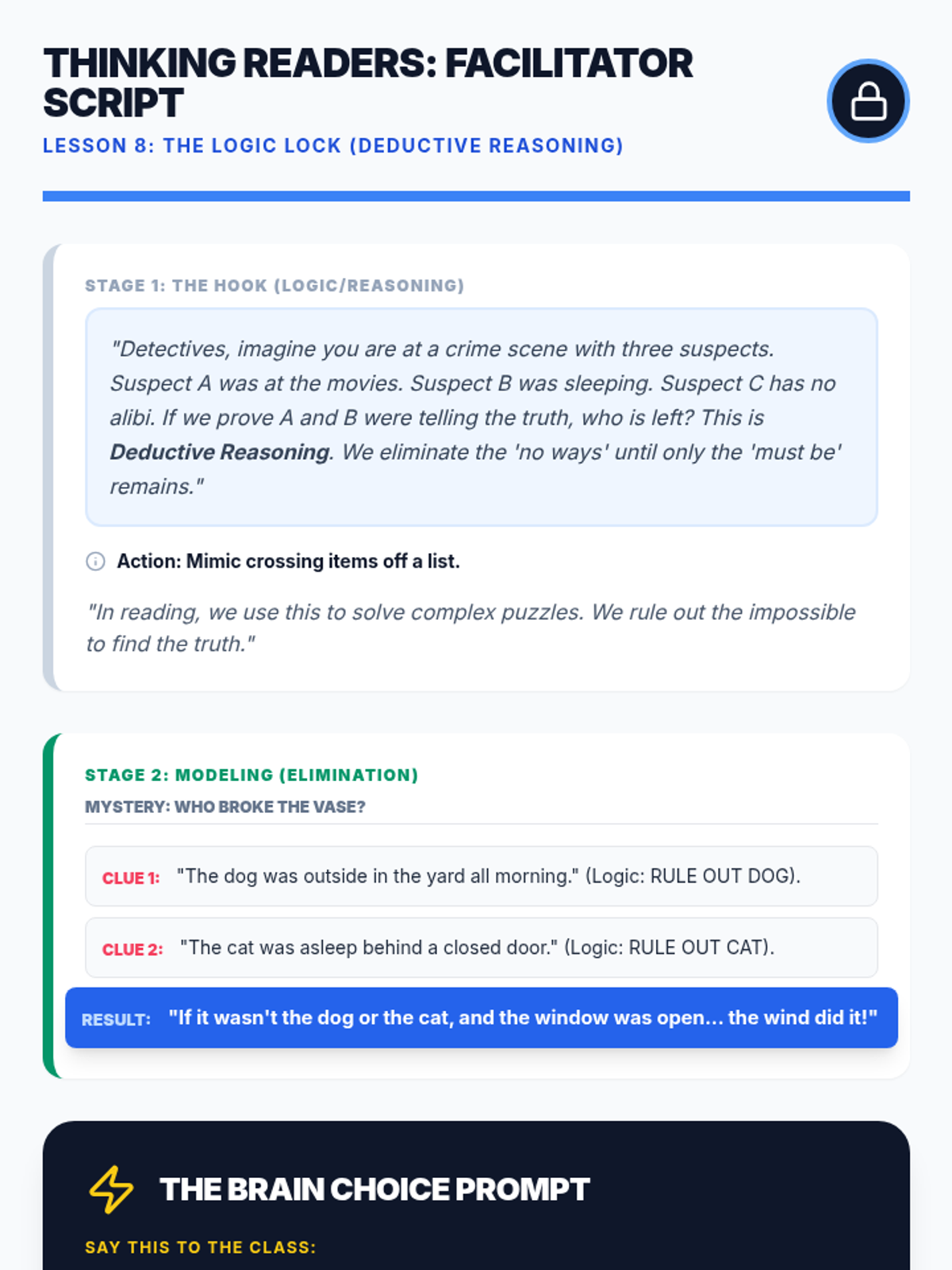
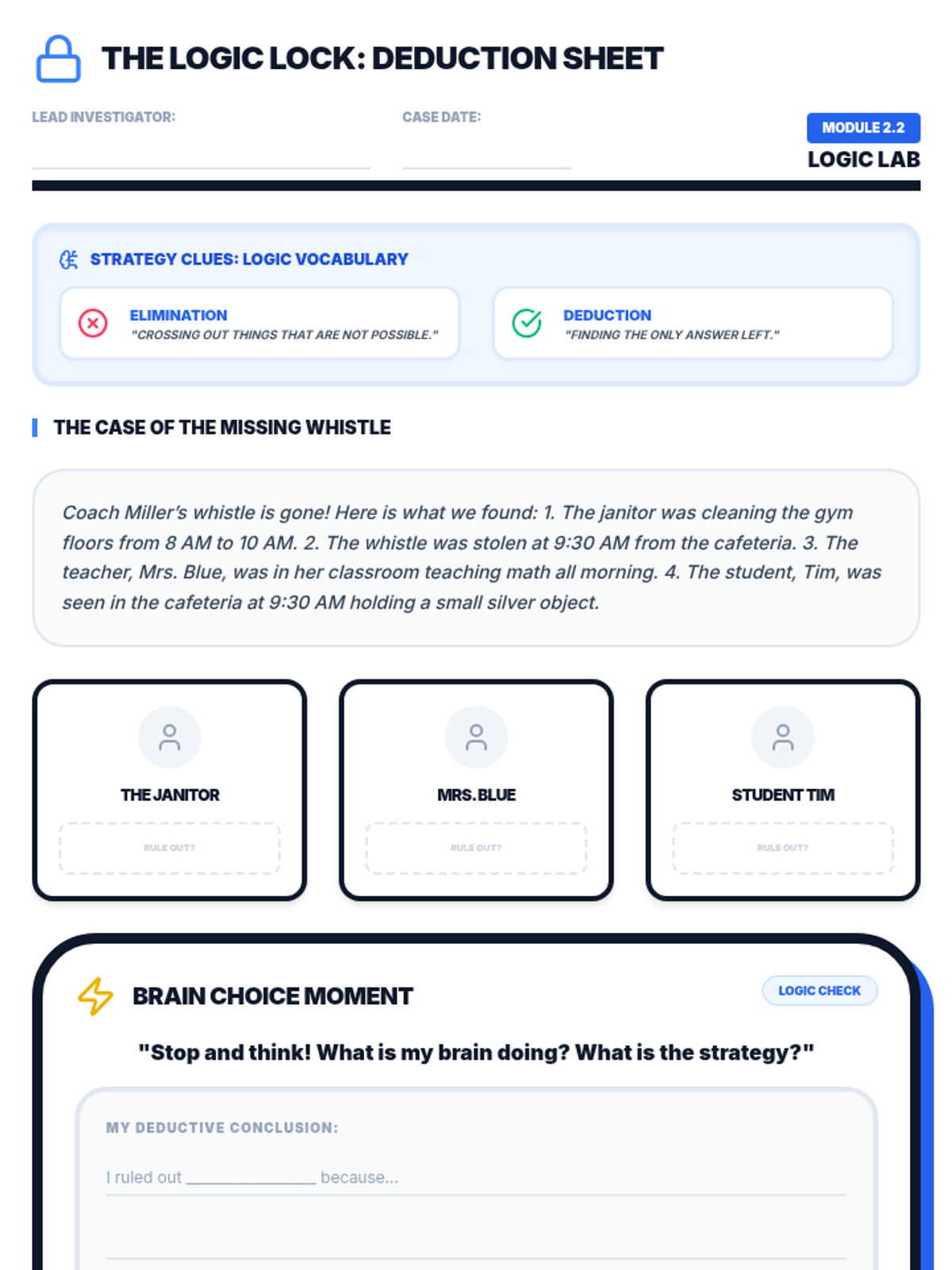
Uses Arthur Evans' deductive reasoning techniques. Students solve logic puzzles by eliminating impossibilities within a text.
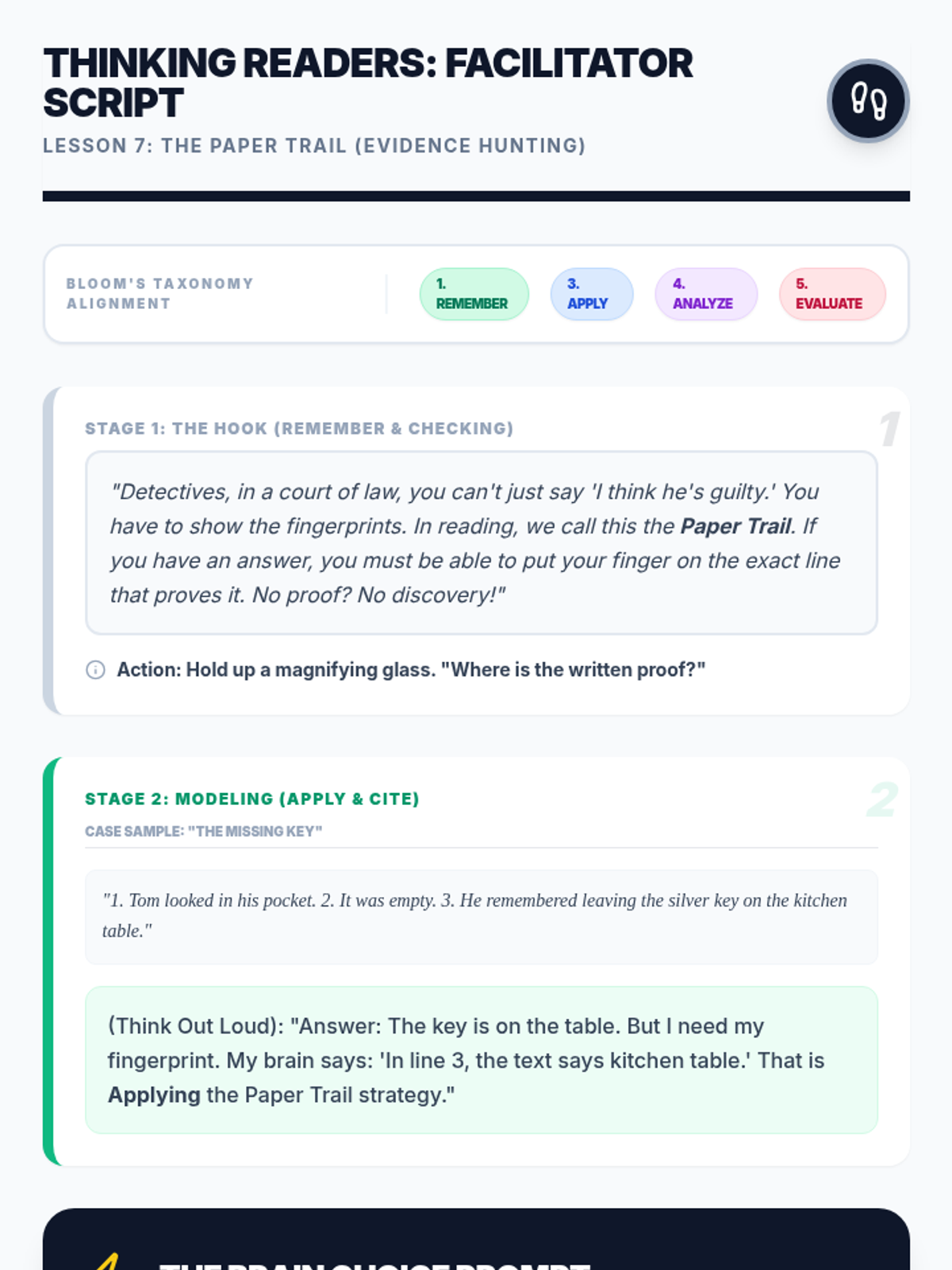
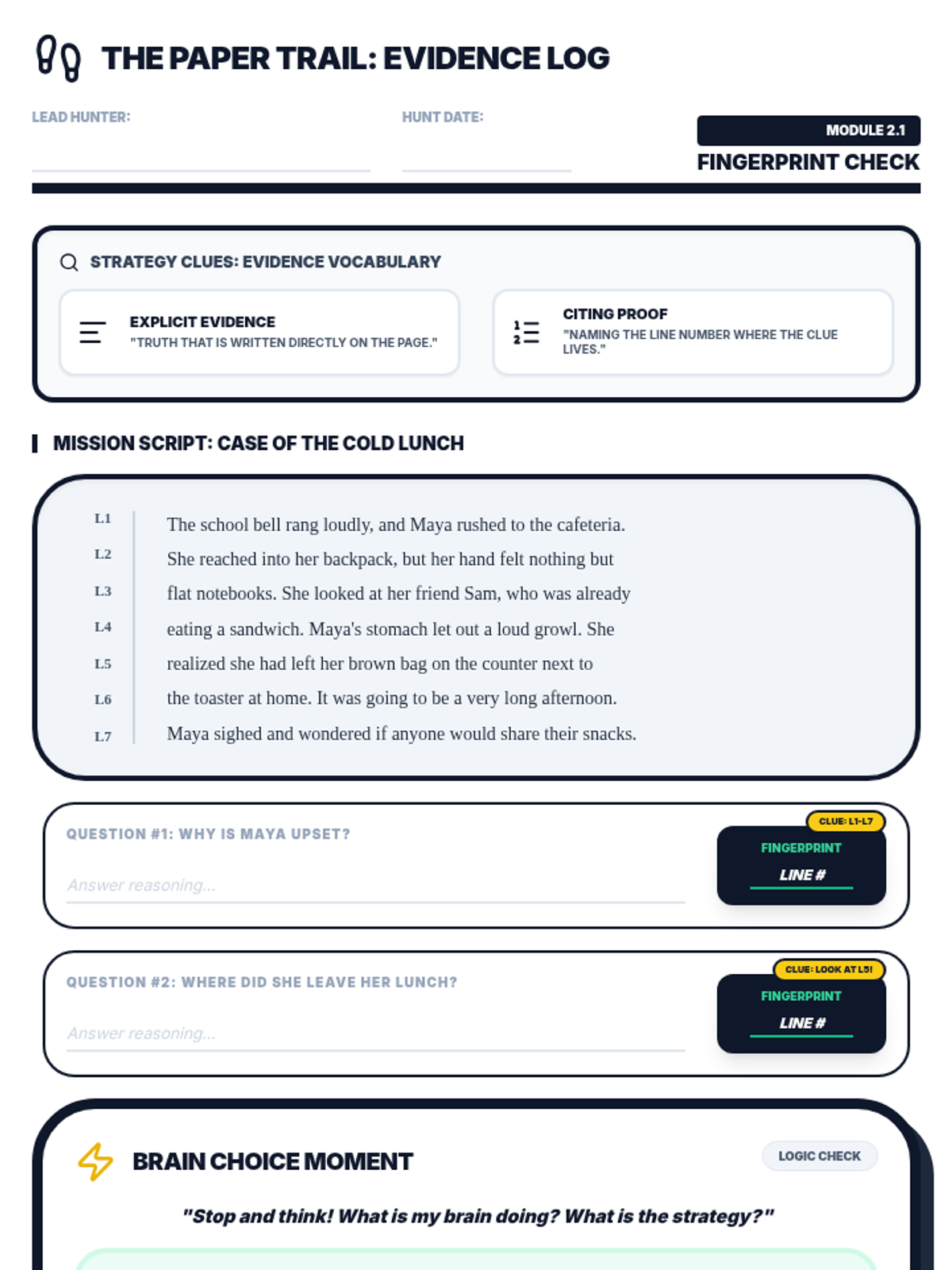
Directly inspired by the Reading Detective series. Students learn to cite page, line, and word clues to prove their reasoning.
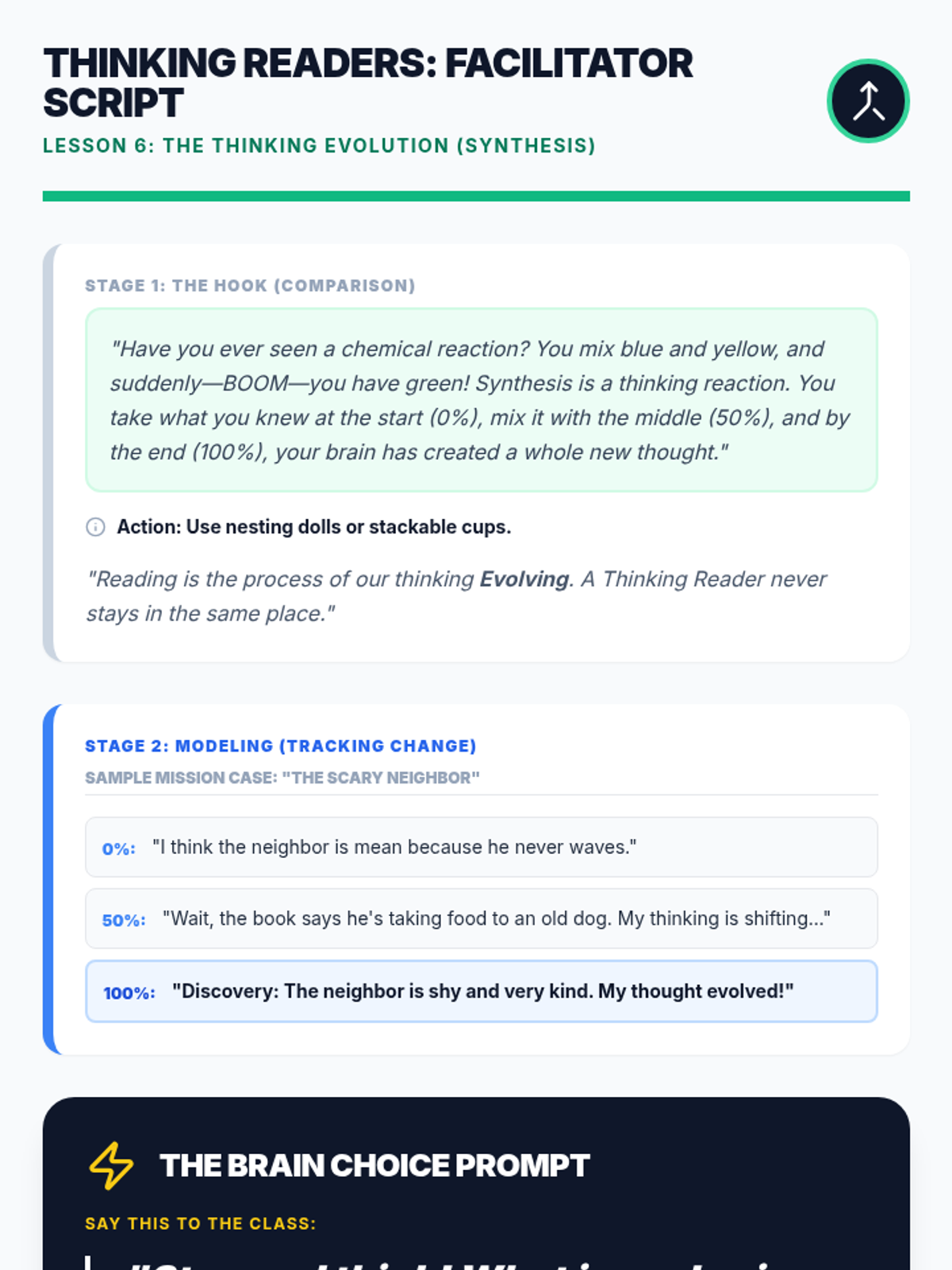
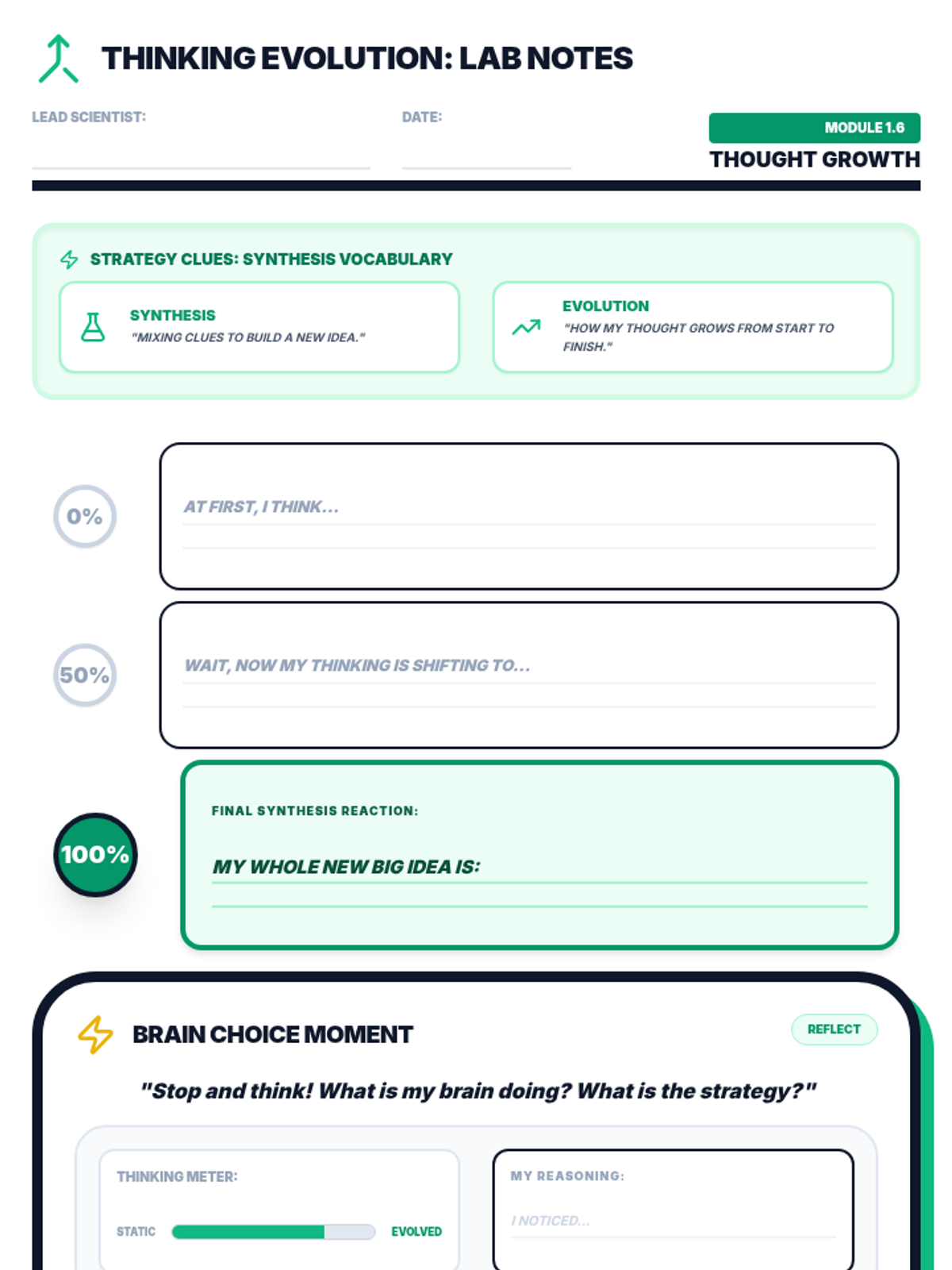
Focuses on Synthesis. Students track how their 'Thought Map' changes from the first page to the final sentence.
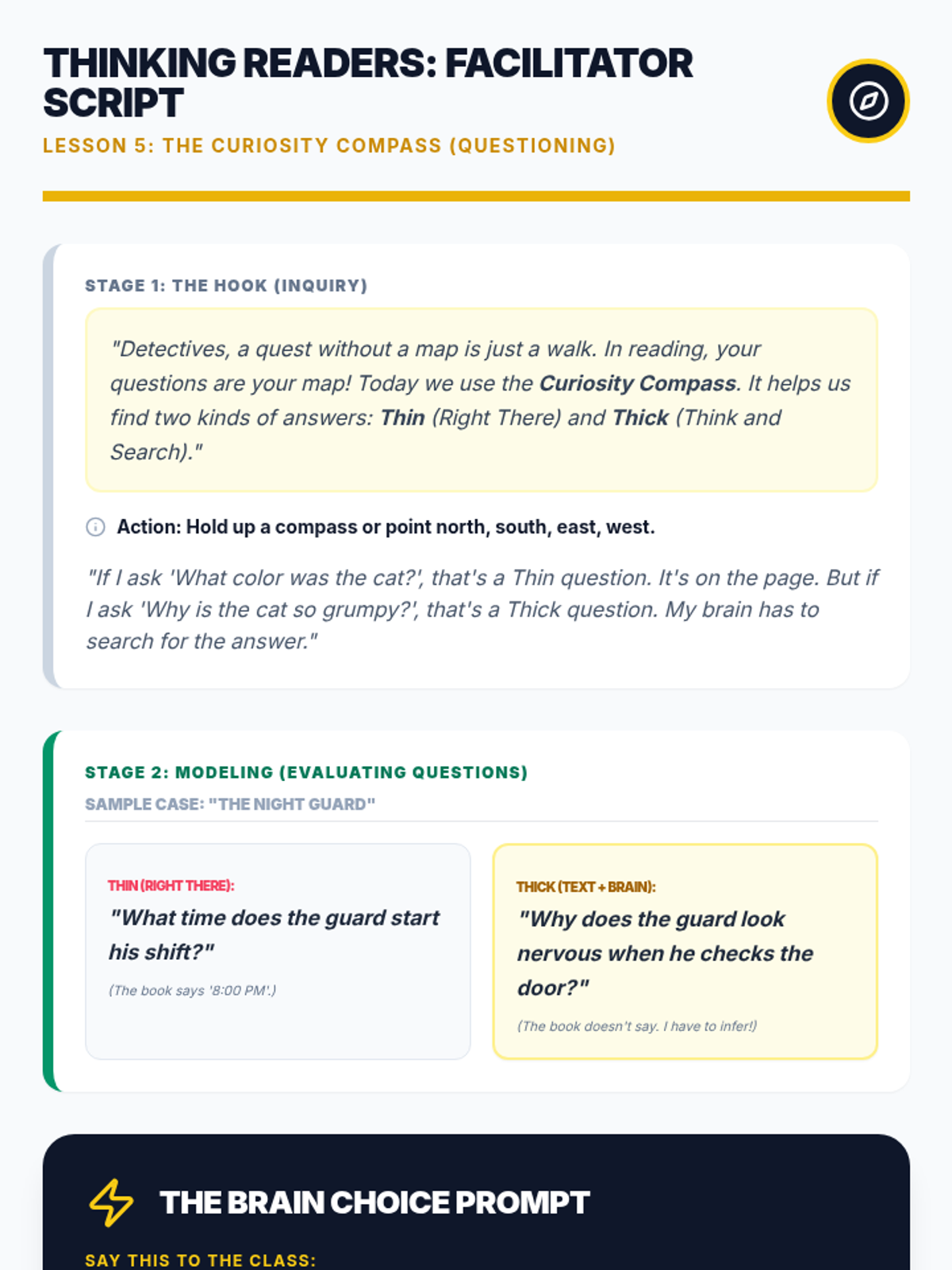
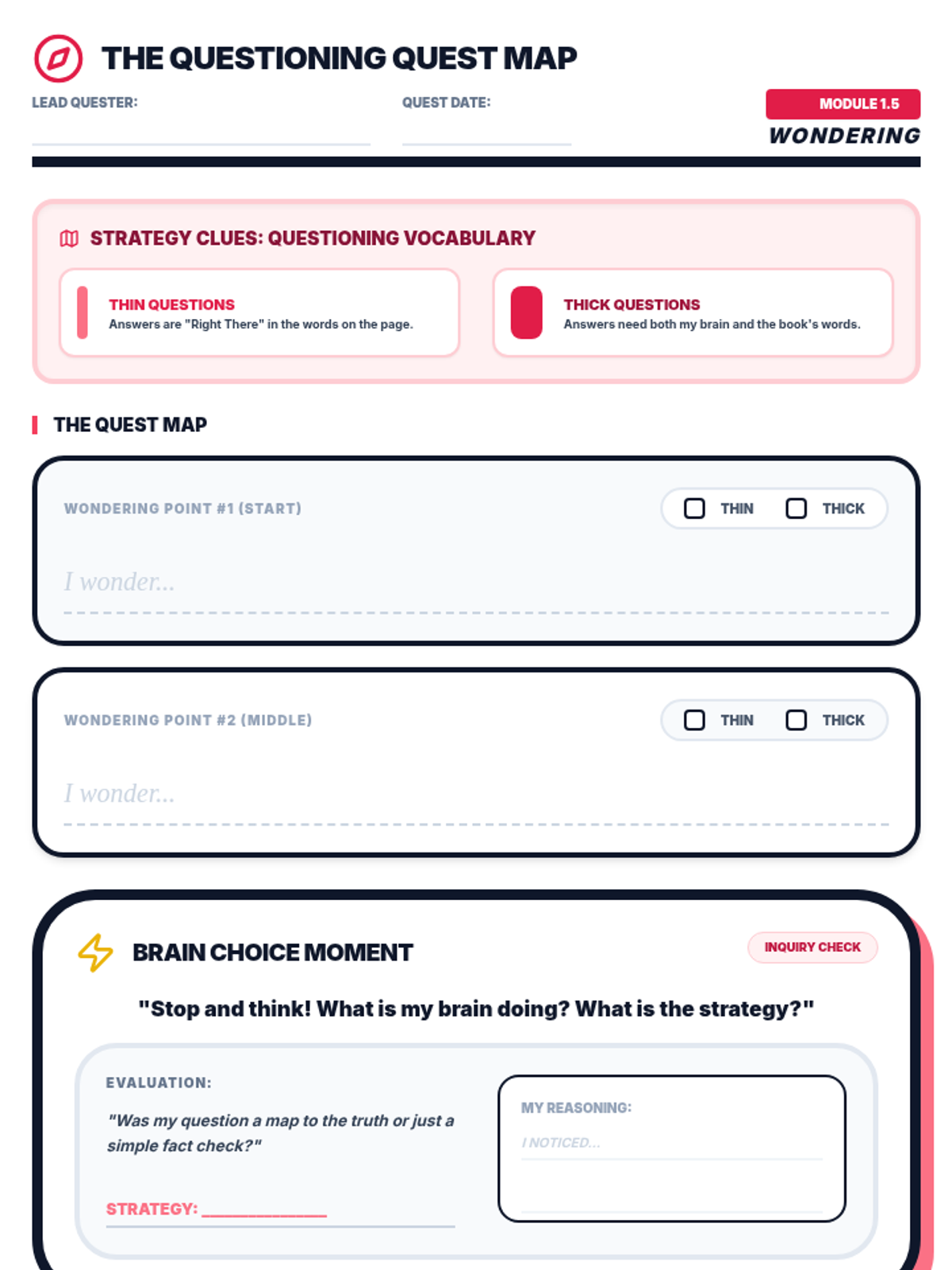
Introduces the 'Curiosity Compass' to generate Thick and Thin questions, moving from literal facts to deep inquiry.
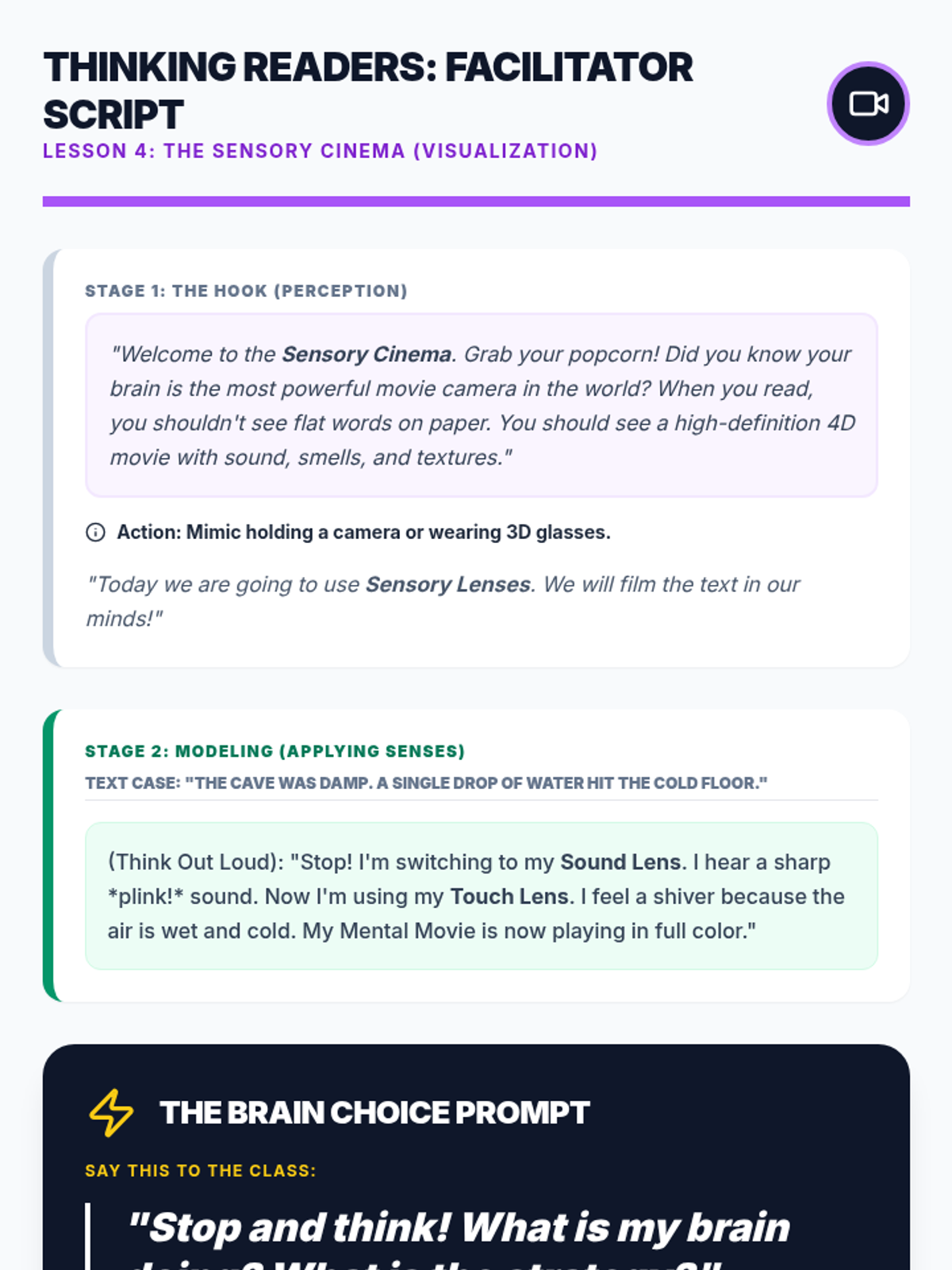
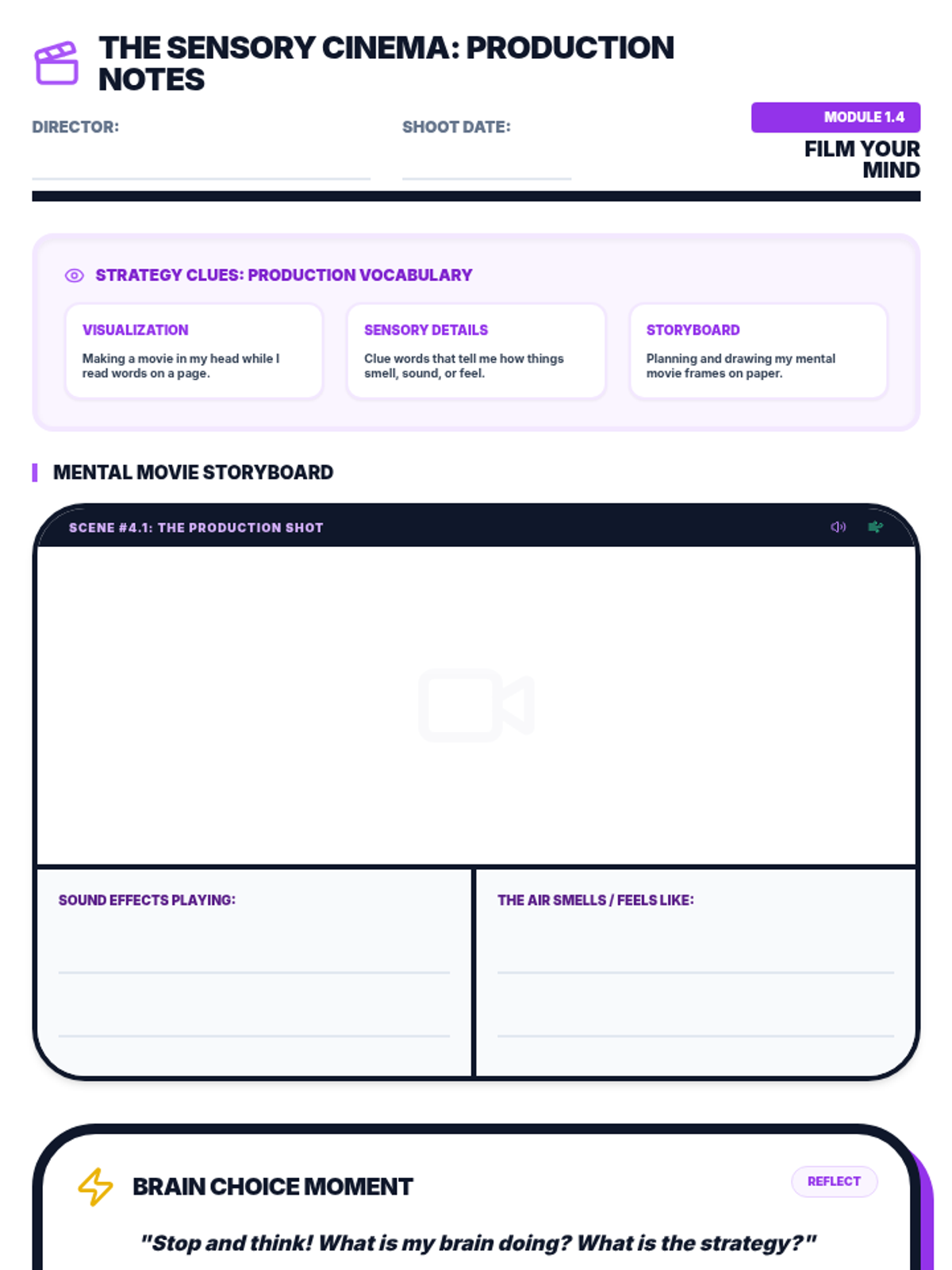
Teaches visualization as a sensory experience. Students learn to 'film' the story in their heads using five-sense descriptions.
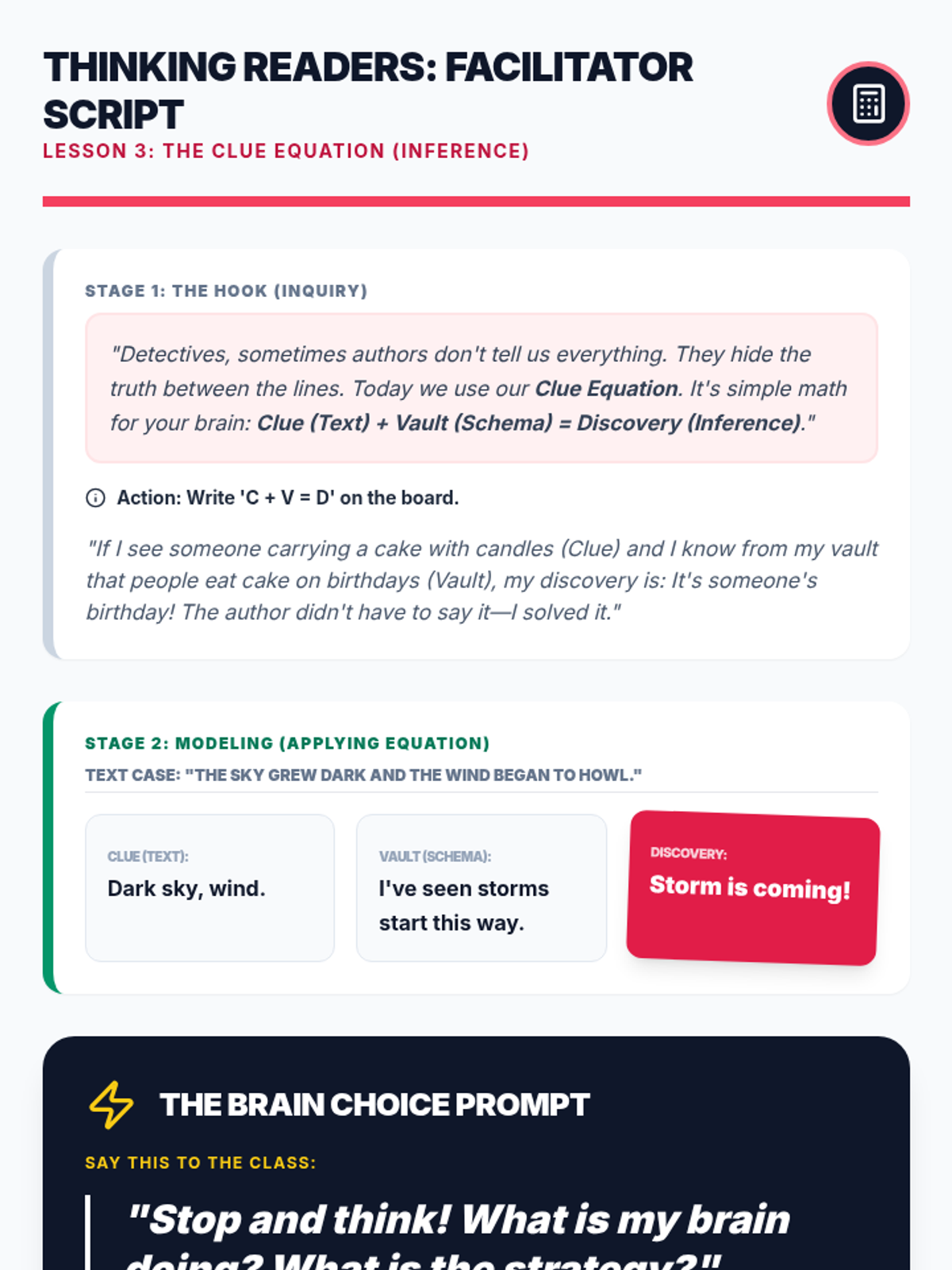
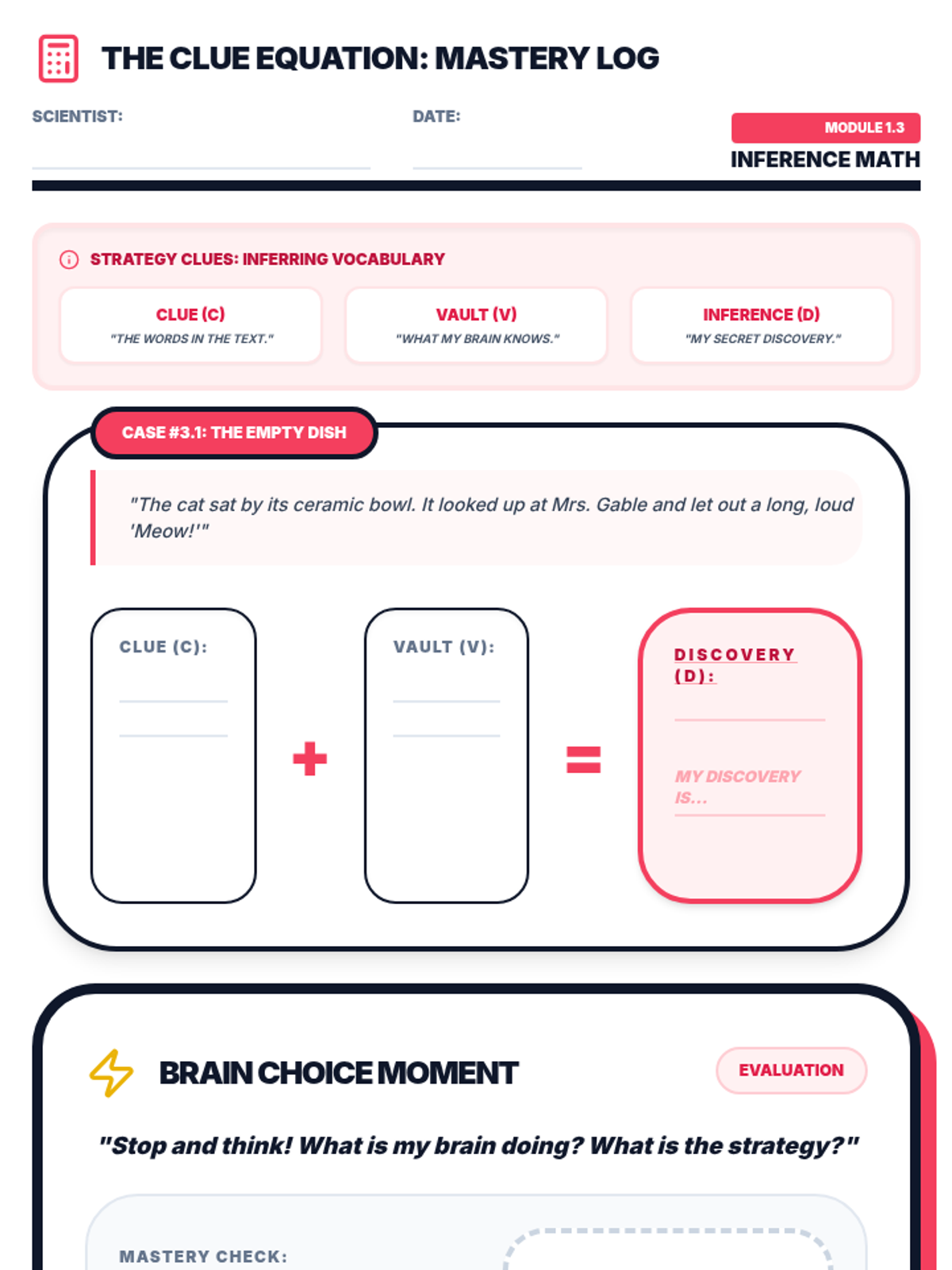
Masters the 'Clue + Vault = Discovery' equation. Students learn to justify their inferences using specific text evidence and background knowledge.
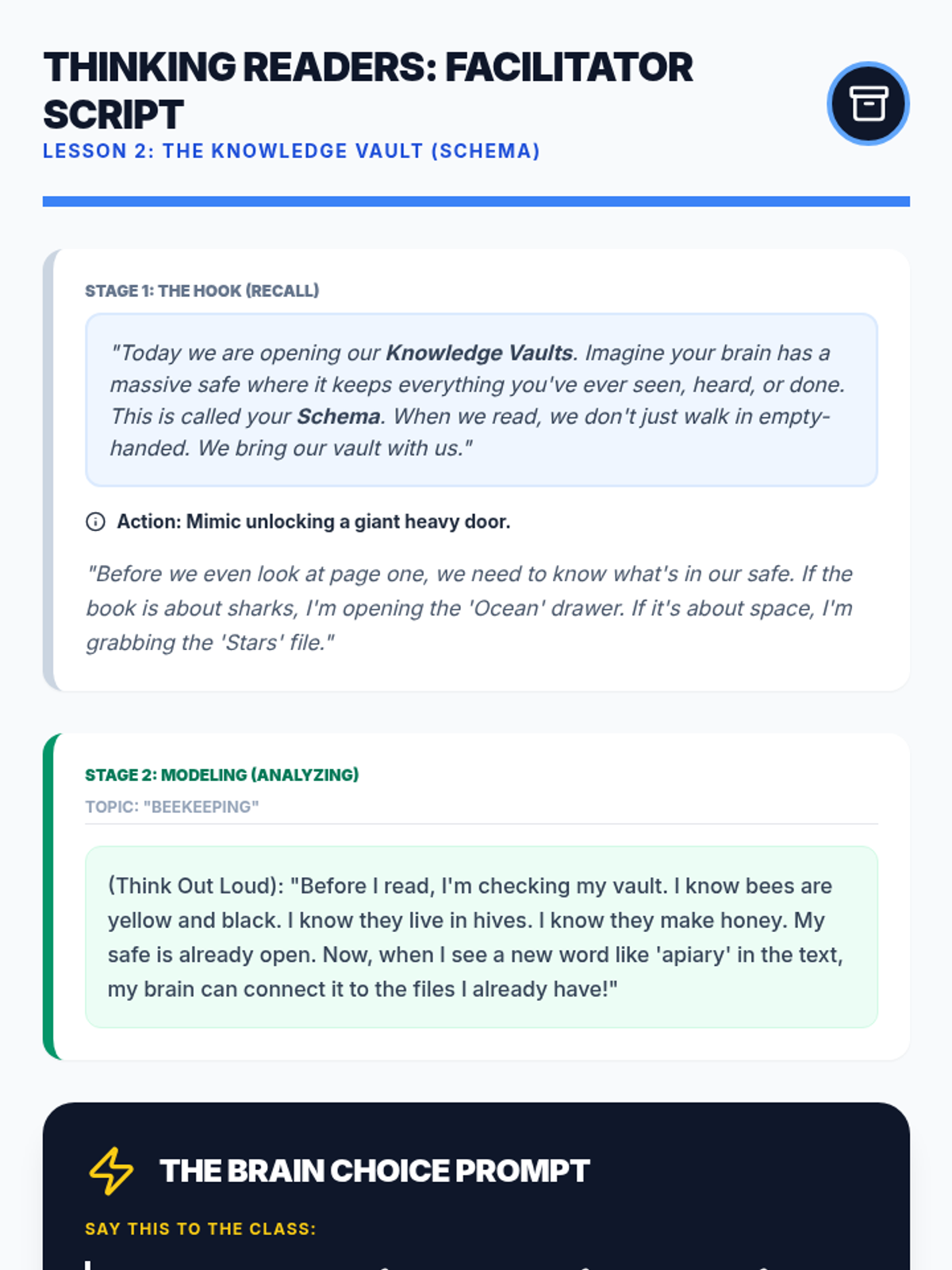
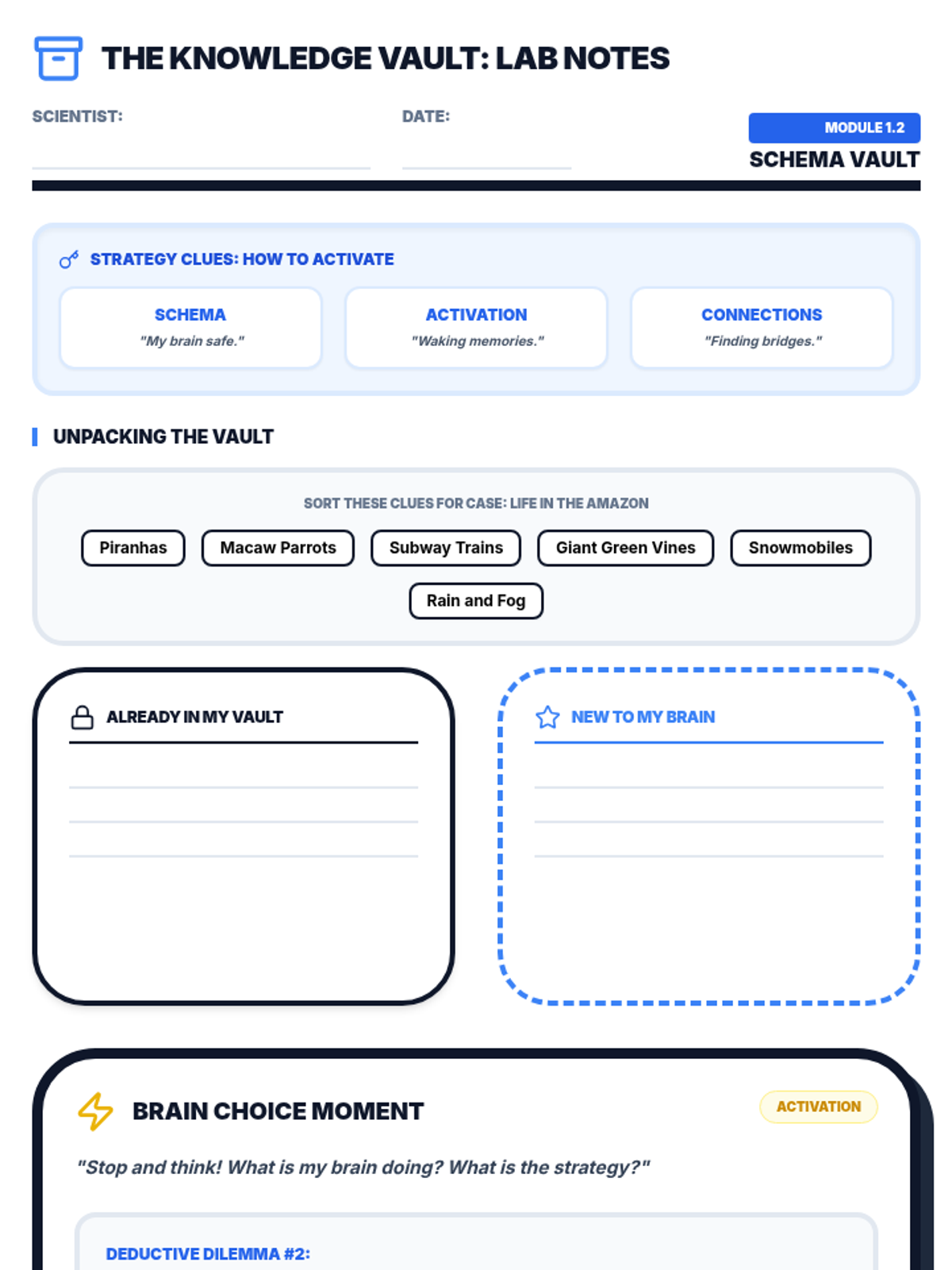
Focuses on Schema as the 'Knowledge Vault.' Students learn to retrieve and organize prior knowledge before entering a text.
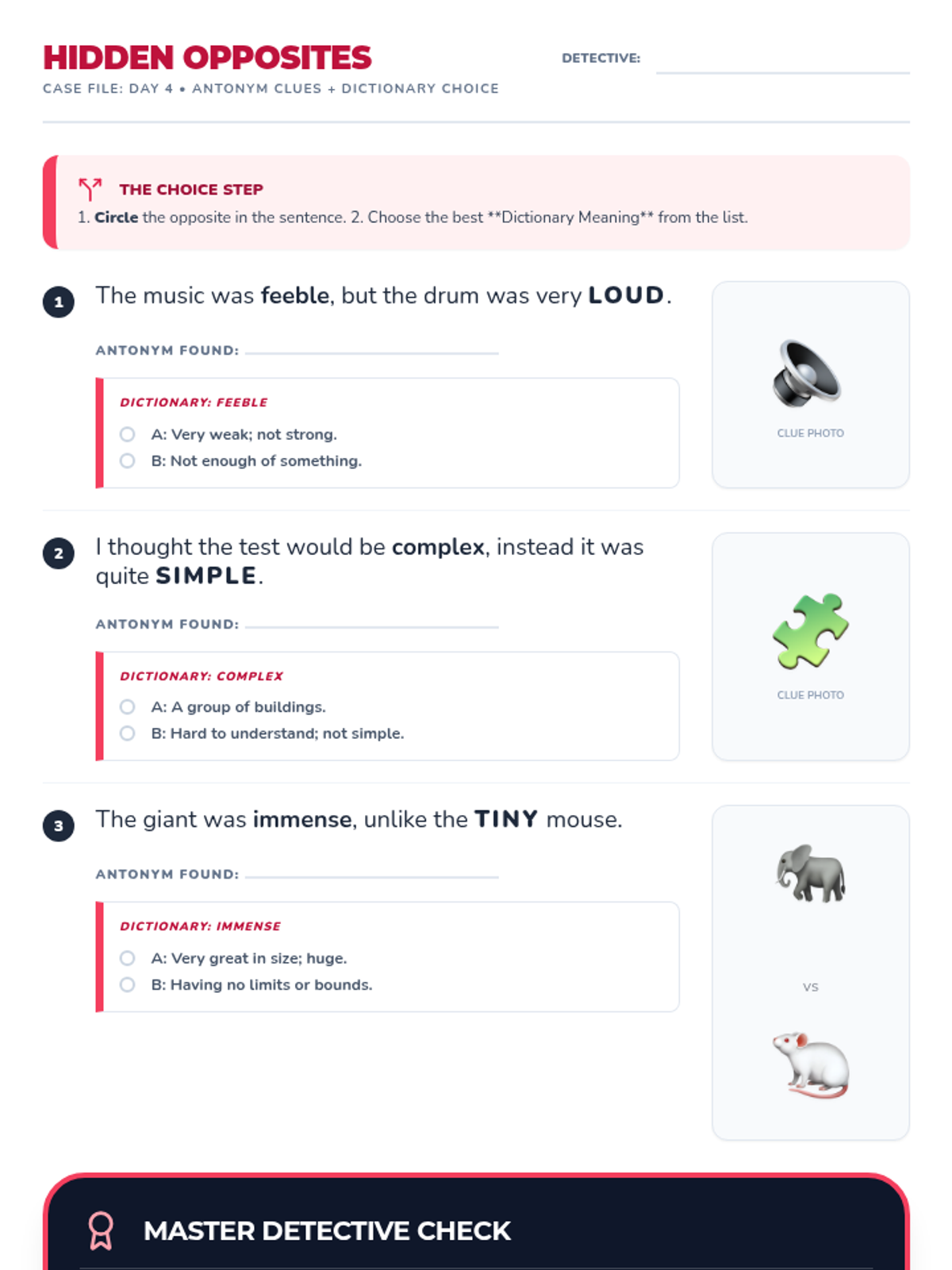
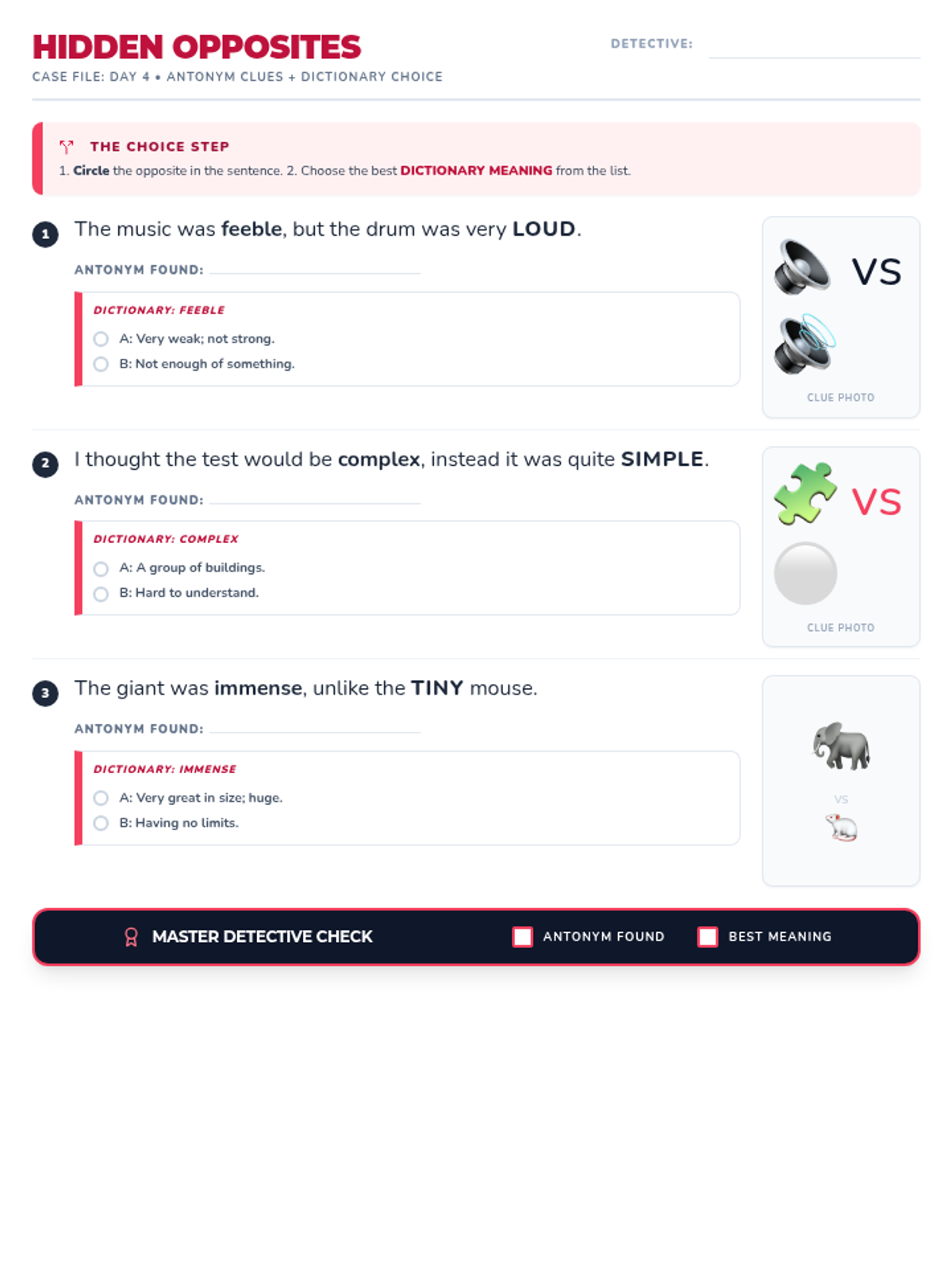
Students identify antonym clues to understand what a word is NOT, using contrasting pictures to solve the vocabulary puzzle.
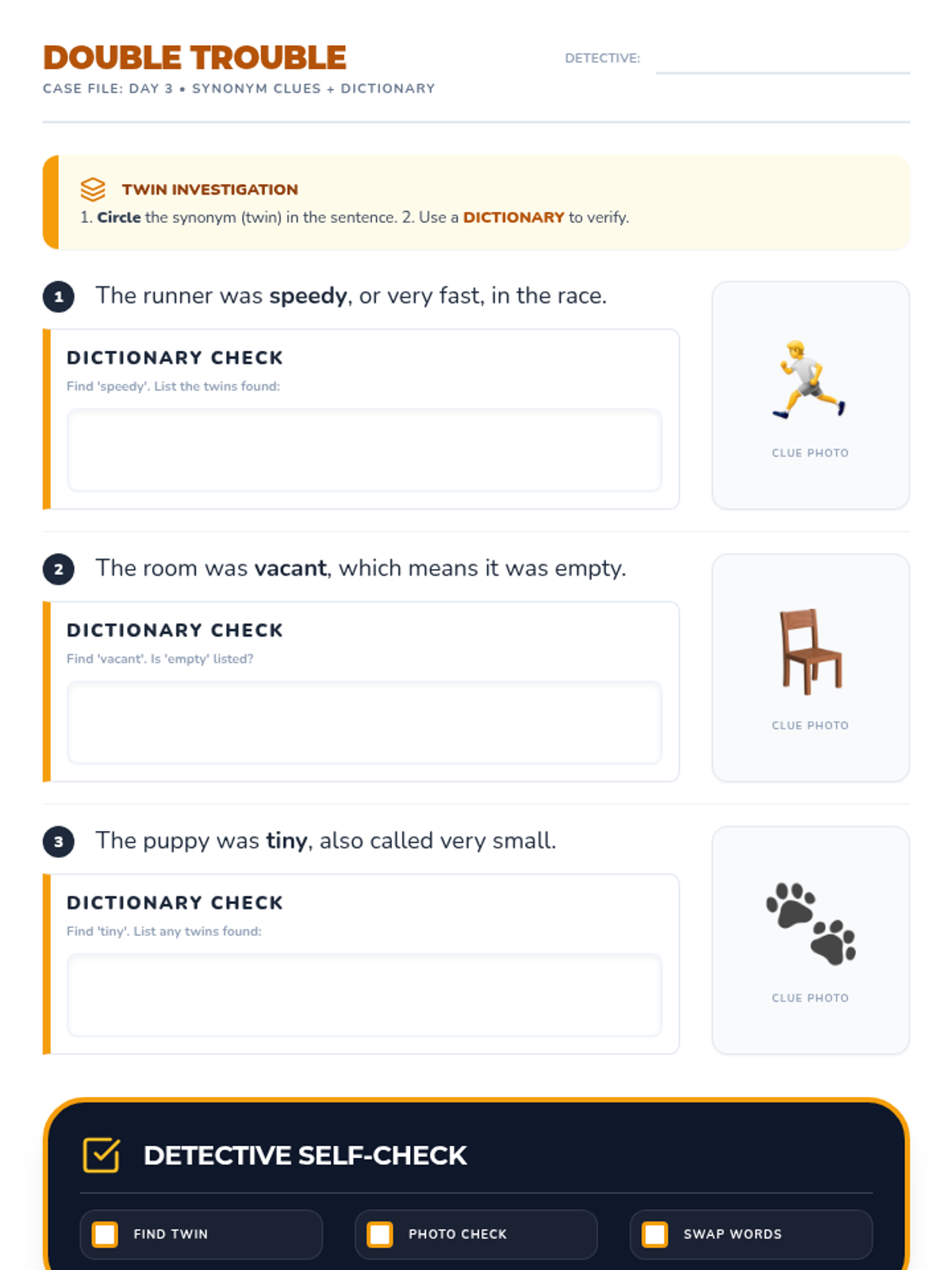
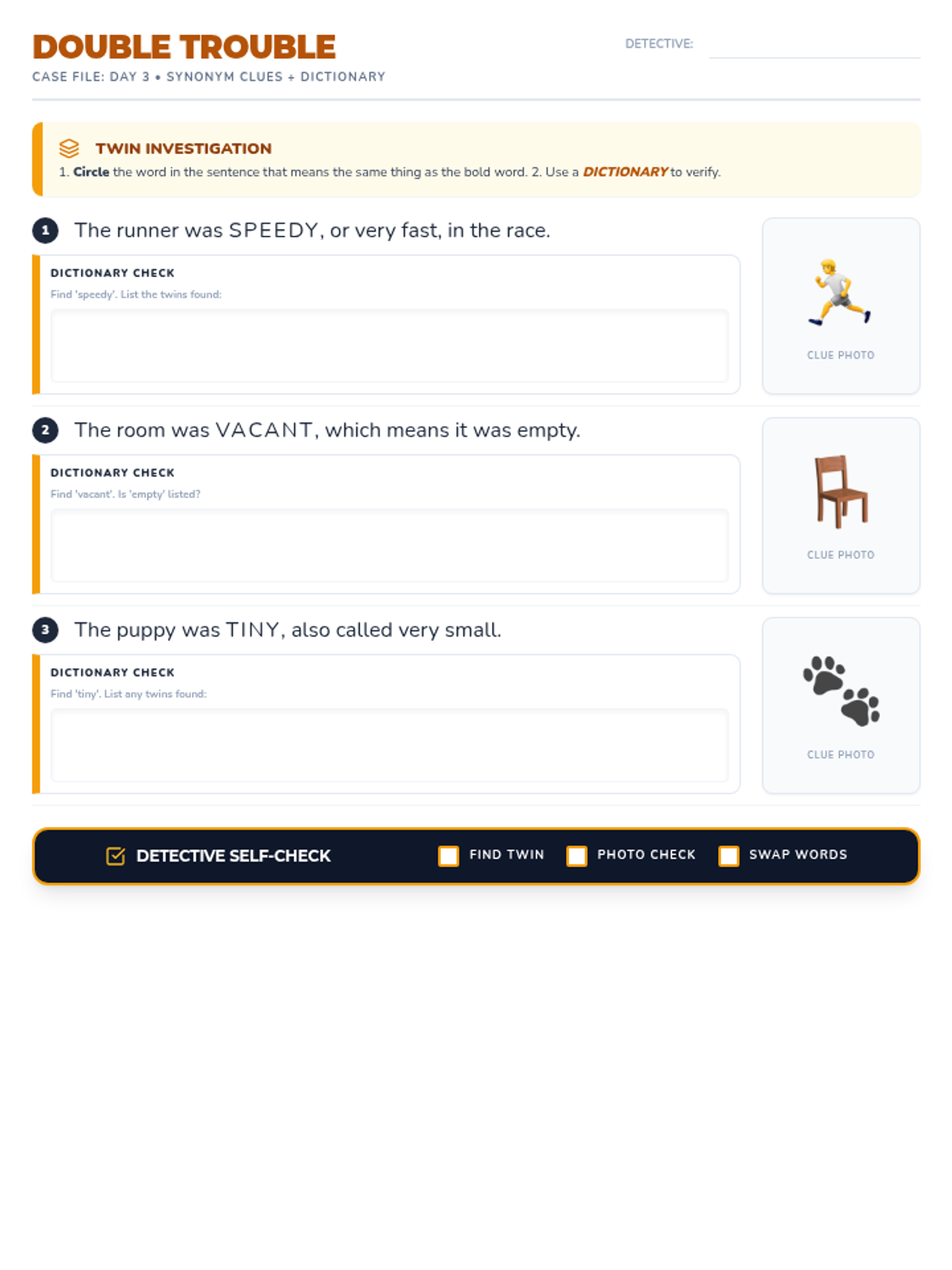
Students use synonym clues to find words that mean the same thing as the unknown word, using pictures to match similar concepts.
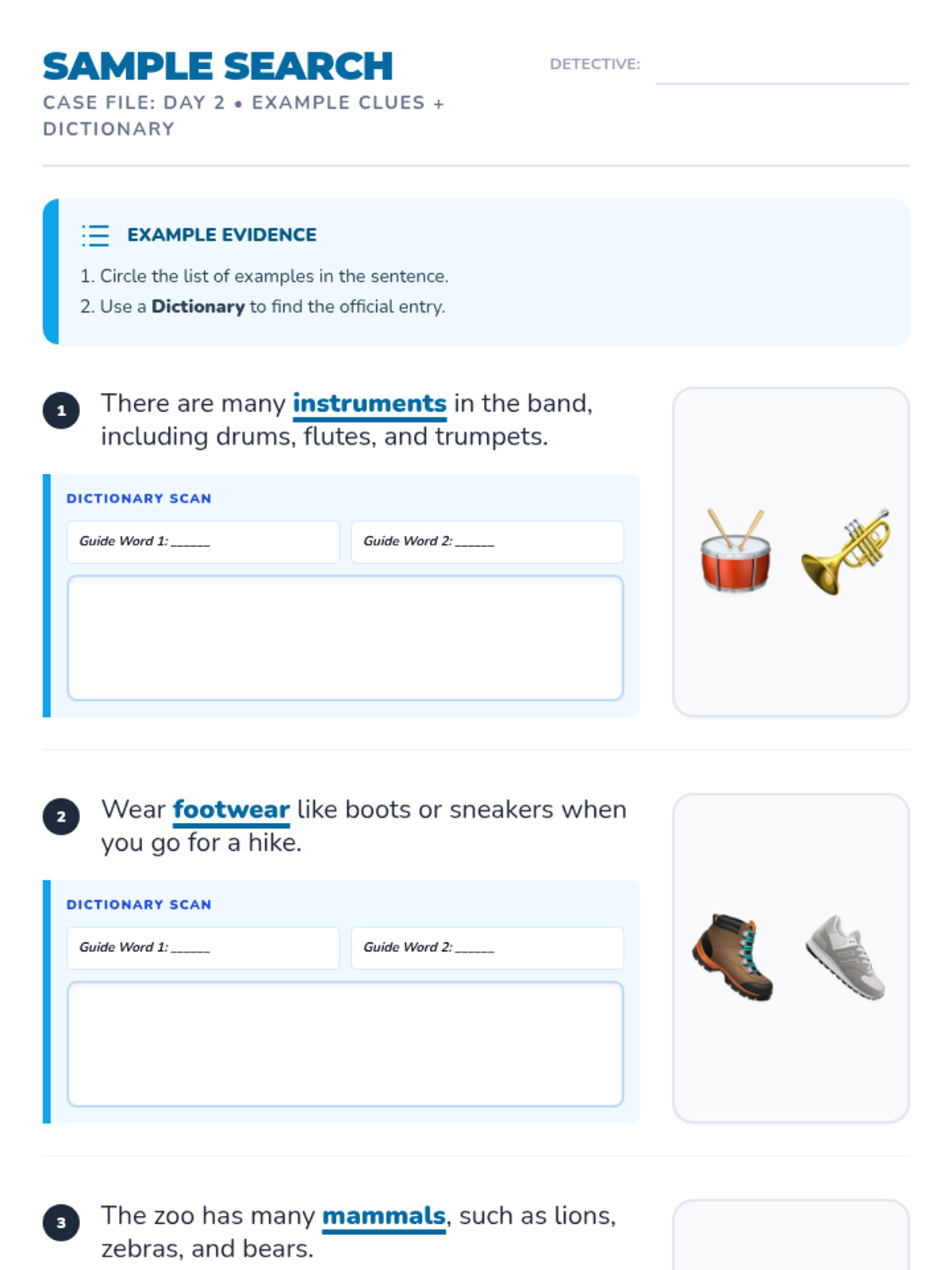
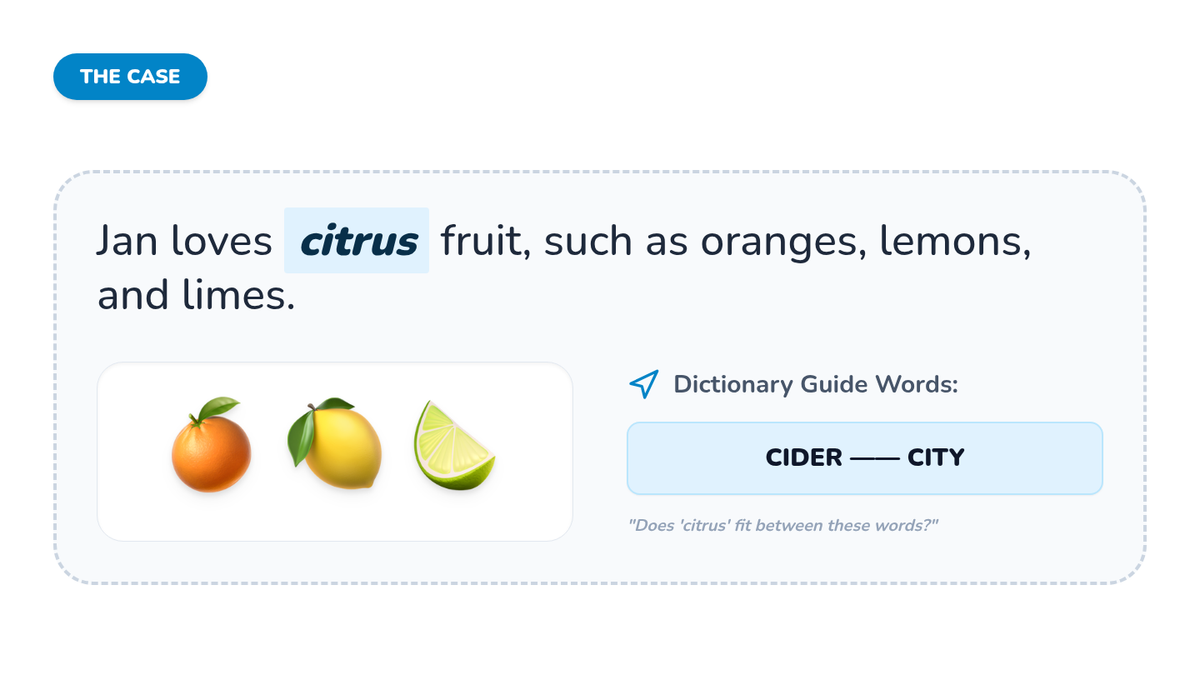
Students explore example clues, where a sentence provides specific instances of a word to help reveal its meaning, paired with helpful visual supports.
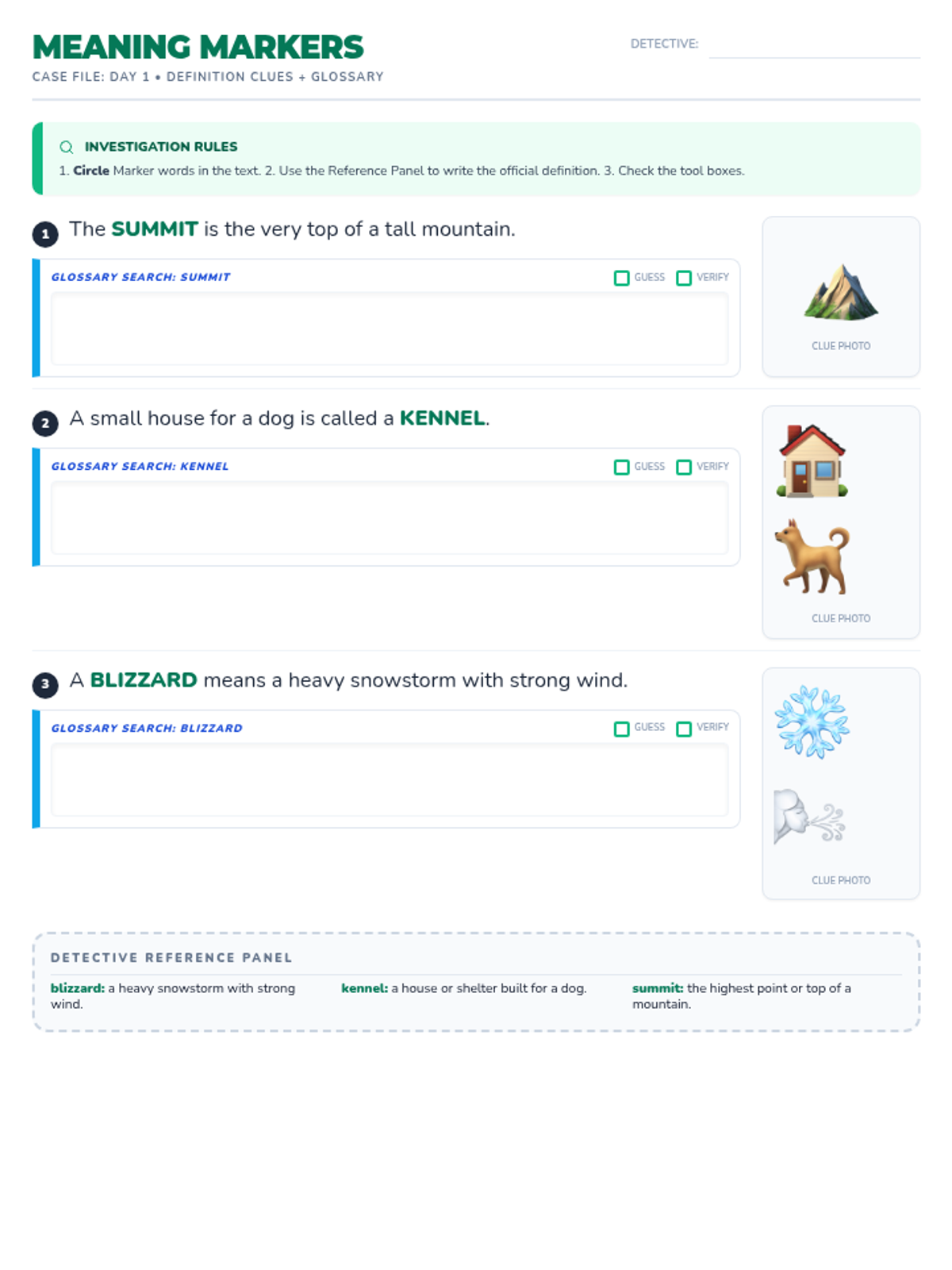
Students learn to identify definition clues in sentences where the meaning of a tricky word is explained directly, using illustrations to confirm their findings.
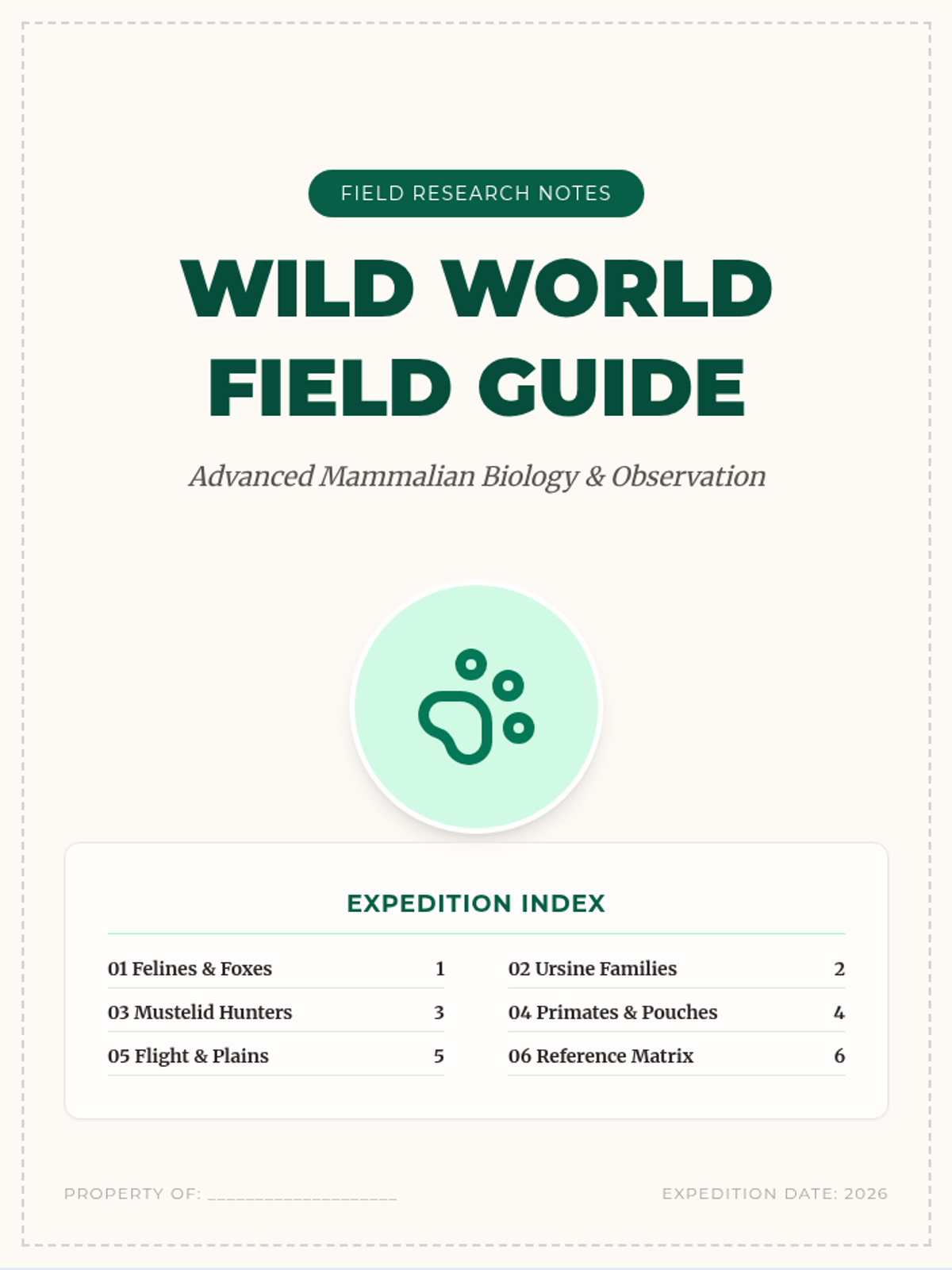
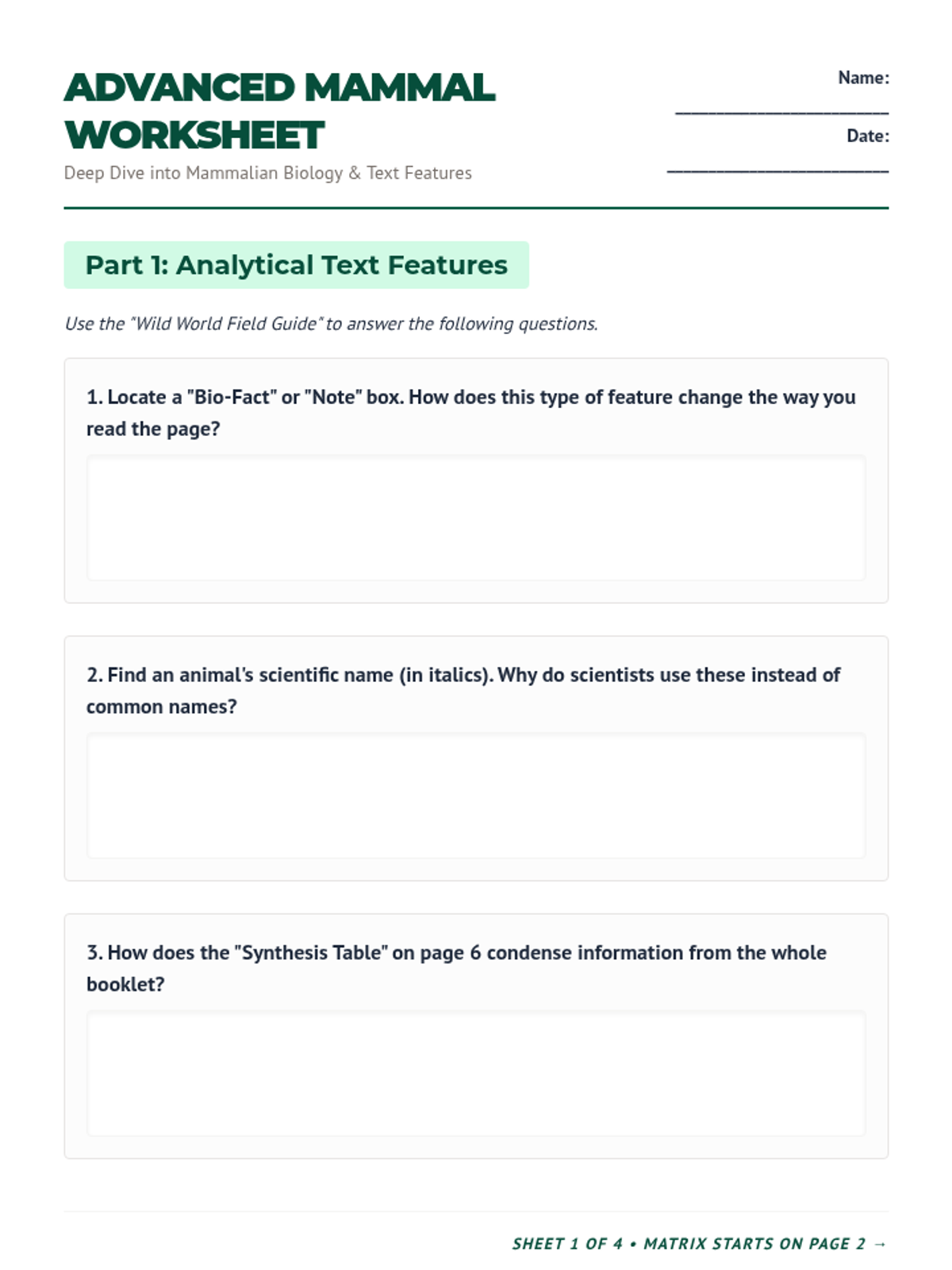
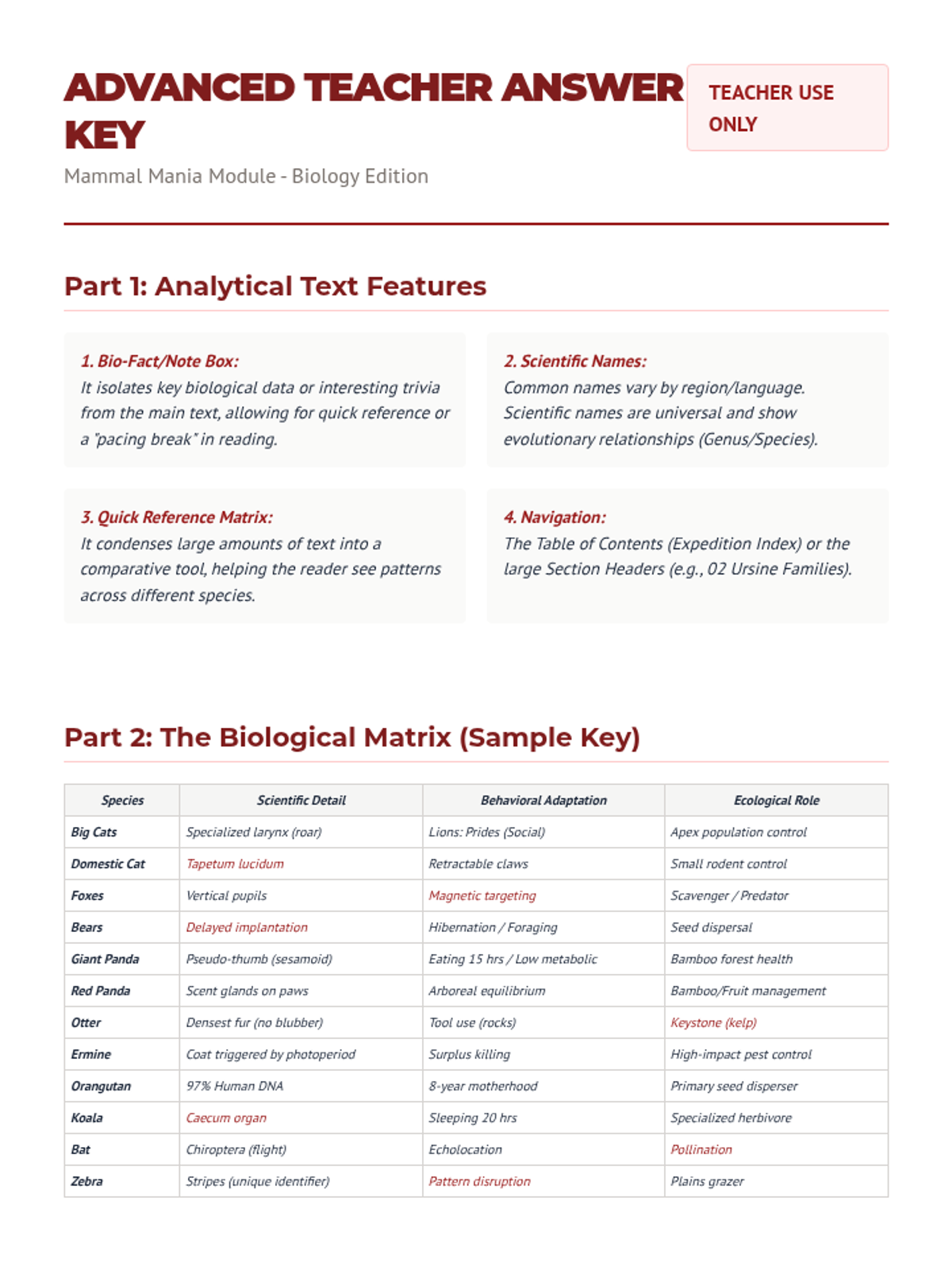
An in-depth exploration of diverse mammals, focusing on informational text features, main ideas, and vocabulary acquisition through a comprehensive field guide and activity set.
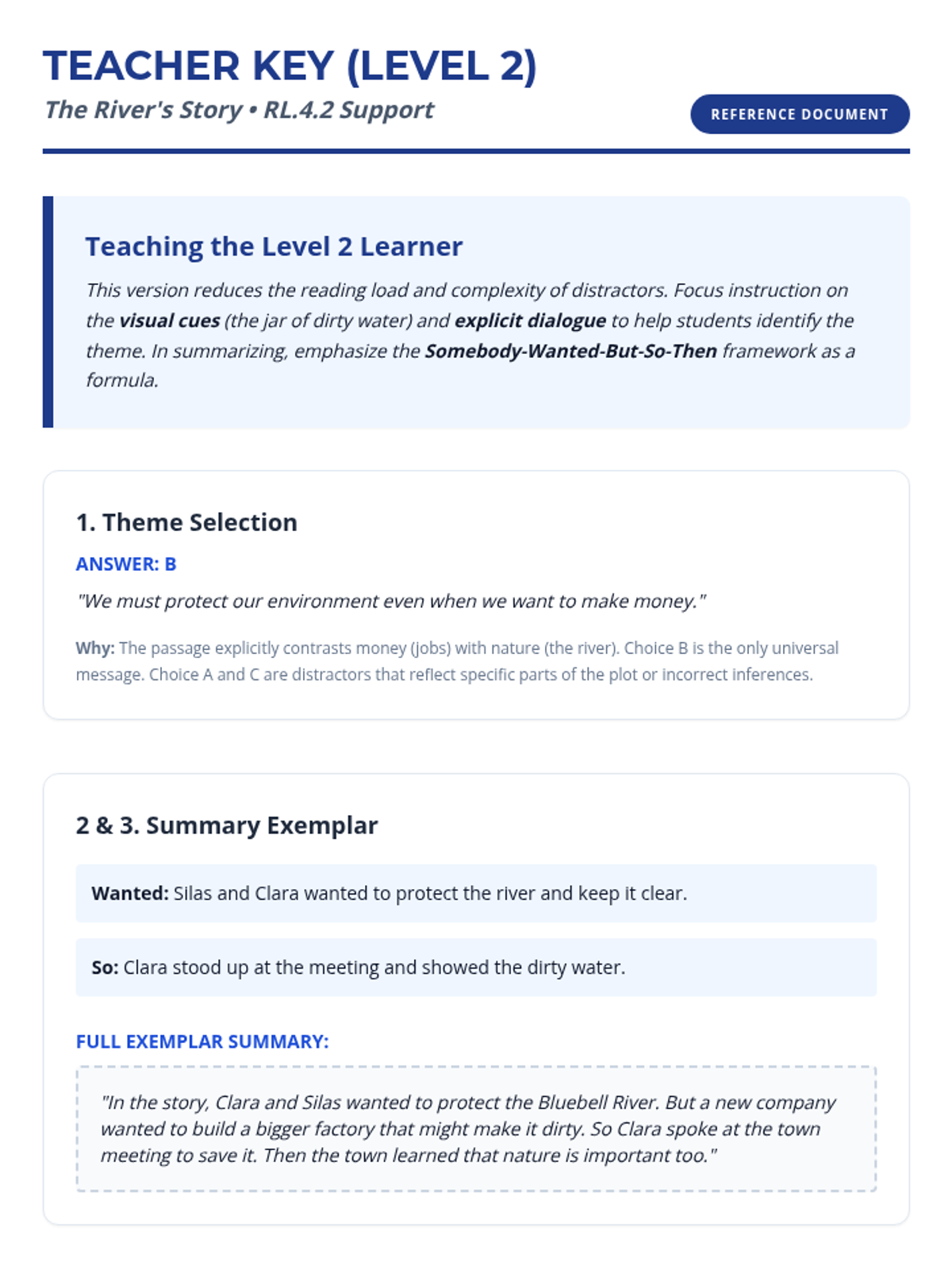
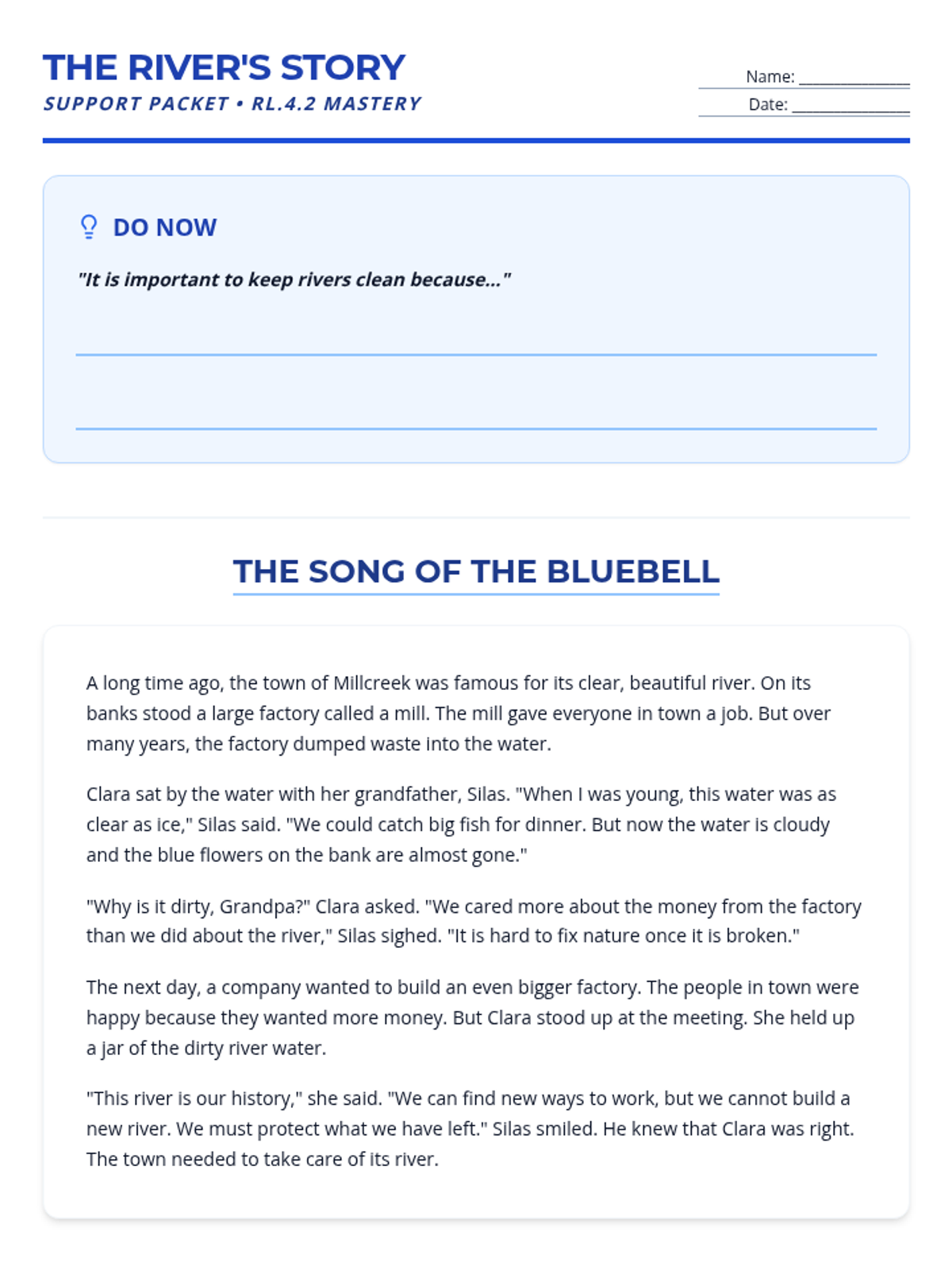
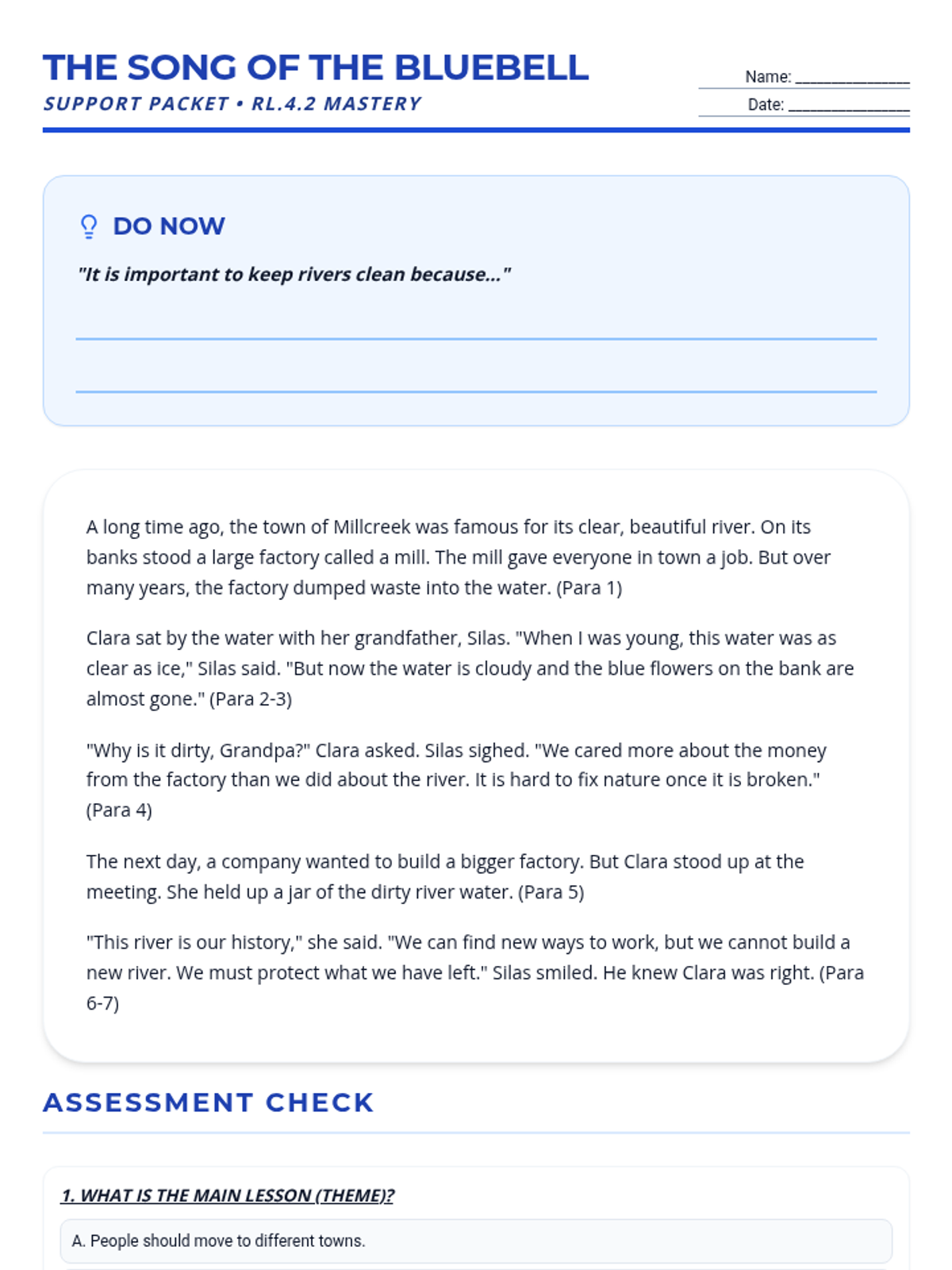
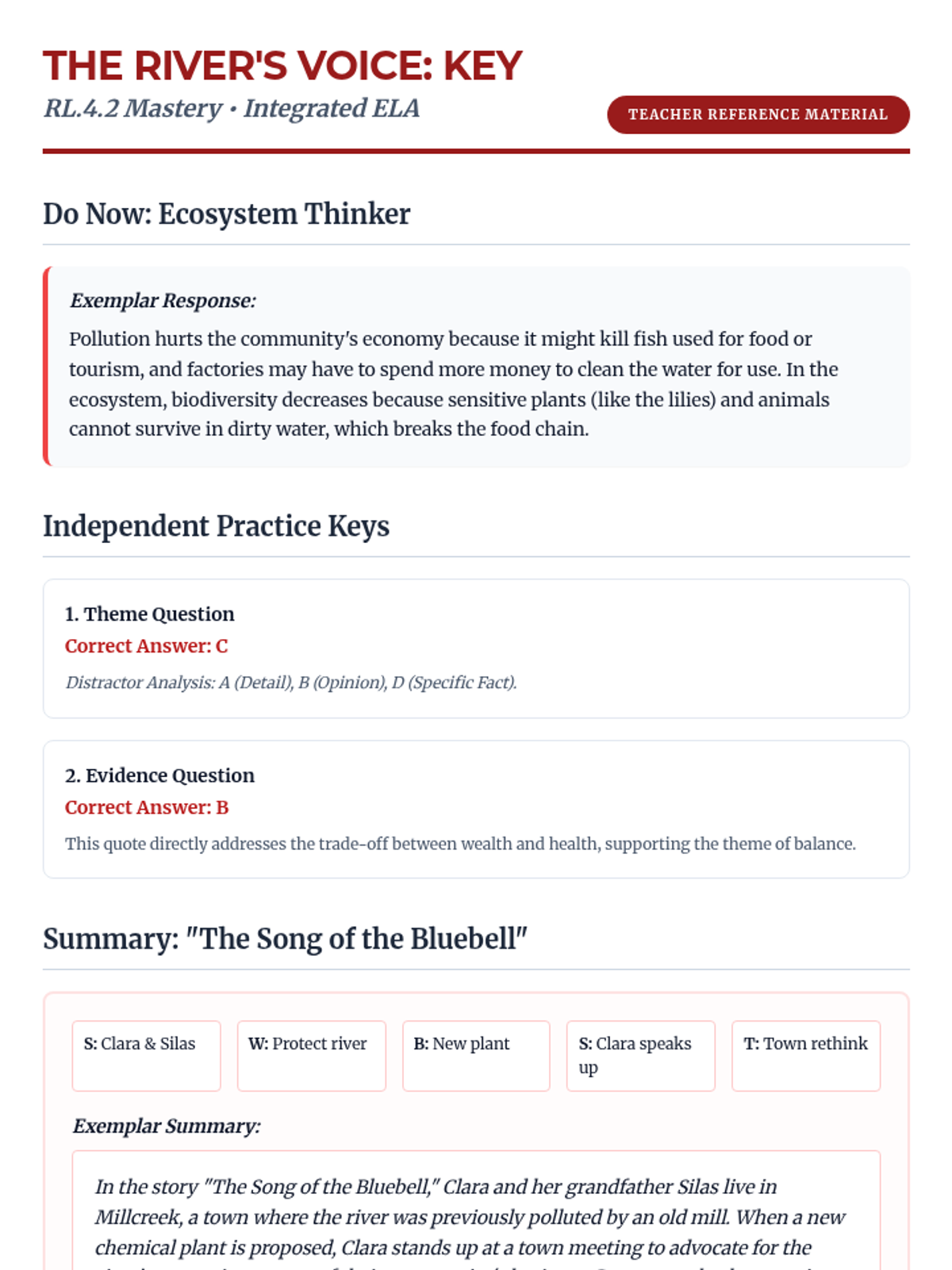
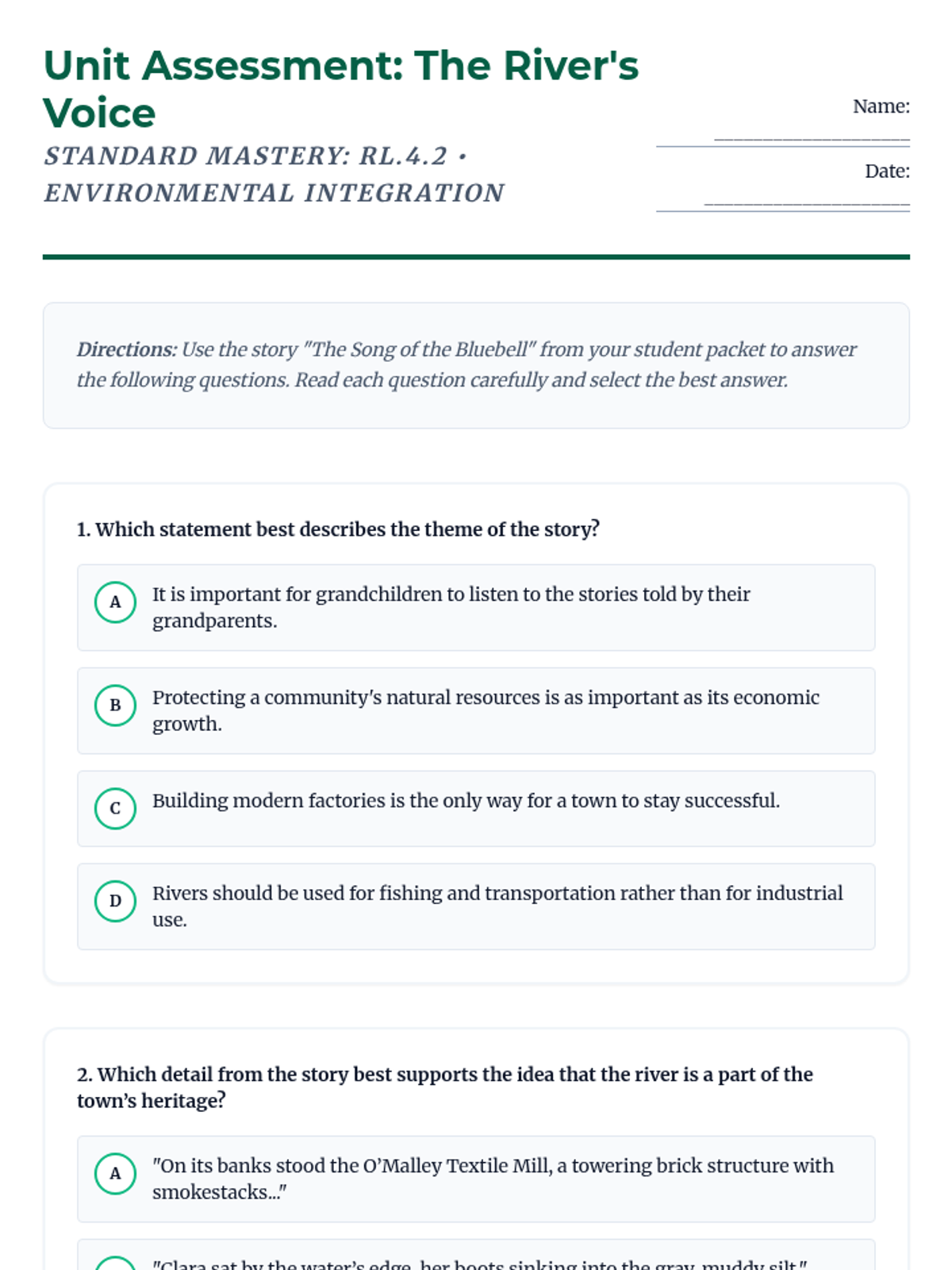
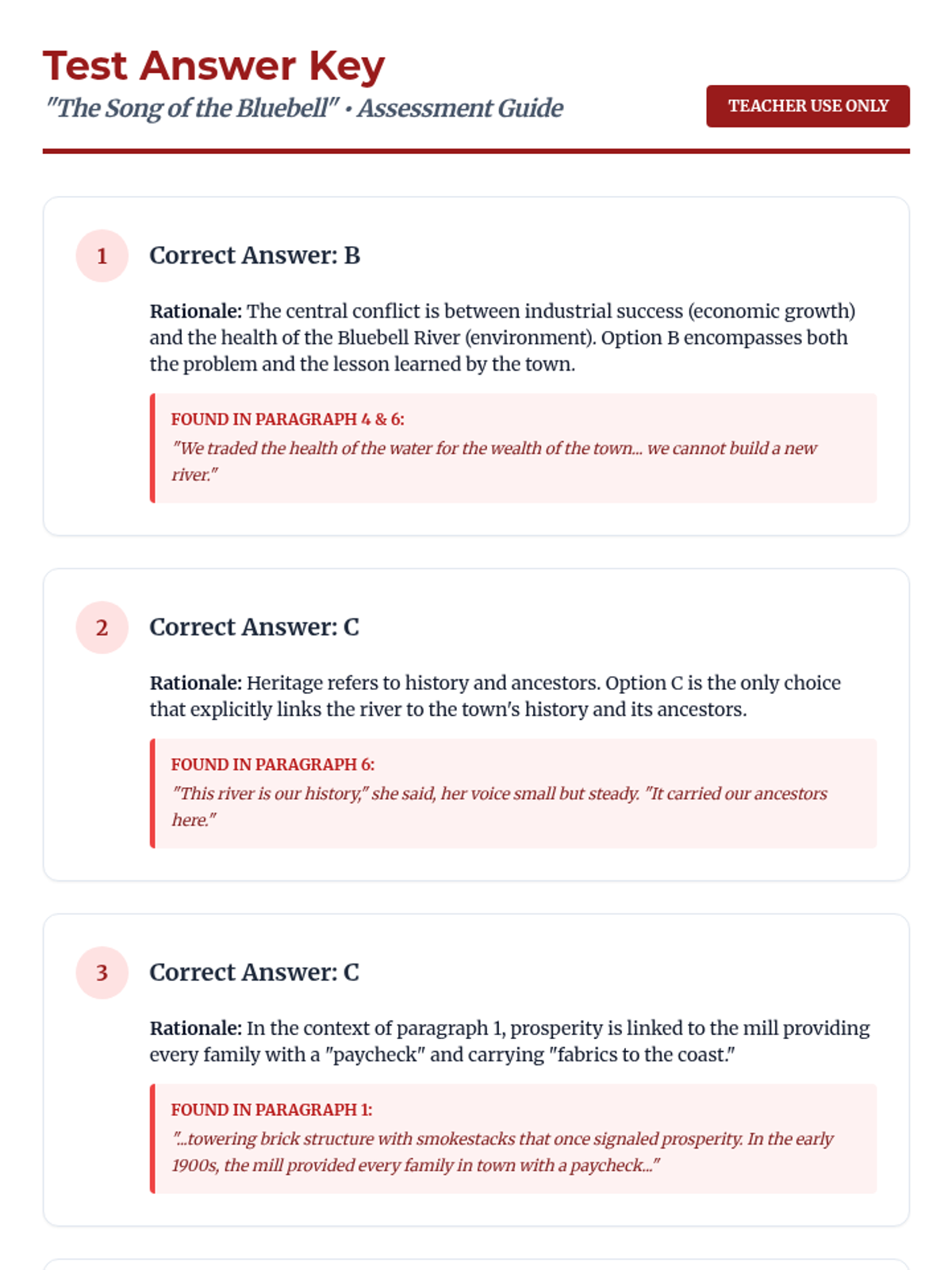
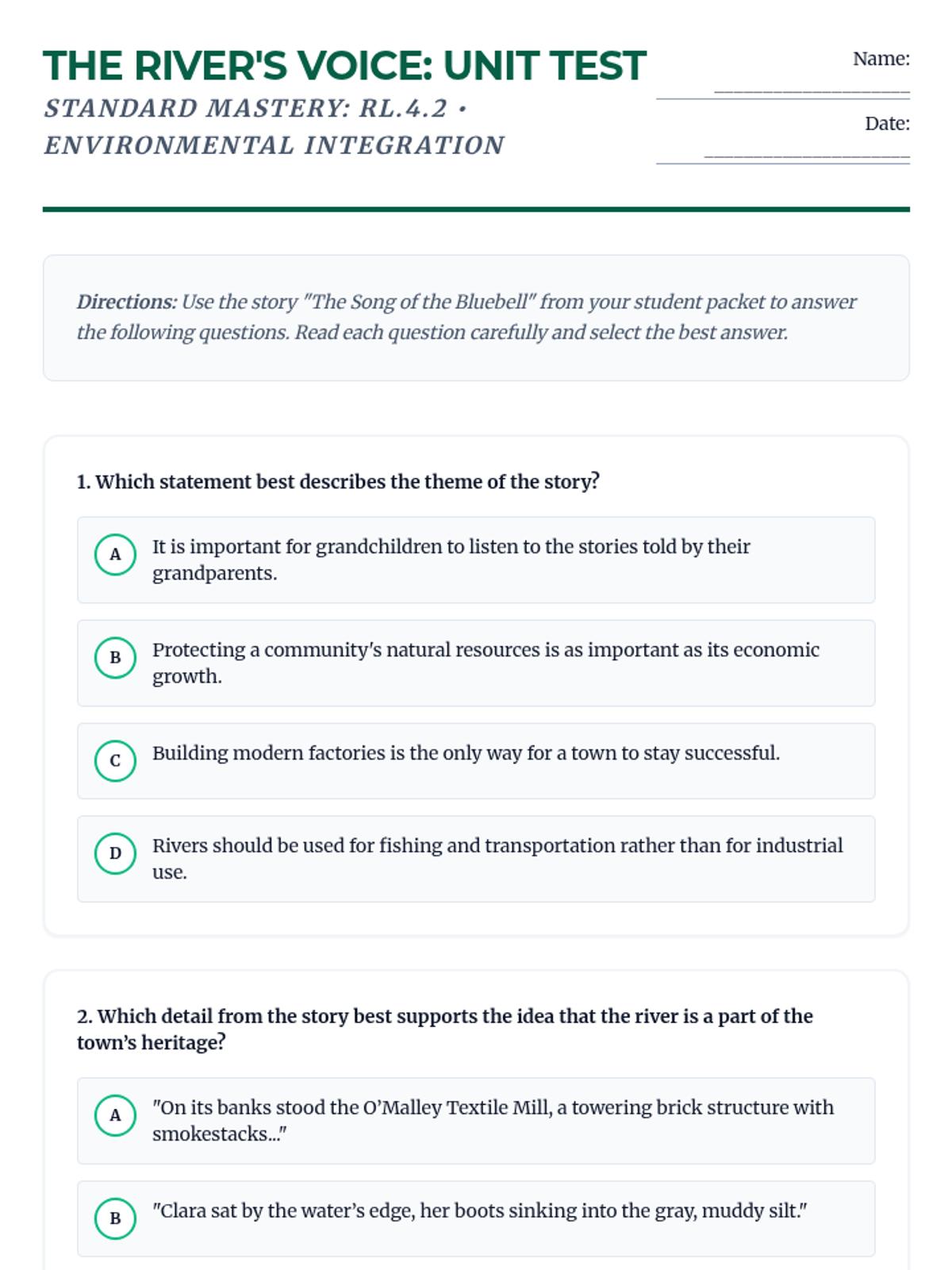
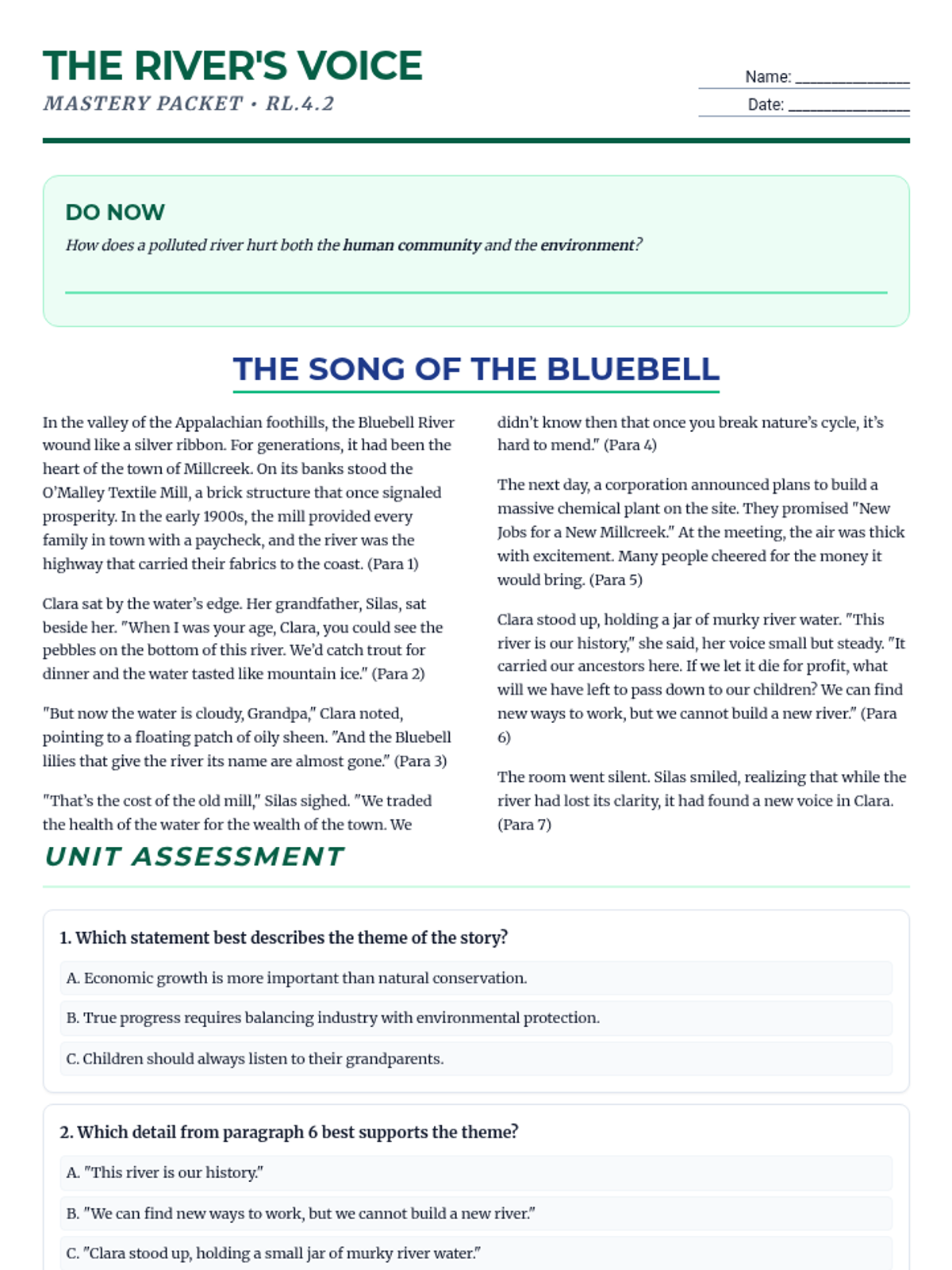
An accessible version of the 'The River's Voice' lesson, modified for Level 2 (Partially Proficient) learners. It features simplified vocabulary, increased scaffolding for summarizing, and more explicit theme instruction.
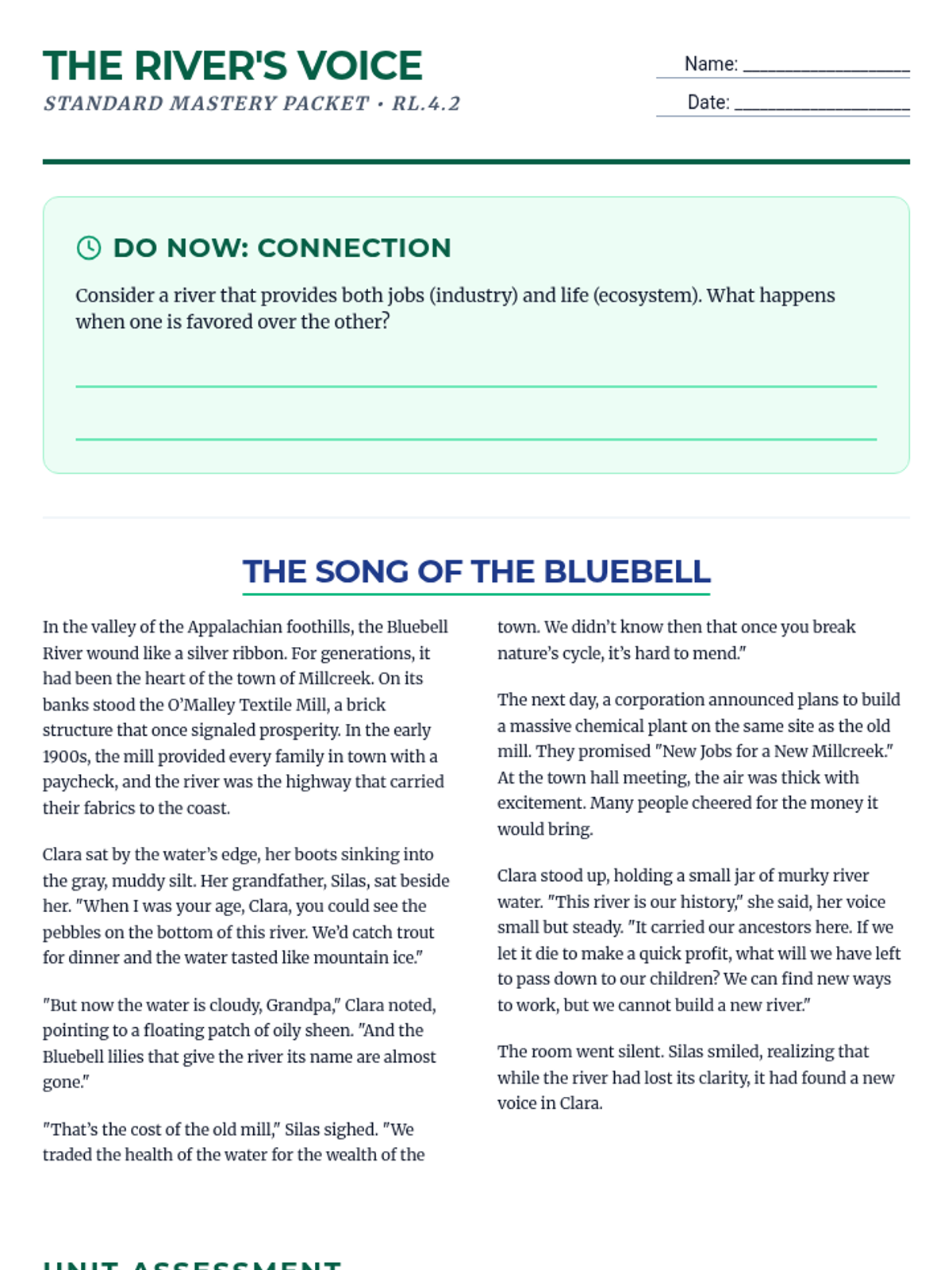
A rigorous ELA lesson for 4th grade focusing on RL.4.2 (Theme and Summarizing) through a story that blends environmental science and local history. Students will analyze how a river serves as both a life force and a historical landmark.
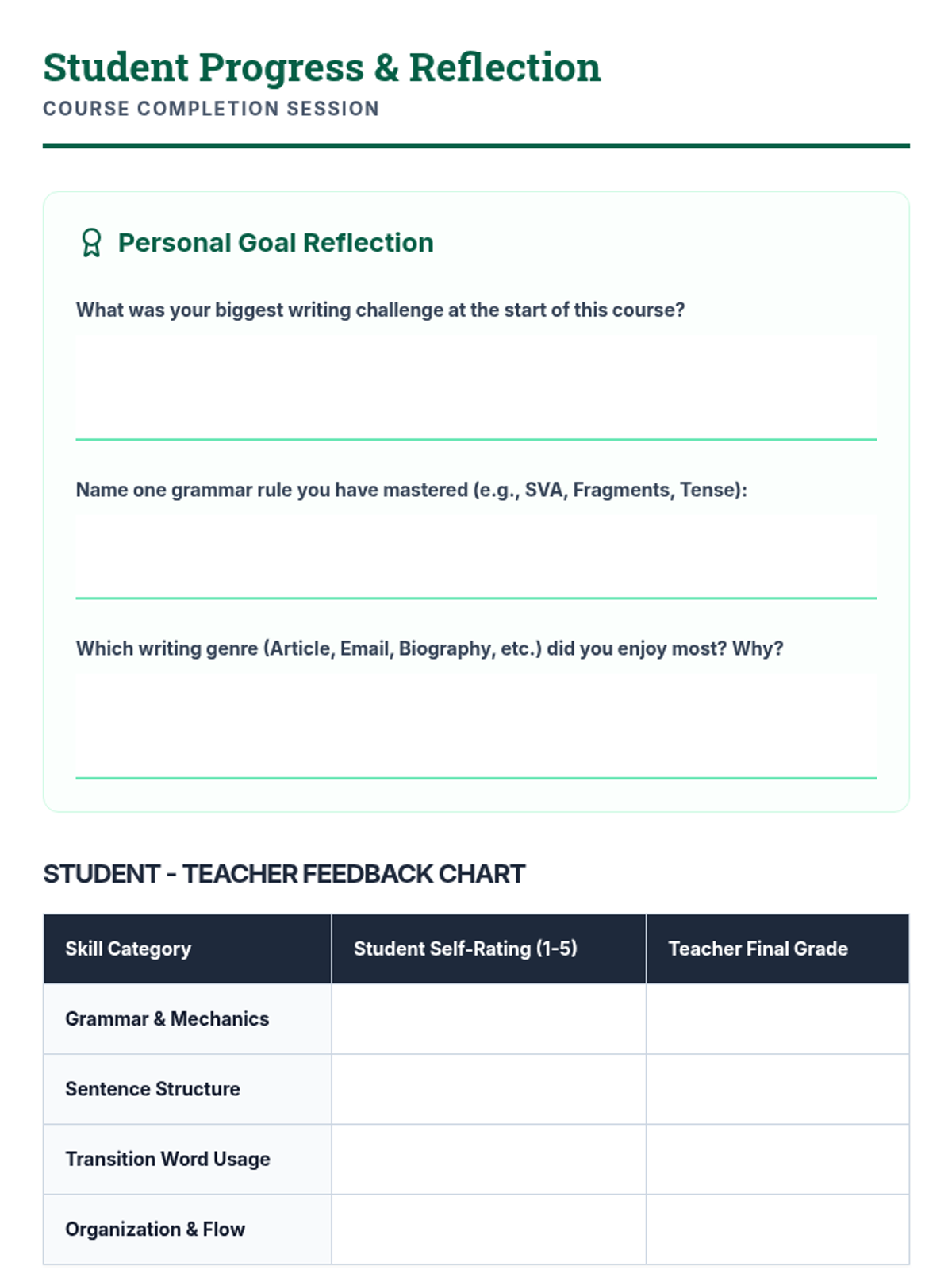
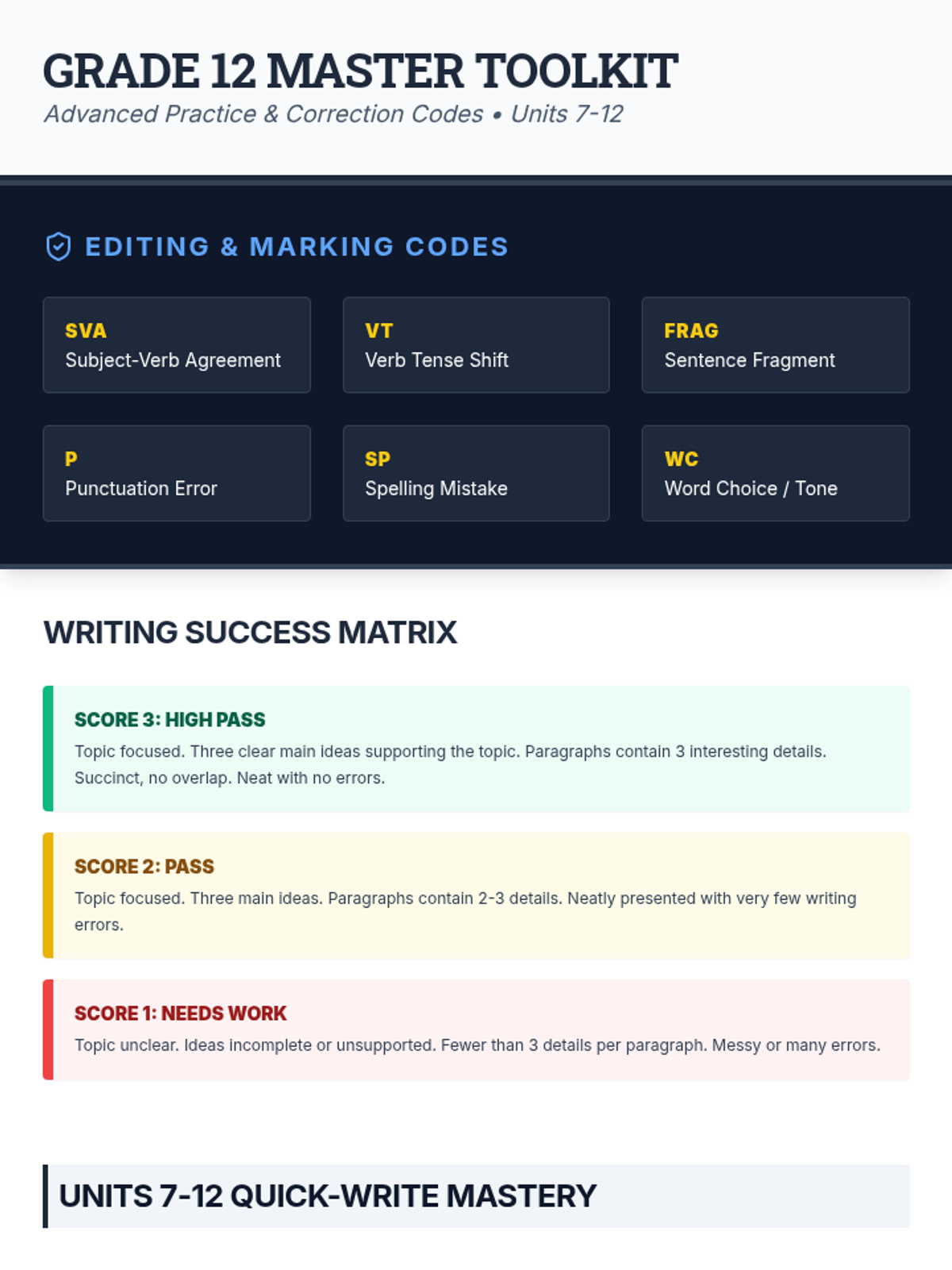
A final evaluation and reflection session including the final assessment, feedback charts, and student-teacher goal reviews.
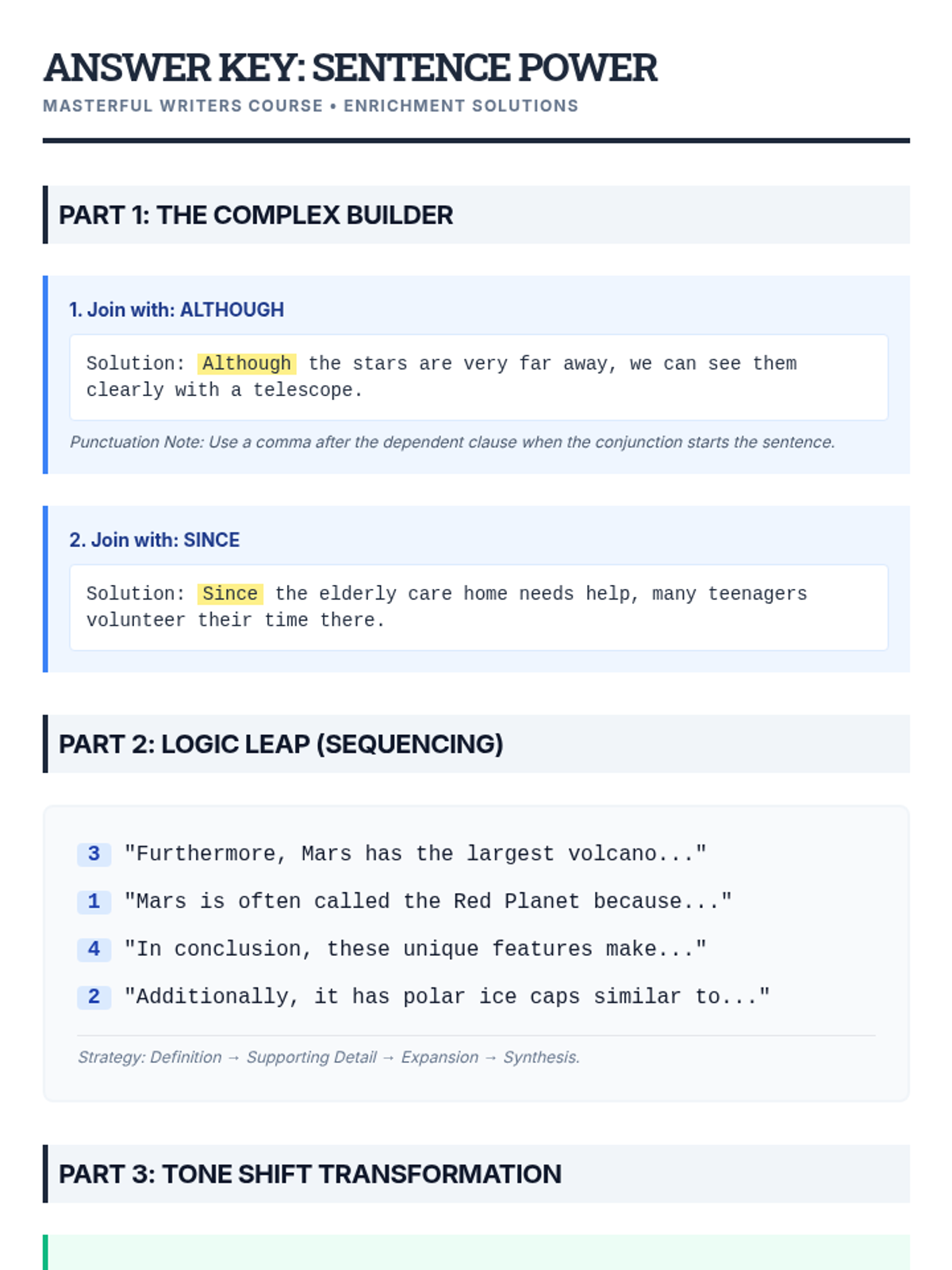
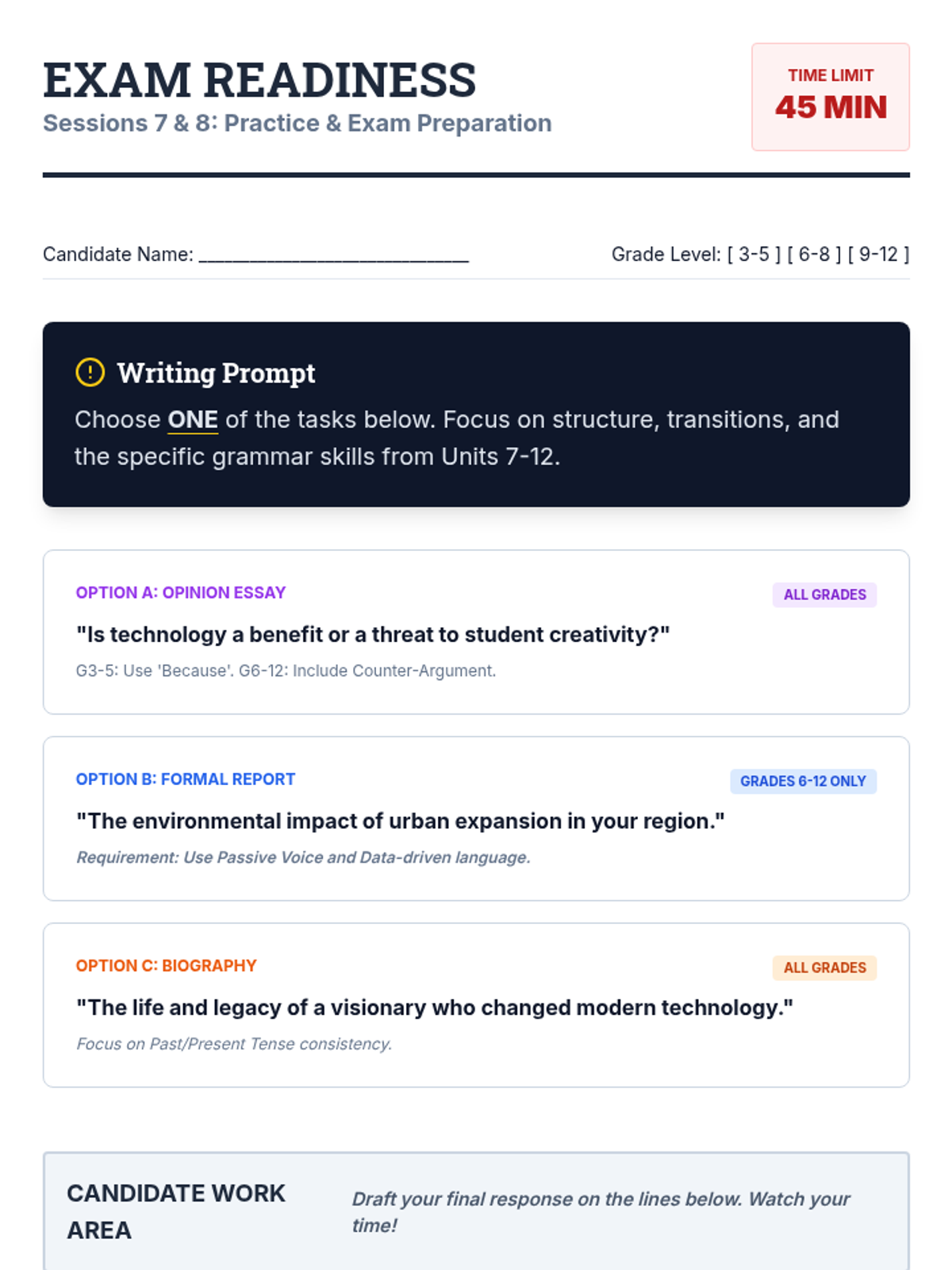
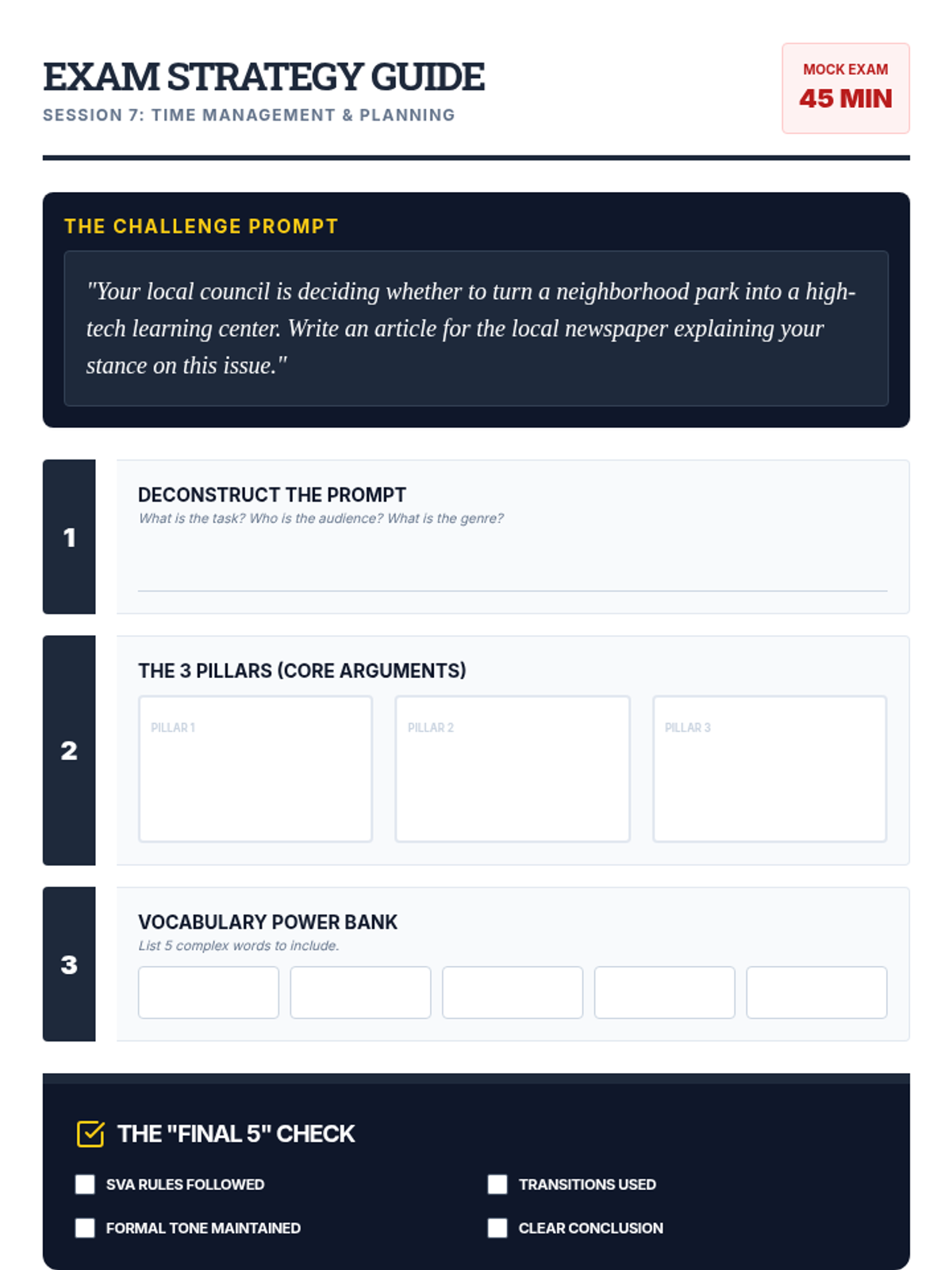
Provides timed writing practice and mock exam conditions to build stamina and review structural clarity.
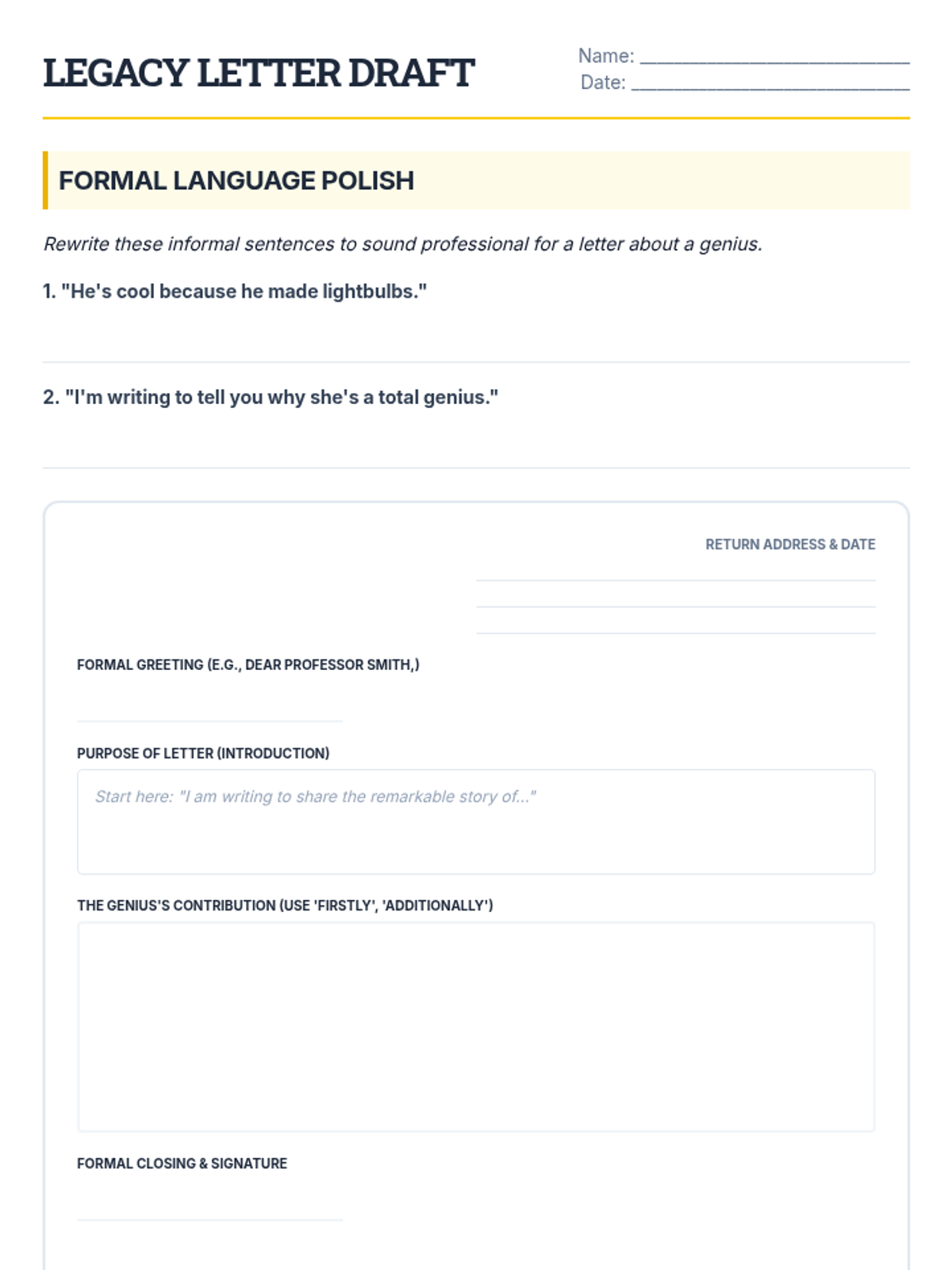
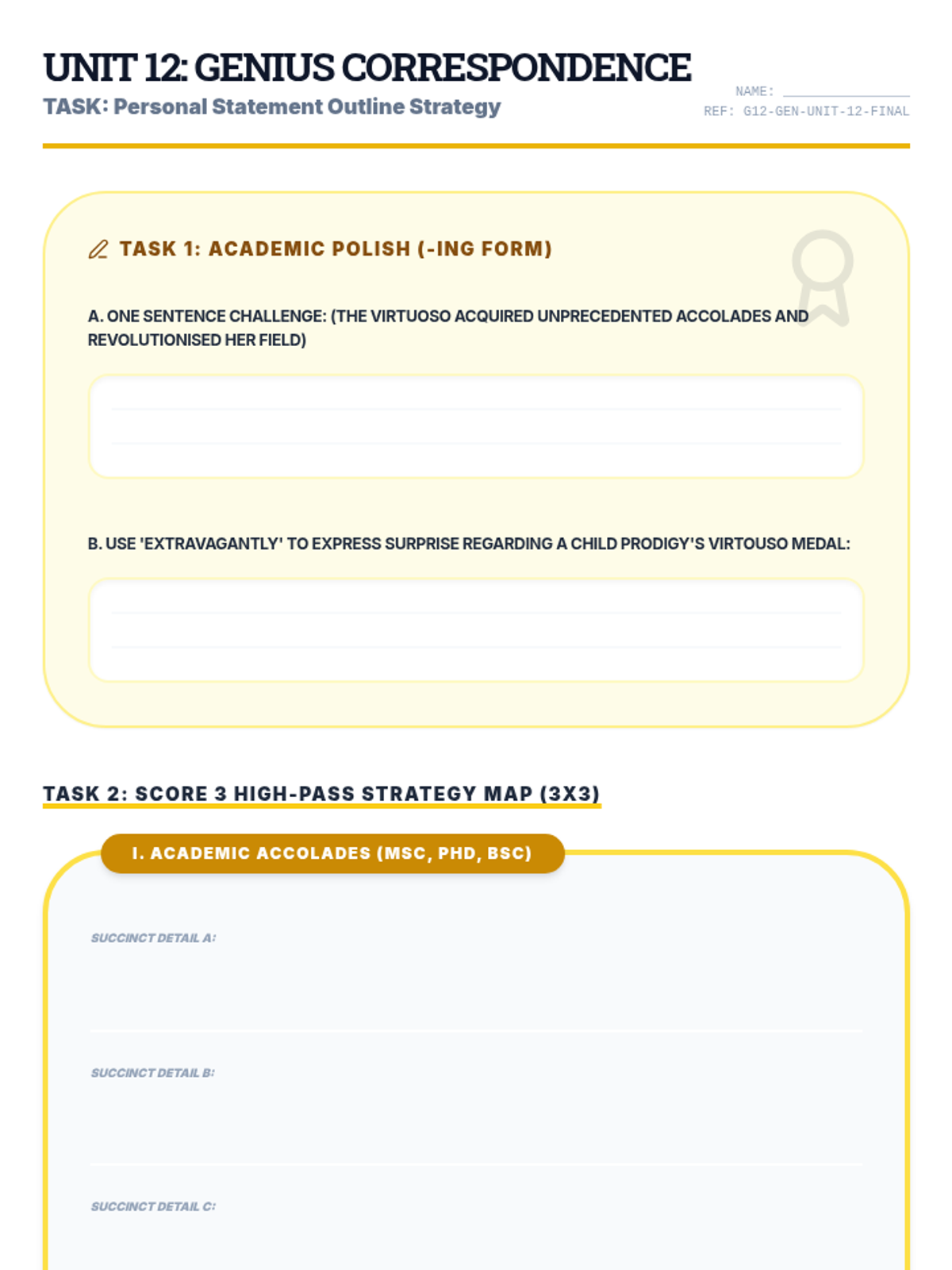
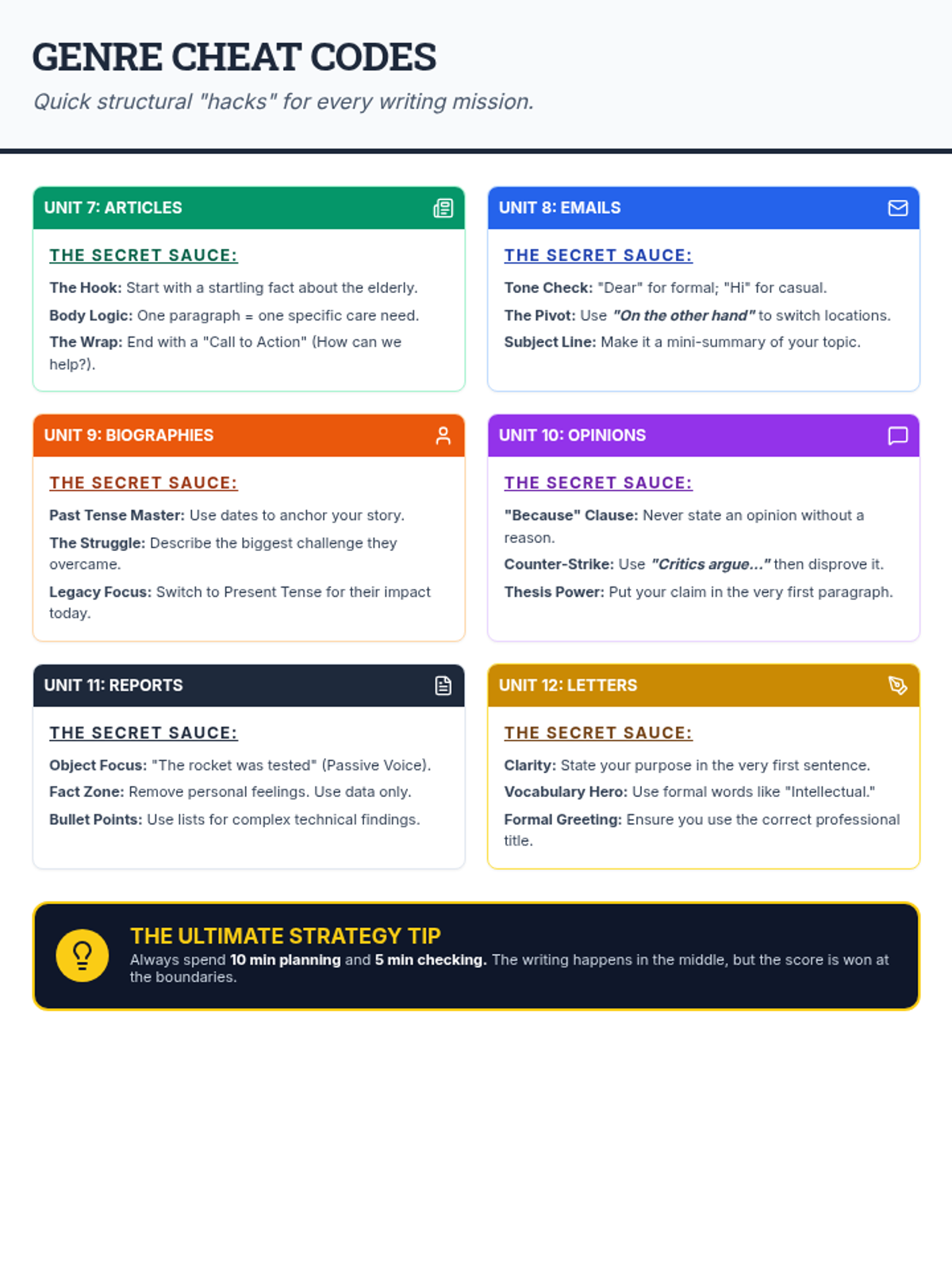
Practices formal letter writing focused on the achievements of geniuses, reinforcing formal tone and structural transitions.
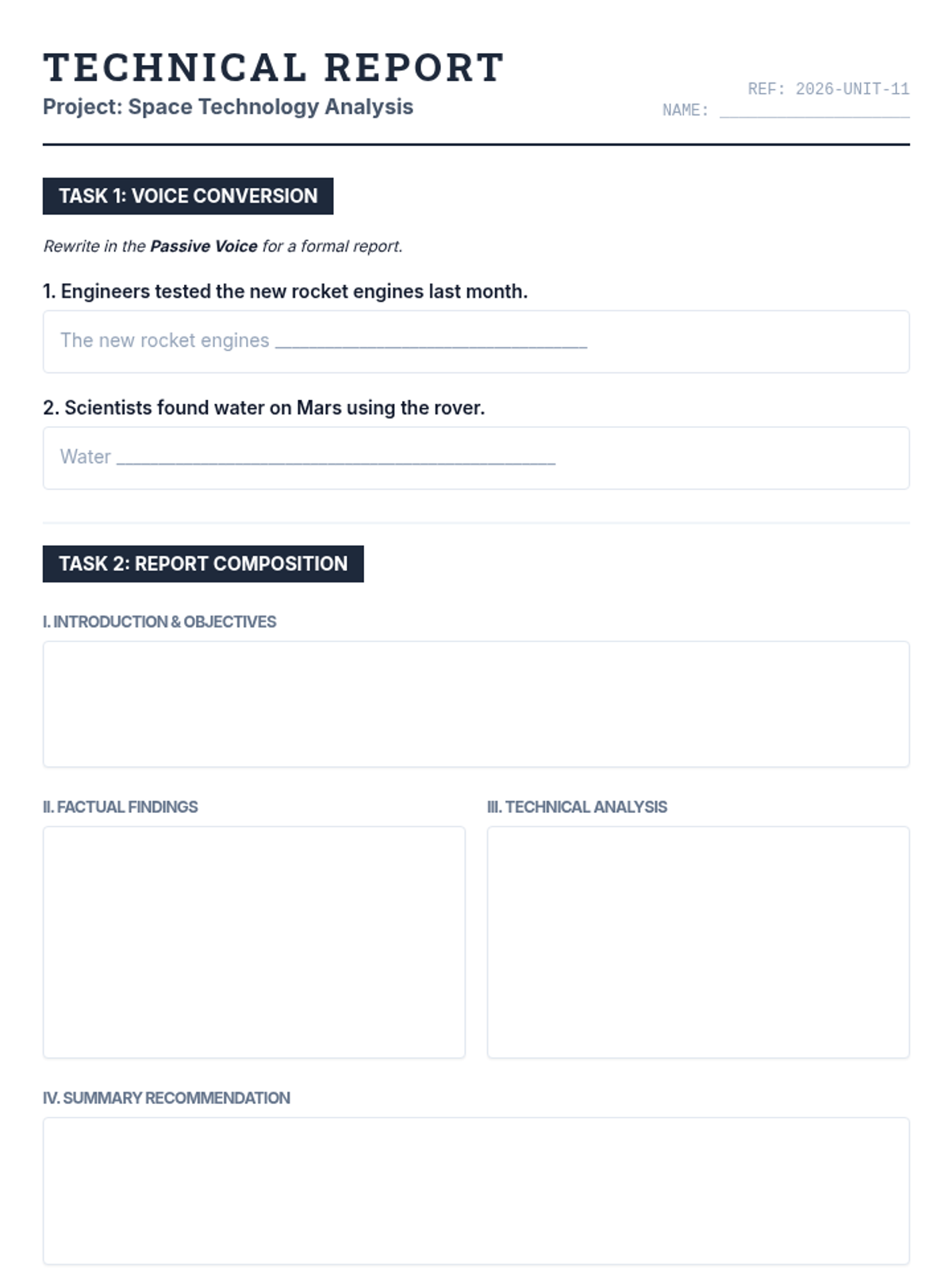
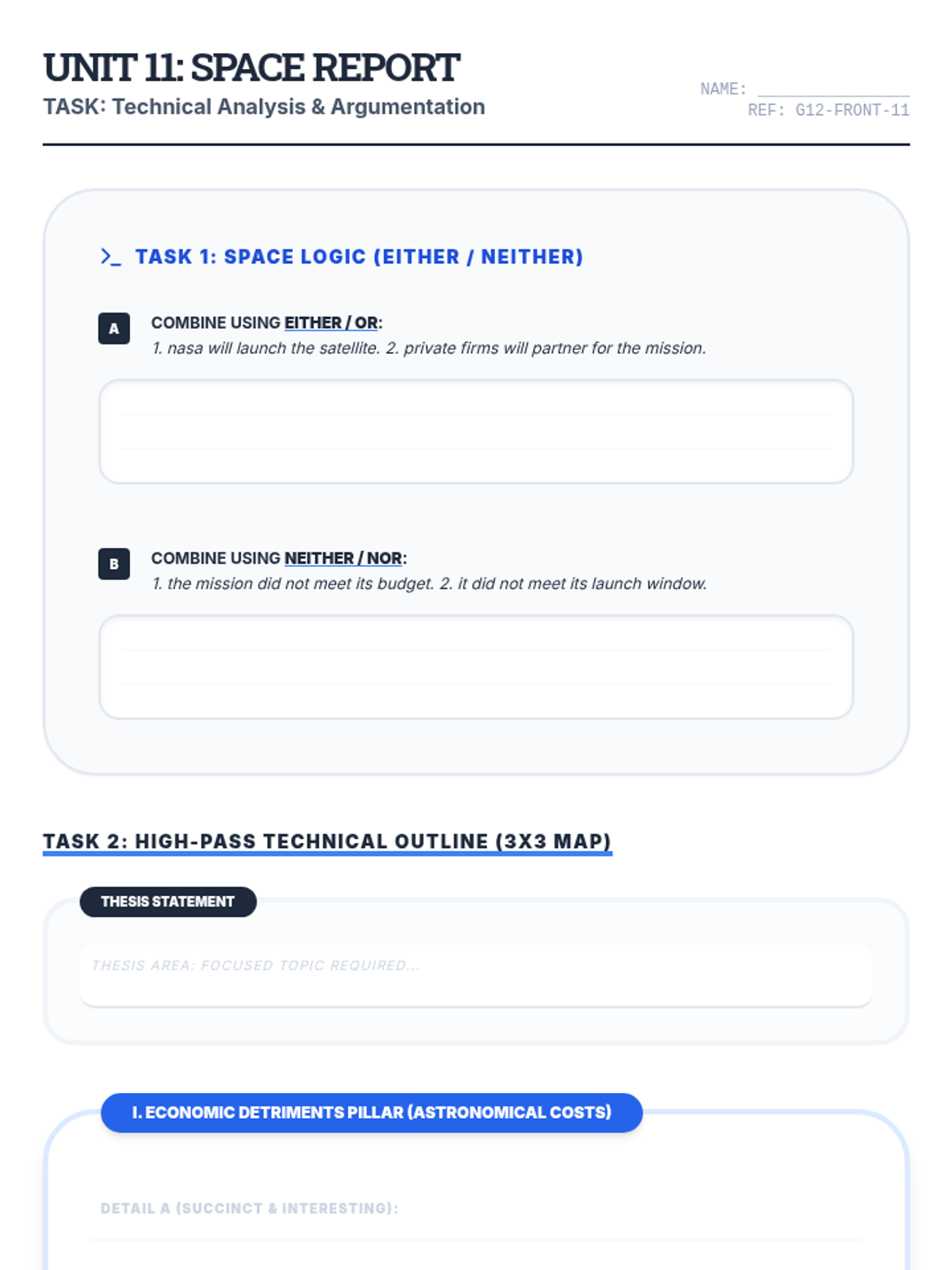
Introduces formal report writing on space technology, emphasizing passive vs. active voice and data-driven analysis.
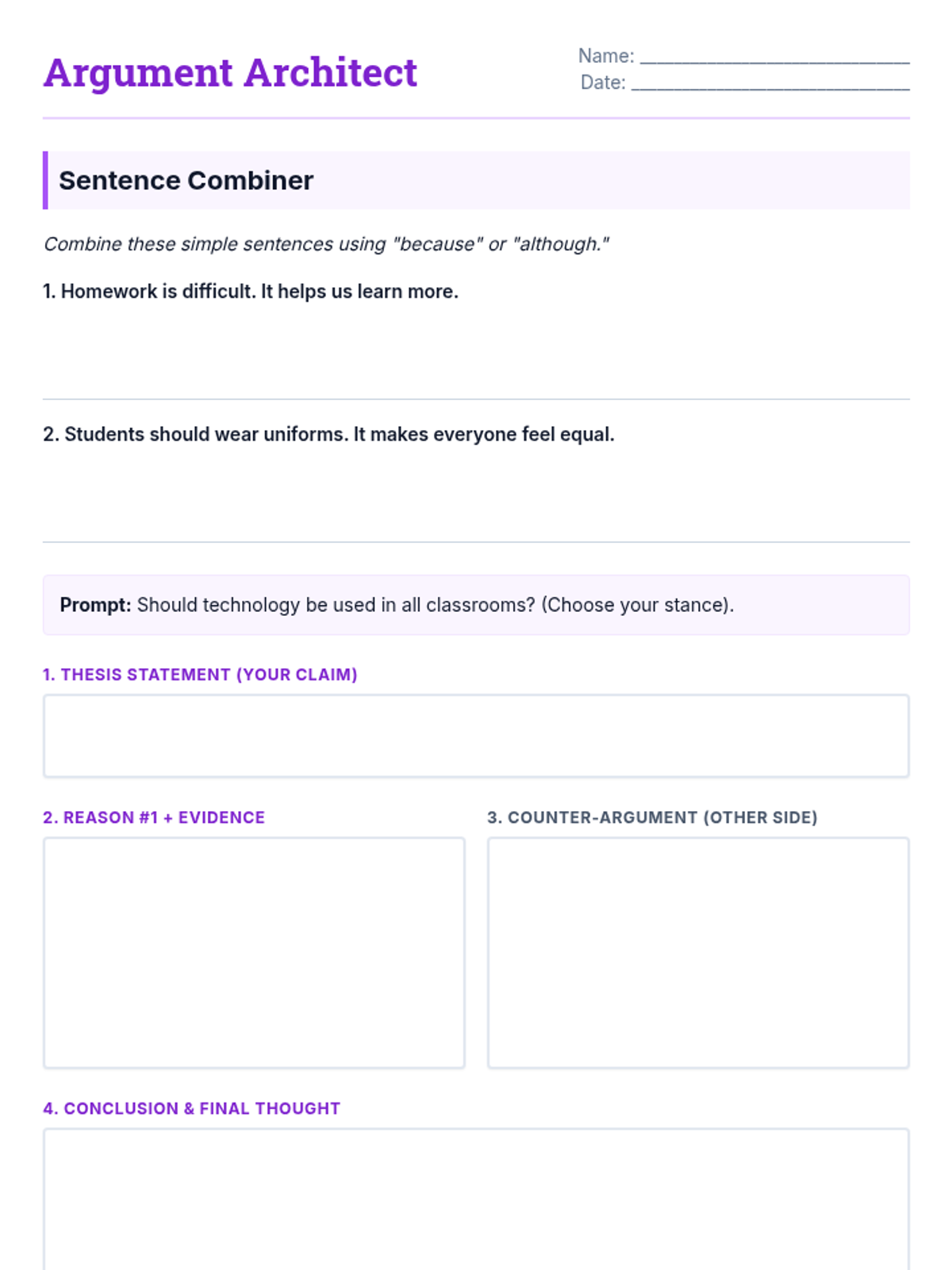
Develops argumentative skills through opinion essays on debatable topics, focusing on conjunctions, counter-arguments, and persuasive transitions.
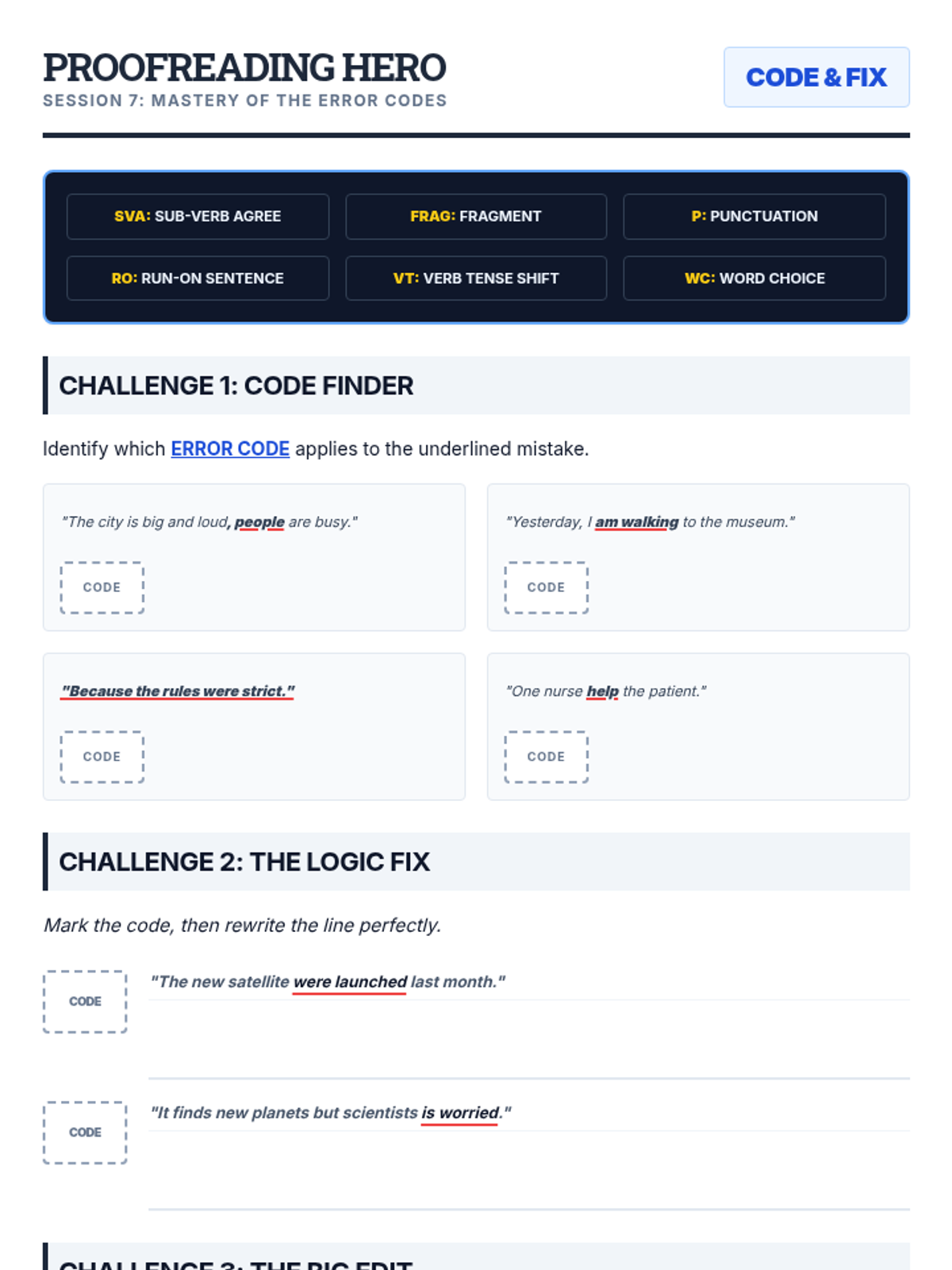
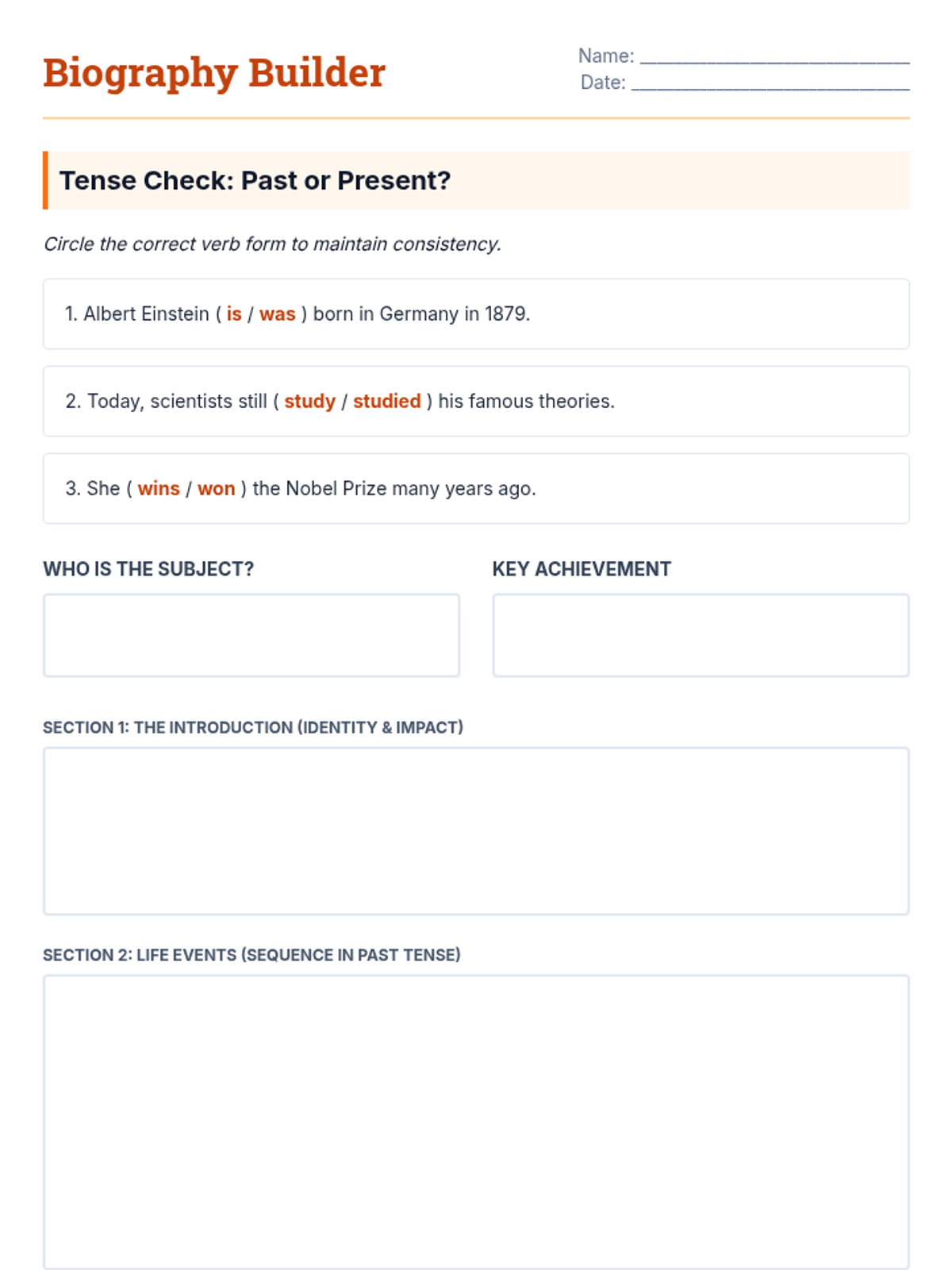
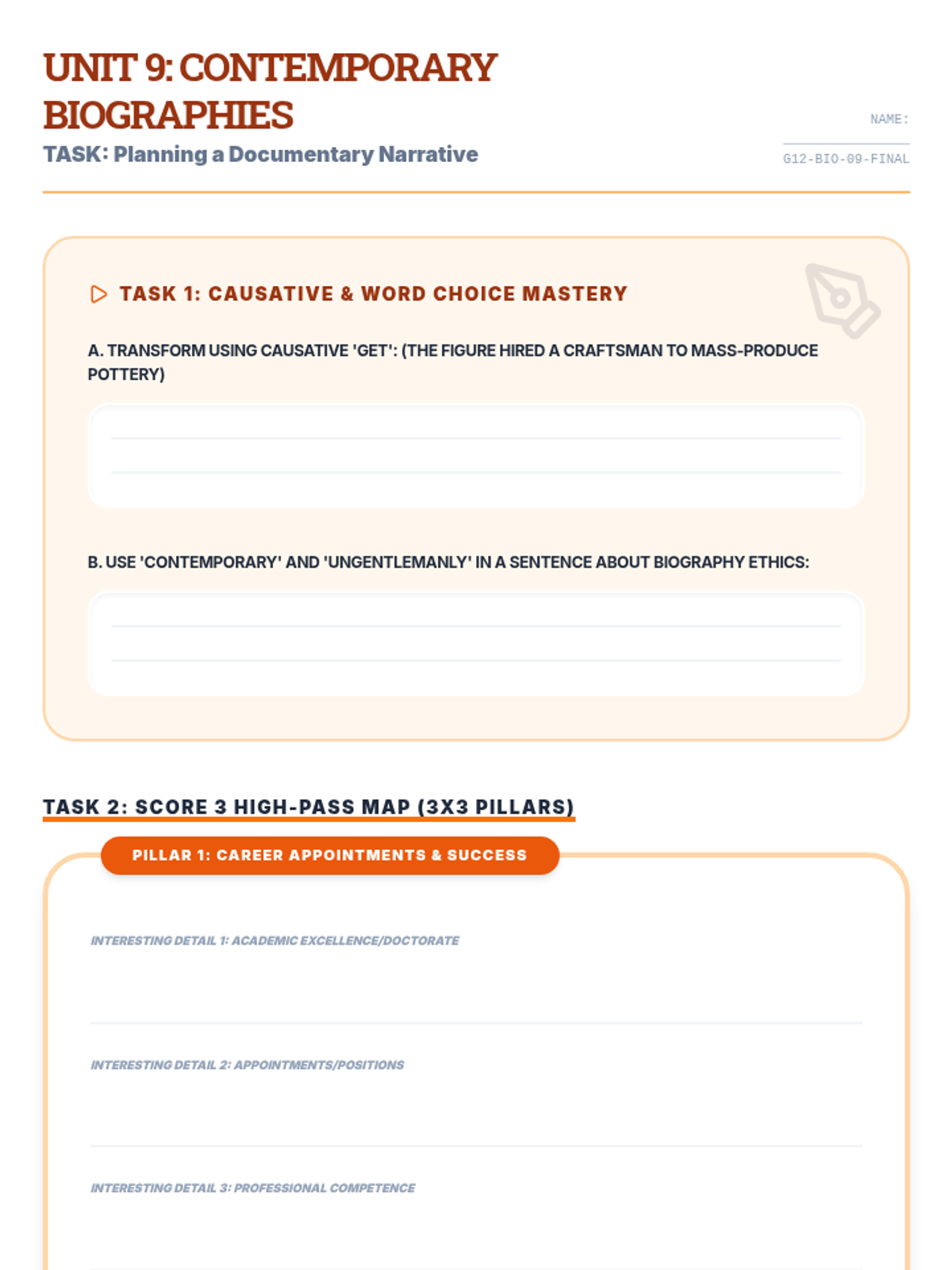
Explores the lives of historical figures through biography writing, emphasizing tense consistency and logical life-event sequencing.
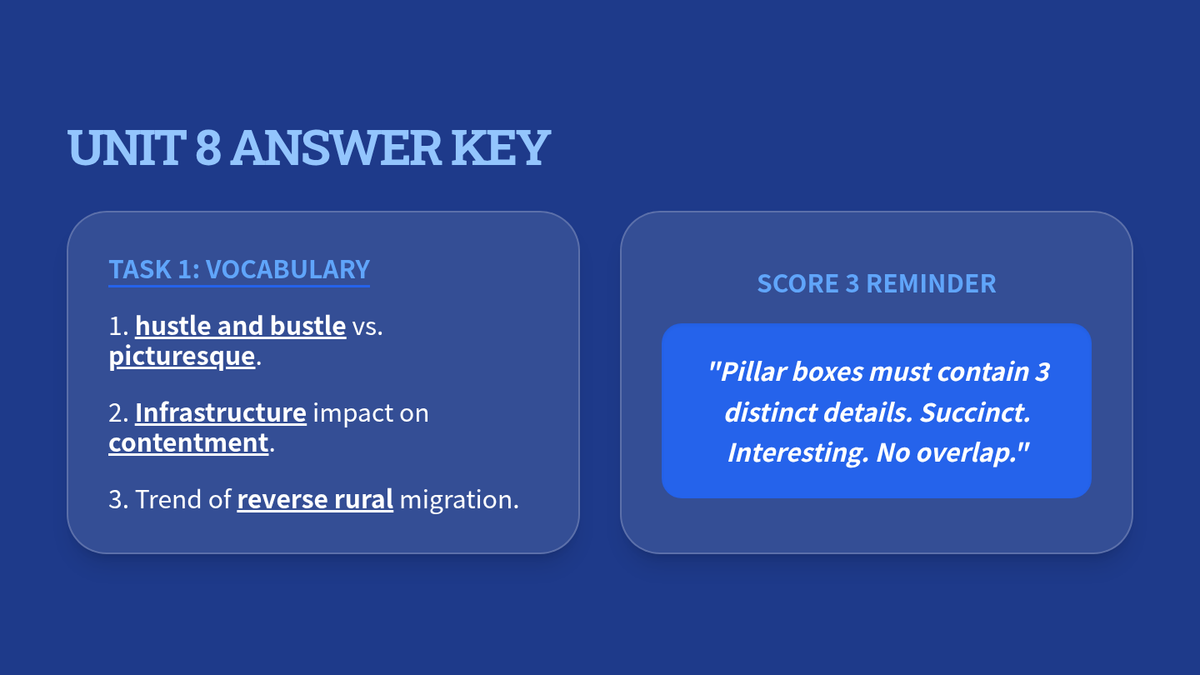
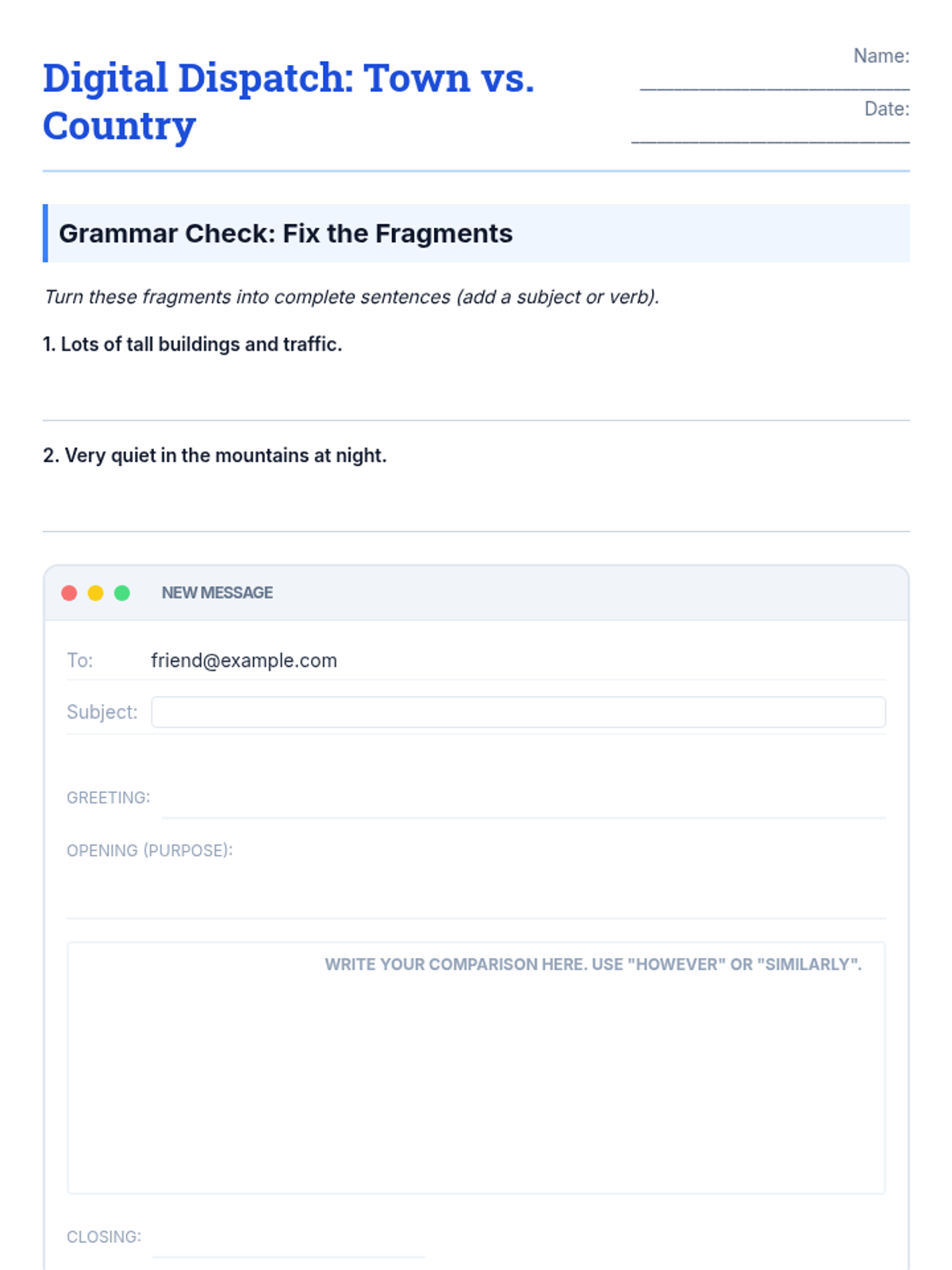
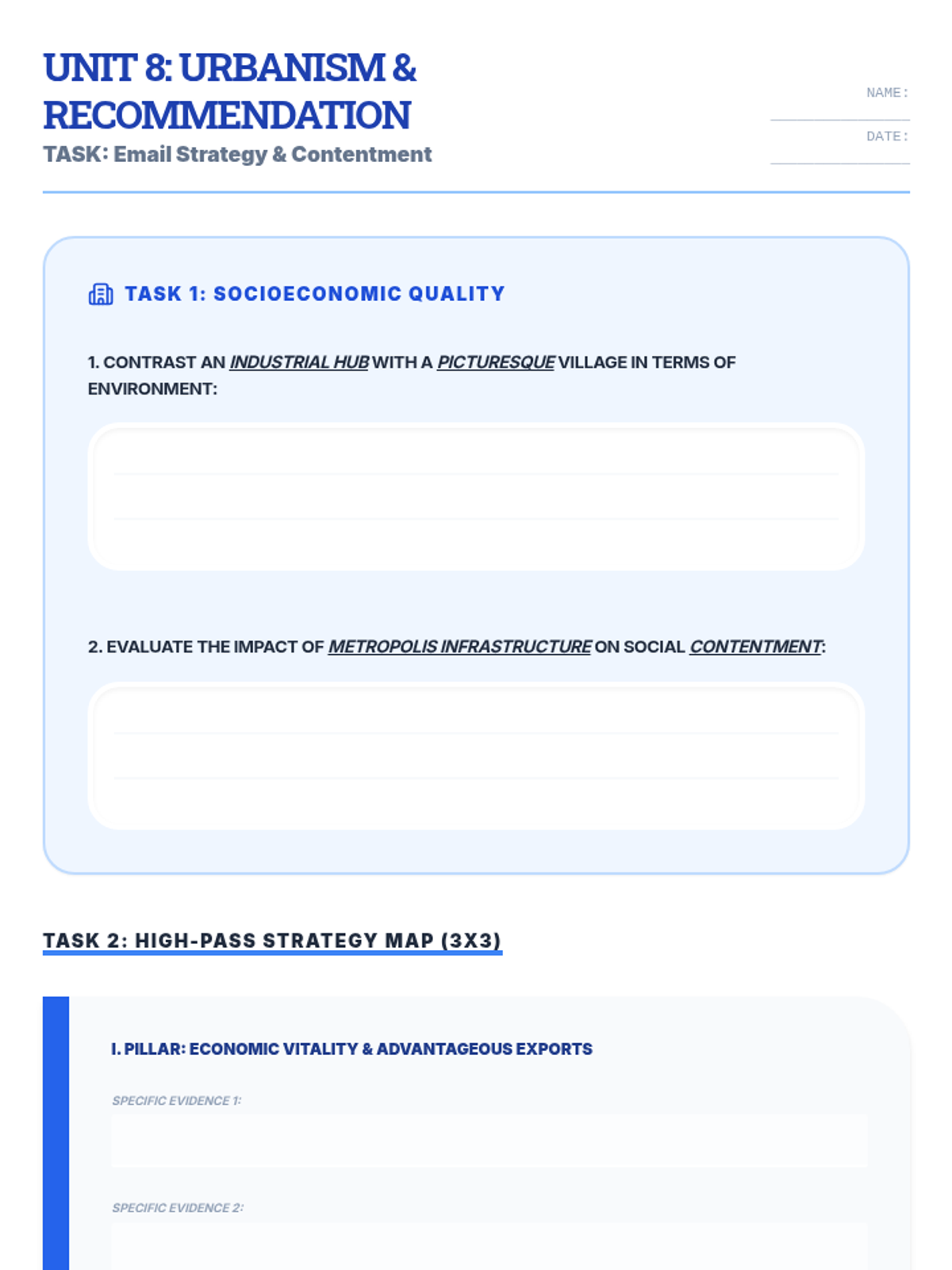
Teaches email etiquette and structure through a comparison of urban and rural life, focusing on sentence fragments and transitional words for comparison.
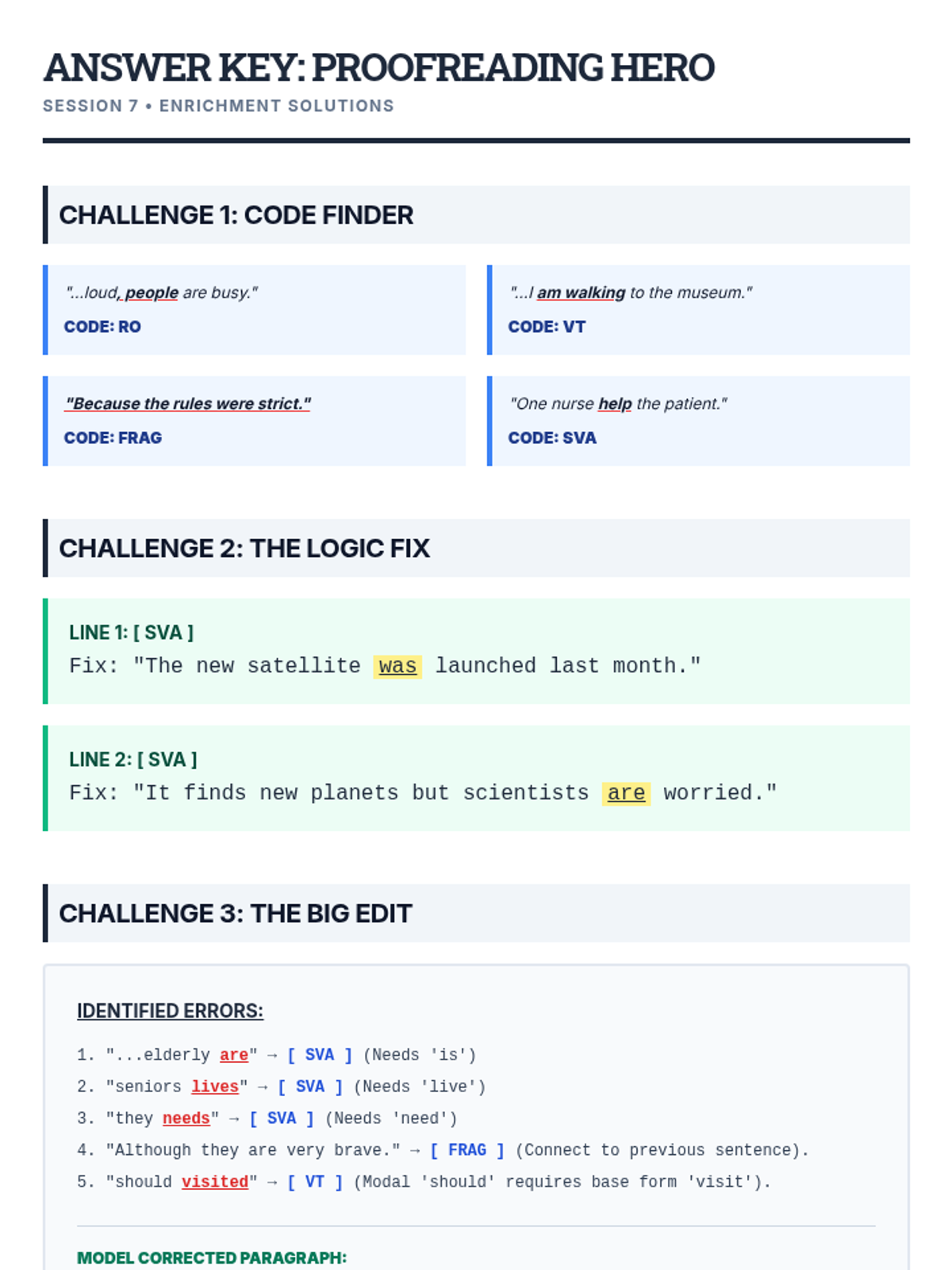
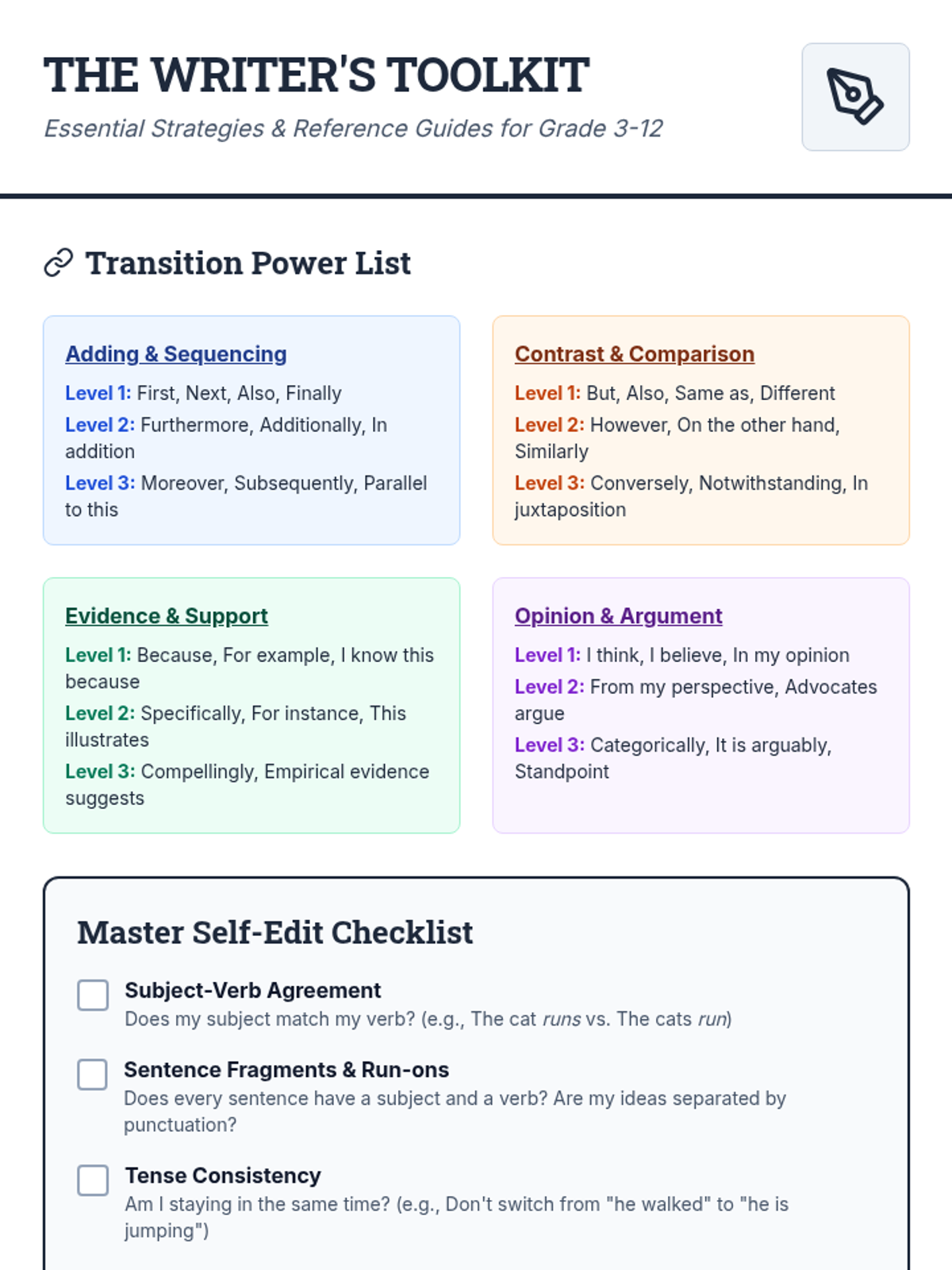
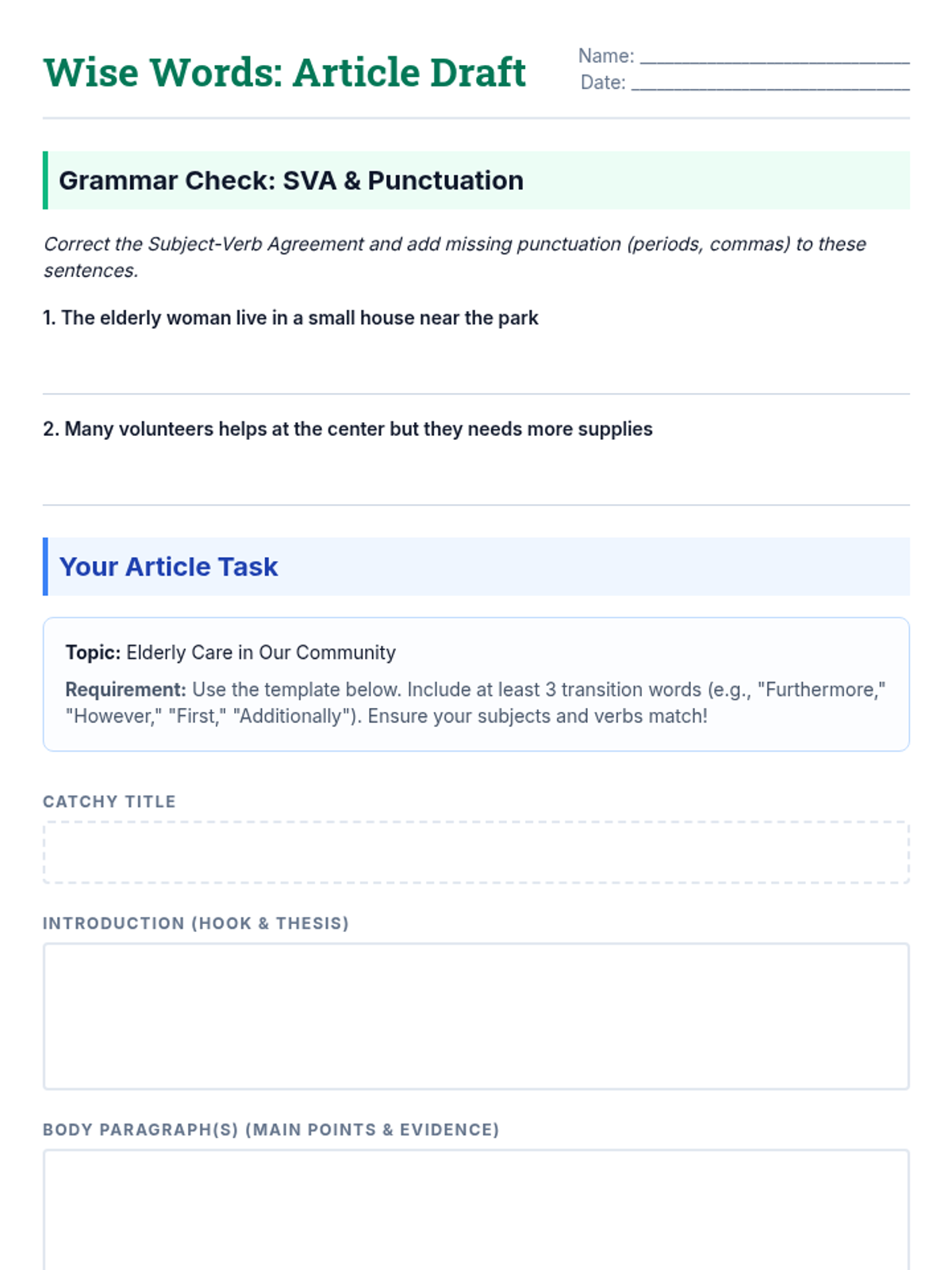
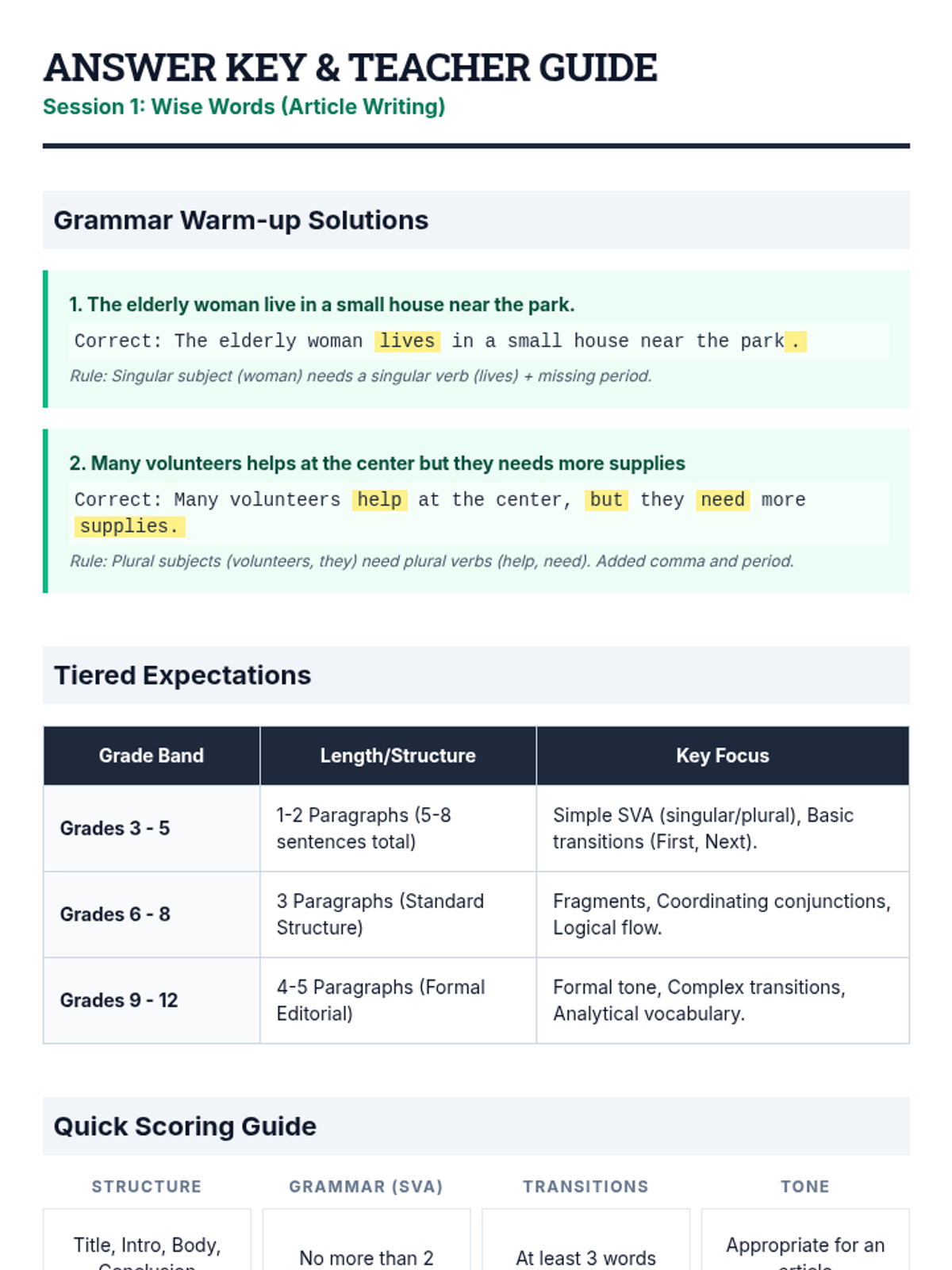
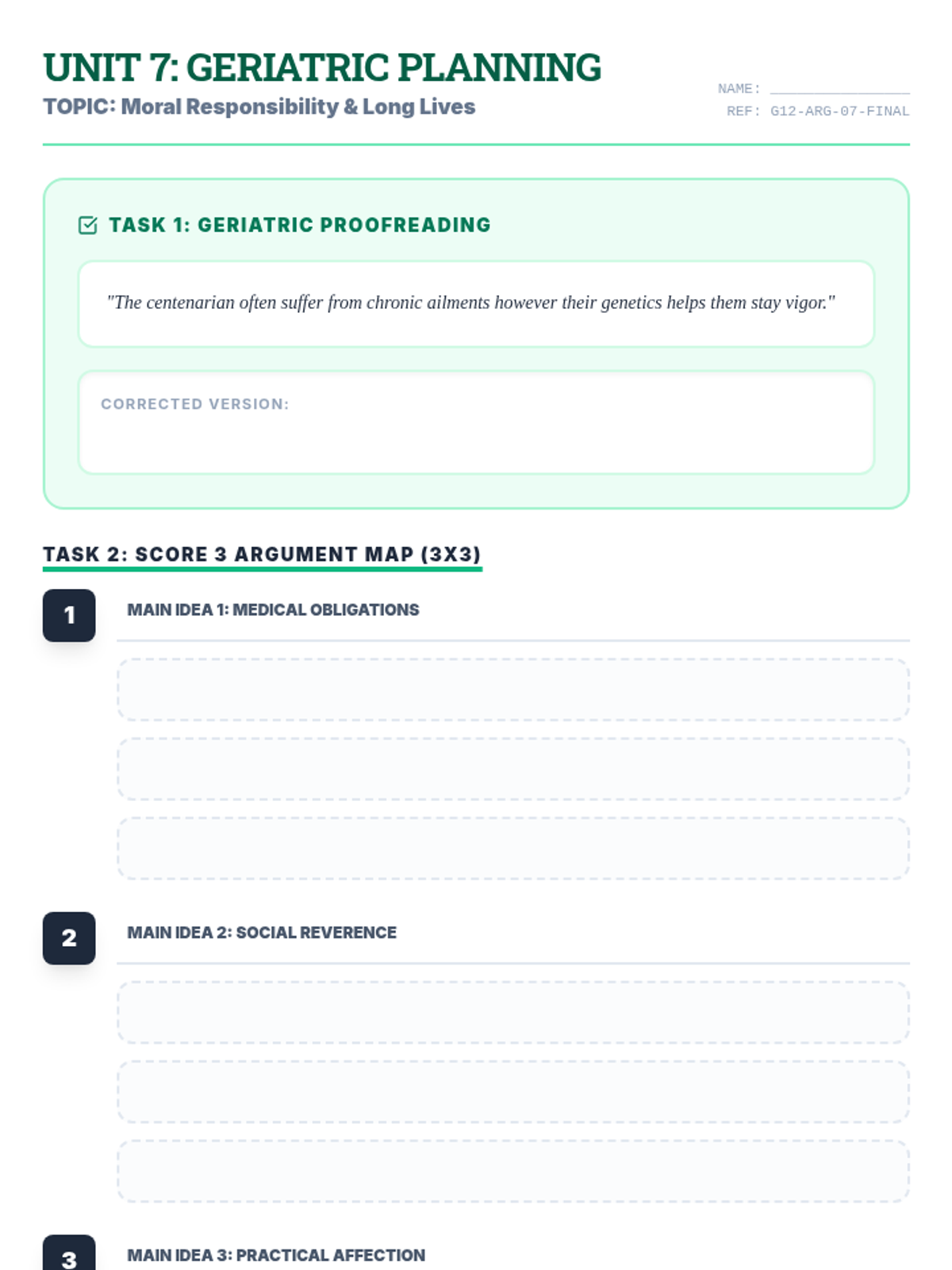
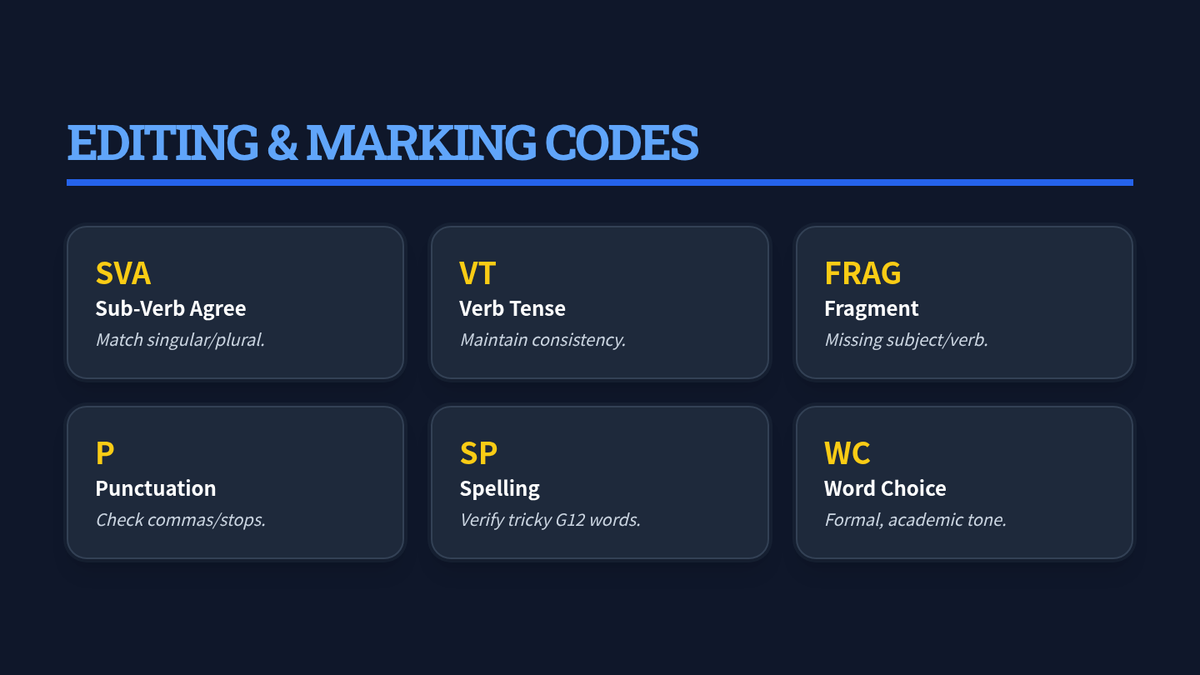
Focuses on writing articles about elderly care, teaching subject-verb agreement, punctuation, and article structure with tiered difficulty for elementary to high school levels.
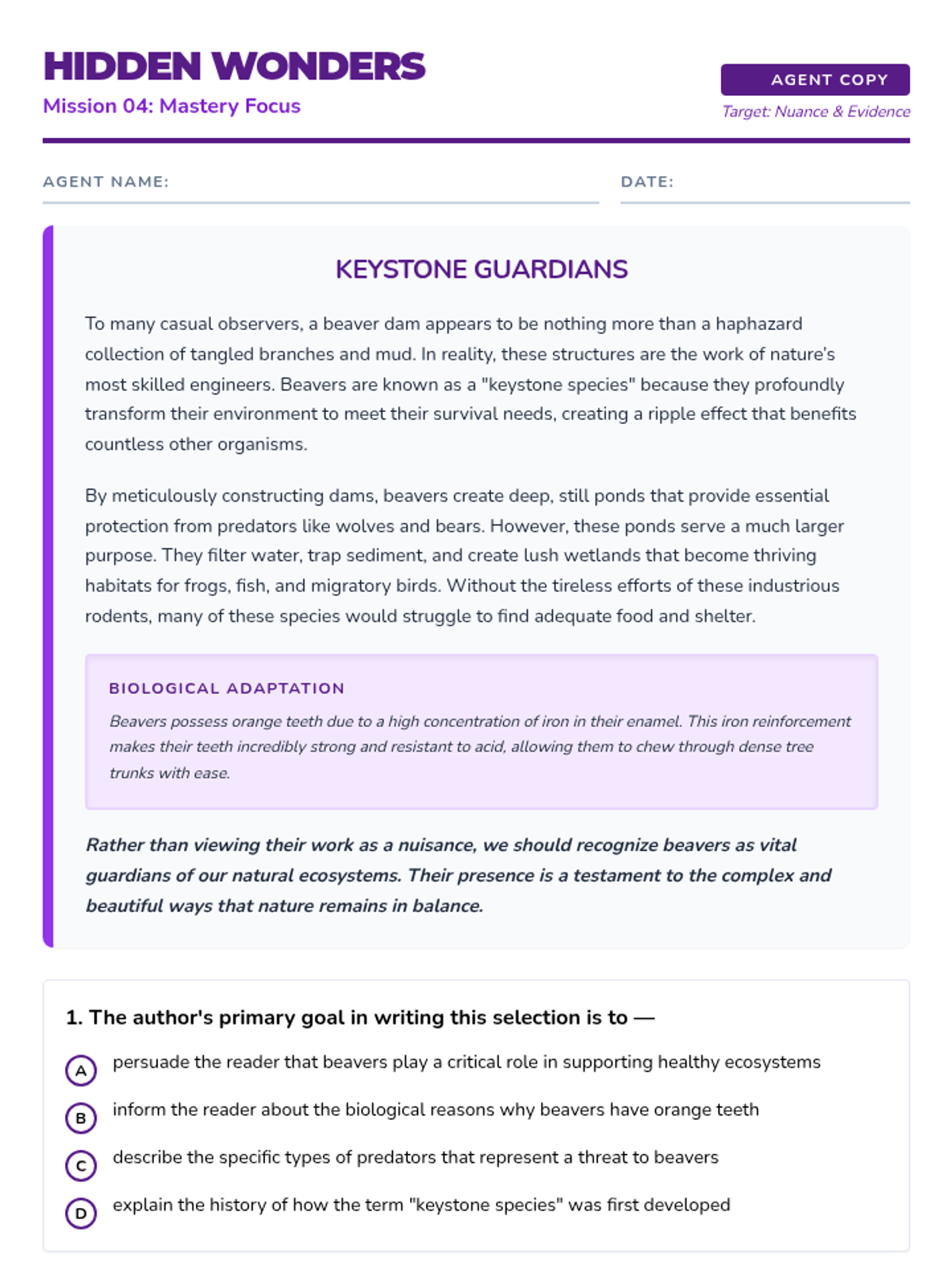
A 15-20 minute small group session for students at a higher 3rd-grade level, focusing on complex author's purpose and specific text features.
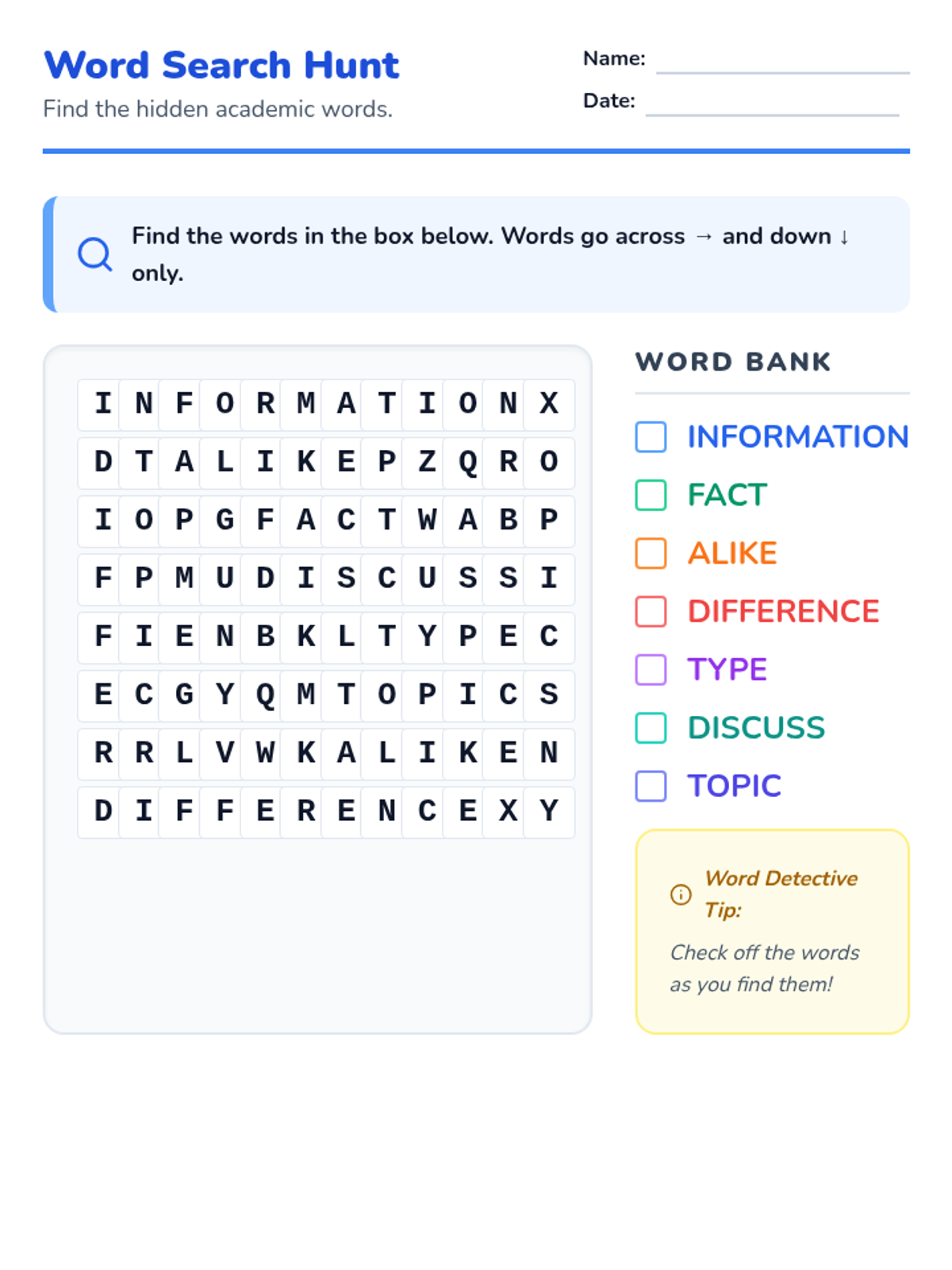
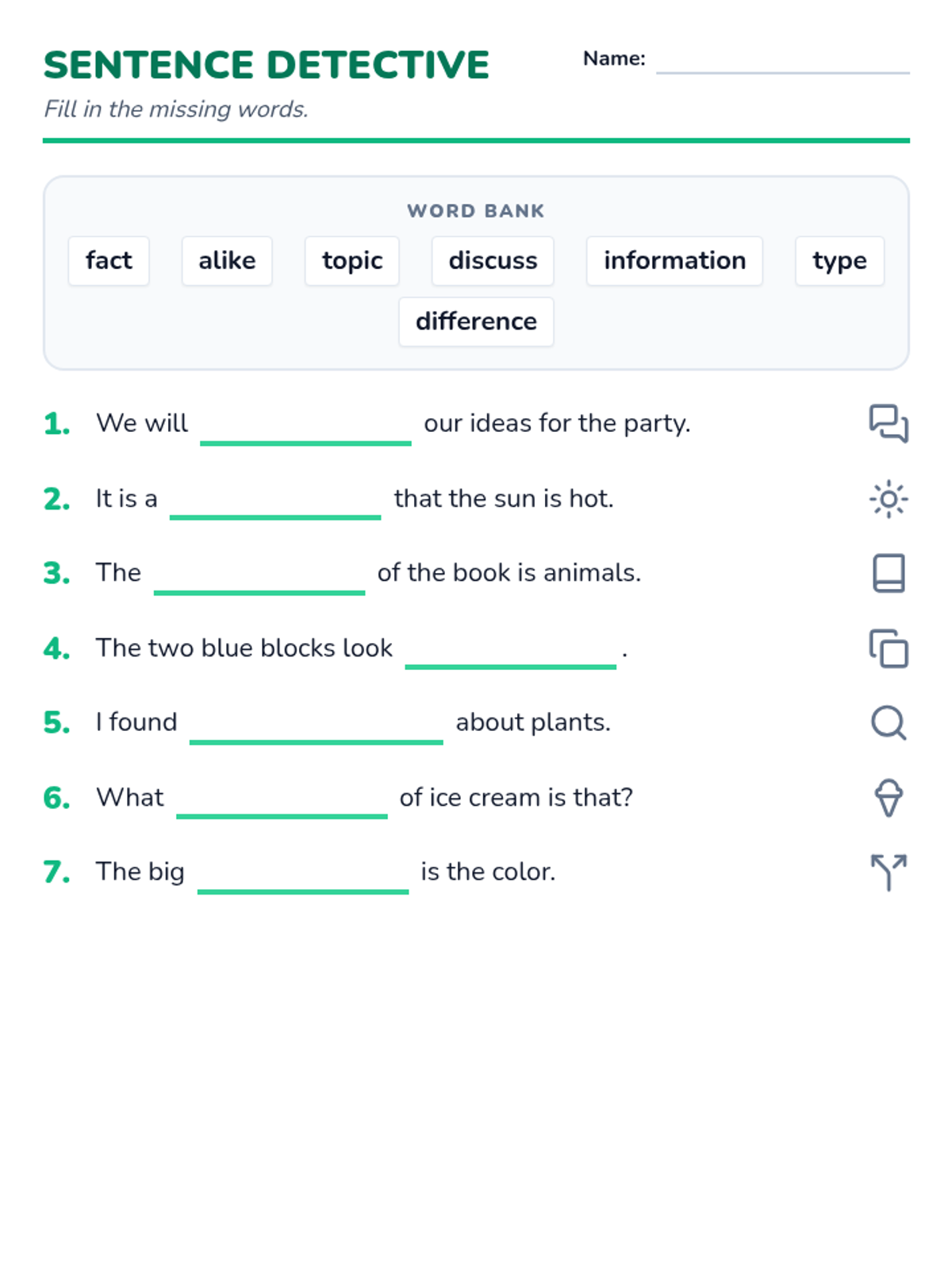
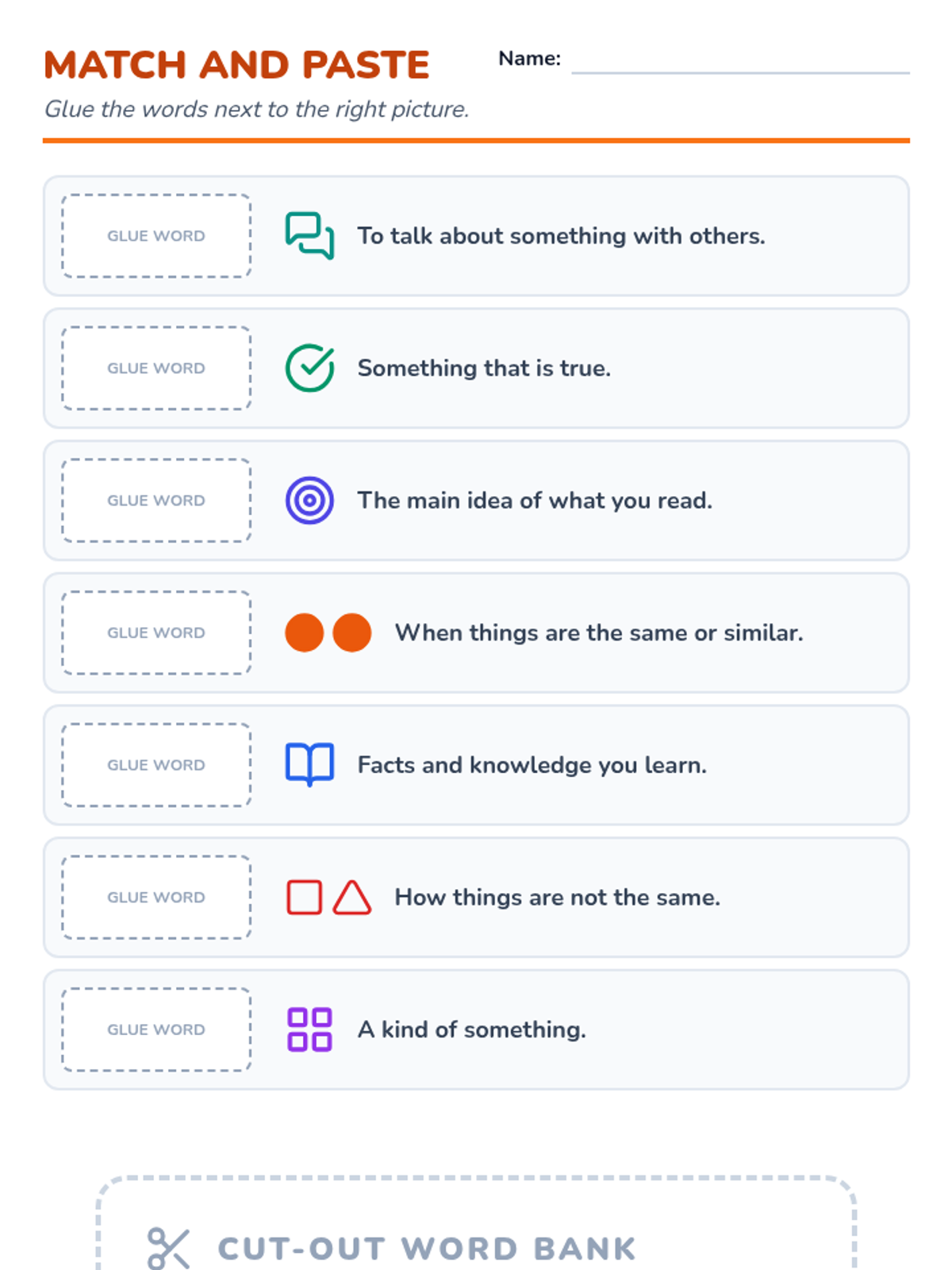
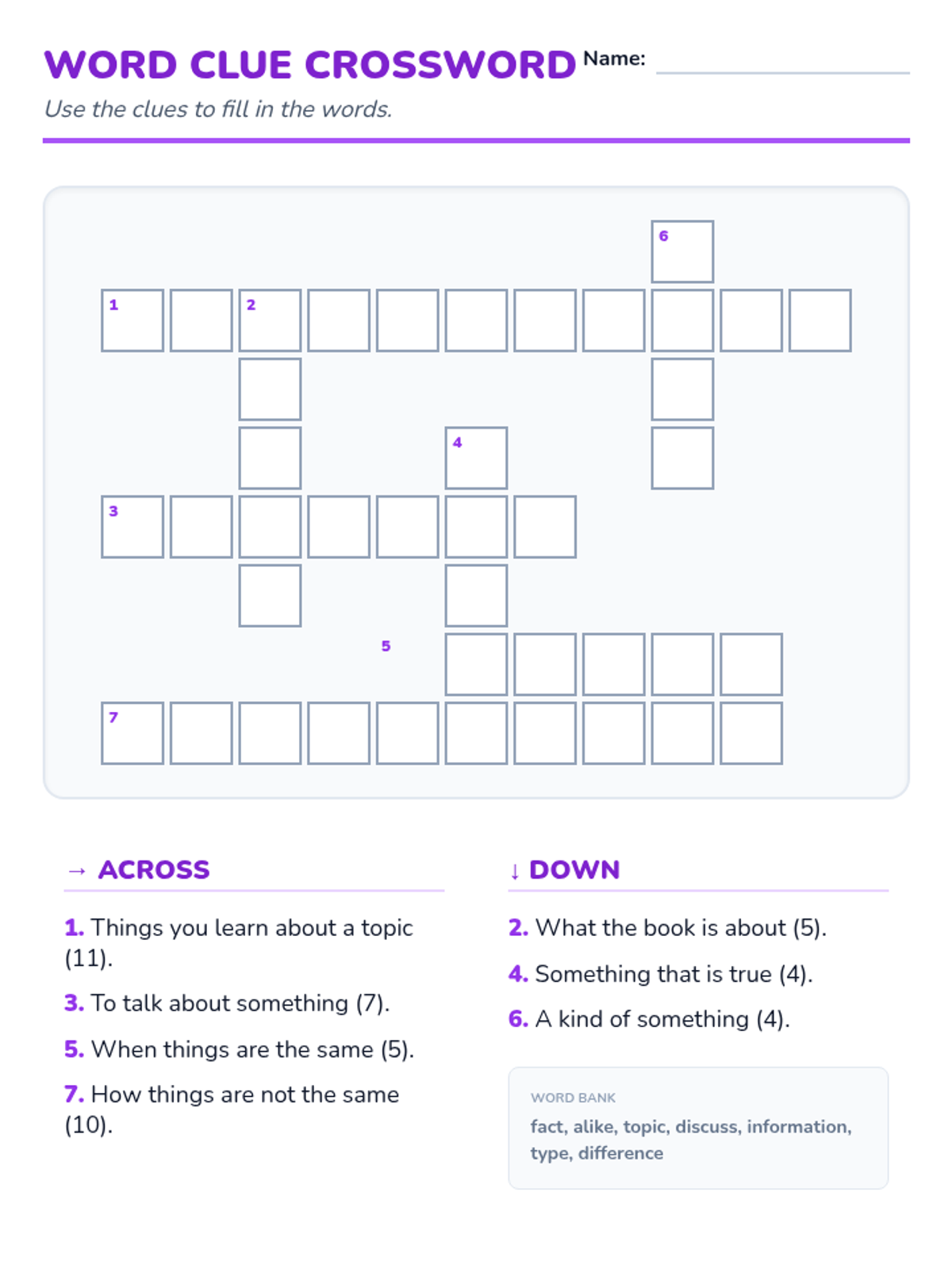
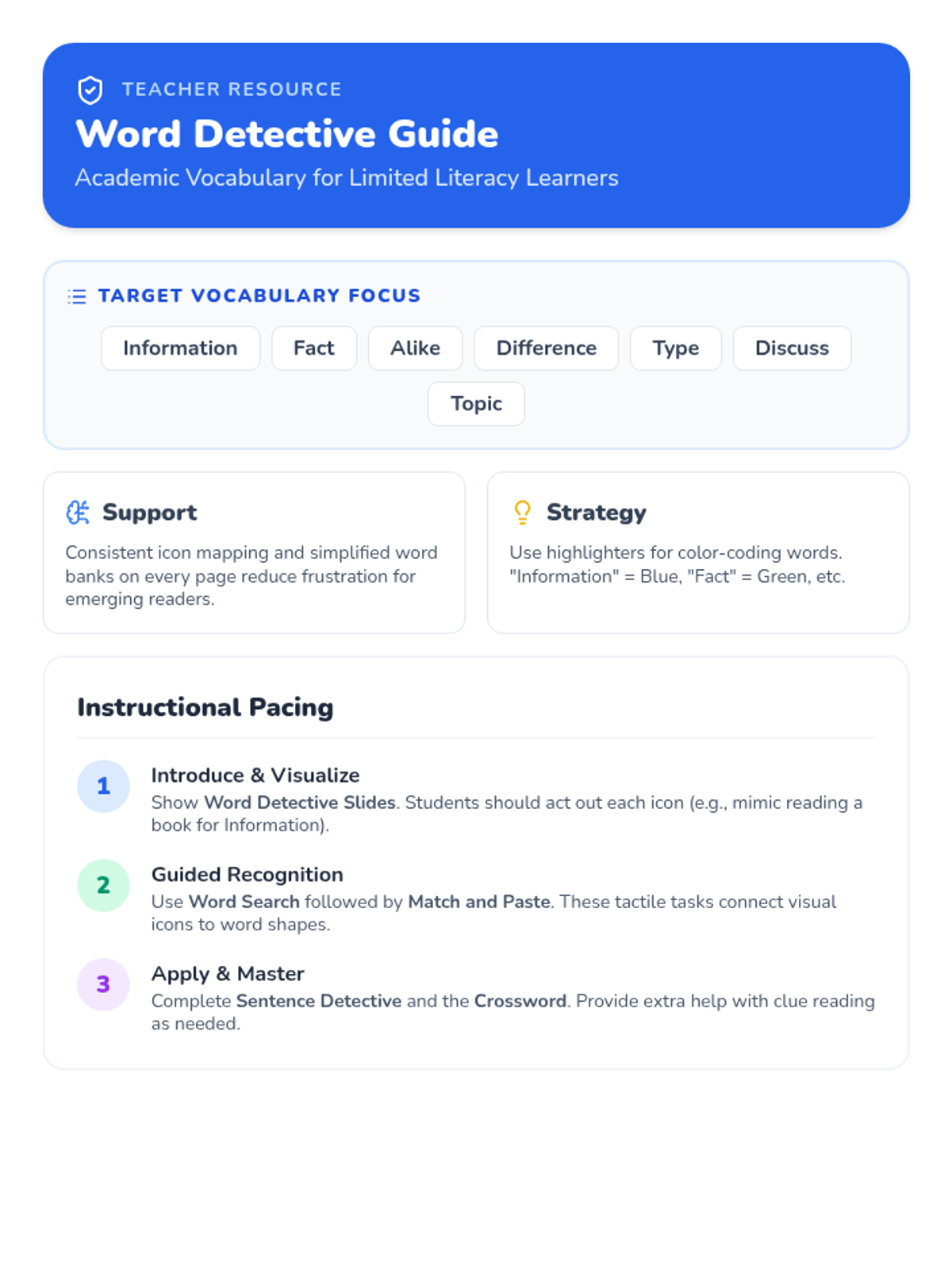
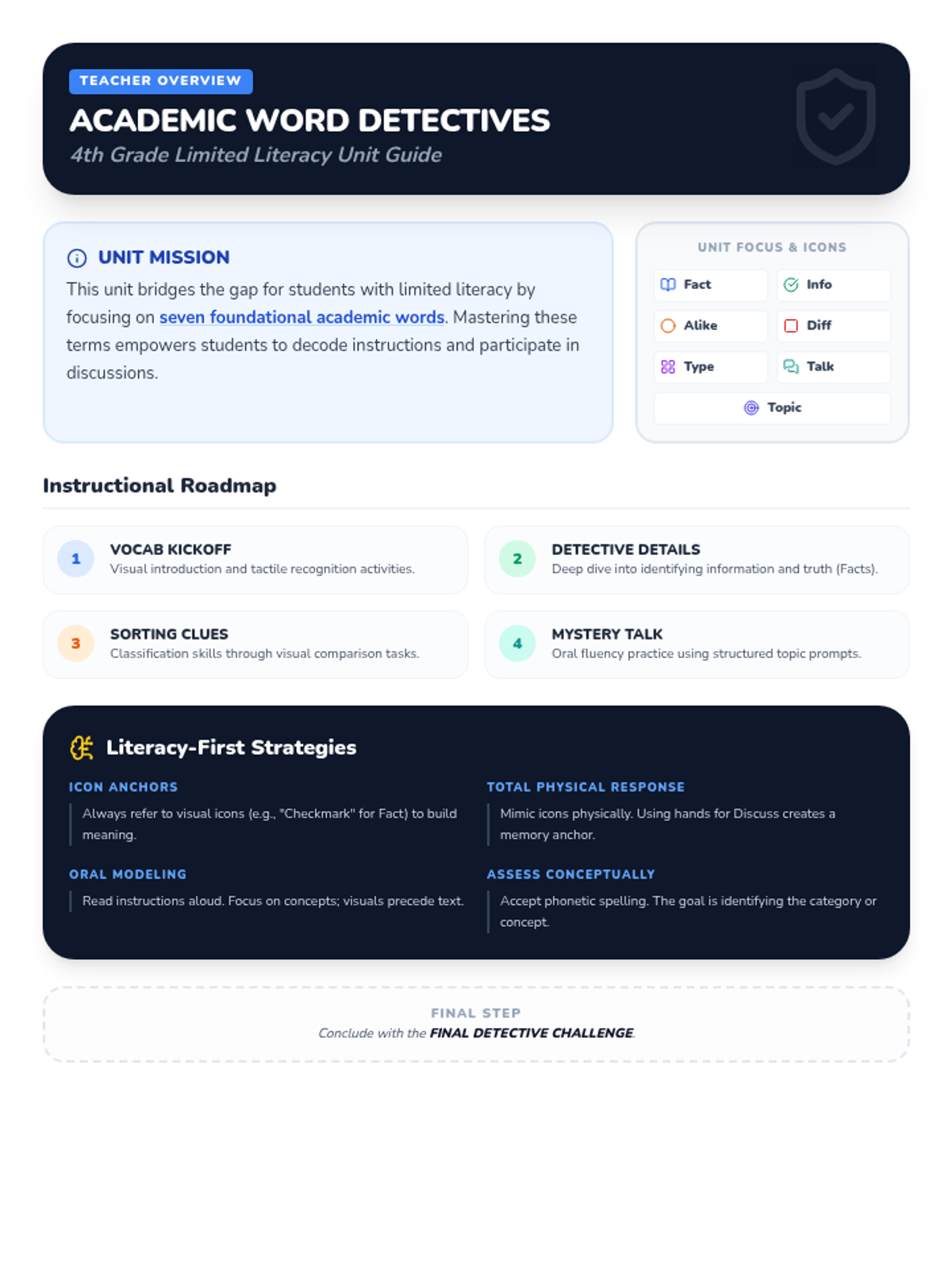
A collection of vocabulary-building resources designed for 4th-grade students with limited literacy. The lesson focuses on seven key academic terms: information, fact, alike, difference, type, discuss, and topic through visual and tactile activities.
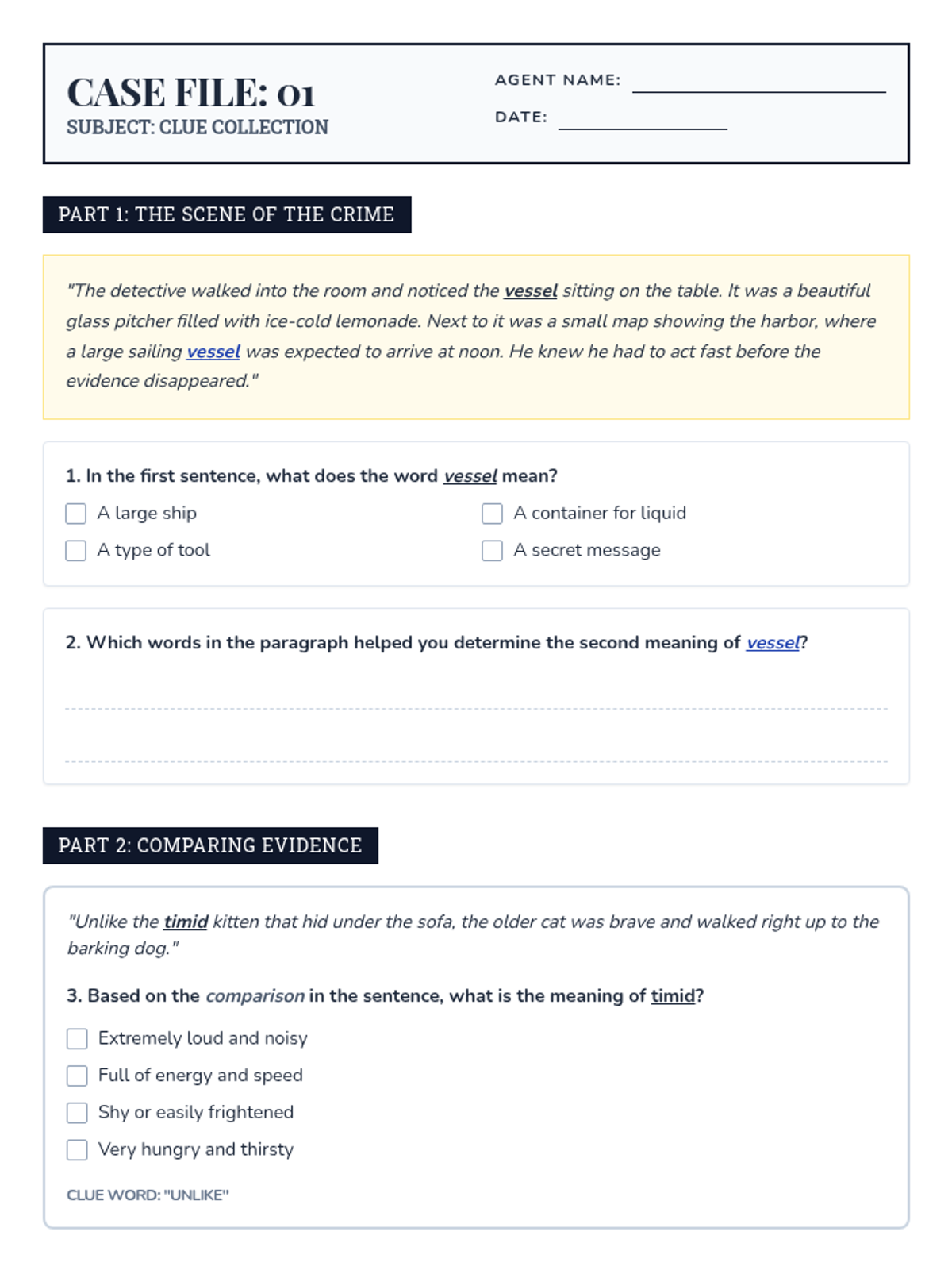
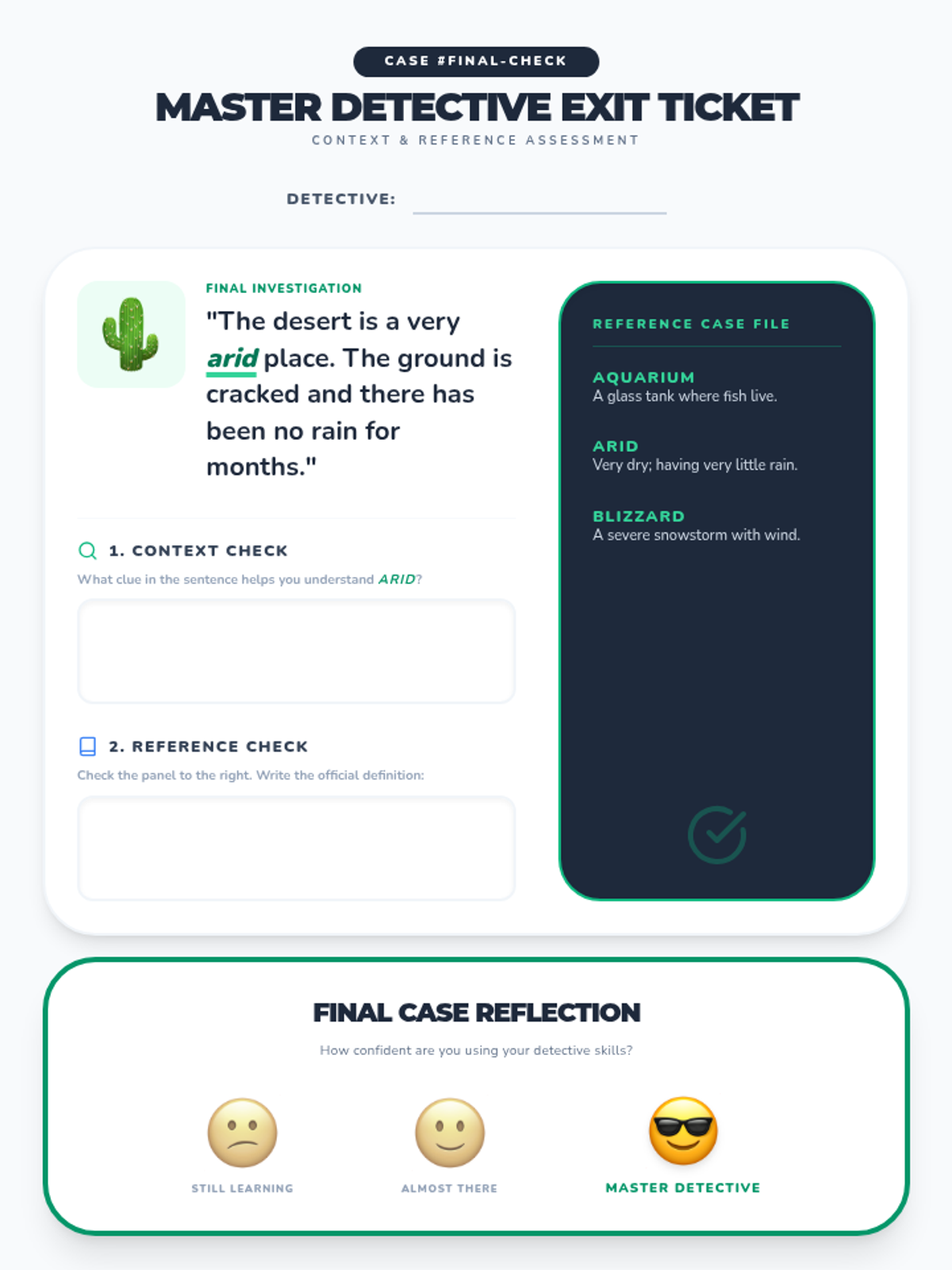
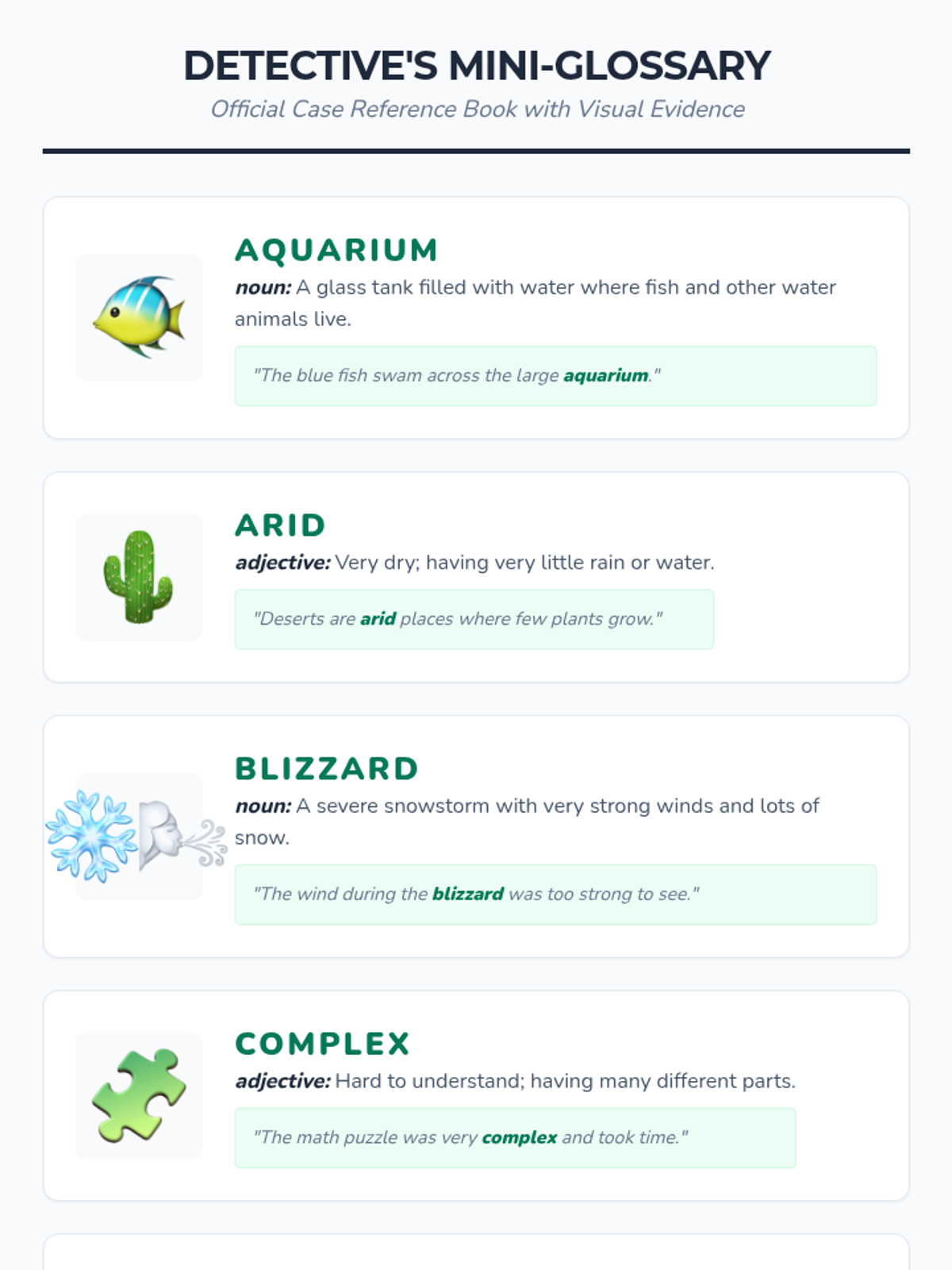
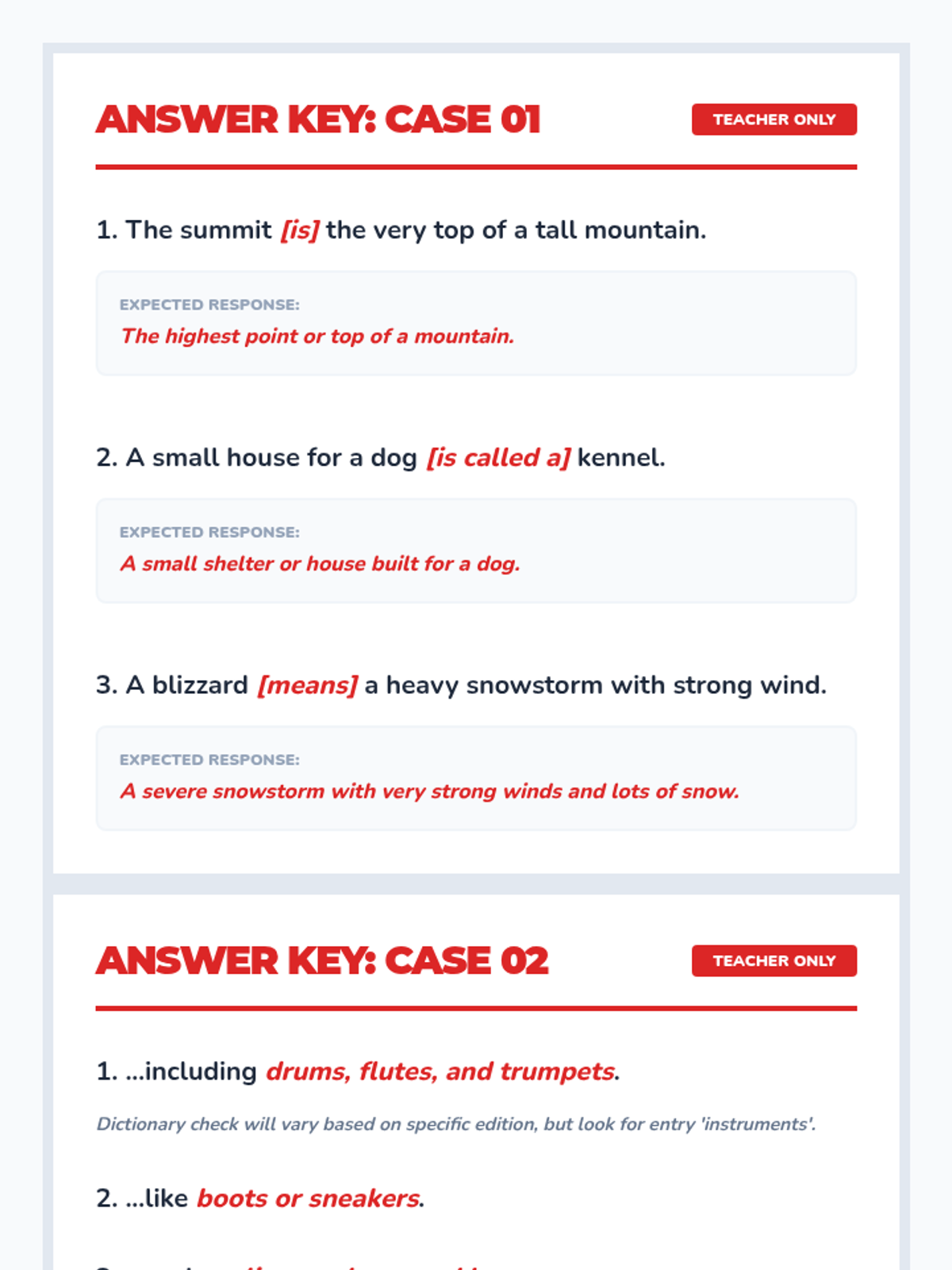
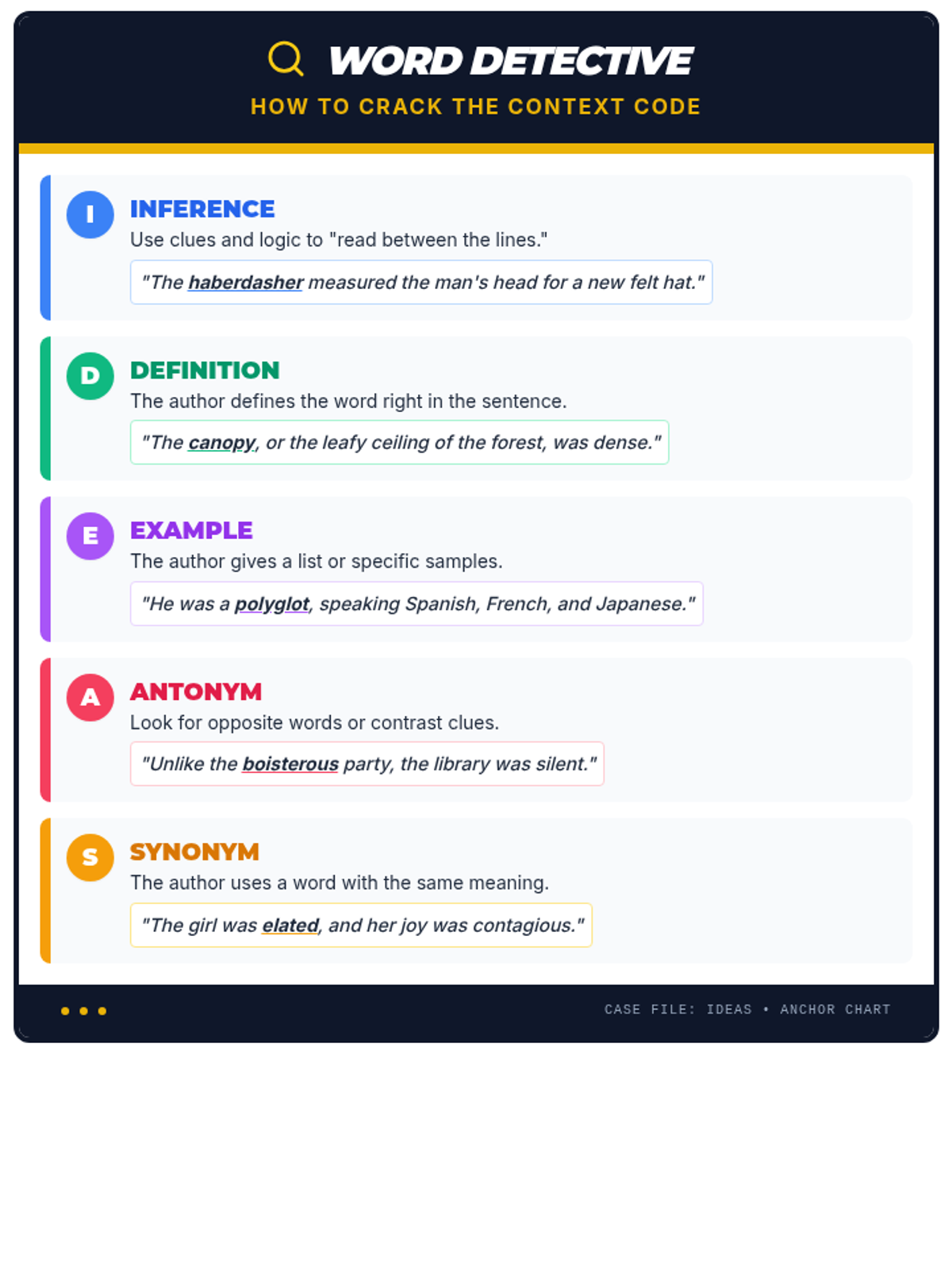
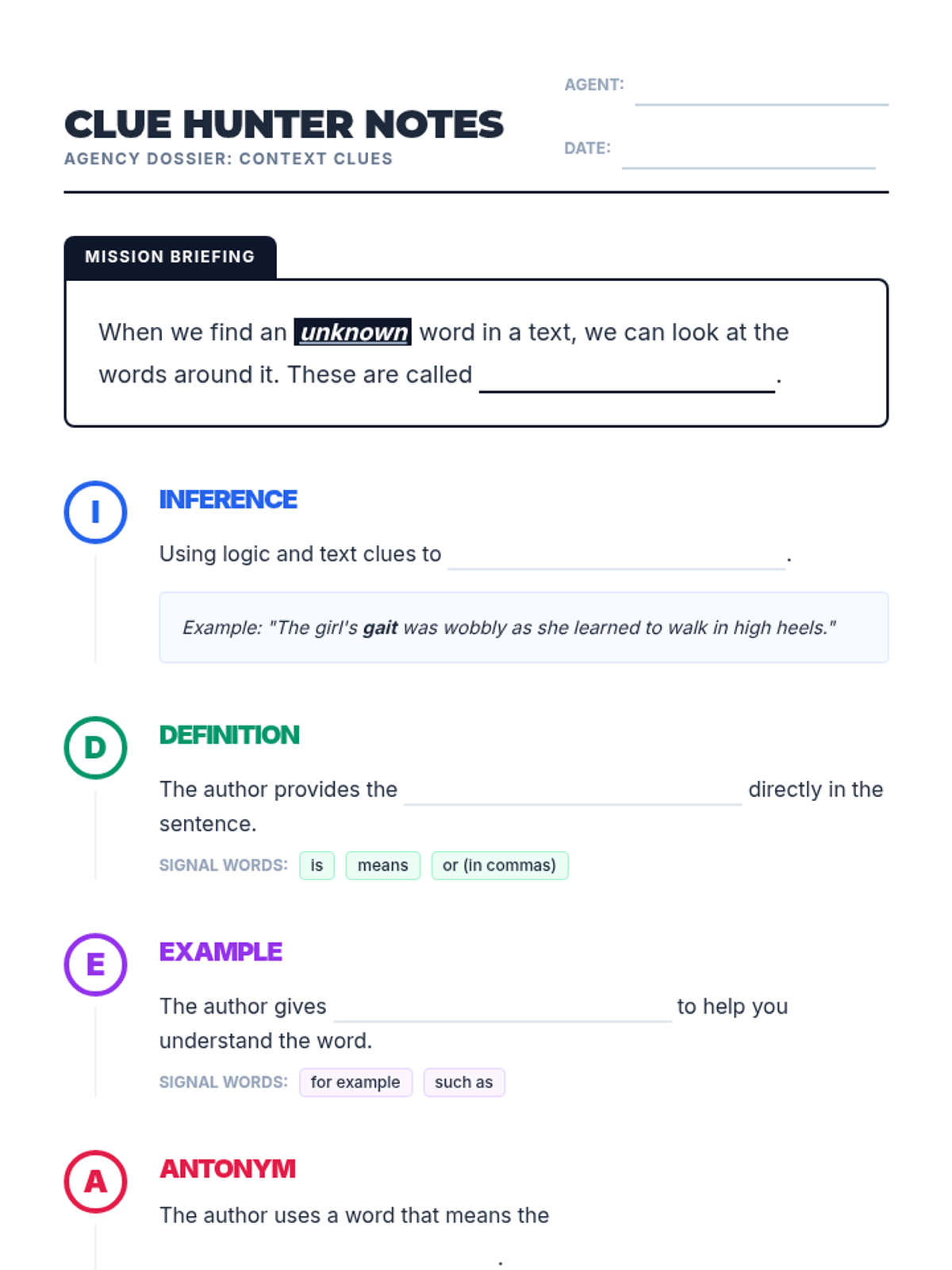
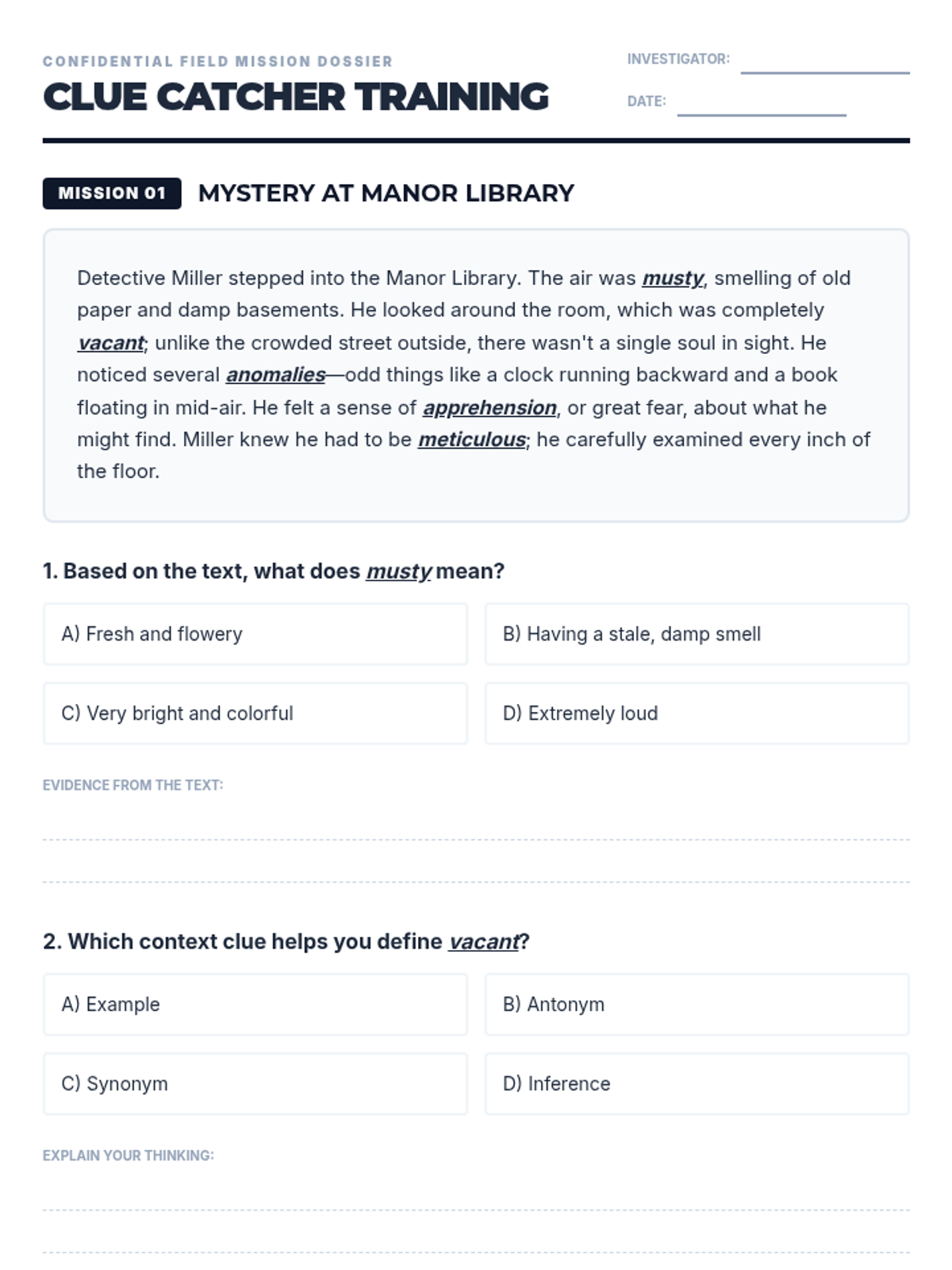
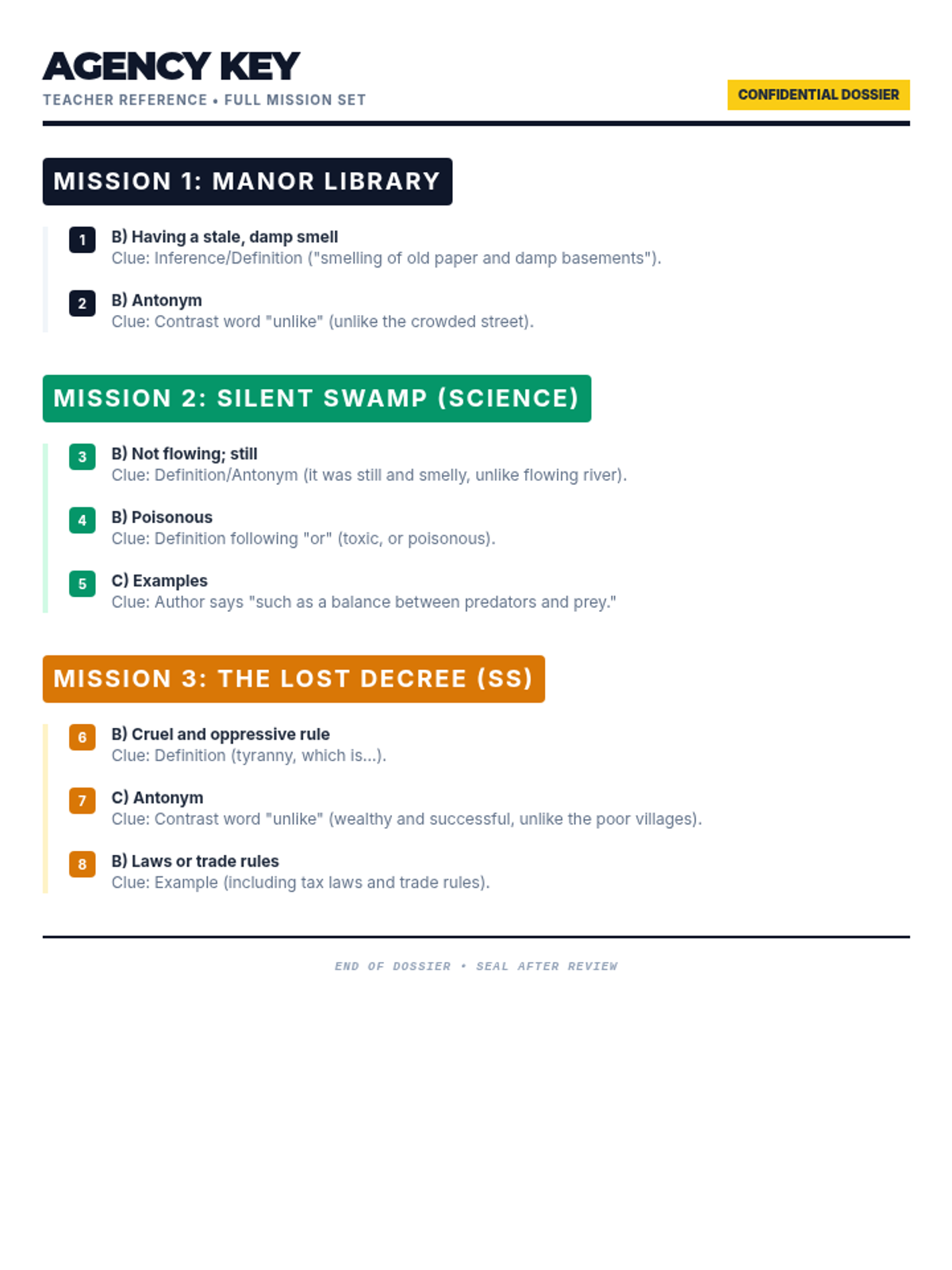
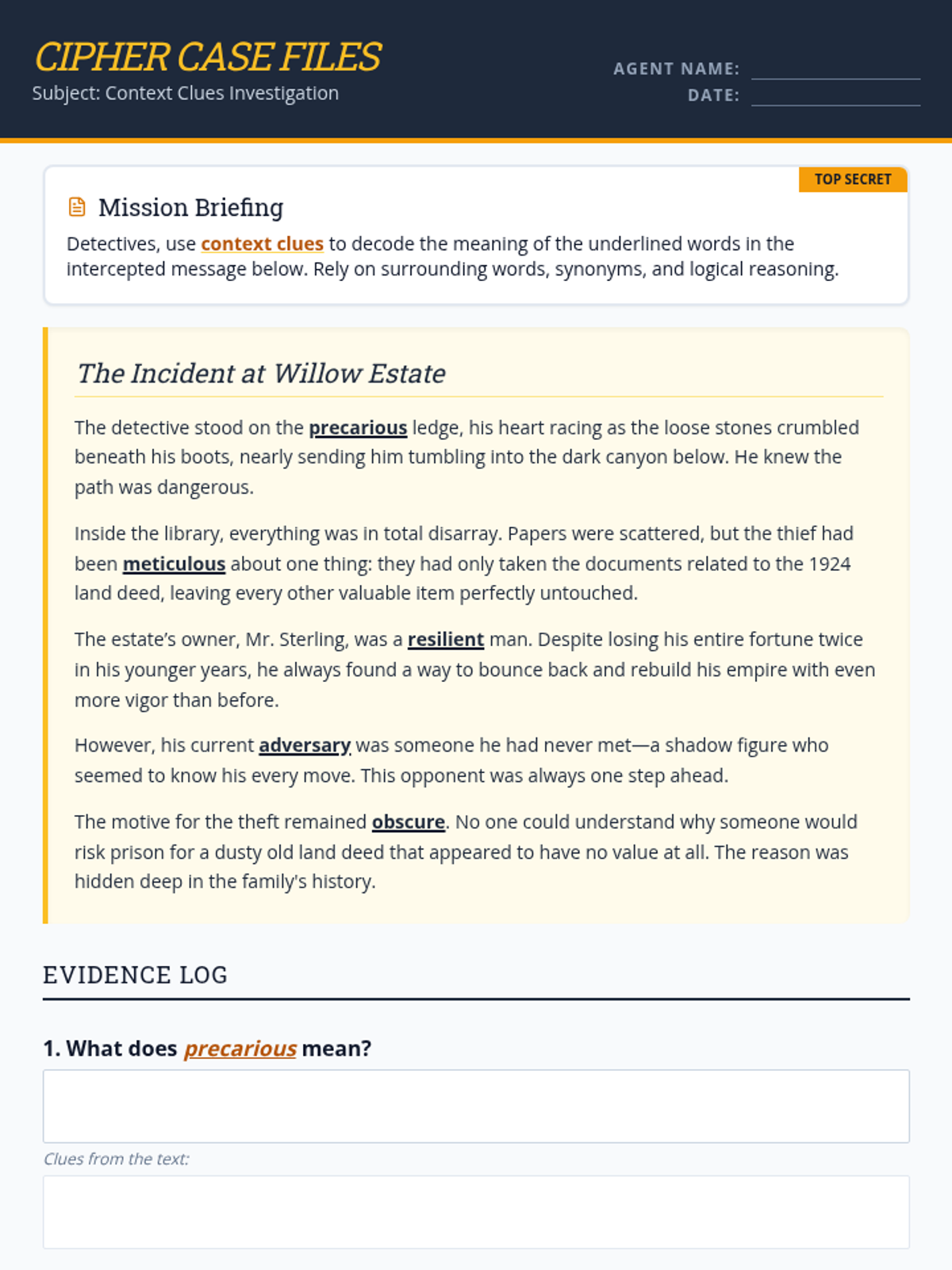
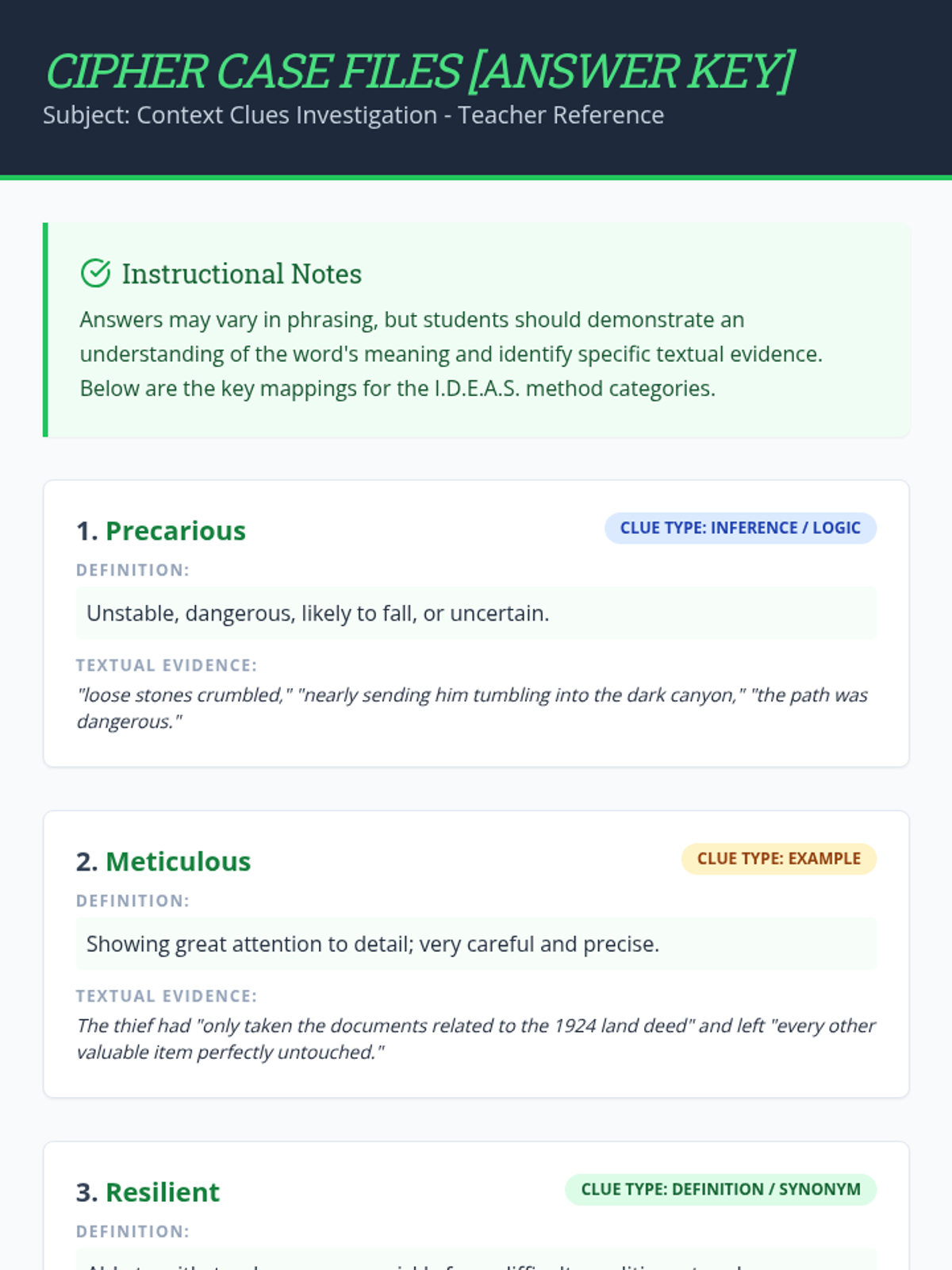
A comprehensive lesson on using context clues (Inference, Definition, Example, Antonym, Synonym) to decode unfamiliar vocabulary, featuring a detective-themed anchor chart, guided notes, and a story-based assessment.
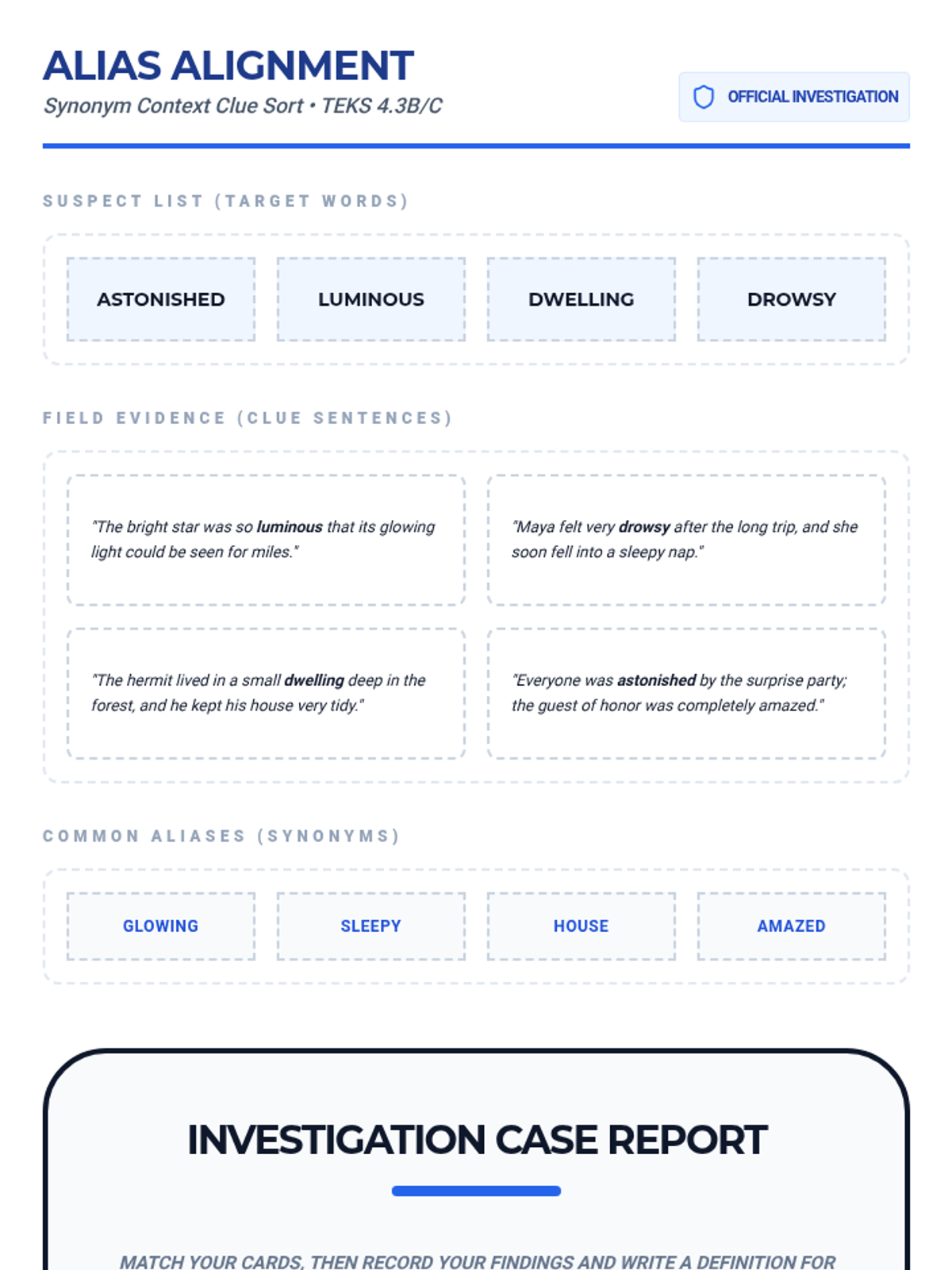
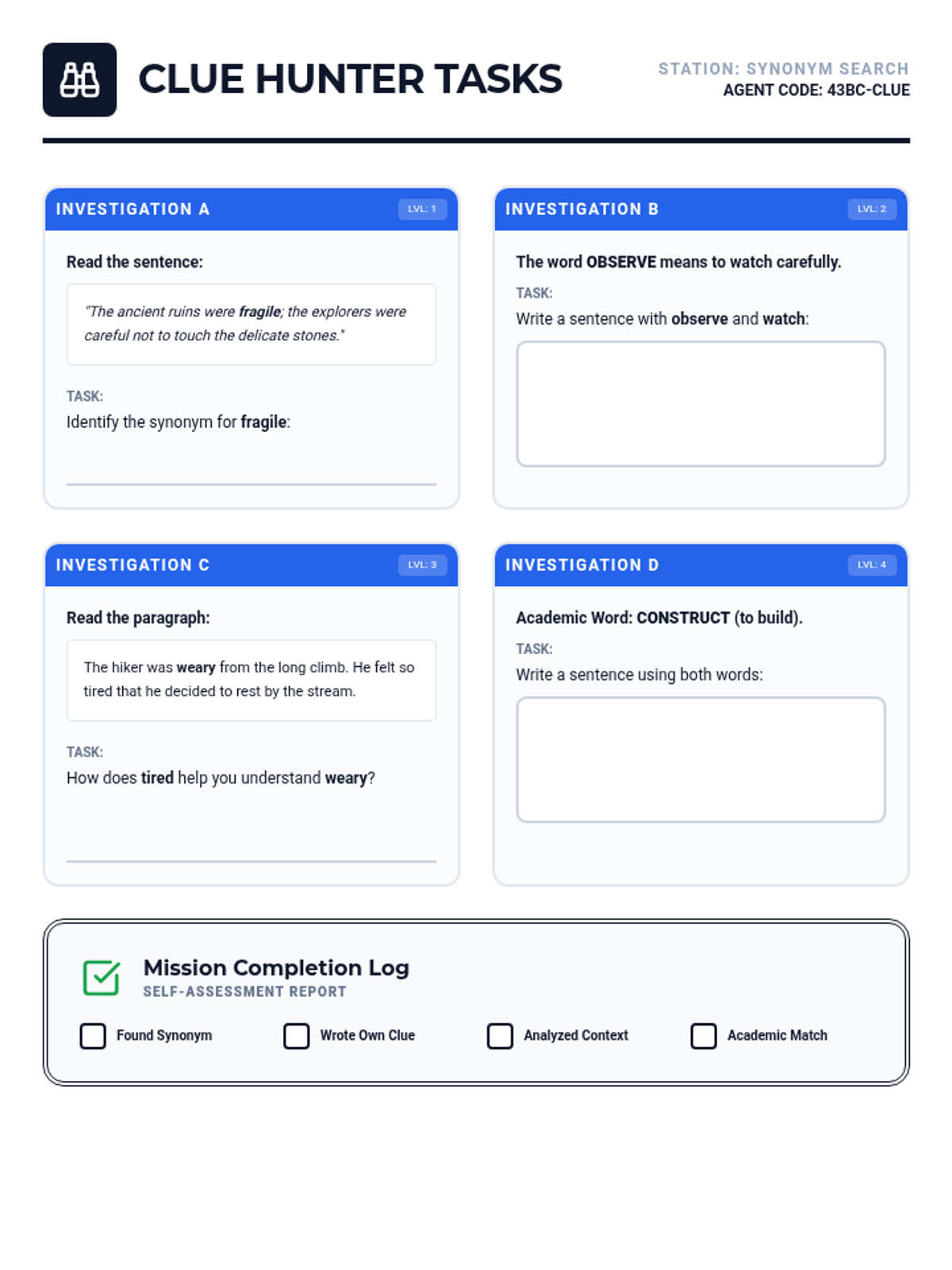
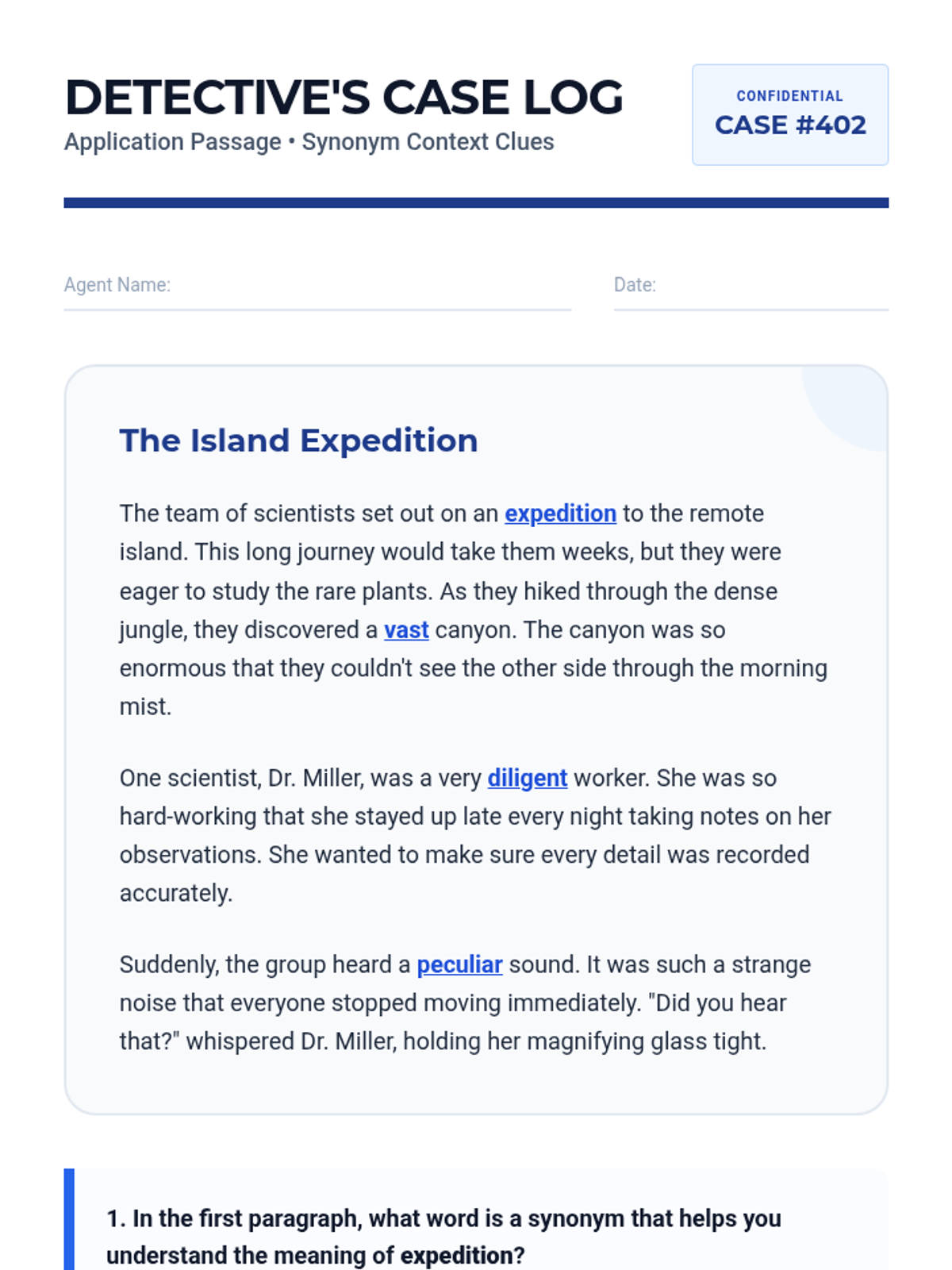
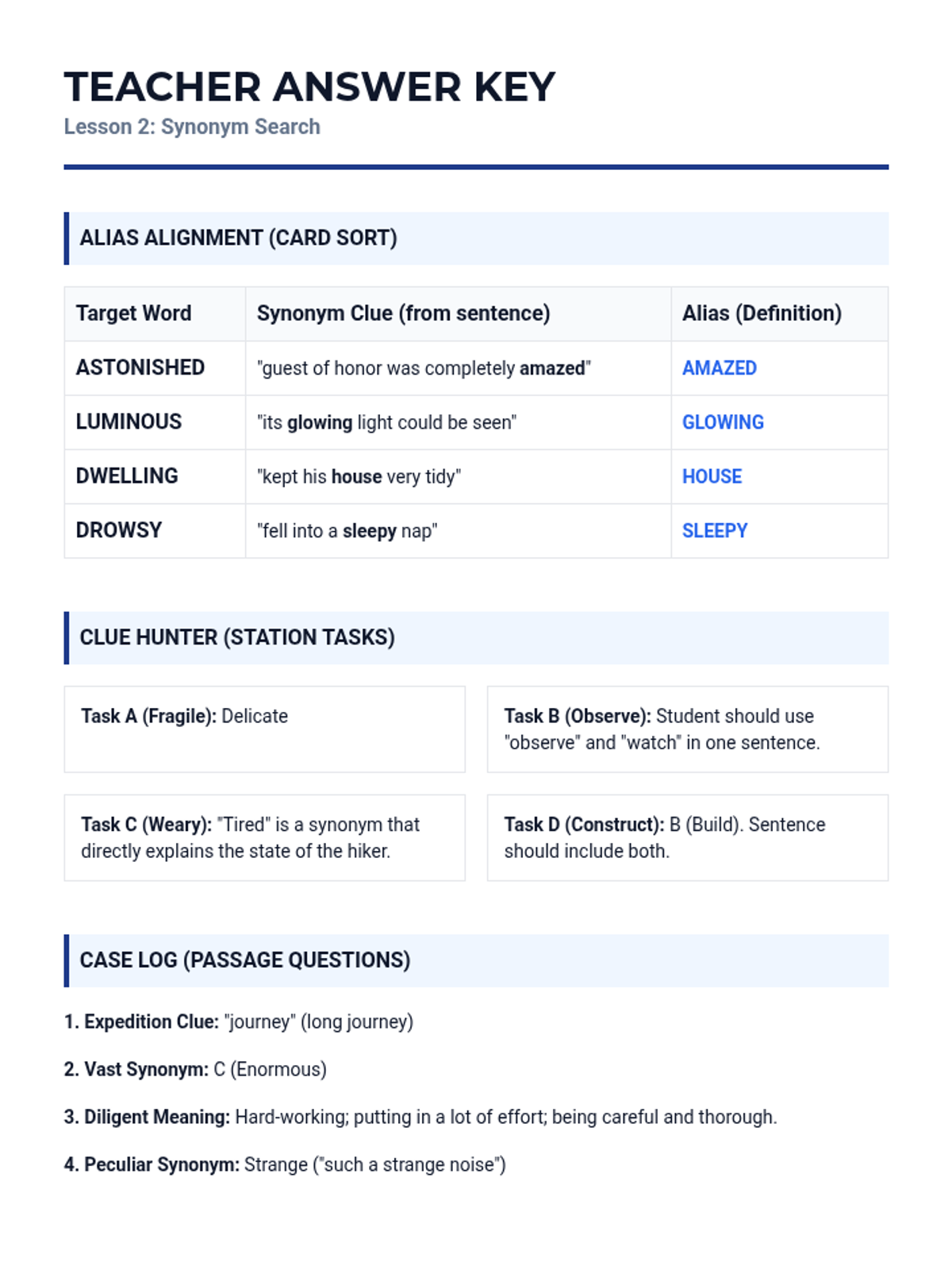
Students learn to identify synonyms within a text to unlock the meaning of unfamiliar words, focusing on reading rigor and application.
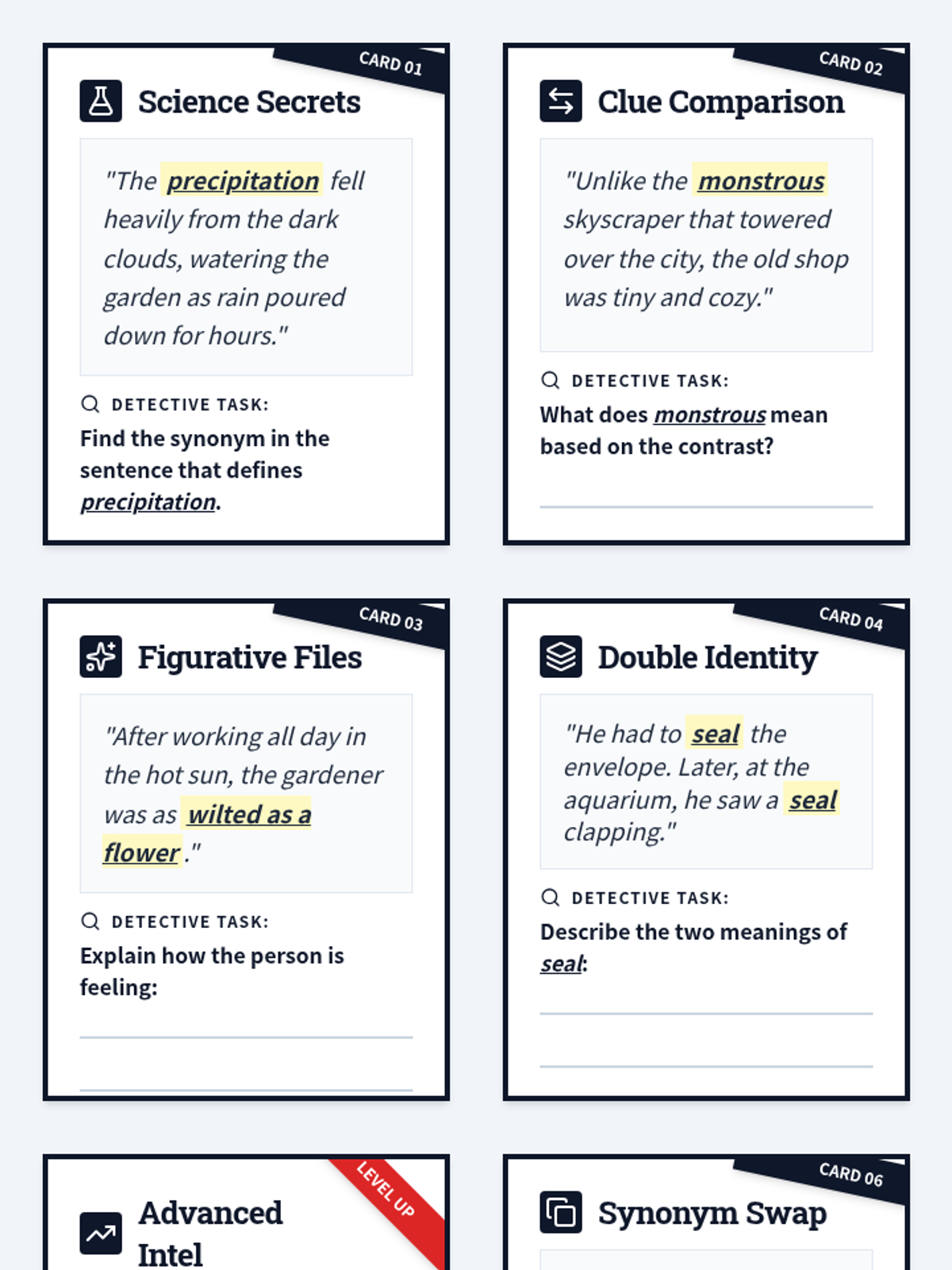
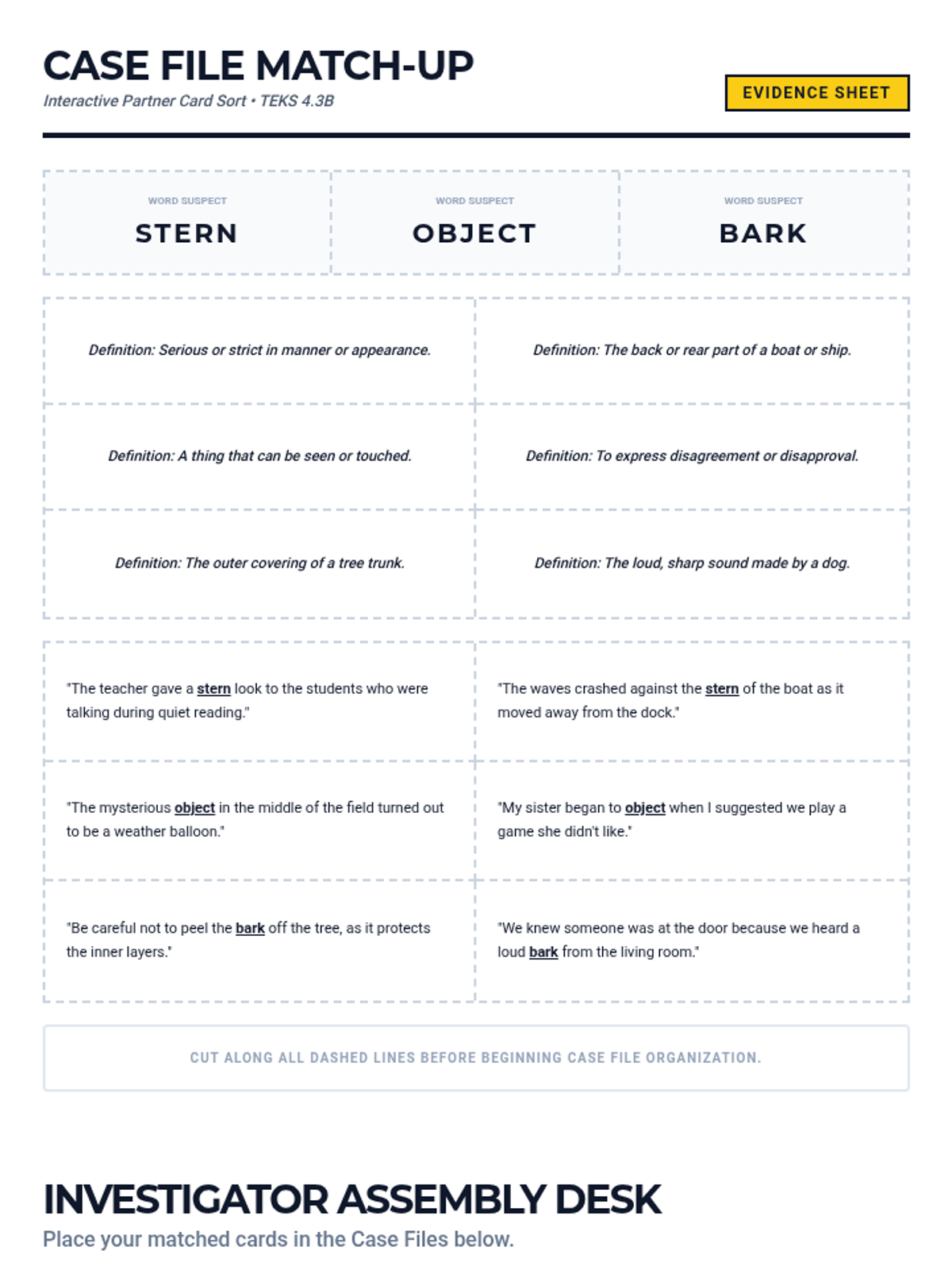
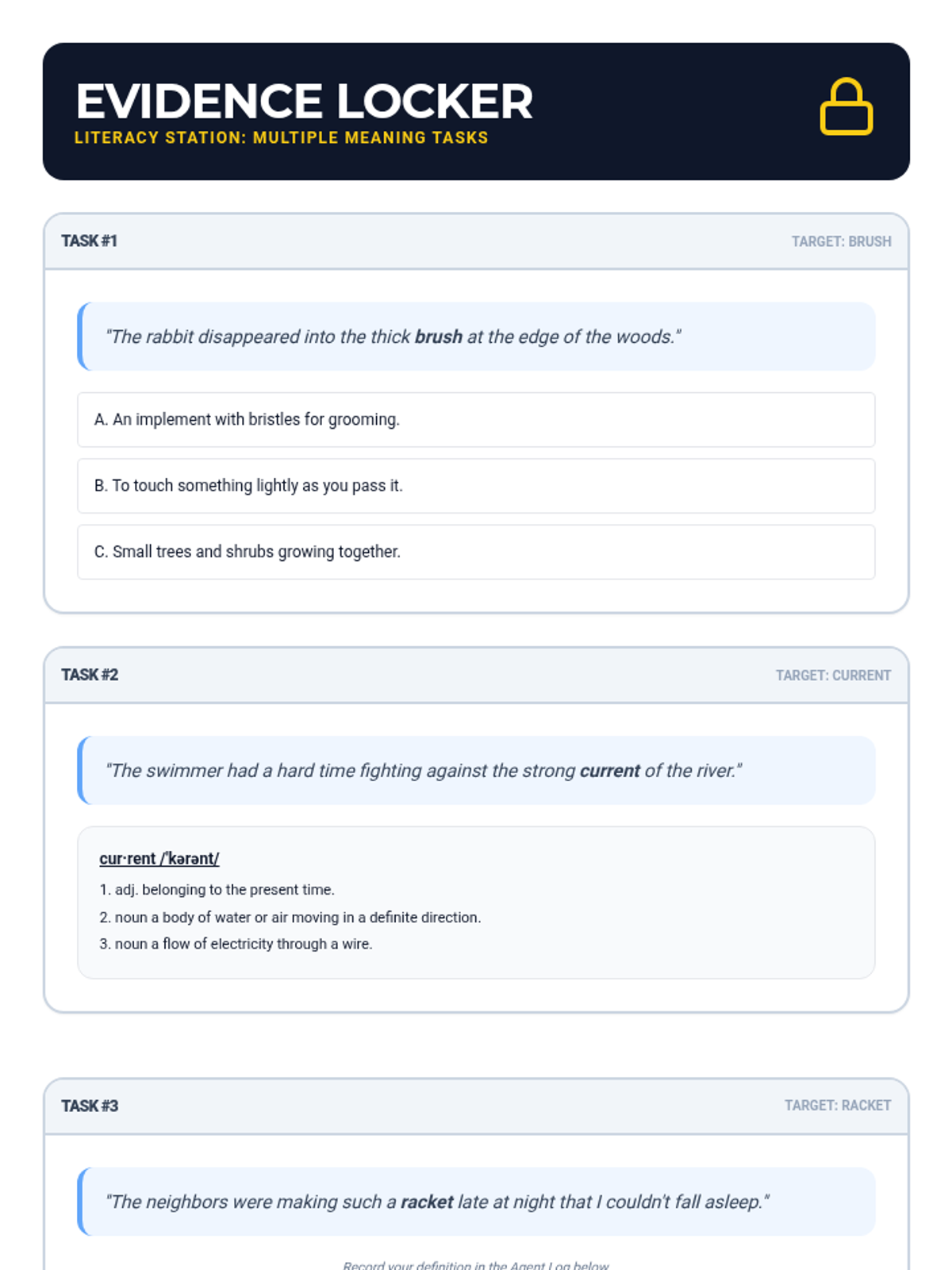
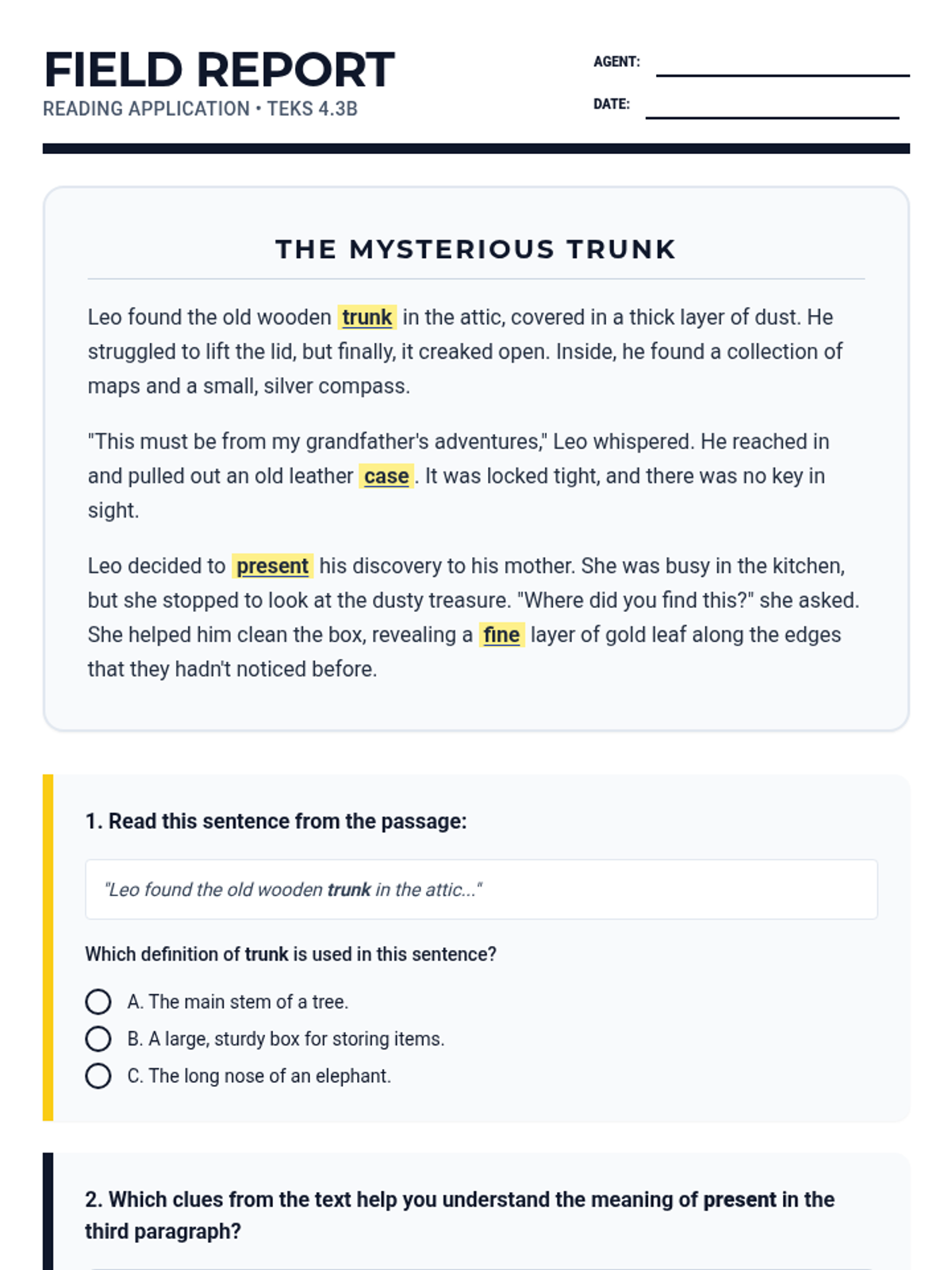
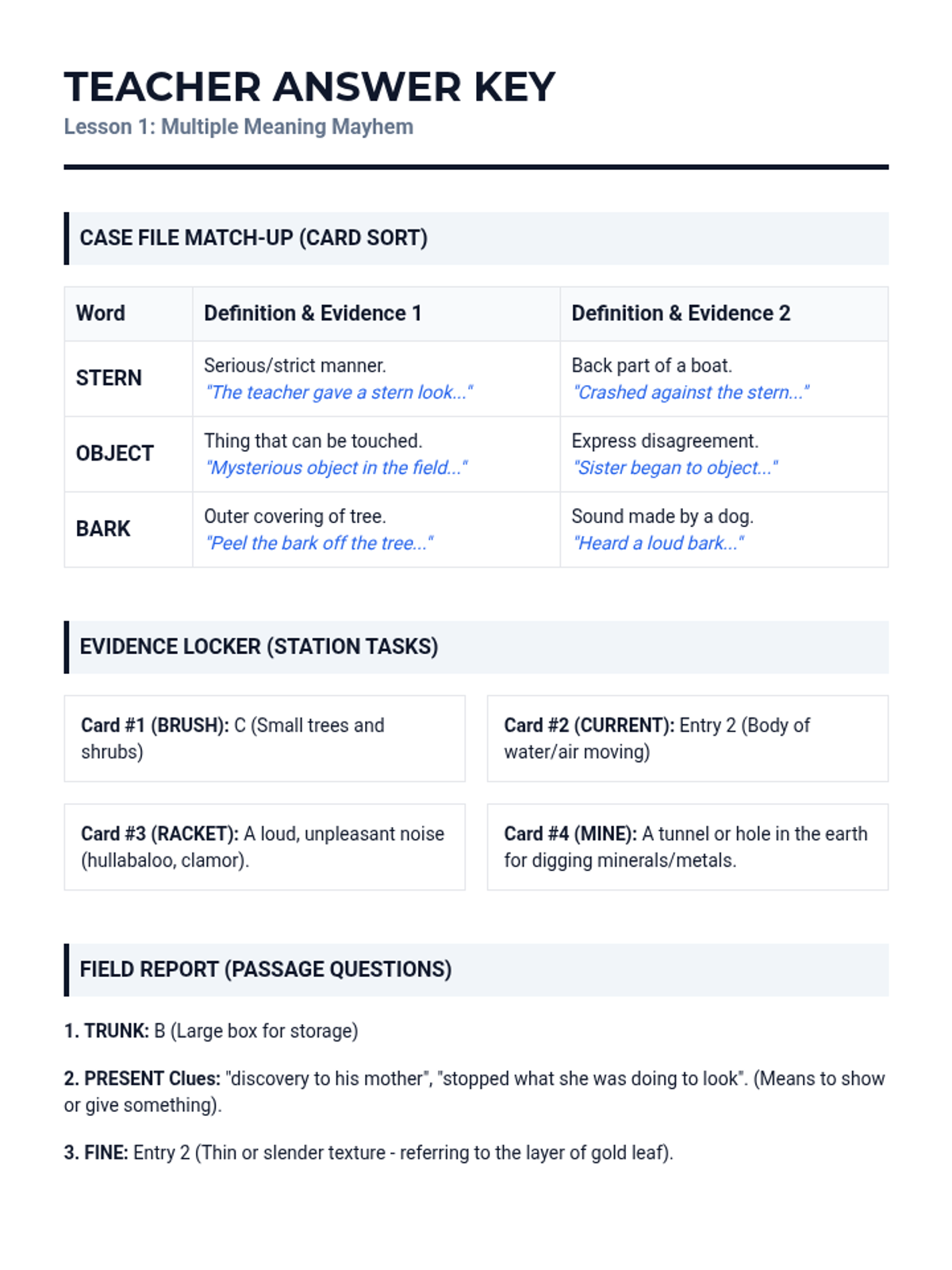
Students investigate how words can have more than one meaning and use context clues within and beyond sentences to determine the correct definition.
A lesson where students become 'Lexicon Detectives' to uncover the meaning of challenging words using specific context clue strategies like synonyms, antonyms, and logic.
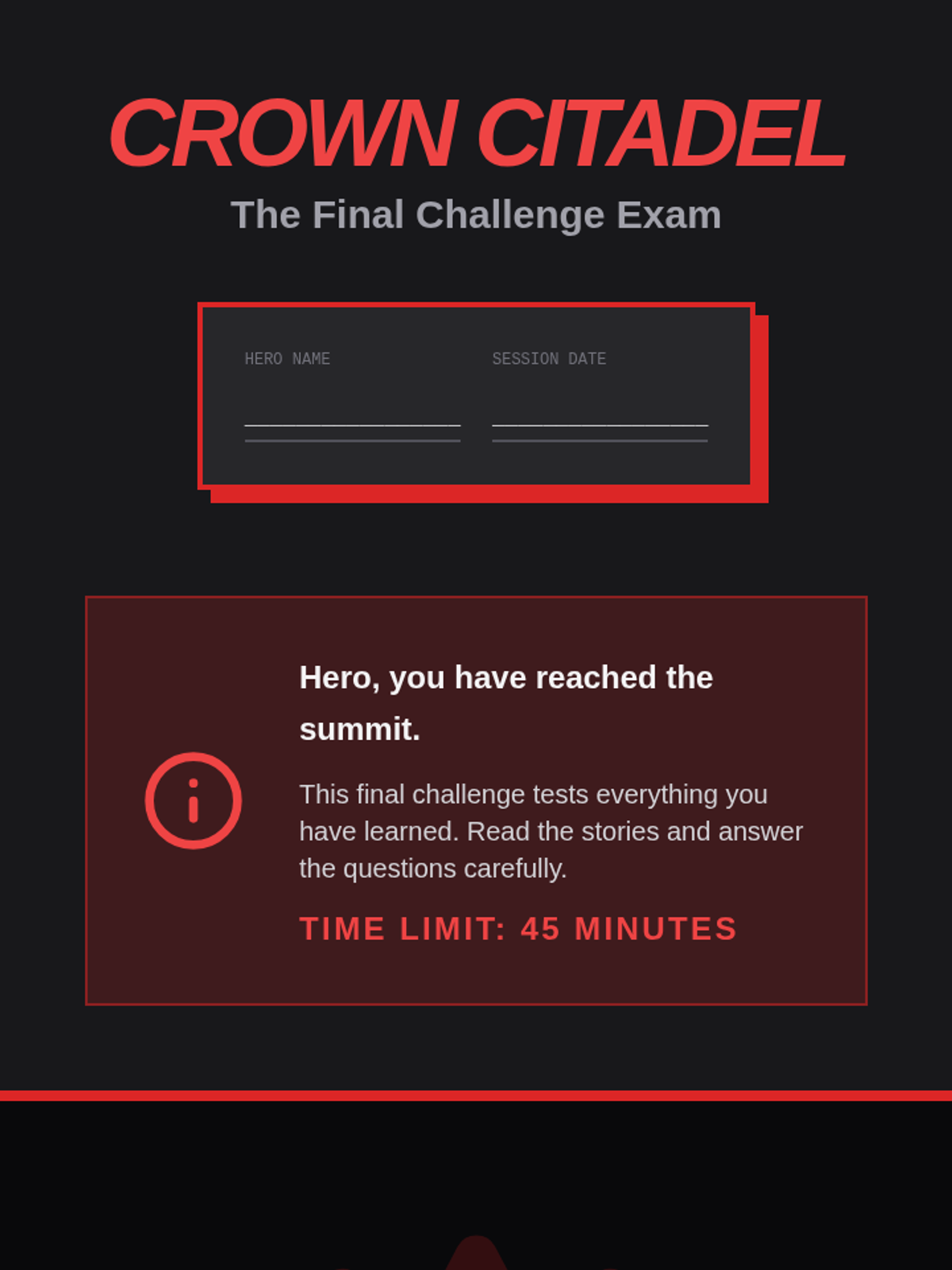
A comprehensive mock exam presented as a final boss battle to test all reading skills.
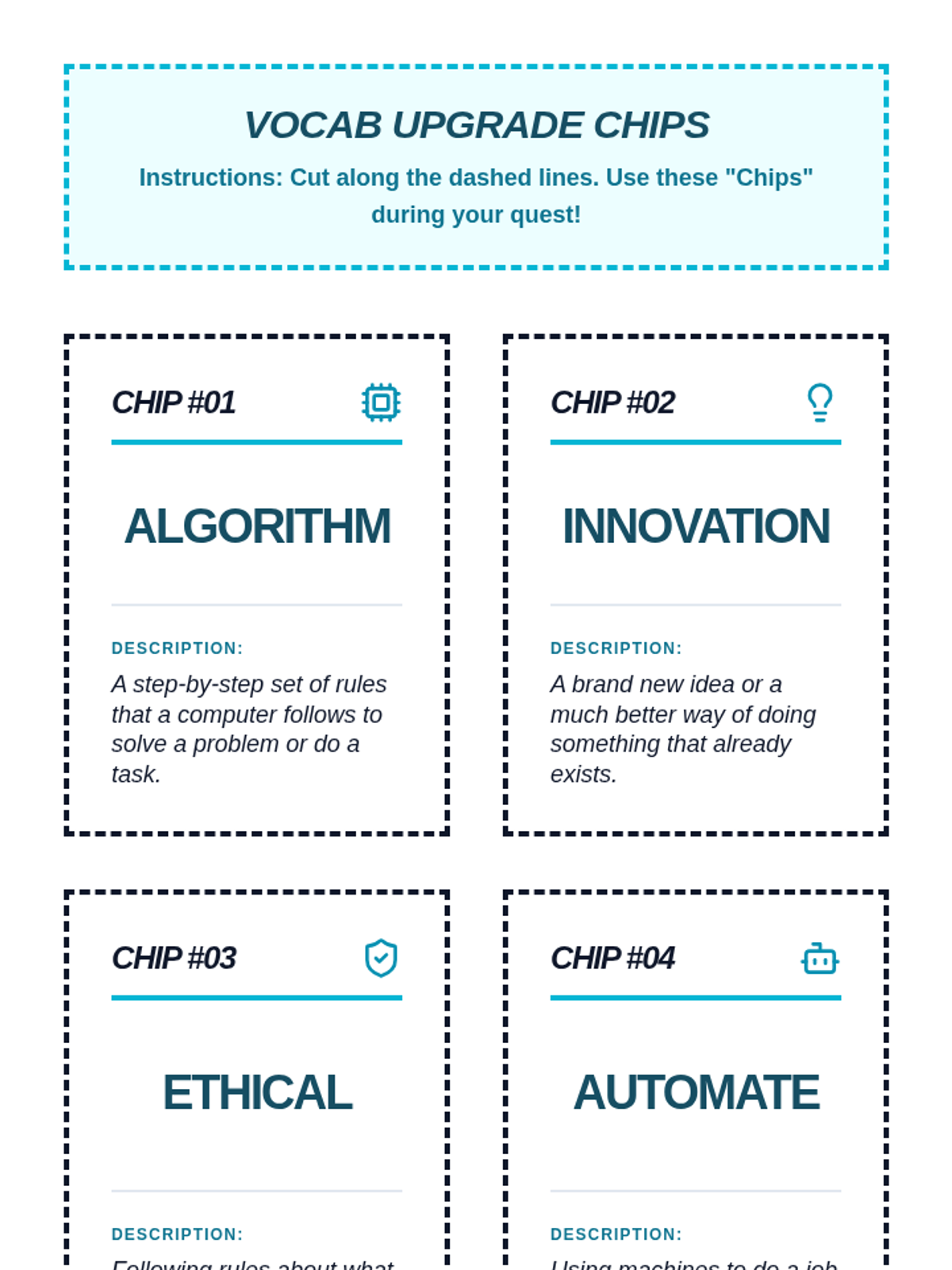
Focuses on informational text and vocabulary acquisition through a high-tech data vault theme.
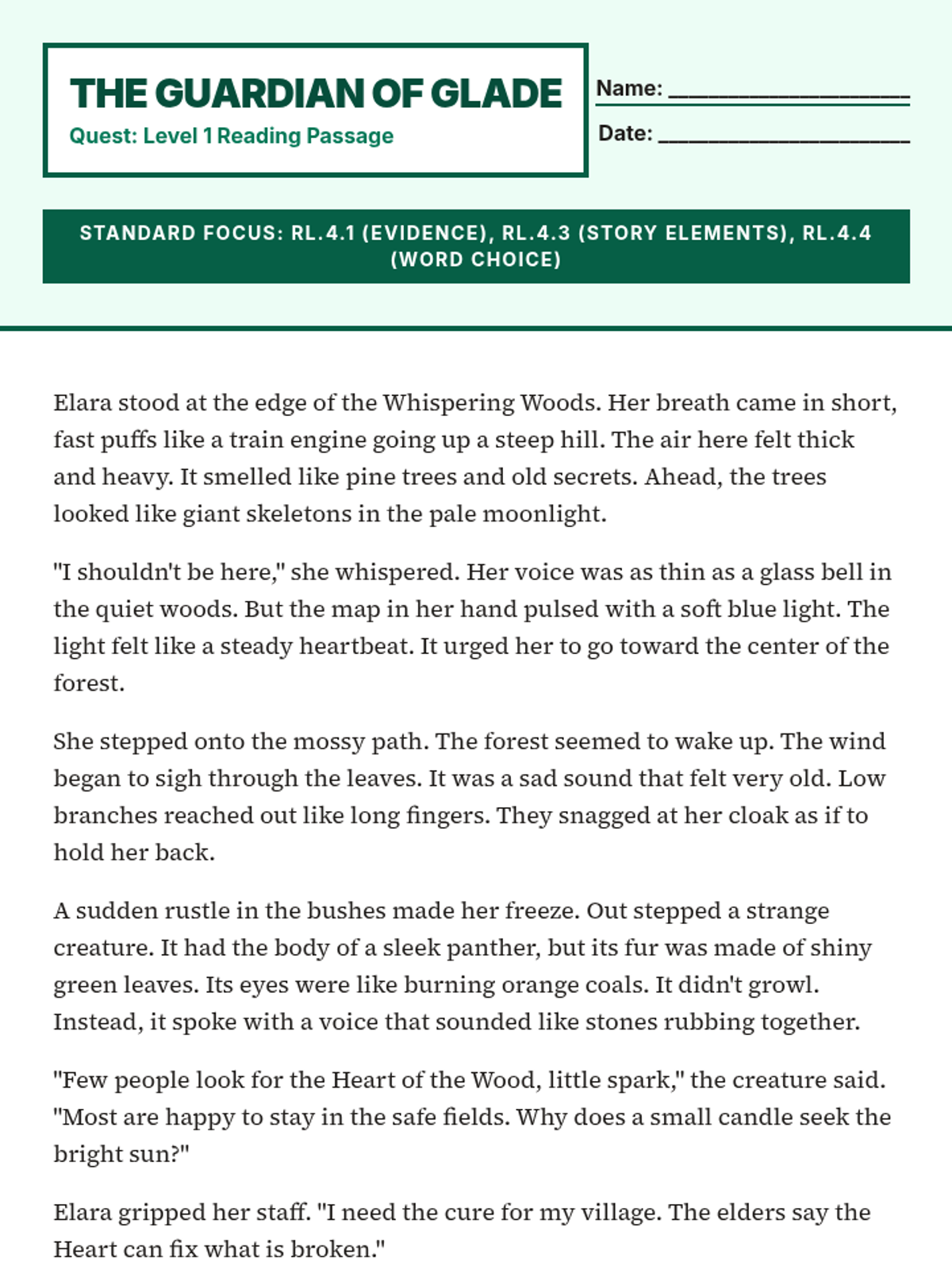
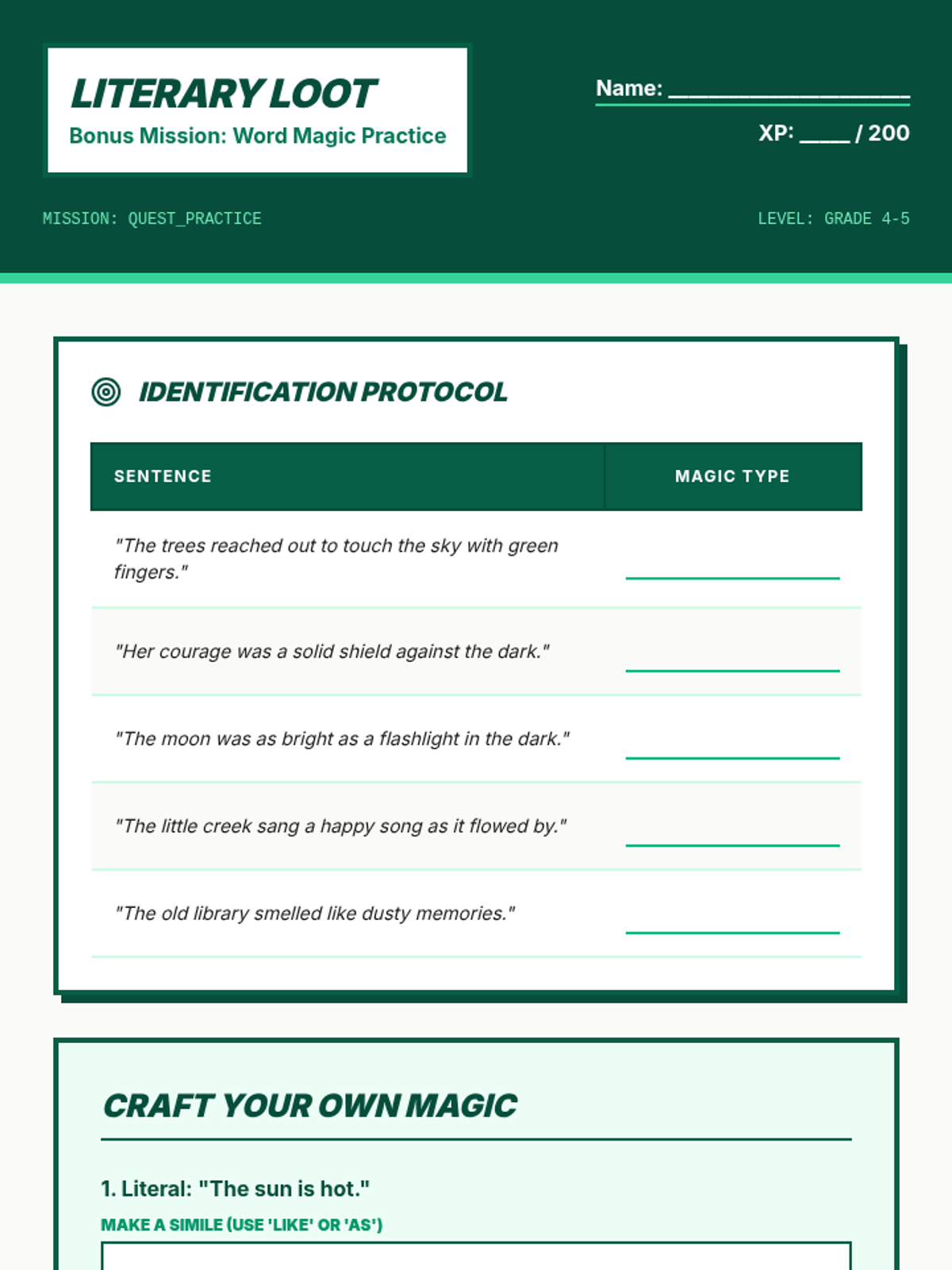
Focuses on literature and figurative language through the theme of an enchanted forest quest.
A collection of five reading passages and comprehension questions designed for beginning 4th-grade students to practice literal and inferential reading skills.
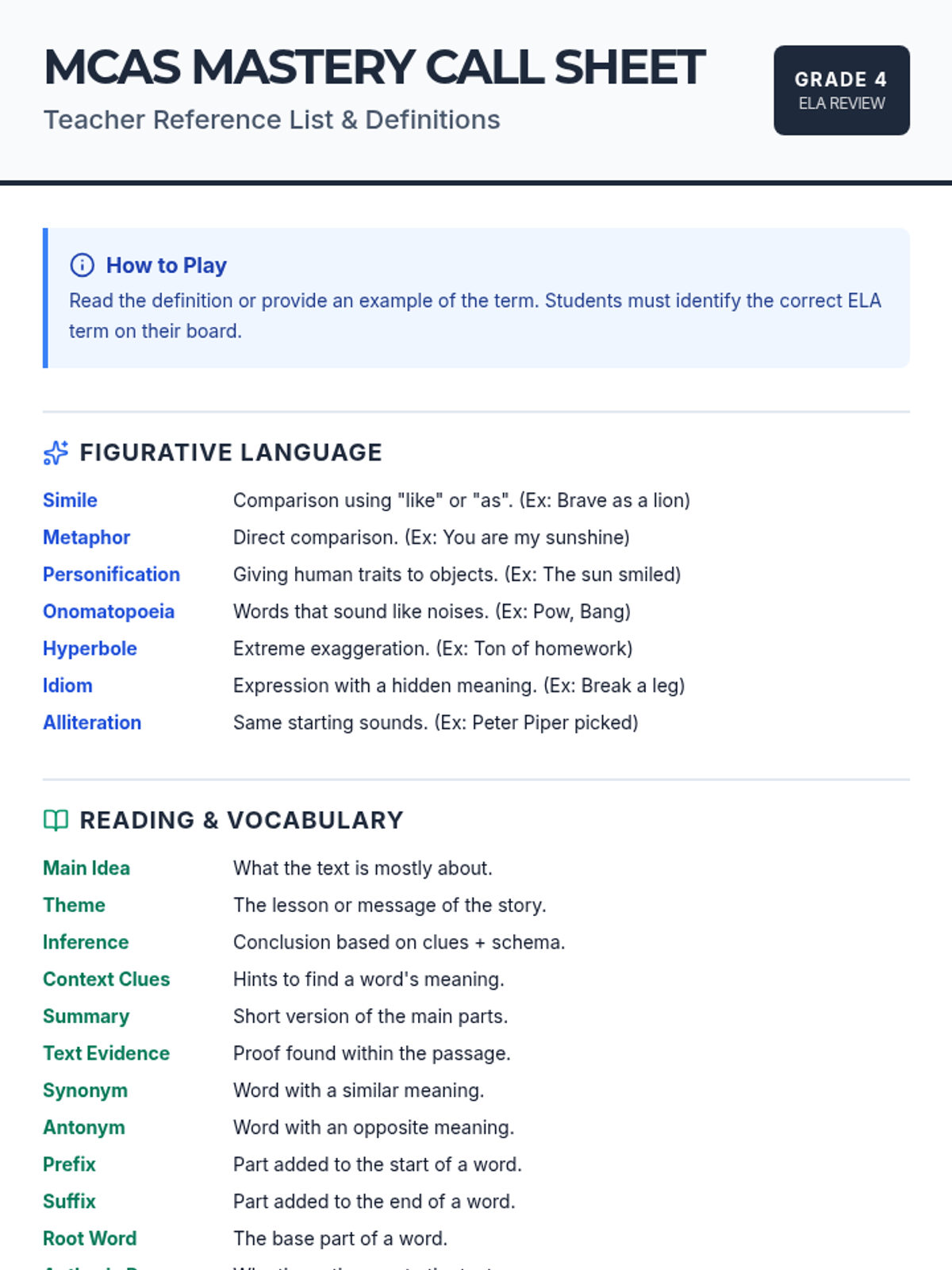
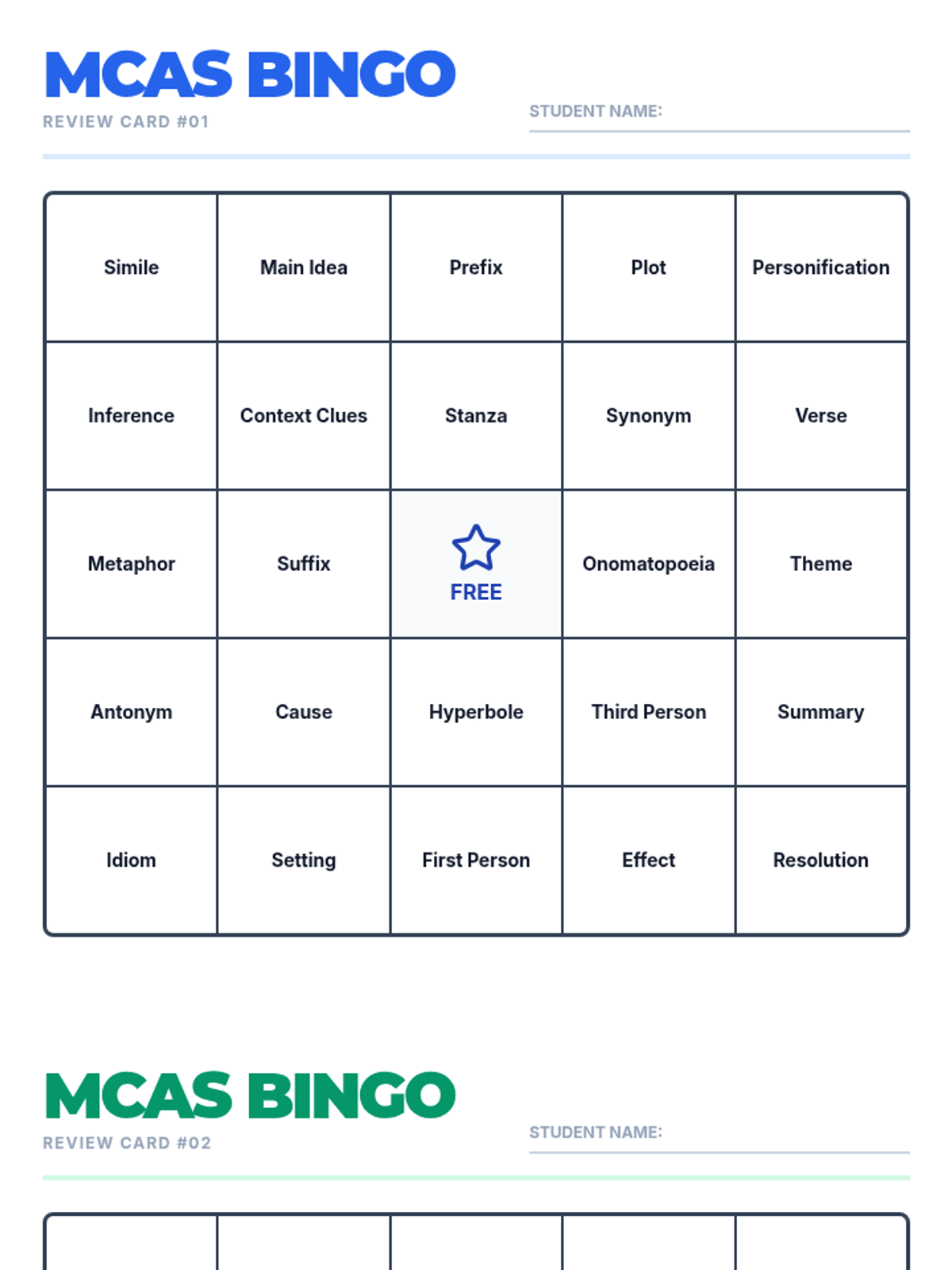
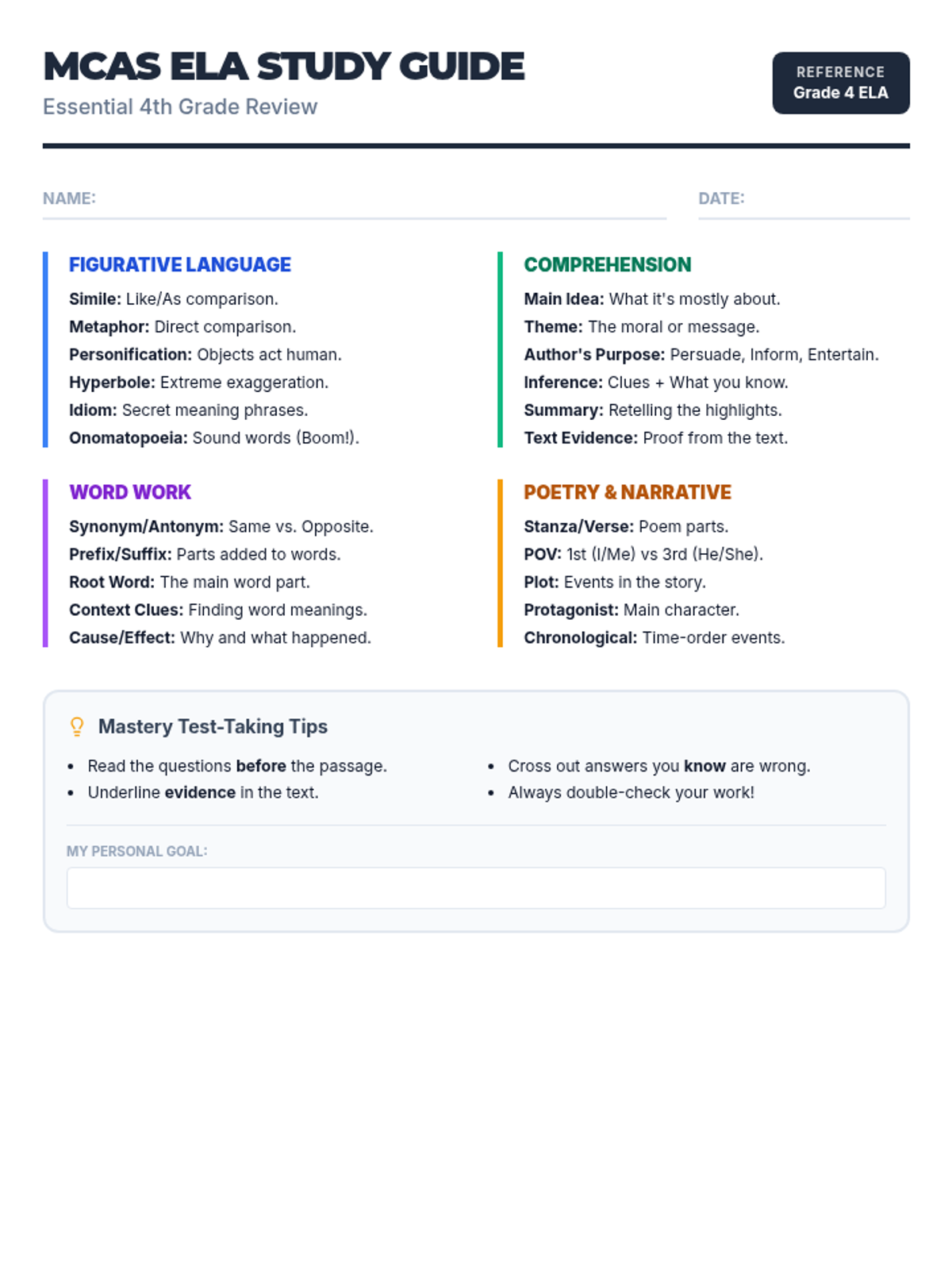
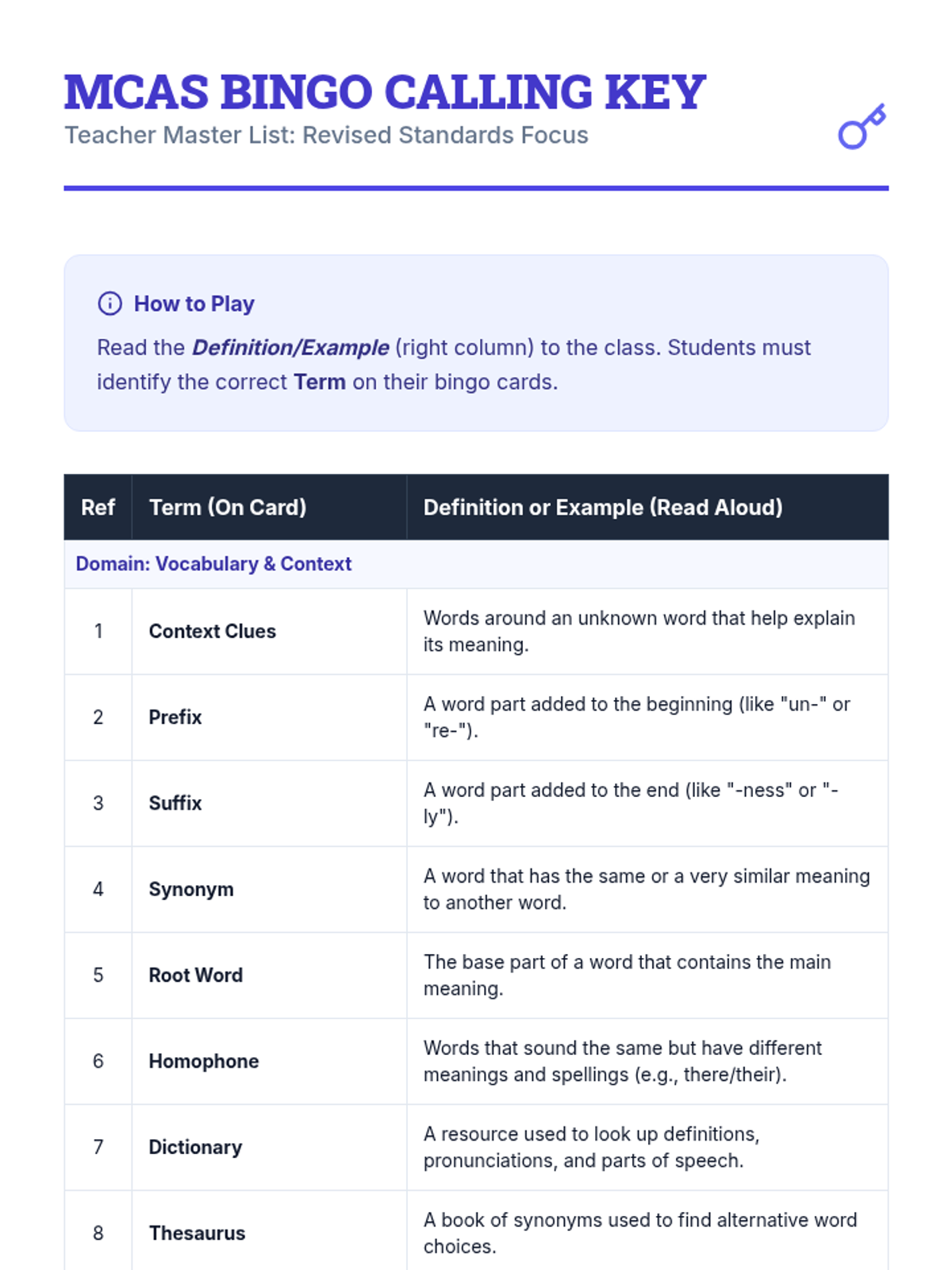
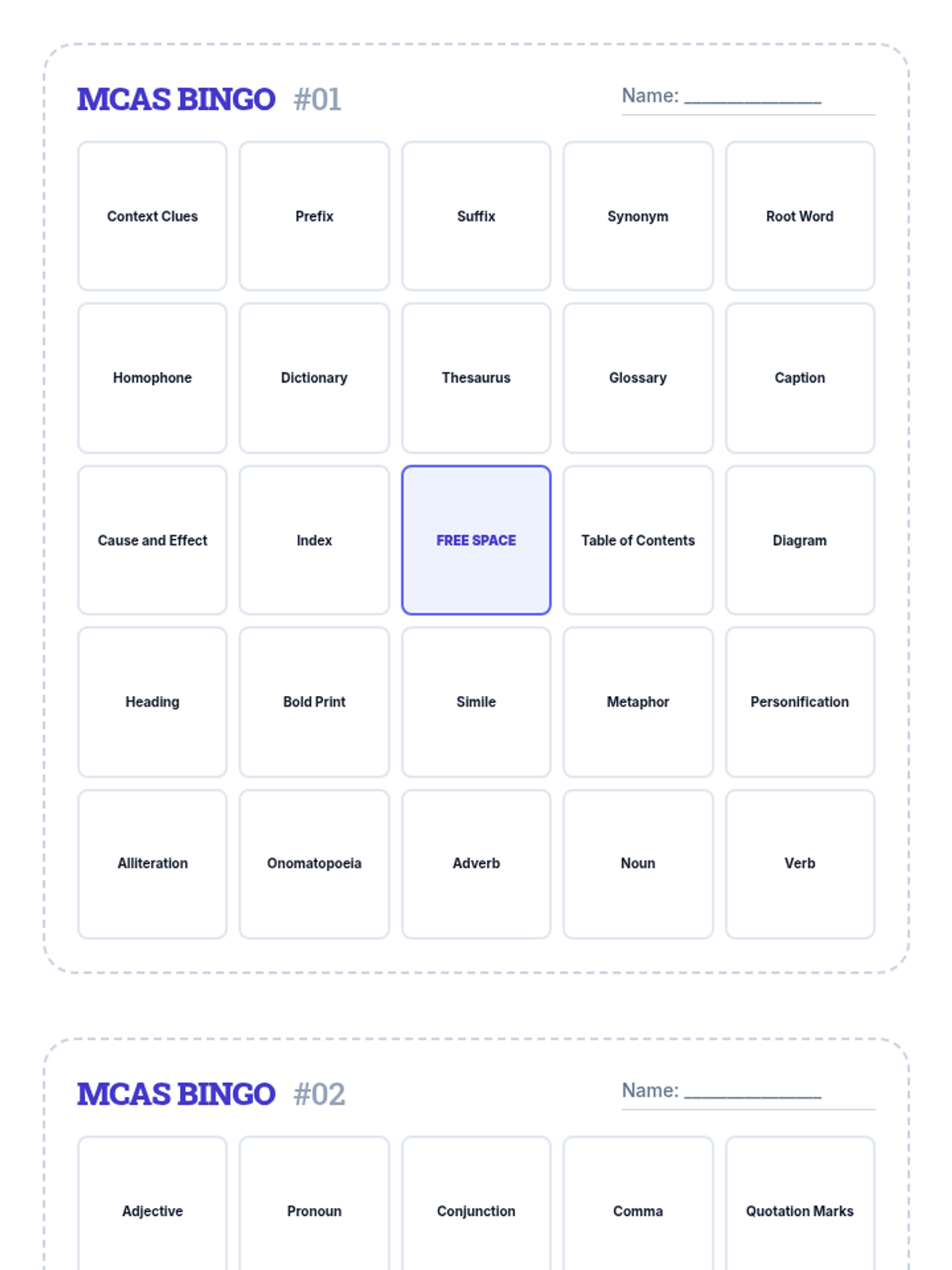
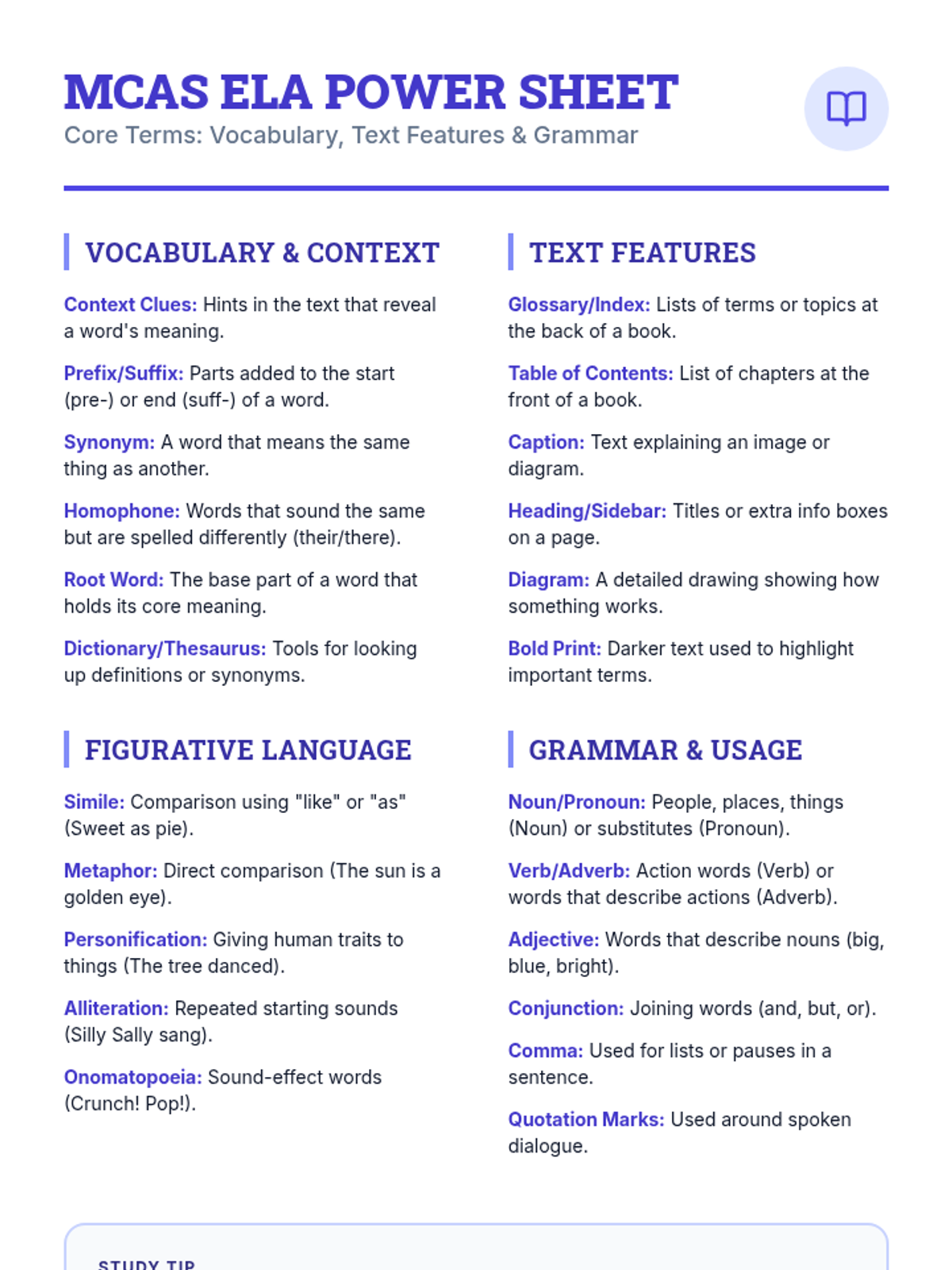
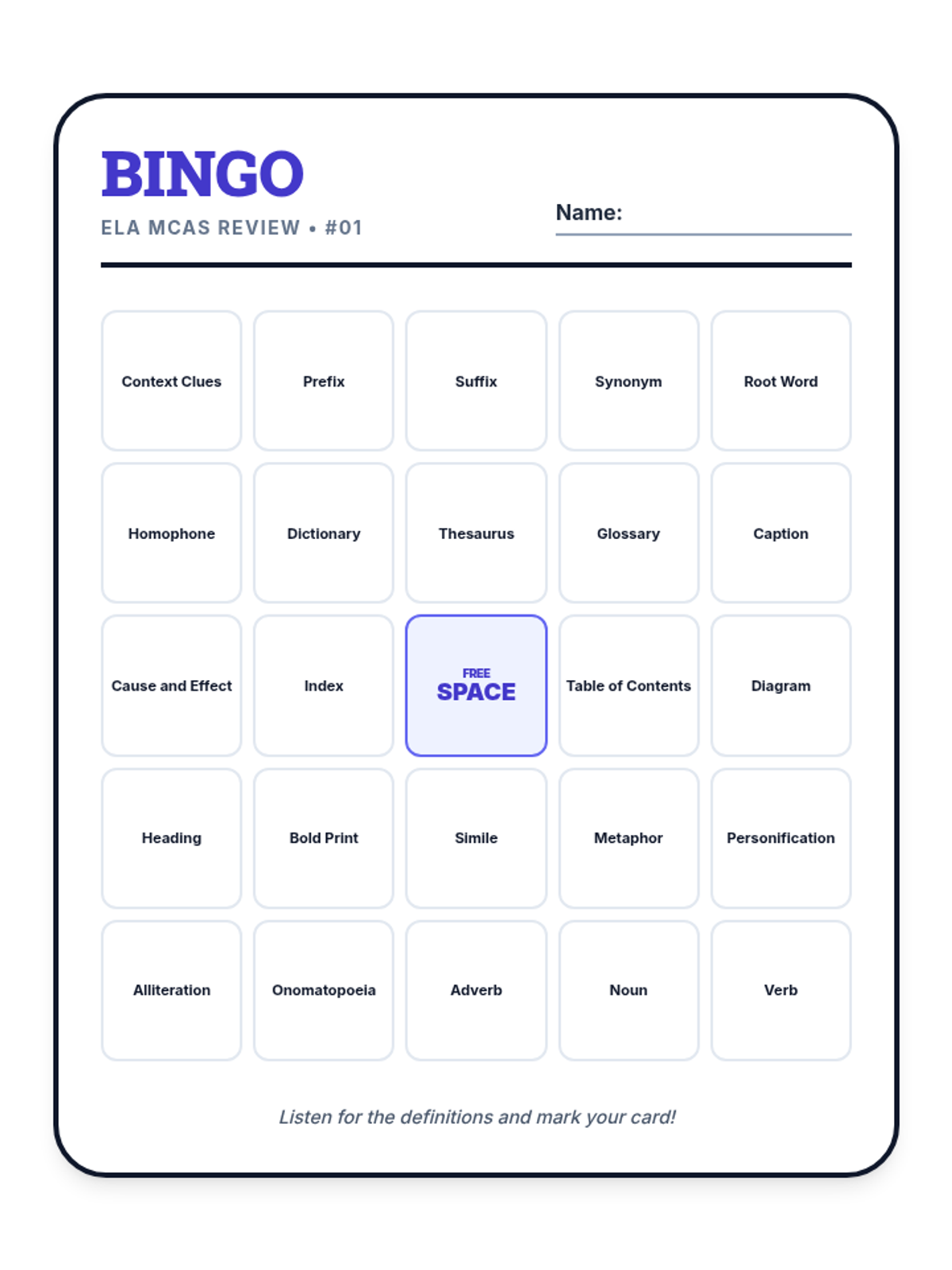
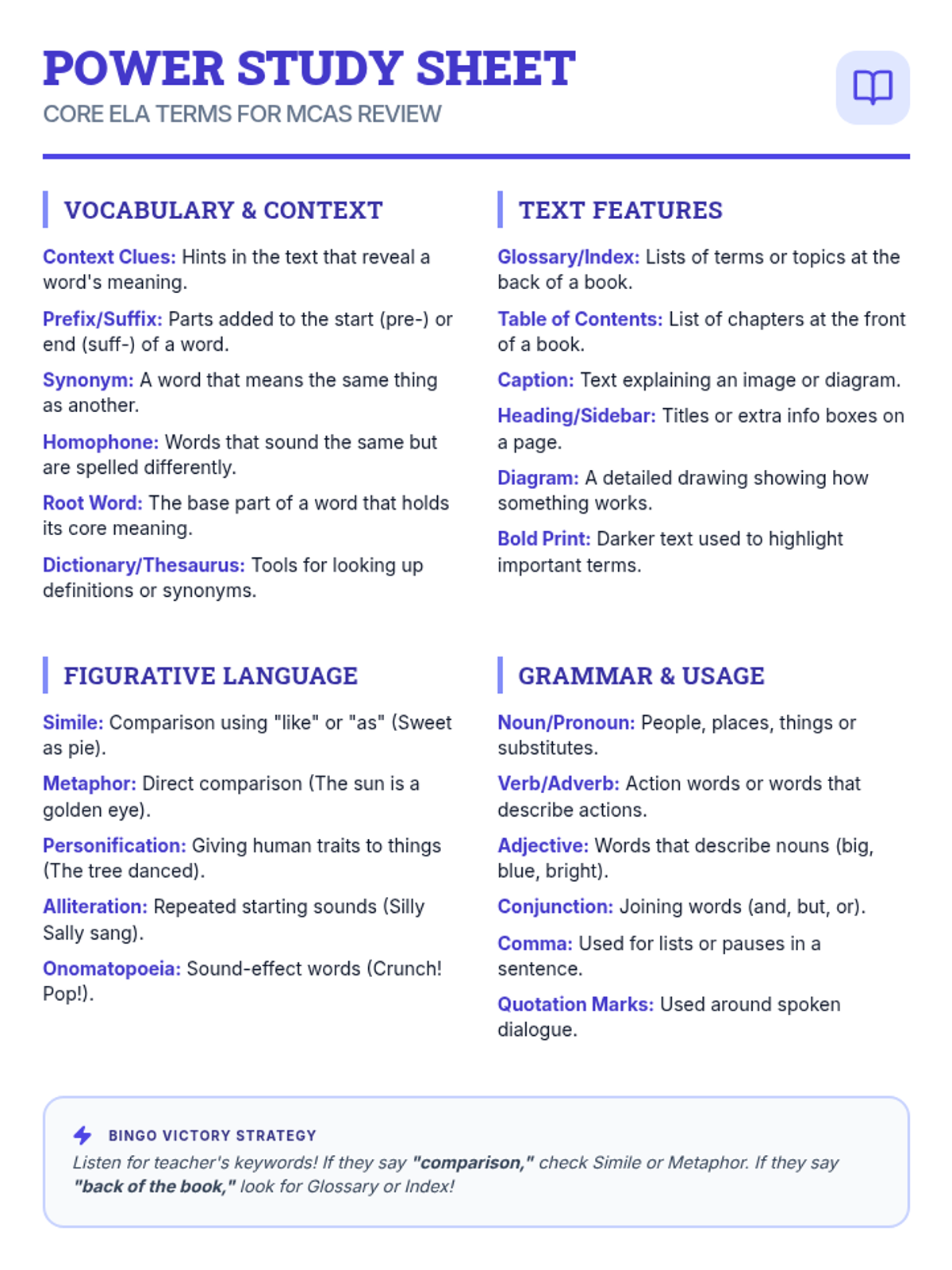
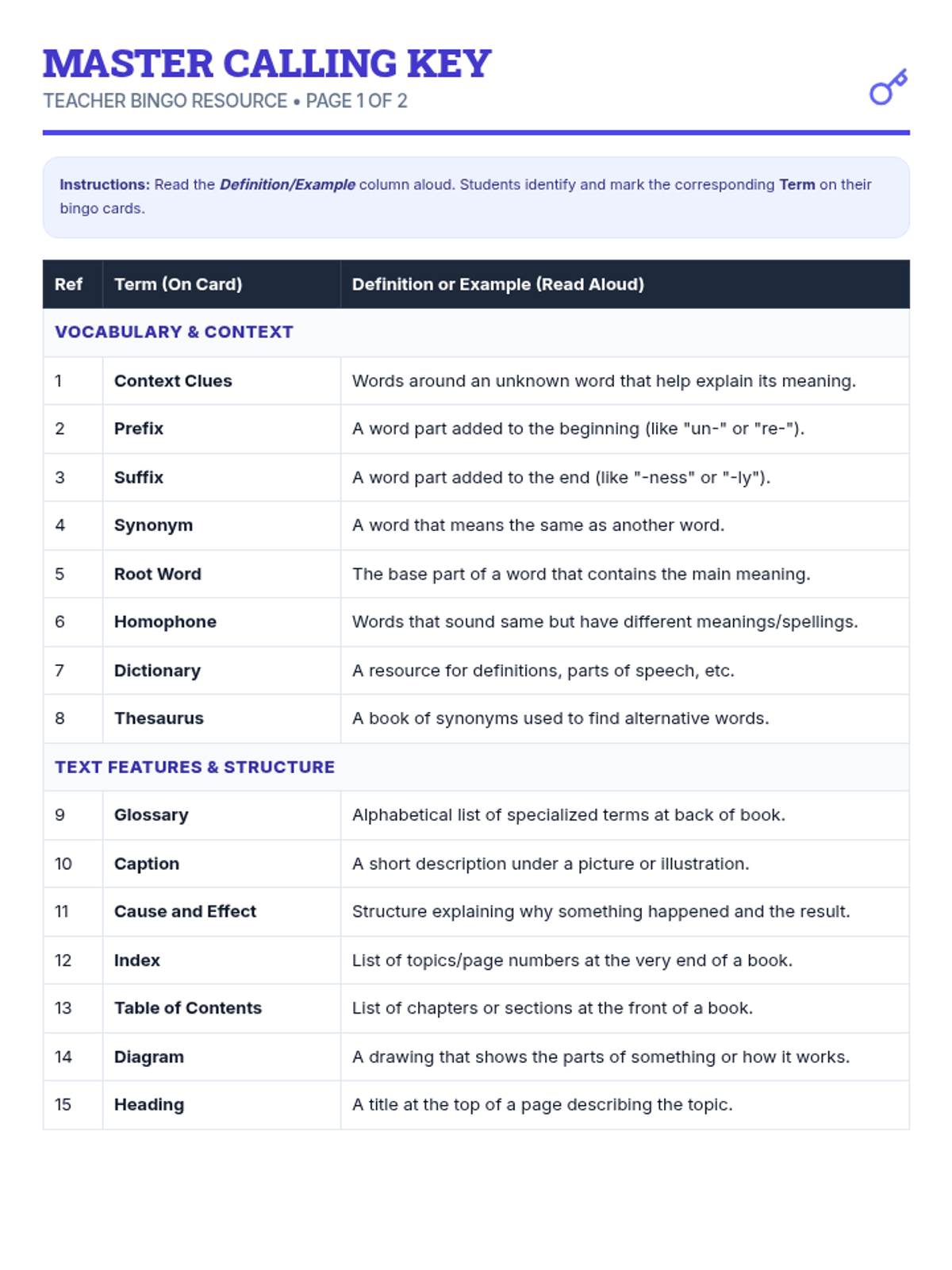
A high-energy review session for 4th grade ELA MCAS topics, focusing on figurative language, vocabulary, and literary elements through a competitive Bingo game.
This lesson introduces nine key figurative language devices through interactive slides and practice. Students identify definitions, analyze examples, and create their own original phrases while reviewing previous concepts.
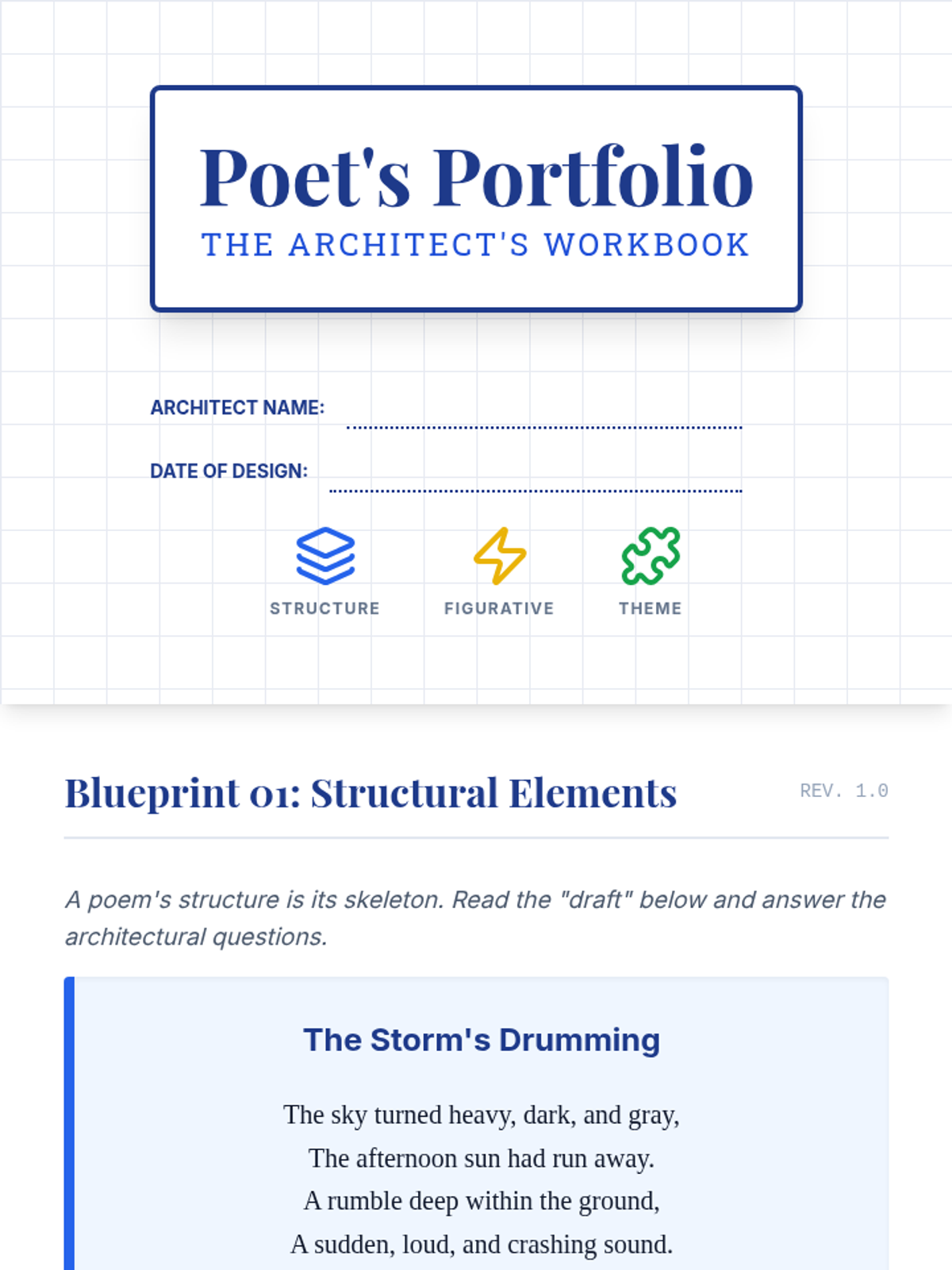
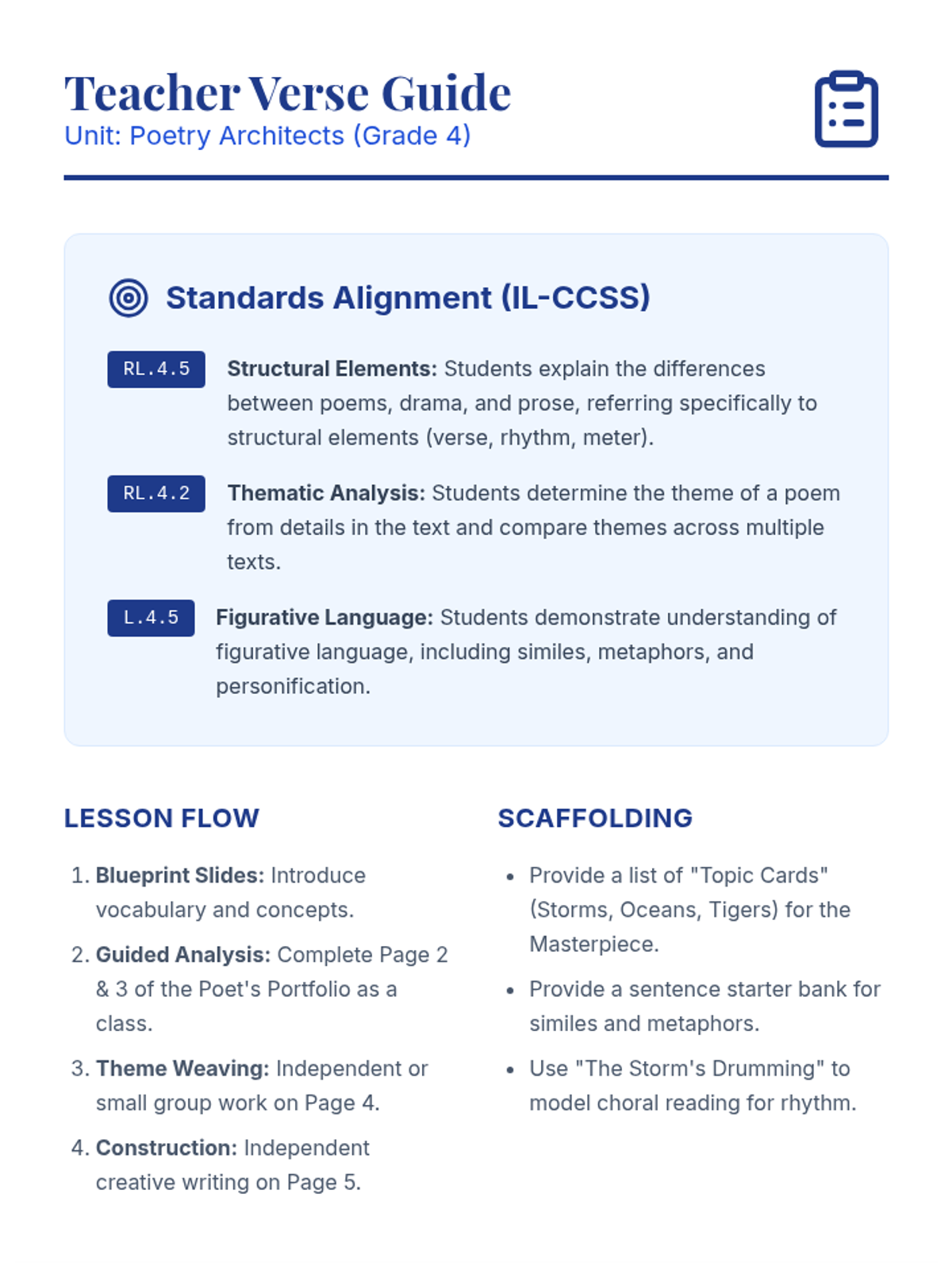
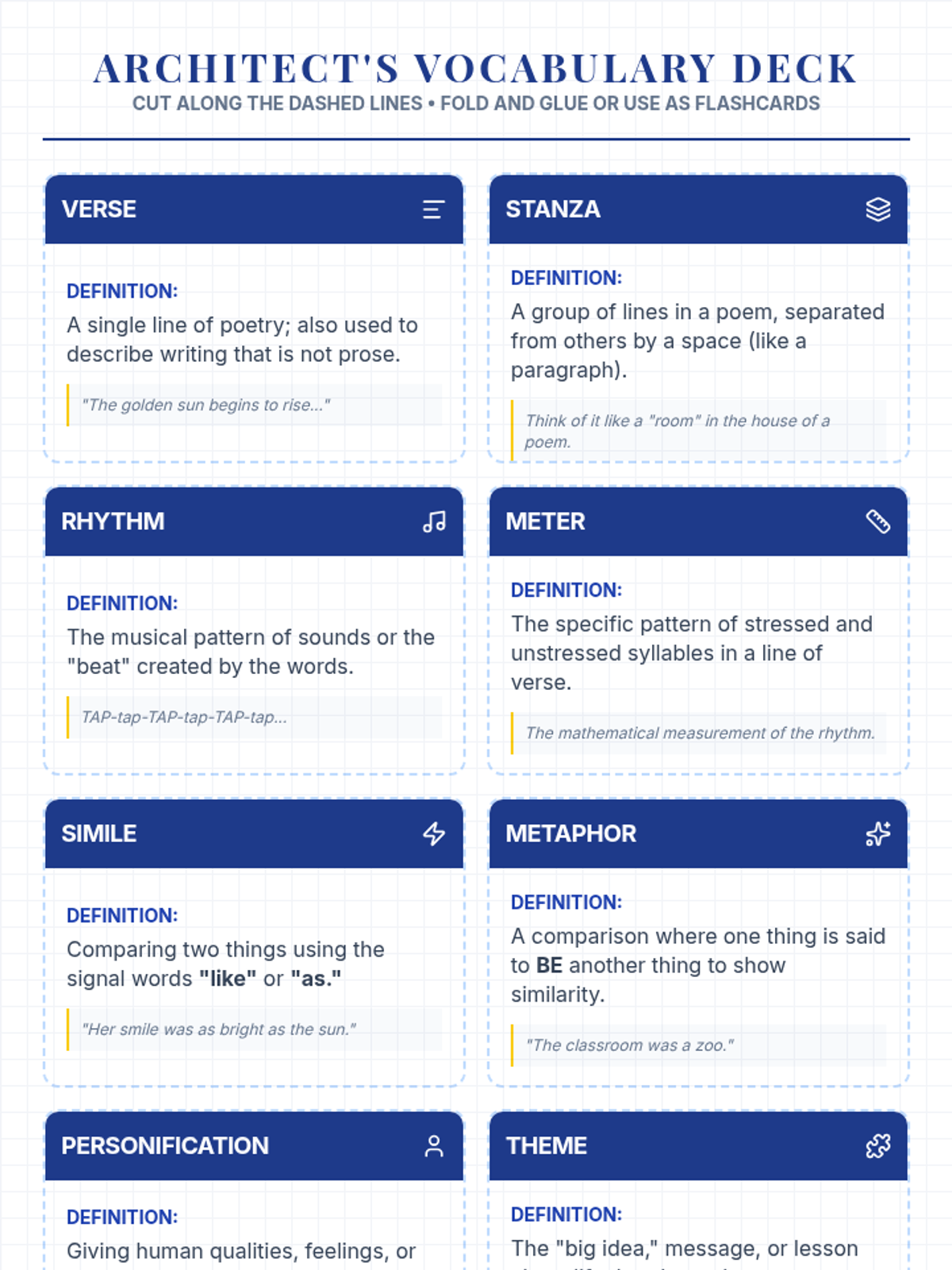
A comprehensive poetry unit for 4th grade focusing on the structural elements of verse, figurative language, and thematic analysis through creative writing and comparison.
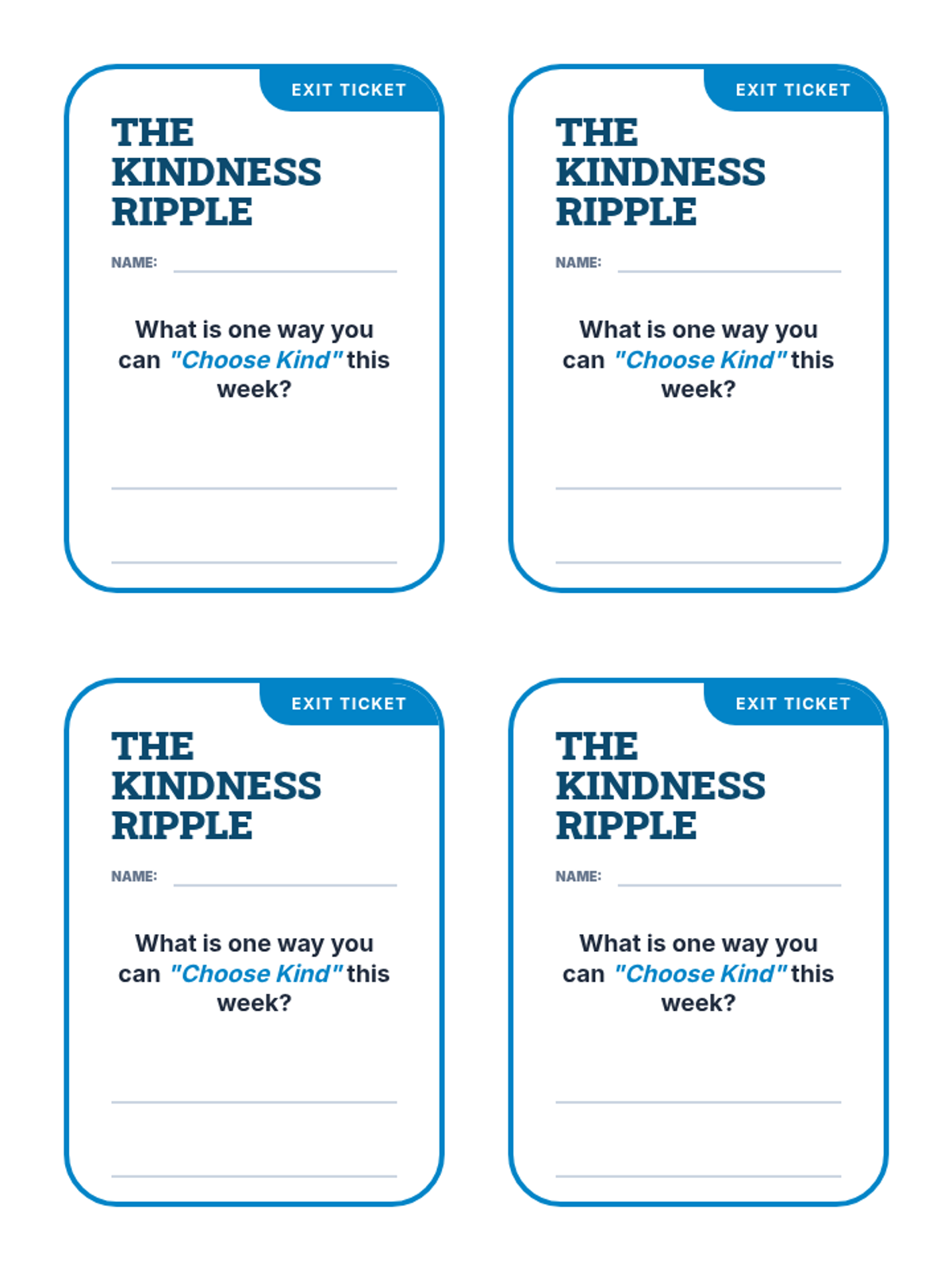
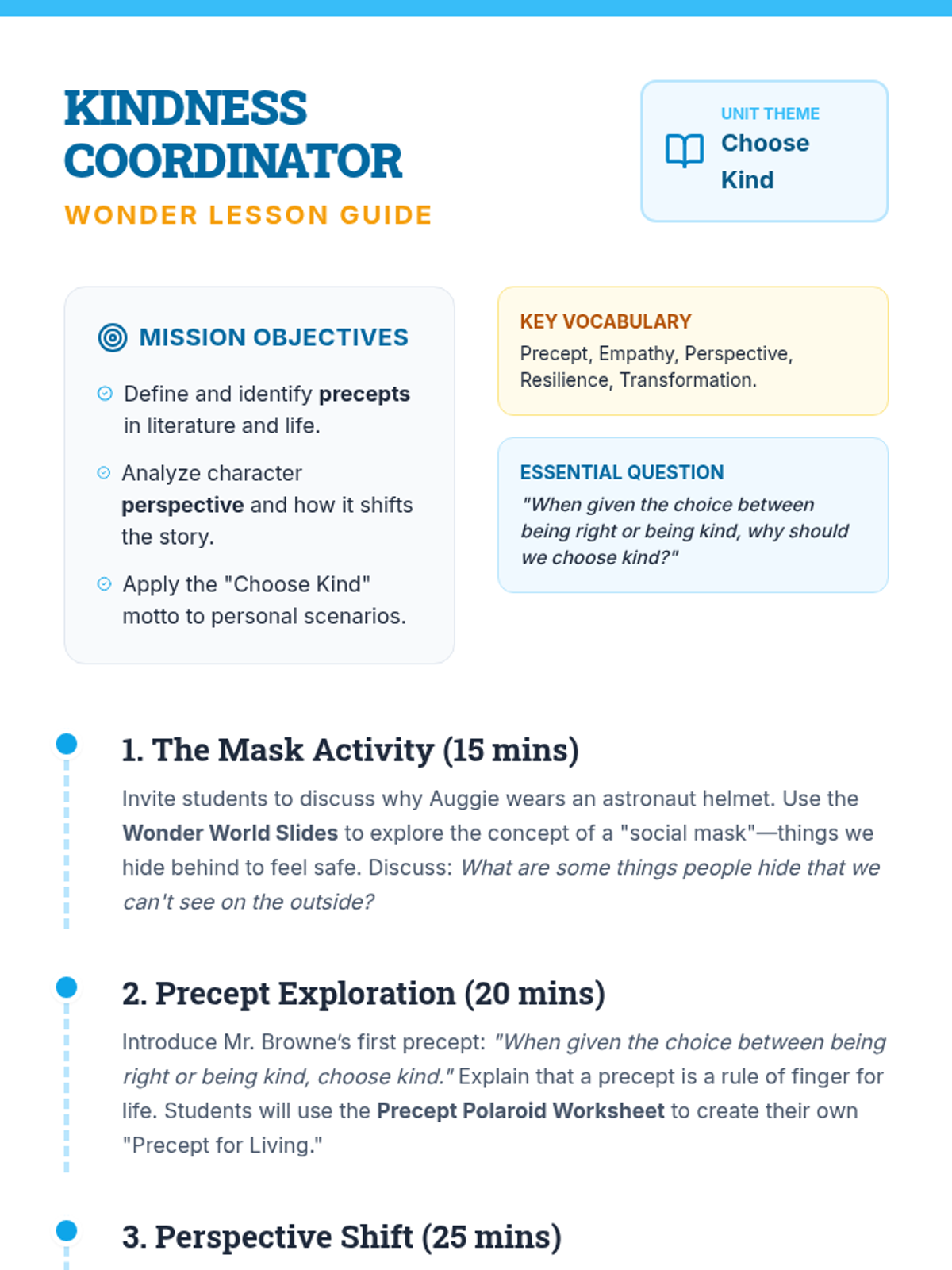
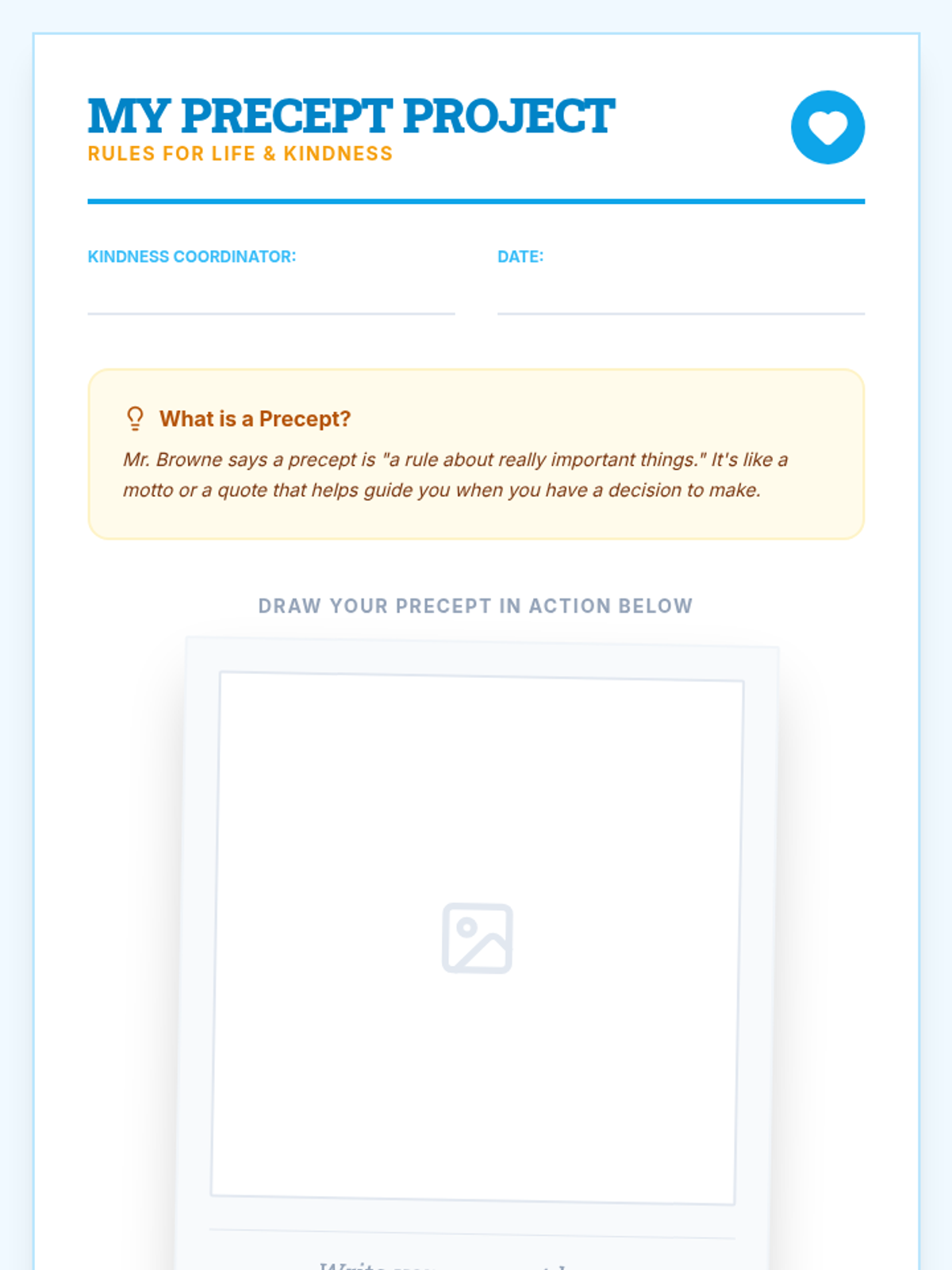
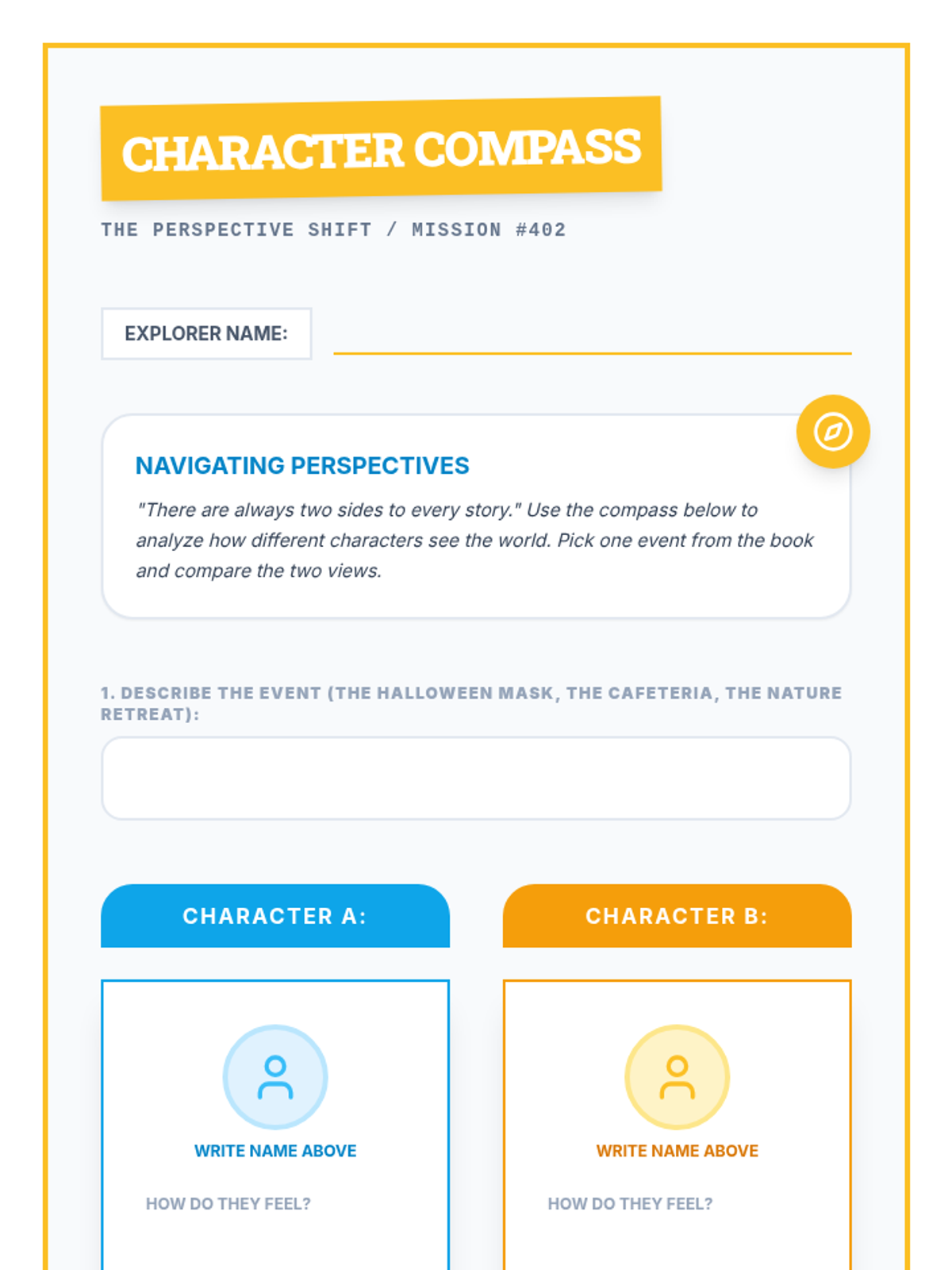
In this lesson focused on R.J. Palacio's 'Wonder', students explore the core themes of kindness and perspective. Through the lens of Mr. Browne’s Precepts, they analyze character motivations and practice 'choosing kind' in their own lives while developing empathy by seeing the world through Auggie Pullman’s eyes.
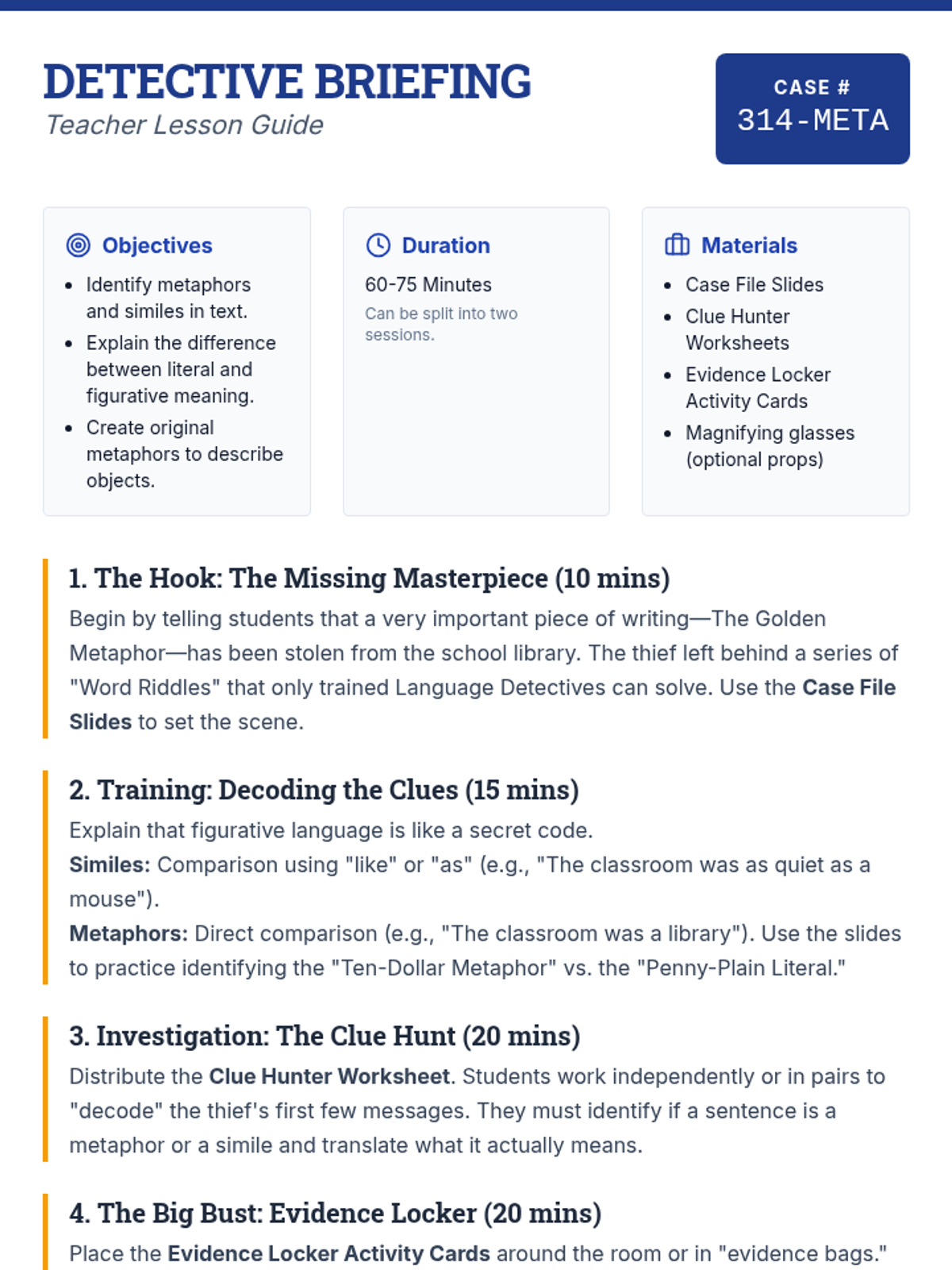
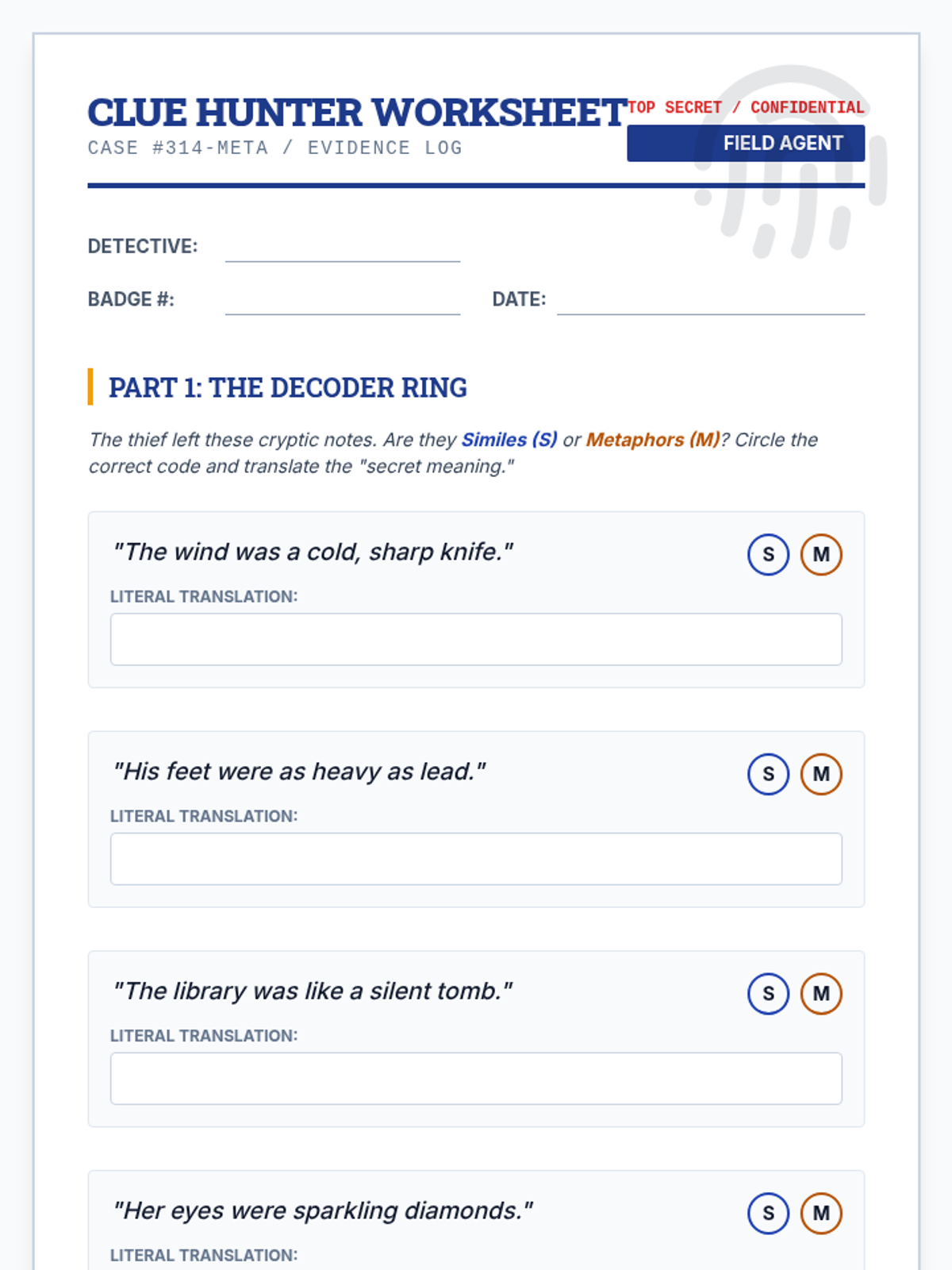
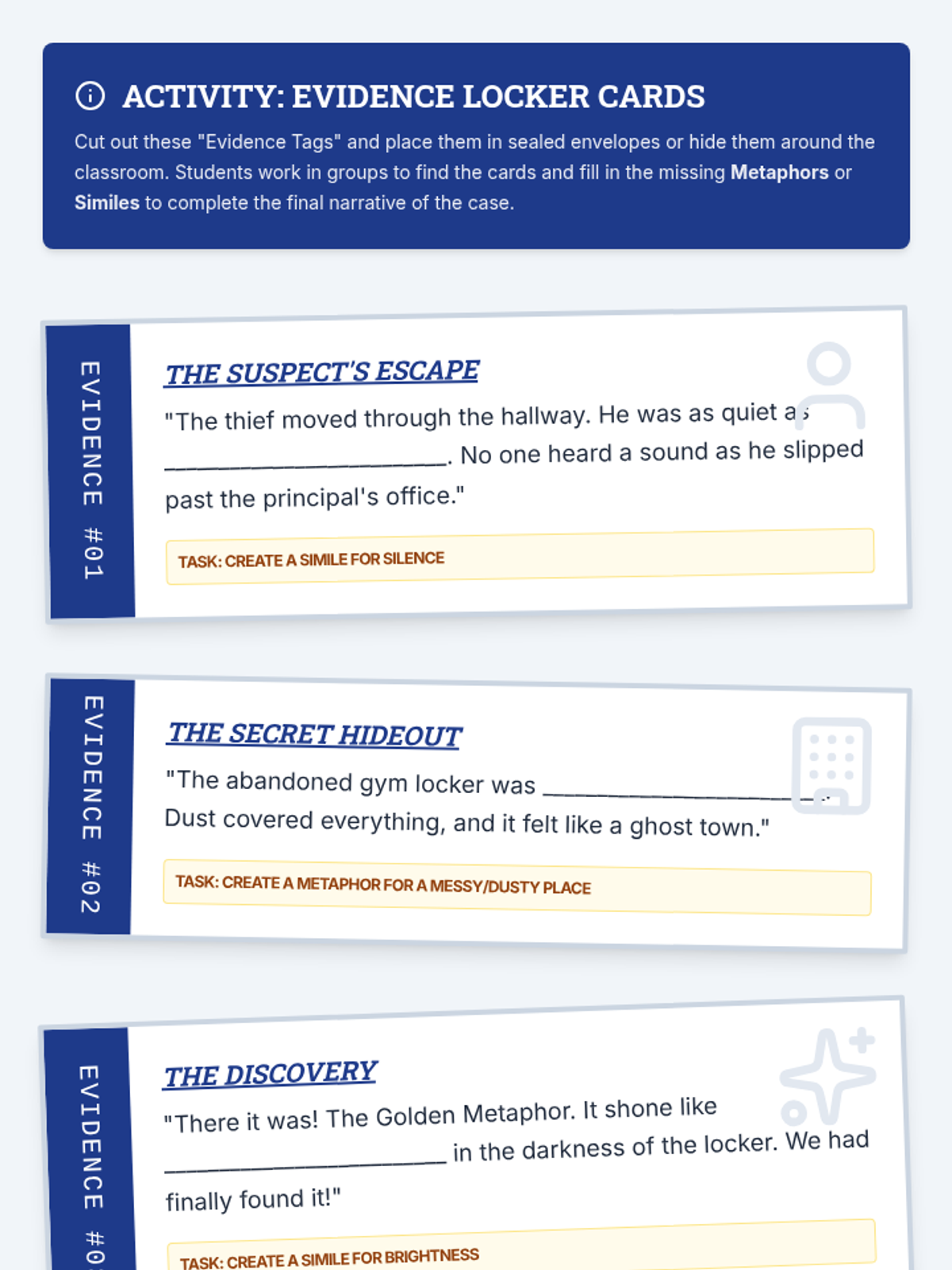
In this detective-themed lesson, students solve a classroom mystery by decoding and creating figurative language. They explore metaphors and similes to unlock clues and complete a collaborative narrative, transforming from students into 'Language Detectives.'
A comprehensive vocabulary lesson focusing on 14 multisyllabic words, their definitions, usage, and application in a reading comprehension context.
A comprehensive ELA review game designed to help students master MCAS standards through a competitive and engaging bingo format. The lesson covers vocabulary, literary elements, text structures, and grammar.
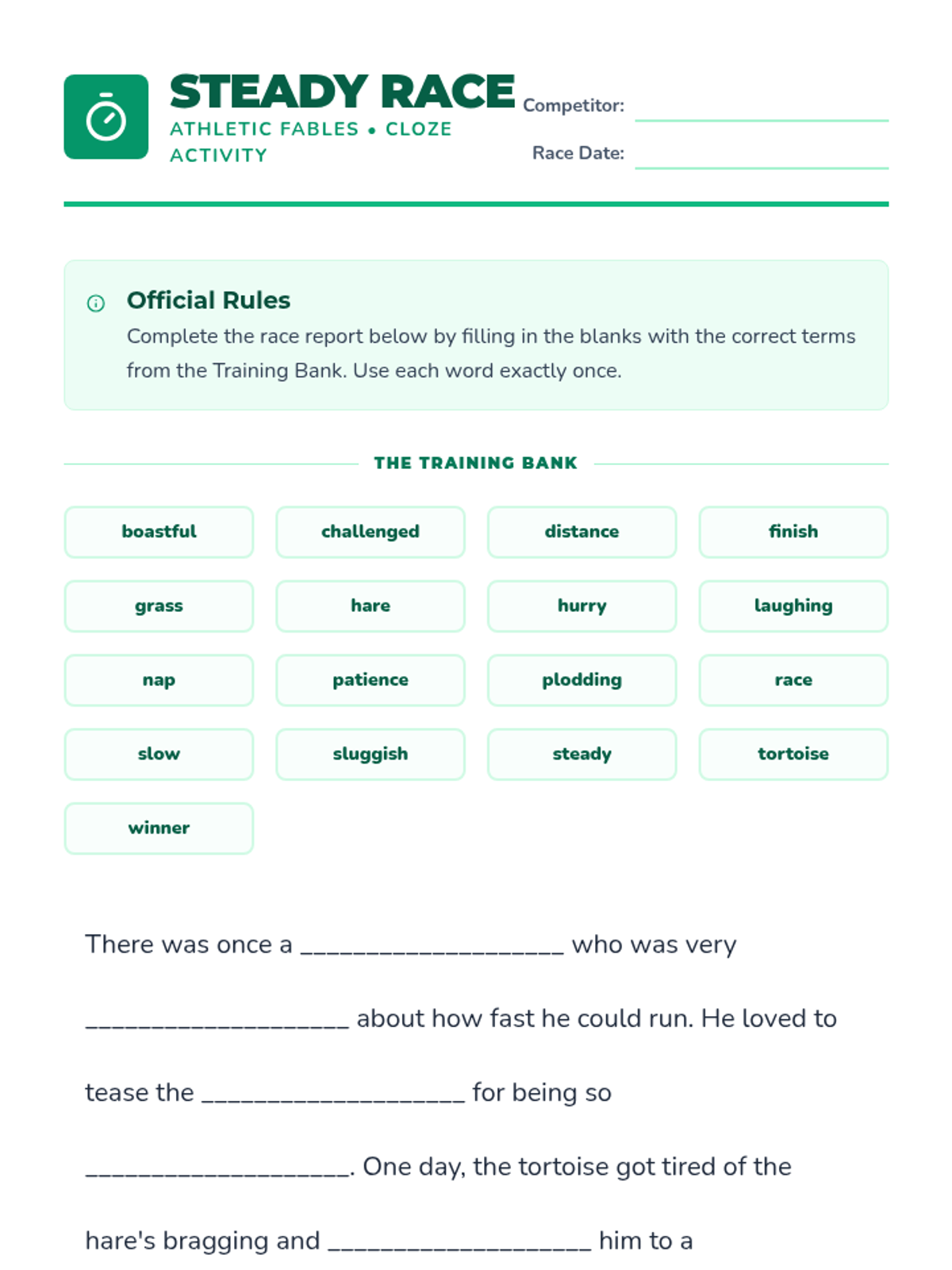
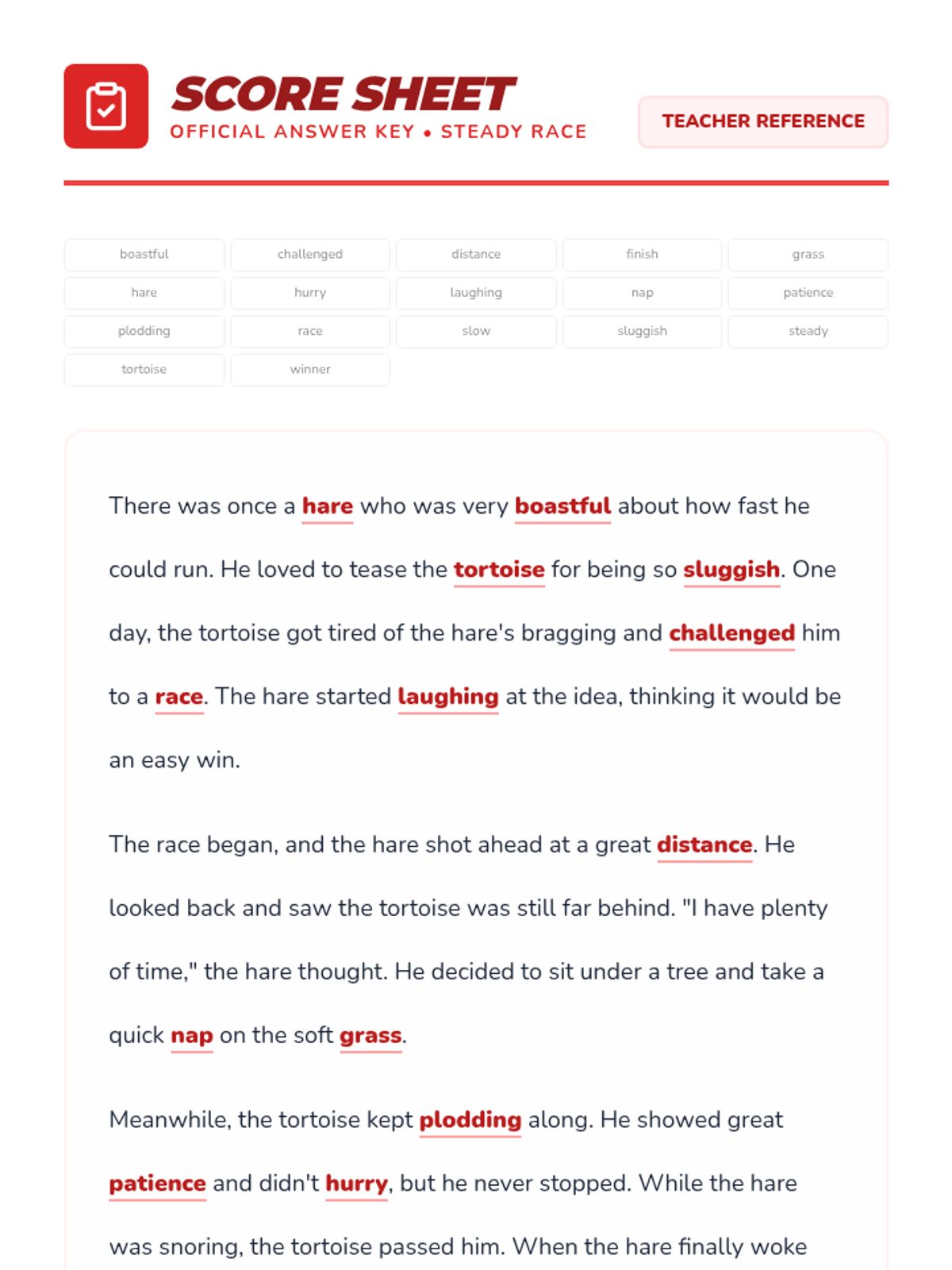
A lesson focused on reading comprehension and the value of persistence through the classic fable of 'The Tortoise and the Hare'. Students complete the story using context clues and reflect on its message.
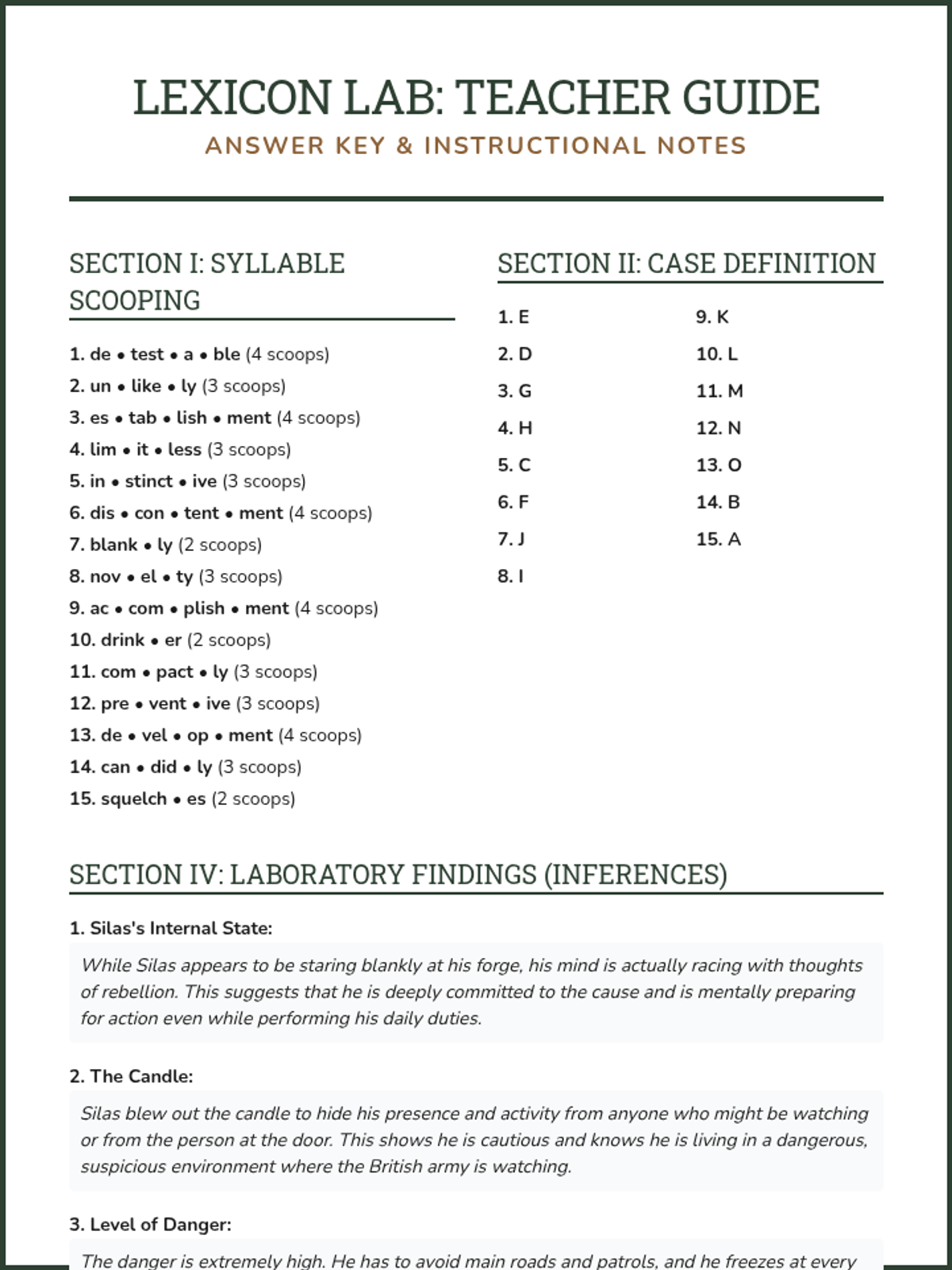
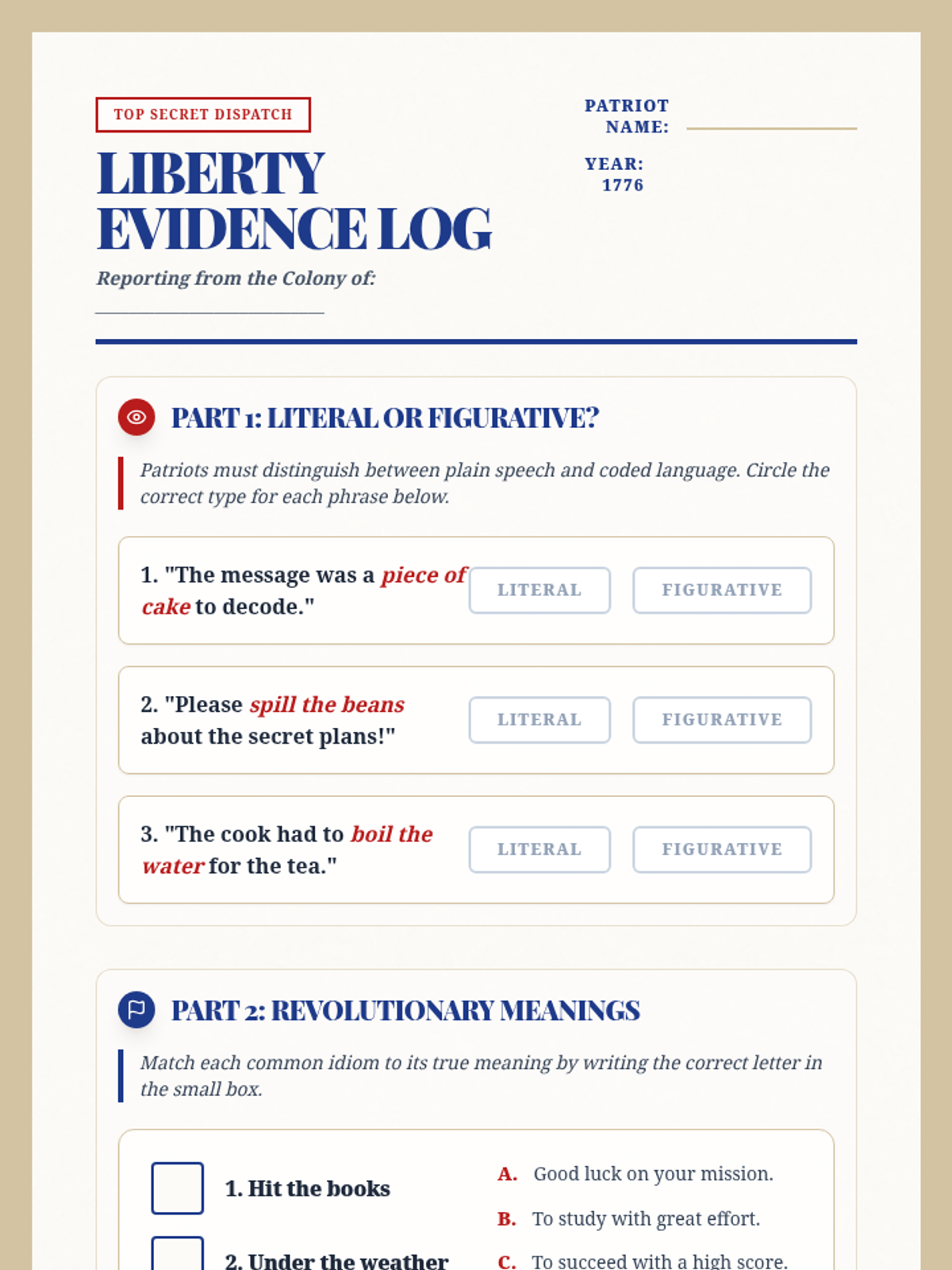
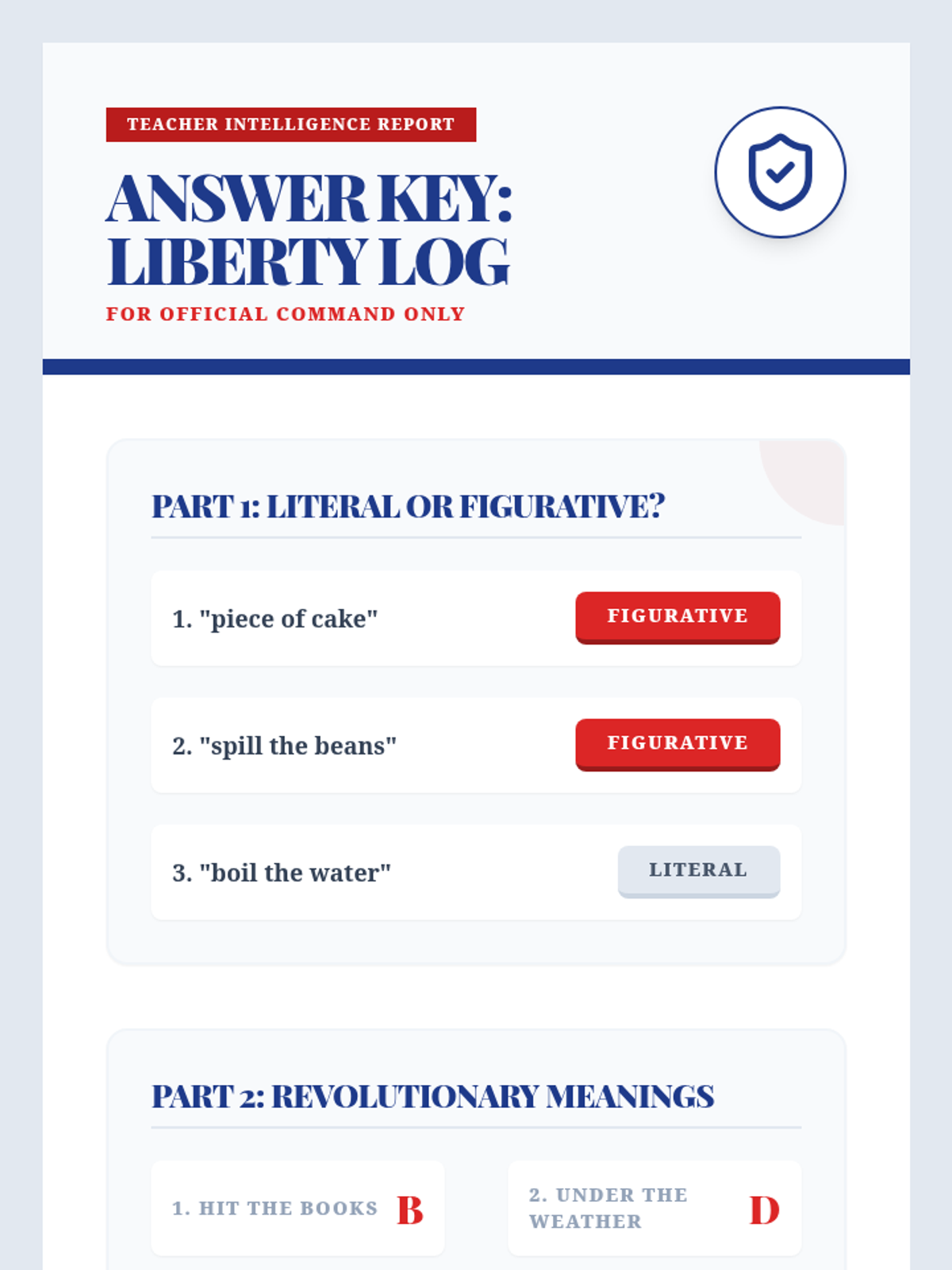
An engaging introduction to idioms for fourth graders, using an American Revolution theme to explore figurative language through historical-style documents and "revolutionary" phrases.
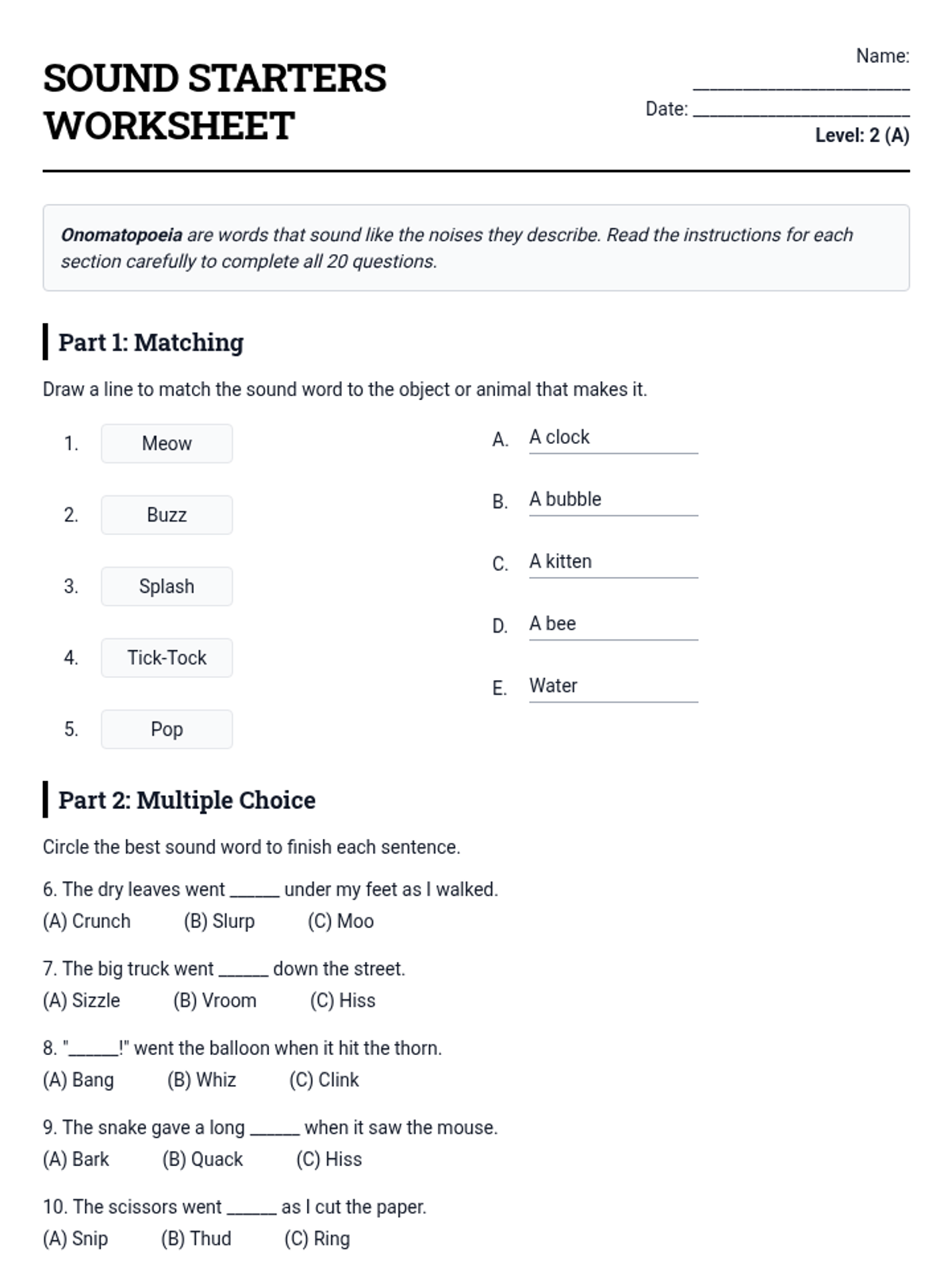
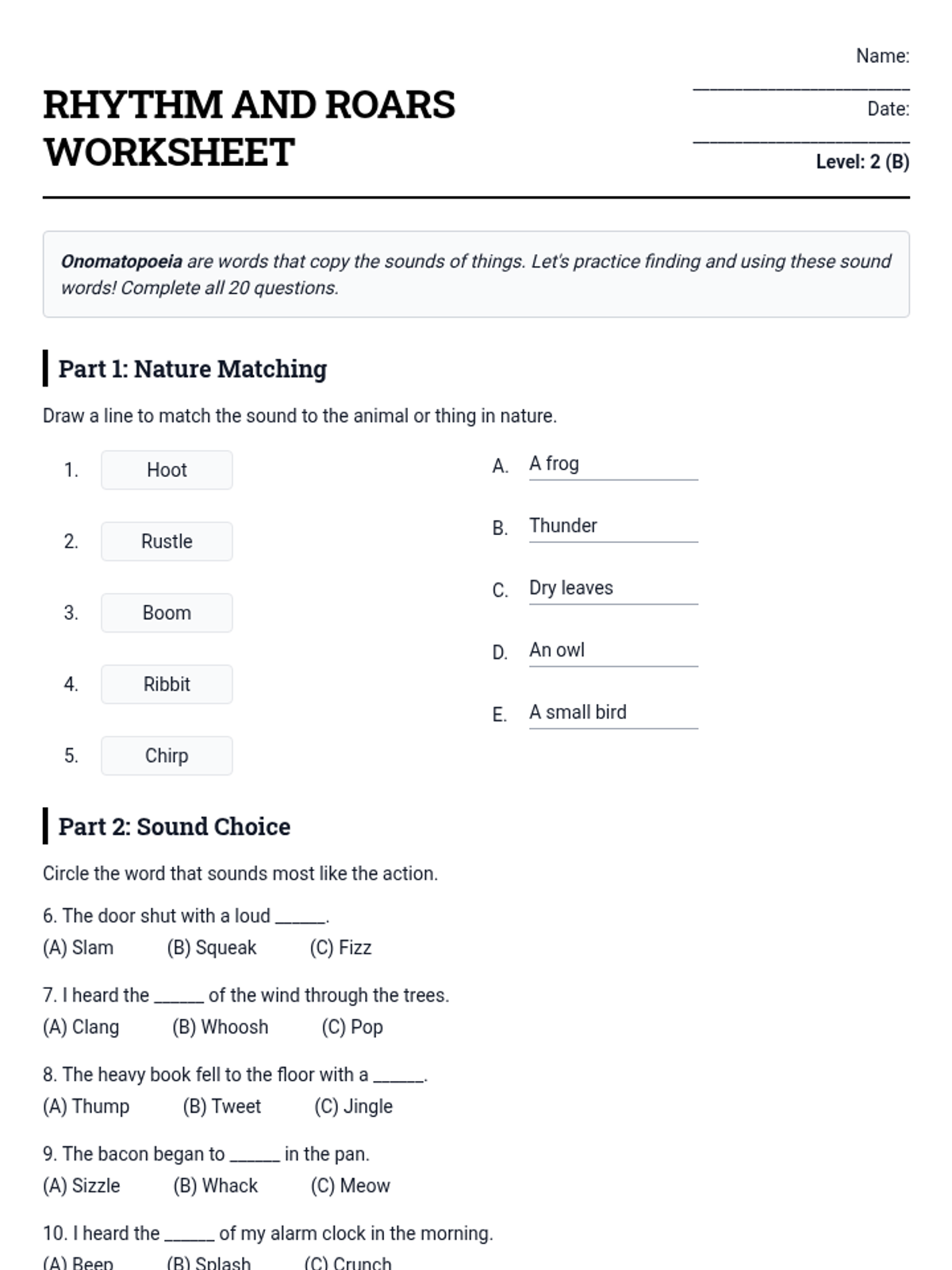
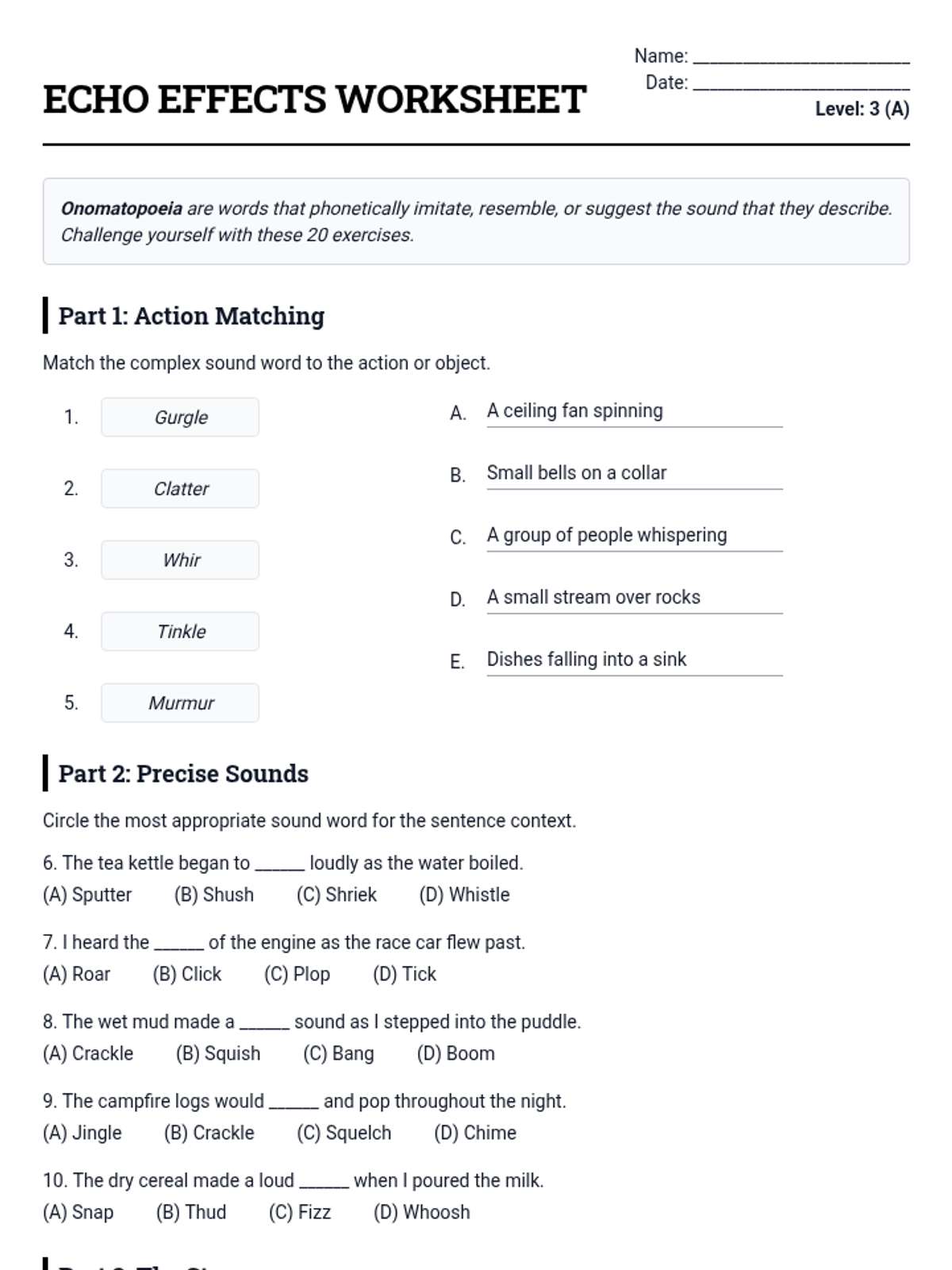
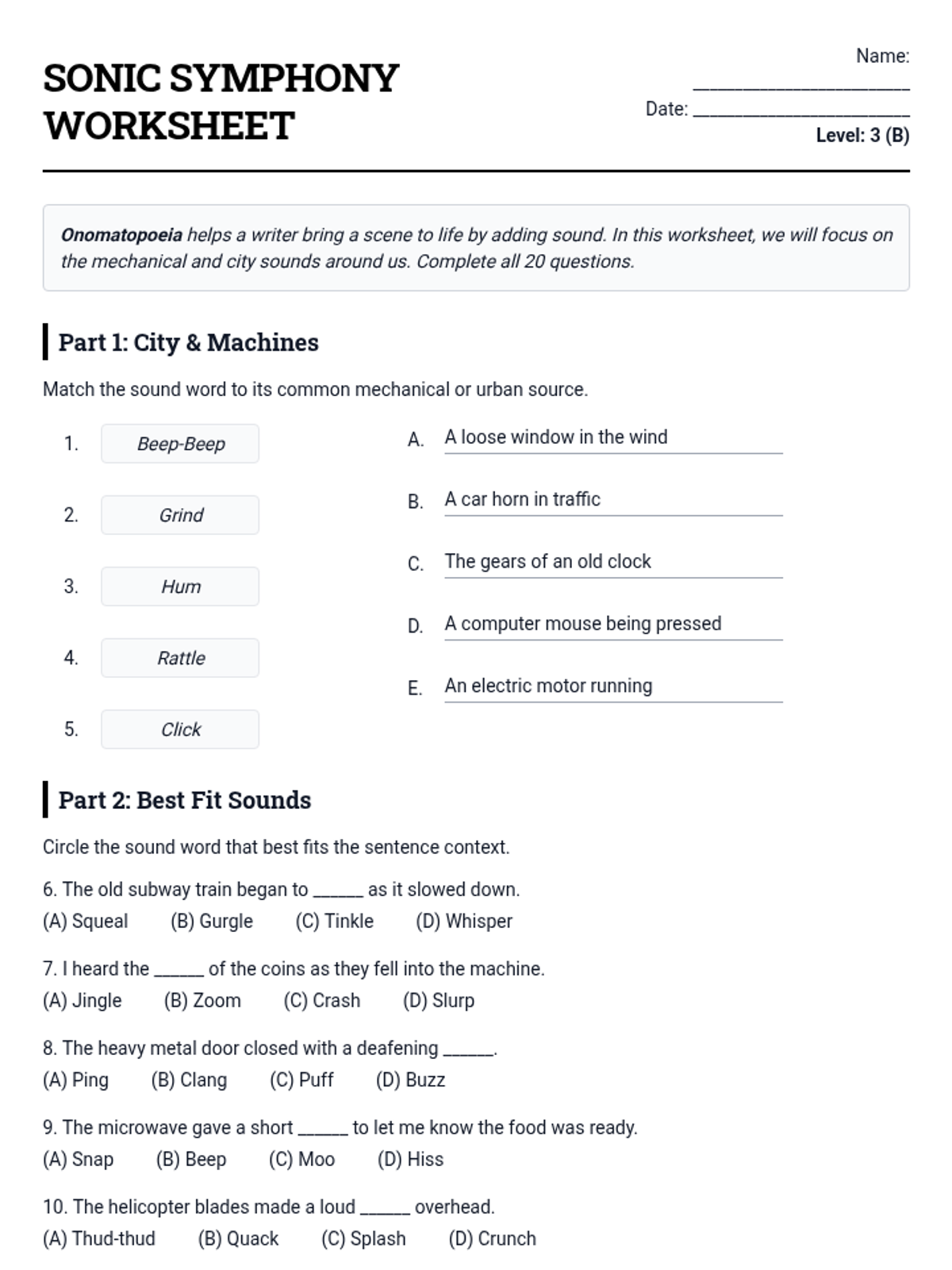
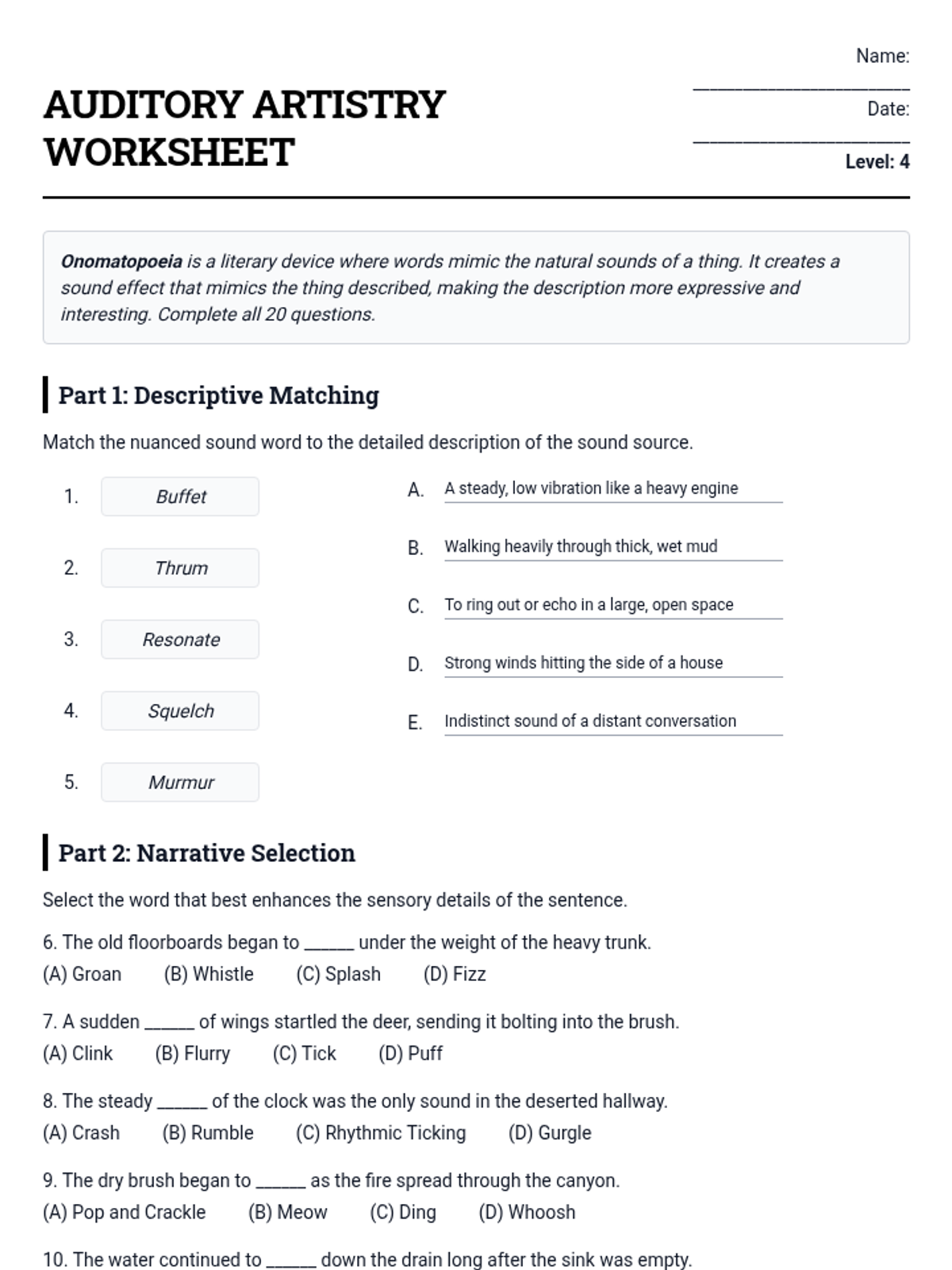
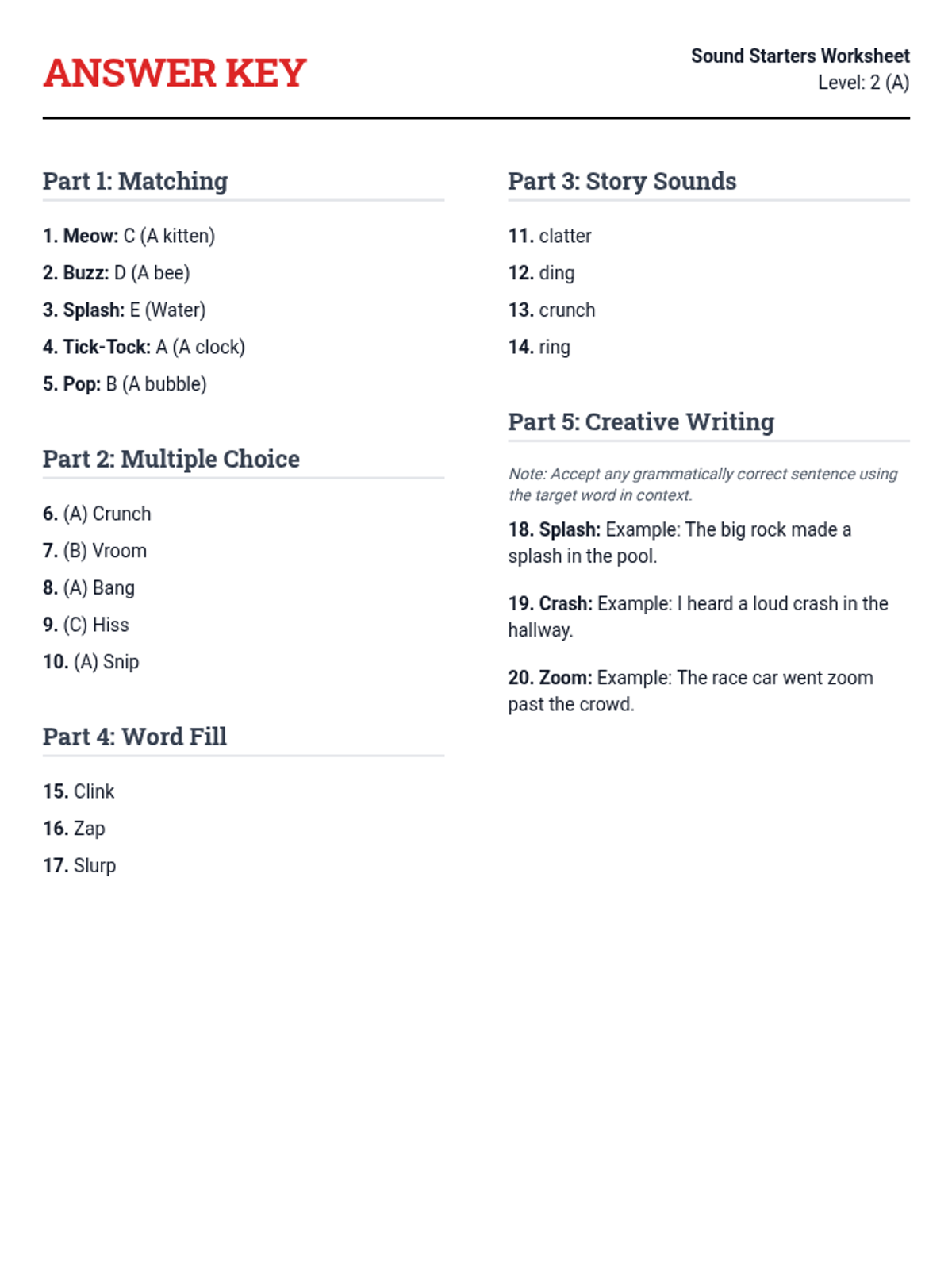
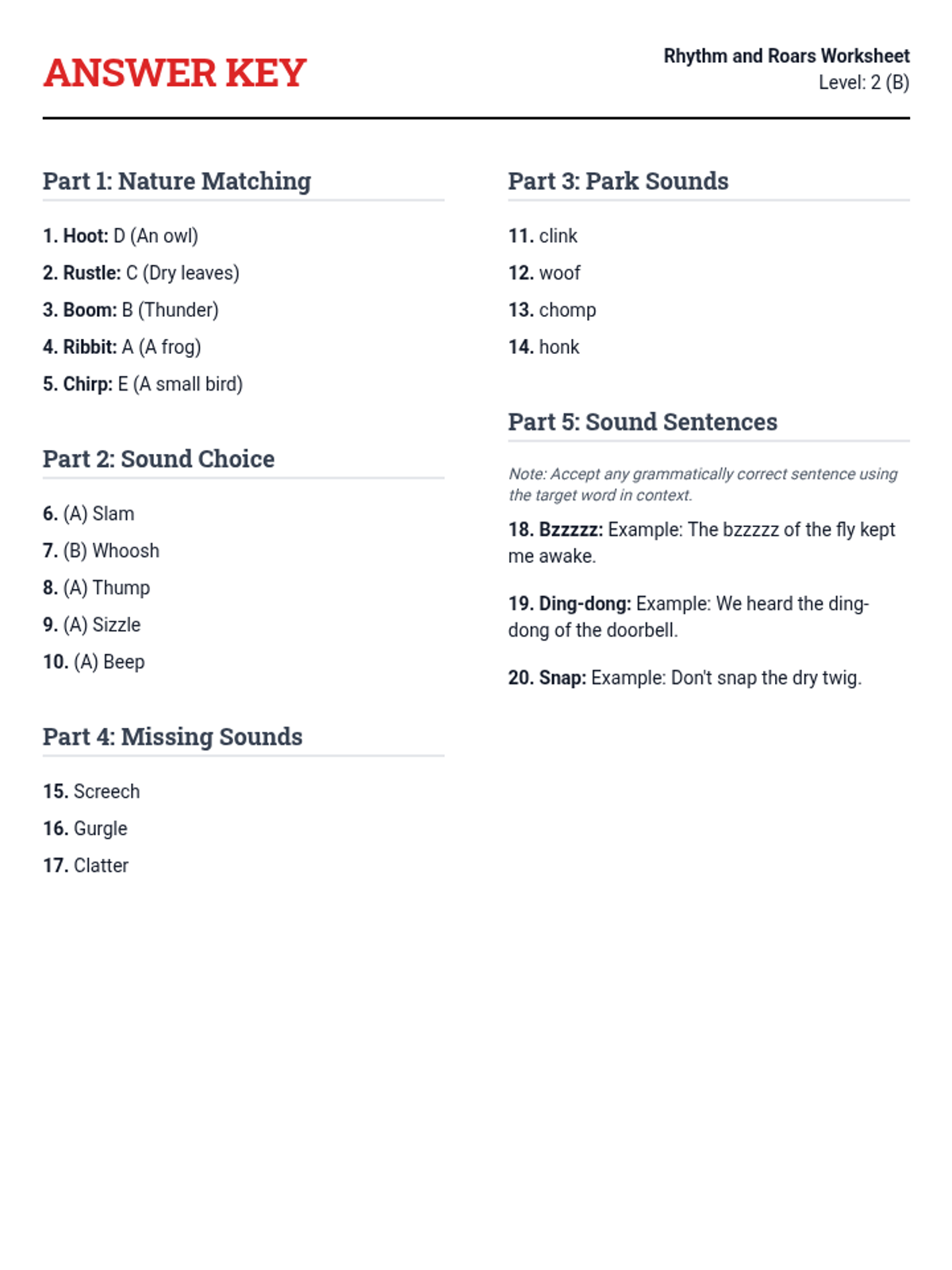
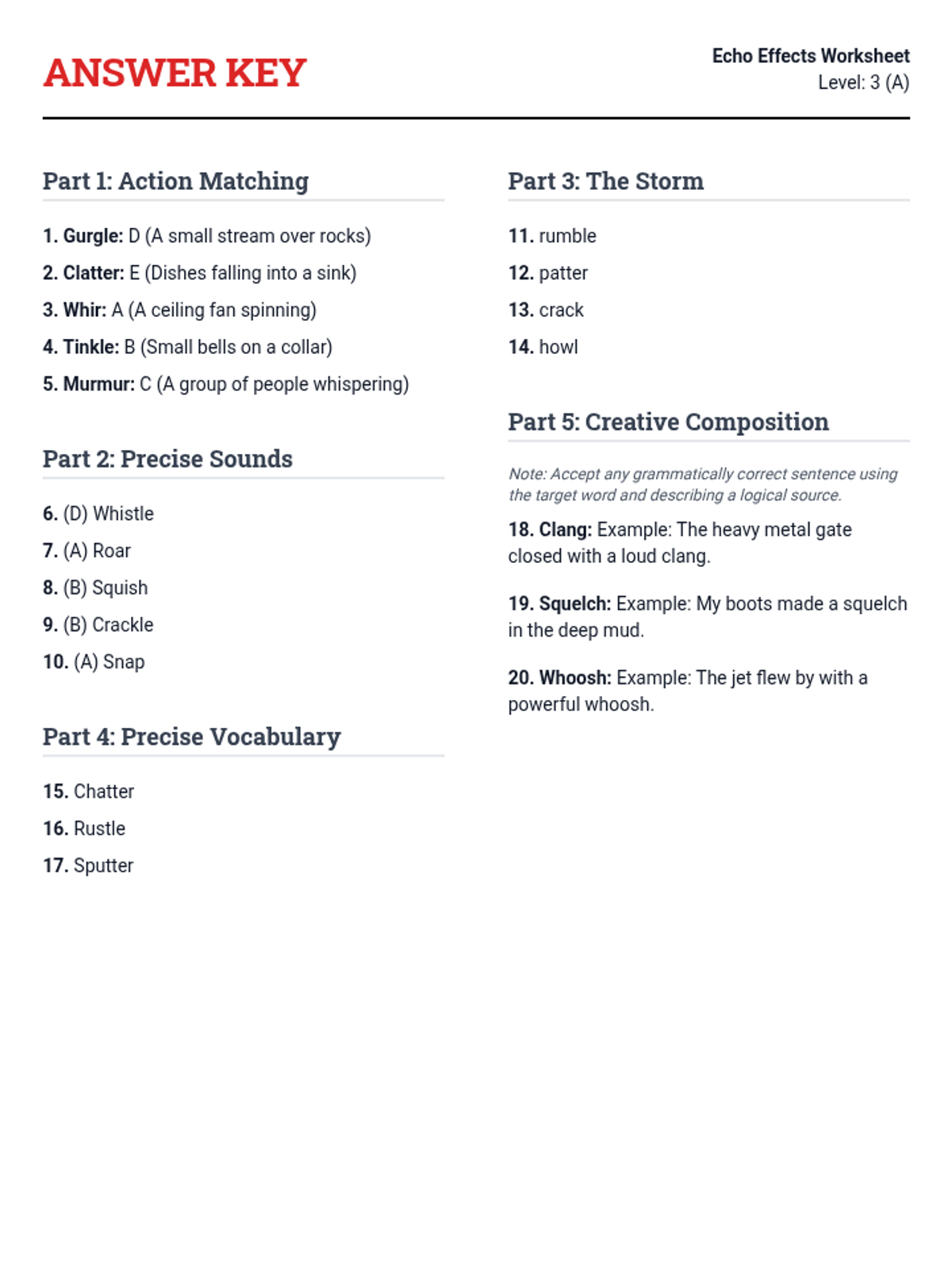
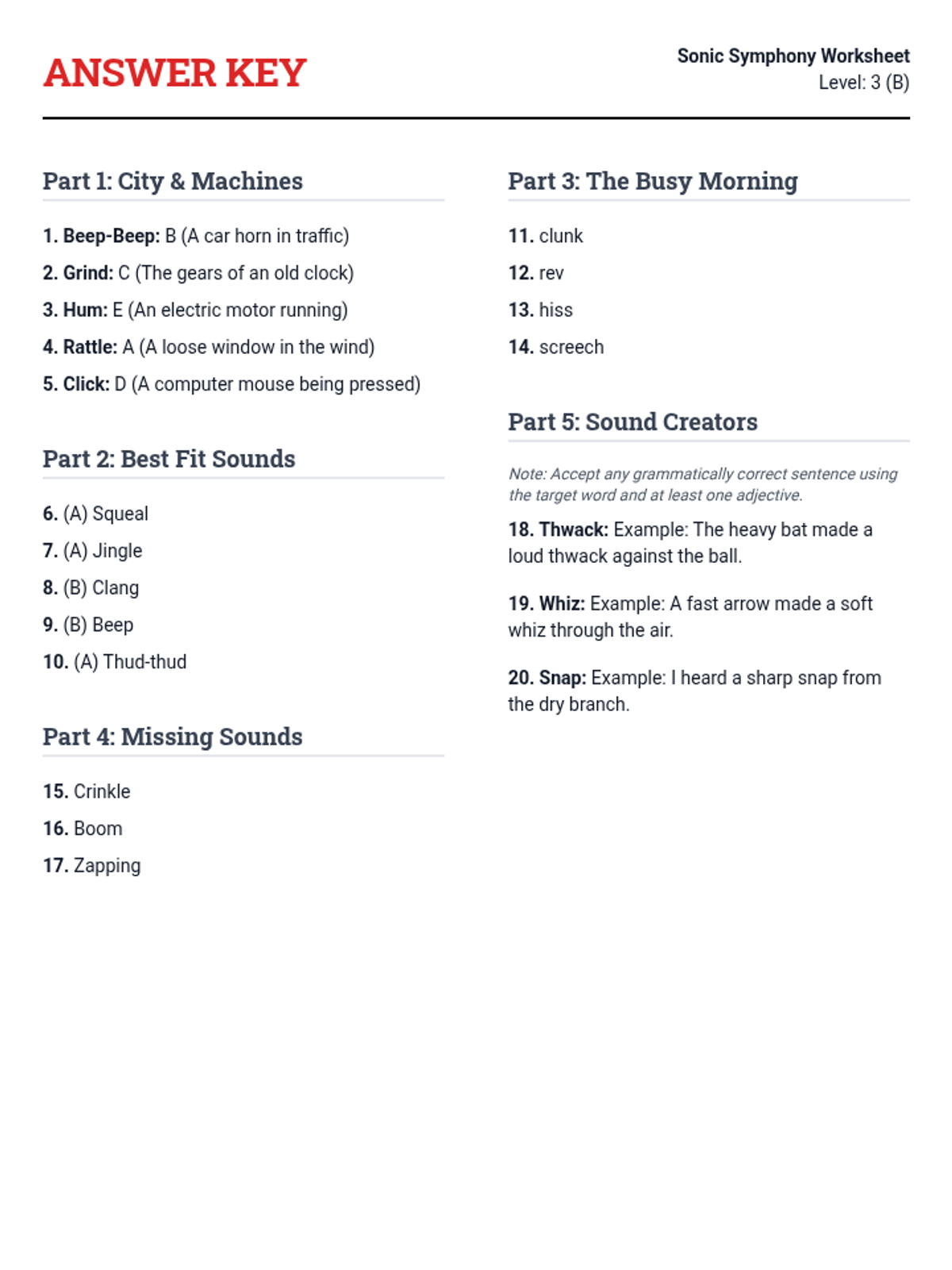
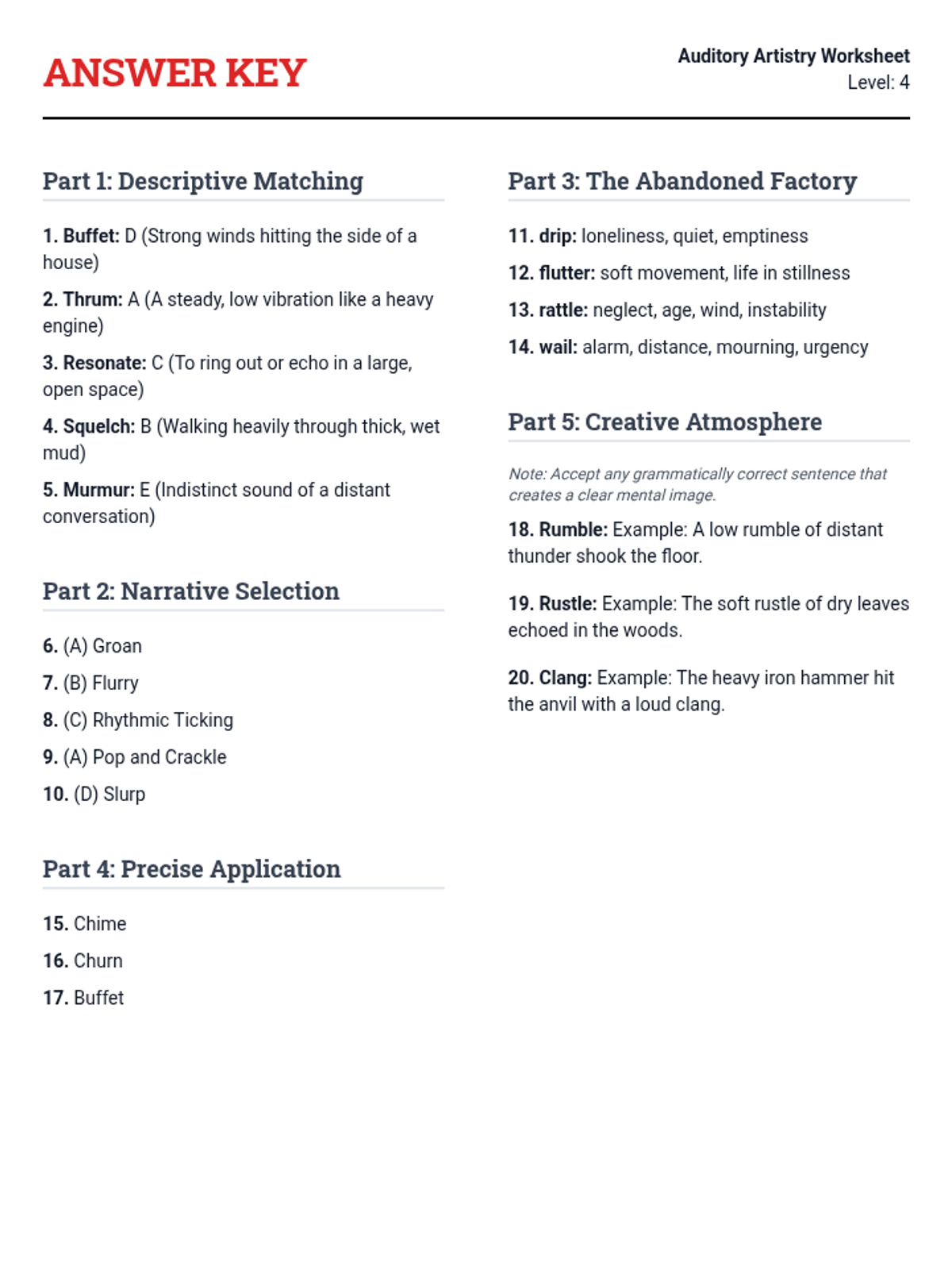
A collection of differentiated worksheets focusing on identifying and using onomatopoeia across 2nd, 3rd, and 4th-grade readability levels. Each worksheet features 20 comprehensive questions including matching, multiple choice, and creative writing.
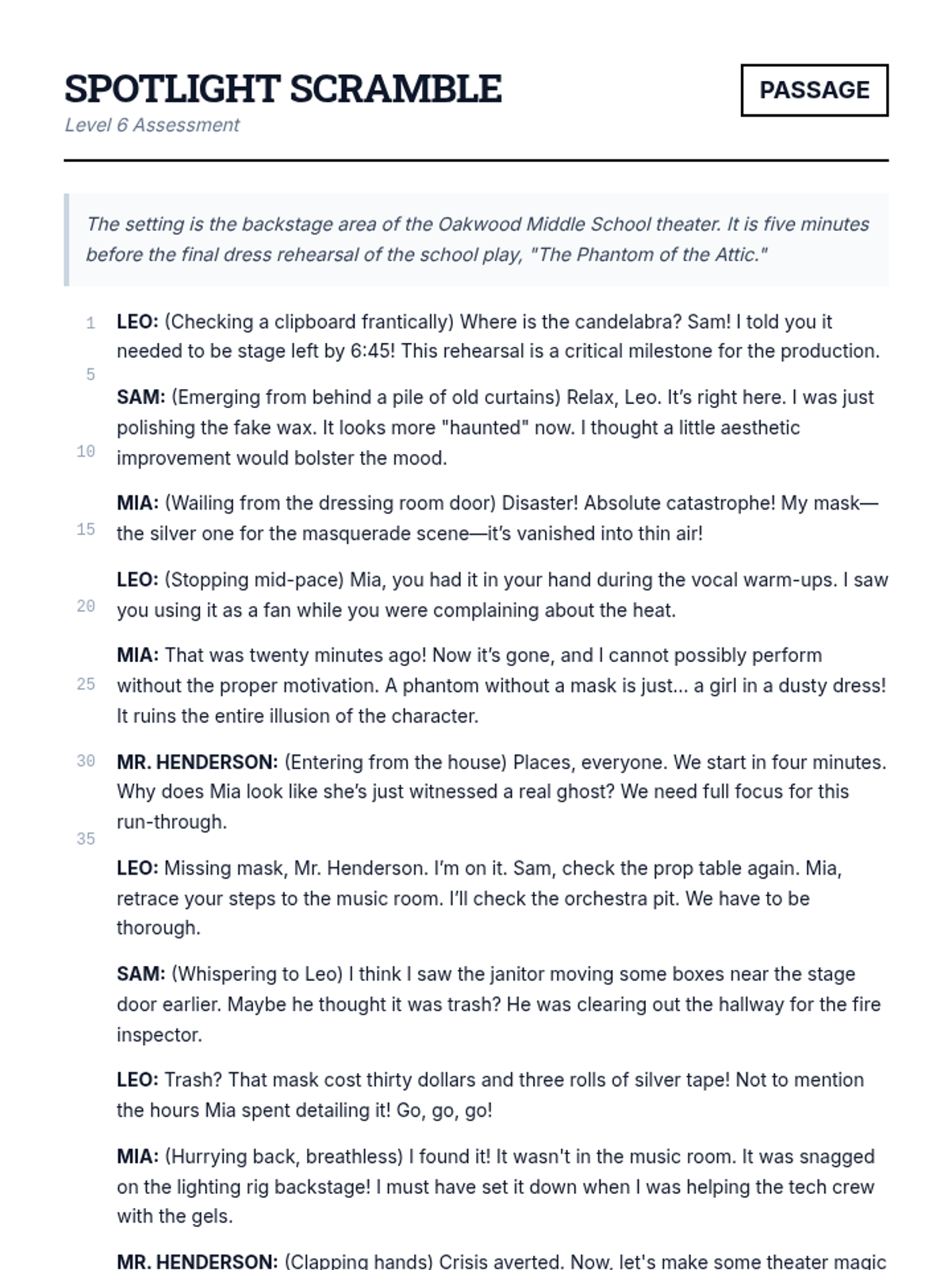
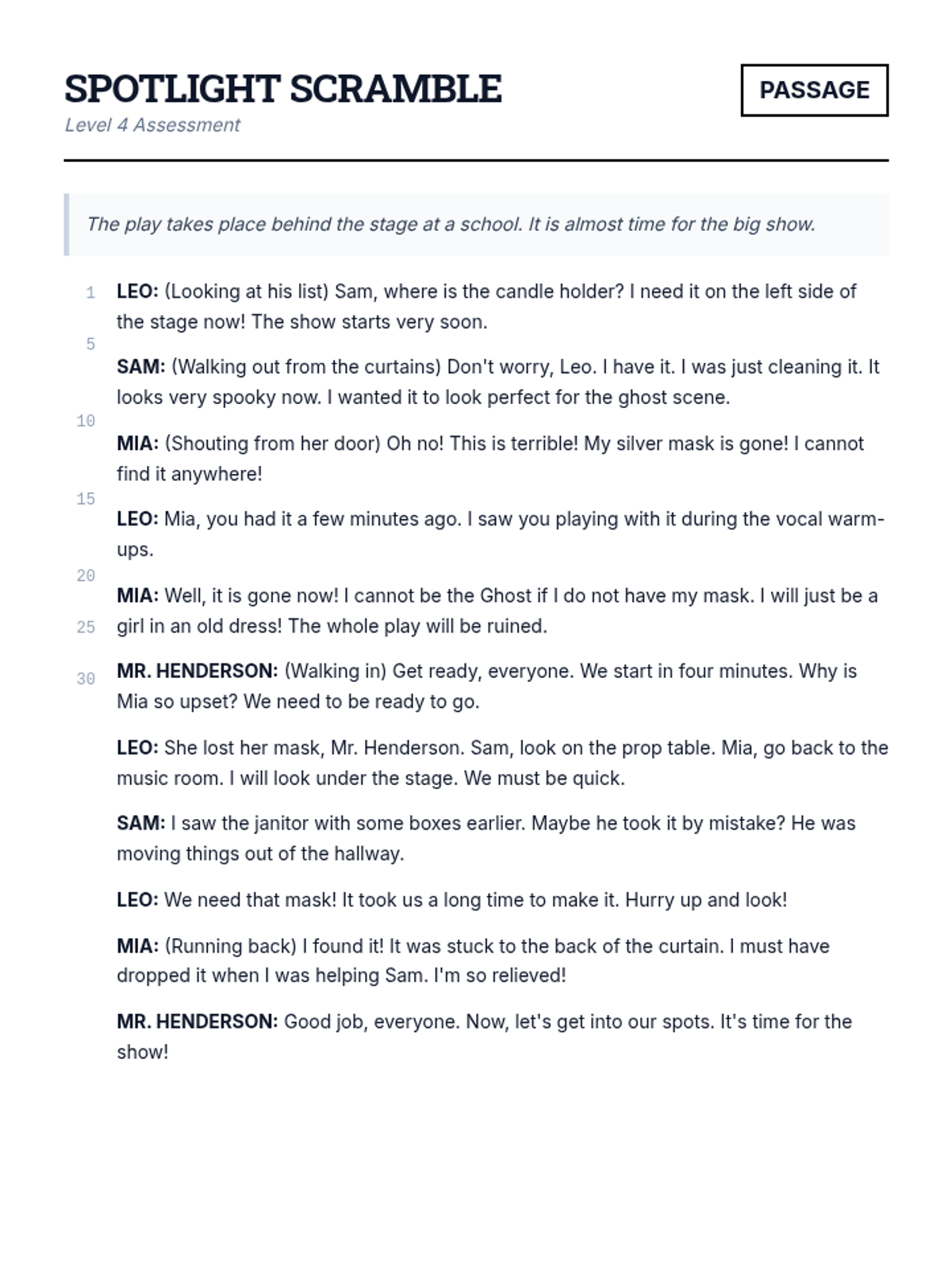
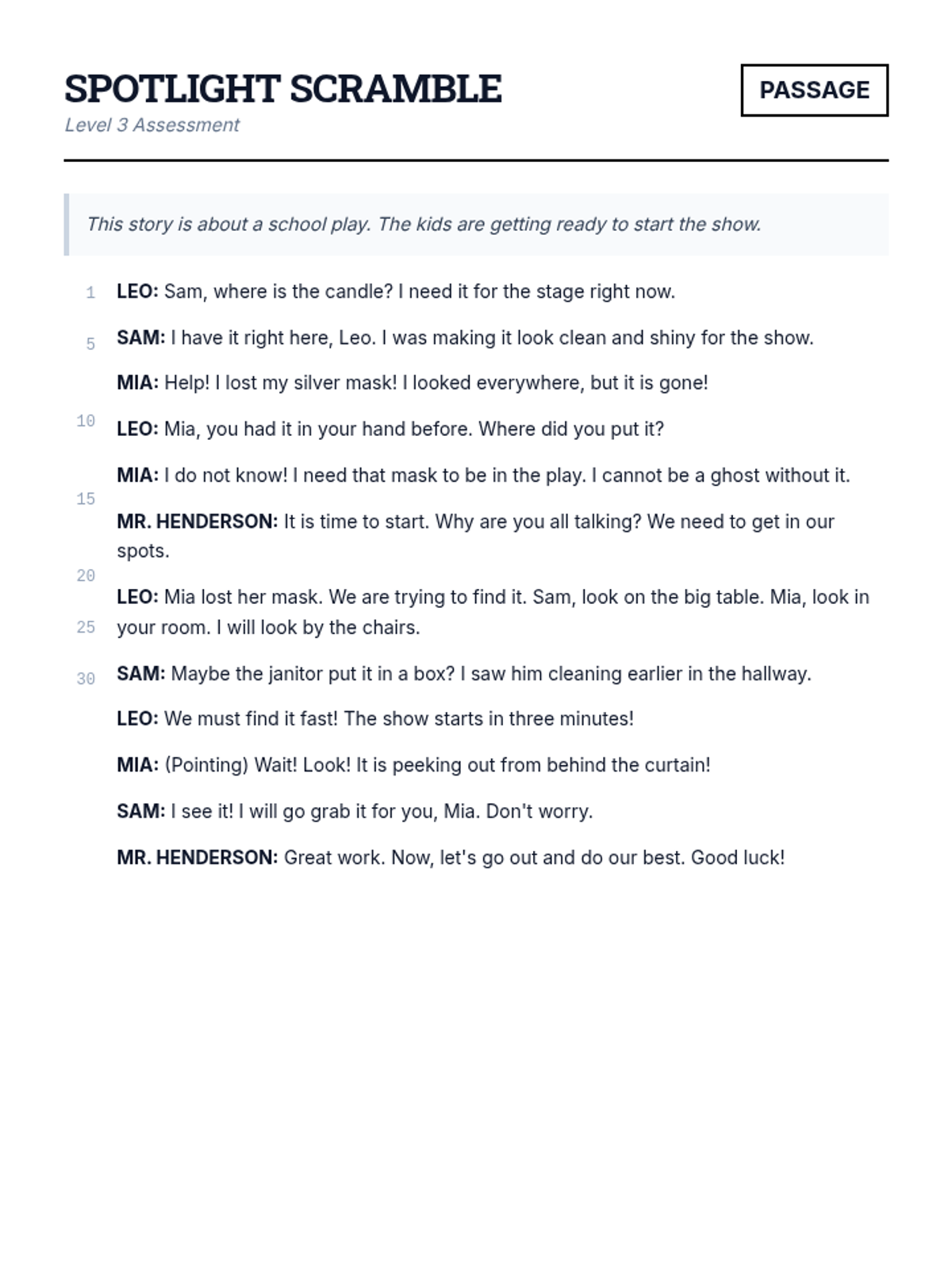
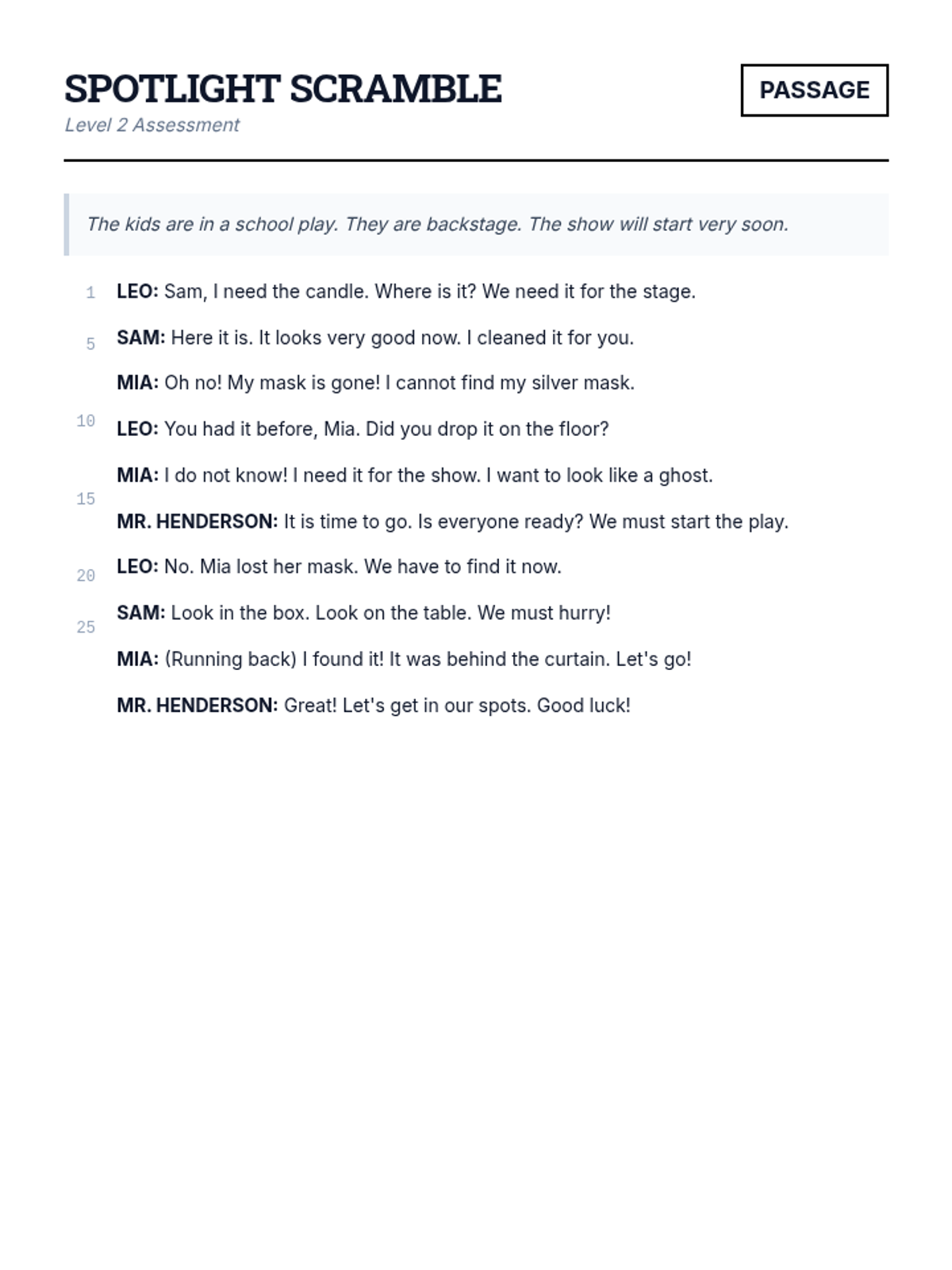
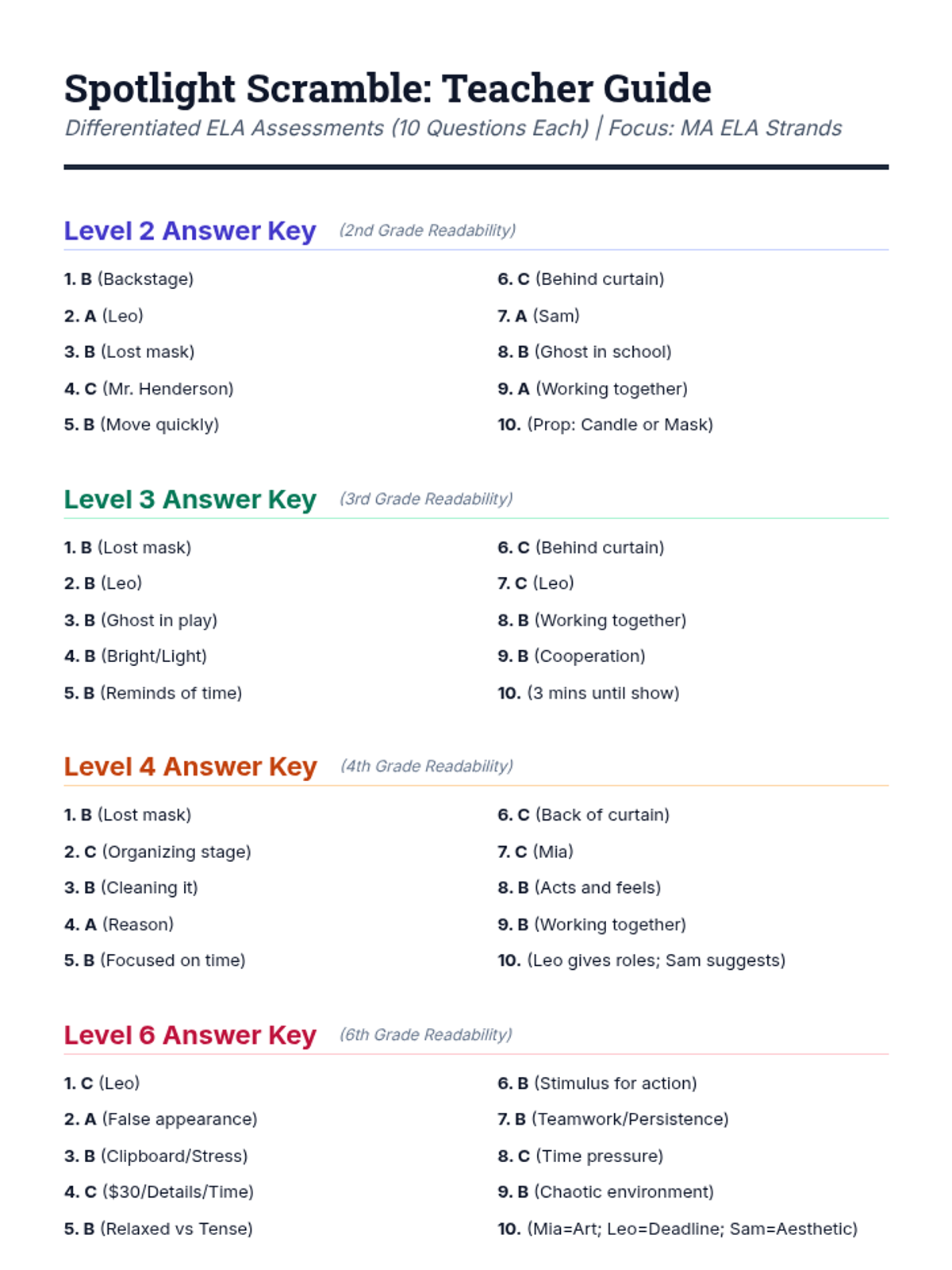
A comprehensive ELA assessment based on a high-interest theater play. Features four differentiated readability levels (Grades 2, 3, 4, and 6) and MCAS-style questions focused on Massachusetts ELA standards.
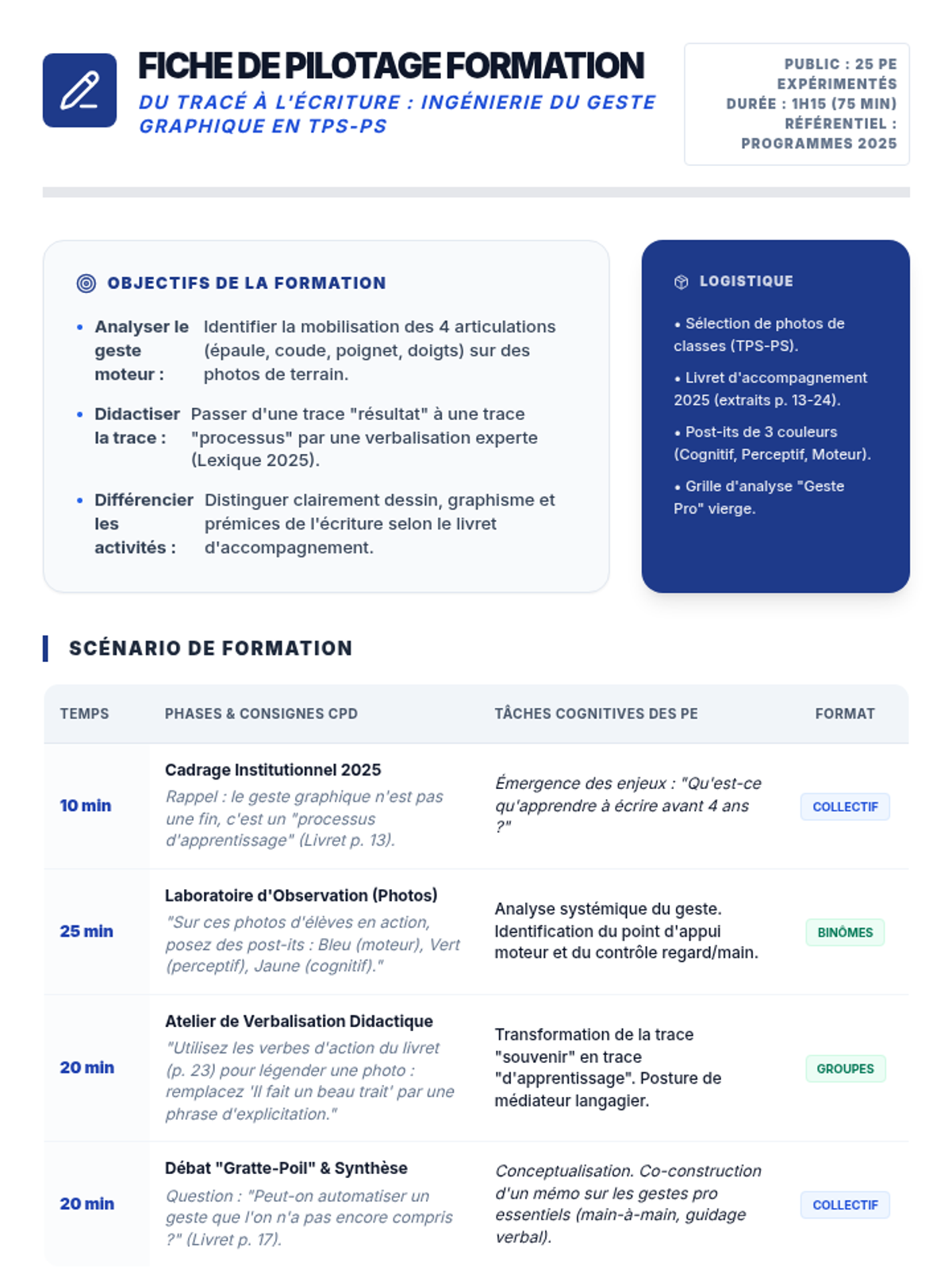
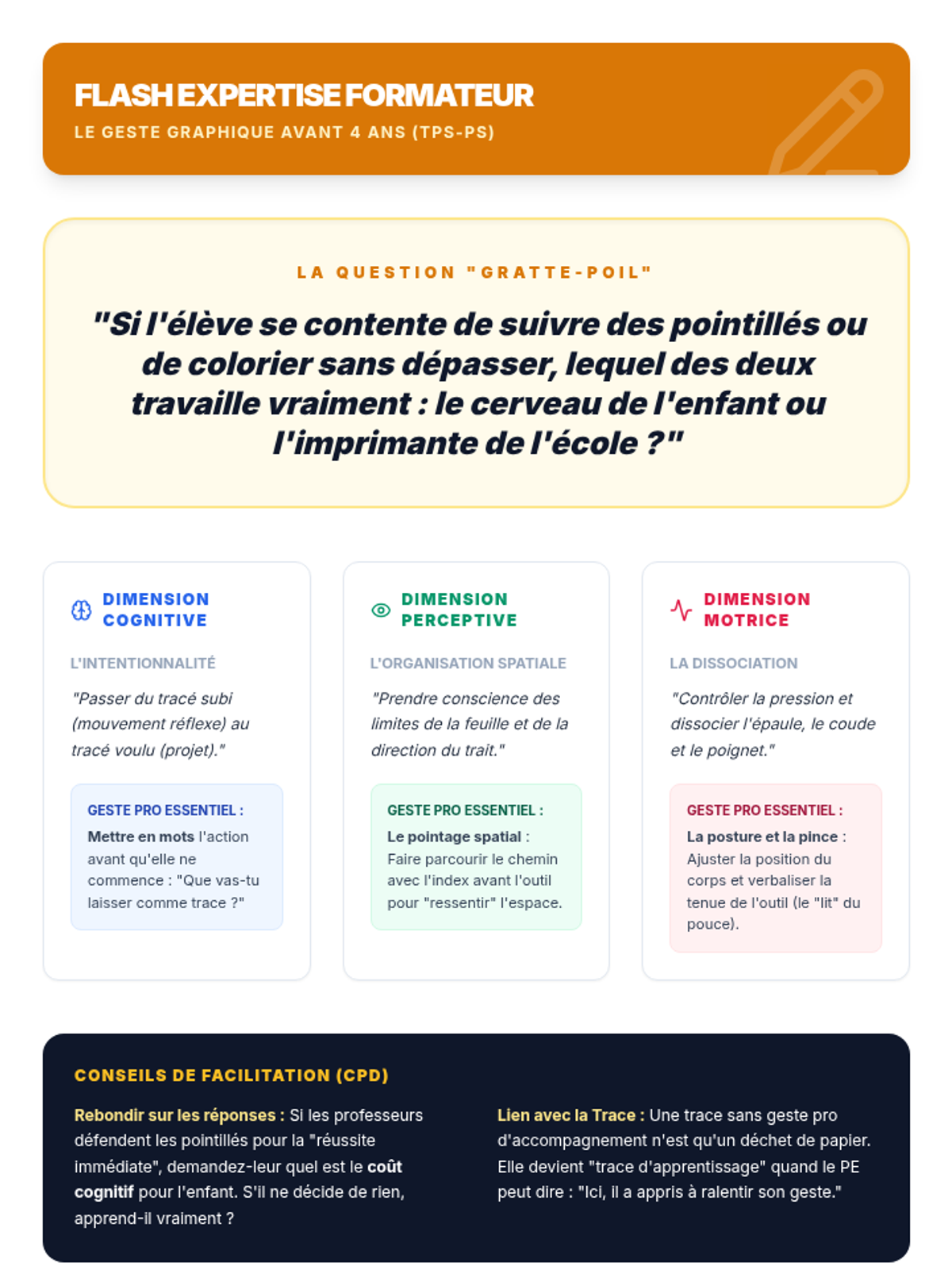
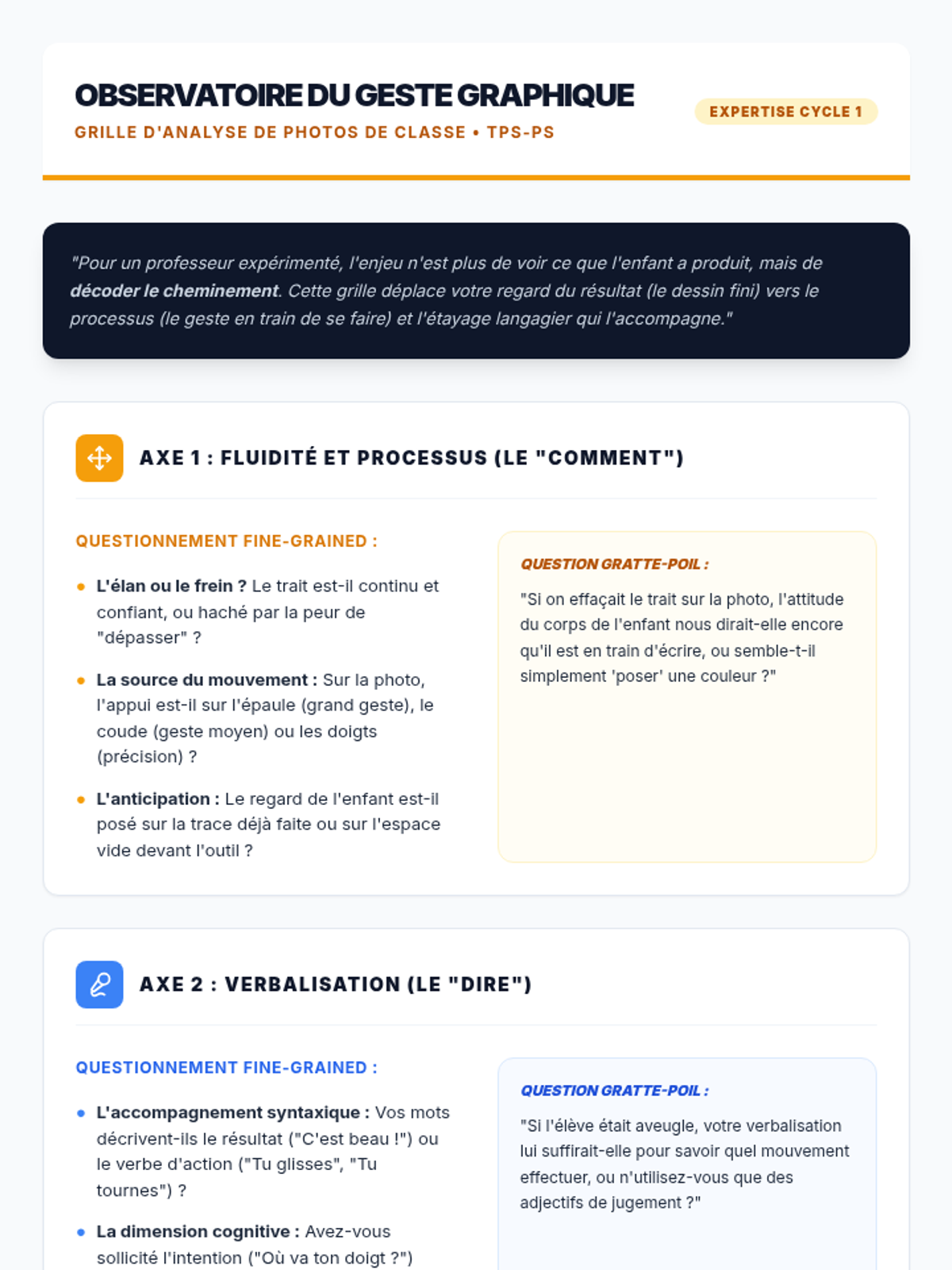
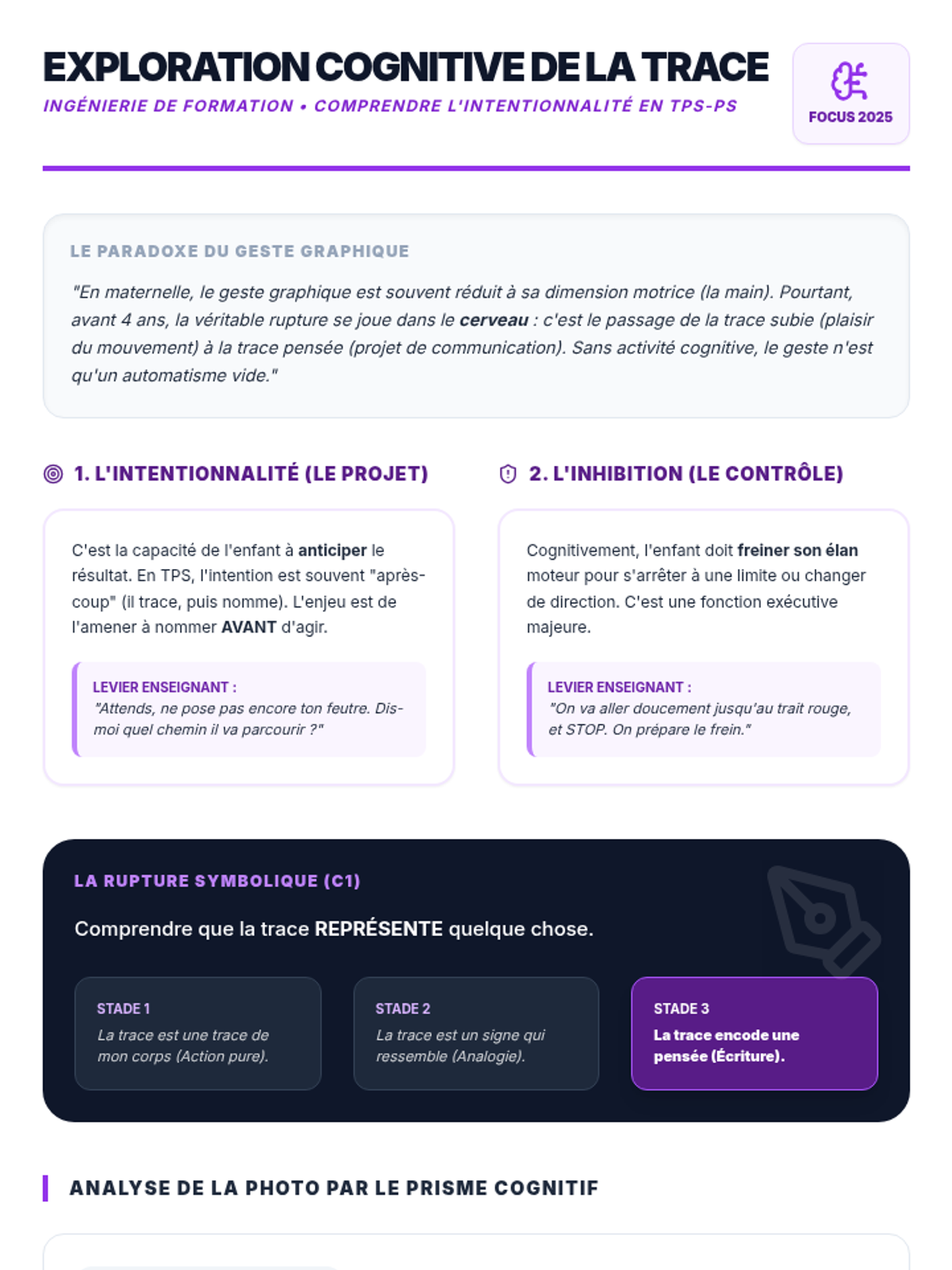
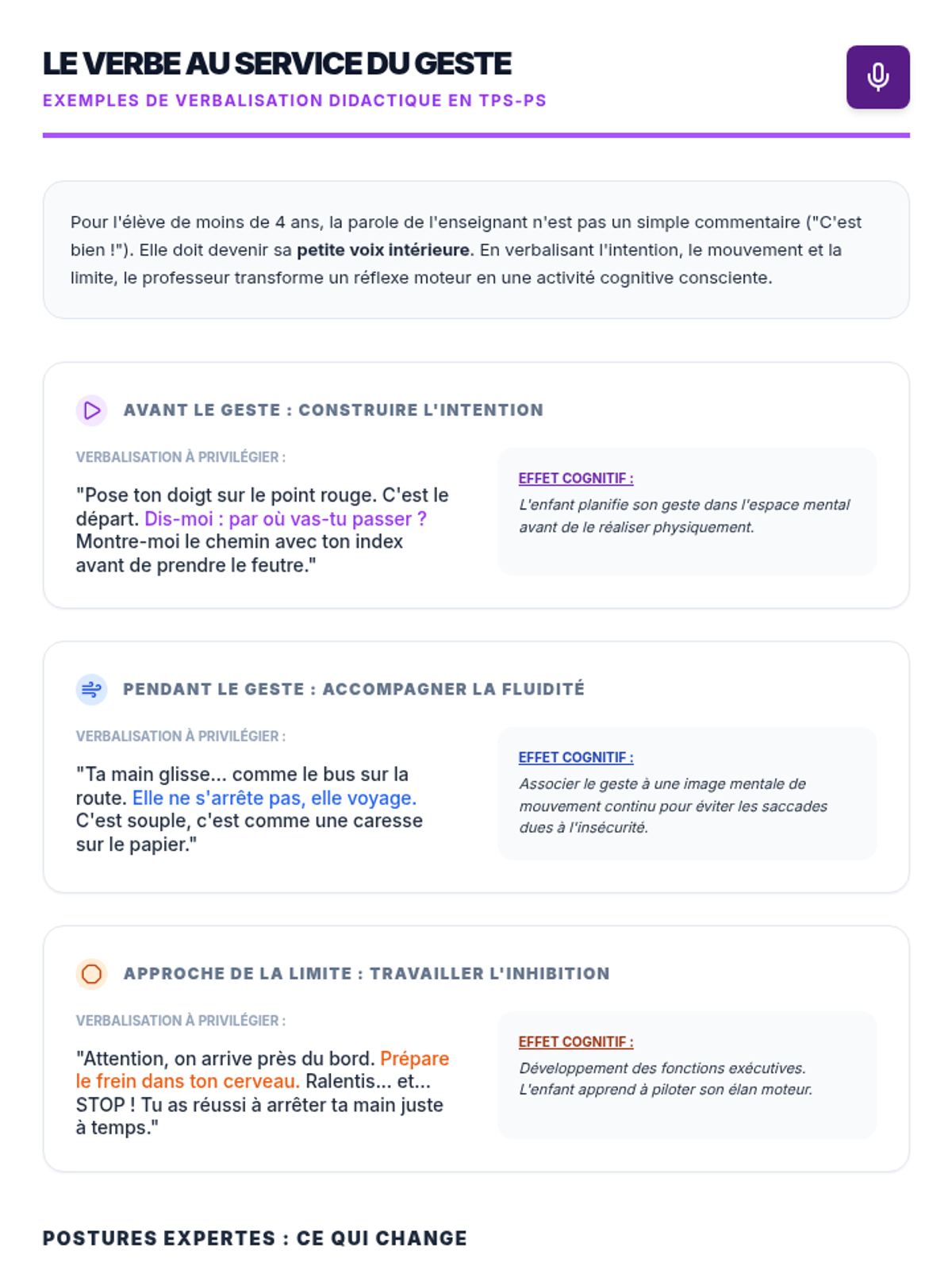
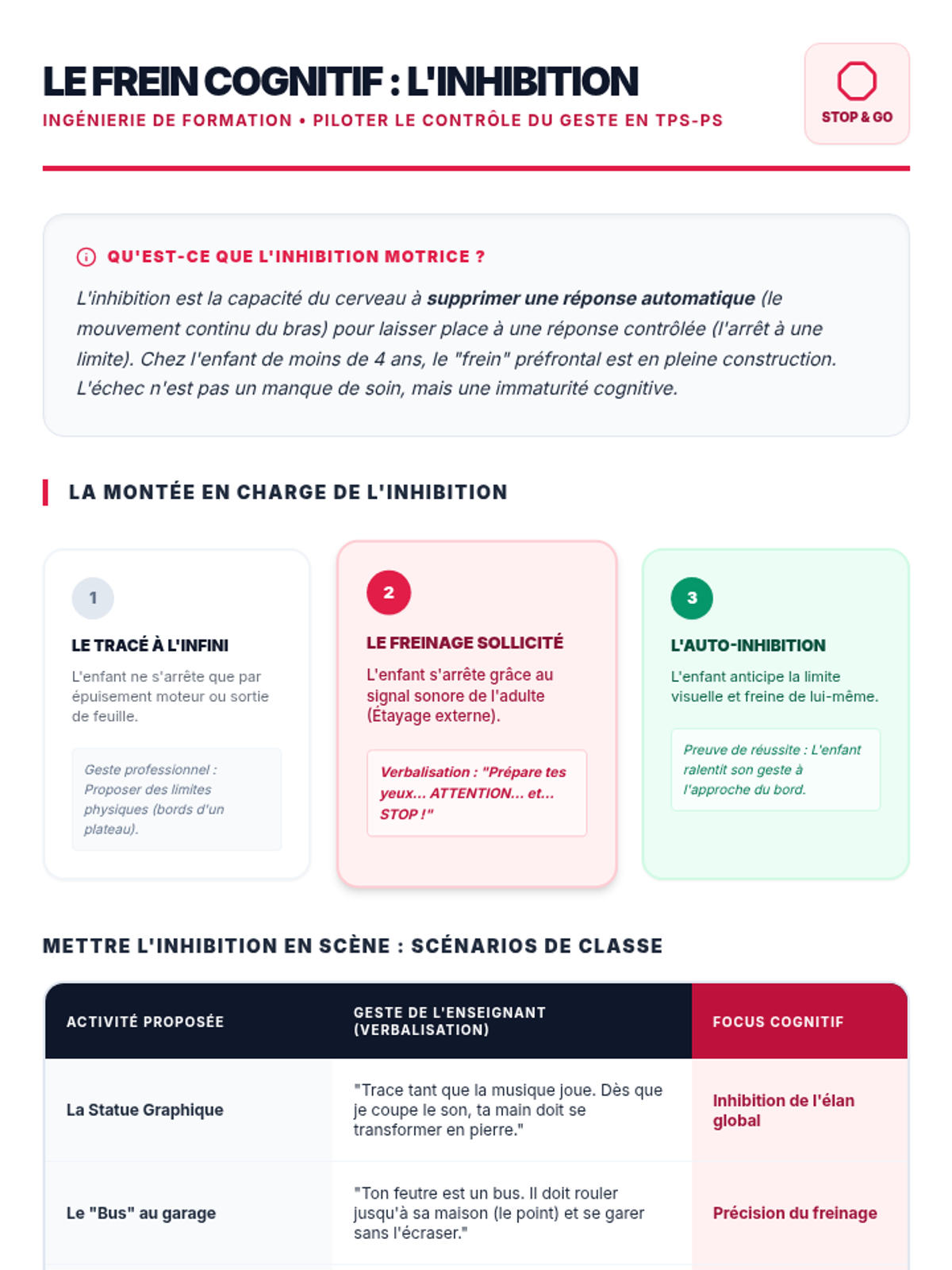
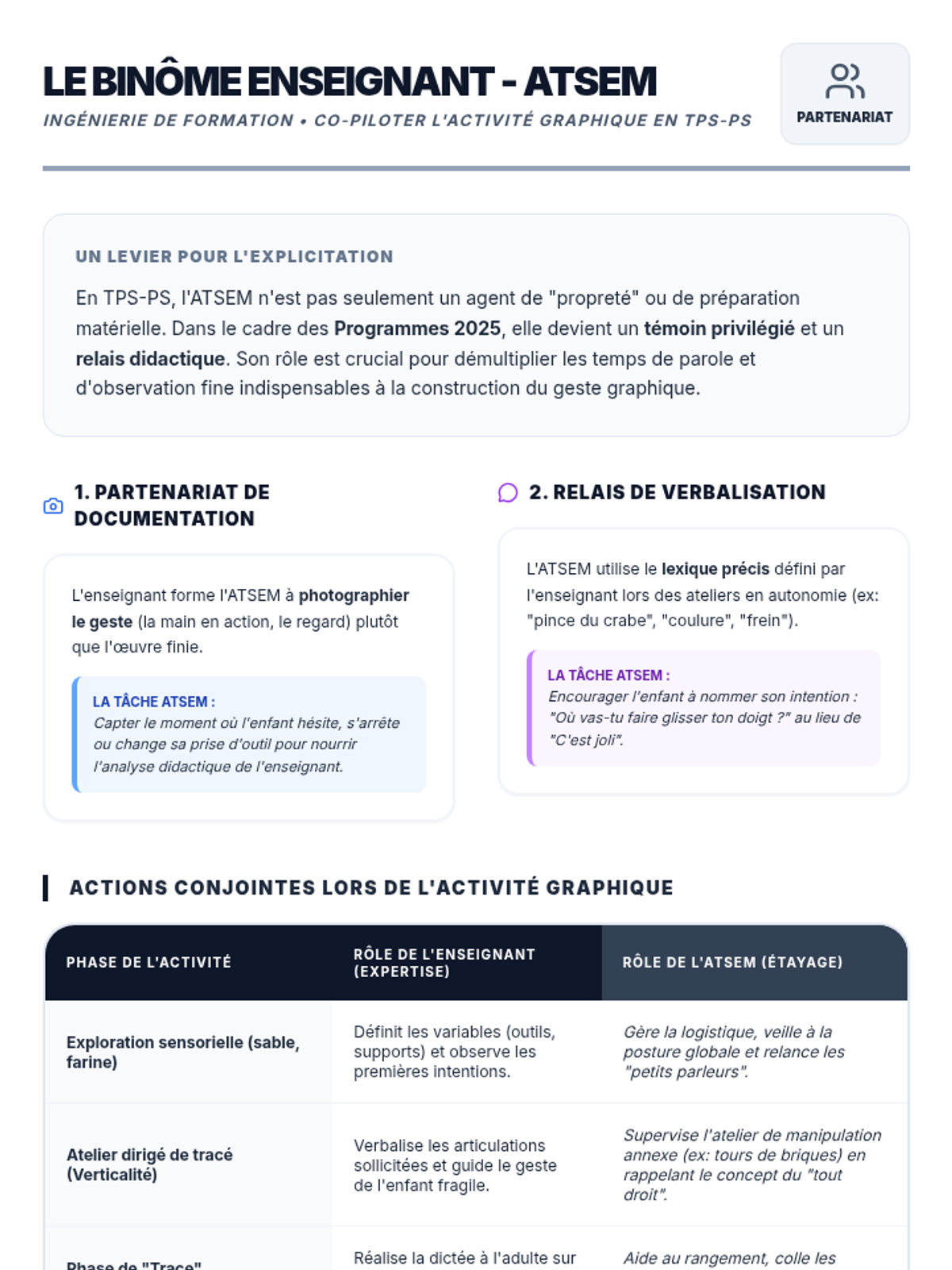
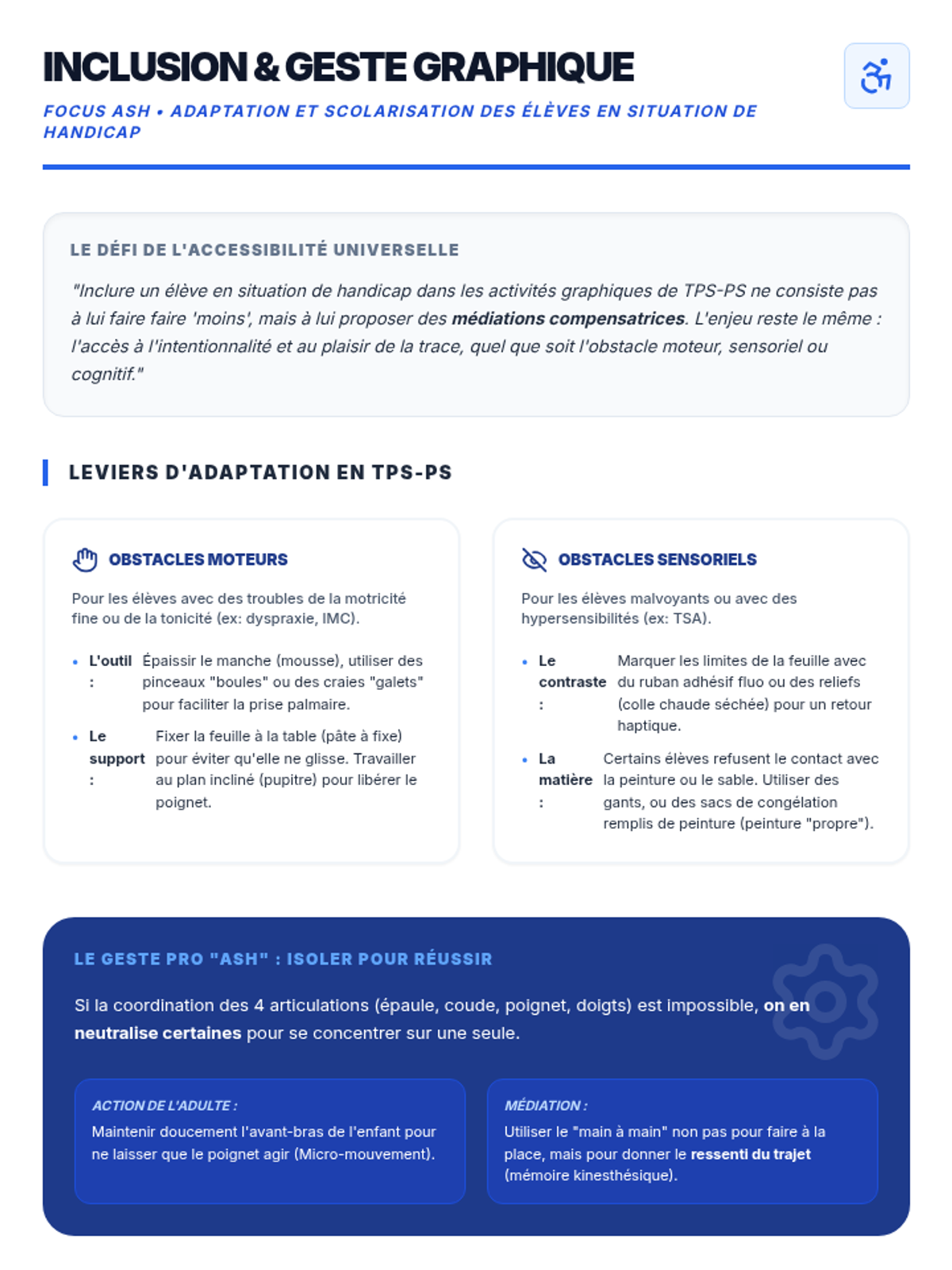
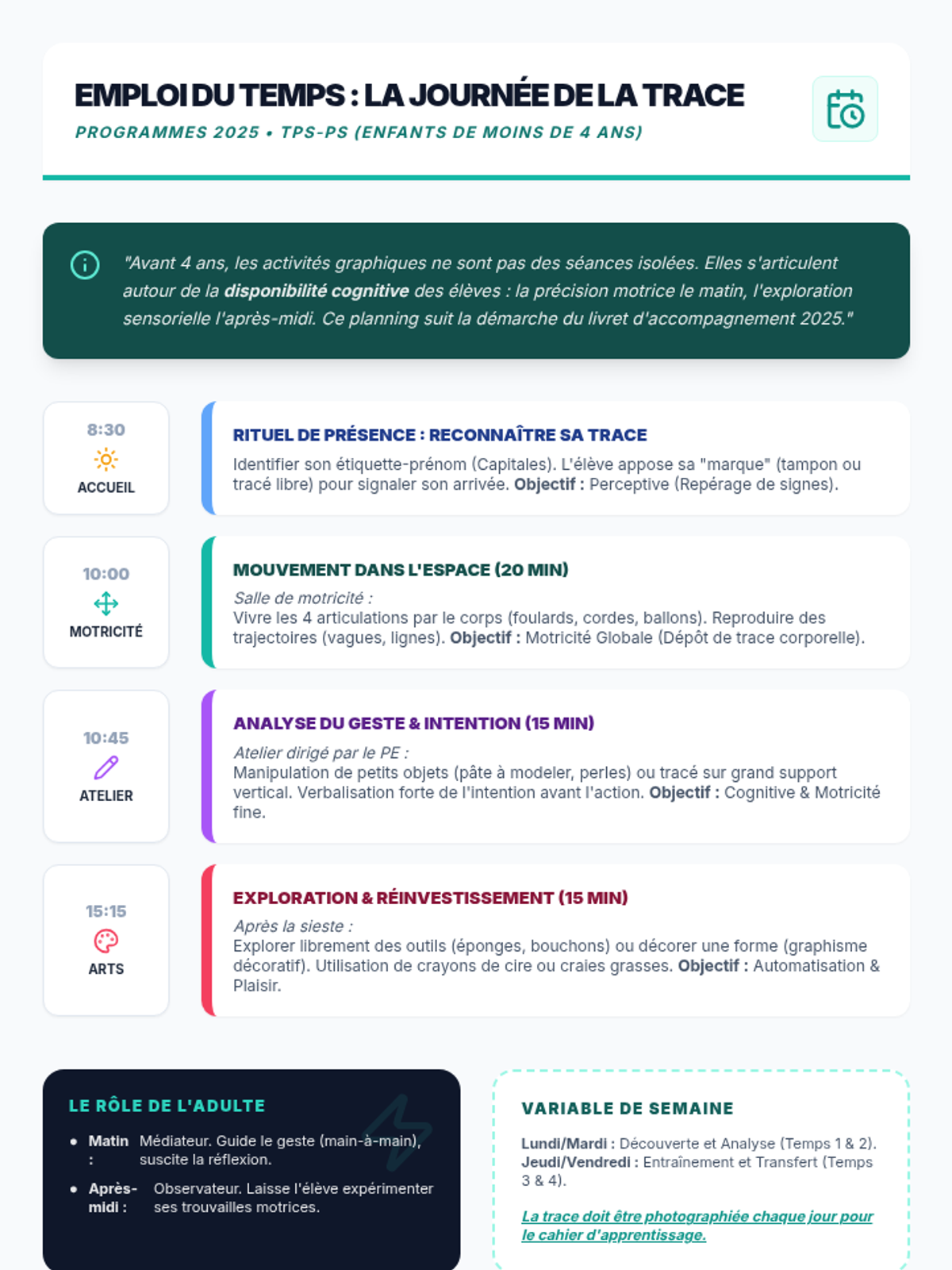
Cette formation pour les professeurs de TPS-PS vise à professionnaliser la conception des "traces" d'activités (cahiers de vie, affichages). En s'appuyant sur les photos de classe et les guides 2025, les enseignants apprennent à rendre les apprentissages explicites pour les élèves et les familles.
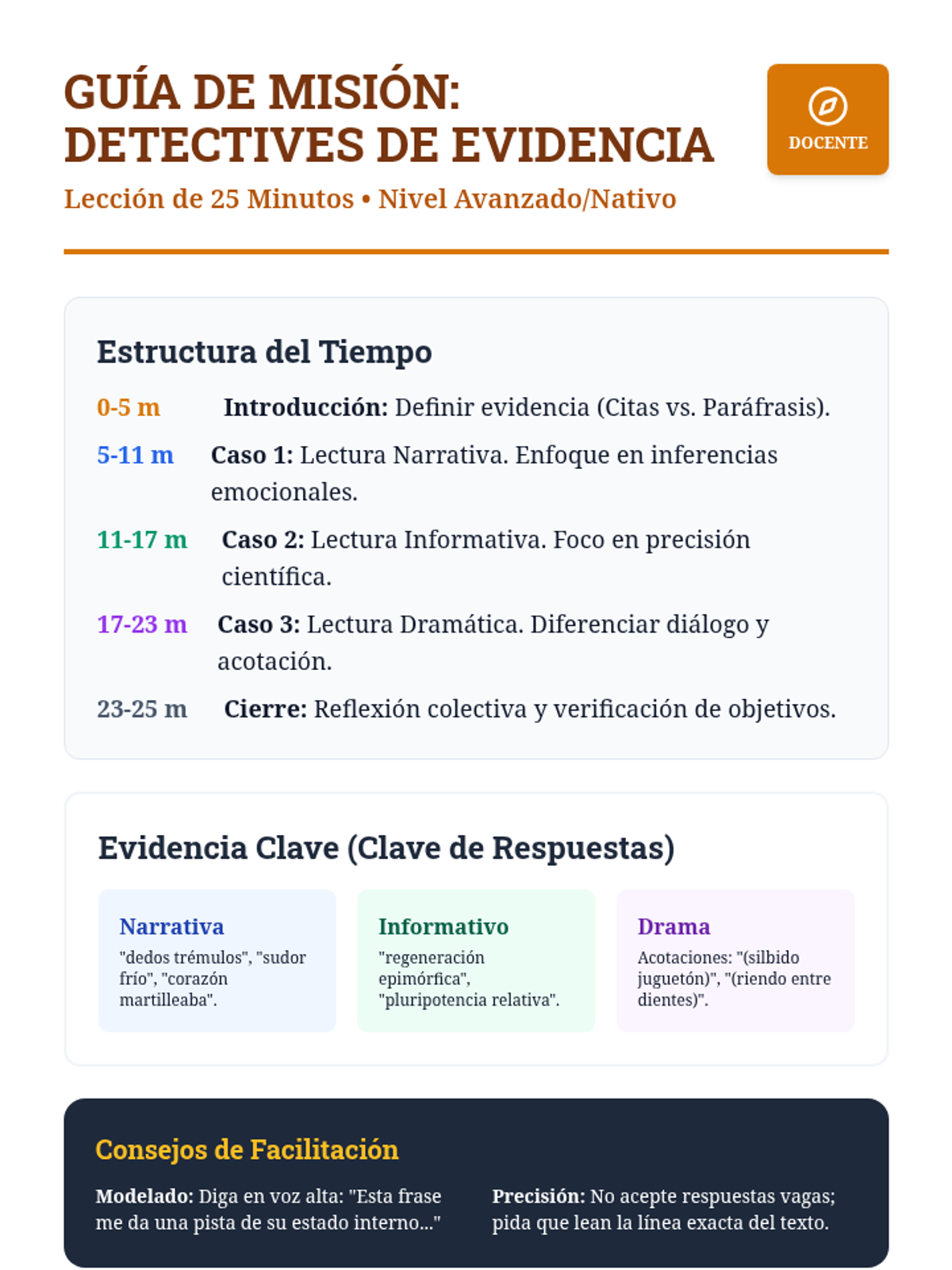
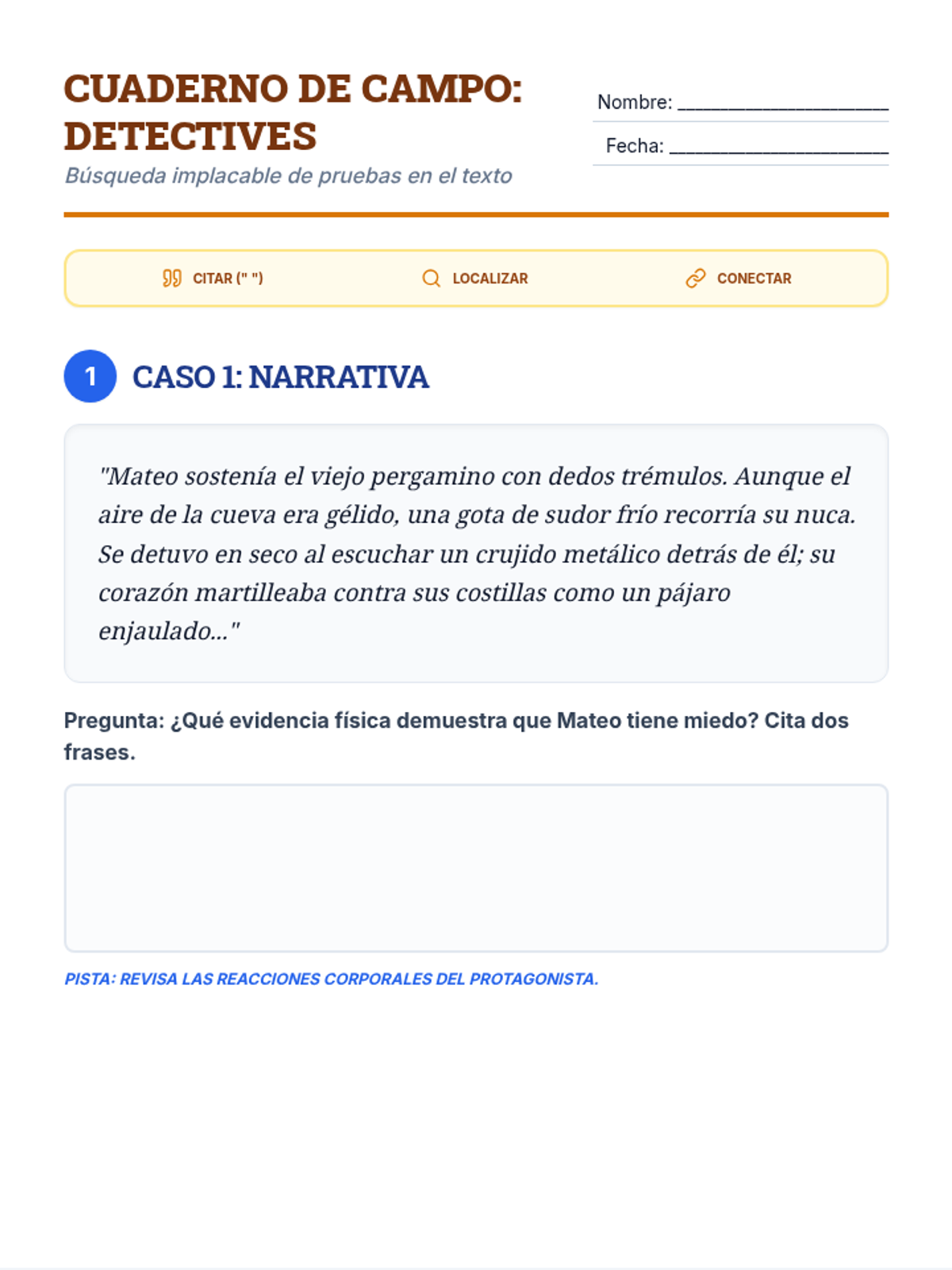
Una lección guiada de 25 minutos para estudiantes avanzados o nativos sobre cómo utilizar la evidencia del texto para respaldar respuestas, utilizando tres géneros distintos: narrativa, informativo y dramático.
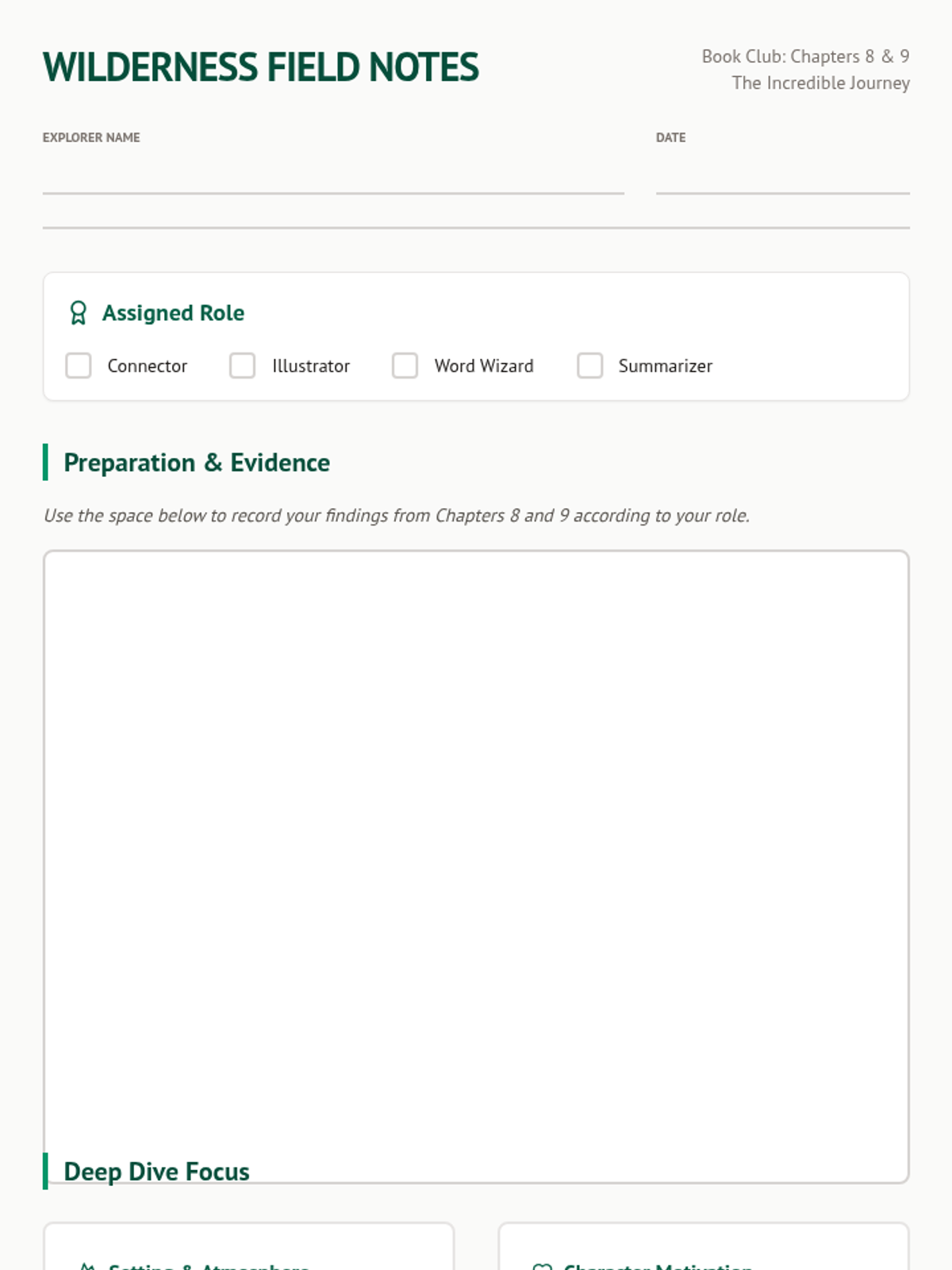
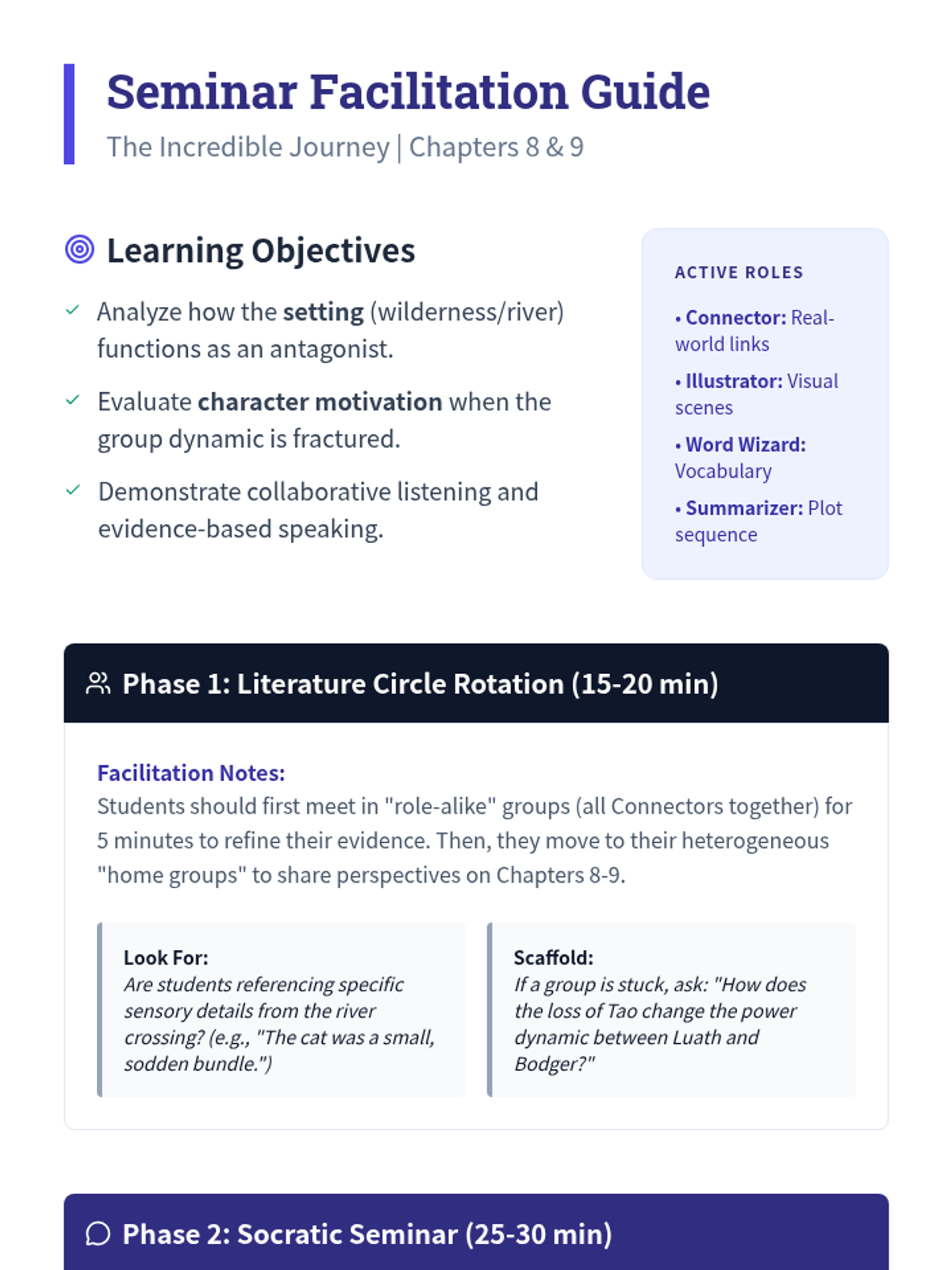
A deep dive into Sheila Burnford's classic adventure, focusing on the trio's survival through the Canadian wilderness. Students explore character motivations, analyze the atmospheric setting, and practice collaborative discussion techniques.
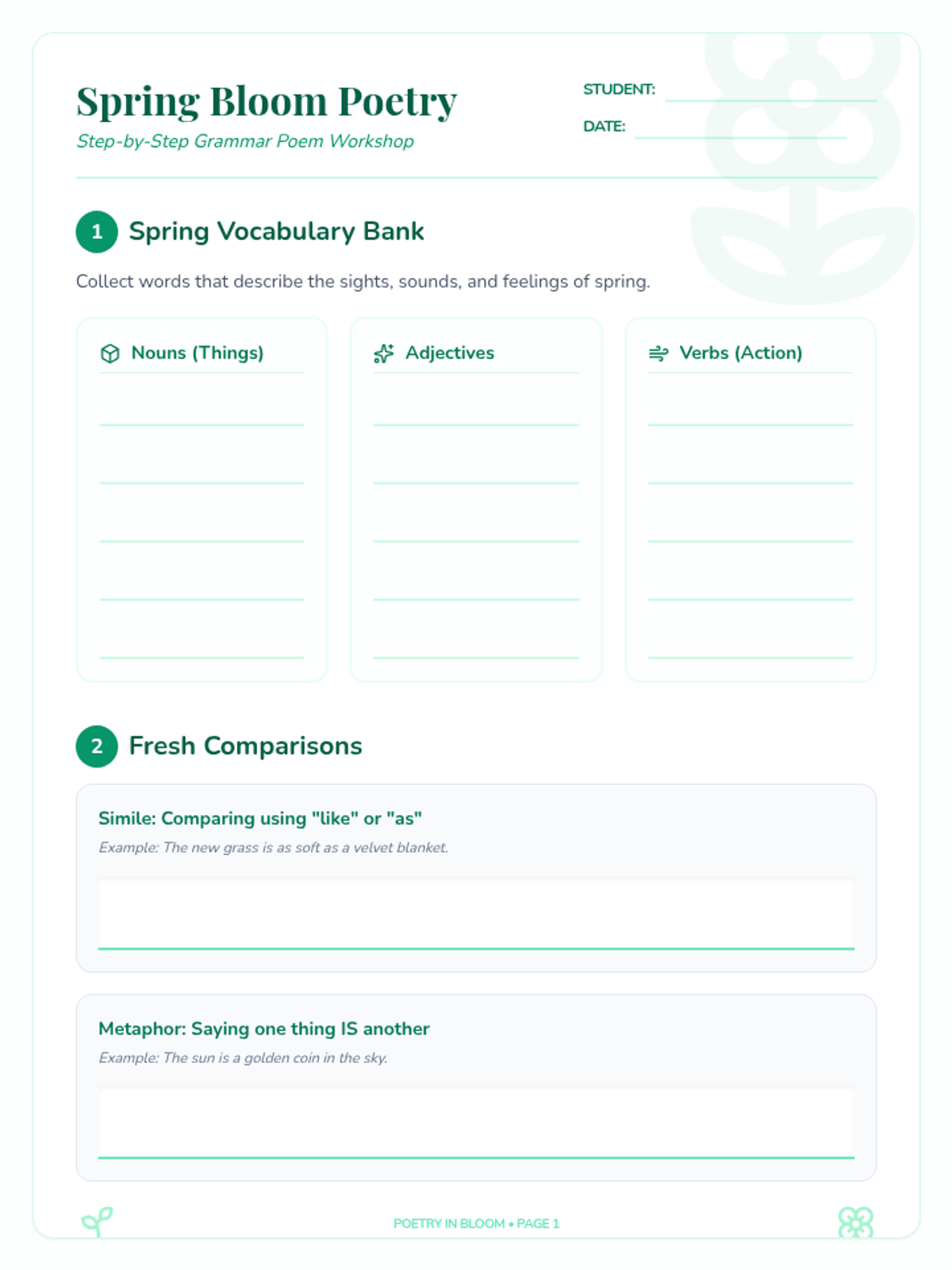
A guided poetry workshop where students use grammar concepts and figurative language to celebrate the arrival of spring.
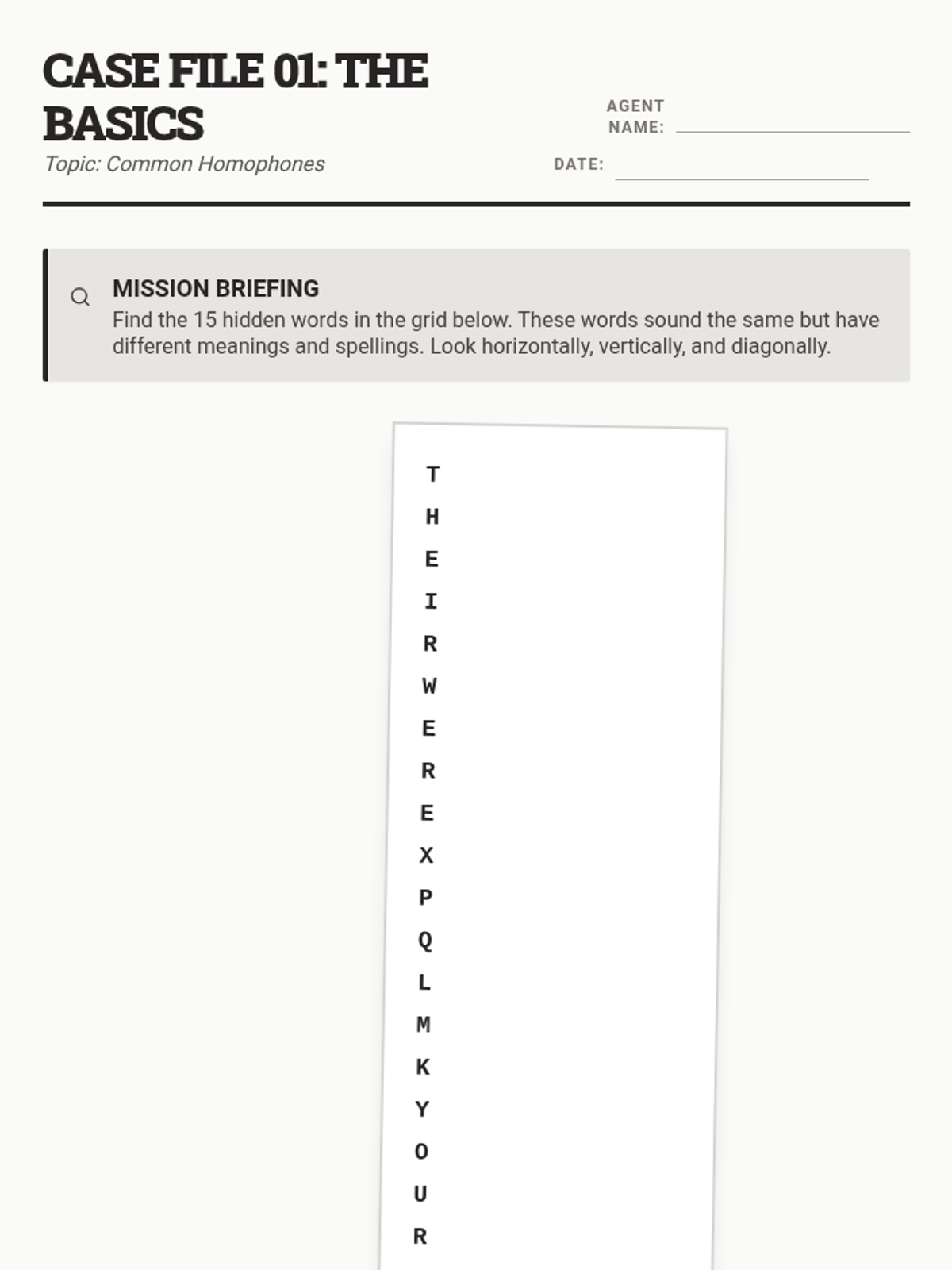
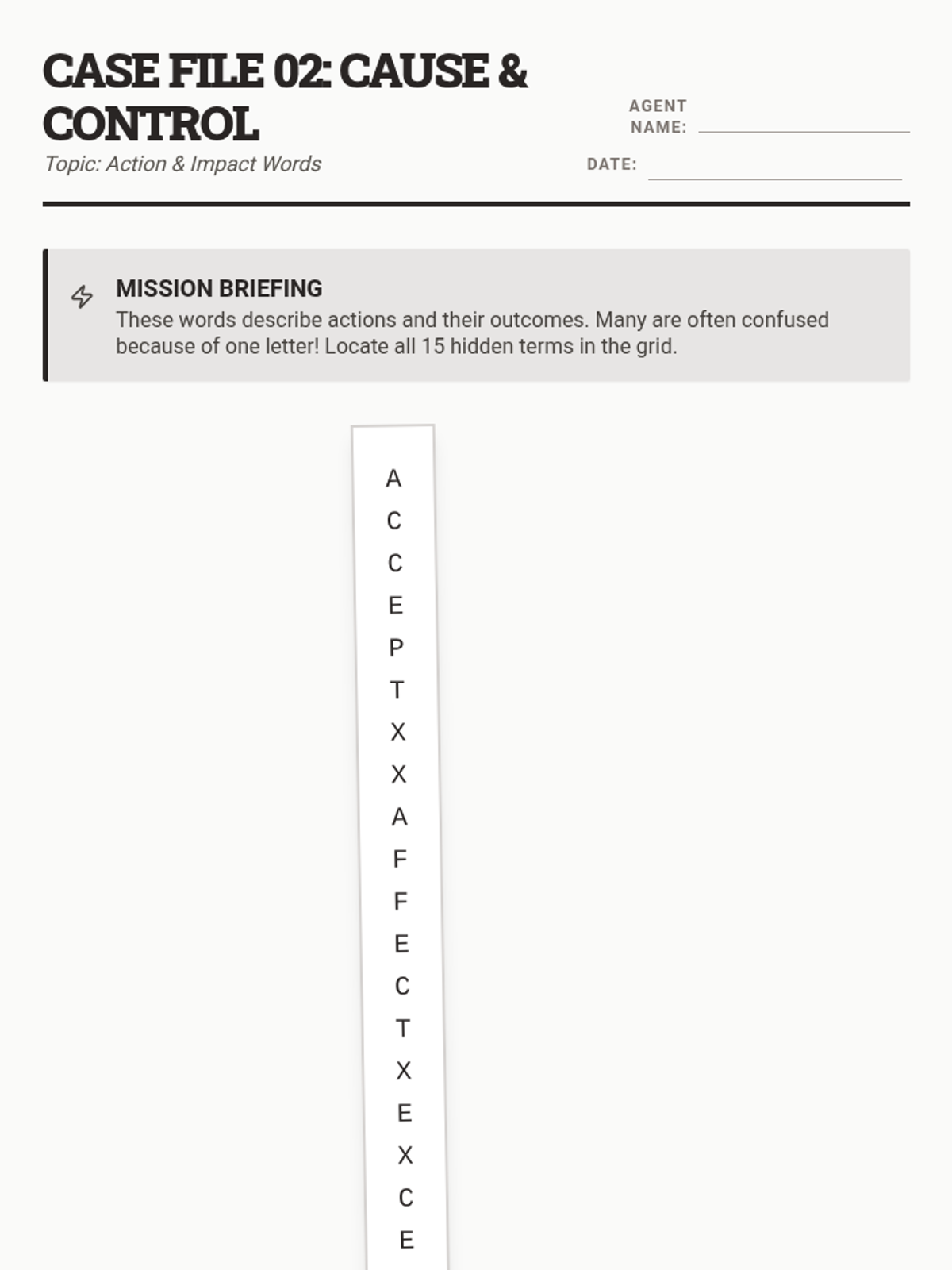
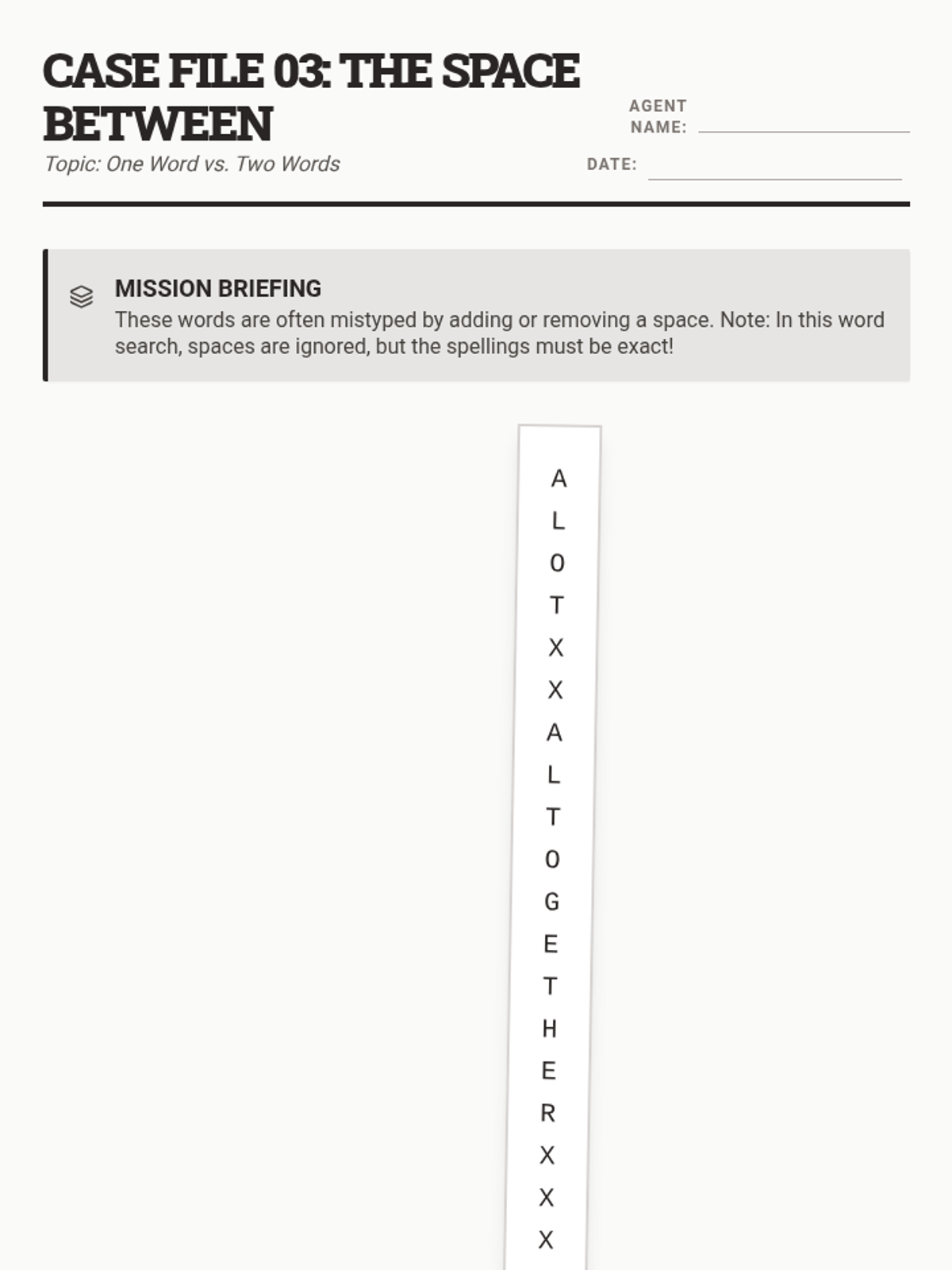
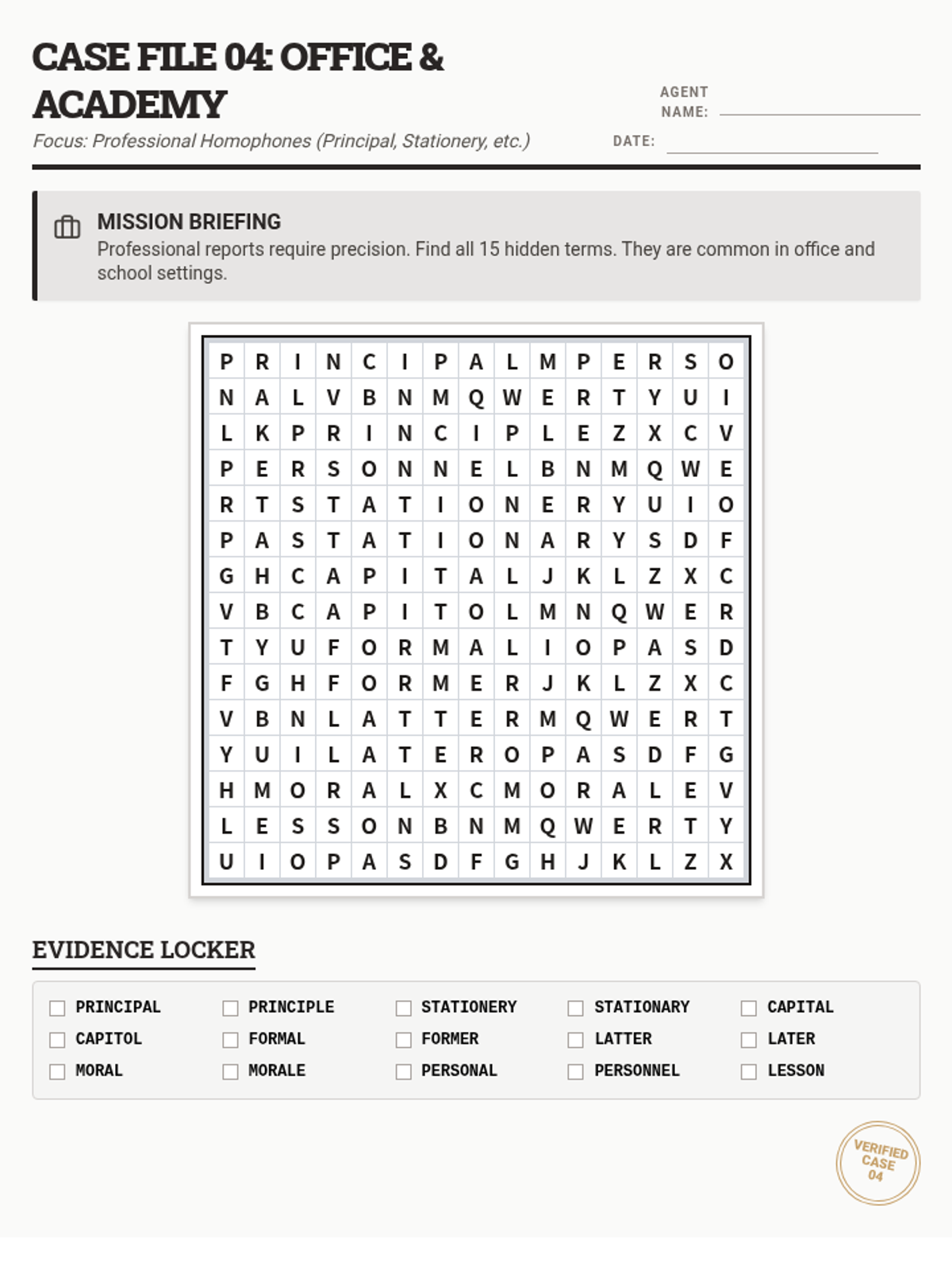
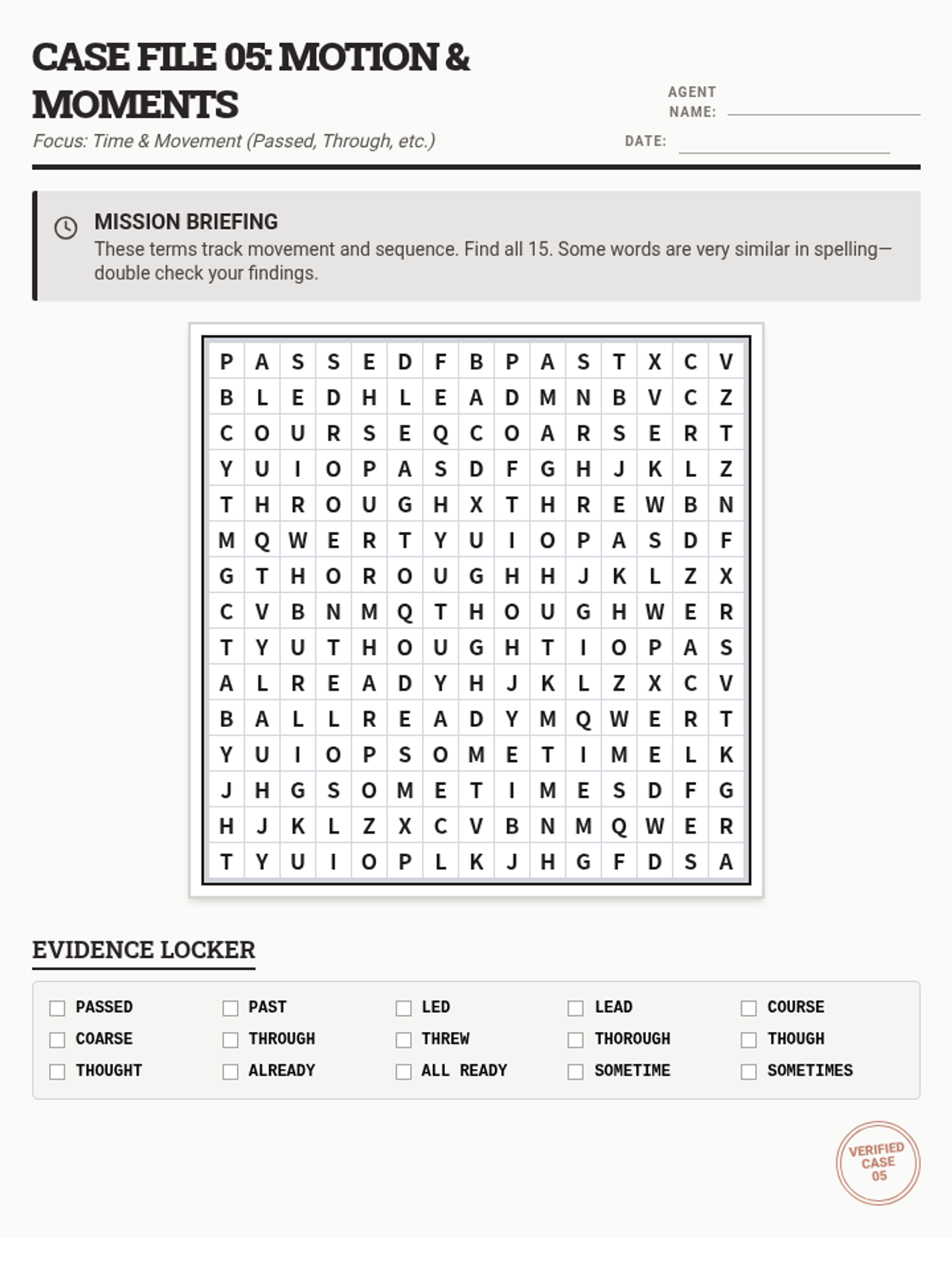
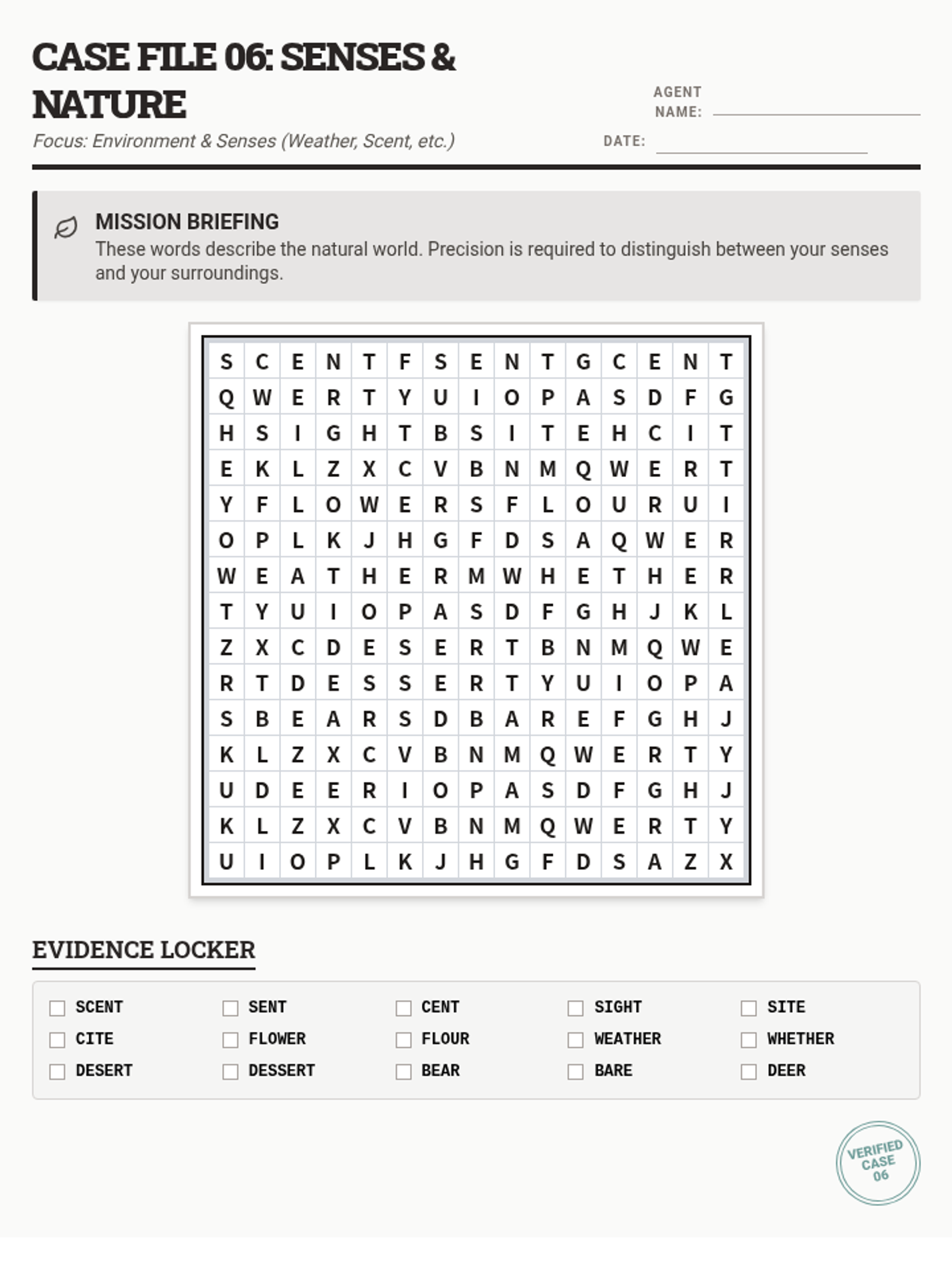
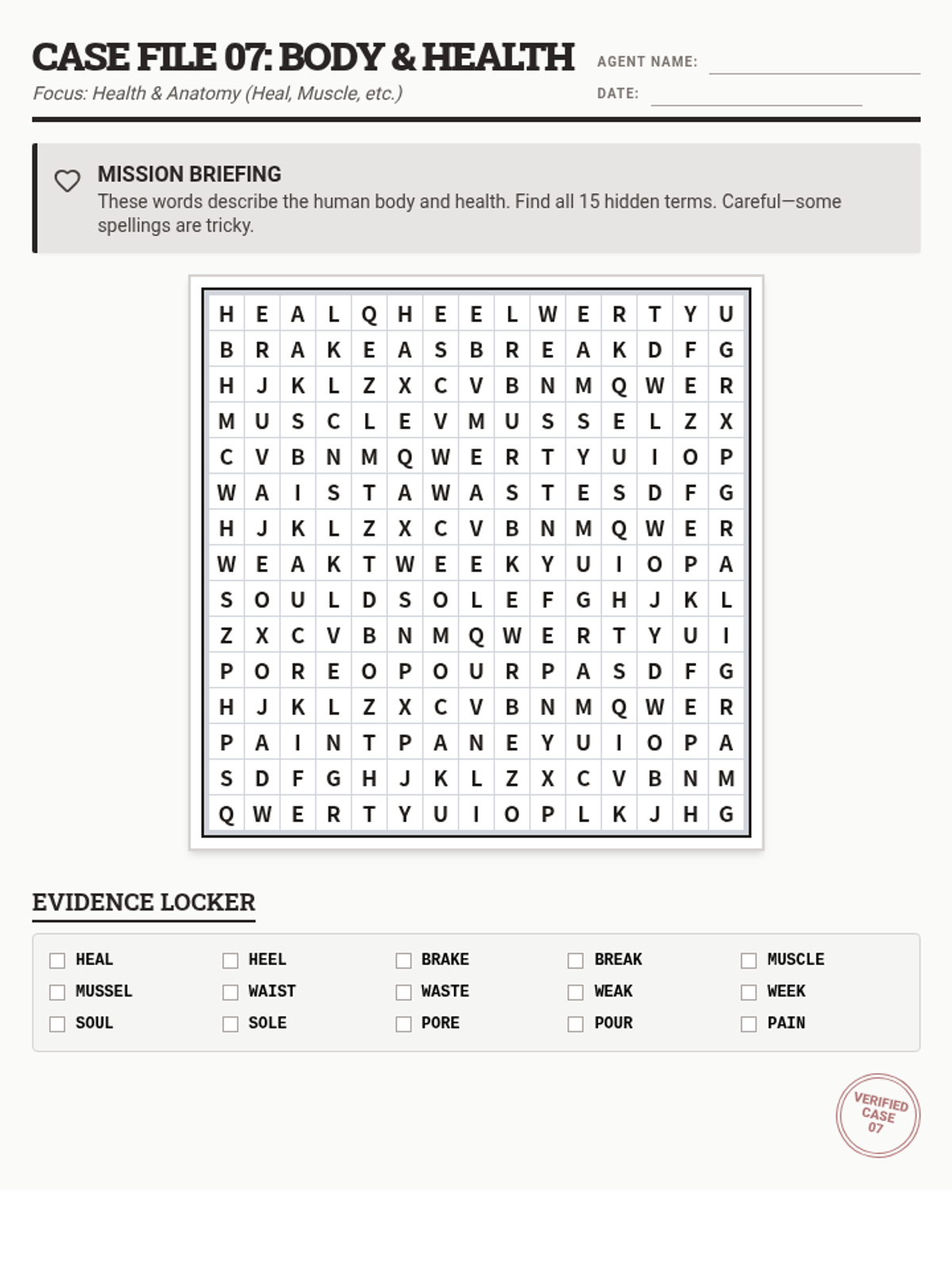
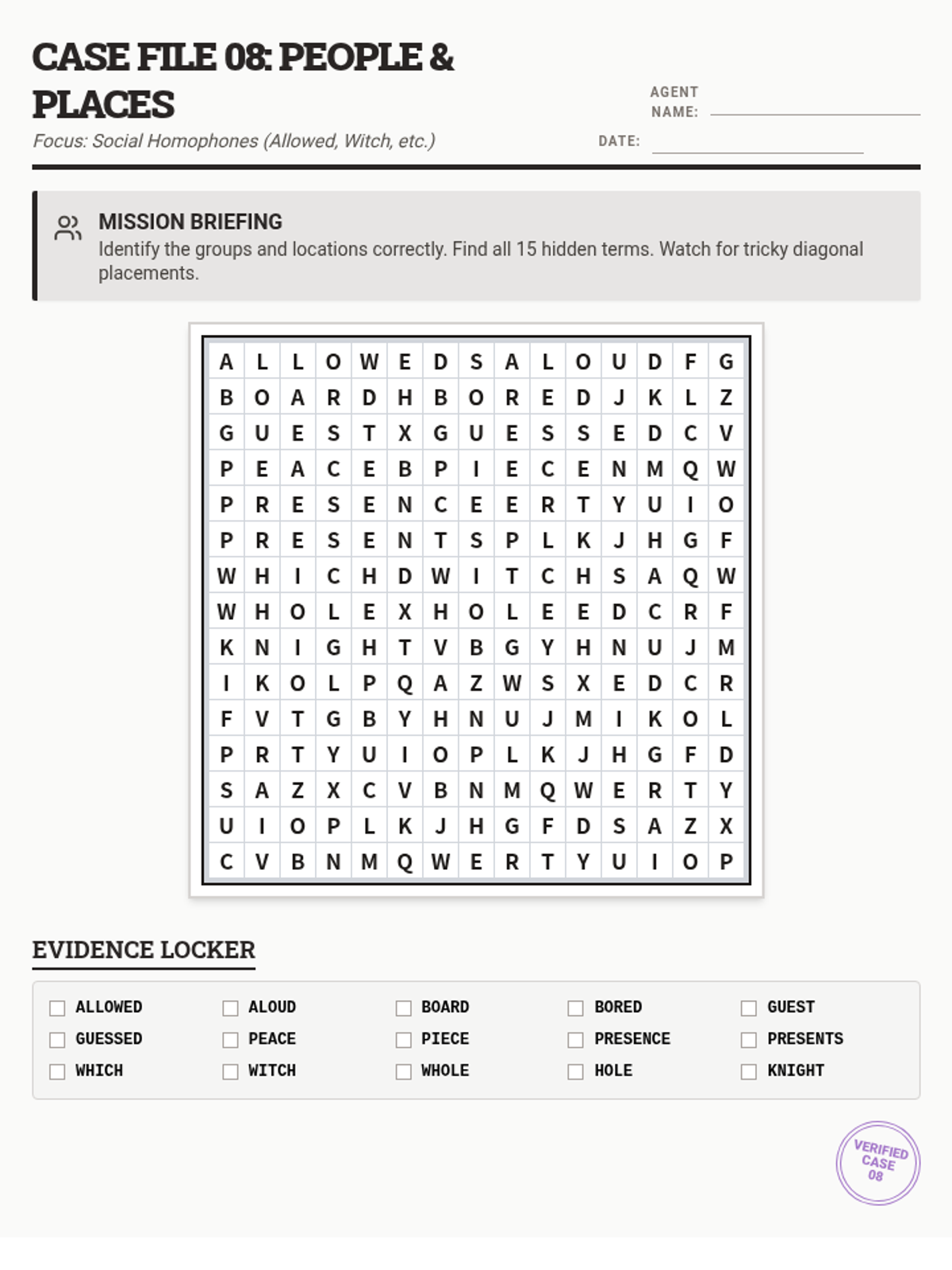
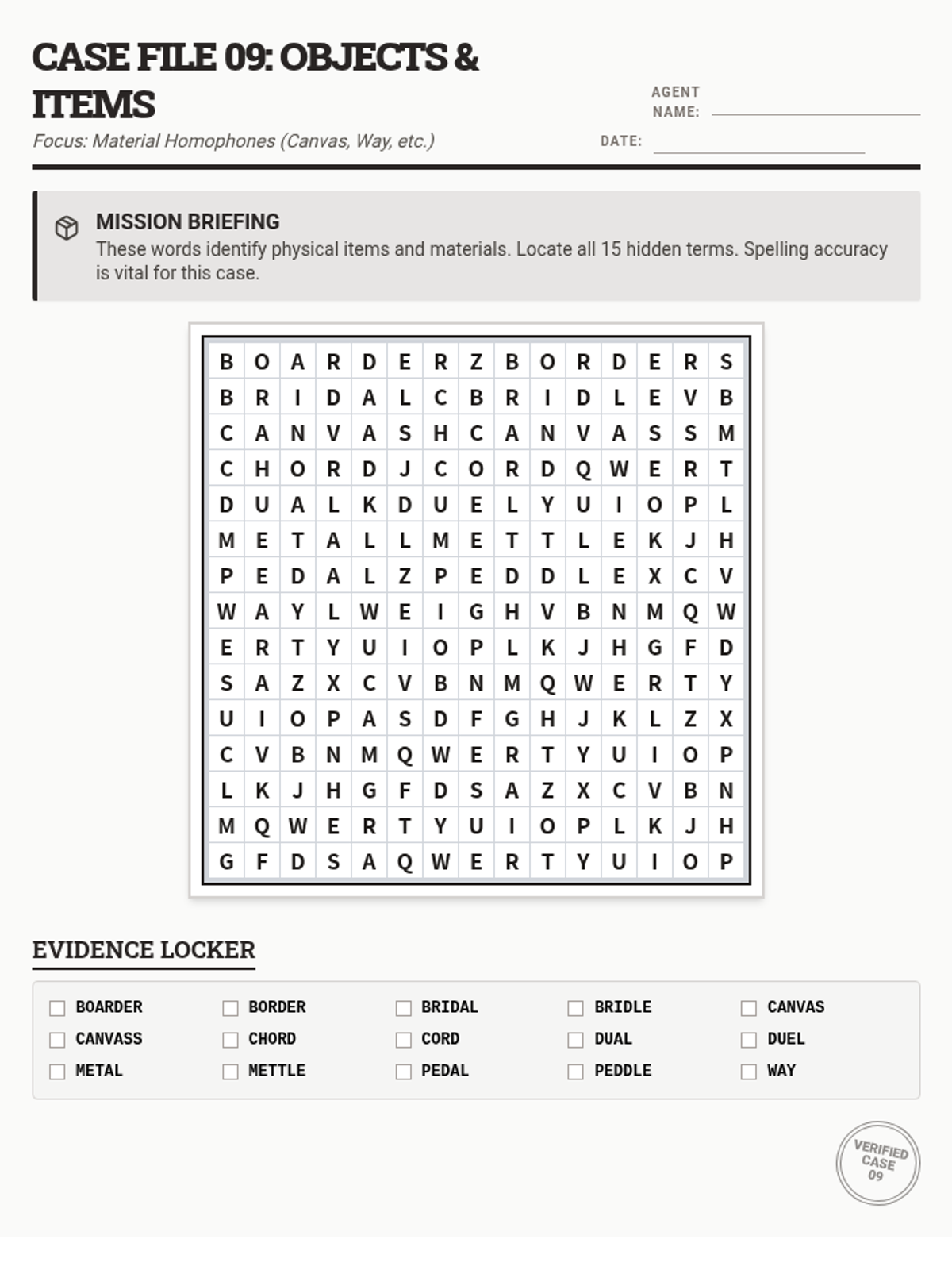
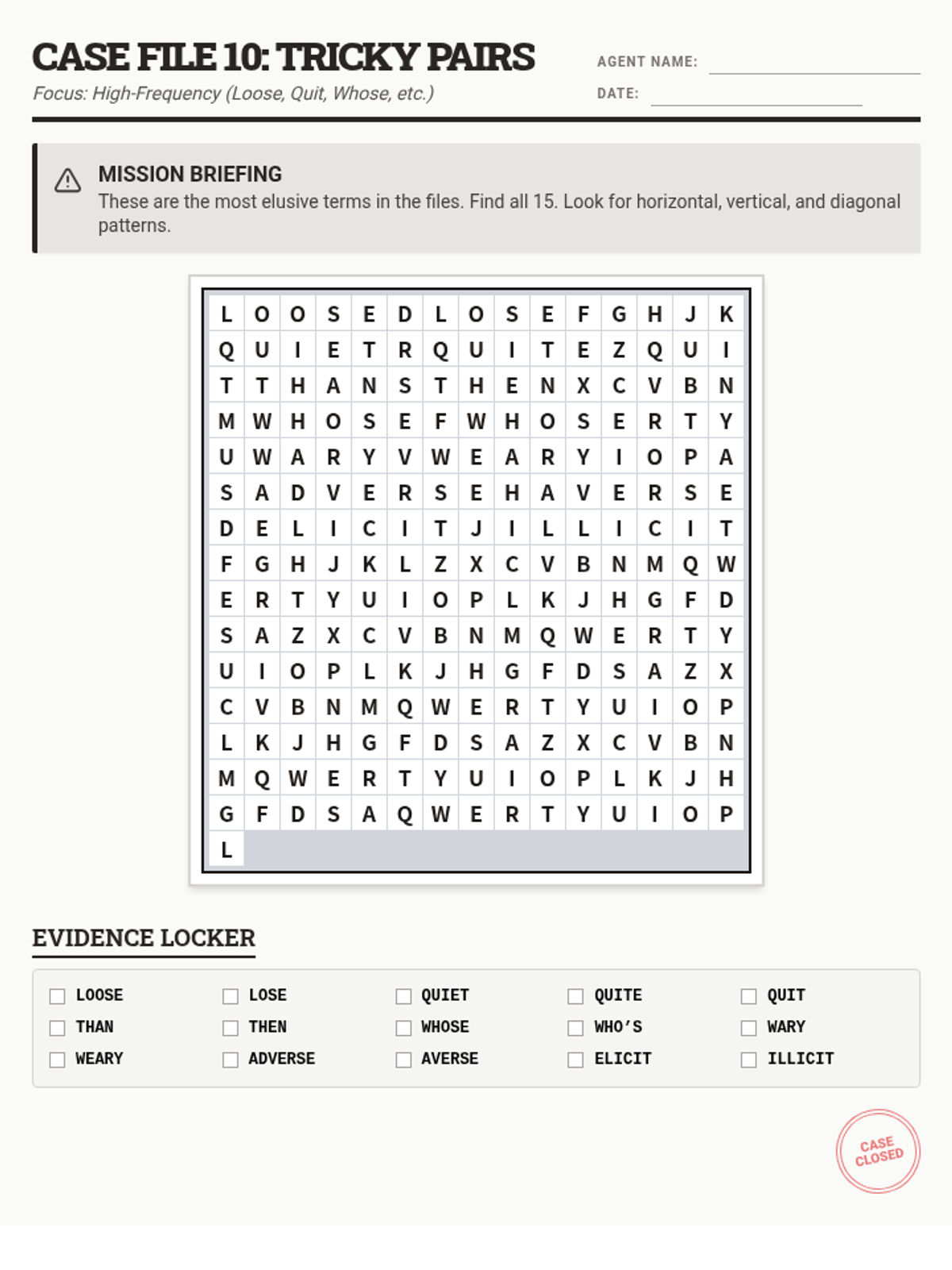
A comprehensive collection of 10 word search puzzles focusing on commonly confused words (homophones and near-homophones). Designed to improve vocabulary recognition and spelling through engaging "Case File" themed activities.
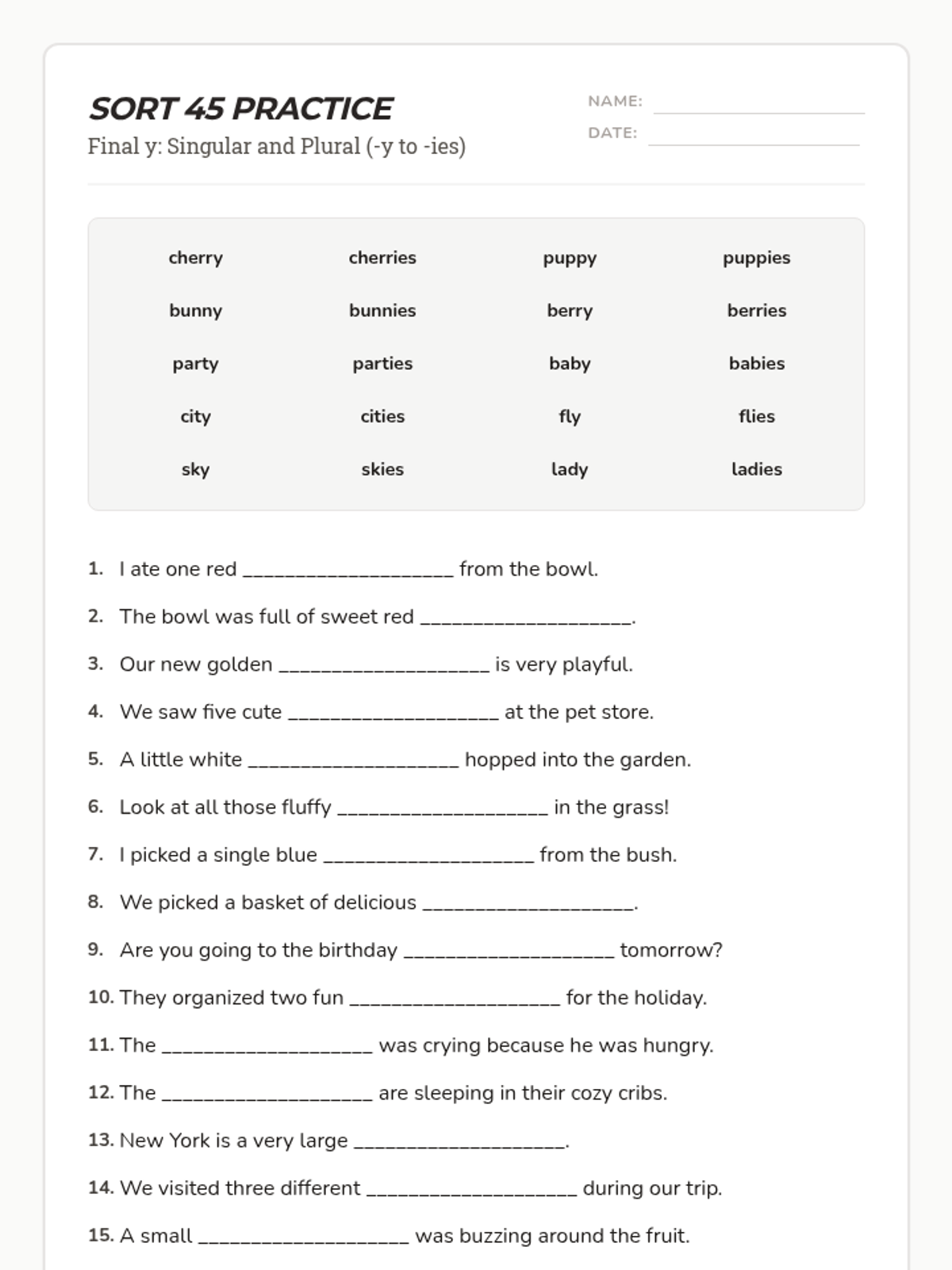
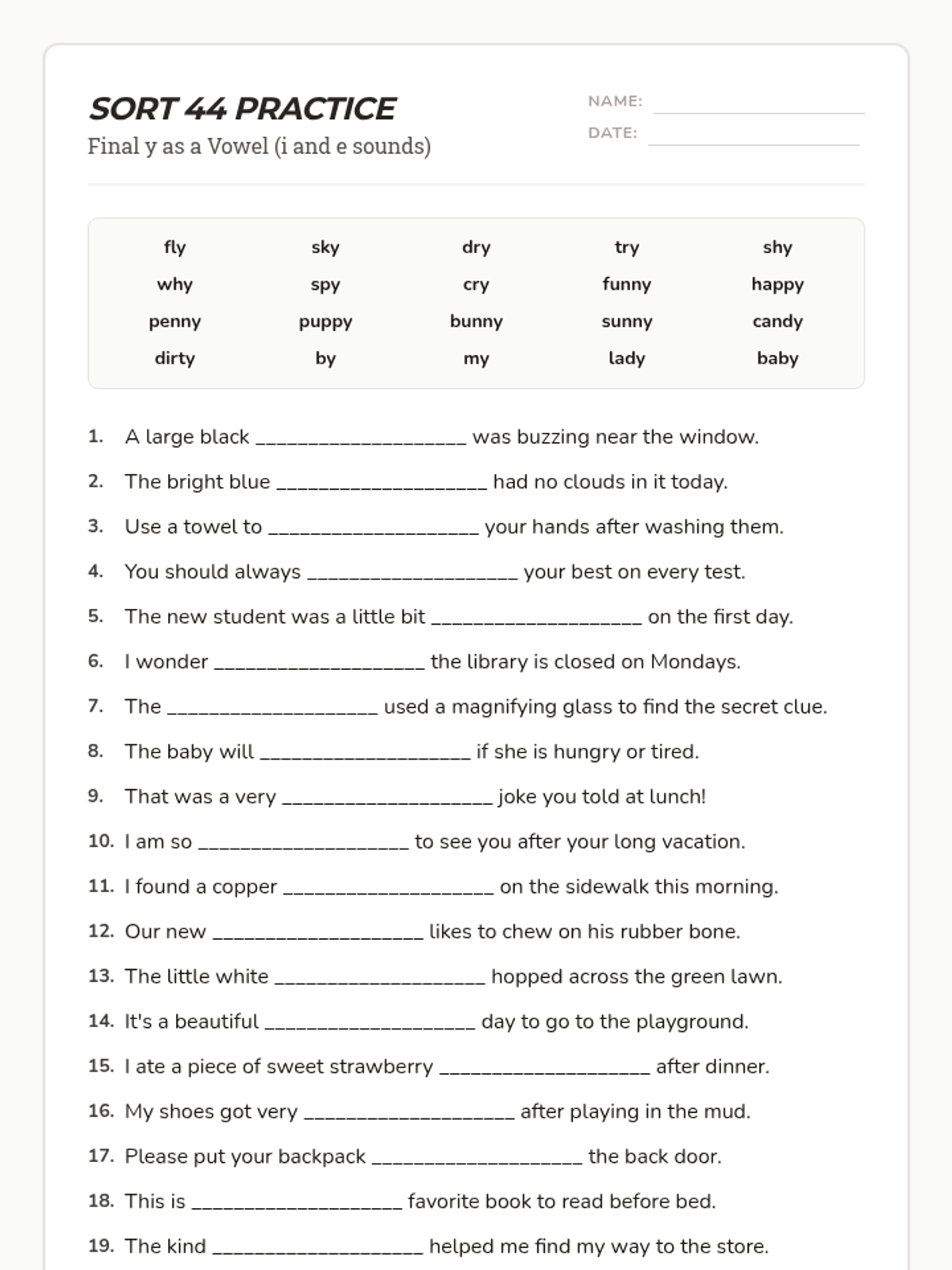
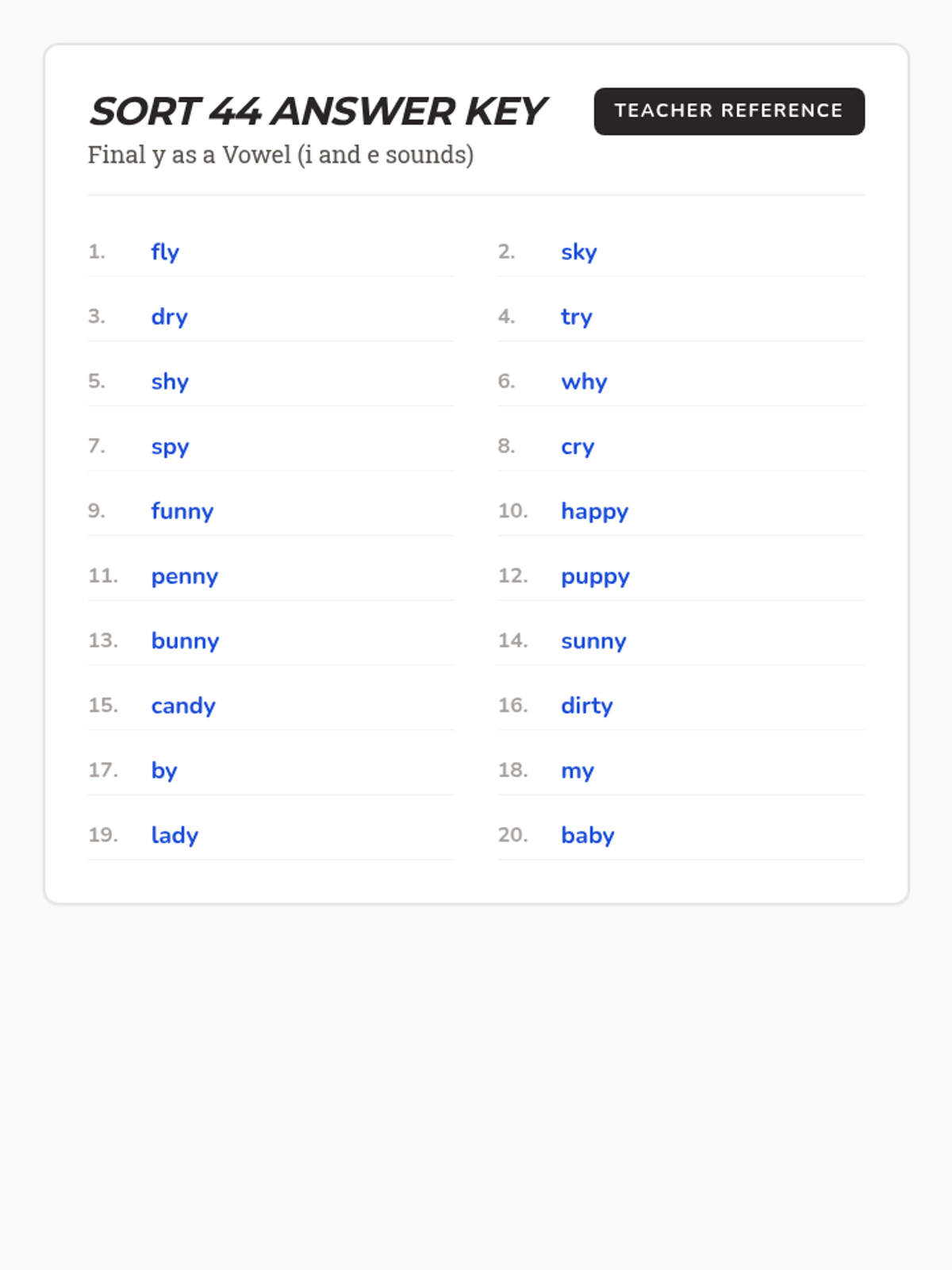
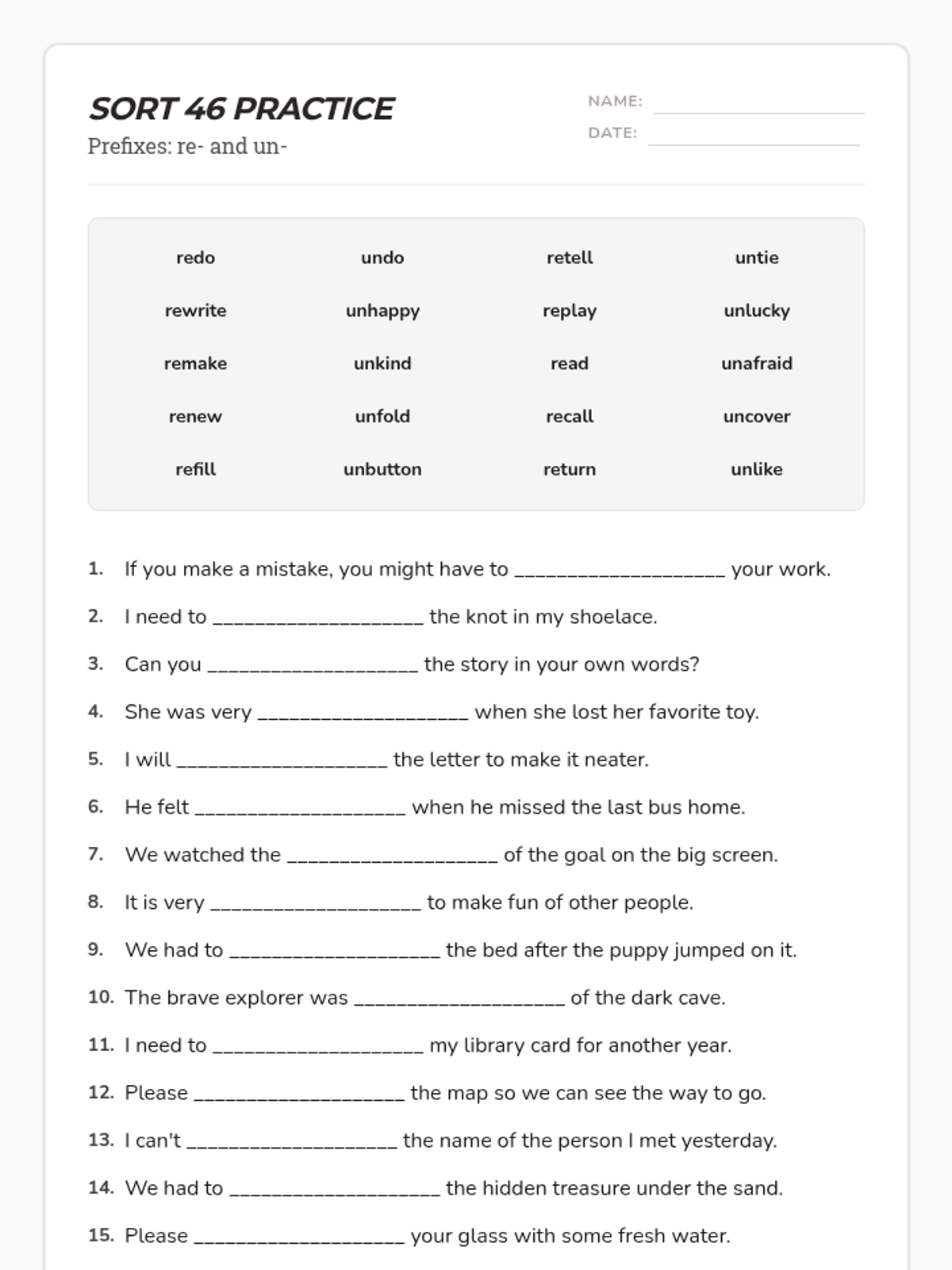
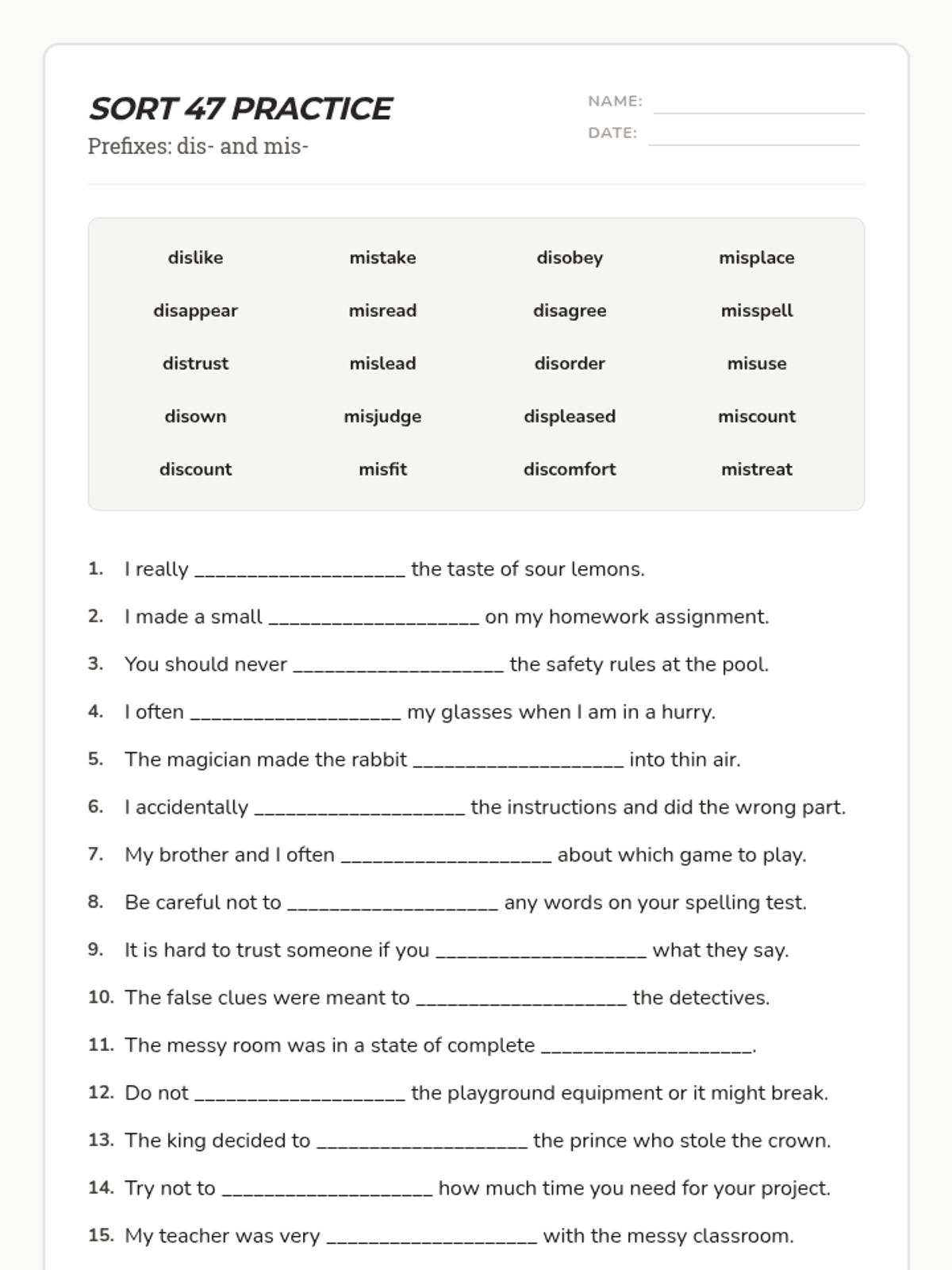
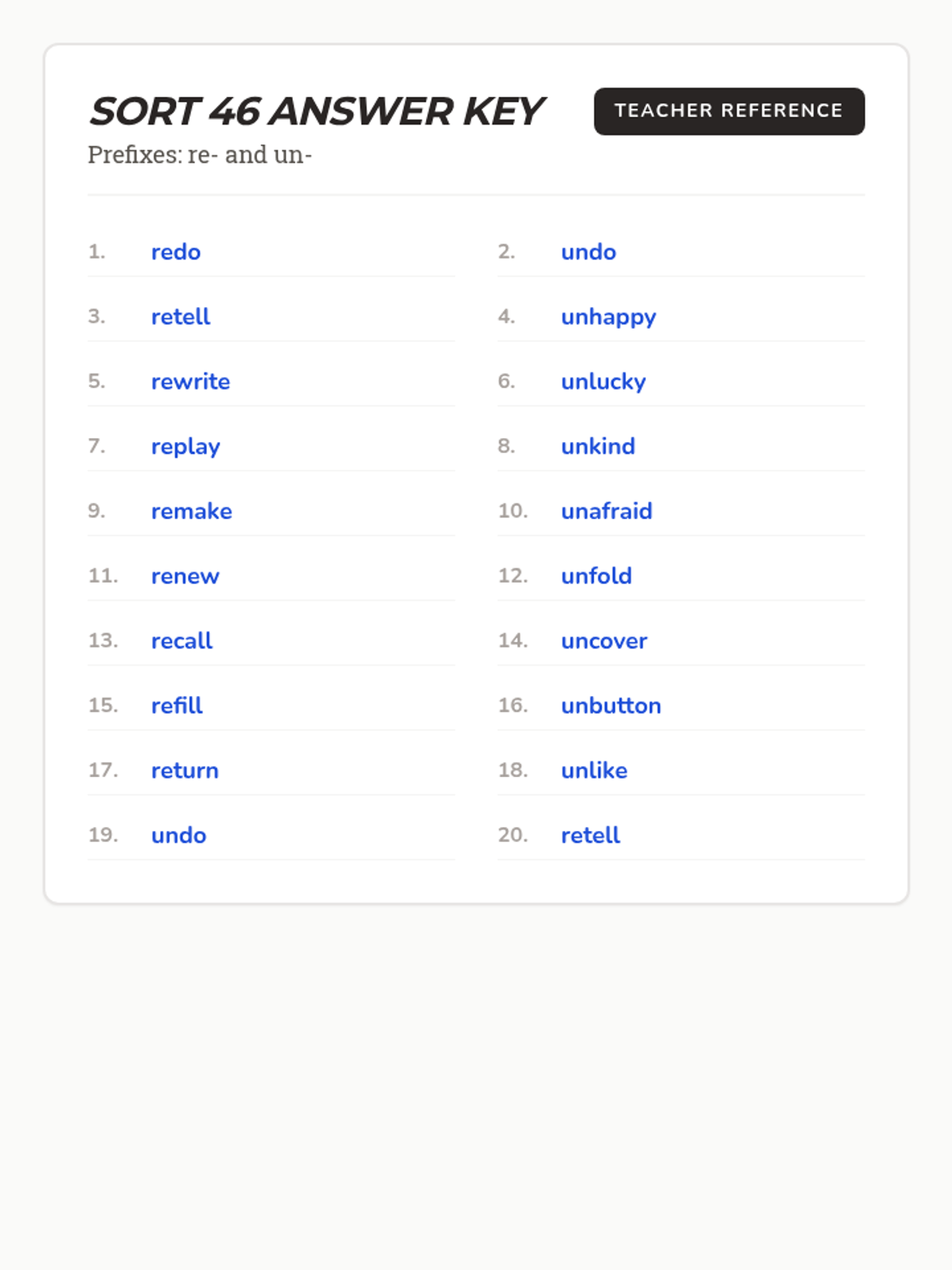
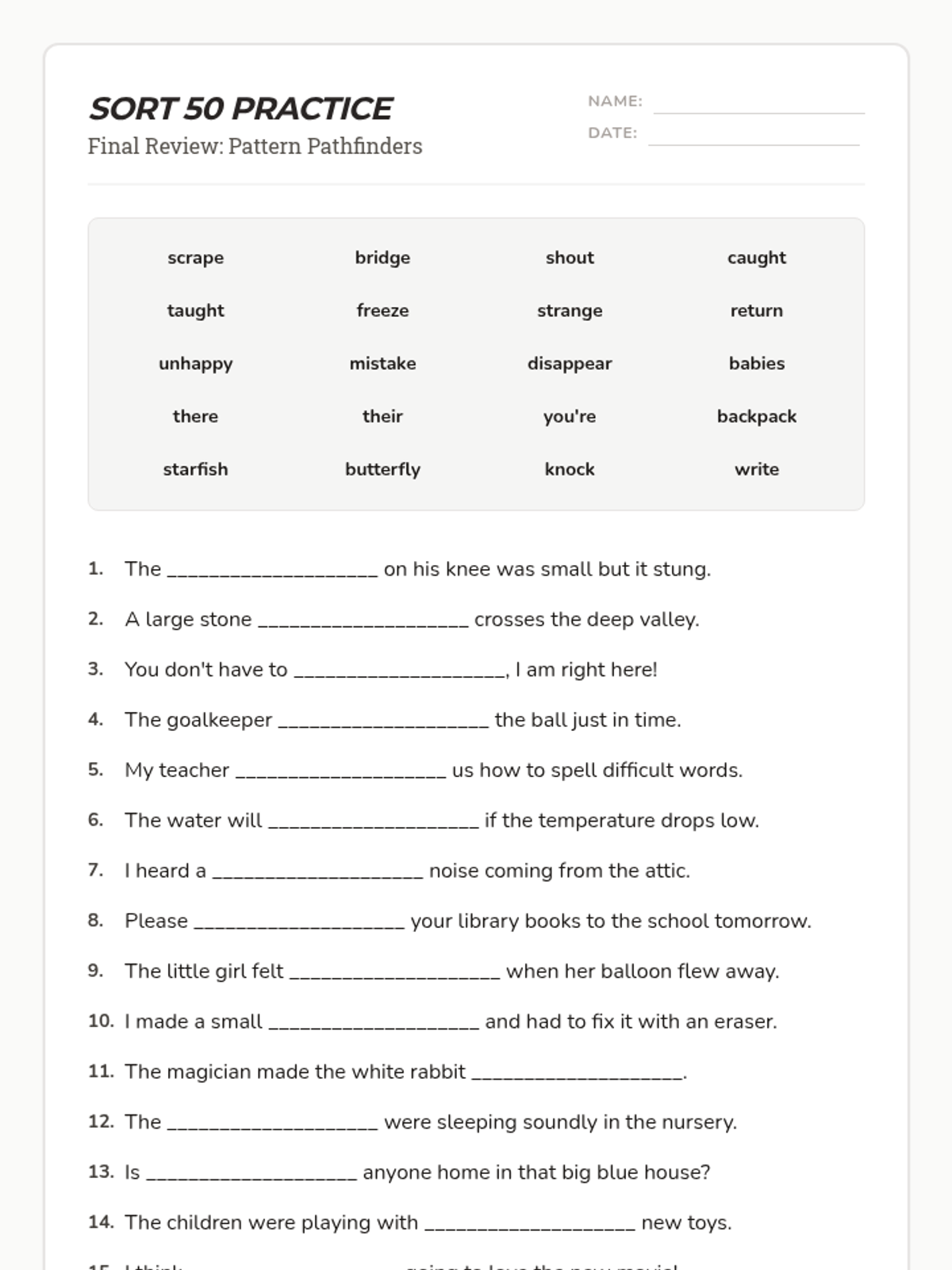
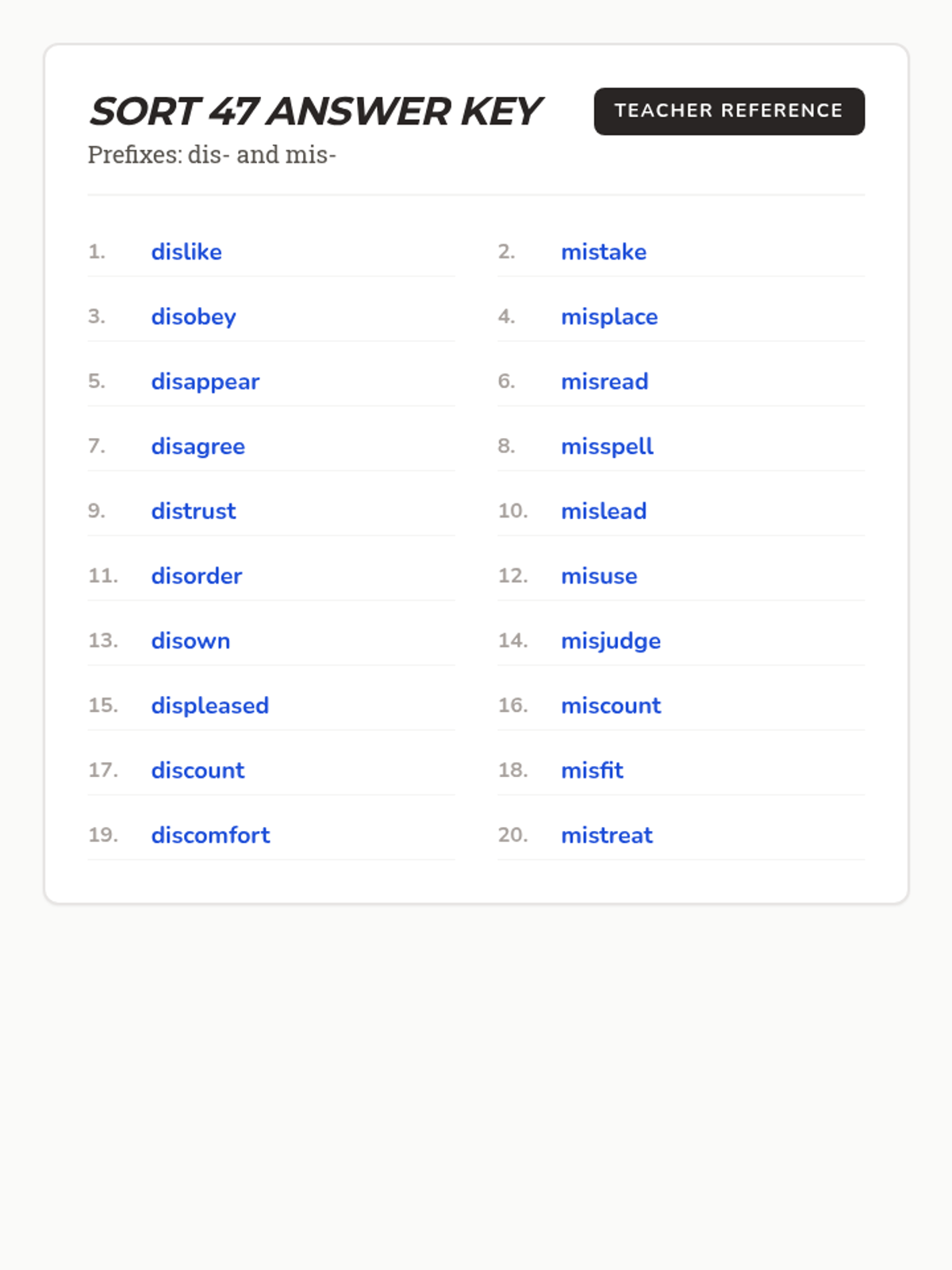
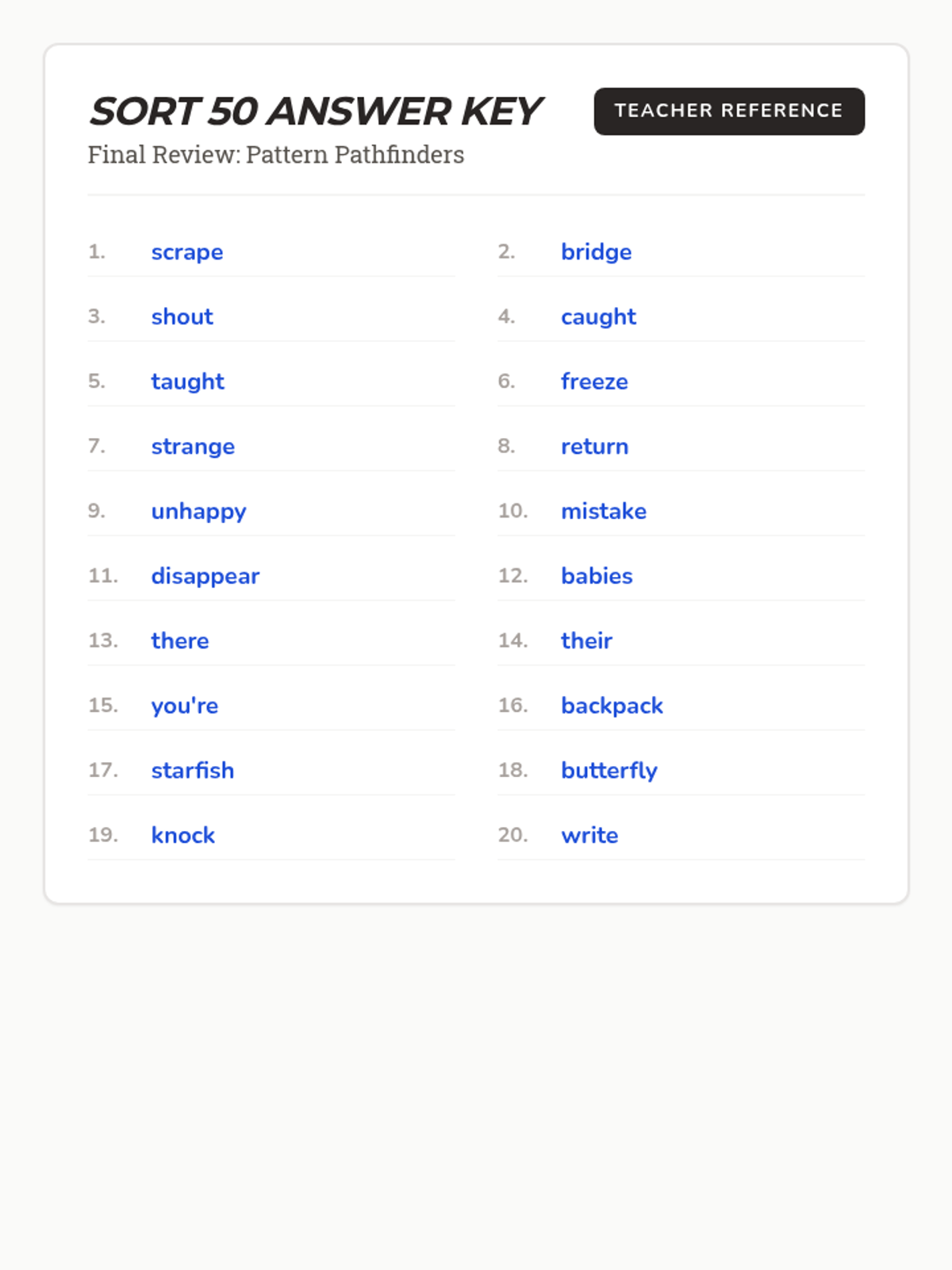
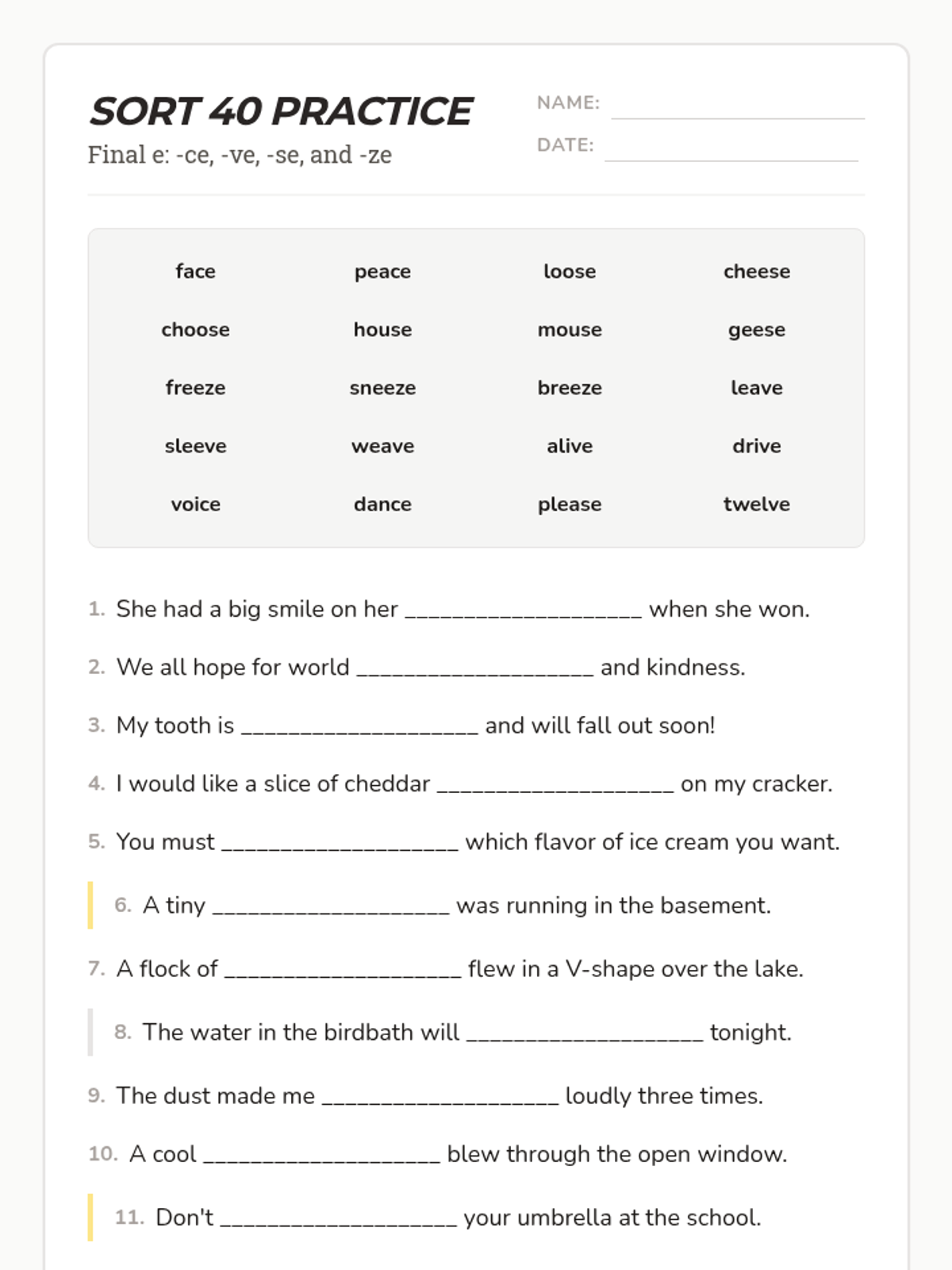
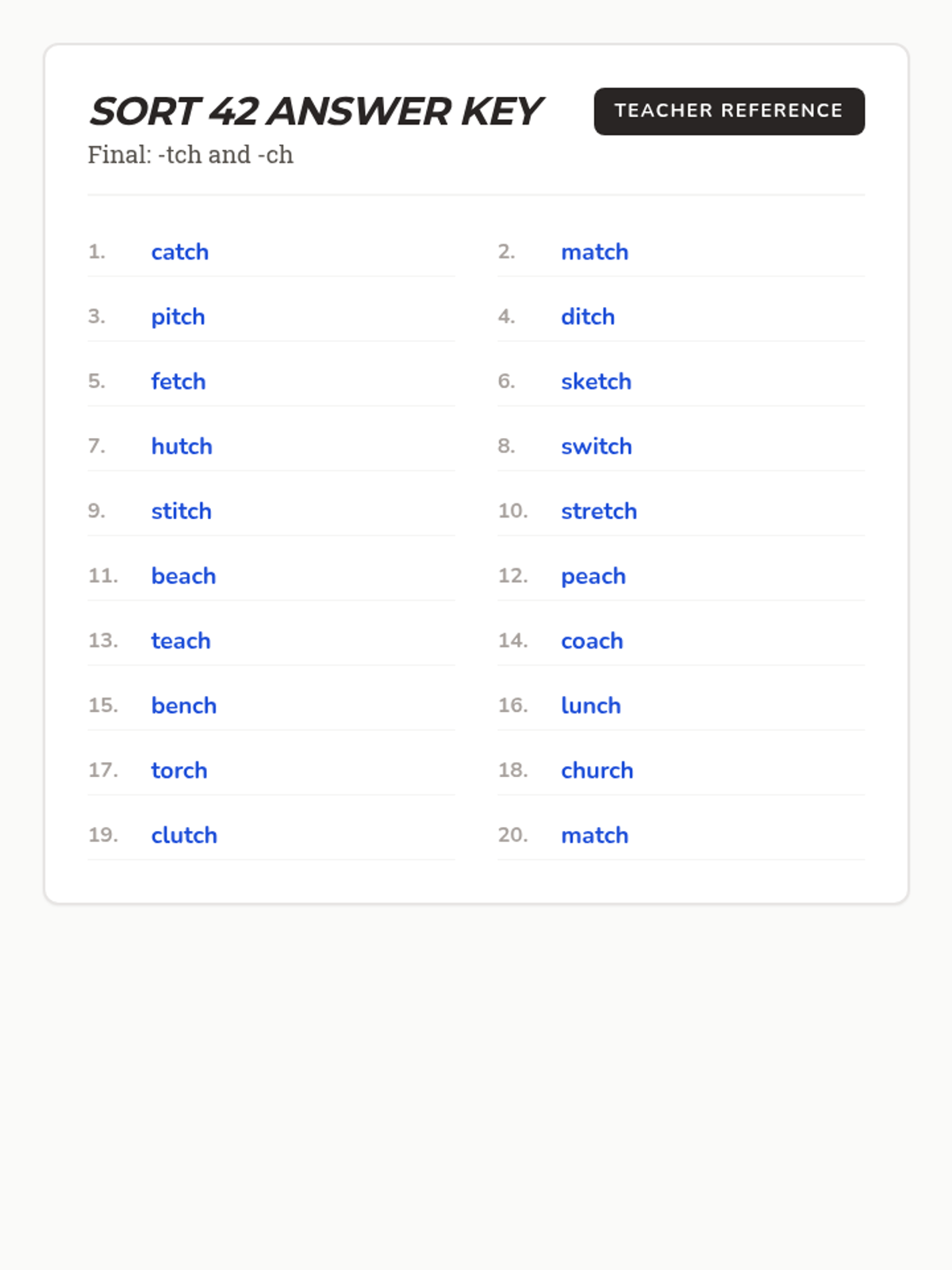
Covers final y as a vowel, plural endings with -ies, common prefixes (re-, un-, dis-, mis-), and a comprehensive review of patterns from Sorts 13-50.
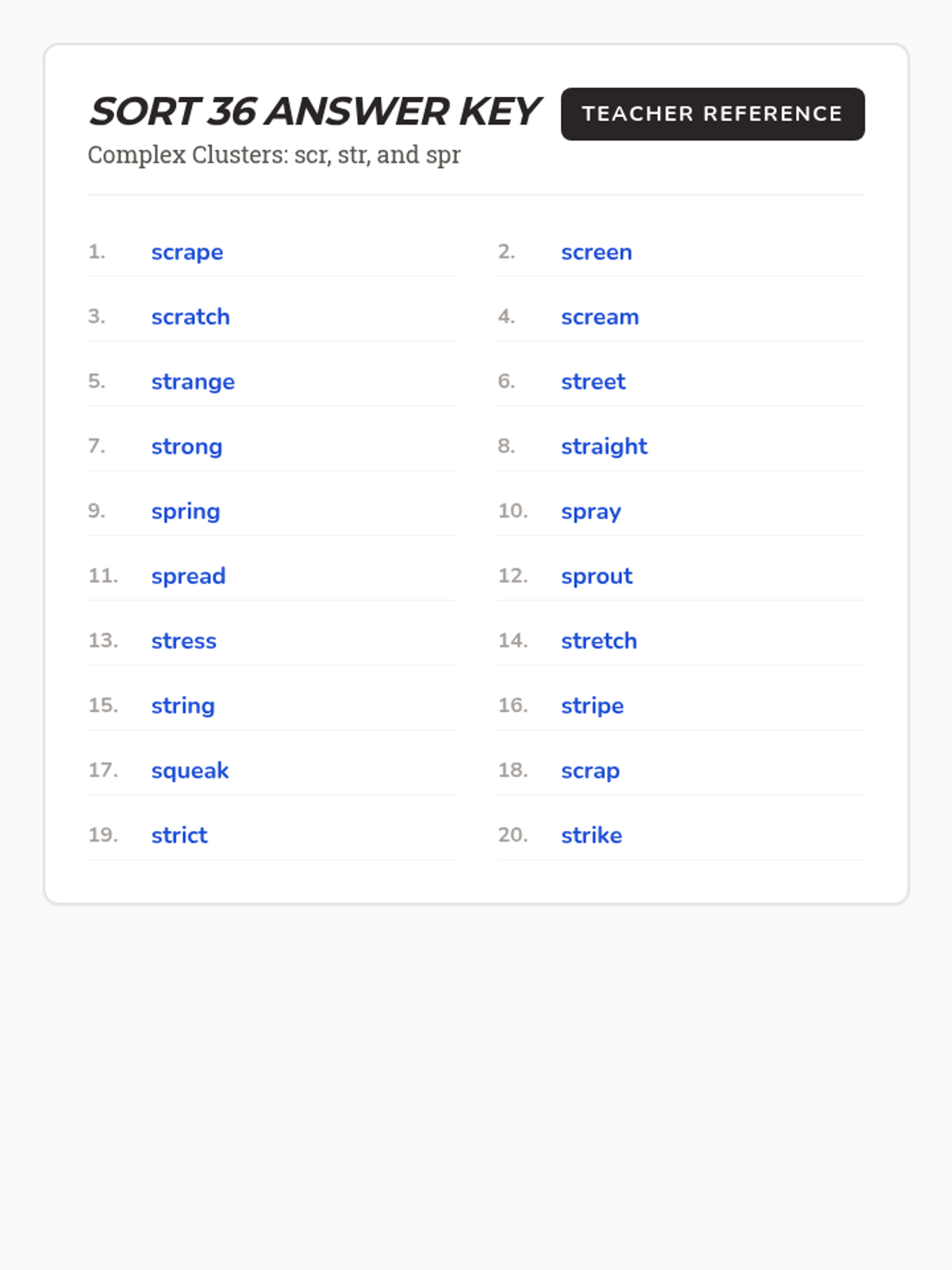
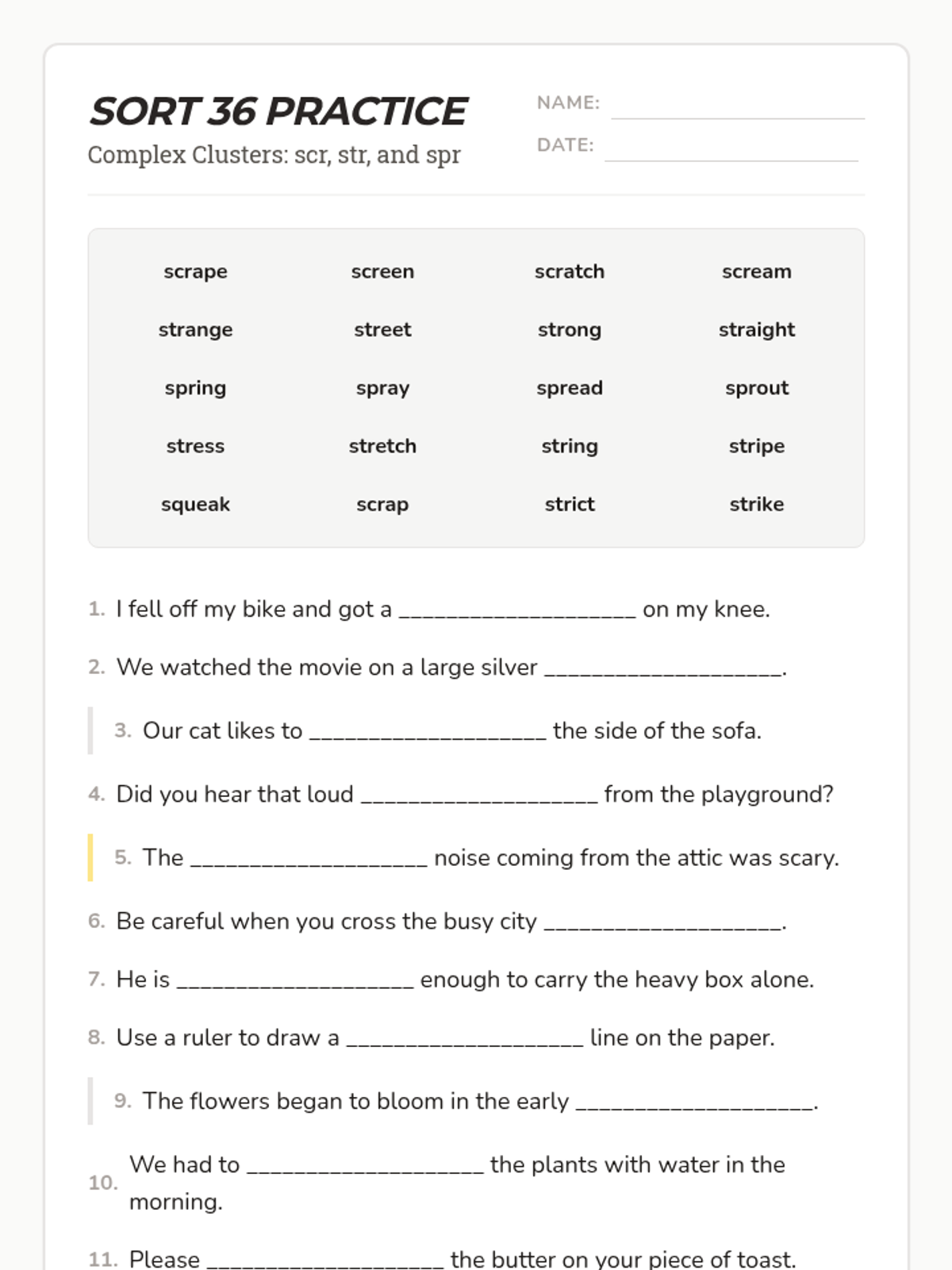
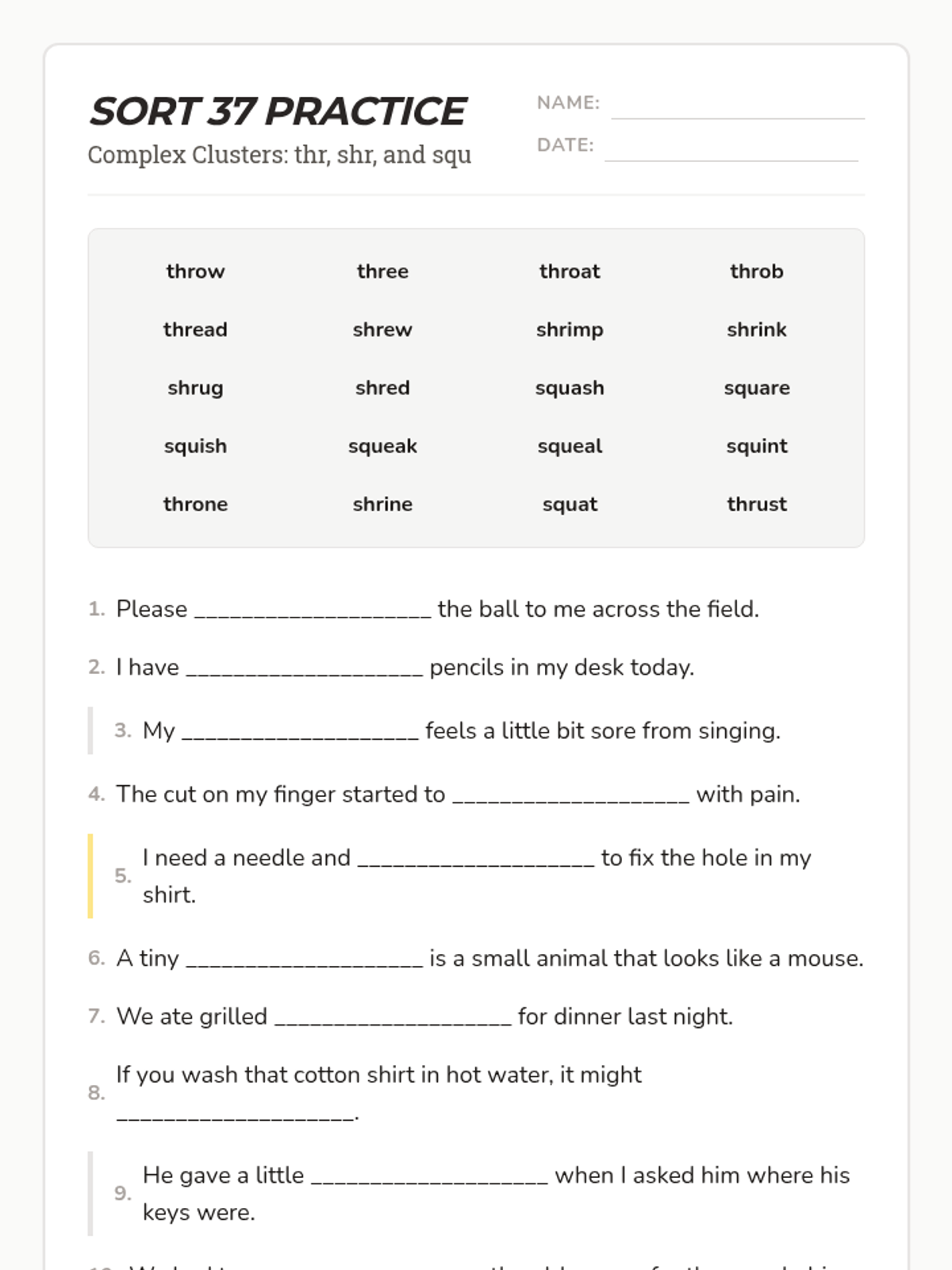
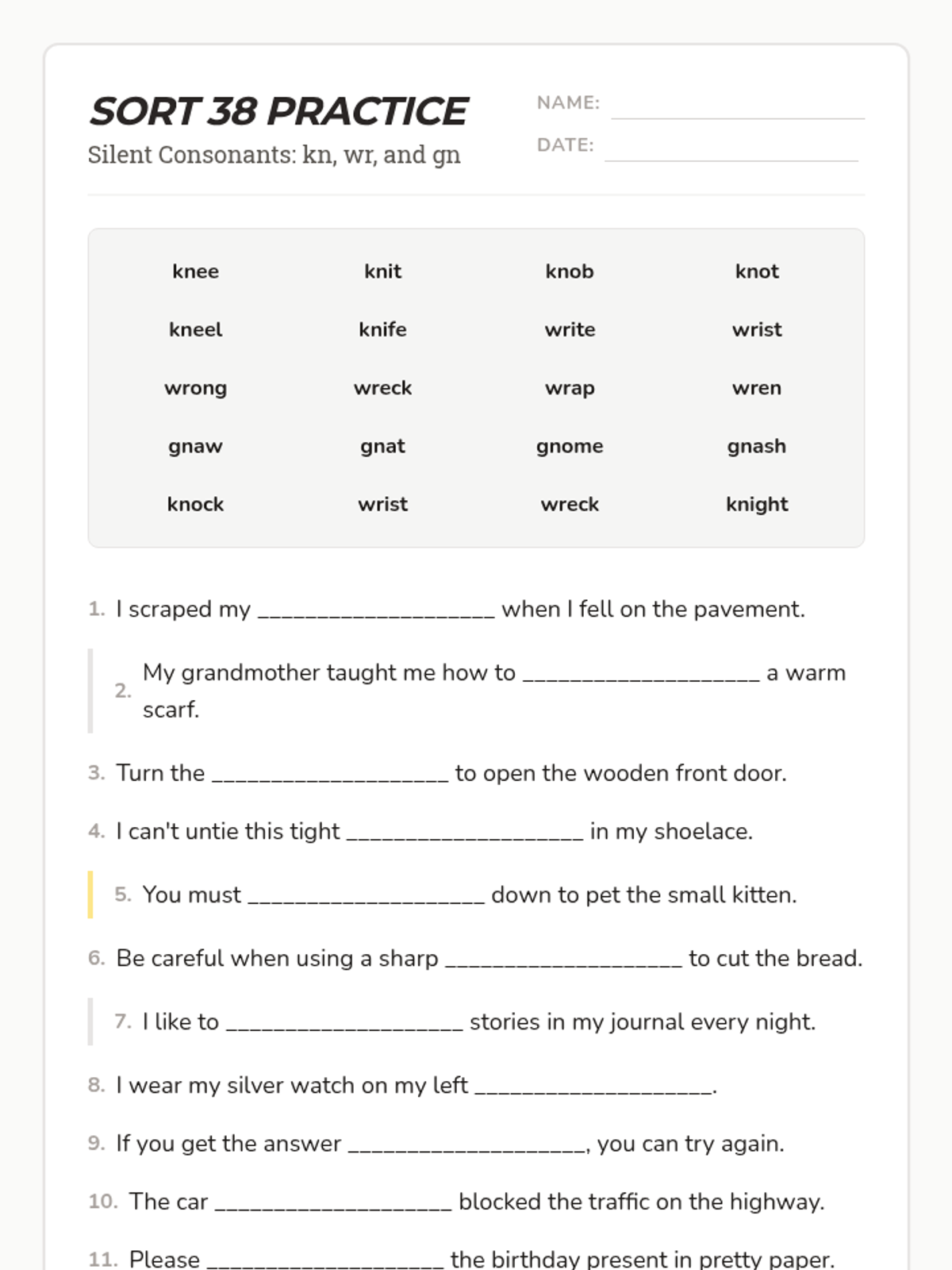
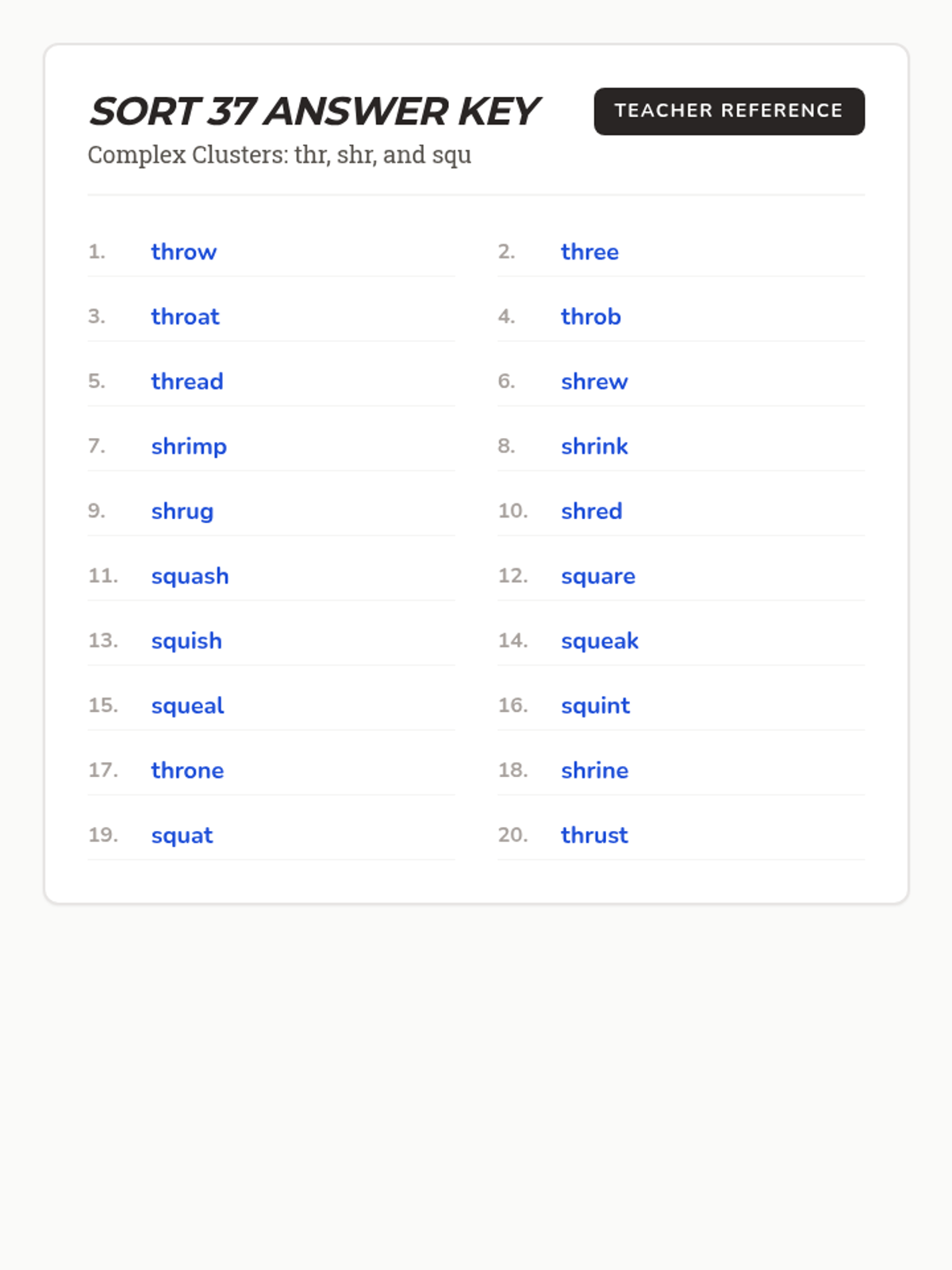
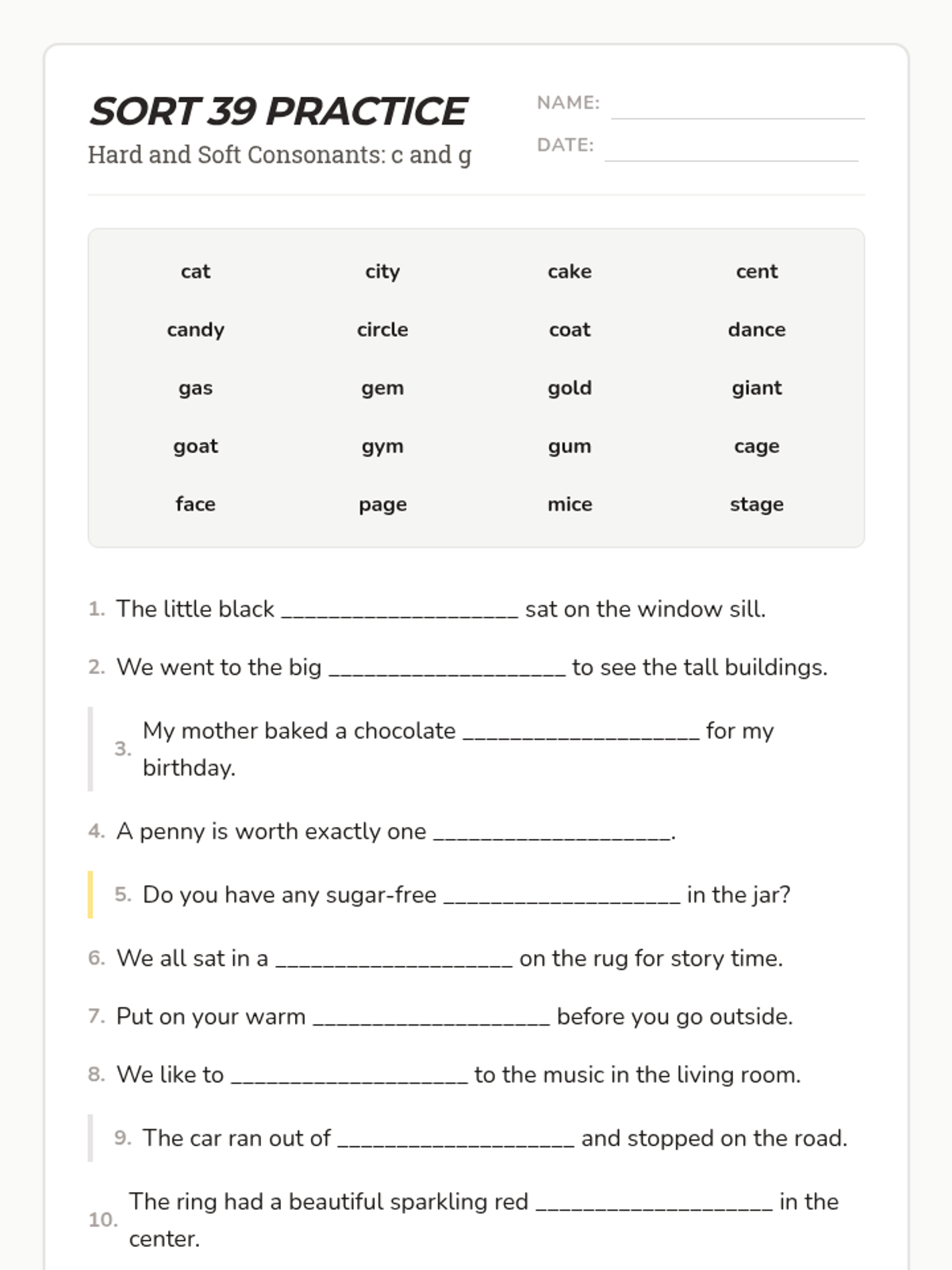
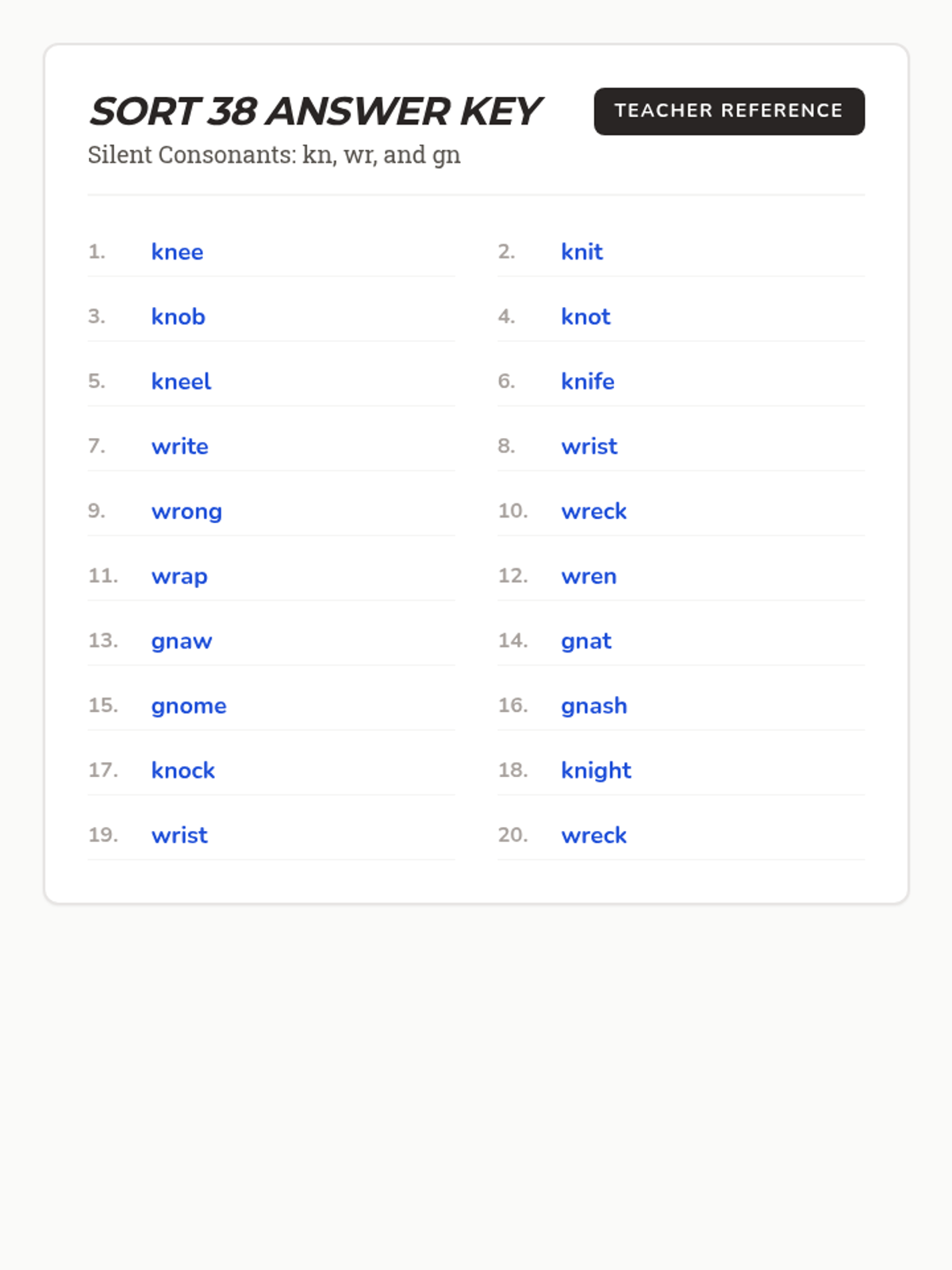
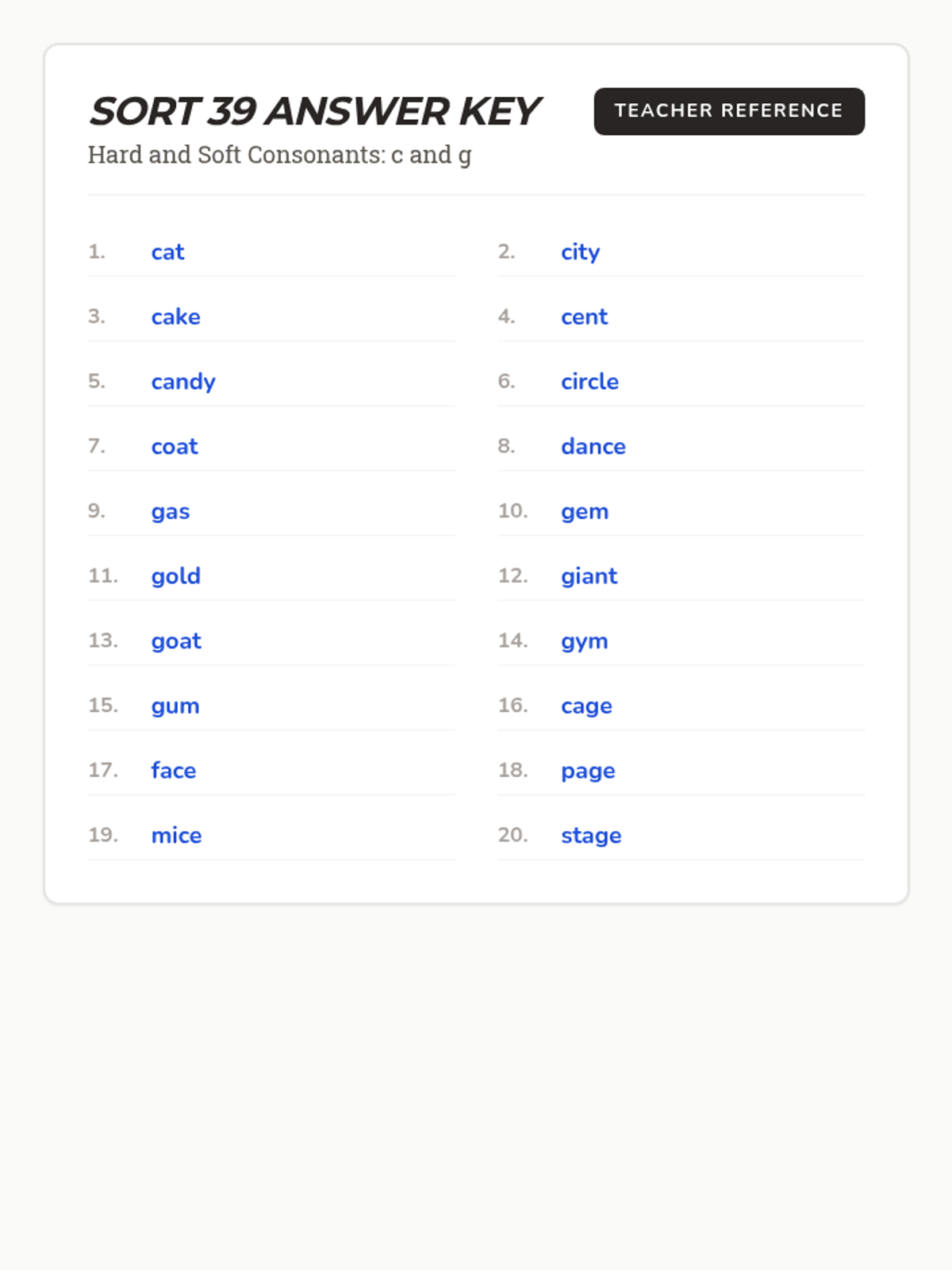
Focuses on complex consonant clusters including triple blends (scr, str, spr, thr, shr, squ), silent consonants (kn, wr, gn), and variations of hard/soft c and g. Students will practice these intricate spelling patterns through context.
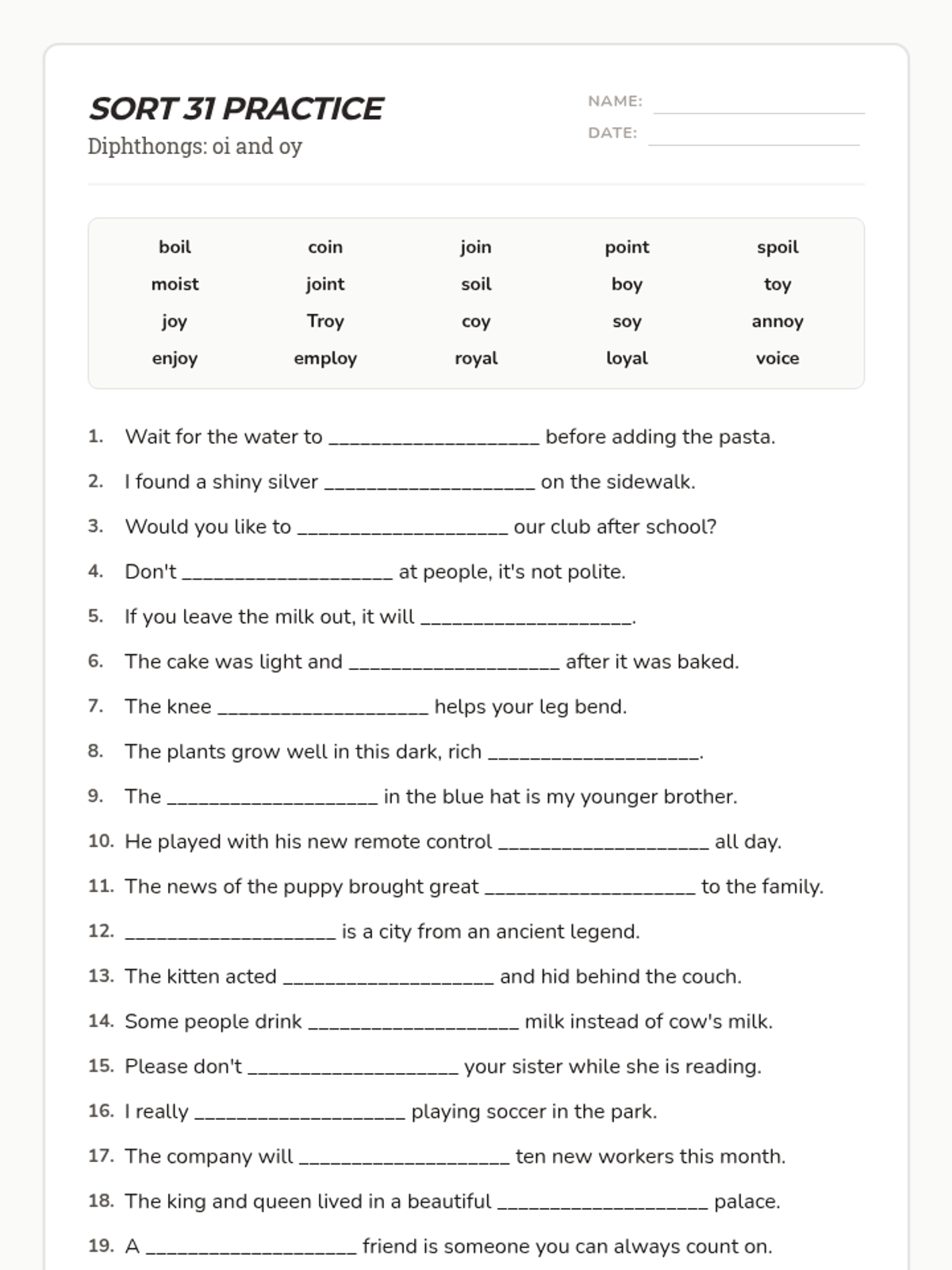
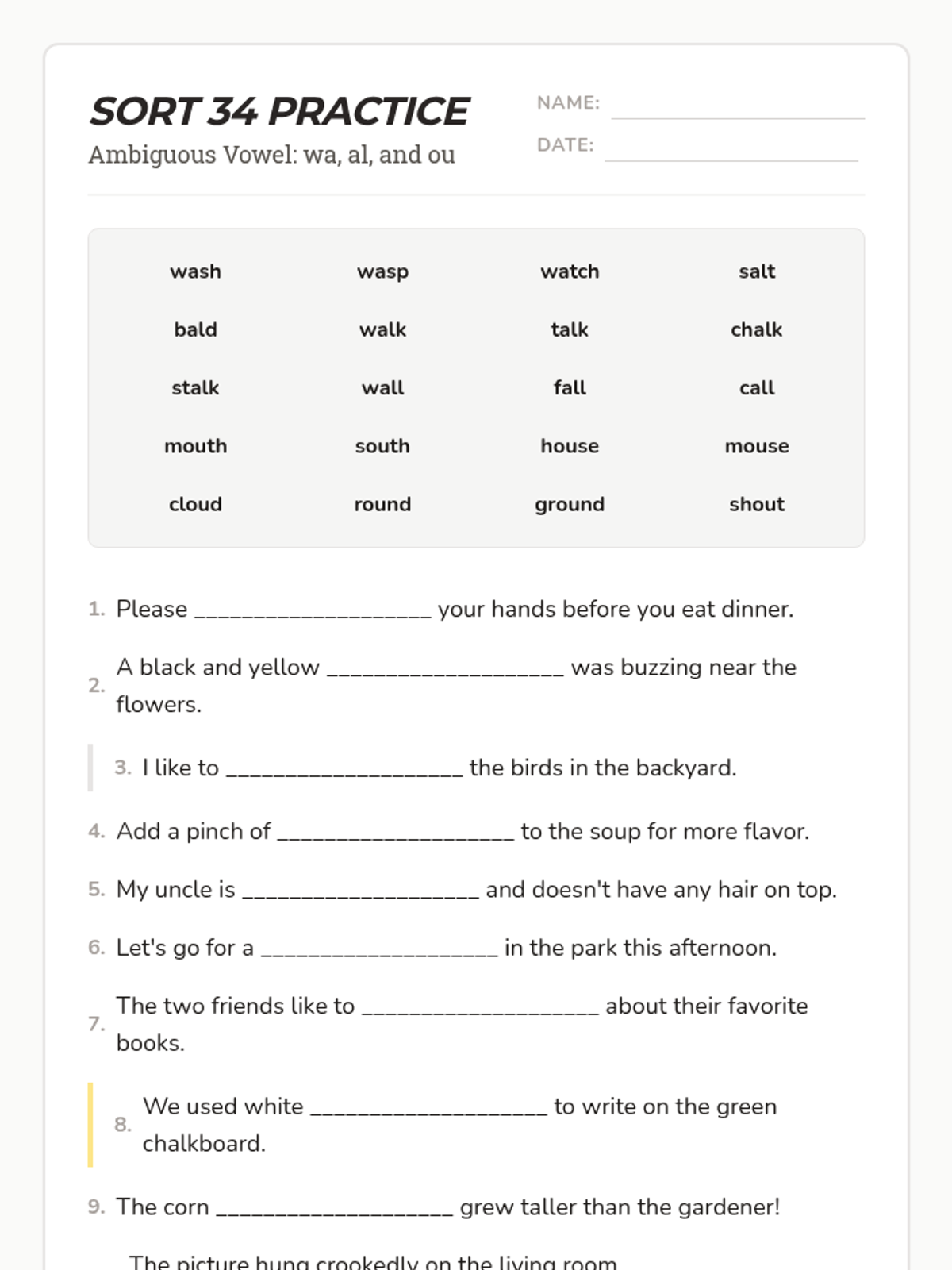
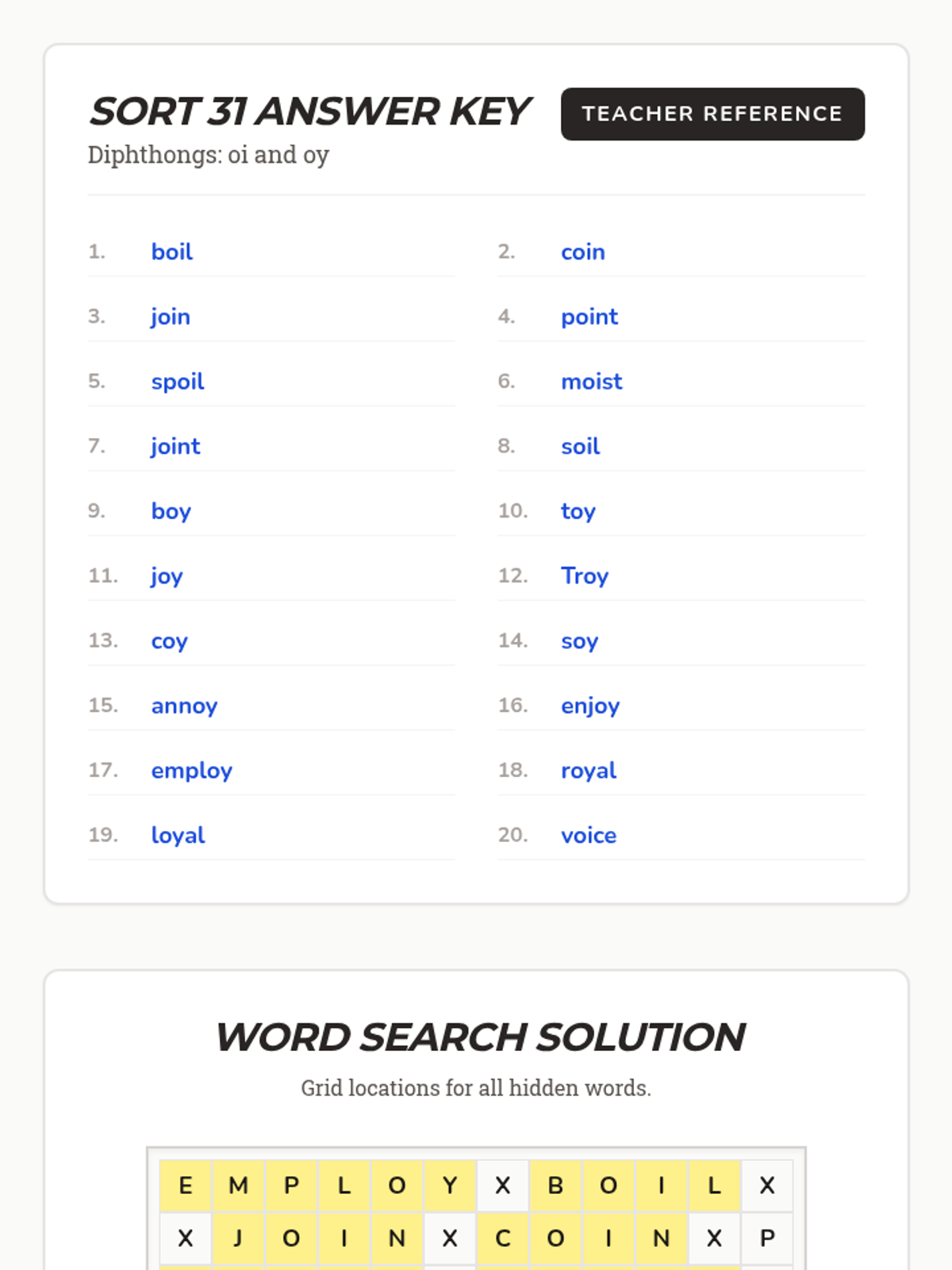
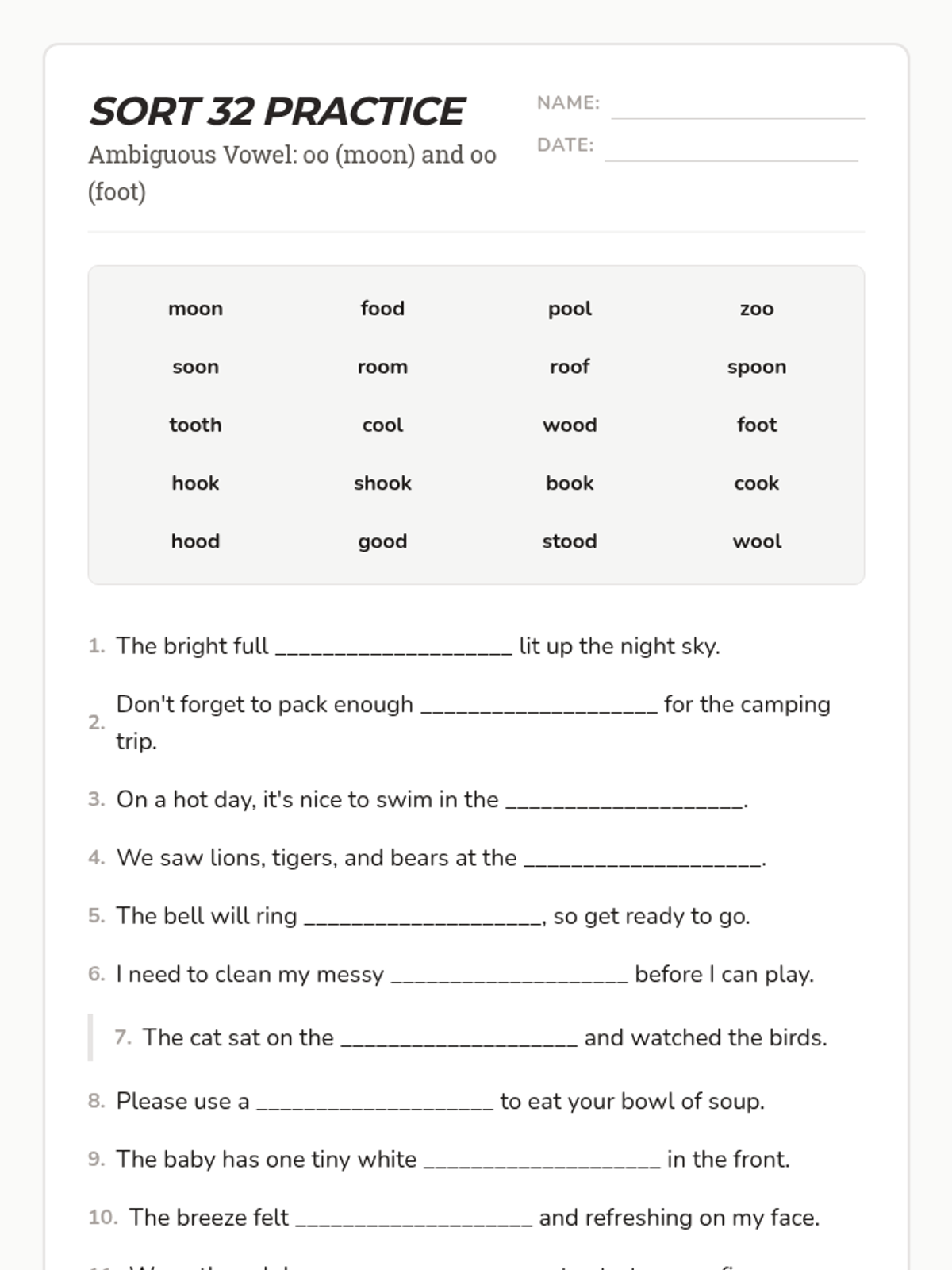
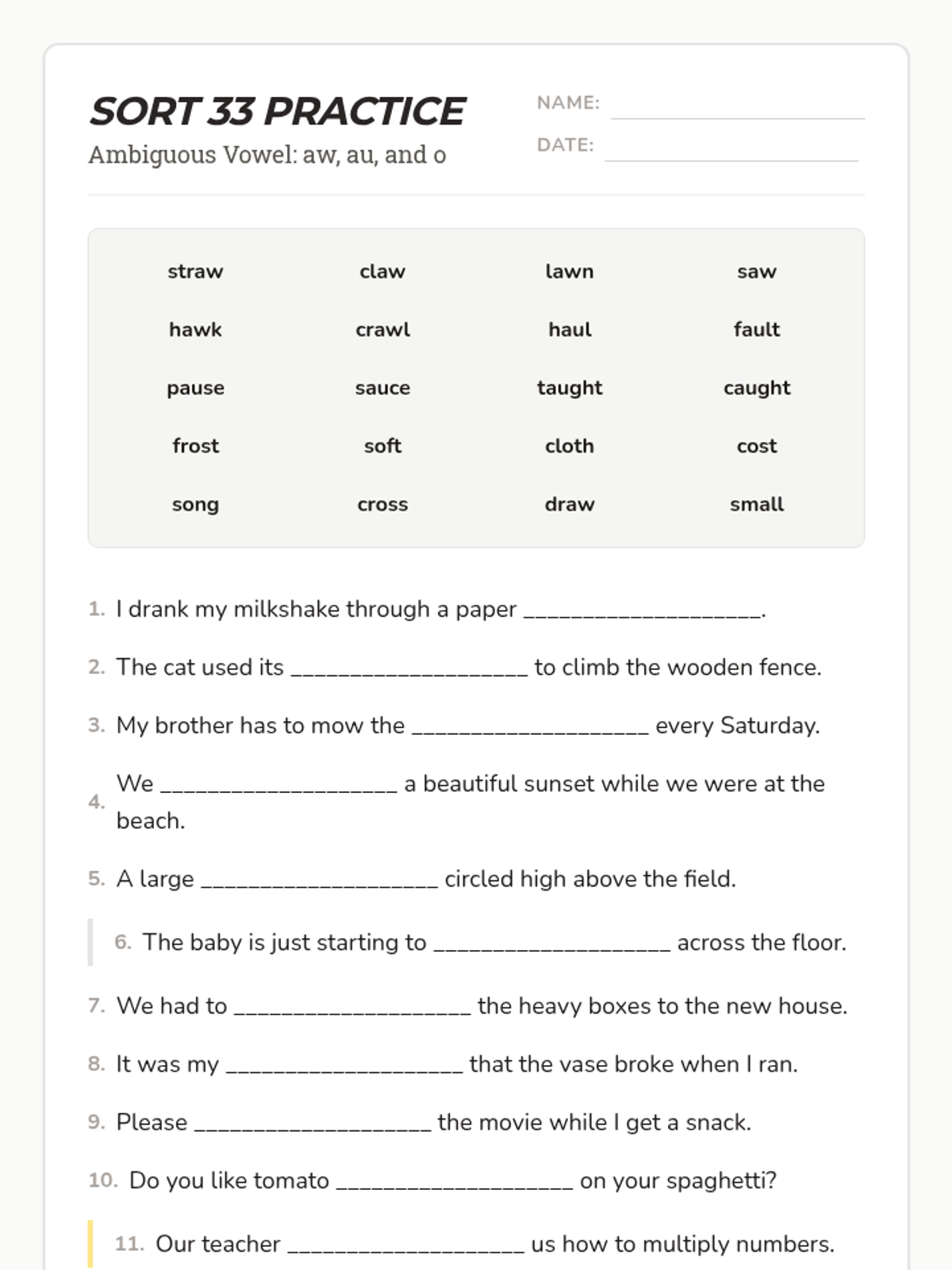
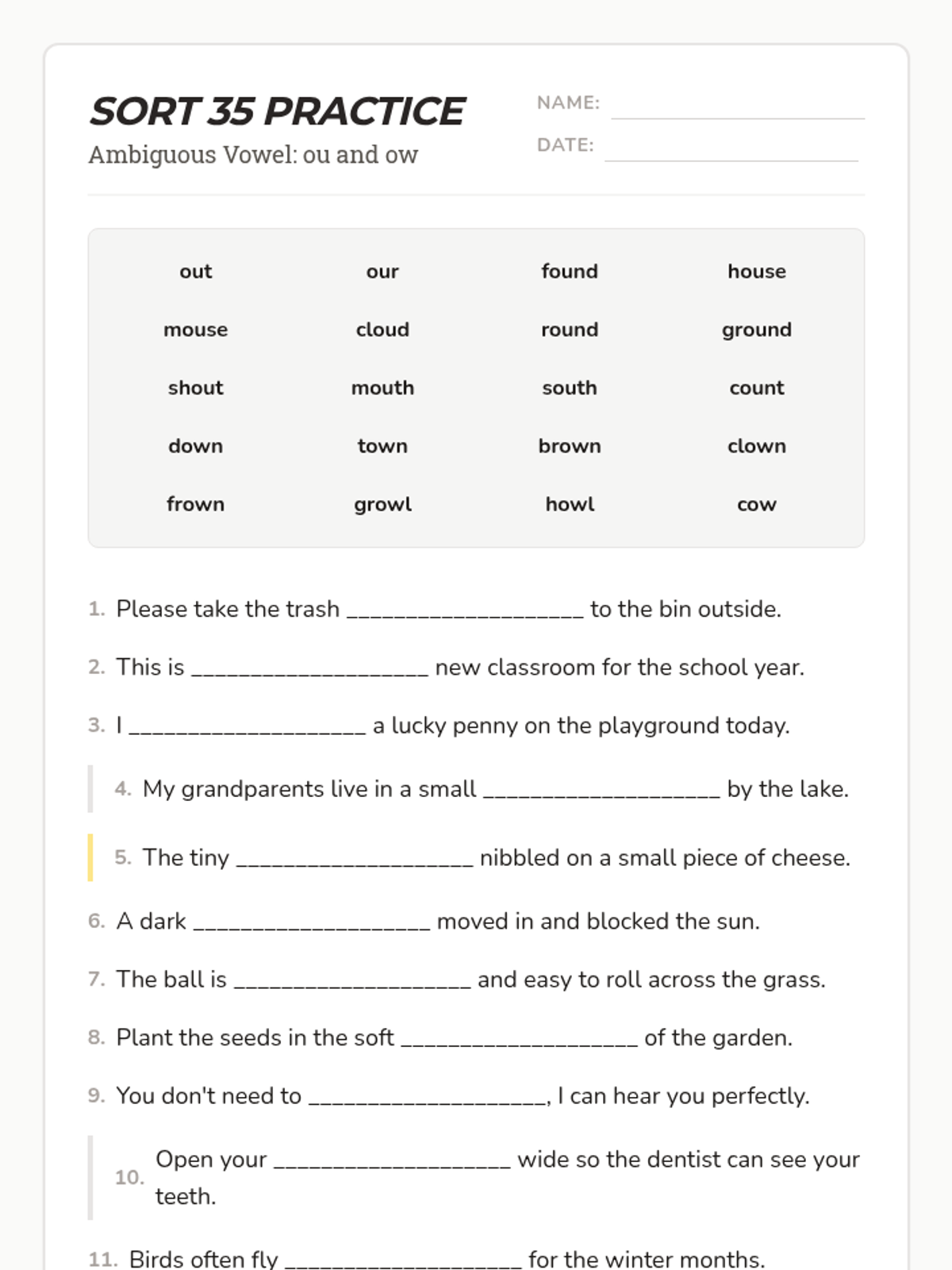
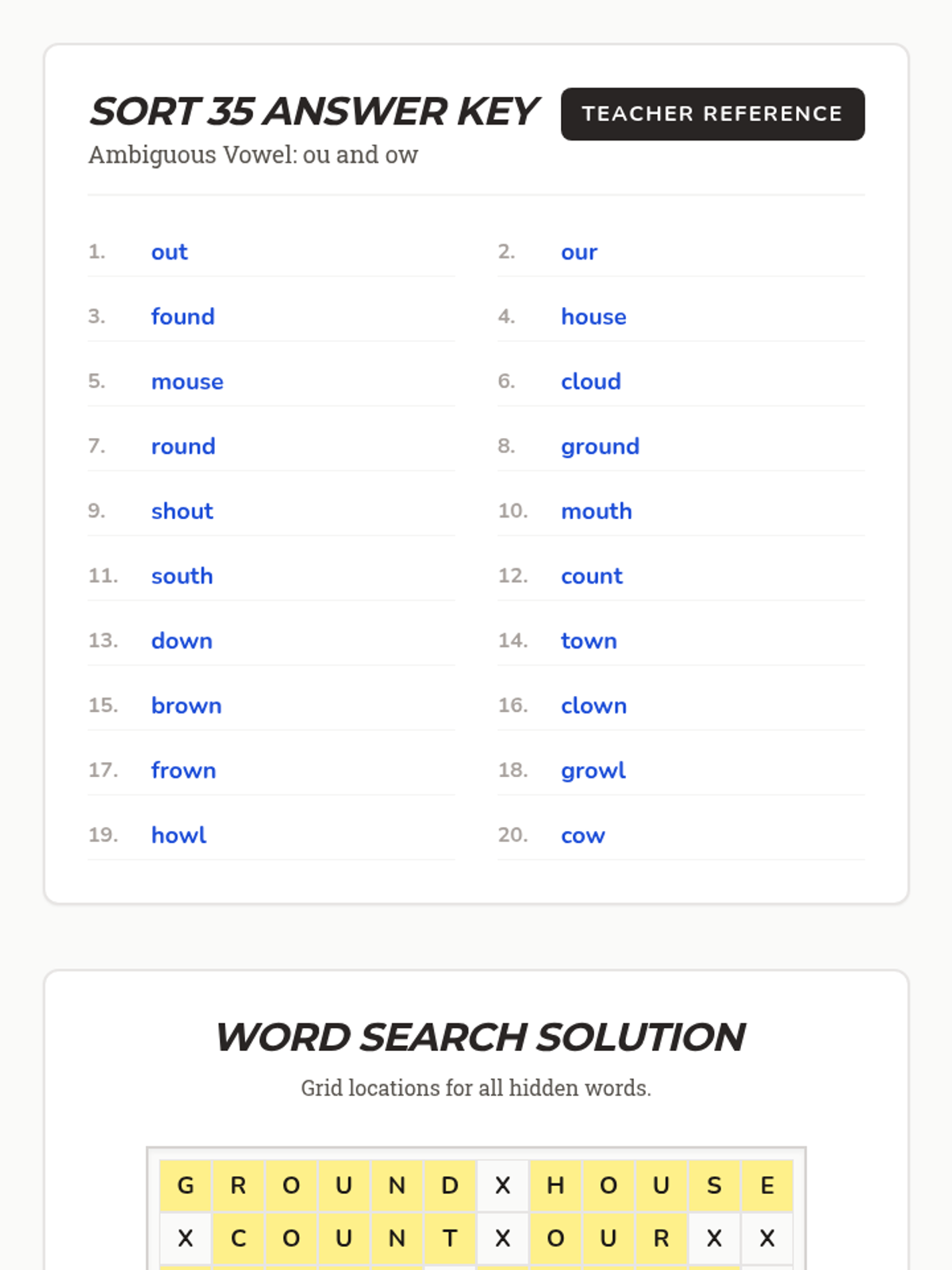
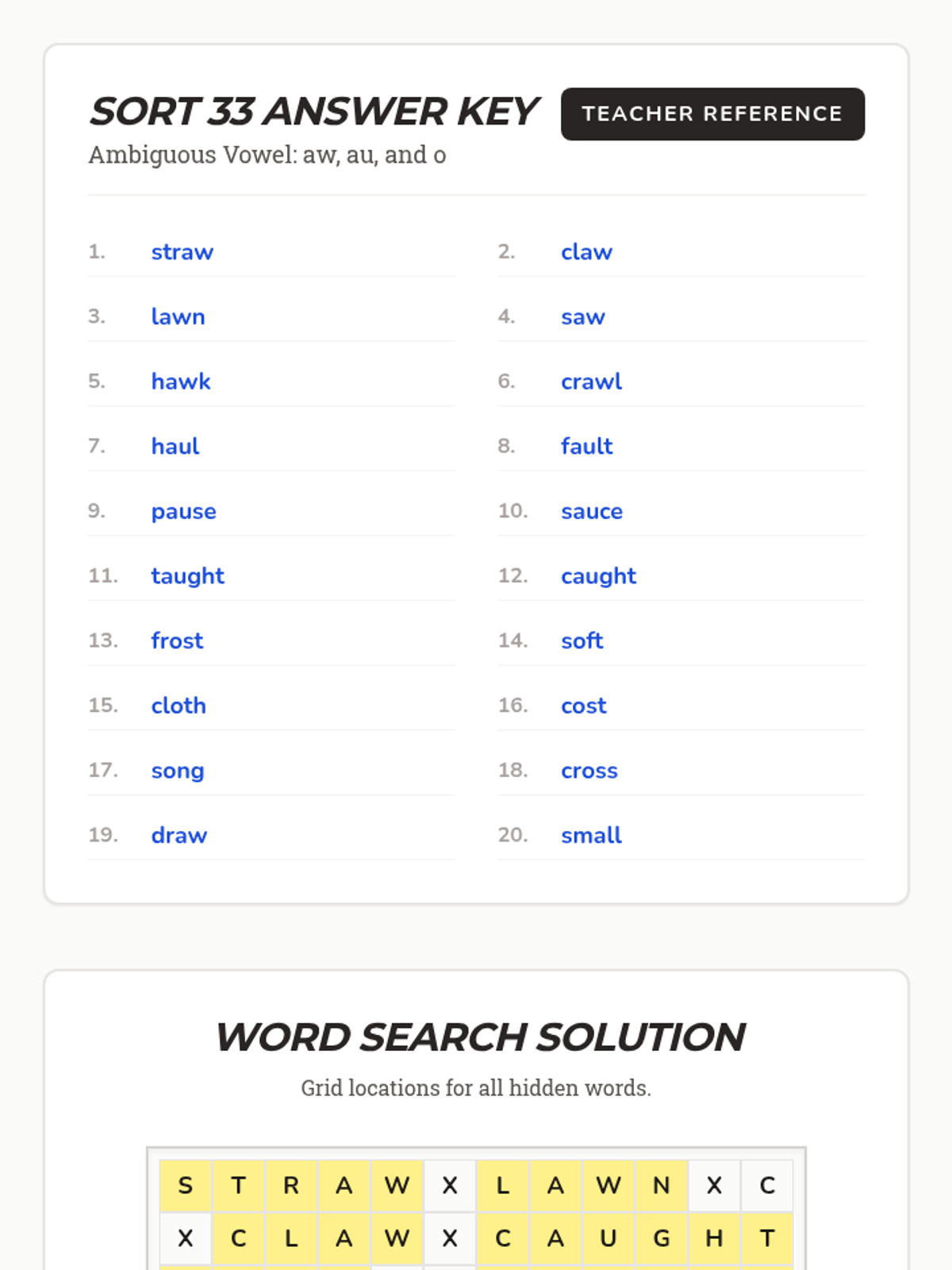
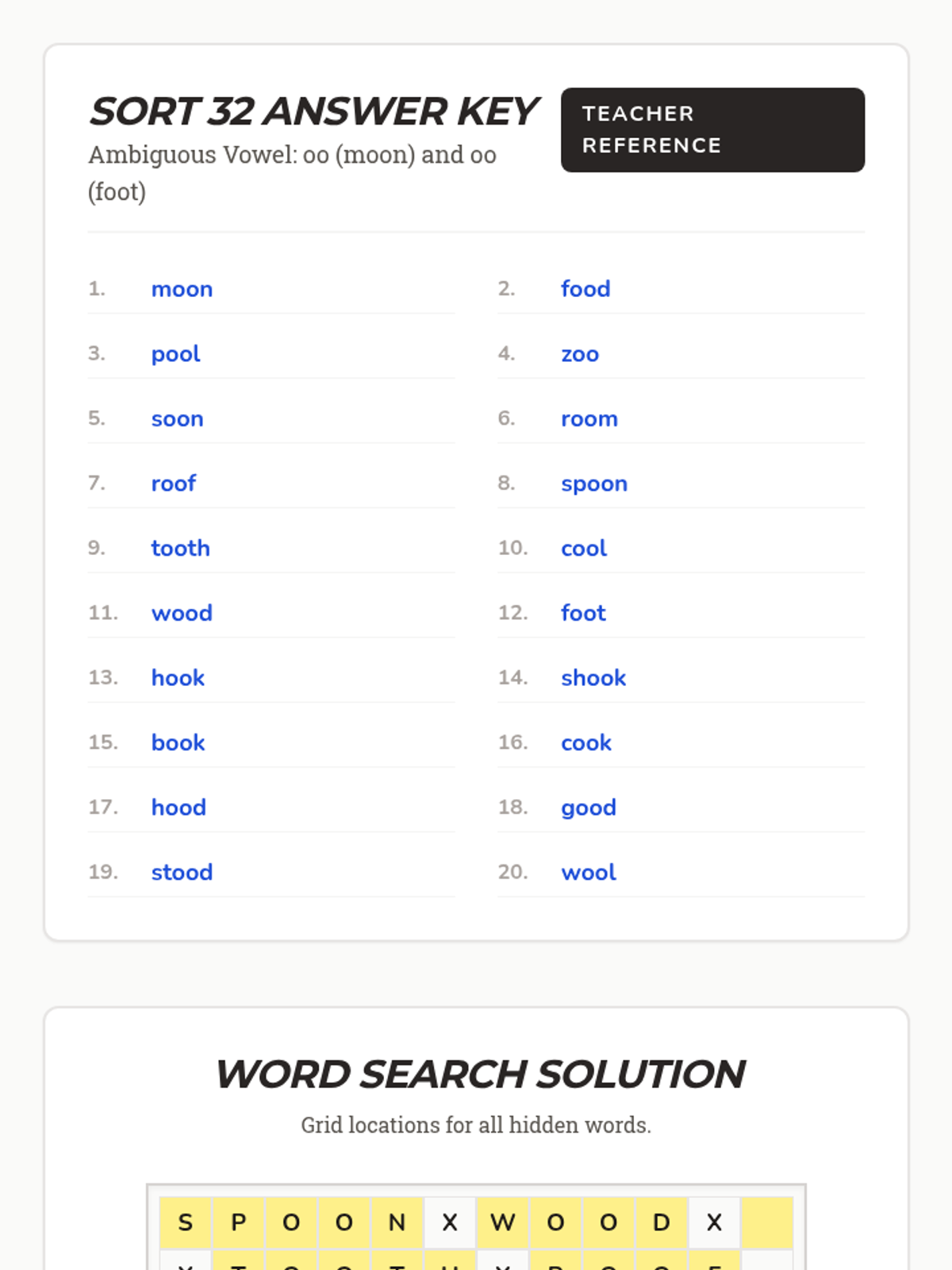
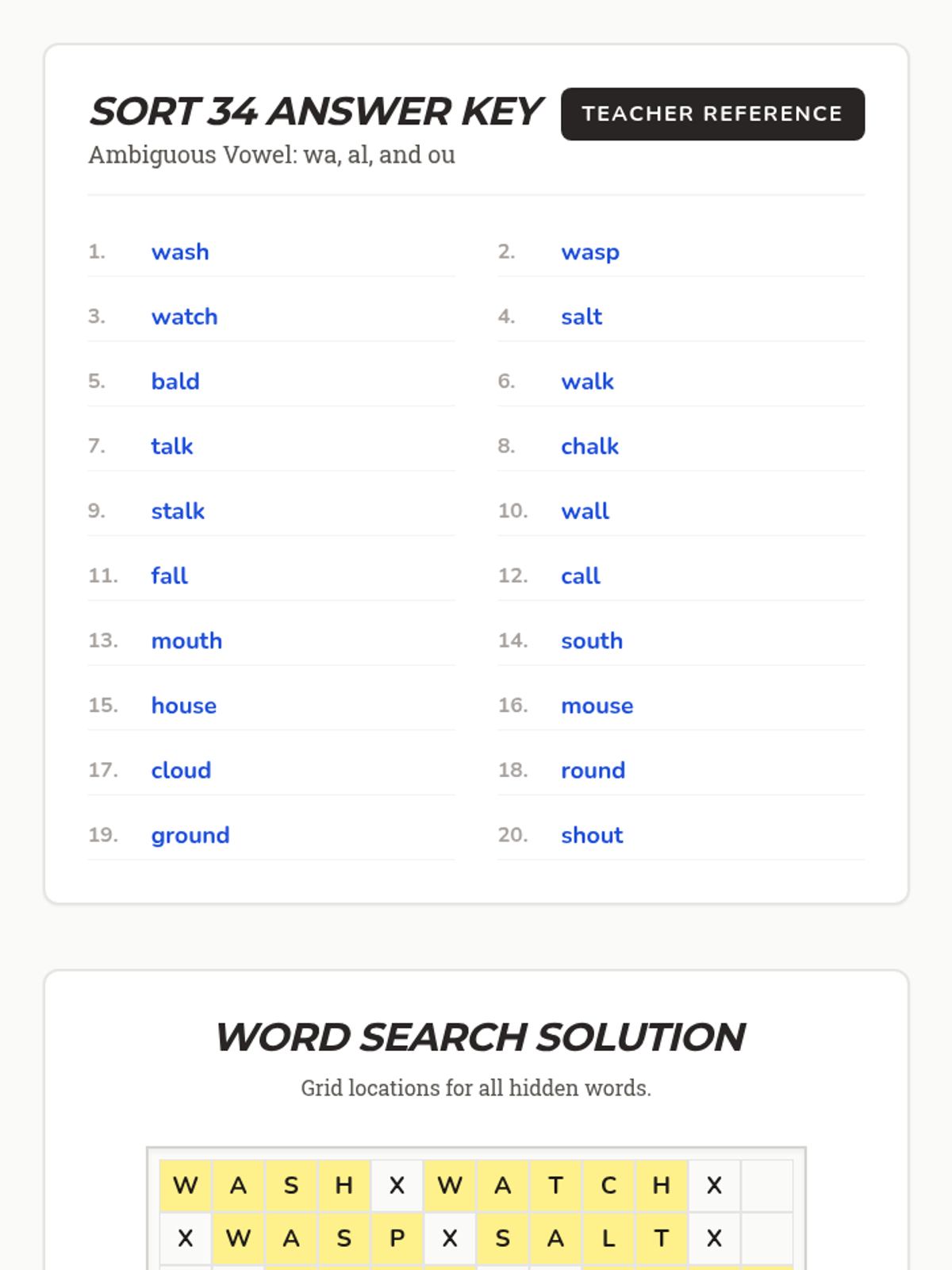
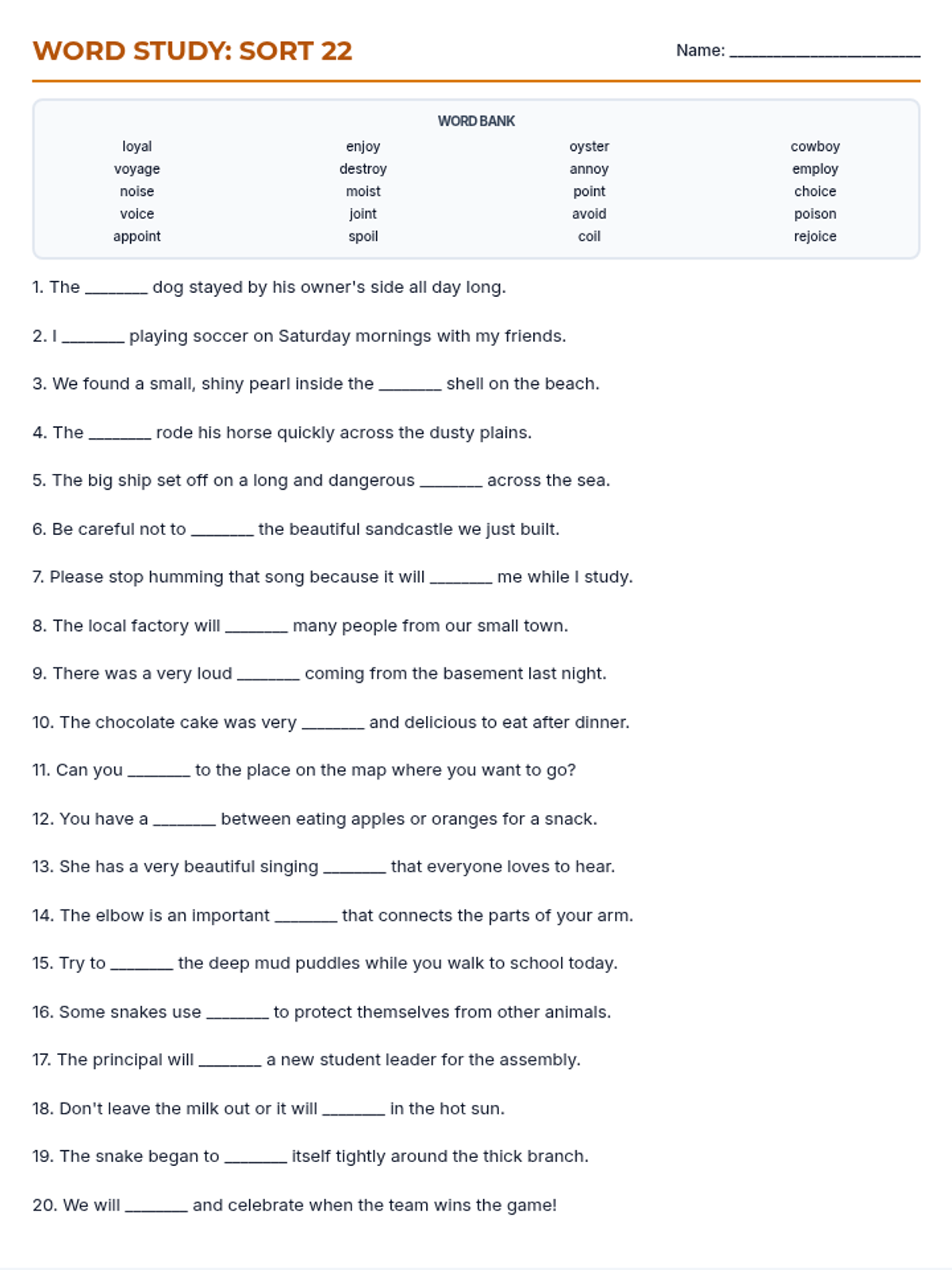
This lesson explores diphthongs and ambiguous vowel patterns including oi, oy, oo, aw, au, wa, al, and ou/ow. Students will practice identifying these sounds through context and word searches.
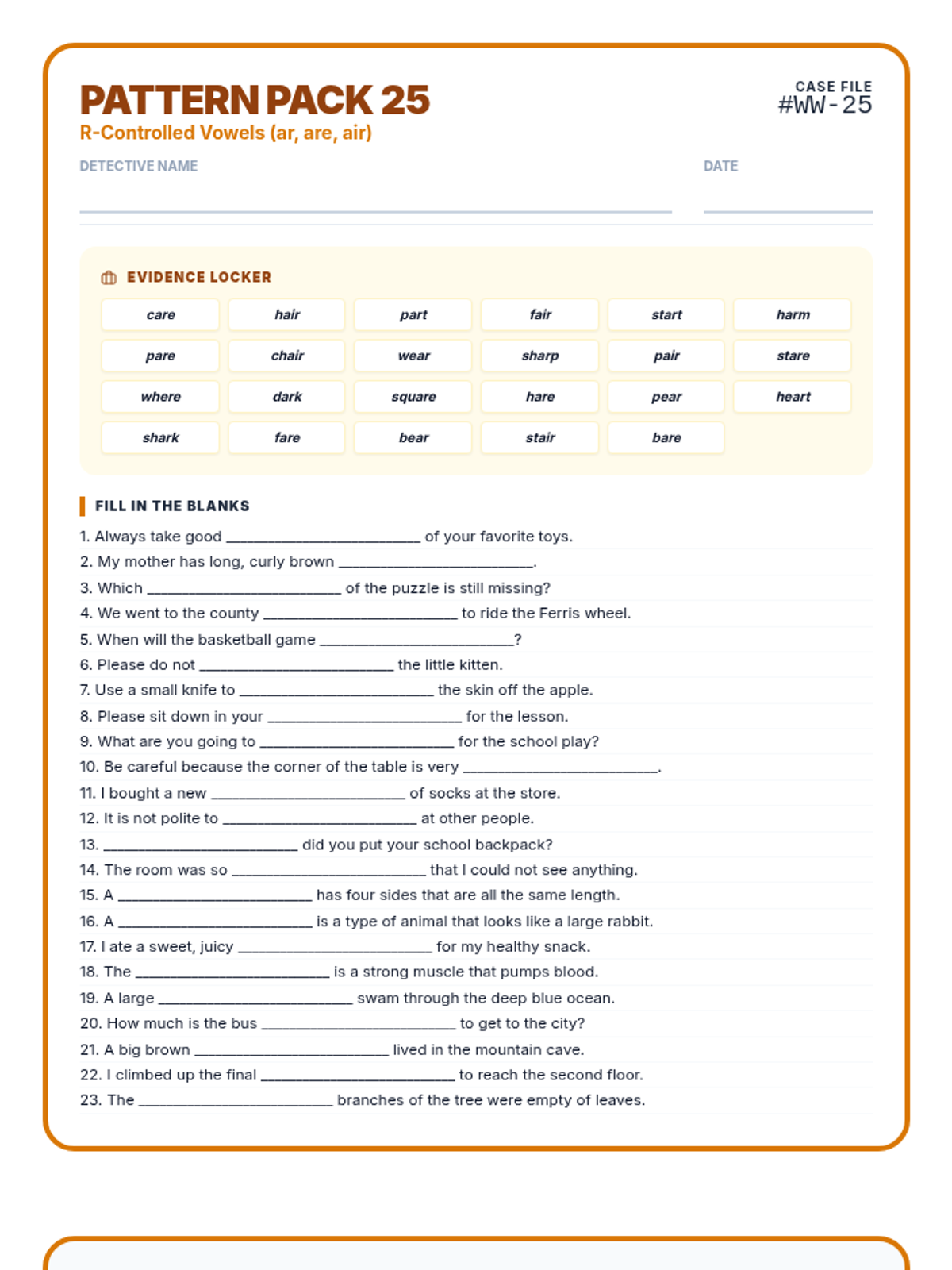
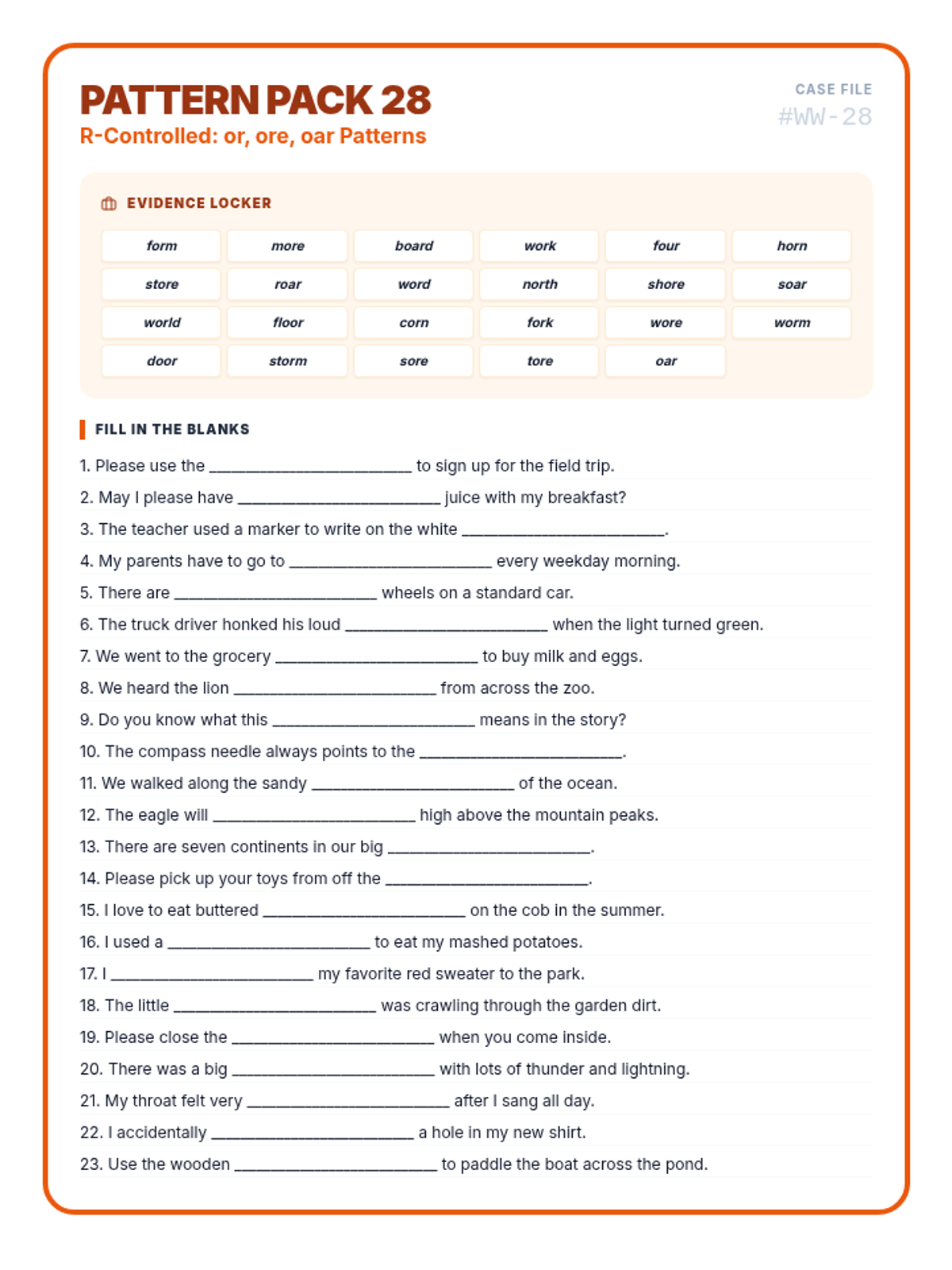
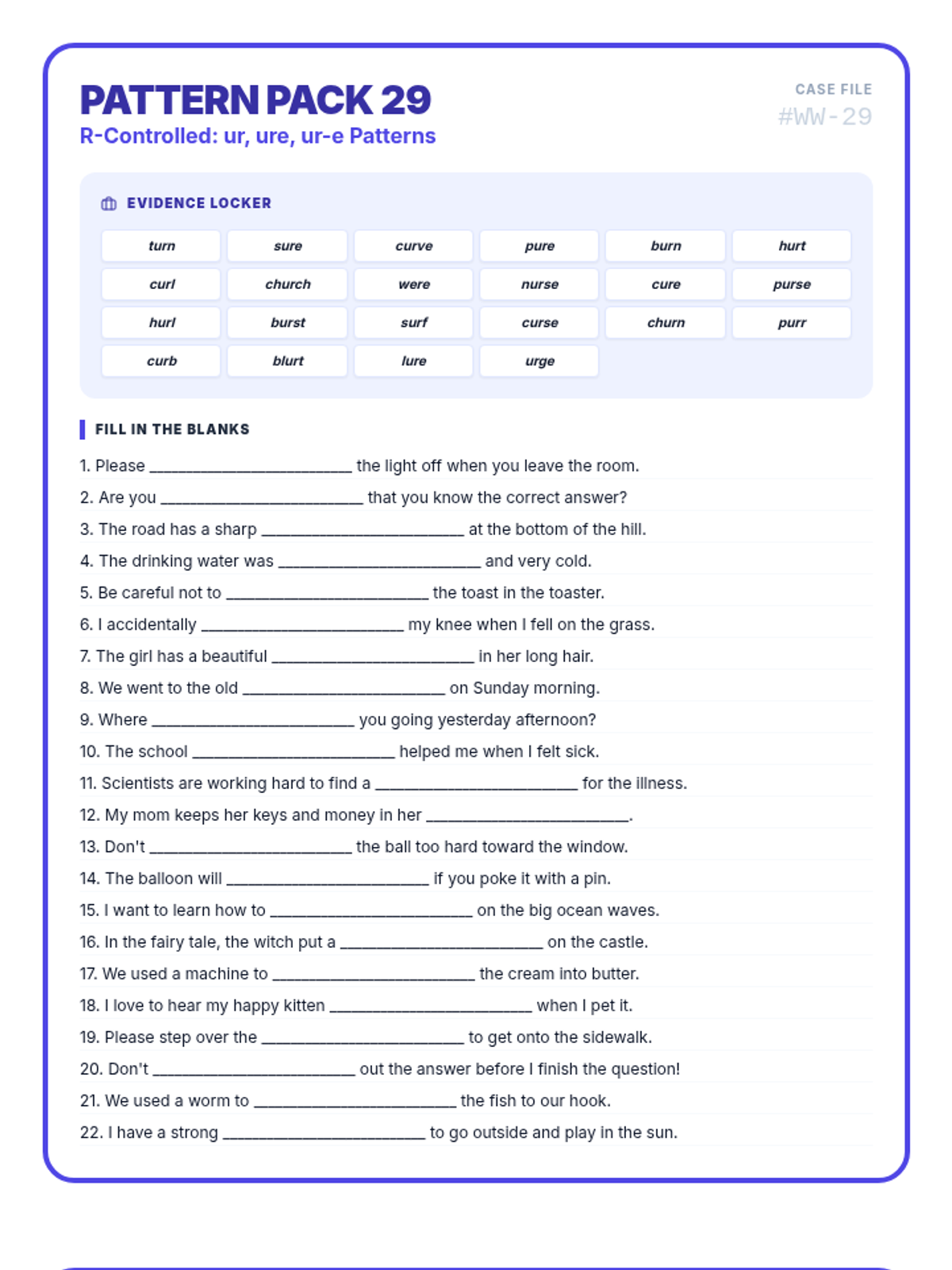
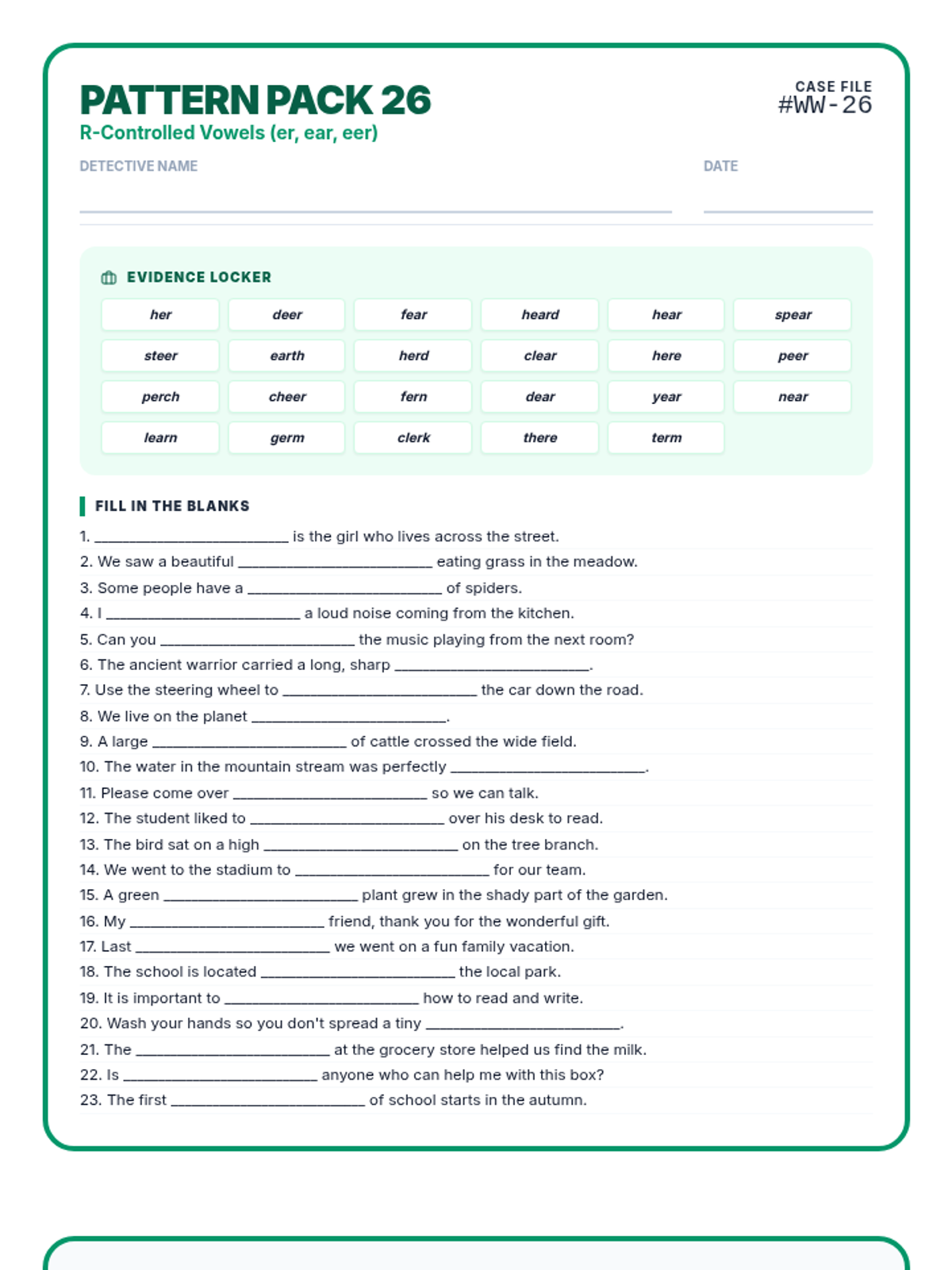
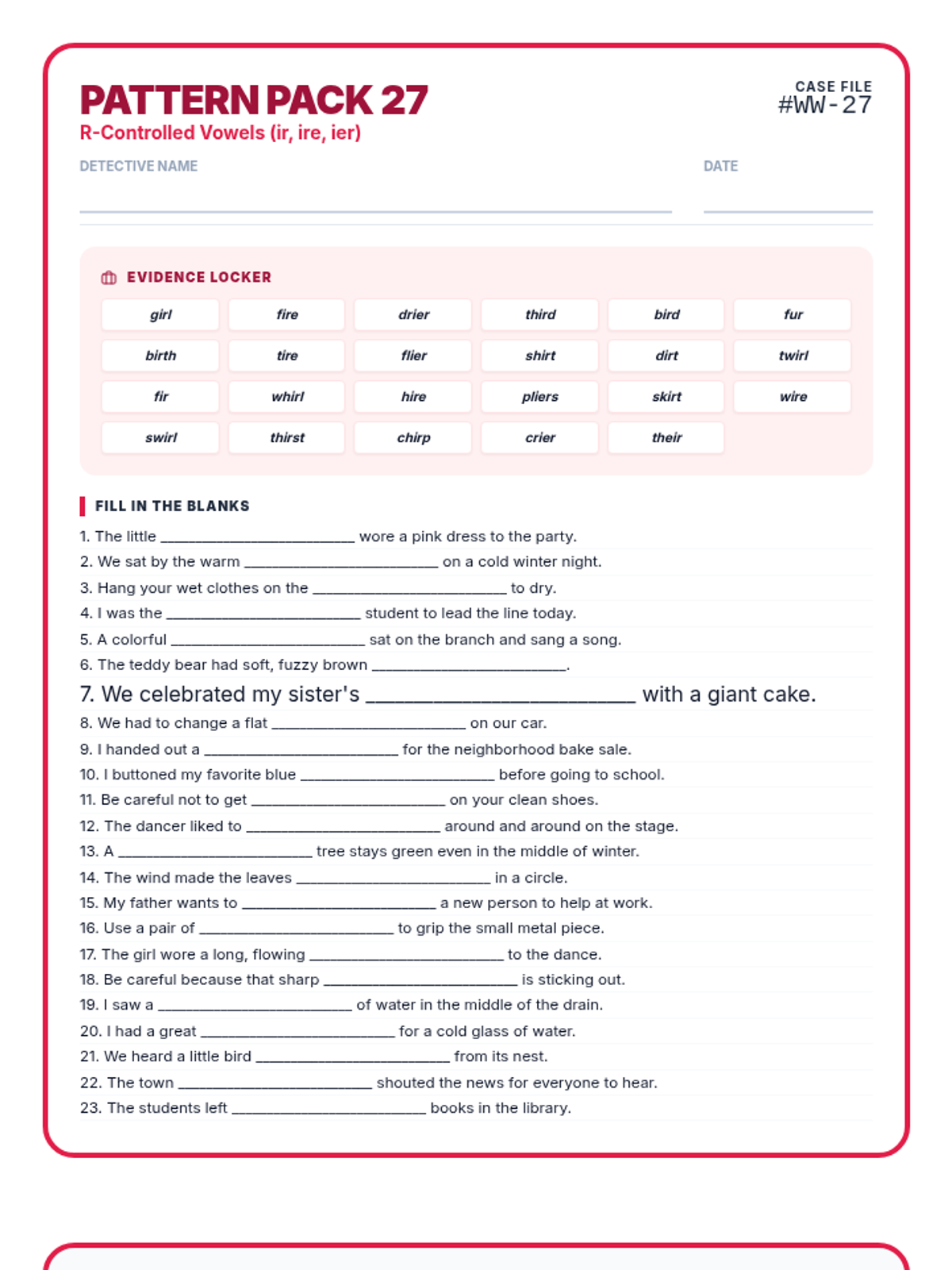
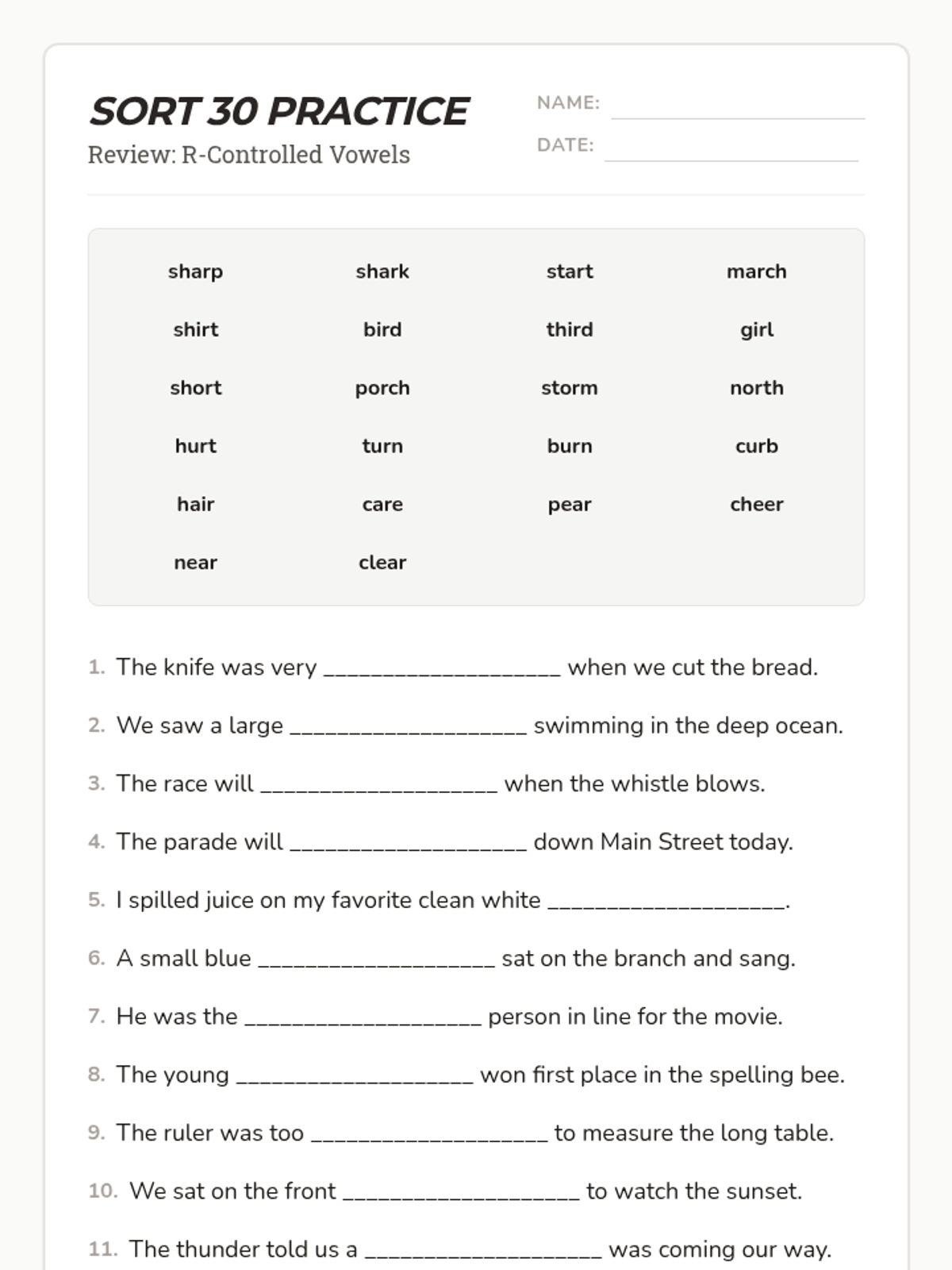
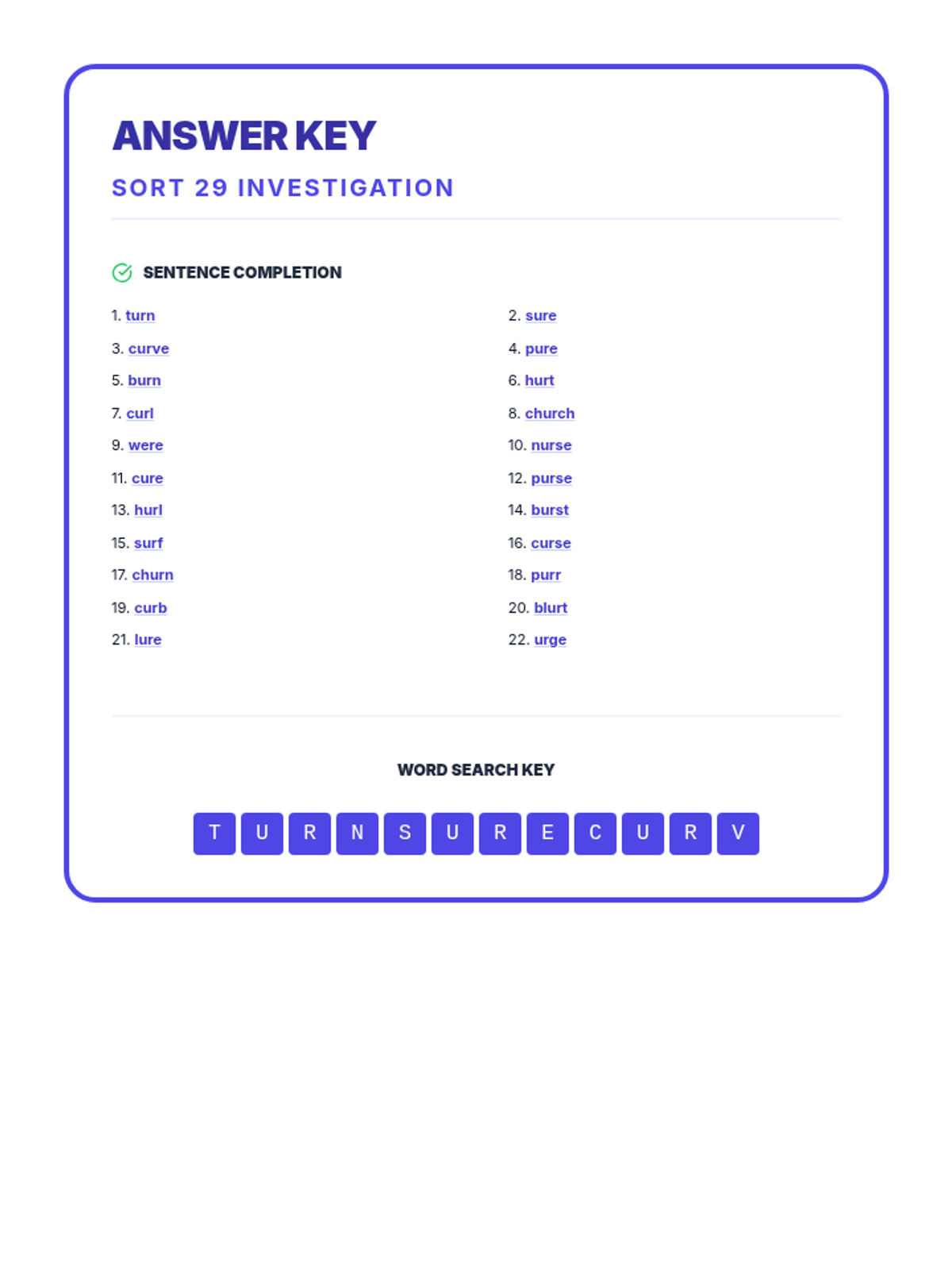
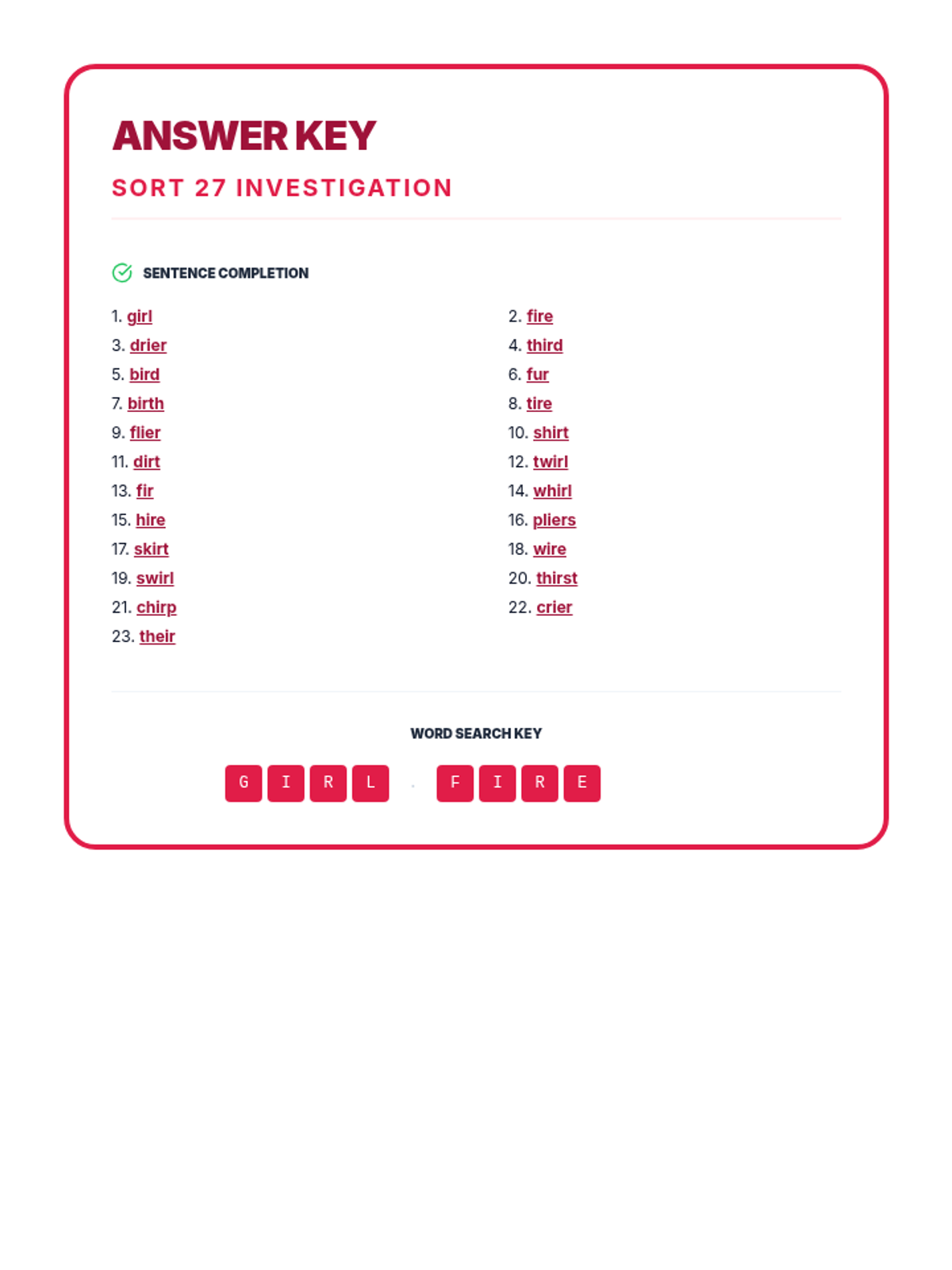
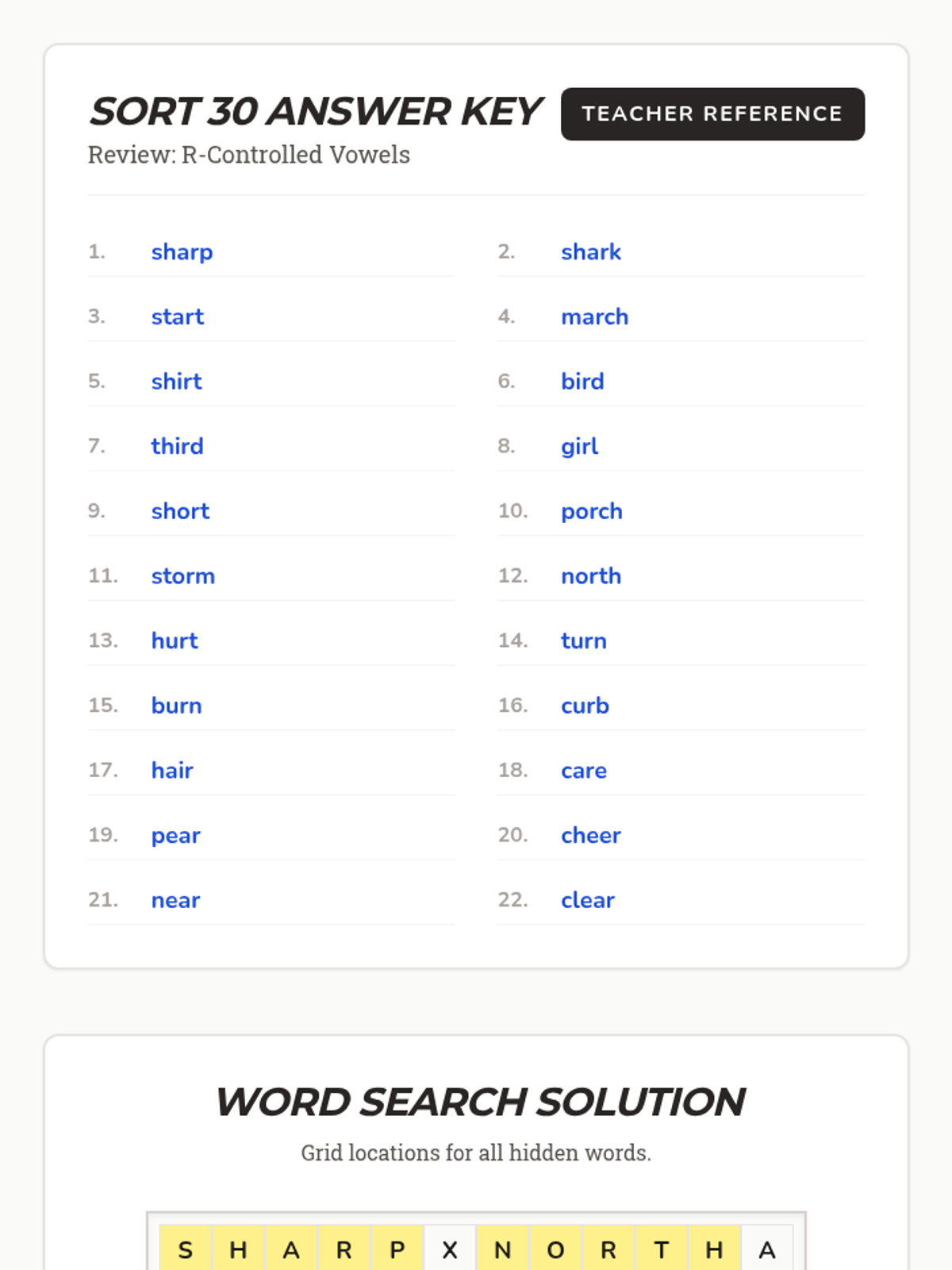
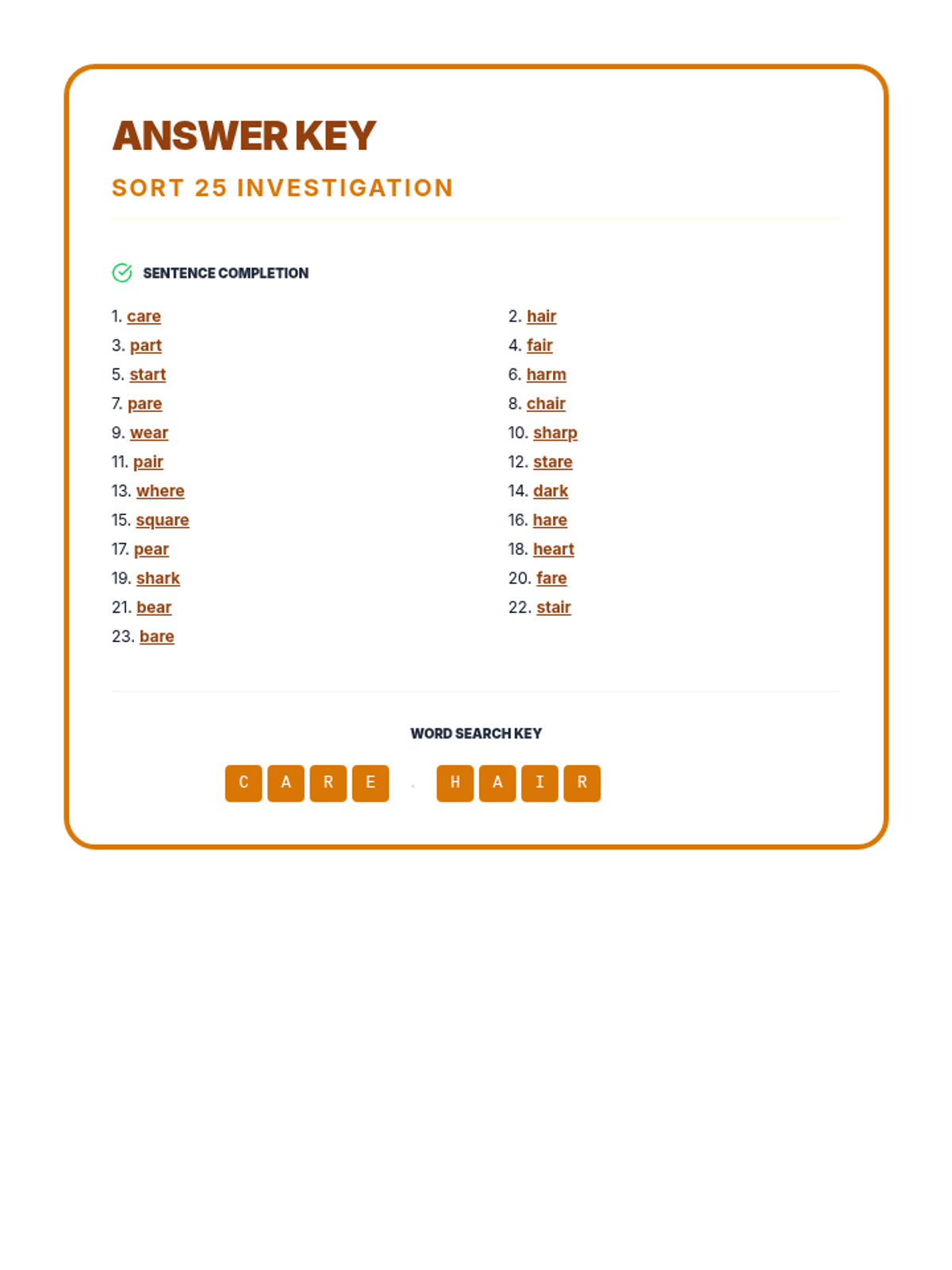
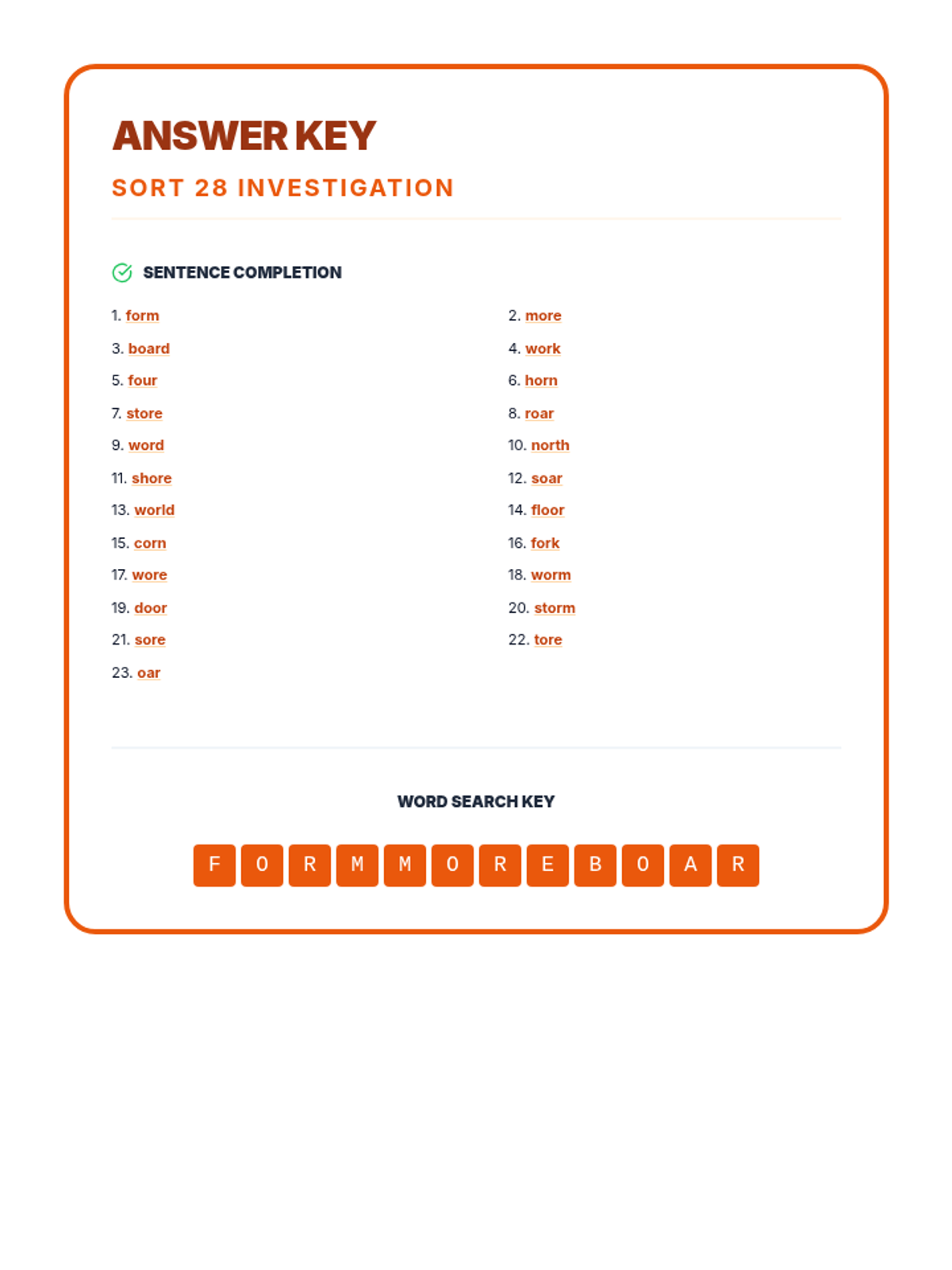
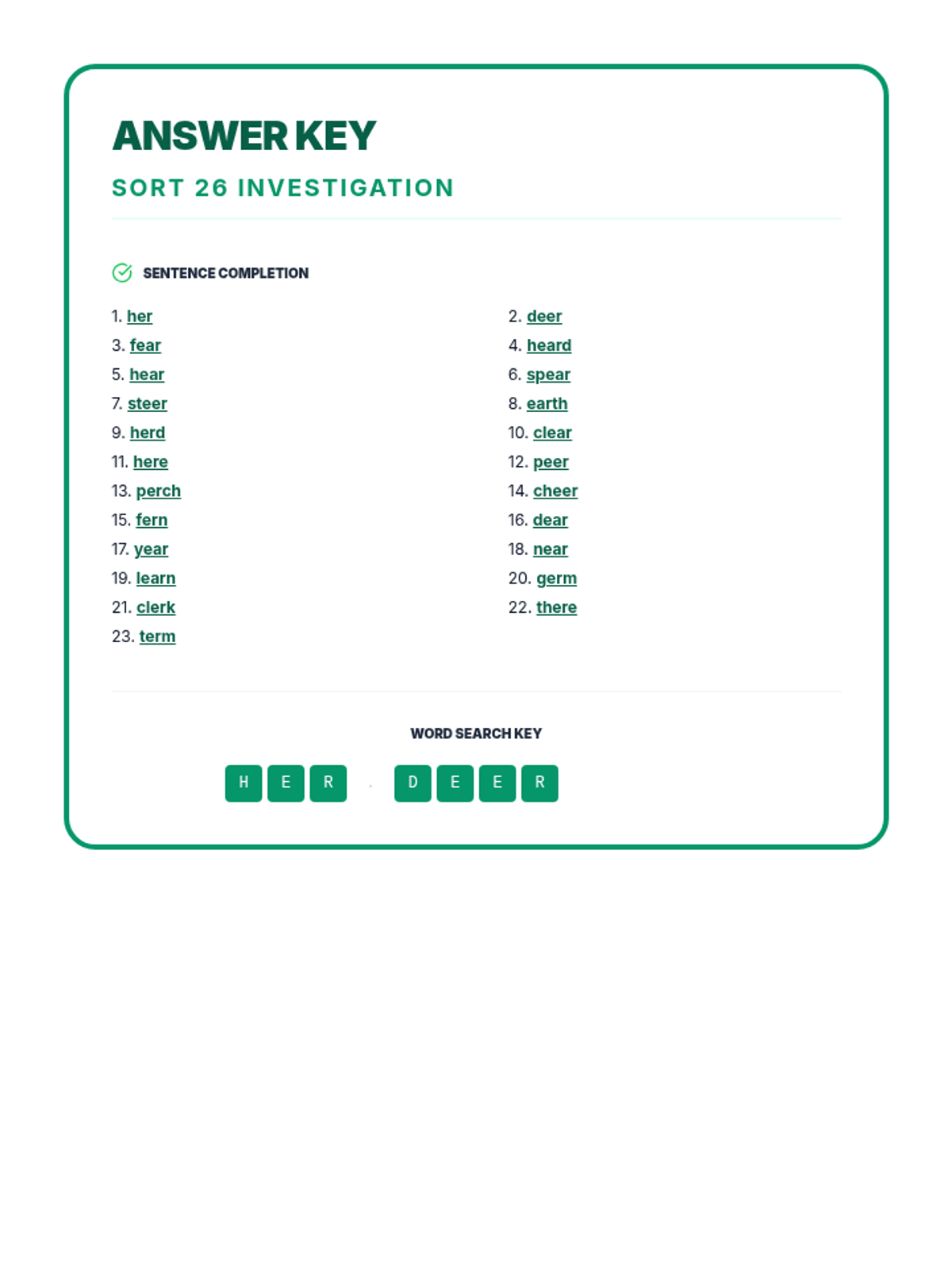
Investigation into r-controlled vowel patterns including ar, are, air, er, ear, eer, ir, ire, ier, or, ore, oar, and ur patterns.
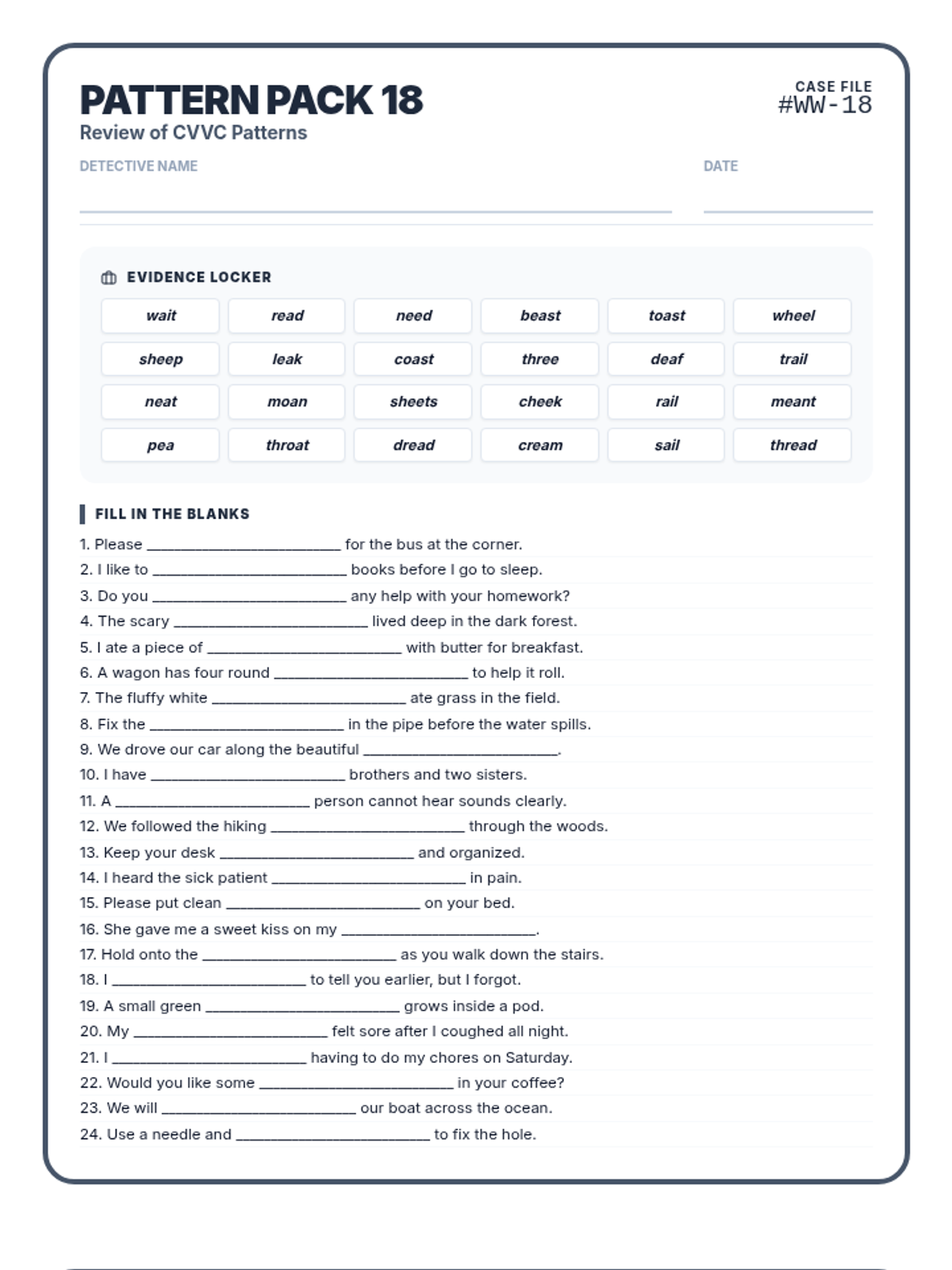
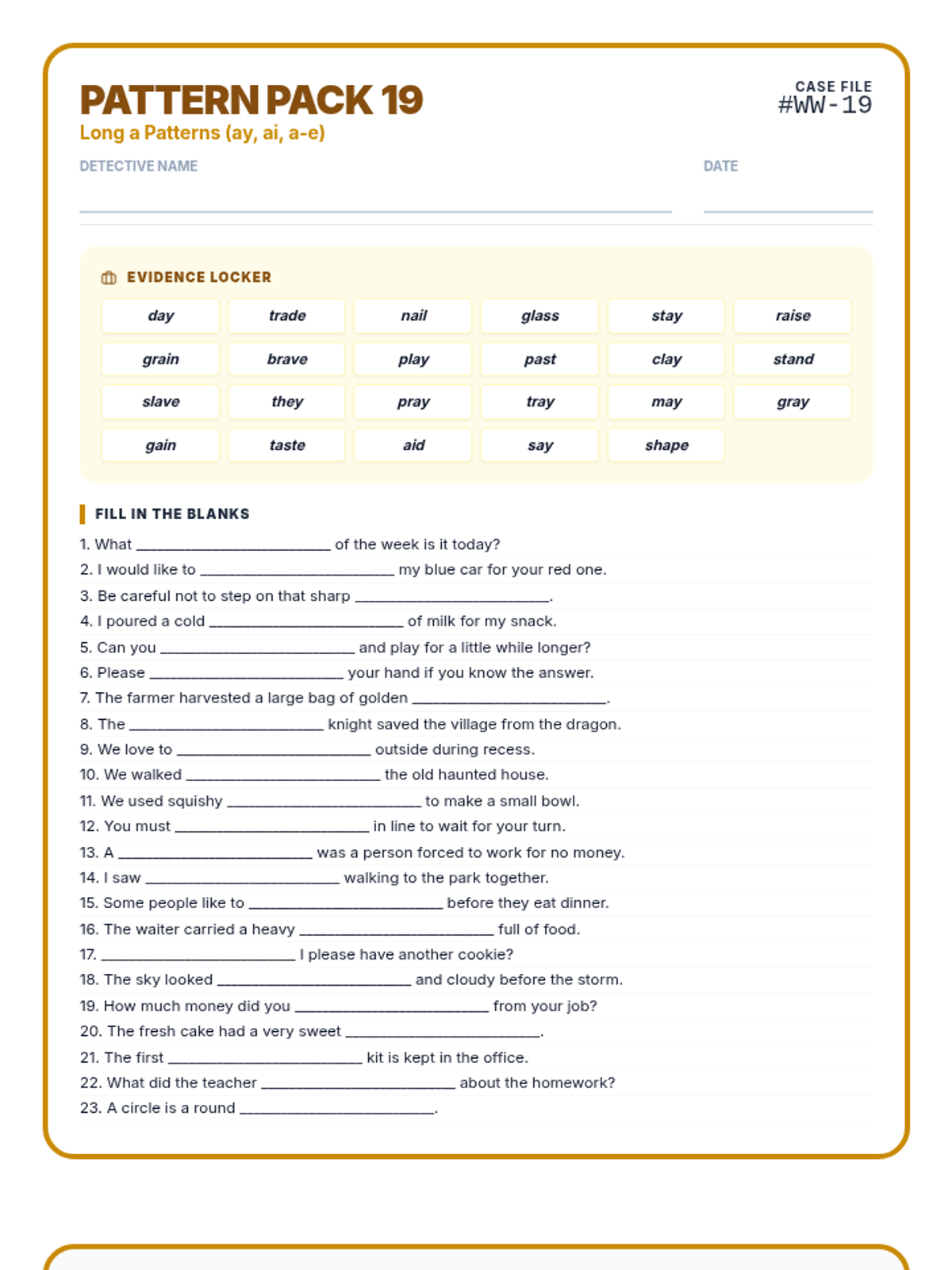
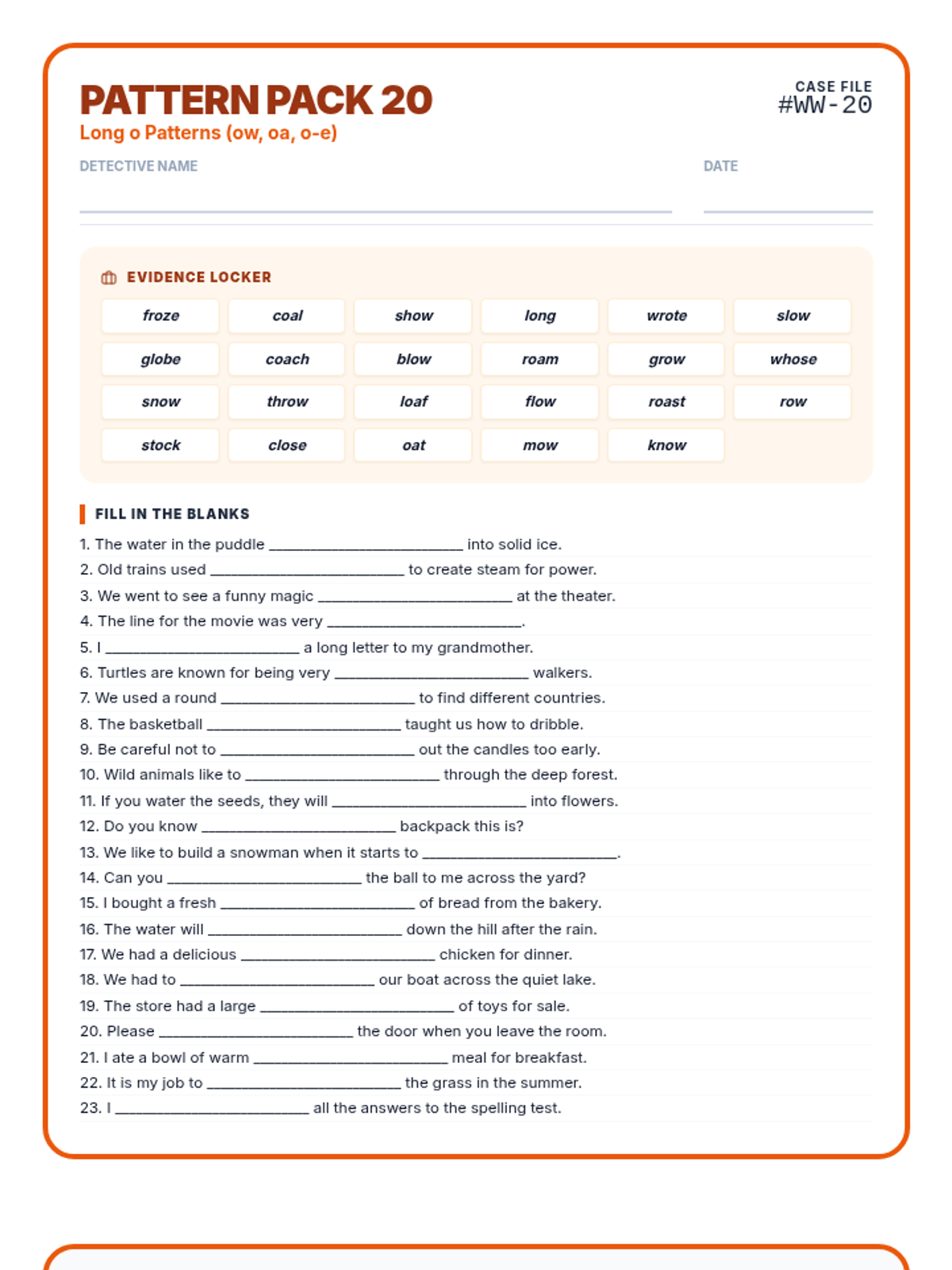
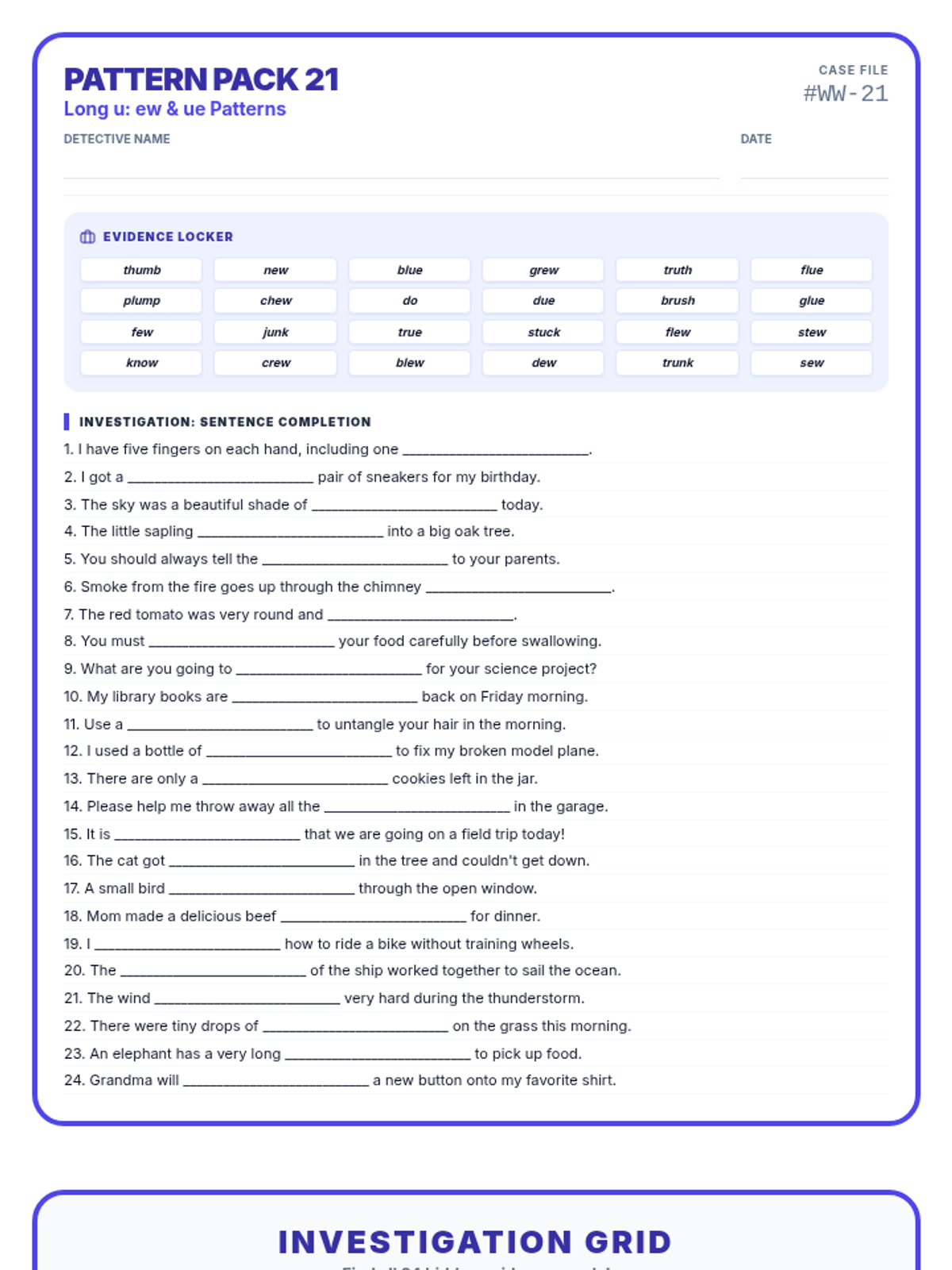
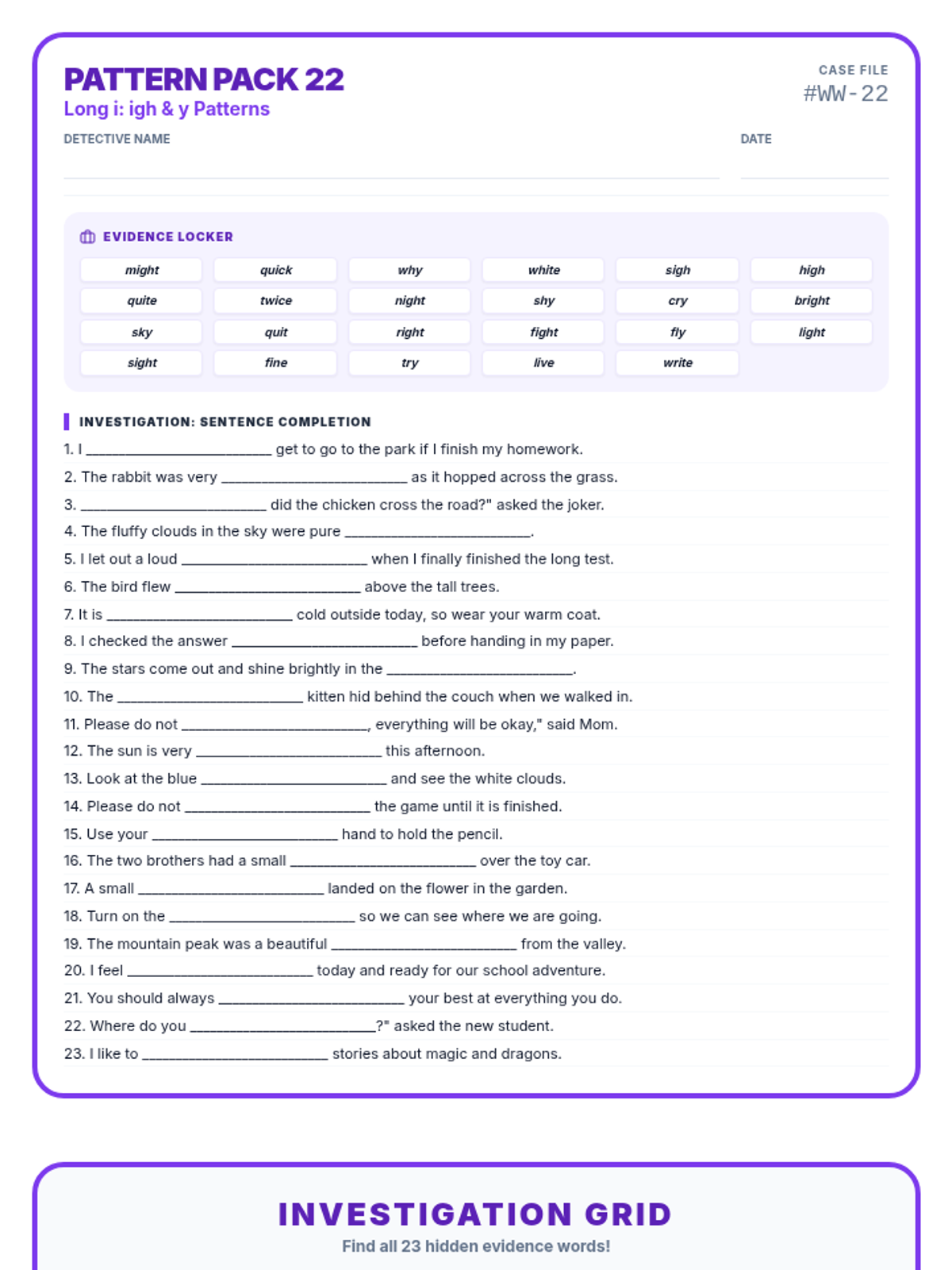
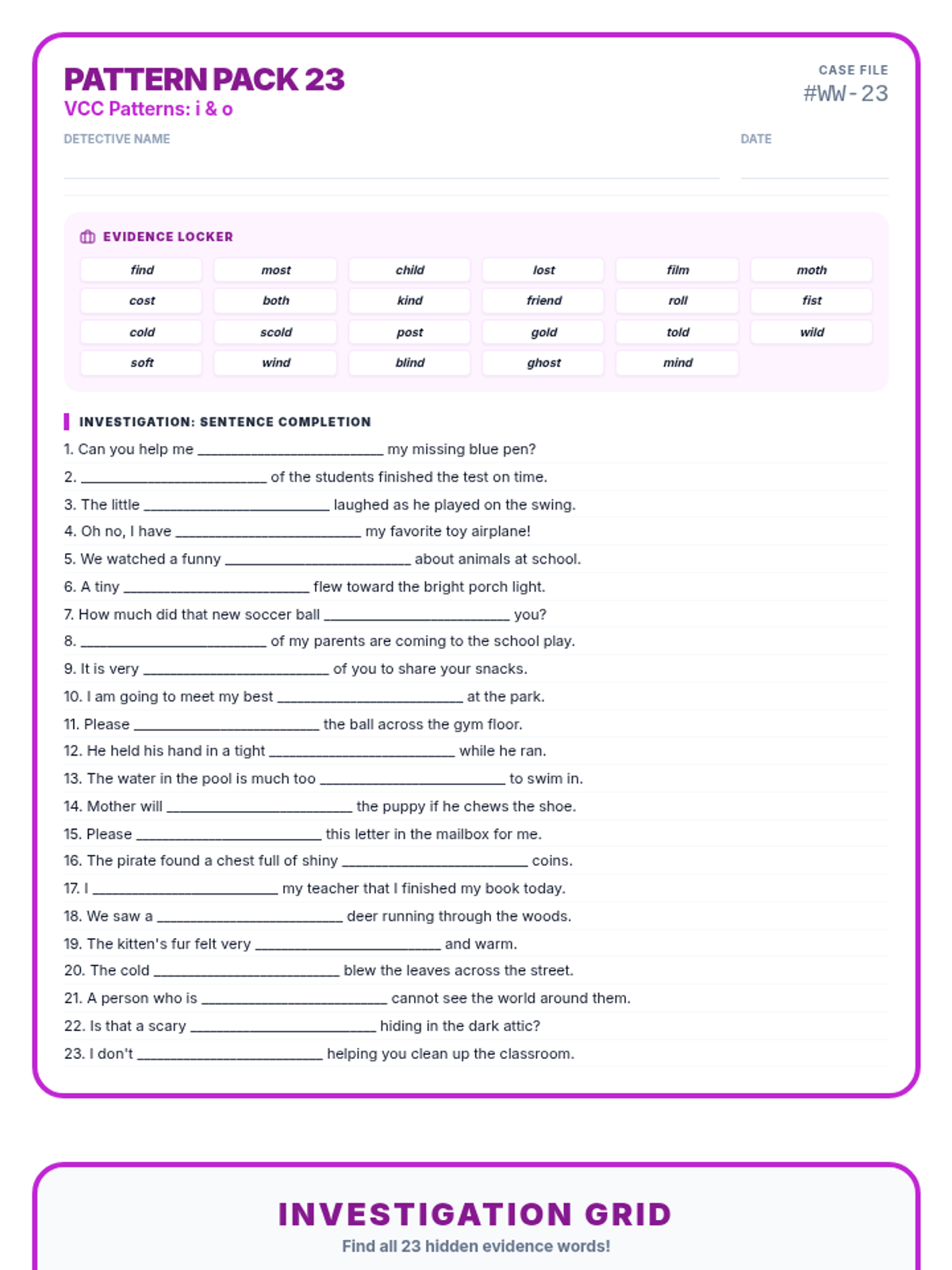
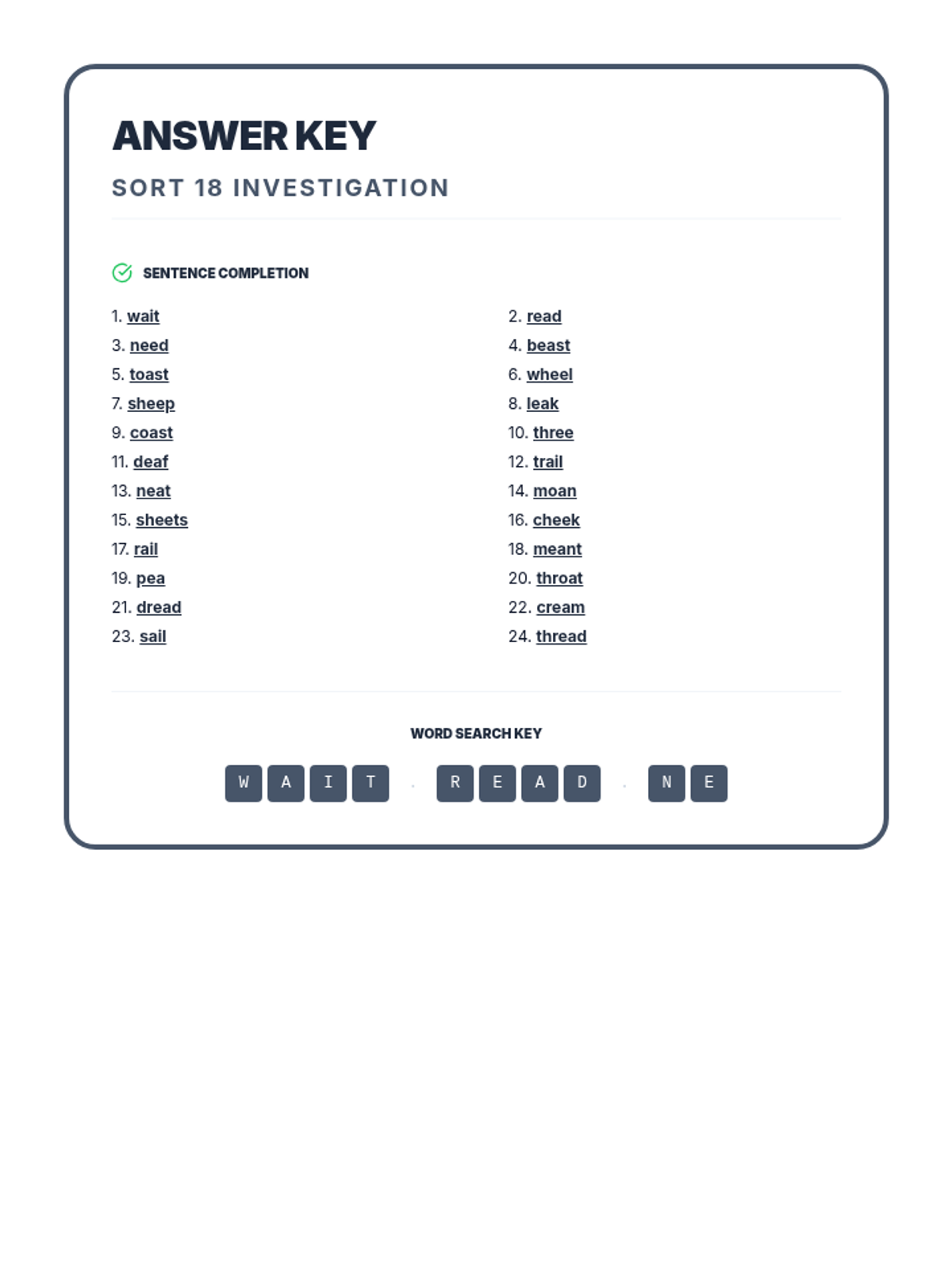
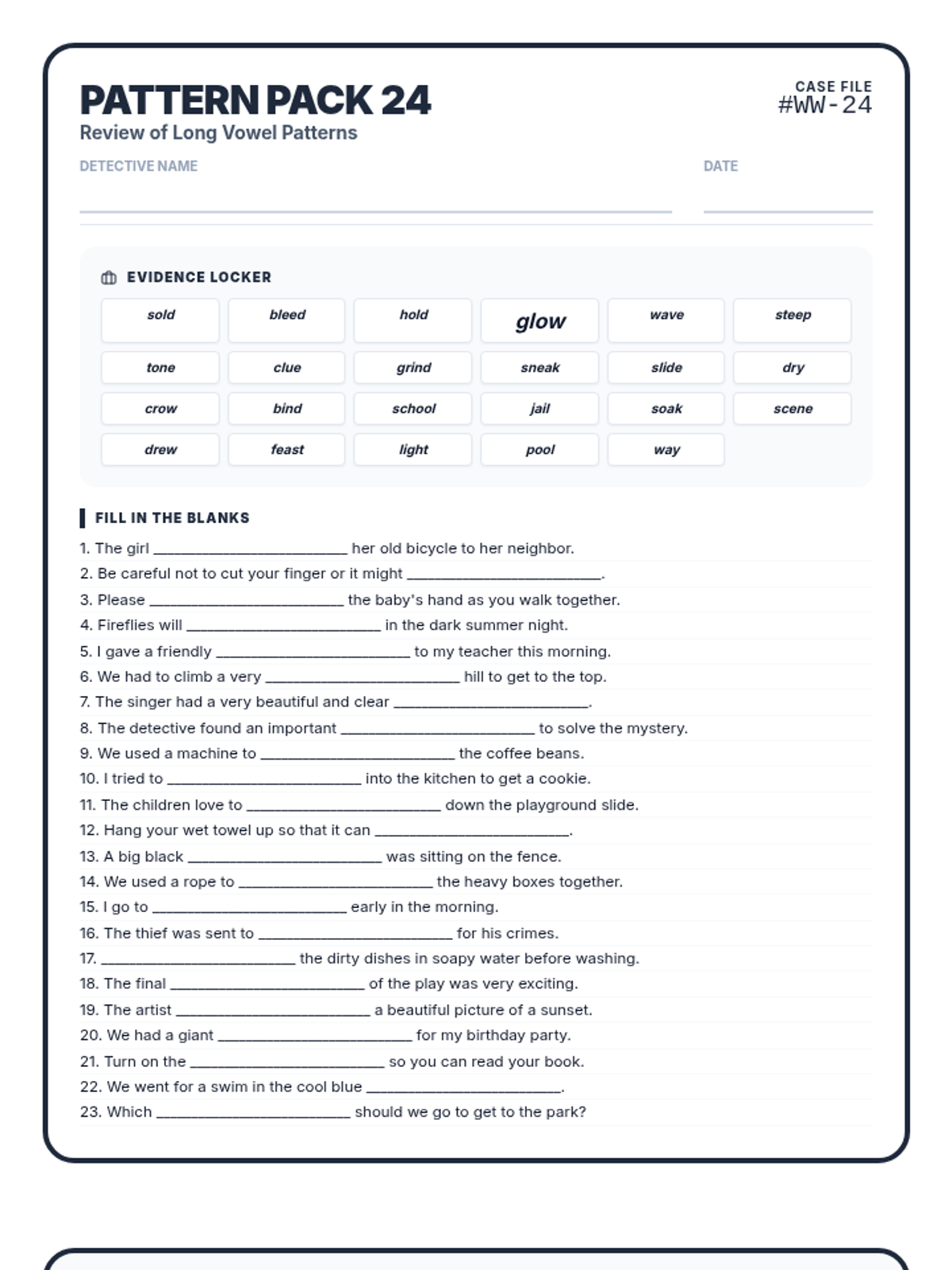
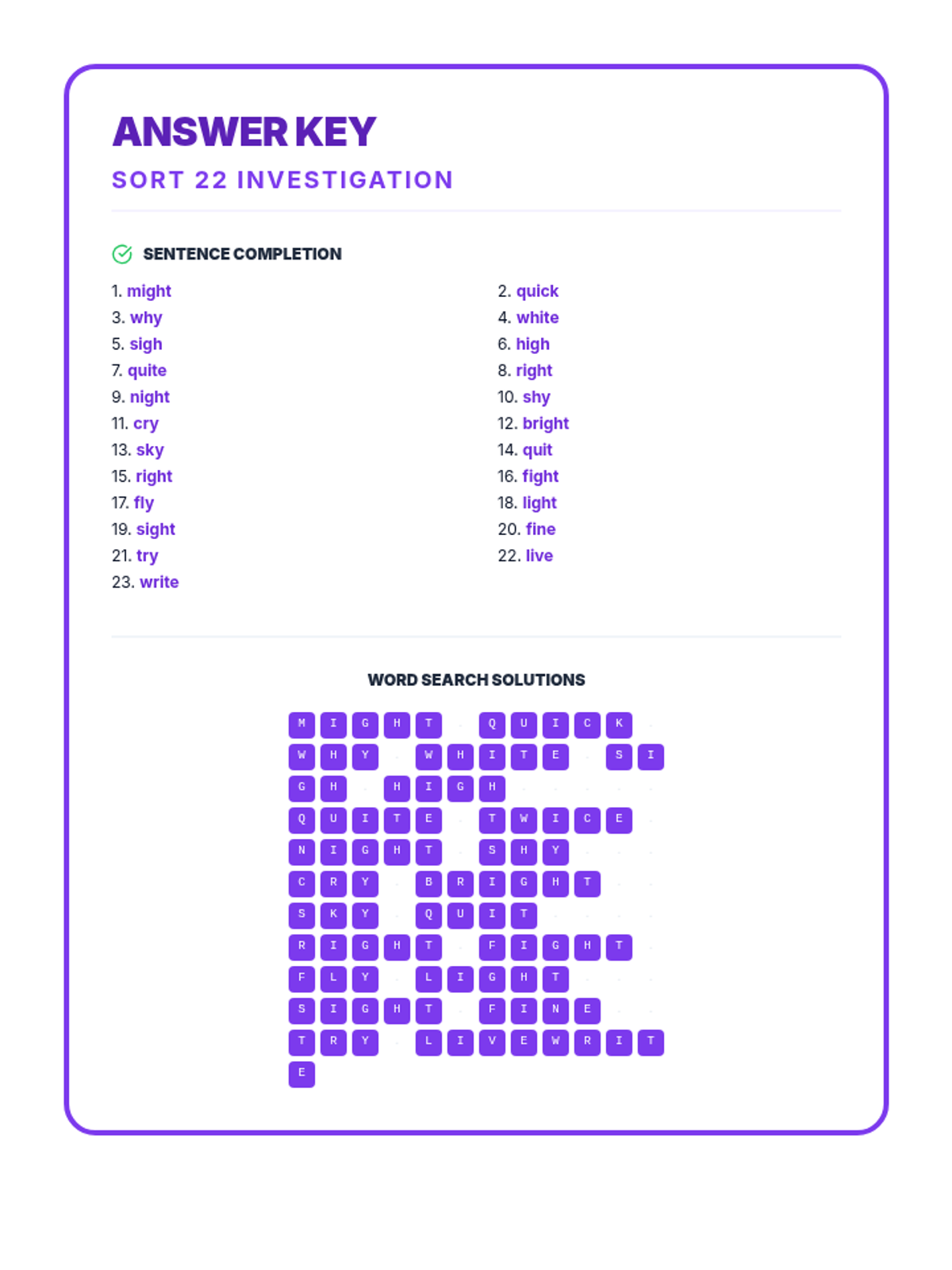
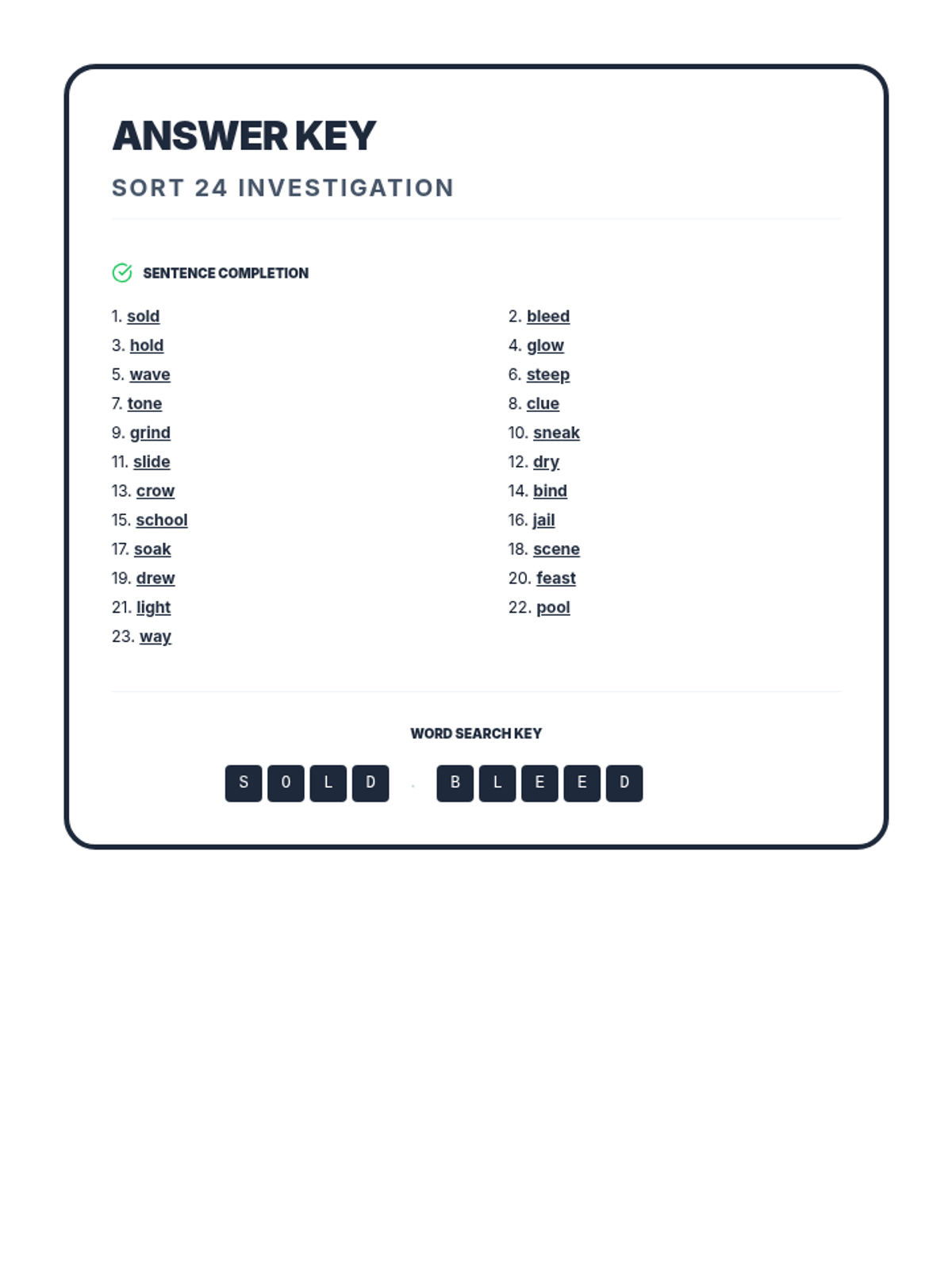
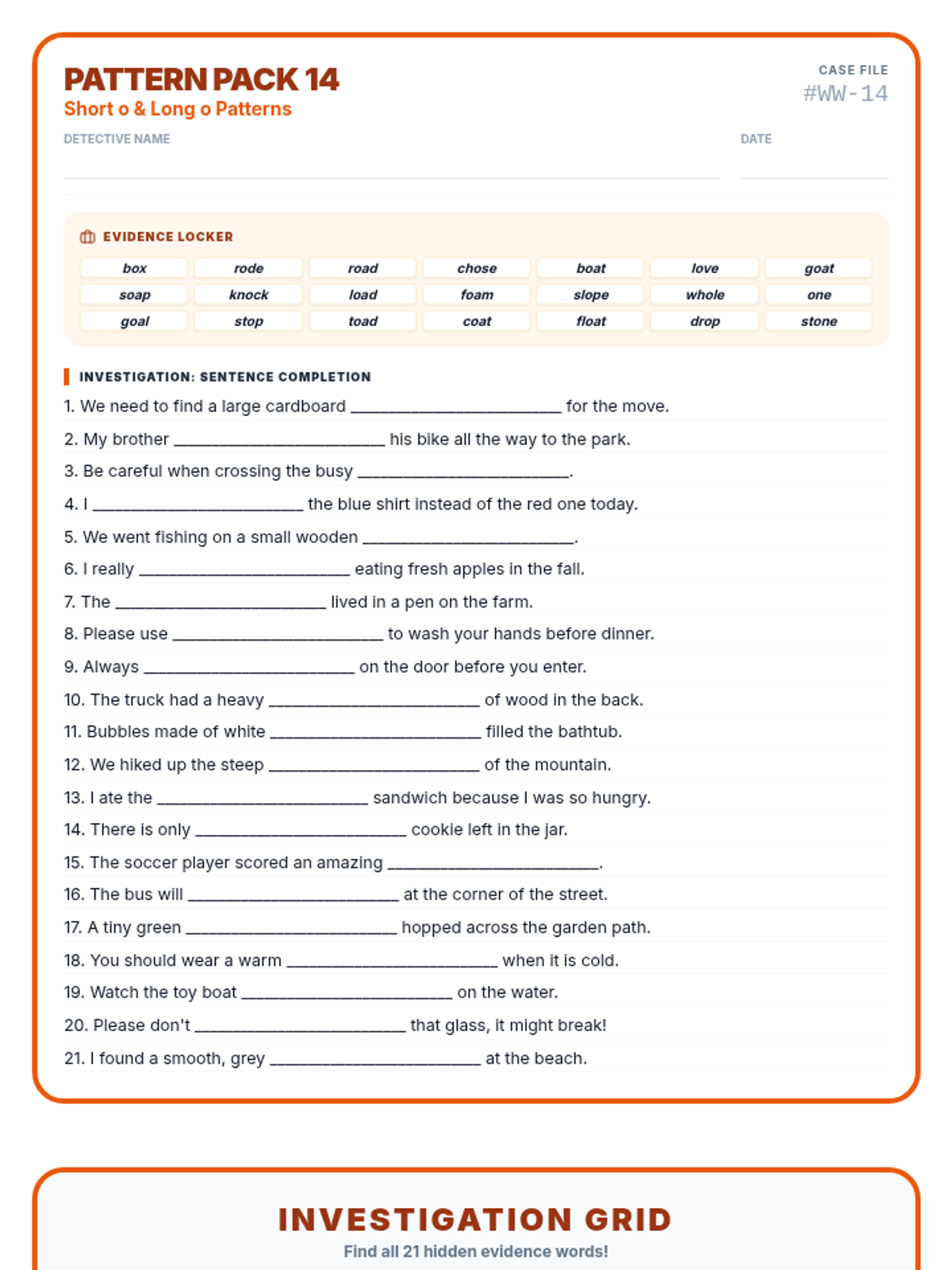
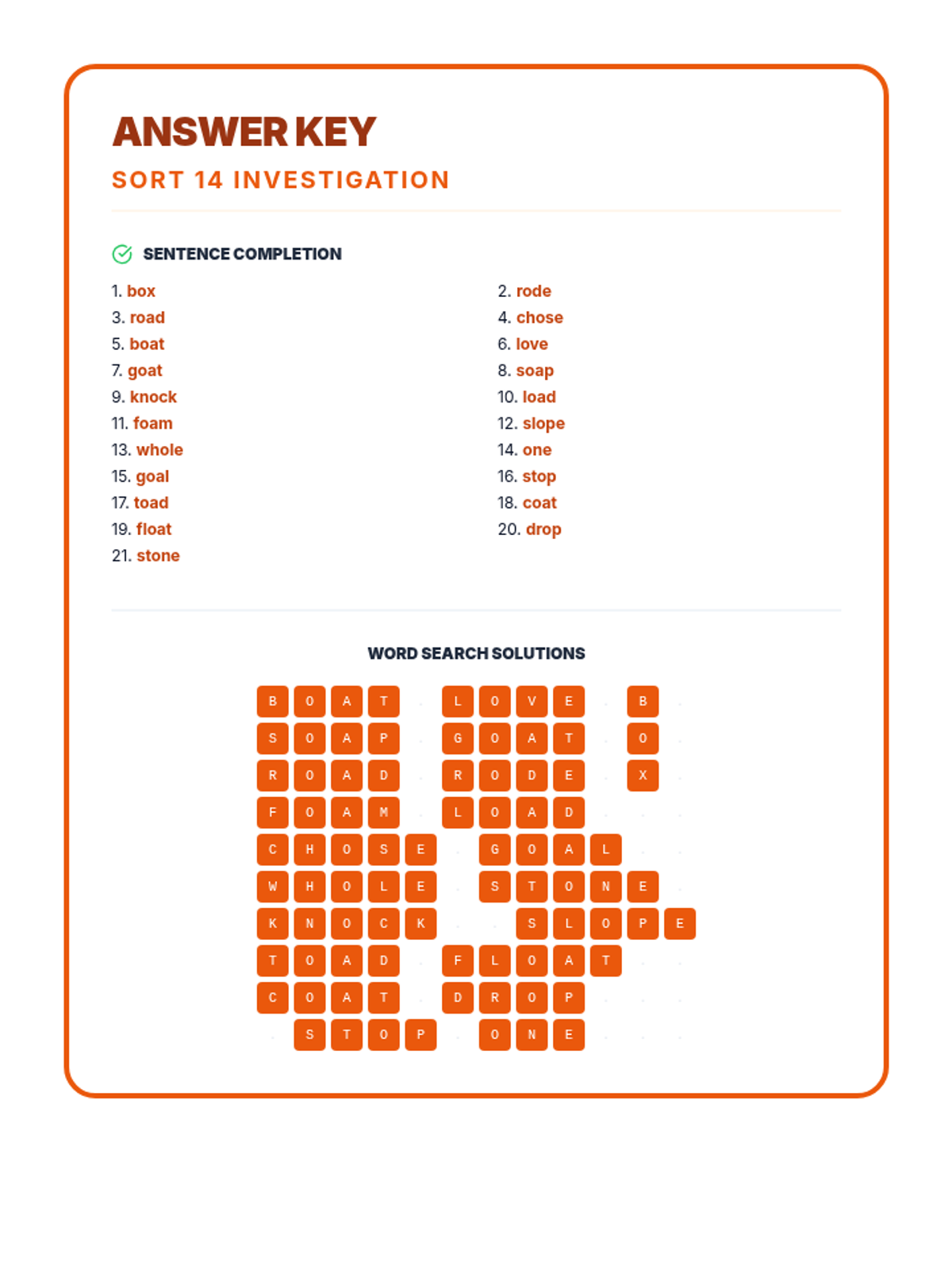
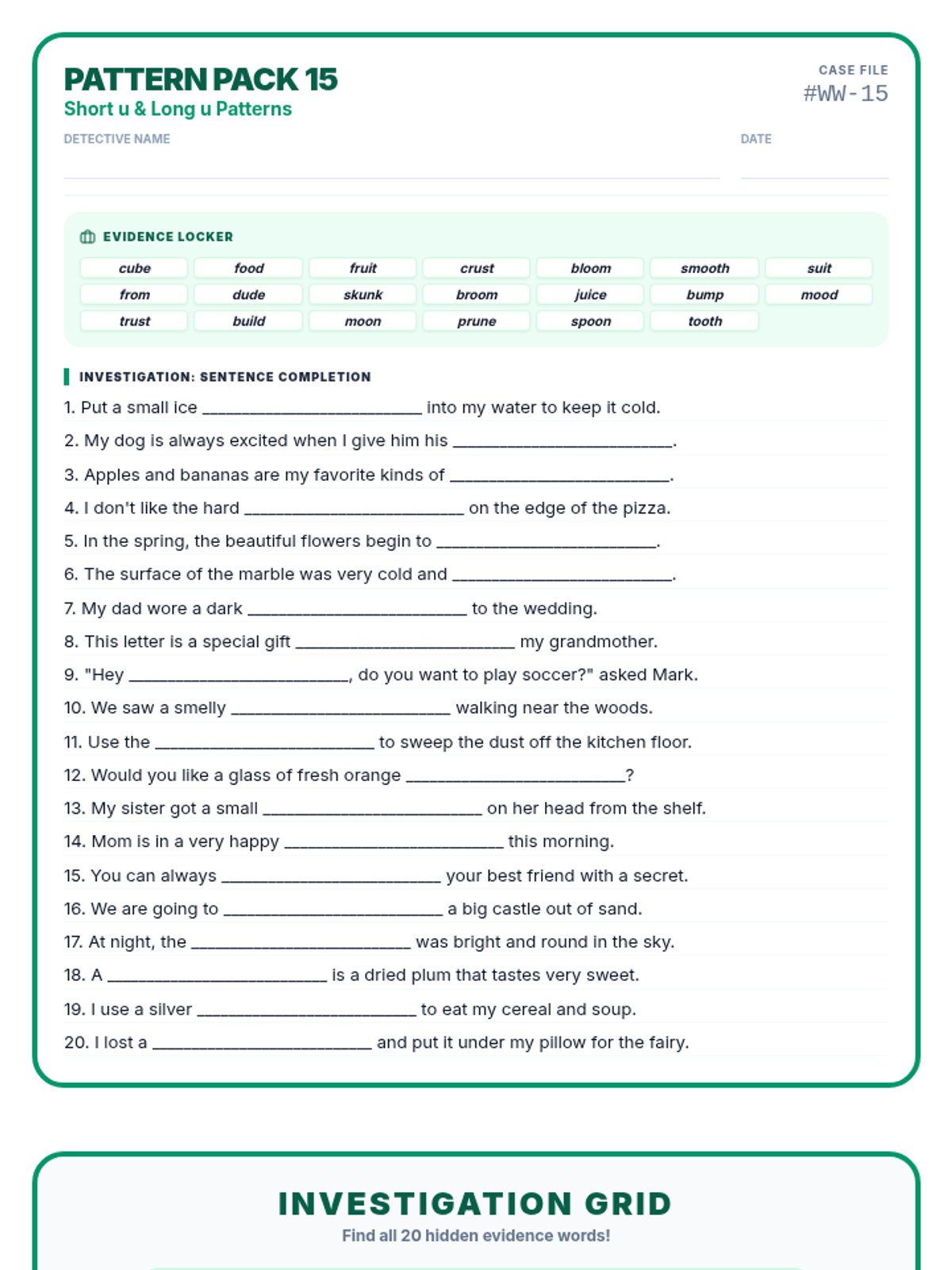
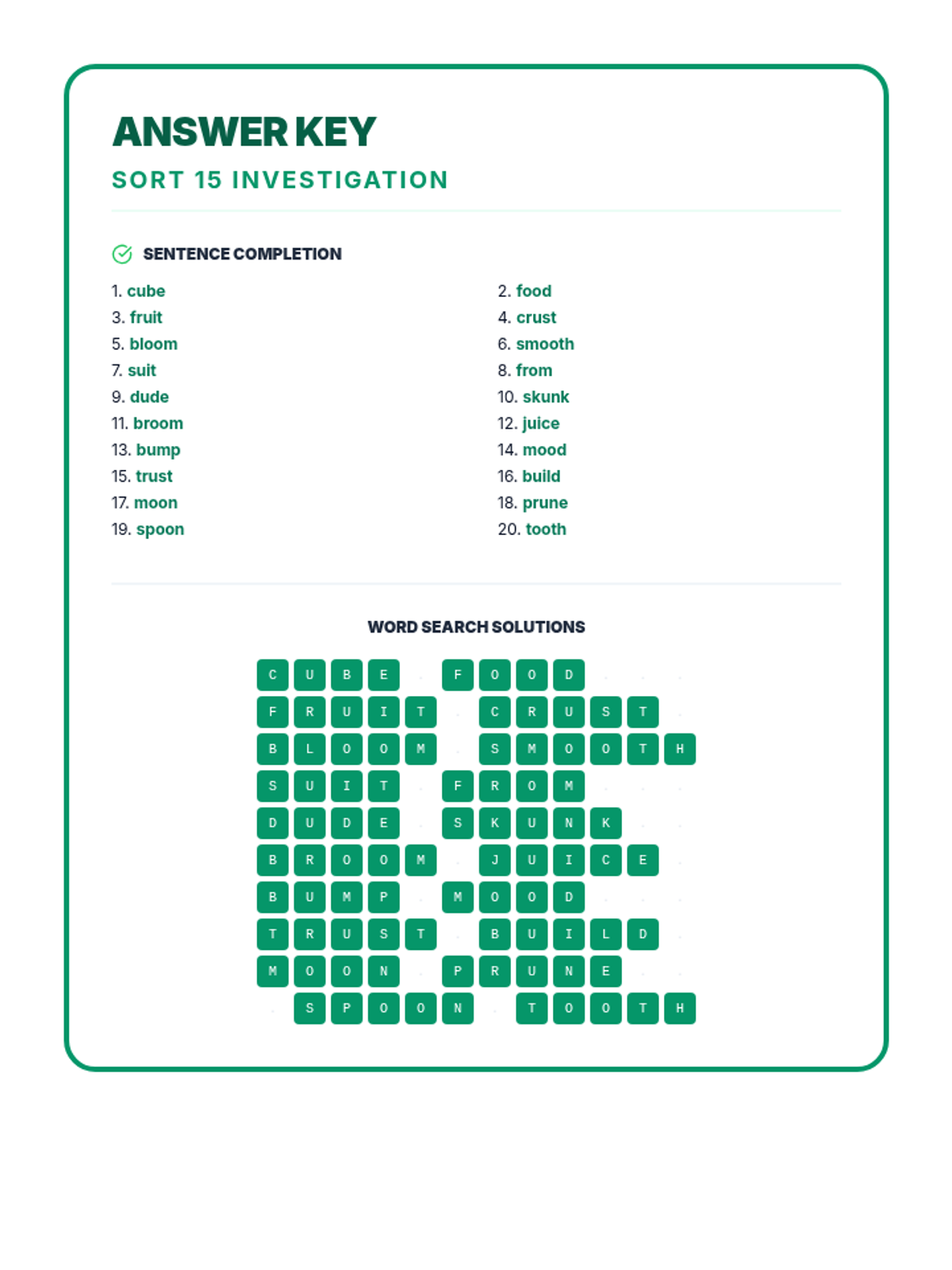
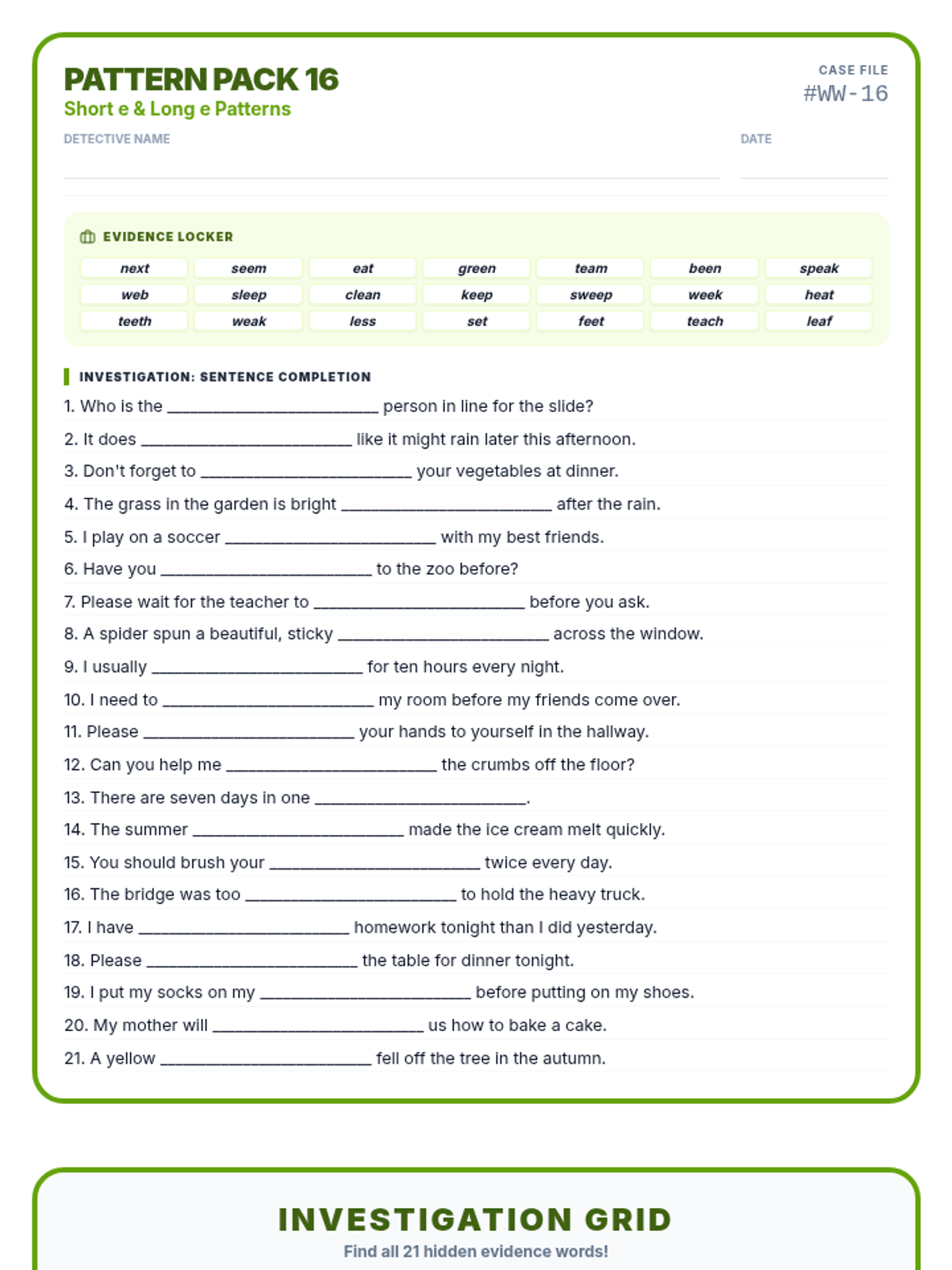
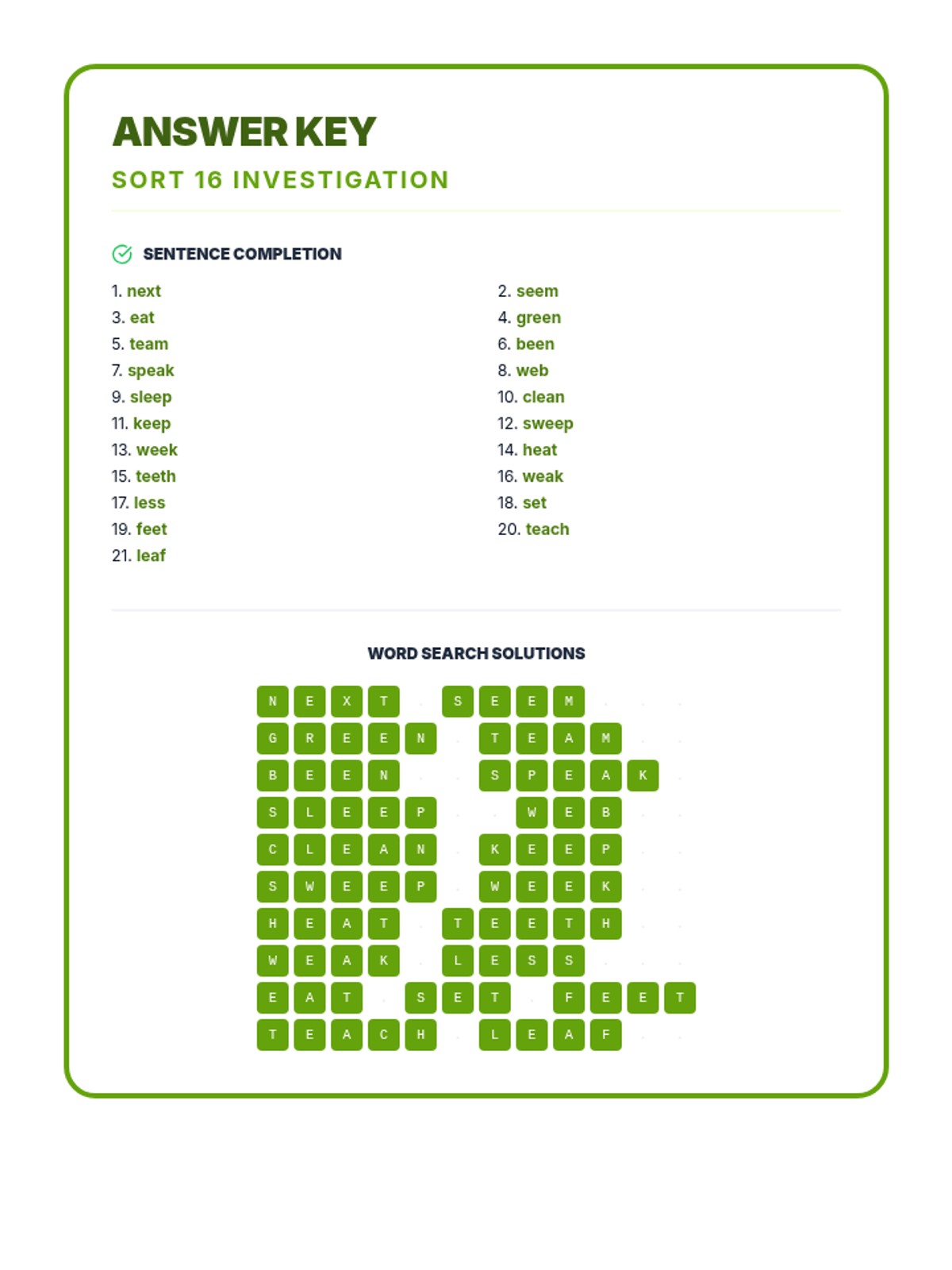
Review of CVVC patterns and introduction to open syllables with long a, o, u, and i patterns across Sorts 18-24.
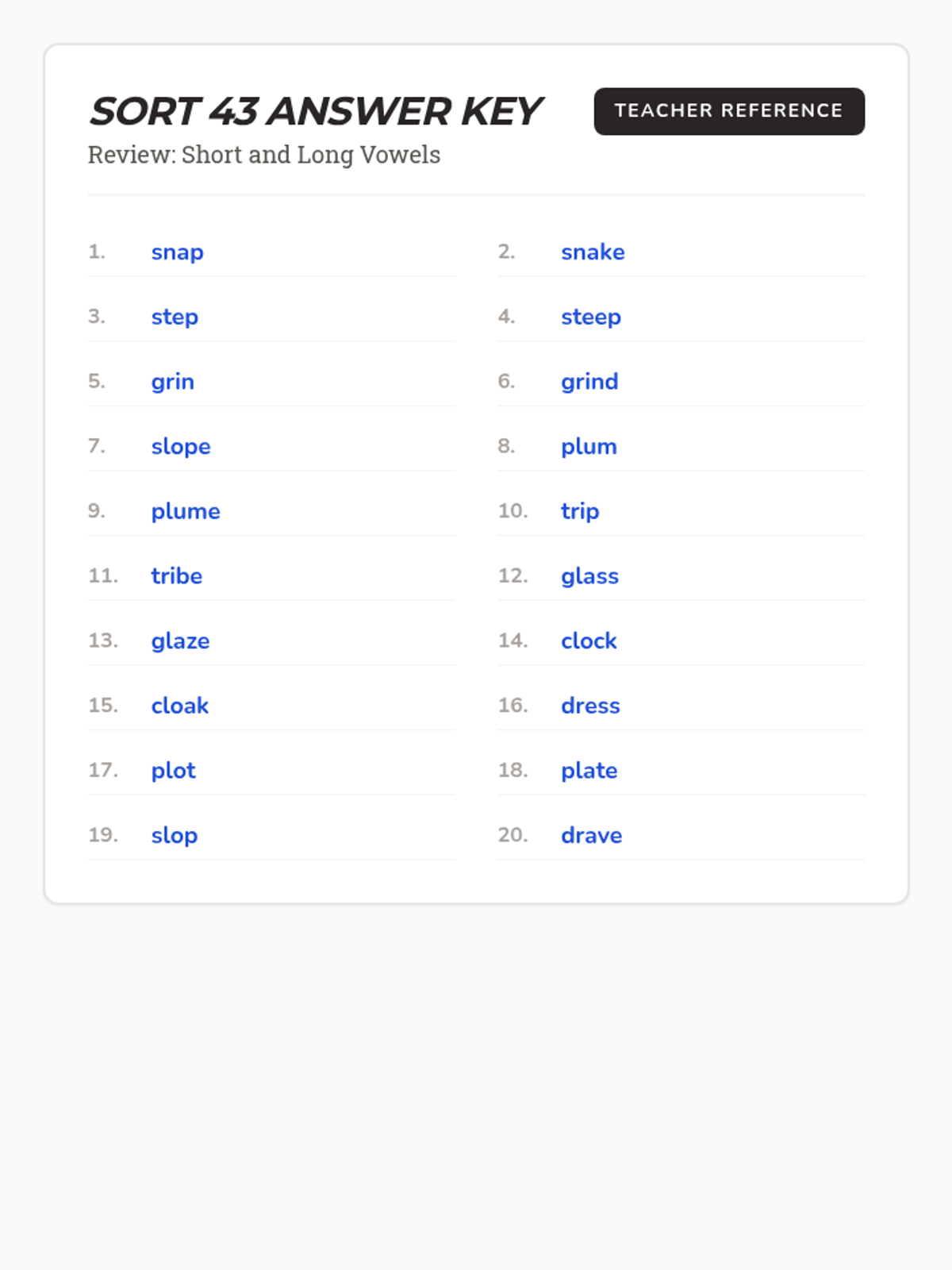
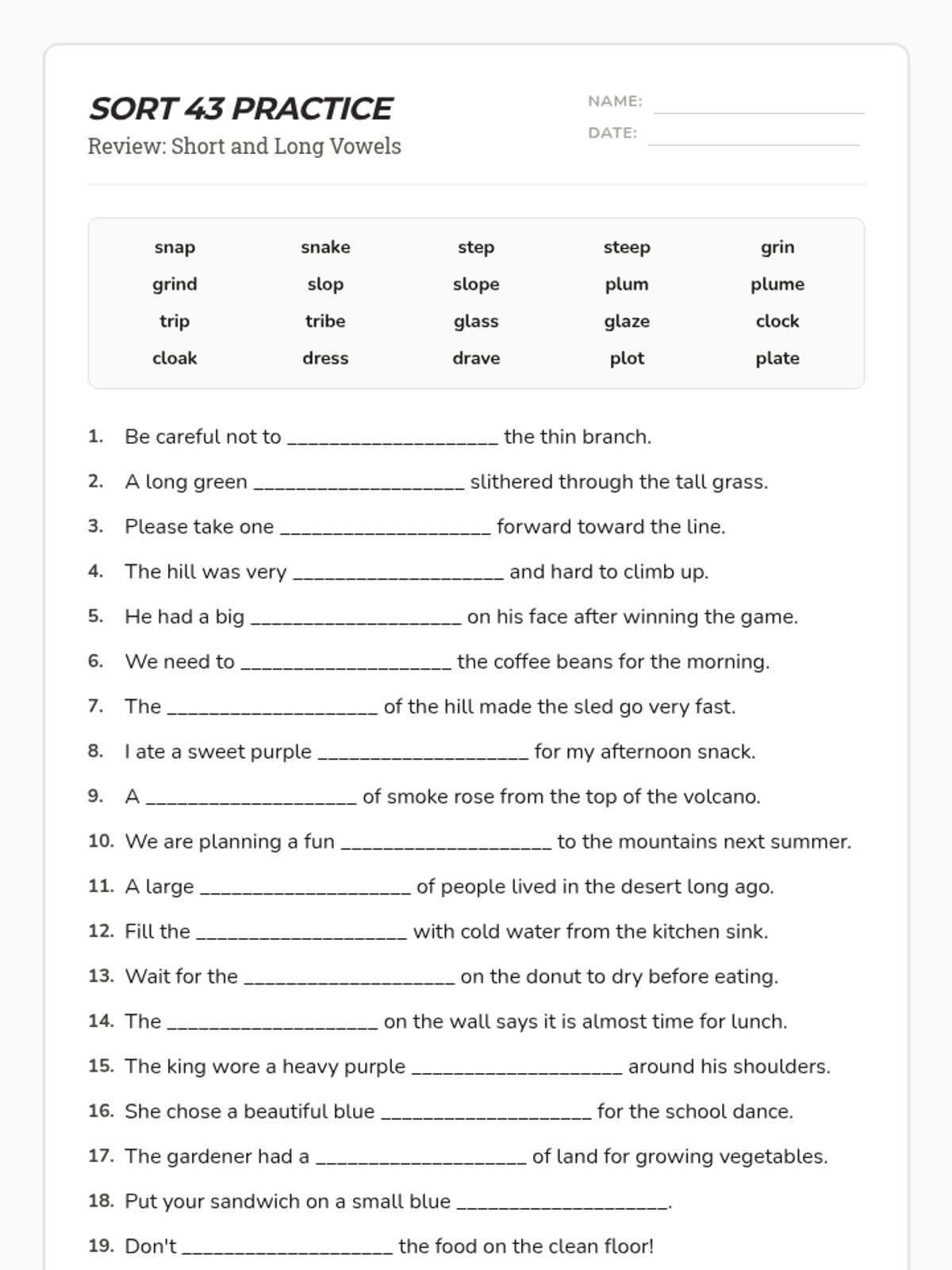
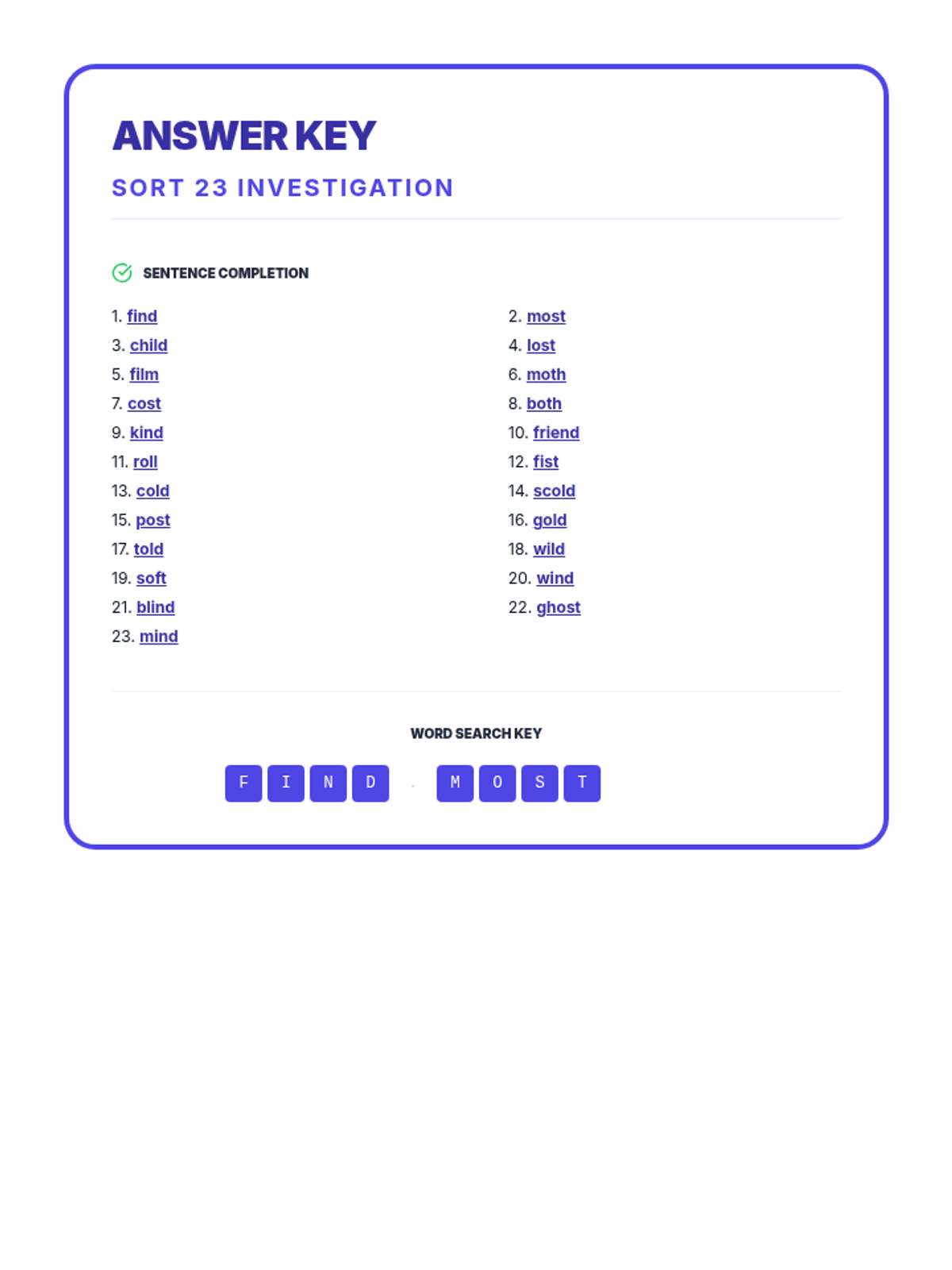
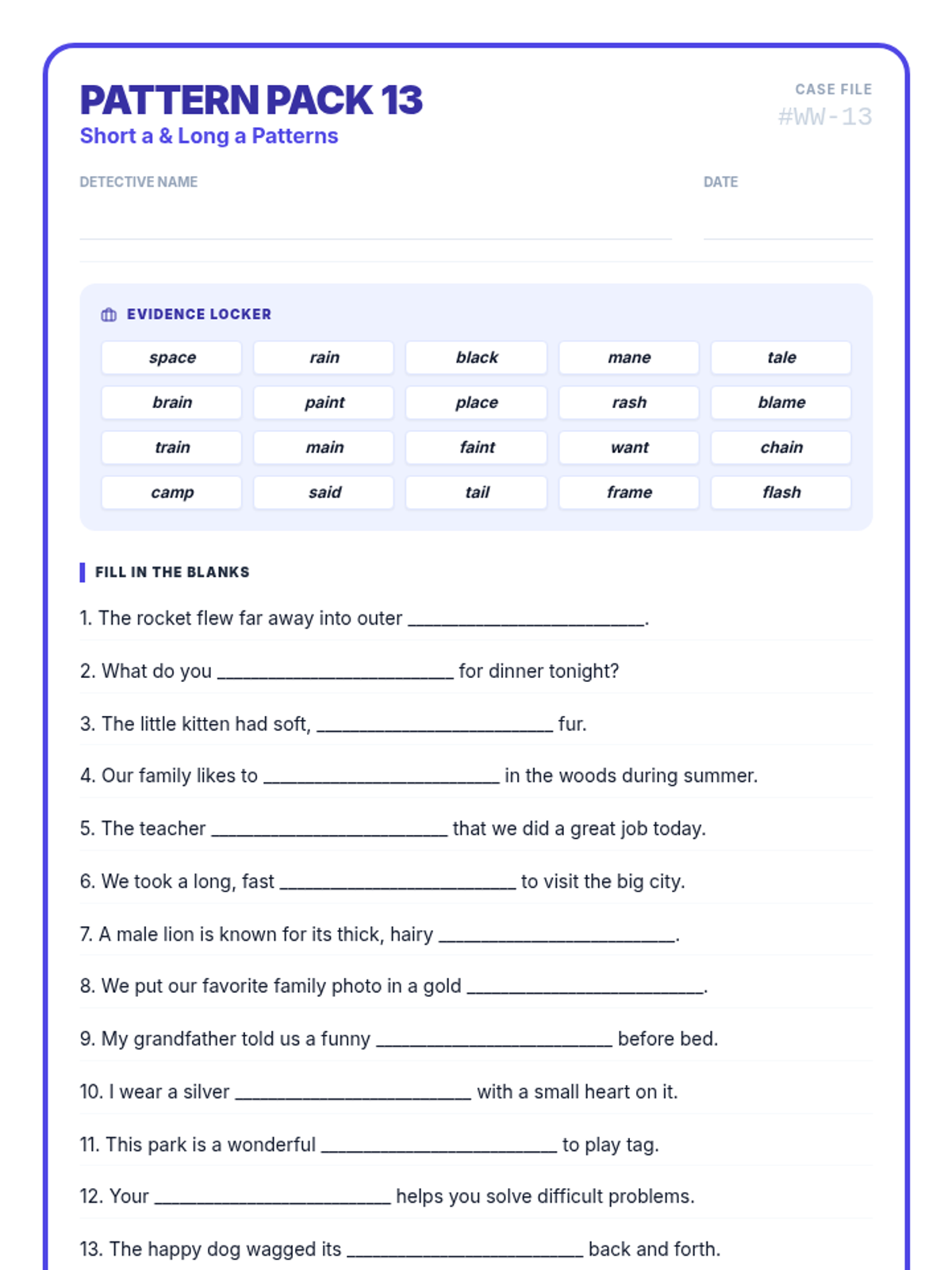
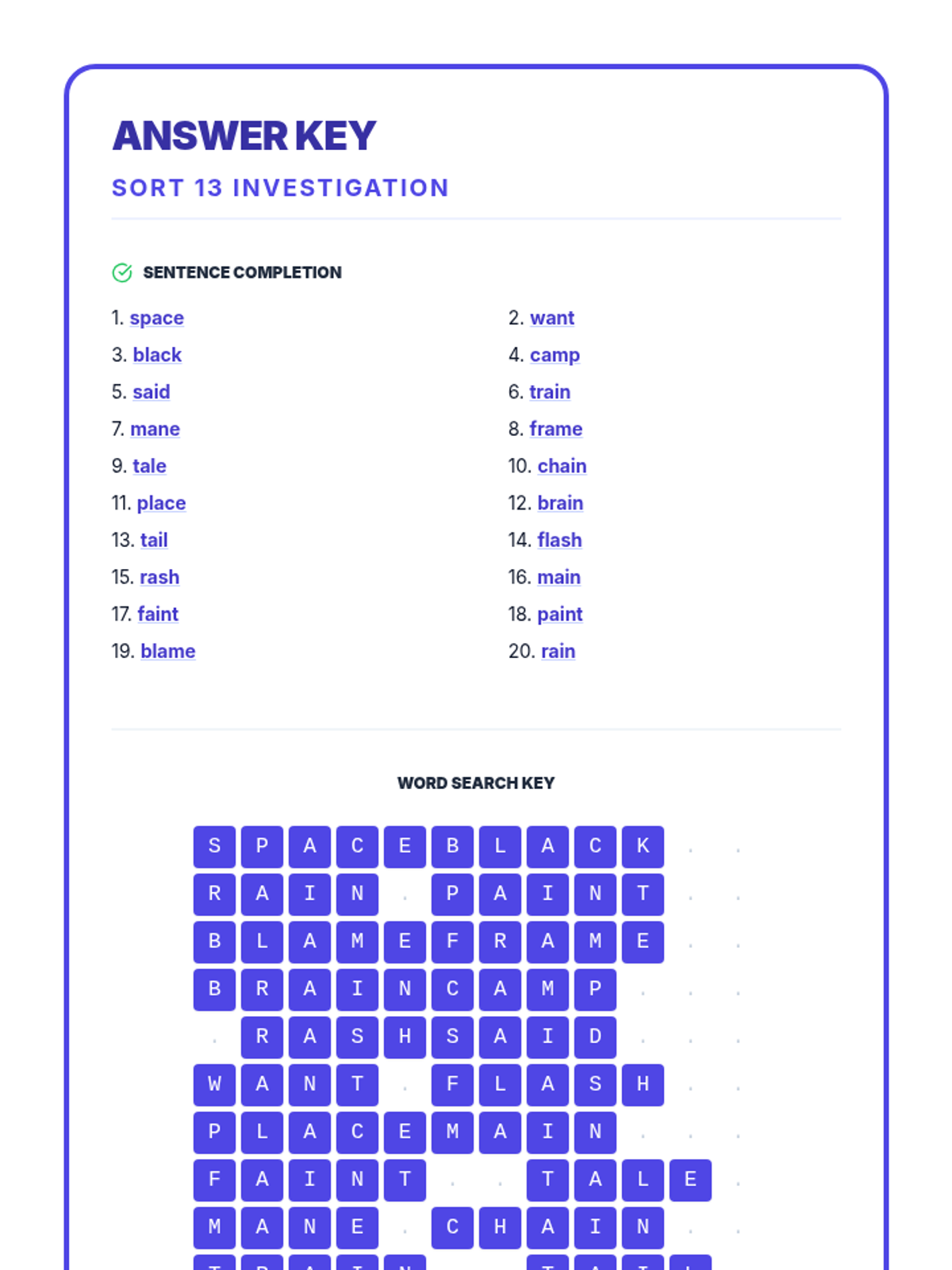
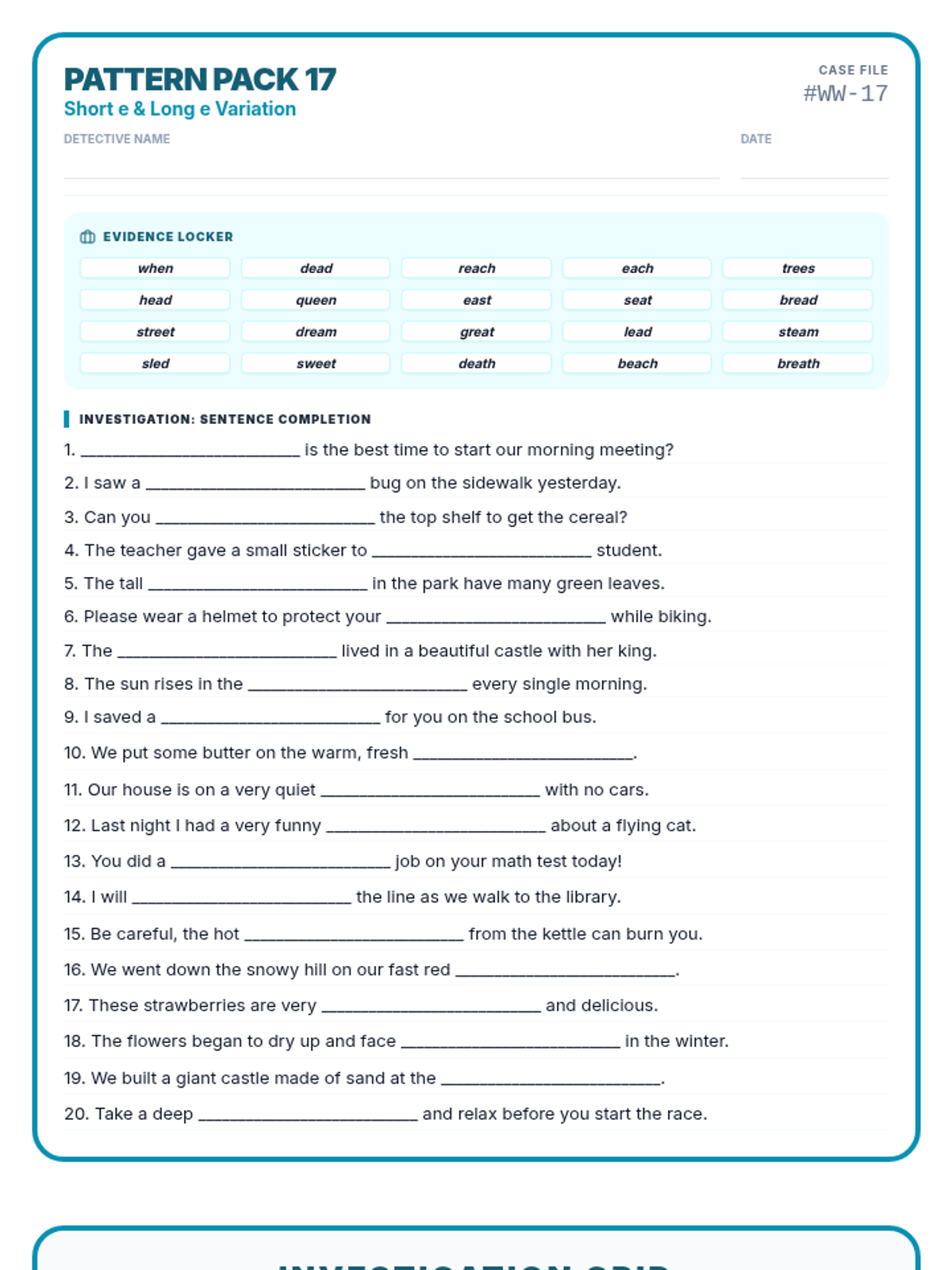
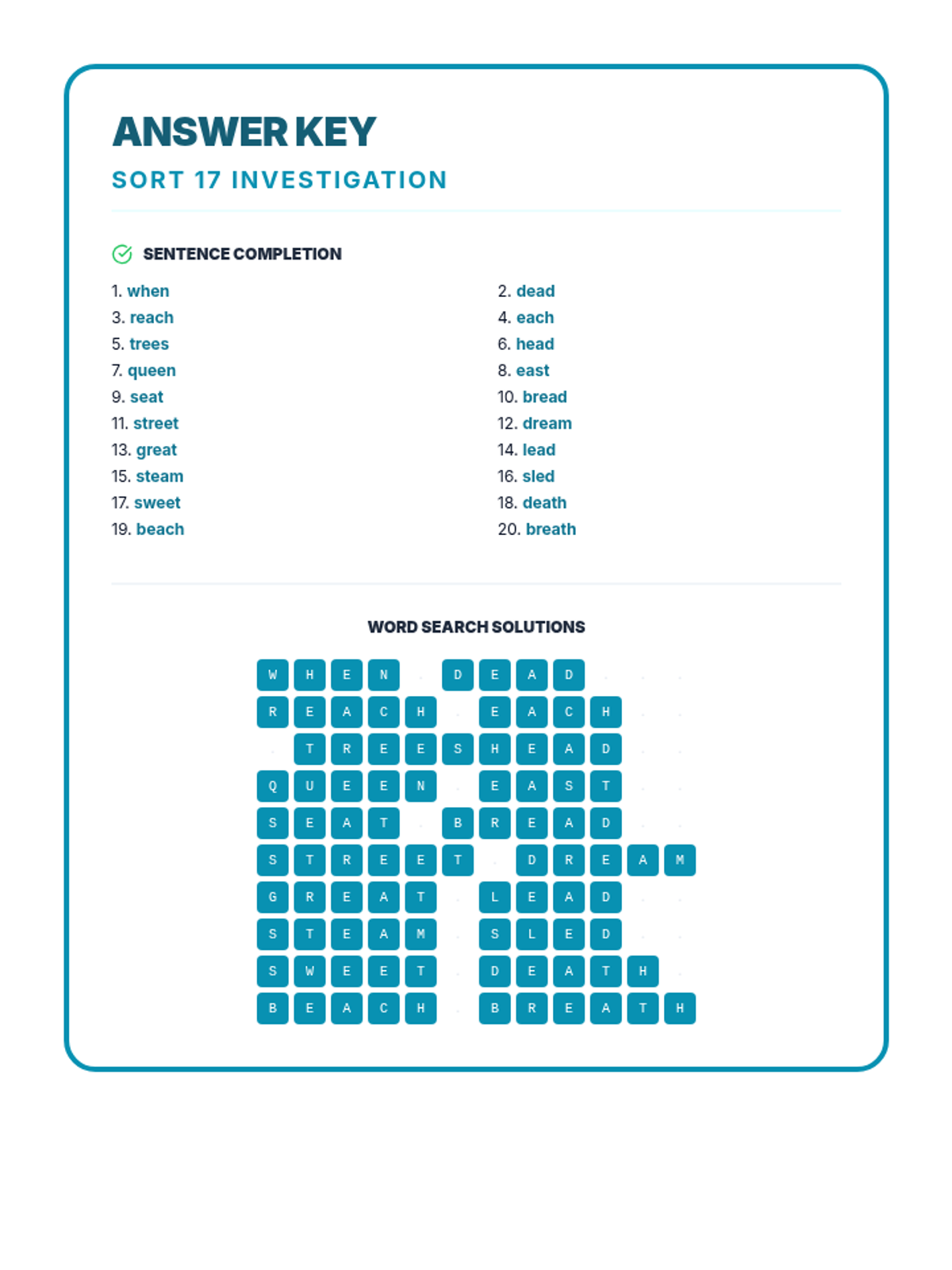
Foundational practice for Sorts 13-17, focusing on short and long vowel patterns including CVCe and CVVC for a, o, u, and e.
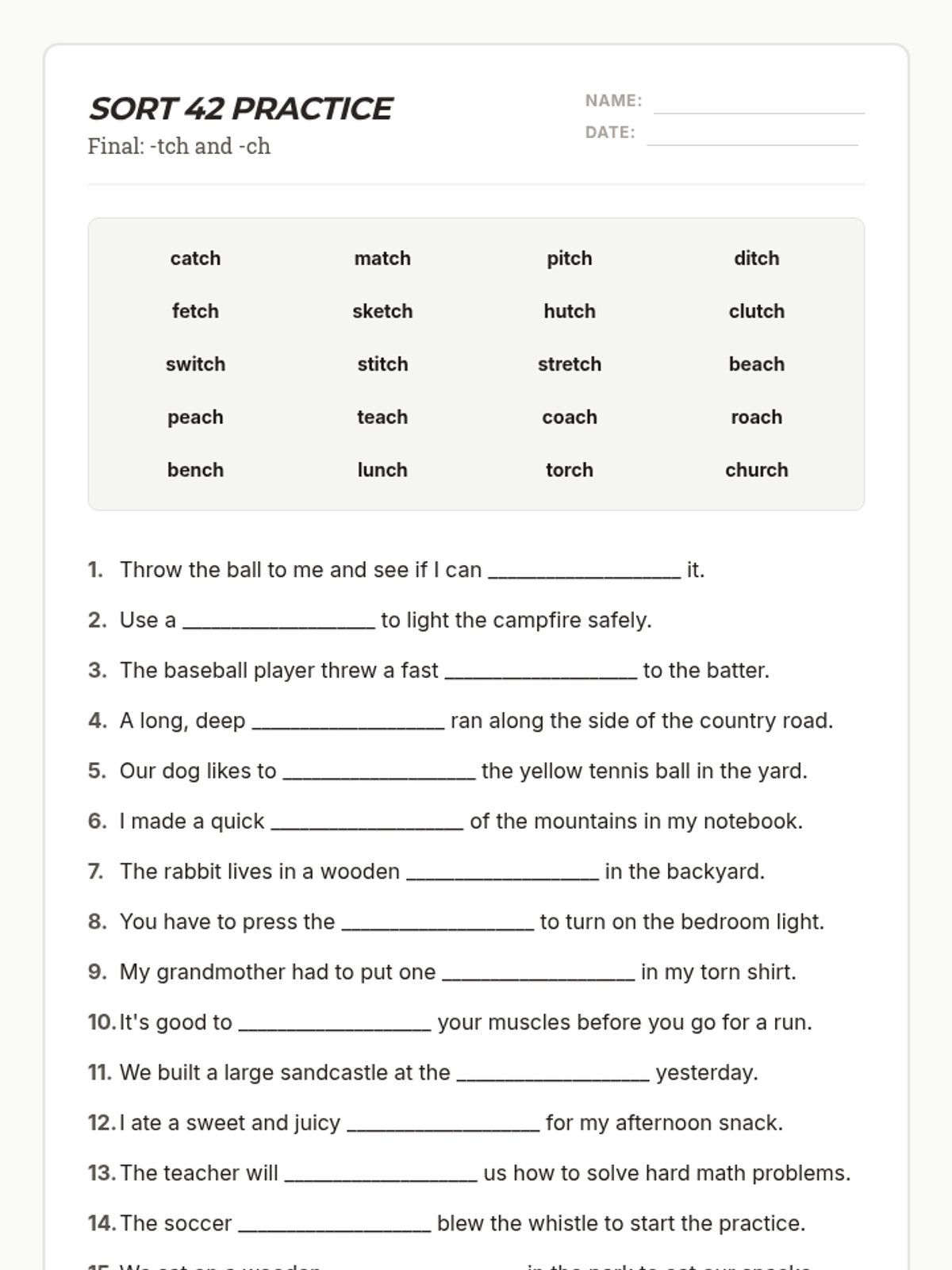
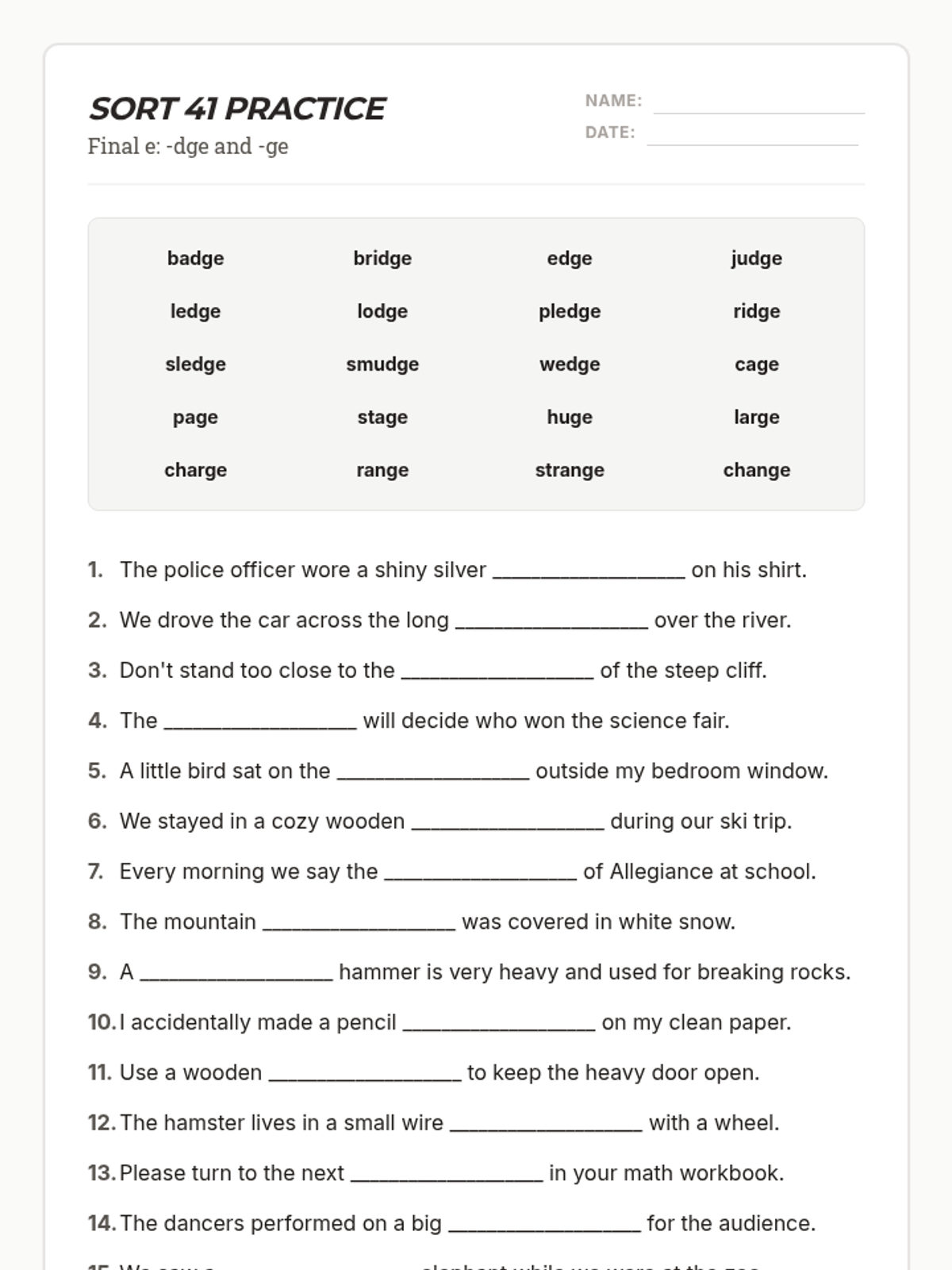
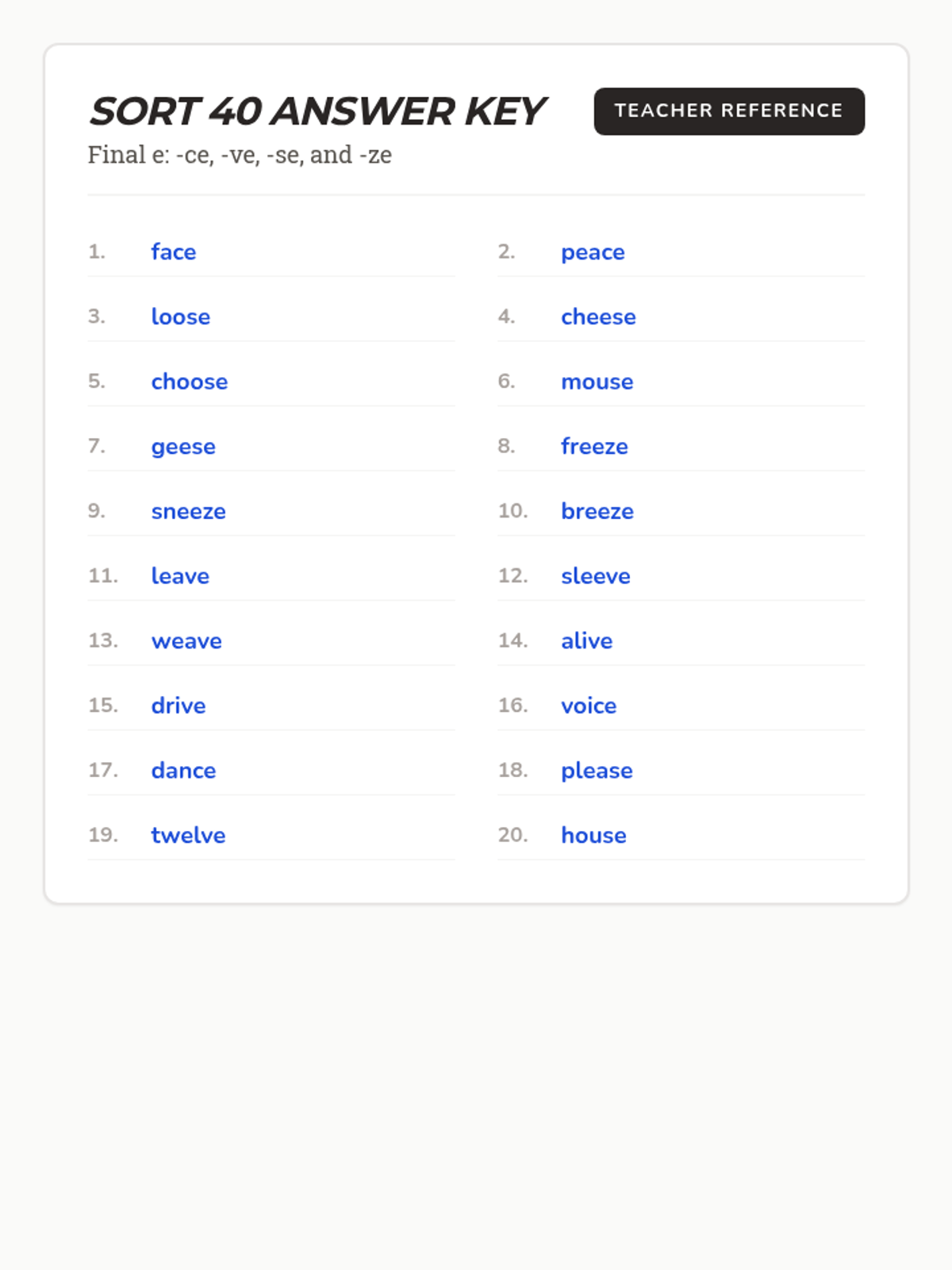
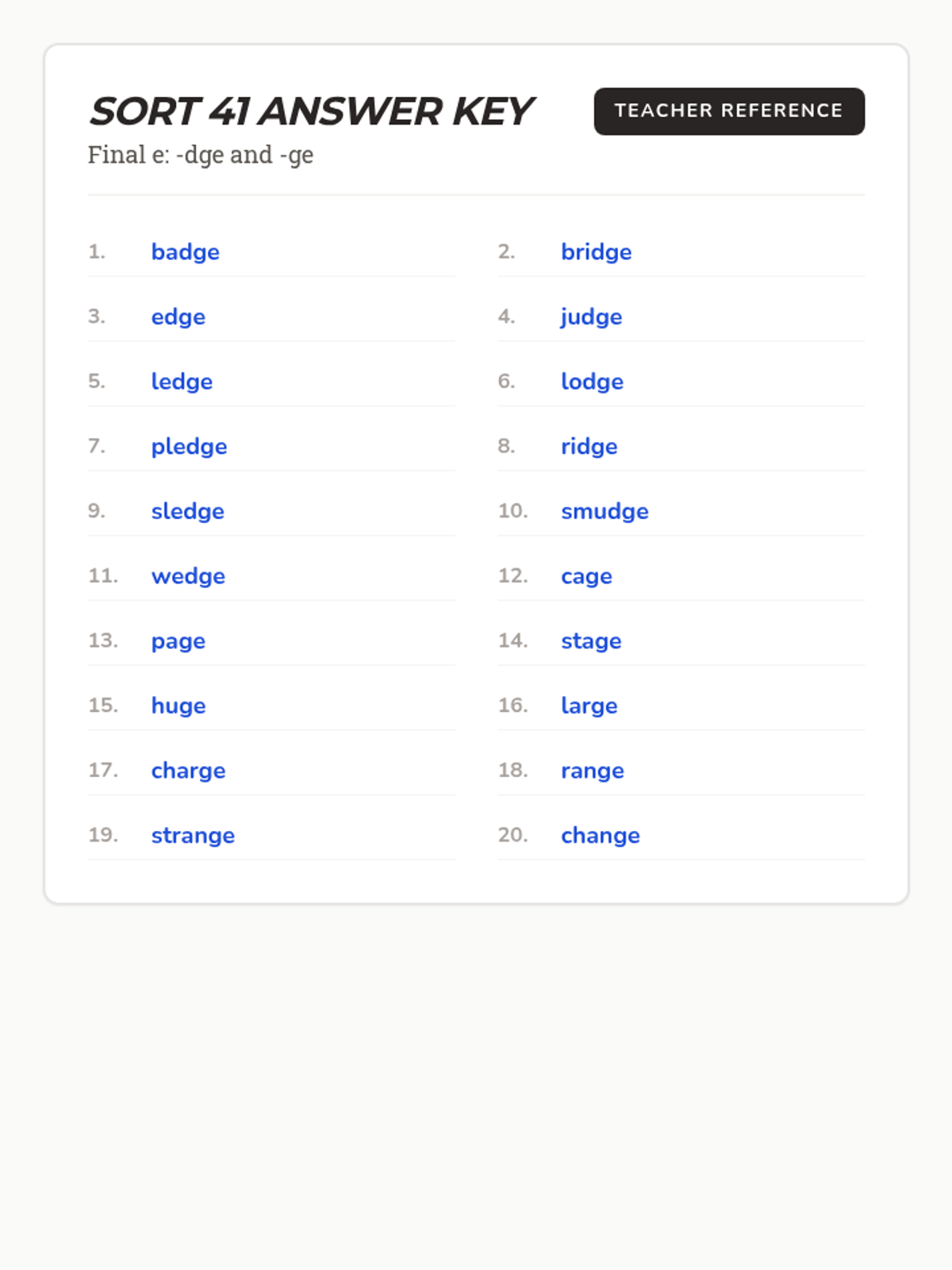
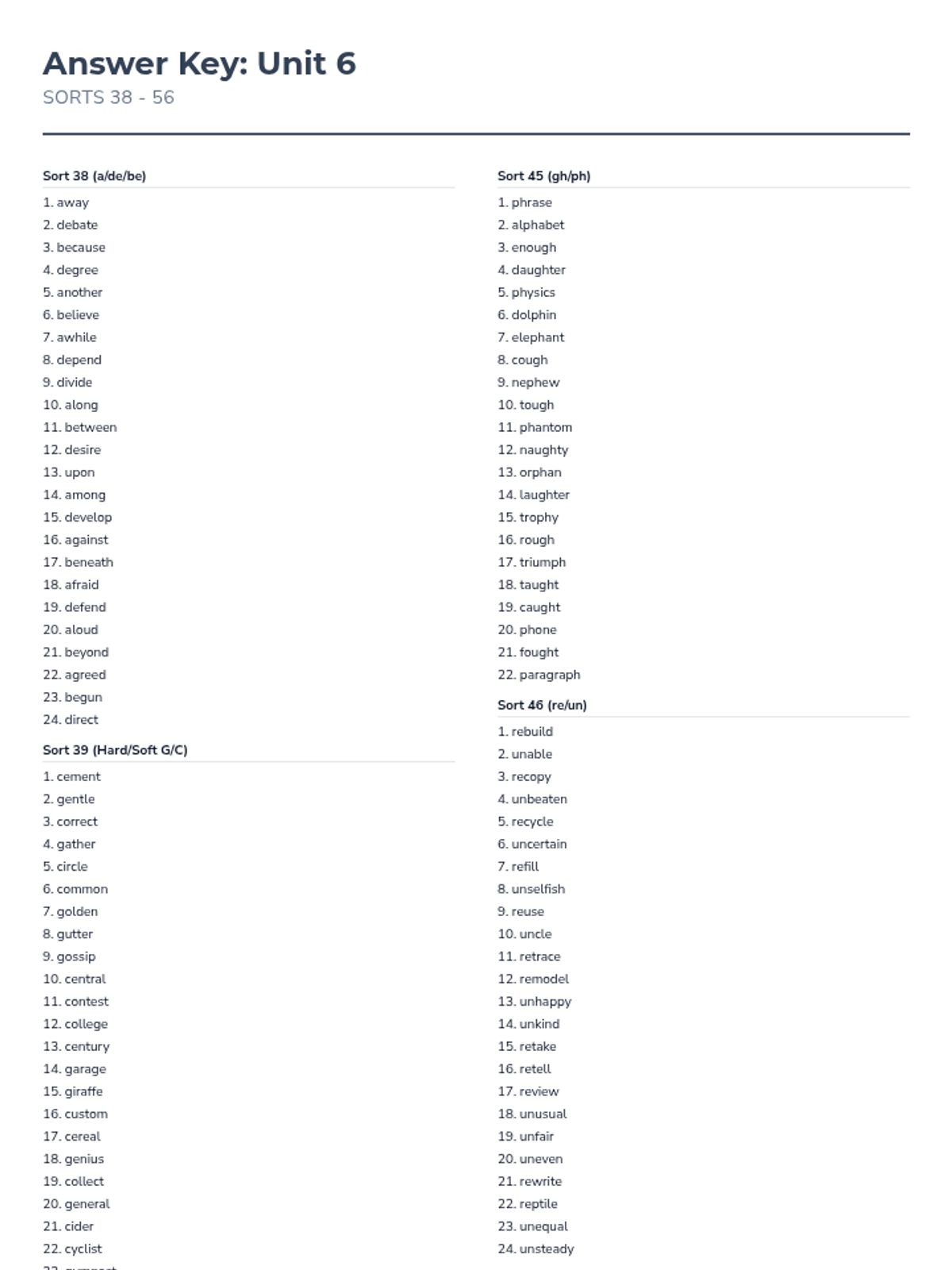
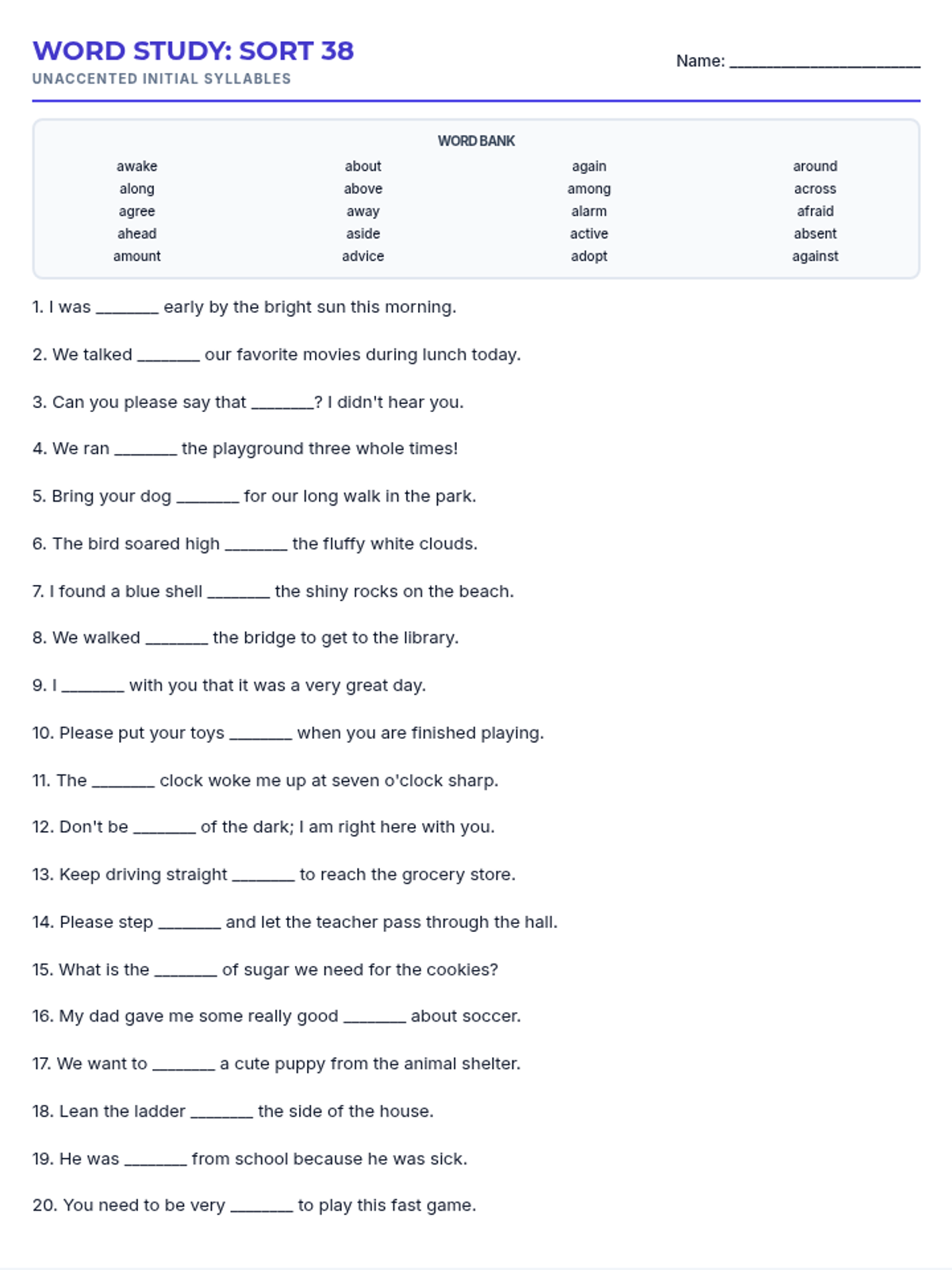
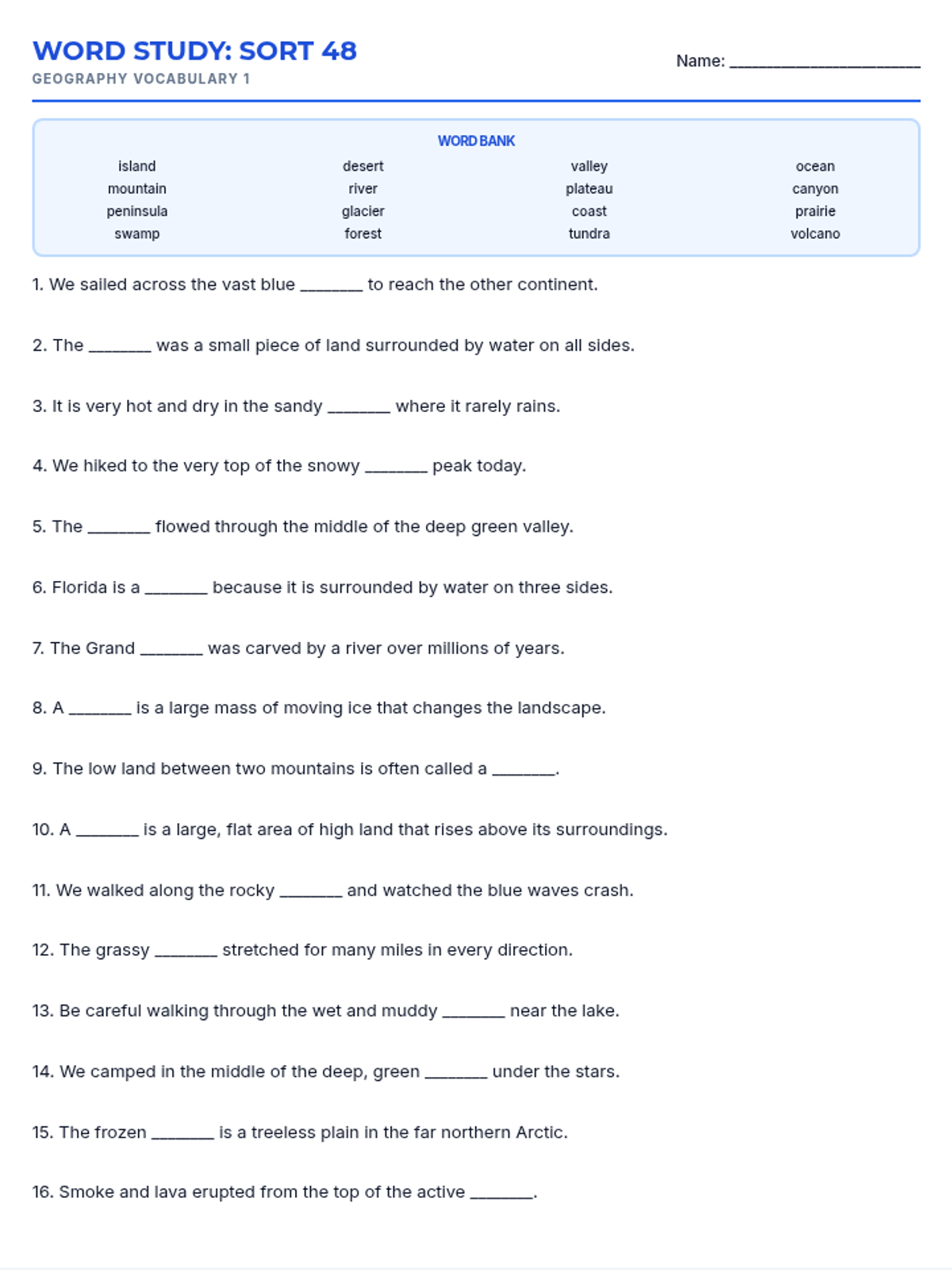
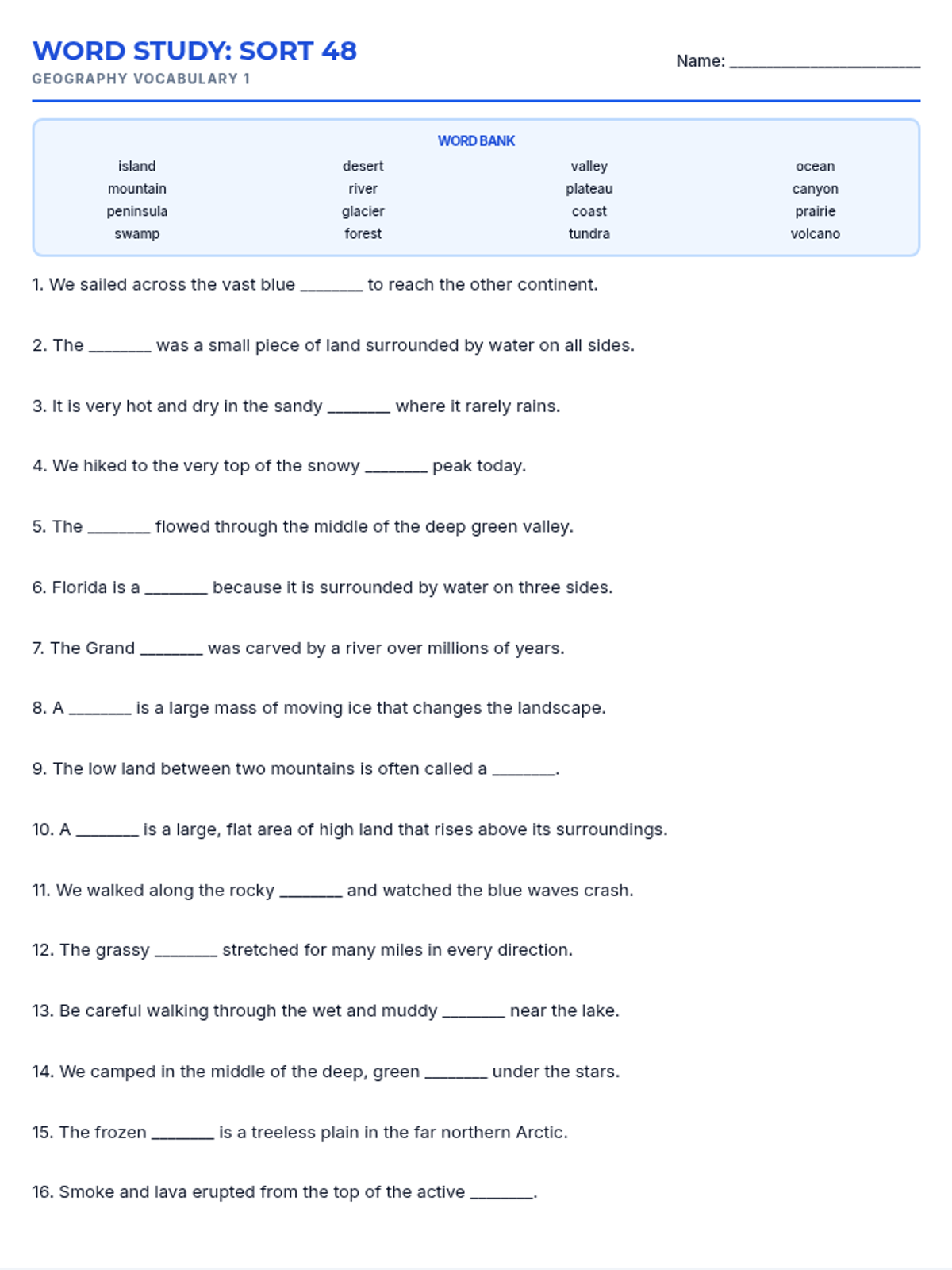
The final sorts (38-56) covering advanced spelling patterns including silent consonants, prefixes, suffixes, and geography vocabulary.
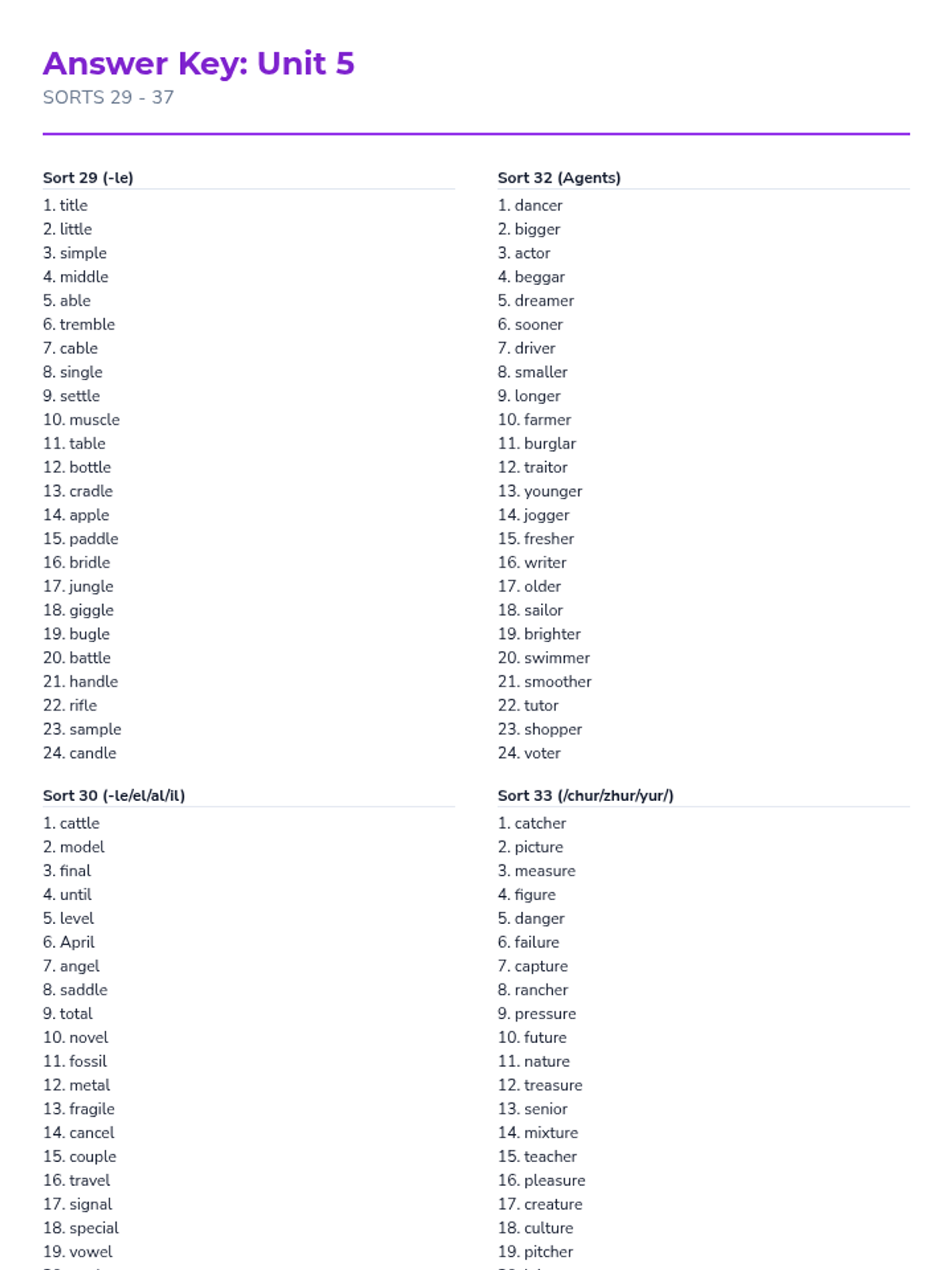
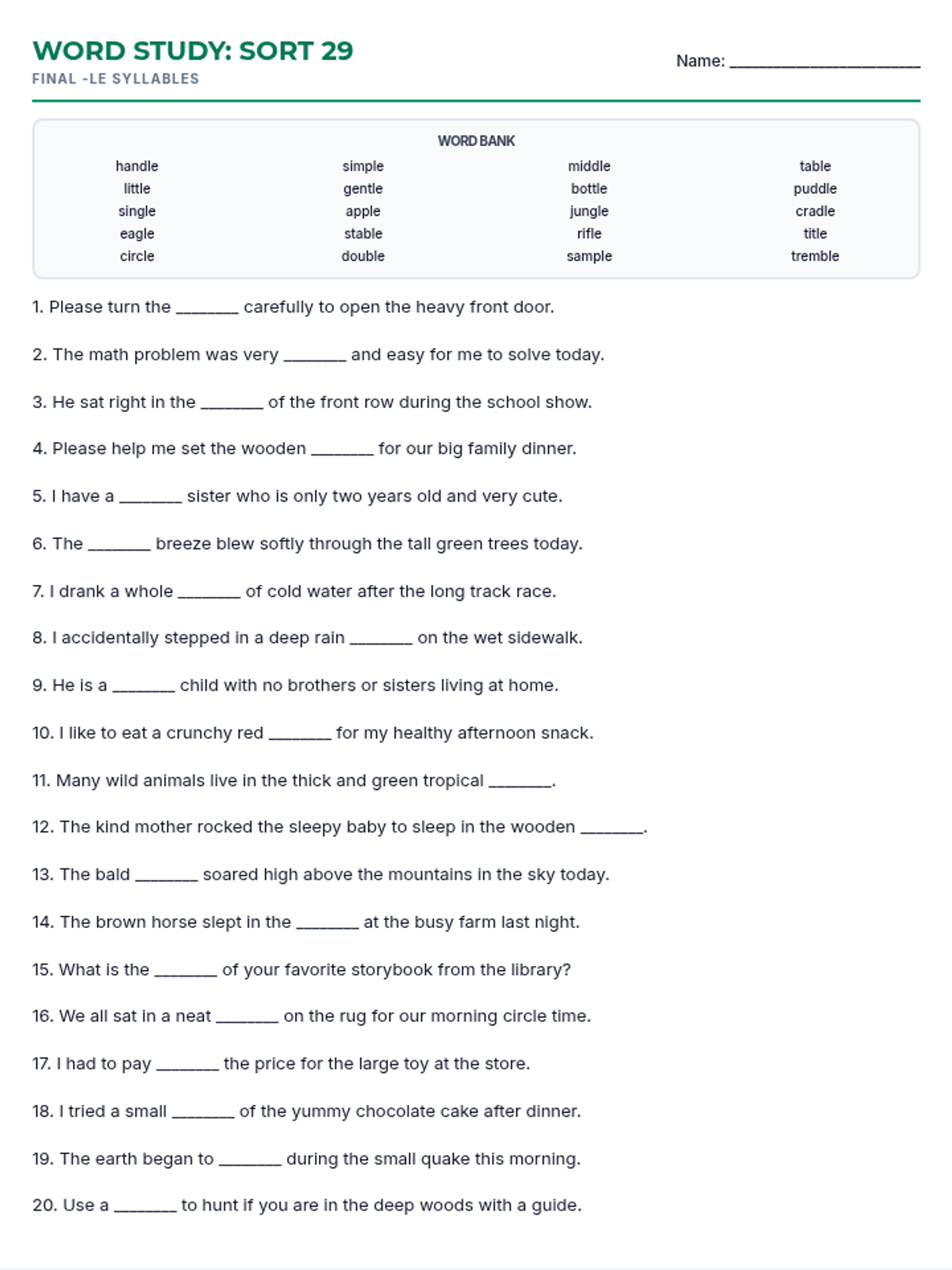
Sorts 29-37 focusing on unaccented final syllables like -le, -er, -en, and final -y variations.
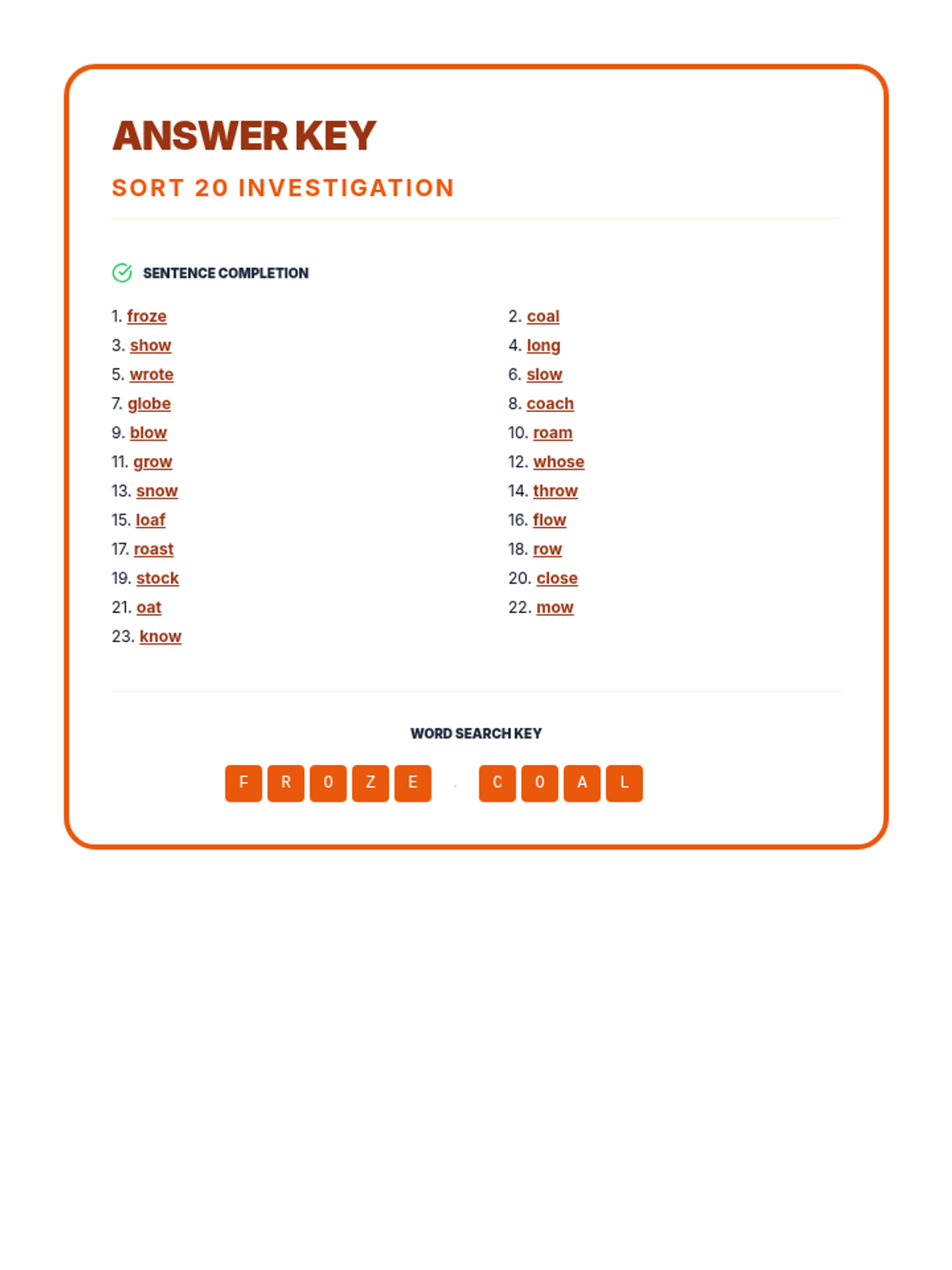
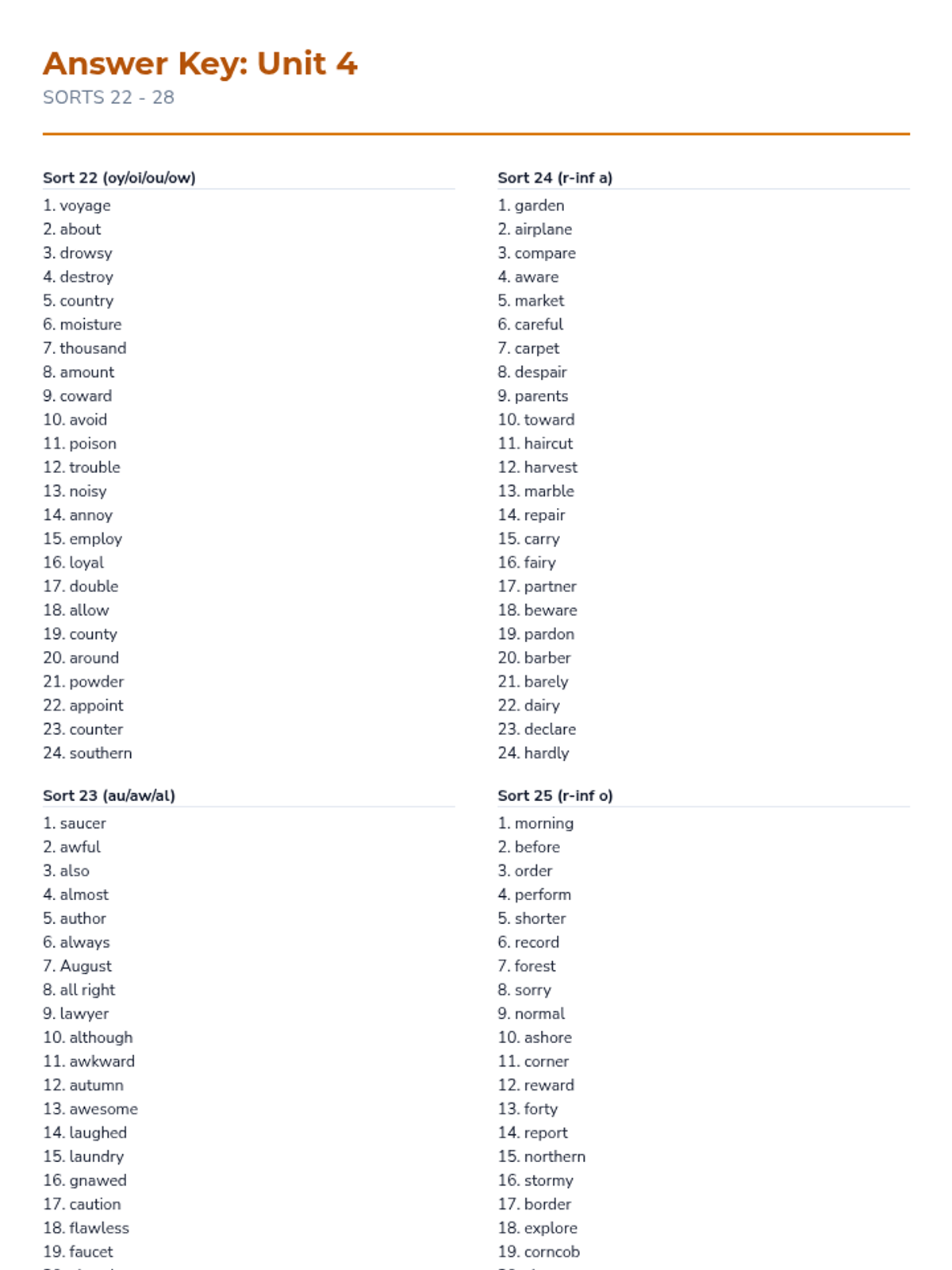
Sorts 22-28 exploring ambiguous vowels like oy/oi and ou/ow, as well as r-influenced vowel patterns.
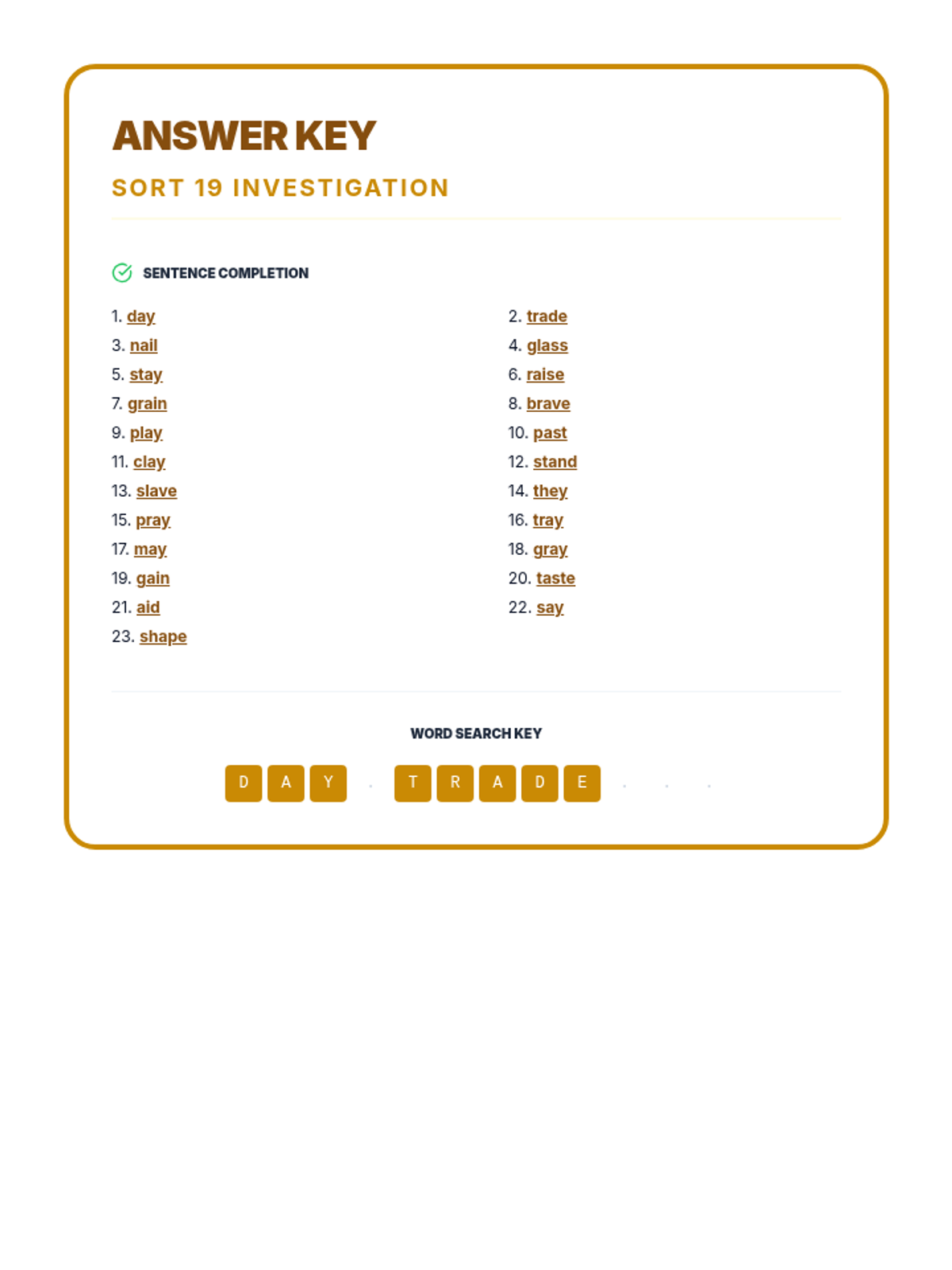
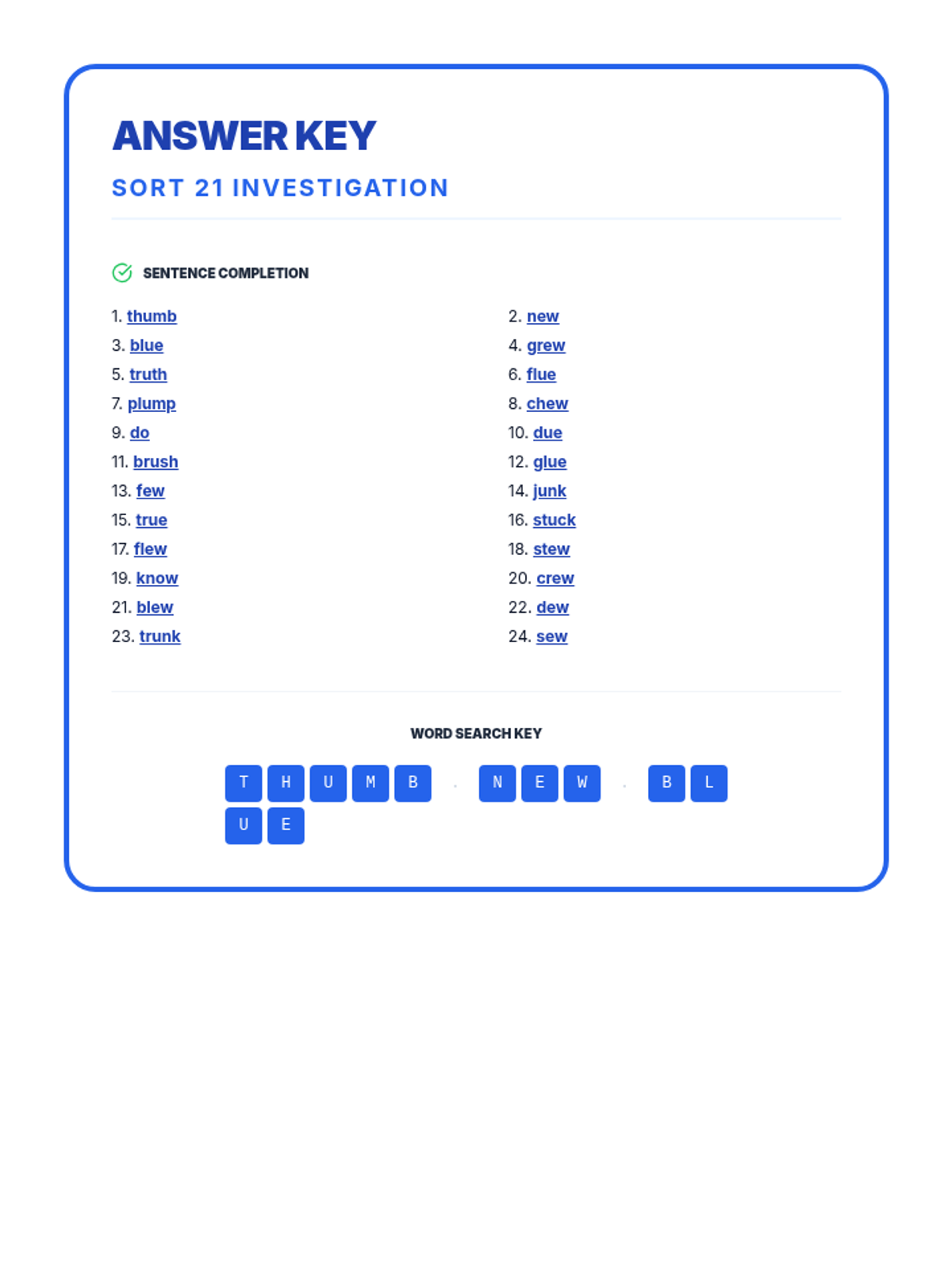
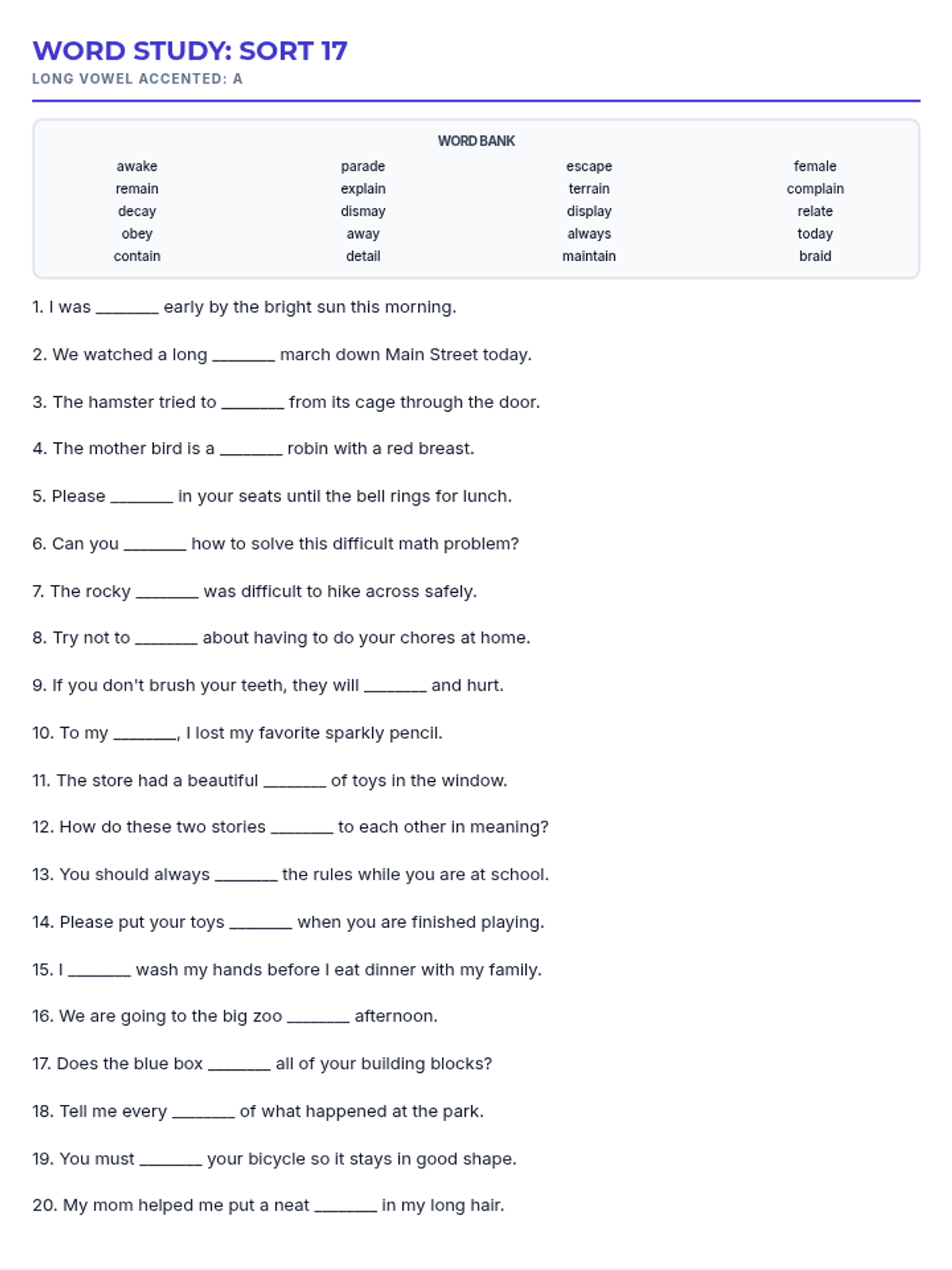
Sorts 17-21 diving into long vowel patterns (a, i, o, u, e) within accented syllables.
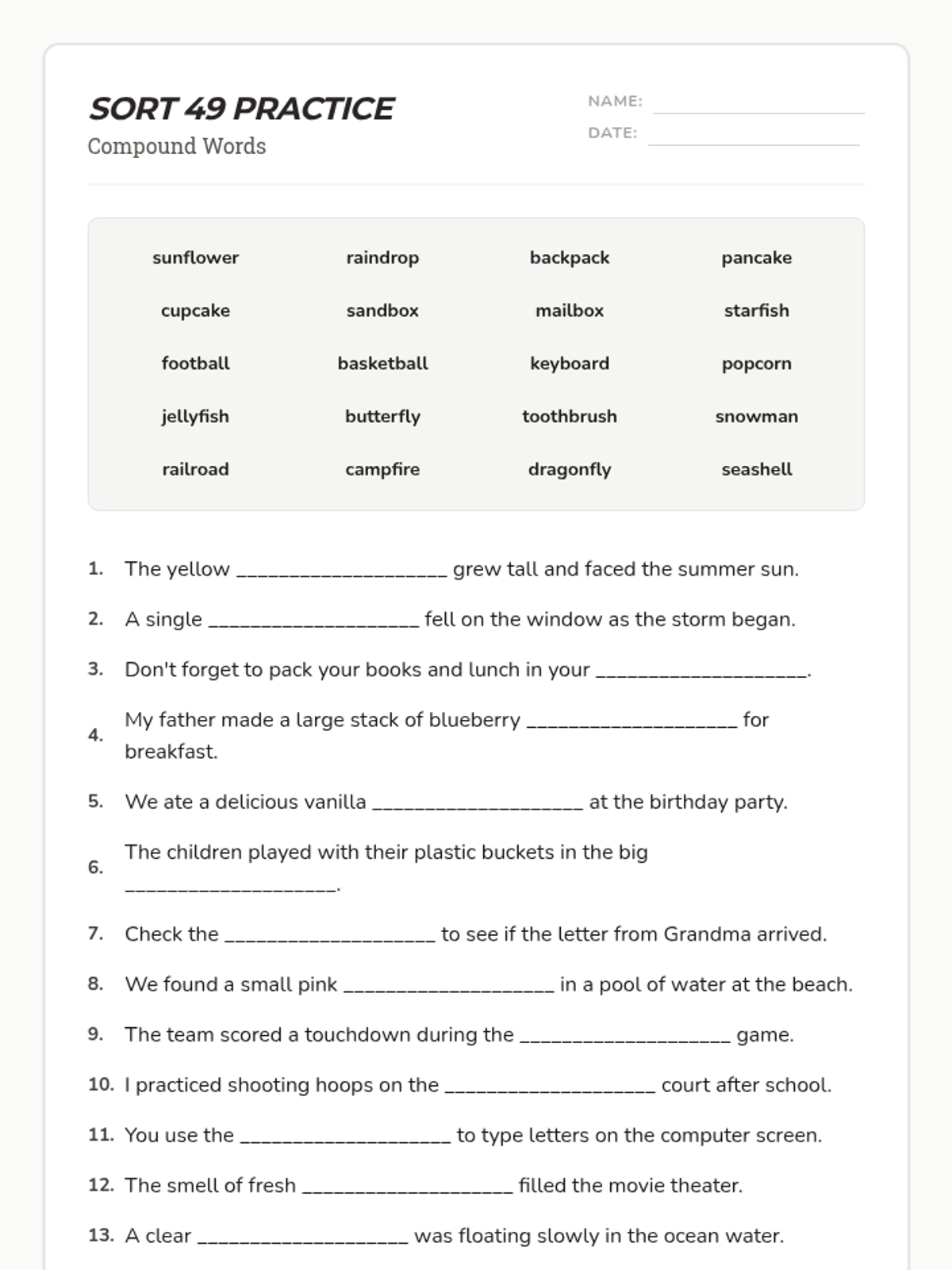
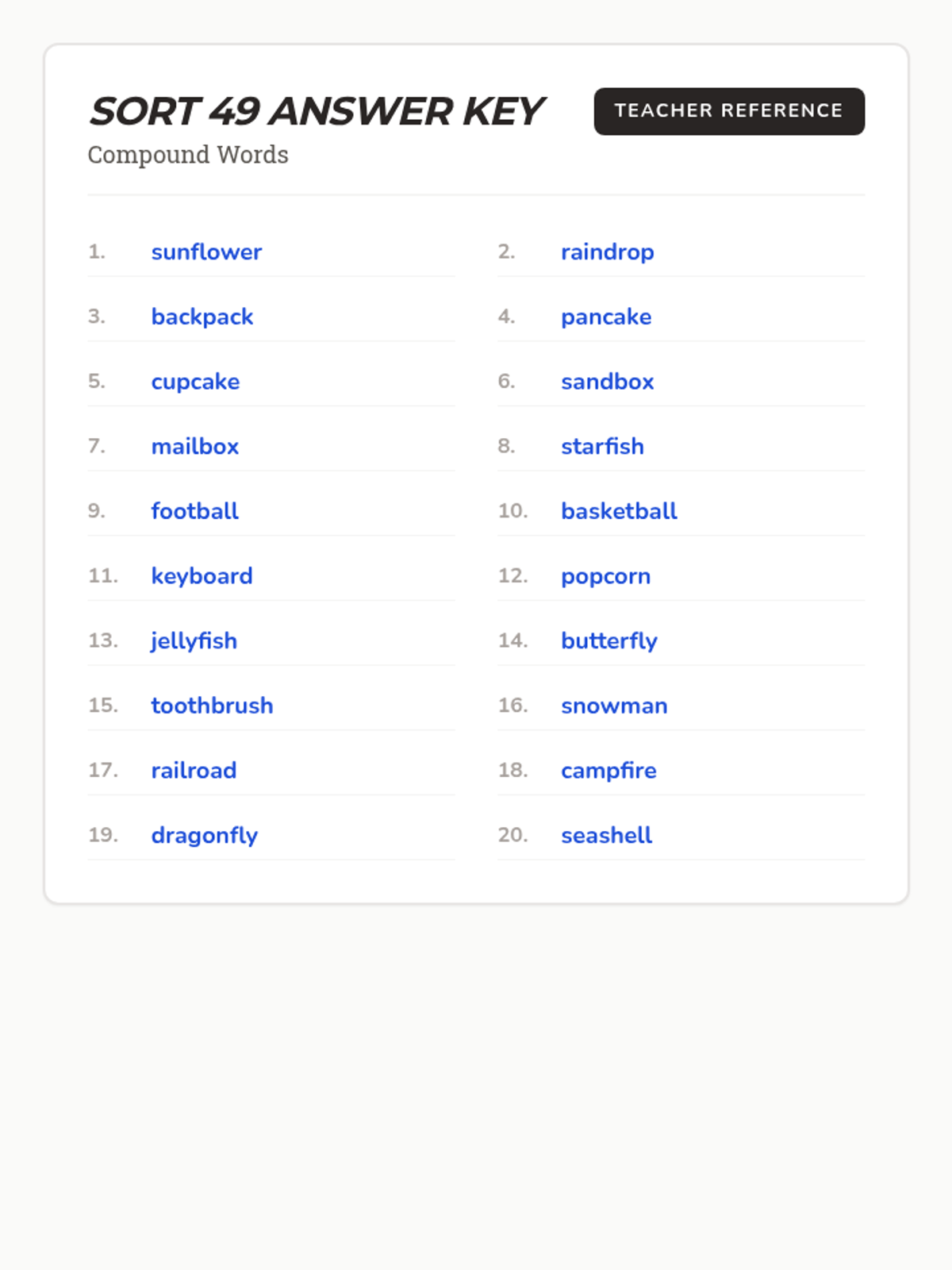
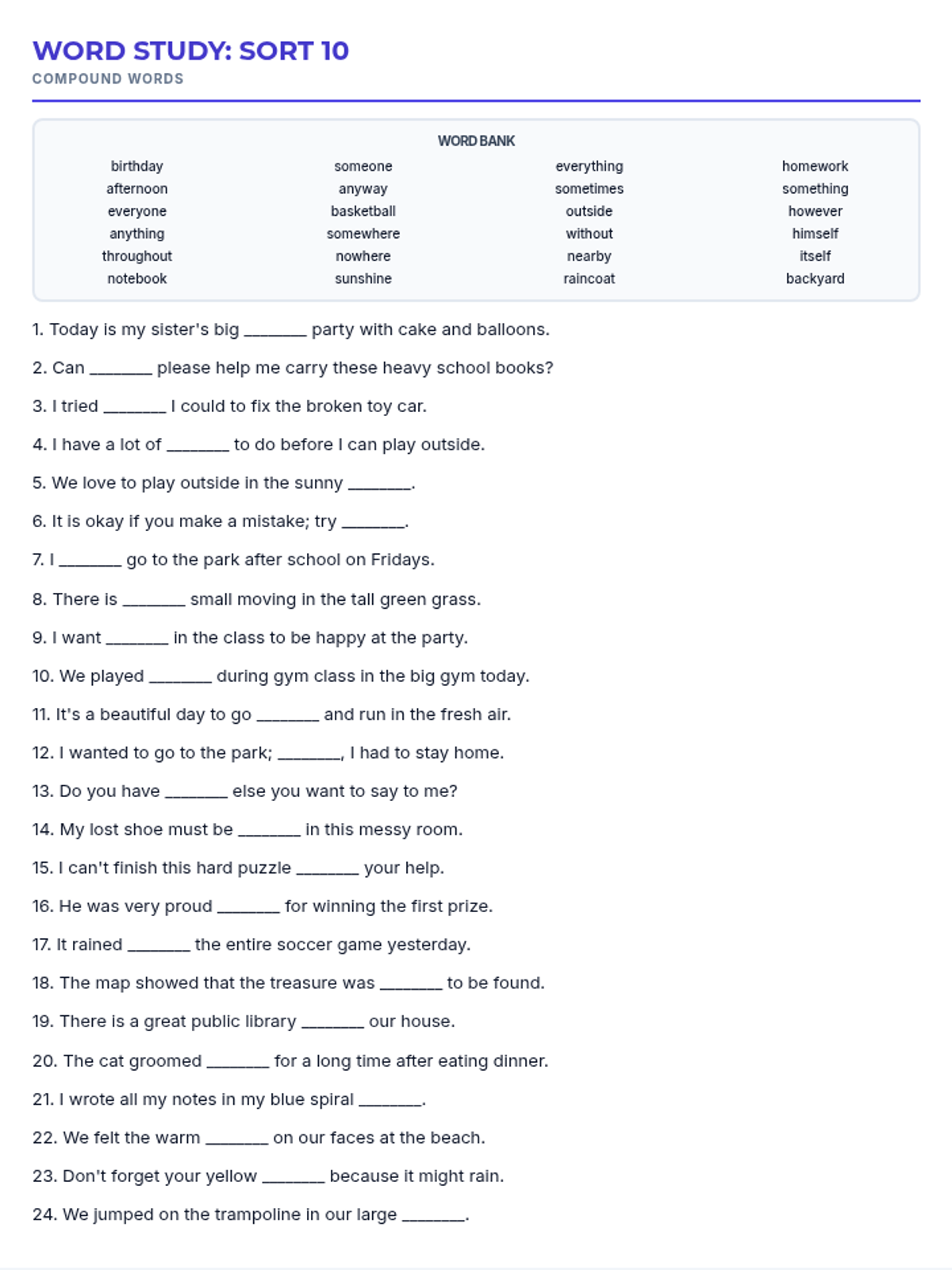
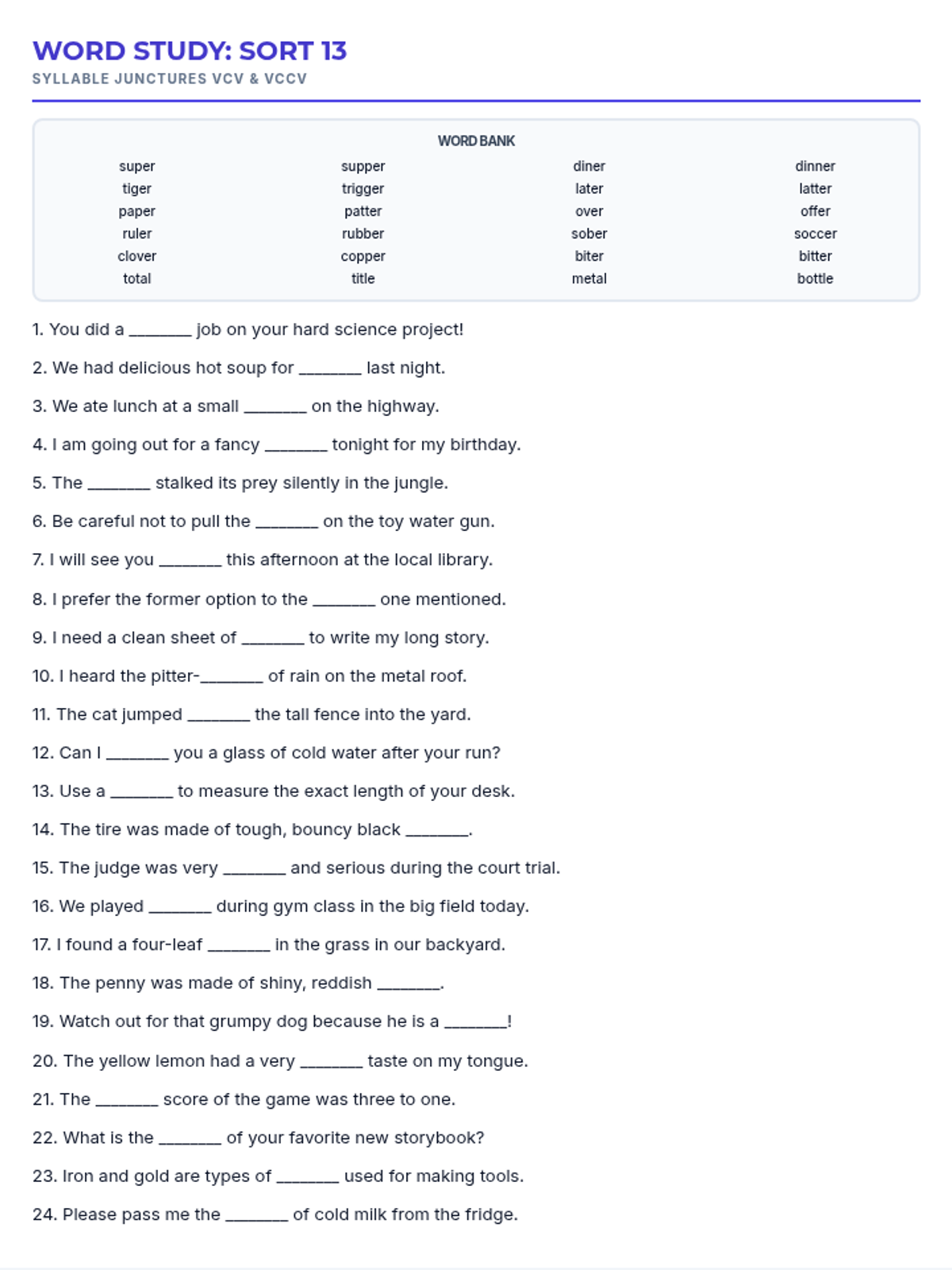
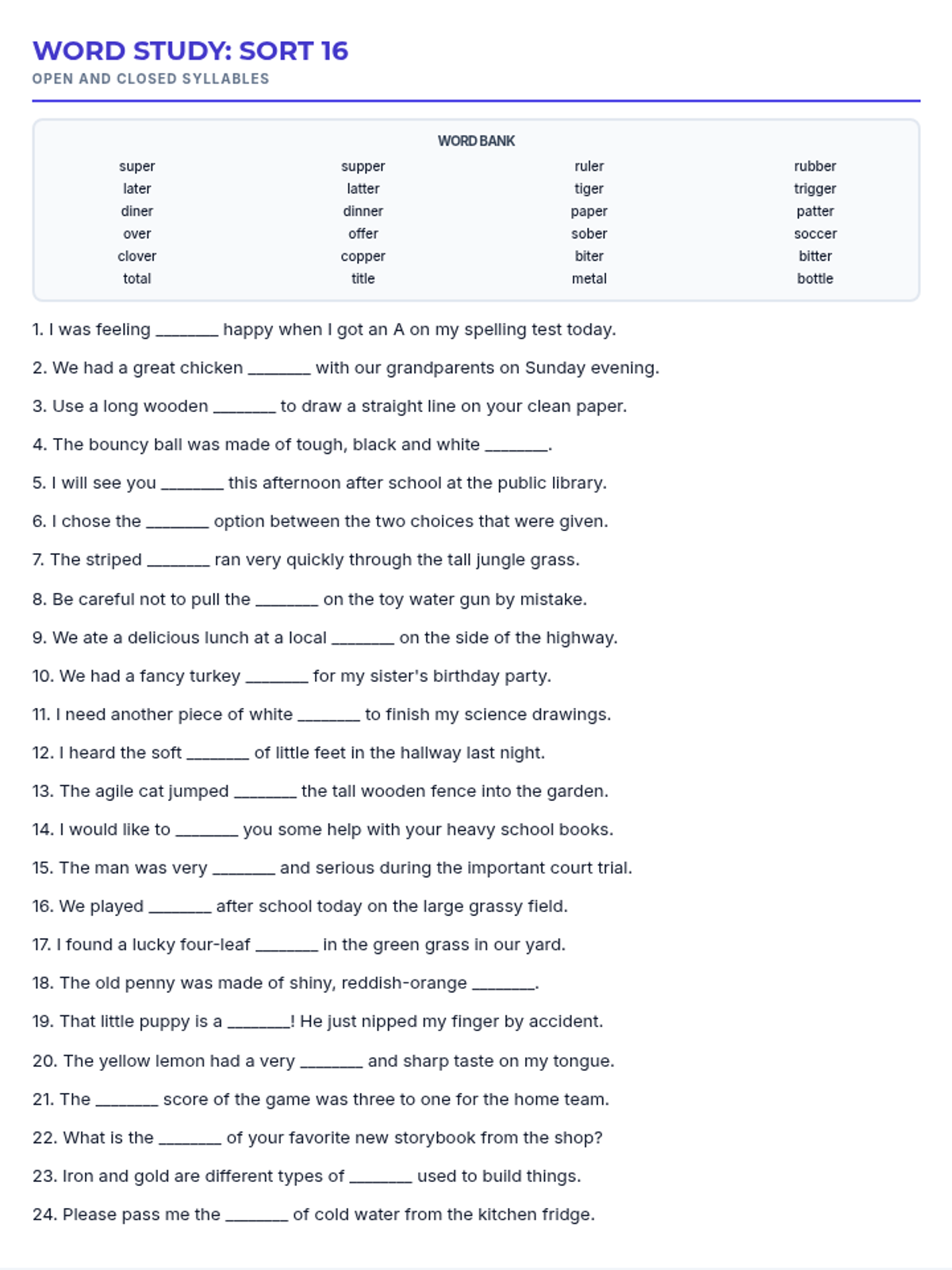
Sorts 10-16 covering compound words and the foundational rules of syllable junctures in VCV and VCCV patterns.
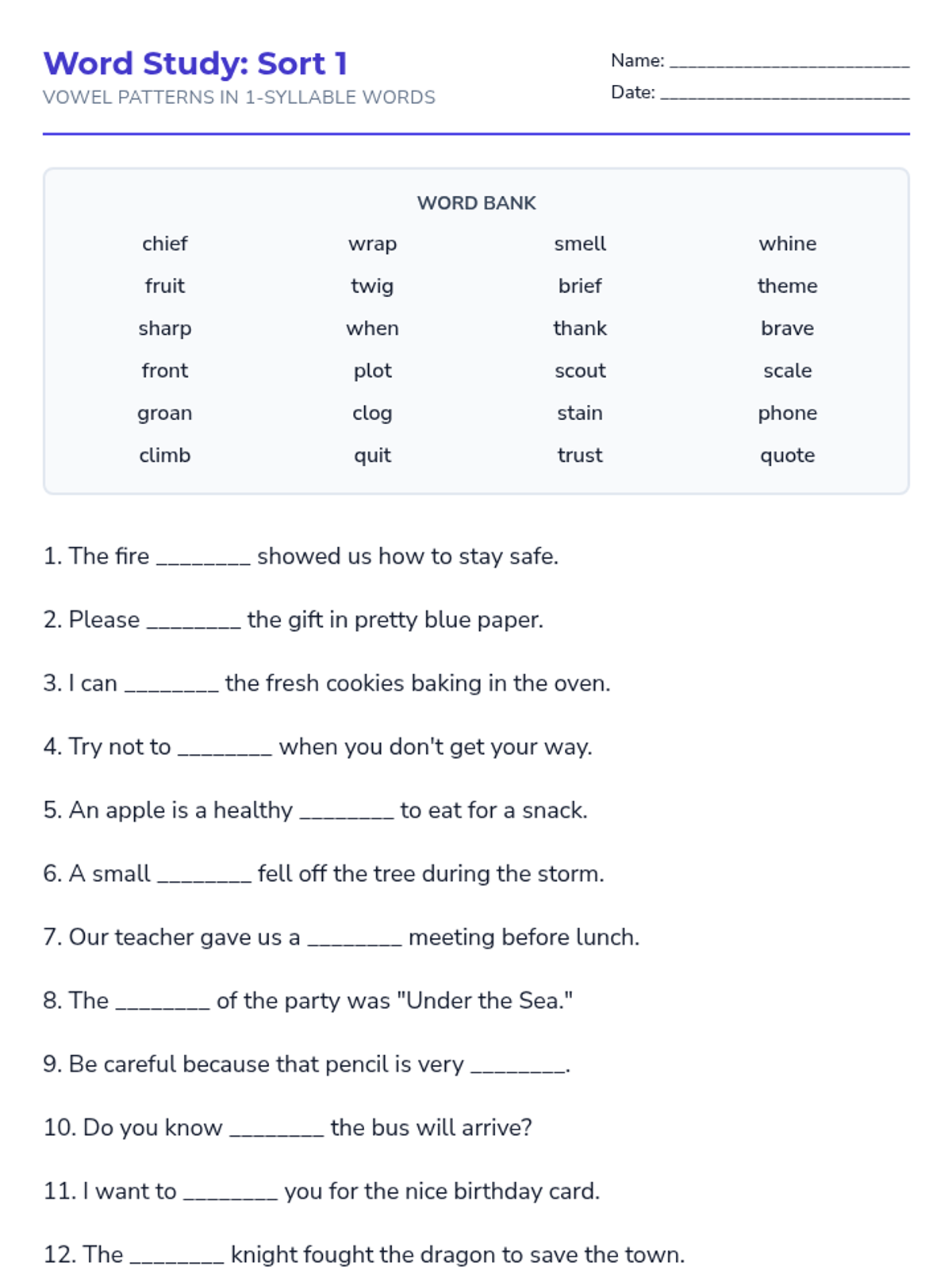
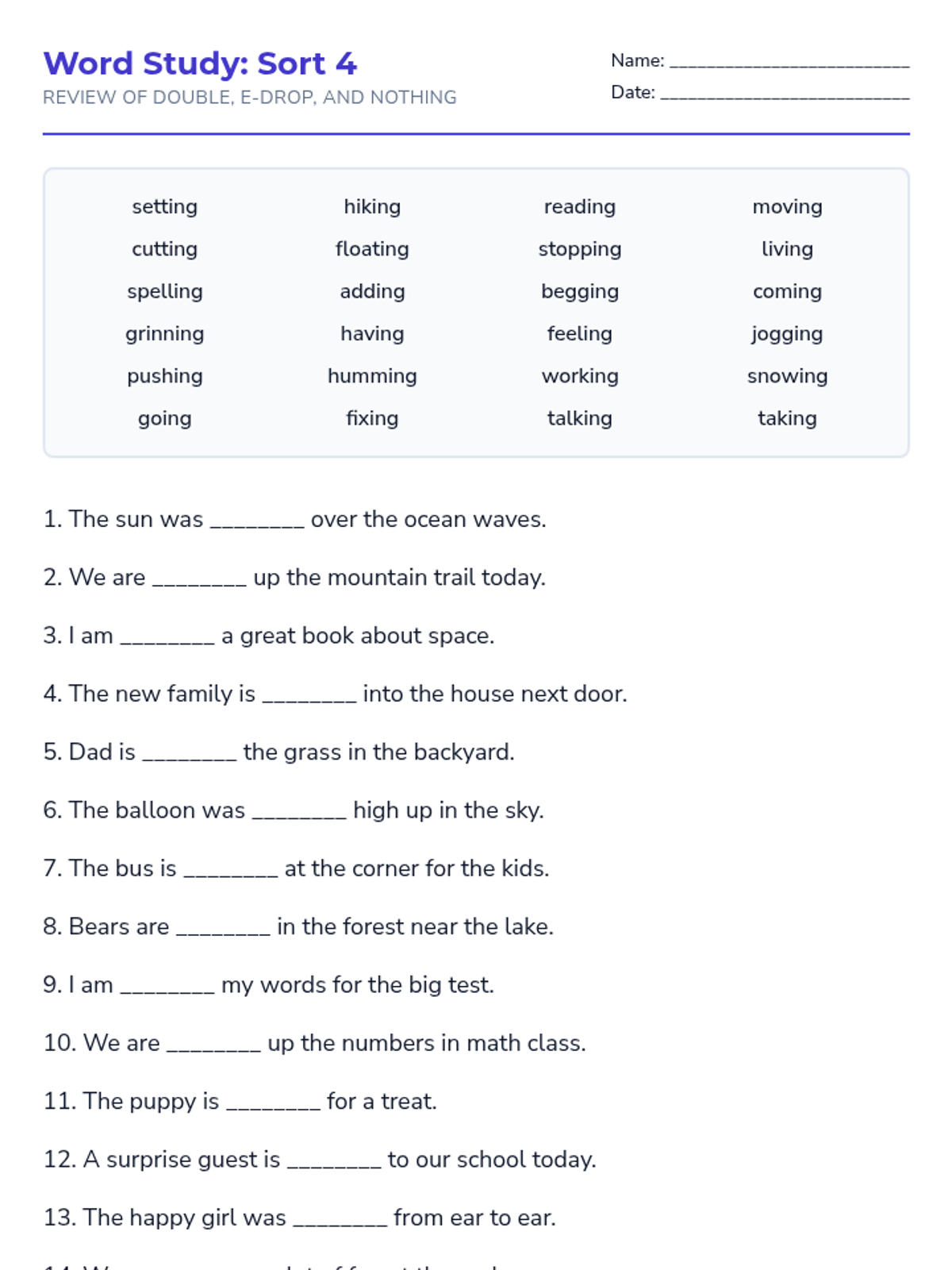
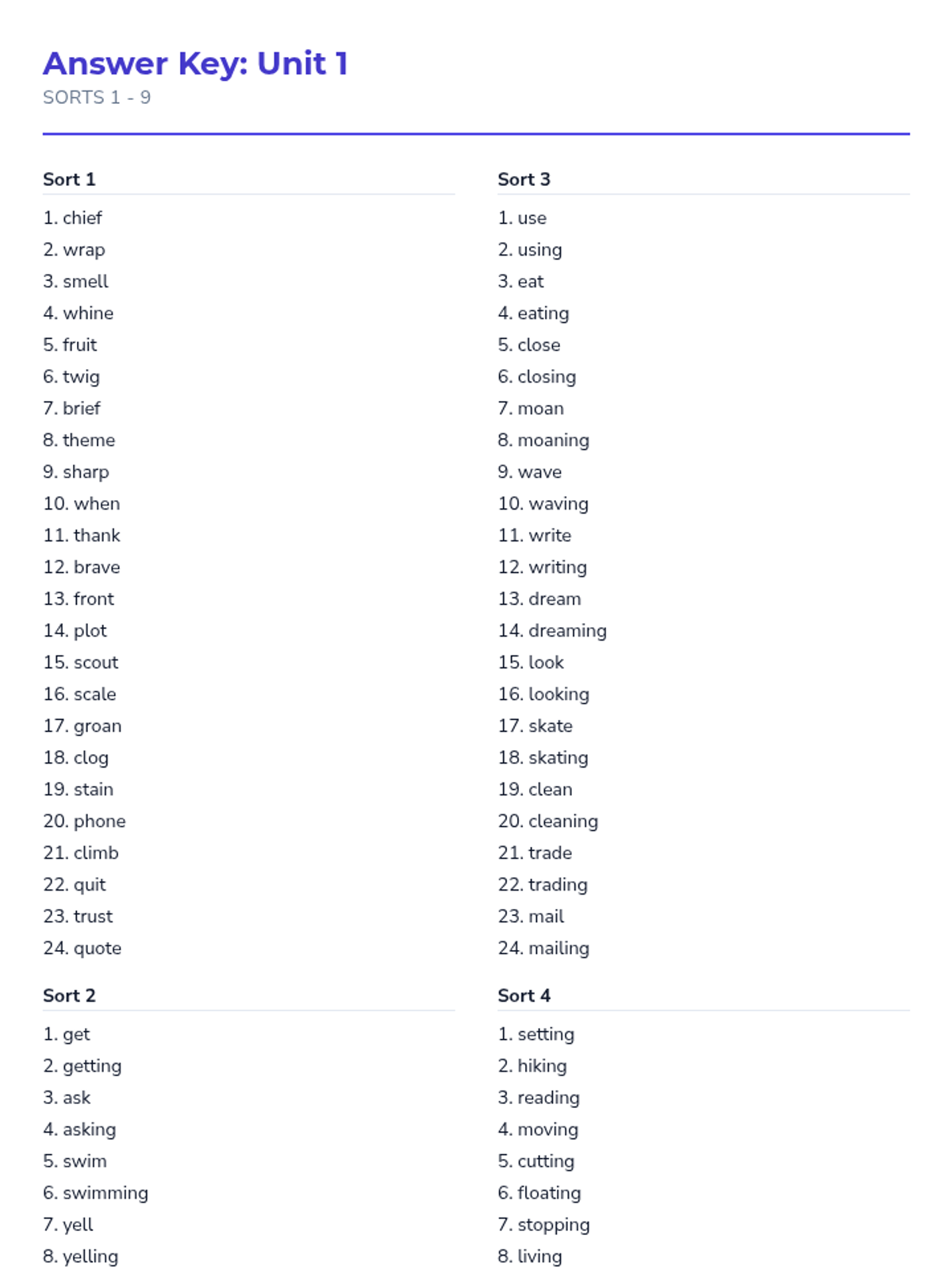
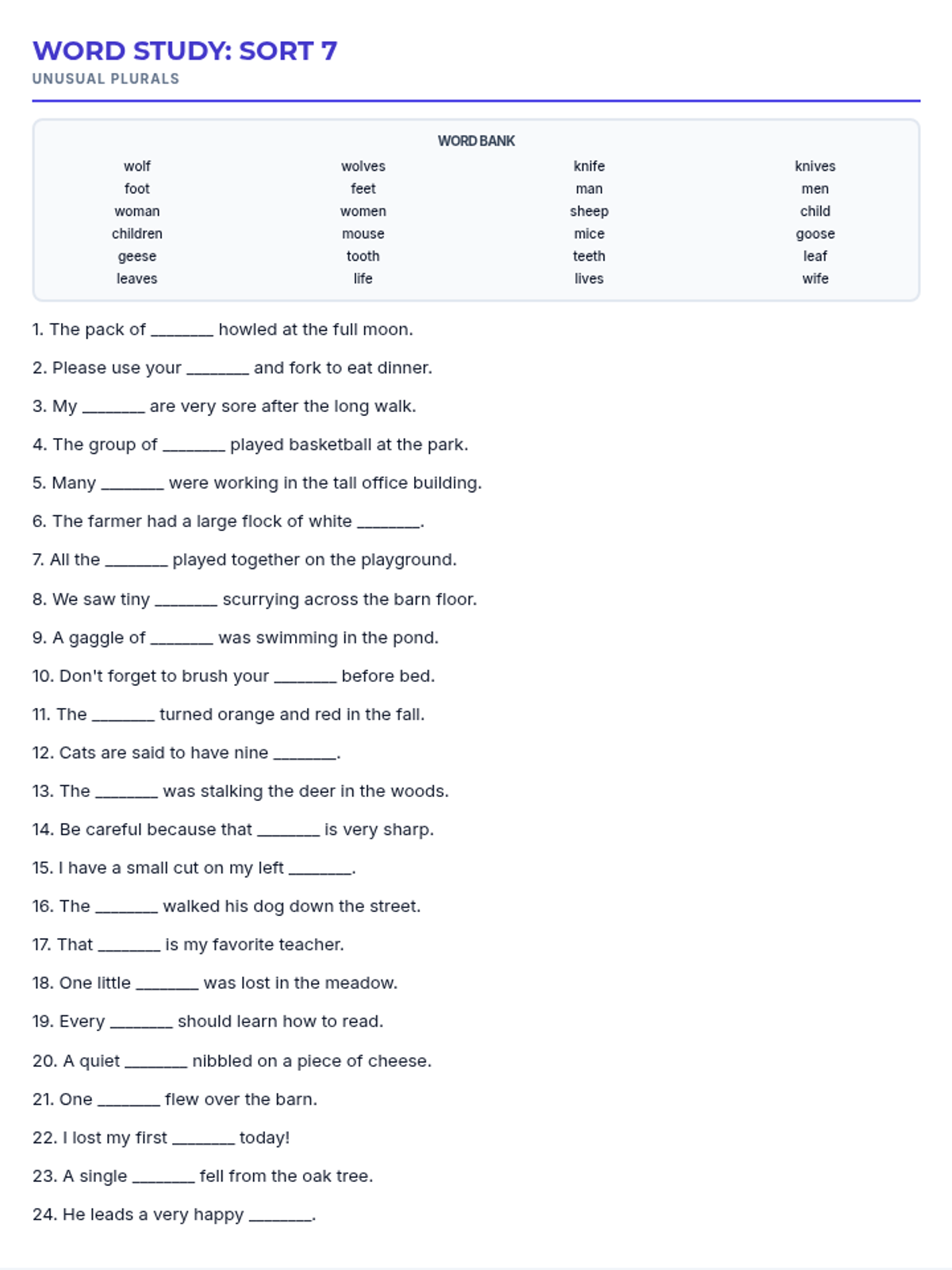
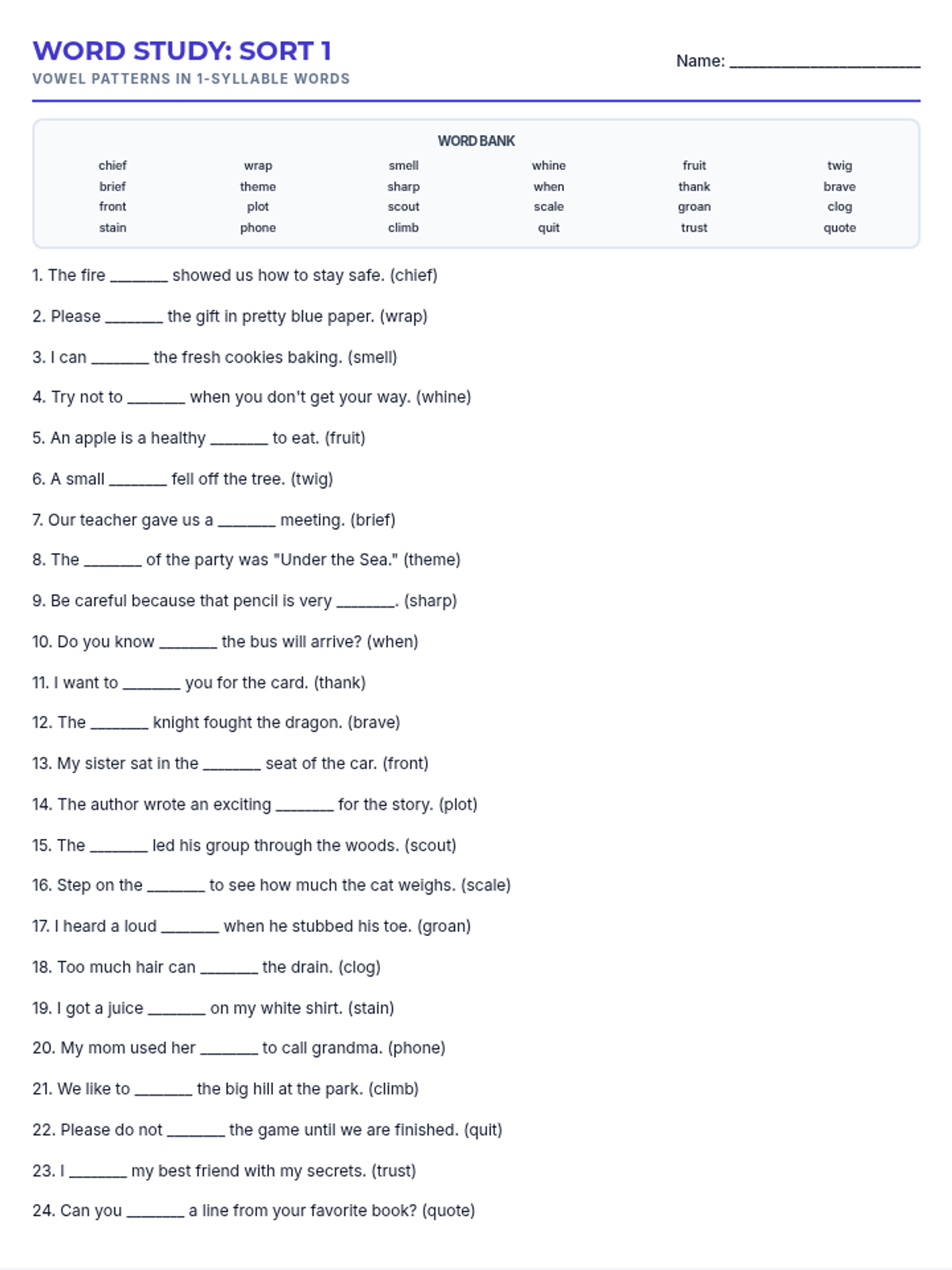
The first 9 sorts focusing on review of vowel patterns in single-syllable words and adding -ing to different word patterns.
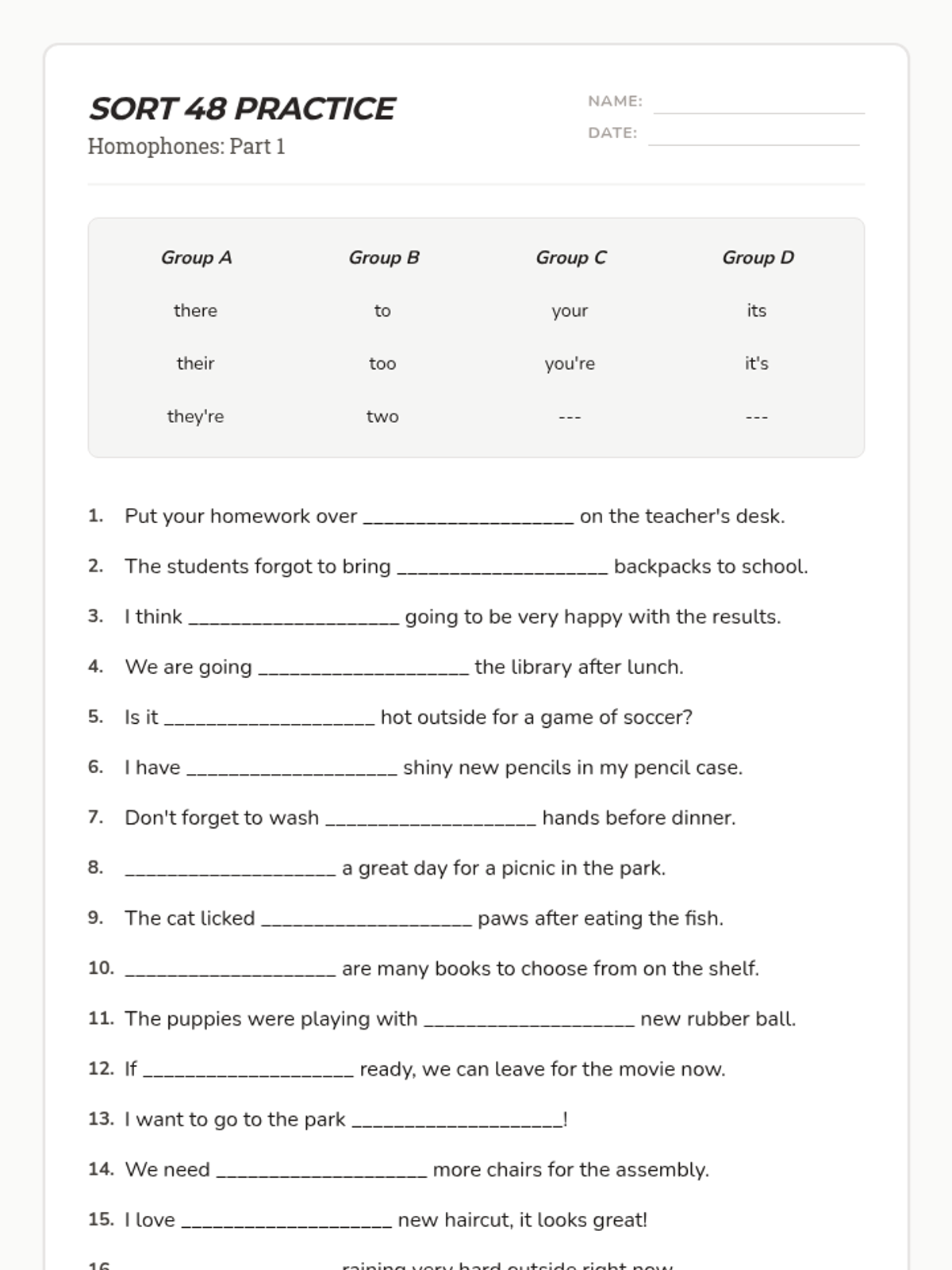
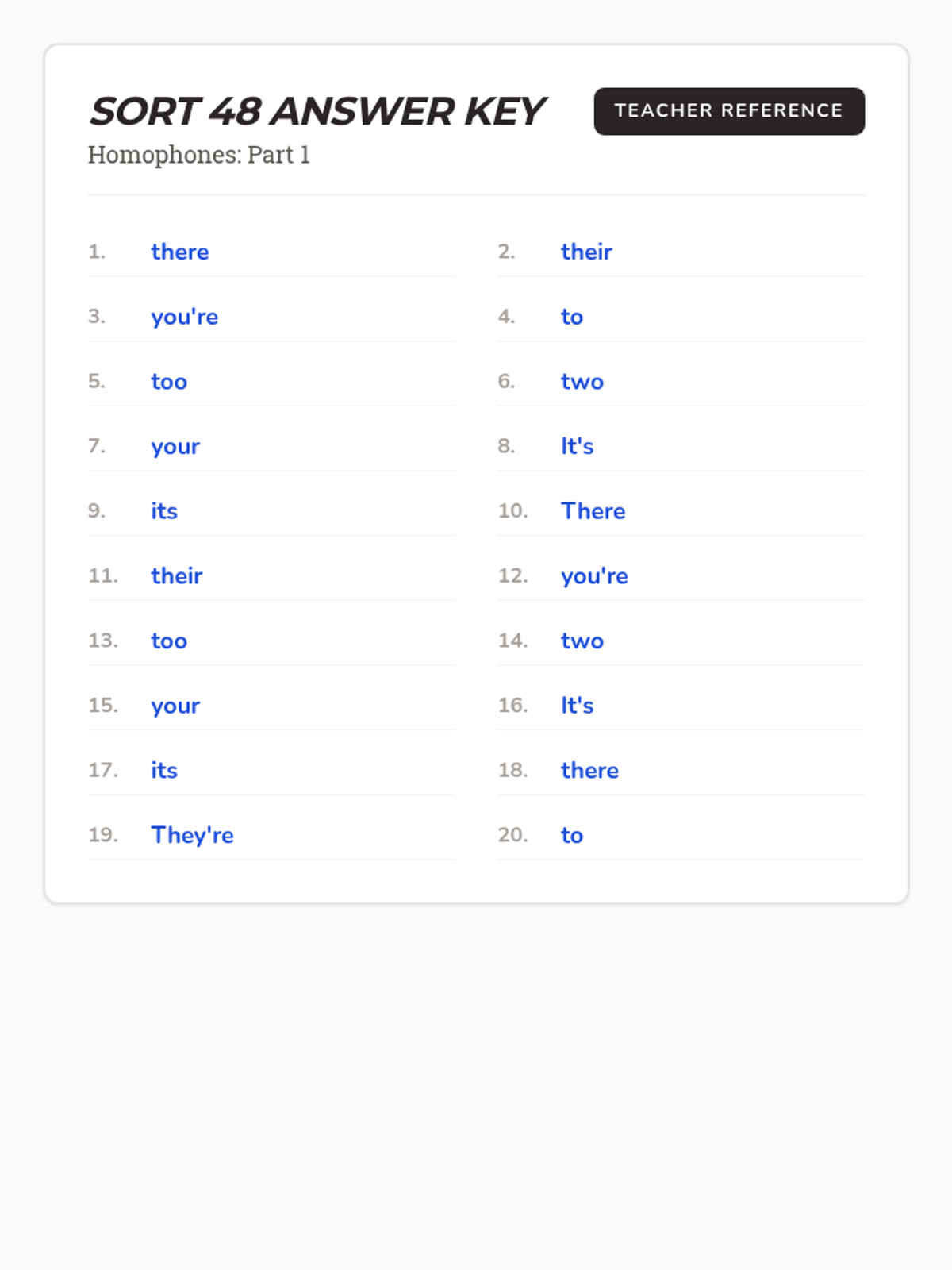
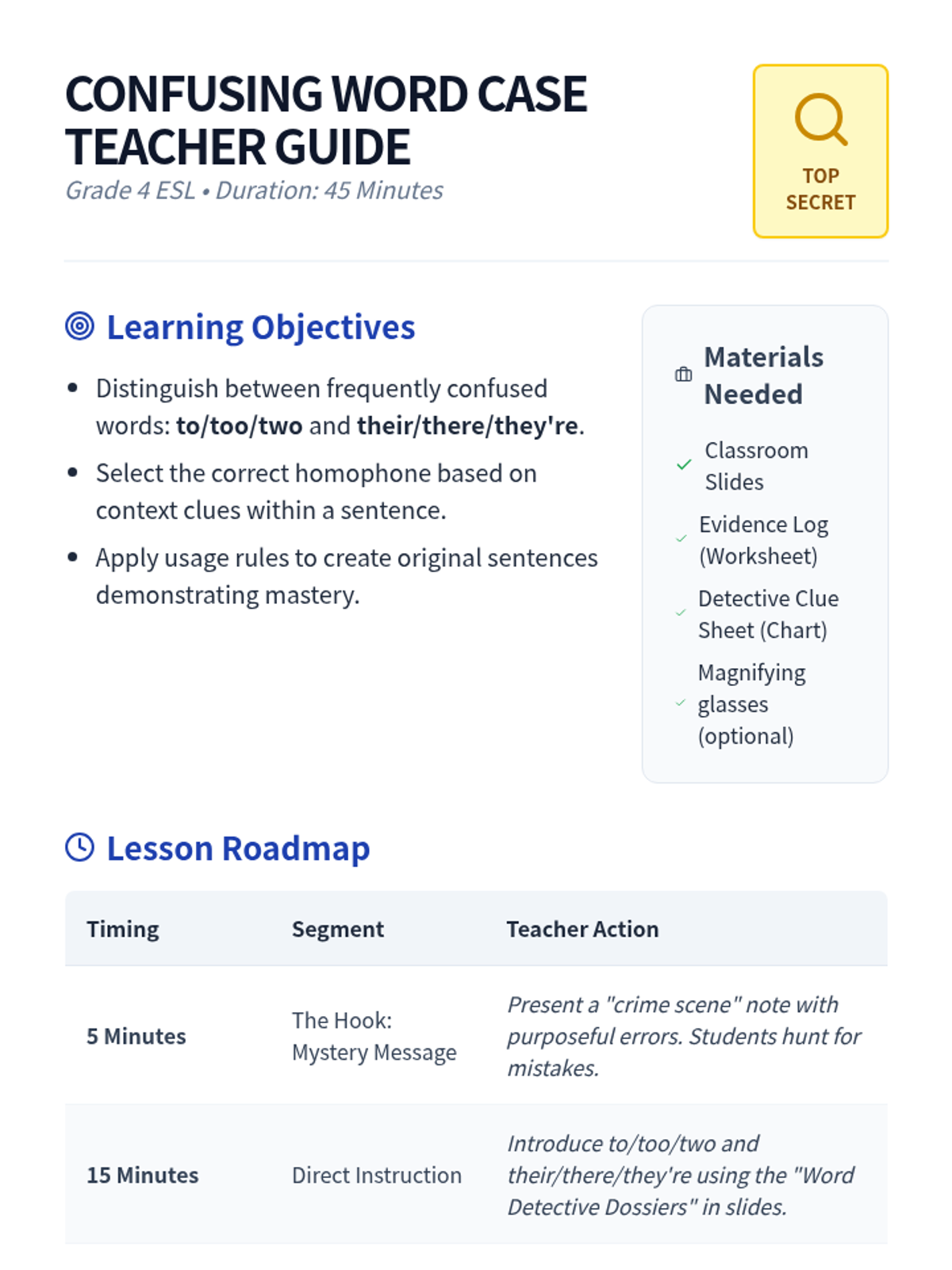
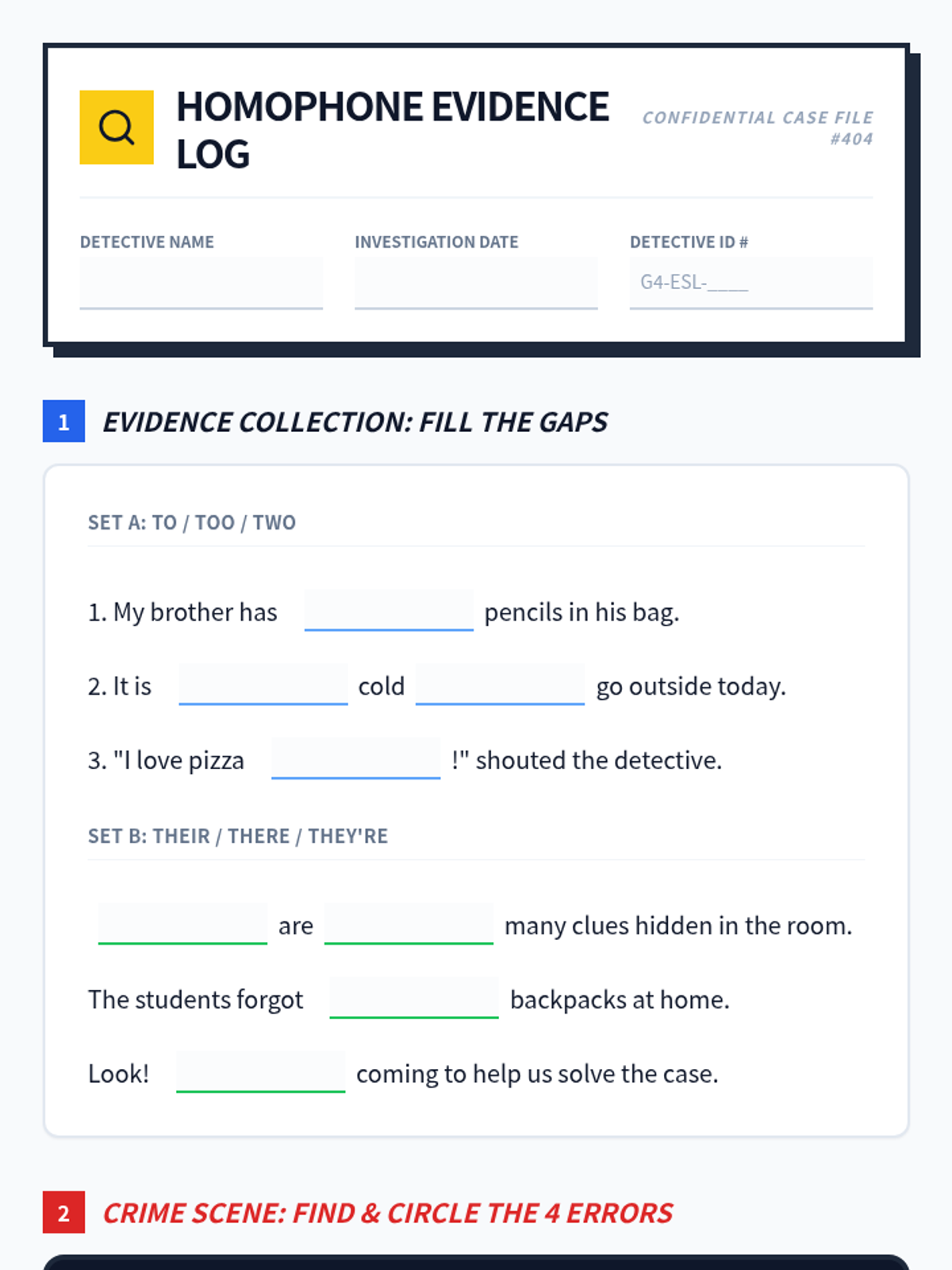
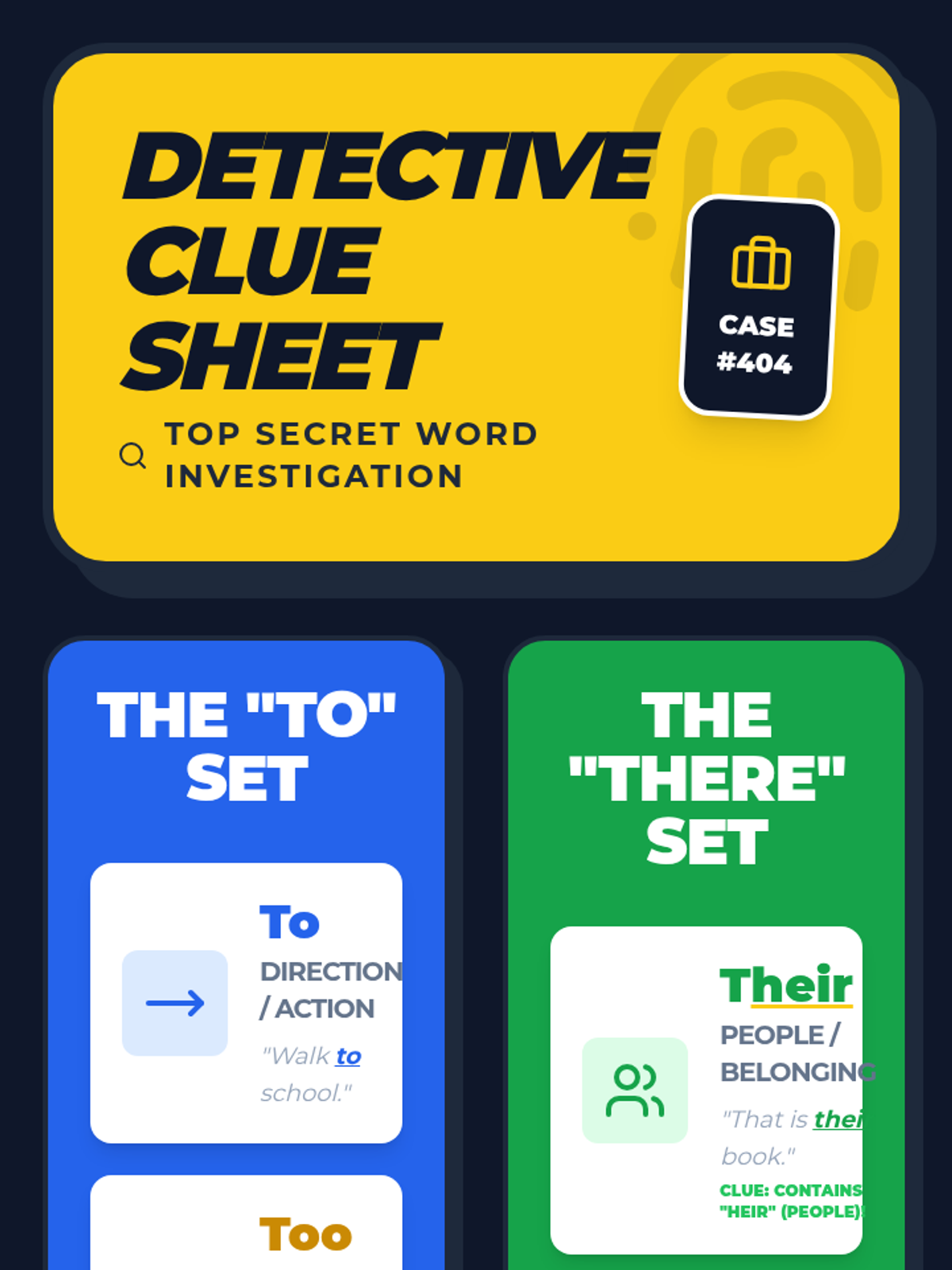
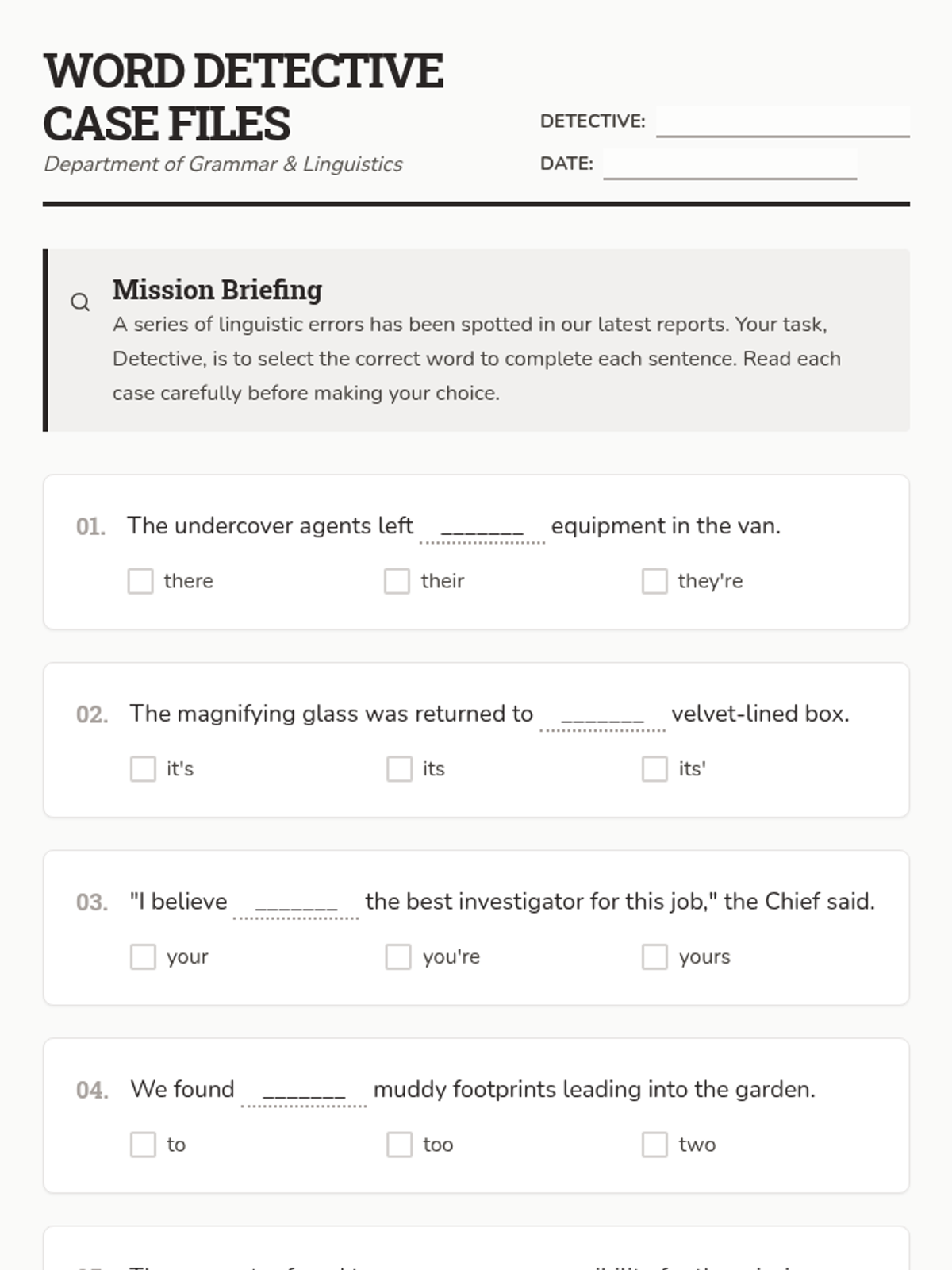
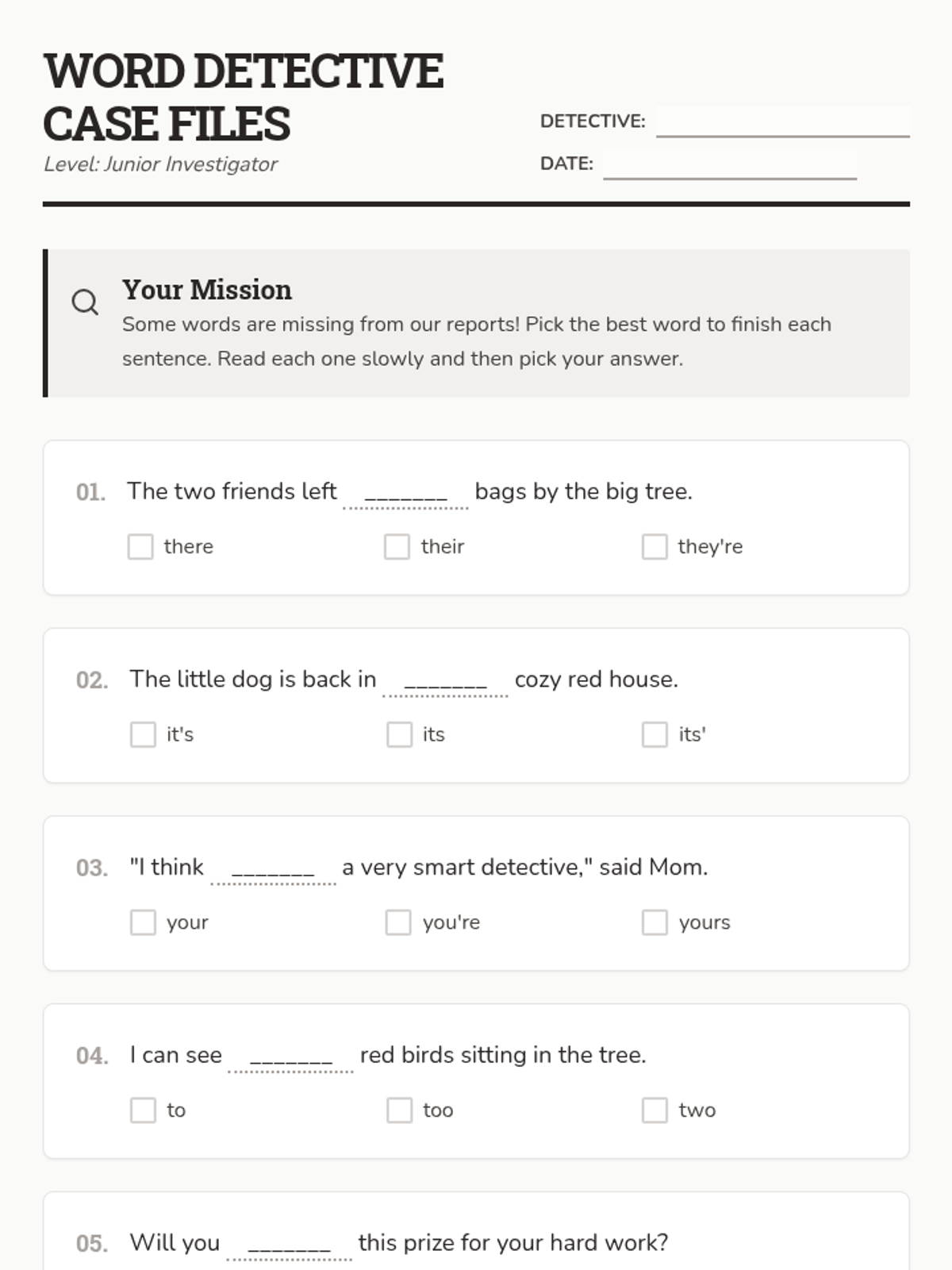
A 45-minute ESL lesson for 4th graders focused on mastering the homophones to/too/two and their/there/they're through a fun 'Word Detective' mystery theme.
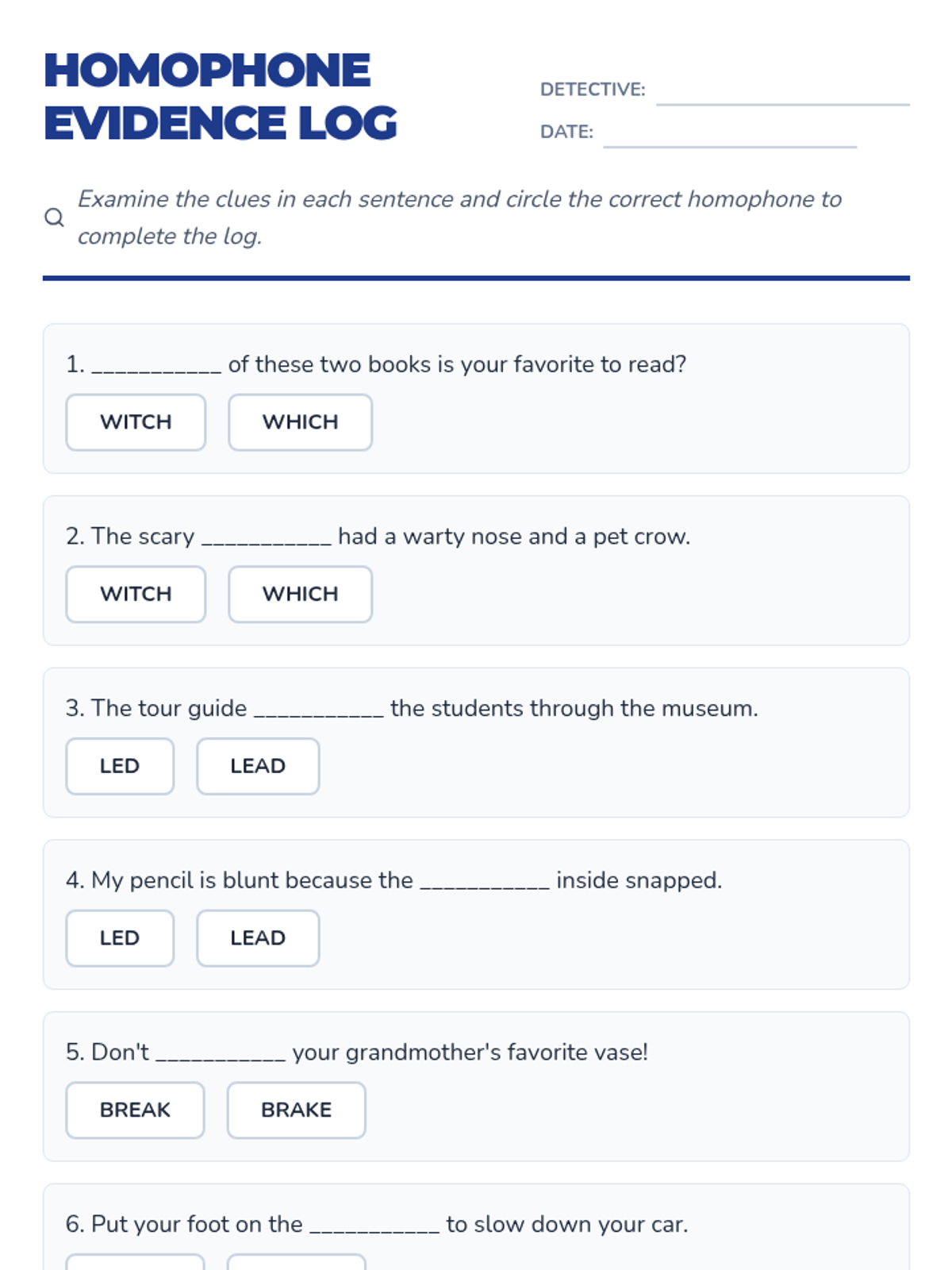
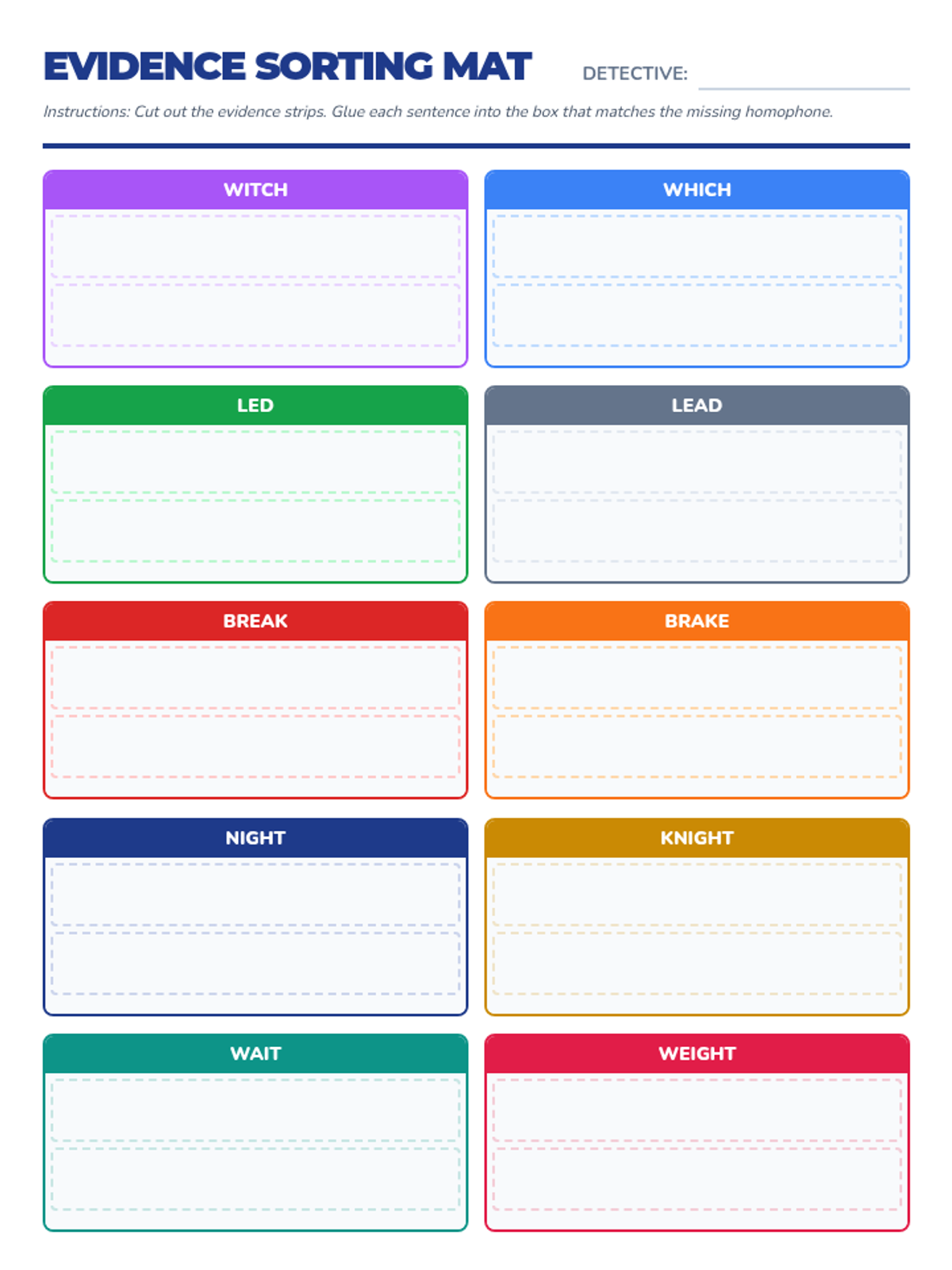
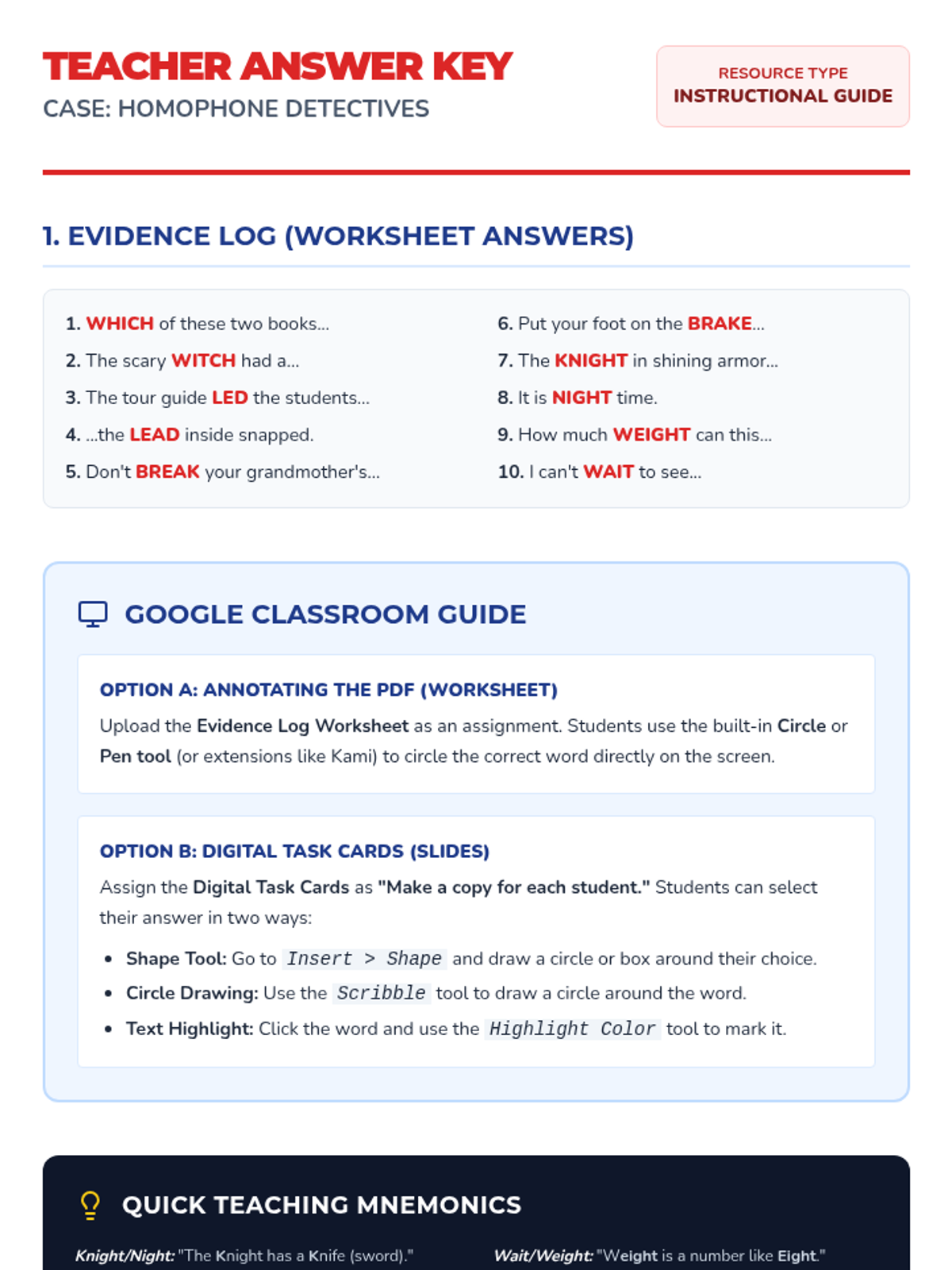
A detective-themed lesson focusing on three tricky homophone pairs: witch/which, led/lead, and break/brake. Students will identify meanings through context and practice using them correctly in sentences.
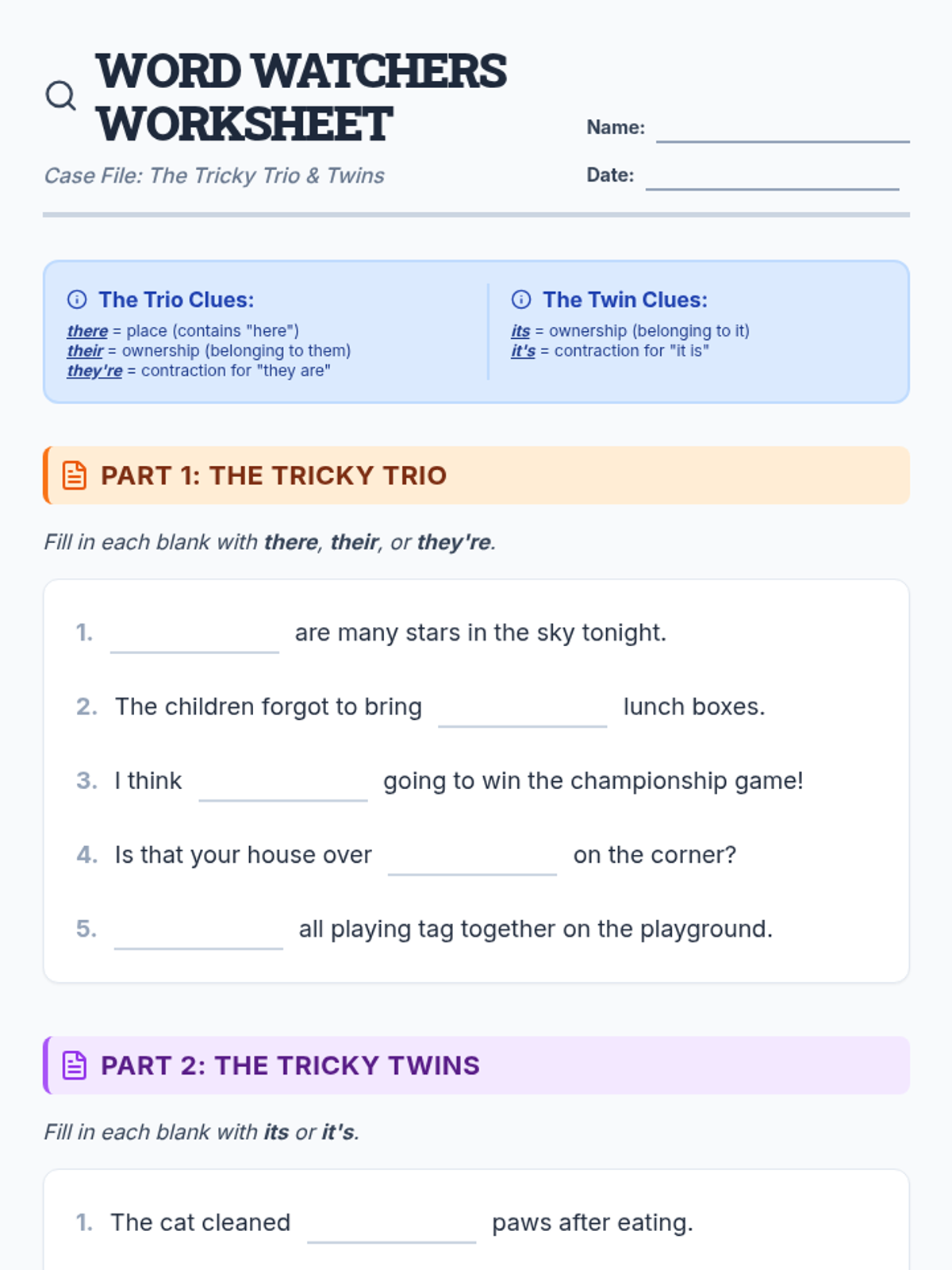
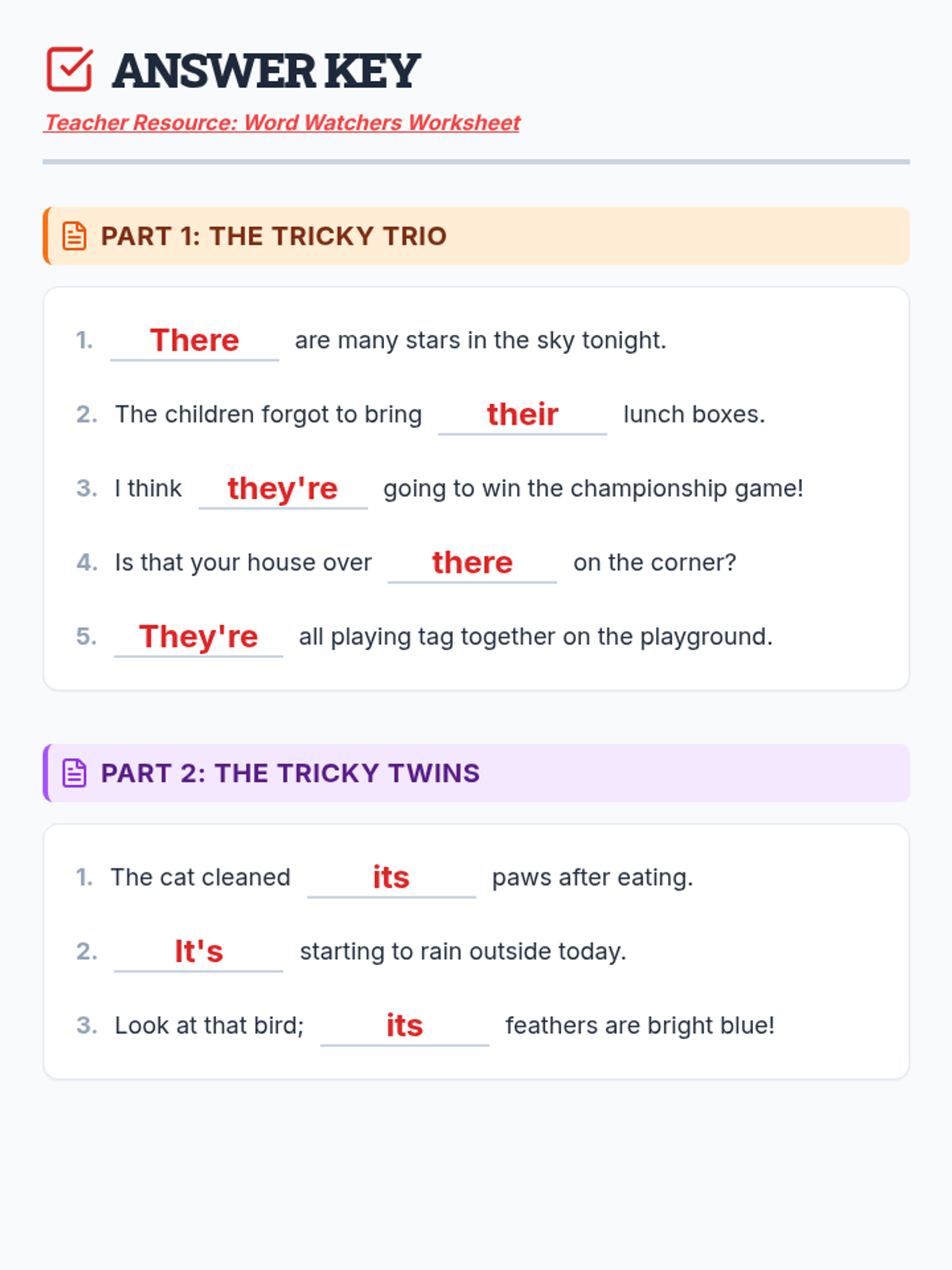
A lesson focused on distinguishing between common homophones and contractions: there/their/they're and its/it's for third-grade students. Includes visual aids and hands-on practice.
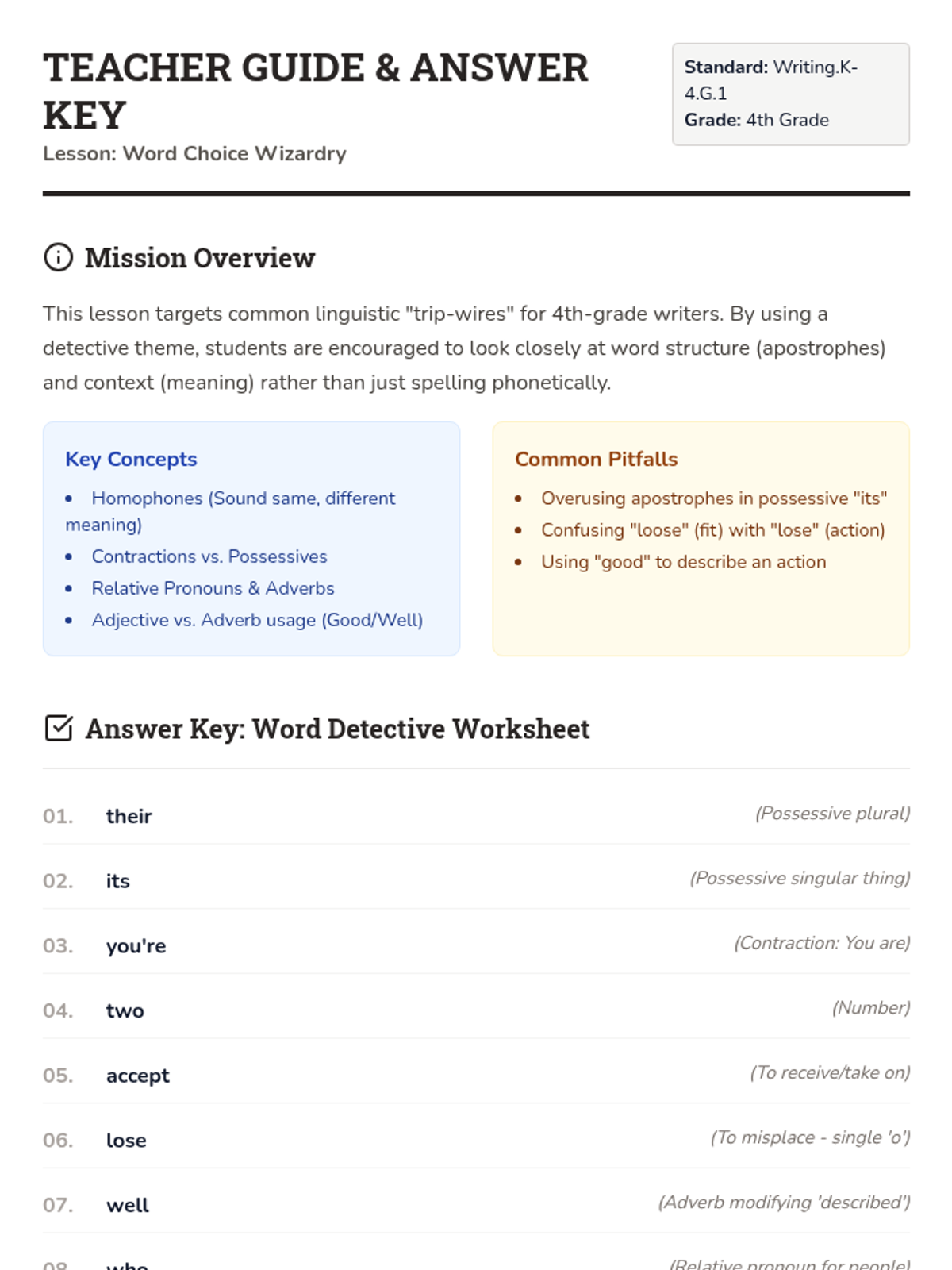
A lesson focused on common word usage errors, homophones, and frequently confused words for 4th-grade writers. Students practice identifying and using the correct words in context through detective-themed scenarios.
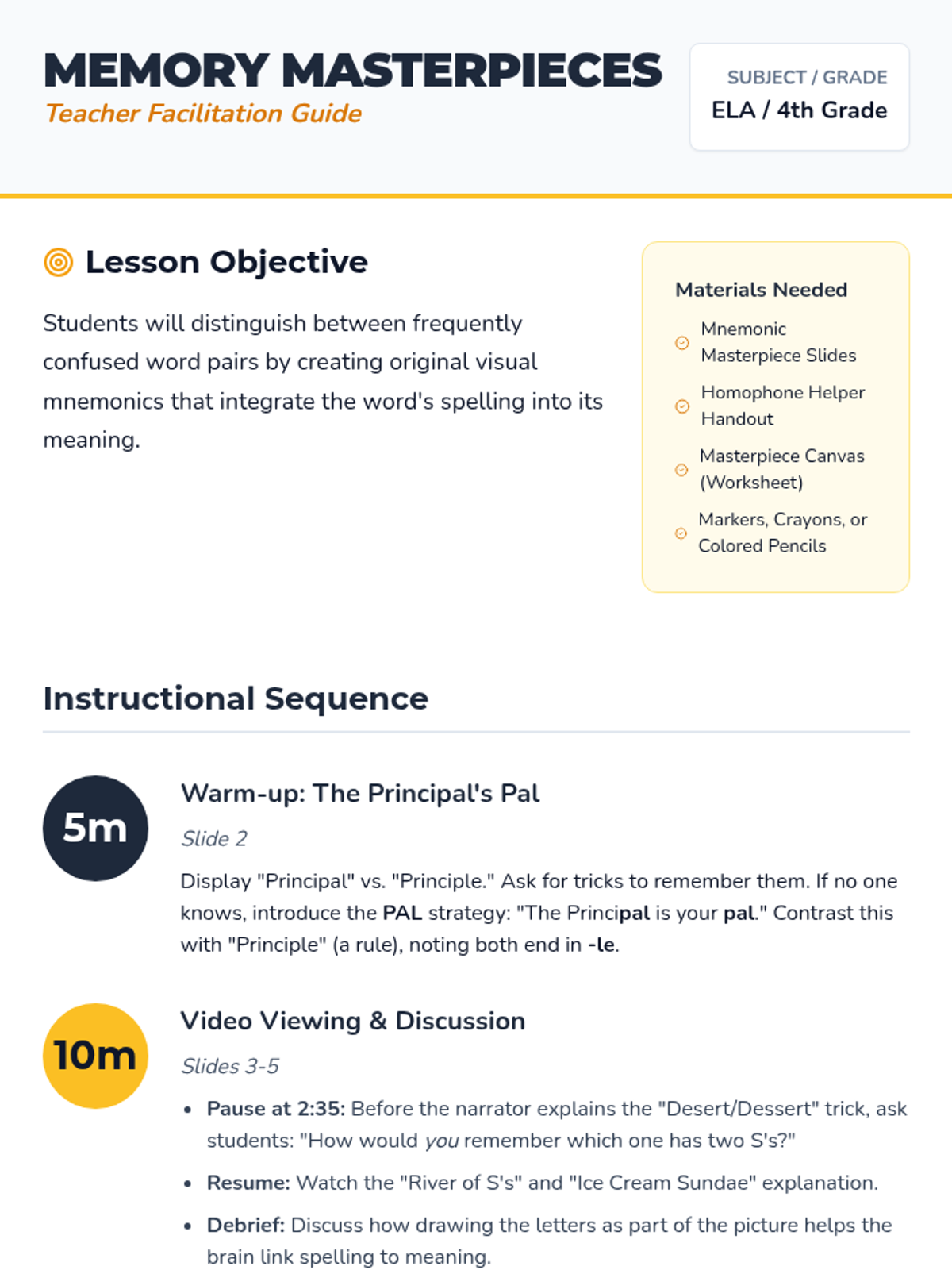
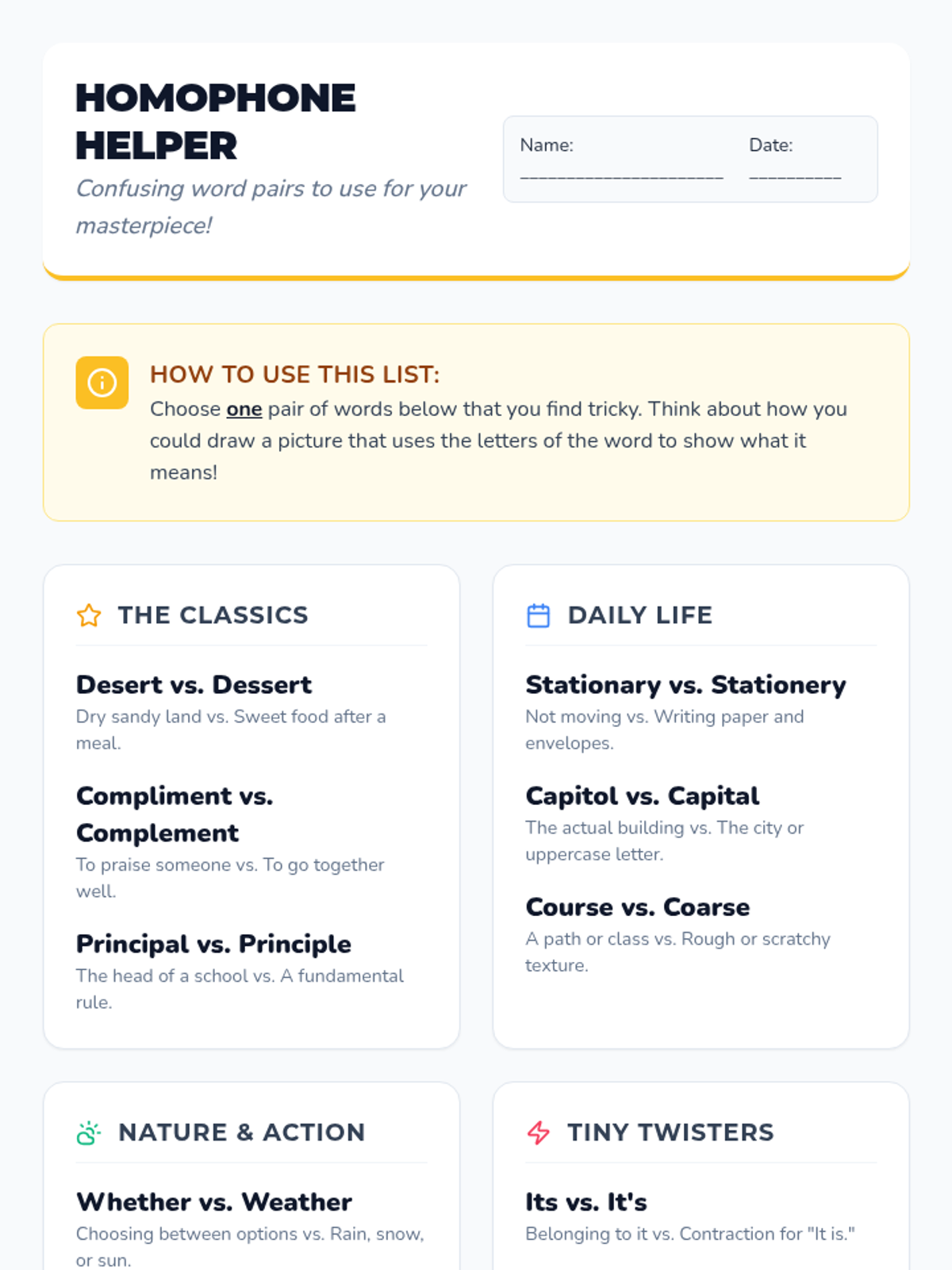
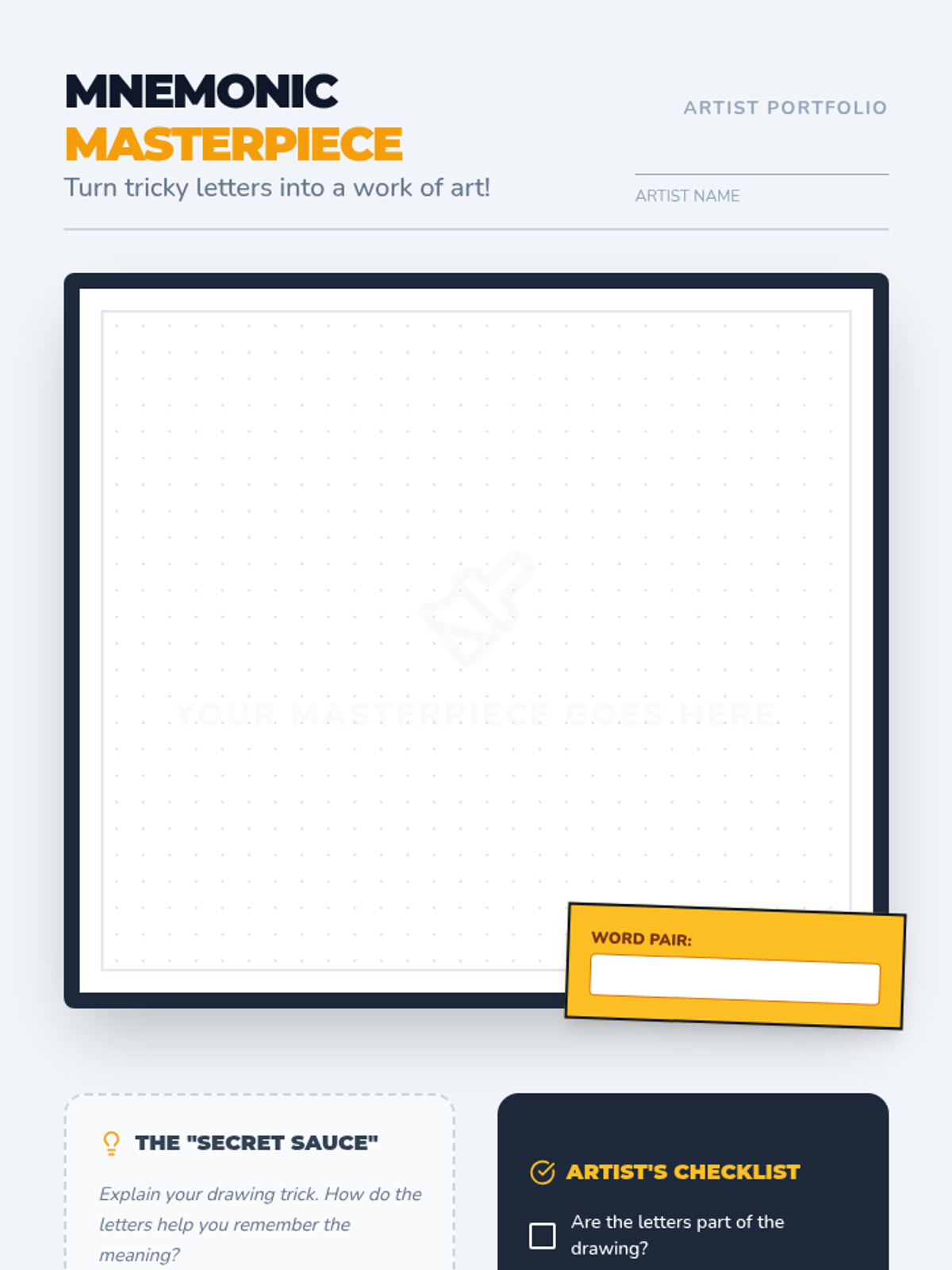
A creative ELA lesson for 4th graders focused on using visual mnemonics to distinguish between frequently confused word pairs like desert/dessert and compliment/complement.
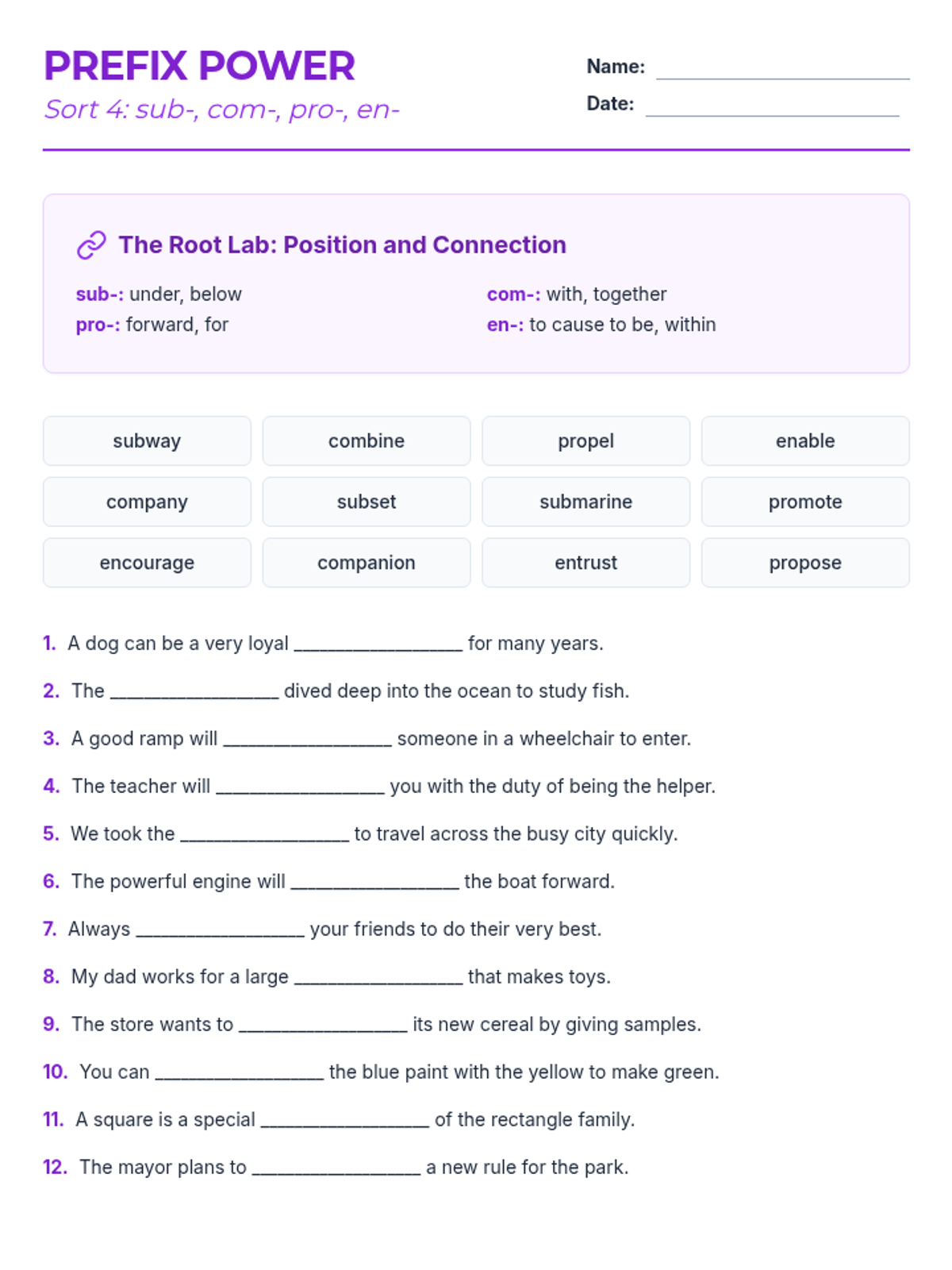
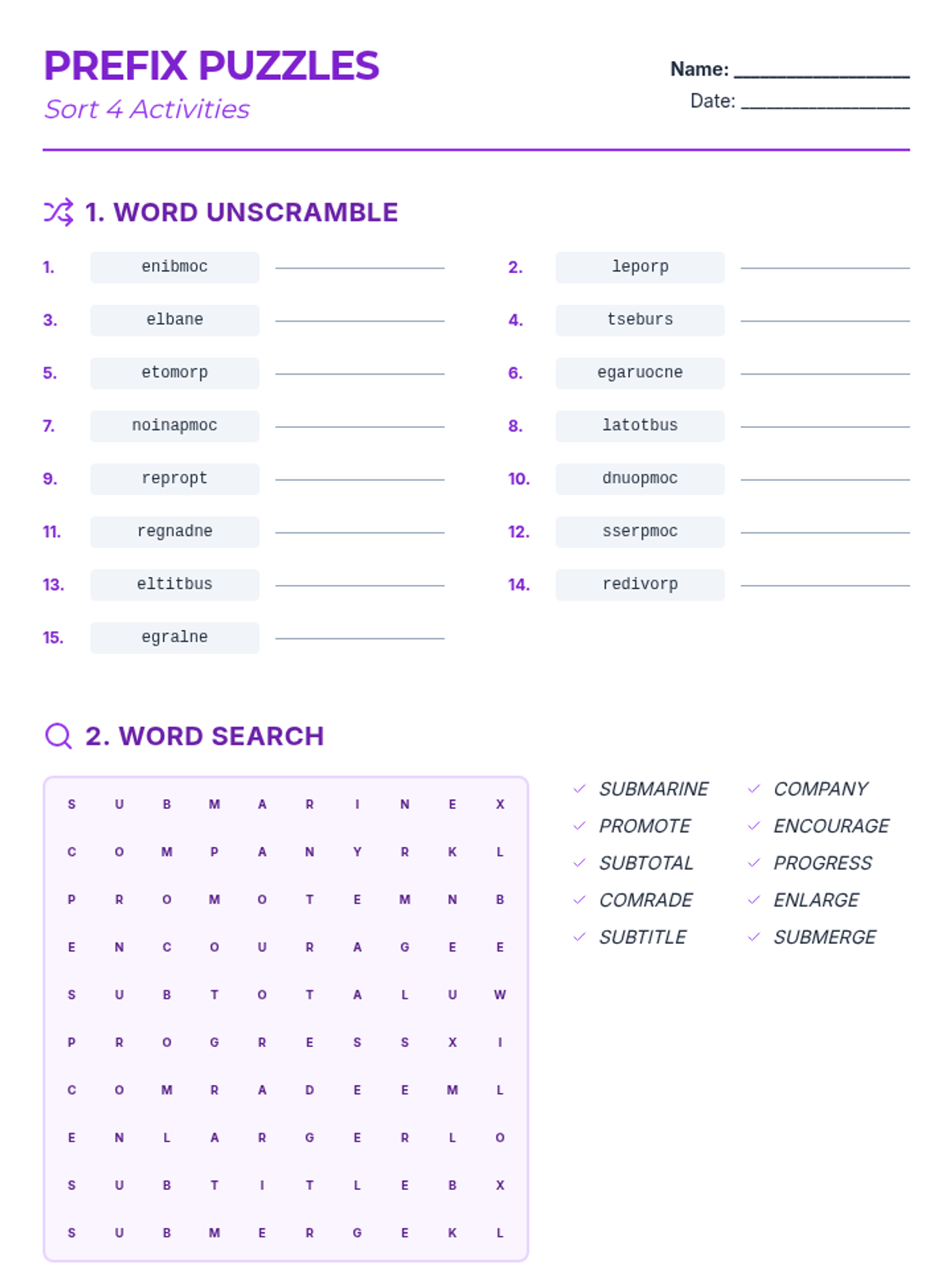
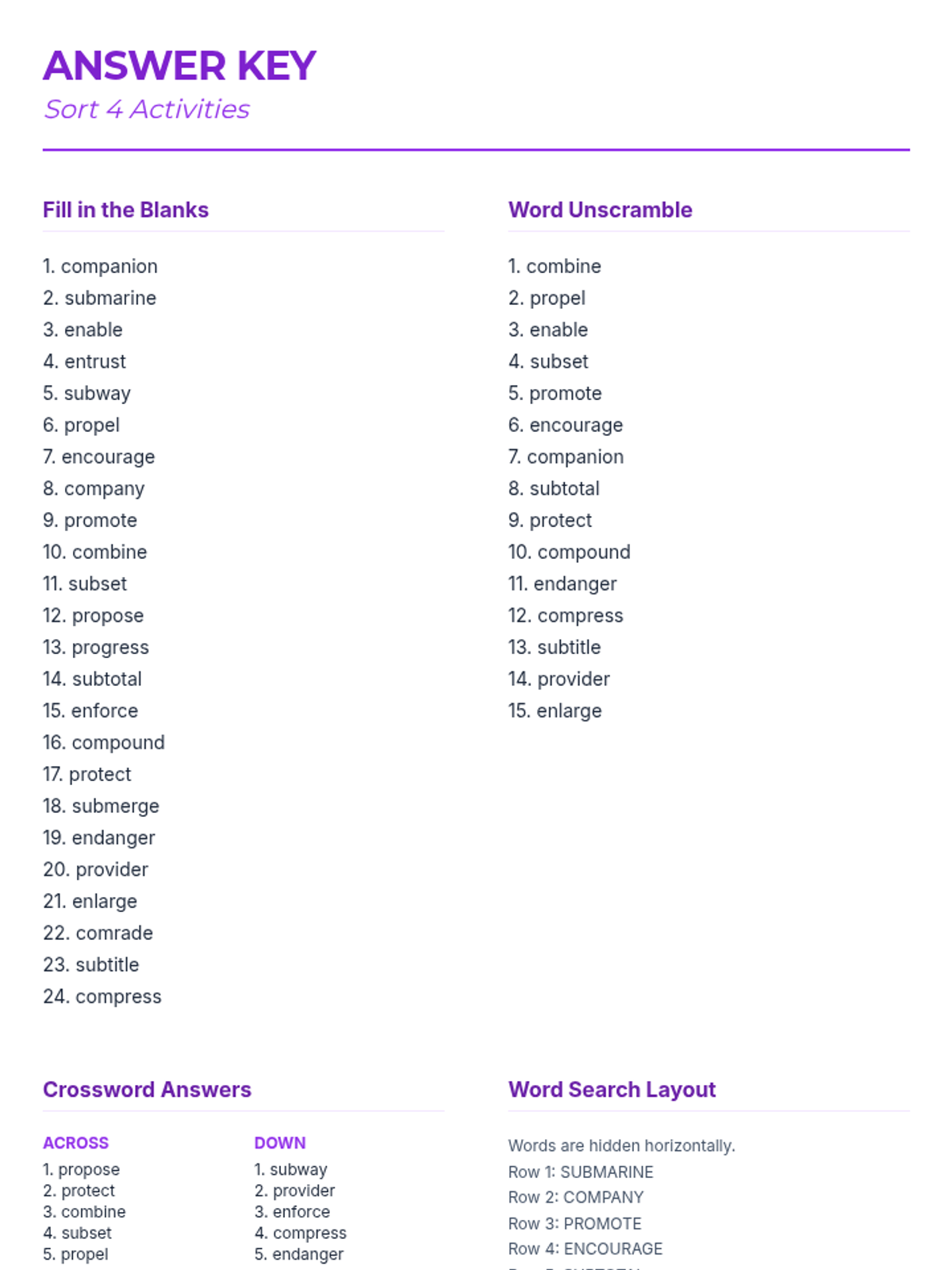
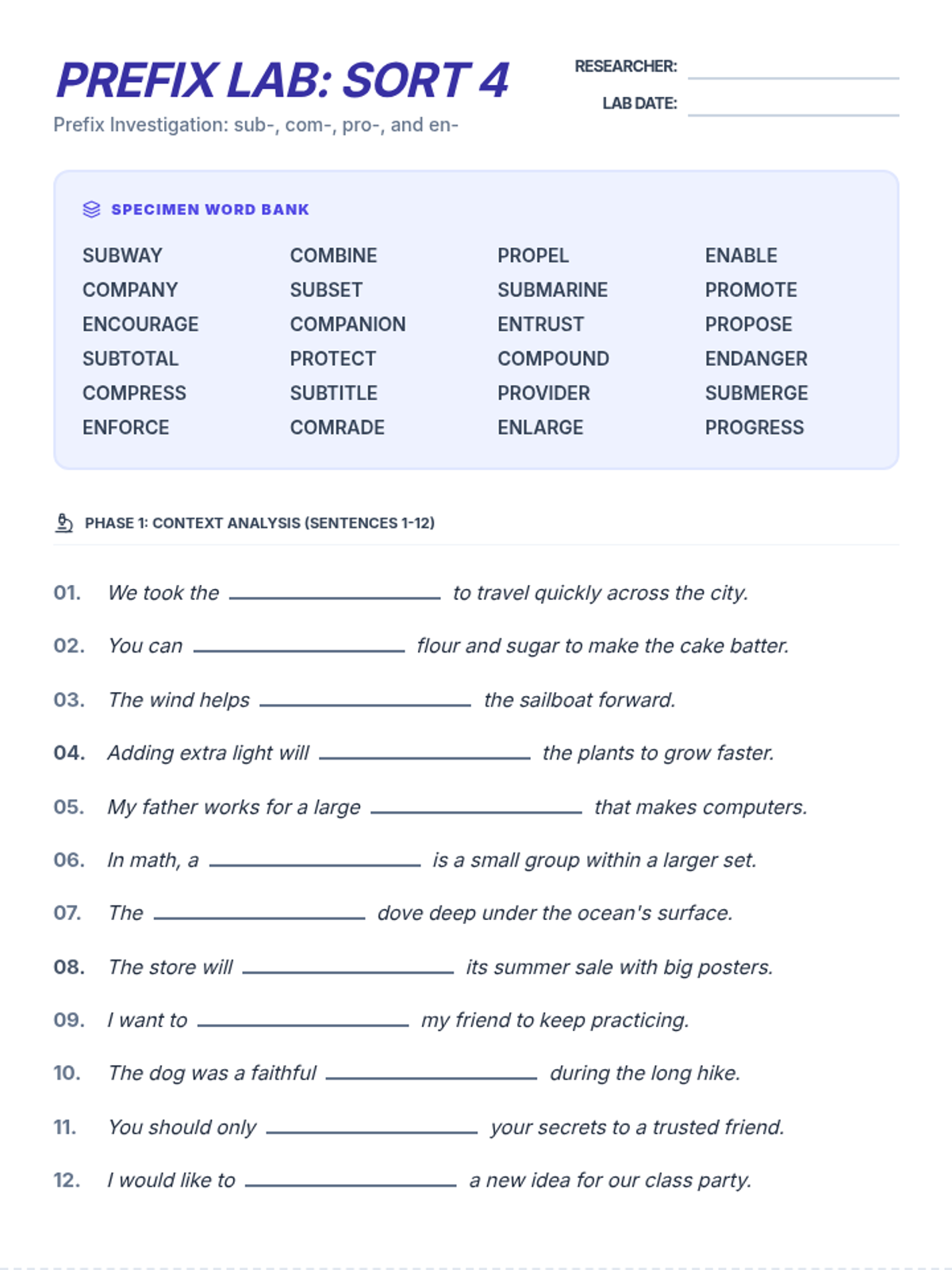
Position and connection prefixes: sub-, com-, pro-, and en-.
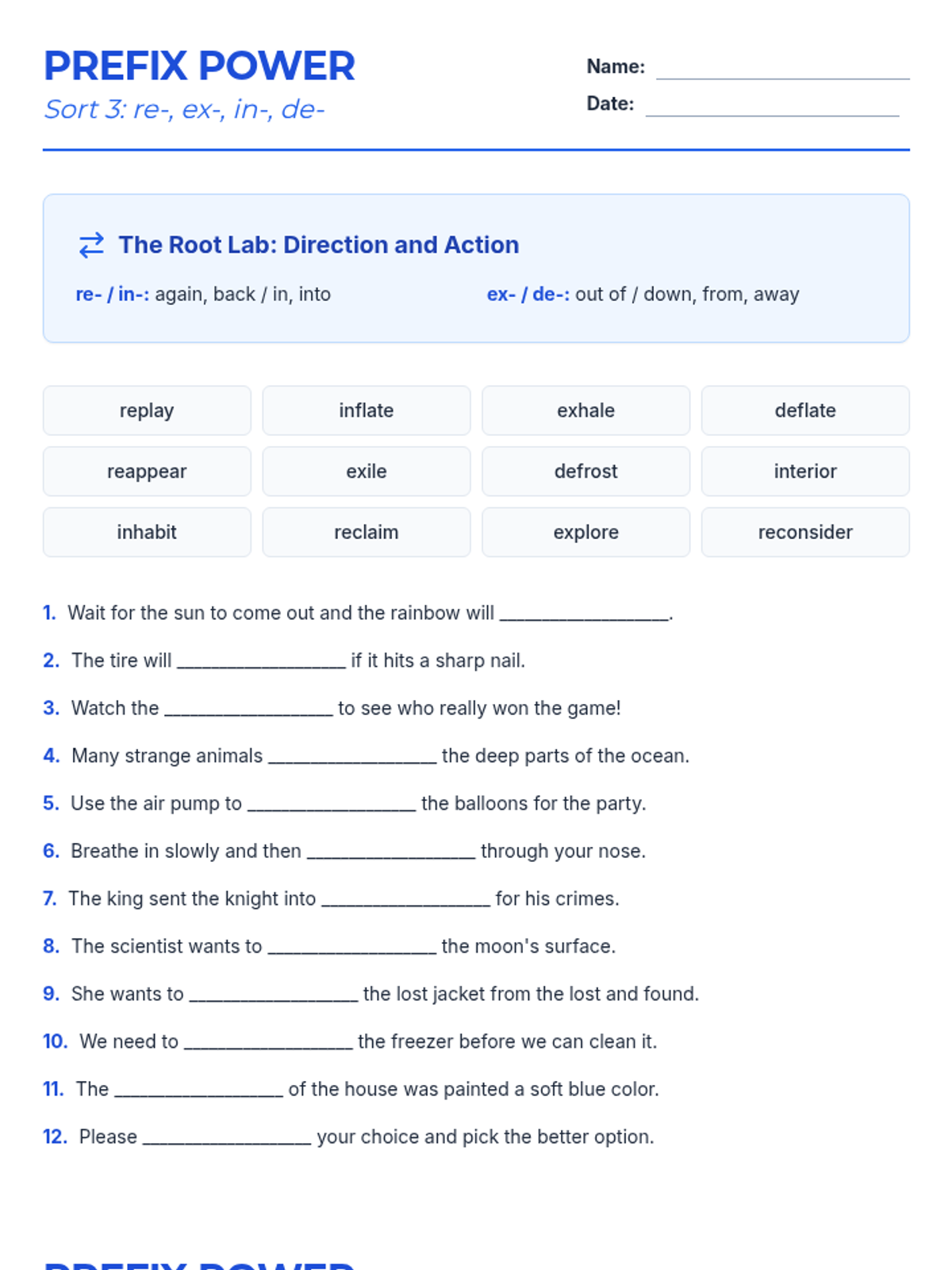
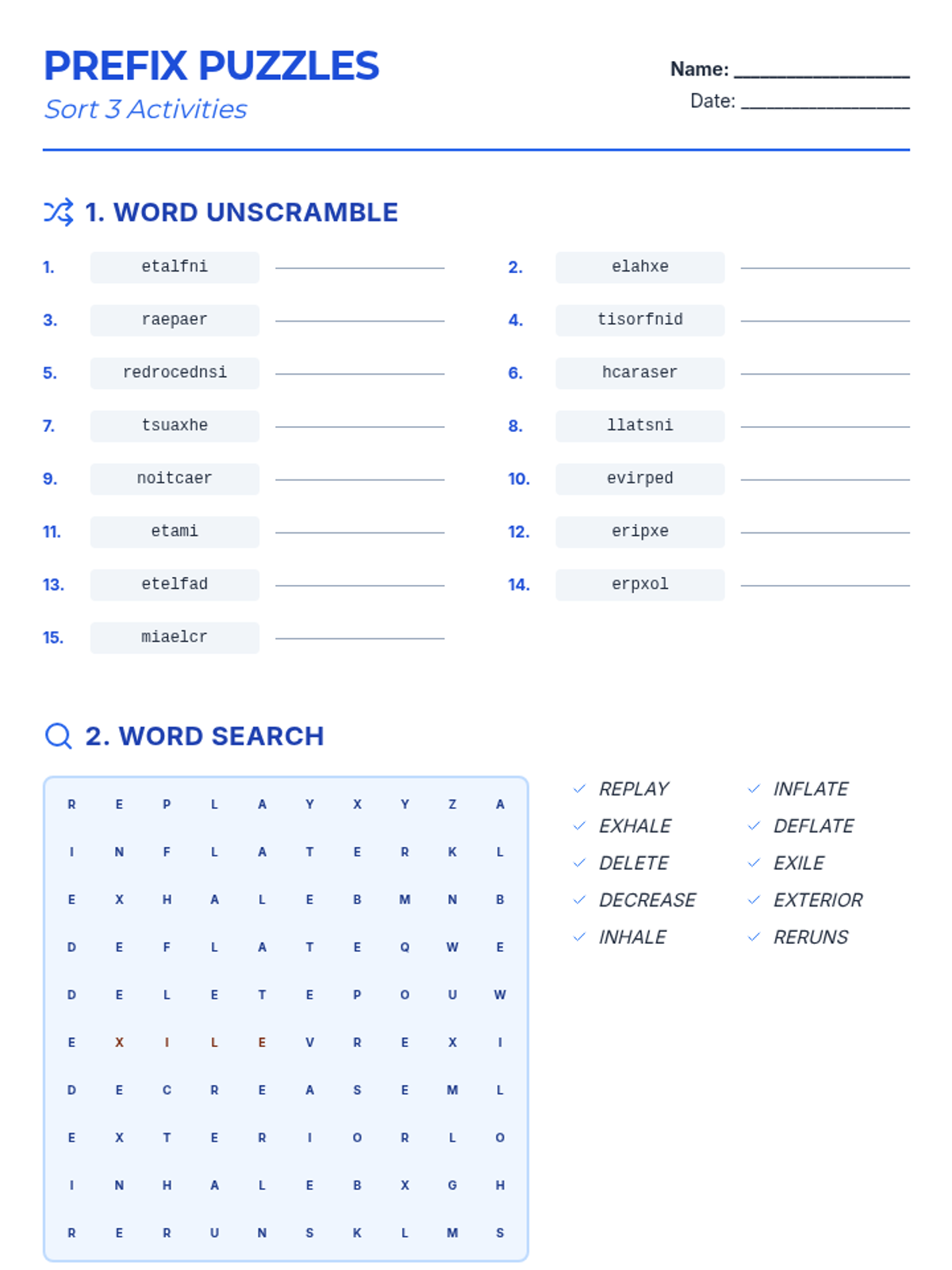
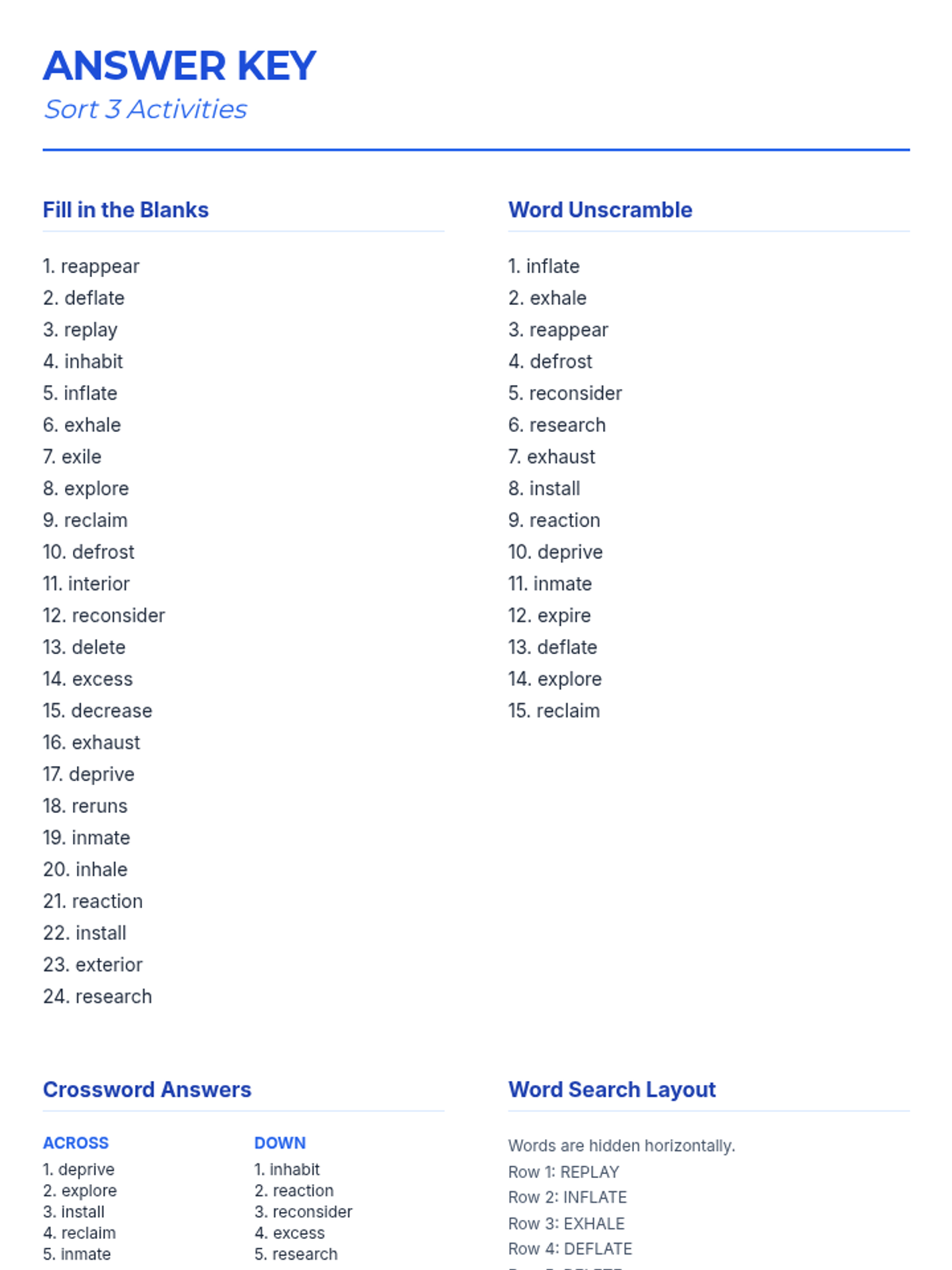
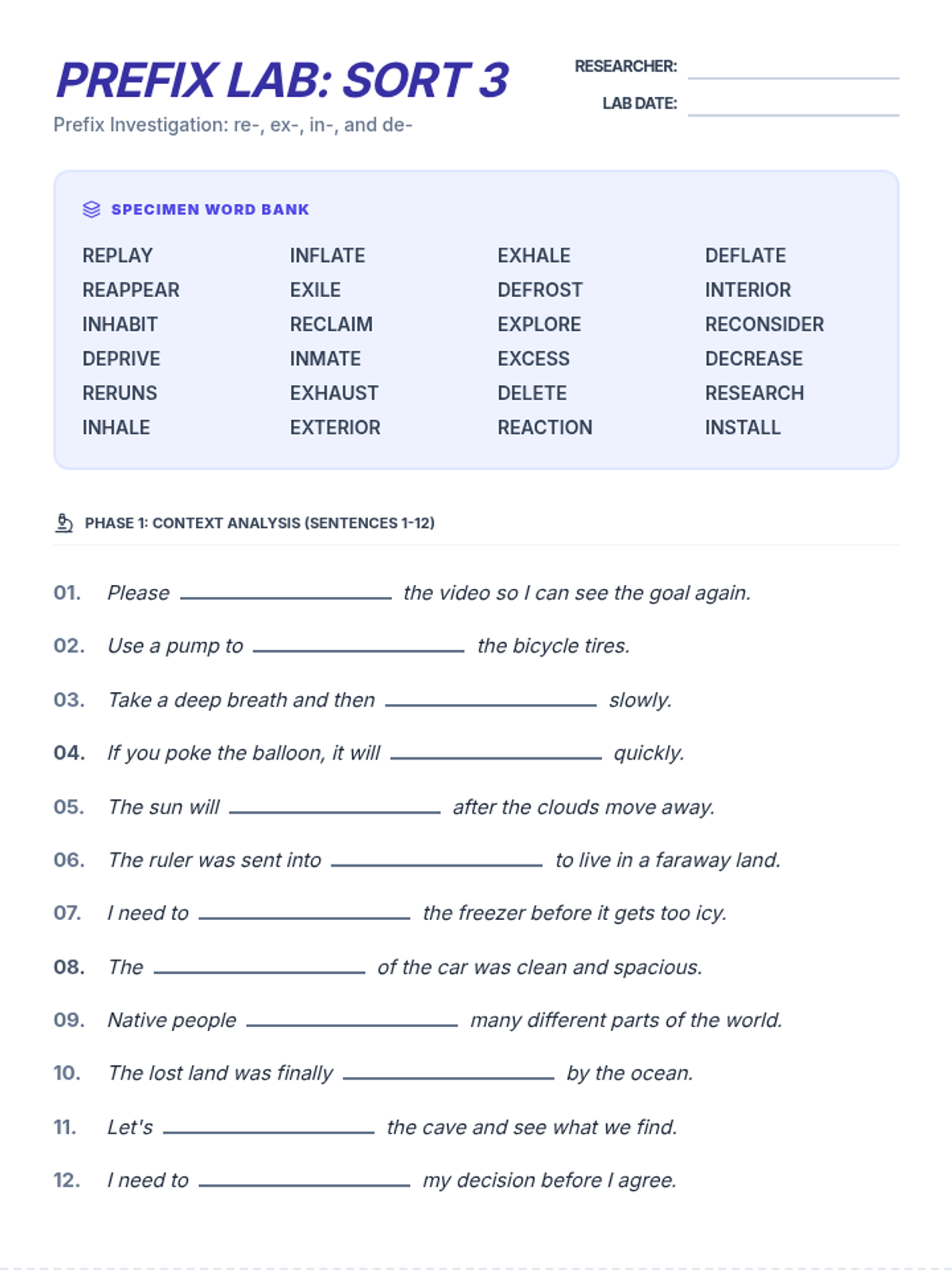
Direction and action prefixes: re-, ex-, in-, and de-.
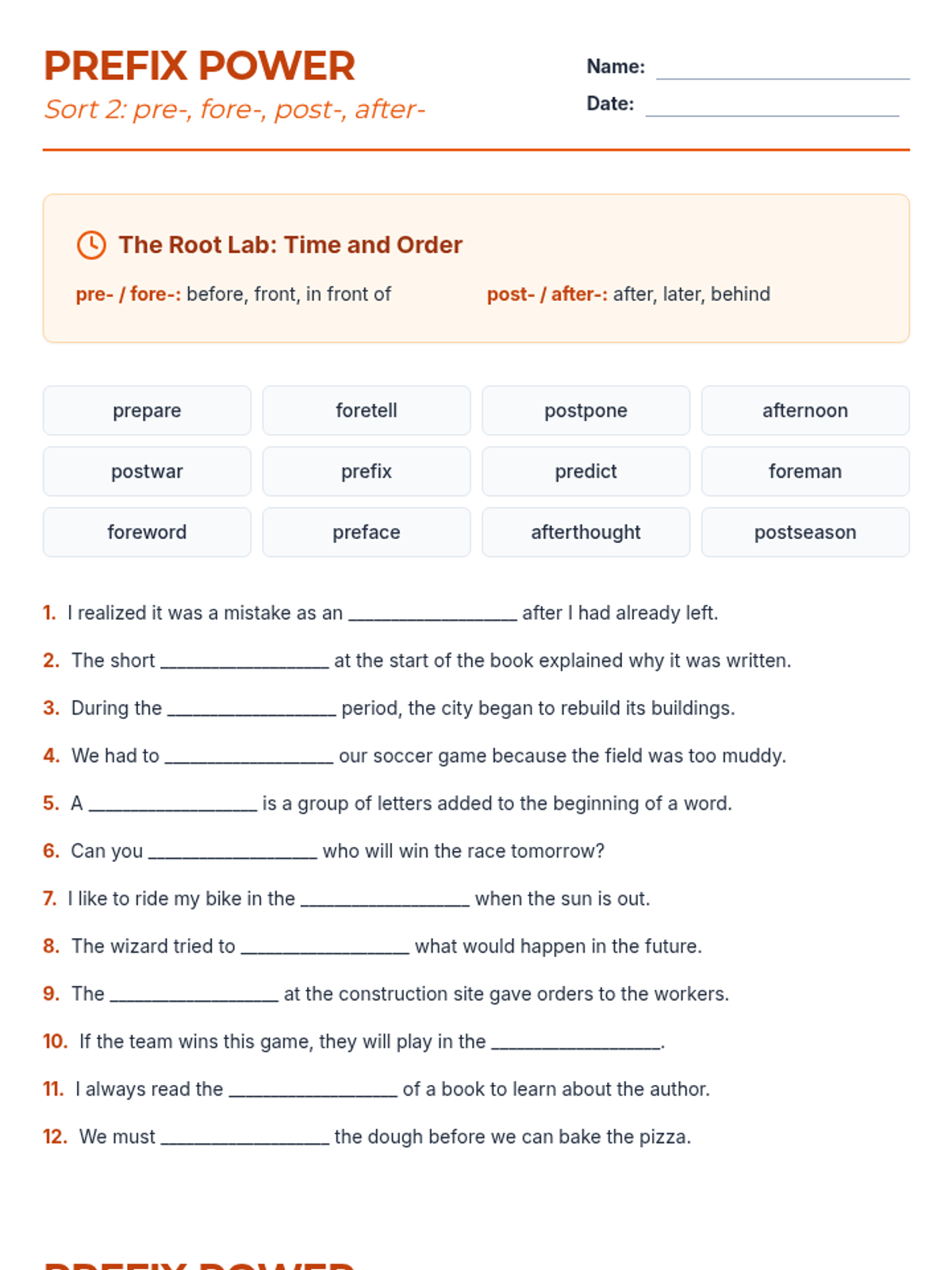
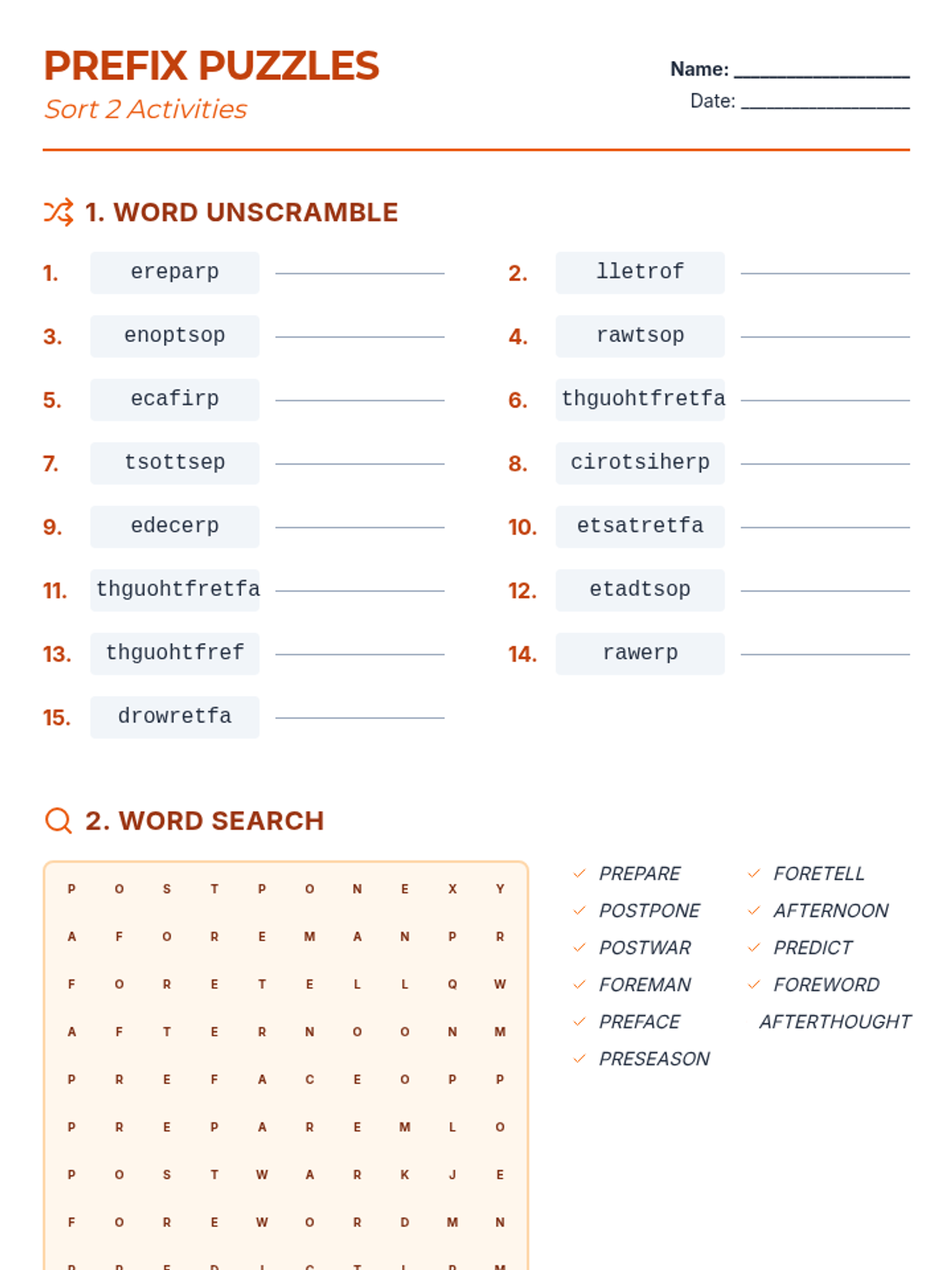
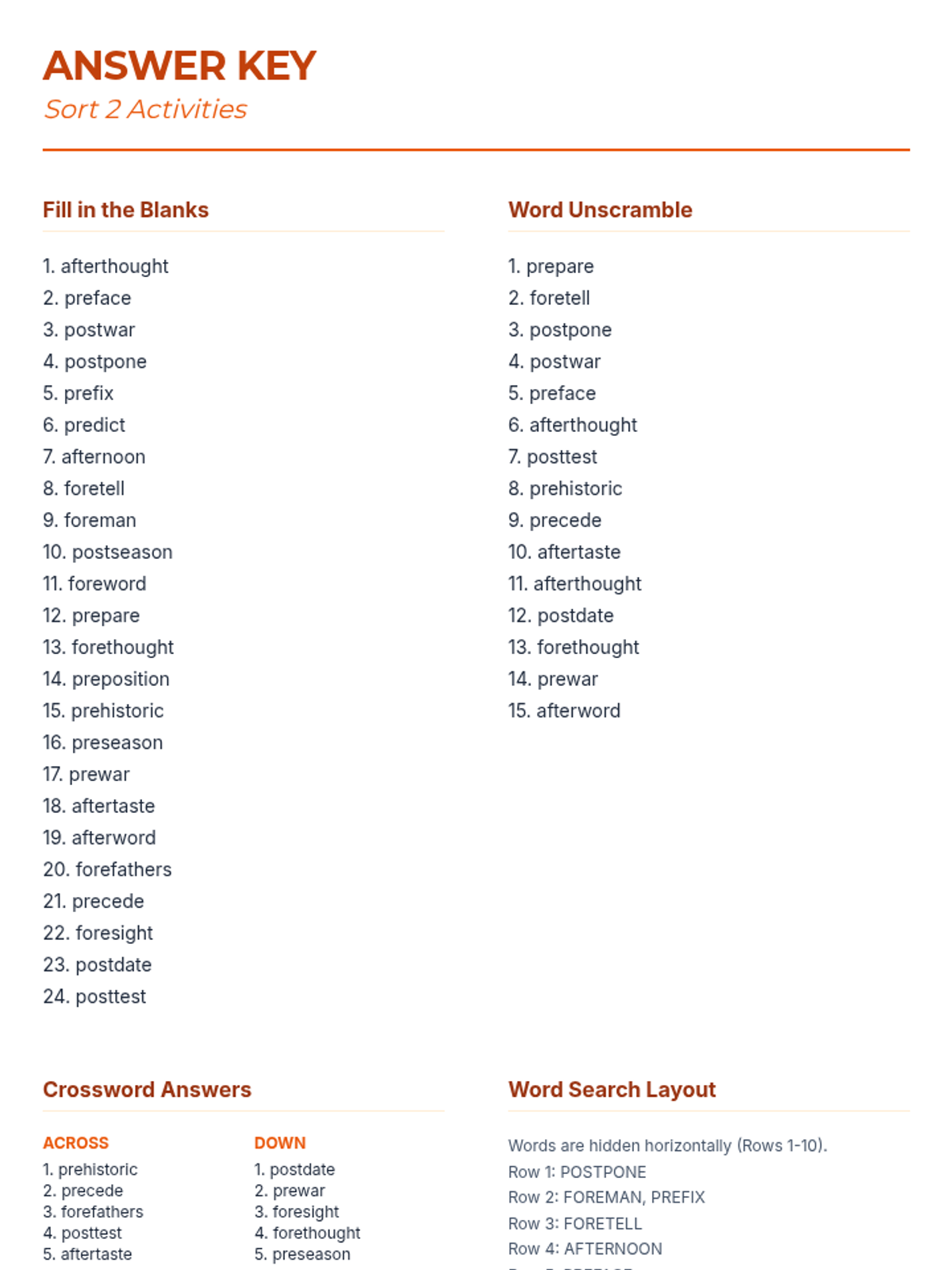
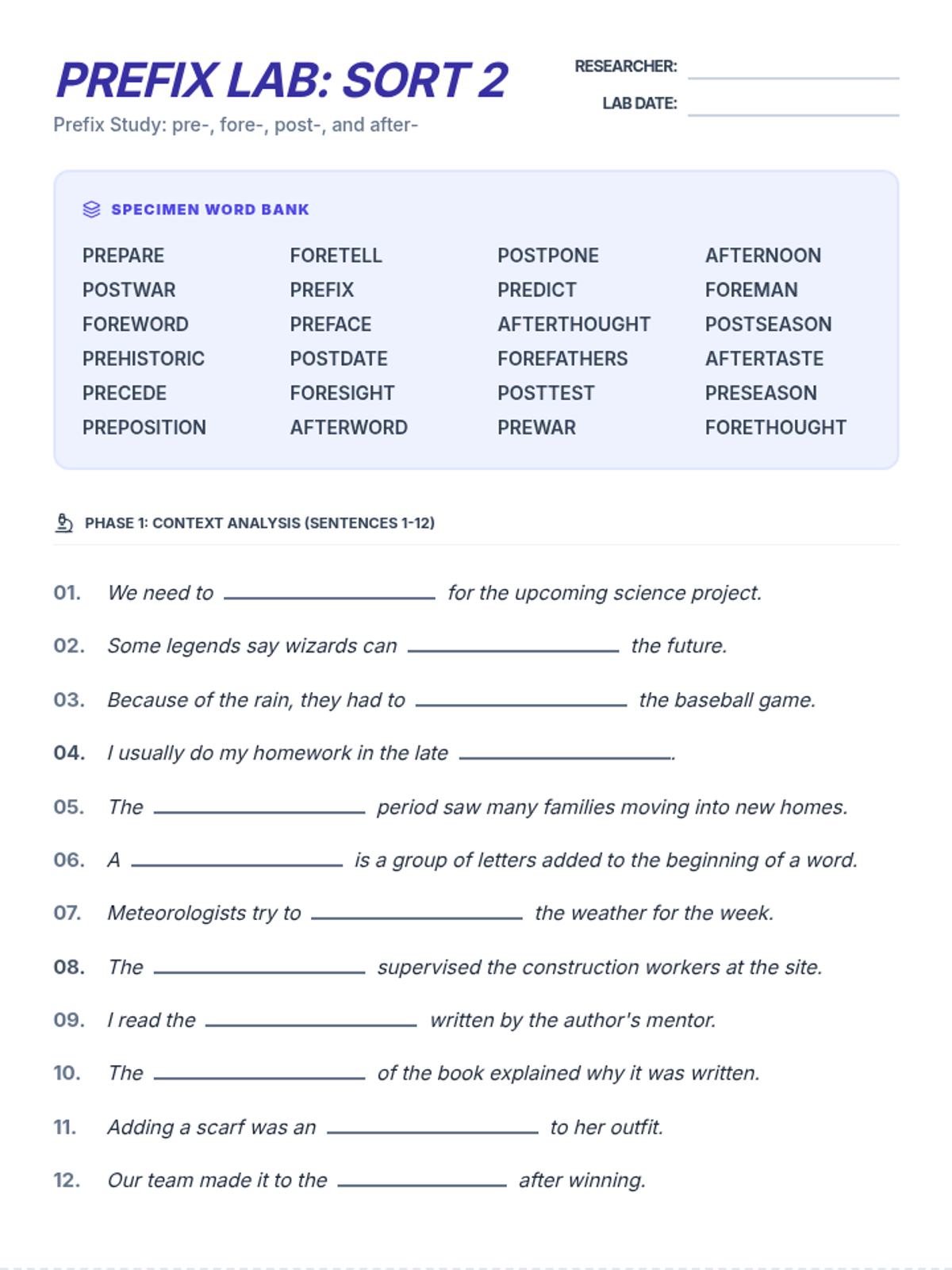
Focusing on time and order prefixes: pre-, fore-, post-, and after-.
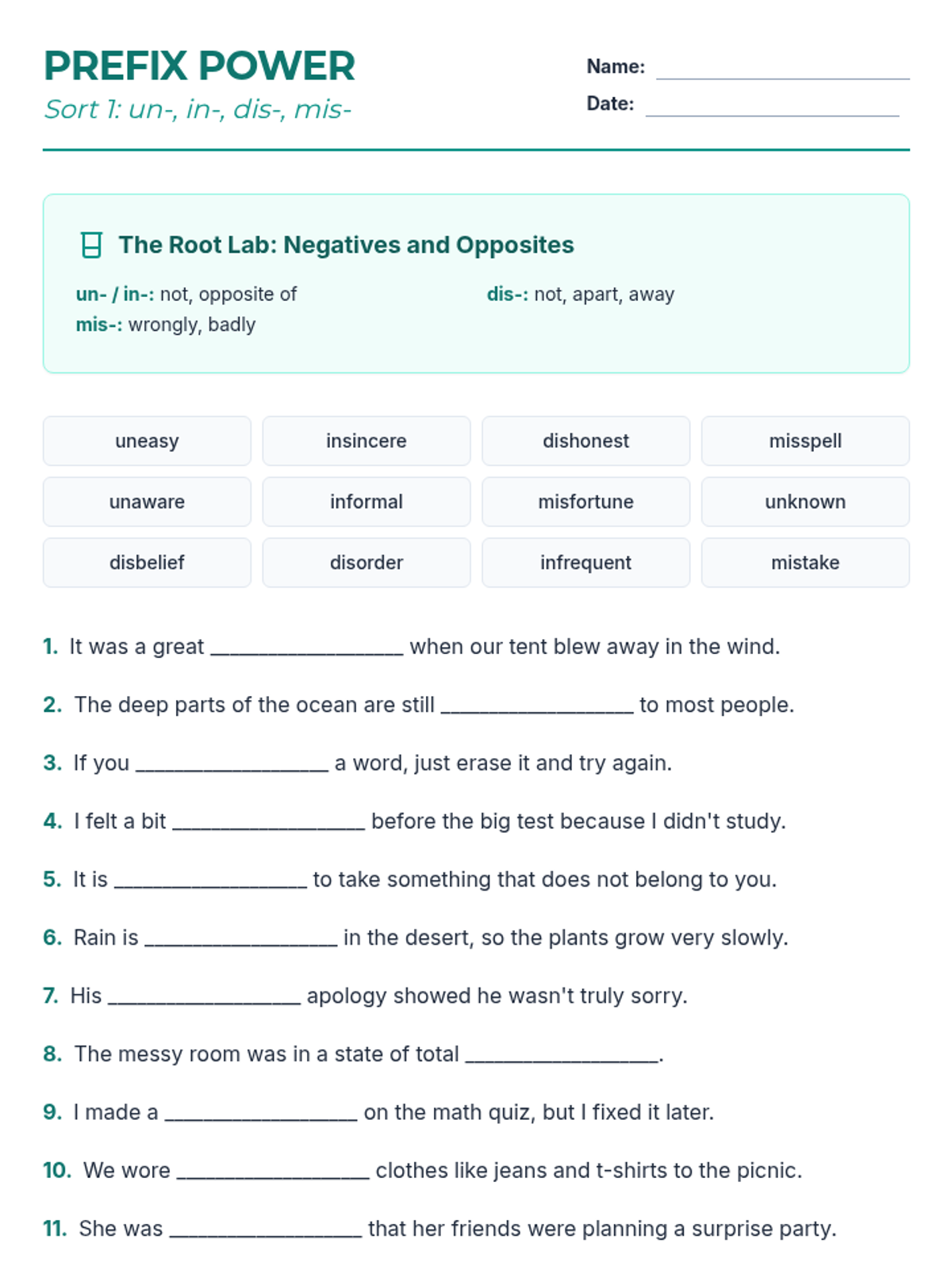
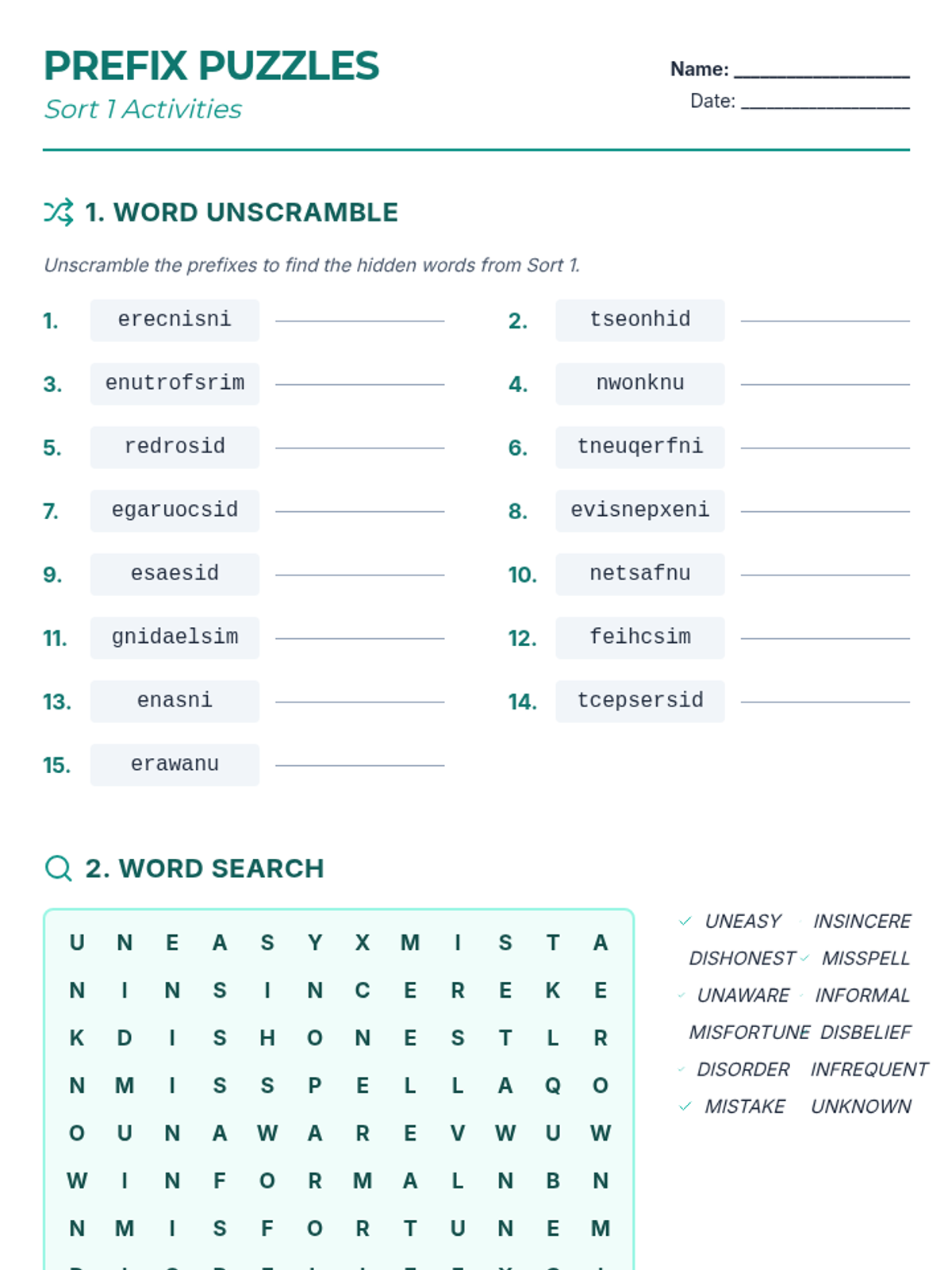
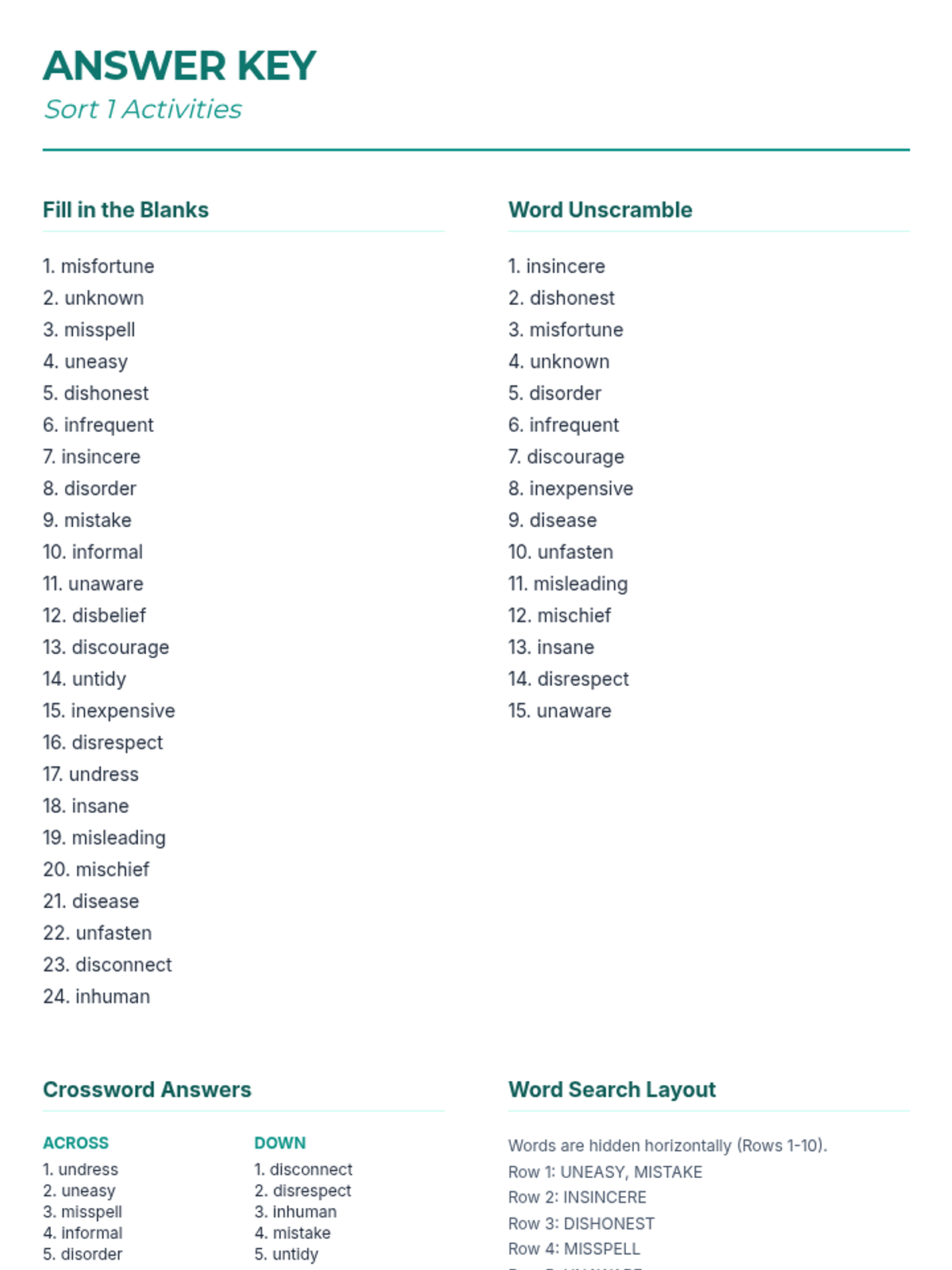
Introduction to negative and opposite prefixes: un-, in-, dis-, and mis-.
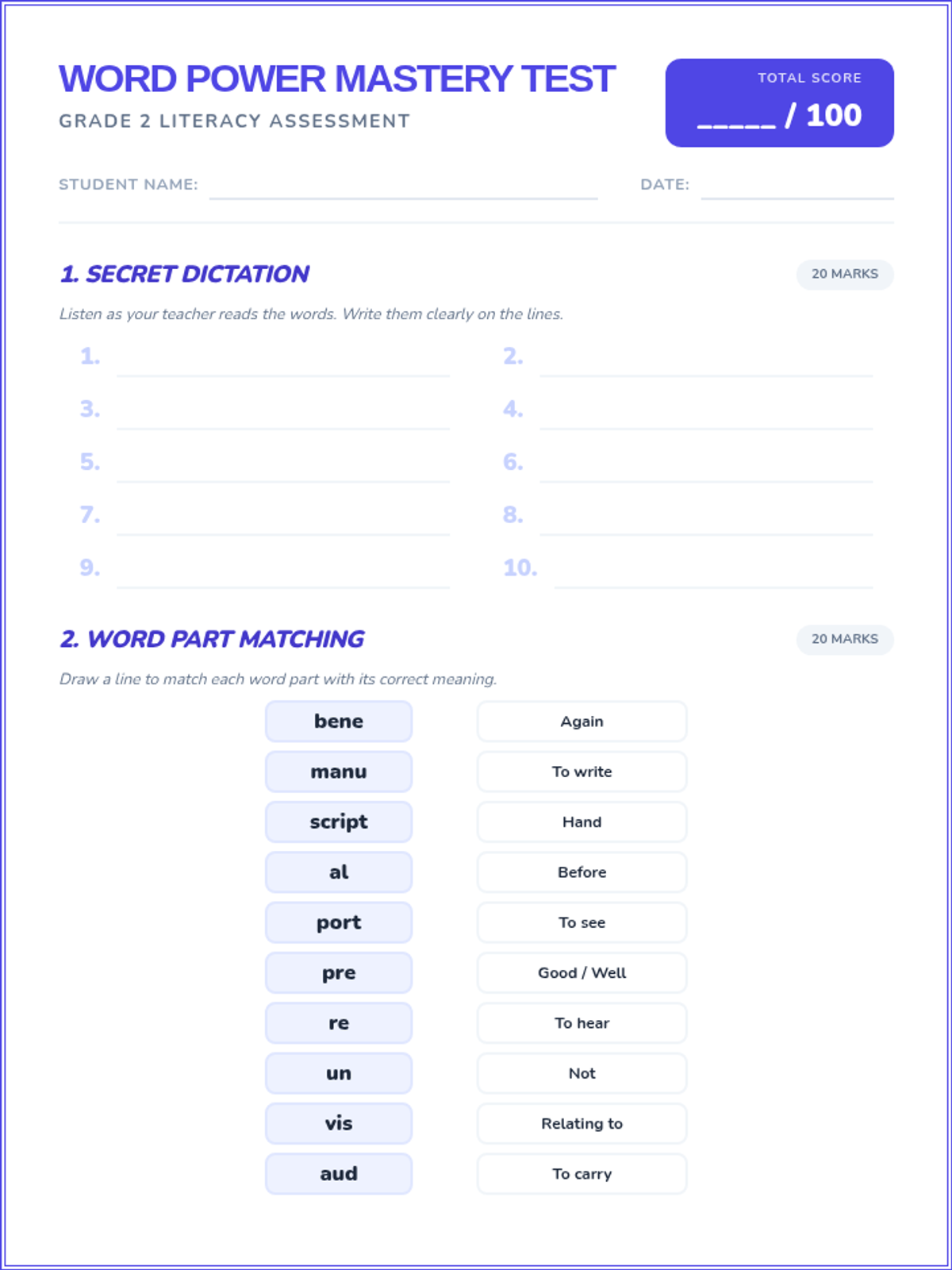
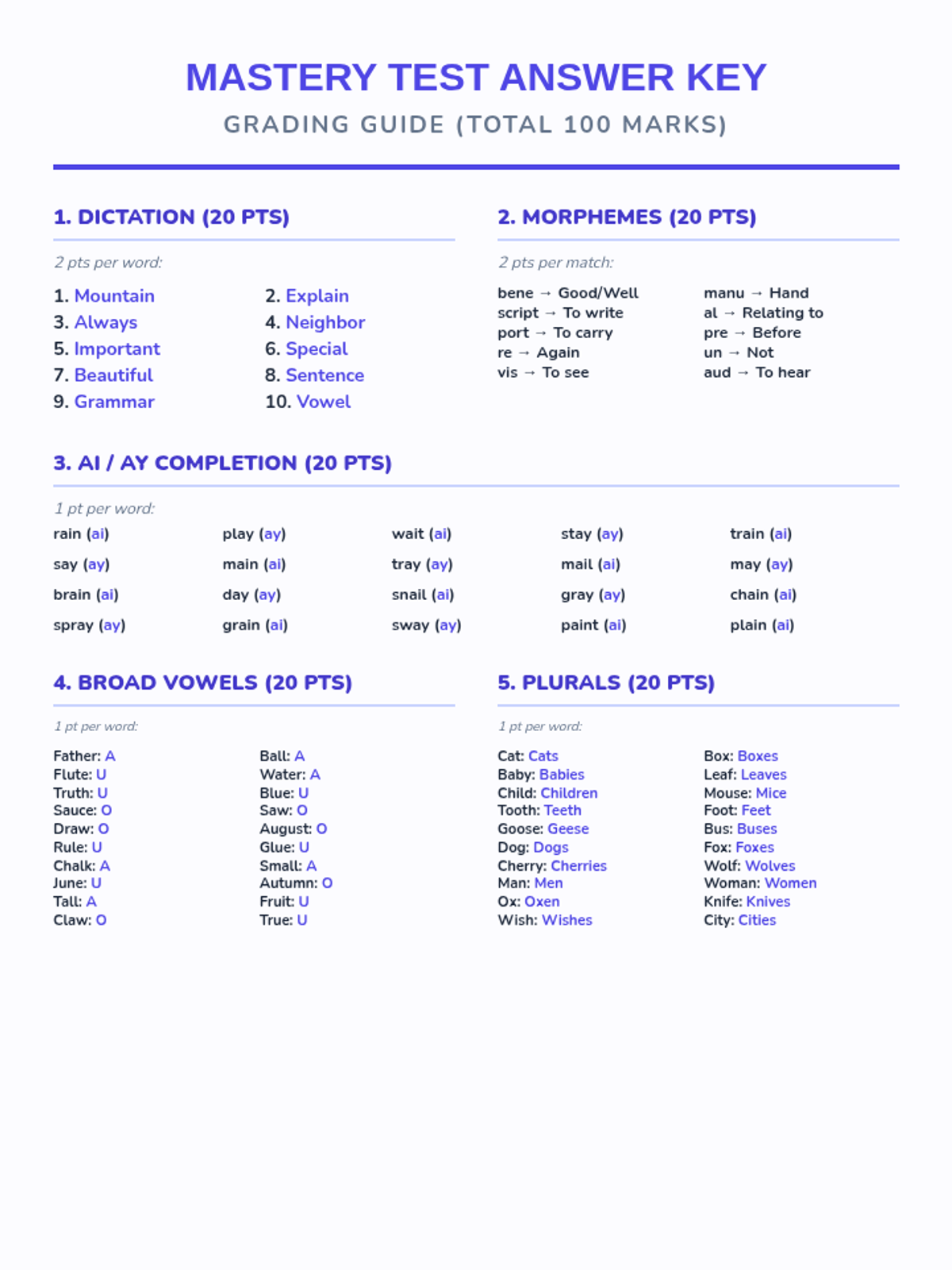
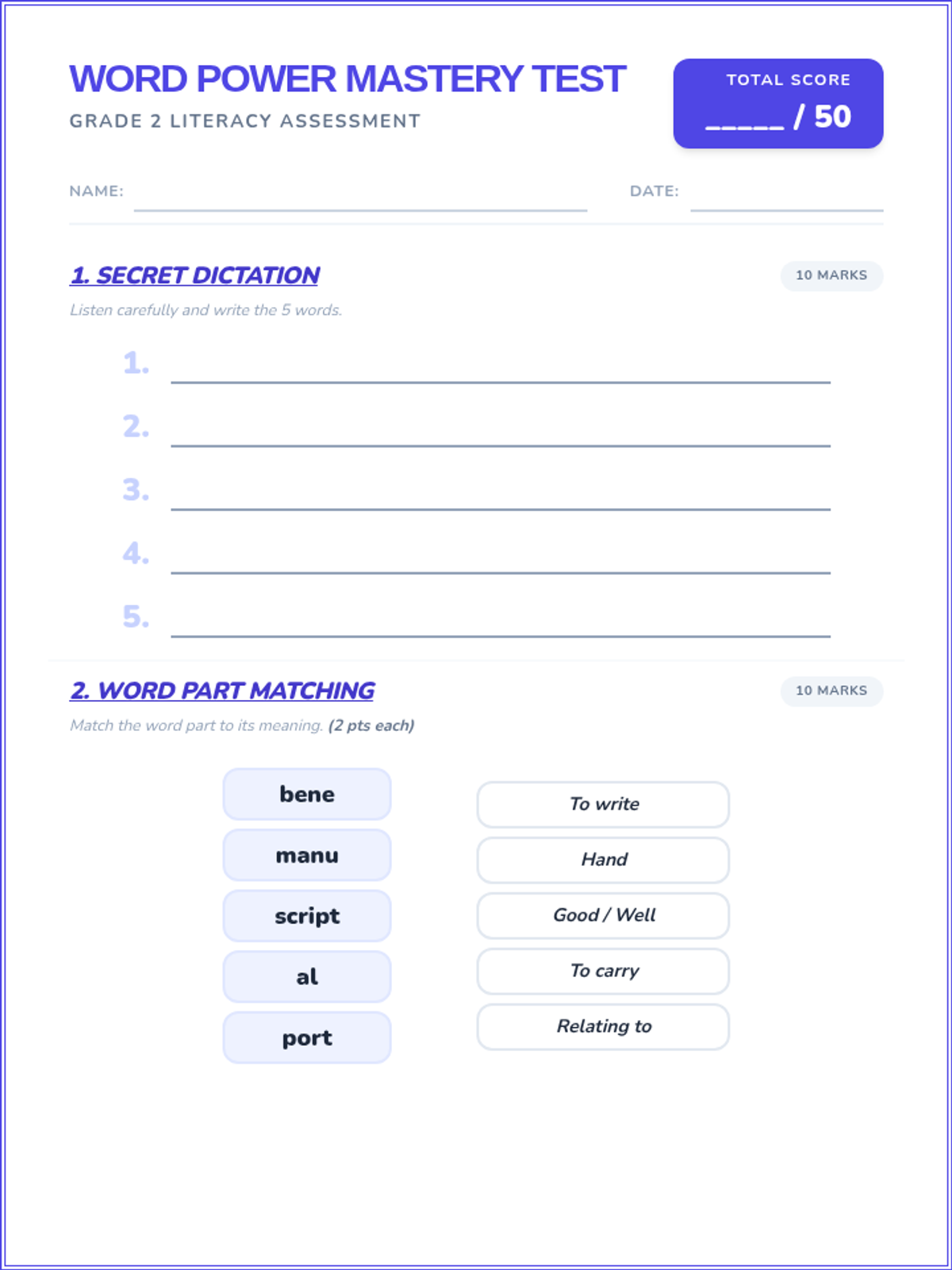
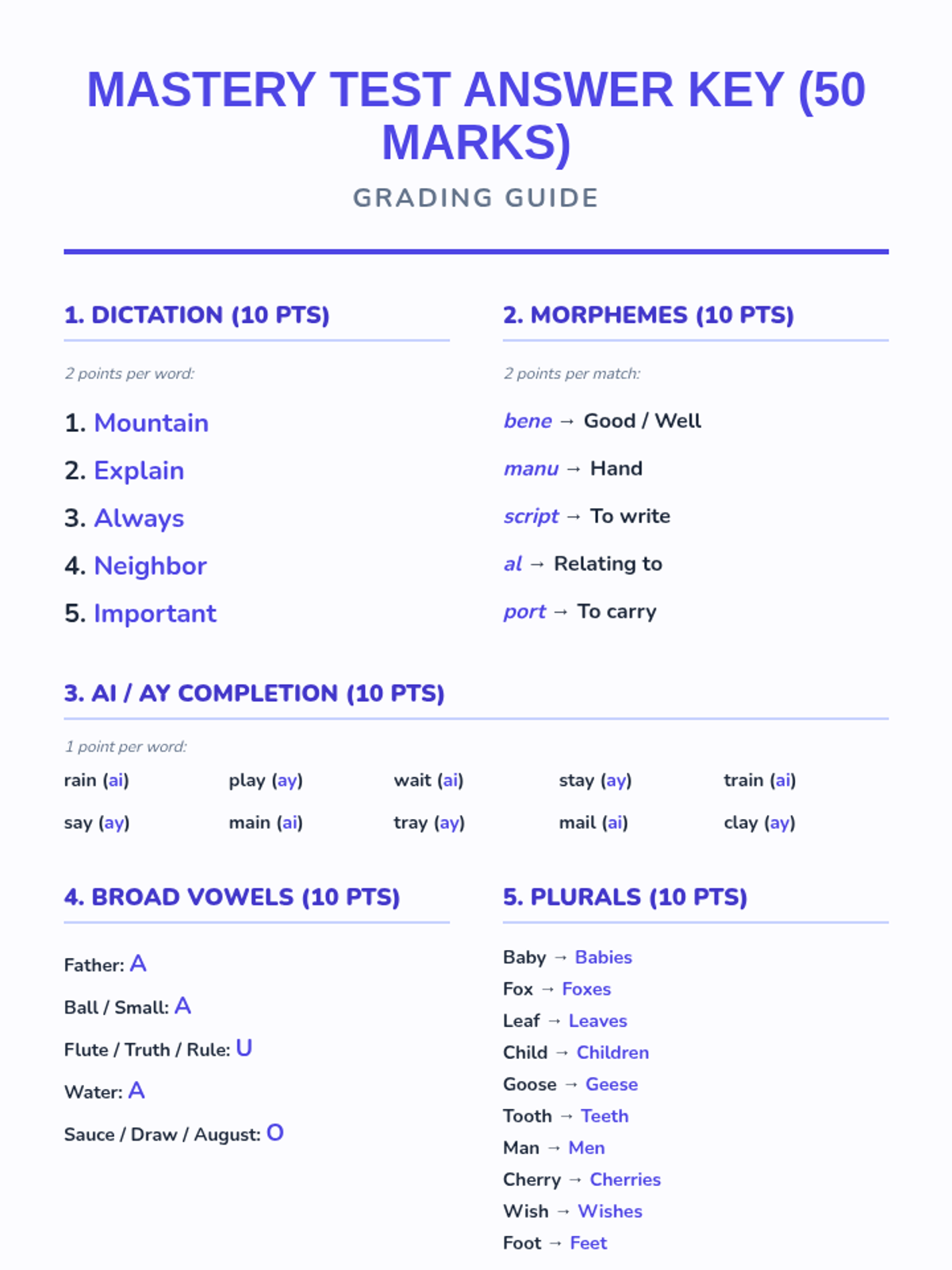
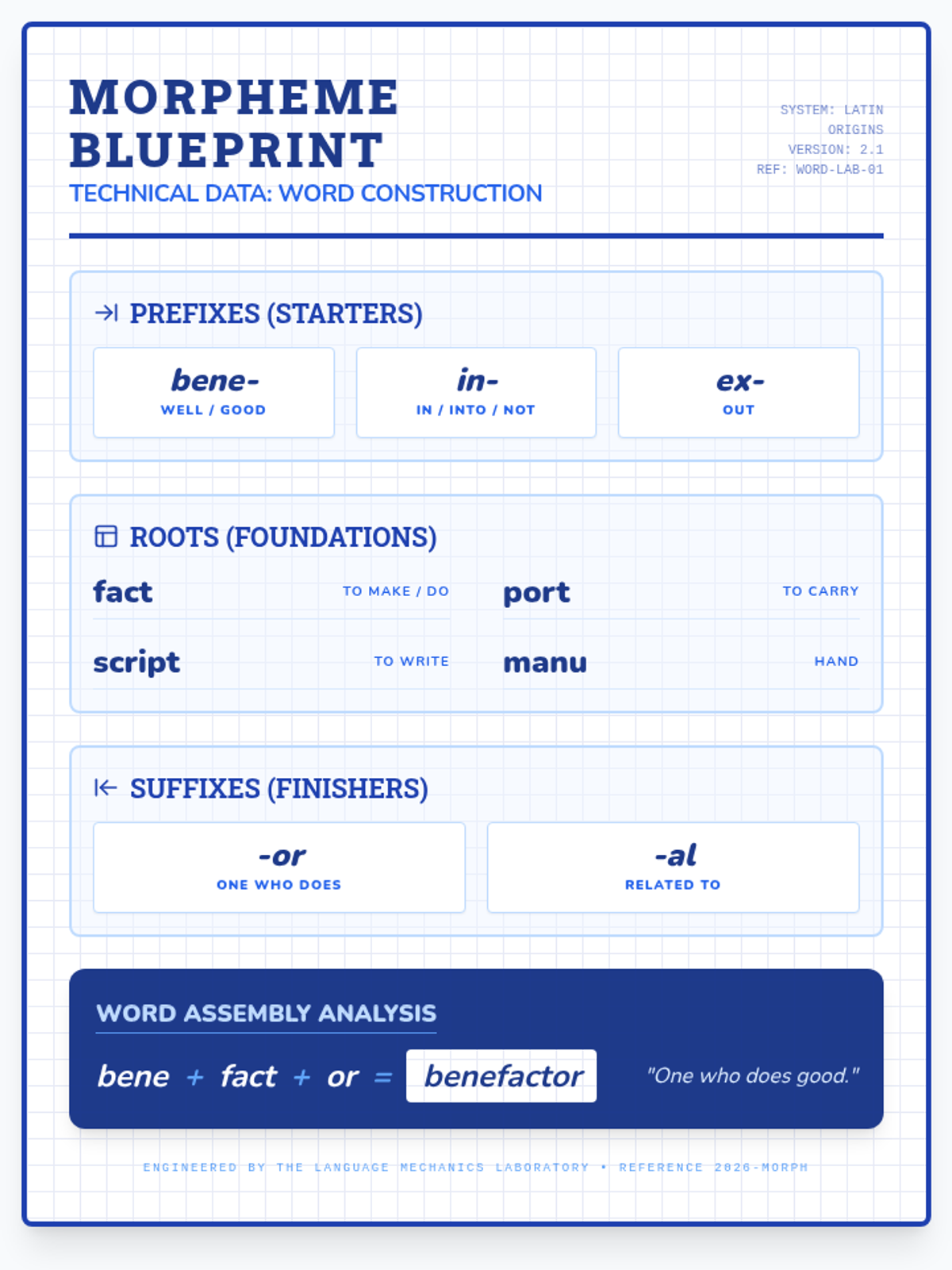
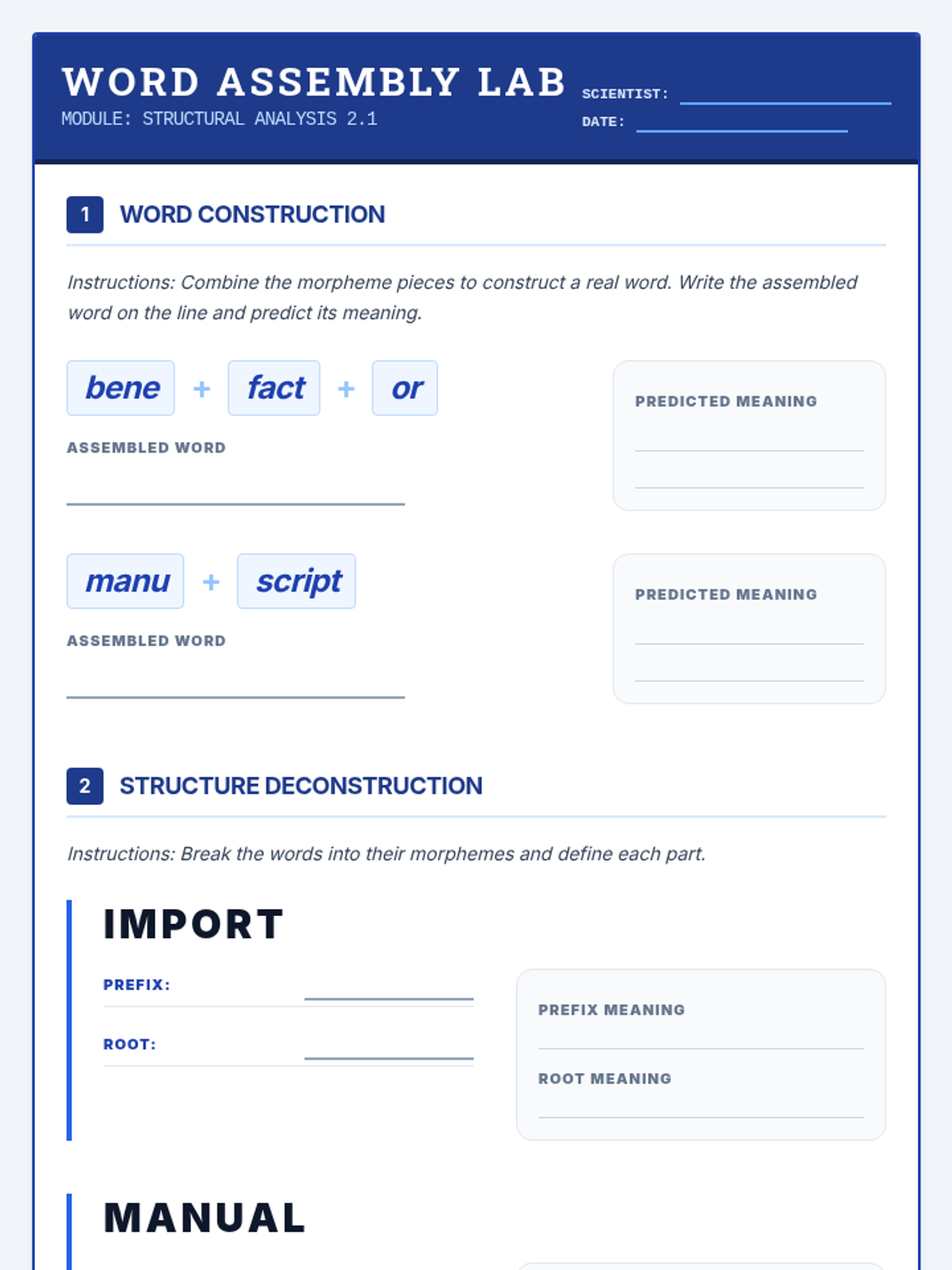
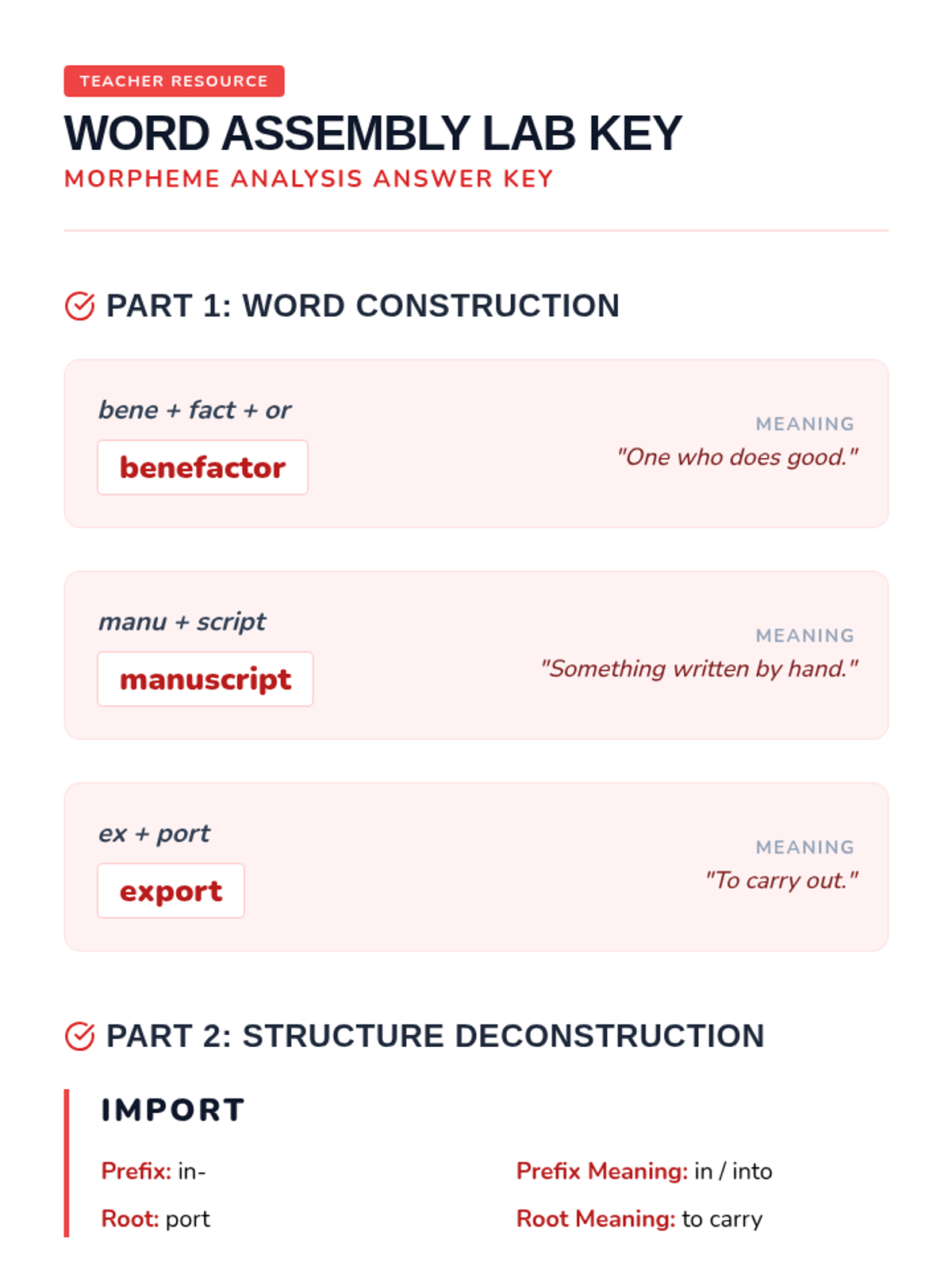
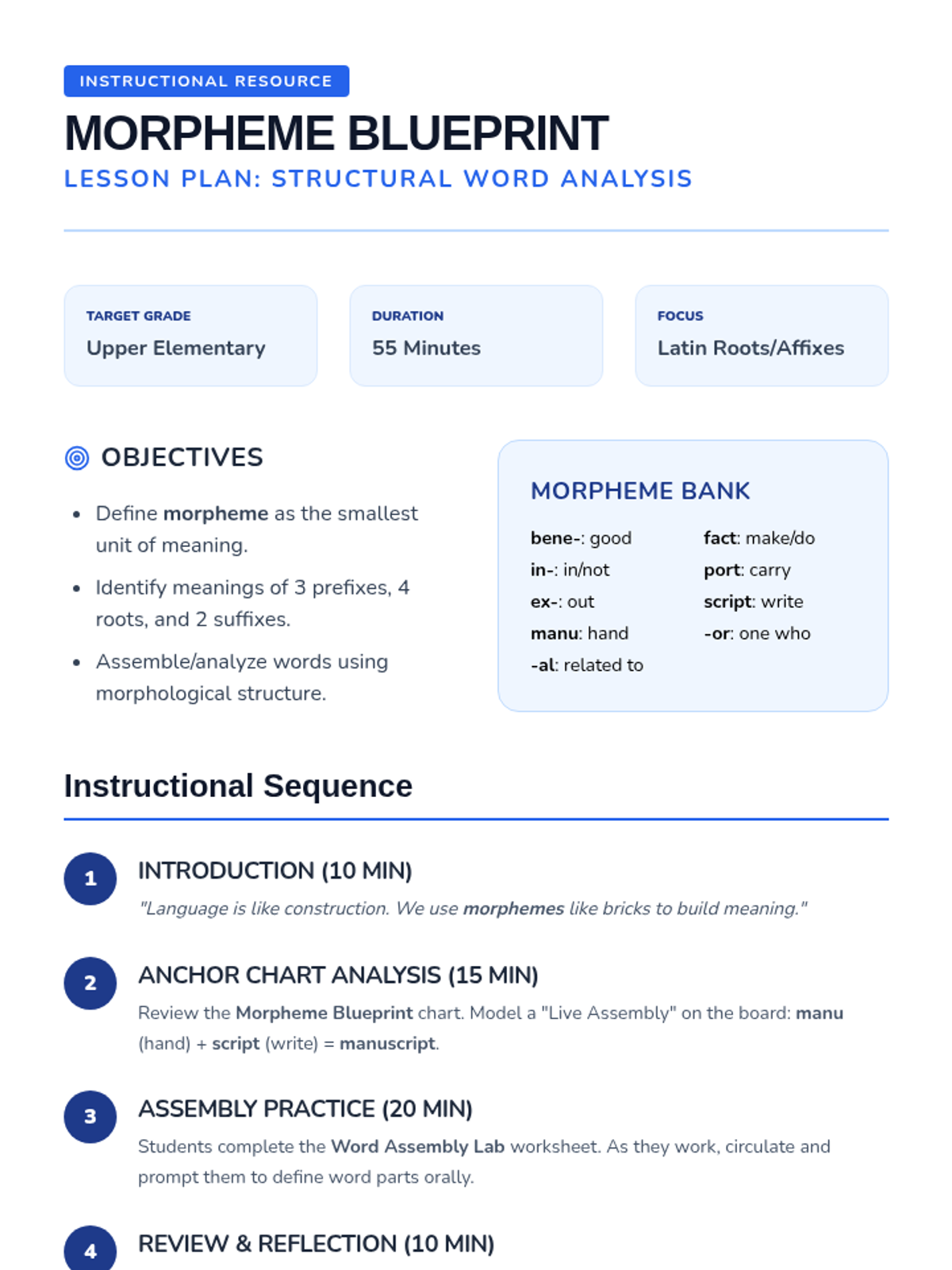
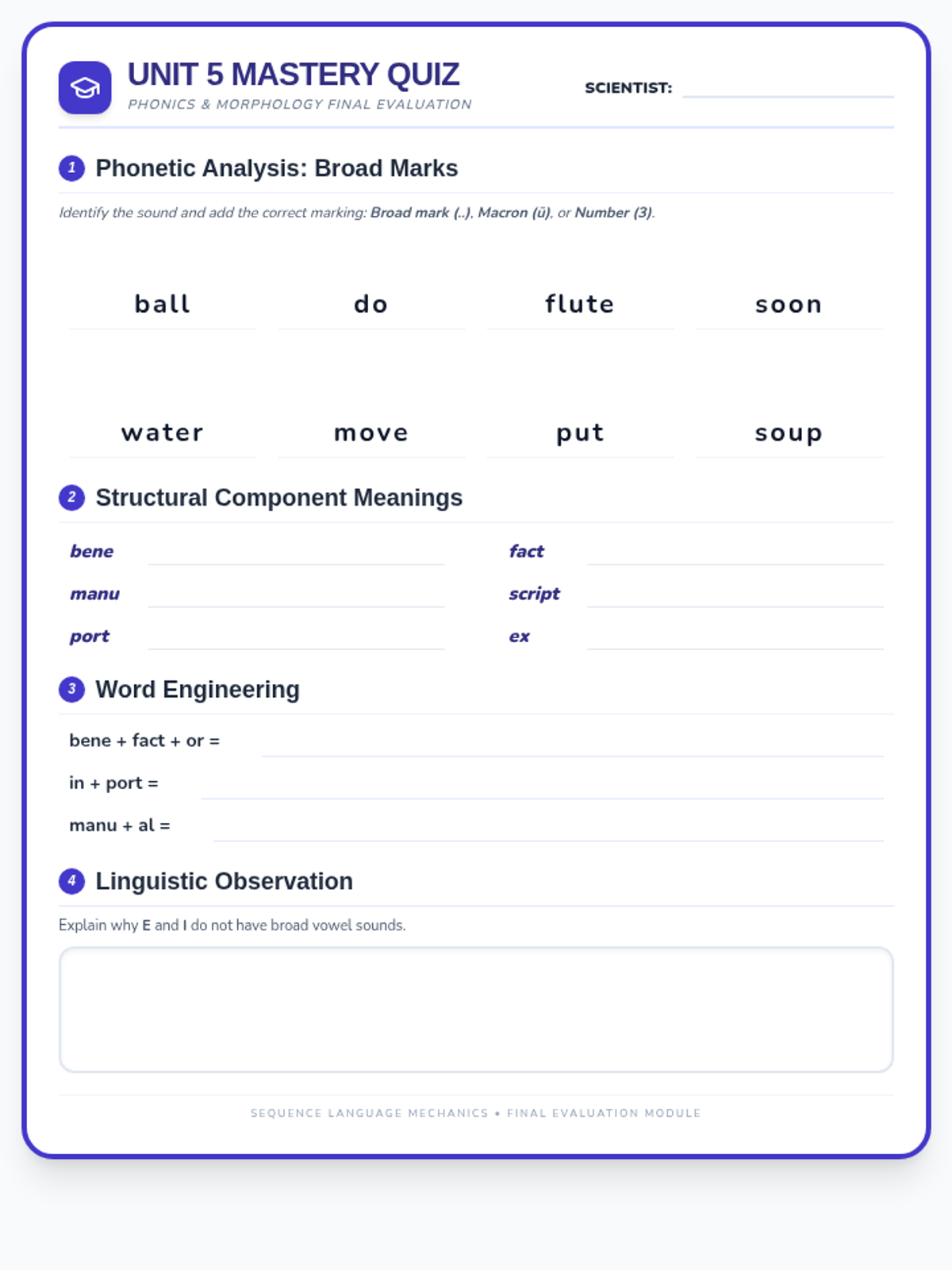
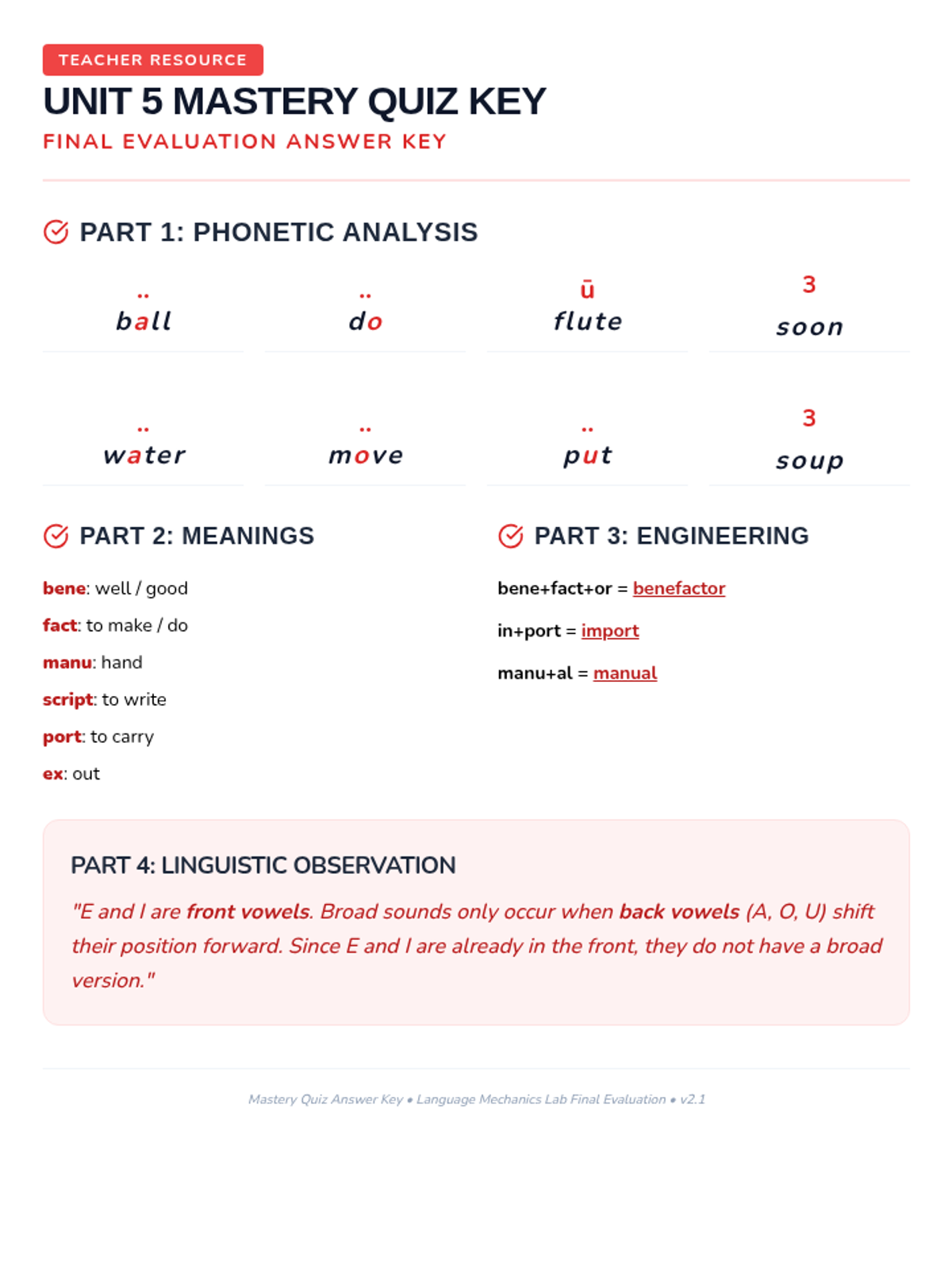
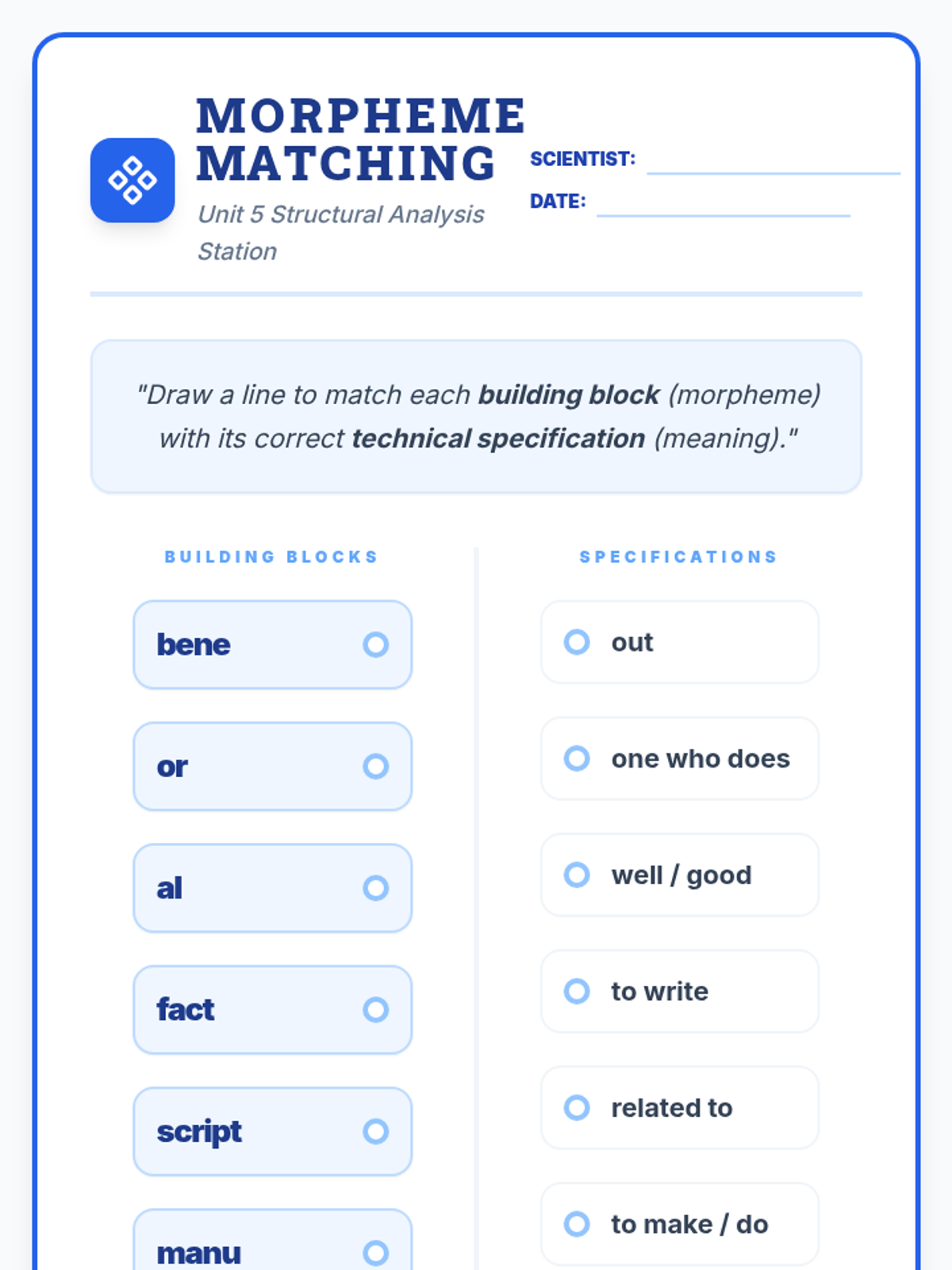
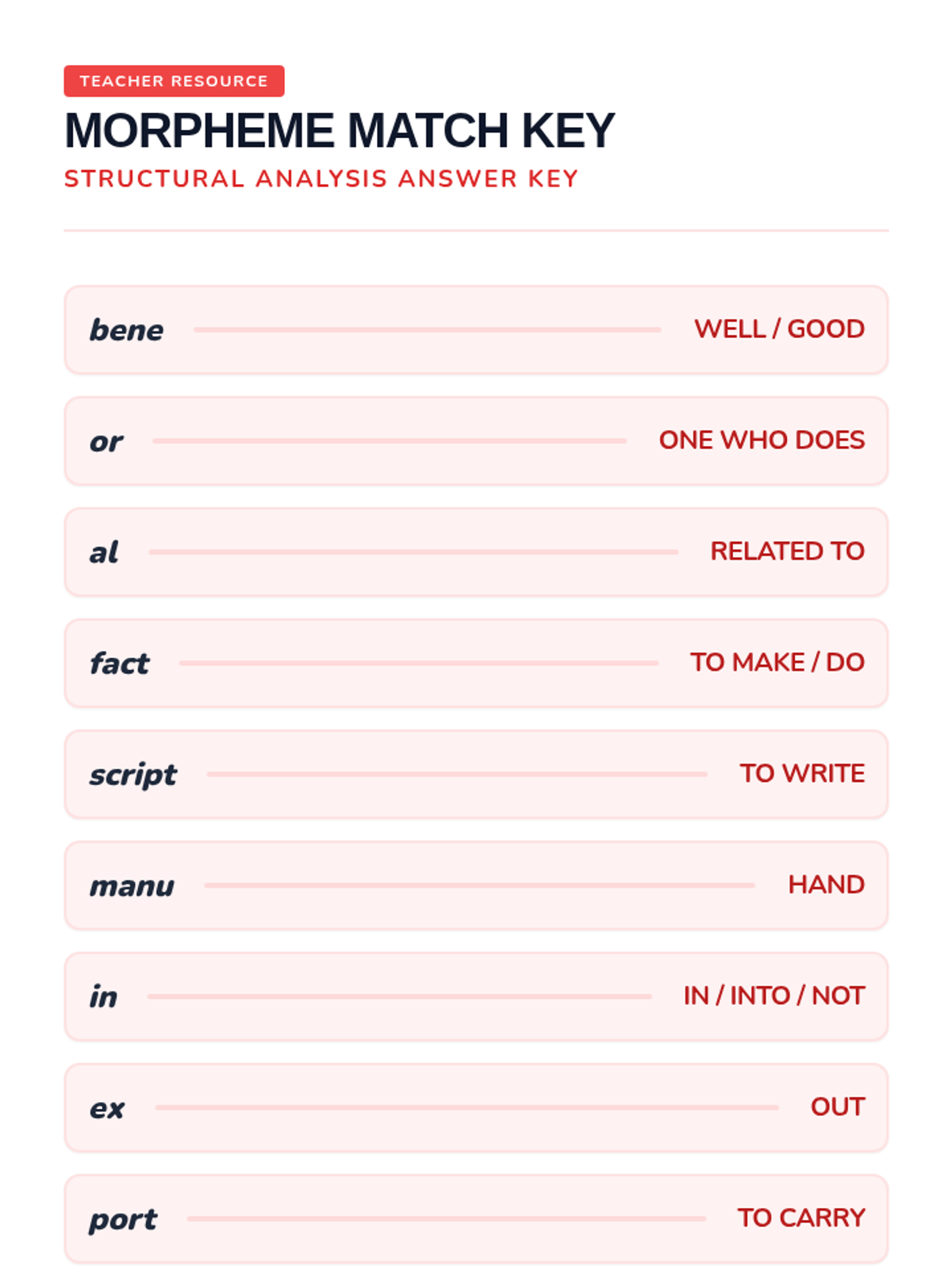
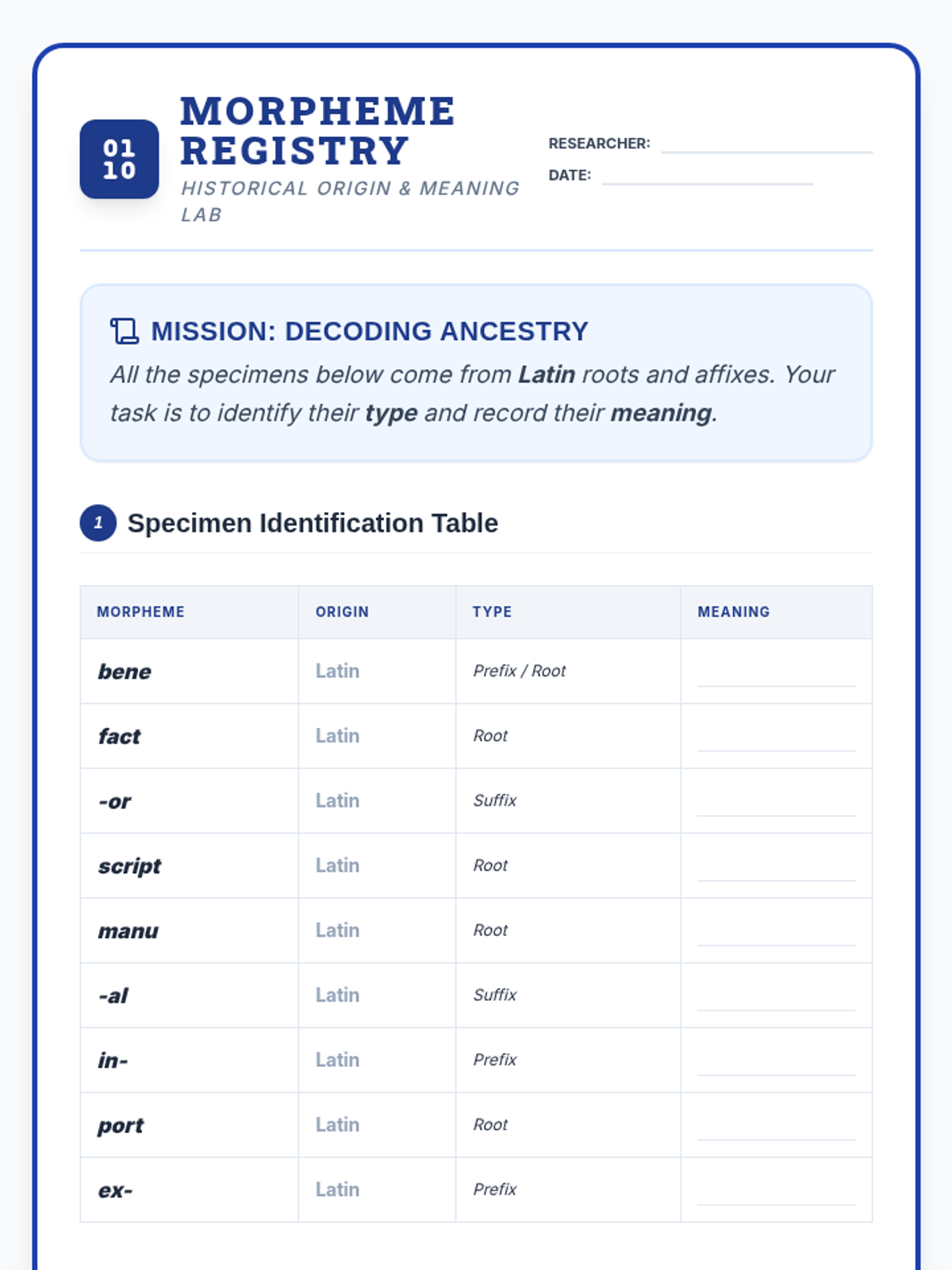
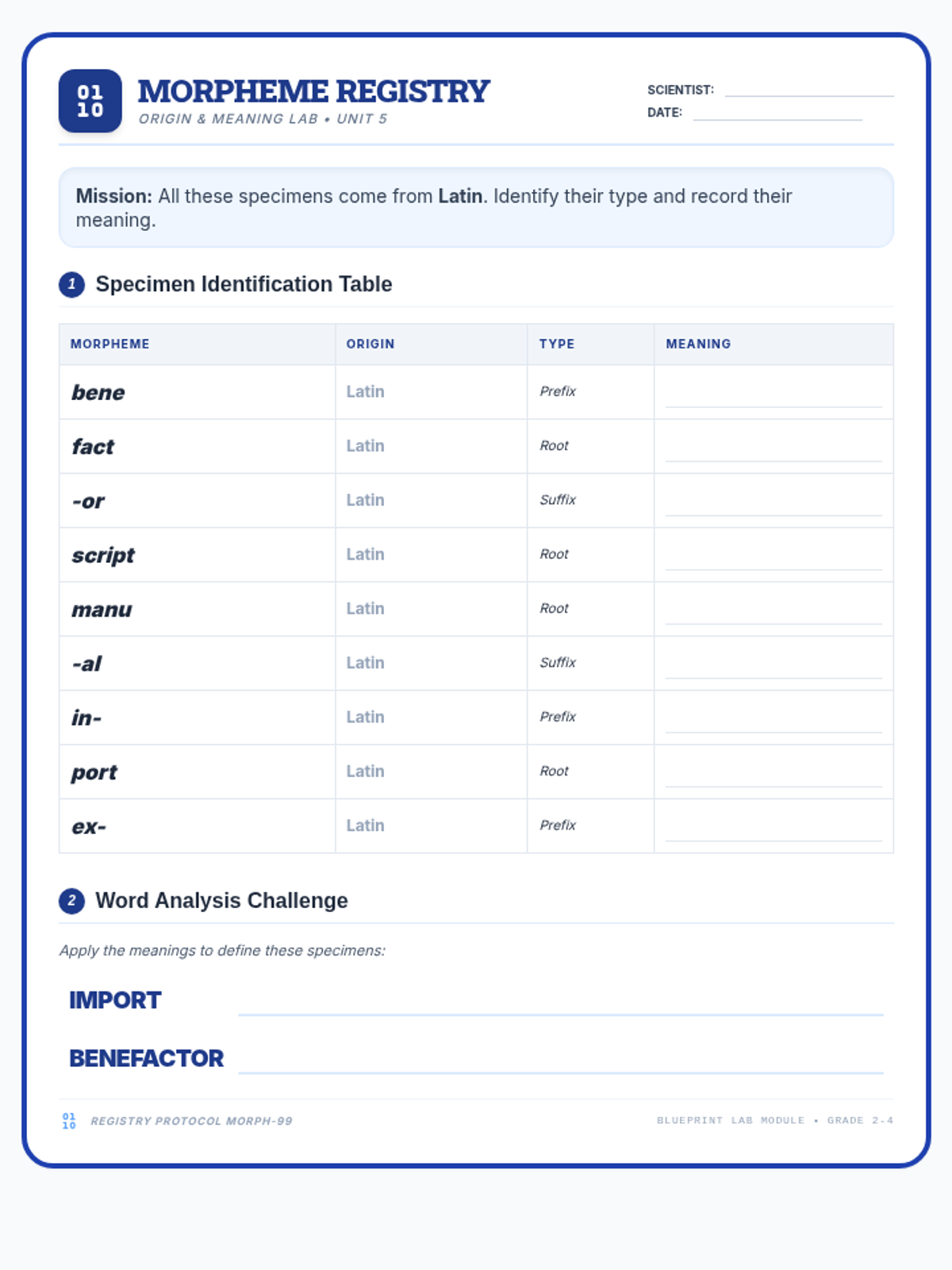
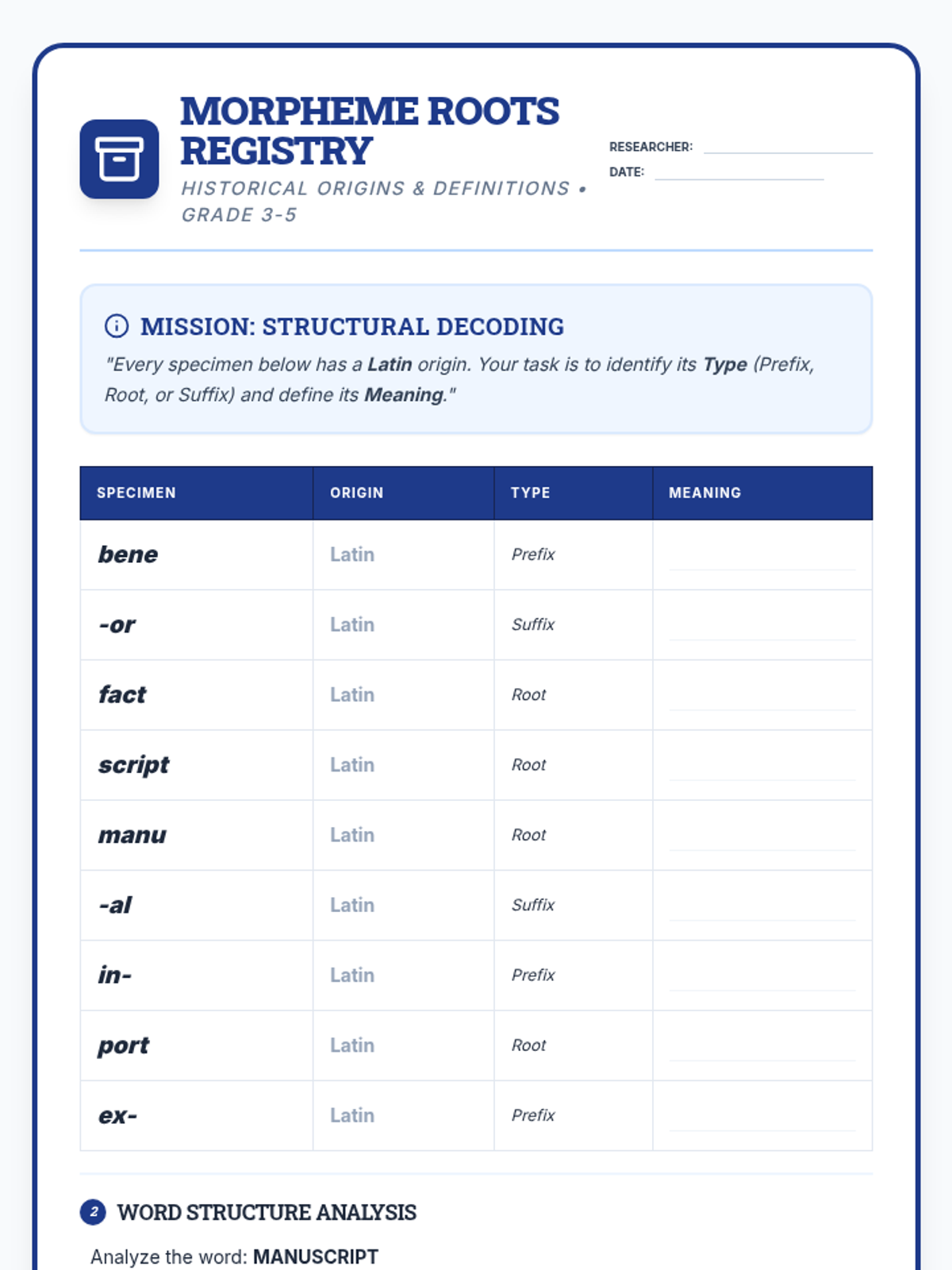
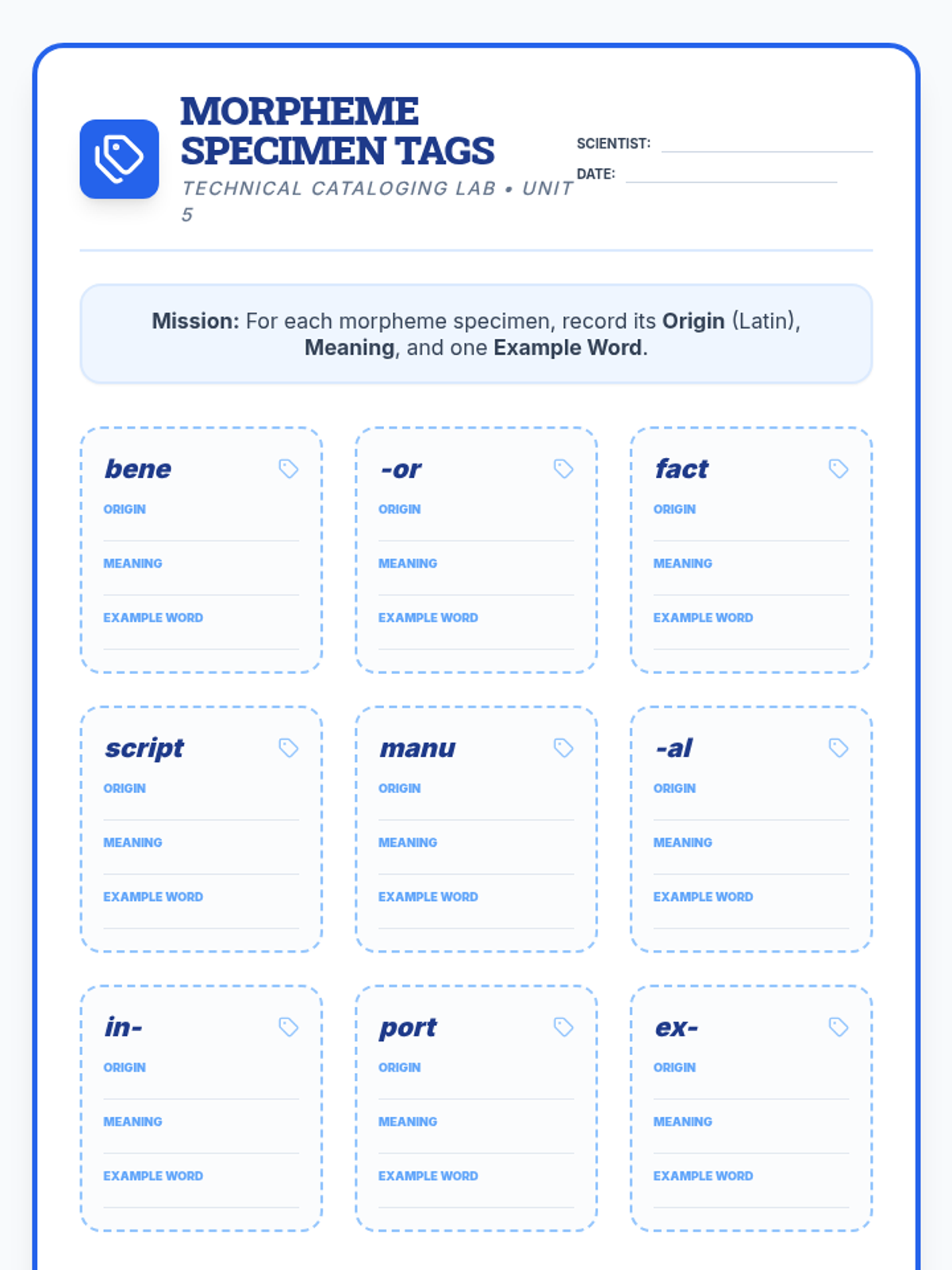
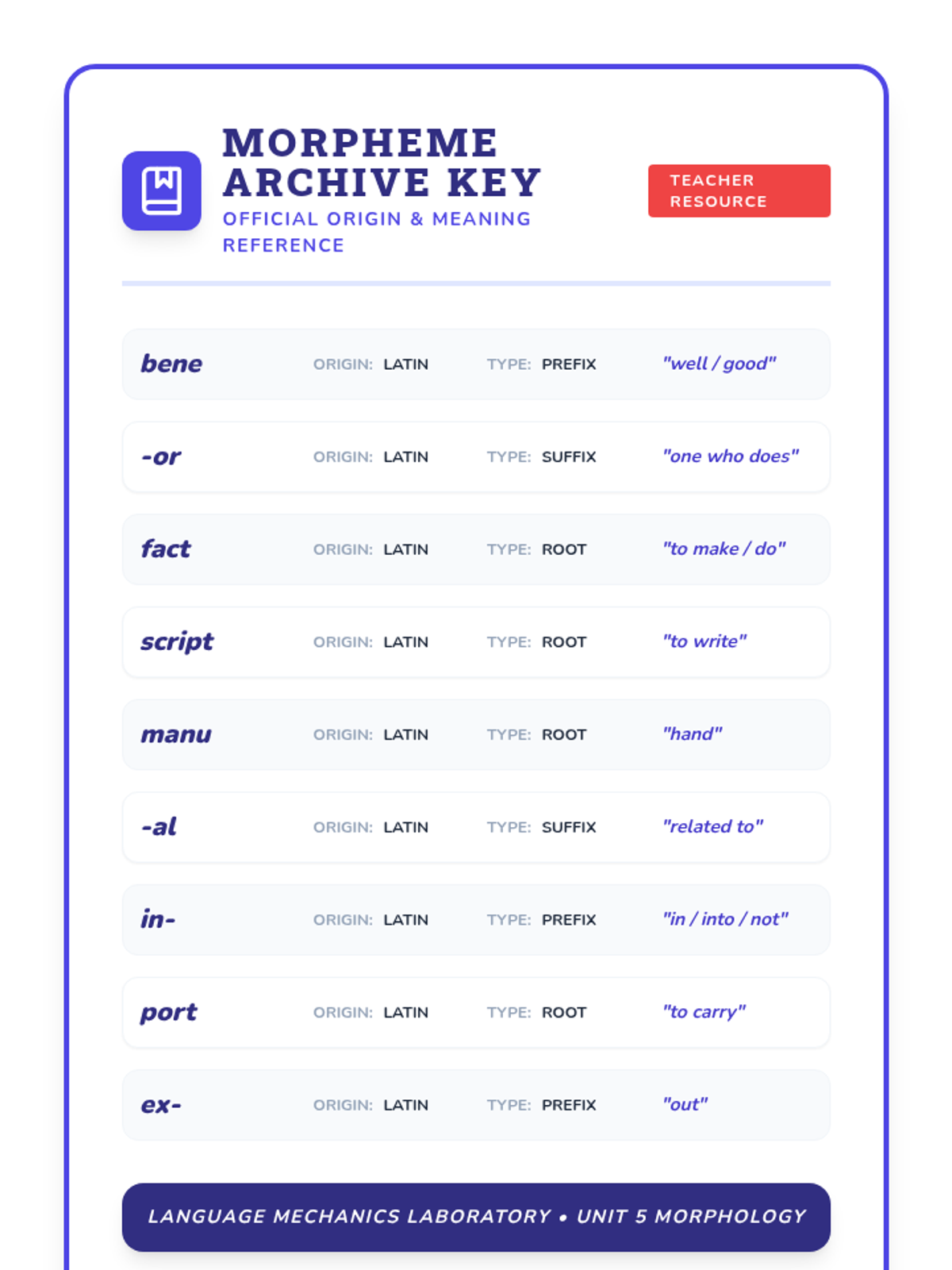
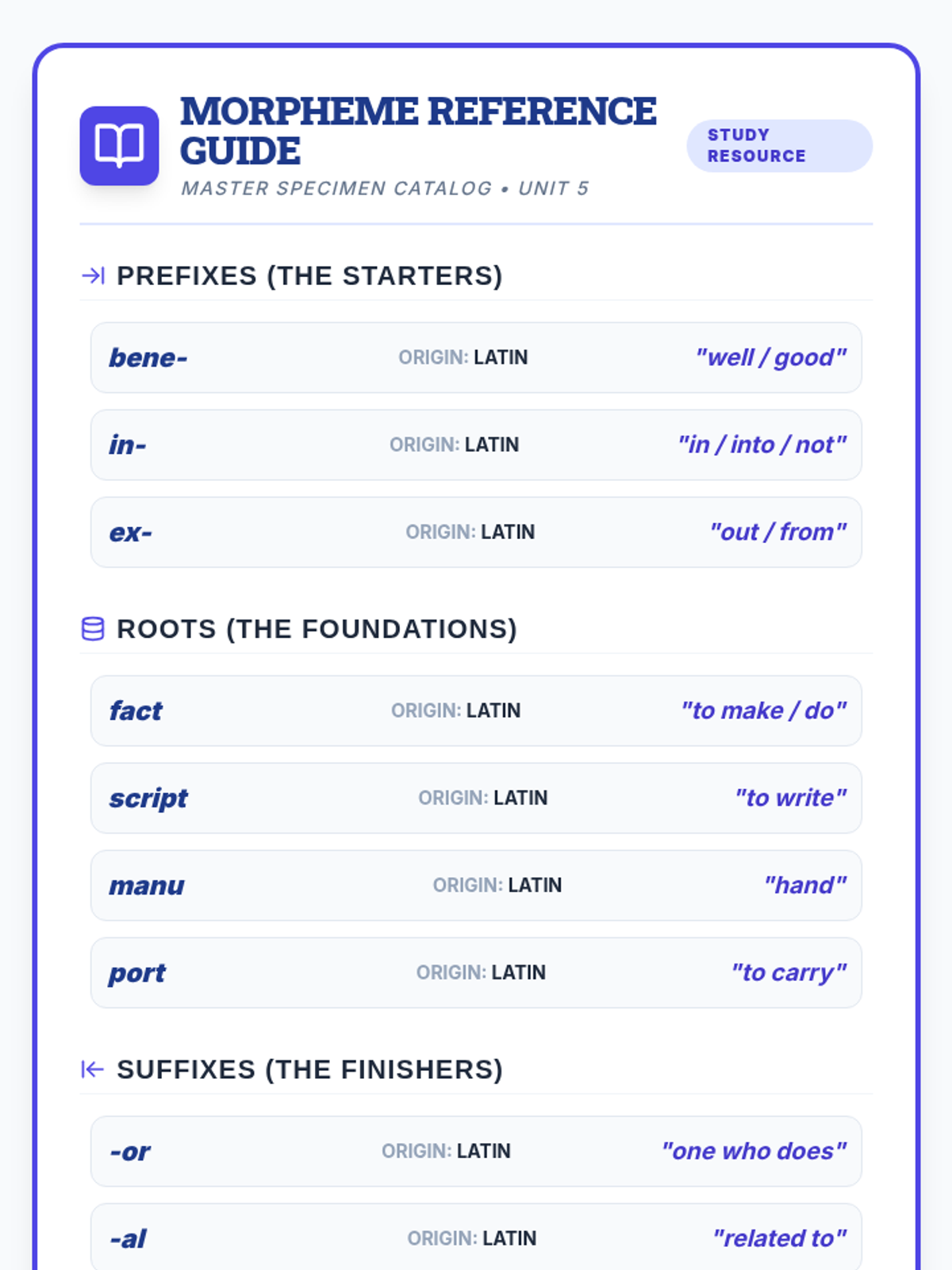
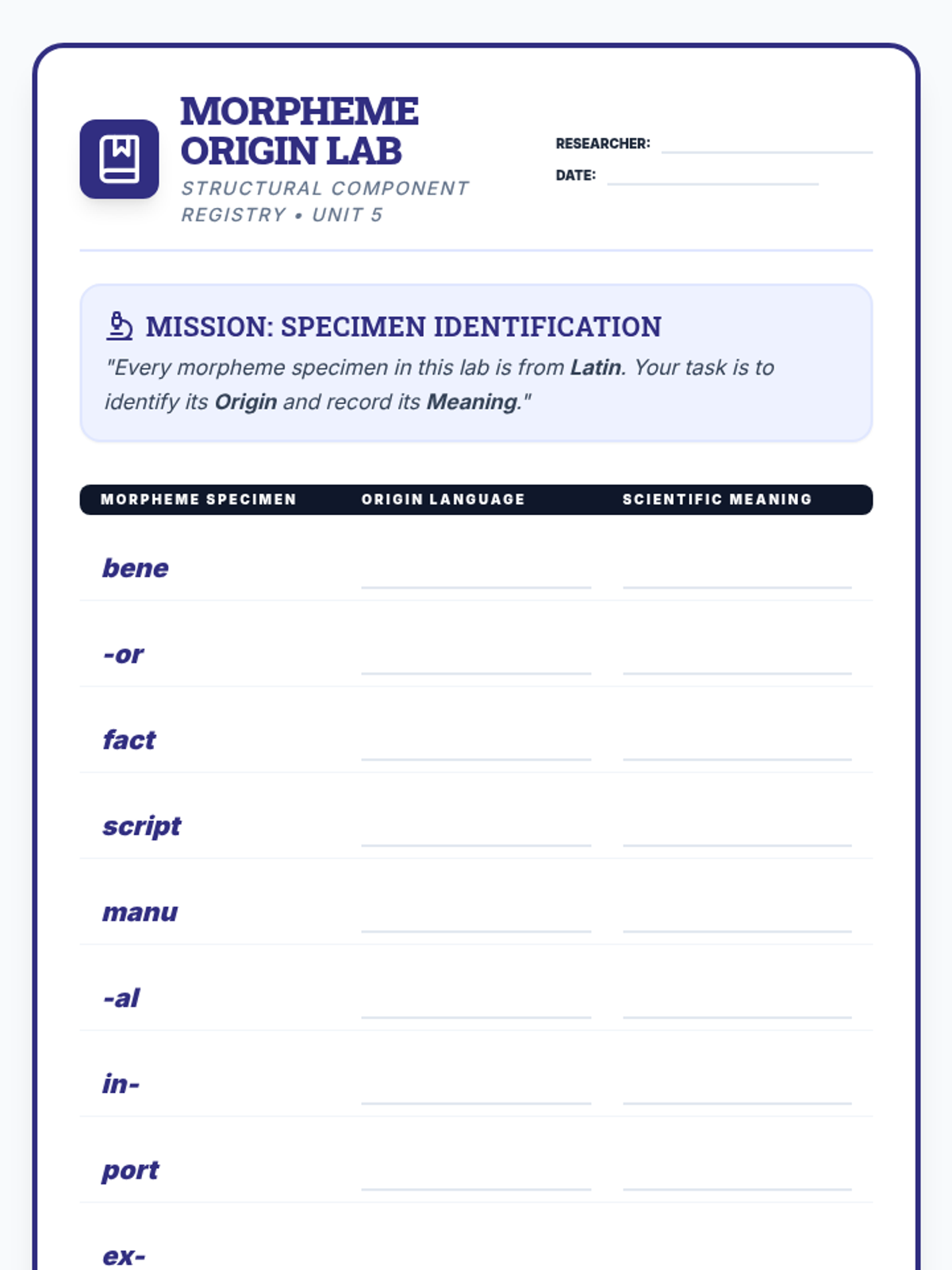
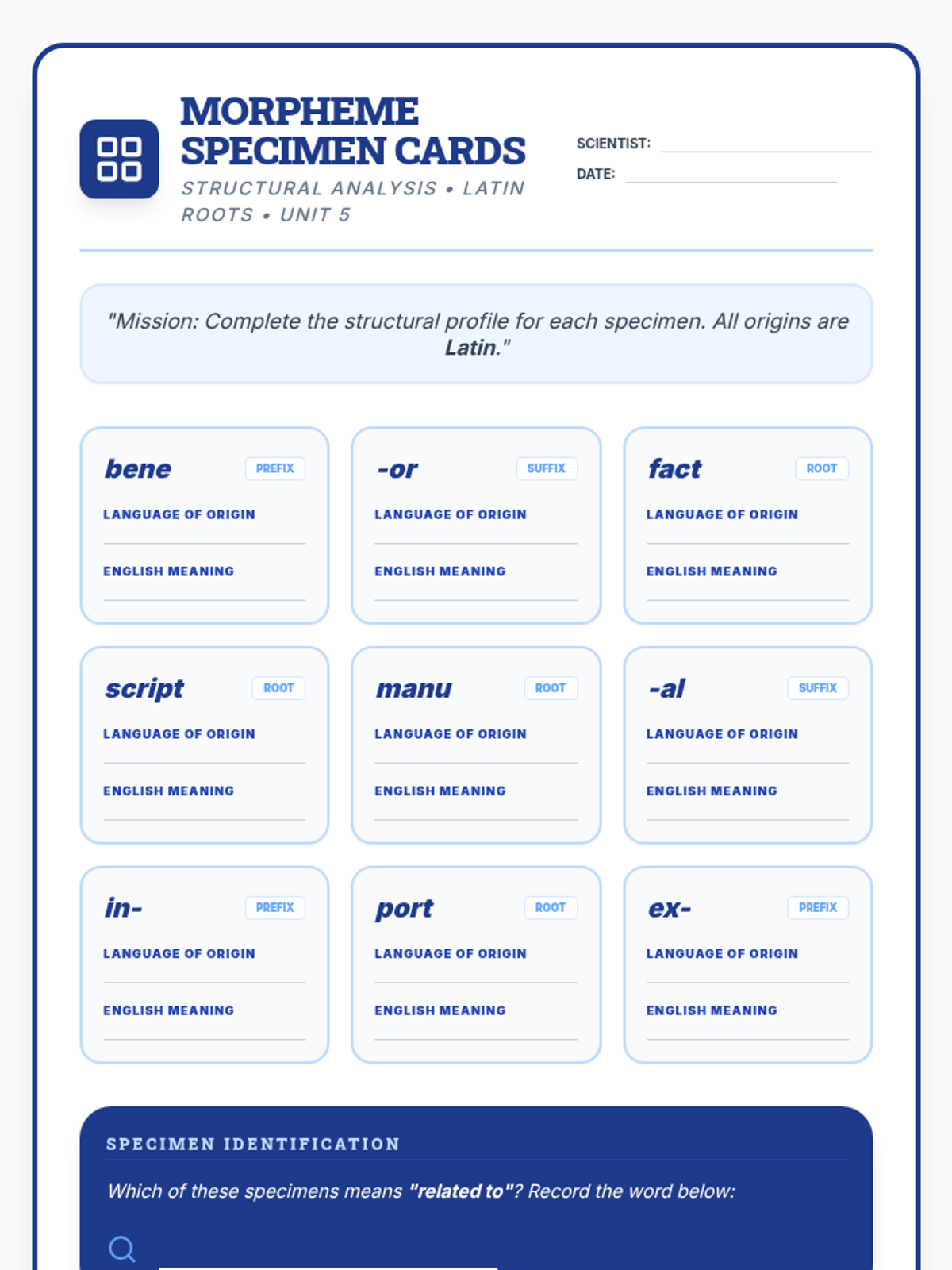
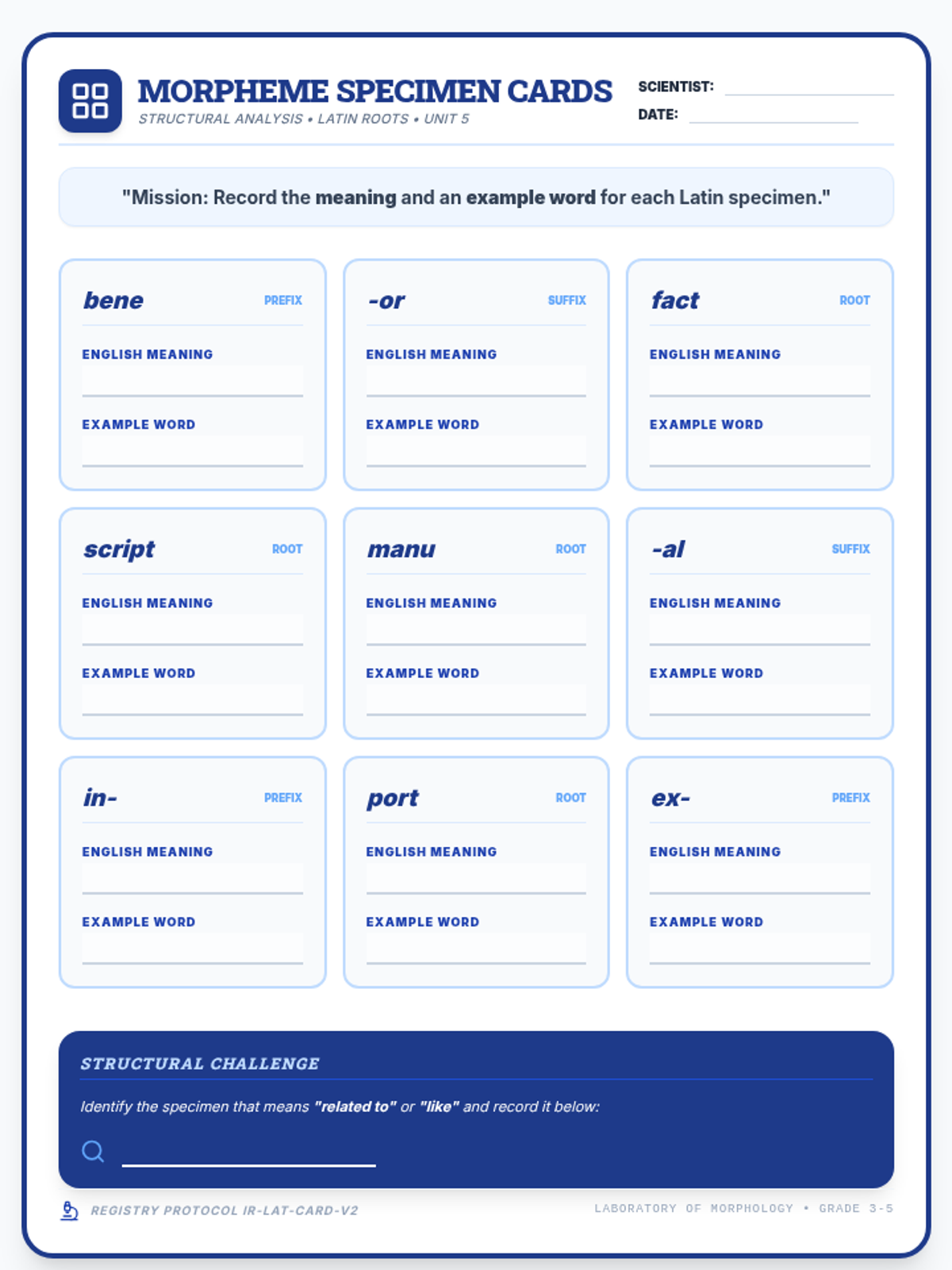
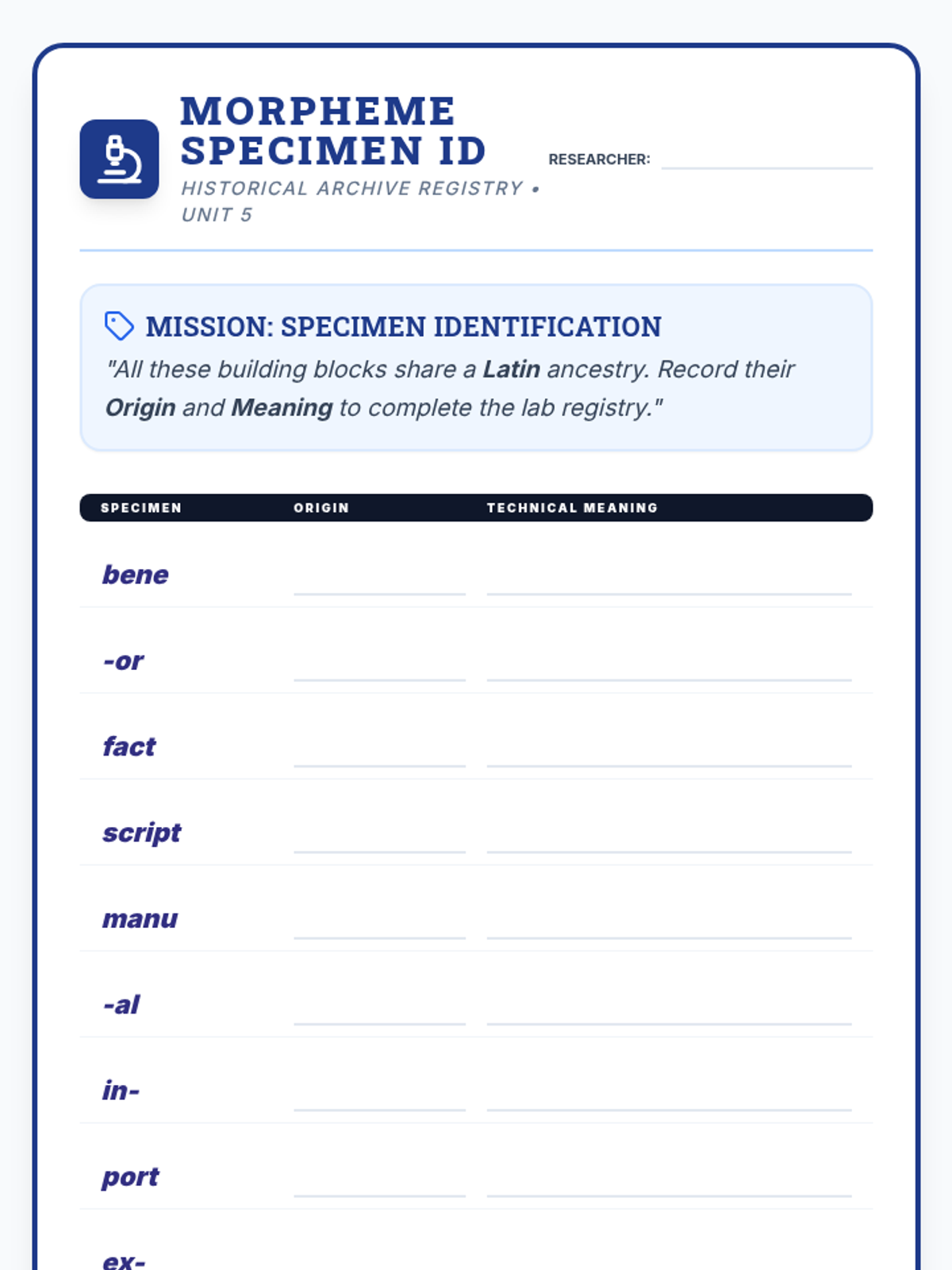
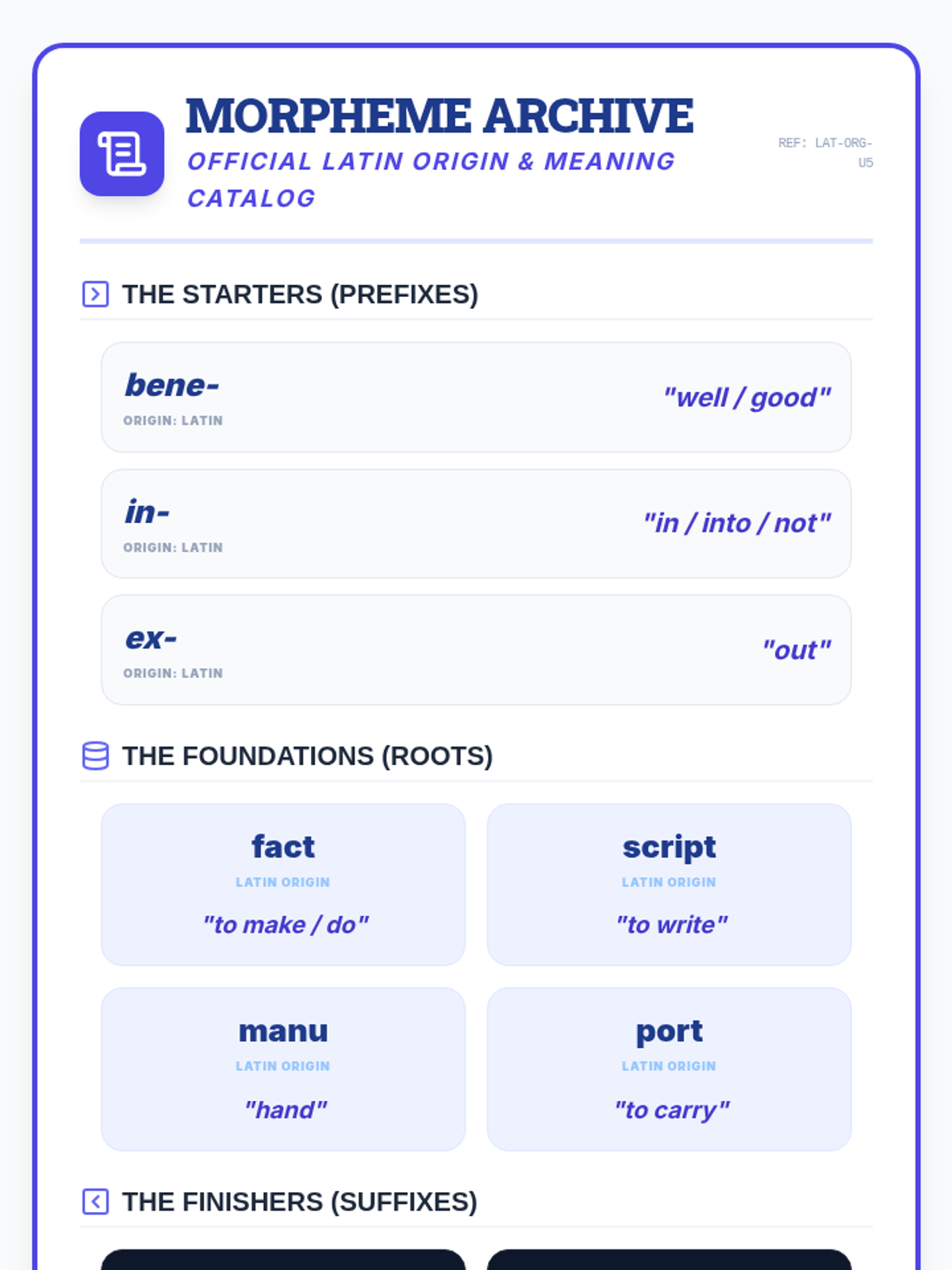
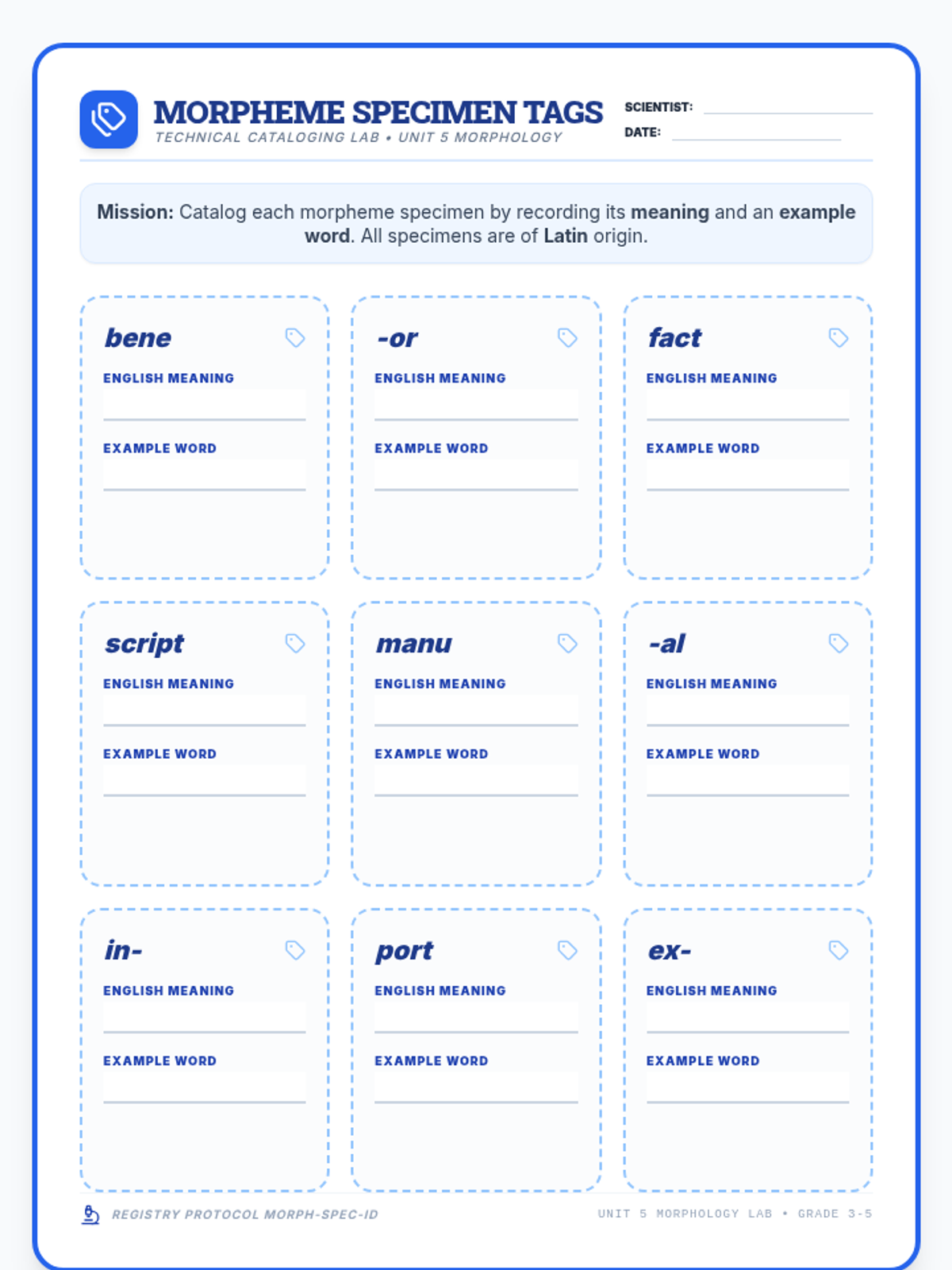
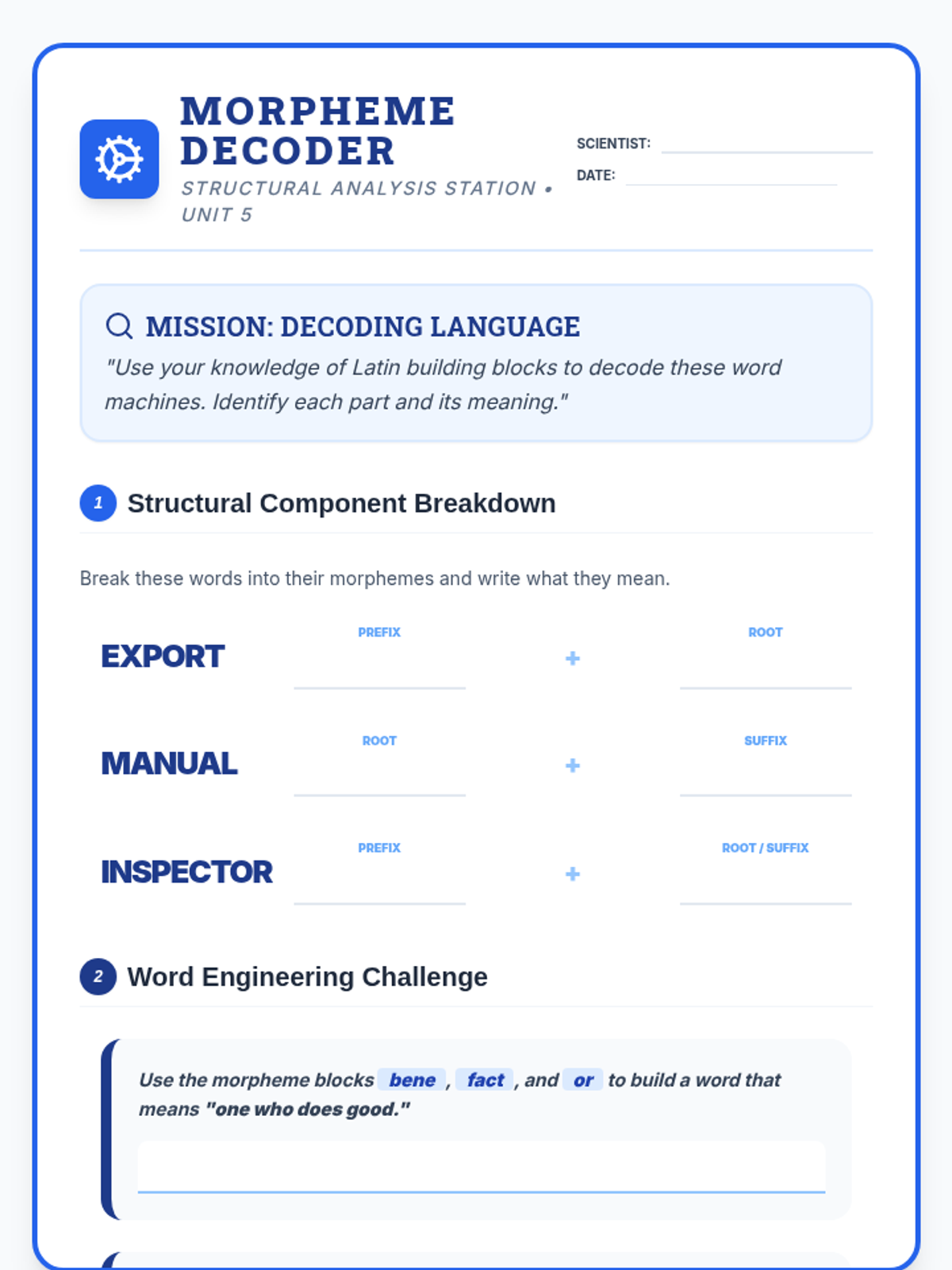
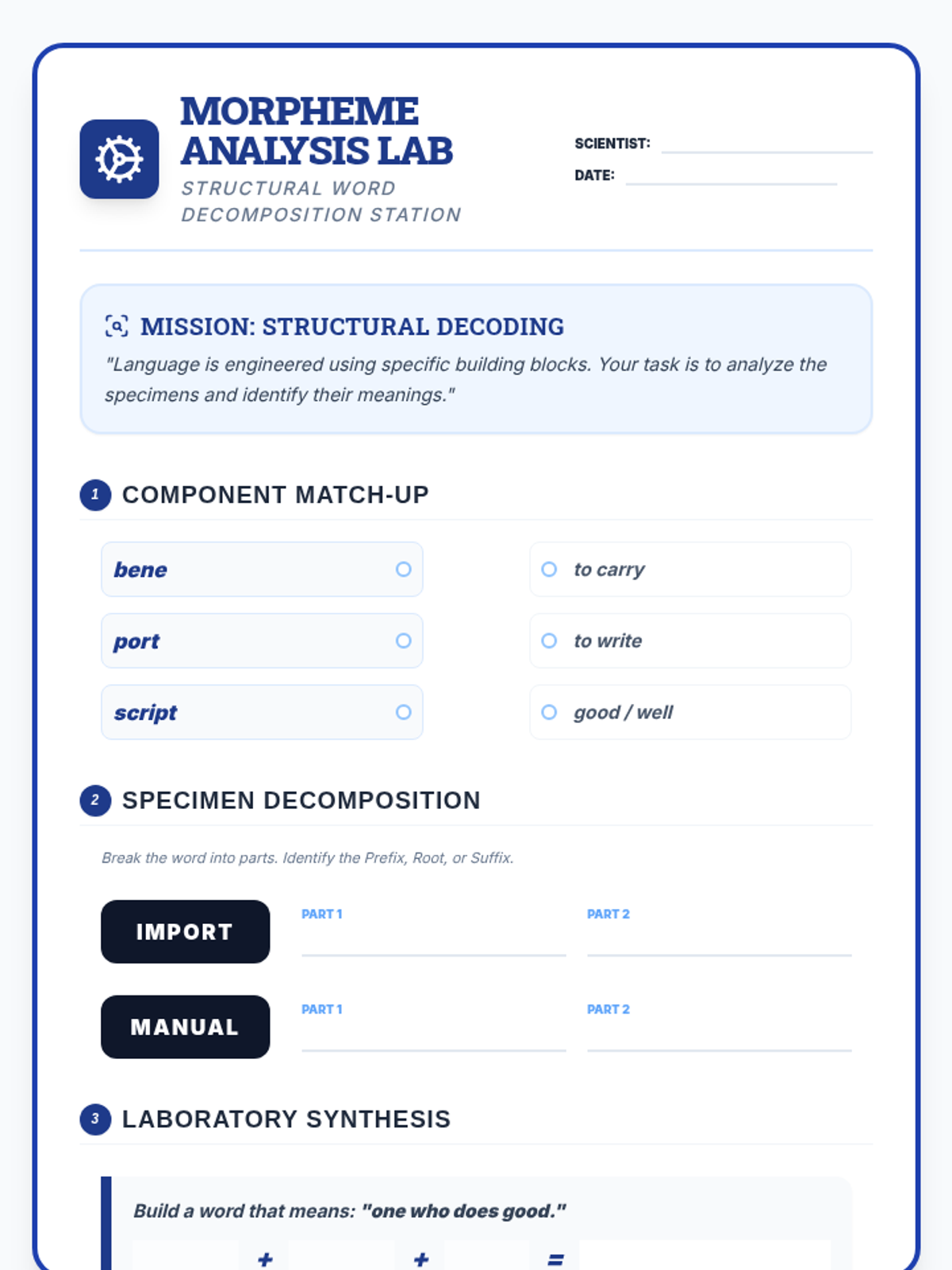
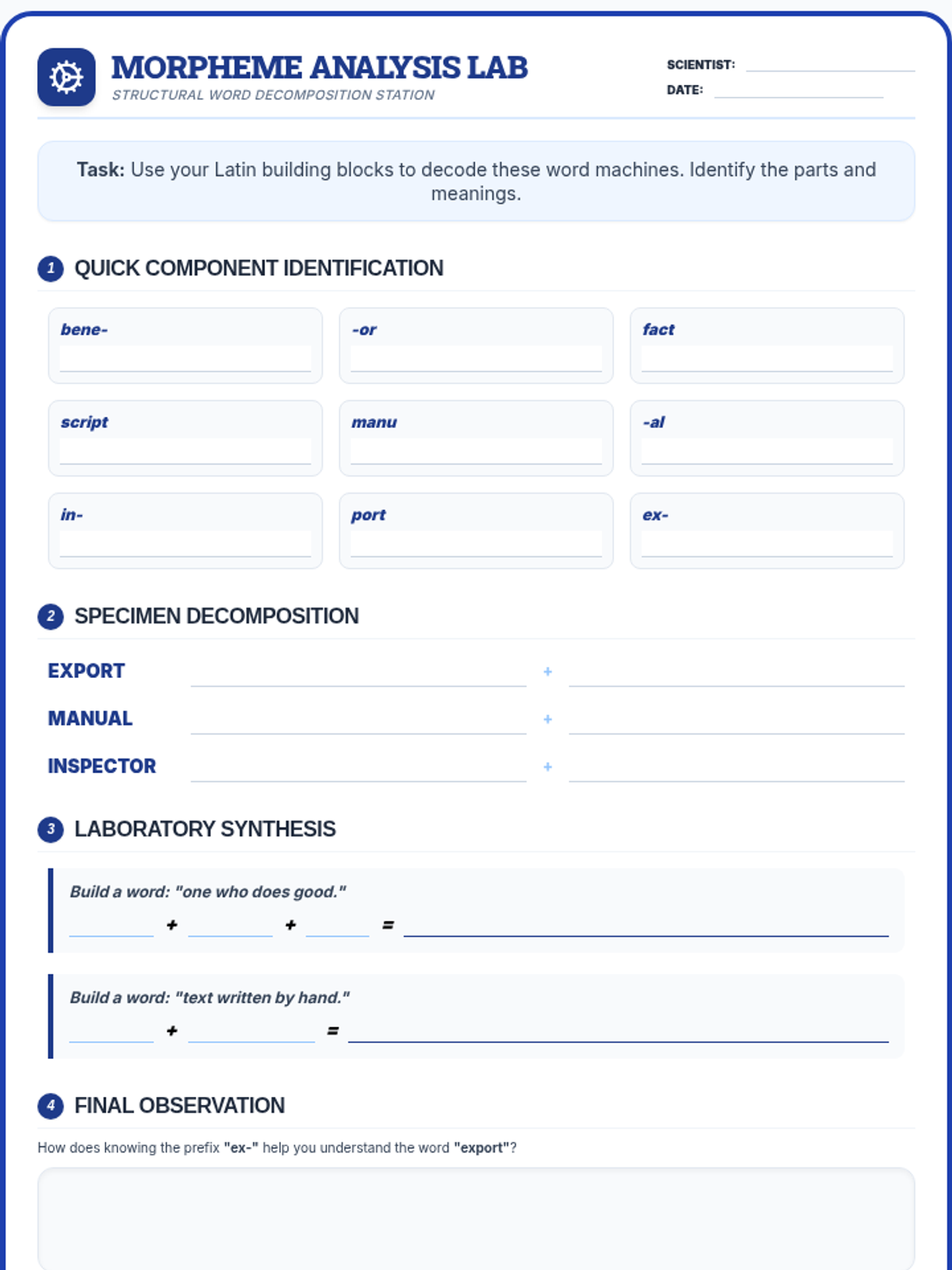
A lesson on analyzing and constructing words using Latin roots and affixes. Students investigate morphemes like bene, fact, script, manu, port, and common affixes to decode complex vocabulary and understand word origins.
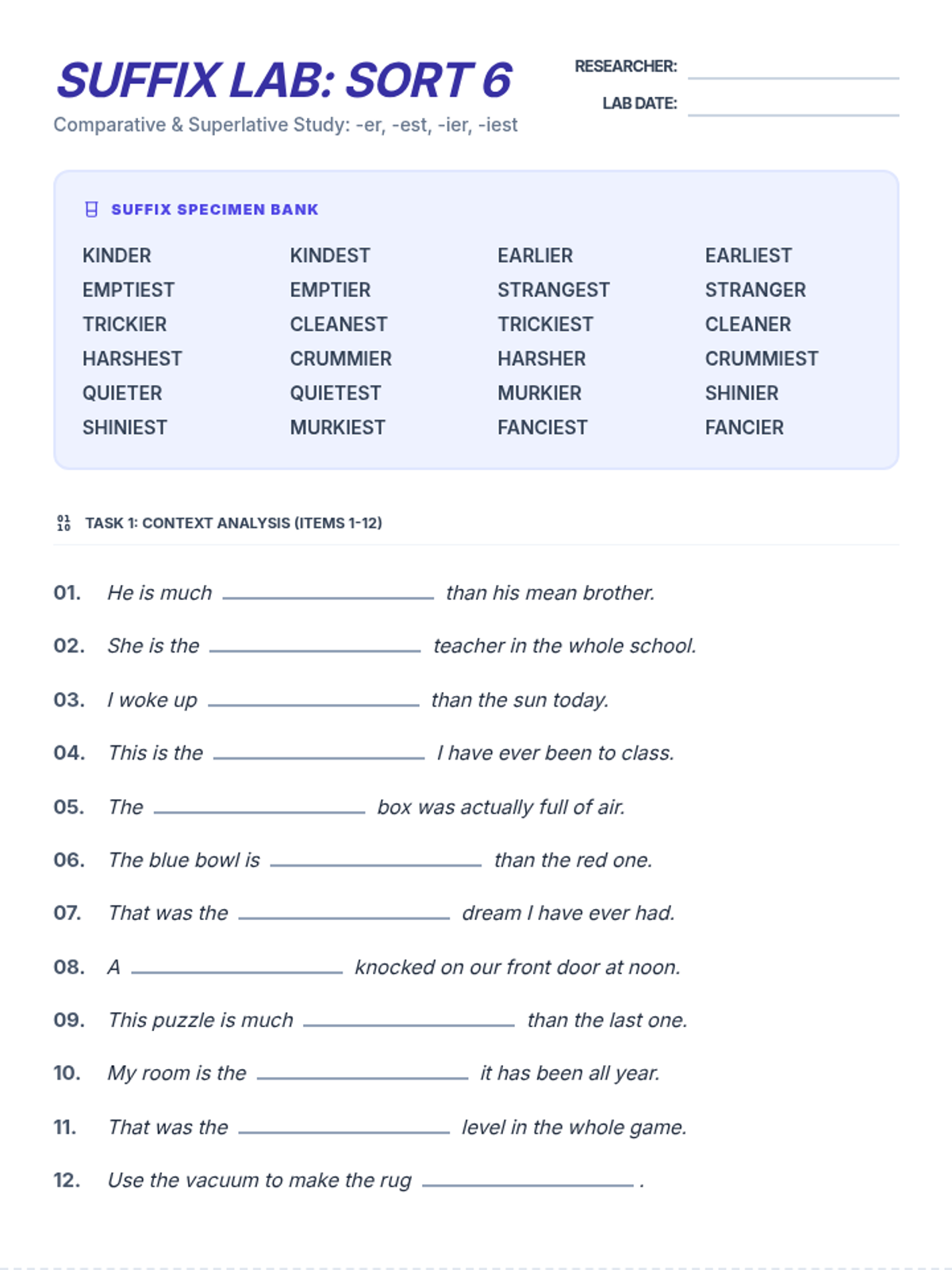
A lesson focused on comparative and superlative suffixes (-er, -est, -ier, -iest). Students explore how these suffixes change adjectives to compare two or more things.
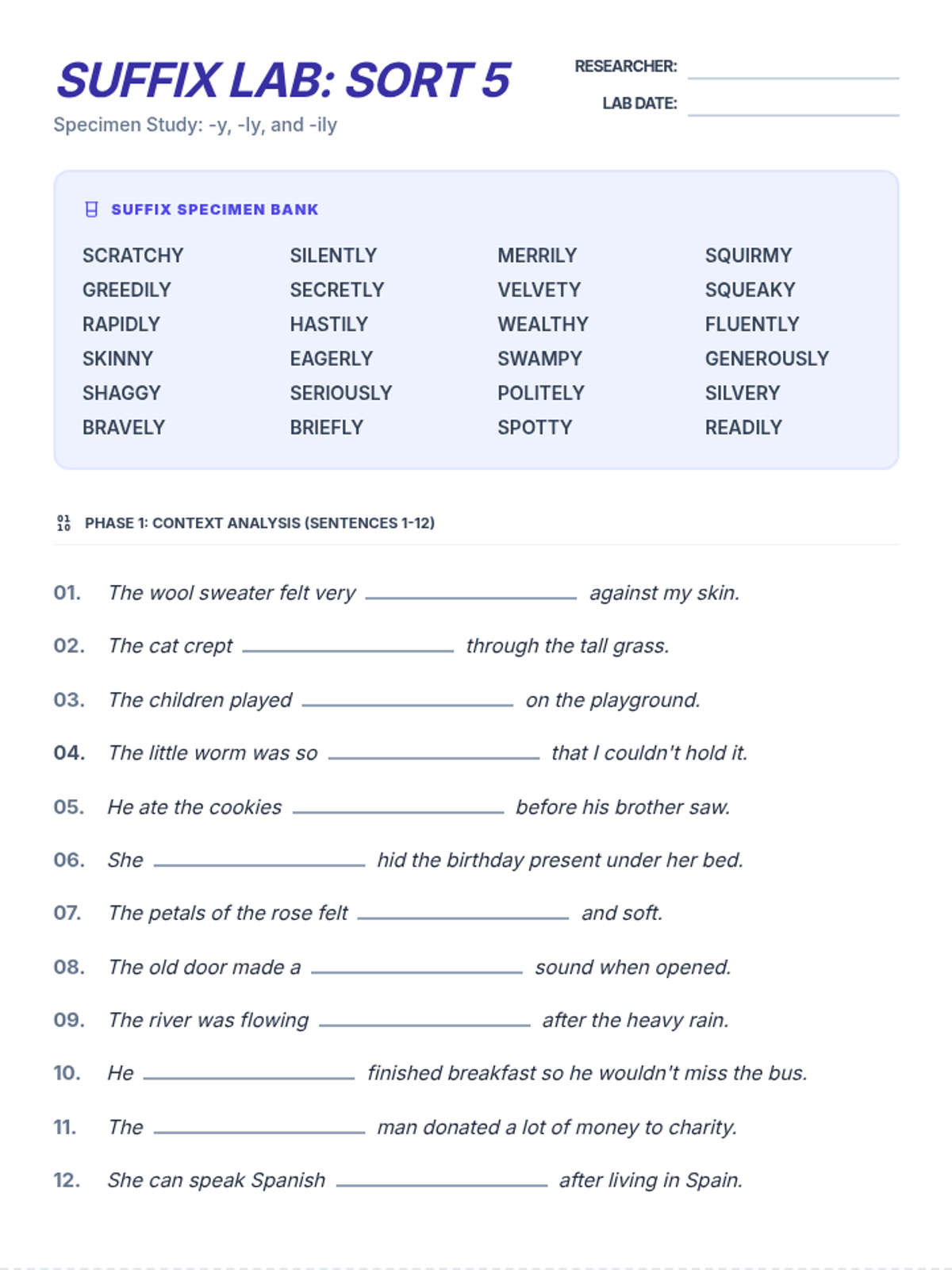
A lesson focused on the suffixes -y, -ly, and -ily. Students analyze how these suffixes change word meanings and usage through contextual application.
A lesson focused on the prefixes sub-, com-, pro-, and en-. Students apply their knowledge of these prefixes to identify and use words in various contexts.
A lesson focused on the prefixes re-, ex-, in-, and de-. Students explore meanings like "again," "out," "in," and "down" through application.
A lesson focused on the prefixes pre-, fore-, post-, and after-. Students practice using these temporal and directional prefixes in context.
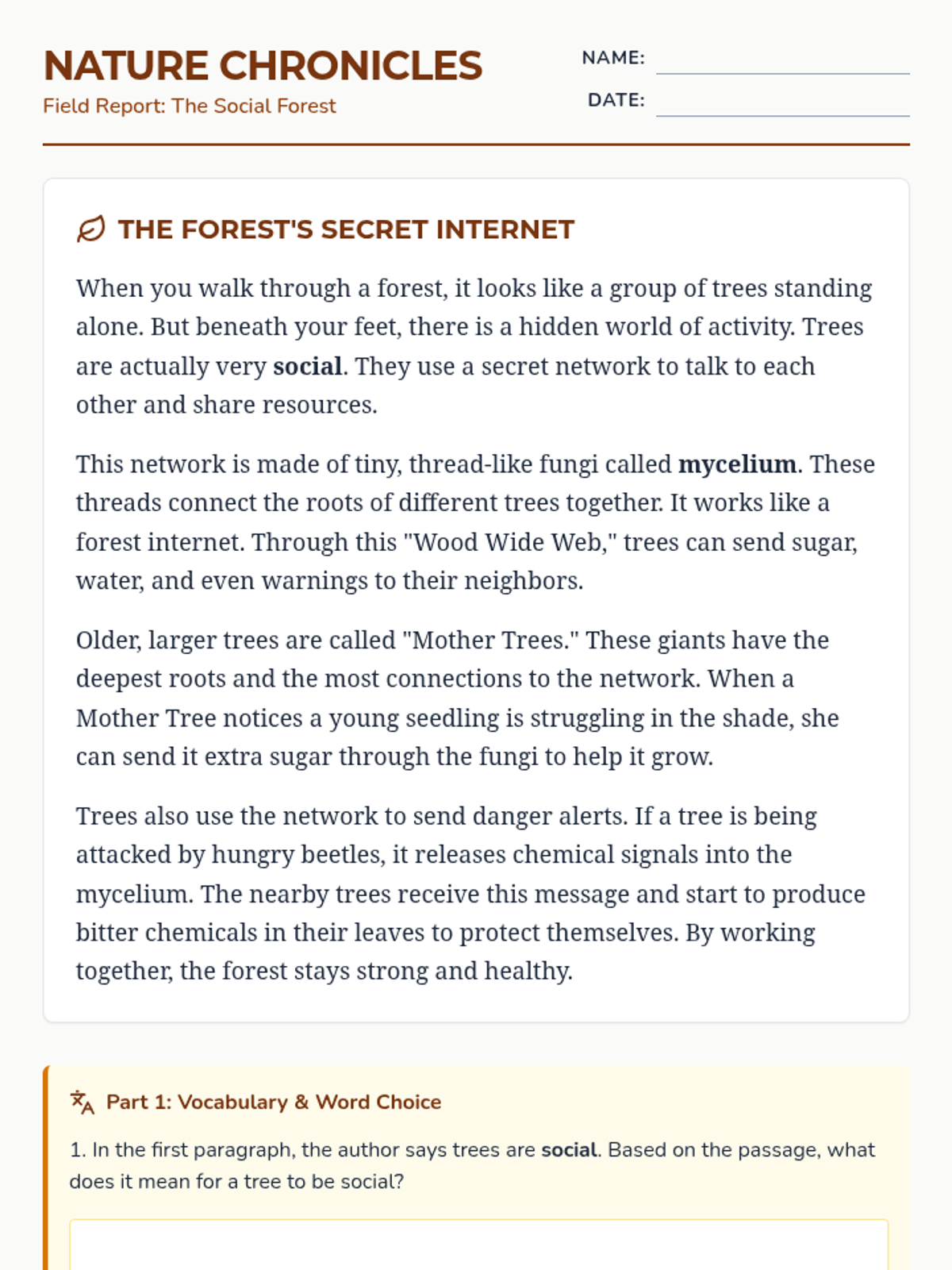
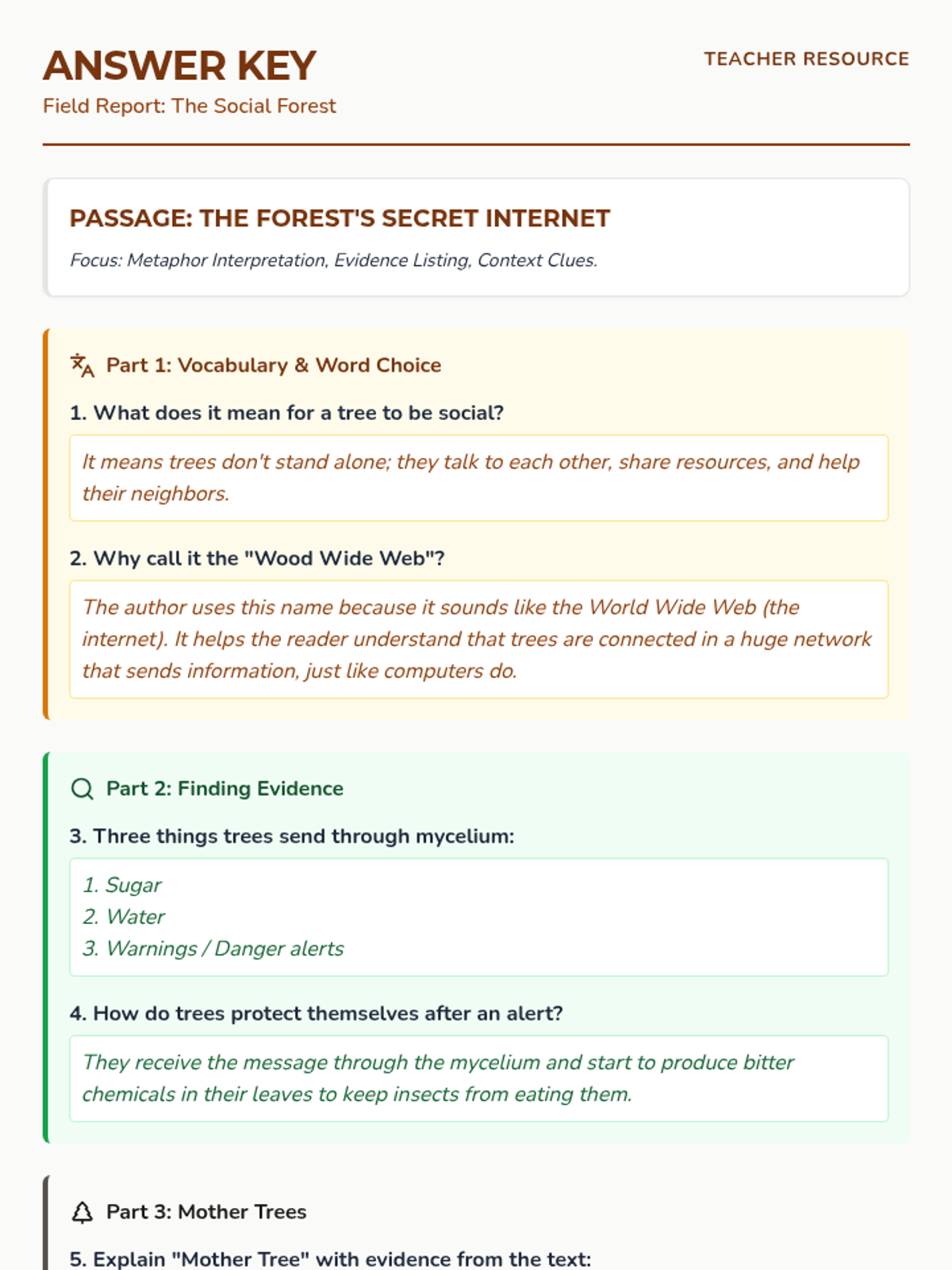
Discover the hidden network of forests. Students will learn how trees 'talk' to one another using fungal networks, focusing on identifying evidence and understanding complex relationships in nature.
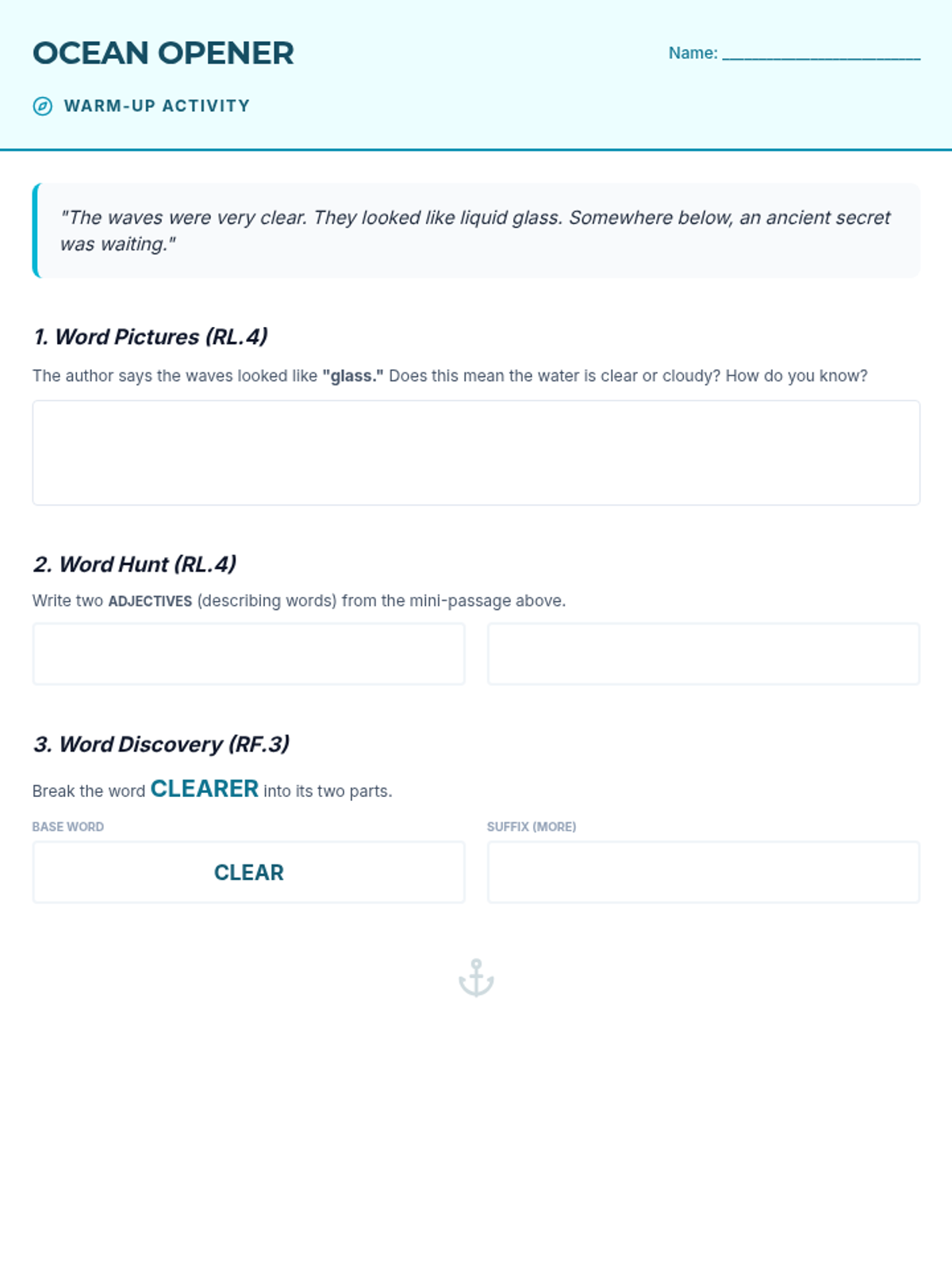
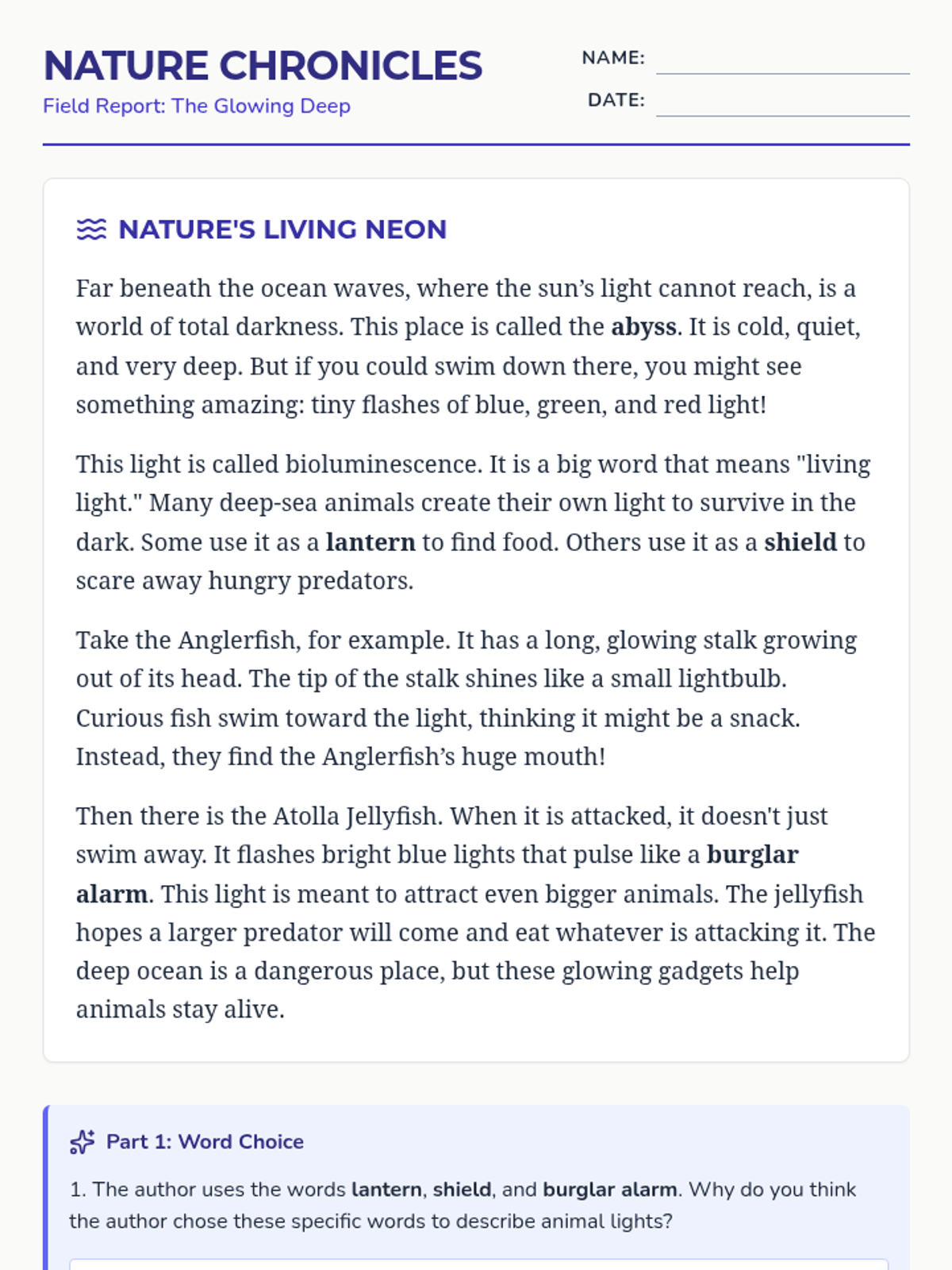
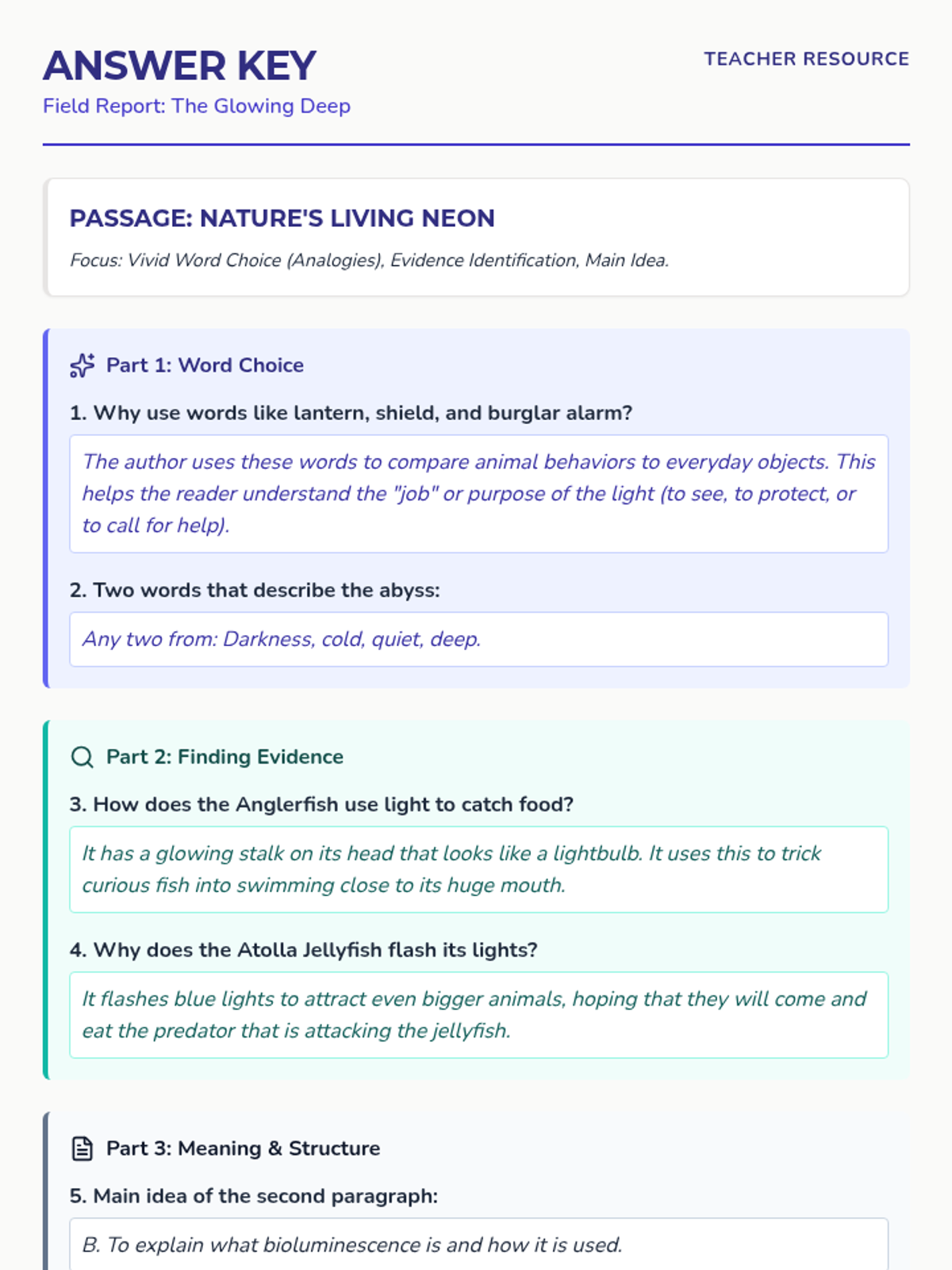
Dive into the mysterious world of the deep ocean. This lesson focuses on how authors use vivid vocabulary and descriptive language to bring alien-like sea creatures to life.
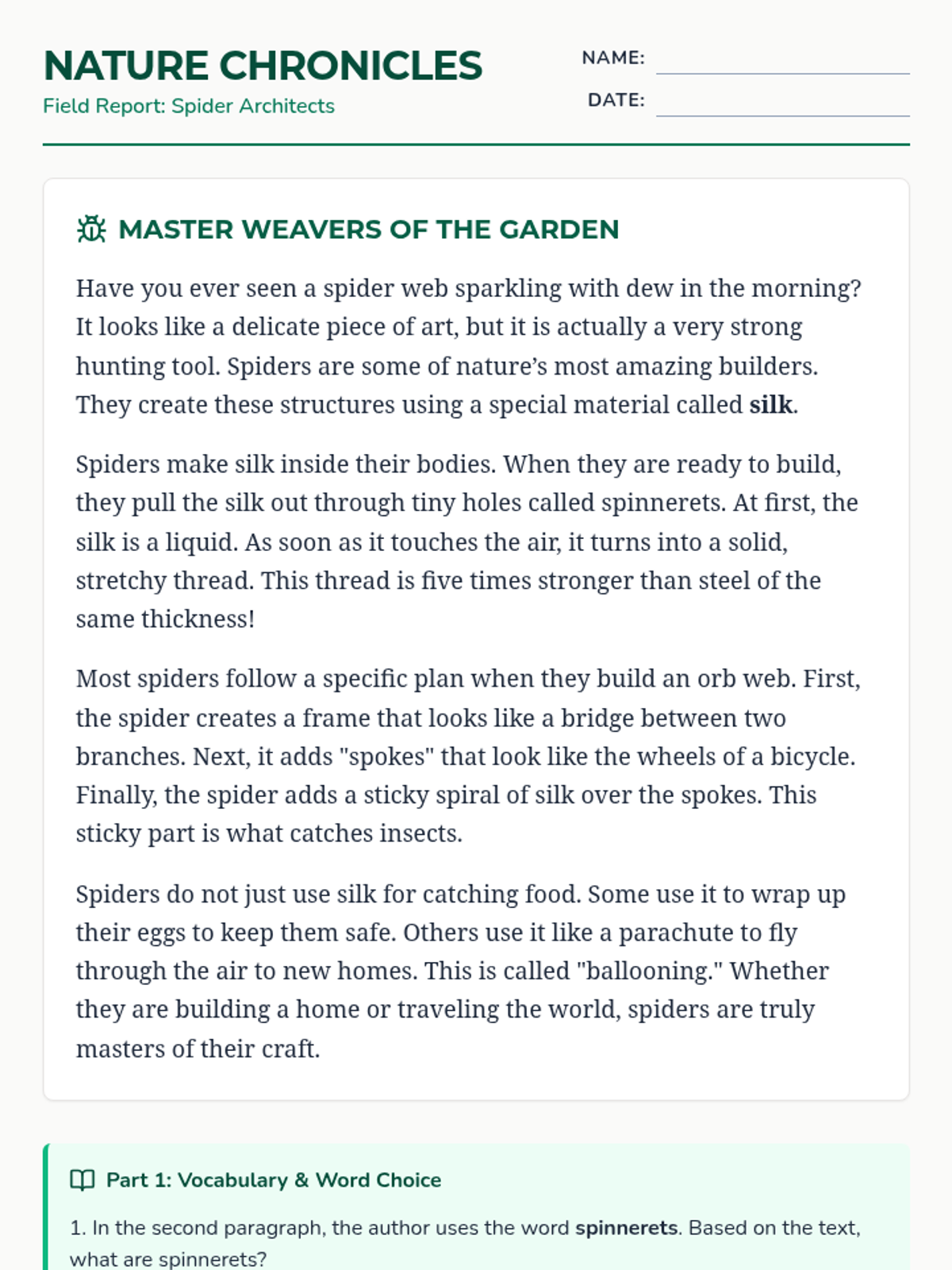
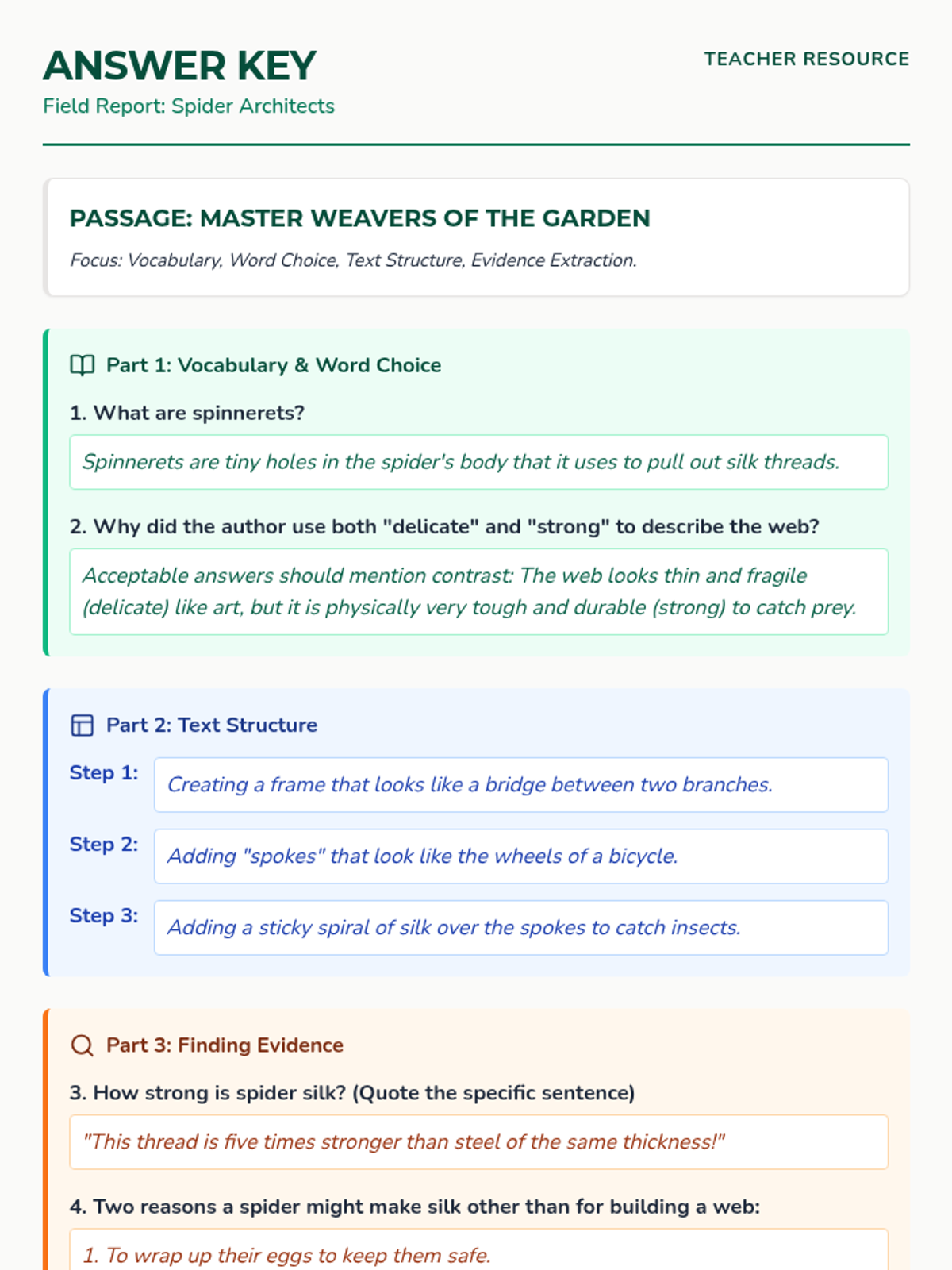
Explore the incredible structures built by spiders while focusing on how non-fiction texts are organized. Students will identify descriptive structures and use text evidence to explain how spiders build their webs.
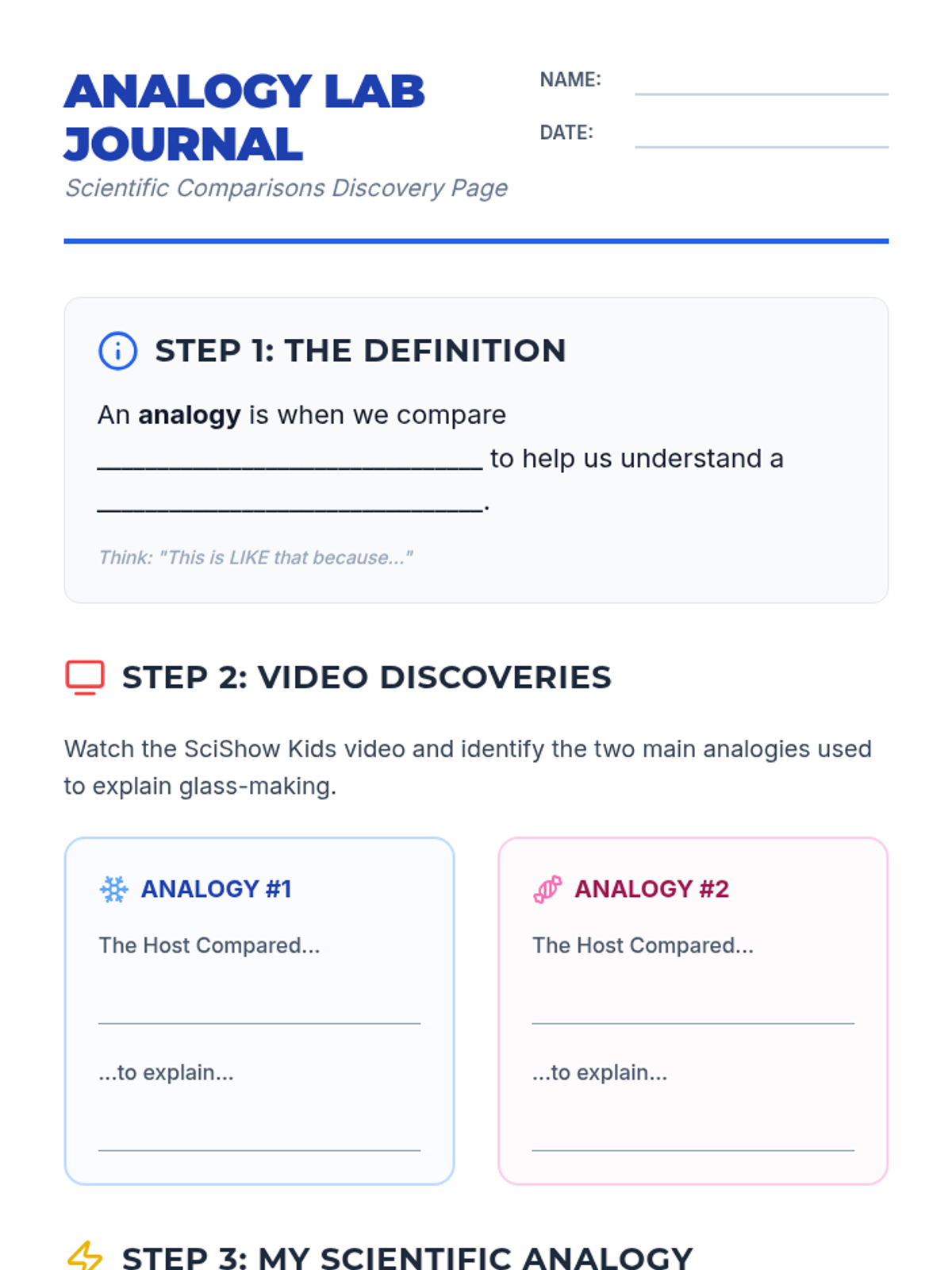
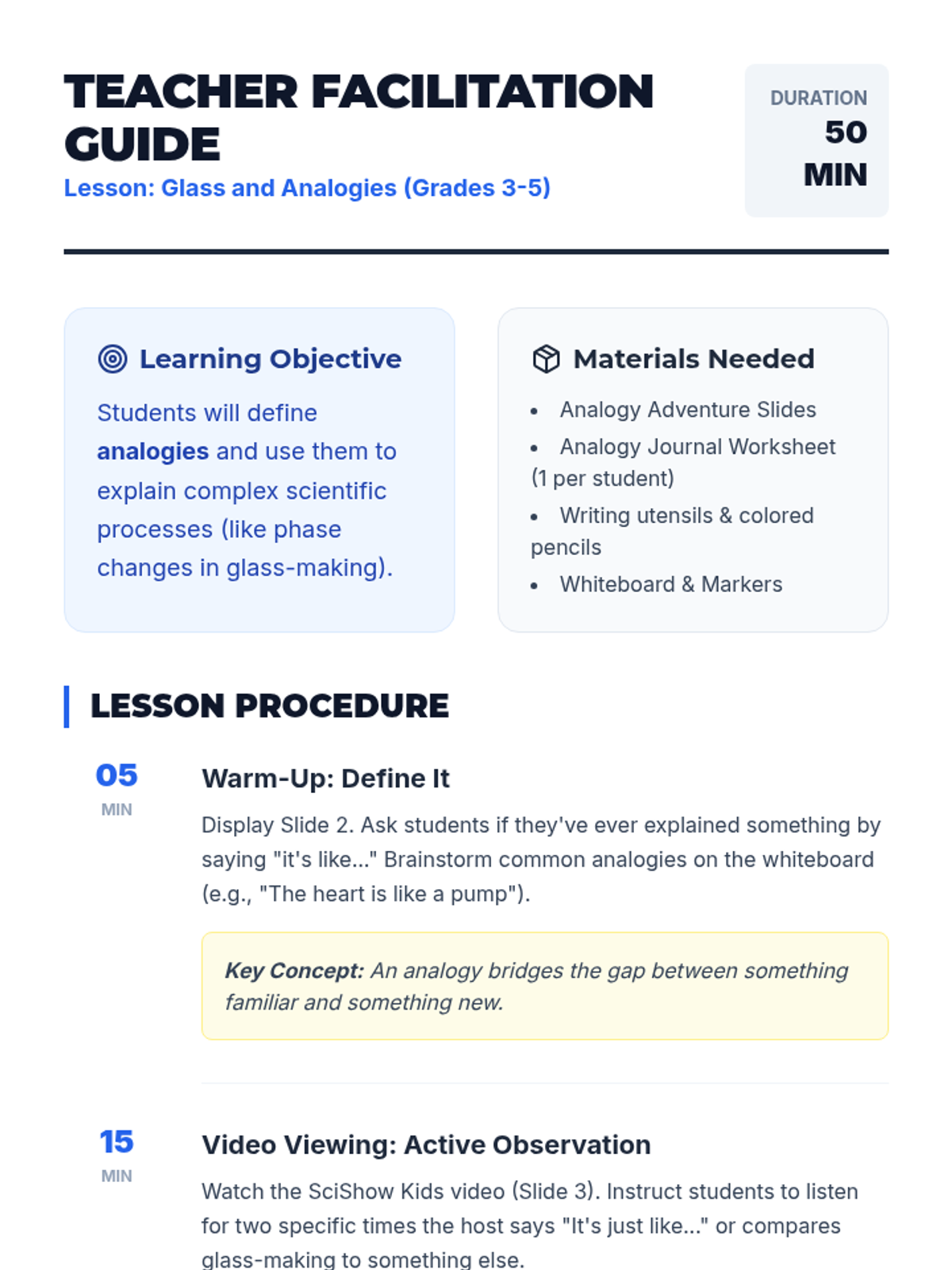
A lesson where students watch a SciShow Kids video about making glass from sand and analyze how analogies (ice/water and sugar/candy) help explain complex scientific processes. Students then practice creating their own scientific analogies.
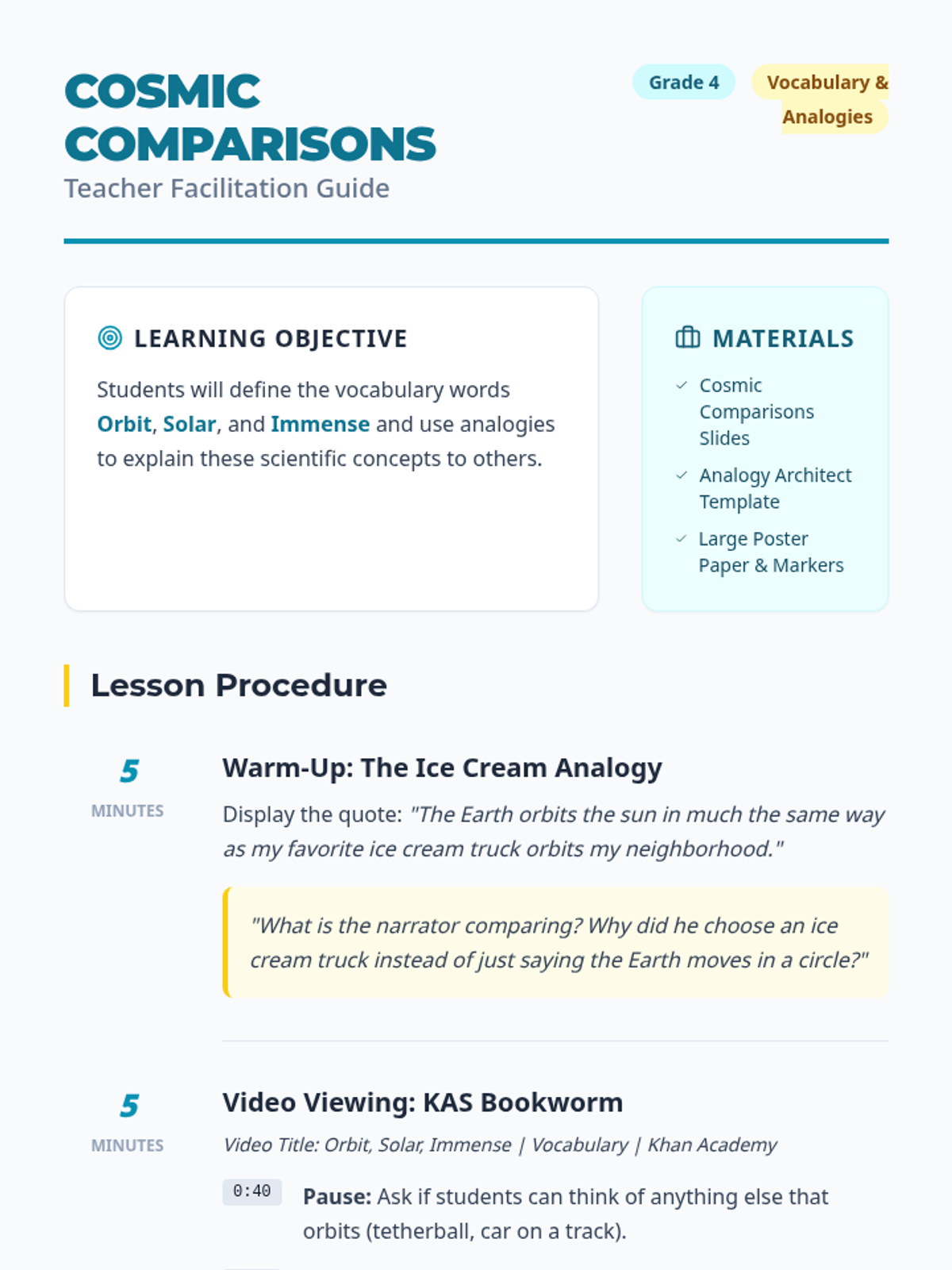
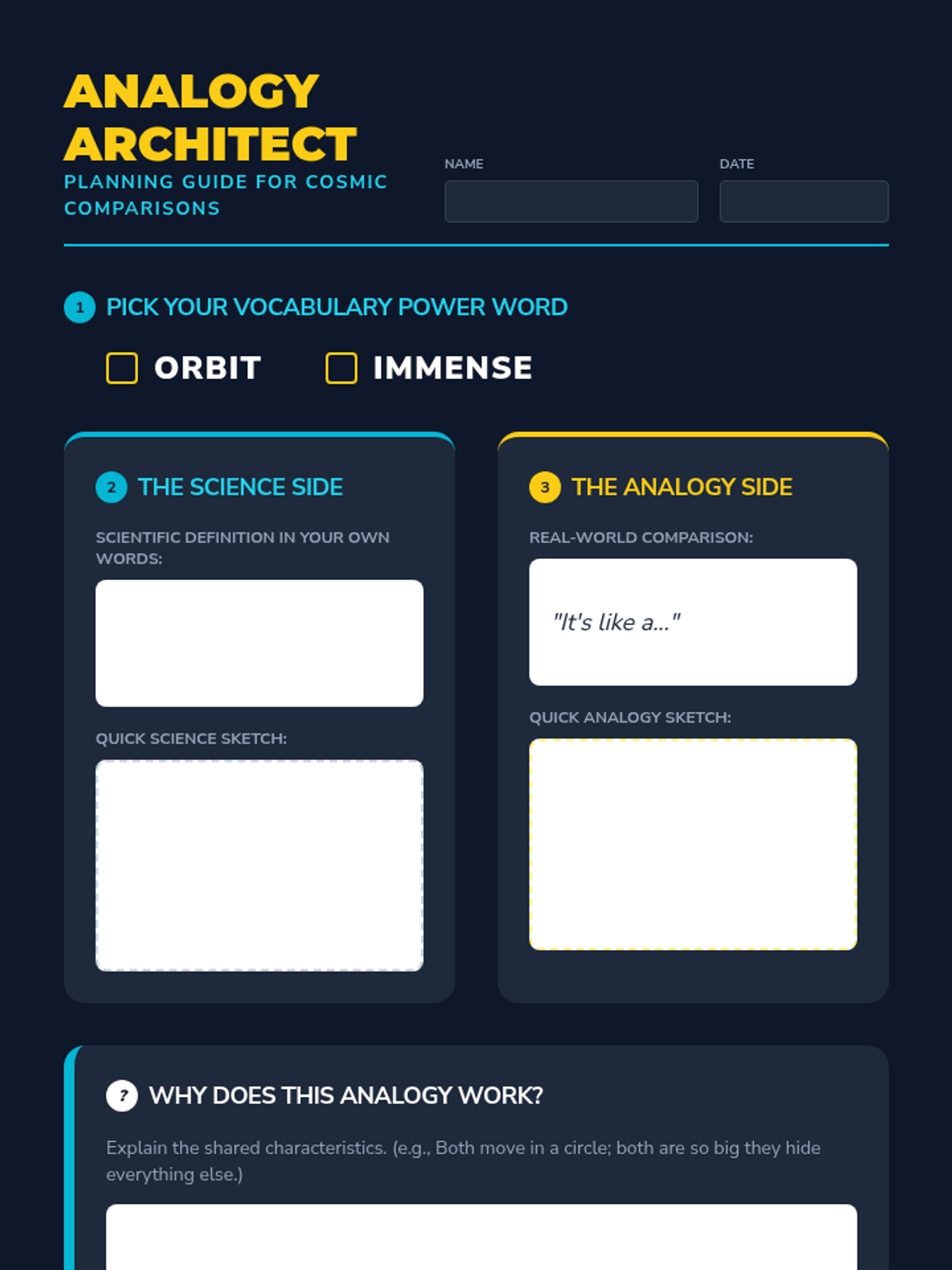
A space-themed vocabulary lesson where 4th graders use analogies to master concepts like 'orbit', 'solar', and 'immense' through video analysis and creative art projects.
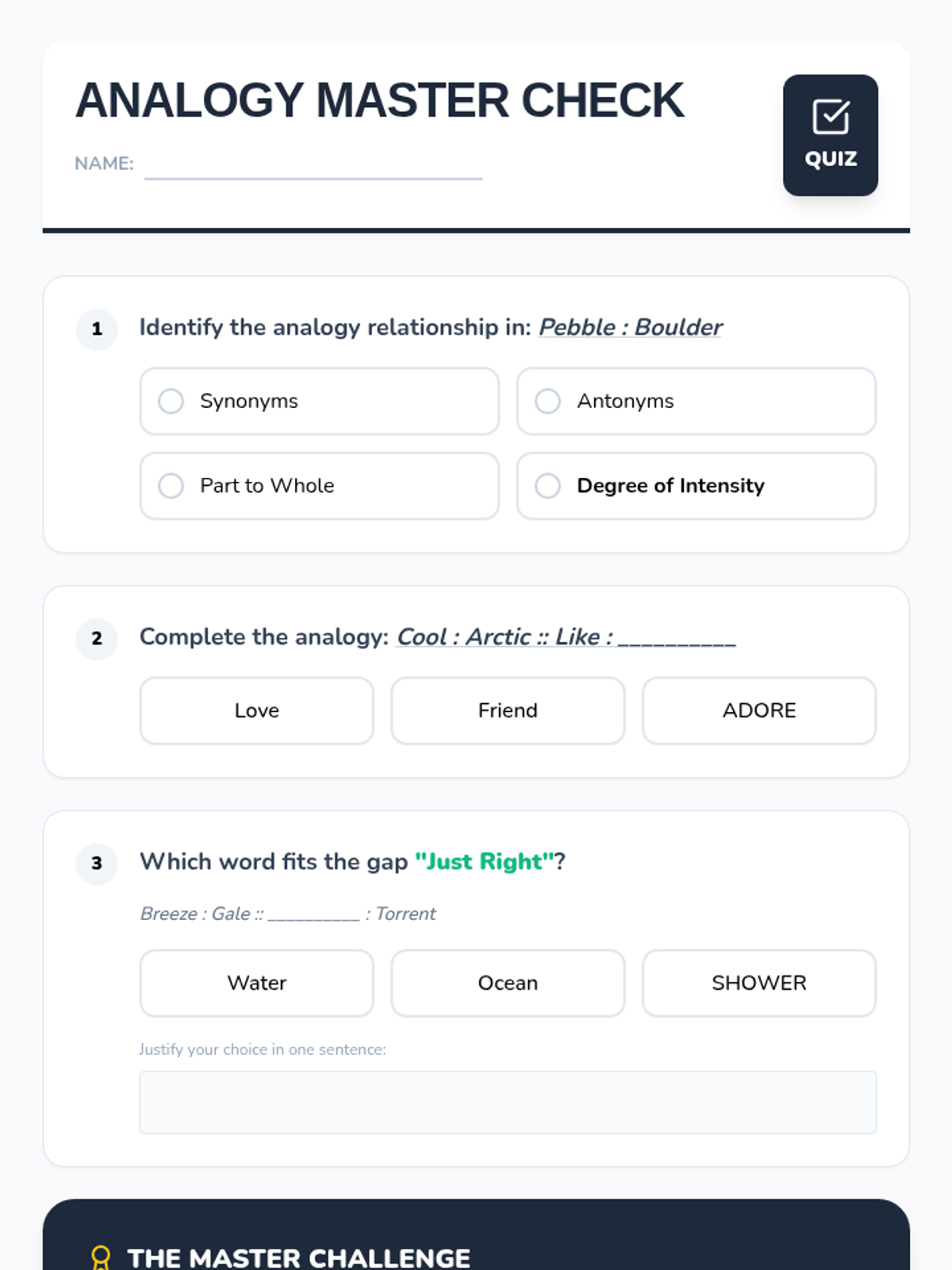
Students create their own intensity gradients and formulate analogies from them. This final check ensures they can independently recognize and construct relationships based on degree.
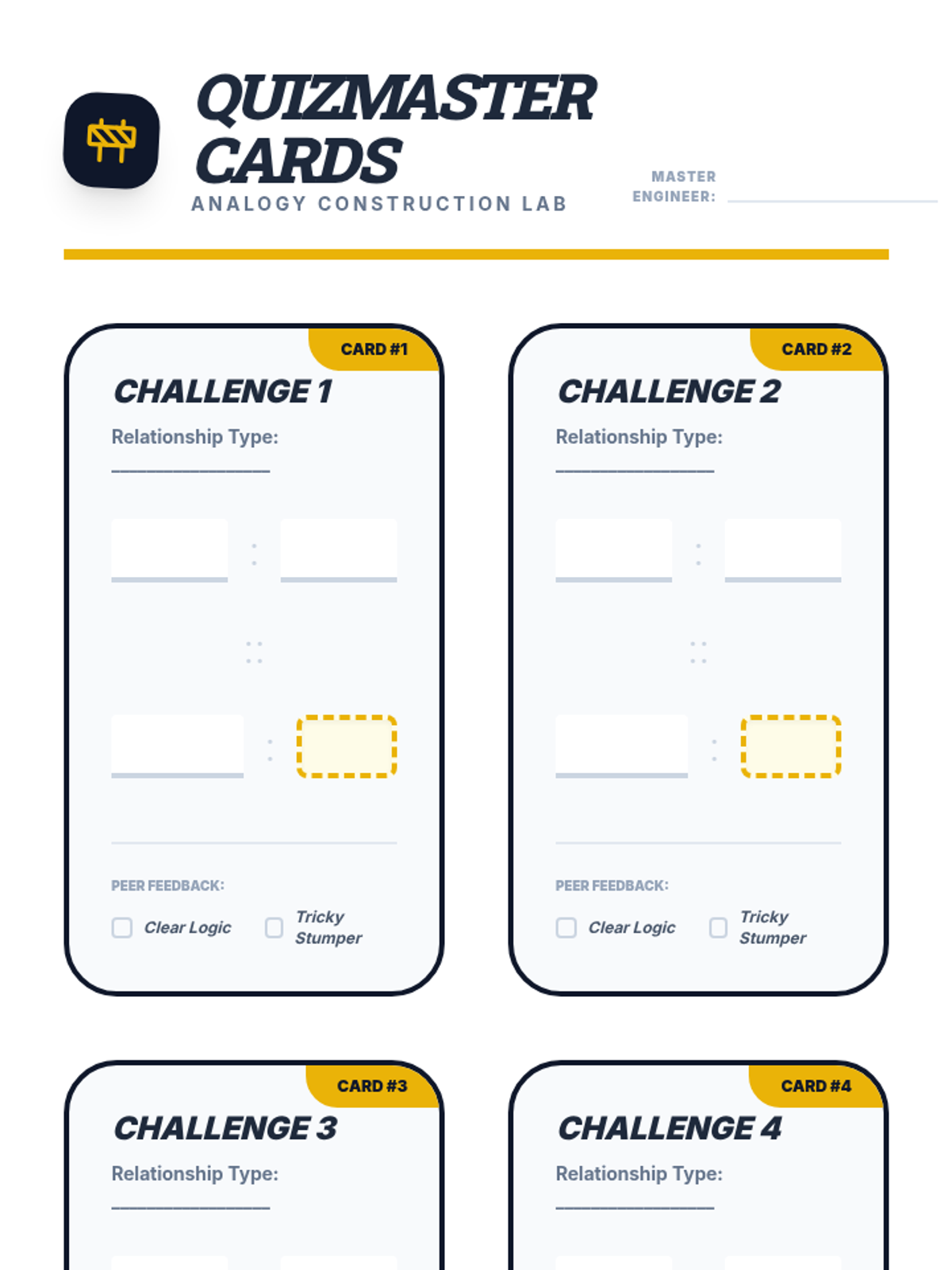
Students build their own analogy puzzles focusing on parts and categories. Peers attempt to solve them, providing feedback on the clarity of the relationships.
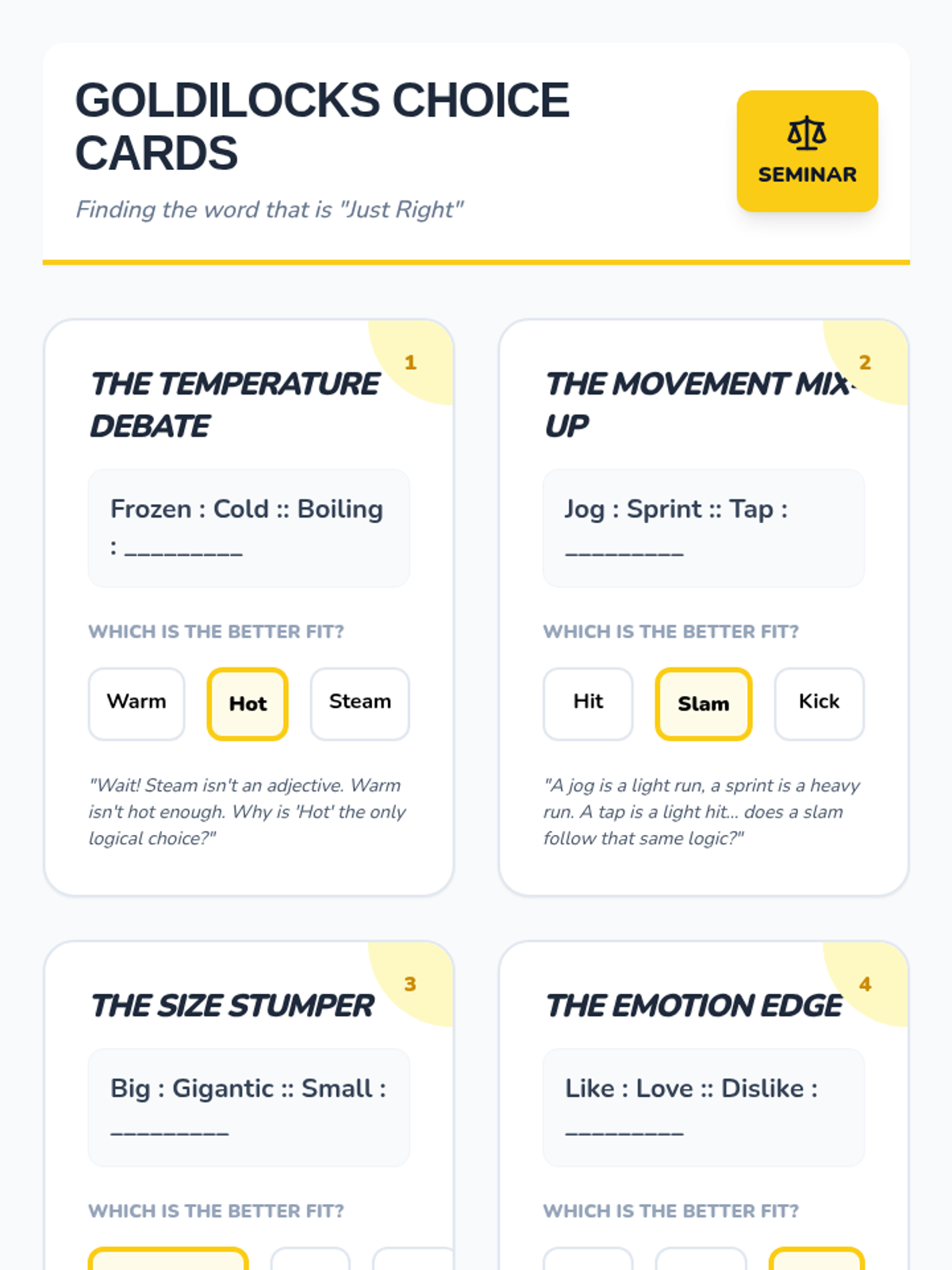
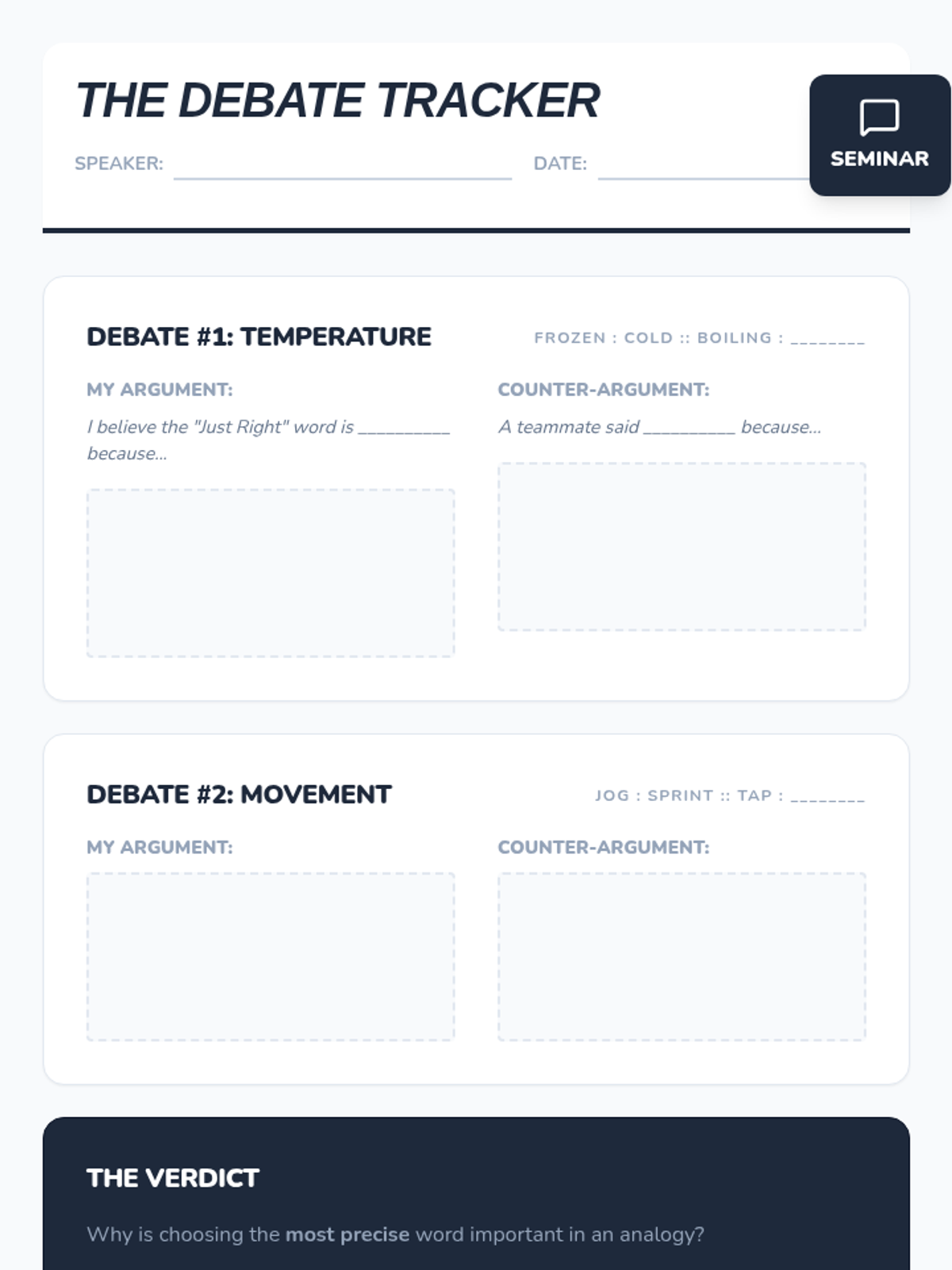
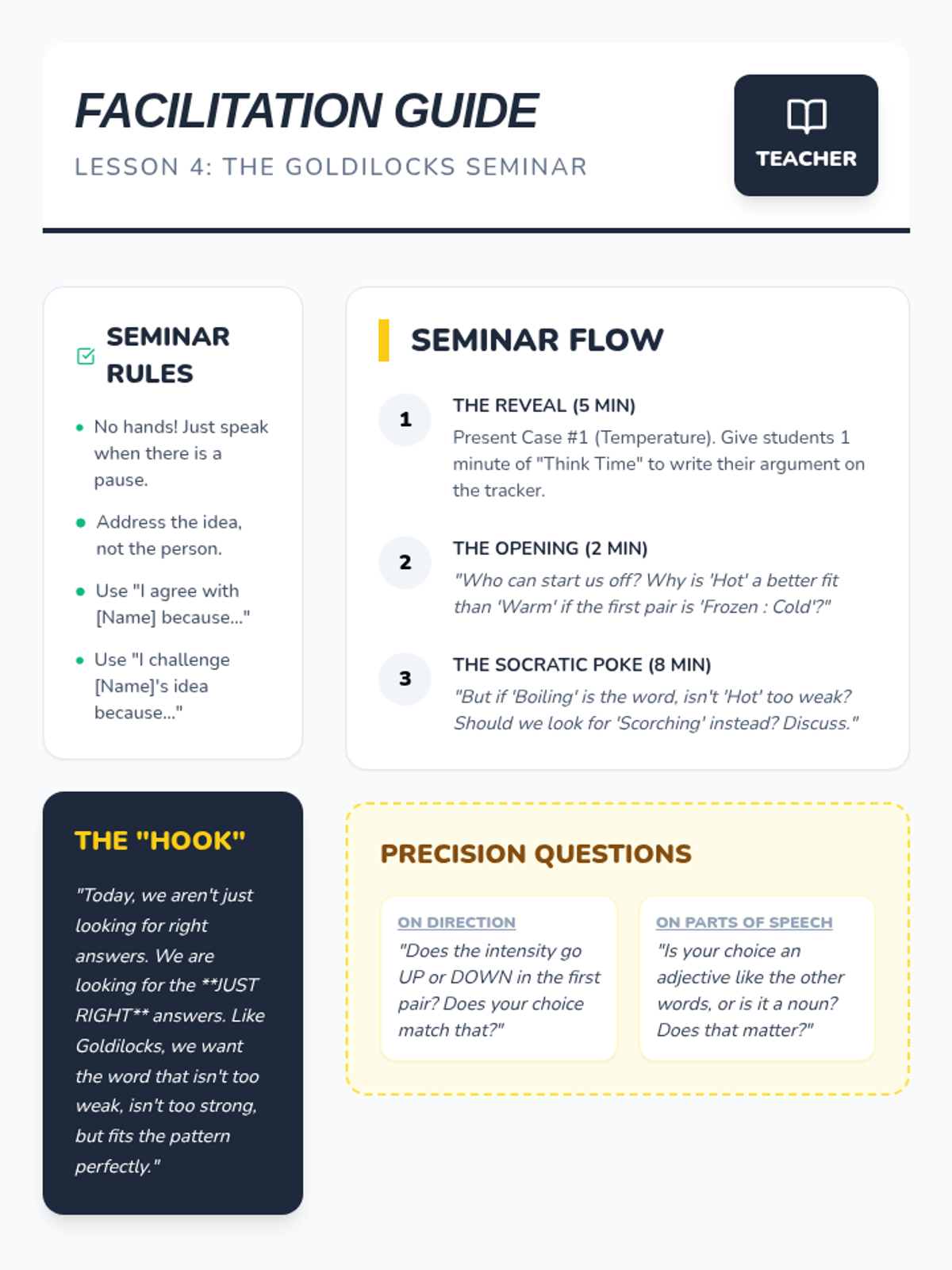
In a seminar style, students debate which word best completes an analogy based on intensity. They must justify why 'hot' fits better than 'tepid' when the pair is 'frozen : cold.'
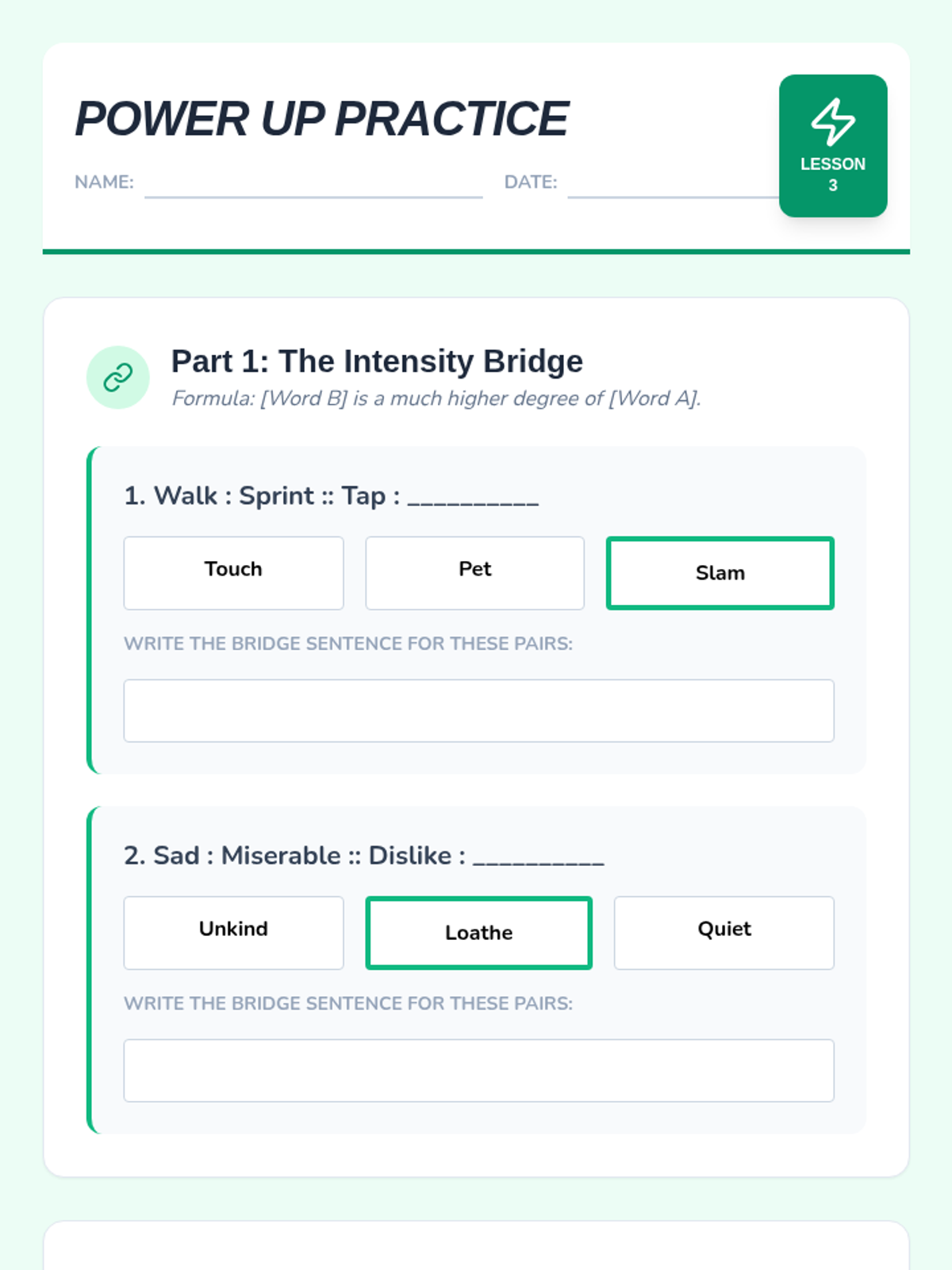
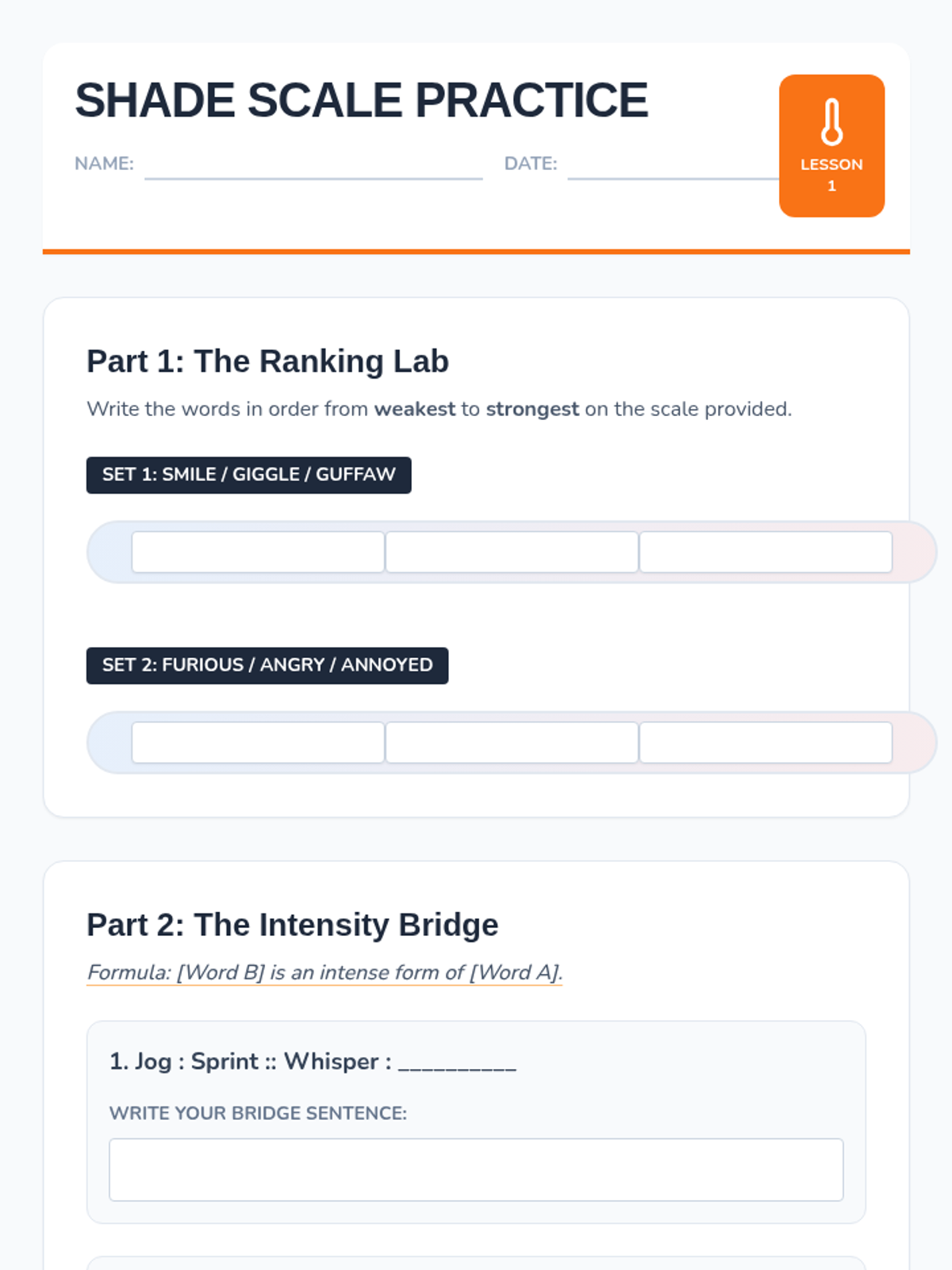
Students tackle abstract qualities like speed and emotion. They determine if the second word is an intensified version of the first, creating specific bridge sentences involving 'is an intense form of.'
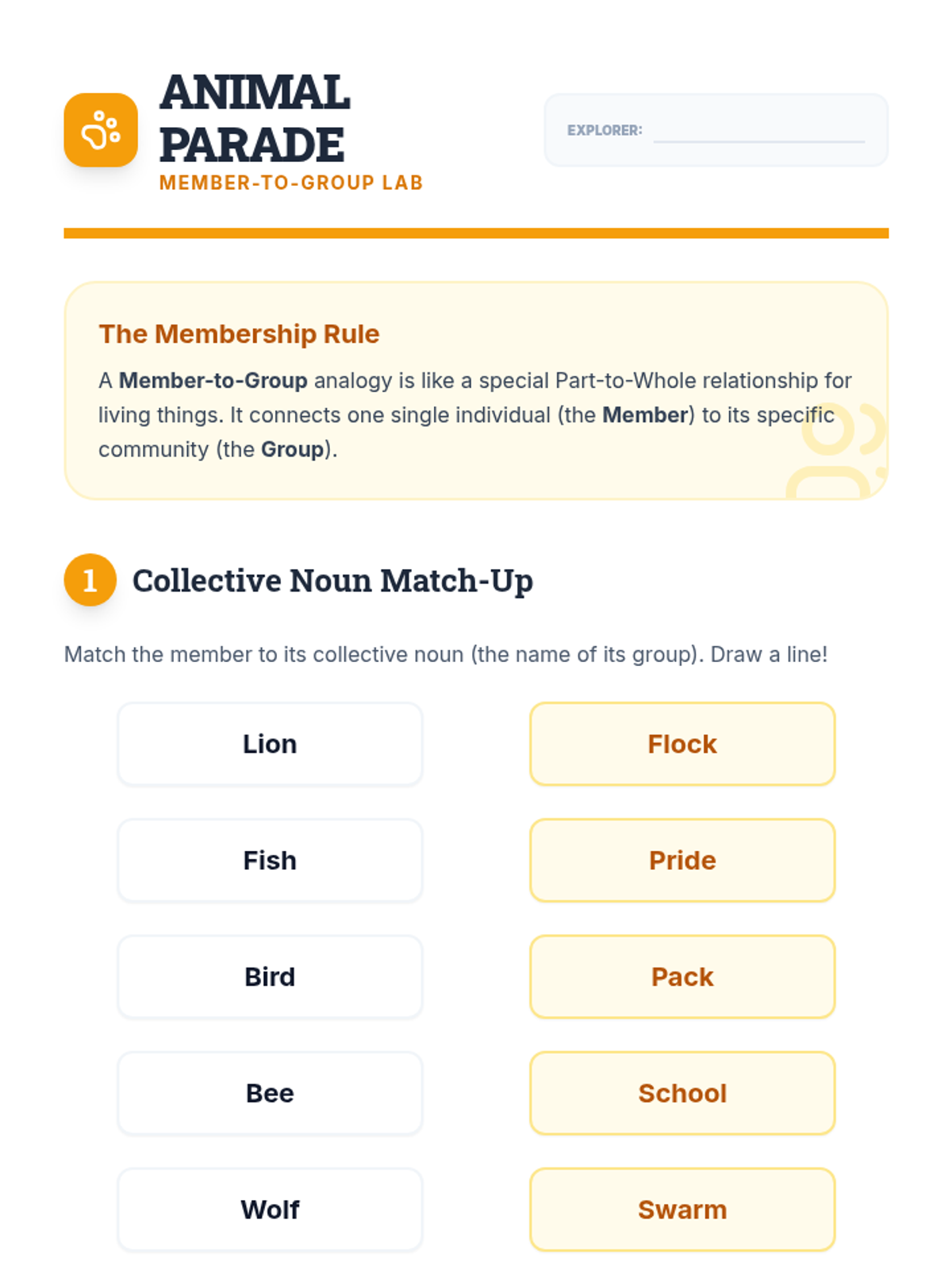
Students look at collective nouns and group membership (e.g., Wolf:Pack, Student:Class). This expands the part-to-whole concept to social and biological groups.
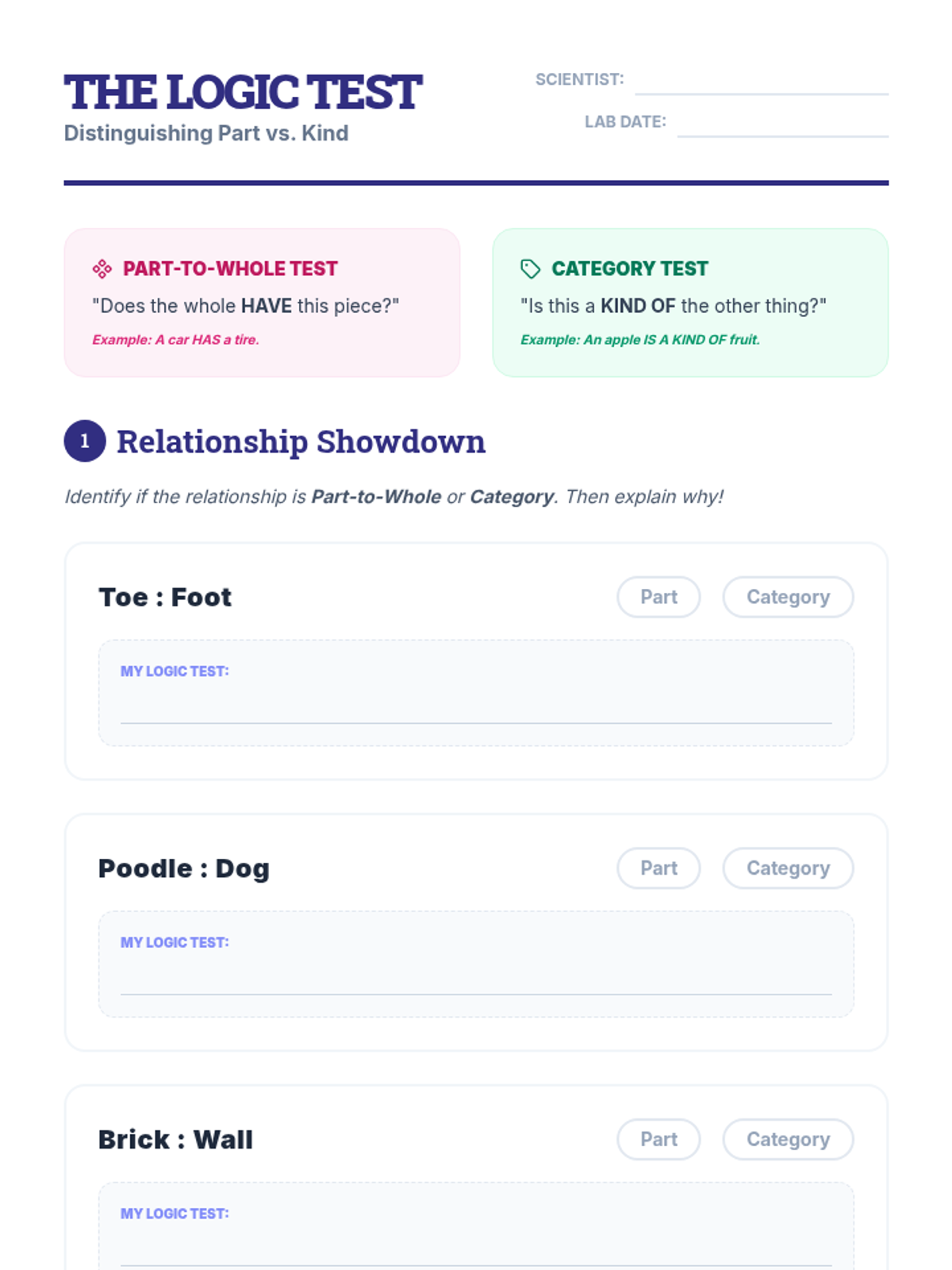
A comparative lesson where students confront the difference between the two types. They use specific tests (Does it have a...? vs. Is it a...?) to classify the relationship.
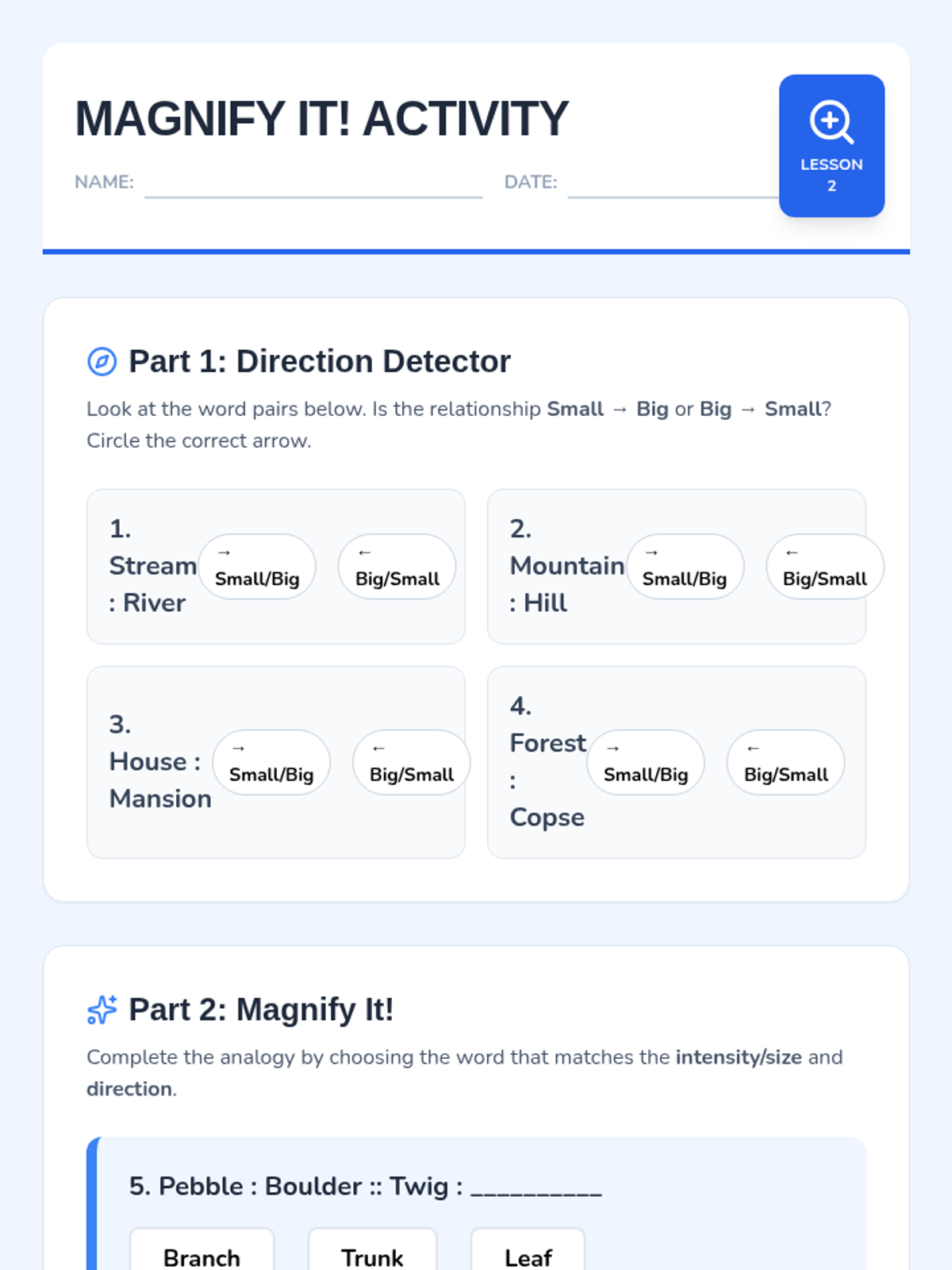
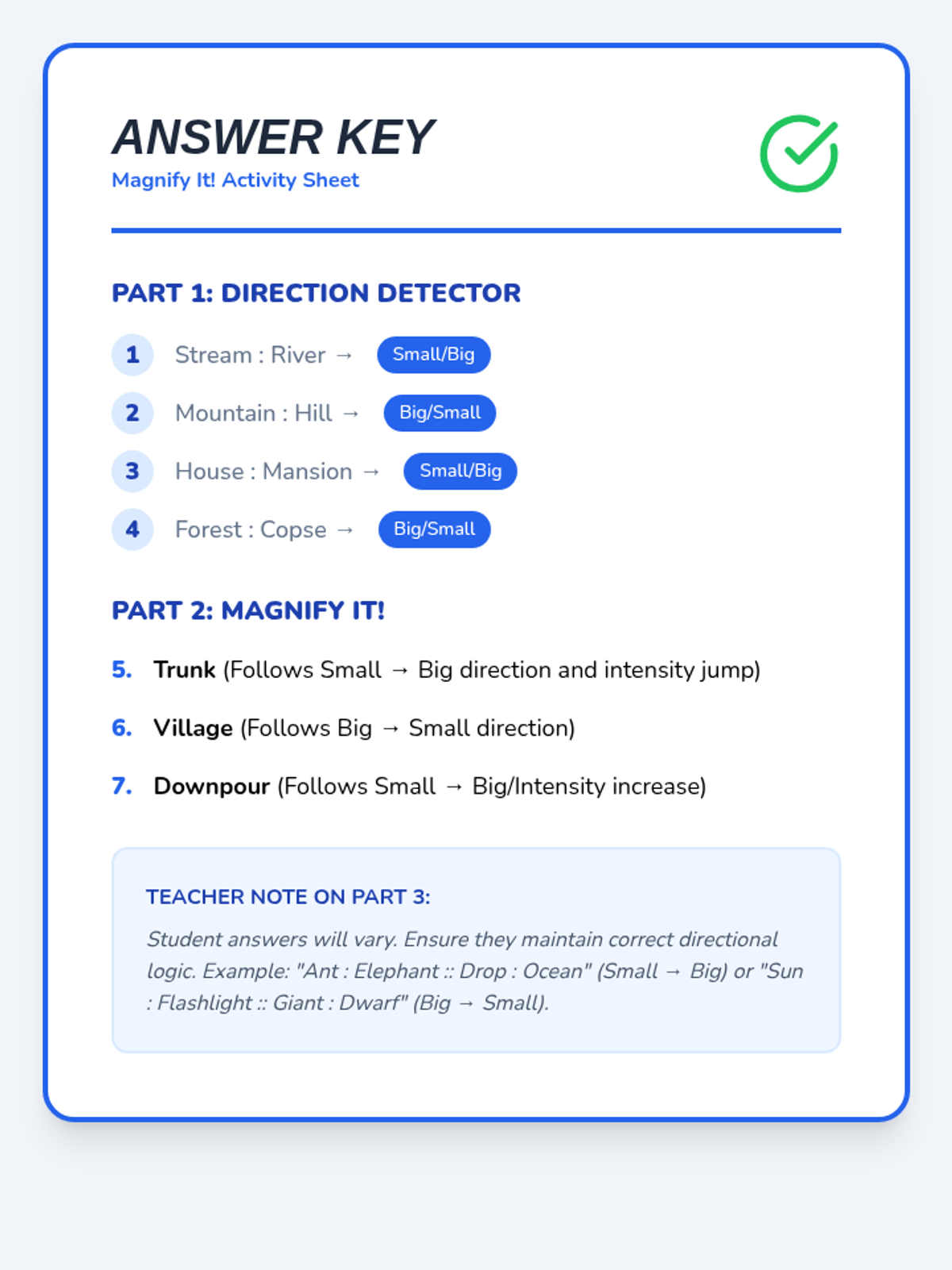
Focusing on size relationships, students solve analogies that compare small versions of things to large versions (e.g., stream : river). They practice identifying the direction of the relationship (small-to-big vs. big-to-small).
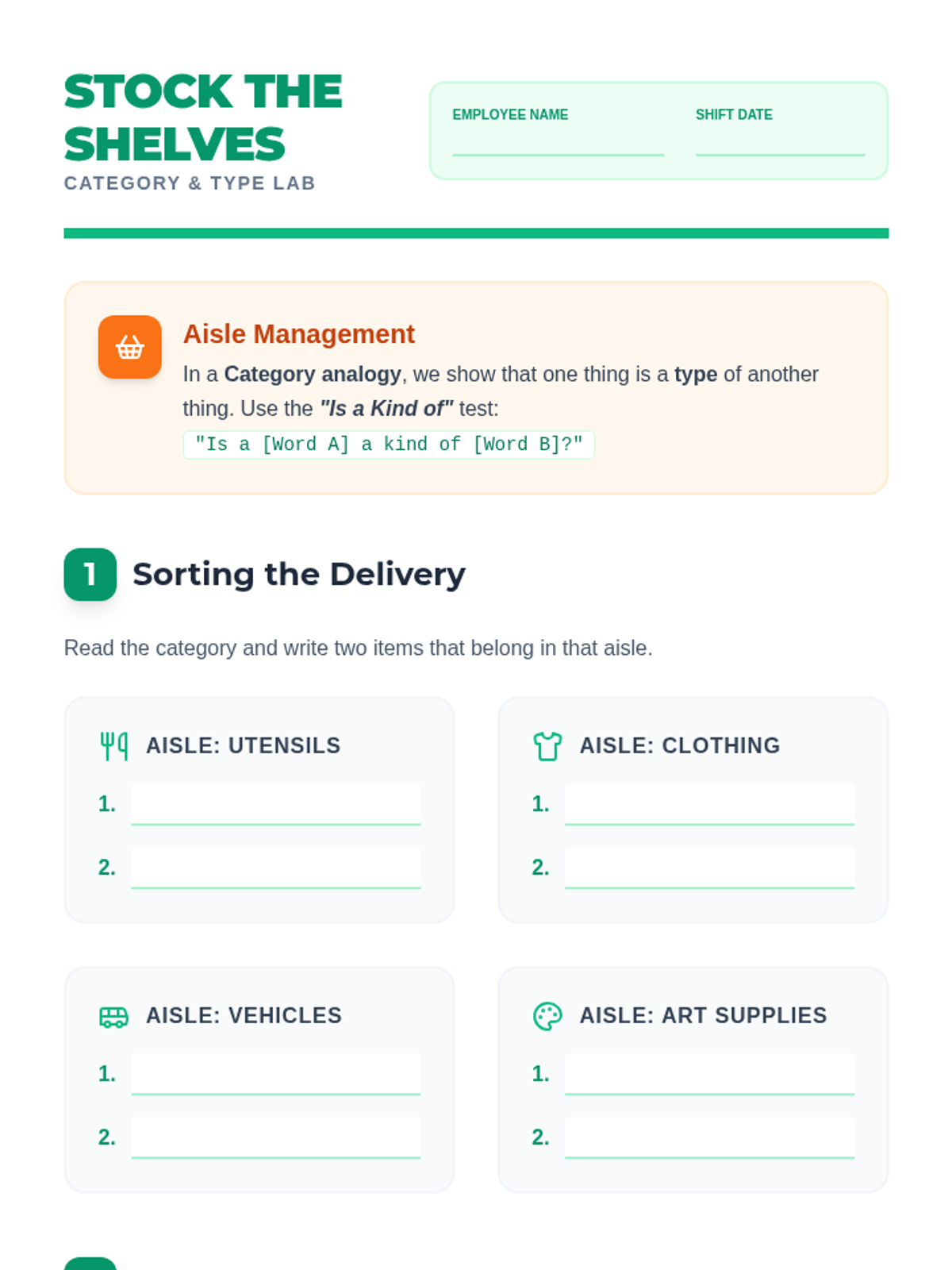
The focus shifts to categorization (e.g., Apple:Fruit, Hammer:Tool). Students practice sorting words into broad categories and creating analogies based on membership.
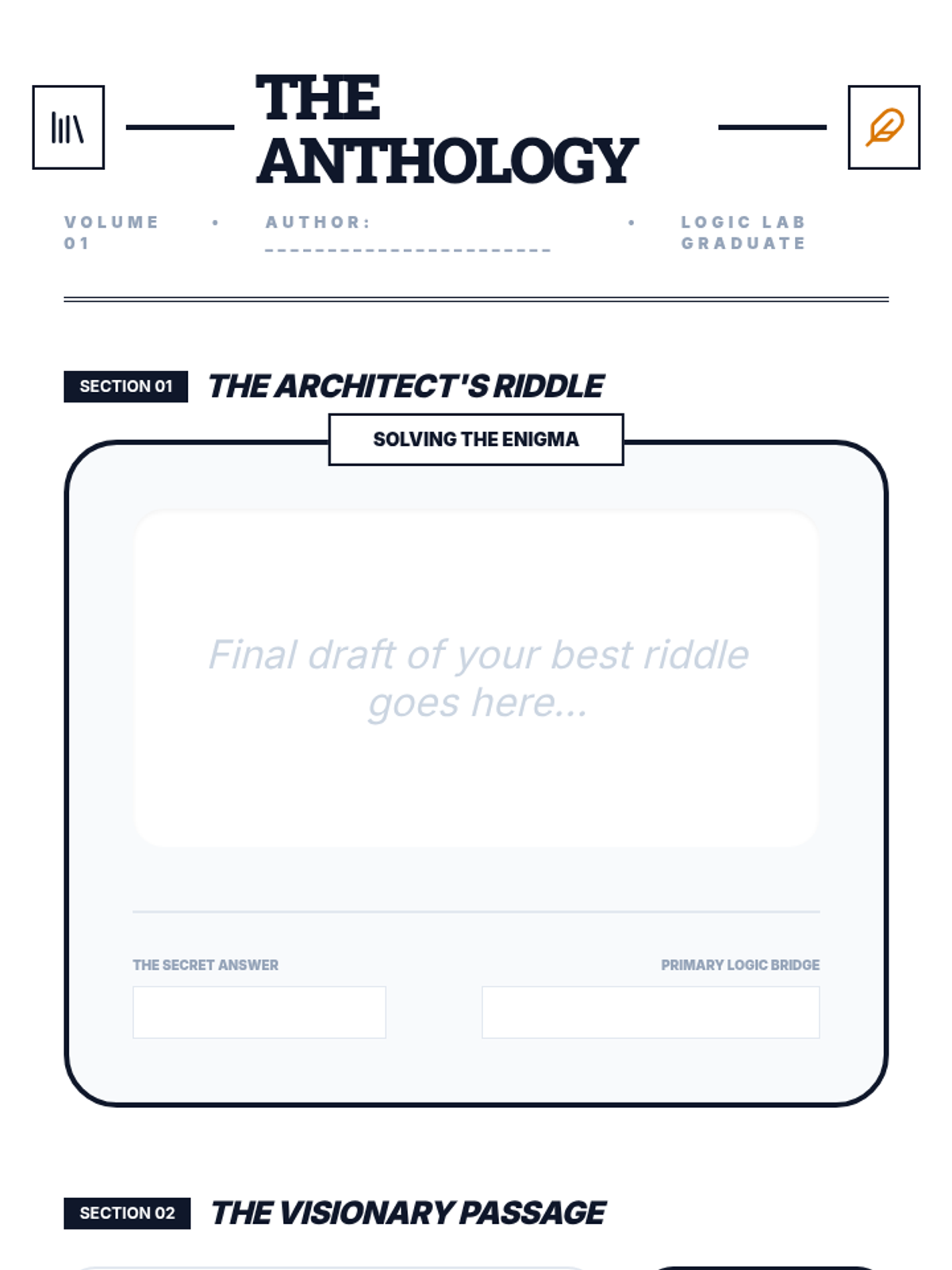
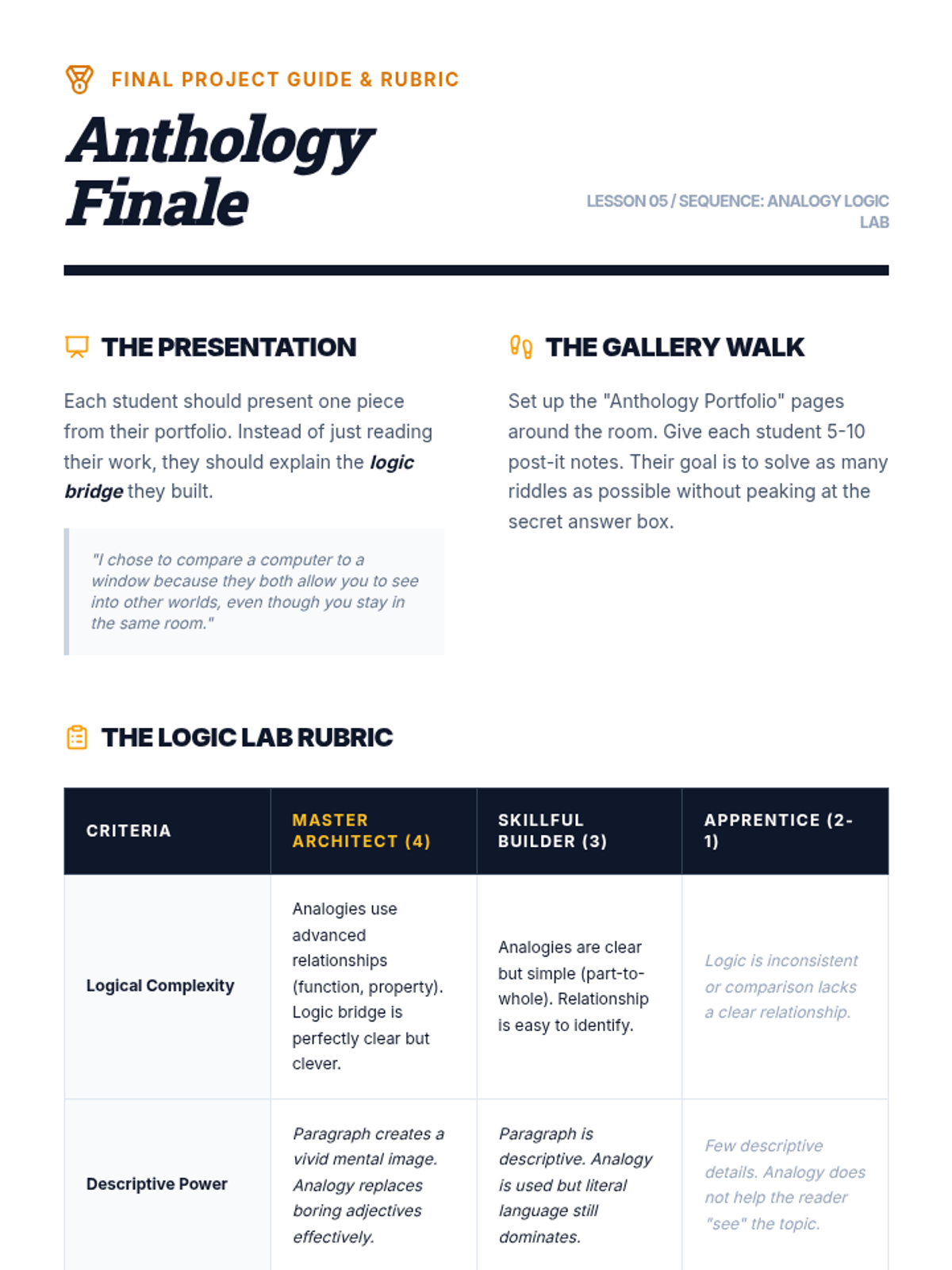
The final showcase where students compile their work into an anthology, present their logic, and participate in a peer gallery walk.
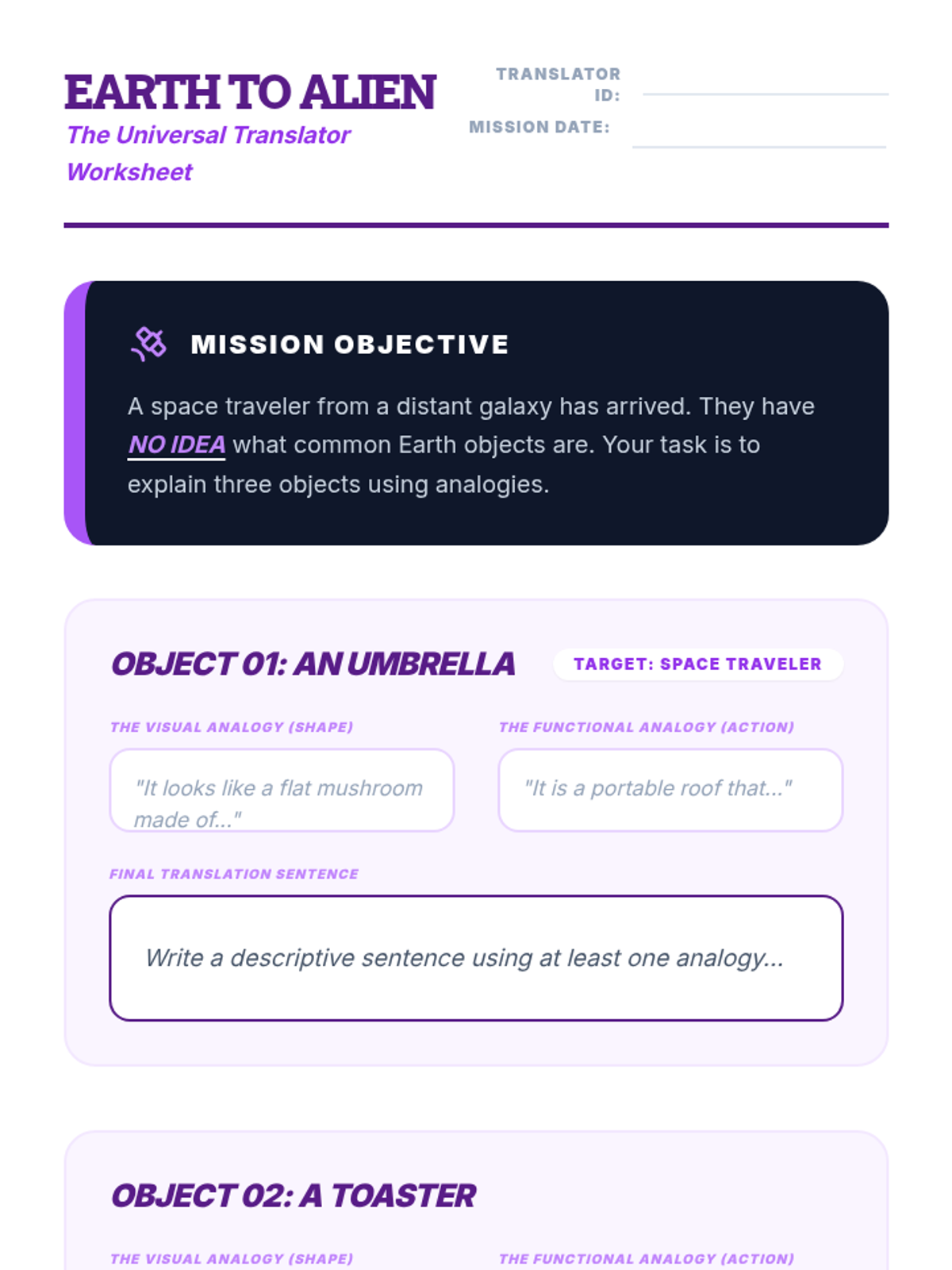
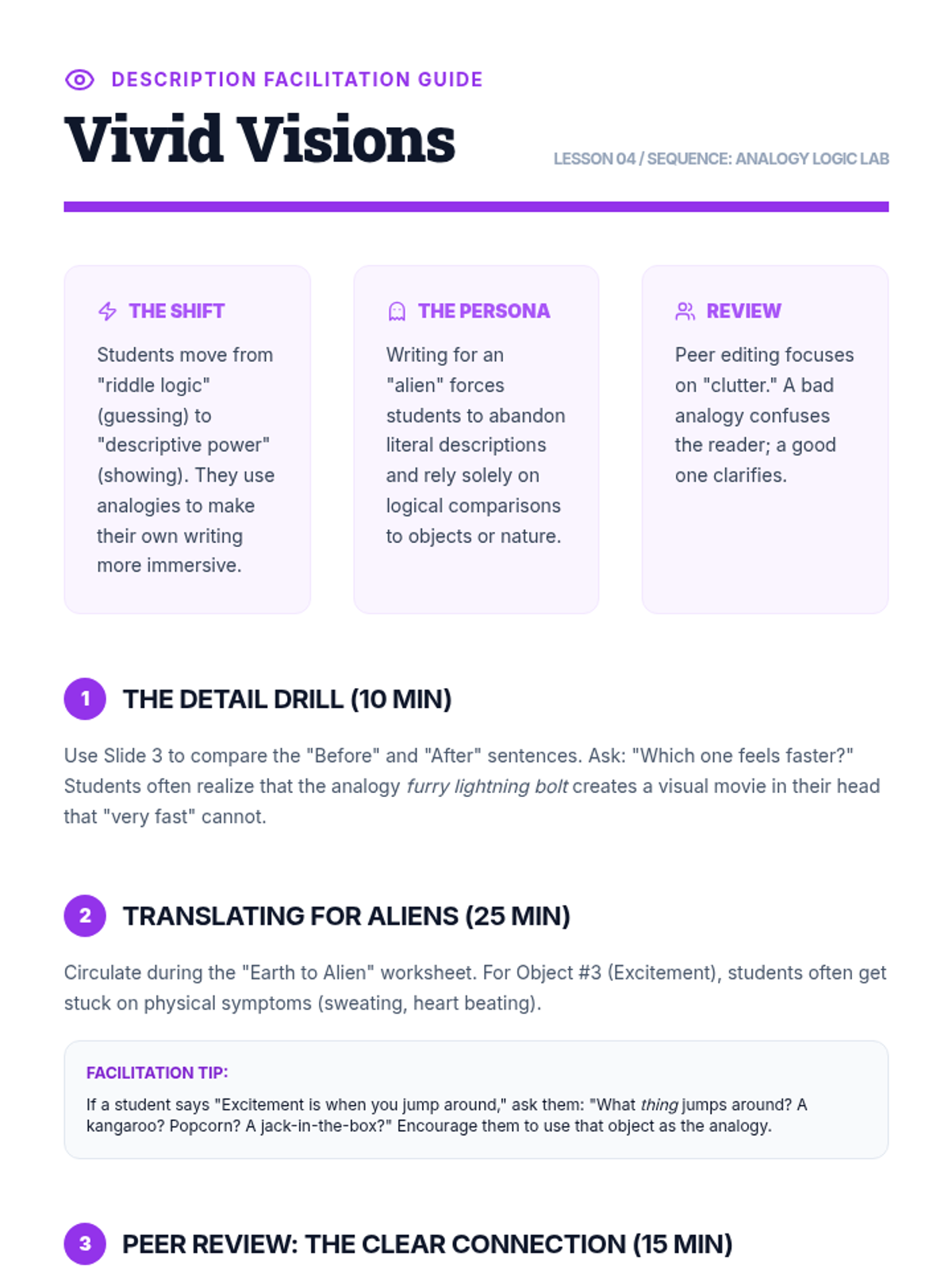
Students practice using analogies as a descriptive tool in their own narrative writing, explaining feelings and visuals through clever comparisons.
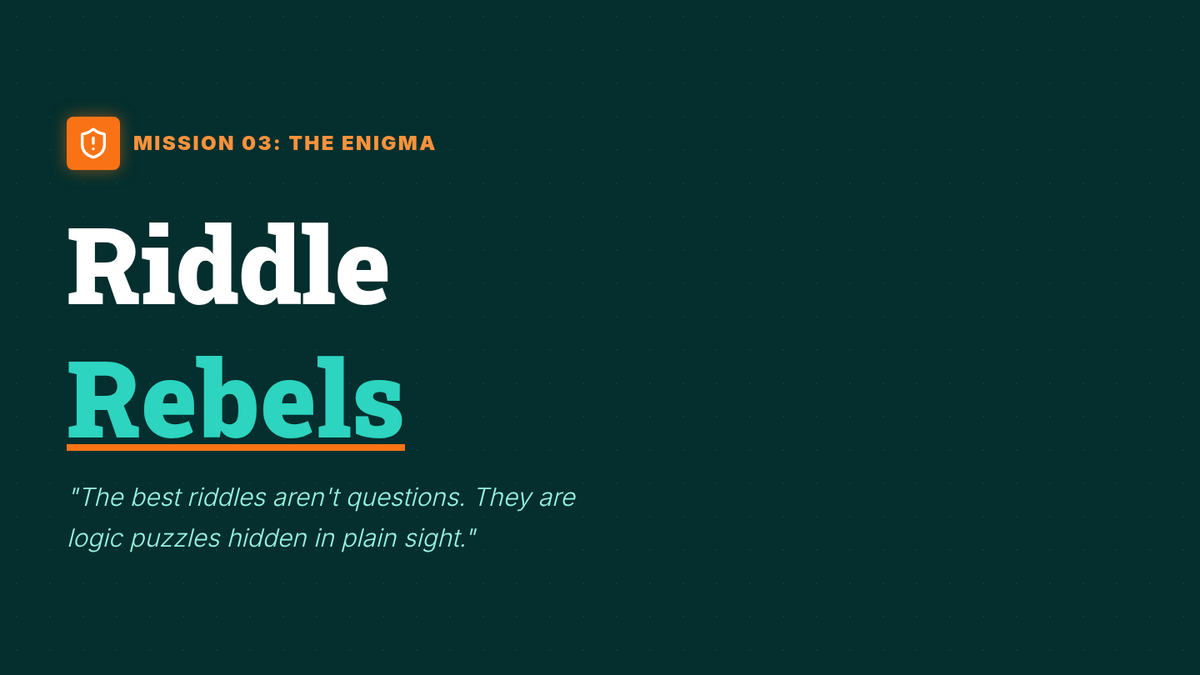
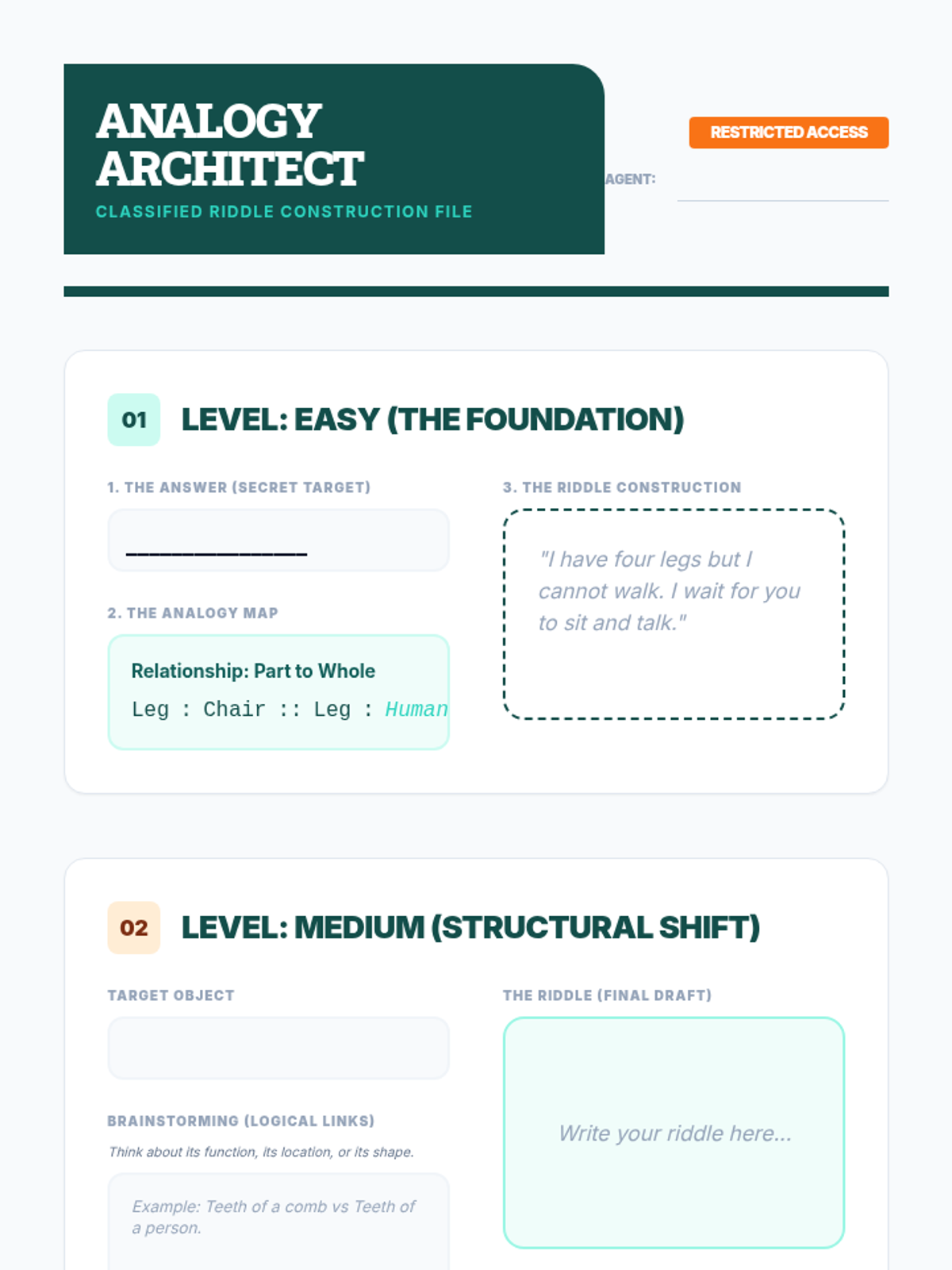
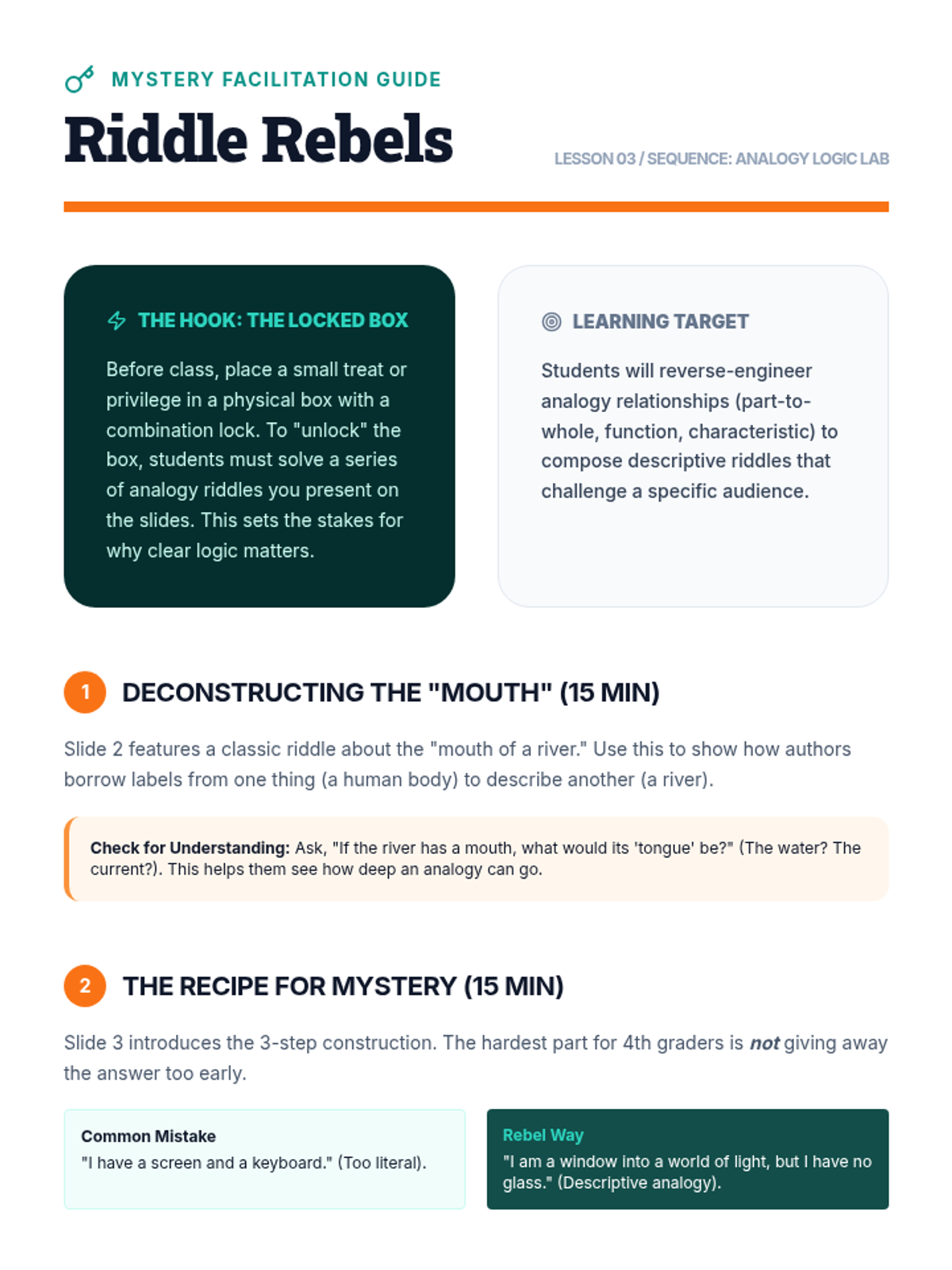
Students reverse-engineer analogy logic to write challenging riddles for their peers, focusing on audience awareness and precise word choice.
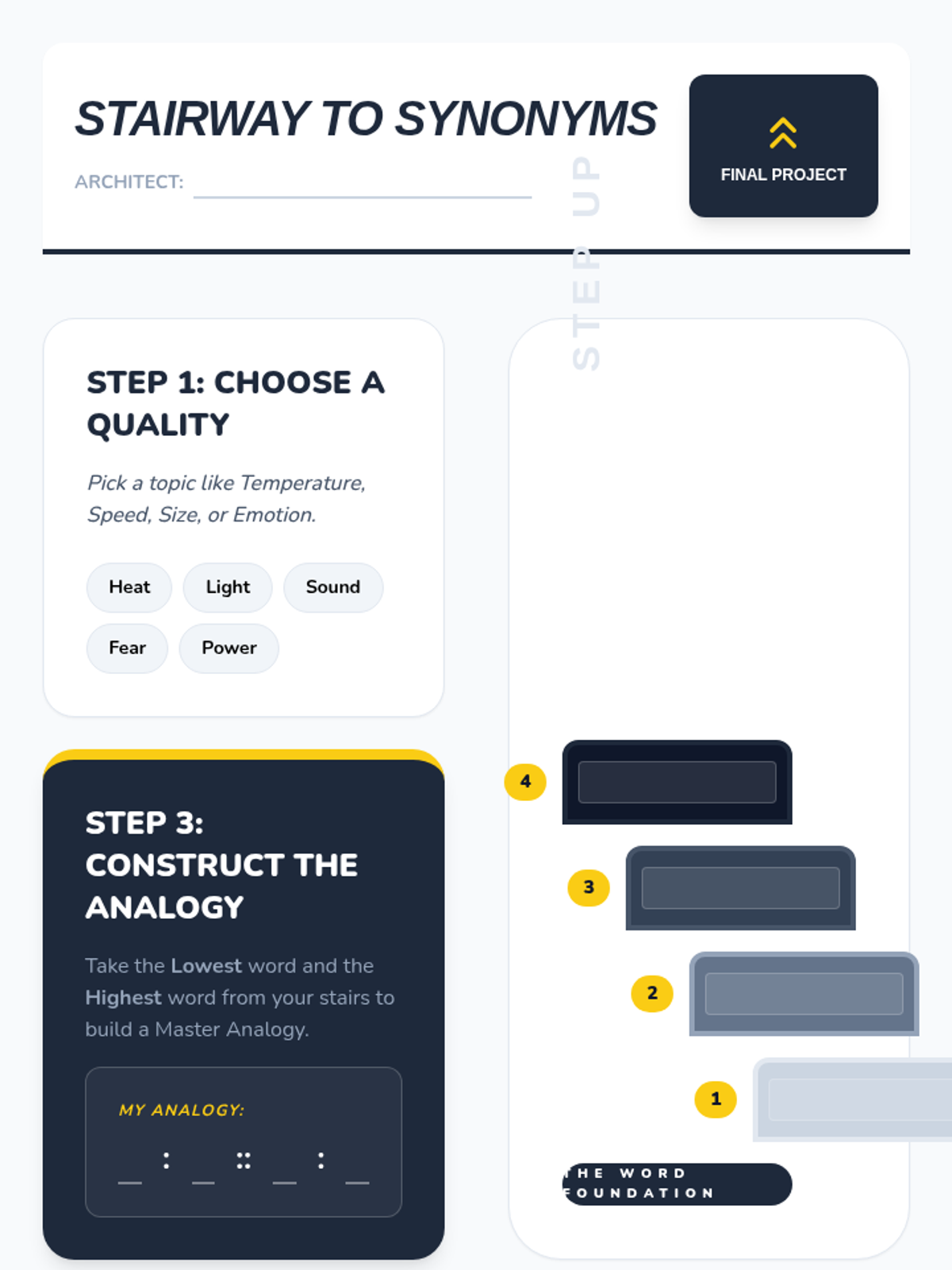
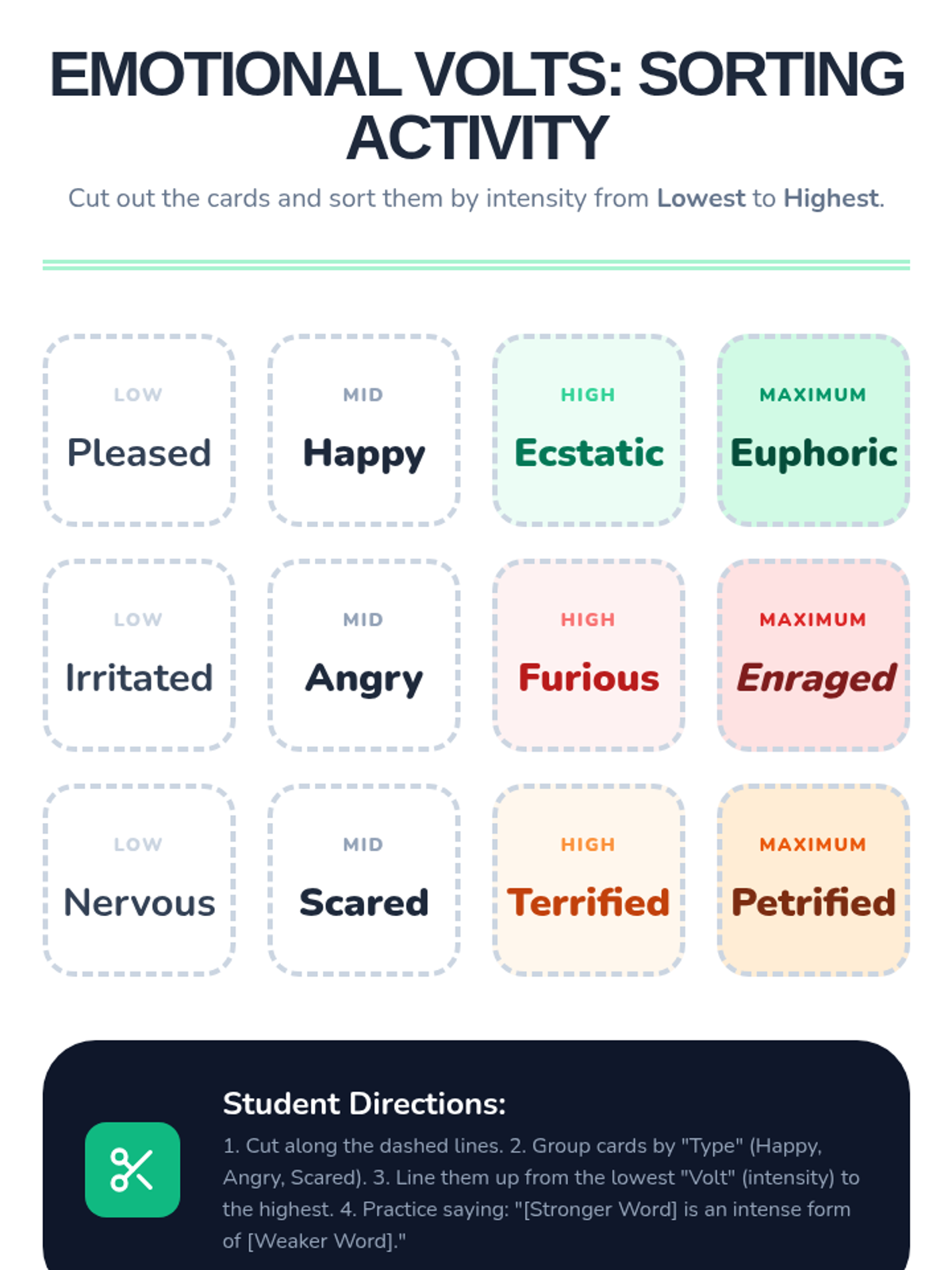
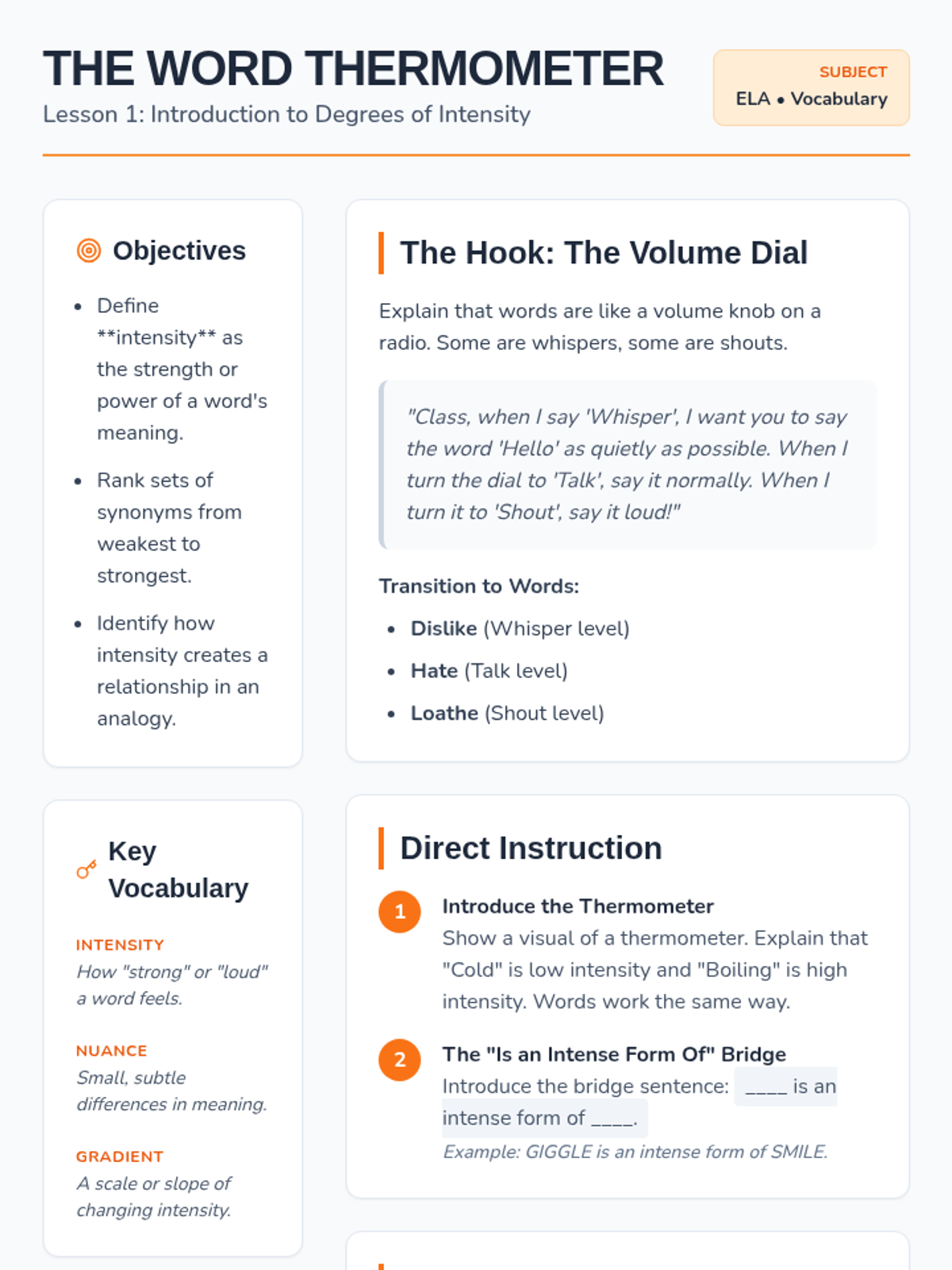
Students are introduced to the concept of word intensity using a 'word thermometer' and a 'Volume Dial' activity. They learn to rank words from weakest to strongest to visualize the progression of meaning.
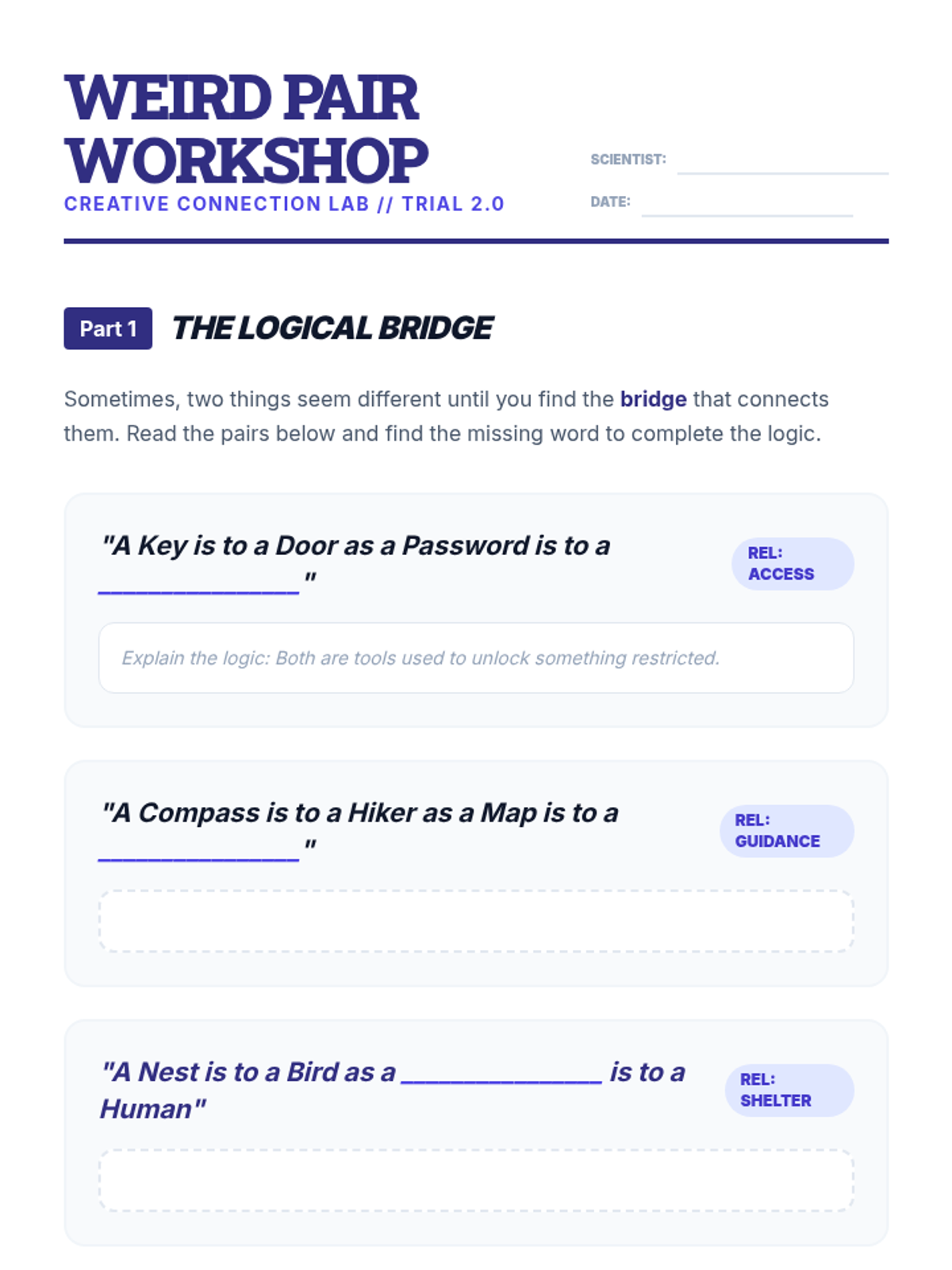
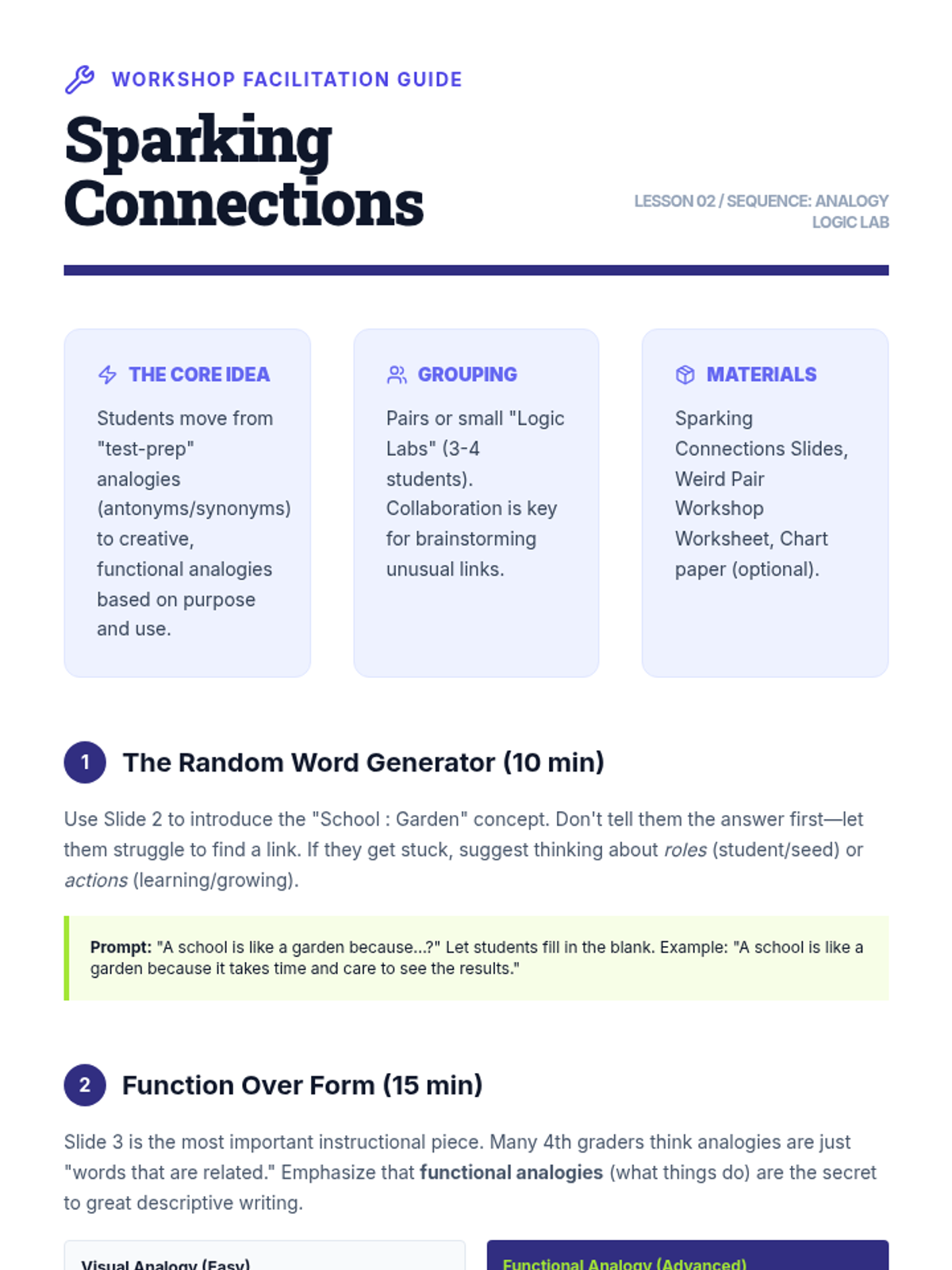
A creative workshop where students move beyond standard word pairs to generate unique, logical connections between seemingly unrelated items.
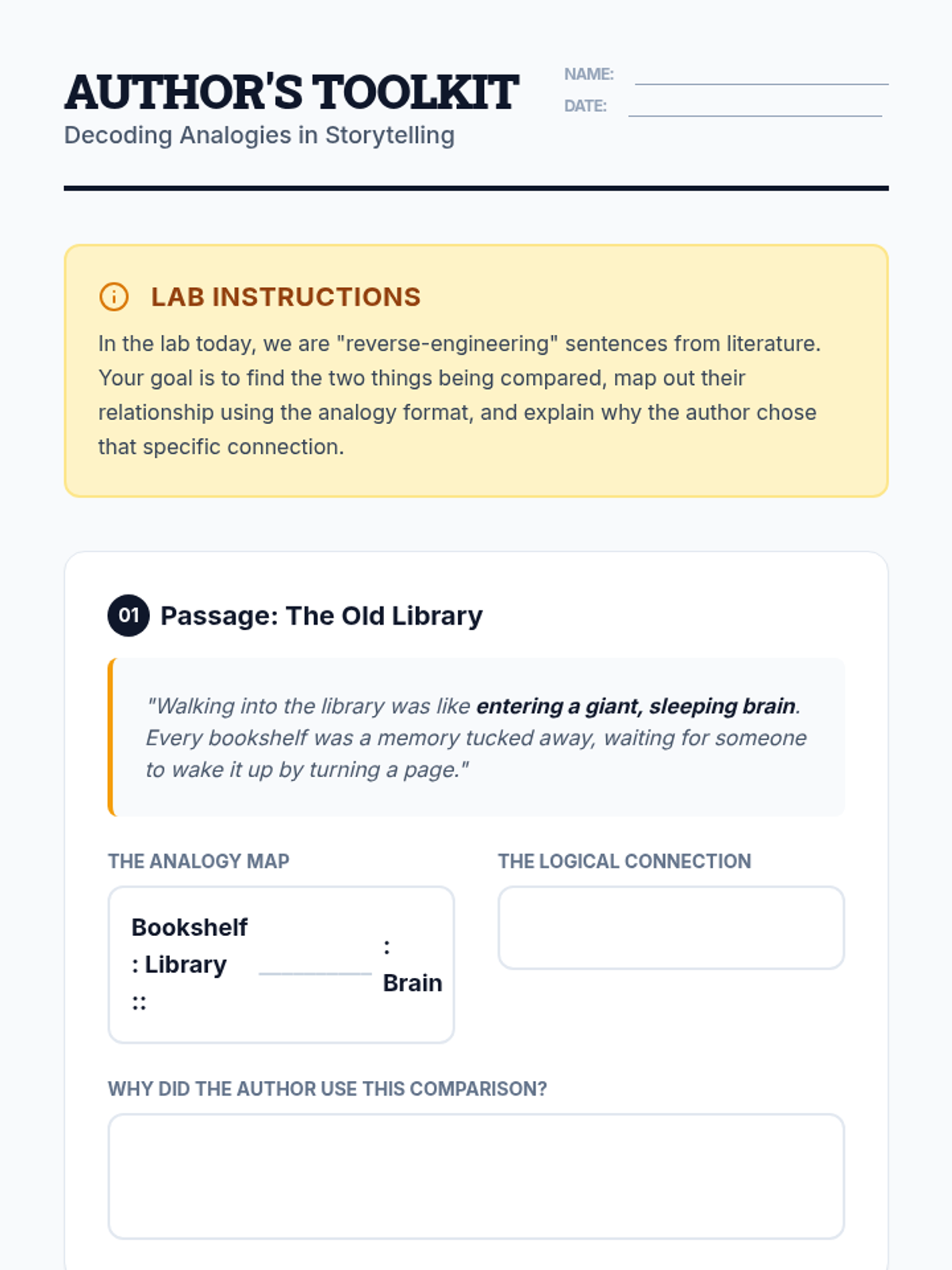
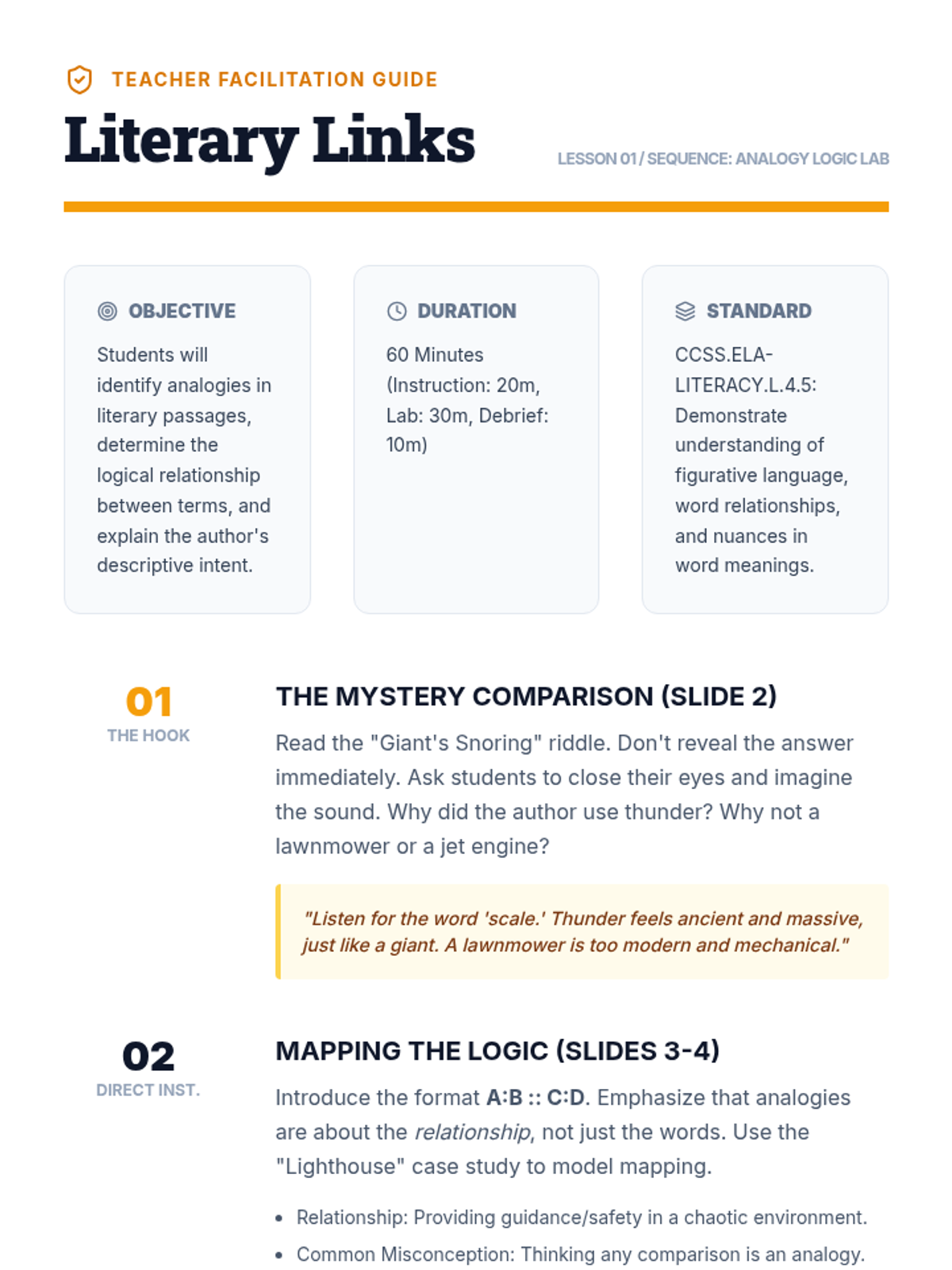
Students explore how authors use analogies in literature to create vivid imagery and explain complex ideas through case studies and discussion.
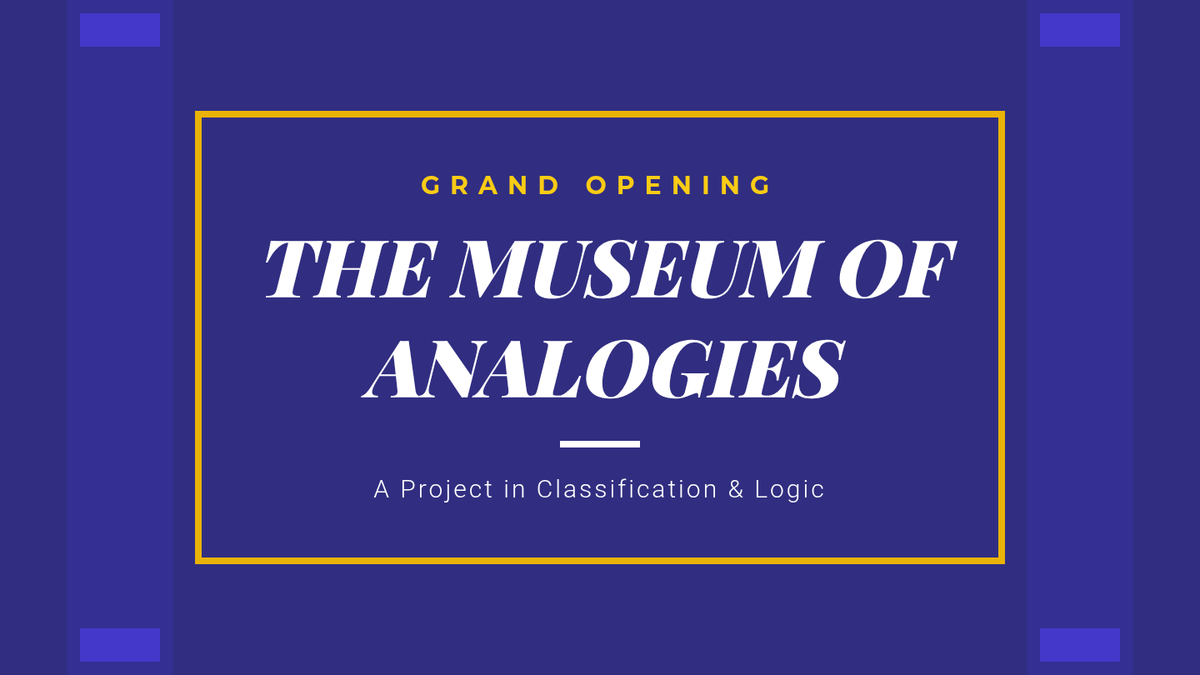
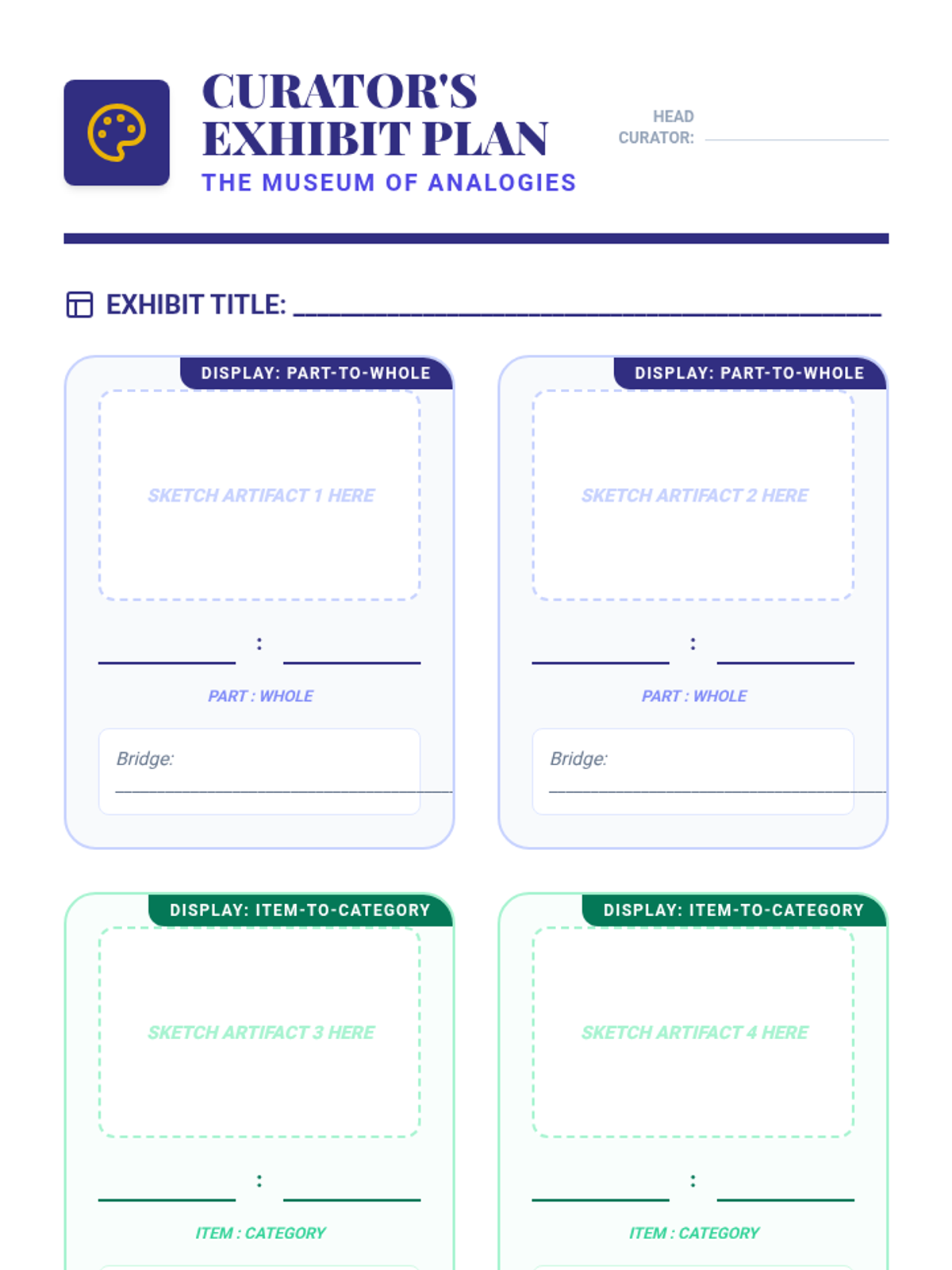
Students create their own classification analogies and design a virtual museum exhibit. This project-based application allows students to demonstrate mastery and peer-assess each other's work.
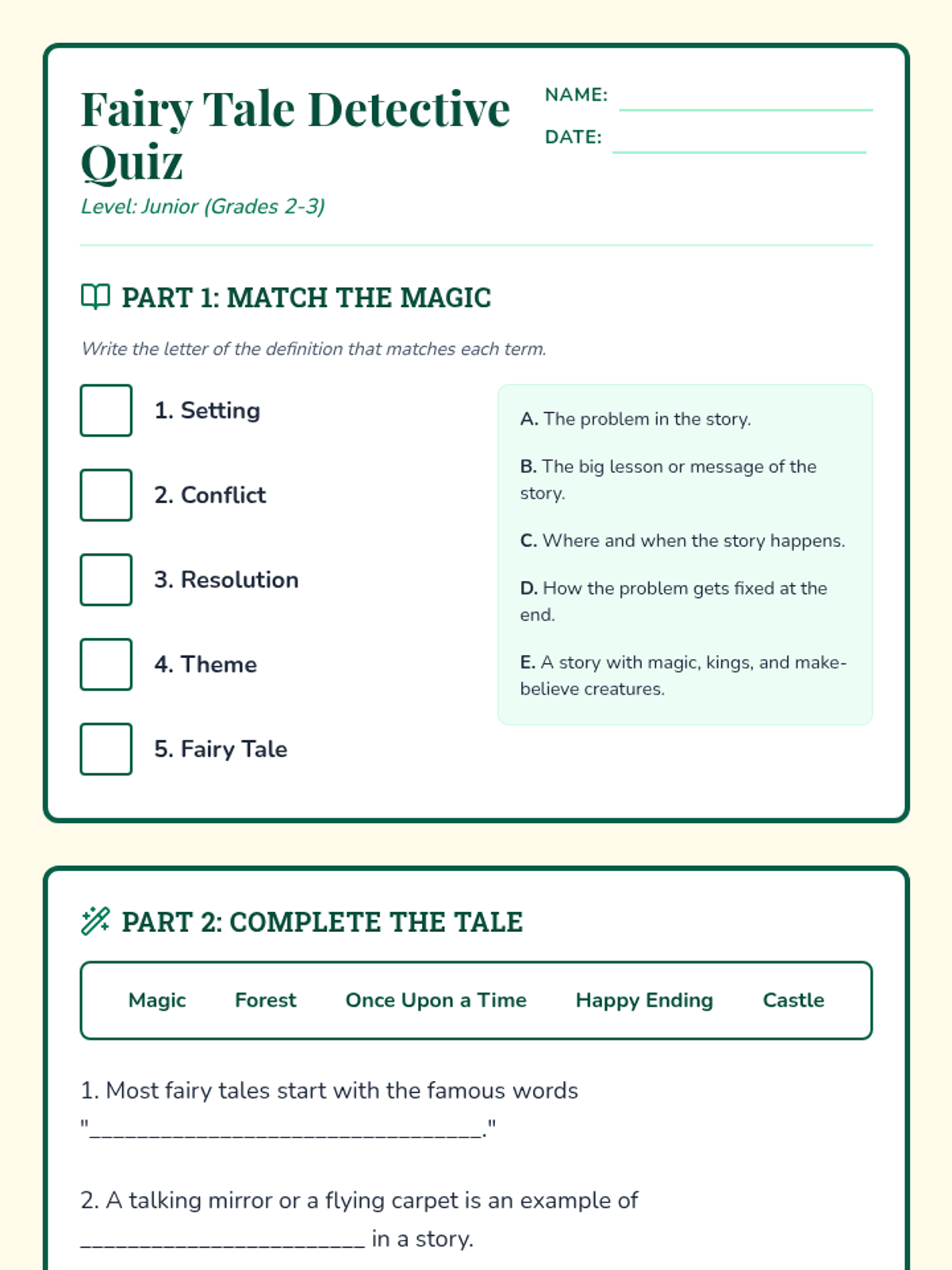
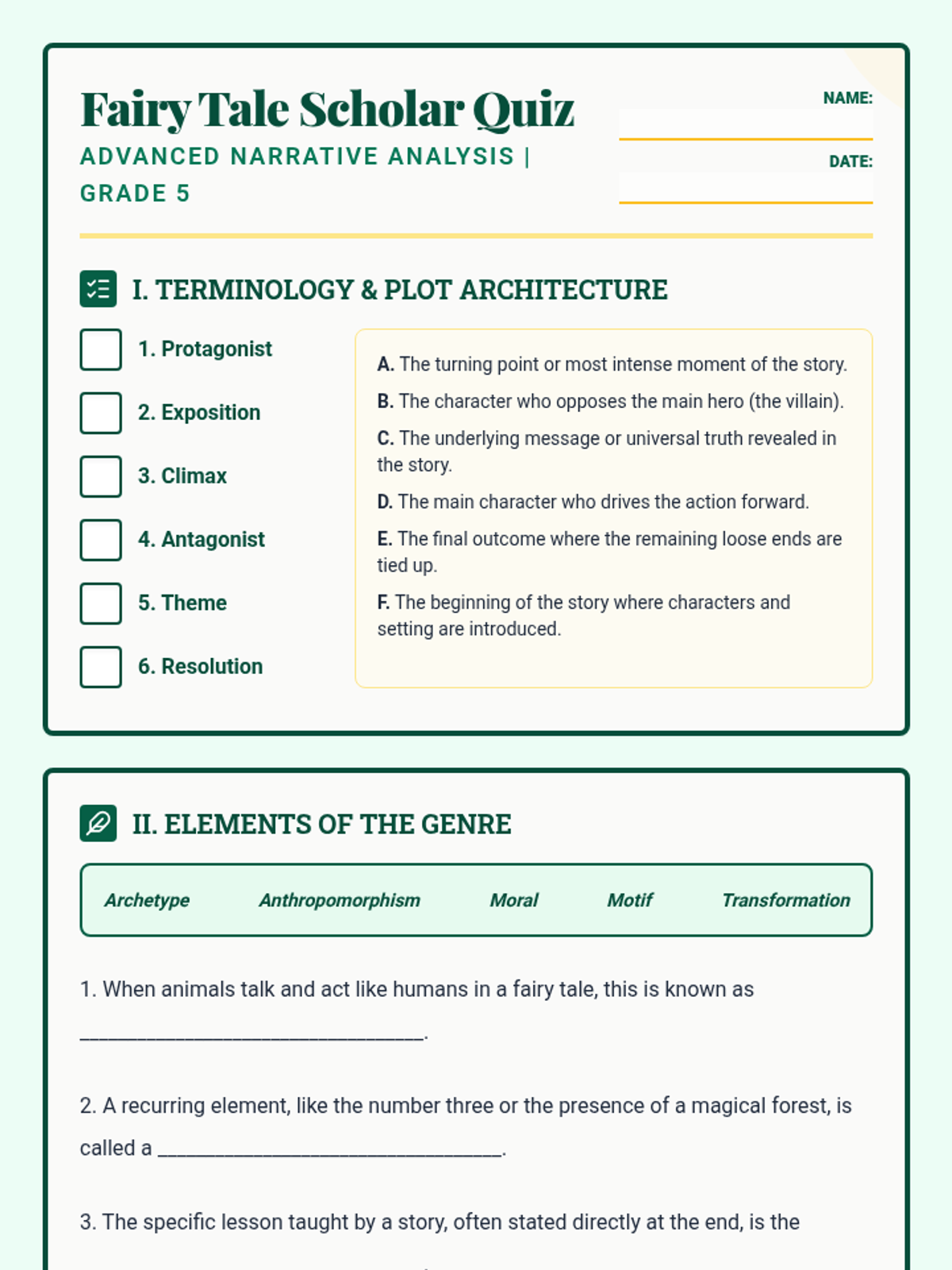
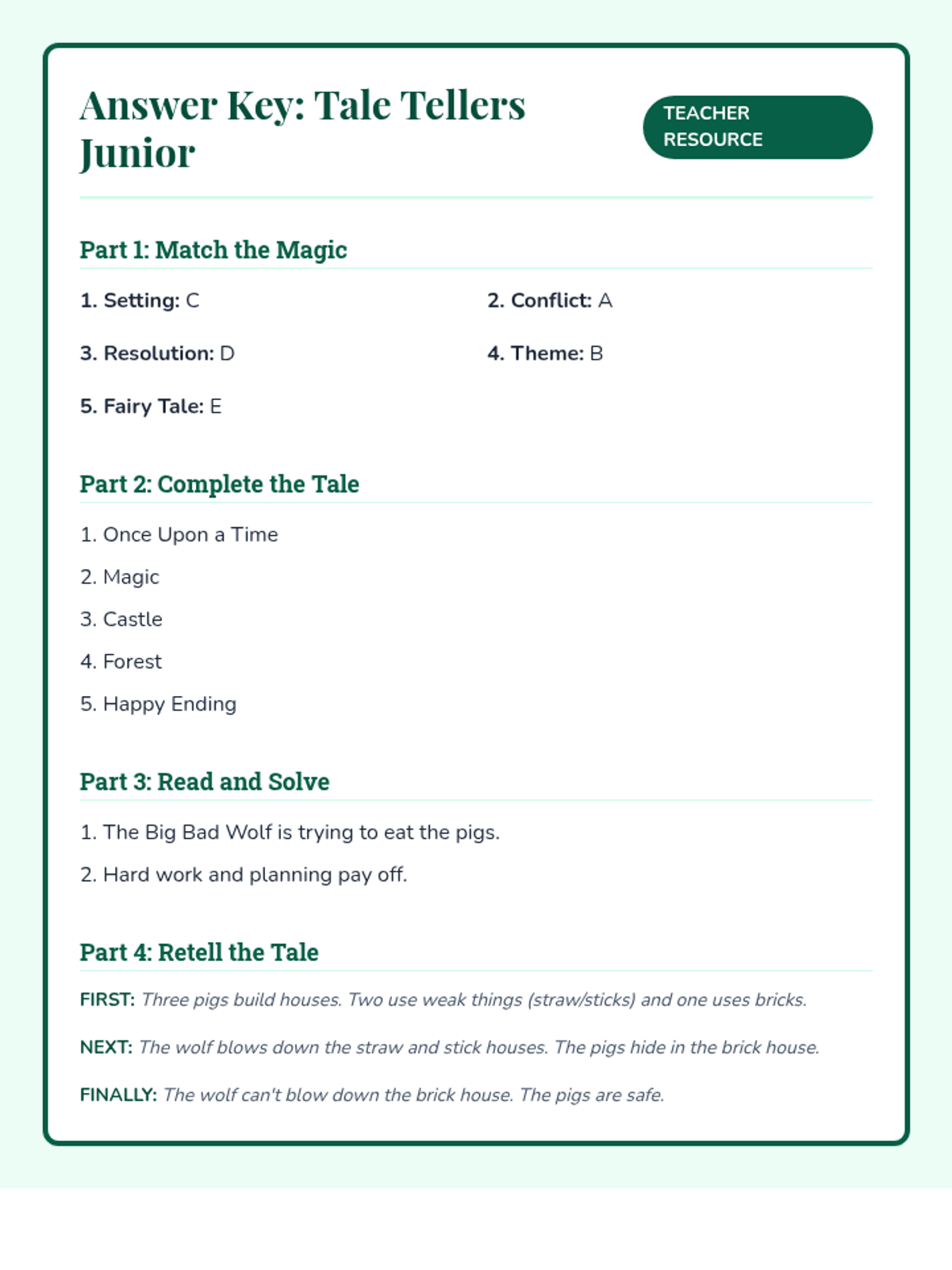
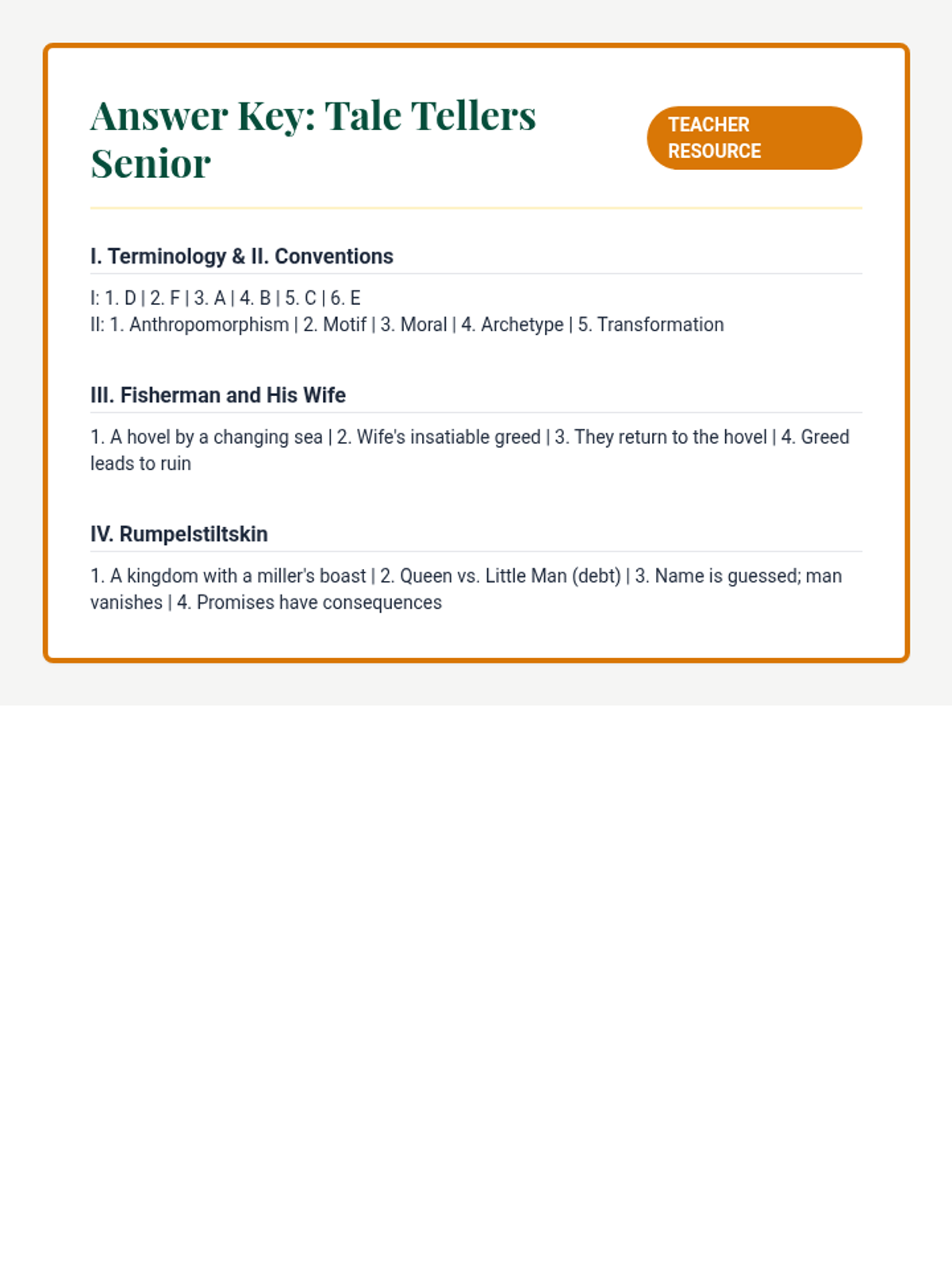
A comprehensive assessment on fairy tale elements and plot structures for elementary students, featuring two differentiated levels to meet specific grade-level standards.
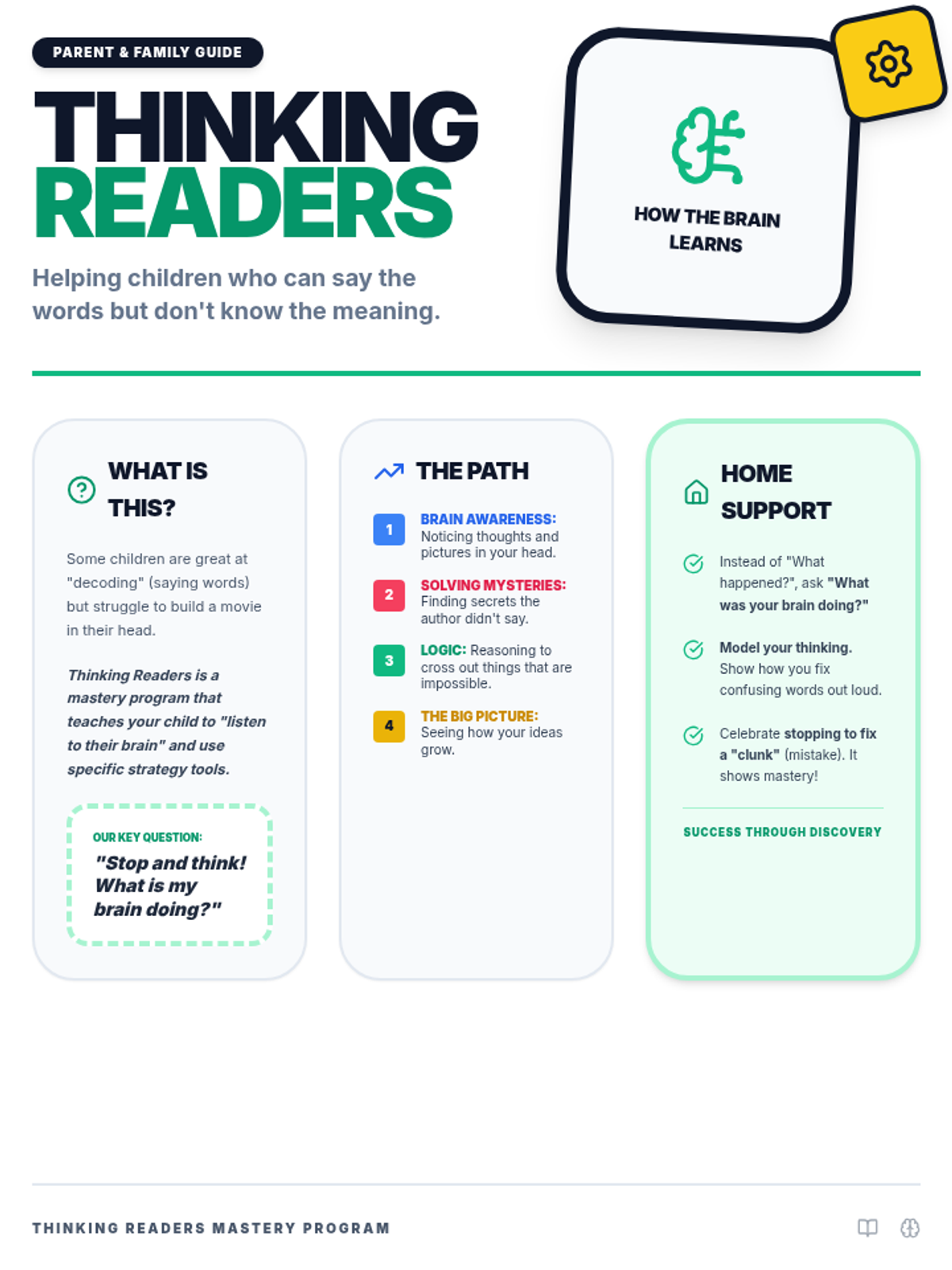
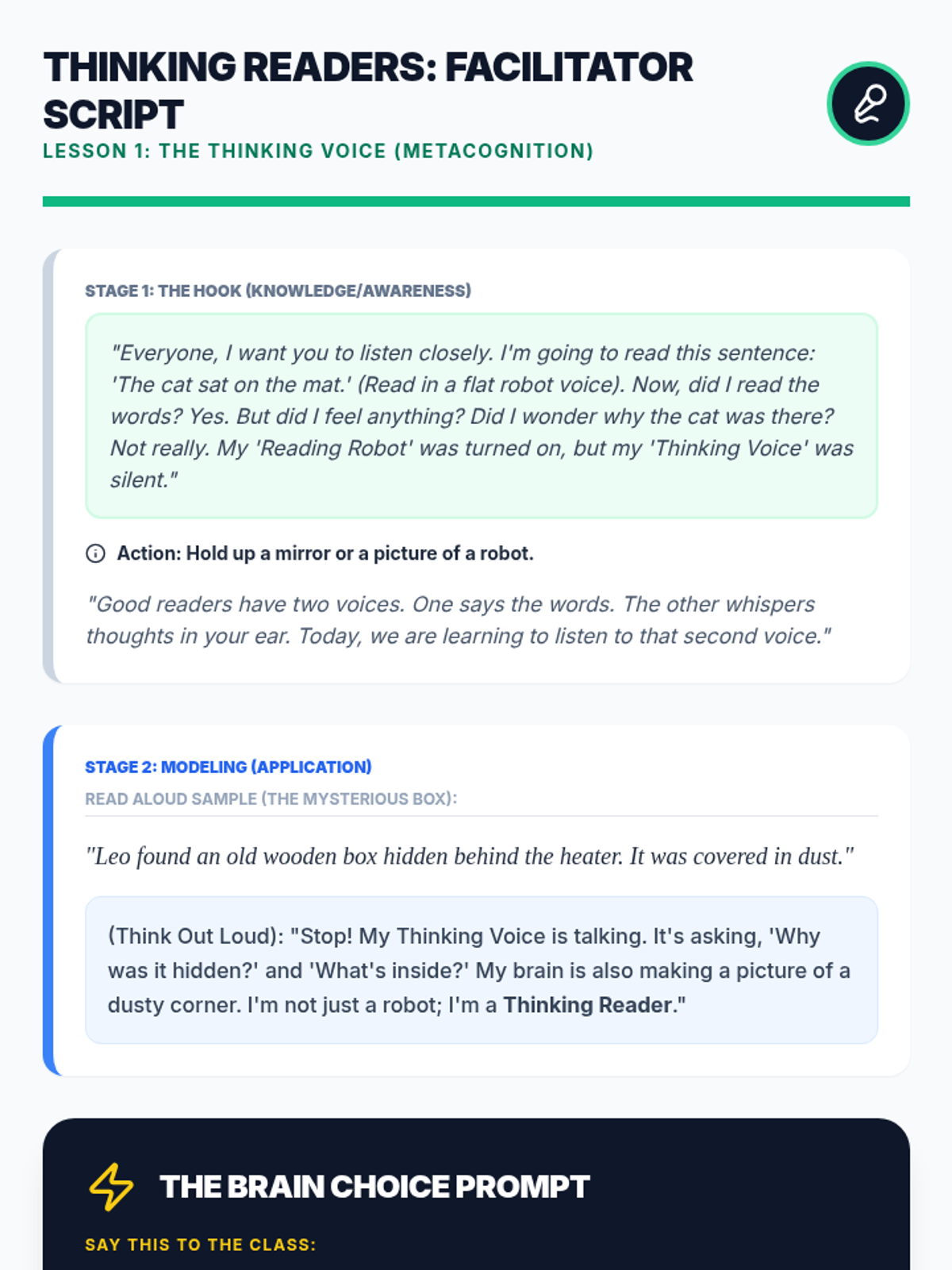
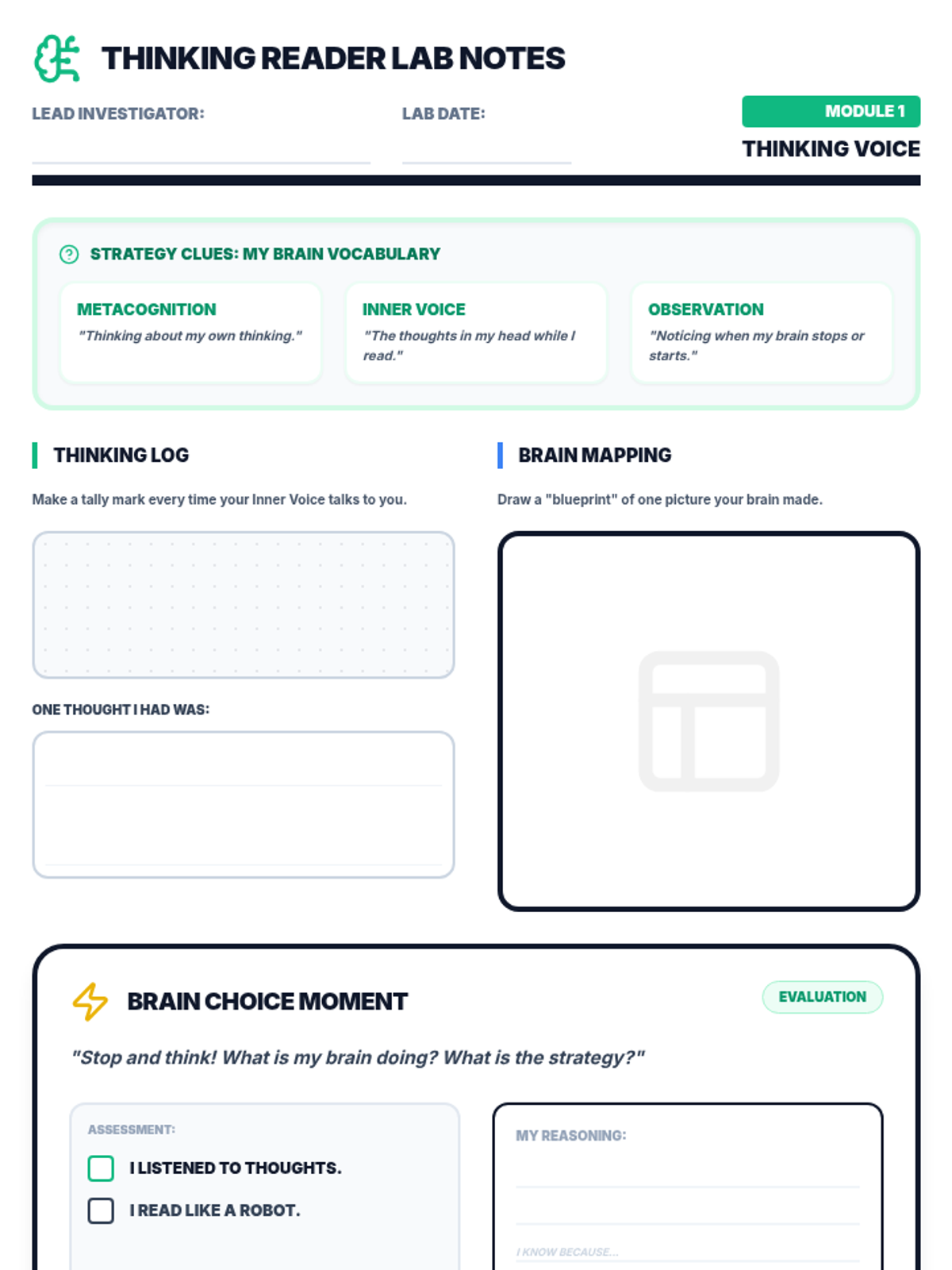
Introduction to the 'Inner Voice'. Students learn to identify when their brain is actively thinking versus just reading words, using the 'Reading Robot' vs. 'Thought Tracker' comparison.
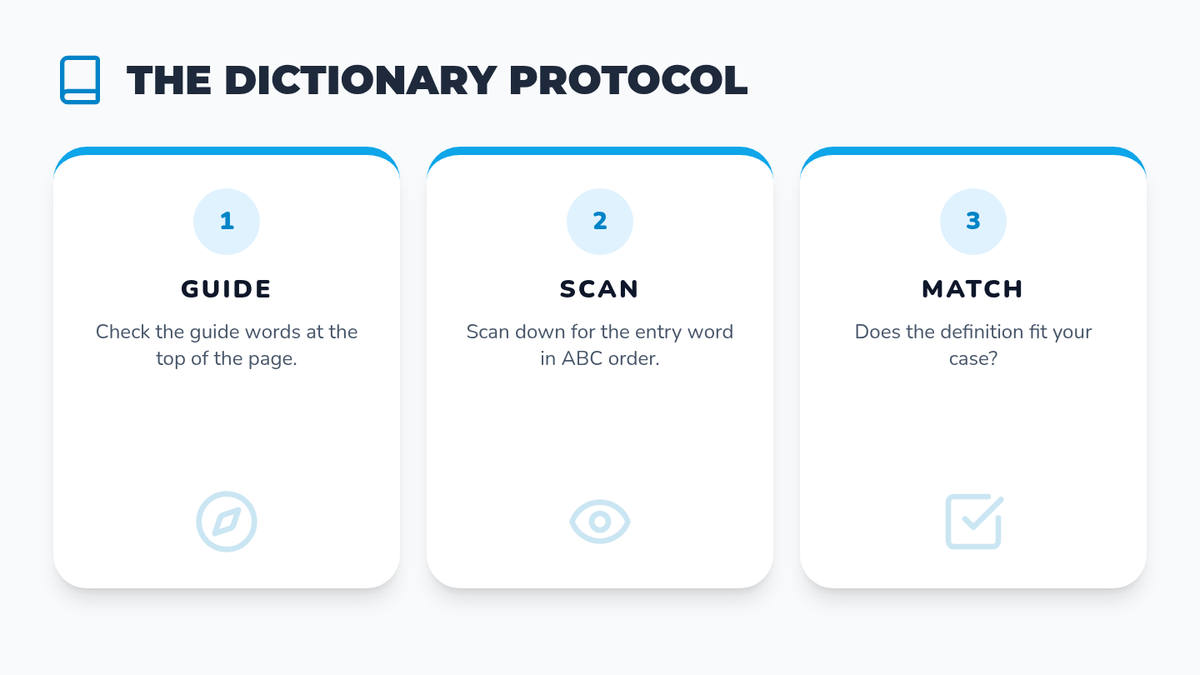
A lesson focused on using dictionary entries and context clues to identify the meaning of multiple-meaning words (homonyms).
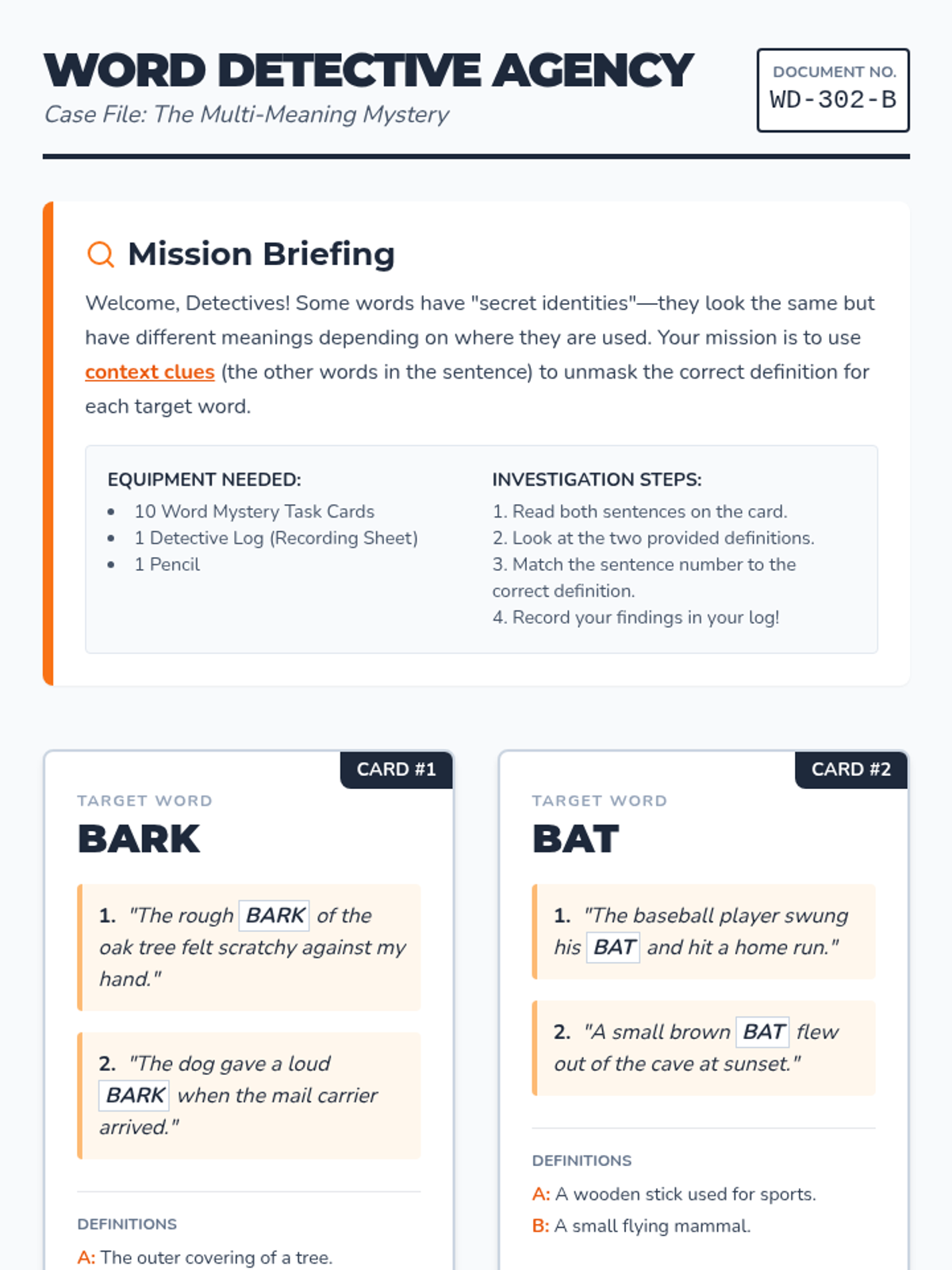
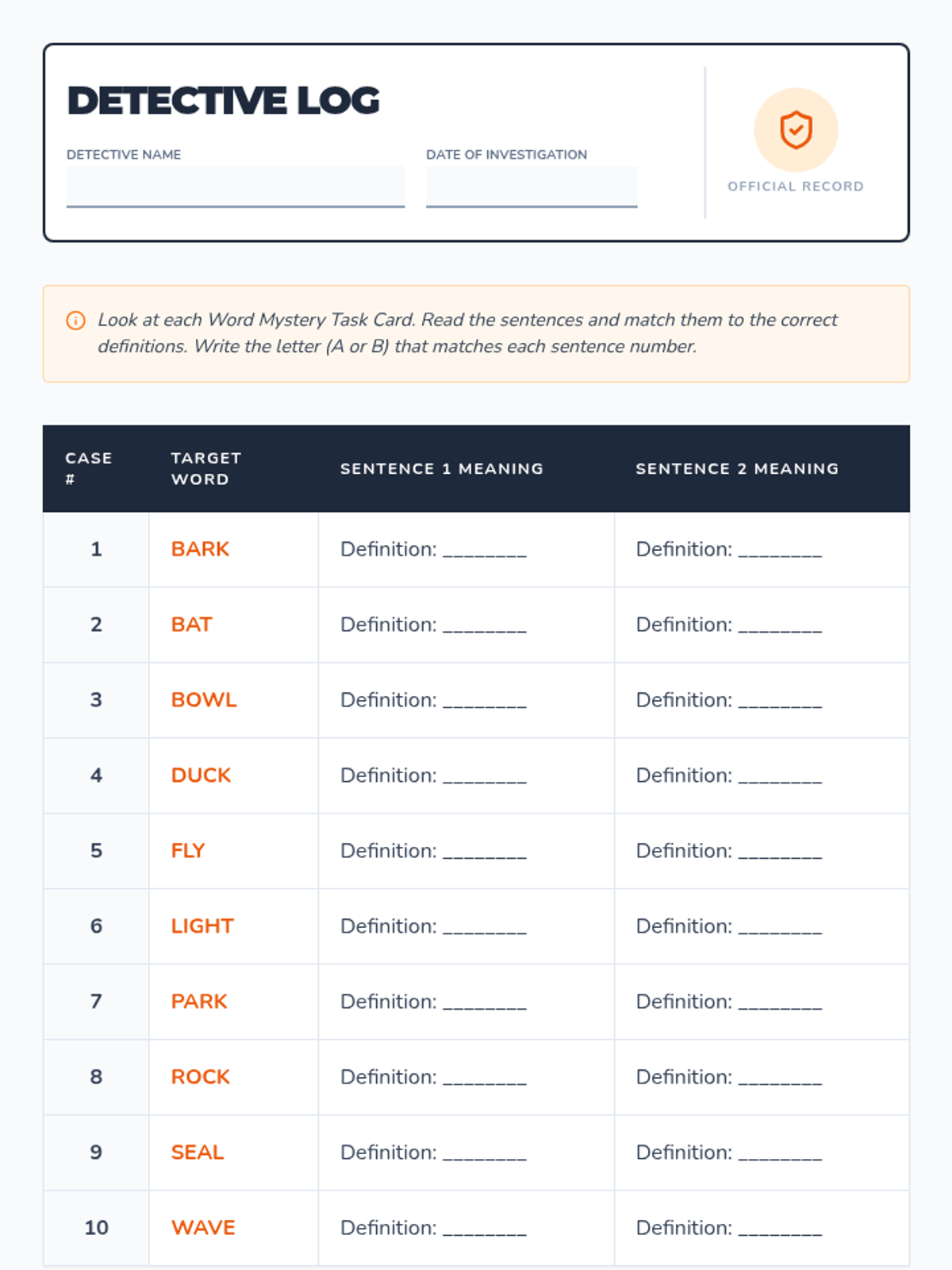
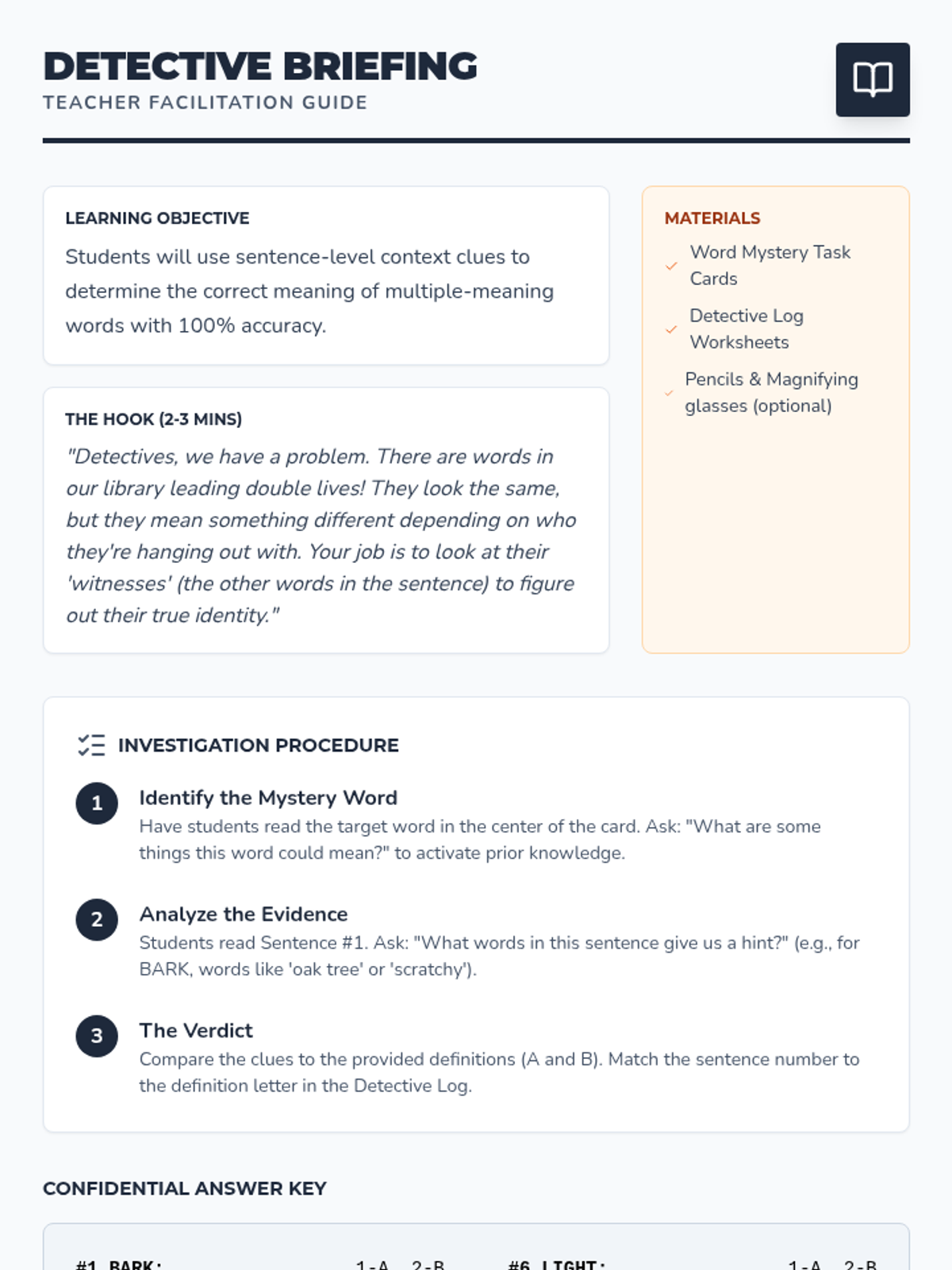
A small-group activity where students act as "Word Detectives" to determine the correct meaning of multiple-meaning words using sentence-level context clues. Students analyze task cards and record their findings in a detective log.