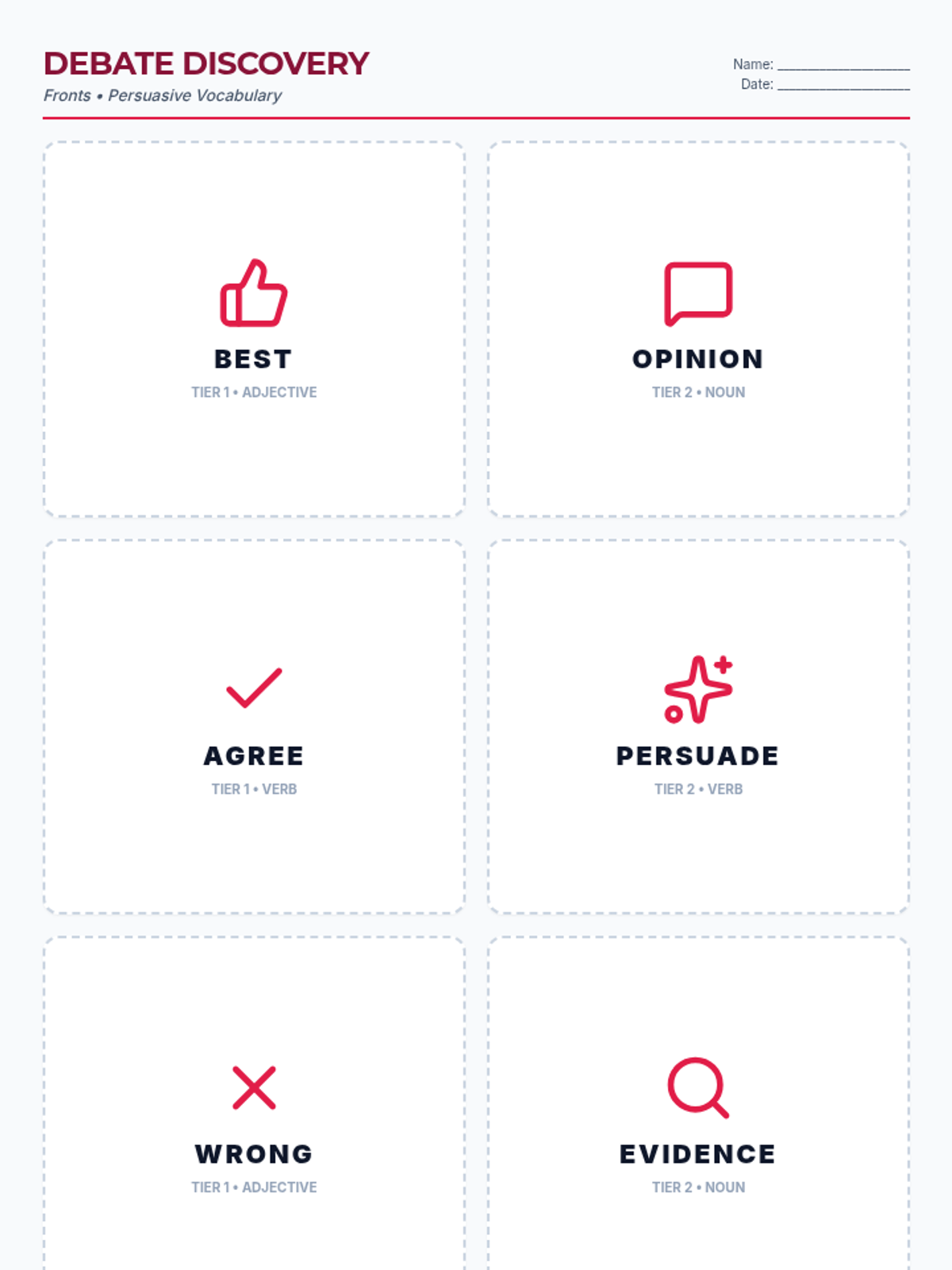
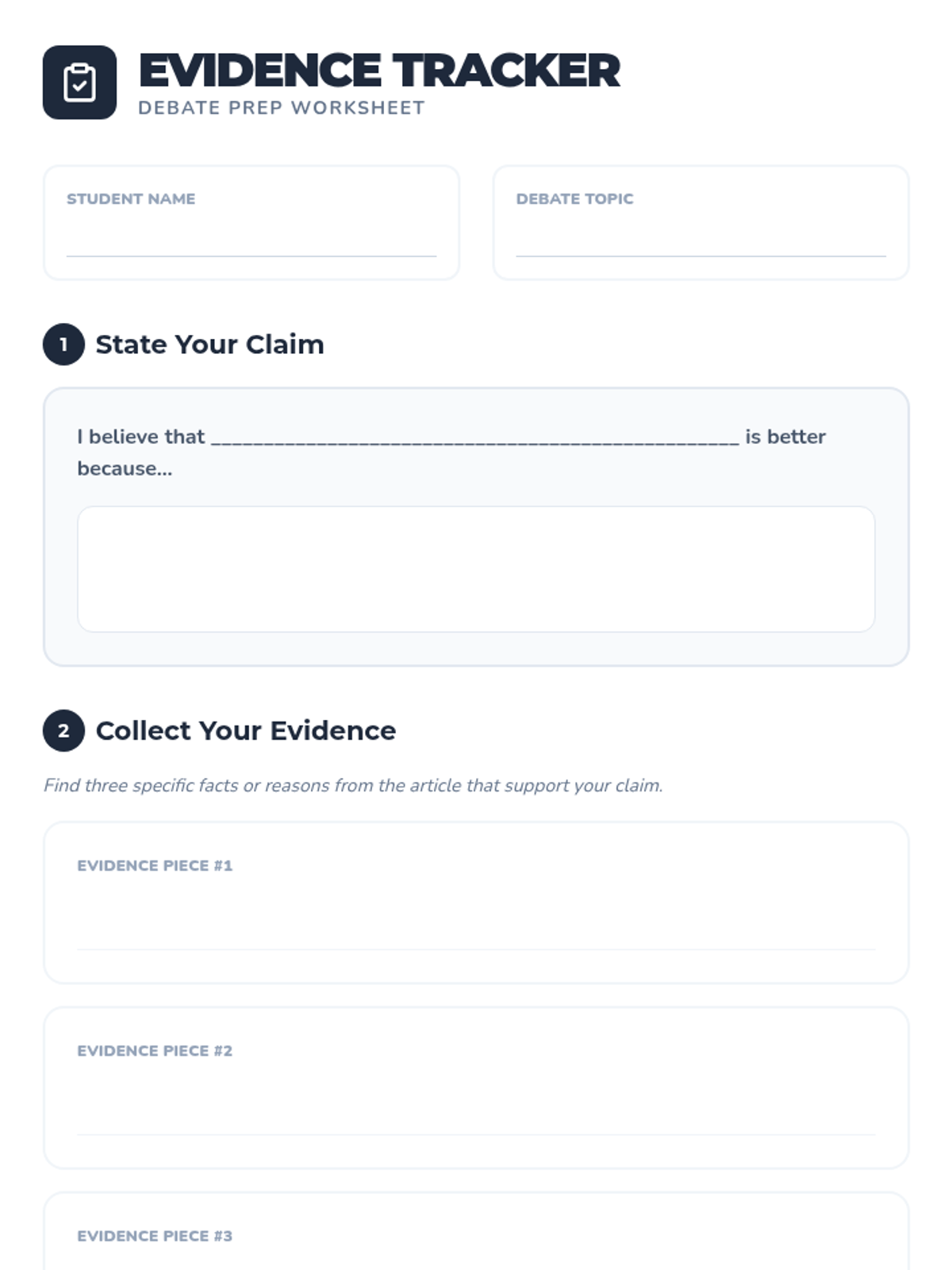
Systematic research, evidence evaluation, and logical reasoning skills for formal discourse. Equips speakers to organize persuasive arguments, identify fallacies, and execute strategic impact calculus during competitive engagement.
A collaborative "Pairs Compare" activity where students work in teams of four to share keywords, locate evidence, and synthesize final answers on index cards.
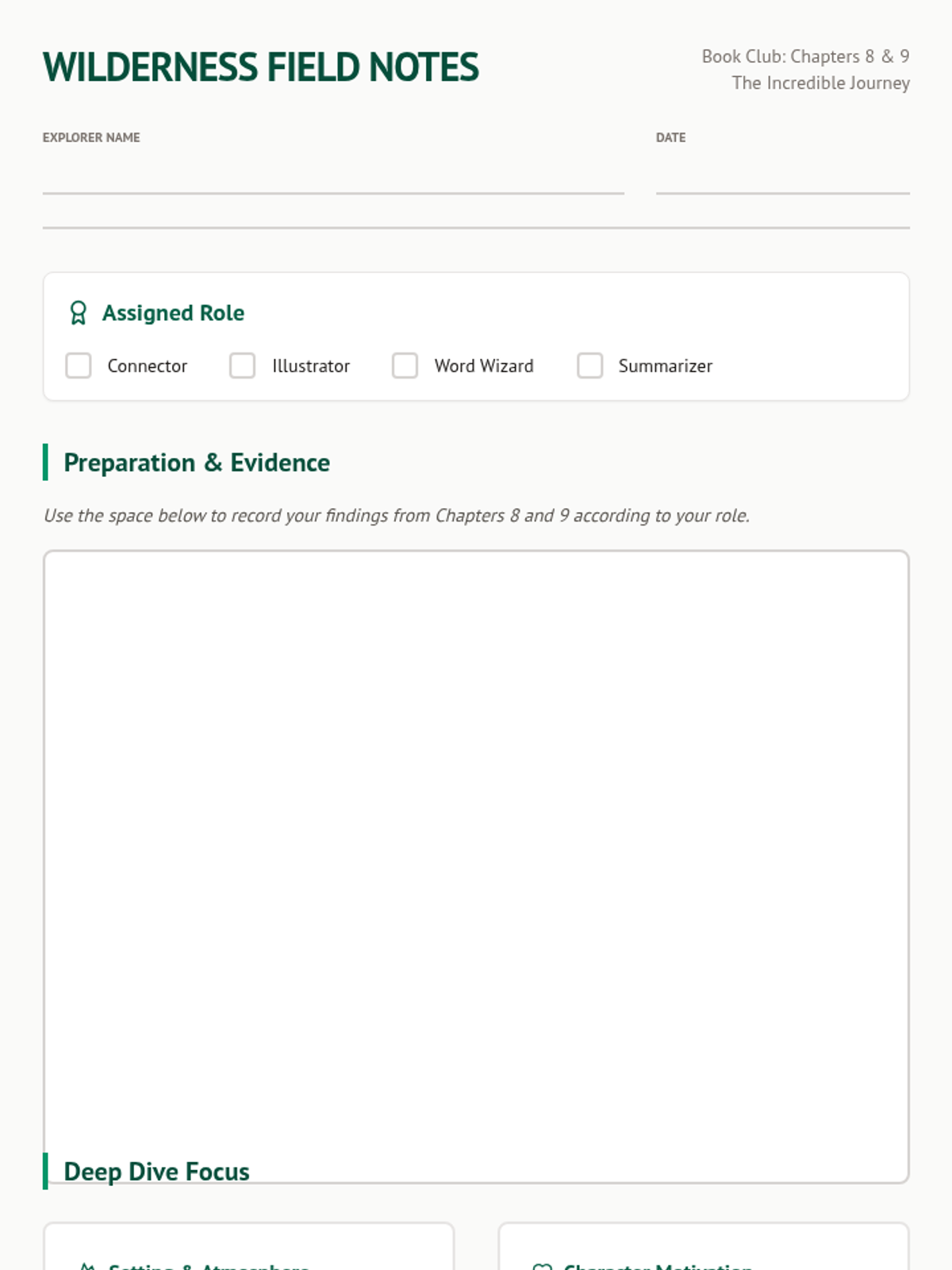
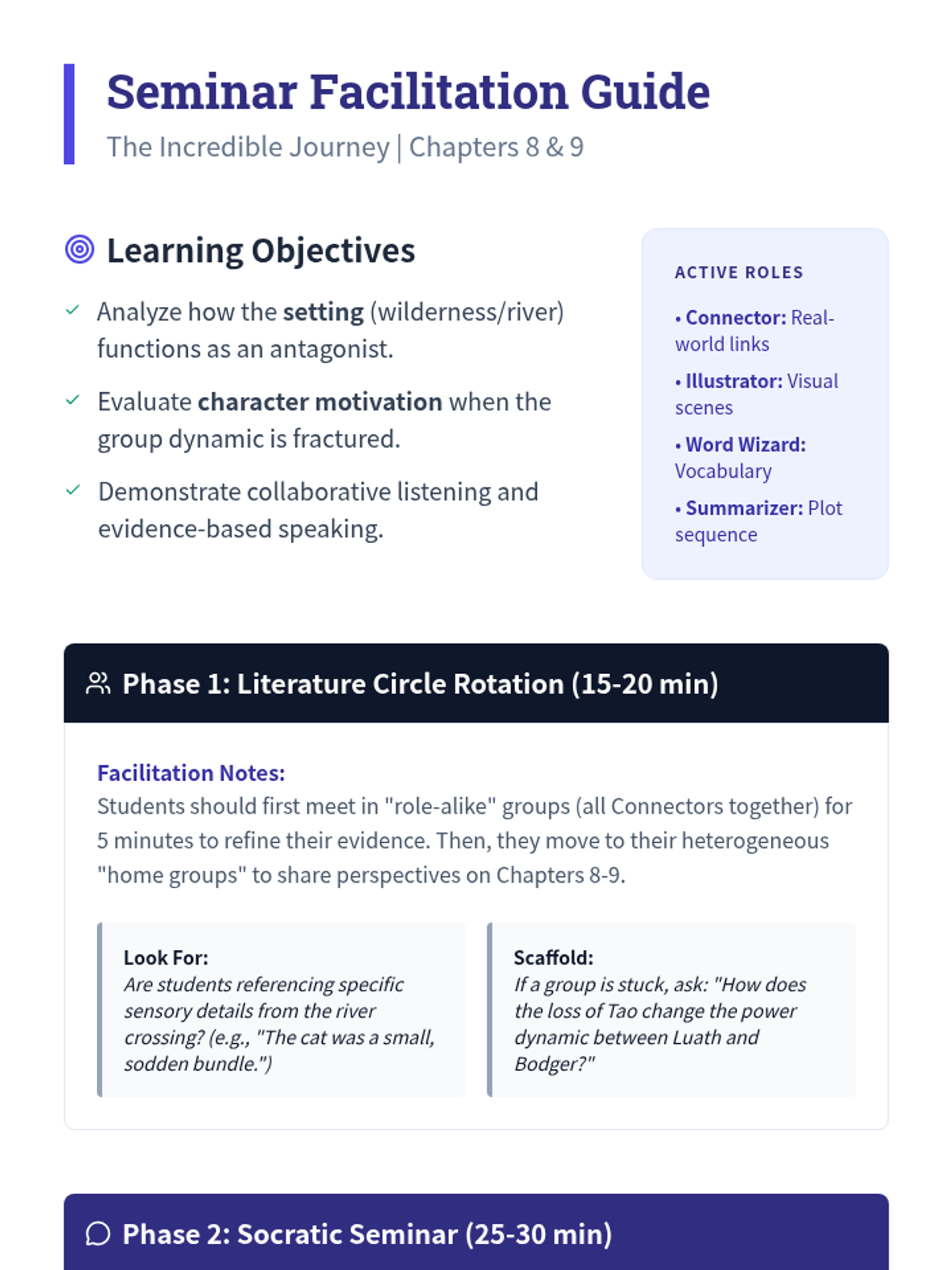
A deep dive into Sheila Burnford's classic adventure, focusing on the trio's survival through the Canadian wilderness. Students explore character motivations, analyze the atmospheric setting, and practice collaborative discussion techniques.
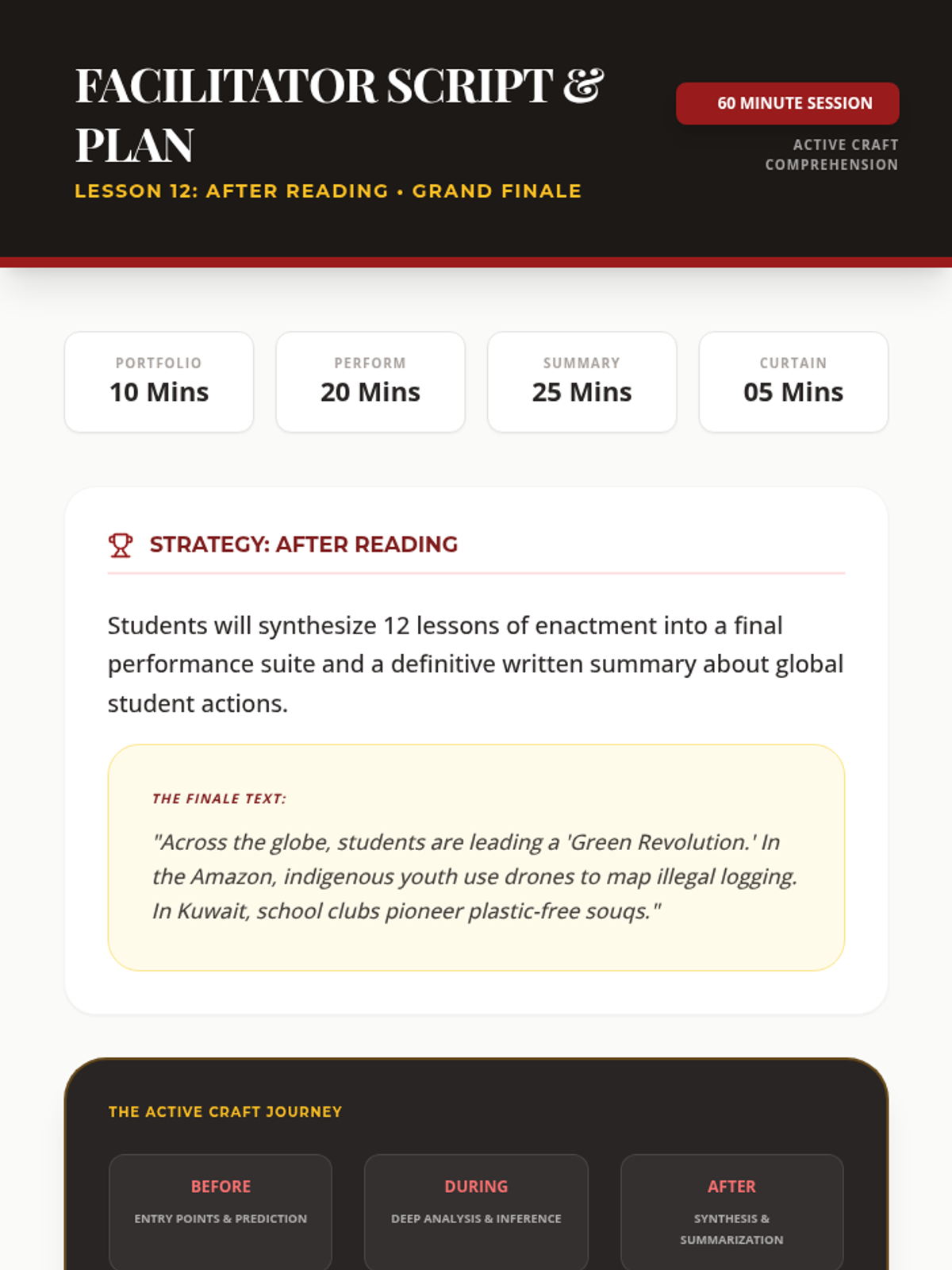
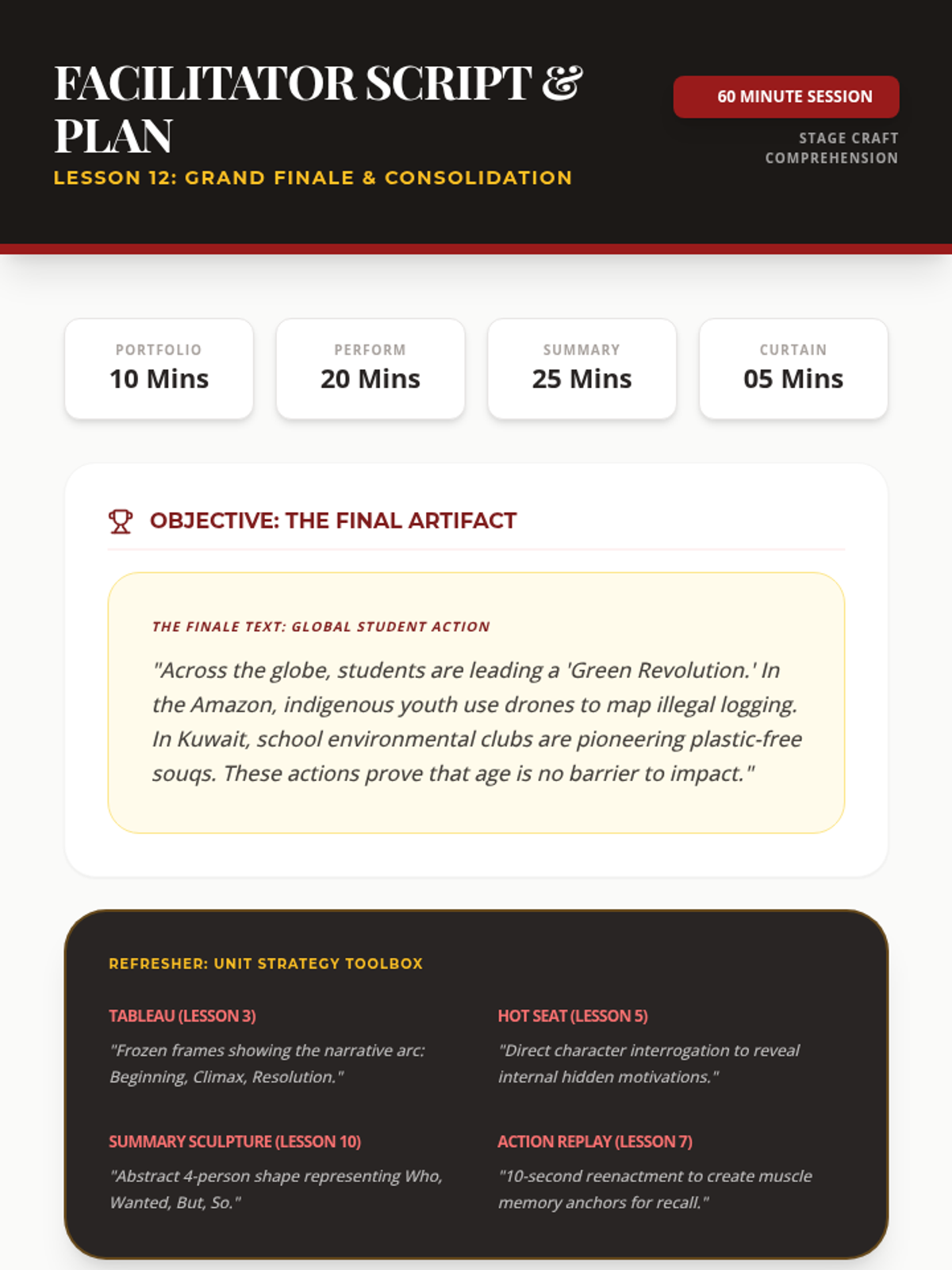
After Reading Strategy: Consolidating skills into a final performance and assessment about students’ actions around the world.
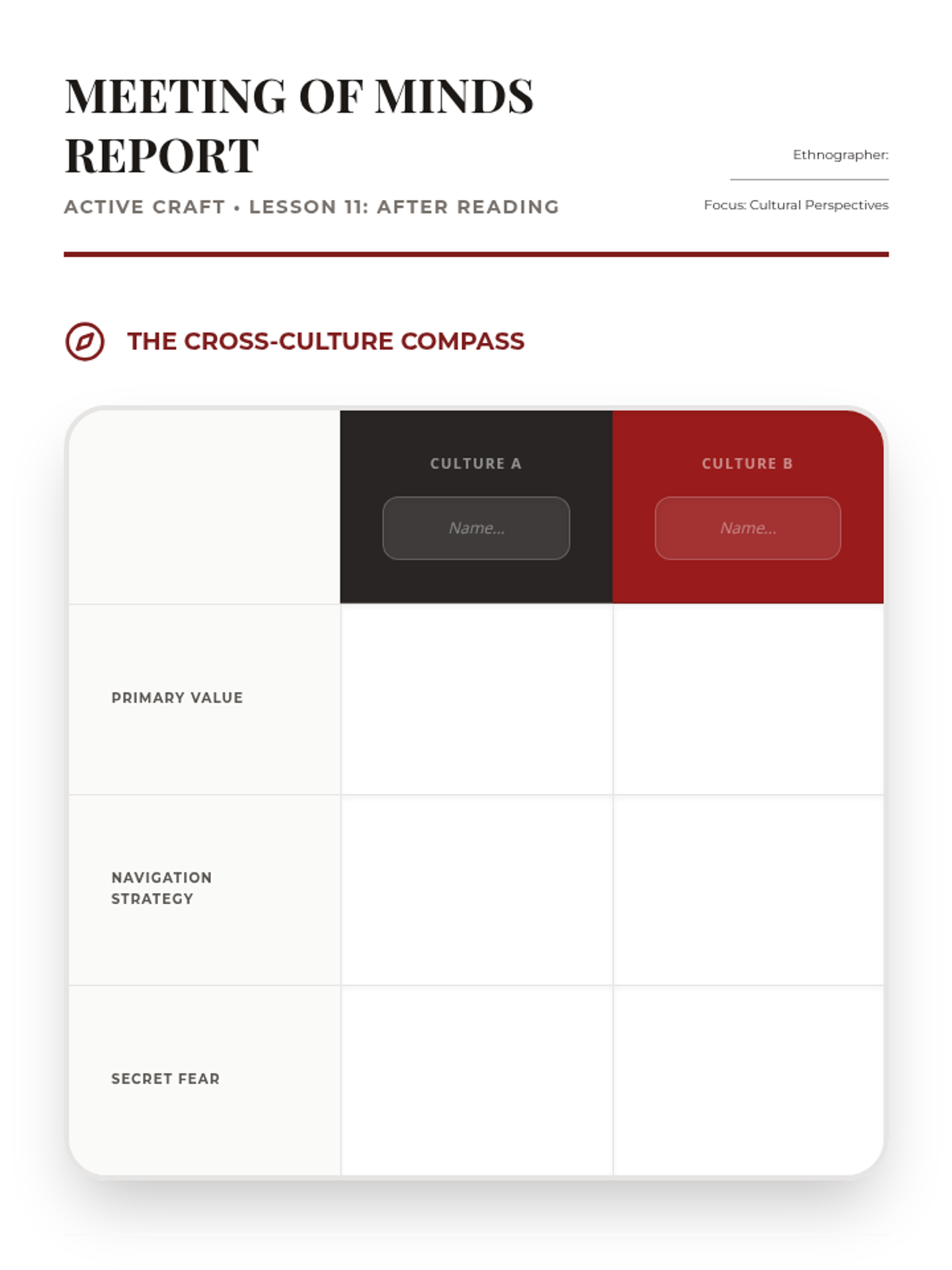
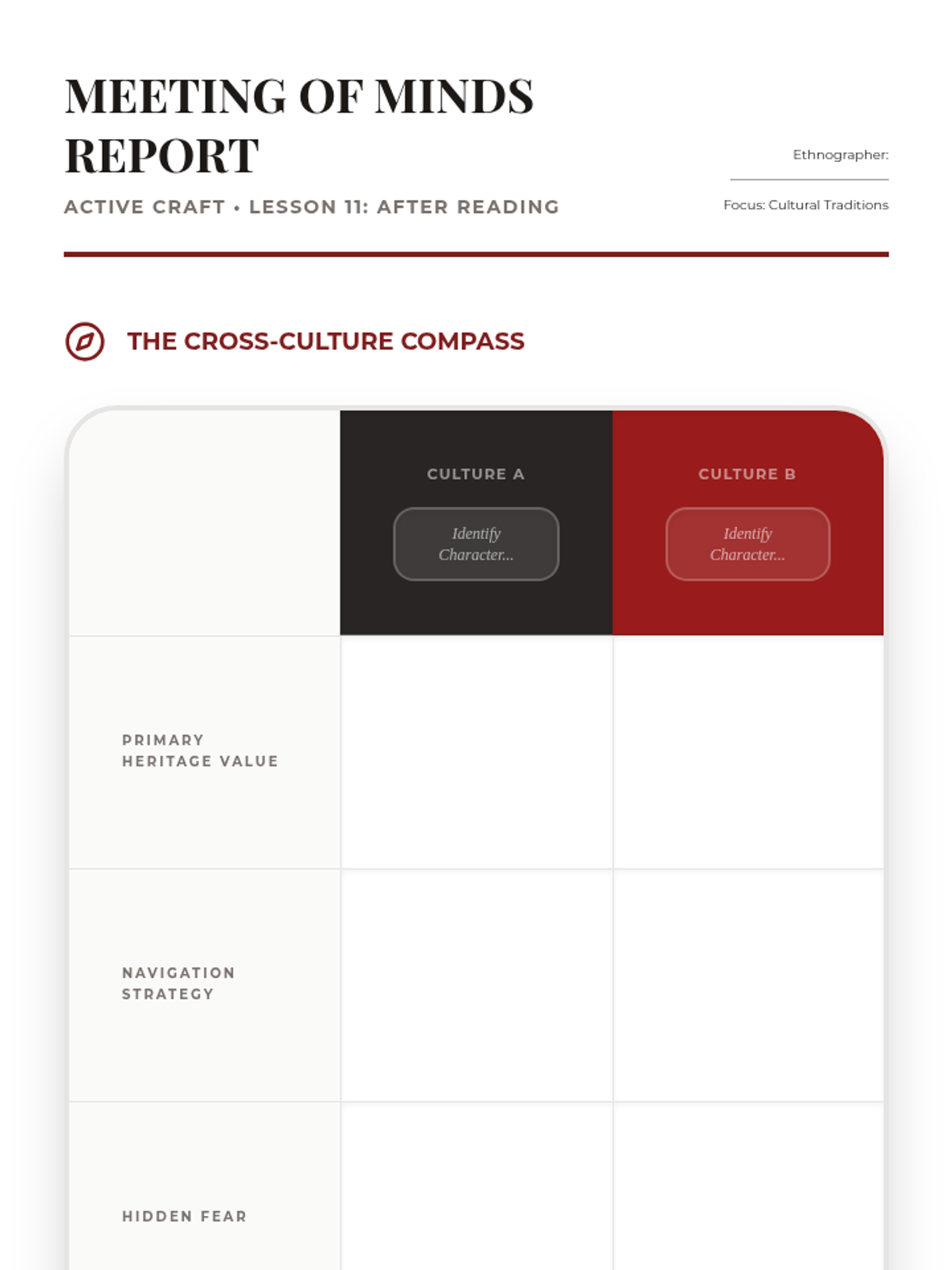
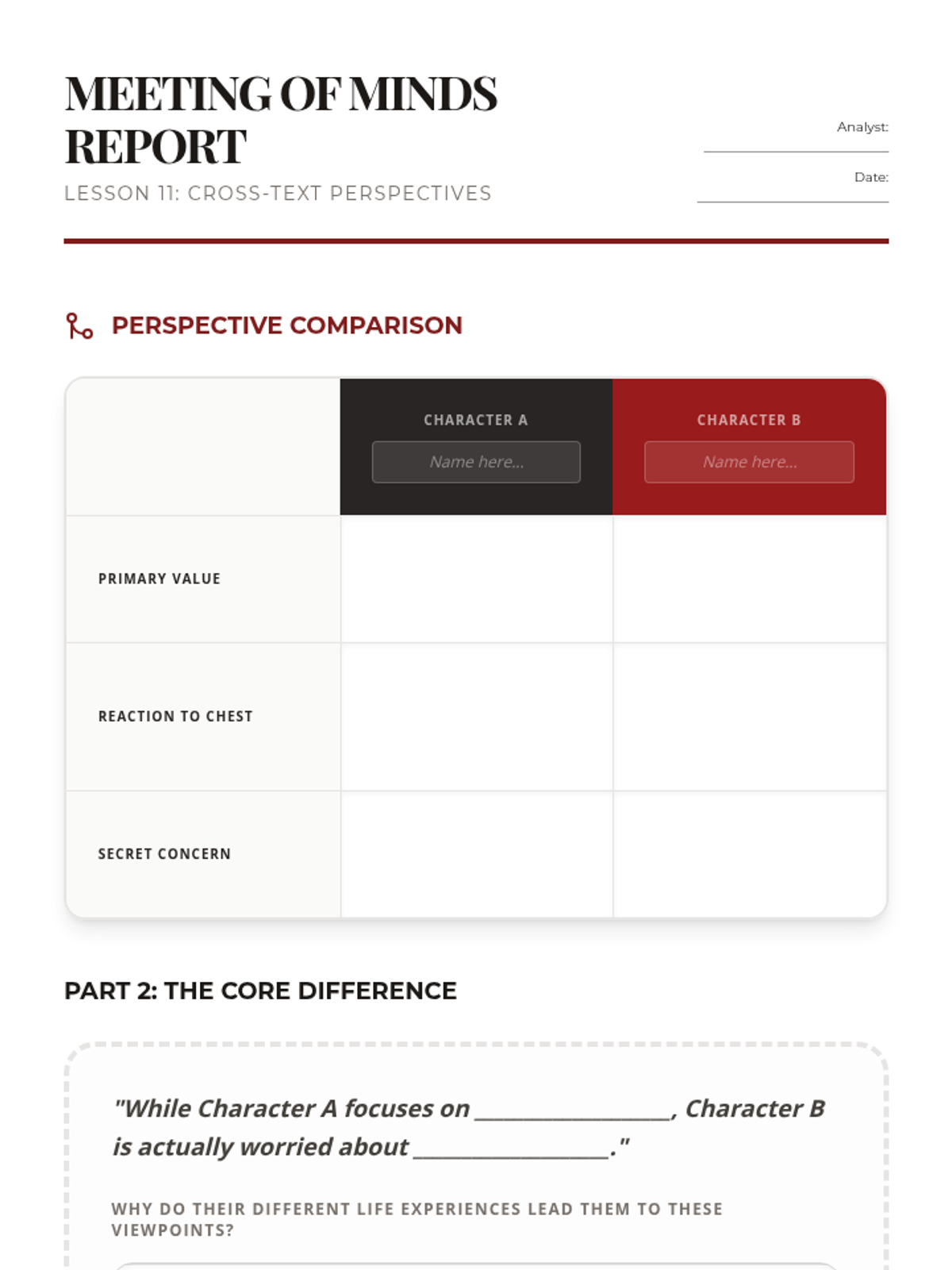
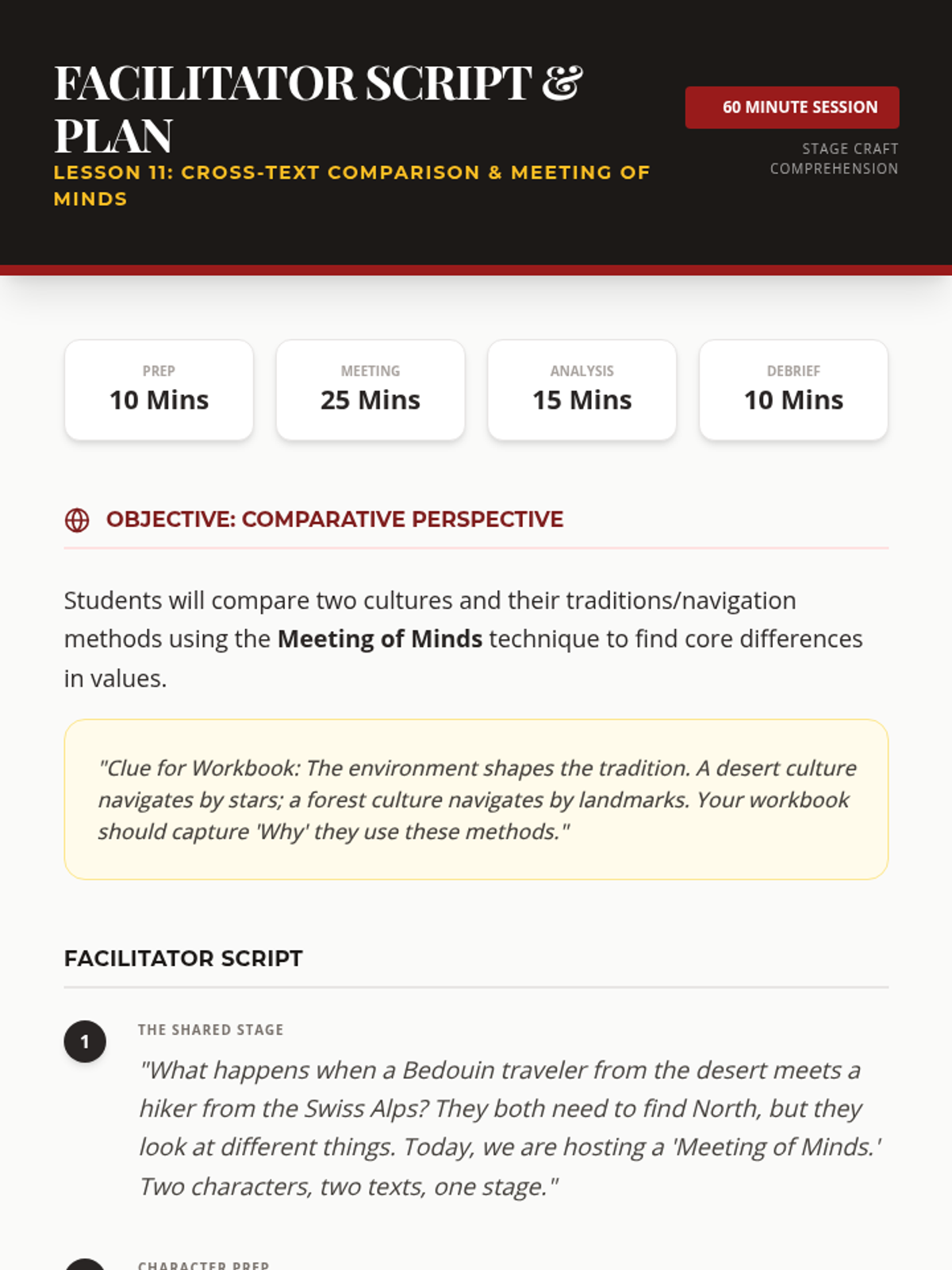
After Reading Strategy: Comparing cultures, traditions, and navigation (directions) using role-play to evaluate perspectives across texts.
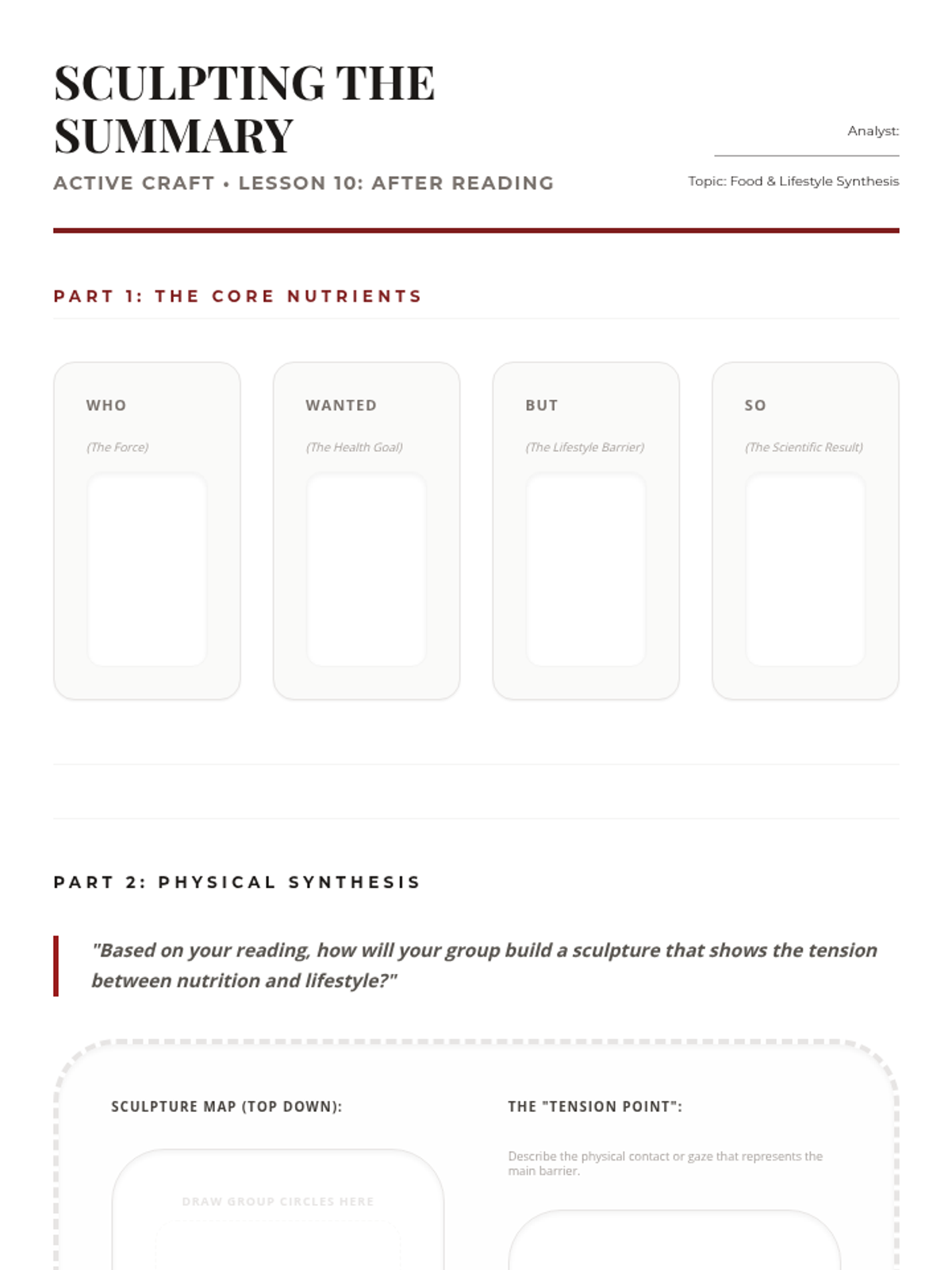
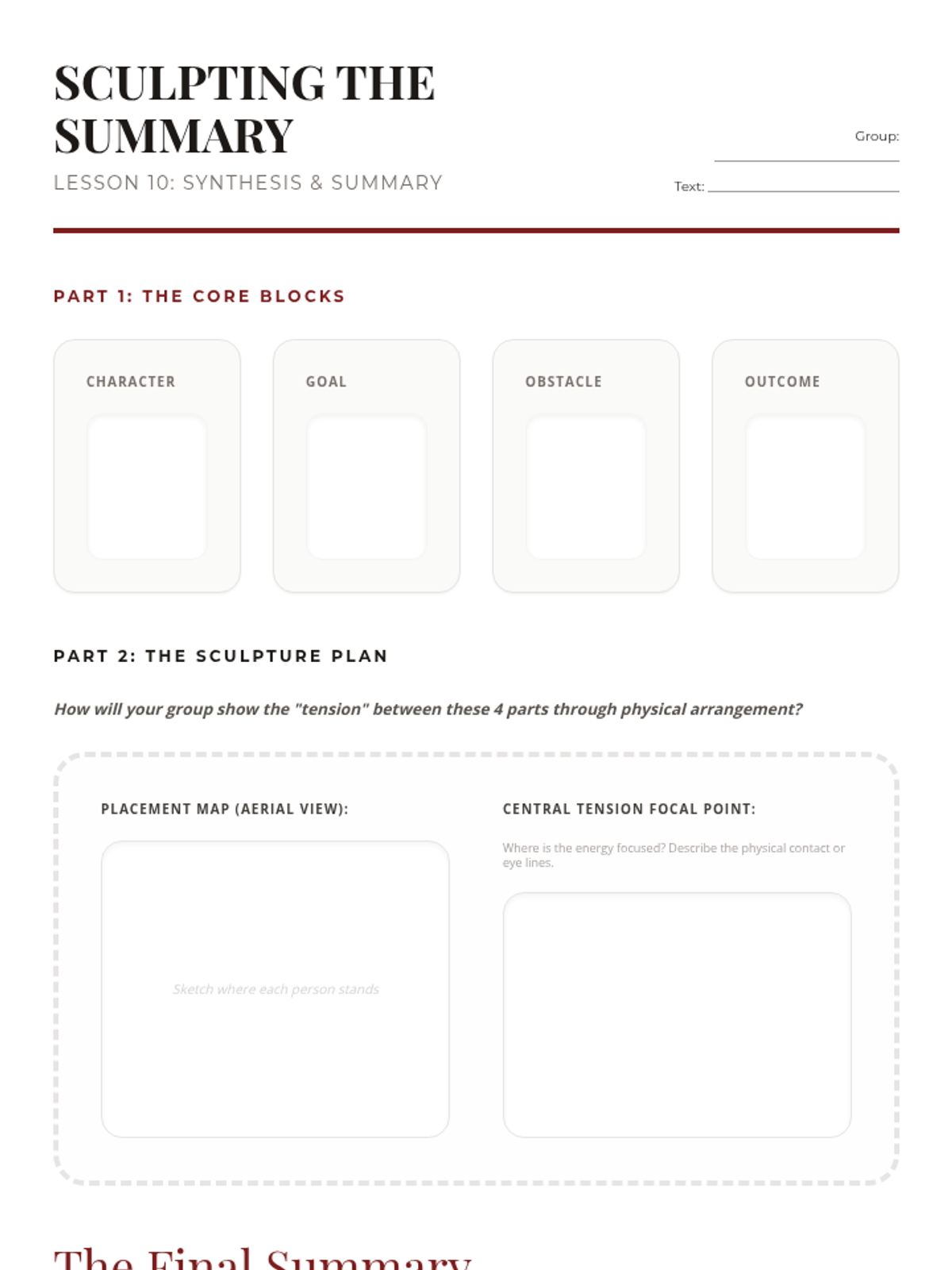
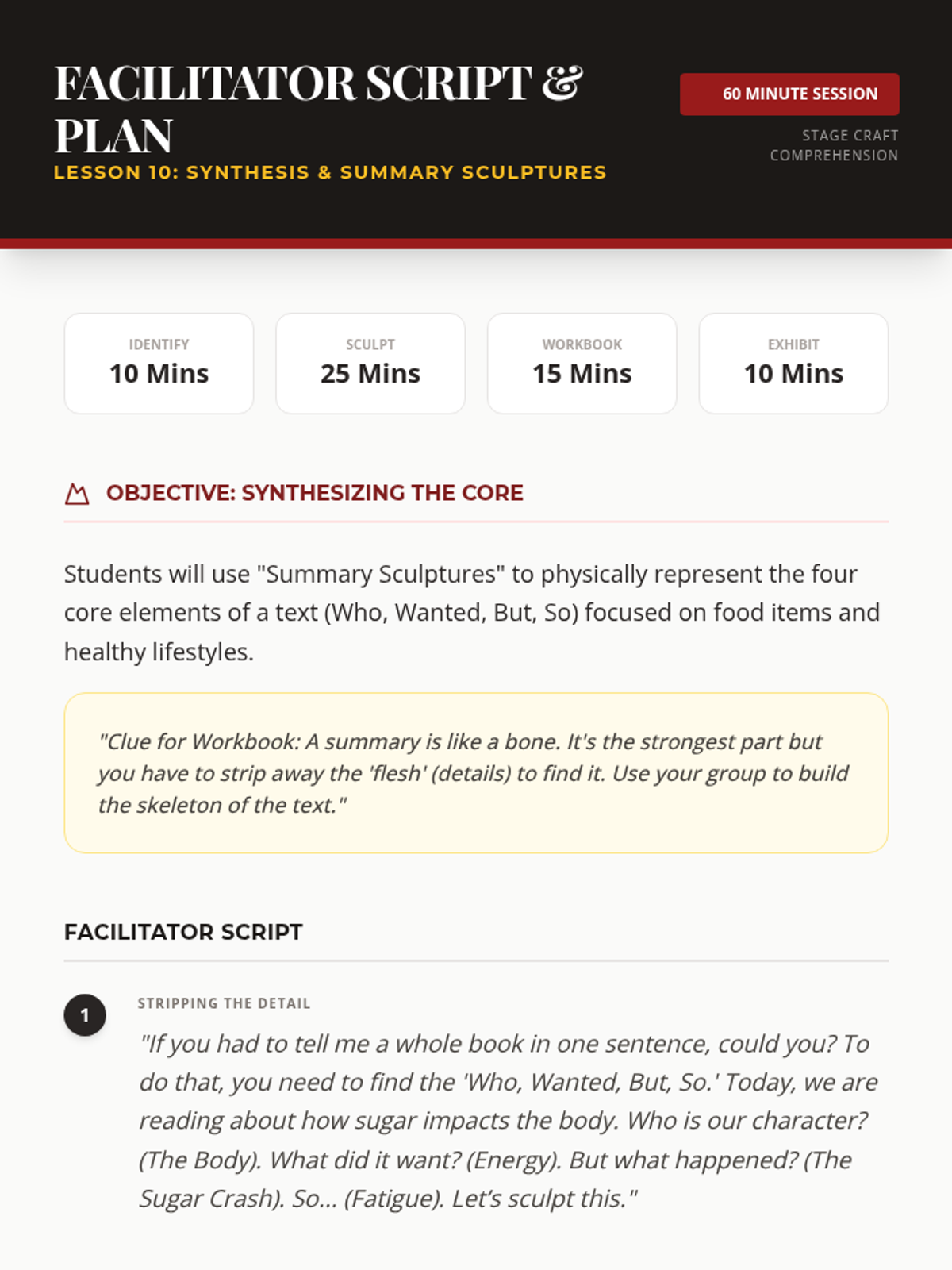
After Reading Strategy: Synthesizing information into 'Summary Sculptures' focused on food items and healthy lifestyles.
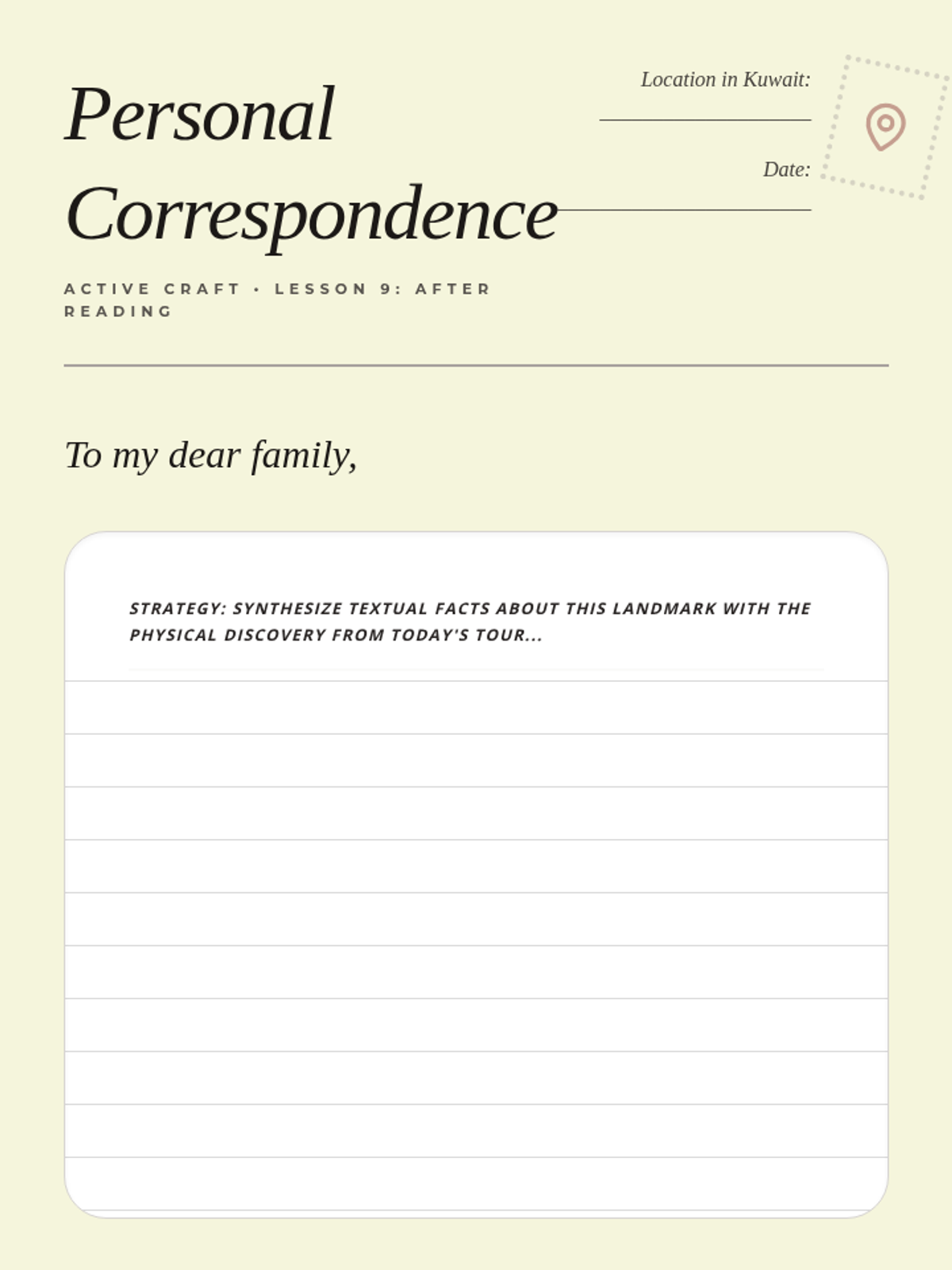
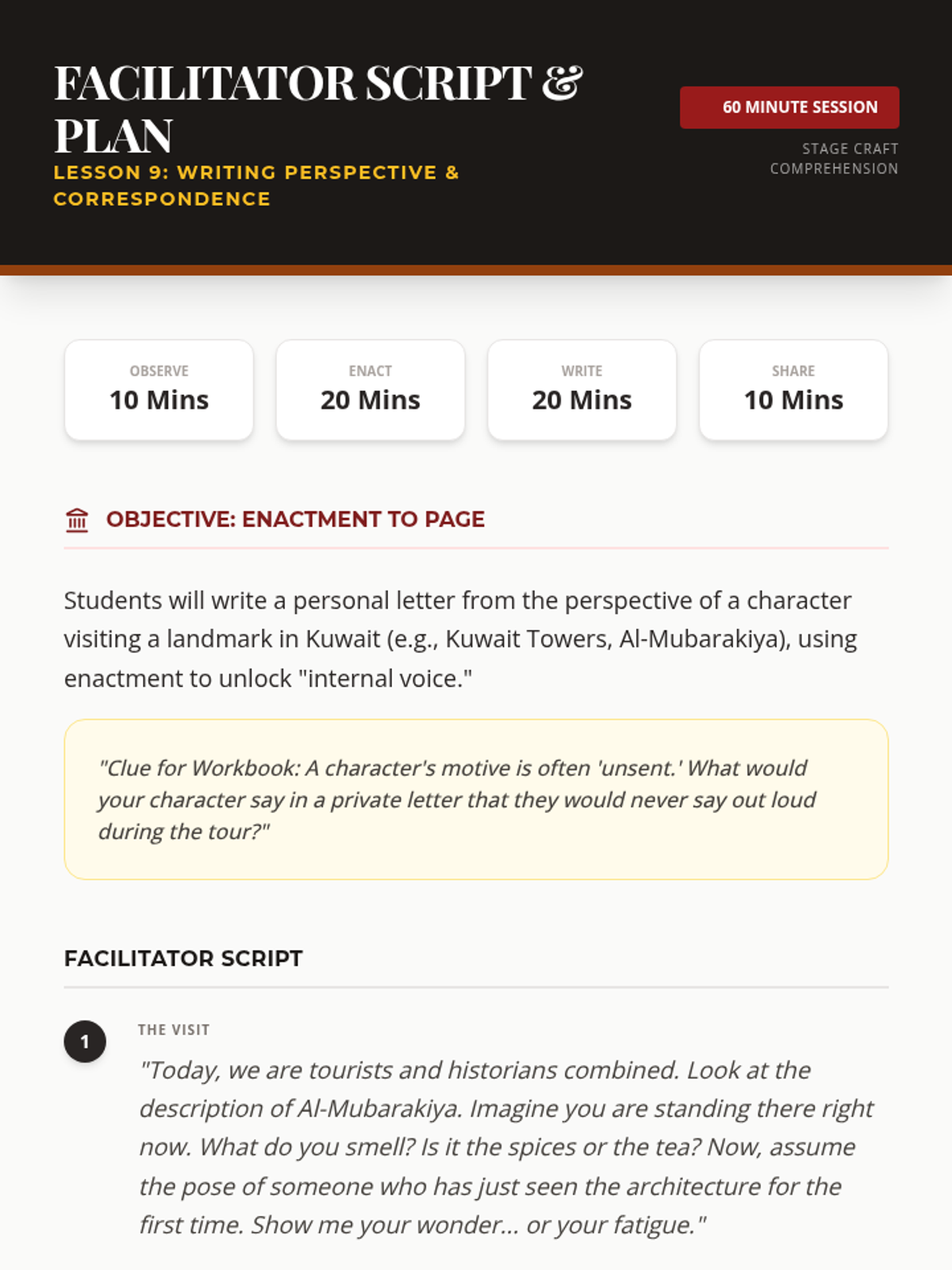
After Reading Strategy: Writing from the perspective of characters visiting cultural and educational places in Kuwait to synthesize meaning.
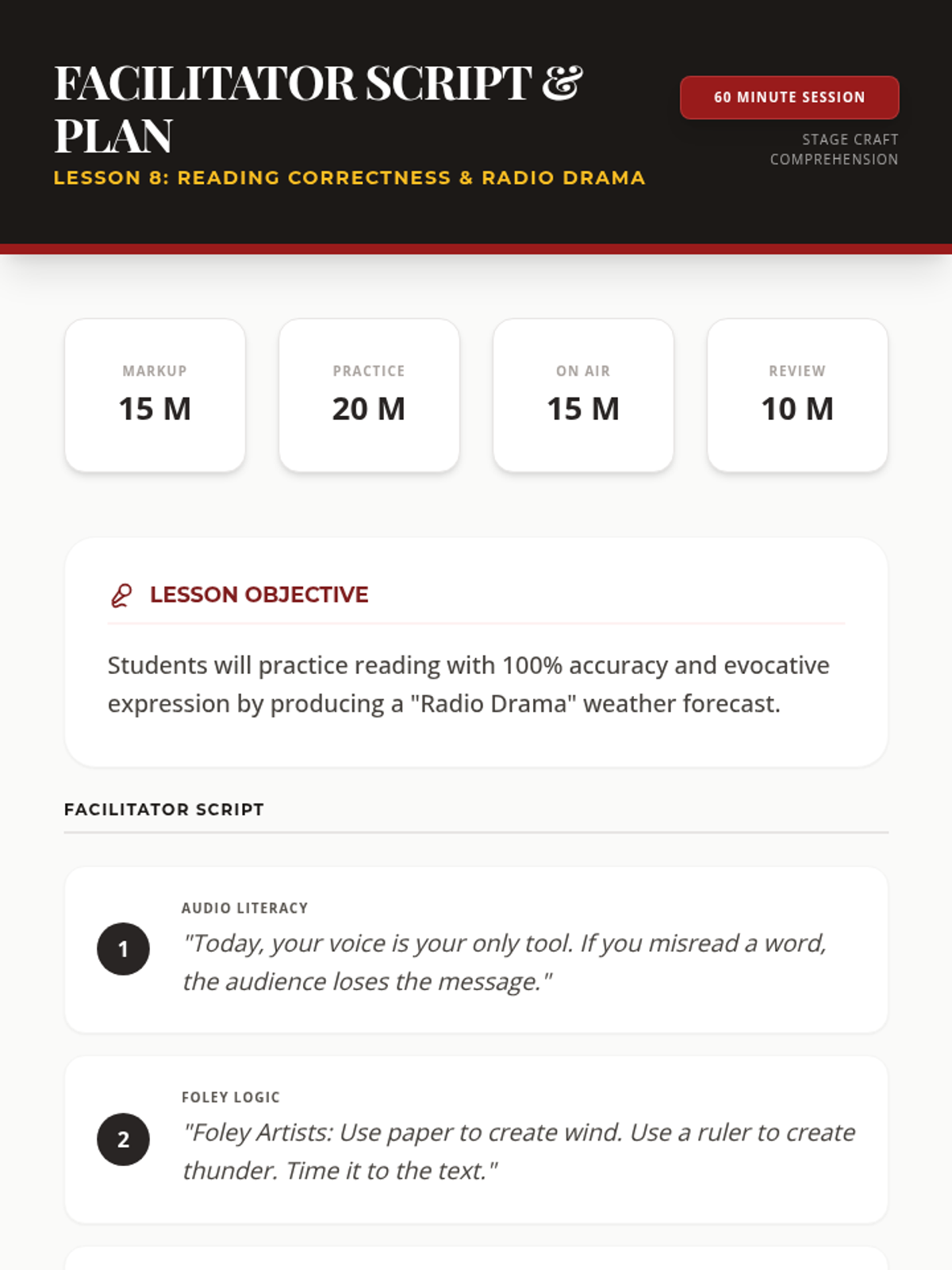
Before Reading Strategy: Practicing fluency and previewing text through weather forecast 'Radio Dramas' and climate reports.
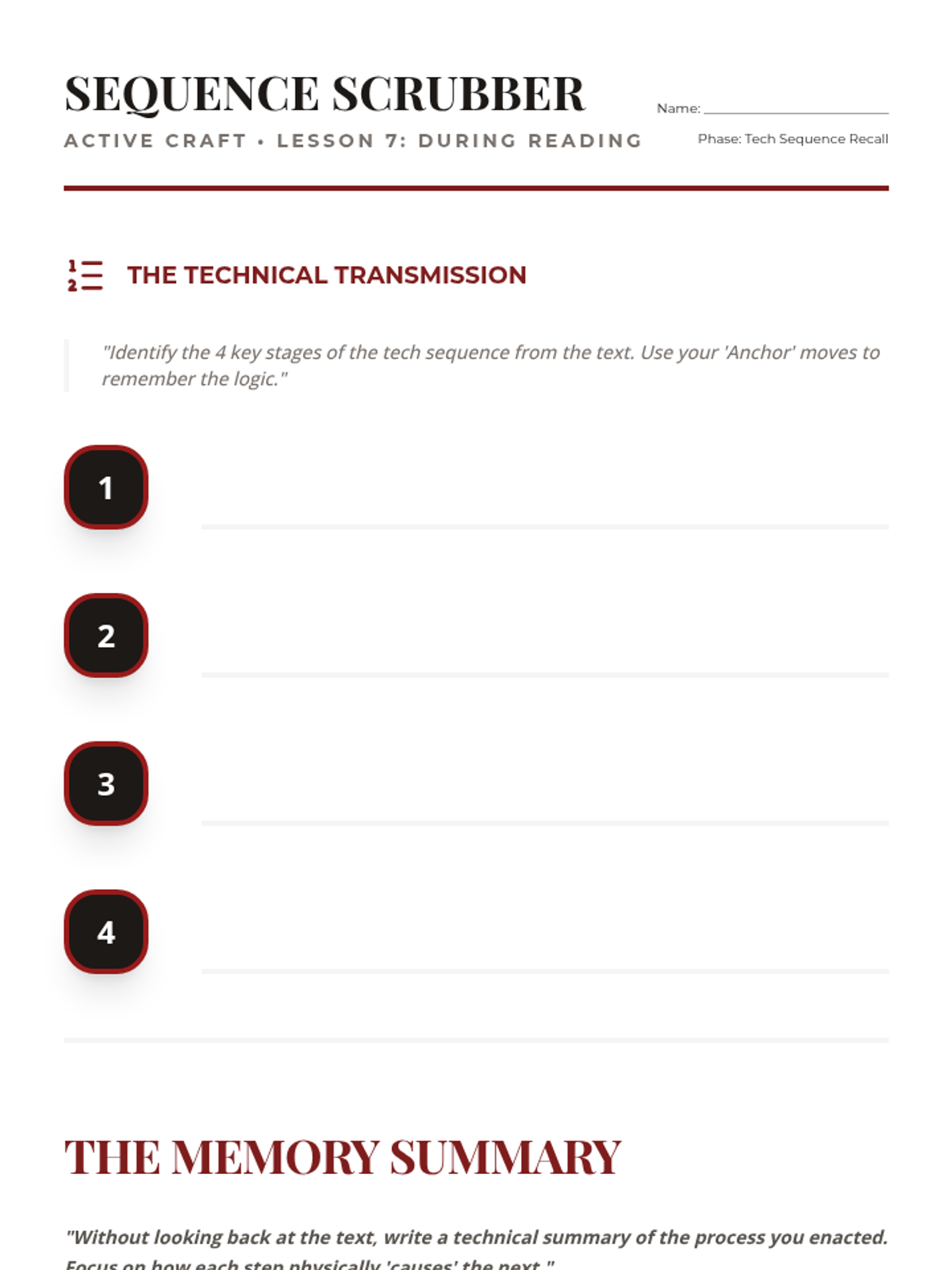
During Reading Strategy: Using reenactment to boost recall of the history of technology and modern hobbies.
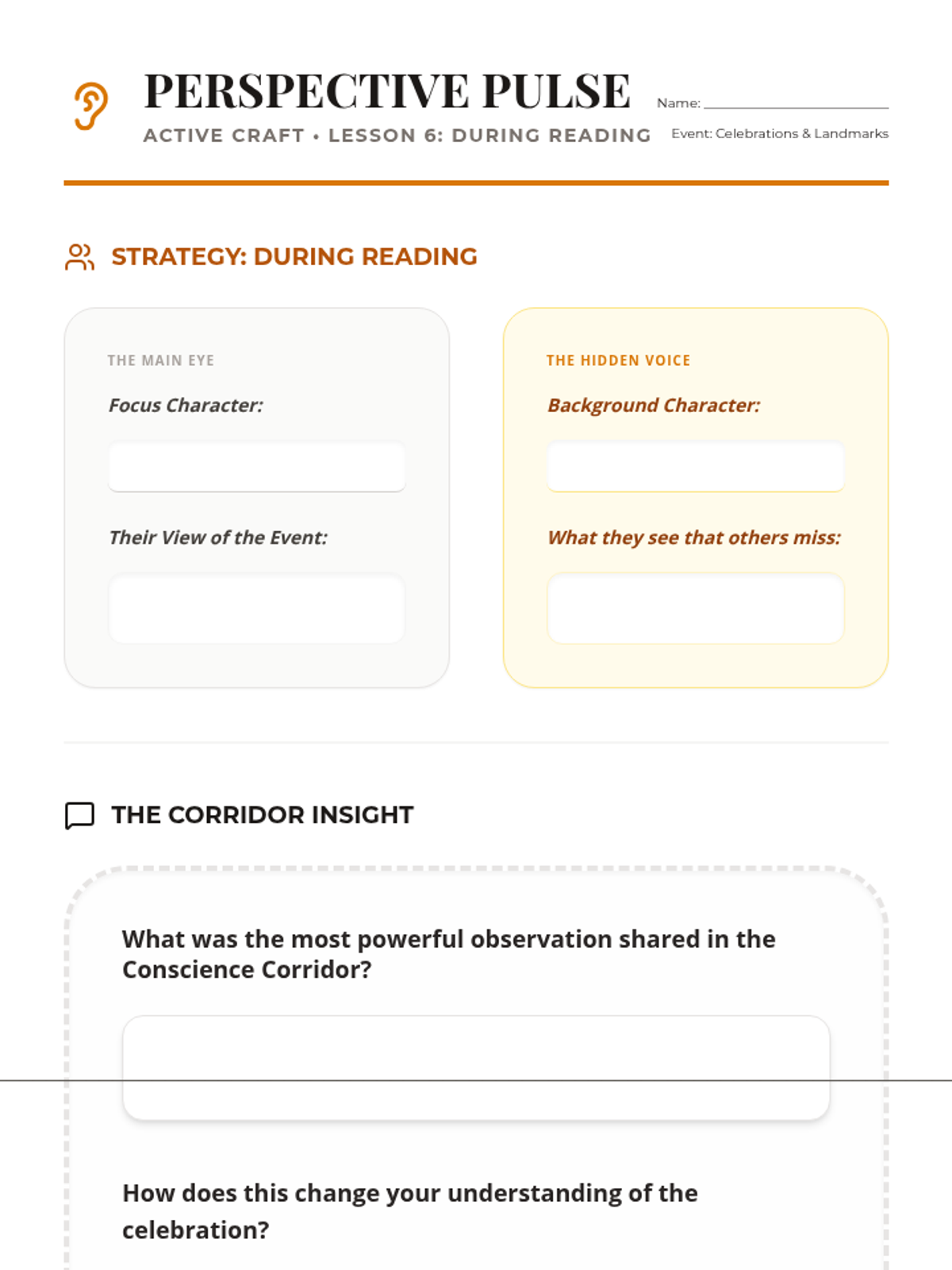
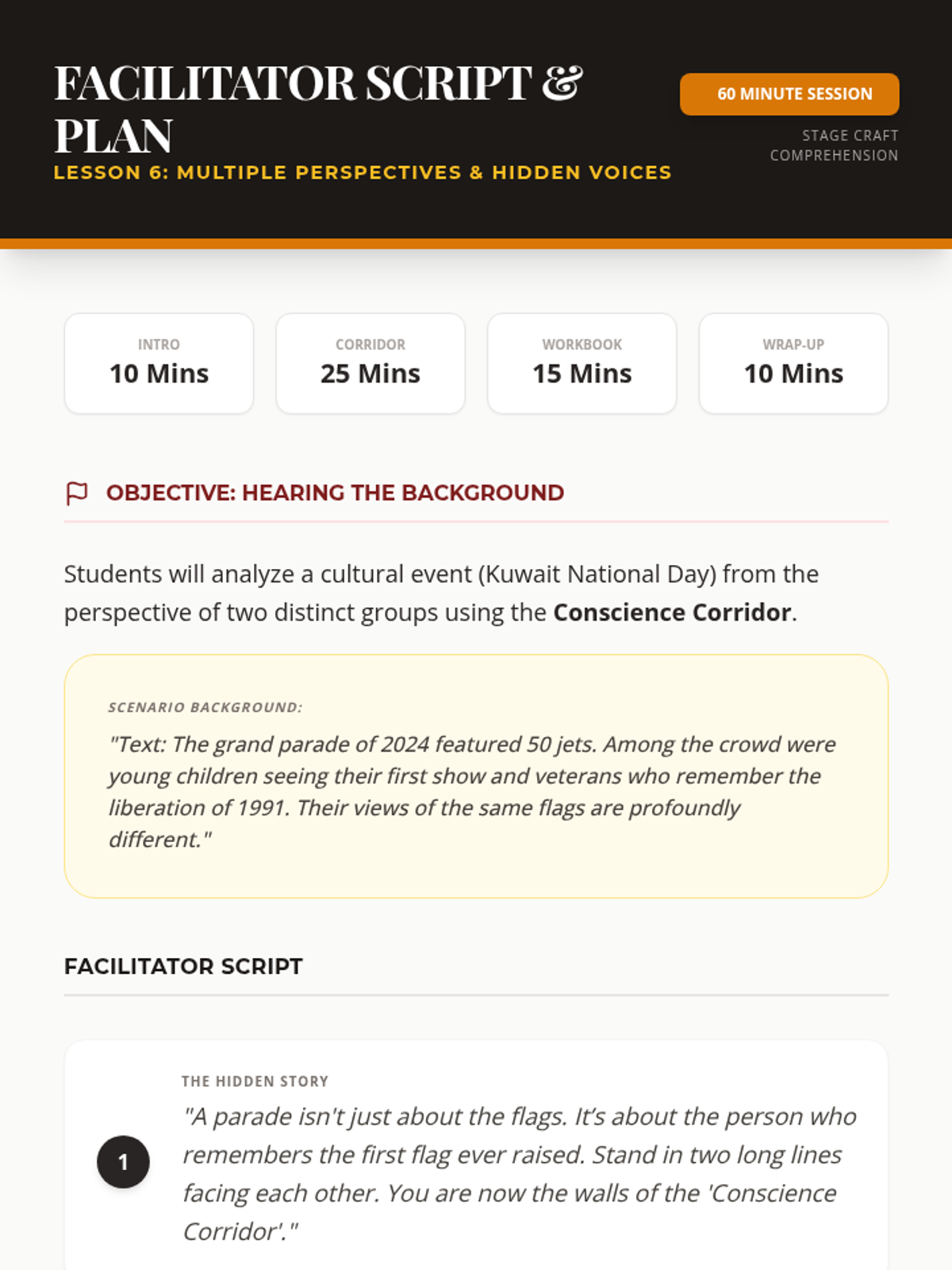
During Reading Strategy: Exploring multiple viewpoints within global celebrations and cultural events.
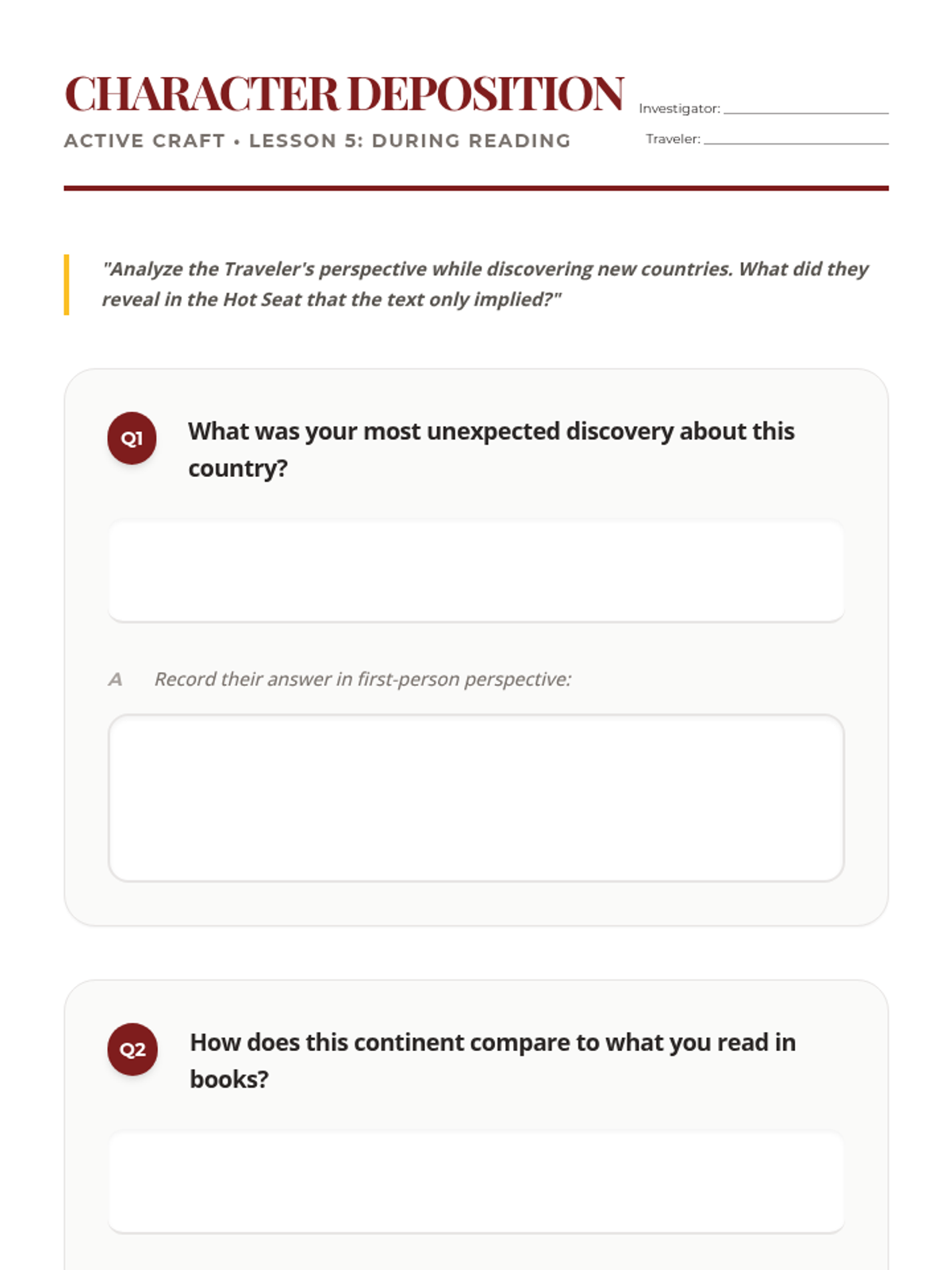
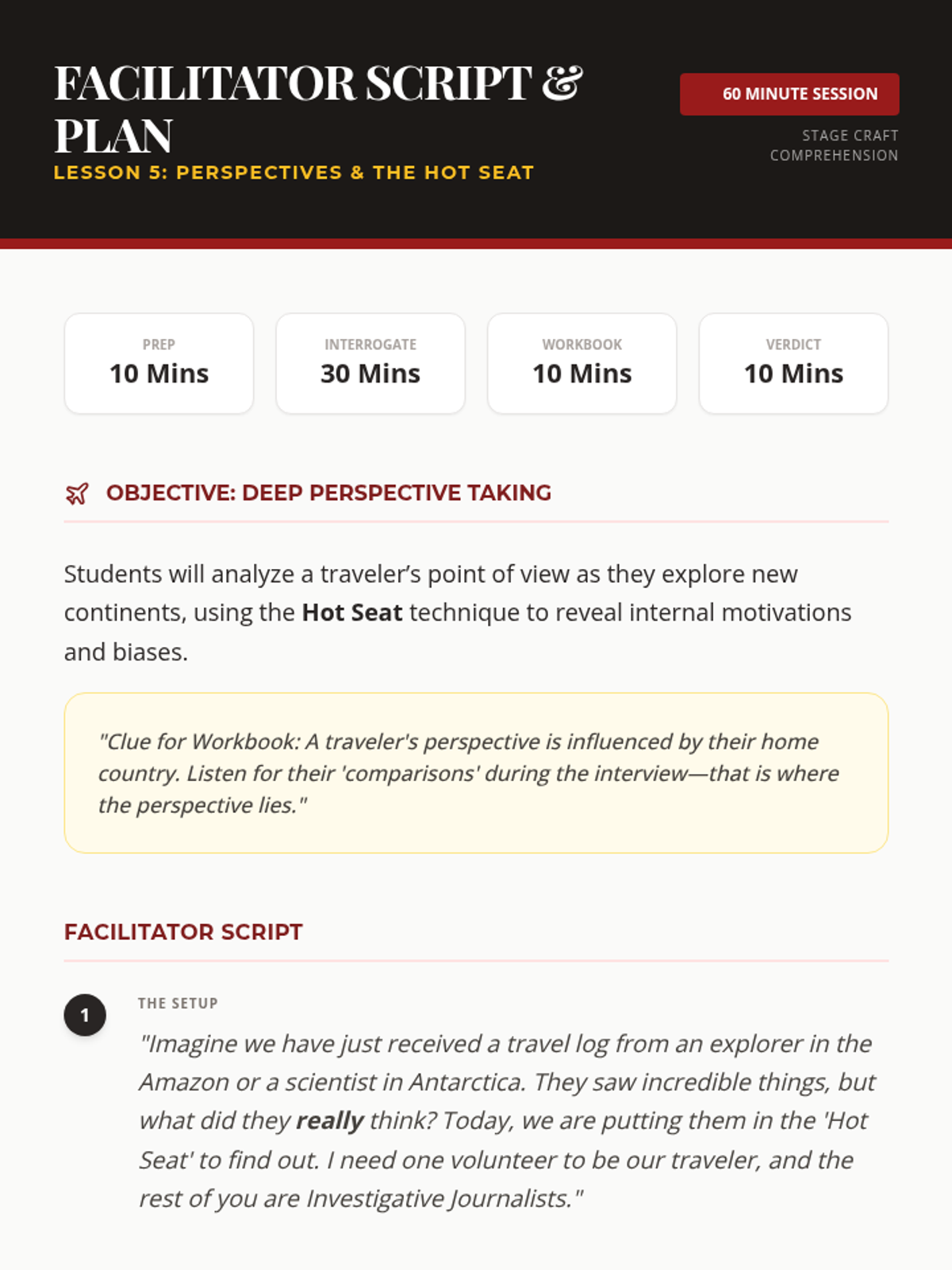
During Reading Strategy: Diving deep into traveler perspectives through the 'Hot Seat' technique while discovering countries.
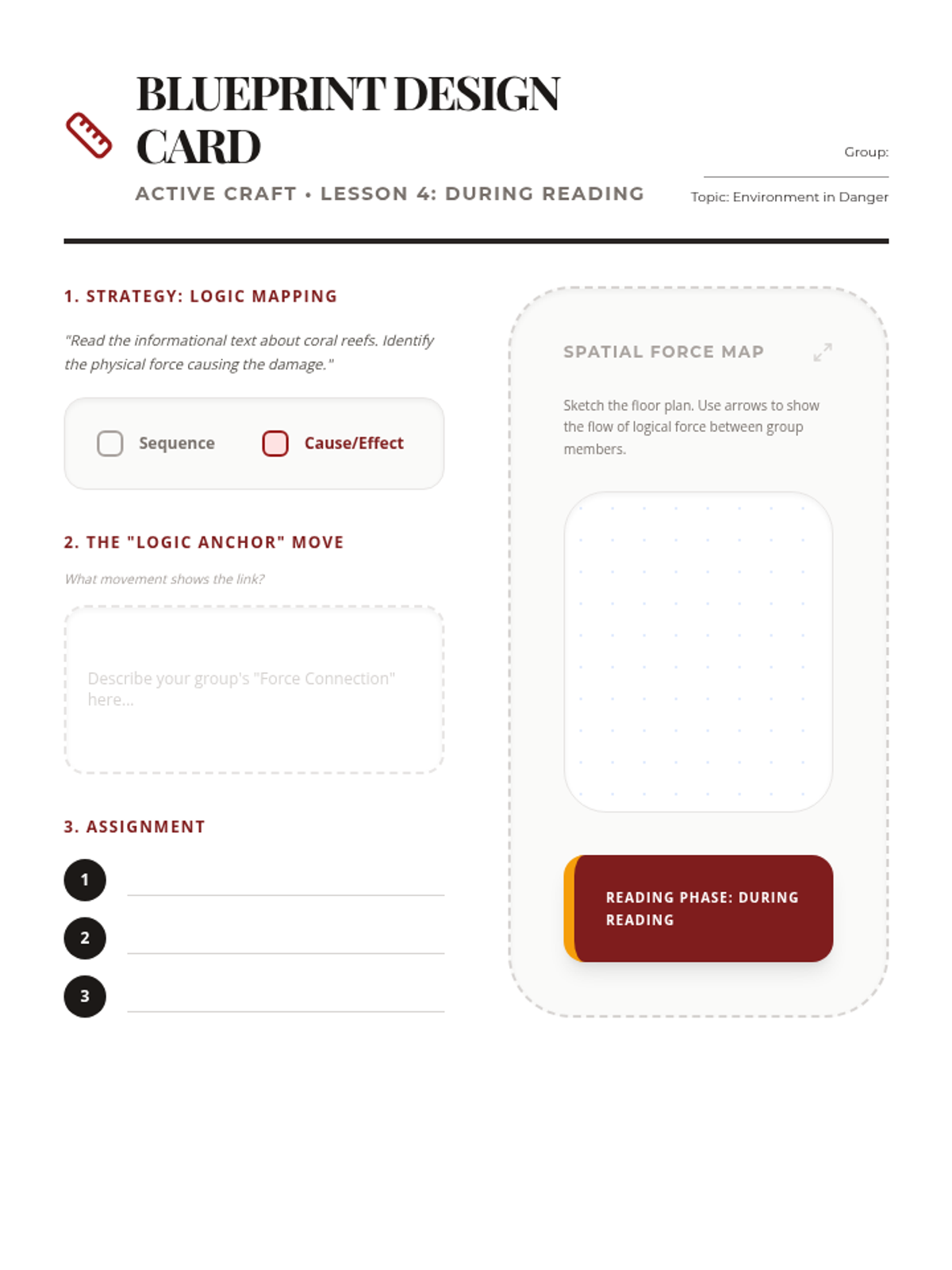
During Reading Strategy: Using physical poses to represent informational text structures like cause/effect focused on environmental danger.
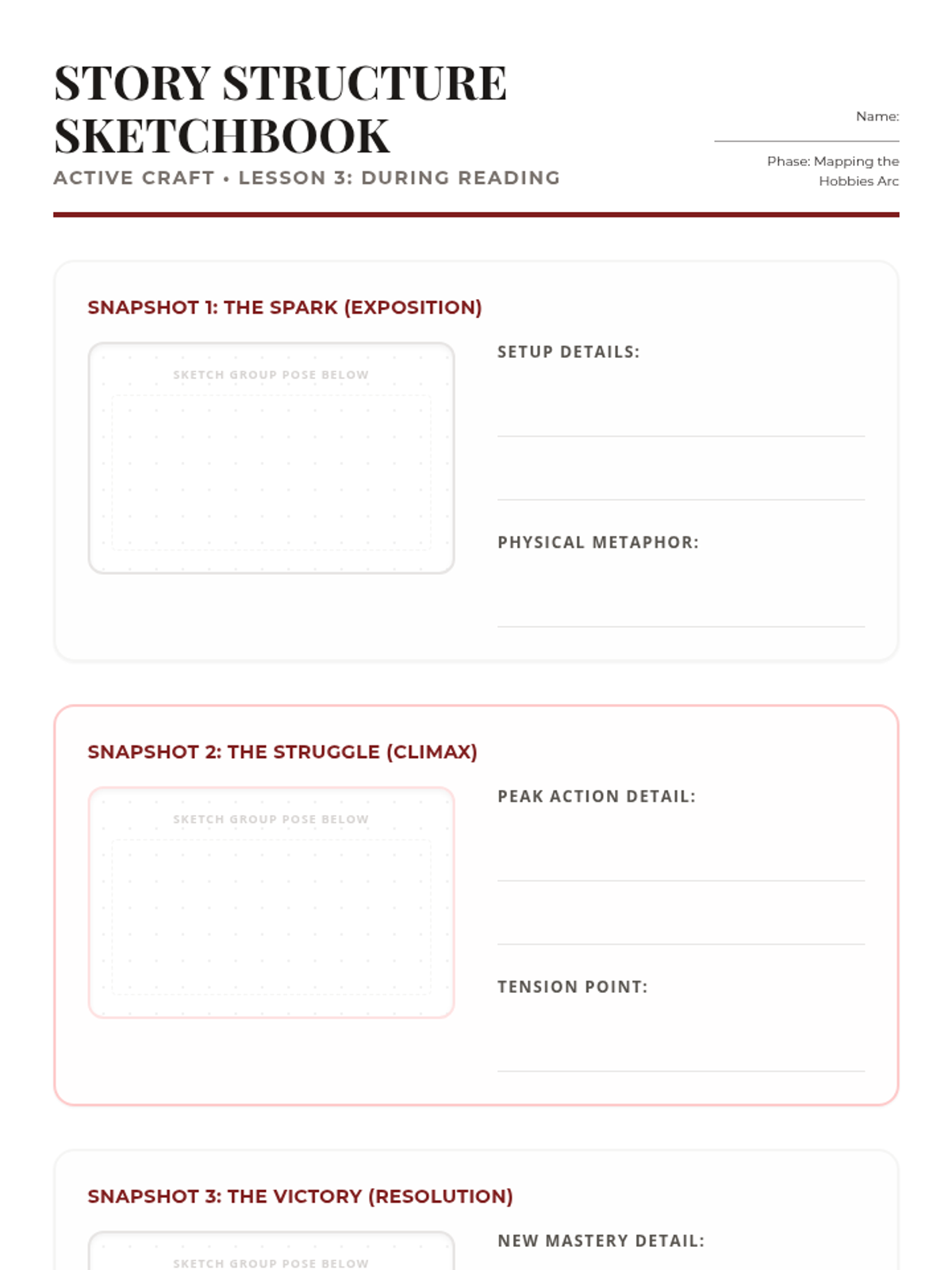
During Reading Strategy: Creating frozen tableaus to represent narrative story arcs centered on the joy of hobbies.
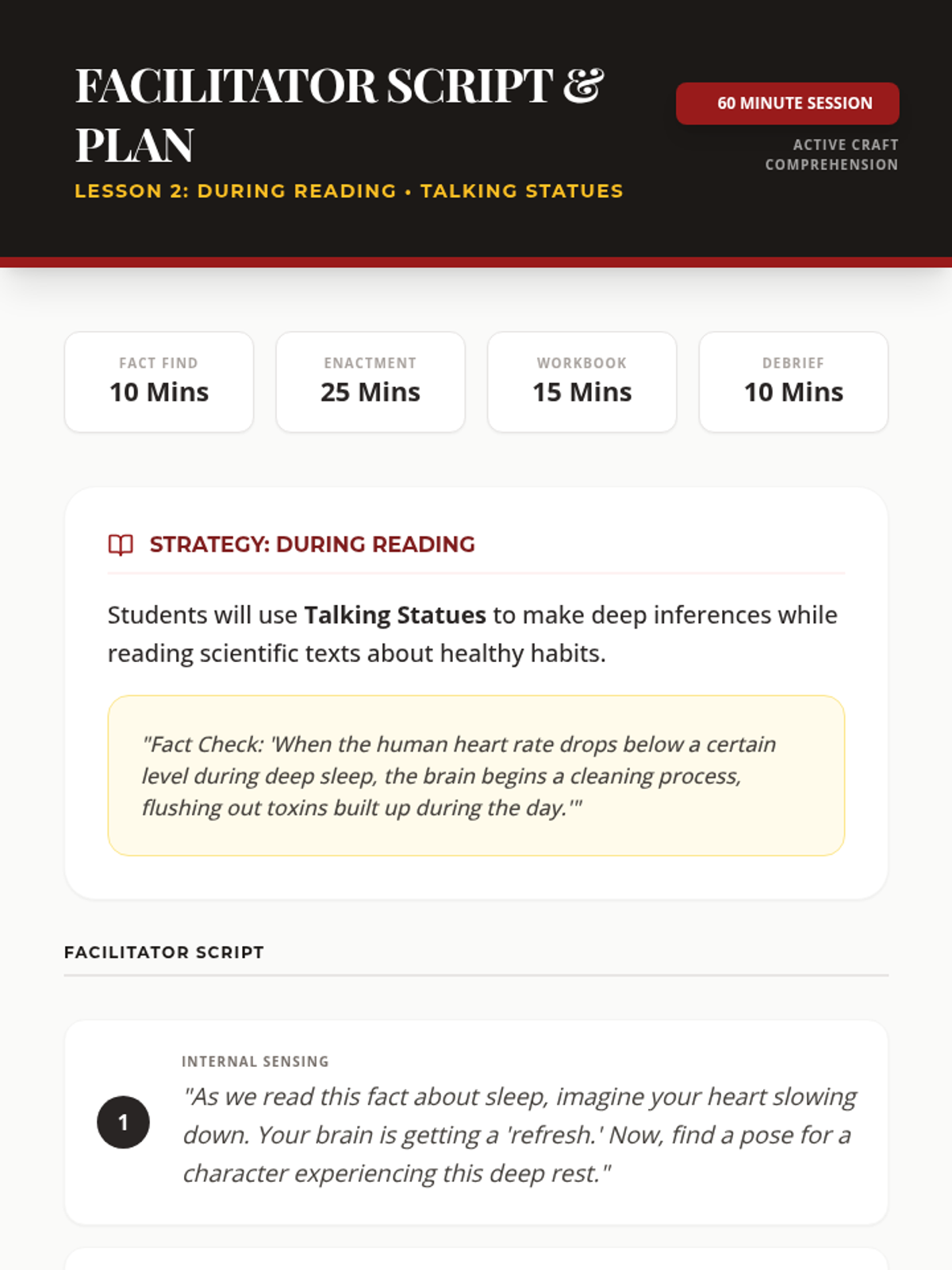
During Reading Strategy: Using 'Talking Statues' to make inferences about healthy habits and scientific facts about health.
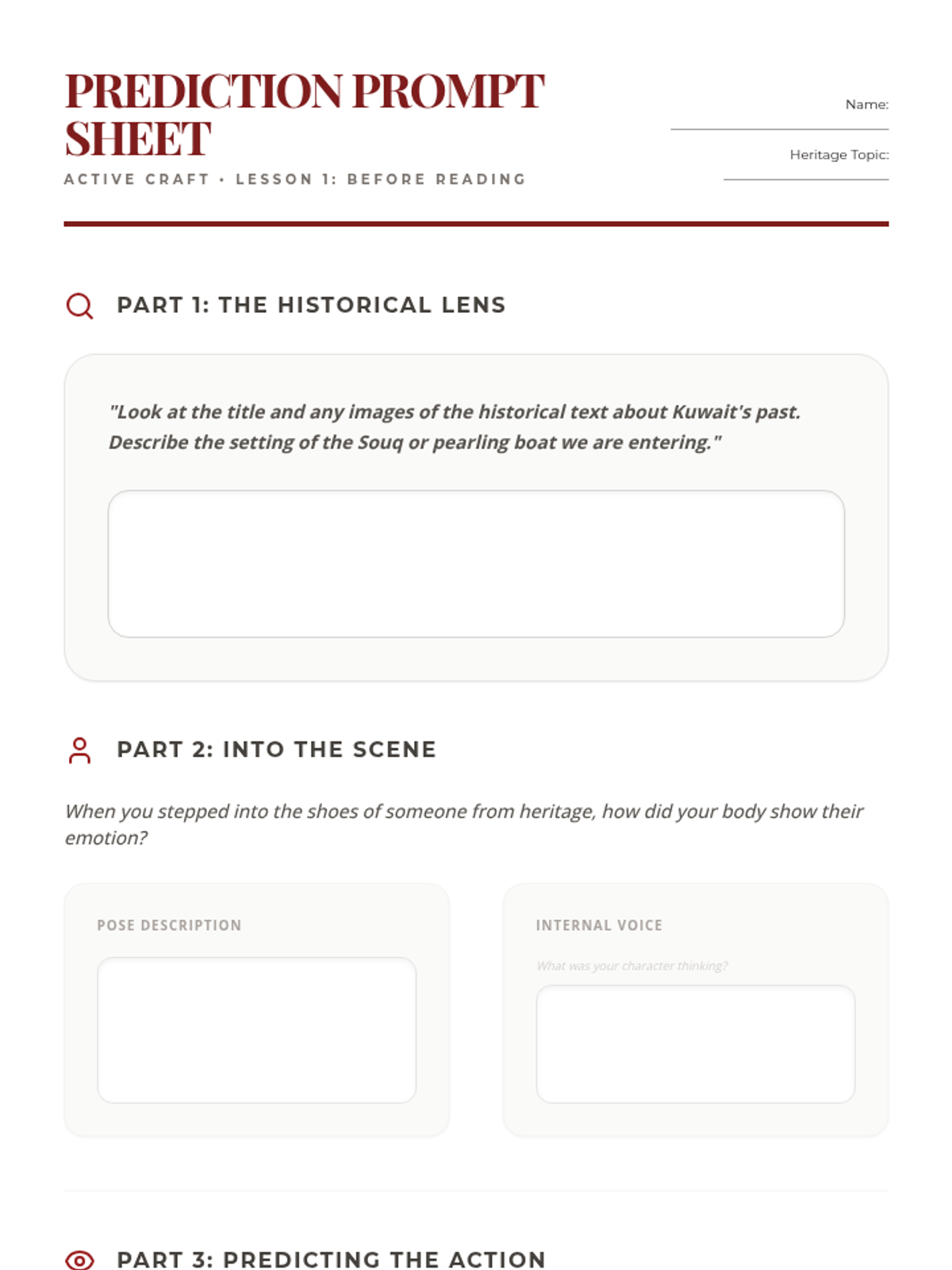
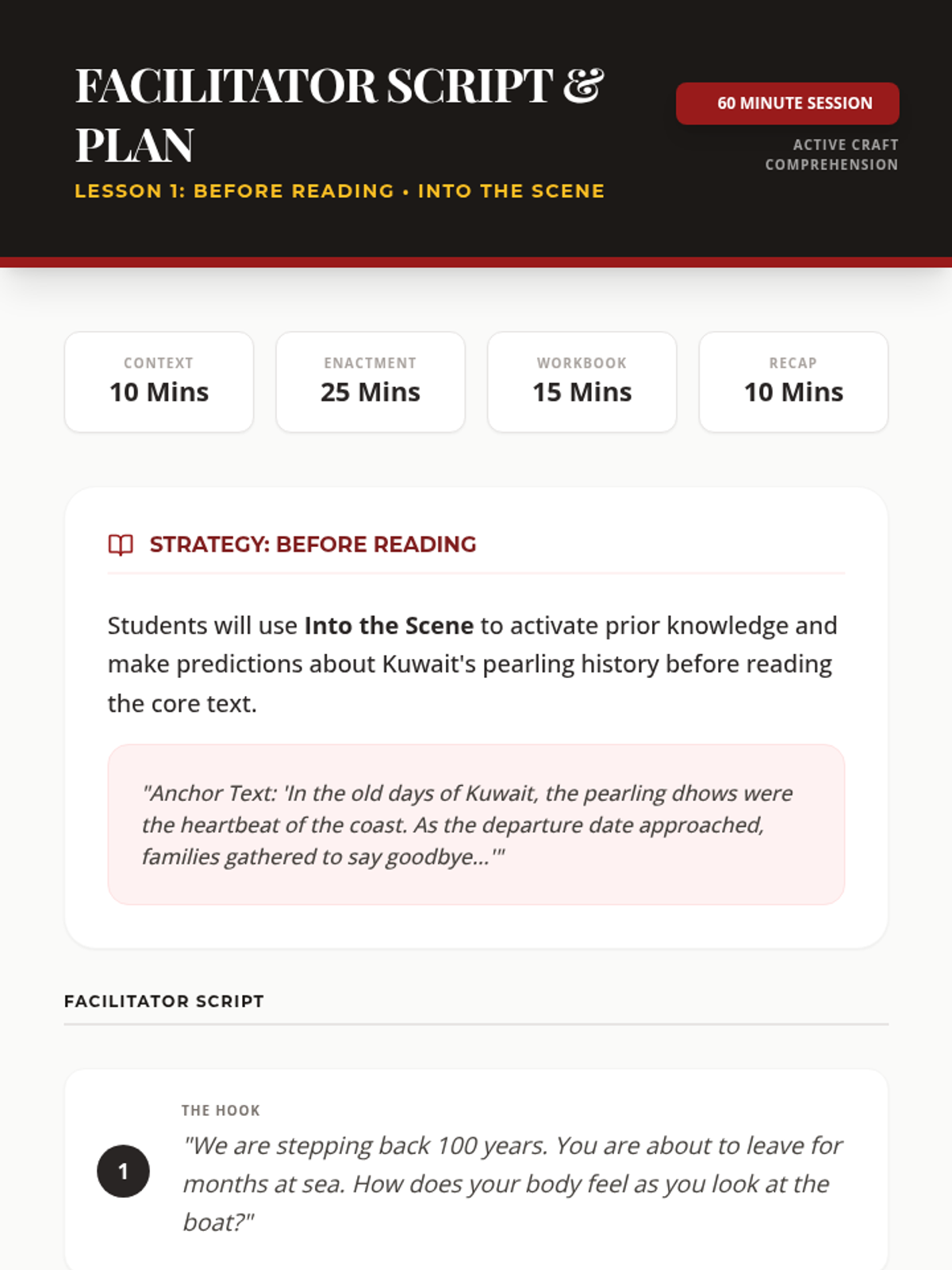
Before Reading Strategy: Introduction to enactment as a tool for prediction and frontloading, focused on Kuwaiti heritage and life in the past.
Consolidating skills into a final performance about students’ actions around the world.
Comparing cultures, traditions, and navigation (directions) using role-play.
Synthesizing information into 'Summary Sculptures' focused on food items and healthy lifestyles.
Writing from the perspective of characters visiting cultural and educational places in Kuwait.
Practicing fluency through weather forecast 'Radio Dramas' and climate reports.
Using reenactment to boost recall of the history of technology and modern hobbies.
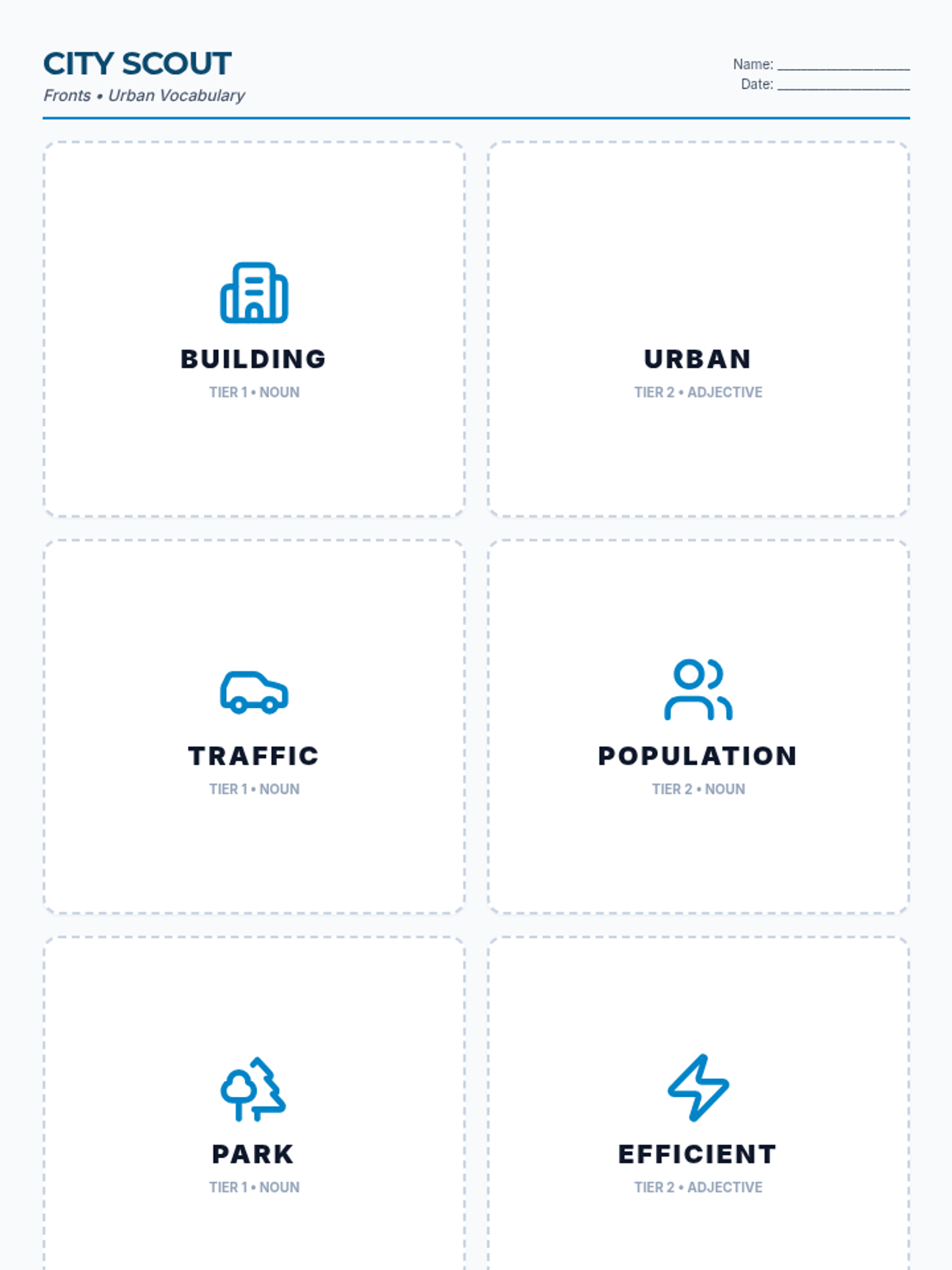
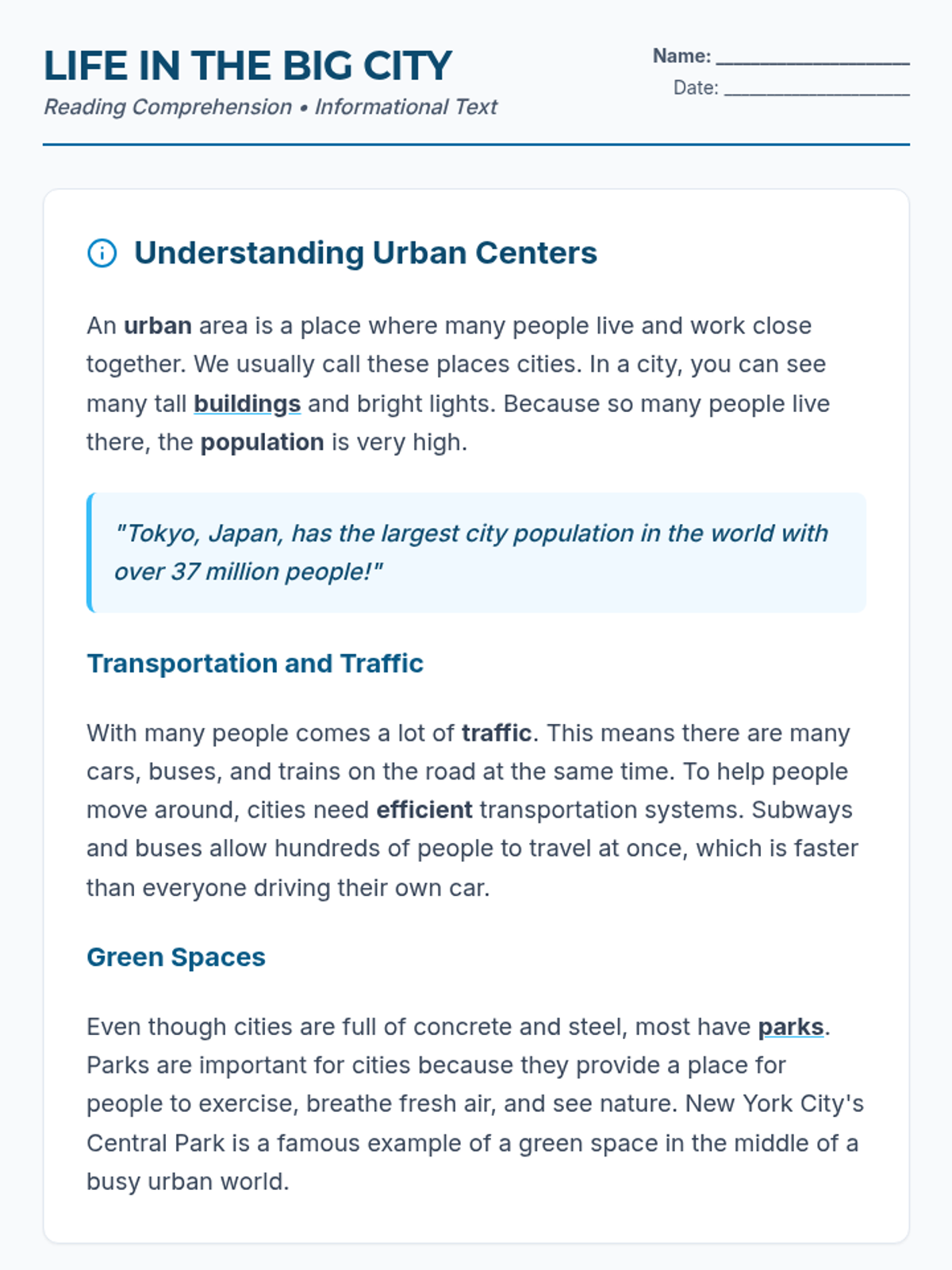
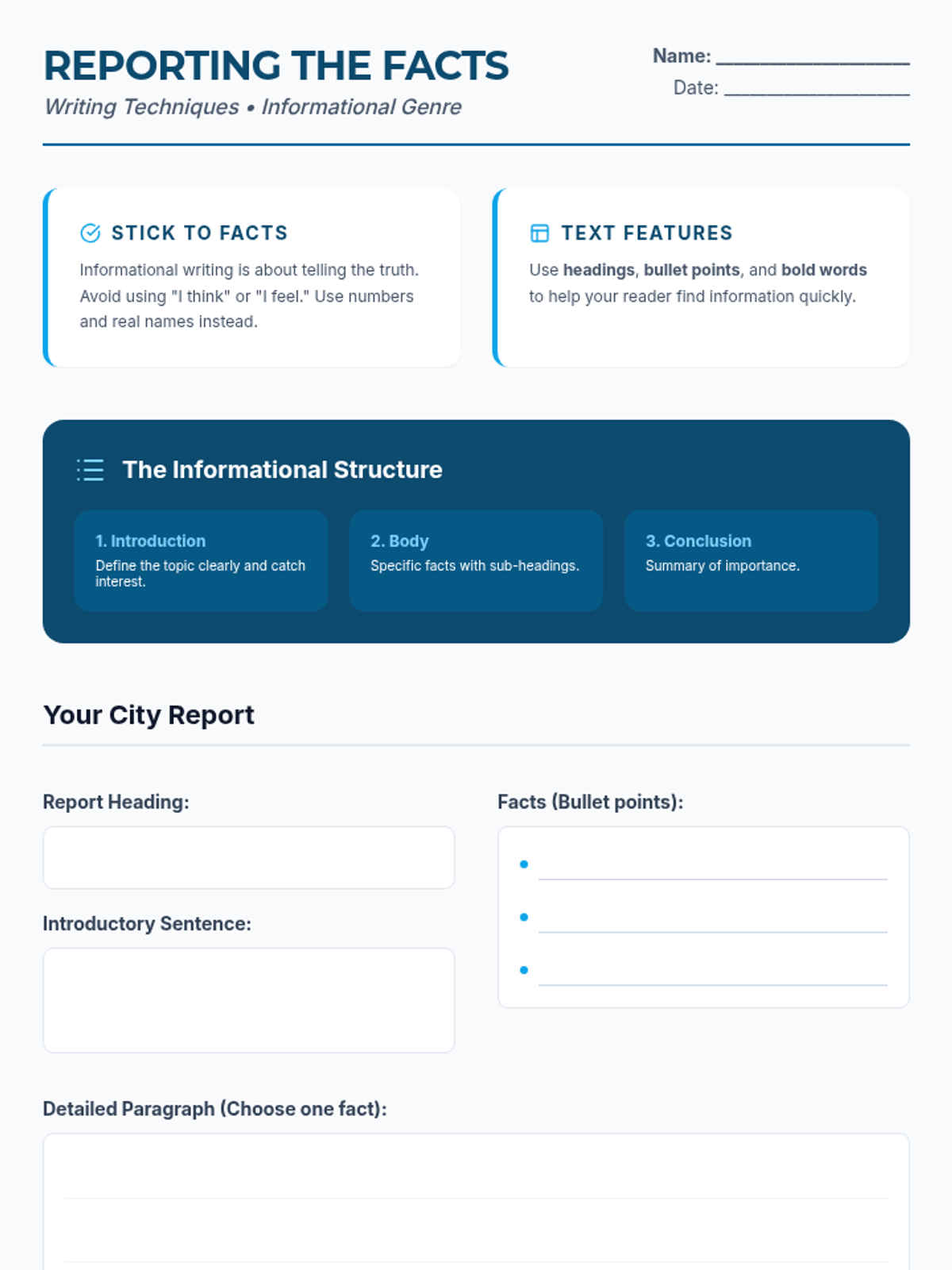
A deep dive into informational text features and writing, focusing on factual reporting and urban environment vocabulary.
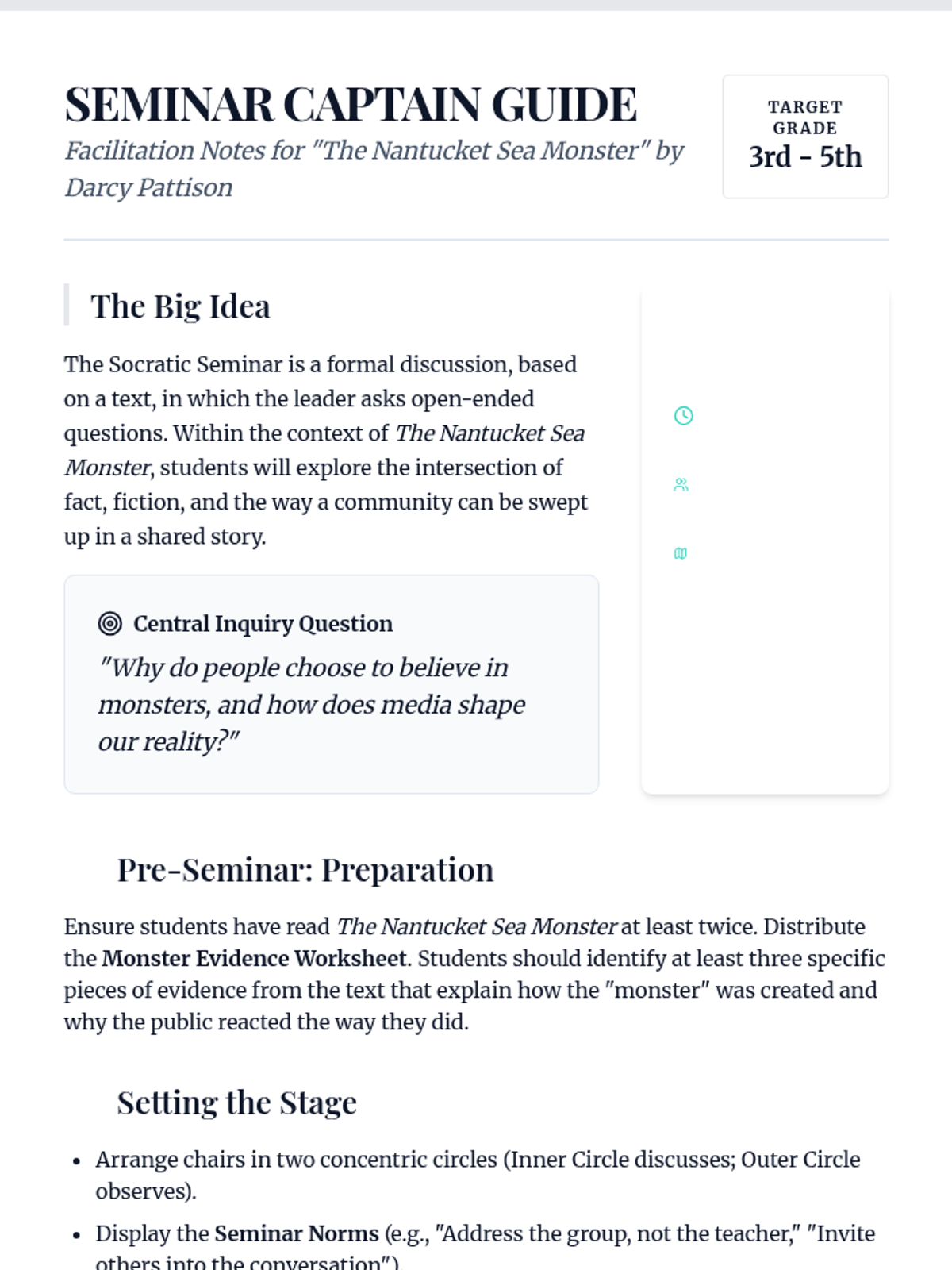
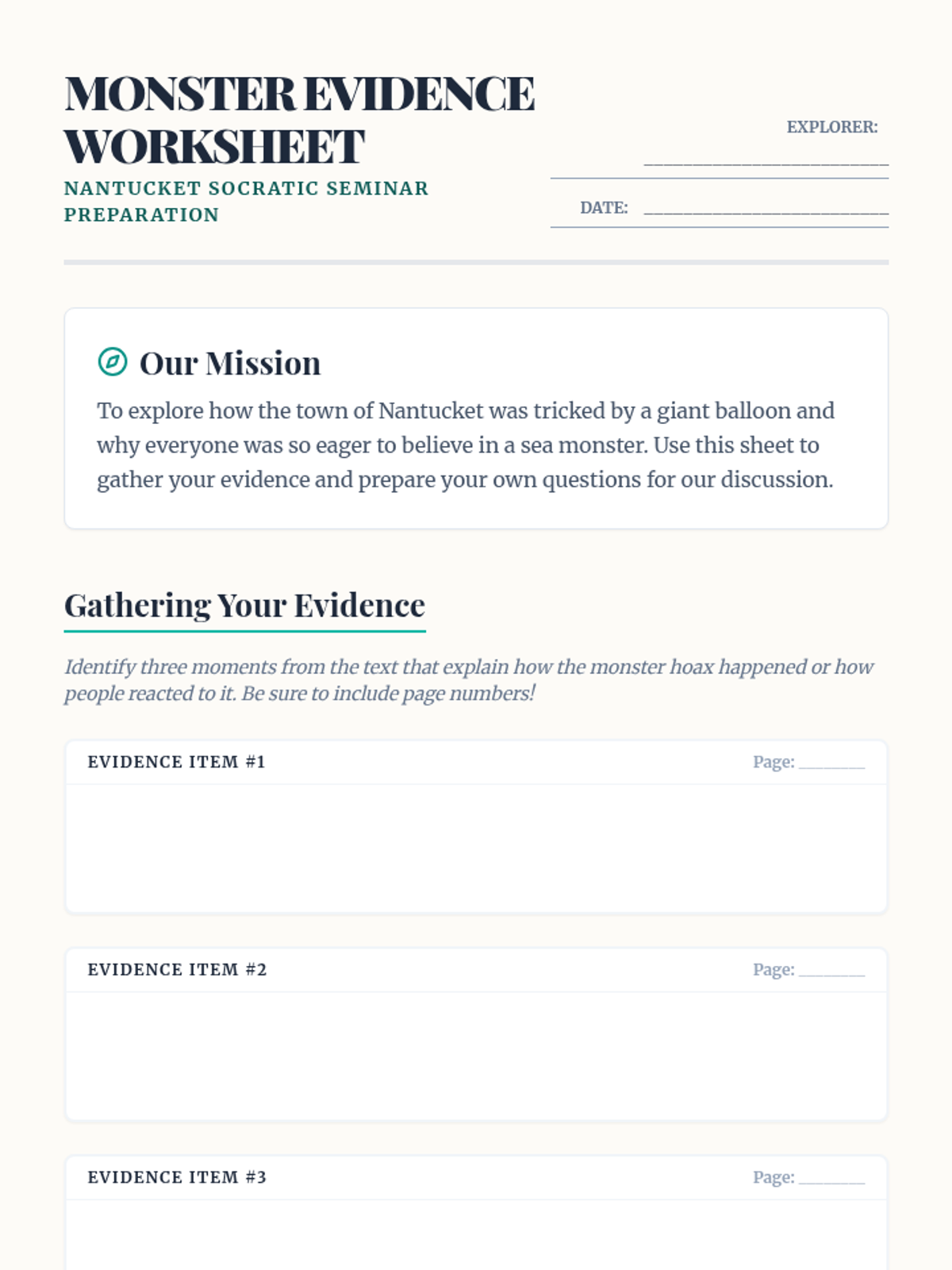
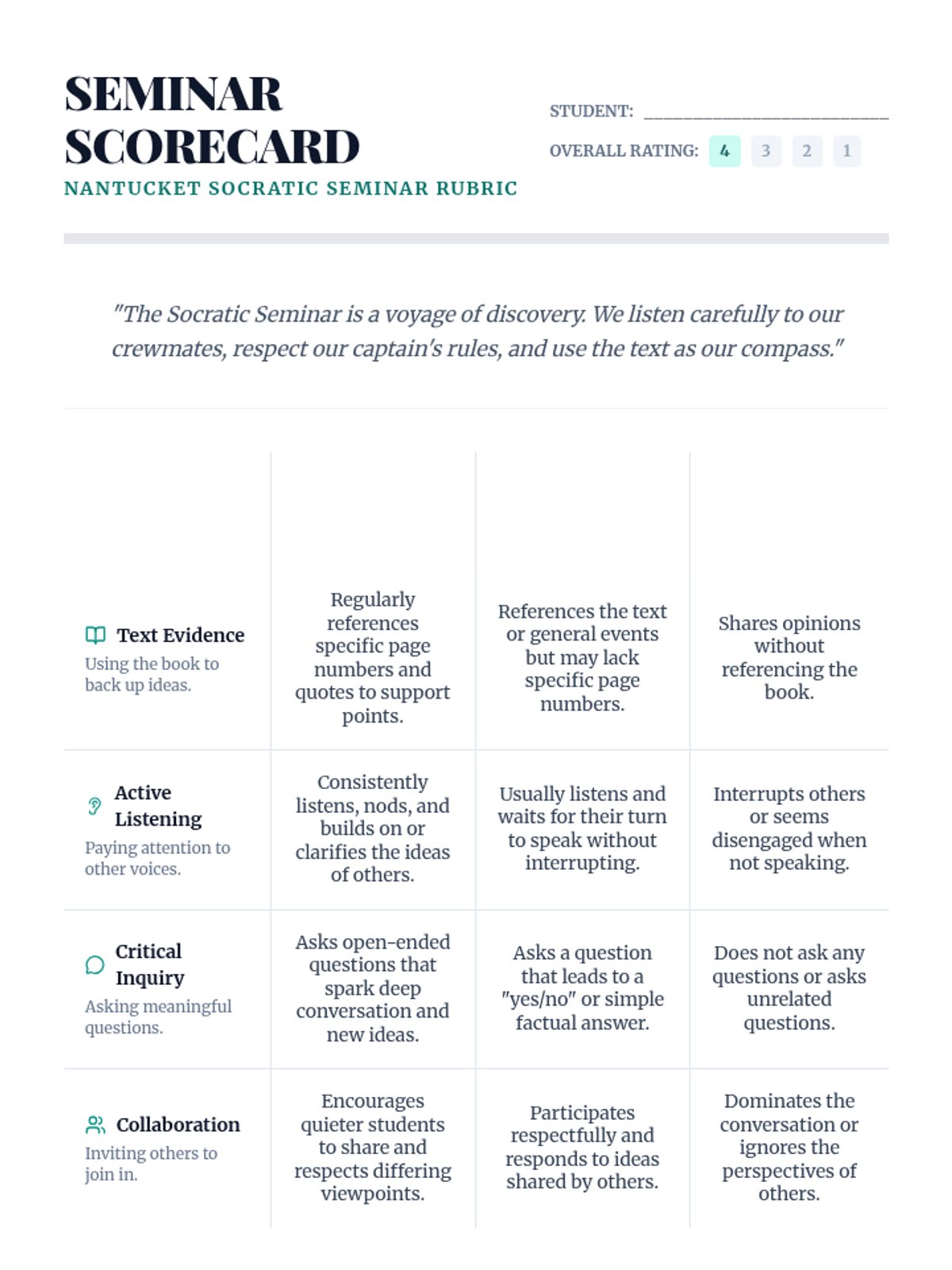
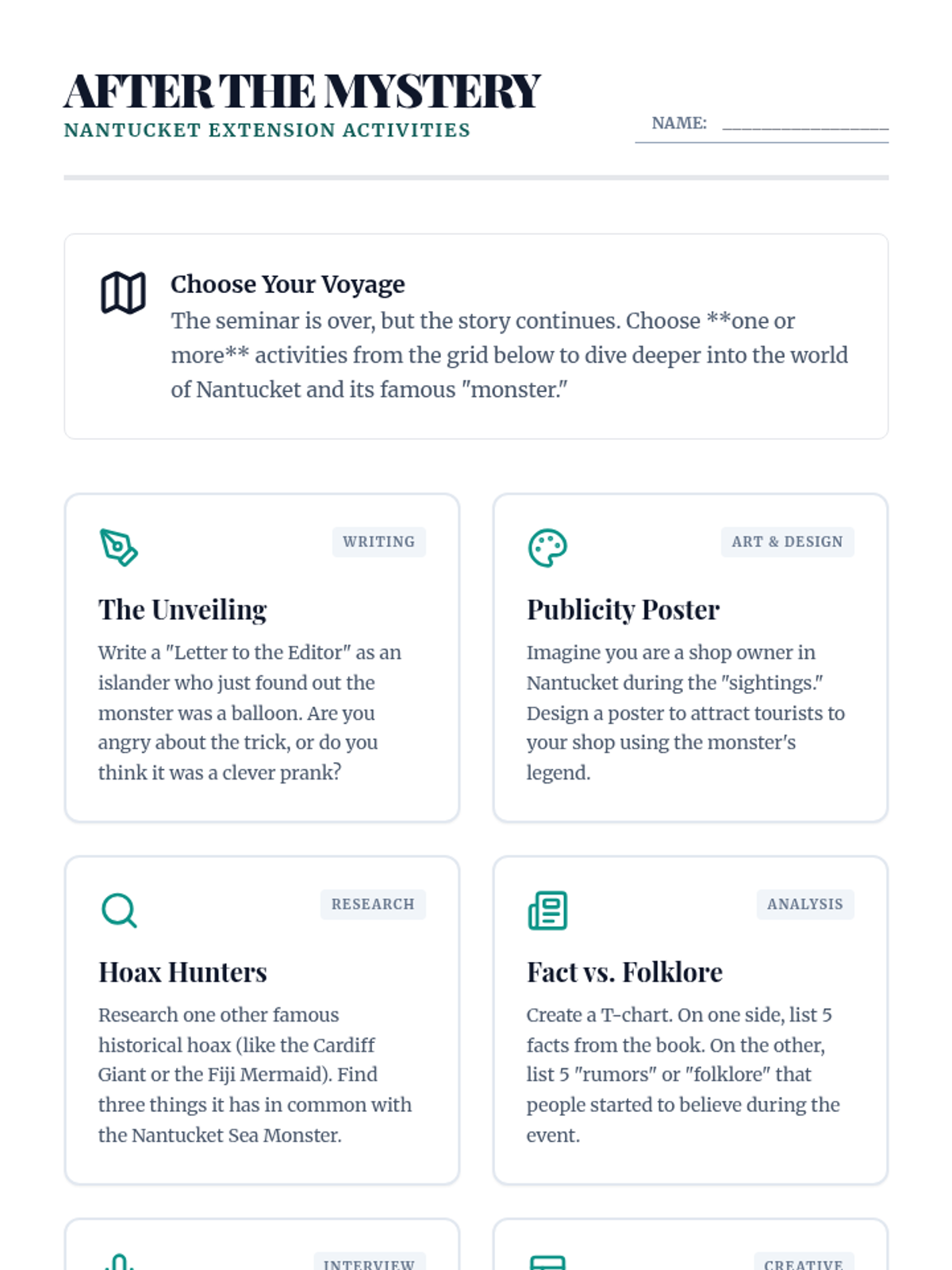
A comprehensive Socratic Seminar lesson for 'The Nantucket Sea Monster' by Darcy Pattison. Students explore themes of media influence, public perception, and the nature of truth through collaborative discussion.
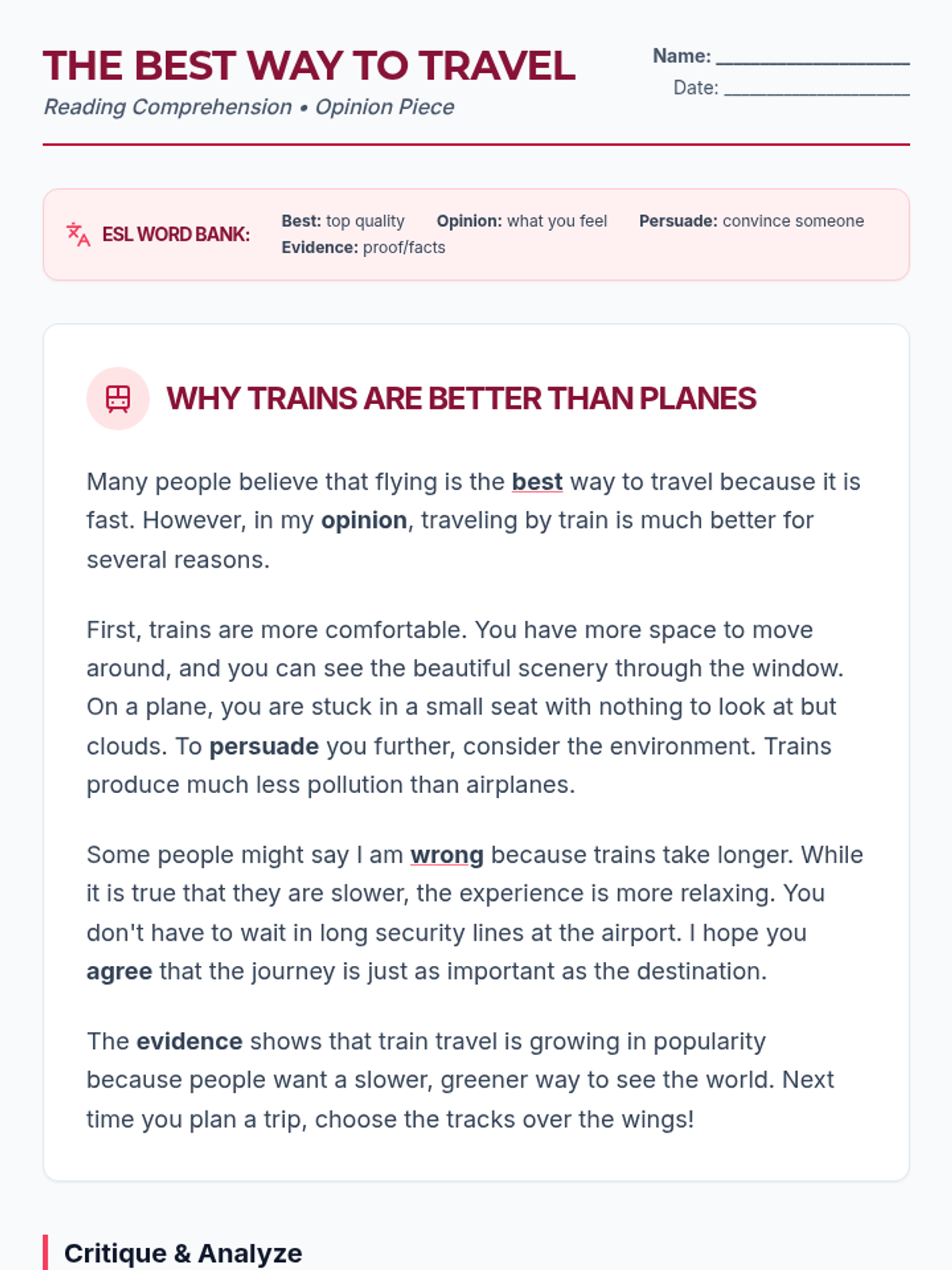
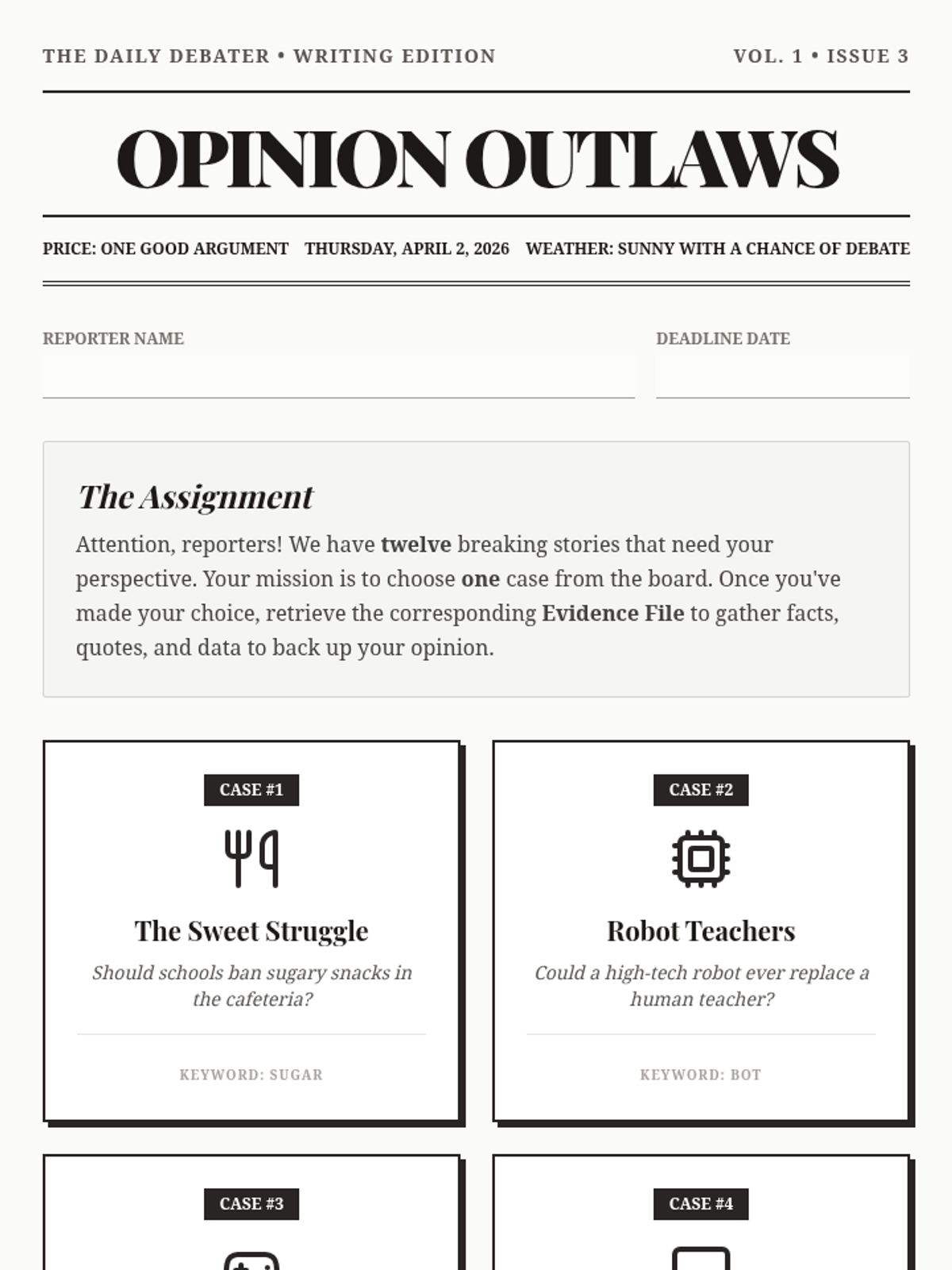
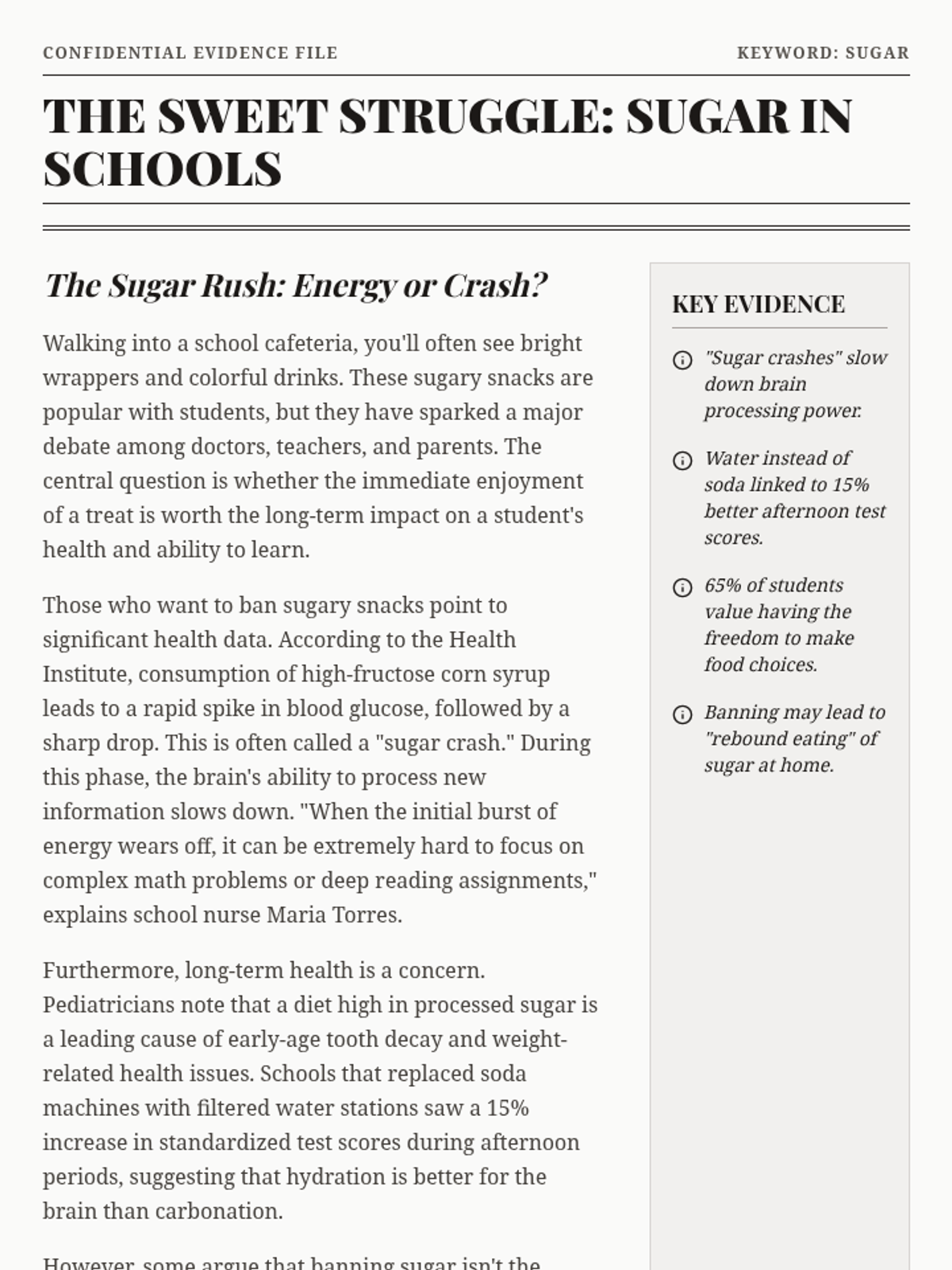
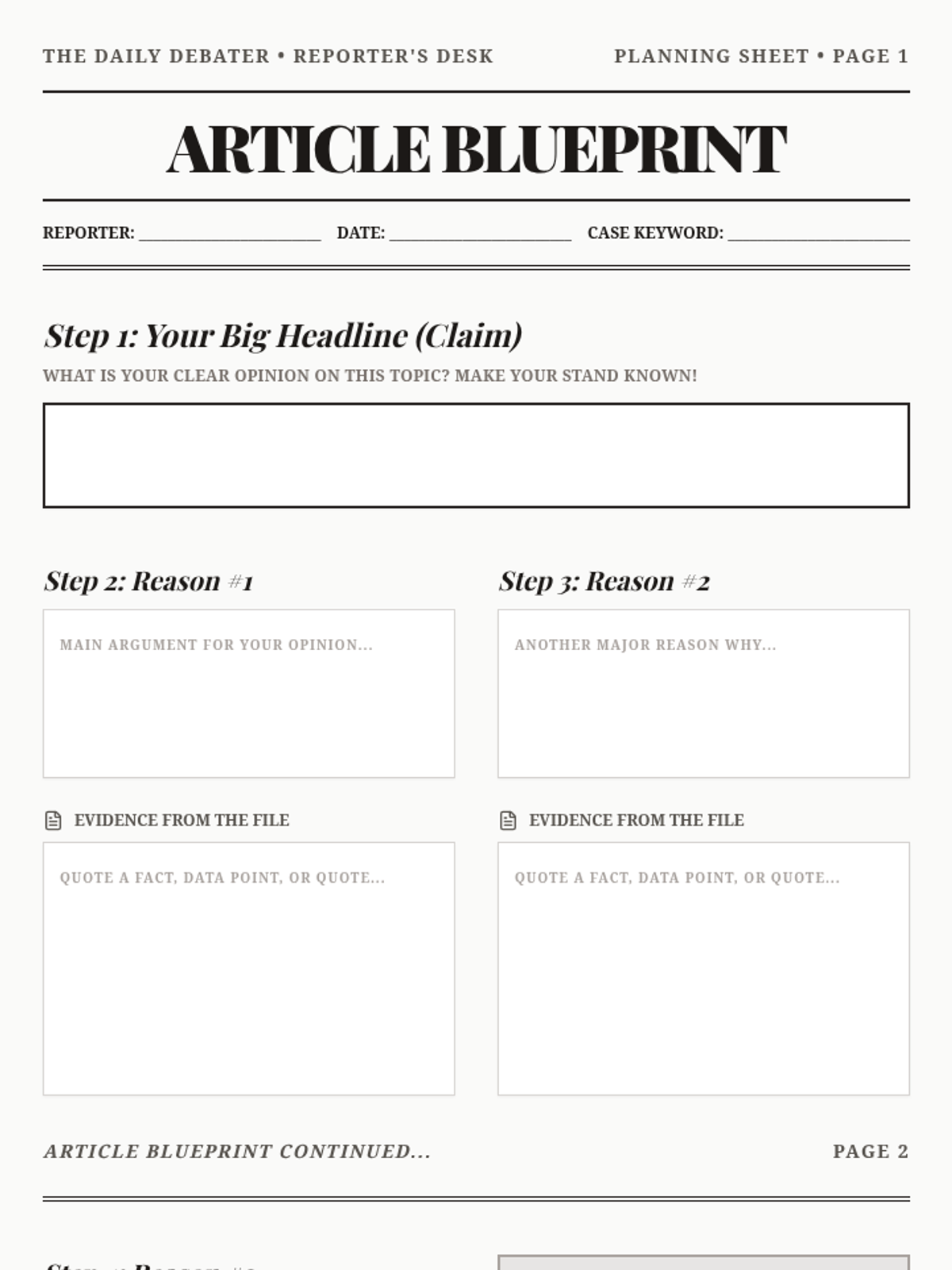
A choice-based writing lesson where students select an opinion prompt and use provided short articles to gather evidence for their persuasive pieces.
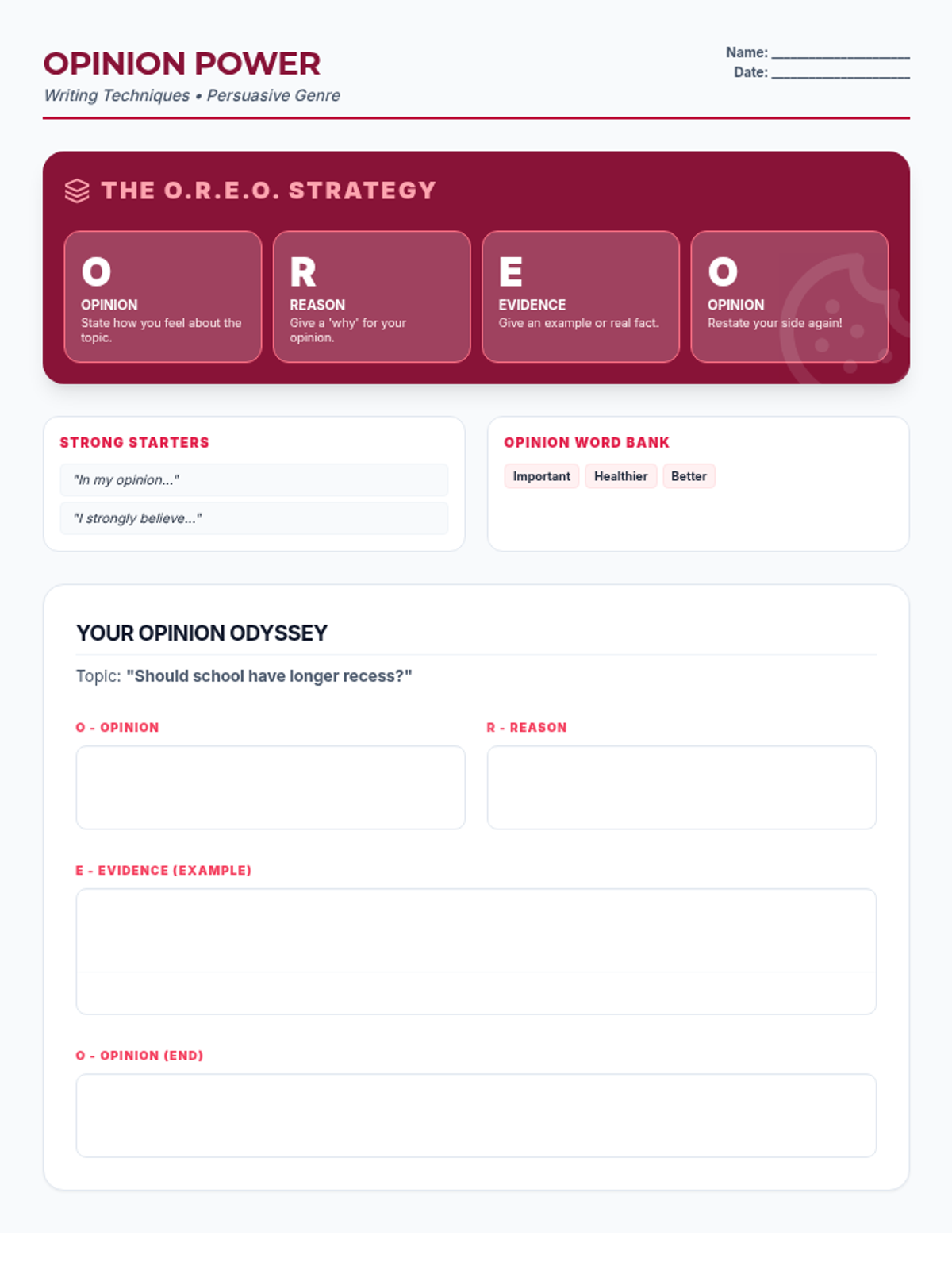
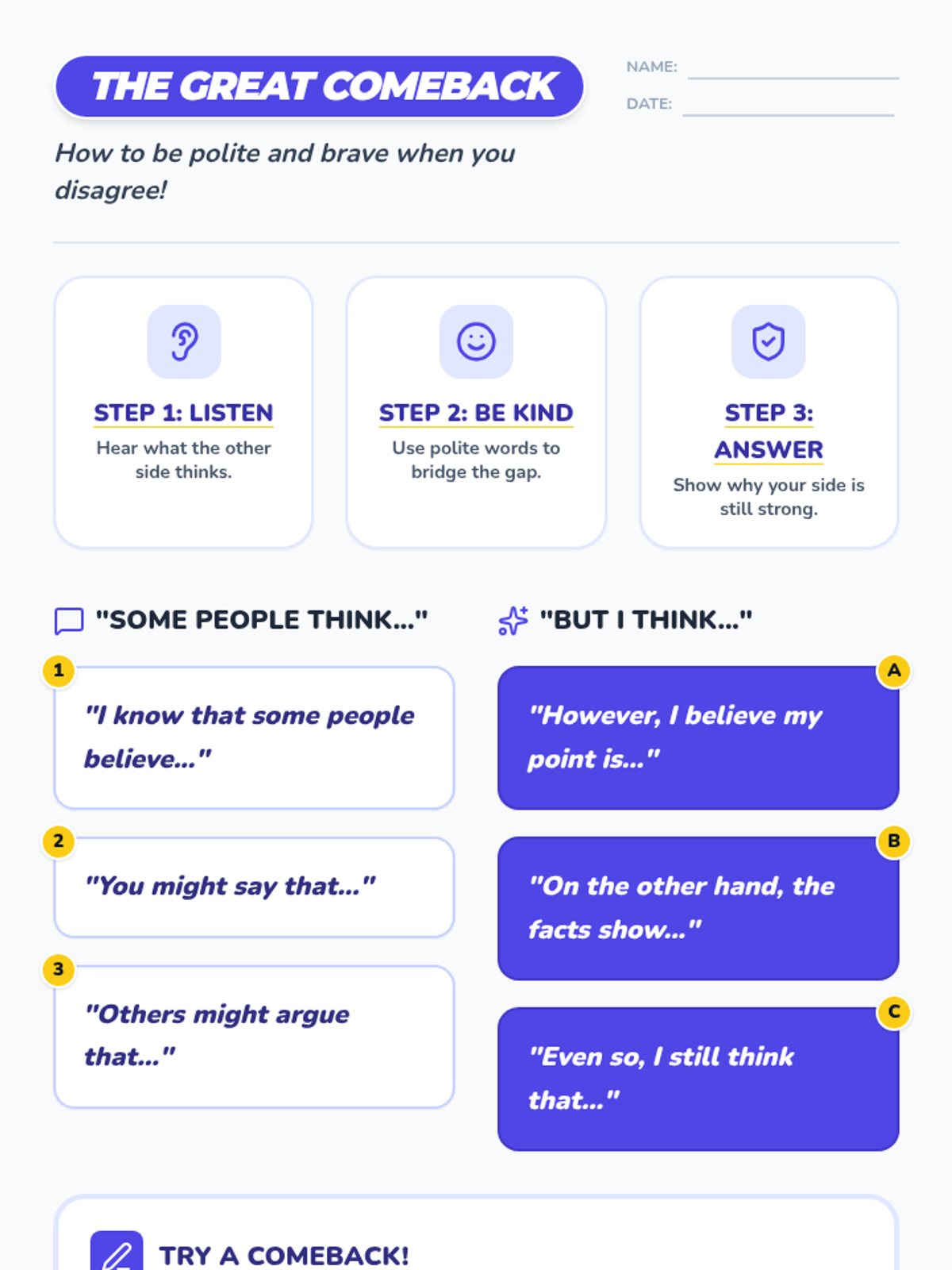
A beginner's guide to argumentative writing, focusing on using evidence to support claims and addressing opposing views with confidence. Designed for early elementary students with high visual support.
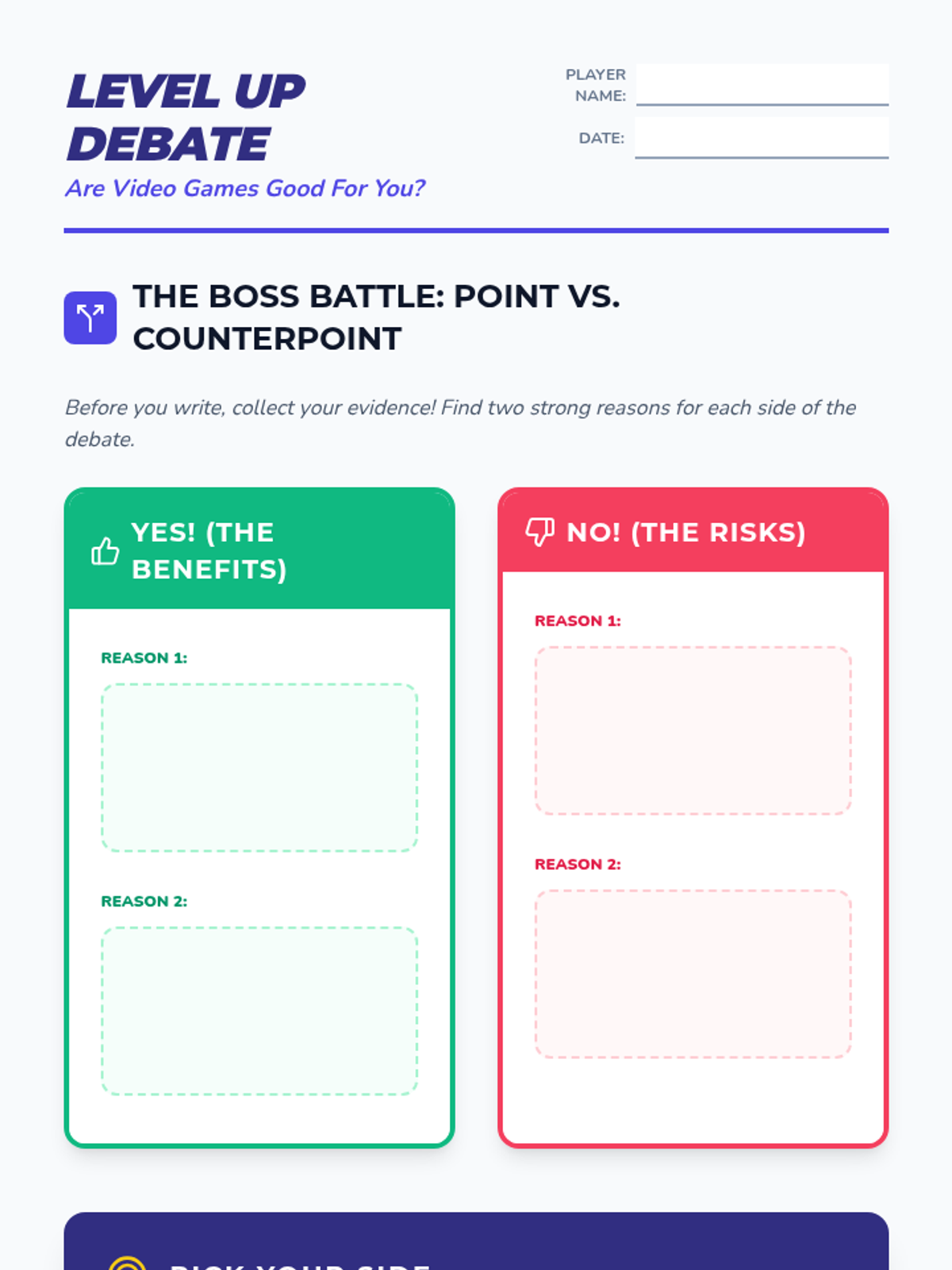
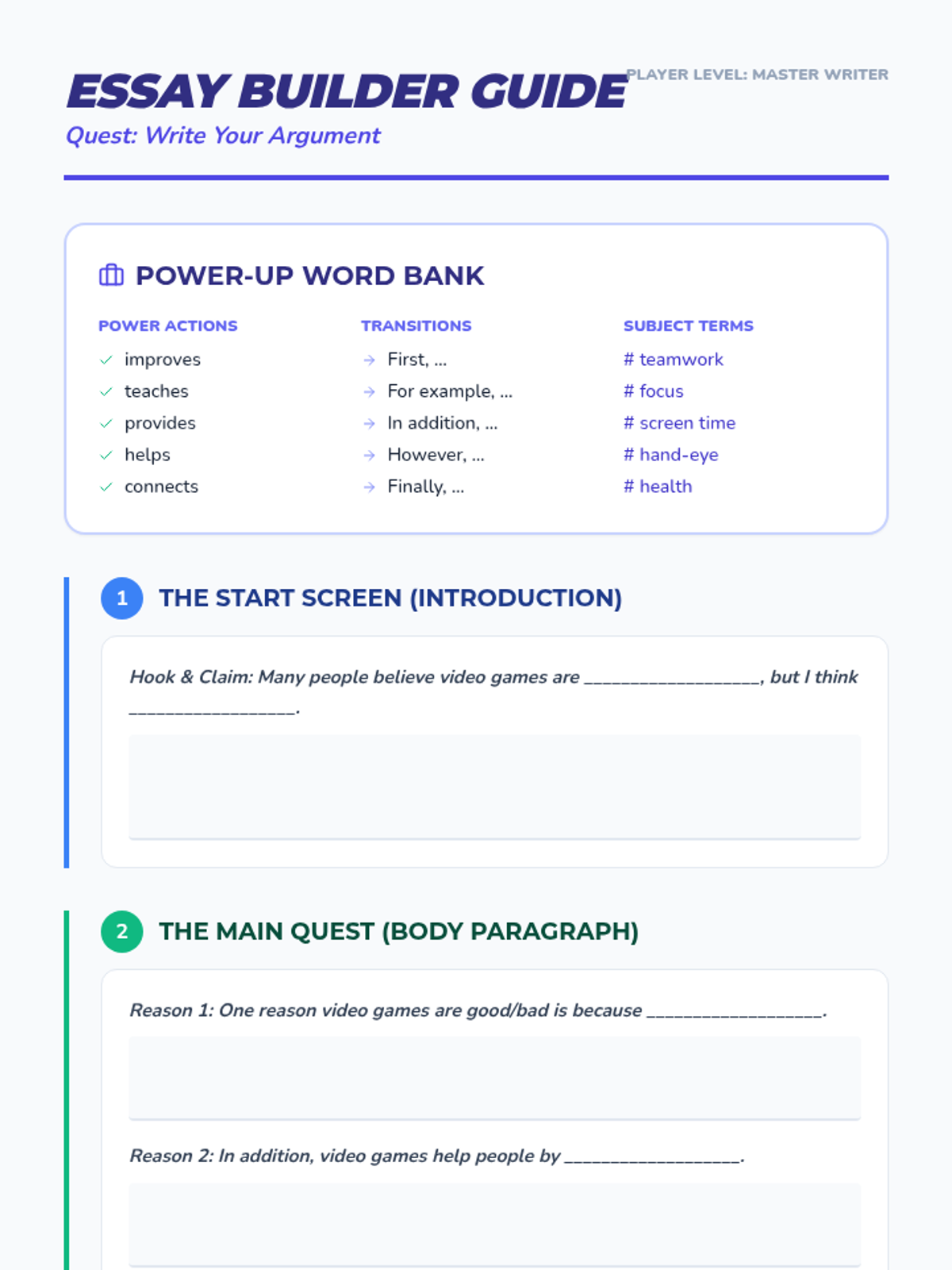
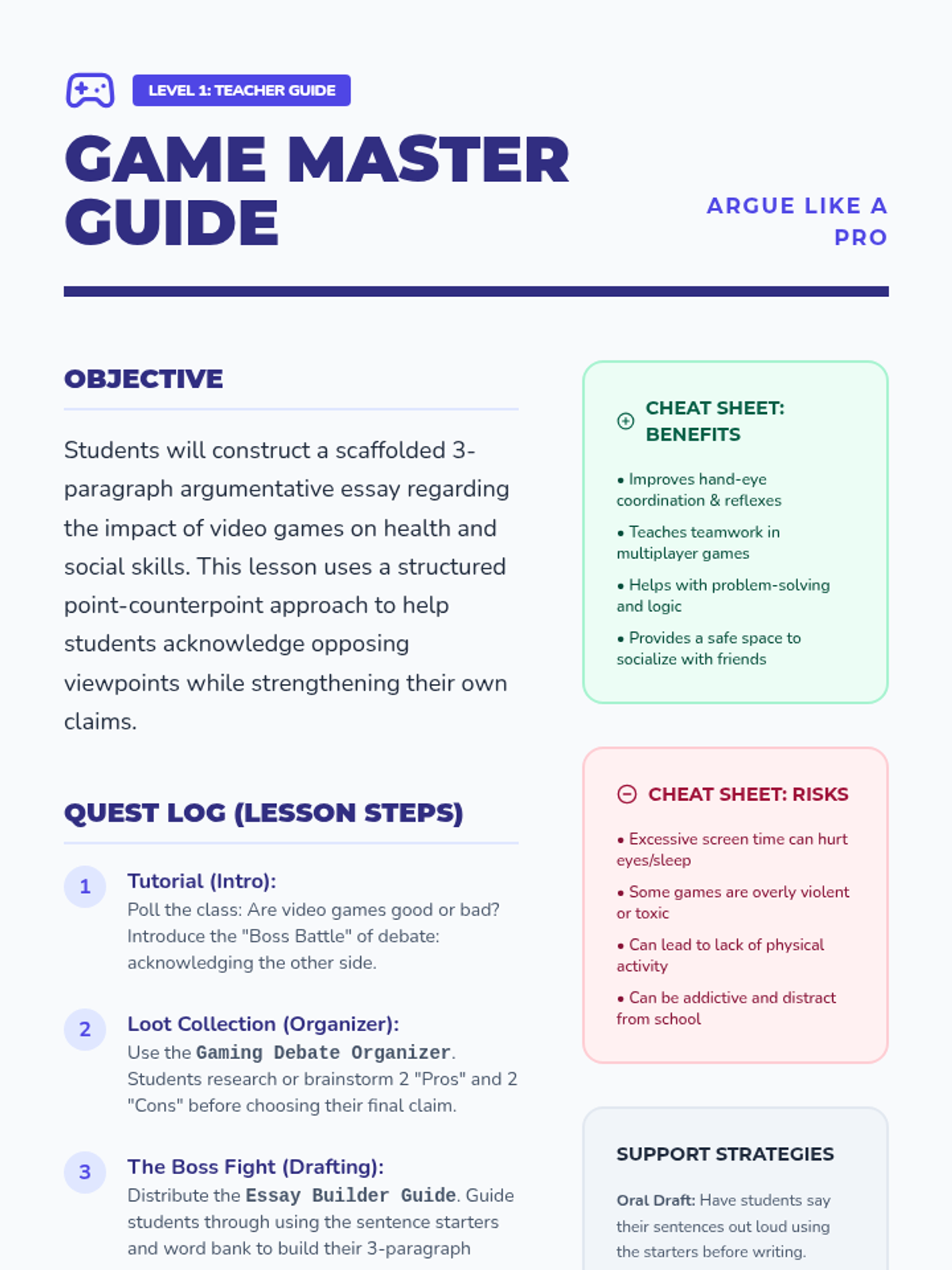
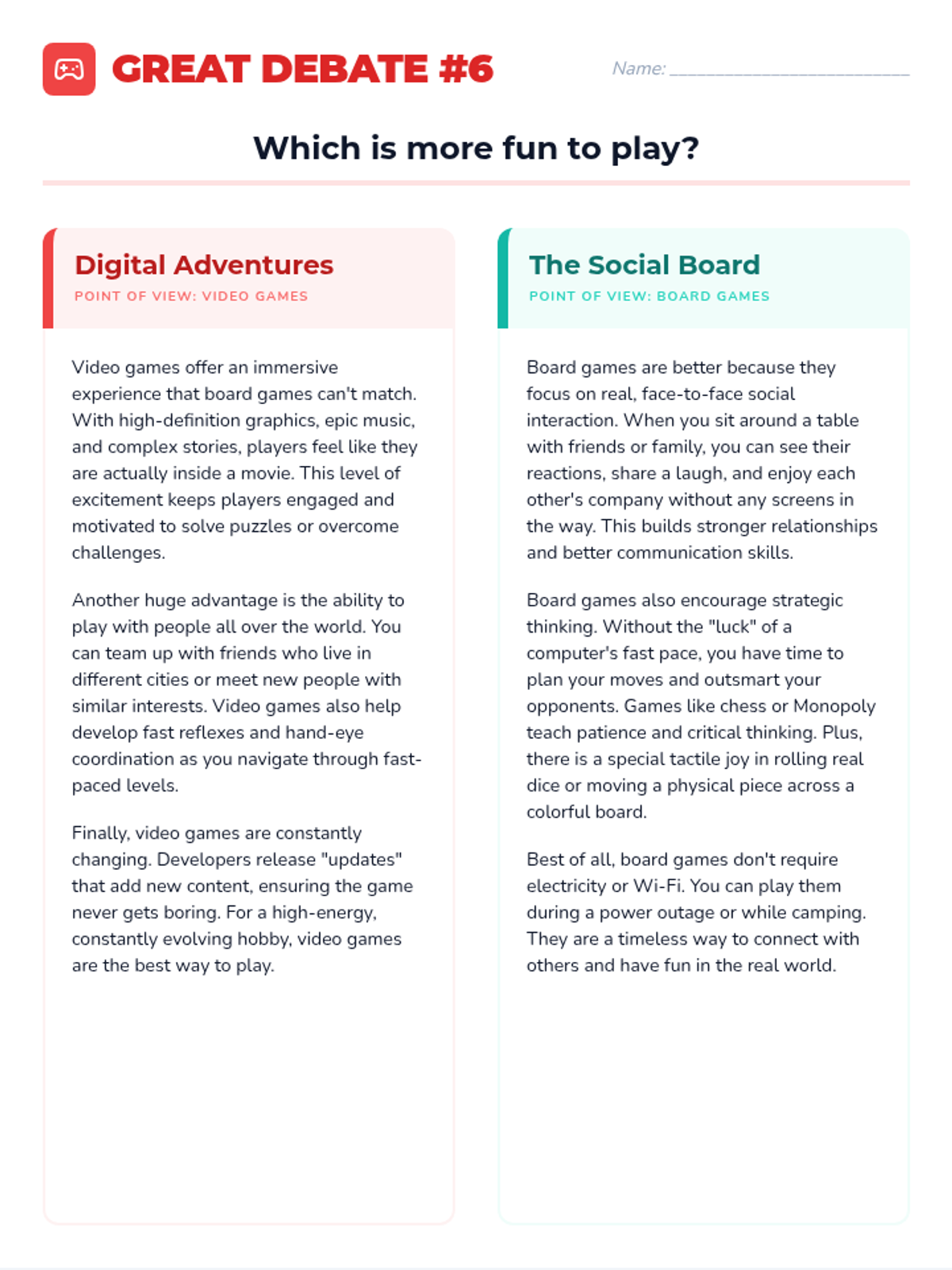
A scaffolded lesson helping students construct a 3-paragraph argumentative essay on the benefits and drawbacks of video games. Includes a point-counterpoint organizer, a simplified outline with sentence starters, and a teacher guide.
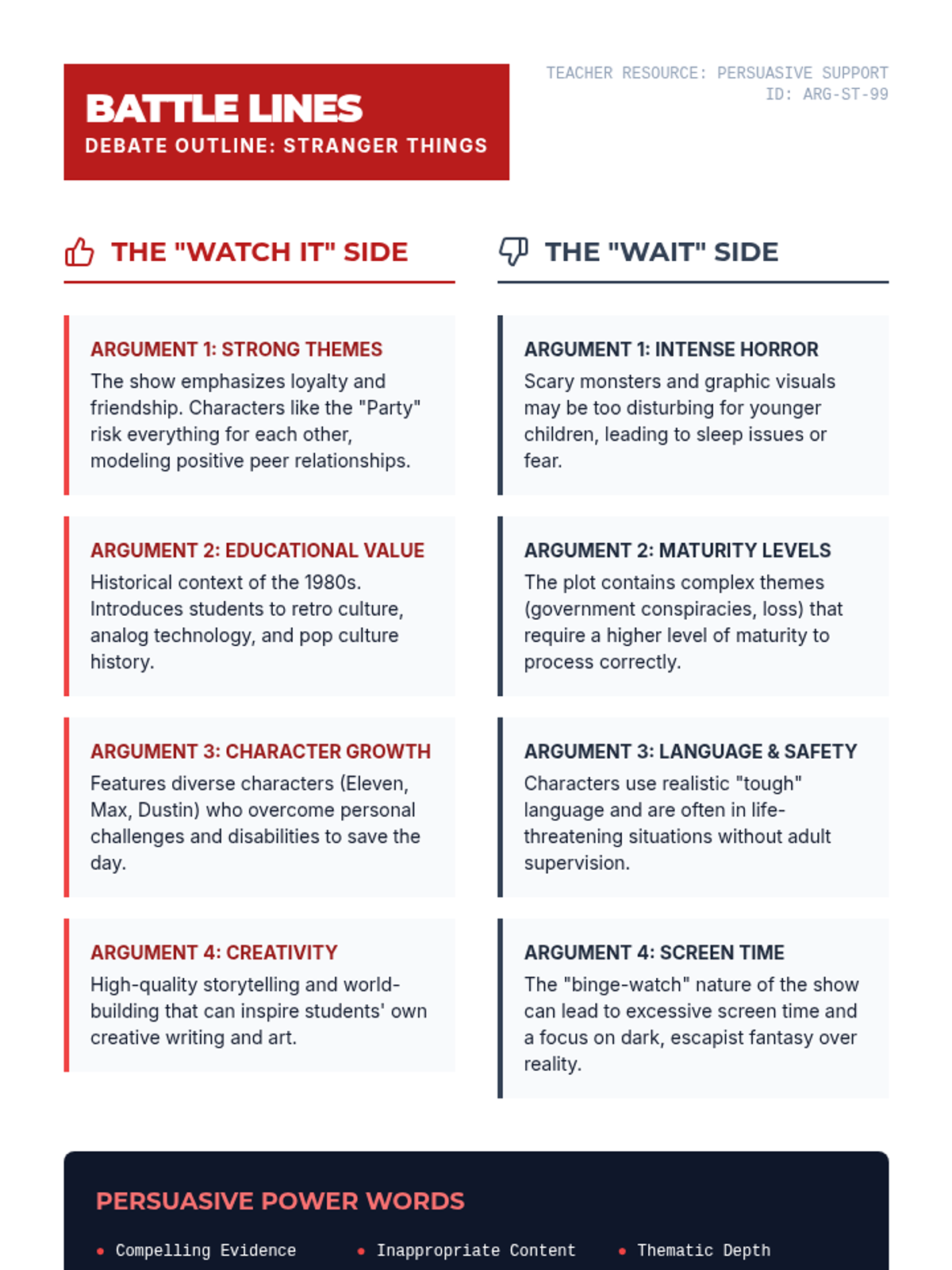
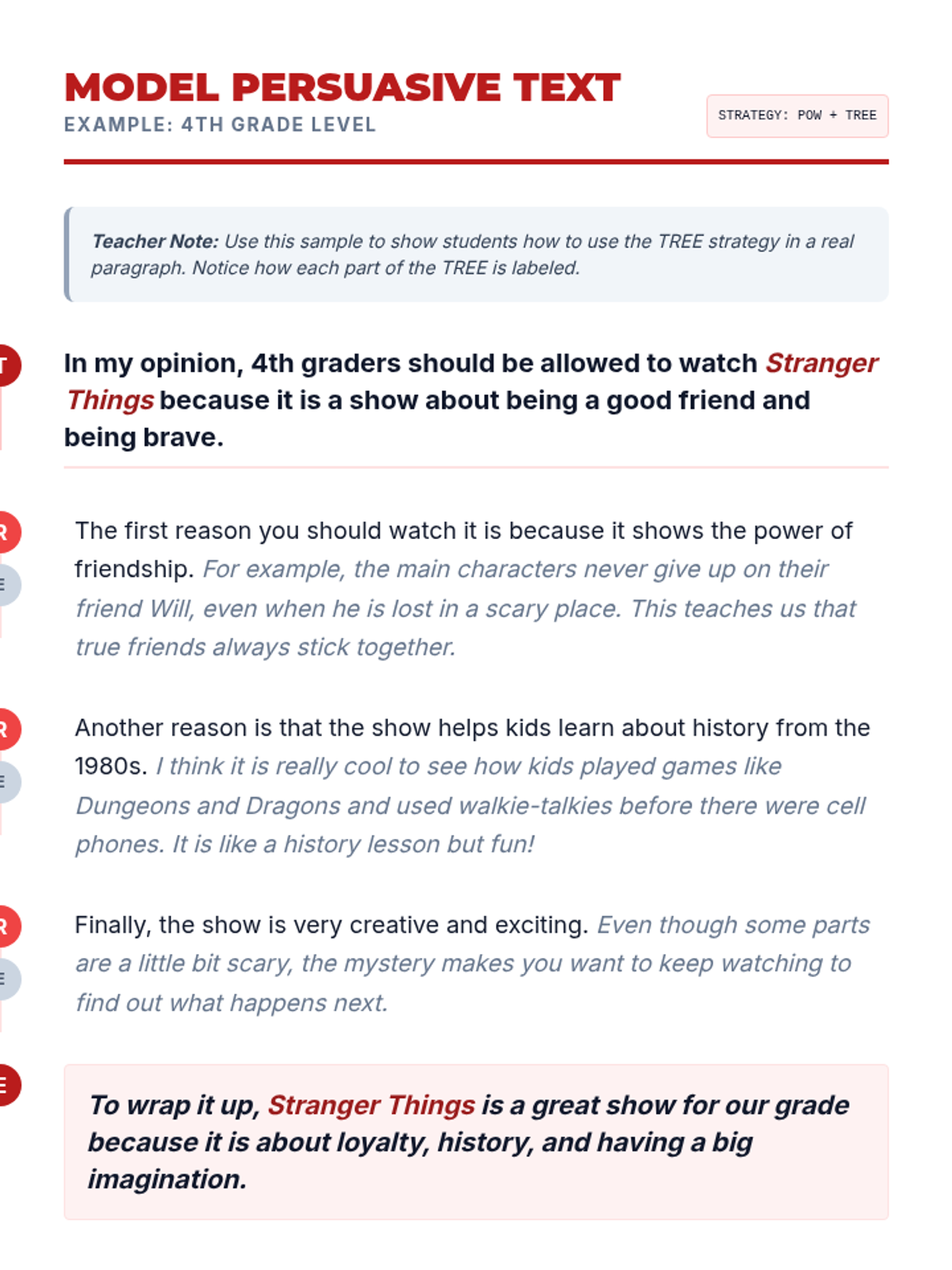
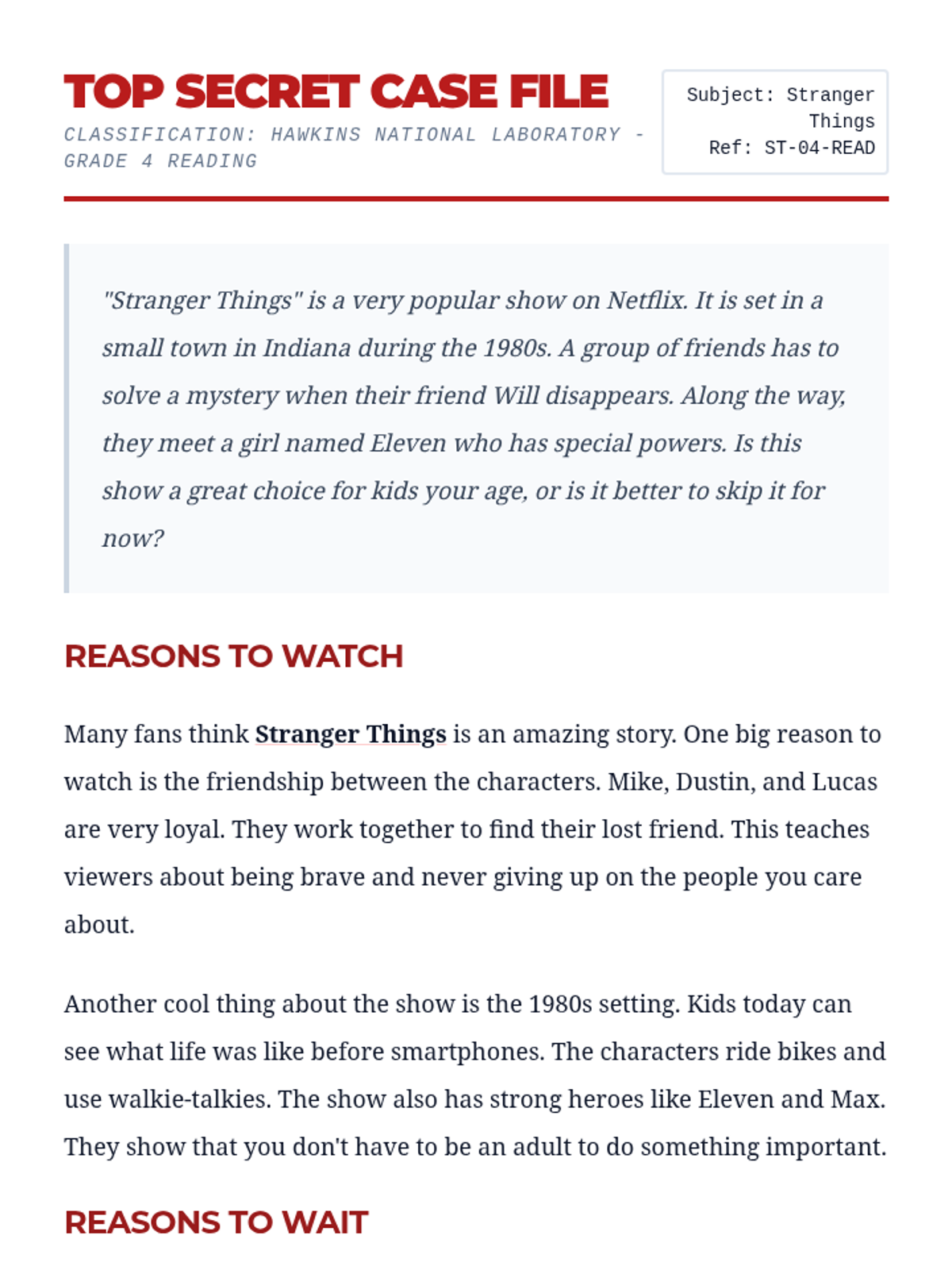
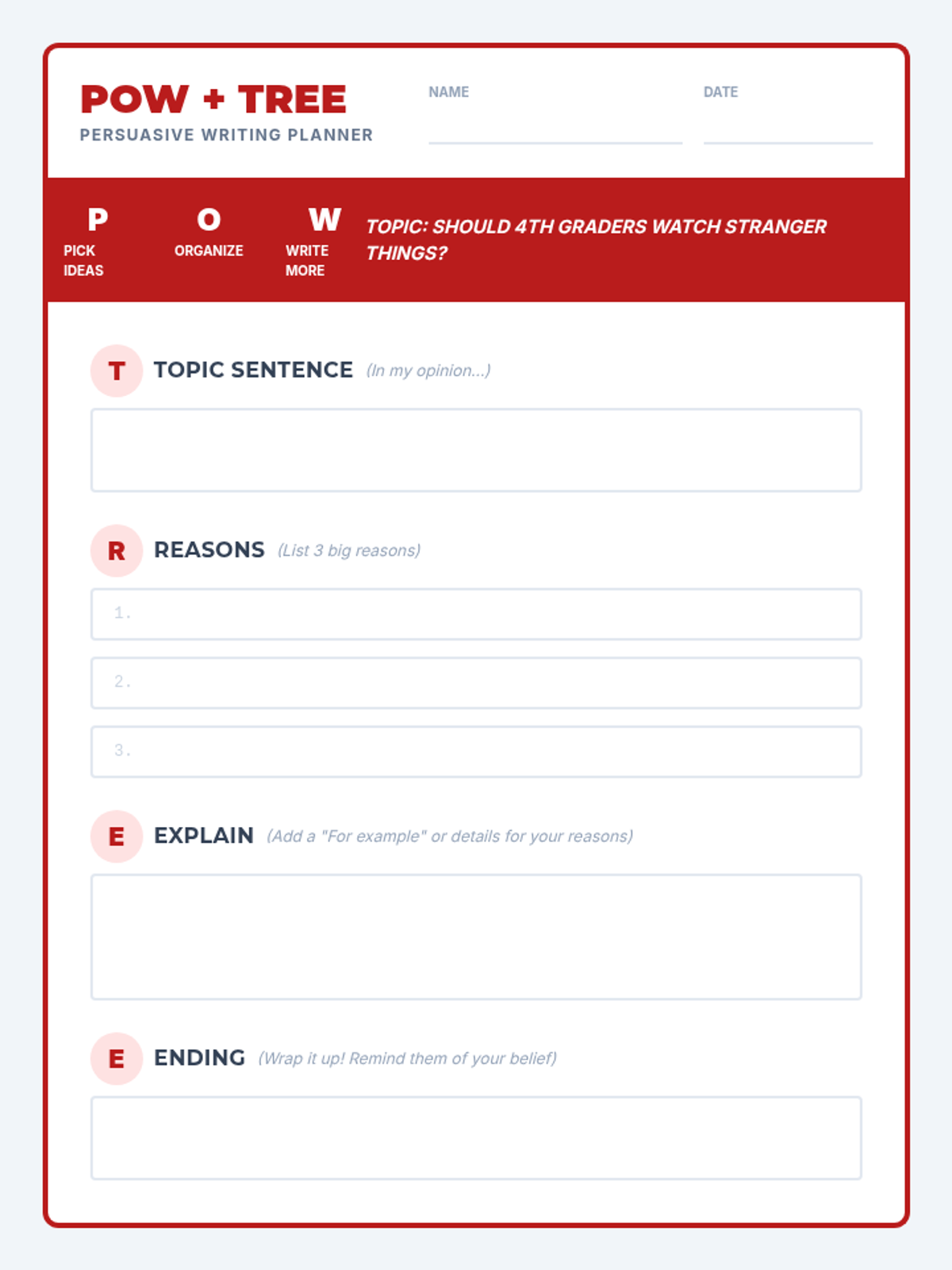
Students will analyze arguments for and against watching Stranger Things, using the POW + TREE mnemonic to organize their persuasive writing.
A set of 20 short articles (two for each of the 10 debate topics) to provide students with evidence for their classroom arguments.
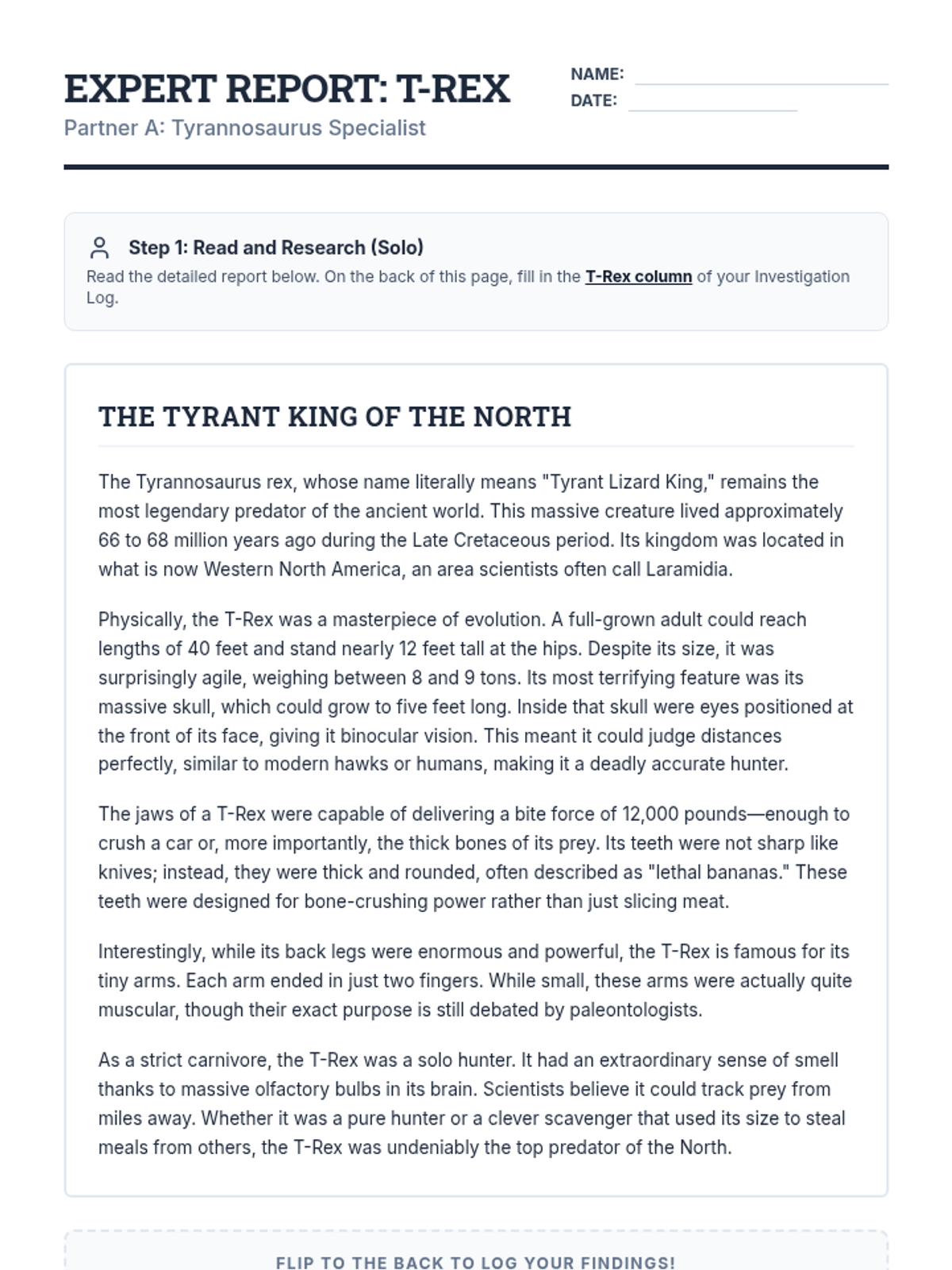
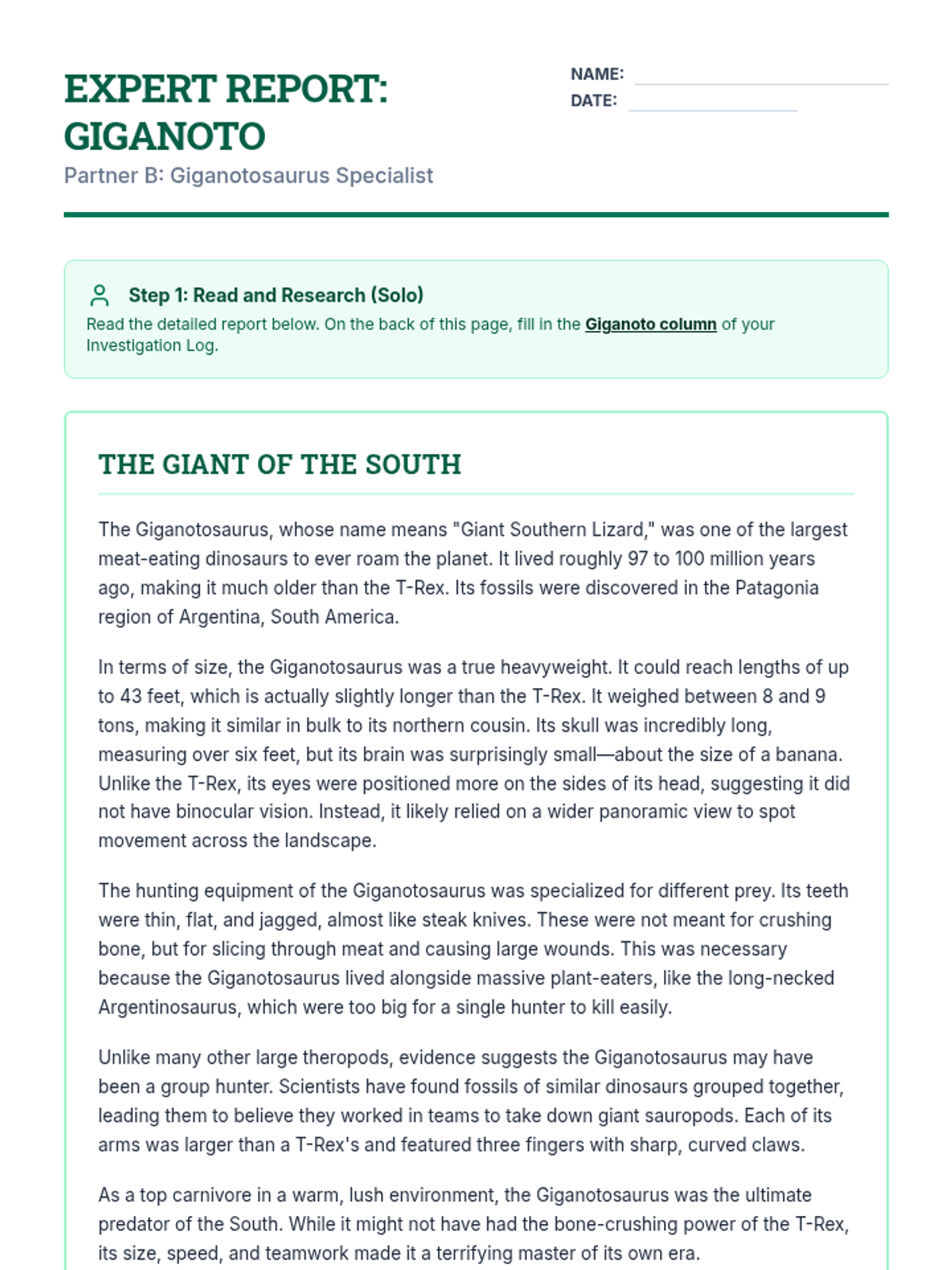
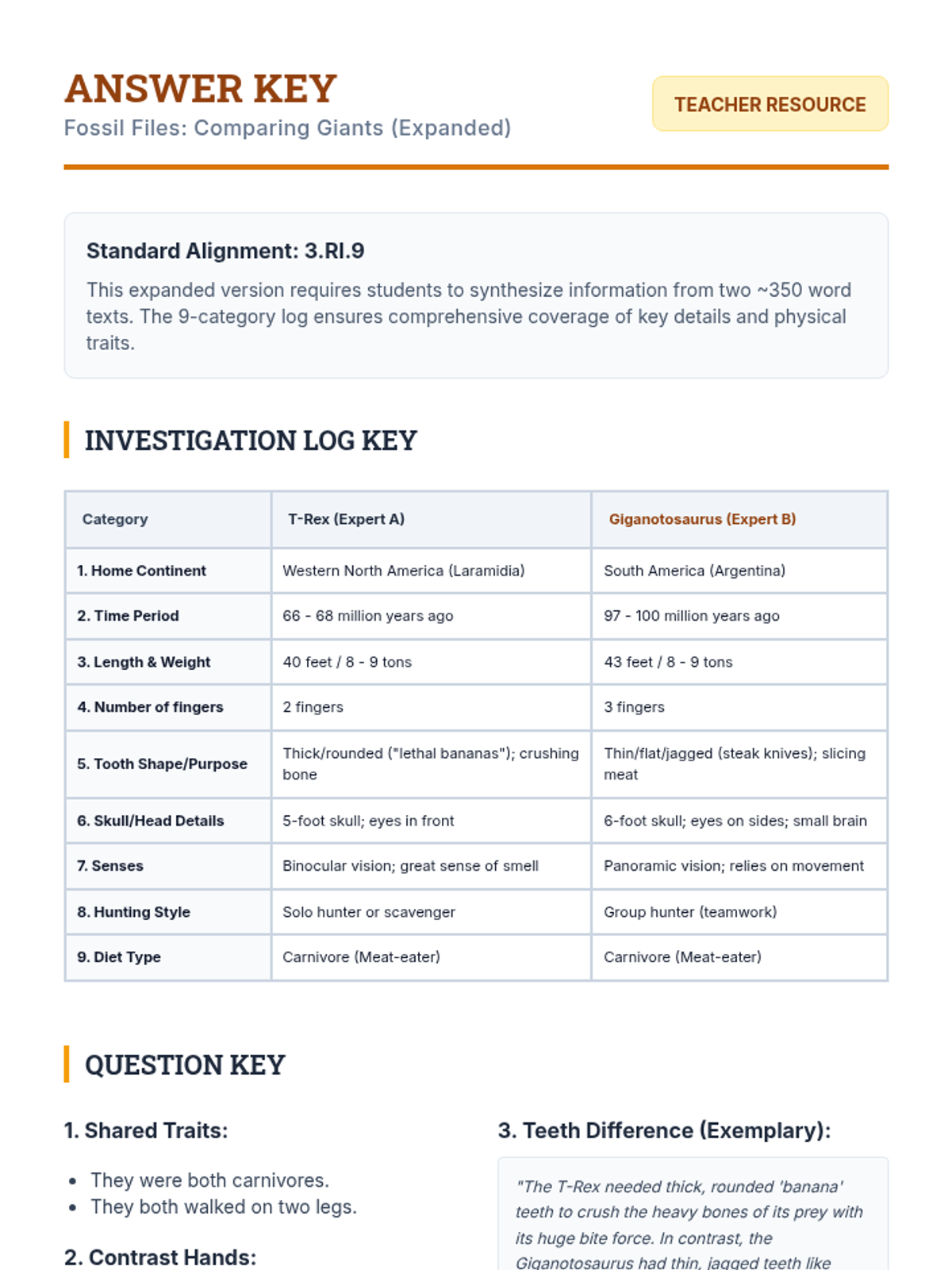
In this lesson, students will work in partners to read two informational texts about famous carnivorous dinosaurs. They will use a Venn diagram to organize their findings and answer standardized test-style questions to demonstrate their understanding of 3.RI.9.
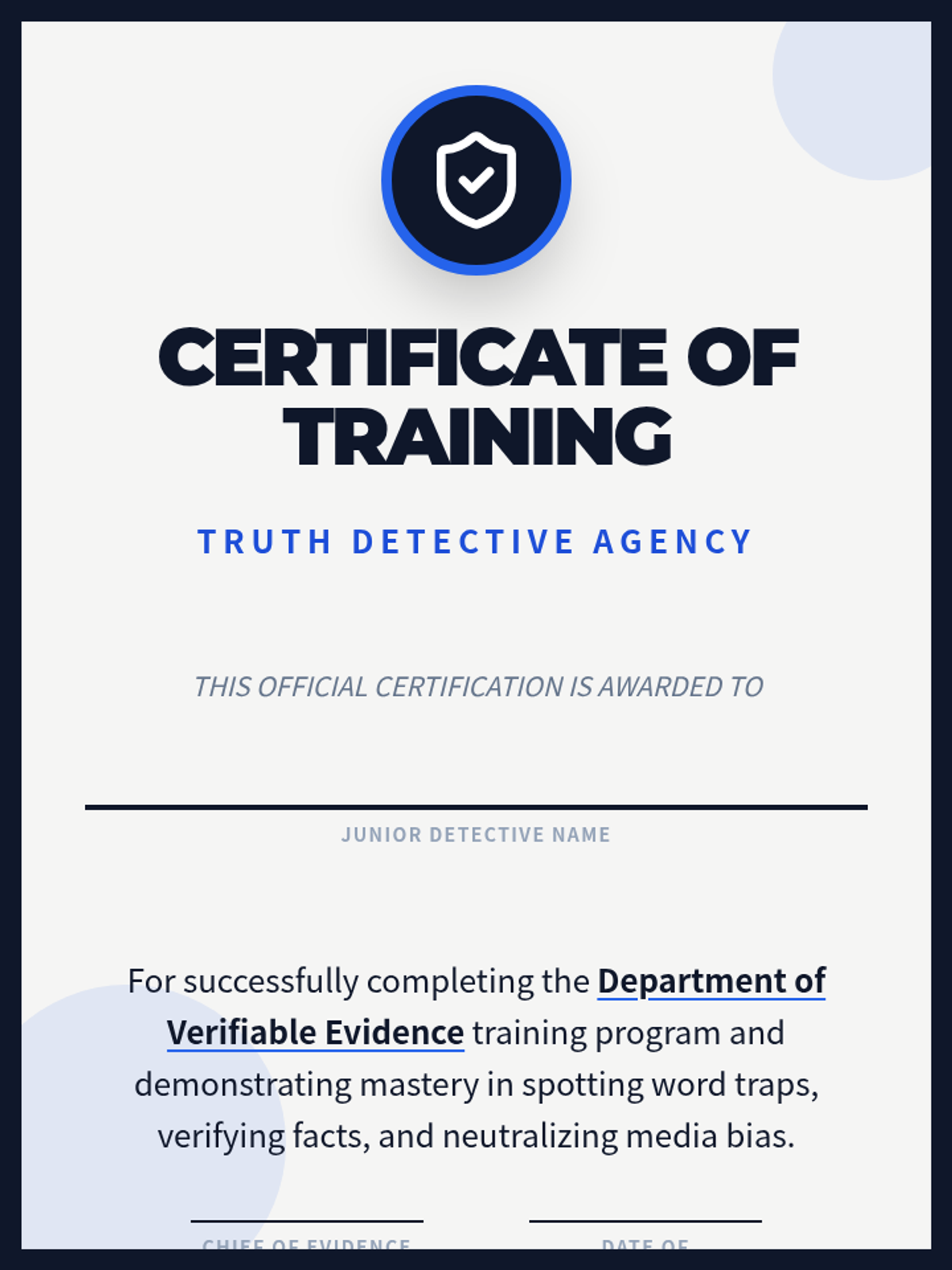
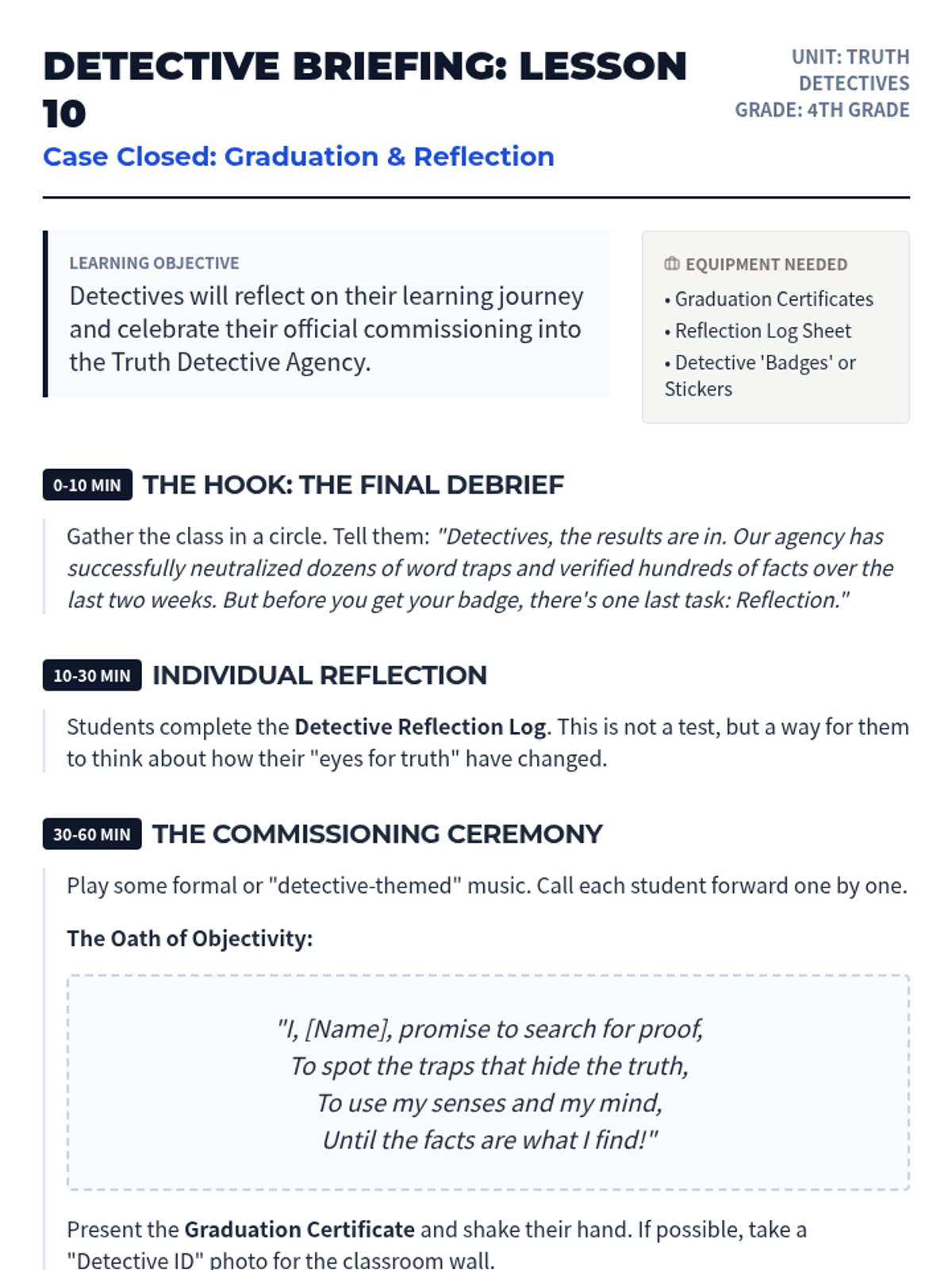
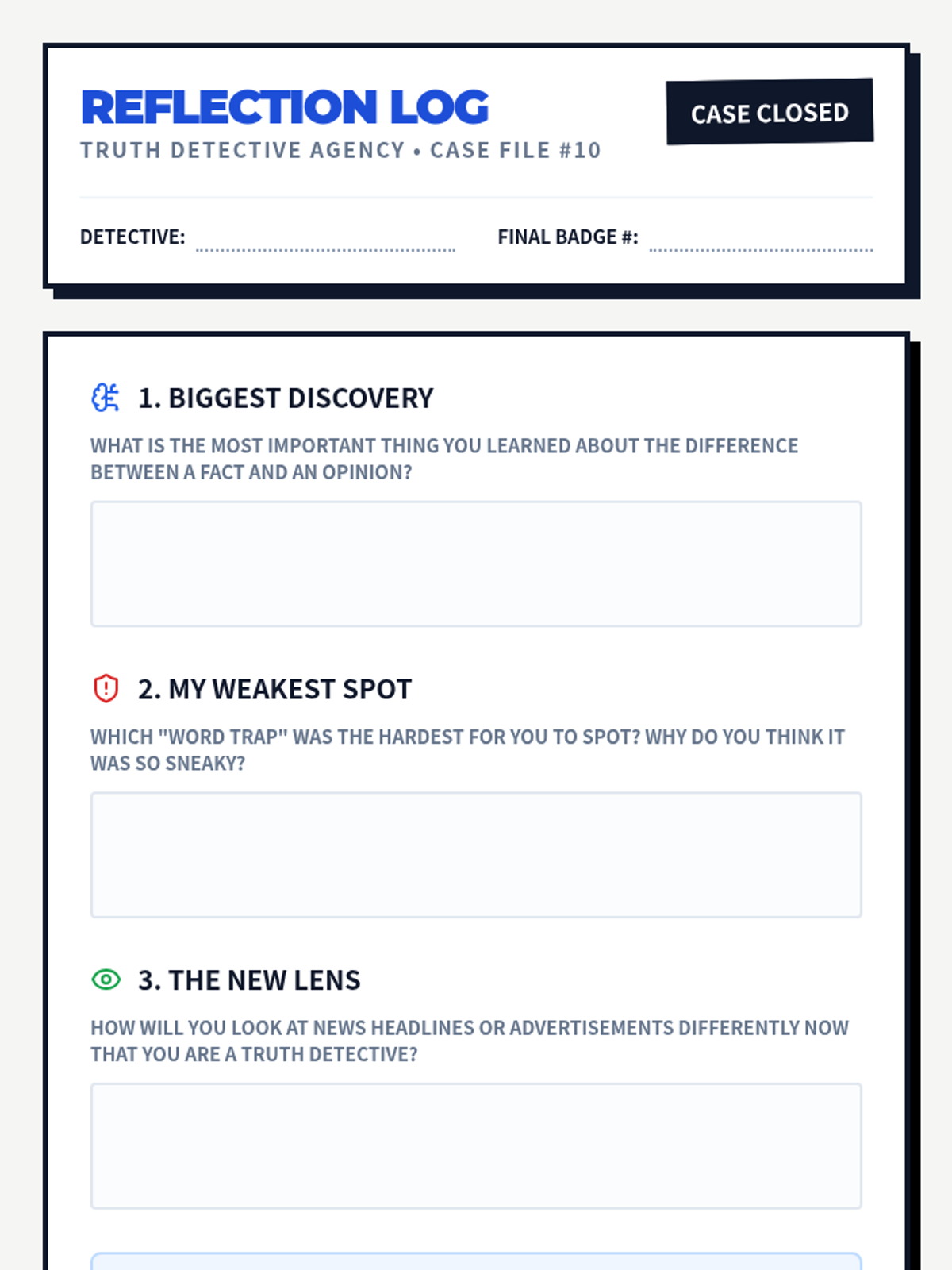
Unit wrap-up, student reflections, and official 'Detective Certification' ceremony.
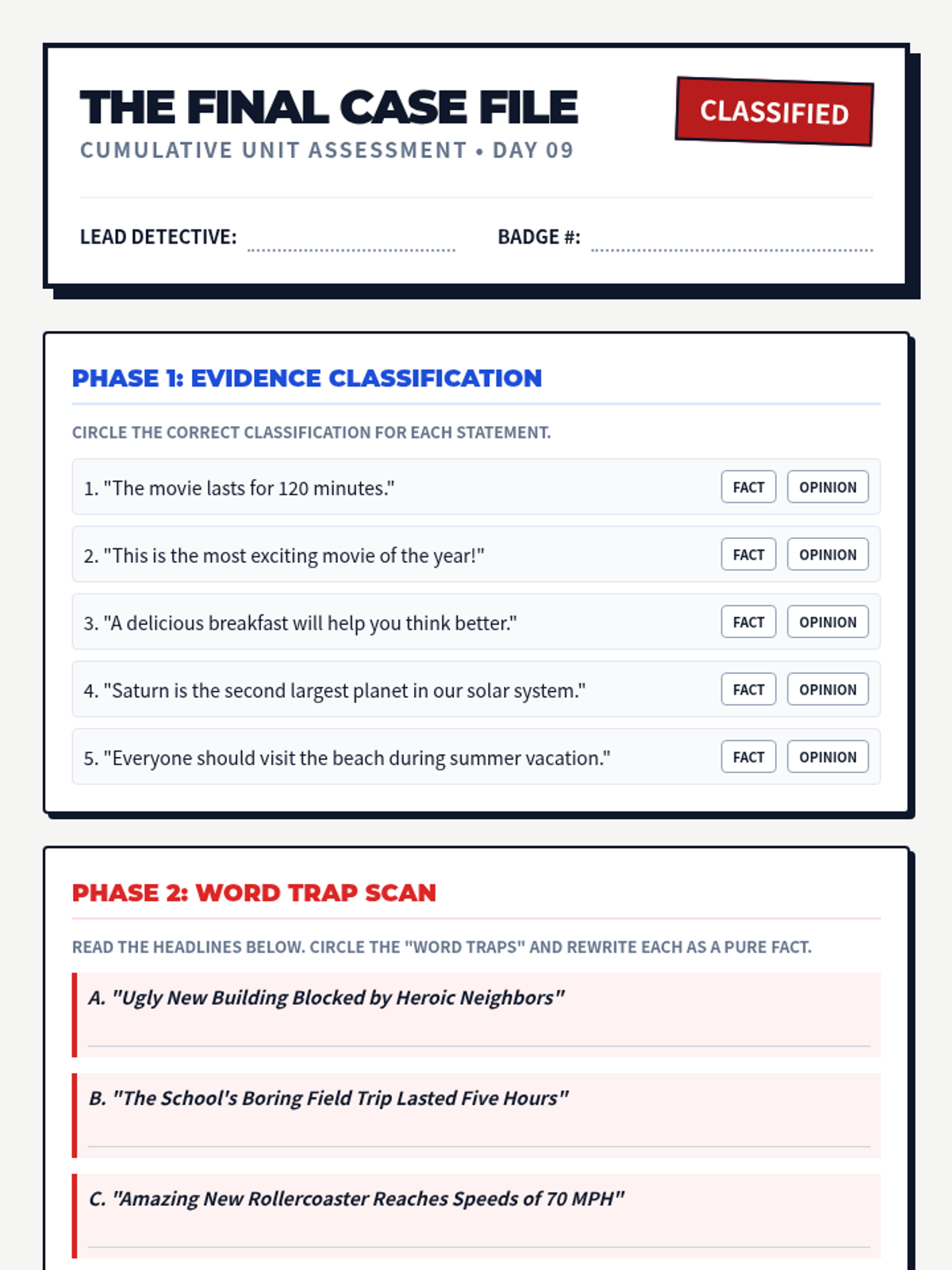
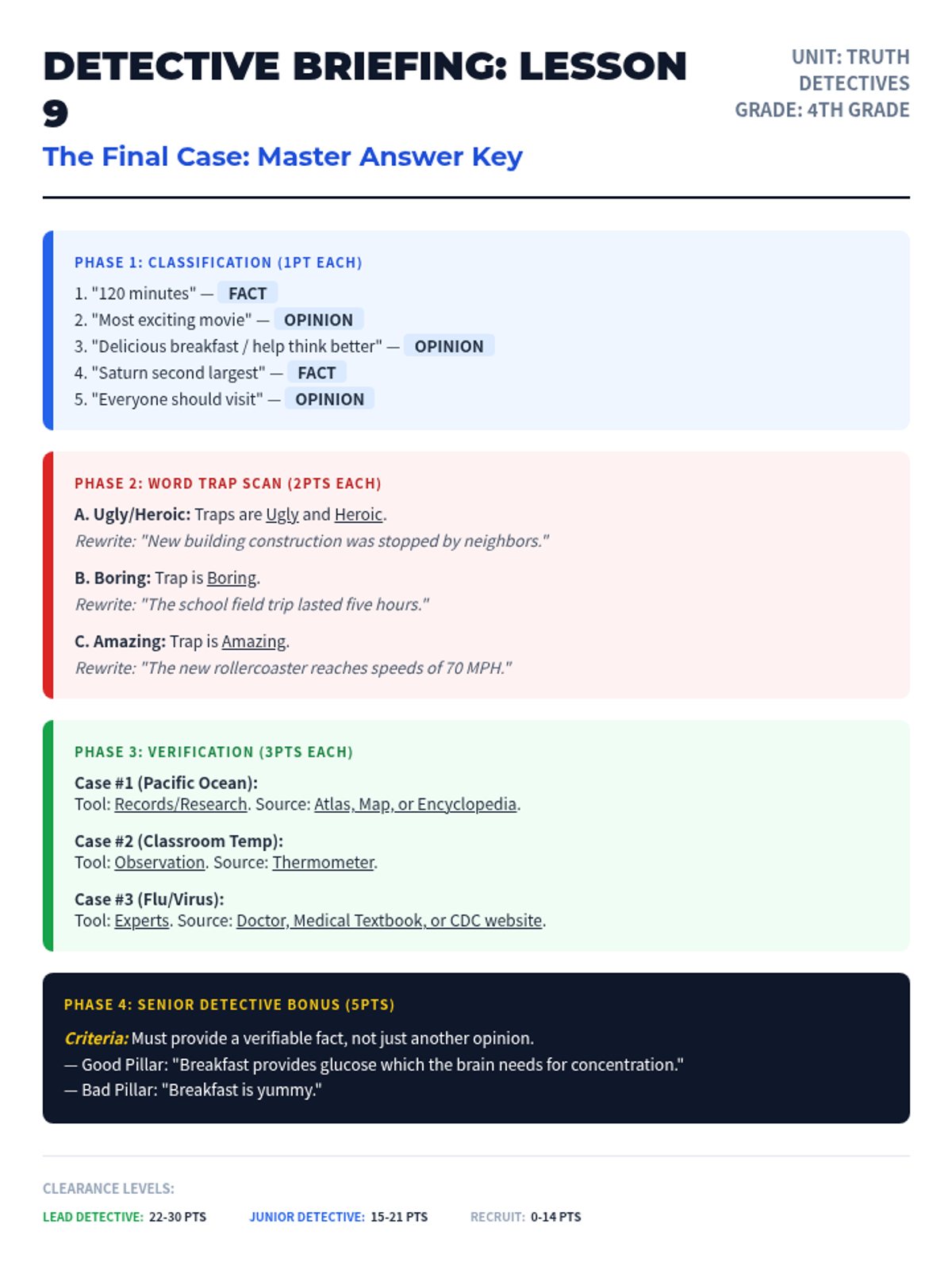
A final cumulative investigation where students solve a 'case' using all learned skills.
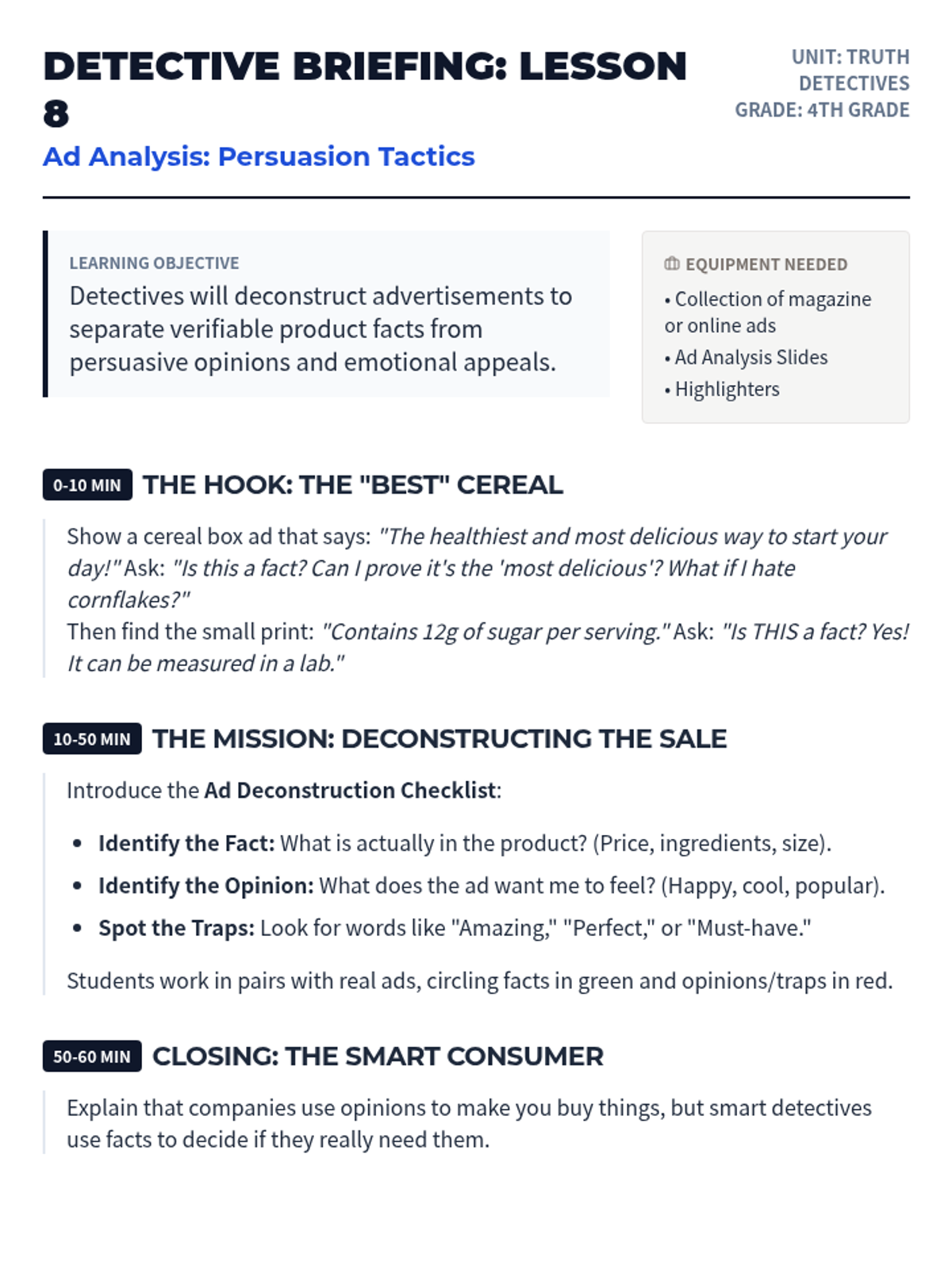
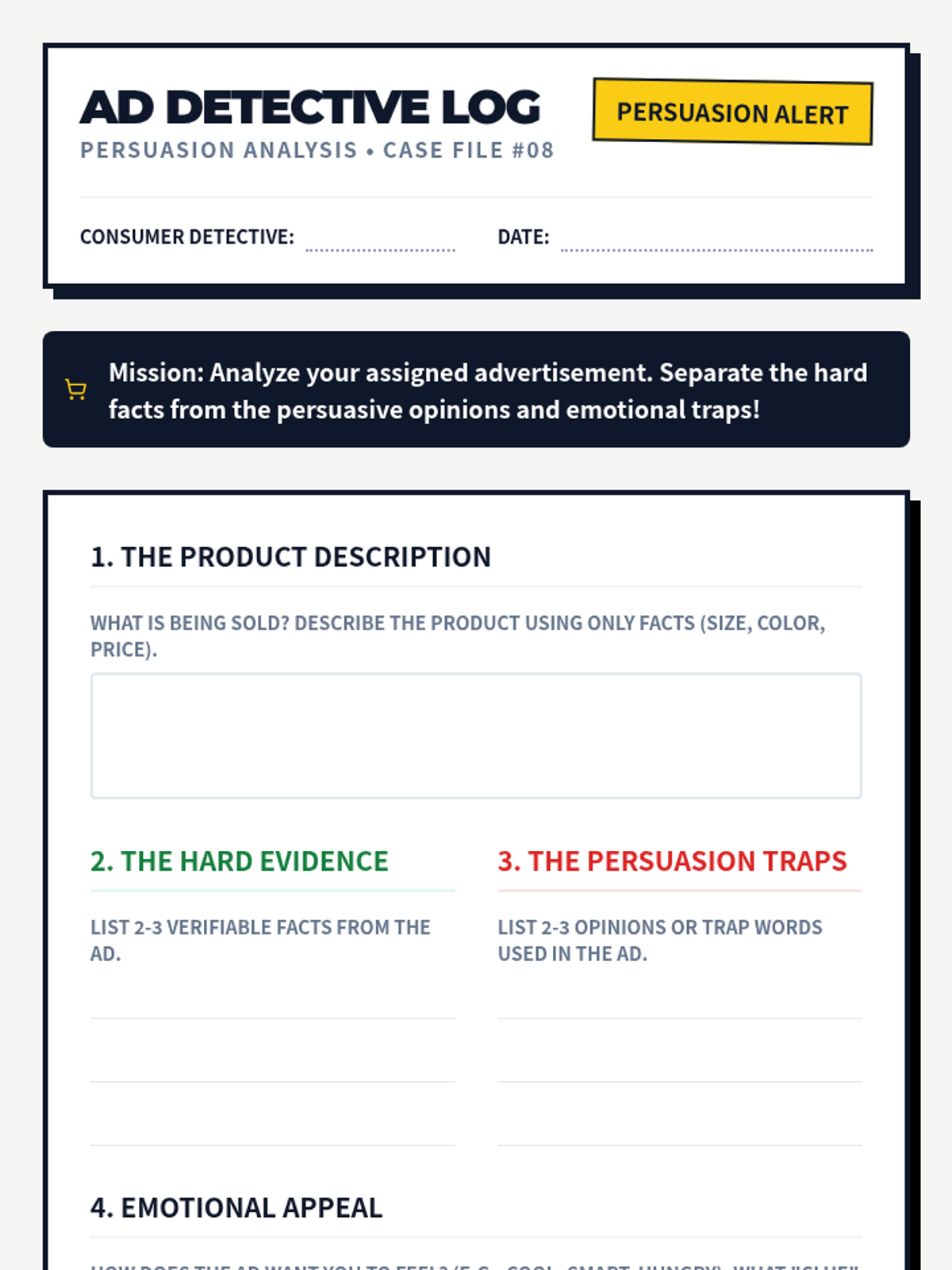
Deconstructing advertisements to separate product facts from persuasive opinions.
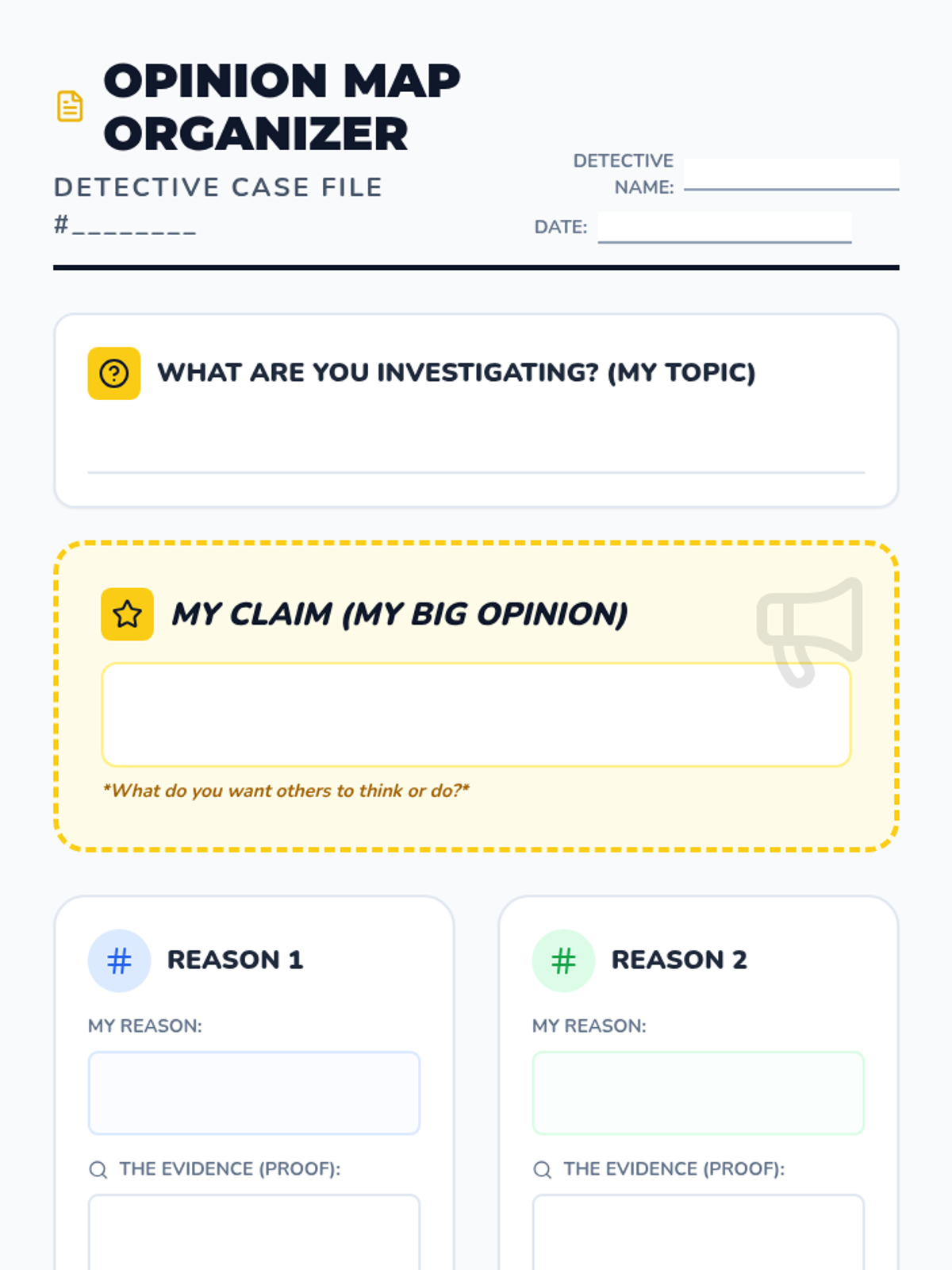
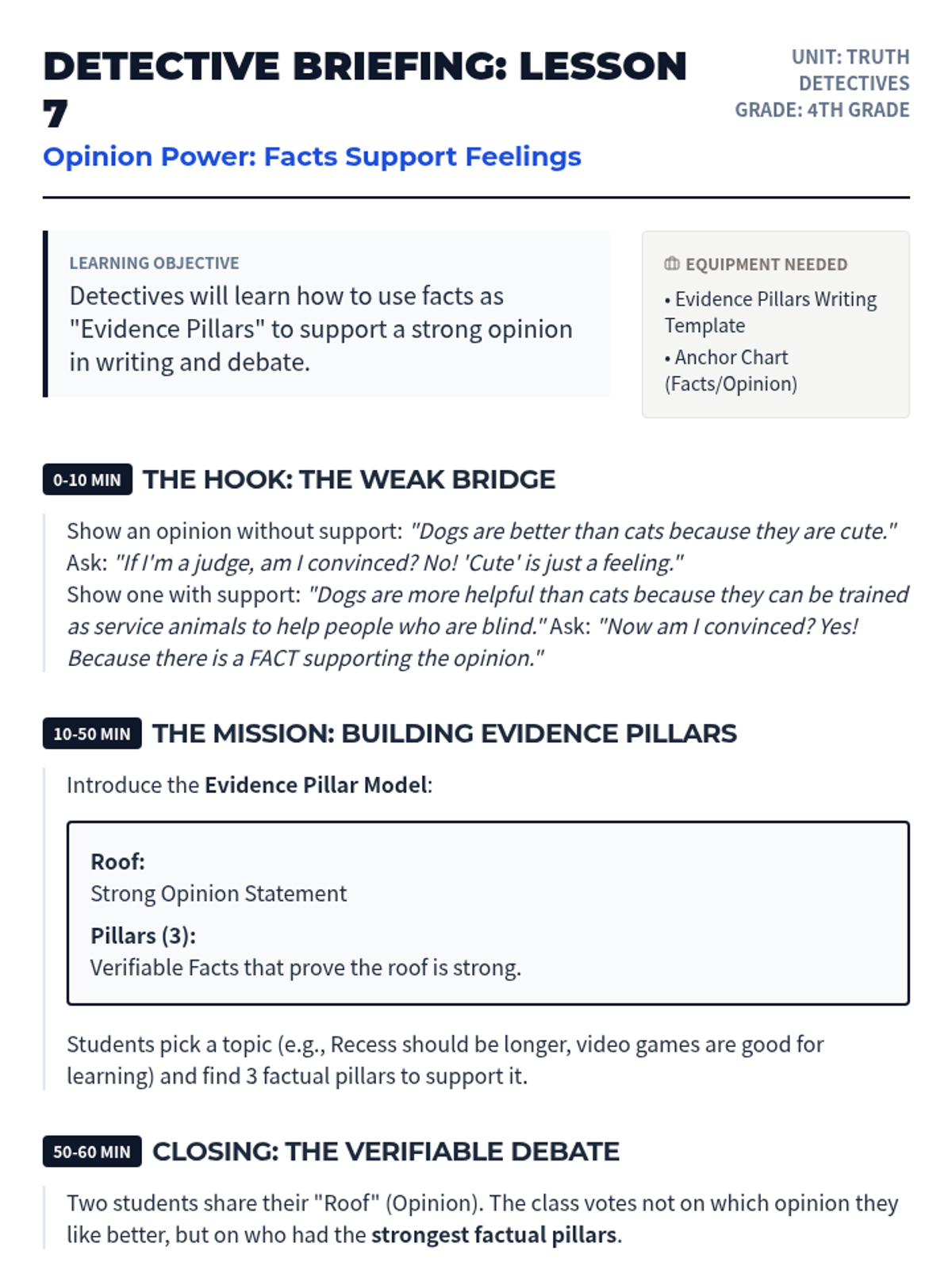
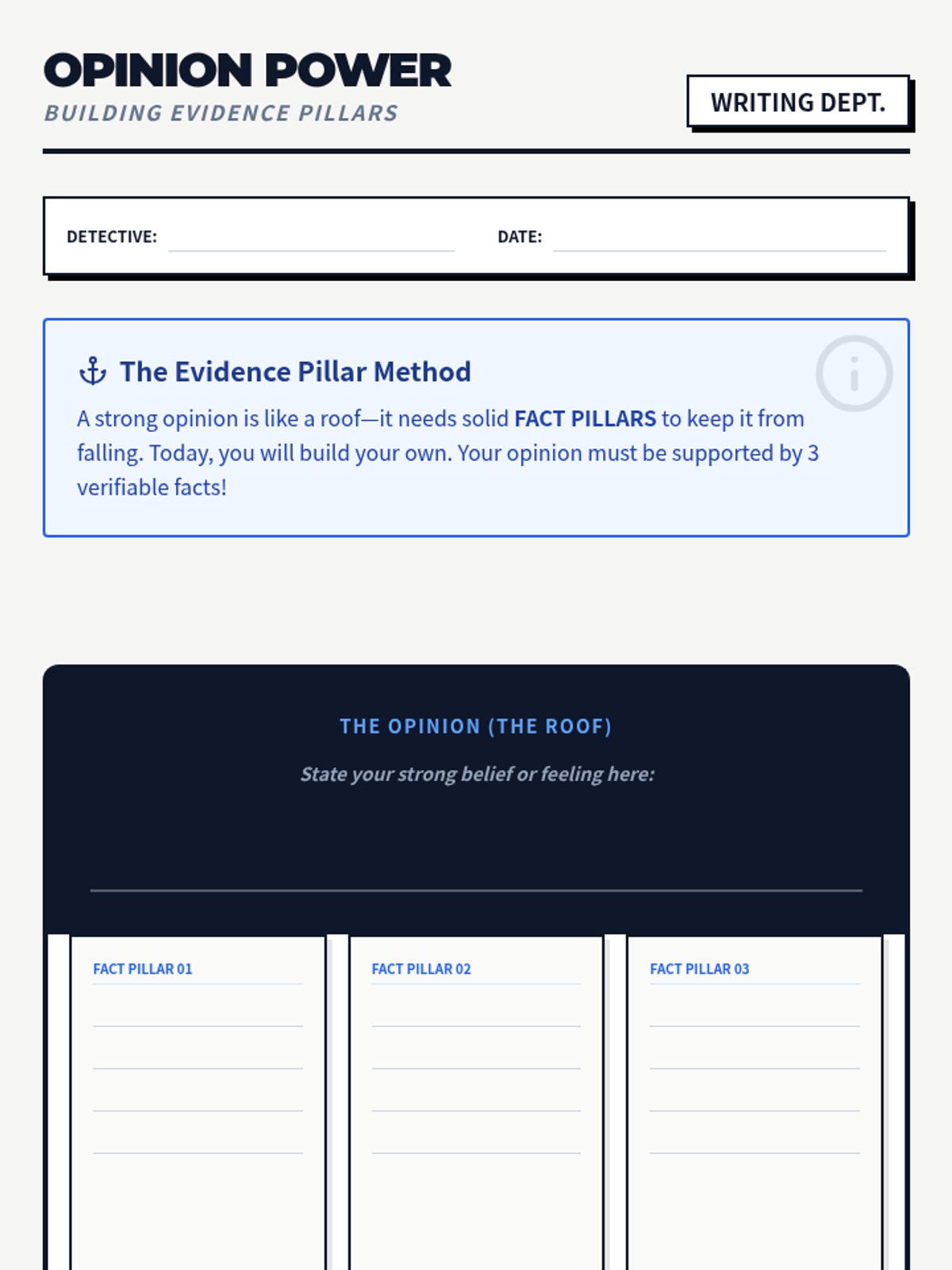
How to use facts to support a strong opinion in writing and debate.
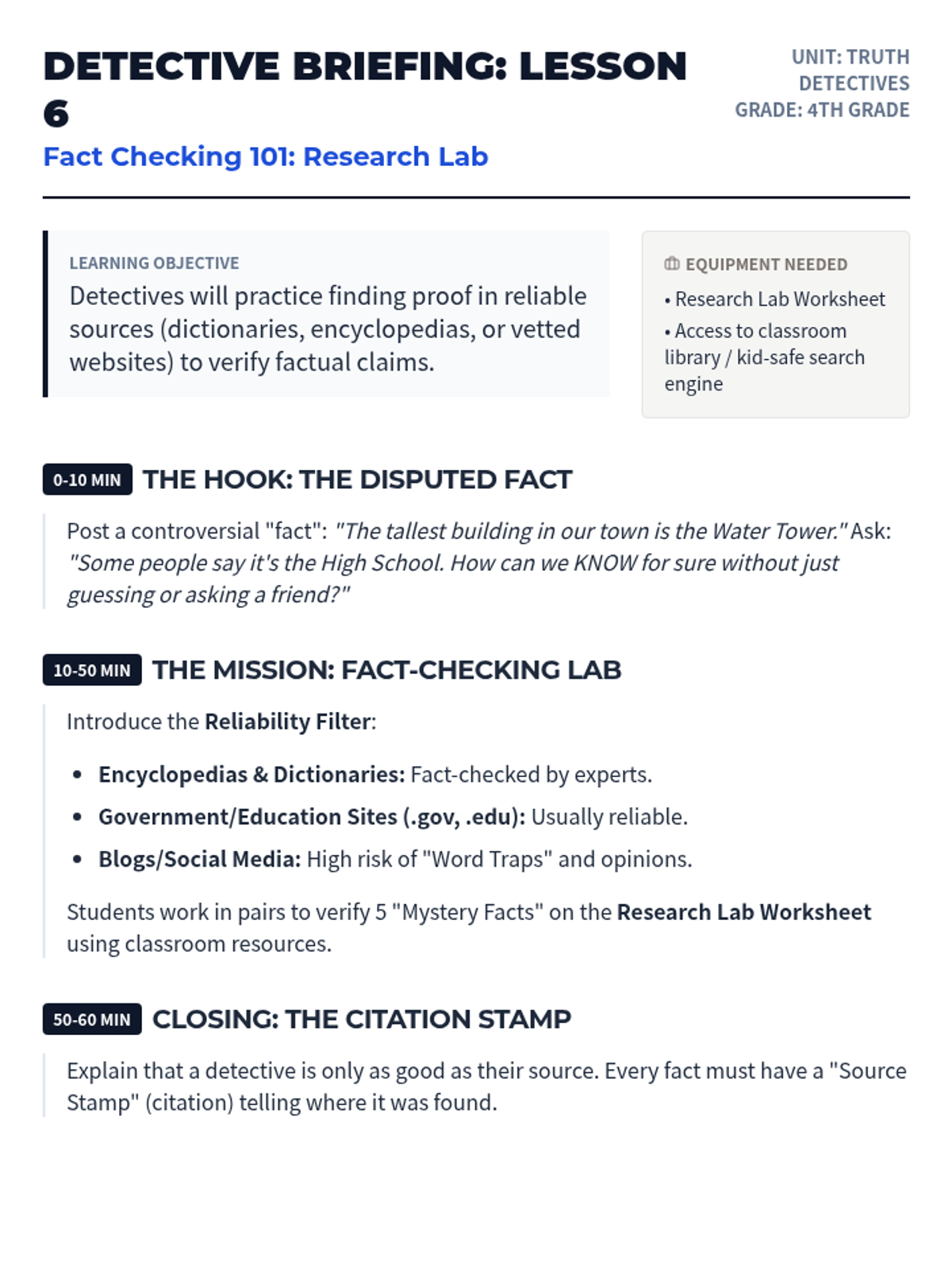
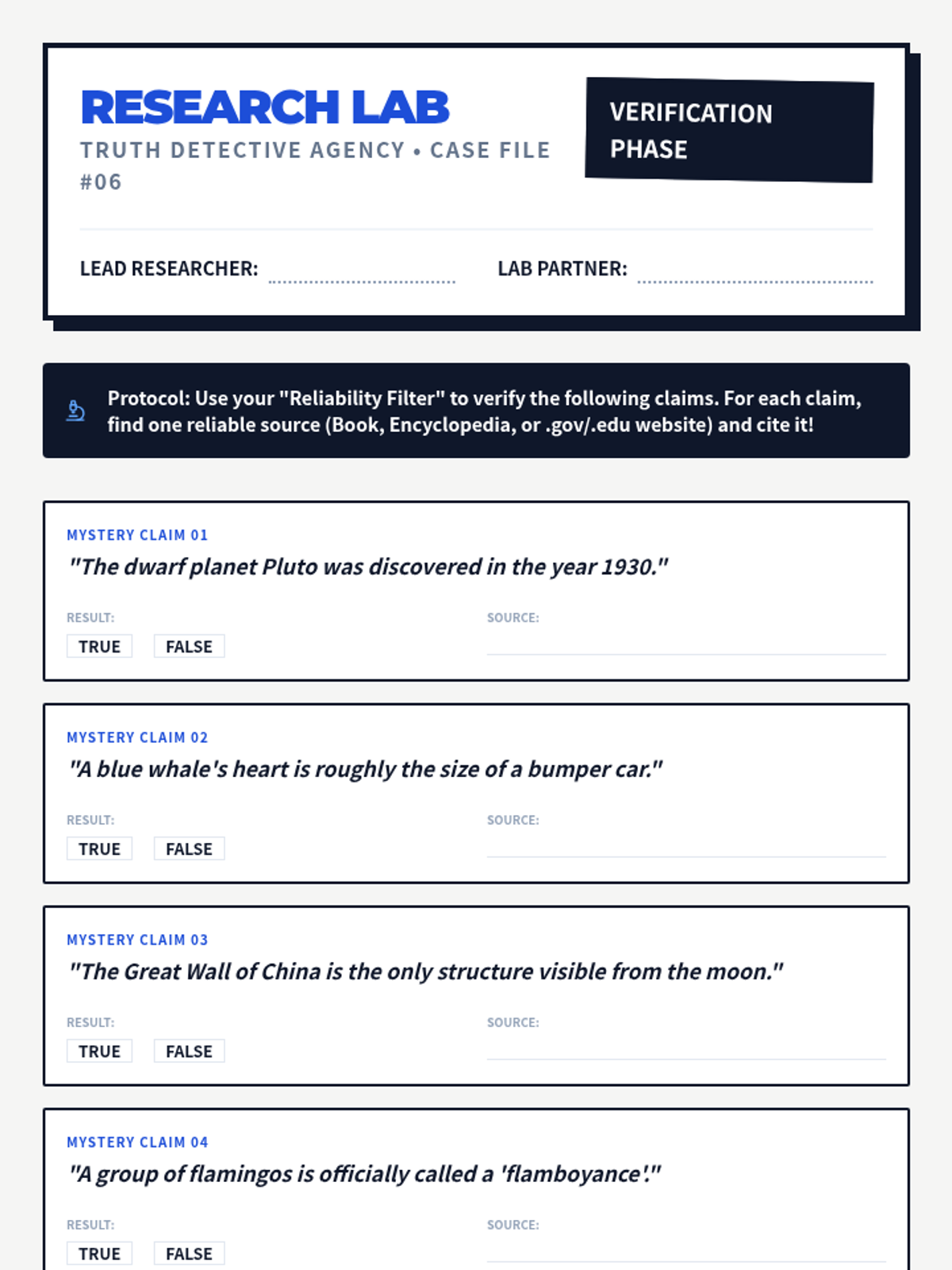
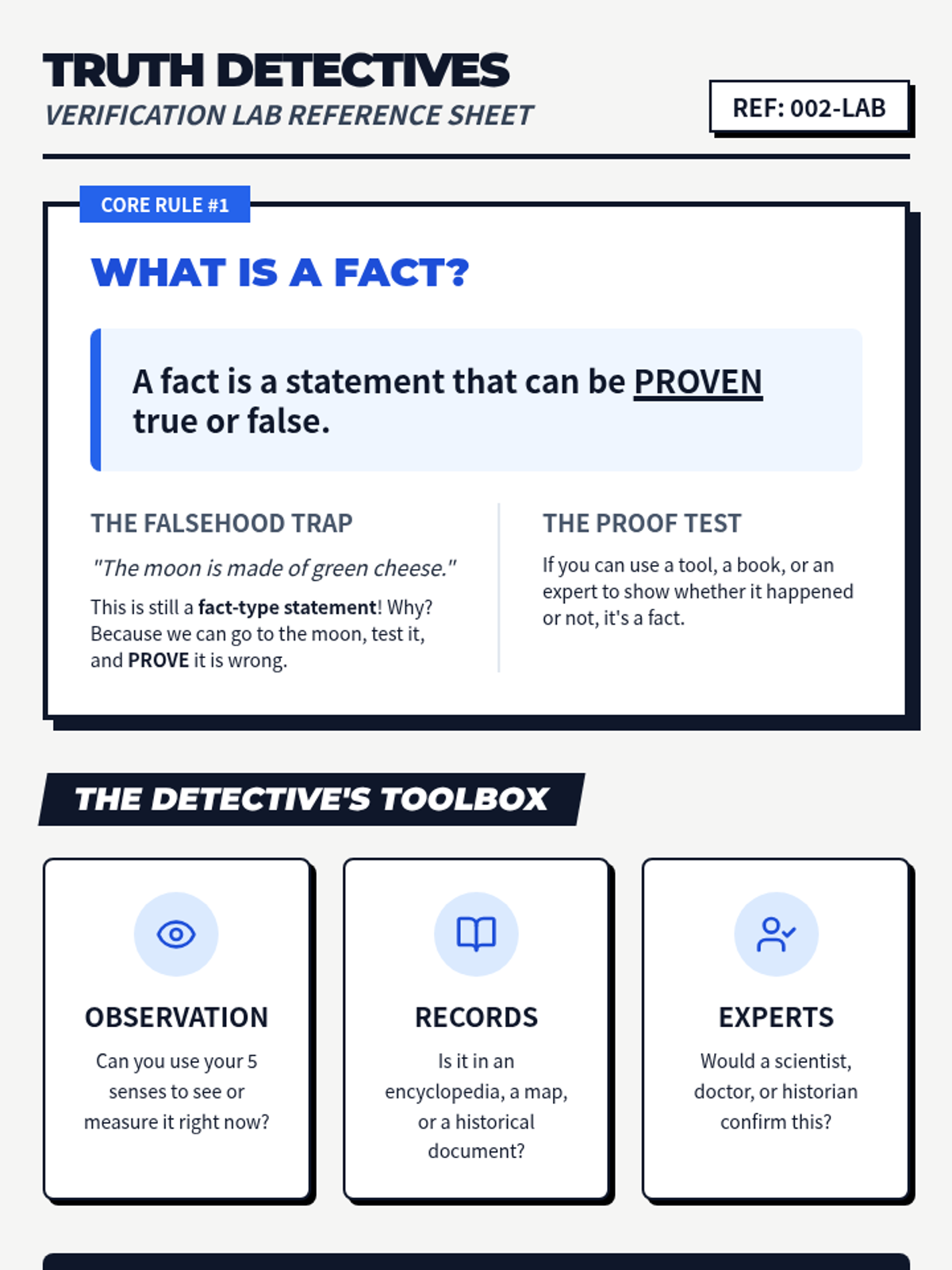
Students learn where to look for proof (encyclopedias, experts, observation) to confirm facts.
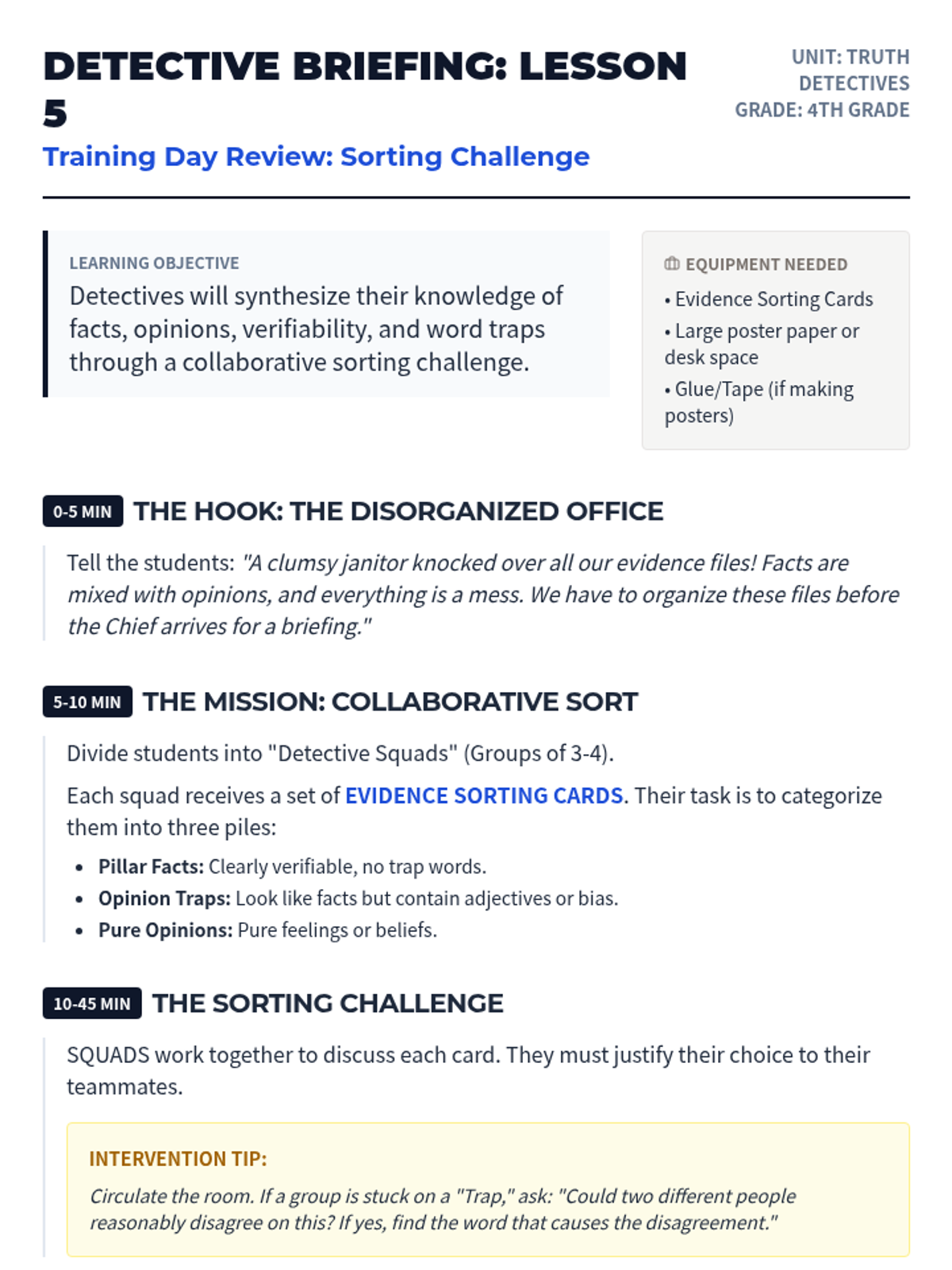
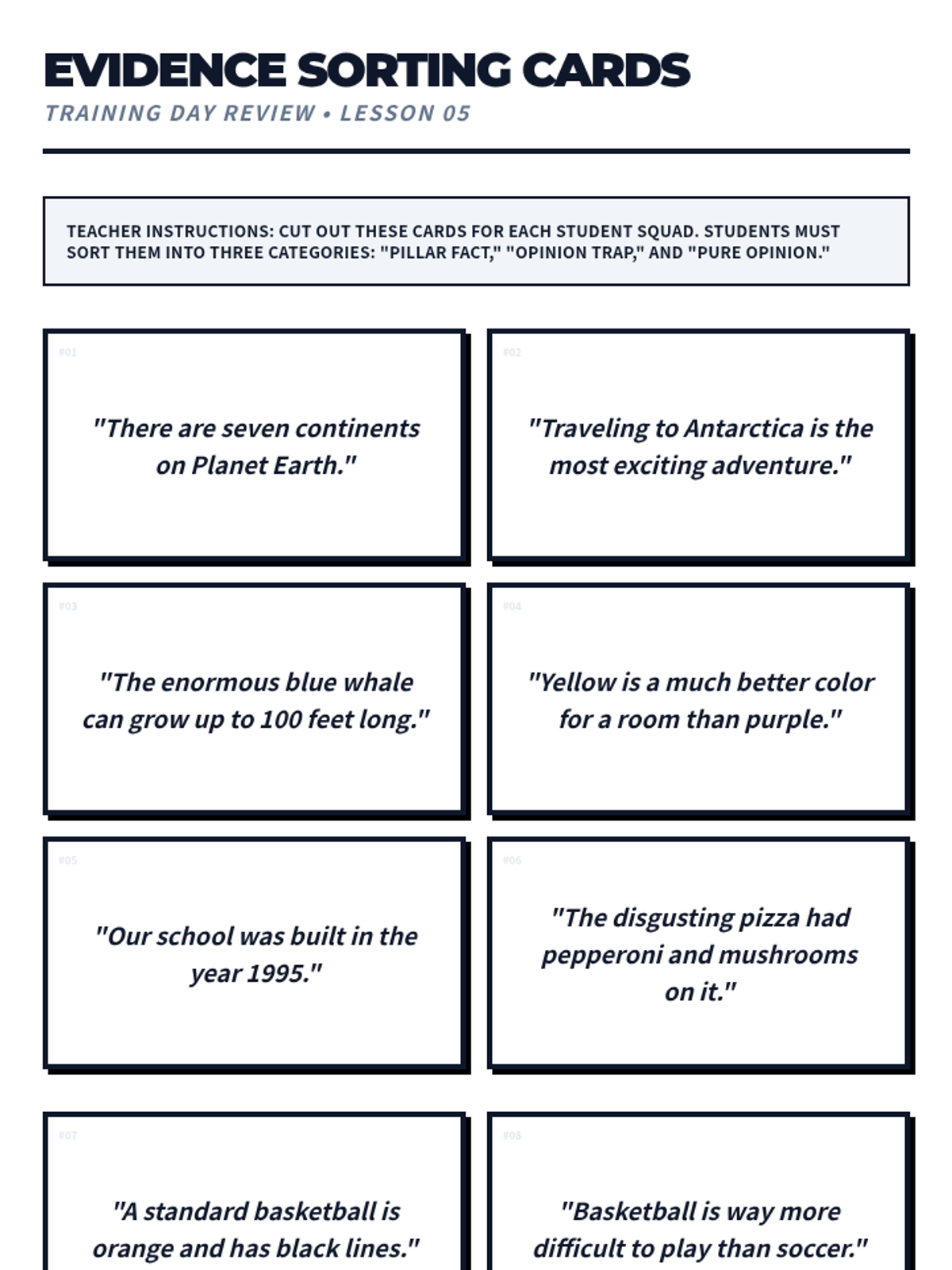
A mid-unit review and collaborative sorting challenge to solidify foundational skills.
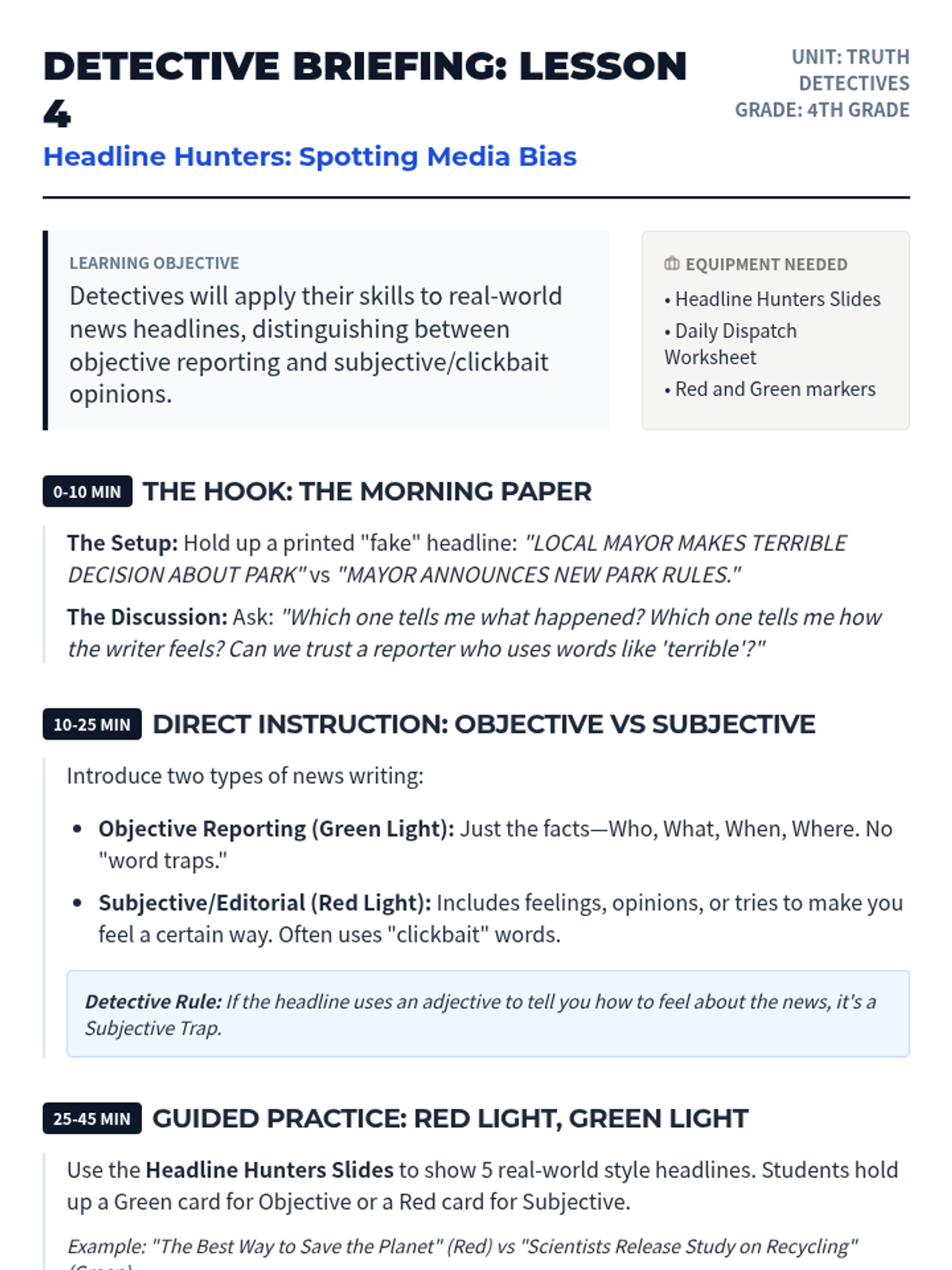
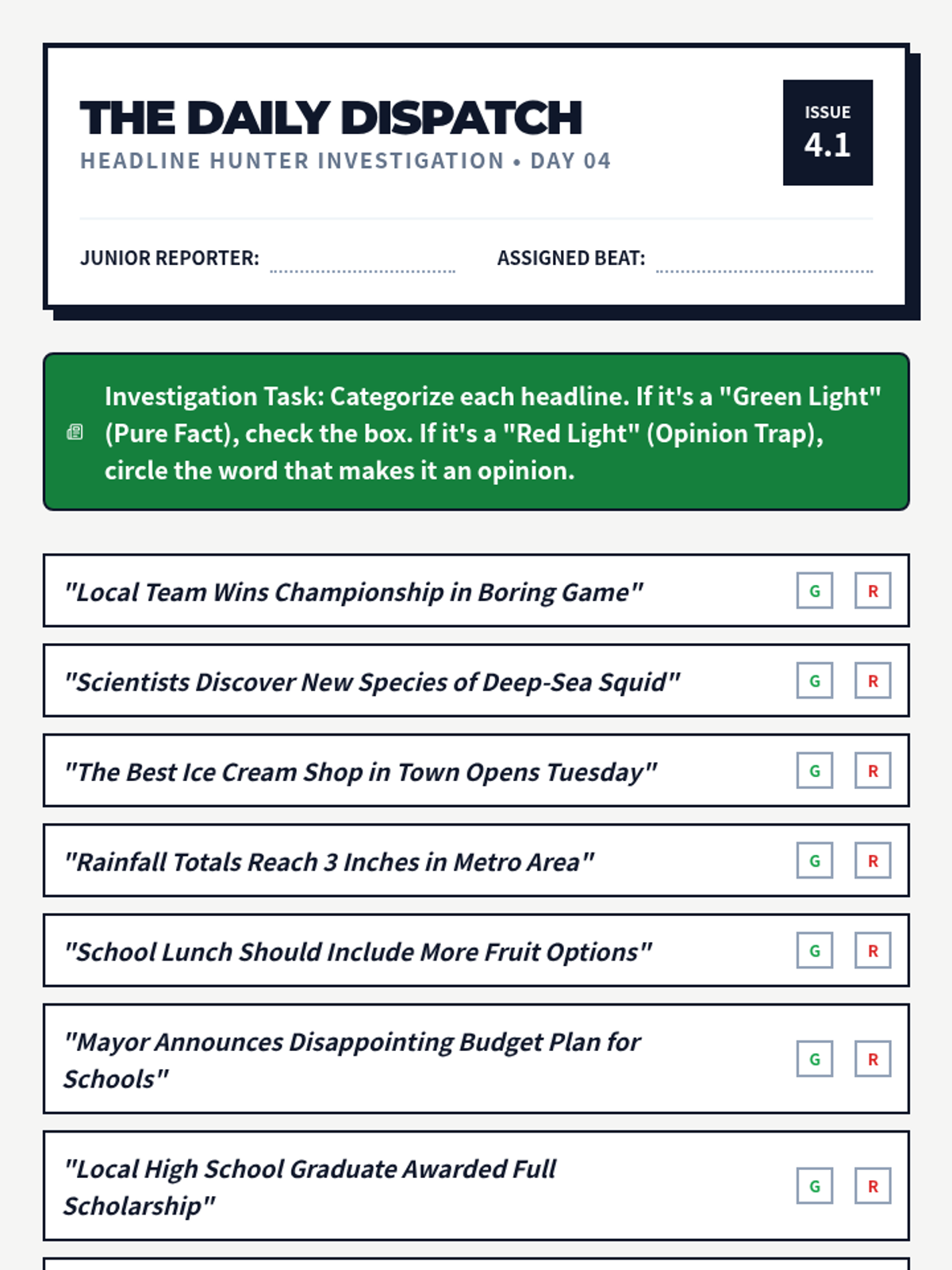
Applying detective skills to real-world headlines and short news blurbs to spot subjective reporting.
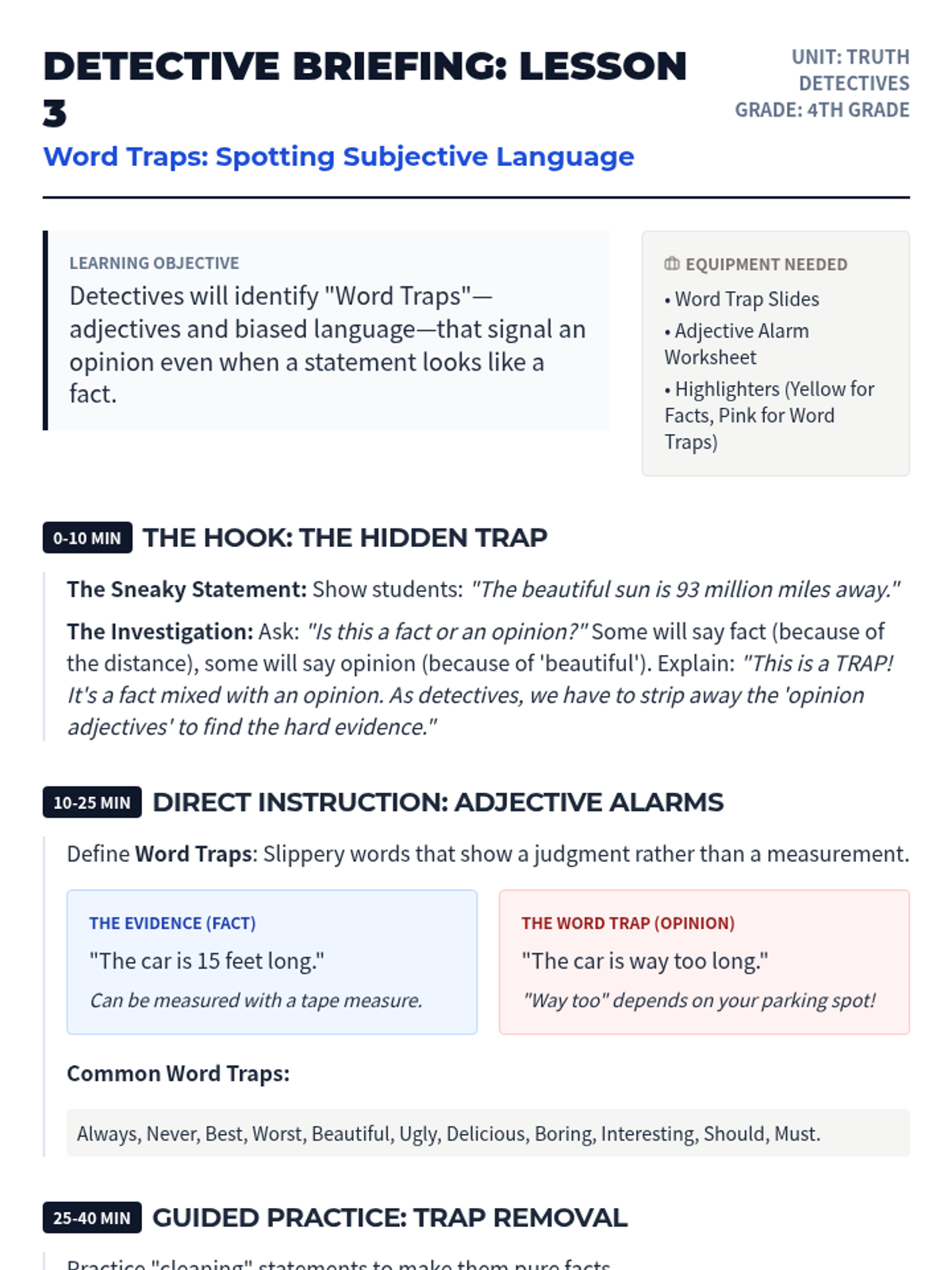
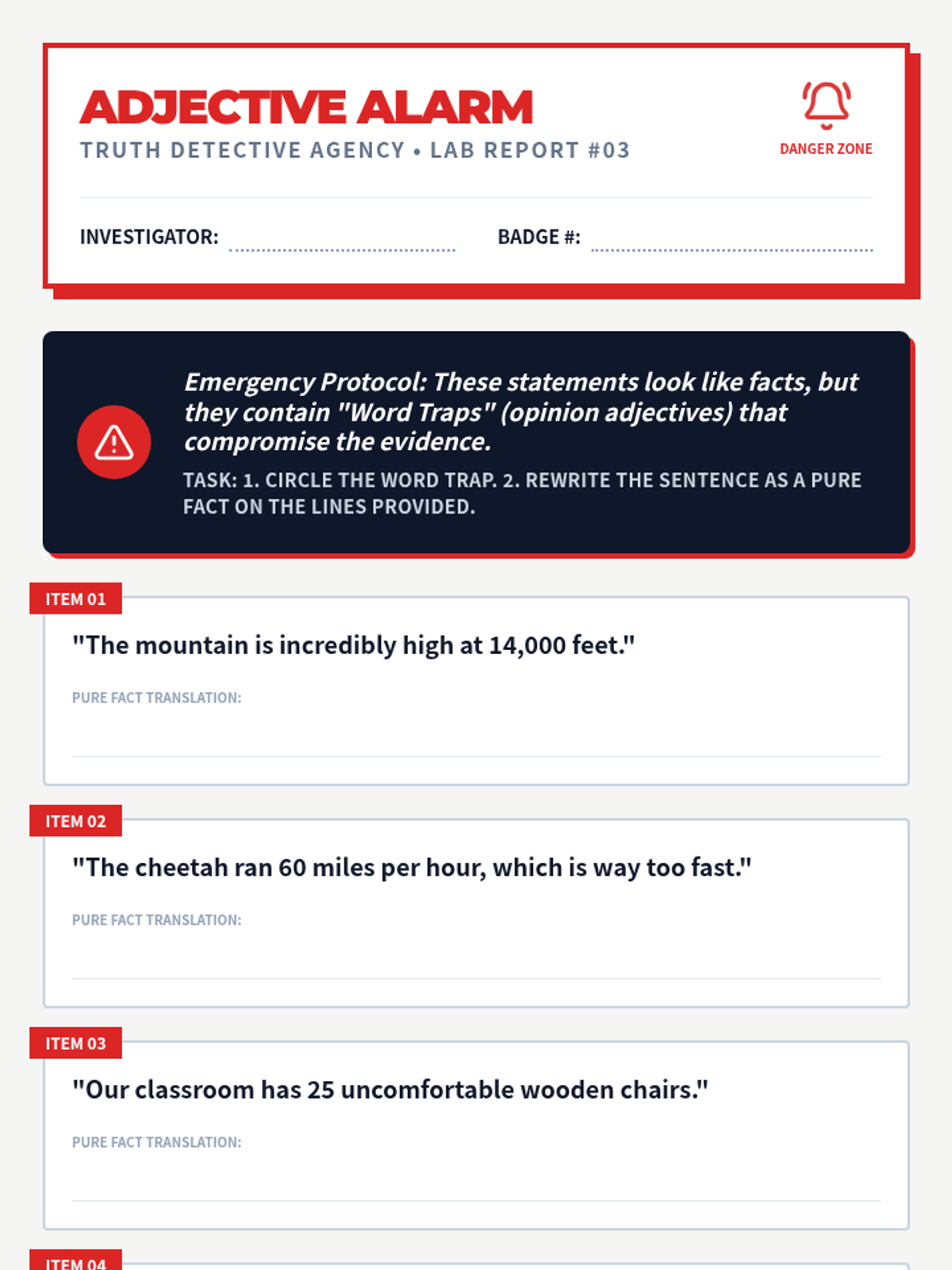
Identifying biased language, adjectives, and 'slippery' words that signal an opinion.
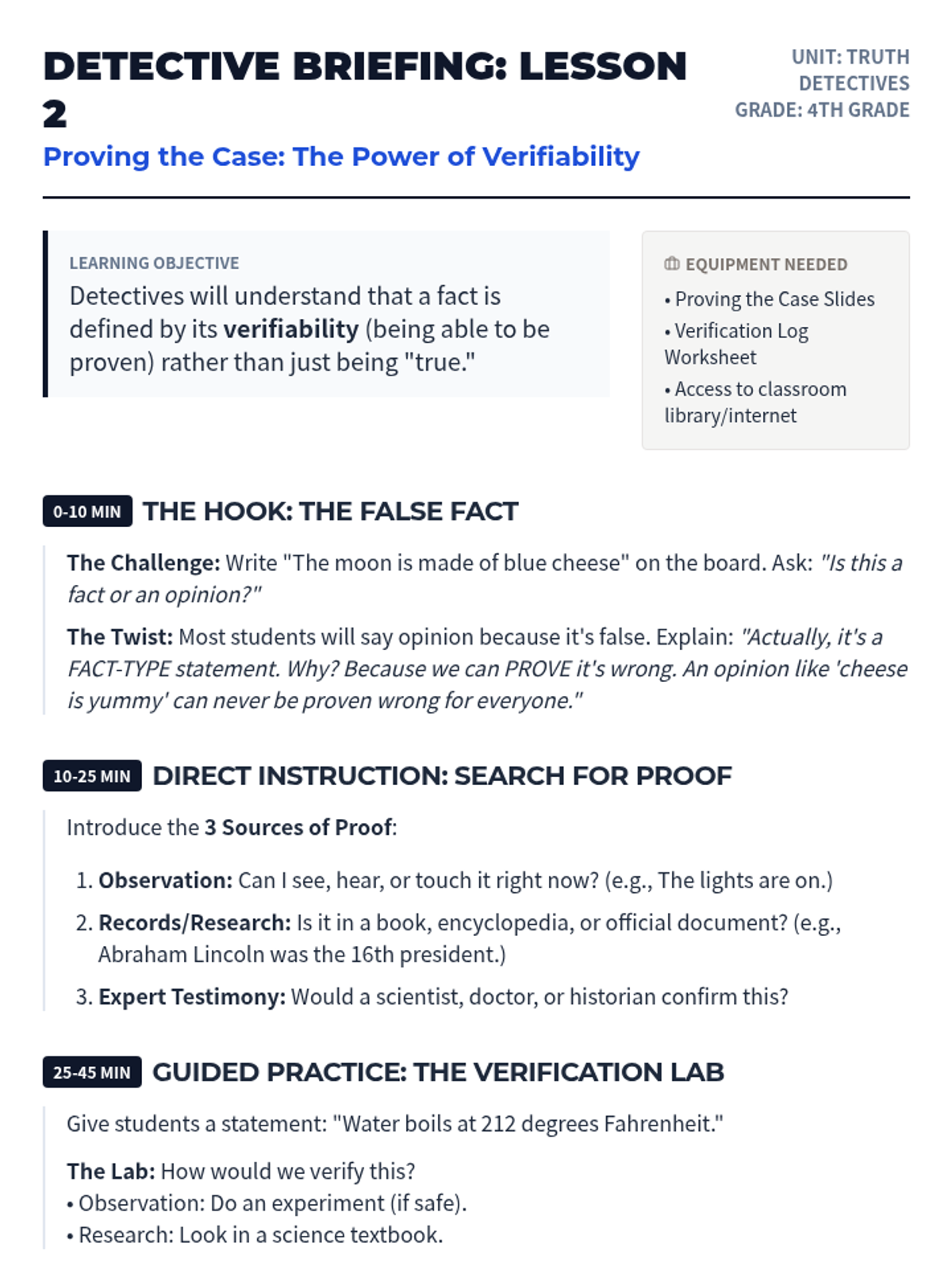
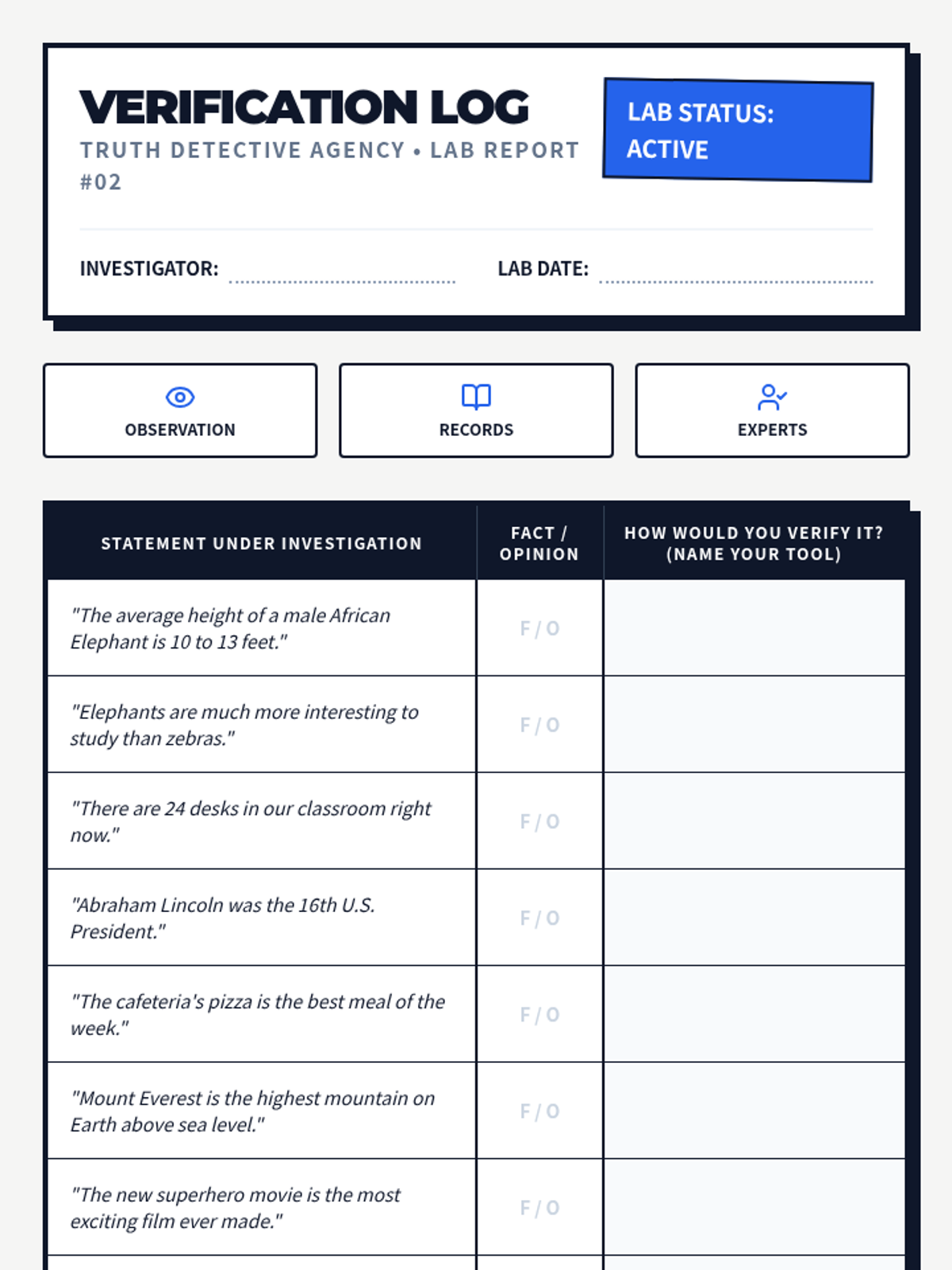
Focusing on verifiability—how we can prove a fact through research, observation, or records.
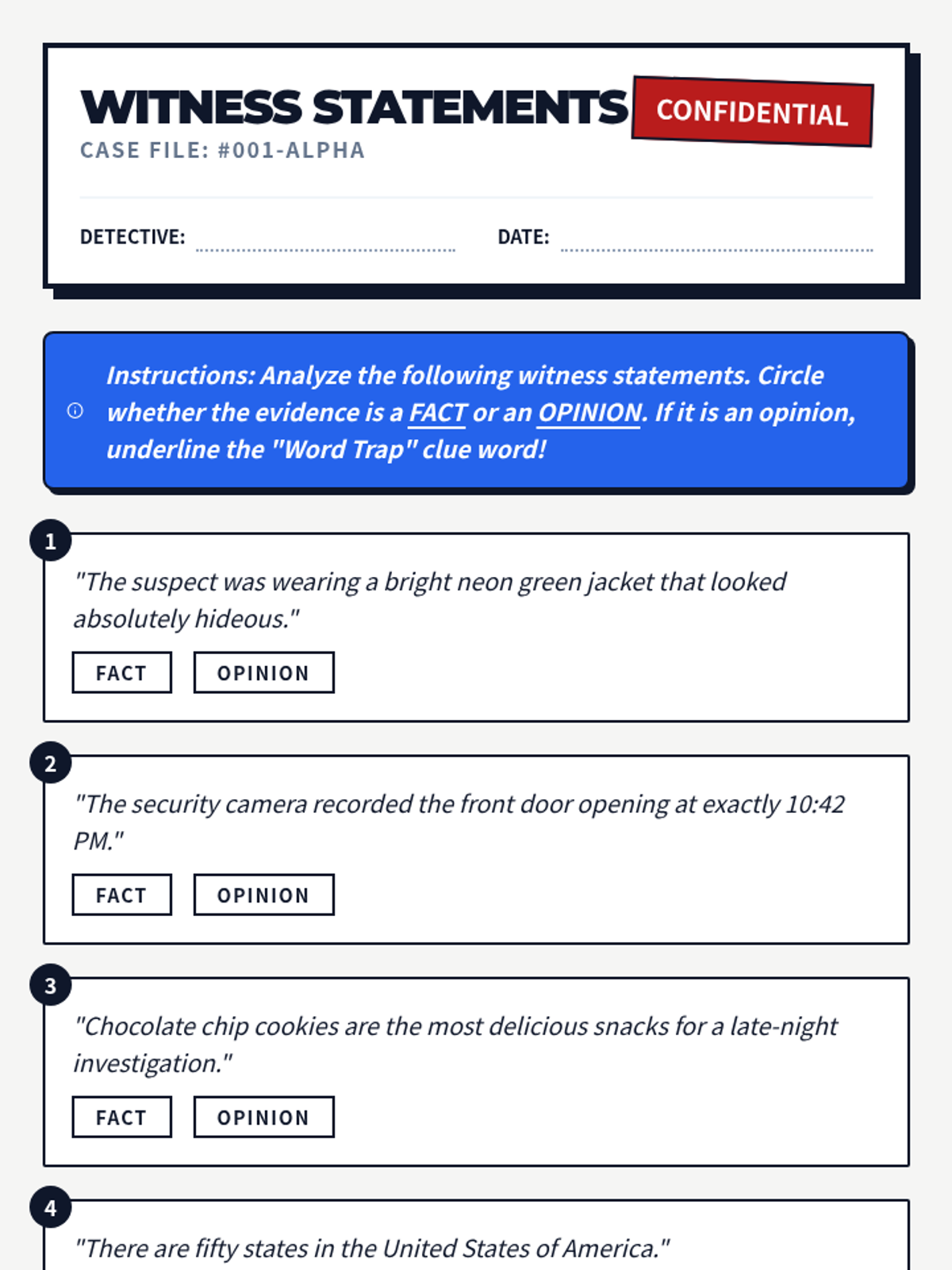
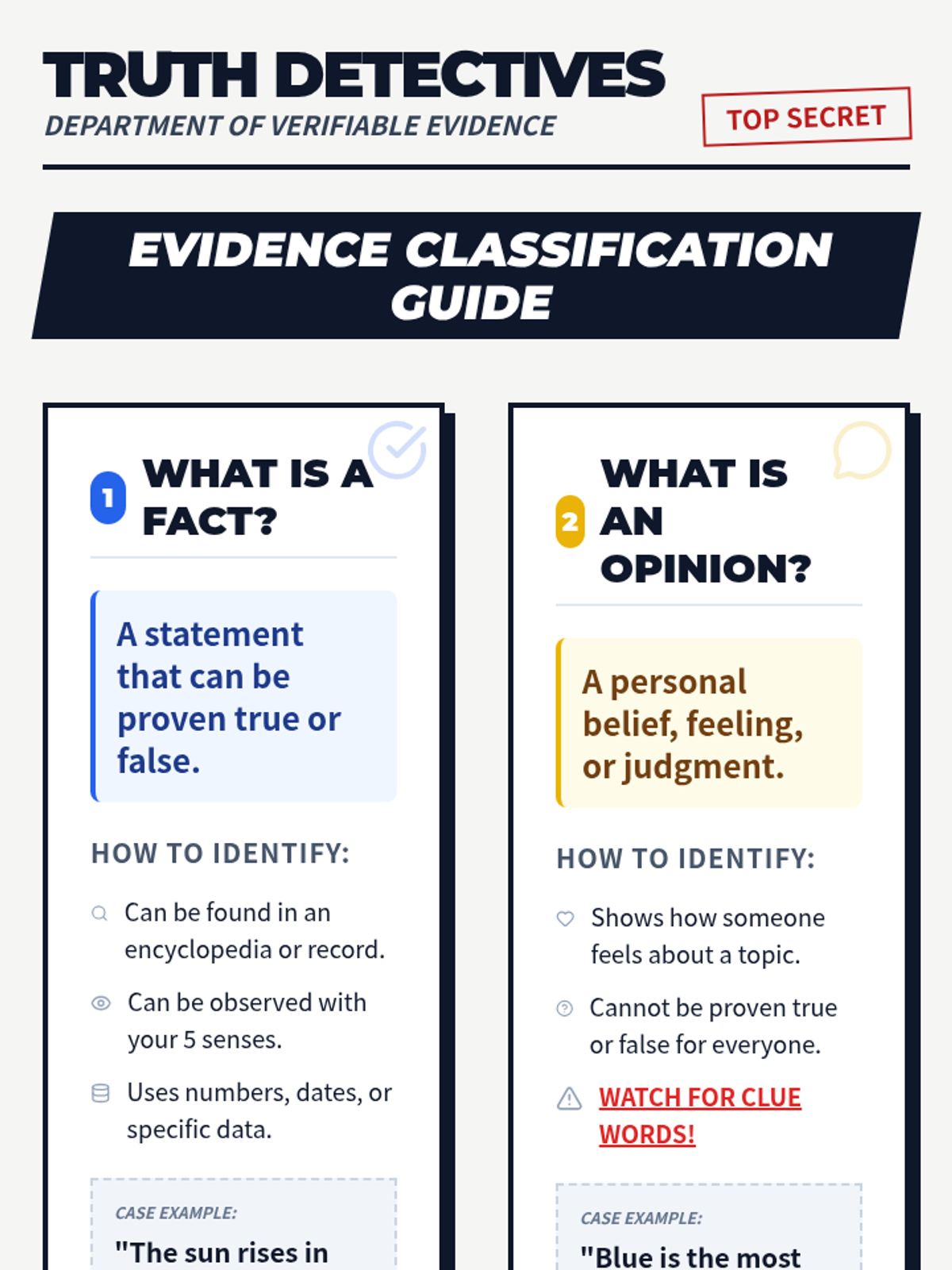
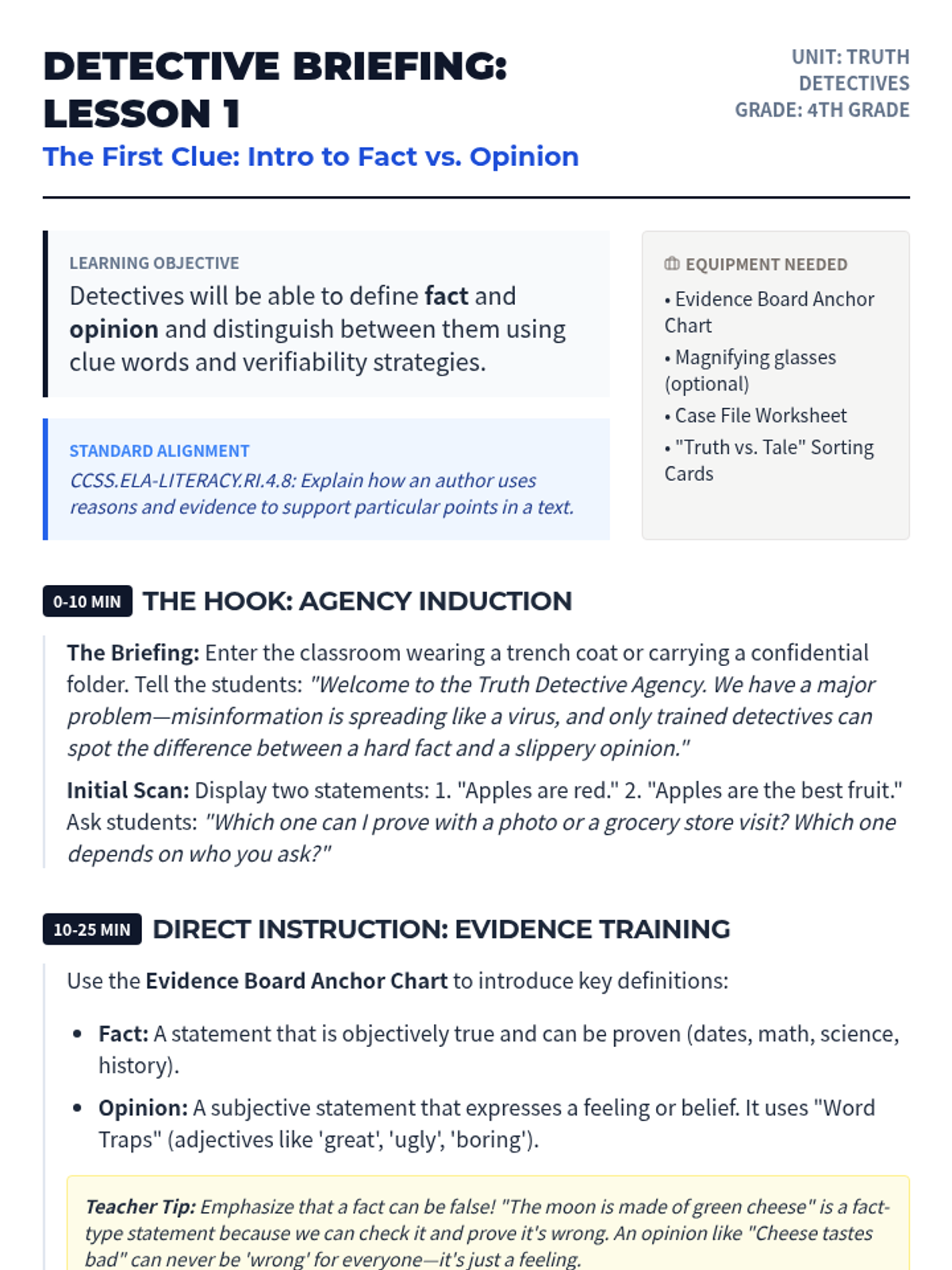
Introduction to facts and opinions using 'clue words' and definitions. Students begin their detective training by identifying basic statements.
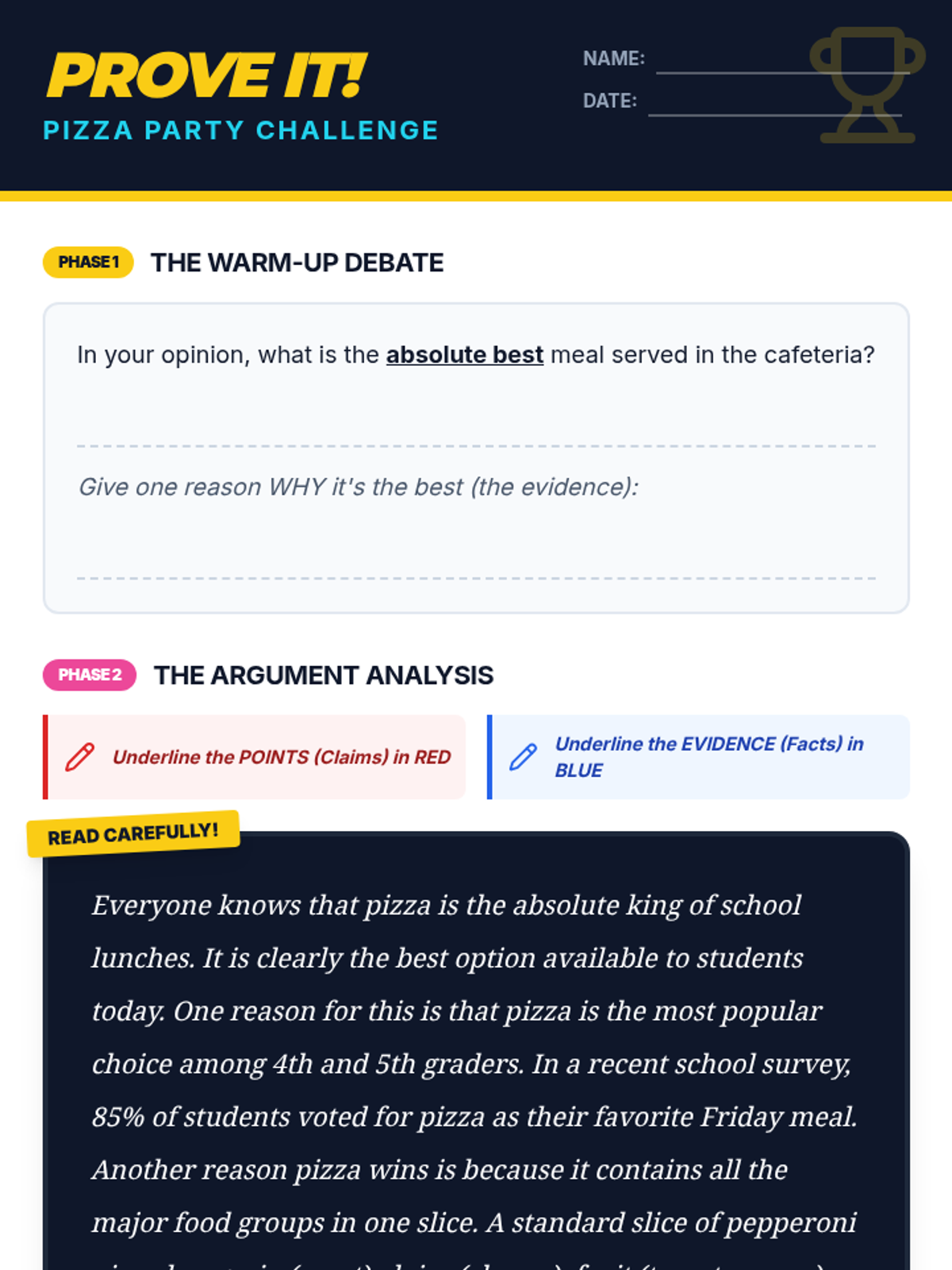
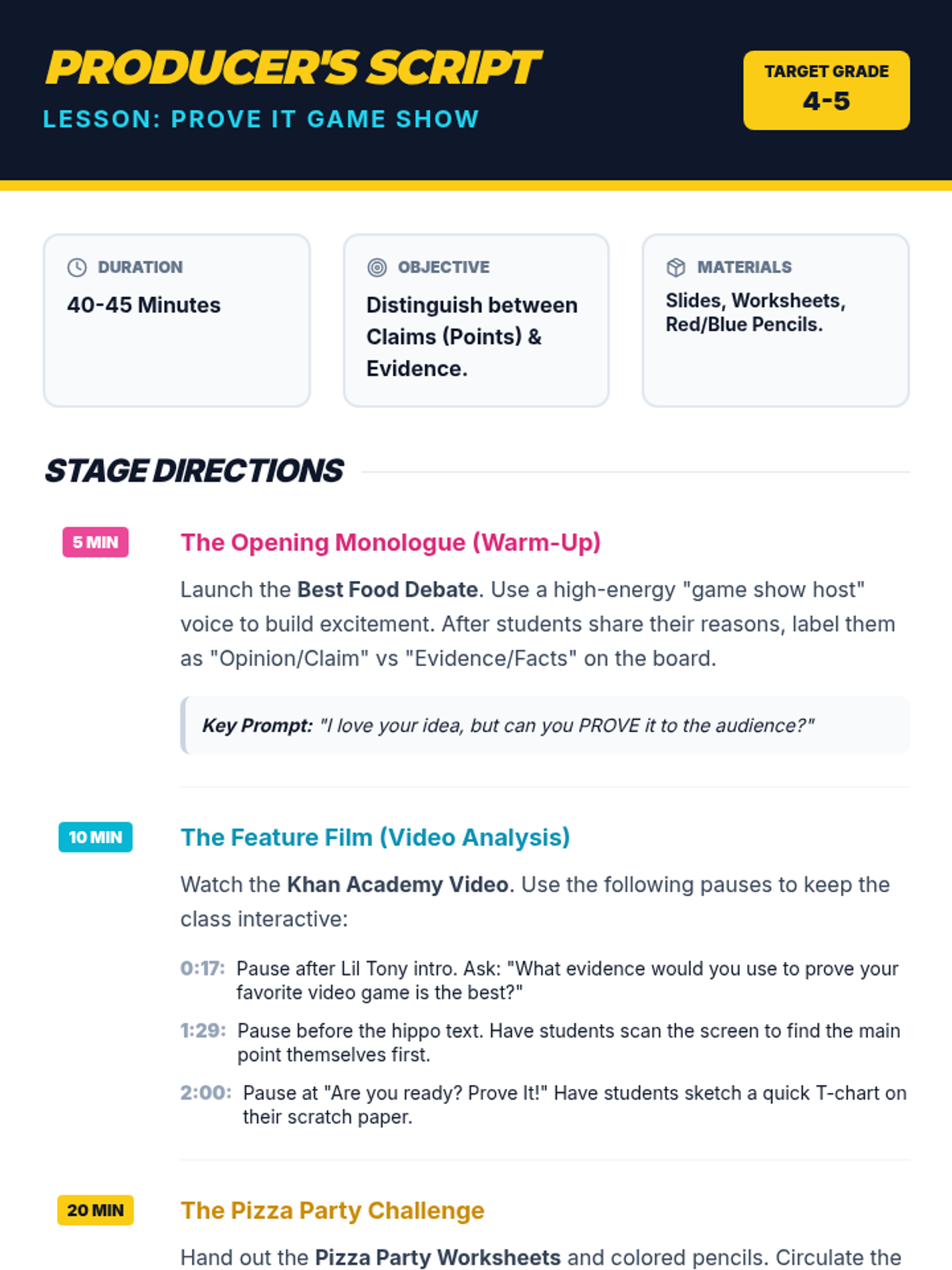
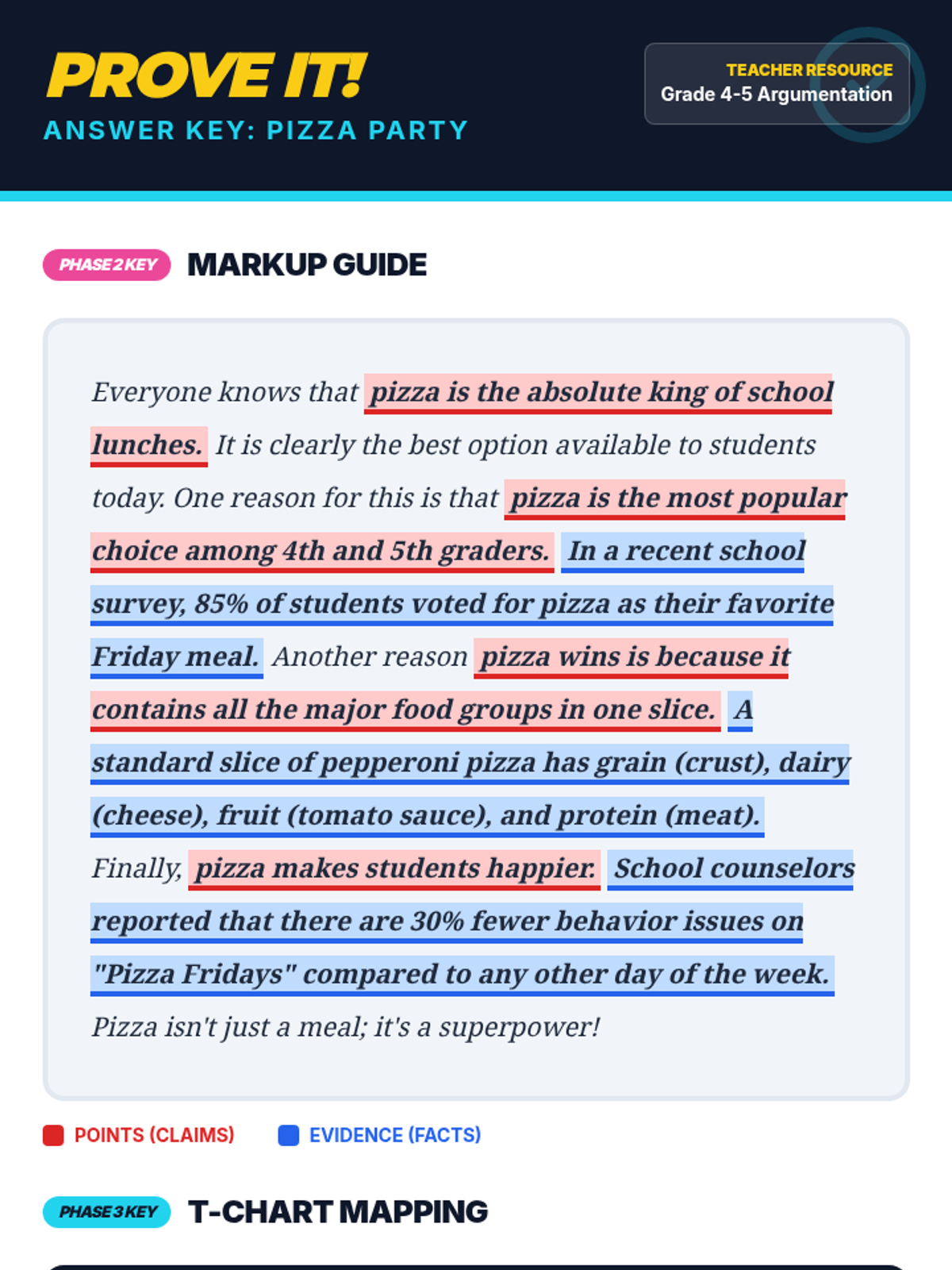
Students learn to identify claims (points) and supporting evidence through a game-show themed lesson featuring a Khan Academy video and a "Pizza Party" text analysis activity.
Exploring multiple viewpoints within global celebrations and cultural events.
Diving deep into traveler perspectives through the 'Hot Seat' technique while discovering countries.
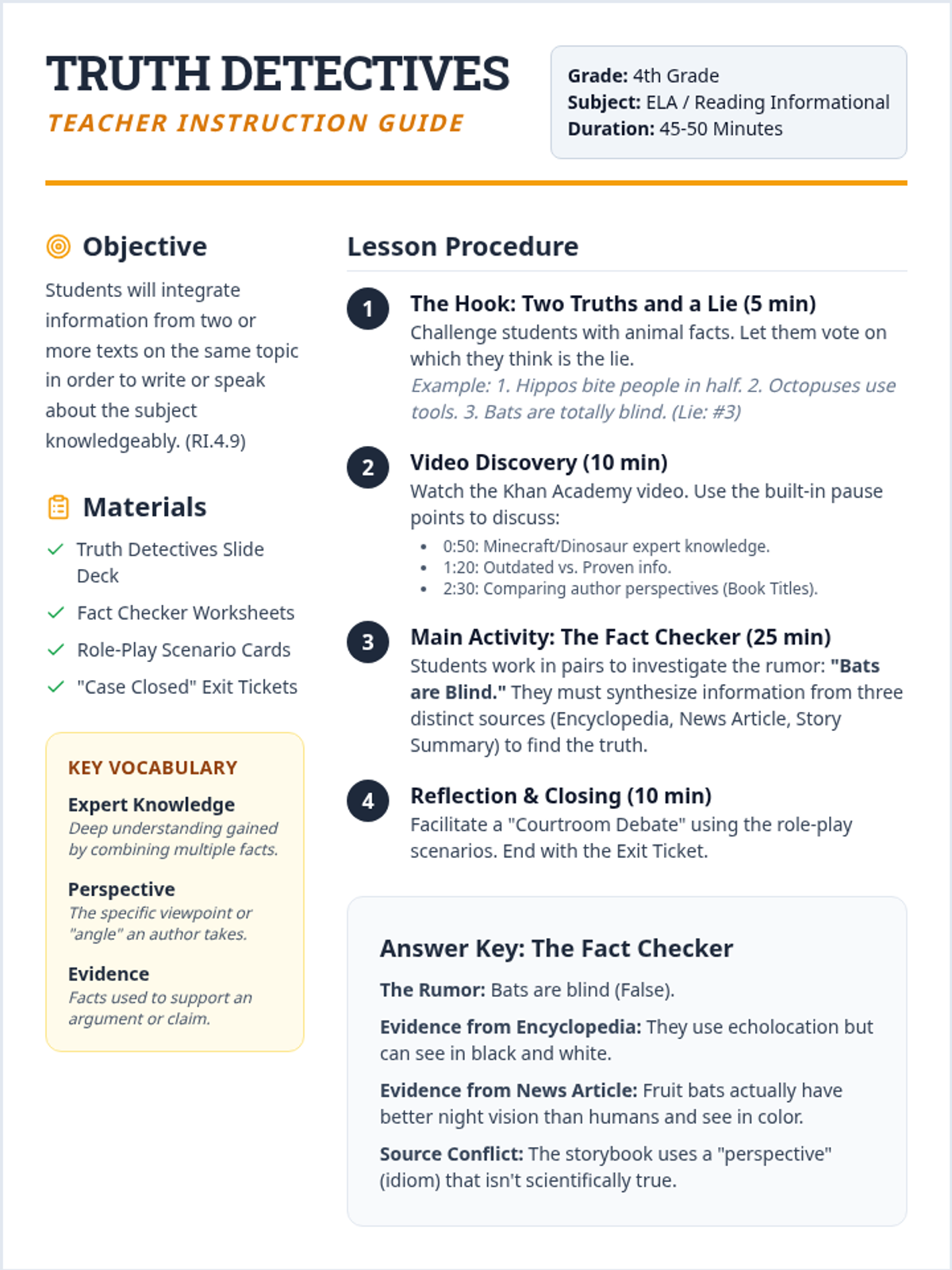
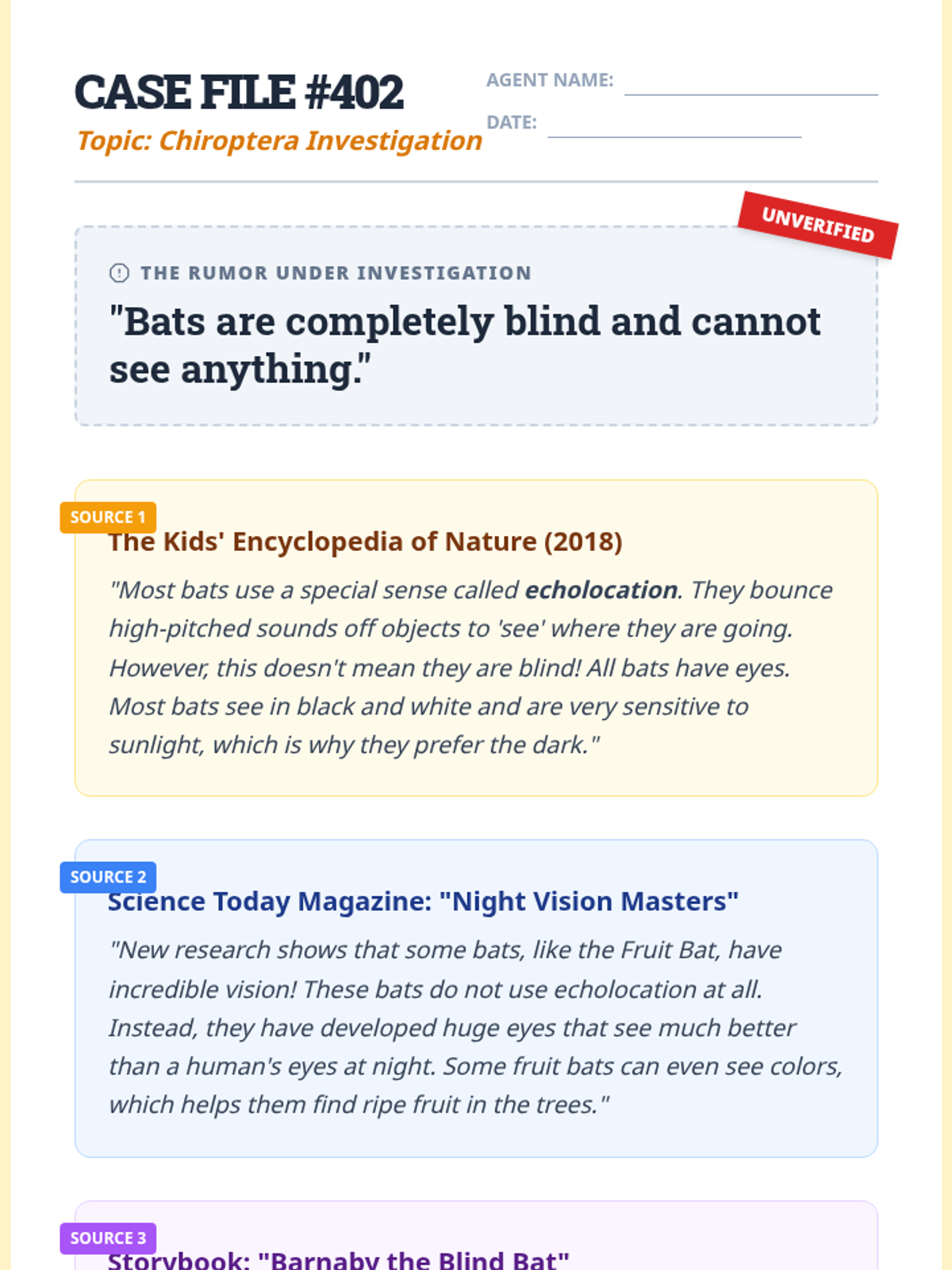
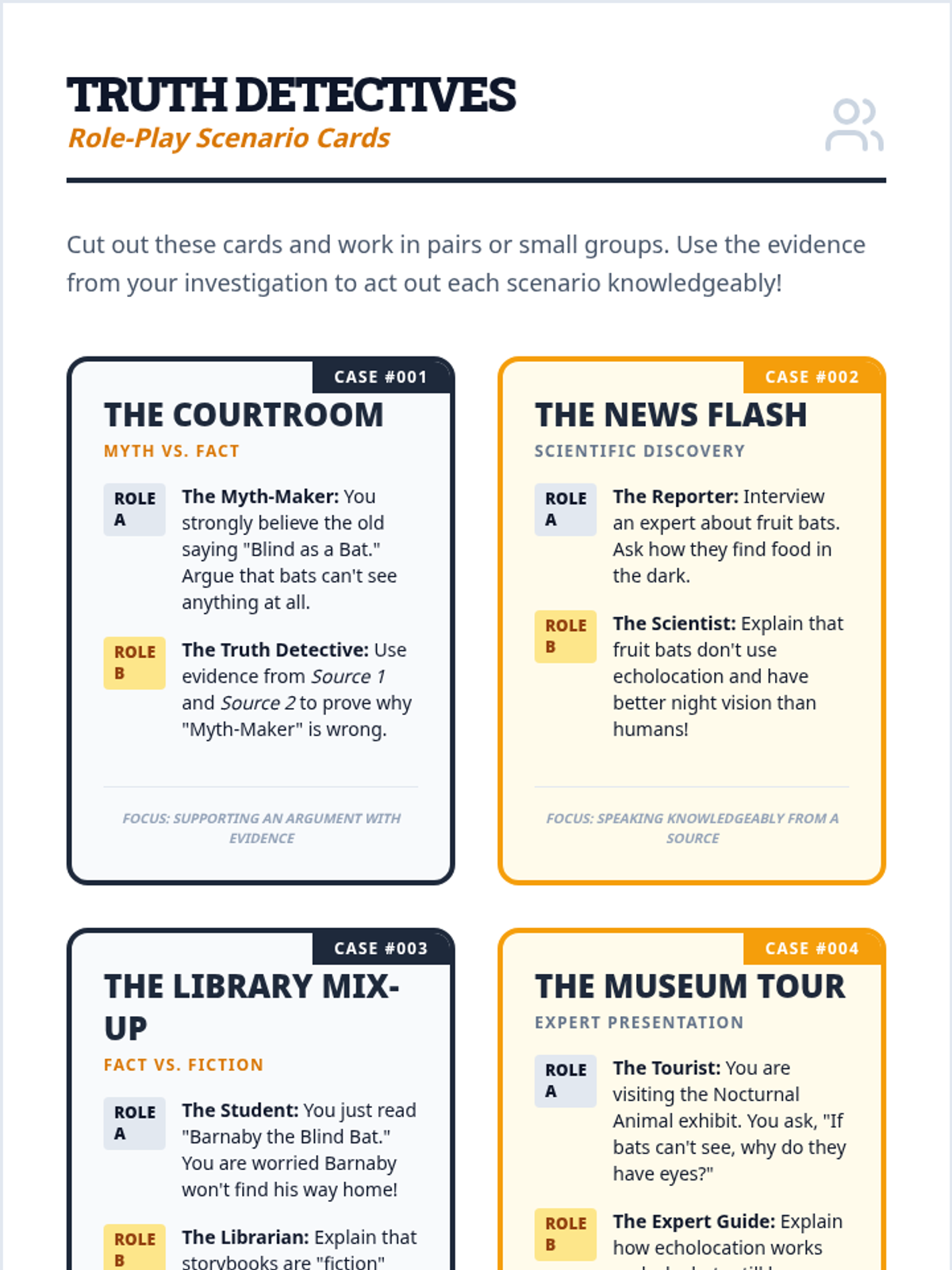
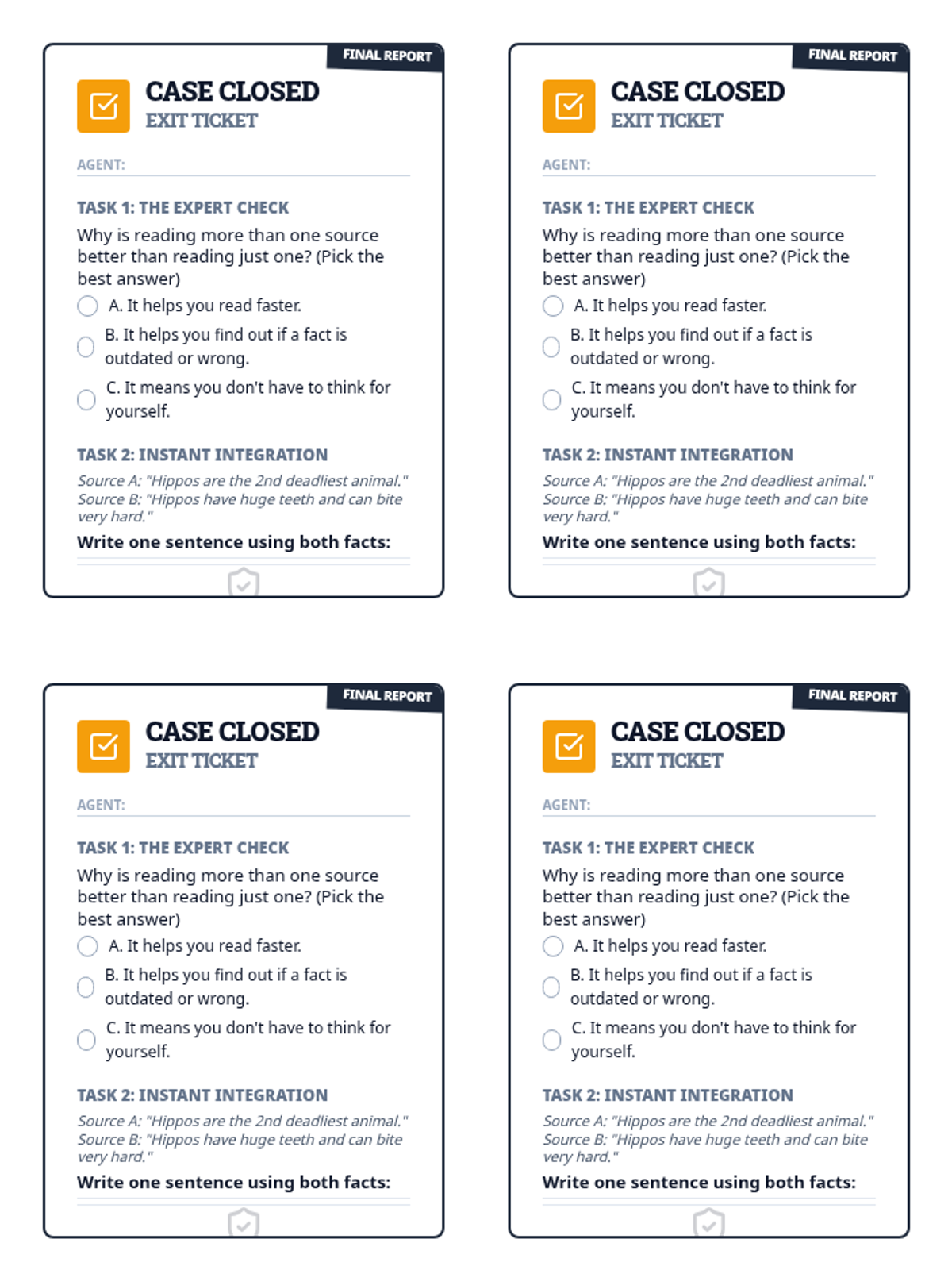
A 4th-grade ELA lesson focused on integrating information from multiple sources. Students act as "Truth Detectives" to debunk common myths (like bats being blind) by comparing encyclopedia entries, science articles, and stories.
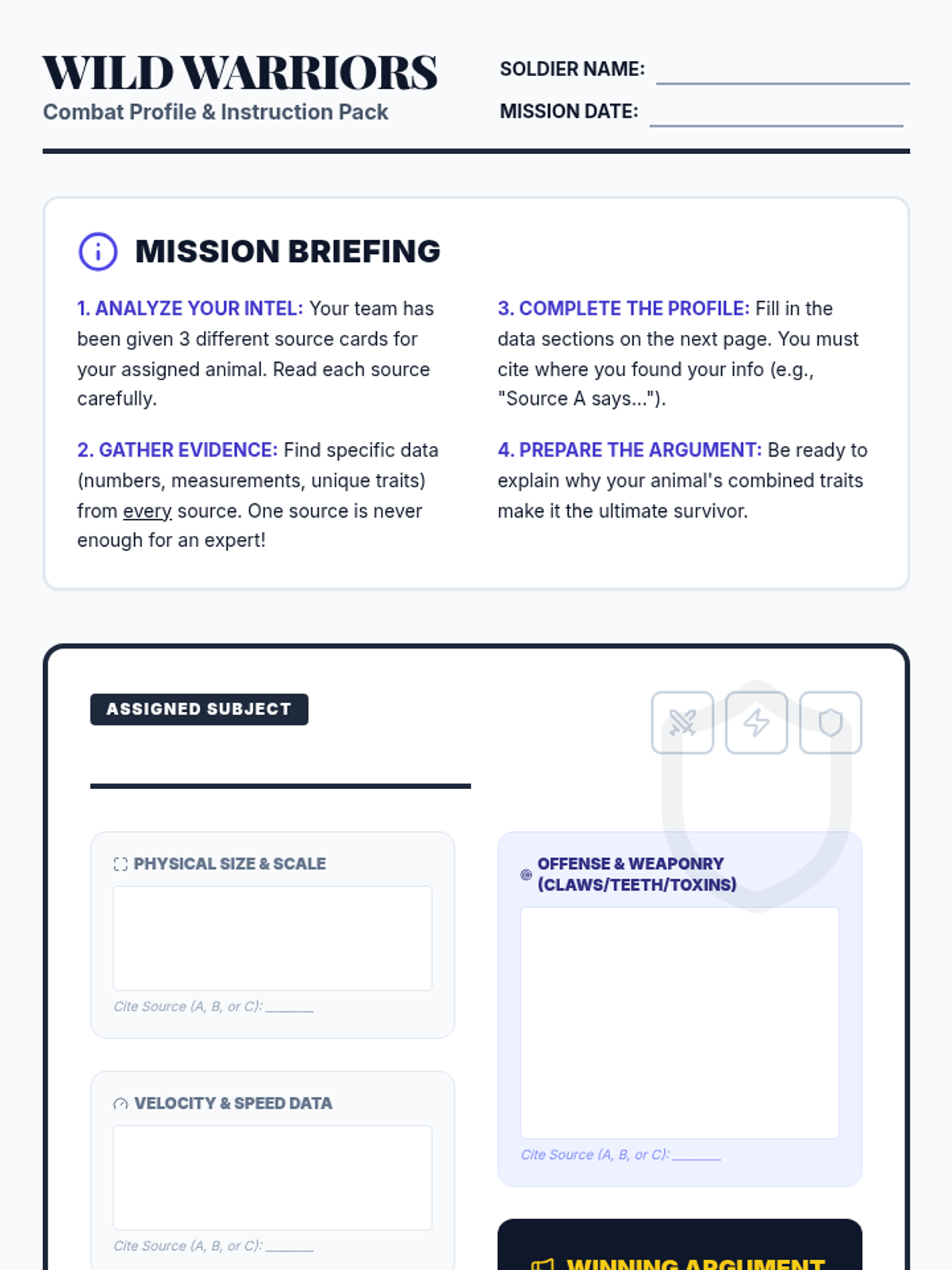
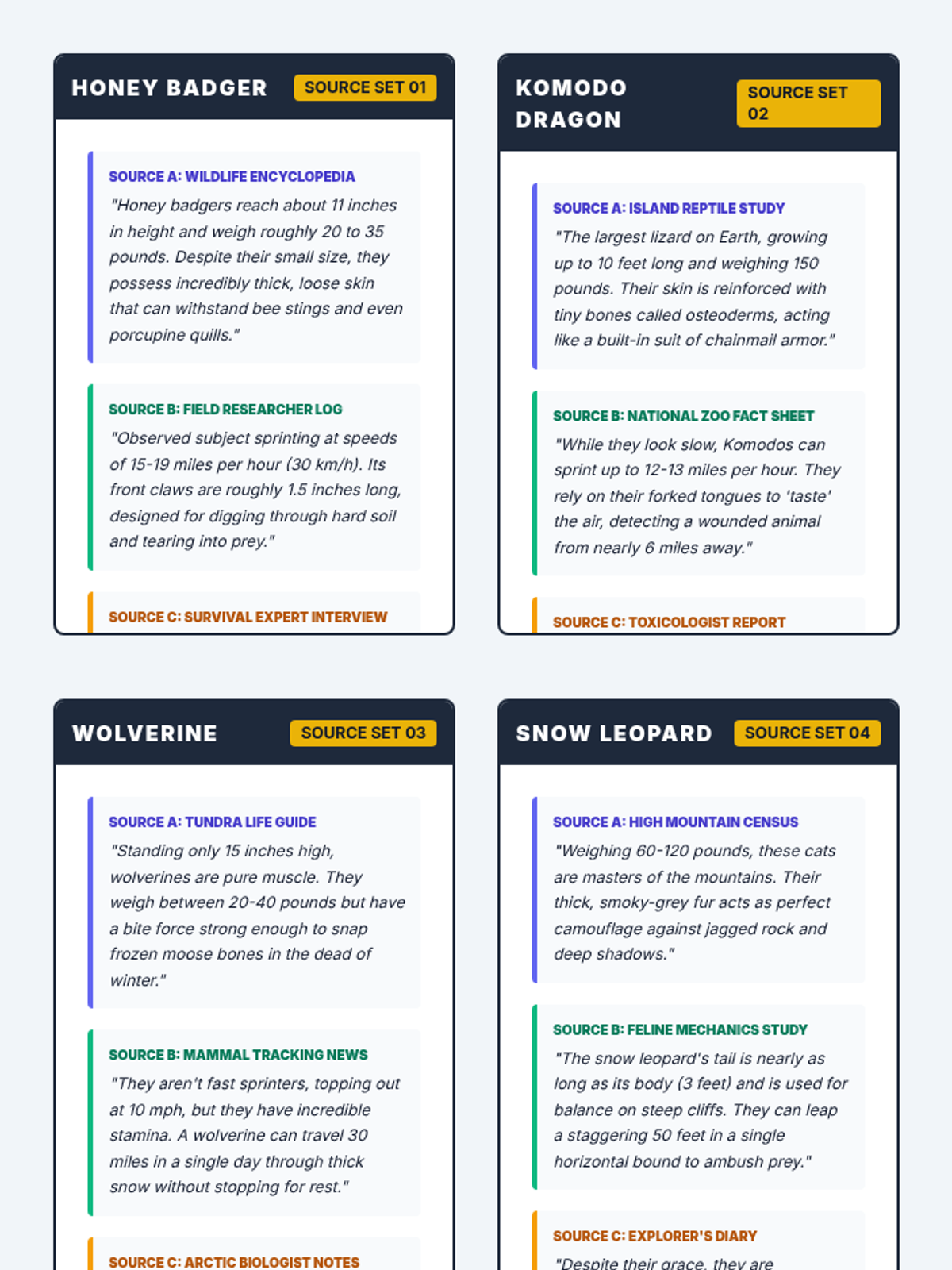
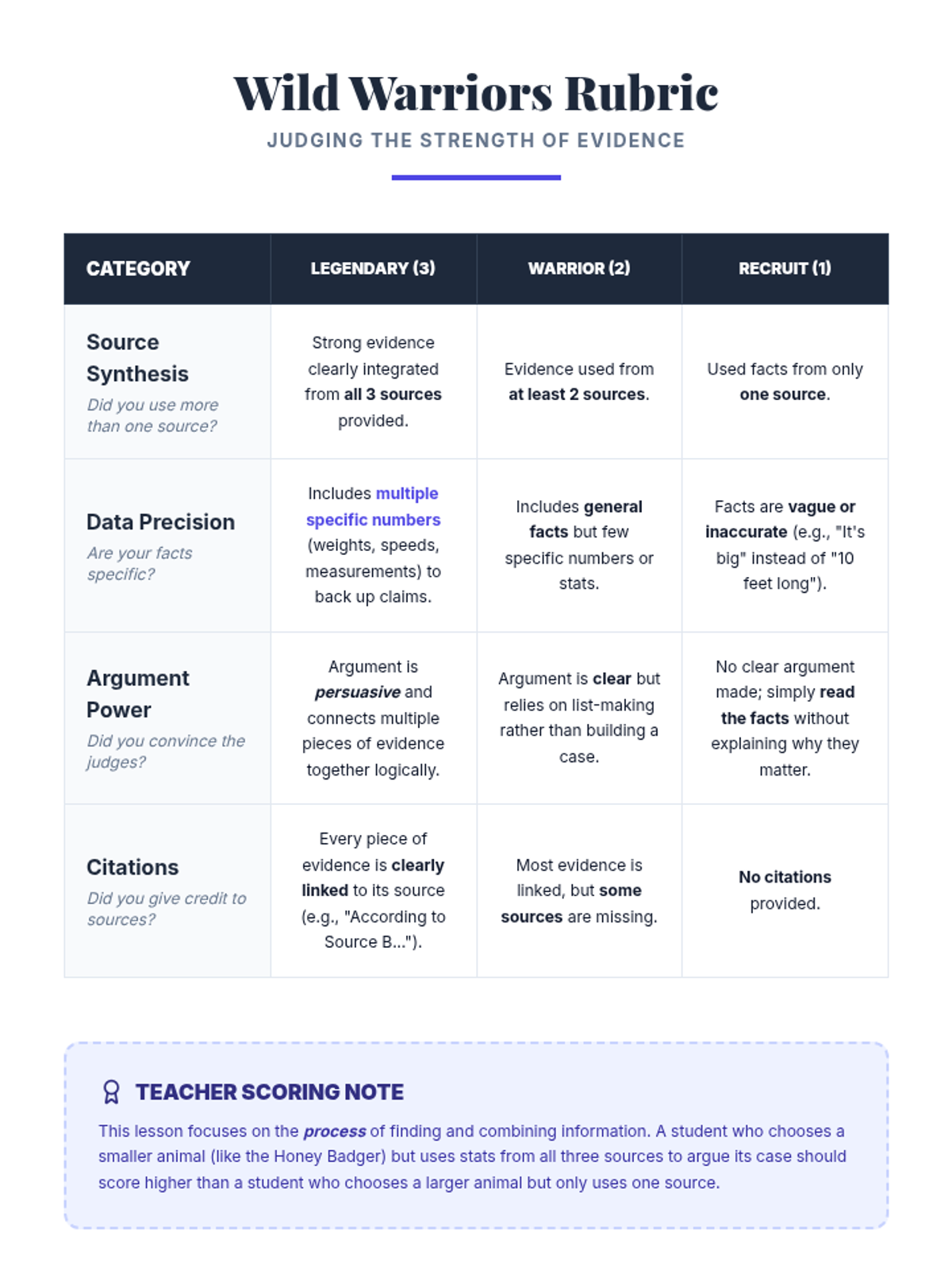
Students will learn how to synthesize information from multiple texts to build a strong, evidence-based argument through a 'Battle of the Animals' competition.
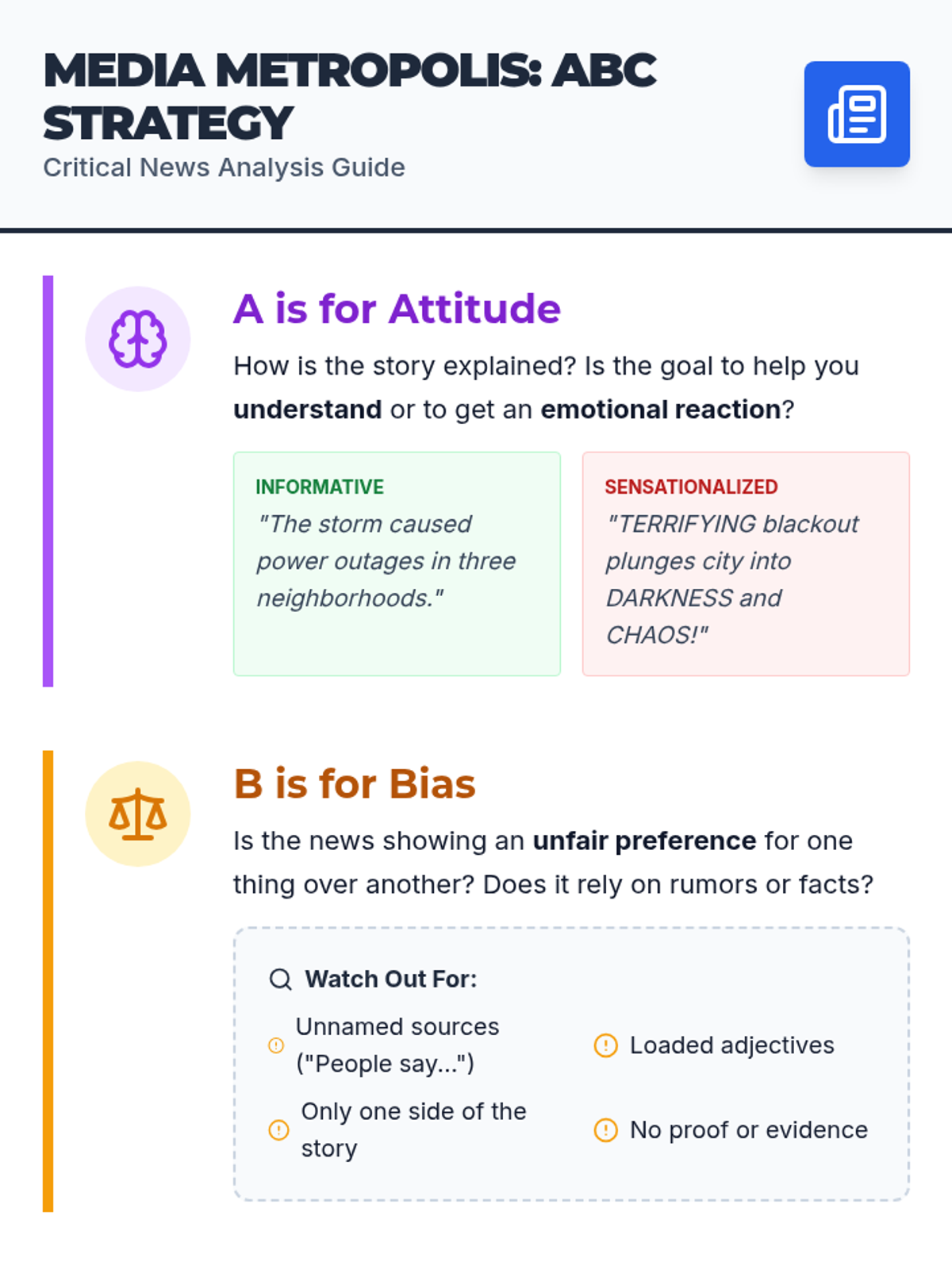
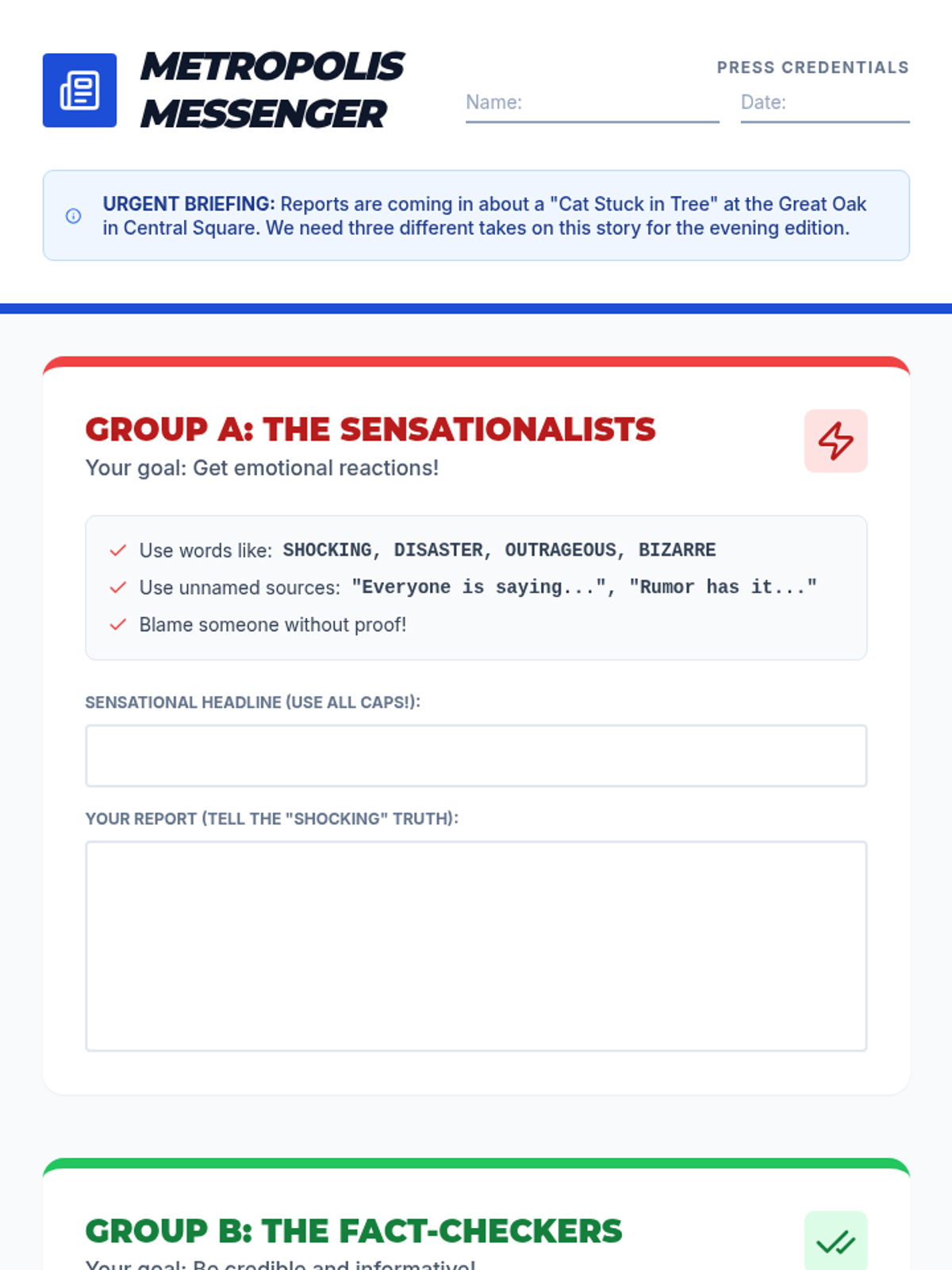
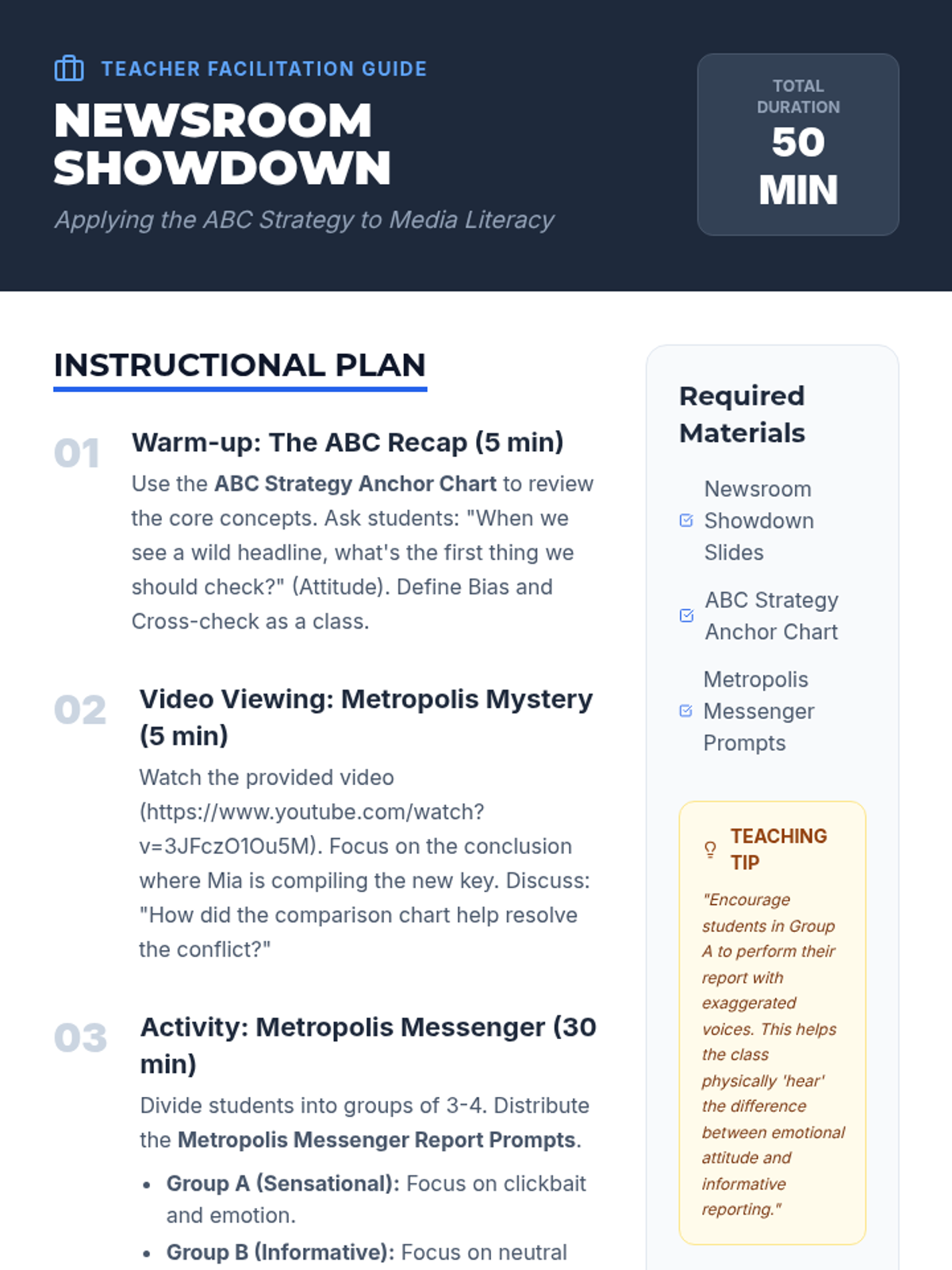
A journalism-themed lesson where students apply the ABC strategy (Attitude, Bias, Cross-check) to create and analyze news reports about a local event in Media Metropolis.
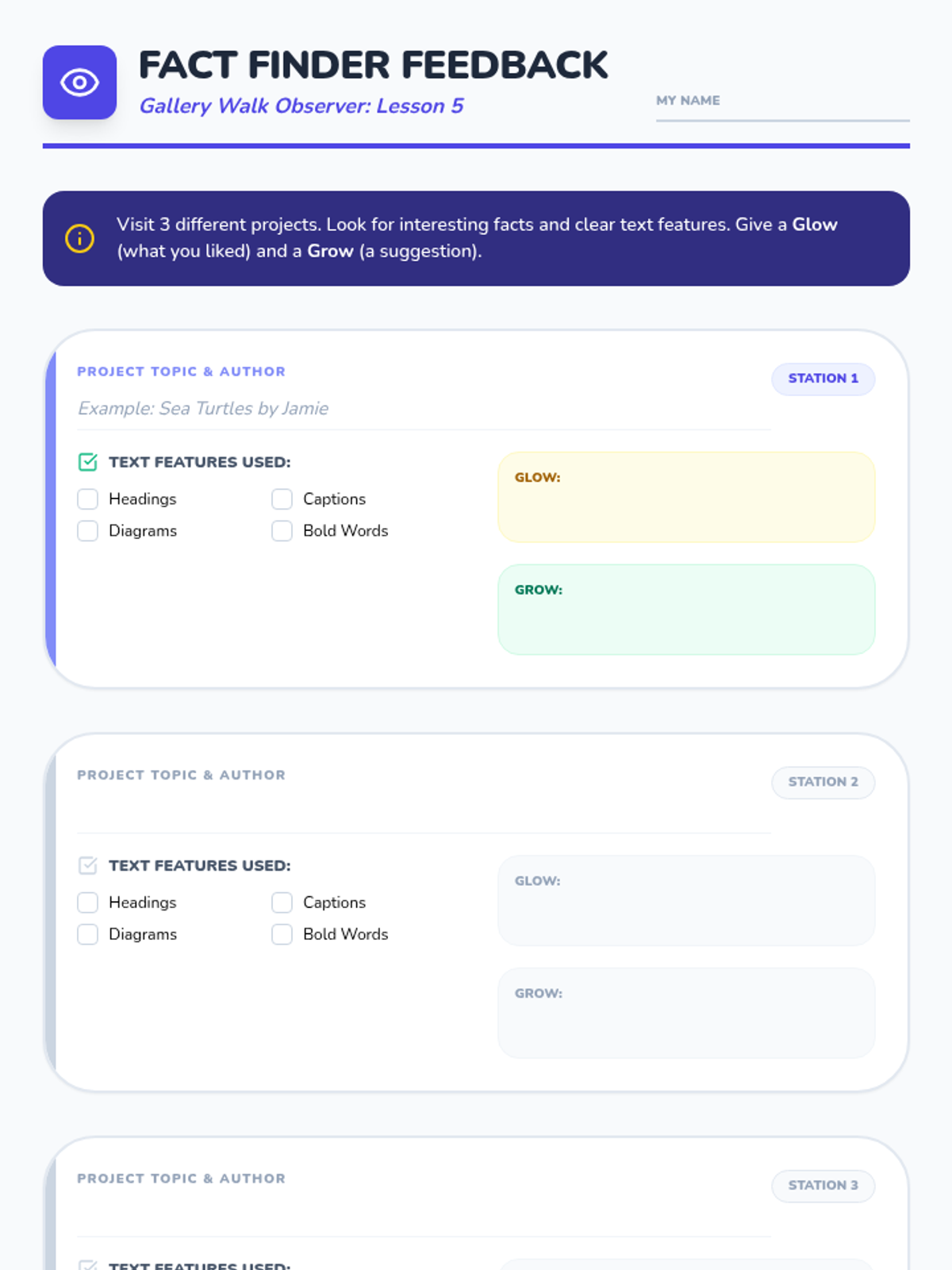
Students showcase their research in a gallery walk format and practice giving and receiving constructive feedback on their peers' informational projects.
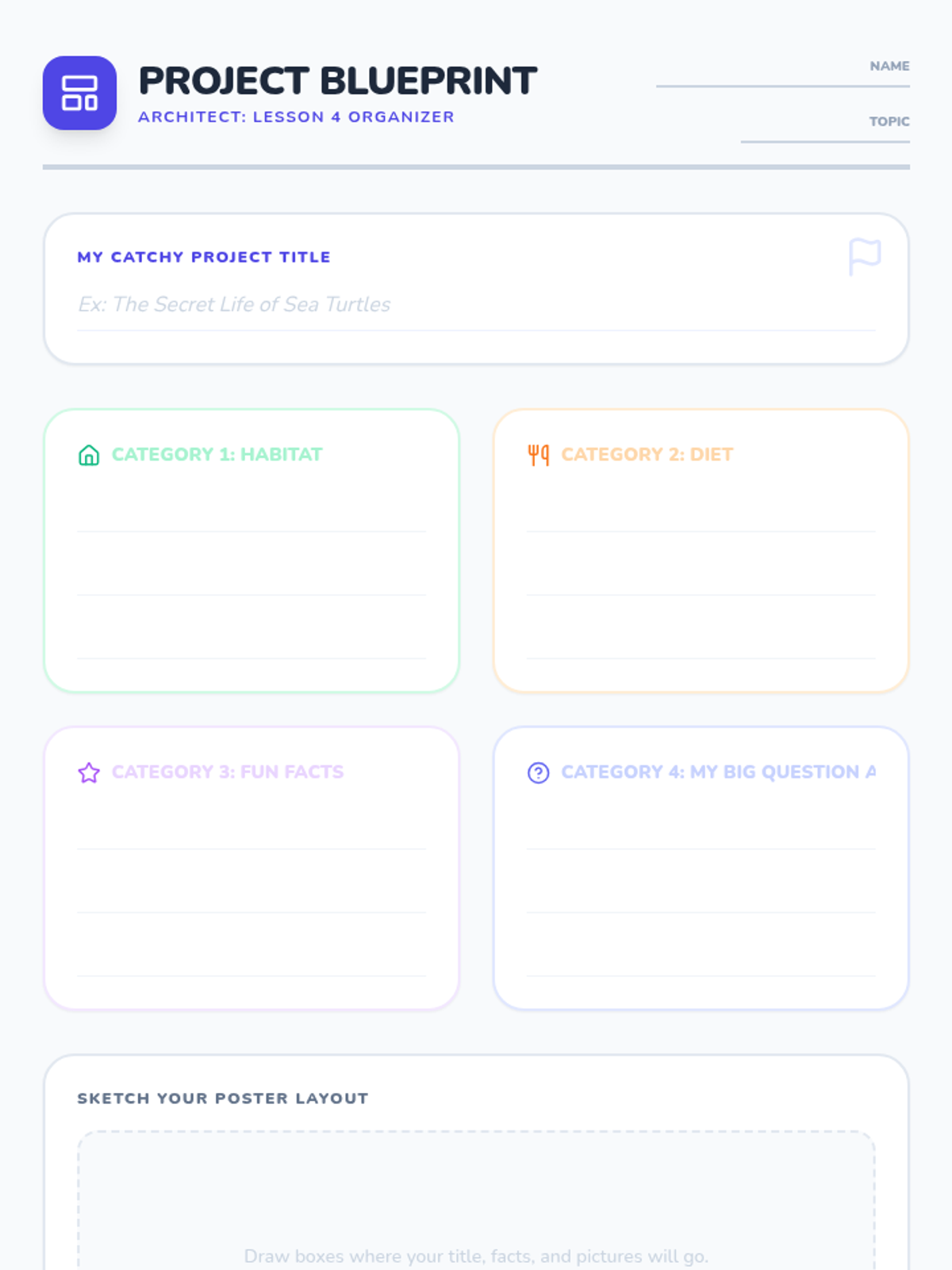
Students learn to group their researched facts into logical categories like habitat, diet, and behavior to create clear informational presentations.
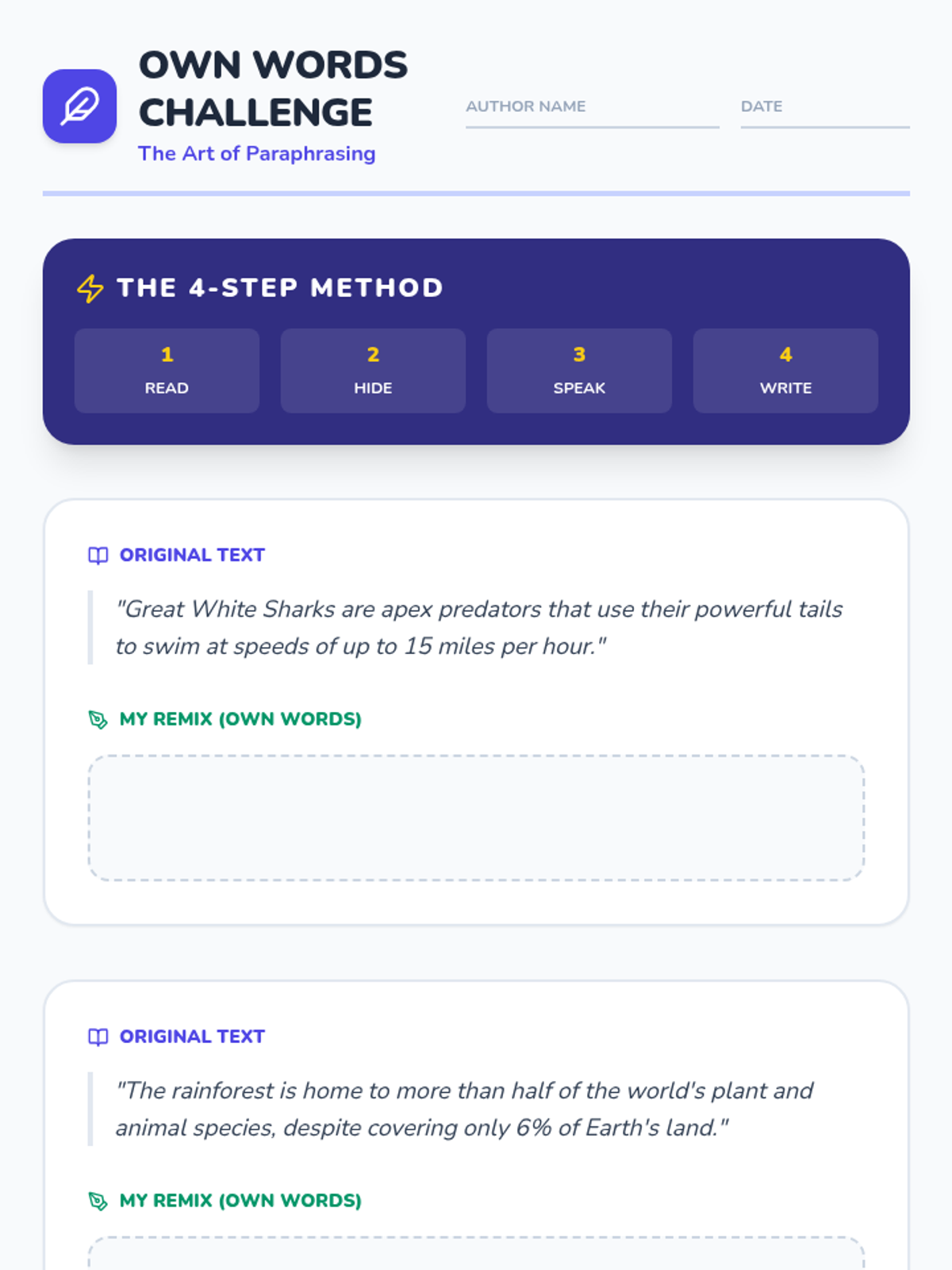
Students learn the critical skill of paraphrasing, practicing how to translate complex information into their own words while maintaining the original meaning.
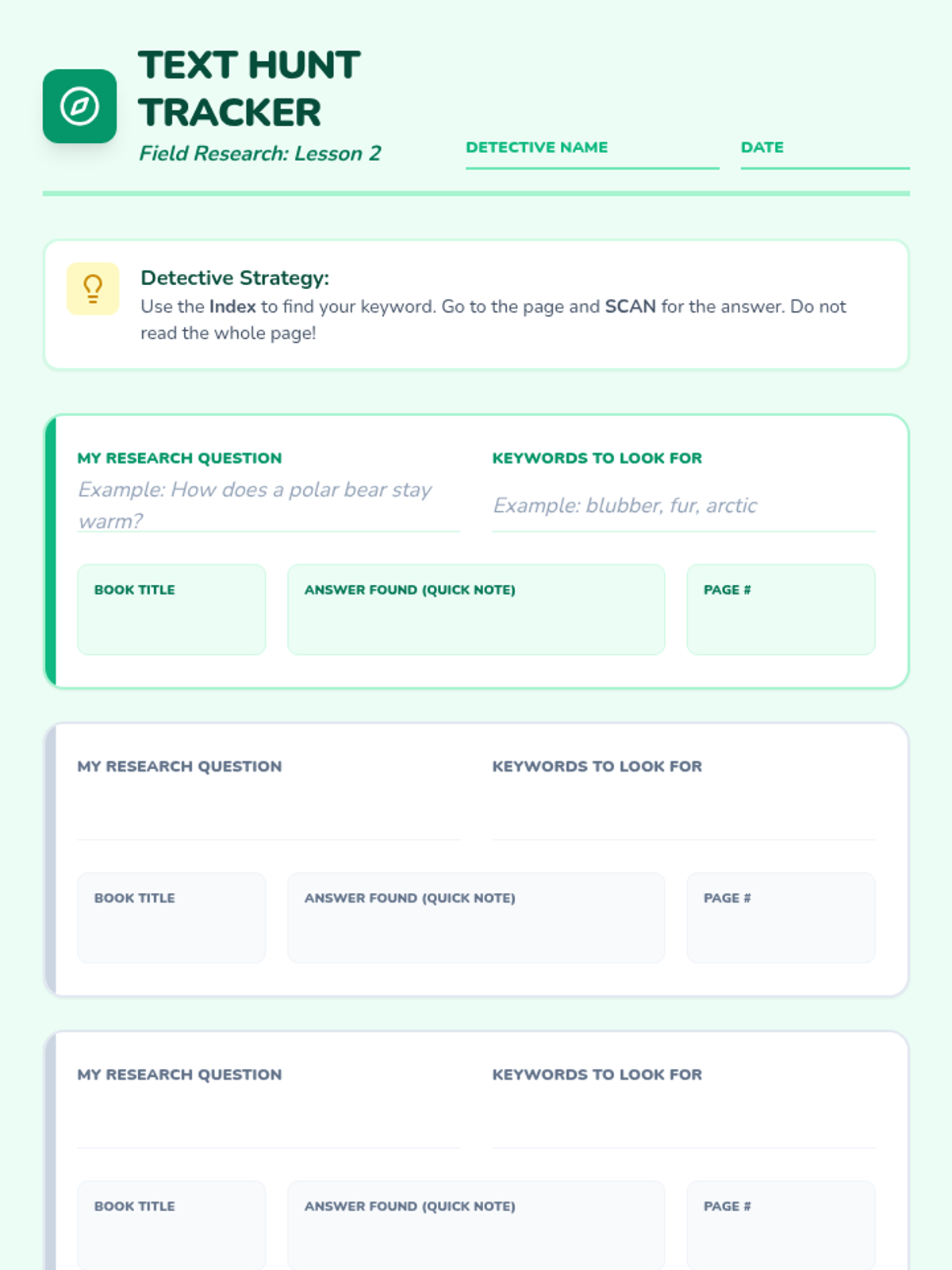
Students practice scanning texts and using indices and glossaries to efficiently locate answers to their research questions without reading every word.