Foundational fraction equivalence, ordering, and operations across the rational number system. Addresses multi-digit computation, decimal conversions, and the distinction between rational and irrational numbers.
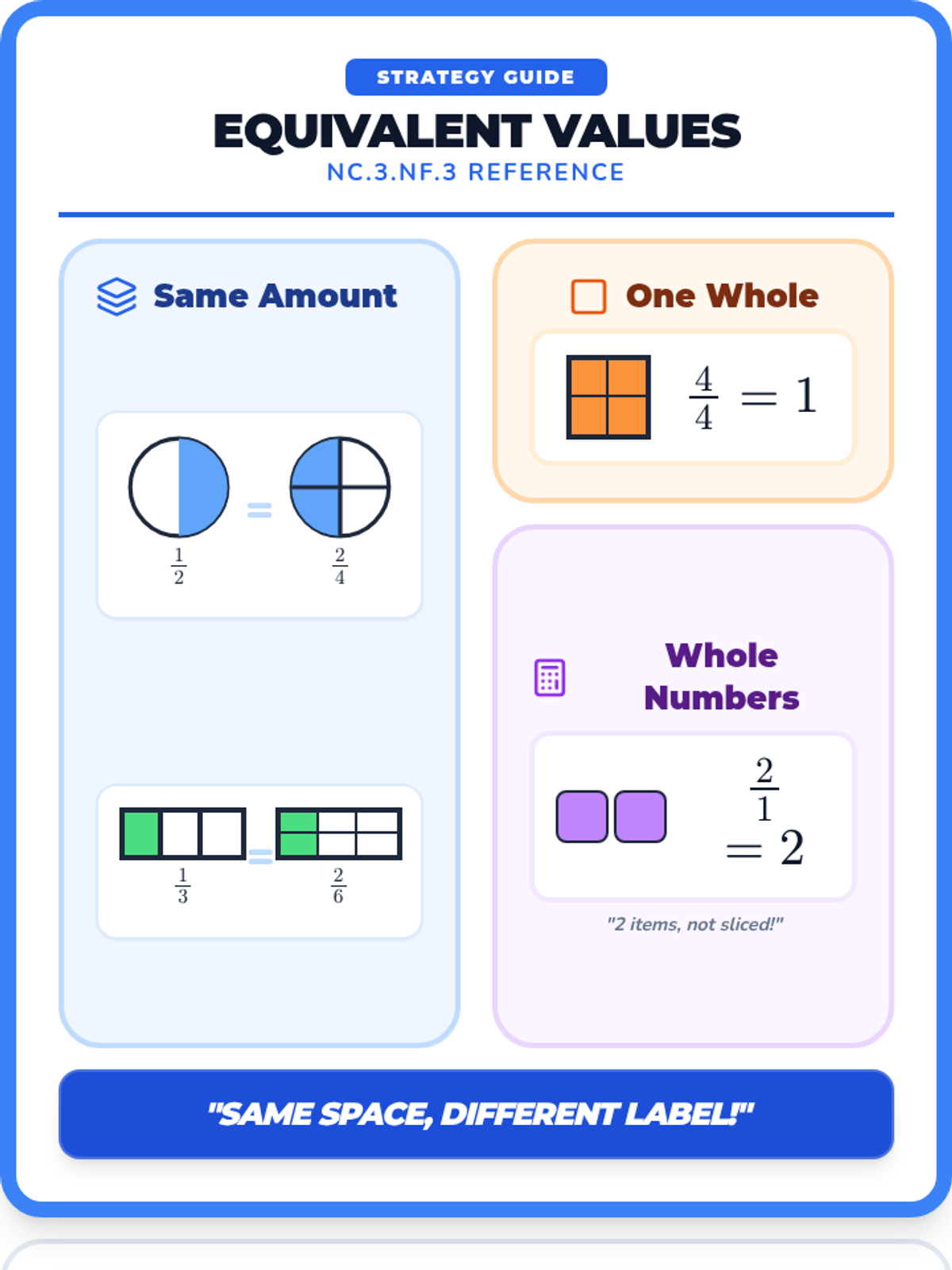
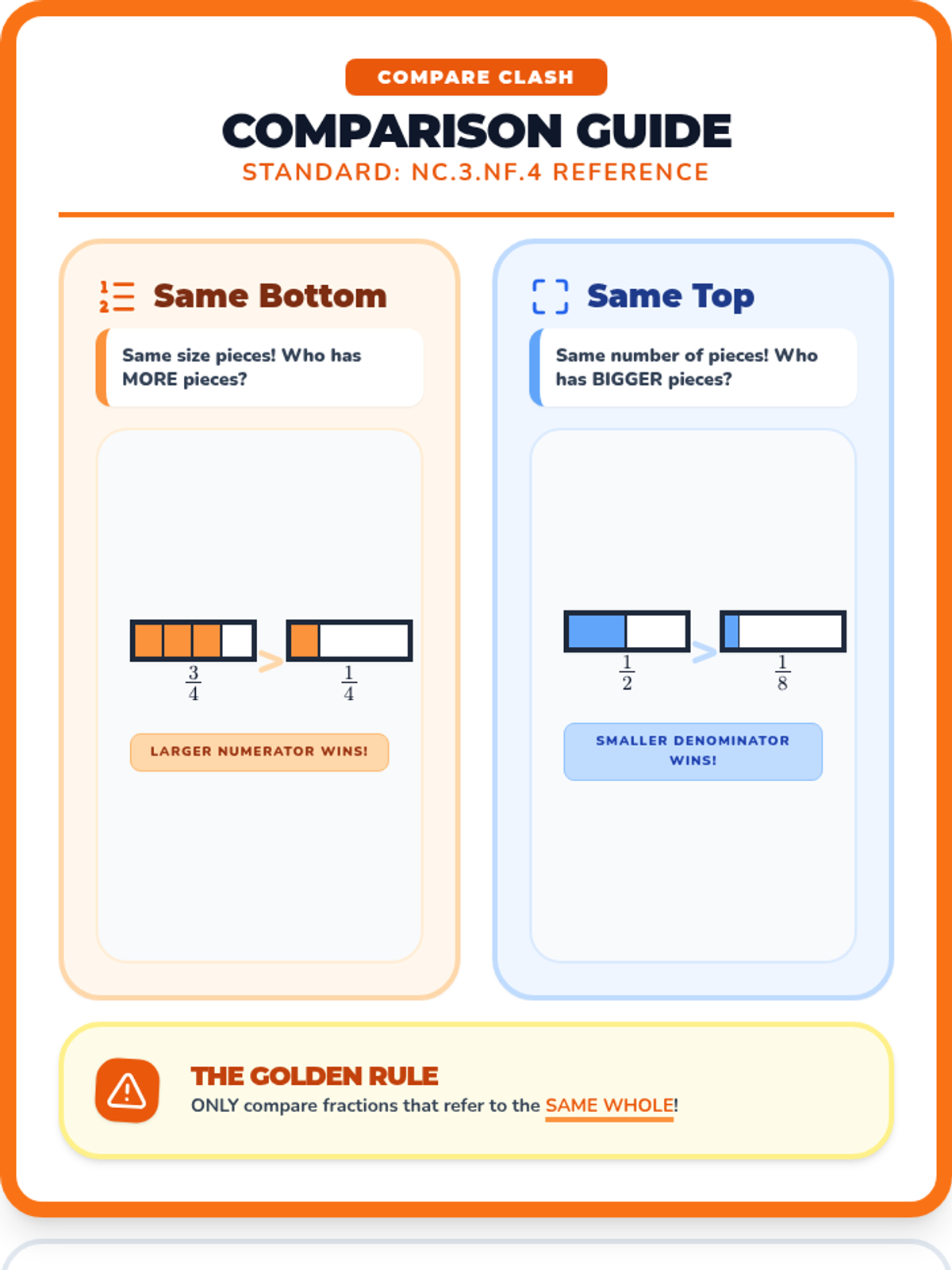
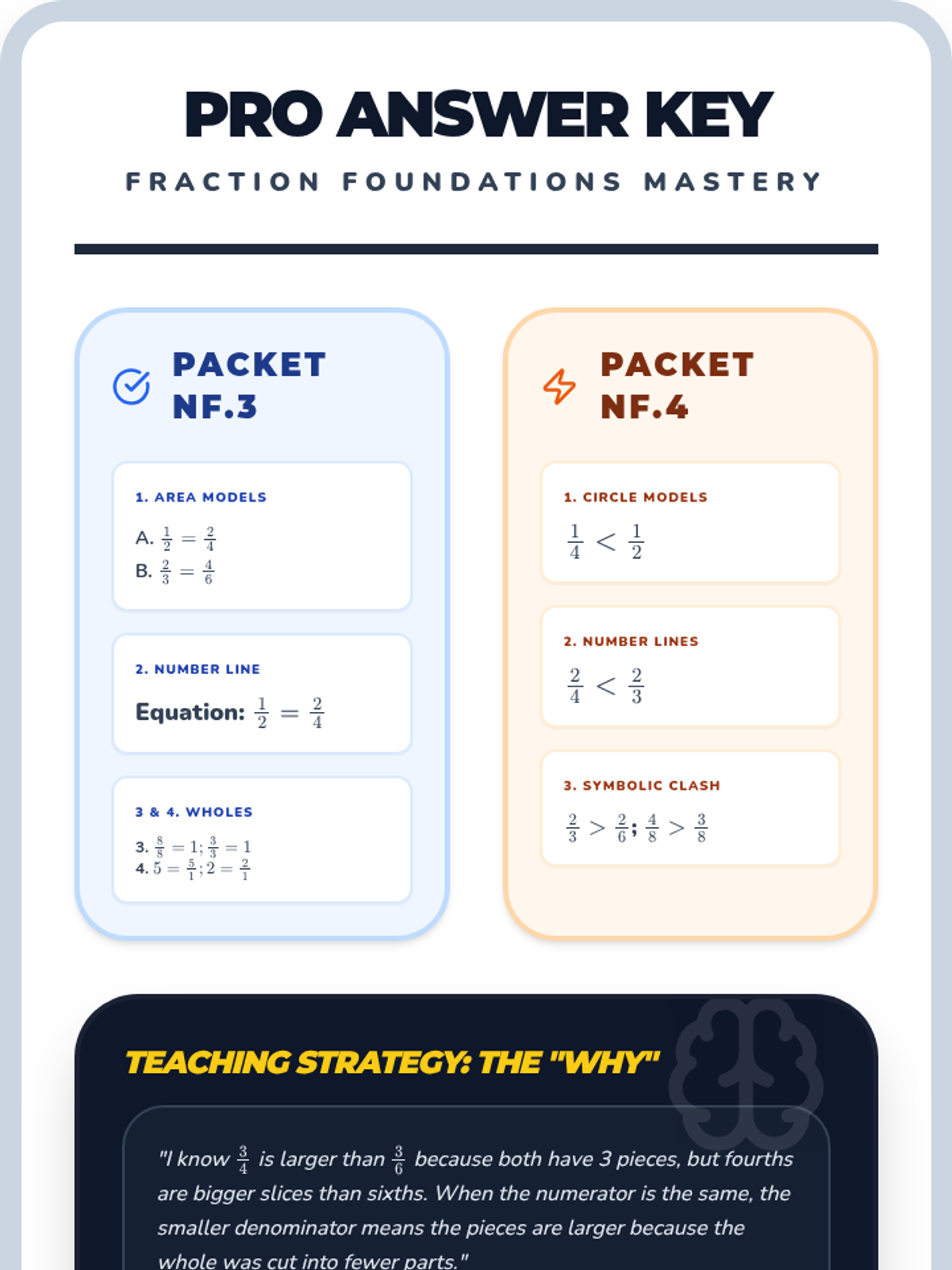
Classroom-ready anchor charts and independent worksheets for NC.3.NF.3 and NC.3.NF.4, focusing on equivalent fractions, wholes, and comparison strategies.
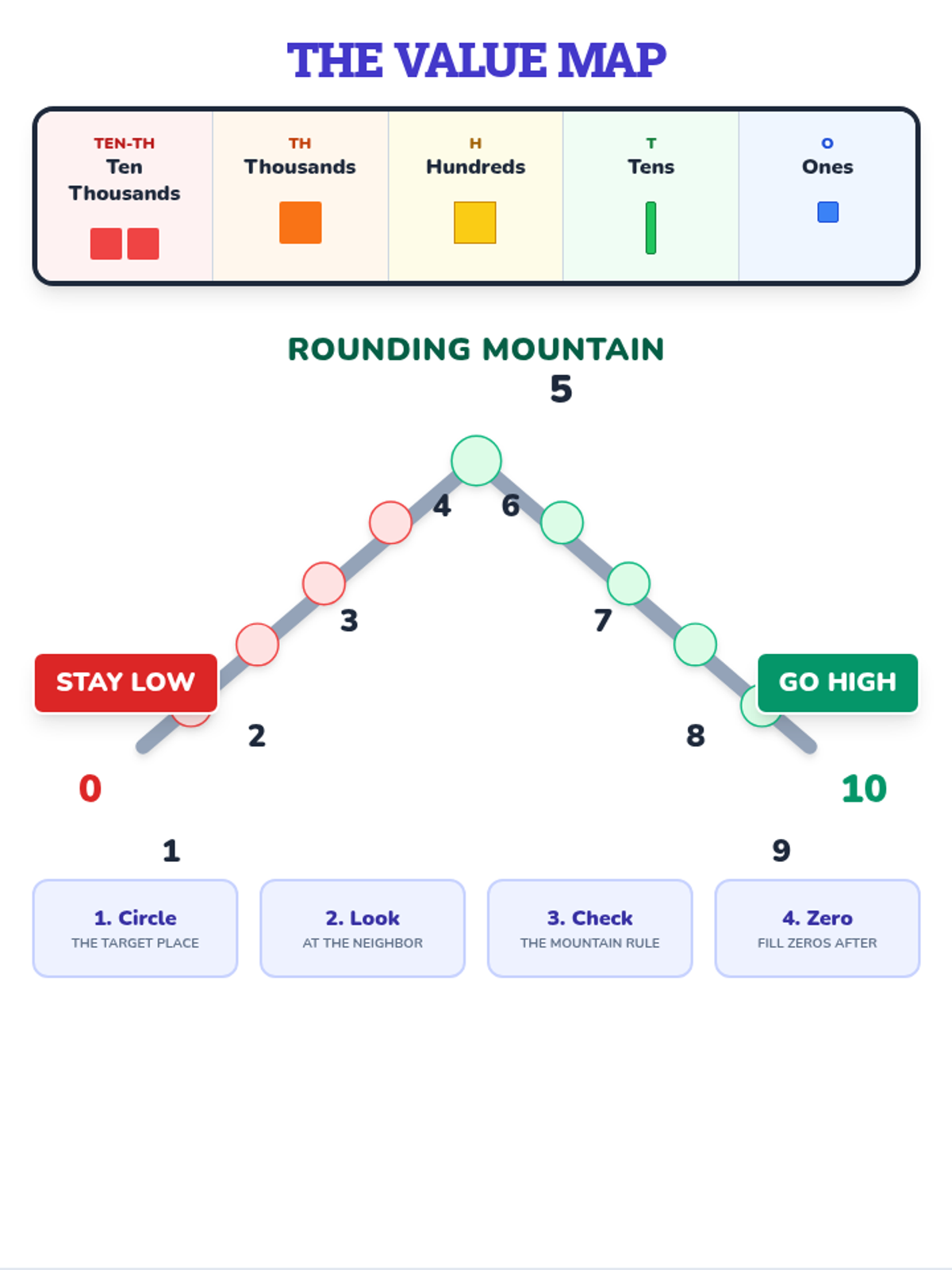
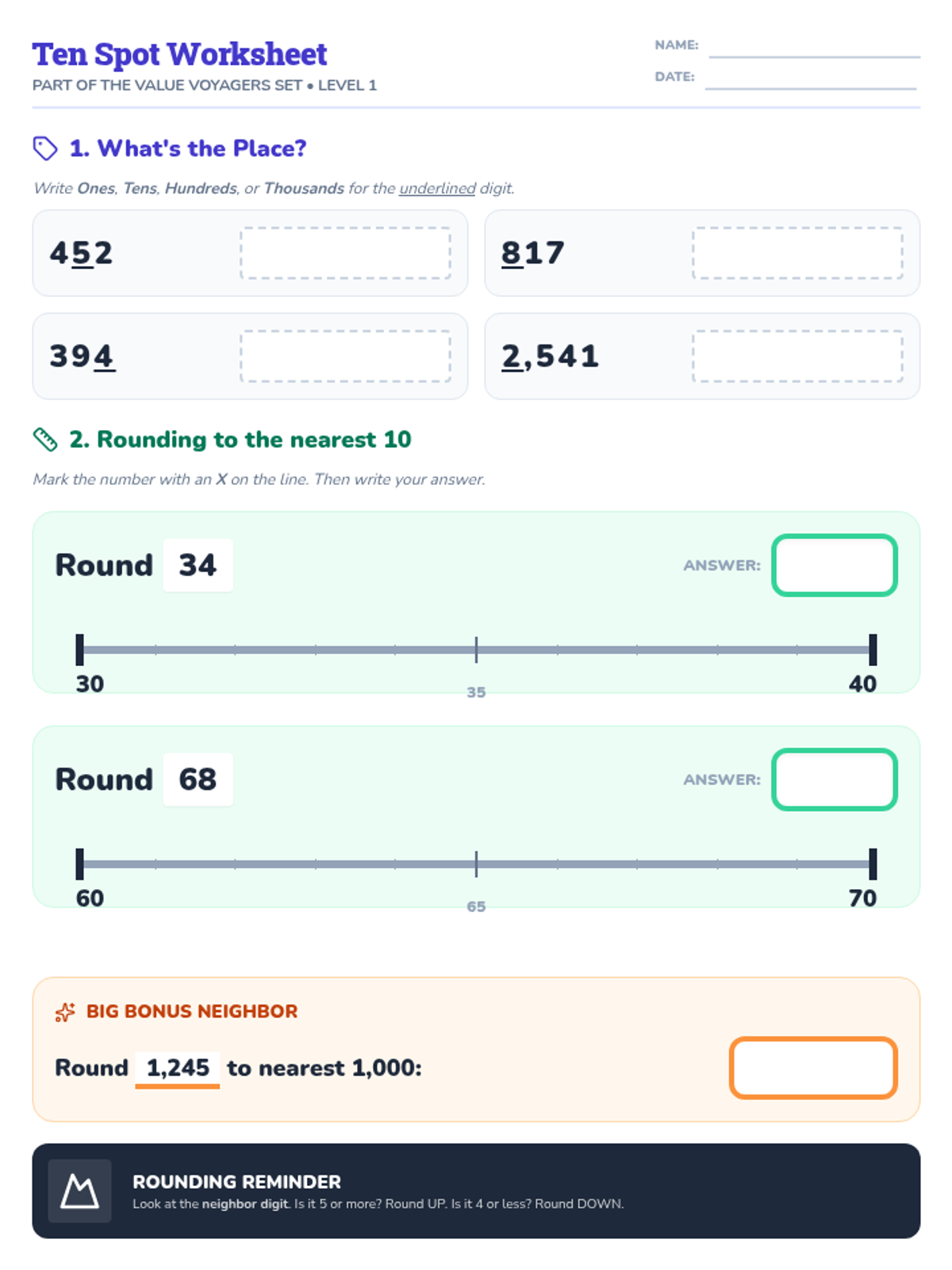
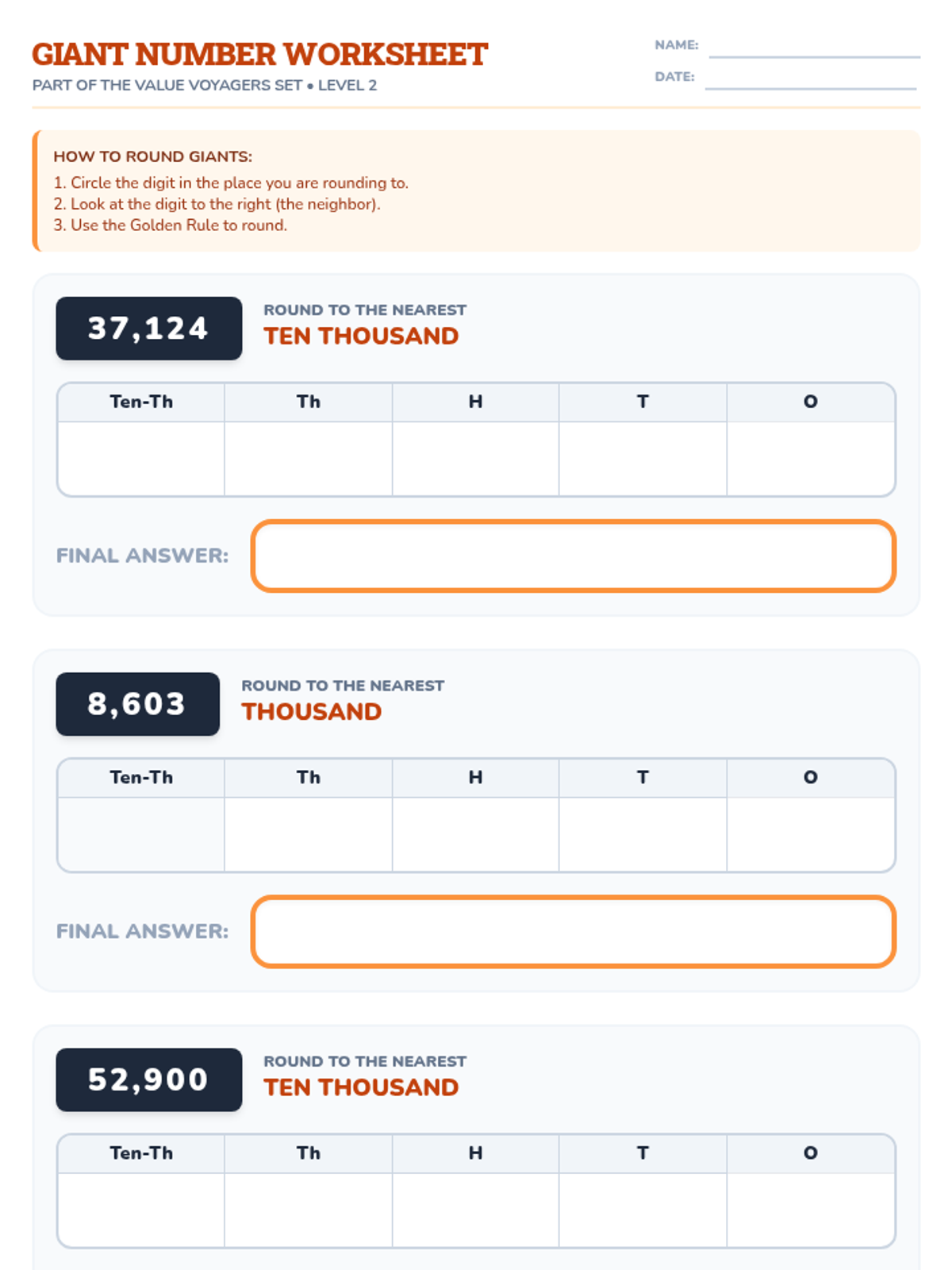
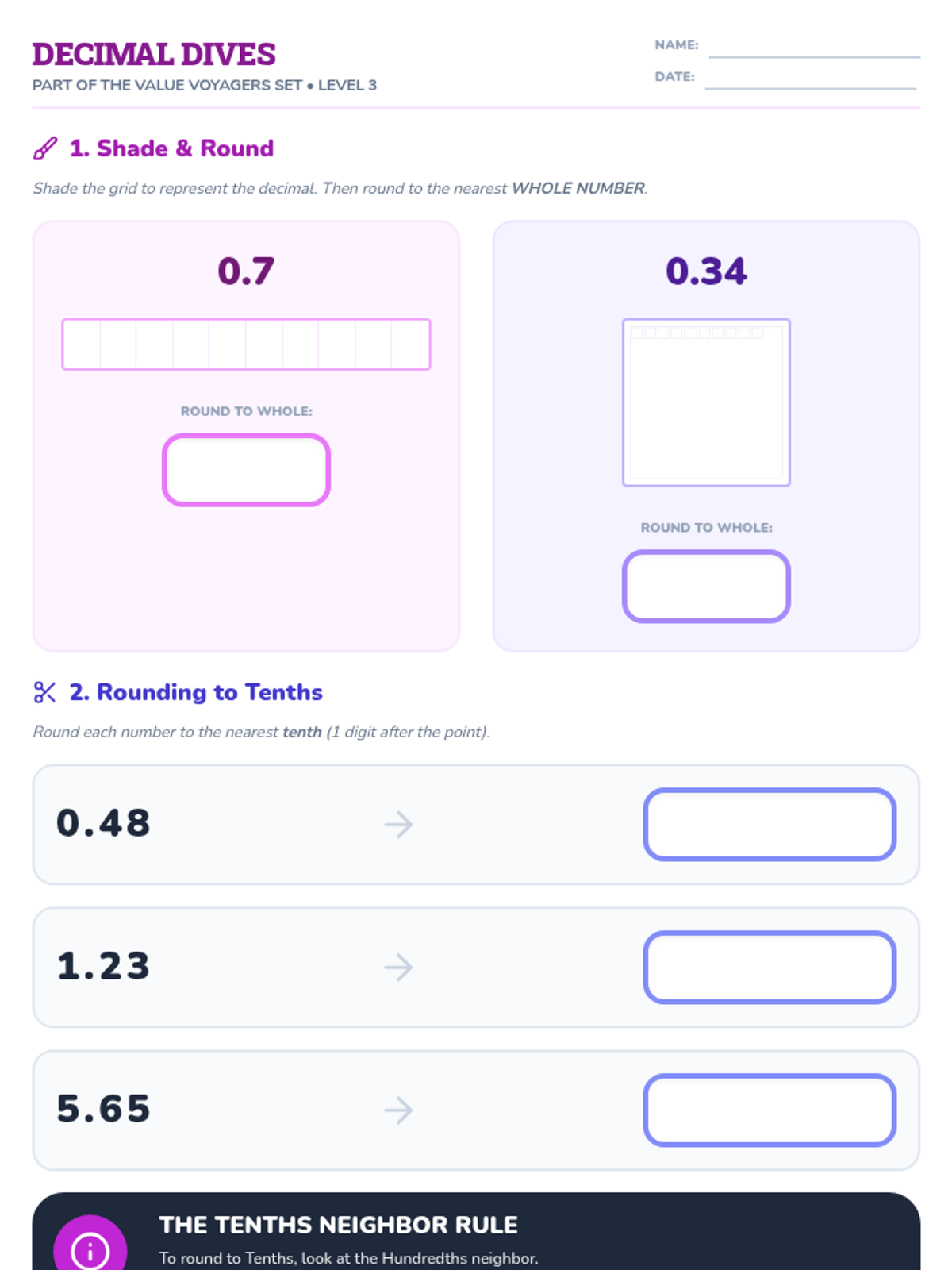
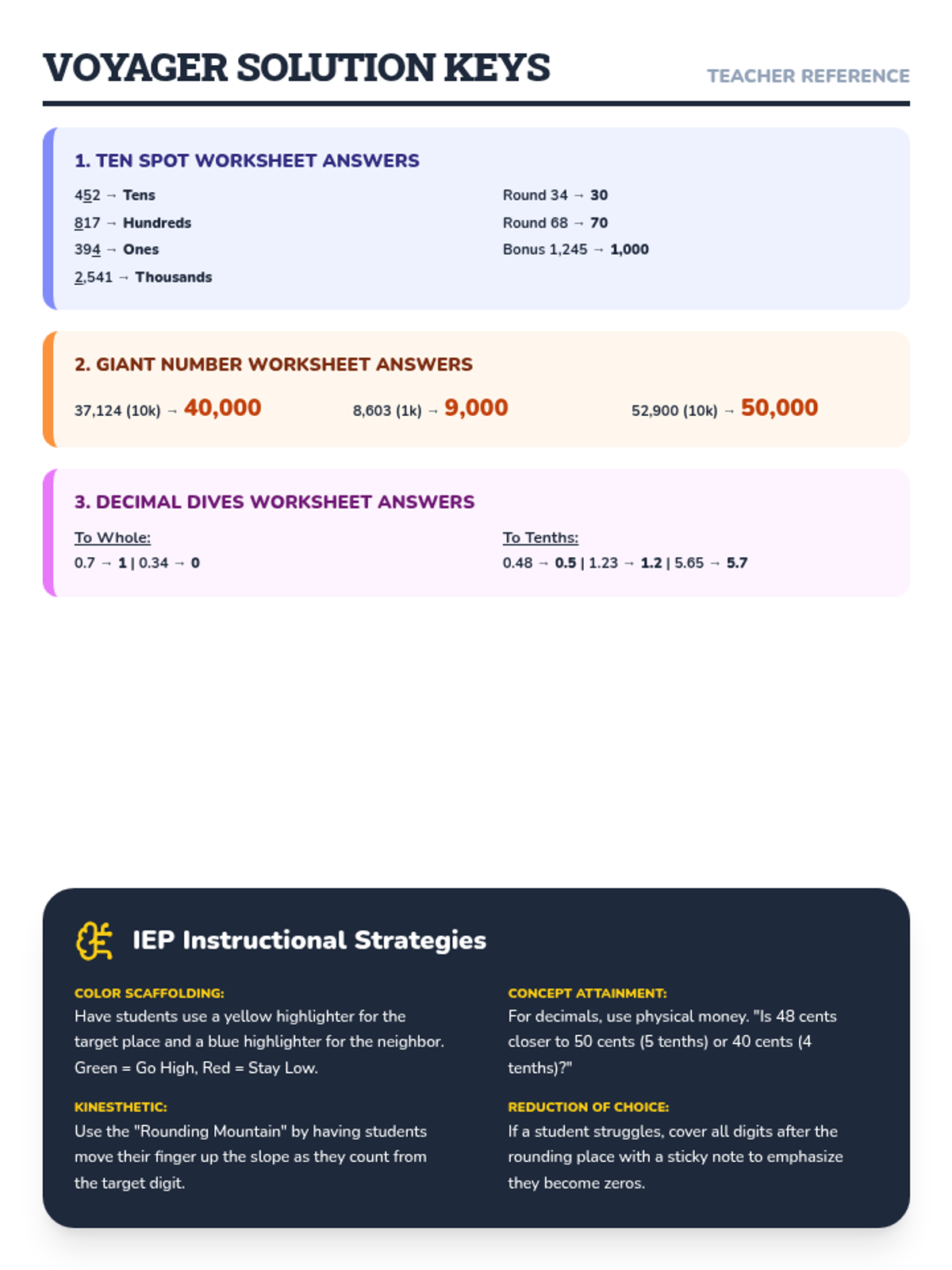
A comprehensive guide to understanding place value from single digits to ten-thousands and decimals, featuring visual scaffolding for rounding.
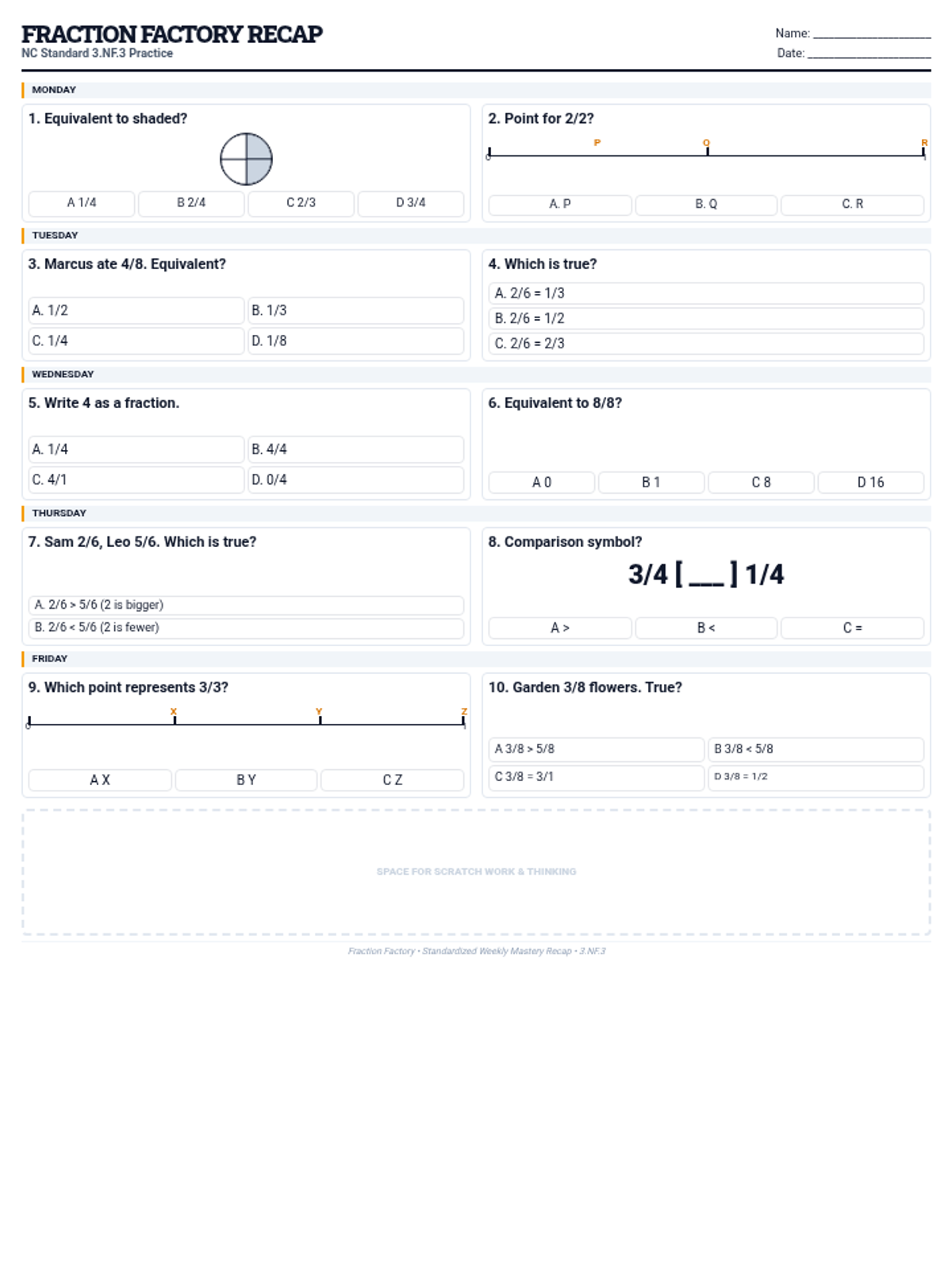
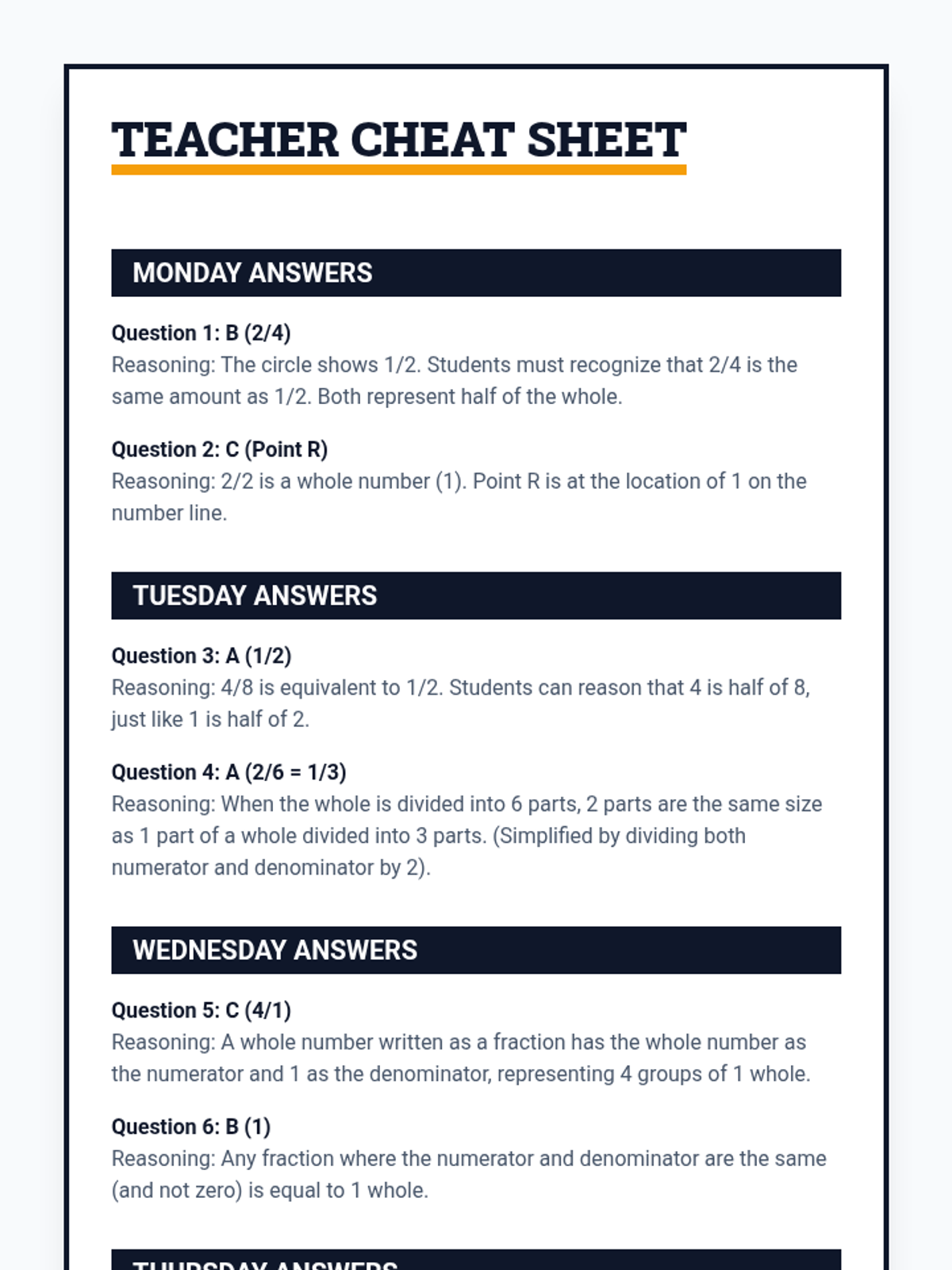
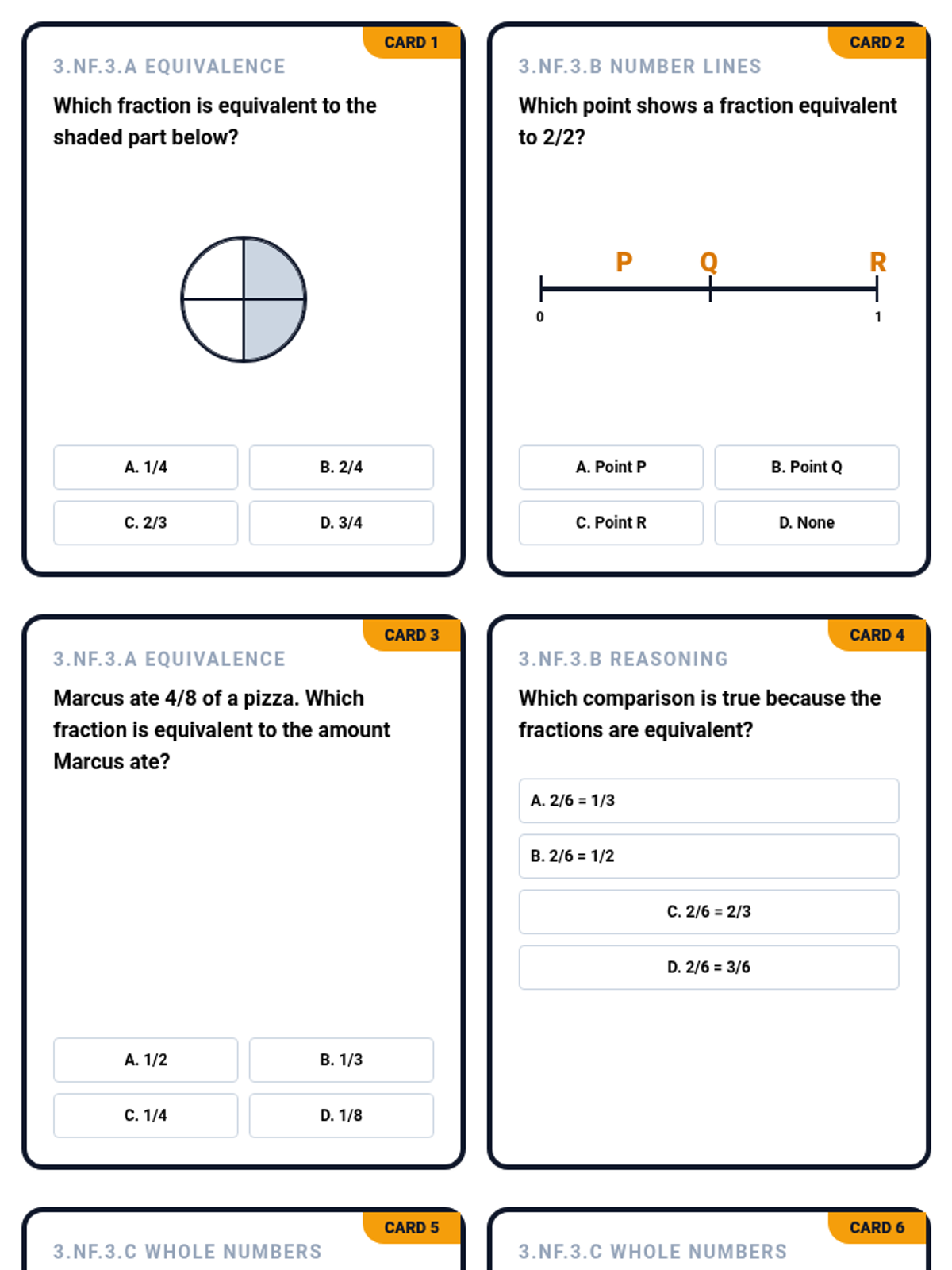
Daily warm-ups and practice for equivalent fractions, whole numbers, and comparisons designed to prepare students for EOG-style questions.
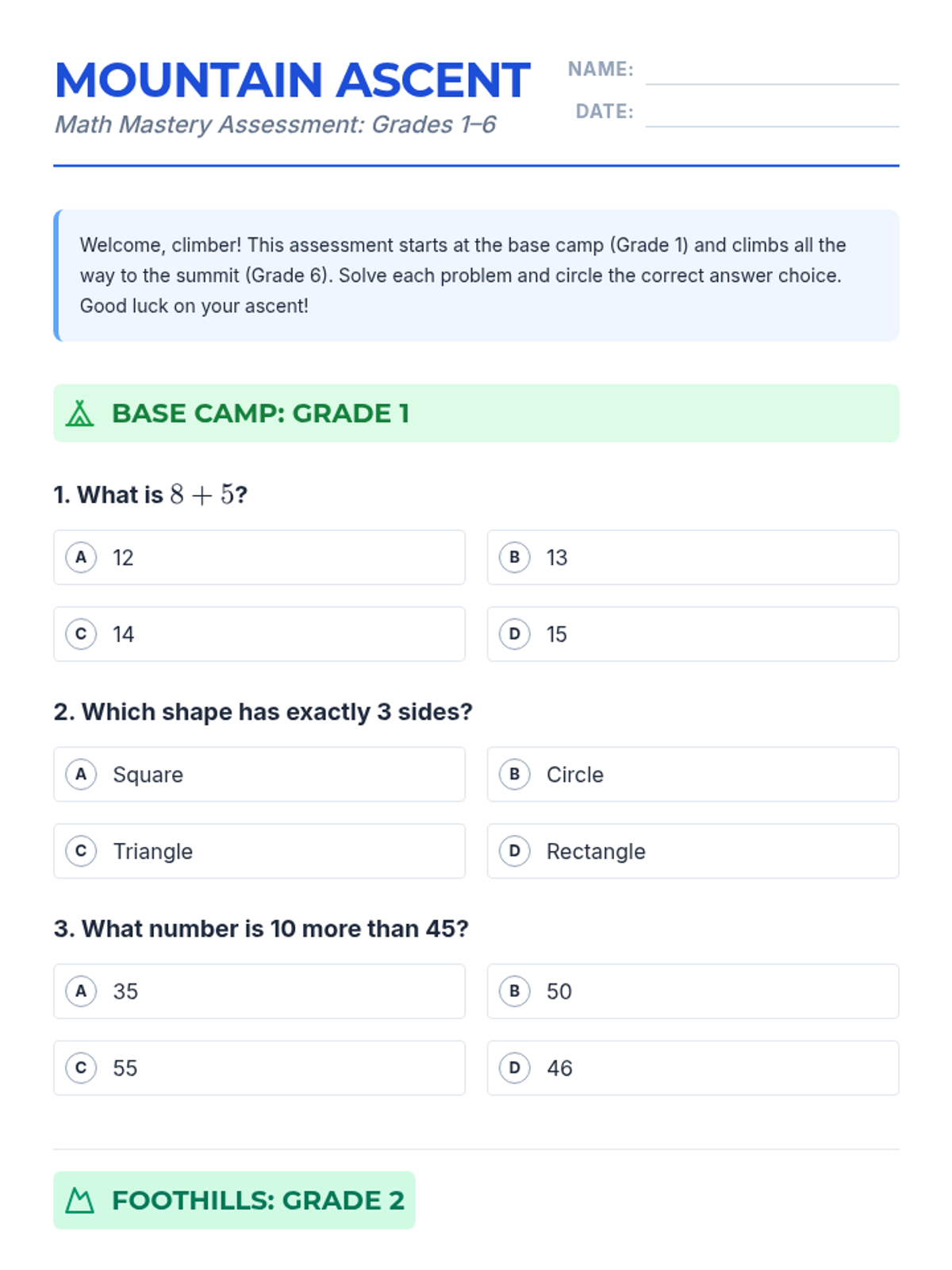
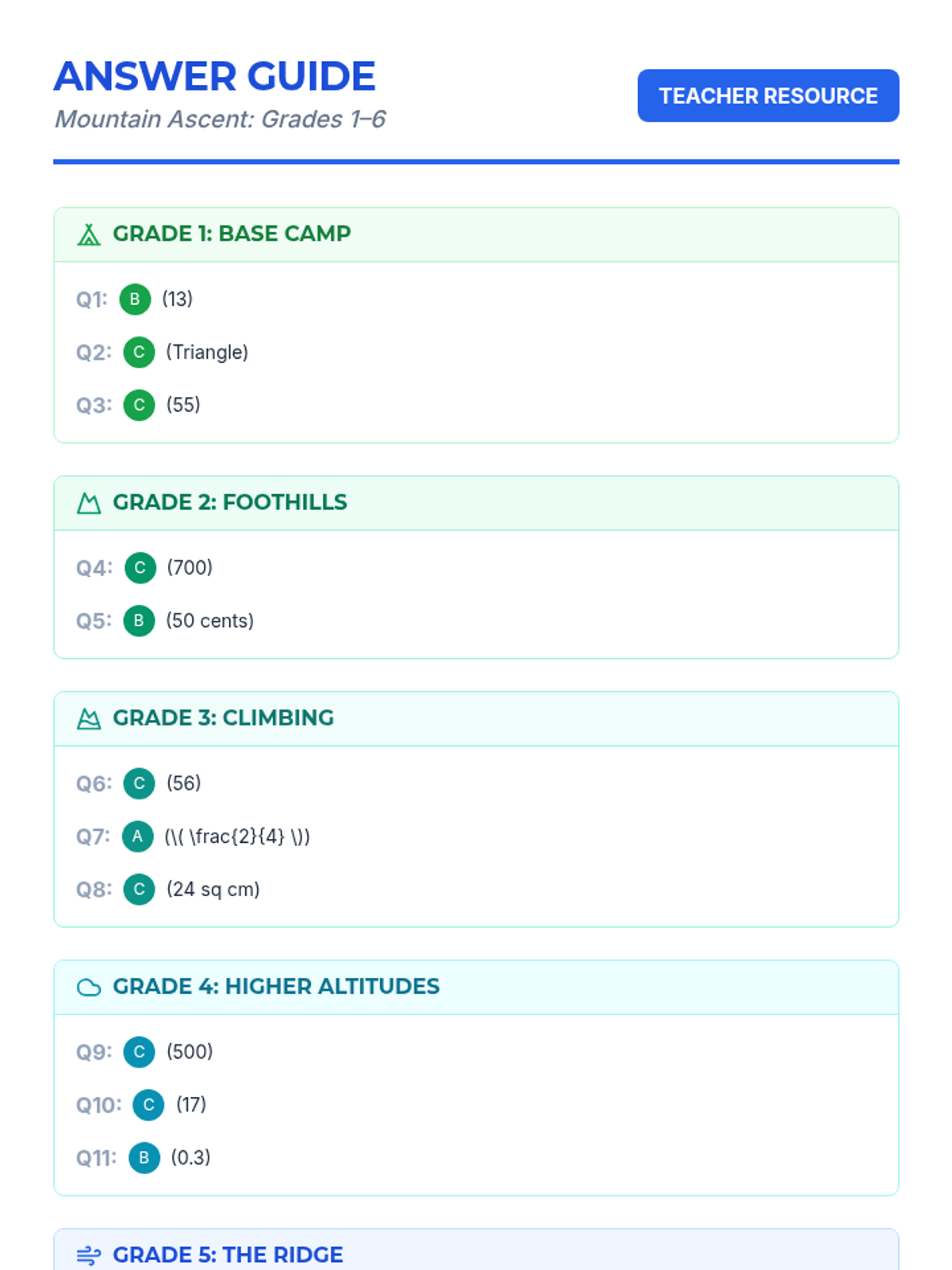
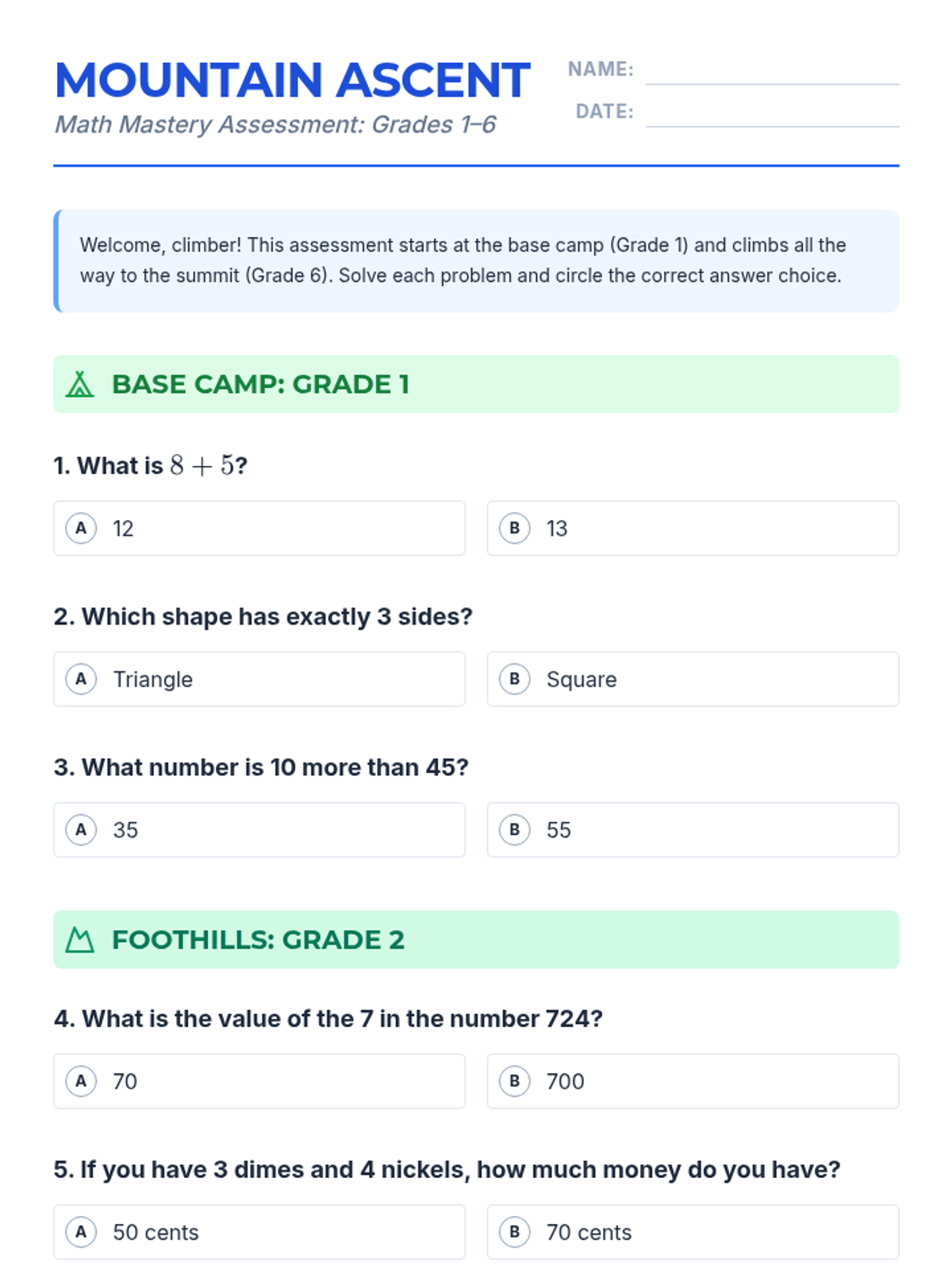
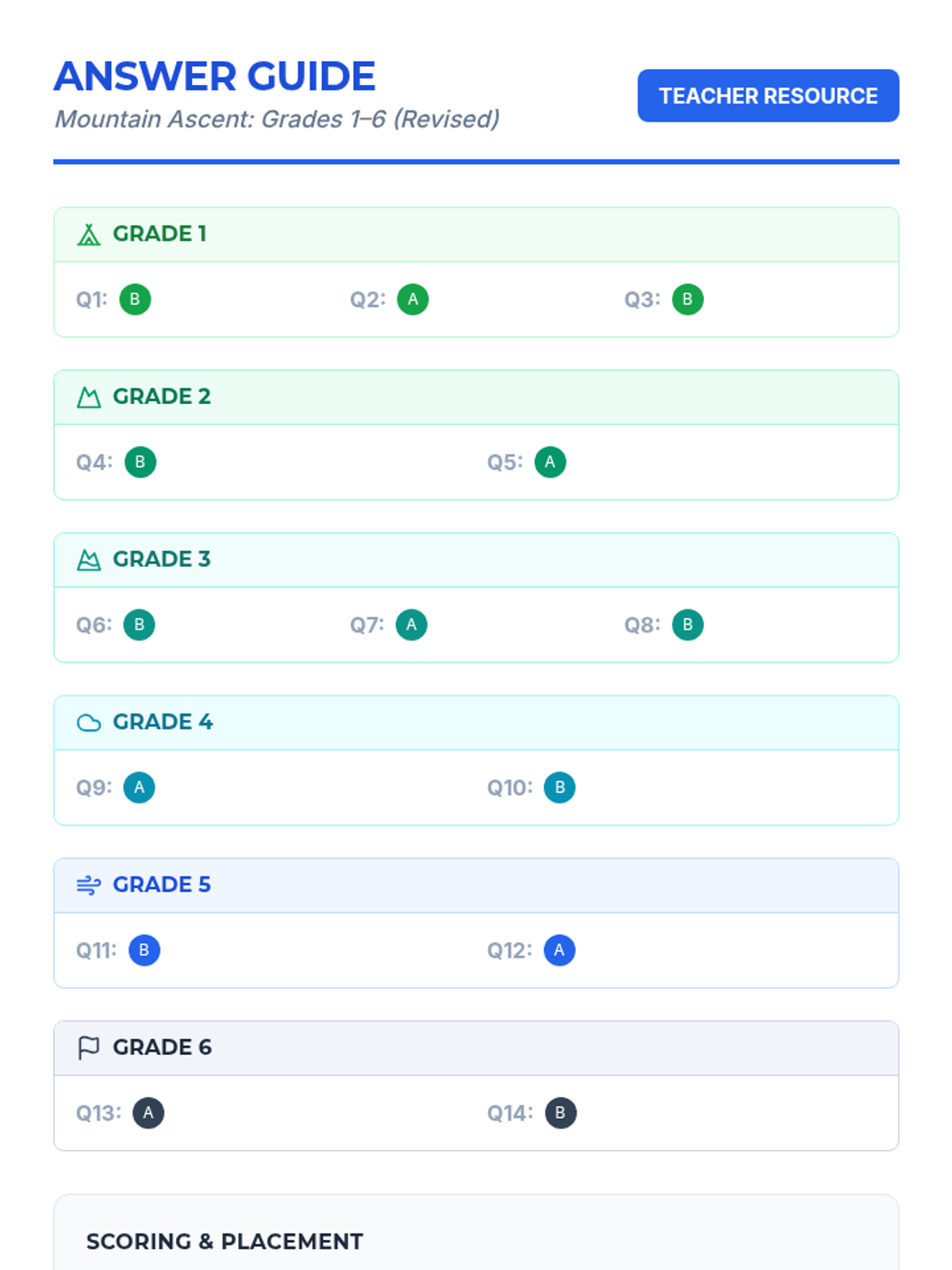
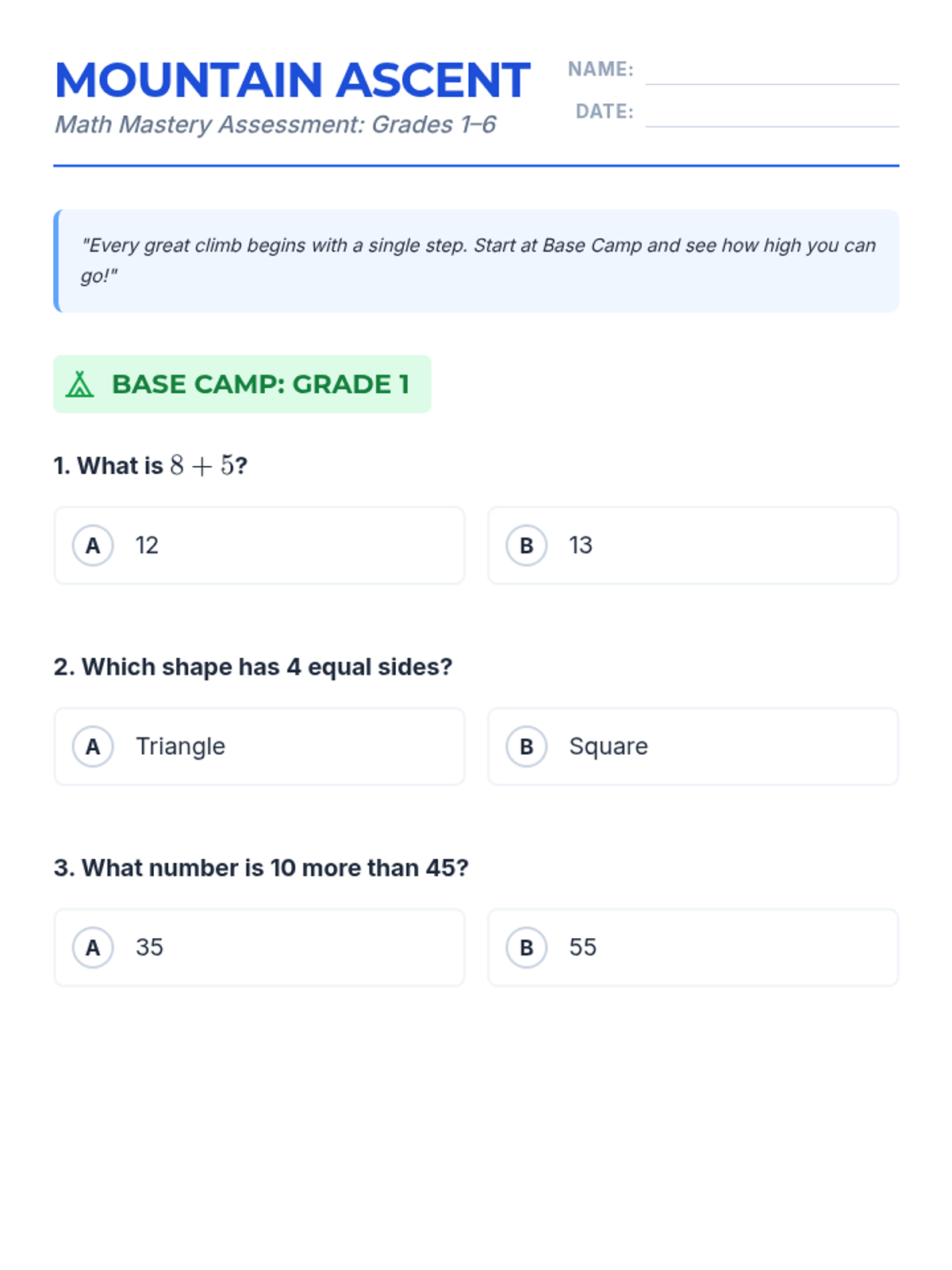
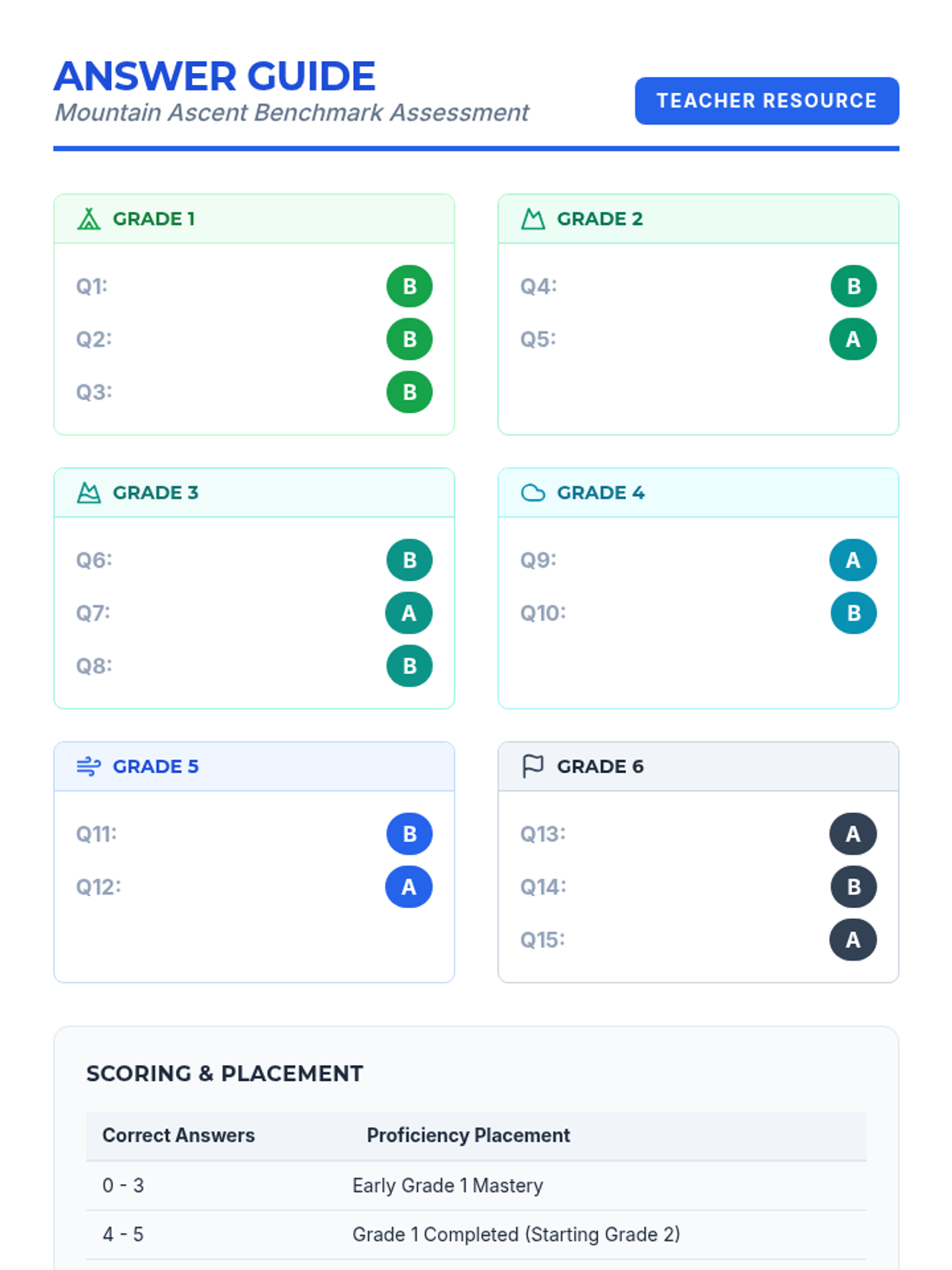
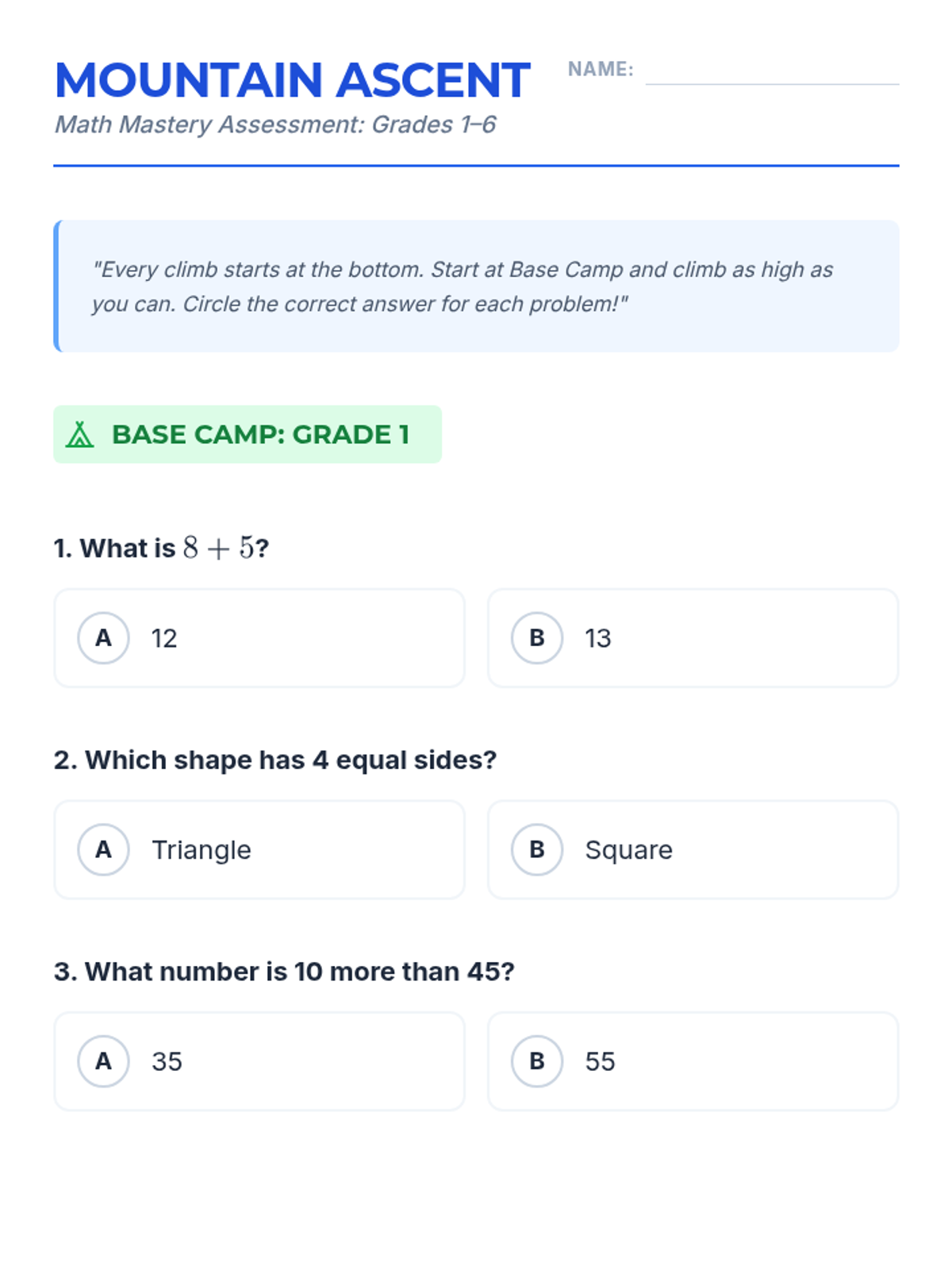
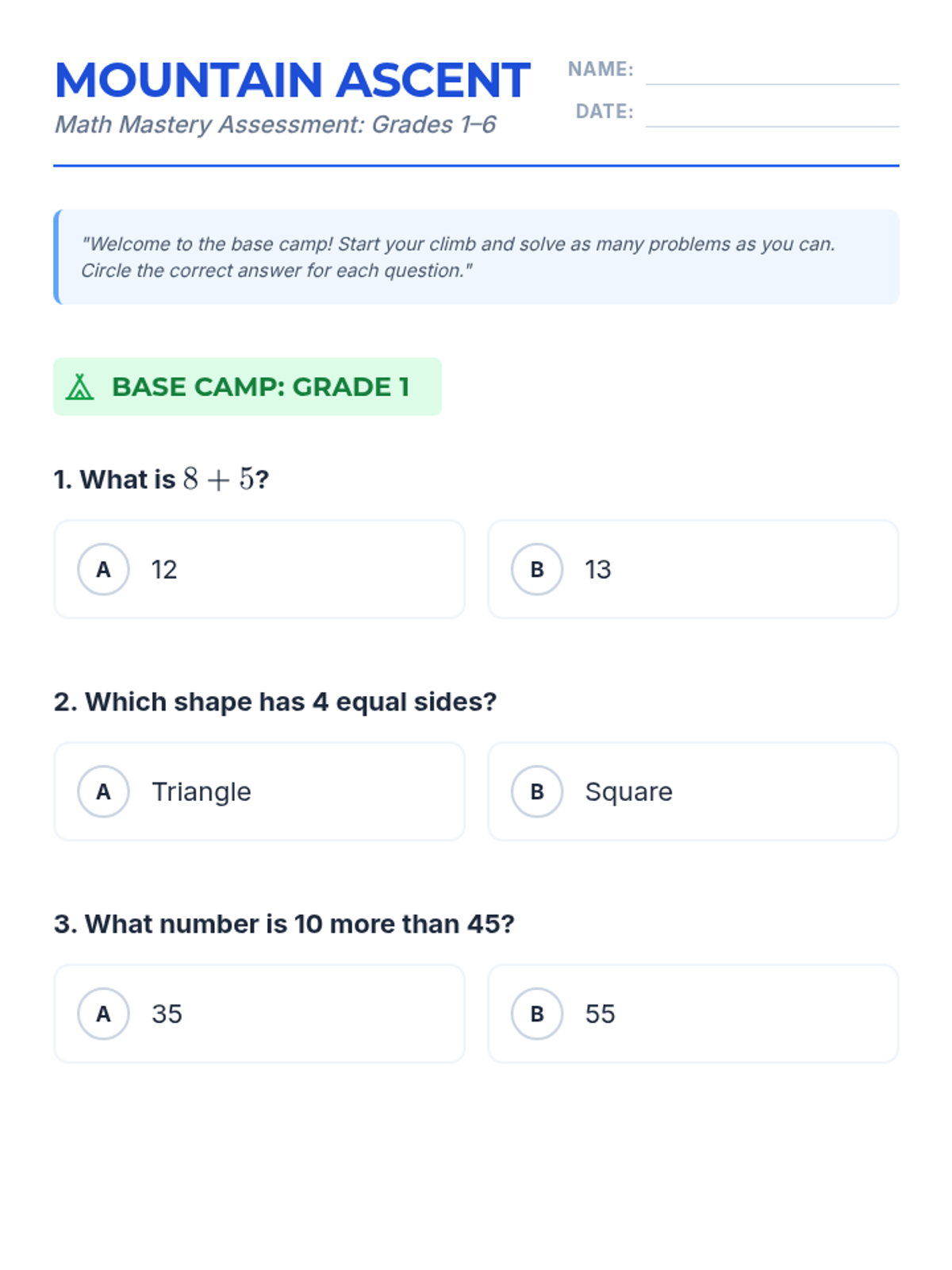
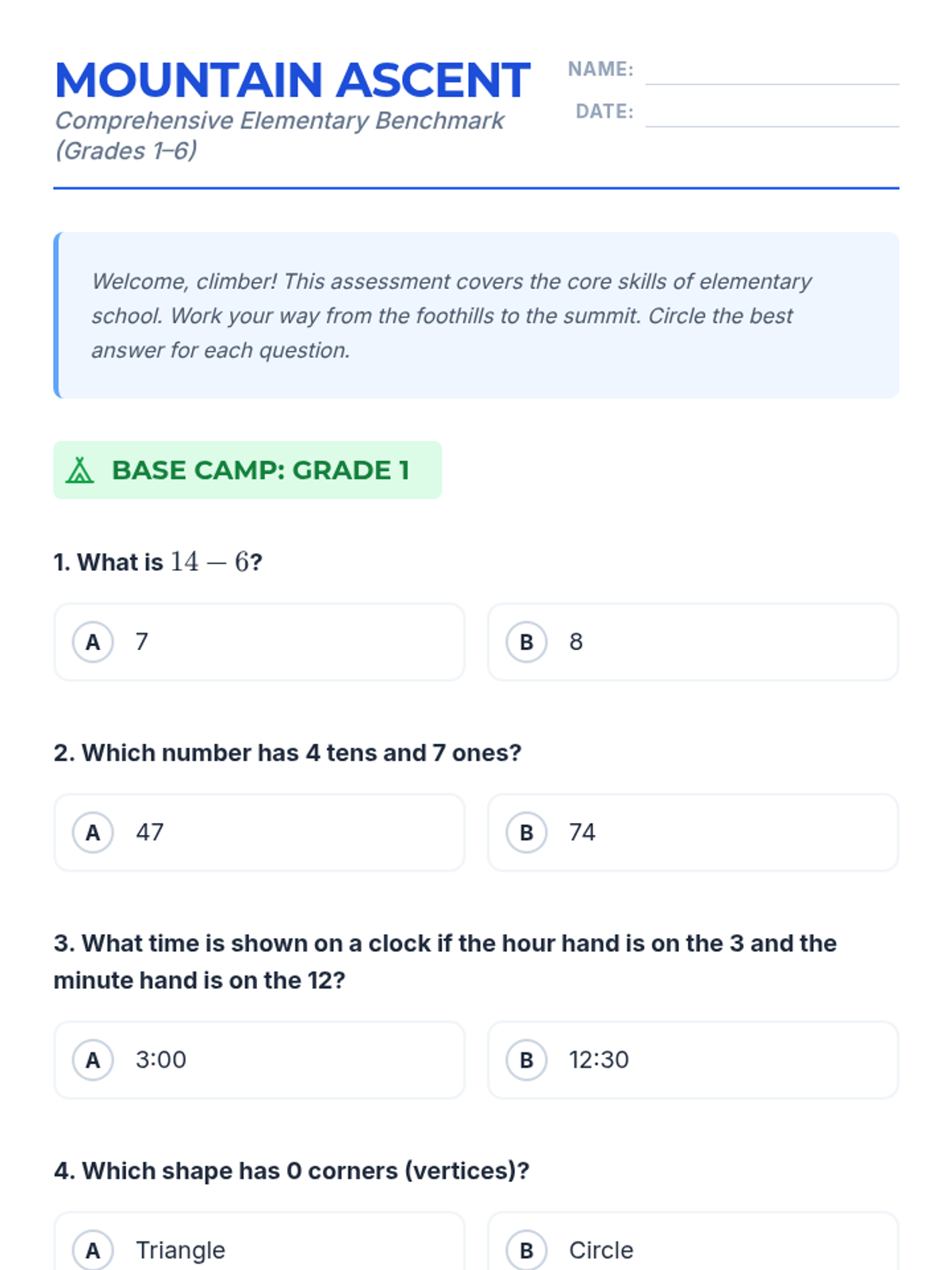
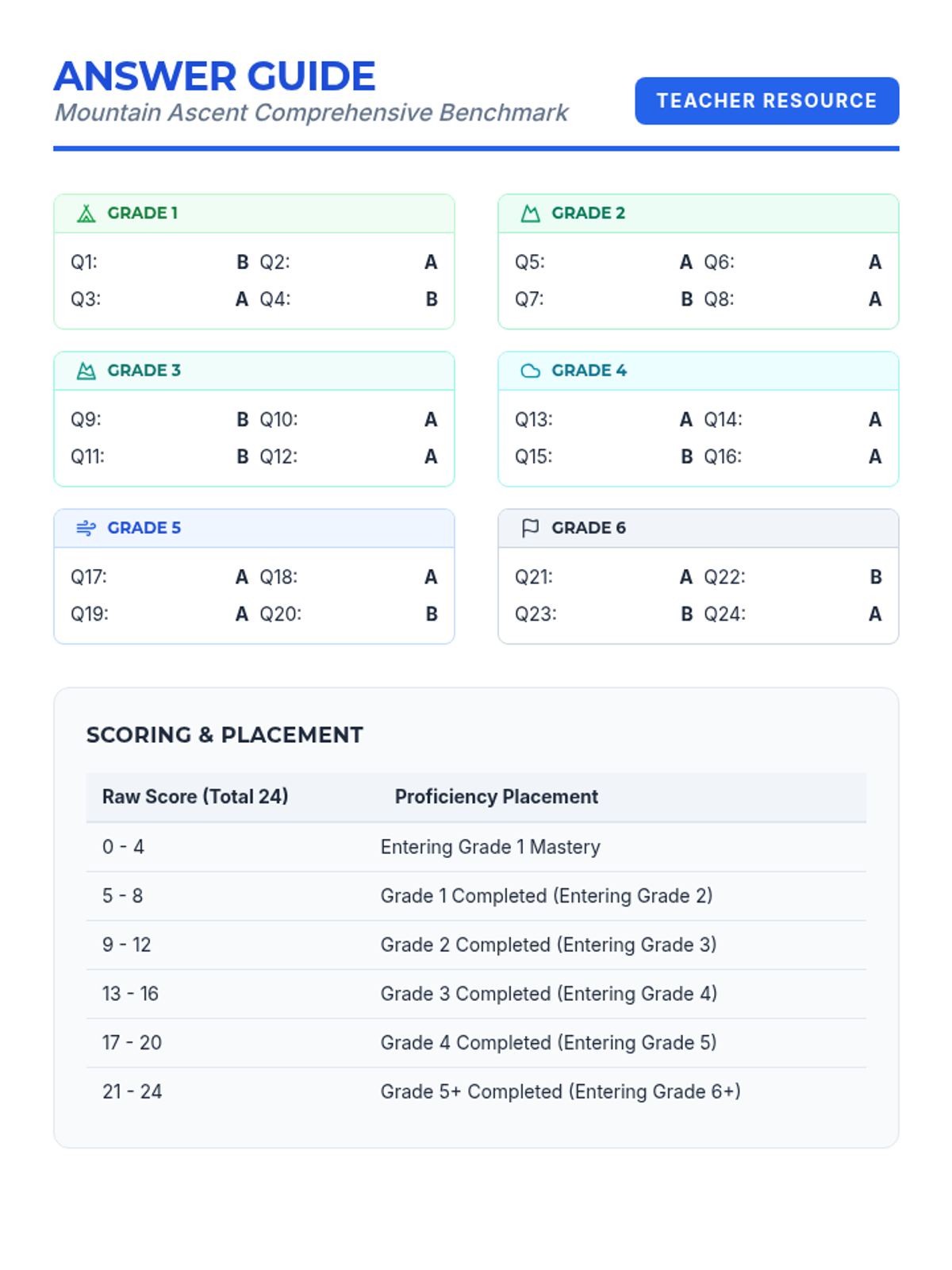
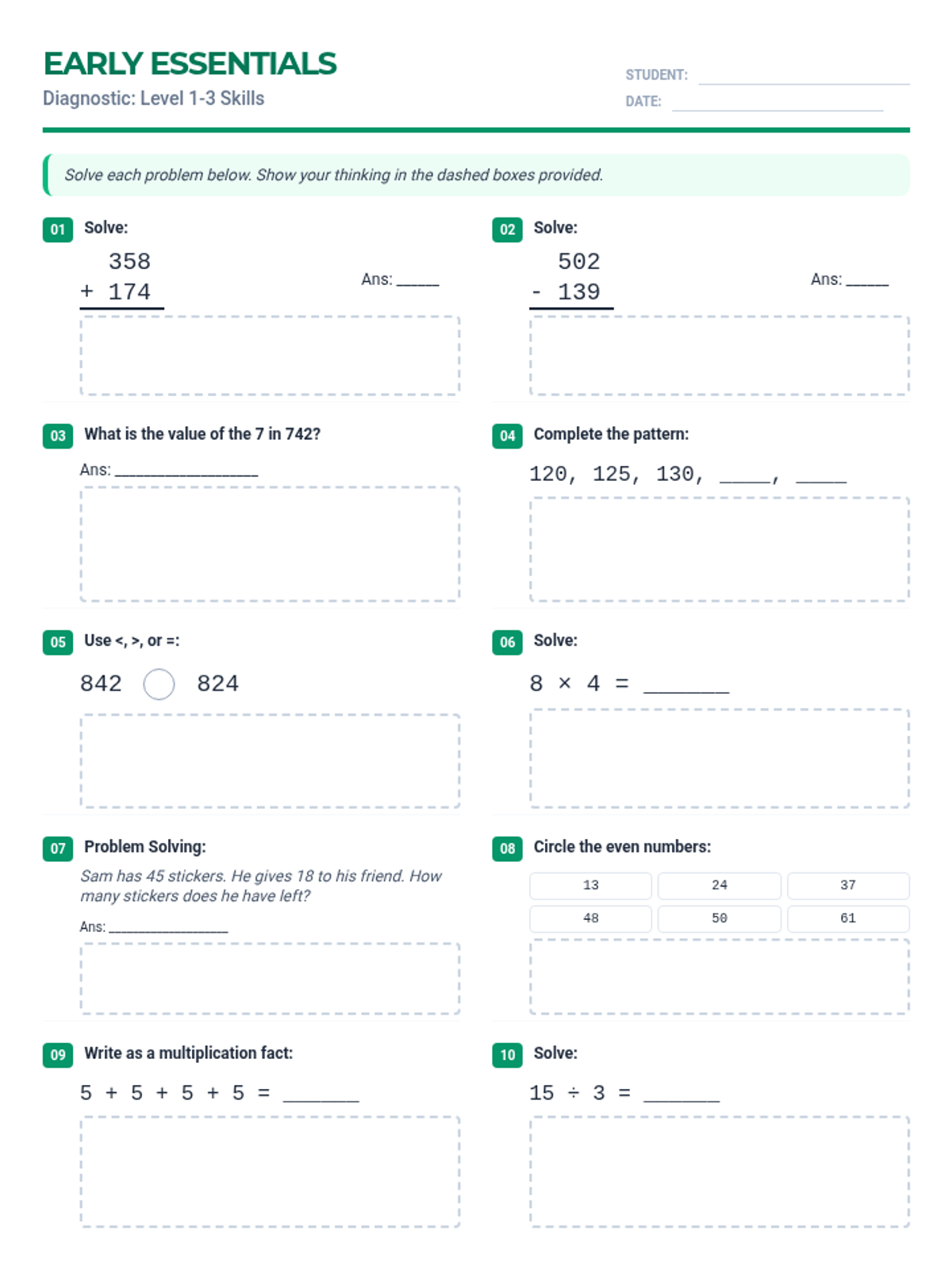
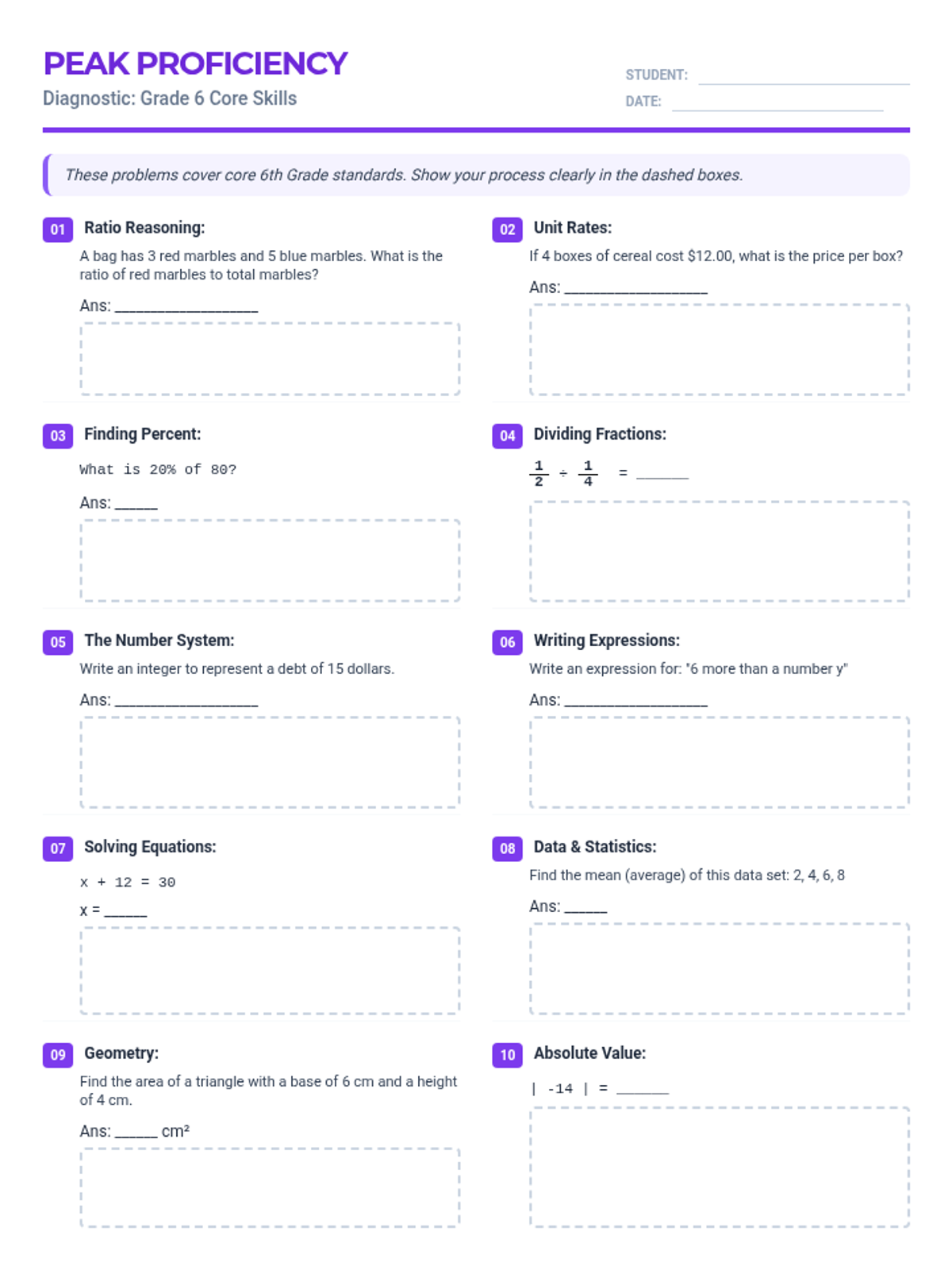
A comprehensive math benchmark assessment covering key standards from Grade 1 through Grade 6, designed to track student progress and identify skill gaps.
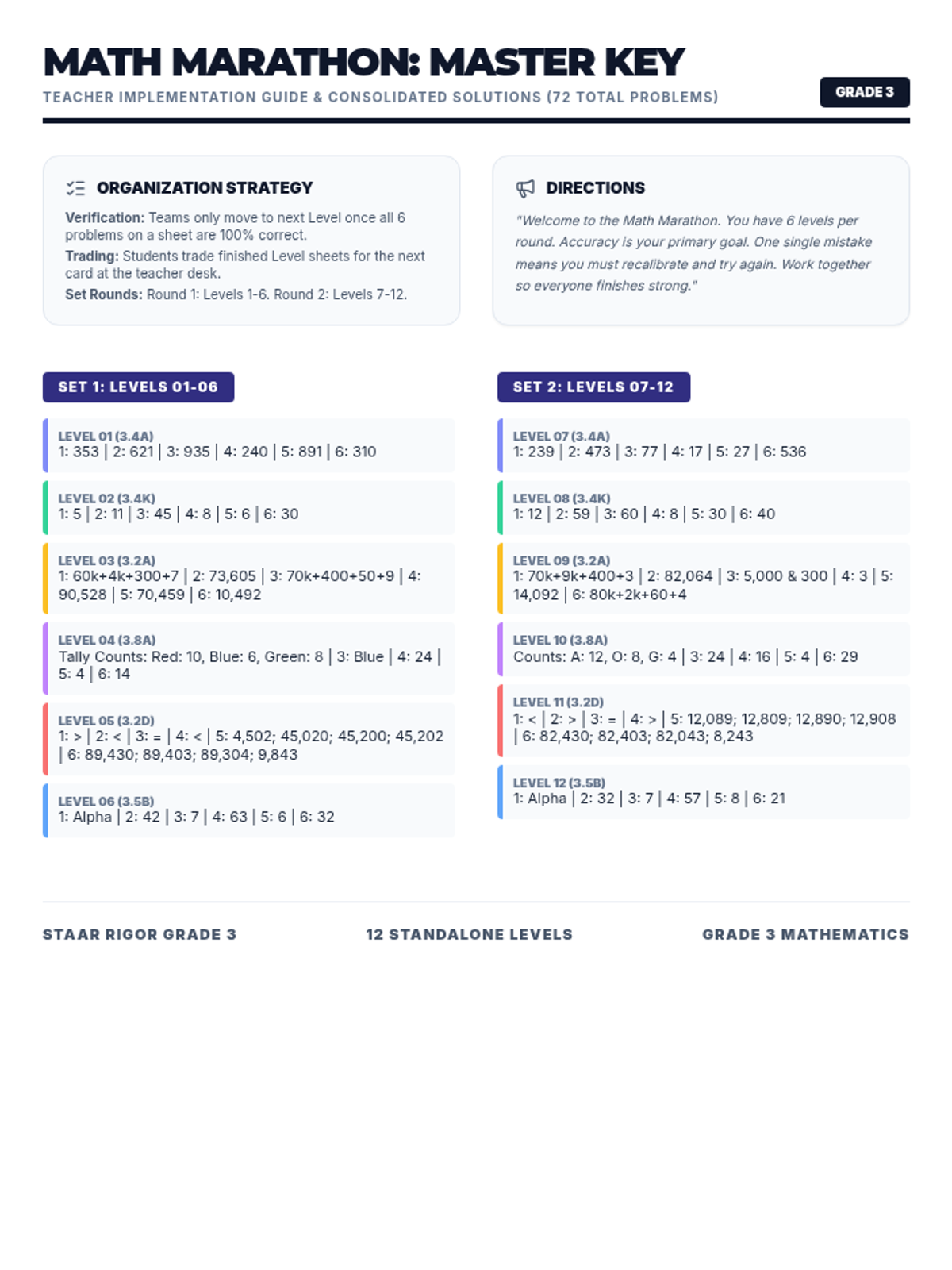
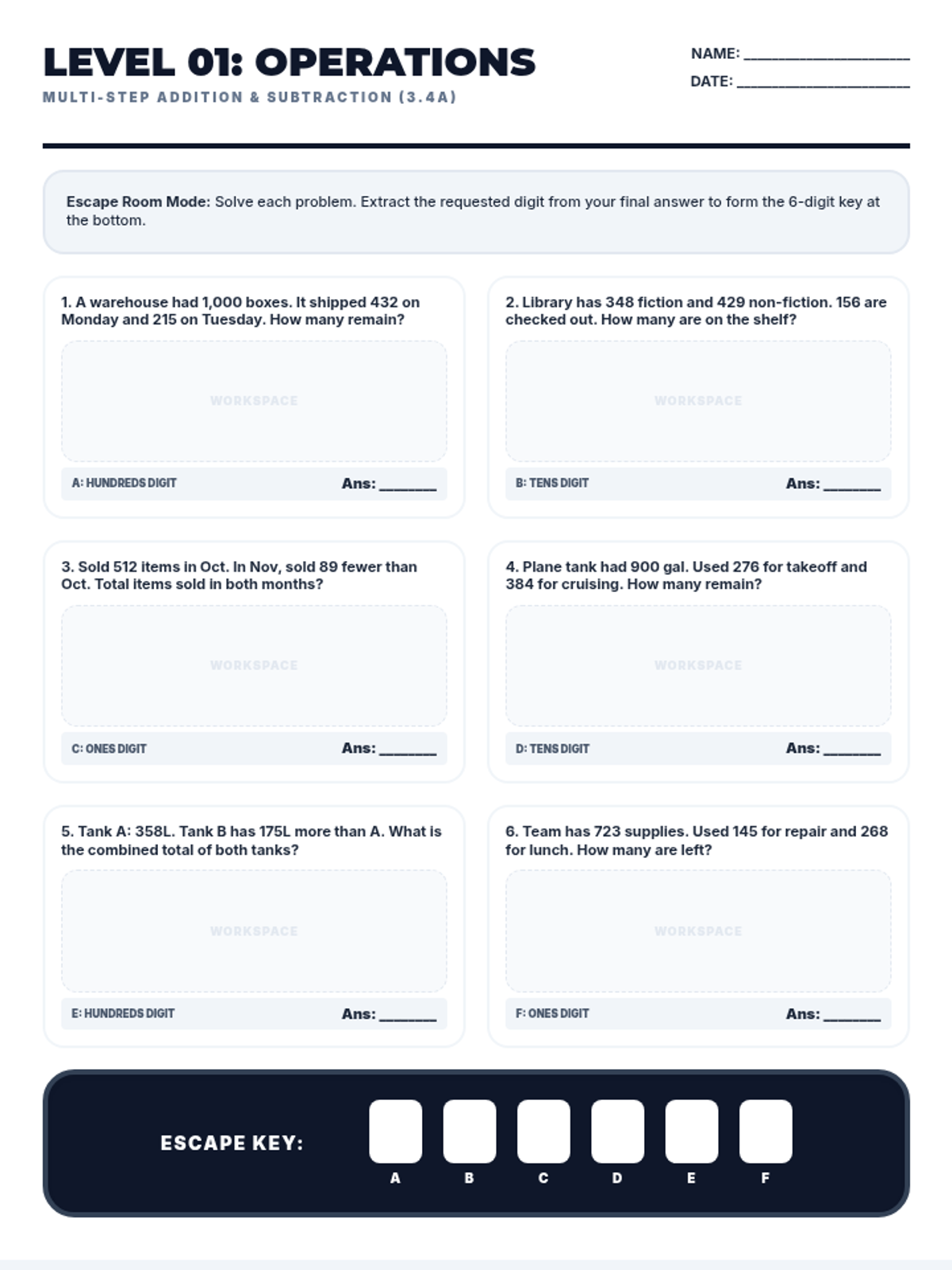
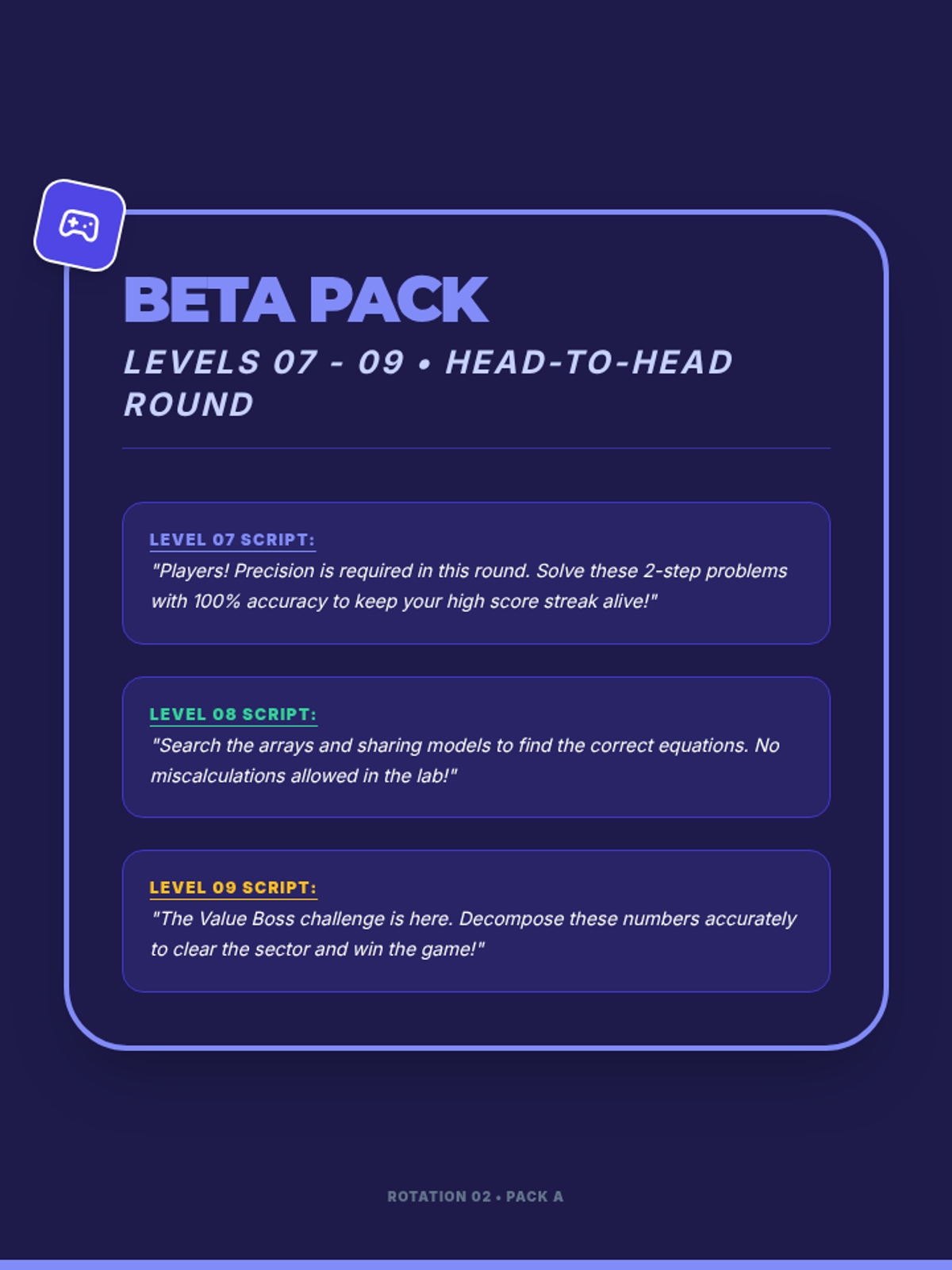
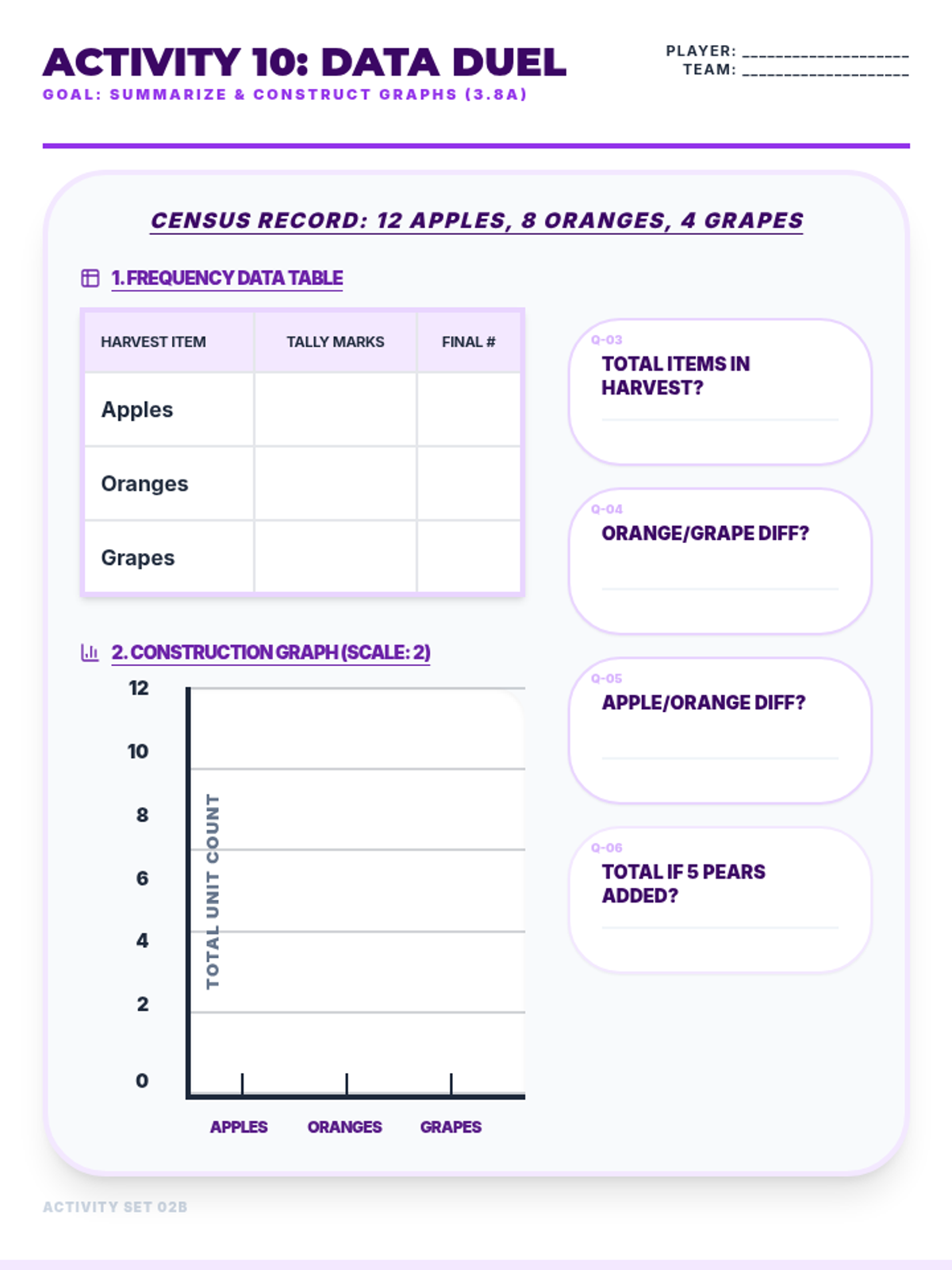
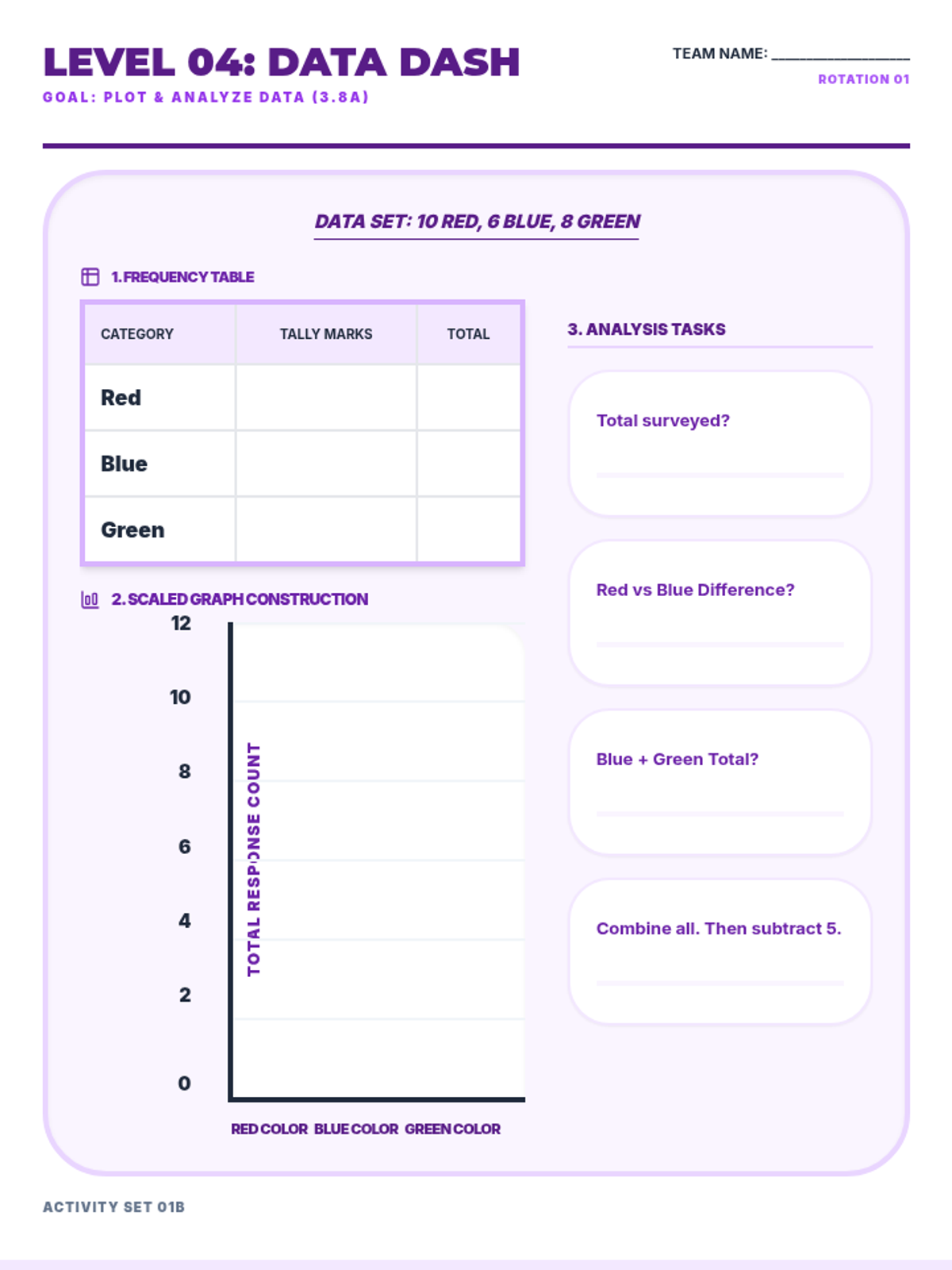
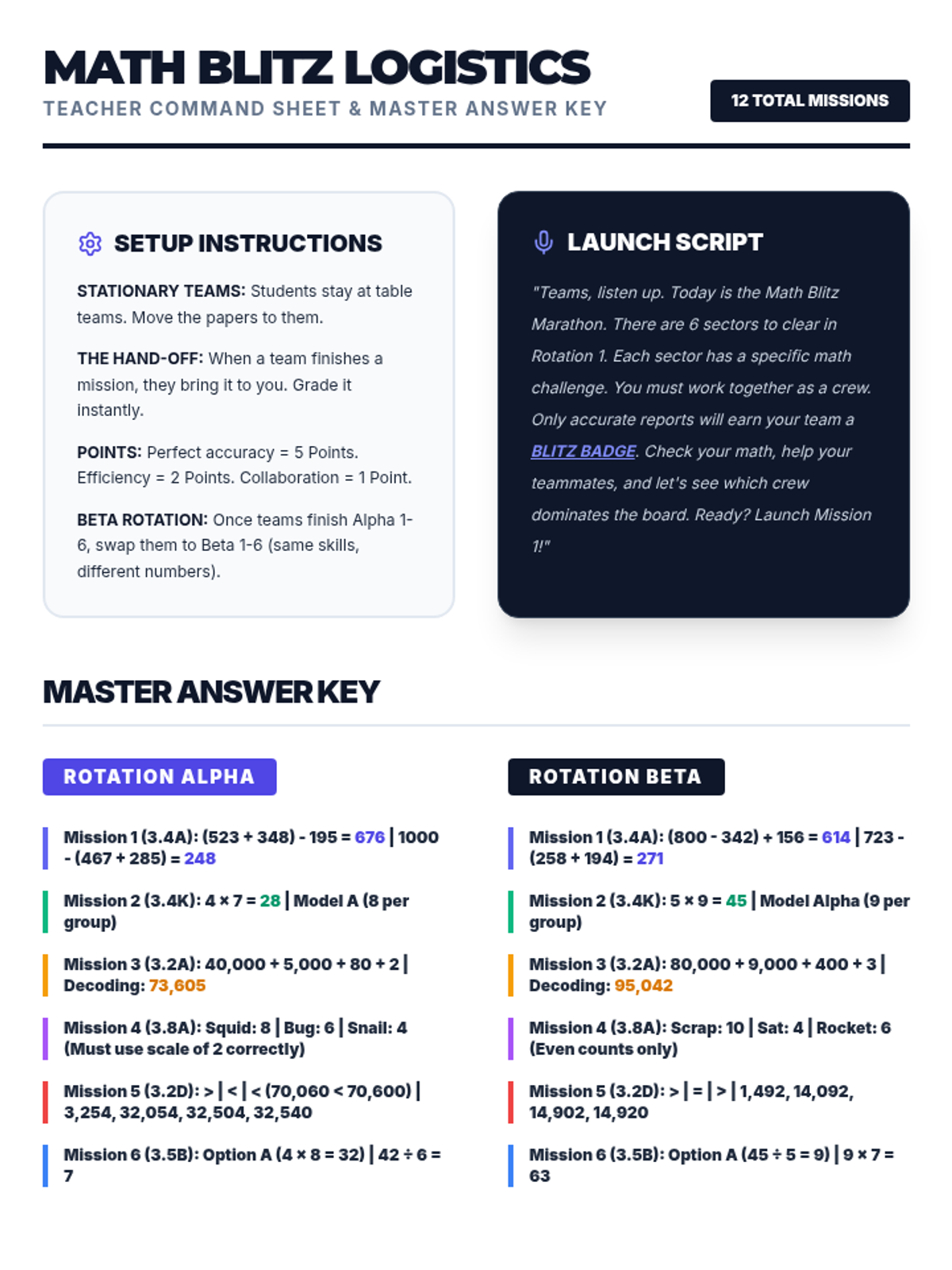
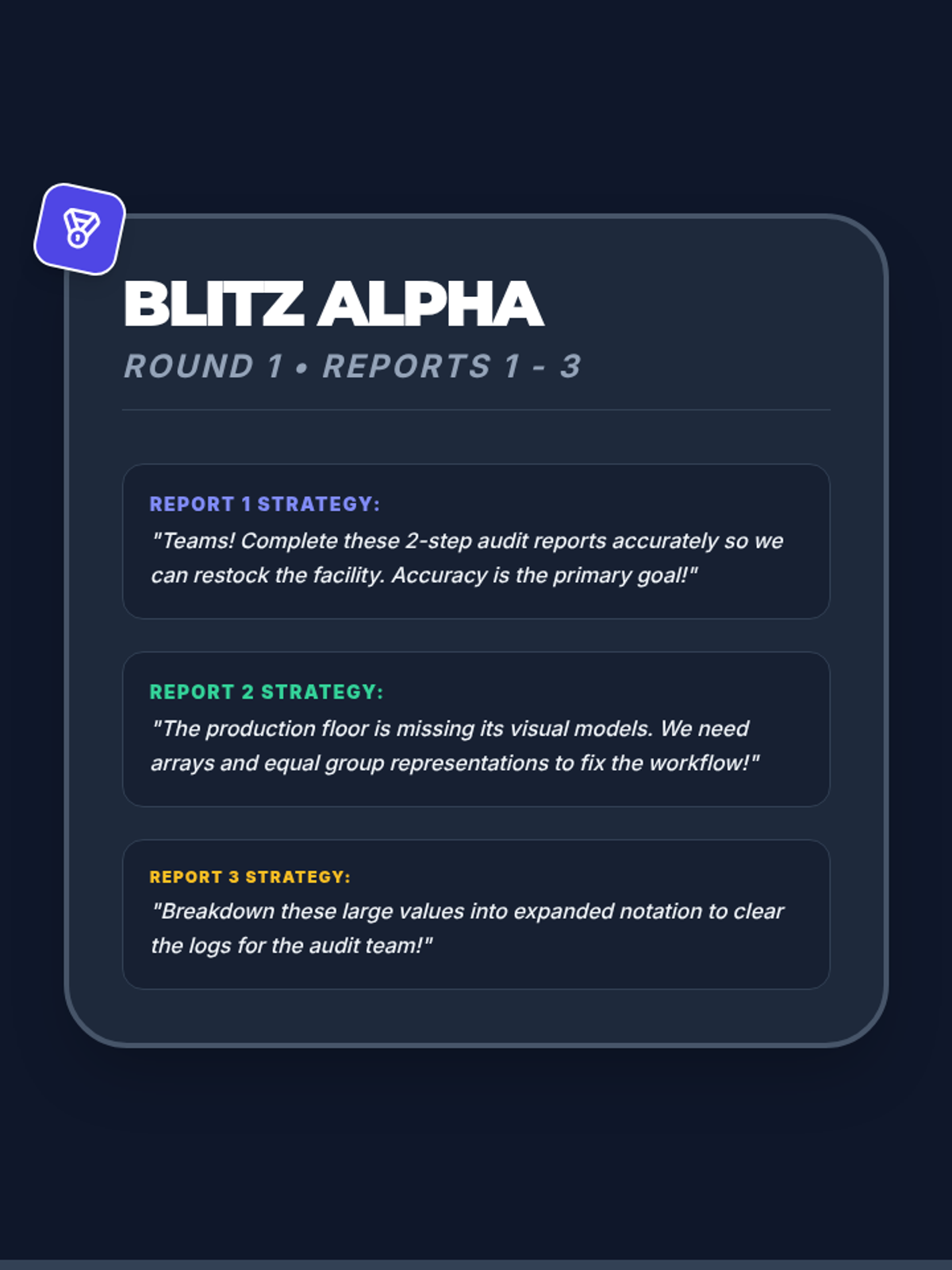
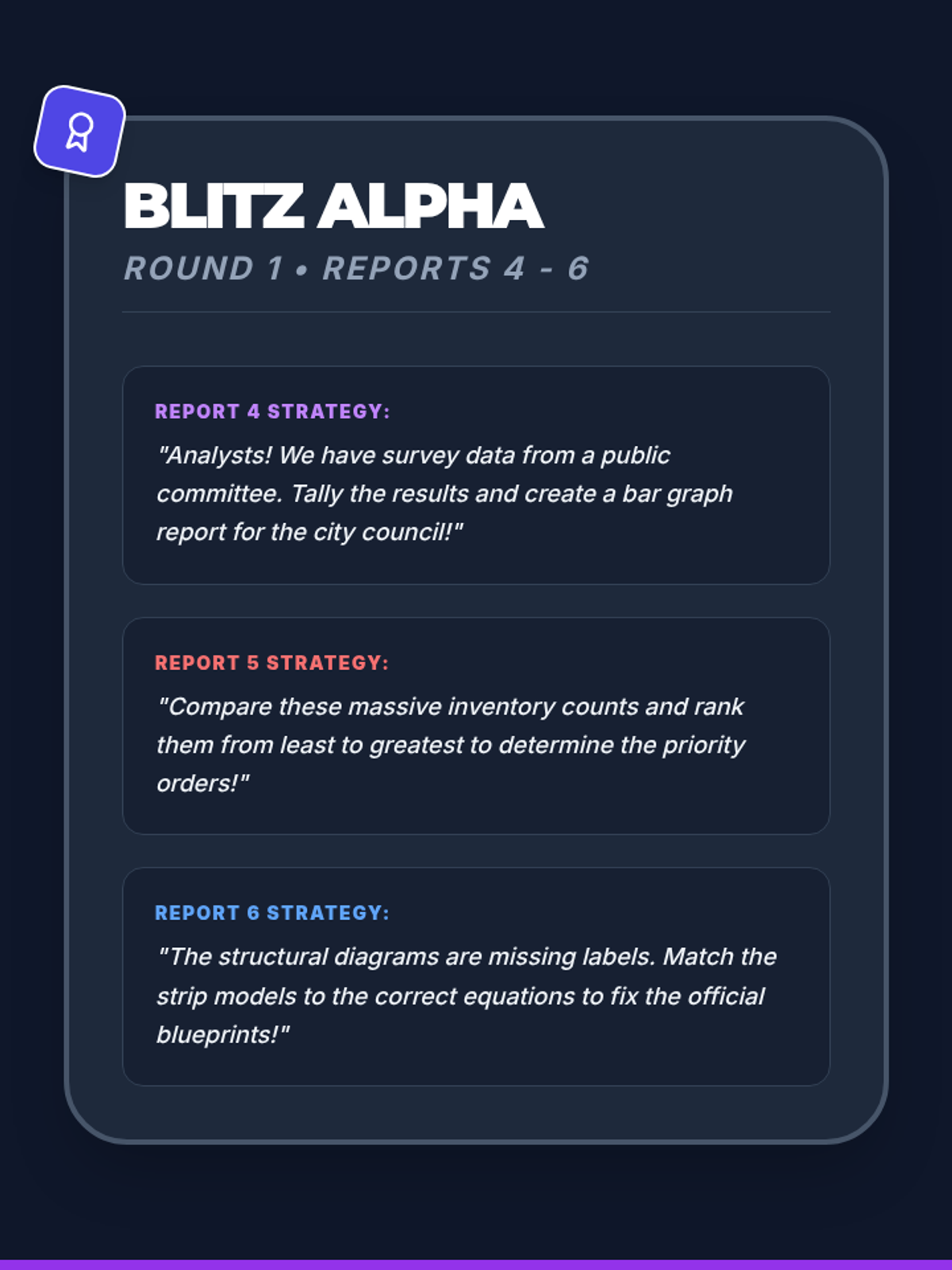
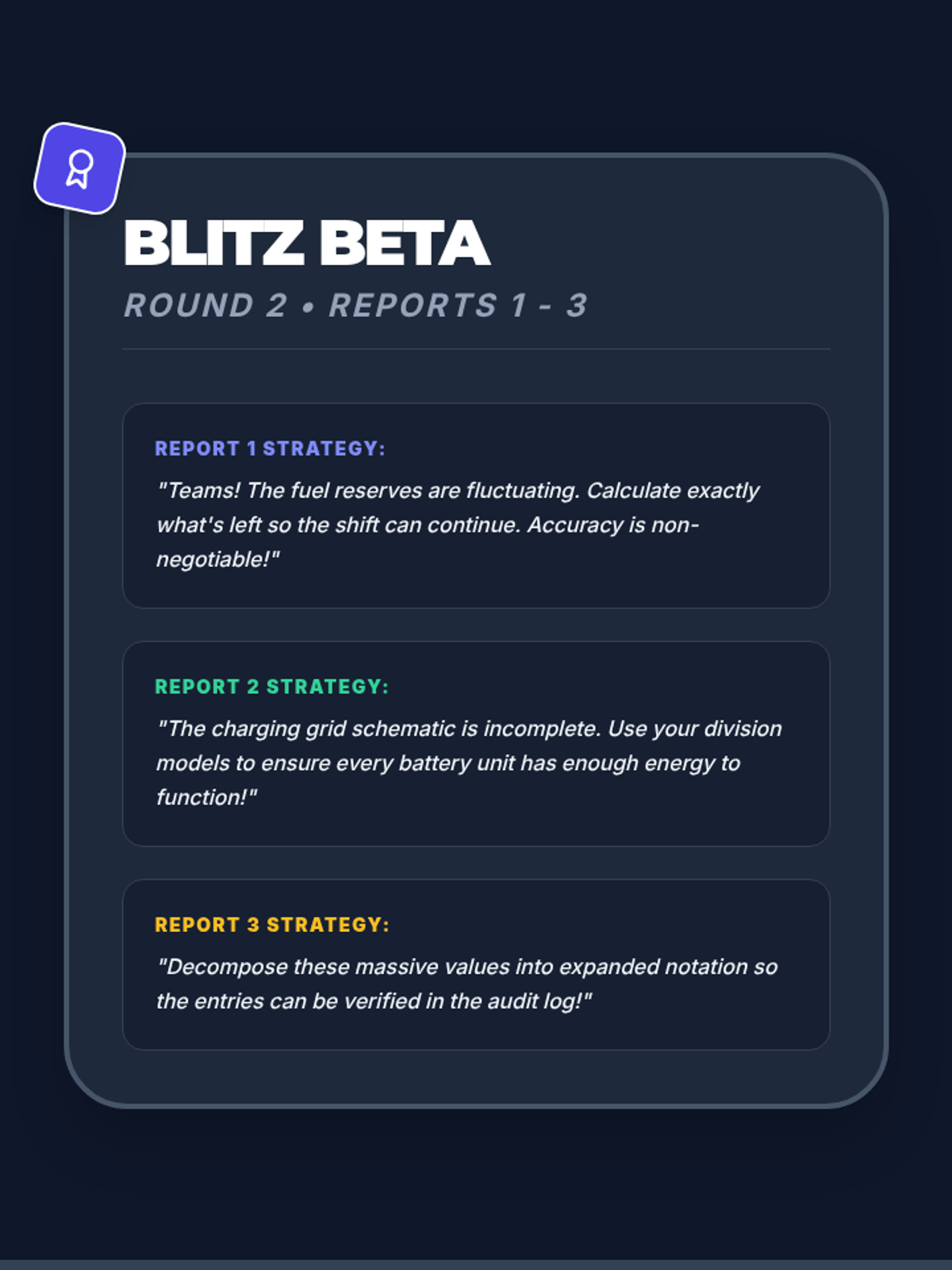
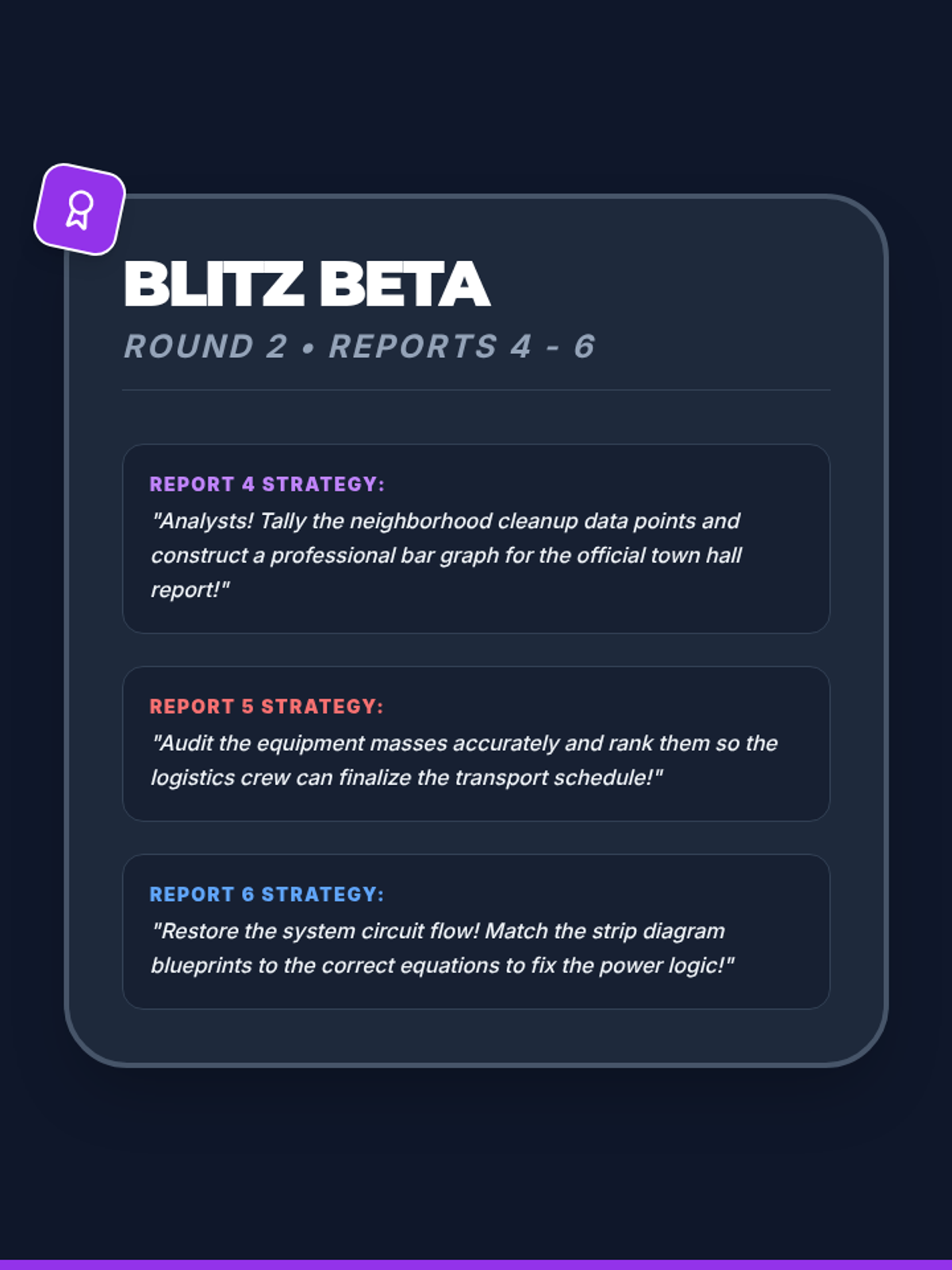
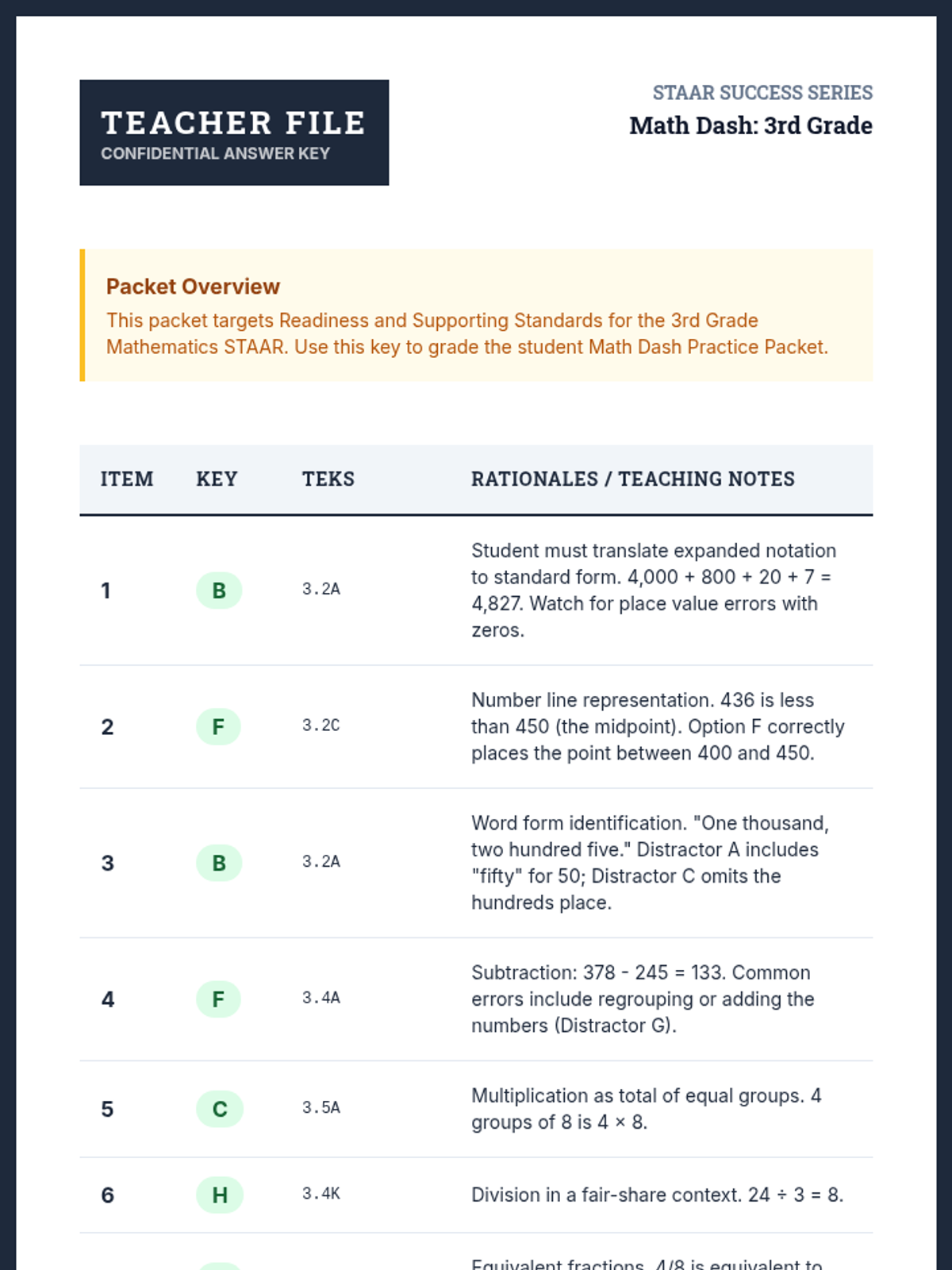
A high-energy, station-based STAAR review covering place value, operations, and data through four engaging team-based missions. Students work in table teams to solve challenges, earn points, and master key 3rd-grade math standards.
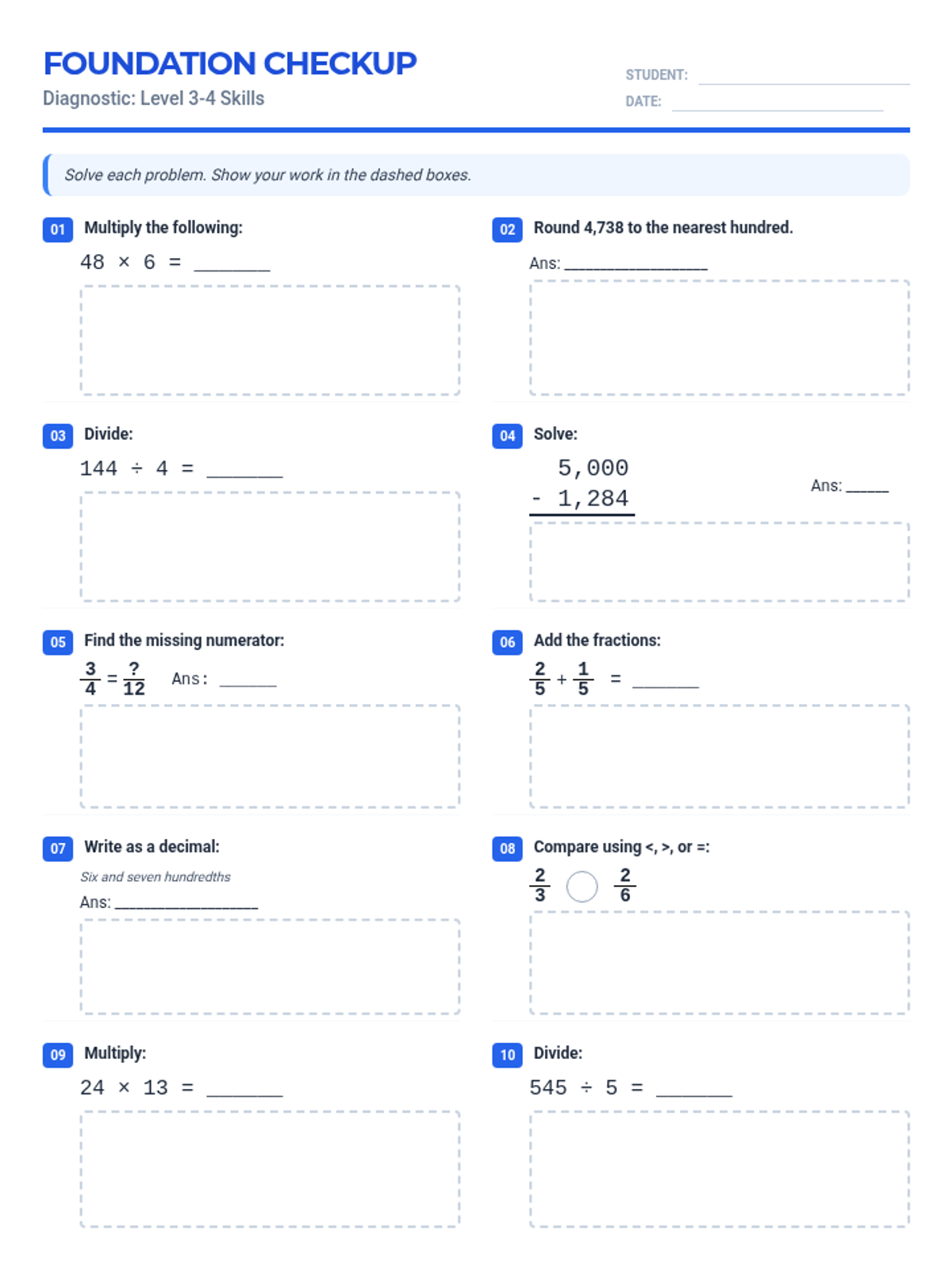
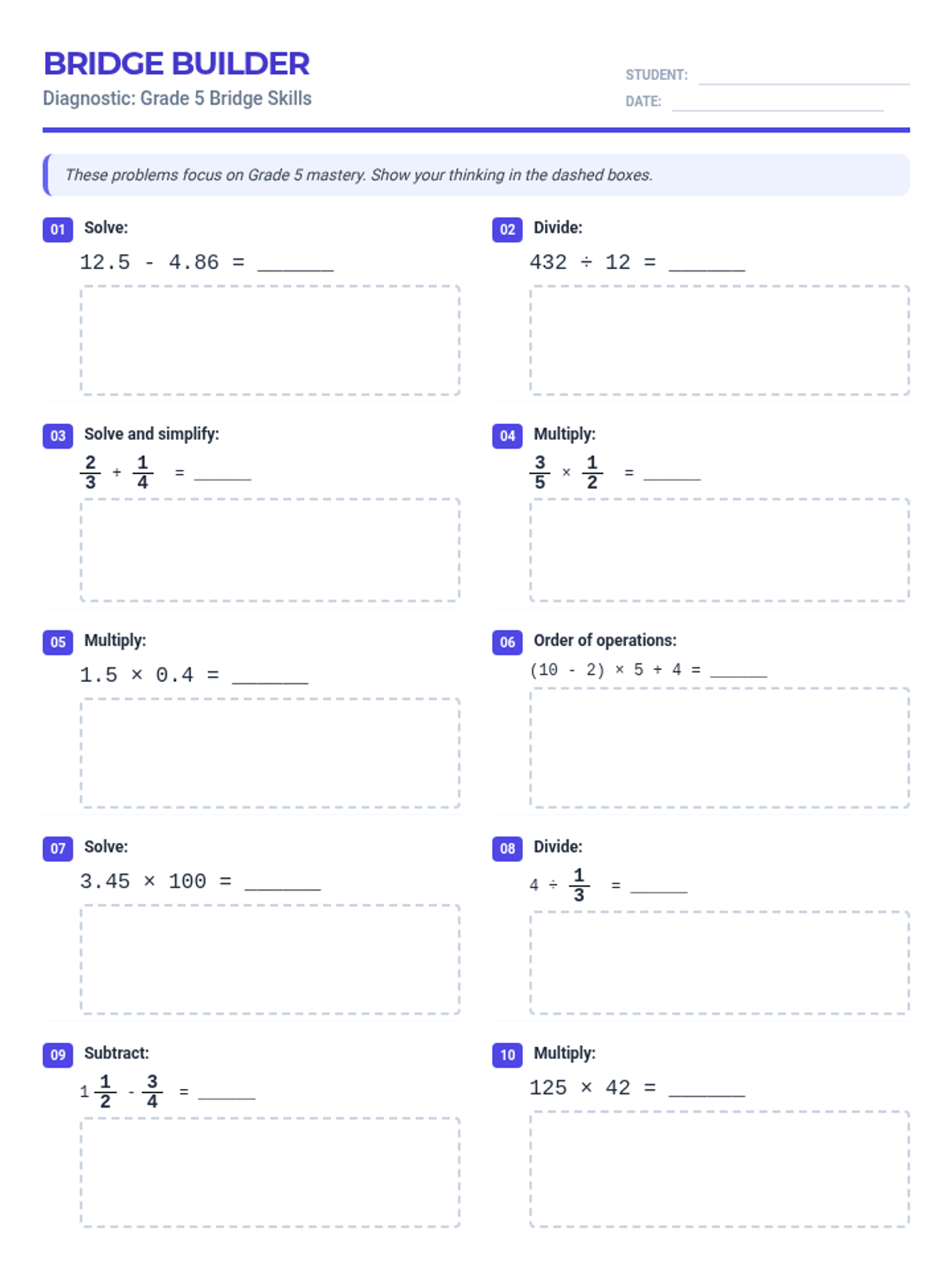
A pair of diagnostic assessments designed to pinpoint gaps in foundational number sense, fractions, and decimals, bridging 3rd-4th grade concepts to 5th grade mastery in preparation for 6th grade math.
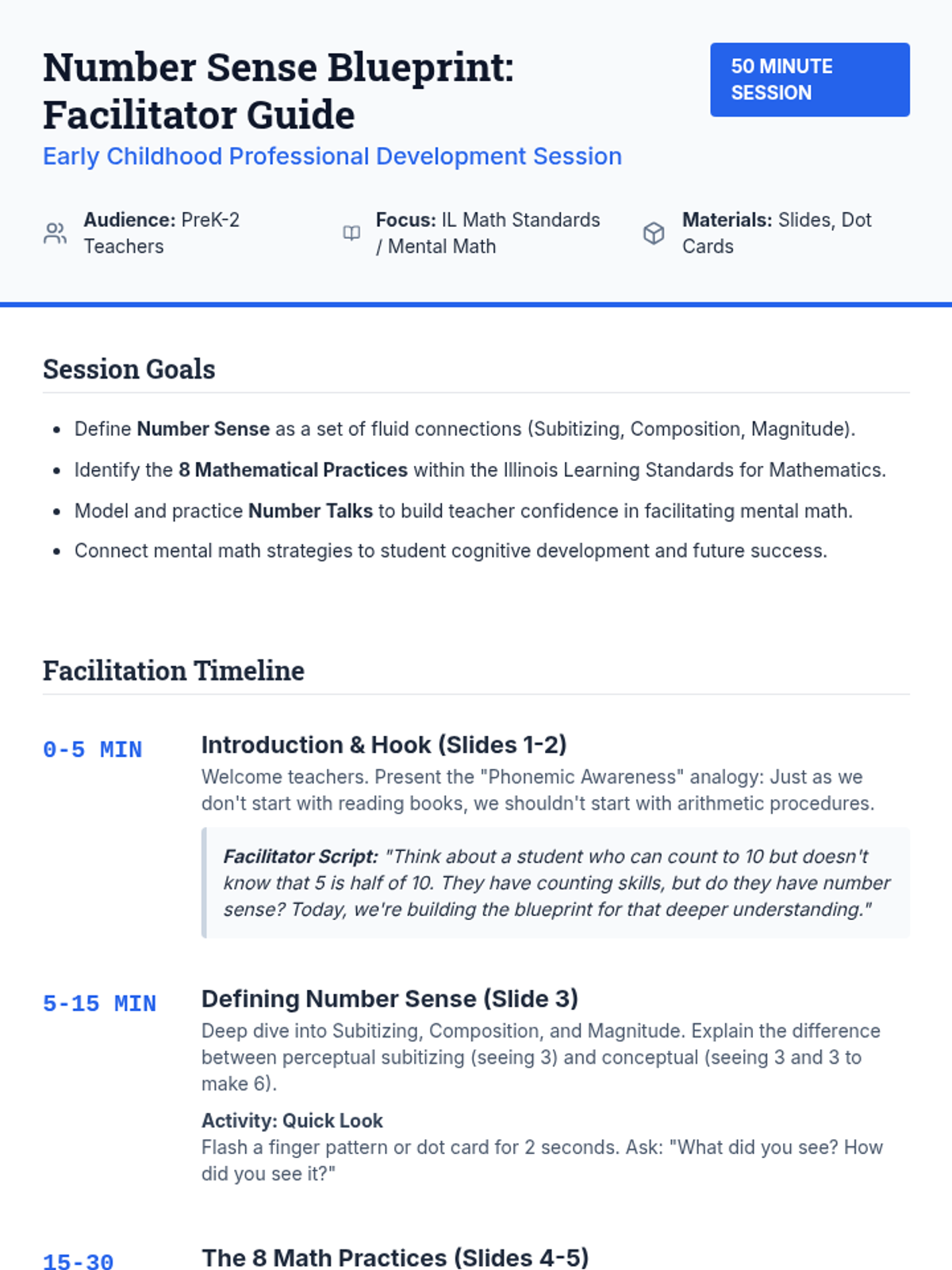
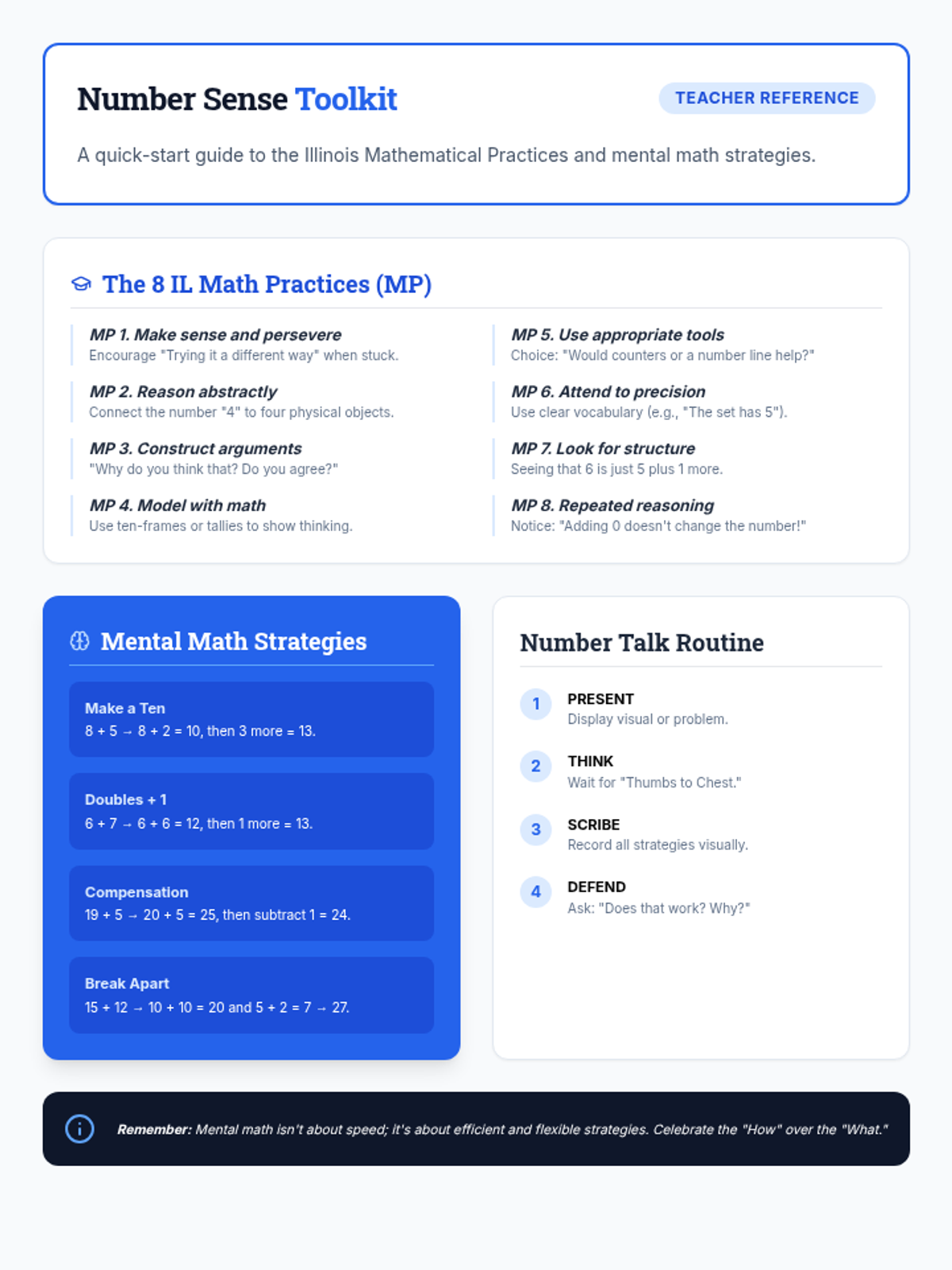
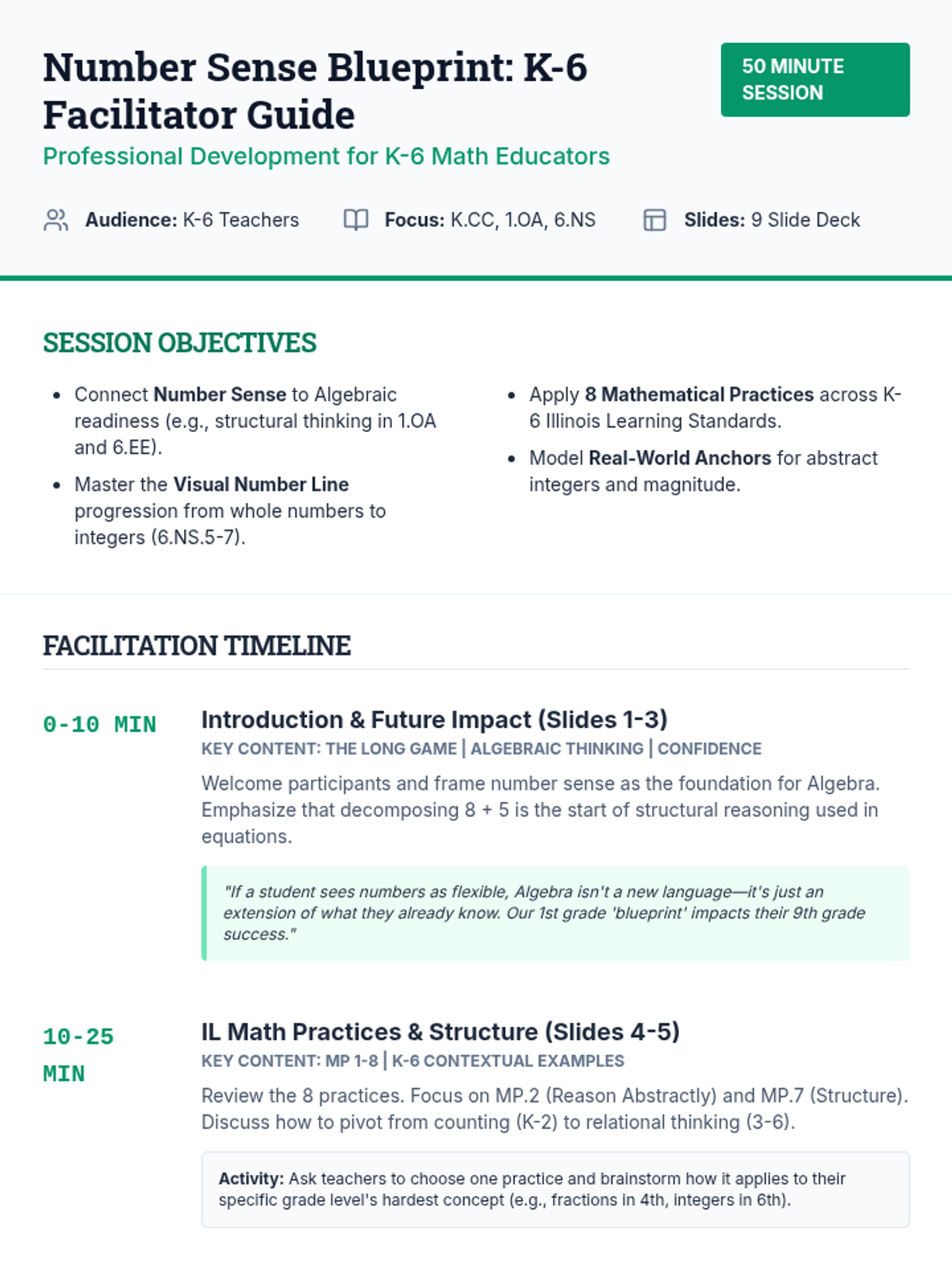
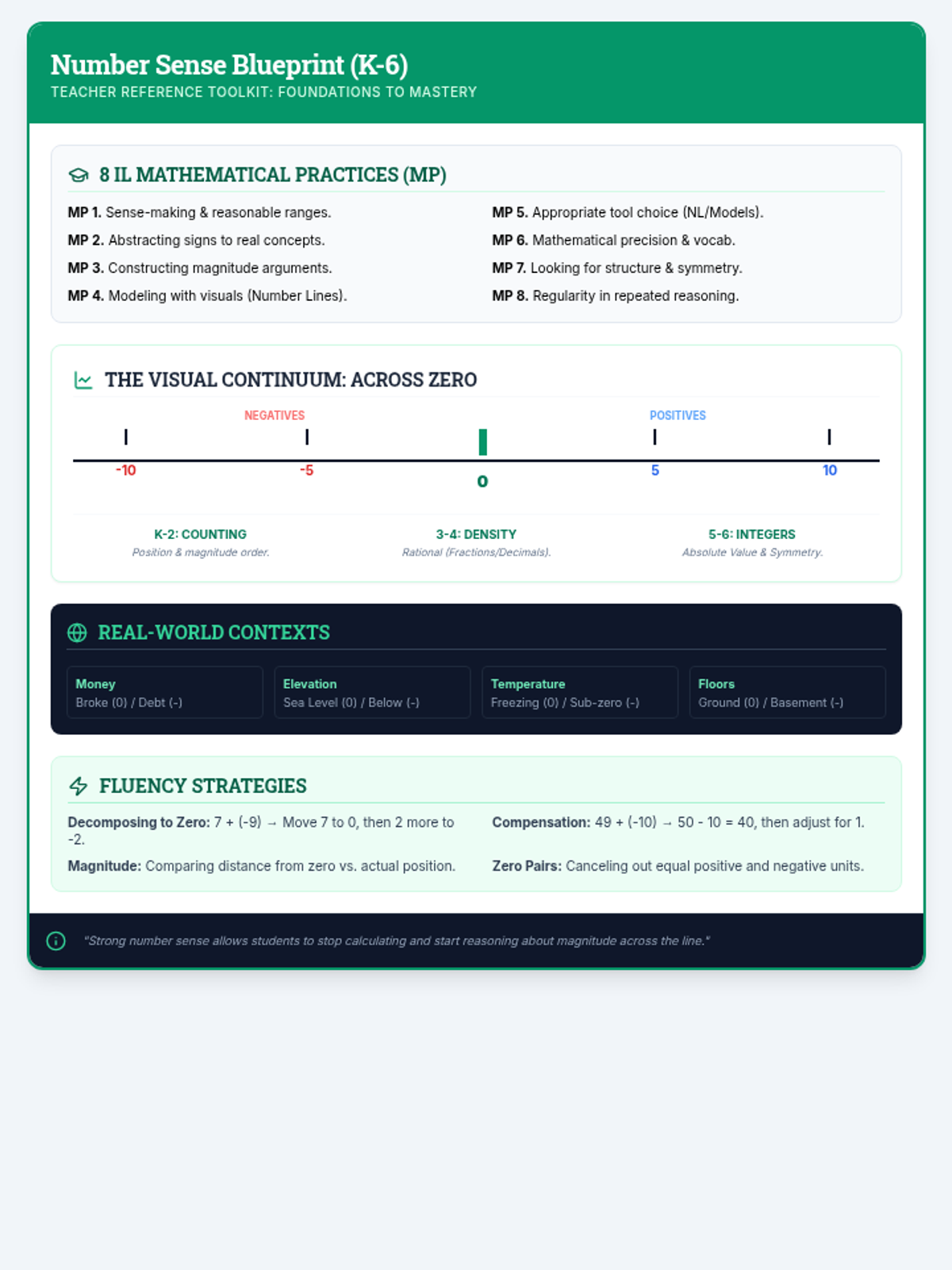
A 50-minute professional development session for K-6 educators focusing on number sense, the visual number line (positive and negative), real-world applications, and the 8 IL Mathematical Practices.
5th grade RLA review emphasizing theme, author's purpose, synthesis of information, and polished expository writing.
4th grade RLA mastery practice including complex text analysis, context clues, and multi-paragraph writing prompts.
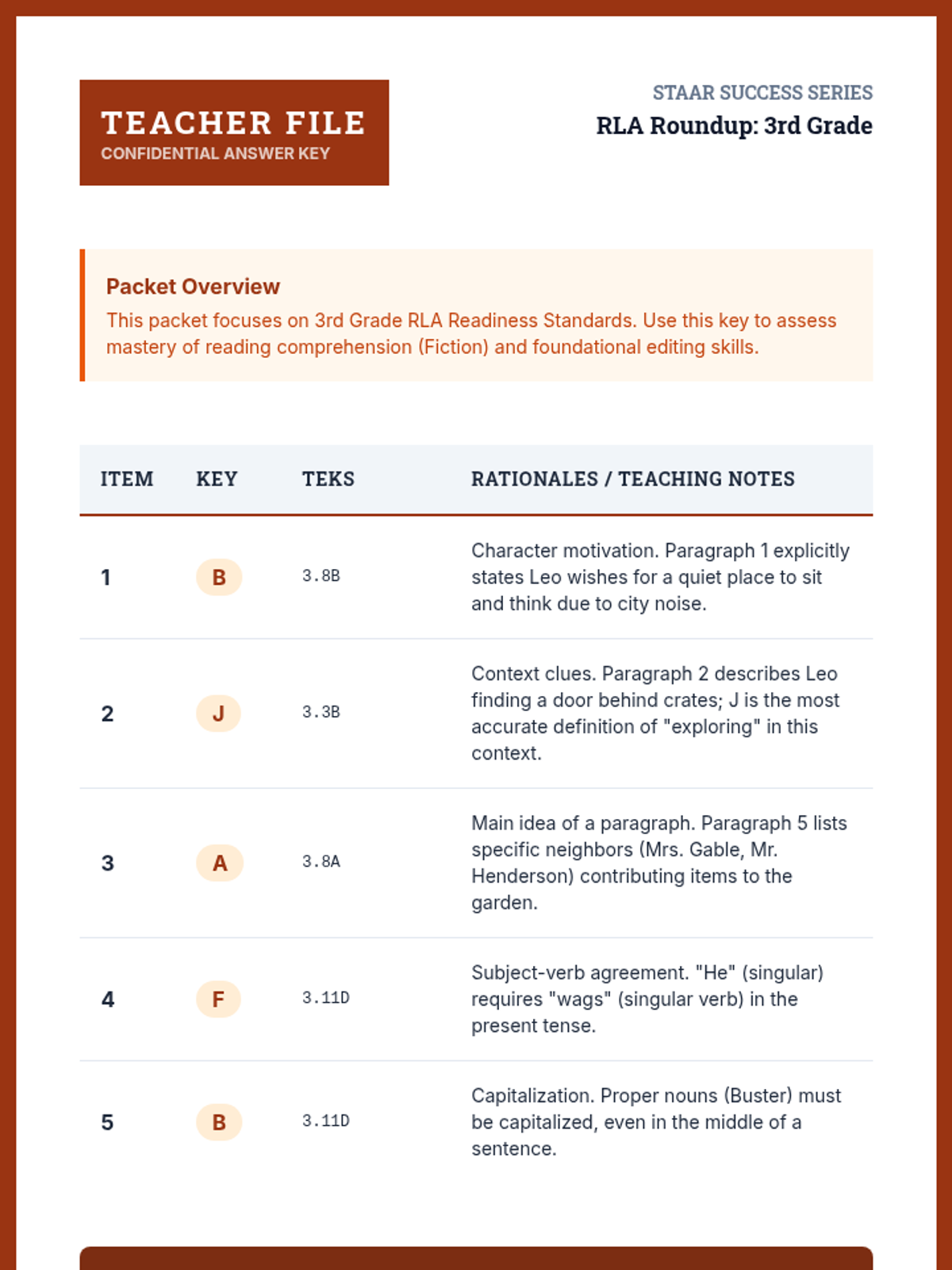
3rd grade RLA practice focusing on reading comprehension of fiction and non-fiction, as well as basic editing and revising skills.
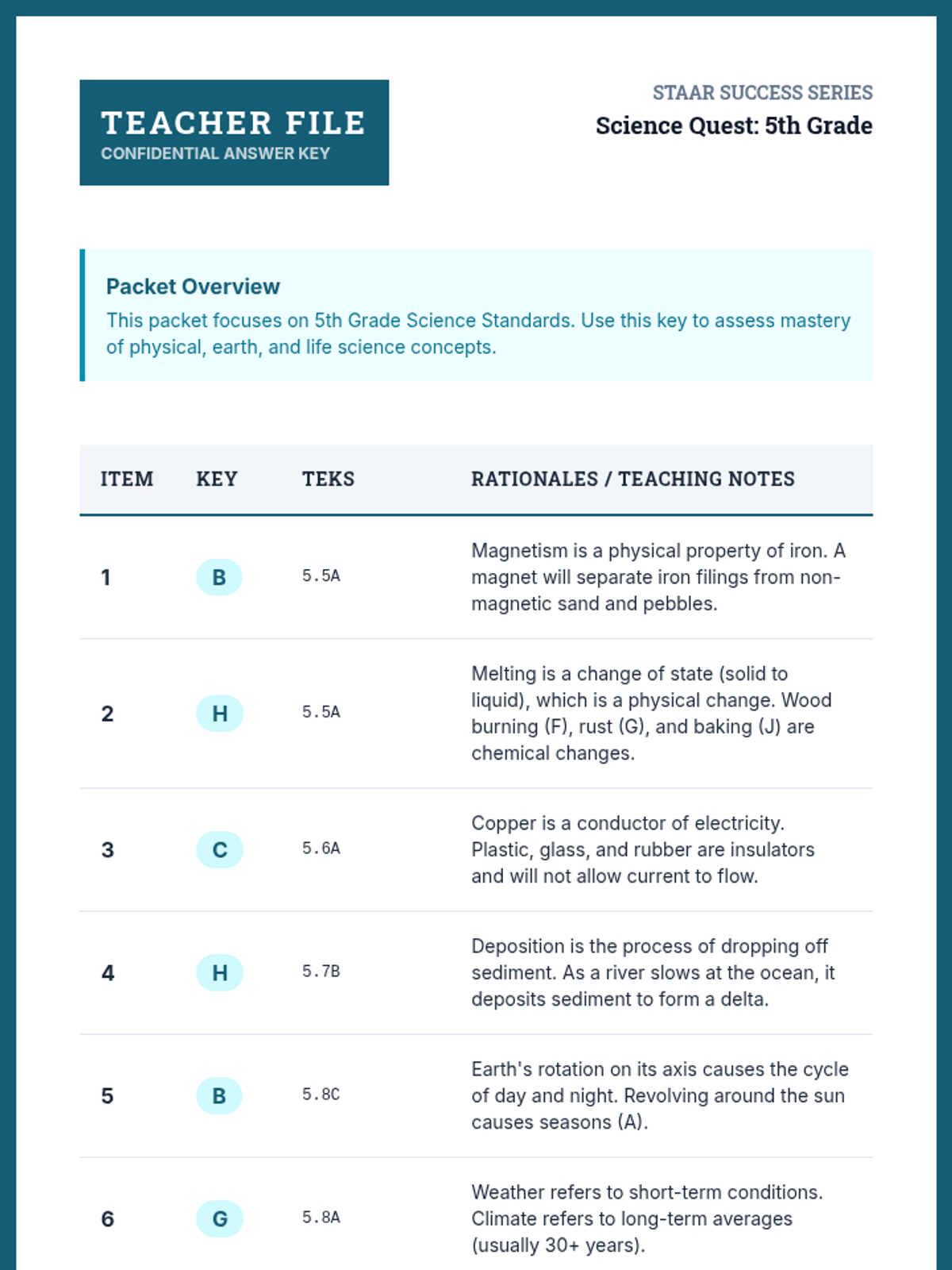
Comprehensive 5th grade science review of life, earth, and physical science topics from the TEKS curriculum.
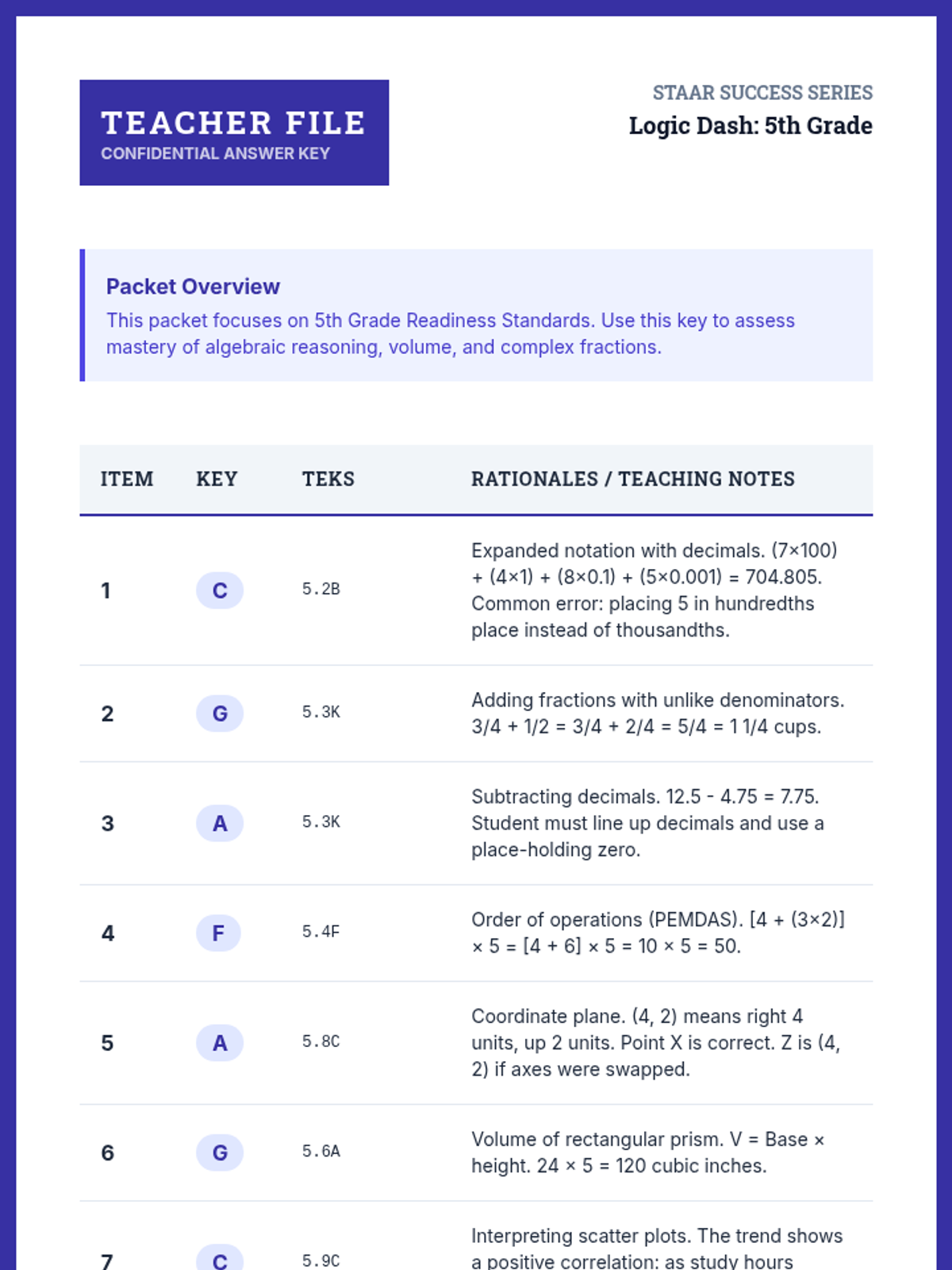
Rigorous 5th grade math review including coordinate planes, volume, order of operations, and adding/subtracting fractions.
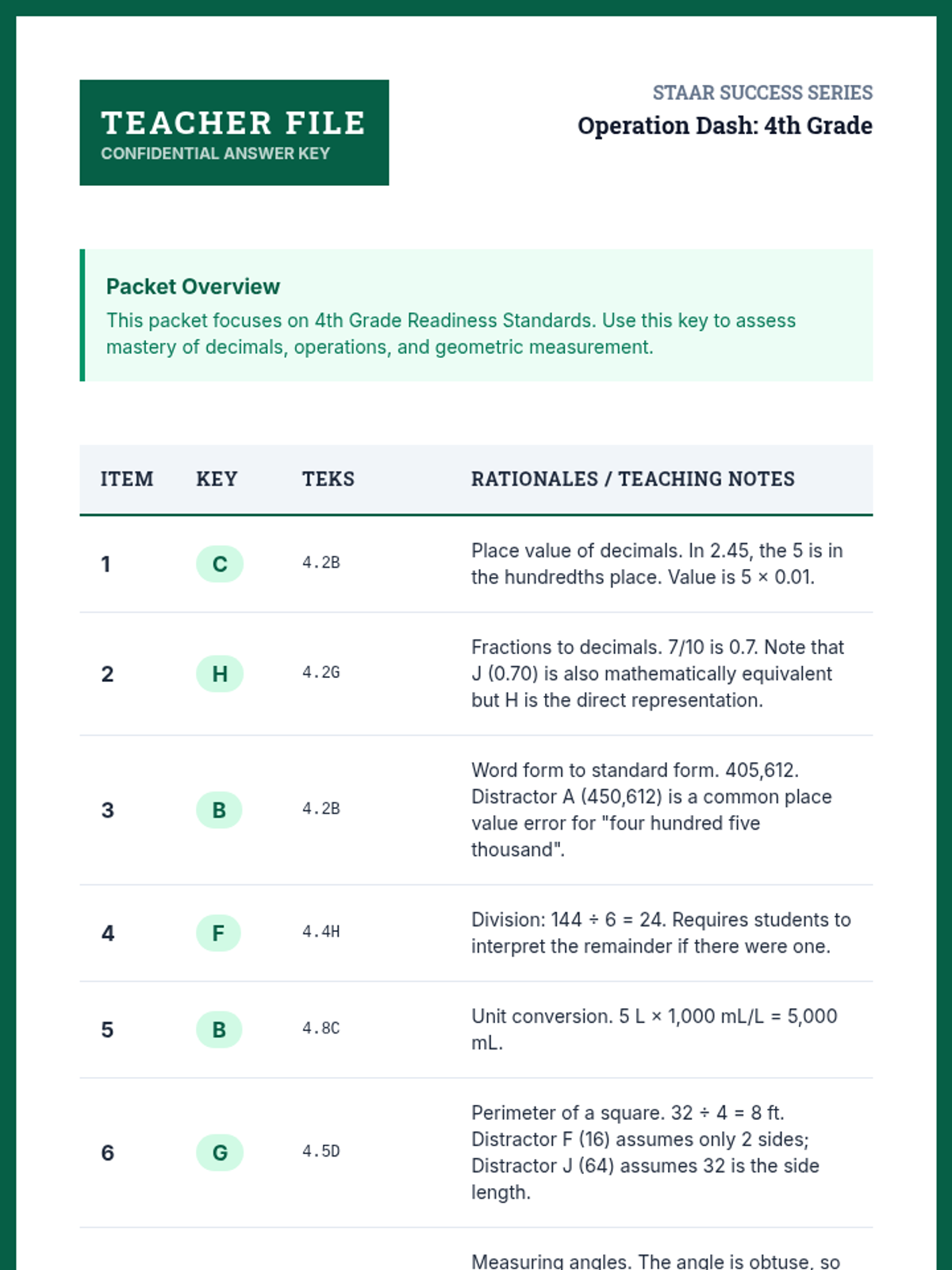
Advanced 4th grade math practice covering decimal operations, long division, measurement conversions, and angle measurement.
Focused practice for 3rd grade math standards including multi-digit operations, fraction understanding, and perimeter/area concepts.
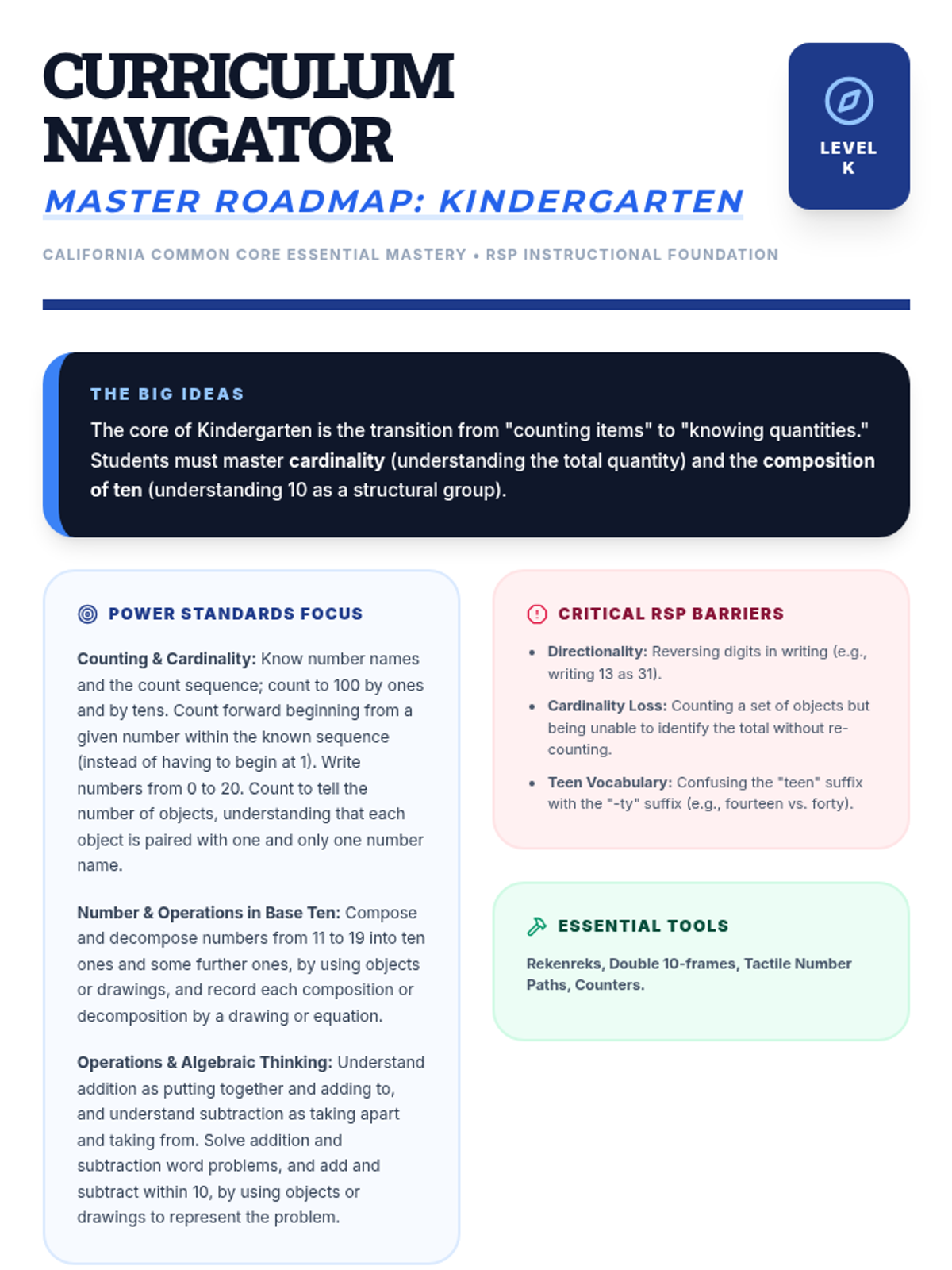
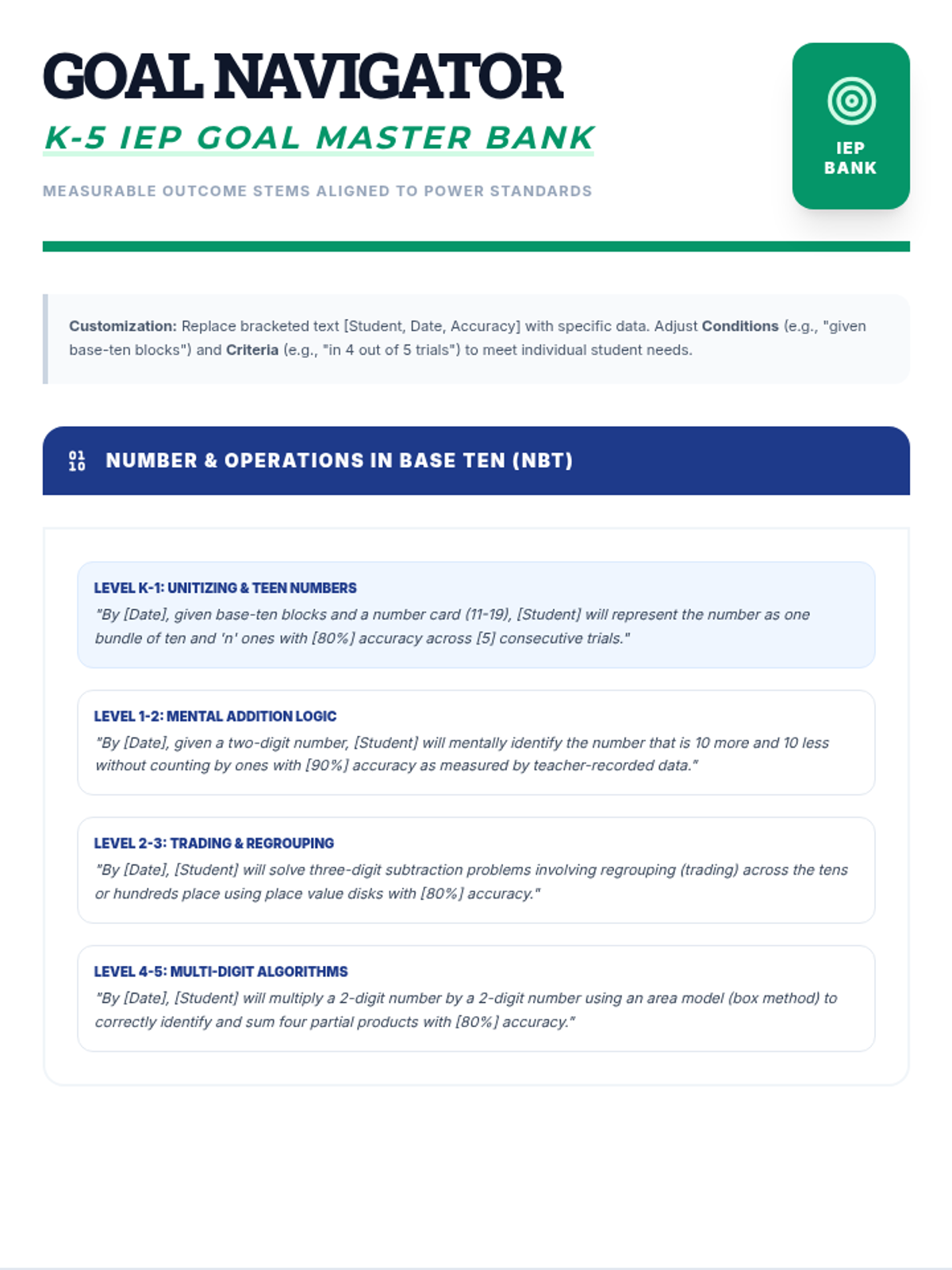
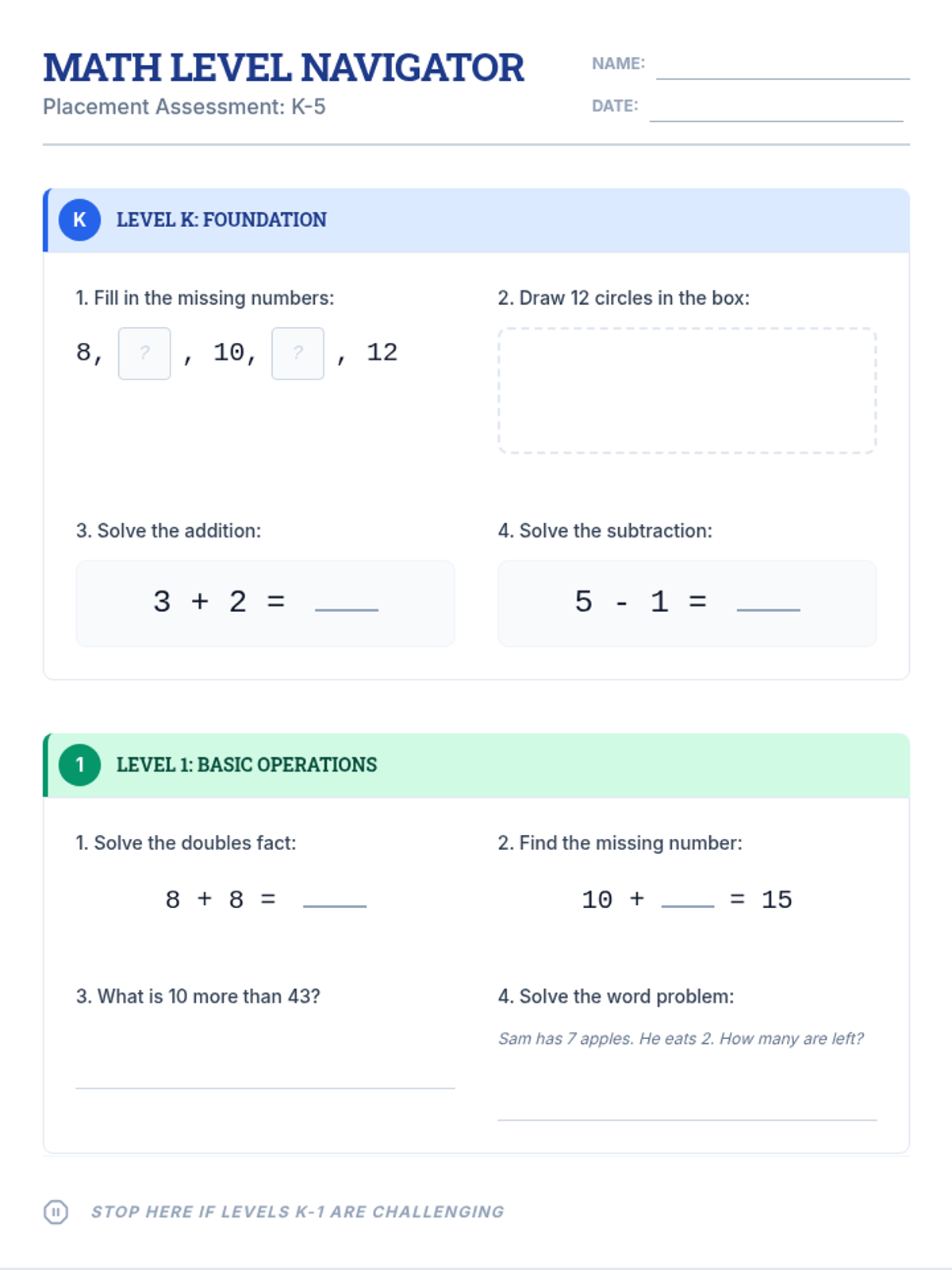
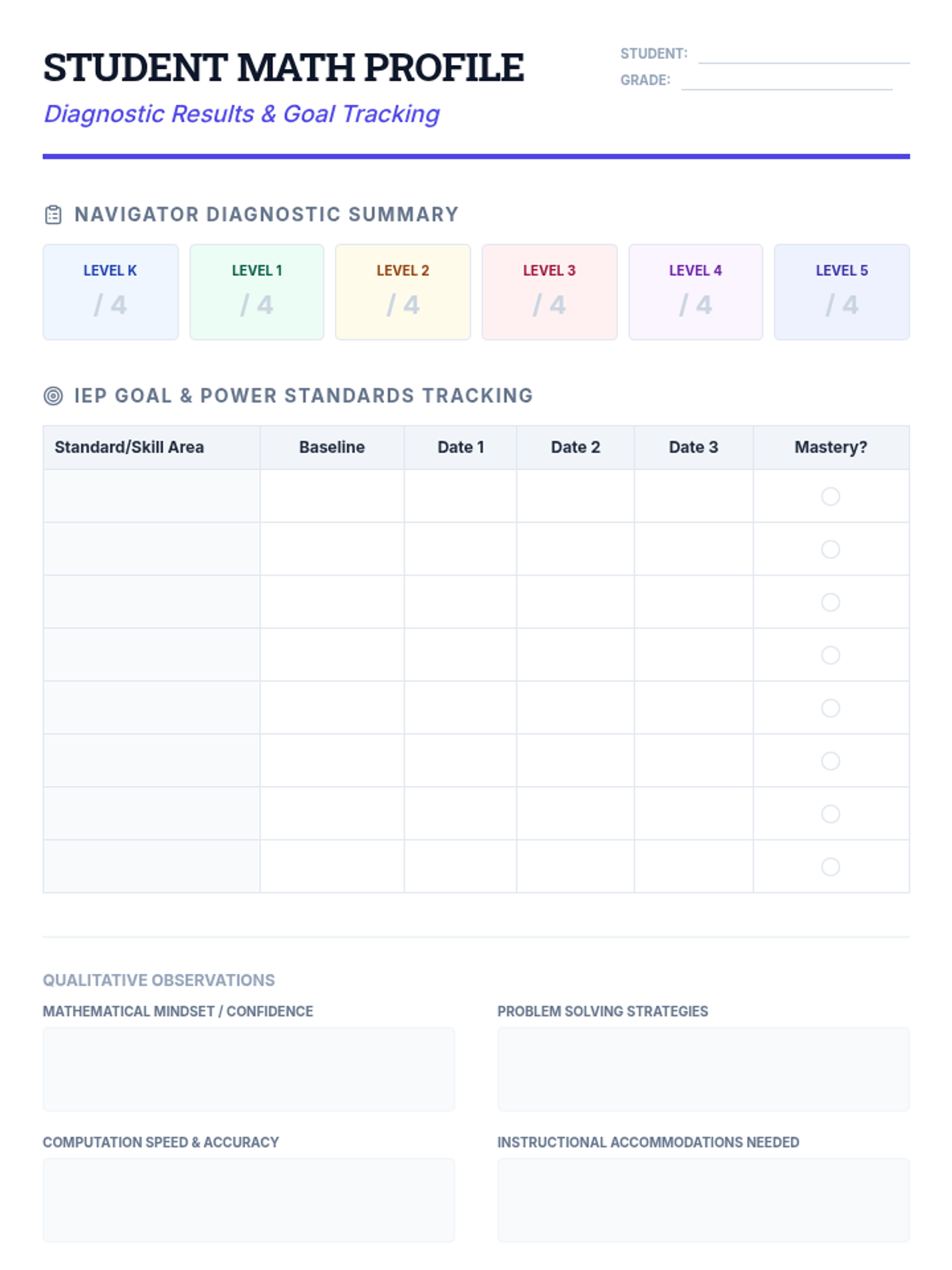
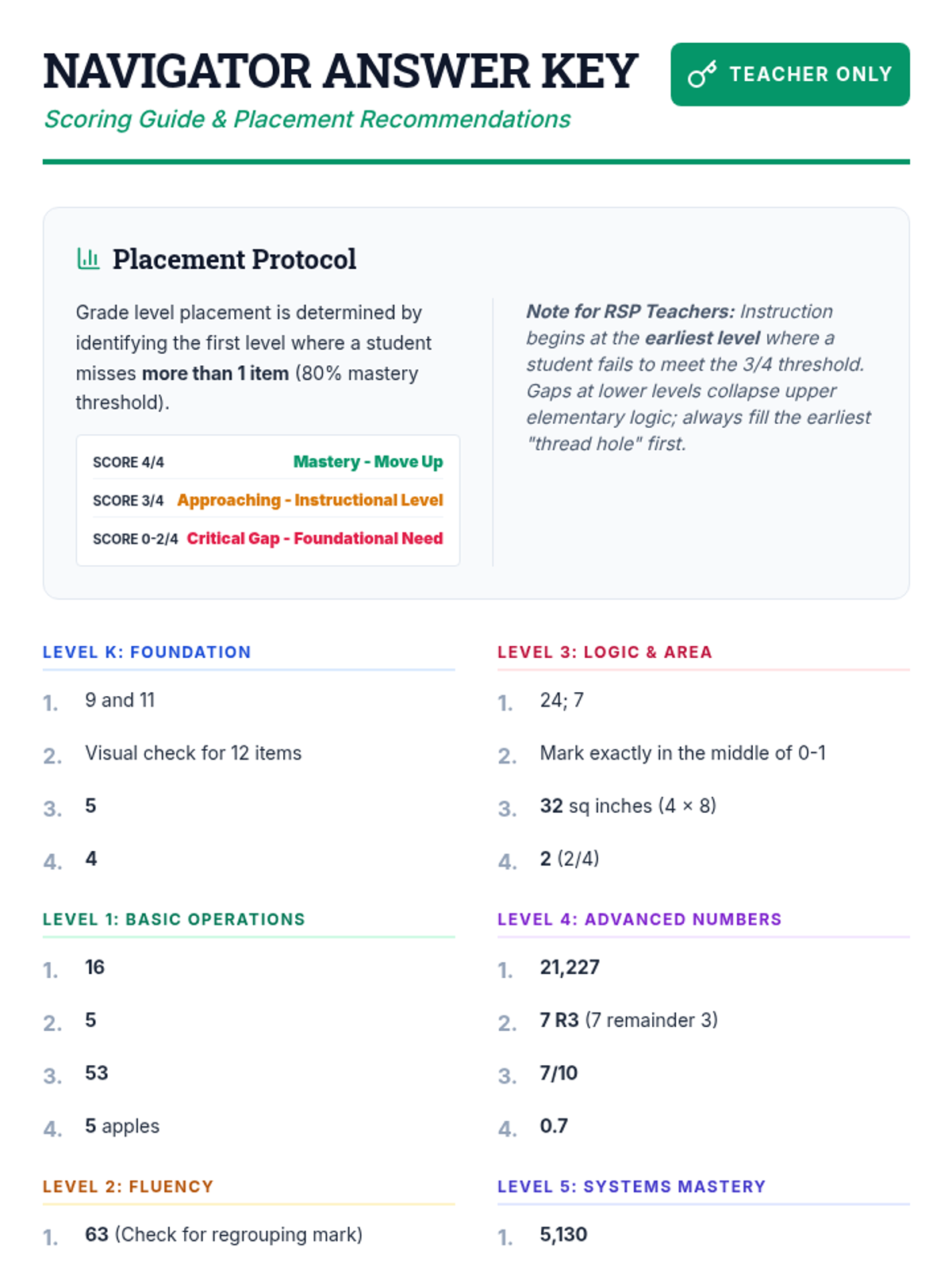
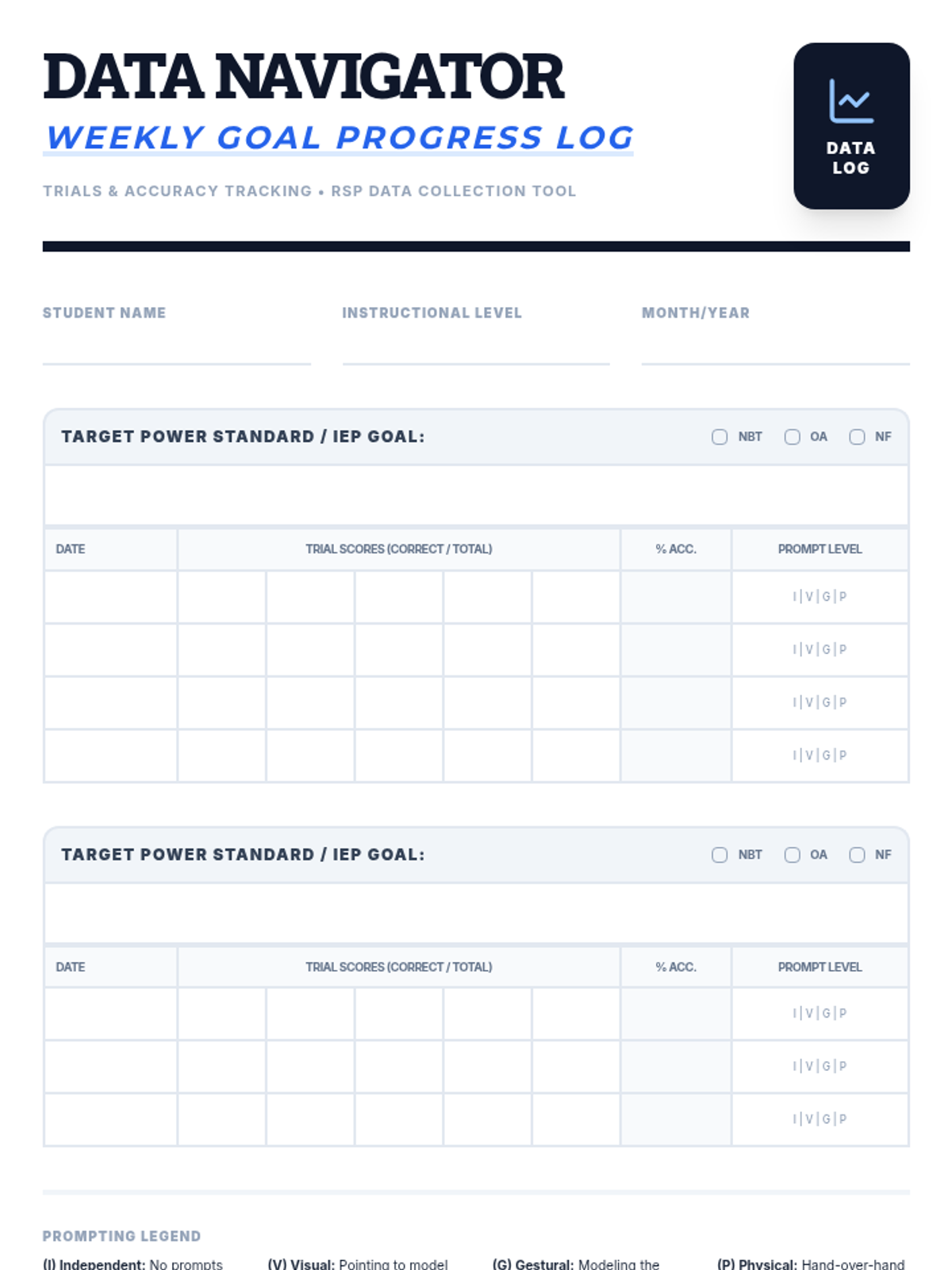
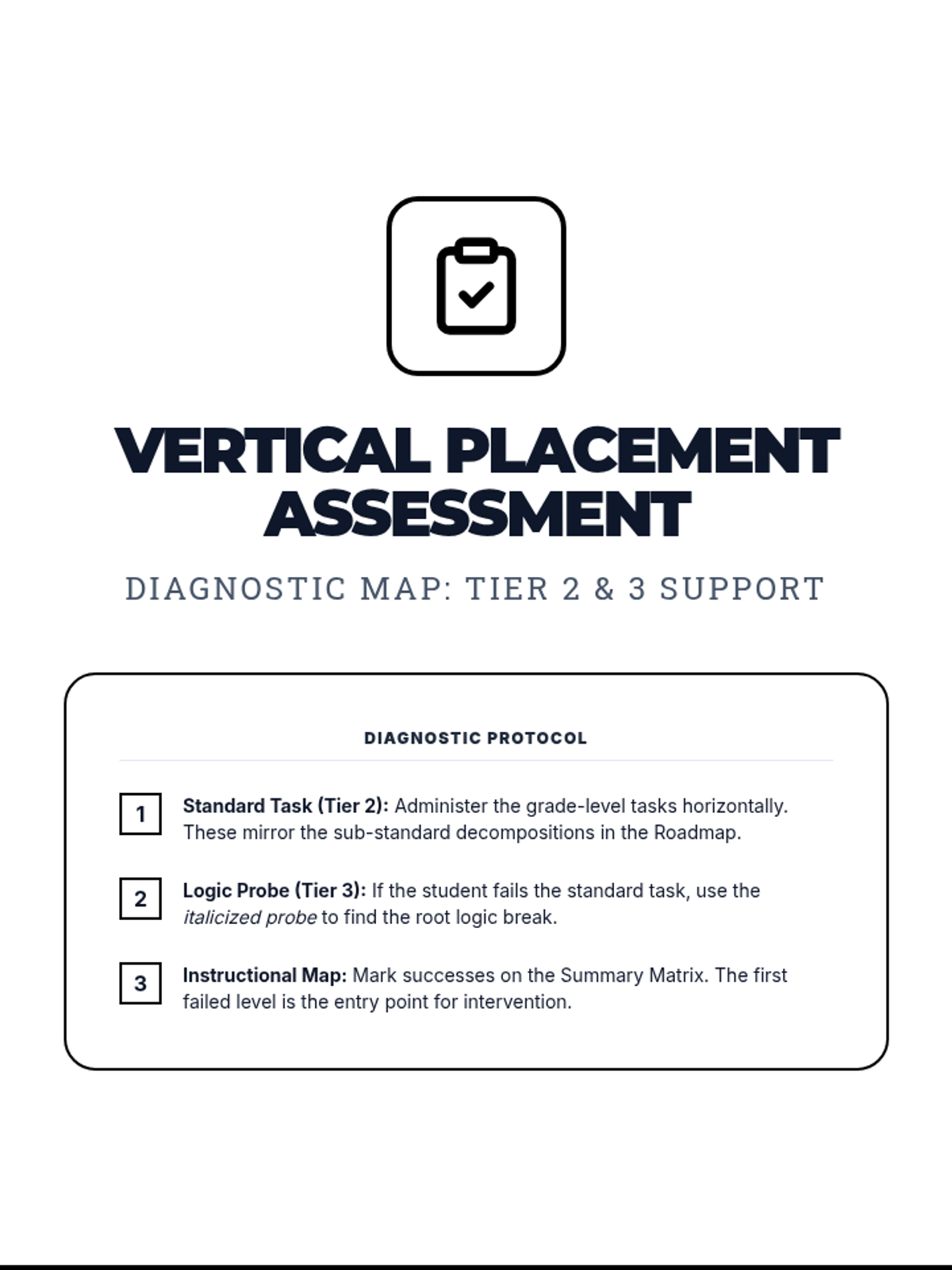
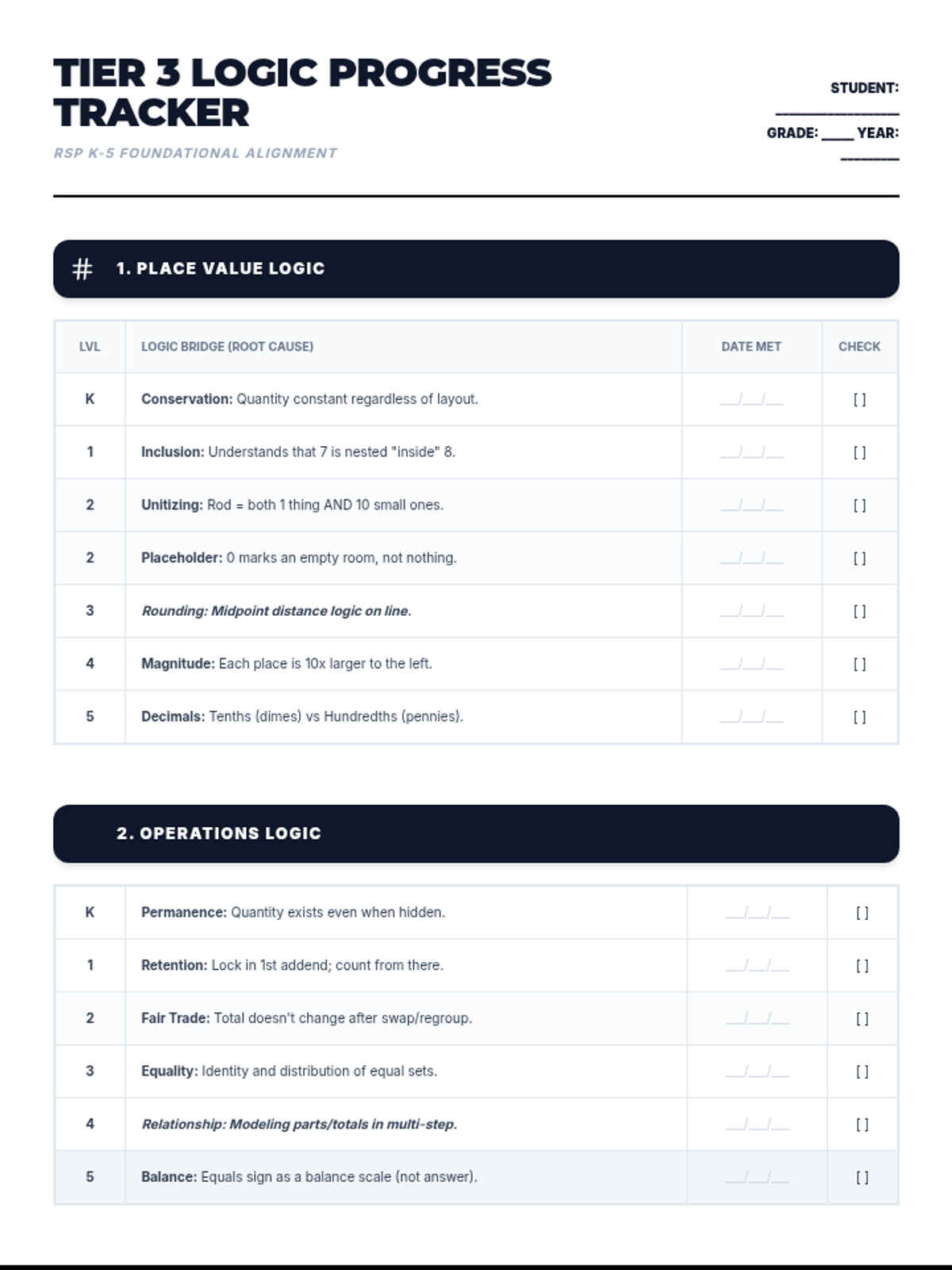
Foundational tools for assessing student levels and planning instruction based on California Power Standards across grades K-5.
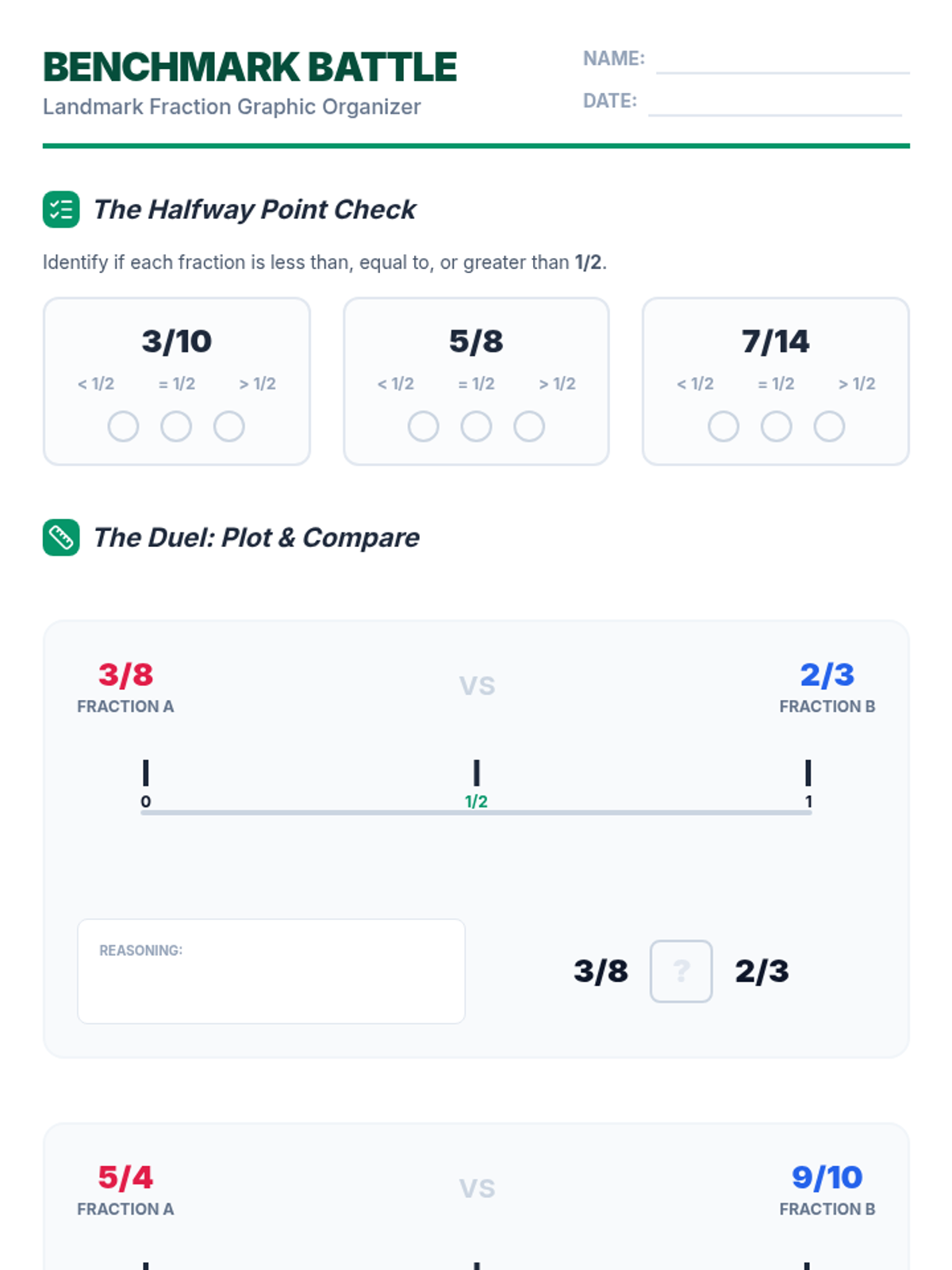
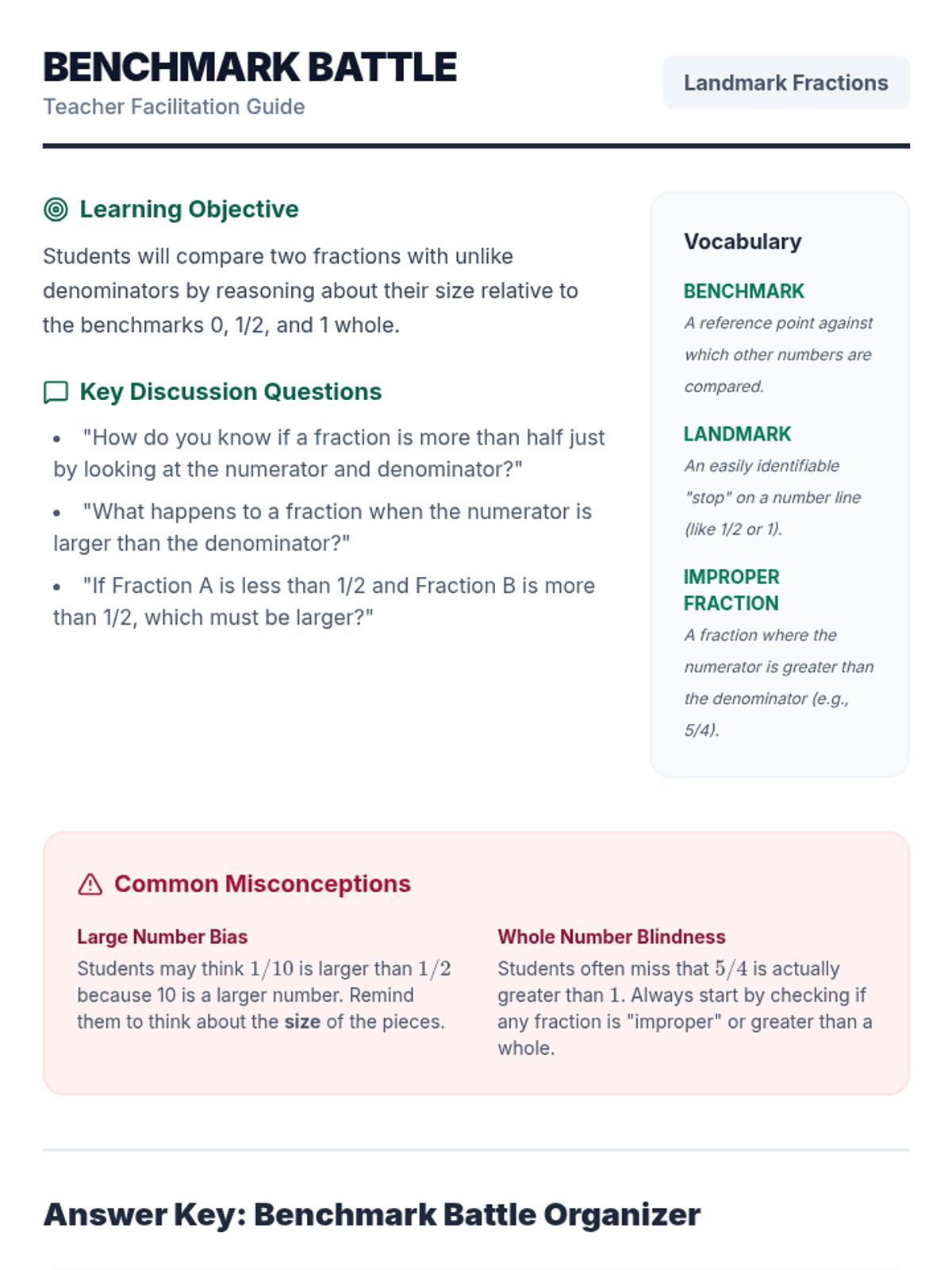
A mini-lesson on comparing fractions with unlike denominators using 0, 1/2, and 1 as landmark benchmarks, including comparisons greater than one whole.
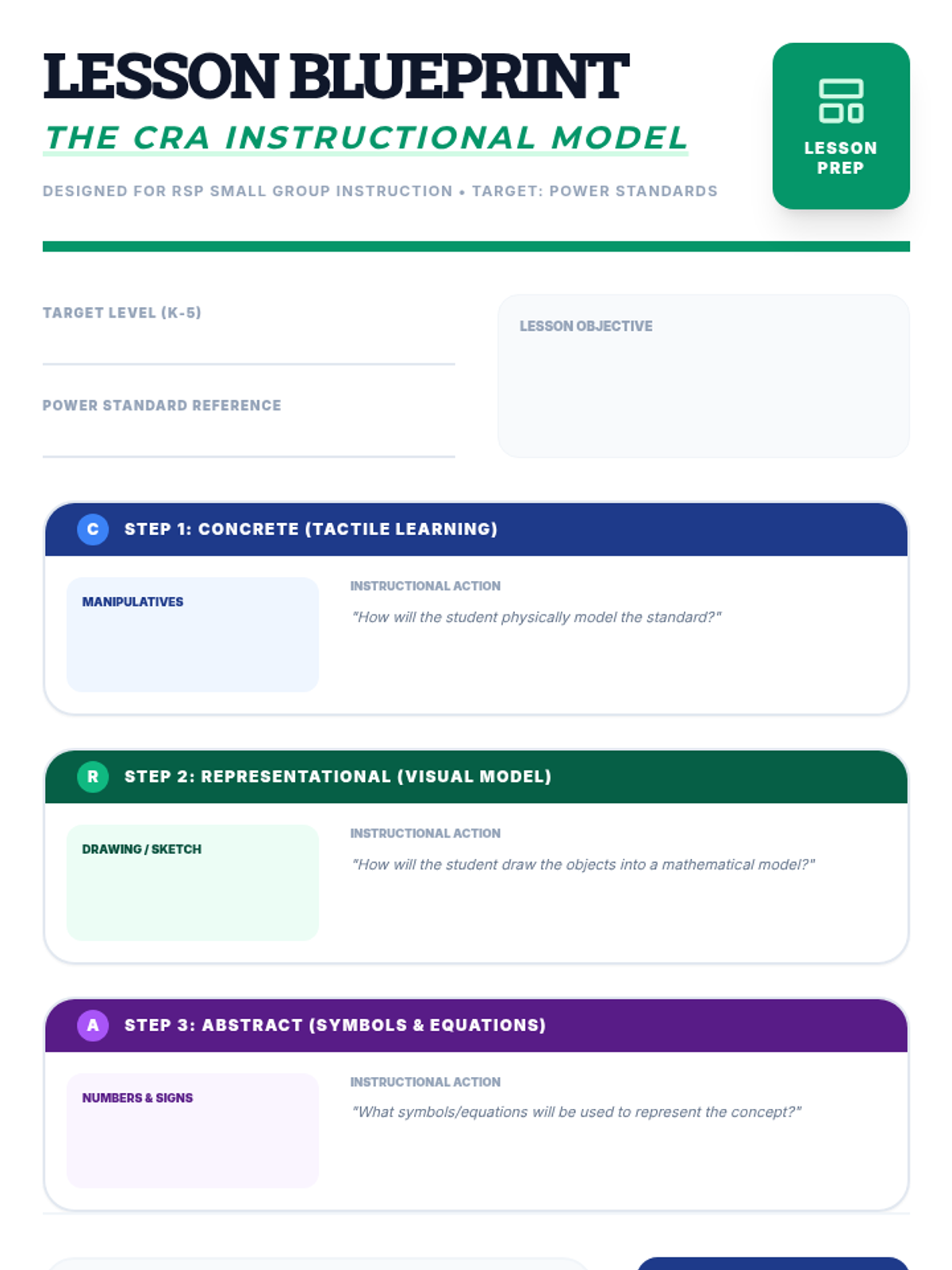
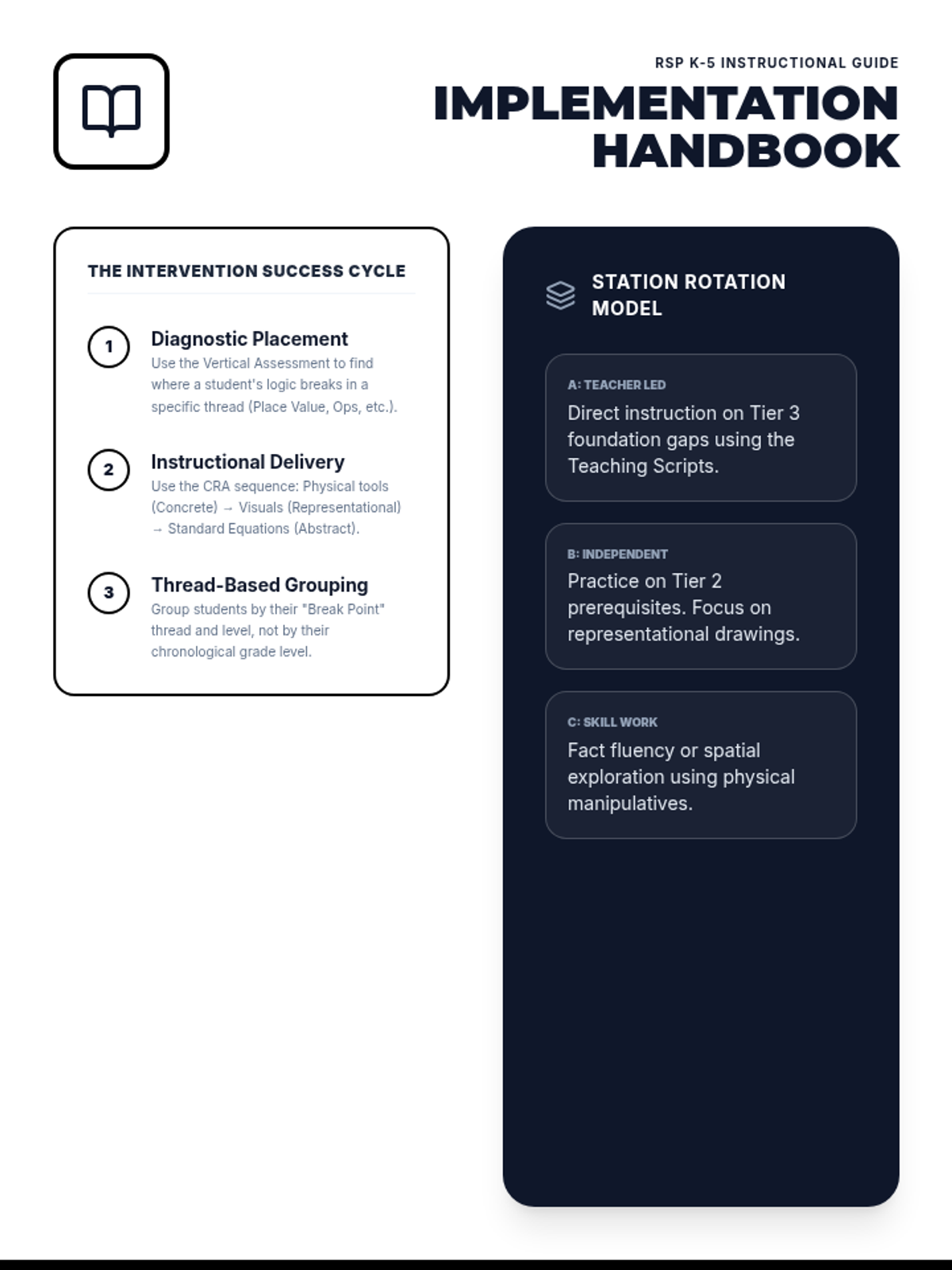
A toolkit for RSP teachers to transform a scope and sequence into a functional daily curriculum. Includes instructional frameworks, diagnostic tools, and planning templates specifically designed for multi-grade math intervention.
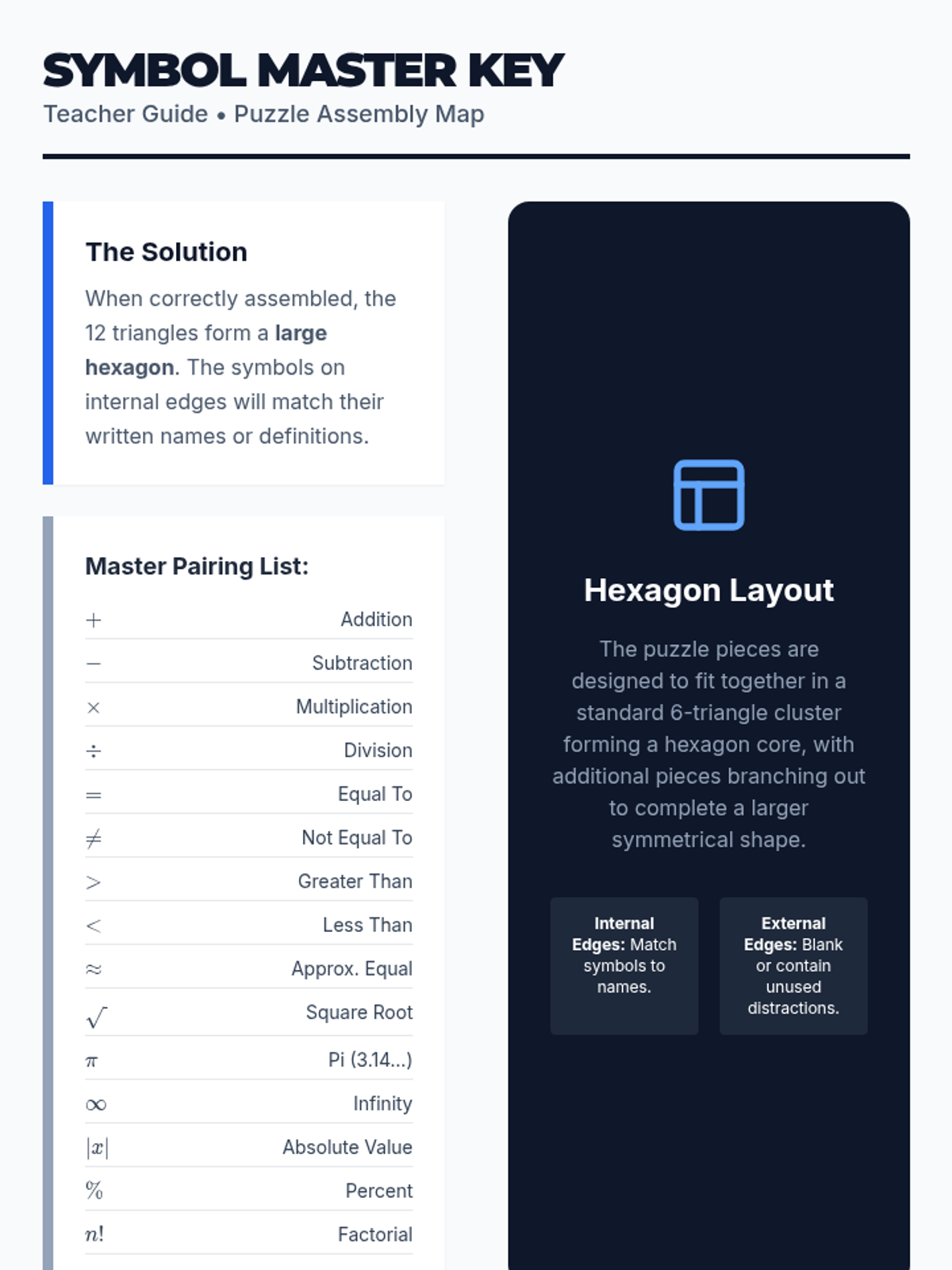
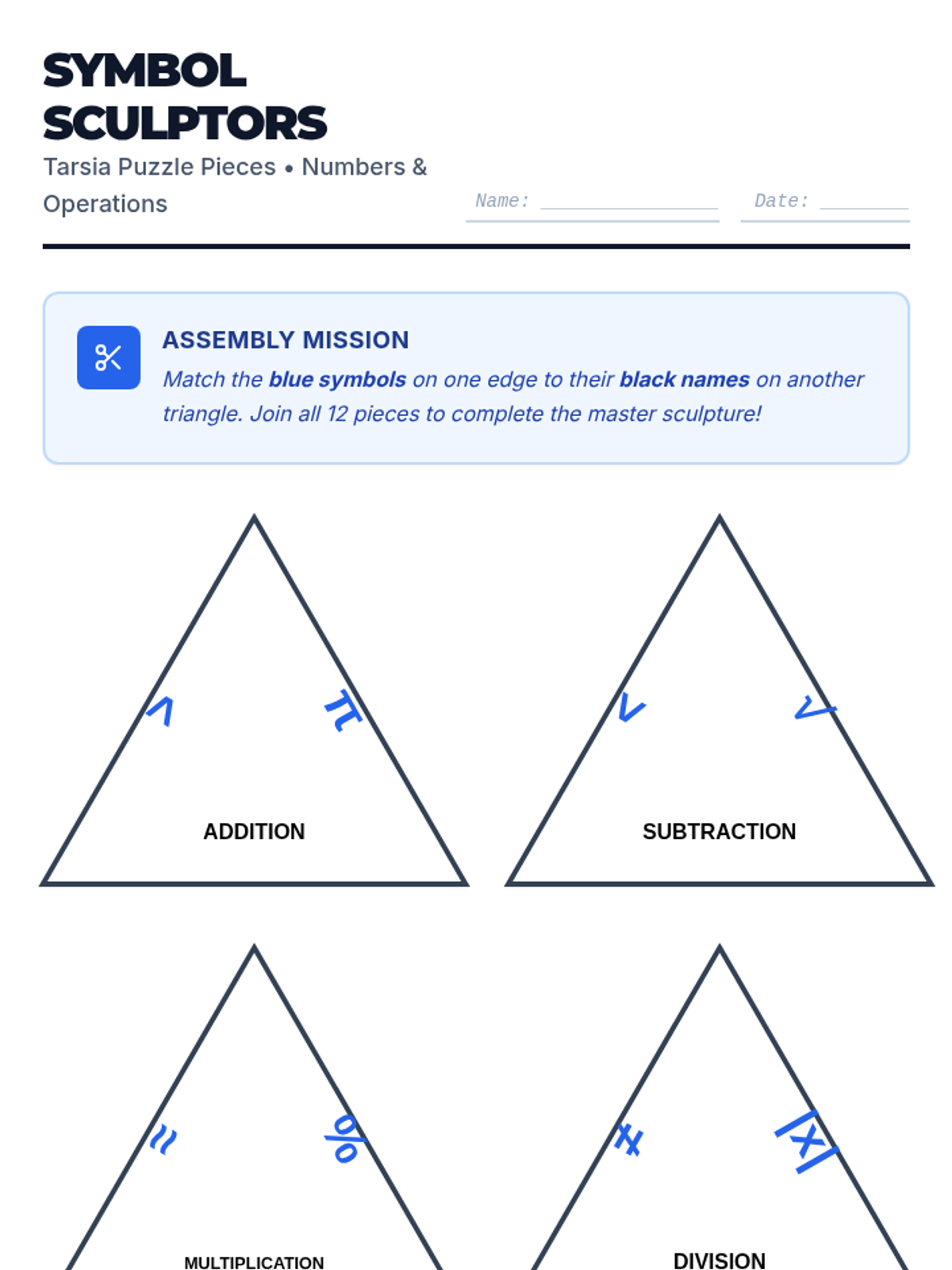
A hands-on lesson focusing on the recognition and application of mathematical symbols in numbers and operations through a collaborative Tarsia puzzle activity.
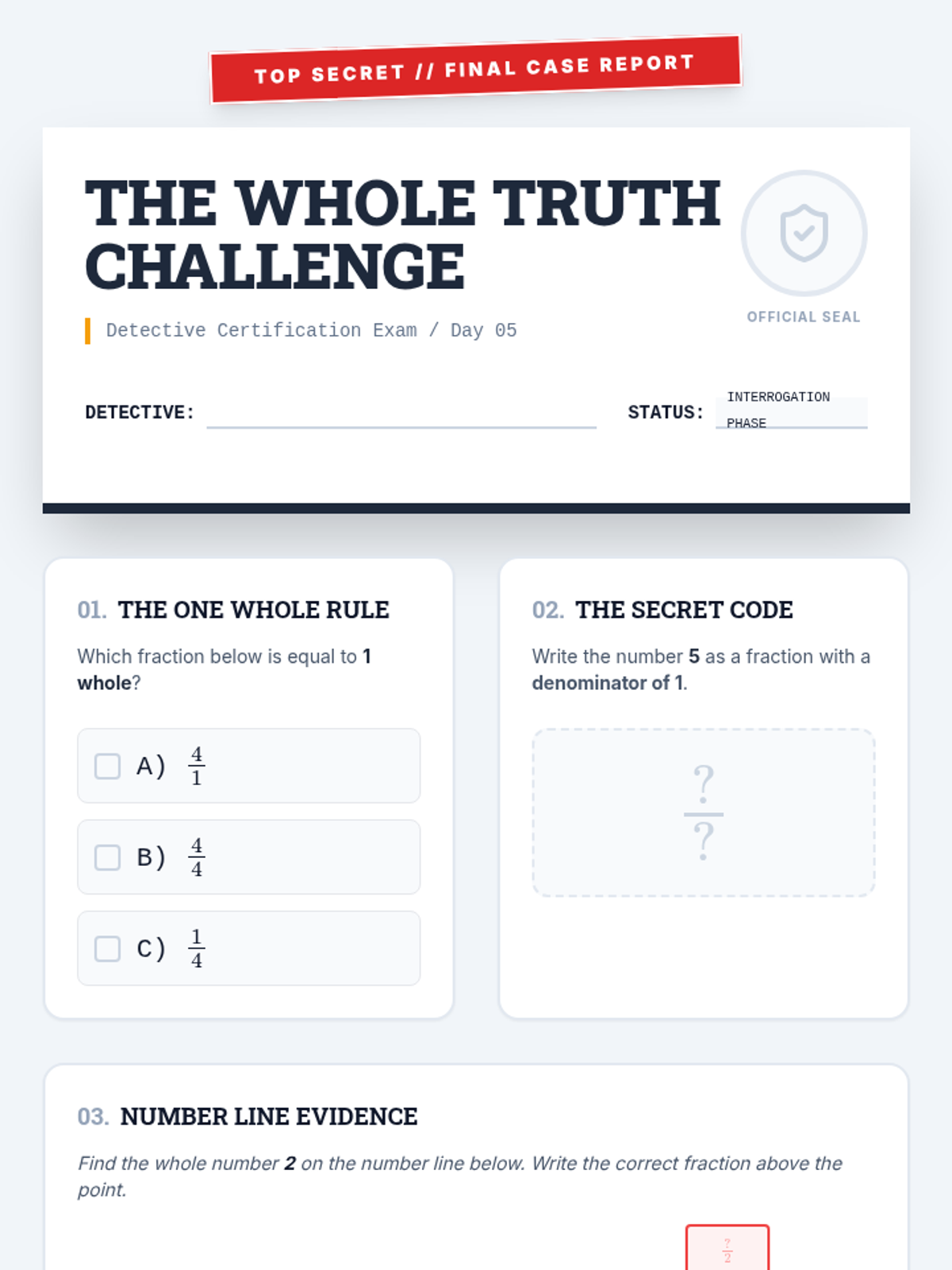
A final review and assessment where students solve a series of "fraction mysteries" to prove their mastery of whole number equivalents.
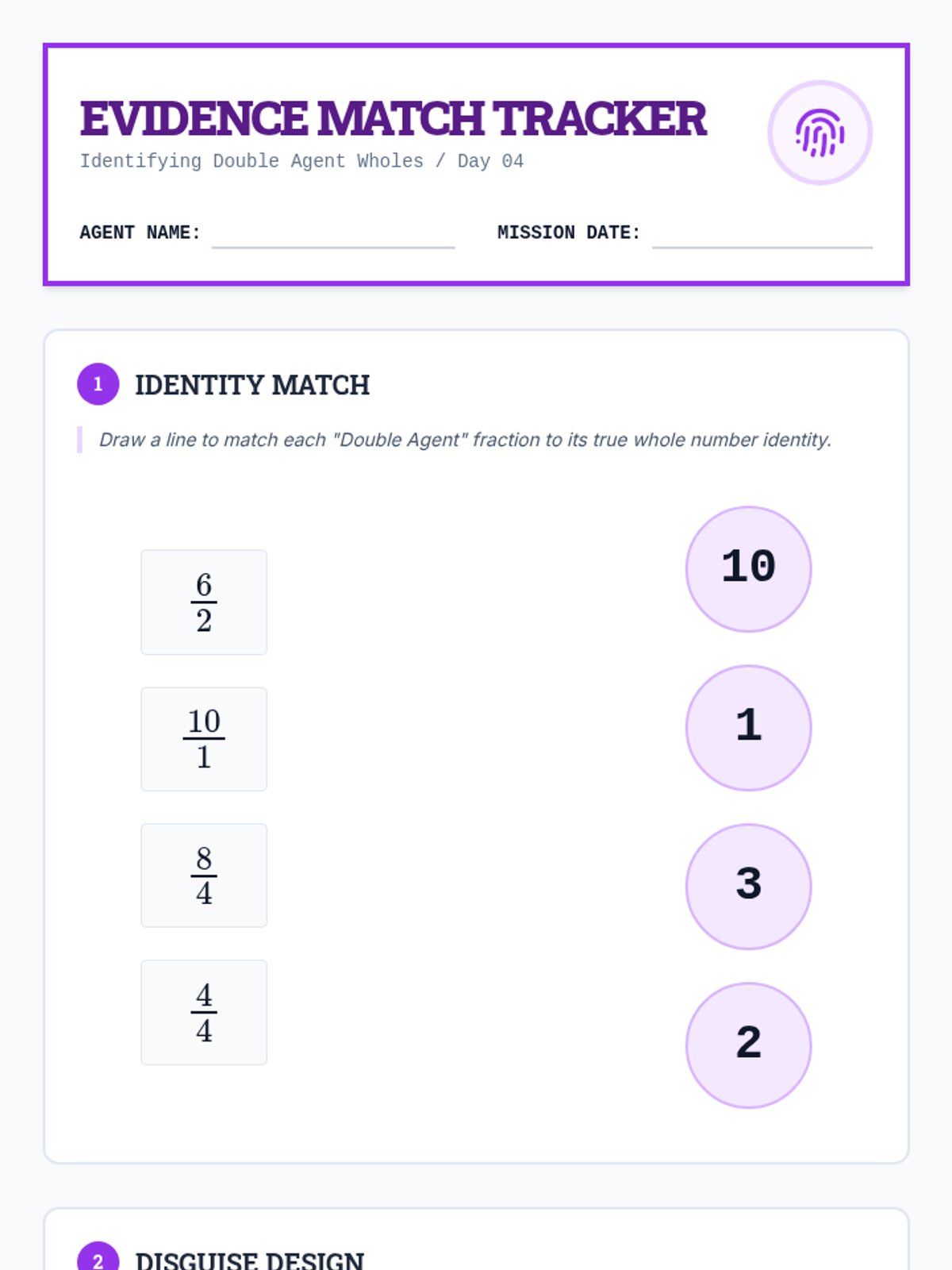
Detectives compare different fractional names for the same whole number, identifying patterns in numerators and denominators.
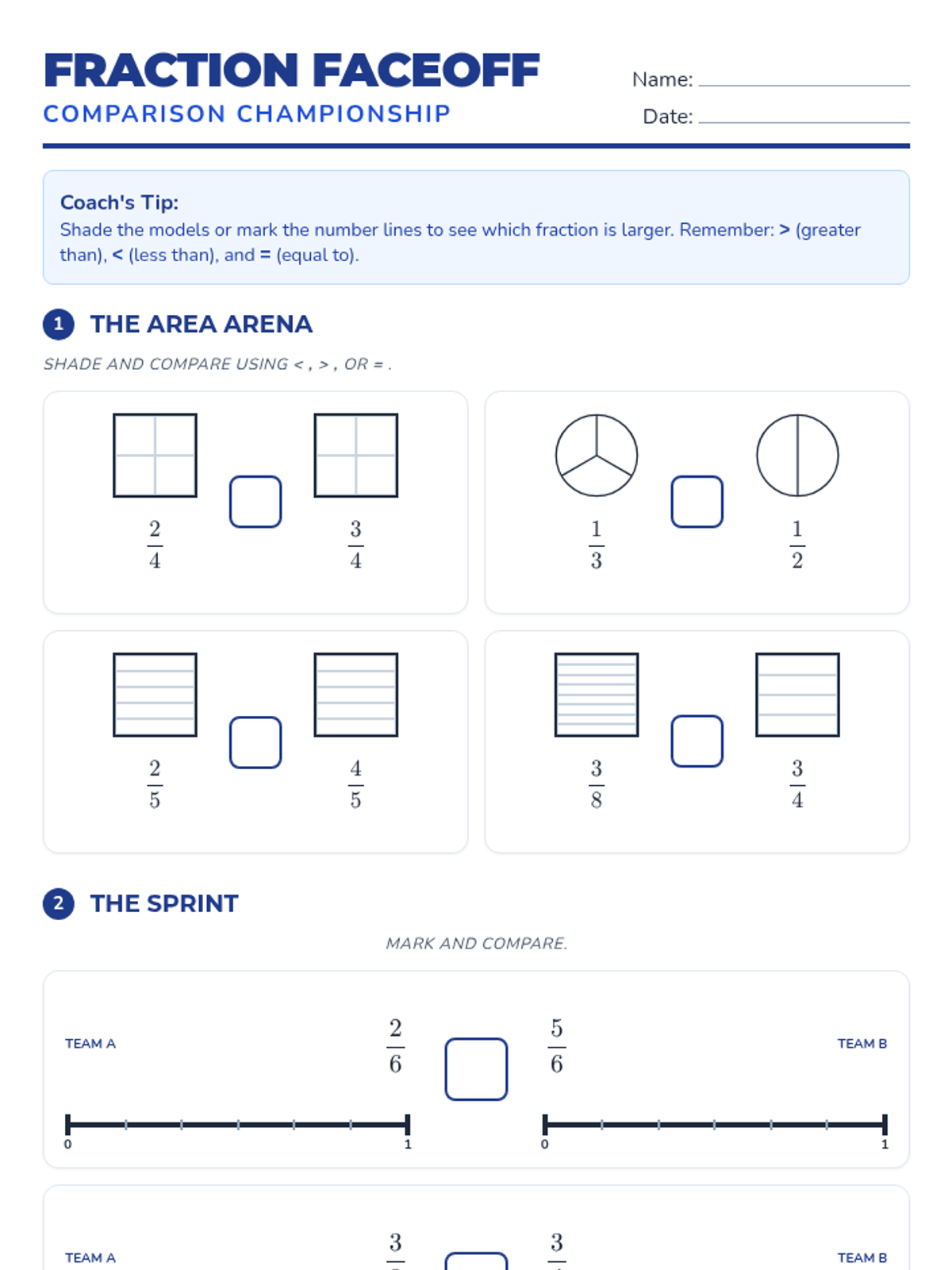
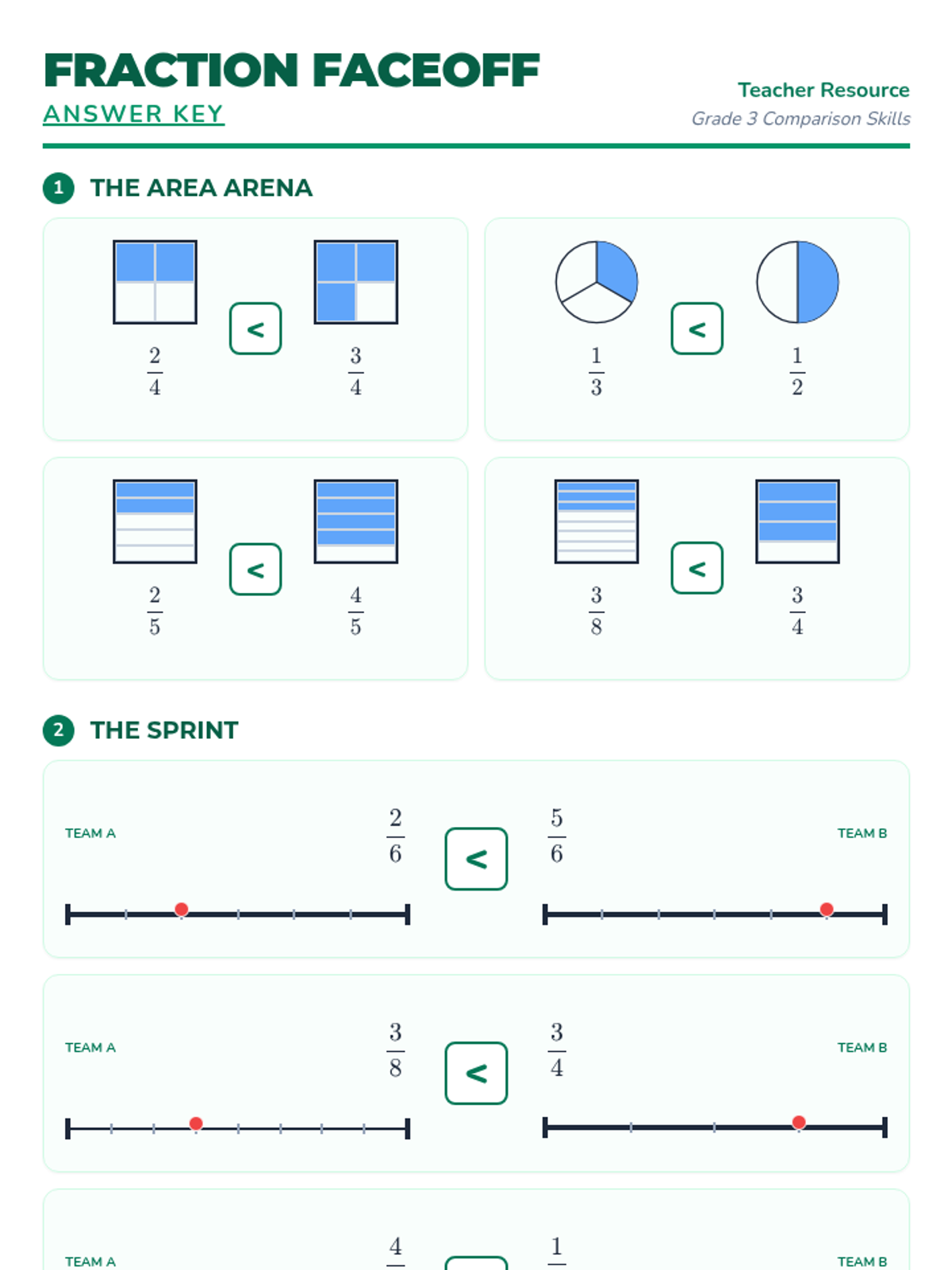
A lesson focused on comparing fractions with the same denominator or the same numerator using visual area models and number lines. Students will develop a conceptual understanding of fraction size through visual representation.
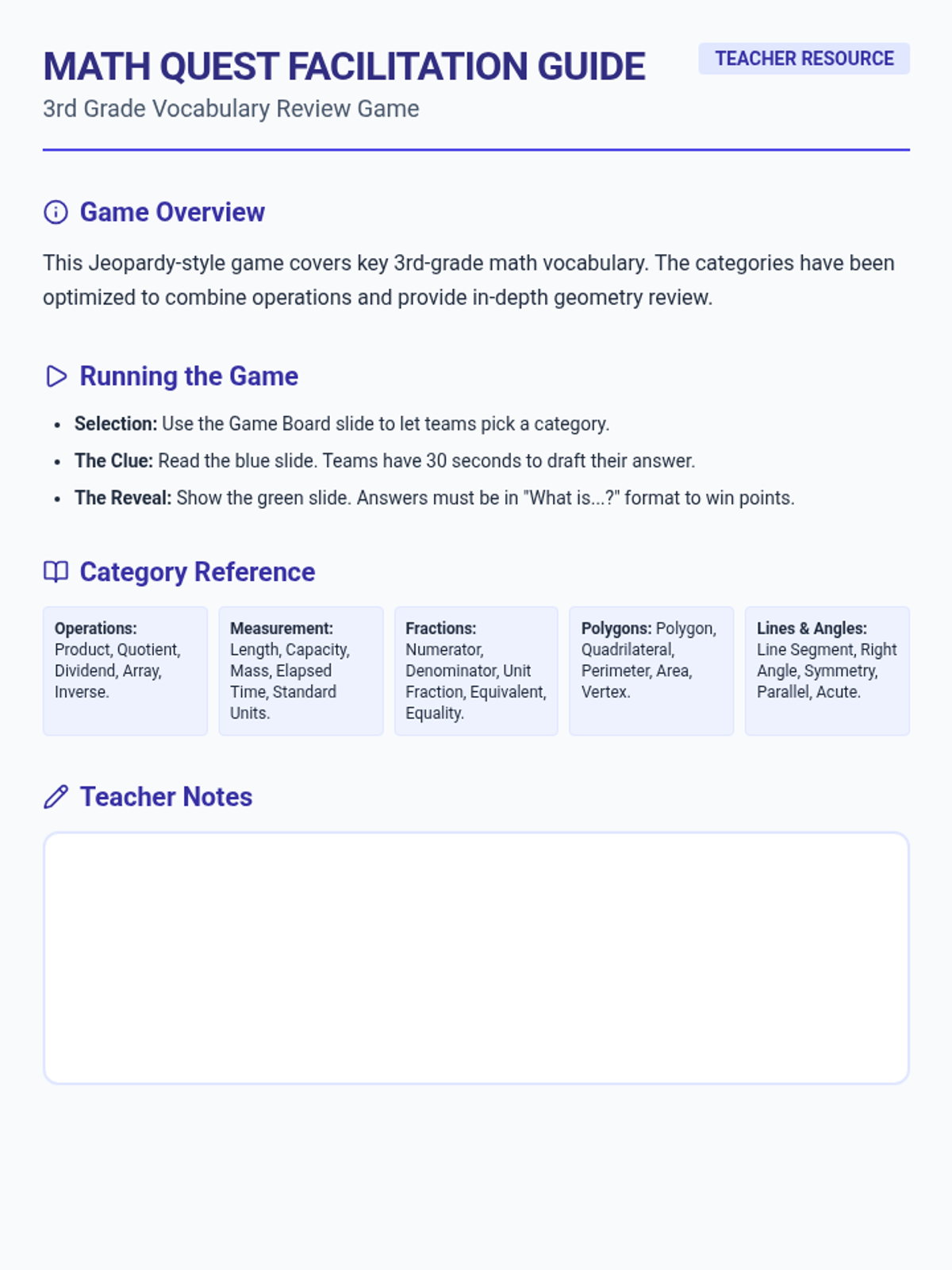
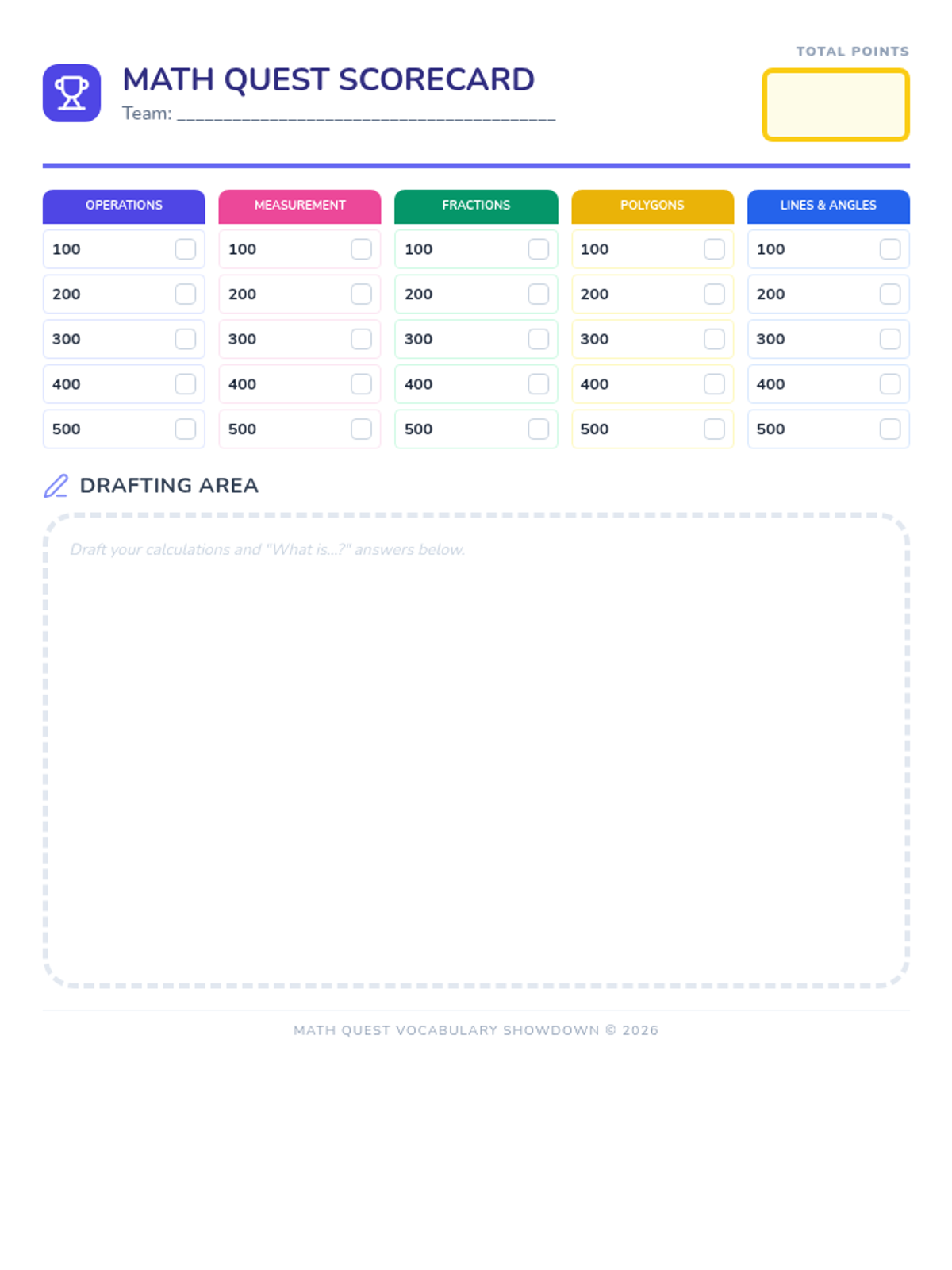
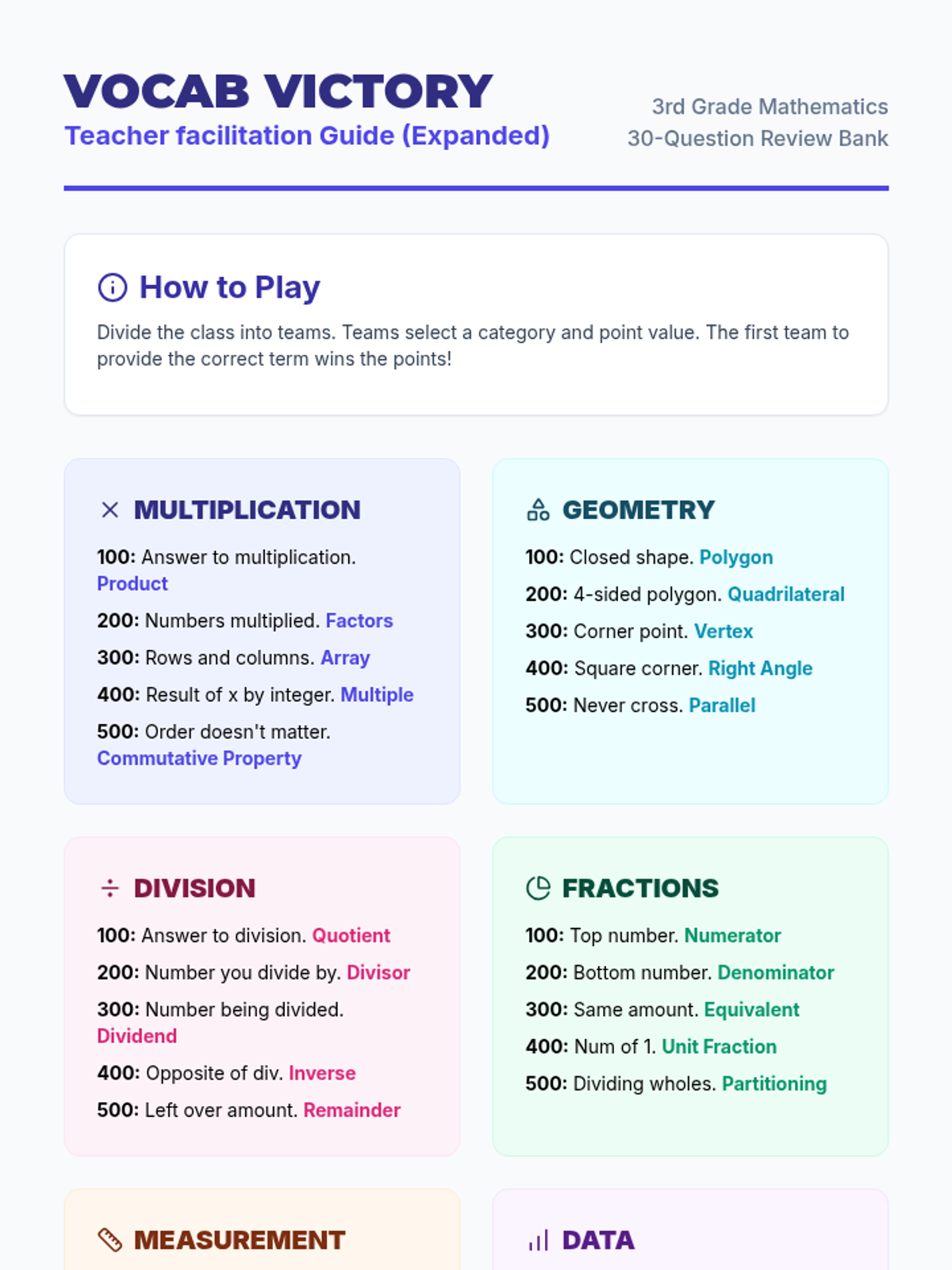
A high-energy math vocabulary review game designed for third graders. This lesson covers multiplication, division, measurement, fractions, and geometry through a Jeopardy-style competitive format.
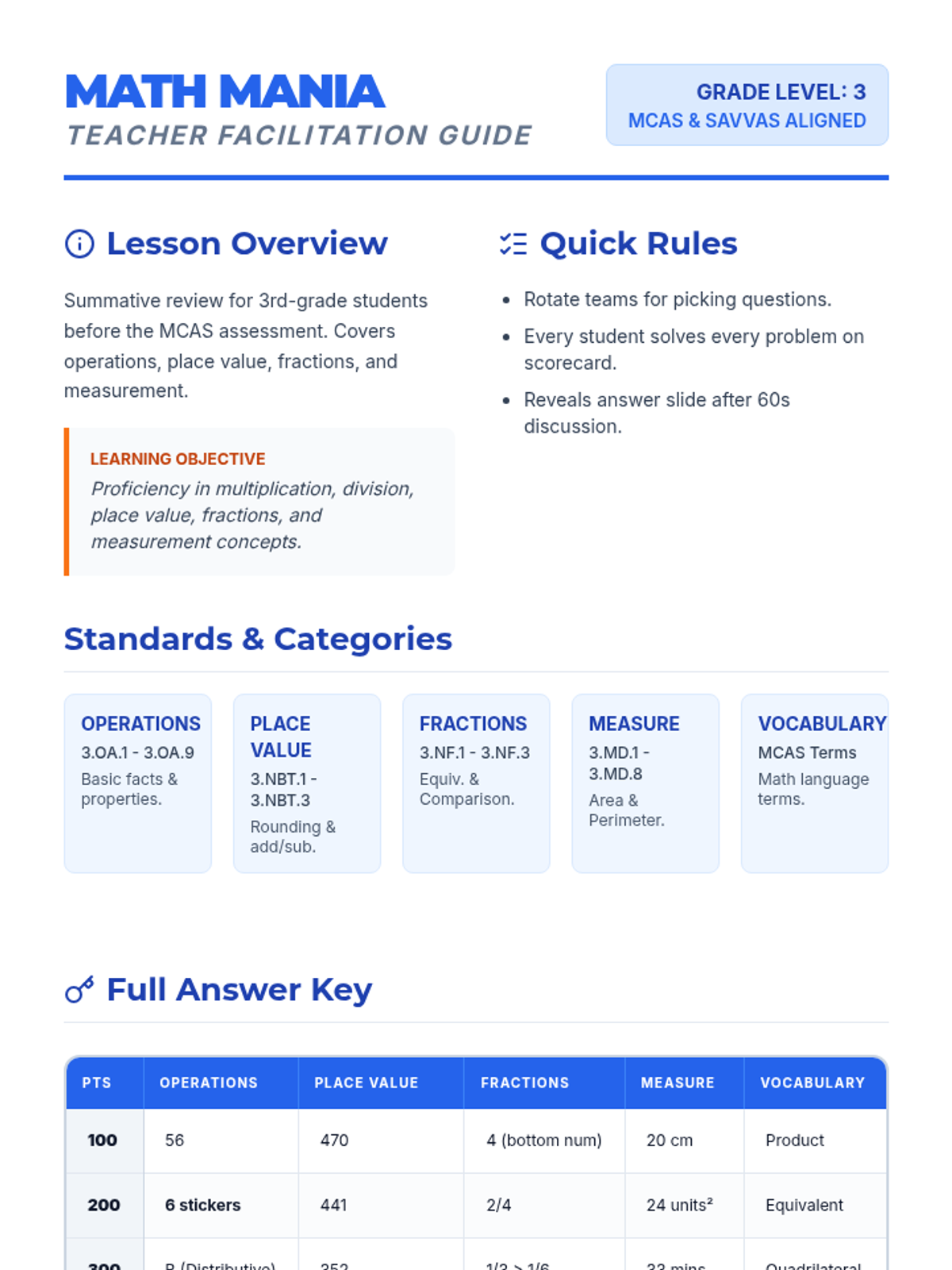
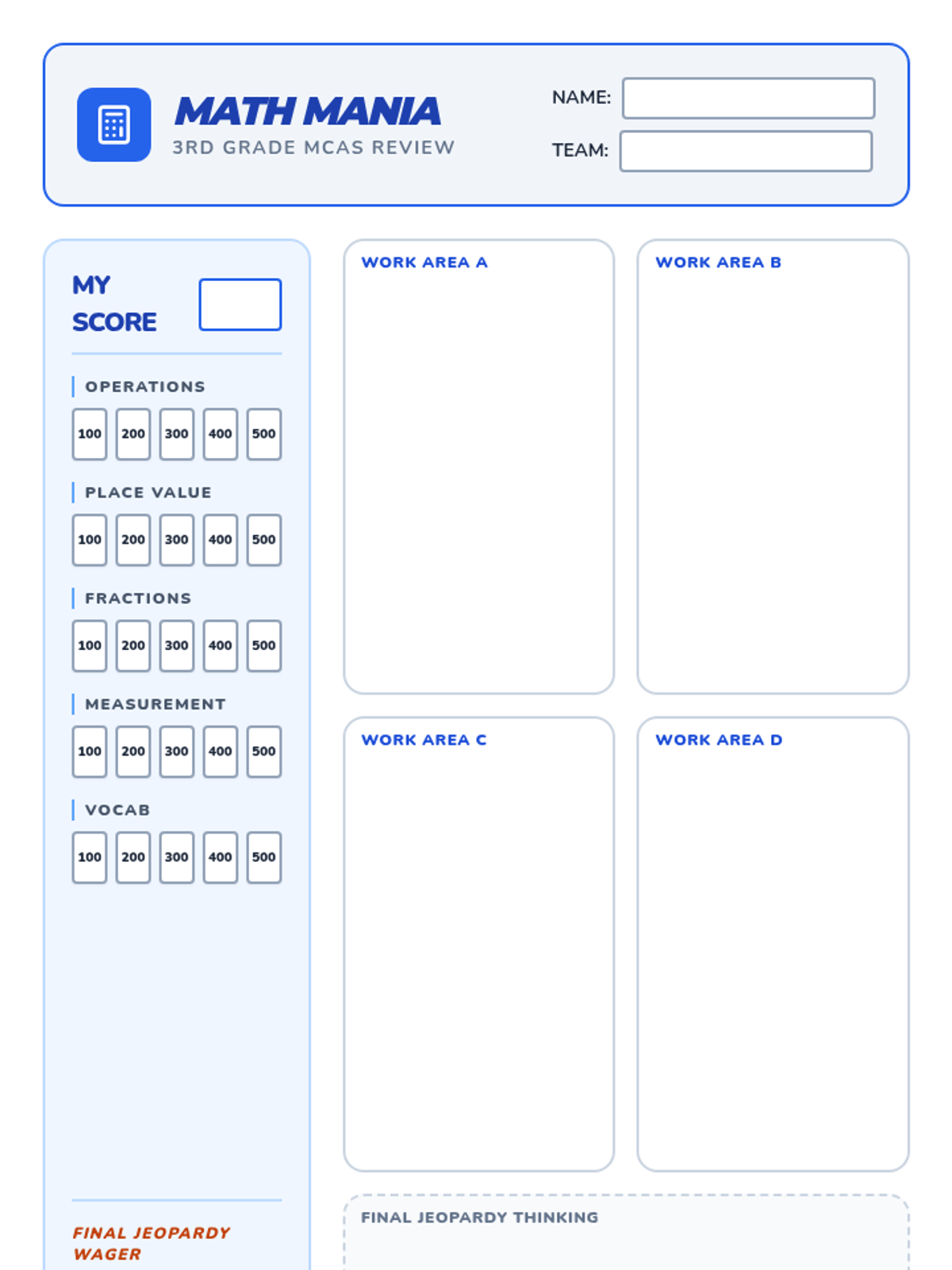
A comprehensive 3rd-grade math review game based on MCAS standards and Savvas curriculum, covering operations, place value, fractions, measurement, and vocabulary.
A high-energy Jeopardy-style review game focusing on essential third-grade mathematics vocabulary across six core domains, designed to reinforce terminology before assessments.
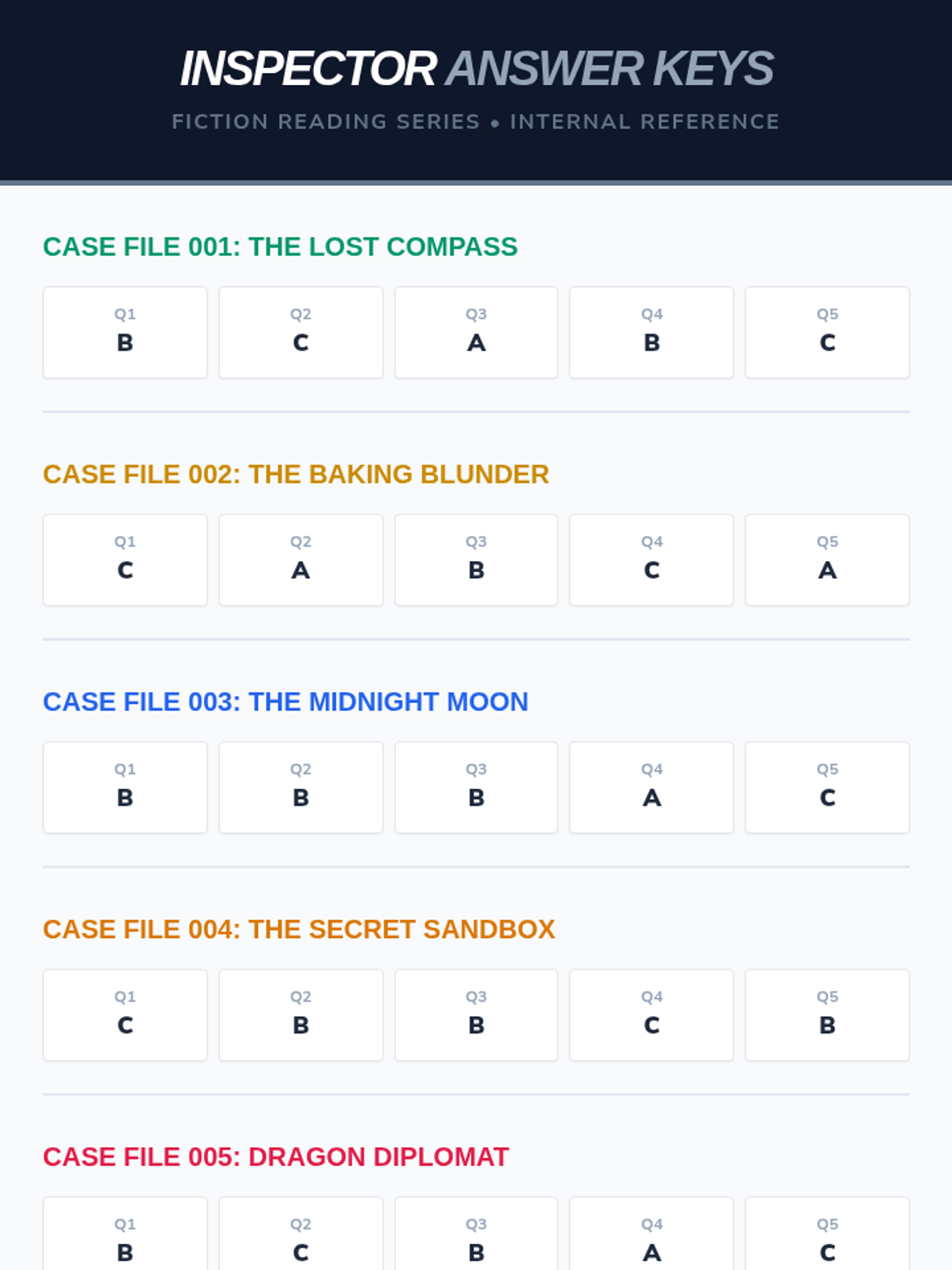
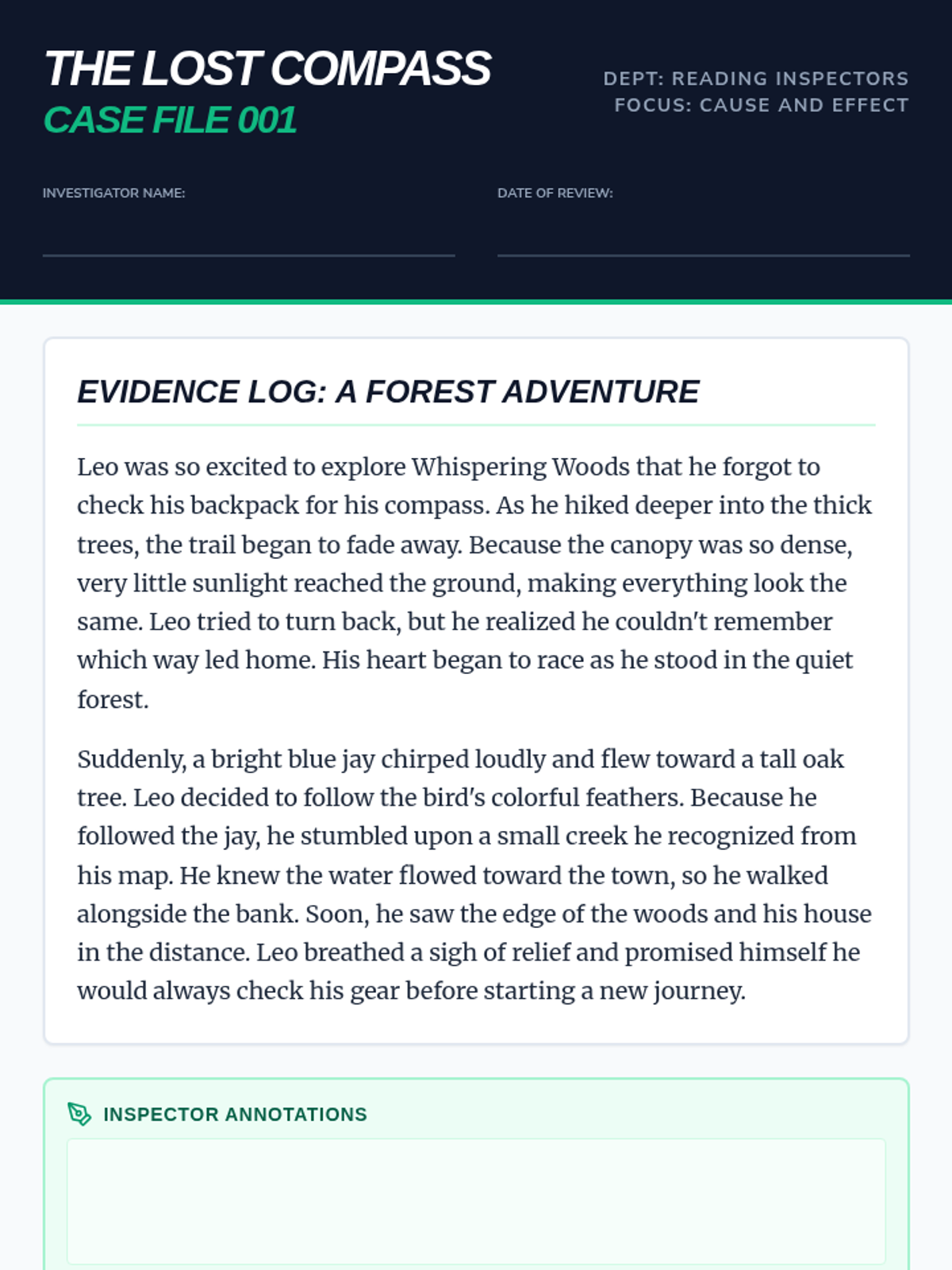
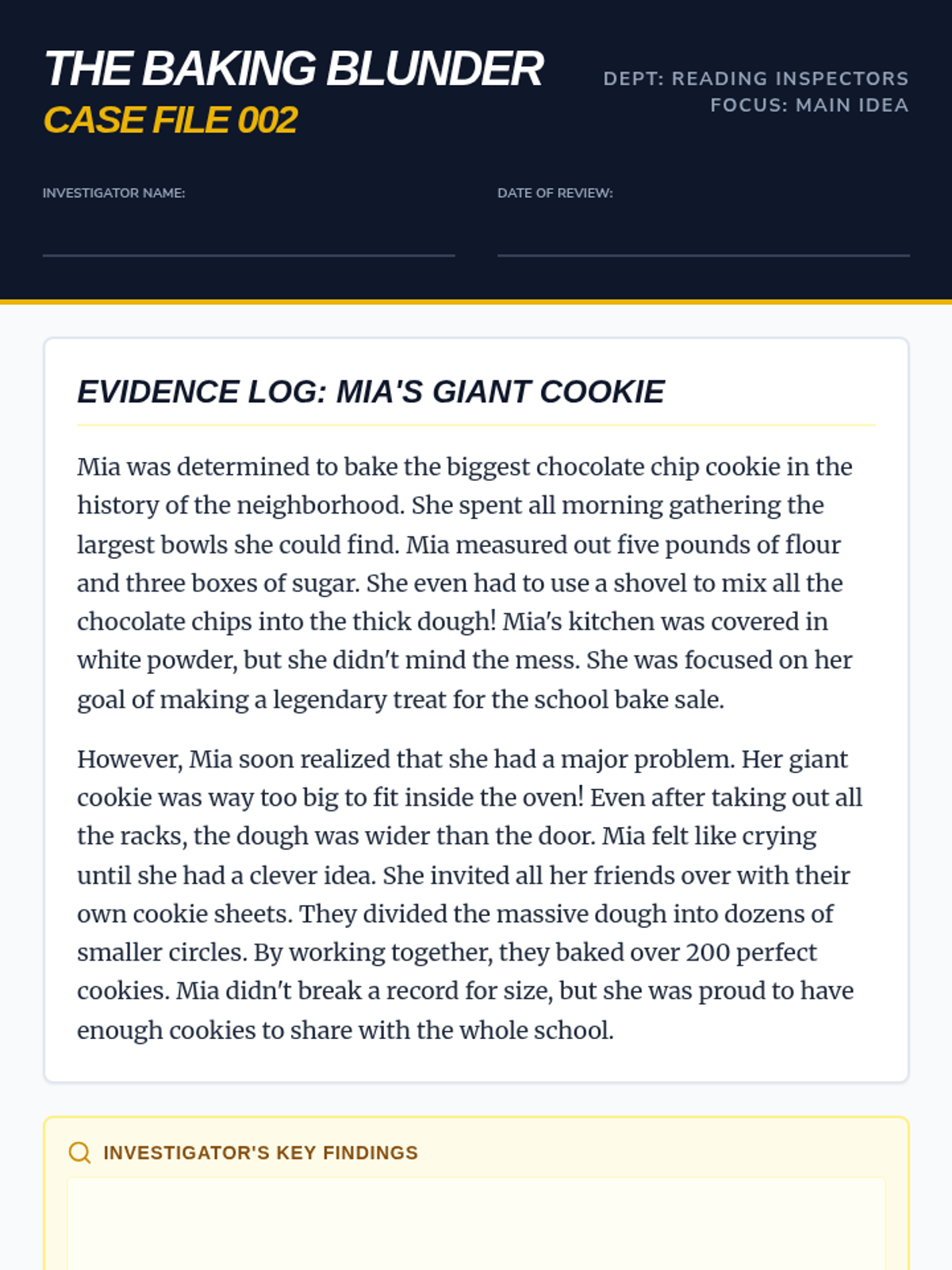
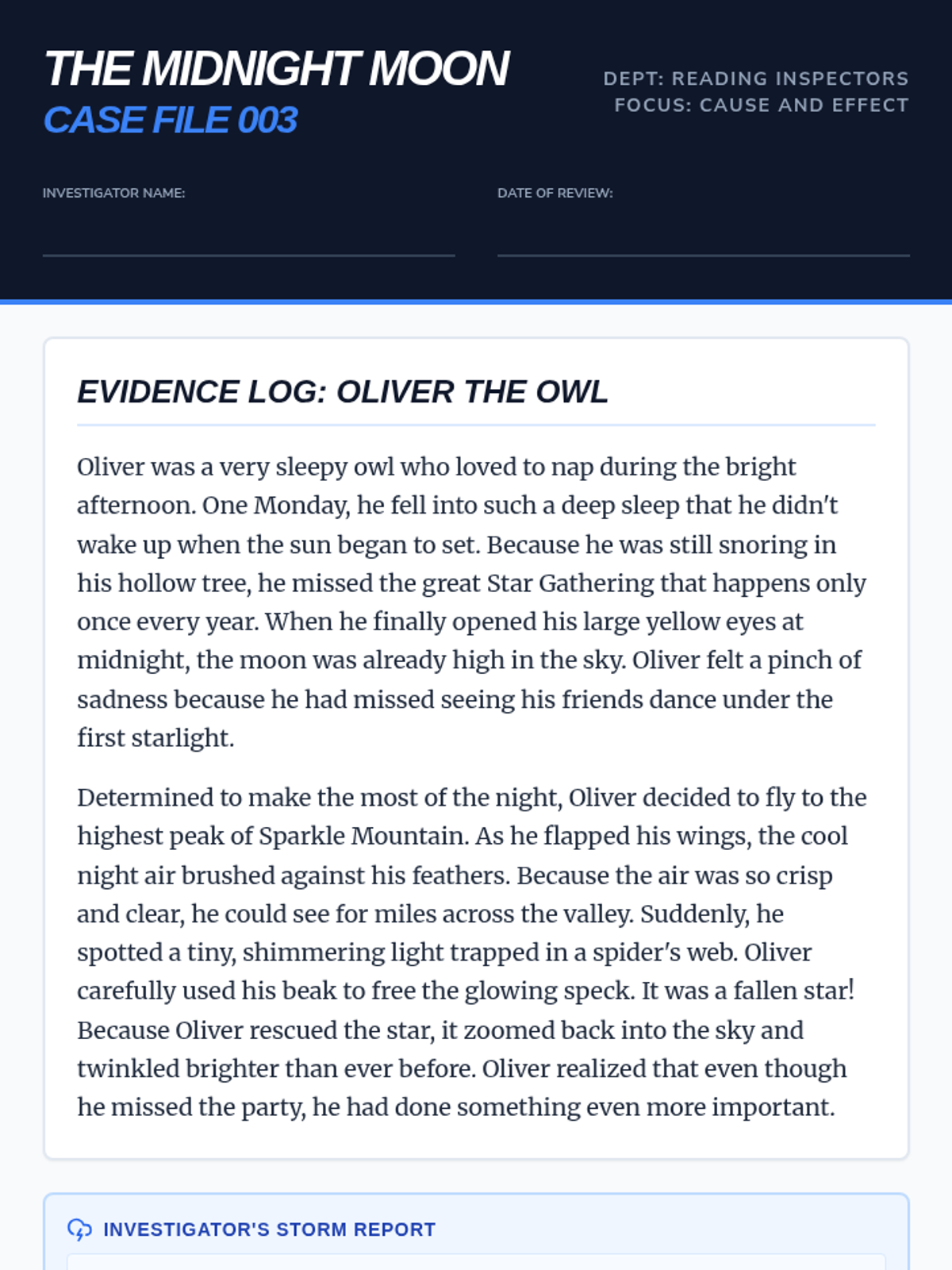
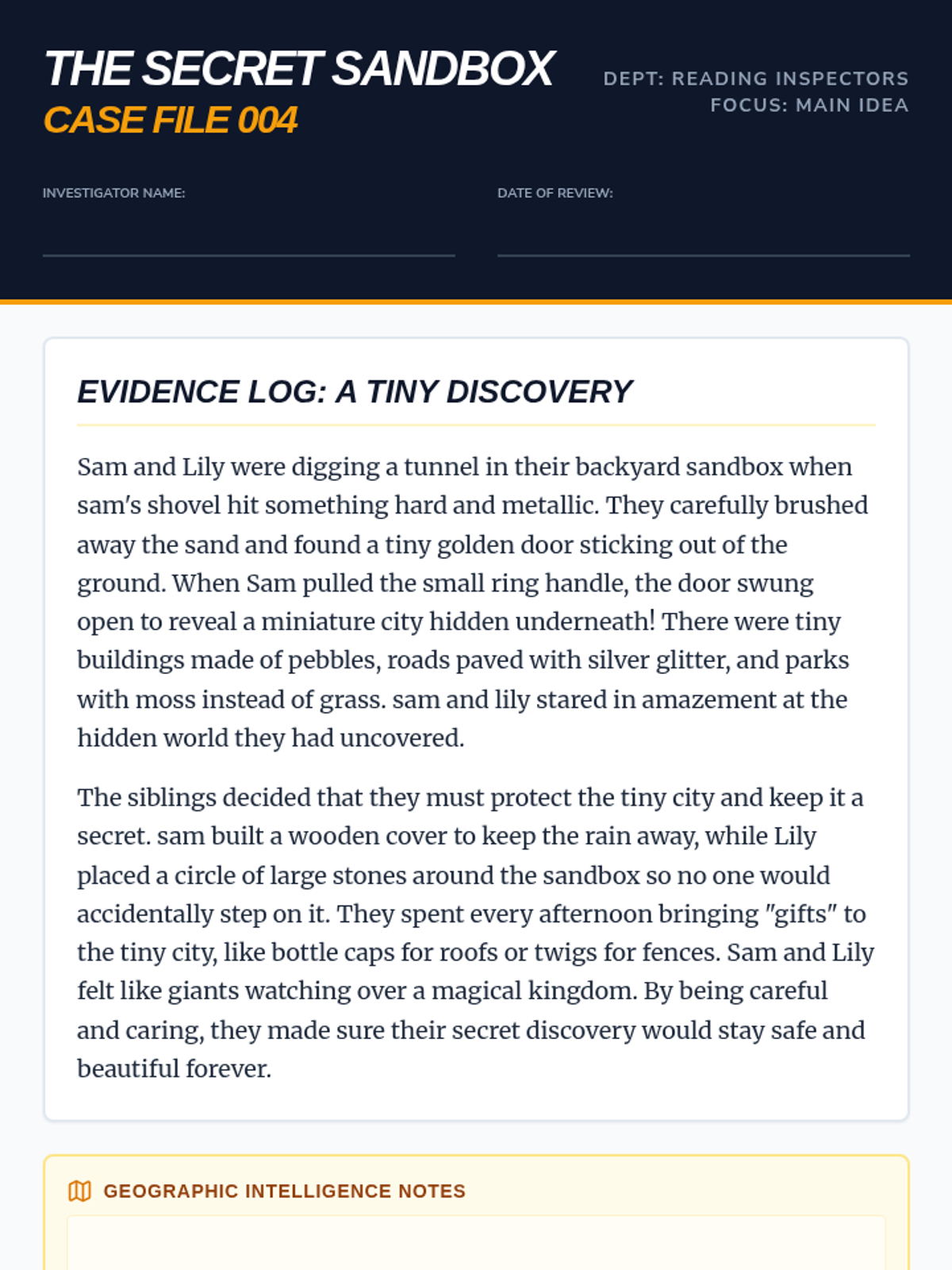
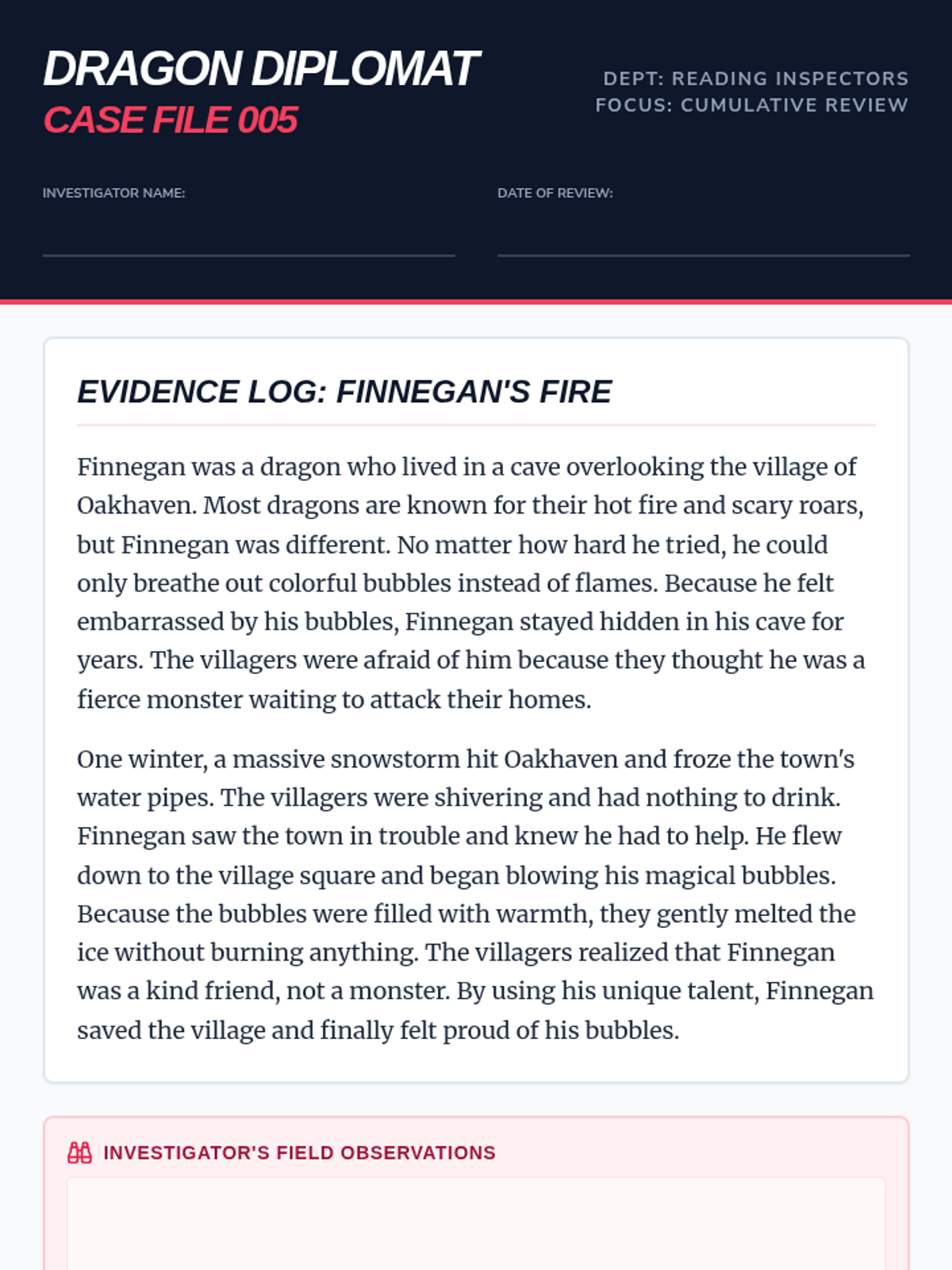
A series of five reading comprehension worksheets for 3rd grade, focusing on cause, effect, and main idea. Each worksheet features a unique passage with five EOG-style multiple-choice questions and space for student annotations or notes.
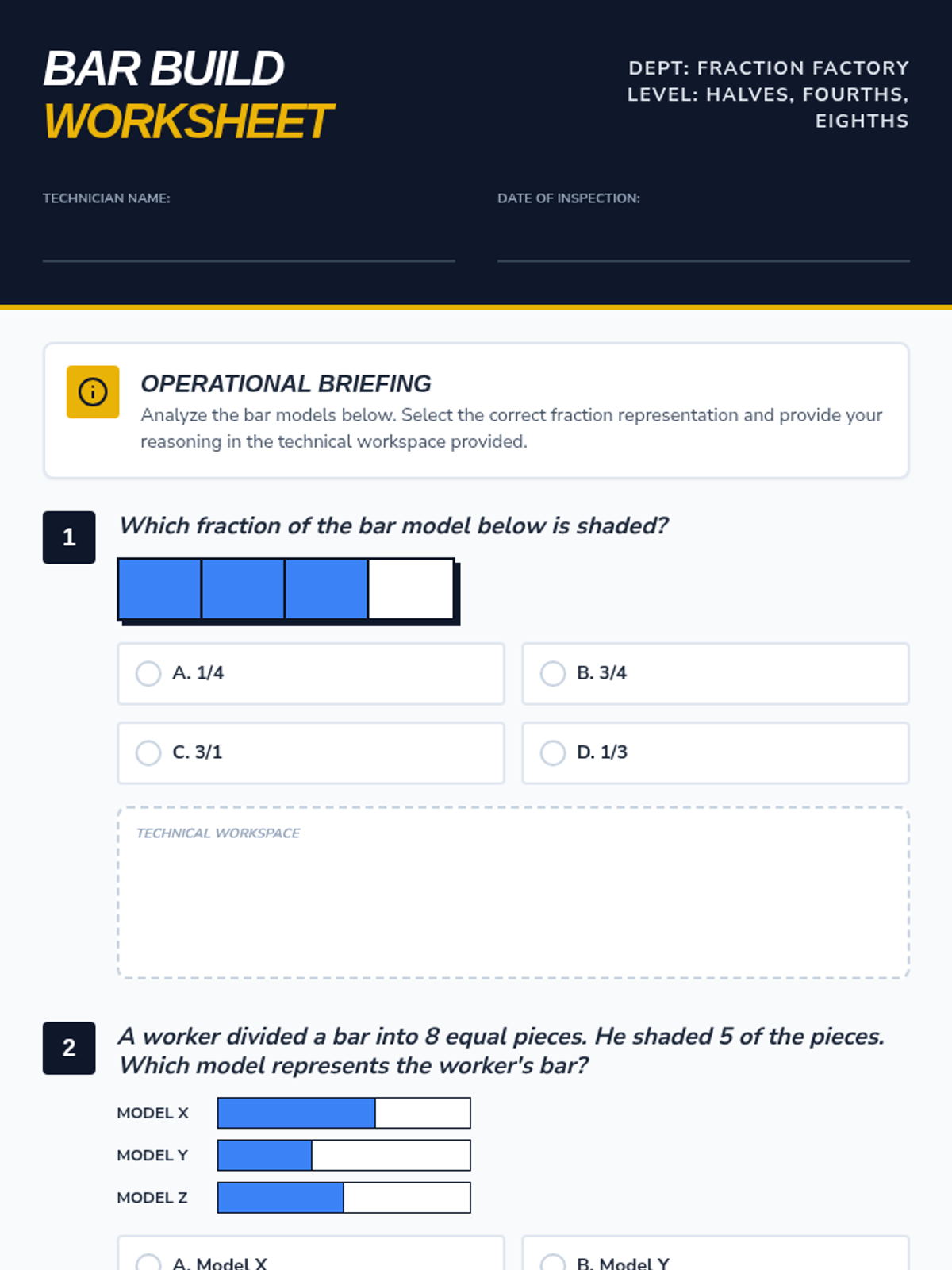
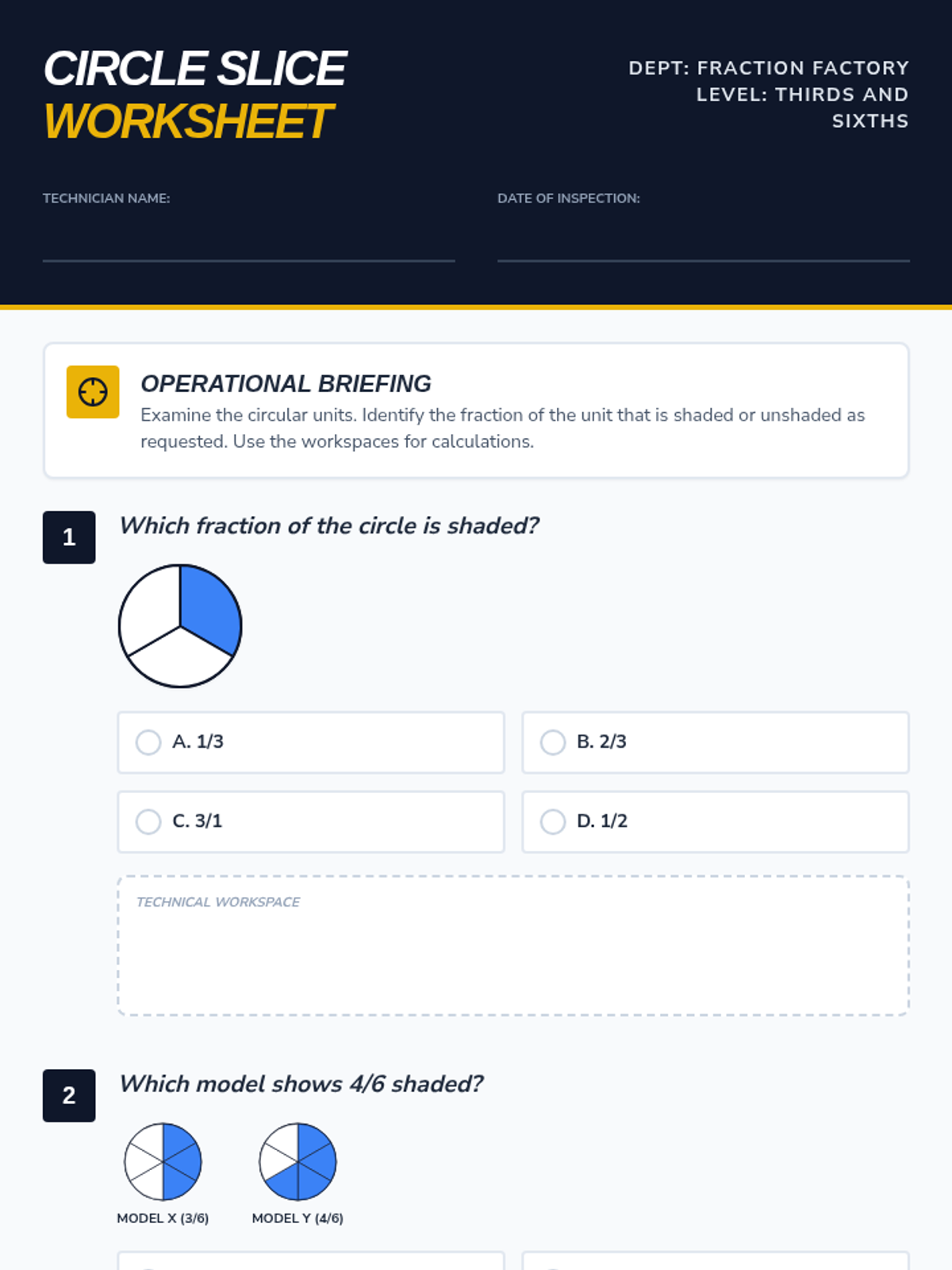
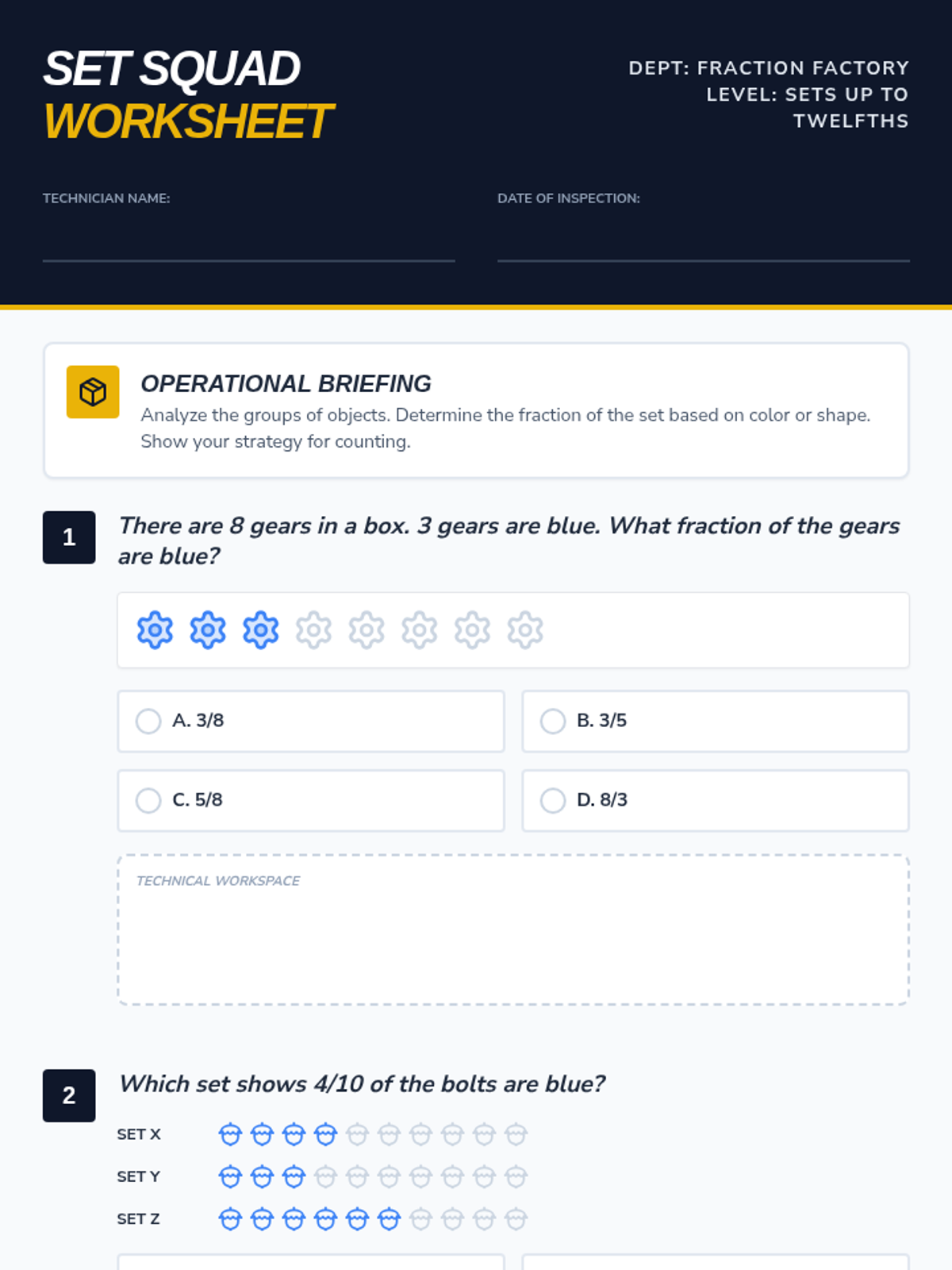
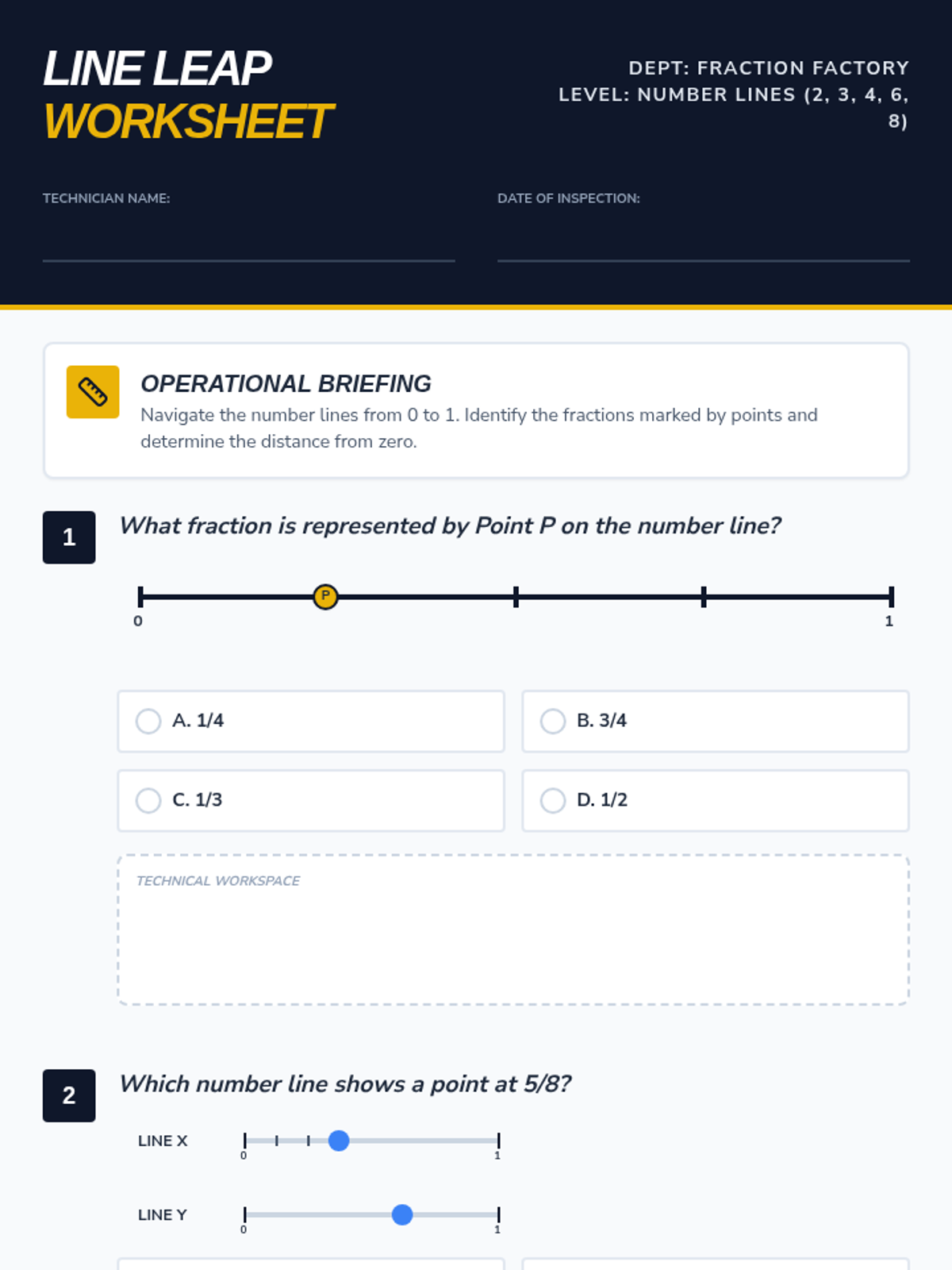
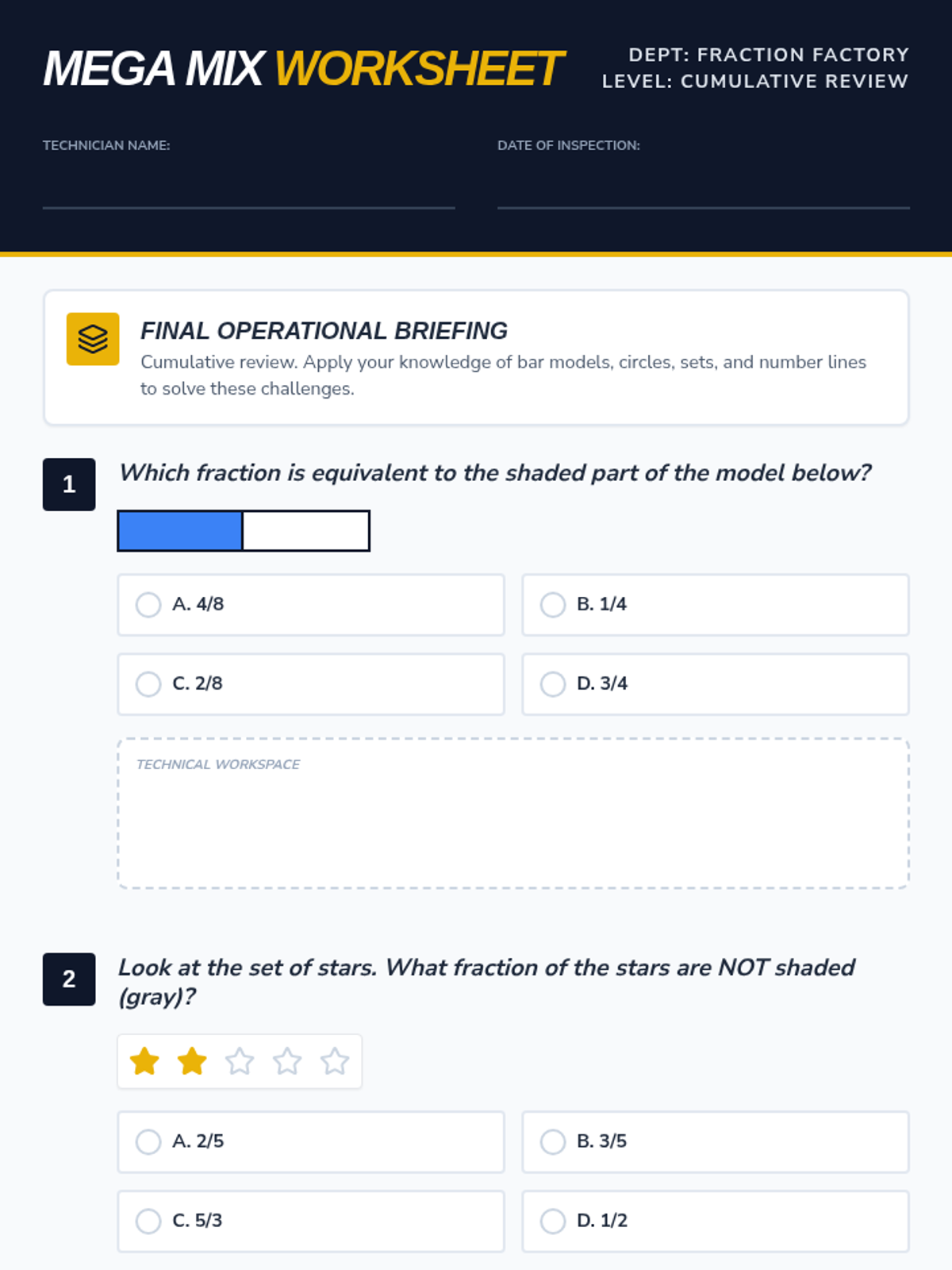
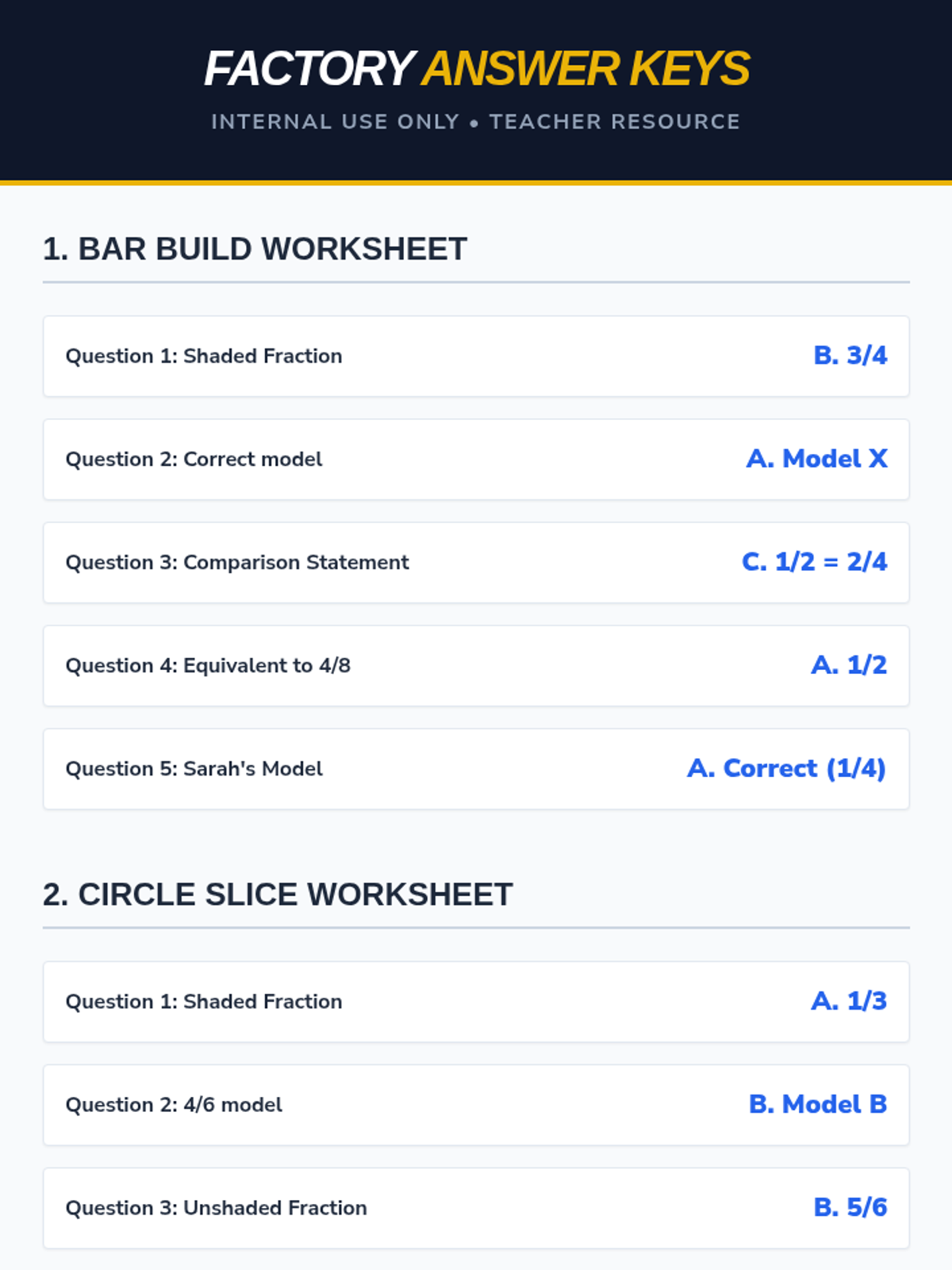
A series of five targeted worksheets designed to review 3rd-grade fraction concepts through various visual models, including bar models, circle areas, set models, and number lines. Each worksheet prepares students for EOG-style questions with rigorous practice and dedicated workspace.
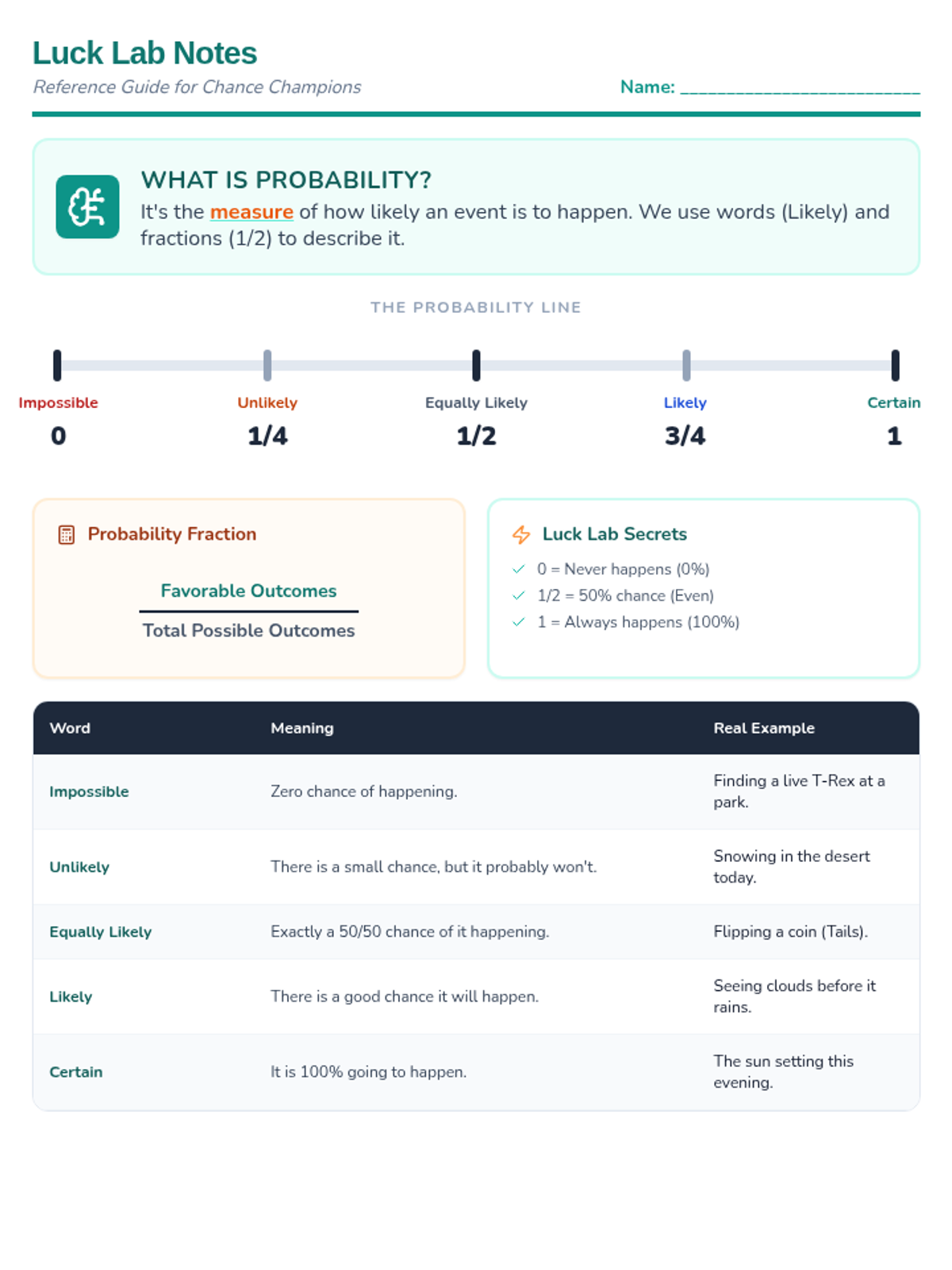
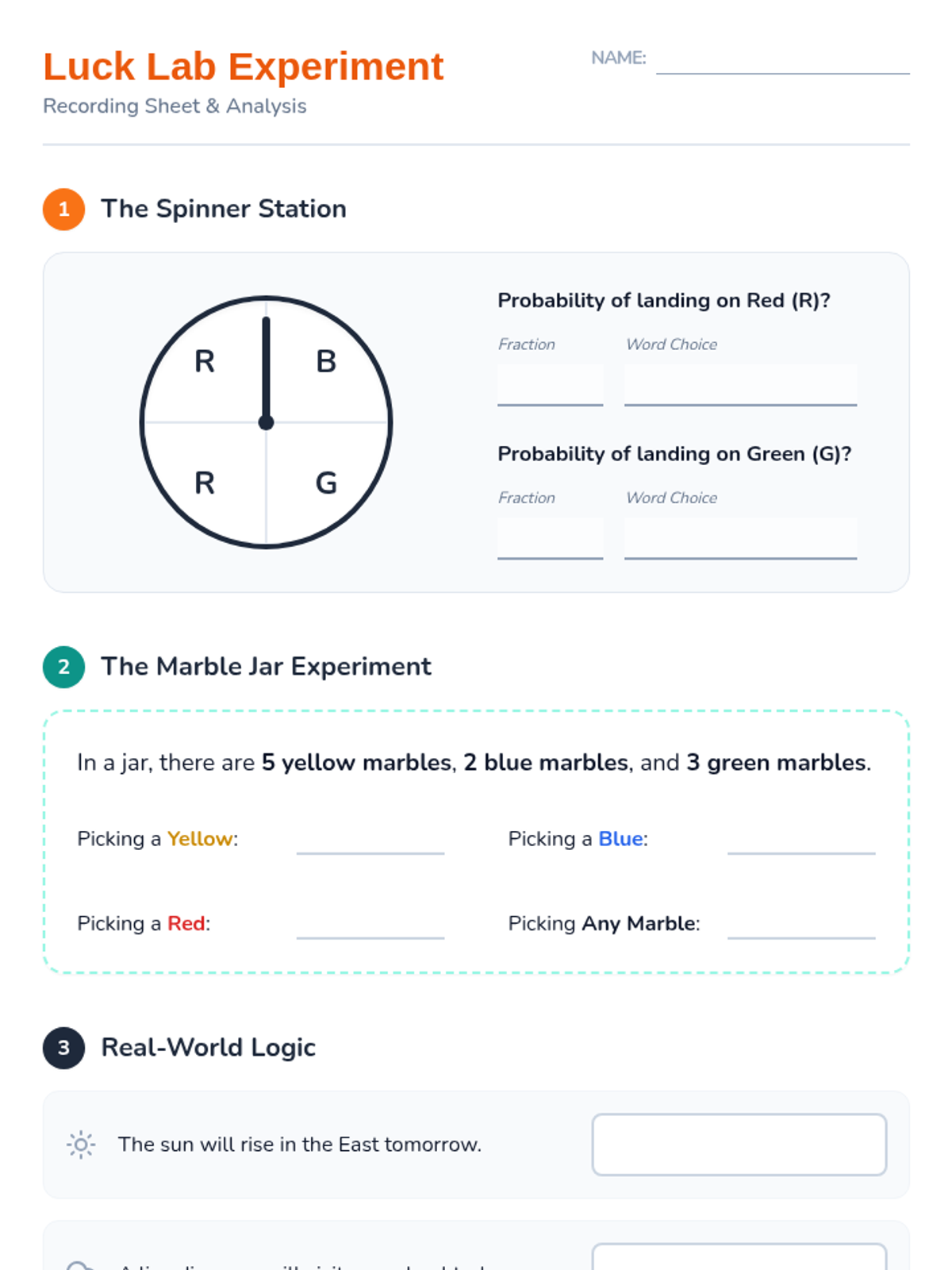
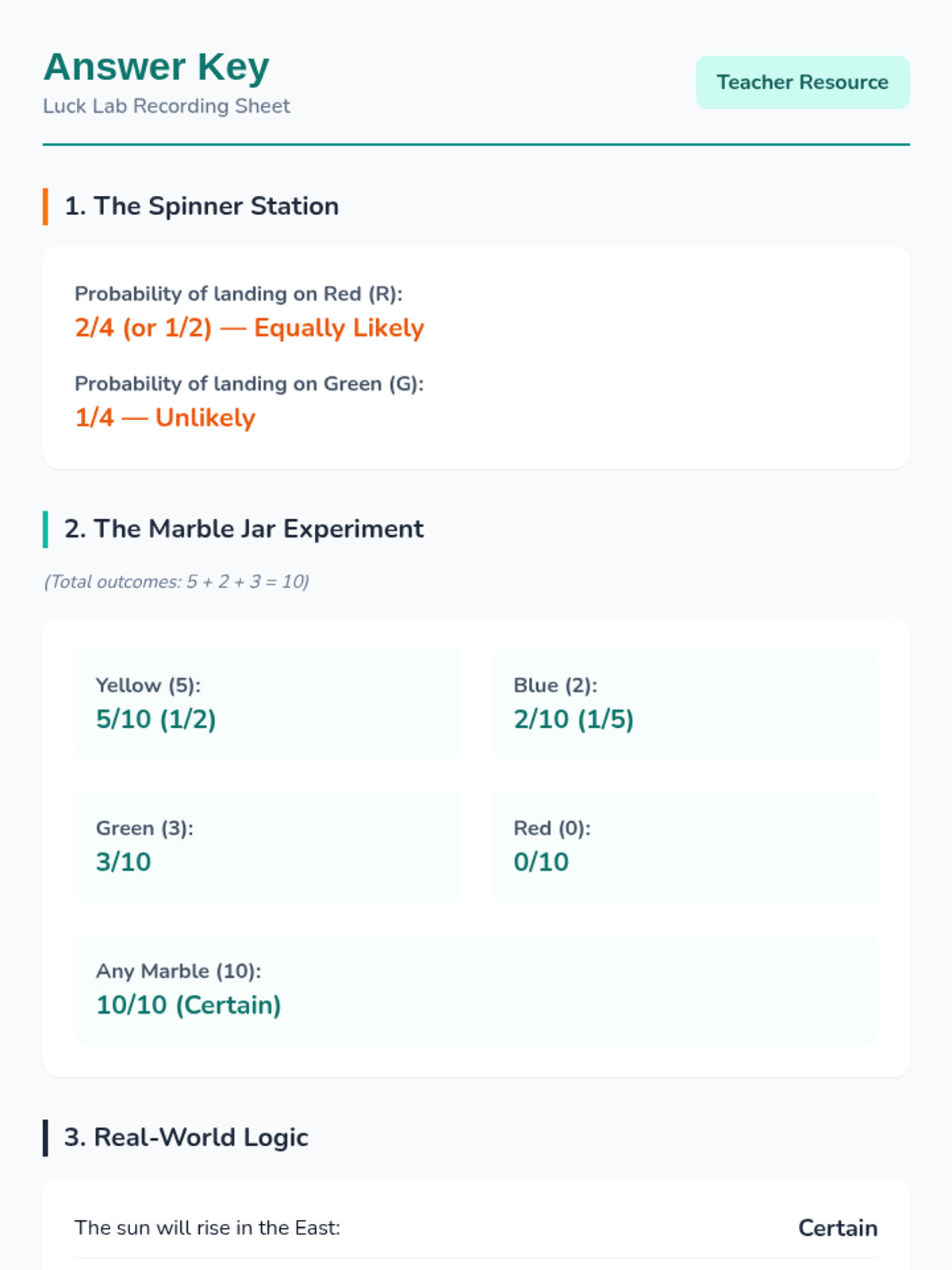
A mini-lesson introducing probability concepts through the lens of 'The Luck Lab', covering vocabulary (certain to impossible) and fractional representations.
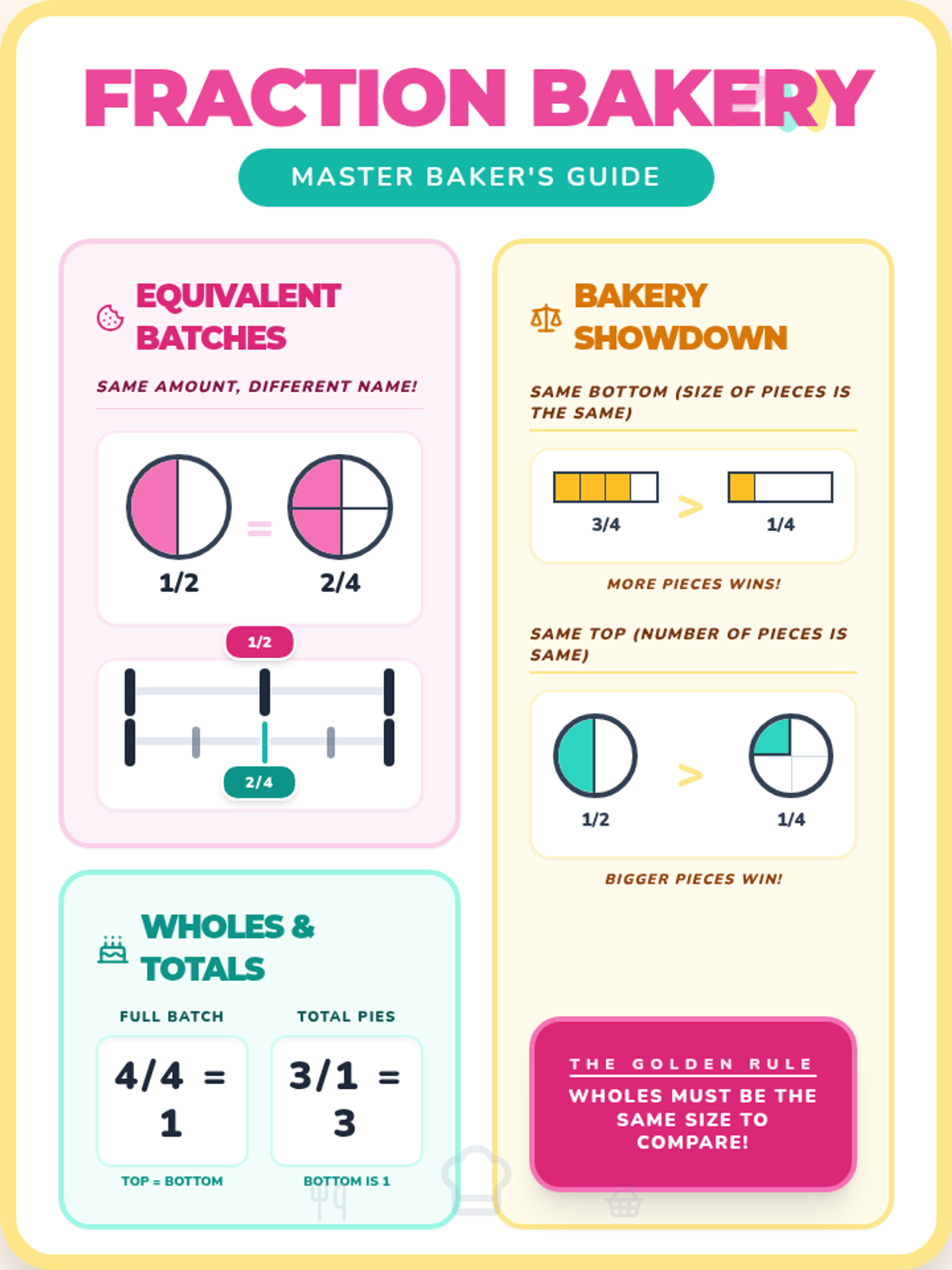
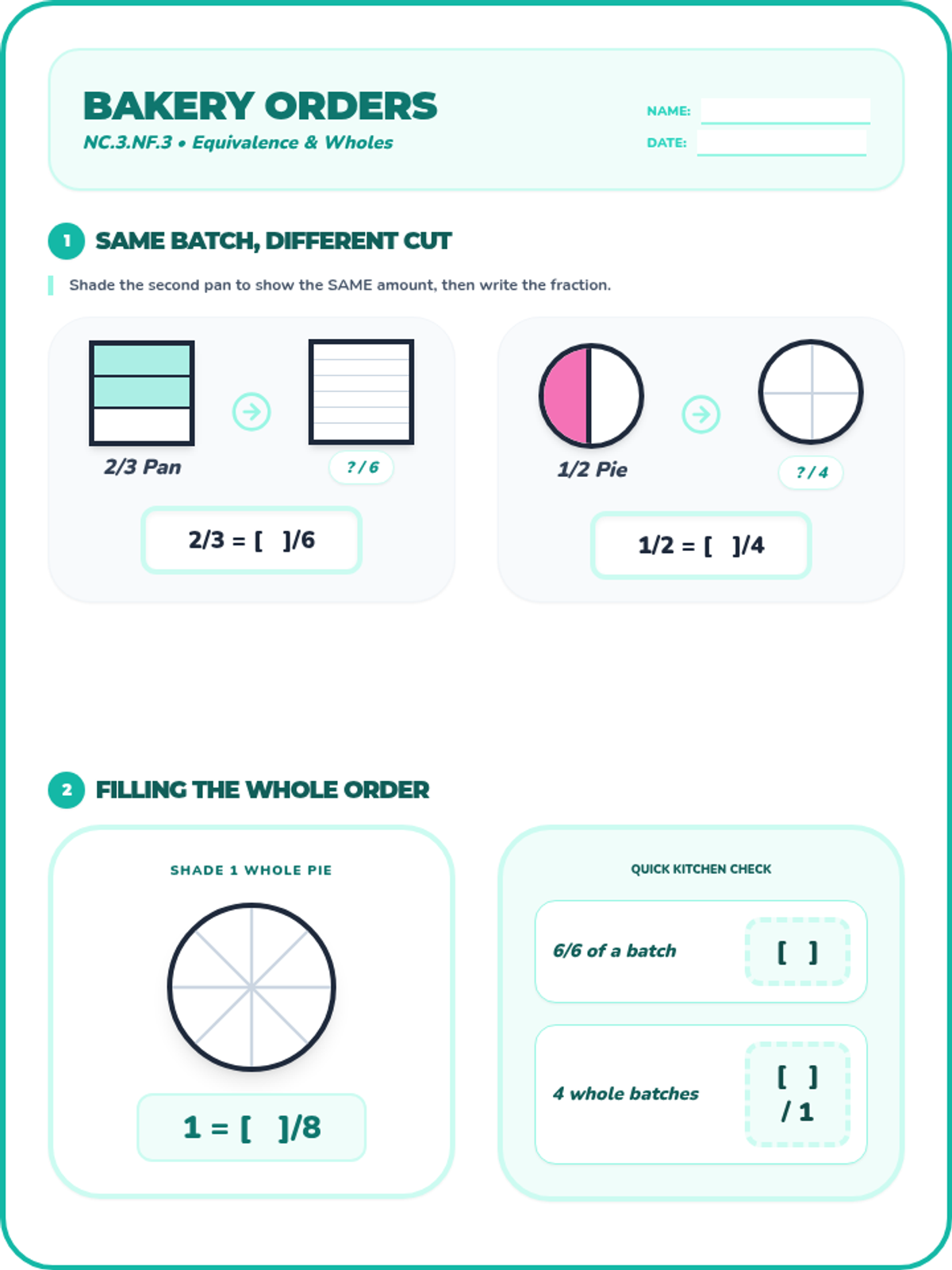
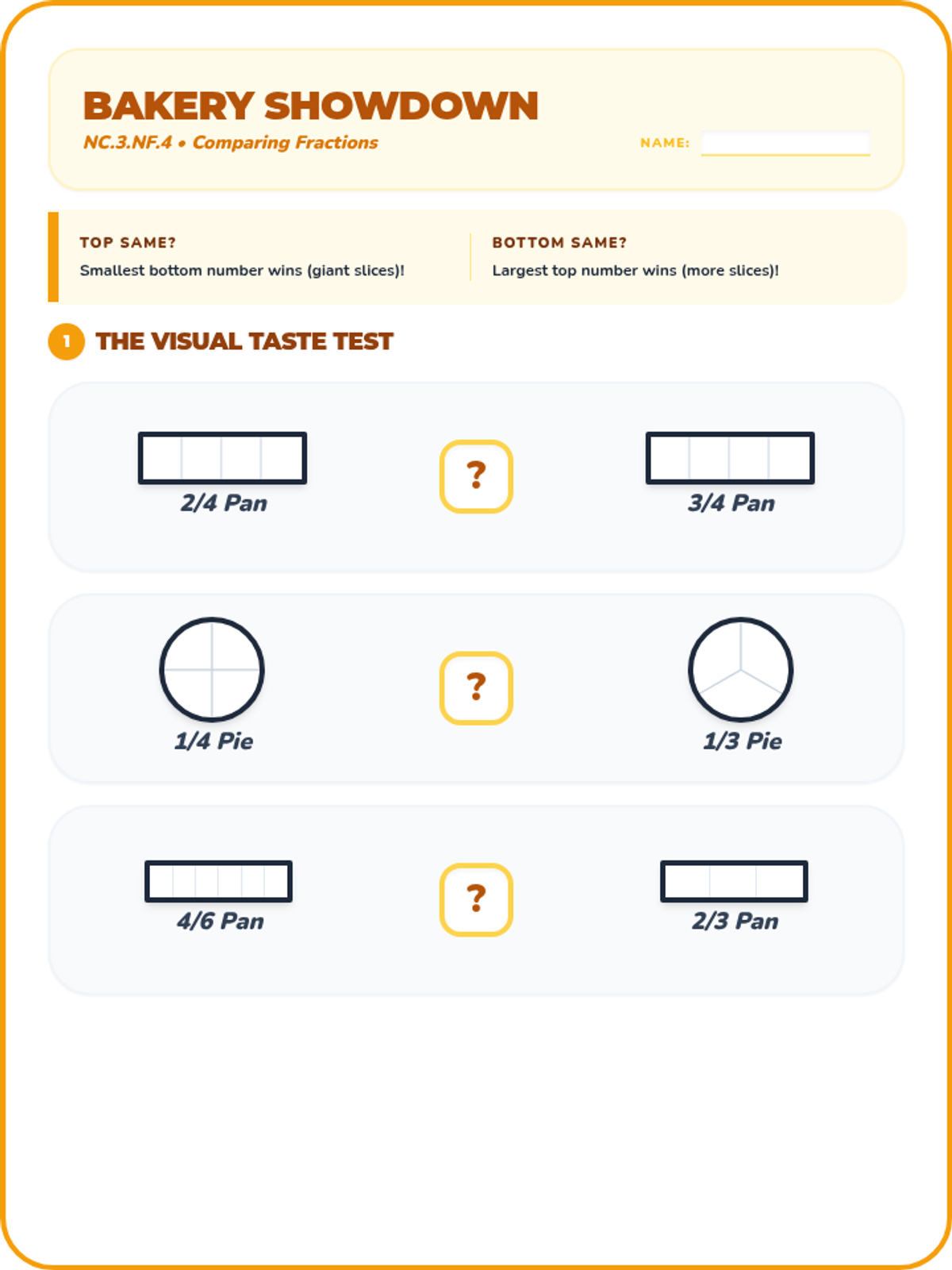
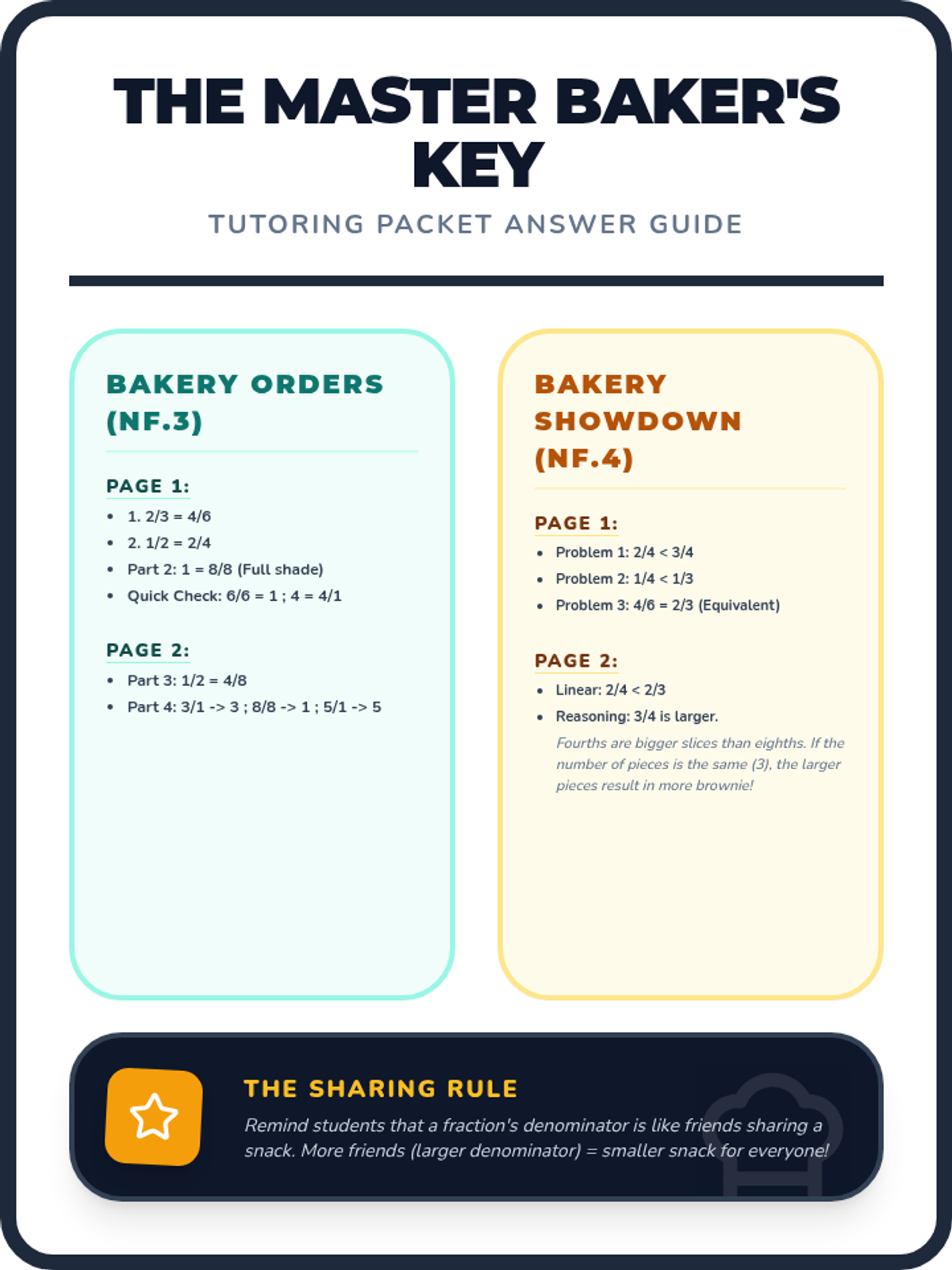
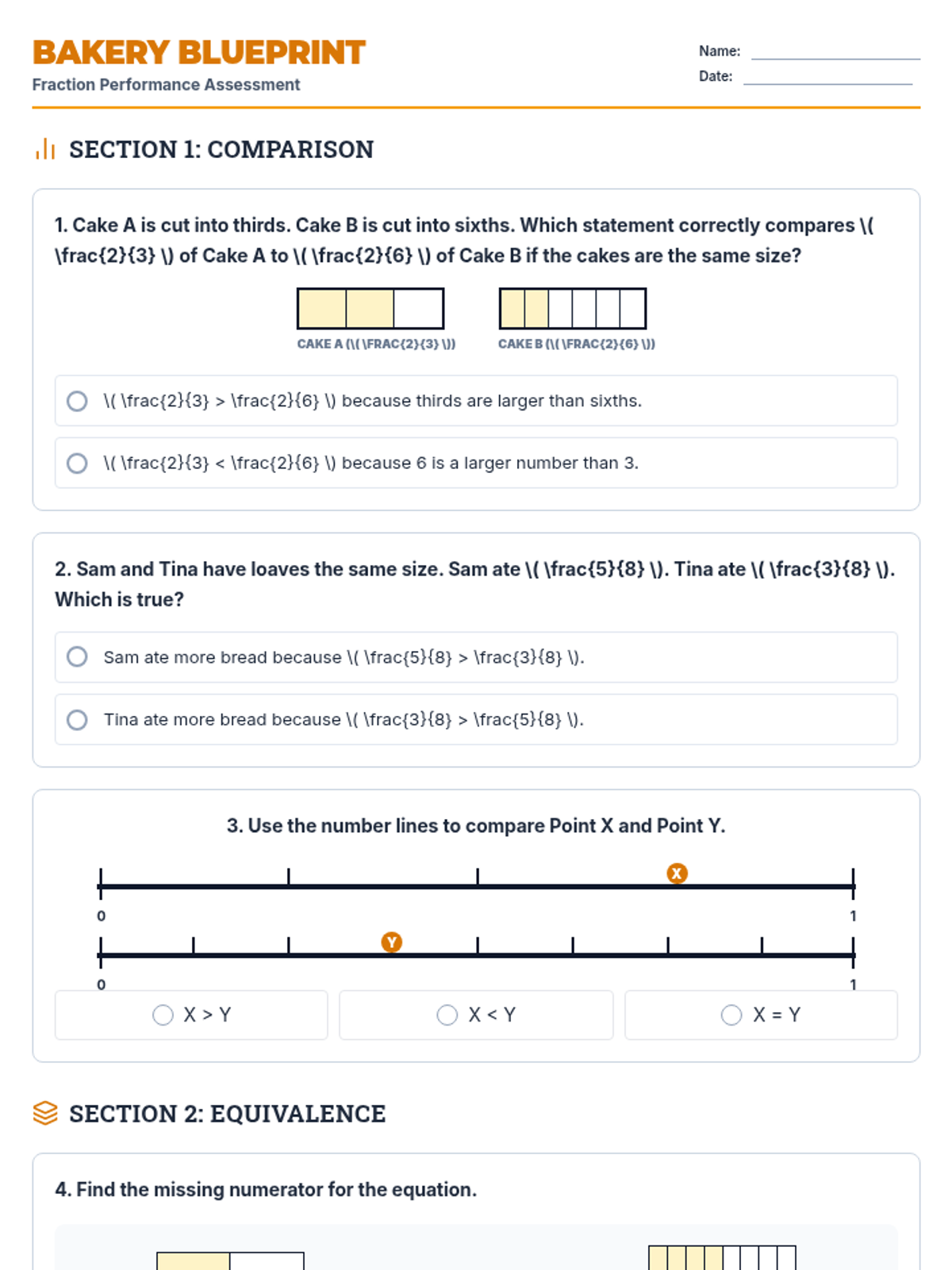
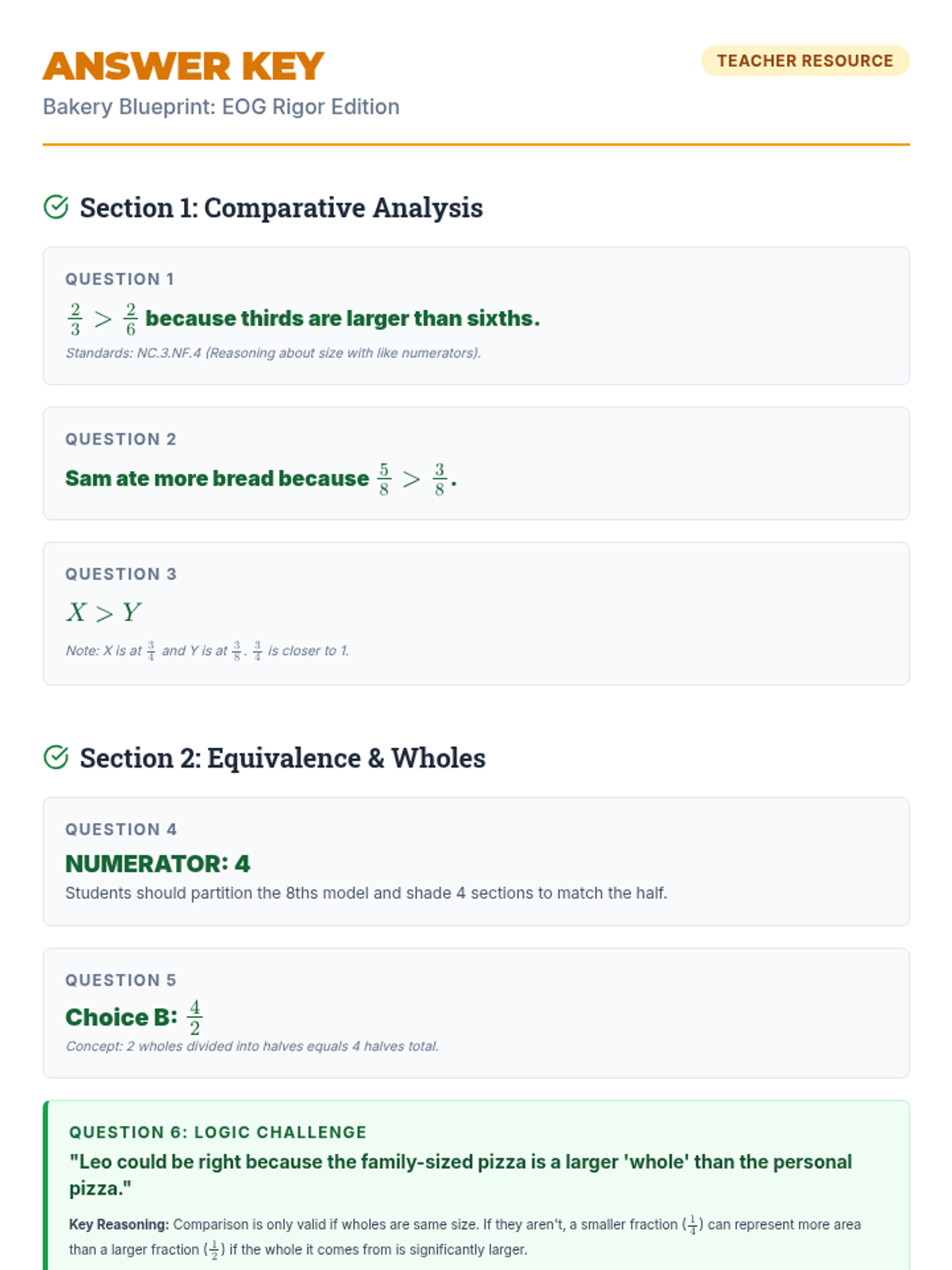
A comprehensive lesson on comparing and representing fractions using area and length models within a bakery-themed context. Students will practice comparing fractions with like numerators or denominators and identifying equivalent fractions and whole numbers.
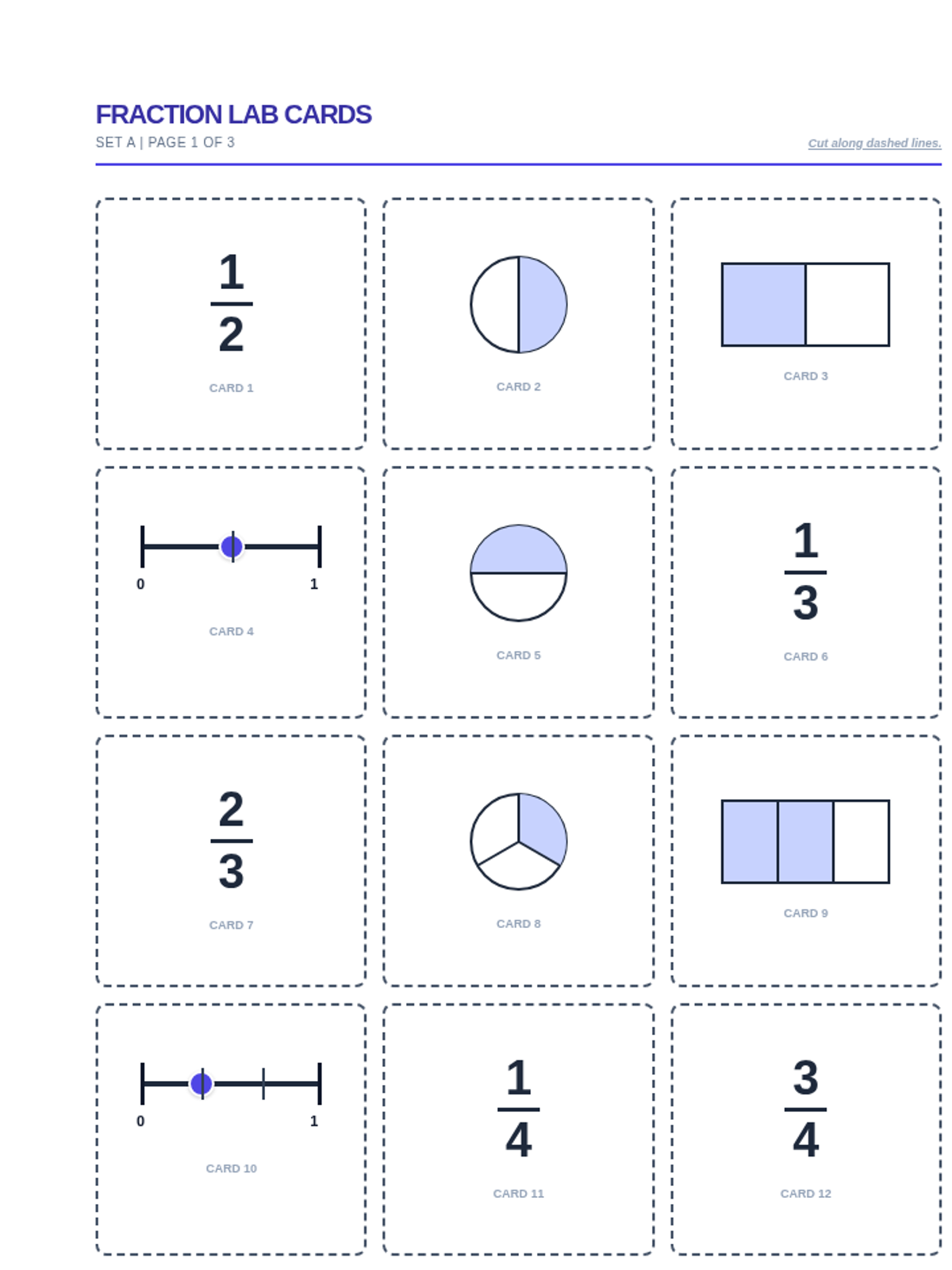
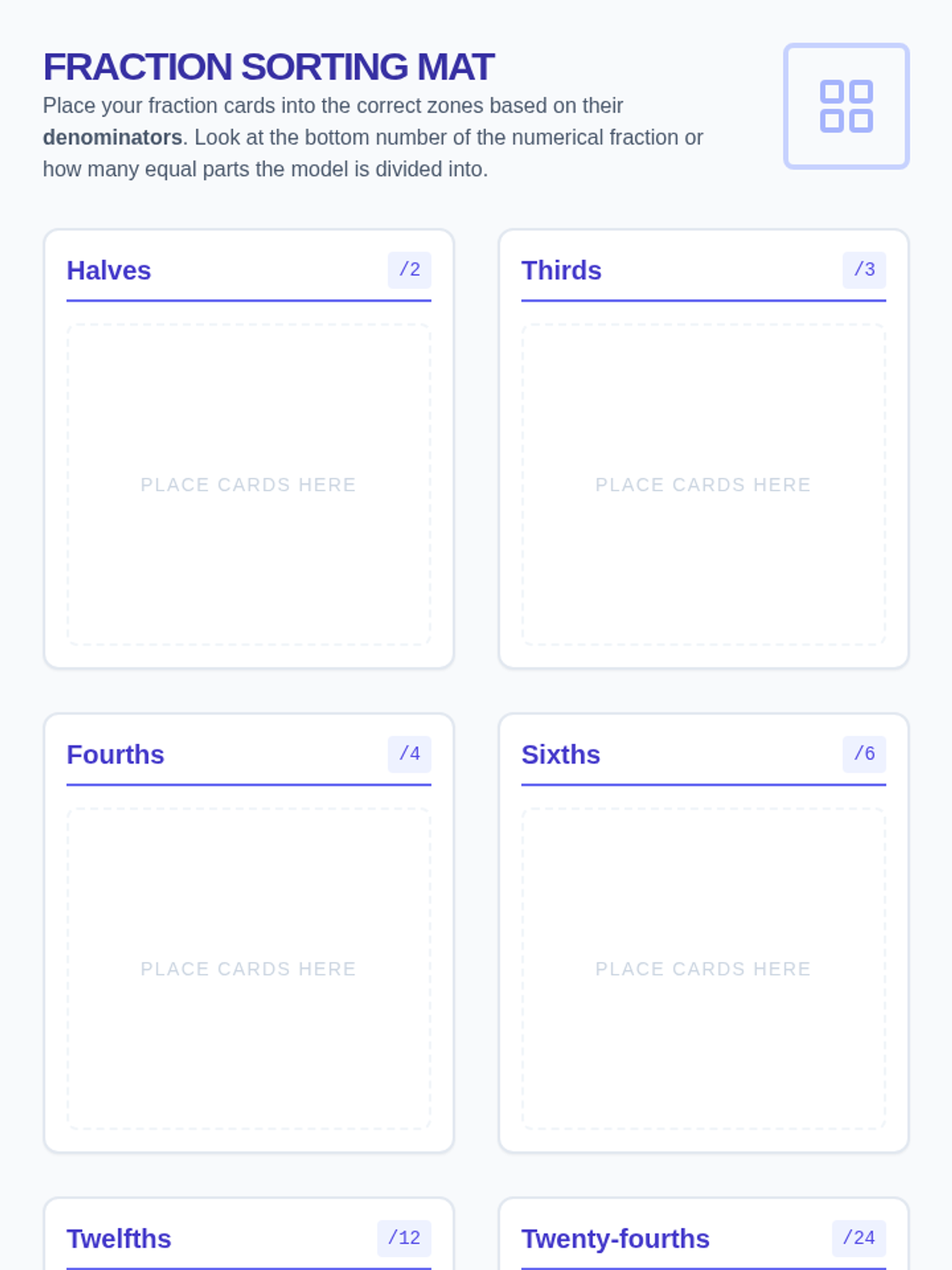
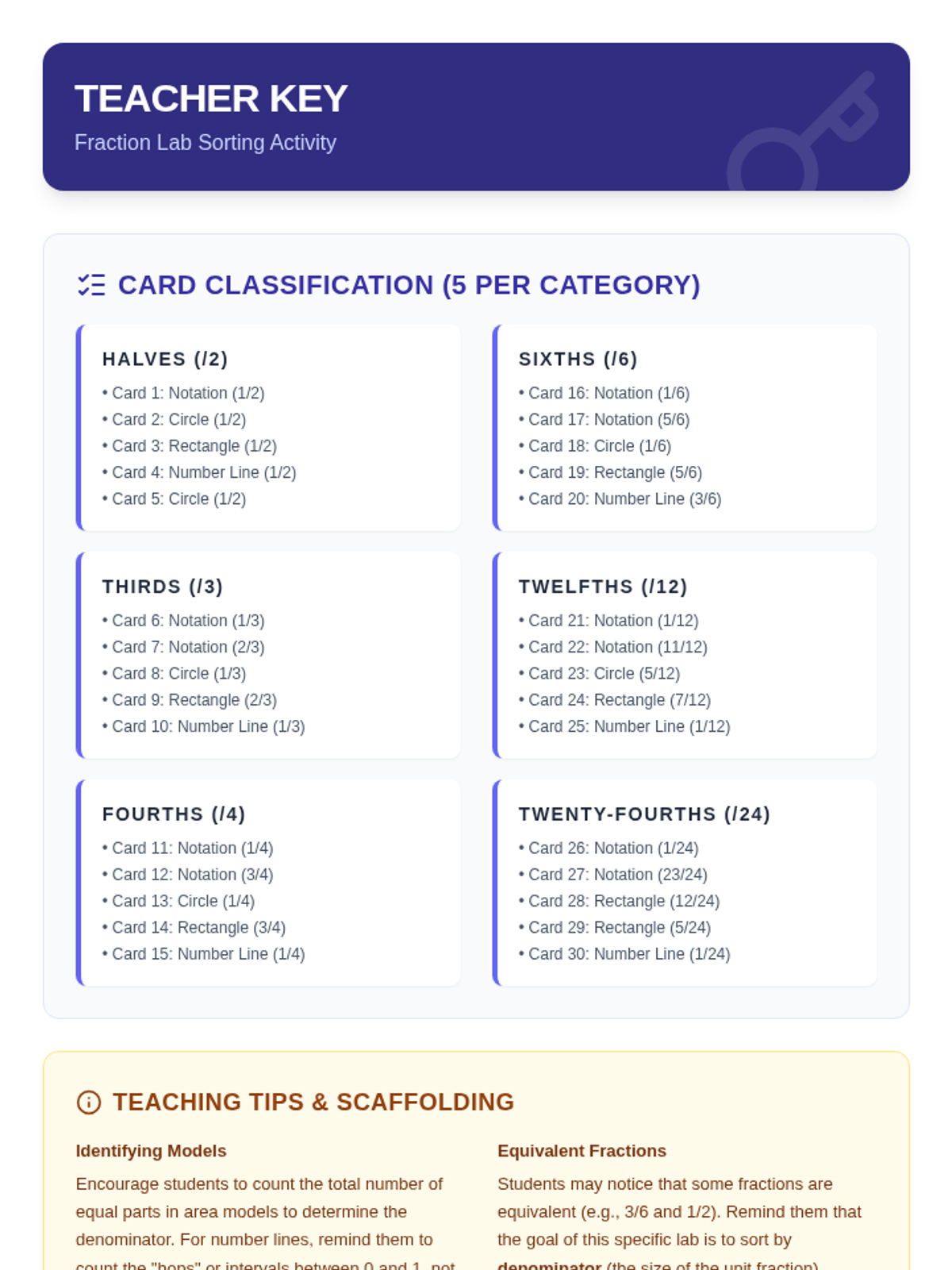
A hands-on exploration of fractions where students identify and sort fractions based on their denominators using various representations including number lines, area models, and numerical forms.
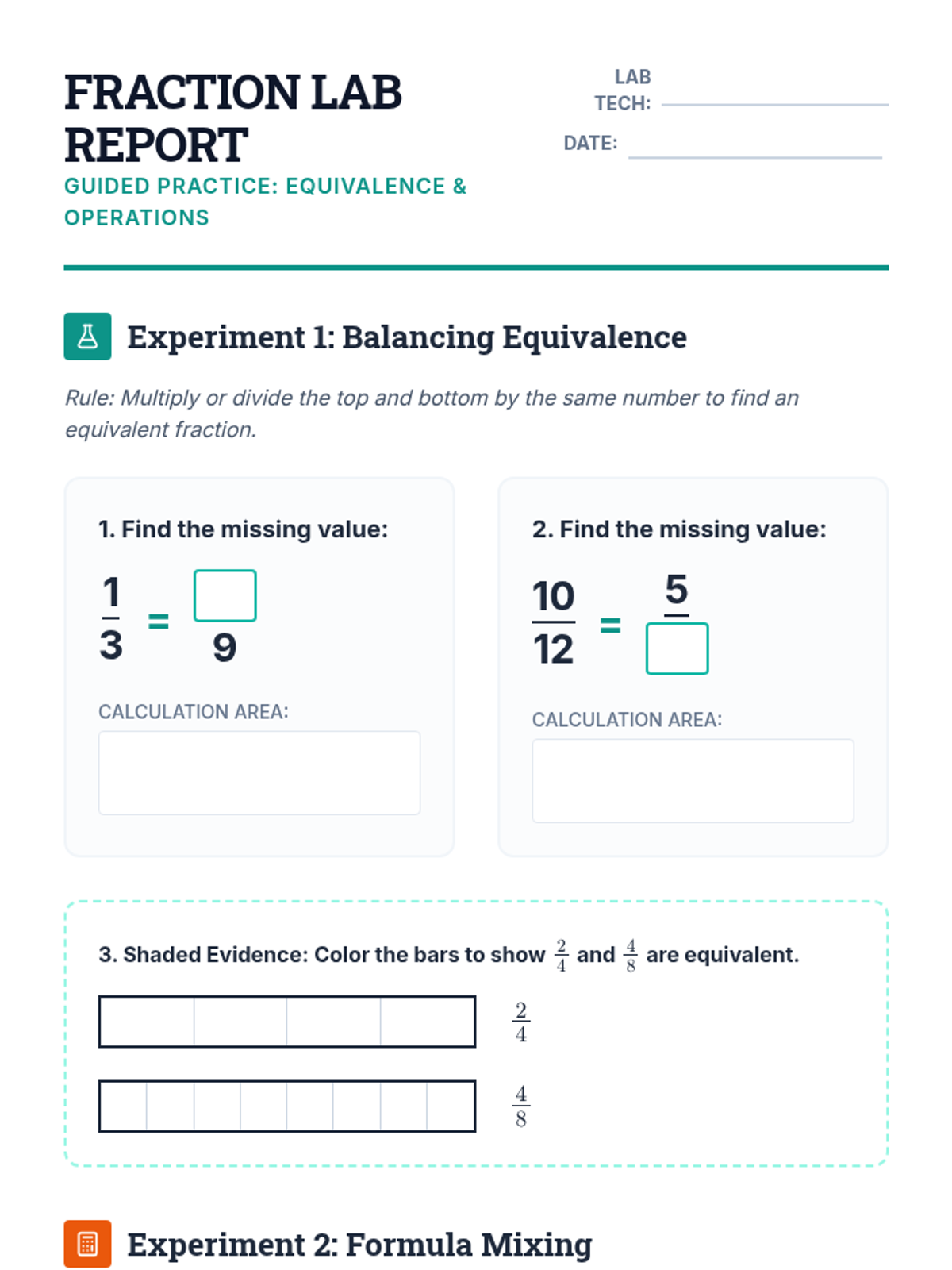
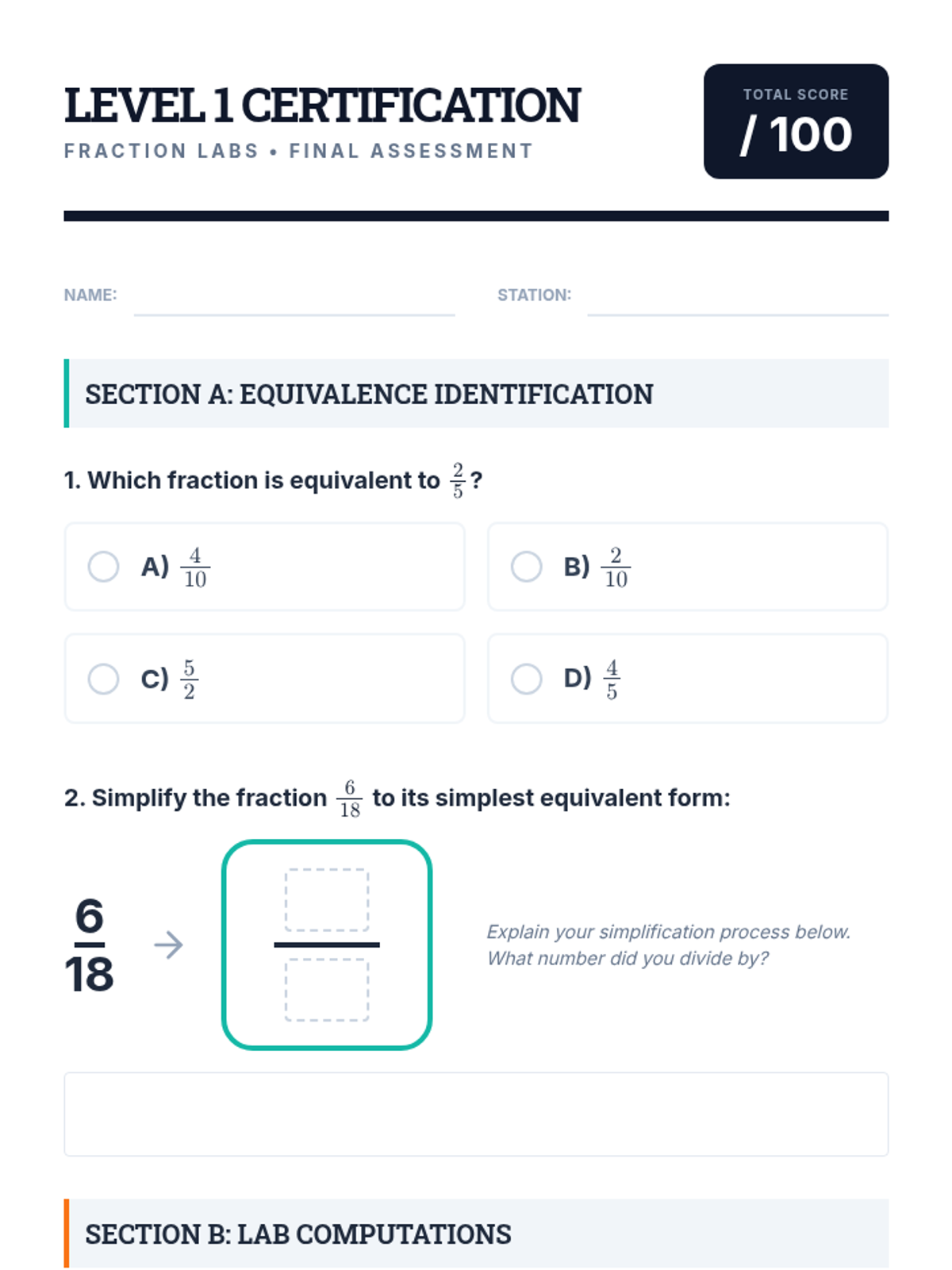
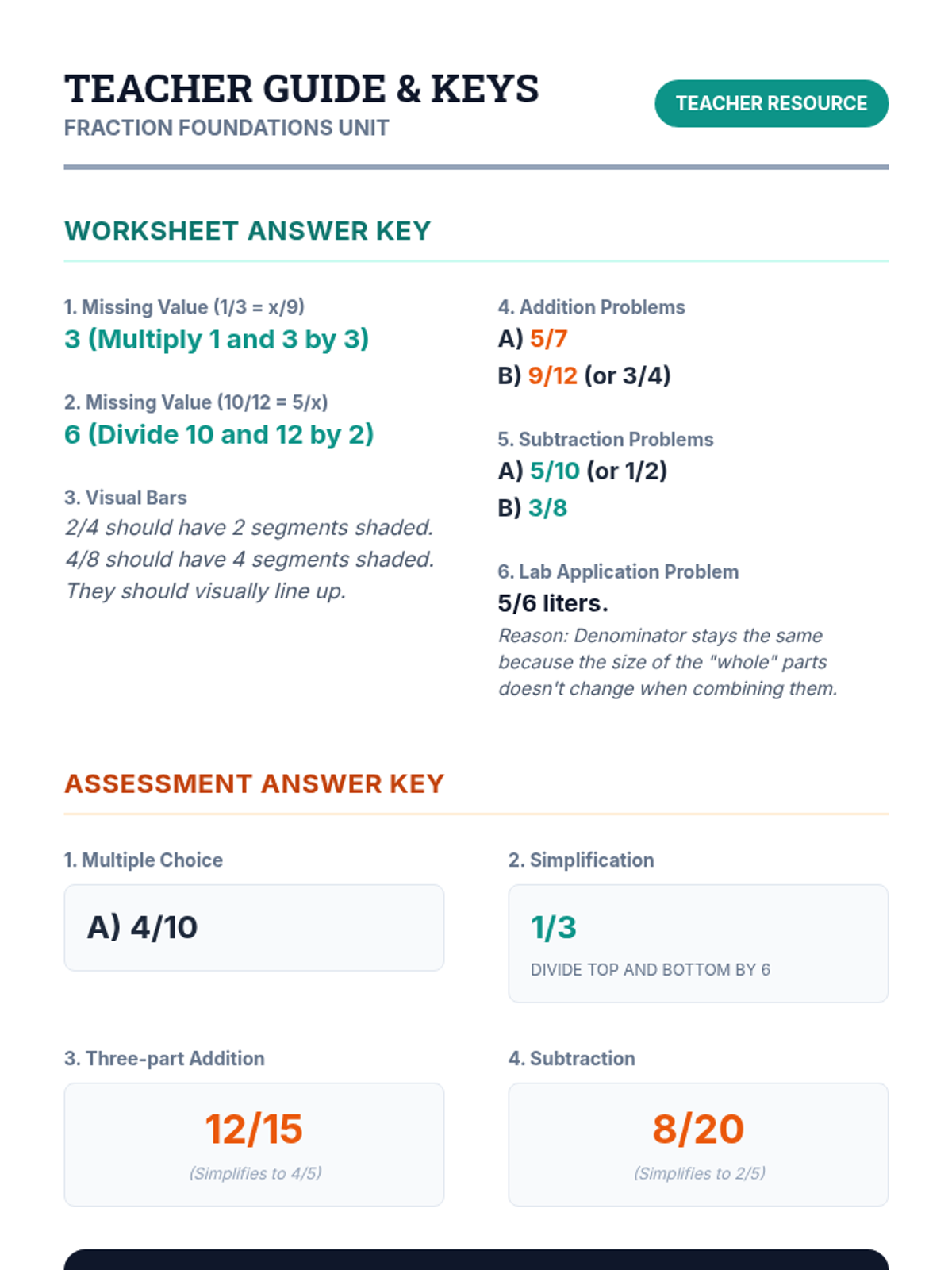
A comprehensive lesson on equivalent fractions and adding/subtracting fractions with like denominators, featuring a science lab theme.
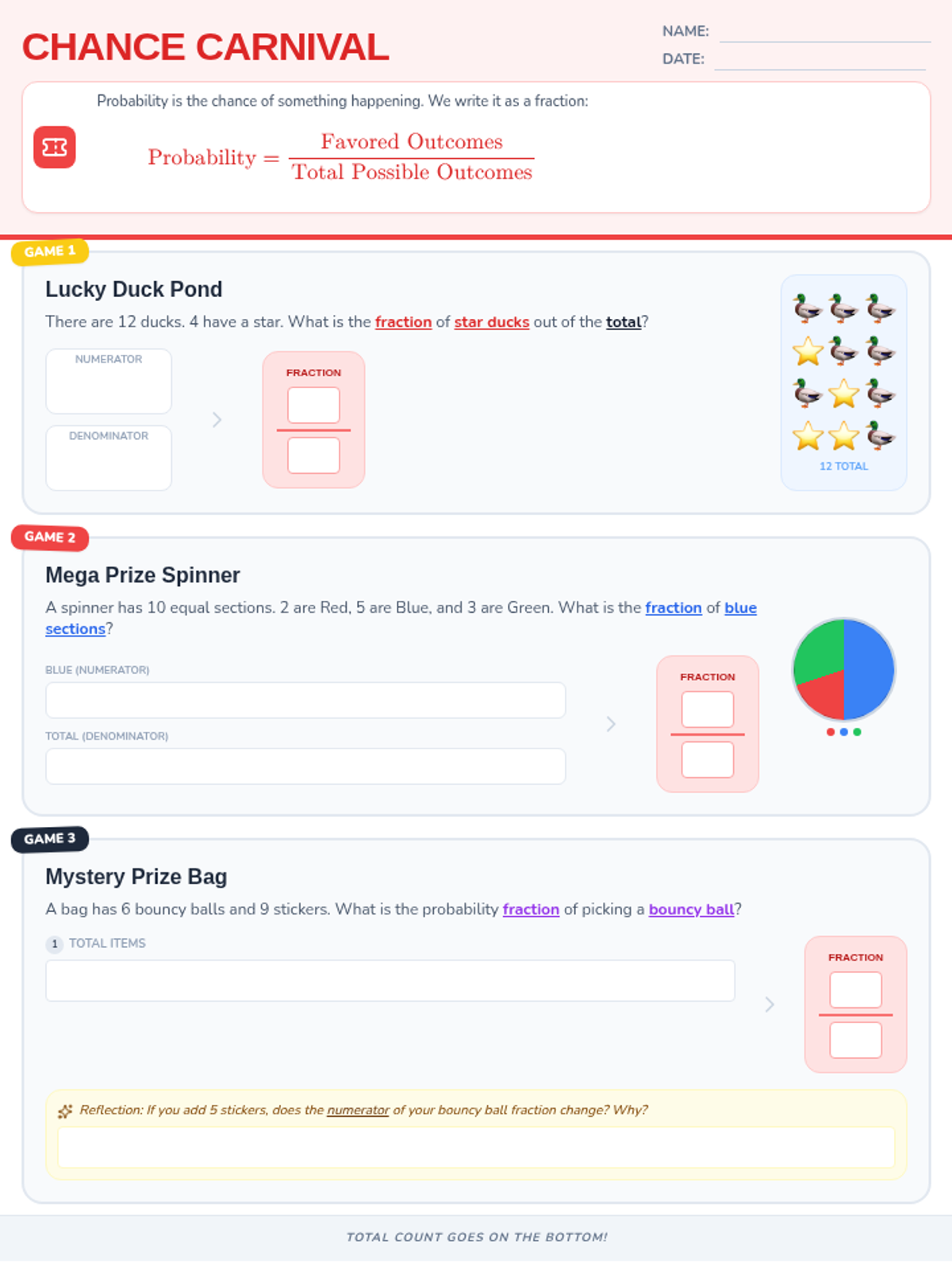
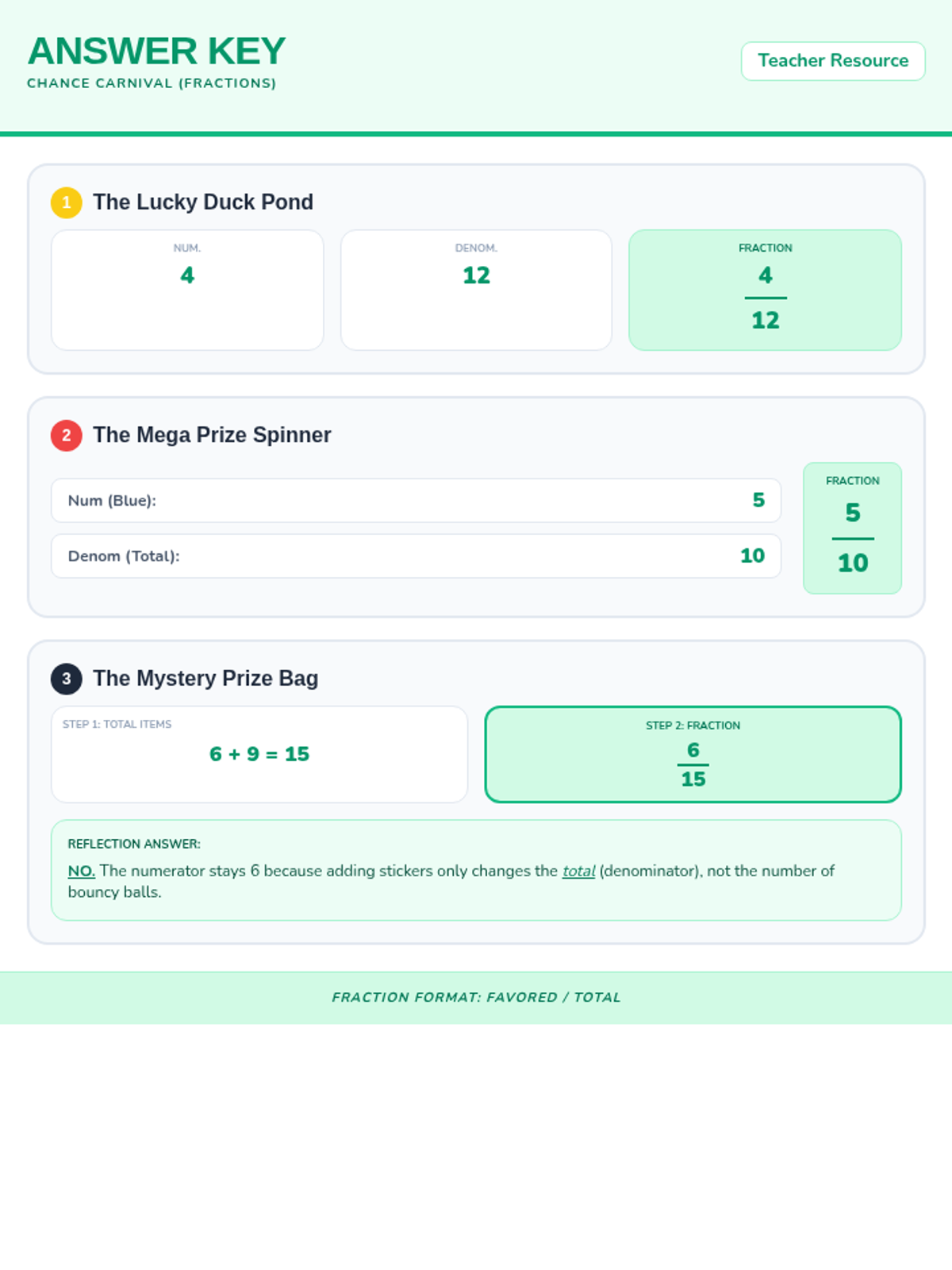
A quick introductory lesson focusing on the fundamental concept of probability as a ratio of favored outcomes to total possible outcomes.
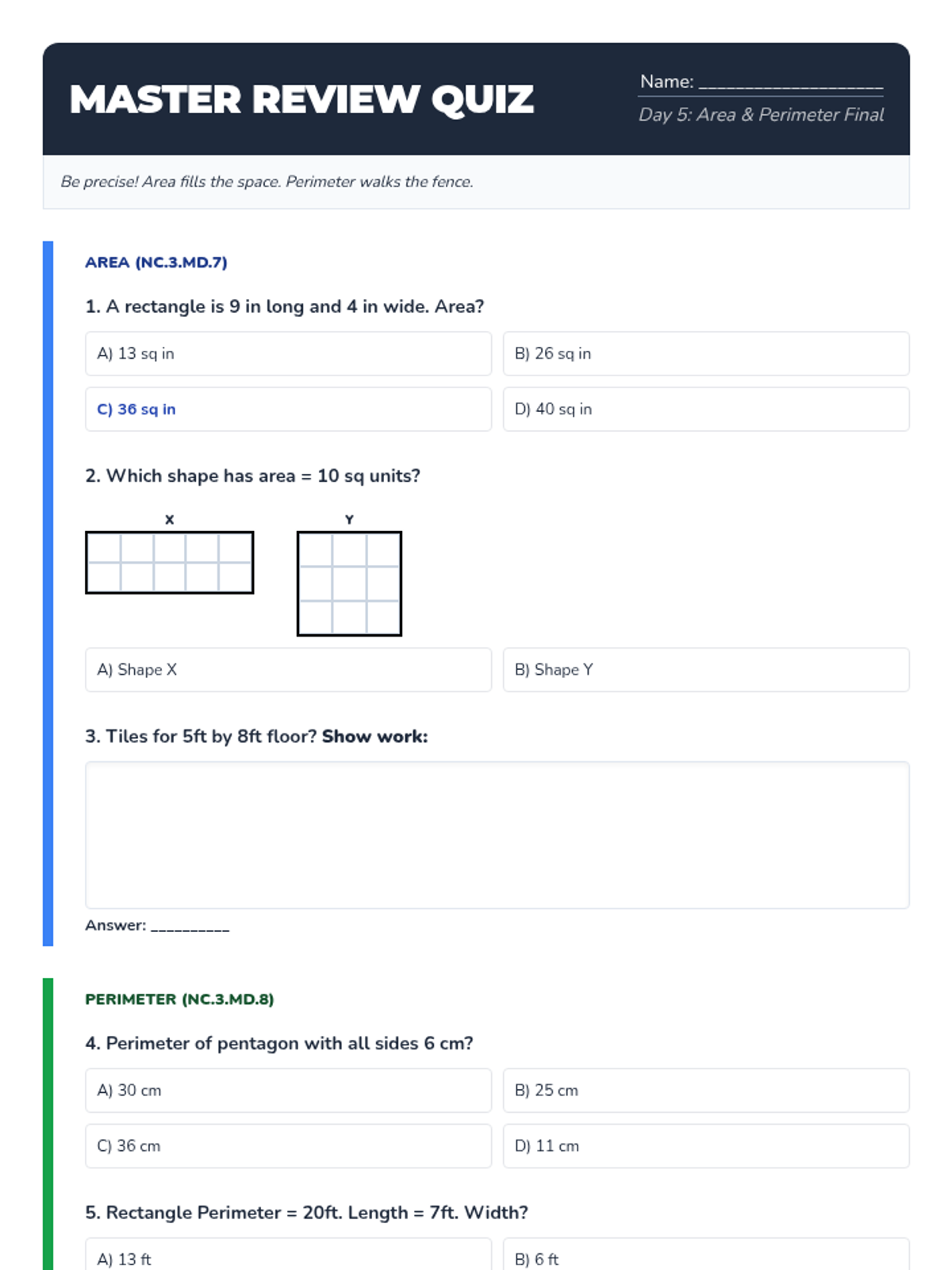
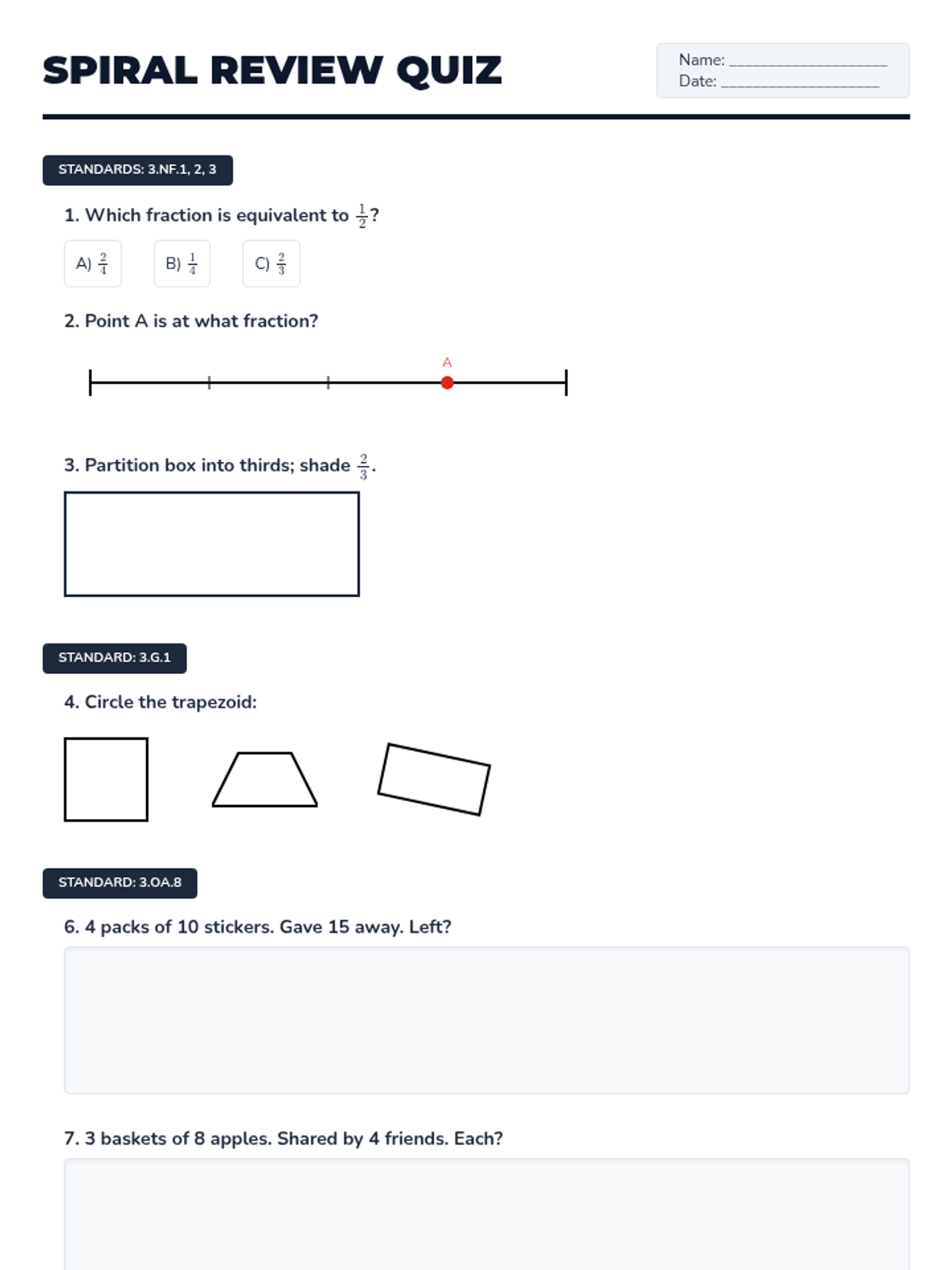
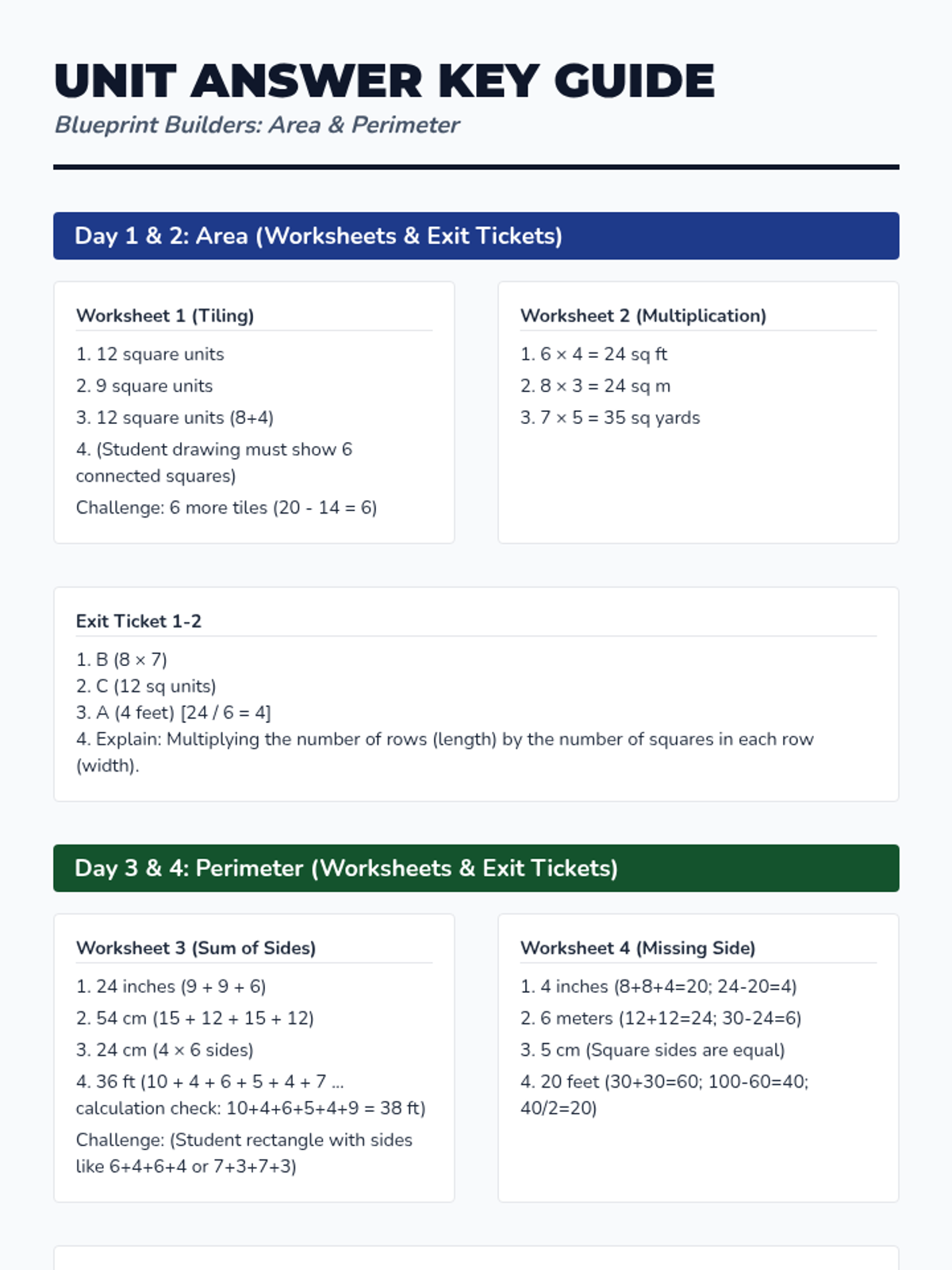
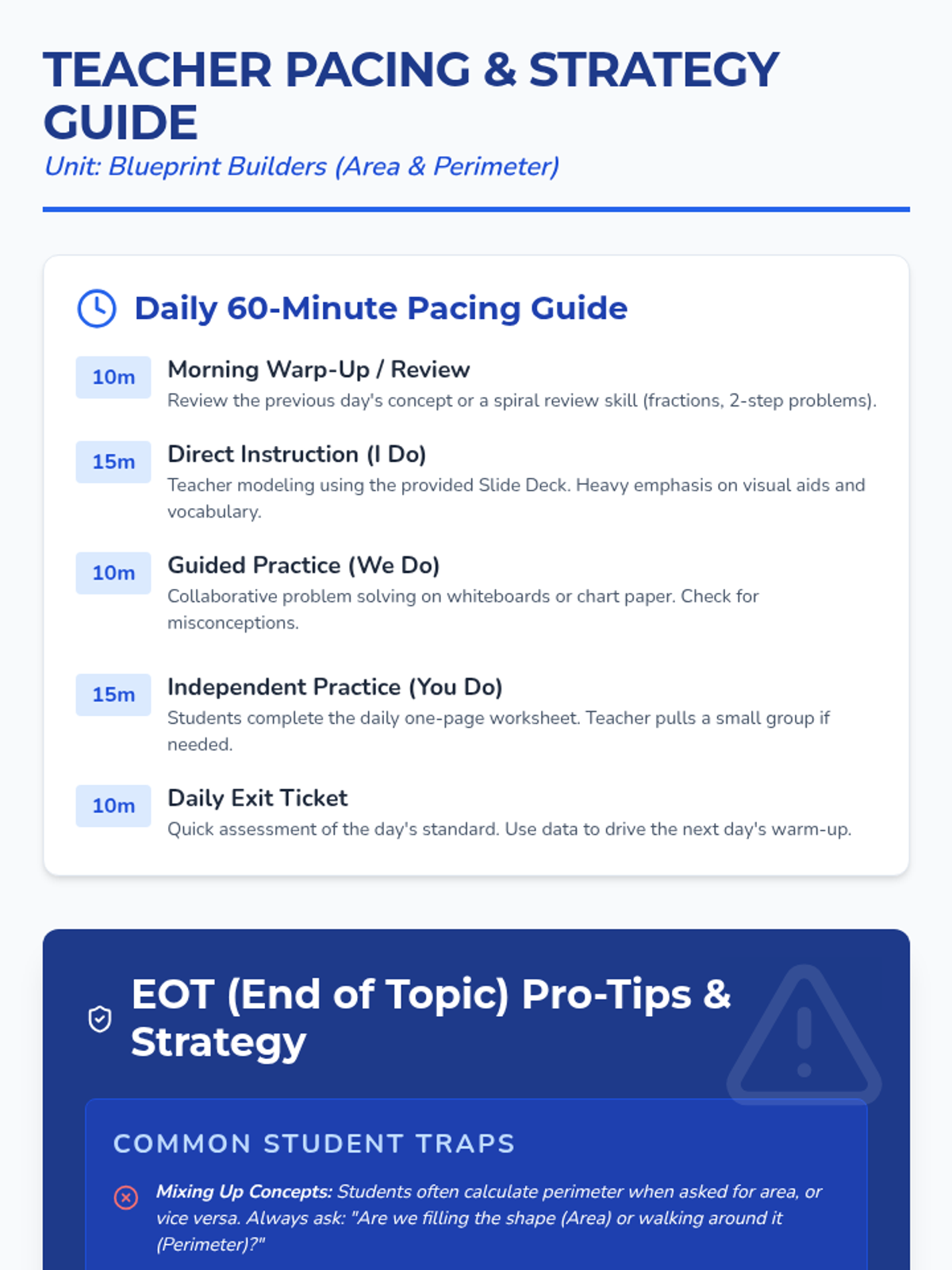
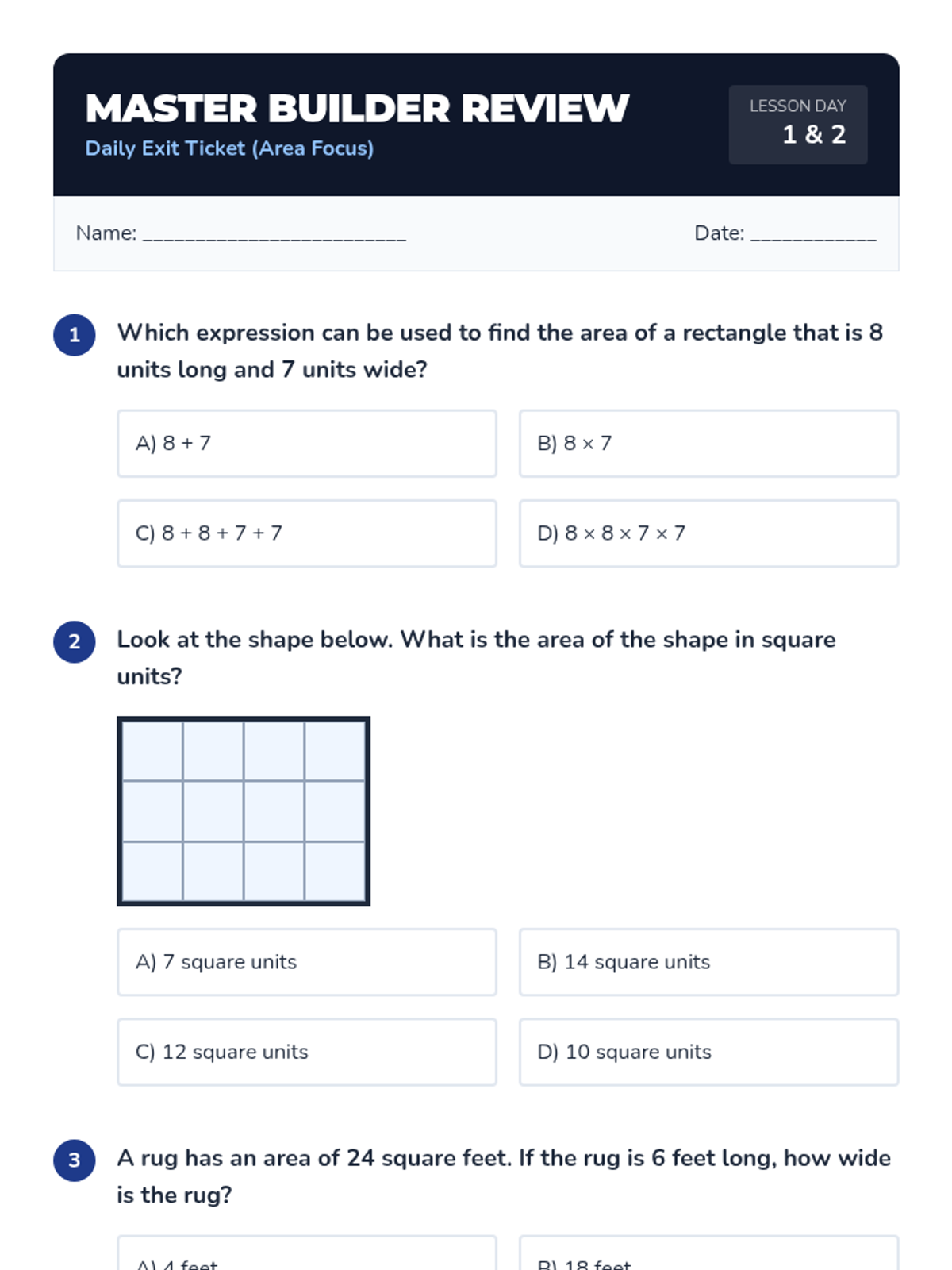
A comprehensive review of area and perimeter concepts including a spiral review assessment.
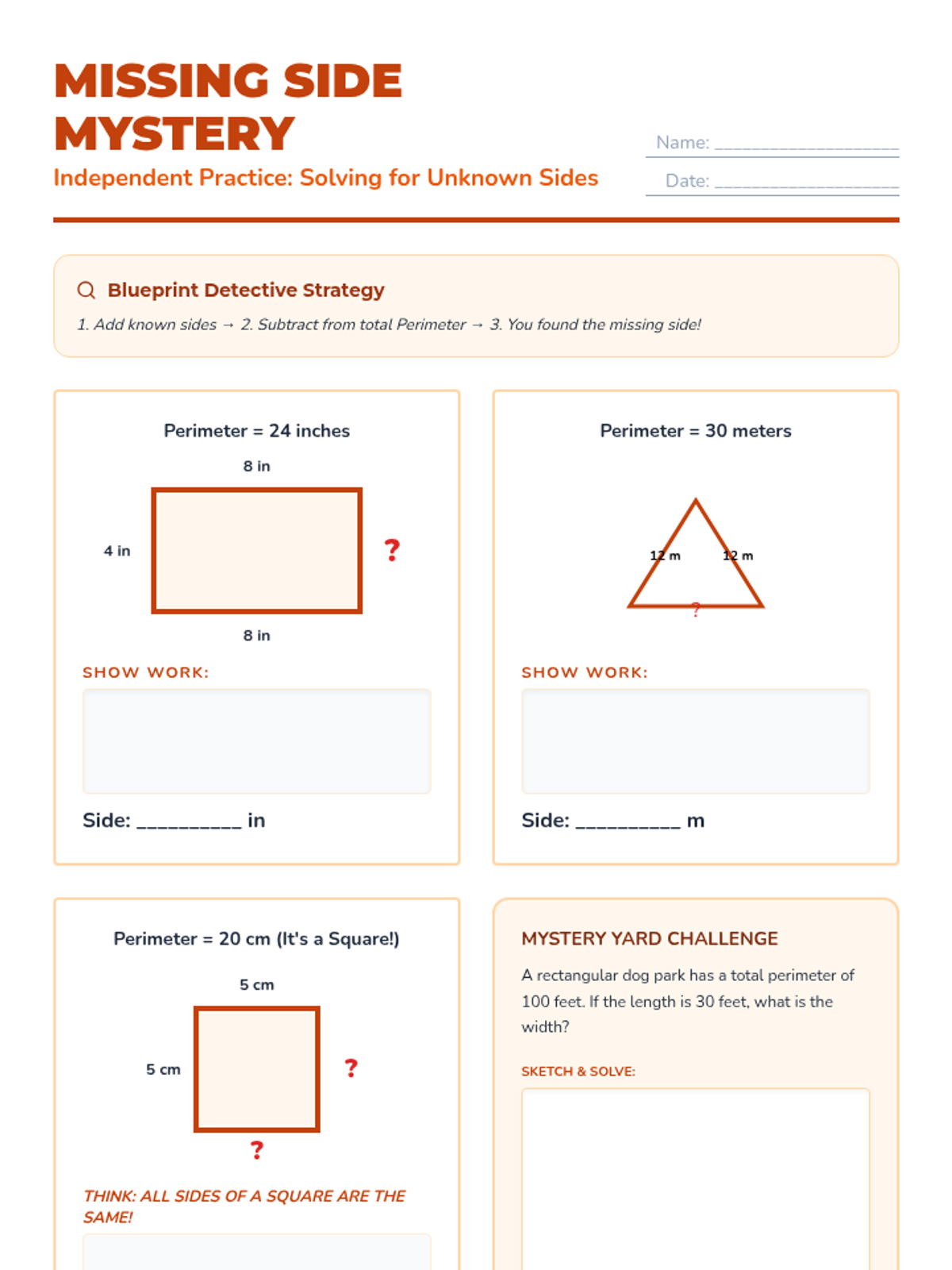
Challenges students to find missing side lengths when the total perimeter is known.
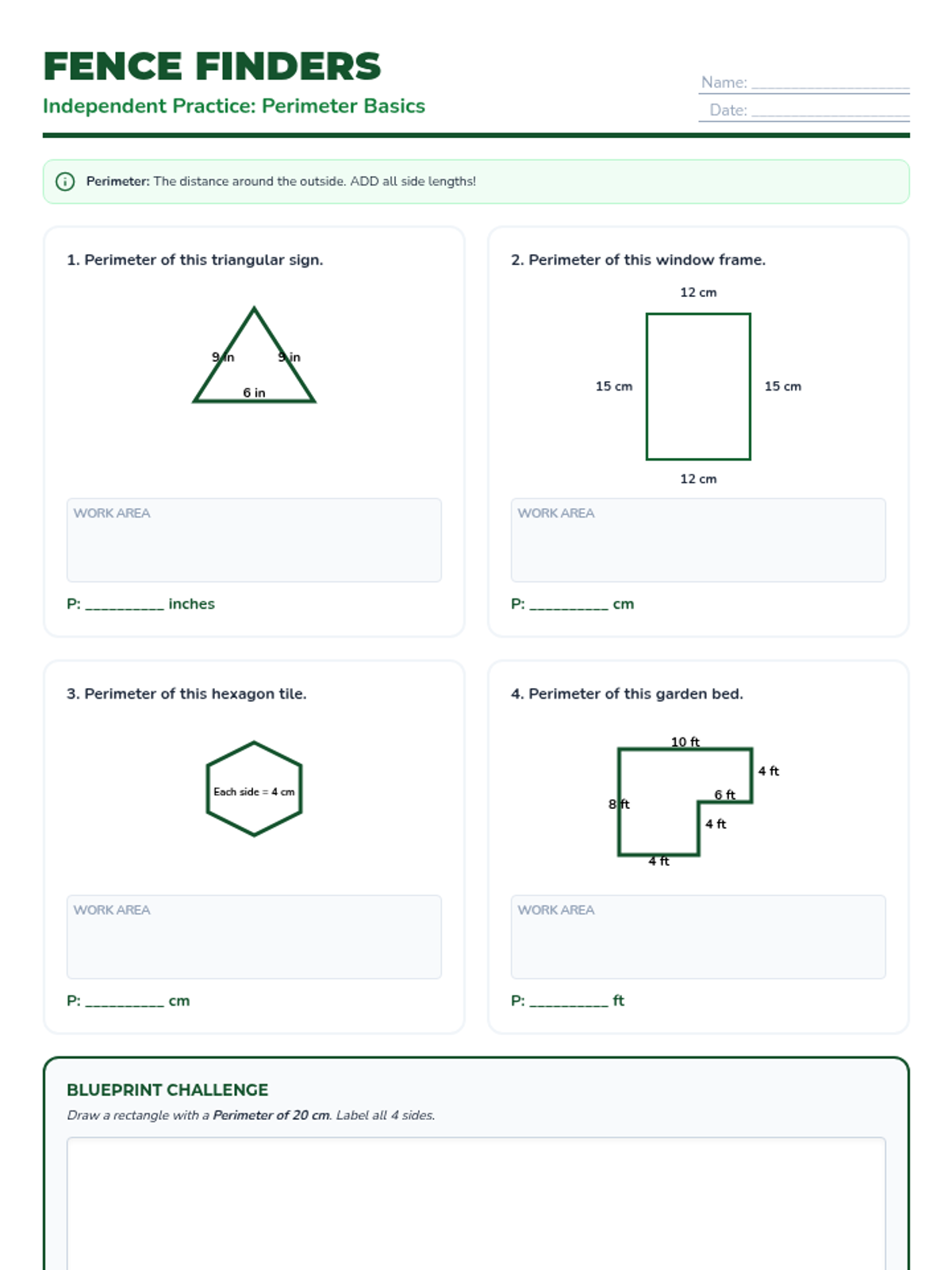
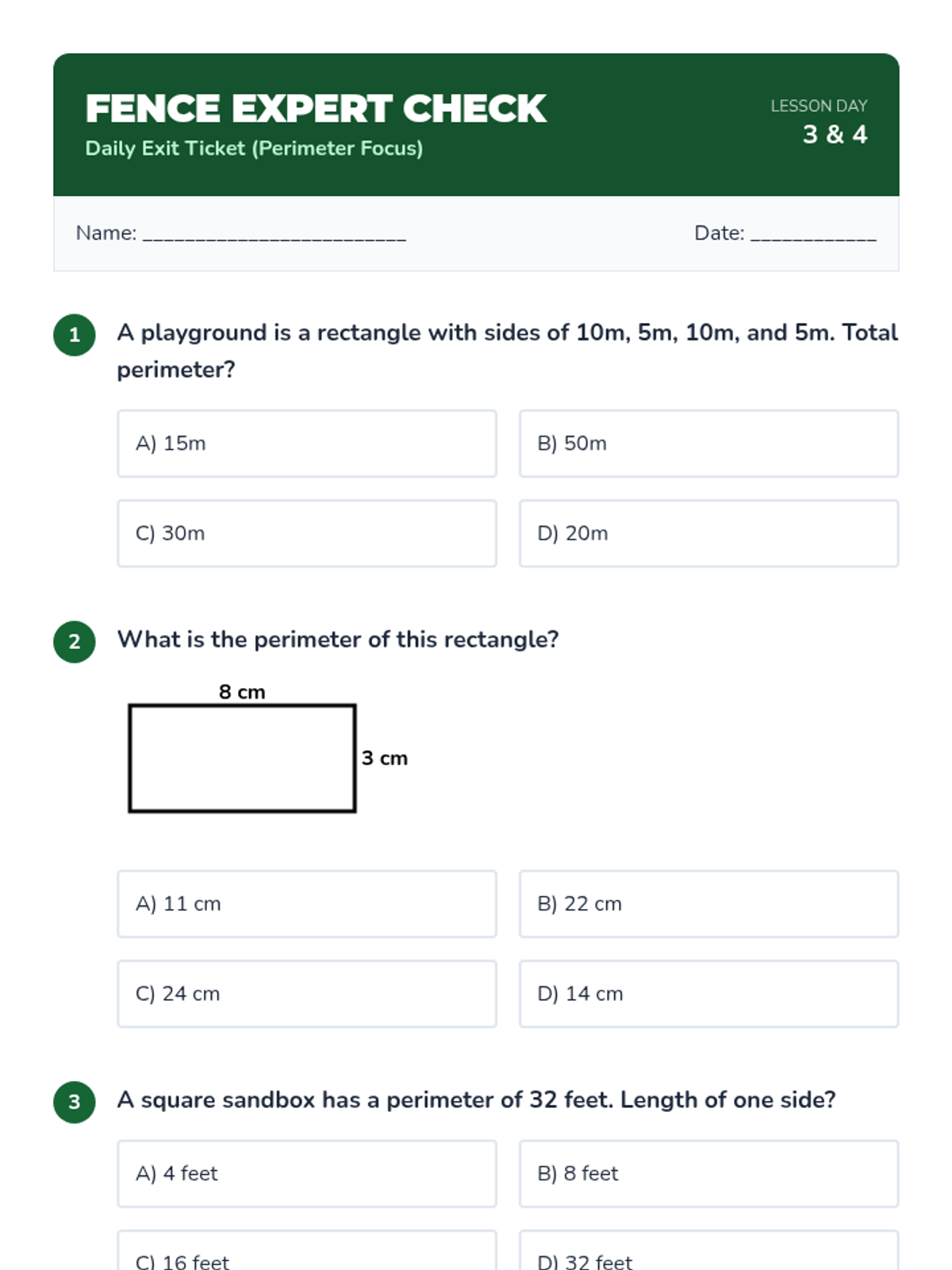
Introduces perimeter as the distance around a shape and calculates it by adding all side lengths.
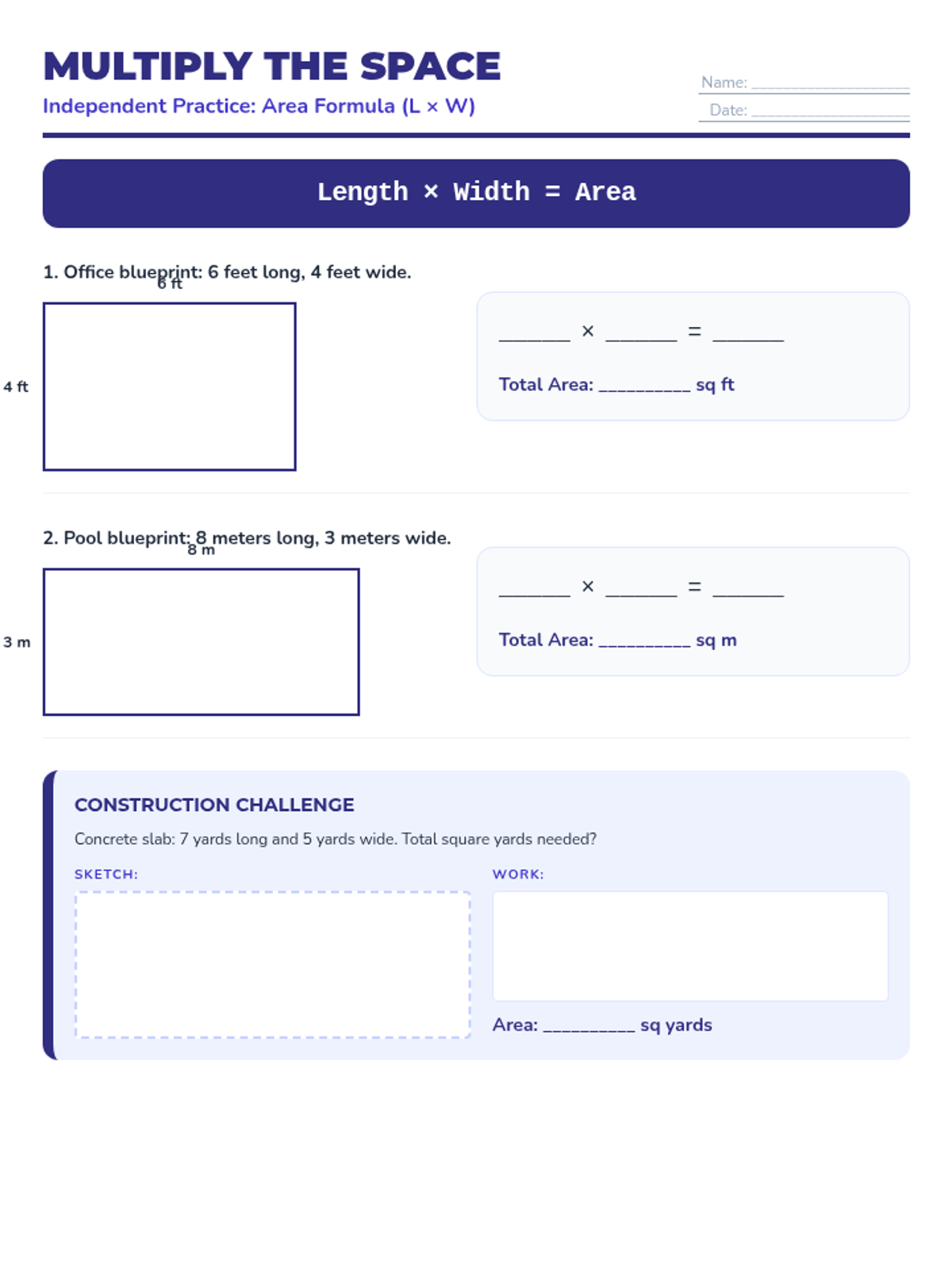
Connects area to multiplication by partitioning rectangles and using the Length x Width formula.
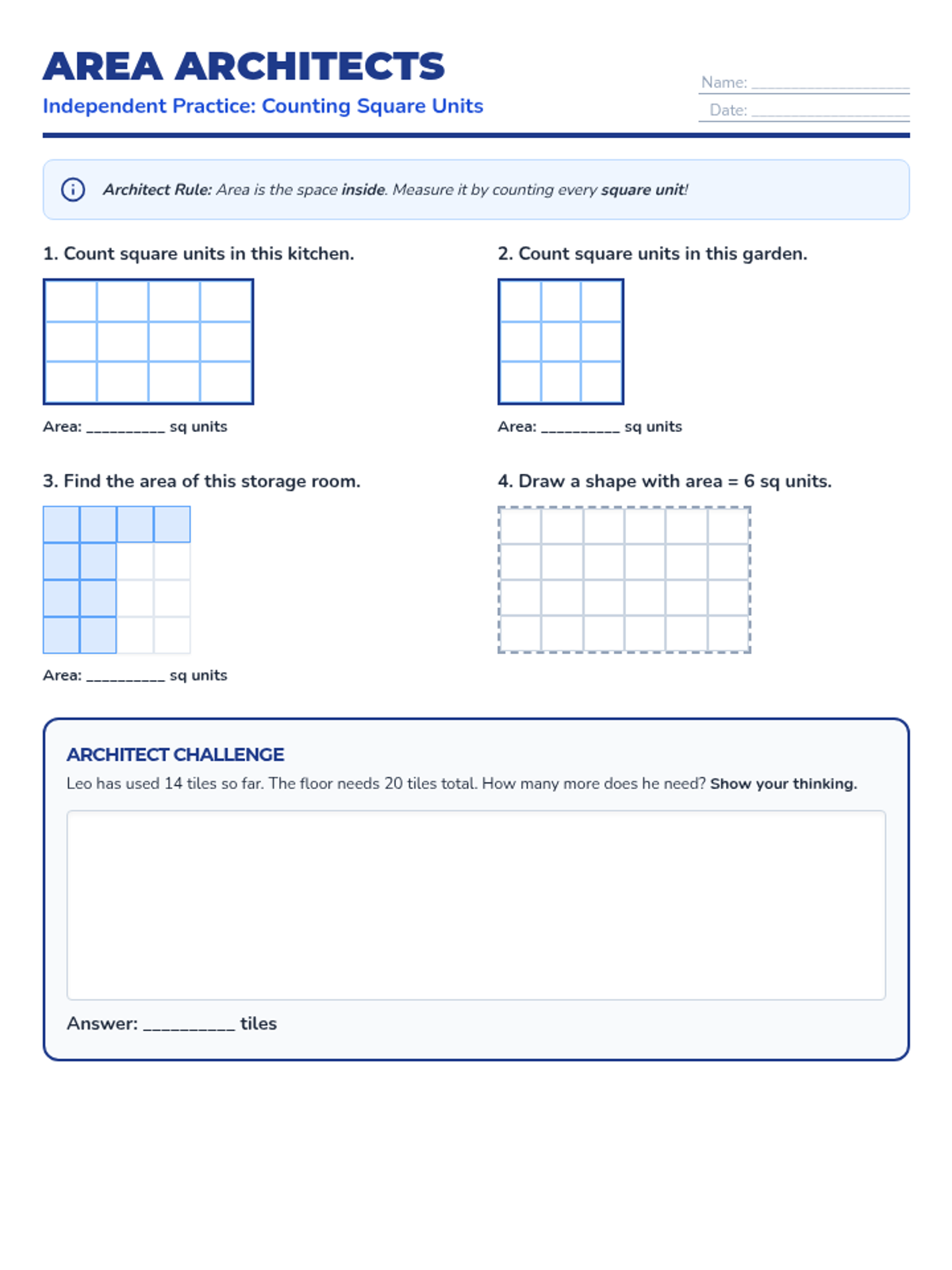
Focuses on relating area to tiling and counting square units to understand the concept of space inside a 2D figure.
Students interpret and create line plots using measurement data involving fractions.
Students learn to measure objects to the nearest fourth of an inch and explore partition logic.
Students learn to measure objects to the nearest half-inch and are introduced to mixed numbers.
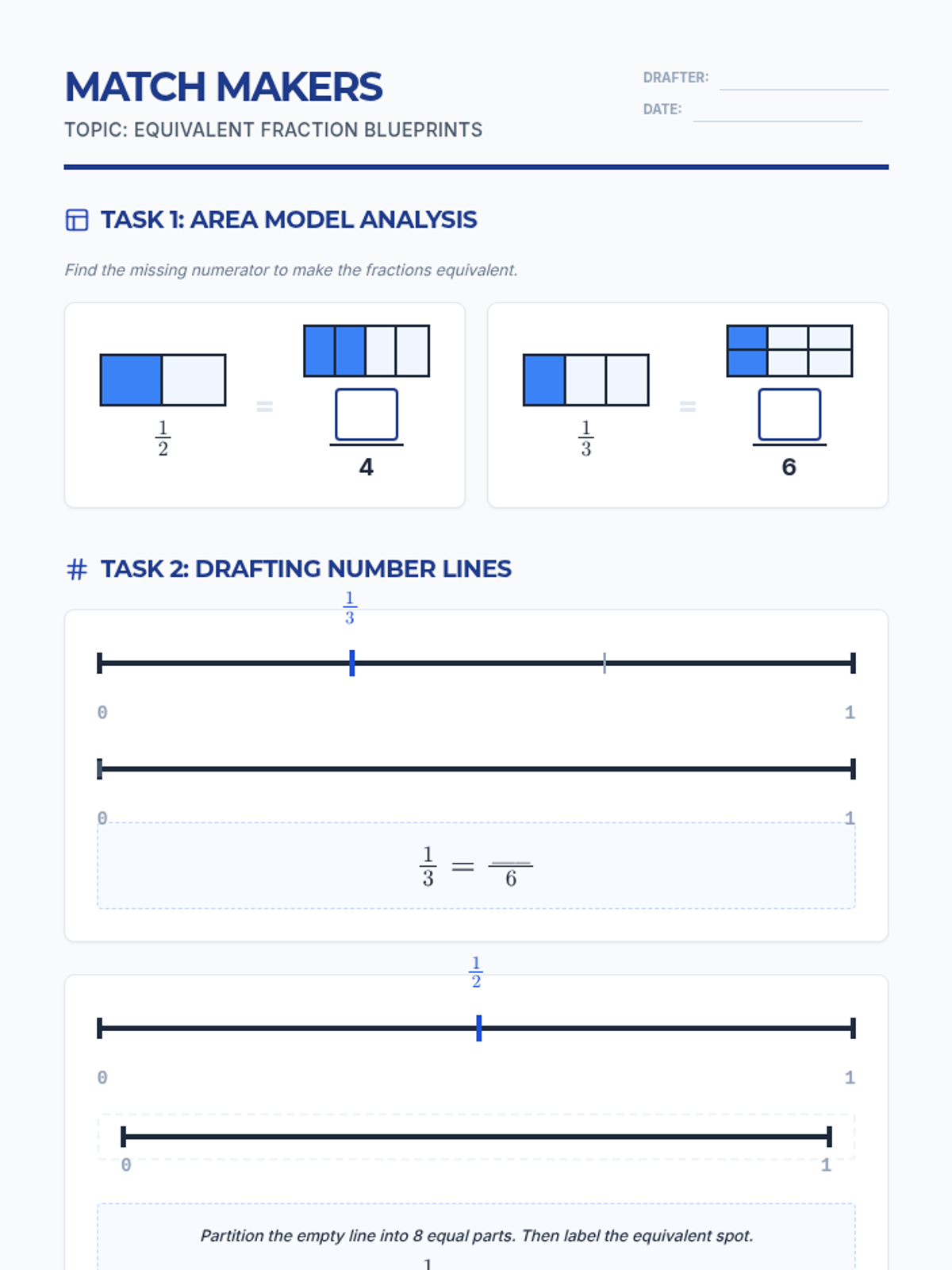
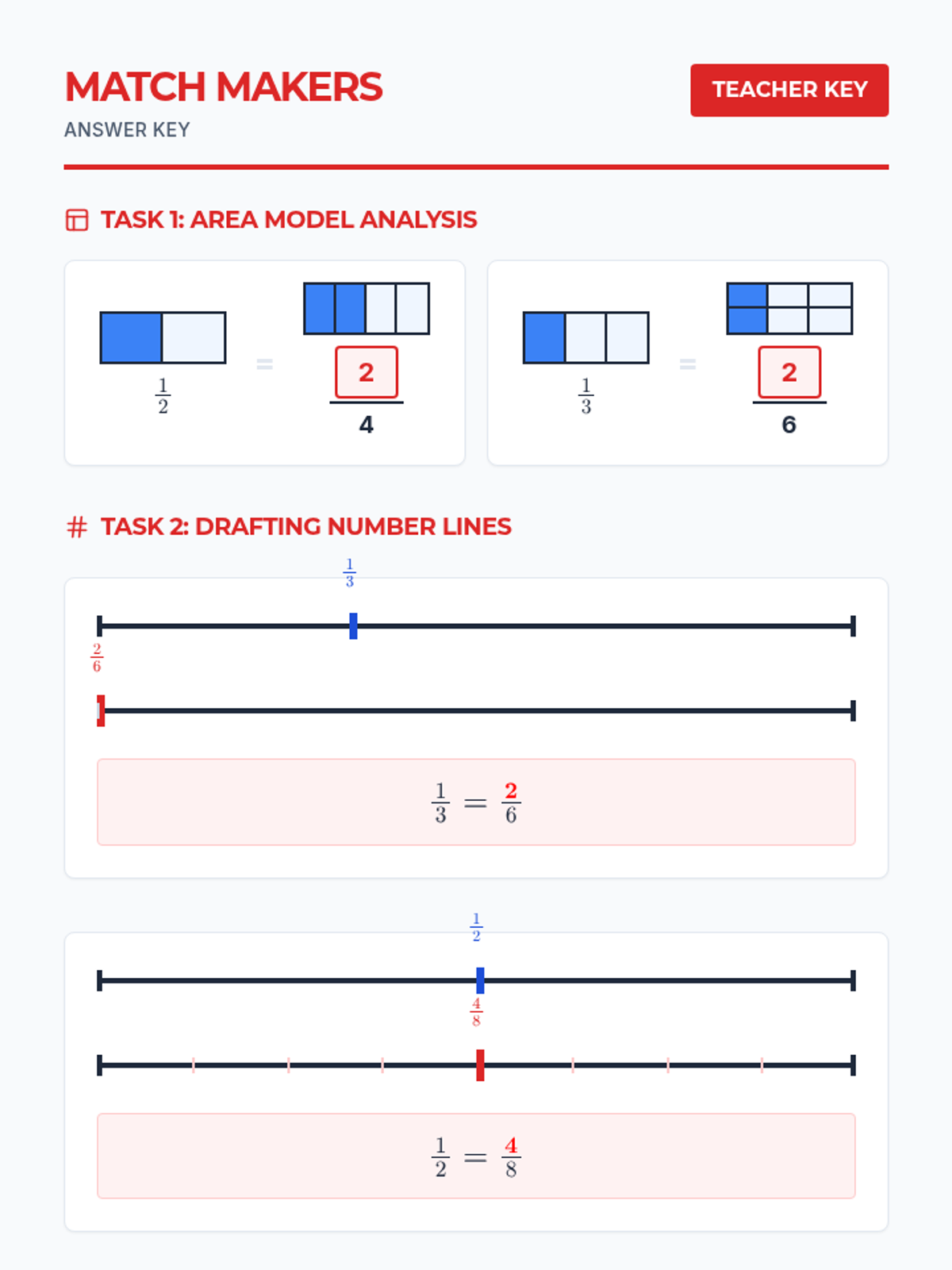
A foundational lesson on equivalent fractions using area models and number lines, styled as architectural blueprints to emphasize precision and measurement.
Analyzing and creating line plots to represent measurement data.