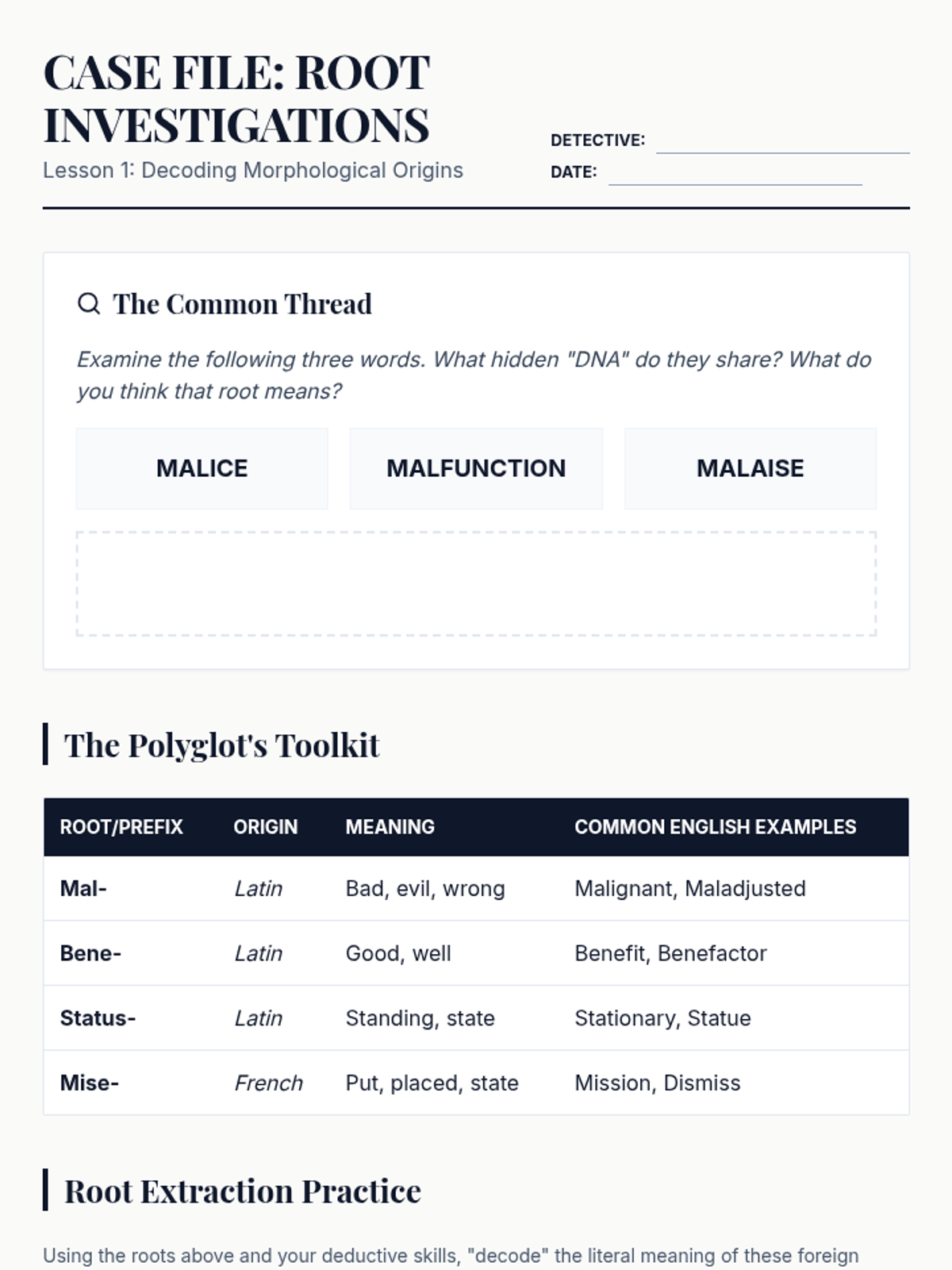
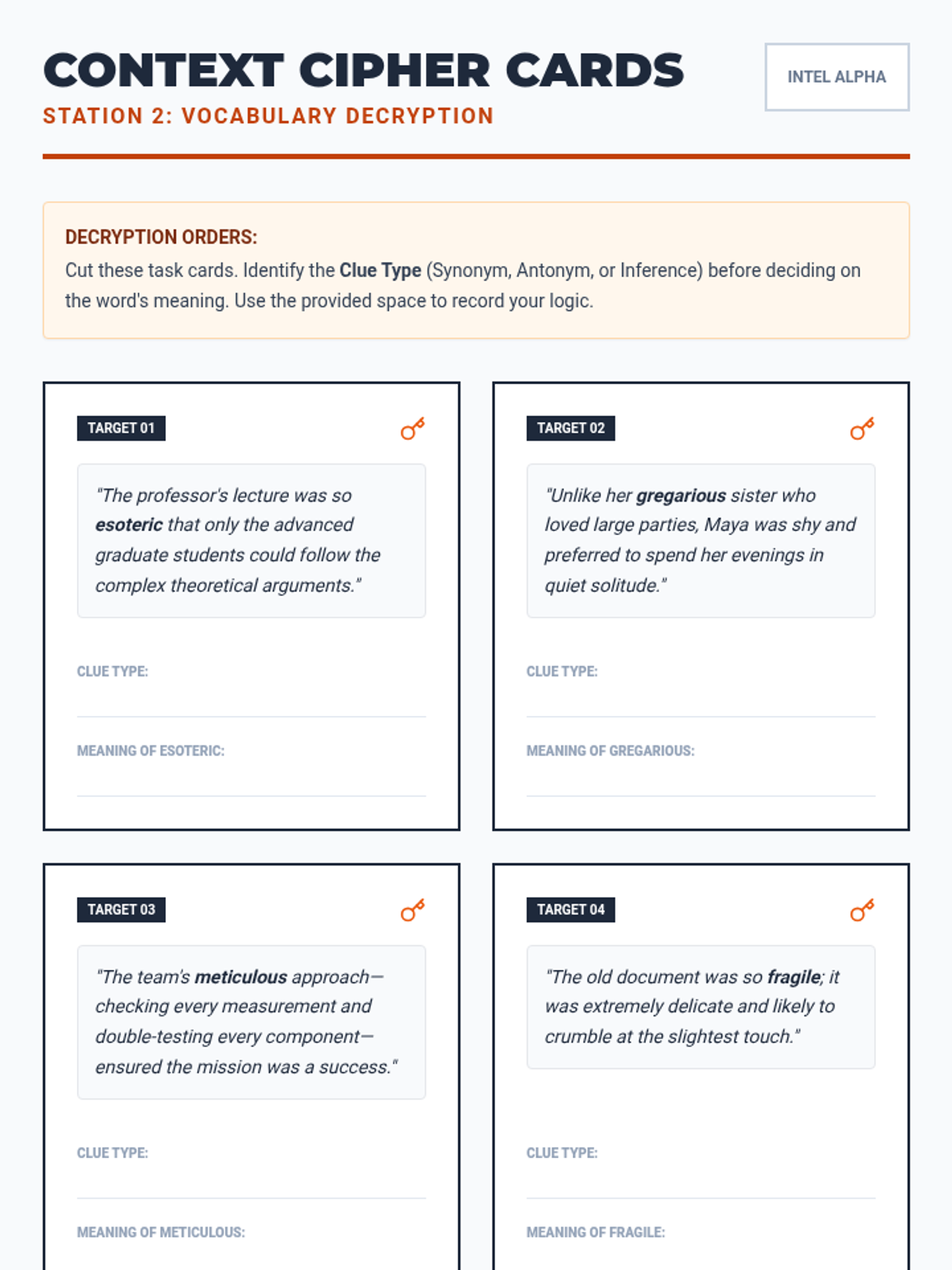
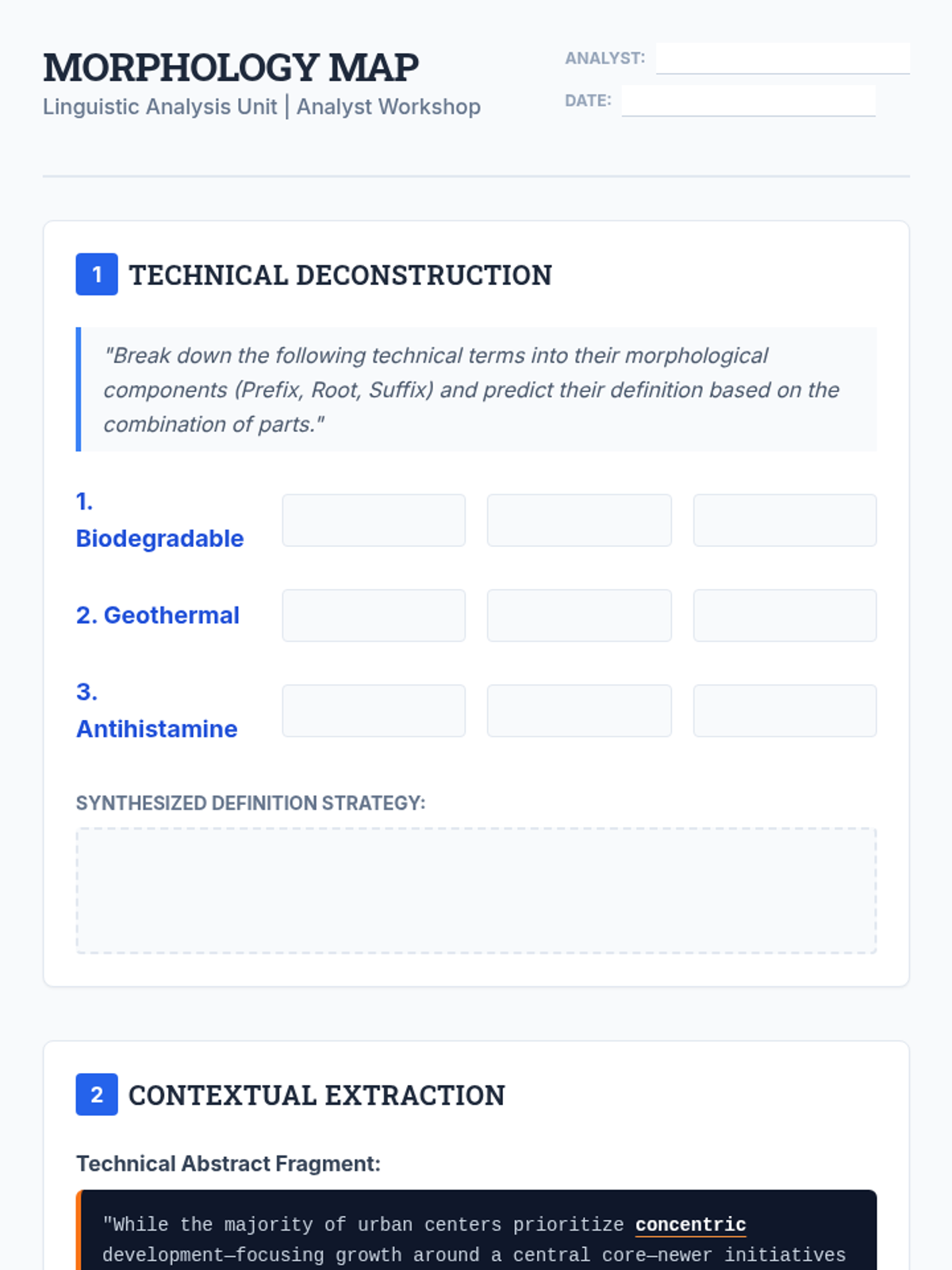
Builds word mastery through parts of speech, Greek and Latin roots, and morphological analysis of prefixes and suffixes. Develops nuanced comprehension using context clues, shades of meaning, and idiomatic expressions.
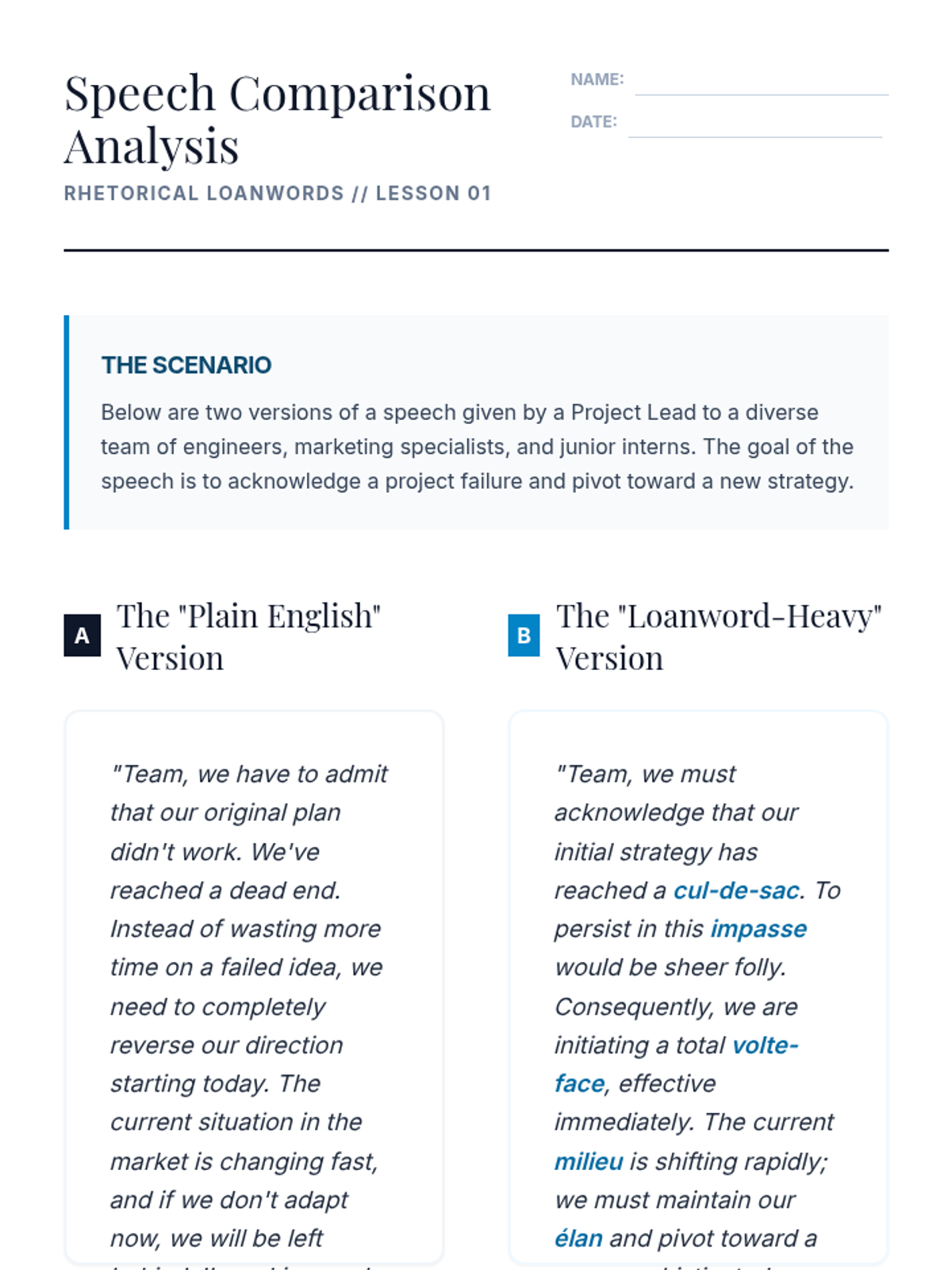
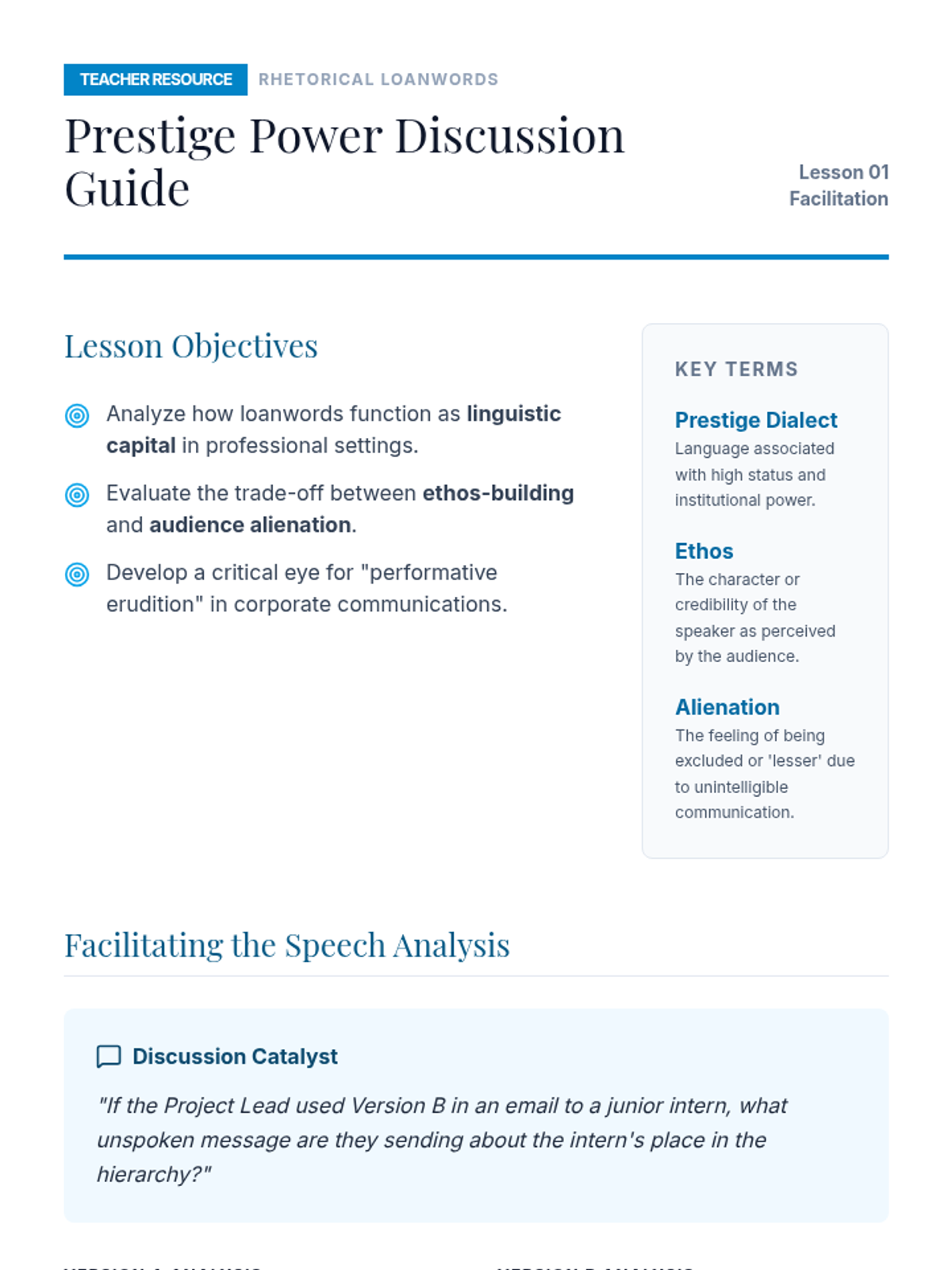
An advanced rhetorical study of foreign words and expressions in professional and literary contexts, focusing on the tension between prestige and alienation. Students move from technical mechanics and common misuses to analyzing code-switching in literature and designing corporate style policies.
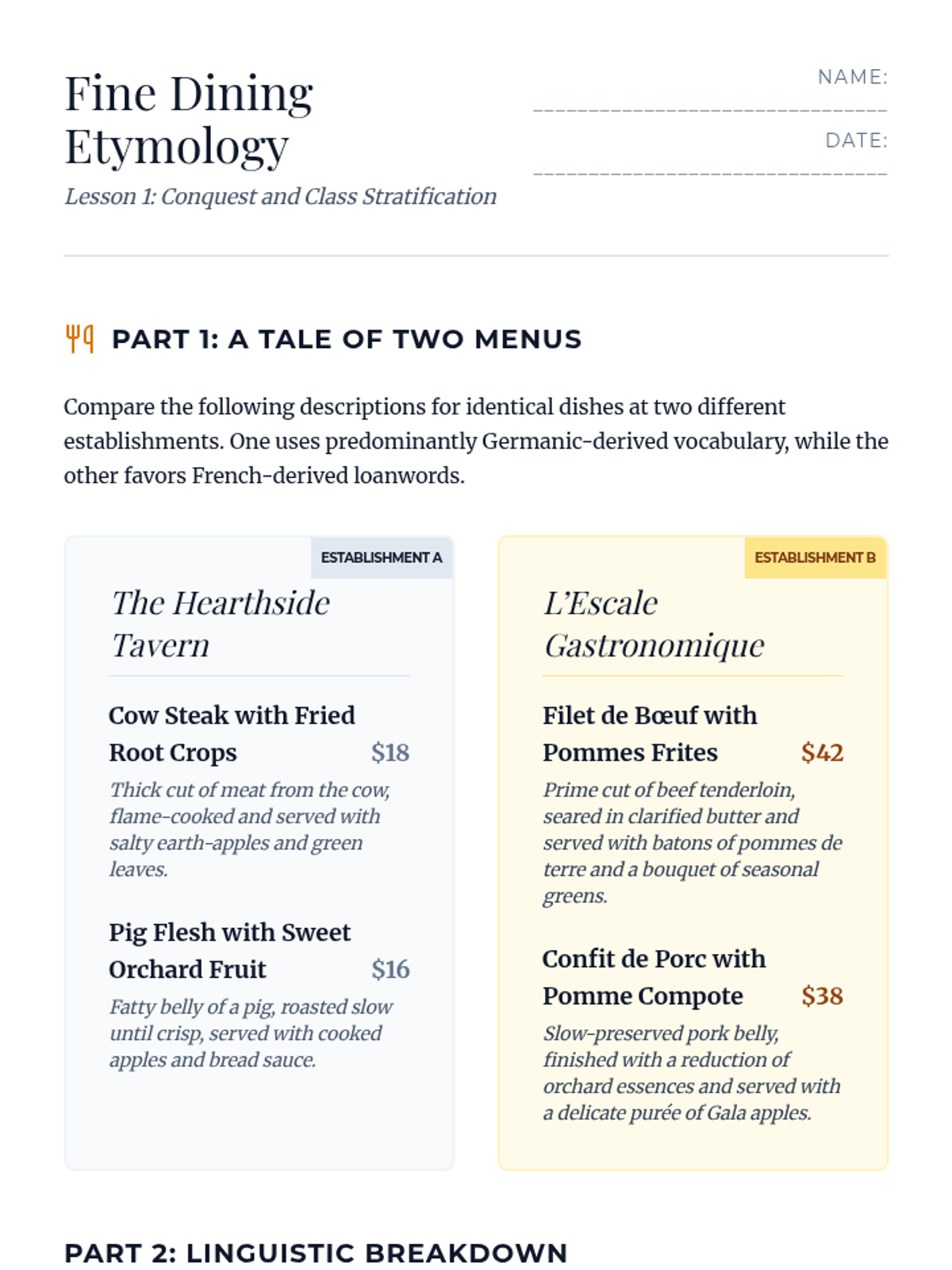
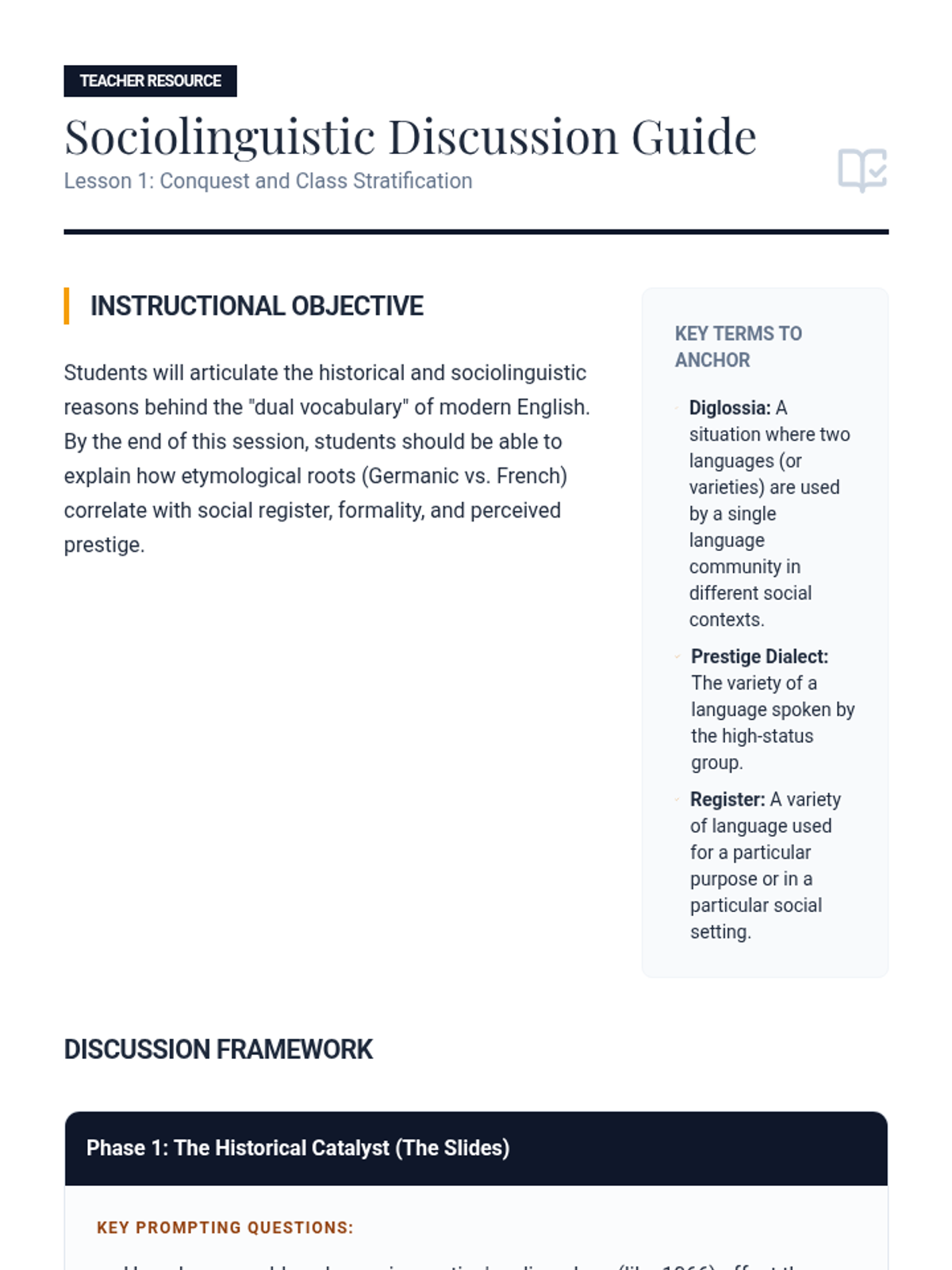
A comprehensive sequence for undergraduate students exploring the sociolinguistic, political, and artistic influence of French loanwords in English, focusing on rhetoric, prestige, and stylistic precision.
A high-energy, grade 11 vocabulary sequence focused on the mastery of foreign loanwords and expressions common in academic and standardized testing contexts. Students move from morphological analysis to active usage through gamified challenges and systematic practice.
A sophisticated exploration of French loanwords in English, focusing on their use in art, literature, and social critique to provide students with the vocabulary of cultural criticism.
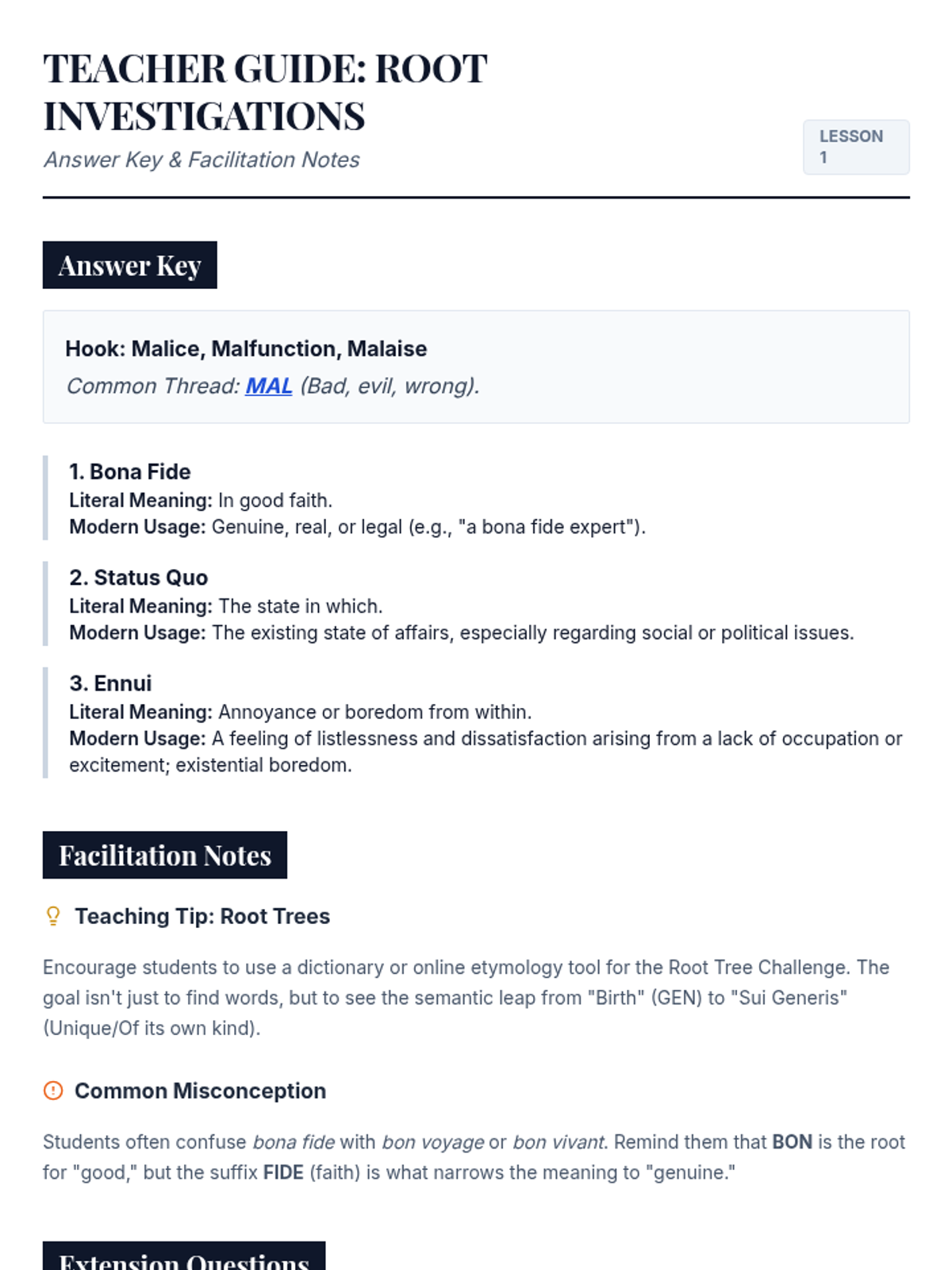
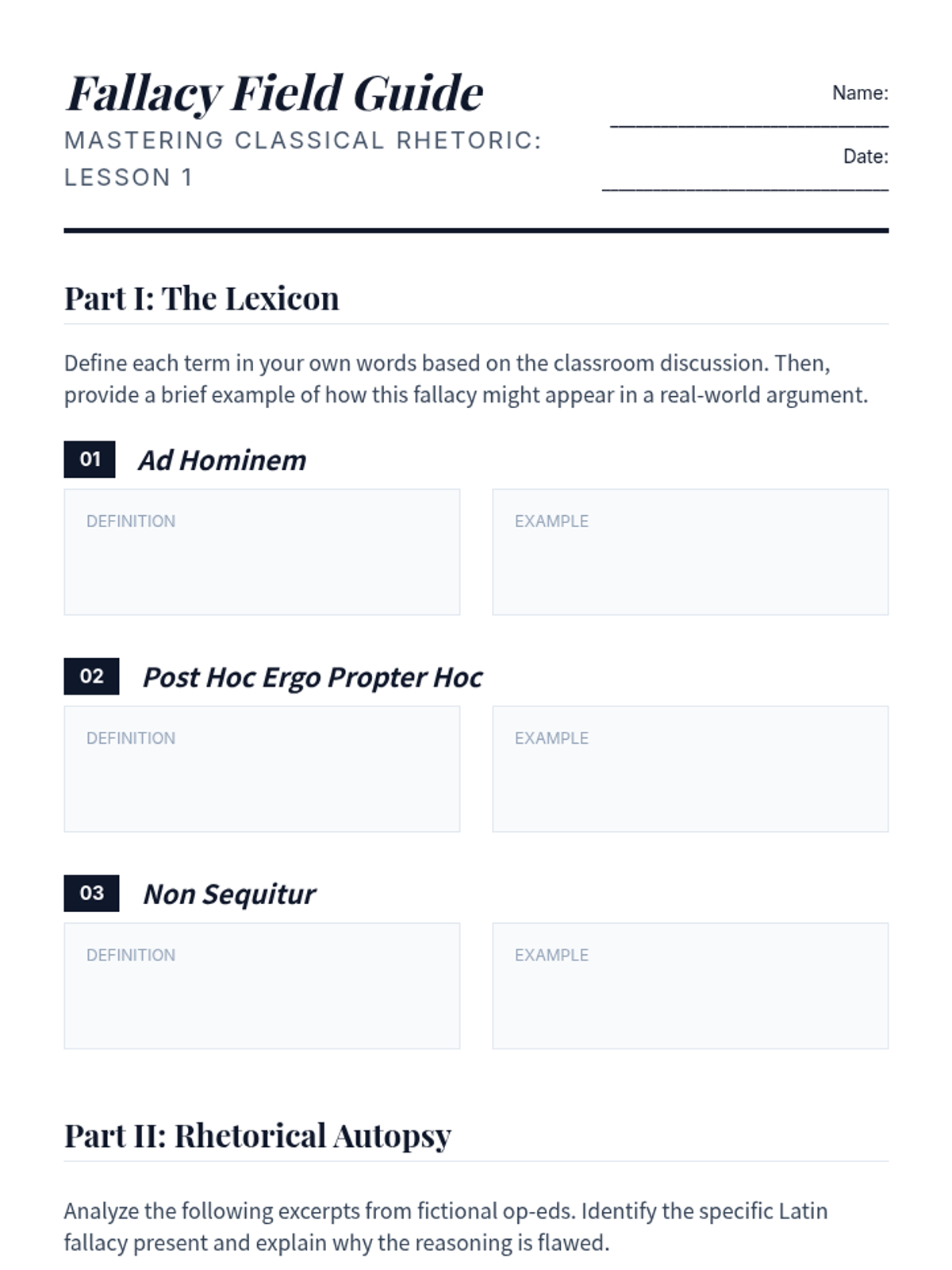
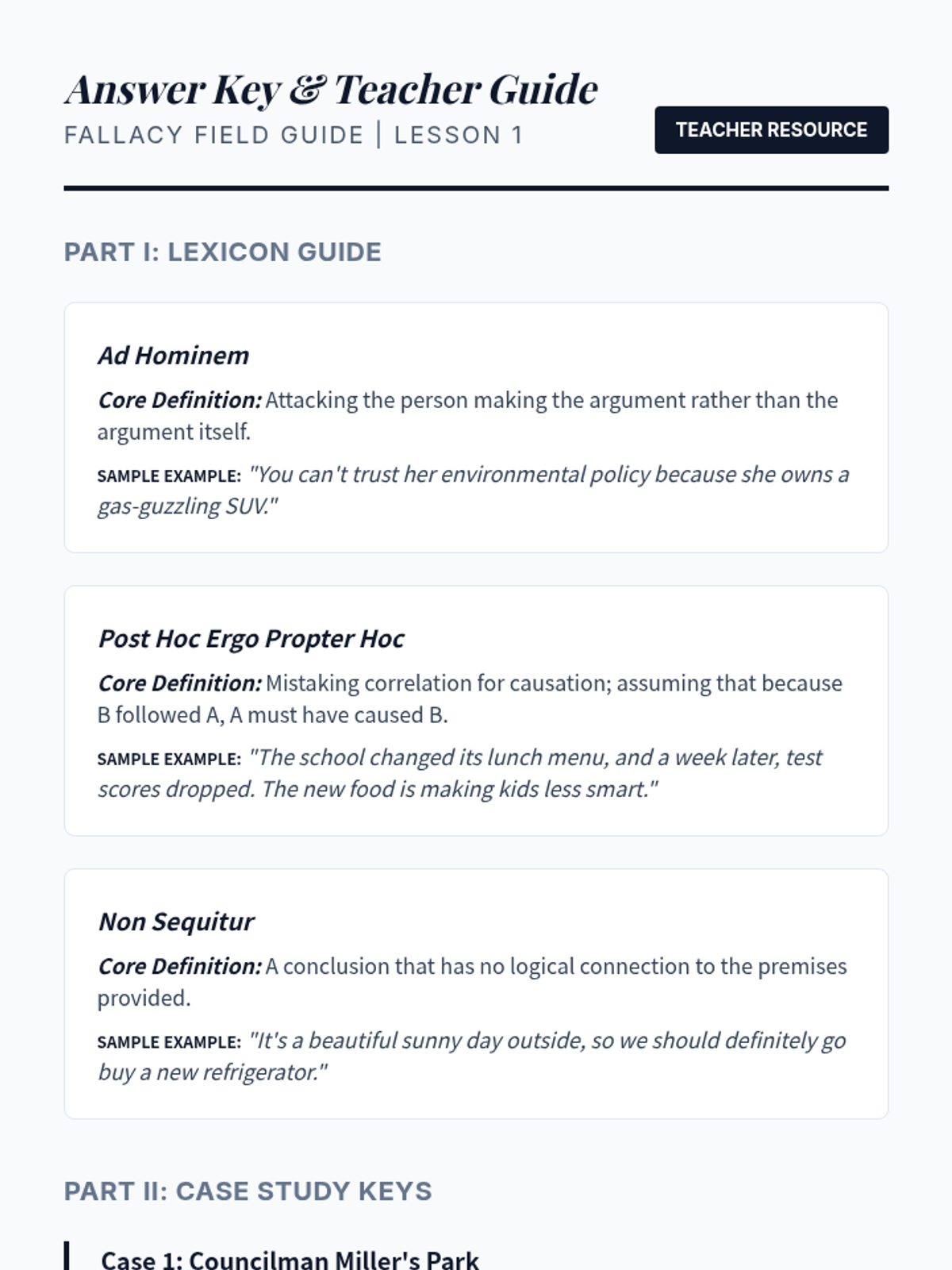
This sequence immerses students in the scholarly and rhetorical traditions that shape formal academic discourse, focusing on Latin and Greek expressions prevalent in university-level writing and debate. Students will analyze how terms like 'ad hominem,' 'non sequitur,' and 'status quo' function as shorthand for complex logical concepts, culminating in a Socratic seminar.
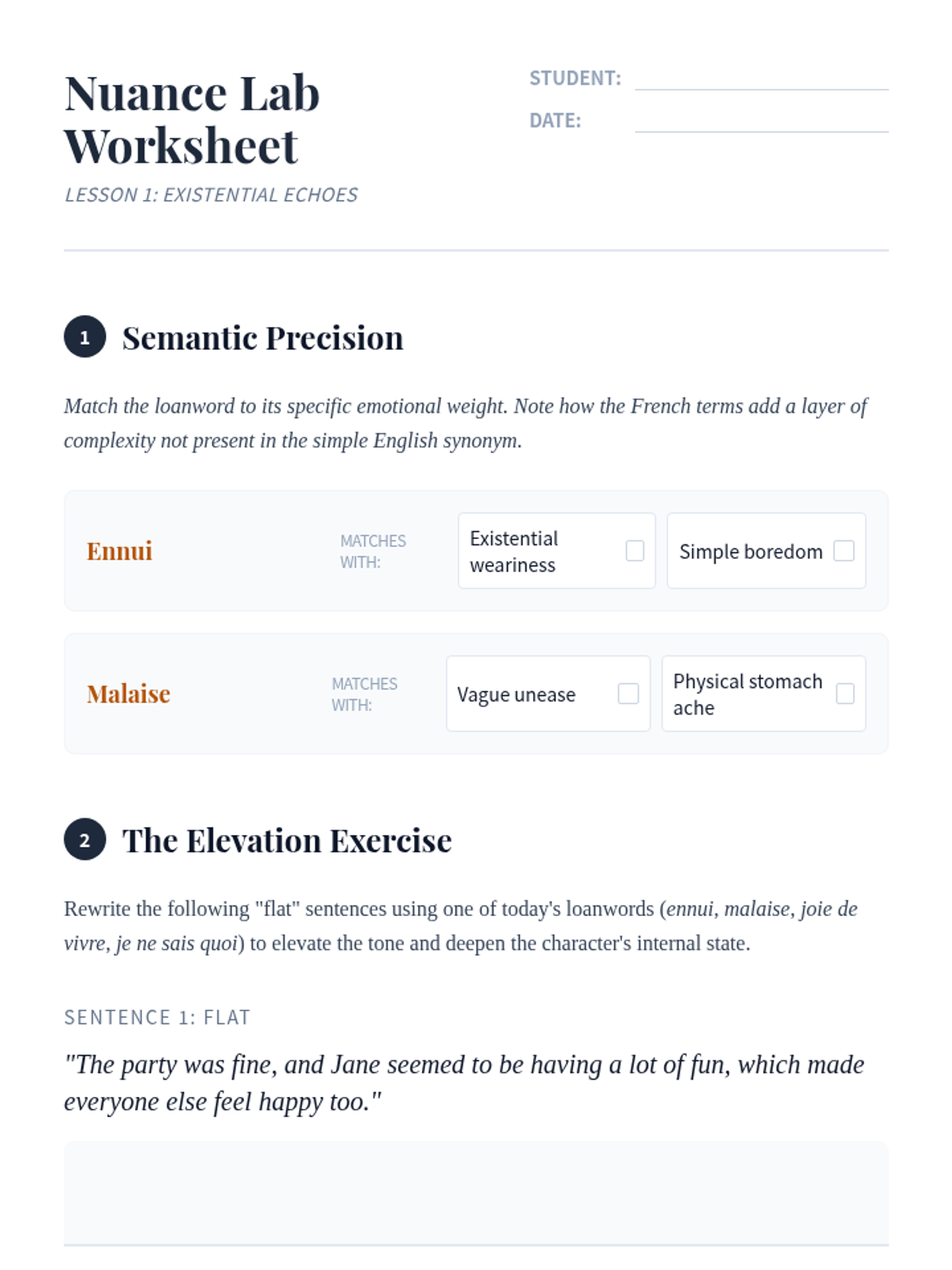
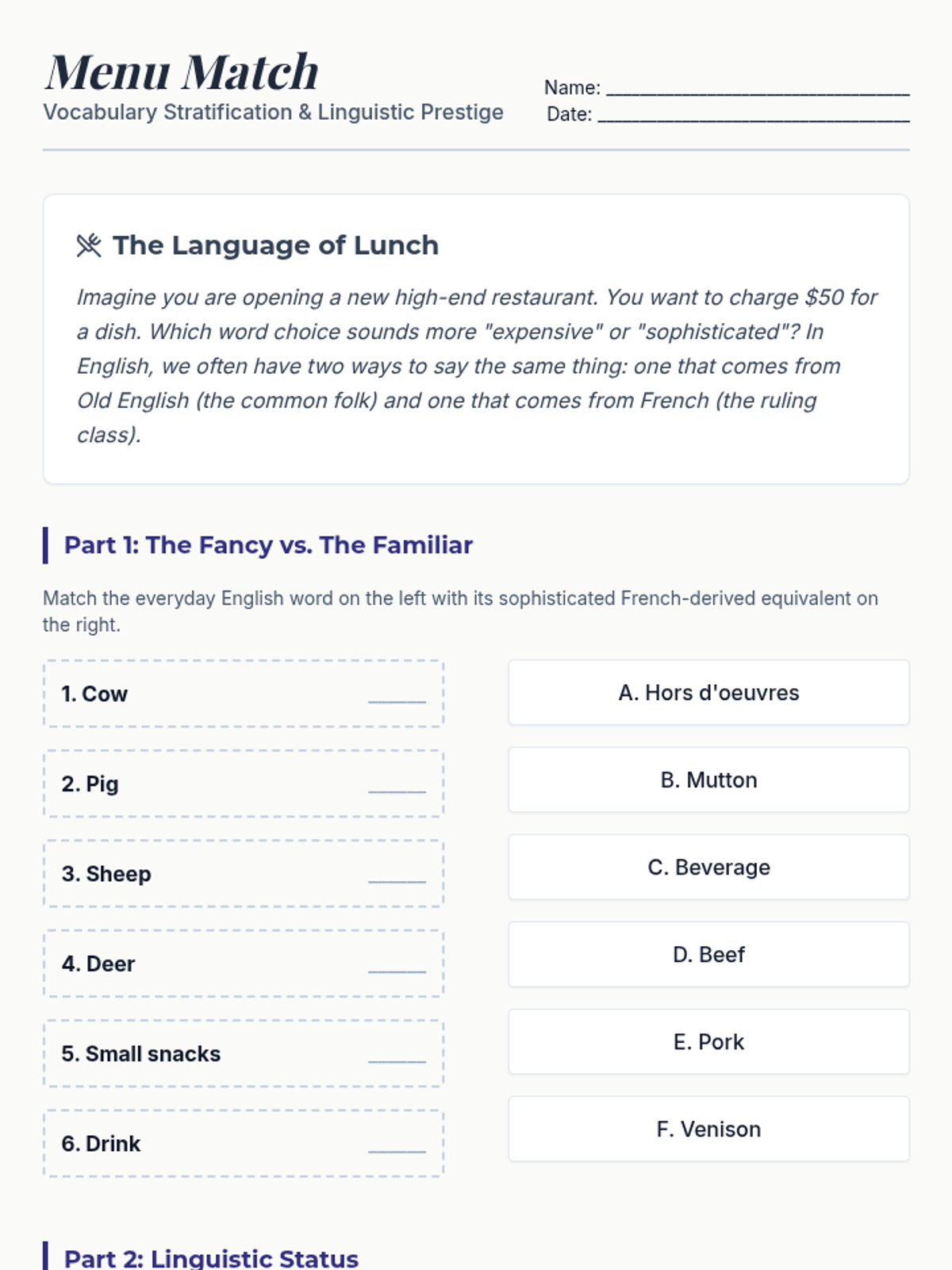
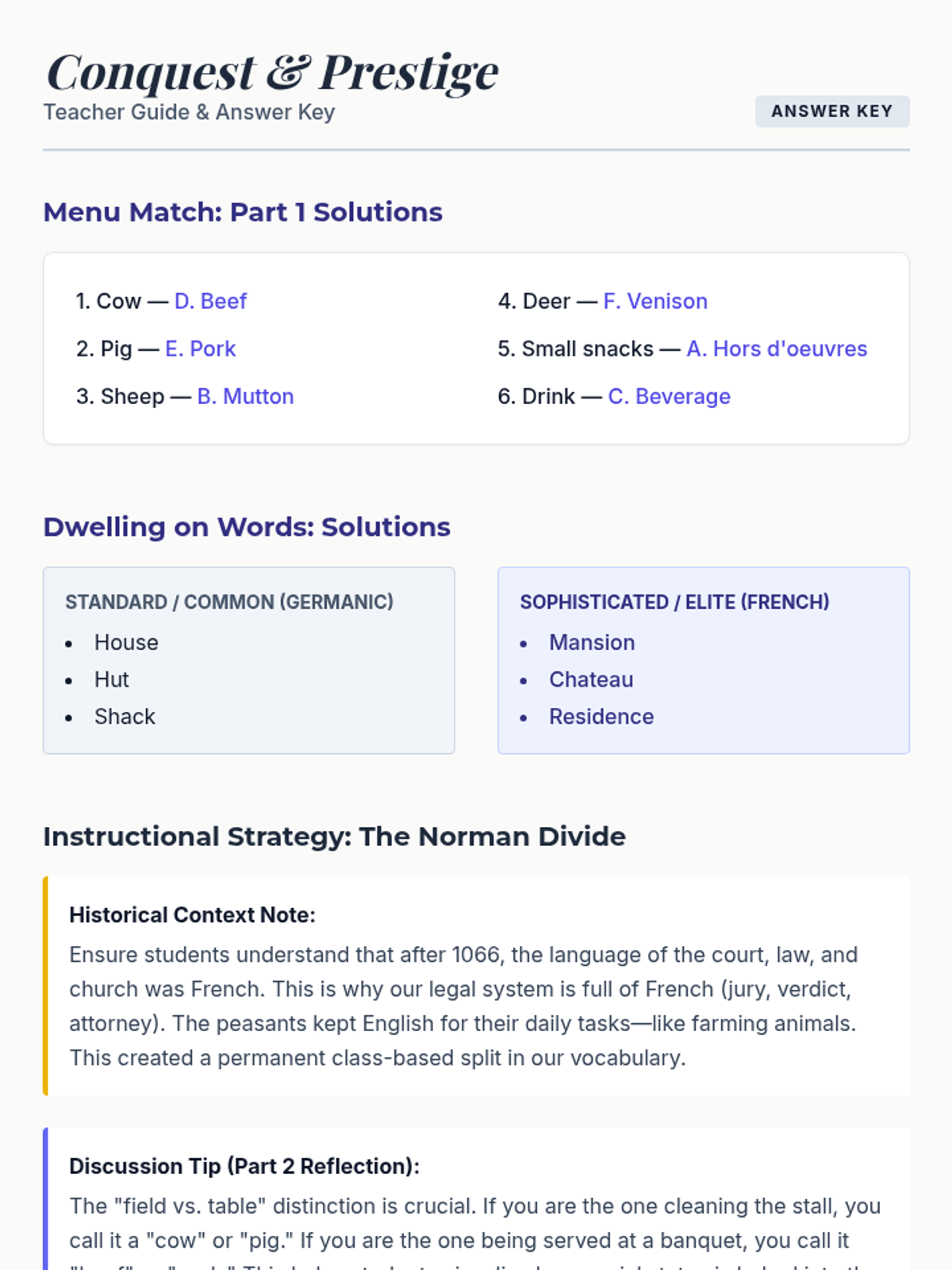
This sequence explores the heavy influence of the French language on English, specifically regarding words that describe tone, art, social etiquette, and nuance. Students will investigate why English speakers often revert to French loanwords to capture specific feelings or concepts that English lacks single words for (le mot juste). The learning journey moves from historical context to literary analysis, helping students appreciate connotation and cultural prestige in language.
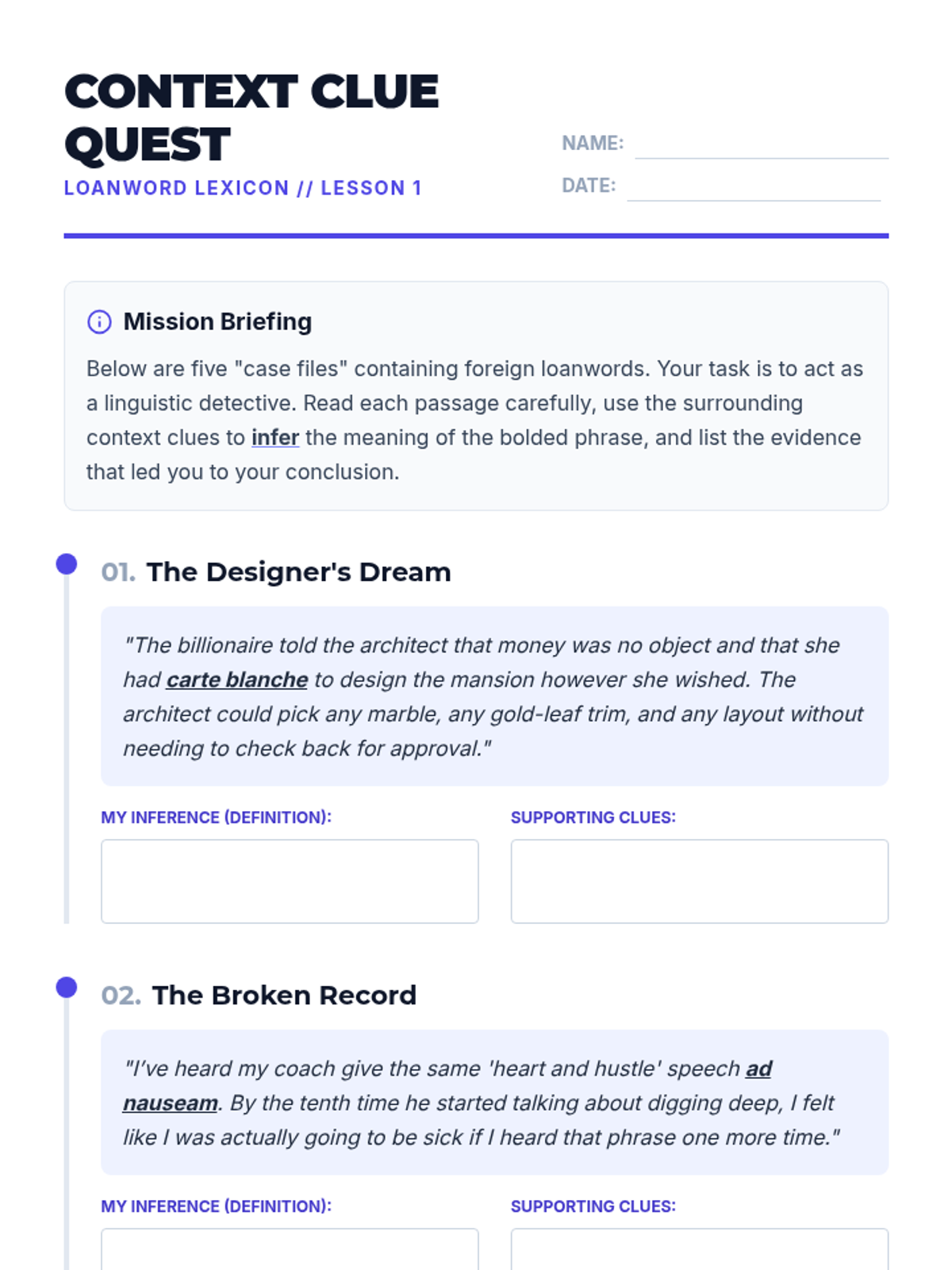
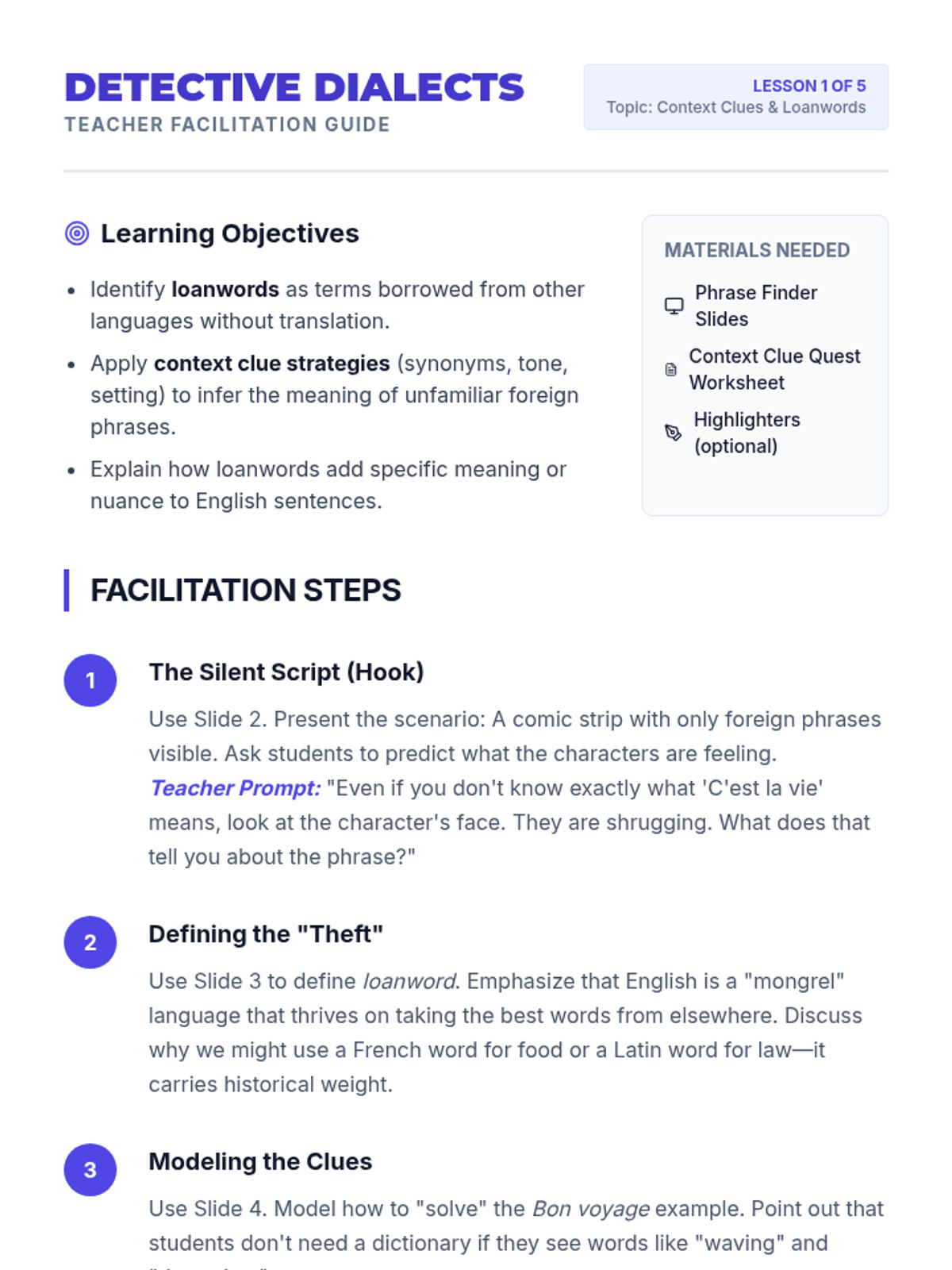
This sequence explores the rhetorical power and nuance of foreign phrases in English, moving from context-clue inference to stylistic application in creative writing. Students will analyze how words like 'carpe diem' and 'déjà vu' add layers of meaning that standard English translations often lack.
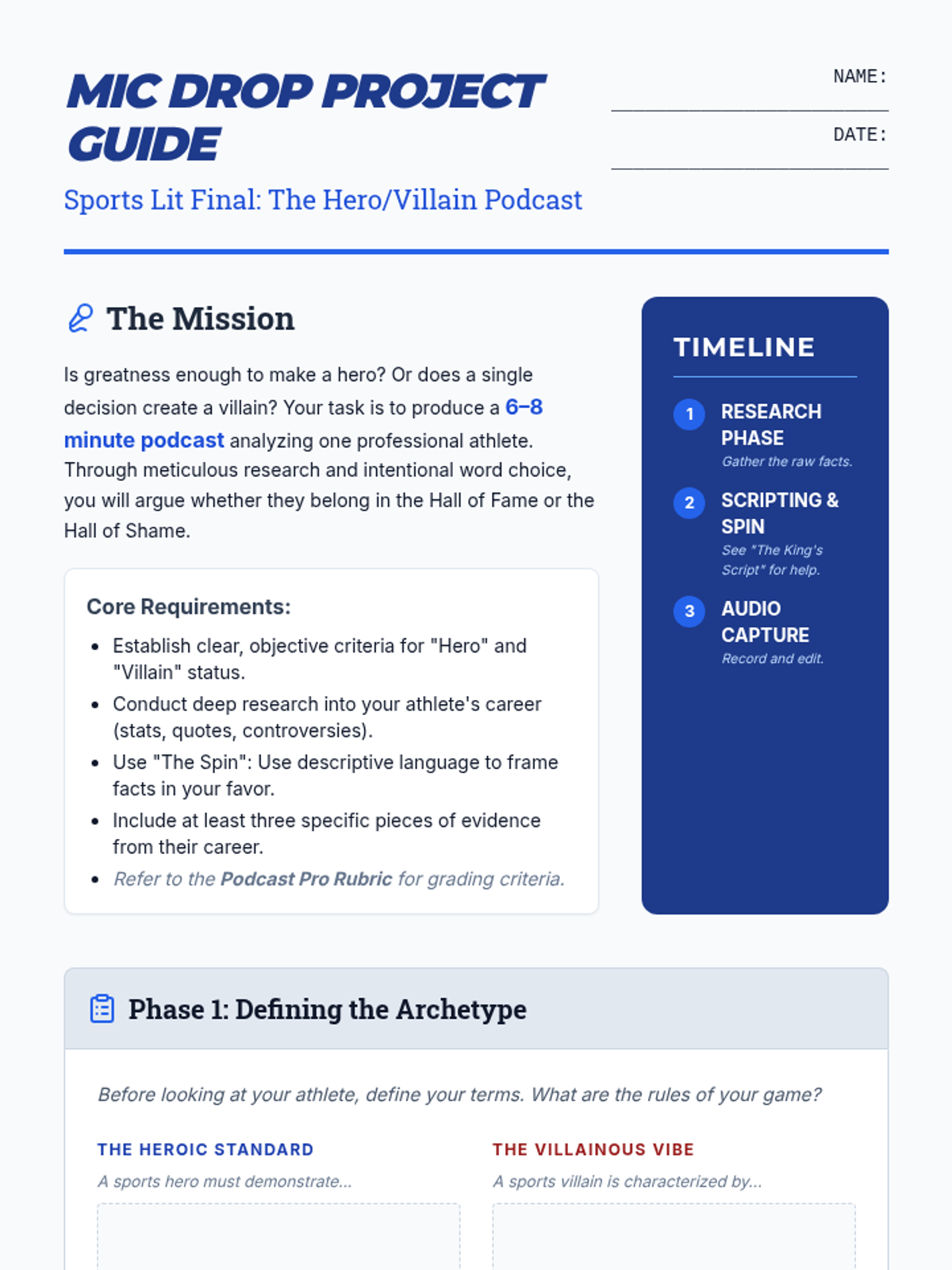
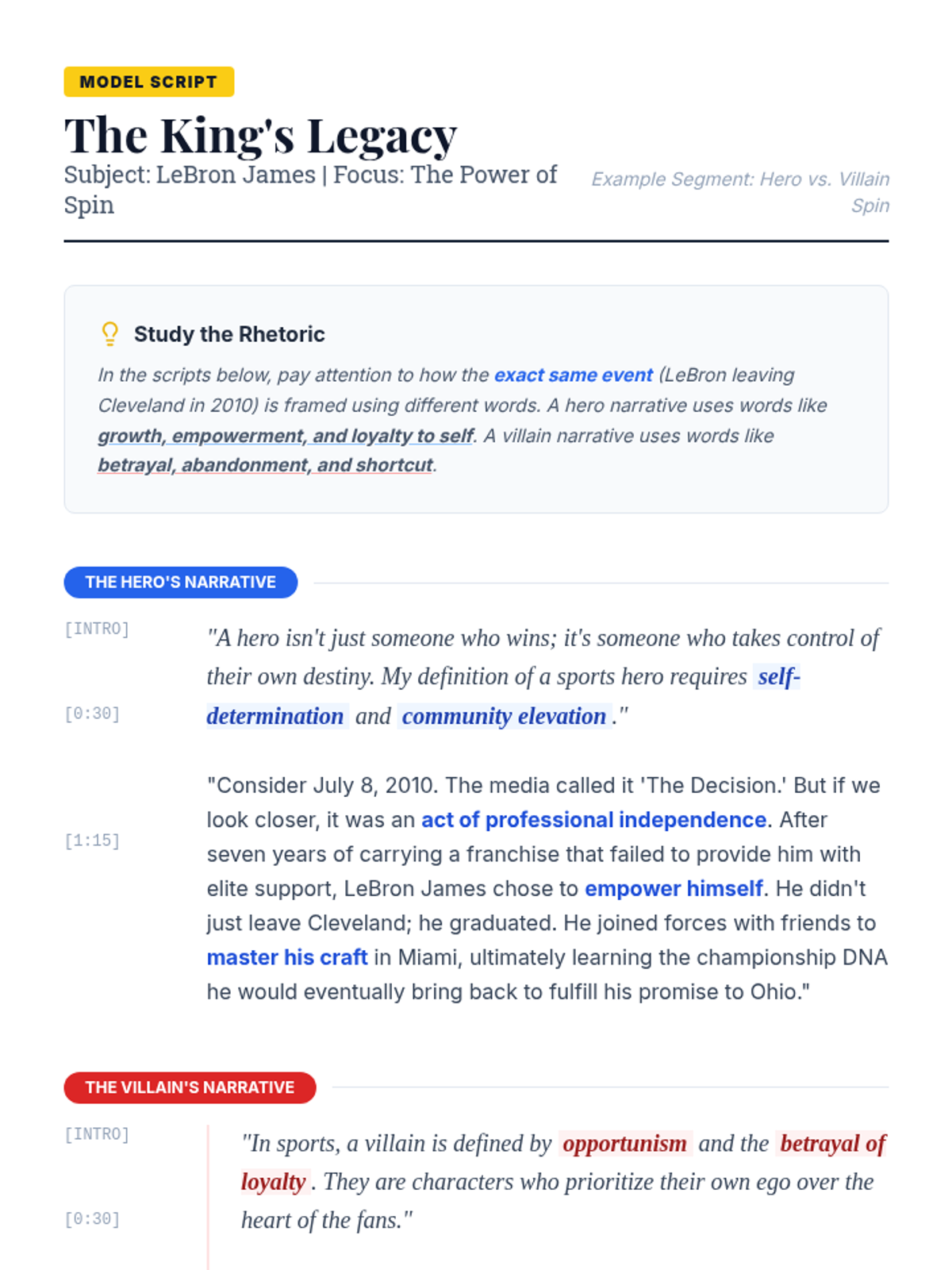
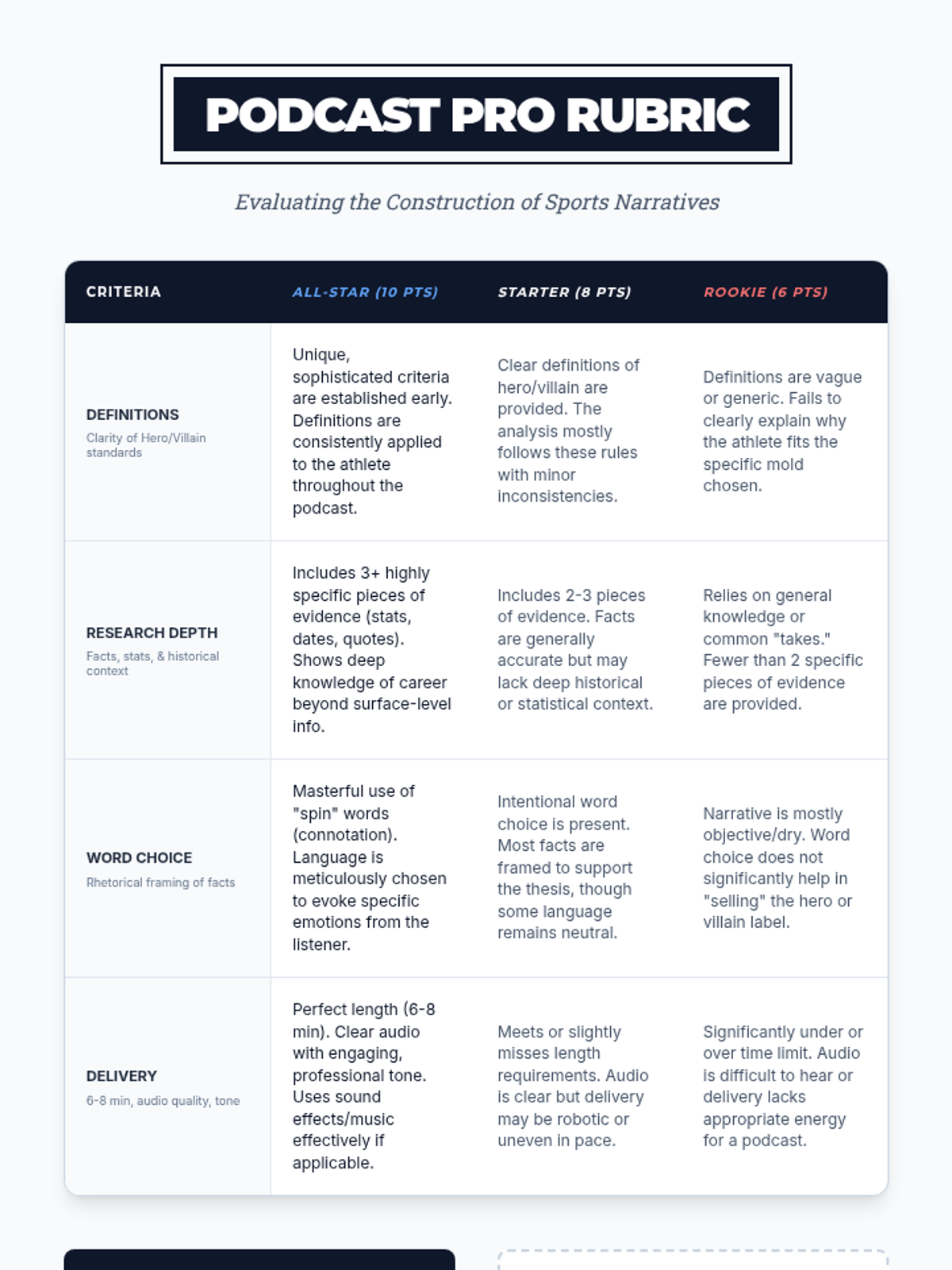
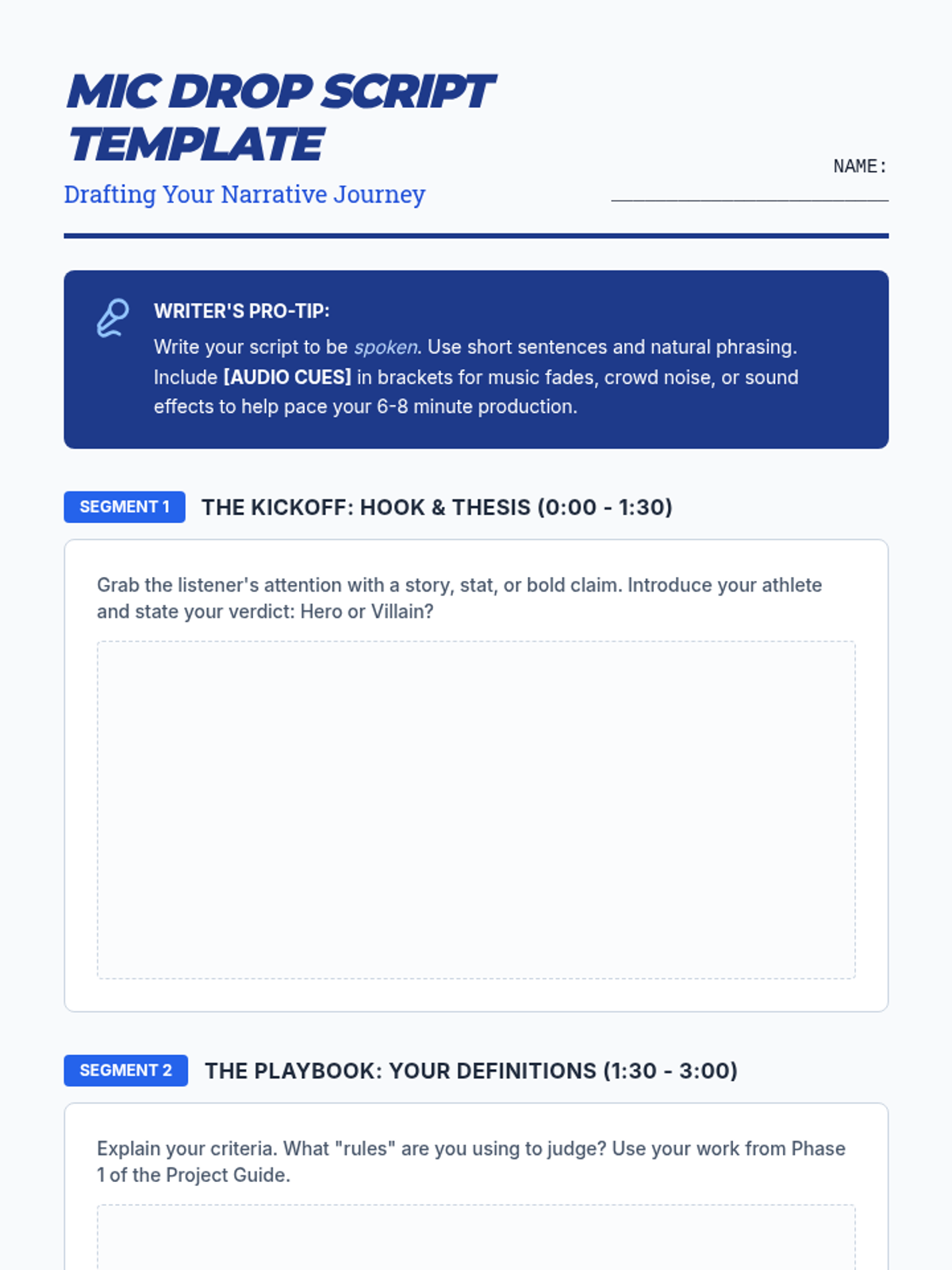
A project-based unit exploring the narrative construction of heroes and villains in sports media through podcasting.
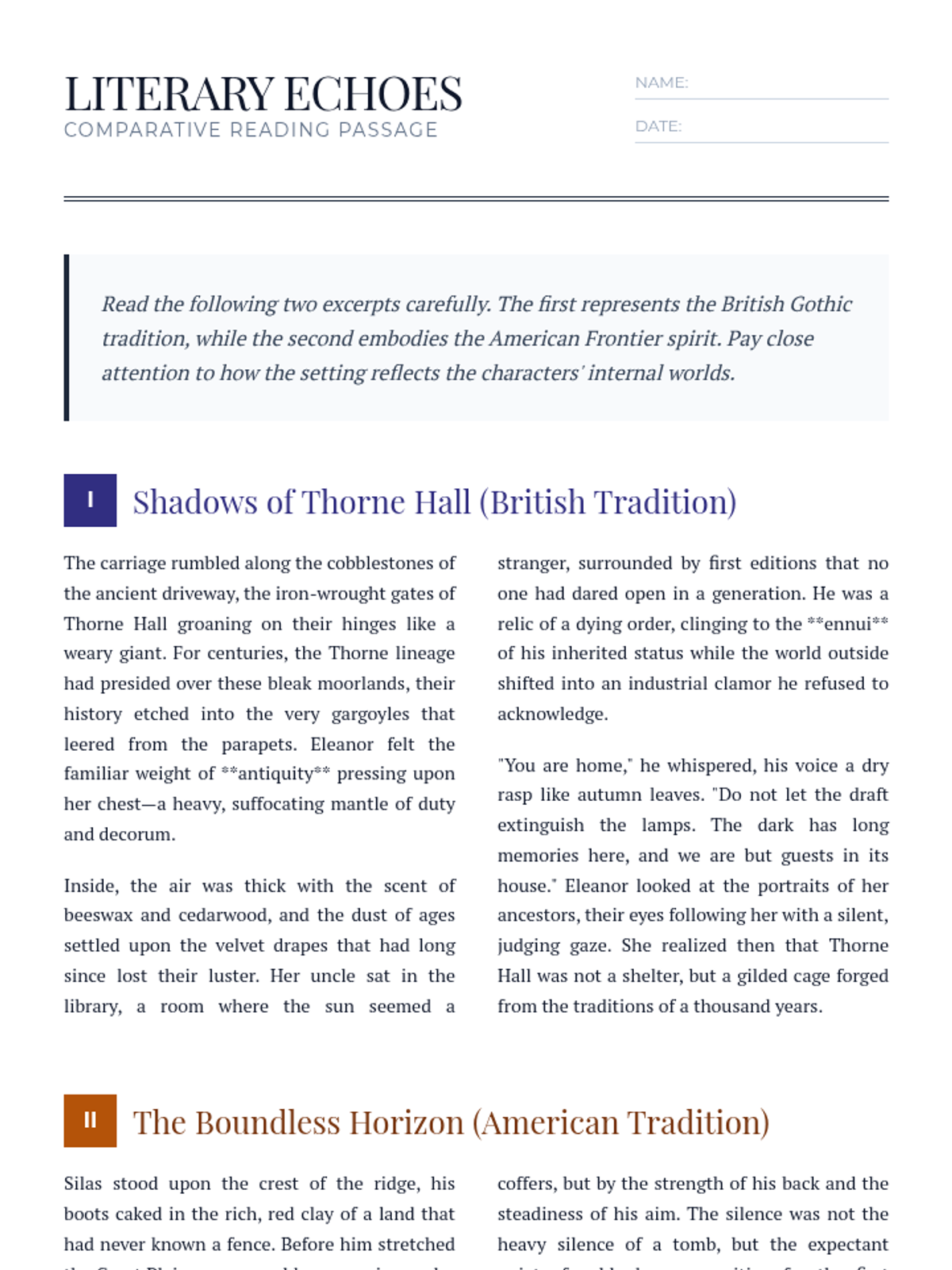
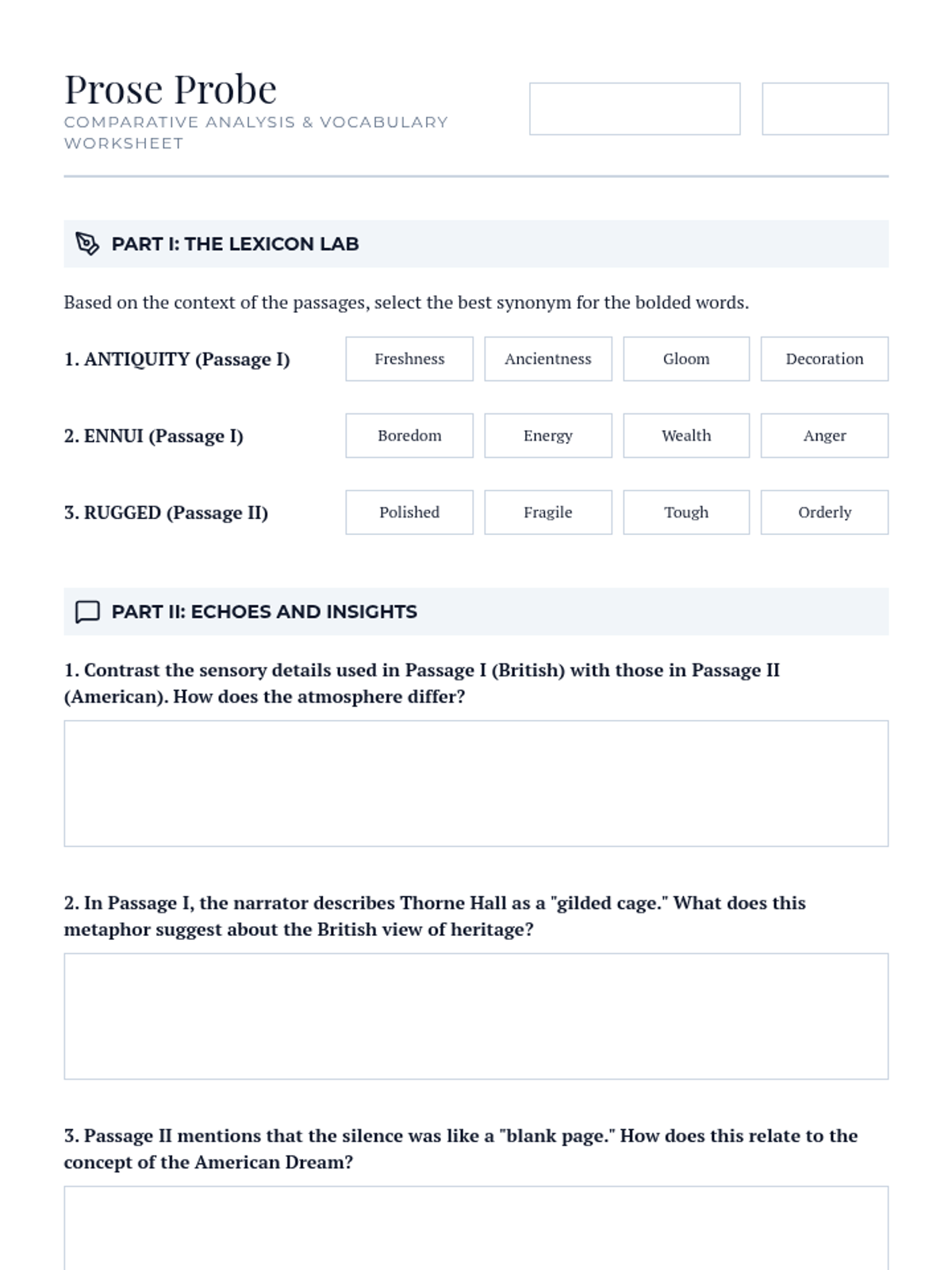
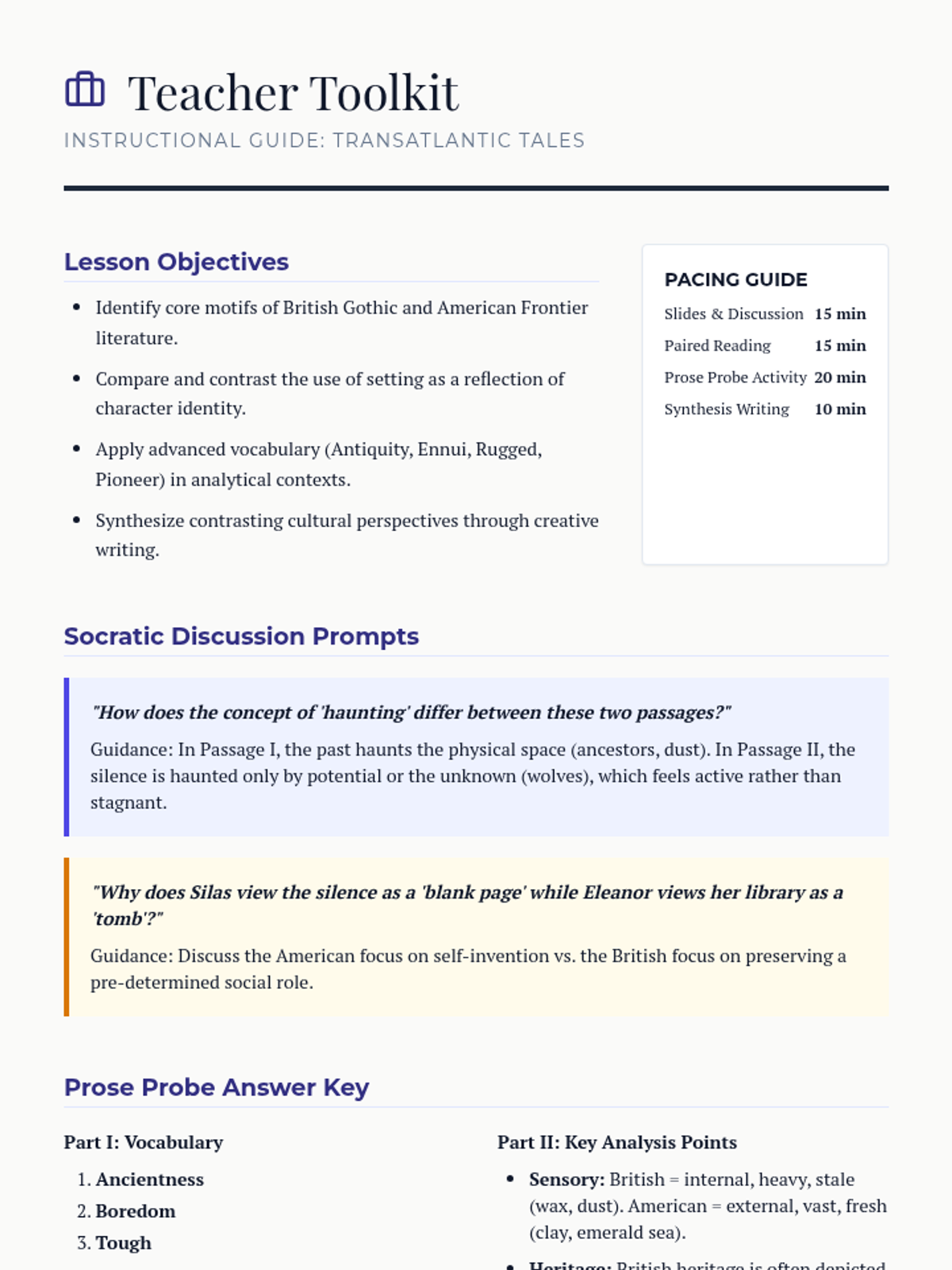
A comparative study of British and American literary traditions, focusing on contrasting themes of class, history, and the Gothic versus individualism, the frontier, and the search for a new identity.
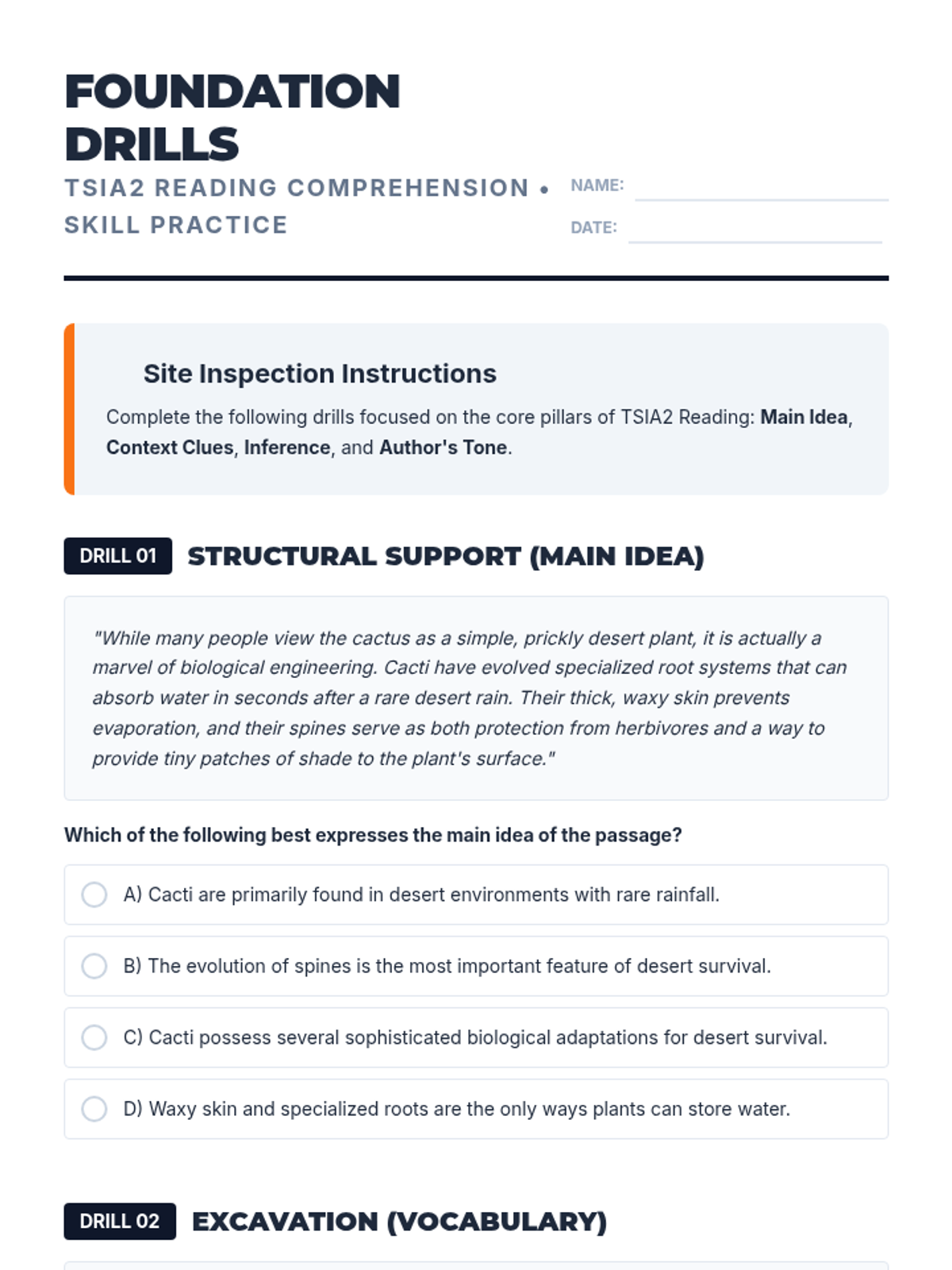
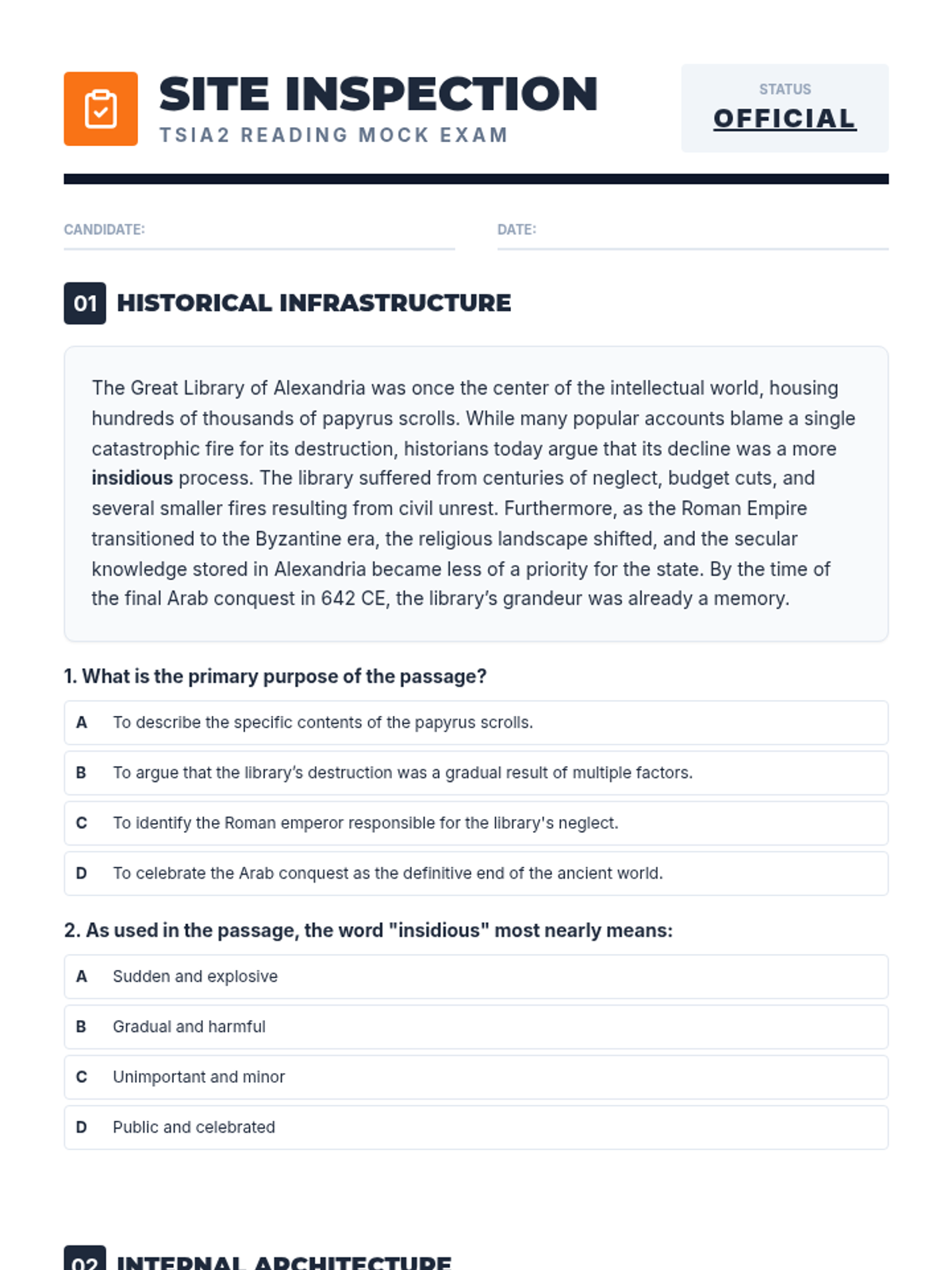
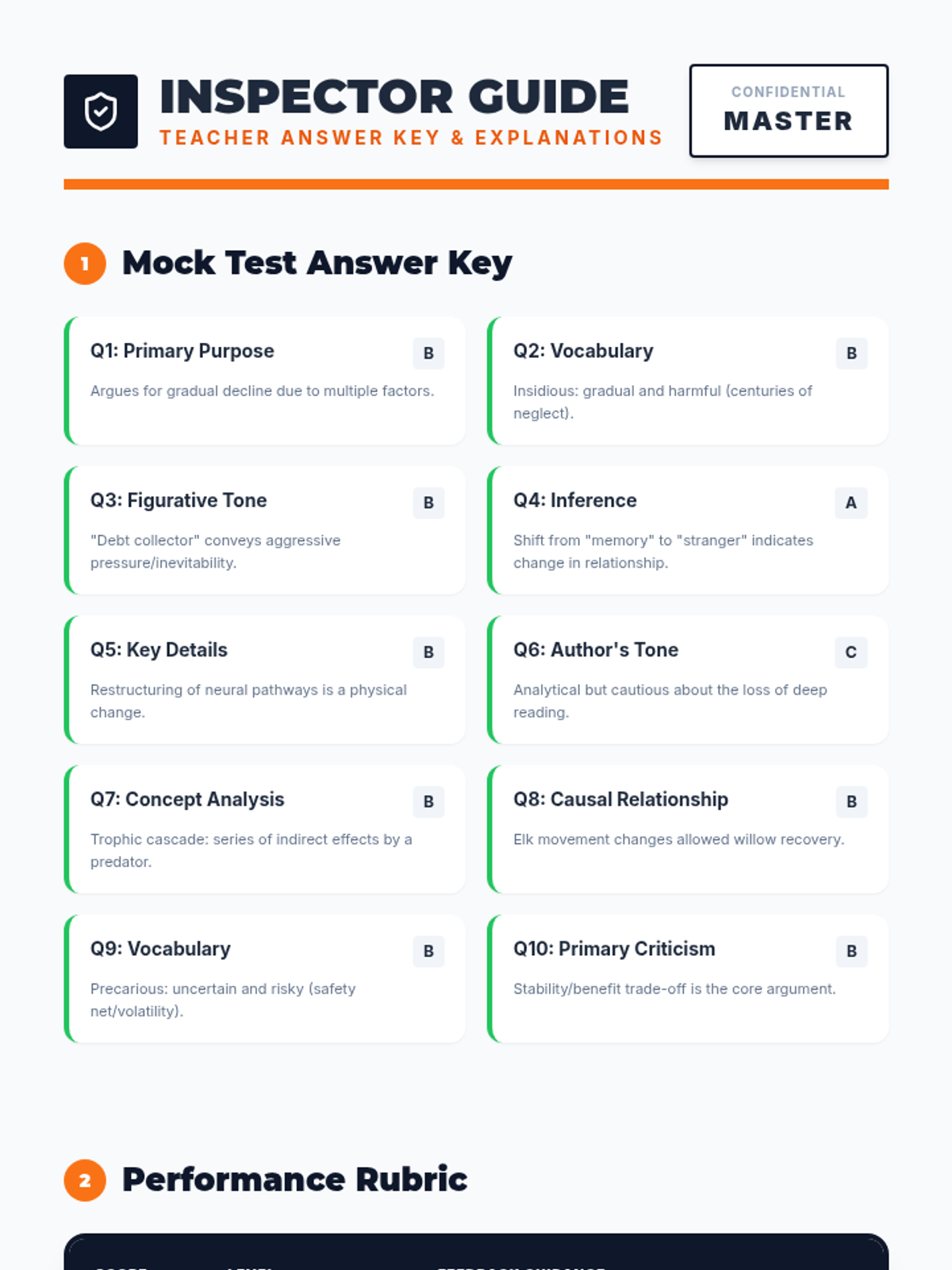
A comprehensive guide to mastering the TSIA2 ELAR Reading section, focusing on text analysis, vocabulary in context, and test-taking strategies.
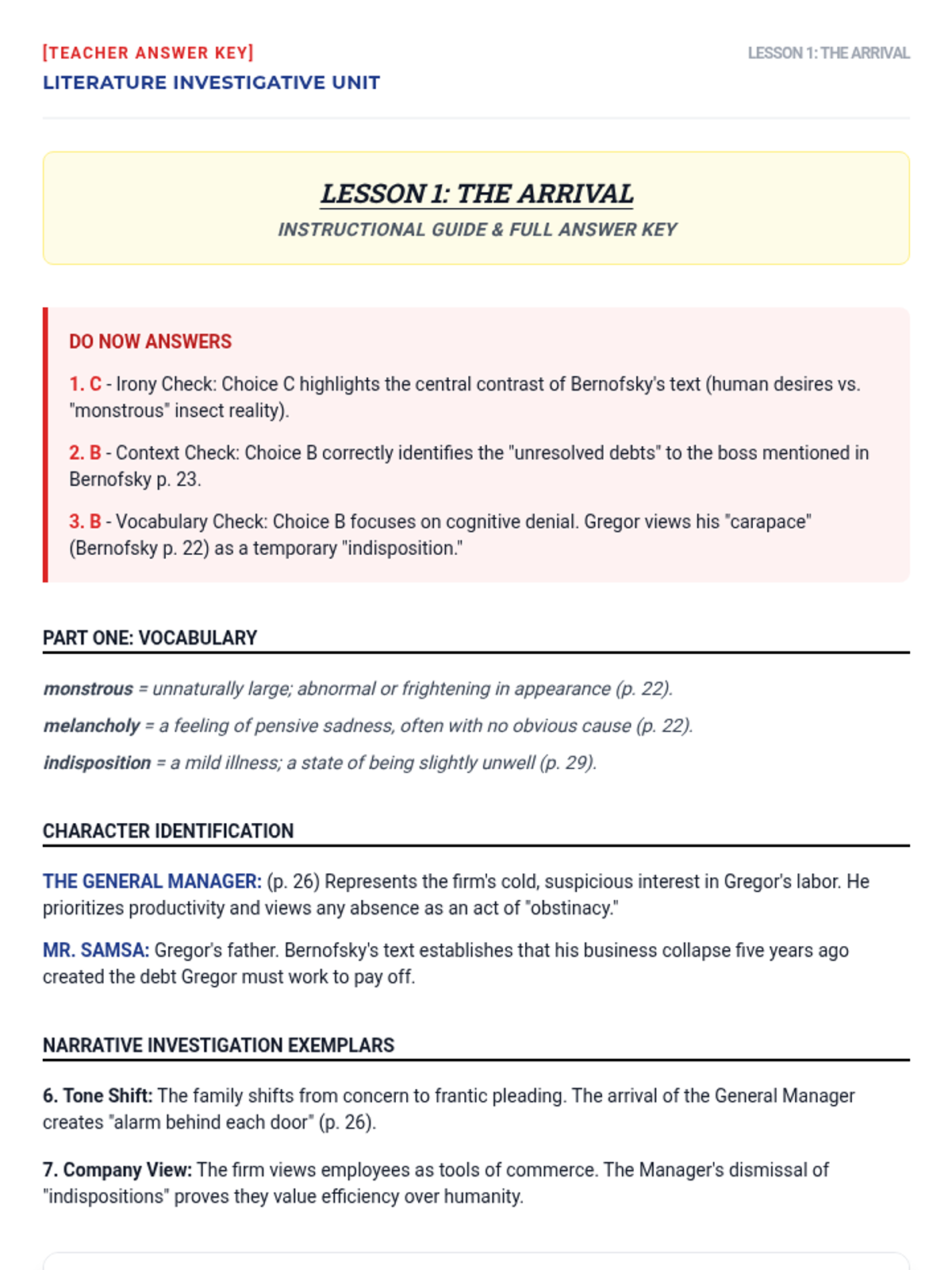
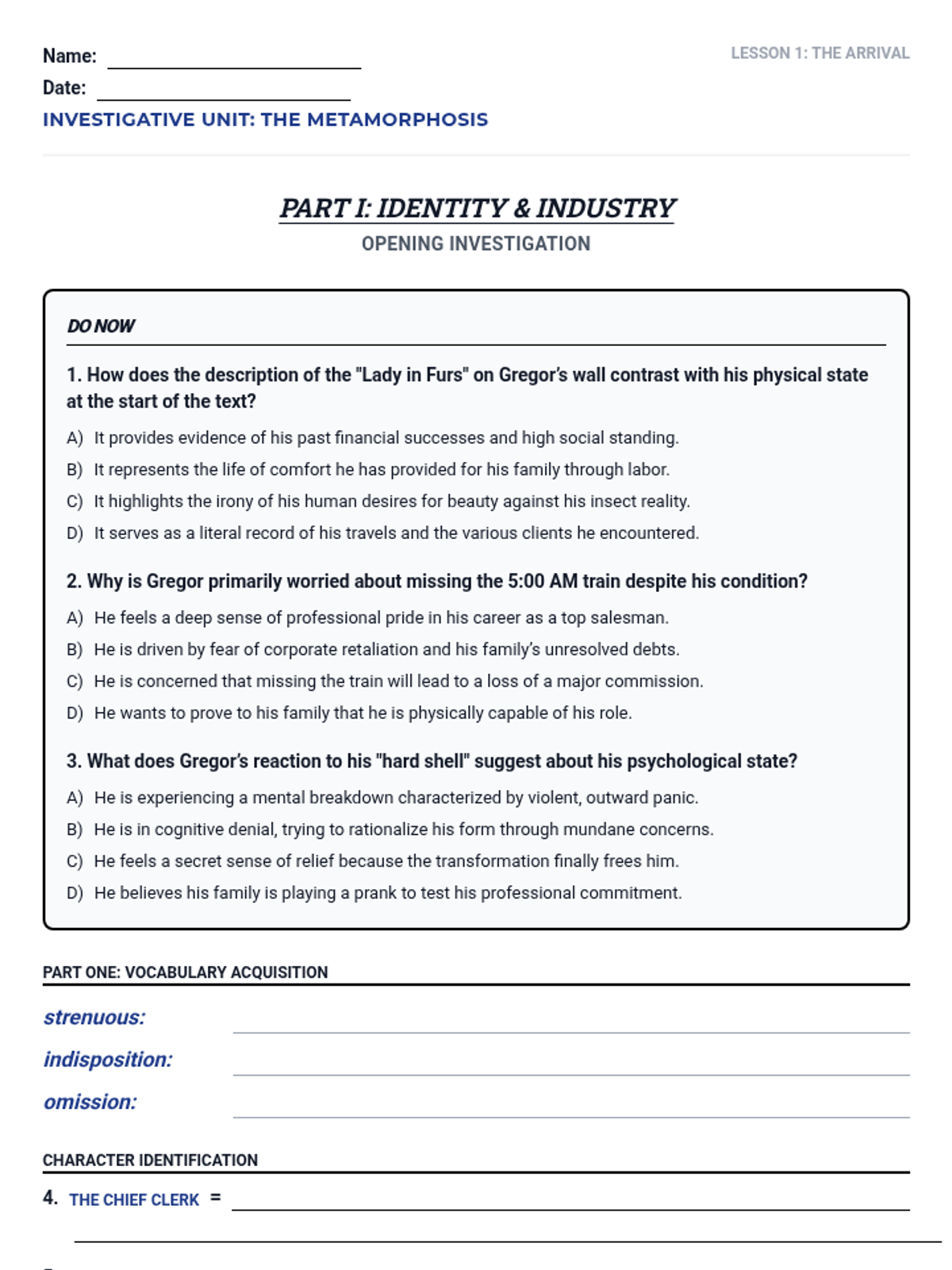
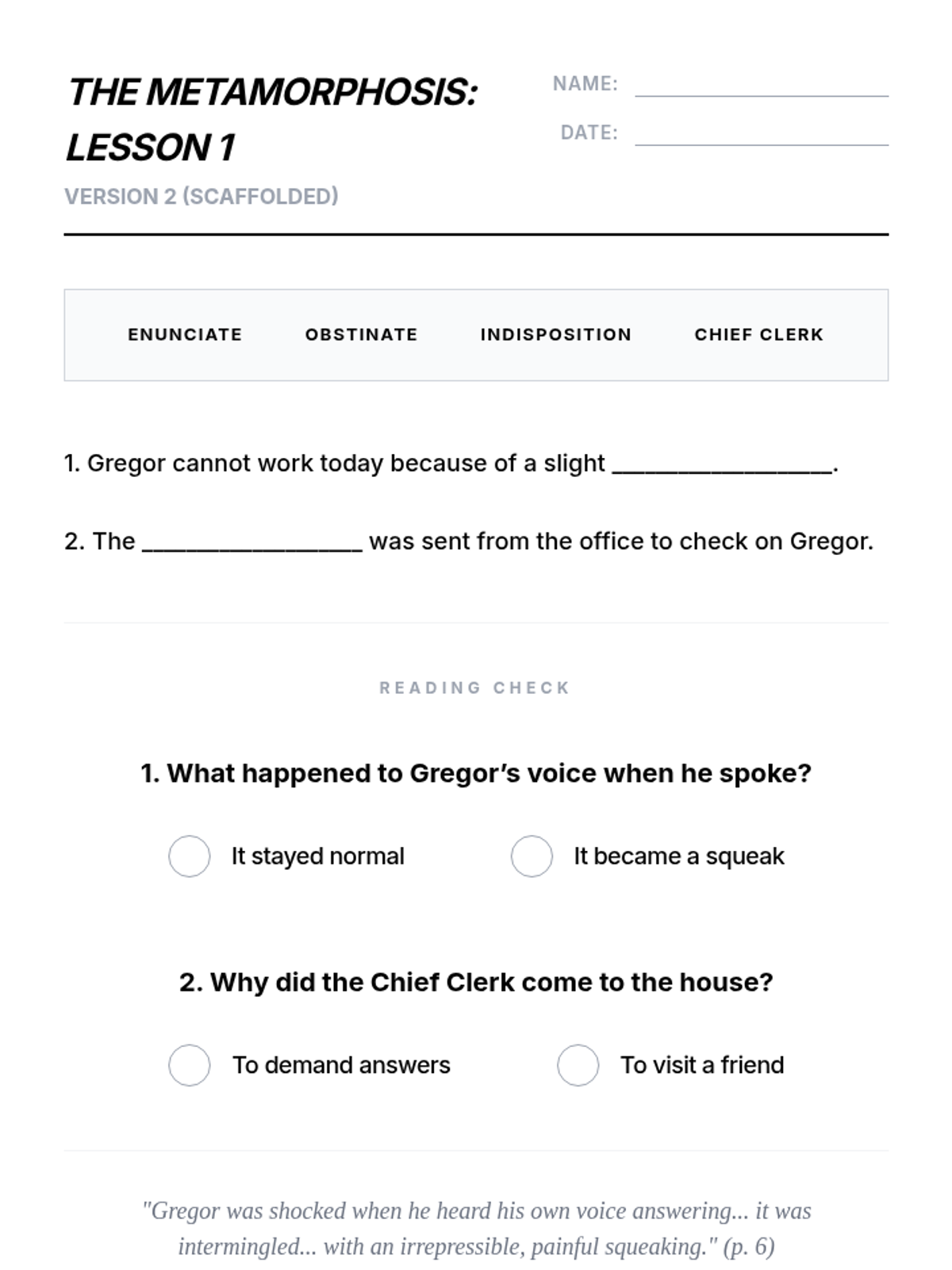
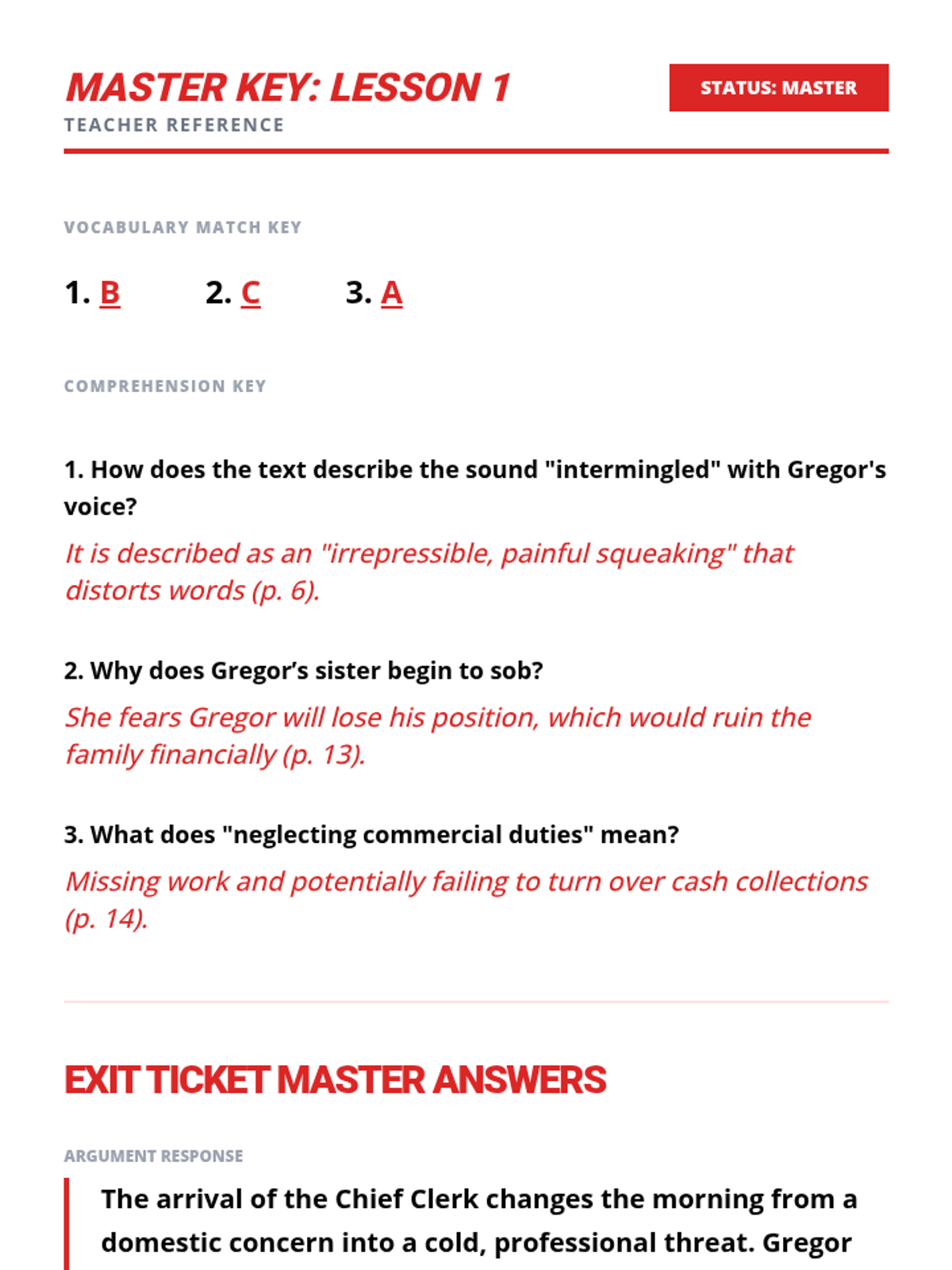
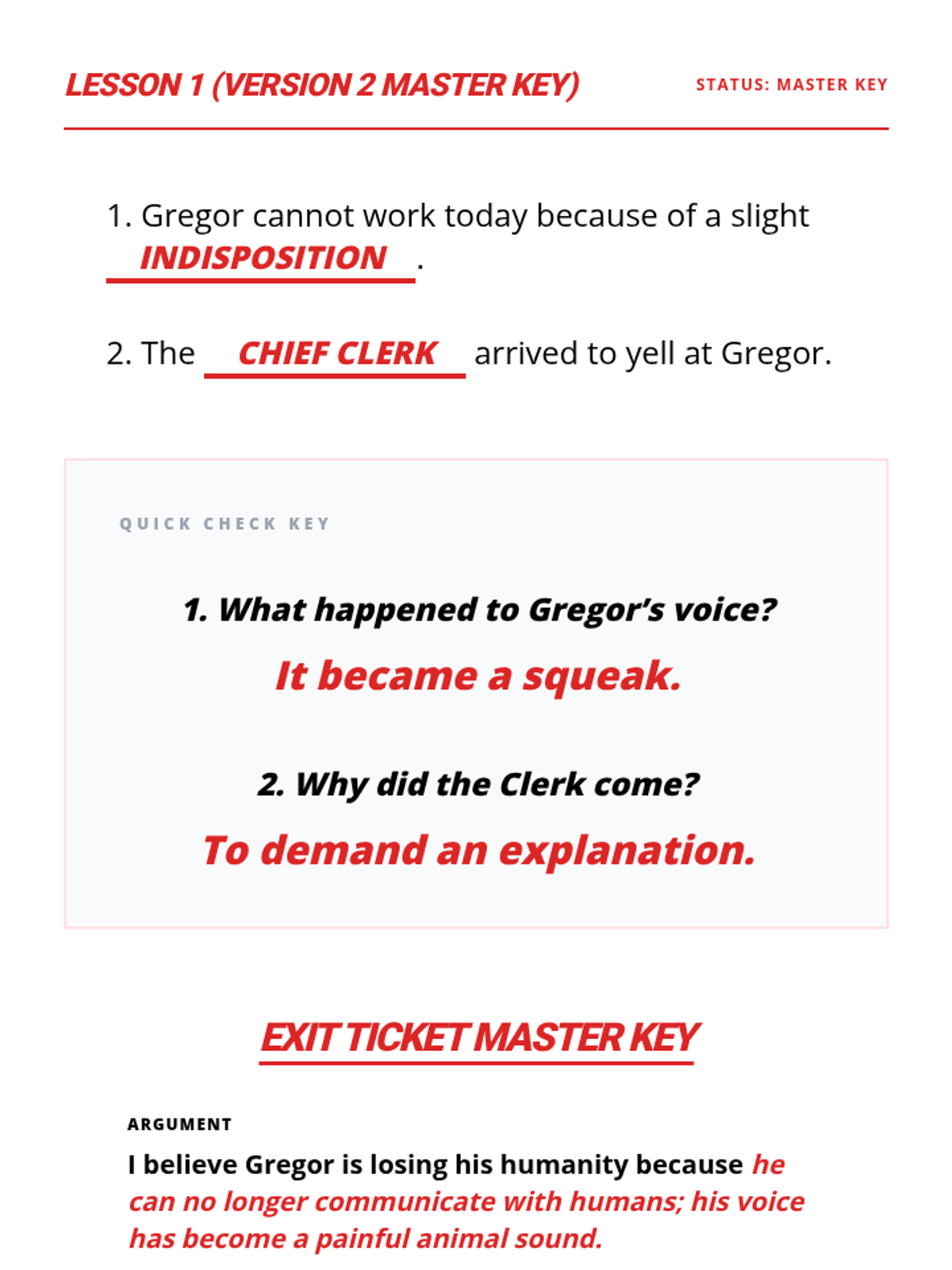
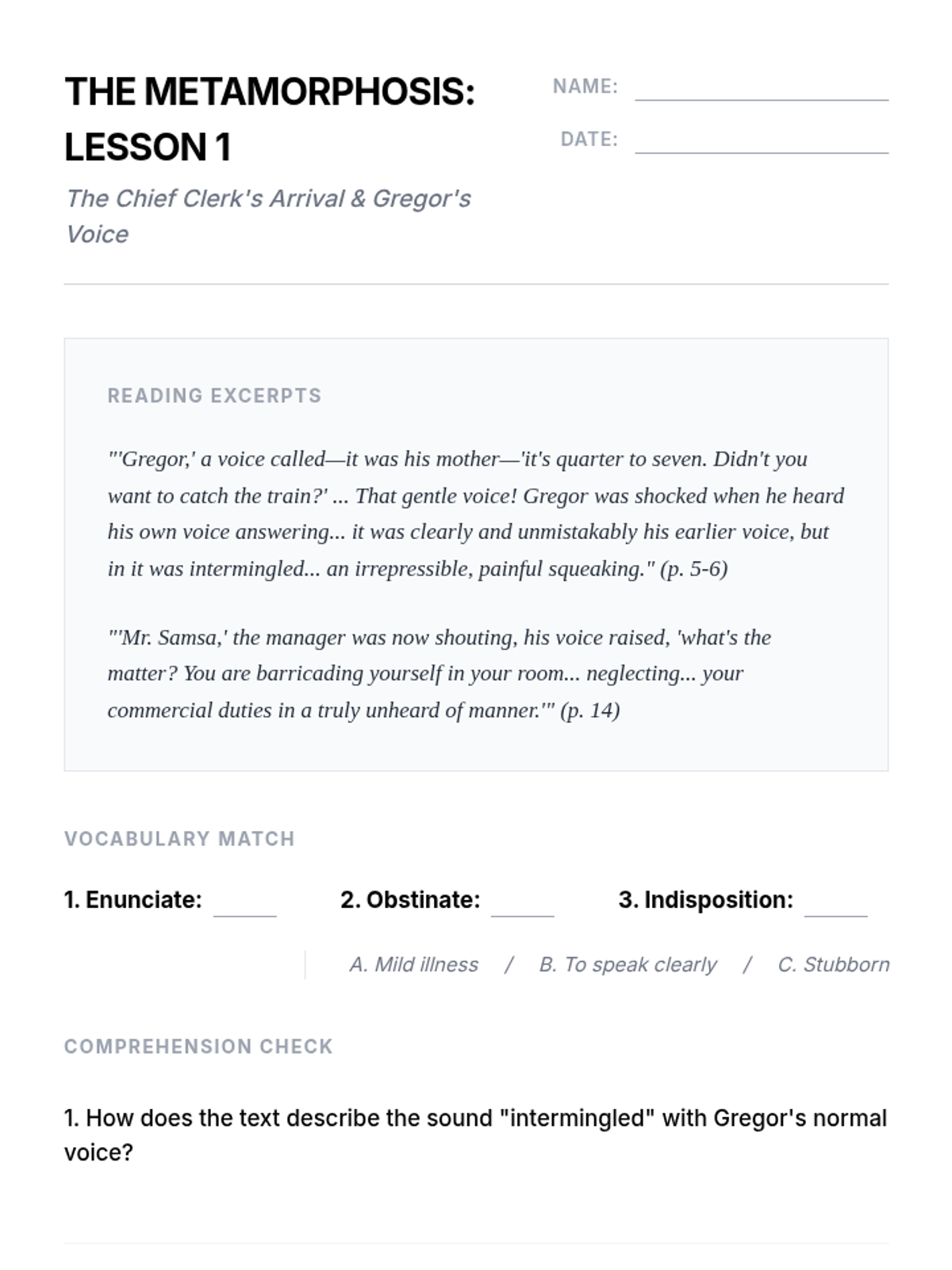
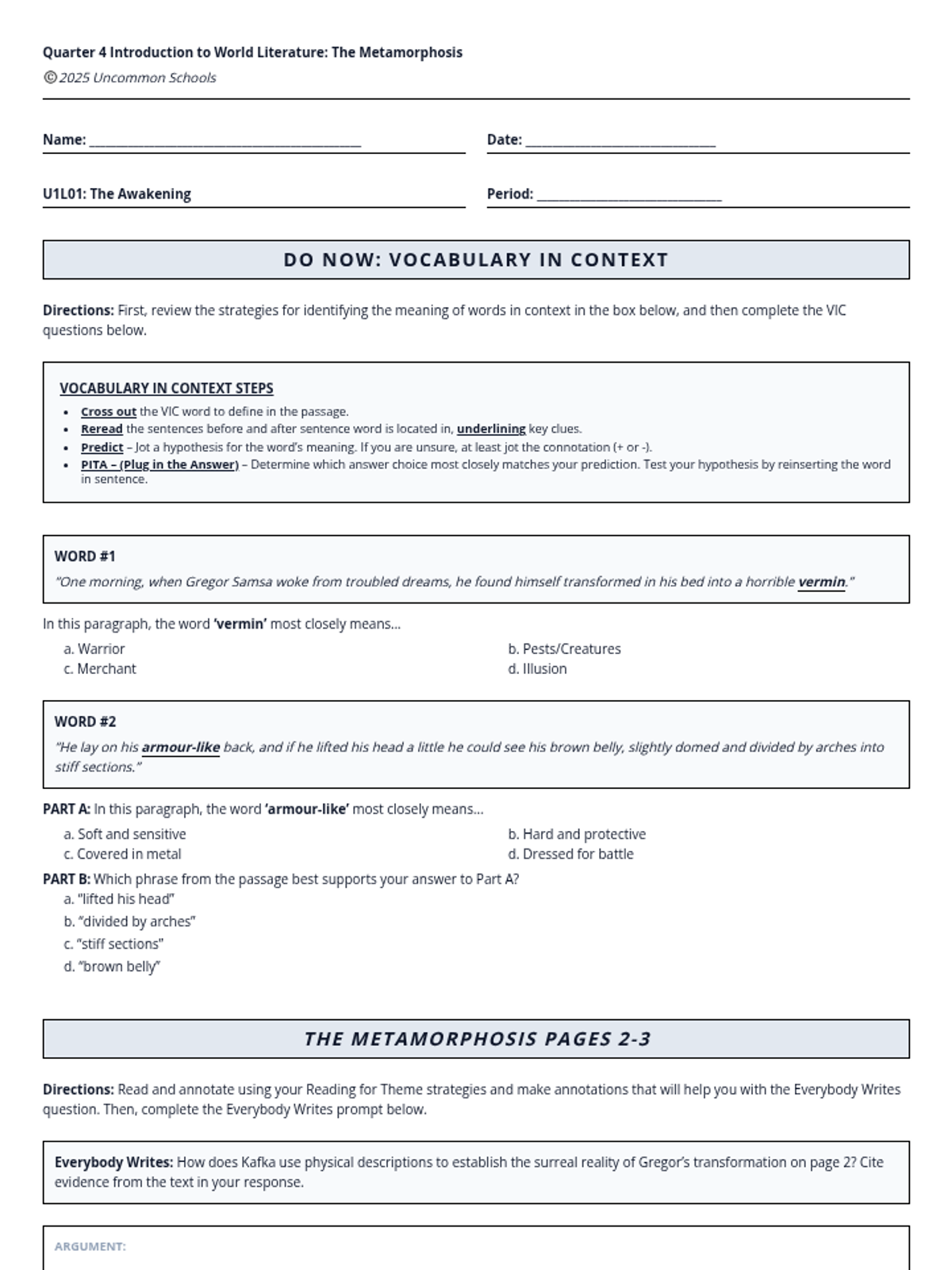
An intensive investigative unit on Franz Kafka's *The Metamorphosis* following the North Star/Uncommon Schools instructional model. The unit focuses on the thematic intersection of labor, identity, and dehumanization. Students analyze Gregor's alienation from his family and society through a structured rigorous framework including vocabulary acquisition, character identification, and thematic synthesis.
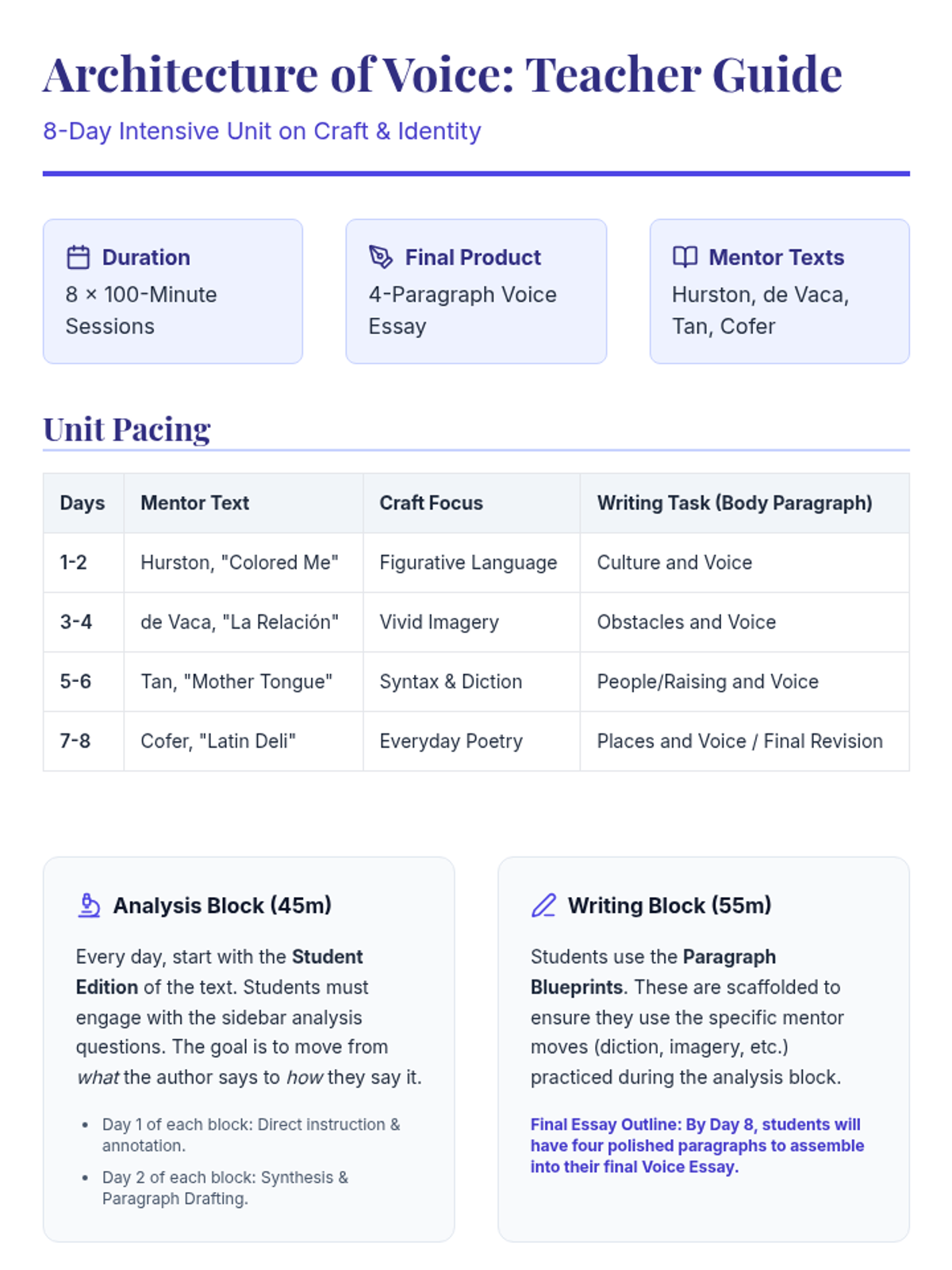
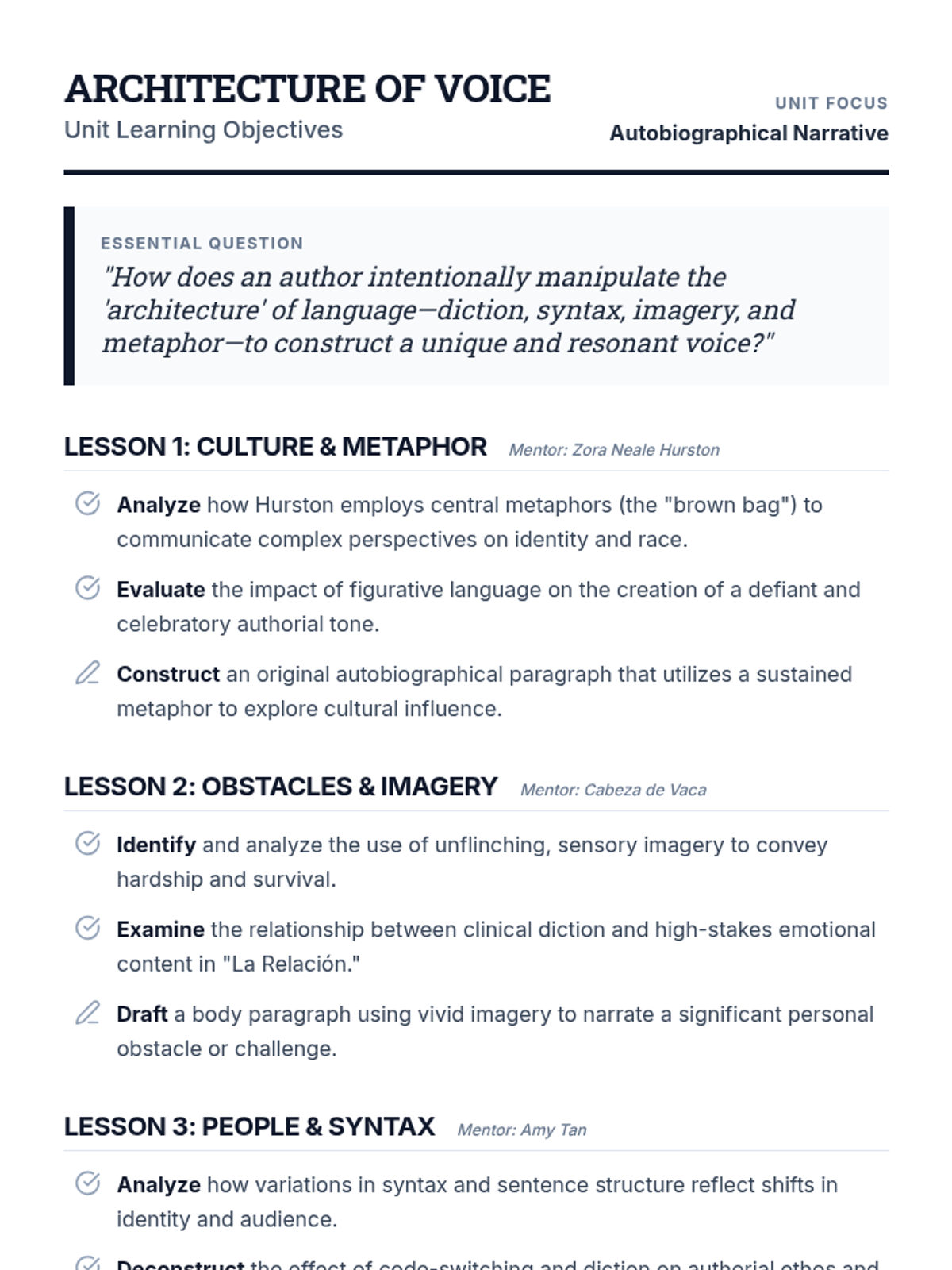
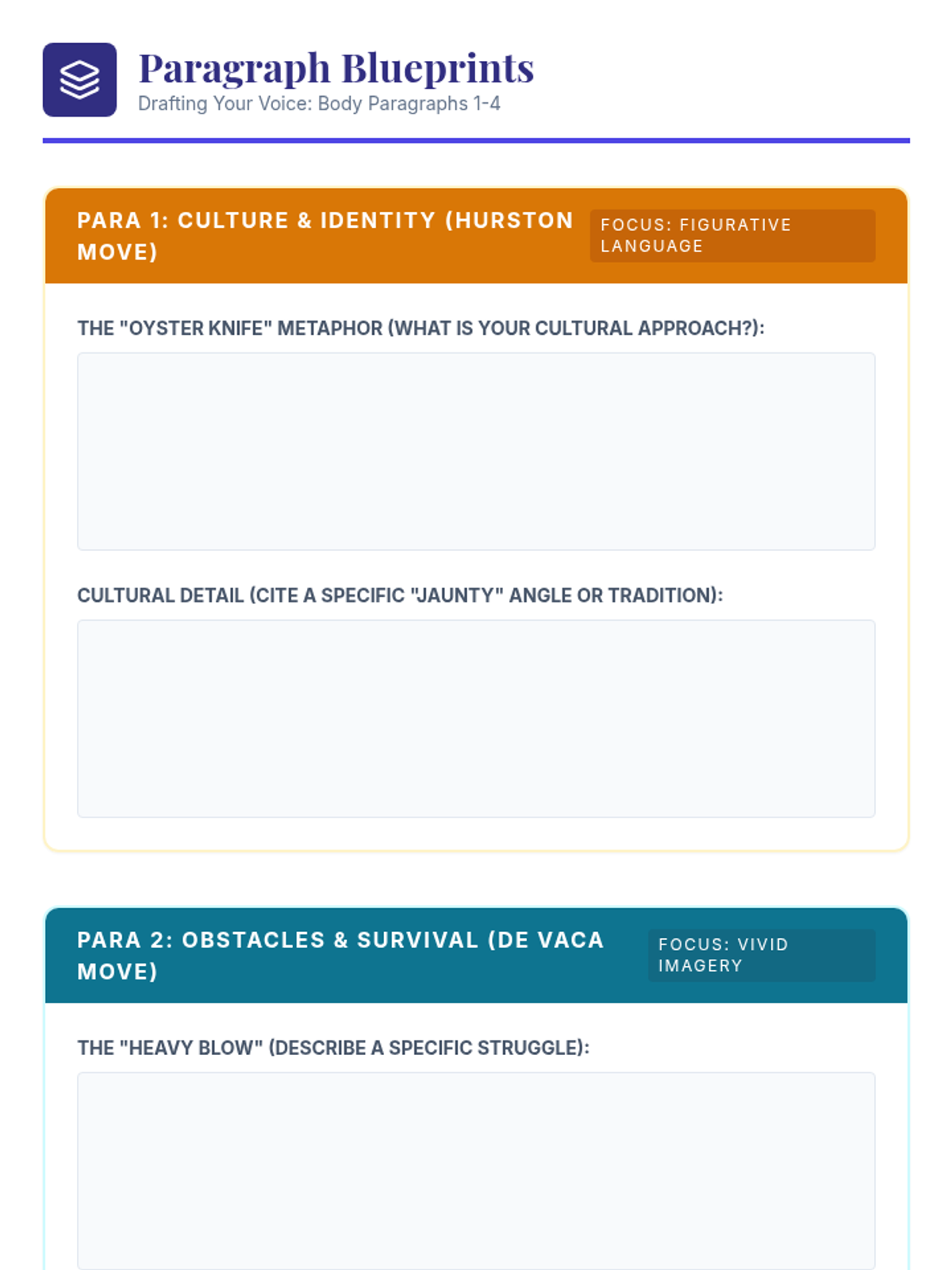
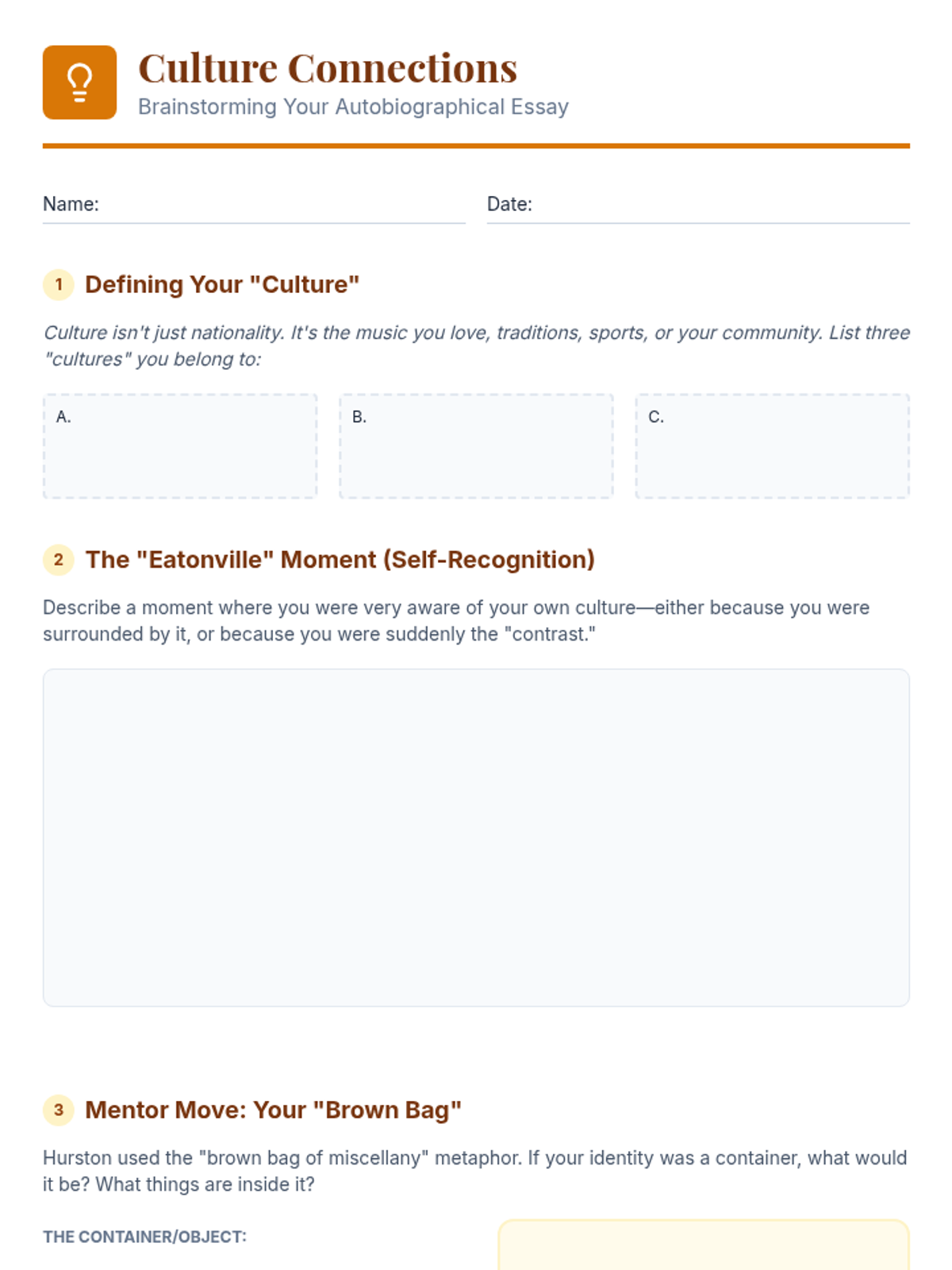
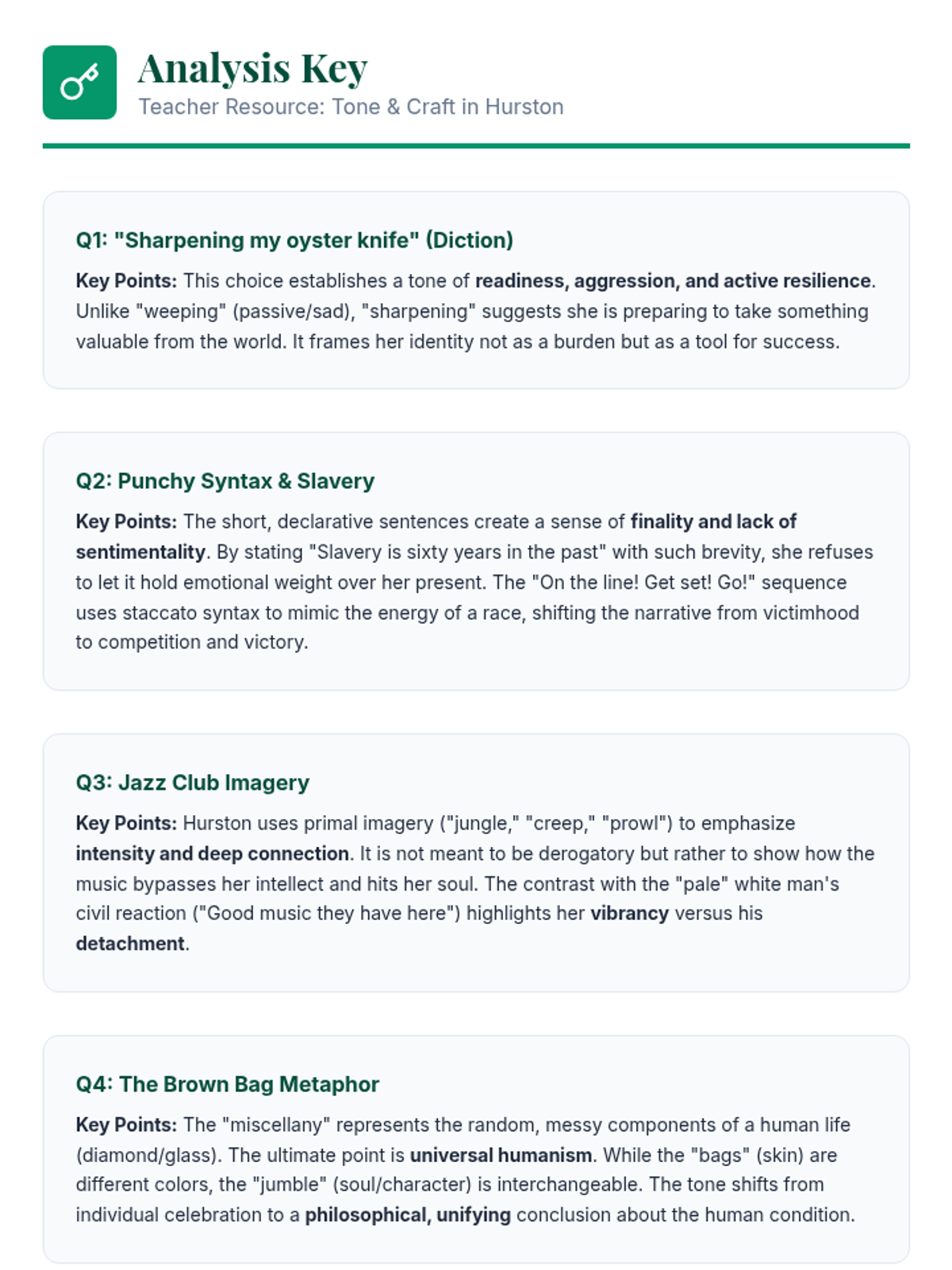
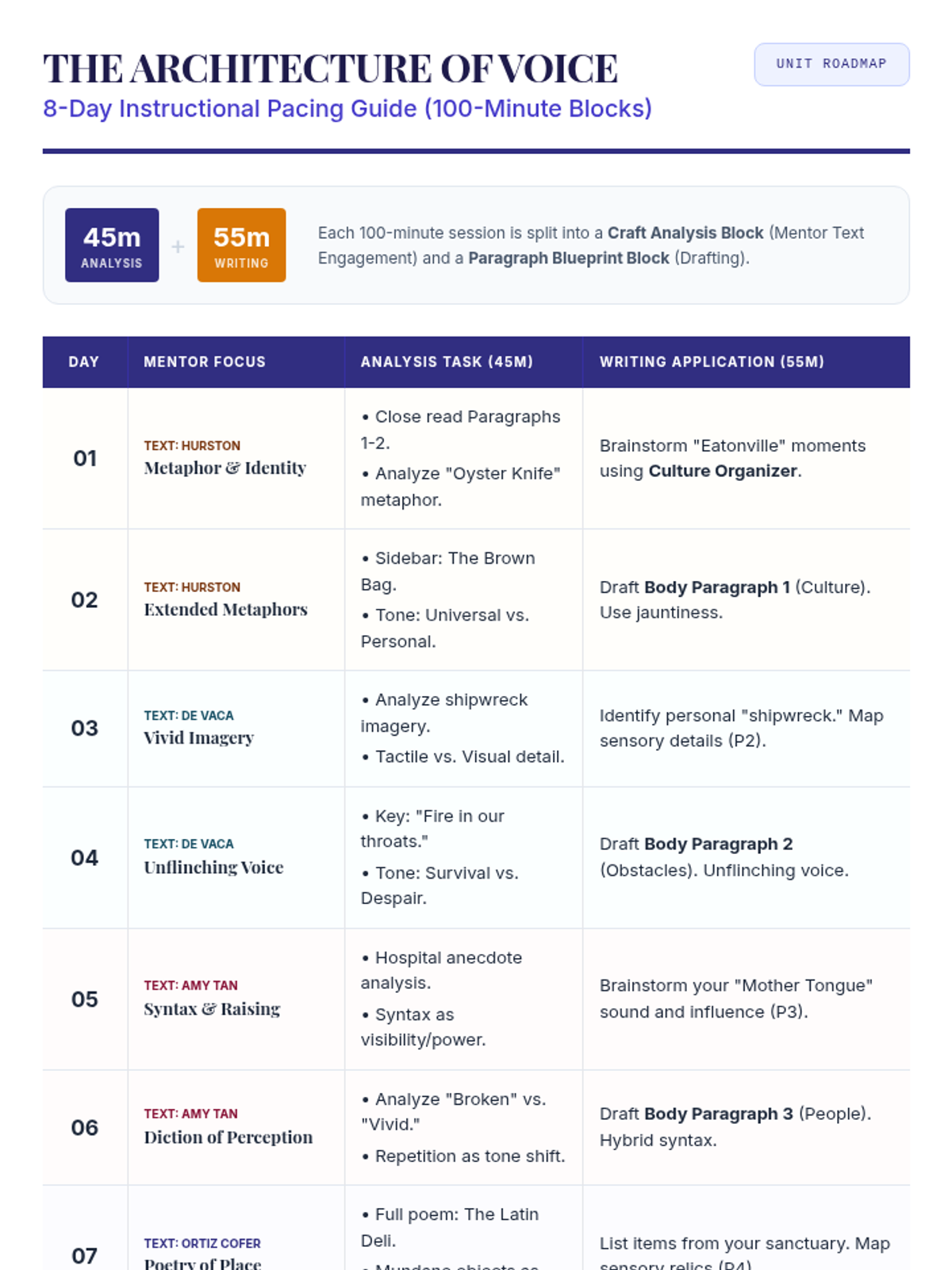
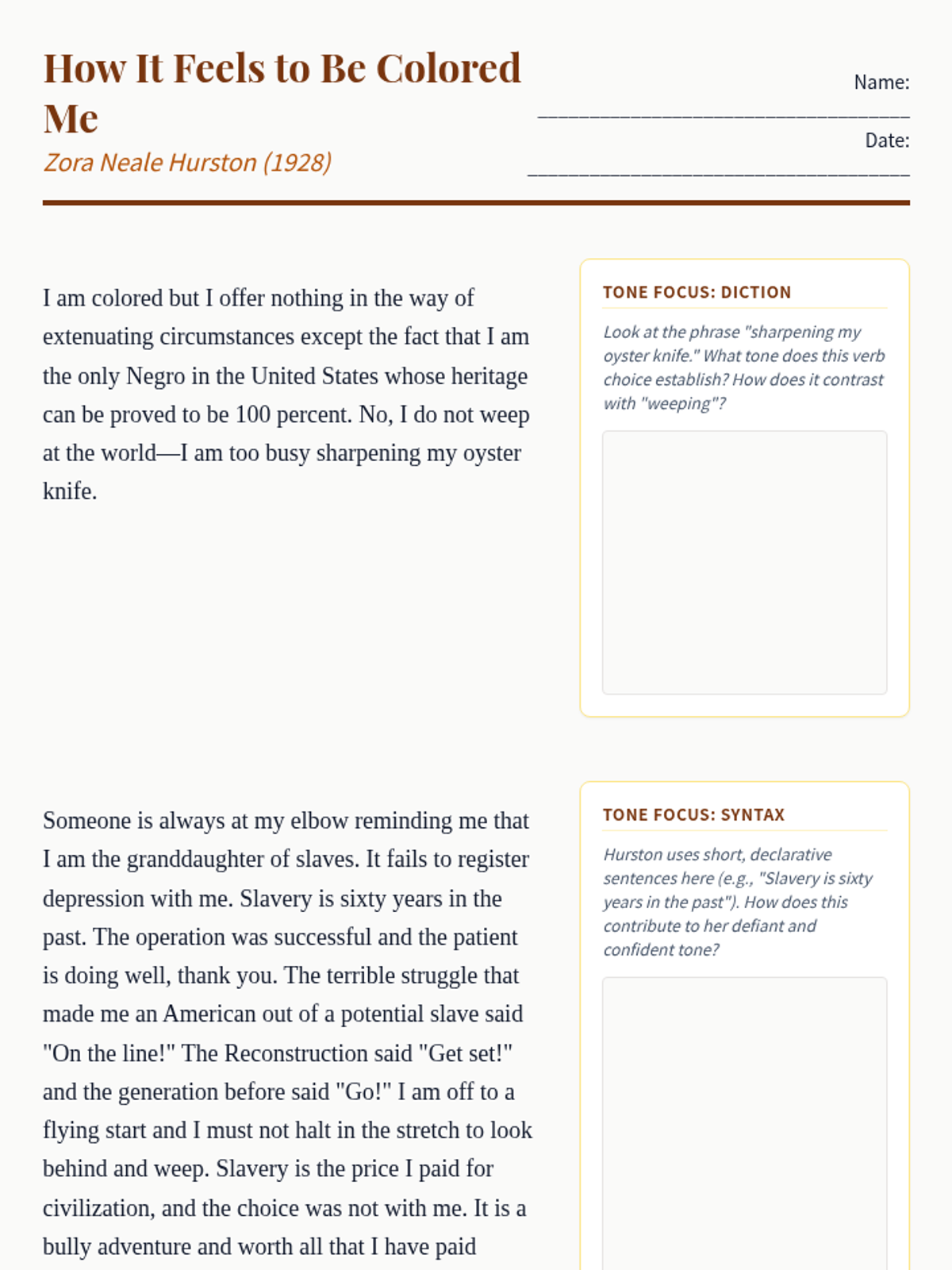
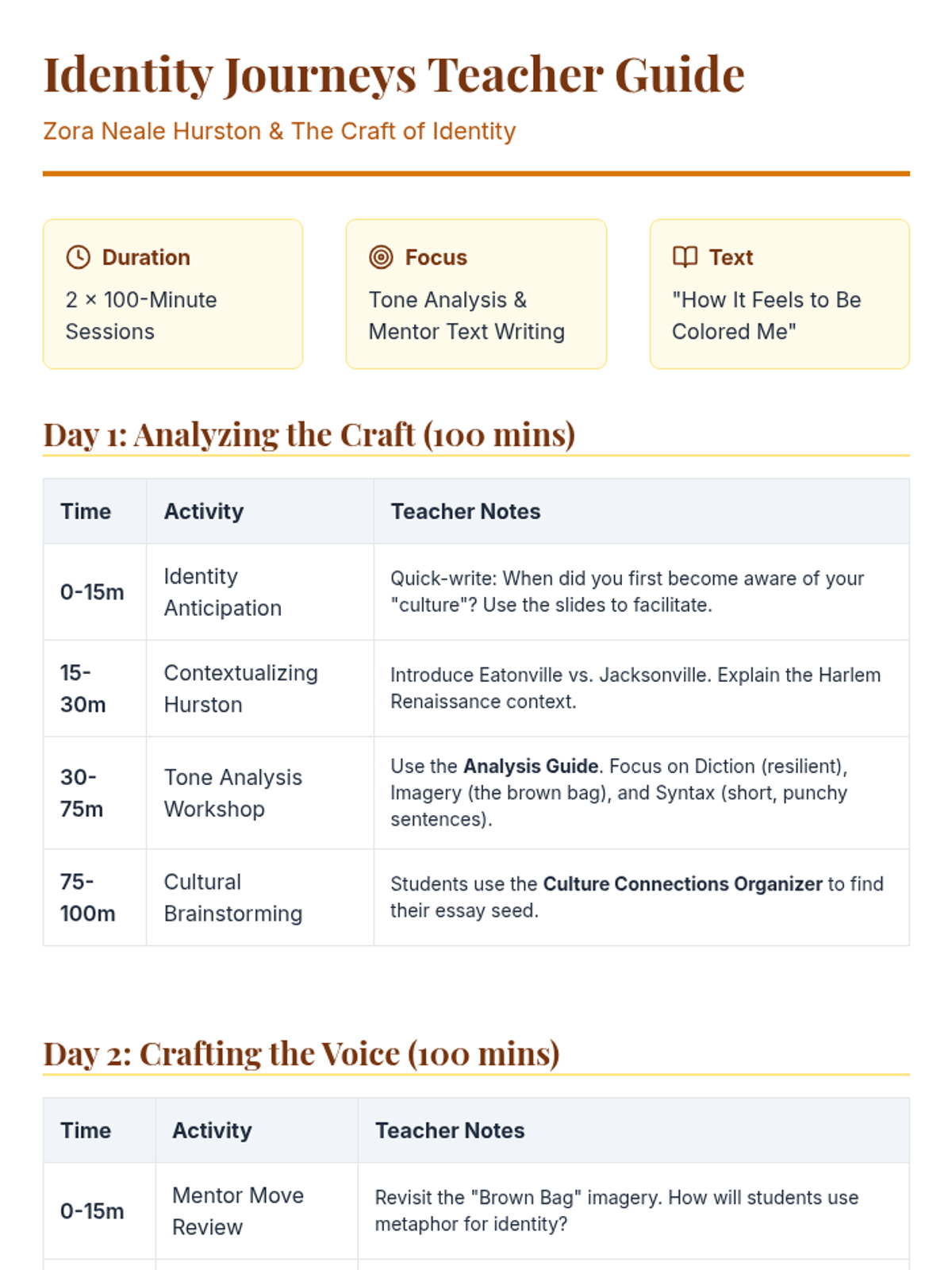
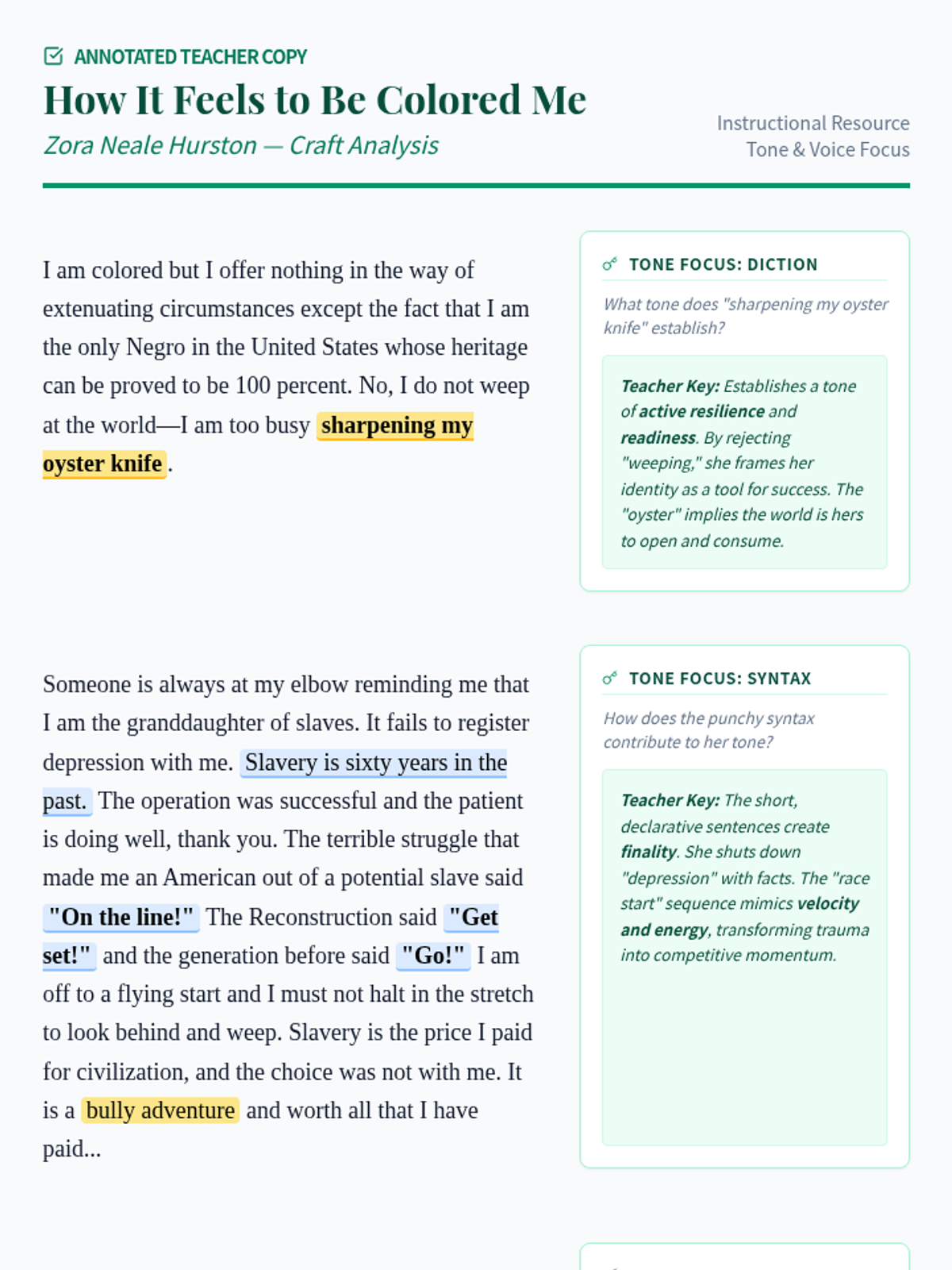
An 8-day intensive unit titled 'The Architecture of Voice.' Students analyze four diverse mentor texts—Hurston, de Vaca, Tan, and Cofer—to understand how craft elements like figurative language, imagery, syntax, and diction shape an author's tone and perspective. For each text, students produce a structured paragraph, culminating in a comprehensive autobiographical essay that explores the various forces (culture, challenges, people, and places) that have shaped their own voices.
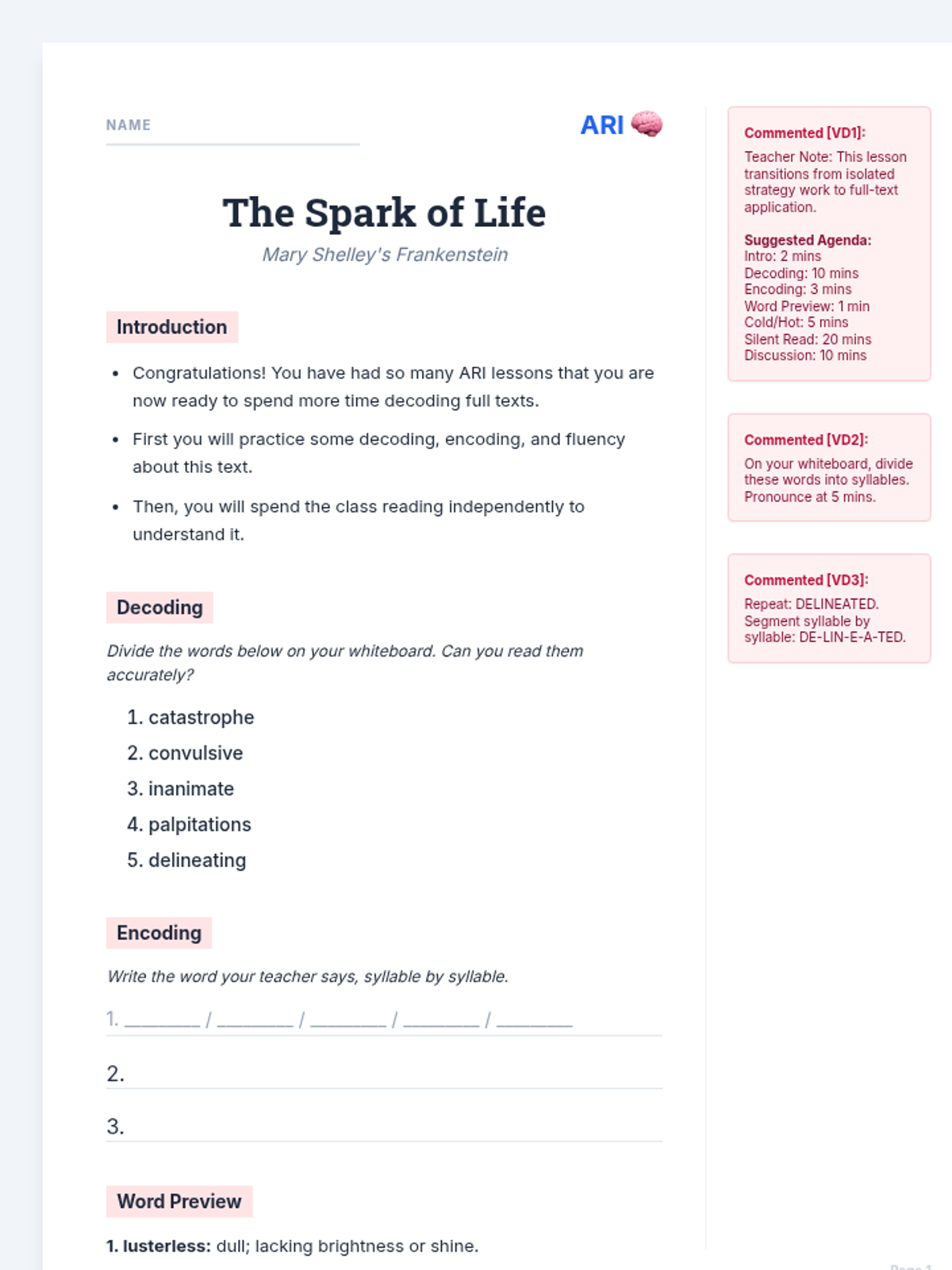
A series of deep-dive literacy lessons focusing on decoding, fluency, and reading comprehension using classic and contemporary literature. Each lesson follows the ARI (Accelerated Reading Intervention) strategy model.
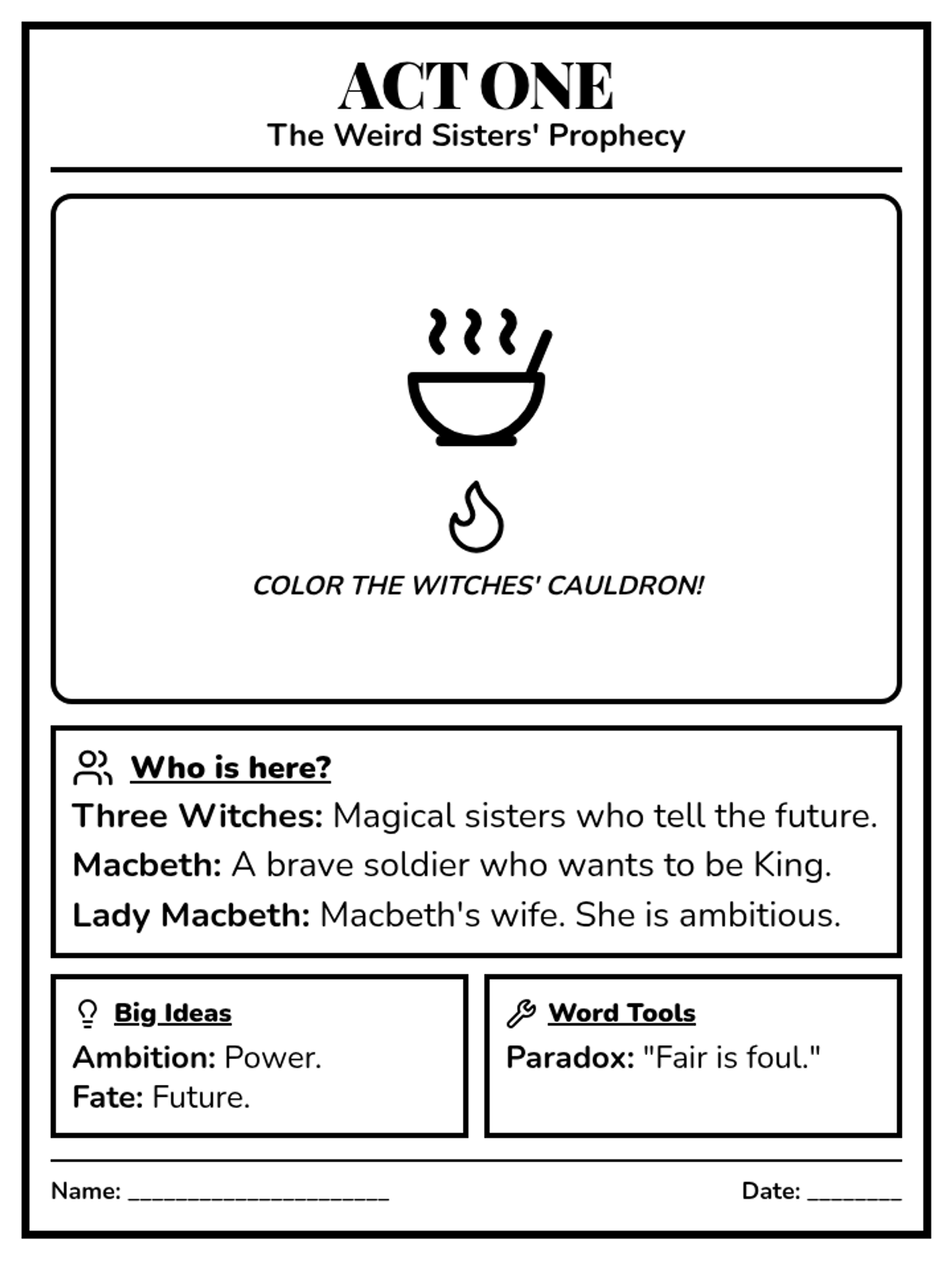
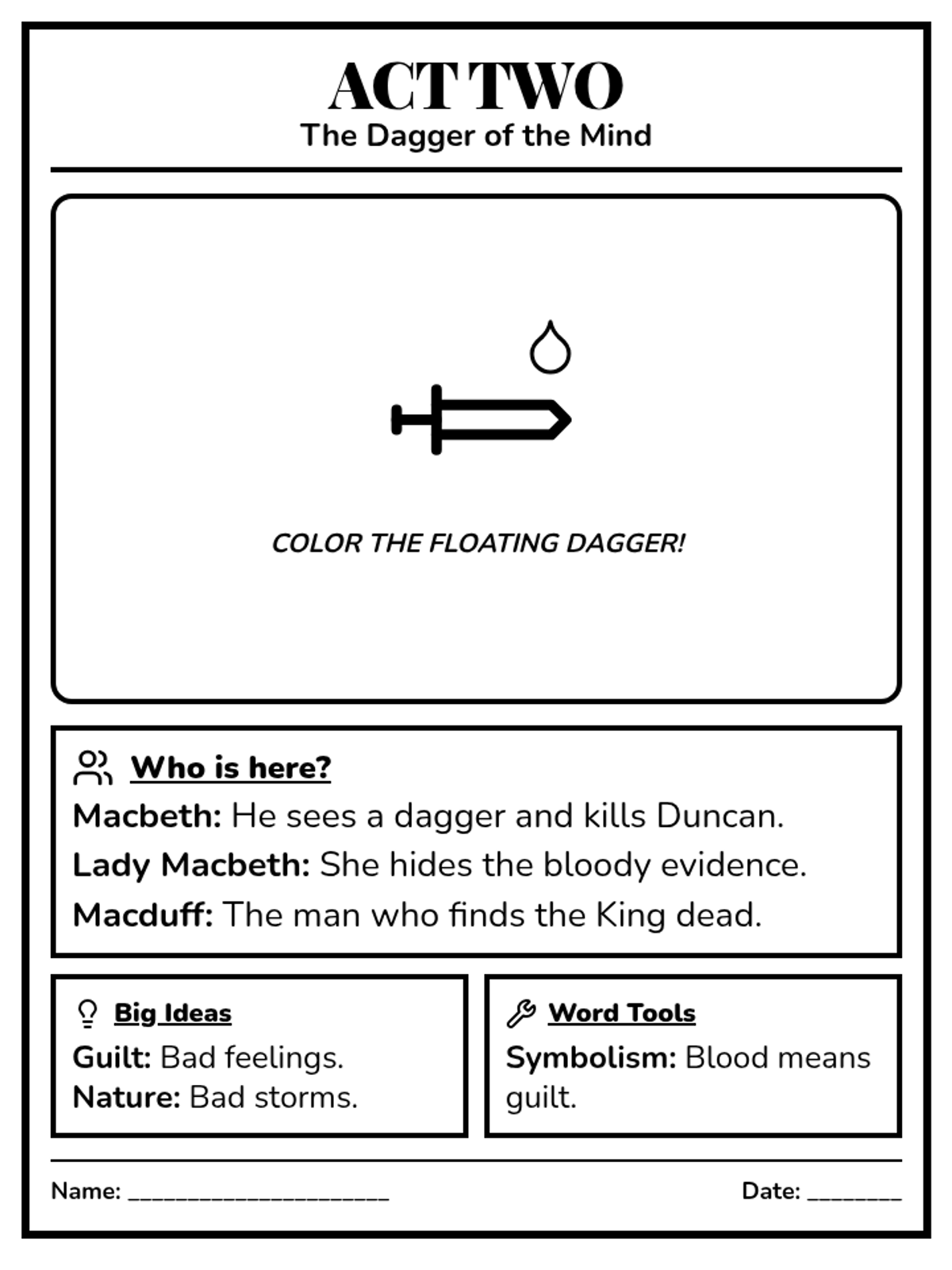
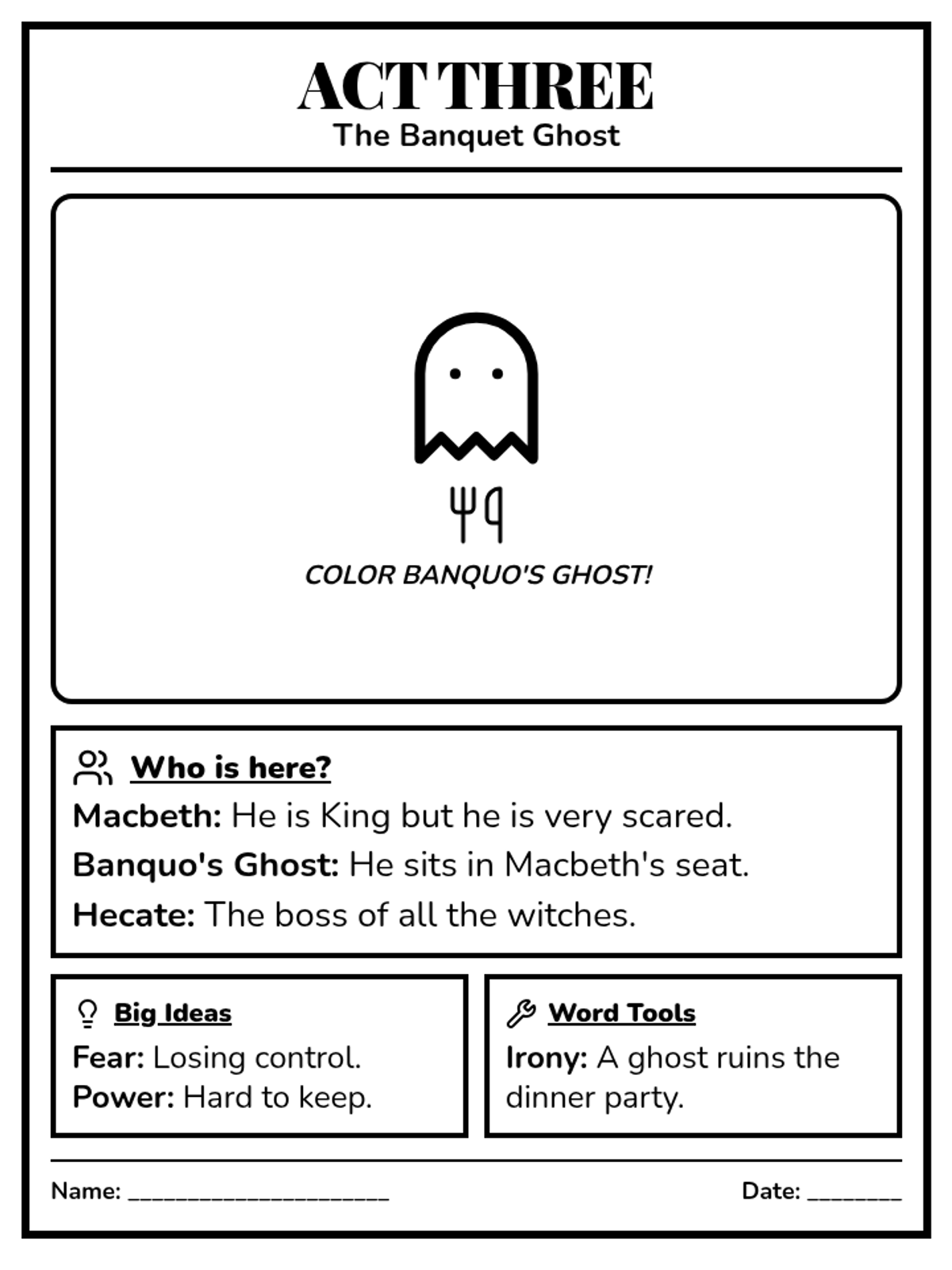
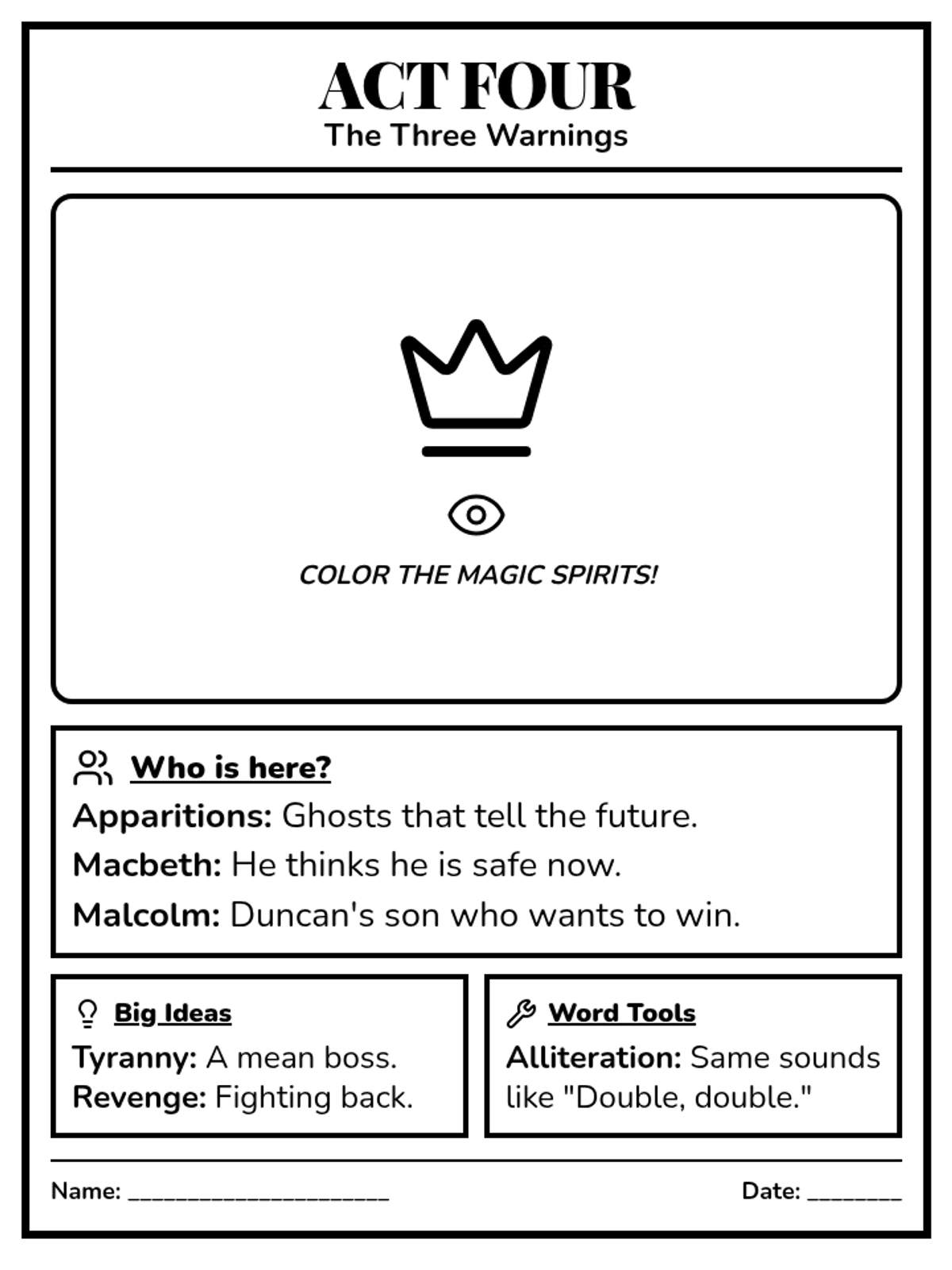
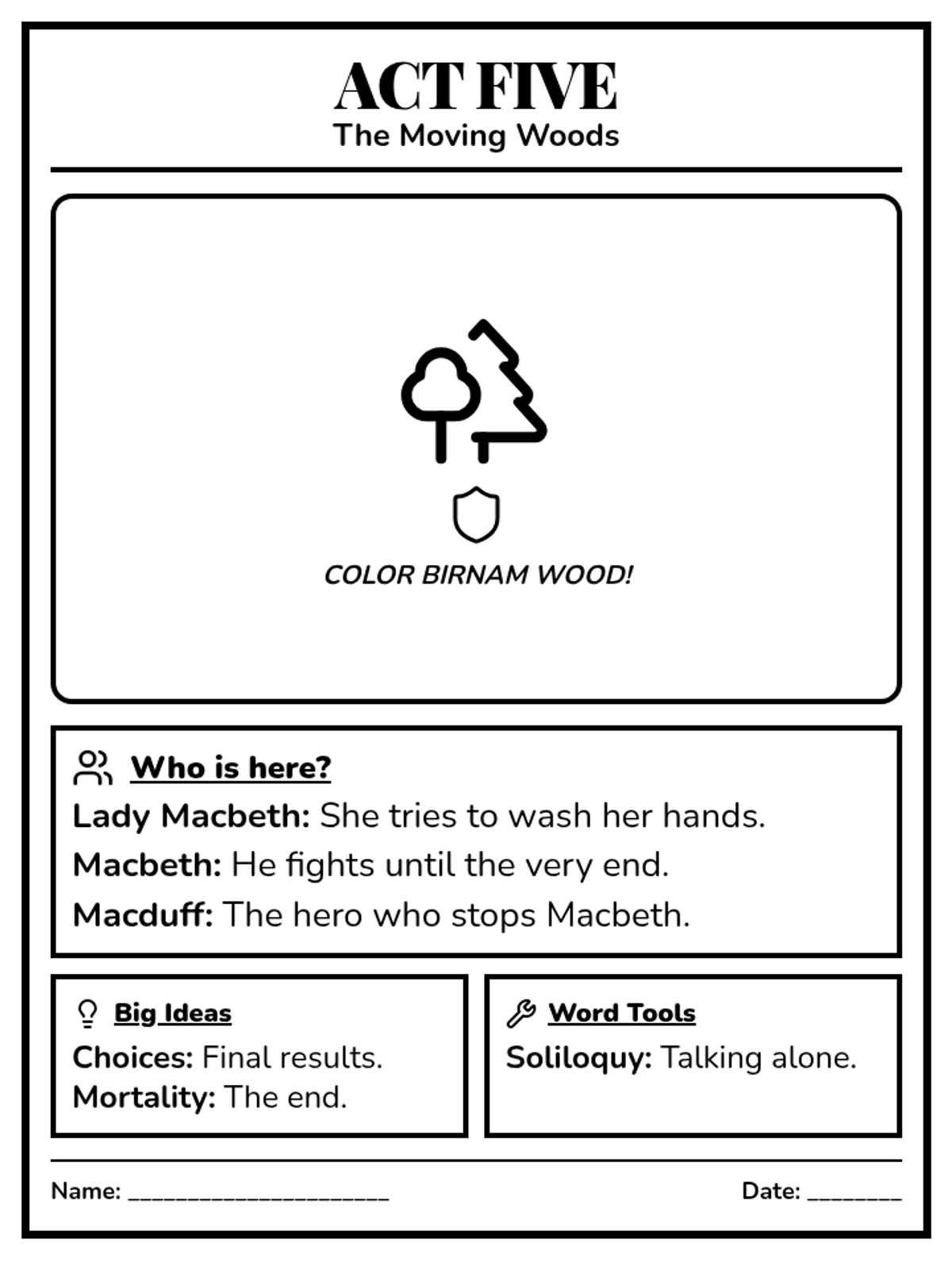
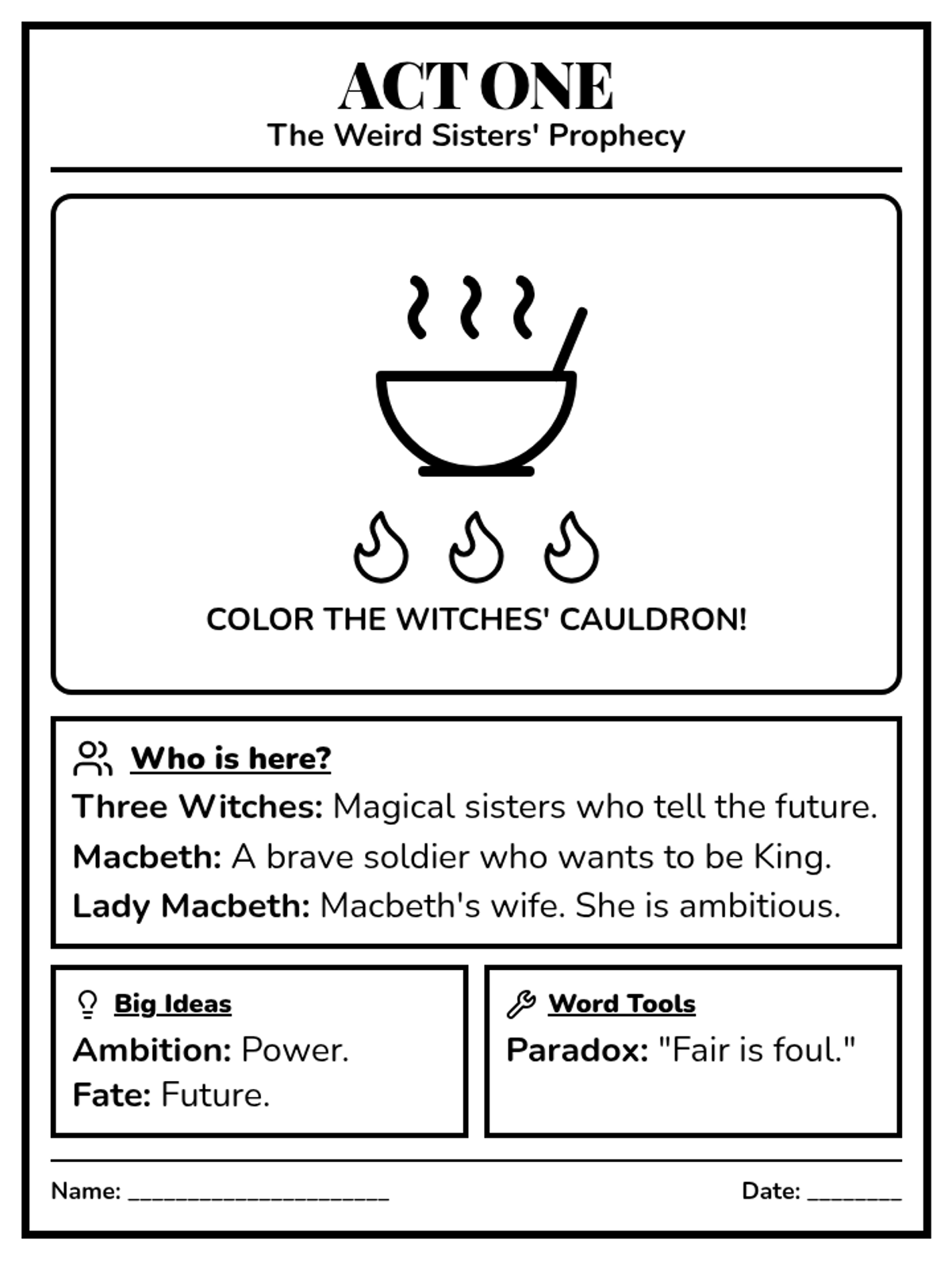
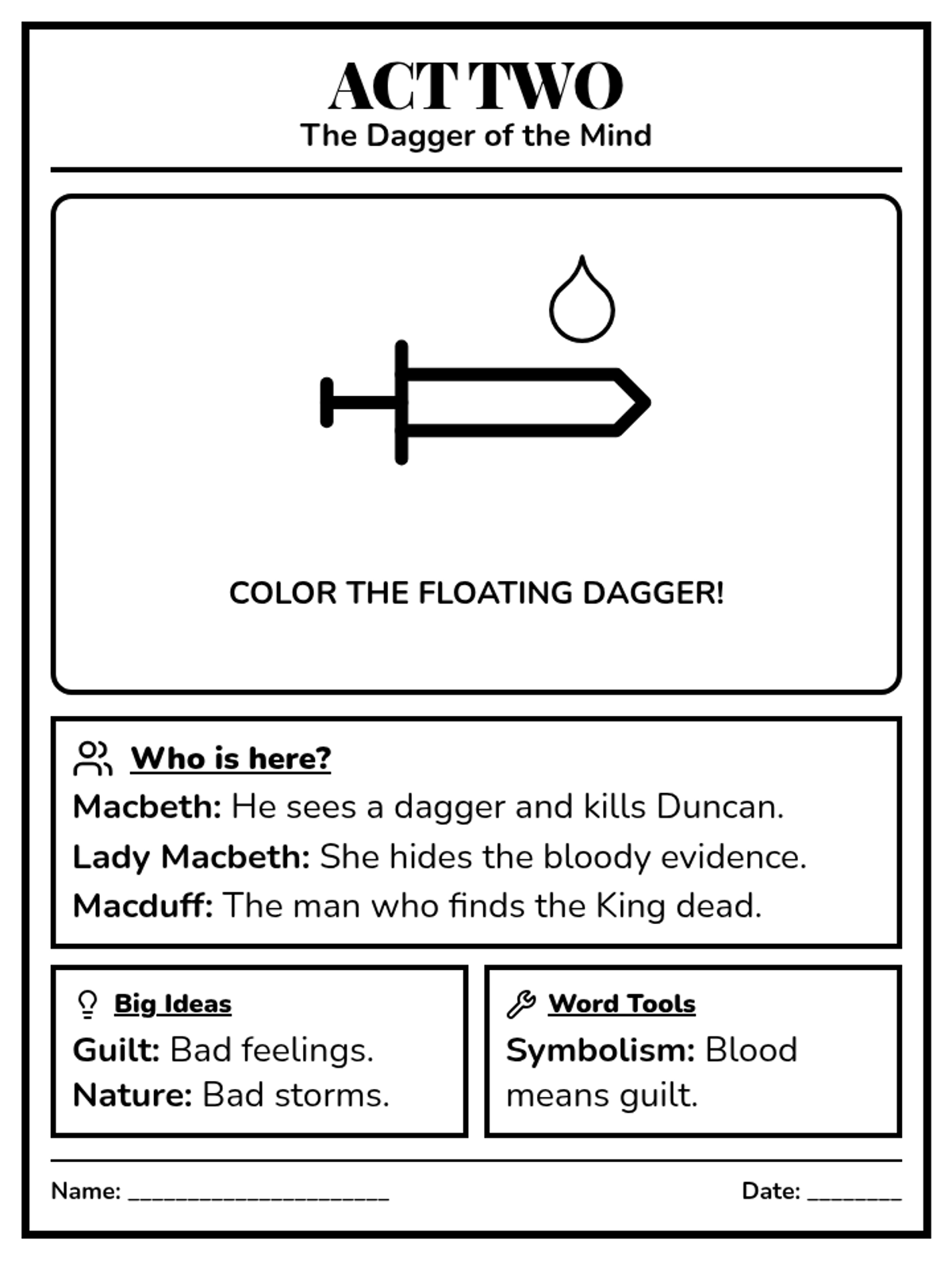
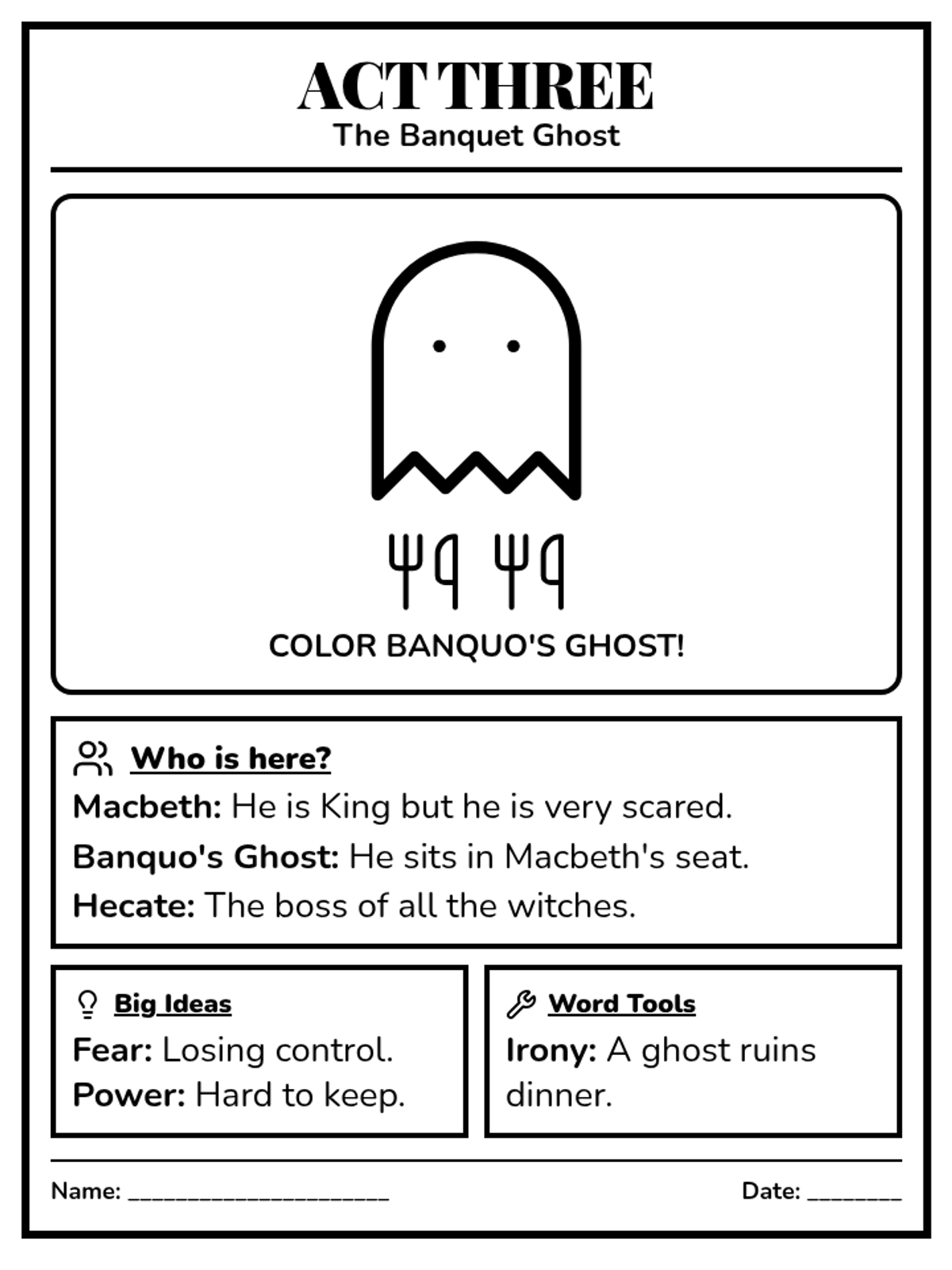
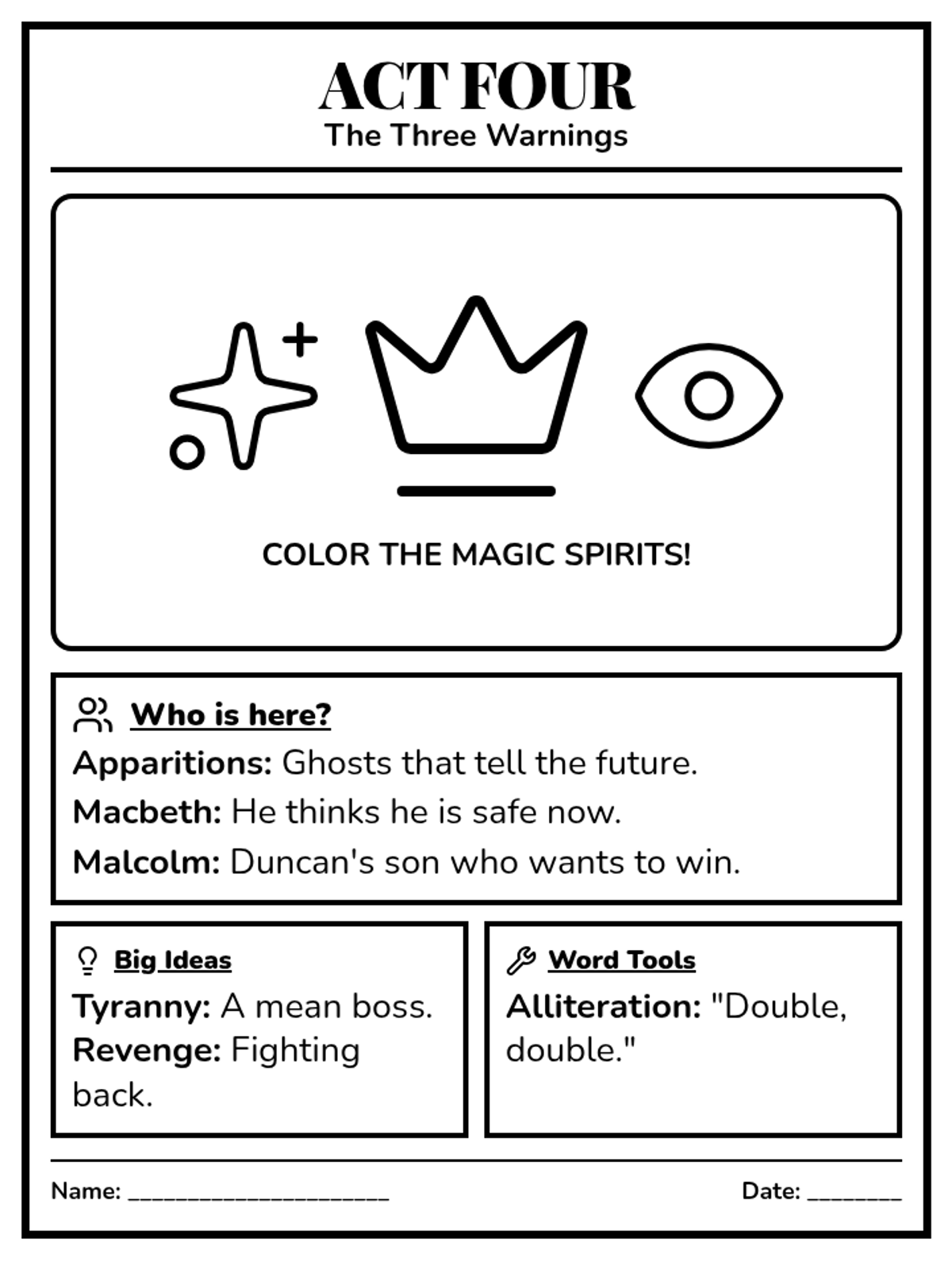
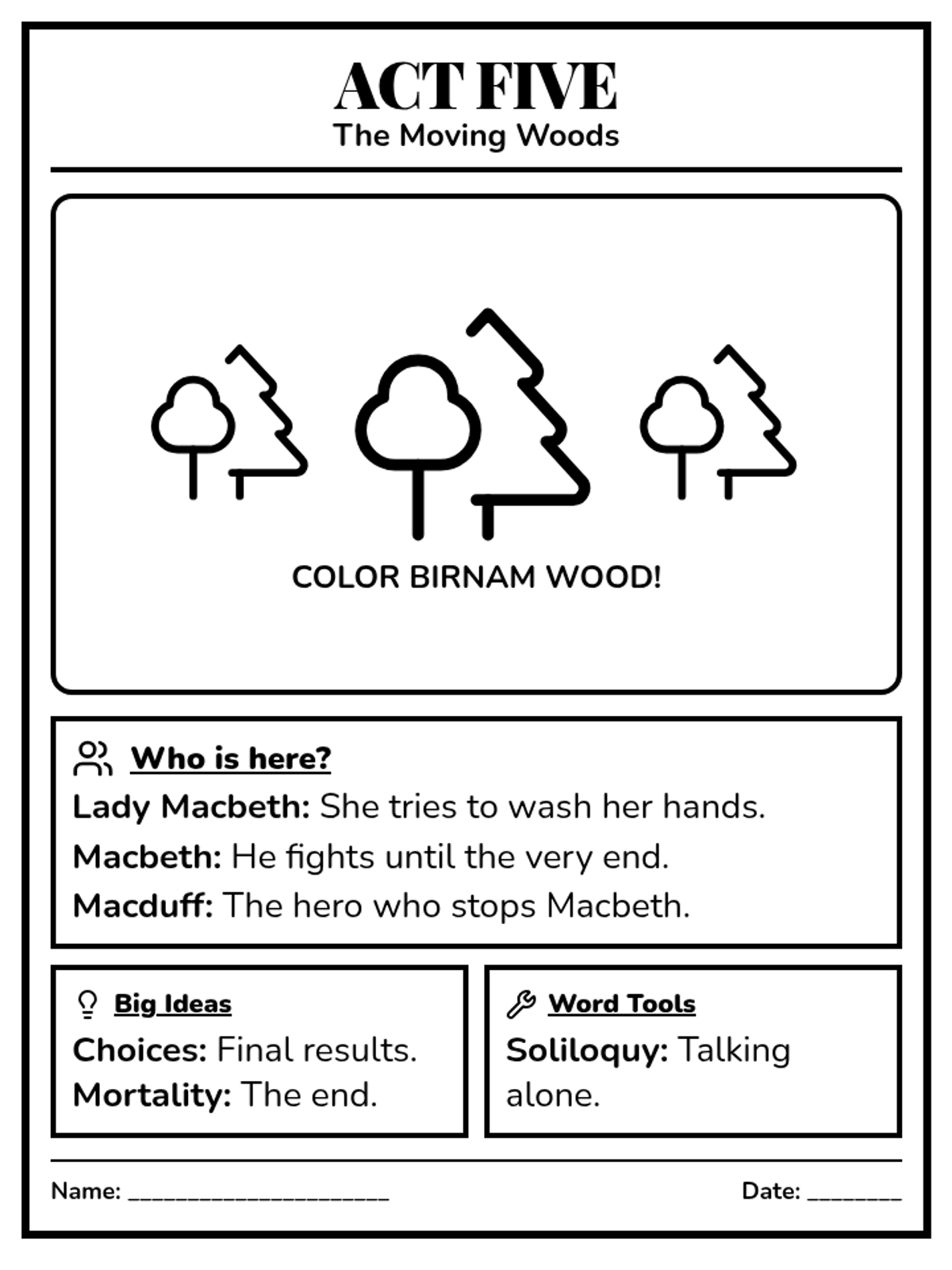
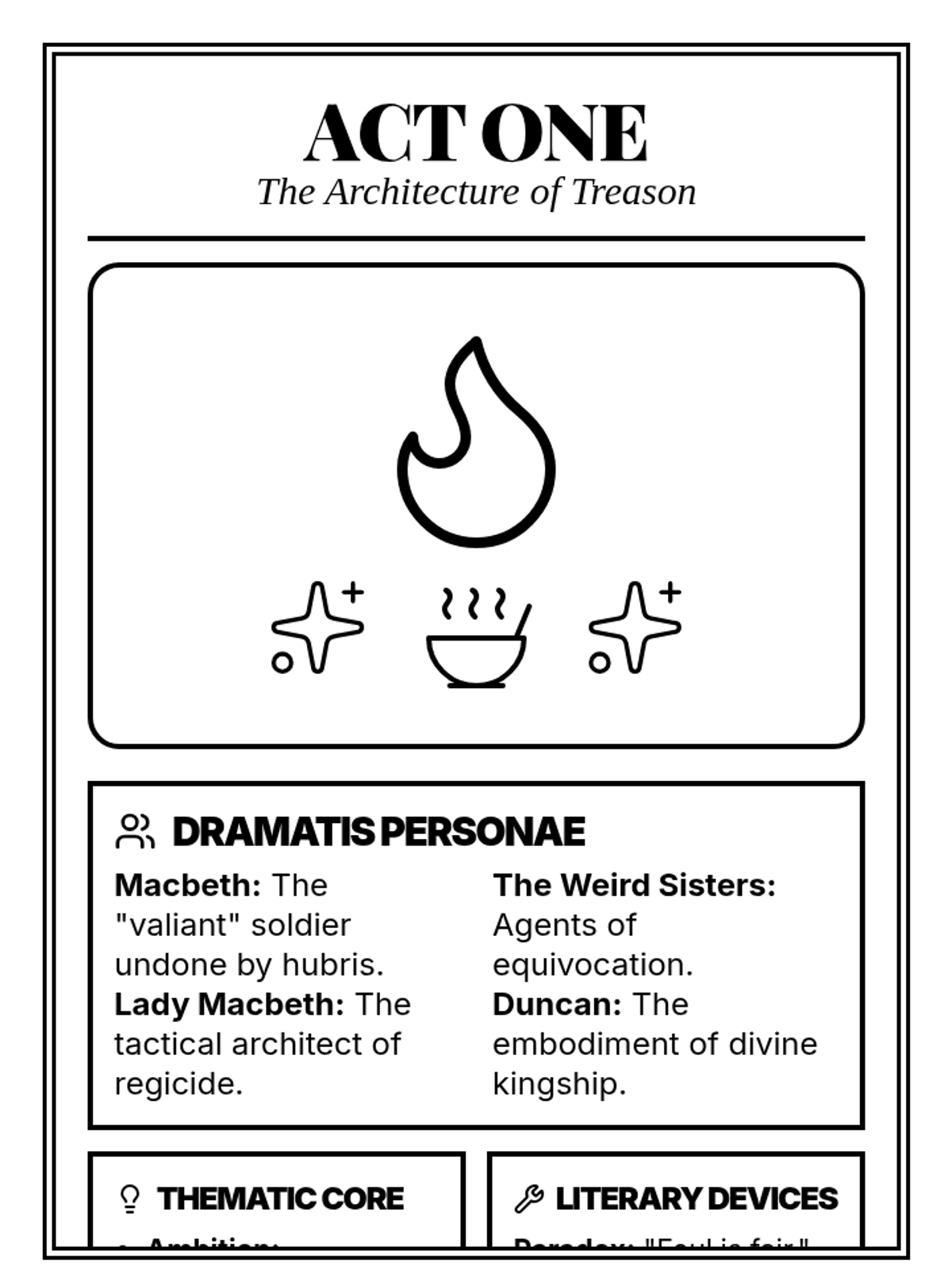
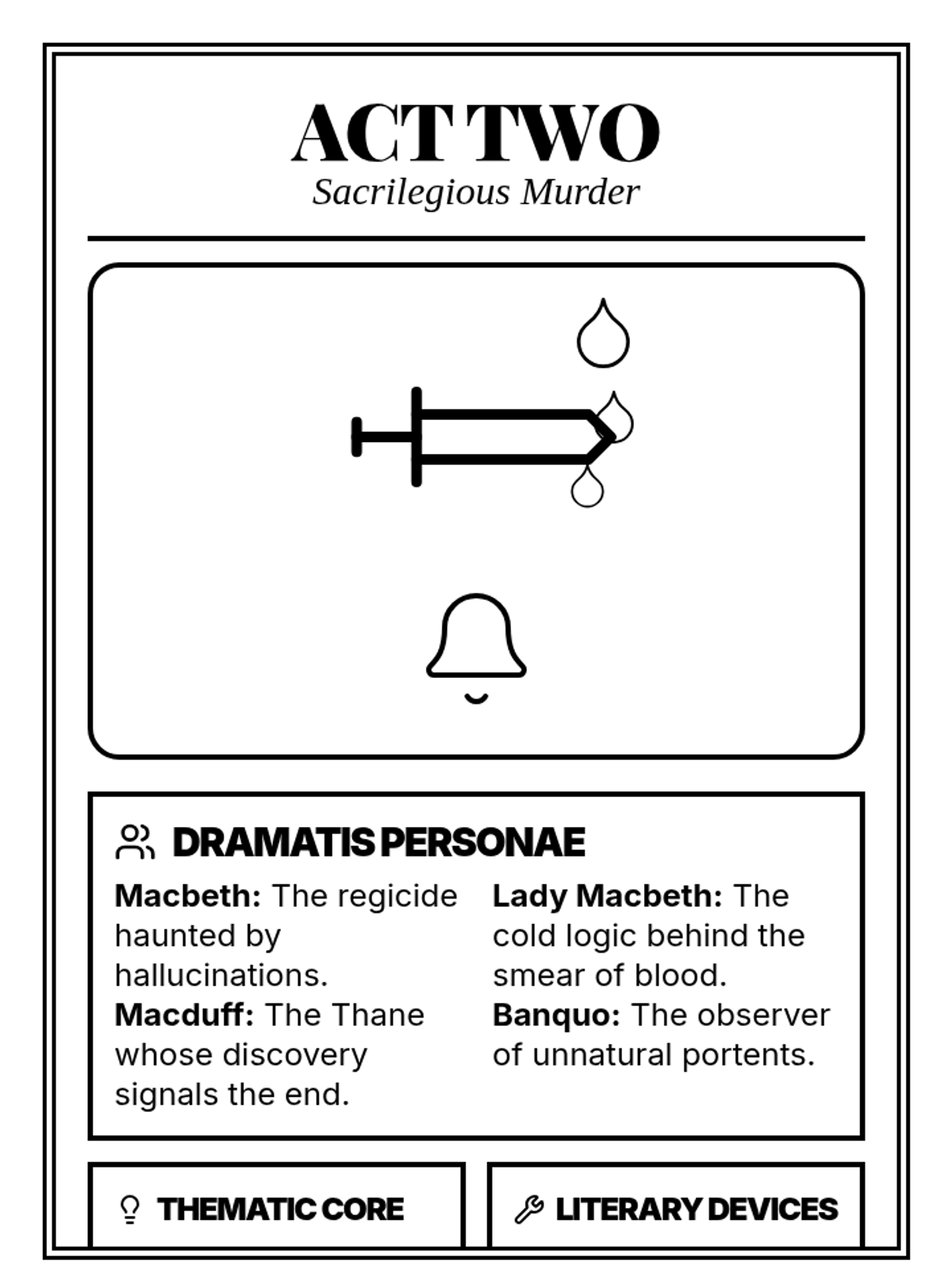
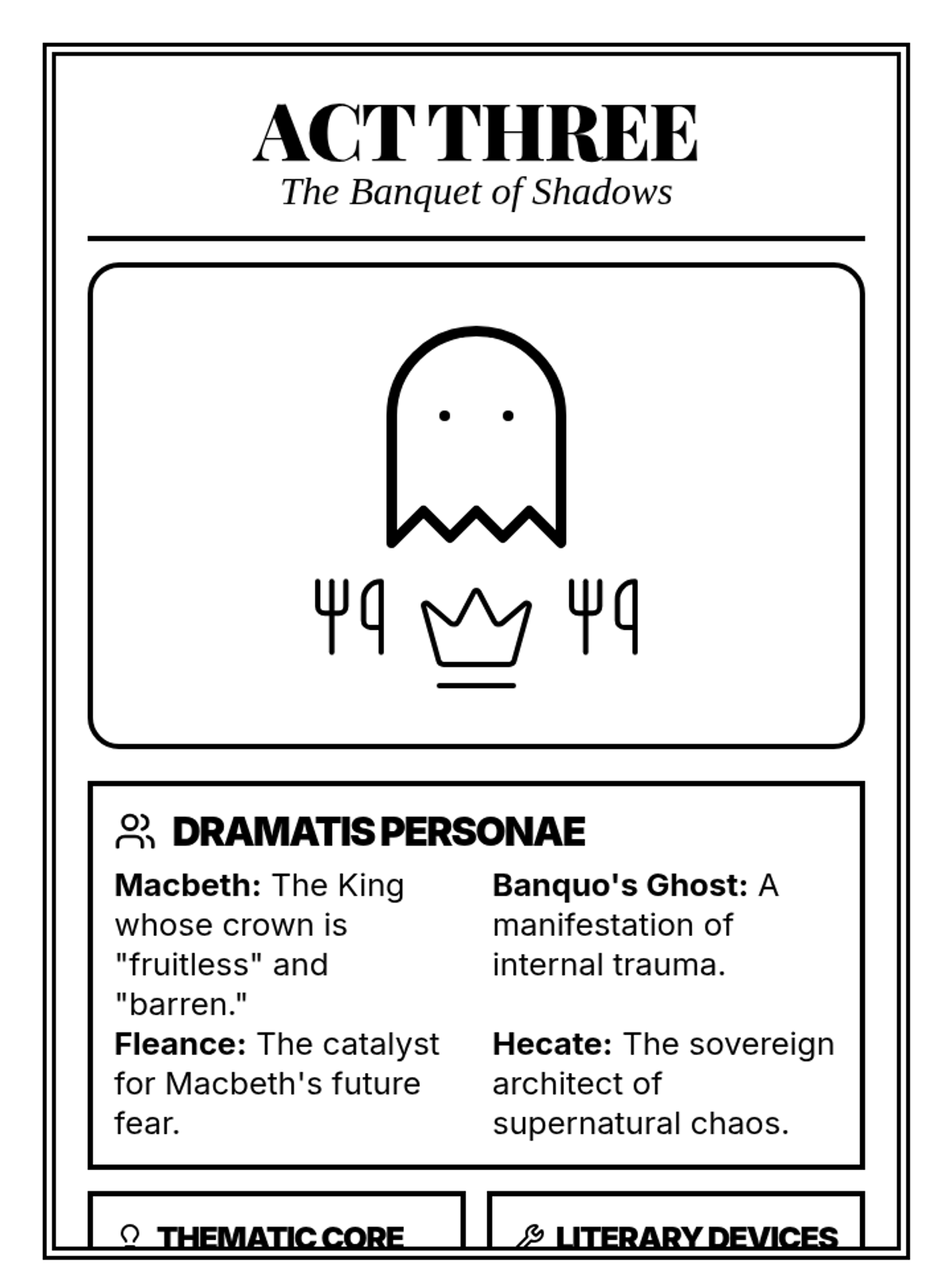
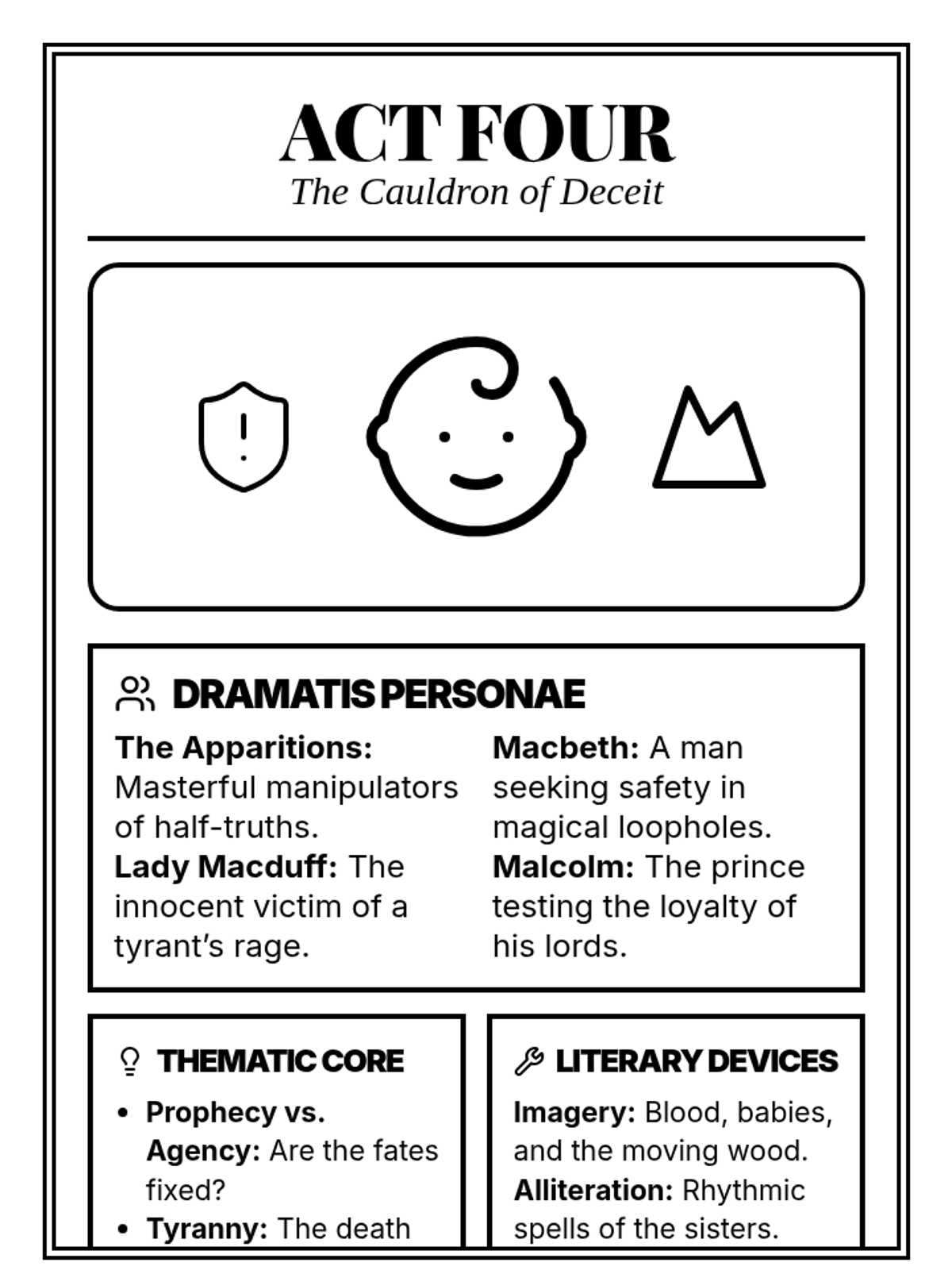
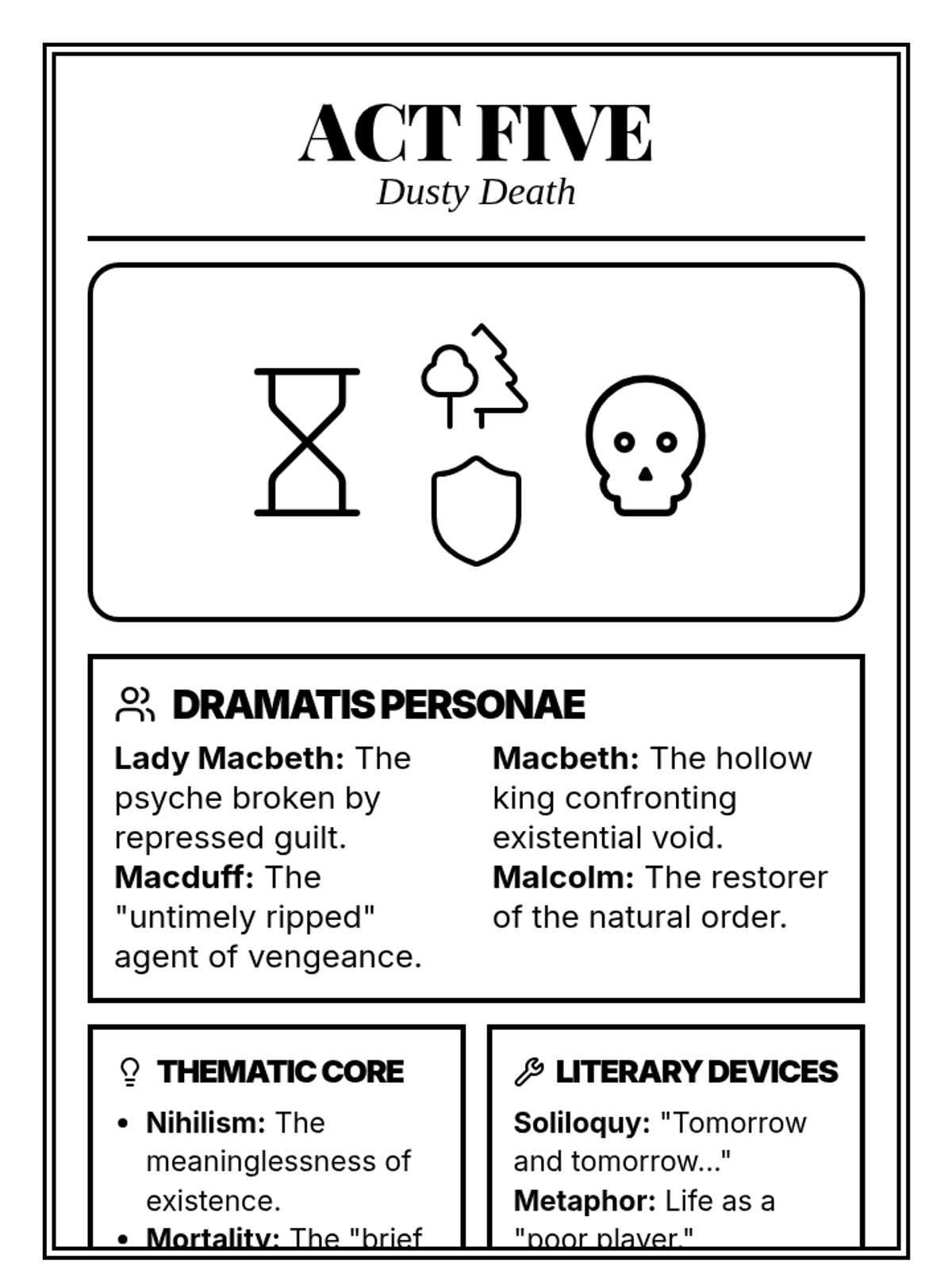
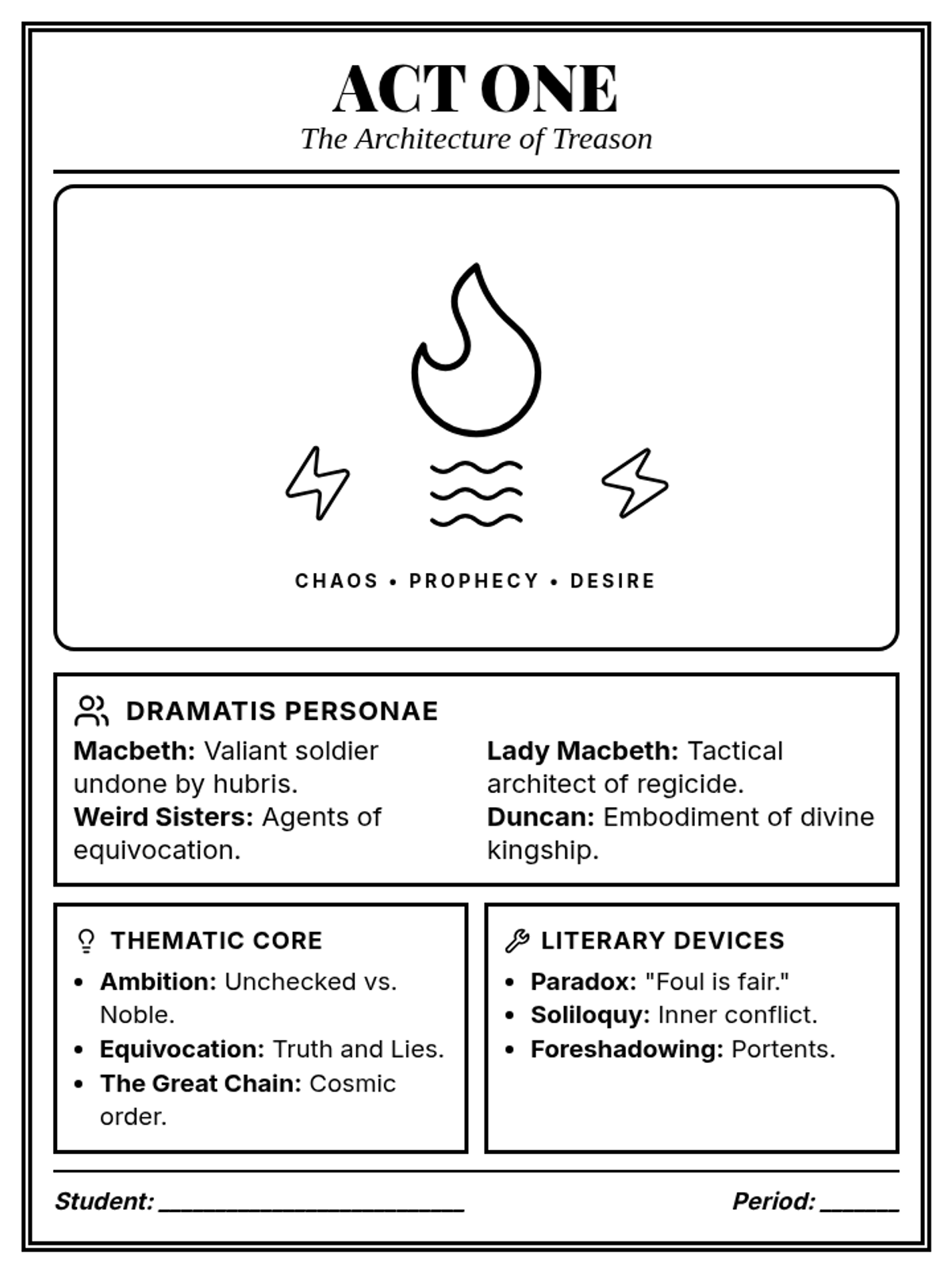
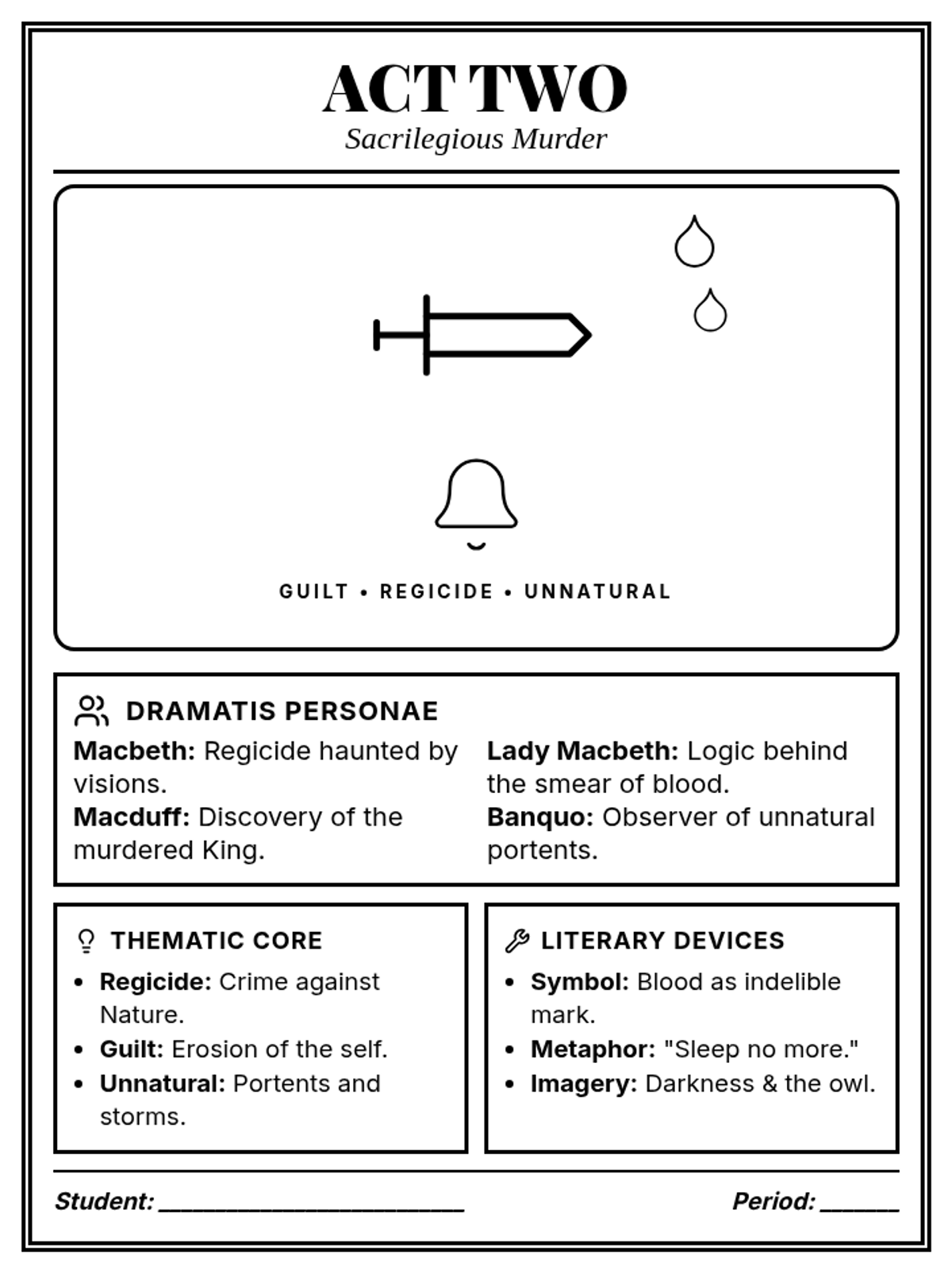
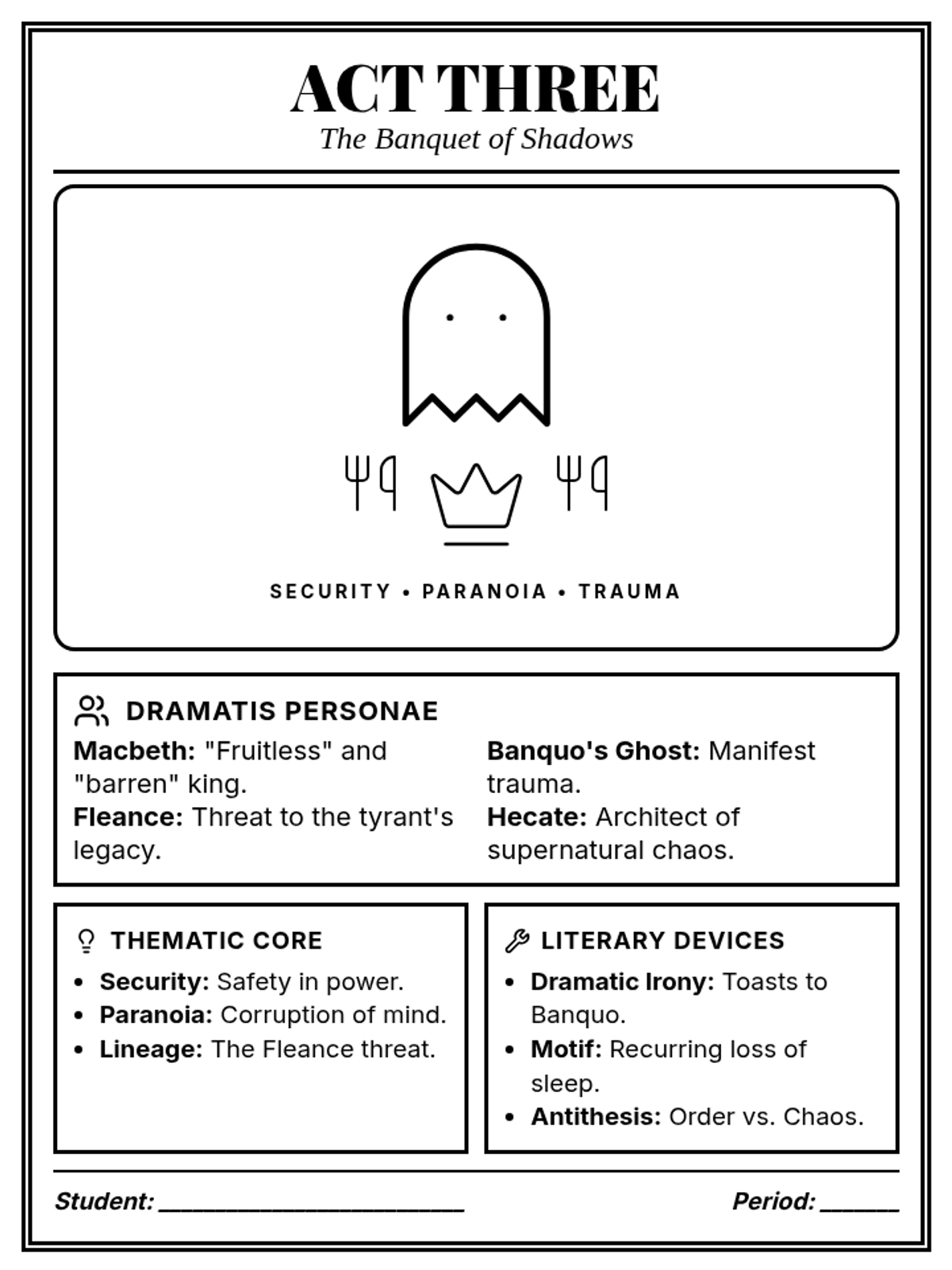
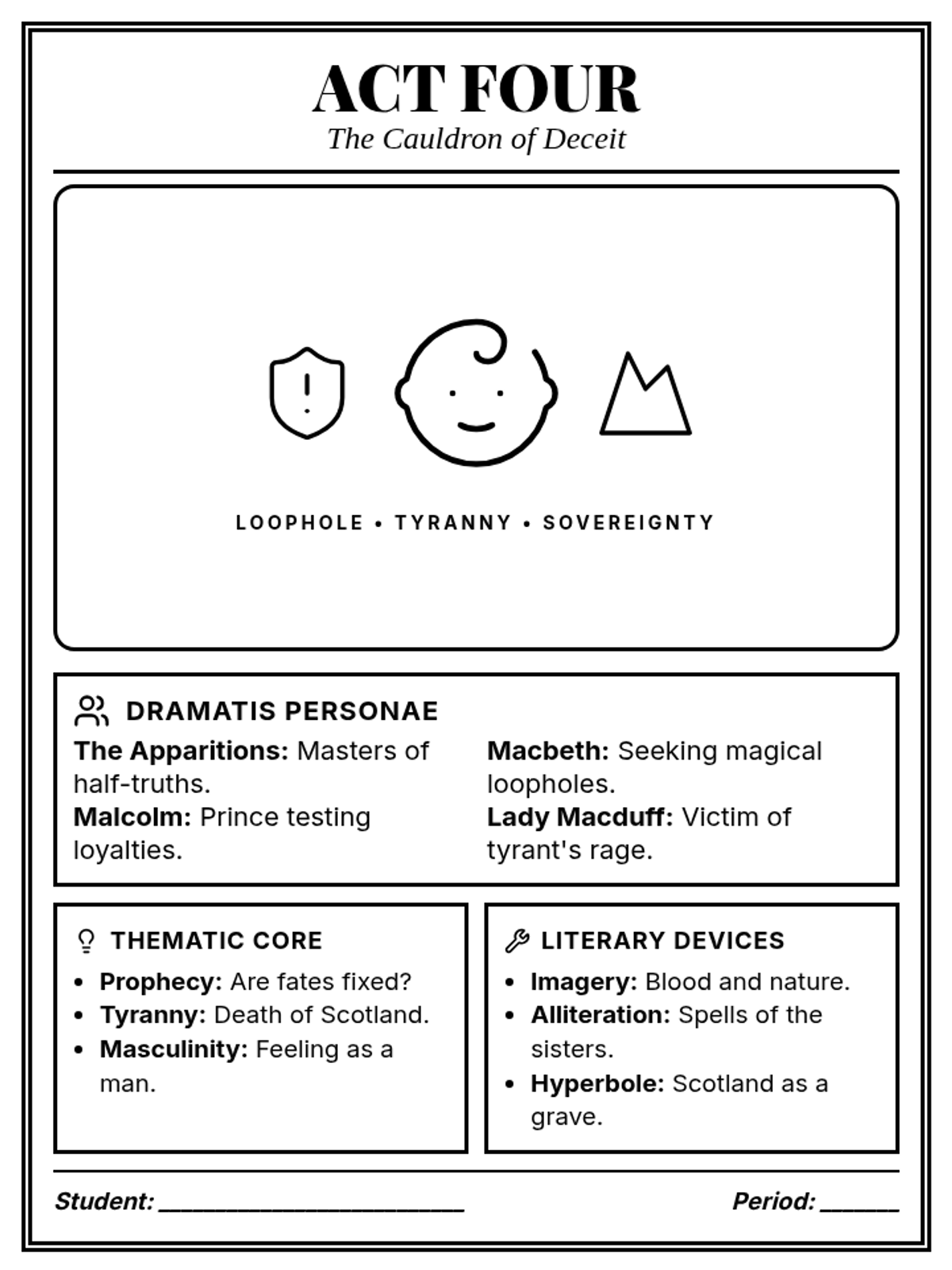
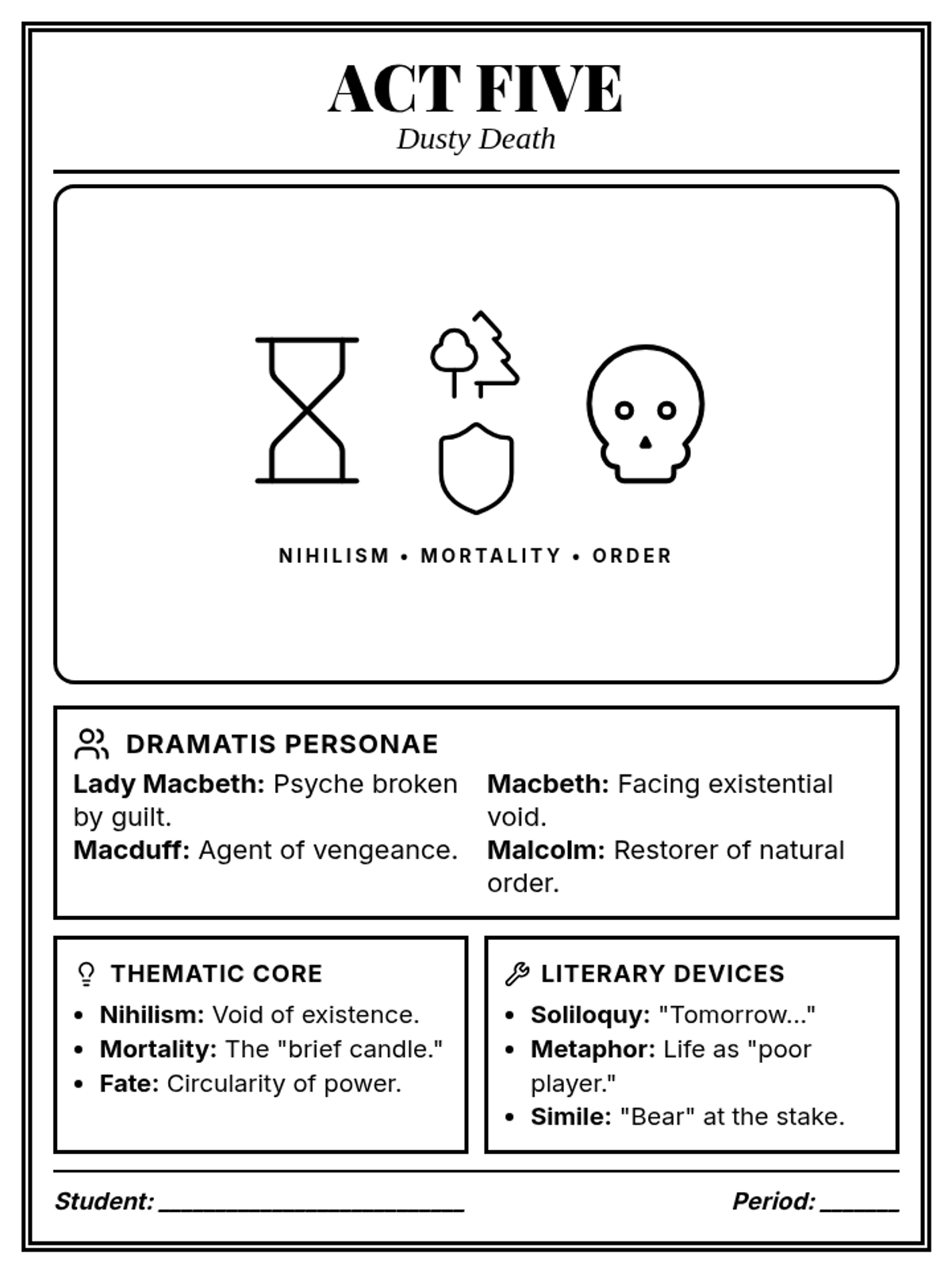
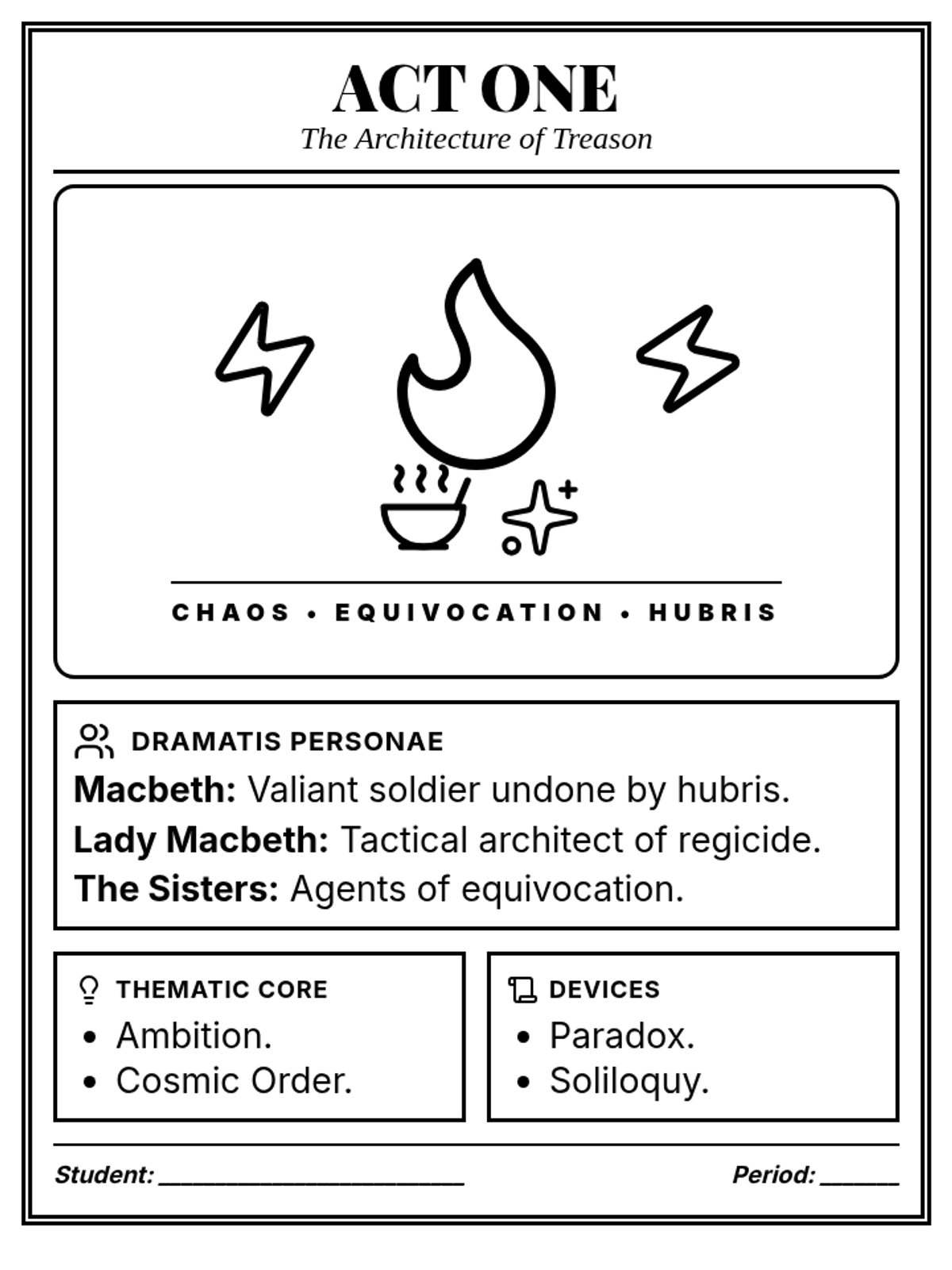
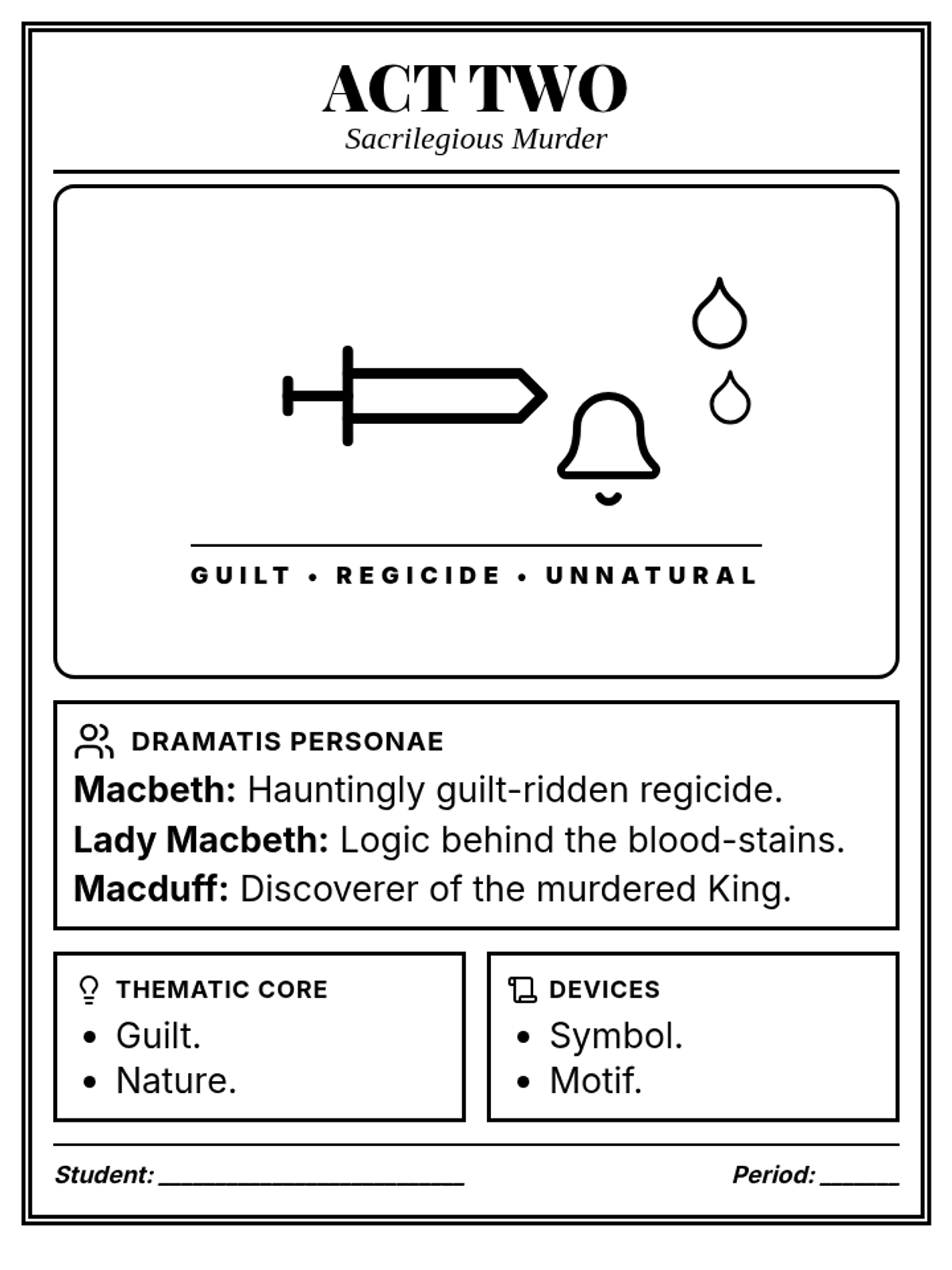
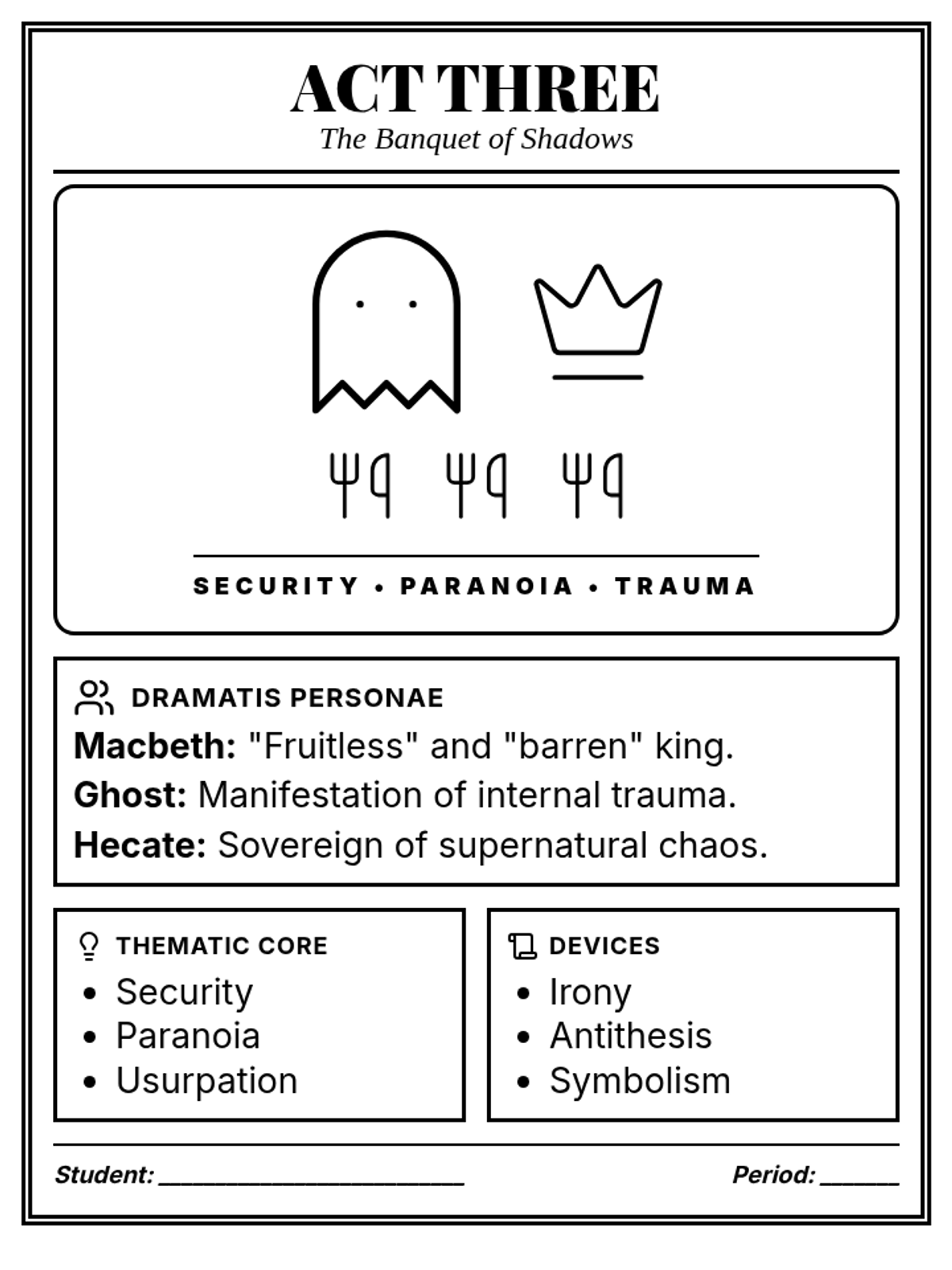
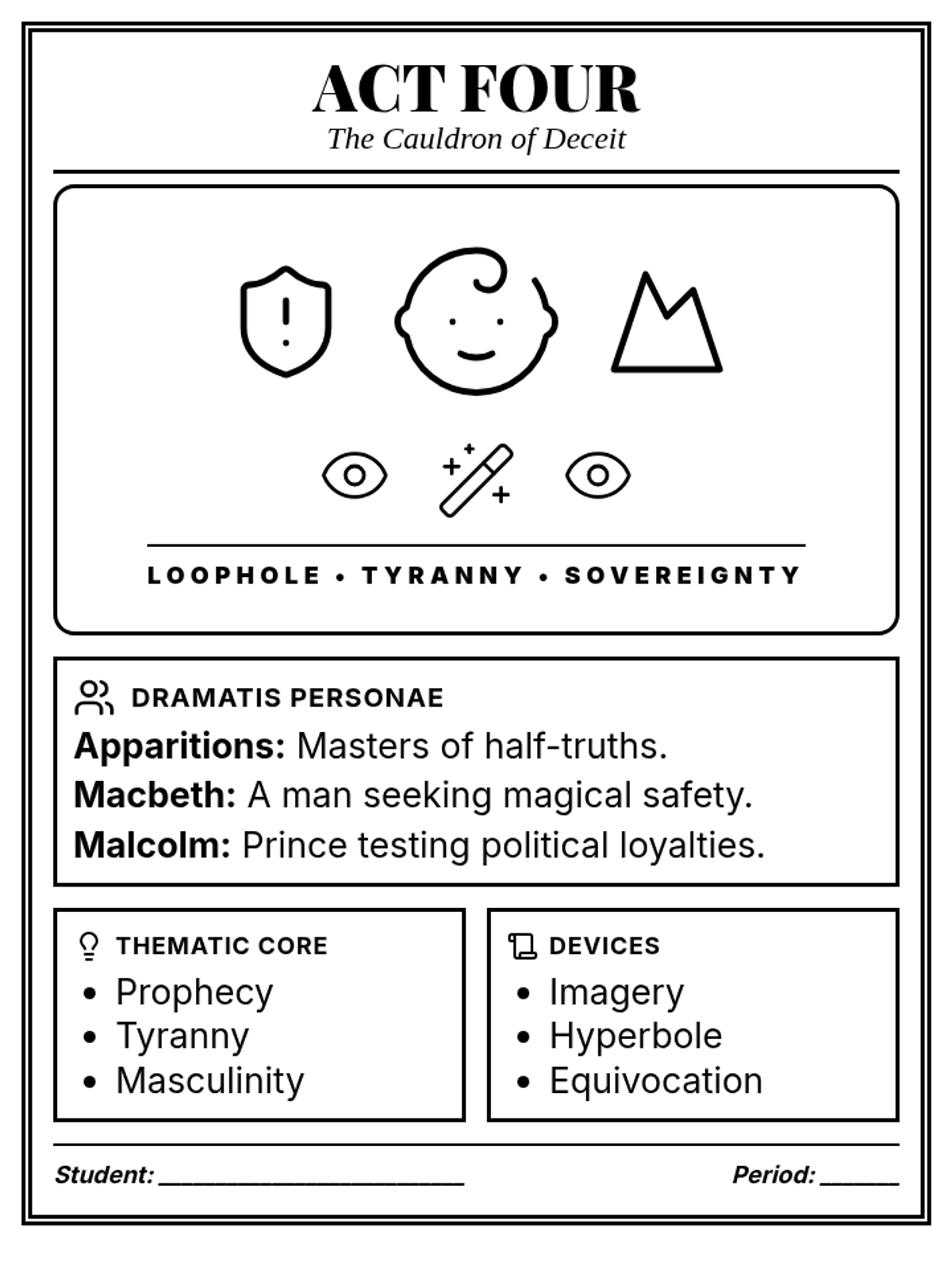
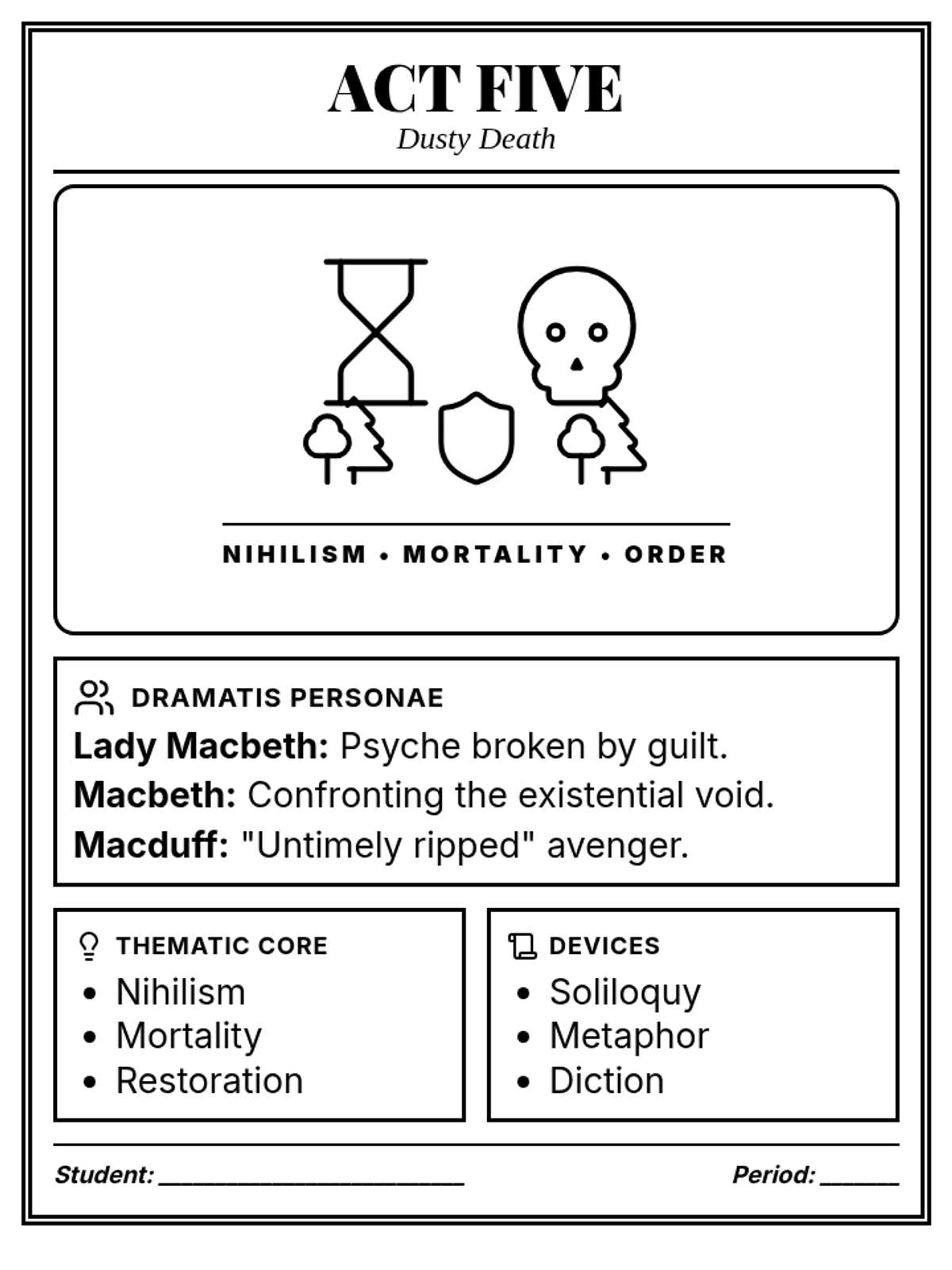
A collection of coloring-style cover pages for each act of Shakespeare's Macbeth, featuring simplified language, large print, and idea banks for characters, themes, and literary devices.
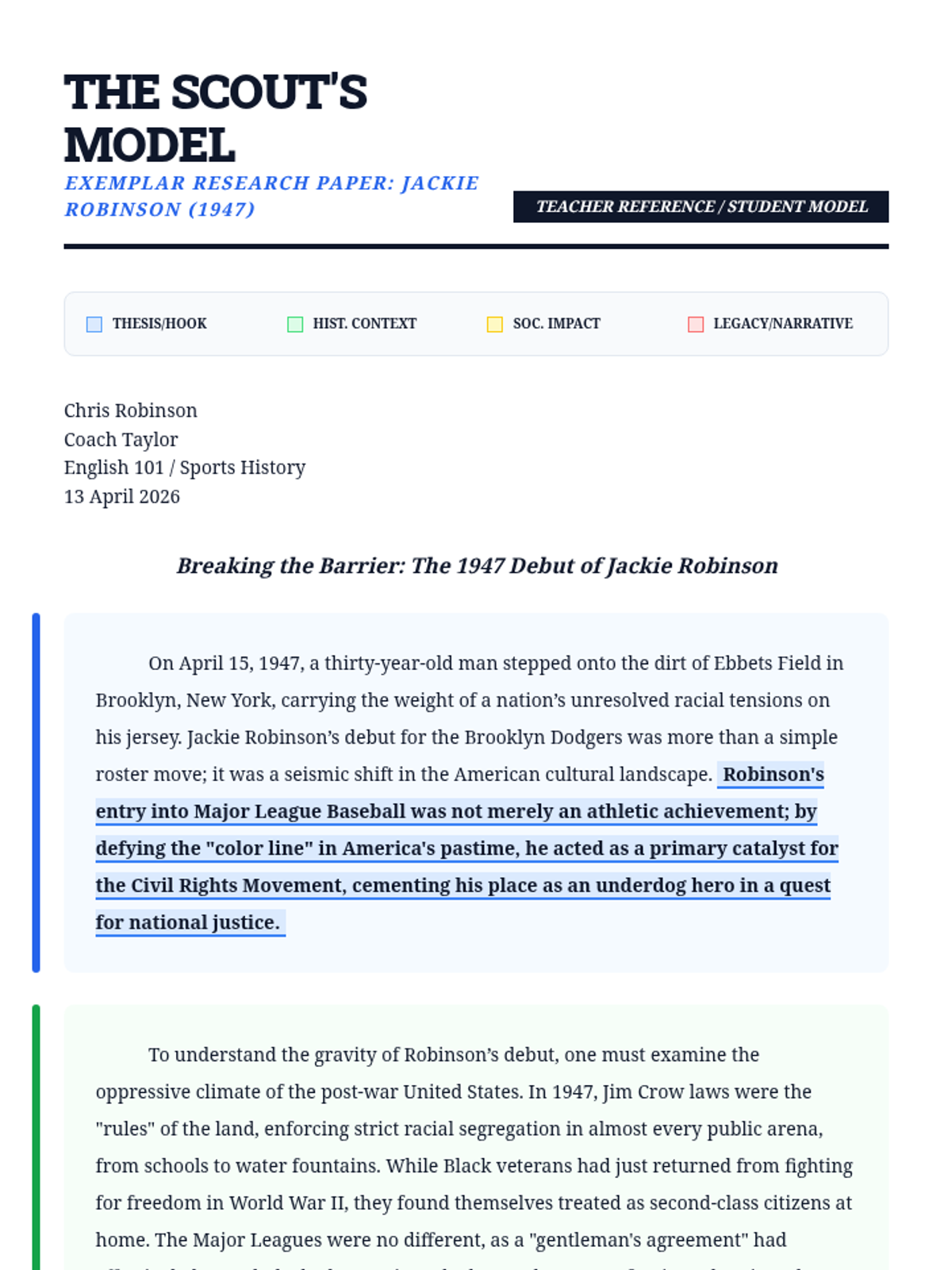
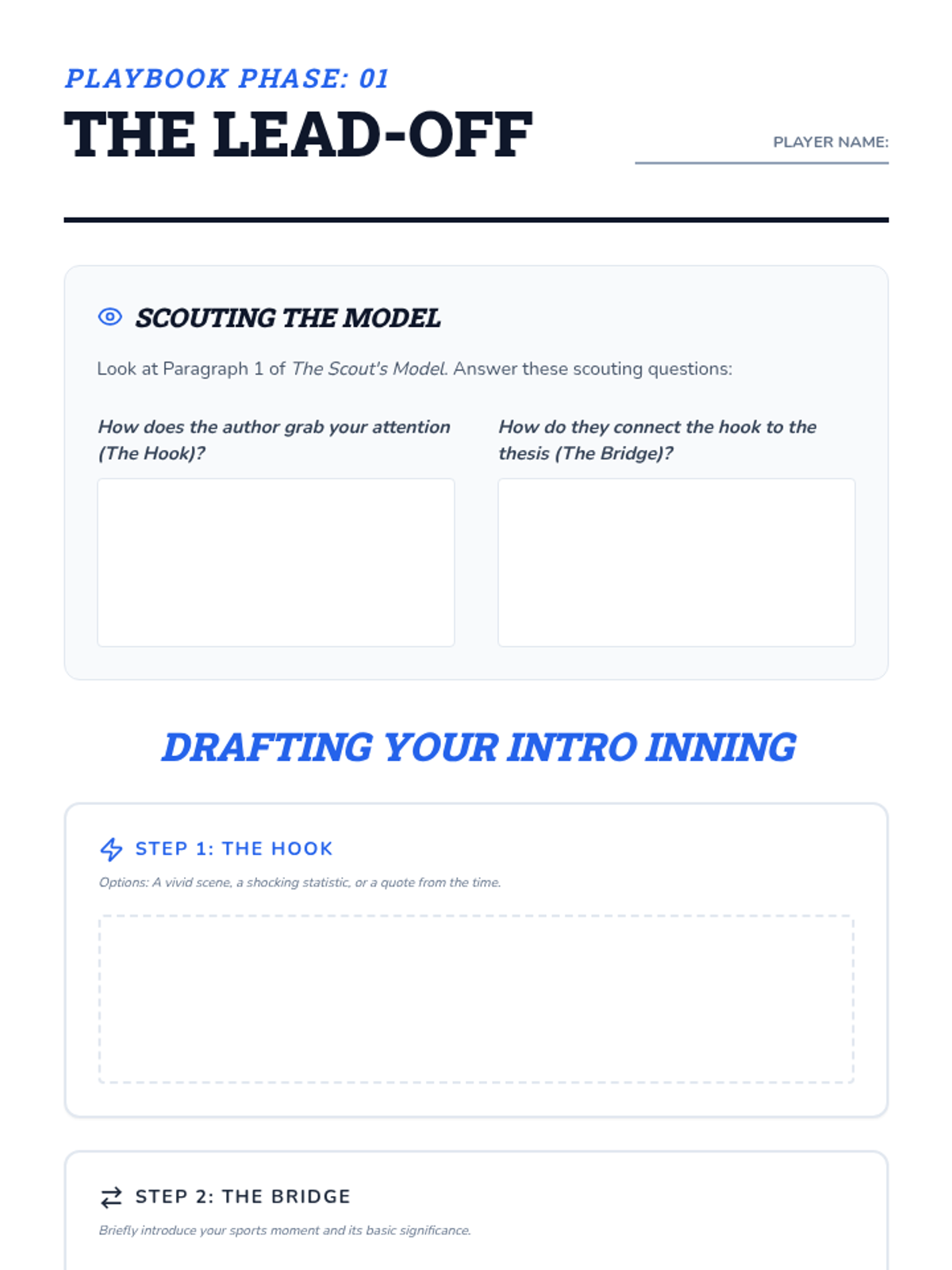
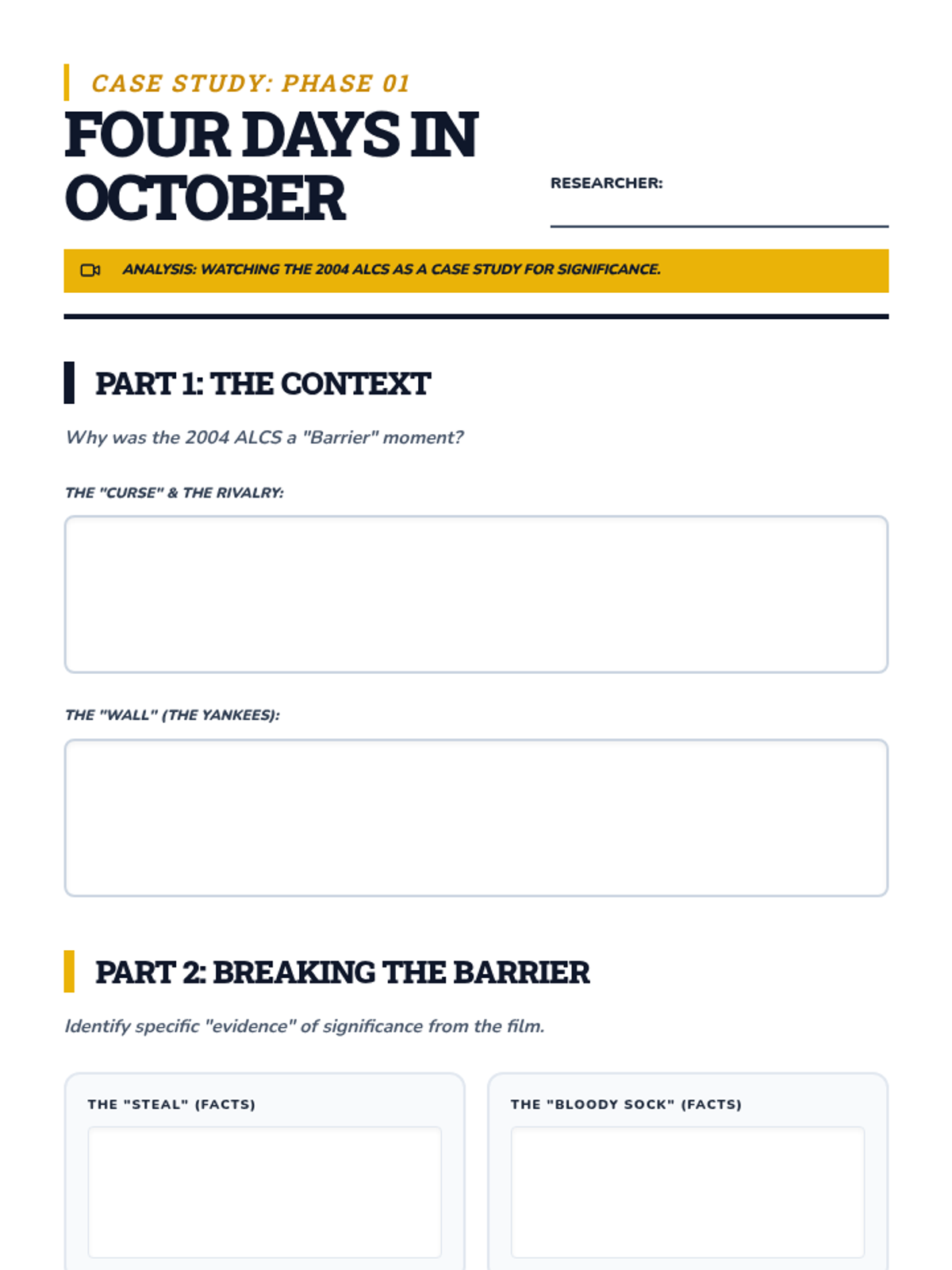
A 5-week research unit that scaffolds the process paragraph-by-paragraph. Students define significance, analyze the 'Four Days in October' case study, and turn in each paragraph separately, focusing on historical context, systemic barriers, and societal impact with a dedicated lesson on counterarguments.
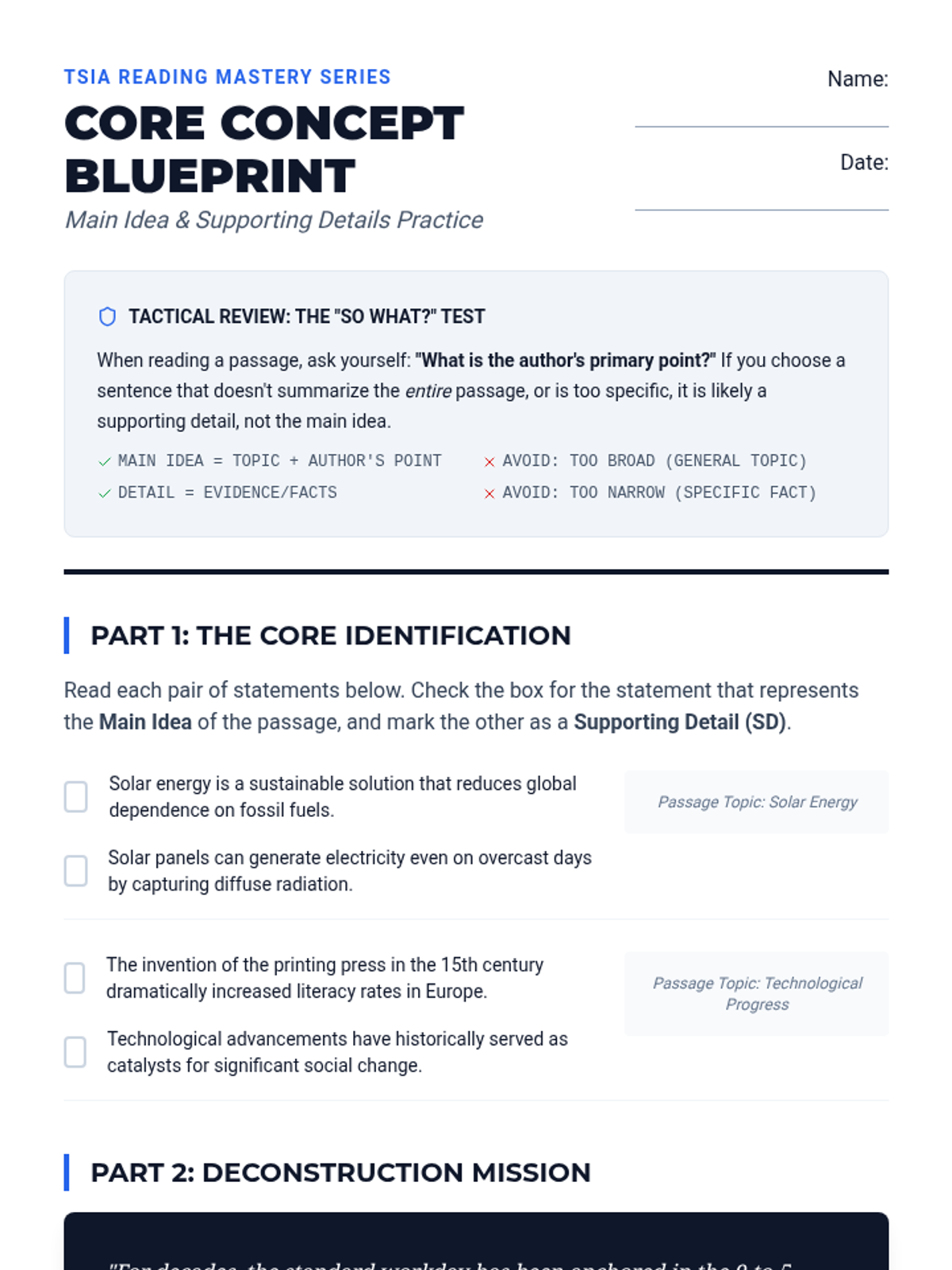
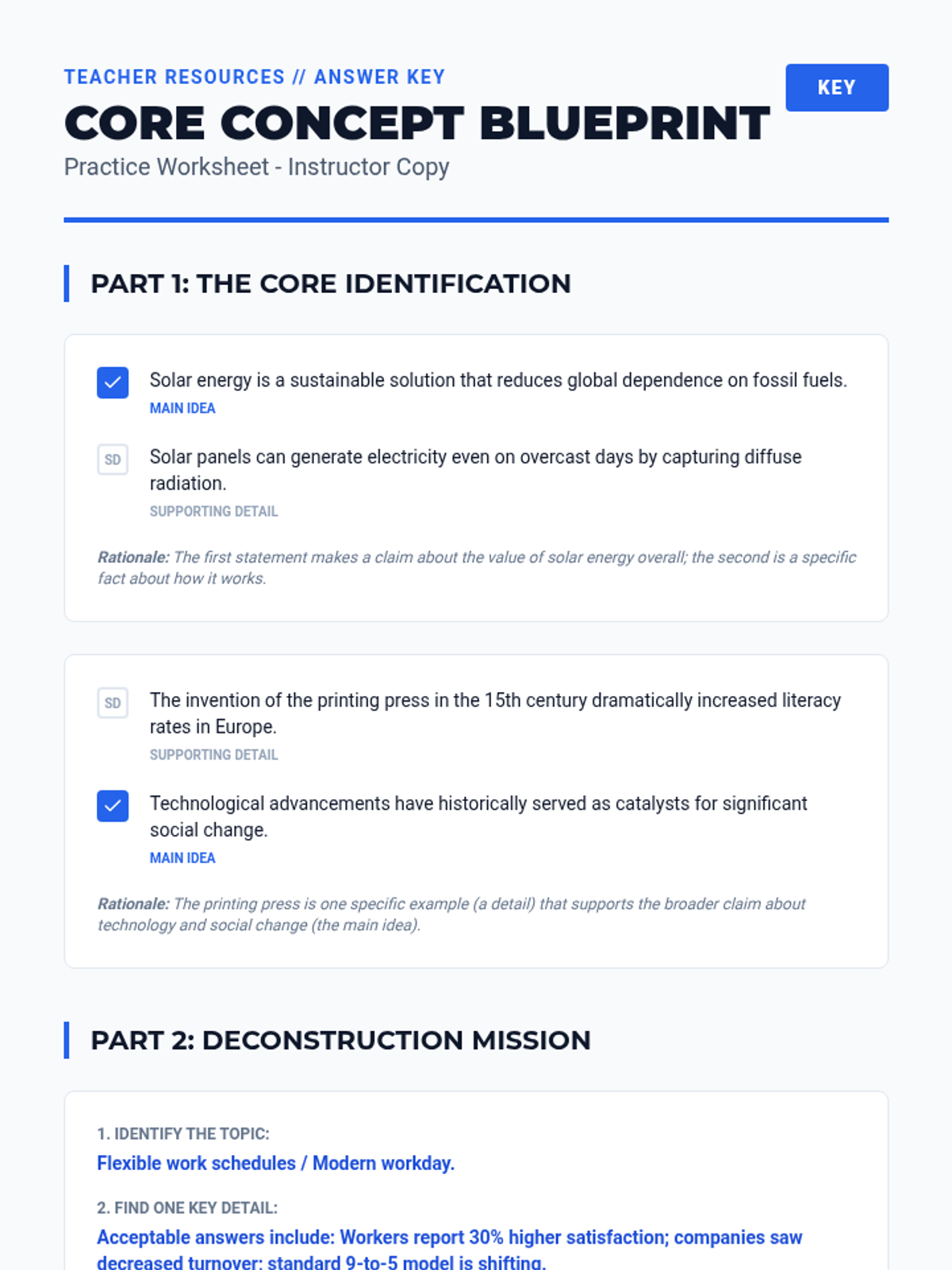
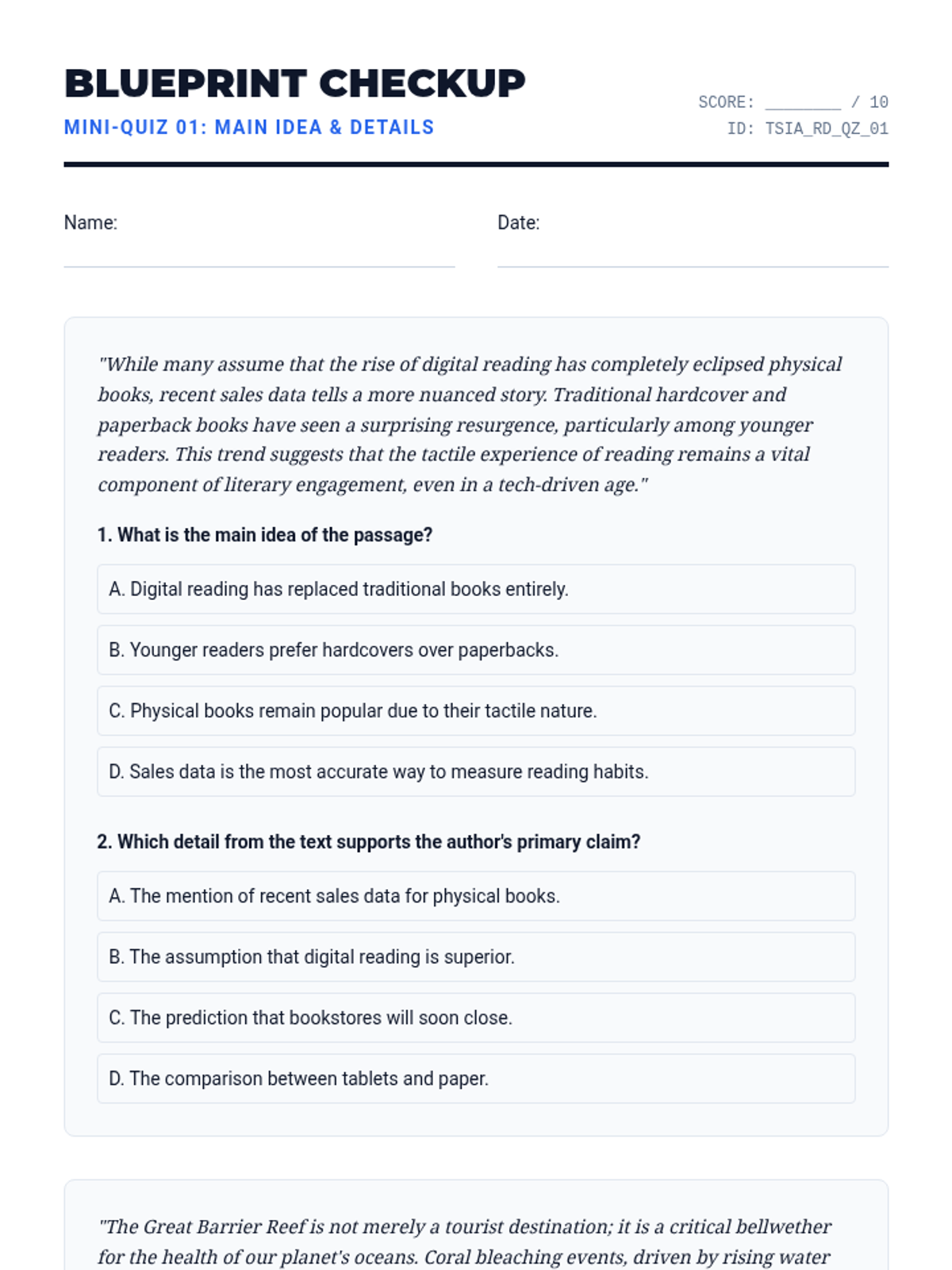
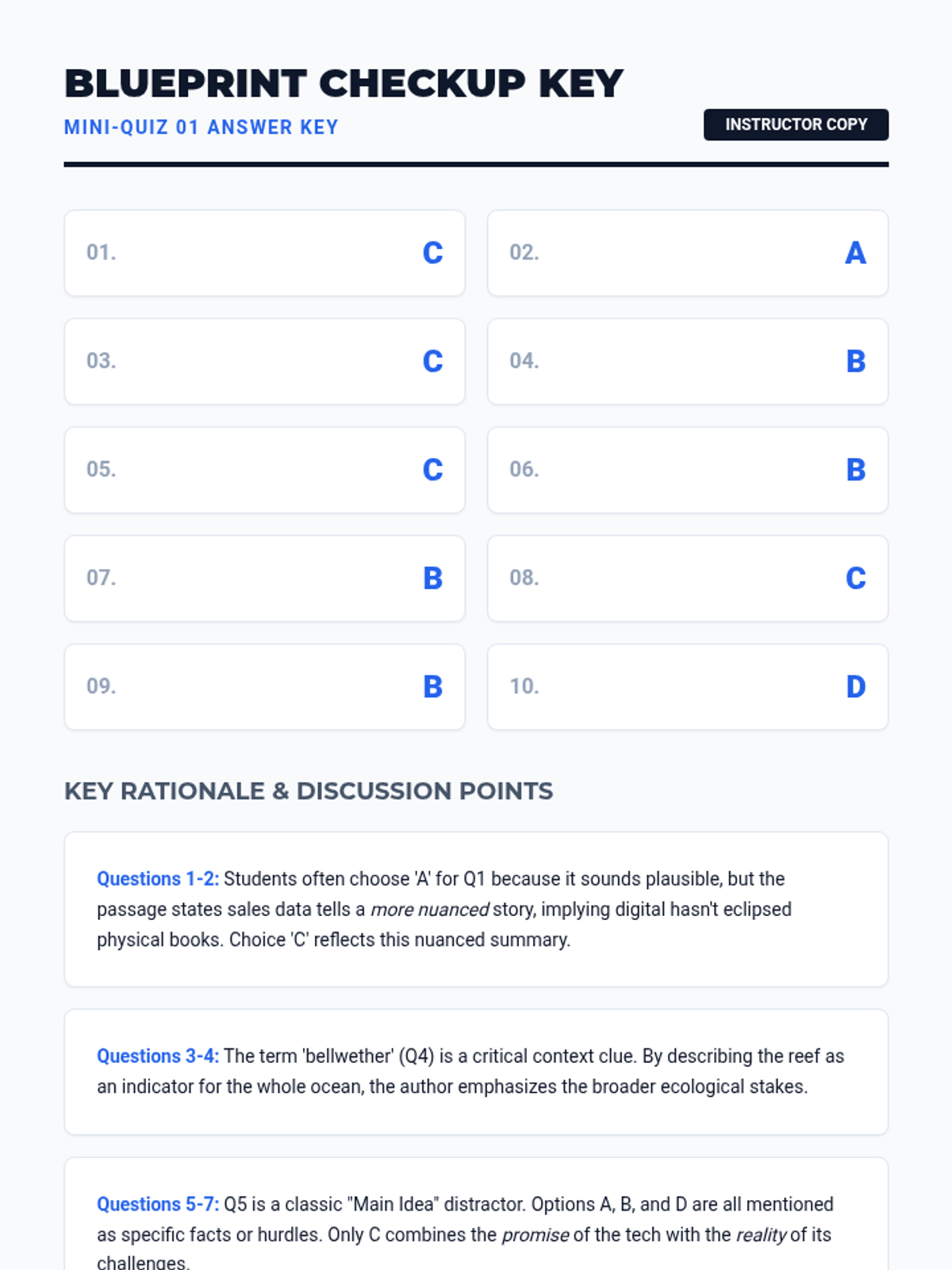
A comprehensive prep sequence for the TSIA Reading exam, focusing on main ideas, vocabulary, inference, and literary analysis. Each lesson provides review materials, practice problems, and assessment tools.
A complete unit for the second part of Chapter 1 of The Metamorphosis, covering reading analysis, grammar skills (commas), and thematic exploration of authority.
A comprehensive 9-week study of Franz Kafka's 'Metamorphosis', focusing on argumentative writing through textual evidence and narrative expansion. The sequence utilizes graphic organizers, visual scaffolding, and increased opportunities to respond to deepen student engagement with the surrealist text.
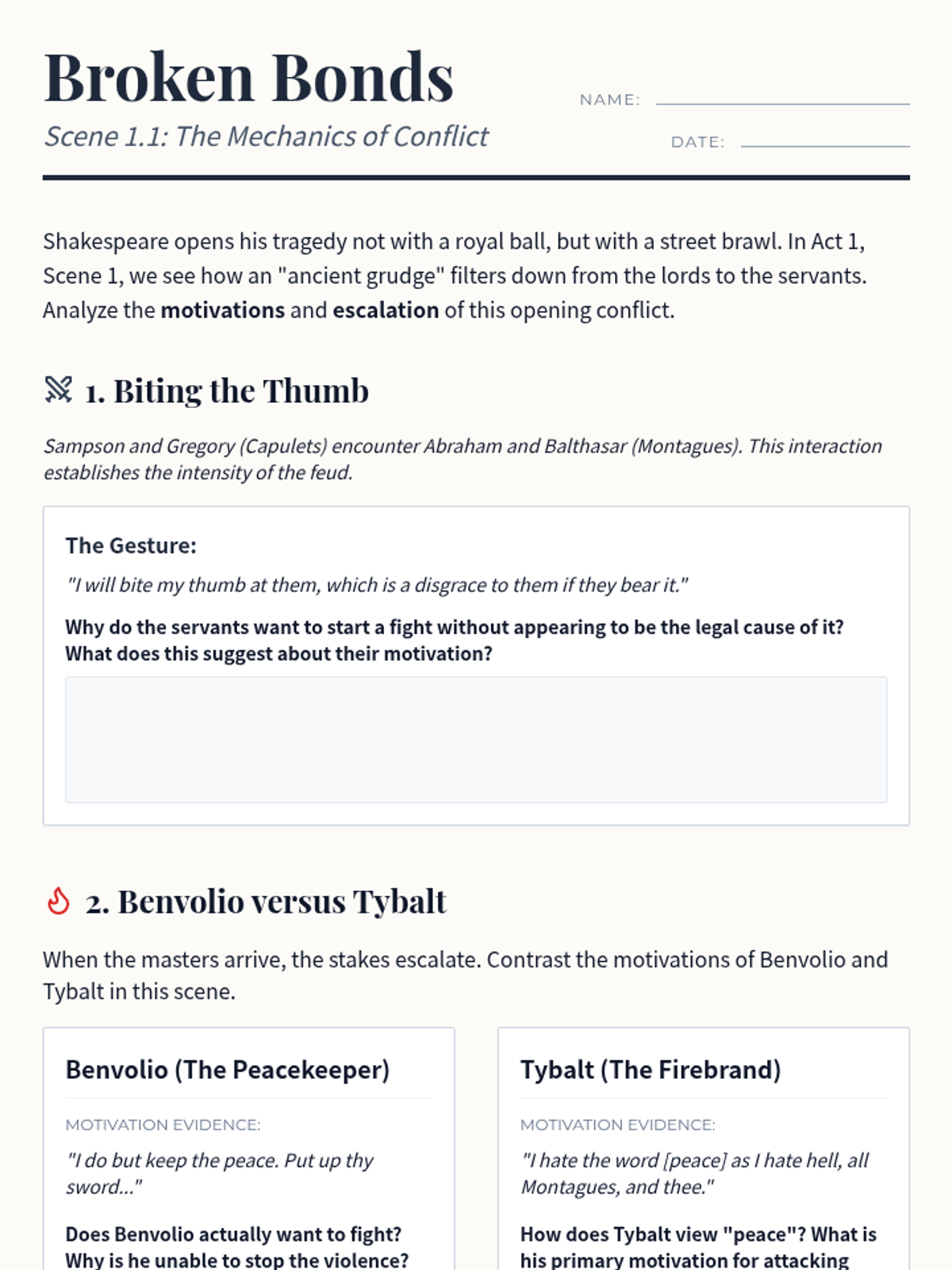
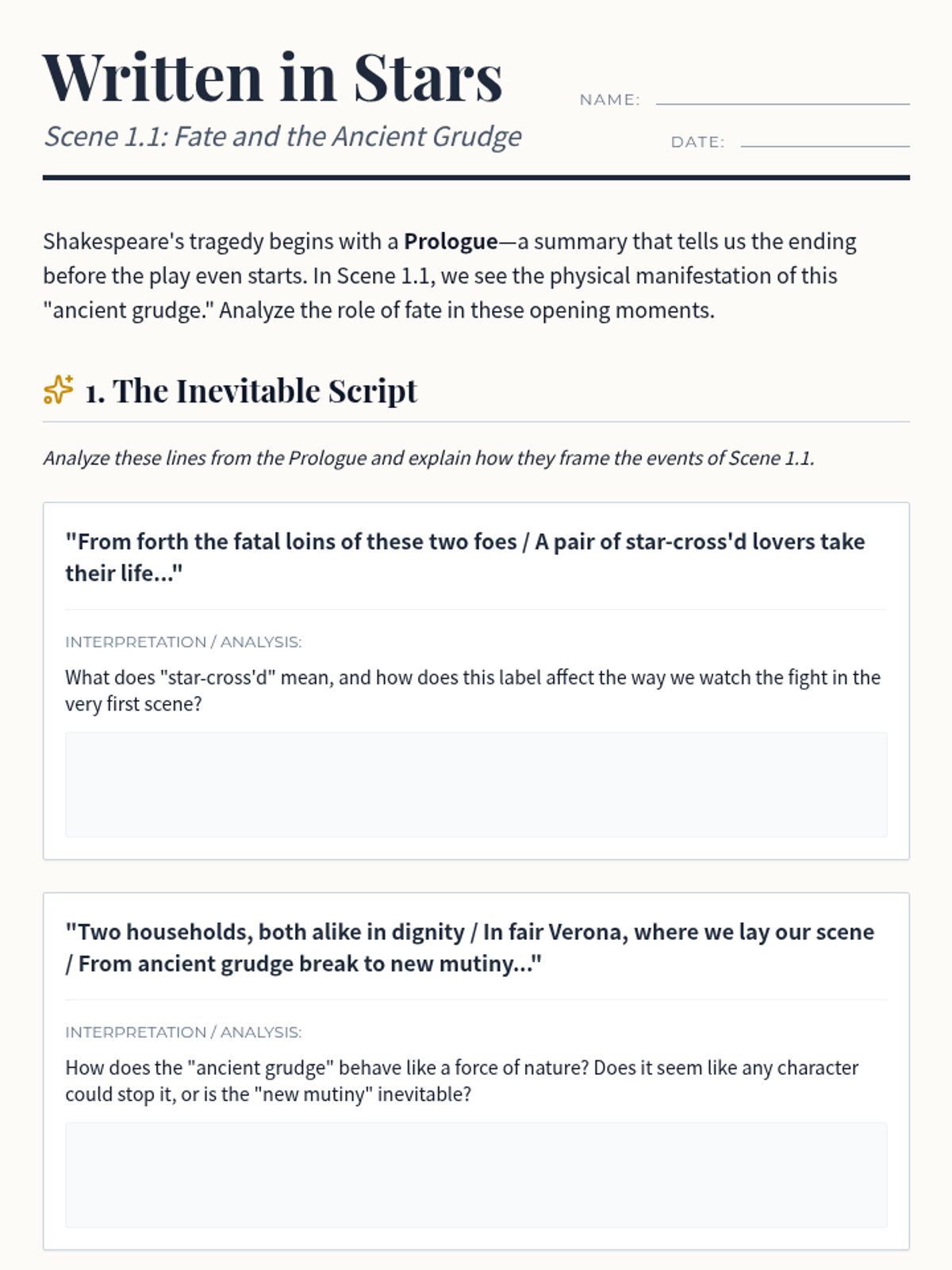
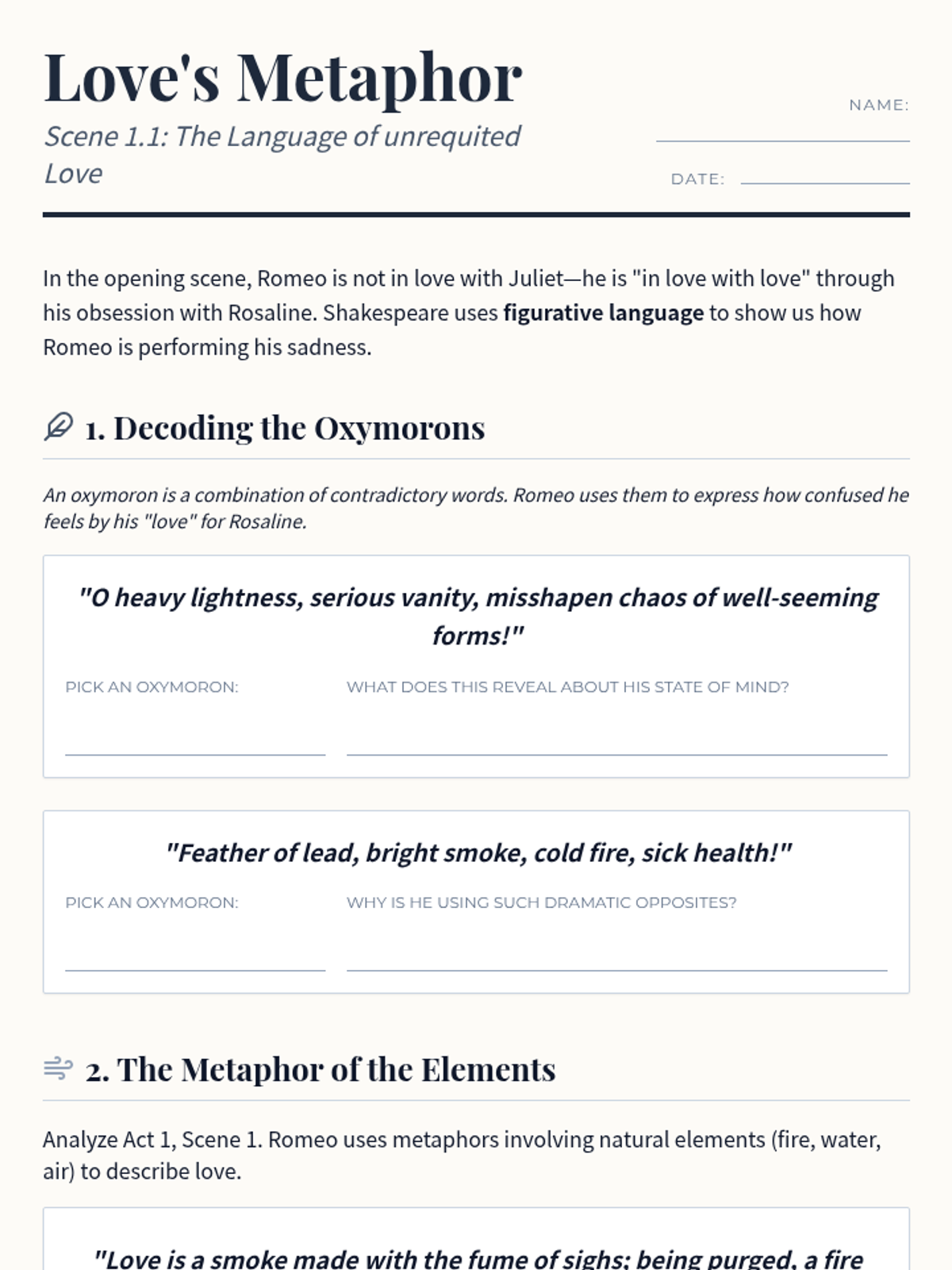
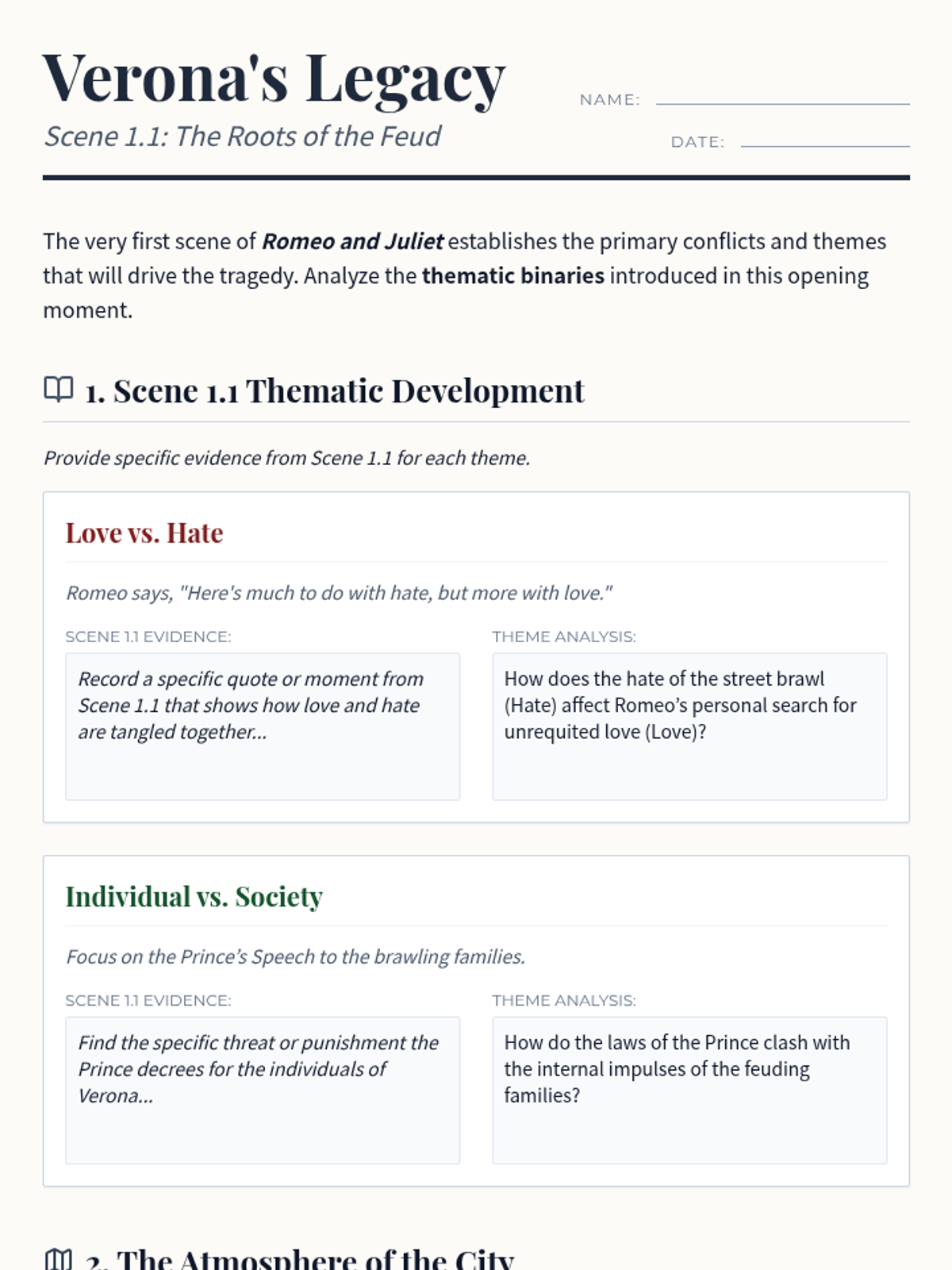
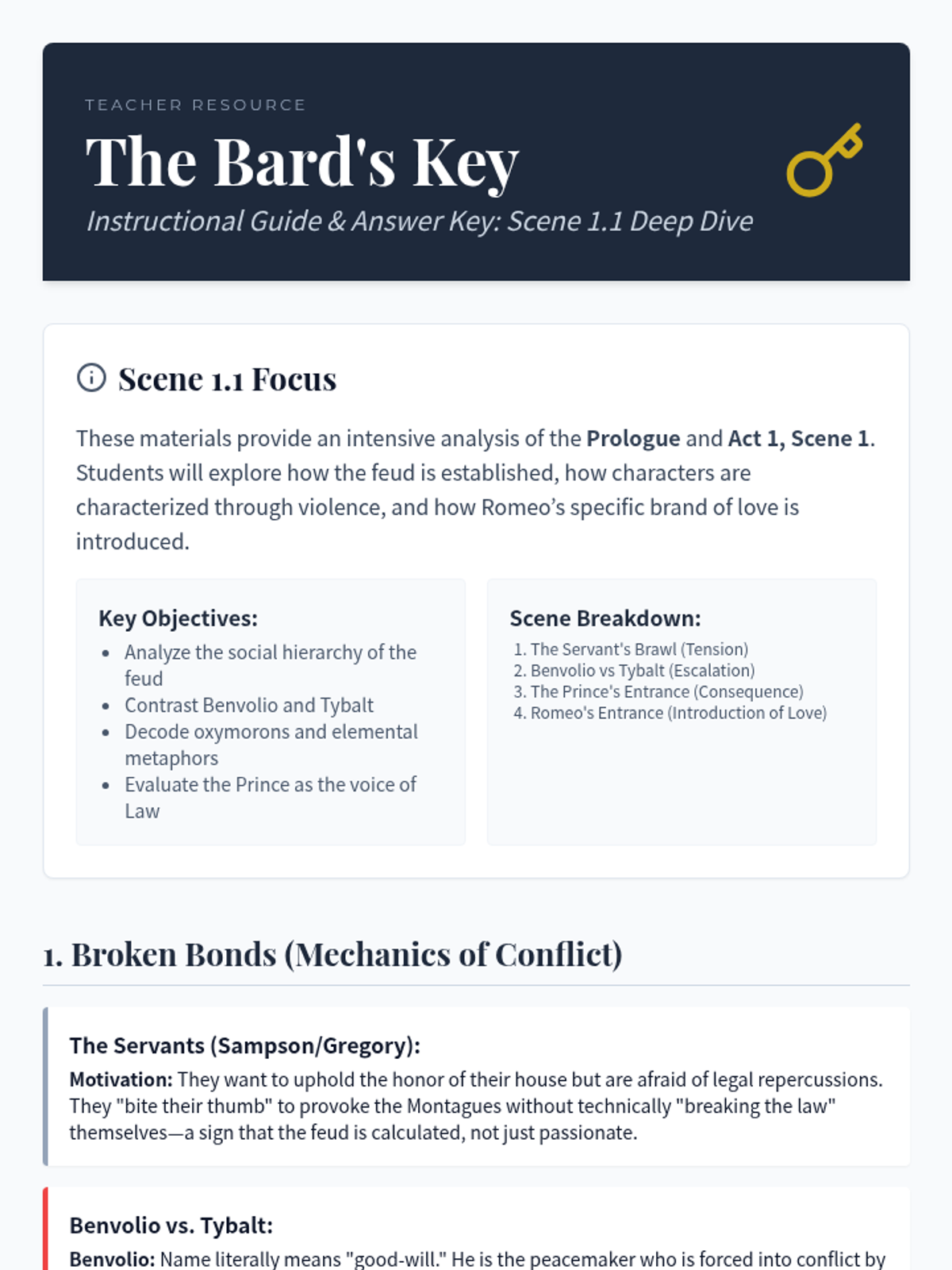
A comprehensive deep-dive into Shakespeare's Romeo and Juliet, focusing on Act 1. Students will analyze character dynamics, the tension between destiny and choice, and the rich poetic language of the play across individual scenes.
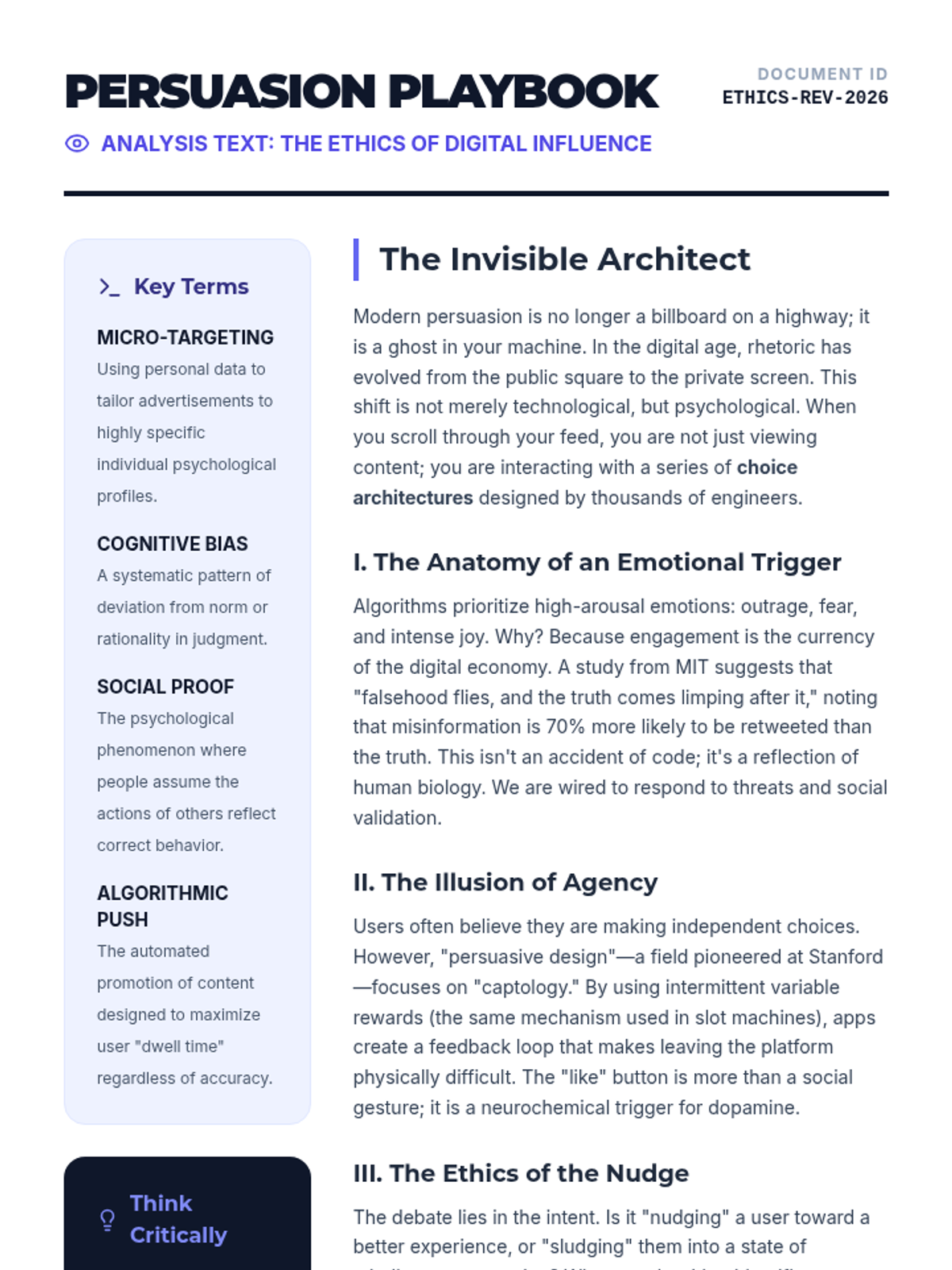
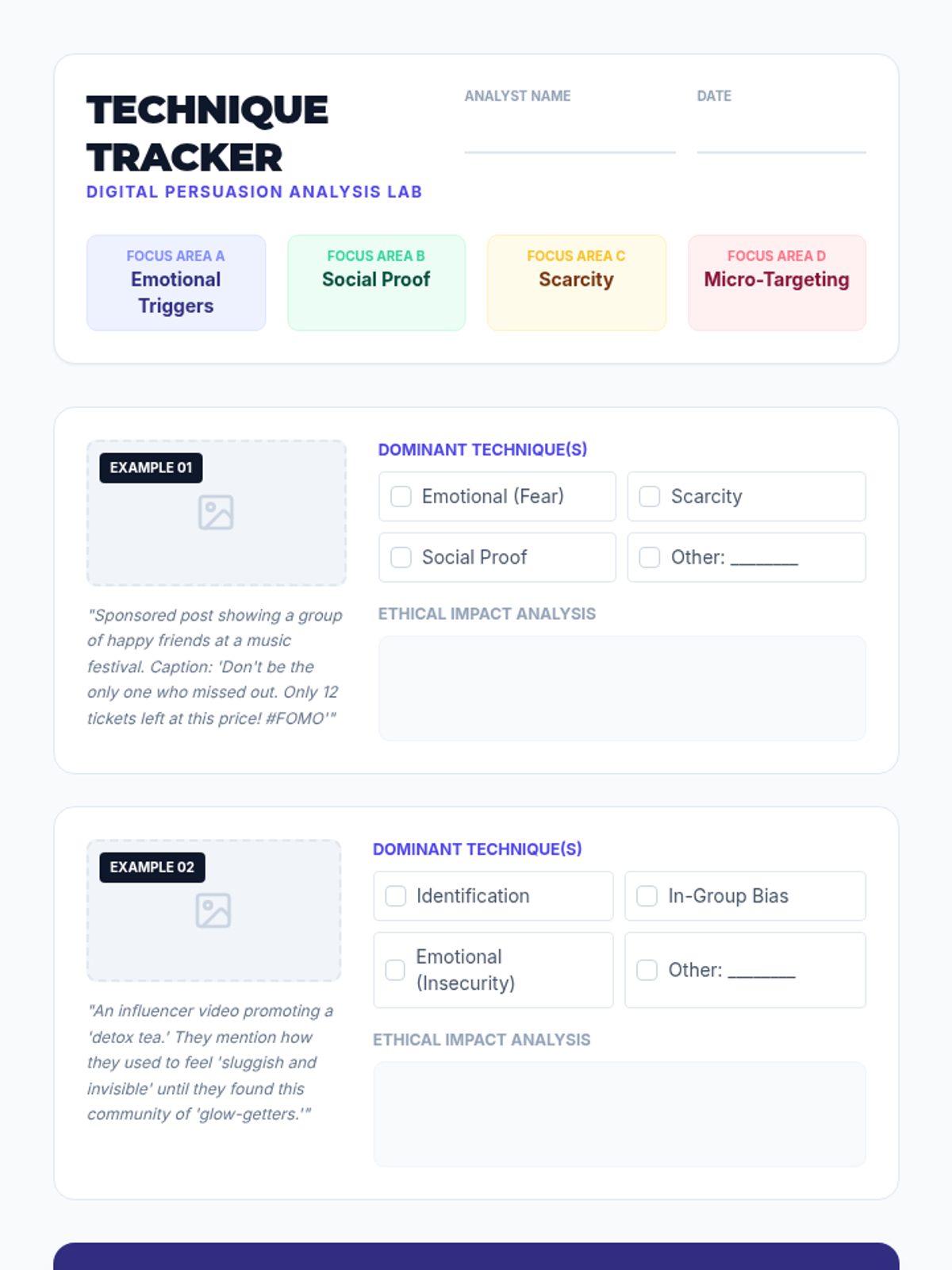
A high-engagement sequence where students evaluate persuasive techniques in modern digital media, practicing active listening and evidence-based argumentation through a Socratic Seminar format. Students analyze the ethics of micro-targeting, influencer marketing, and algorithmic persuasion.
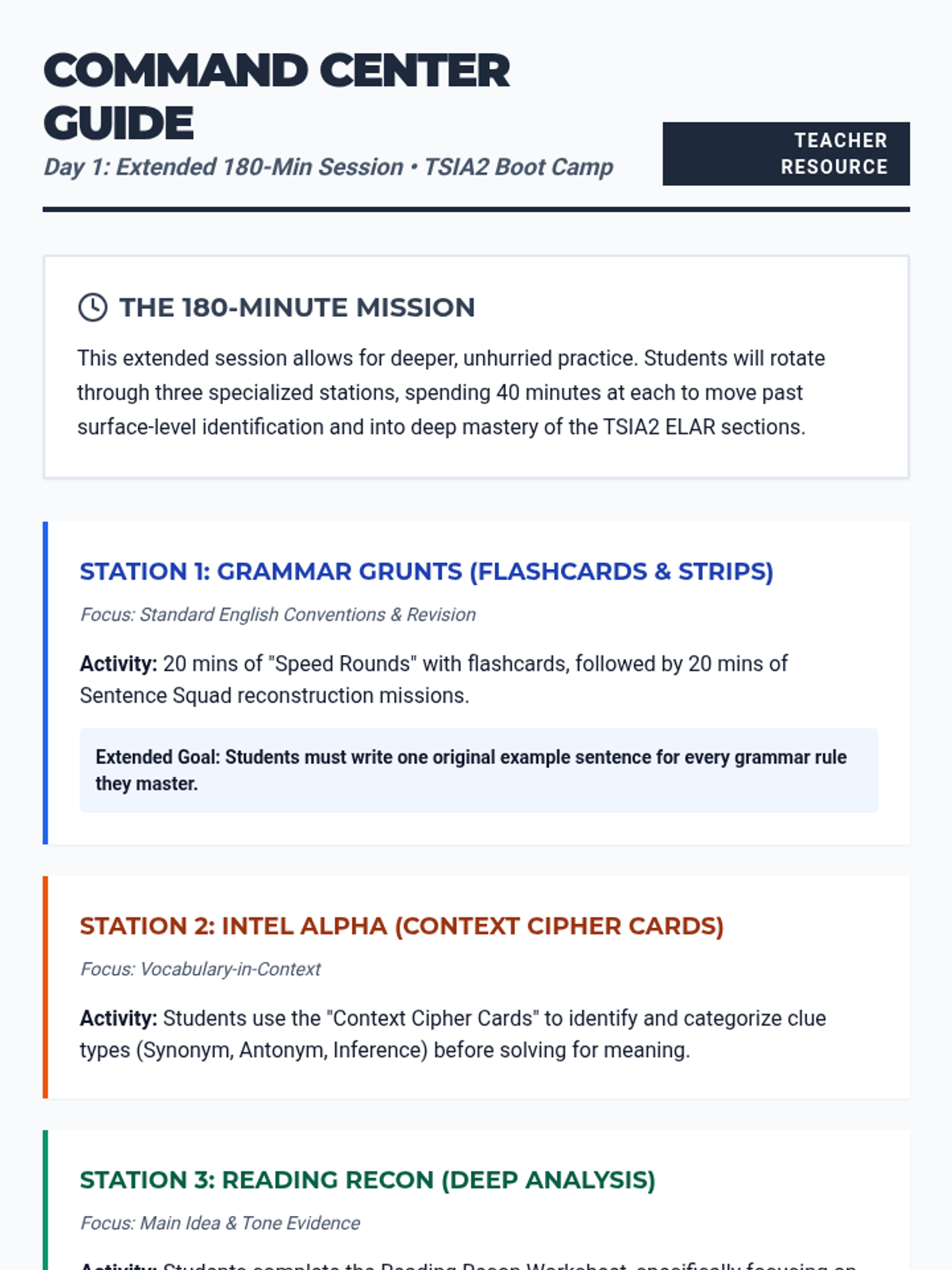
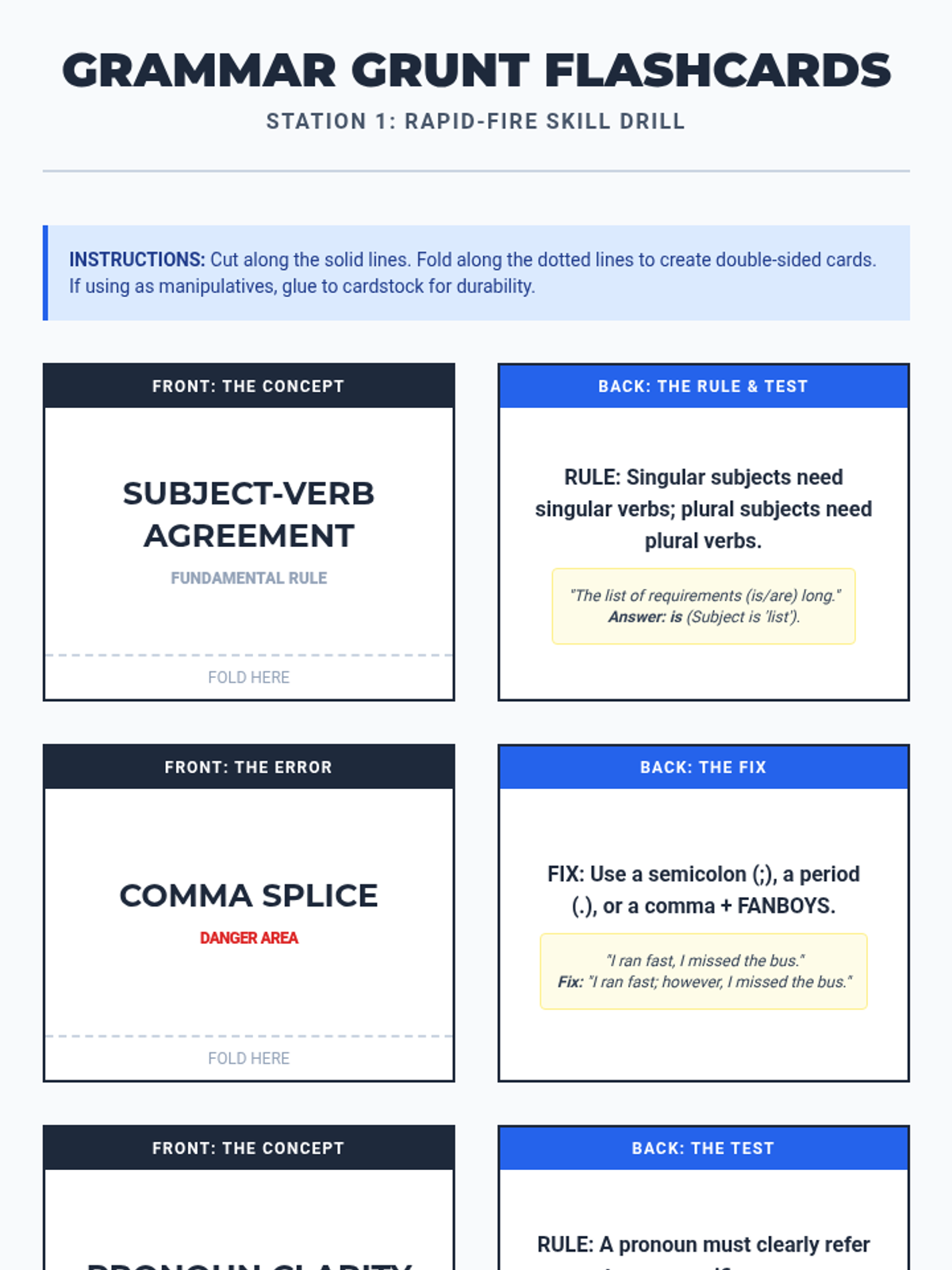
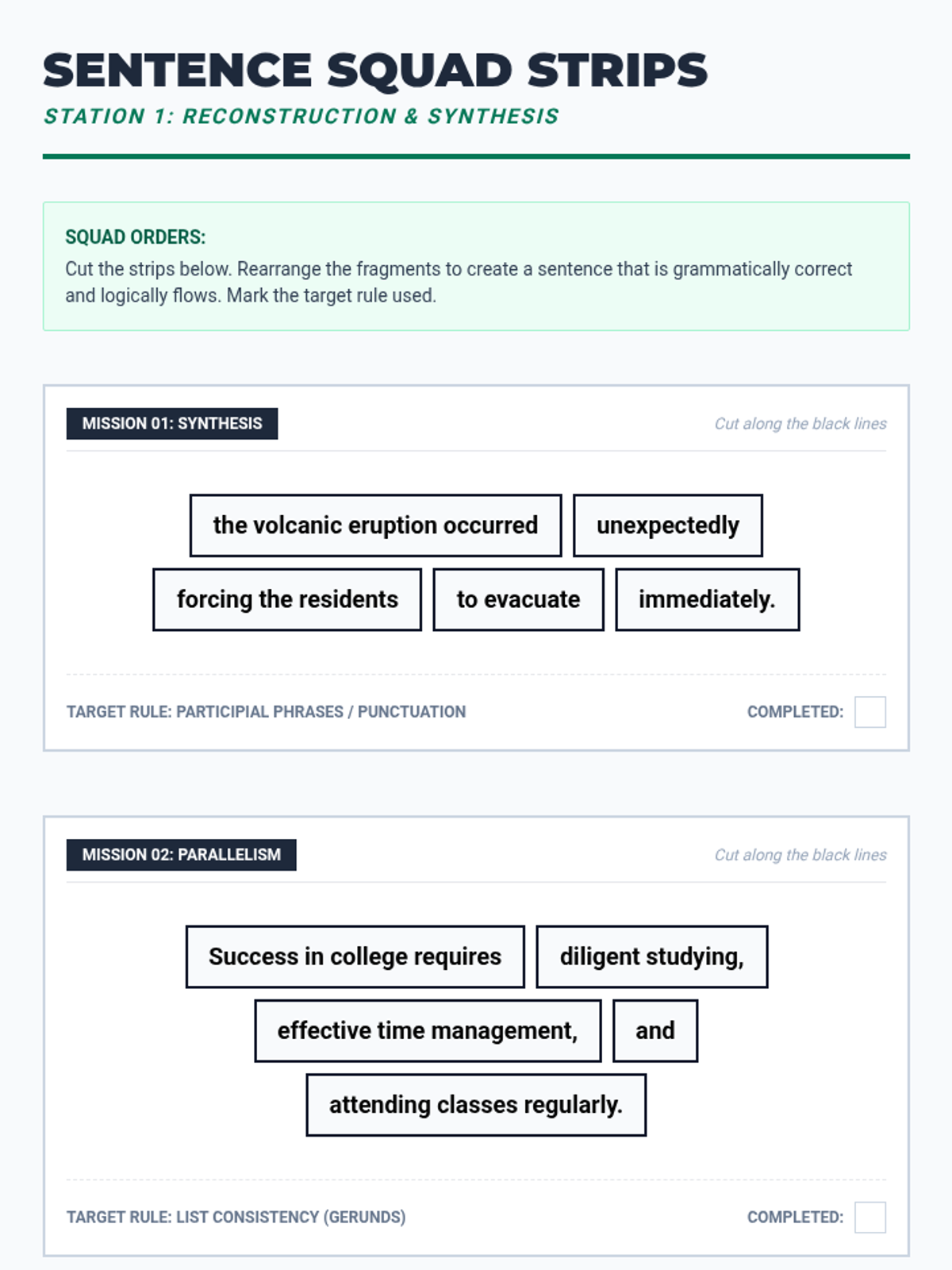
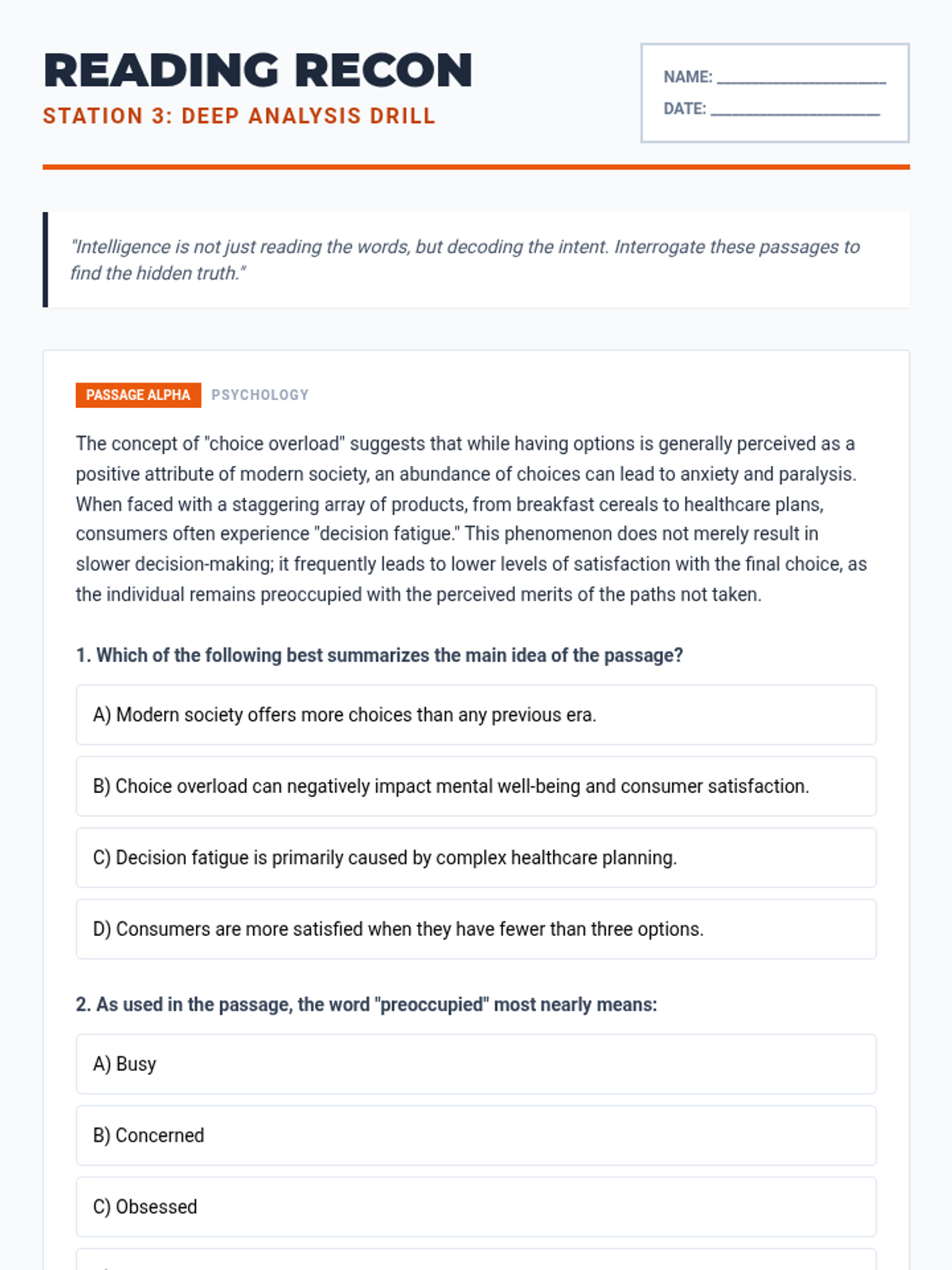
A high-intensity two-day preparation program for the TSIA2 ELAR exam, focusing on reading comprehension, sentence structure, grammar, and essay writing through hands-on station activities.
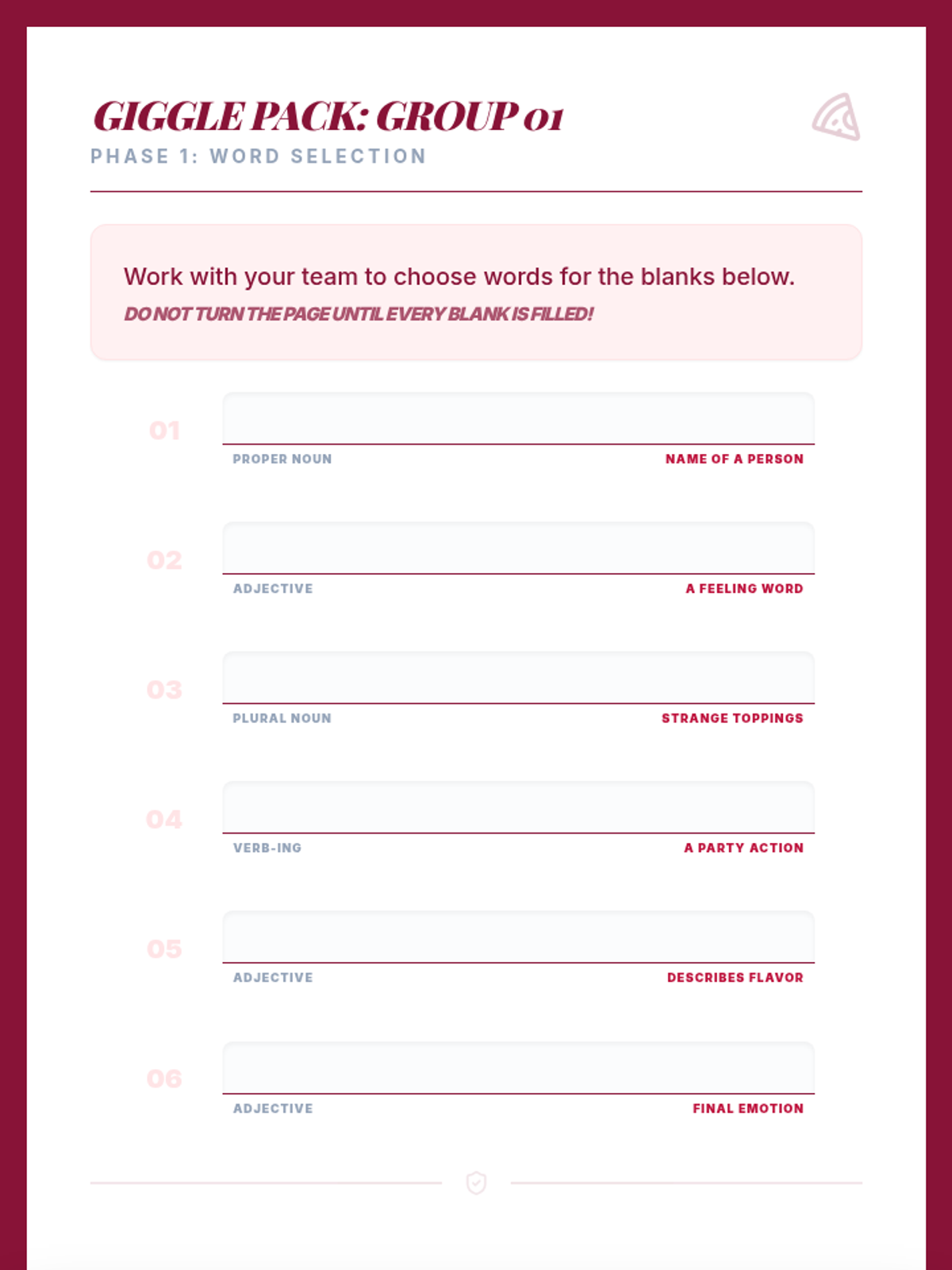
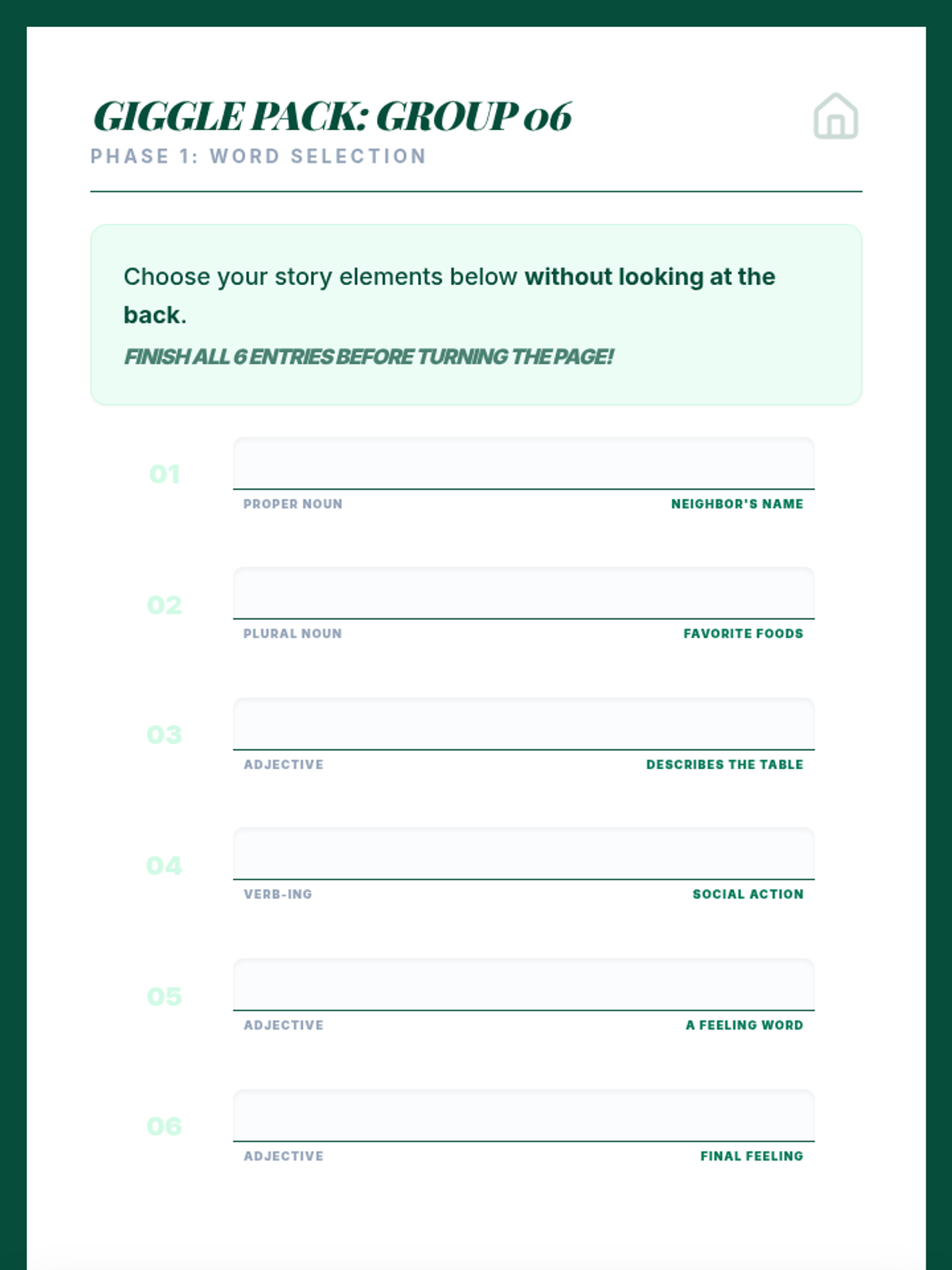
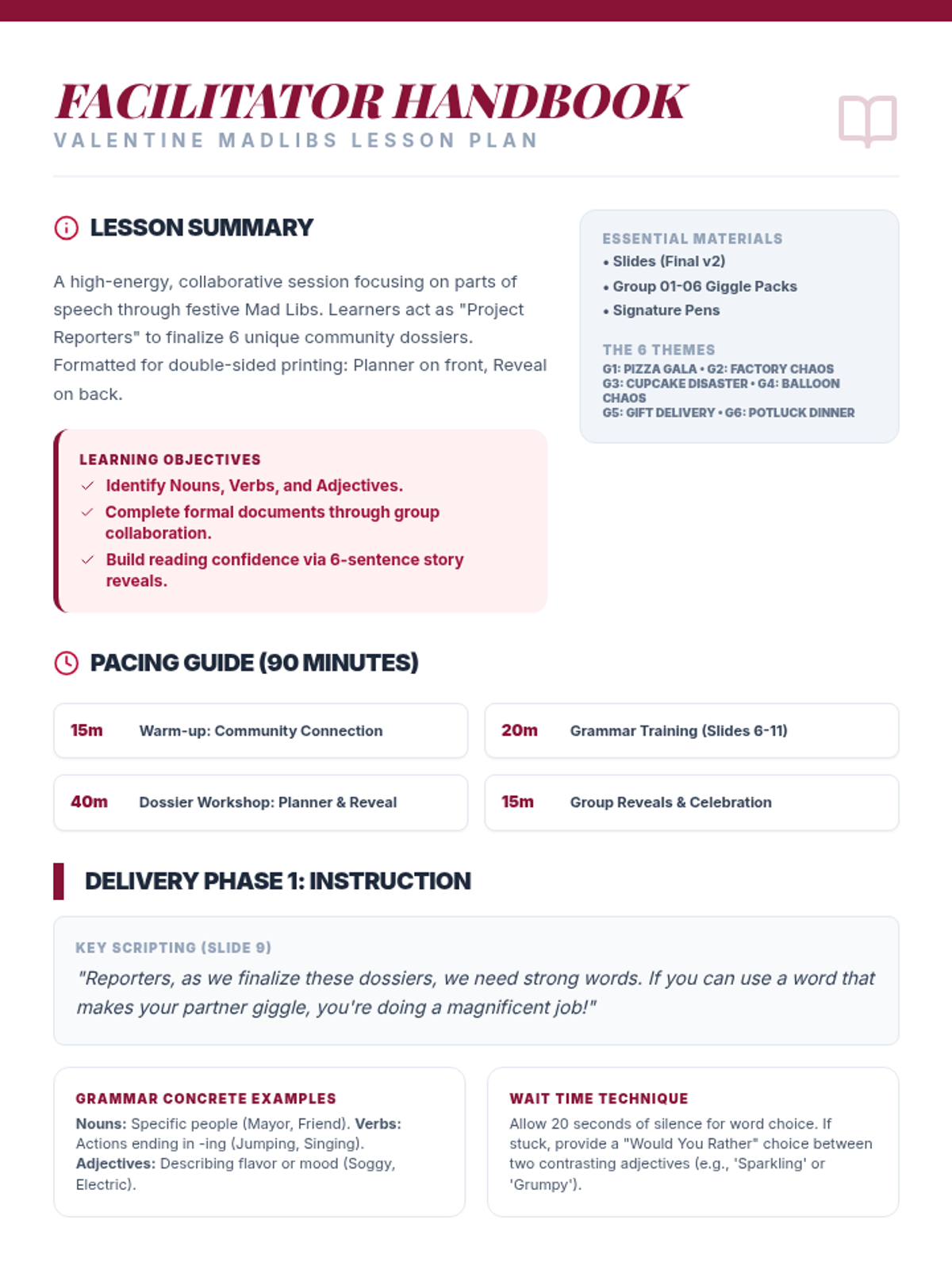
A festive instructional sequence focusing on grammar and collaborative storytelling through adult-appropriate Valentine's Day Madlibs. Includes 6 unique group dossiers, high-legibility slides, and a facilitator guide.
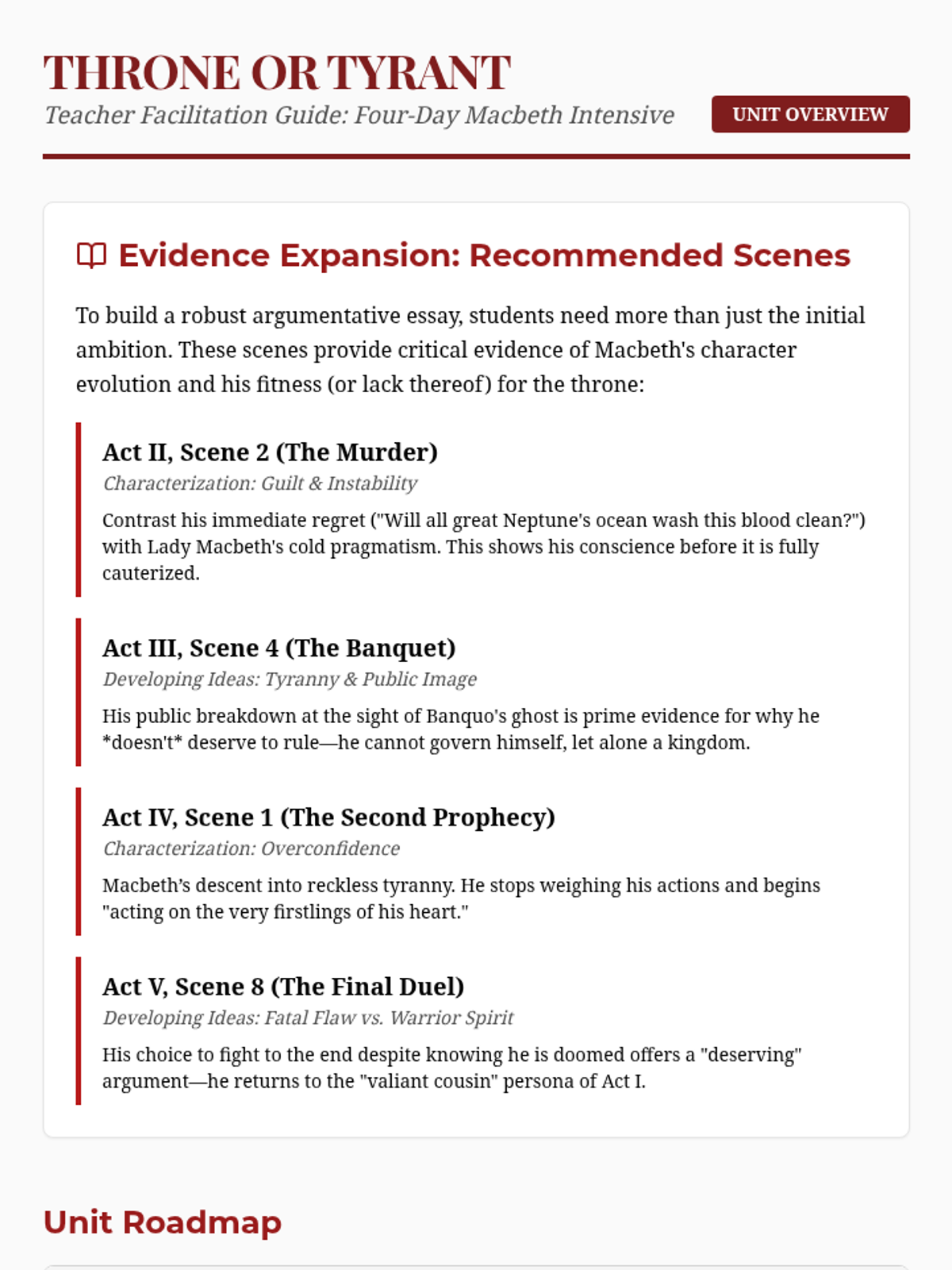
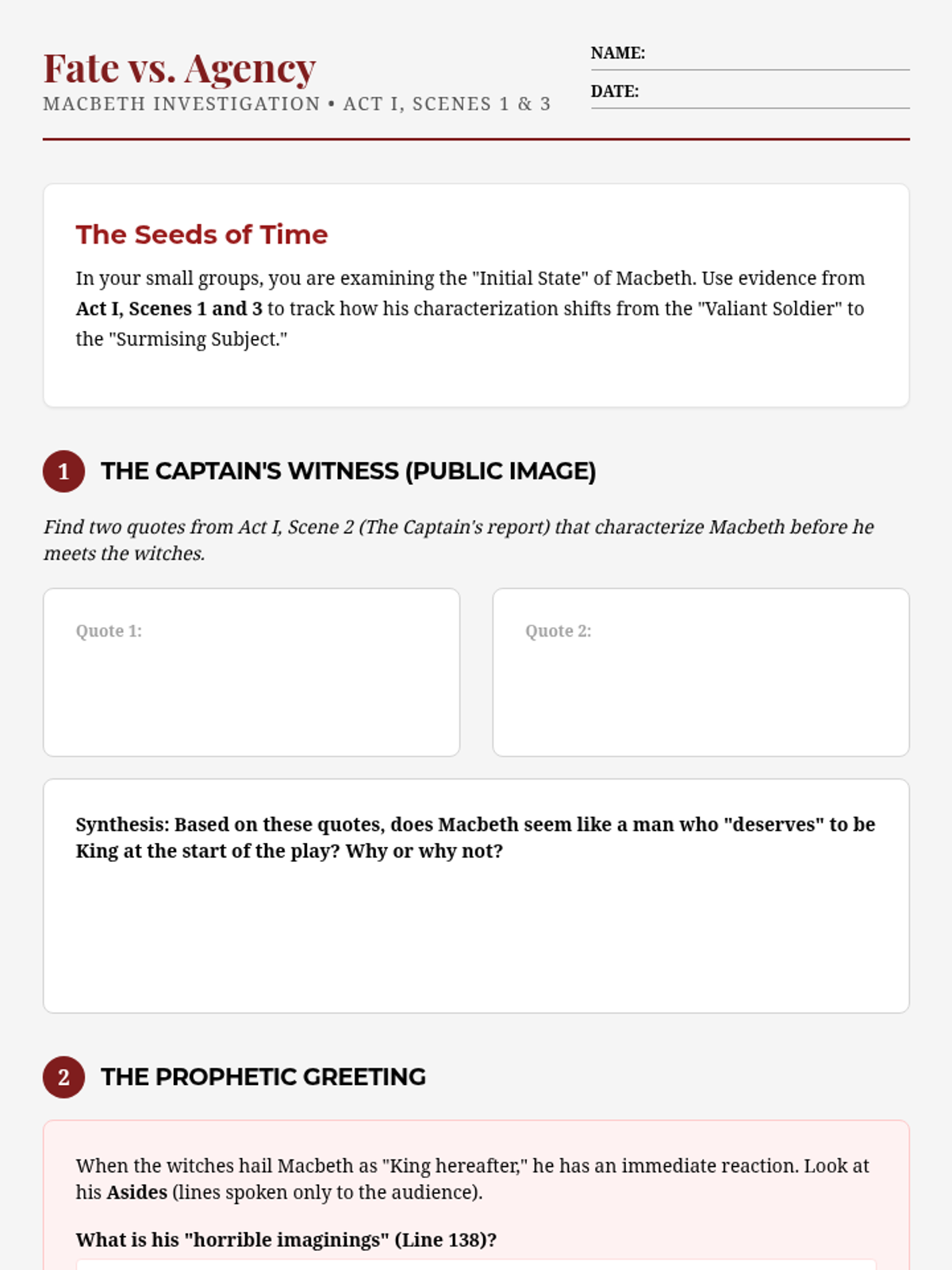
A four-day intensive study of Shakespeare's Macbeth, focusing on characterization and the development of ambition to prepare students for an argumentative essay on Macbeth's worthiness for the throne.
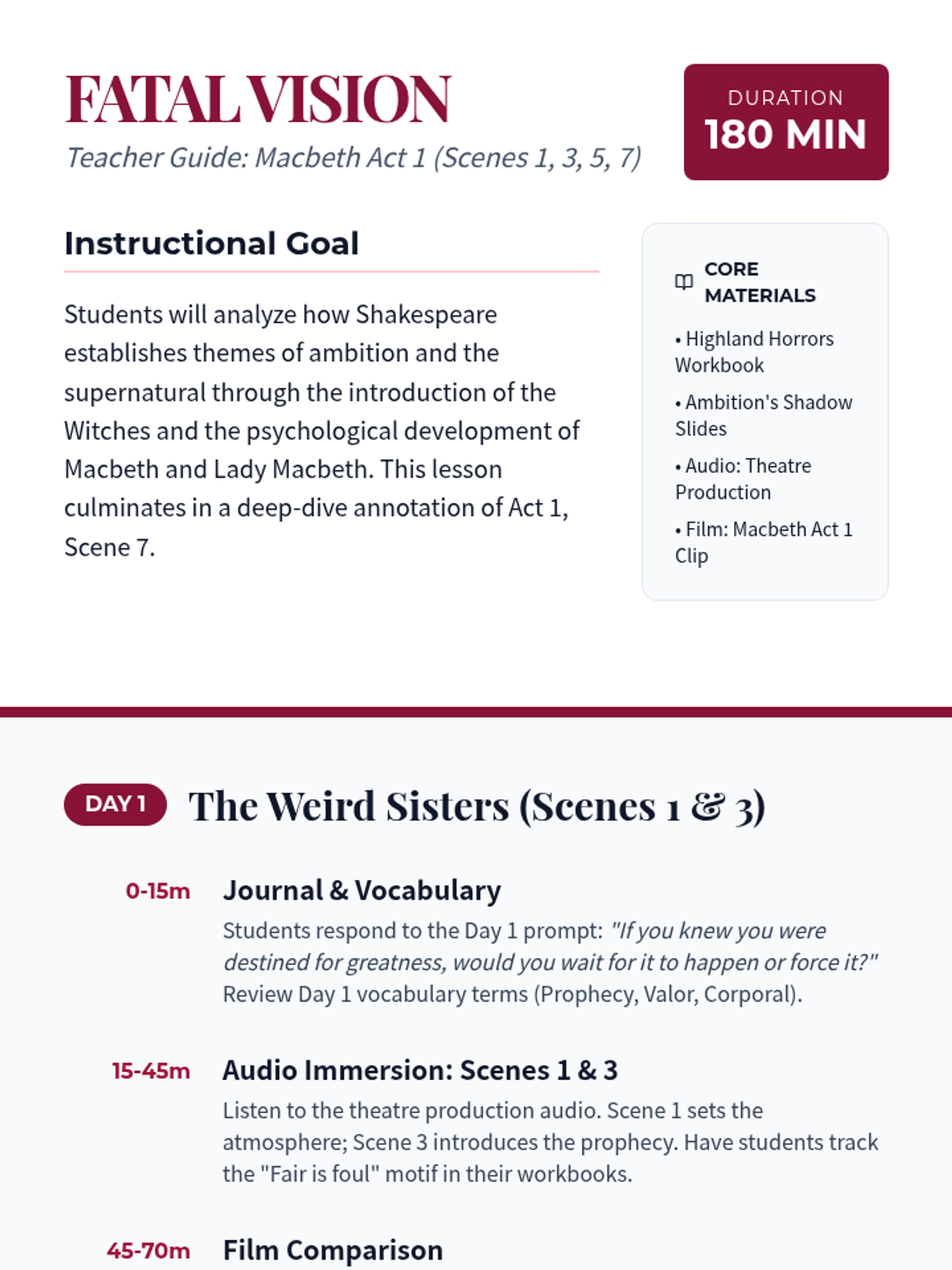
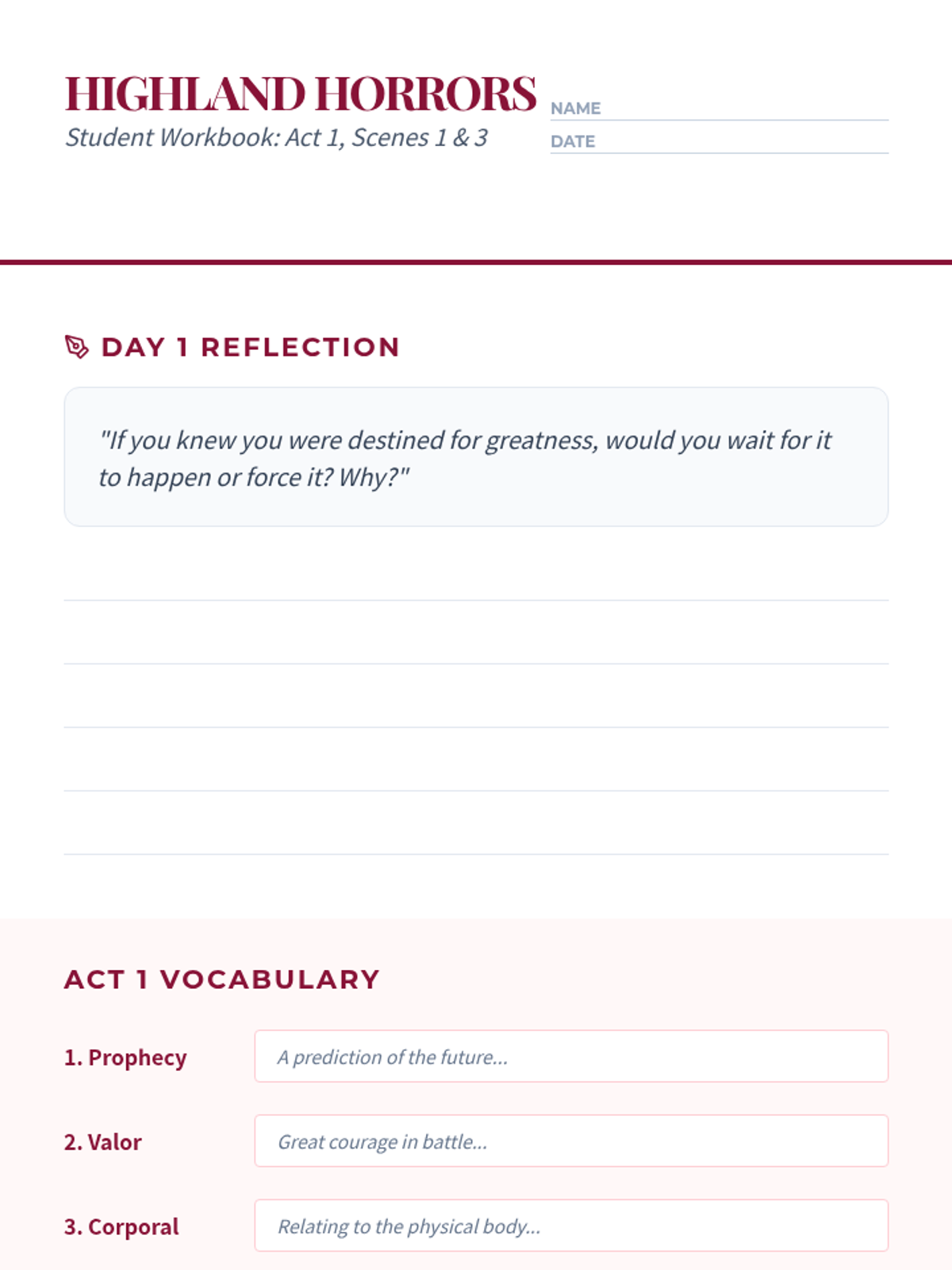
A comprehensive two-day exploration of Macbeth Act 1, focusing on the supernatural, ambition, and the psychological shift towards murder. Includes a teacher guide, student workbooks, slide decks, and answer keys.
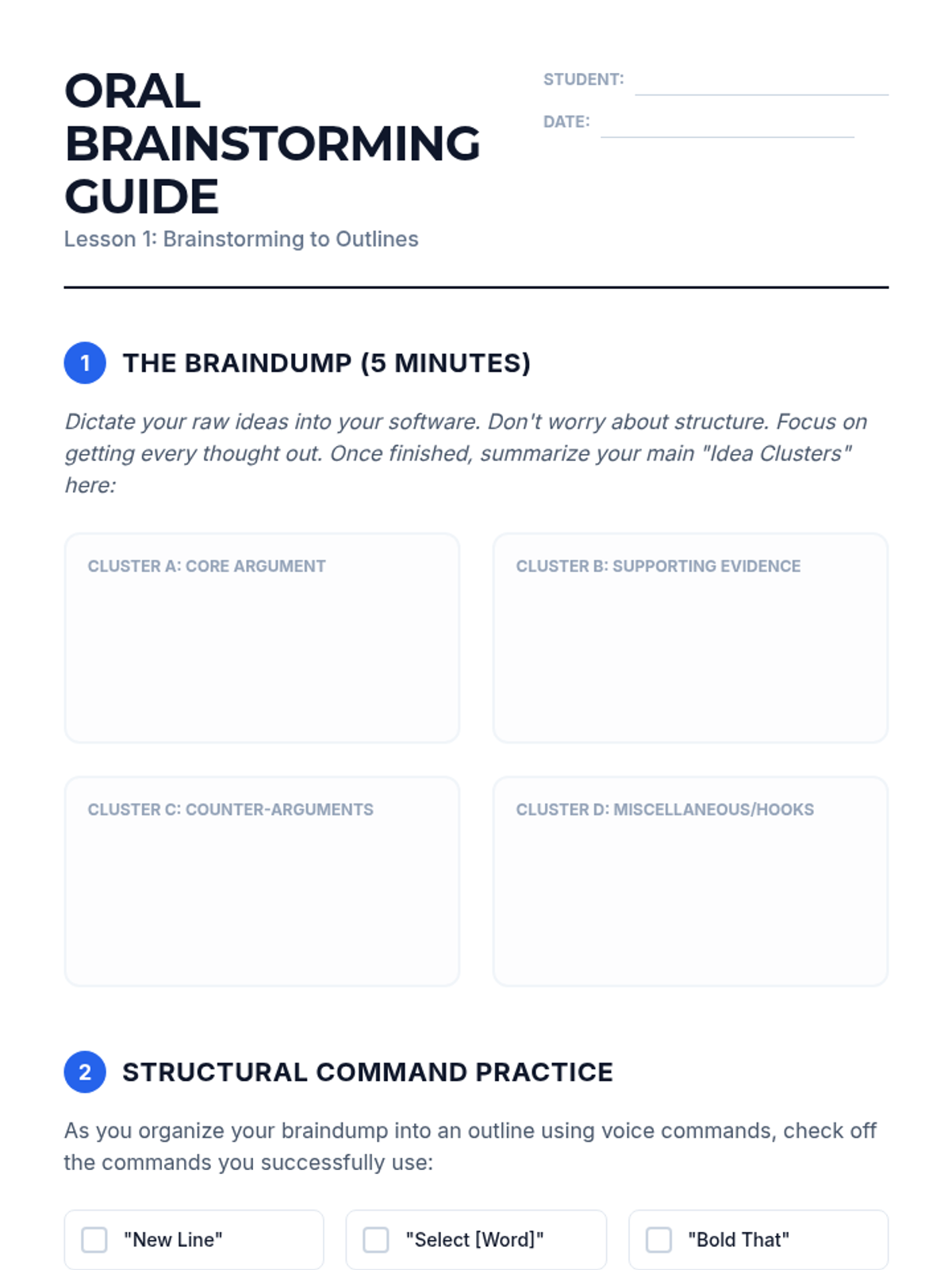
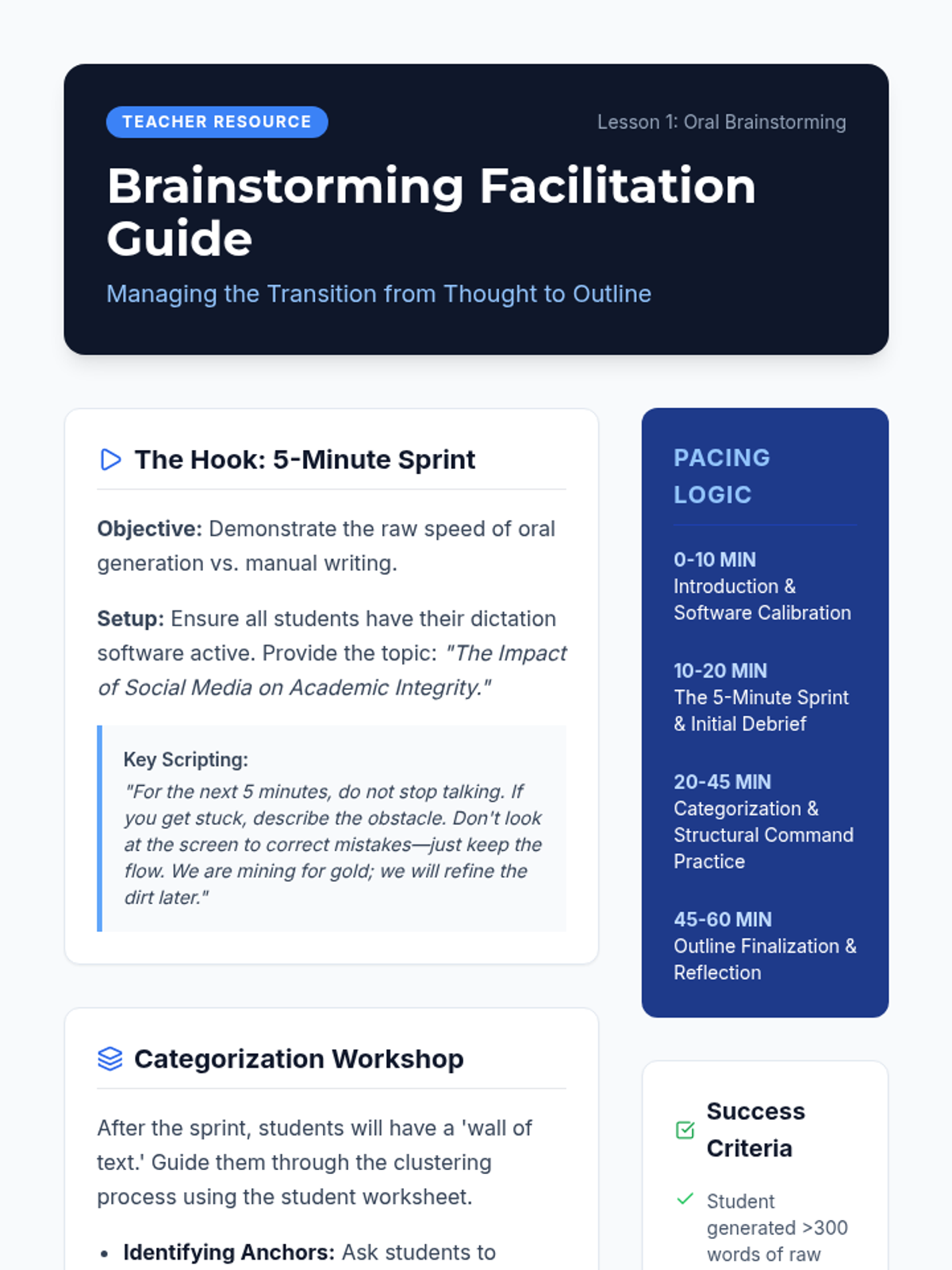
This sequence teaches undergraduate students how to leverage dictation technology to draft academic papers. It moves from oral brainstorming and outlining to drafting body paragraphs with transitions, managing complex citations via voice, maintaining formal academic tone, and utilizing text-to-speech for final auditory polishing.
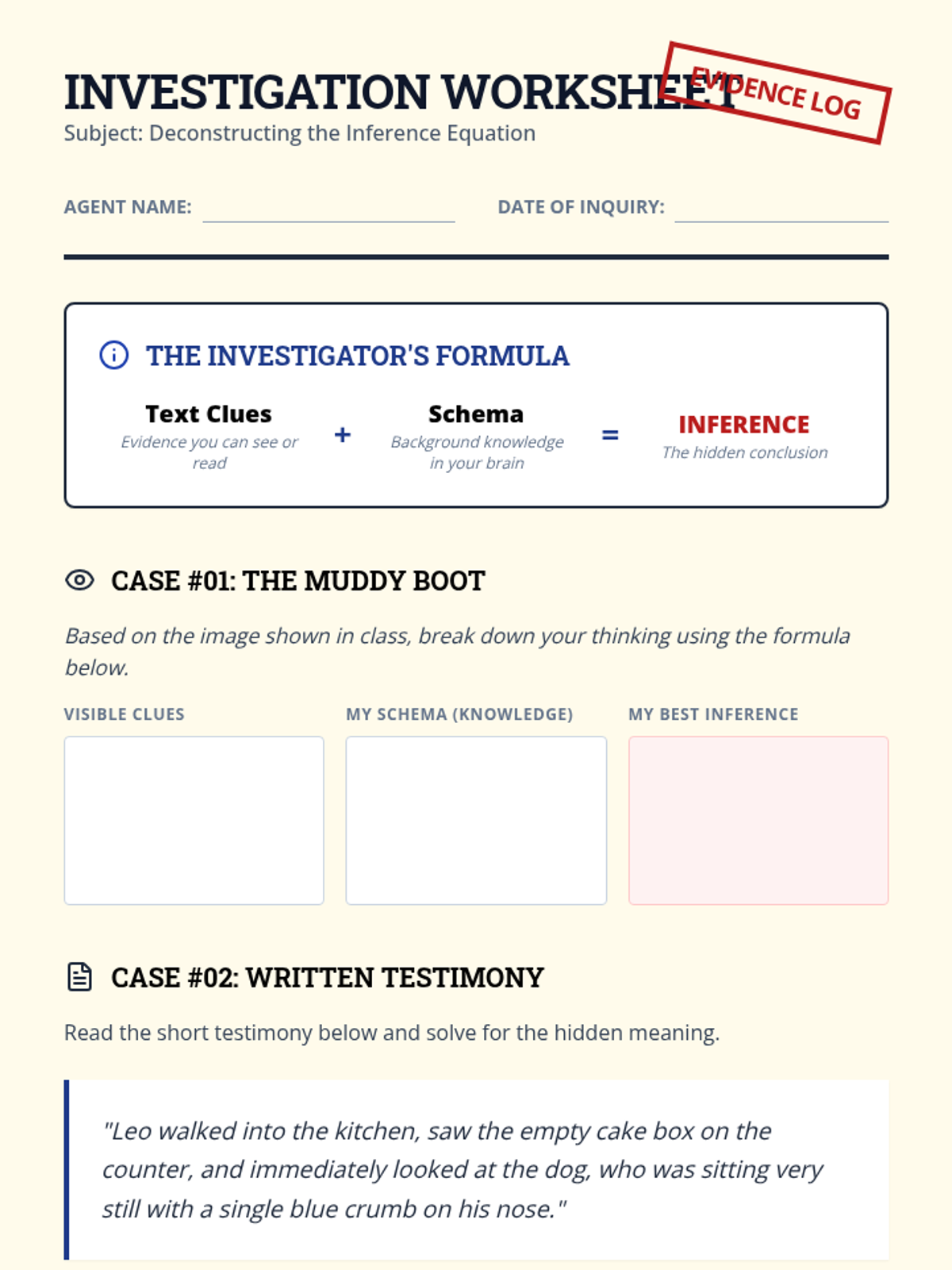
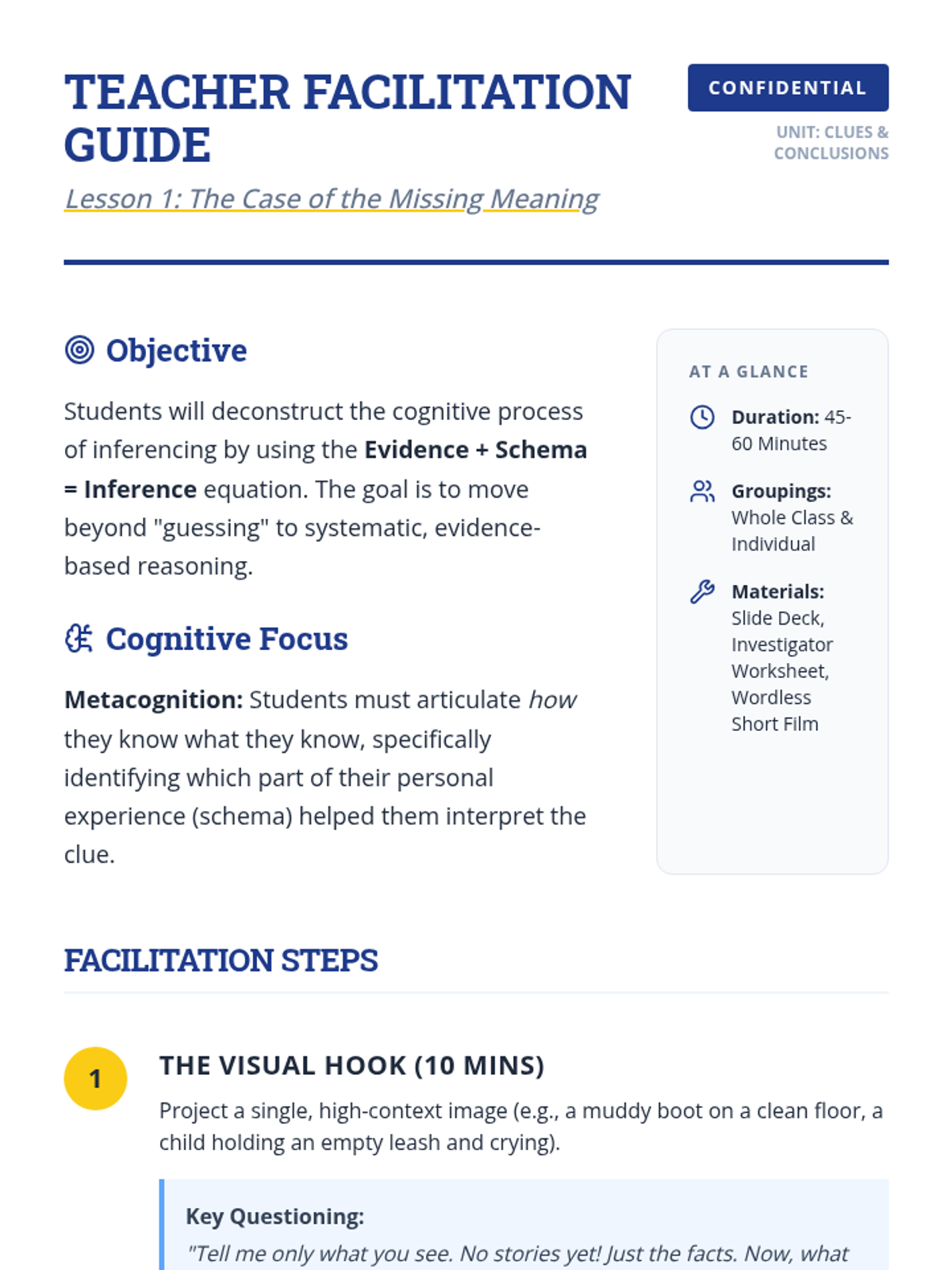
A structured ELA workshop sequence for 11th-grade academic support, focusing on the cognitive process of making inferences and predictions. Students move from visual analysis to complex text synthesis using the 'Evidence + Schema = Inference' equation.
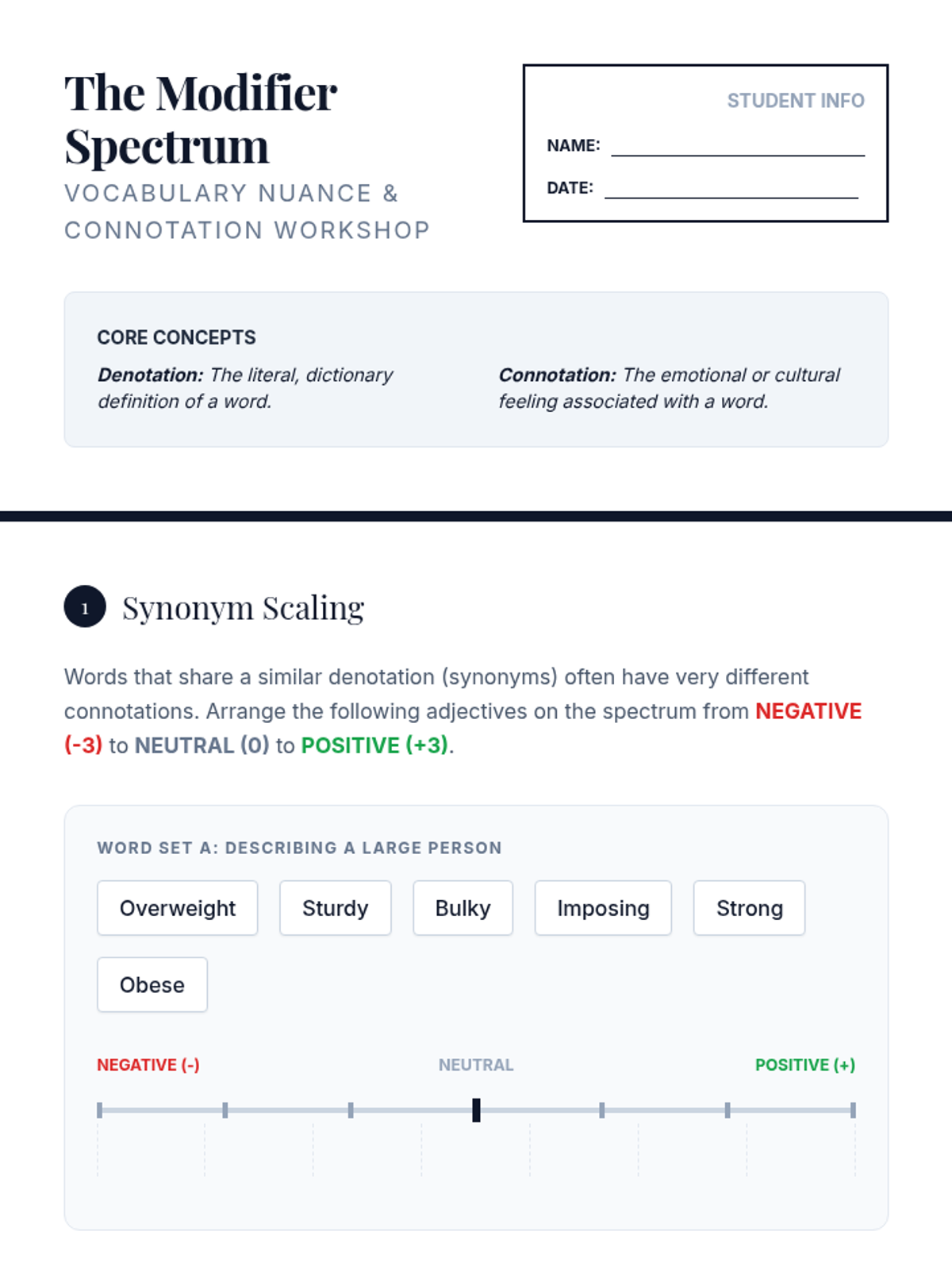
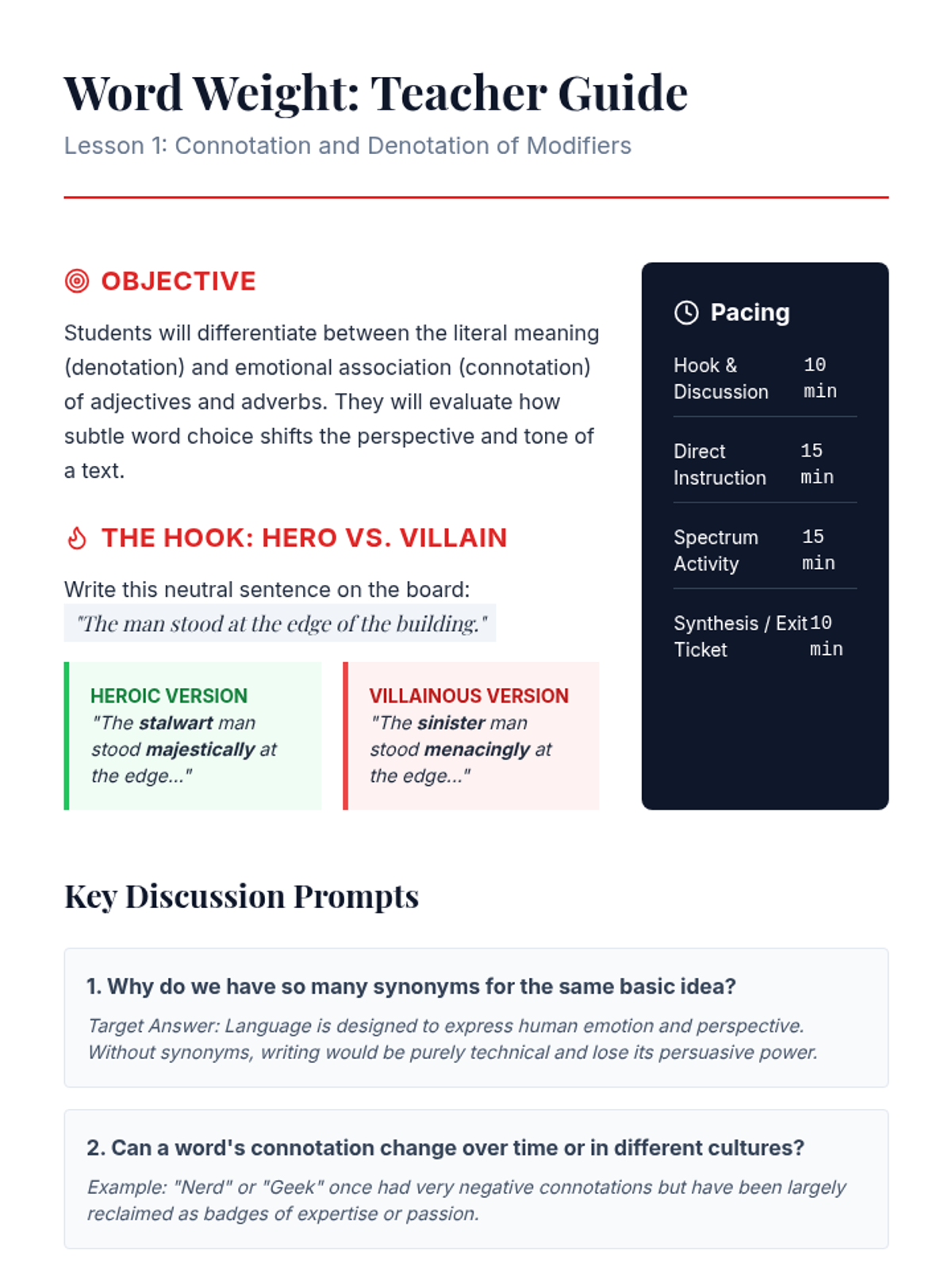
A 9th-grade grammar and rhetoric unit focused on how adjectives and adverbs influence bias, connotation, and persuasion in media and non-fiction. Students move from understanding word nuance to analyzing news and advertising, culminating in writing a persuasive editorial.
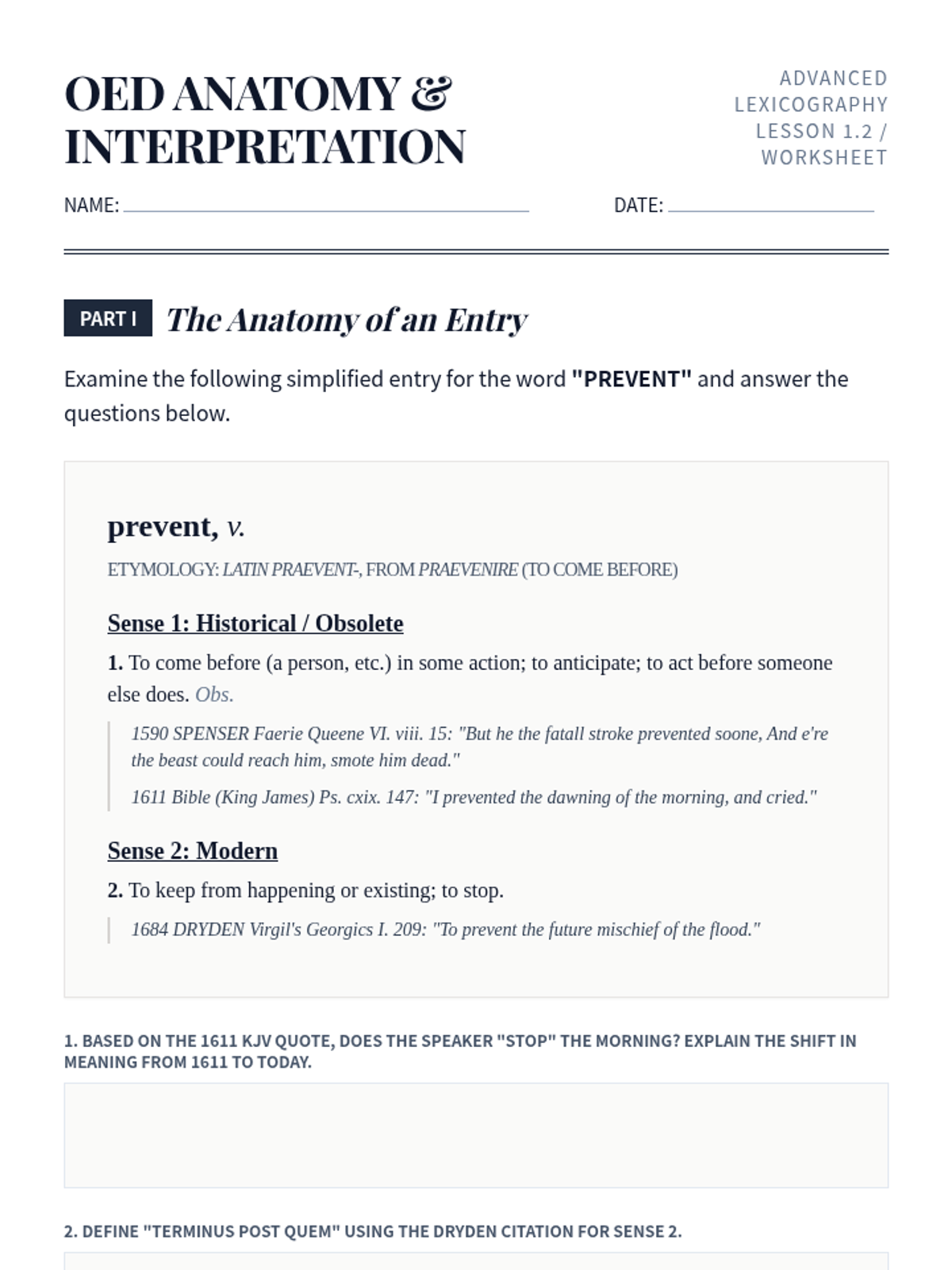
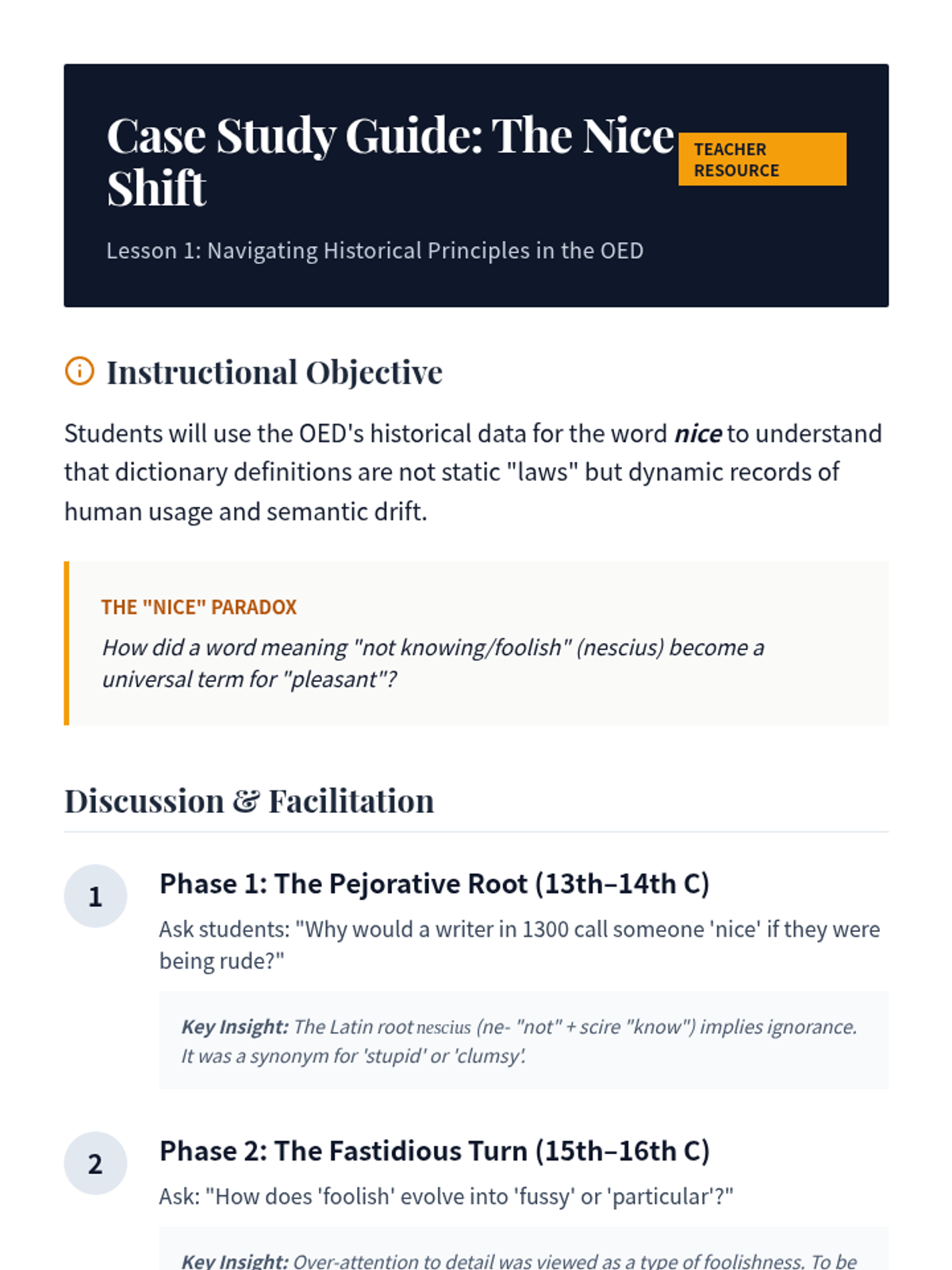
This undergraduate-level sequence explores the academic field of lexicography, focusing on historical dictionary principles, etymological tracing of Indo-European roots, and the tension between descriptive and prescriptive linguistics. Students develop proficiency in using the OED and specialized disciplinary glossaries to produce a comprehensive 'word biography' as a final project.
This sequence explores the nuances of language through lexicography, etymology, and specialized reference materials, moving from historical word analysis to intentional stylistic choices in writing.
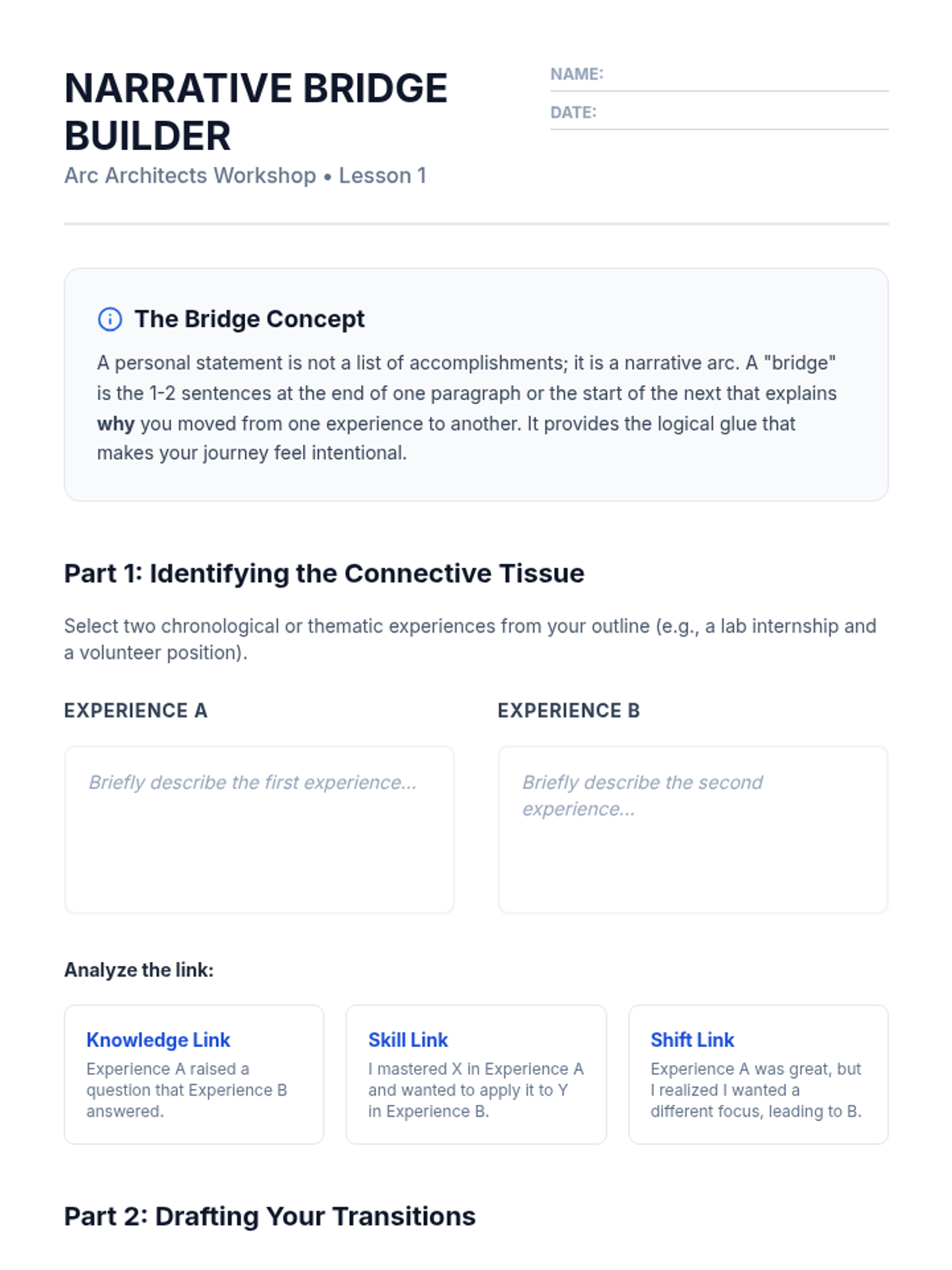
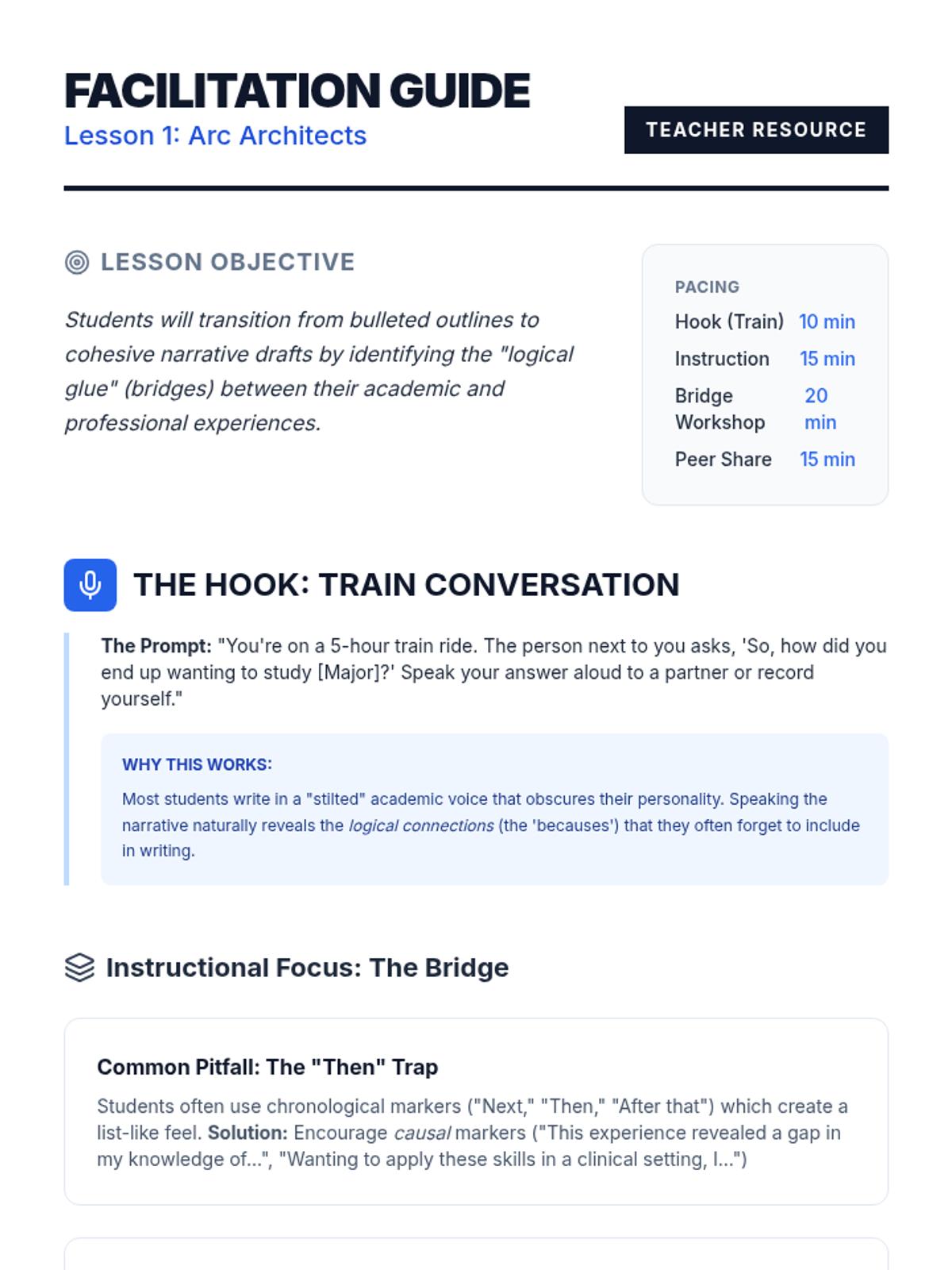
This writing-intensive sequence focuses on producing the first full draft of a personal statement. Students will experiment with narrative voice, transitions, and framing setbacks as growth opportunities to translate their outlines into cohesive narratives.
A comprehensive 11th-grade advanced reading sequence focused on technical literacy, data synthesis, and professional communication. Students simulate the role of research analysts to master complex academic texts and synthesize conflicting information.
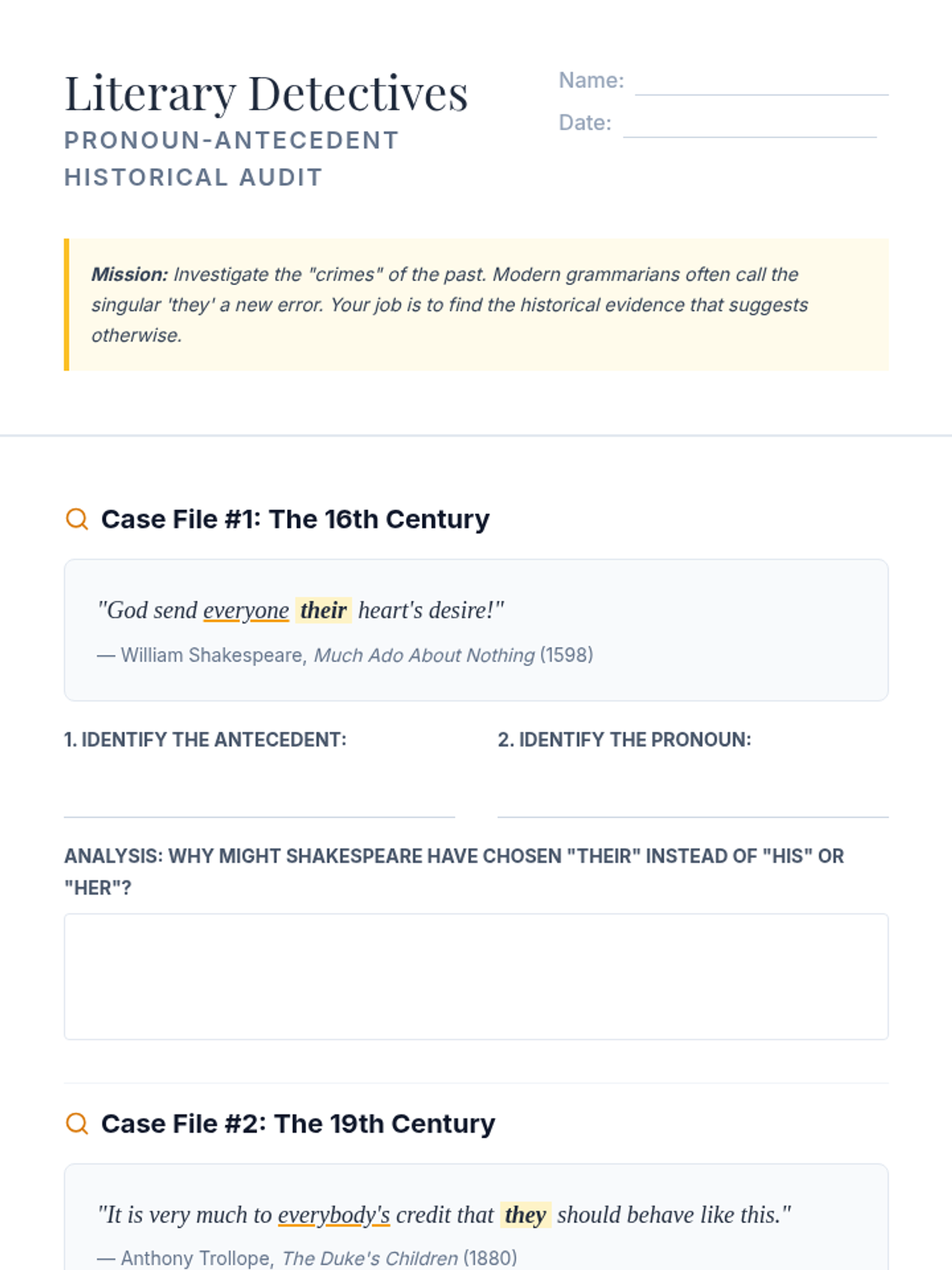
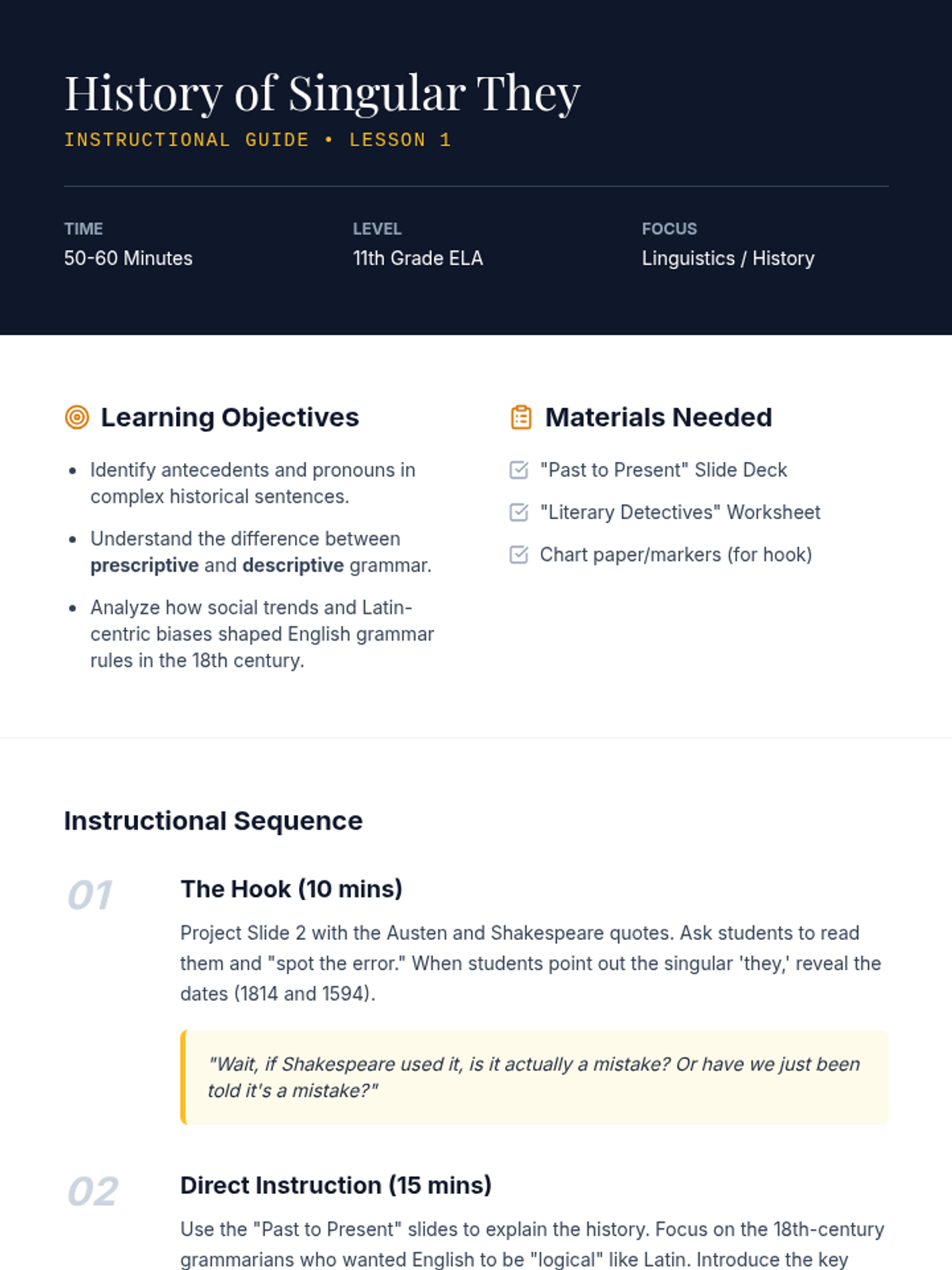
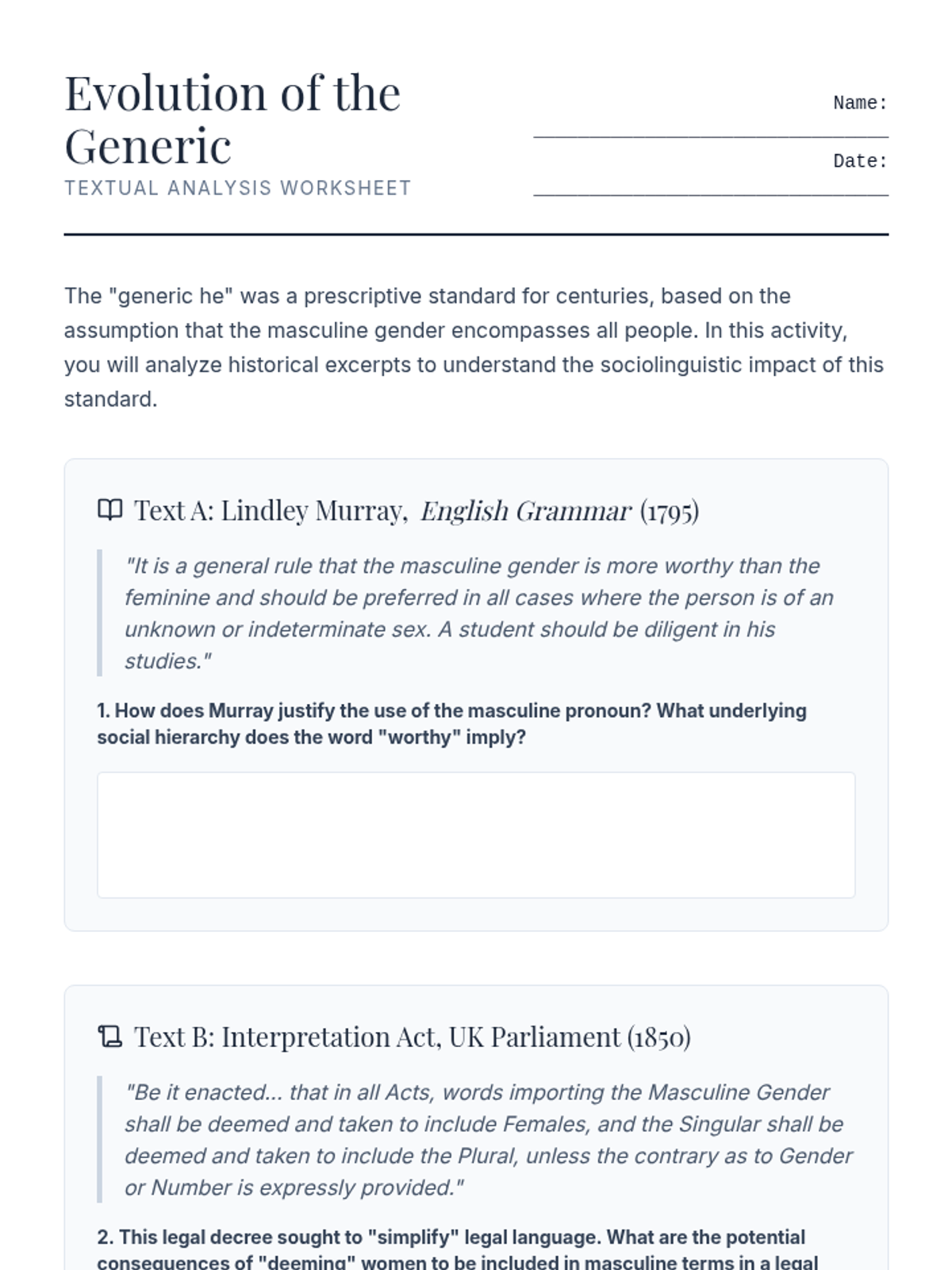
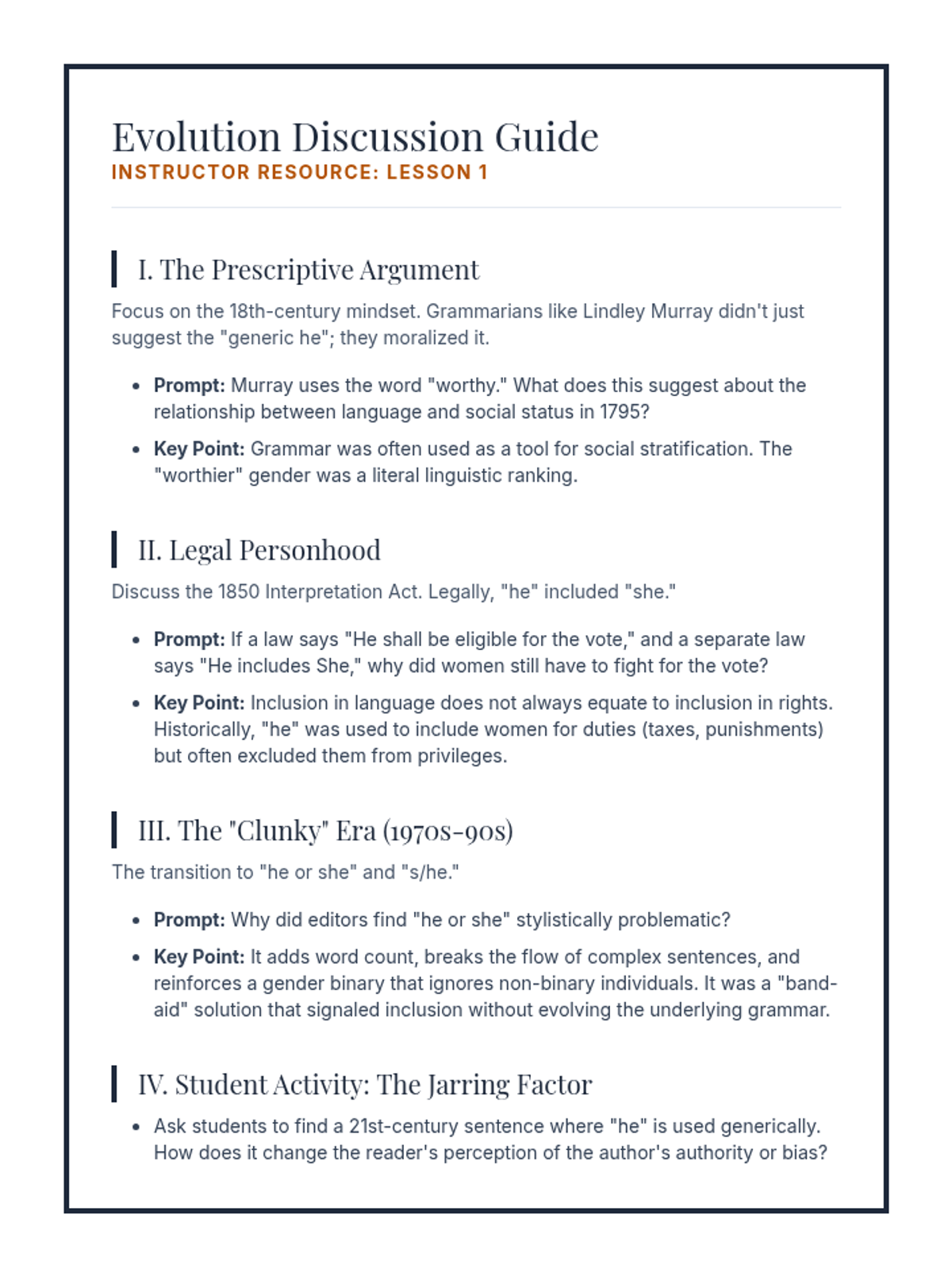
This sequence explores the evolution of pronouns and antecedents, specifically focusing on the singular 'they' and gender-neutral language. Students analyze historical usage, compare modern style guides, and debate the tension between prescriptive and descriptive grammar.
An undergraduate-level exploration of the evolution of pronouns in English, focusing on the shift from generic 'he' to inclusive standards like the singular 'they' across major academic style guides. Students analyze historical texts, master the syntax of inclusive language, and apply these standards to professional writing.