Vocabulary, grammar, and cultural contexts for Spanish language acquisition across all proficiency levels. Develops skills in reading, writing, speaking, and listening through structured linguistic analysis and practice.
An introductory Japanese language and culture unit for 8th grade that follows the 'TABI' (Journey) framework. Students explore geography, etiquette, writing systems, daily life, and traditional arts through immersive daily 45-minute lessons.
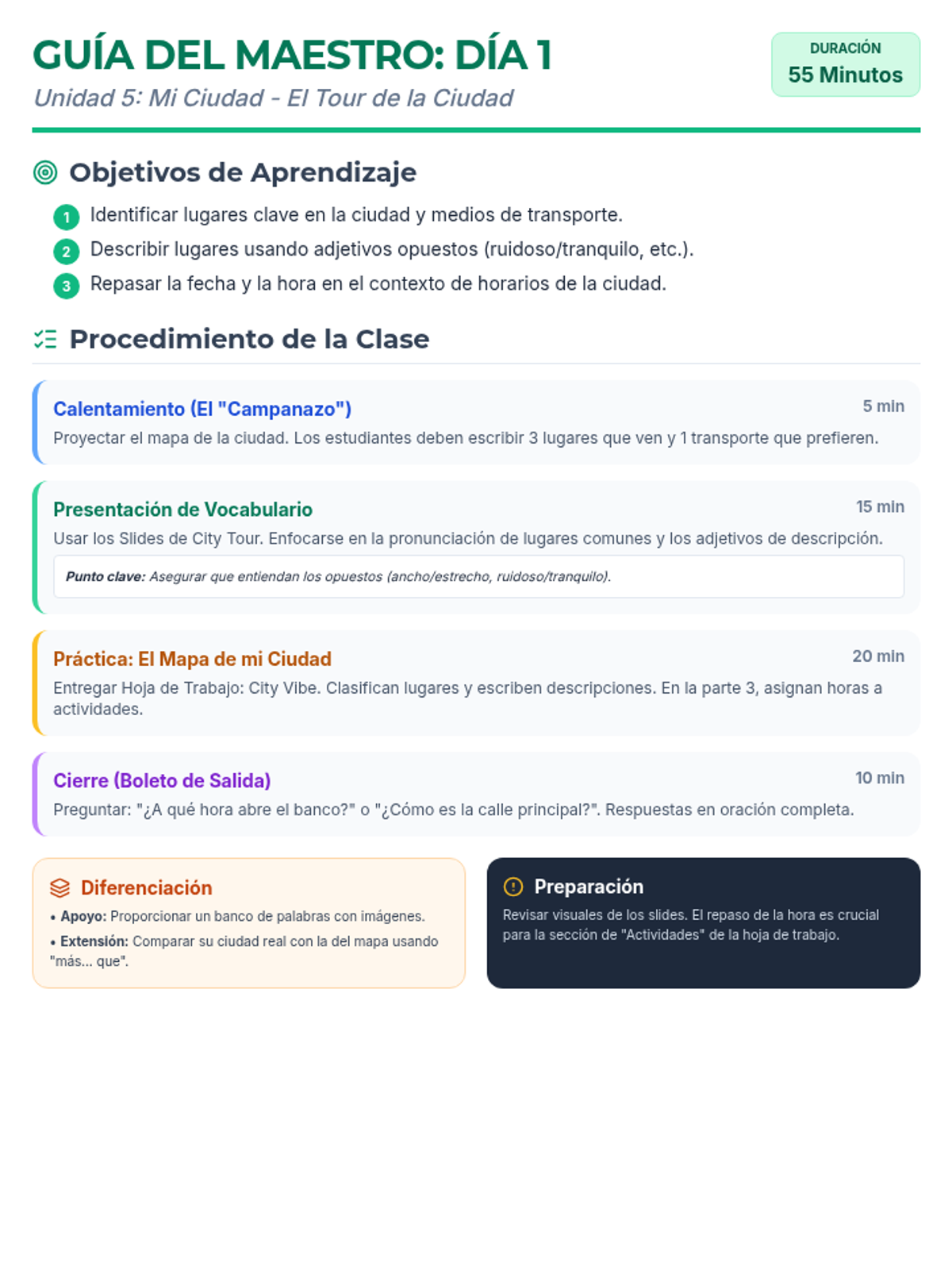
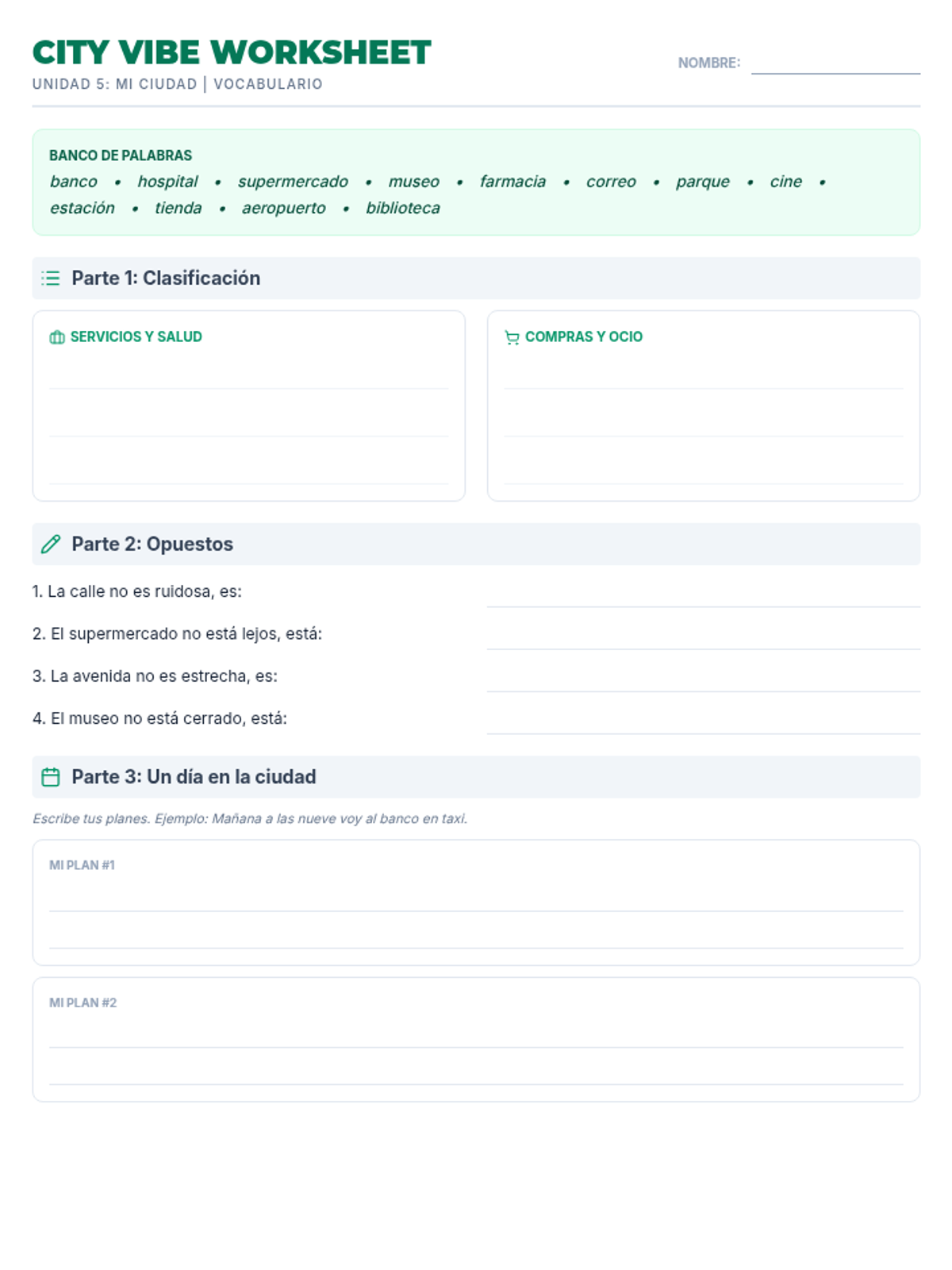
A comprehensive 3-day review sequence for Spanish 1 students focusing on city vocabulary, directions, and describing urban environments to prepare for Unit 5 summative assessments.
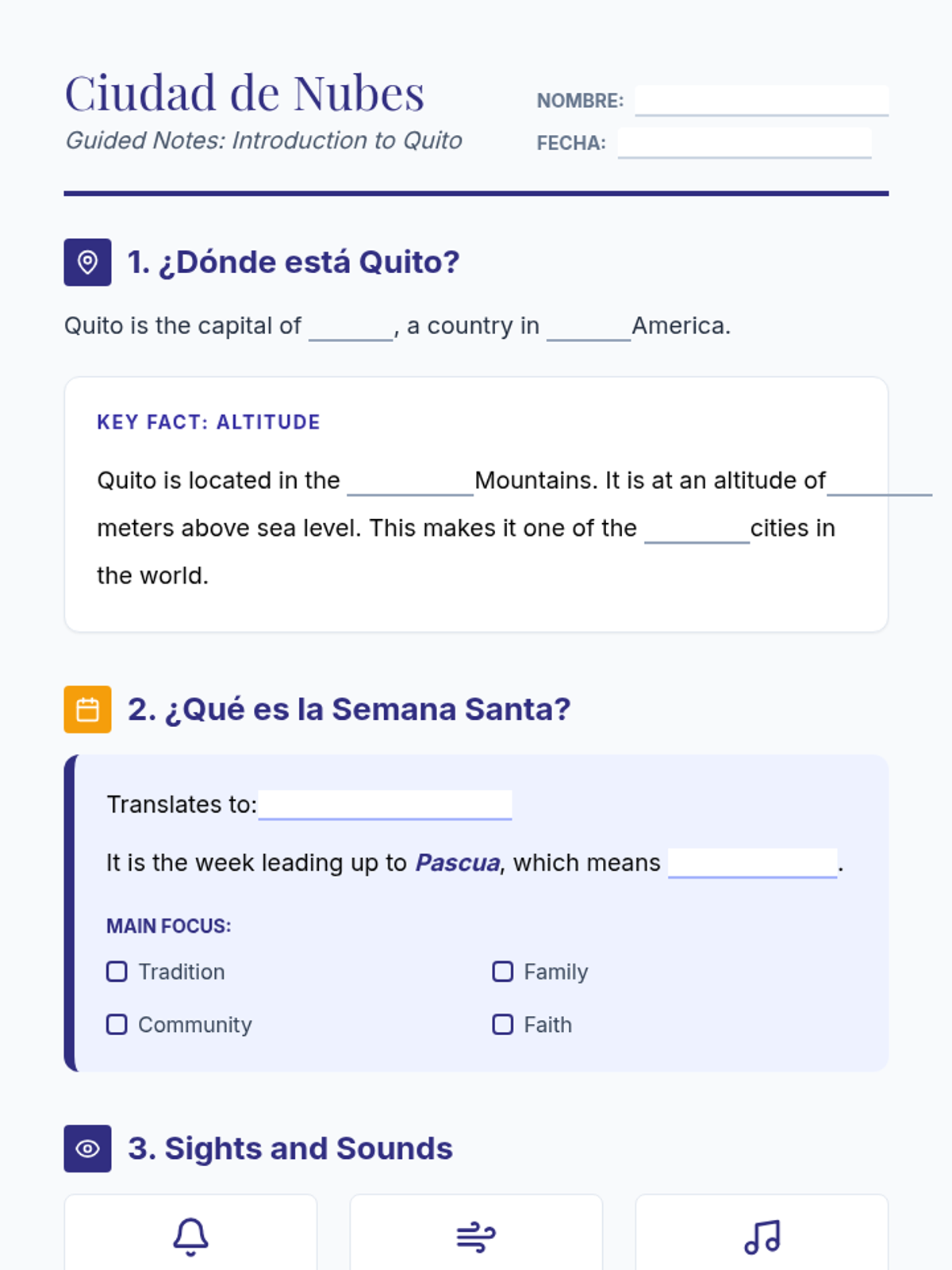
A 3-day cultural immersion unit for Spanish 1 students exploring the unique Semana Santa traditions in Quito, Ecuador, focusing on the Jesús del Gran Poder procession and community culinary traditions.
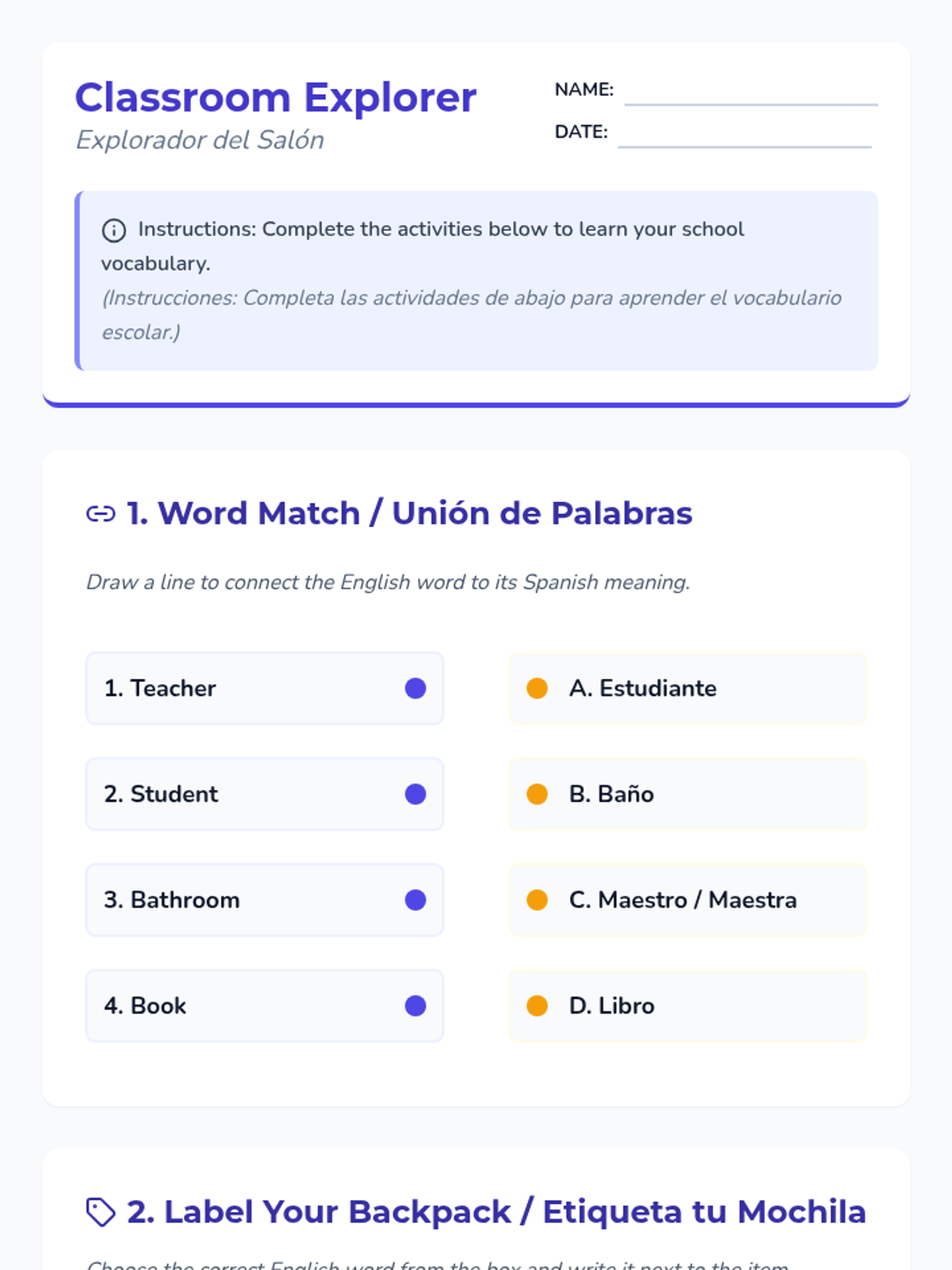
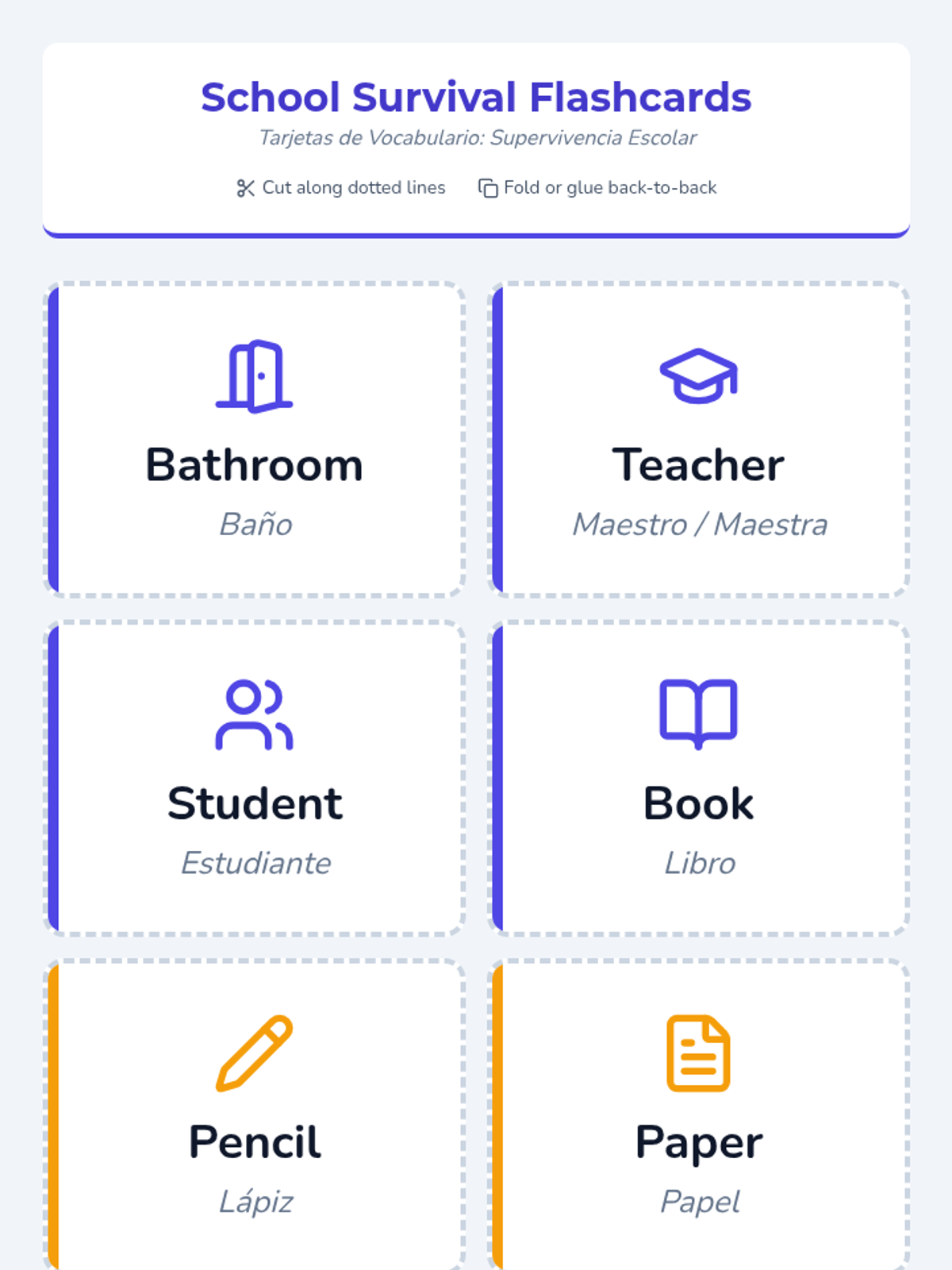
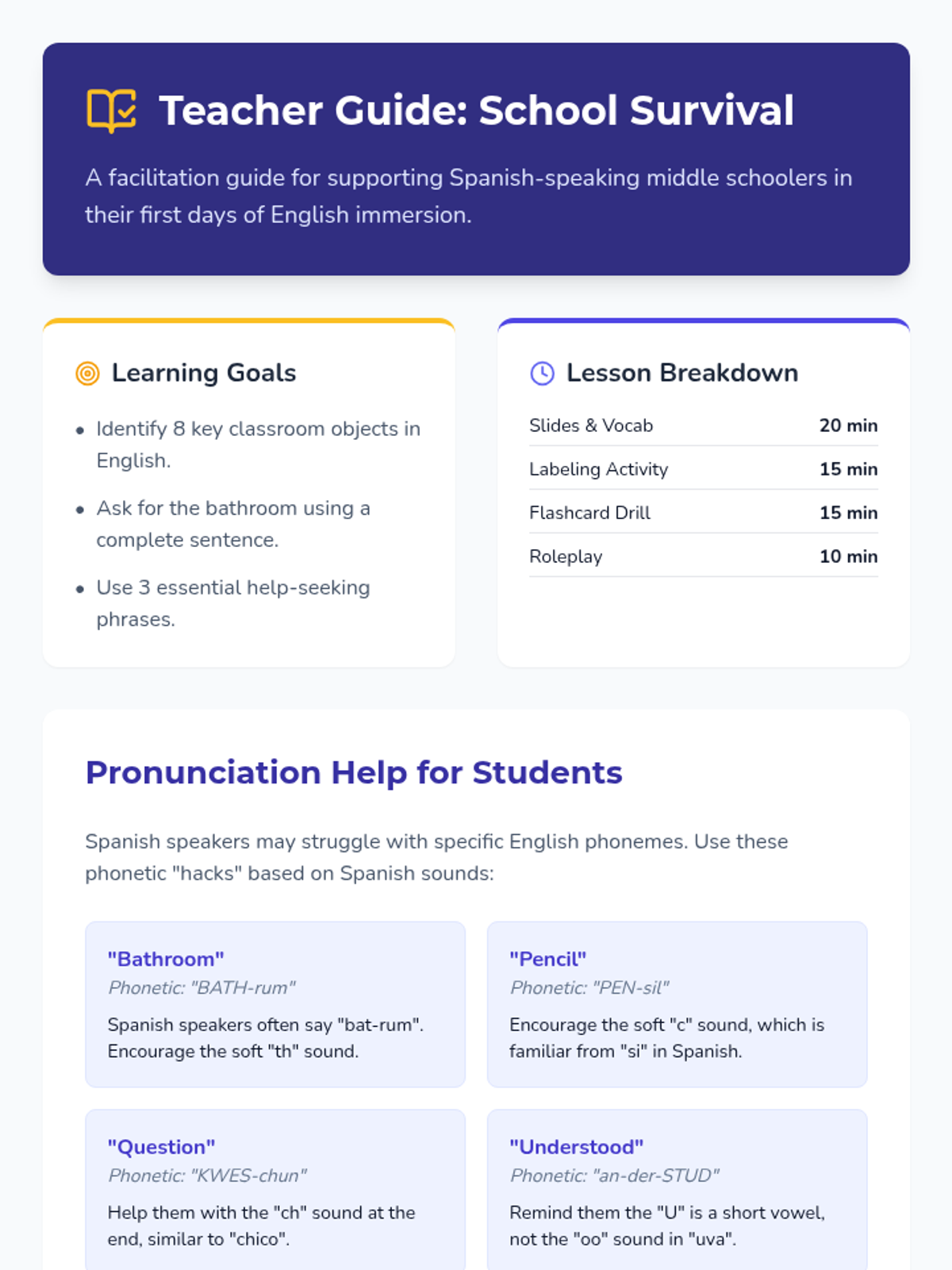
A foundational English as a Second Language (ESL) sequence for Spanish-speaking middle schoolers, focusing on essential survival phrases, school navigation, and personal relationships.
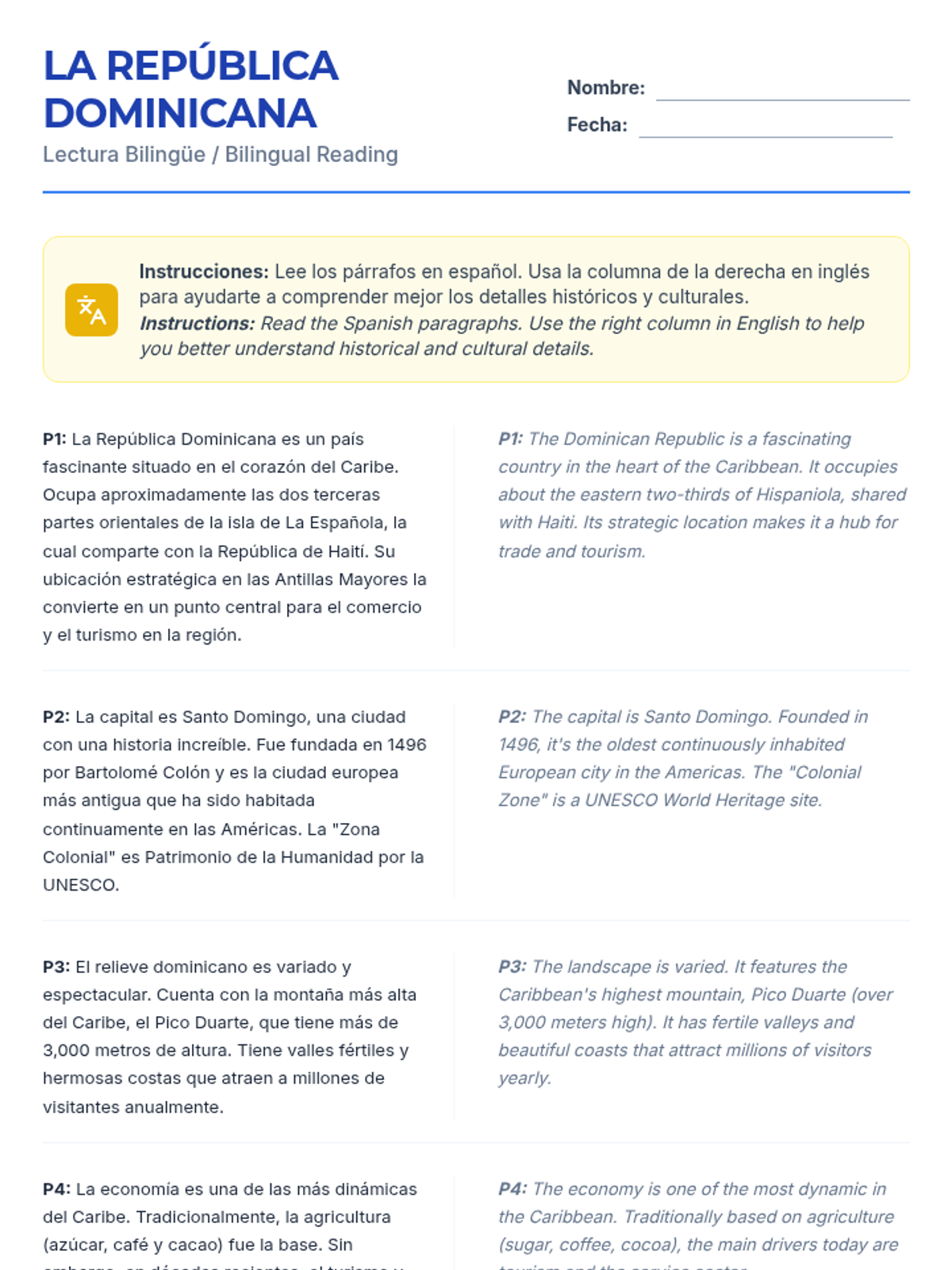
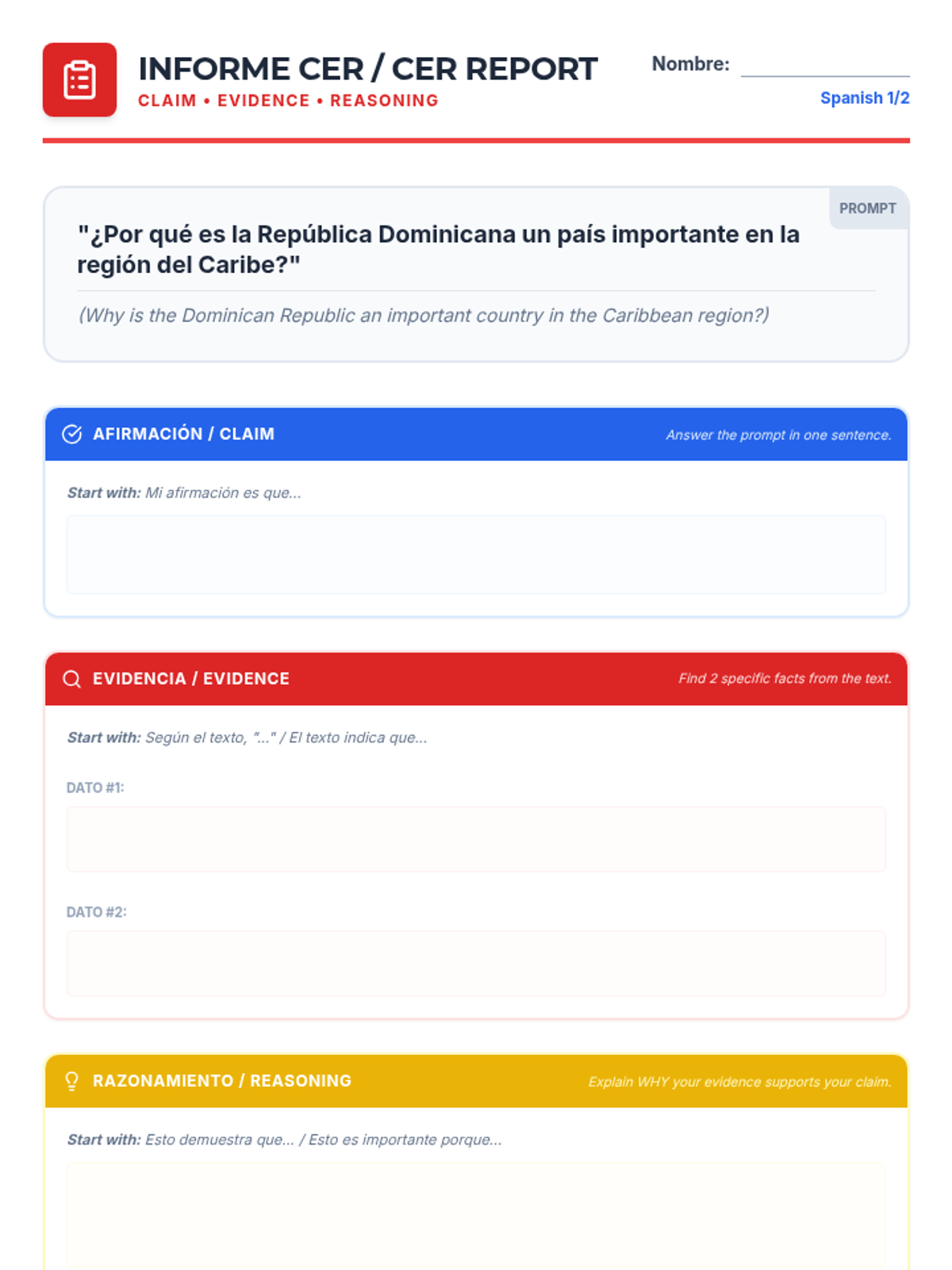
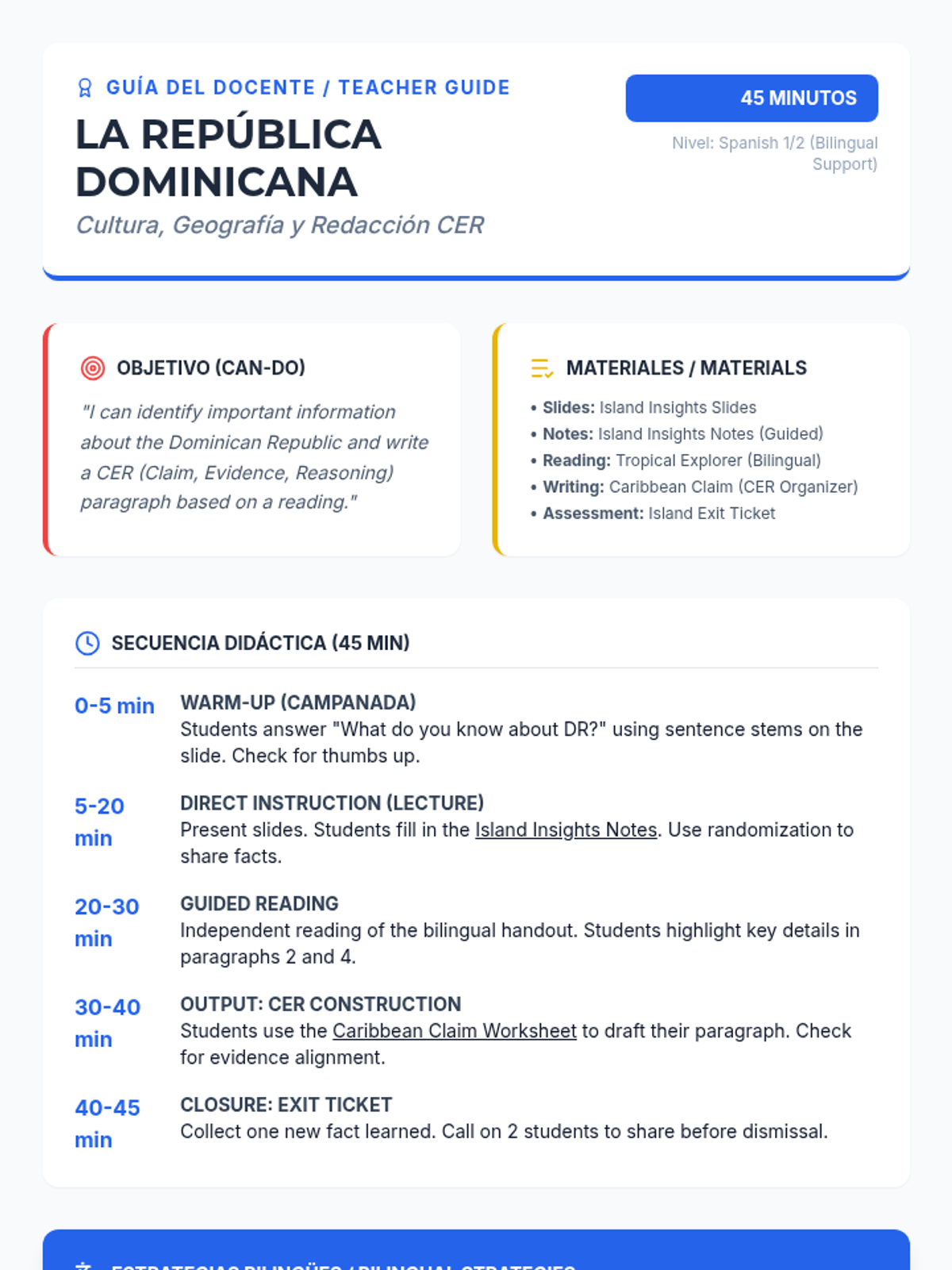
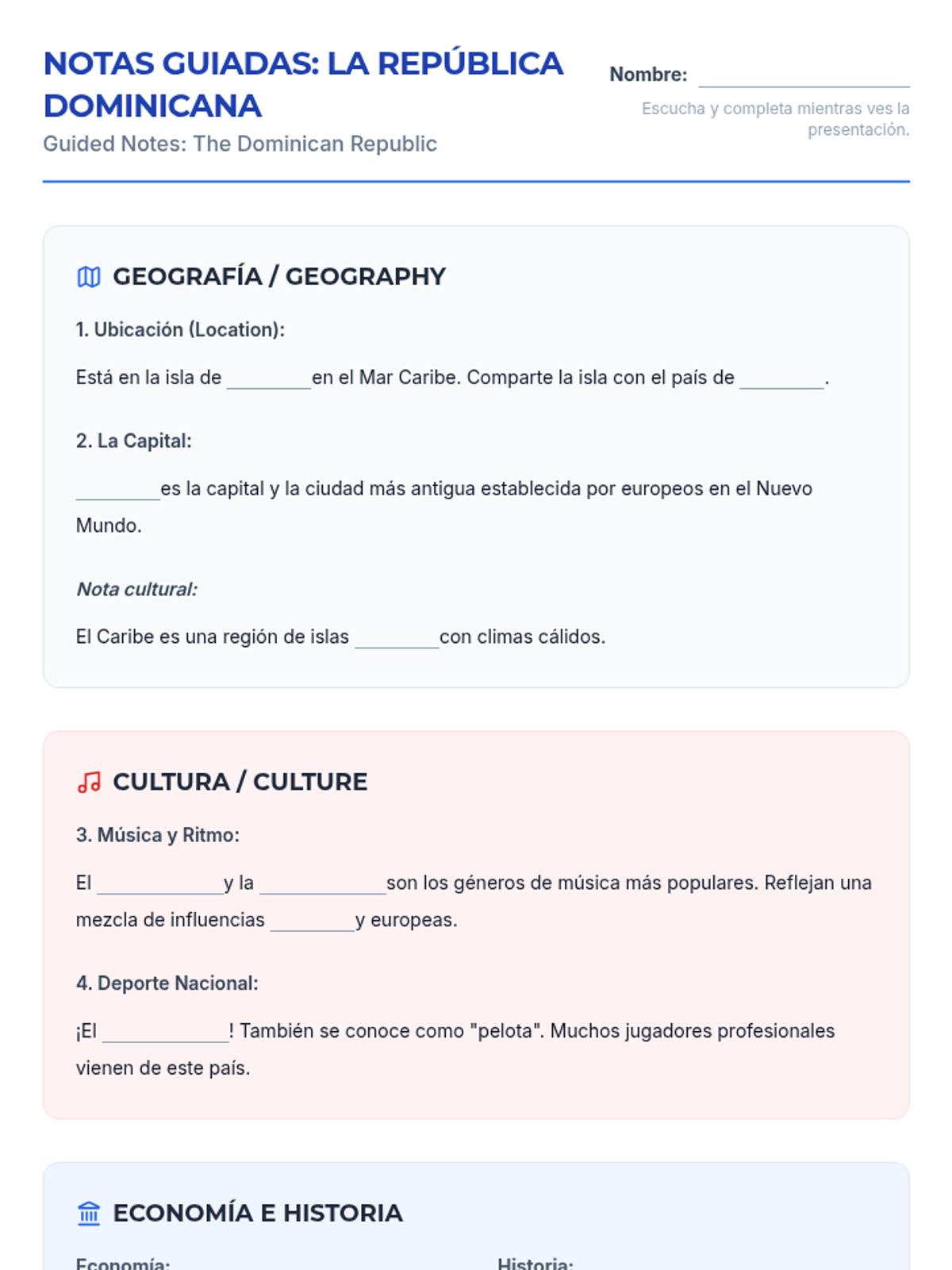
A cultural exploration of the Dominican Republic, focusing on geography, history, and traditions while developing CER writing skills in Spanish.
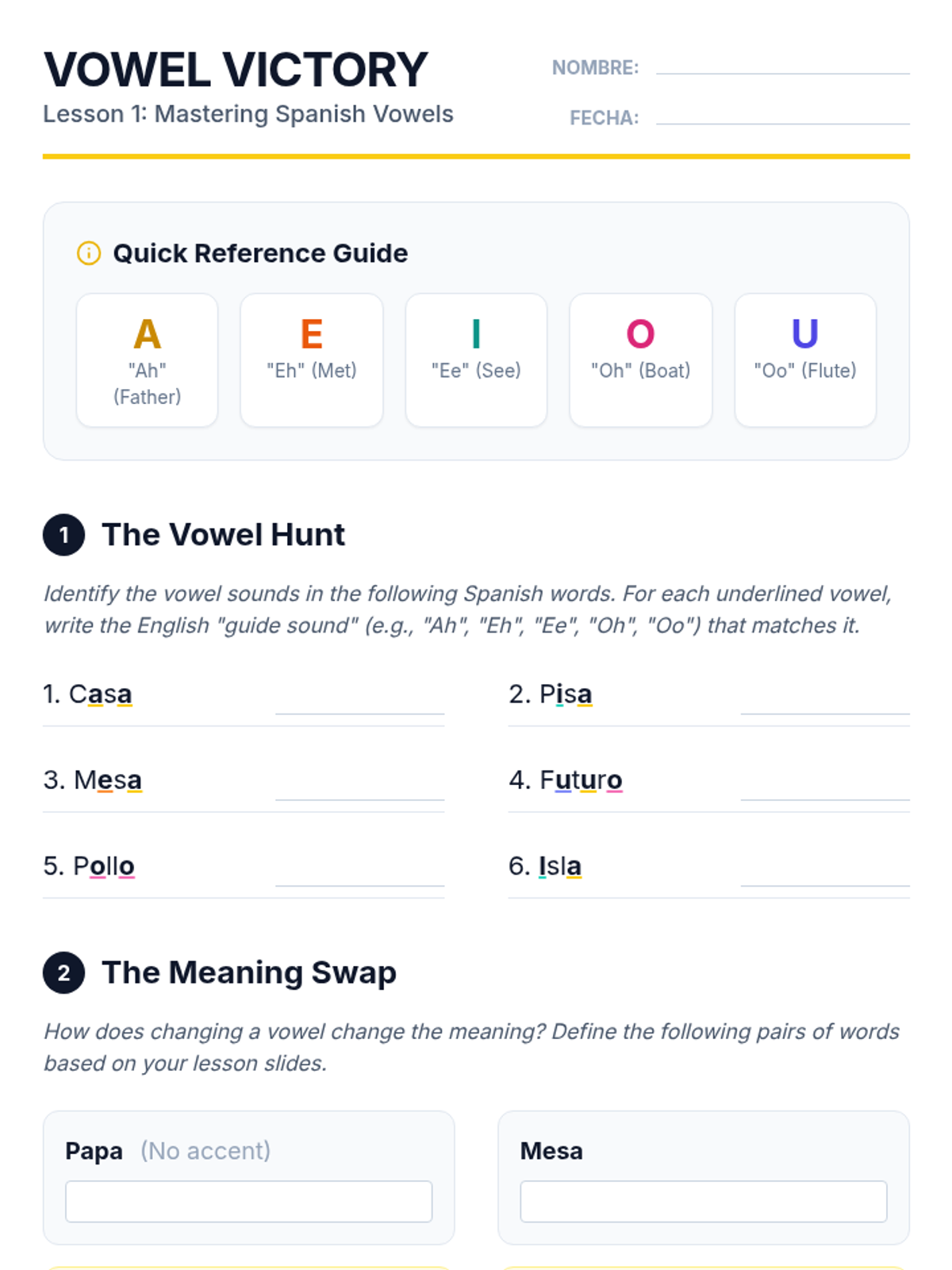
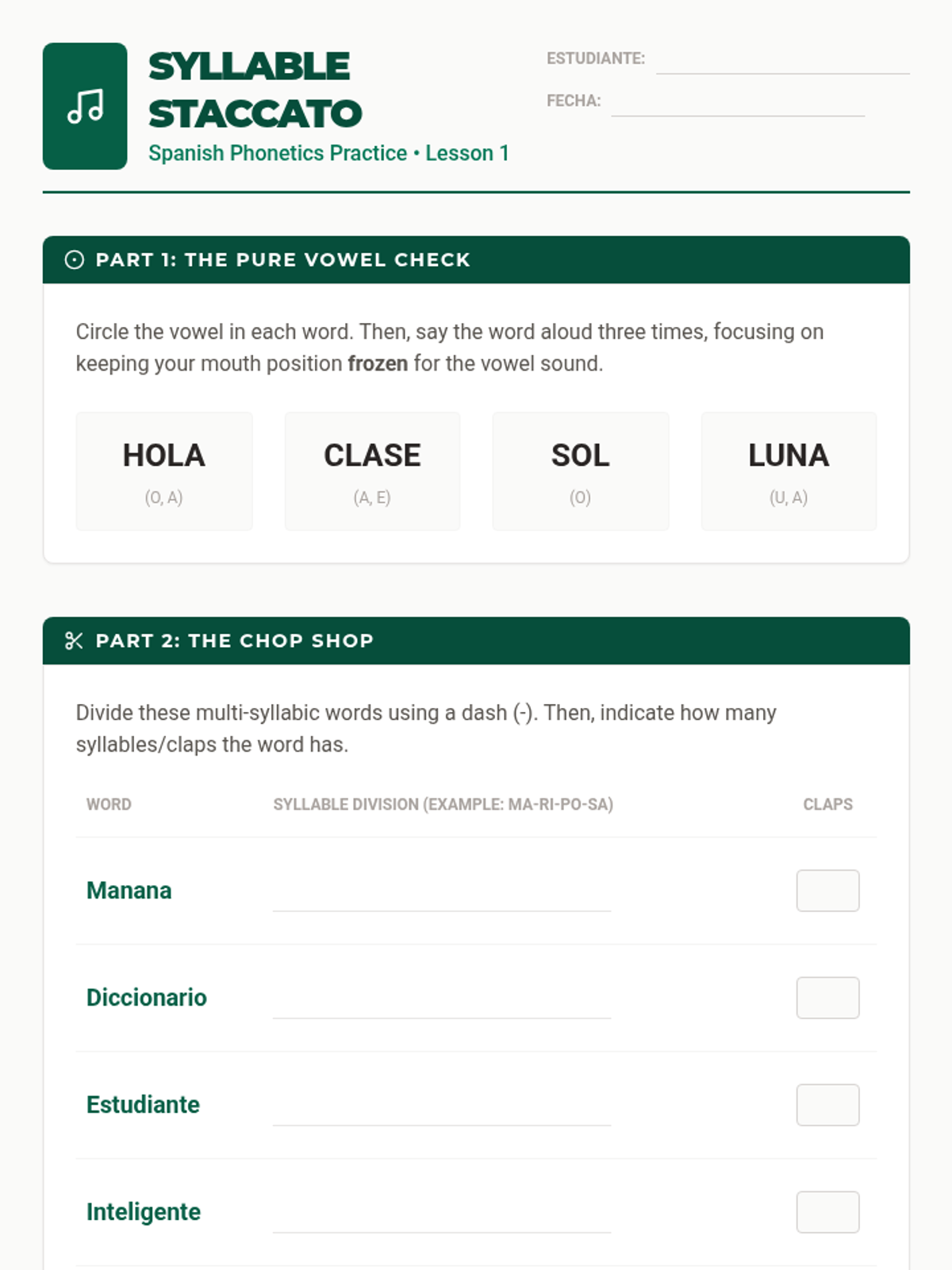
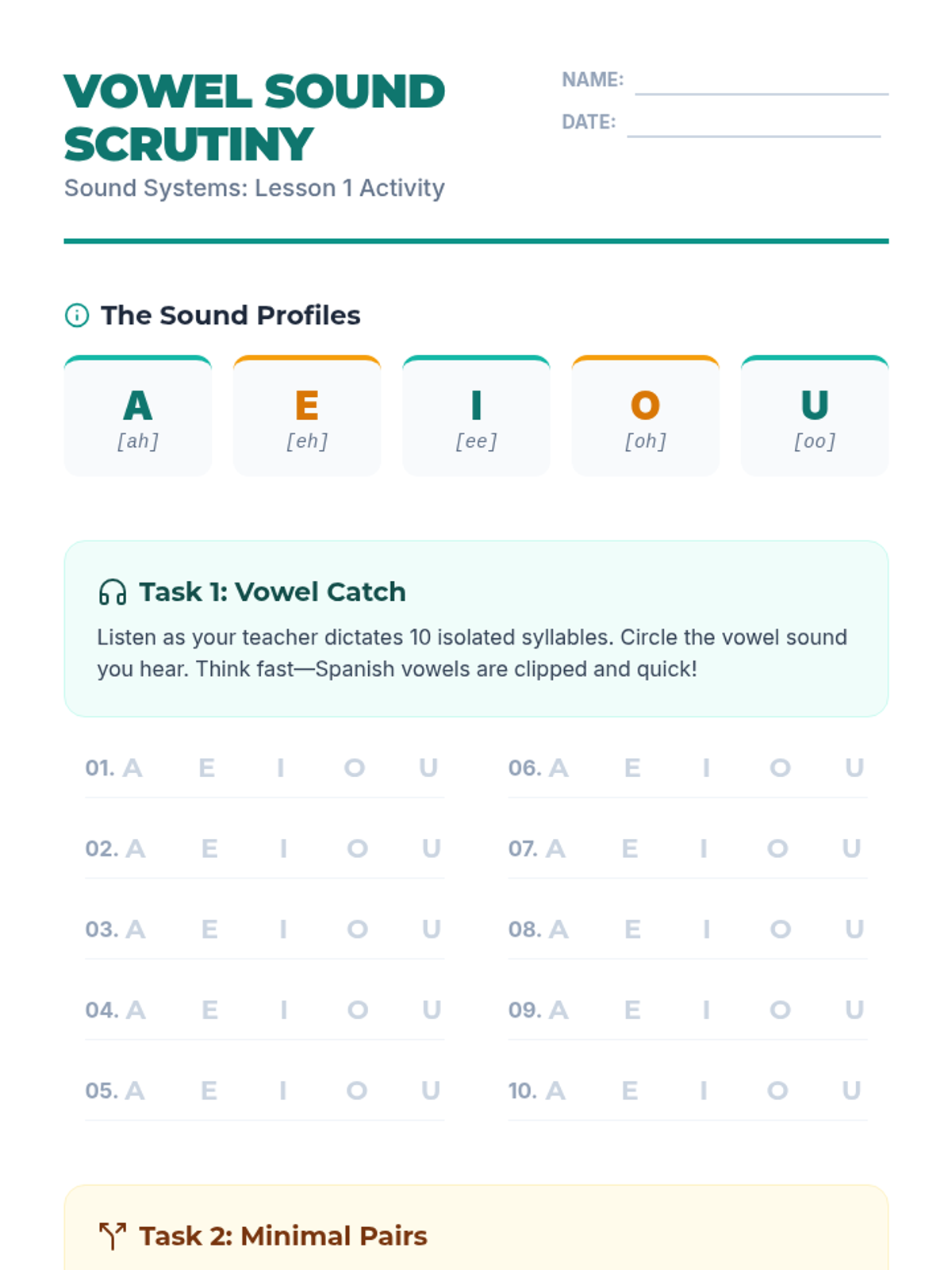
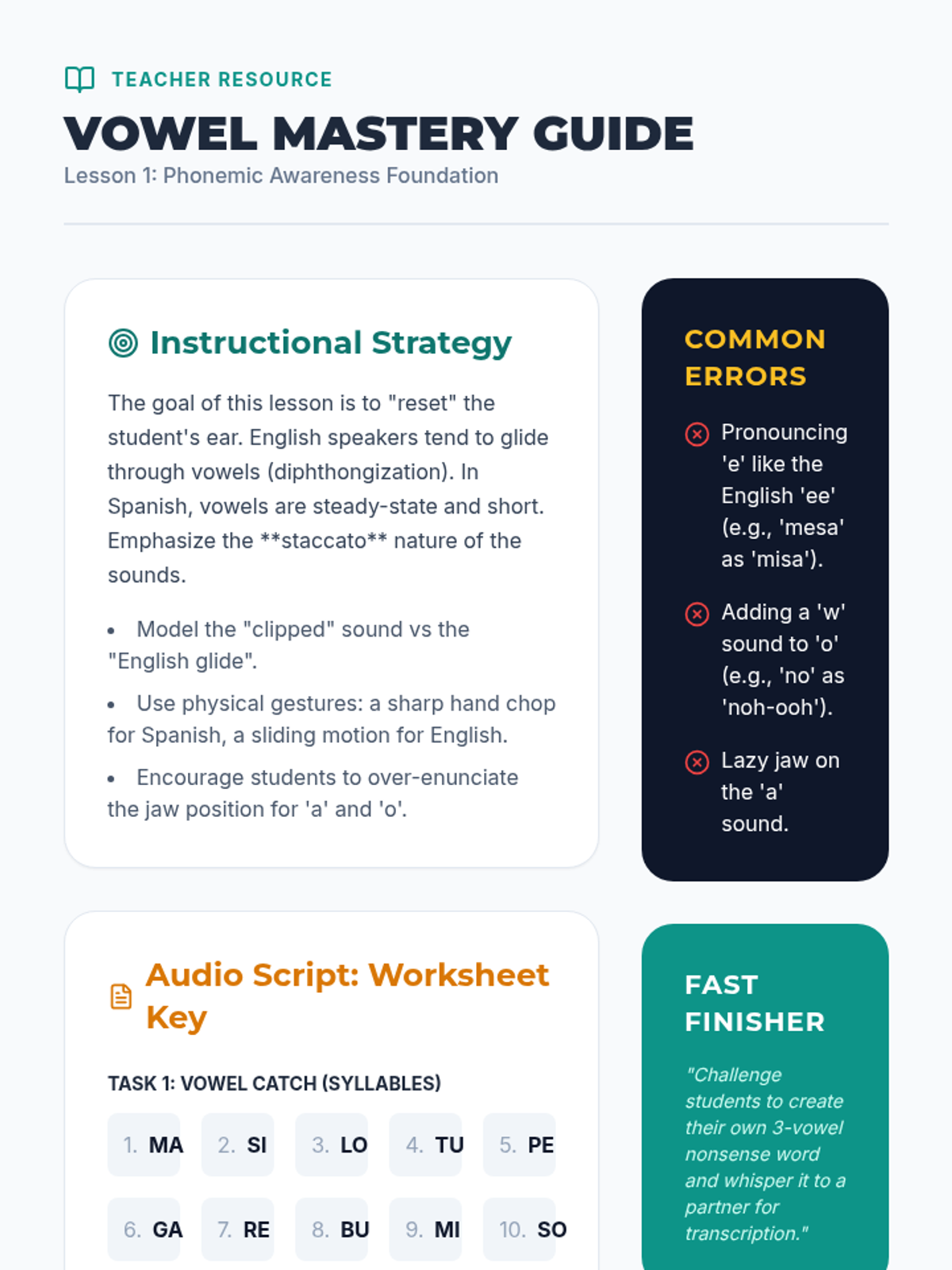
This sequence establishes foundational auditory and oral skills for Spanish fluency, focusing on vowel sounds, difficult consonants like 'rr' and 'ñ', and rules of stress and accentuation. Students transition from sound production to reading syllables and full words with accuracy.
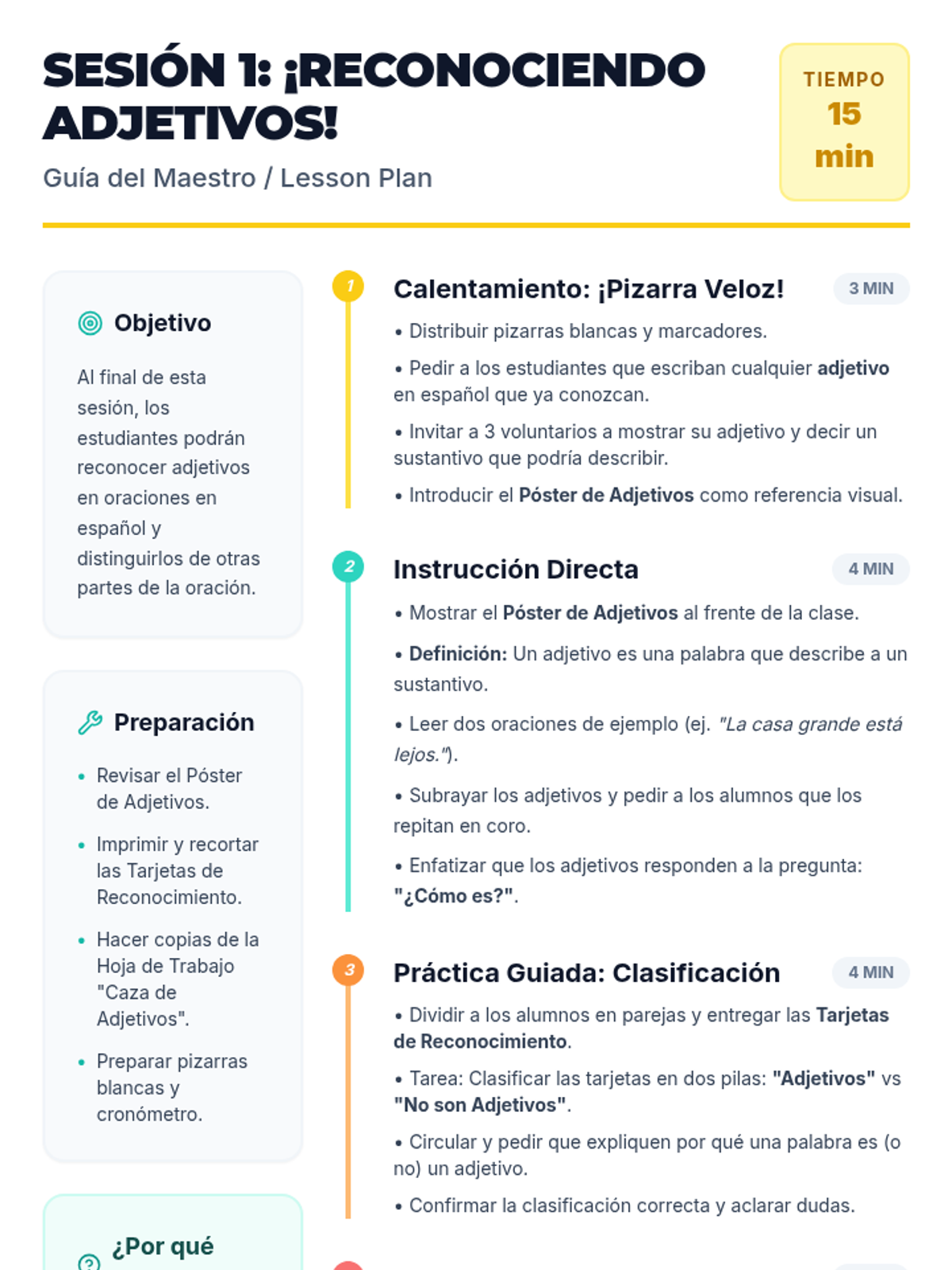
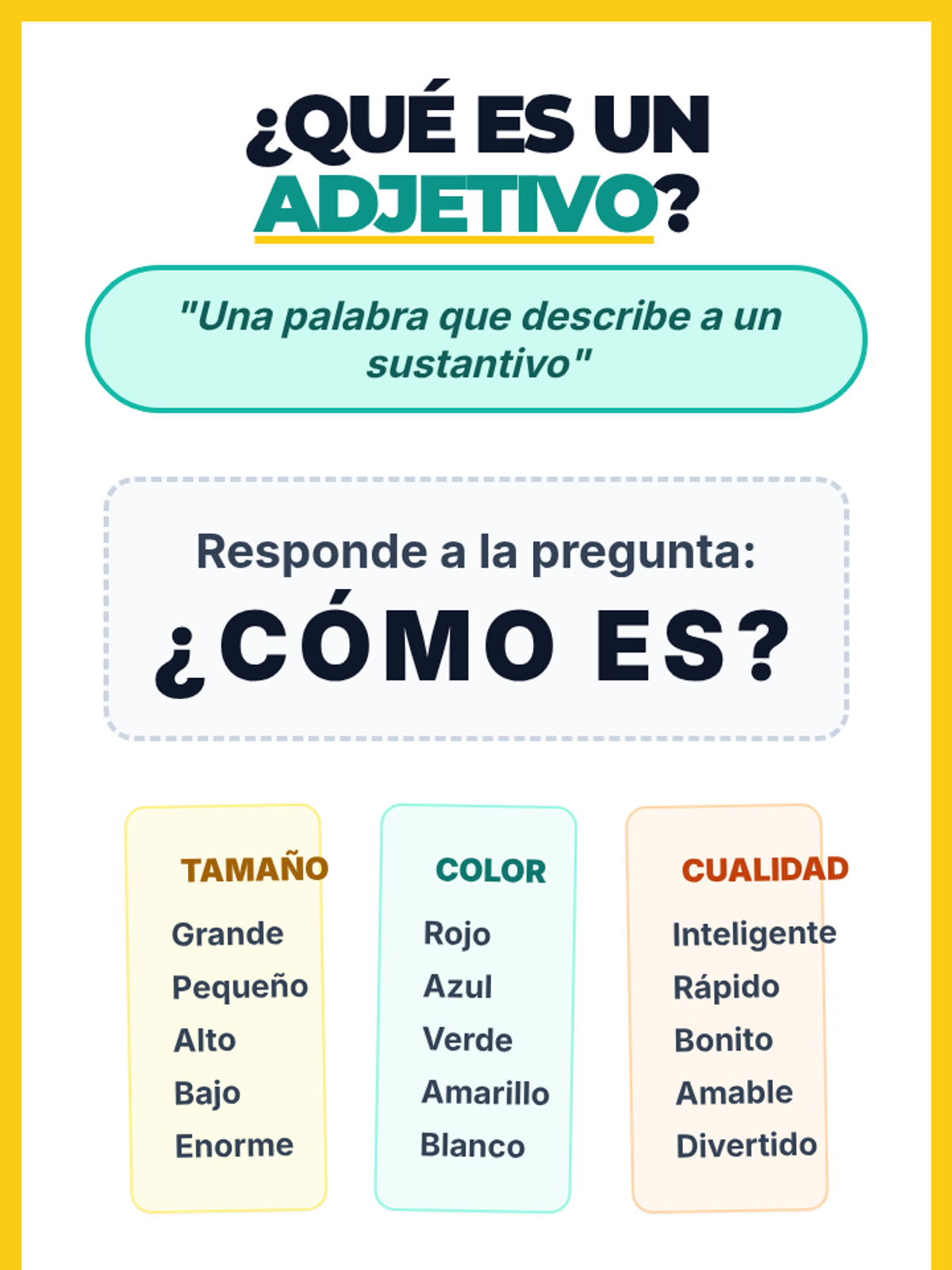
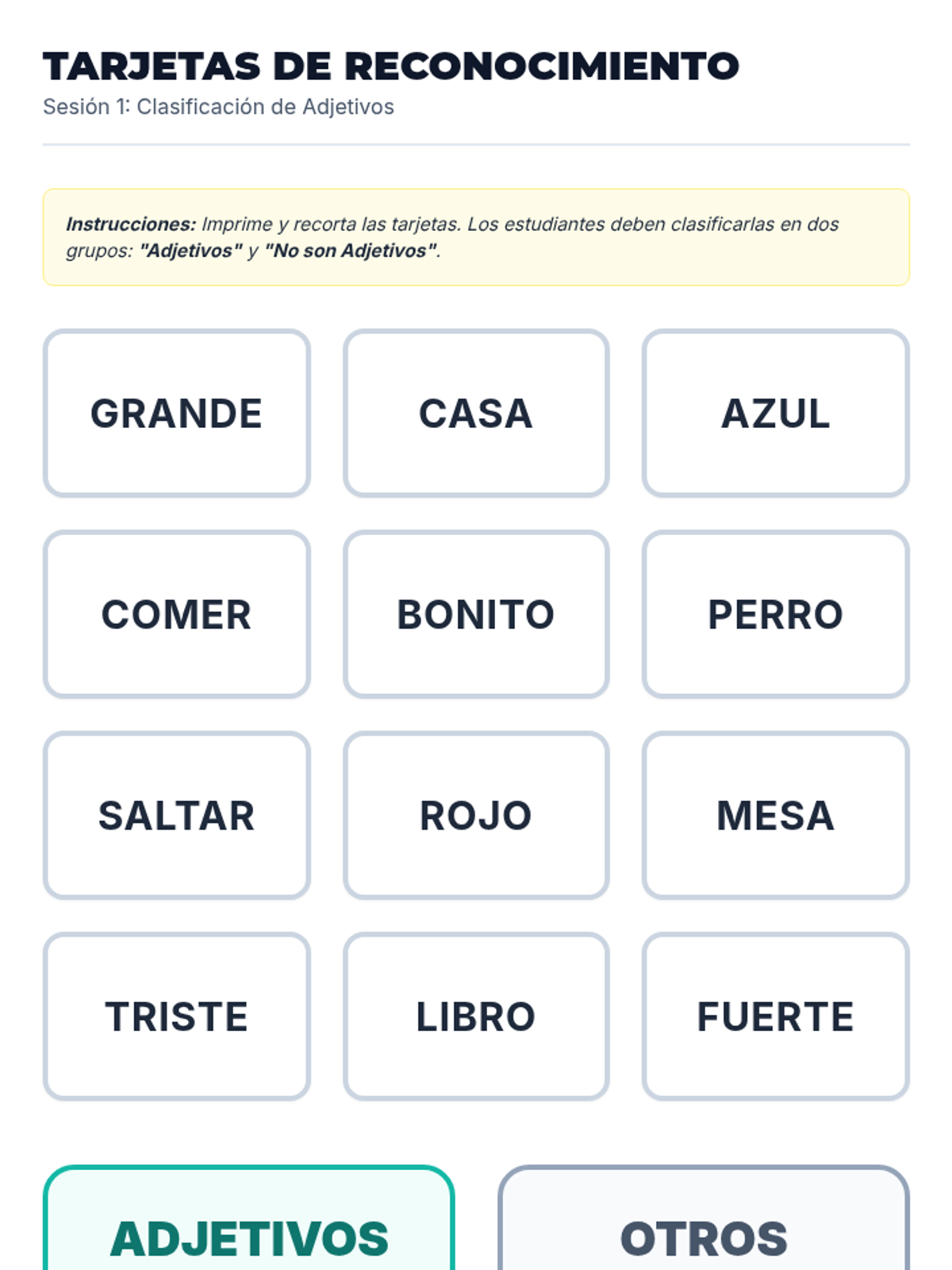
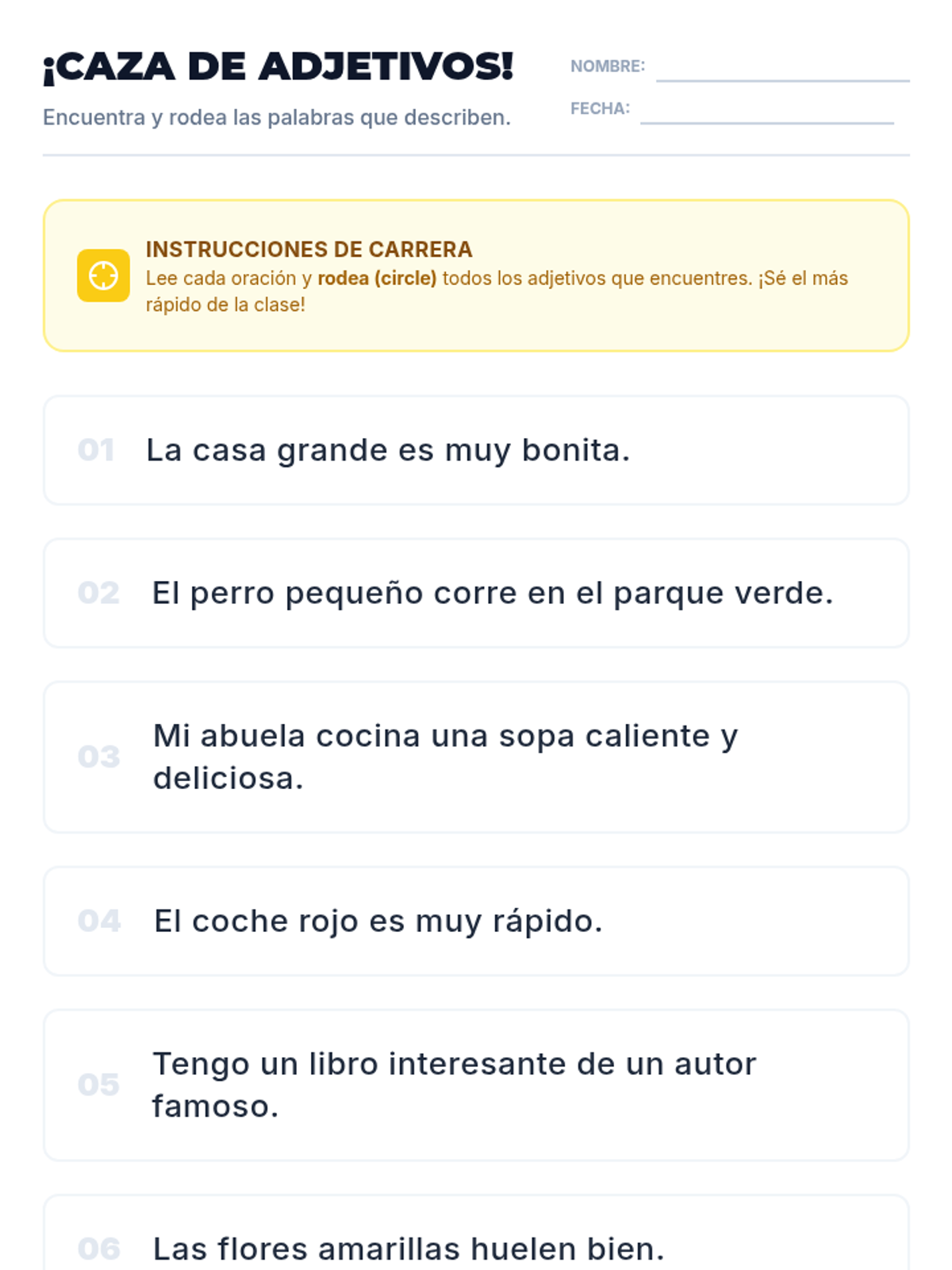
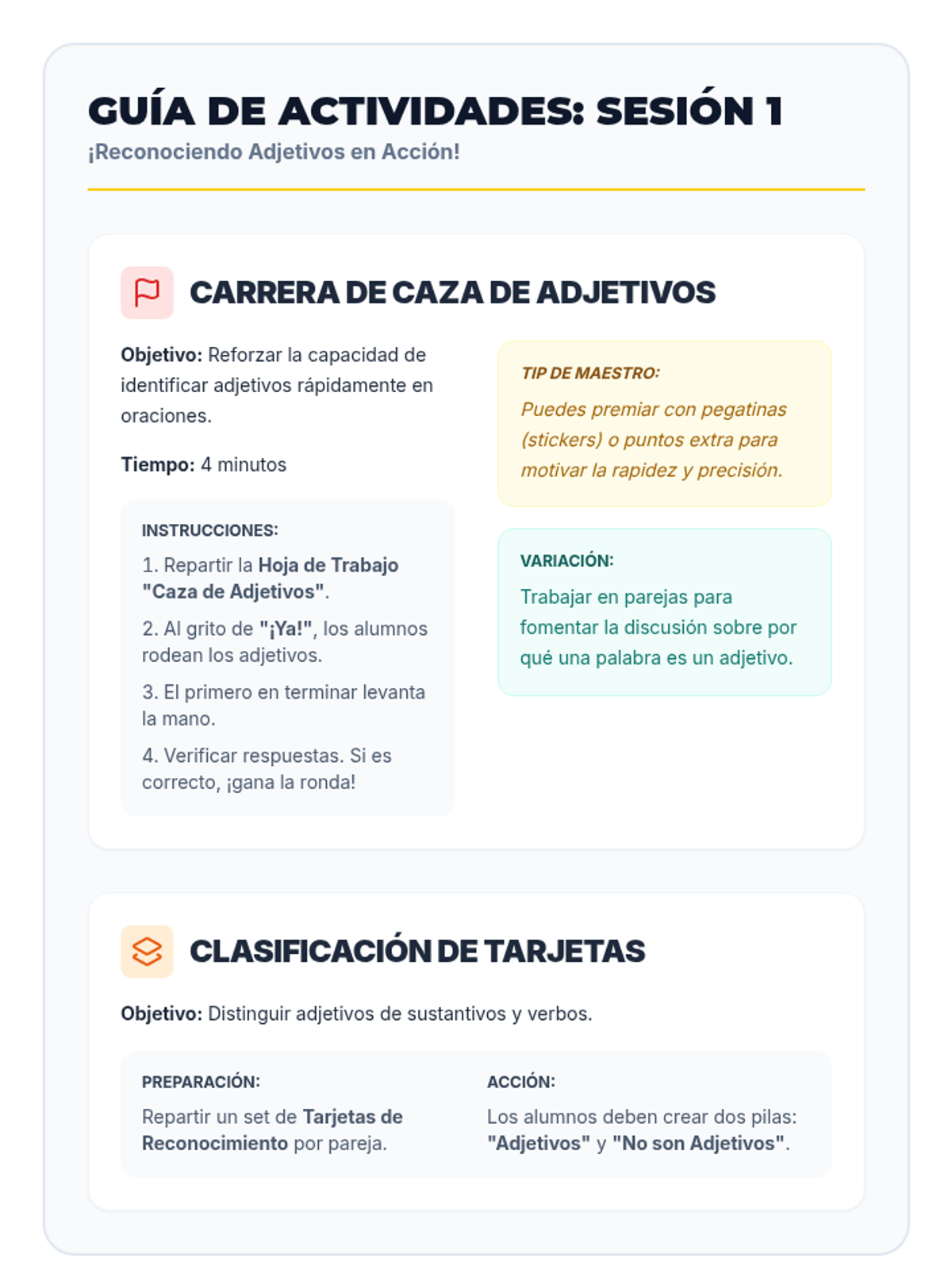
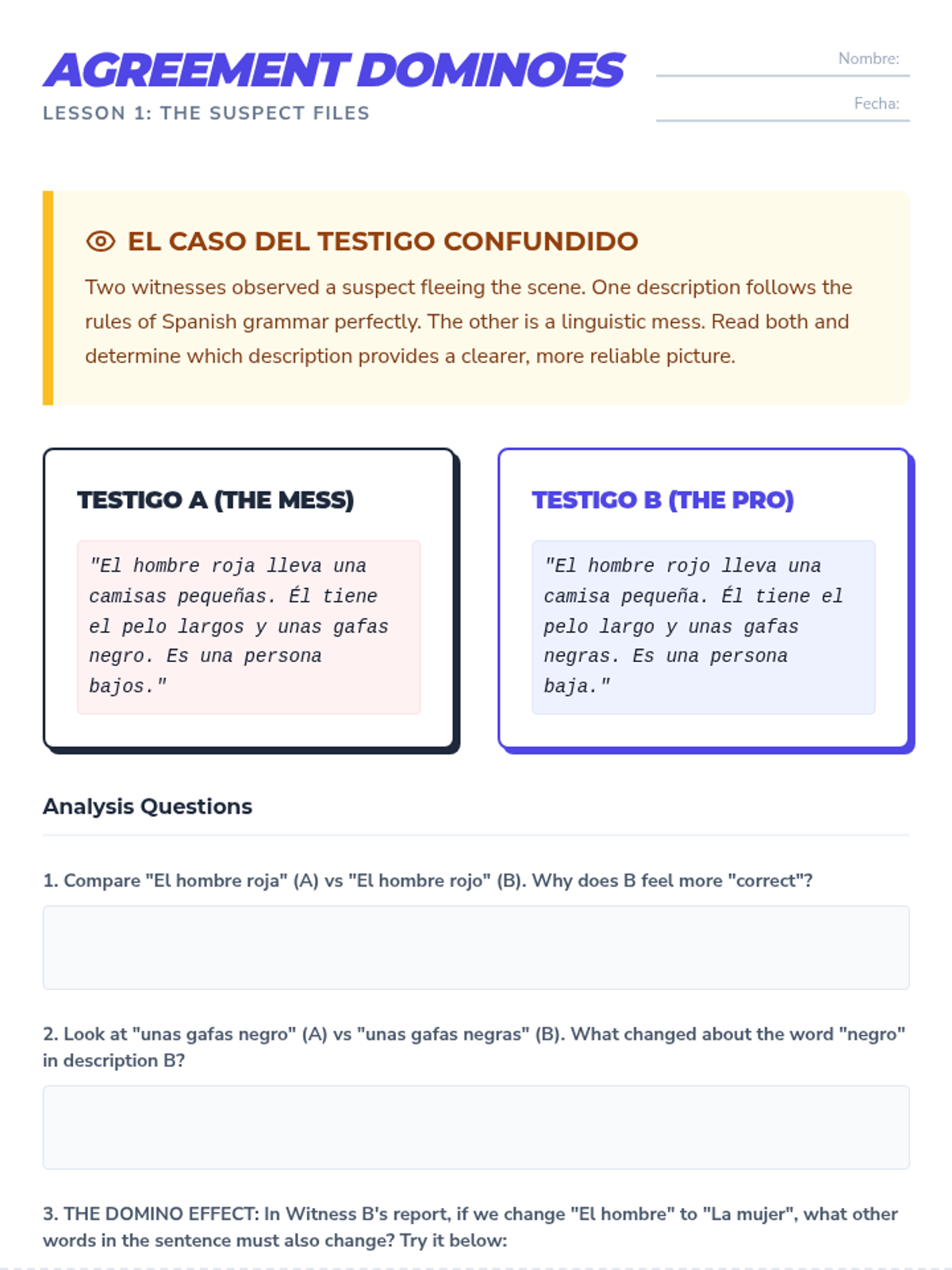
A 4-session introductory Spanish sequence for intermediate students (8-11) focusing on the identification, agreement, positioning, and comparison of adjectives.
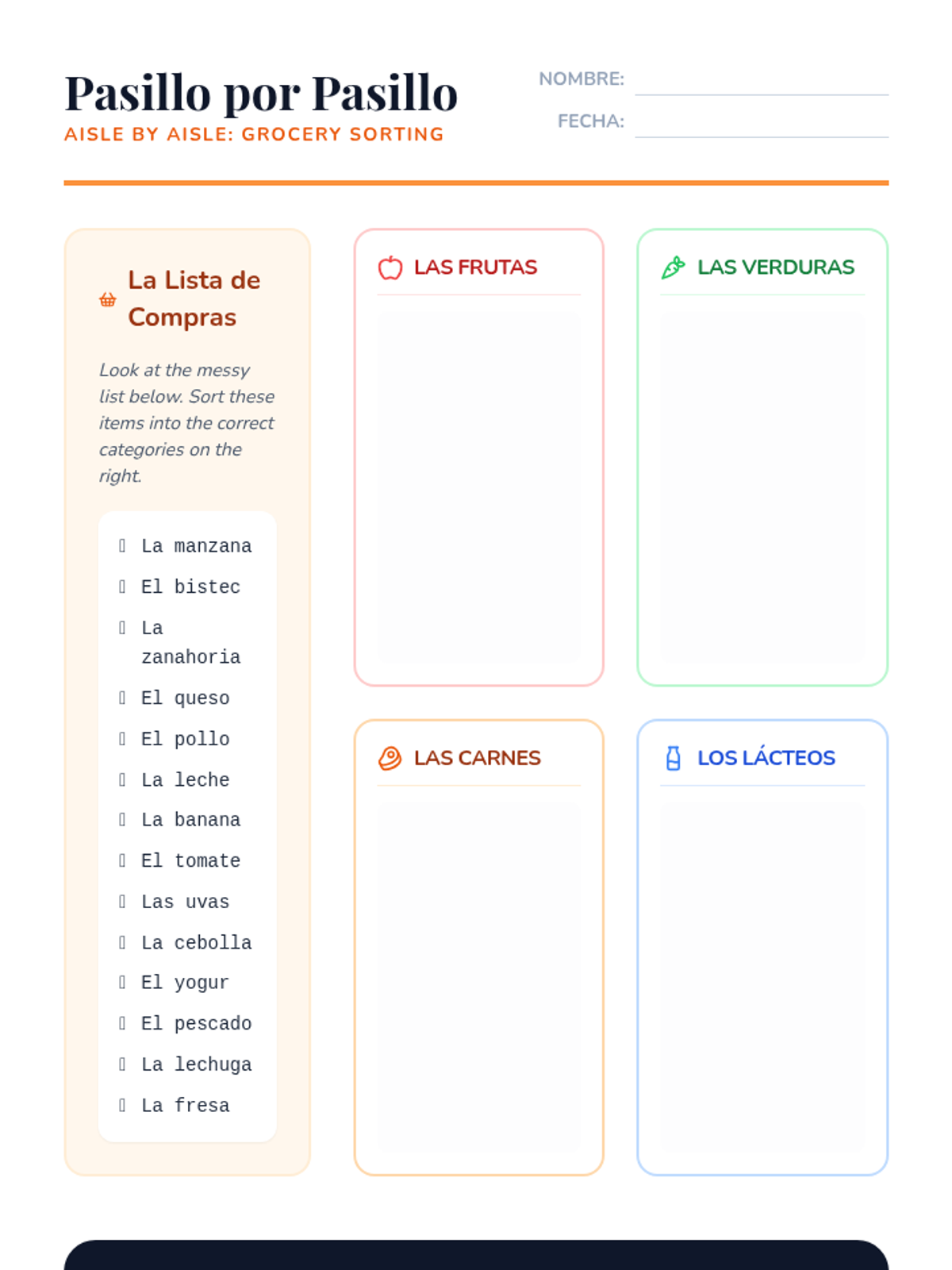
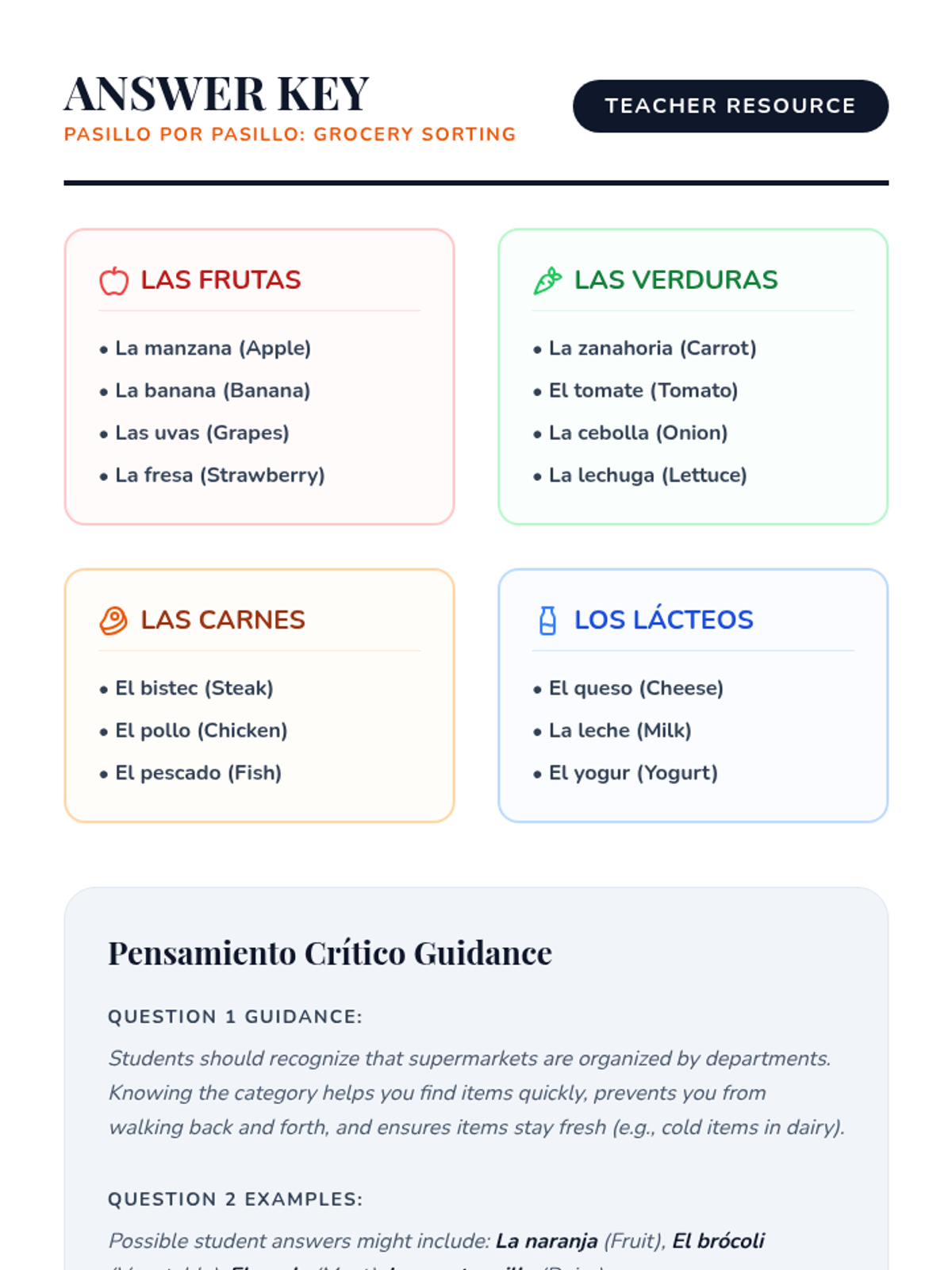
A 5-lesson sequence for 6th-grade students focusing on Spanish reading skills through the lens of food, markets, and menus. Students practice categorization, identifying opinions with 'gustar', navigating market dialogues, and analyzing authentic cultural texts.
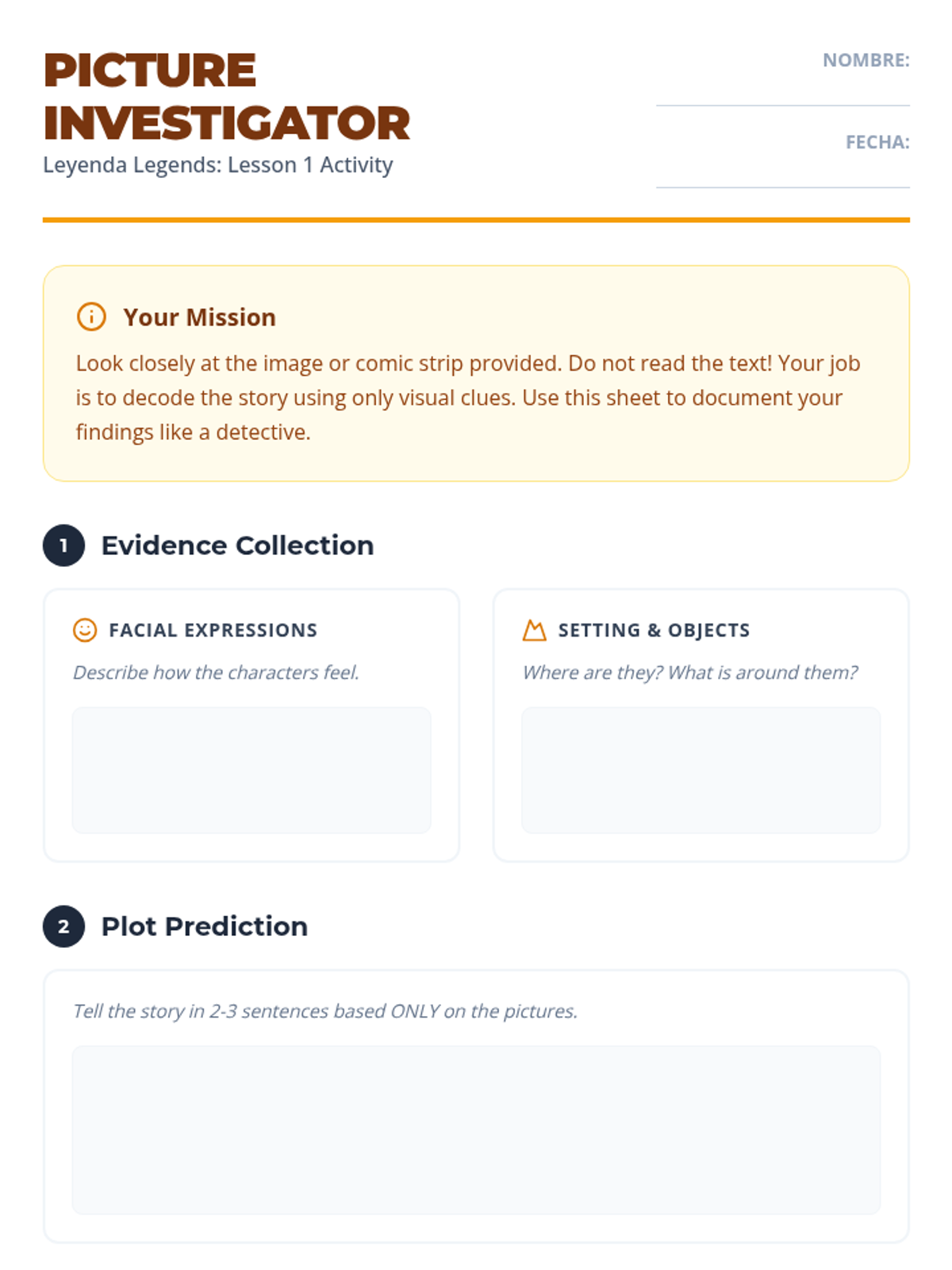
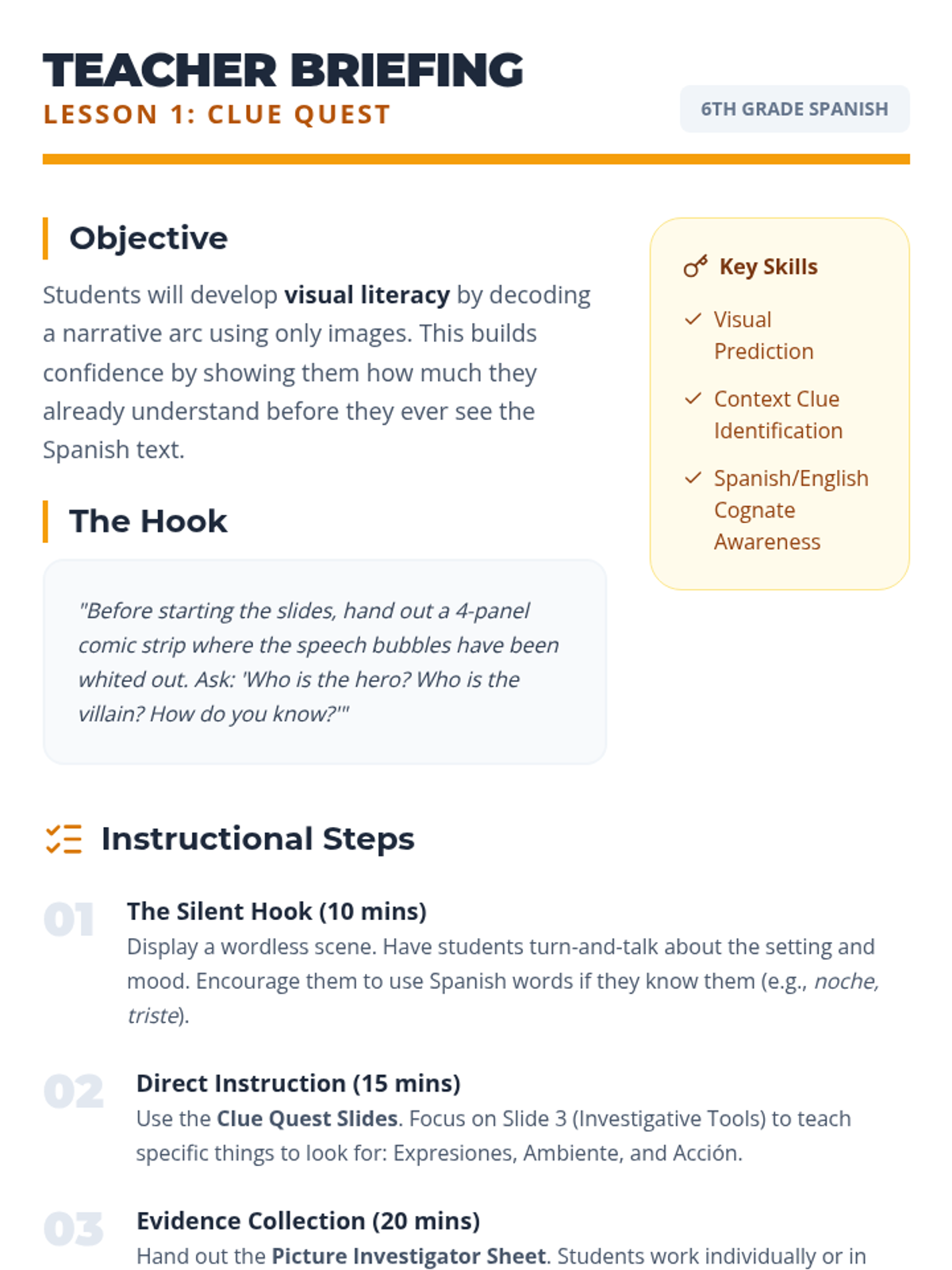
A journey into Hispanic legends and fables where students use visual clues, context, and narrative structure to decode Spanish texts. Students progress from visual prediction to plot sequencing and identifying morals, culminating in a visual storyboard project.
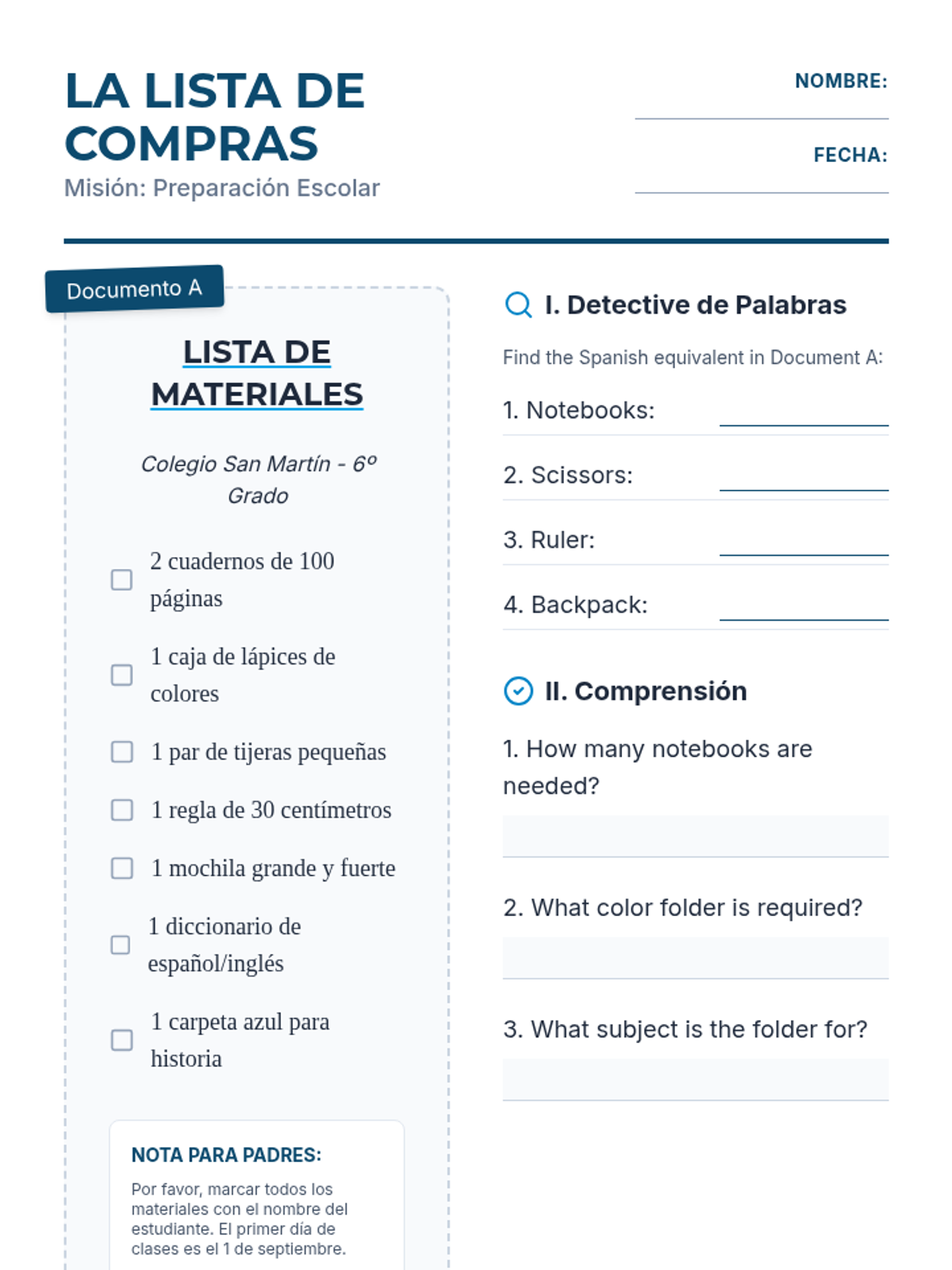
A comprehensive unit for 6th-grade beginner Spanish students focusing on reading and interpreting school-related texts. Students explore school subjects, supplies, schedules, and daily routines while comparing educational cultures between Spanish-speaking countries and their own.
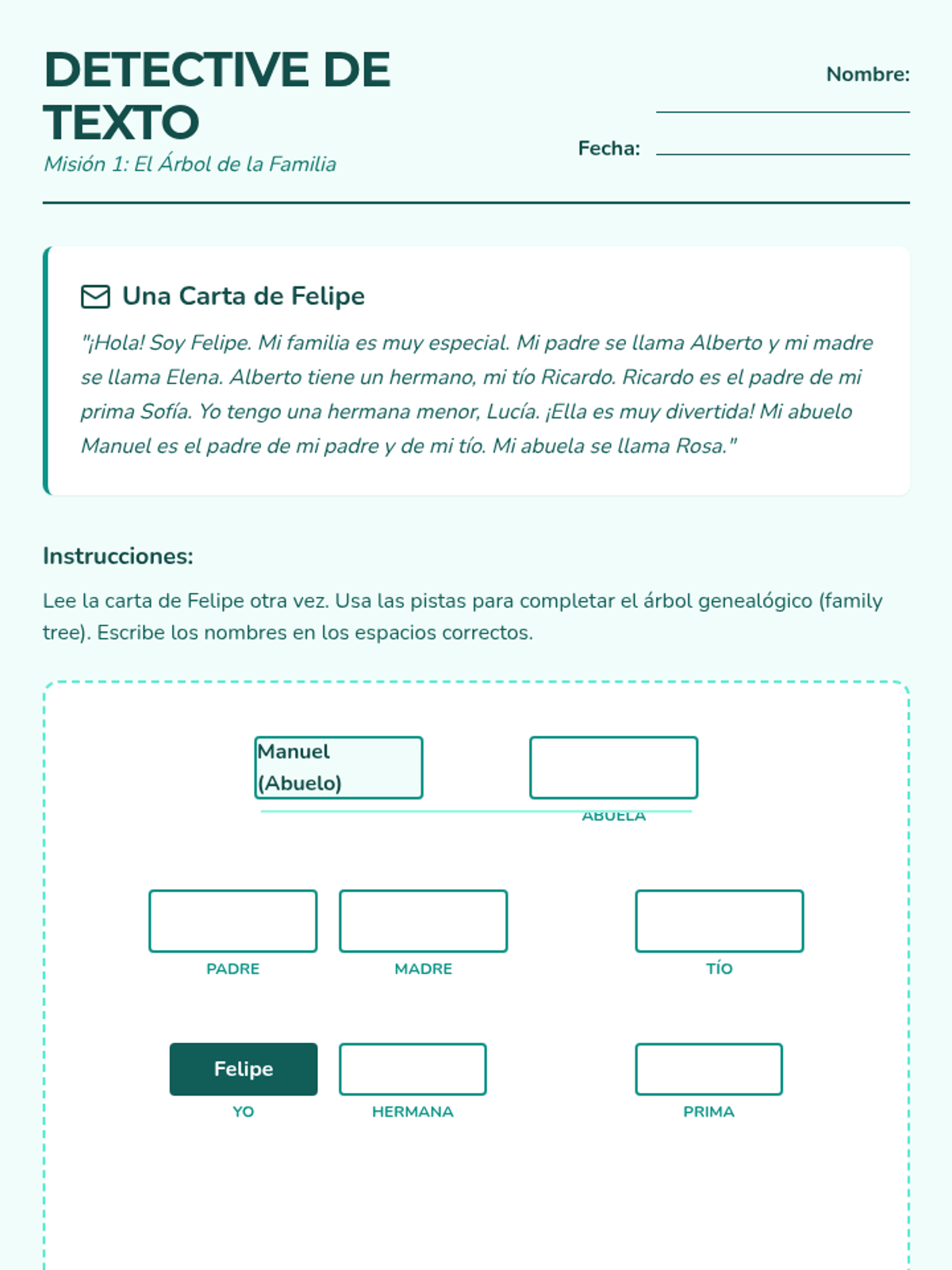
An inquiry-based Spanish reading sequence for 6th graders focused on deducing relationships and professions from text using logic, possessive adjectives, and the verb 'estar'. Students progress from mapping family trees to solving a community logic puzzle.
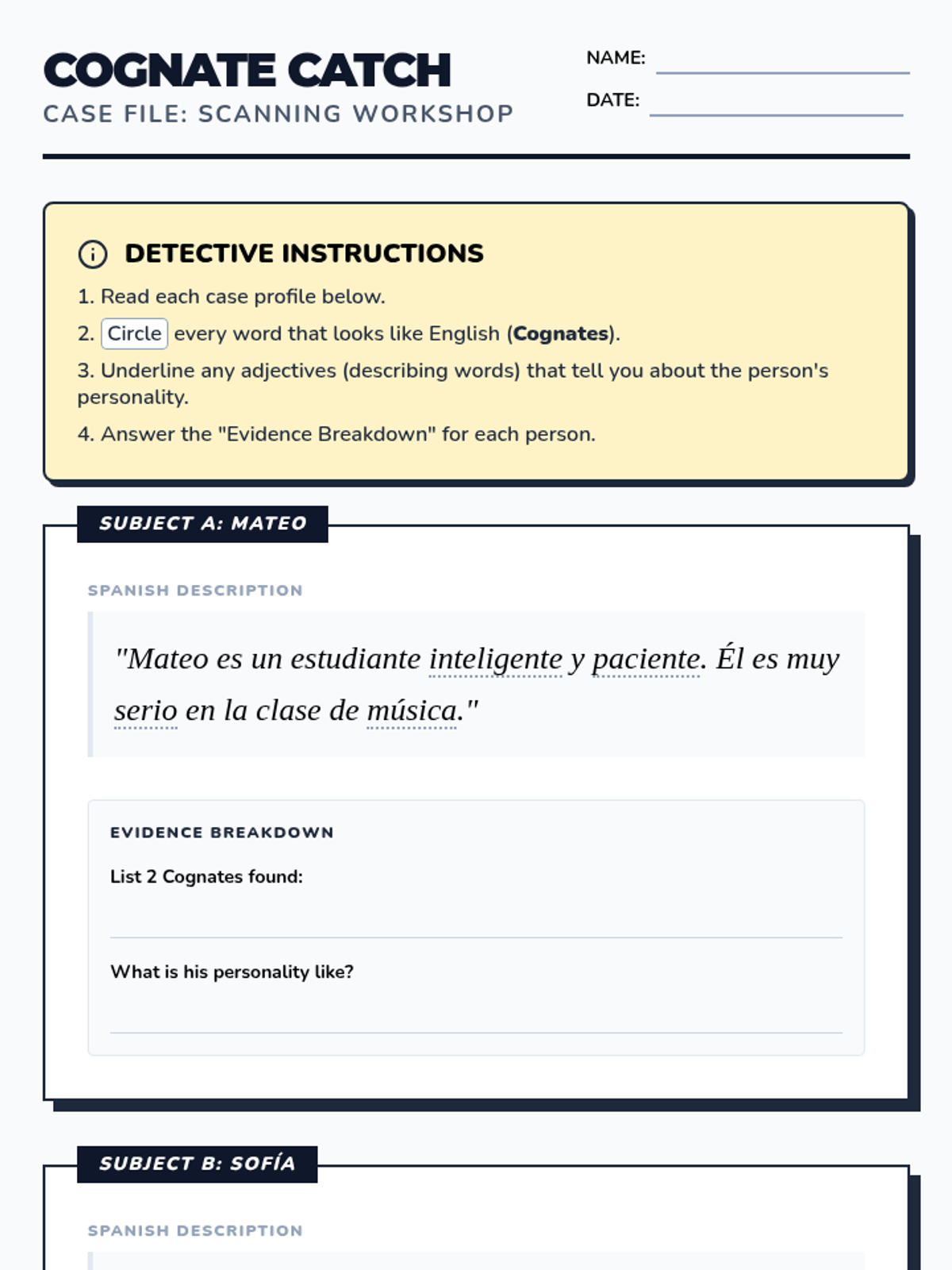
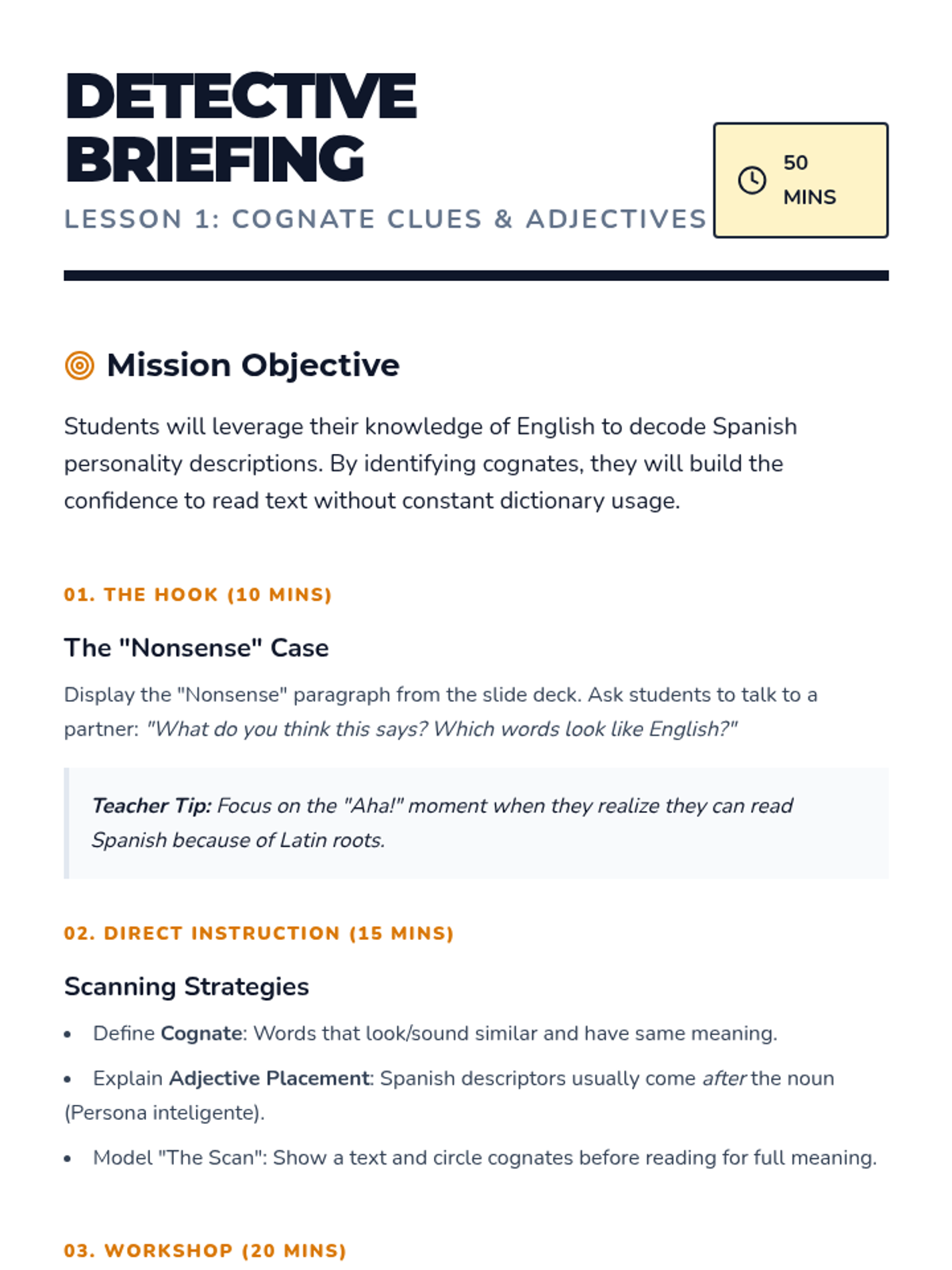
A beginner Spanish reading sequence for 6th graders focused on identifying physical and personality traits. Students learn to use cognates and the high-frequency verbs 'ser' and 'tener' to construct mental images of fictional characters.
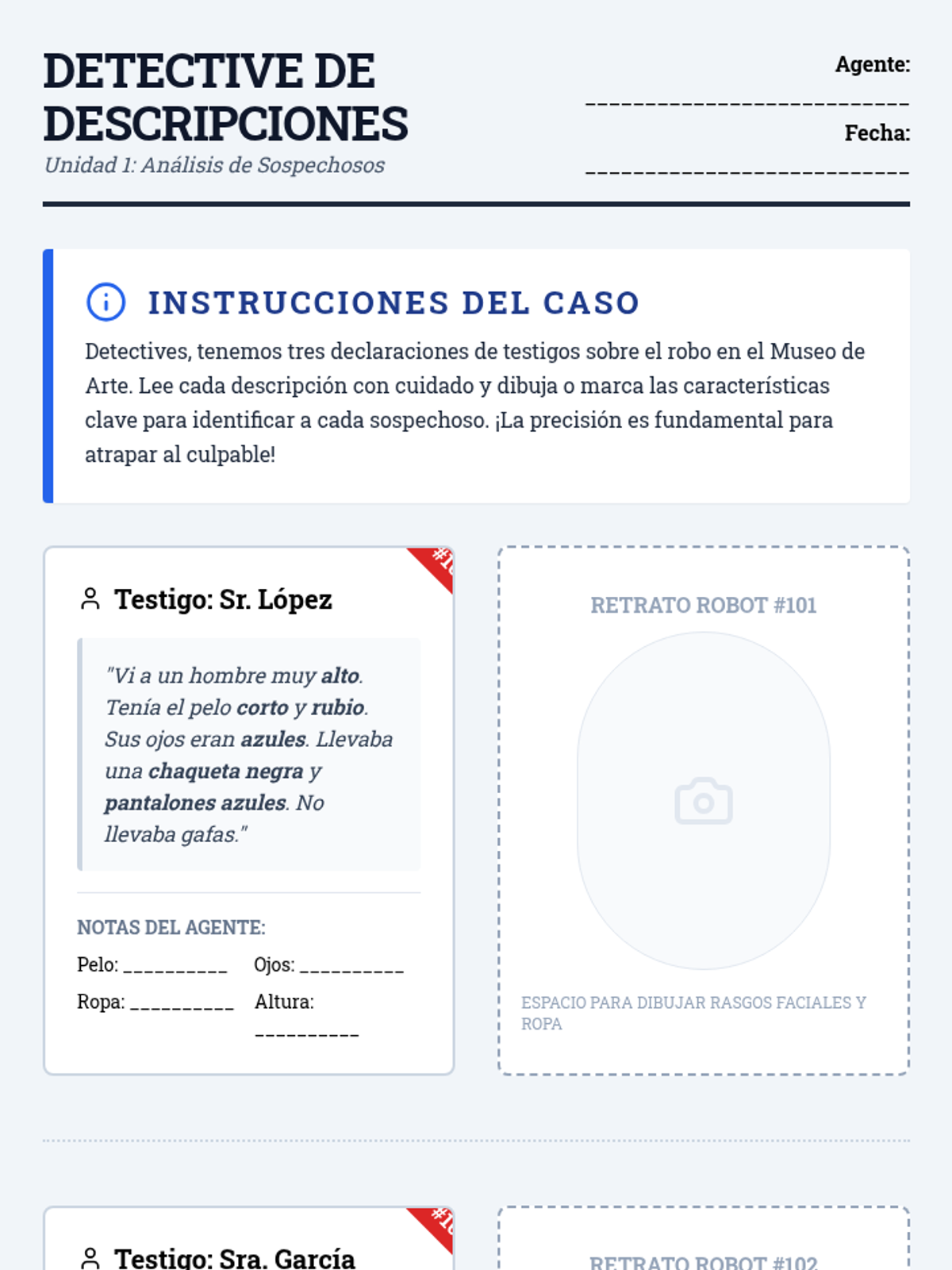
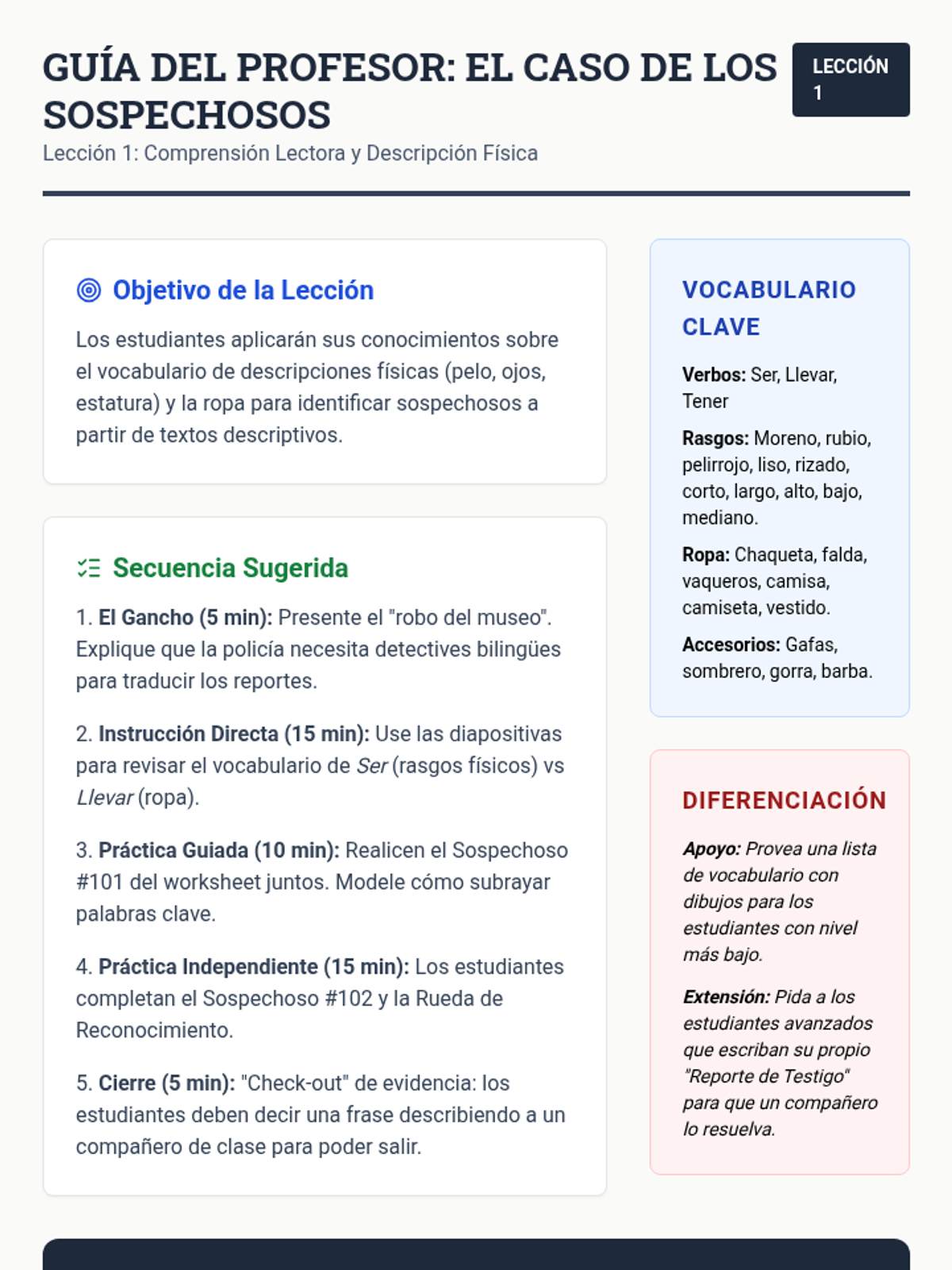
A Spanish reading sequence where students act as detectives, using physical descriptions, prepositions of place, and temporal logic to solve mysteries and puzzles.
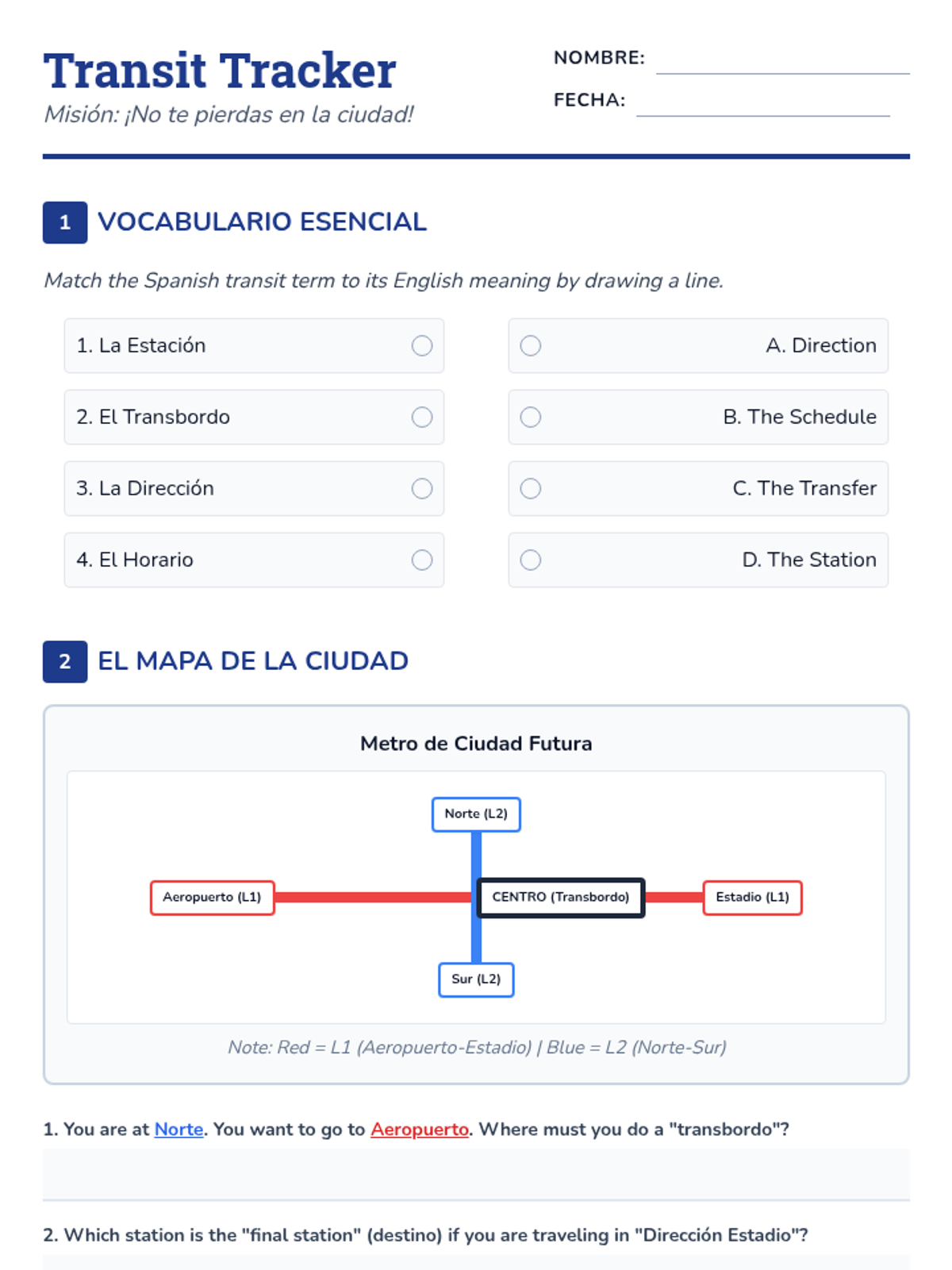
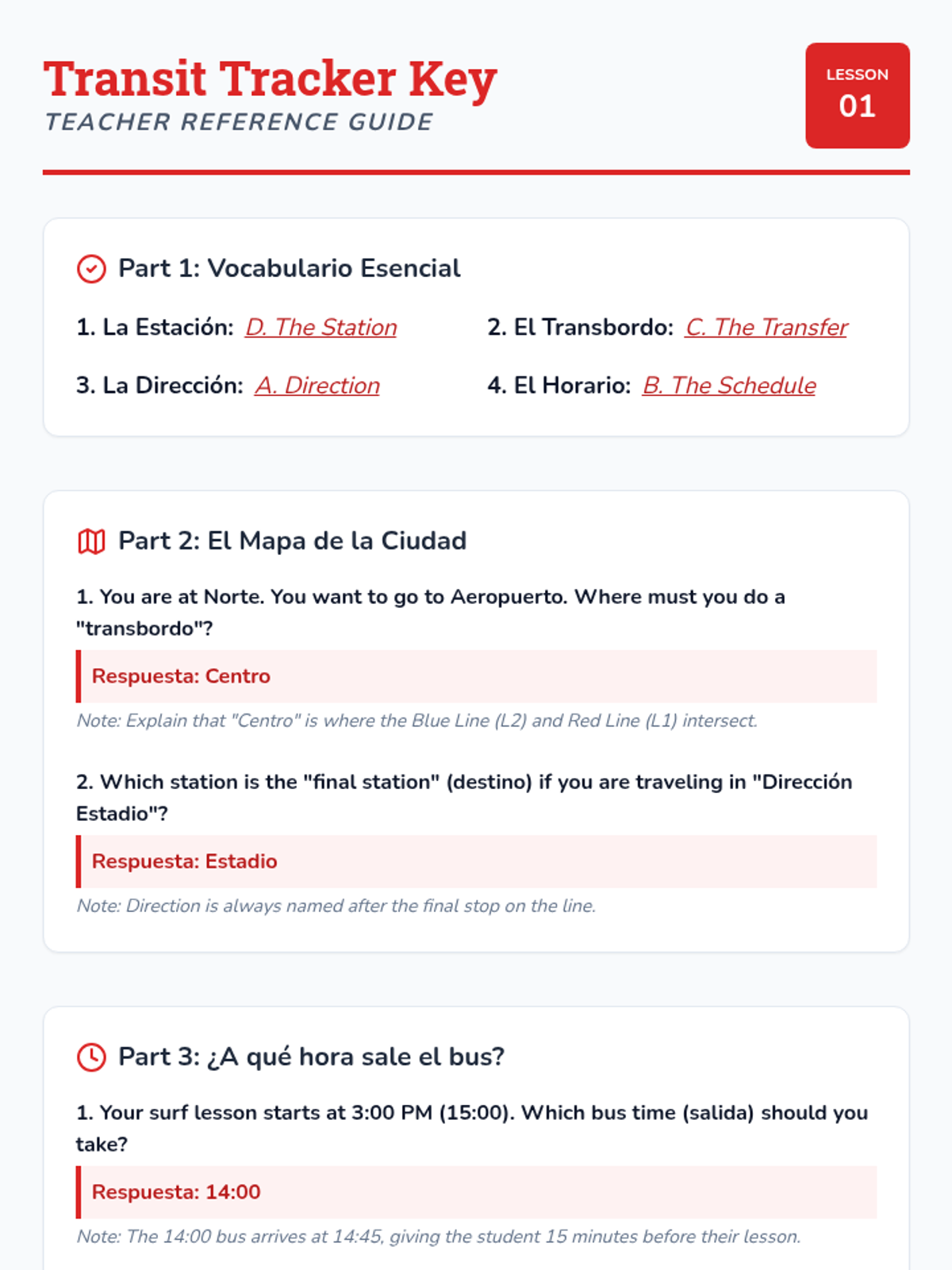
This sequence focuses on functional literacy for beginner Spanish students, teaching them to navigate real-world informational texts like transit maps, menus, and school schedules. Students move from simple scanning for data to synthesizing information across multiple sources in a travel simulation.
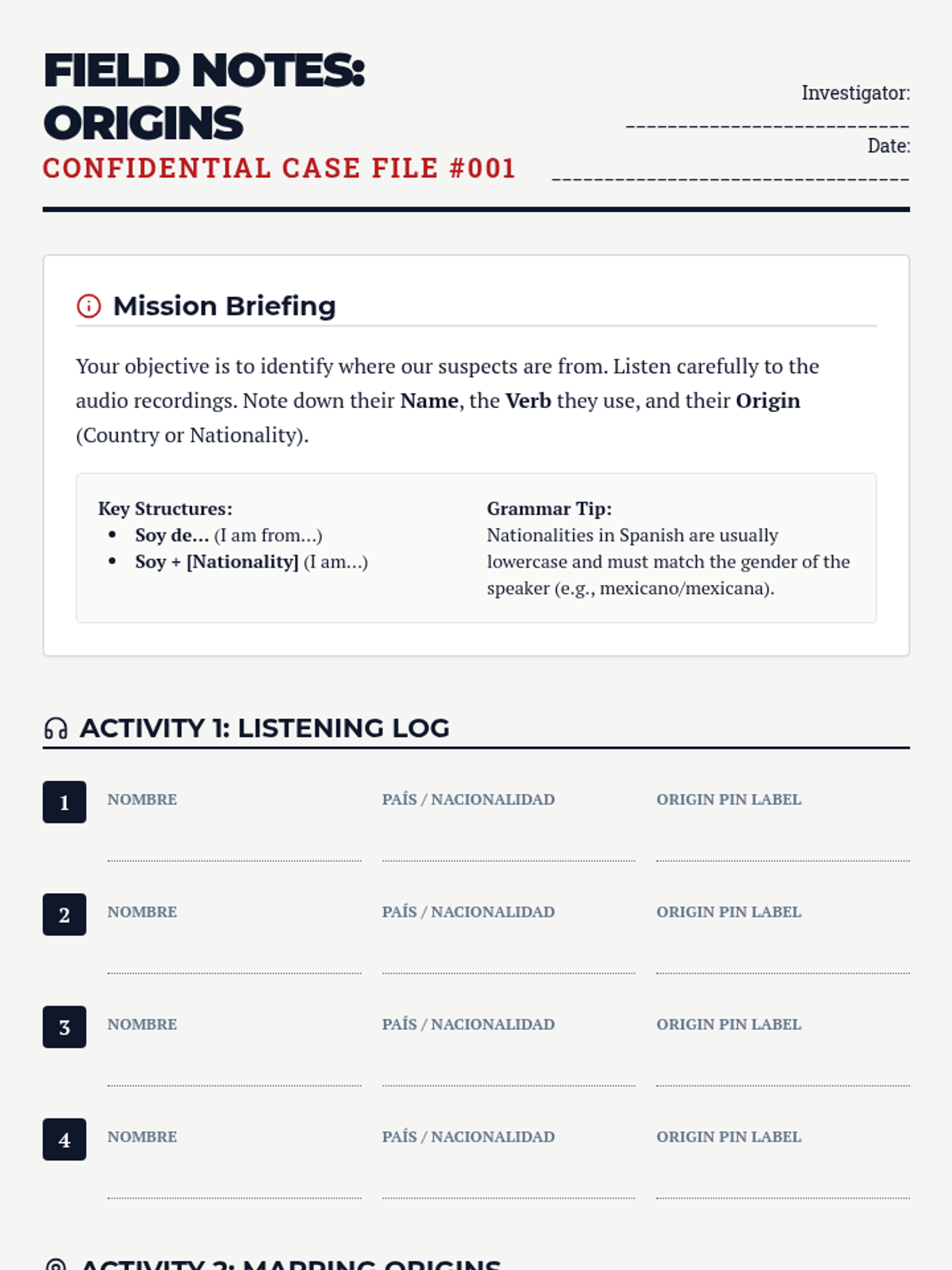
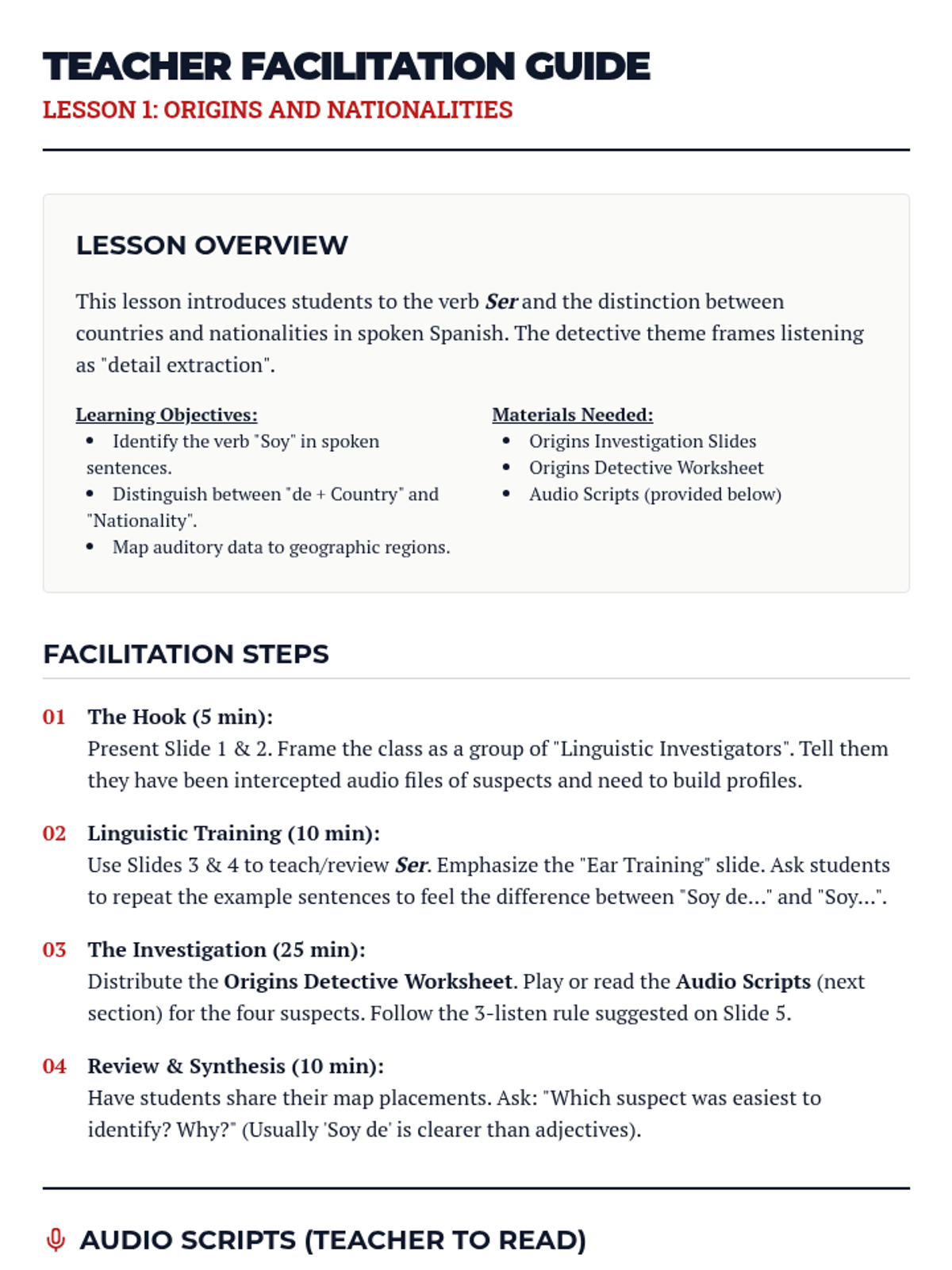
A case-study approach to Spanish listening where students act as investigators to build profiles of individuals based on spoken narratives, focusing on 'Ser', 'Tener', and personal vocabulary.
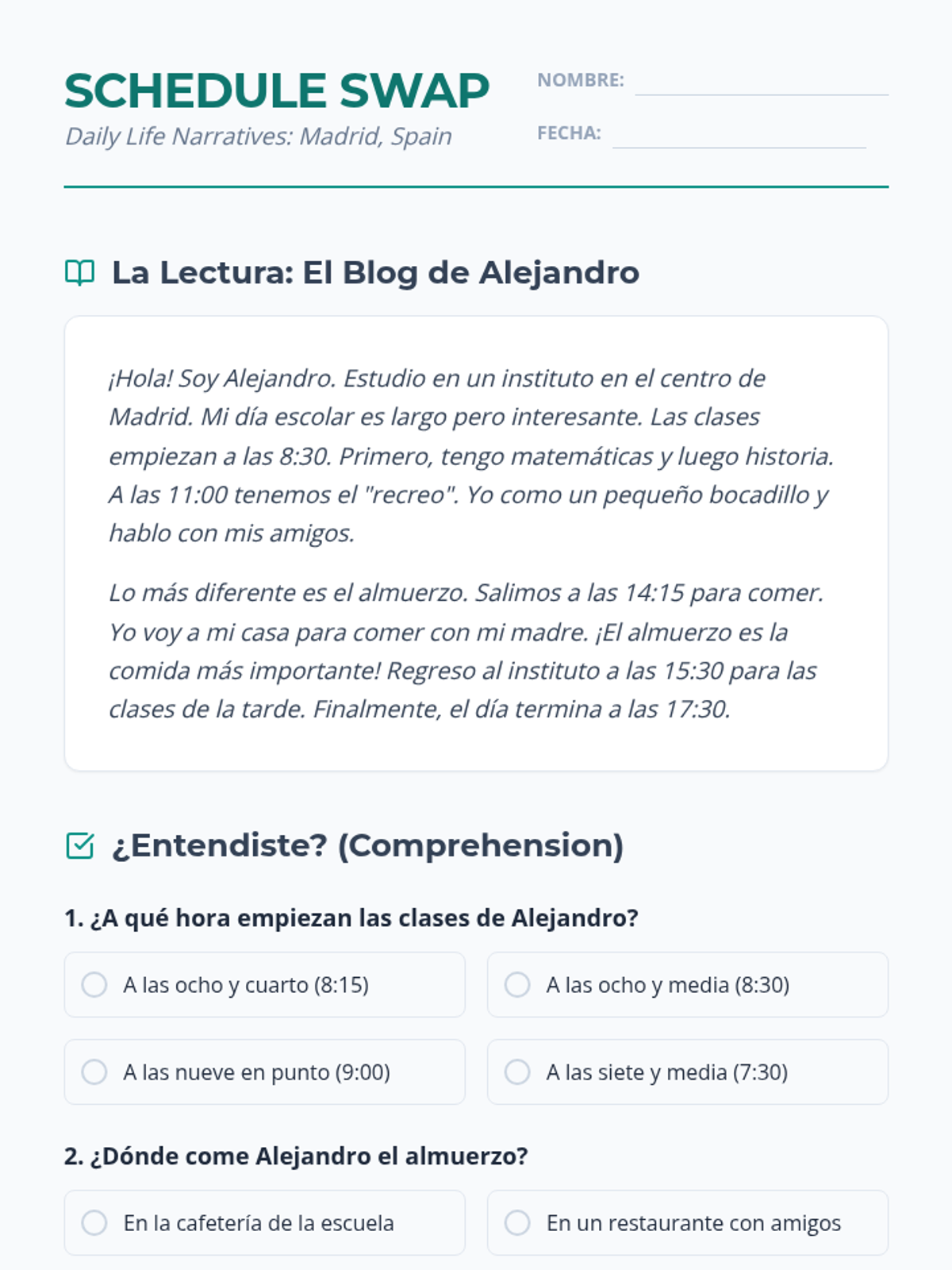
Students explore cultural perspectives by reading first-person narratives from teenagers across the Spanish-speaking world. They compare daily routines, school, and family life to their own experiences while building beginner-level reading and vocabulary skills in Spanish.
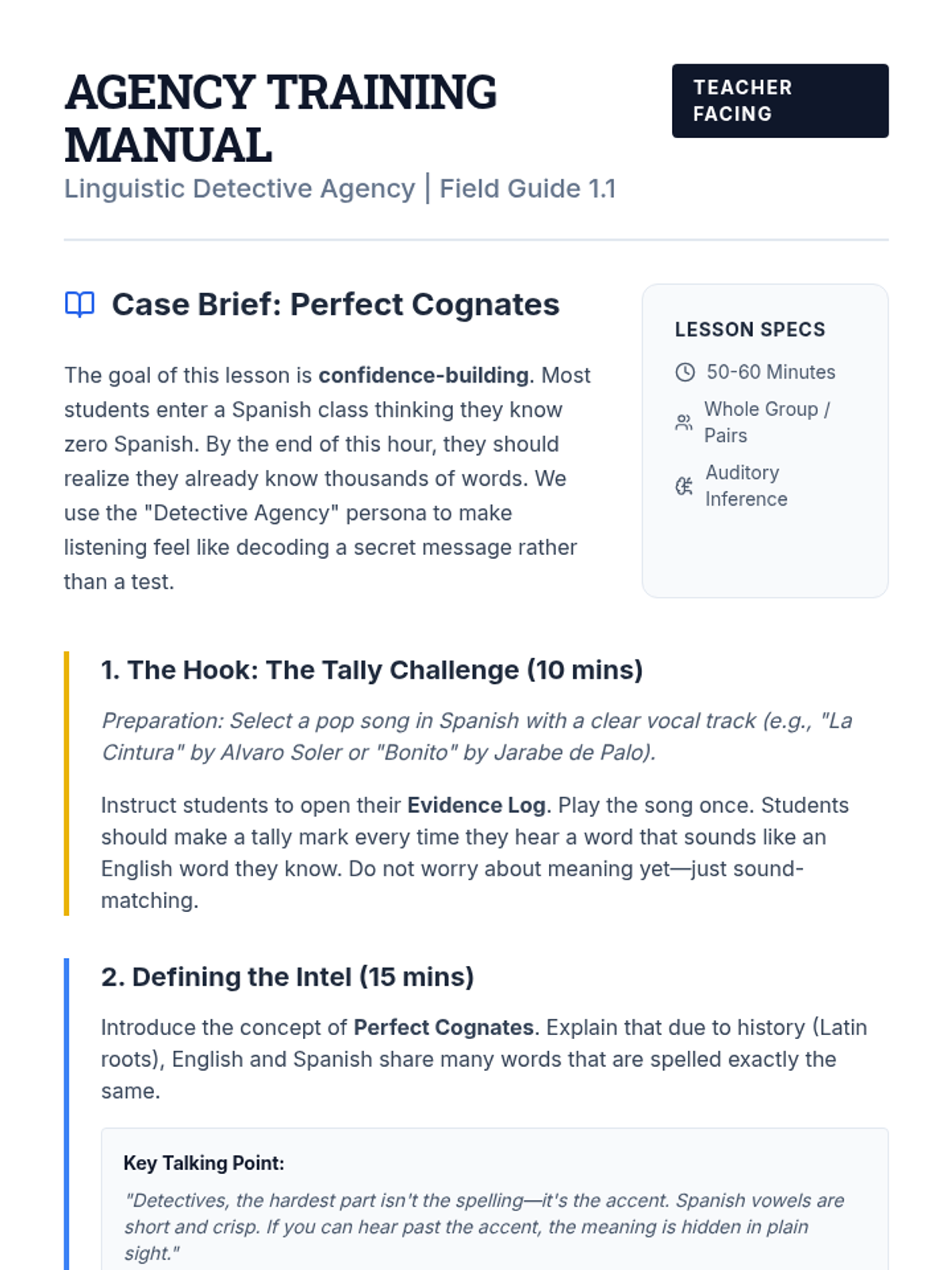
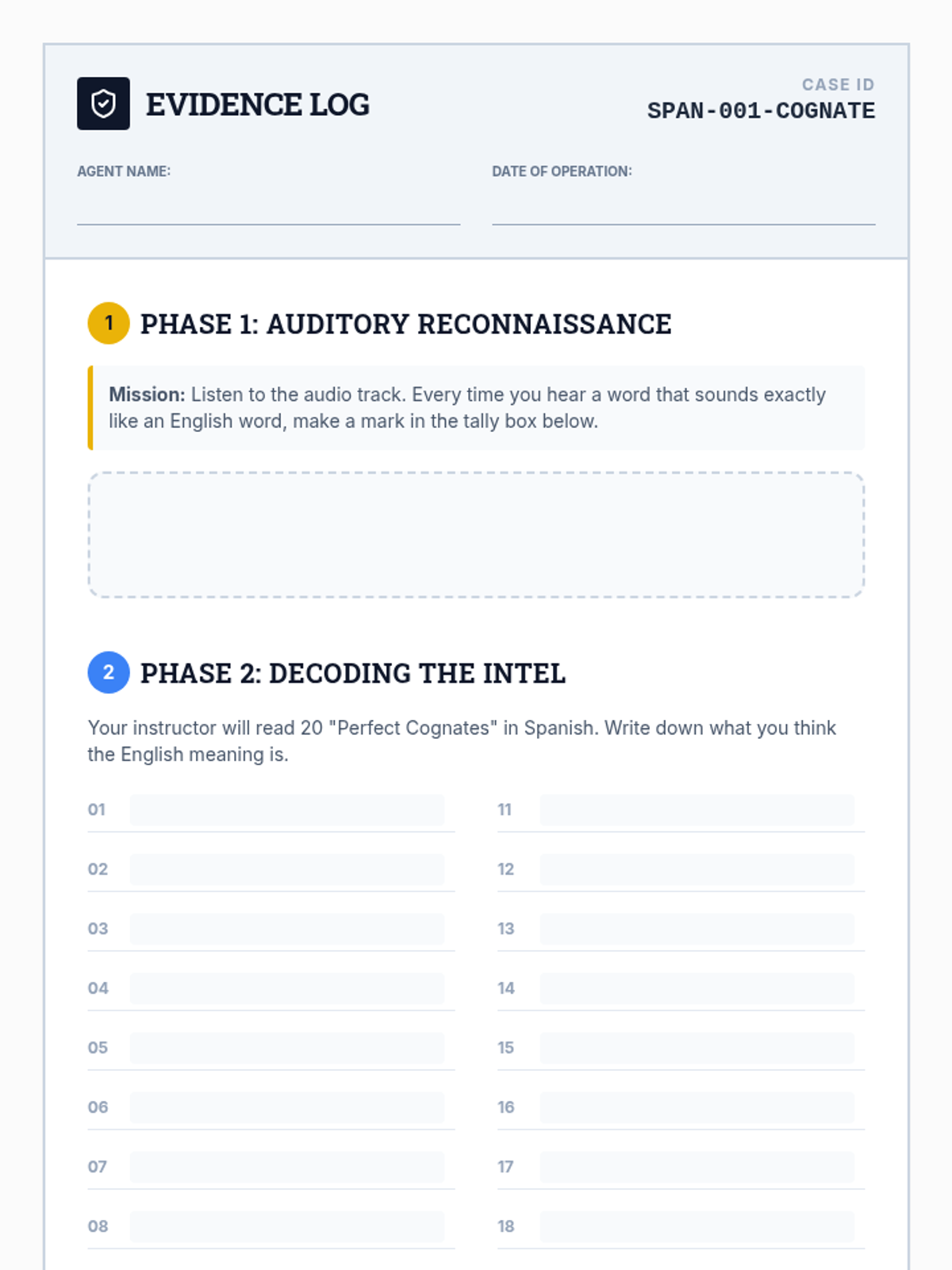
An inquiry-based Spanish listening sequence for 6th graders. Students act as 'Linguistic Detectives' to decode Spanish using cognates, pattern recognition, and context clues, moving from perfect cognates to full media analysis.
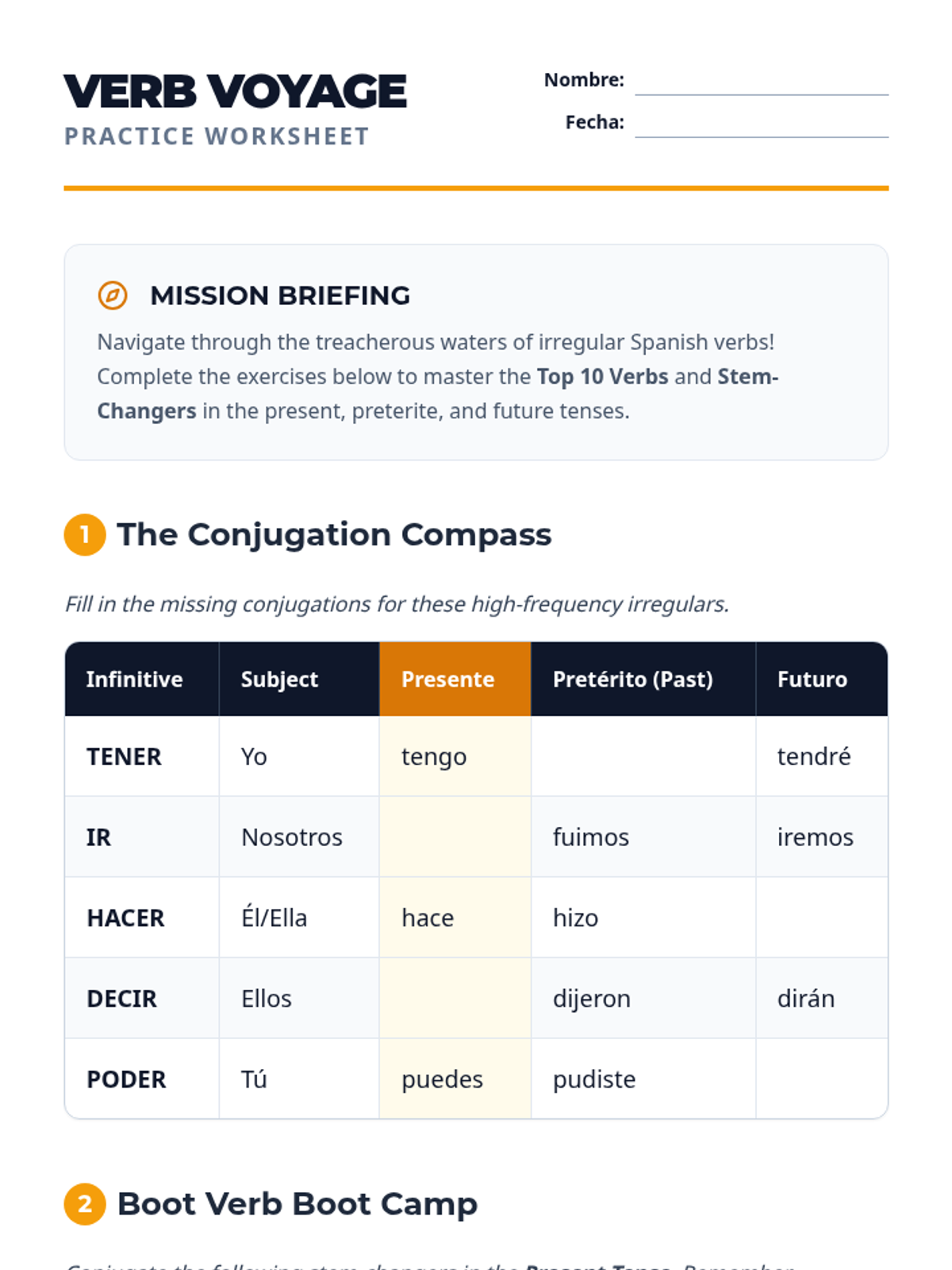
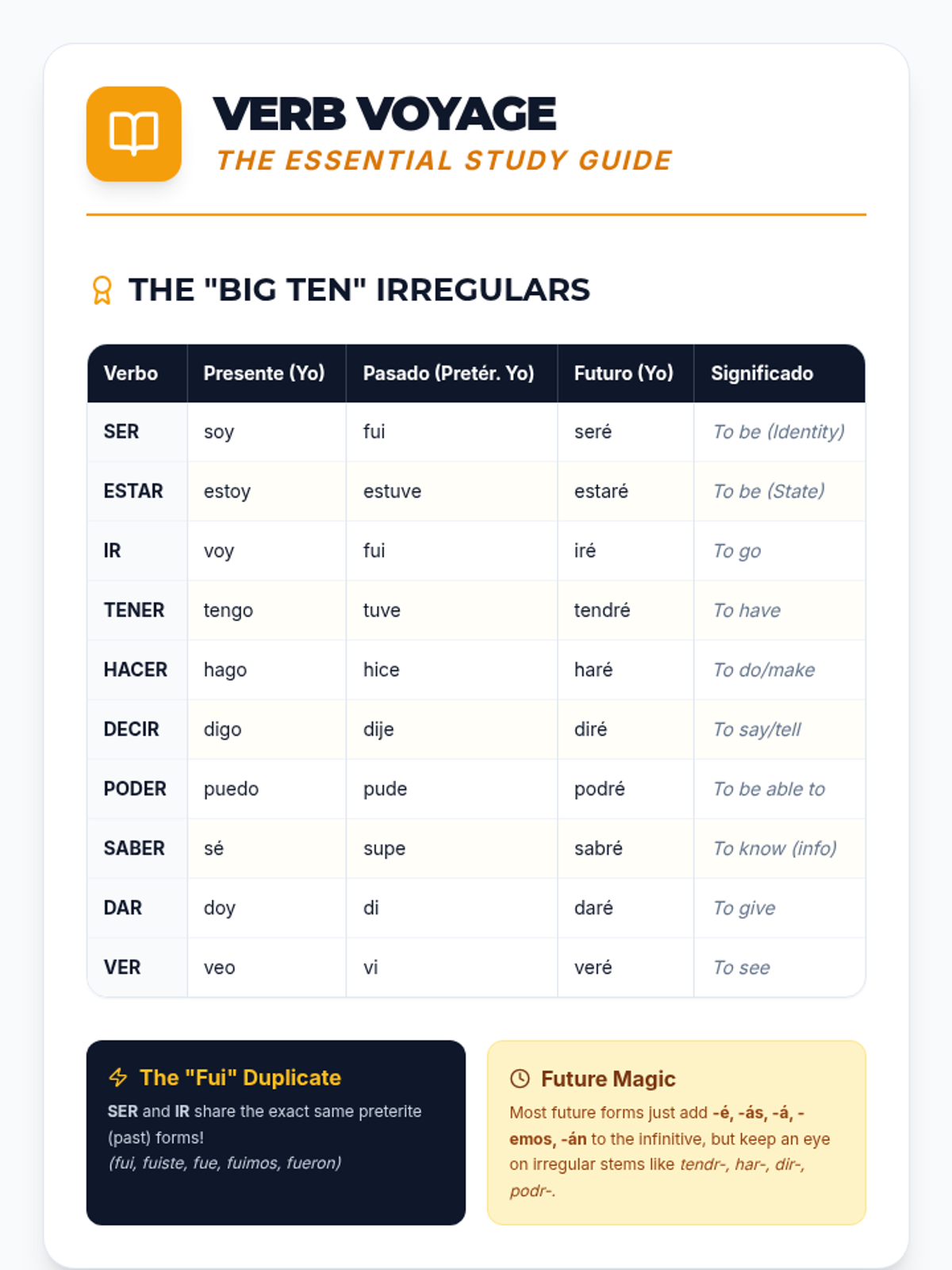
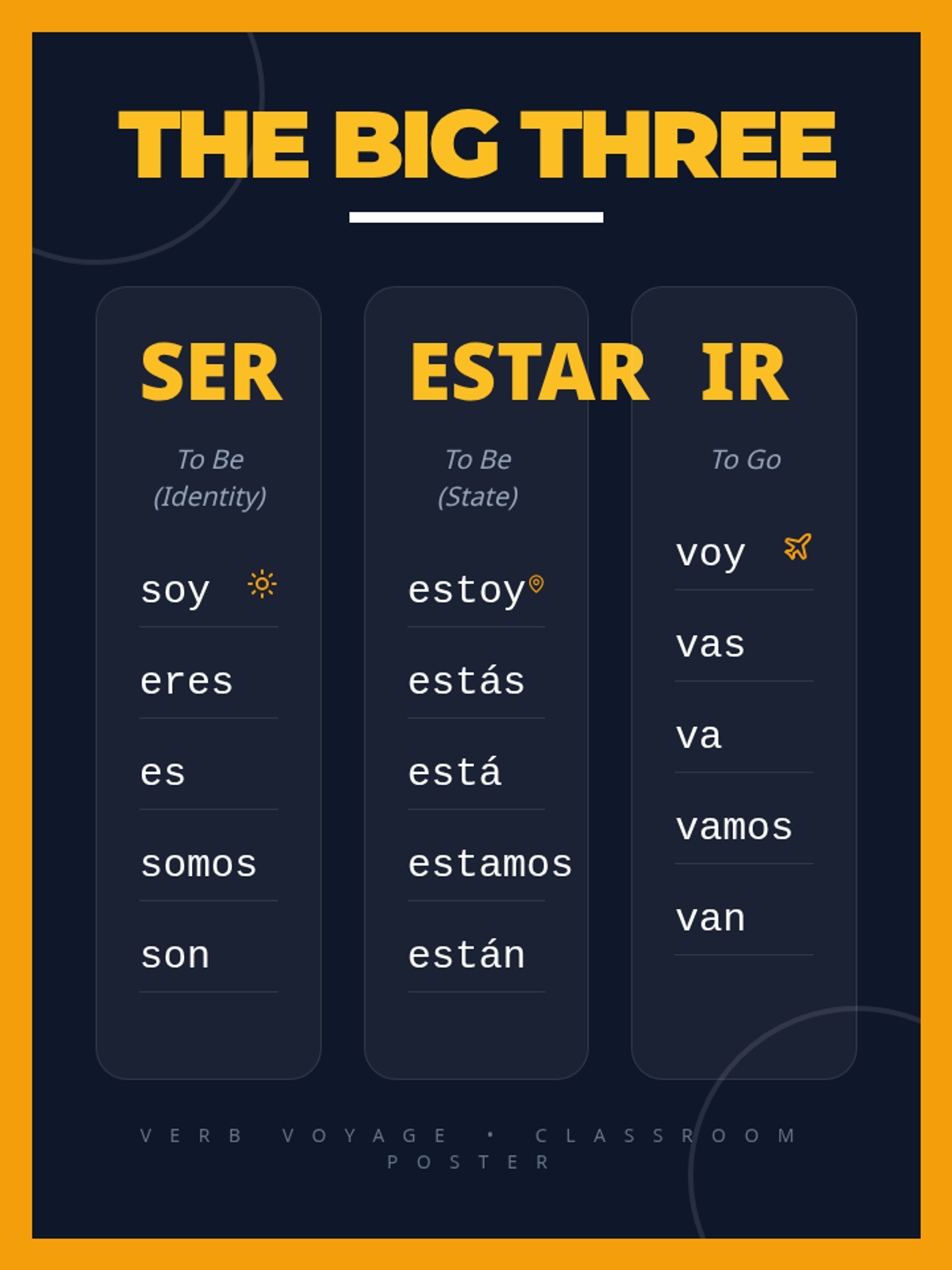
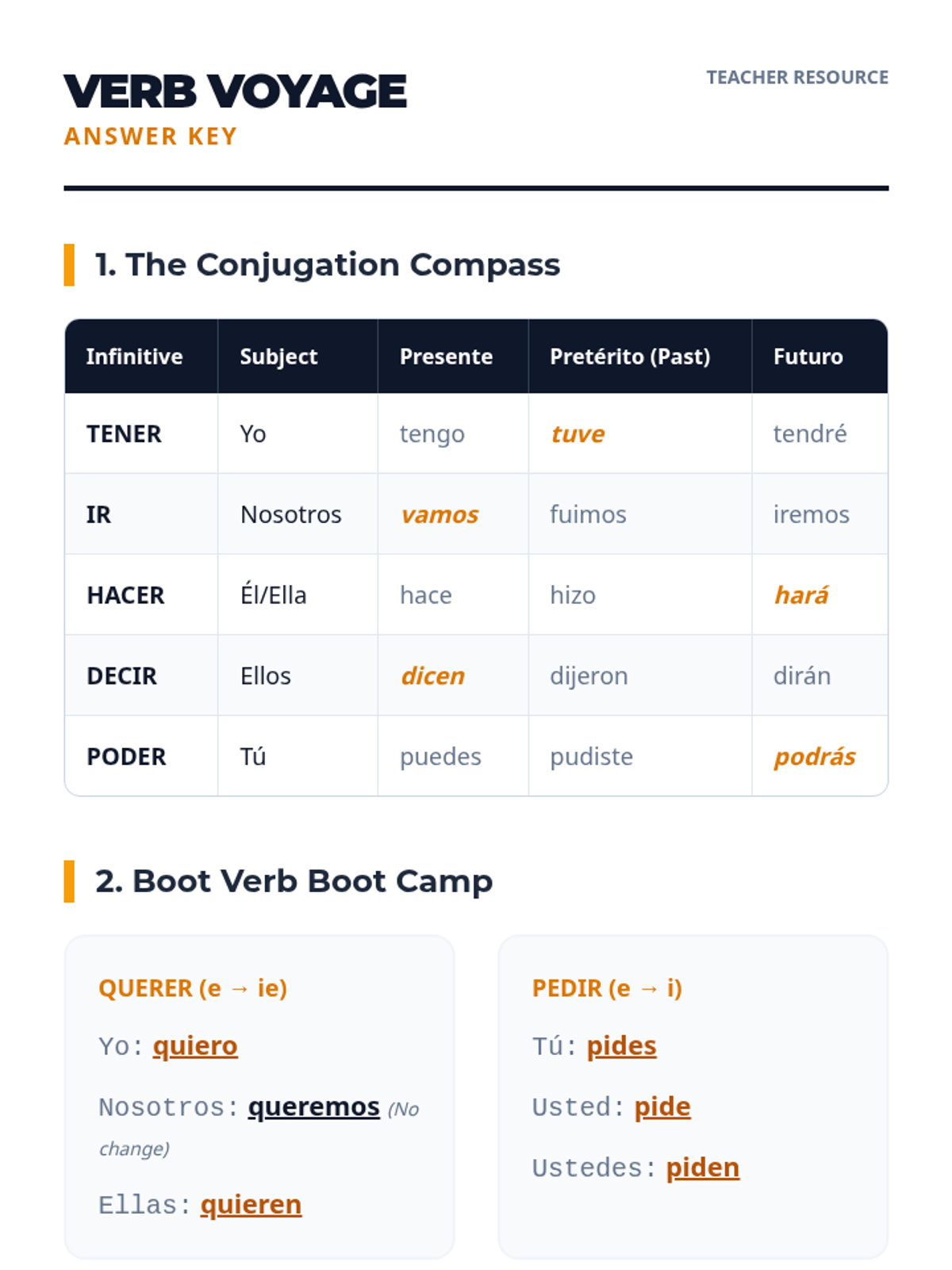
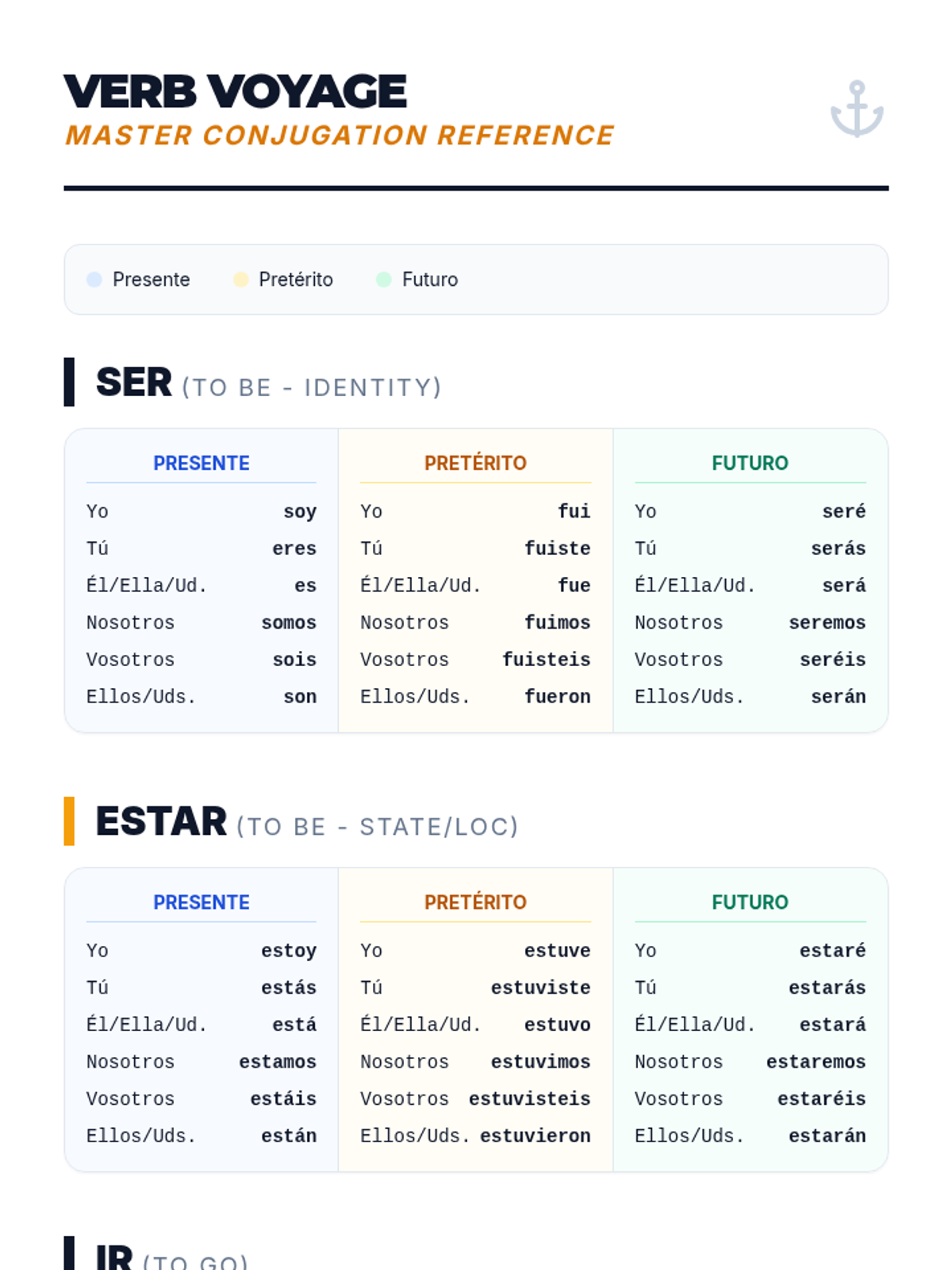
A series of lessons focused on mastering high-frequency irregular Spanish verbs to build foundational communication skills.
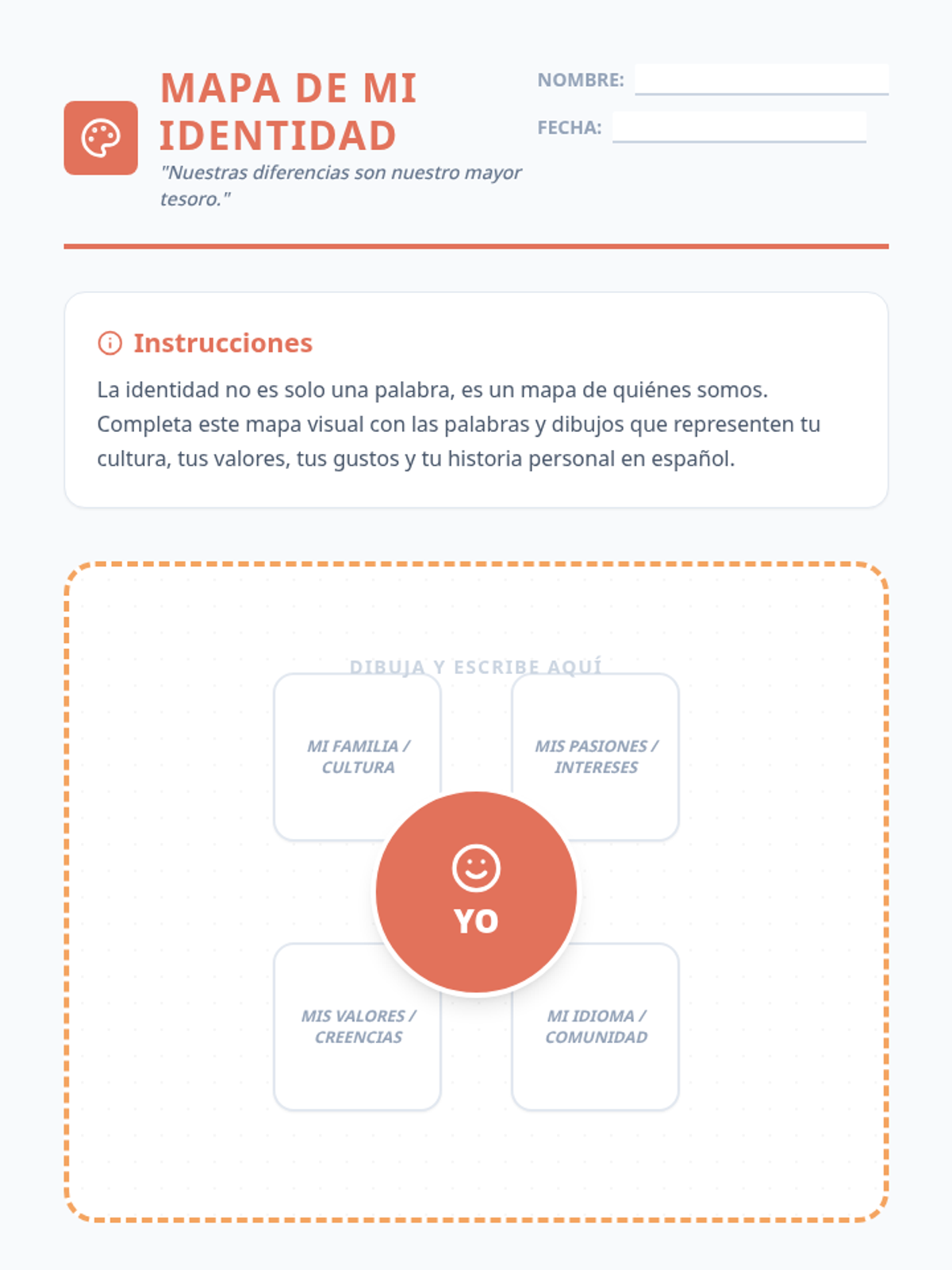
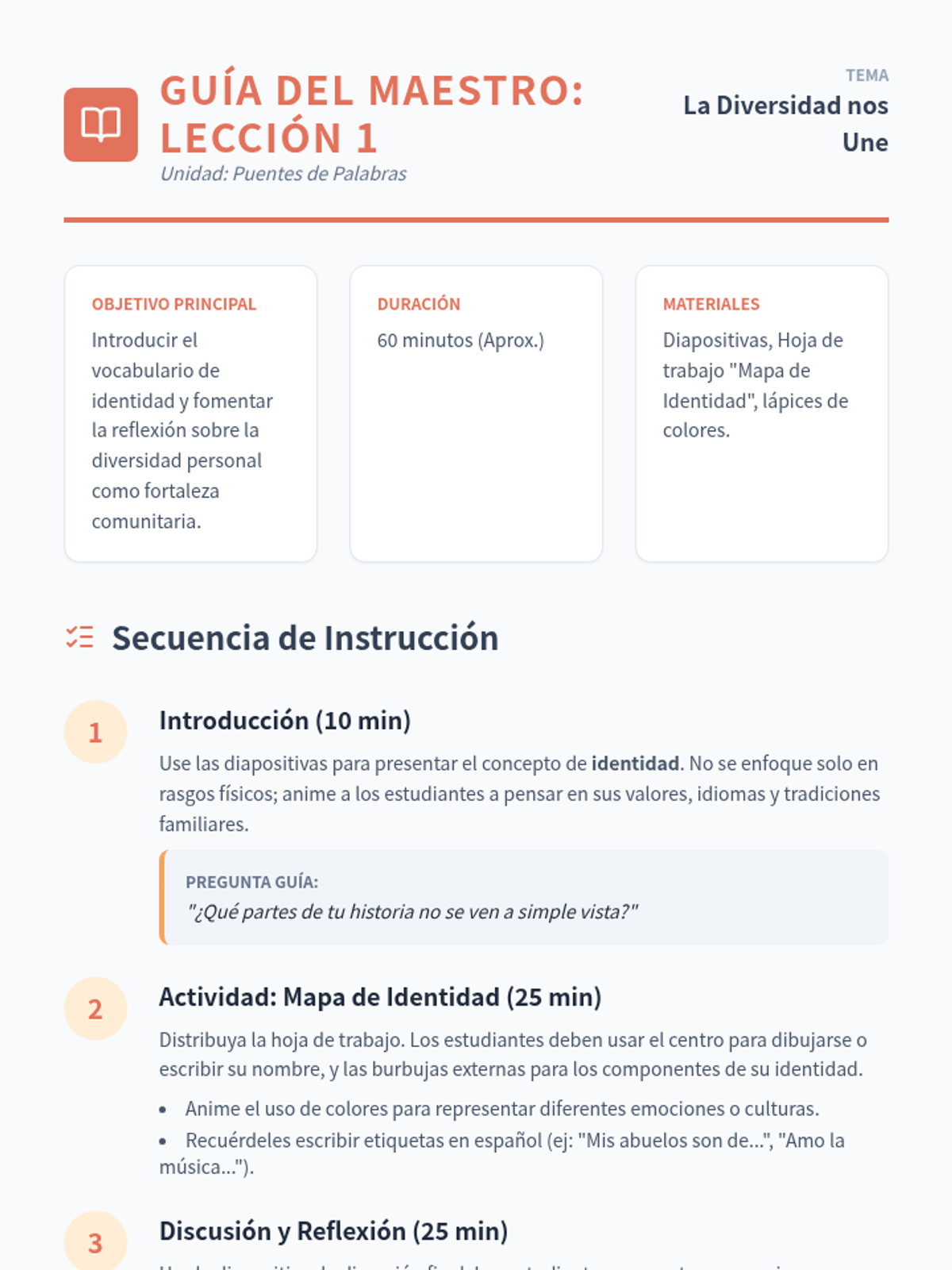
A two-lesson sequence for Spanish class exploring themes of diversity, social tolerance, and empathy through language and cultural connection. Students develop vocabulary to describe identity and practice perspective-taking to build inclusive communities.
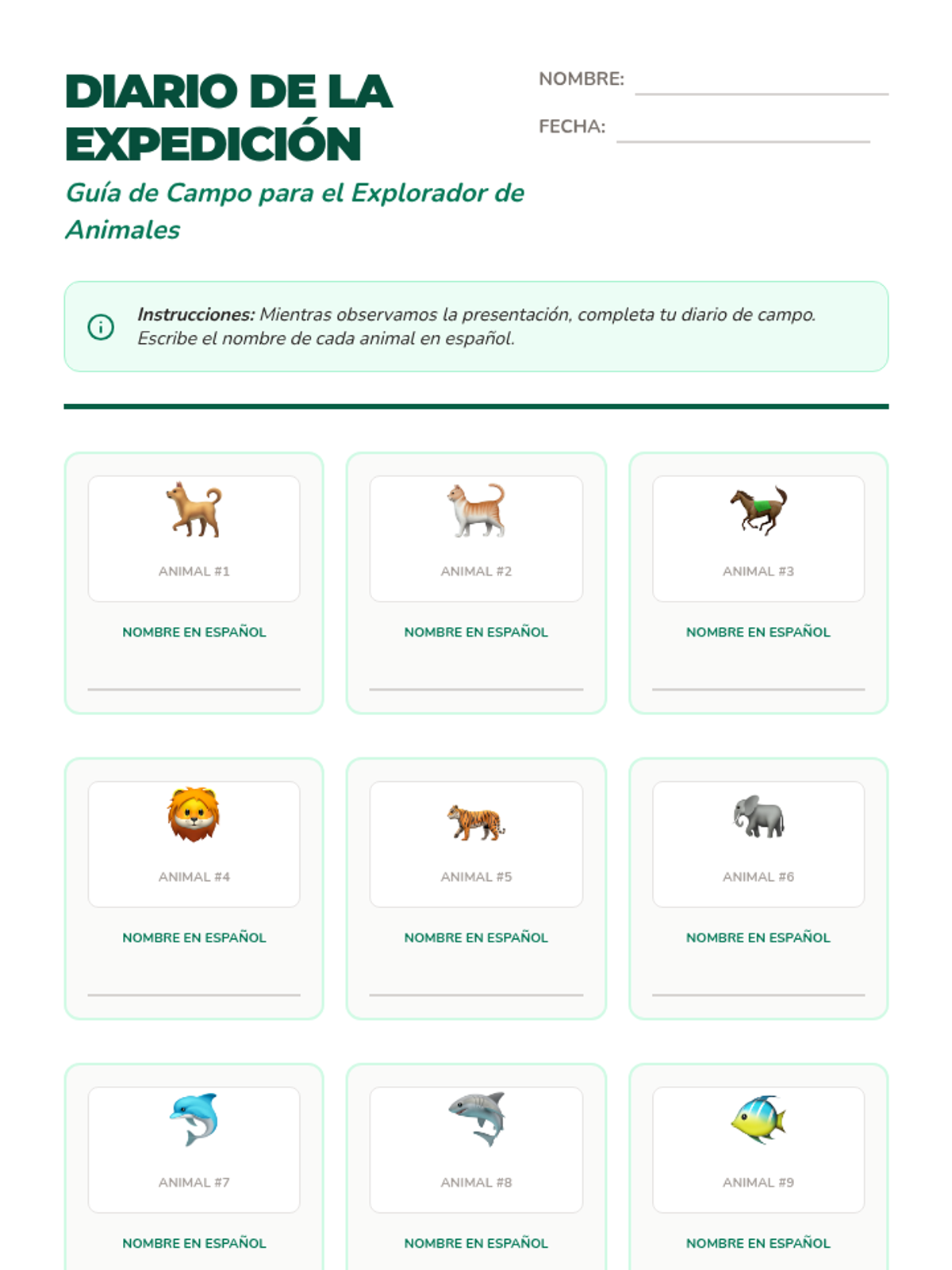
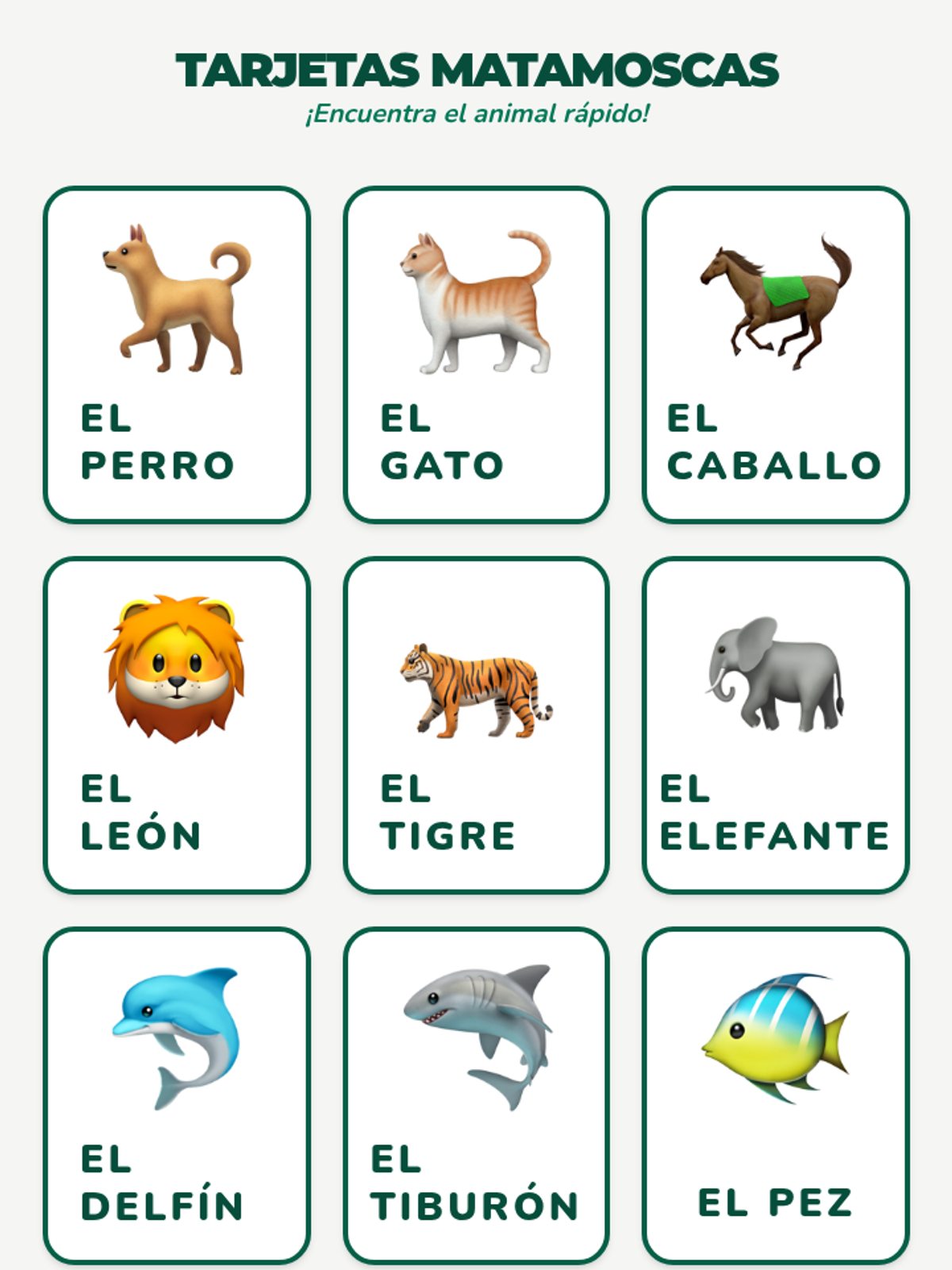
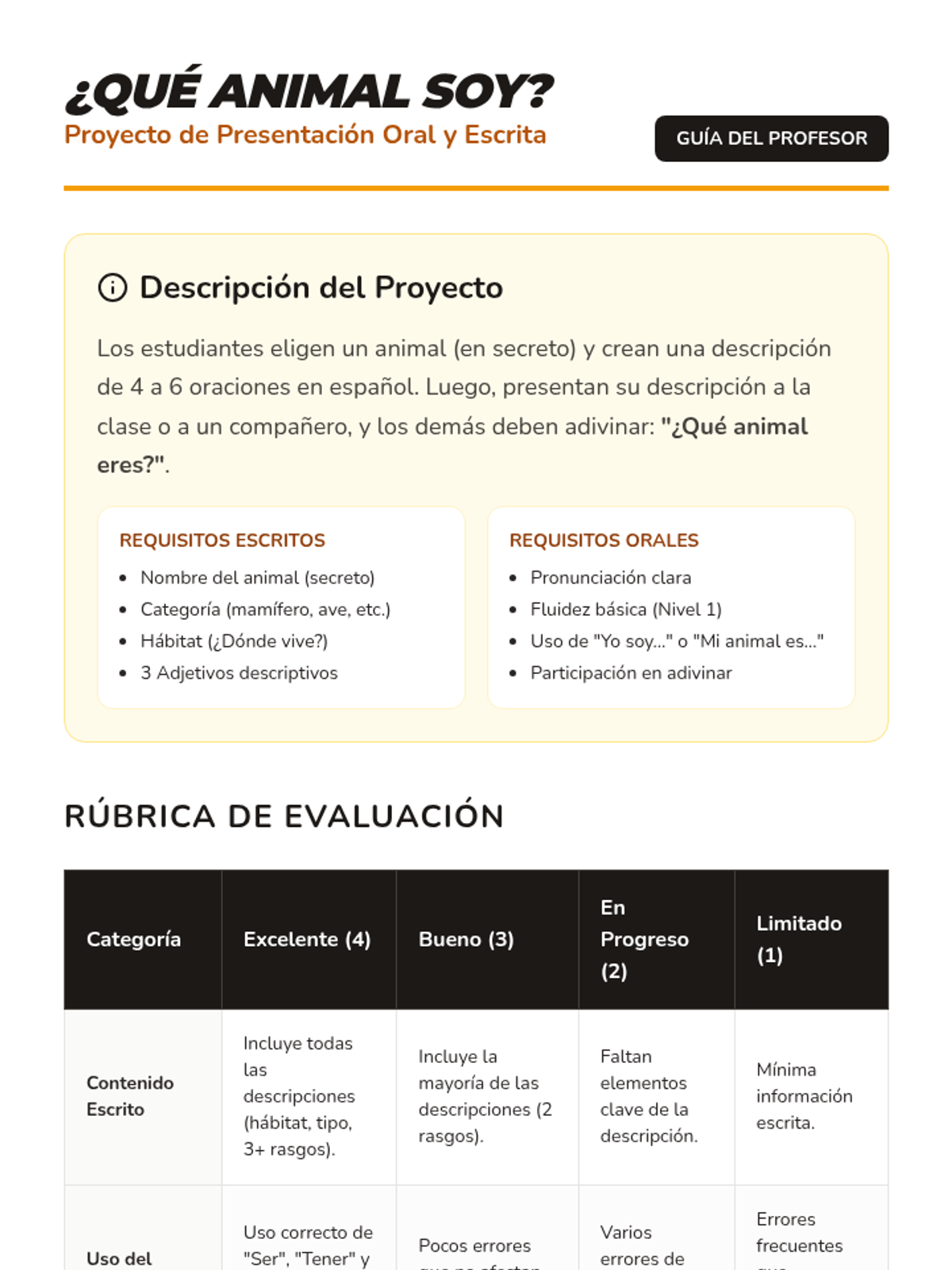
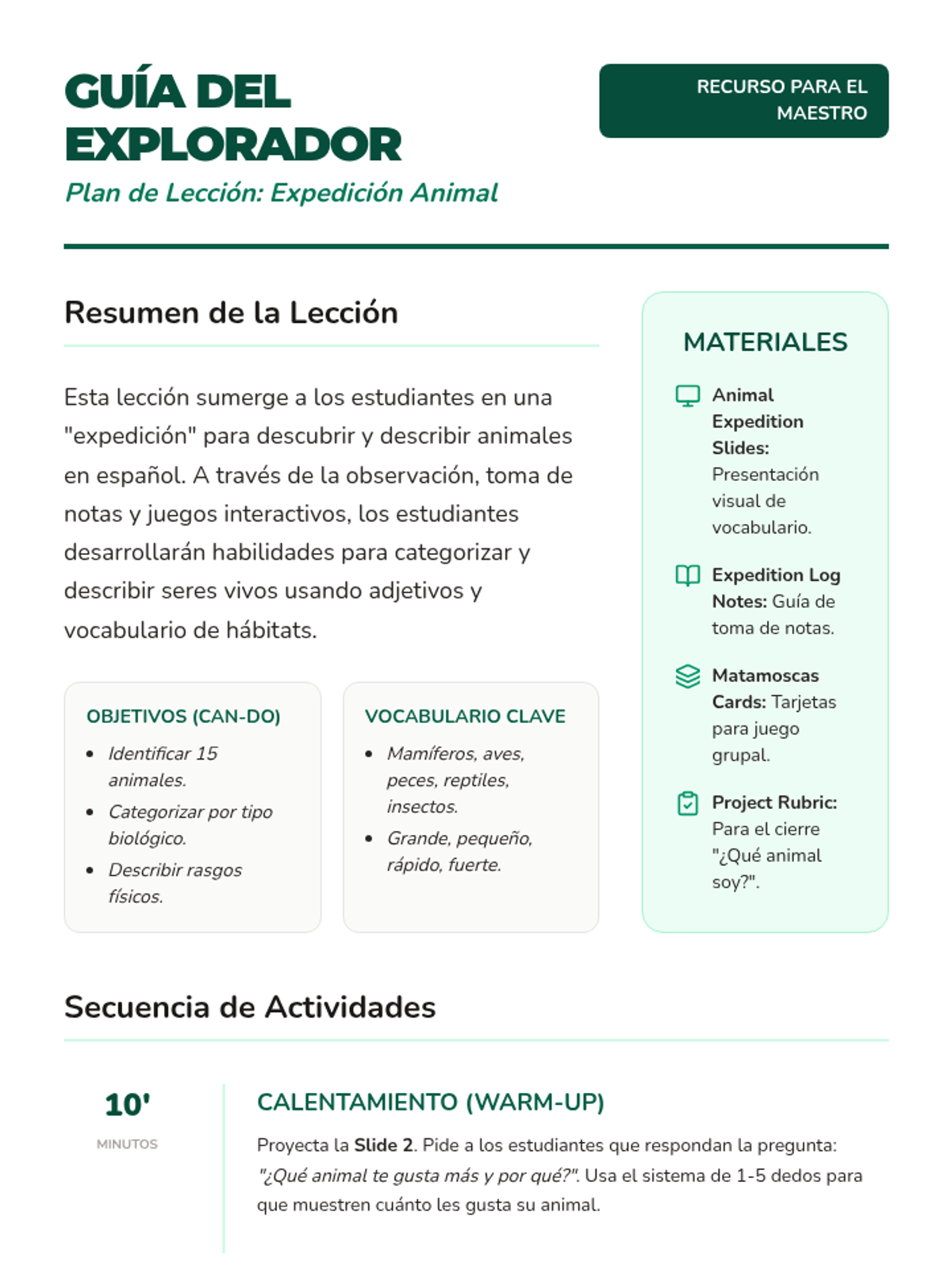
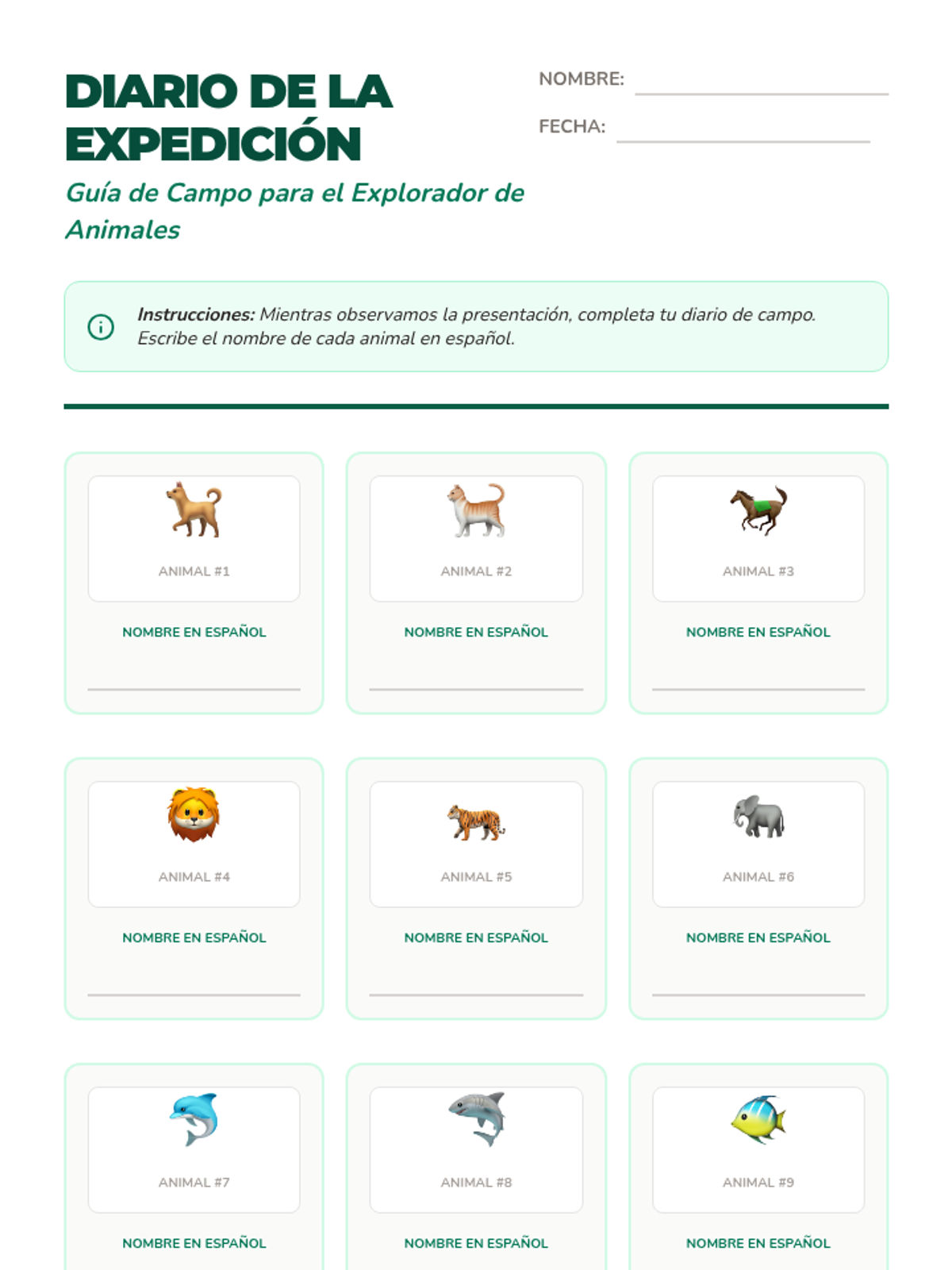
A unit covering animal vocabulary, descriptions, and likes/dislikes in Spanish, designed for Level 1 learners to build foundational communication skills about the natural world.
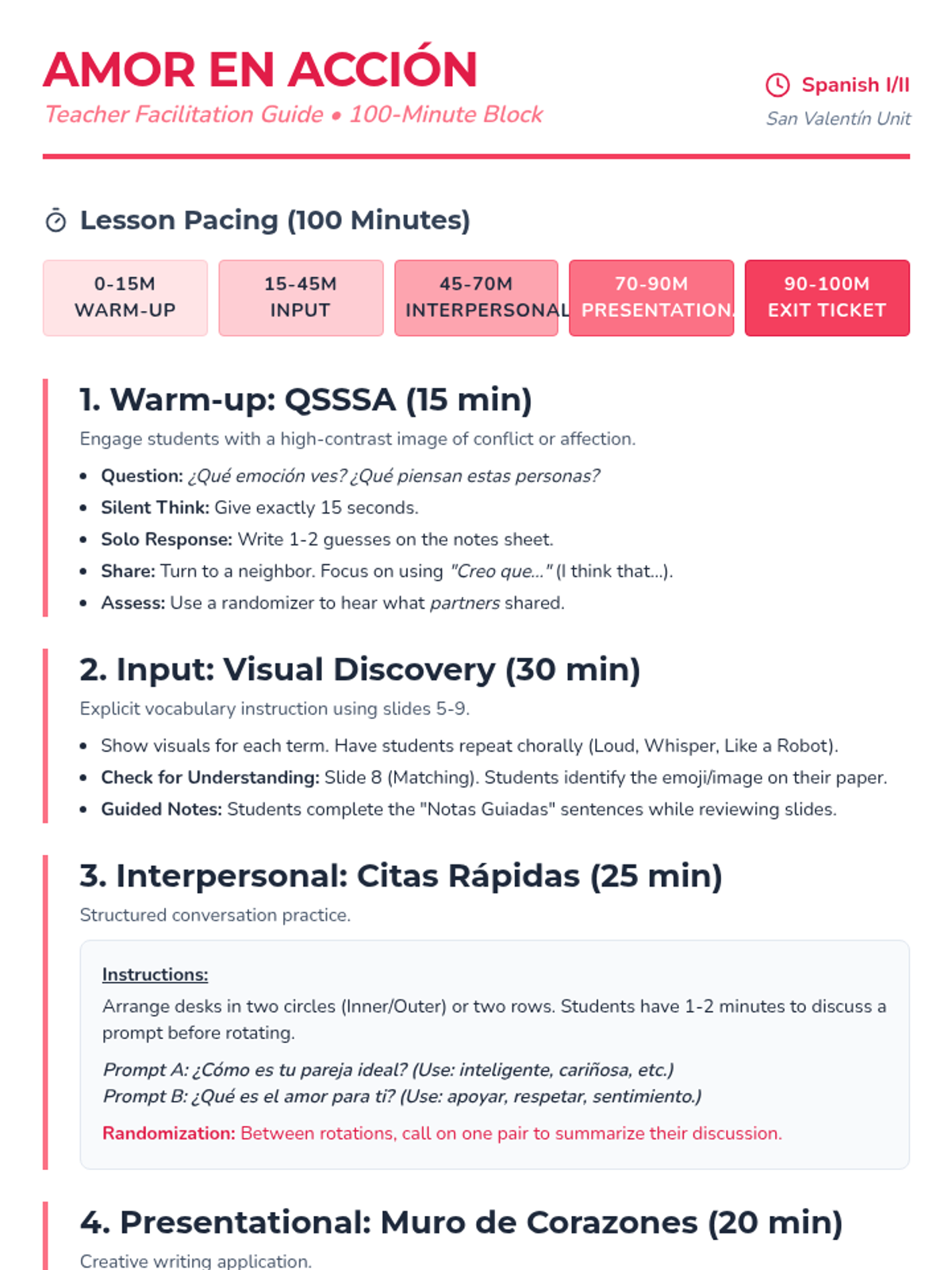
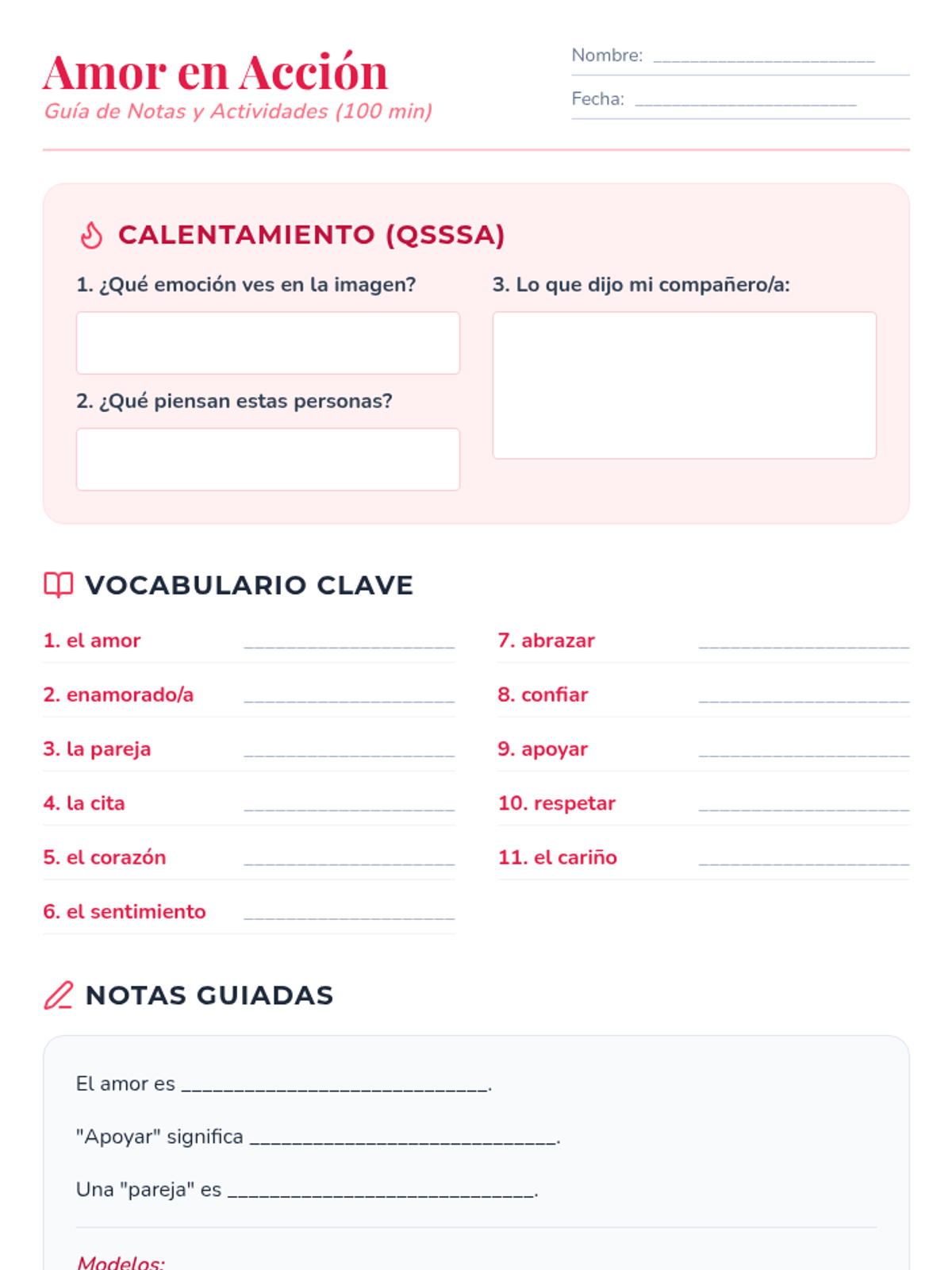
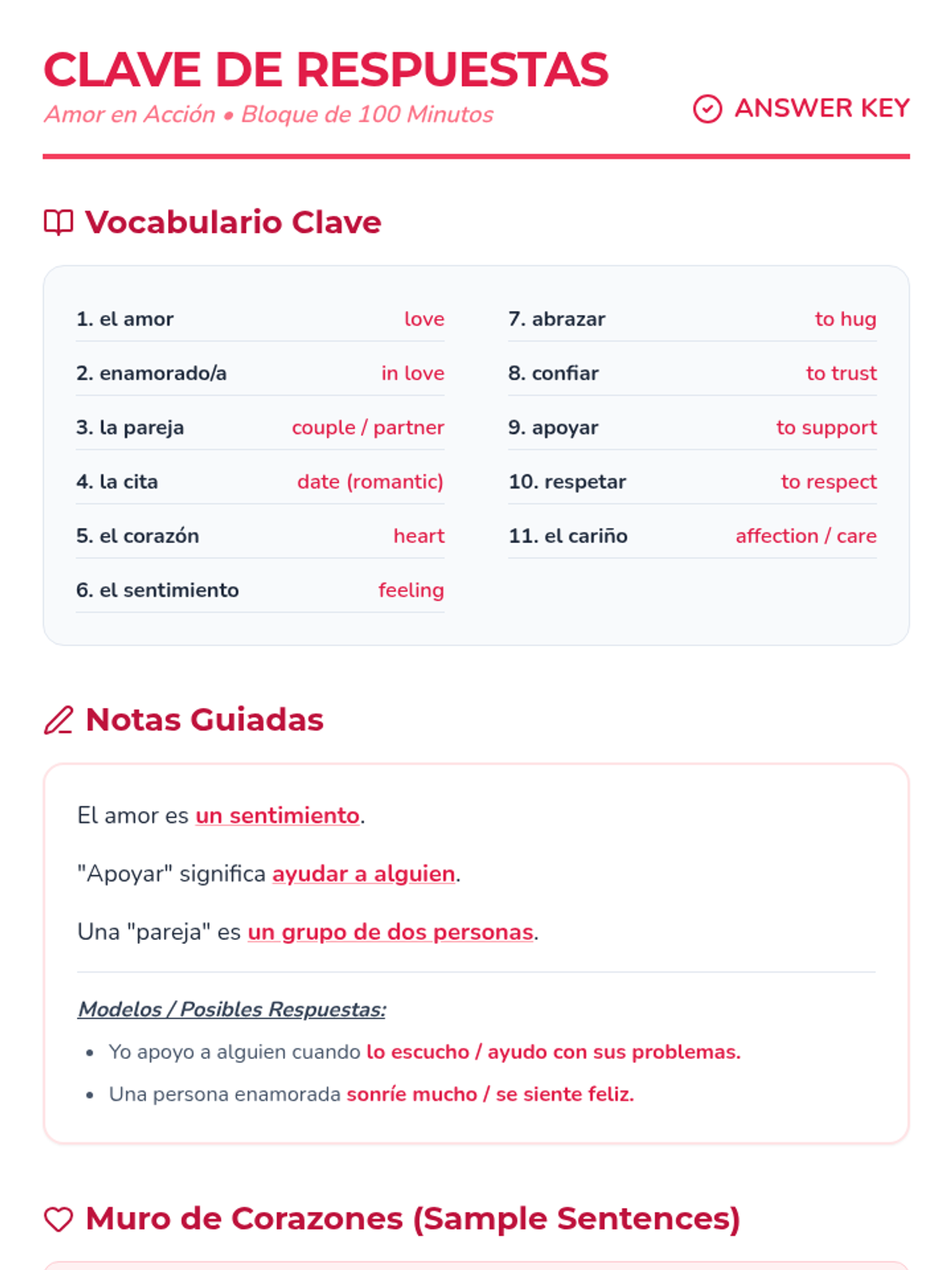
A Spanish I/II unit focused on Valentine's Day, covering vocabulary related to love, relationships, and emotions through interactive activities and communicative practice.
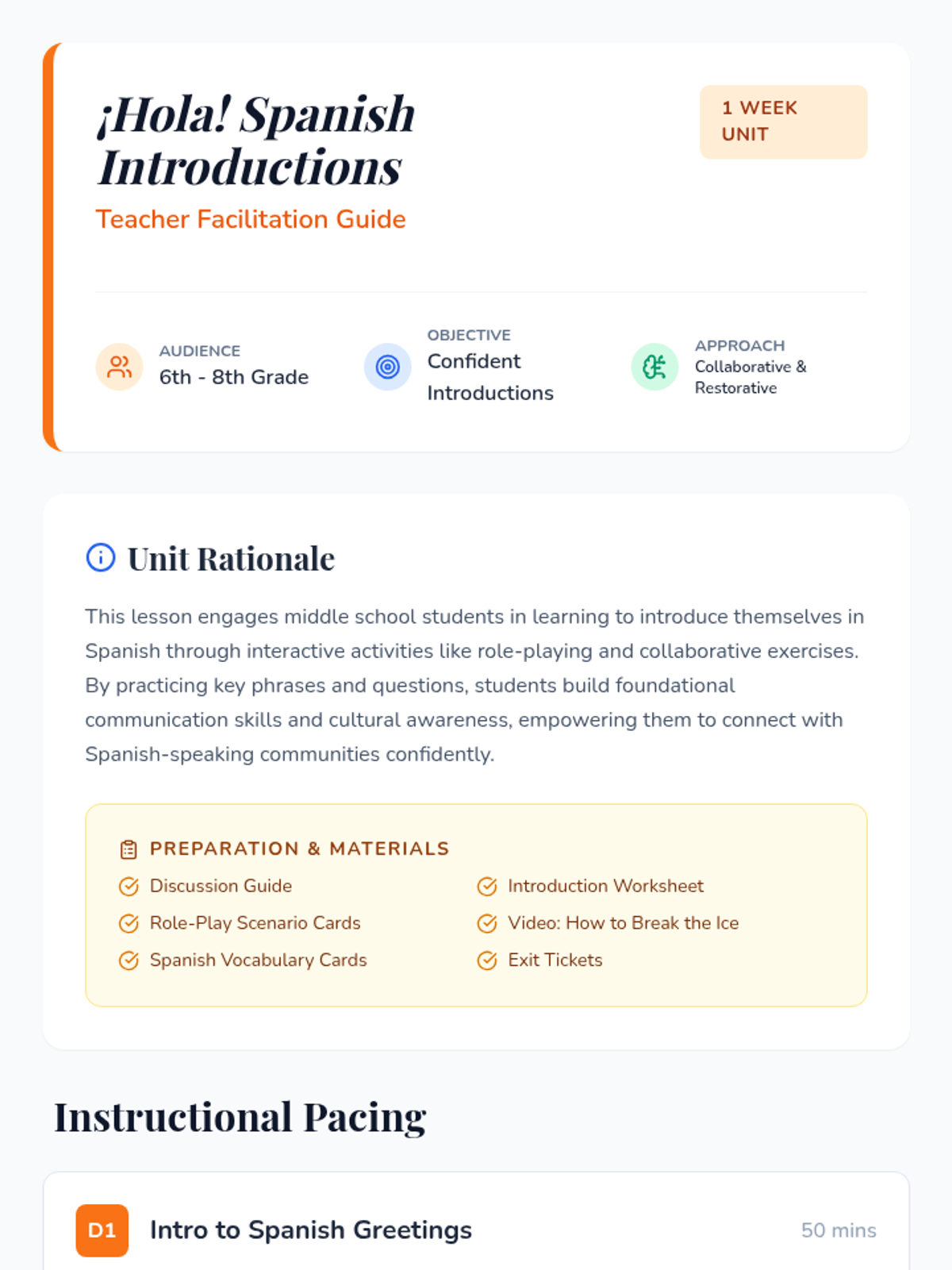
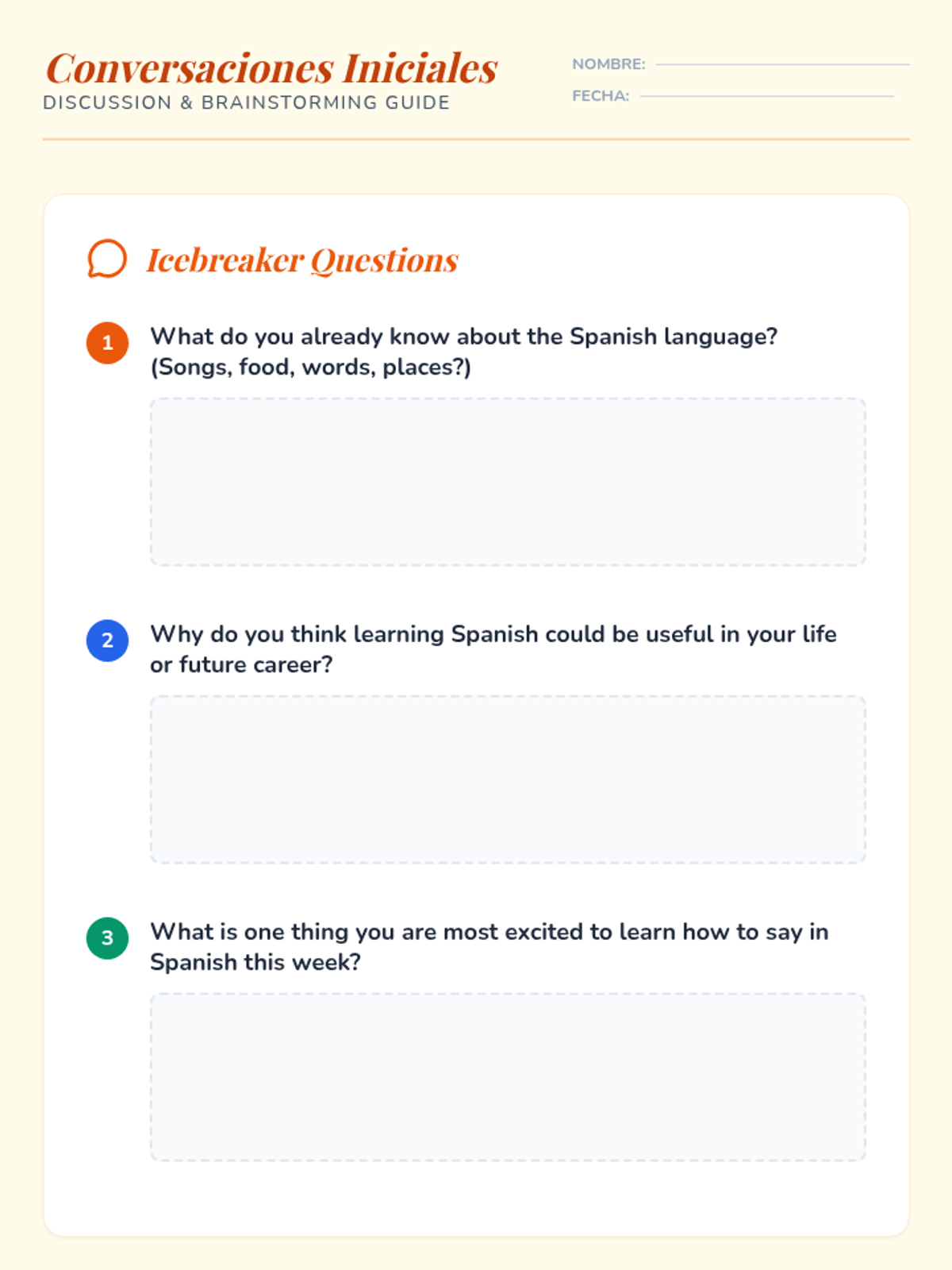
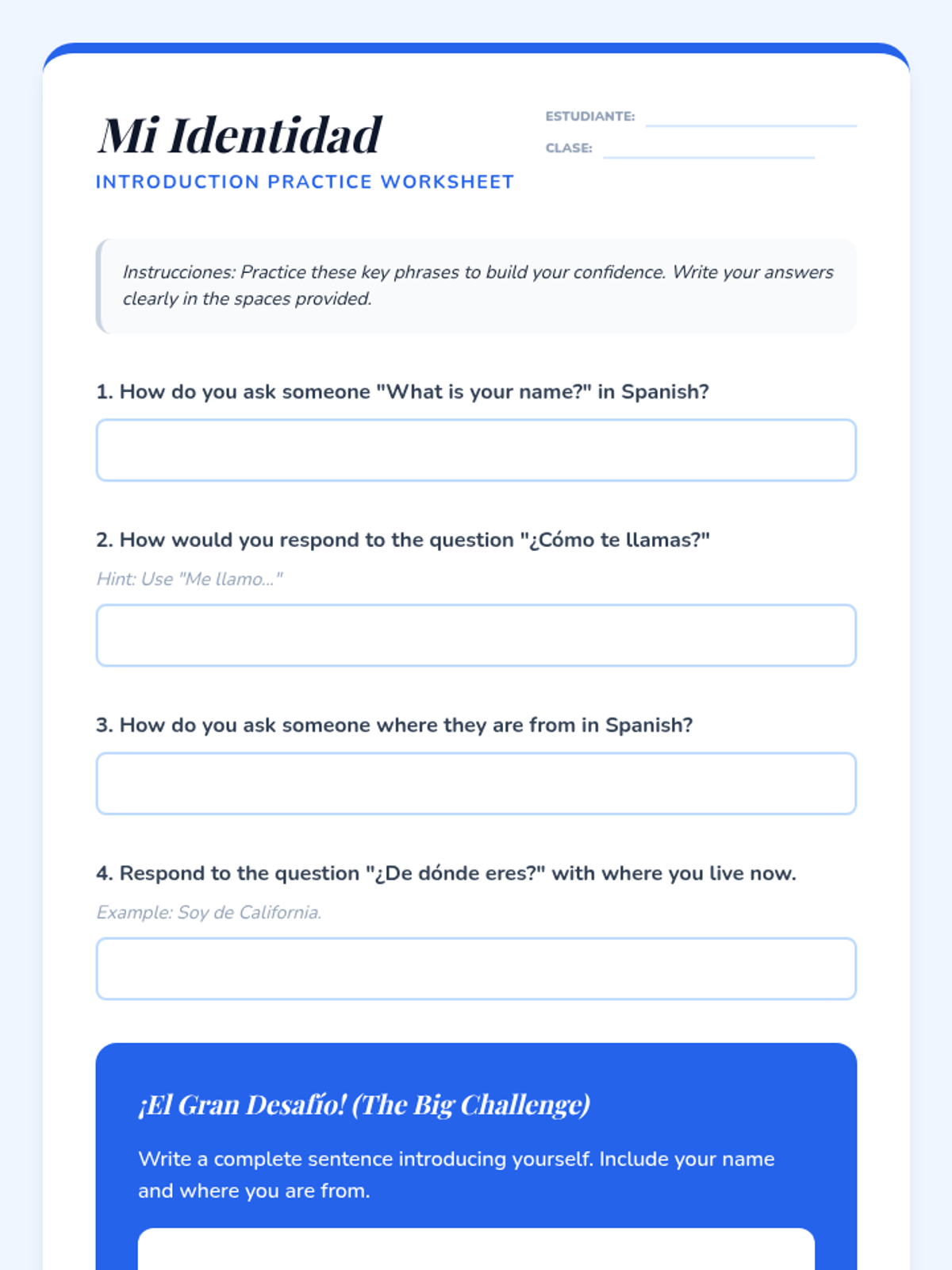
A comprehensive one-week introduction to Spanish for middle schoolers, focusing on greetings, introductions, and sharing personal interests through interactive role-play and collaborative activities.
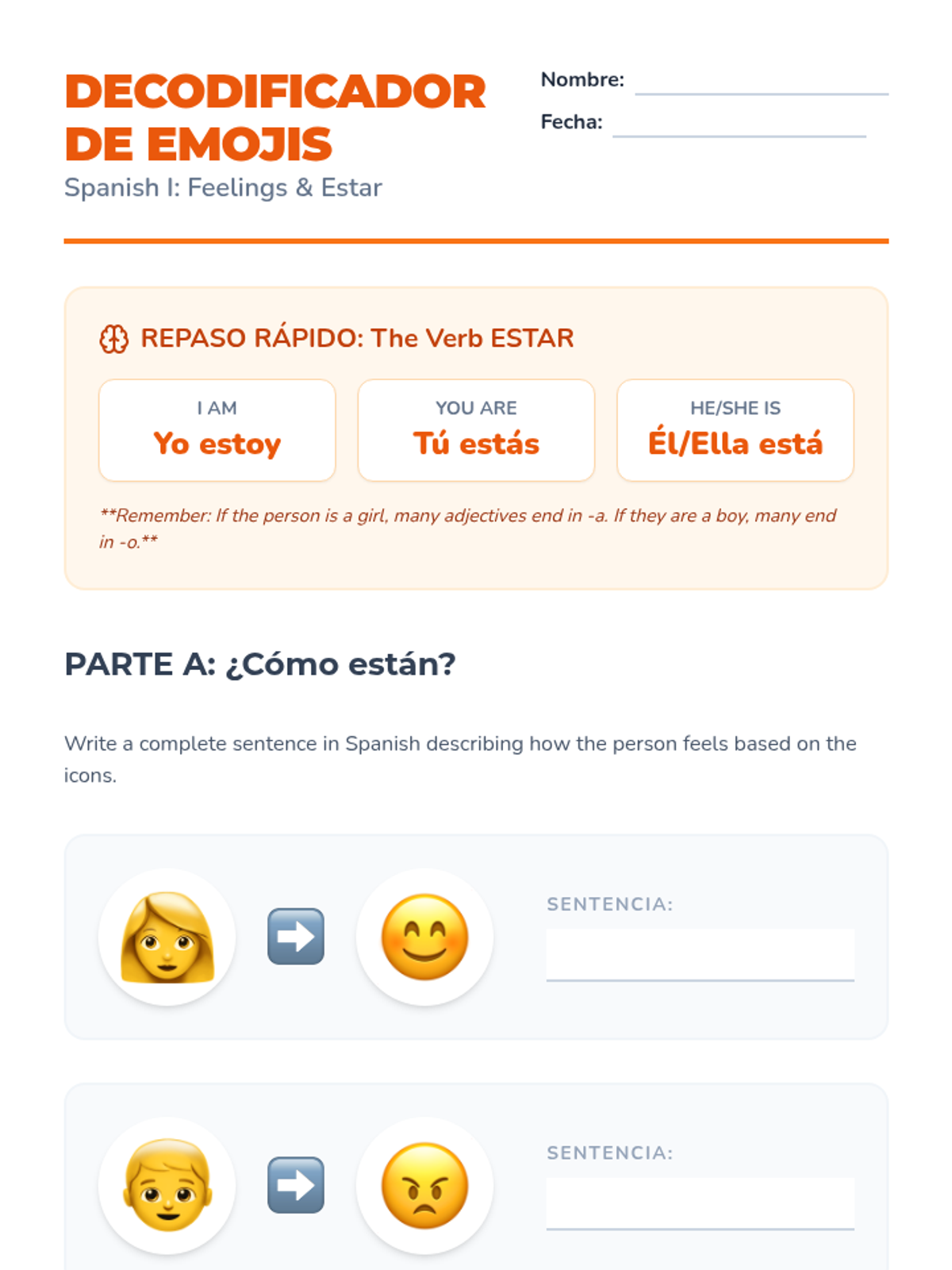
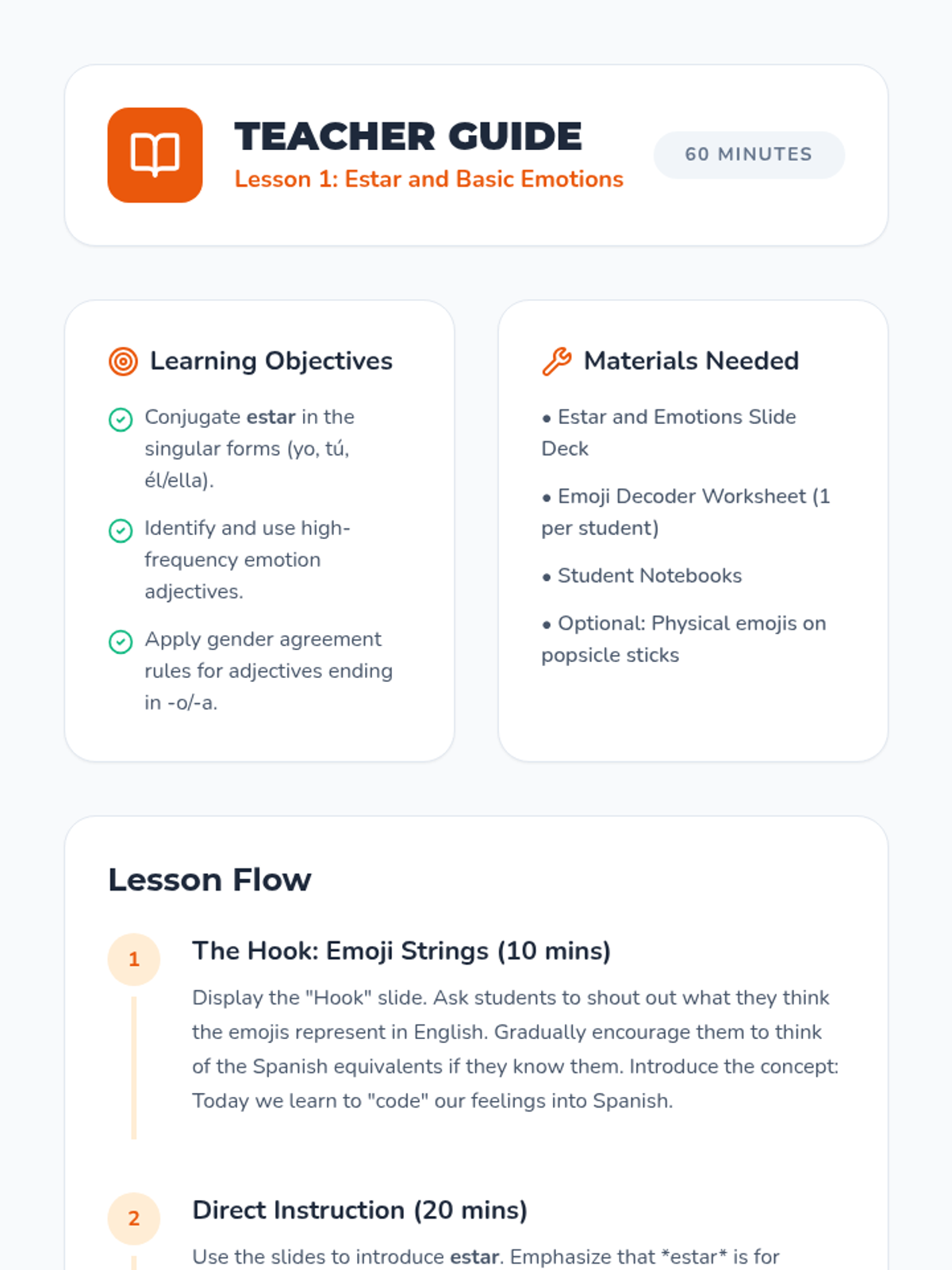
A comprehensive unit for beginner Spanish students to master the verb 'estar' and 'tener' idioms for expressing emotions, physical states, and needs. Through interactive games, role-plays, and data collection, students learn to articulate their internal feelings and conduct wellness checks on others.
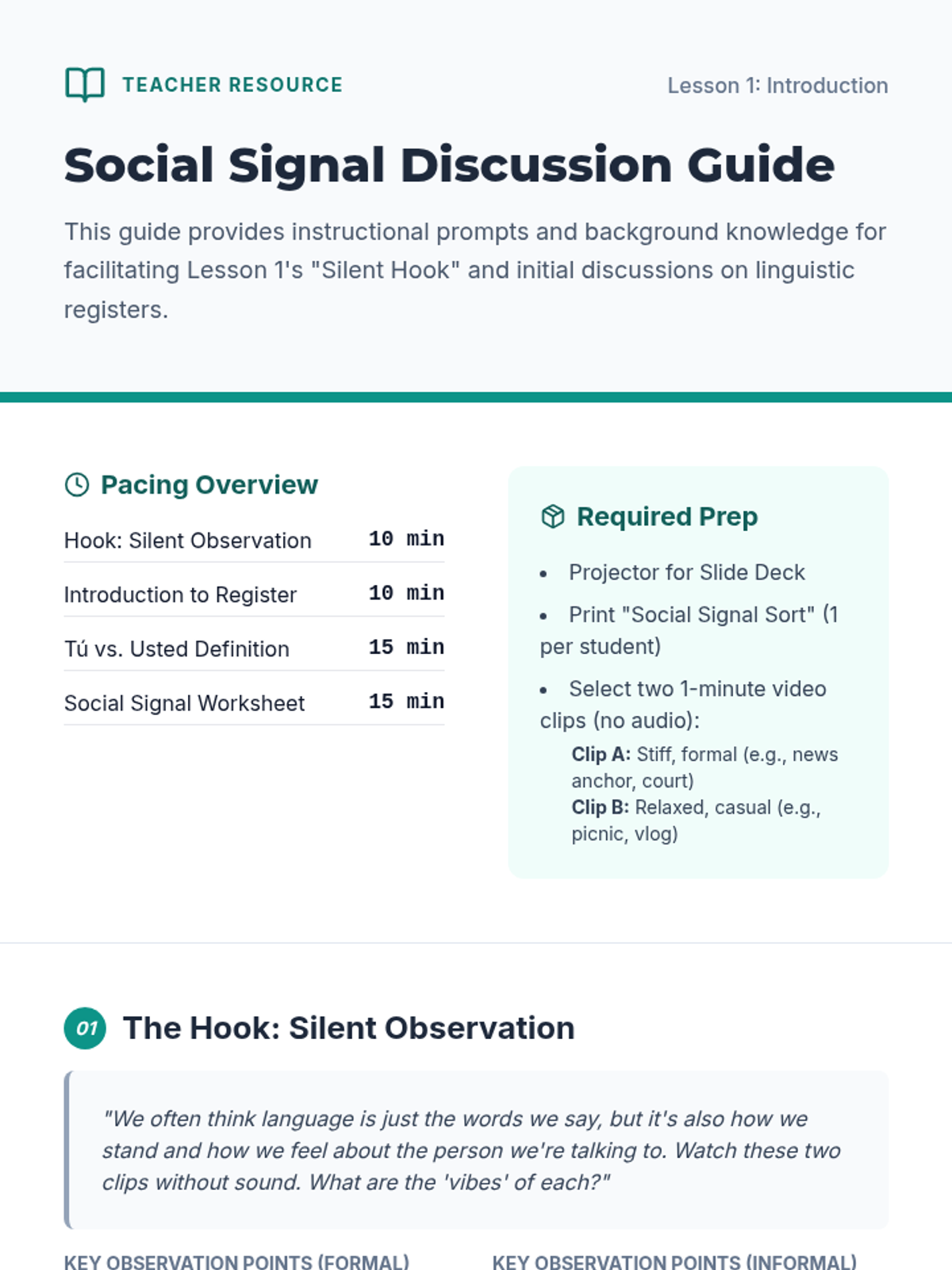
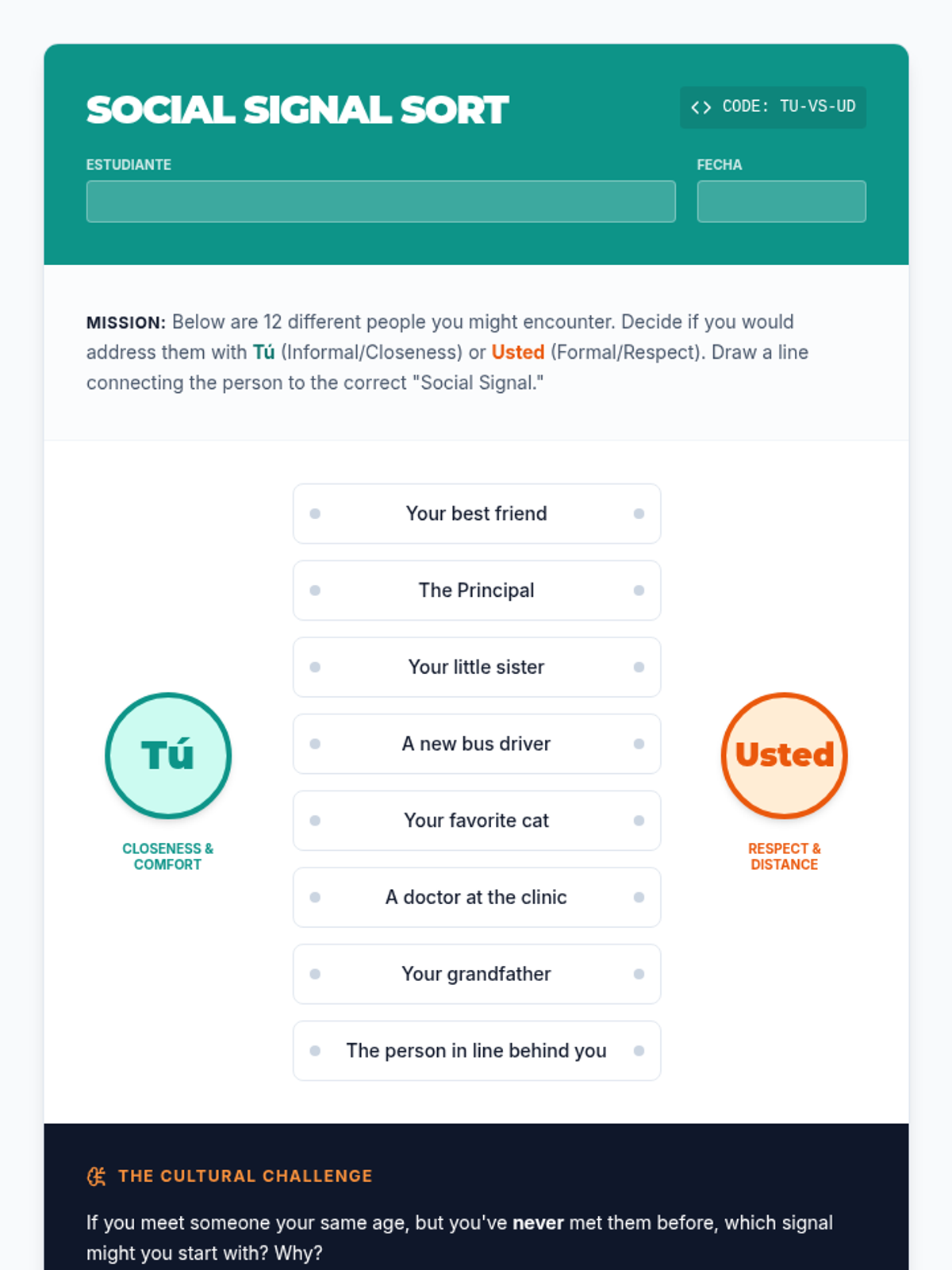
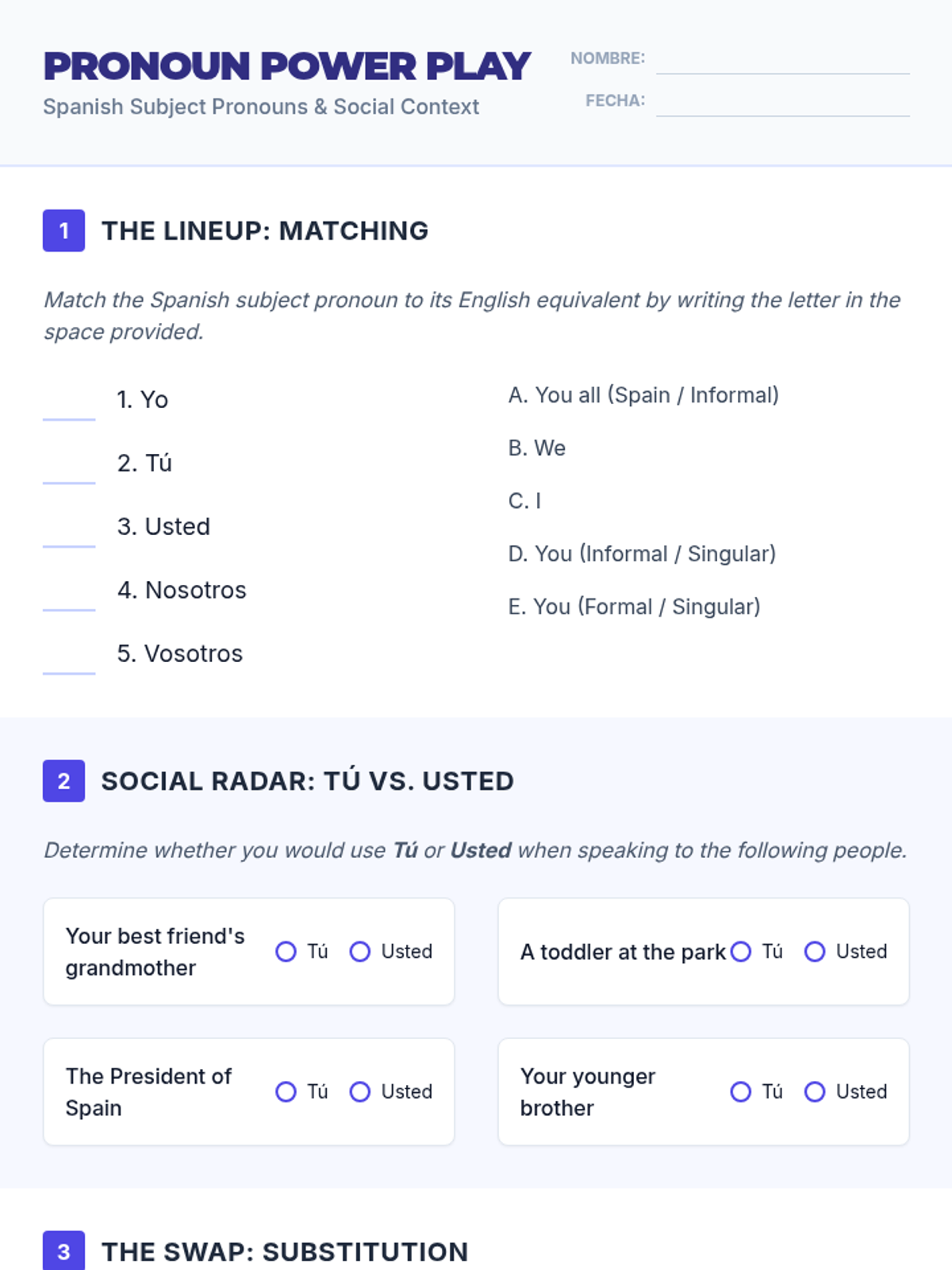
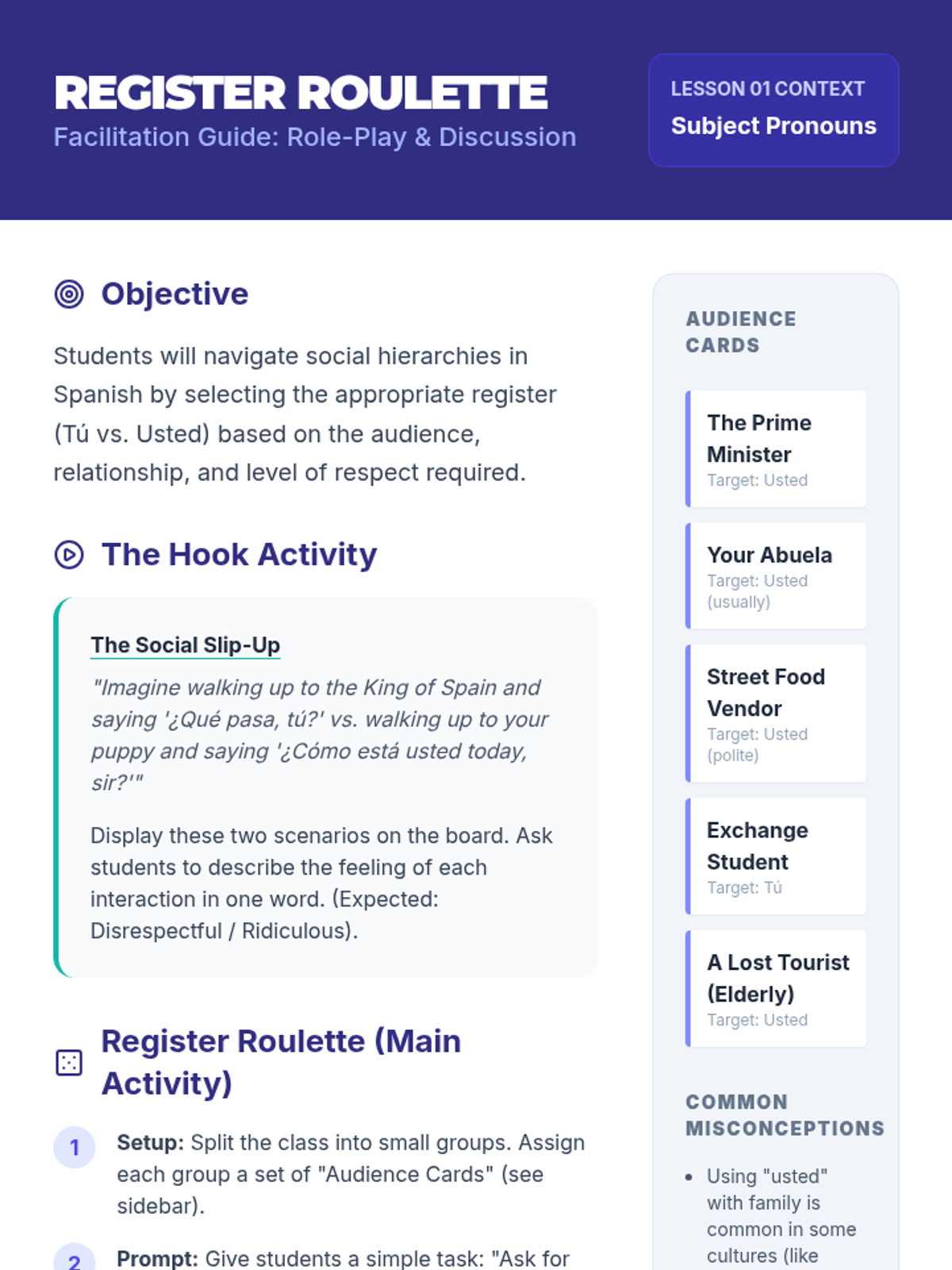
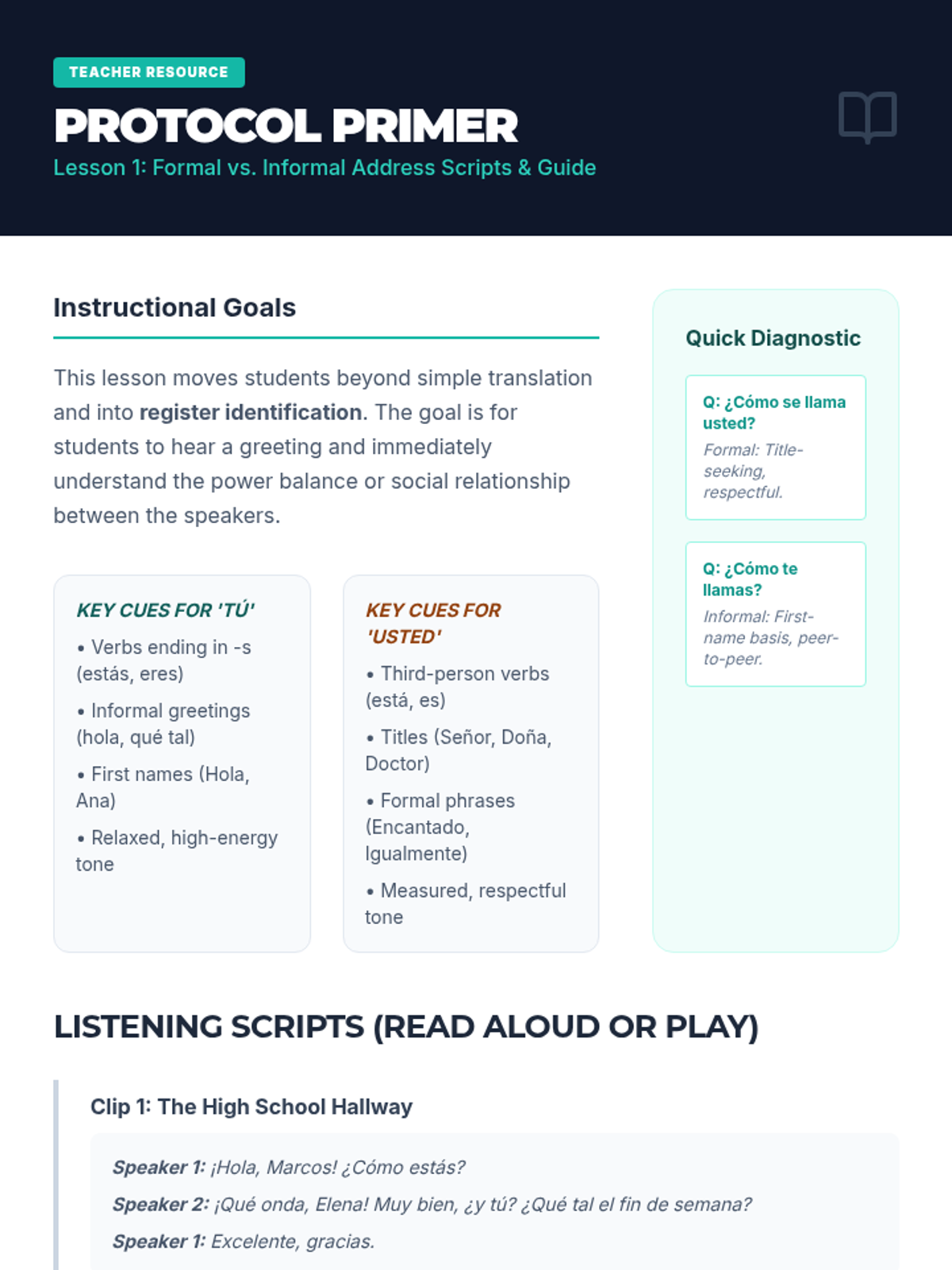
A case-study-driven unit for 6th-grade Spanish students to master the nuances of 'Tú' and 'Usted', focusing on cultural context, social hierarchy, and respectful communication.
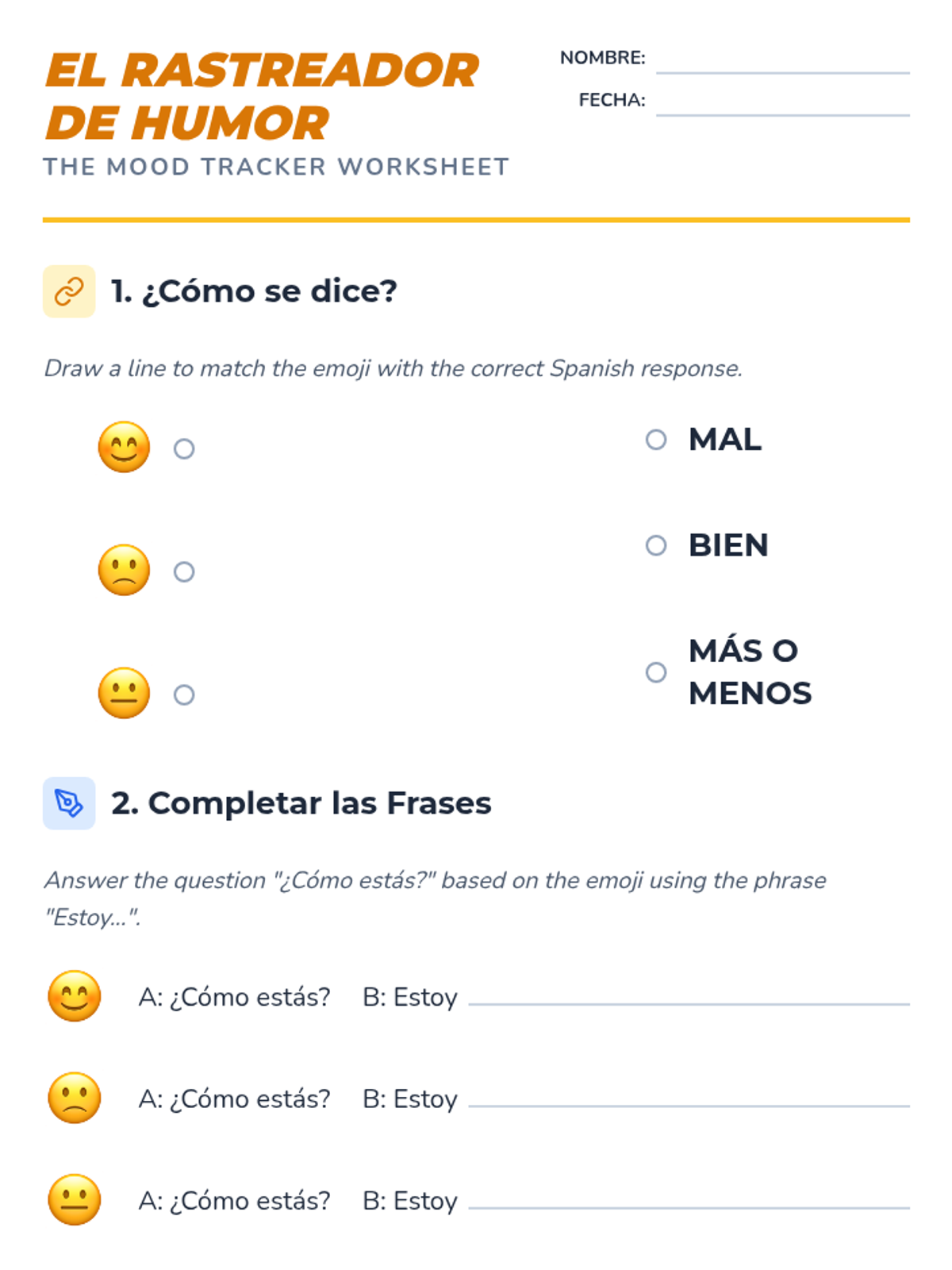
A 5-lesson sequence for 6th grade Spanish students focused on identifying, expressing, and responding to emotions and physical states using the verb 'Estar'. Students build from basic 'How are you?' responses to nuanced emotional vocabulary and empathetic reactions.
A project-based unit where 6th-grade students learn to articulate their identity, origin, age, and personality in Spanish using 'Ser', 'Tener', and 'Estar'. The sequence culminates in a multimedia 'All About Me' presentation.
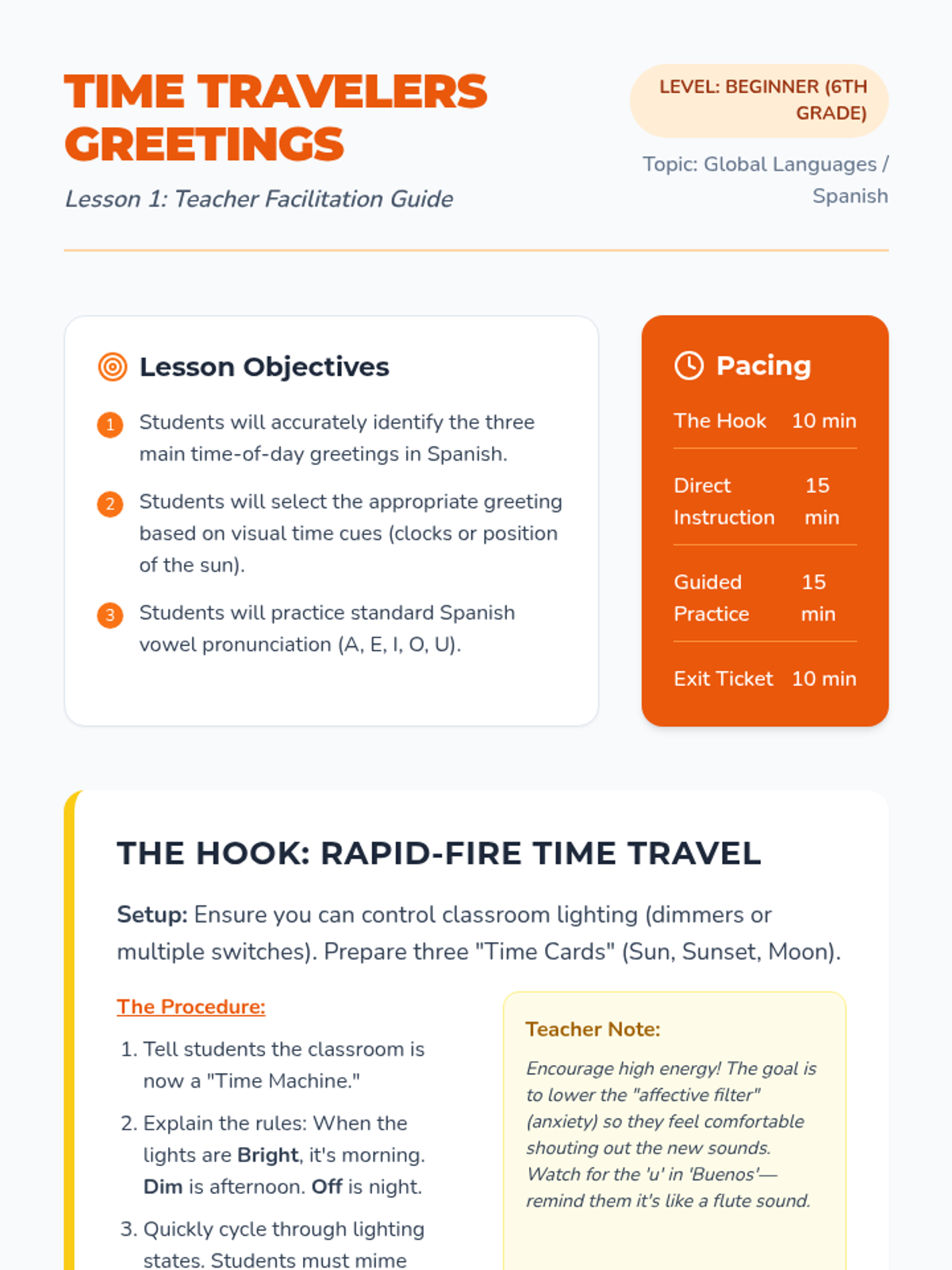
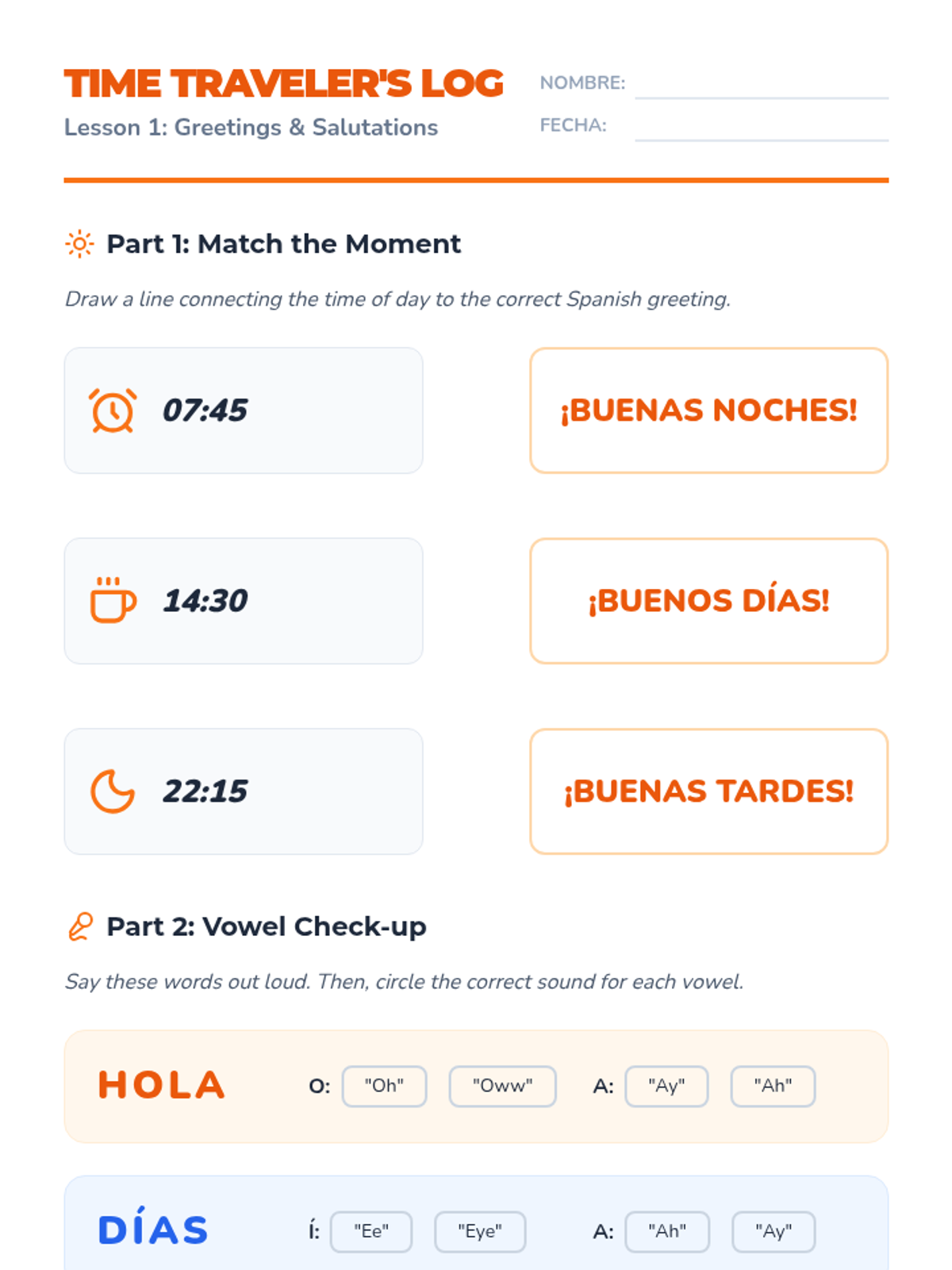
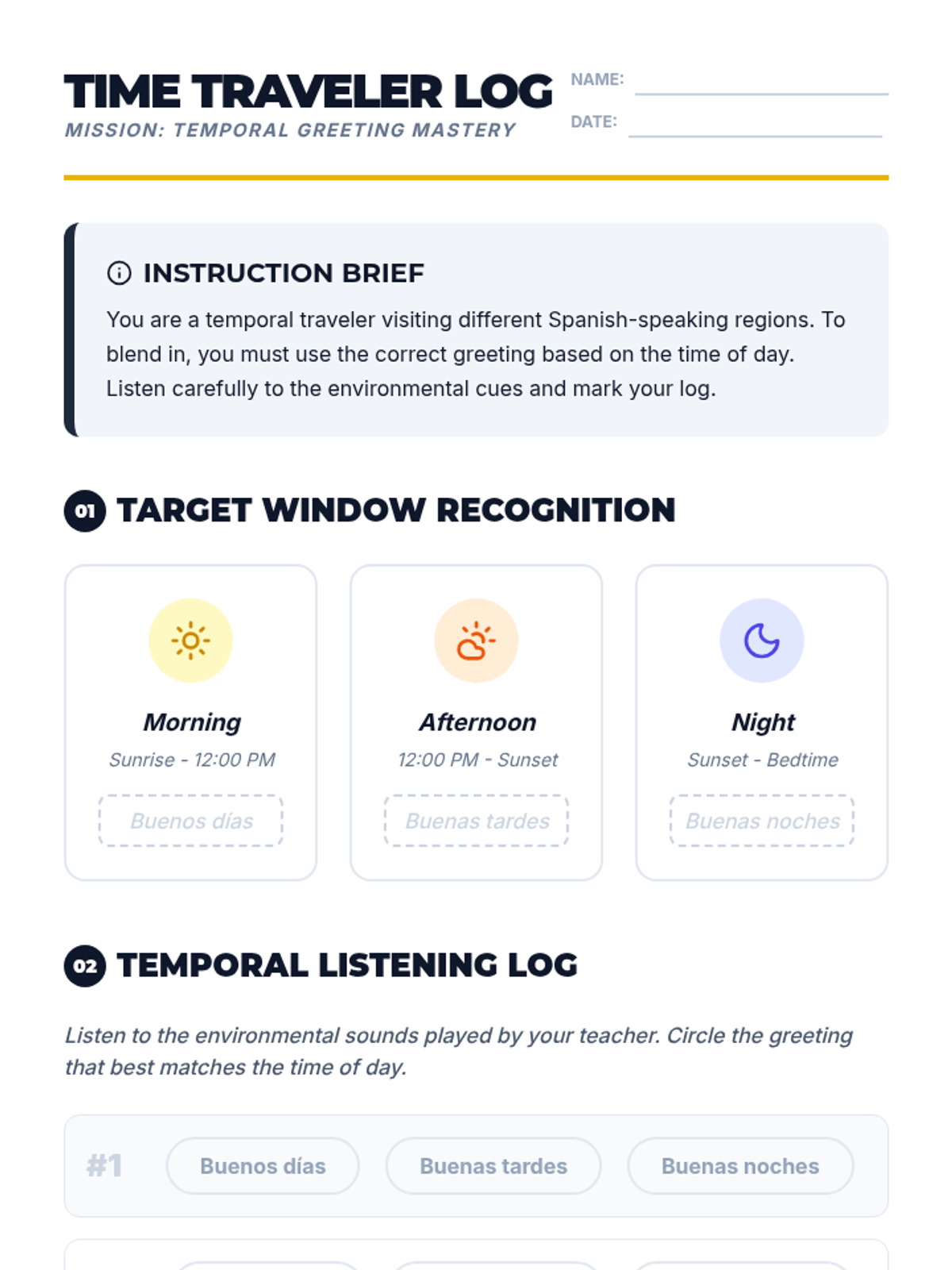
A foundational Spanish sequence for 6th graders focusing on social interactions, greetings, and polite conversation. Students progress from basic time-of-day greetings to performing complete, culturally appropriate introduction skits.
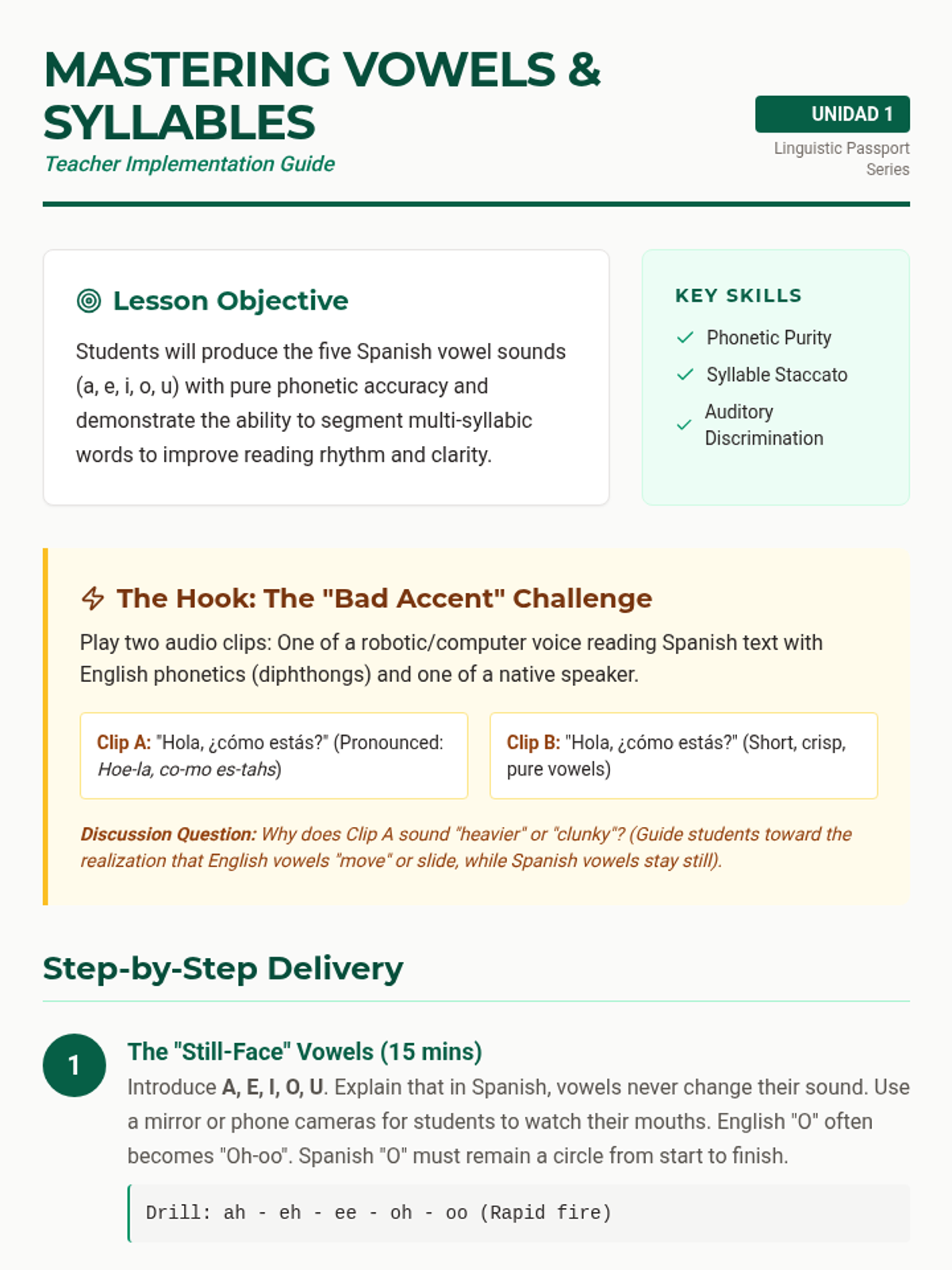
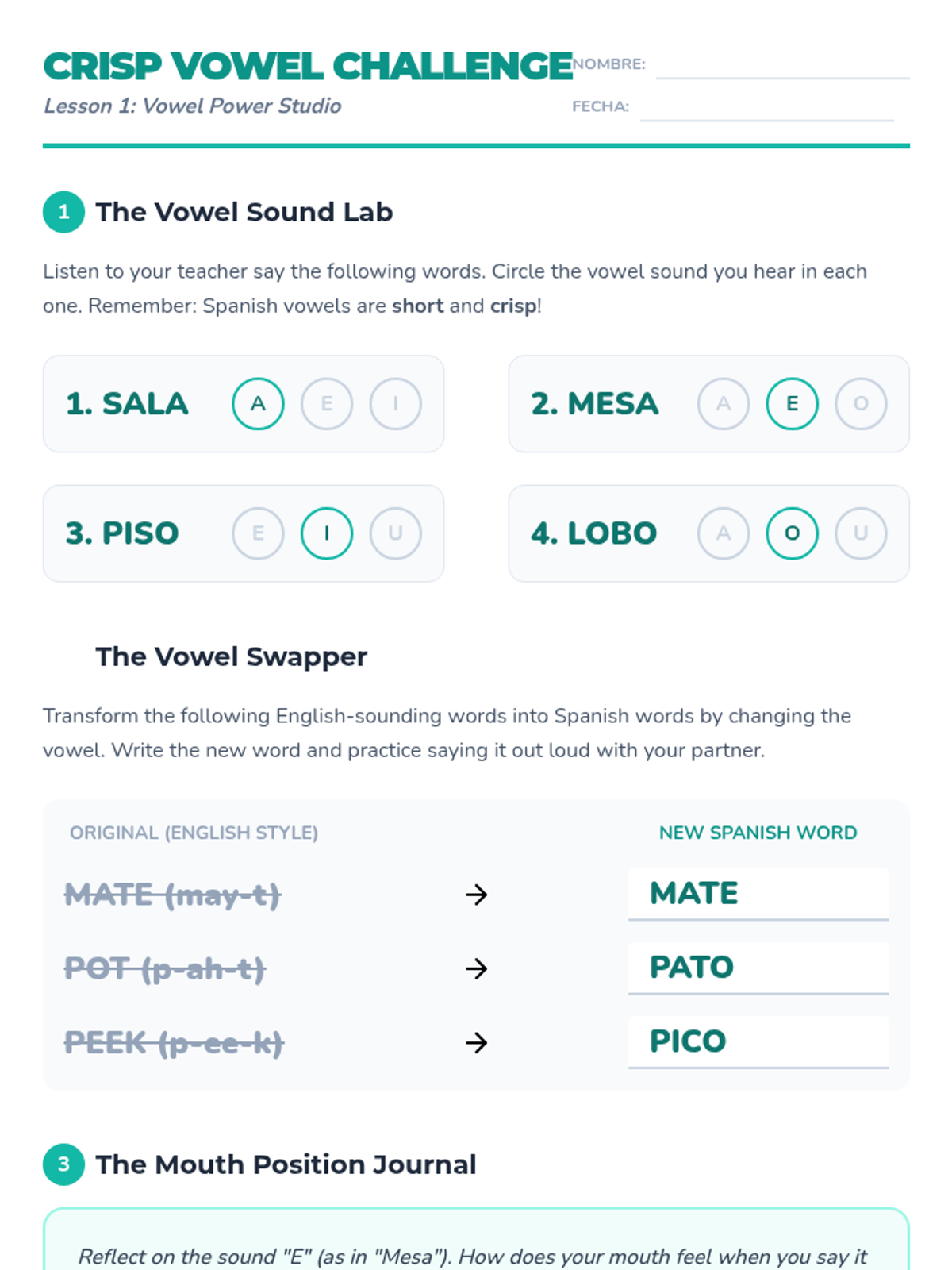
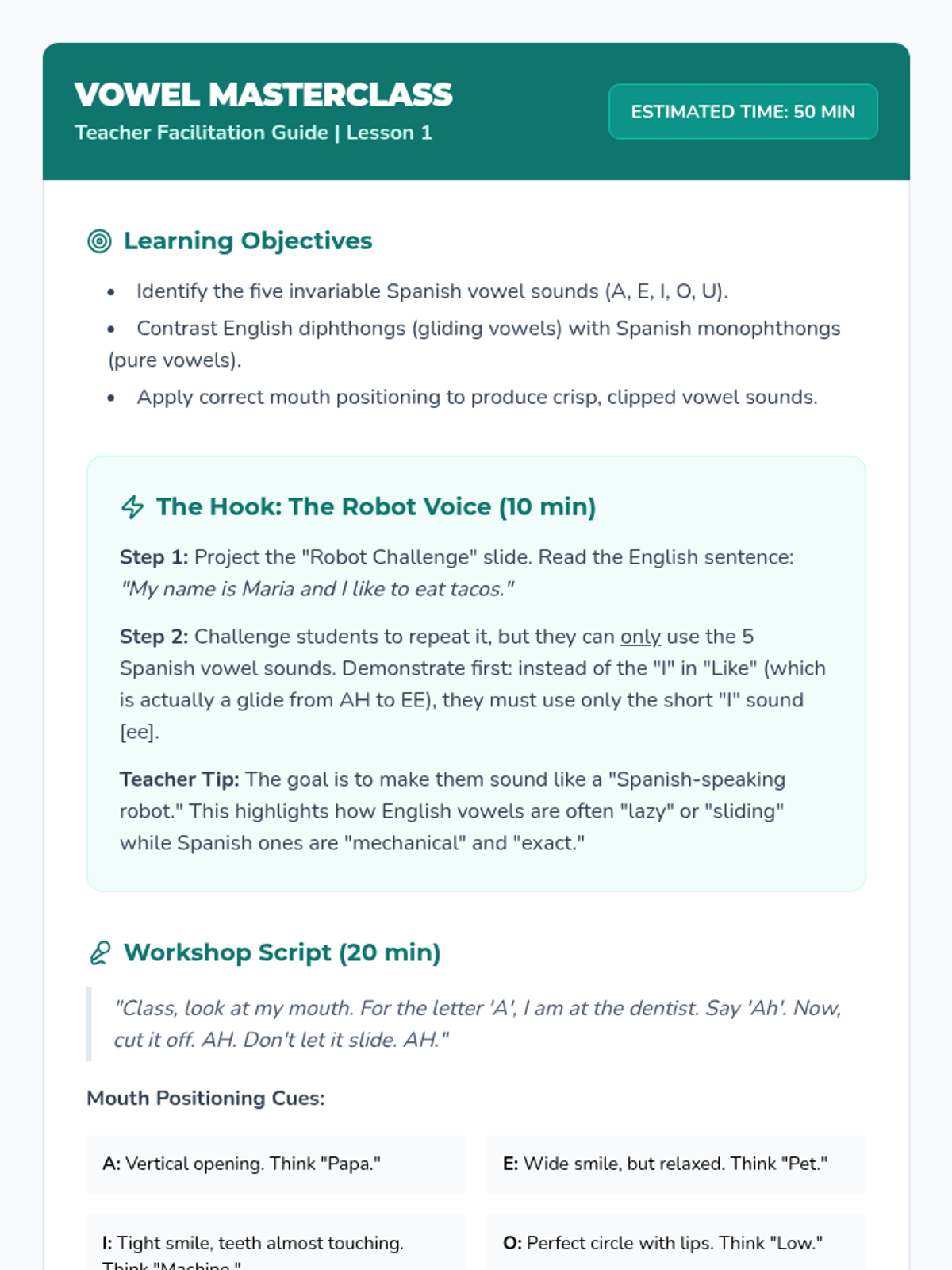
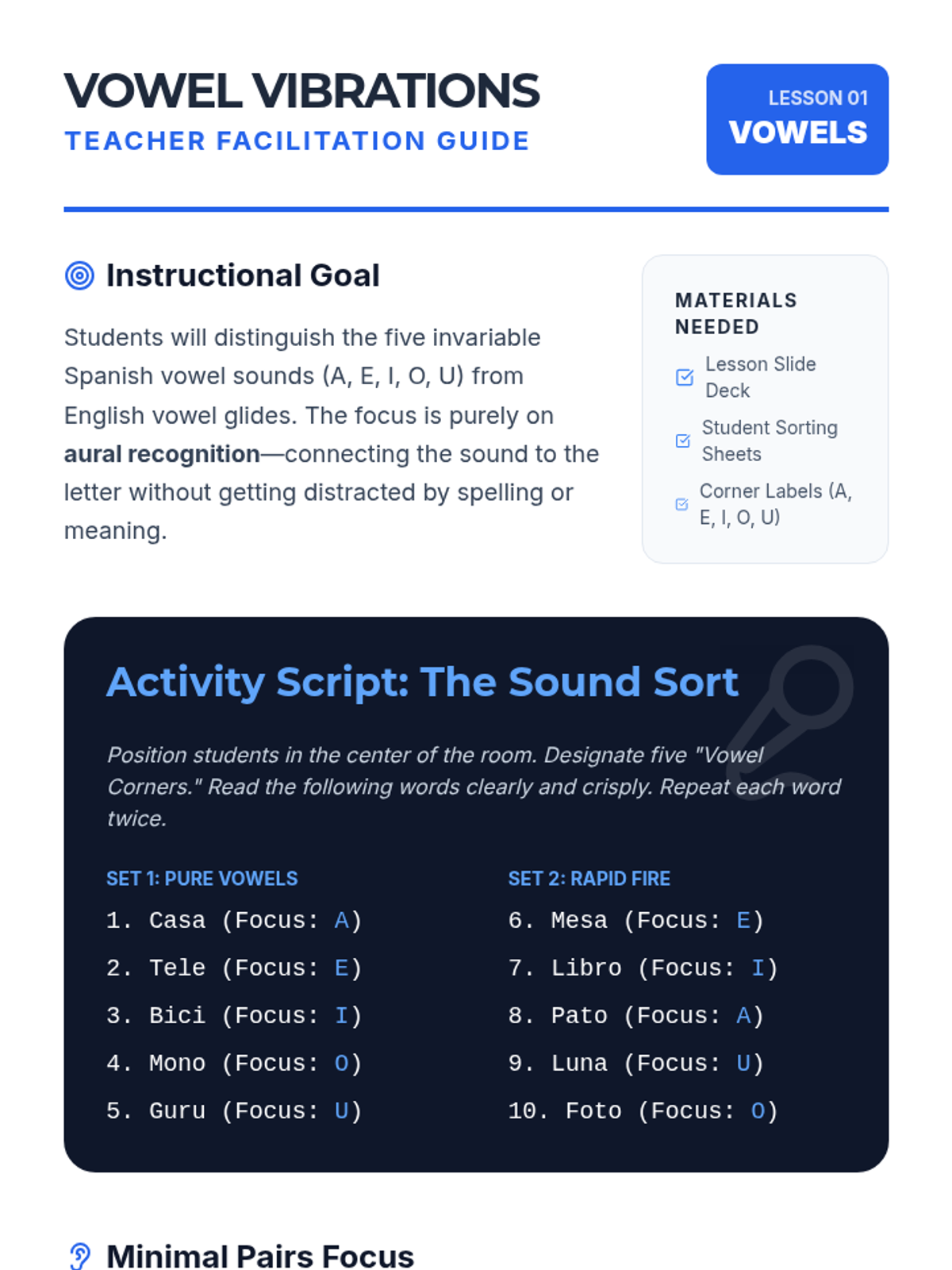
This sequence builds foundational Spanish pronunciation and social introduction skills. Students progress from mastering the five pure vowels and unique consonants to navigating the cultural nuances of formal and informal address, culminating in a fluent introductory dialogue.
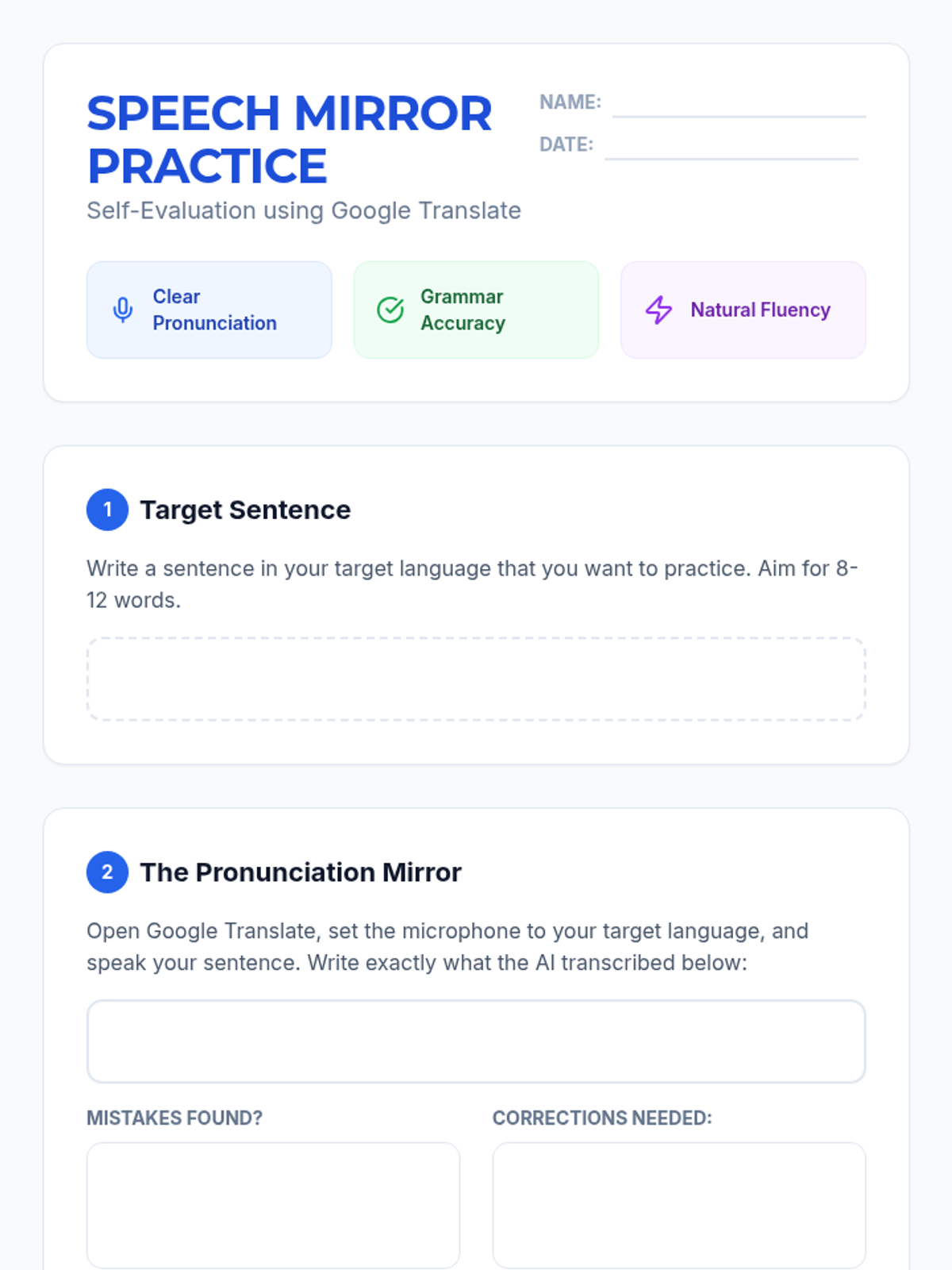
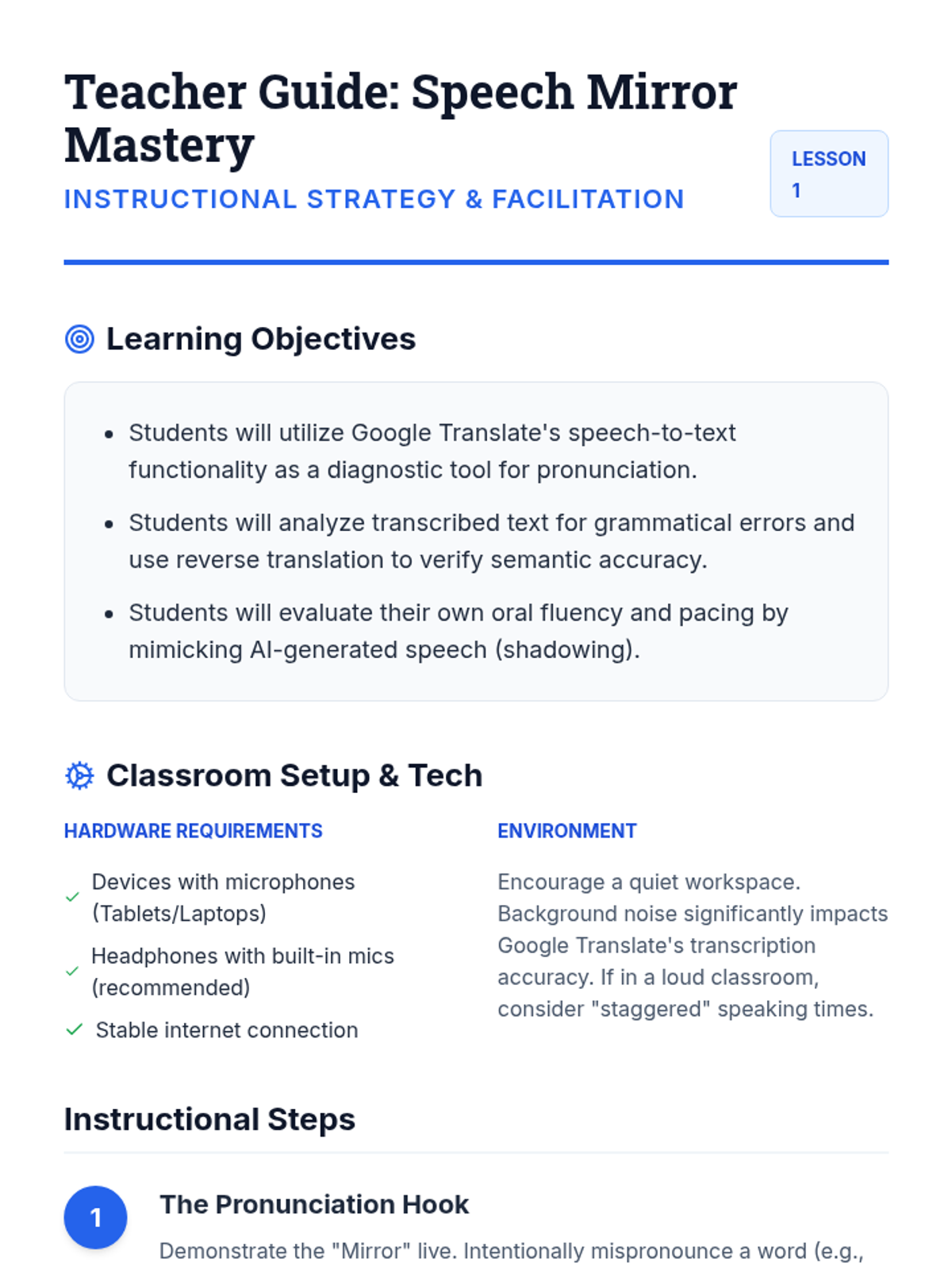
A sequence focused on leveraging digital translation tools for language self-assessment and speech improvement. Students learn to use Google Translate not just for translation, but as a 'mirror' for their own pronunciation, grammar, and fluency.
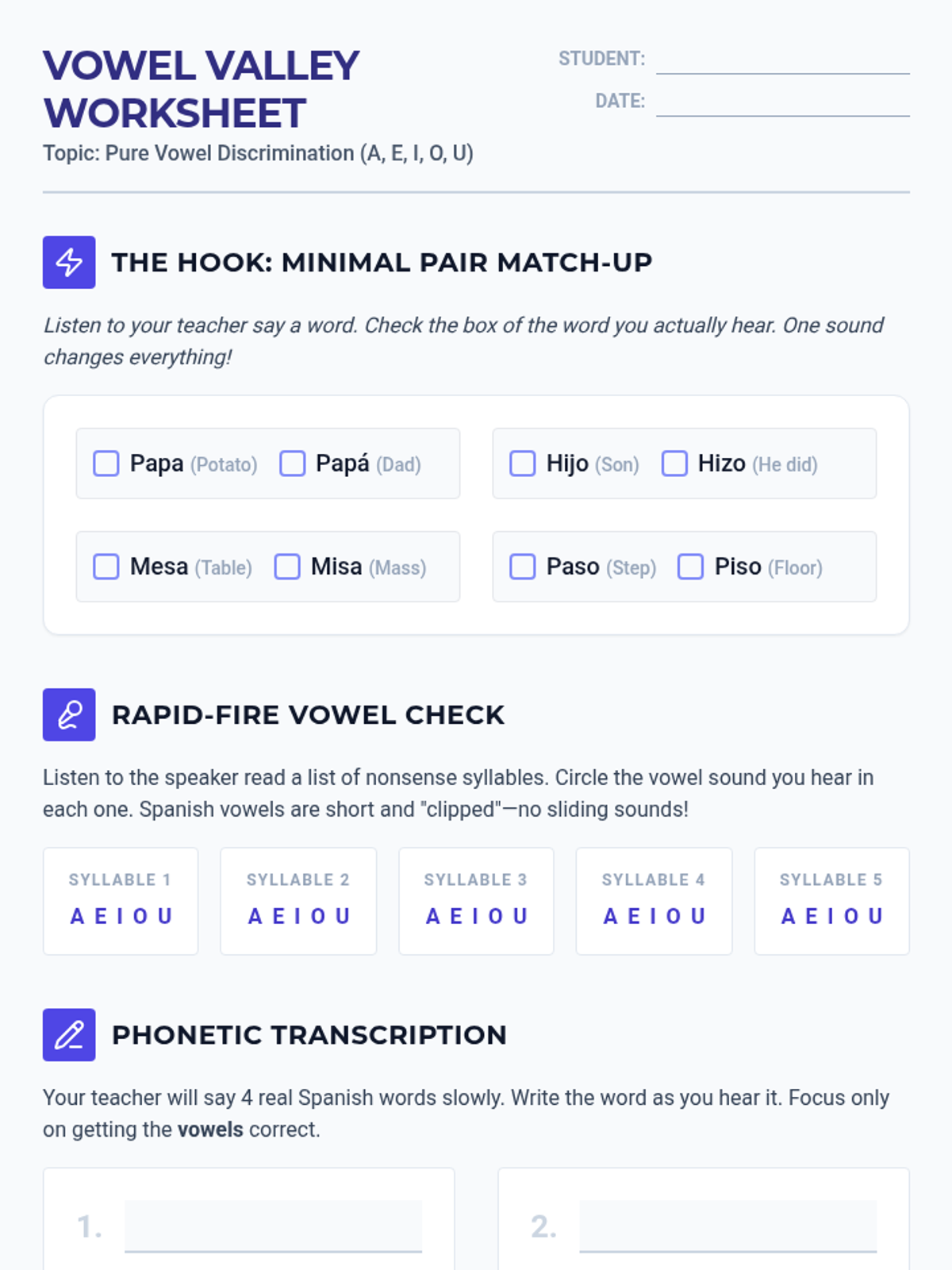
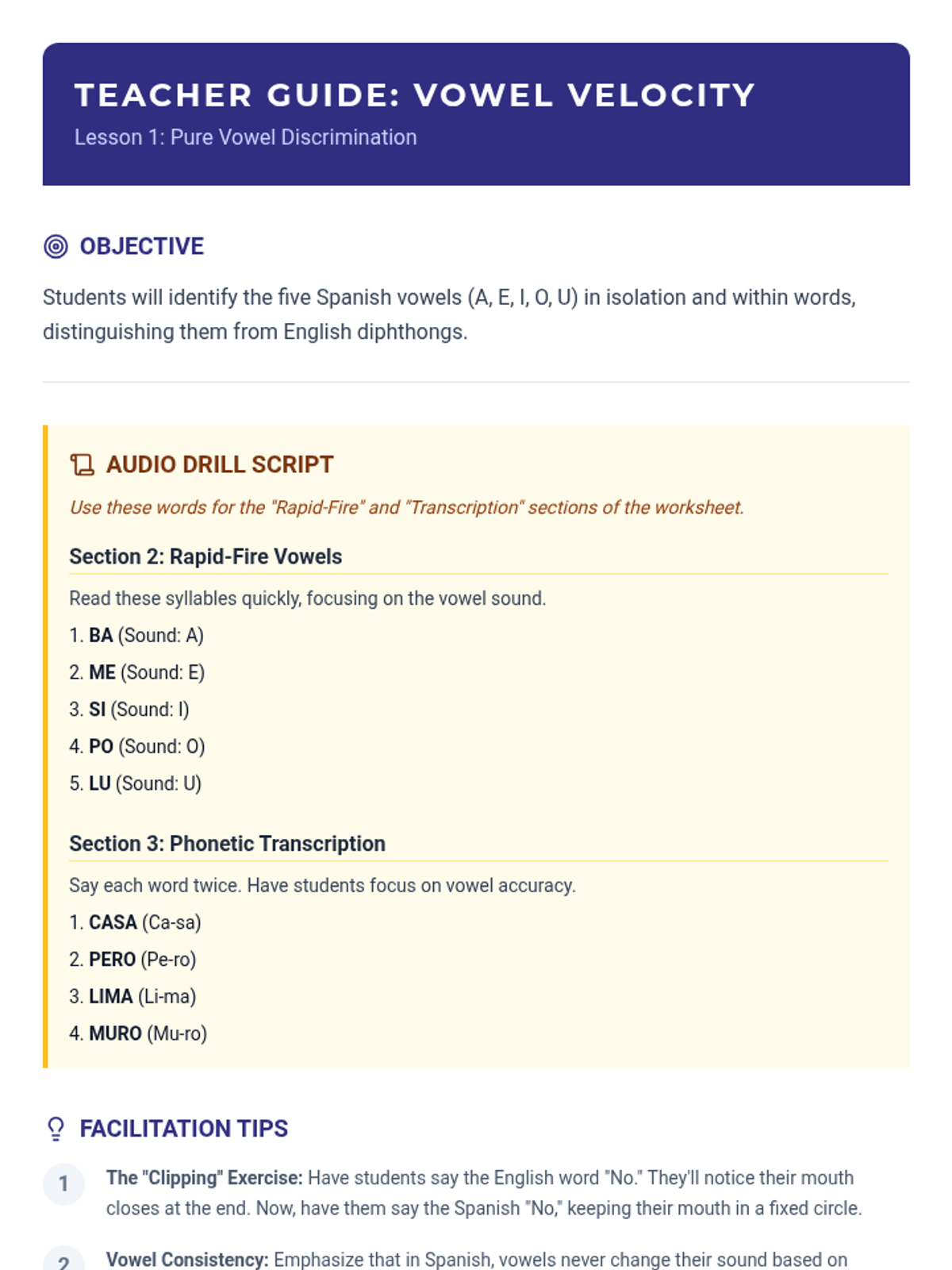
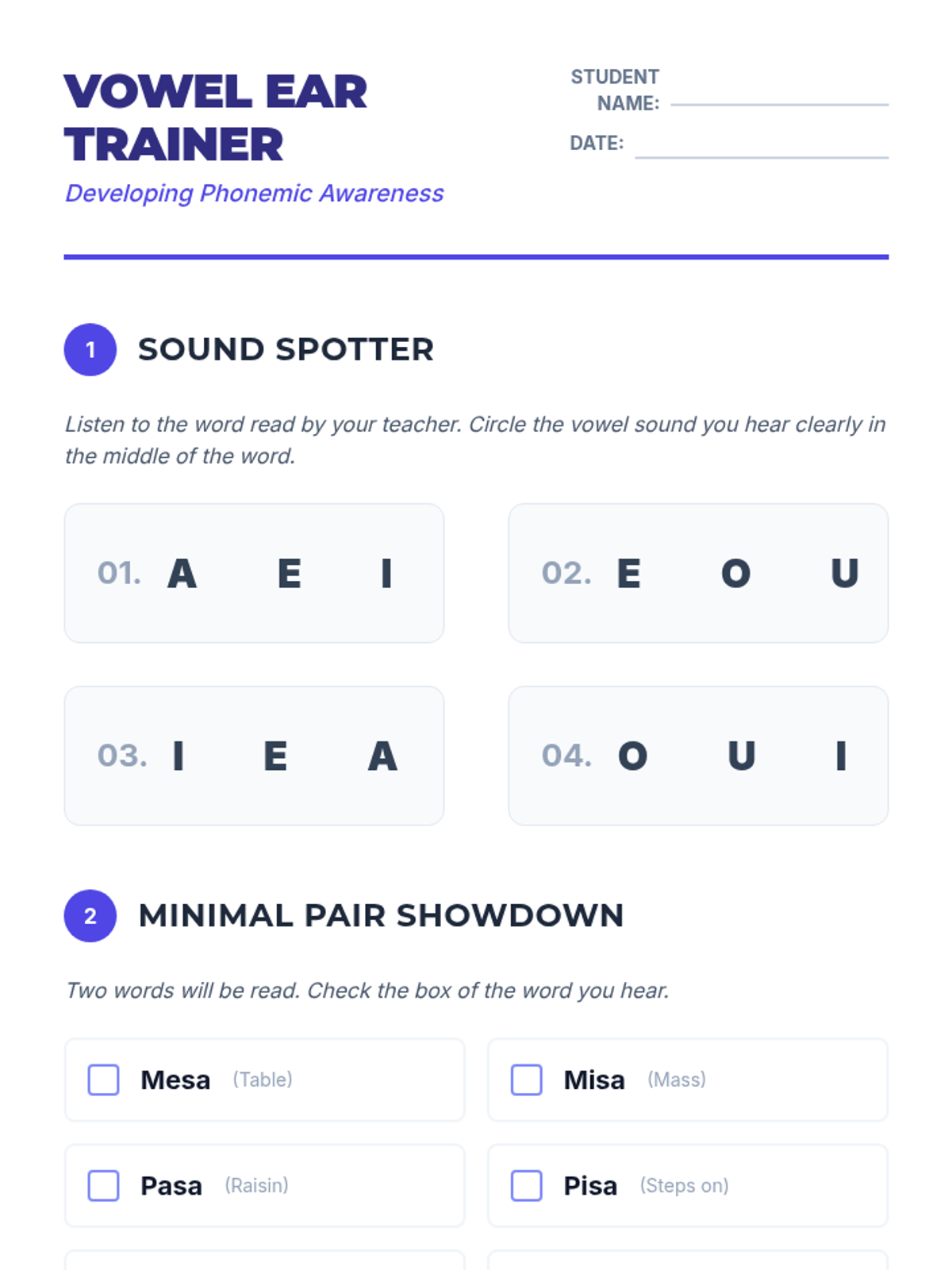
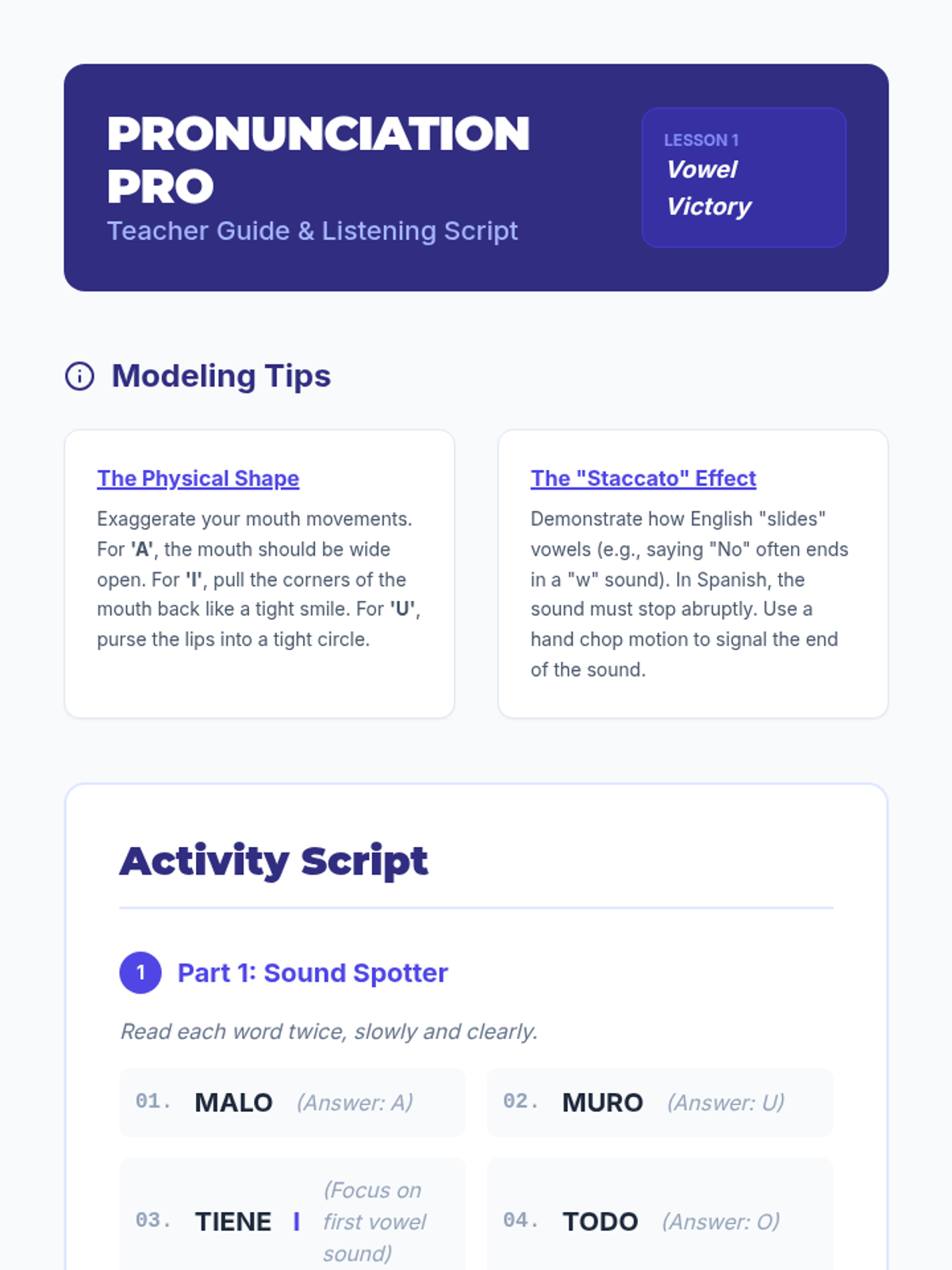
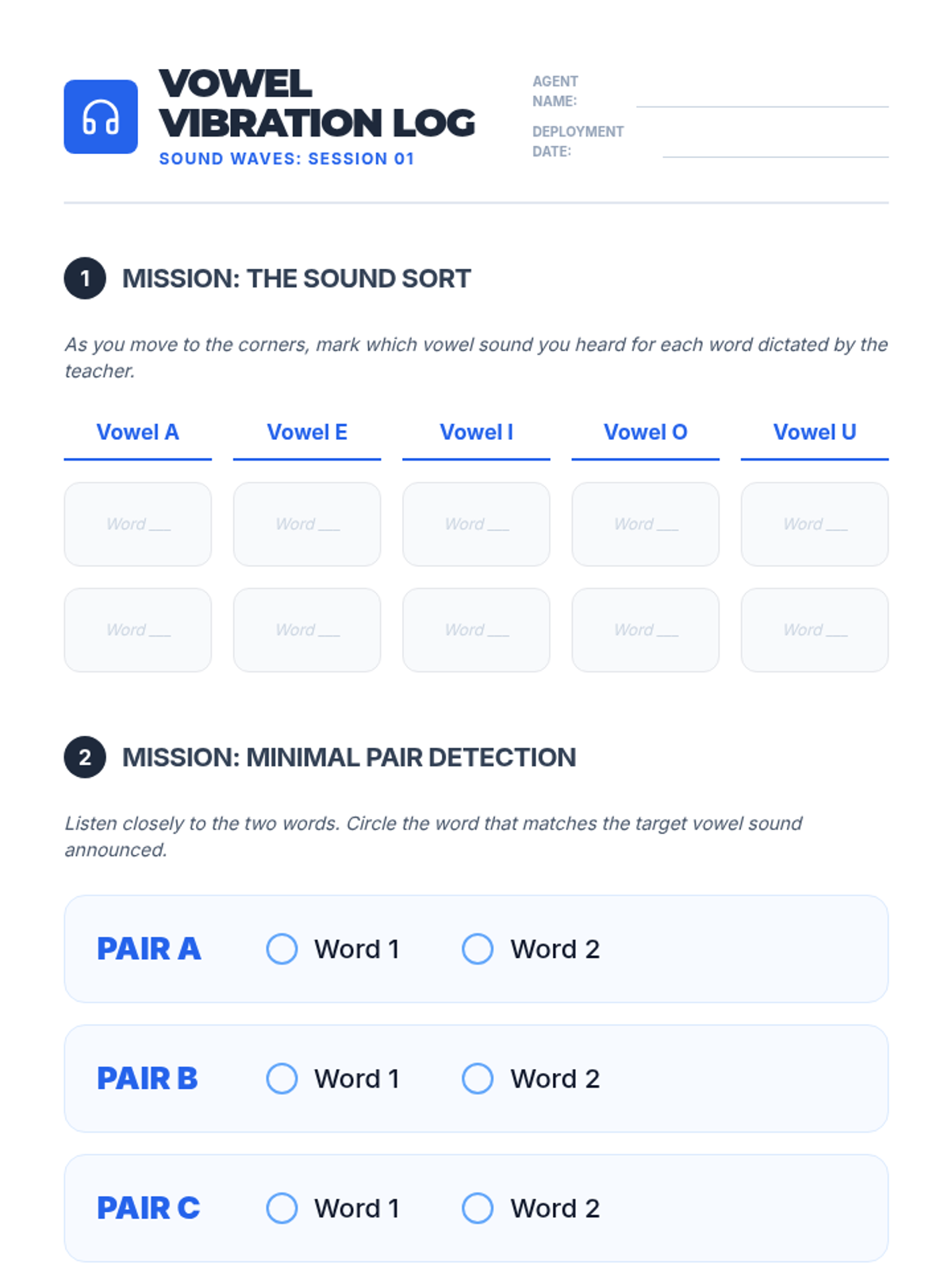
This sequence immerses students in the fundamental sound systems of the Spanish language, focusing on auditory discrimination of pure vowels, tricky consonants, syllable stress, and connected speech. Through guided workshops and dictation exercises, learners develop the ability to distinguish similar-sounding words and transcribe spoken phonemes, moving from isolated sounds to fluid communication.
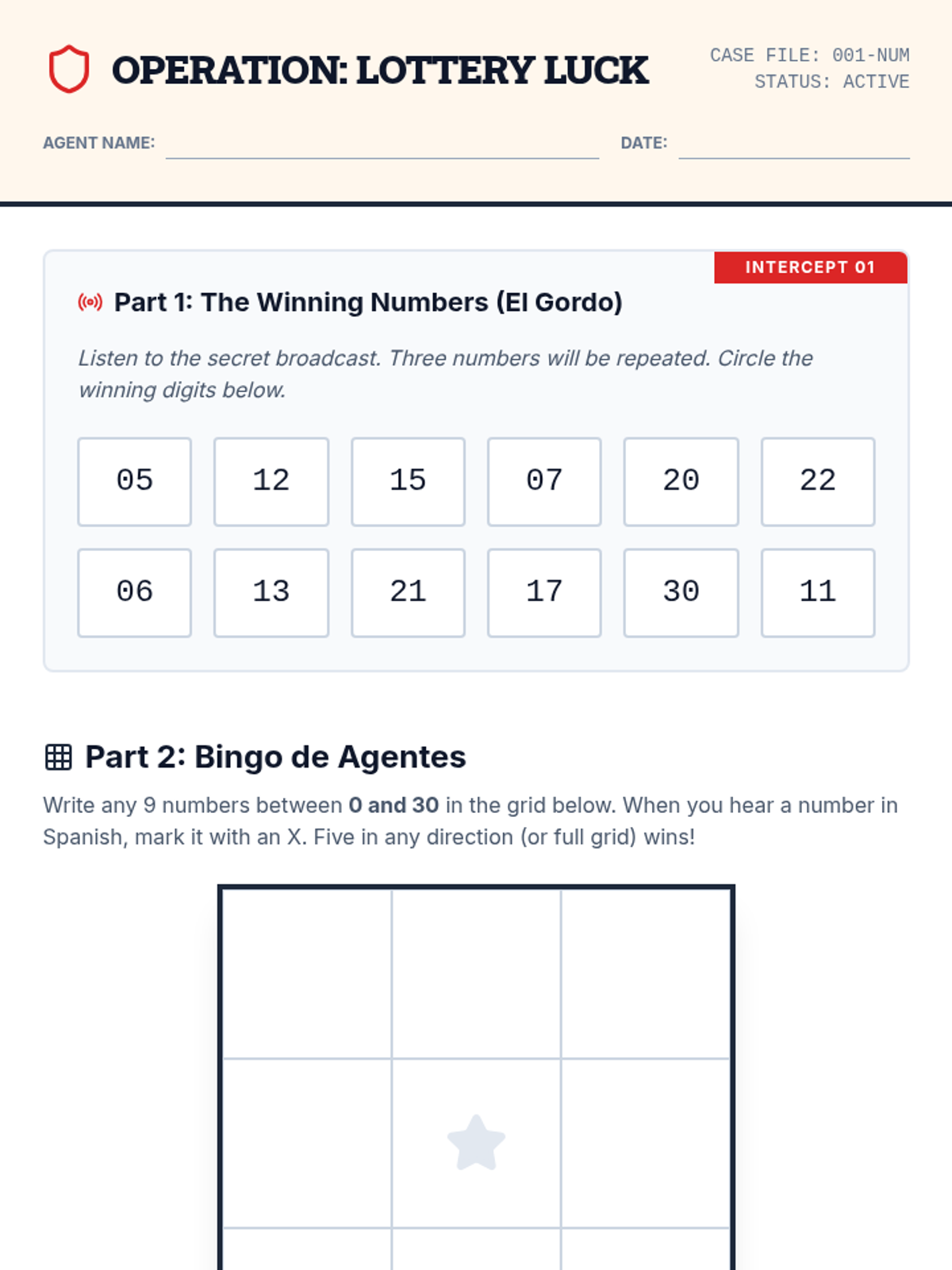
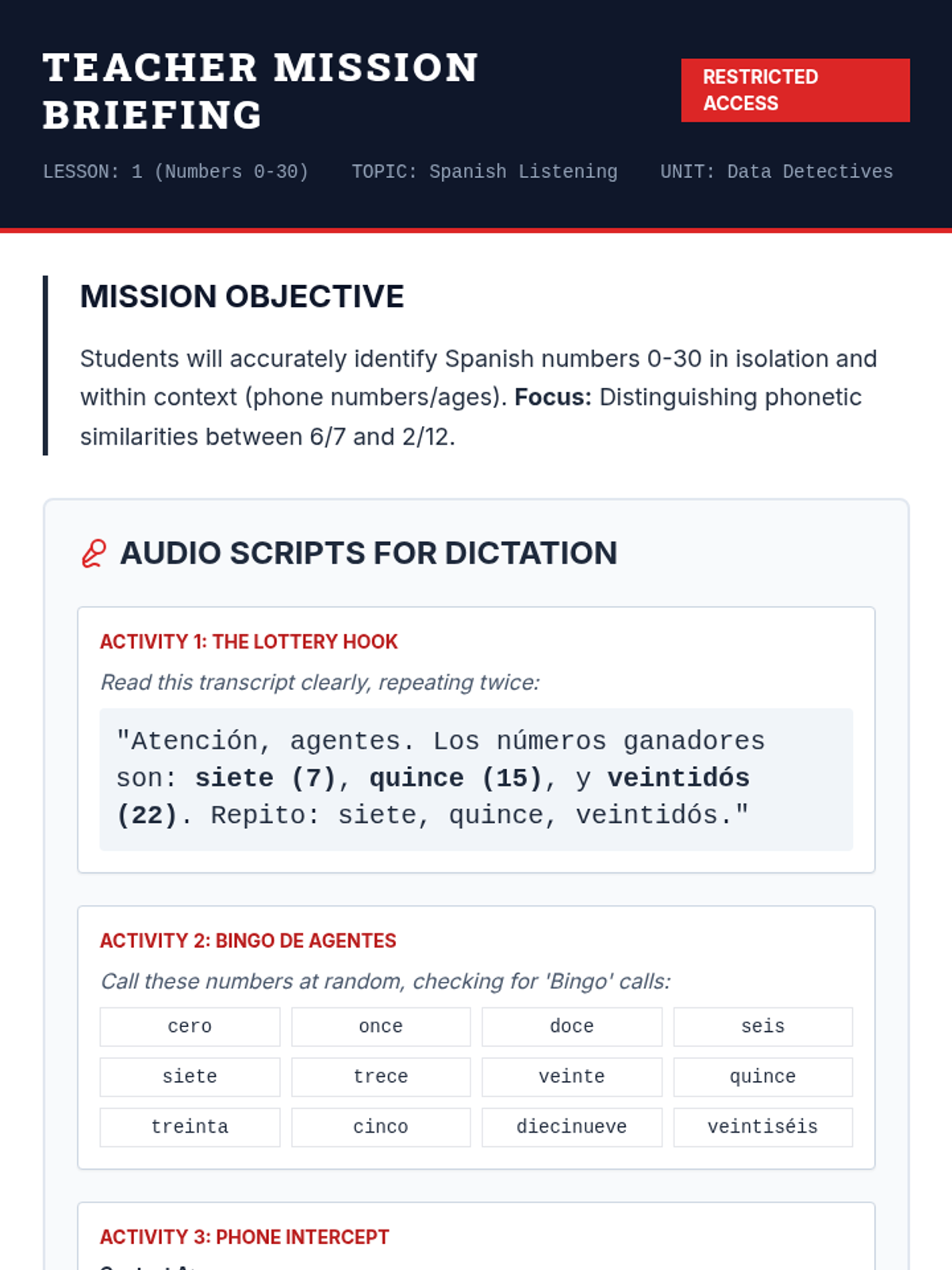
A comprehensive Spanish listening unit for 6th graders themed around 'Data Detectives'. Students learn to extract specific personal details like numbers, colors, dates, and physical traits from Spanish audio to build identity profiles.
This sequence explores regular Spanish verb conjugation in the present tense, moving from subject pronouns to full sentence construction and narration of daily habits.
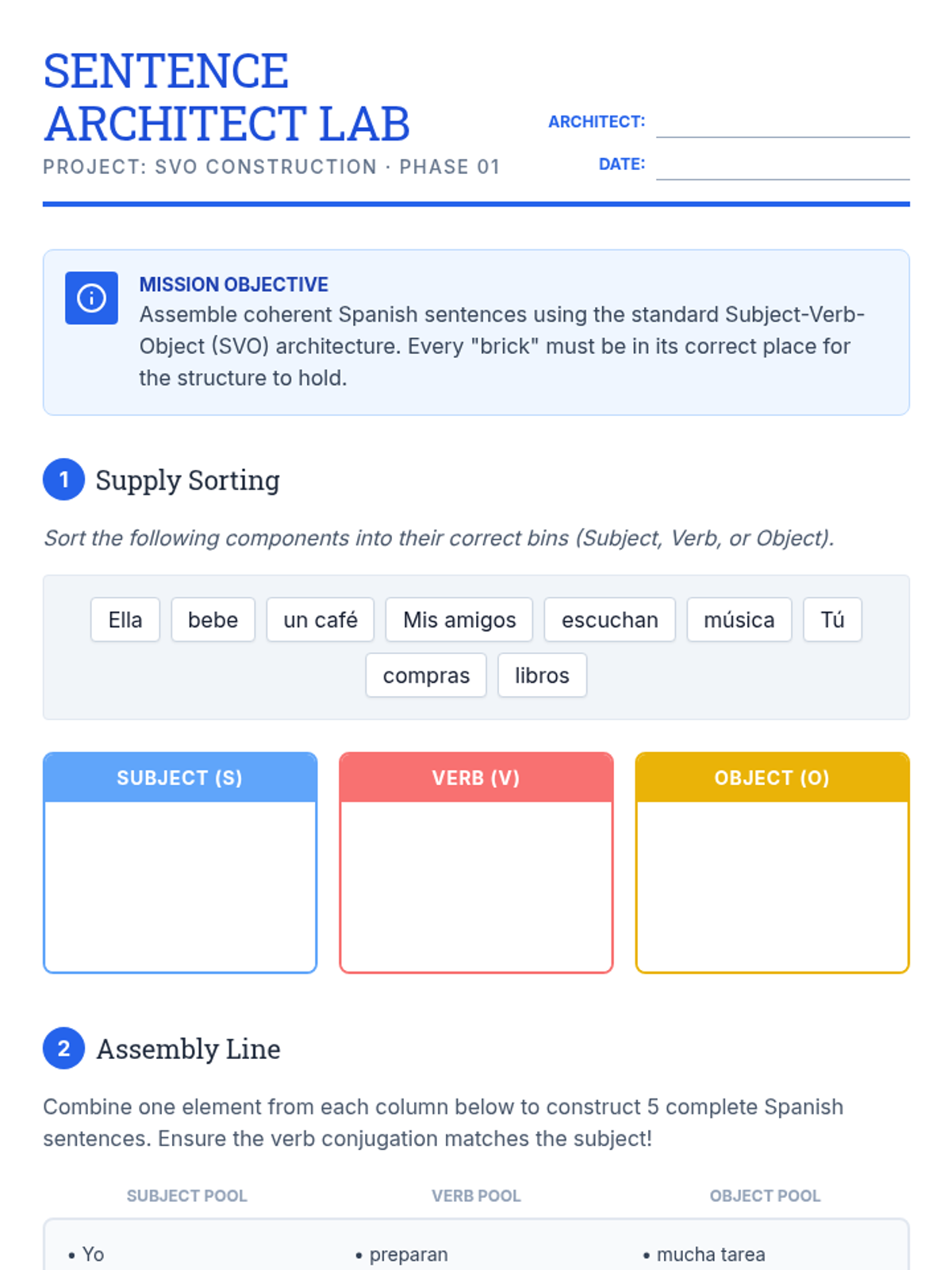
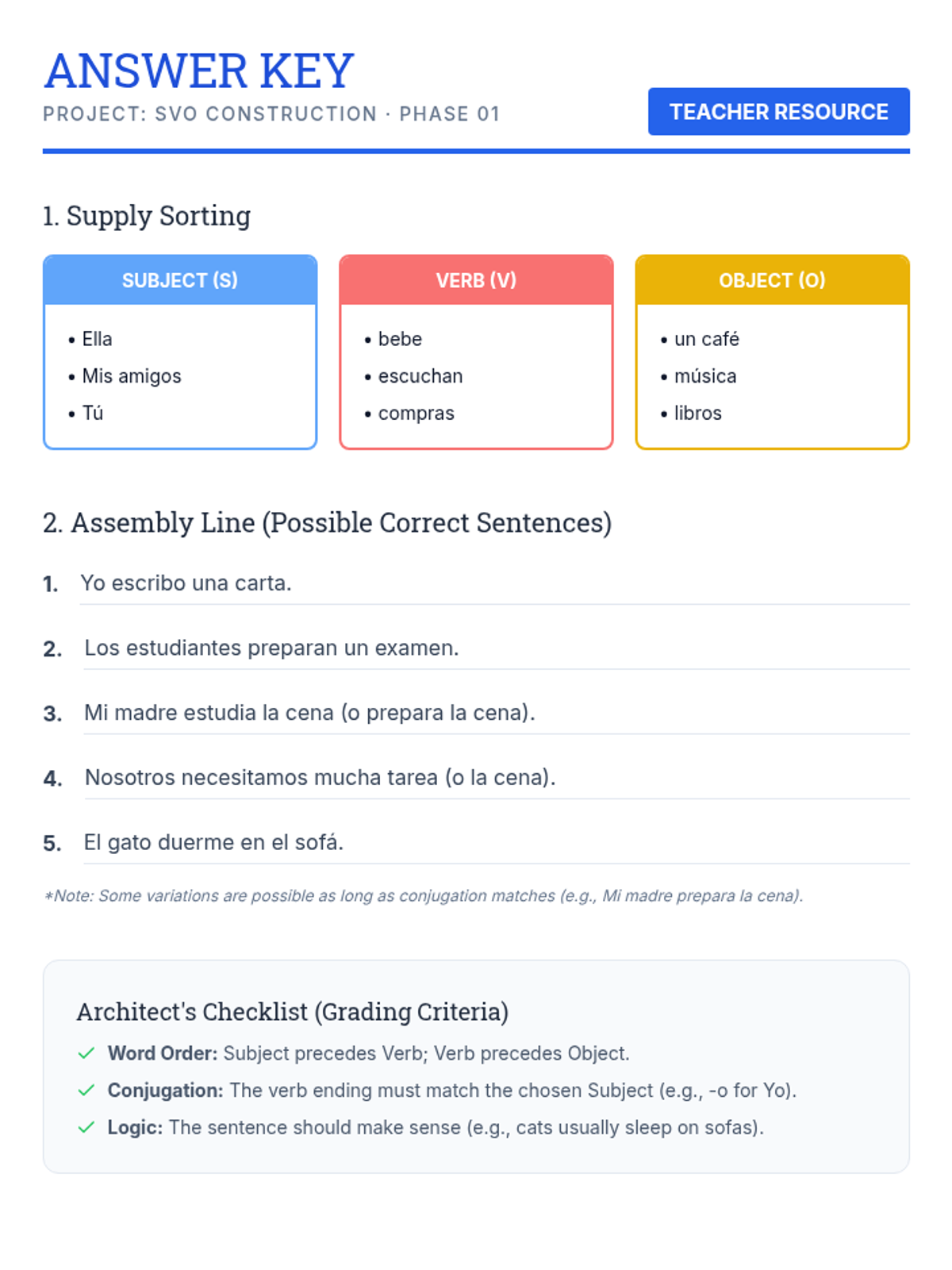
A workshop-style sequence where students move from isolated words to building coherent affirmative, negative, and interrogative sentences in Spanish. Focuses on the "architecture" of language and how word order affects meaning.
A comprehensive sequence for 6th-grade students focusing on Spanish phonetics, vowel precision, consonant variations, and syllabic stress to build a strong foundation for native-like pronunciation.
This sequence focuses on the foundational auditory skills required to distinguish unique Spanish sounds from English sounds. Students move from isolating basic vowel sounds to mastering difficult consonants, stress patterns, and identifying cognates in context.
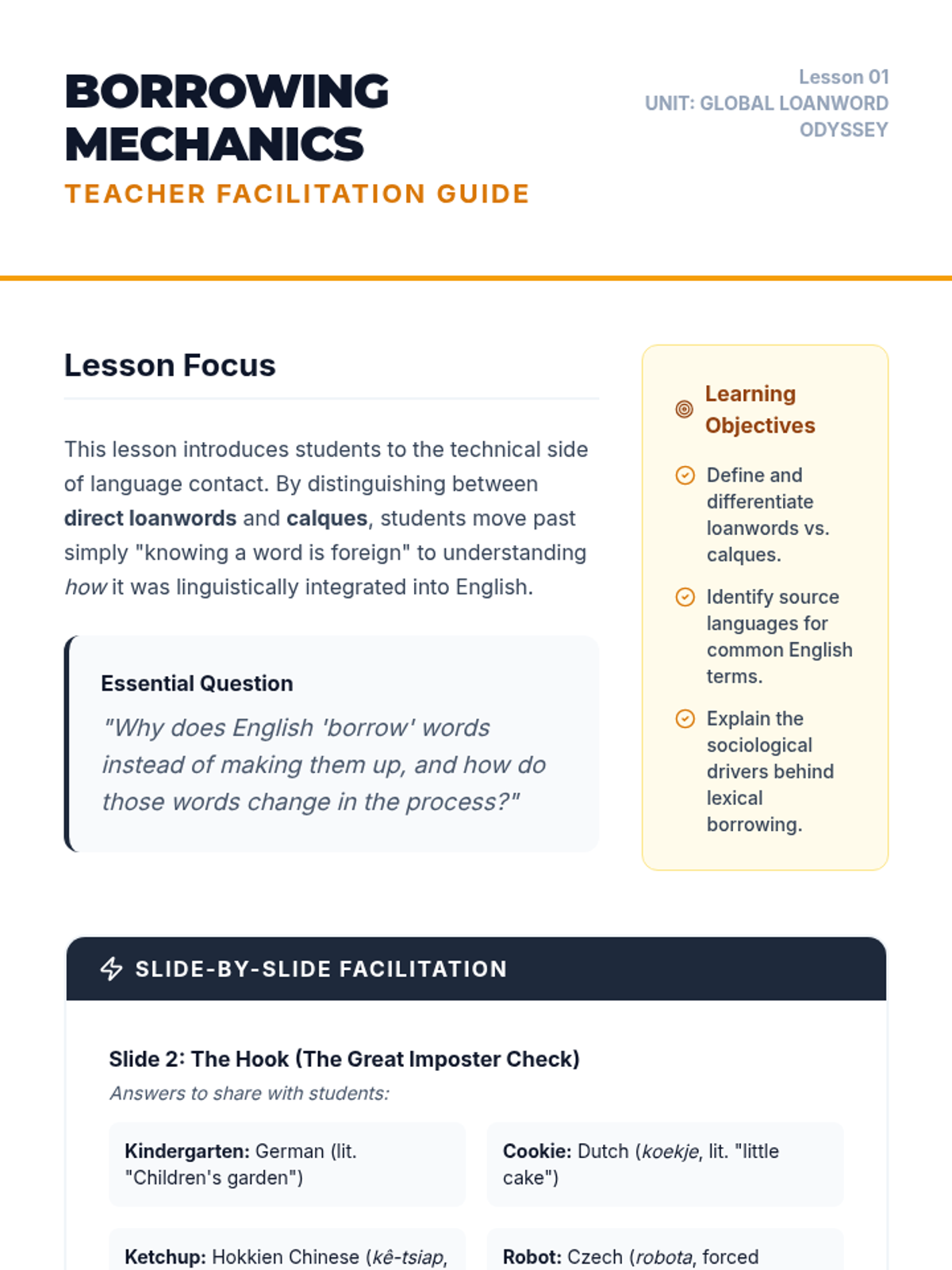
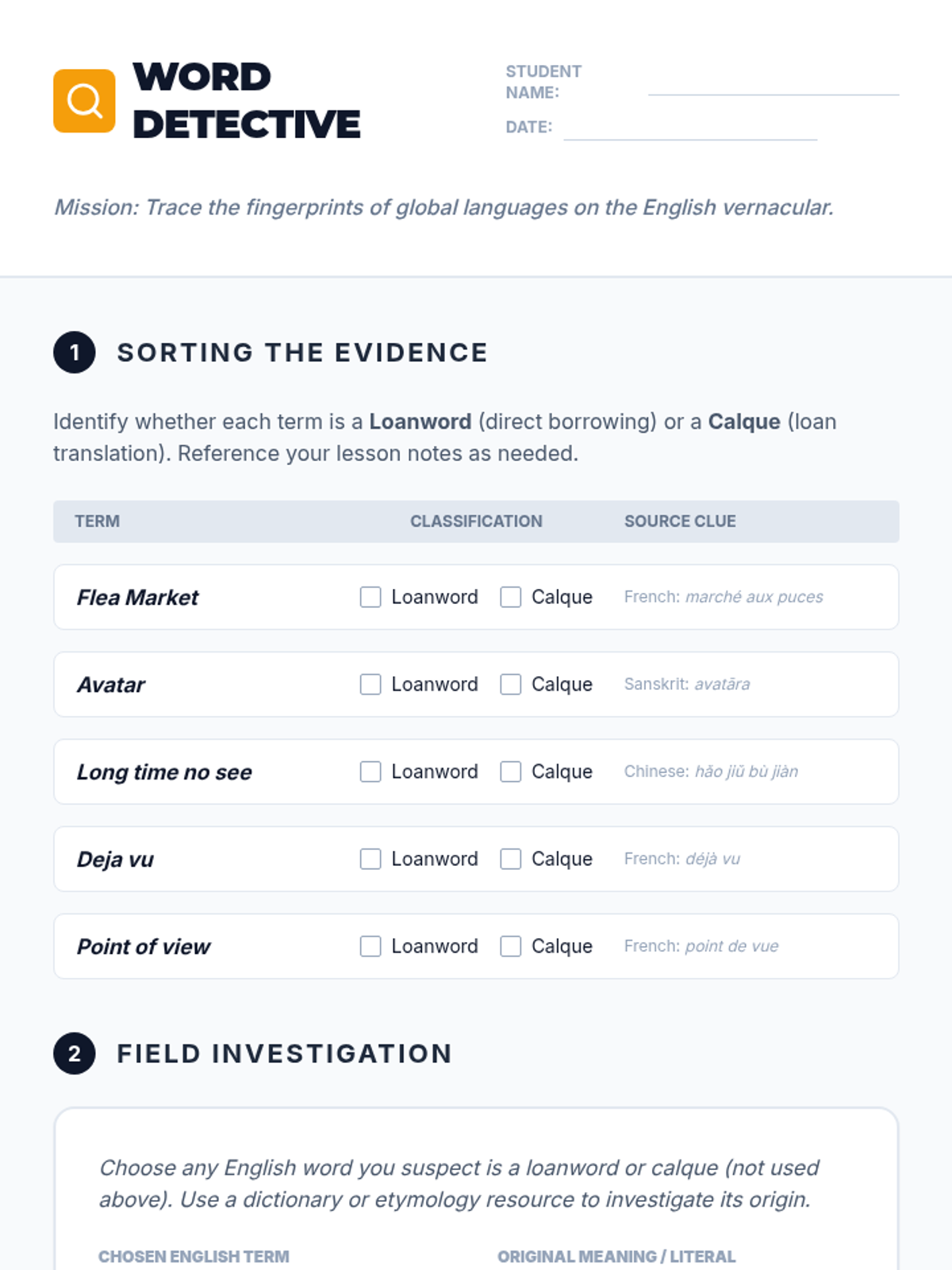
A linguistic and sociological exploration of how English absorbs and adapts words from diverse global sources, focusing on etymology, cultural exchange, and the evolution of language.
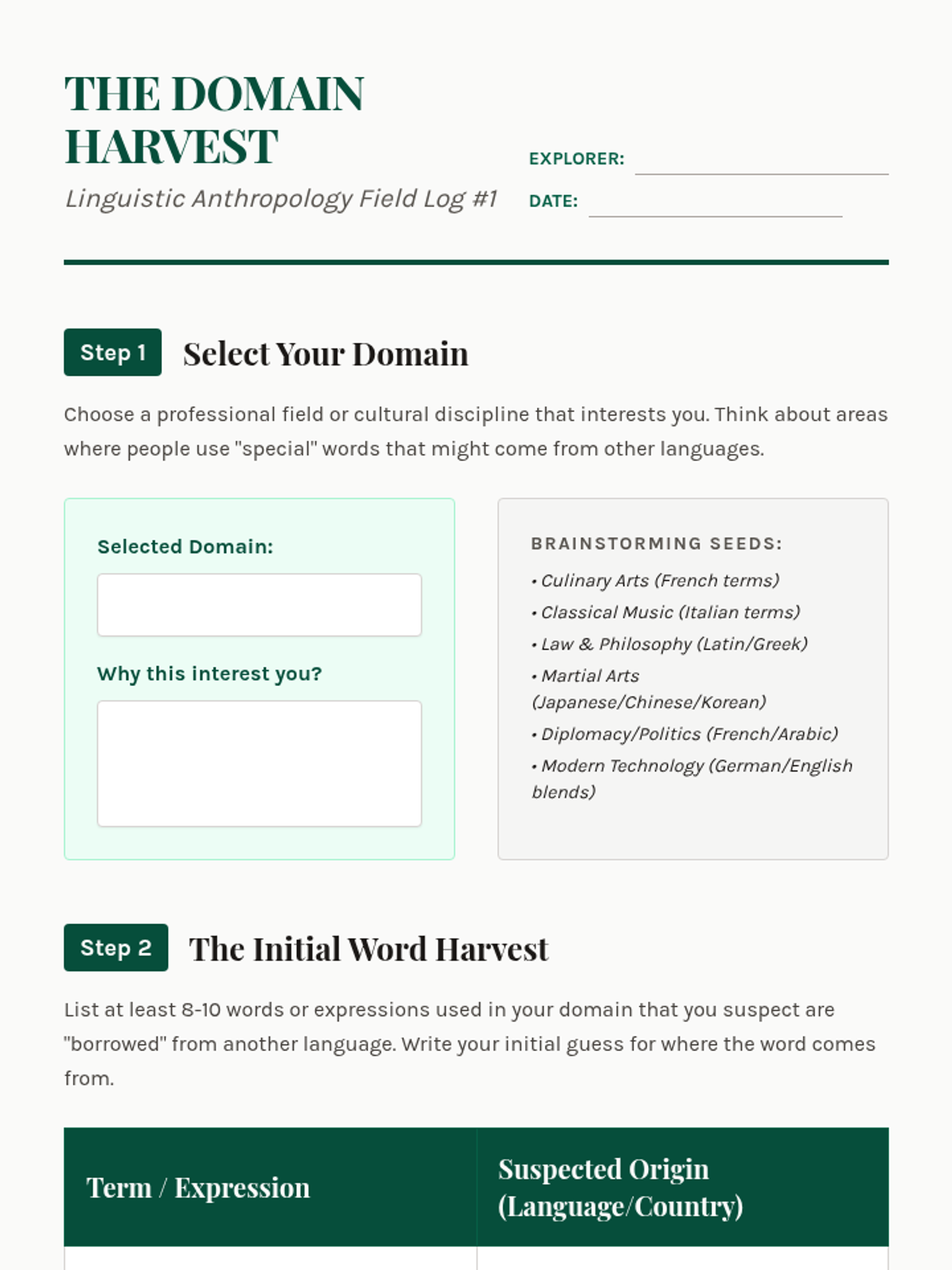
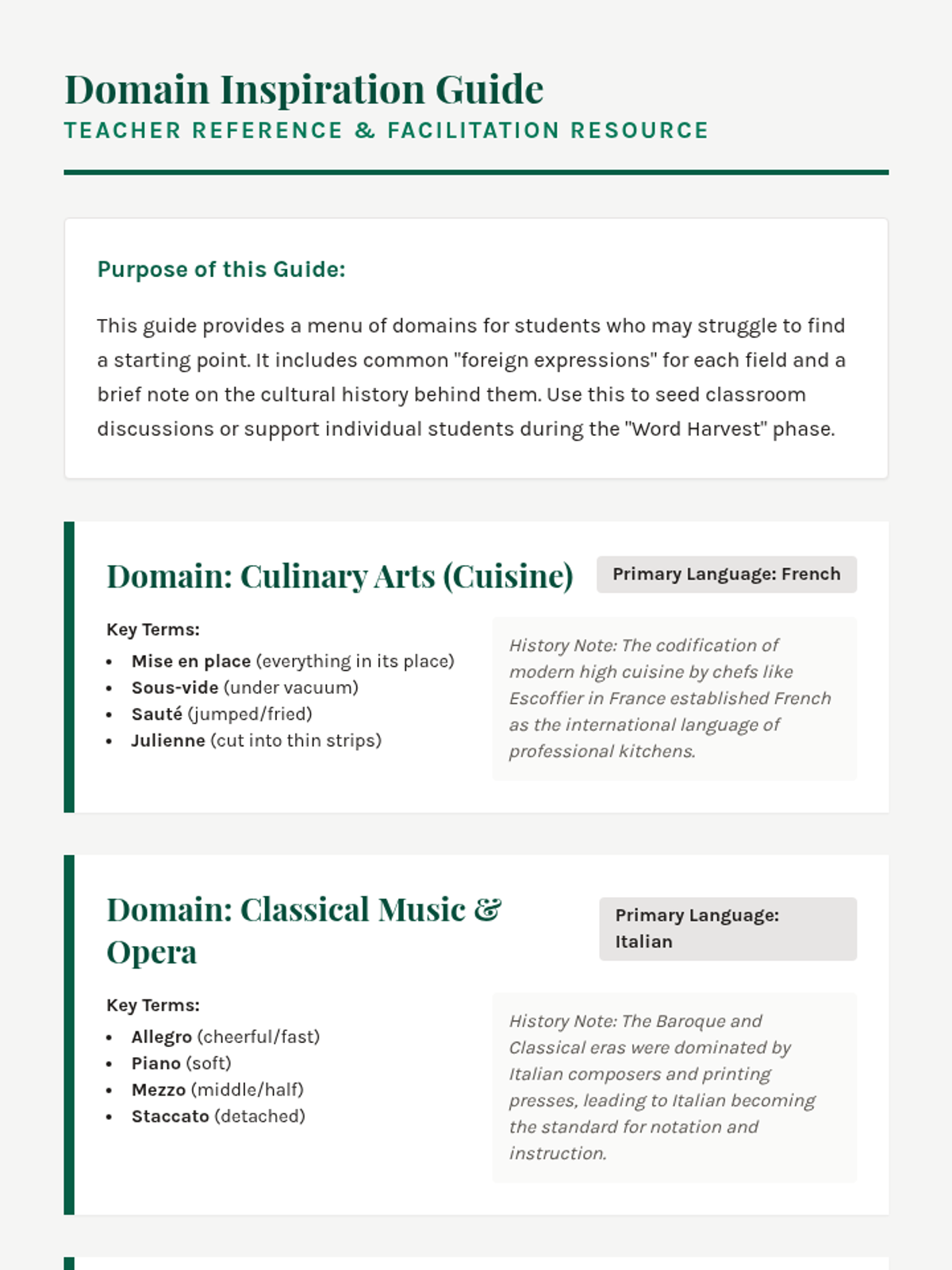
Students act as linguistic anthropologists creating a specialized 'Field Guide to Foreign Expressions' for a chosen professional or cultural domain. They investigate the etymology, usage, and visual representation of foreign terminology to explain their chosen field's linguistic history to a lay audience.
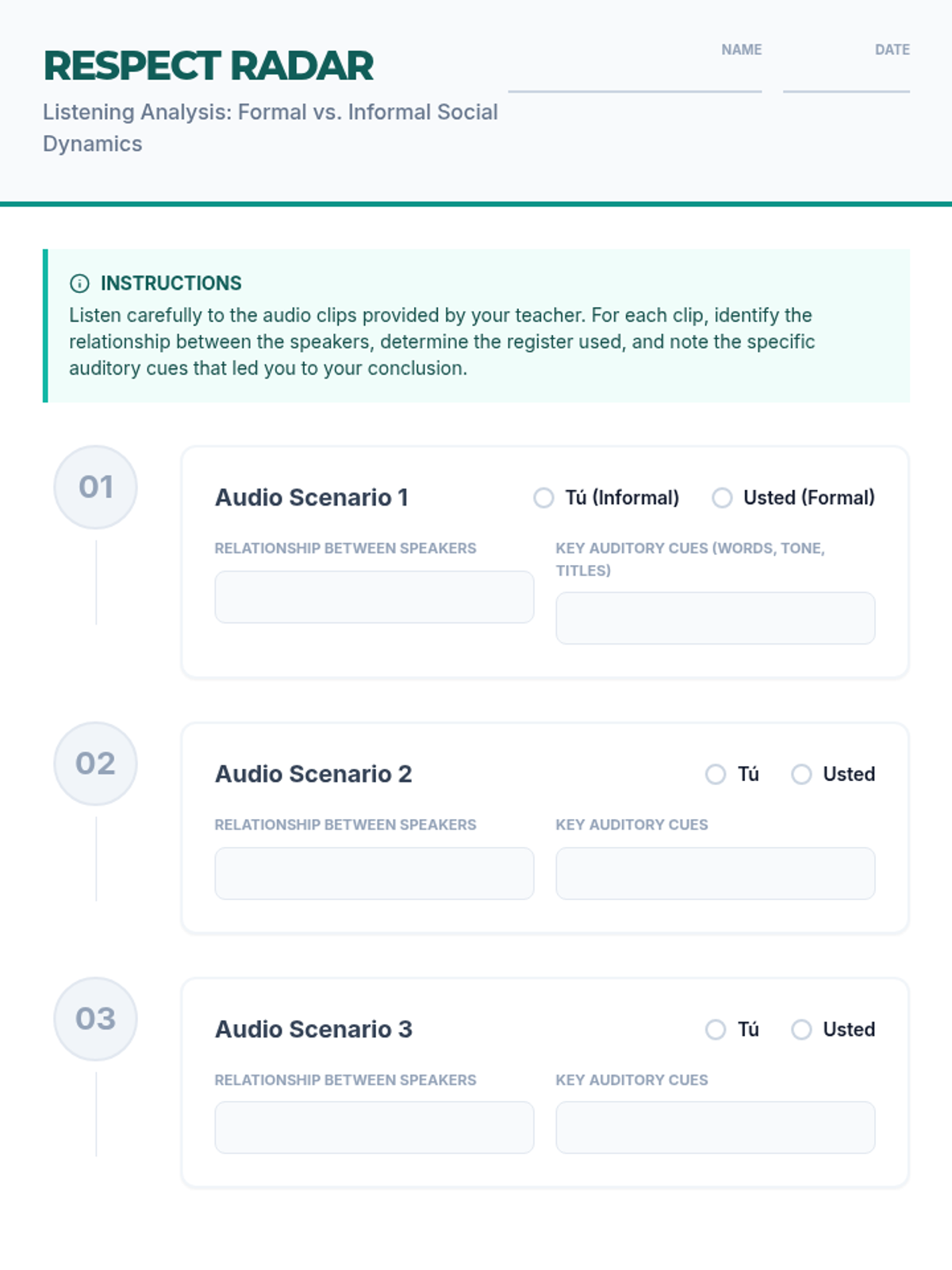
A comprehensive immersion into Spanish greetings and introductions, focusing on the cultural nuances of formal and informal address through listening analysis and simulation.
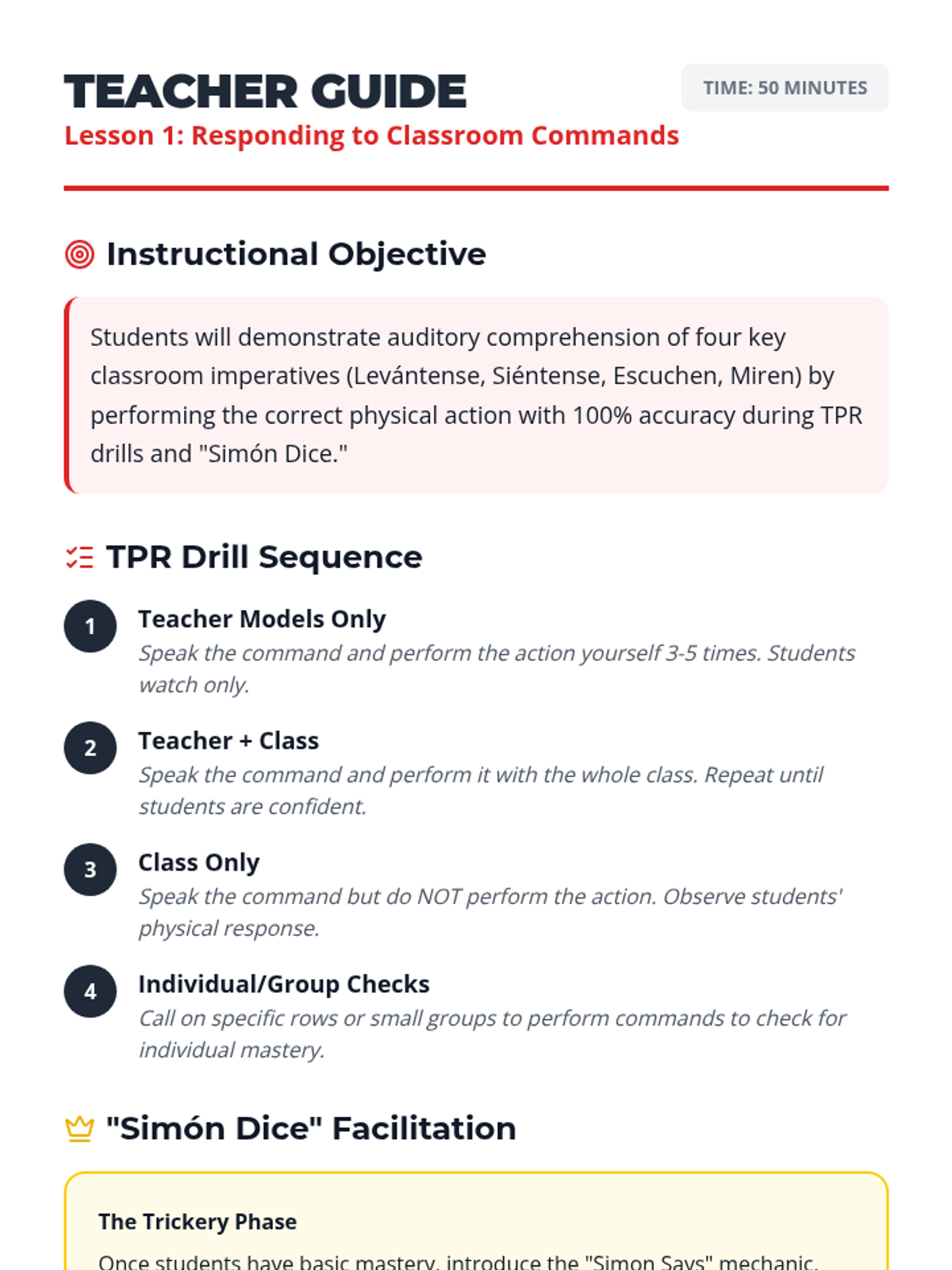
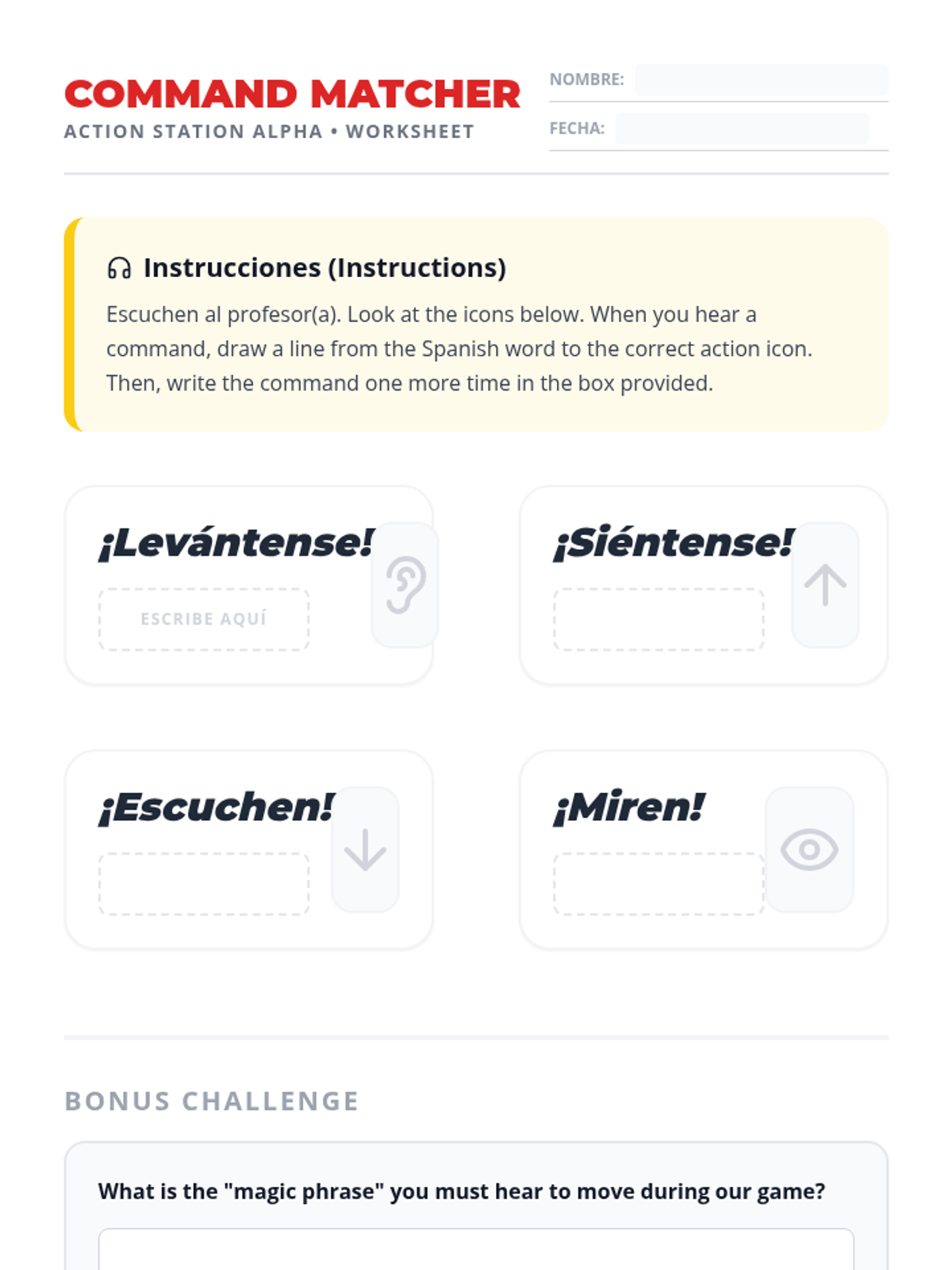
A 6th-grade Spanish listening sequence focused on rapid acquisition of classroom commands and survival phrases using Total Physical Response (TPR). Students progress from physical reactions to auditory commands to expressing and understanding complex physiological needs and multi-step instructions.
A comprehensive unit for 6th-grade beginners focusing on the auditory nuances of Spanish greetings. Students learn to navigate time-based greetings, formal vs. informal registers (tú/usted), introductions, and emotional responses through immersive listening simulations.
This sequence immerses 6th-grade students in the fundamental sounds of Spanish, focusing on vowels, unique consonants, the rolled 'r', and intonation patterns to build strong auditory discrimination skills.
This sequence focuses on the fundamental mechanics of Spanish pronunciation and listening discrimination, from the five fixed vowels to rapid speech linking and phonetic dictation.
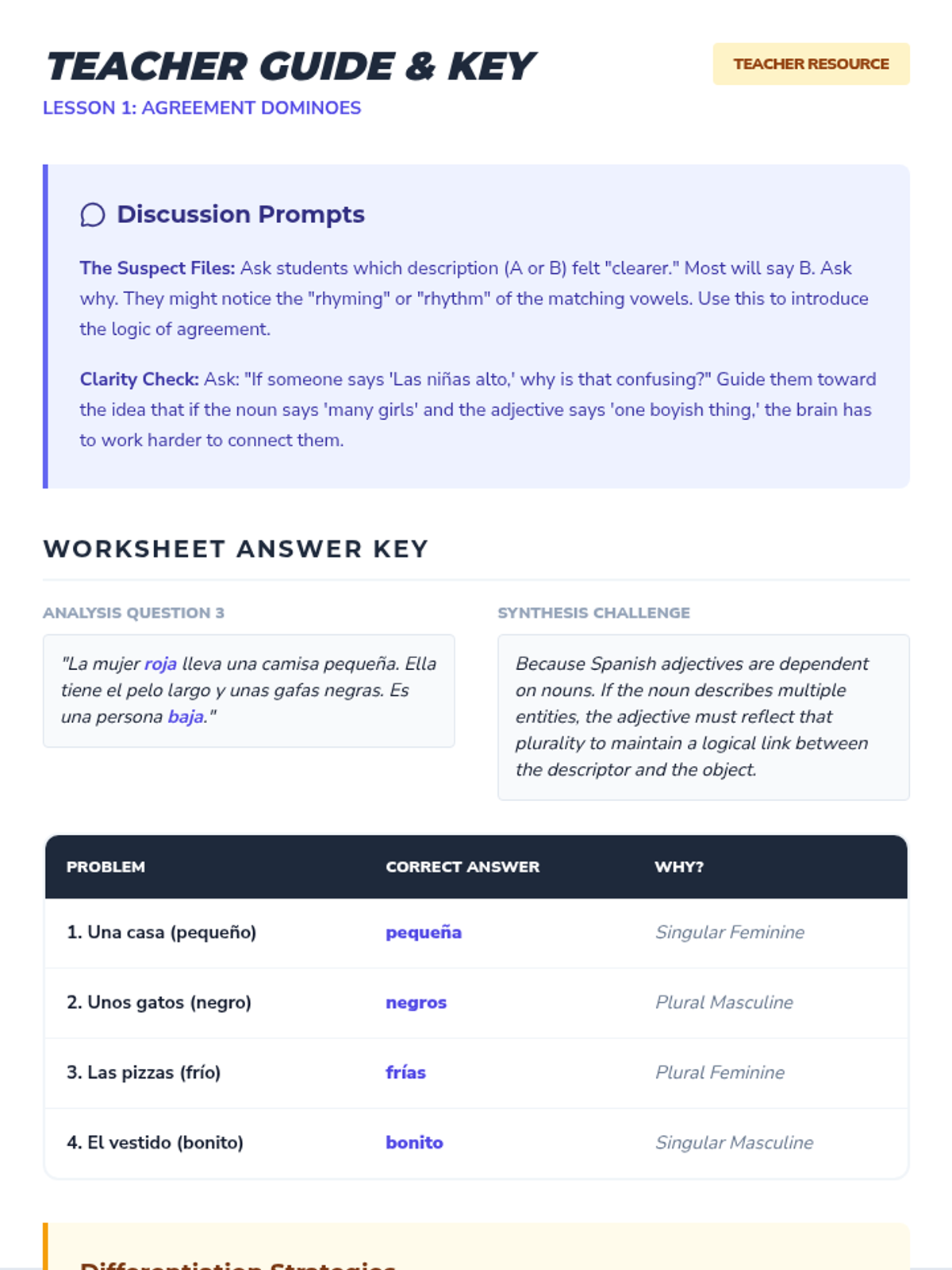
This sequence explores the mechanics of noun-adjective agreement in Spanish, focusing on gender, number, and placement rules. Students progress from inquiry-based discovery to practical application in describing people and correcting errors.