Essential grammar structures, high-frequency vocabulary, and foundational literacy skills. Equips learners with basic speaking and listening abilities for everyday interactions and introductory text comprehension.
A comprehensive ESL sequence for 1st graders focusing on the academic language of spatial relationships, directional movement, and map literacy within a Social Studies context. Students progress from basic positional words to navigating and creating their own maps.
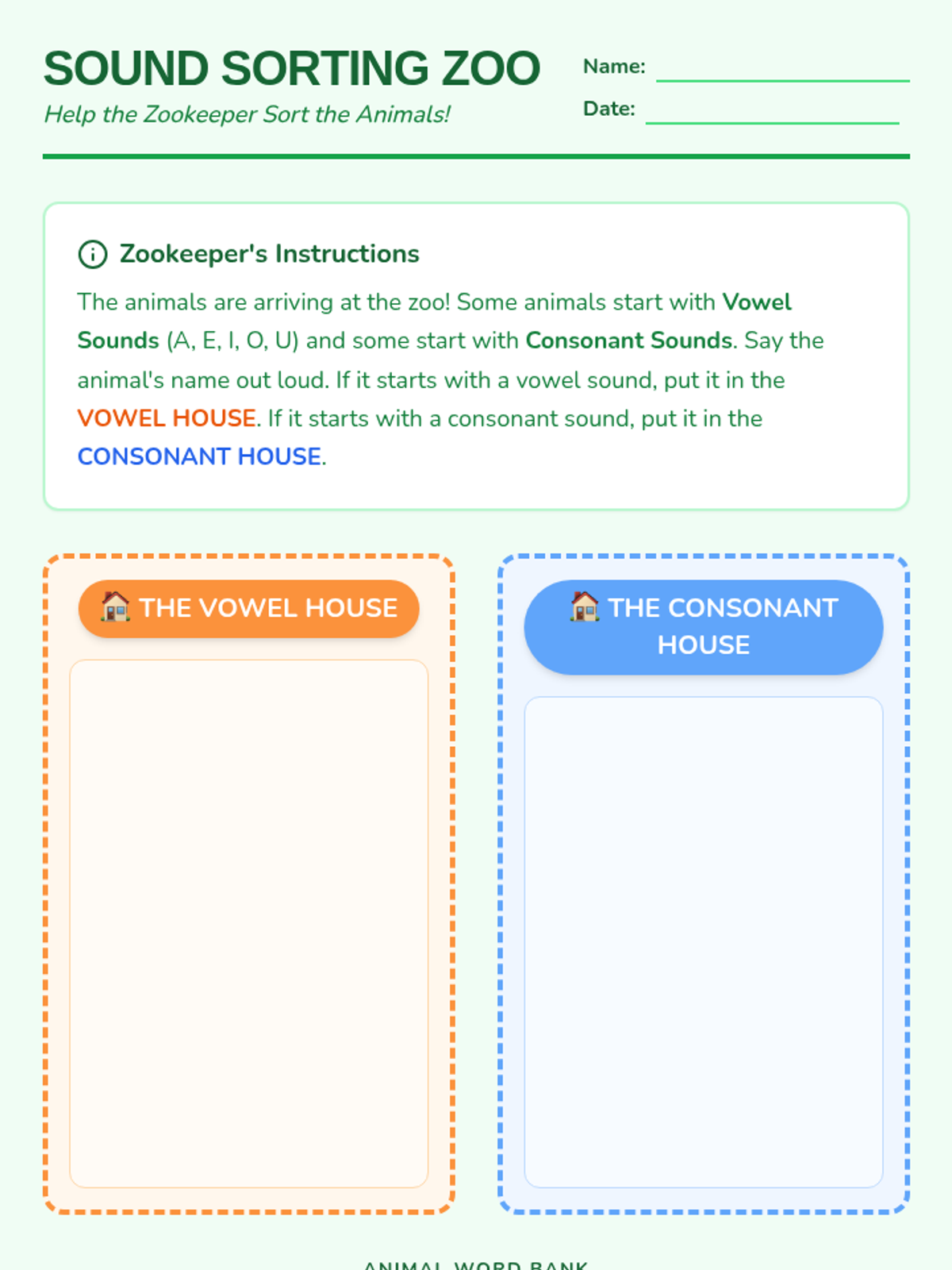
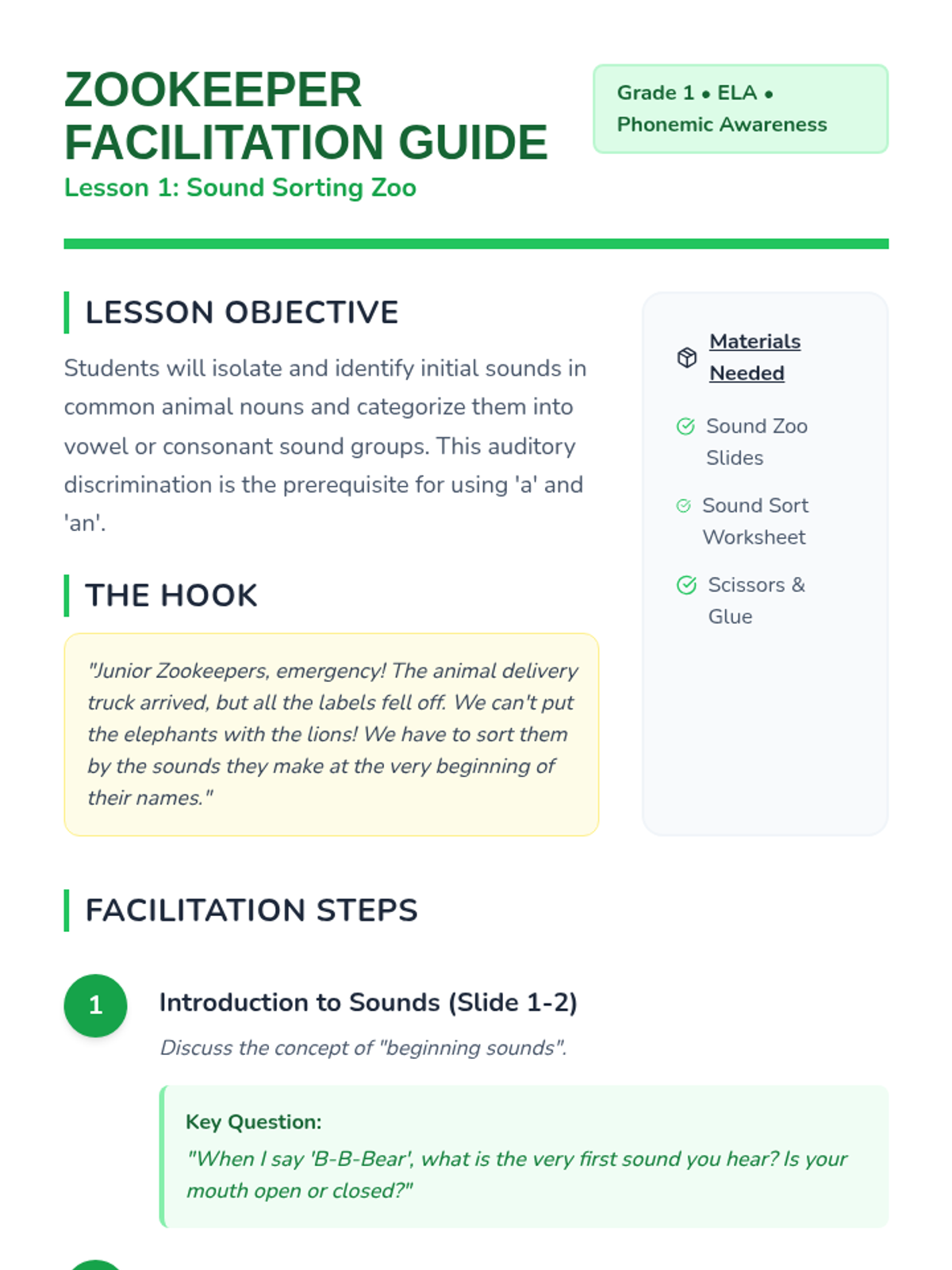
A comprehensive 1st Grade ELA sequence focusing on the phonemic awareness and grammar rules for using indefinite articles 'a' and 'an' through a fun zoo-themed narrative.
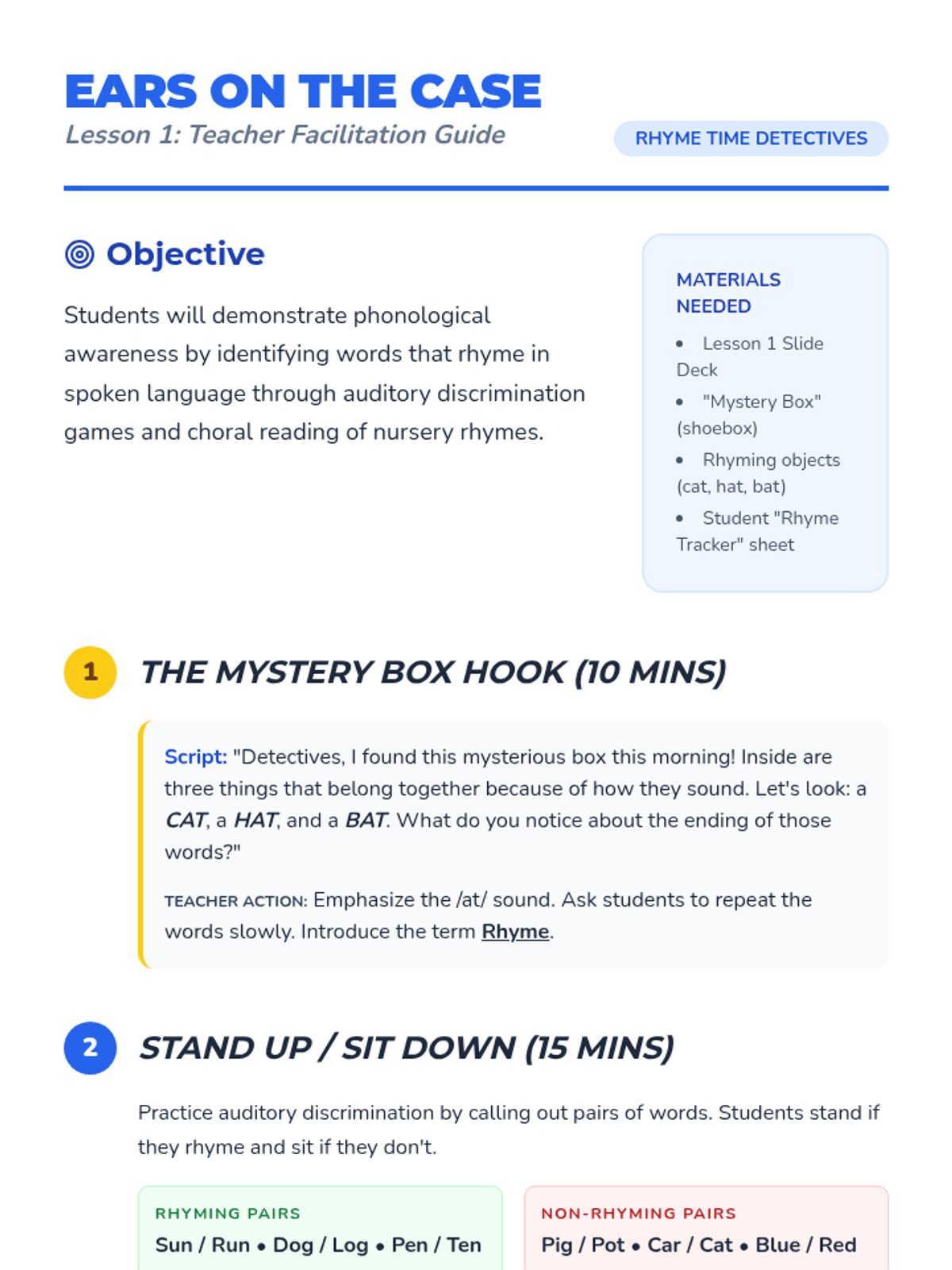
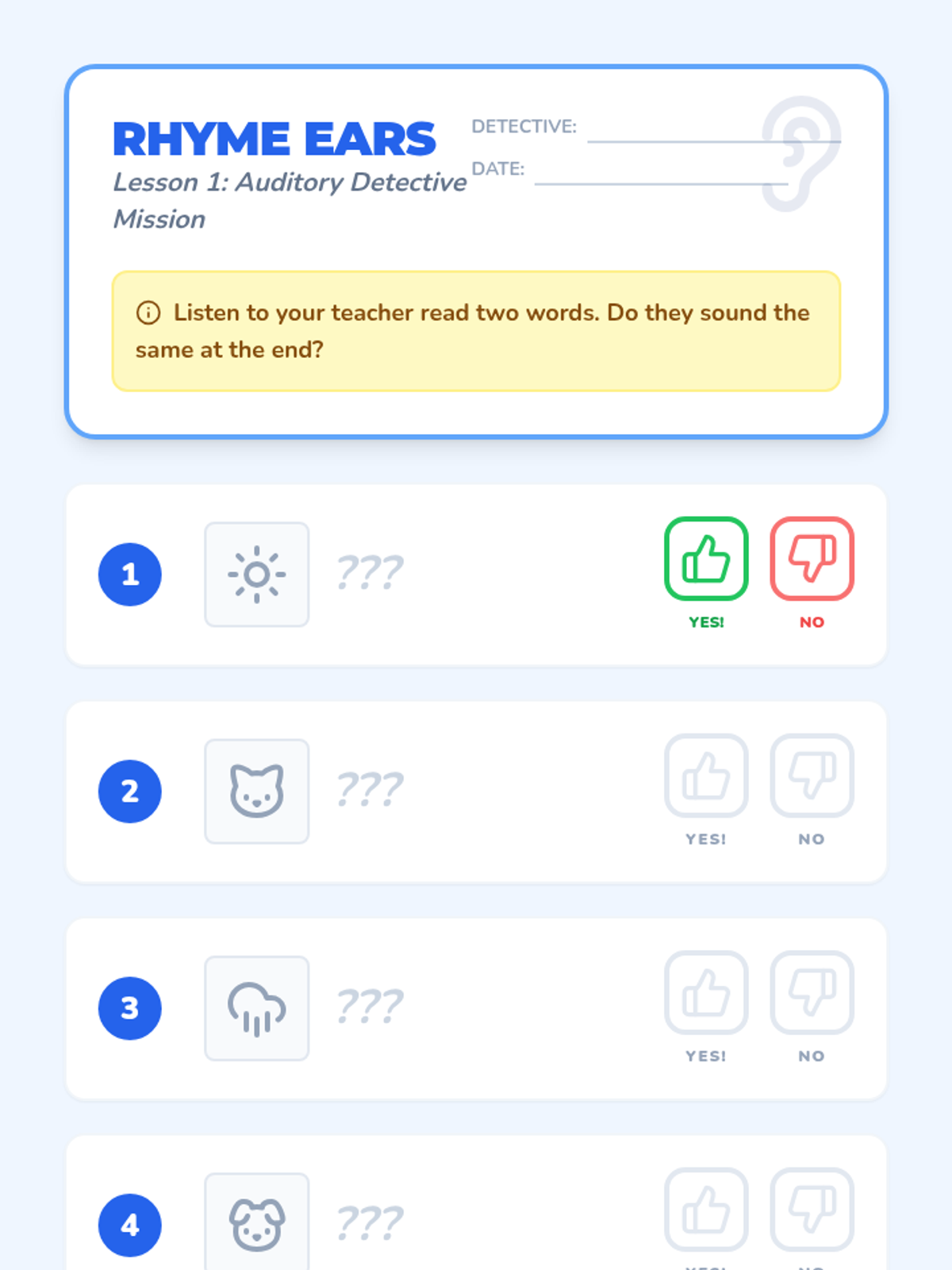
A 1st-grade sequence exploring the foundations of rhyming through auditory identification, visual matching, and creative generation to build early poetry comprehension and phonological awareness.
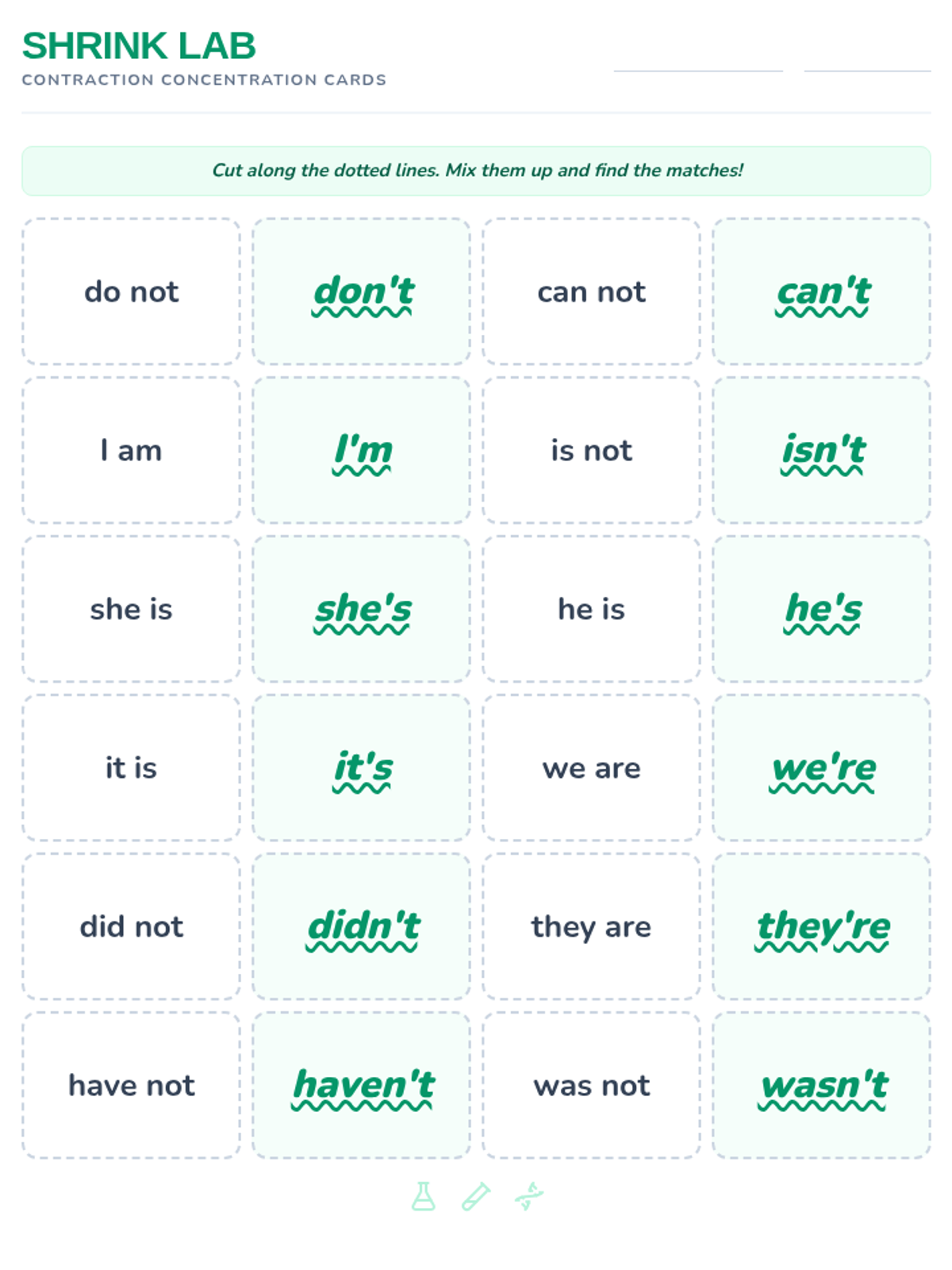
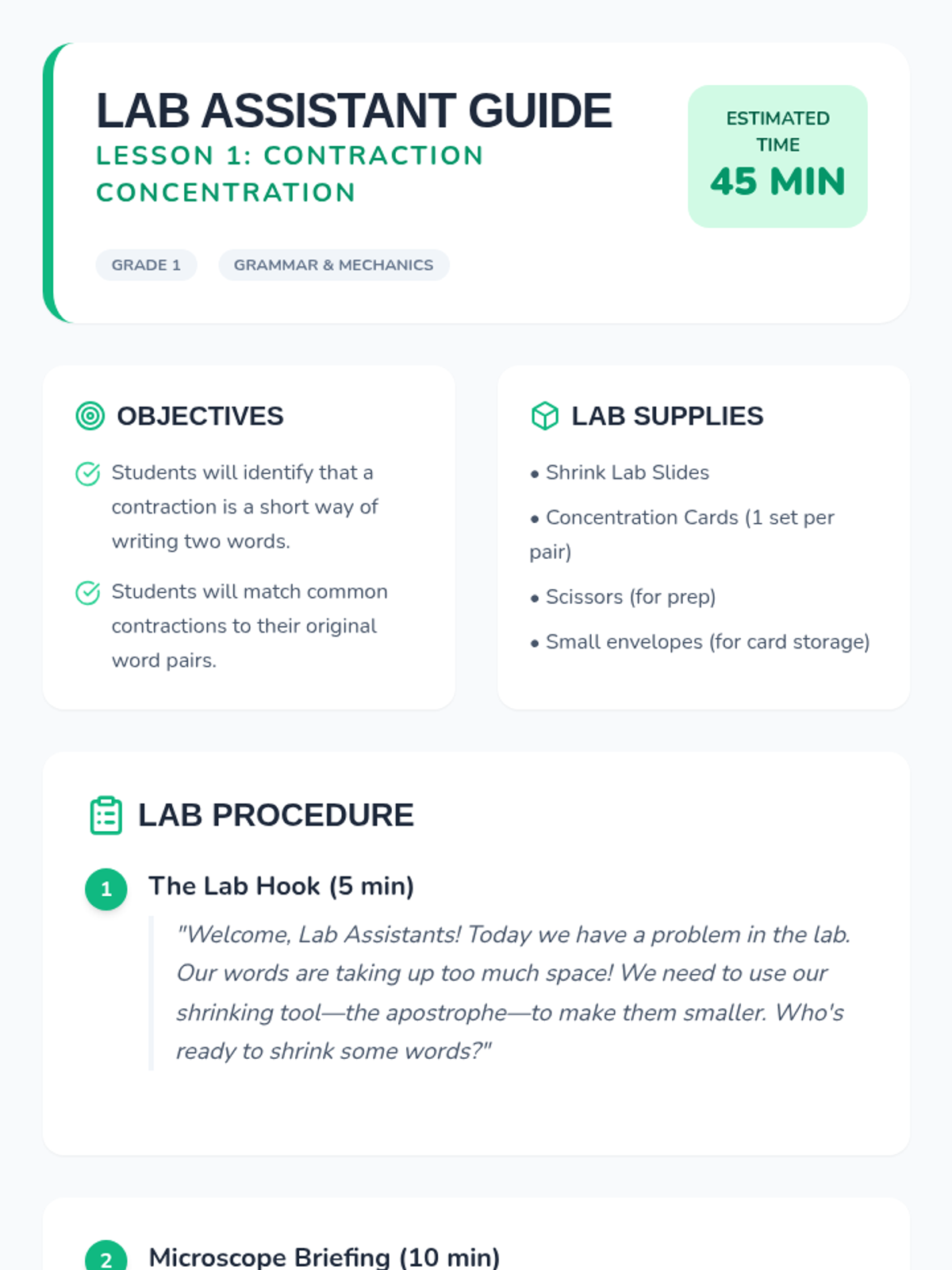
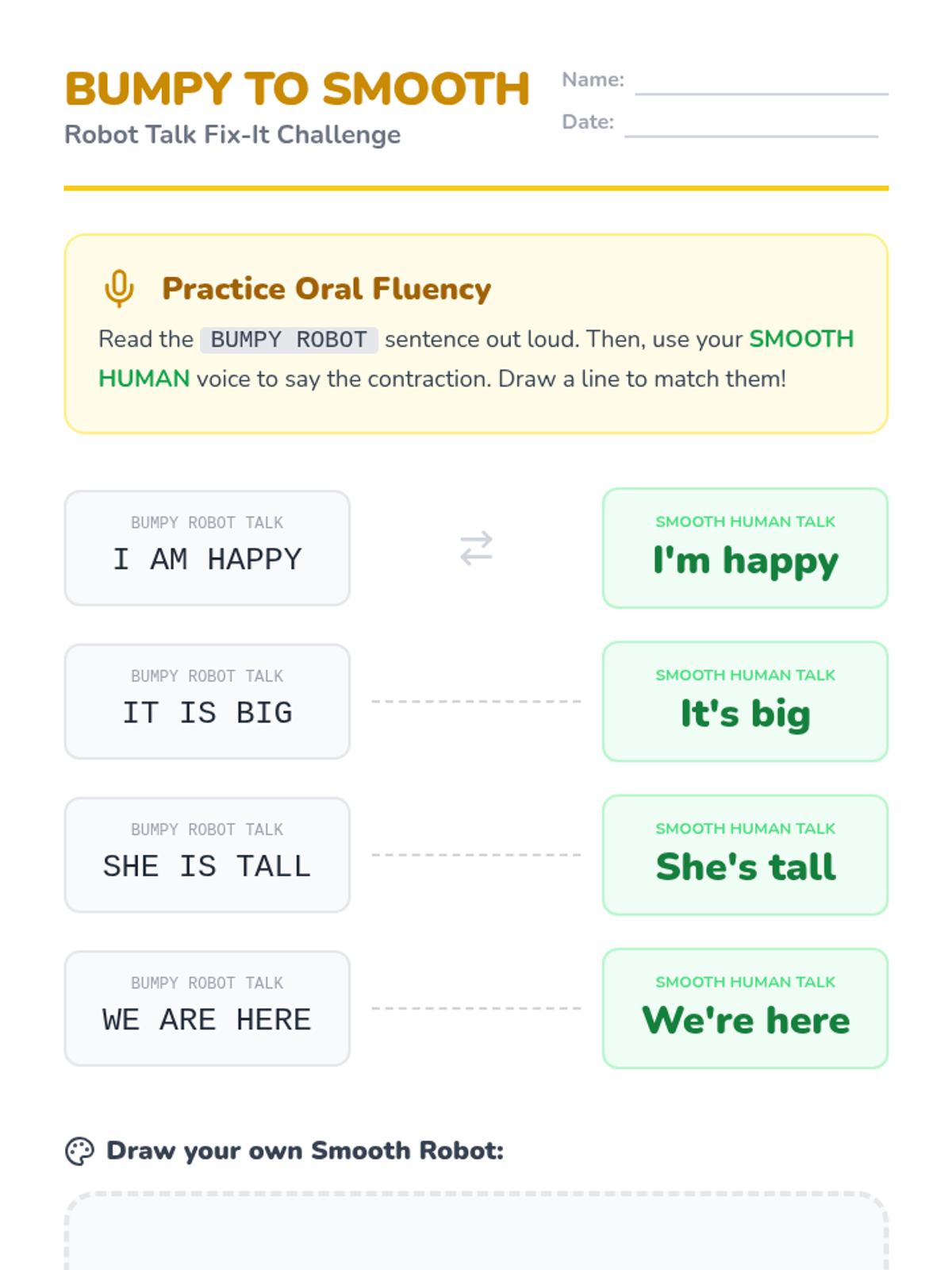
A game-based sequence for 1st grade students to master the recognition and decoding of common contractions through interactive play and collaborative activities. Students act as 'Shrink Lab' technicians, learning to identify and read contractions fluently.
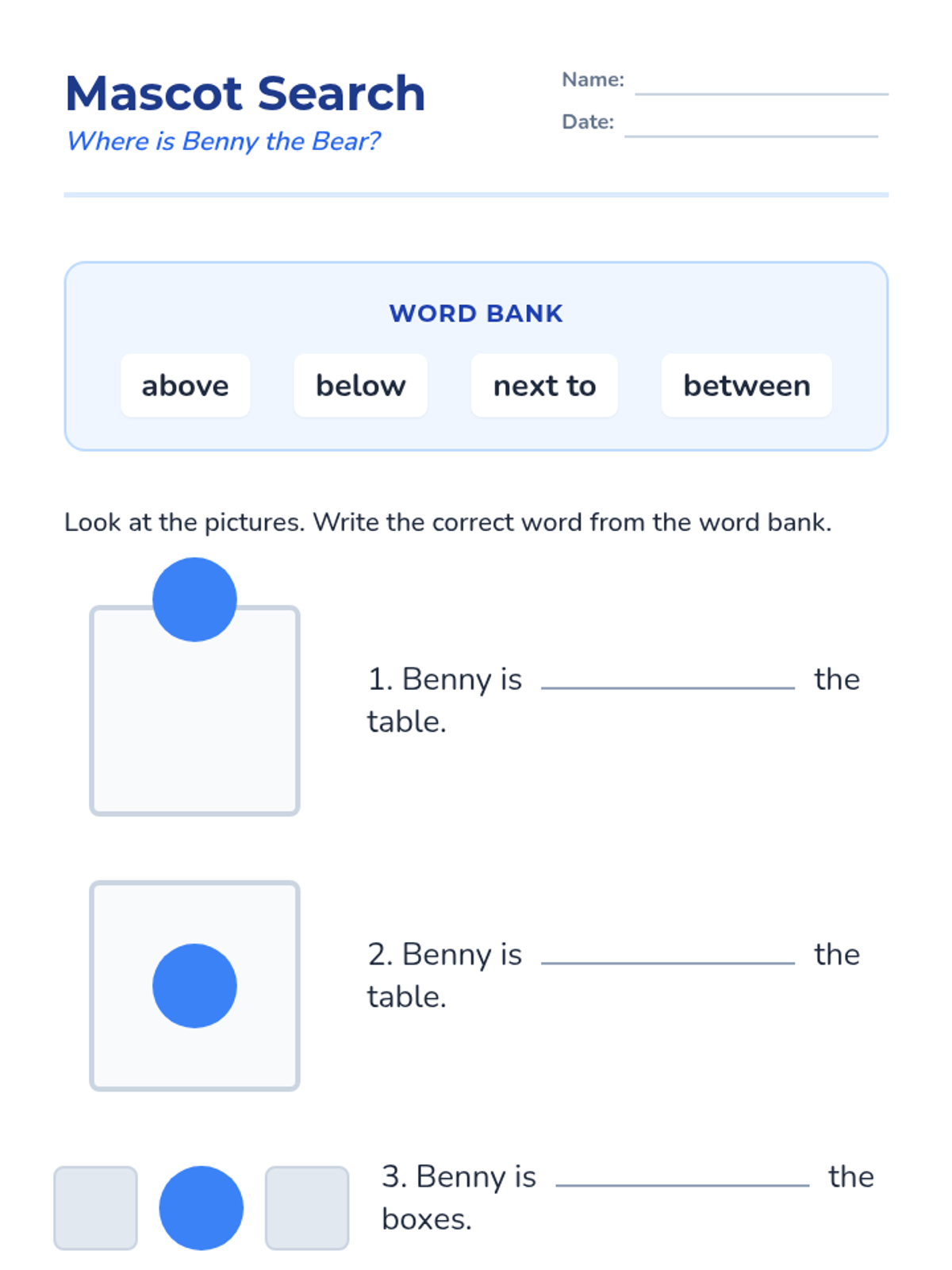
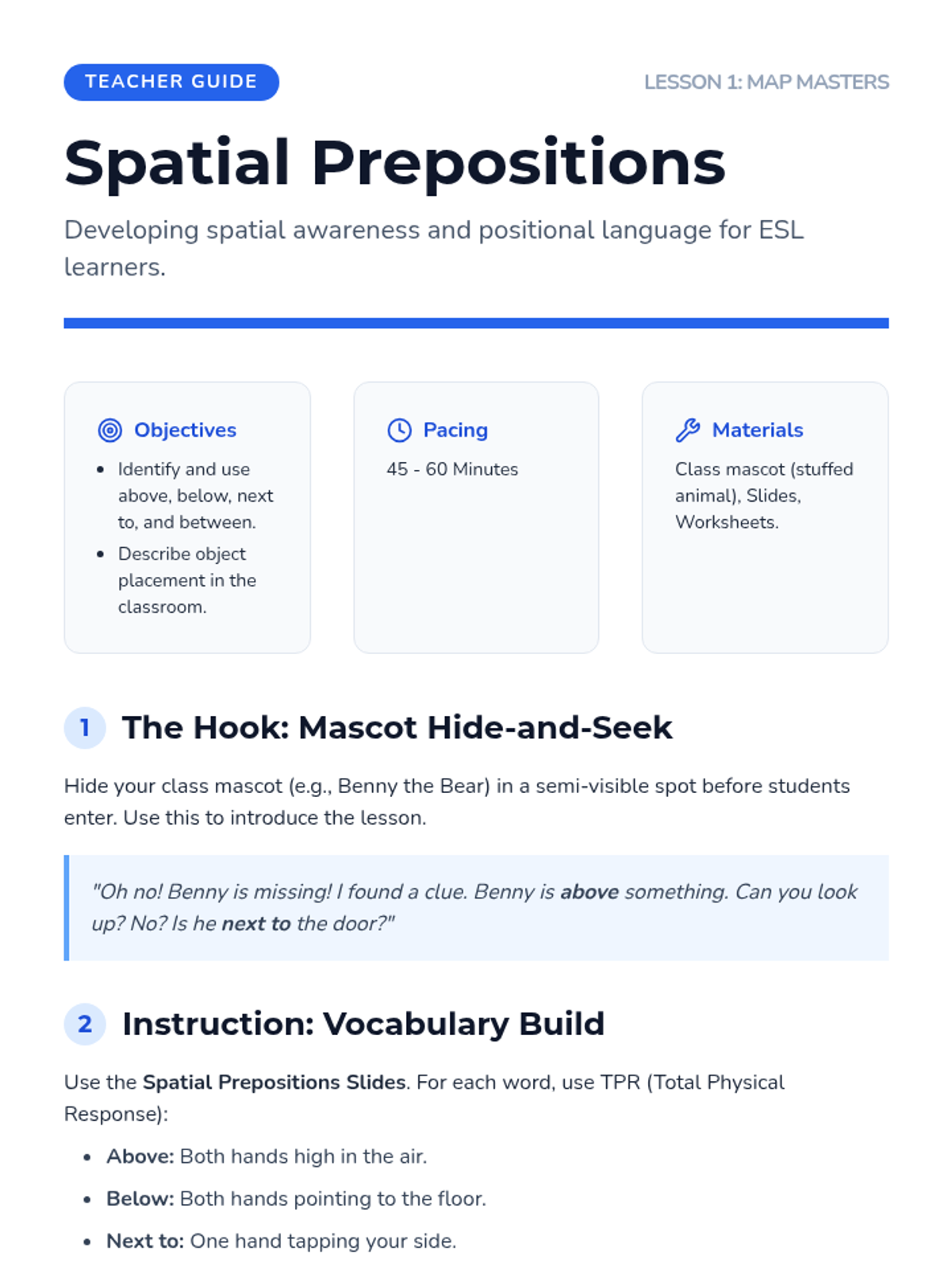
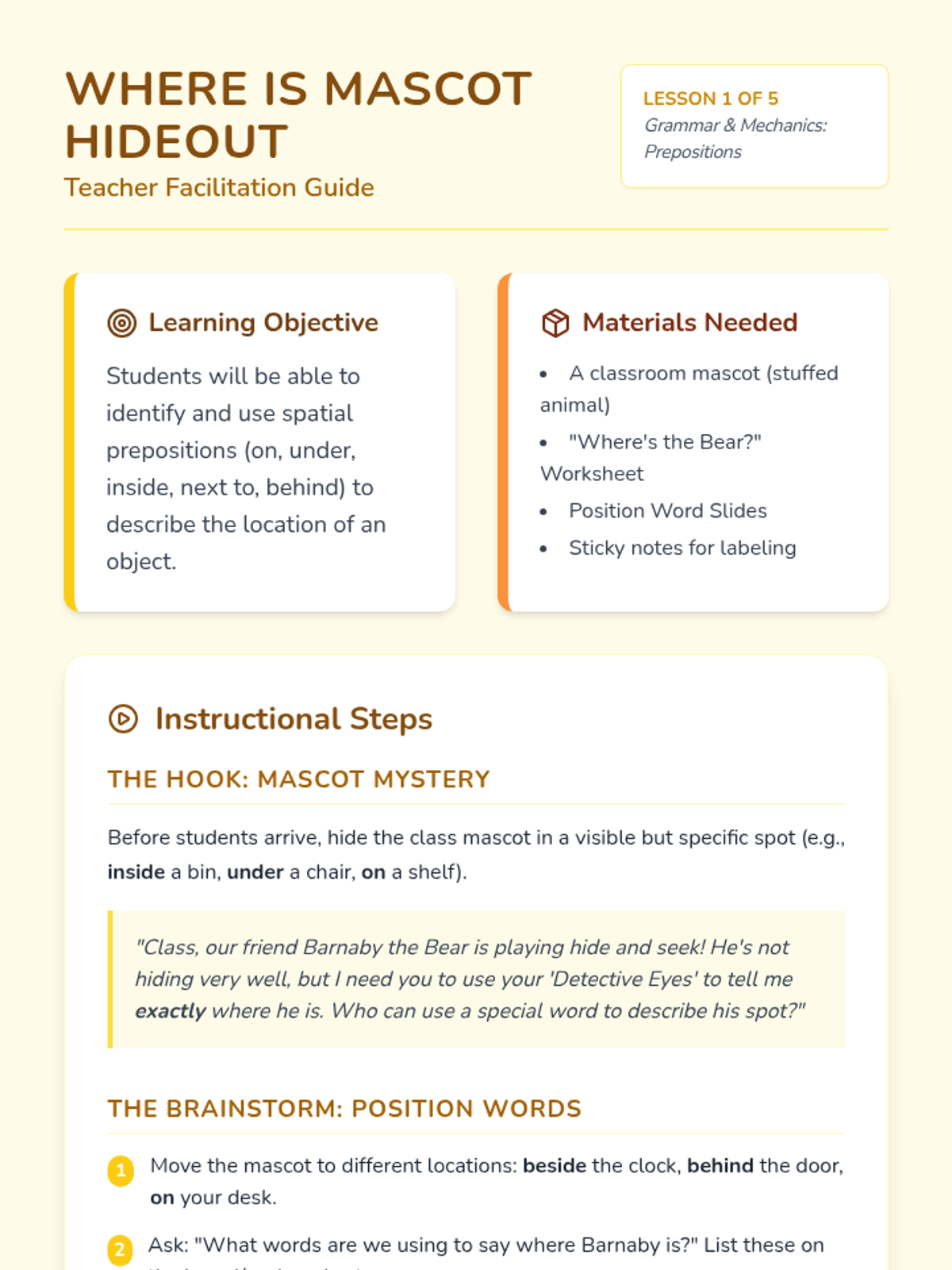
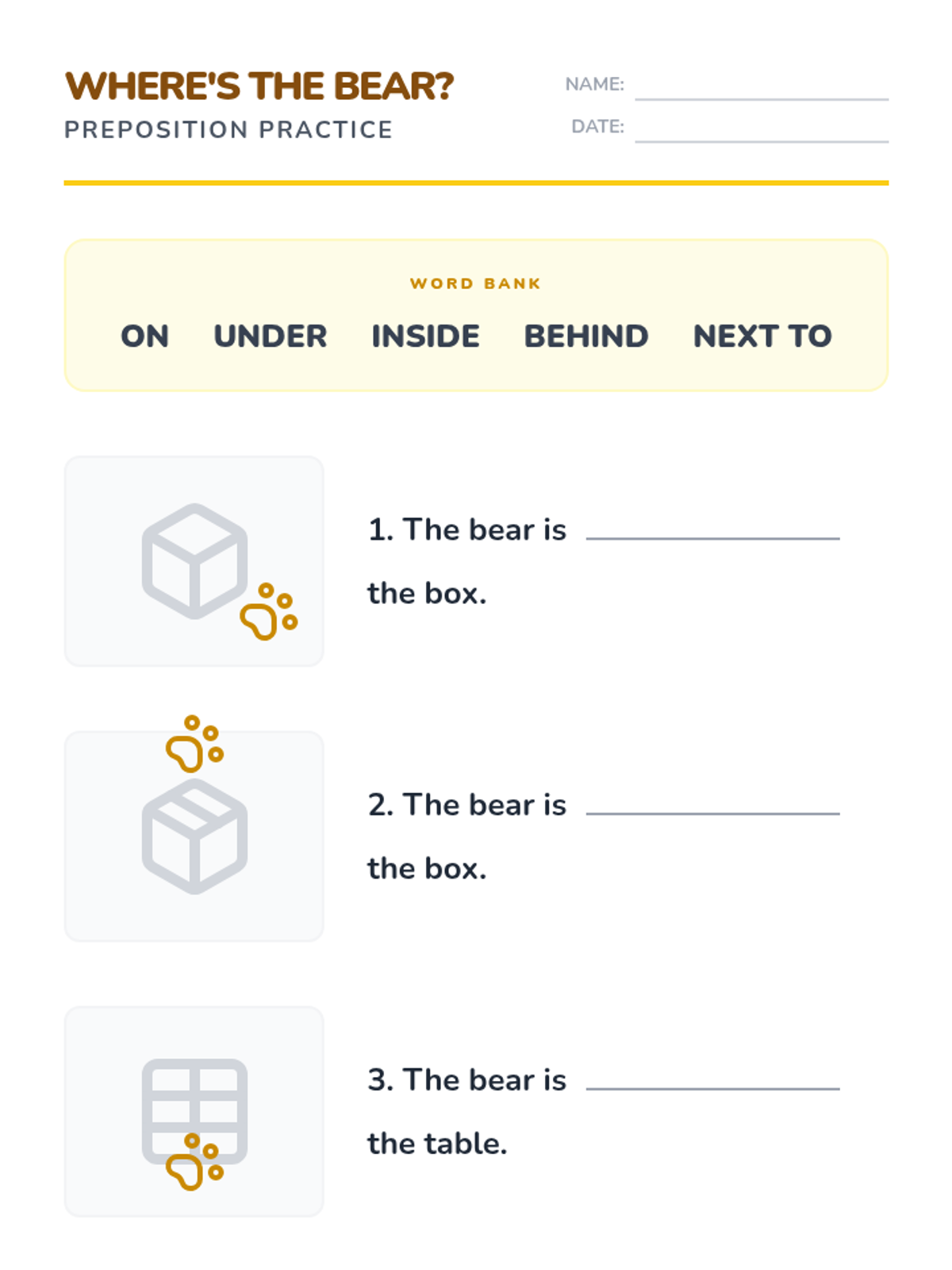
A foundational grammar sequence for 1st-grade students focusing on spatial prepositions through physical movement, hands-on manipulatives, and creative mapping. Students progress from oral identification to using location words in descriptive writing.
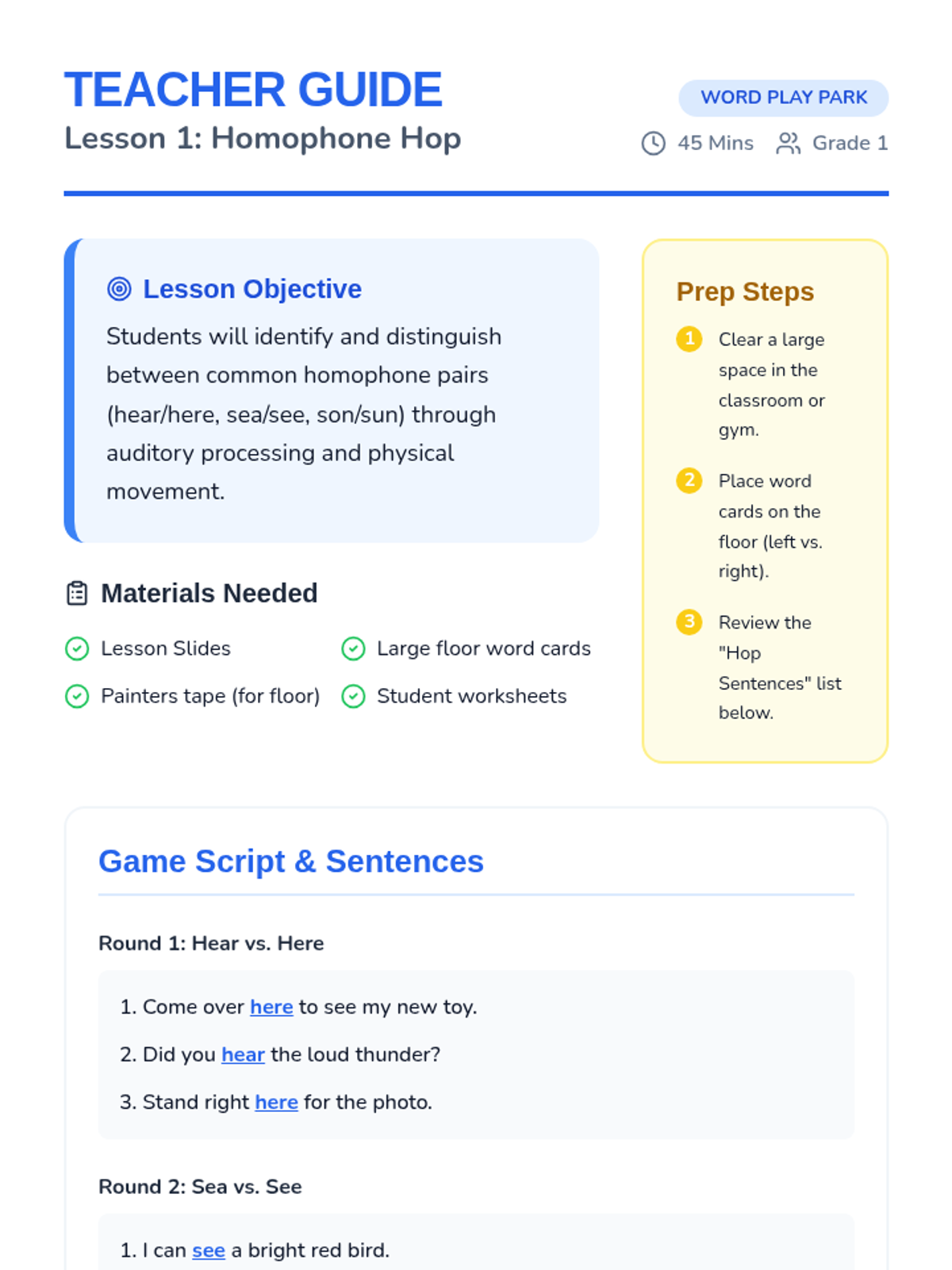
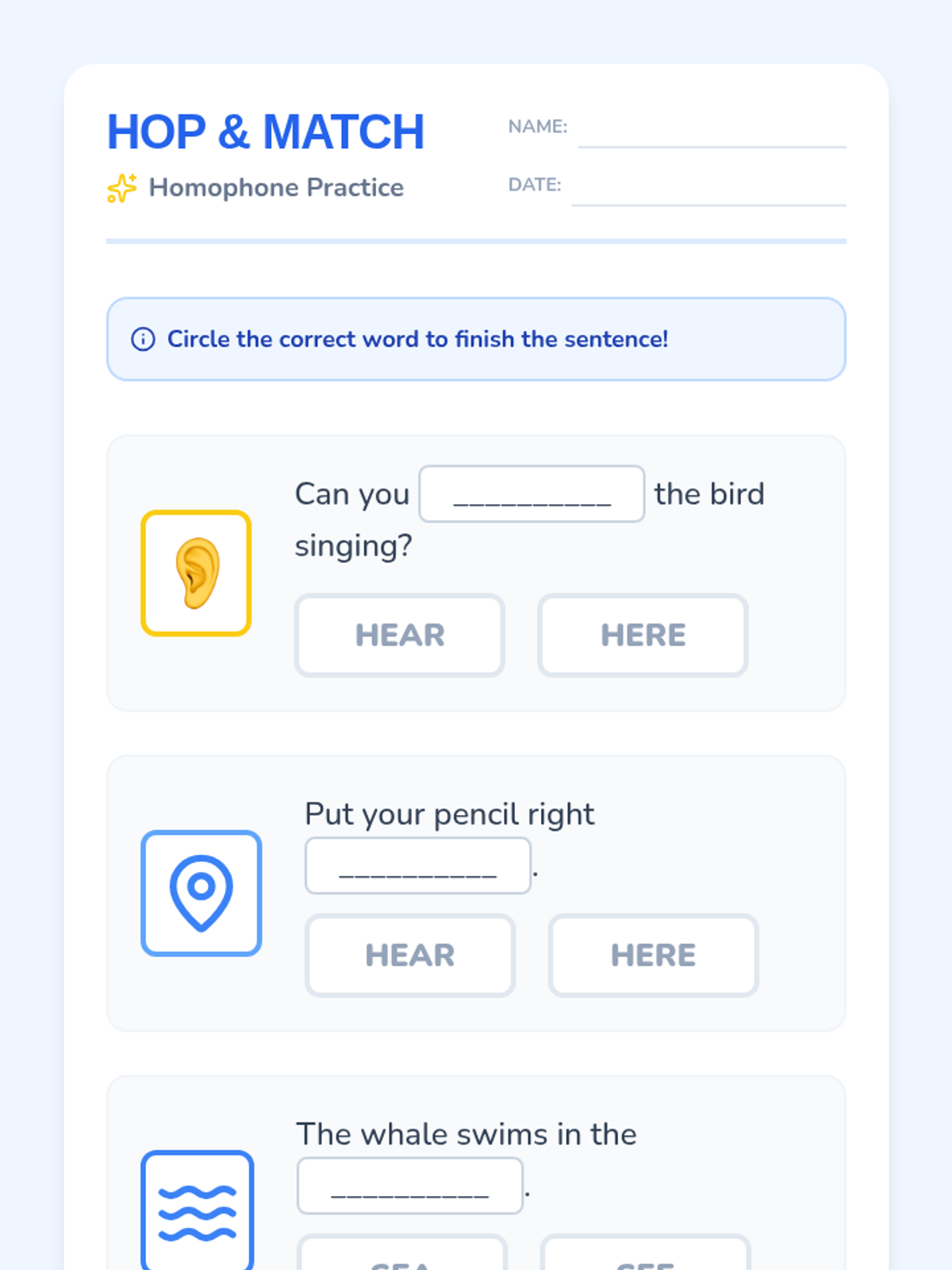
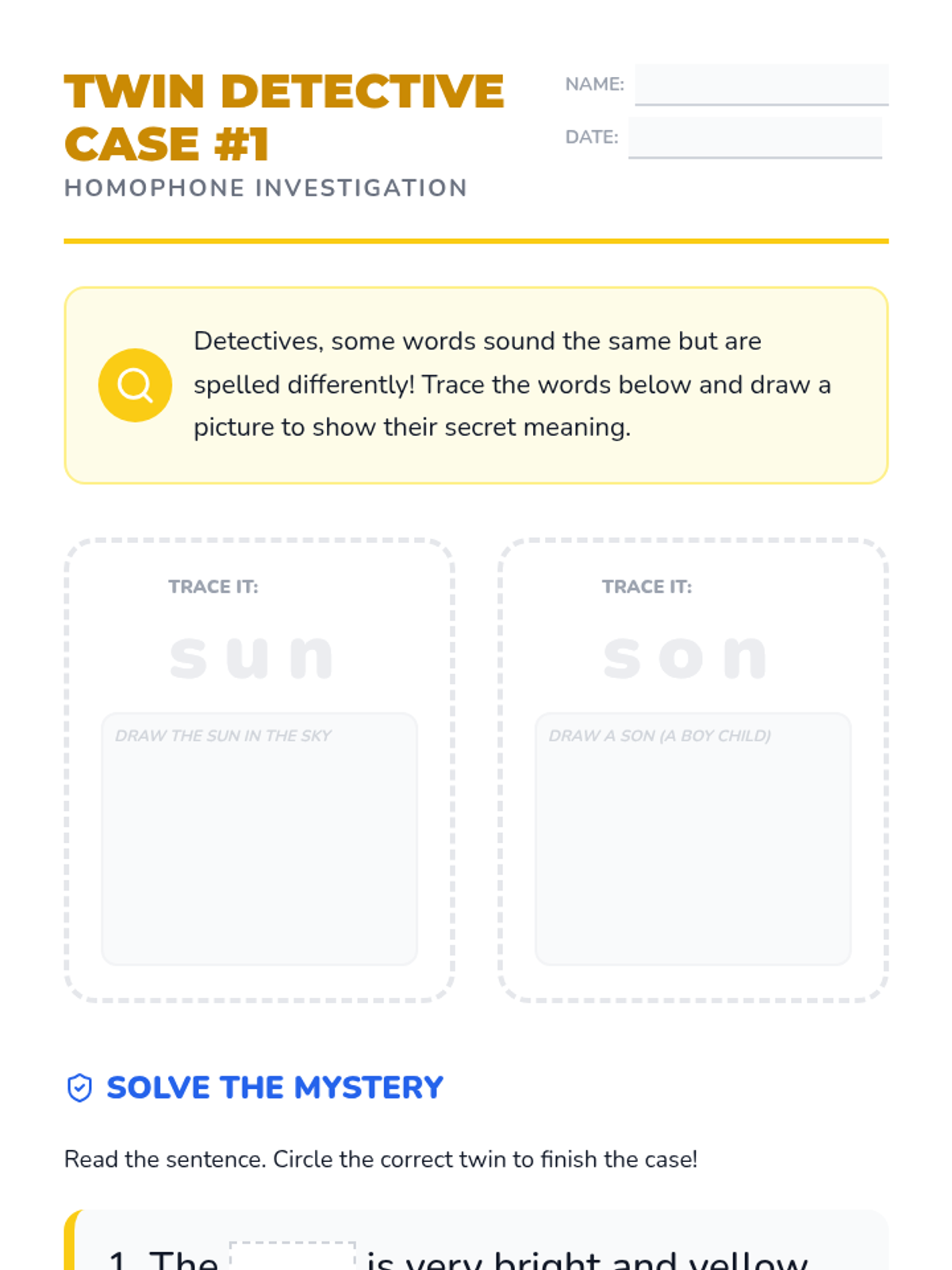
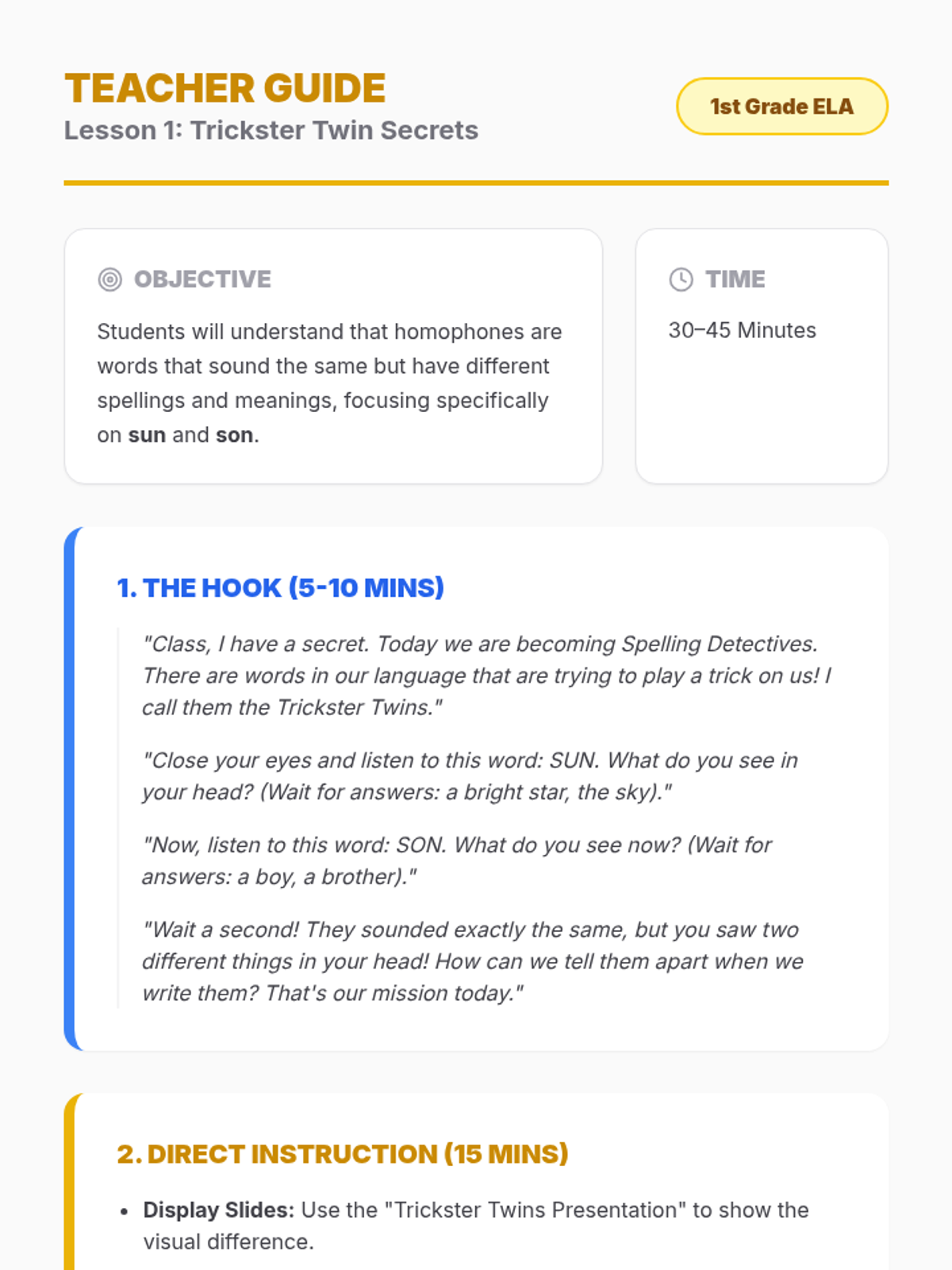
A game-based sequence for 1st graders to master homophones through physical movement, card games, and auditory challenges. Students will learn to distinguish between common pairs like hear/here, be/bee, and sun/son.
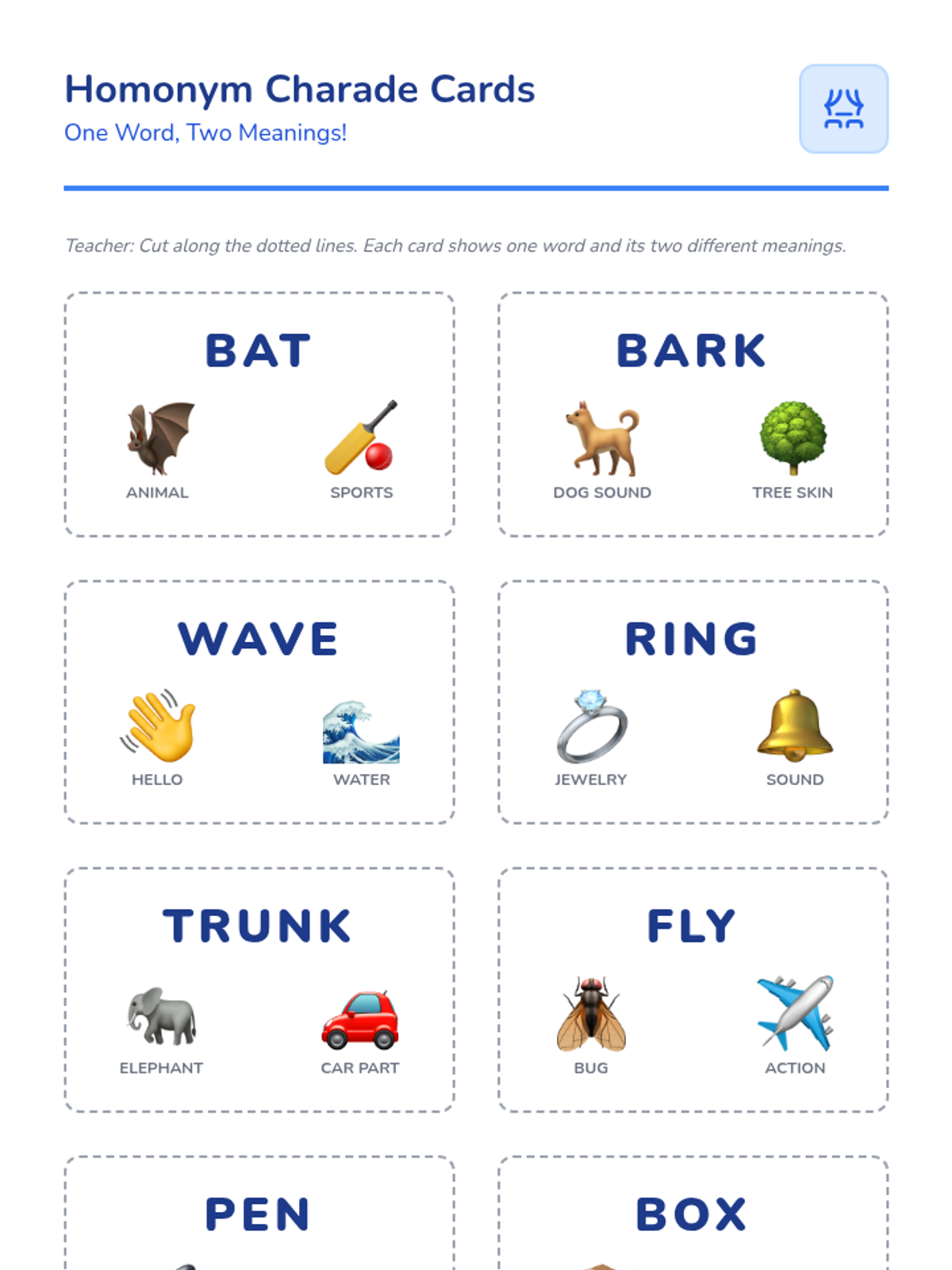
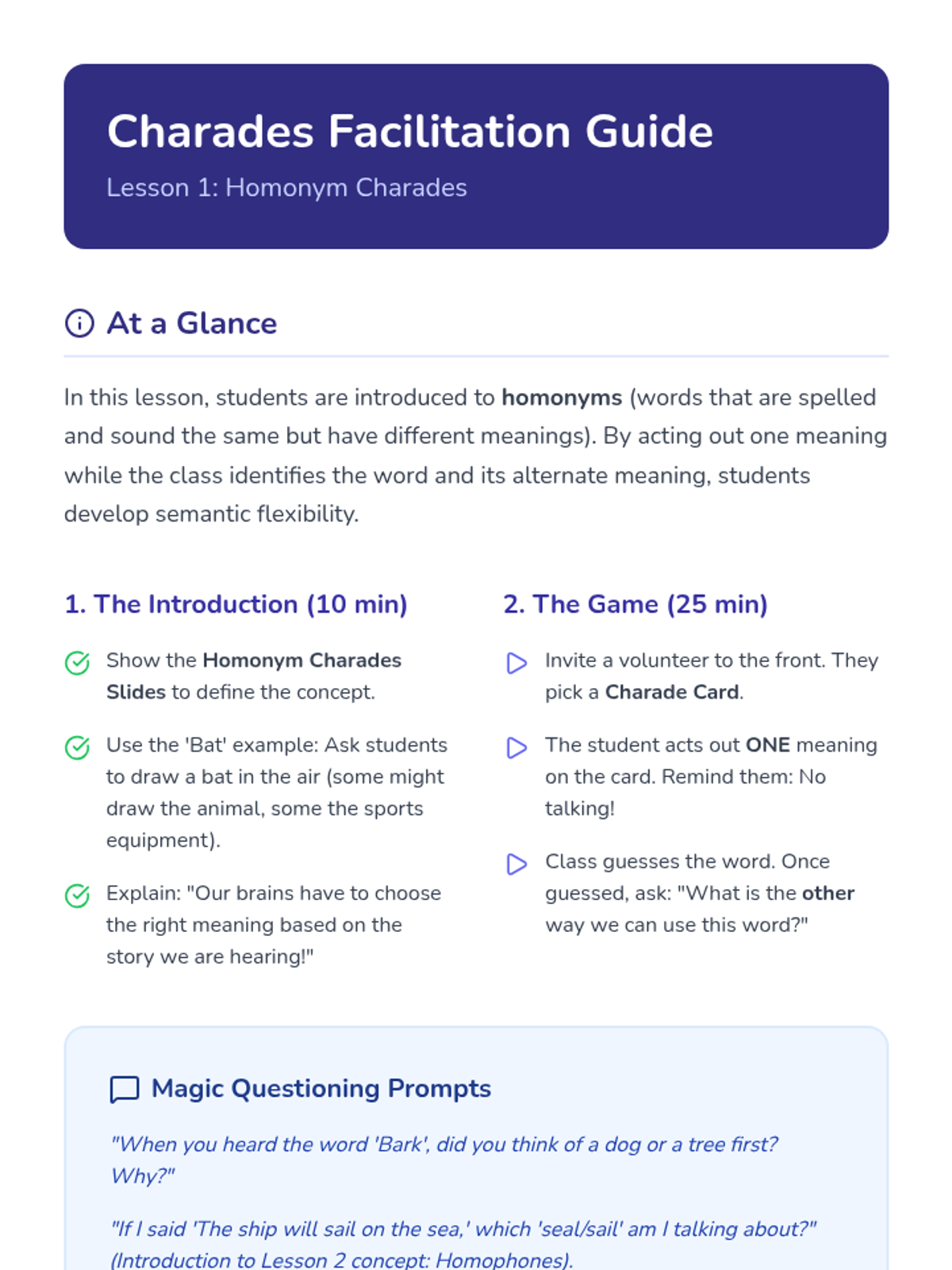
A game-based sequence for 1st graders to master homophones and homonyms through active play, movement, and social interaction. Students develop cognitive flexibility by identifying multiple meanings and spellings of words that sound the same.
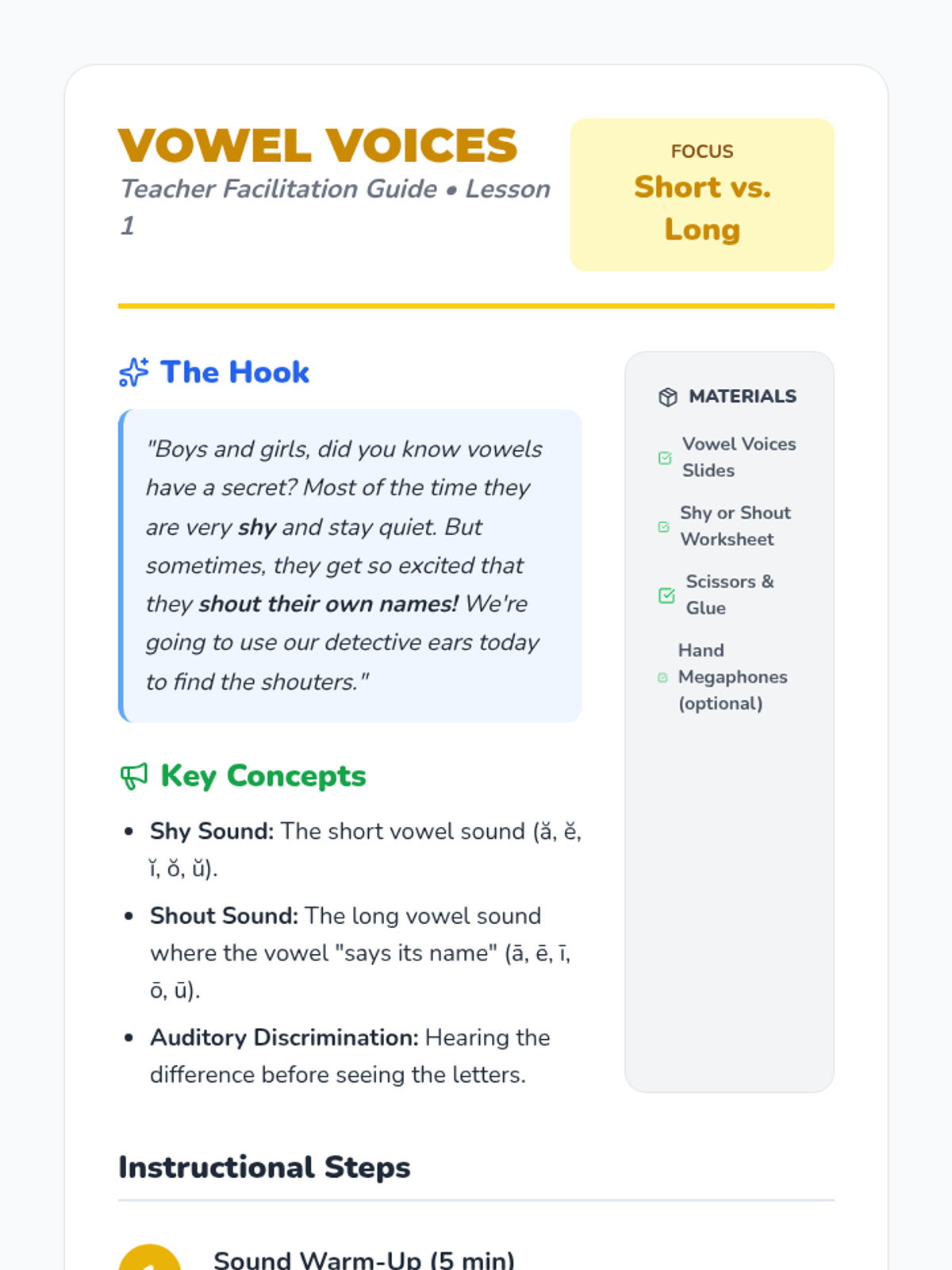
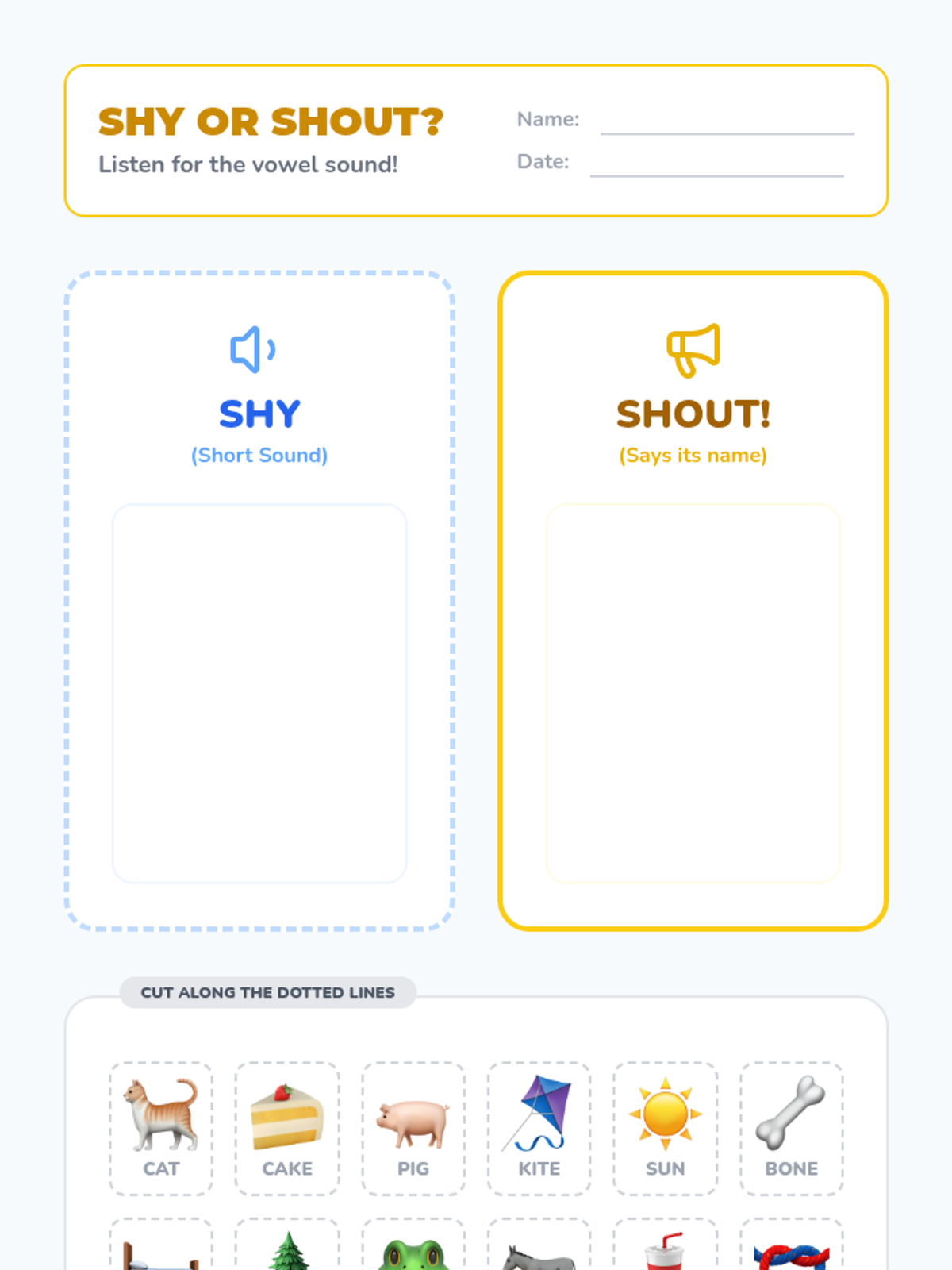
A Kindergarten phonics sequence focusing on the difference between open and closed syllables. Students learn the 'Open Door' metaphor to understand why vowels sometimes shout their own names (long sounds) versus making their short sounds.
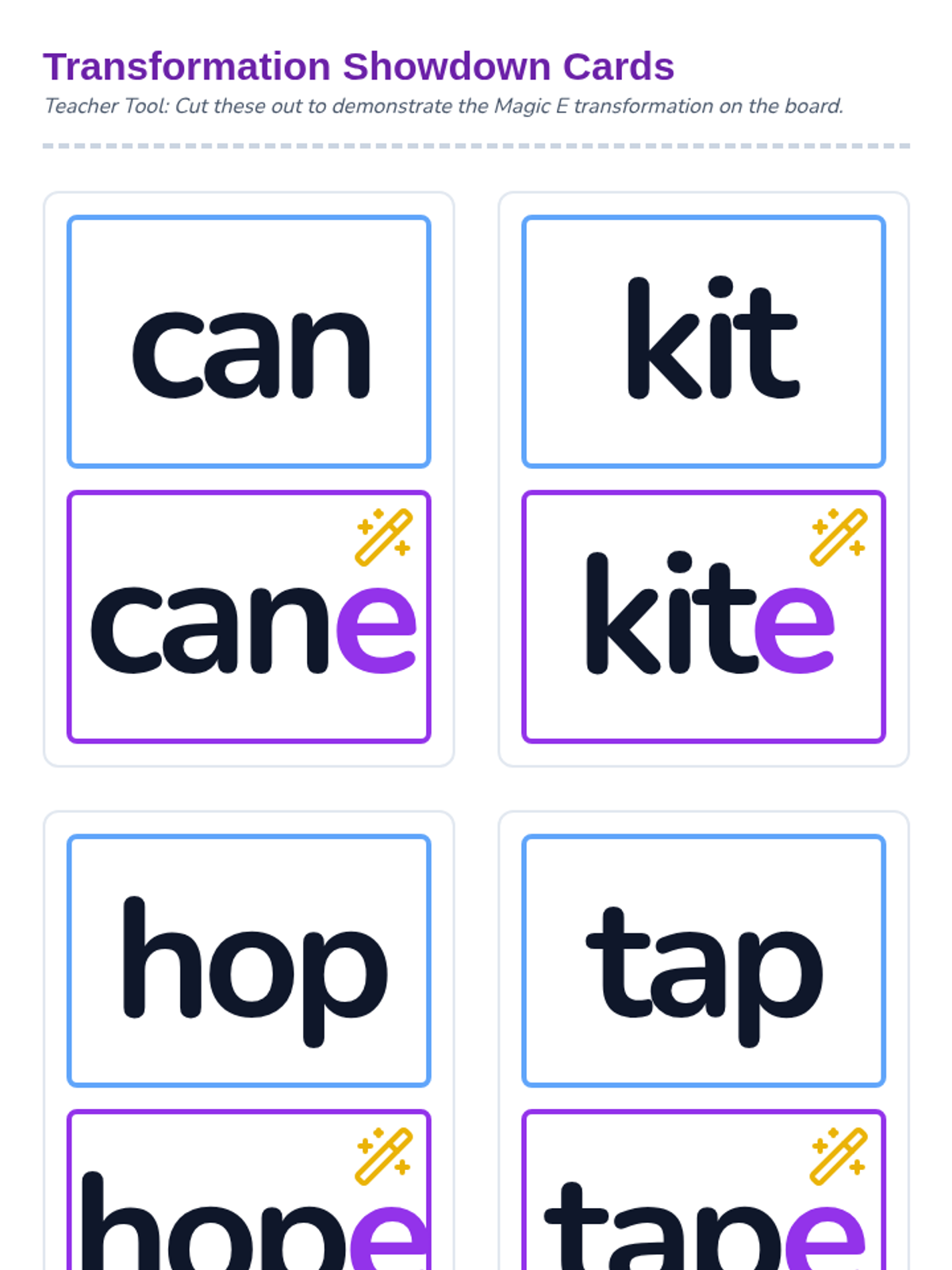
A Kindergarten phonics sequence introducing the Silent E (CVCe) syllable pattern through a 'Magic E' narrative. Students explore how the addition of a silent 'e' transforms vowel sounds from short to long through storytelling, hands-on manipulation, and writing.
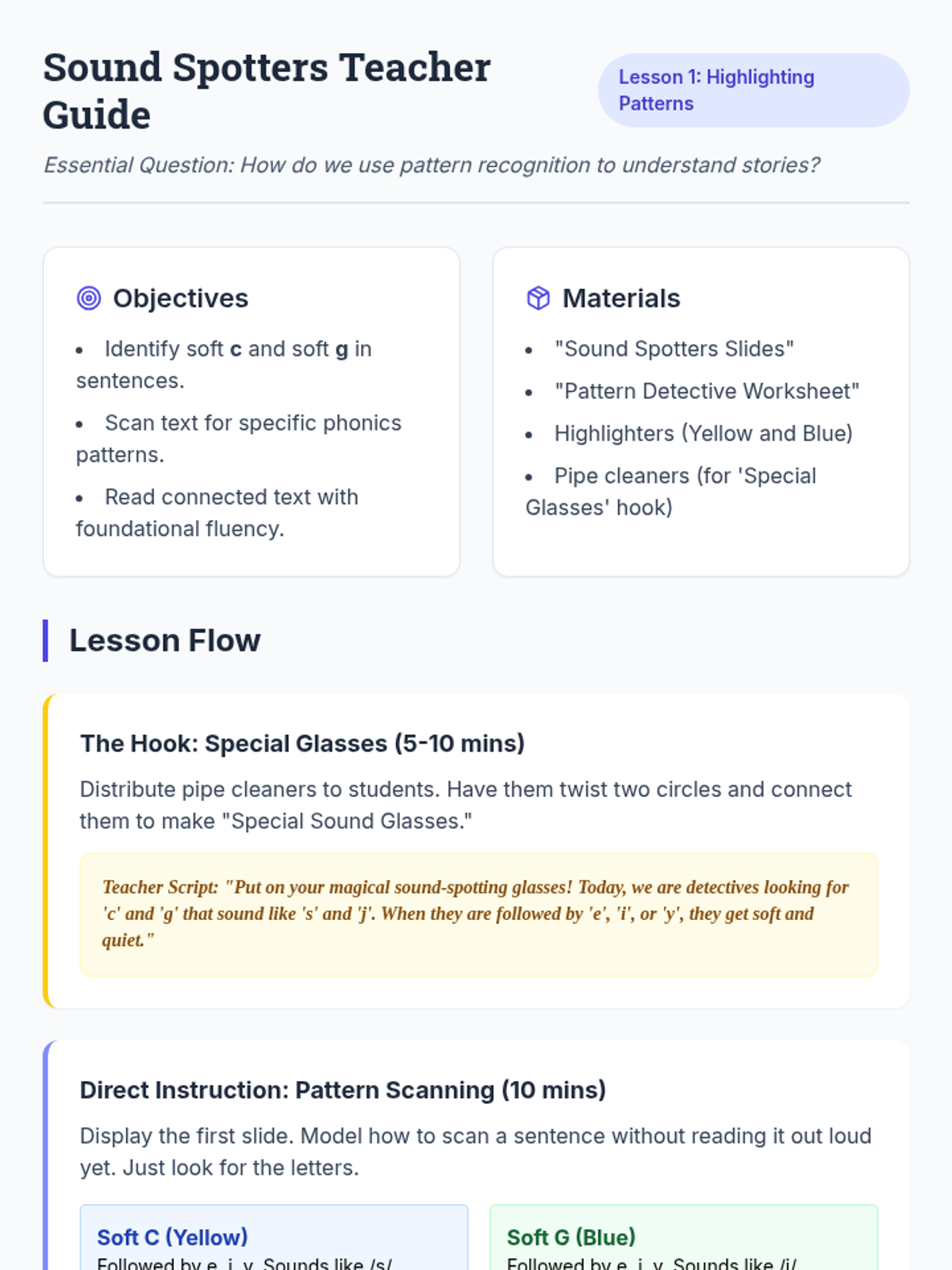
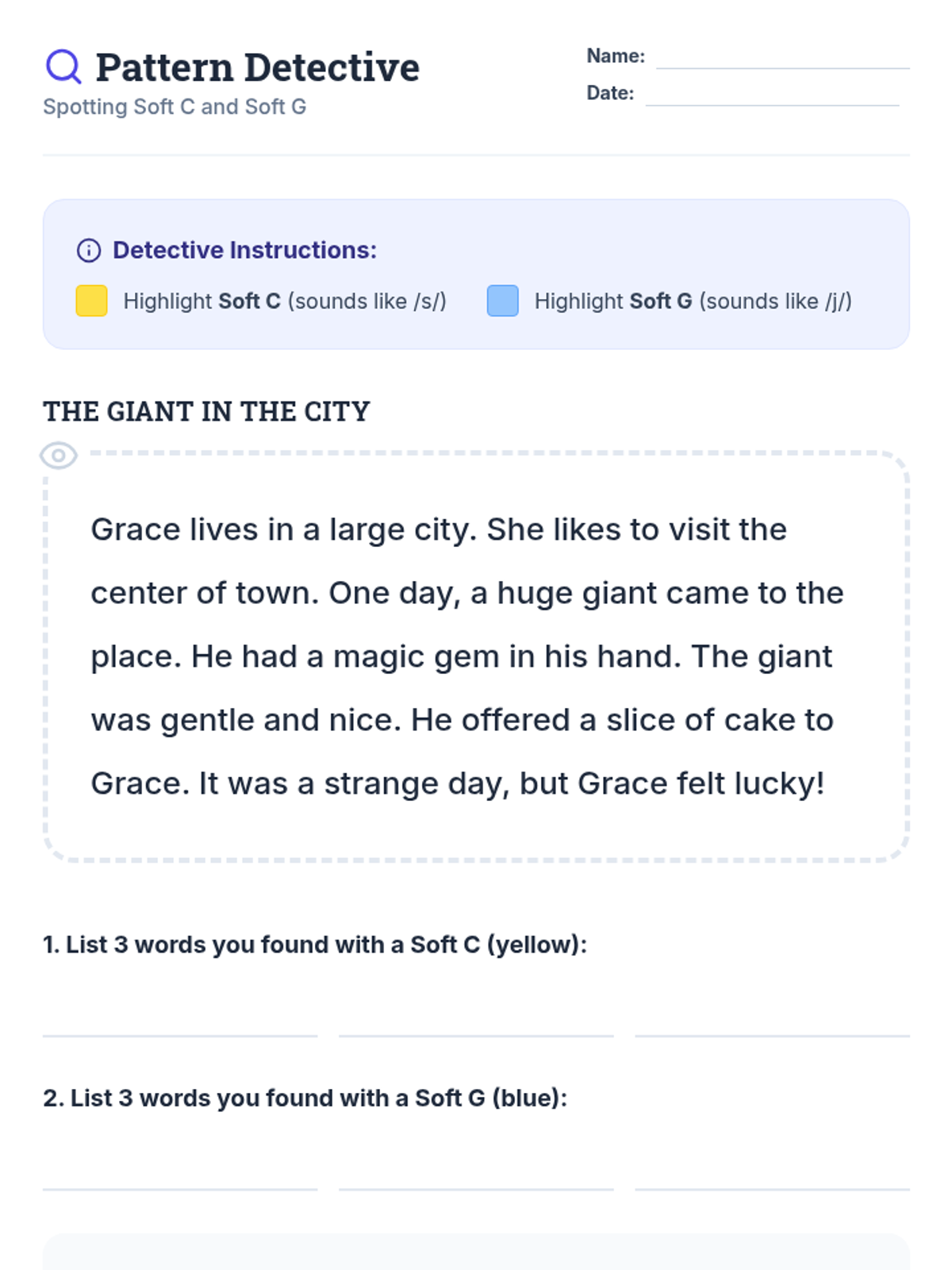
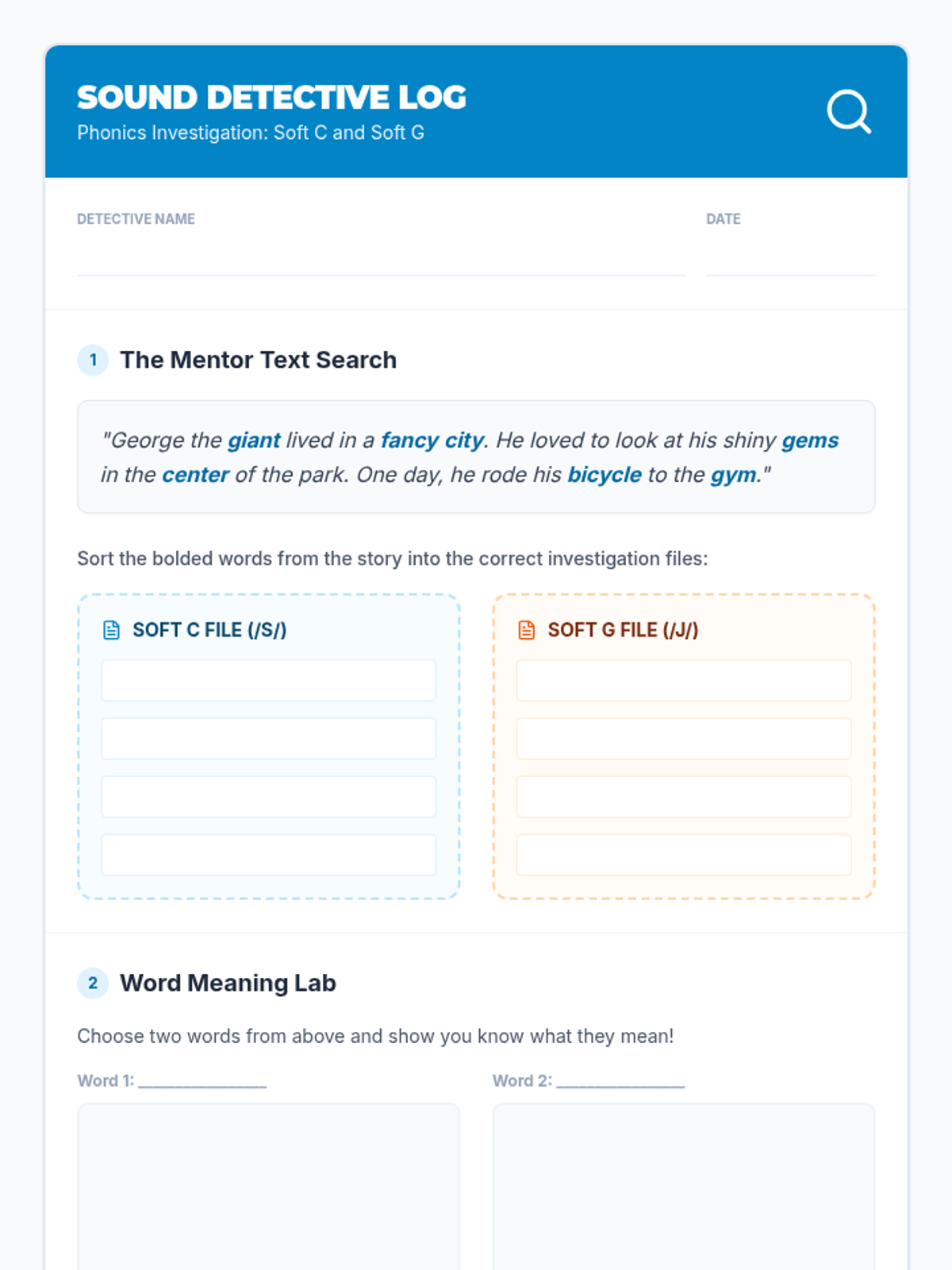
A 1st Grade phonics sequence focused on reading connected text with soft 'c' and 'g' patterns. Students progress from sentence-level identification to choral reading, partner retells, performance, and independent comprehension through drawing.
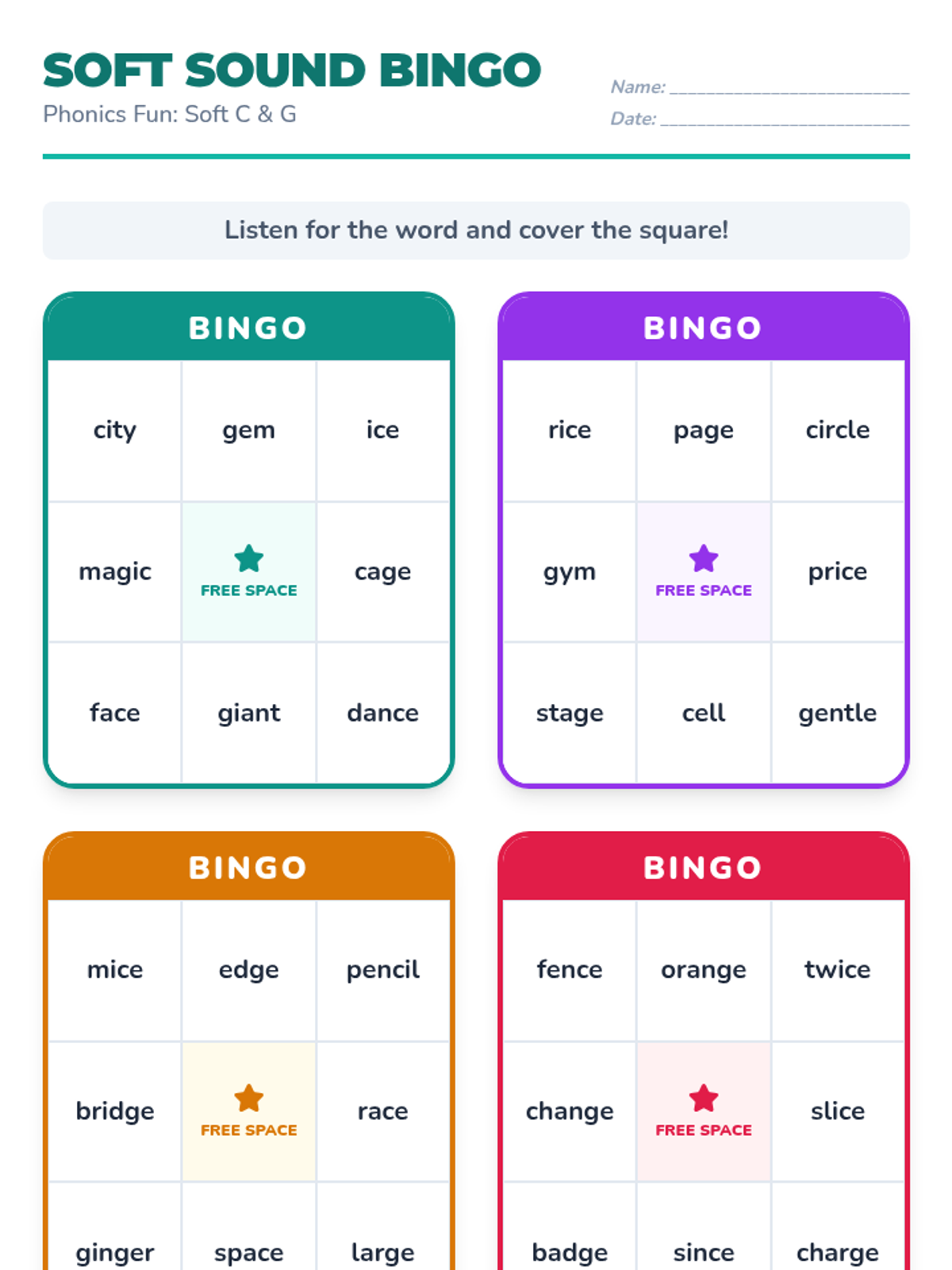
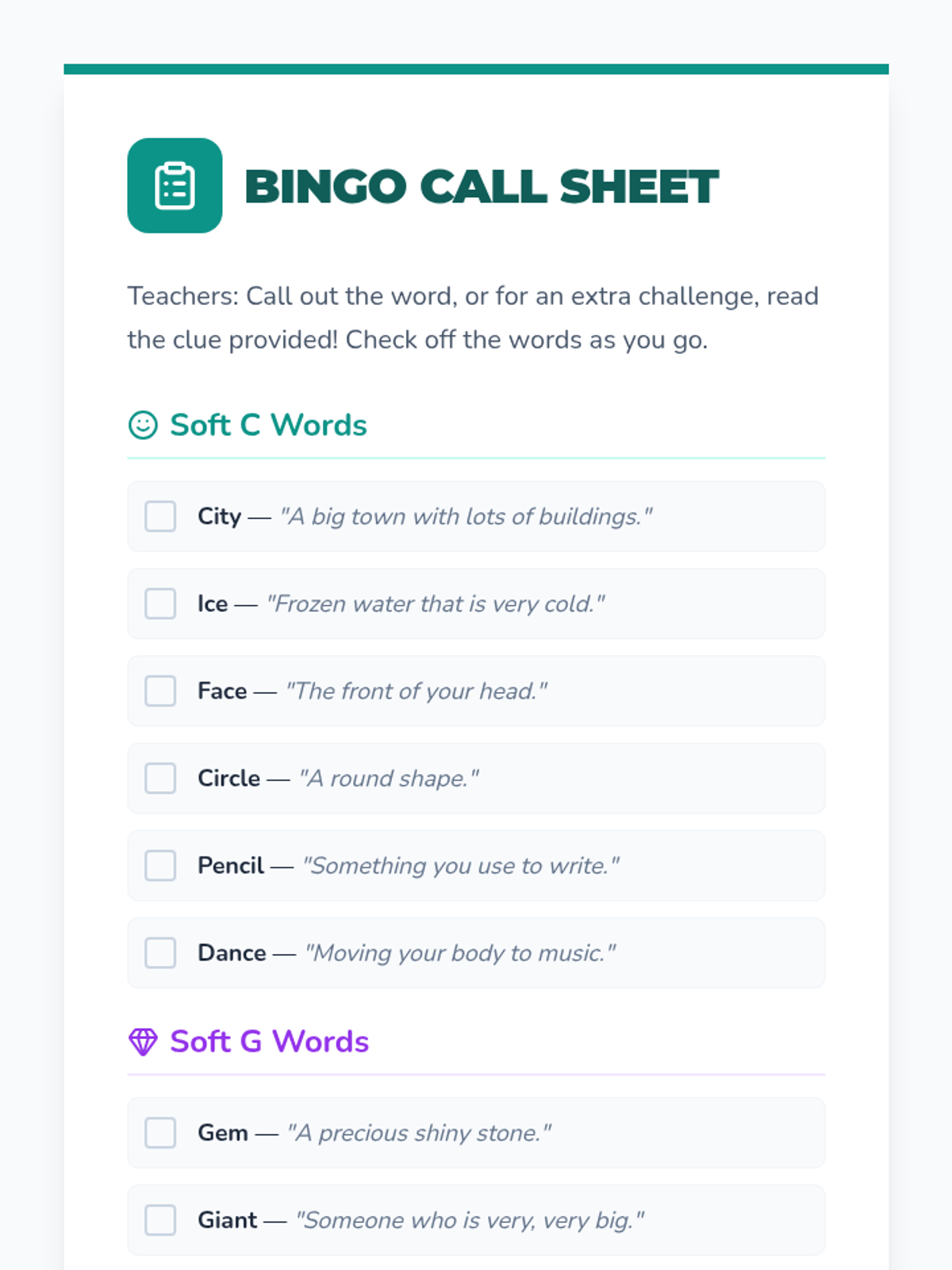
A gamified sequence for 1st graders to master soft c and g sounds through play, competition, and kinetic activities. Students move from slow decoding to rapid recognition using bingo, board games, relays, and fluency drills.
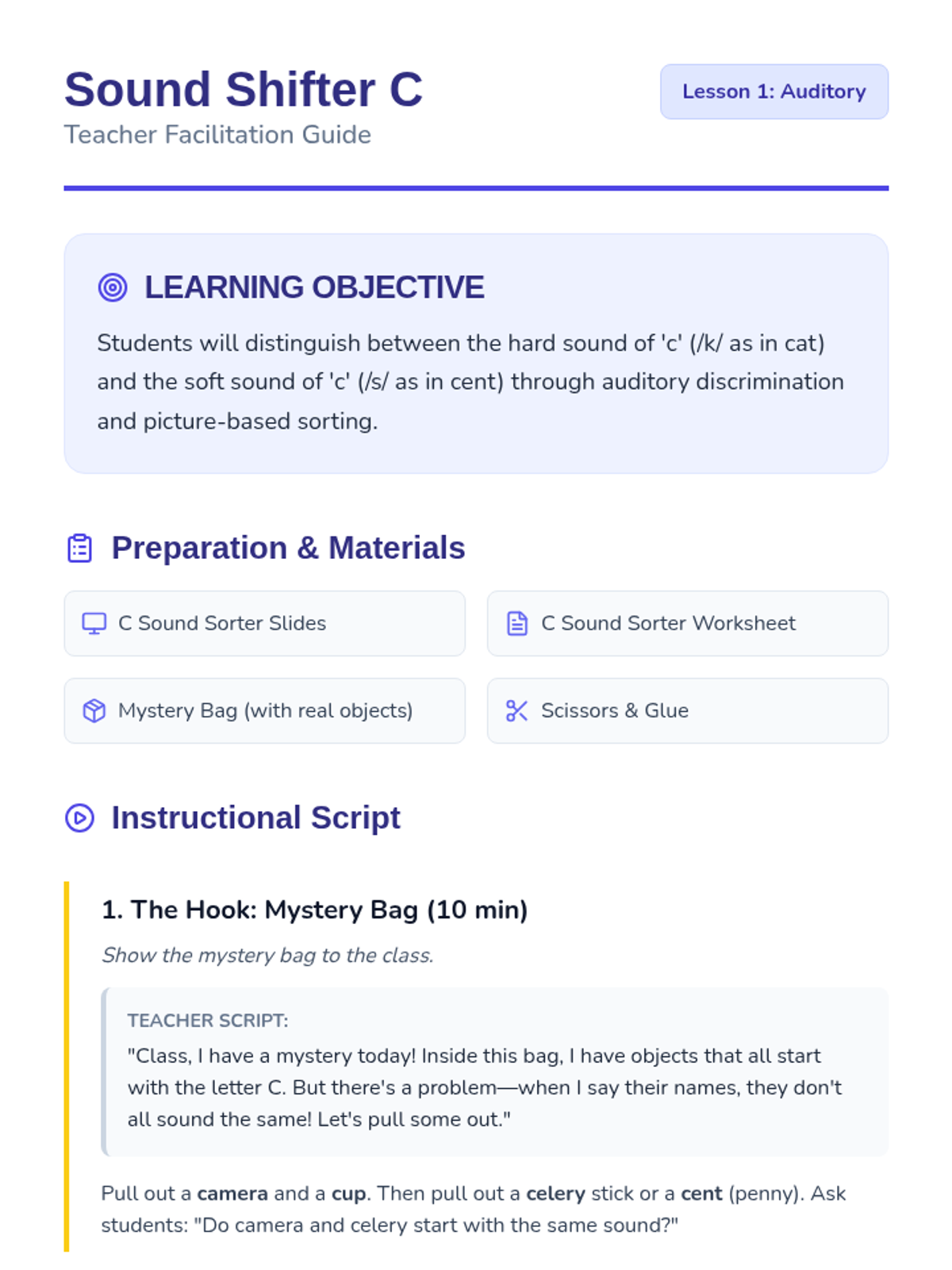
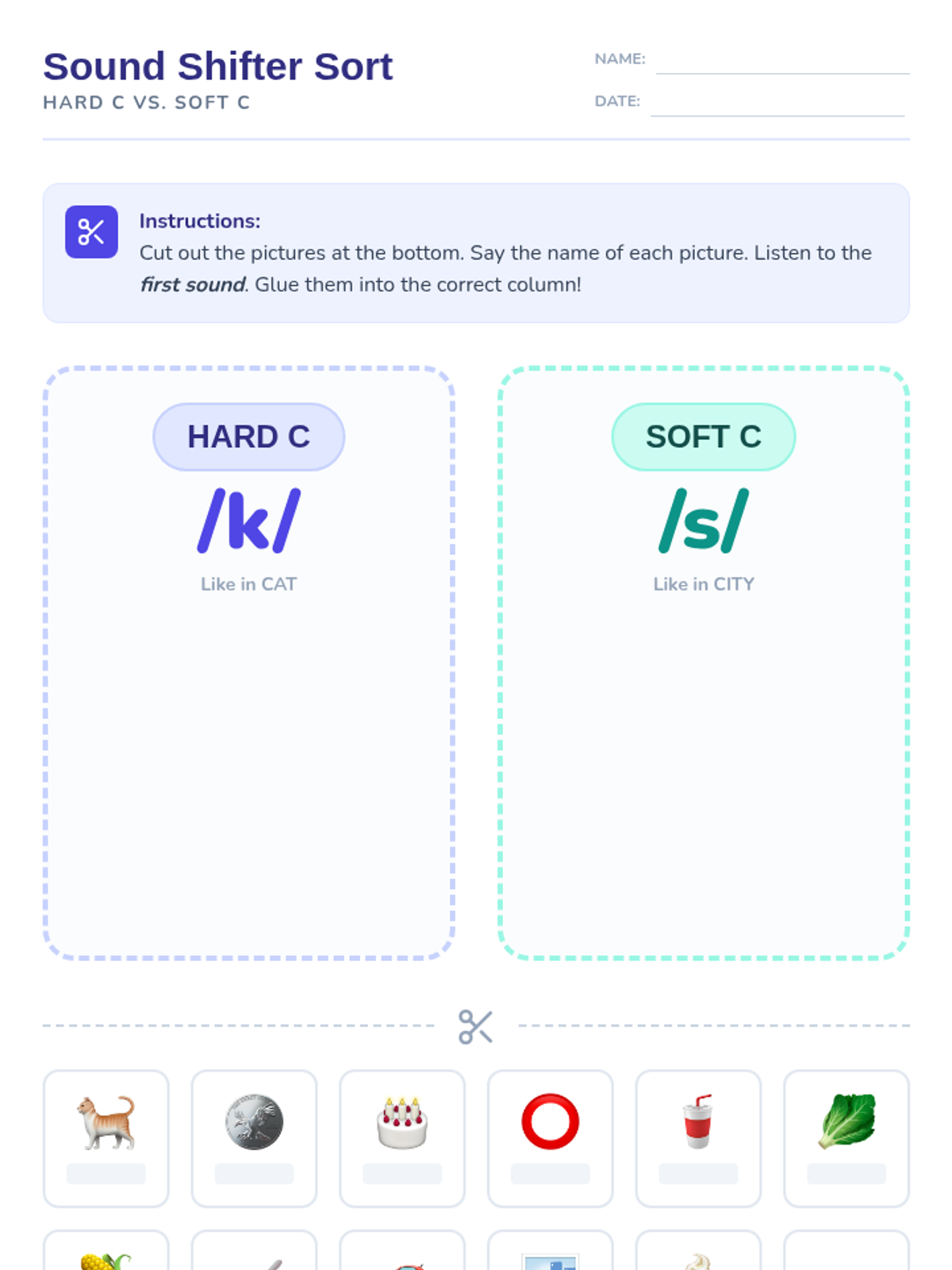
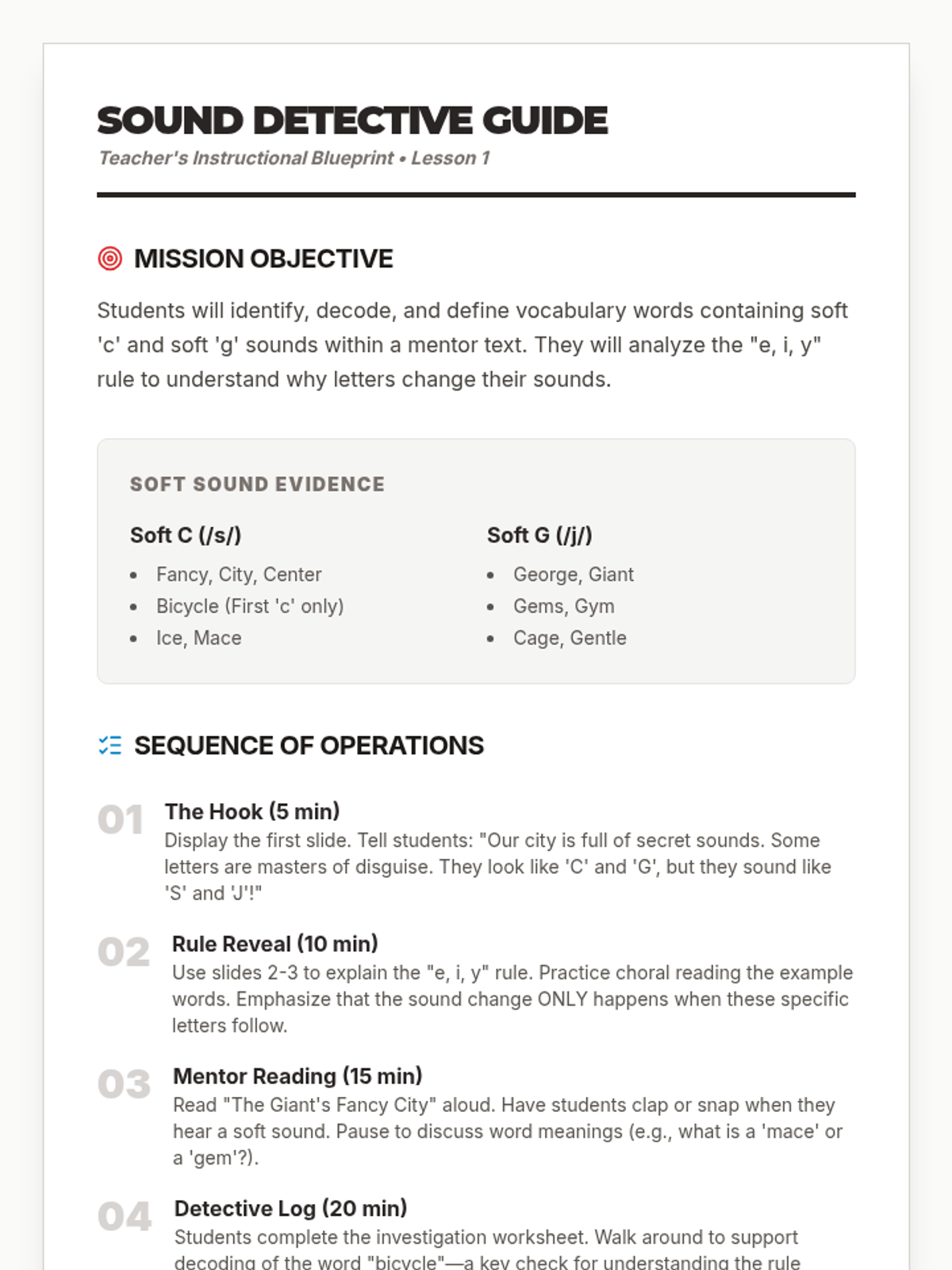
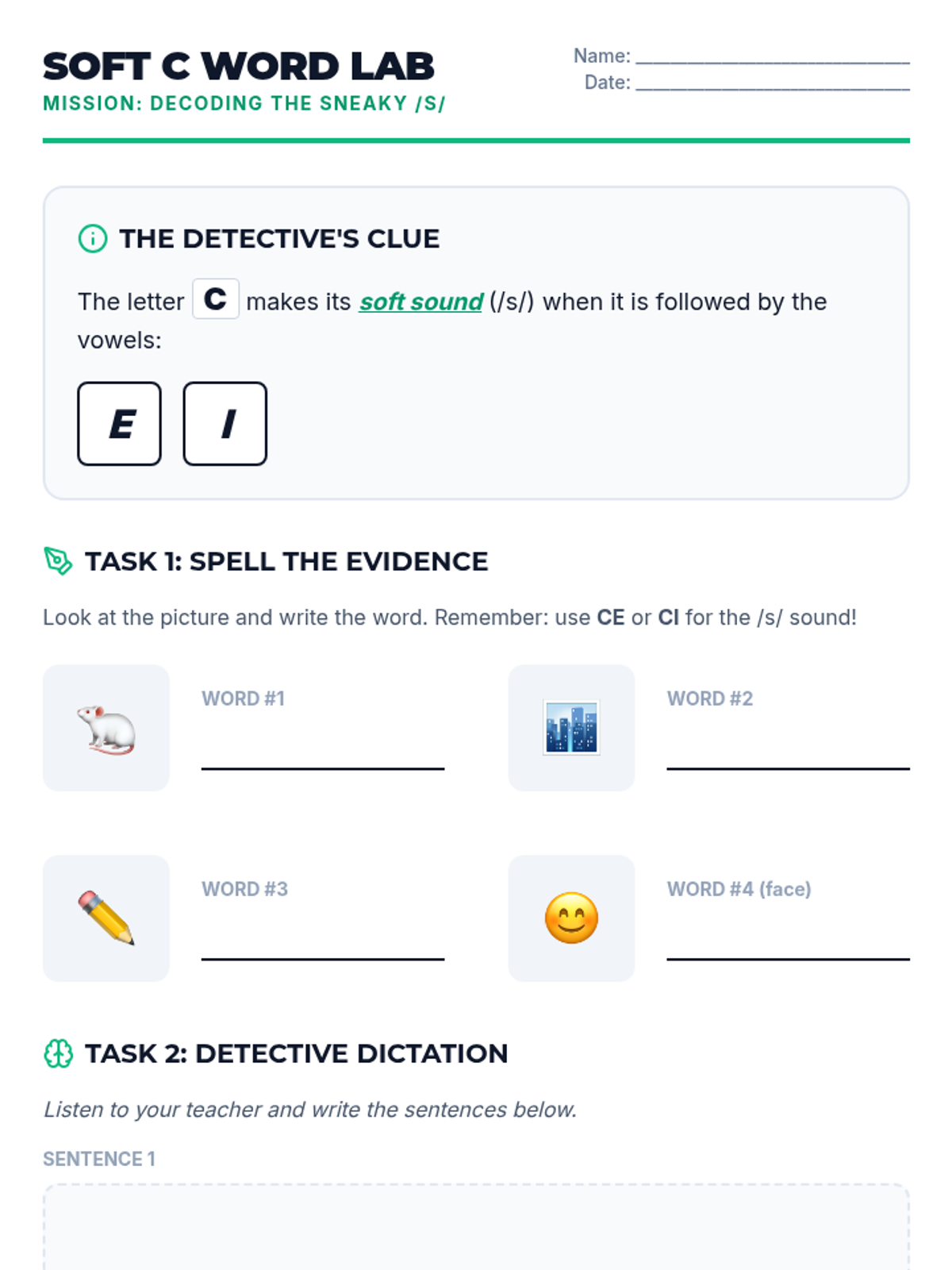
A 5-lesson phonics sequence for 1st grade students focusing on the hard and soft sounds of 'c' and 'g'. Students explore phonemic awareness, spelling patterns, and the influence of the 'magic vowels' e, i, and y.
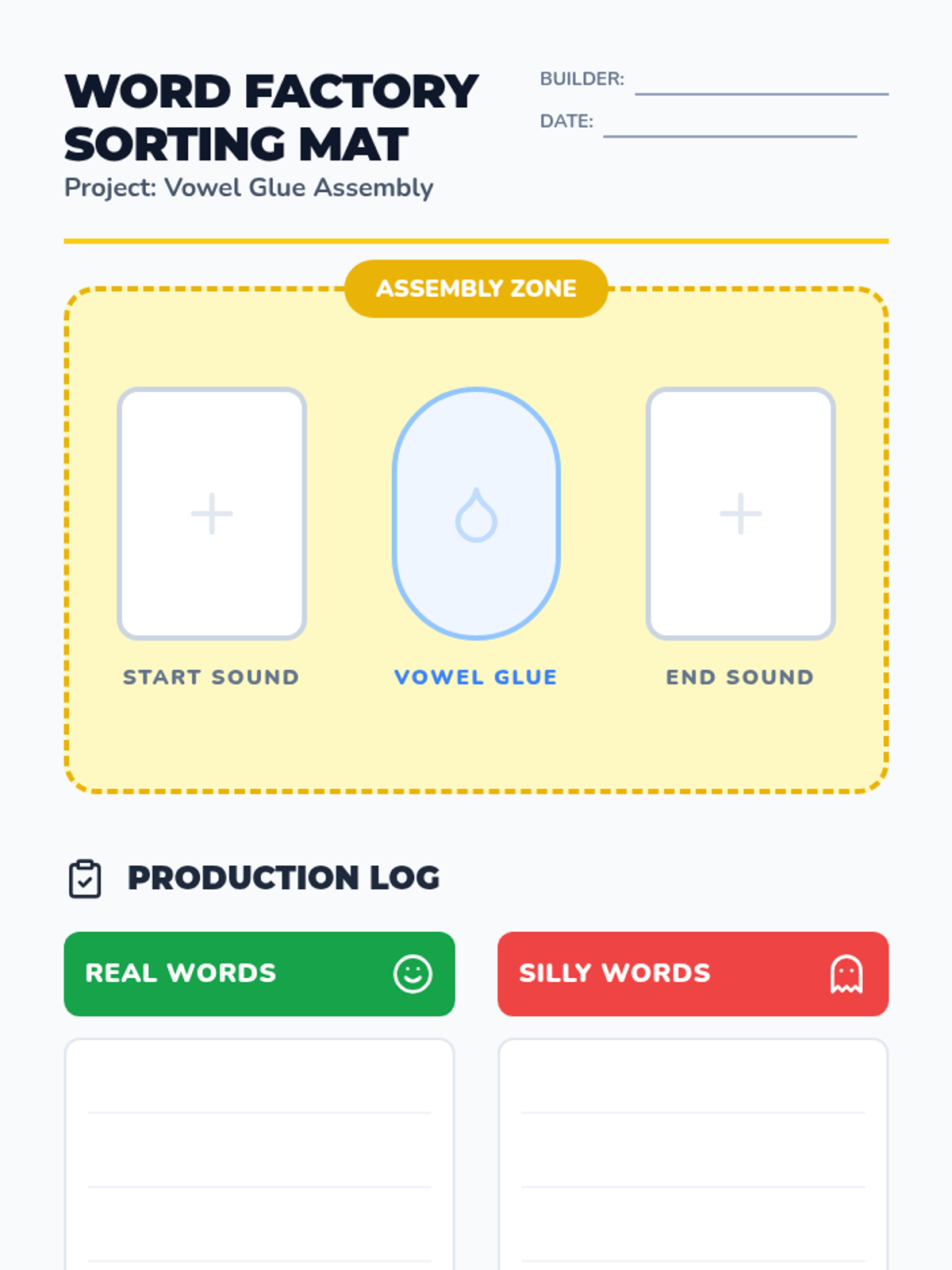
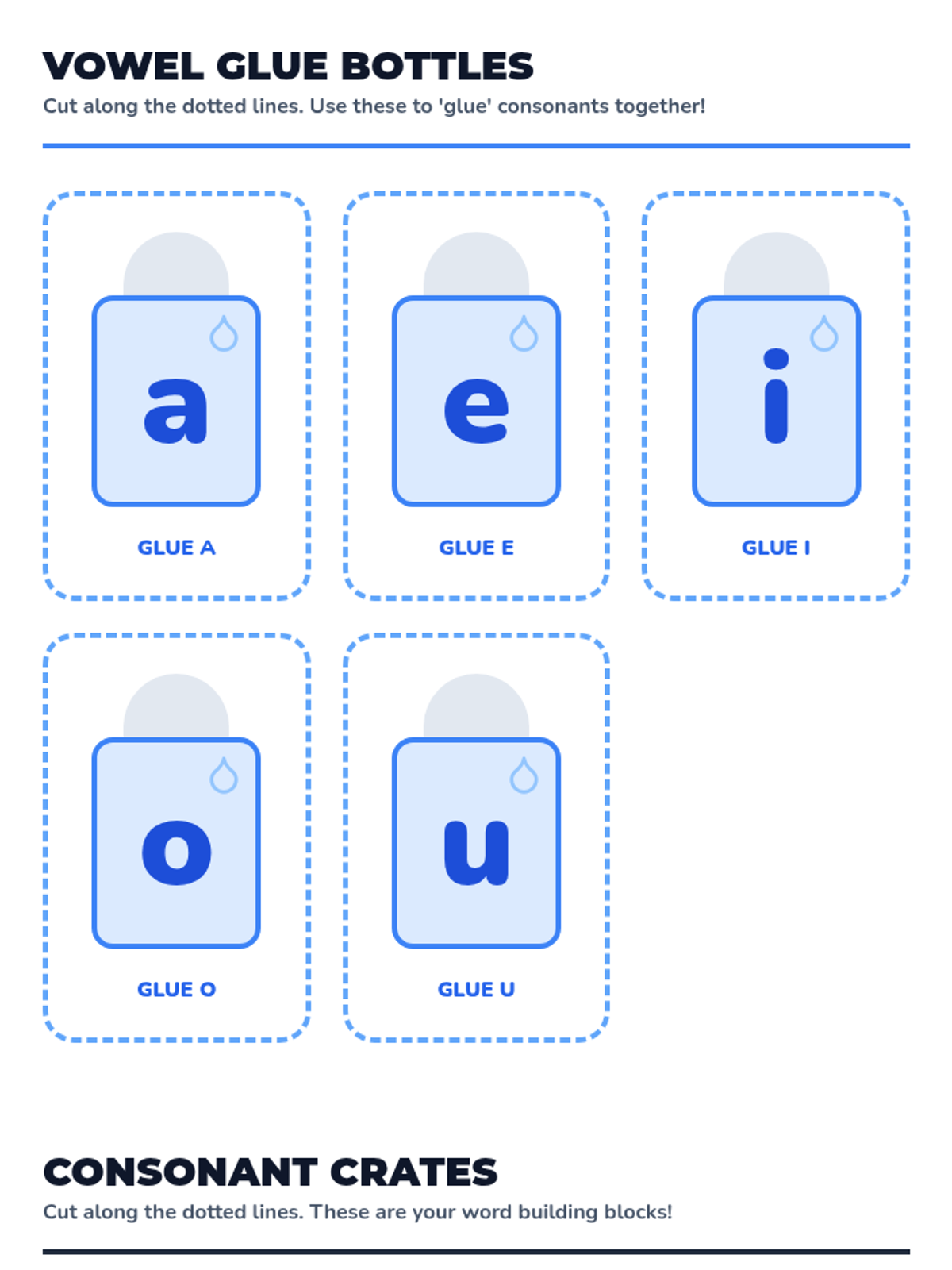
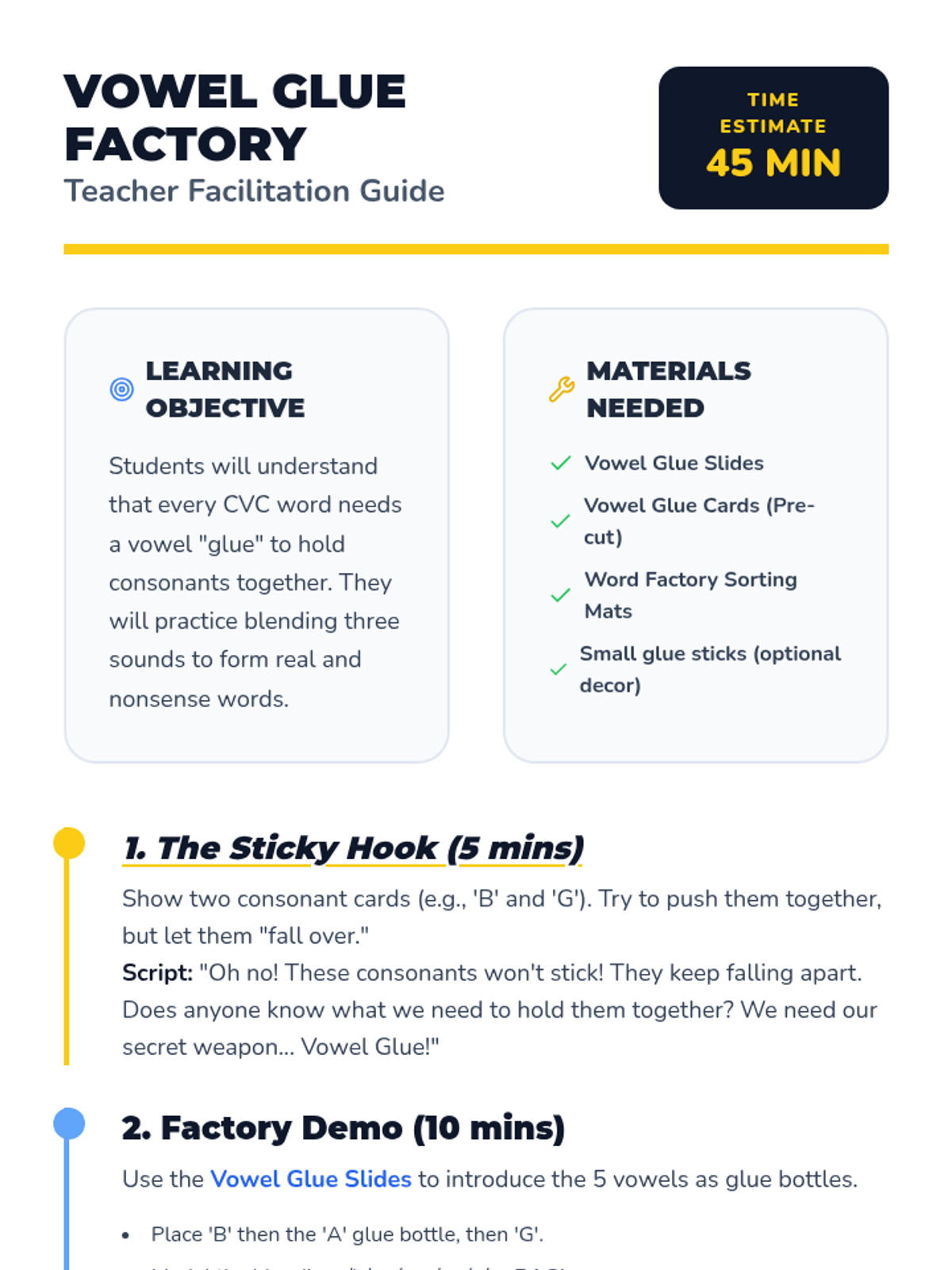
This sequence focuses on blending CVC words by treating vowels as the 'glue' that holds consonants together. Through hands-on workshop-style activities, students learn phonemic blending and segmentation in an engaging, construction-themed environment.
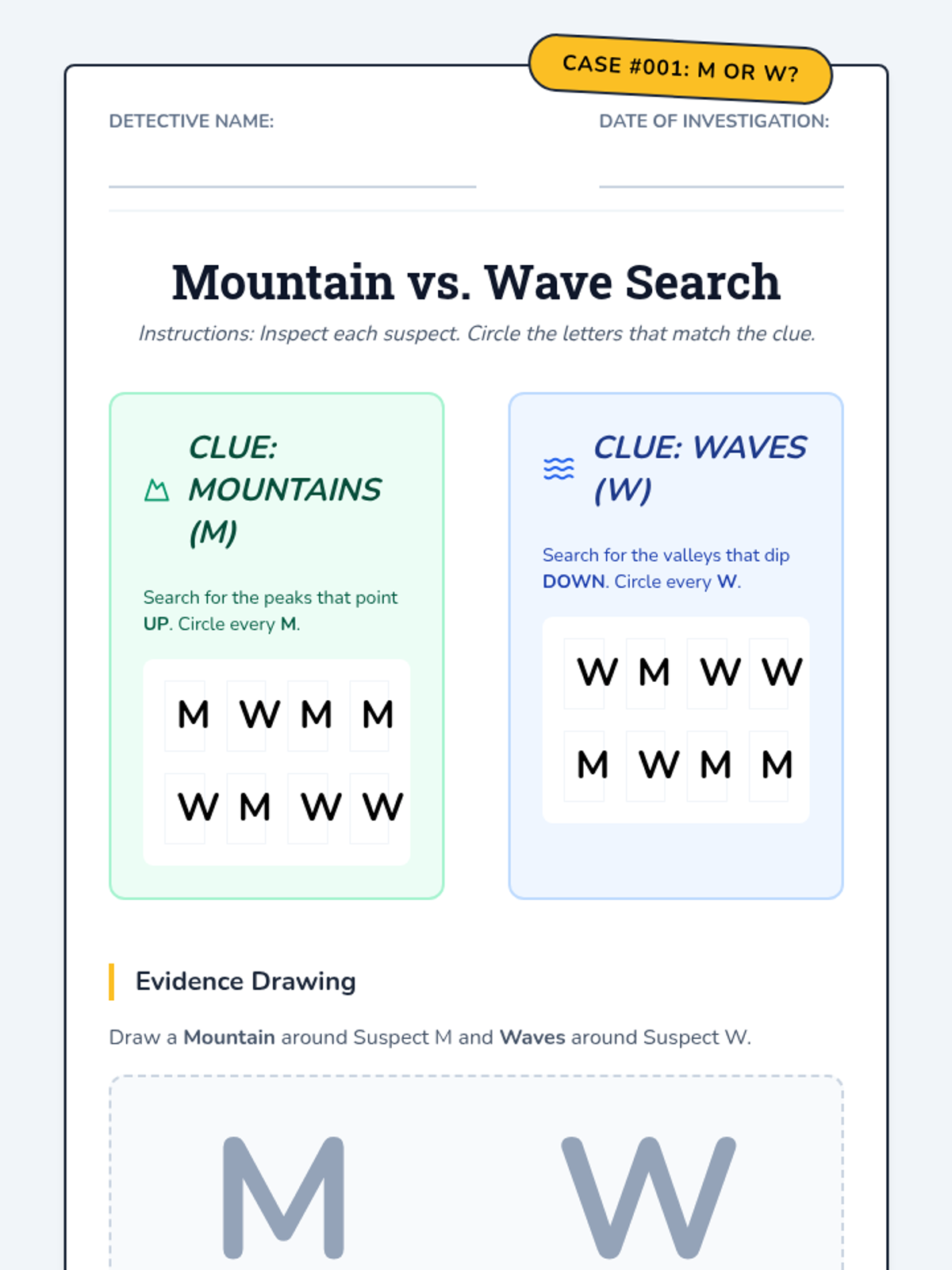
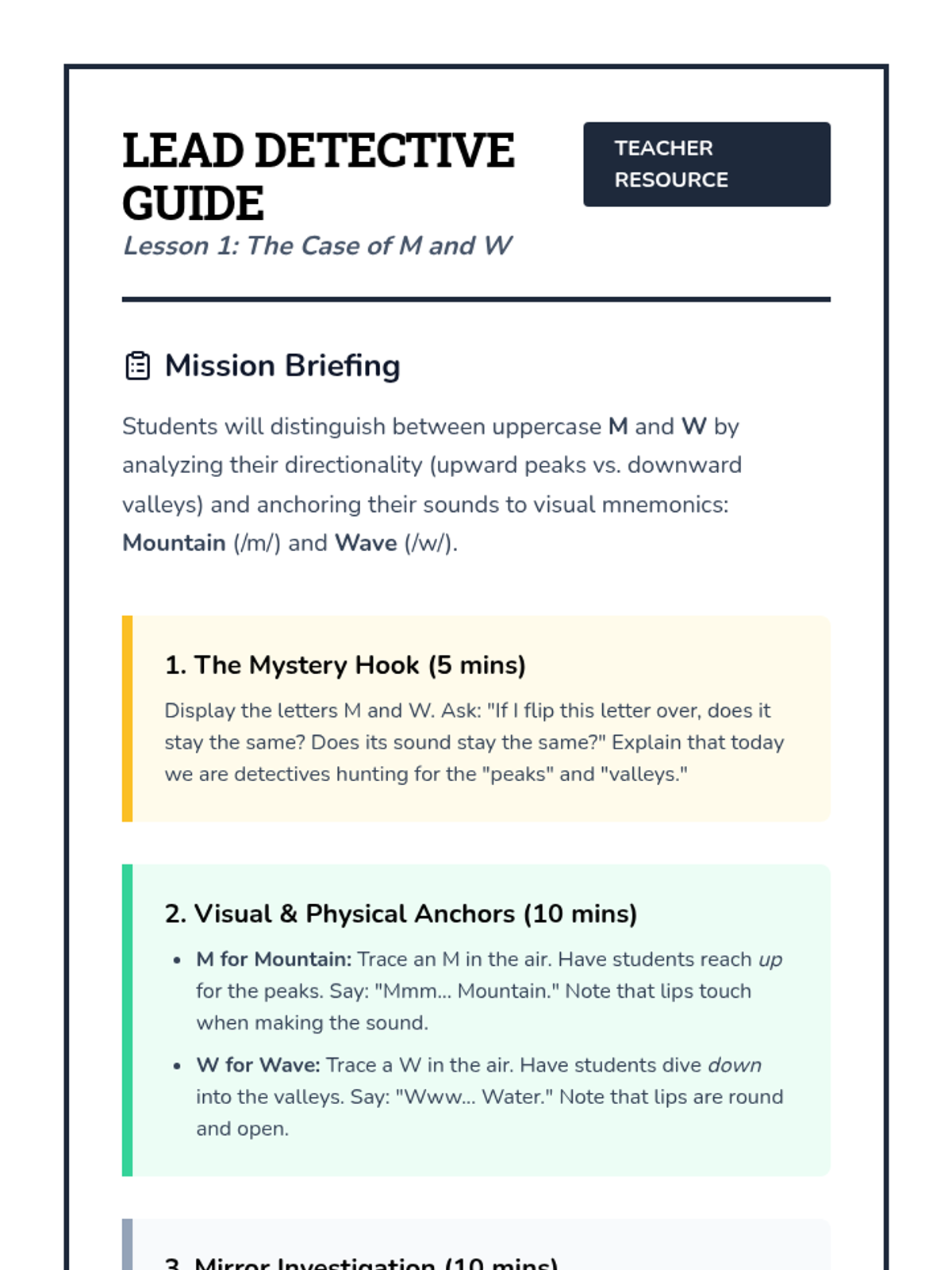
A phonics sequence for 1st graders focusing on visually discriminating between similar uppercase letters (M/W, E/F, O/Q, C/G, B/D/P) using a detective-themed simulation to build visual accuracy and phonemic awareness.
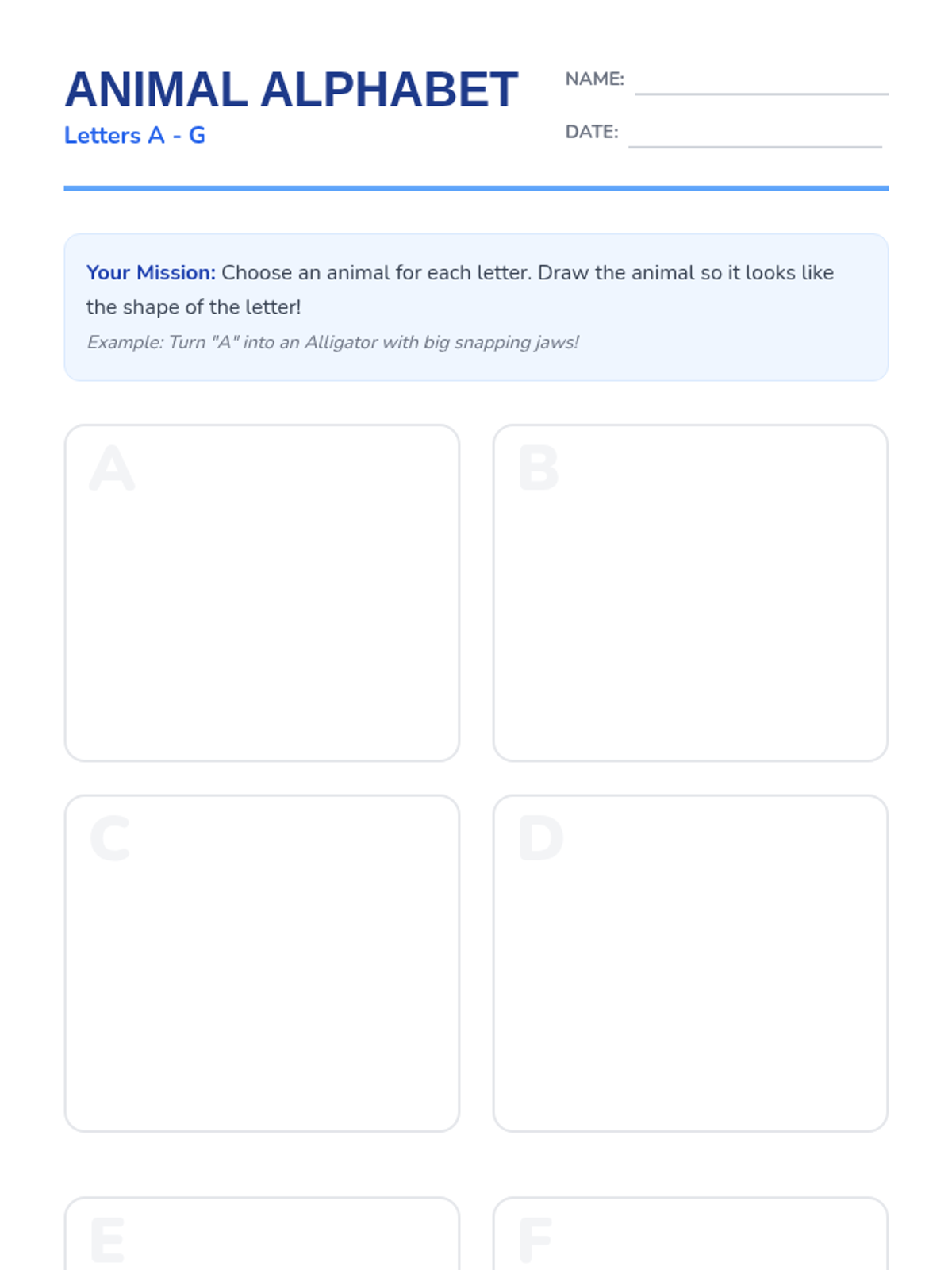
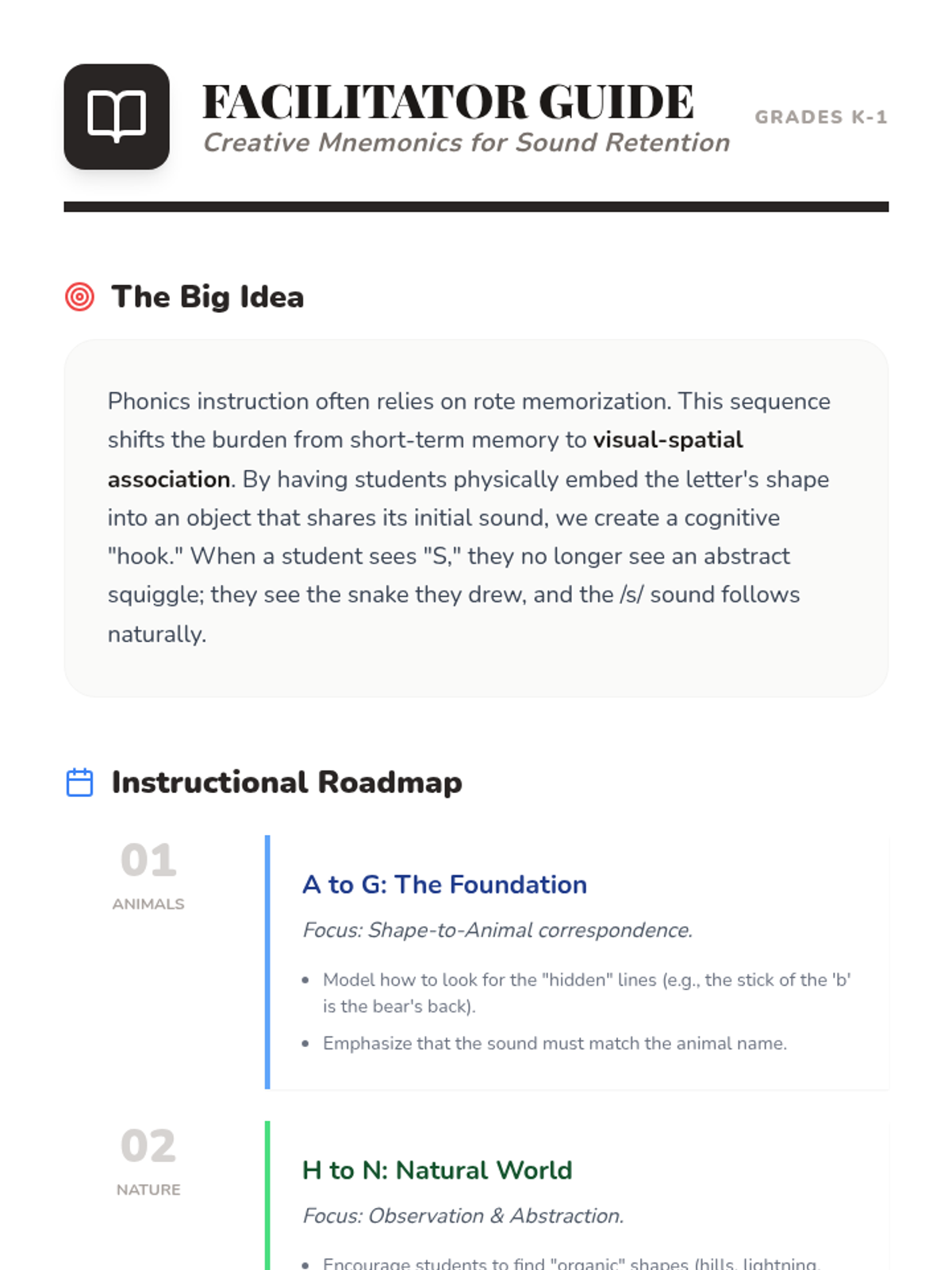
A project-based sequence where students create visual mnemonics for uppercase letters A-Z, transforming letter shapes into memorable characters, nature elements, and objects to cement sound-symbol relationships.
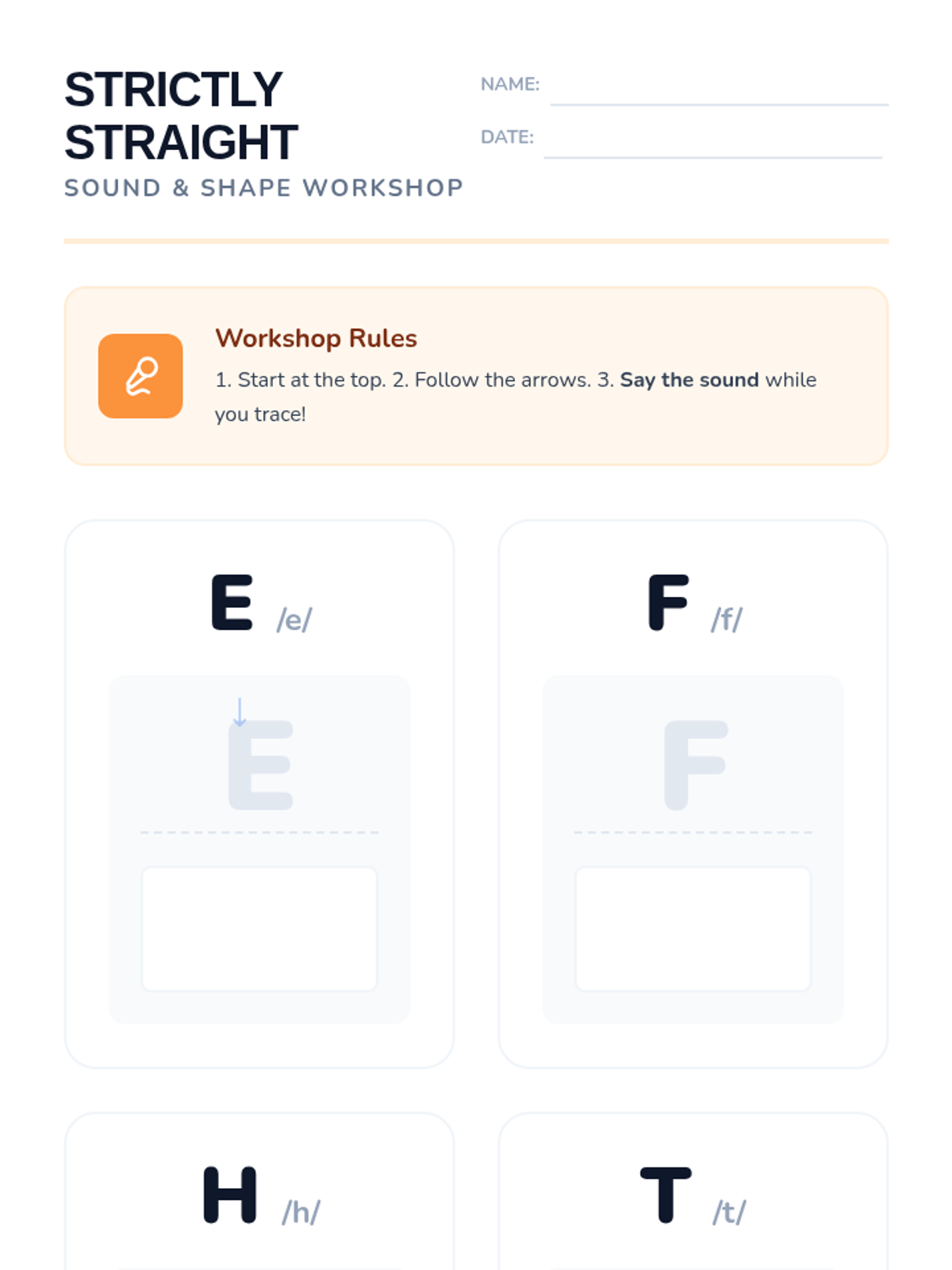
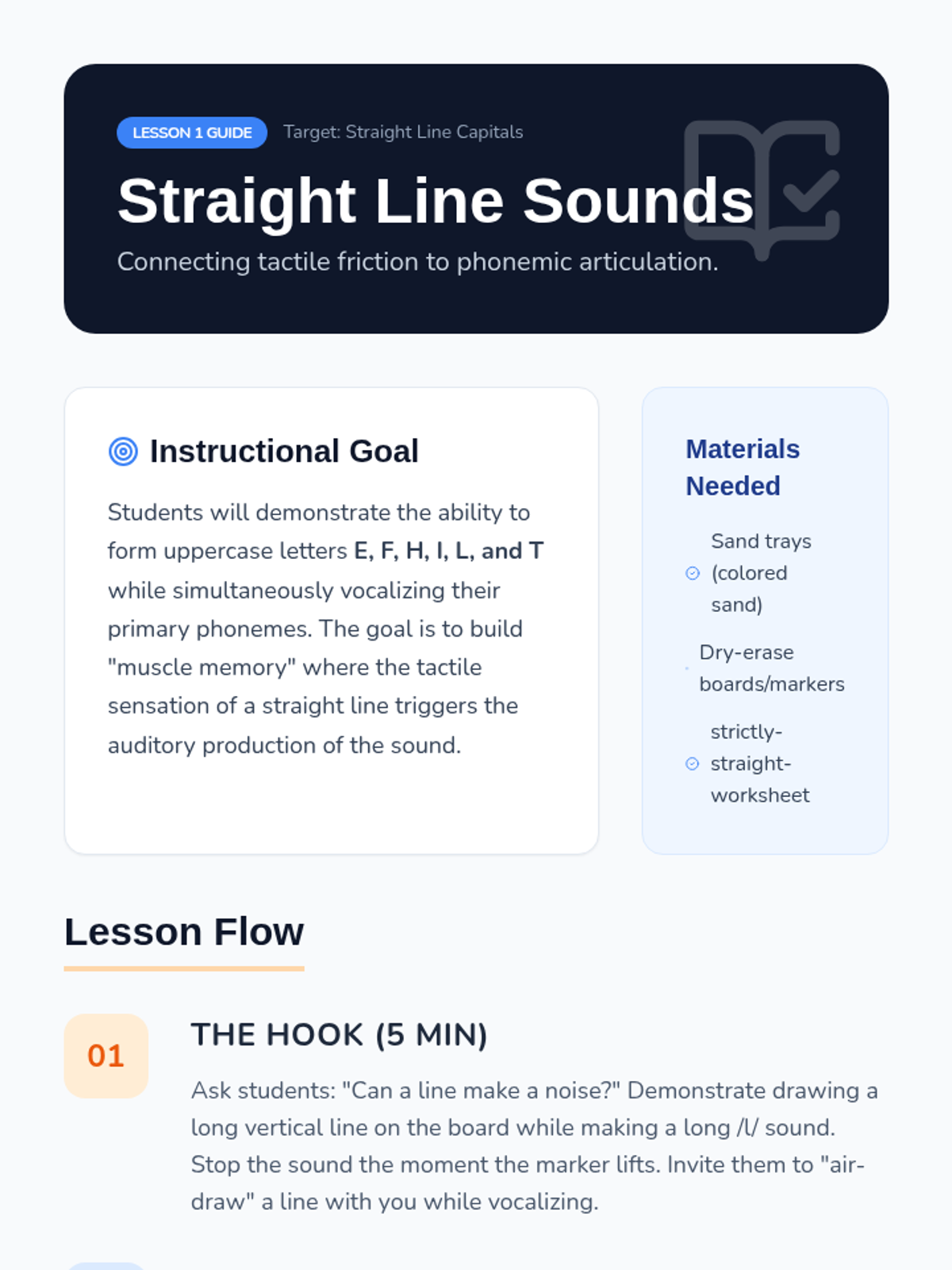
A multi-sensory workshop approach connecting uppercase letter shapes to their phonemes through tactile, gross motor, and vocal engagement for 1st Grade students.
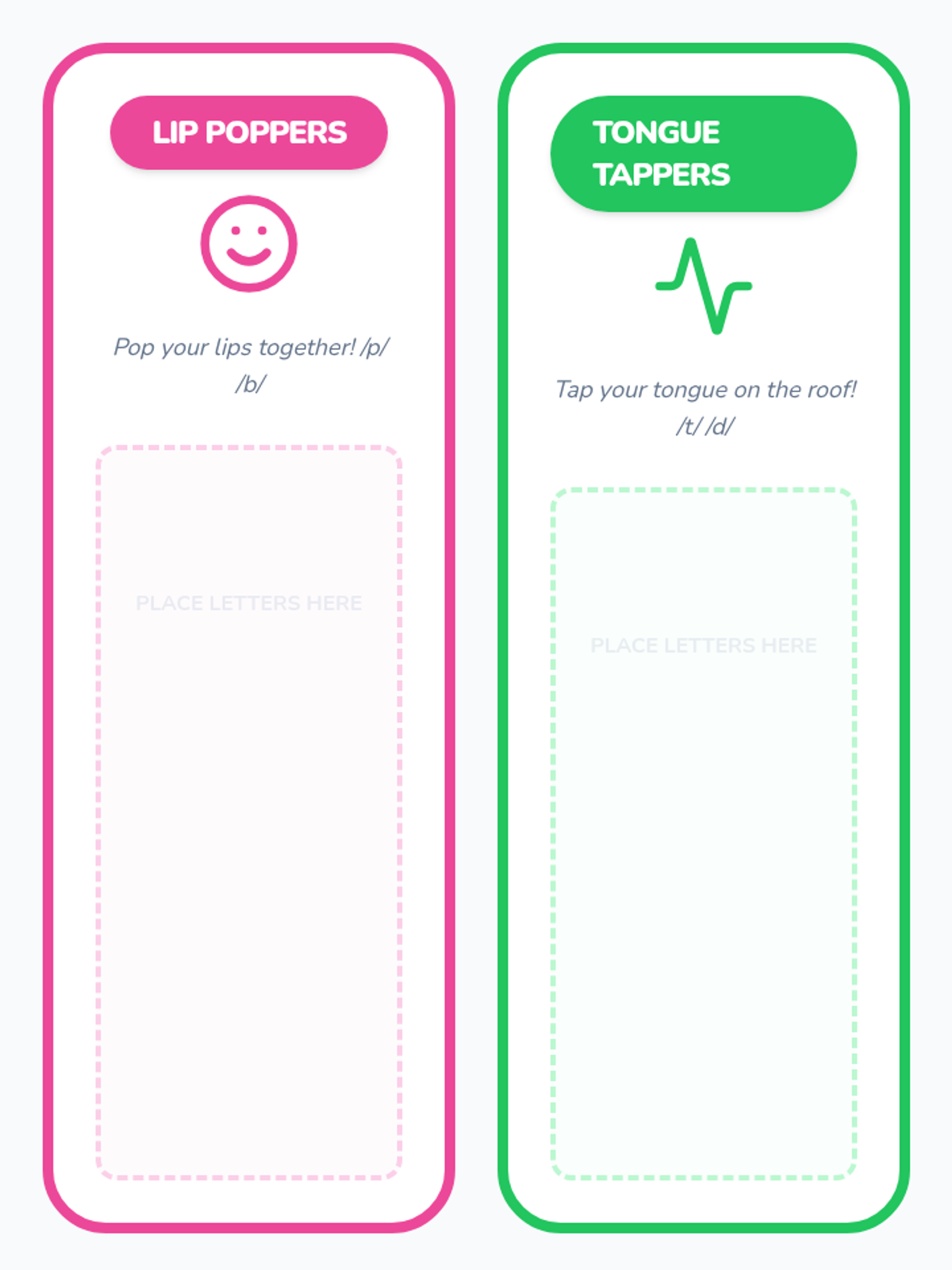
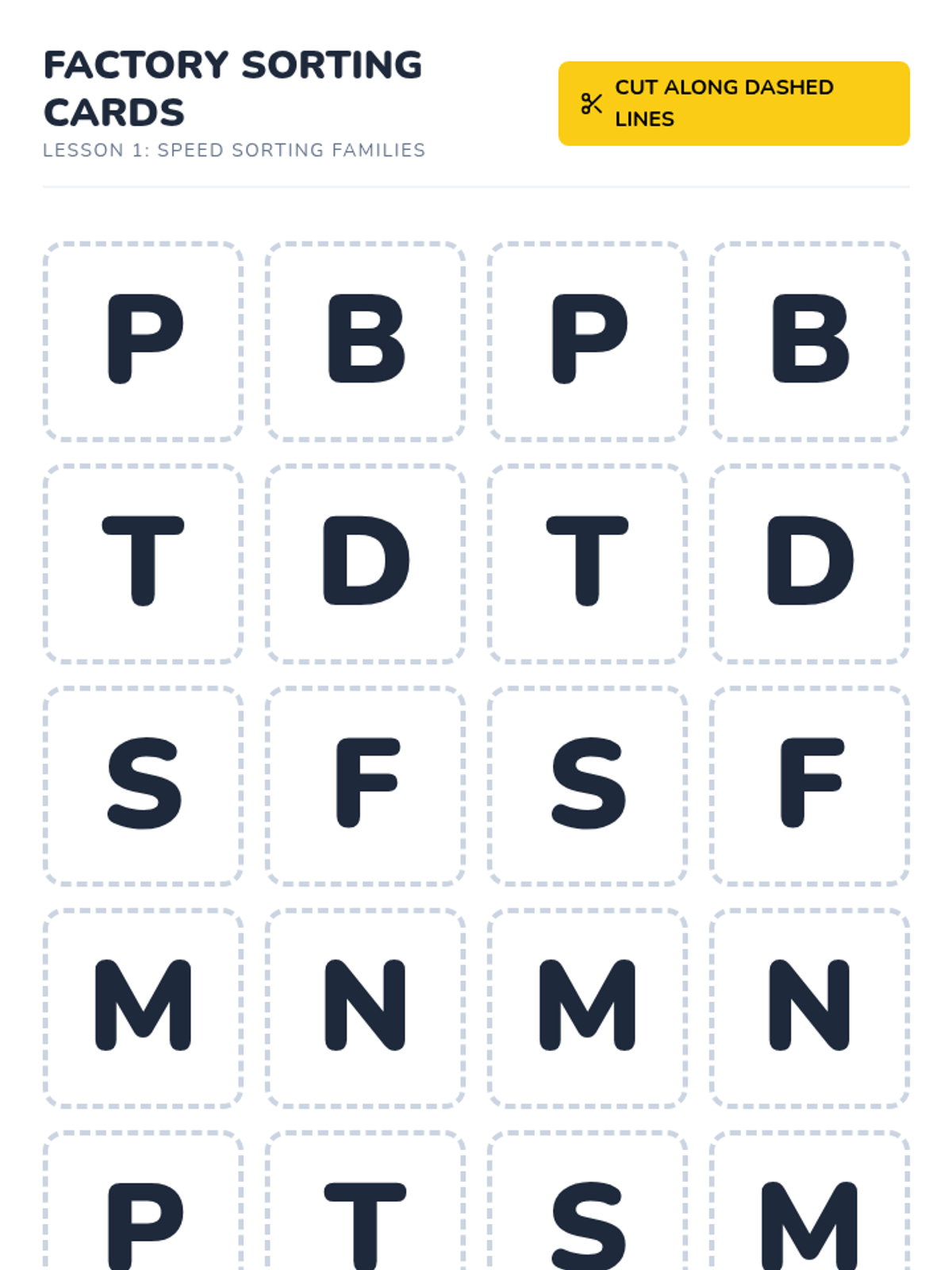
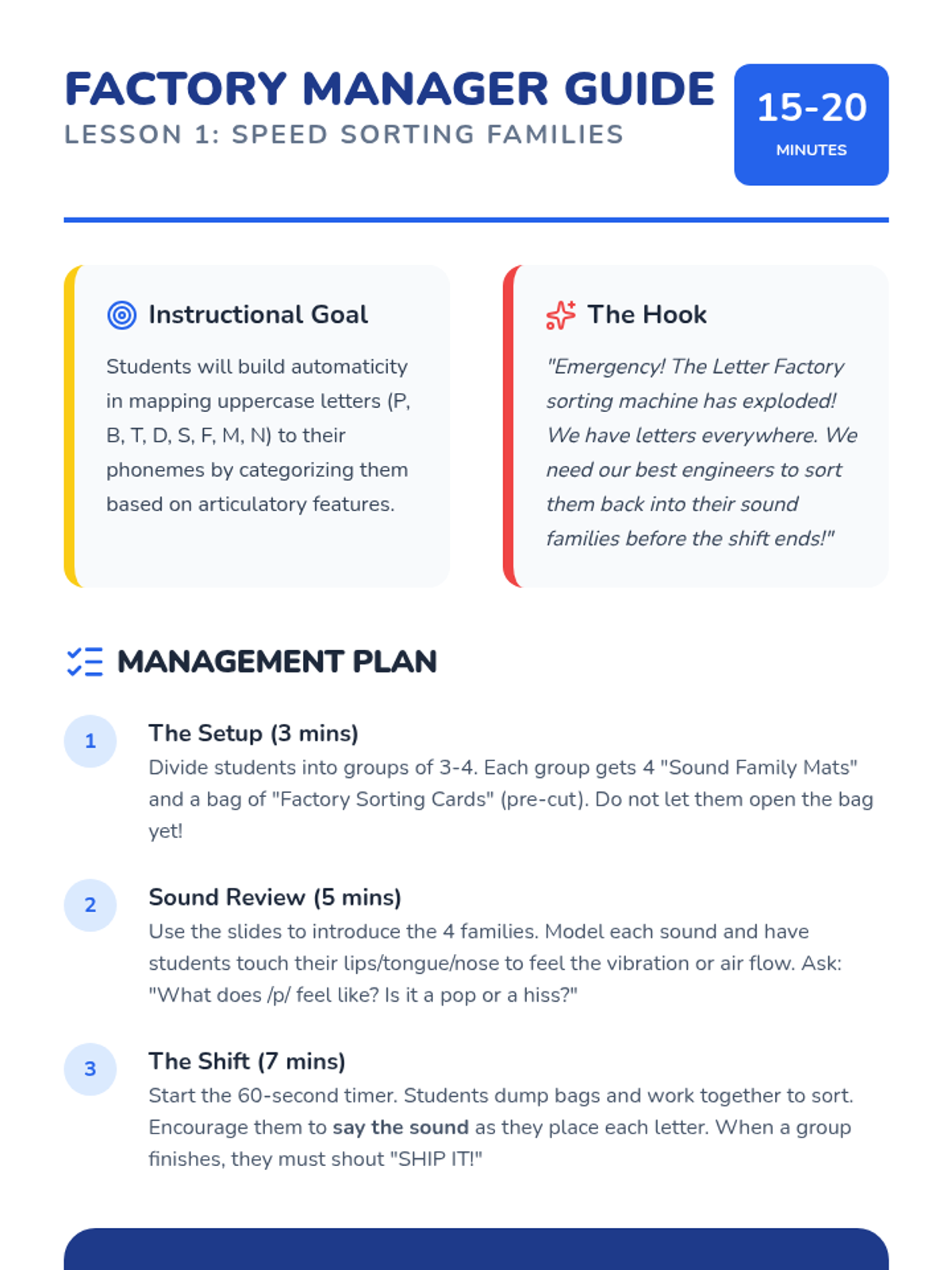
A high-energy, game-based phonics sequence for 1st Grade focused on building rapid uppercase letter-sound recognition. Students participate in collaborative and competitive games to move from slow identification to automatic retrieval.
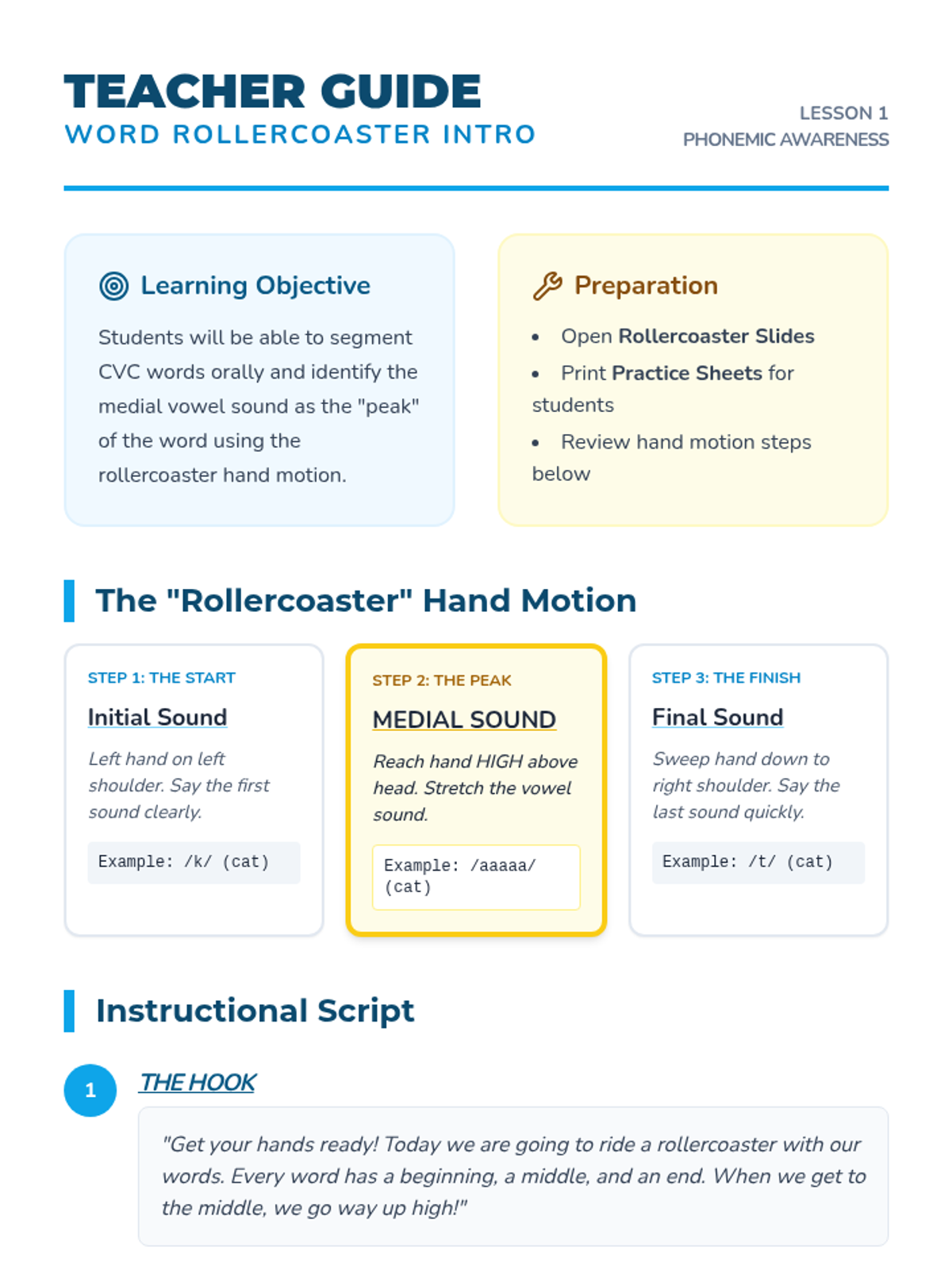
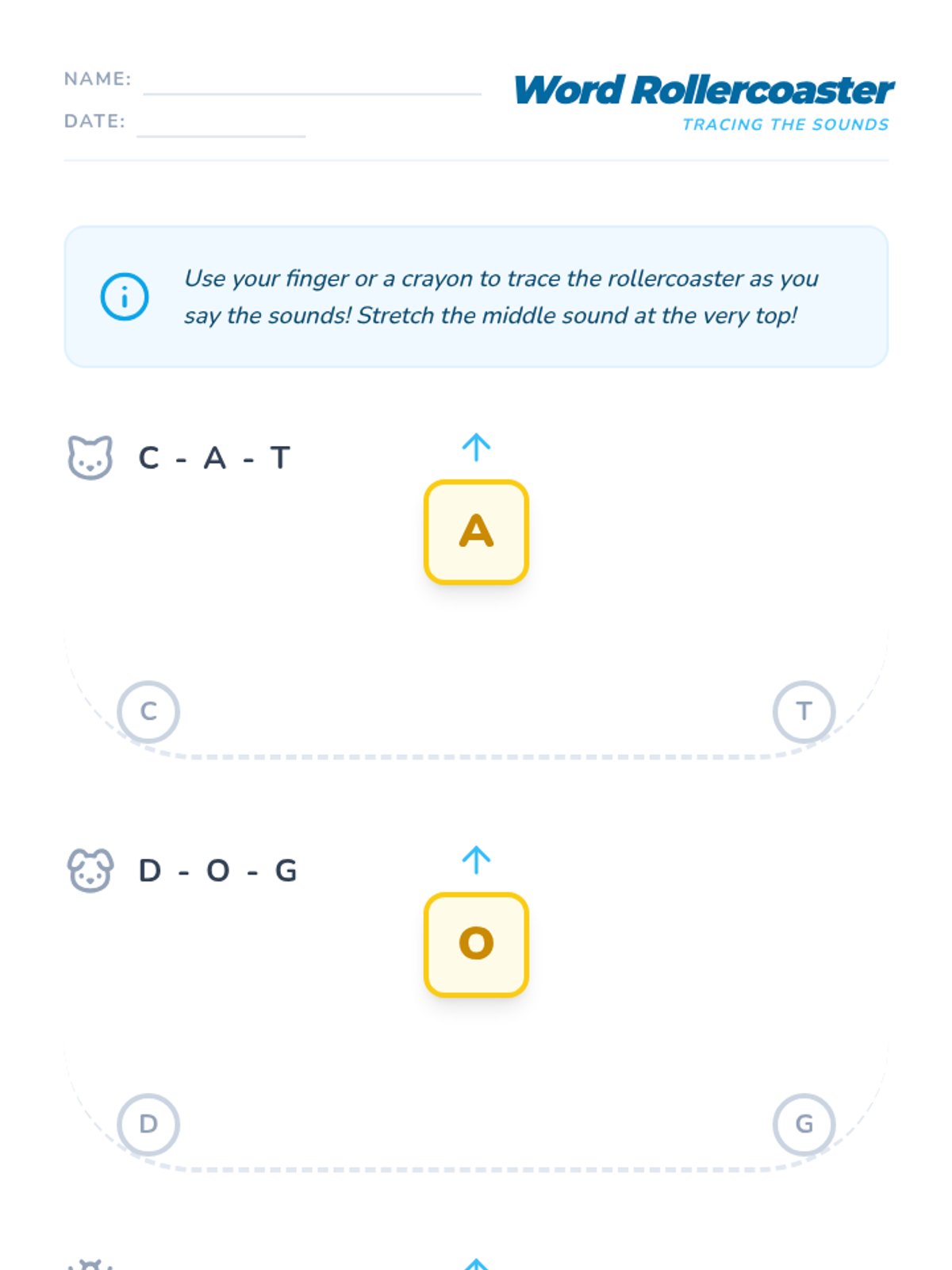
This sequence introduces Pre-K students to identifying medial vowel sounds in CVC words using the kinesthetic 'rollercoaster' strategy. Students progress from learning the basic hand motion to discriminating between different vowel sounds (a/i, o/u) and finally blending sounds to form whole words.
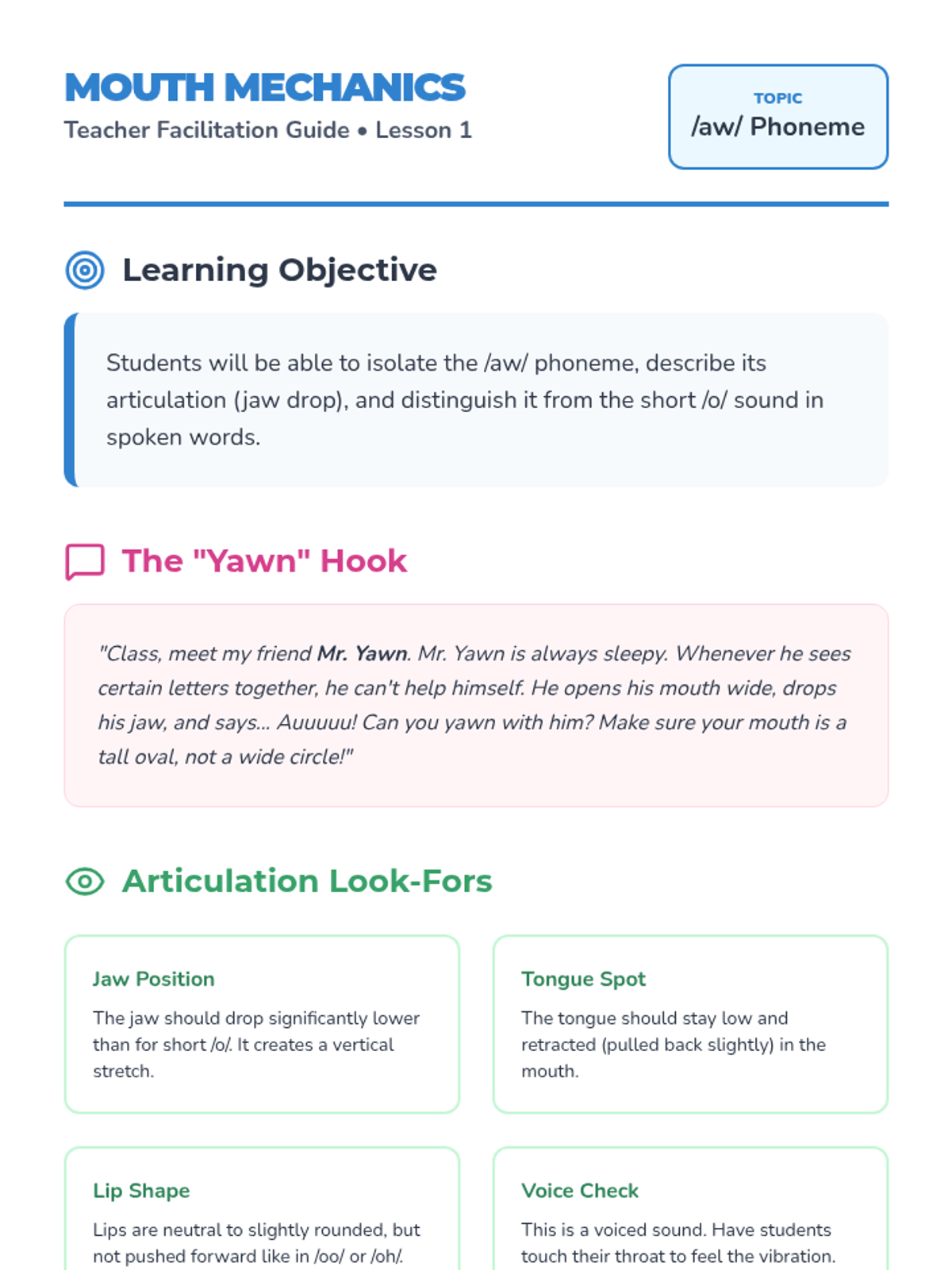
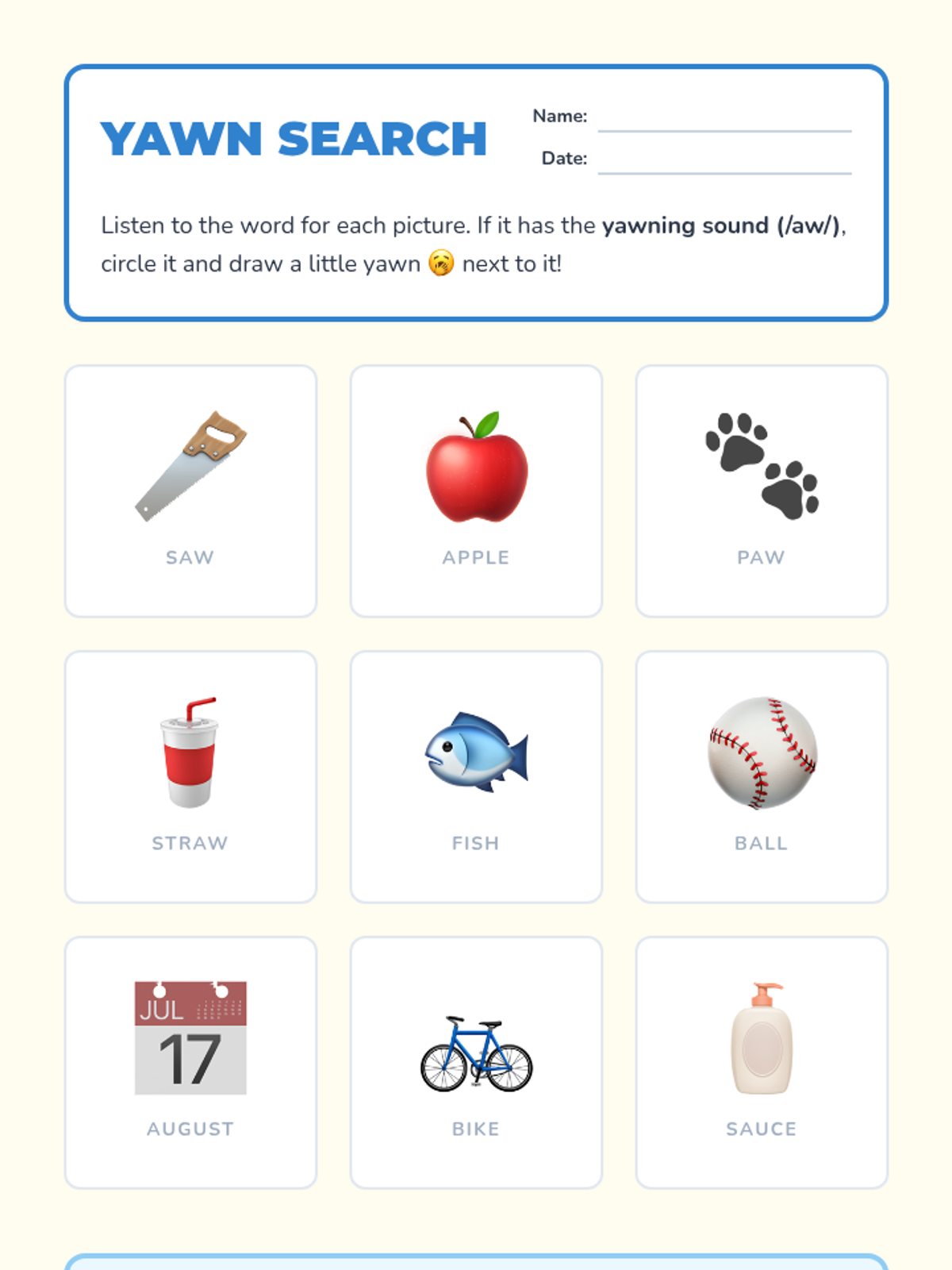
A comprehensive 1st Grade sequence focusing on the /au/ and /aw/ variant vowel sounds through explicit phonics instruction, word building, and fluency practice. Students explore the 'Yawning Vowel' theme to master decoding and spelling these complex patterns.
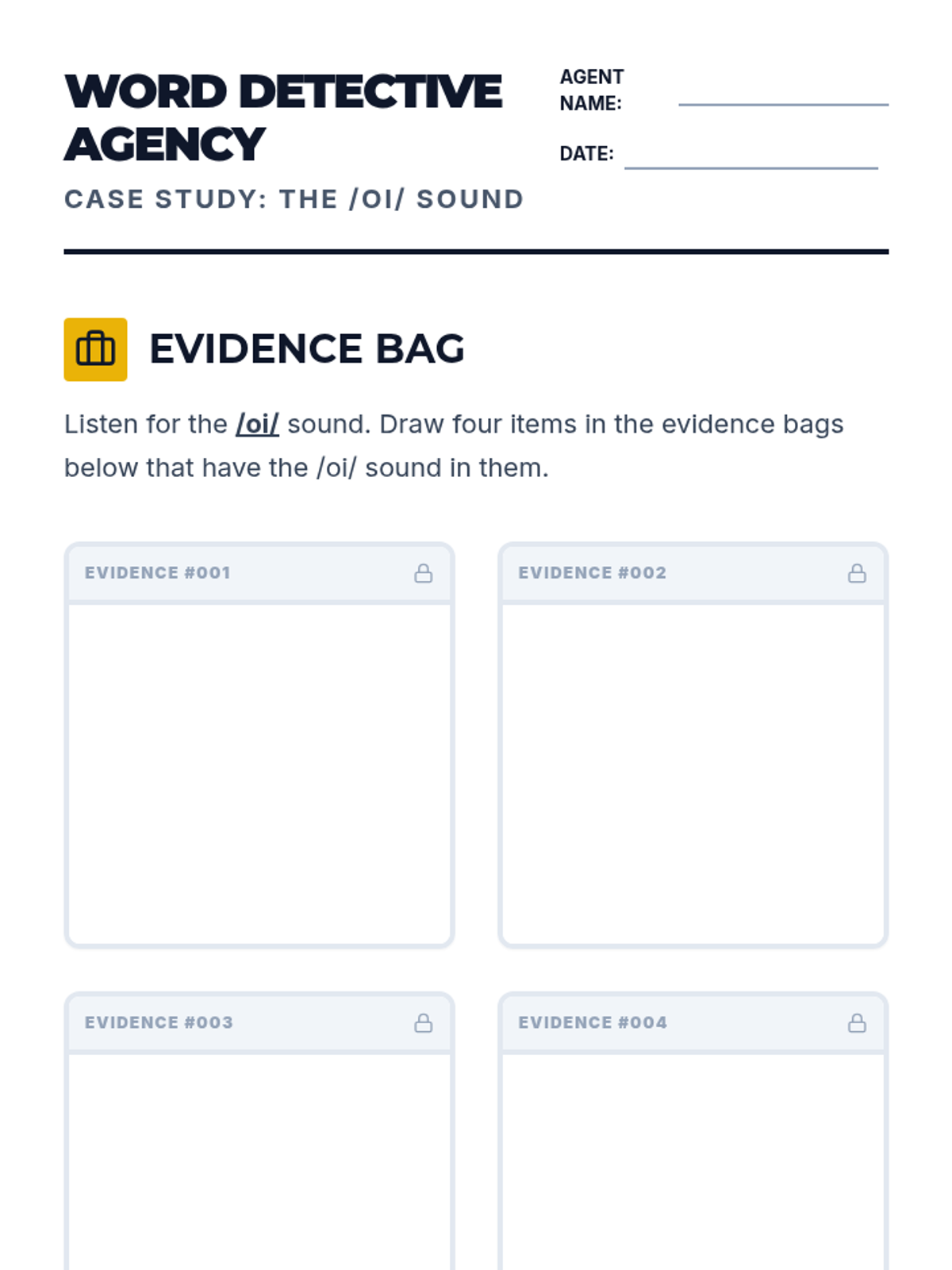
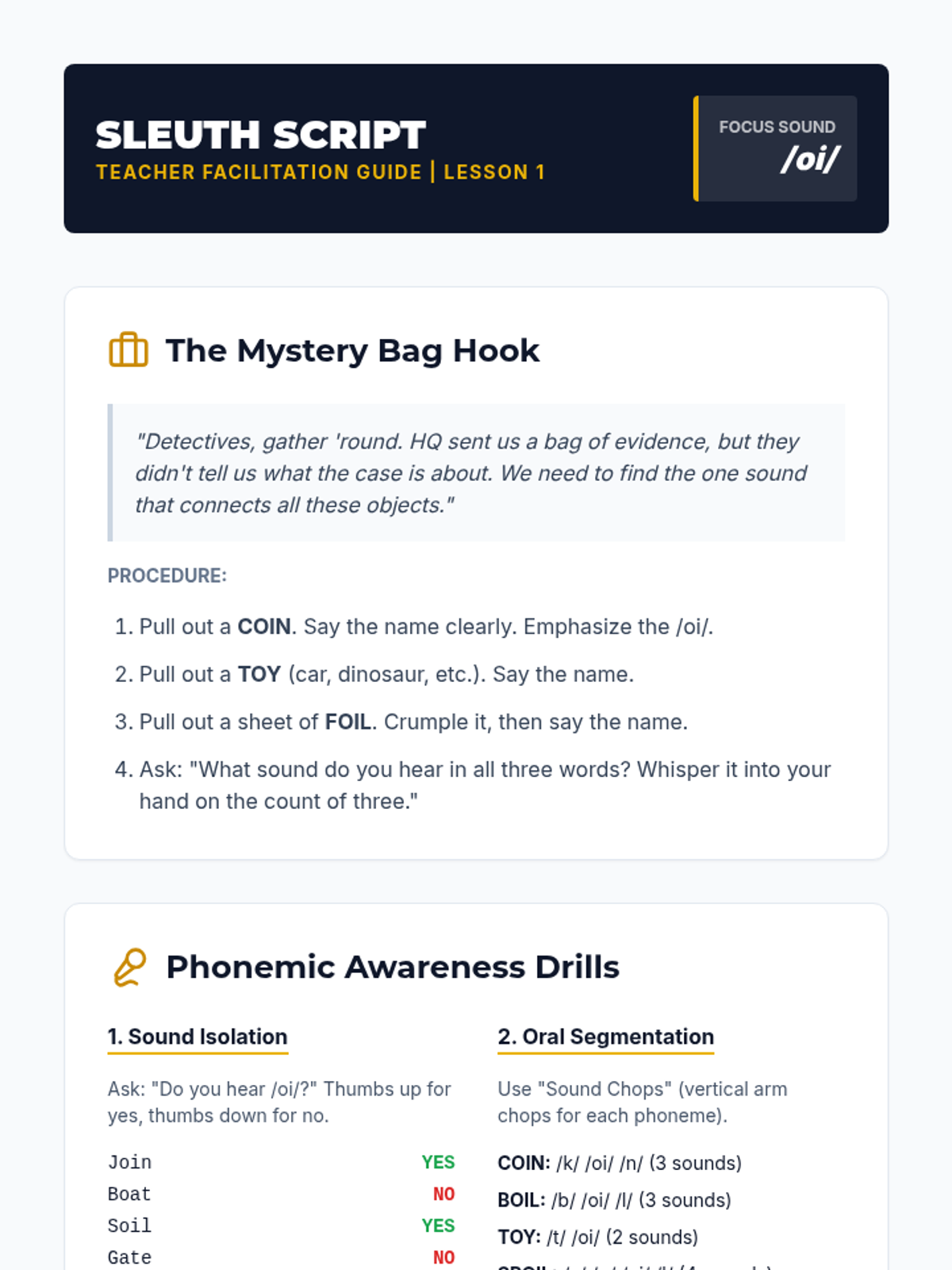
An inquiry-based phonics sequence where 1st graders act as 'Word Detectives' to discover the orthographic rules for the /oi/ and /oy/ spelling patterns through evidence gathering and pattern recognition.
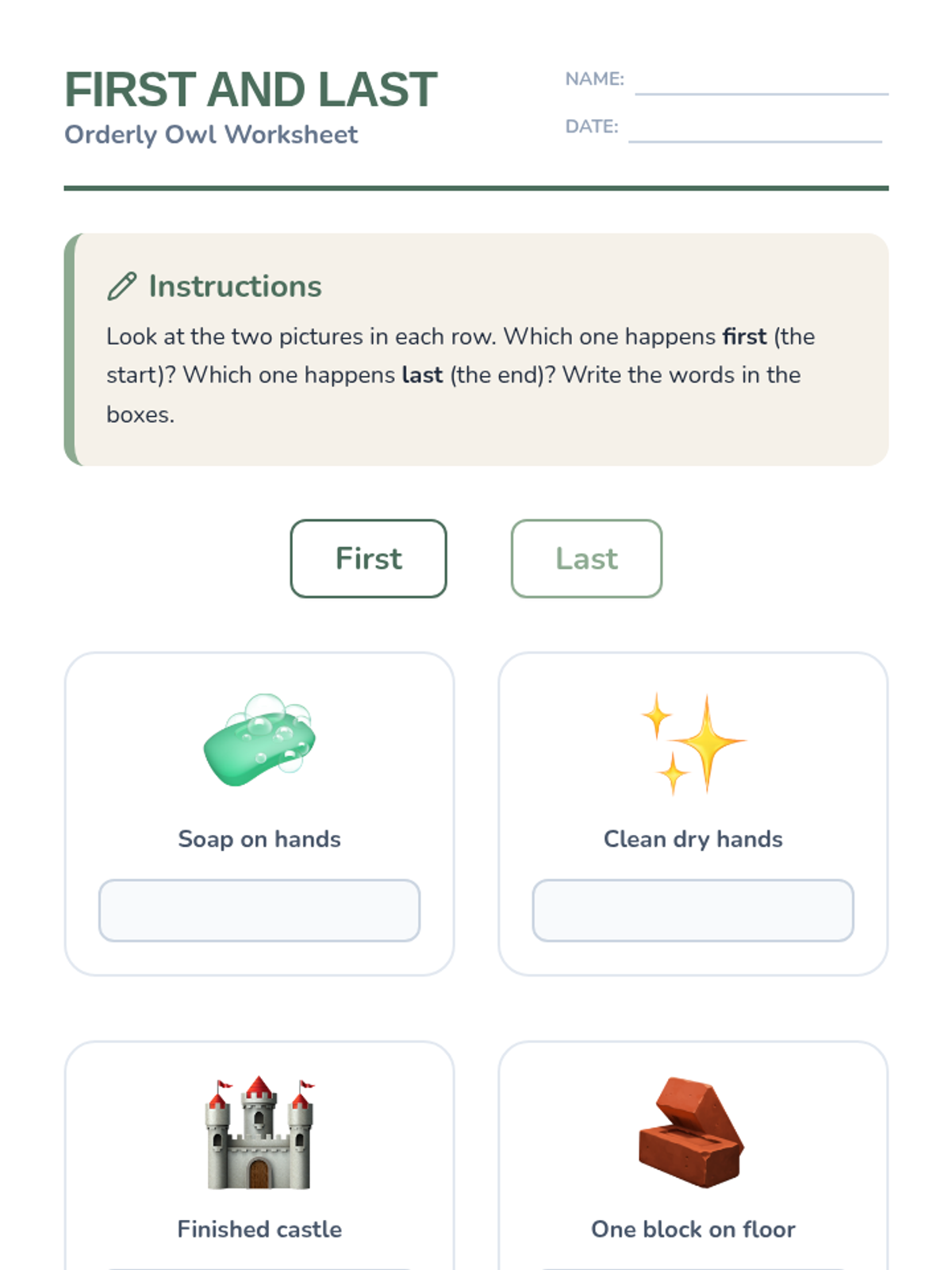
This sequence introduces 1st Grade ESL students to academic sequencing vocabulary. Students learn to use temporal transitions like 'first', 'next', 'then', and 'finally' to describe daily routines, scientific life cycles, and procedural instructions.
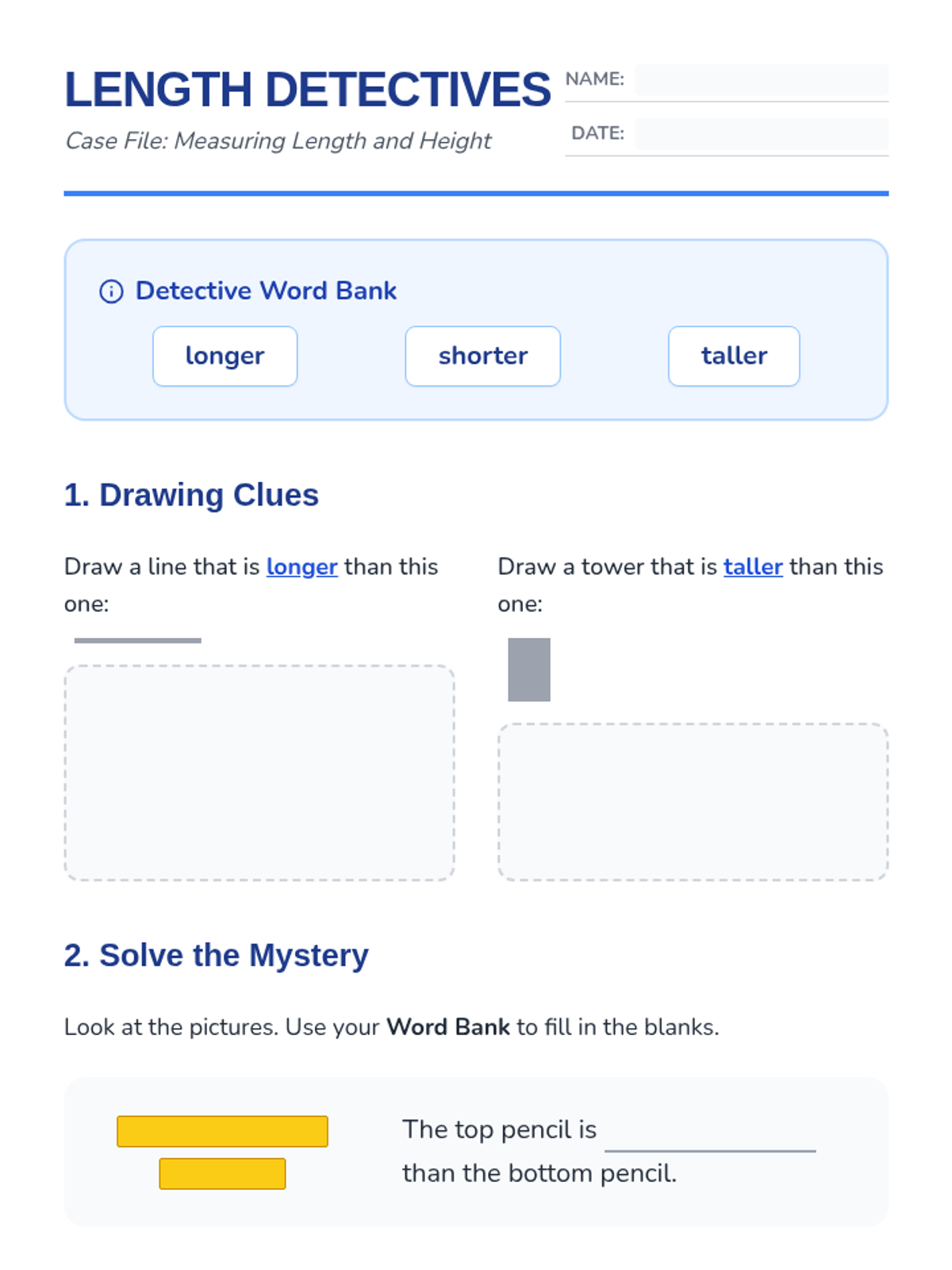
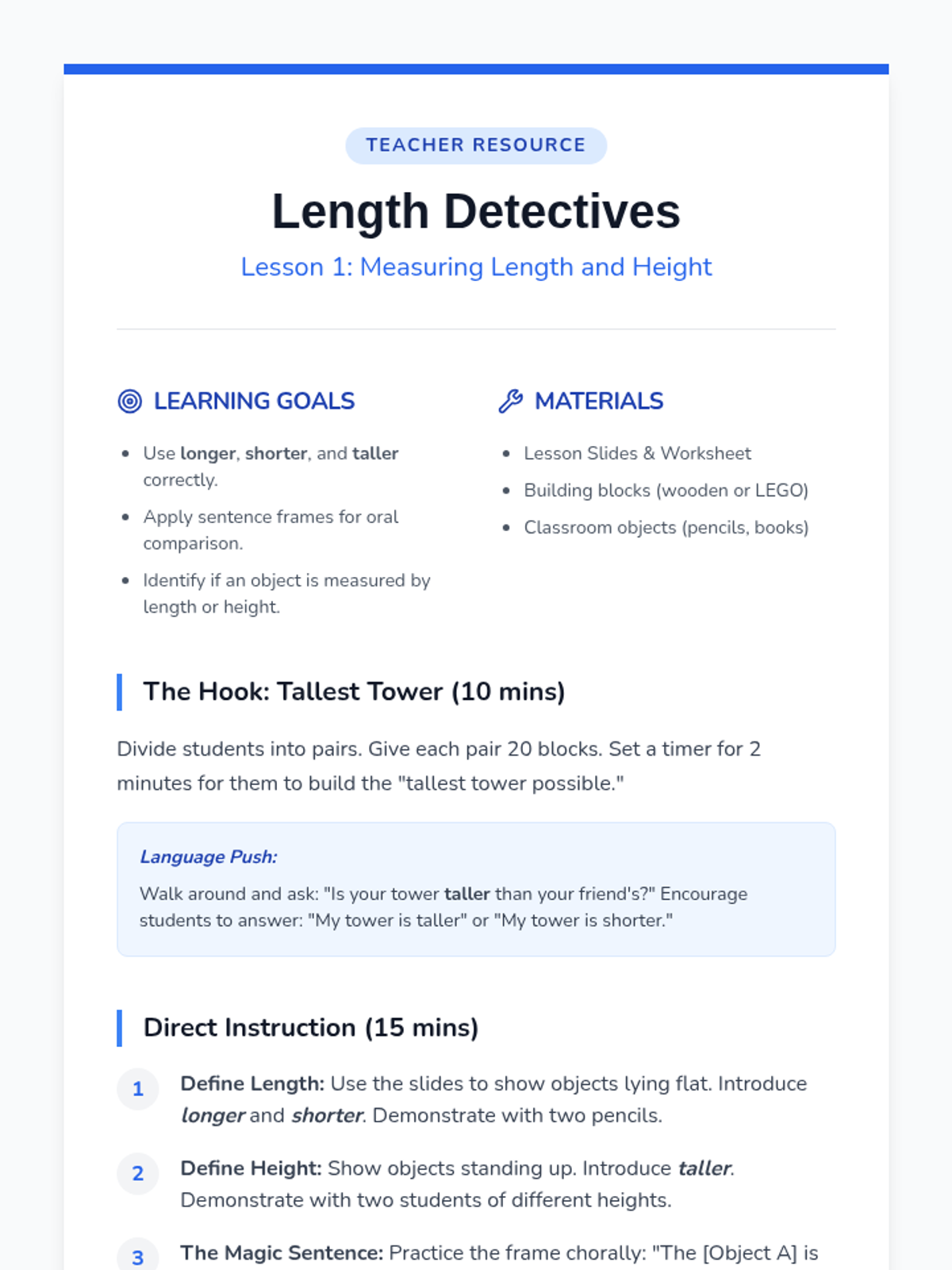
A first-grade ESL sequence focusing on academic language for mathematical comparisons. Students progress from physical attributes like length and weight to abstract concepts of quantity and equality, using structured sentence frames and hands-on activities.
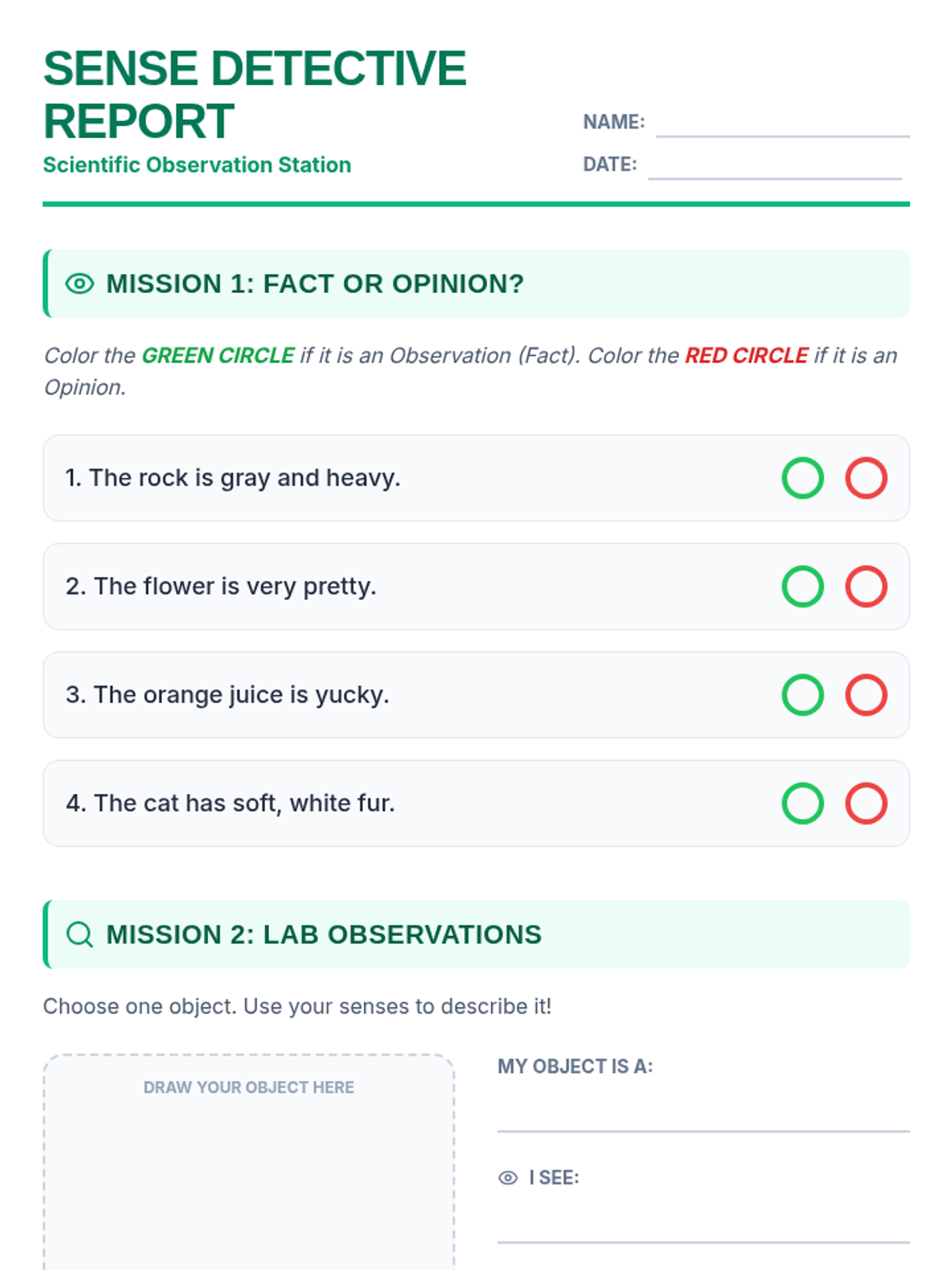
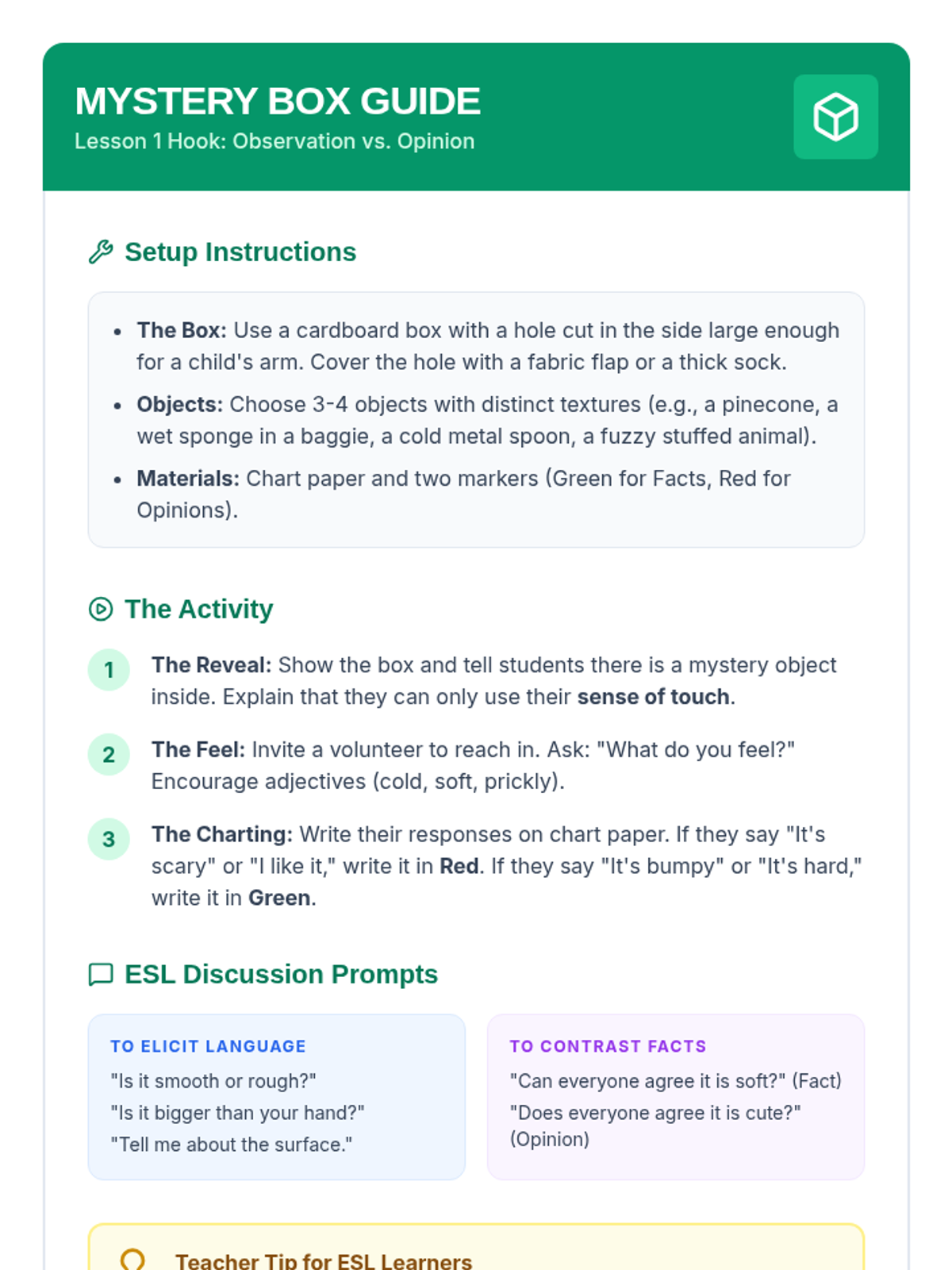
A 1st Grade ESL sequence focused on the language of scientific inquiry. Students learn to use precise sensory and classification vocabulary to describe physical properties of matter, culminating in a descriptive field guide.
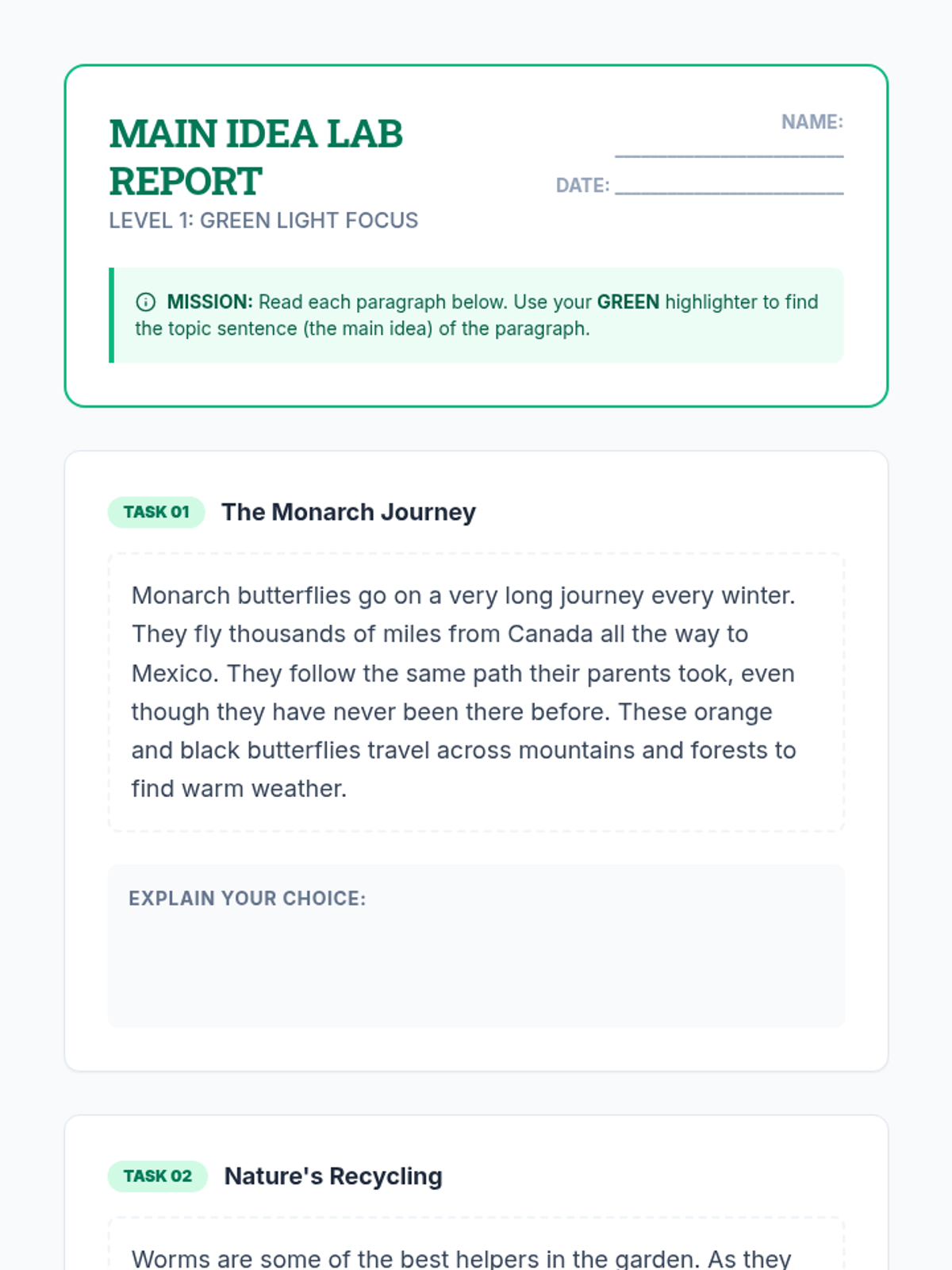
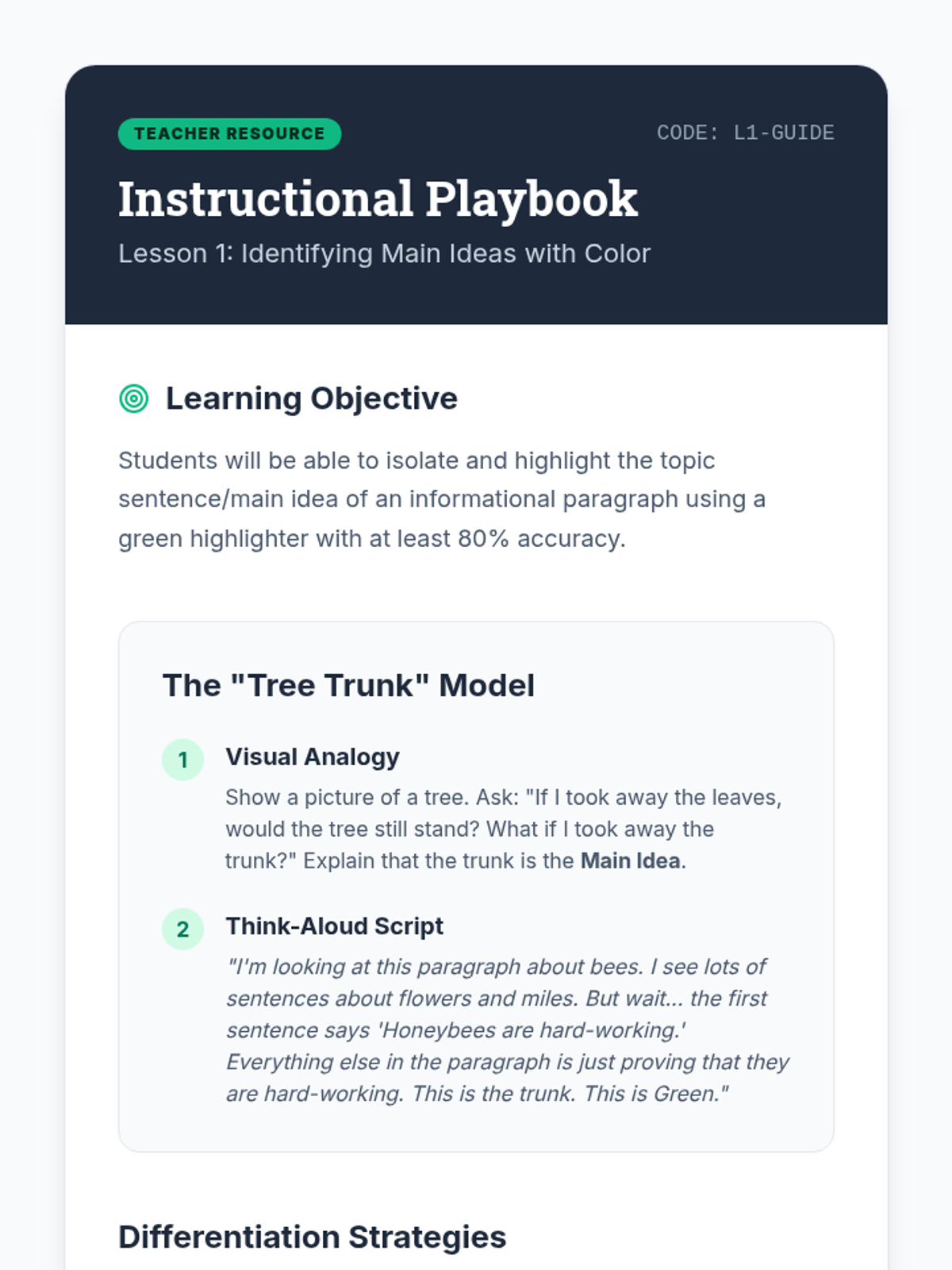
A multi-sensory, color-coded approach to reading comprehension. Students learn to systematically deconstruct informational texts using a tri-color system: green for main ideas, yellow for supporting details, and red for unknown vocabulary.
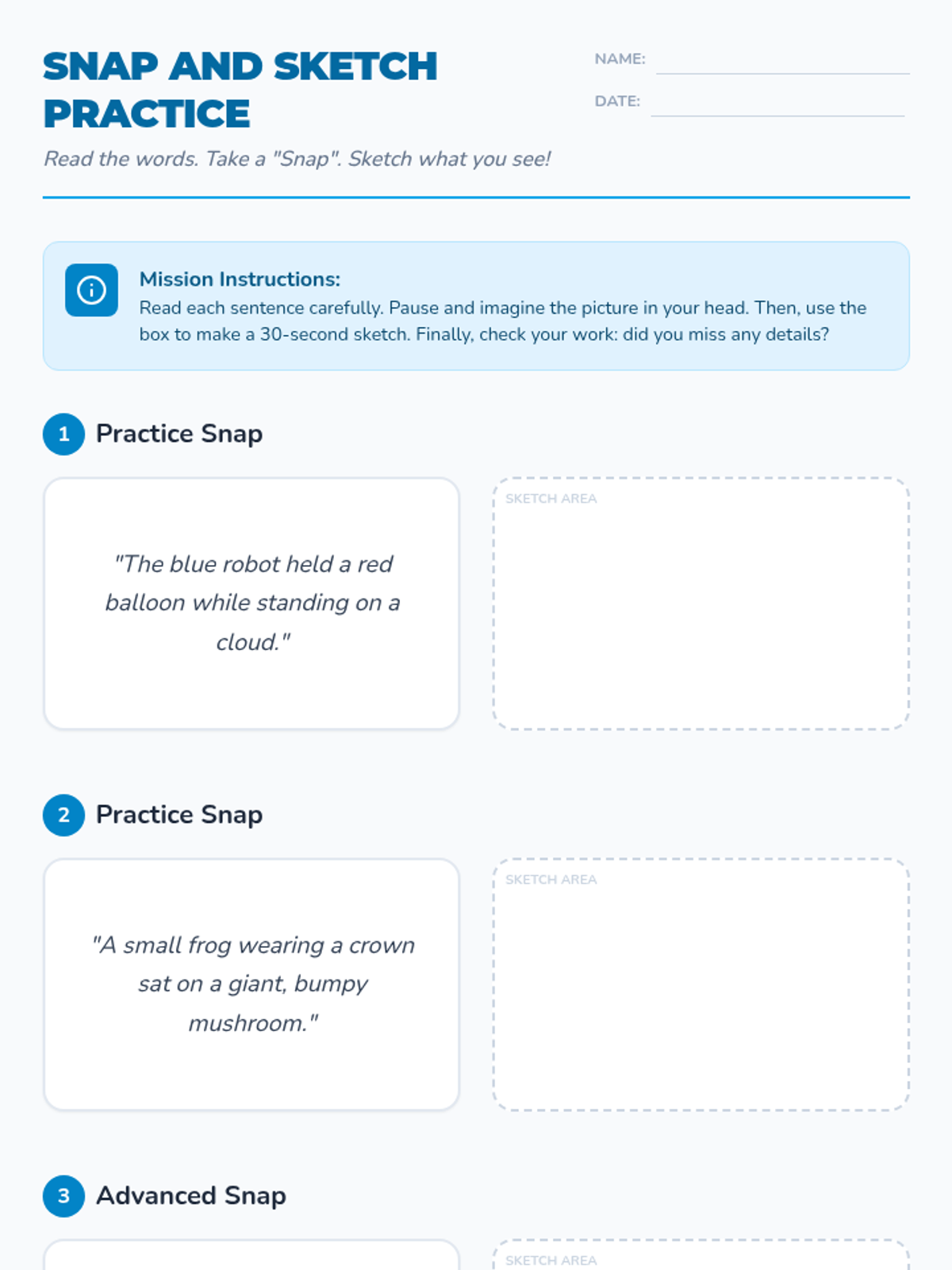
This sequence utilizes sketching as a concrete scaffold for students who struggle to hold images in their working memory. Known as 'Sketch-to-Stretch,' this approach allows students to externalize their thinking immediately after reading small chunks of text. By drawing what they read, students can self-monitor for understanding; if they cannot draw it, they likely did not comprehend it.
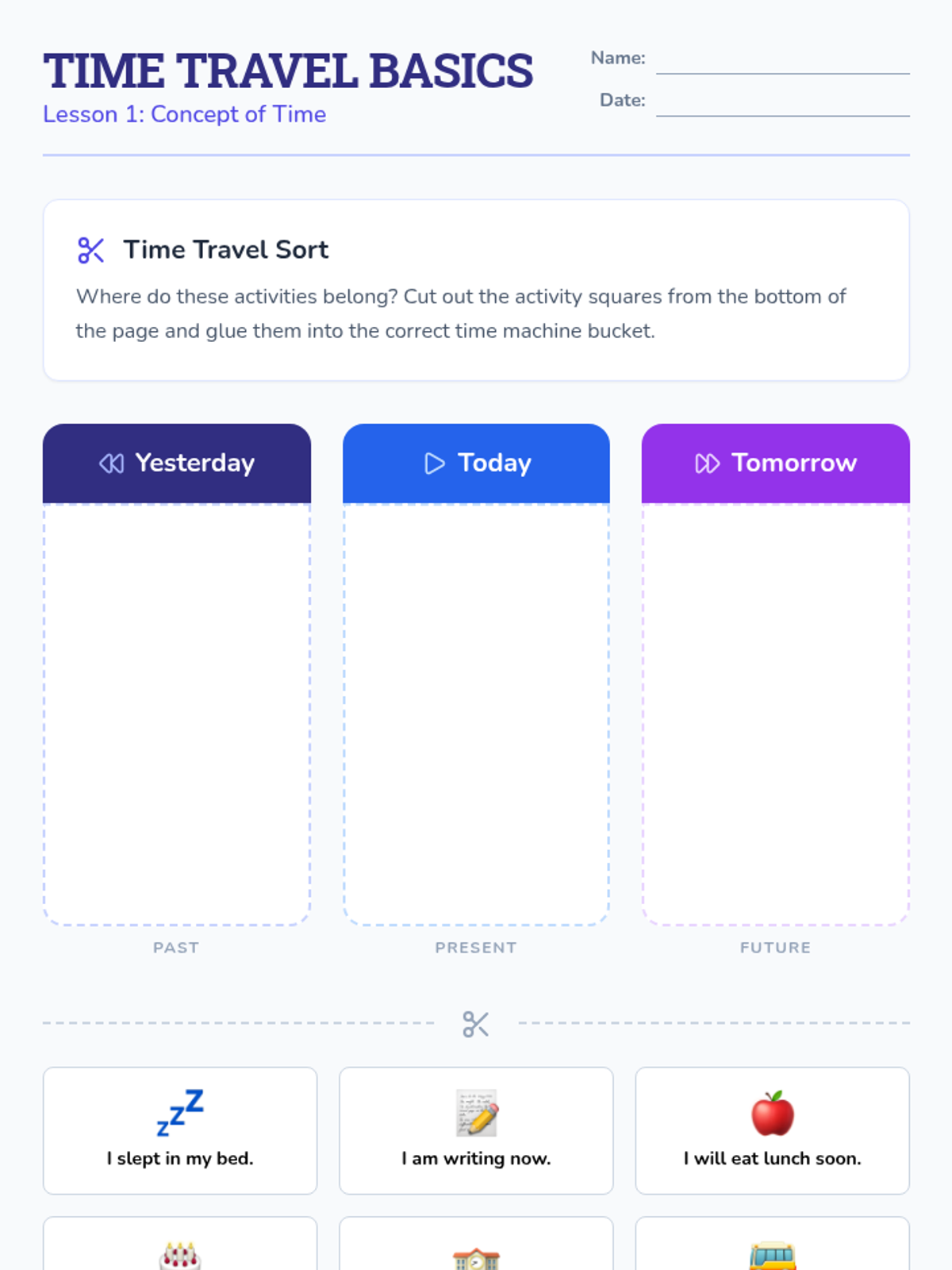
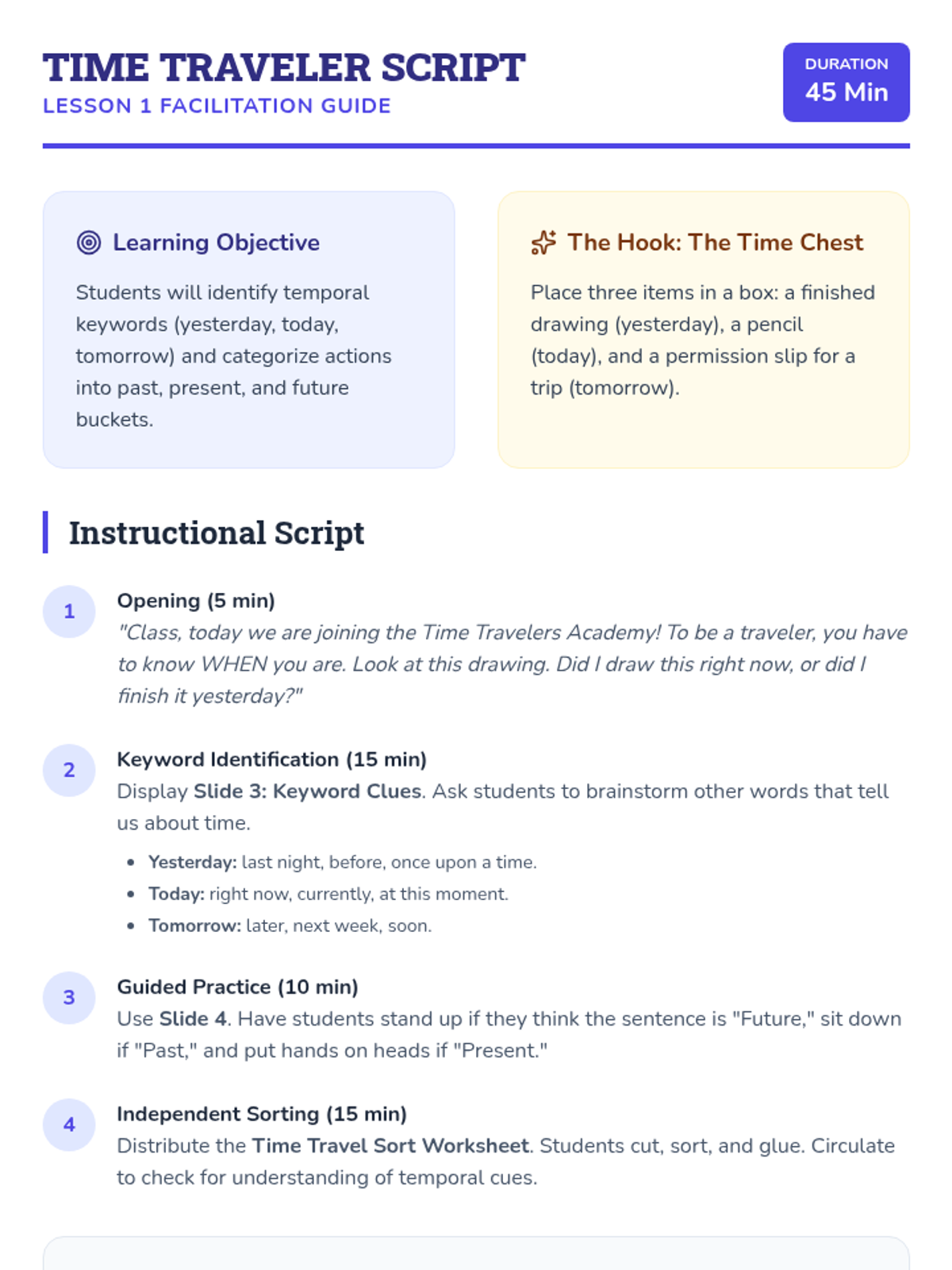
A comprehensive 1st-grade sequence exploring past, present, and future tenses through the lens of 'Time Travelers.' Students learn temporal keywords, regular verb endings, future tense markers, and high-frequency irregular verbs.
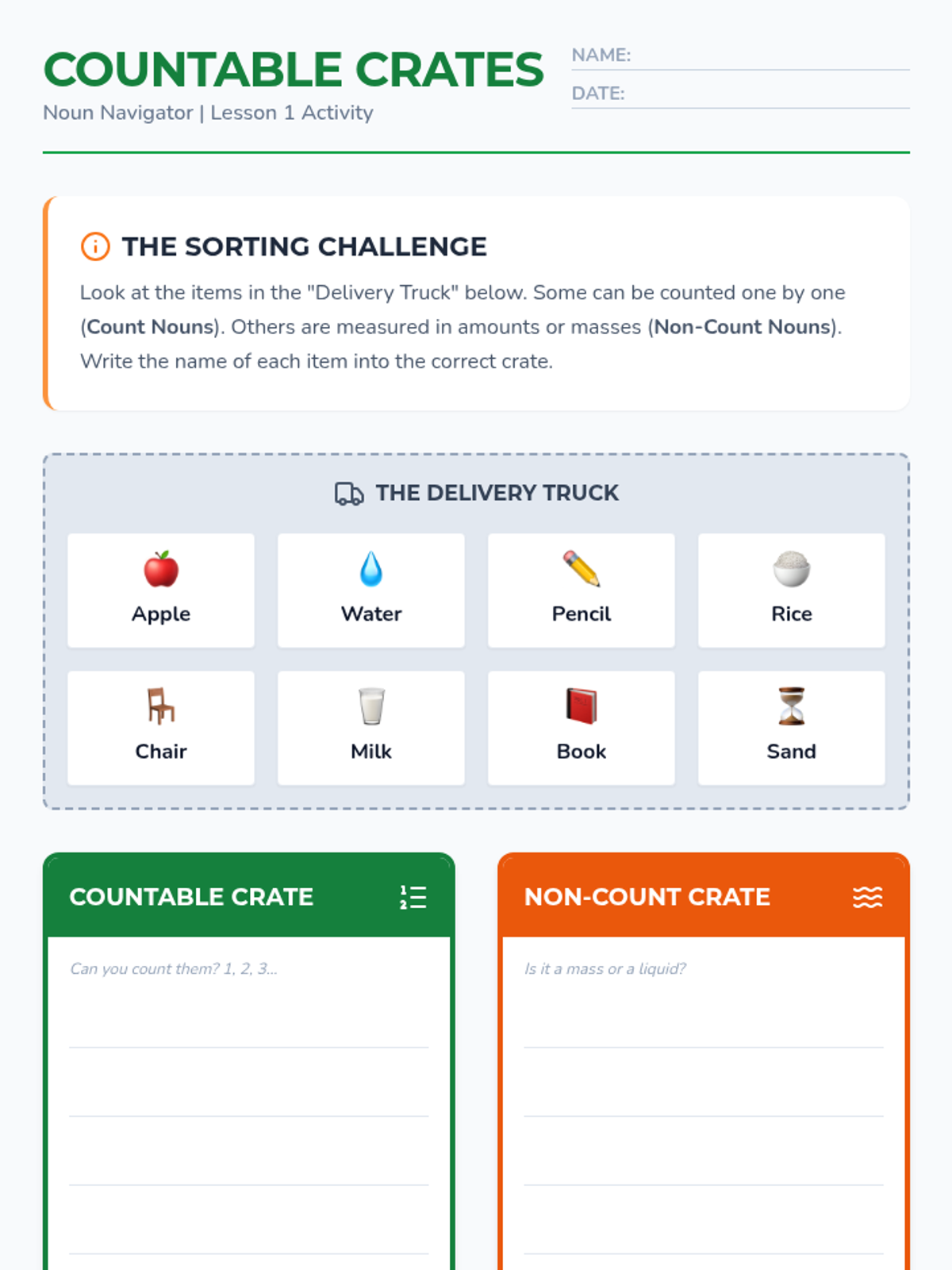
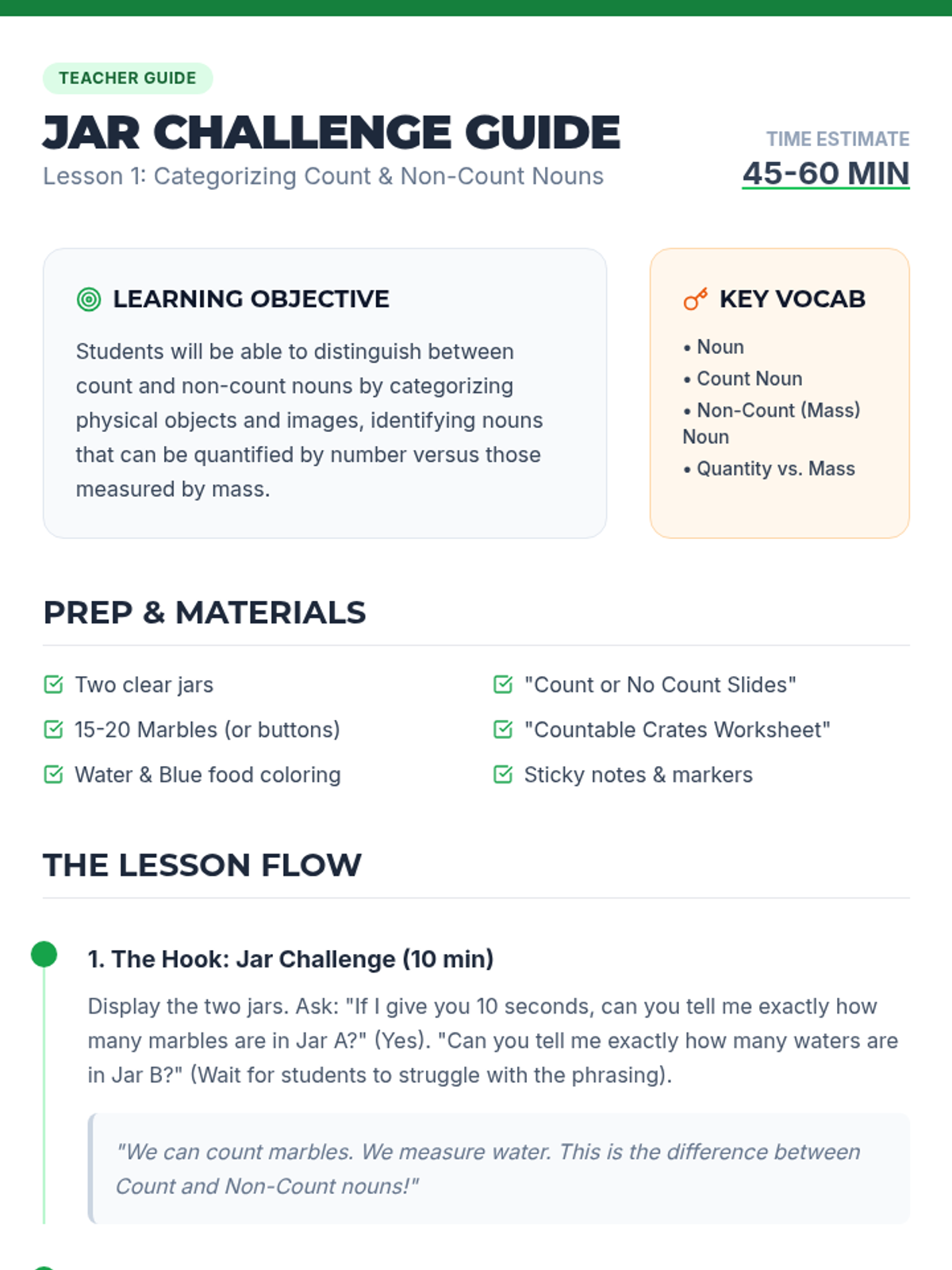
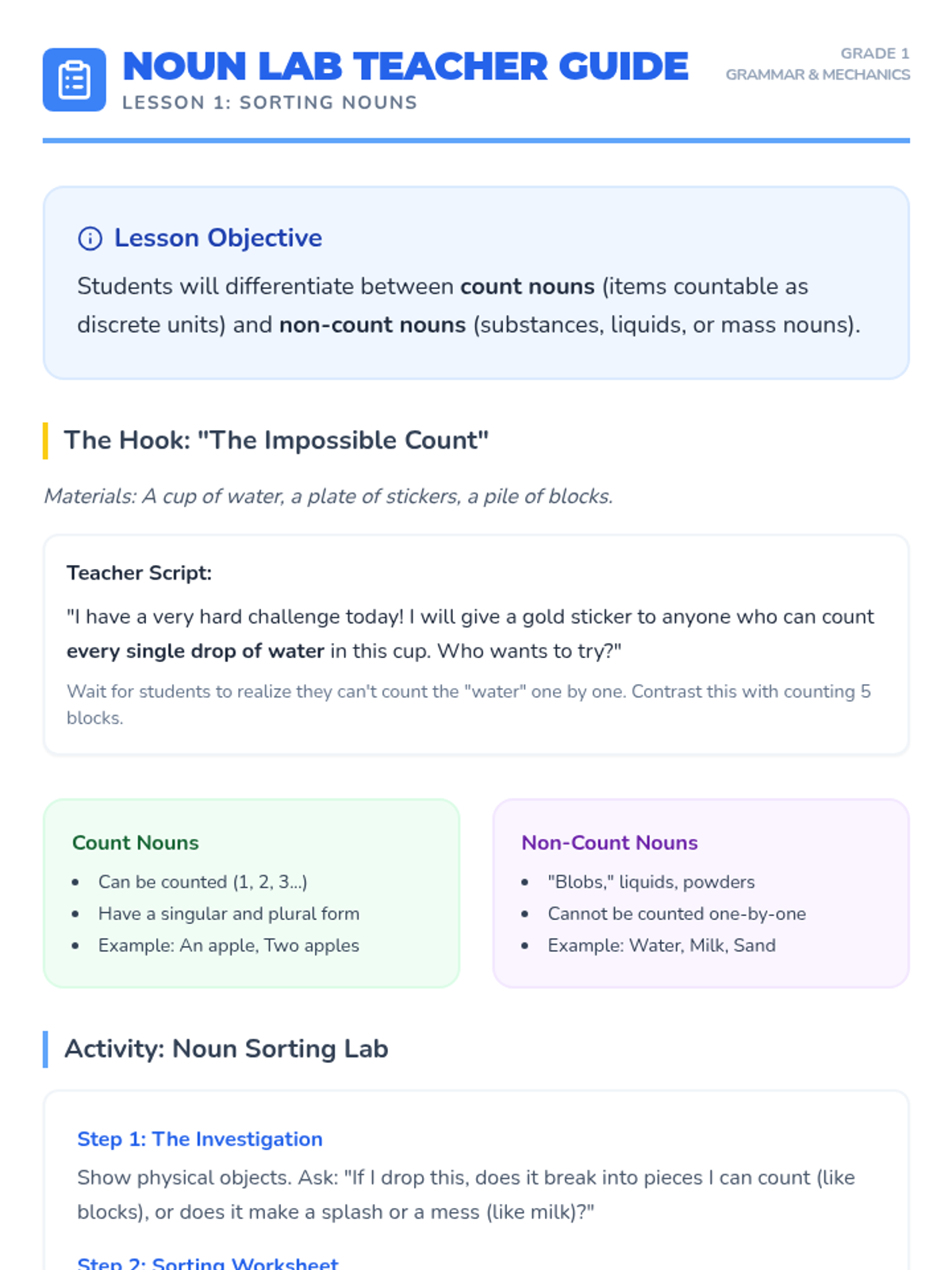
This sequence explores the relationship between articles and noun countability. Students distinguish between count and non-count nouns and learn the rules for using 'a', 'an', 'some', or no article, culminating in a market simulation.
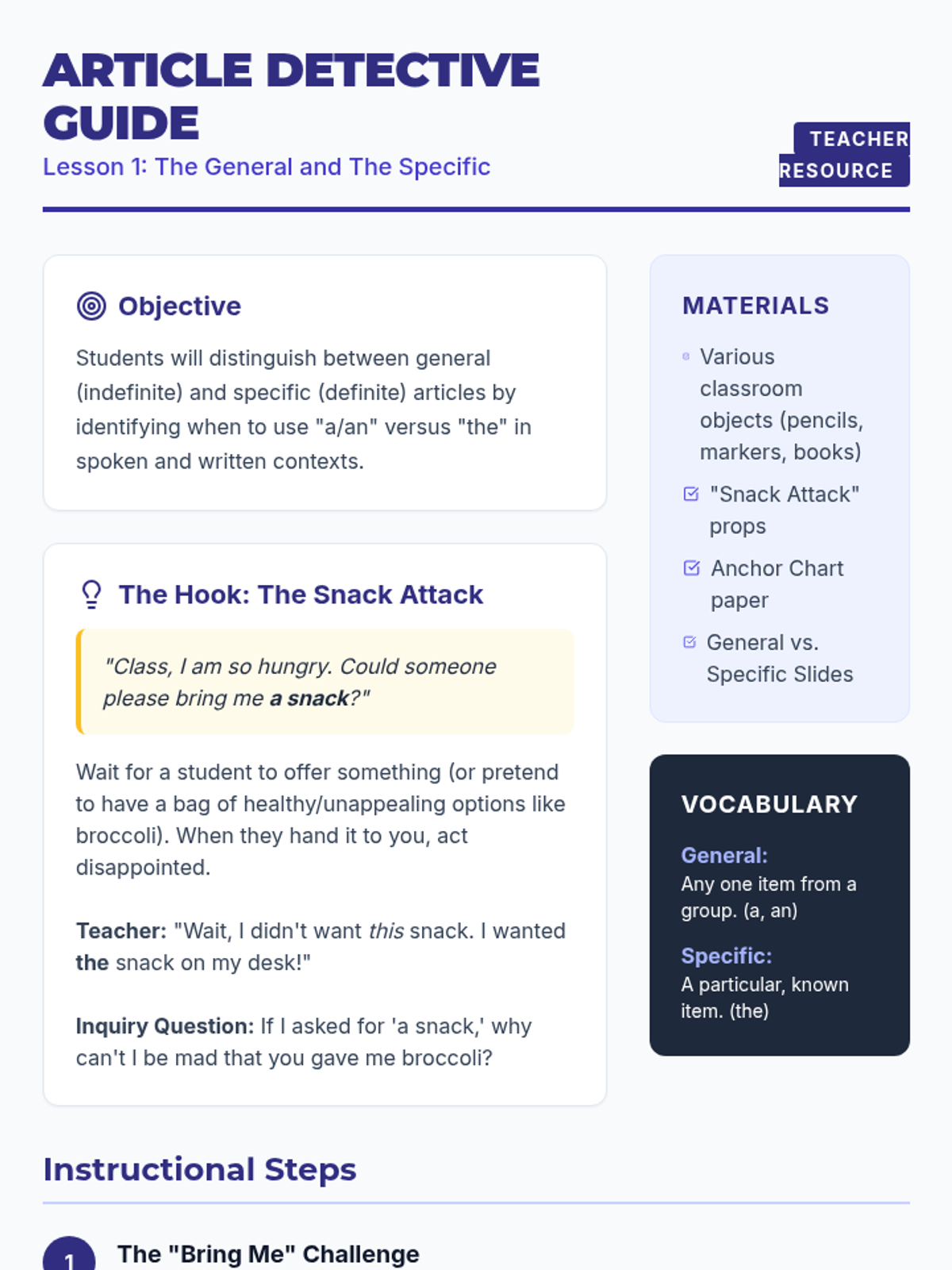
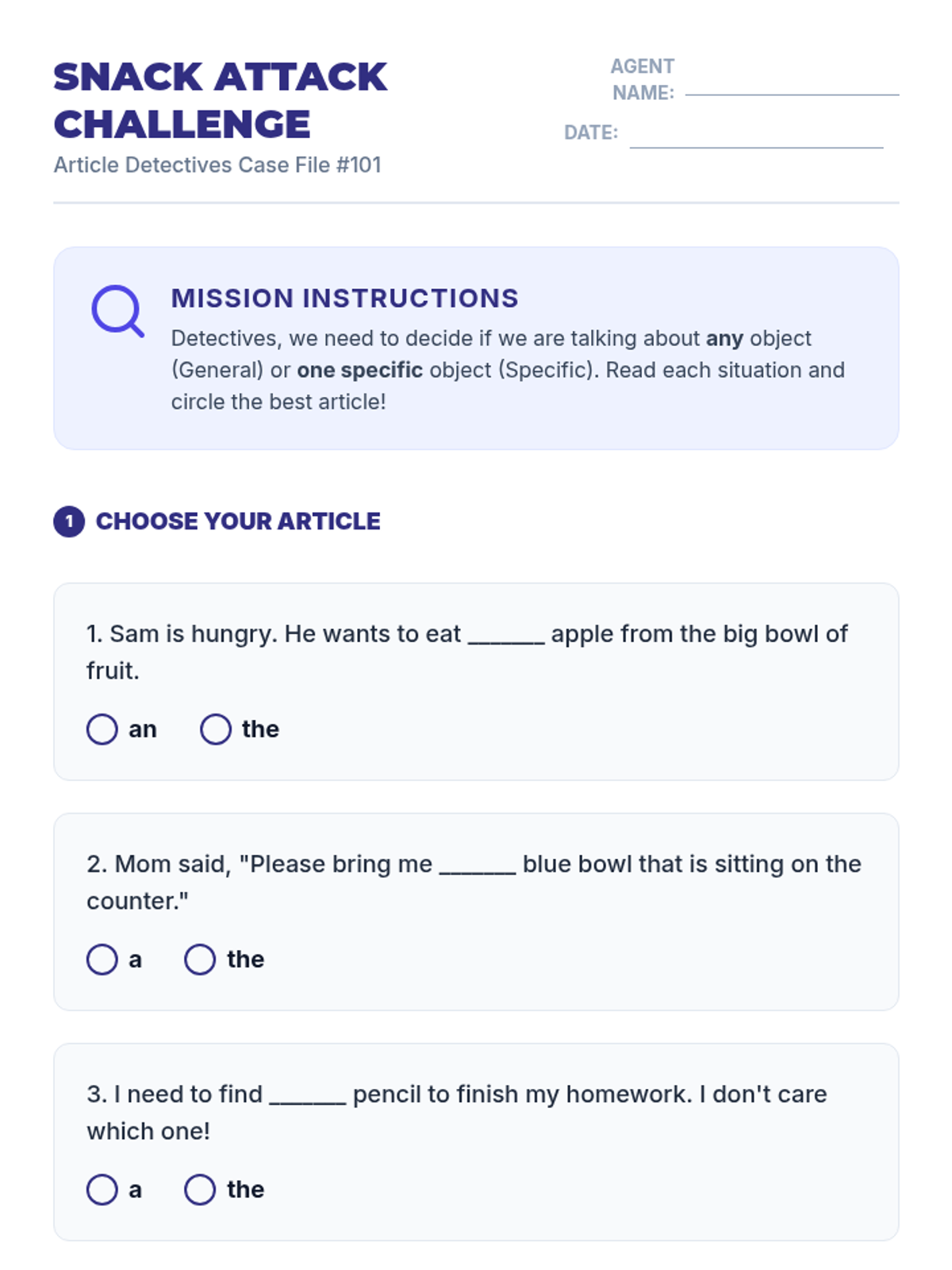
A 2nd-grade grammar sequence where students become 'Article Detectives' to master the difference between definite and indefinite articles. Through inquiry, simulations, and map-reading, students learn how 'a', 'an', and 'the' clarify whether we are discussing a general or specific object.
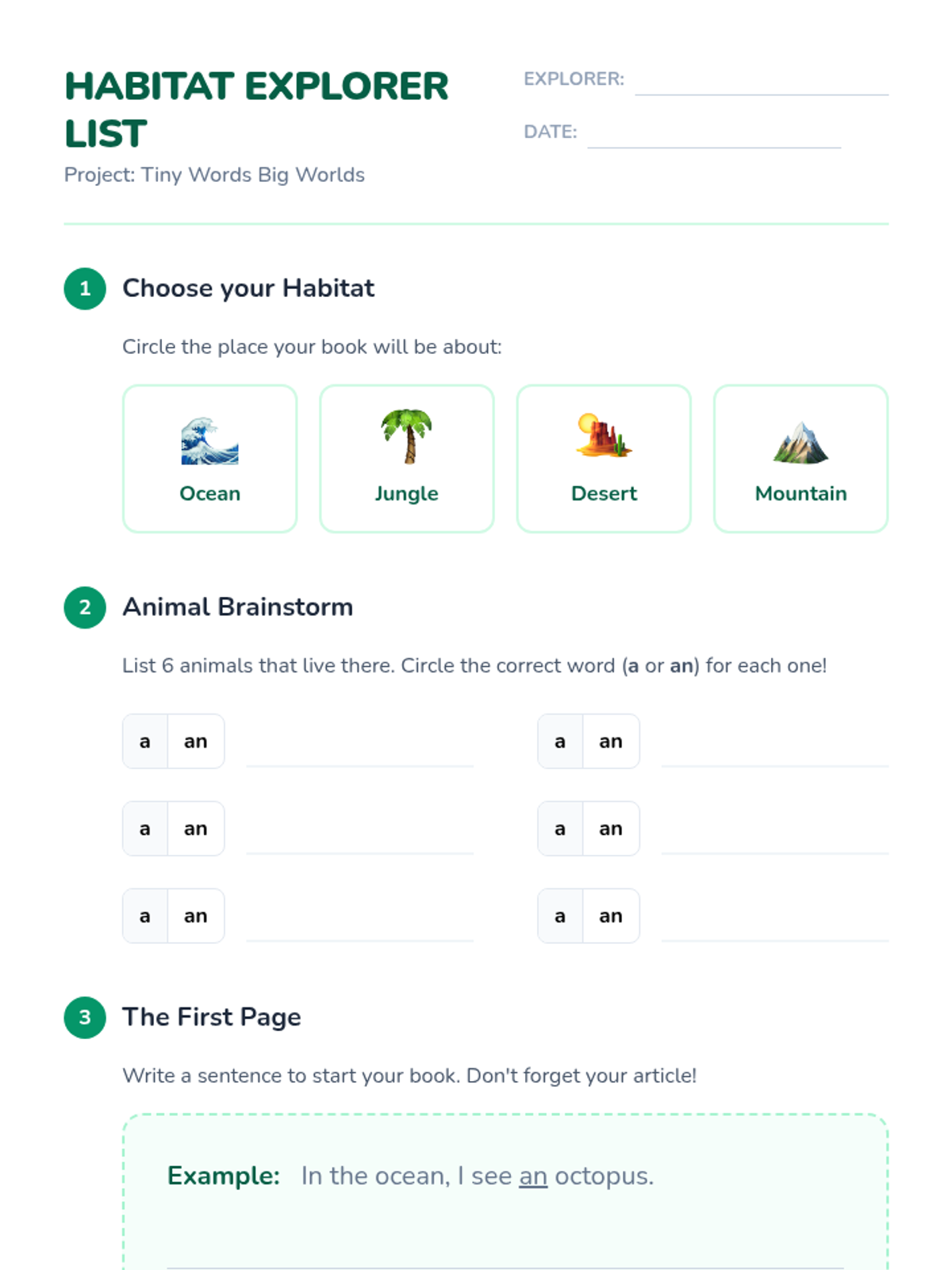
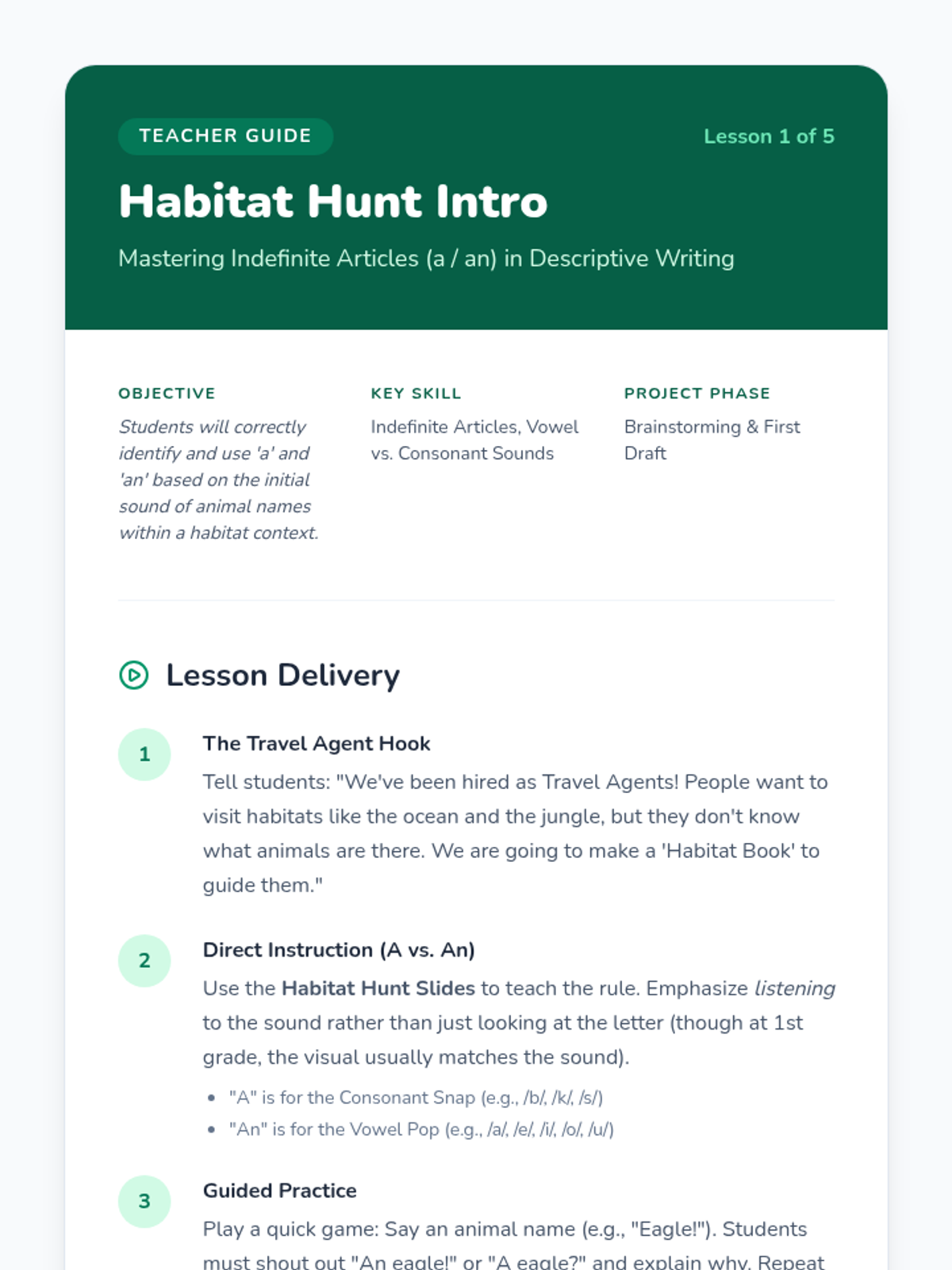
A project-based sequence for 1st Grade students where they create a 'Habitat Book' to master the use of articles (a, an, the) in descriptive writing. Students learn to use indefinite articles for general naming, modify them for adjectives, and use the definite article for specific details.
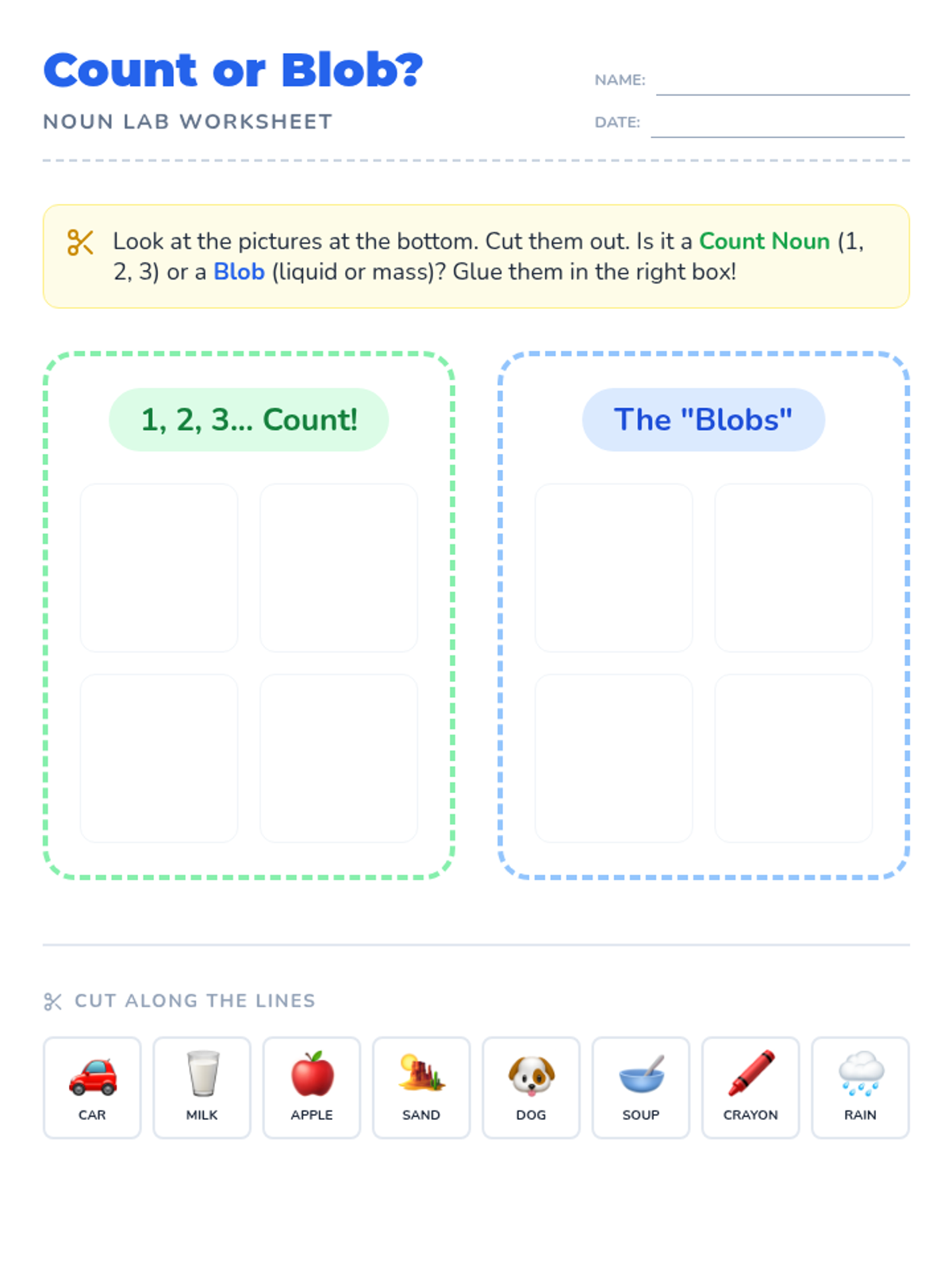
This sequence introduces 1st-grade students to the concepts of count and non-count nouns and the appropriate use of articles (a, an, some). Students will move from physical sorting to constructing descriptive sentences, helping them master the grammatical nuances of different noun types.
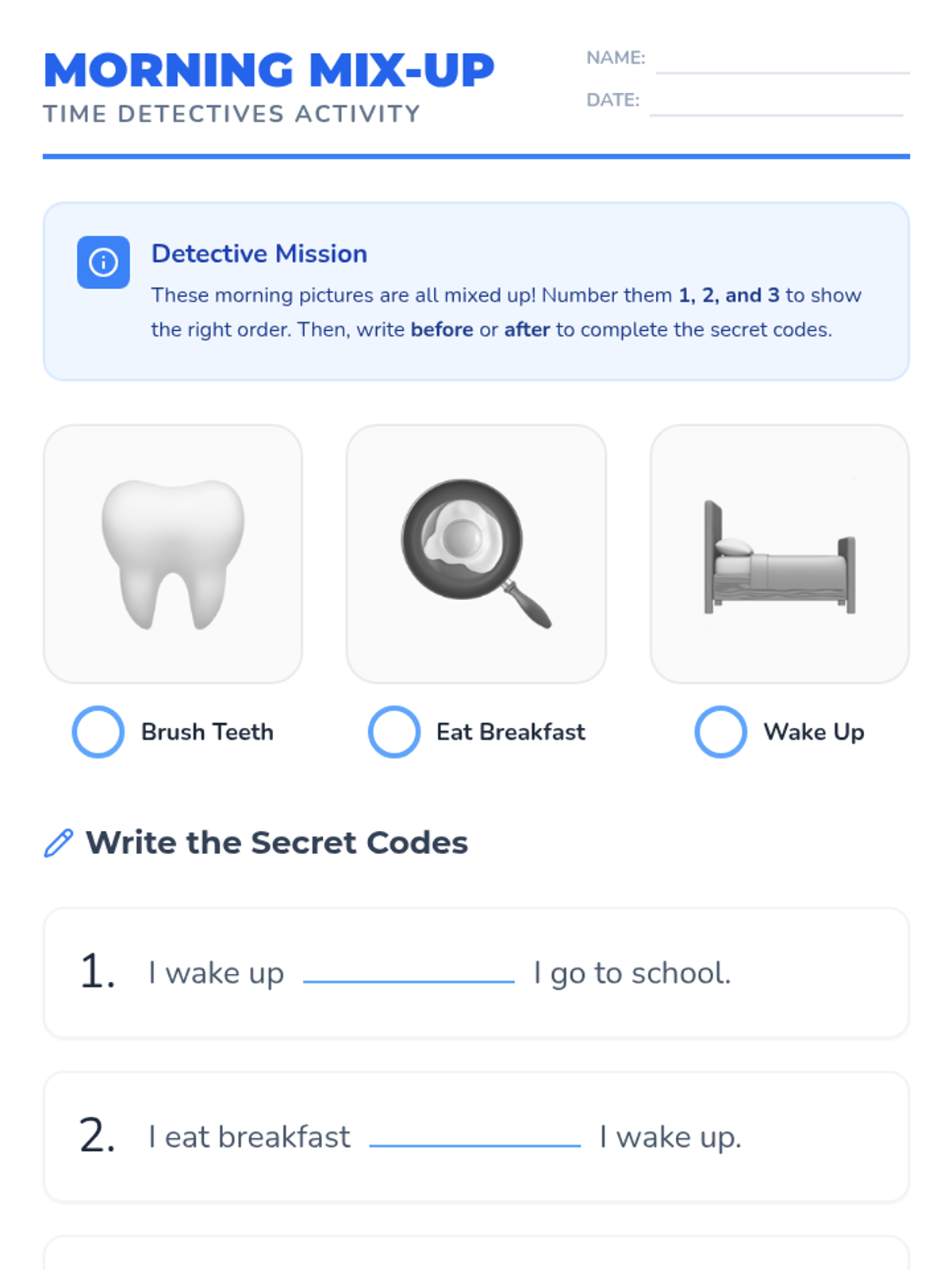
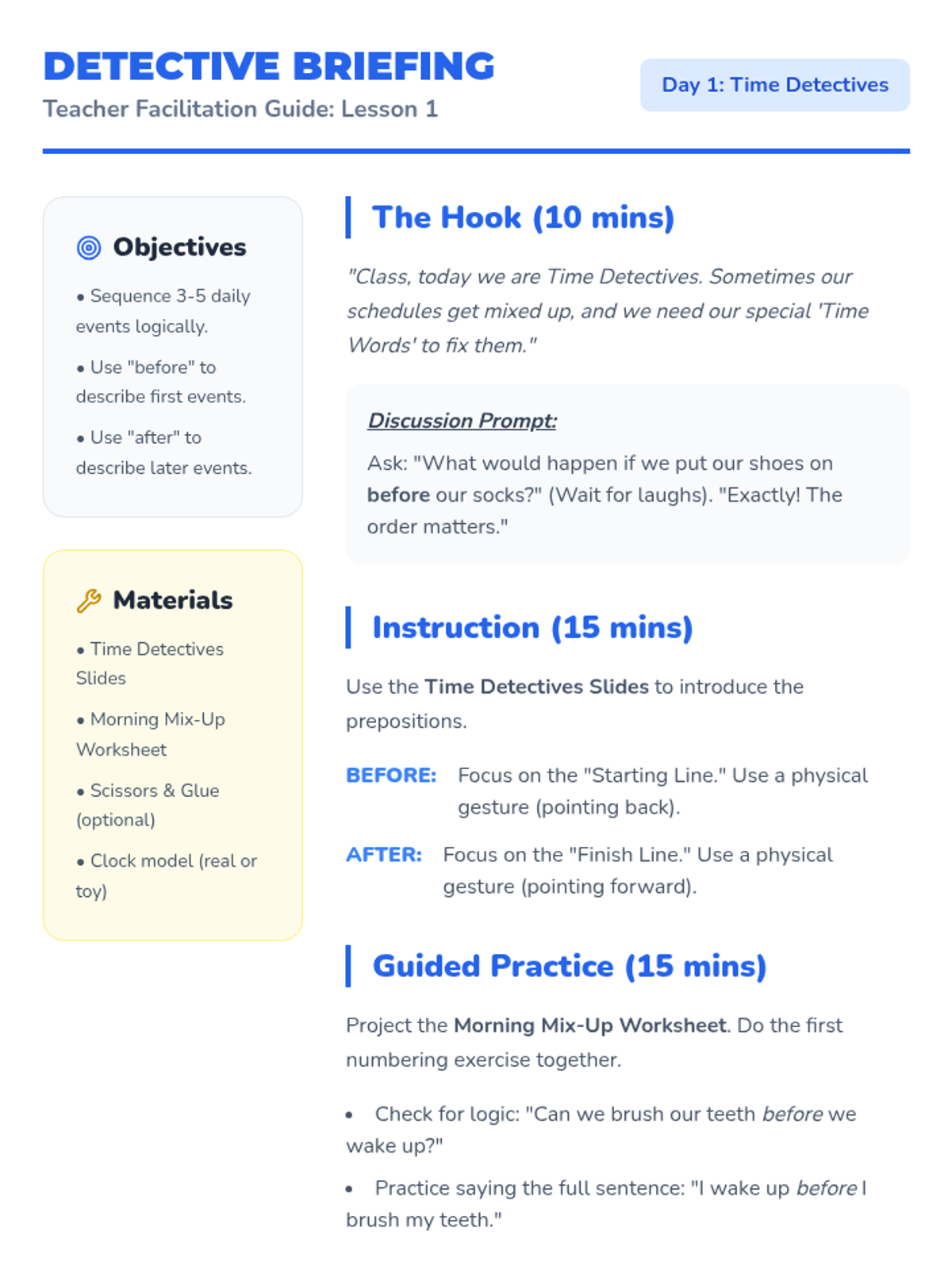
A 1st-grade sequence exploring temporal prepositions (before, after, during) through daily routines, story retelling, and timeline creation to master sequencing and time-based grammar.
A skill-building sequence for 1st Grade students focusing on identifying and correctly spelling common homophones using phonics patterns and context clues.
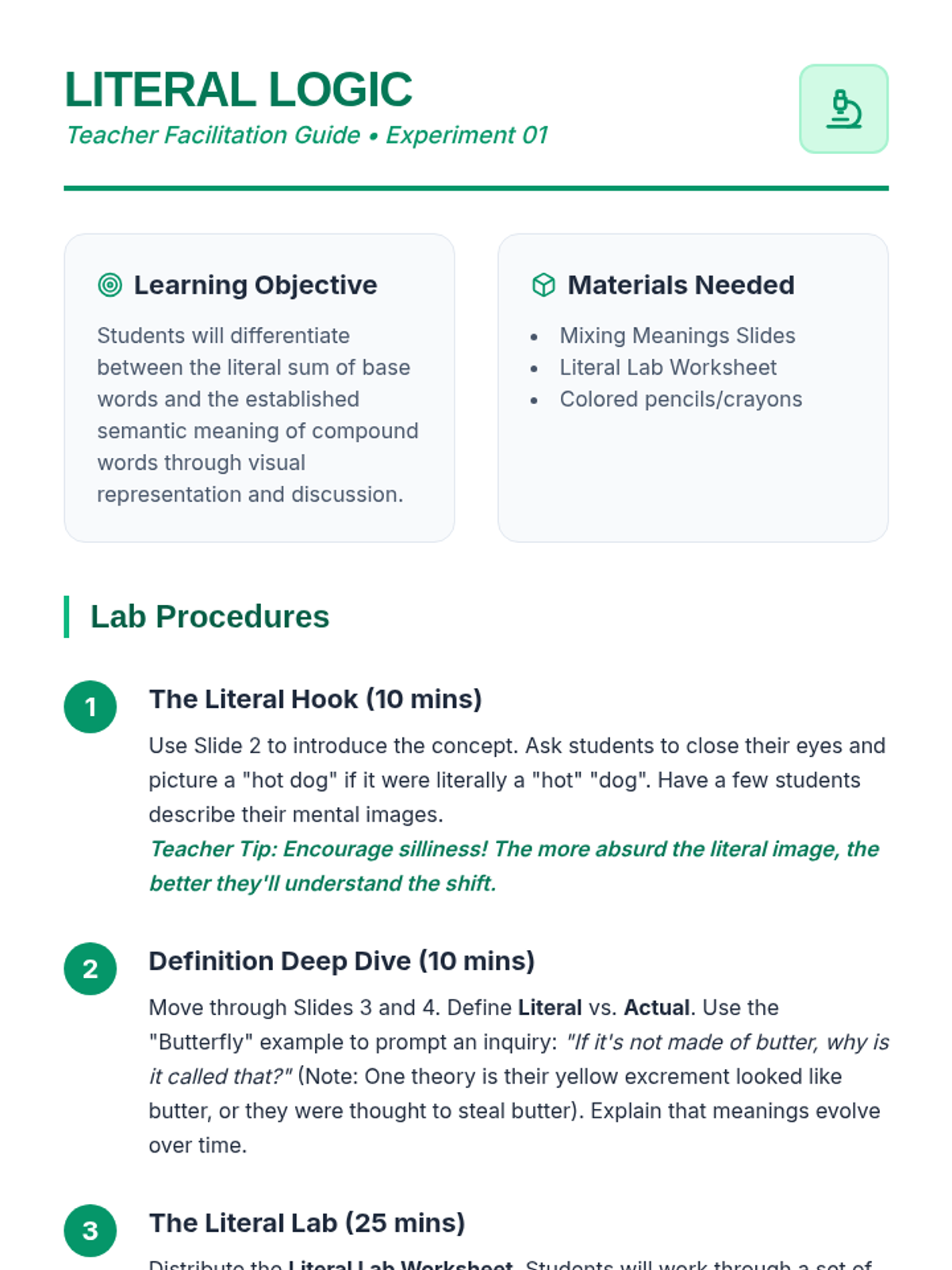
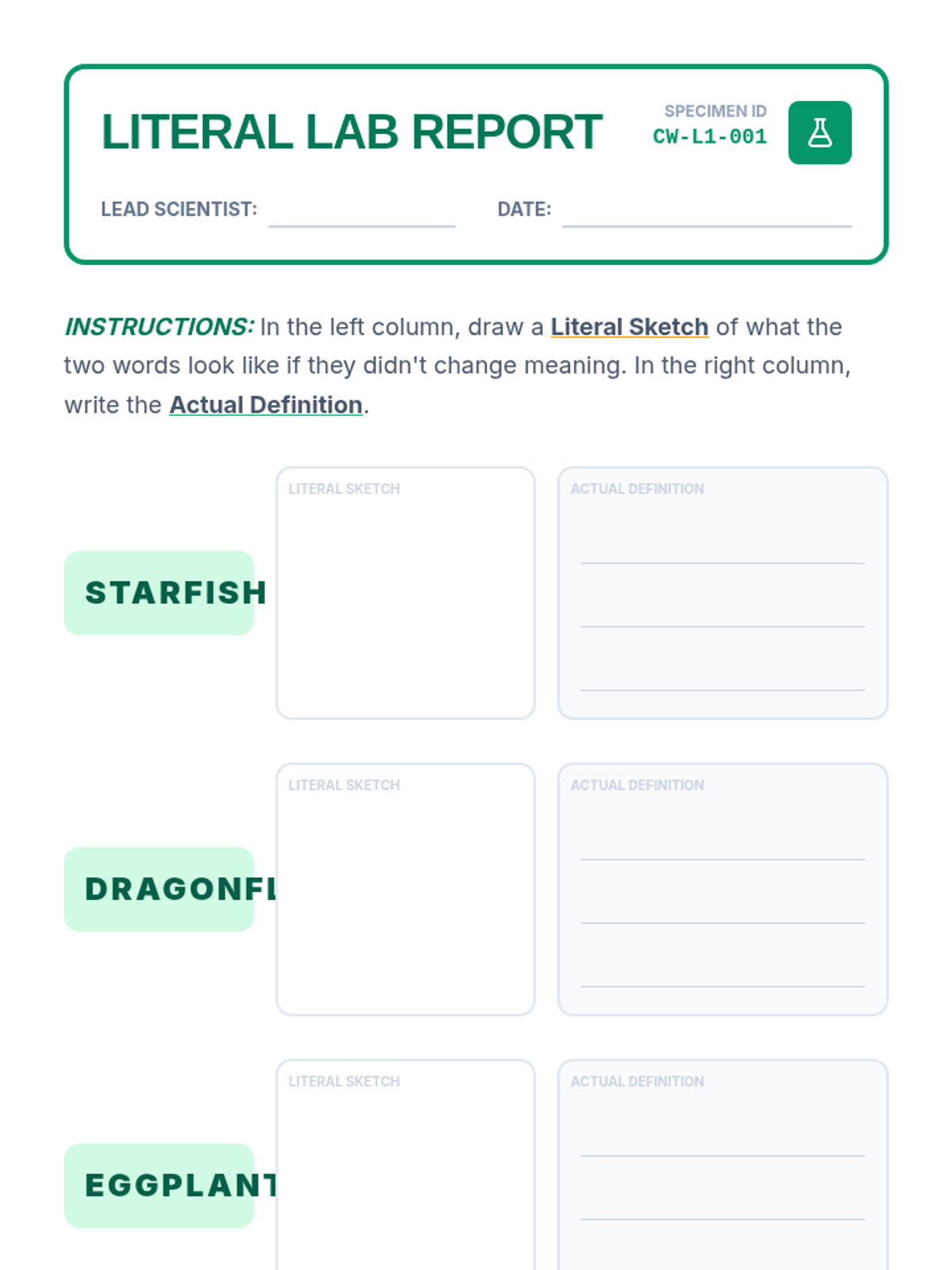
A 5-lesson inquiry into how compound words shift in meaning, comparing literal interpretations with actual definitions through a 'Word Lab' theme. Students explore transparent and opaque compounds, create riddles, and build semantic maps to understand language evolution.
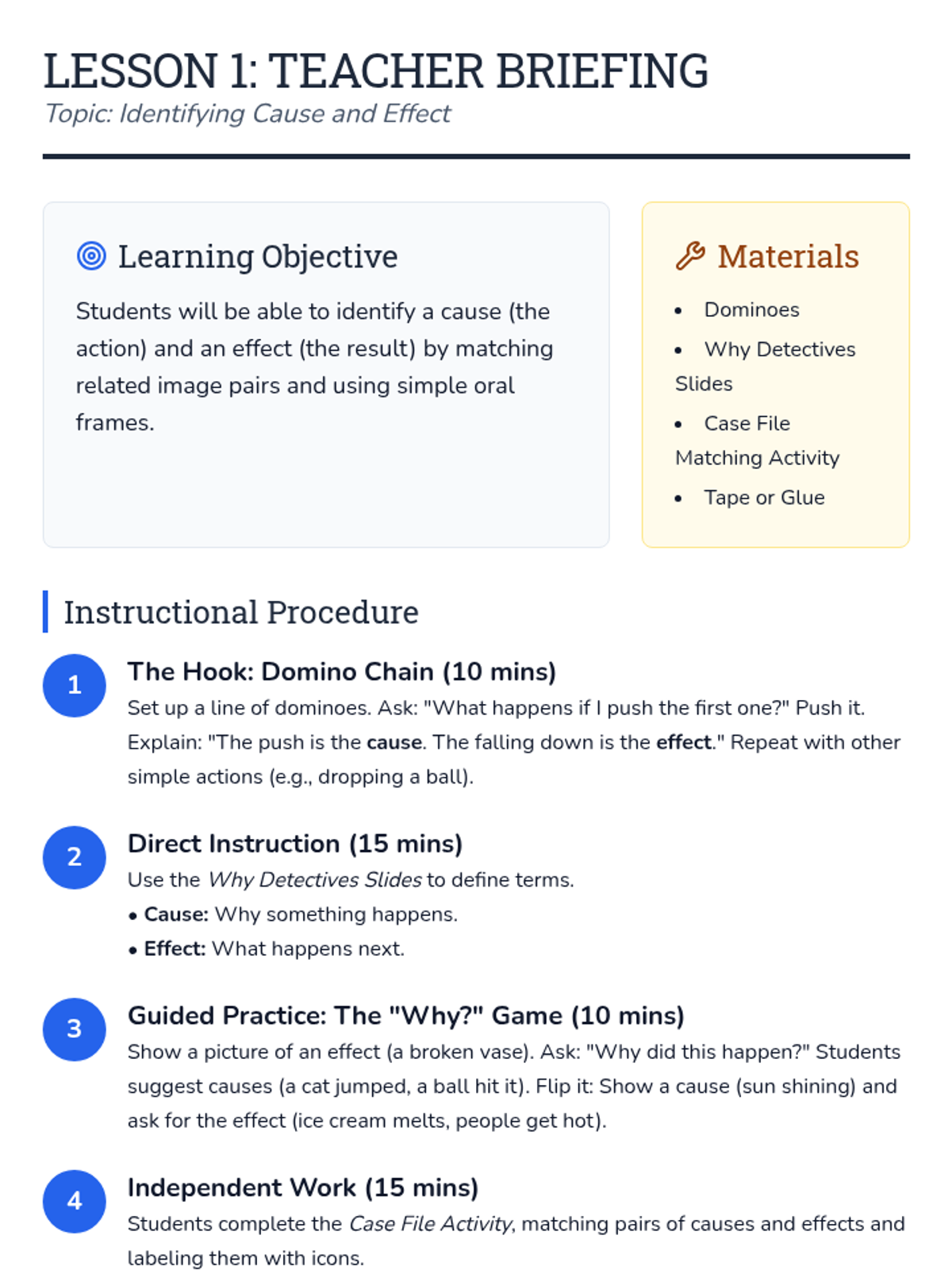
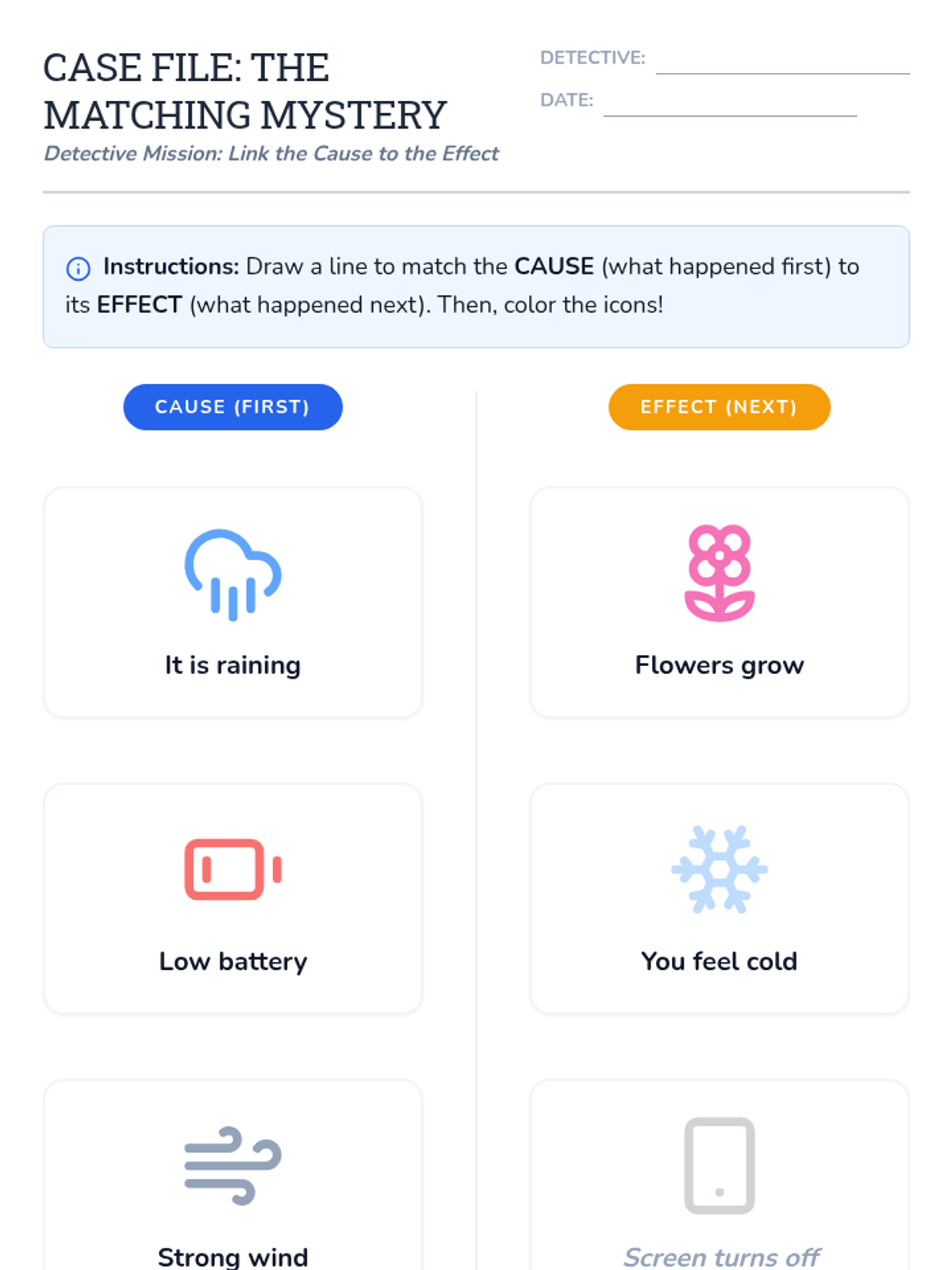
A first-grade ESL sequence focusing on academic language for cause and effect. Students move from simple identification to using complex sentence structures like 'because' and 'if... then' to explain social and scientific phenomena.
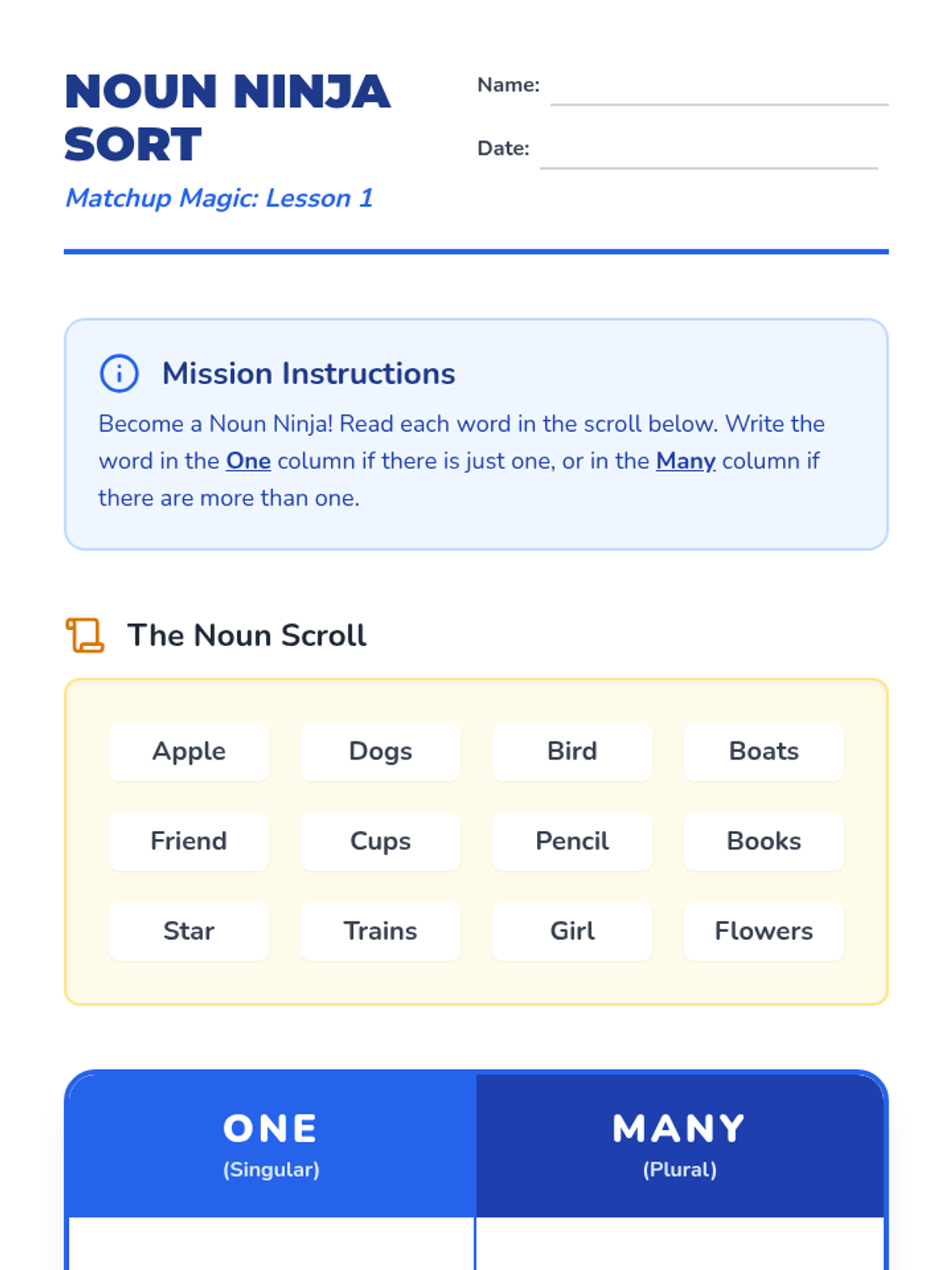
This sequence teaches 1st-grade students the fundamentals of subject-verb agreement in the indicative mood. Students learn to identify singular and plural subjects and apply the 'S rule' to match them with the correct verb forms through sorting, editing, and descriptive writing.
A Kindergarten ELA sequence focused on distinguishing and using contractions to improve reading fluency and oral expression. Students move from 'Robot Talk' to 'Smooth Talk' through interactive games, story hunts, and book-making.
This project-based sequence integrates phonics into creative writing and storytelling. Students explore how soft 'c' and 'g' words function in connected text by analyzing a mentor text and then creating their own 'Alliterative Alphabet Book' page or short story.
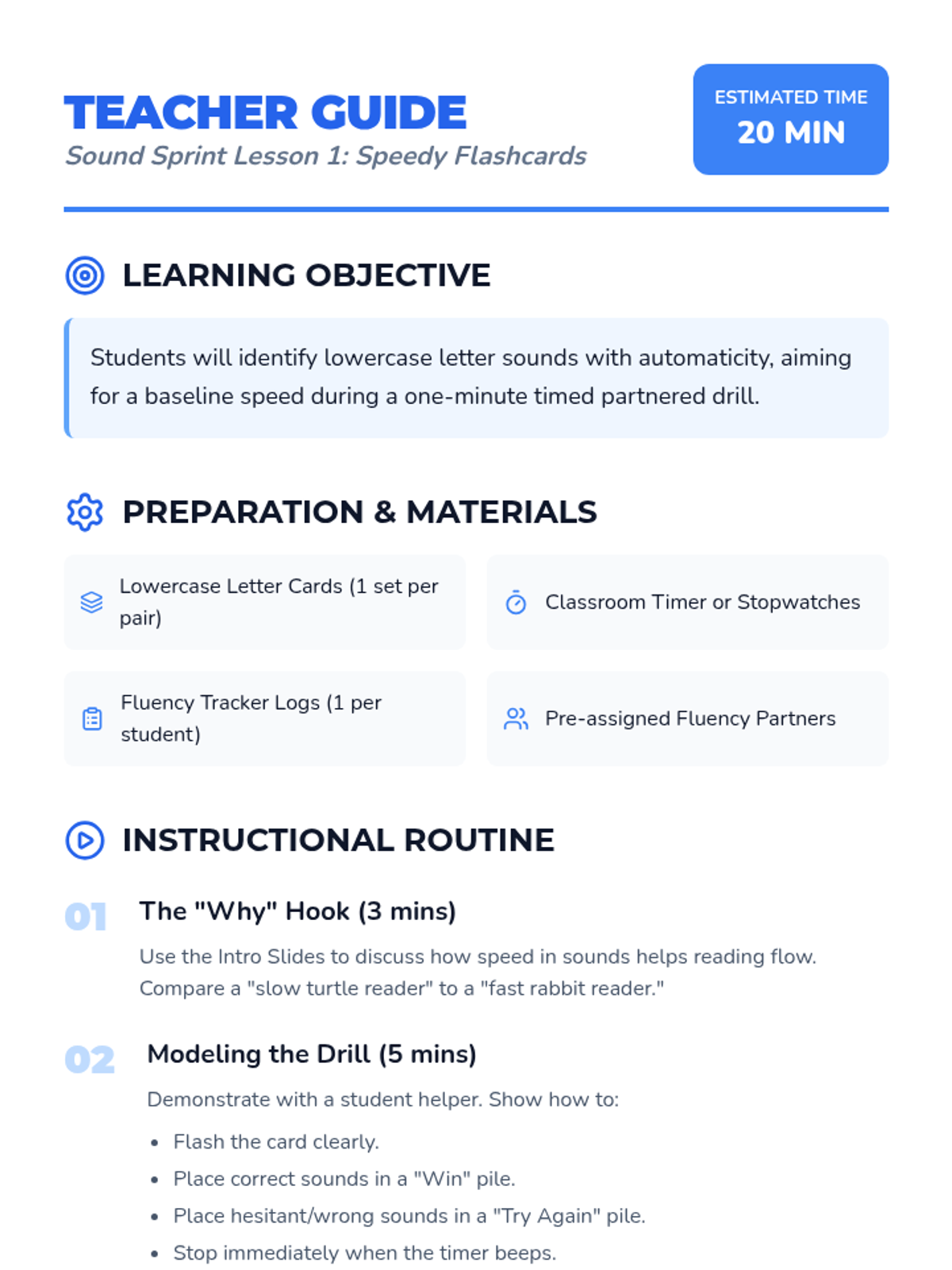
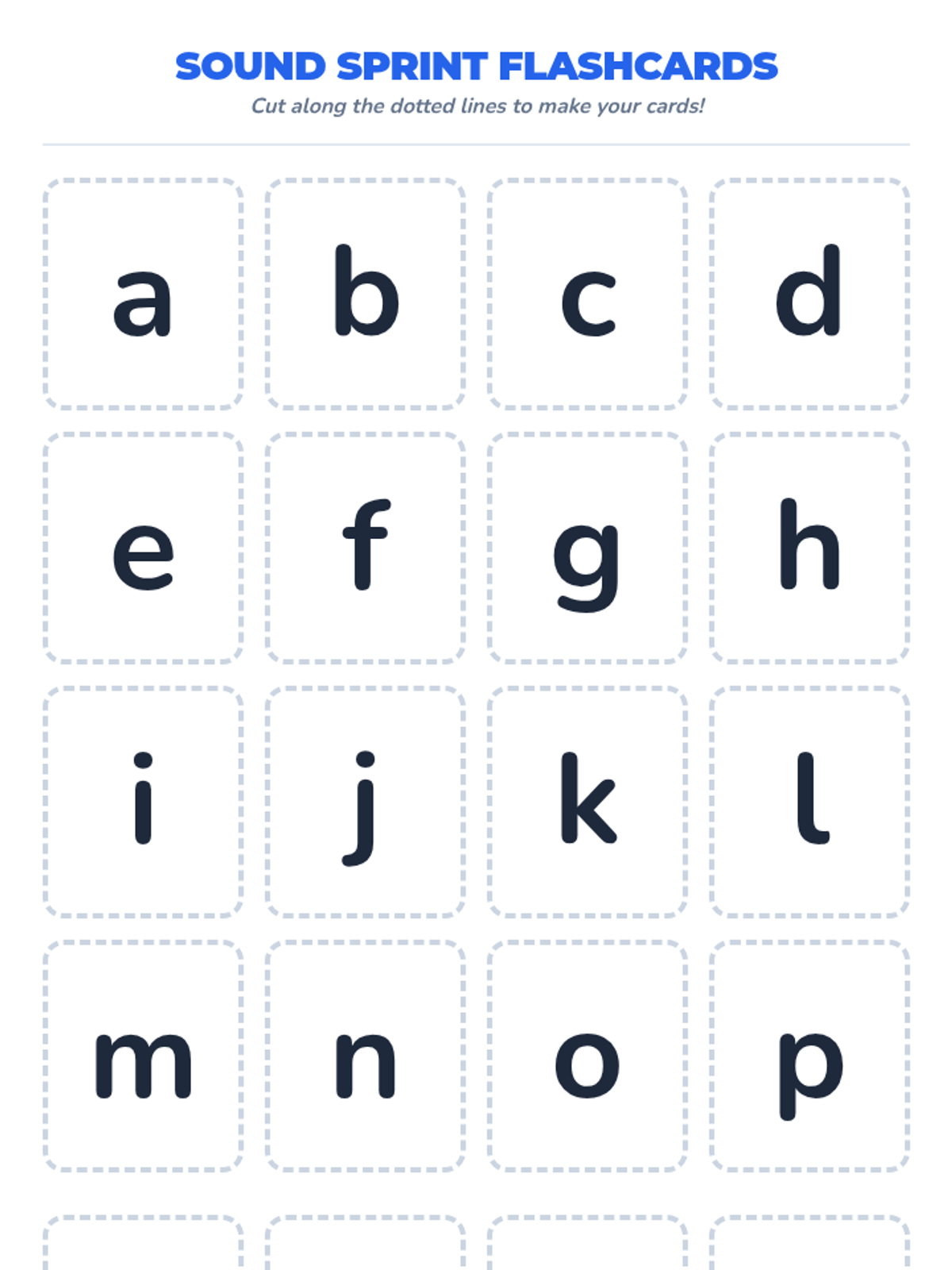
A gamified sequence for 1st grade students to build automaticity and speed in lowercase letter-sound recognition through drills, bingo, physical relays, and visual puzzles.
Students embark on a collaborative project to create a class-wide Picture Sound Dictionary, focusing on lowercase letter-sound associations, vocabulary development, and handwriting. This sequence moves from initial sound exploration and brainstorming to artistic illustration and final publication.
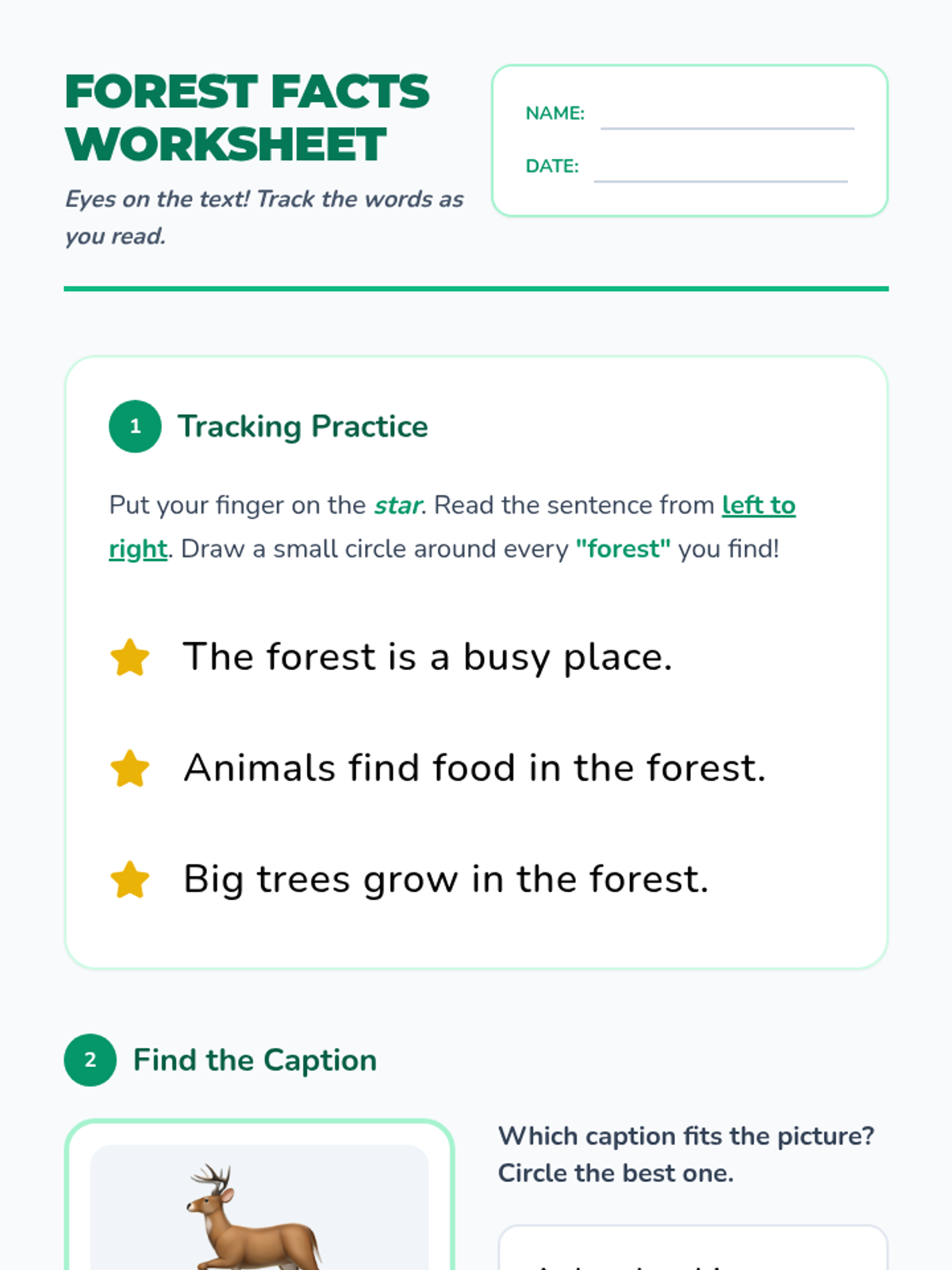
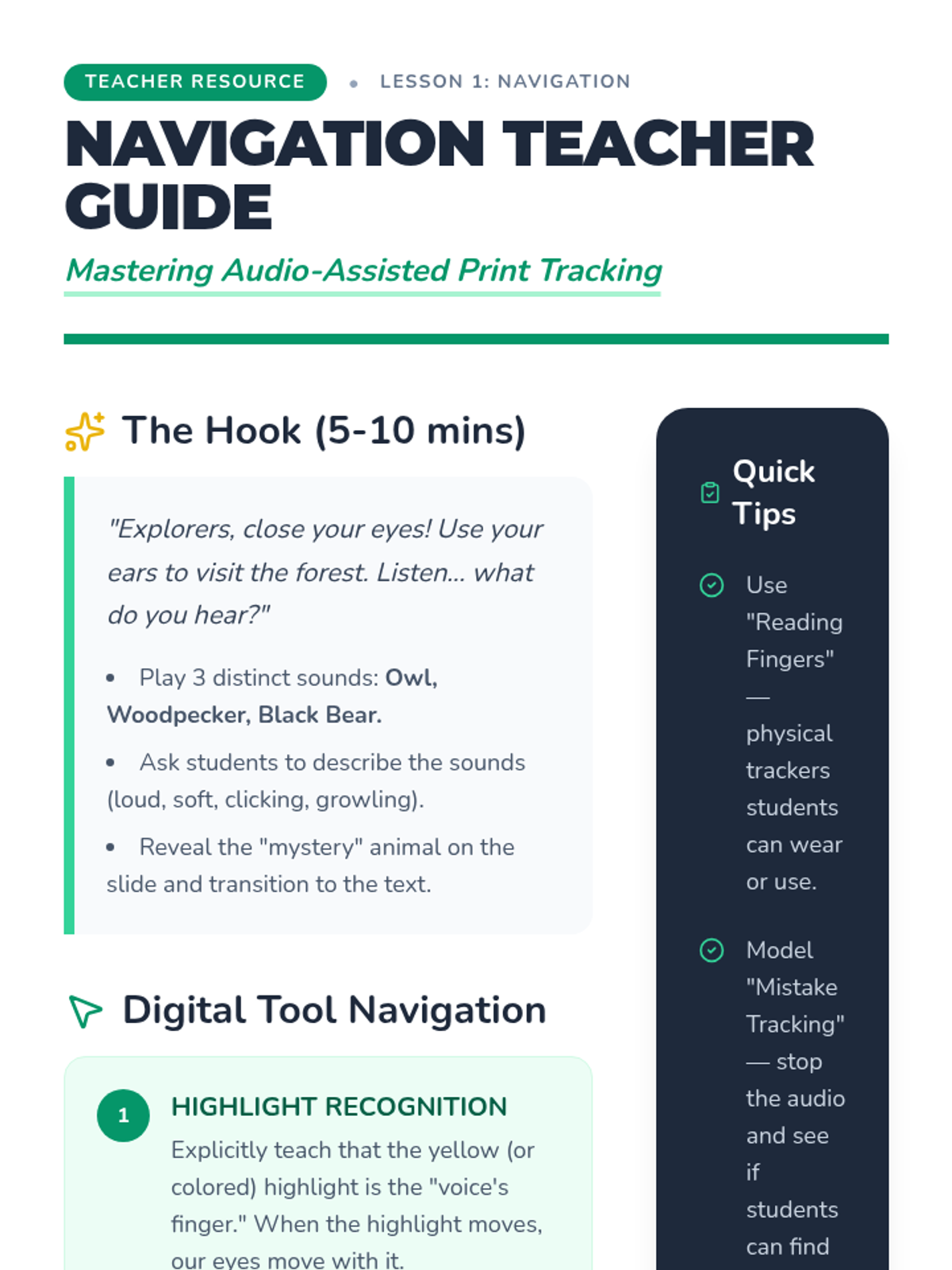
A sequence for first-grade students focused on informational text features, main topics, and vocabulary through animal-themed read-alongs. Students develop tracking skills, analyze photographs, and synthesize information for oral presentations.
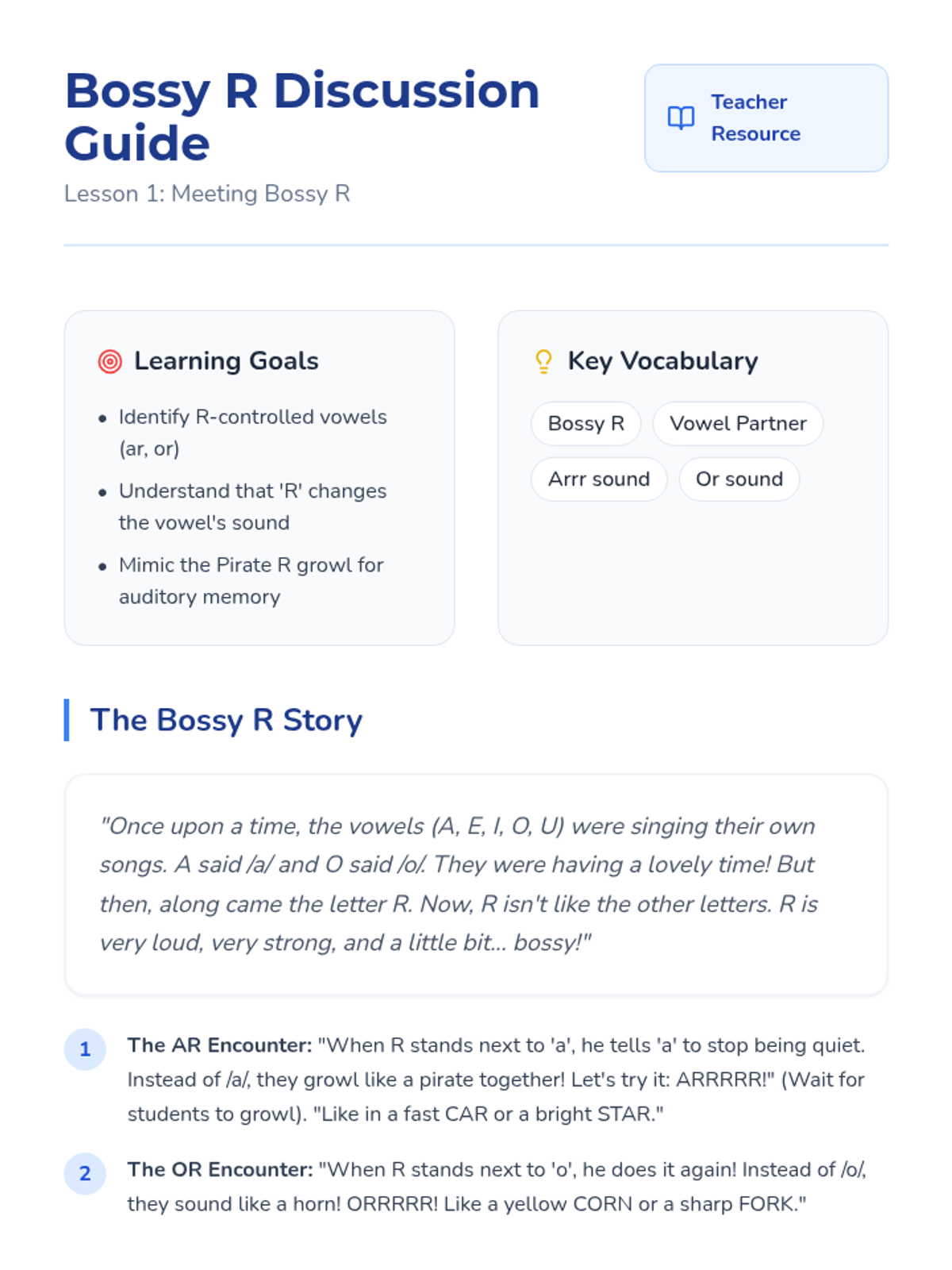
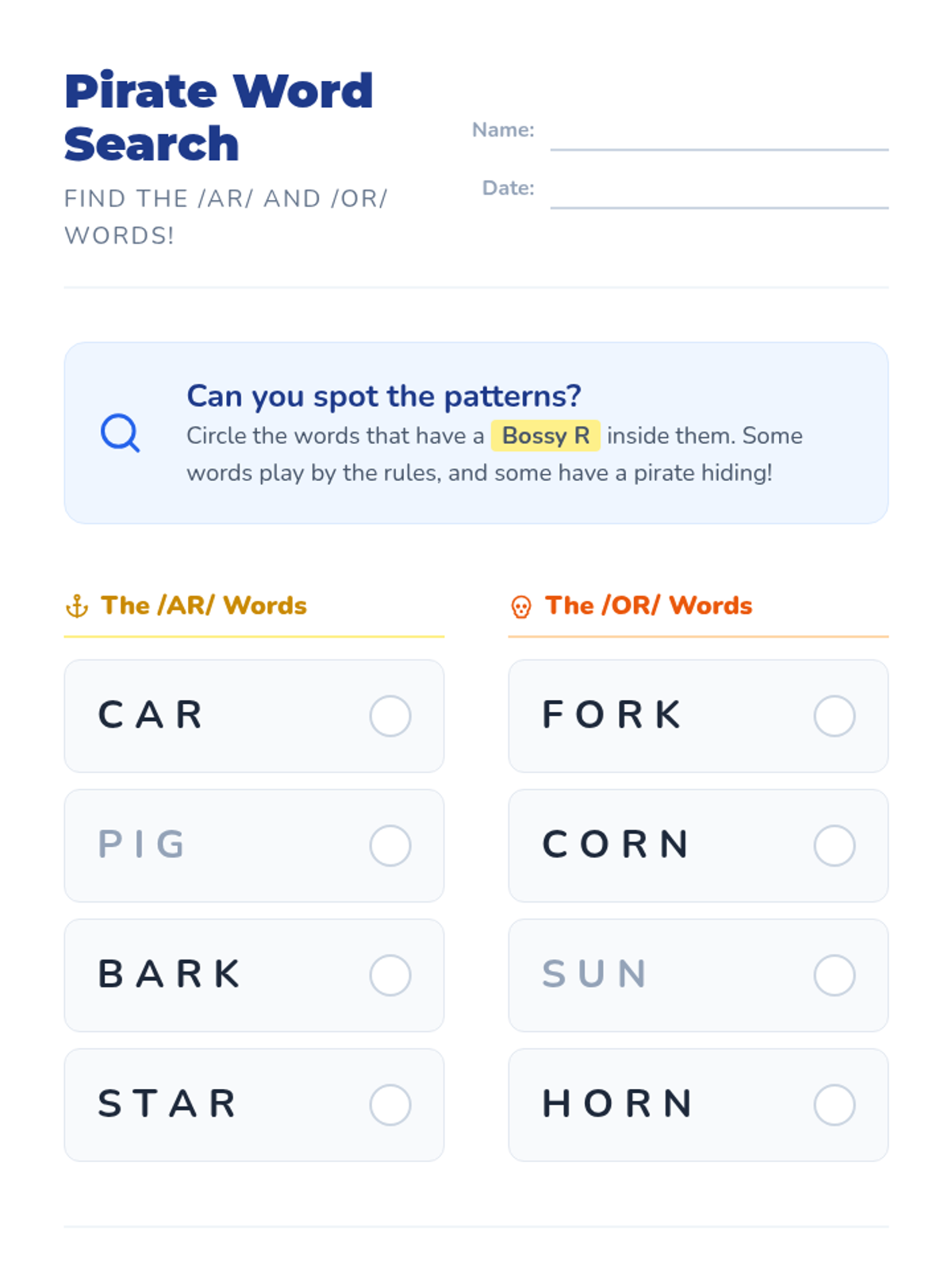
A Kindergarten sequence introducing 'Bossy R' and 'Vowel Teams' through pattern recognition and multisensory activities. Students learn to identify when letters work together to create unique sounds.
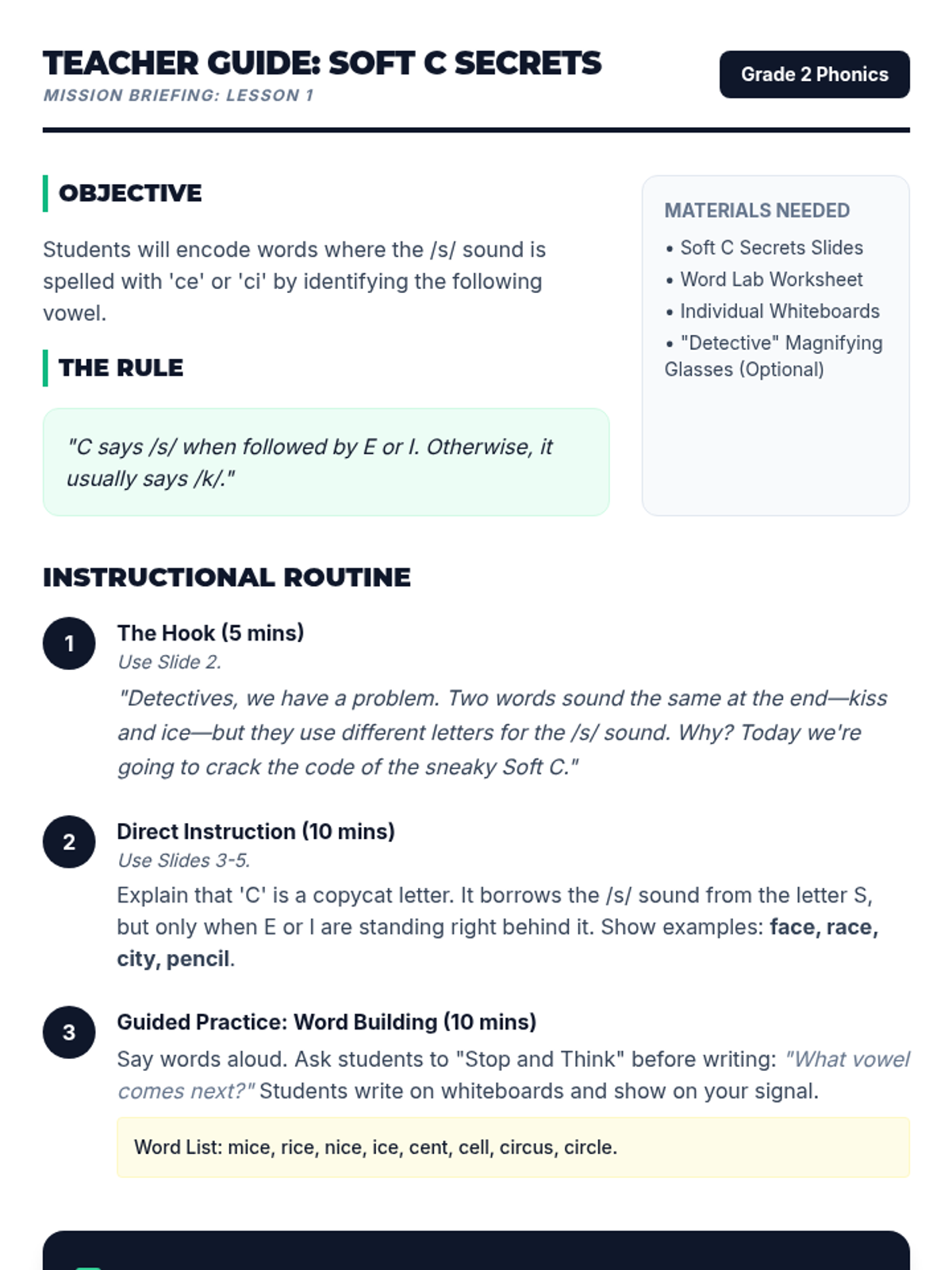
This workshop-style sequence focuses on the application of soft 'c' and 'g' patterns in spelling and writing. Students move from isolated word encoding to contextual sentence writing and peer editing, mastering the rules for ce, ci, cy, ge, gi, and gy.
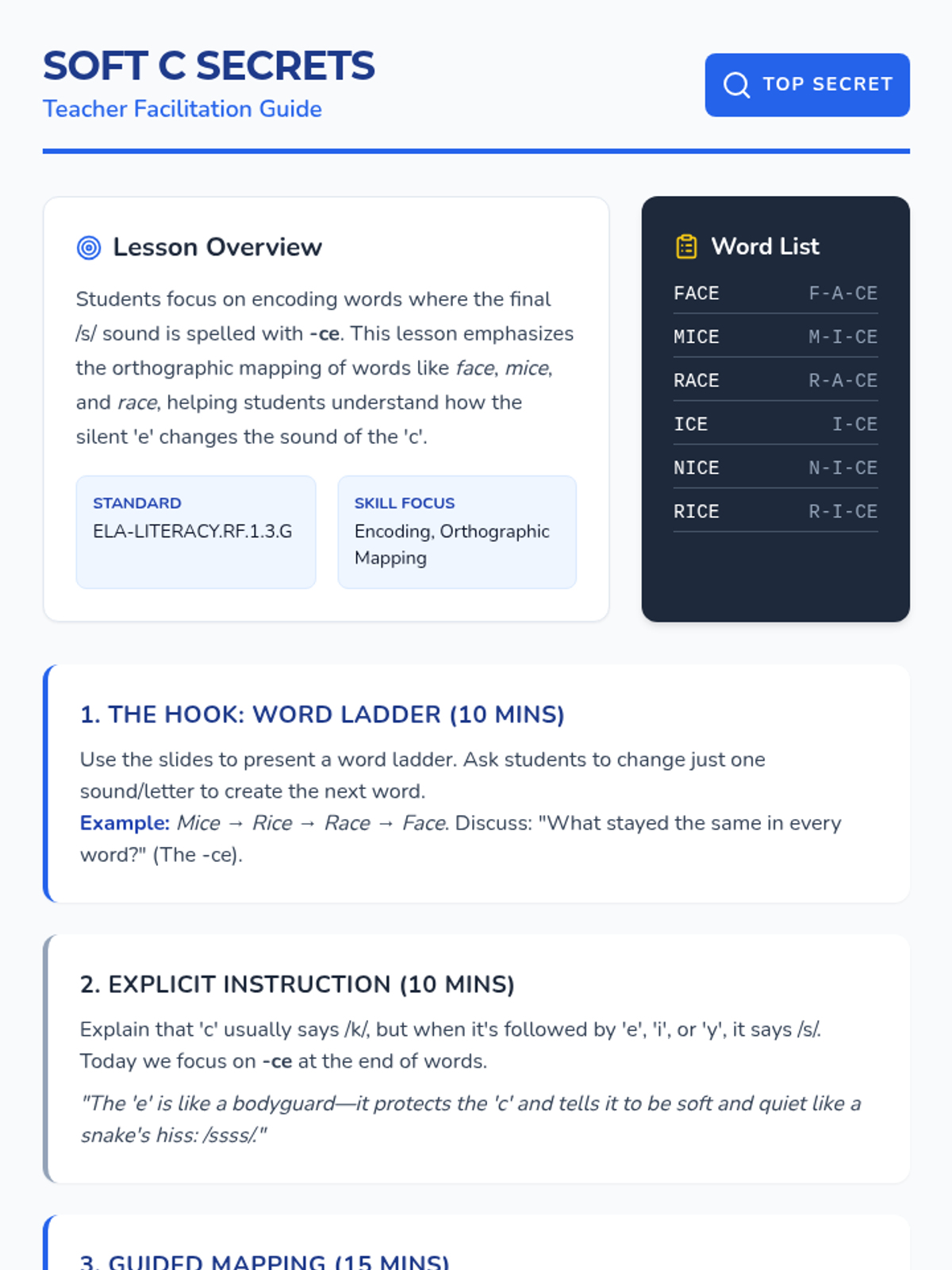
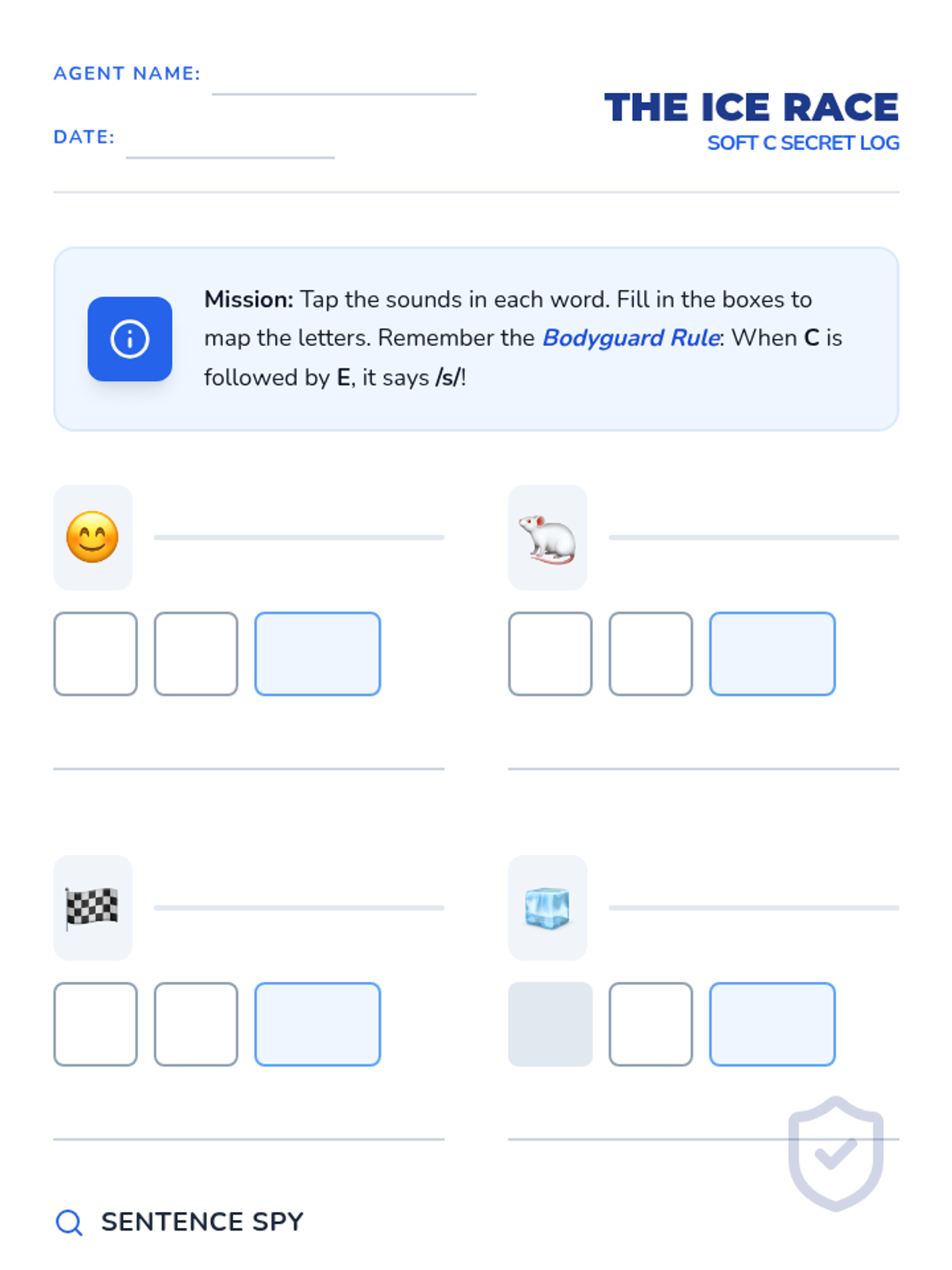
A 1st Grade phonics sequence focused on encoding and writing application for soft c and g. Students progress from spelling word-ending sounds to internal syllables, eventually applying their knowledge in sentence dictation and creative writing.