Essential grammar structures, high-frequency vocabulary, and foundational literacy skills. Equips learners with basic speaking and listening abilities for everyday interactions and introductory text comprehension.
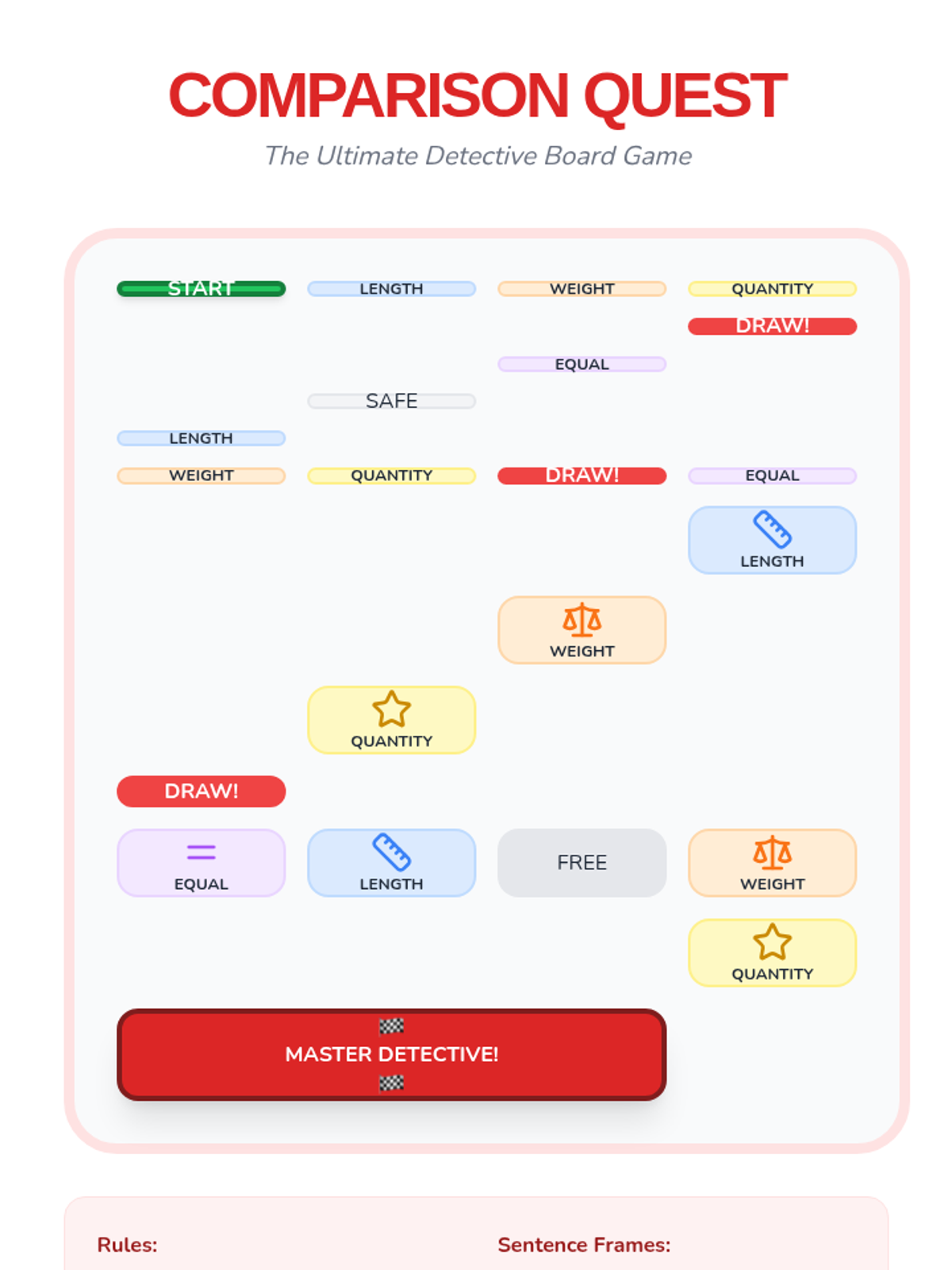
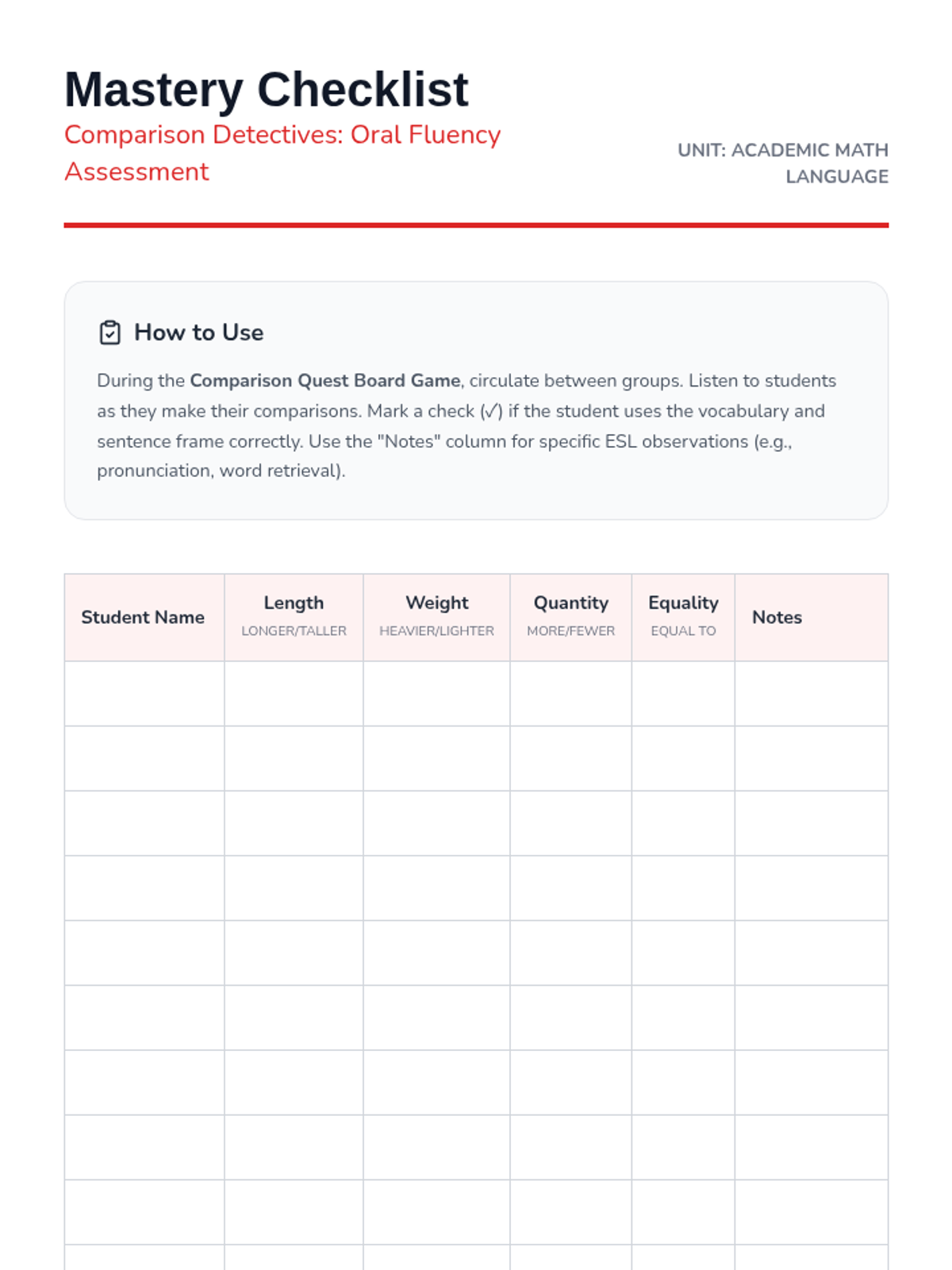
Students participate in a station rotation that requires them to apply all comparative language learned (length, weight, quantity). They must draw cards with two items and orally compare them to a partner to advance on a game board.
Students create a mini-book illustrating and describing the life cycle of a butterfly or frog. They must write a sentence for each stage using the correct temporal transition words.
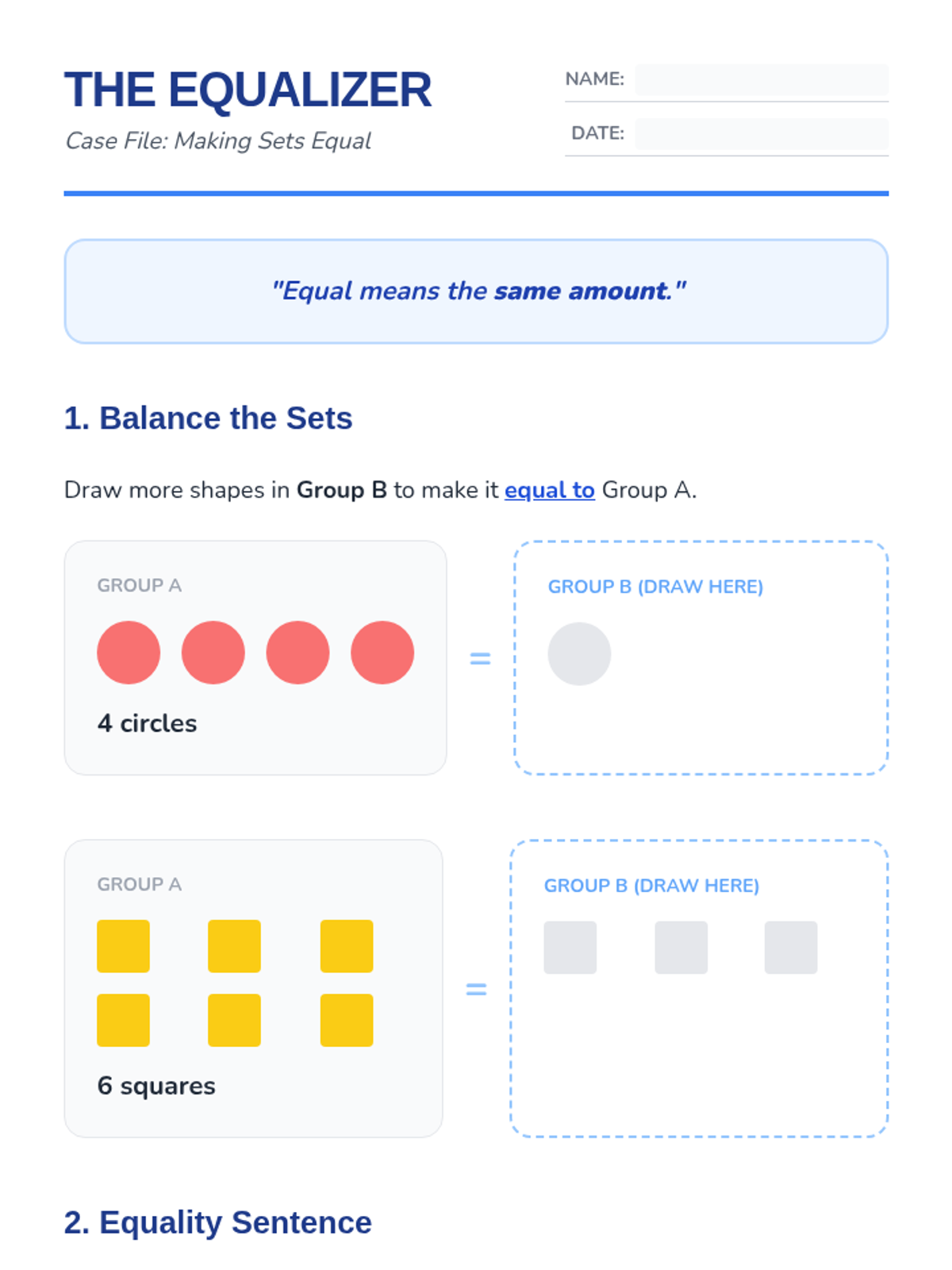
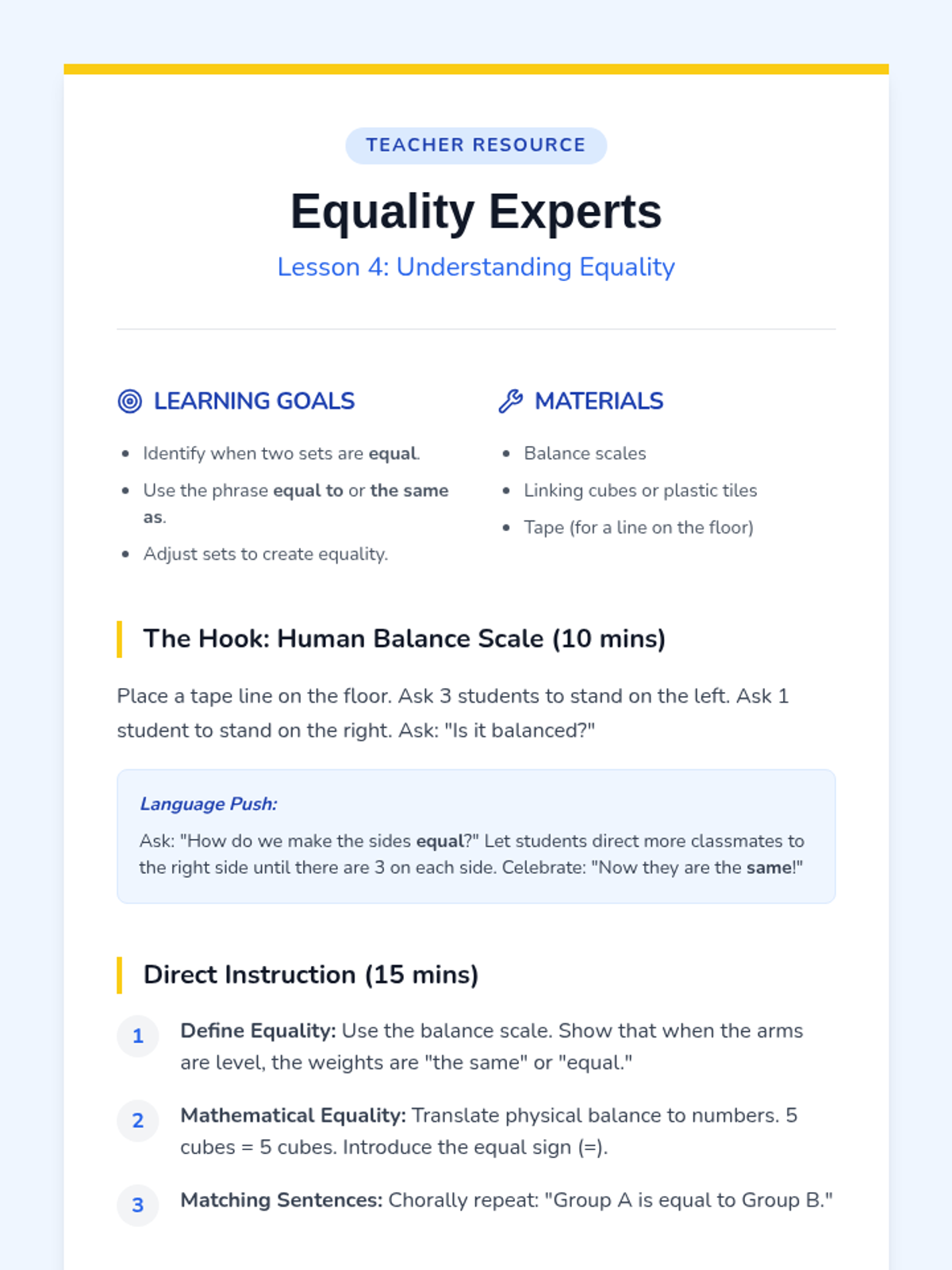
This lesson focuses on the concept of 'equal to' or 'the same as.' Students manipulate groups of objects to make them equal and practice using the term in mathematical sentences.
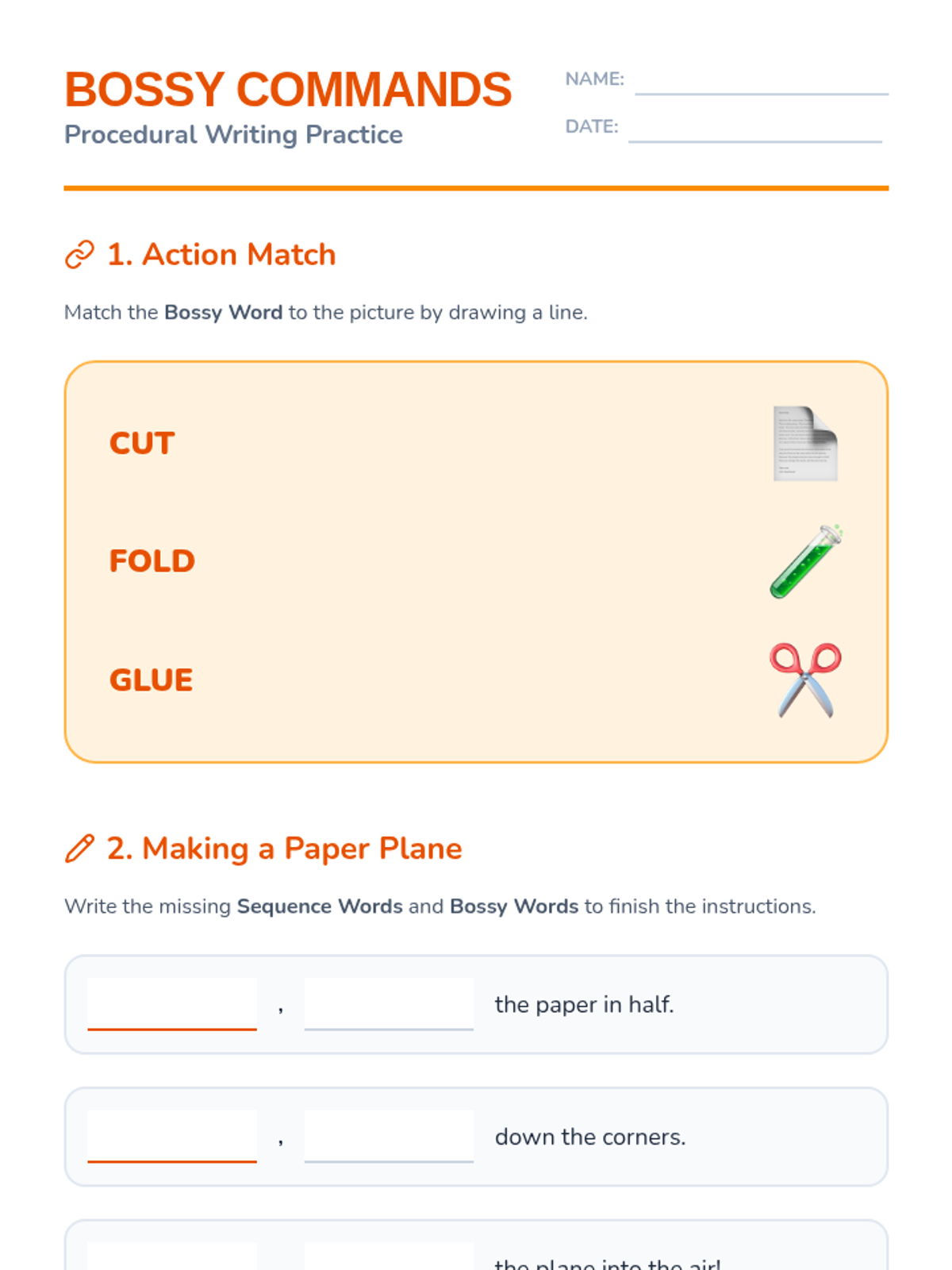
Students practice giving instructions for a specific task. The lesson focuses on using imperative verbs (cut, glue, fold) in conjunction with sequence words to give clear commands.
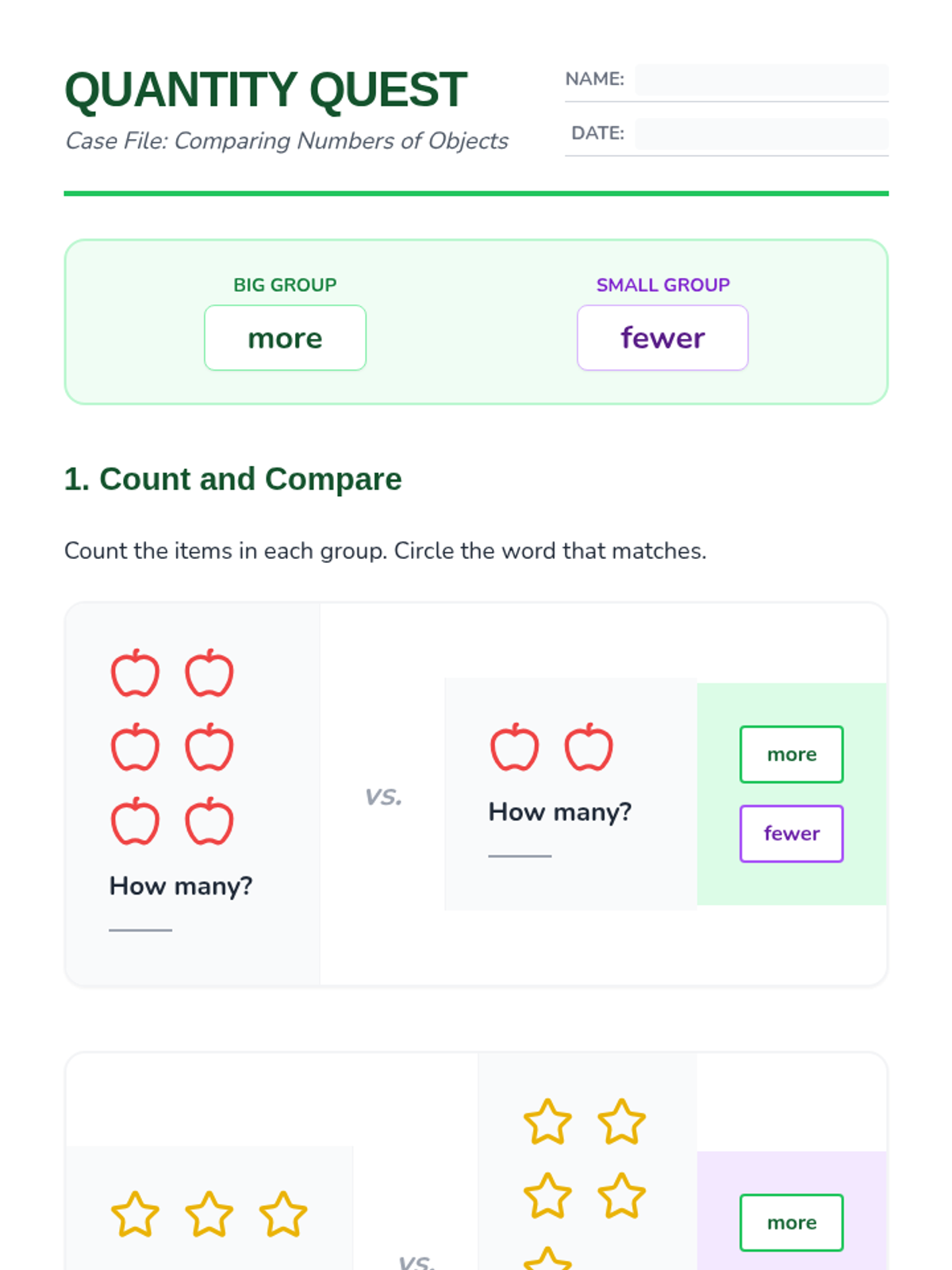
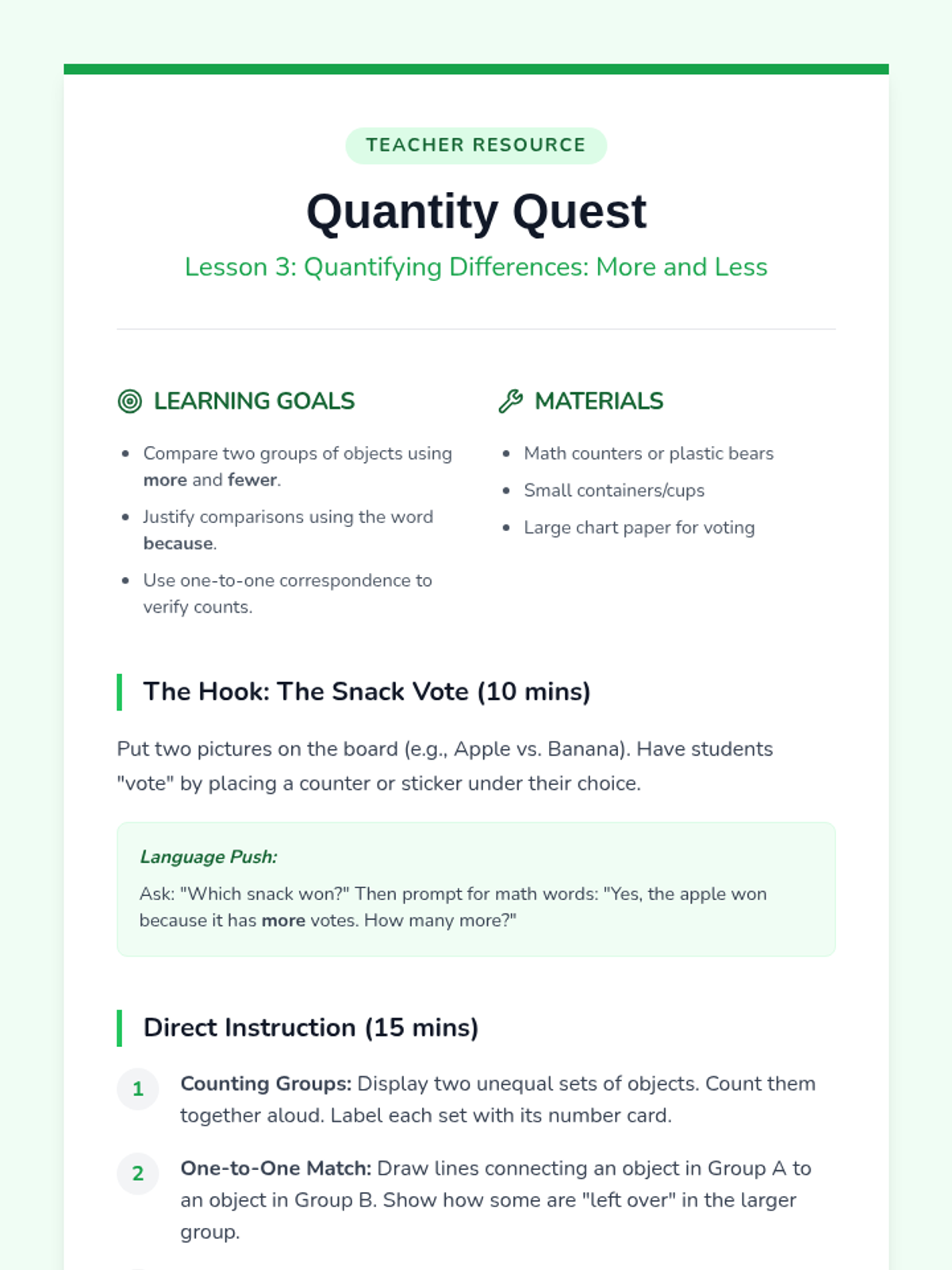
Students work with collections of counters to determine which groups have 'more,' 'fewer,' or 'less.' The lesson focuses on distinct counting and one-to-one correspondence to justify the choice of vocabulary.
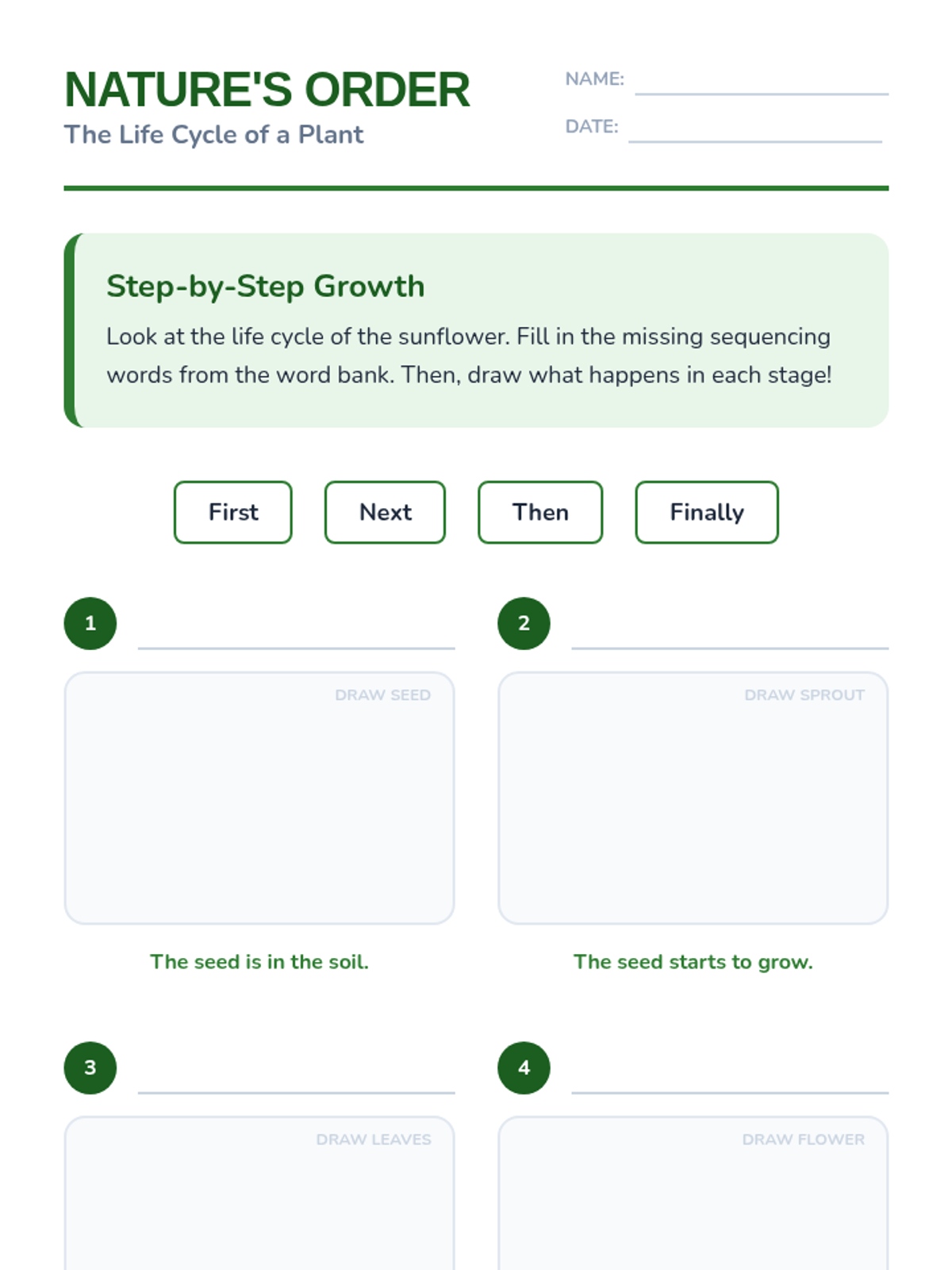
Applying sequencing skills to science content, students study the life cycle of a plant. They use their transition words to verbally describe the stages from seed to sprout to flower.
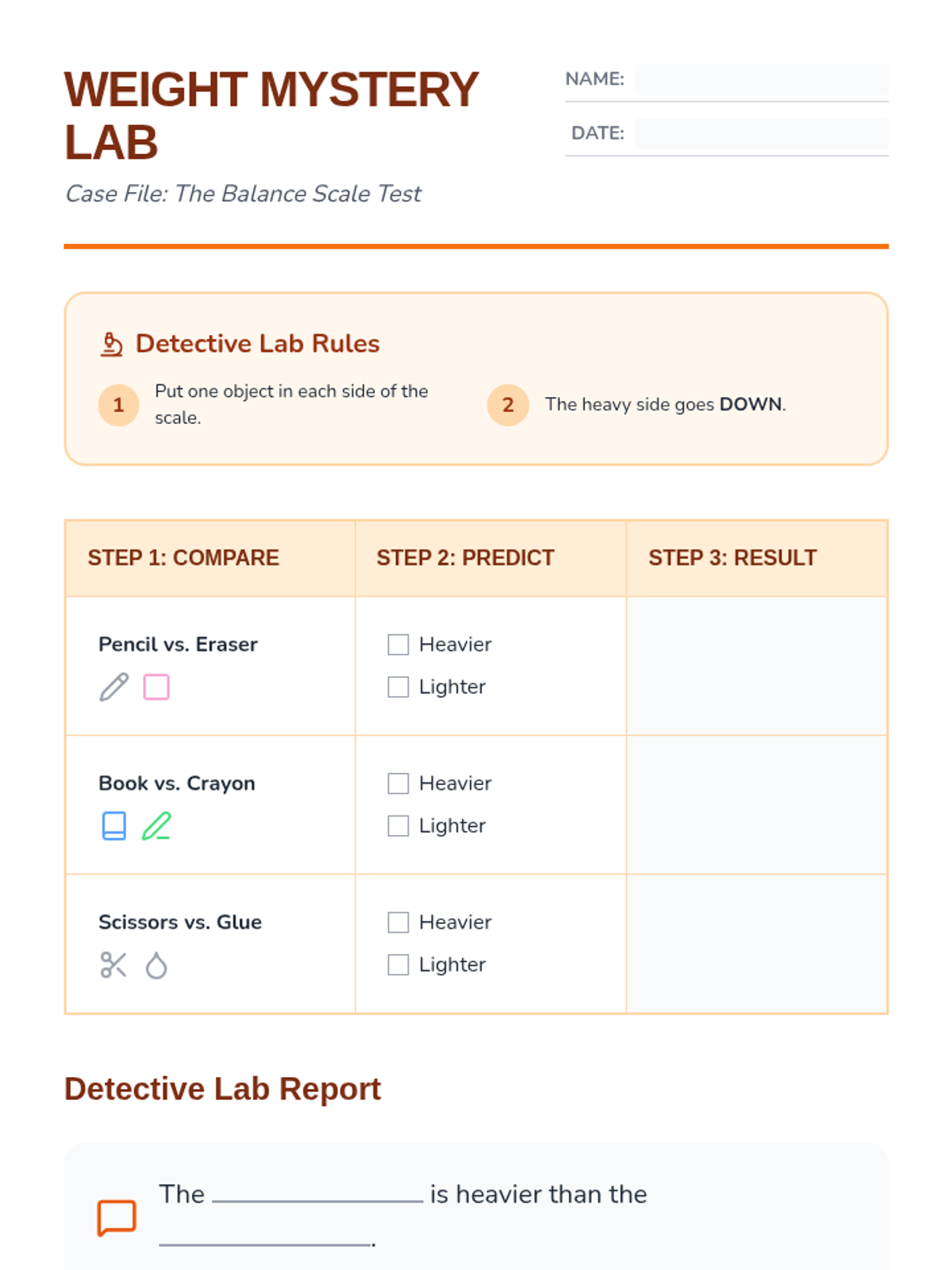
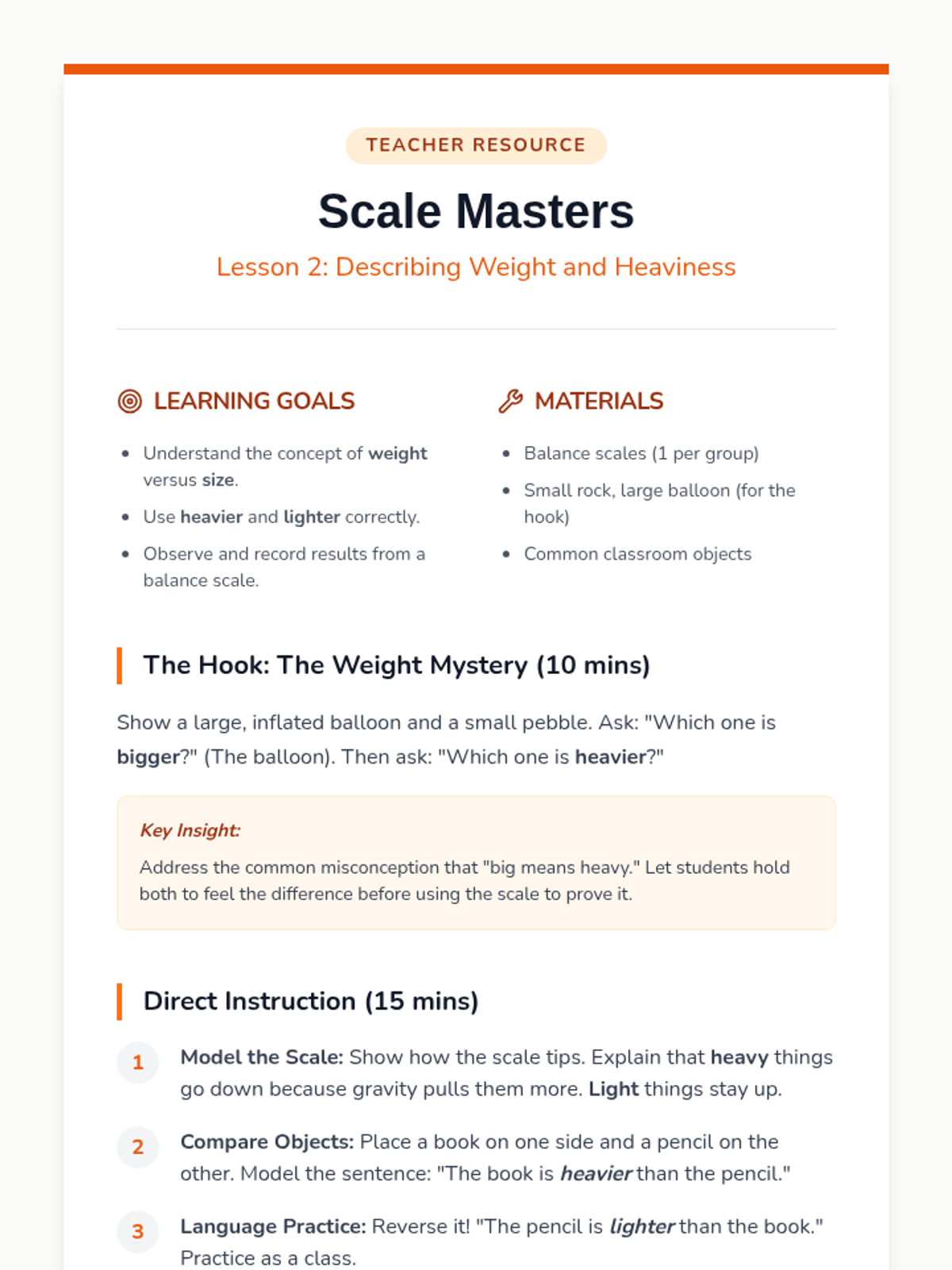
Using balance scales, students explore the concepts of weight and mass. They learn to differentiate between size and weight, using vocabulary like 'heavy,' 'heavier,' 'light,' and 'lighter' to describe outcomes of the balance scale.
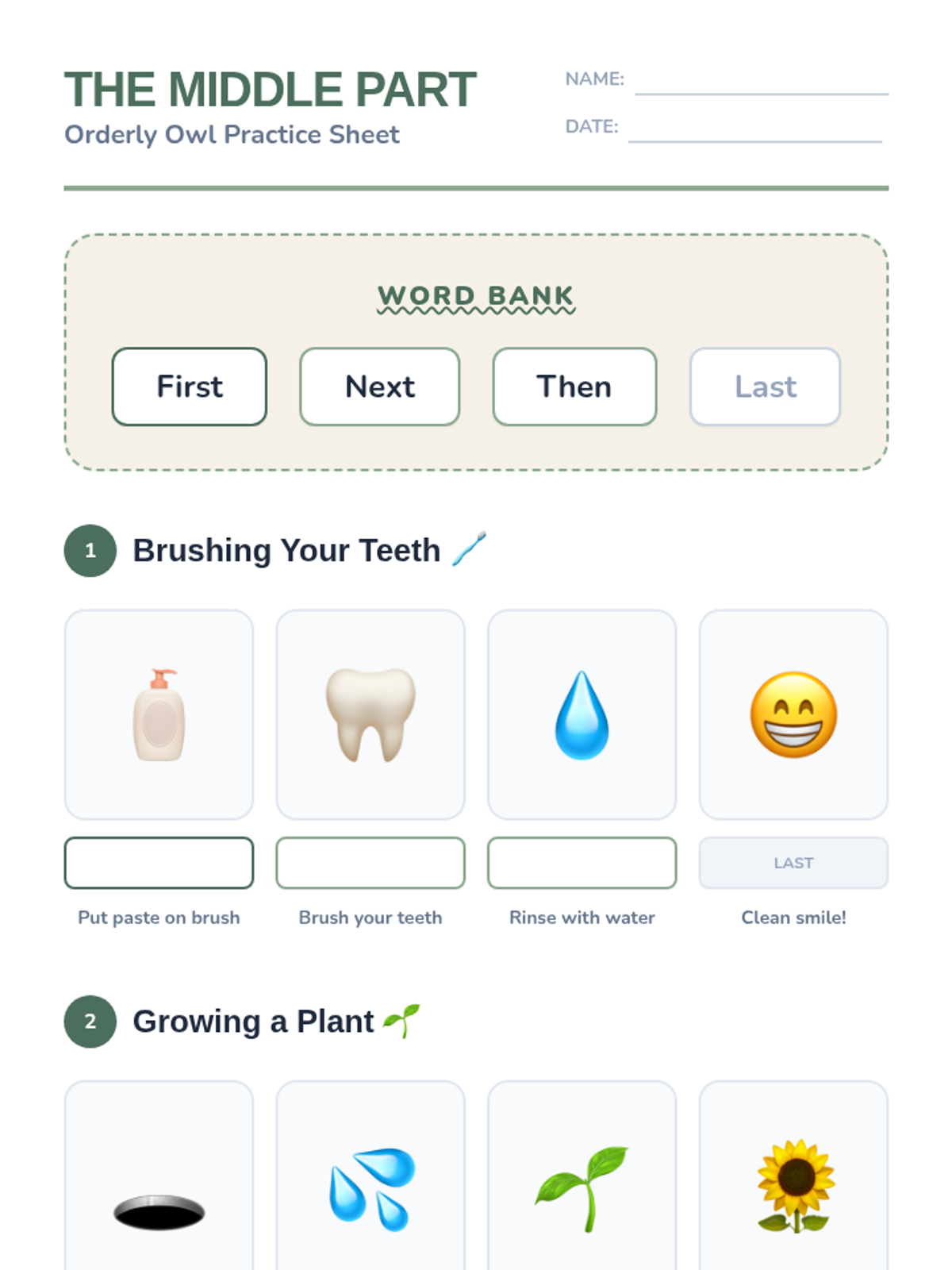
Students expand their sequencing toolkit to include the middle steps. They use picture cards of simple activities to practice using 'next' and 'then' to link ideas.
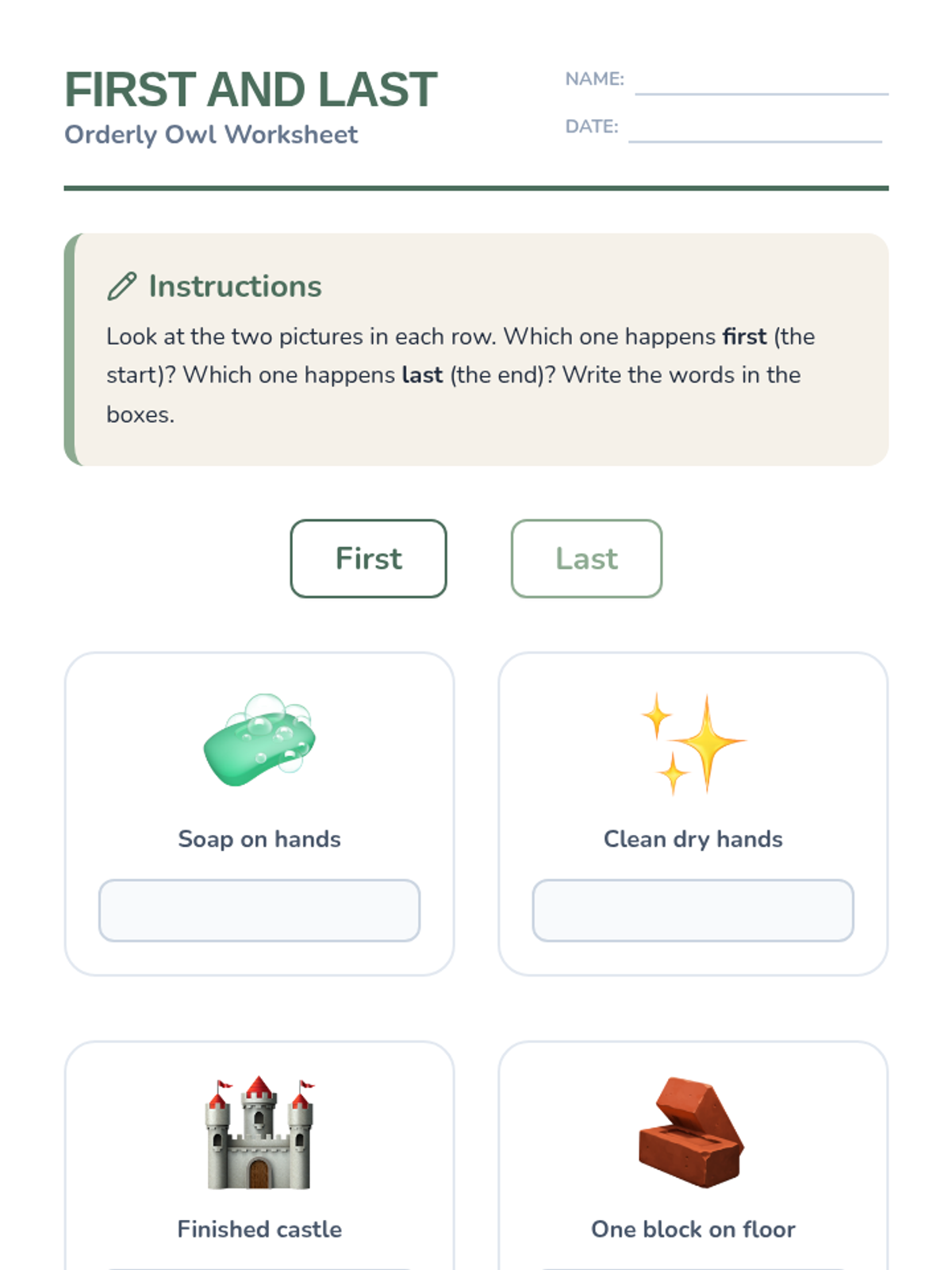
Students are introduced to the concept of order. They practice identifying the beginning and end of familiar daily routines and use the terms 'first' and 'last' to describe them.
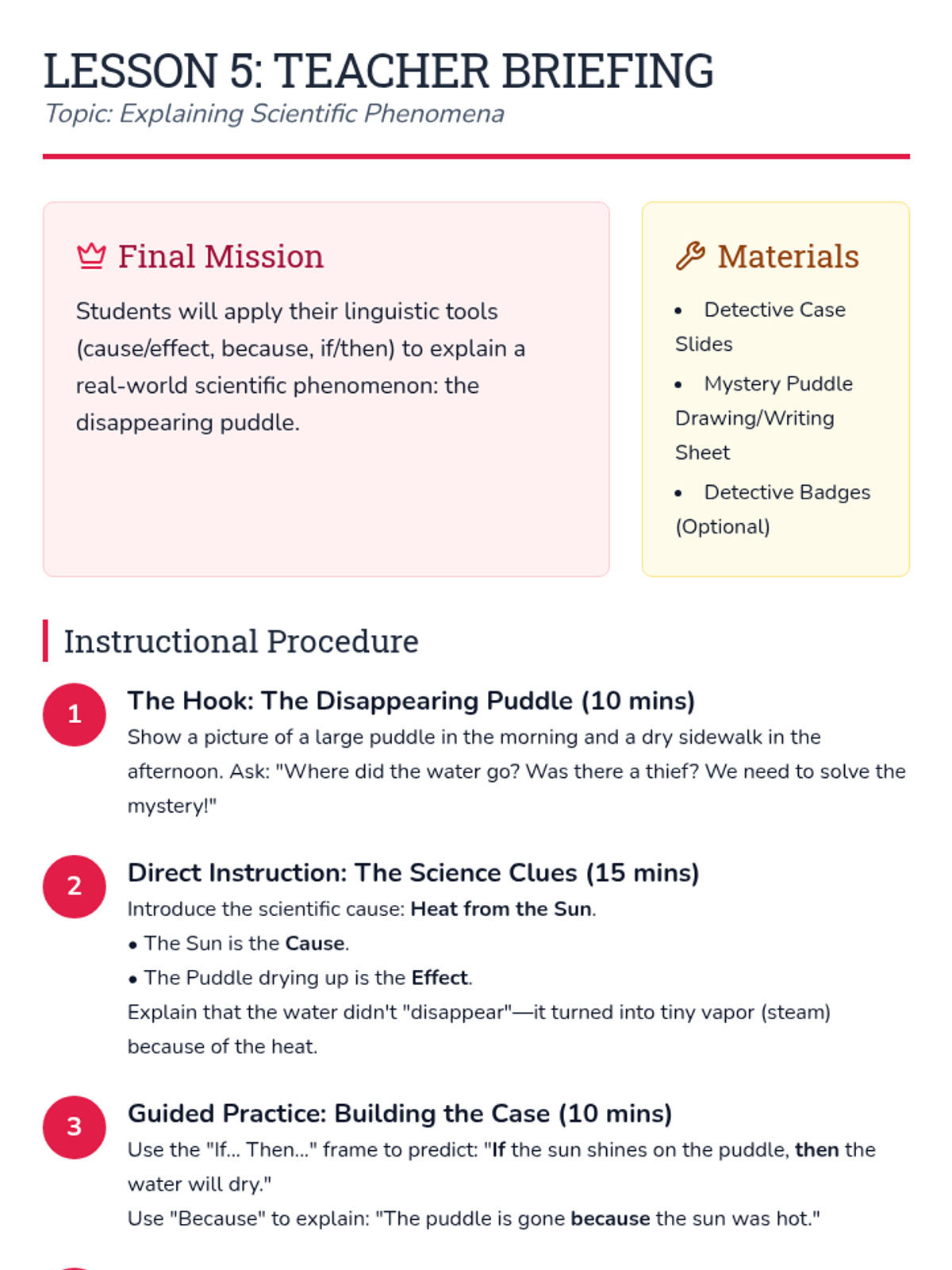
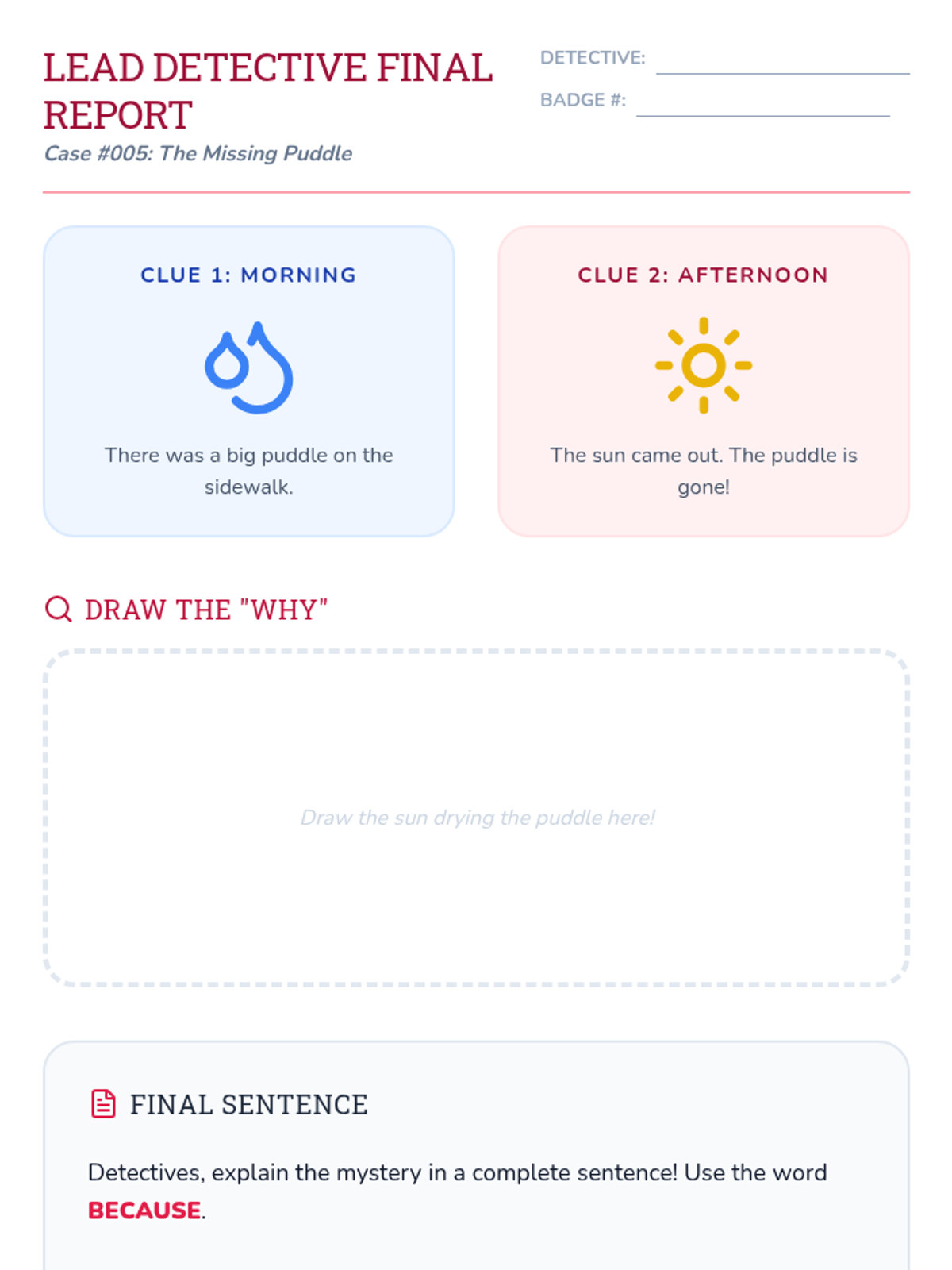
The culmination of the sequence where students use their linguistic tools to explain real-world scientific phenomena, acting as detectives to solve the 'Mystery of the Disappearing Puddle'.
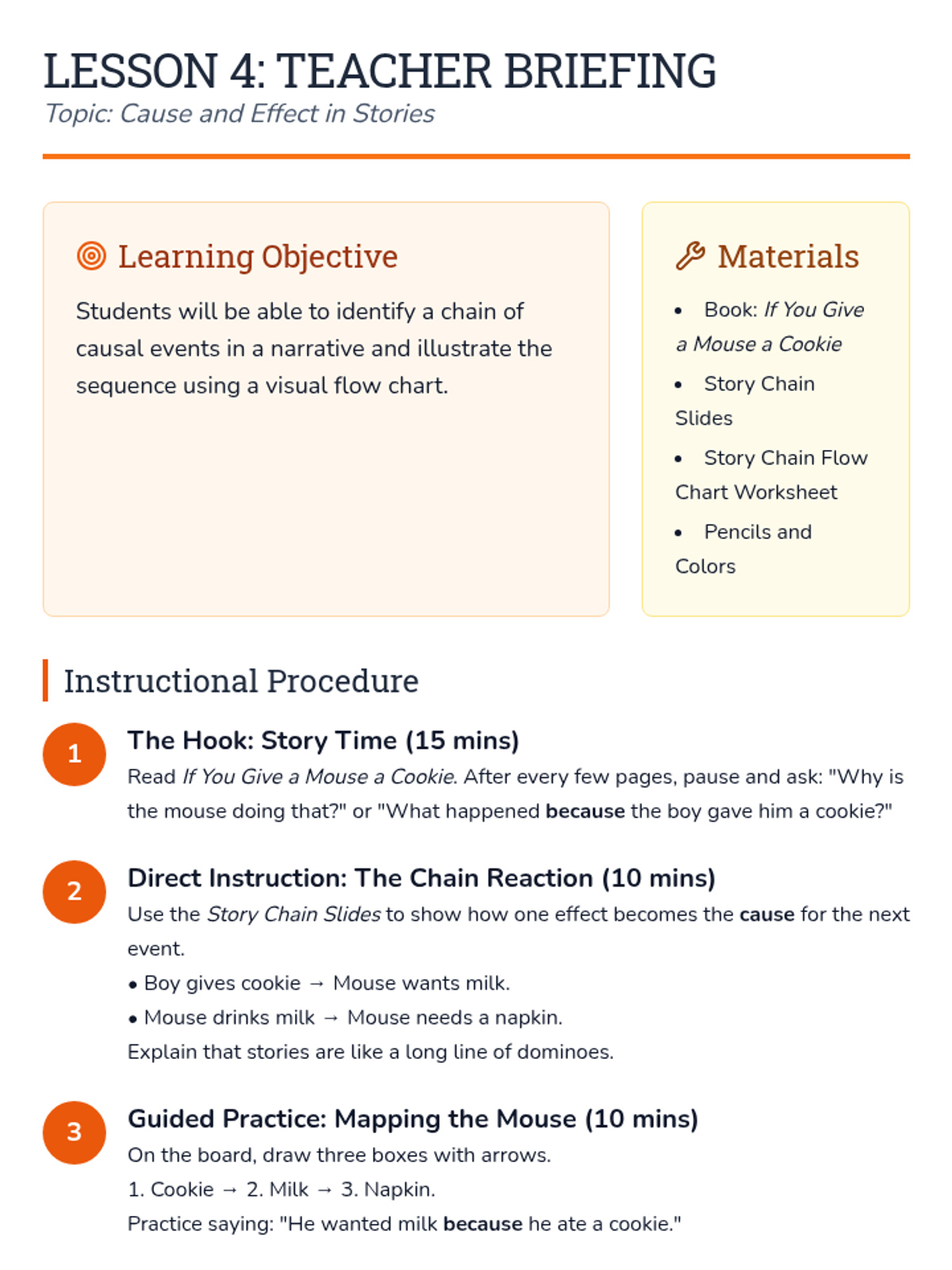
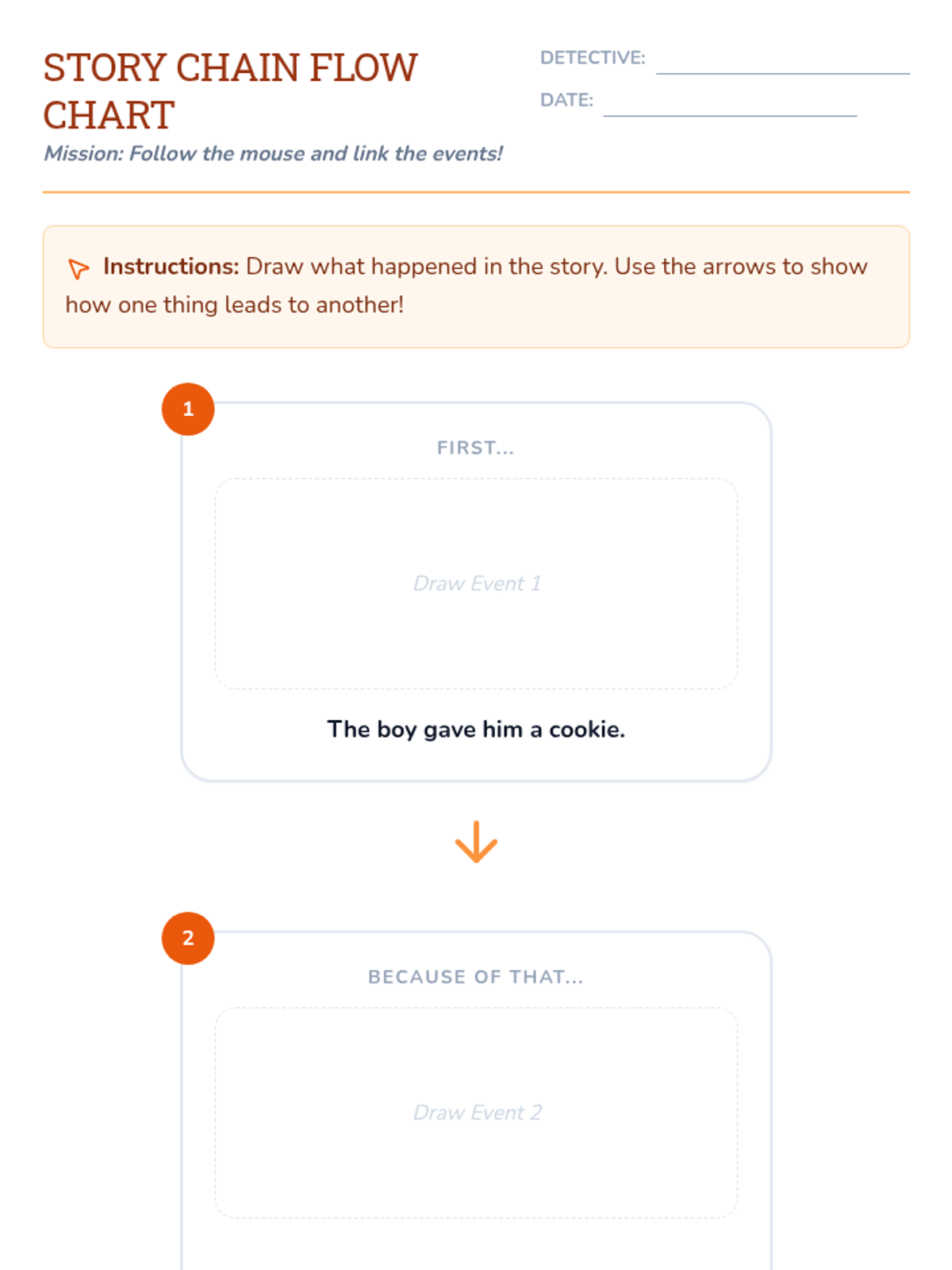
Students analyze narrative causality using 'If You Give a Mouse a Cookie'. They create visual flow charts to track how one event leads to another in a story.
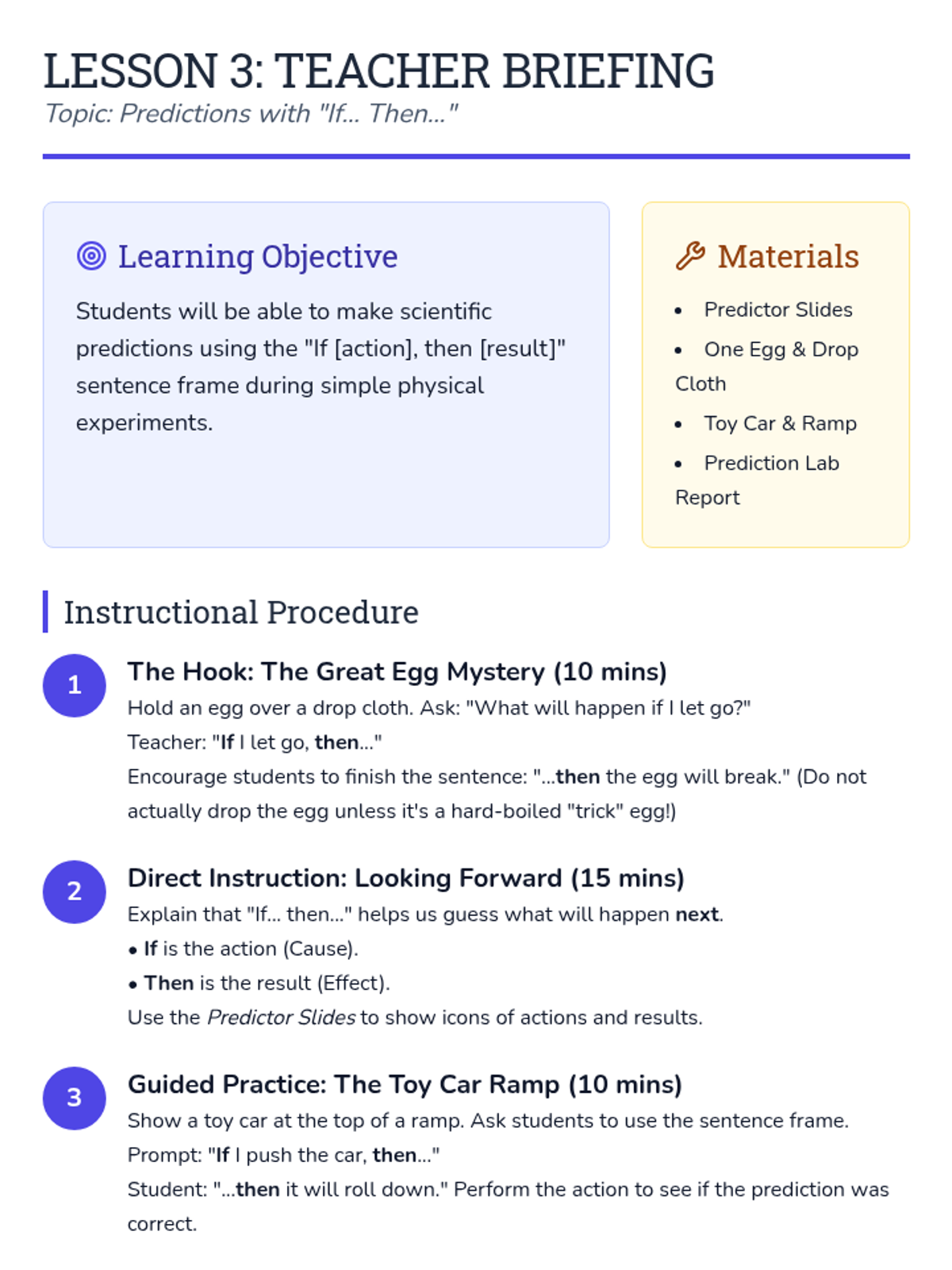
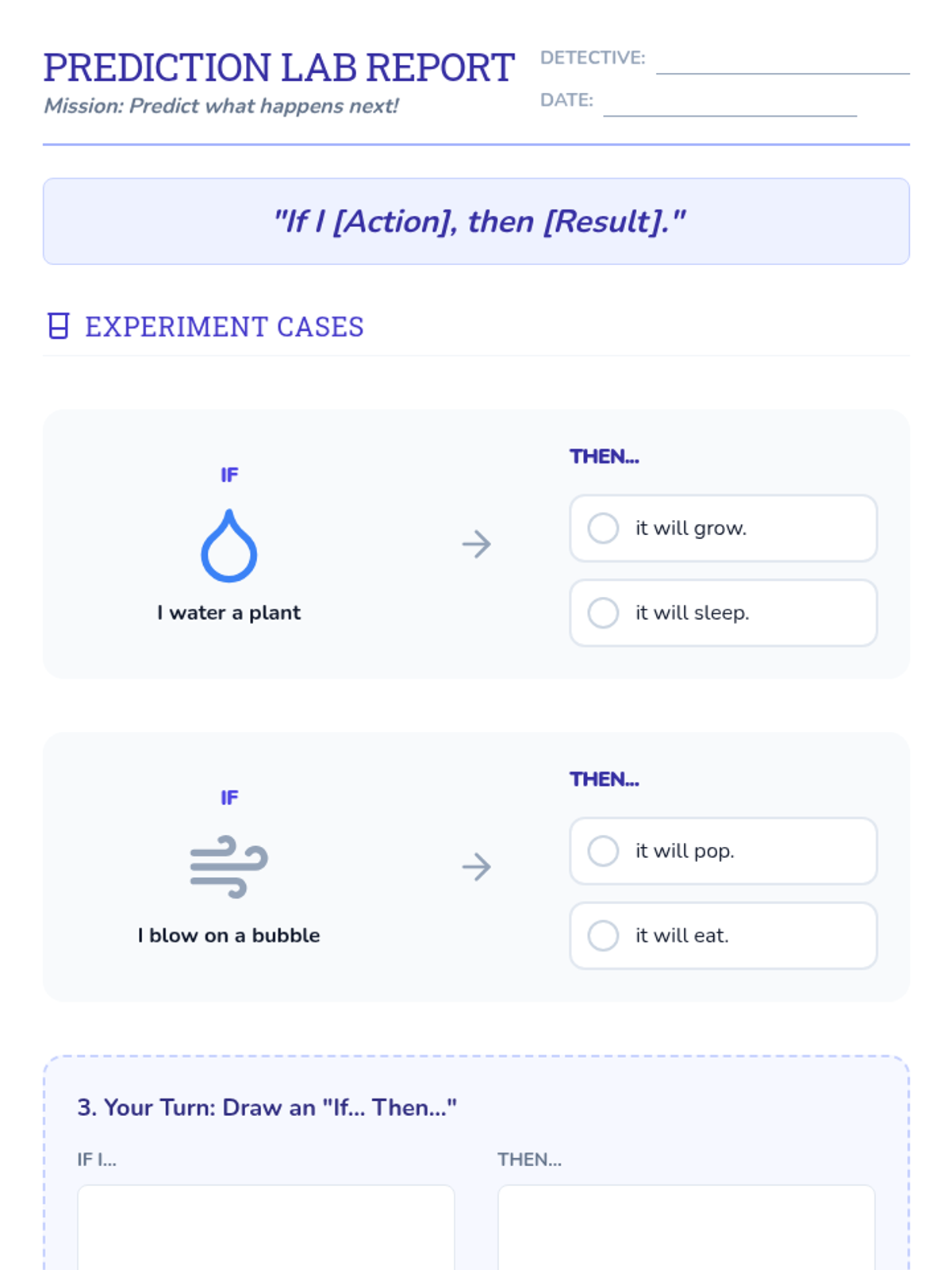
Introduces conditional sentence structures for scientific prediction. Students use the 'If... then...' frame to hypothesize about simple physical experiments.
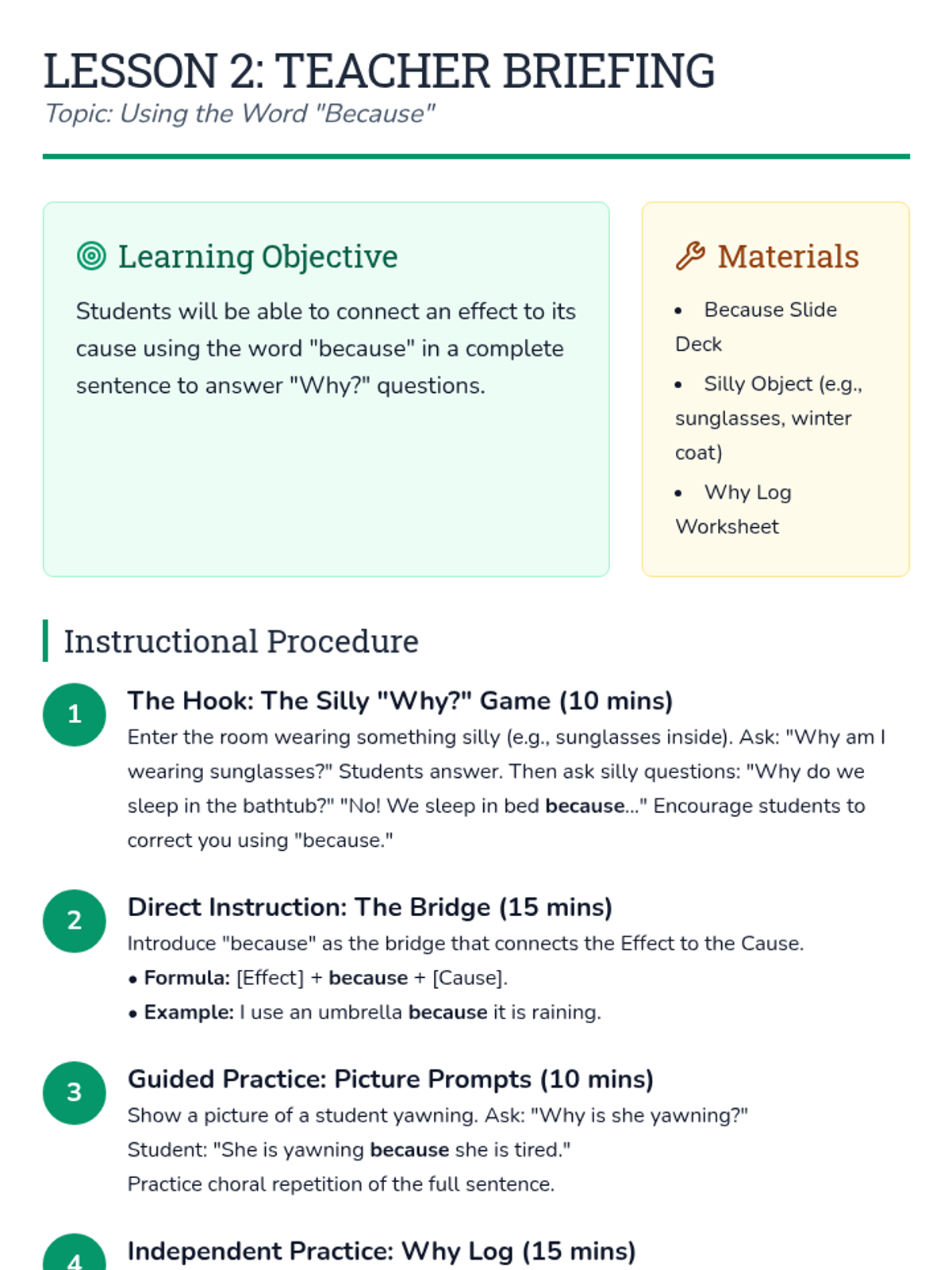
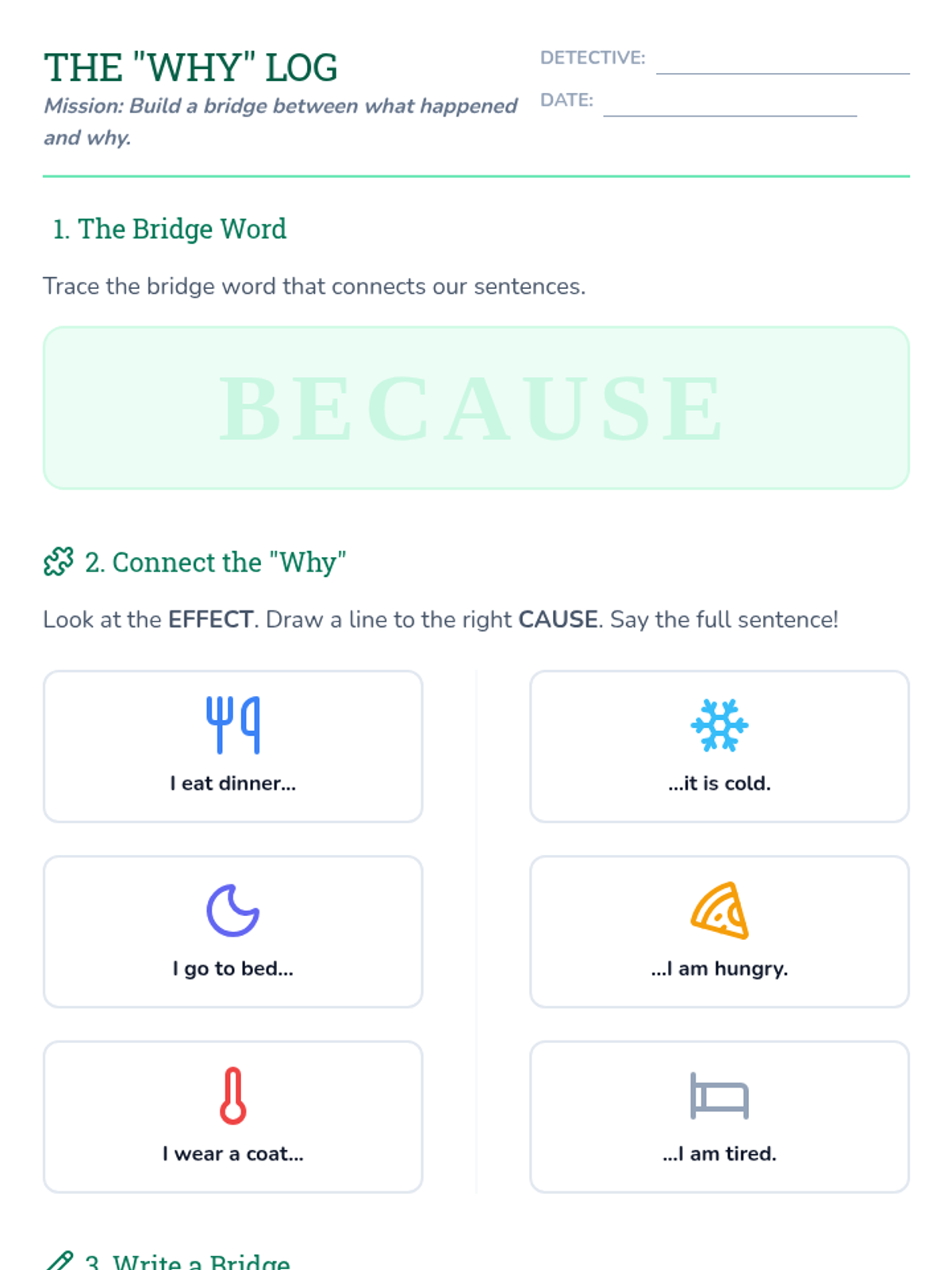
Focuses on the linguistic bridge 'because'. Students practice connecting an effect to its cause in complete sentences, specifically answering 'Why?' questions.
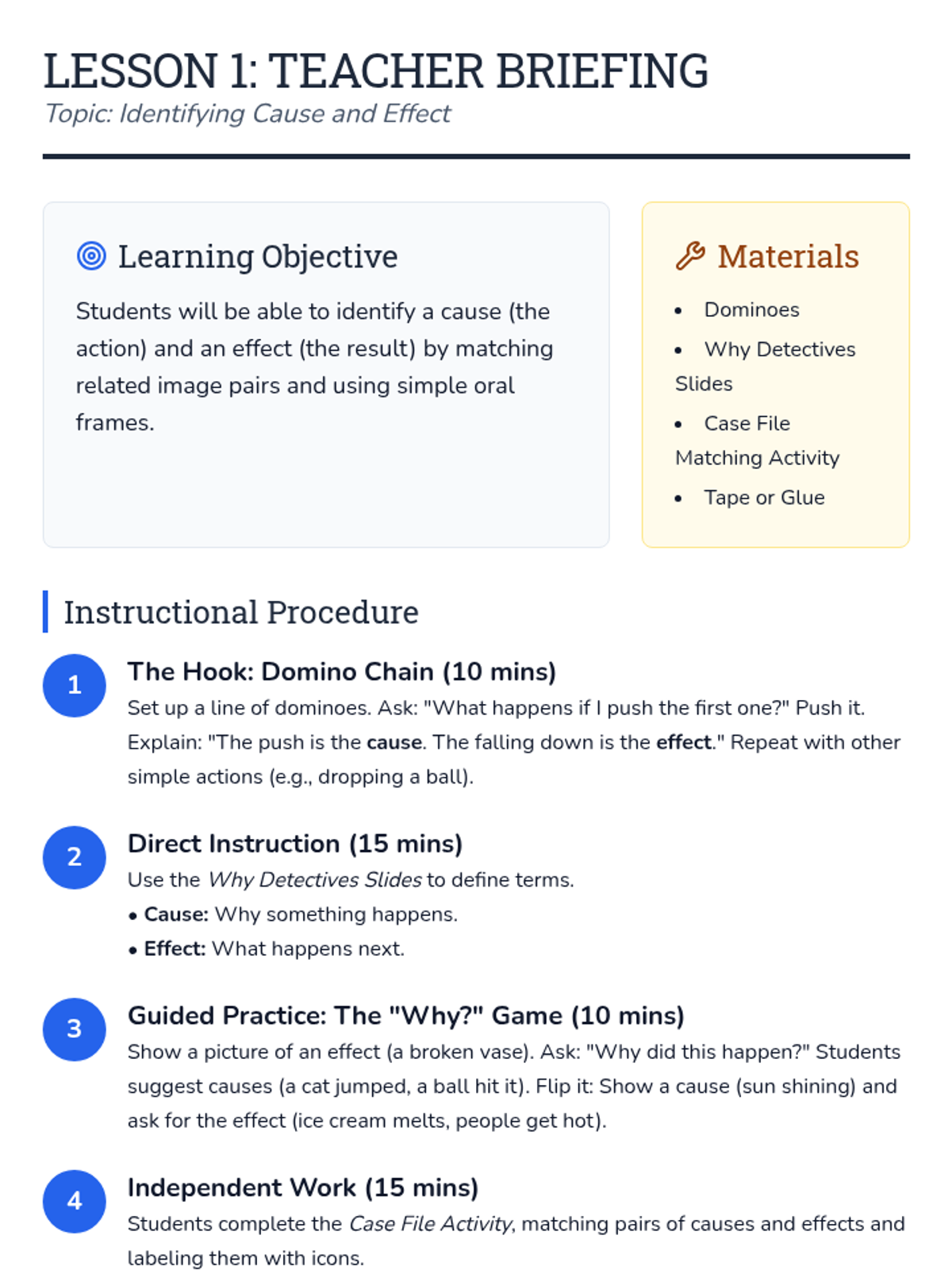
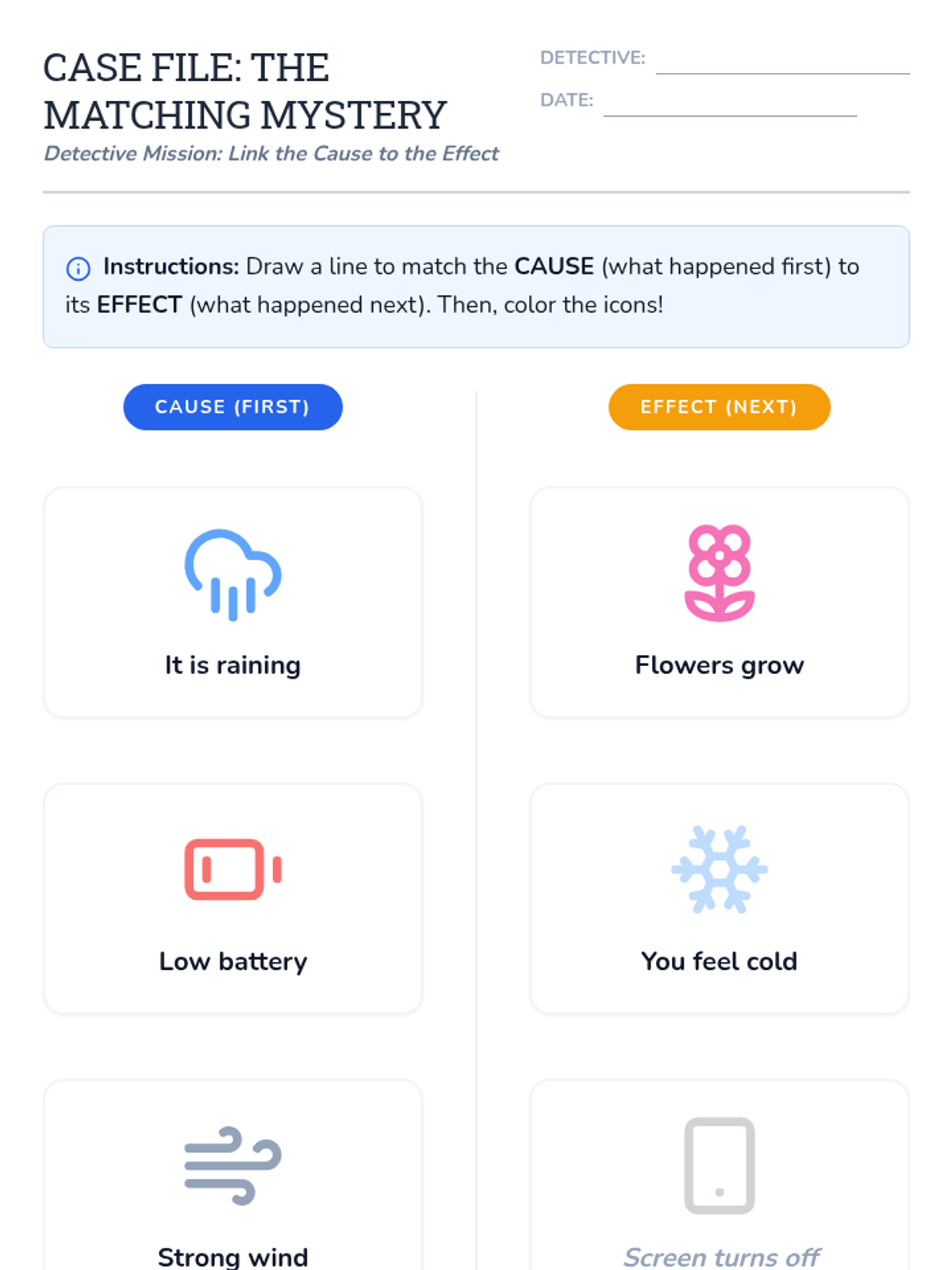
Students are introduced to the concept of causality using visual examples and a domino hook. They learn to identify the 'cause' (the action) and the 'effect' (the result) through matching activities.
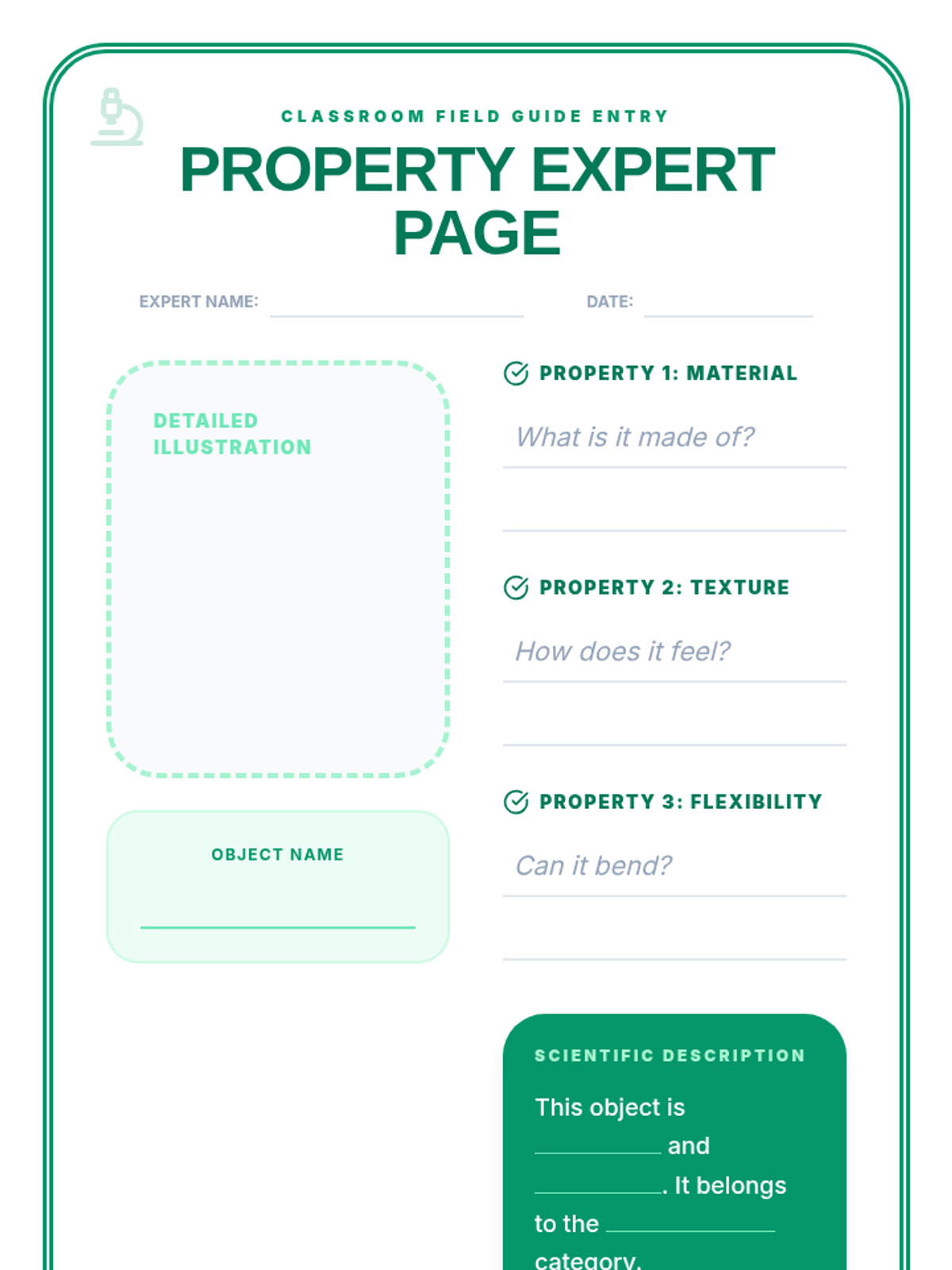
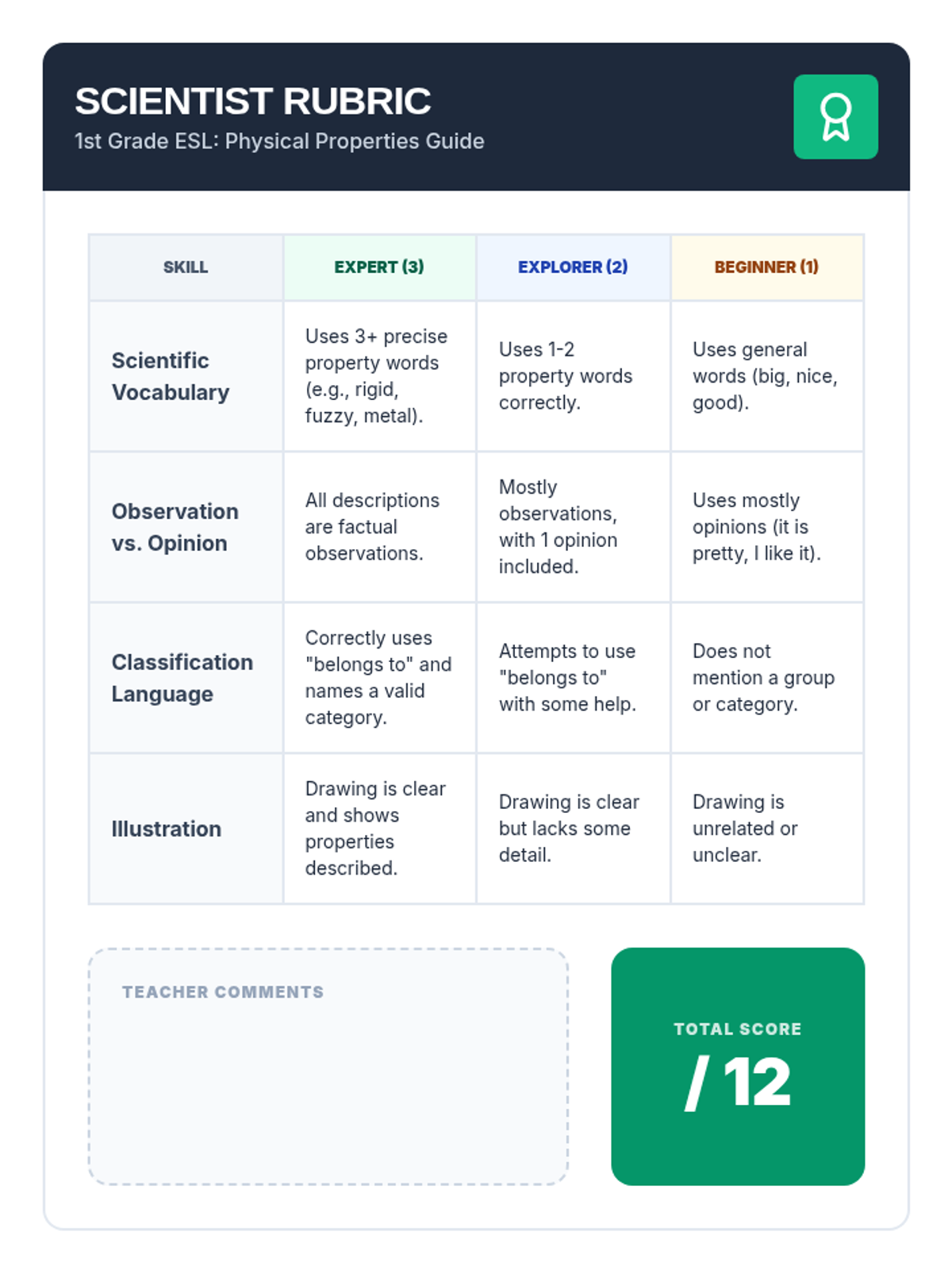
Culminating project where students create a field guide entry for a classroom object using the descriptive vocabulary learned throughout the unit.
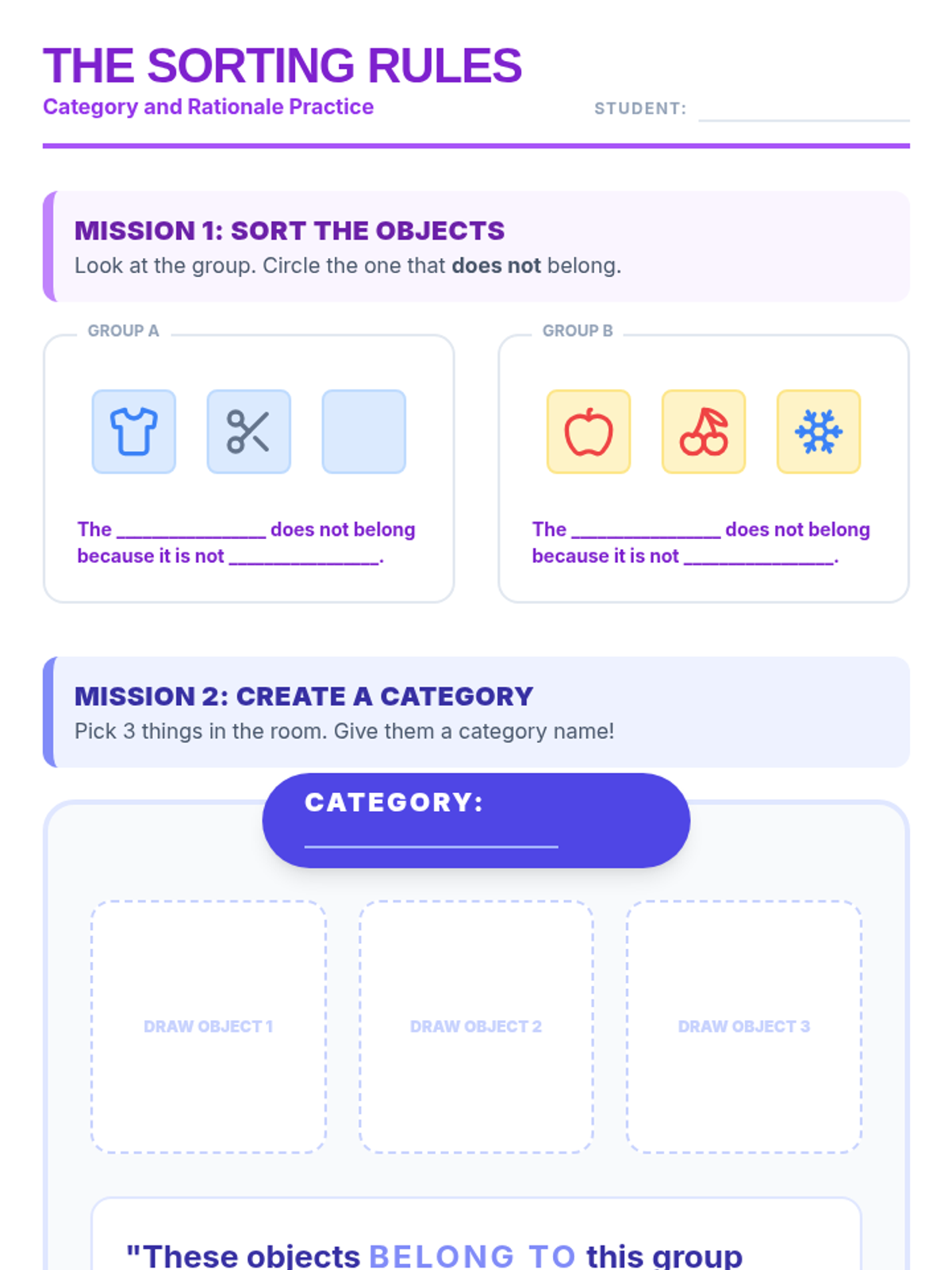
Students learn the language of classification, practice sorting objects into categories, and explain their reasoning using academic language.
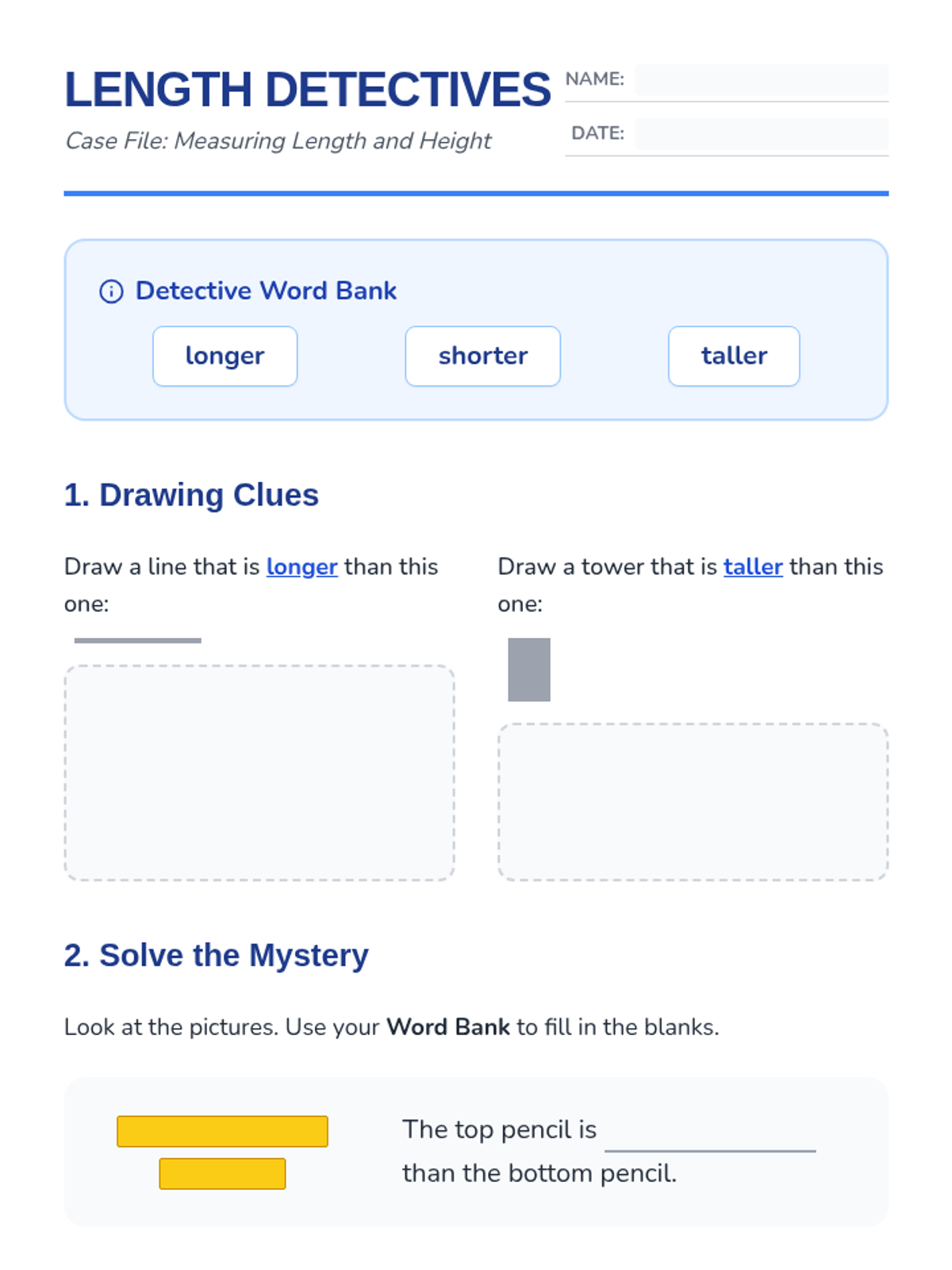
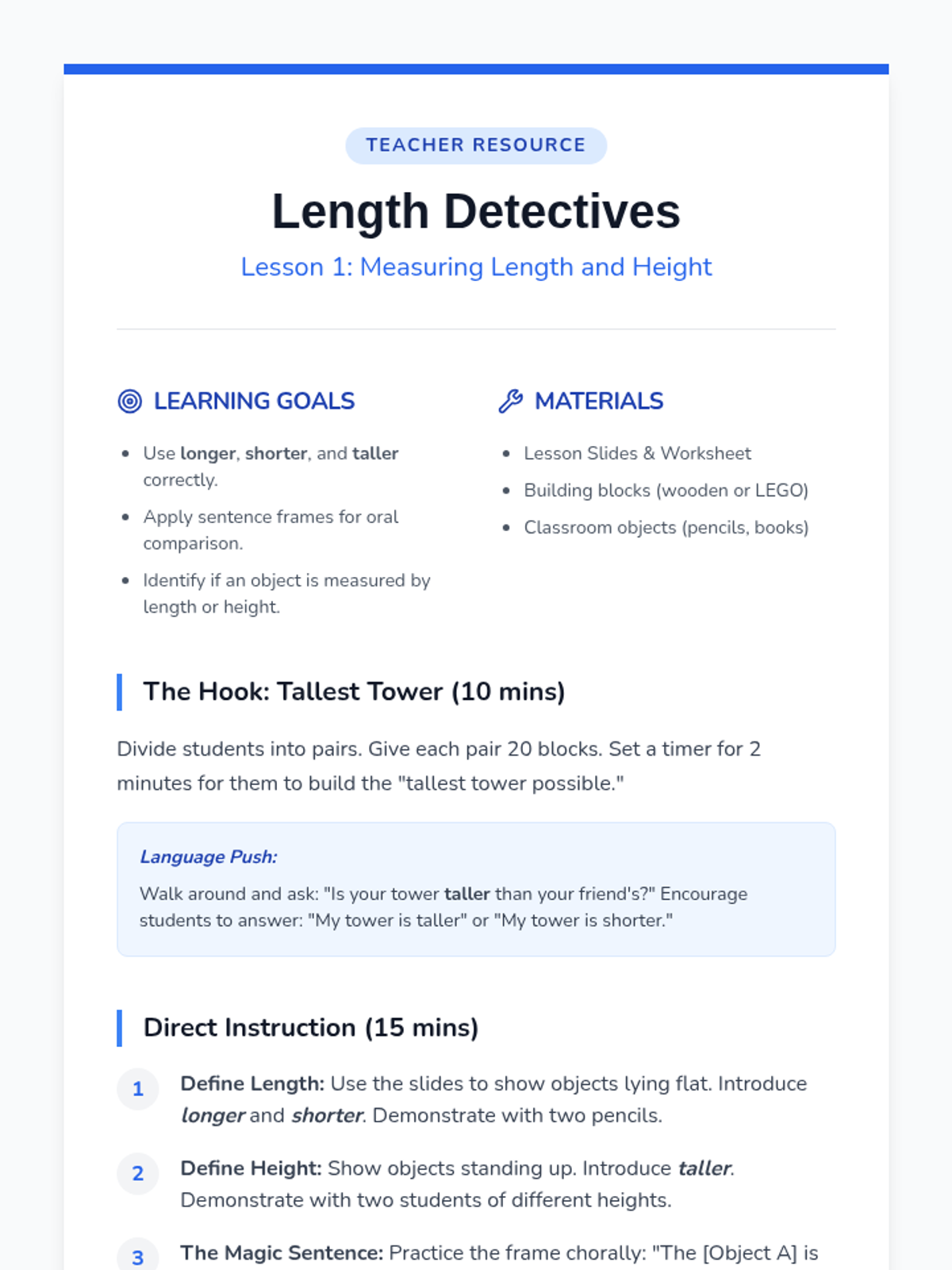
Students compare the length and height of classroom objects using 'taller,' 'shorter,' and 'longer.' They practice forming complete academic sentences to describe their observations.
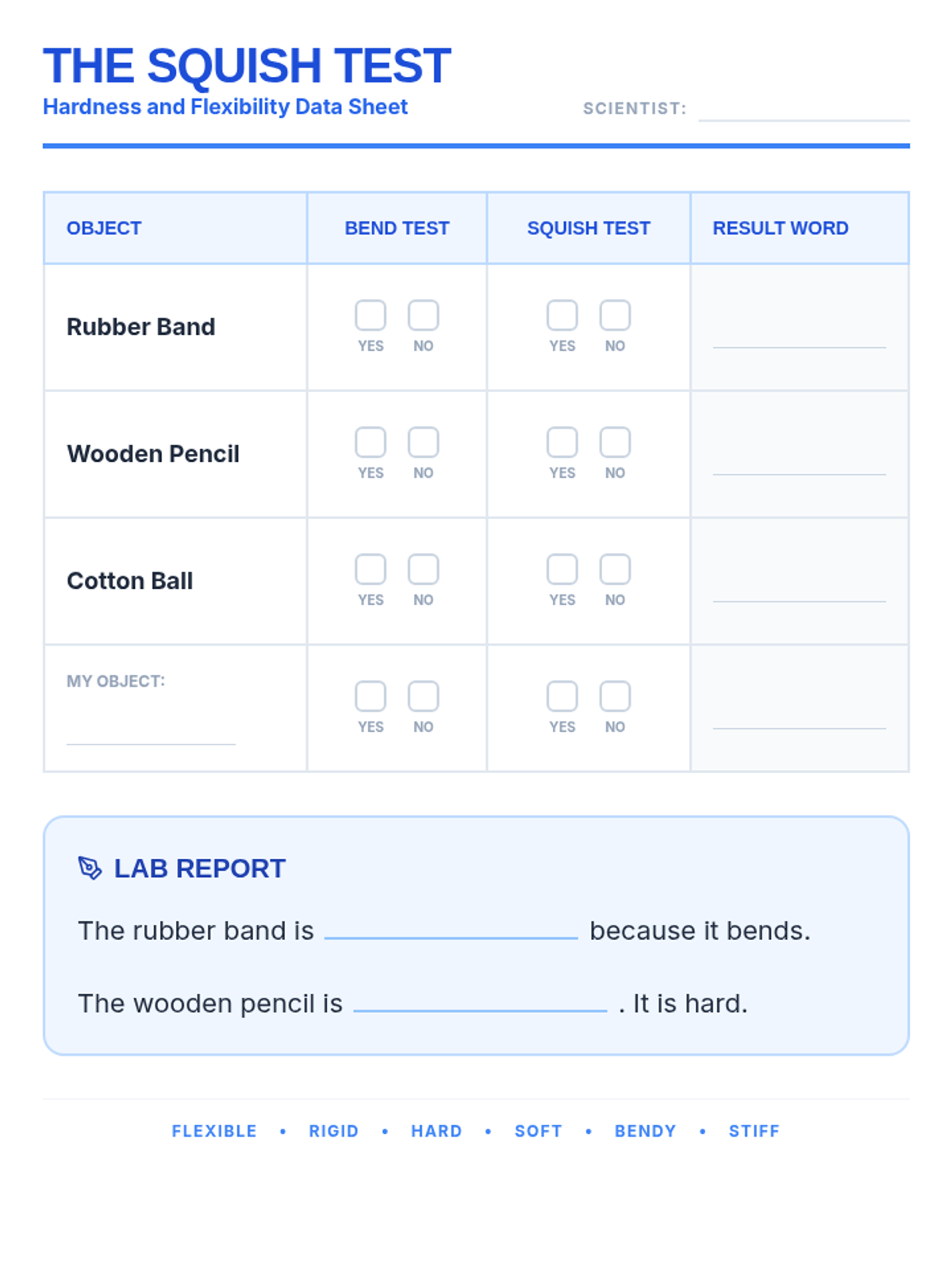
Focusing on hardness and flexibility, students conduct simple tests to determine if objects are rigid or flexible.
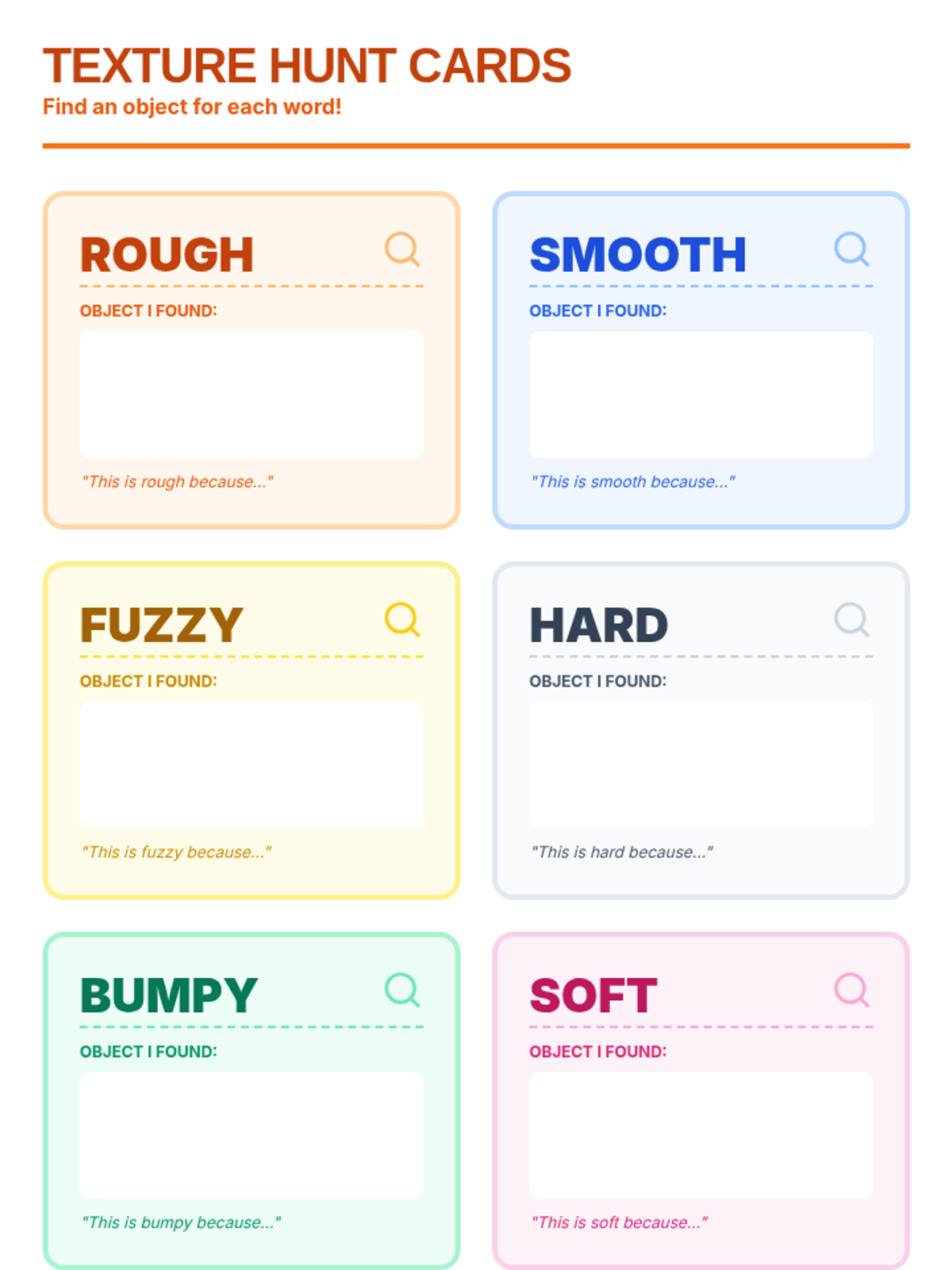
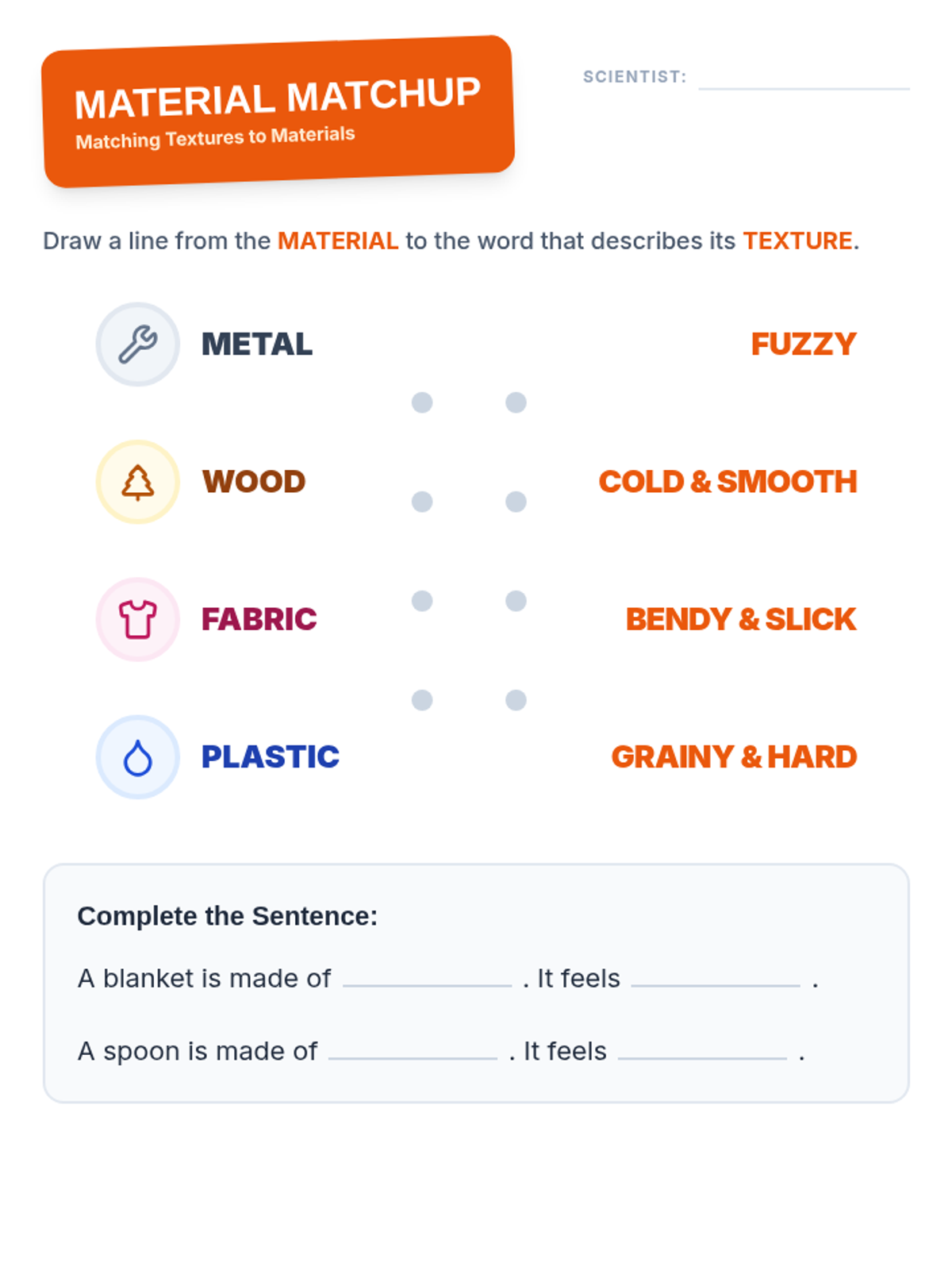
Exploring materials and textures, students build a robust vocabulary of adjectives like 'grainy' and 'fuzzy' to describe objects.
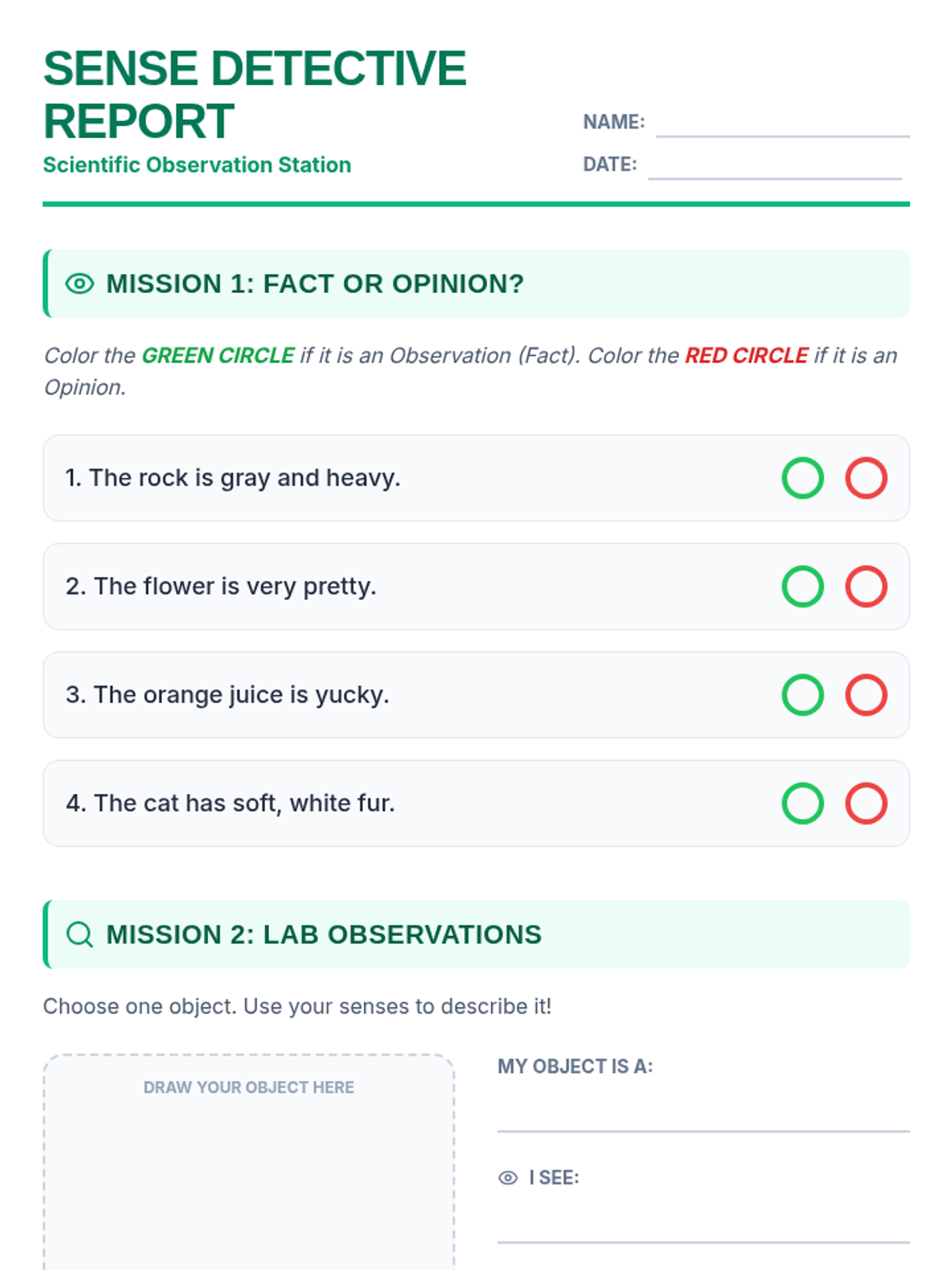
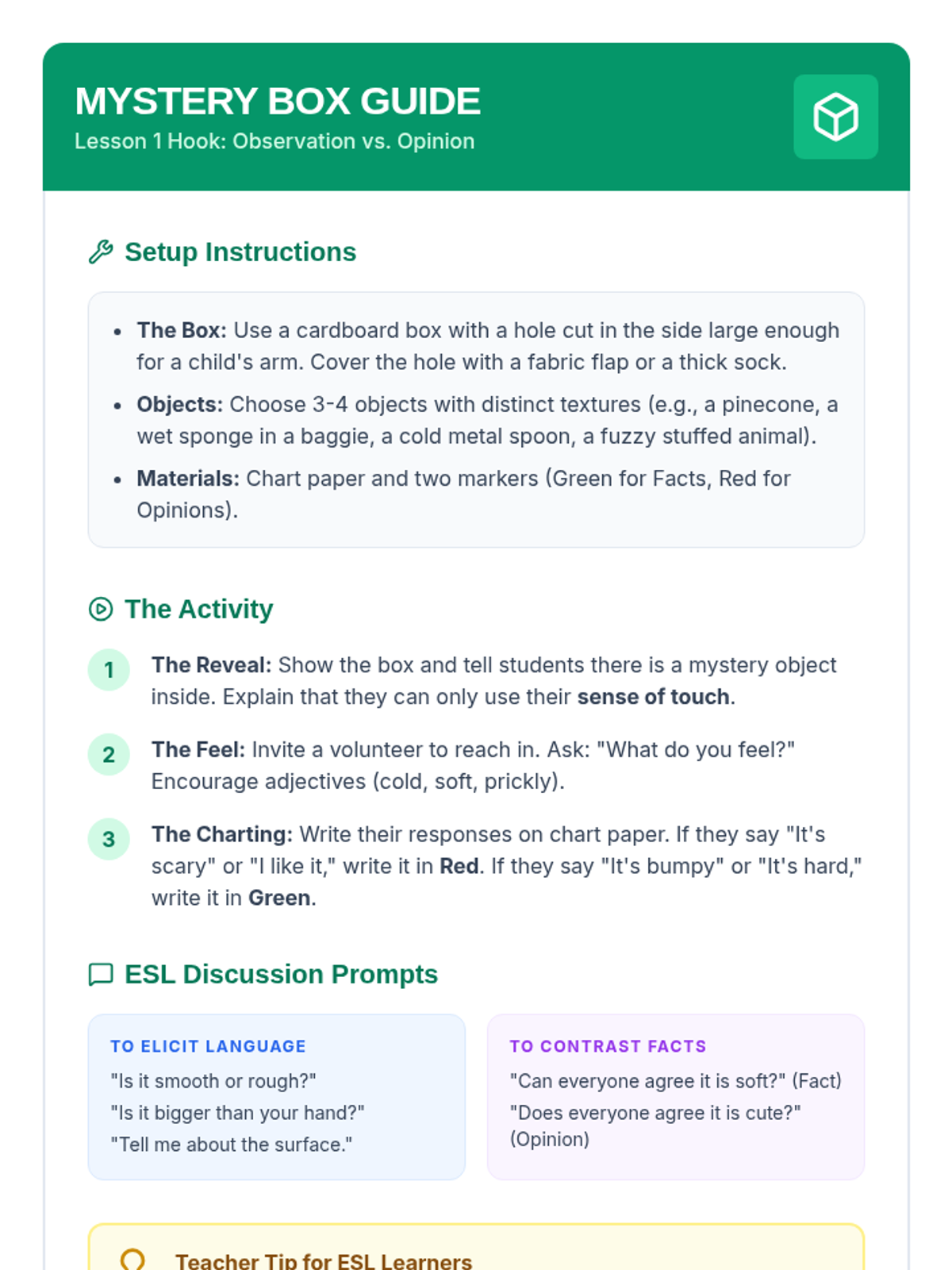
Students learn to use their five senses to gather information, focusing on sensory verbs and distinguishing between scientific observations and personal opinions.
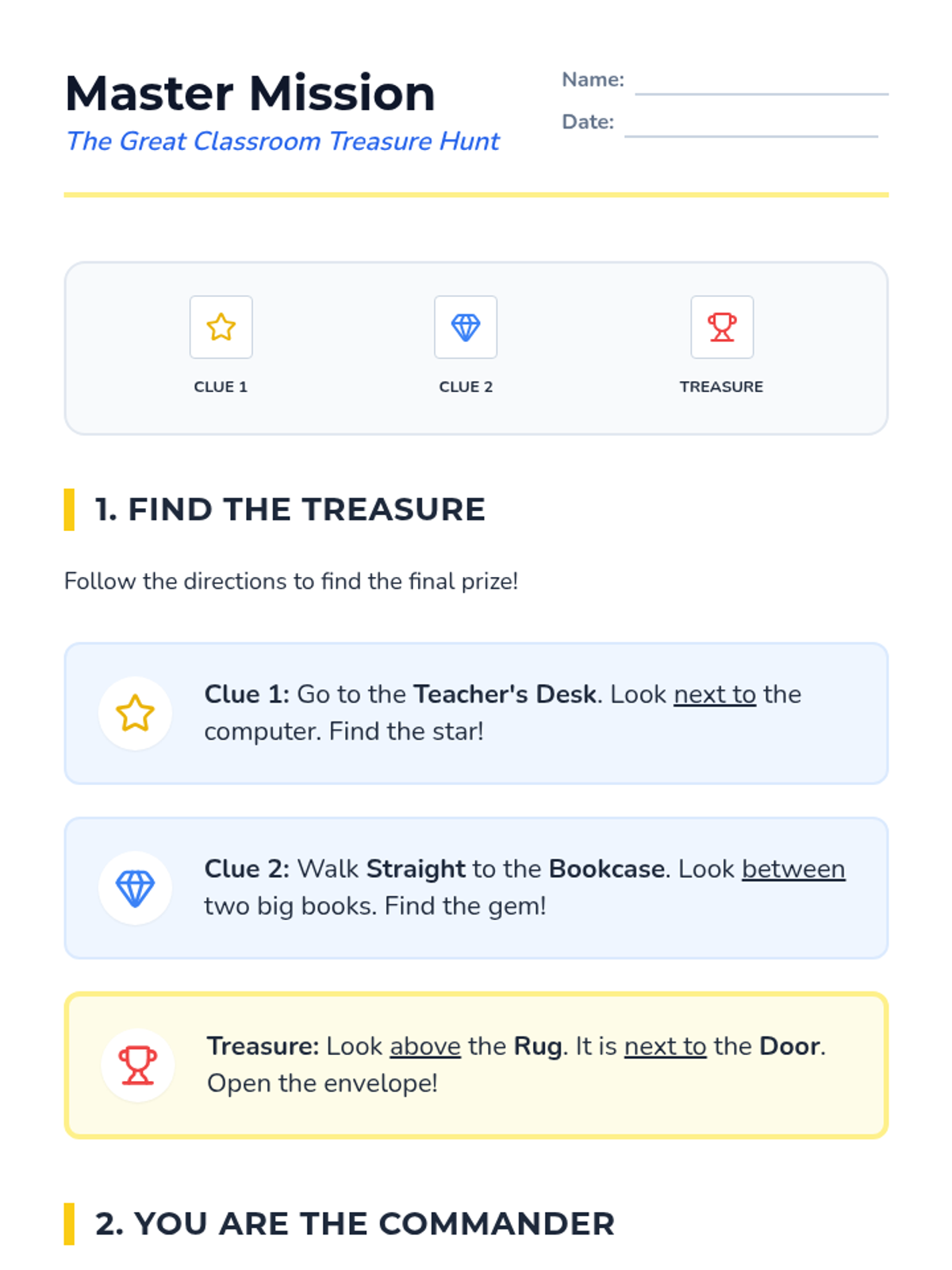
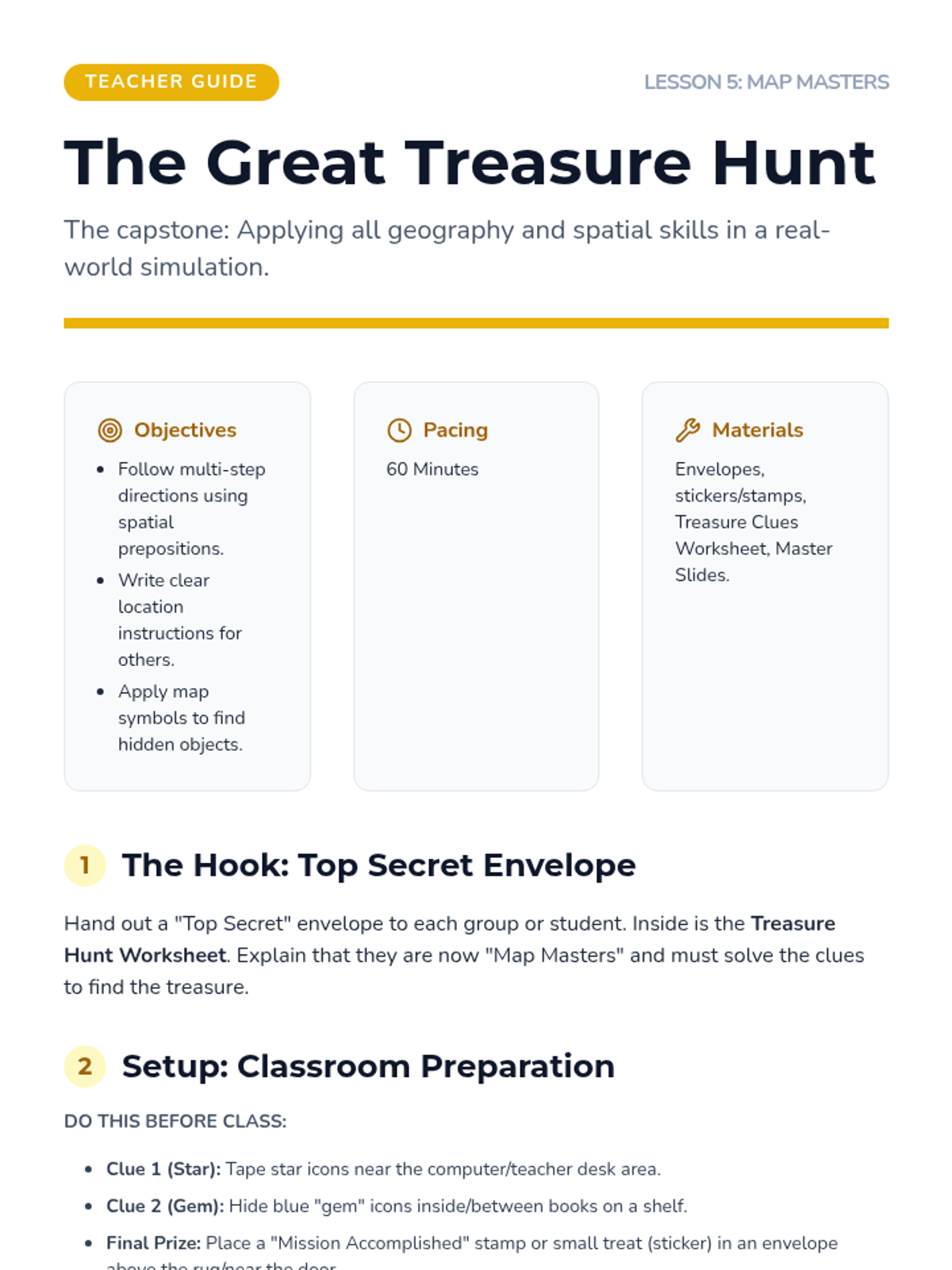
A capstone experience where students use maps and written/oral instructions to find hidden 'treasures' and write their own directions for peers.
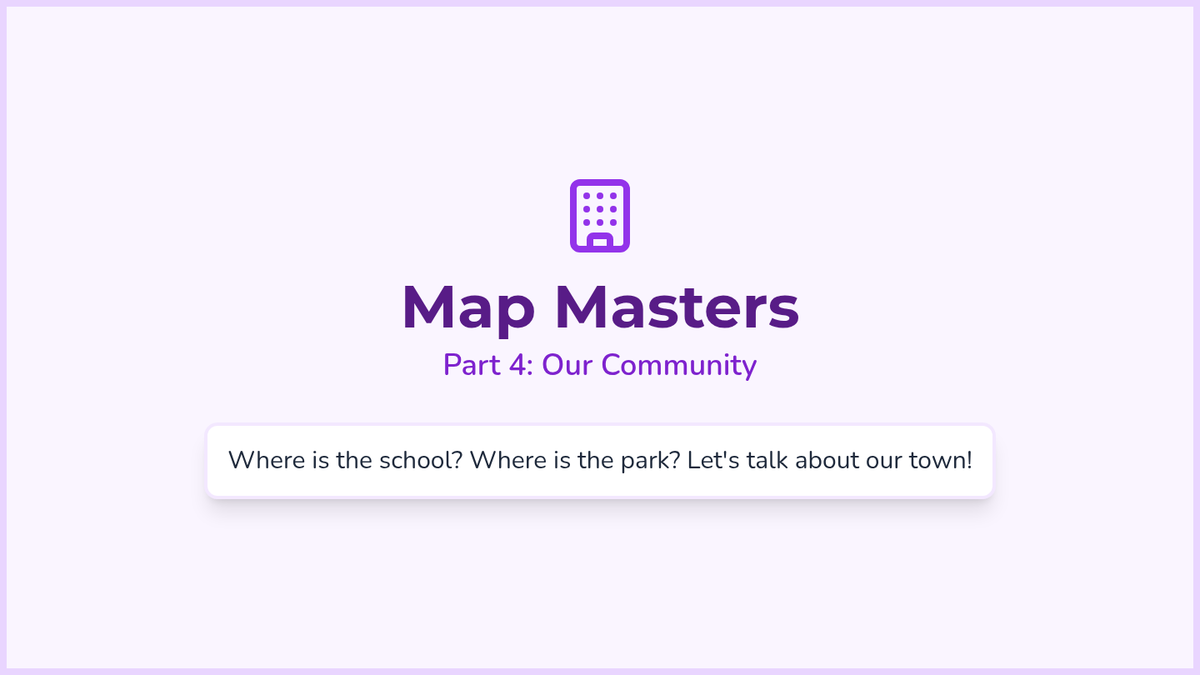
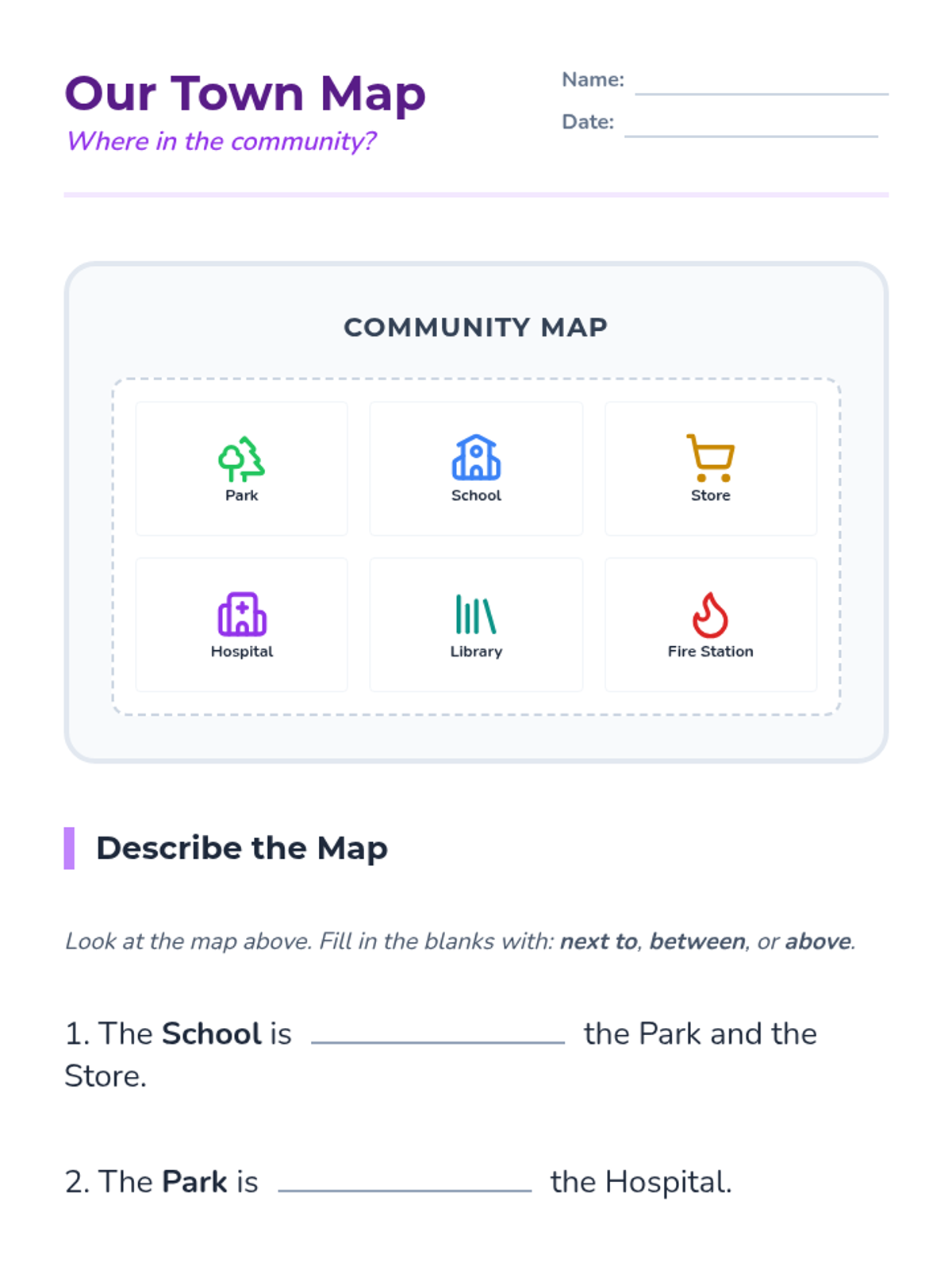
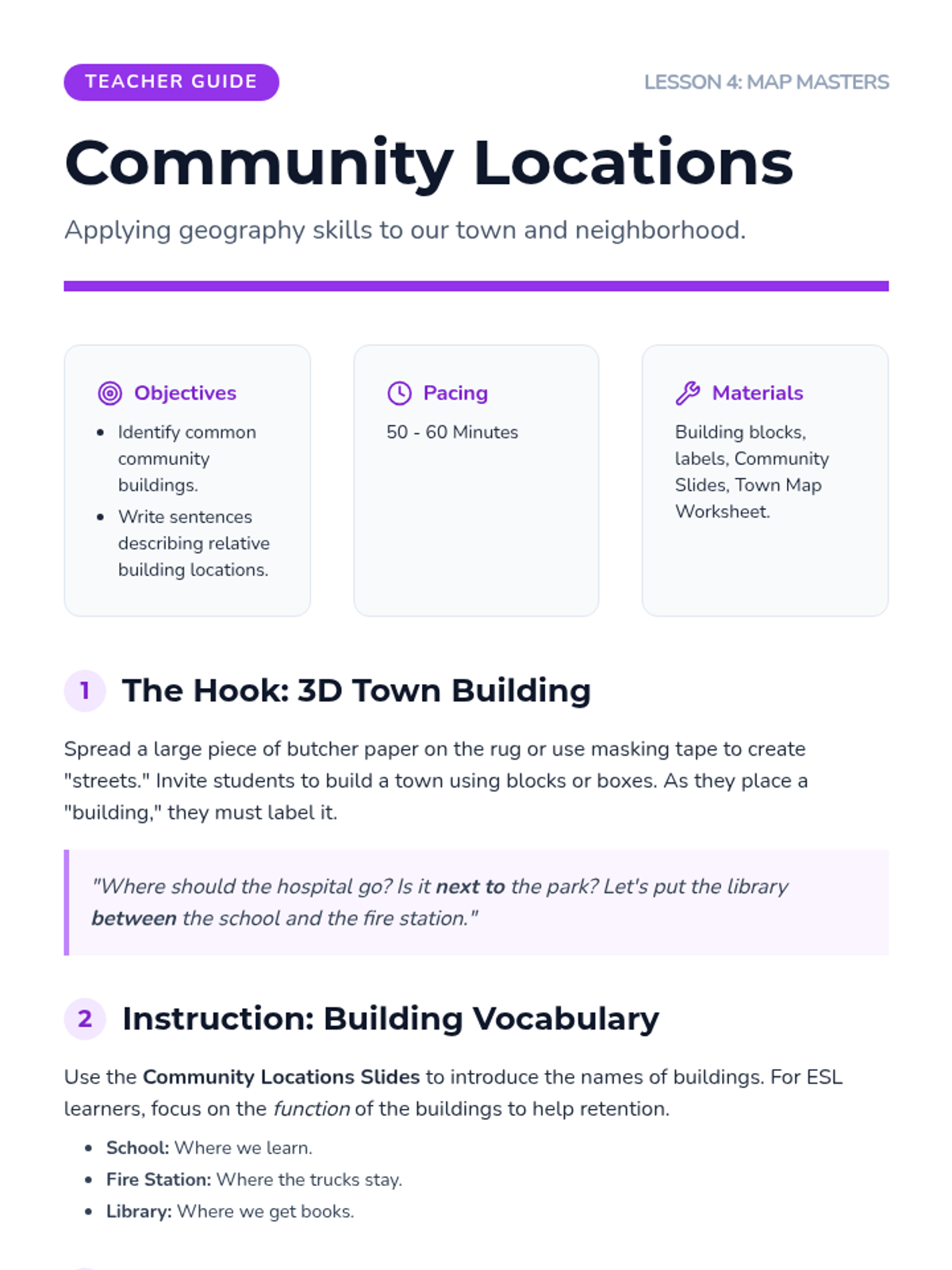
Students apply spatial language to a community context, describing where buildings like the school or park are located relative to one another on a map.
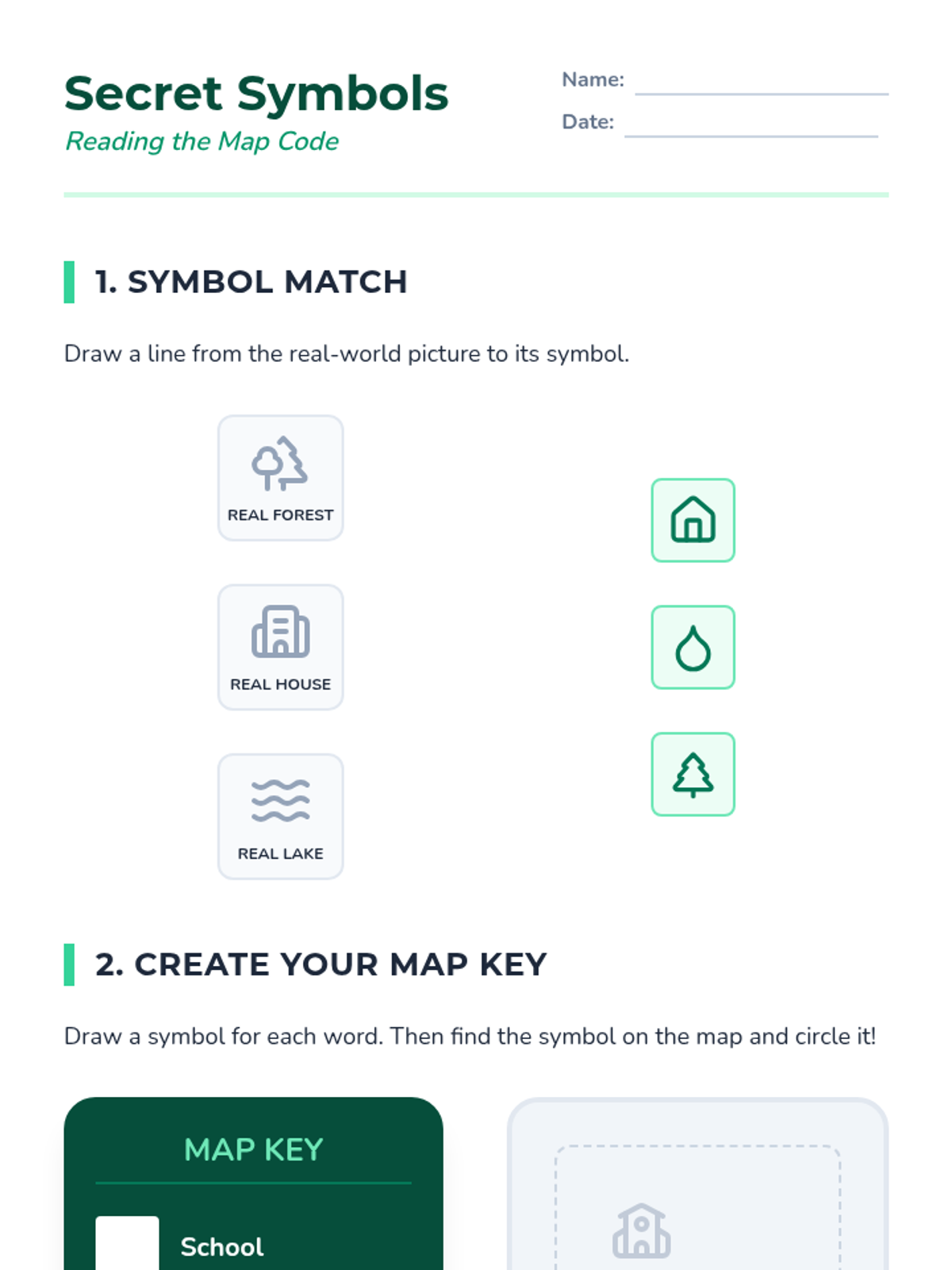
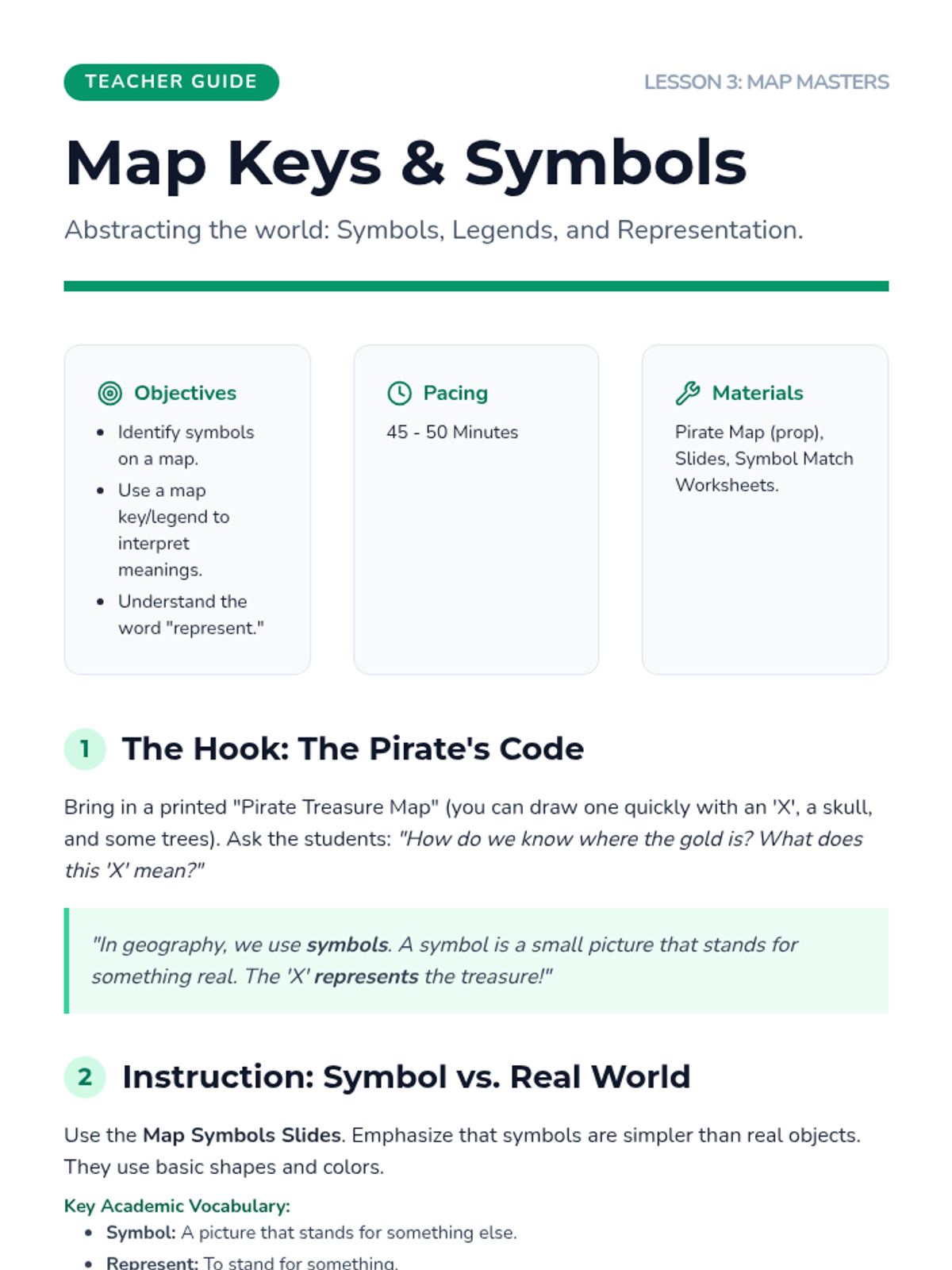
Students learn that symbols represent real-world objects by matching pictures to symbols and creating a simple map legend.
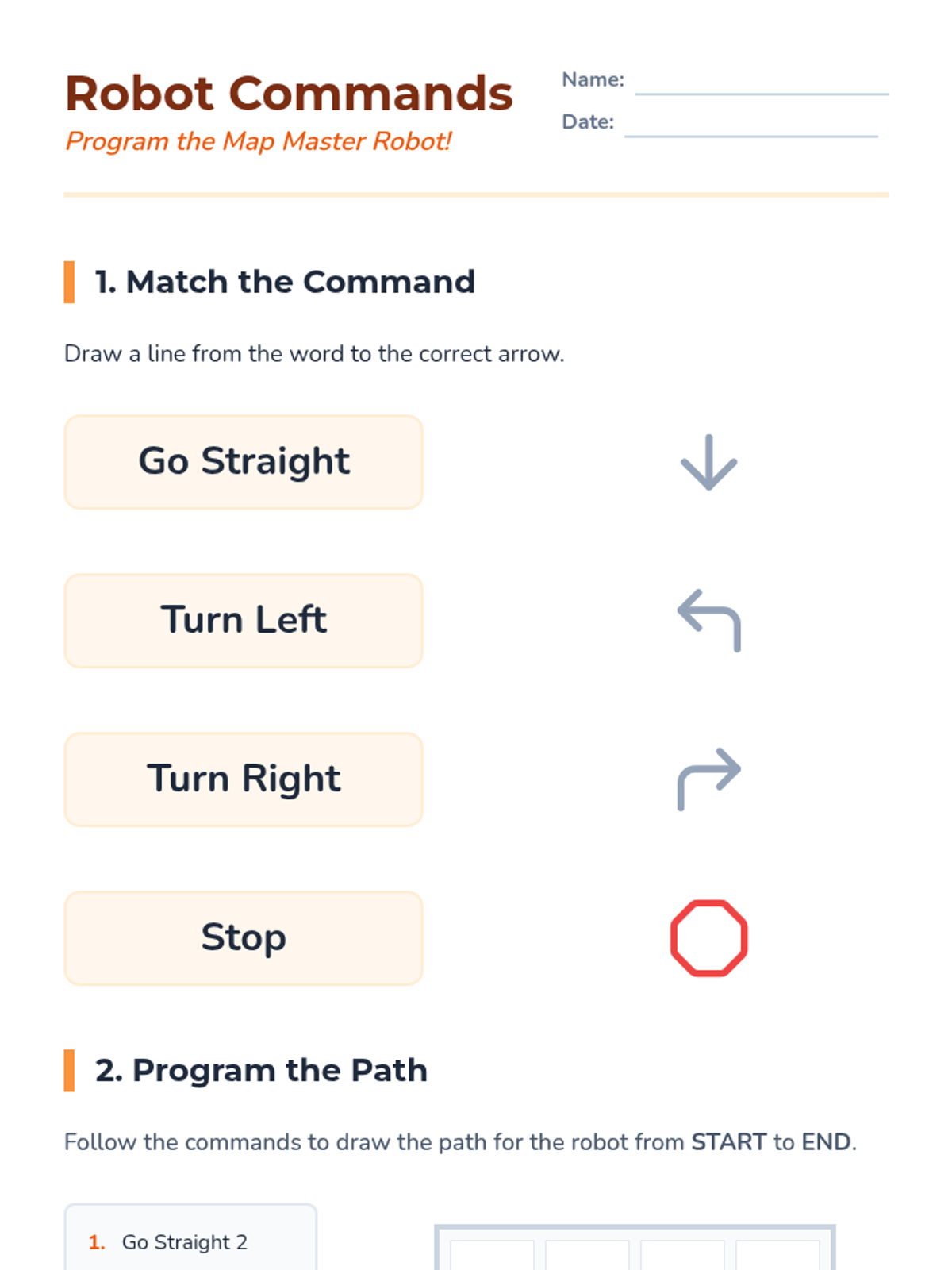
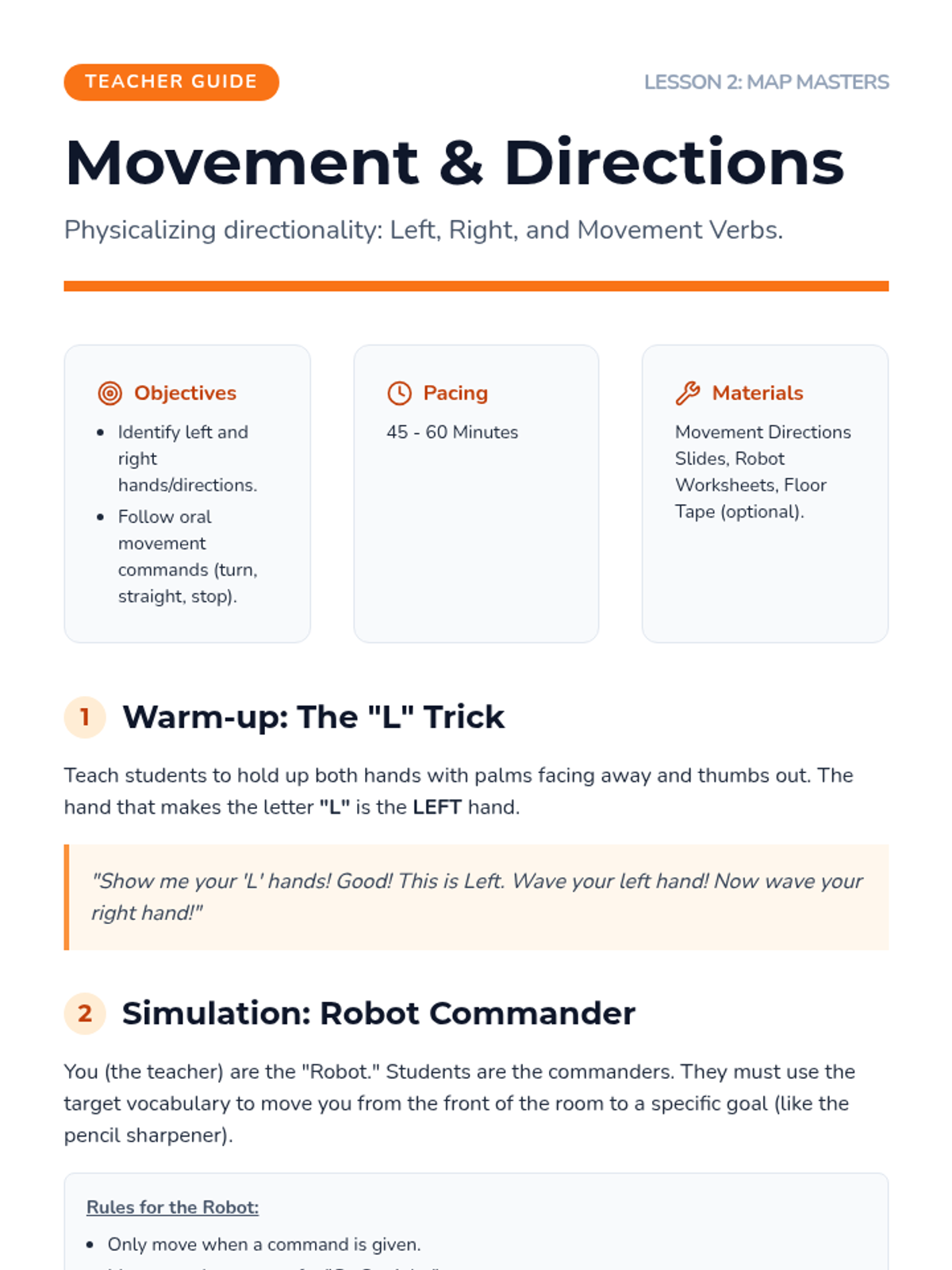
Focusing on movement, this lesson introduces 'left' and 'right' alongside verbs like 'turn,' 'go straight,' and 'stop' through physical simulation and commands.
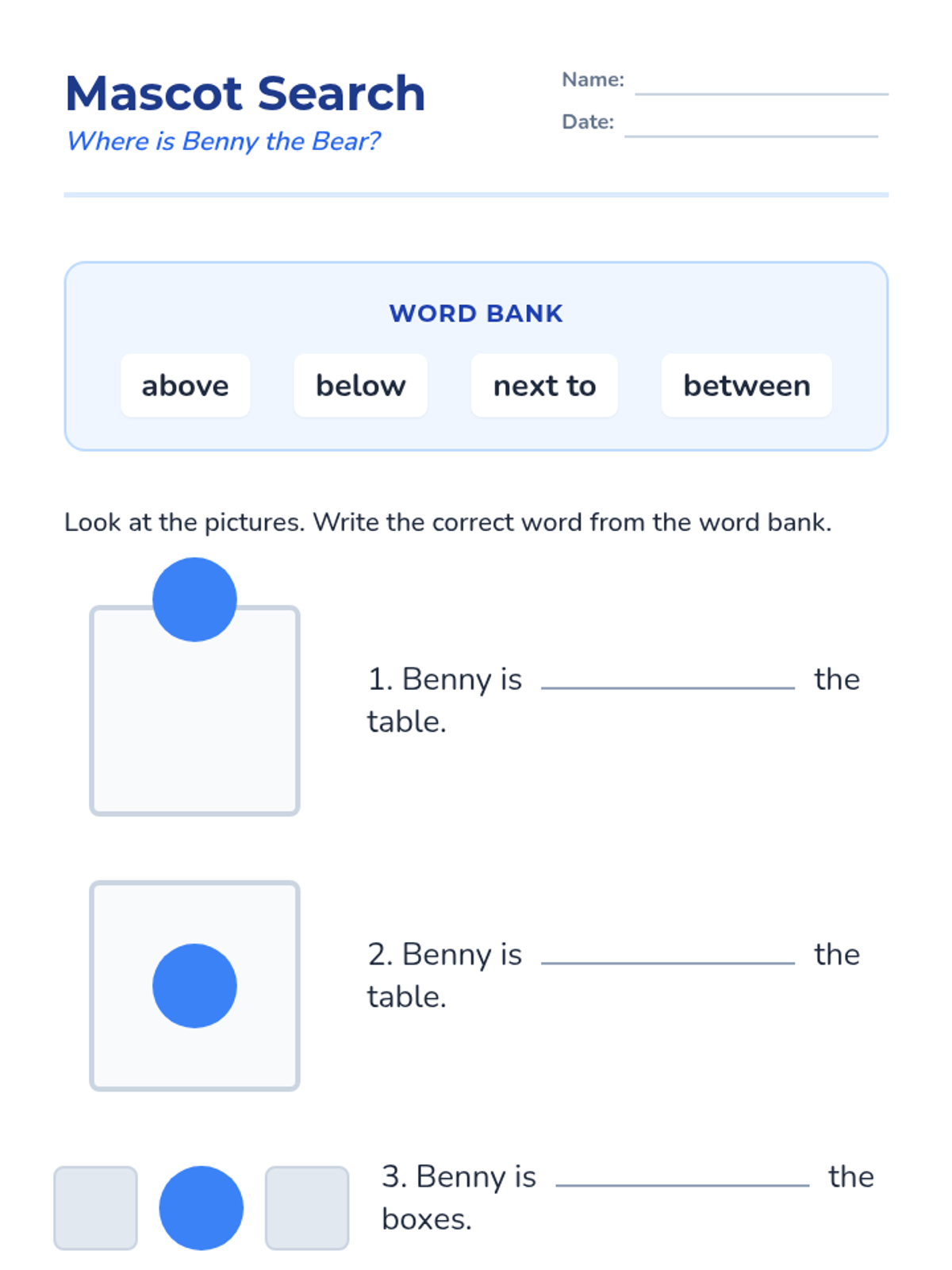
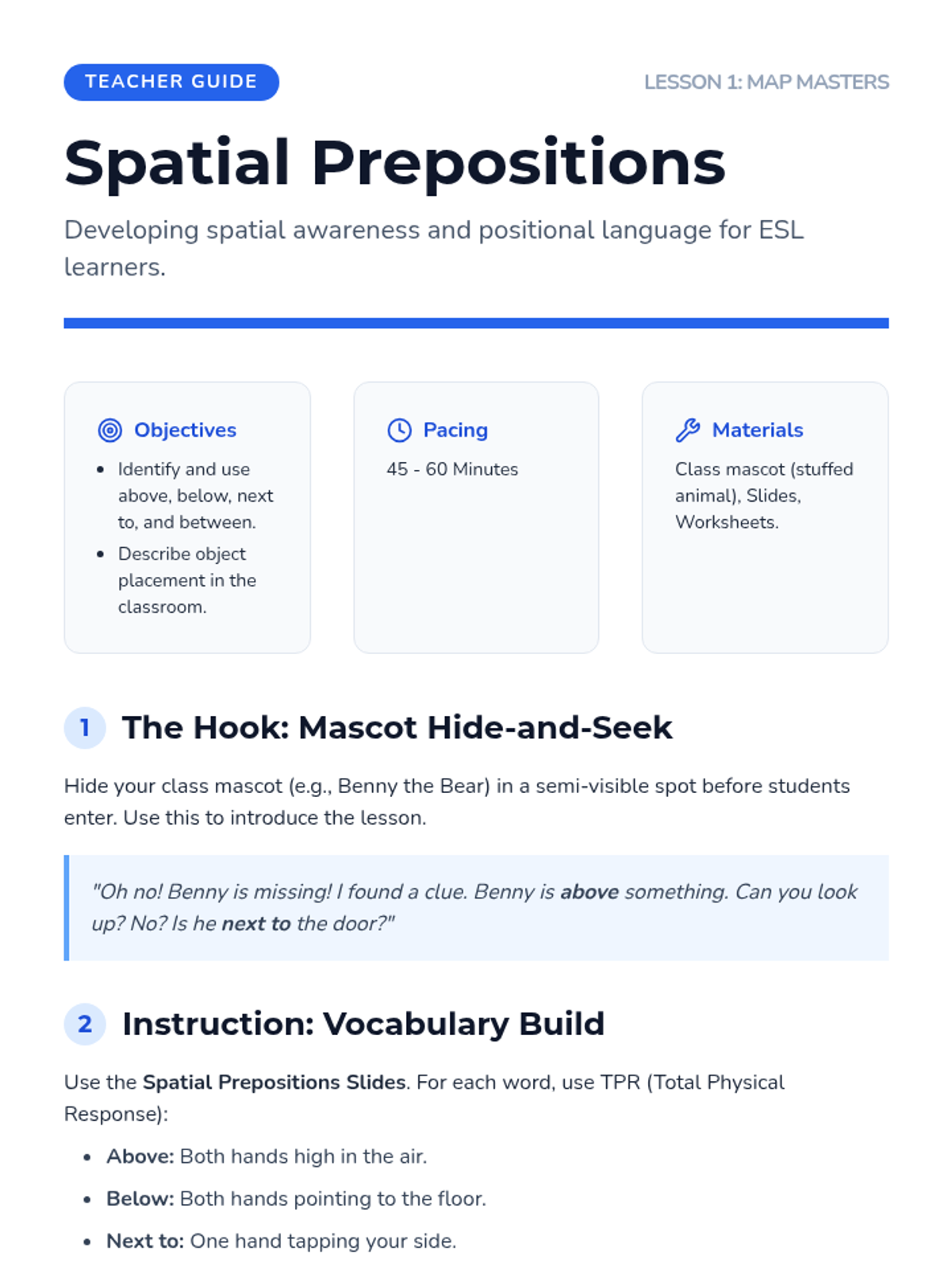
Students practice using positional words such as 'above,' 'below,' 'next to,' 'between,' and 'behind' through interactive classroom games and visual aids.
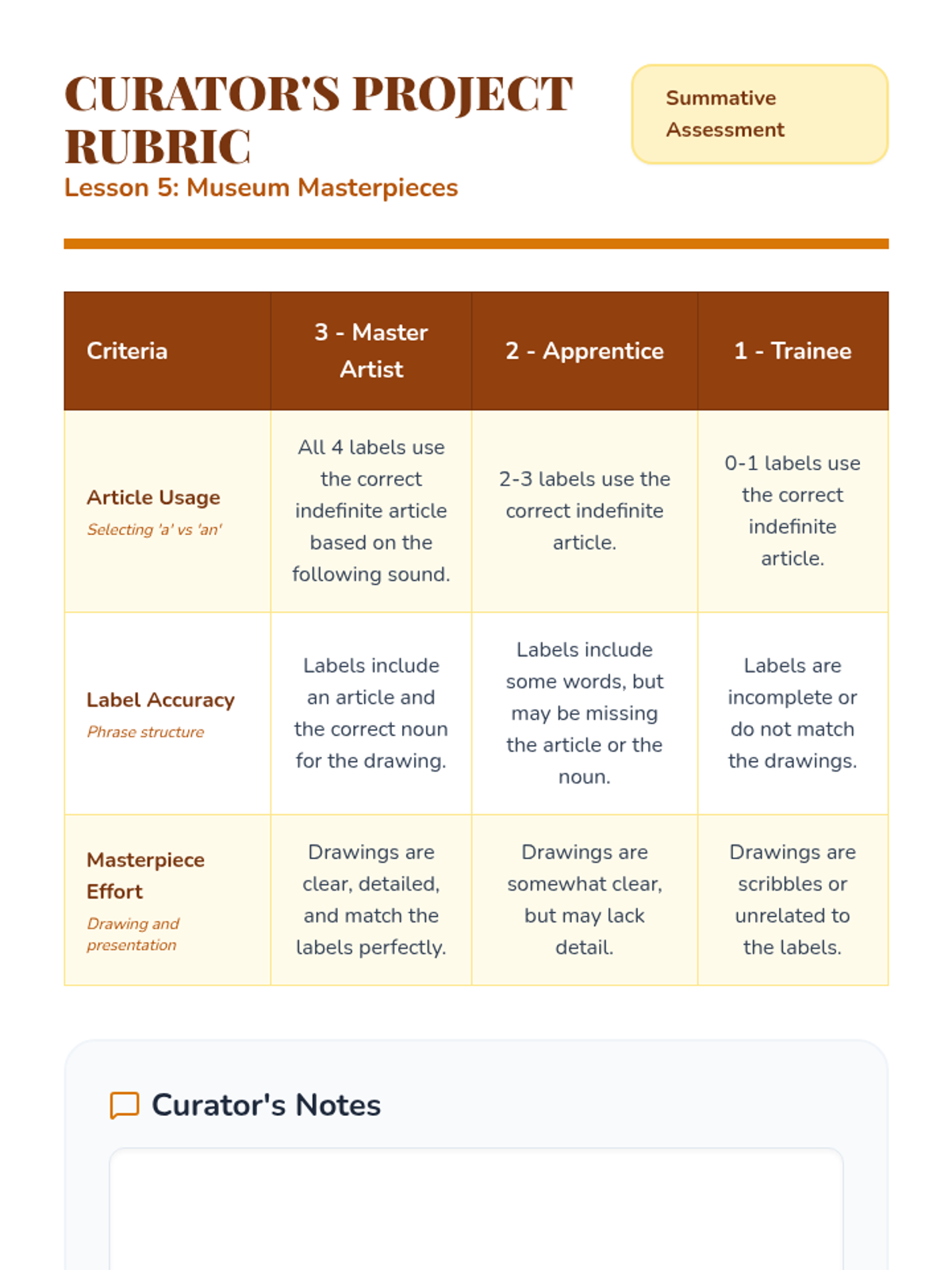
Students create a 'My Favorite Things' poster where every drawing must be labeled with the correct indefinite article.
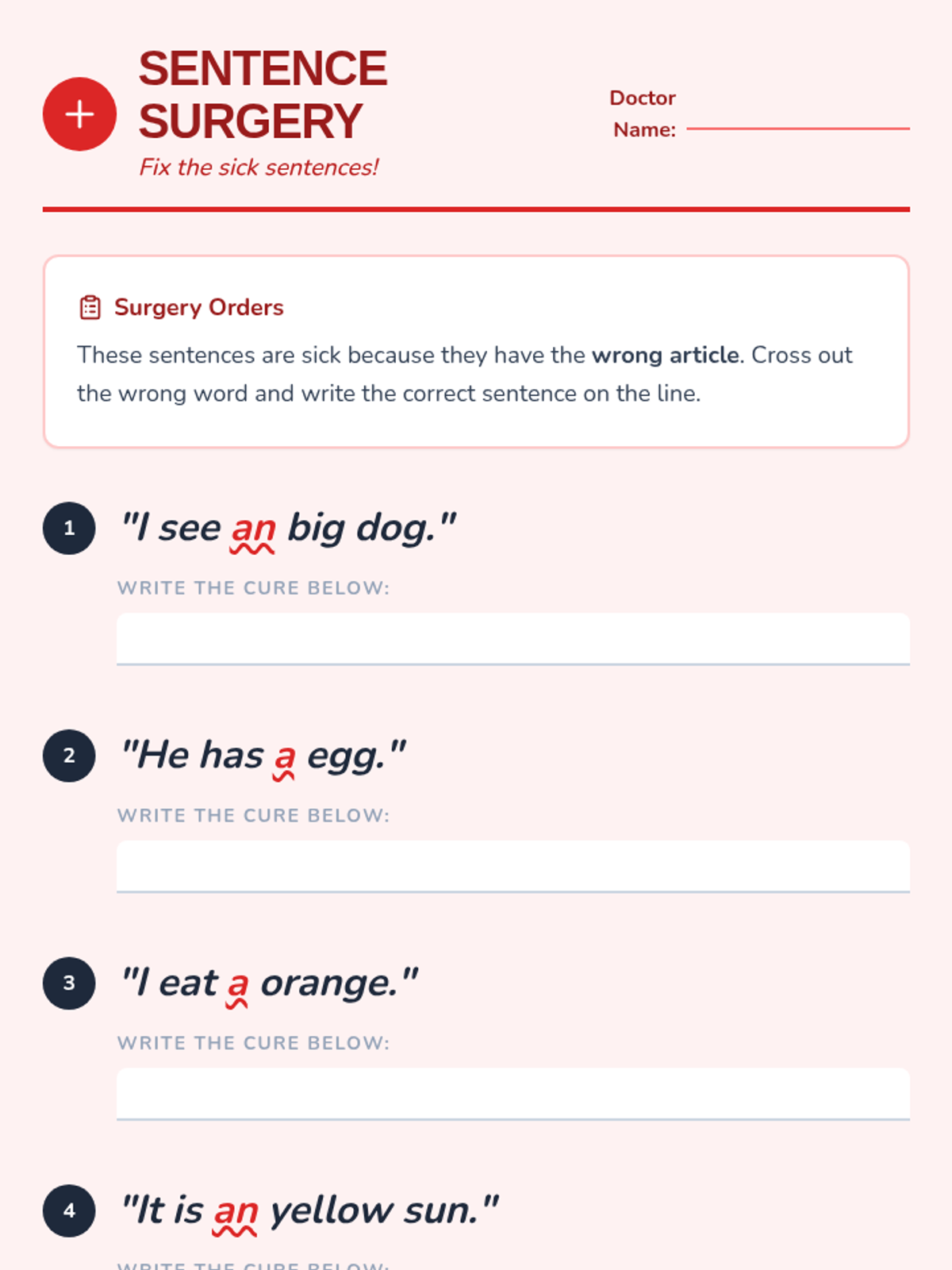
Students act as 'editors' to fix silly sentences that use the wrong article.
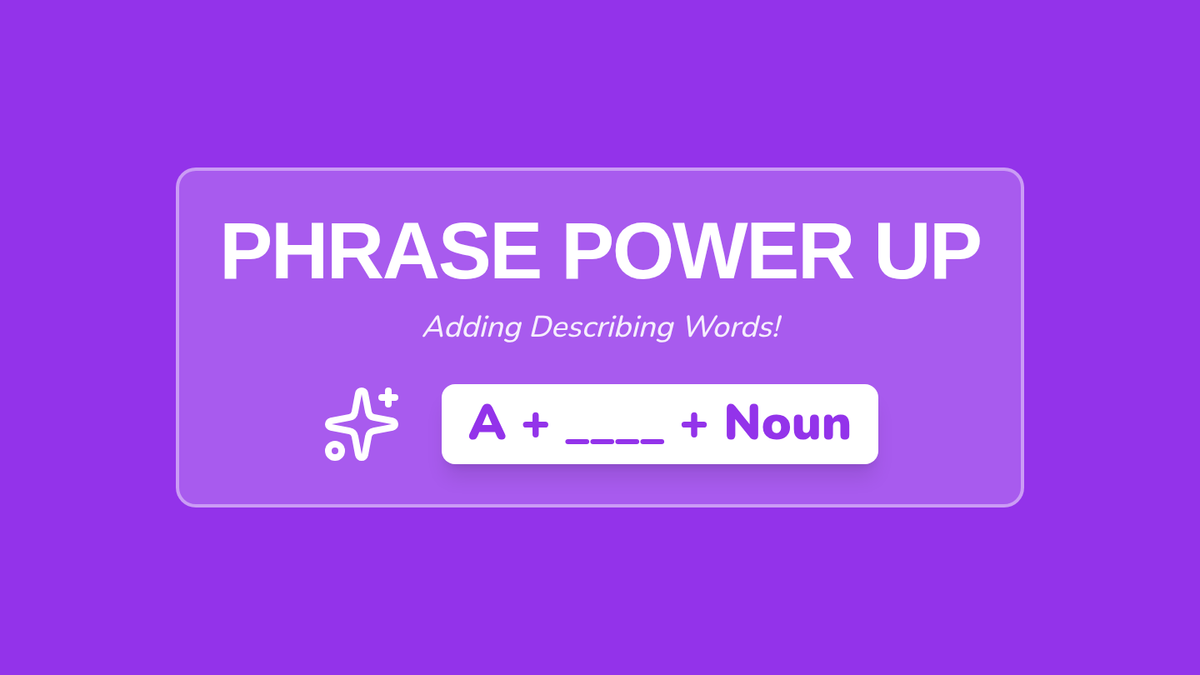
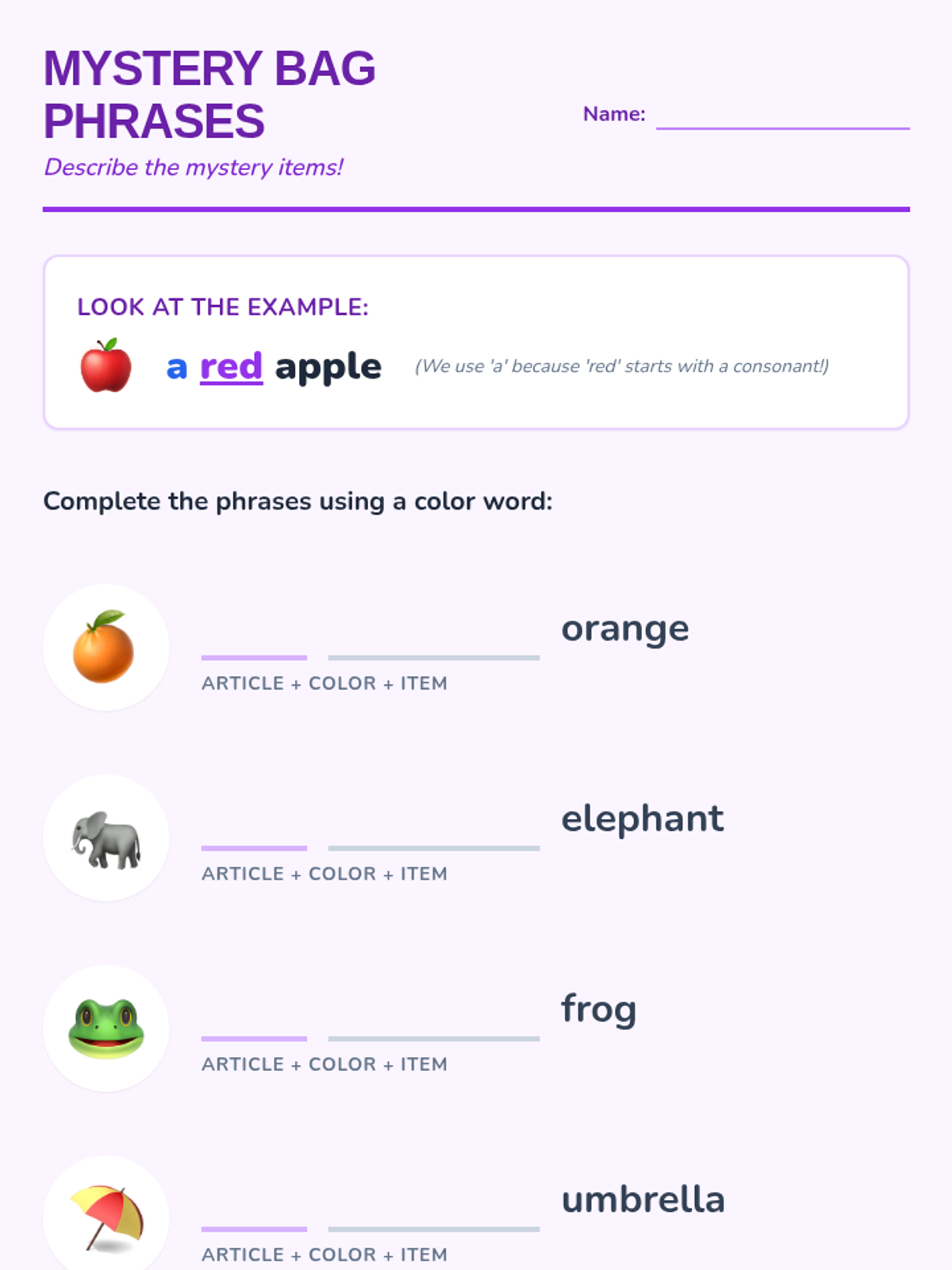
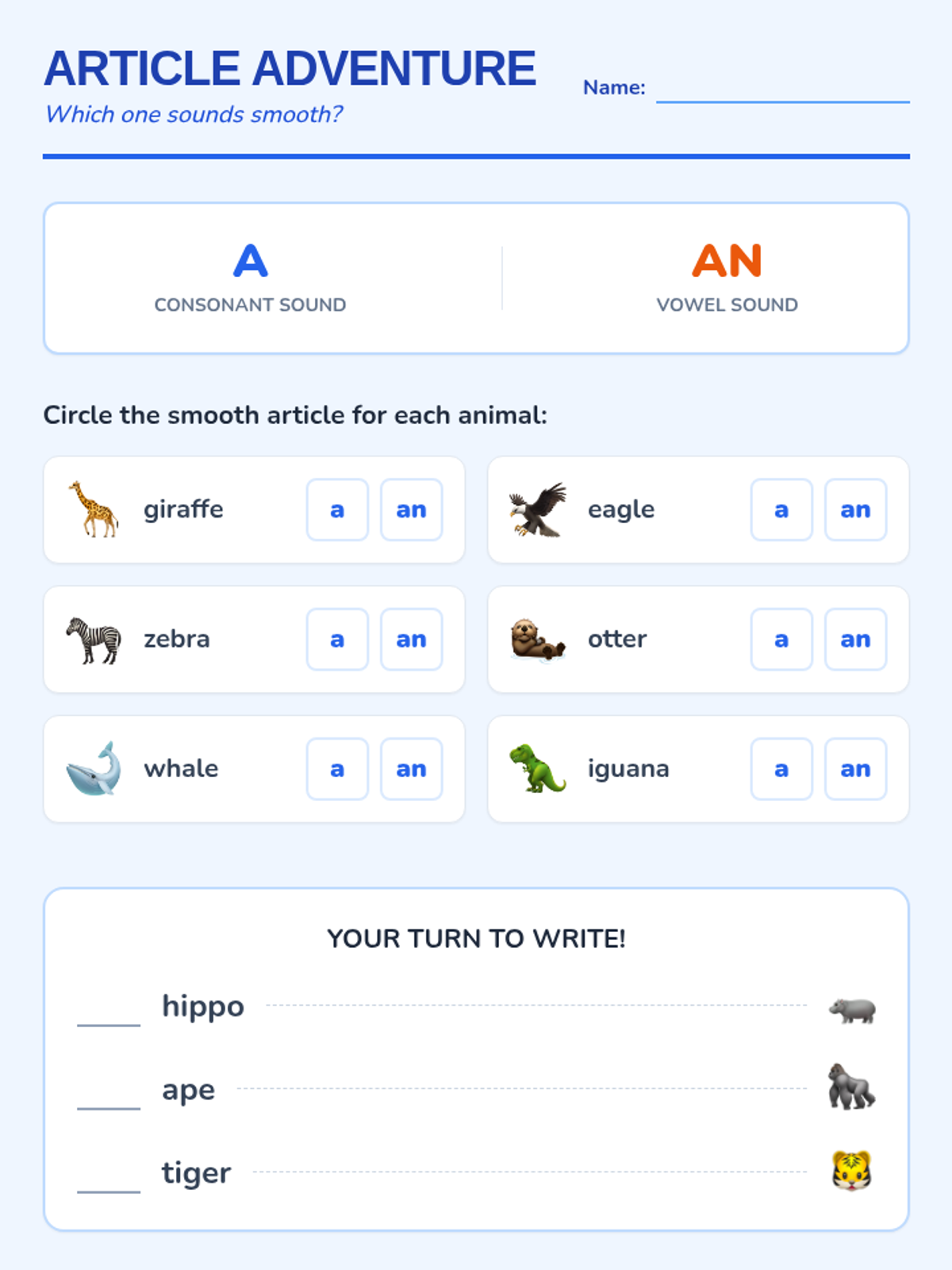
Students practice inserting the correct article into simple phrases involving adjectives.
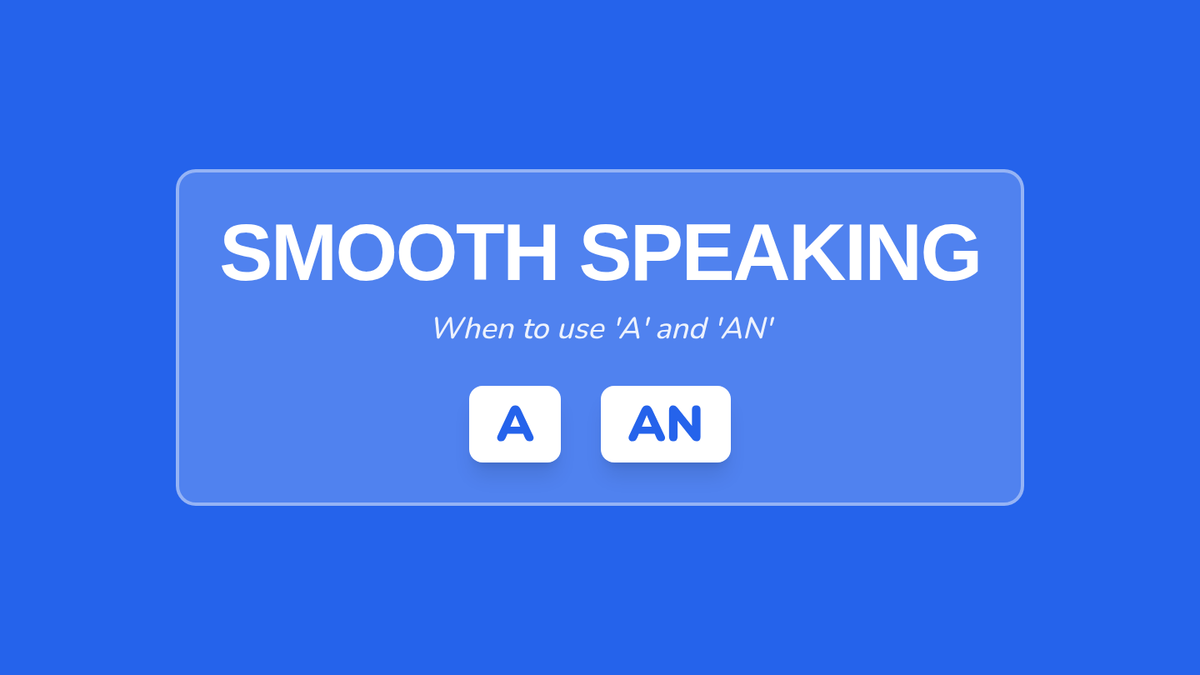
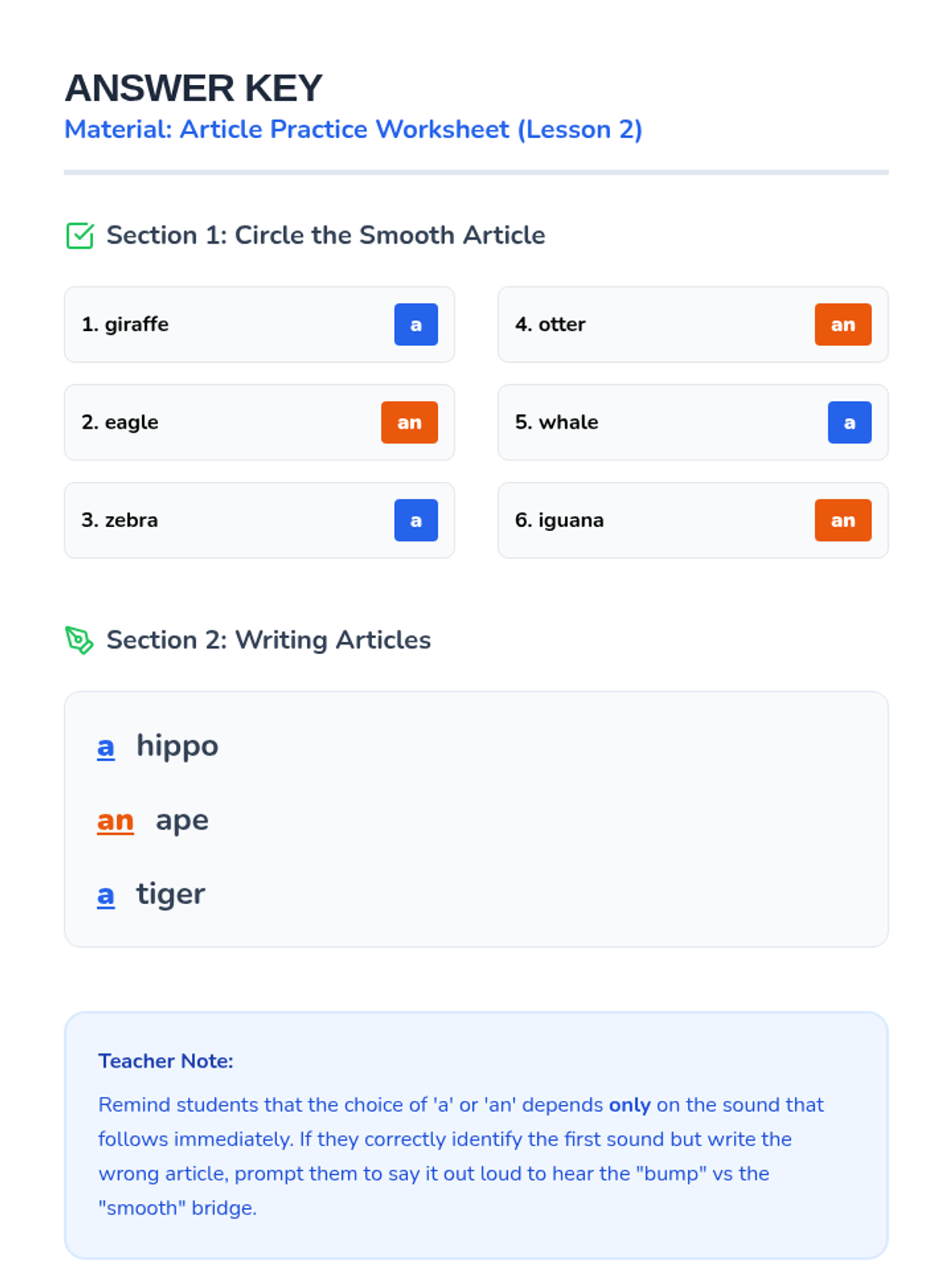
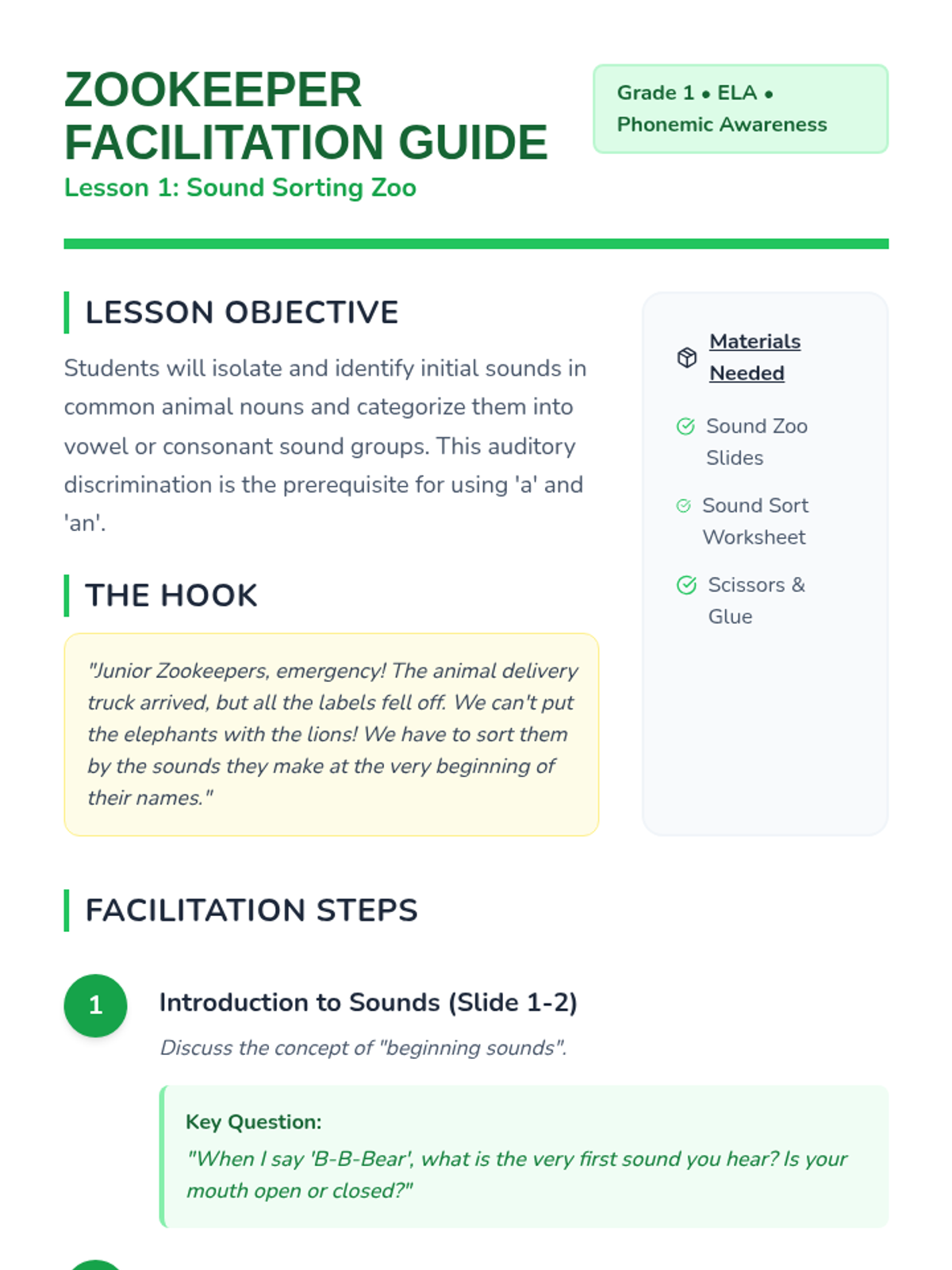
Students are introduced to the rule: use 'an' before vowel sounds and 'a' before consonant sounds.
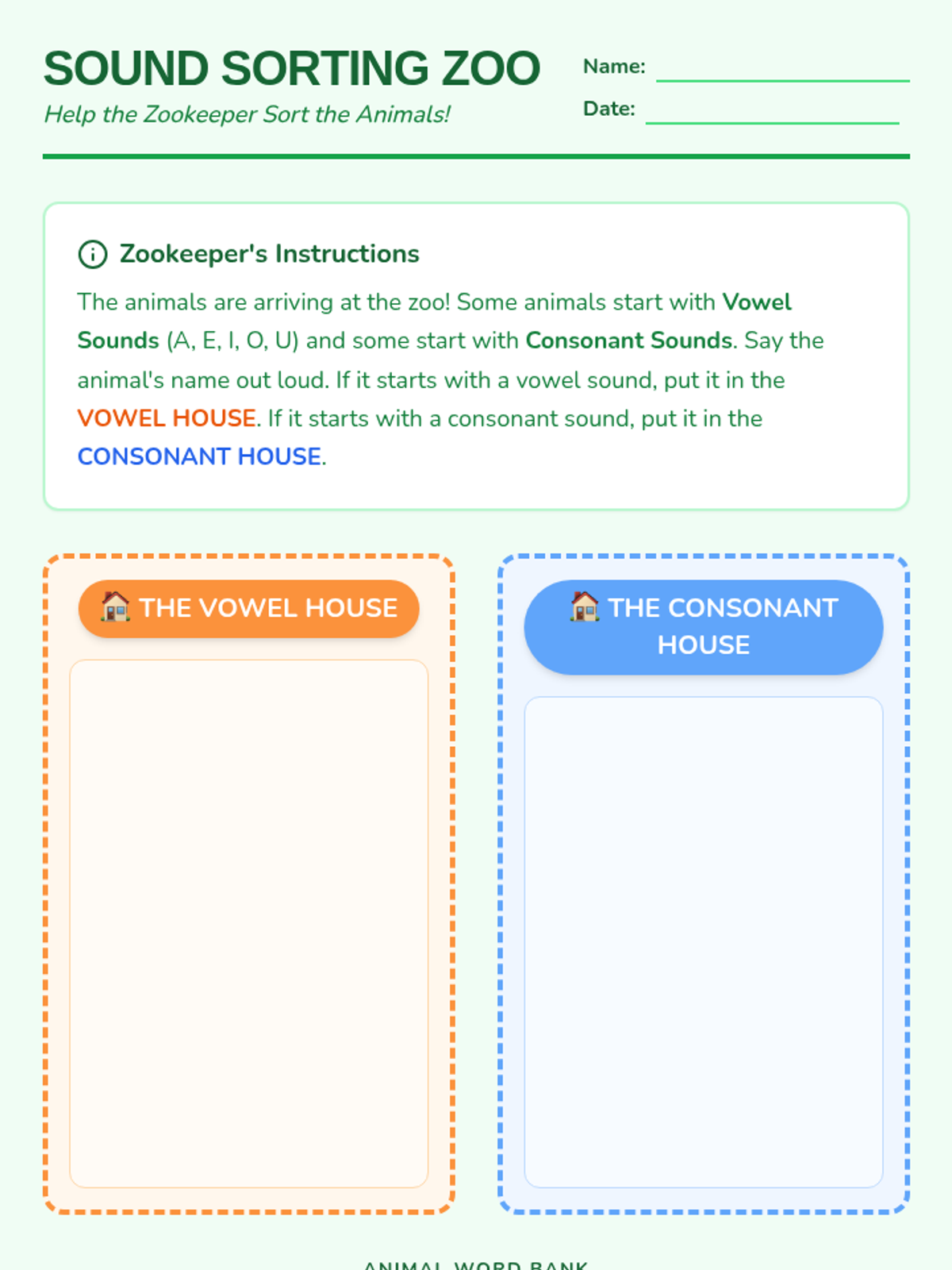
Students practice listening to words and categorizing them based on whether they start with a vowel or consonant sound using picture cards.
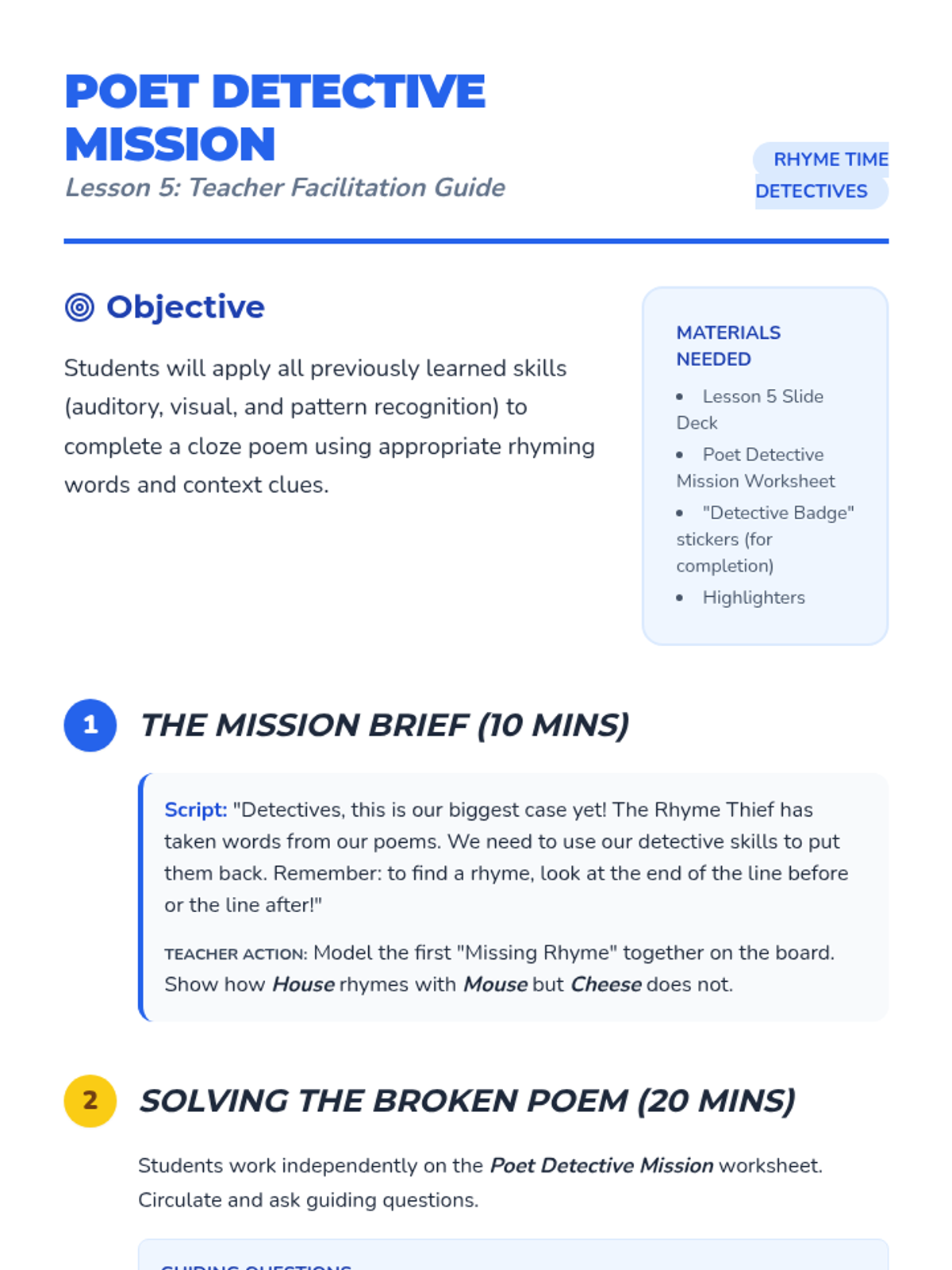
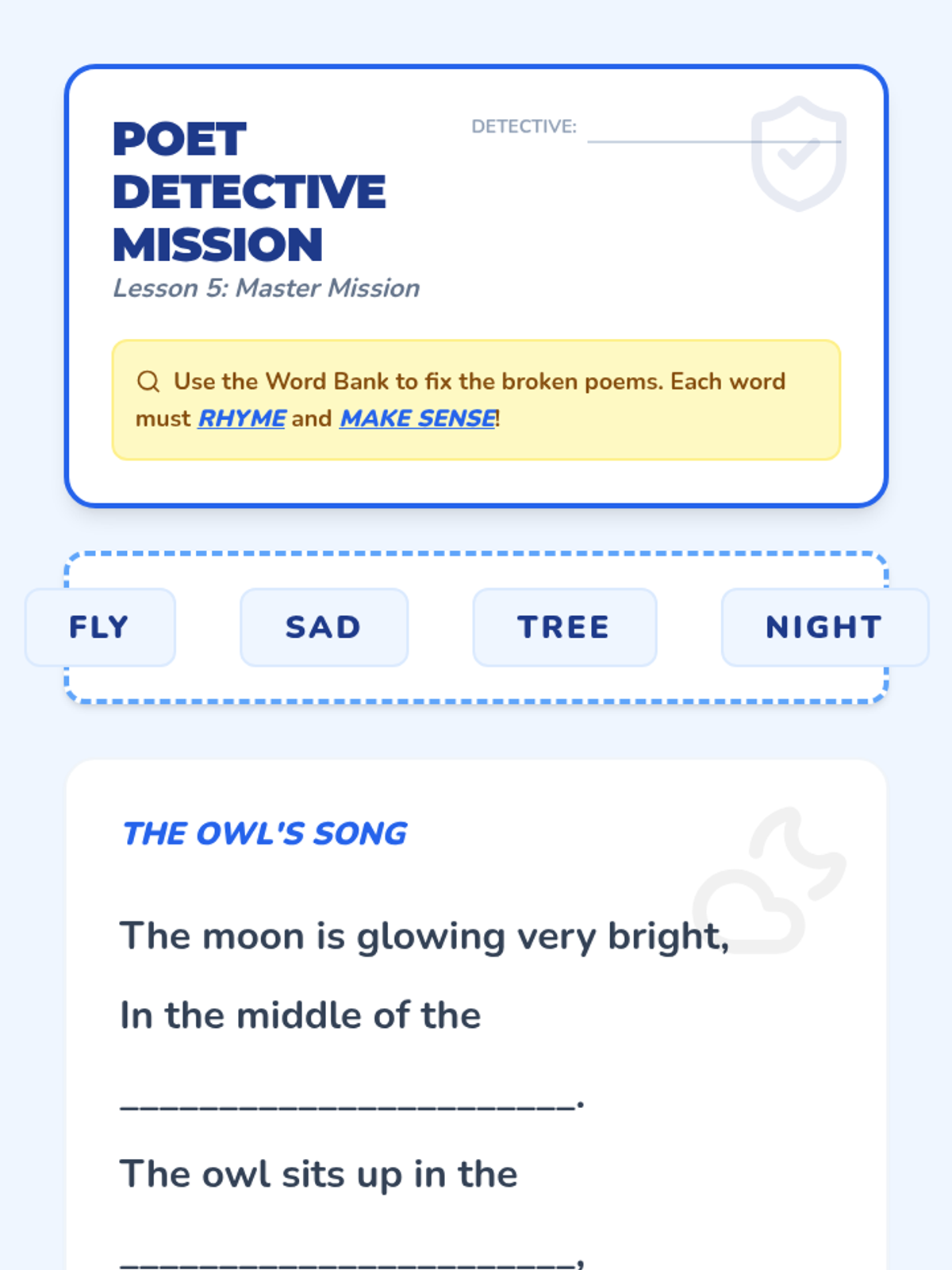
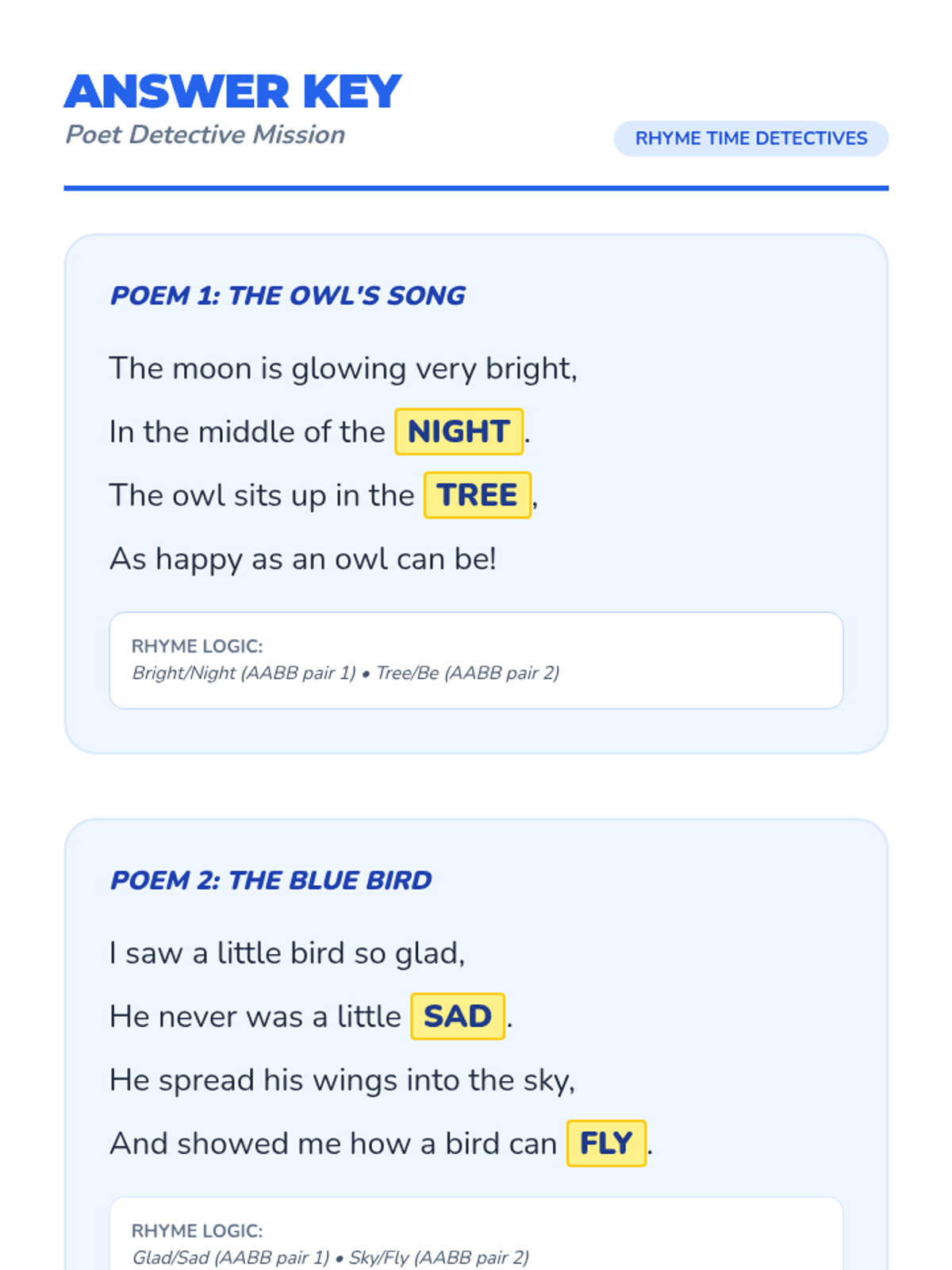
Culminates the sequence with students using context clues and rhyming skills to complete 'broken' poems.
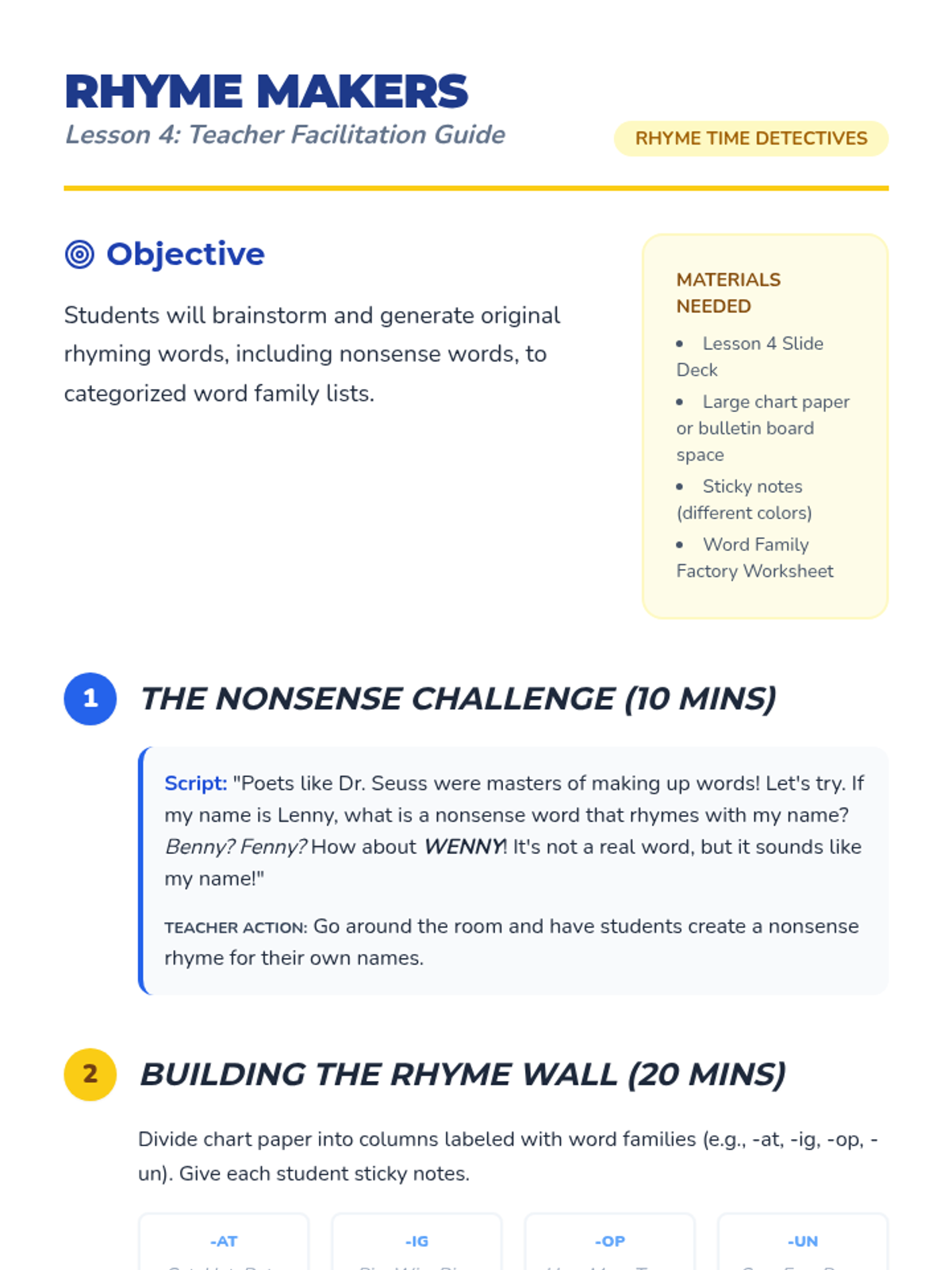
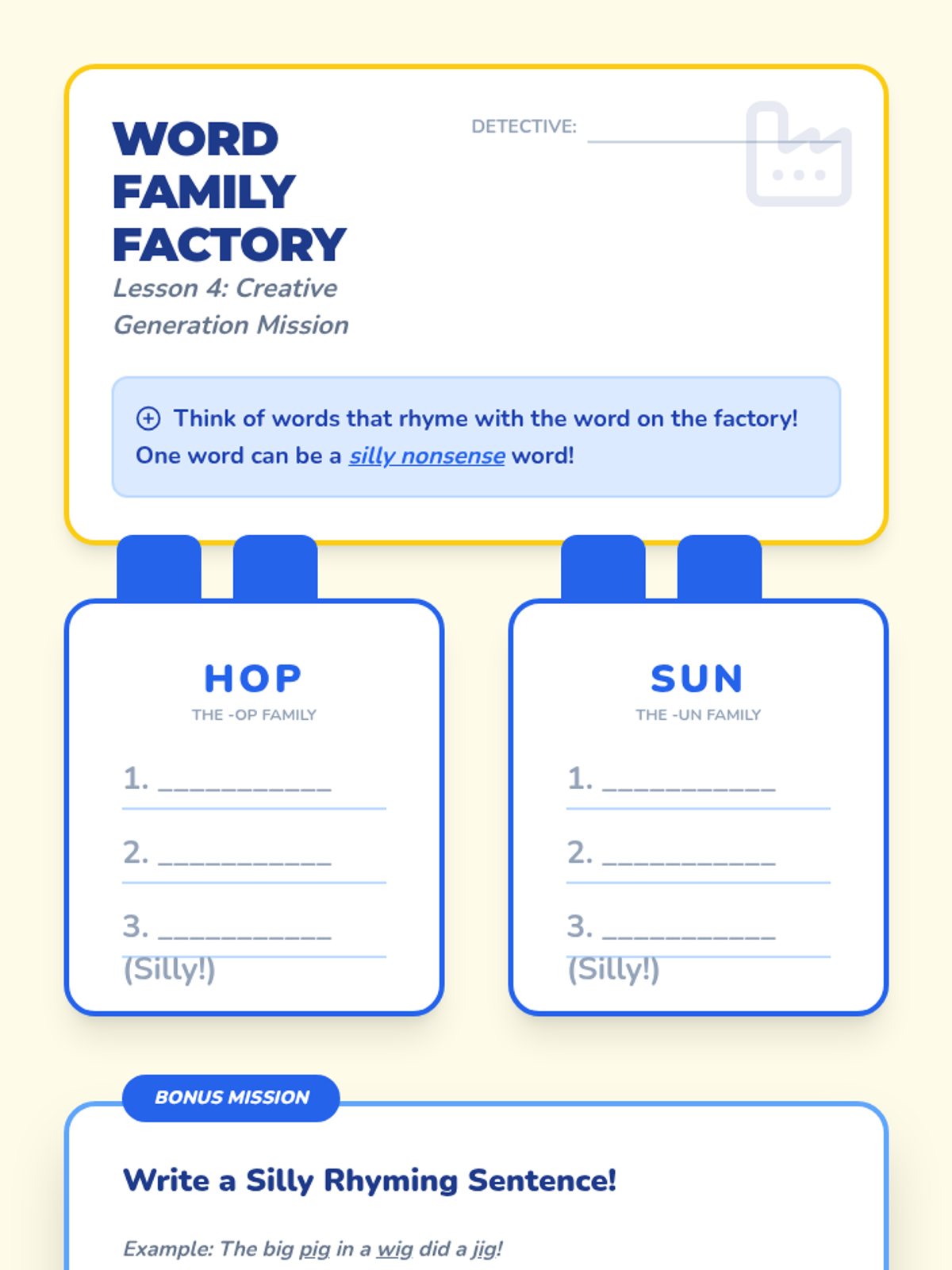
Encourages students to brainstorm and create their own rhyming words, including fun nonsense words, to build a classroom Rhyme Wall.
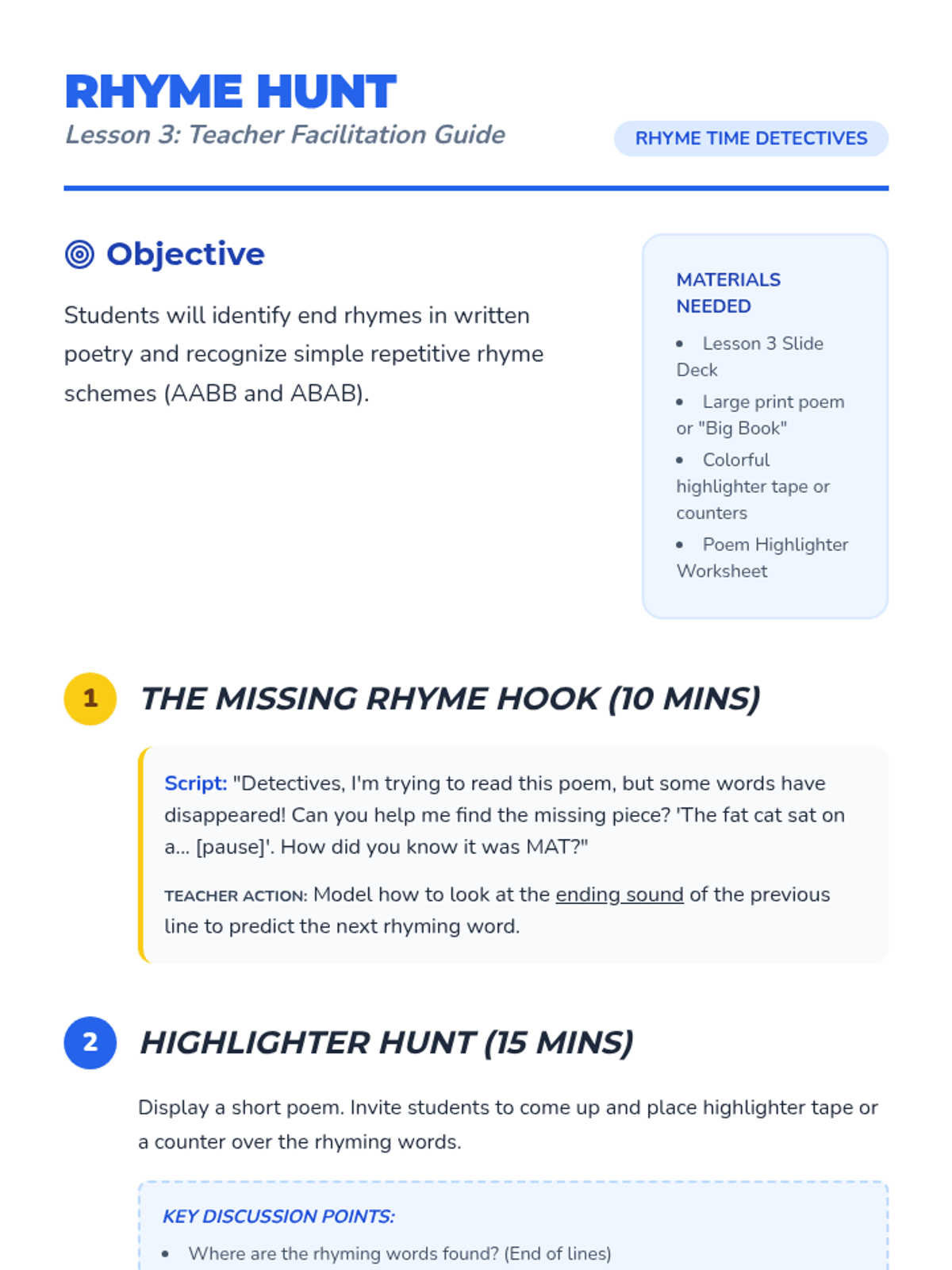
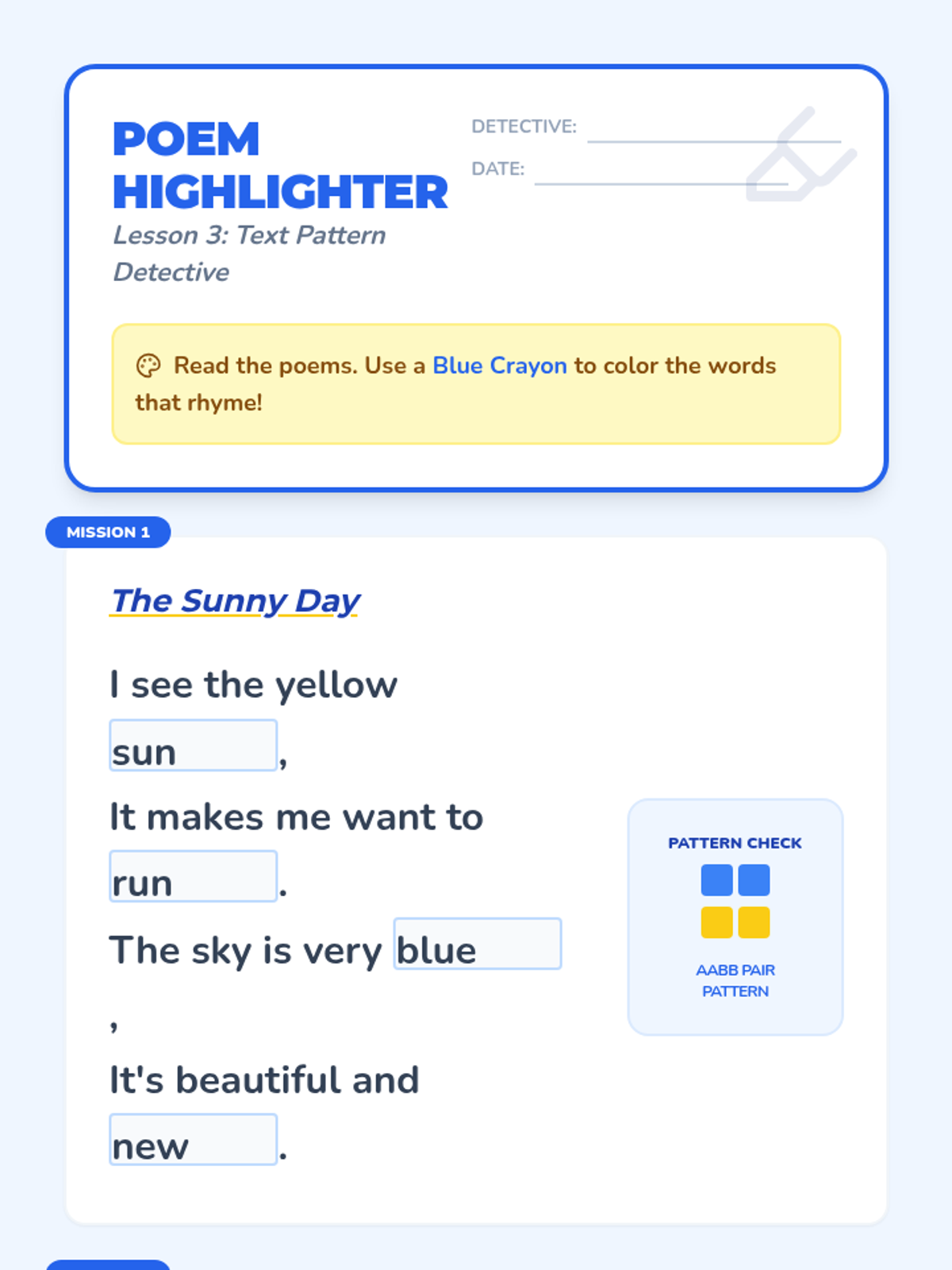
Introduces students to finding rhyming words within written poetry and recognizing simple rhyme patterns like AABB.
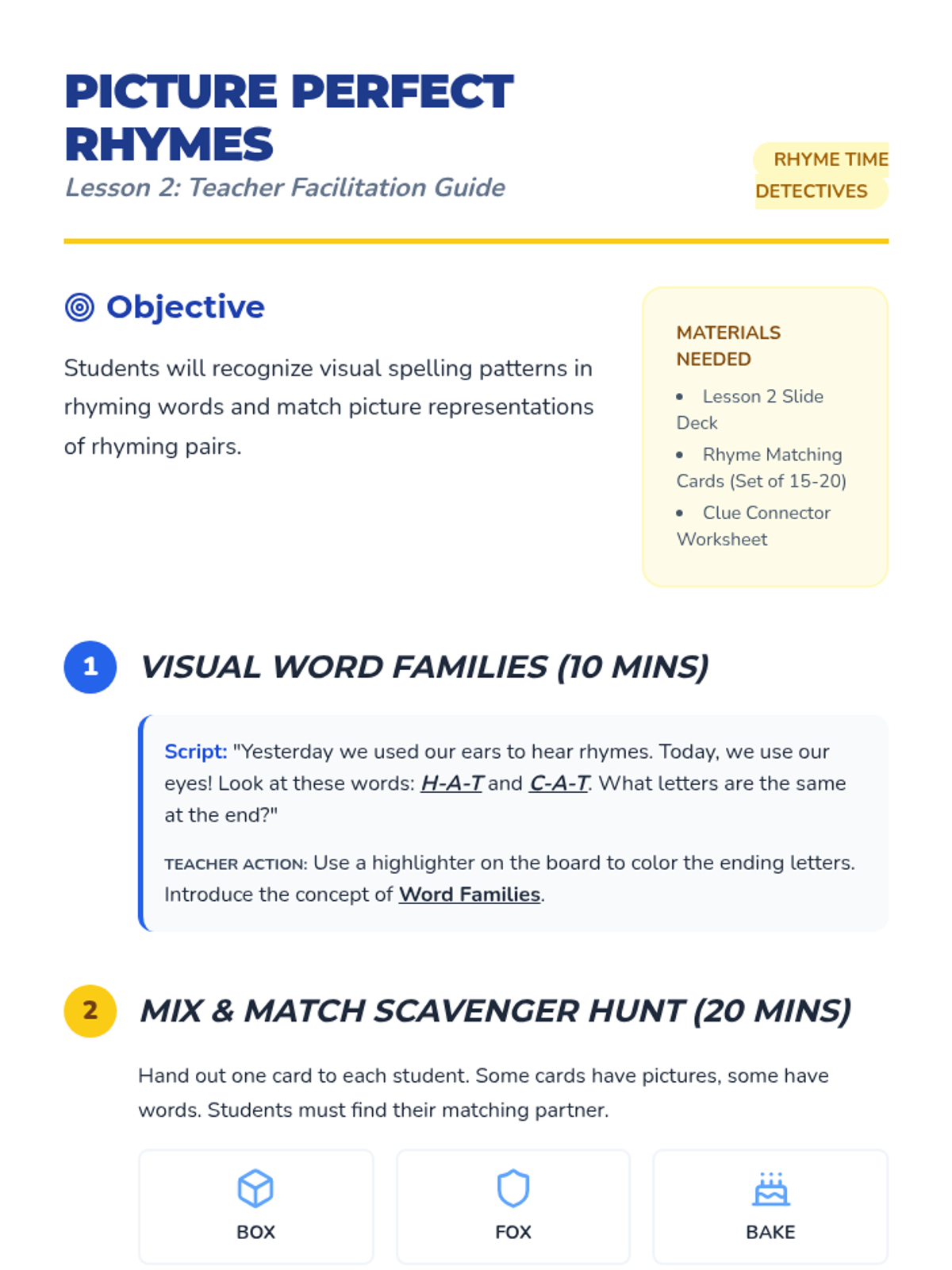
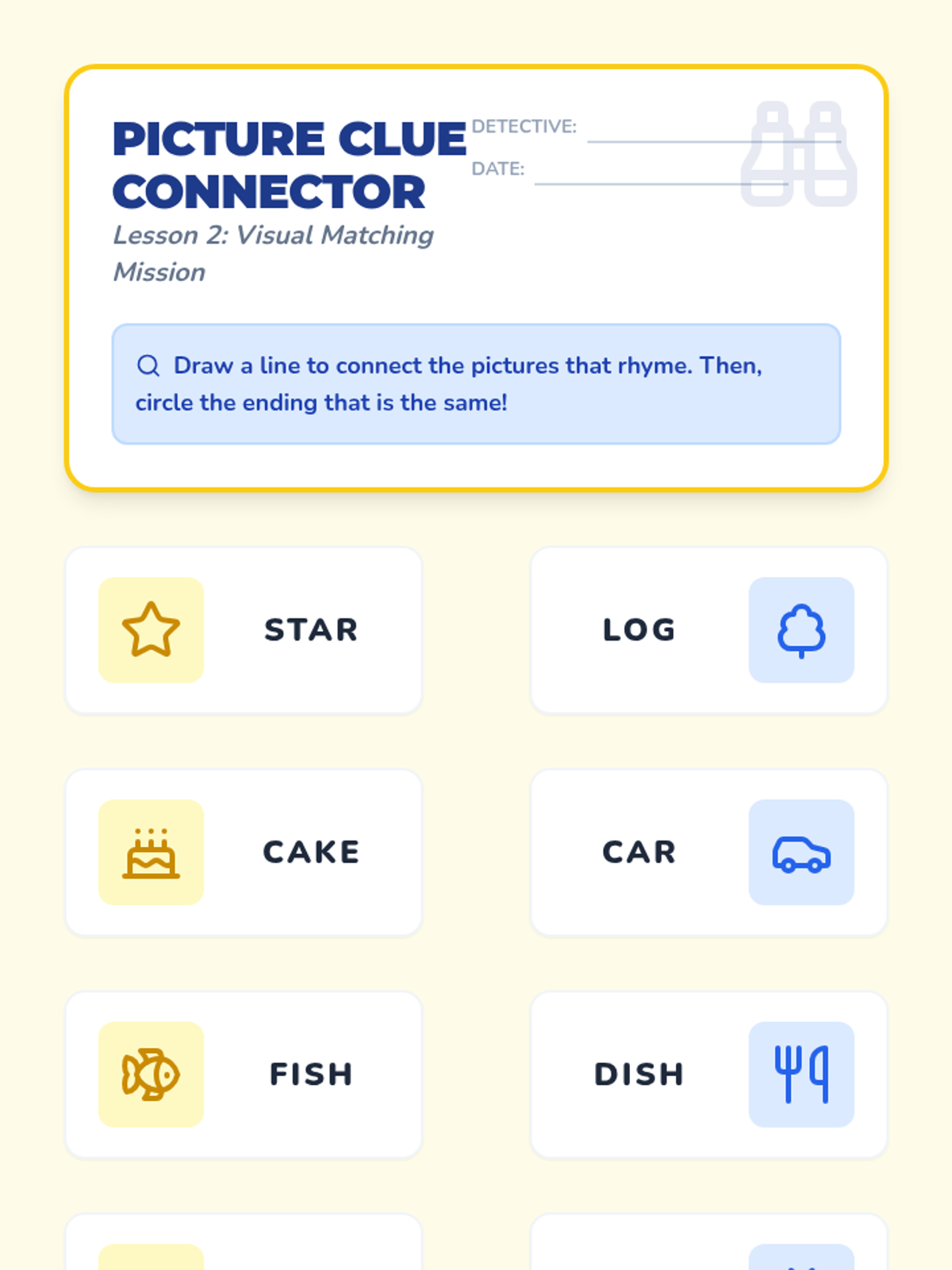
Connects sounds to symbols by matching picture cards and word families to visualize how rhyming words share similar spelling patterns.
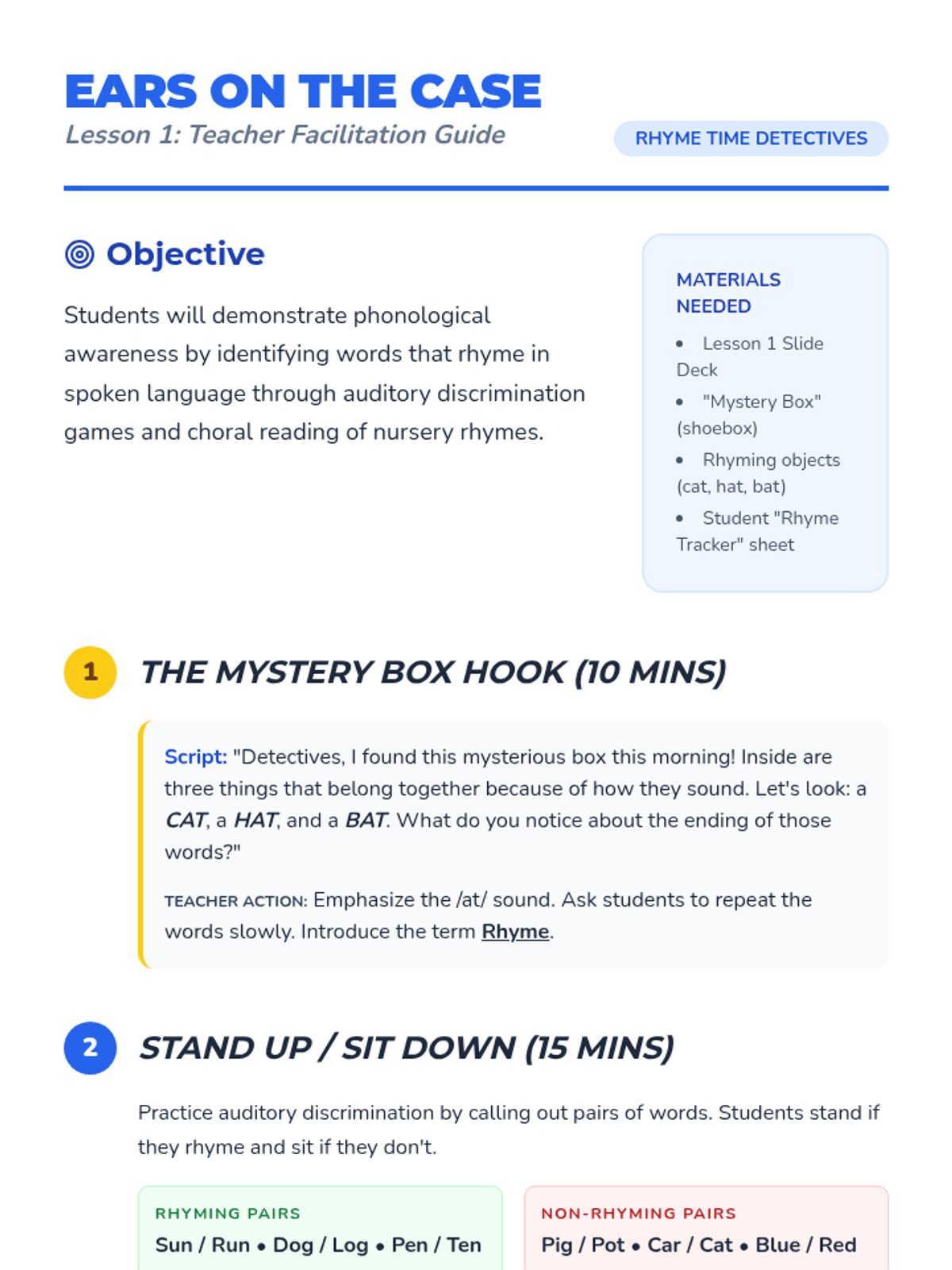
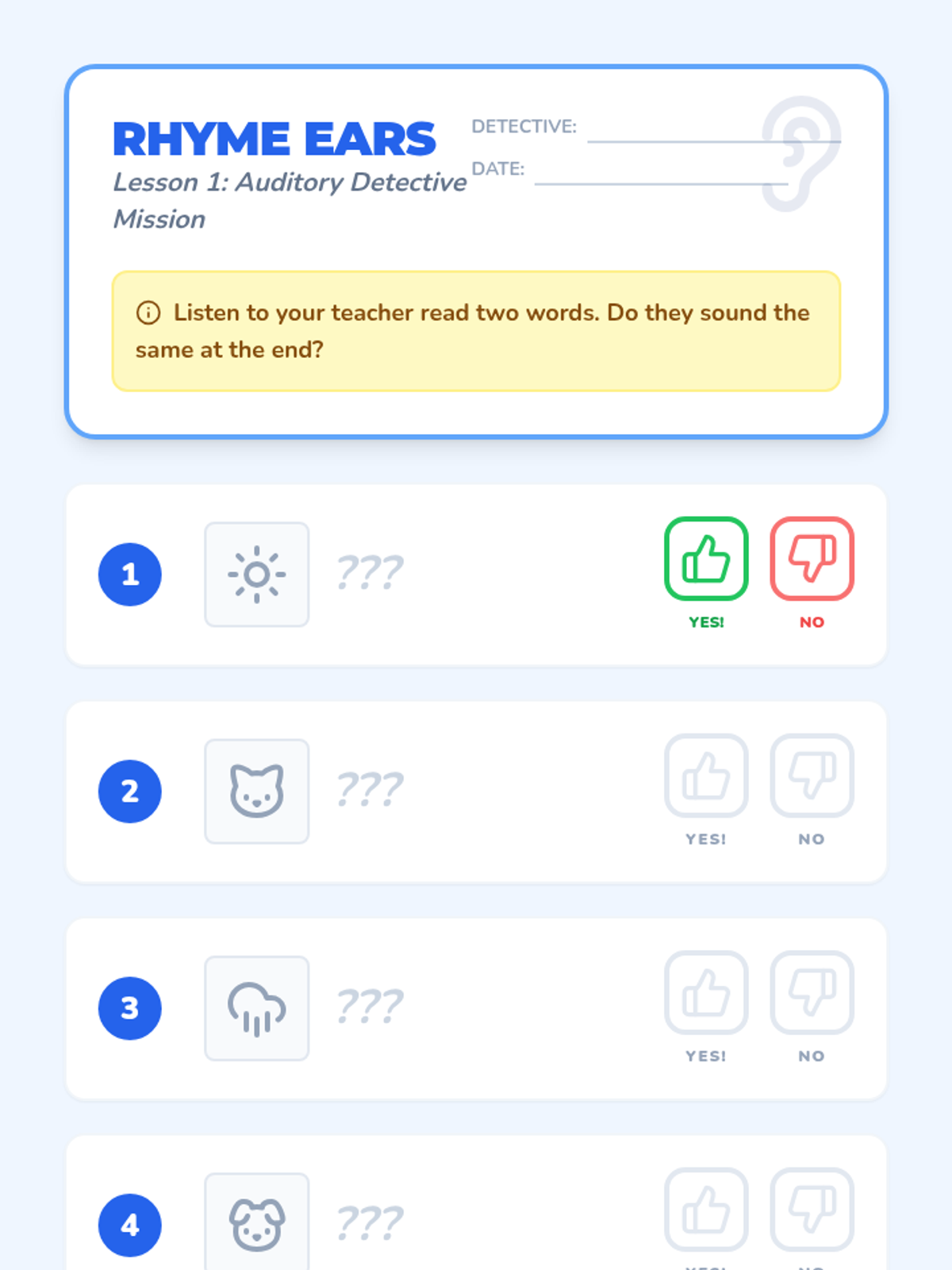
Focuses on building auditory phonological awareness by identifying rhyming words in spoken language and nursery rhymes.
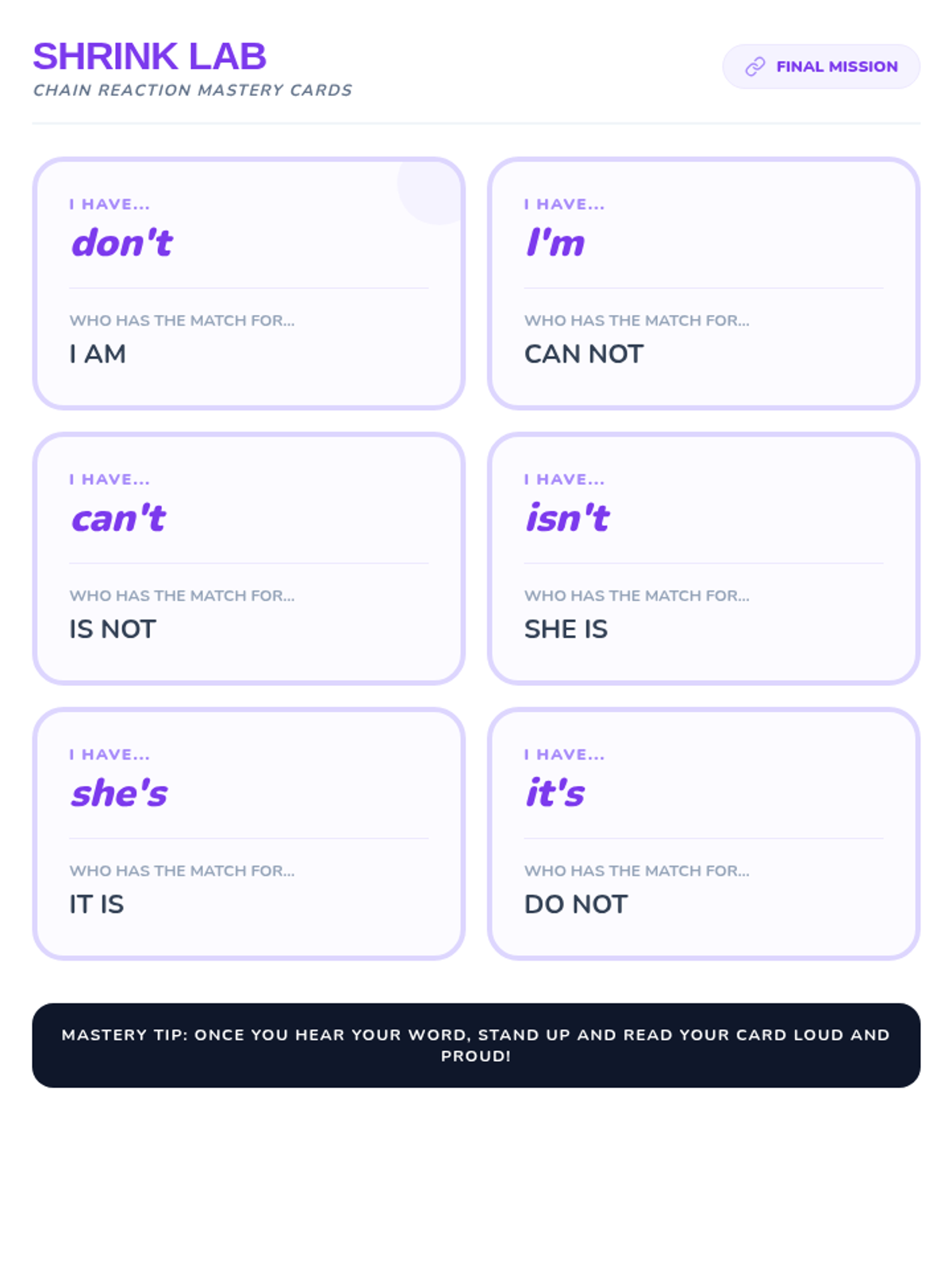
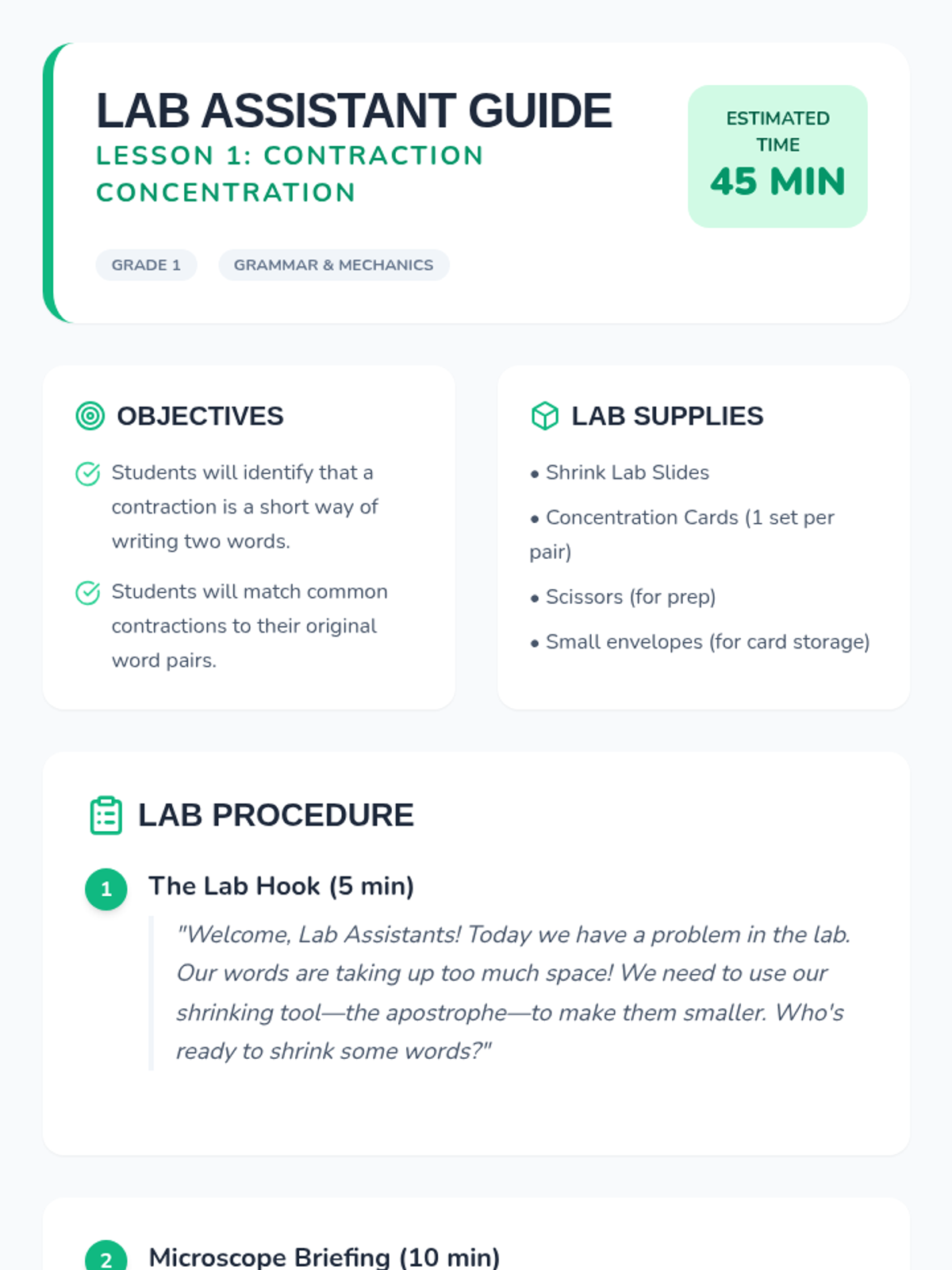
The class completes a full-loop auditory processing game to demonstrate mastery of contractions.
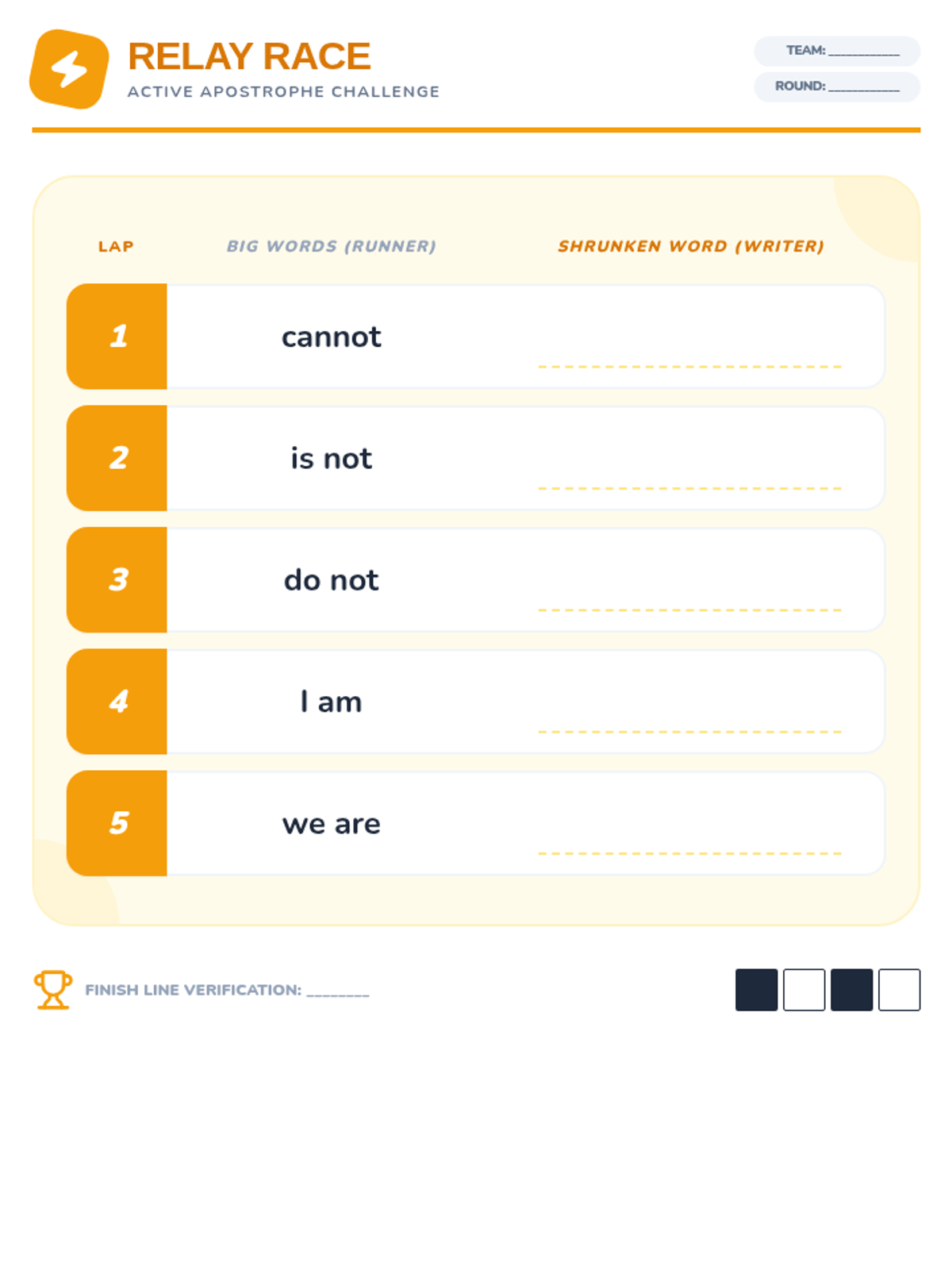
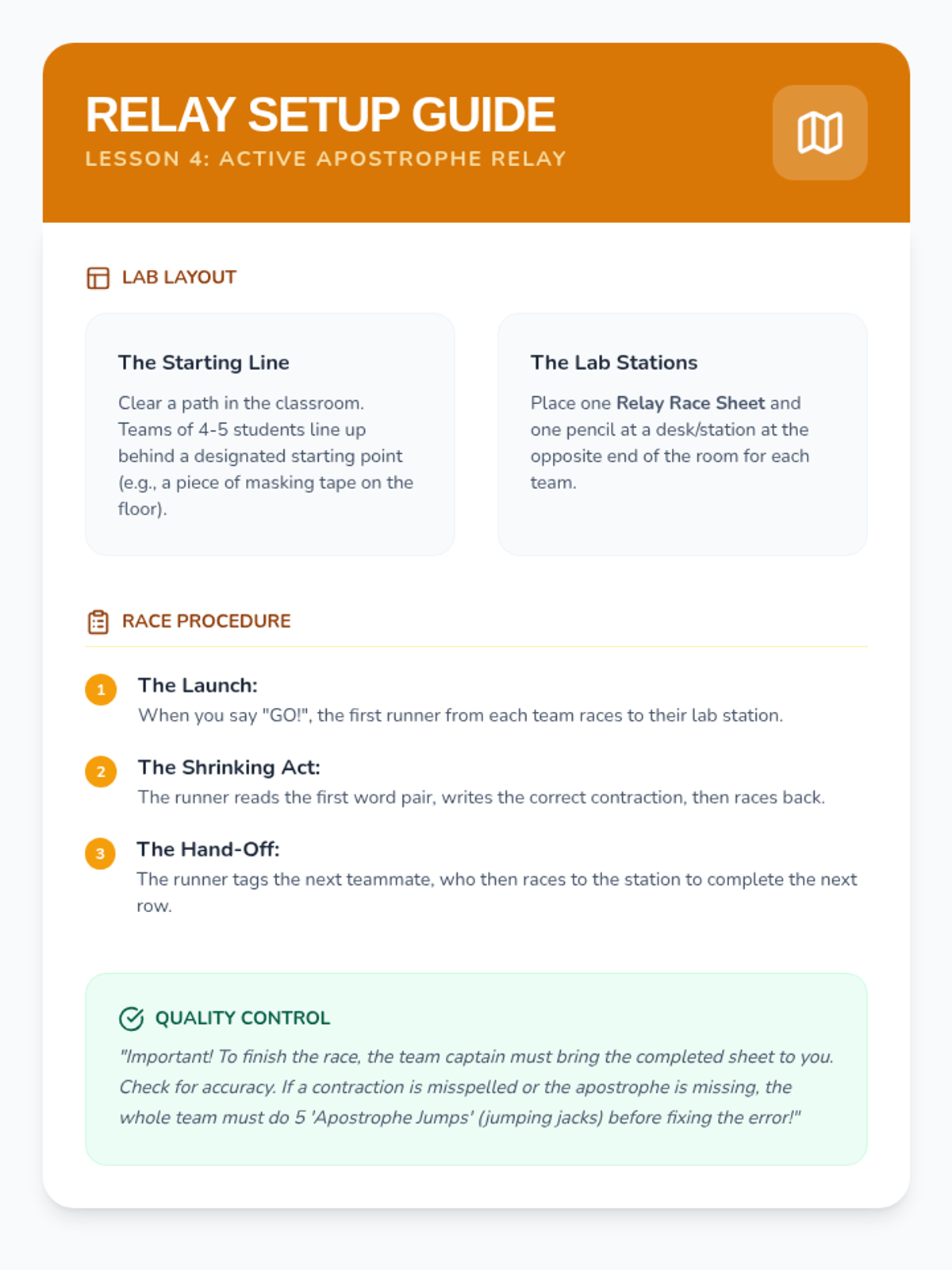
A high-energy team relay race where students write contractions for given word pairs.
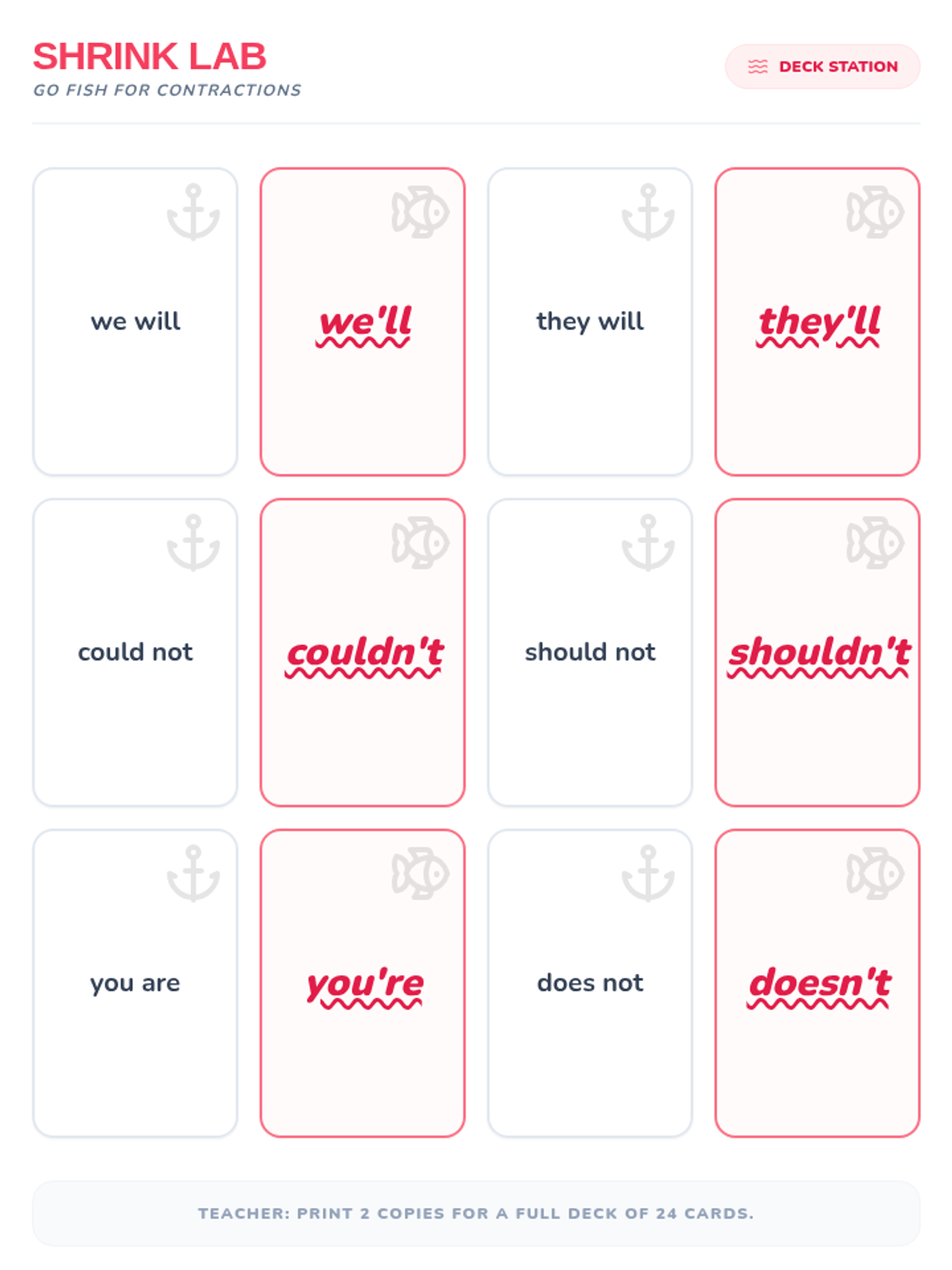
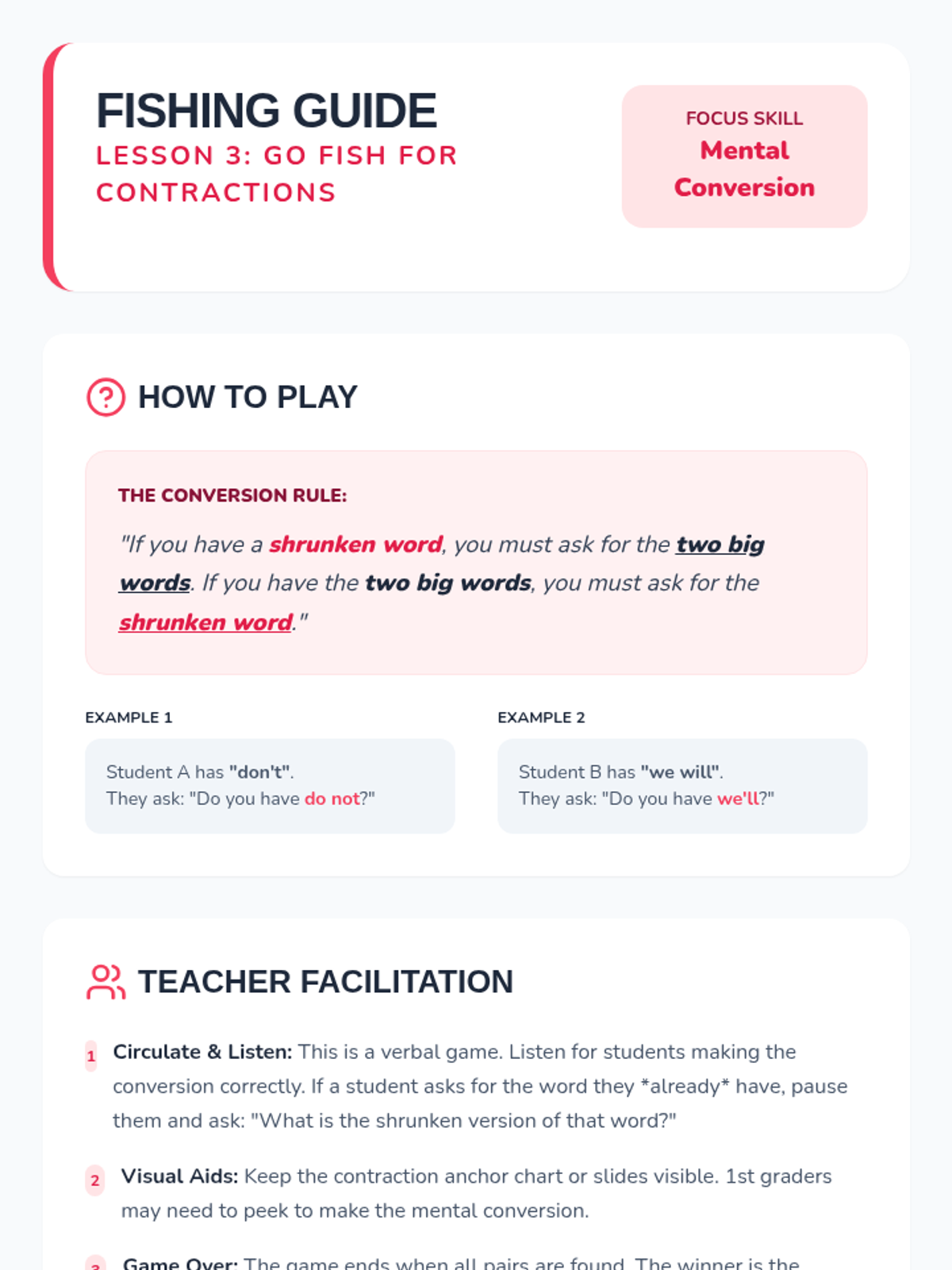
Small groups play a specialized version of Go Fish requiring mental conversion between word pairs and contractions.
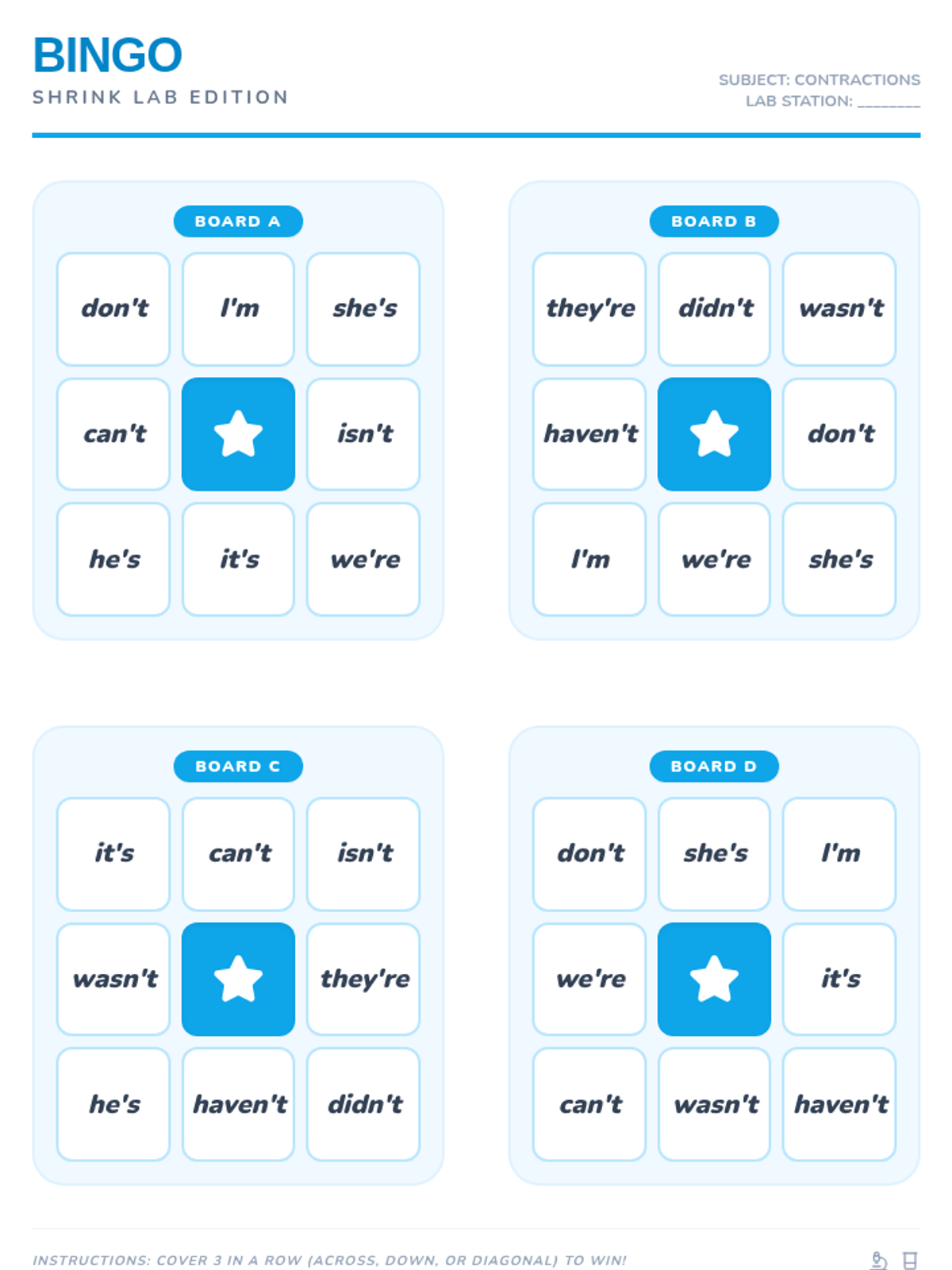
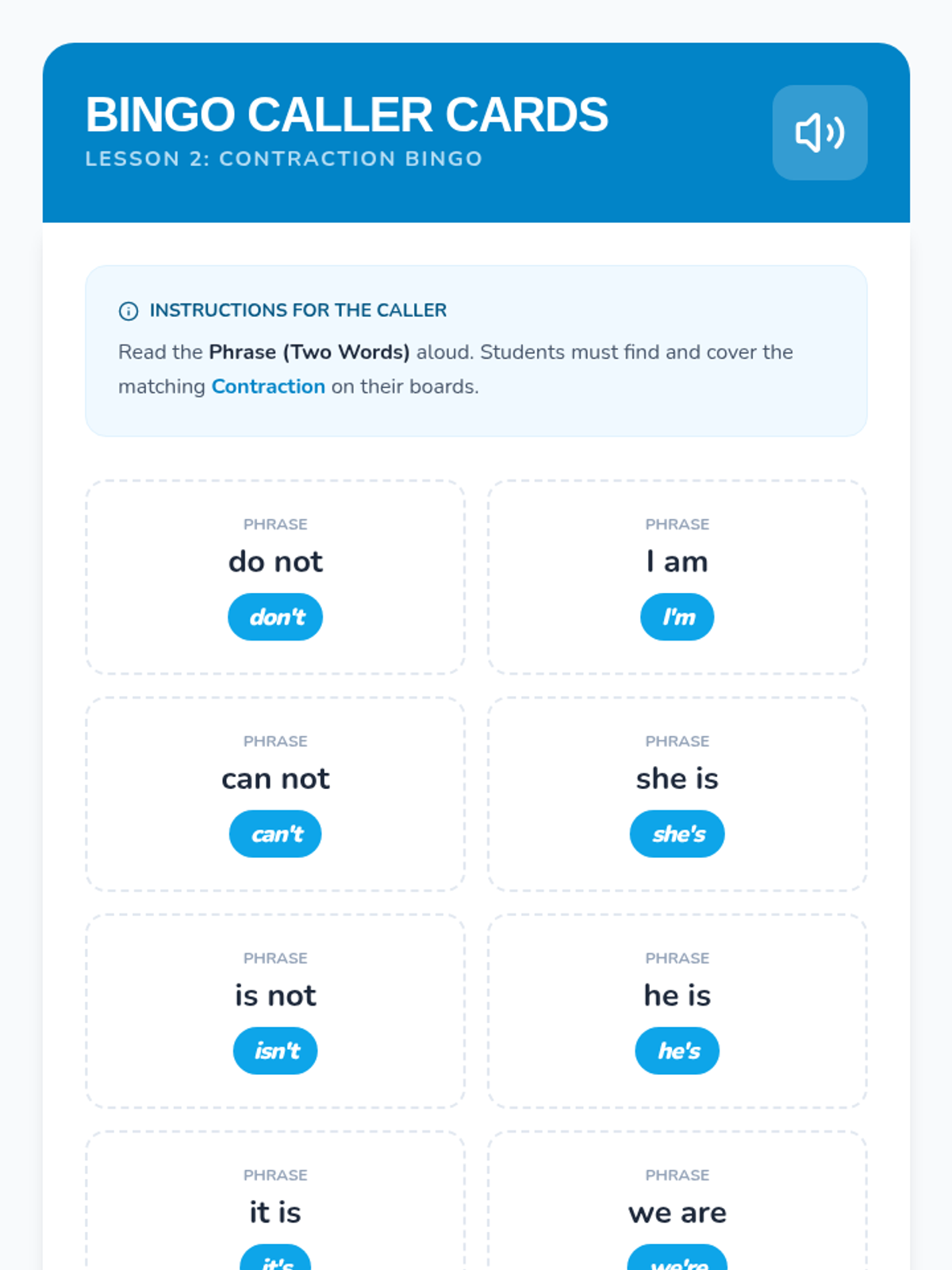
Students practice rapid identification of contractions using Bingo boards as the teacher reads word pairs.
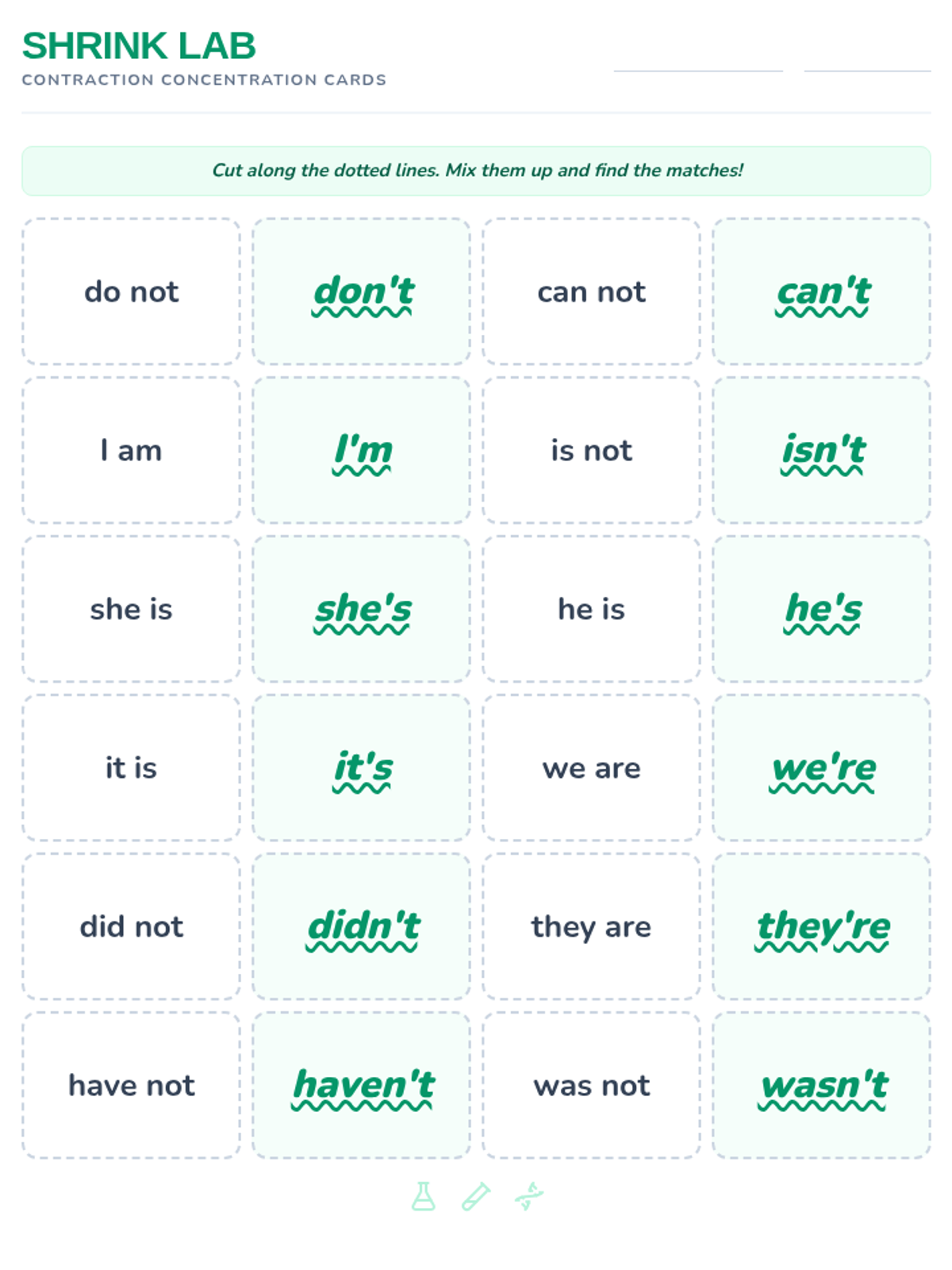
Students introduce the concept of contractions and play a memory match game pairing word pairs with their contracted forms.
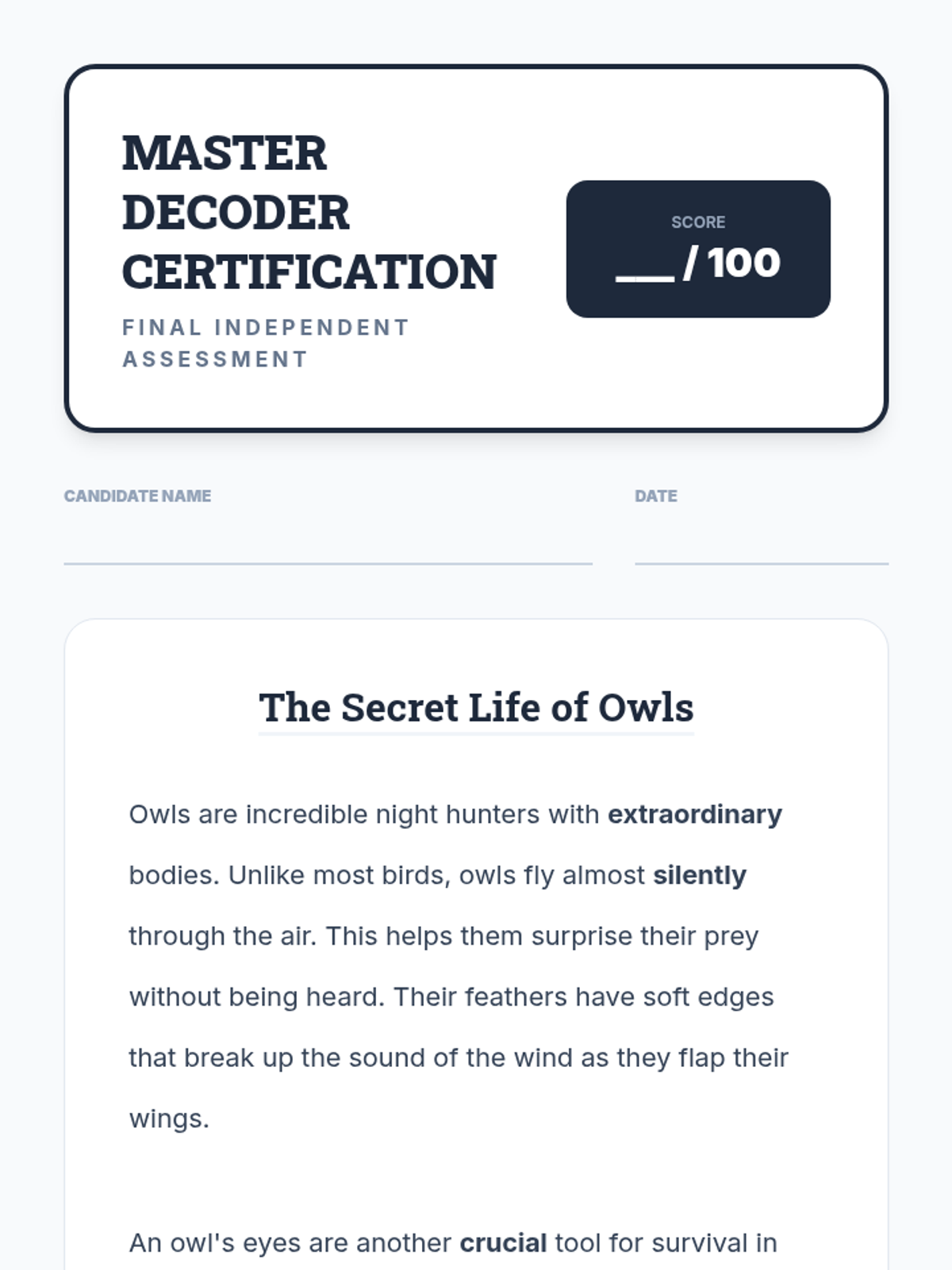
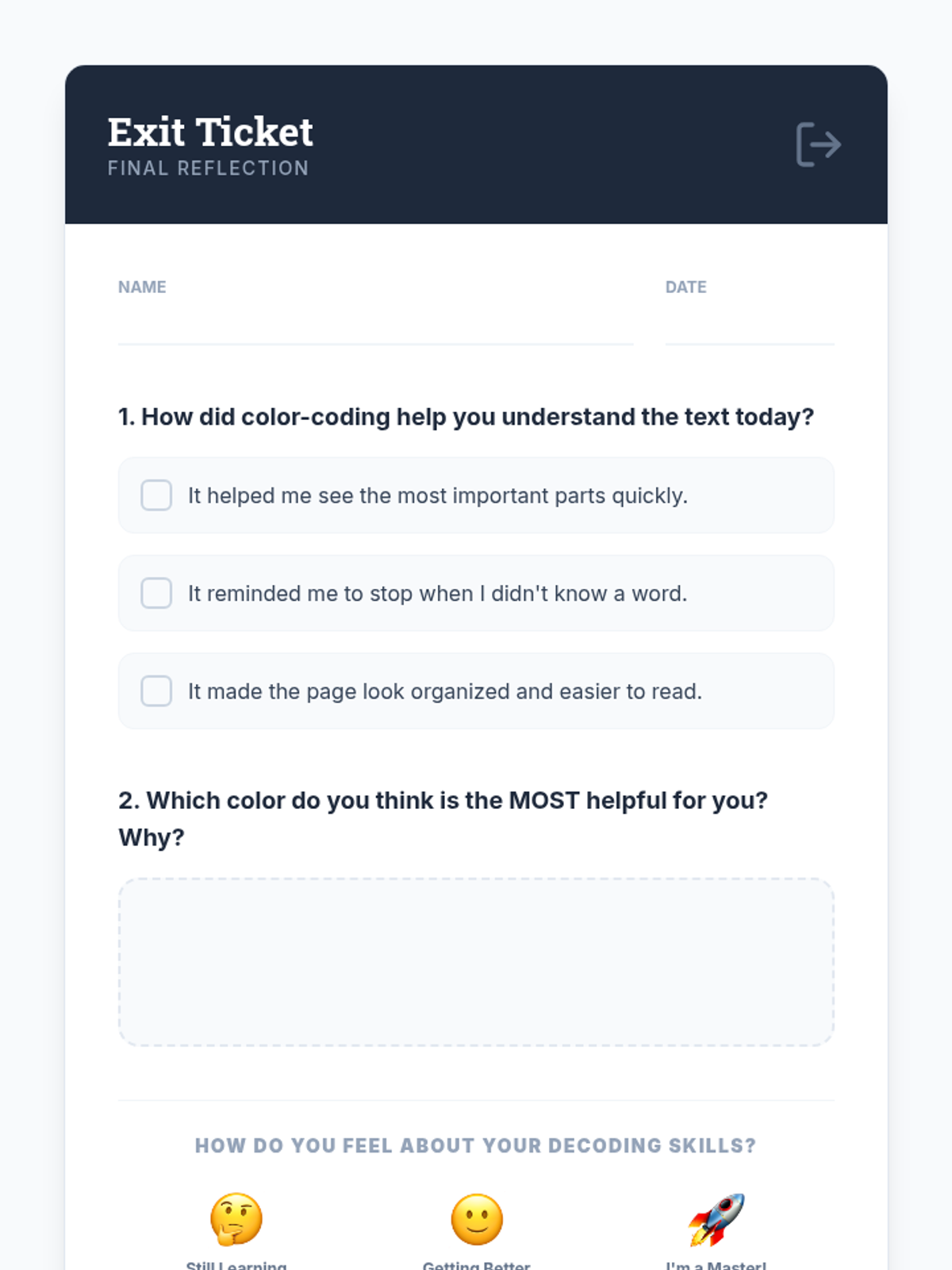
The final challenge where students independently apply the tri-color system to a new text and justify their choices through peer review.
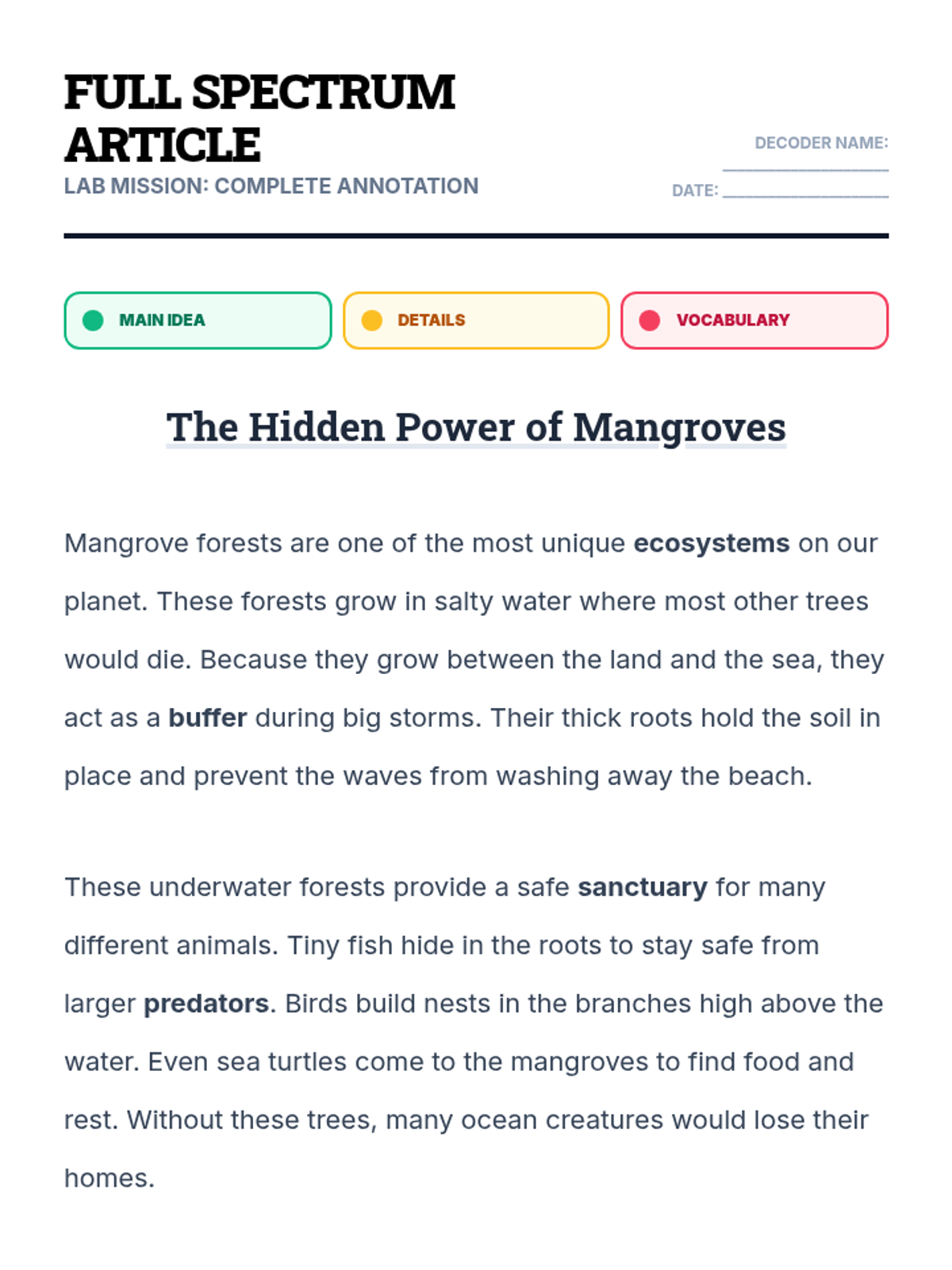
A synthesis lesson where students integrate all three colors on a full-length informational article through guided modeling.
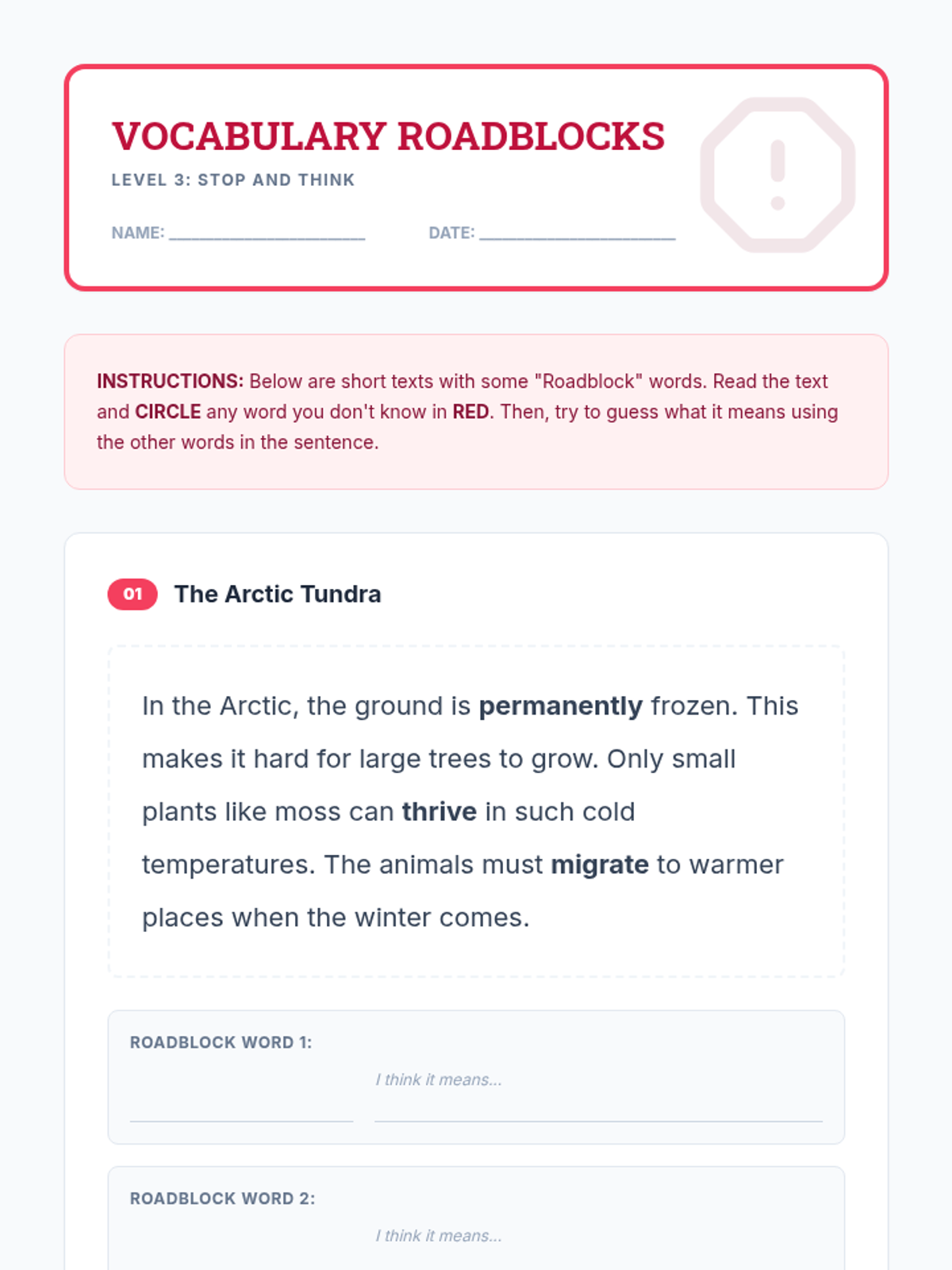
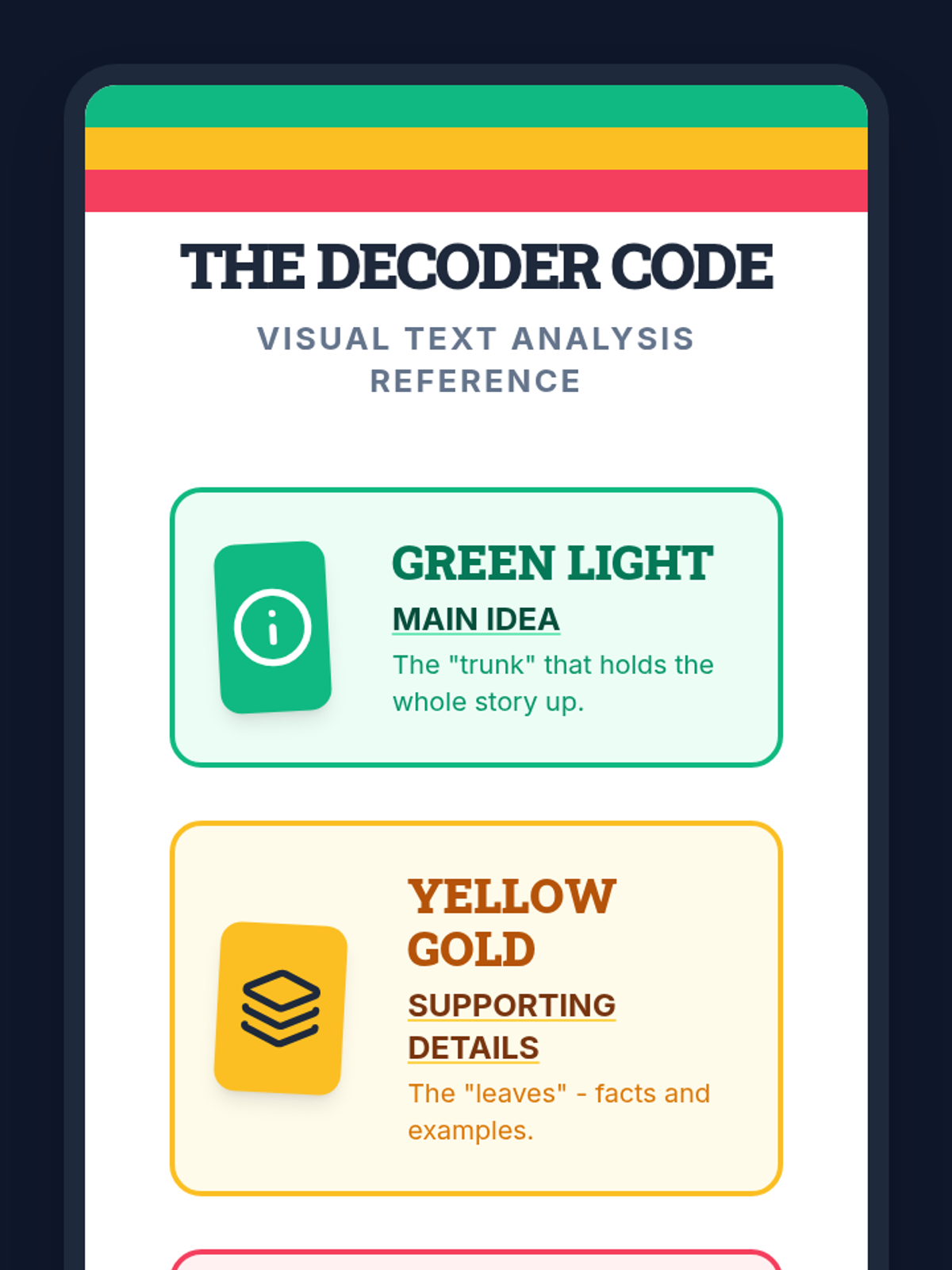
Students add a third layer of annotation using red or pink to identify 'roadblock' words that hinder their understanding.
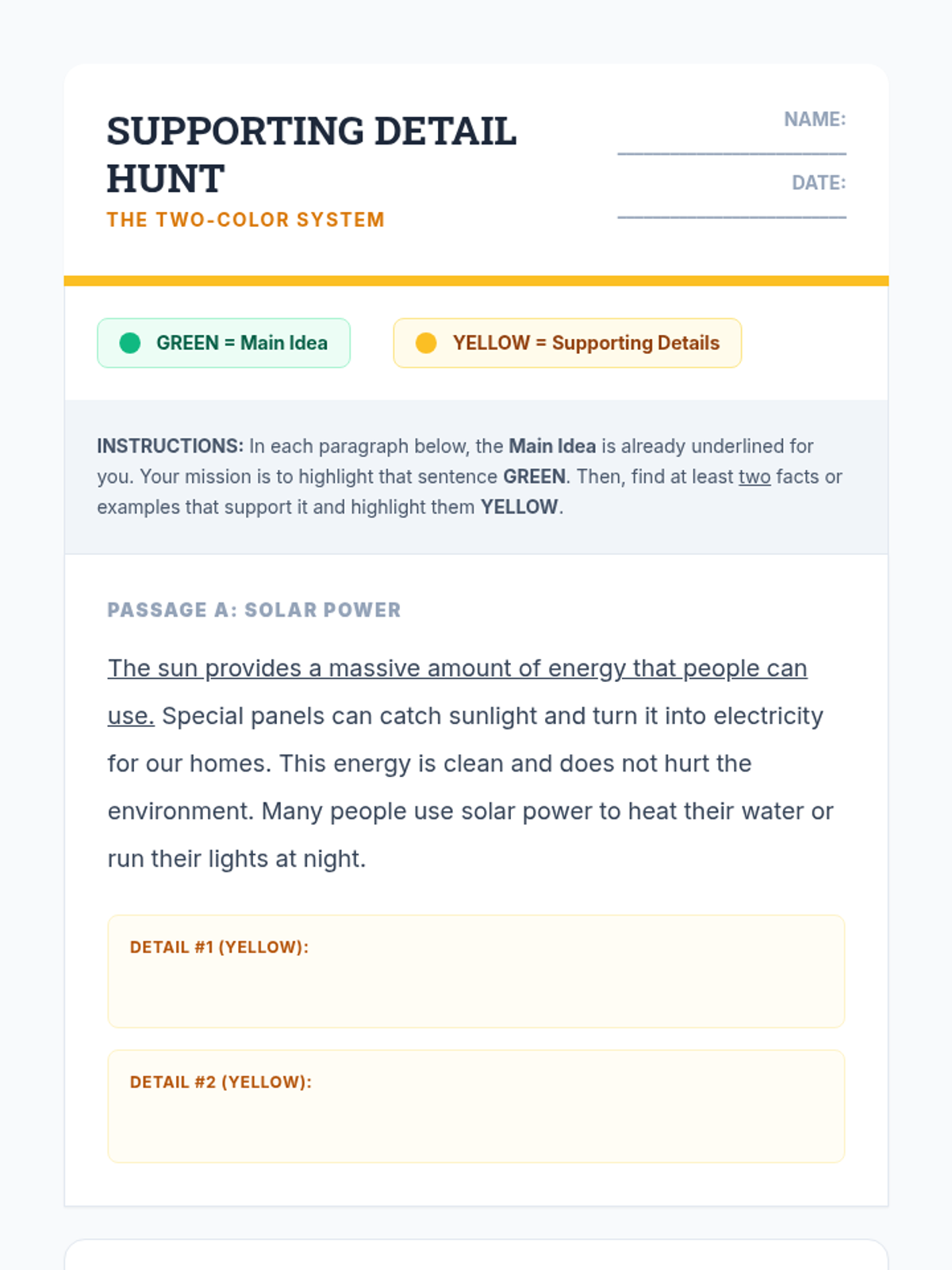
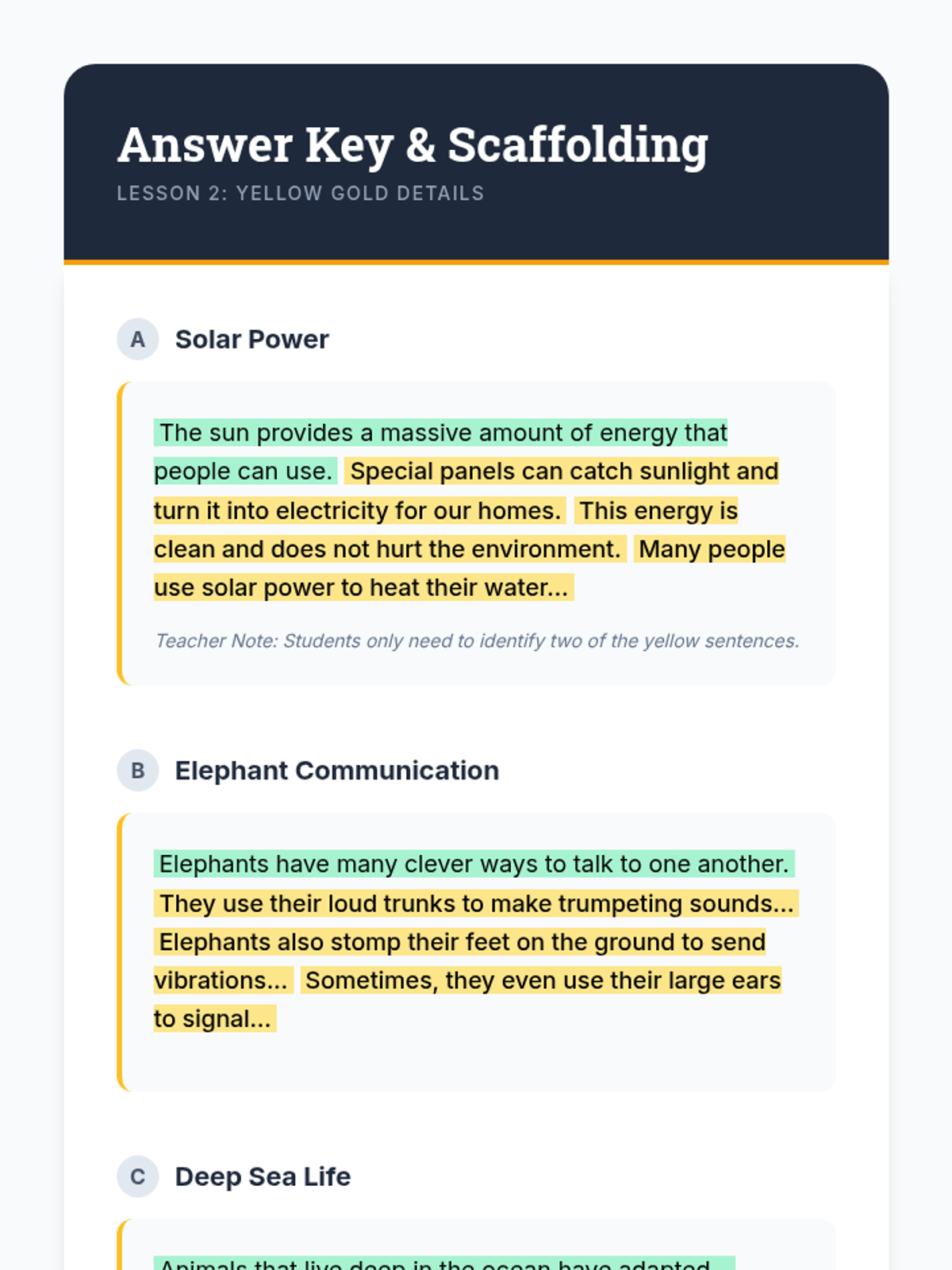
Building on the main idea, students learn to use yellow to highlight facts and examples that support the central message.
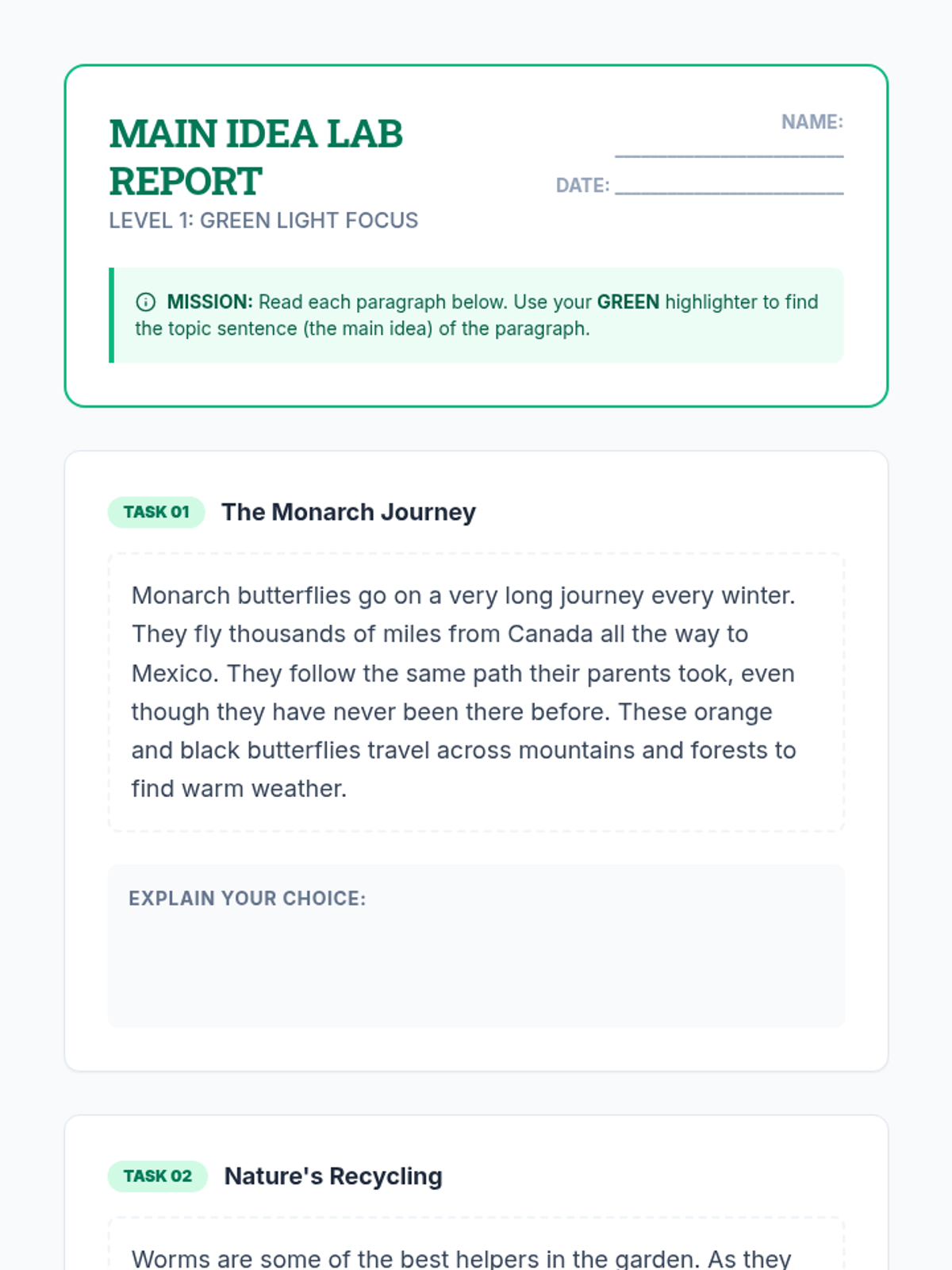
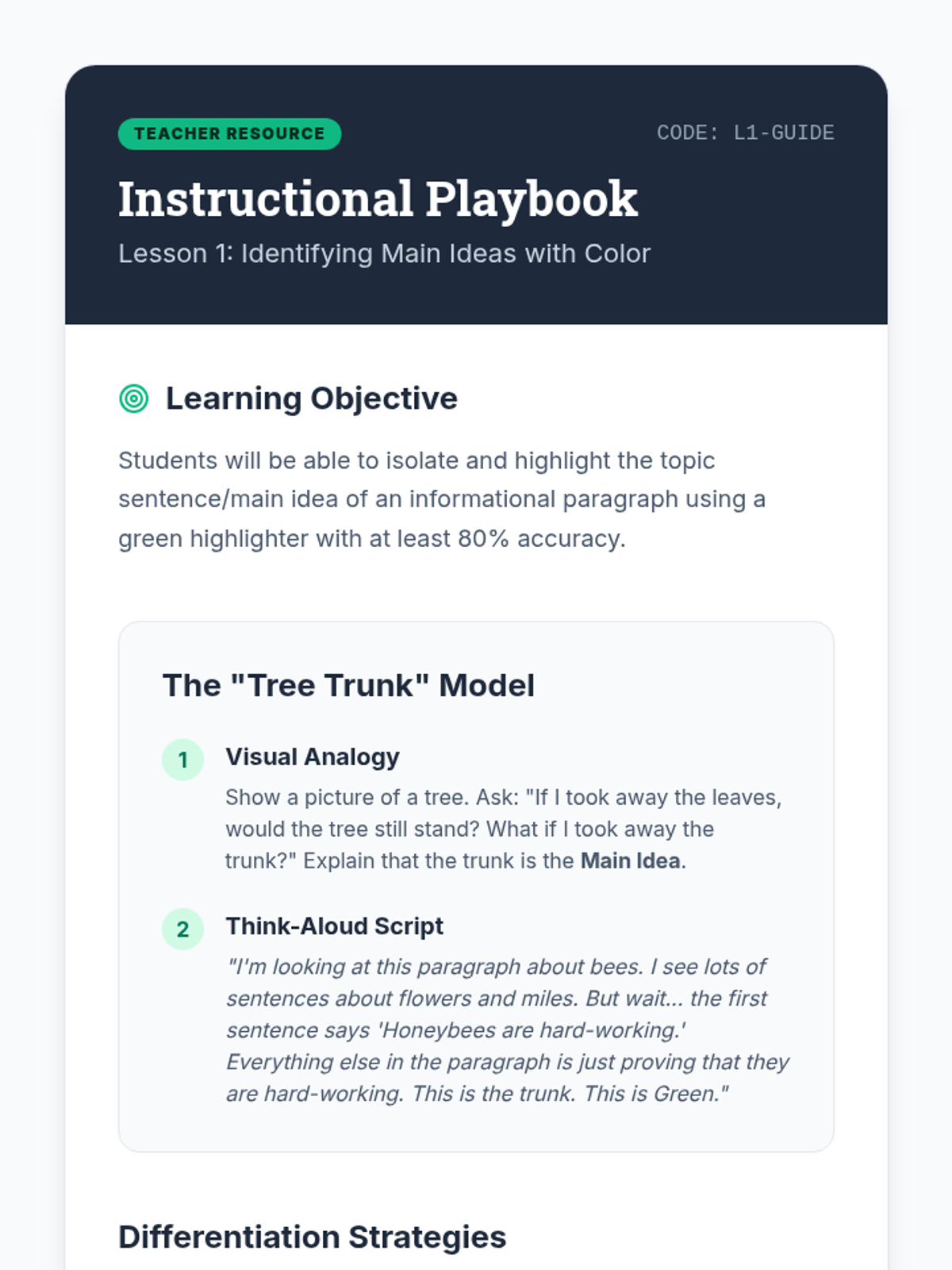
Introduces the 'Green for Go' concept, focusing exclusively on identifying the main idea or topic sentence within short paragraphs using the color green.
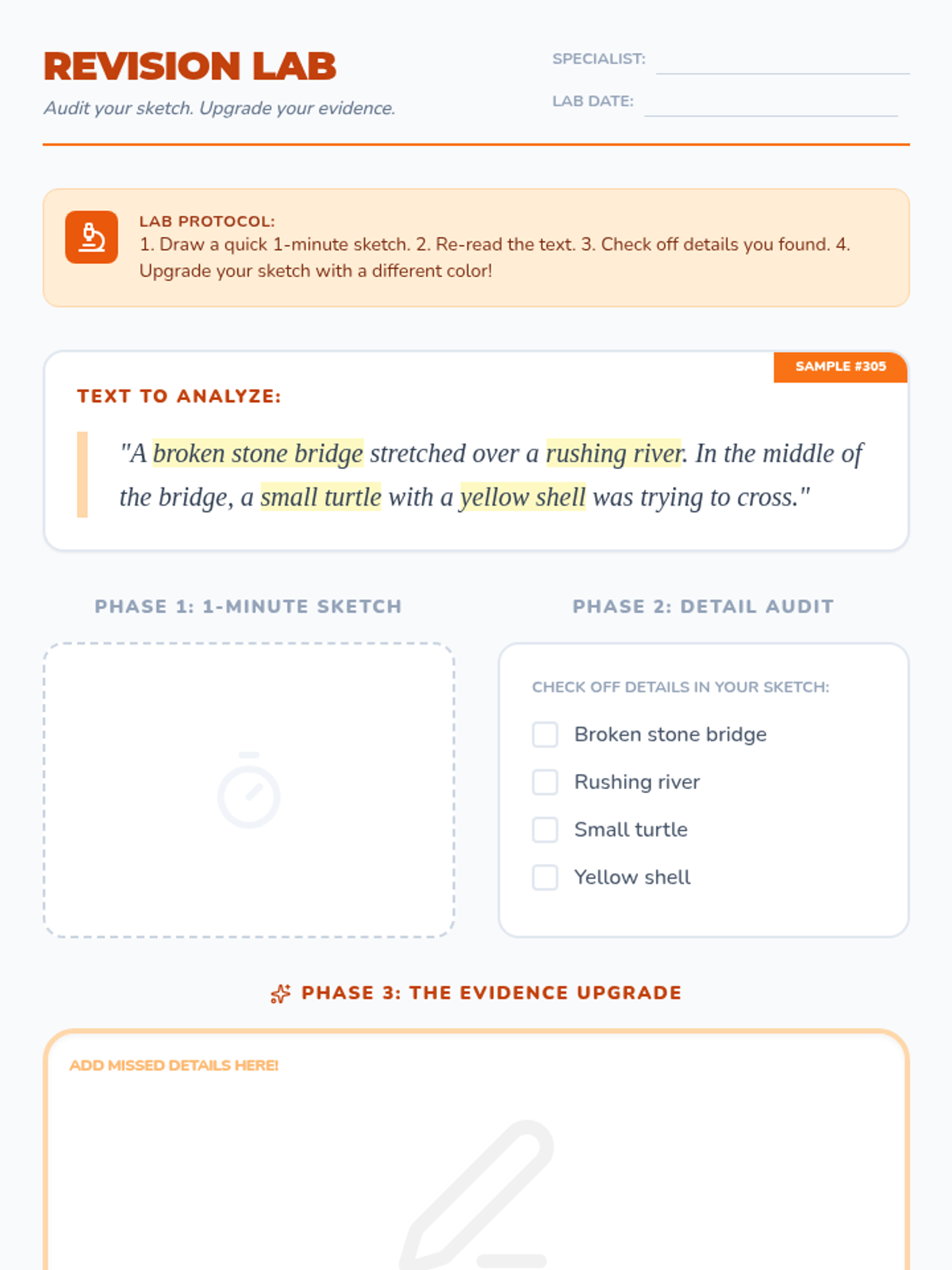
Students review their initial sketches against the text and practice 'revising' their drawings based on missed evidence. This explicitly teaches the habit of re-reading when the mental image is incomplete.
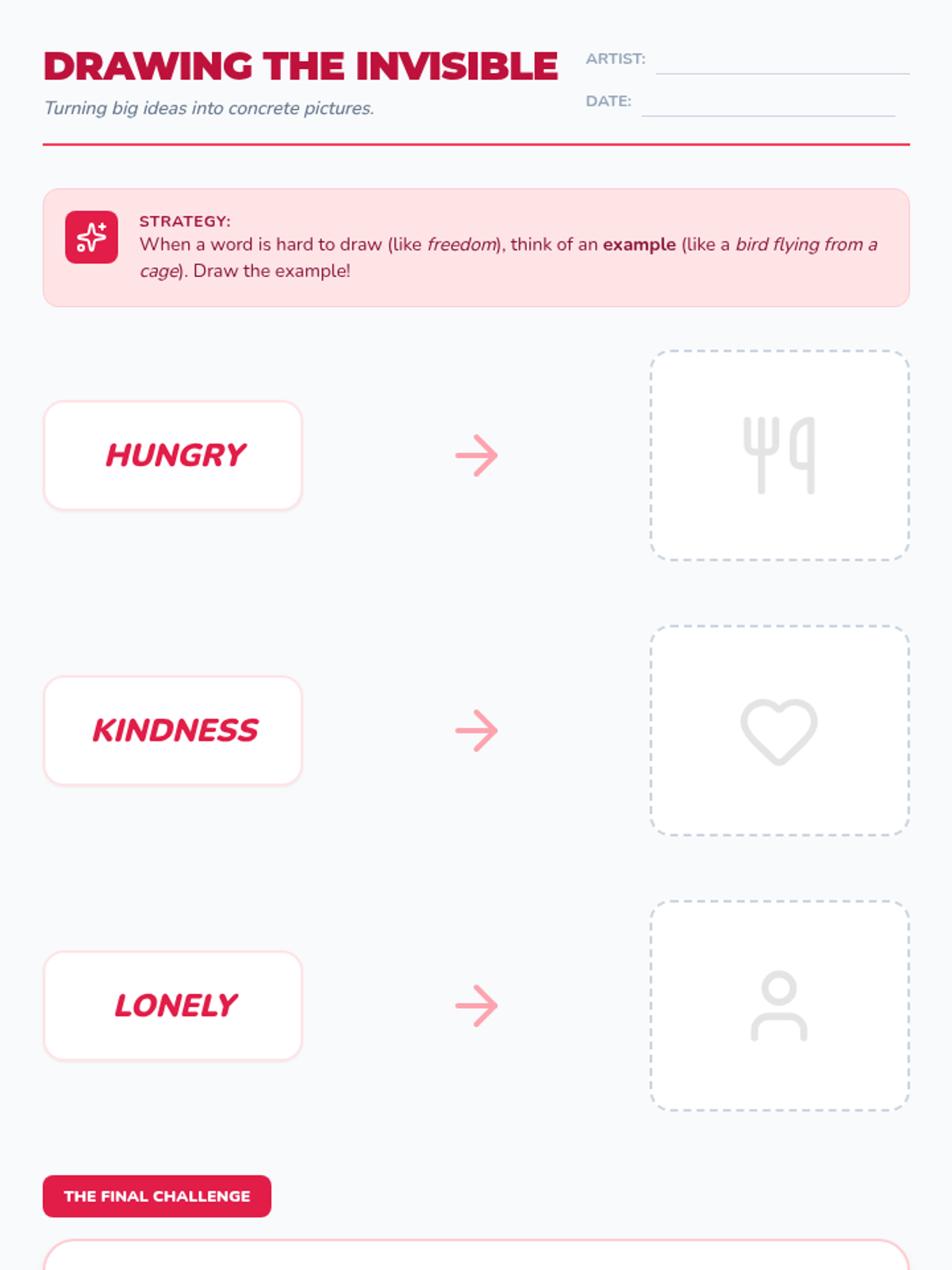
Students tackle the challenge of drawing abstract words by visualizing concrete examples of those concepts. This scaffolds the move from literal to inferential comprehension.
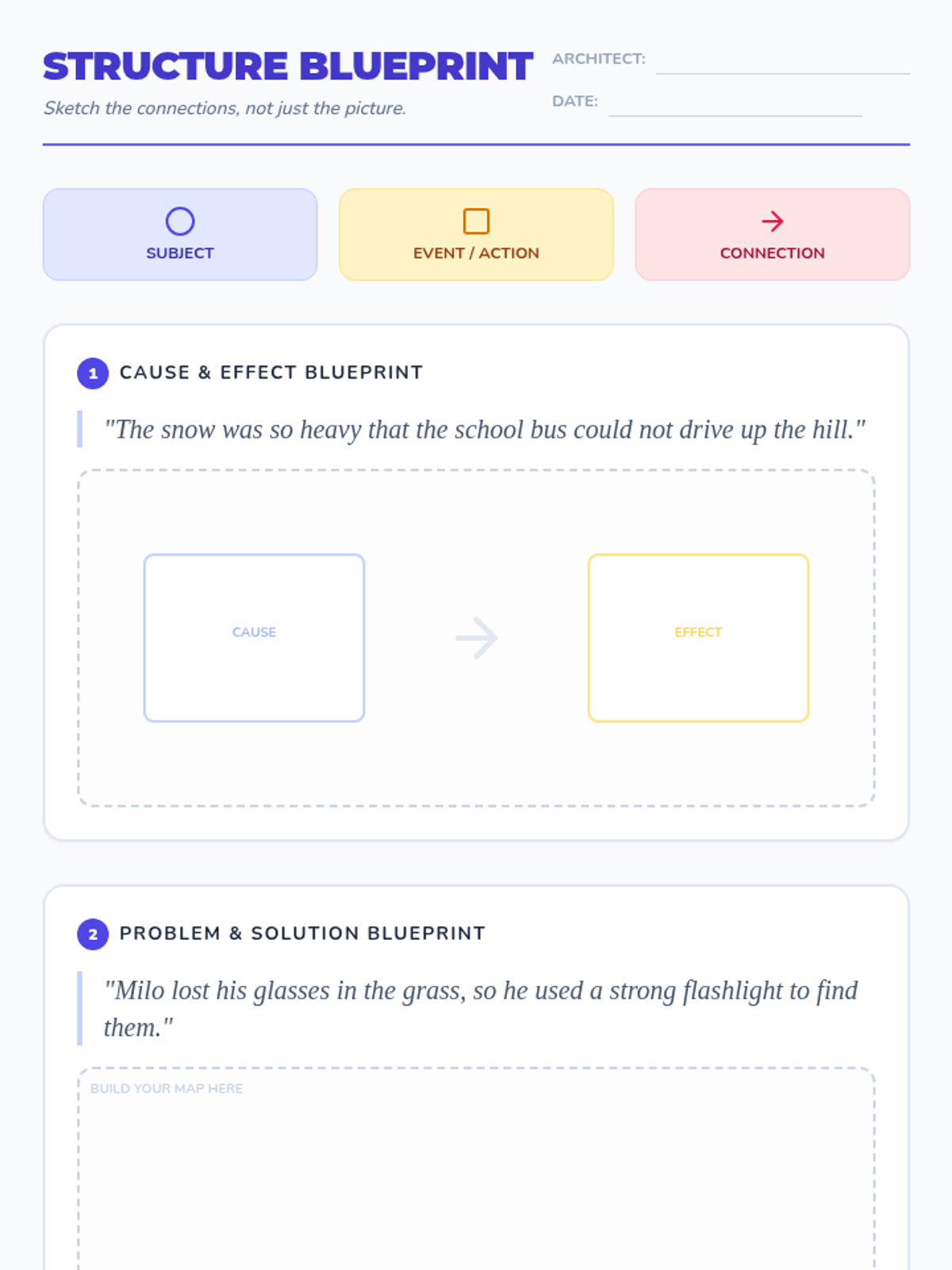
Students use simple shapes and arrows to sketch the relationship between ideas rather than just artistic scenes. This moves visualization from artistic to structural.
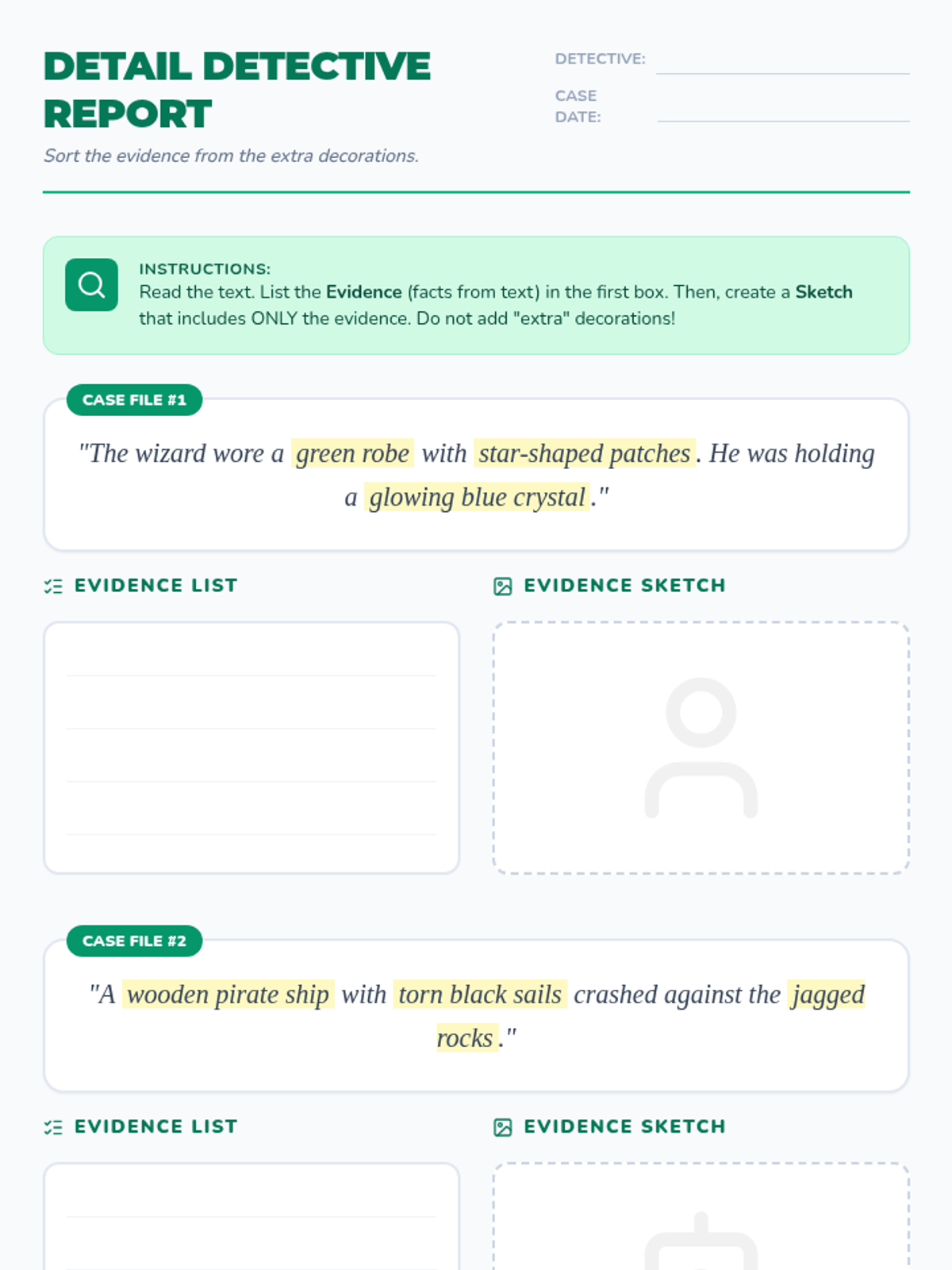
Students learn to distinguish between important details that must be drawn and irrelevant decorations. This lesson refines the ability to identify main ideas through visual representation.
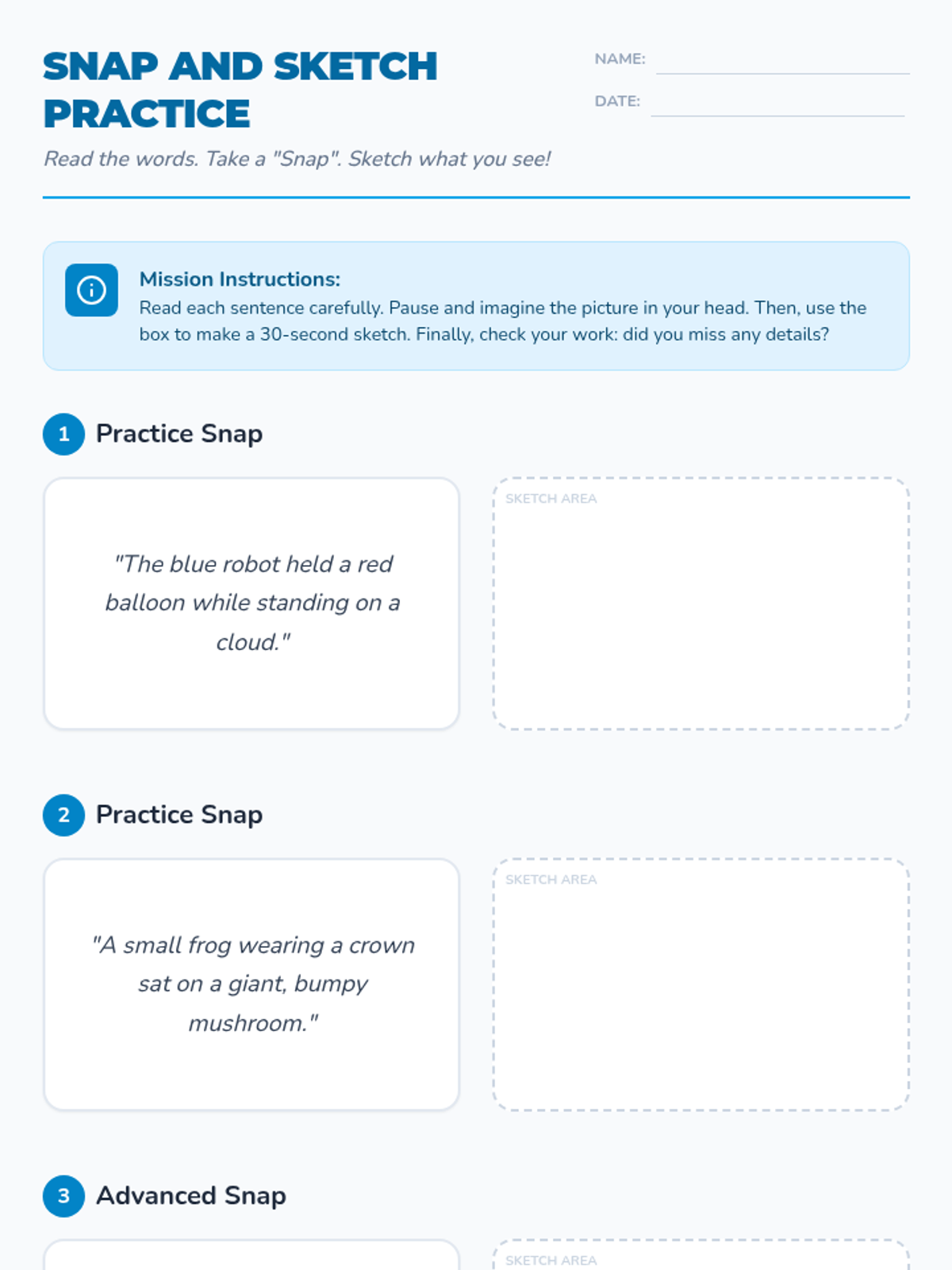
Students are introduced to the concept of drawing as a comprehension check. They read a sentence, pause, and make a quick sketch, then compare the sketch to the text to verify accuracy.