Complex syntax, nuanced vocabulary, and academic discourse. Strengthens professional communication through advanced writing, analytical reading, and mastery of high-level auditory and oral fluency.
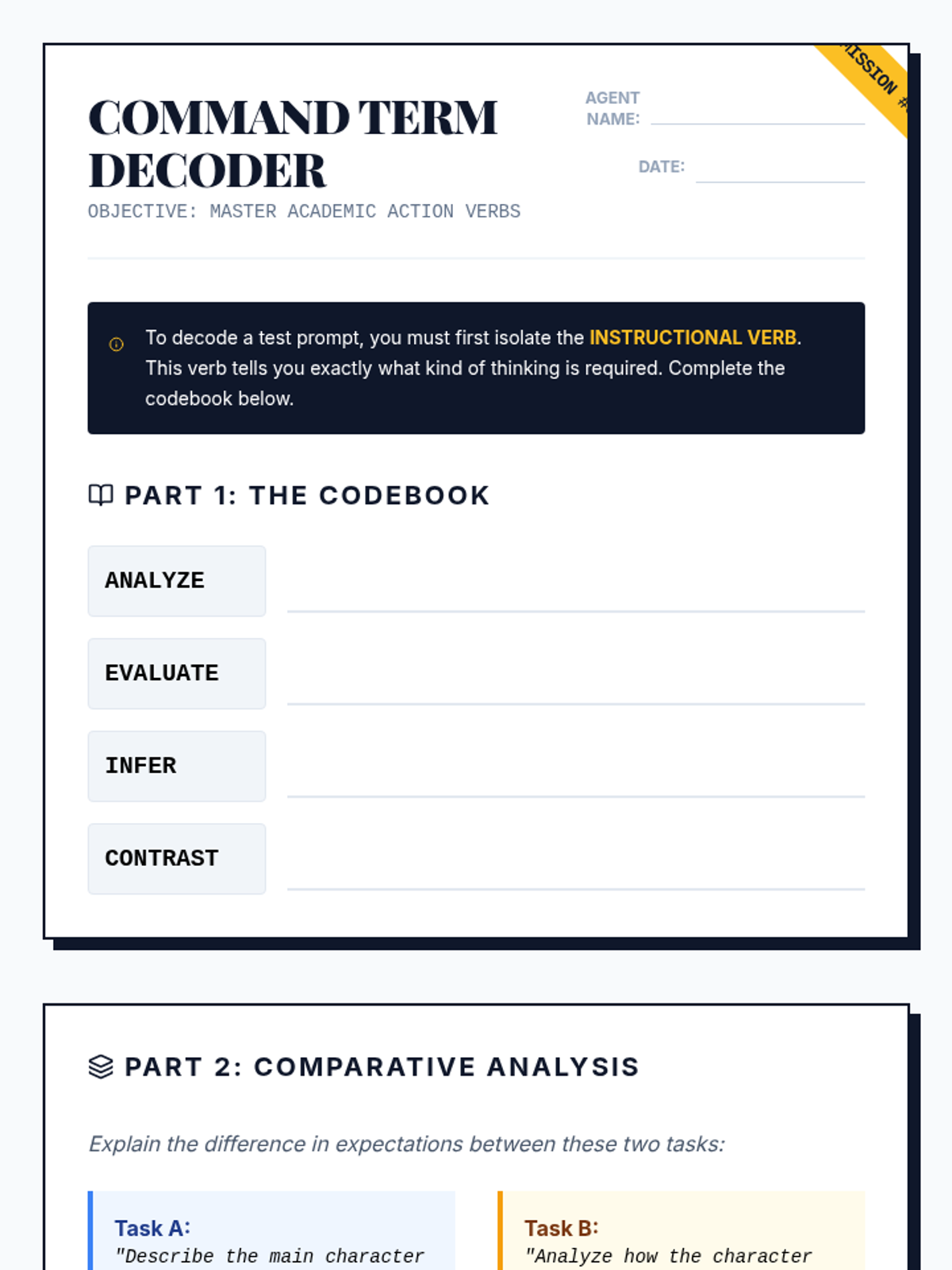
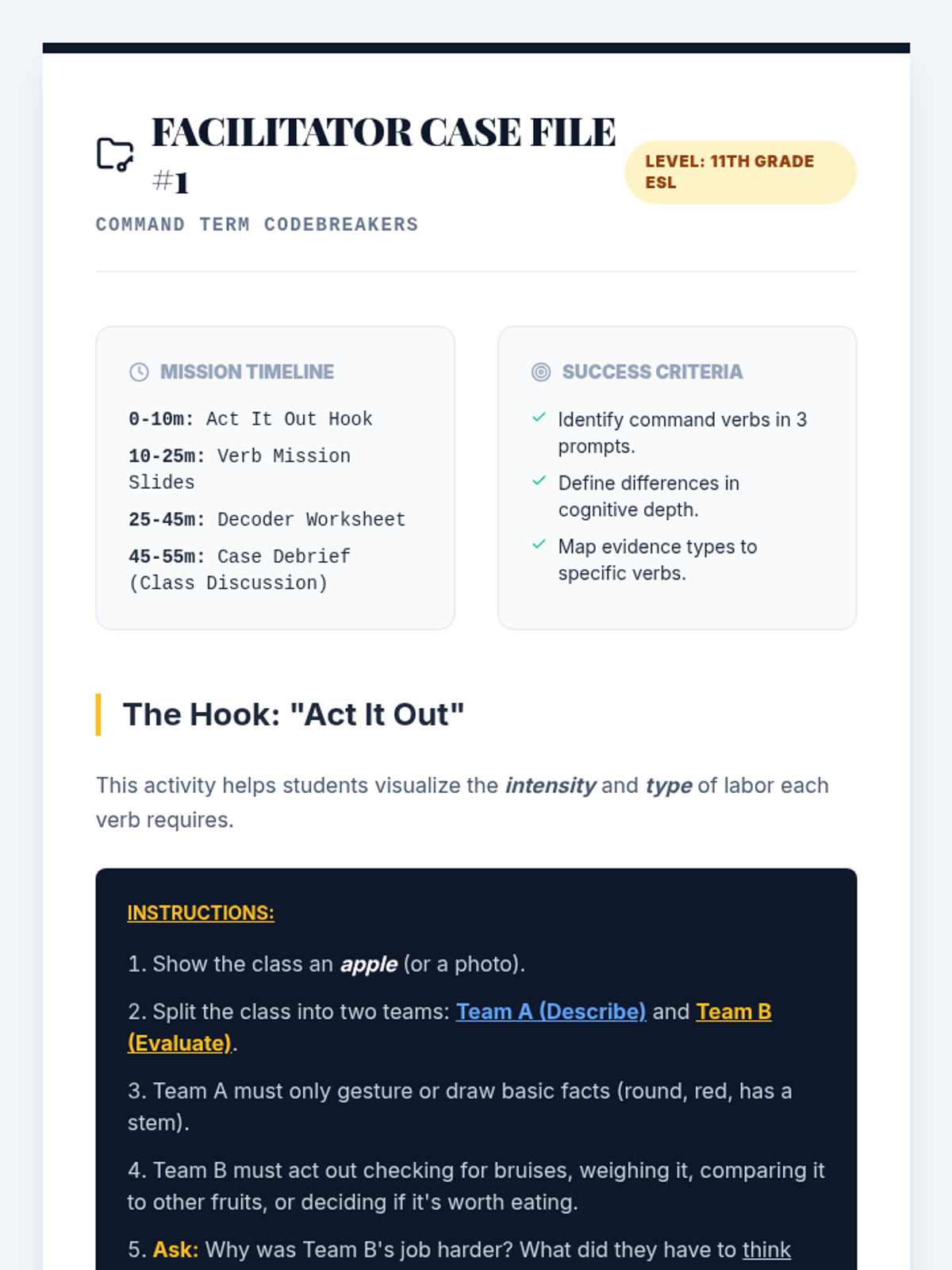
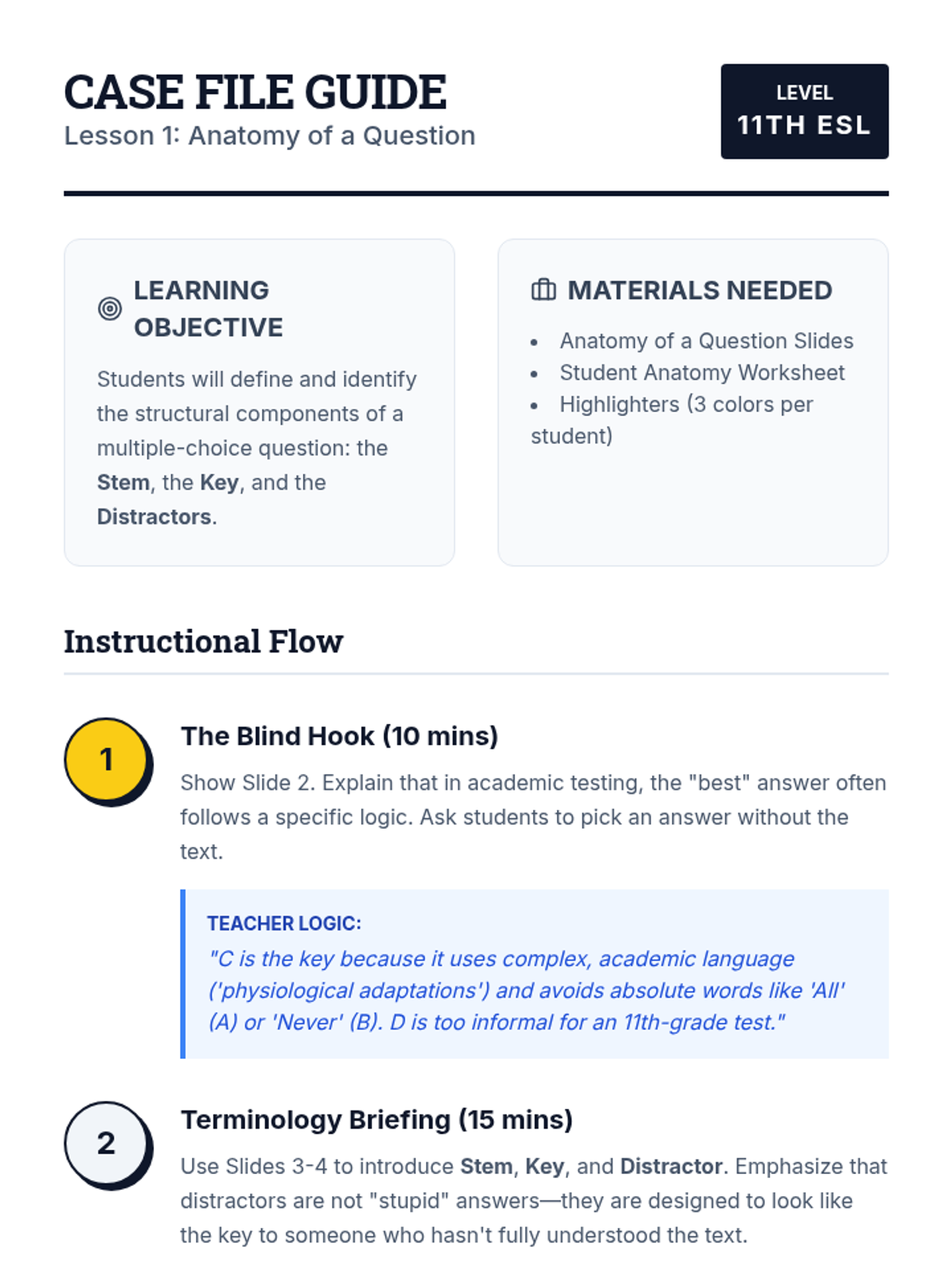
A comprehensive 5-lesson unit for 11th-grade ESL students focused on deconstructing complex academic test prompts. Students transition from identifying instructional verbs to parsing syntax, distinguishing inference from literal recall, and mastering advanced strategies like prediction and handling negative constraints.
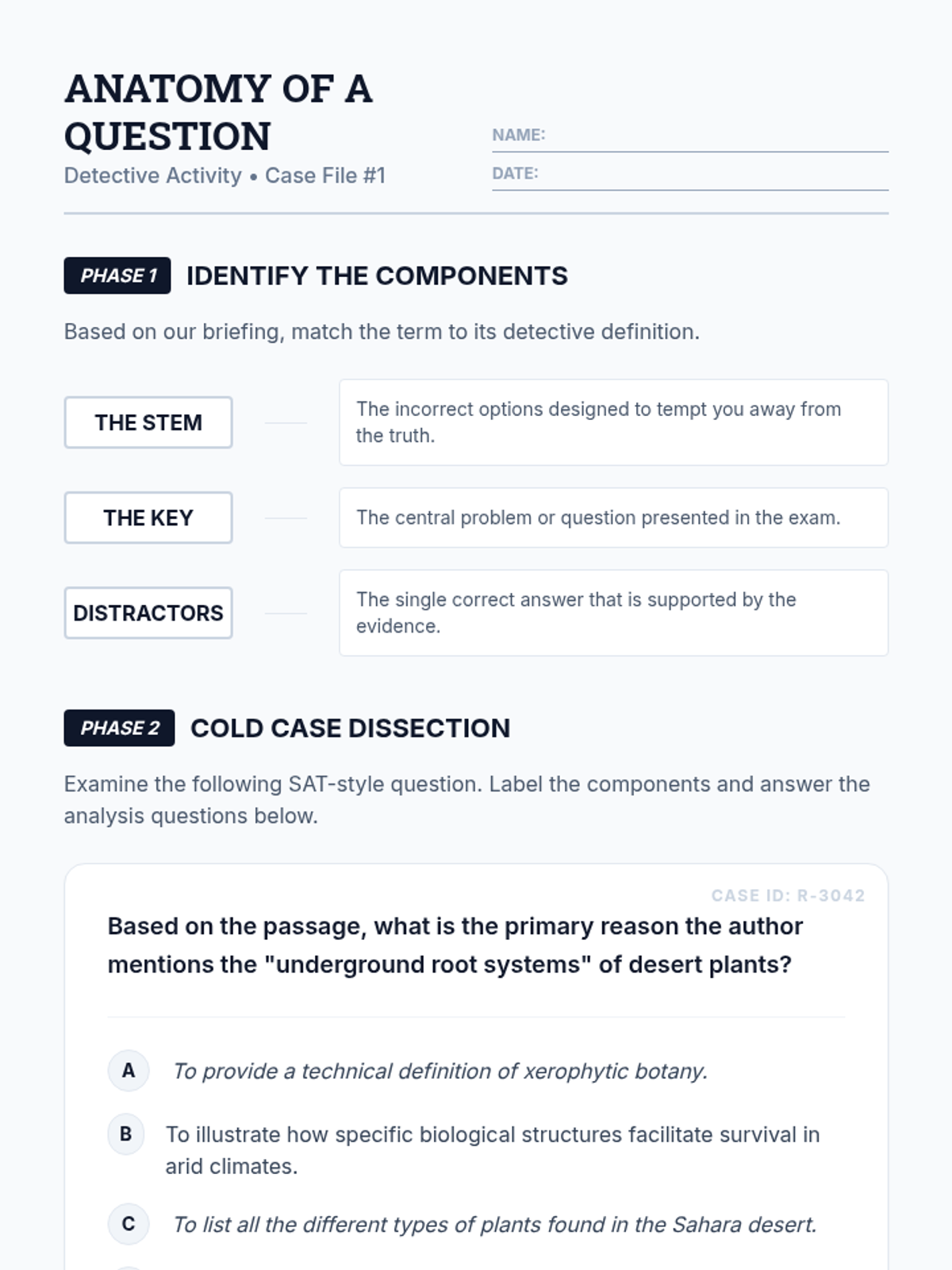
A comprehensive 11th Grade ESL sequence focused on mastering multiple-choice tests through the 'Test Detective' framework. Students learn to identify distractor patterns like scope errors, verbatim traps, and absolute language to improve academic reading comprehension and test performance.
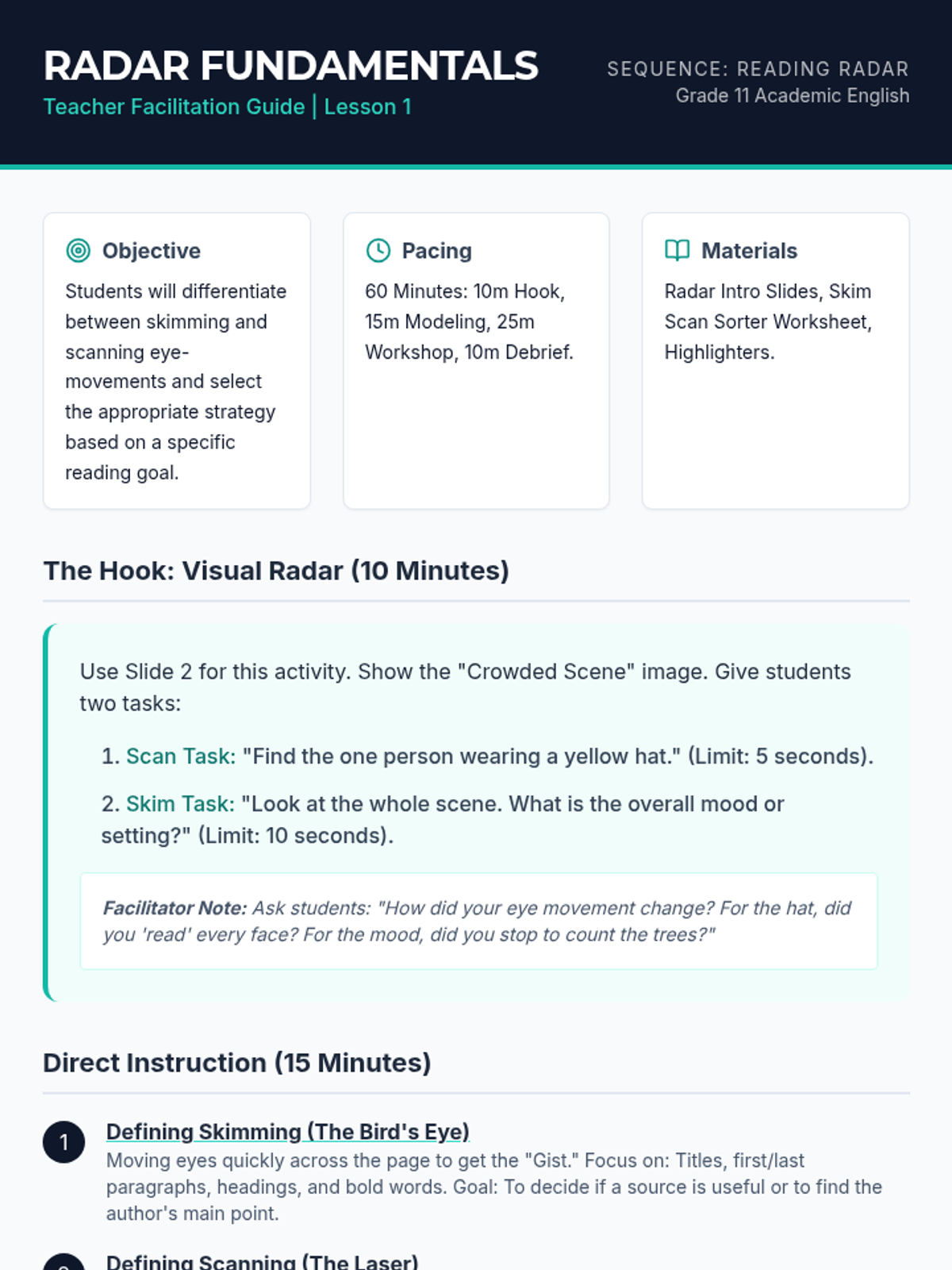
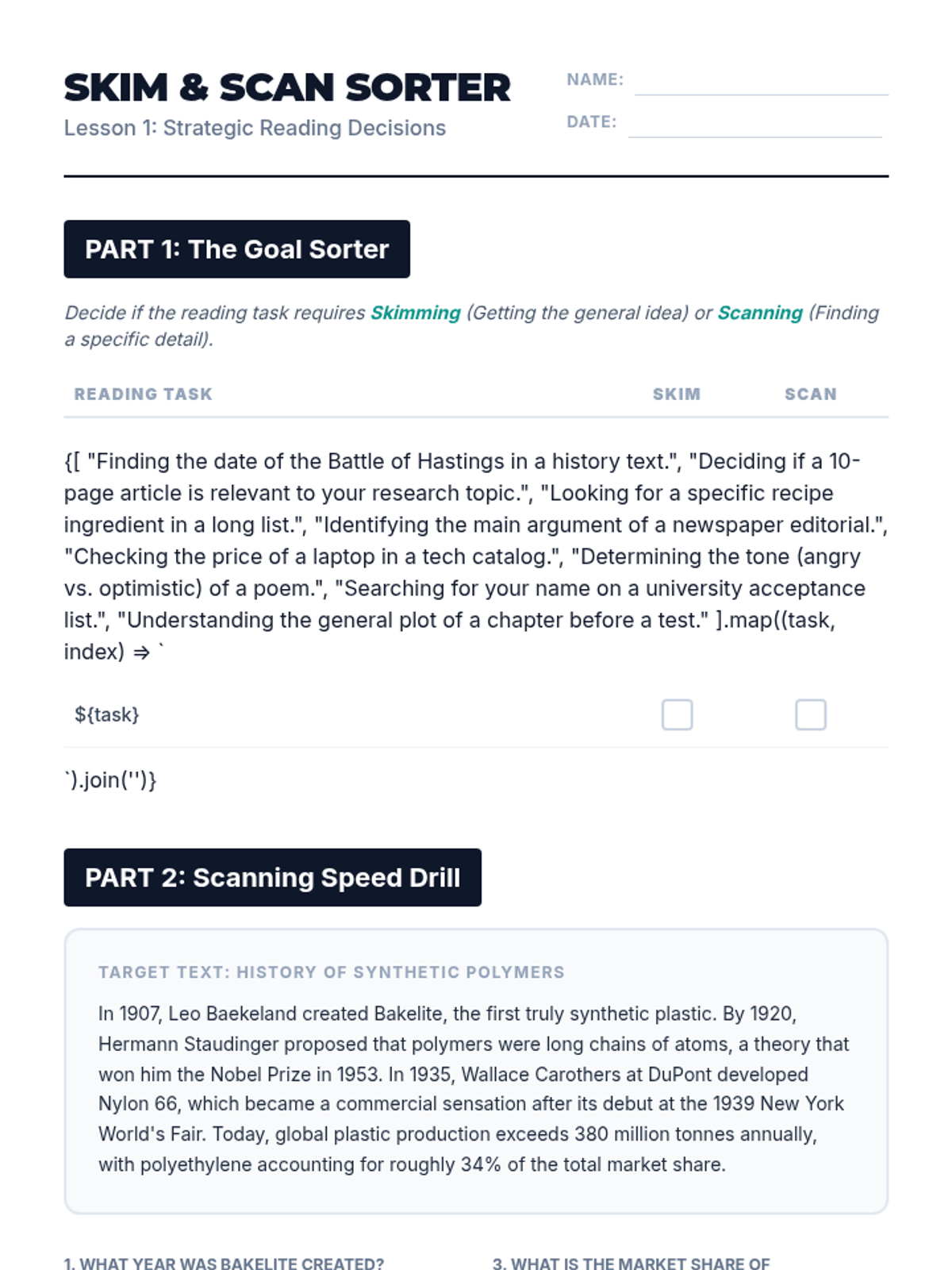
A comprehensive sequence designed for 11th-grade ESL students to master skimming and scanning techniques for academic success. Students progress from basic differentiation of reading speeds to advanced strategies for identifying tone, navigating text structures, and handling paraphrased test questions under time pressure.
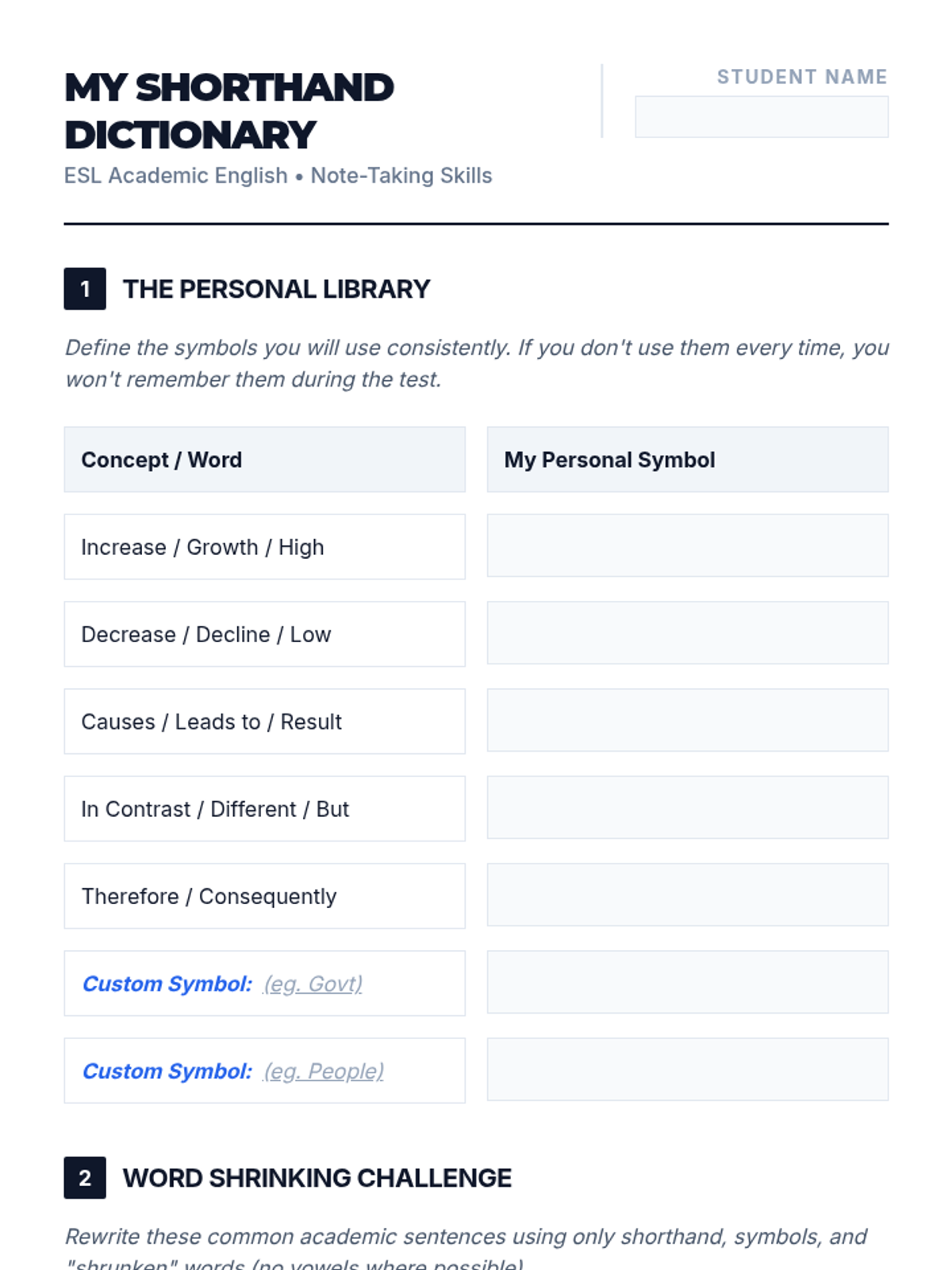
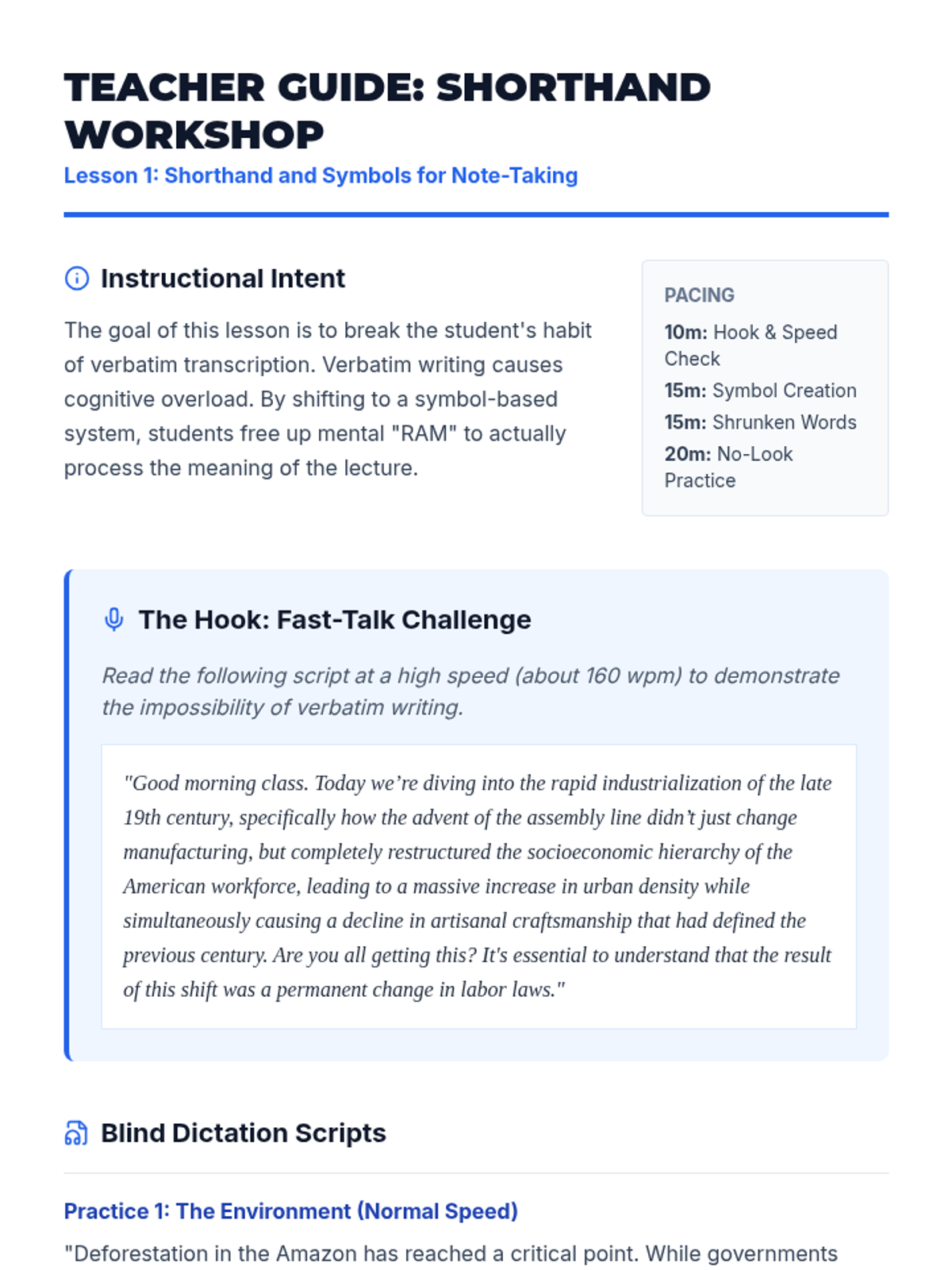
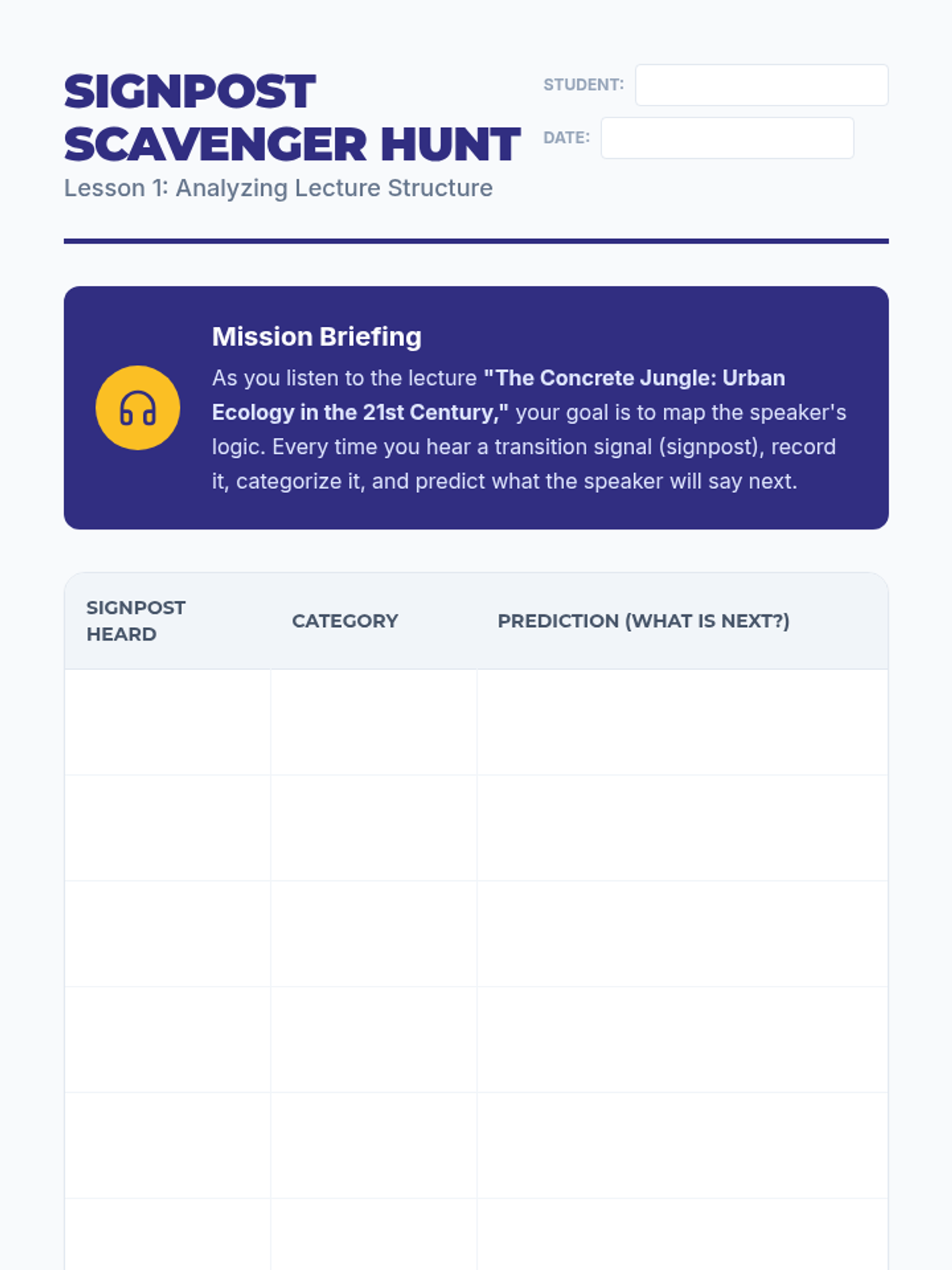
This sequence develops advanced ESL academic skills focused on shorthand, signpost recognition, and synthesis for integrated exam tasks. Students learn to build efficient note-taking systems to manage cognitive load during high-stakes listening and reading assessments.
A high-level ESL unit for 10th-grade advanced students focusing on critical listening, speaker intent, and rhetorical analysis. Students learn to decode subtext, detect bias, and identify logical fallacies in various auditory contexts.
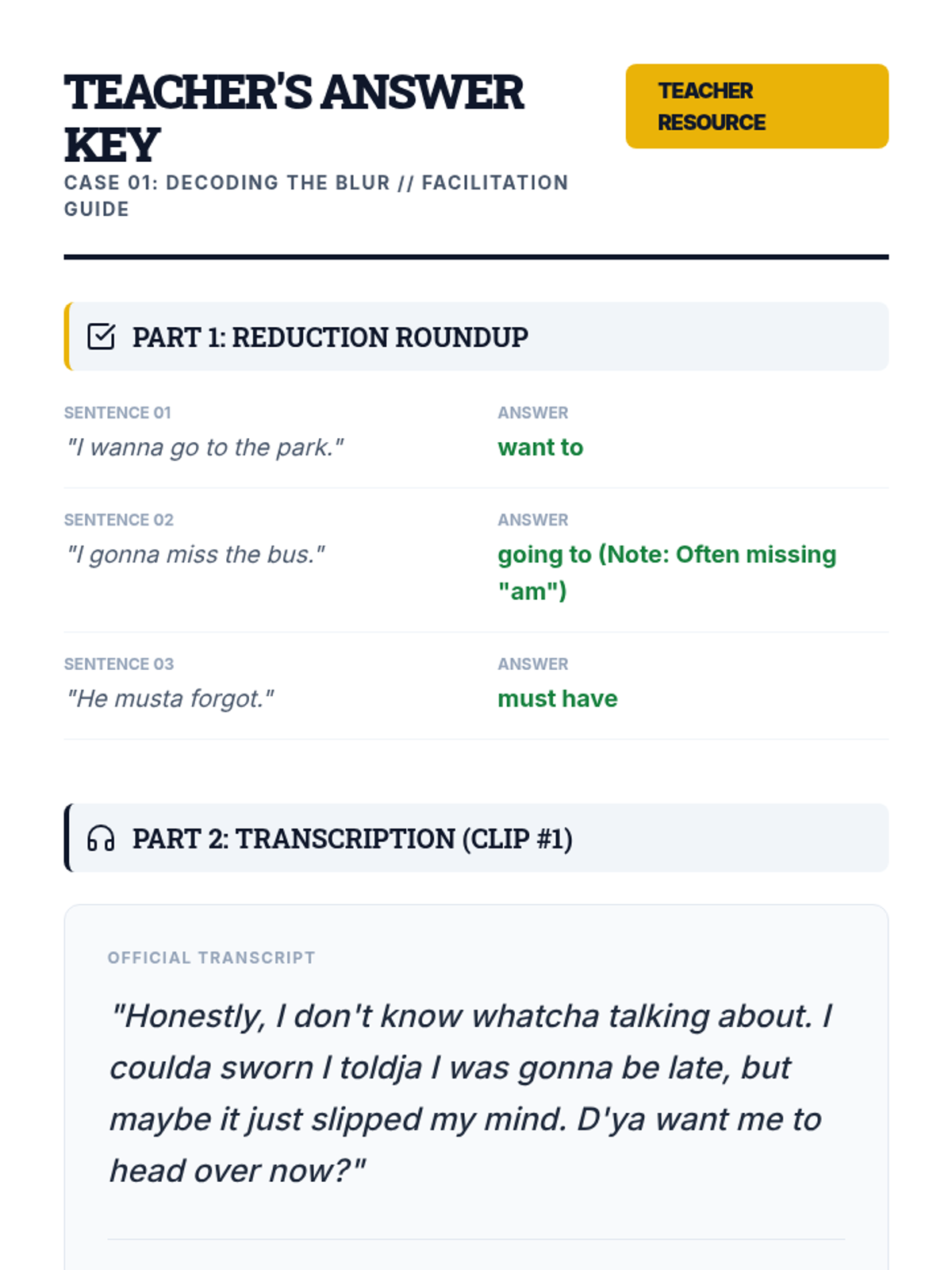
This sequence immerses advanced ESL students in the complexities of authentic, rapid-fire English speech. It covers connected speech mechanics, global accent variation, slang usage, and the sociolinguistics of code-switching, culminating in the analysis of real-world street interviews.
Students explore English beyond the textbook, focusing on authentic fast-paced speech, regional dialects, and varying registers to improve real-world listening comprehension.
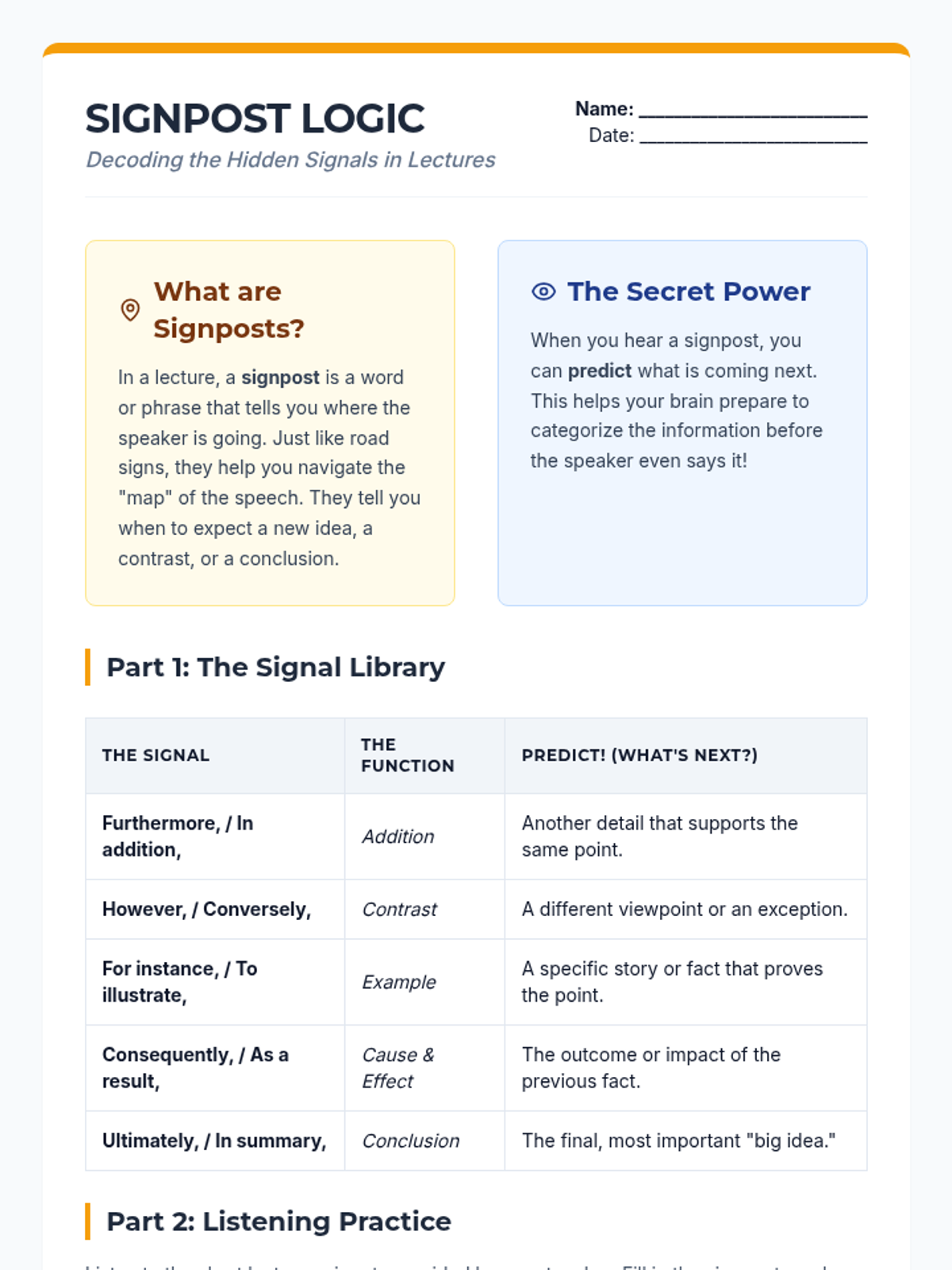
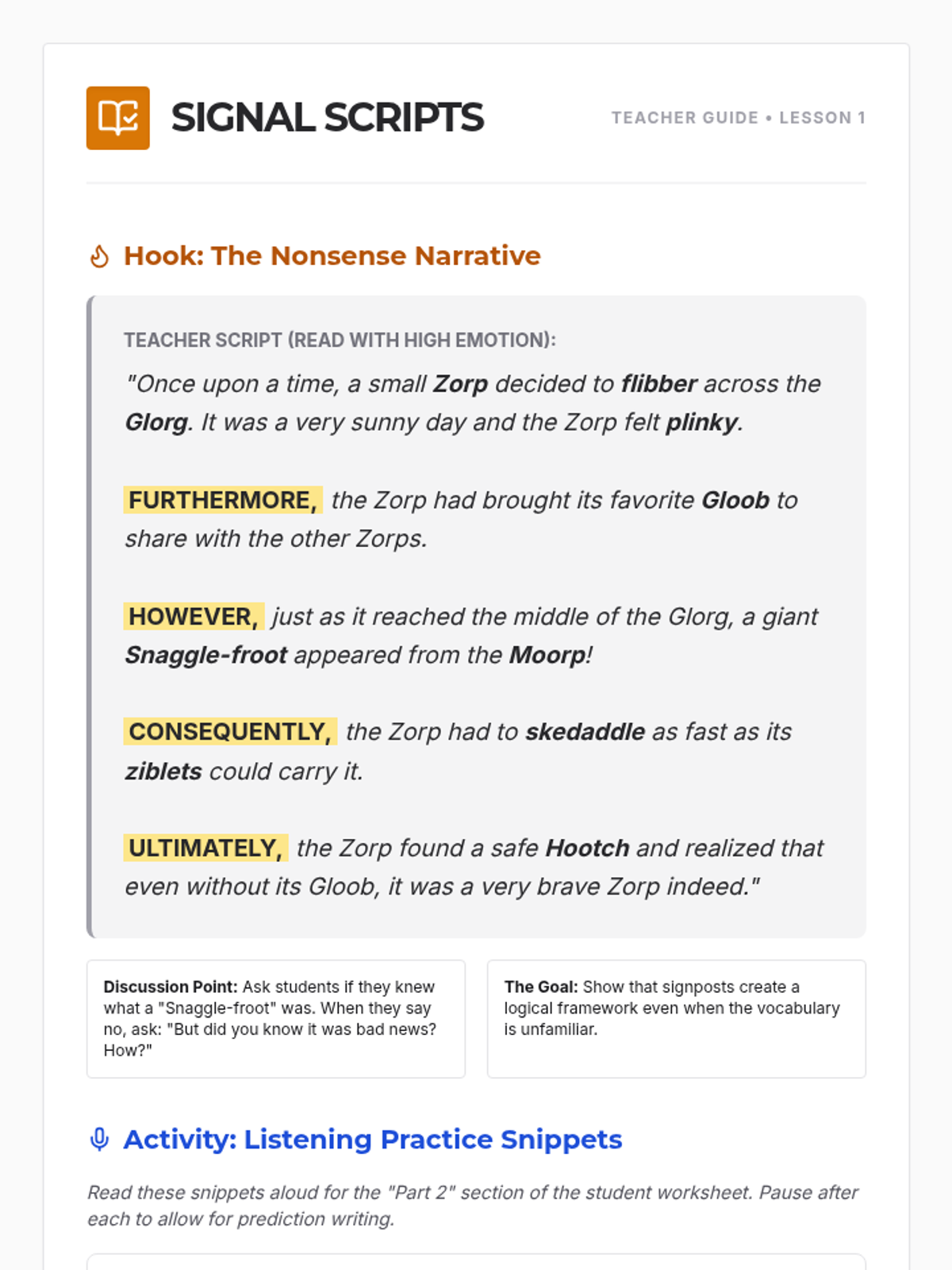
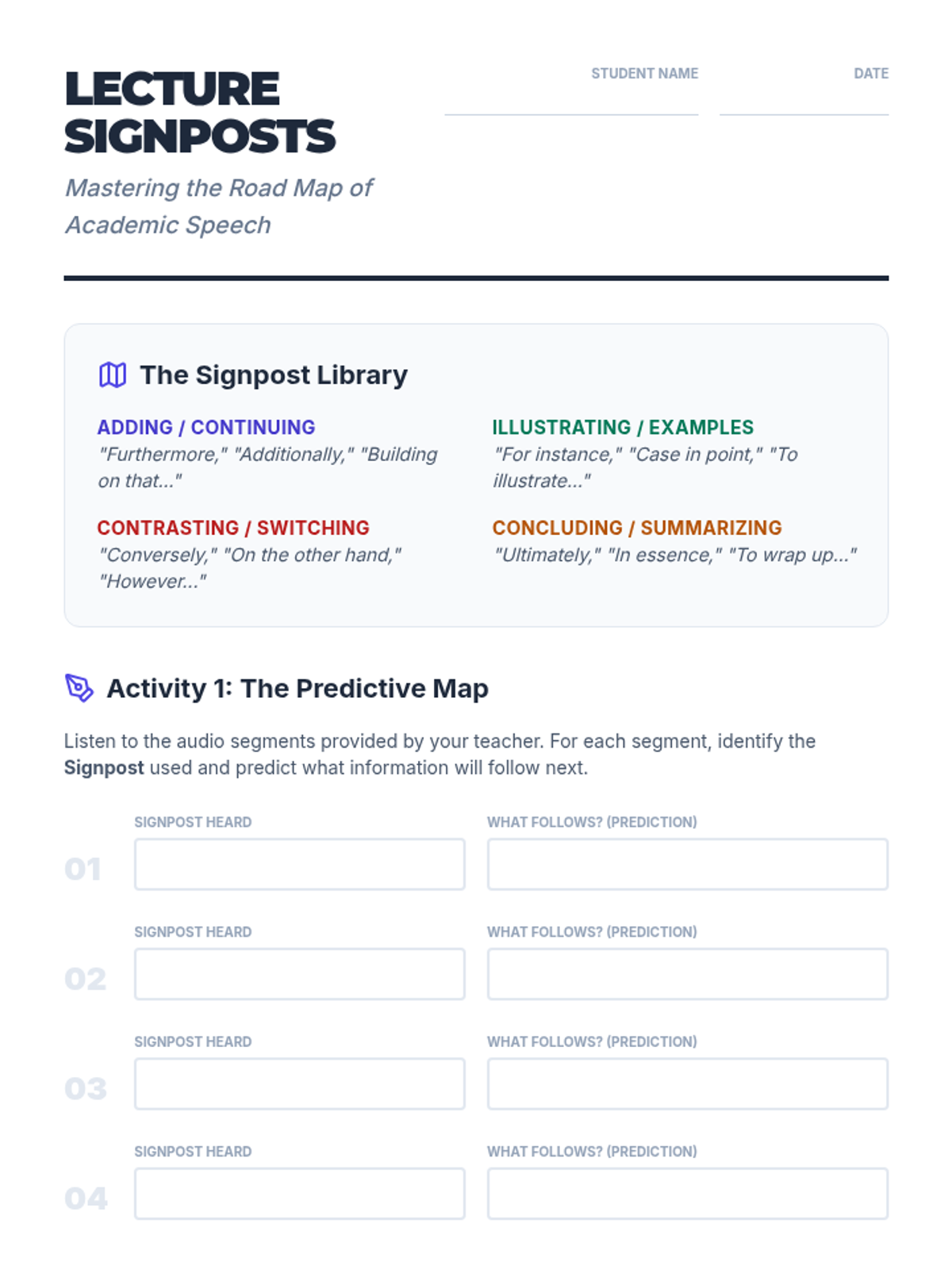
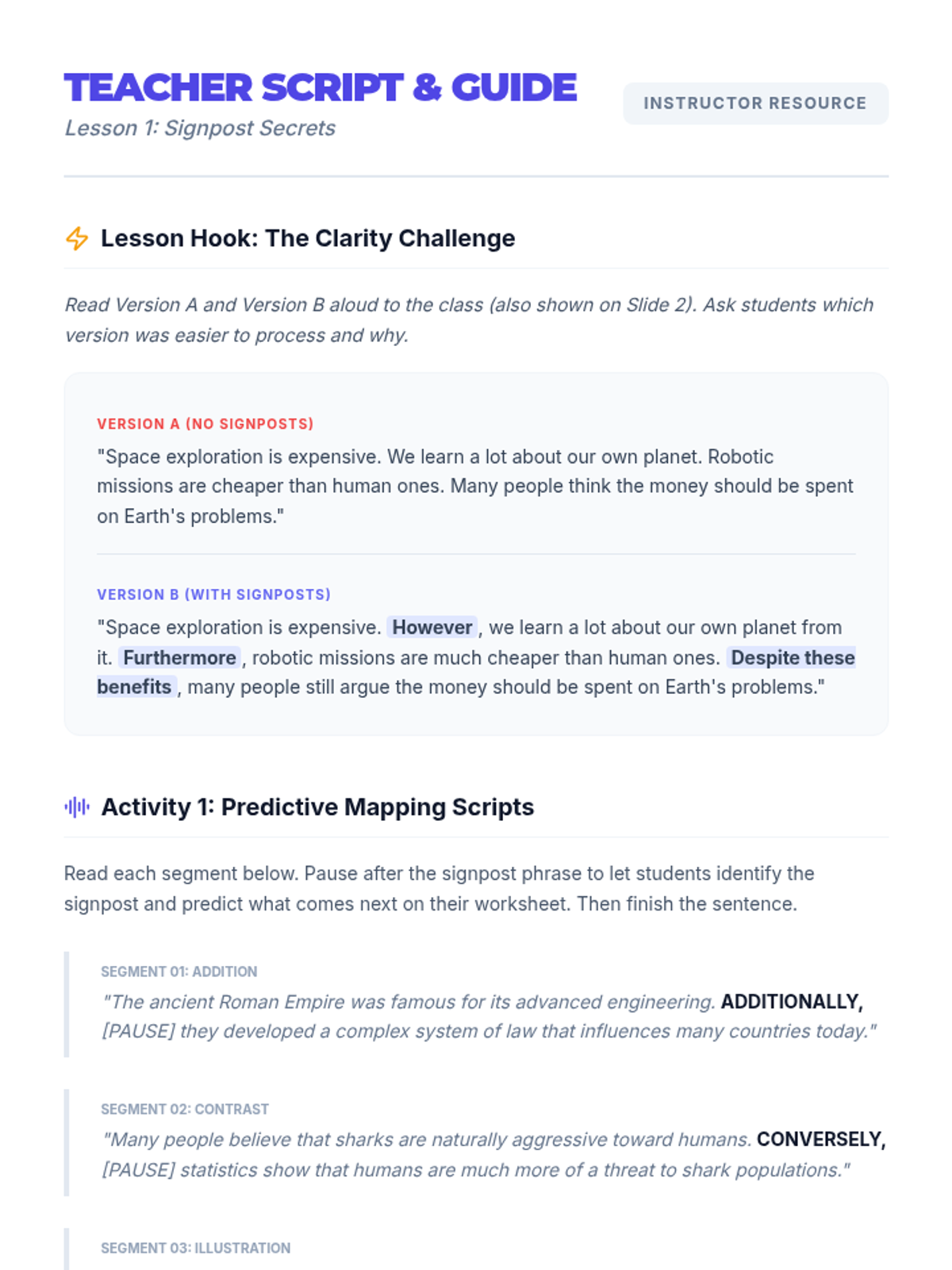
This sequence equips advanced 7th-grade ESL students with the skills to navigate complex academic lectures. It covers identifying verbal transitions, mastering Cornell notes, distinguishing main ideas from trivia, visualizing oral descriptions, and synthesizing information into accurate summaries.
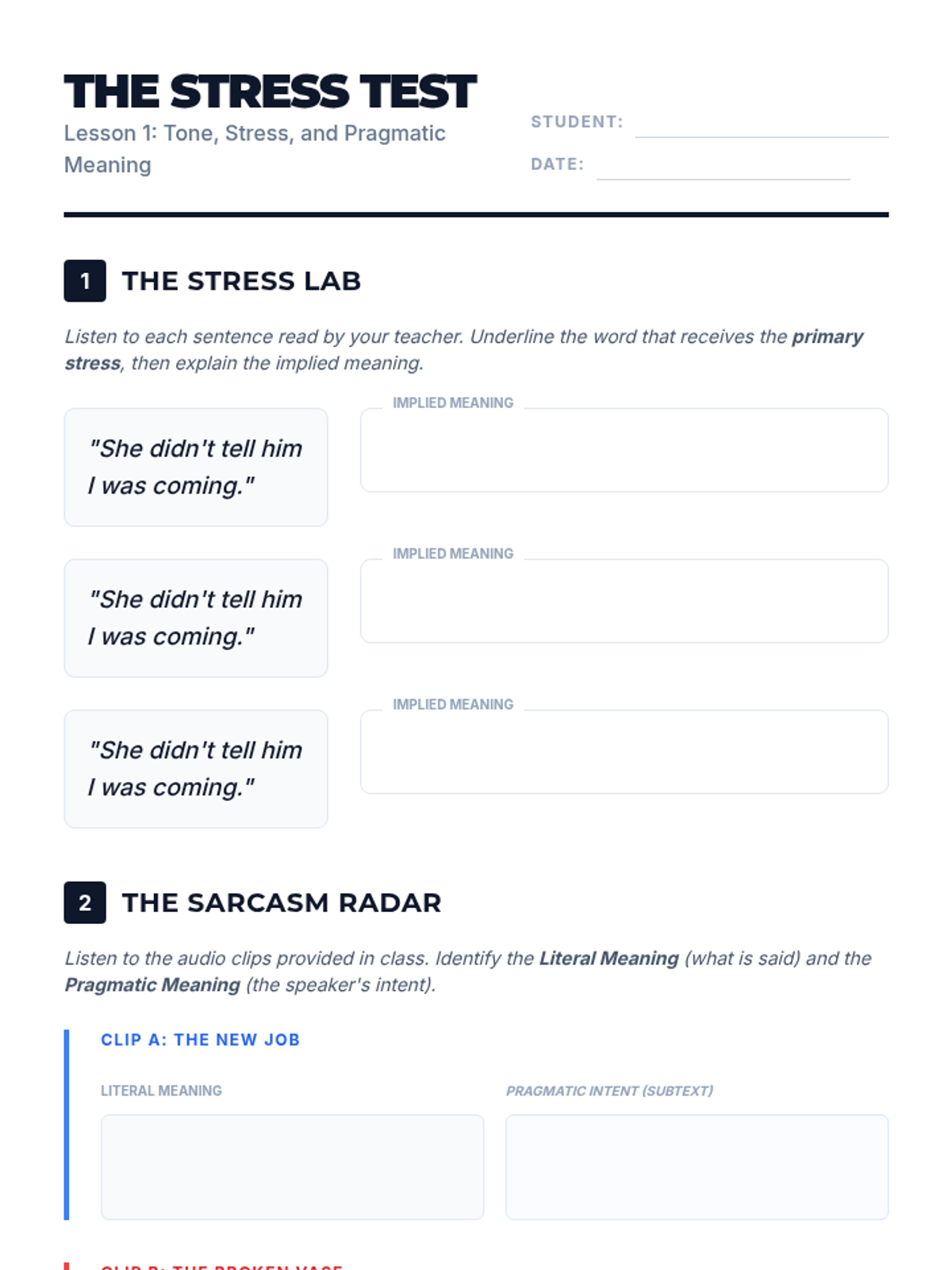
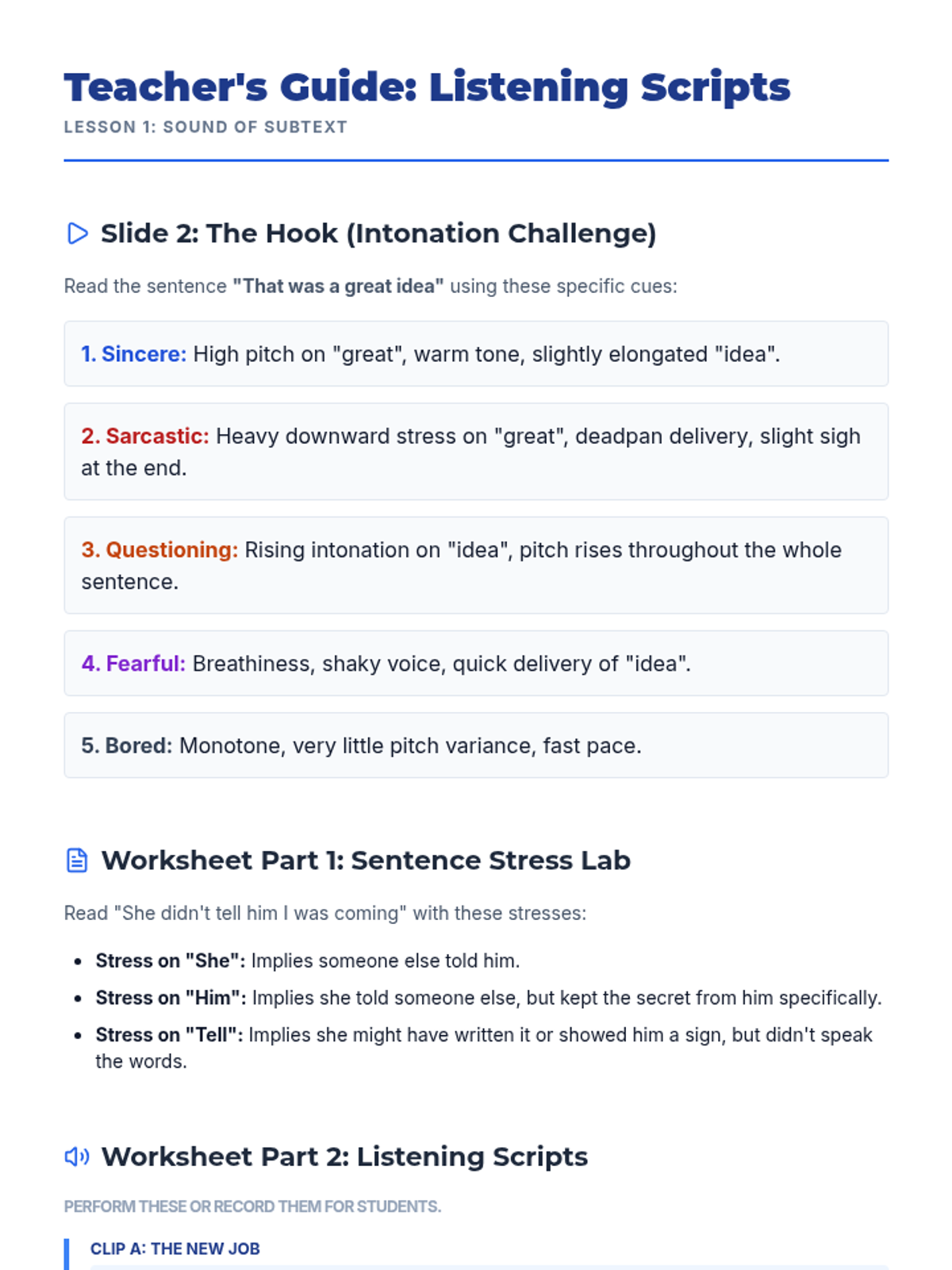
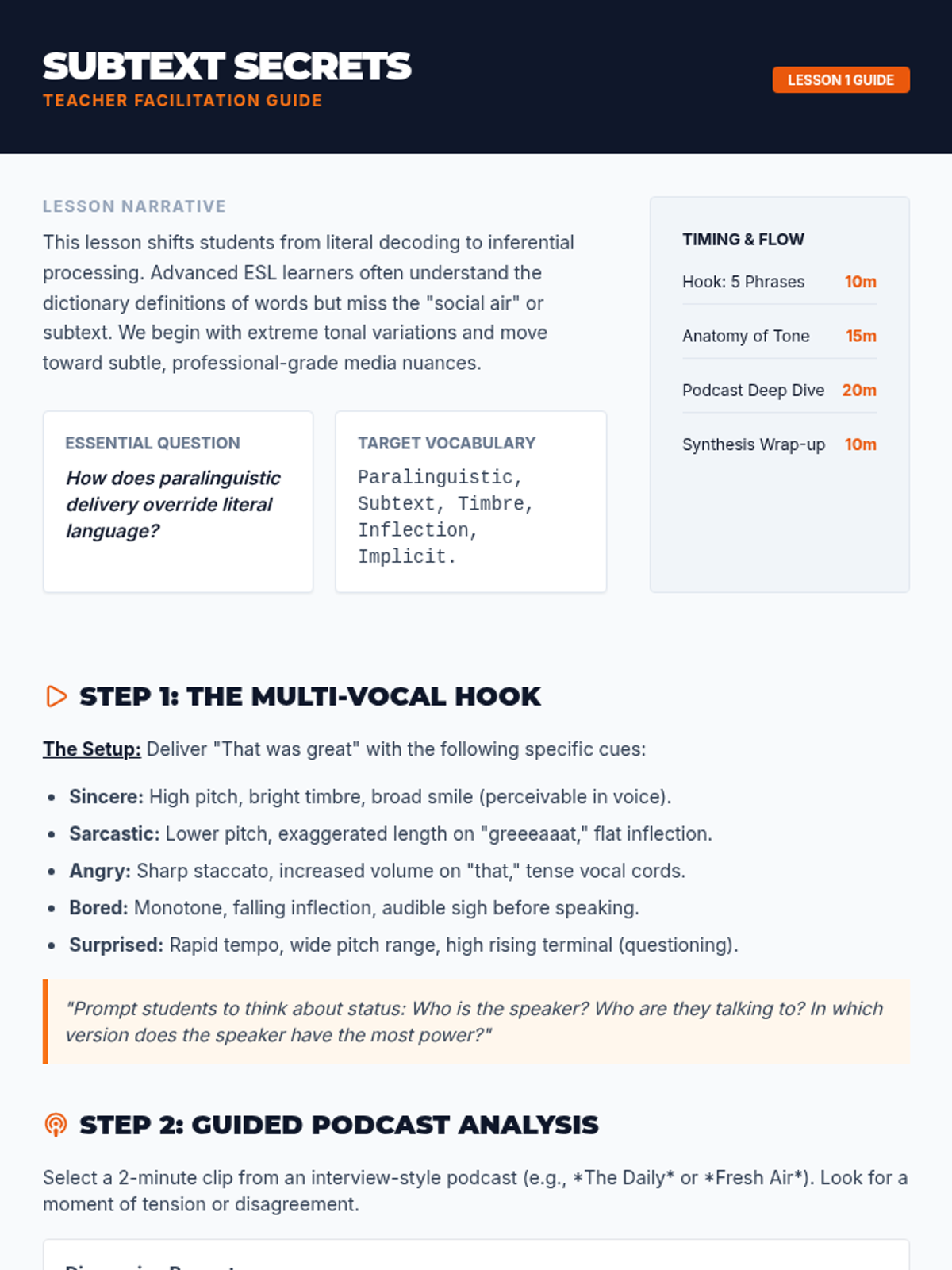
A high-level listening and media literacy unit for advanced ESL students, focusing on the nuances of tone, sarcasm, journalistic bias, and power dynamics in spoken English. Students move from decoding emotional subtext to producing their own sophisticated audio commentary.
This sequence immerses advanced ESL students in the reality of natural English, focusing on regional dialects, connected speech, and colloquialisms to build authentic listening comprehension.
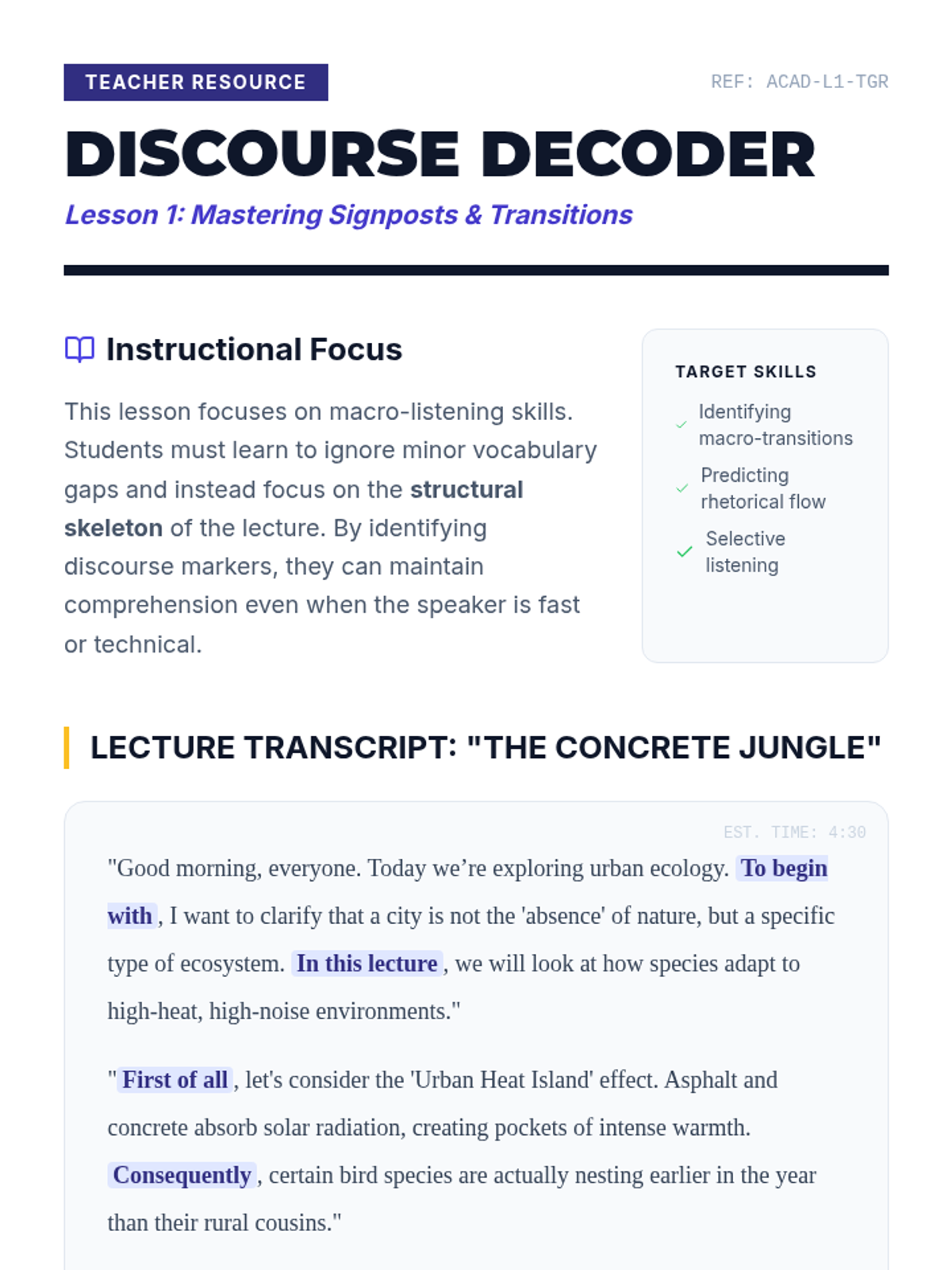
A high-level ESL sequence designed to prepare 11th-grade students for university lectures. It covers macro-structures like signposting, micro-skills like hedging and rhetorical appeals, and ends with a full lecture synthesis seminar.
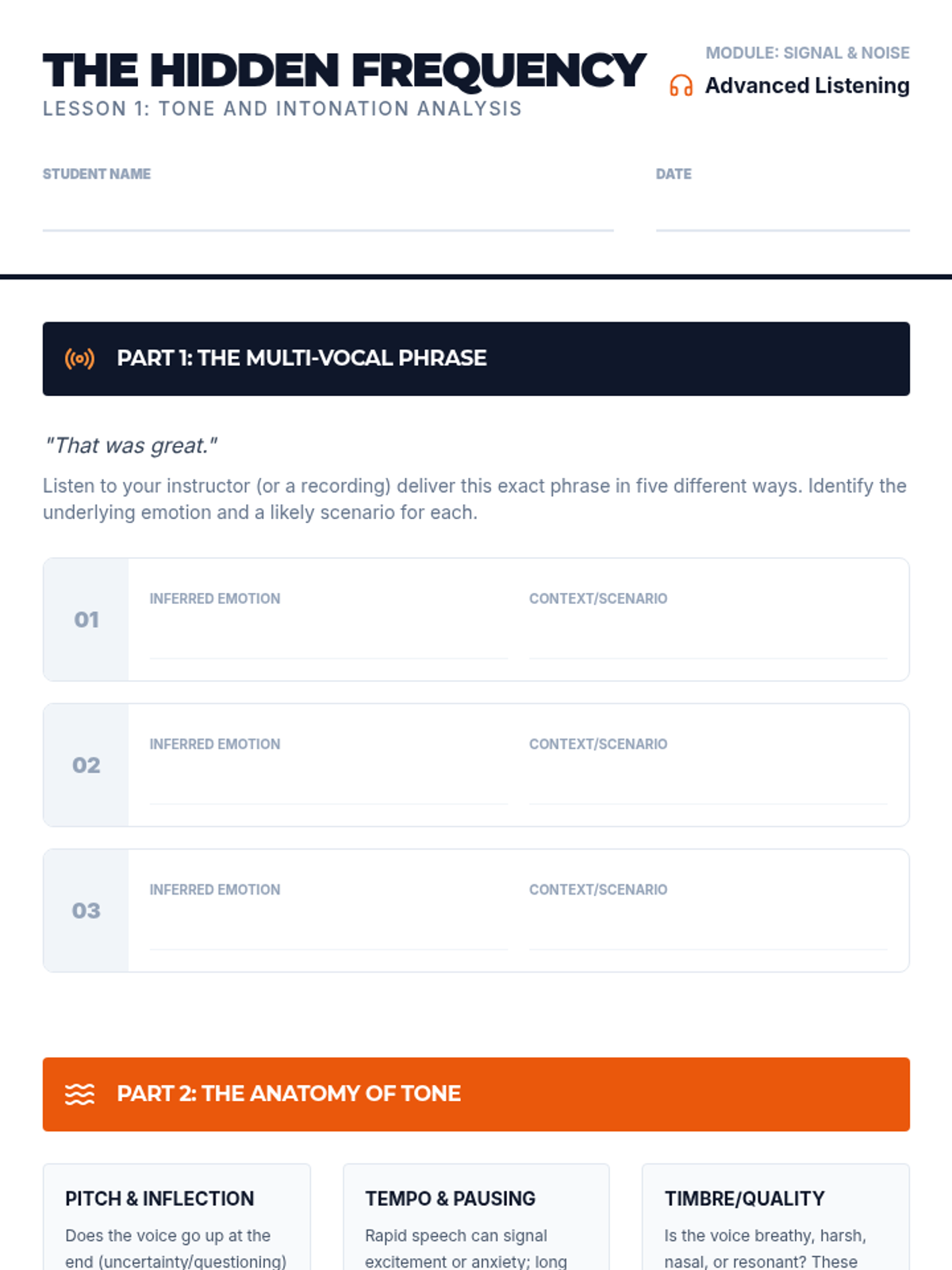
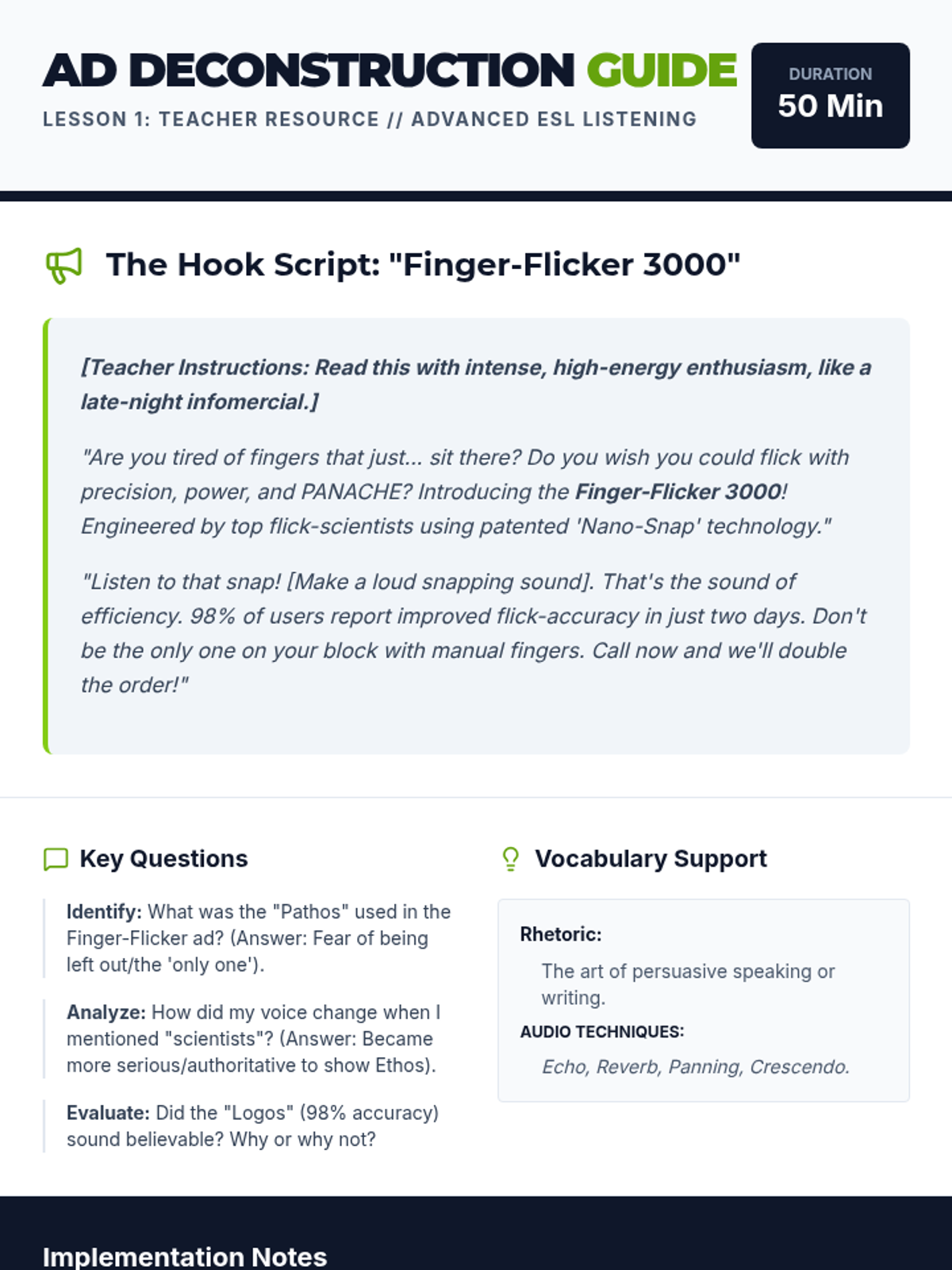
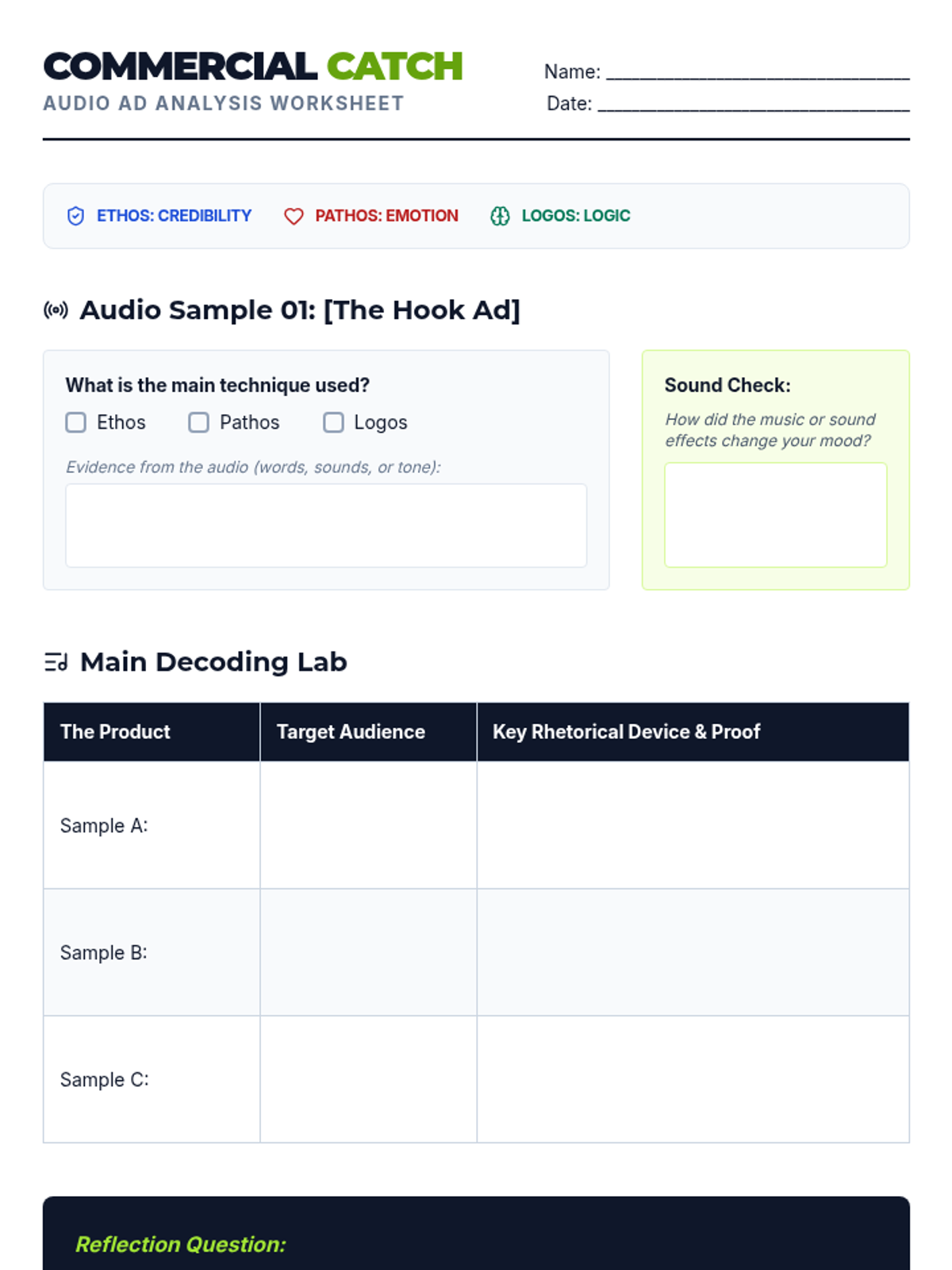
A high-level ESL sequence focusing on inferential listening, rhetoric, and speaker intent. Students analyze advertisements, news, humor, and debates to decode subtext and bias.
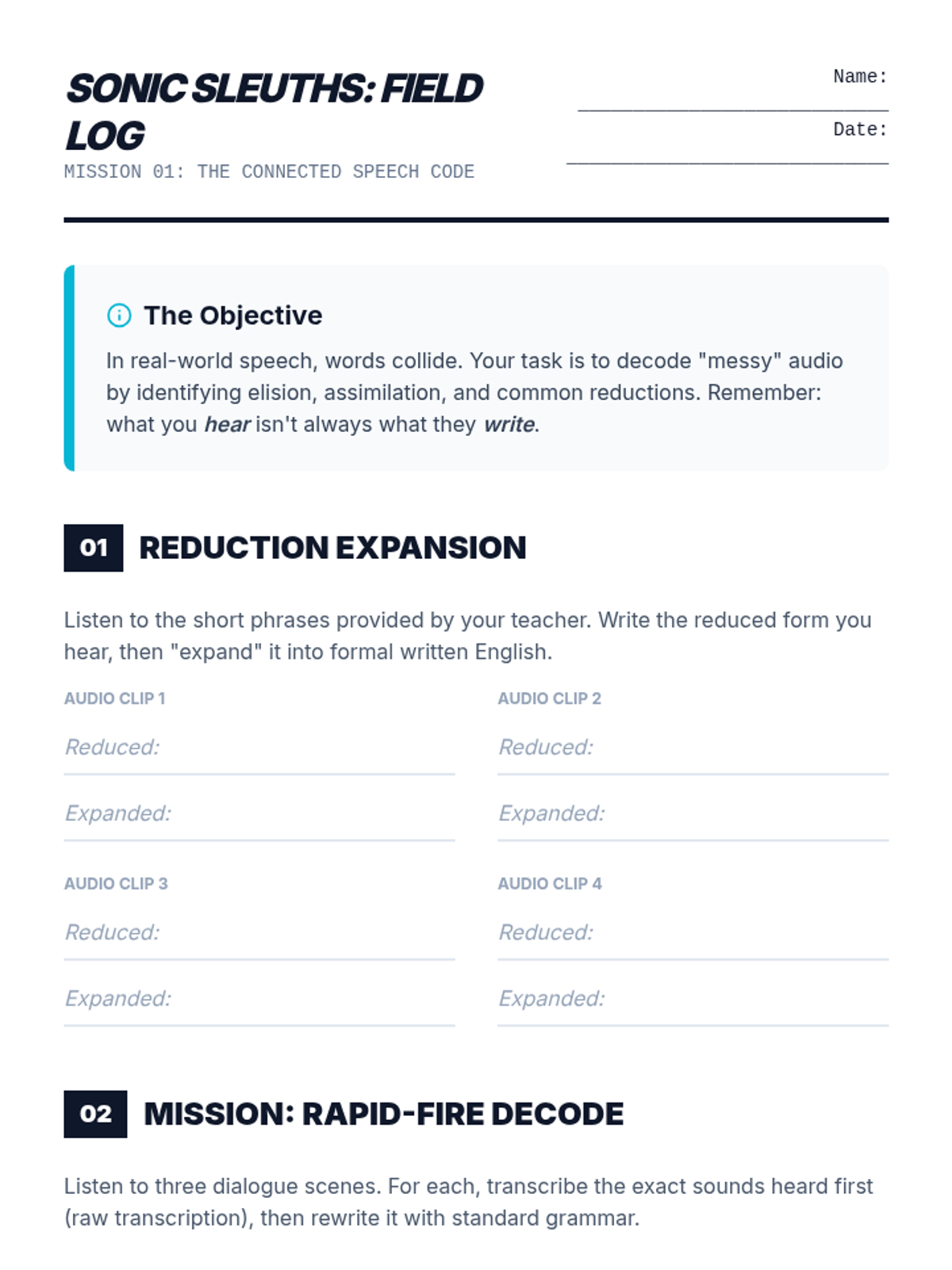
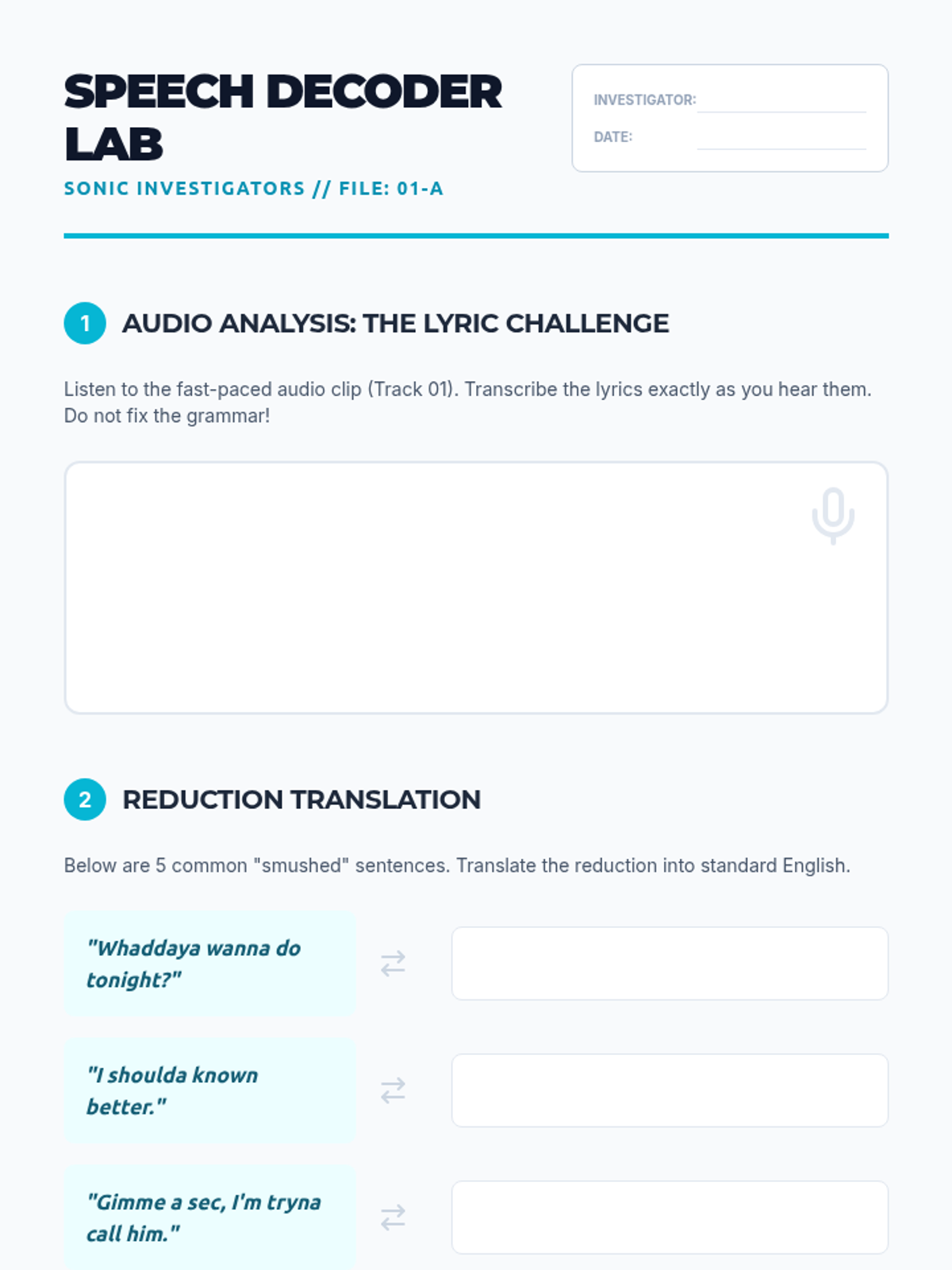
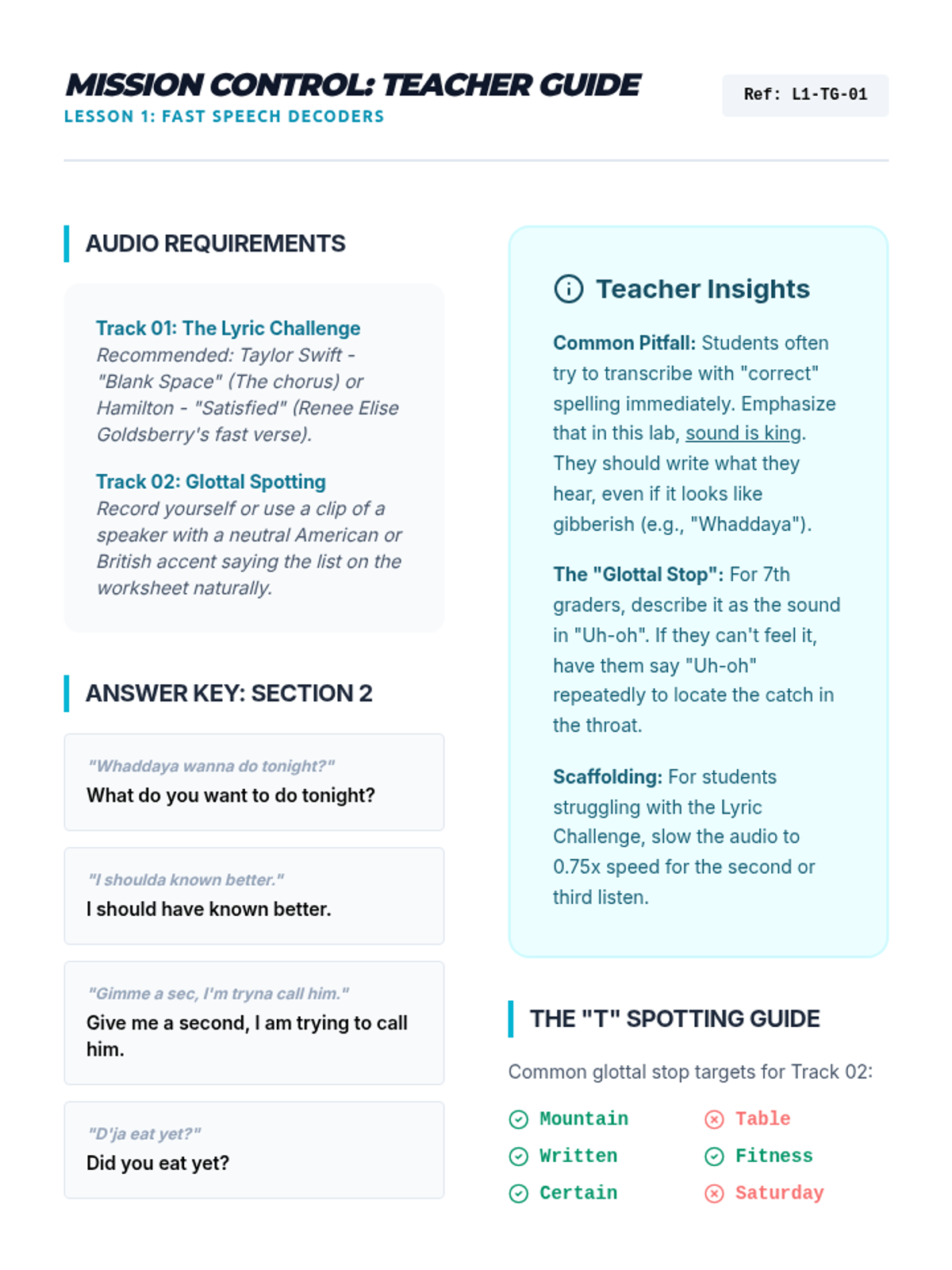
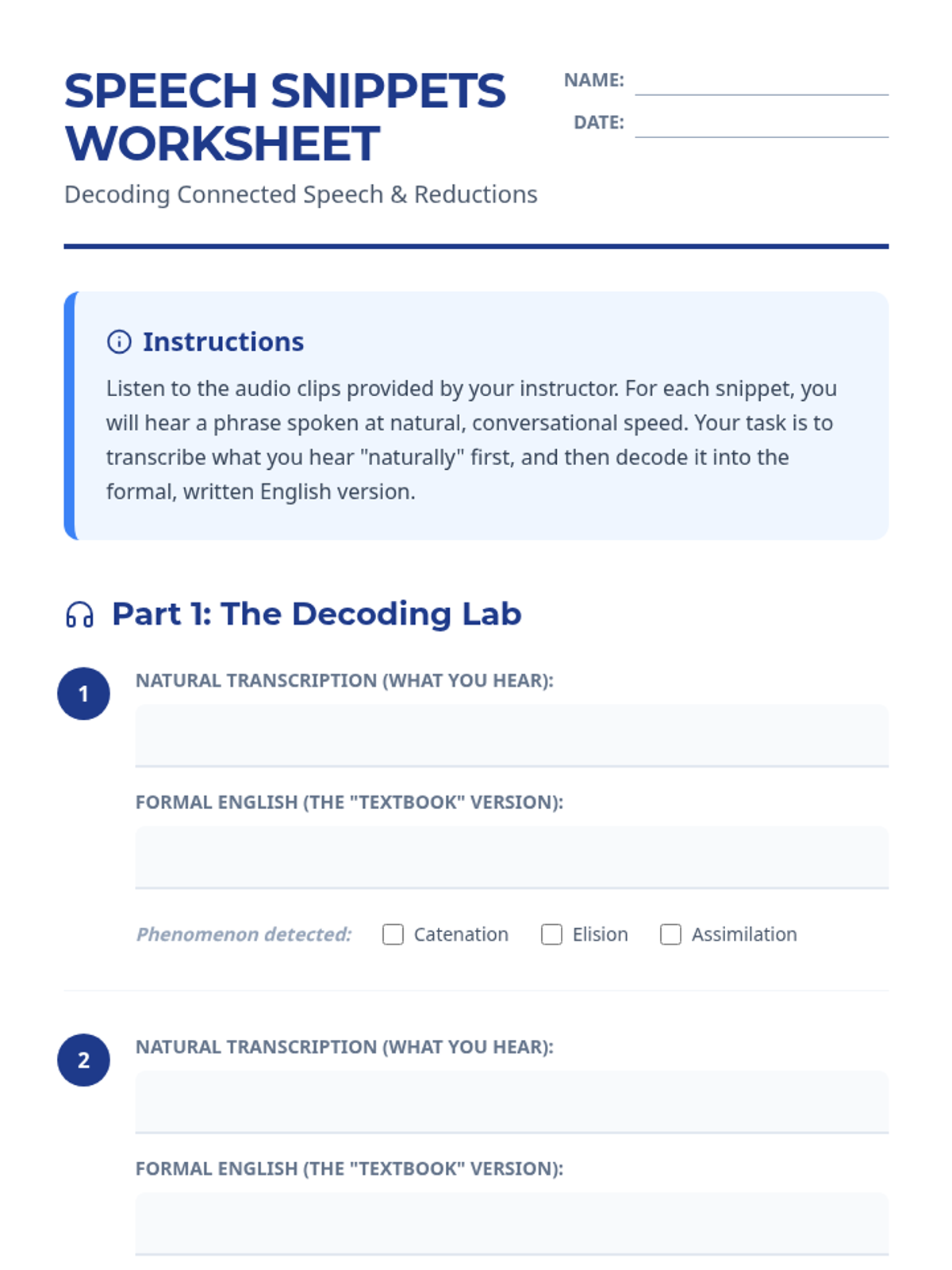
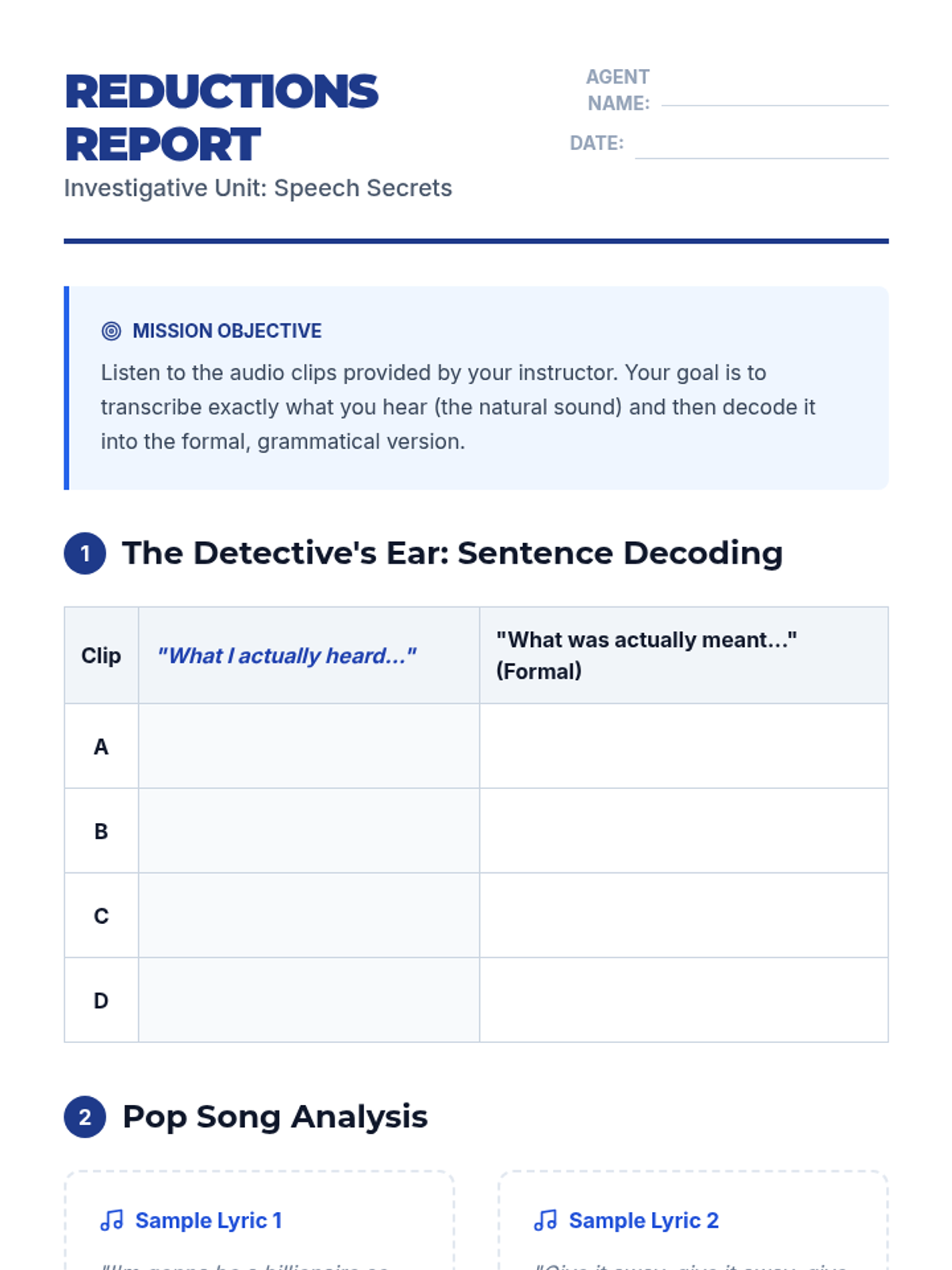
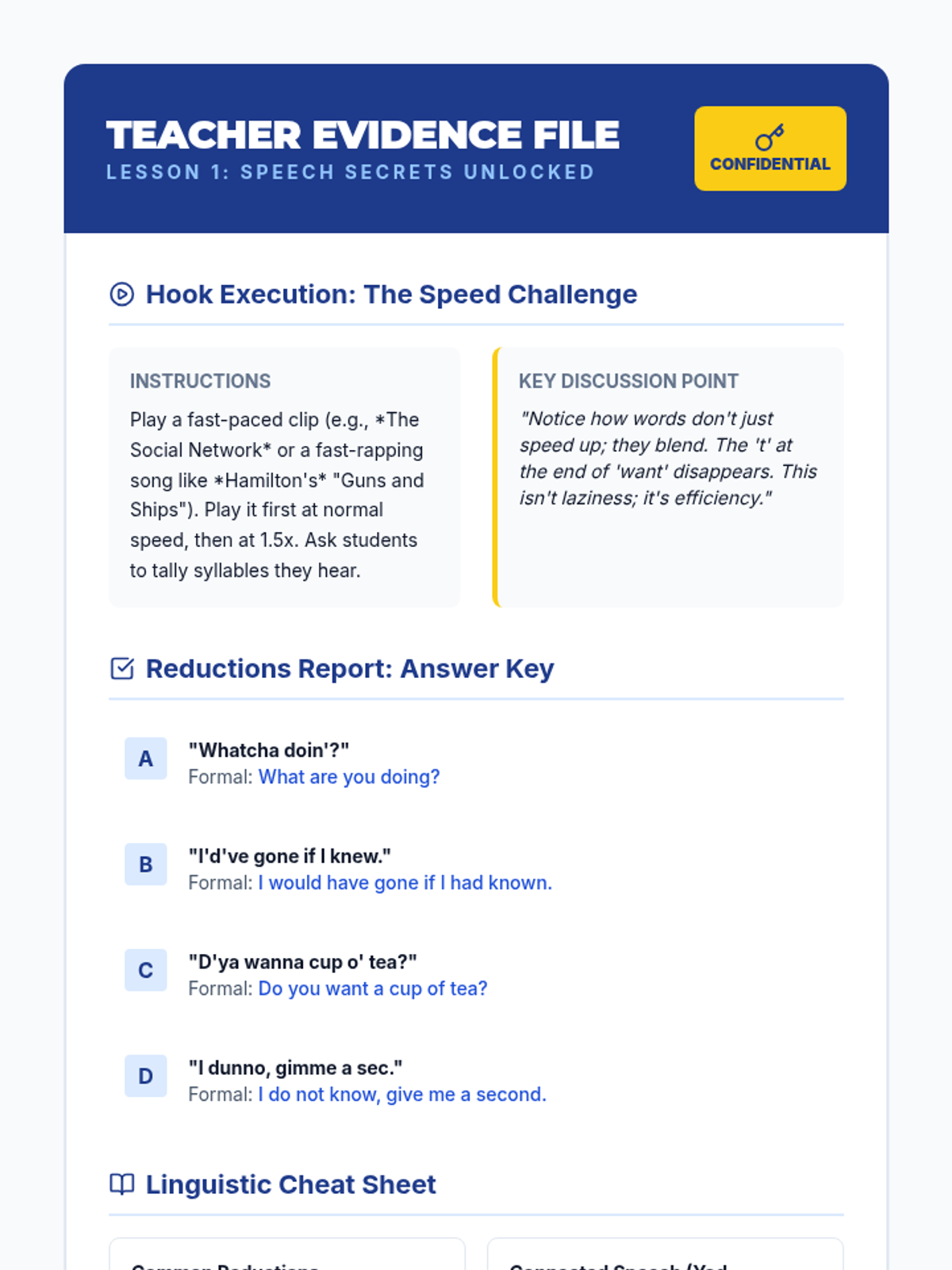
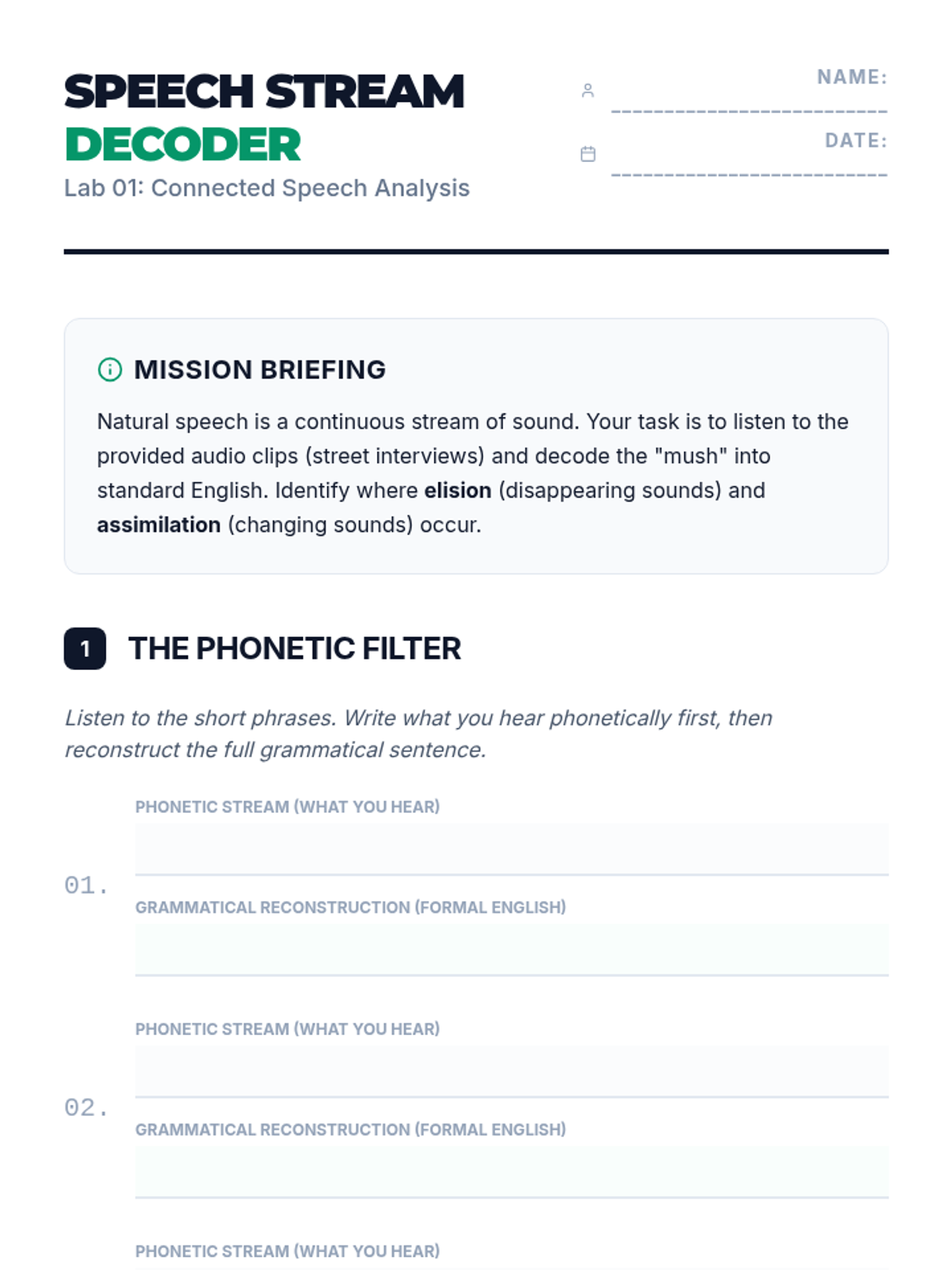
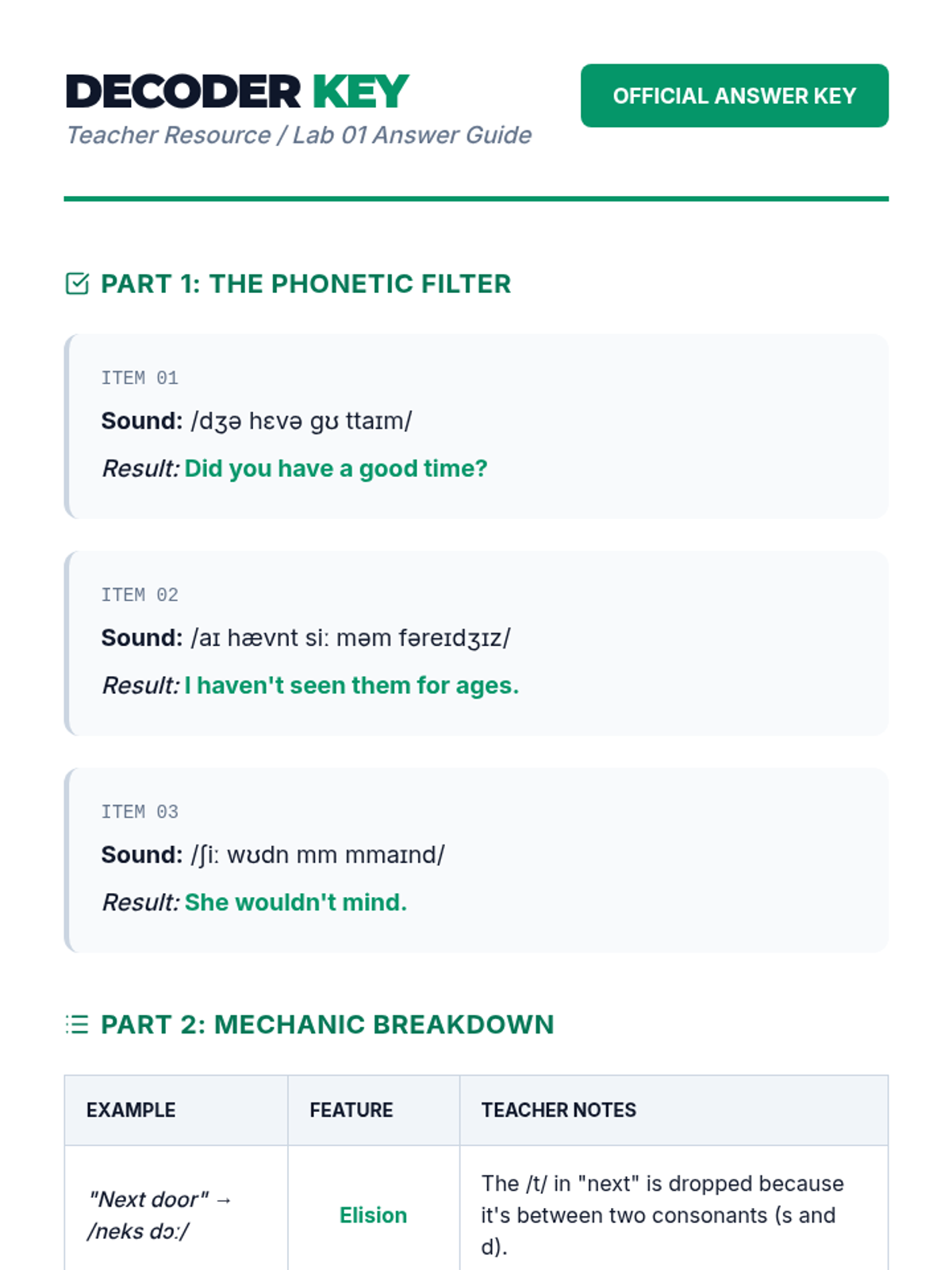
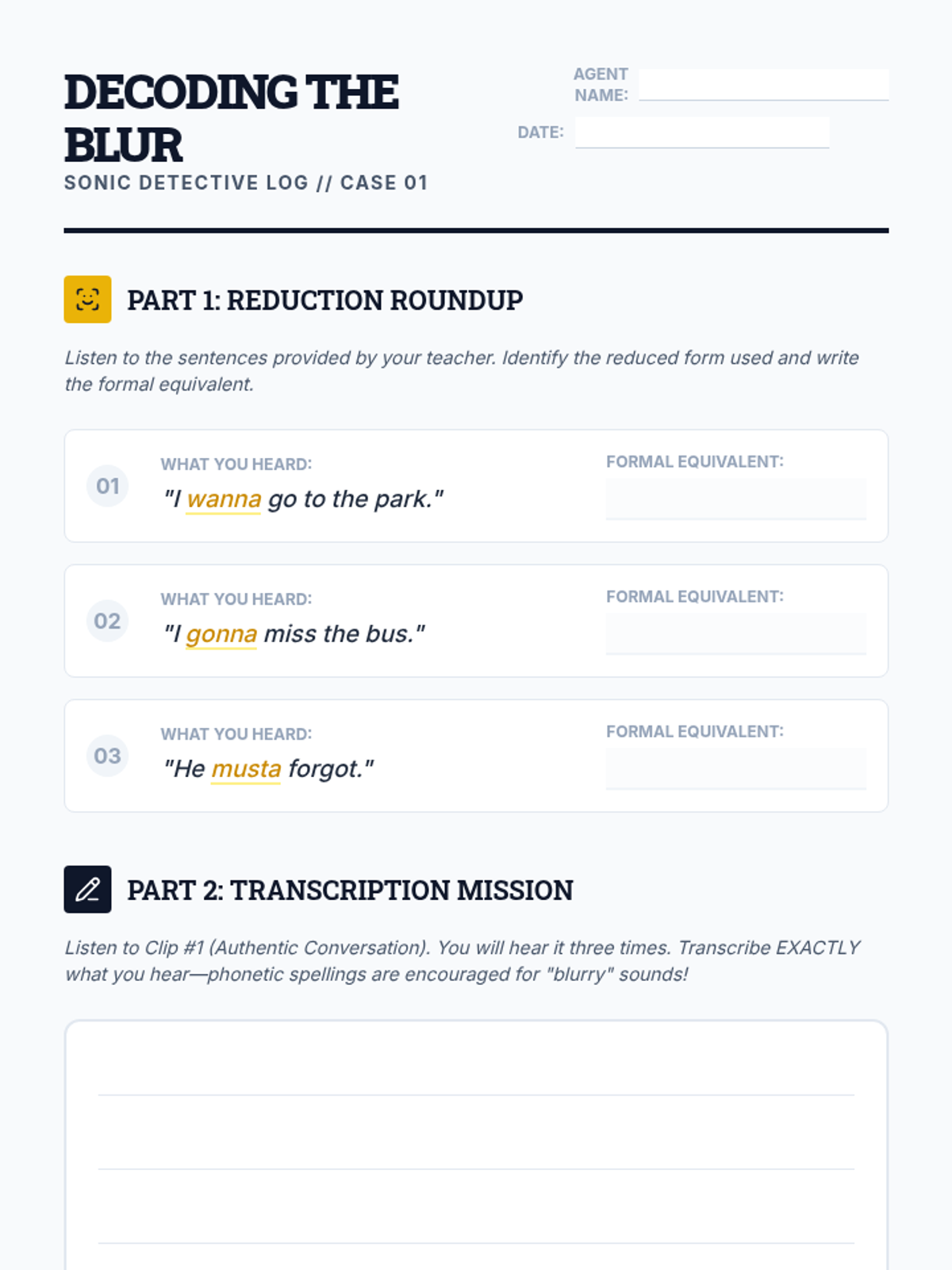
This sequence challenges students to move beyond 'textbook English' to decode the realities of natural, fast-paced speech, including regional dialects and connected speech phenomena. Students investigate how sounds change, disappear, or merge in casual conversation (assimilation and elision) and explore major English accents (American, British, Australian). Through inquiry and case studies of real-world media, students learn to navigate the variability of the English language with confidence.
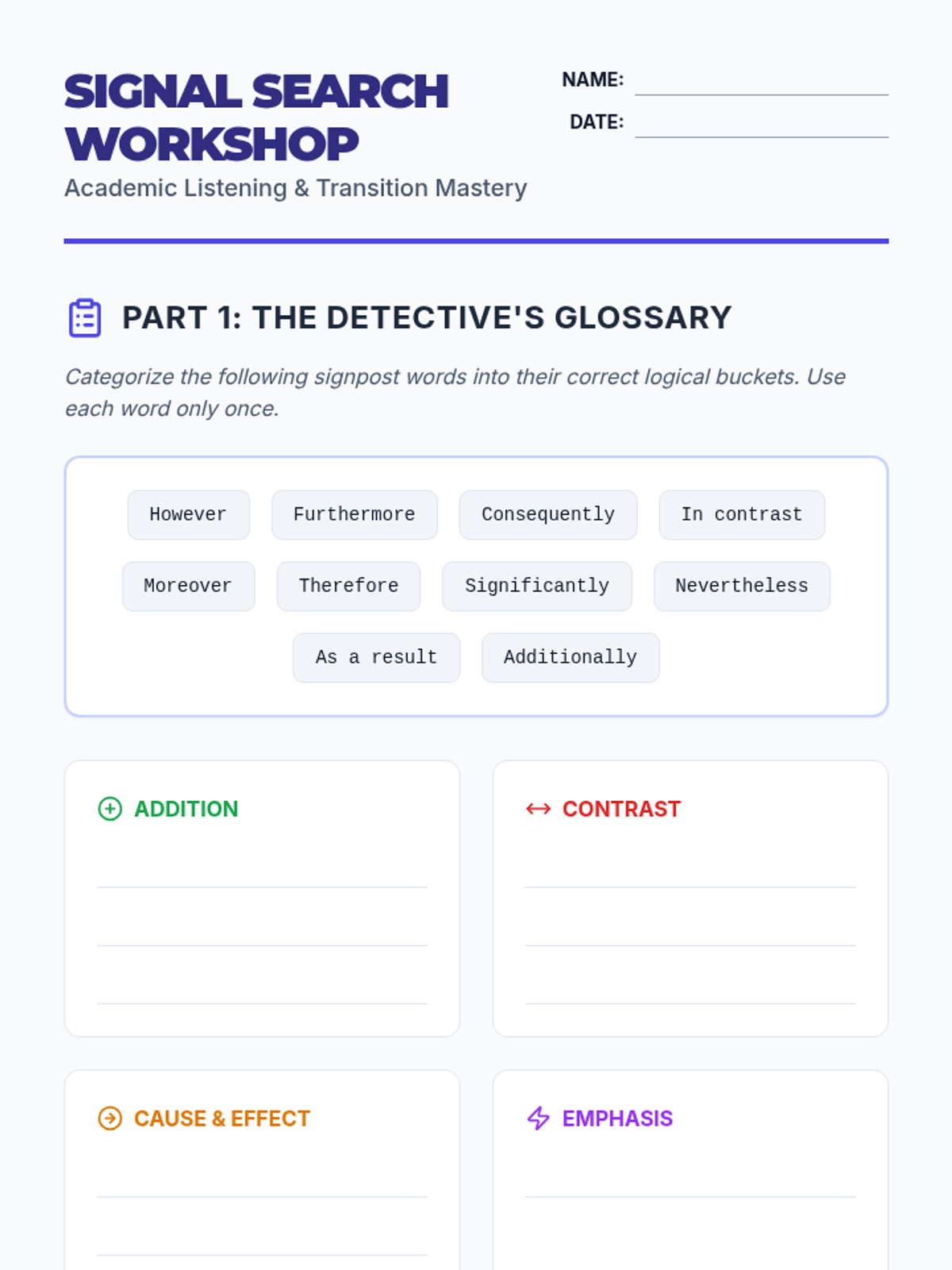
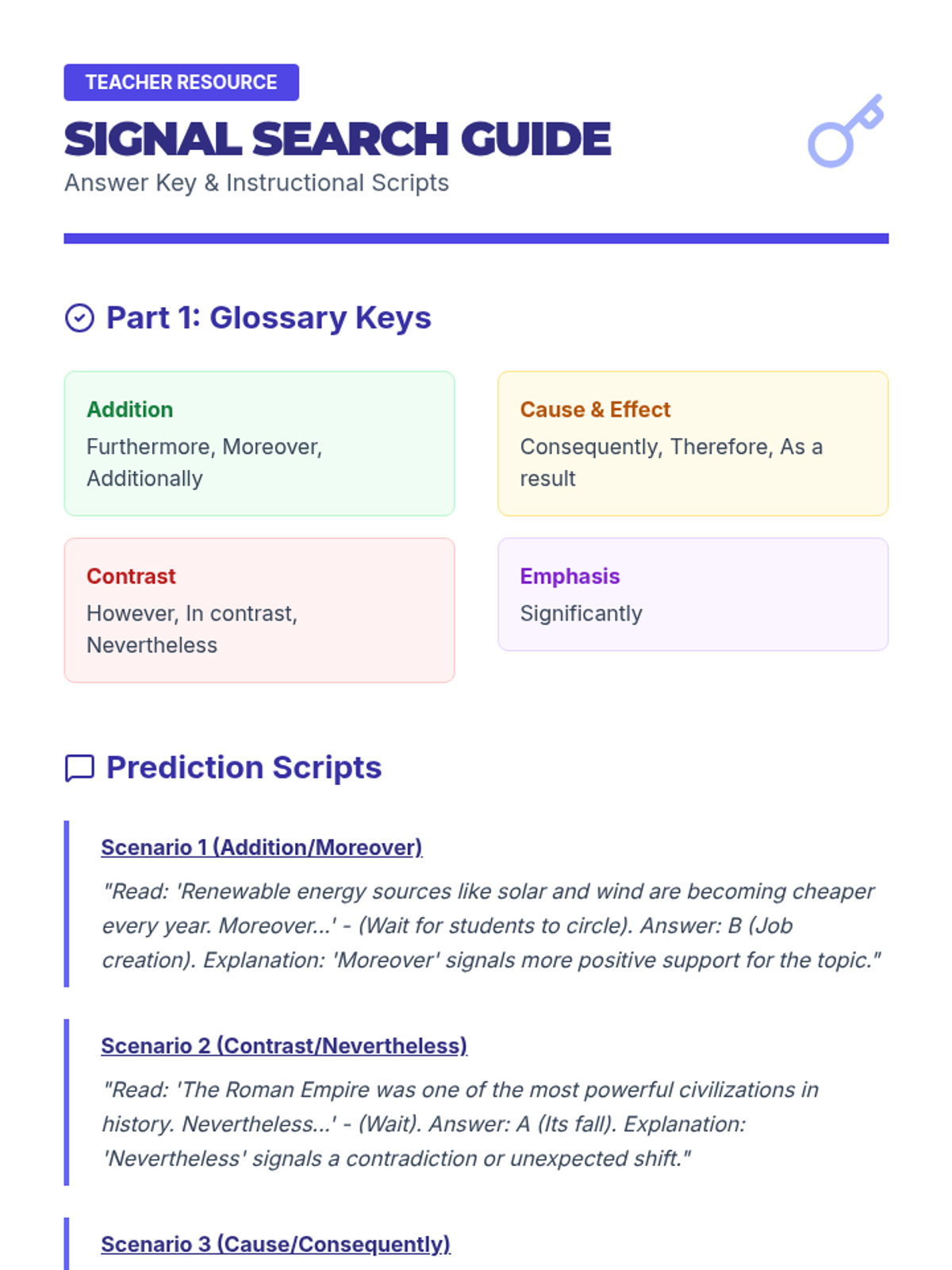
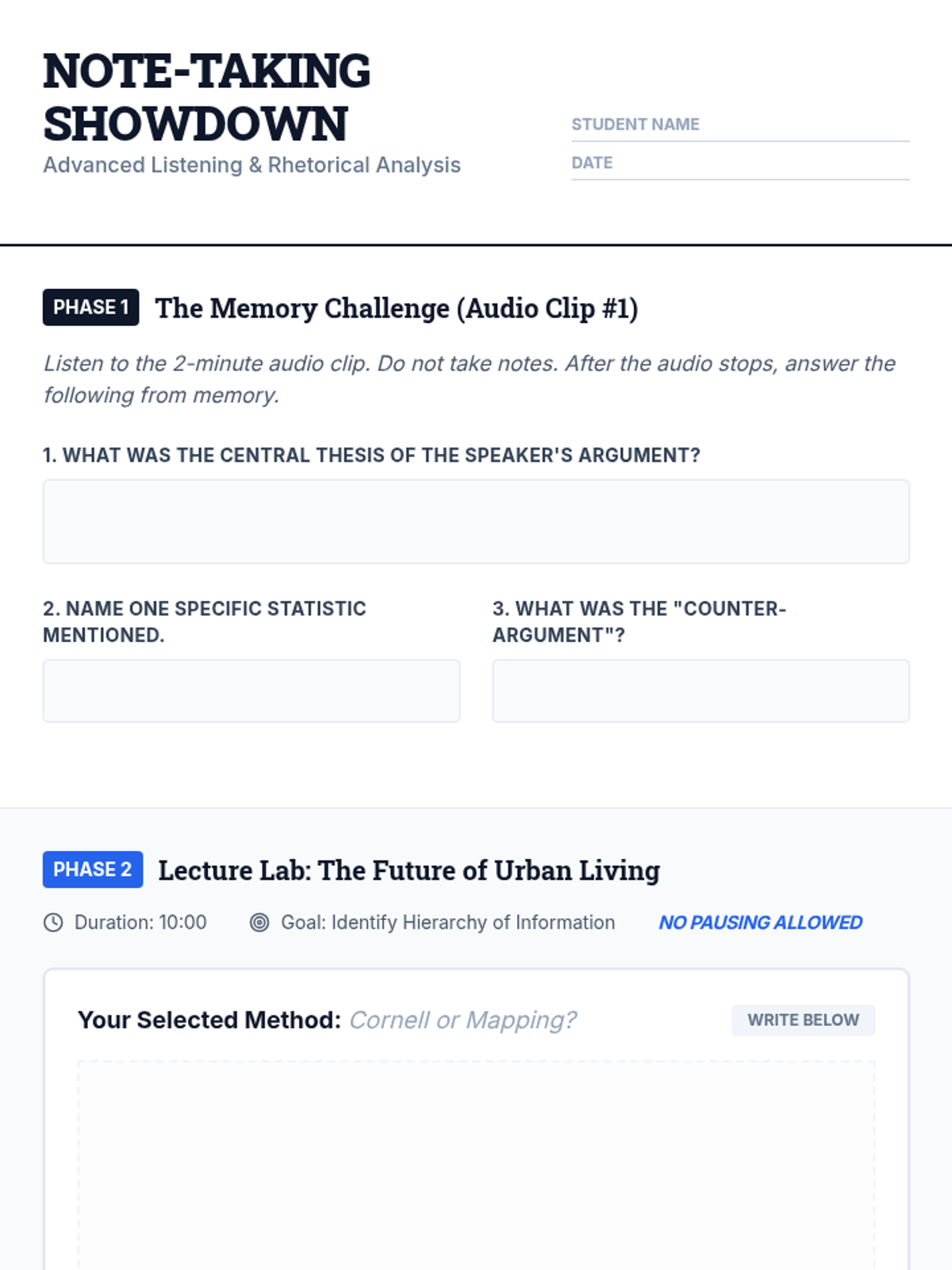
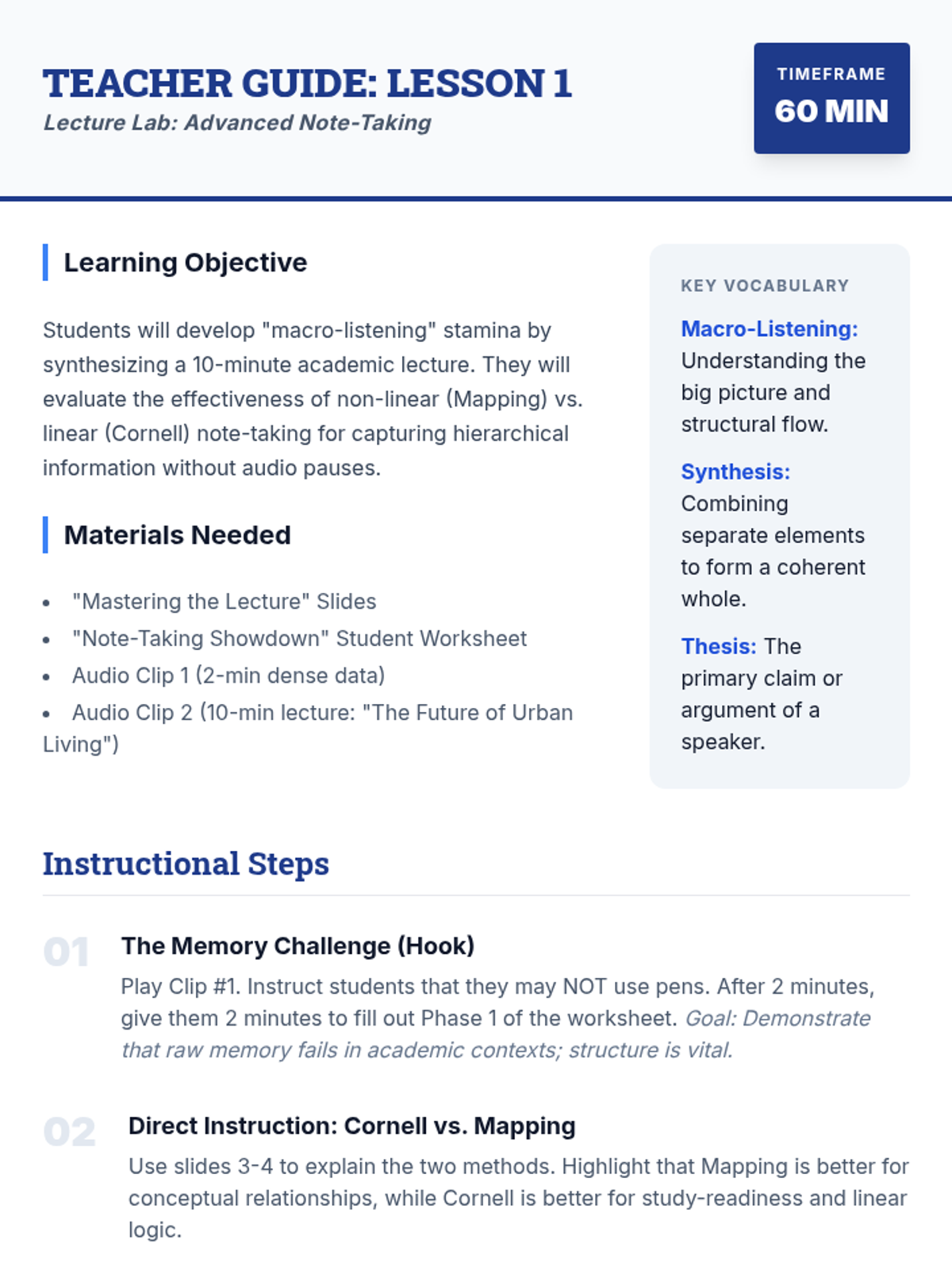
This sequence equips advanced ESL students with strategies for academic listening, focusing on verbal signposts, main idea extraction, Cornell note-taking, and synthesizing complex information for academic discussion.
This sequence addresses the challenges of understanding natural, non-standardized English in global contexts, moving beyond textbook audio to explore regional dialects, strong accents, and connected speech. Students investigate how cultural context shapes language use and practice decoding colloquialisms and slang, culminating in a simulation of diverse English varieties in a professional setting.
This advanced ESL sequence focuses on mastering natural, unscripted English. Students move beyond textbook grammar to analyze connected speech, regional dialects, and the subtle subtext of authentic media like podcasts and interviews.
This sequence prepares advanced ESL learners for the rigors of university-level listening by deconstructing rhetorical strategies, identifying signposting, and evaluating speaker bias in academic lectures. Students move from mastering note-taking structures to engaging in a high-stakes Socratic seminar based on audio evidence.
This sequence prepares advanced ESL students for academic success by mastering the structural analysis of complex lectures. Students learn to identify discourse markers, use the Cornell note-taking system, filter out tangents, visualize data from auditory descriptions, and synthesize long-form information.
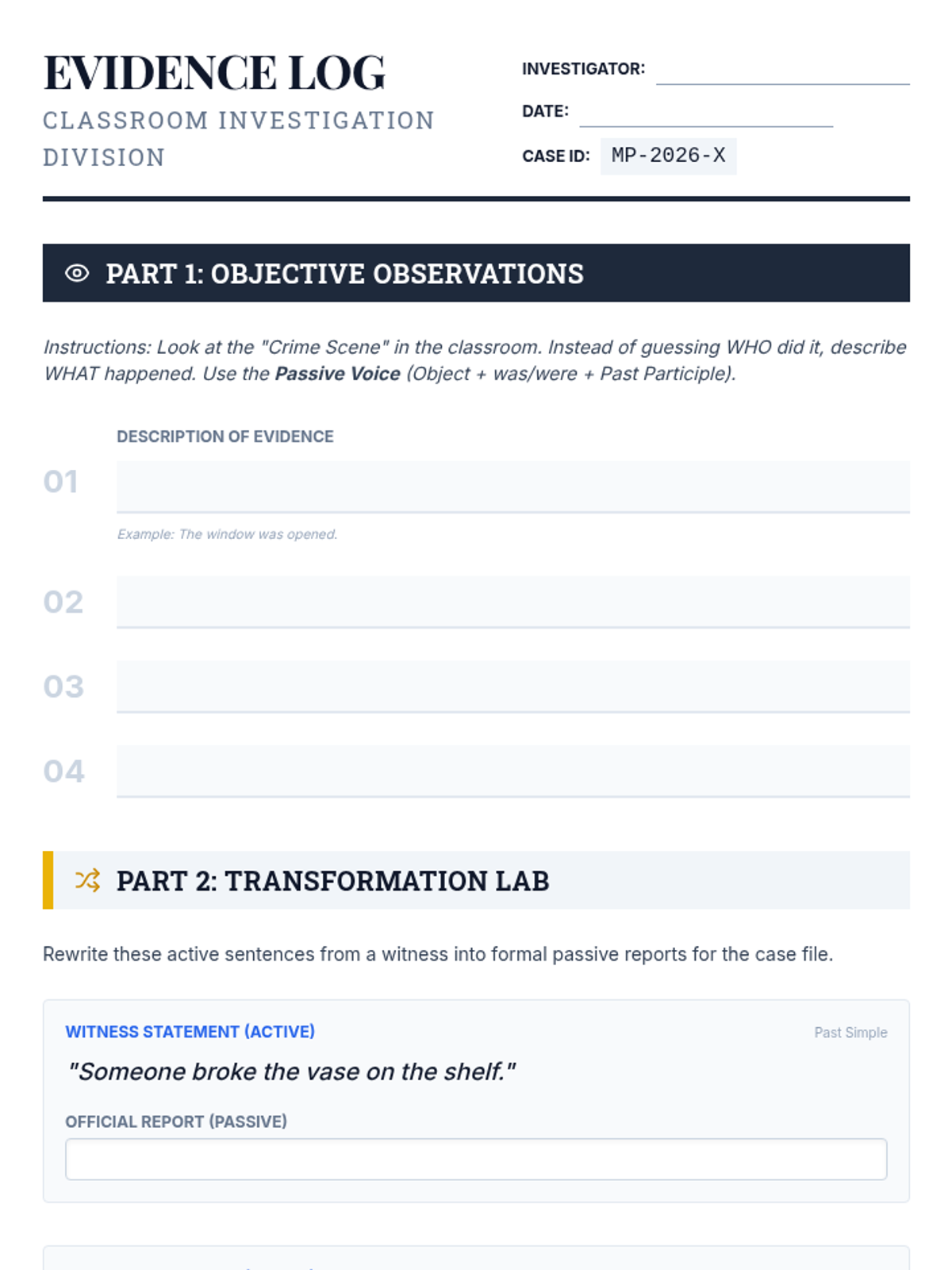
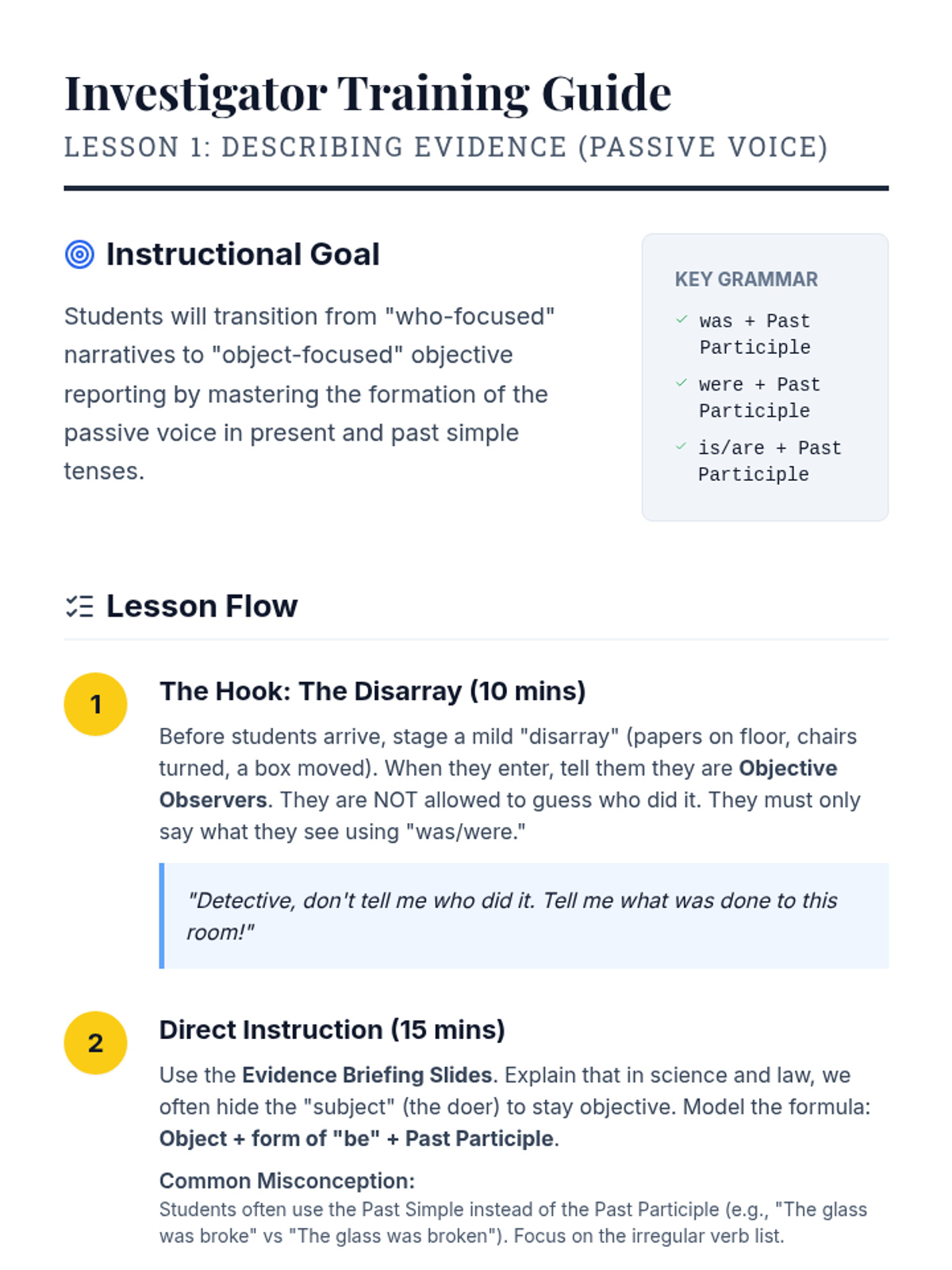
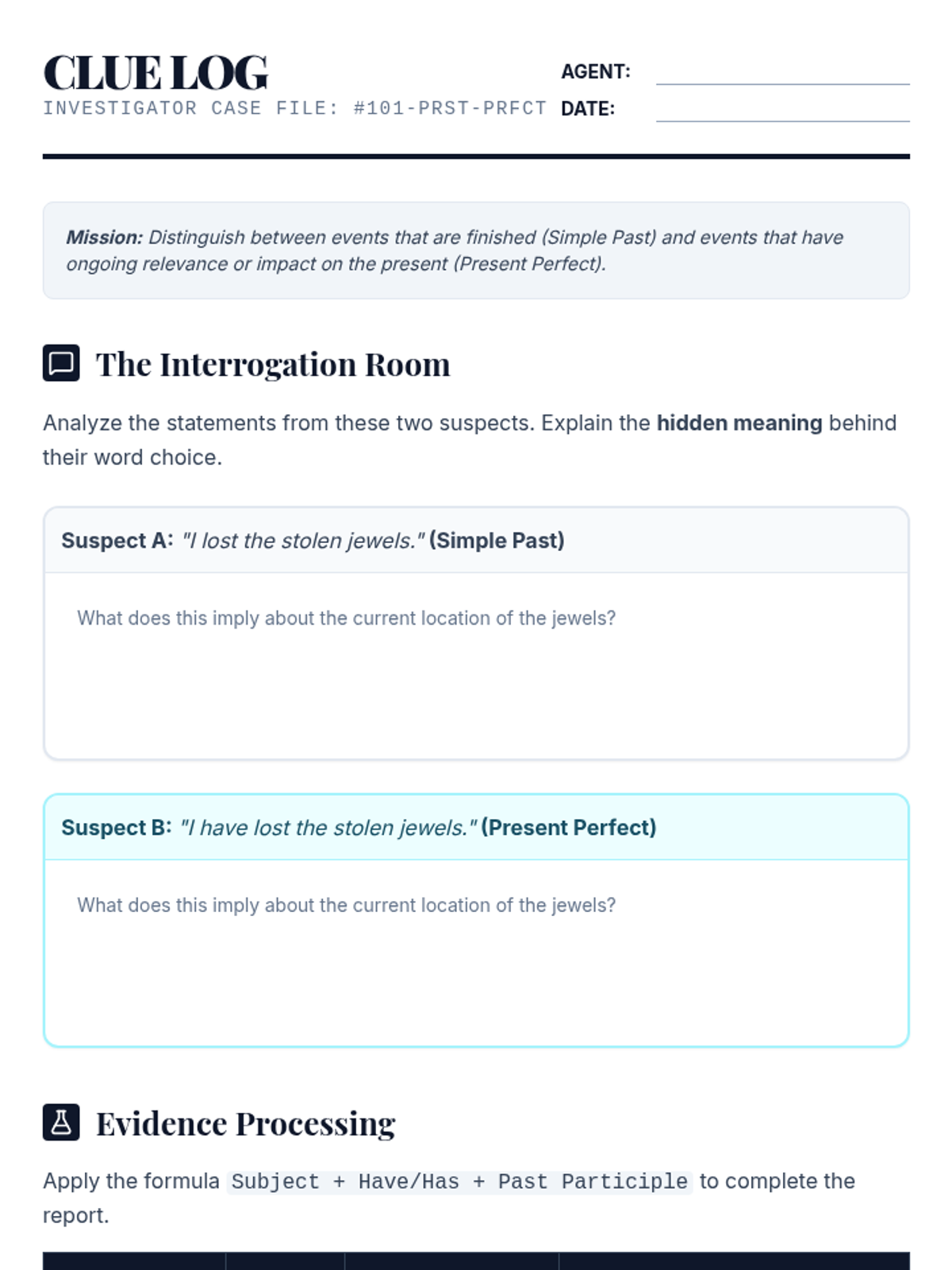
A grammar-focused ESL unit where students act as investigators to solve a classroom mystery. They master passive voice, modals of deduction, reported speech, and past perfect to write an objective case report.
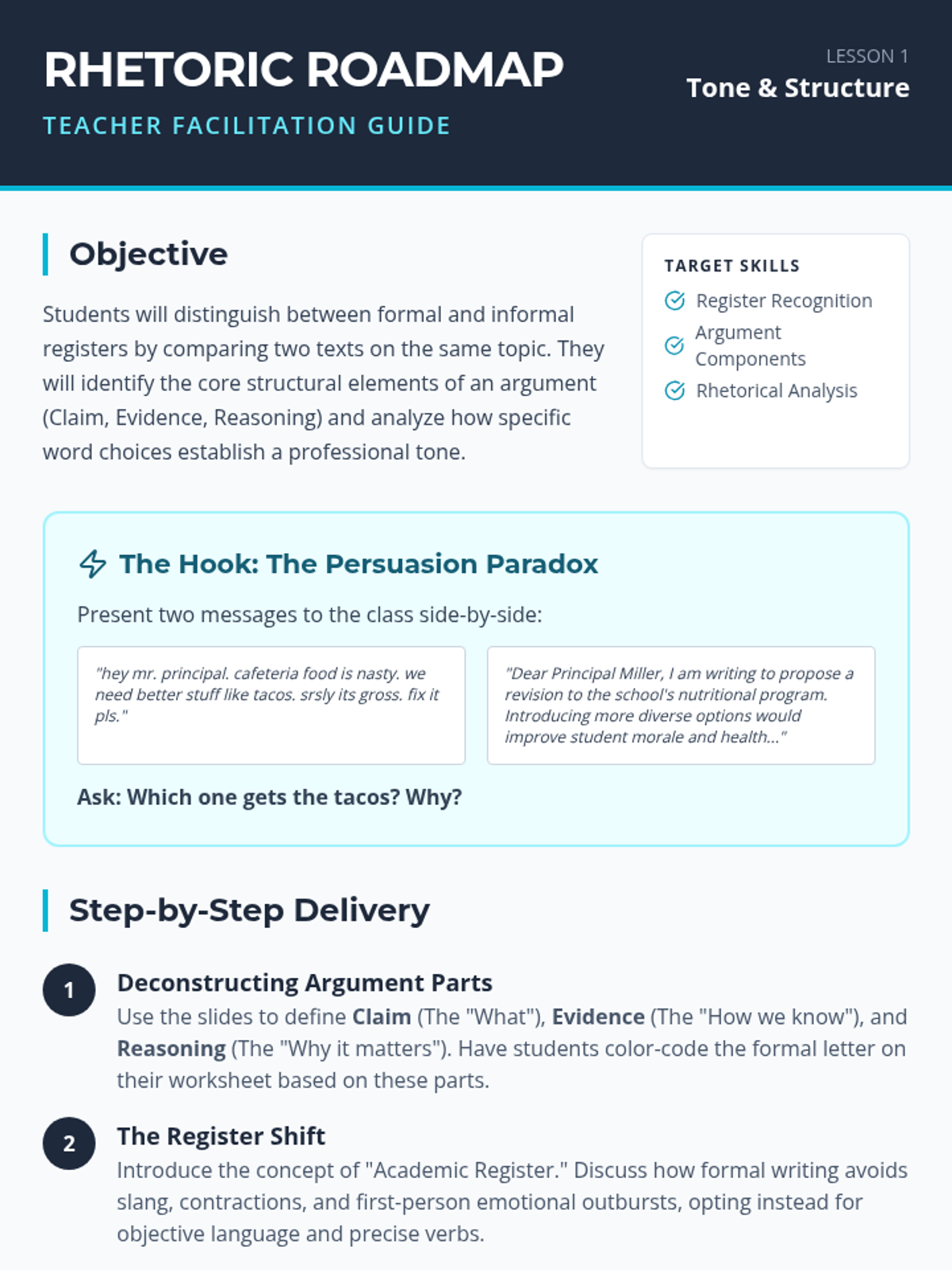
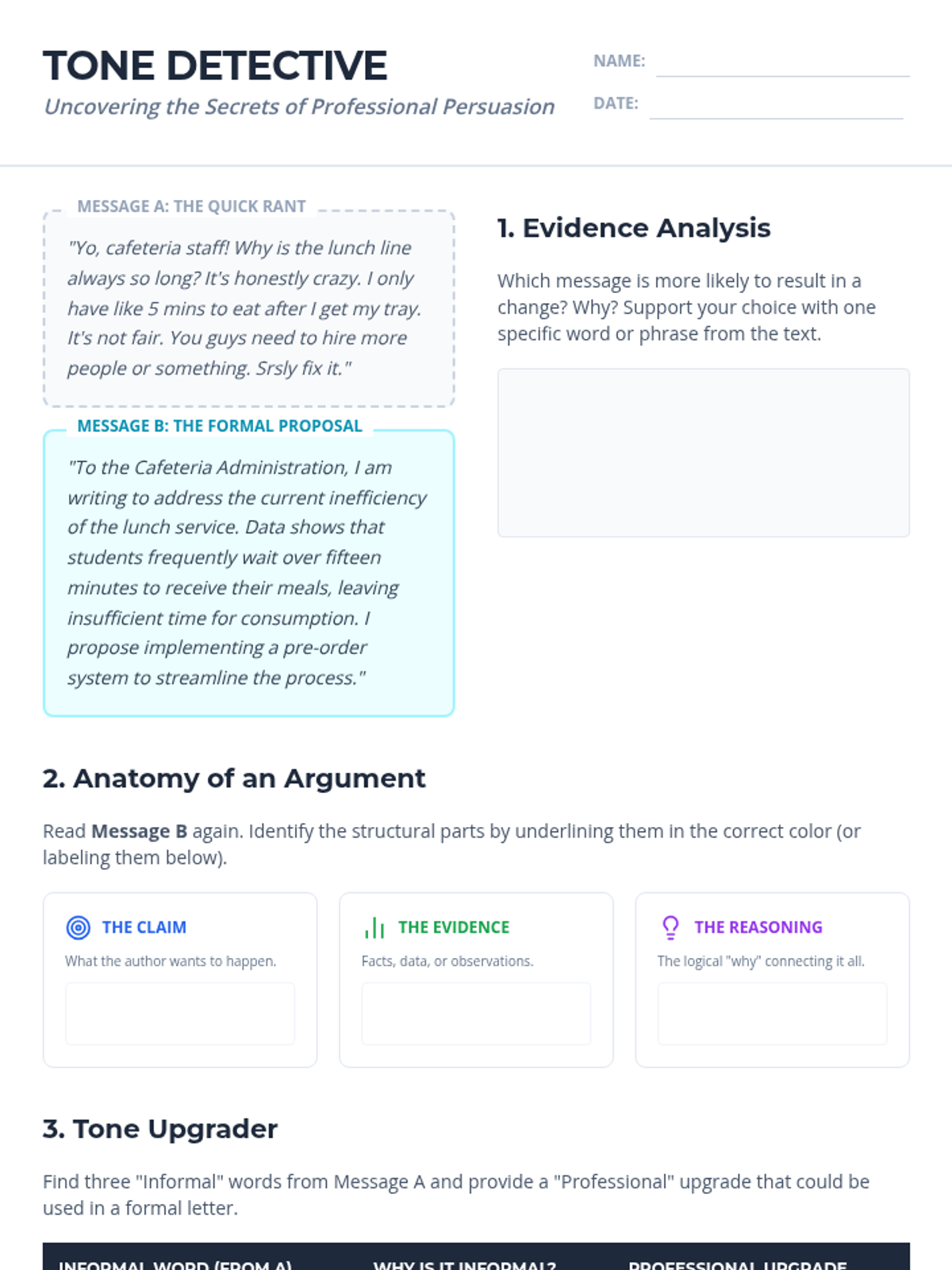
This sequence guides advanced ESL students through the process of constructing formal argumentative essays. Students learn to deconstruct mentor texts, master complex sentence structures, use precise academic vocabulary, and organize ideas with transitional phrases to create a persuasive proposal for school policy changes.
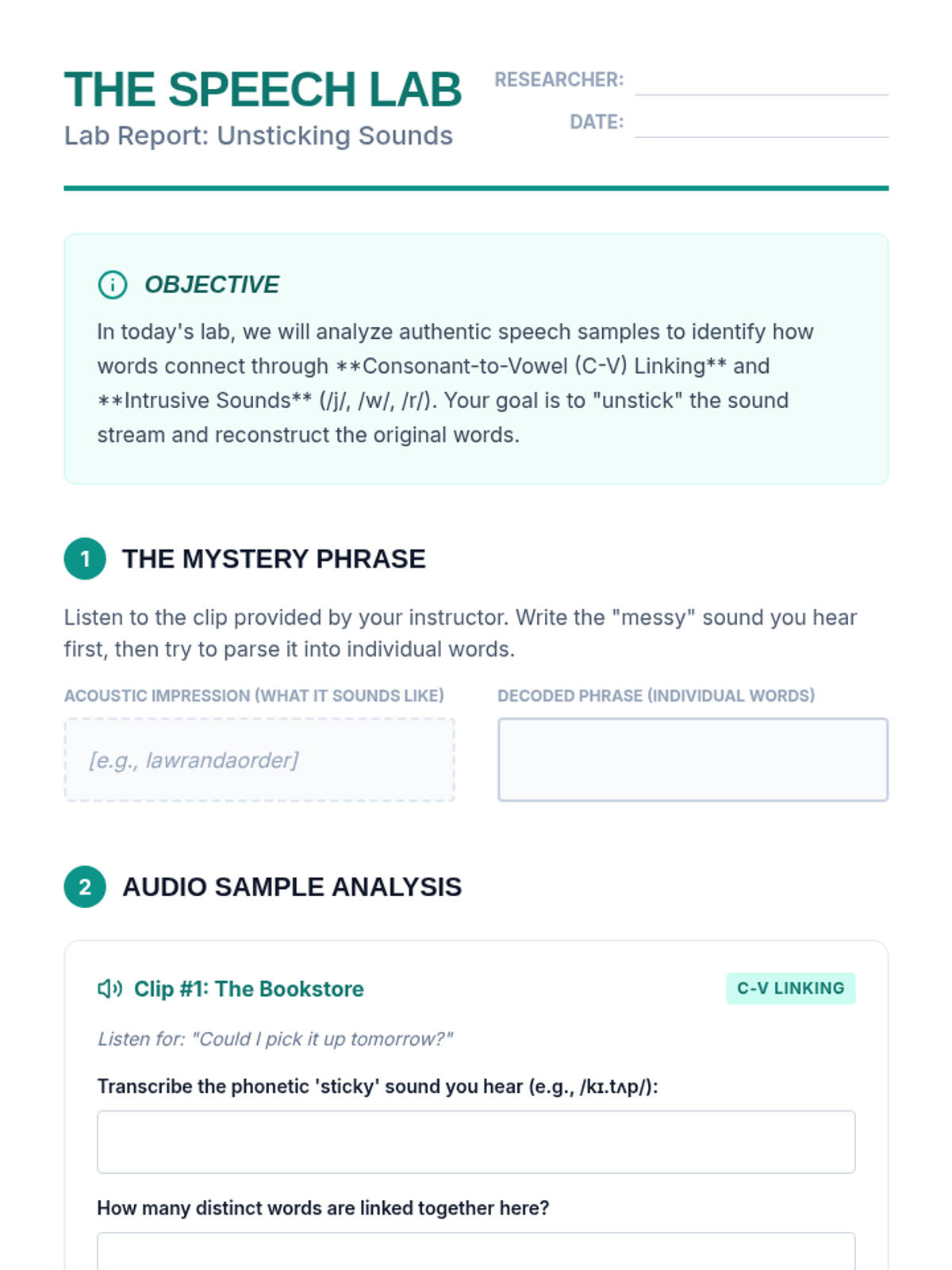
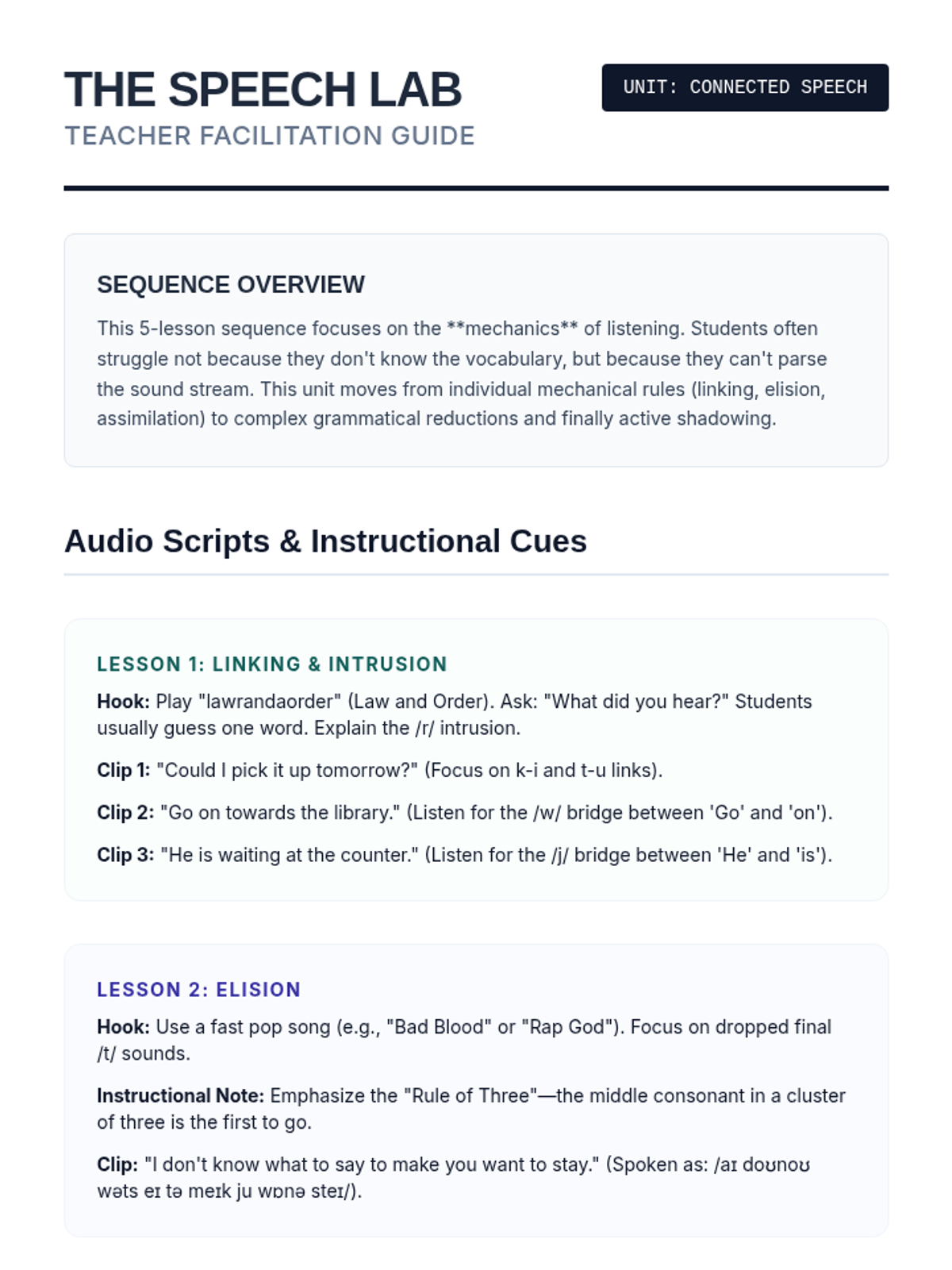
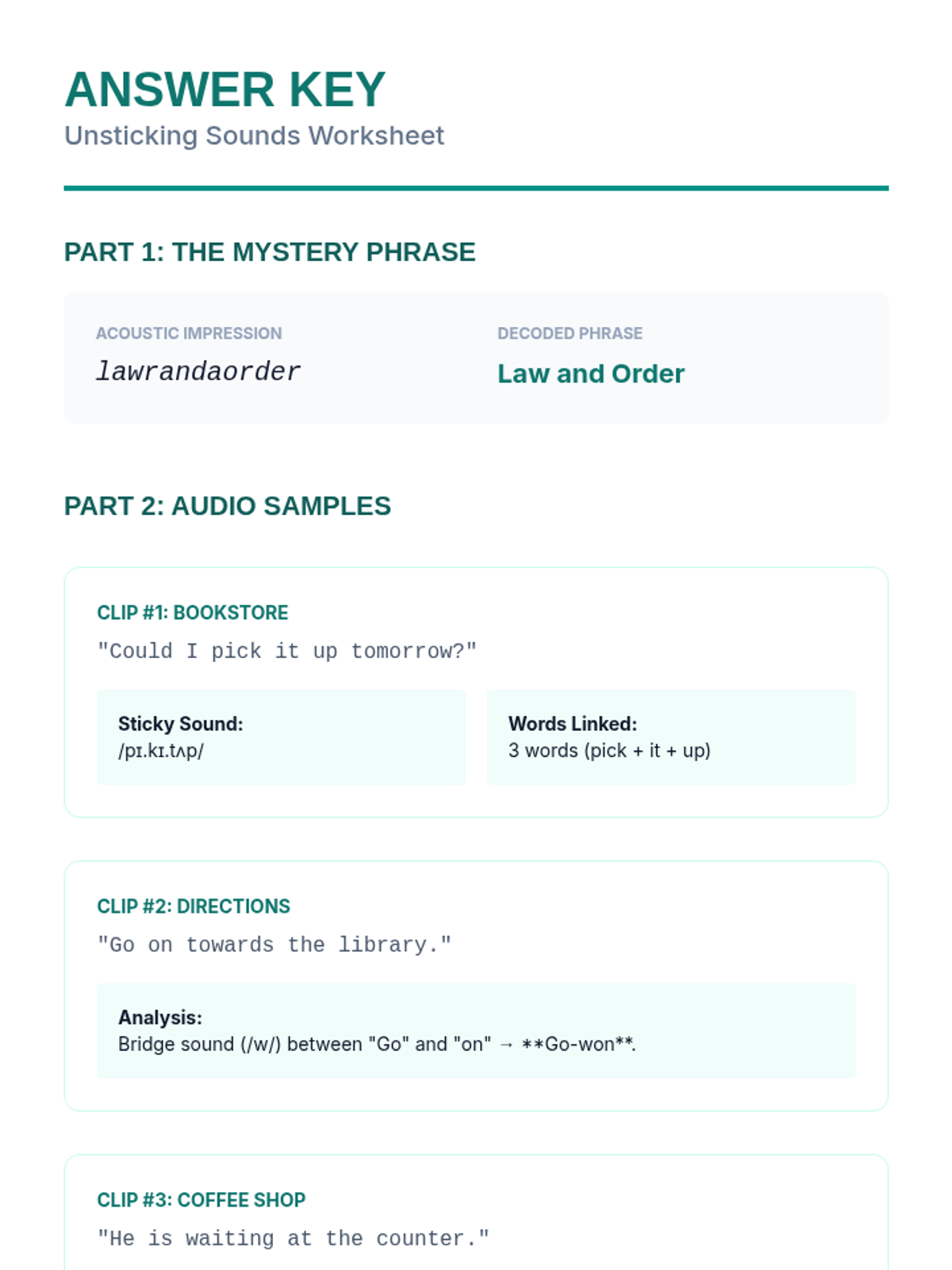
This sequence targets the mechanical difficulties of understanding natural, fast-paced English. Students explore phonological rules like linking, elision, and assimilation to decode authentic, fluid speech patterns found in campus social life.
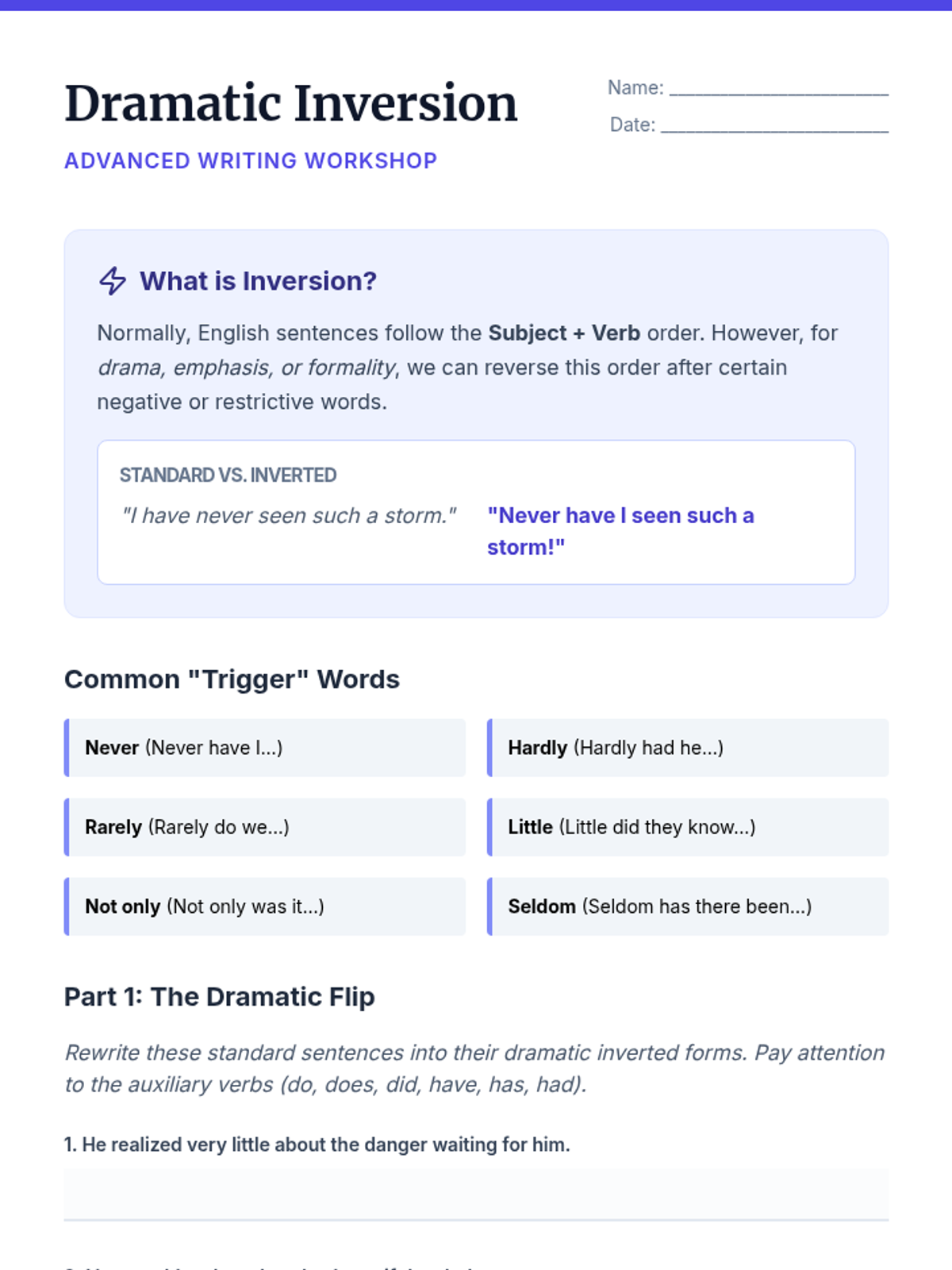
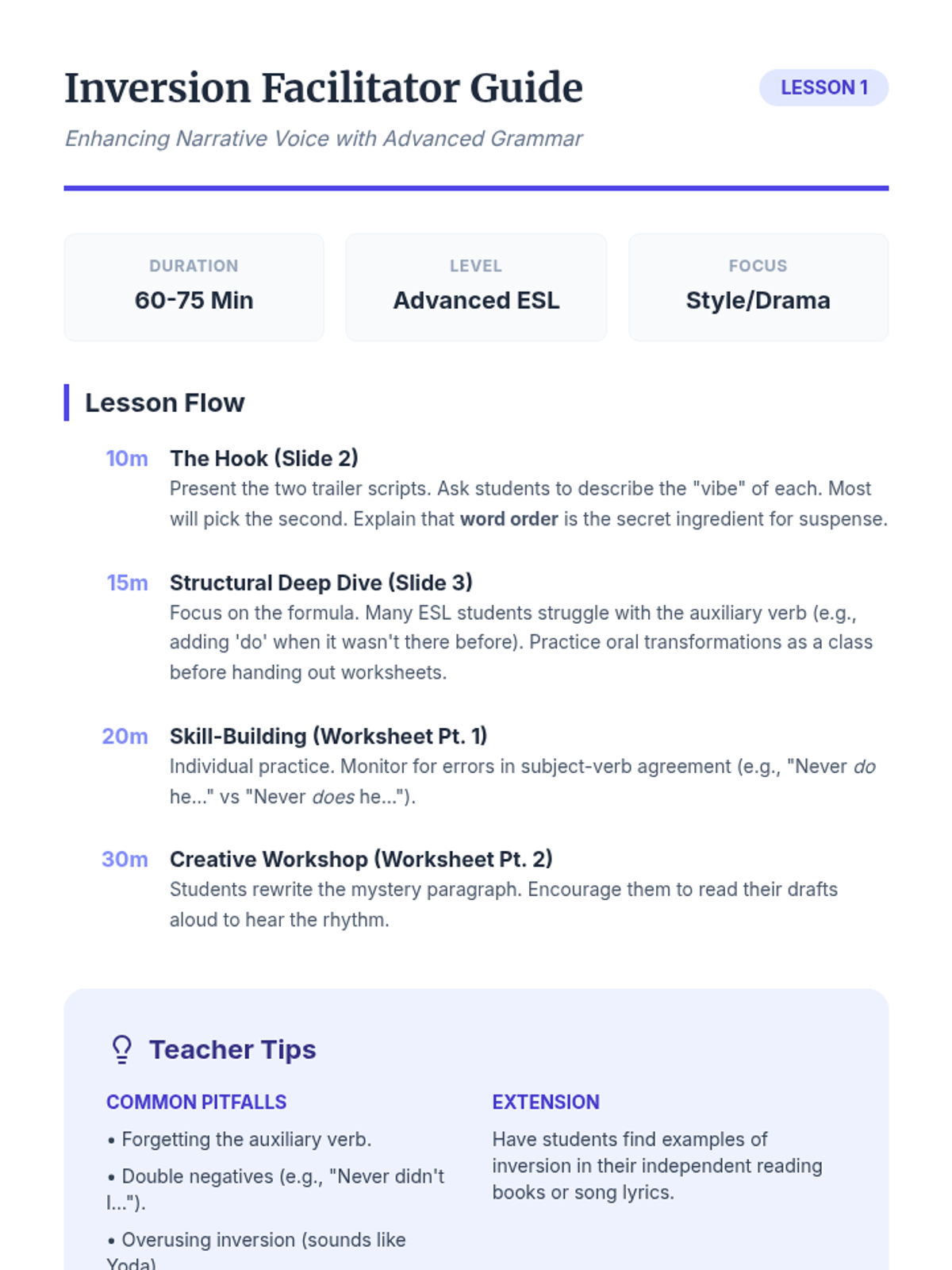
This sequence guides advanced 6th-grade ESL students through the stylistic application of complex grammar rules to enhance their creative and academic writing. Students explore inversion, the subjunctive mood, advanced conditionals, and passive voice as tools for manipulating tone and emphasis in narratives.
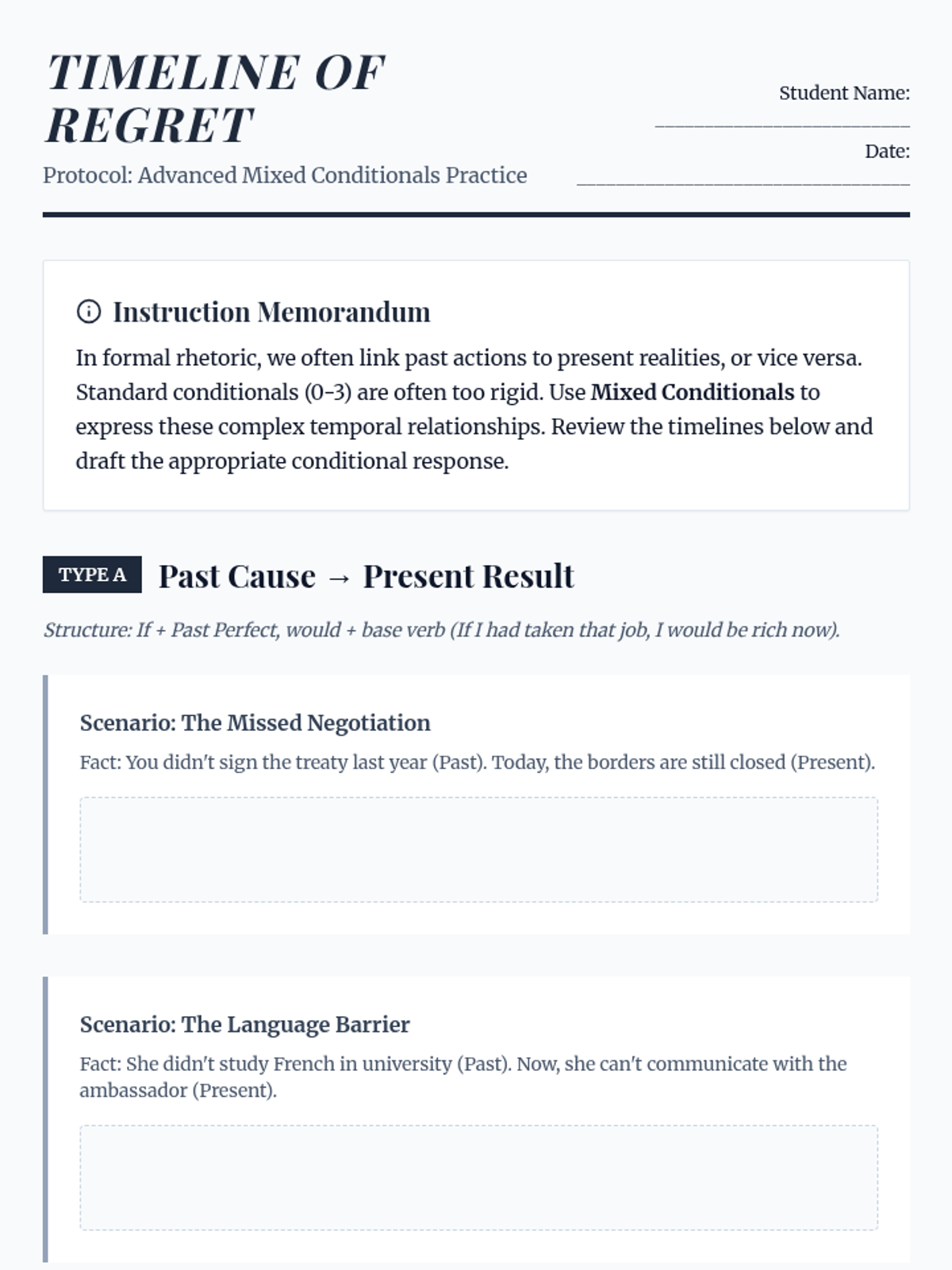
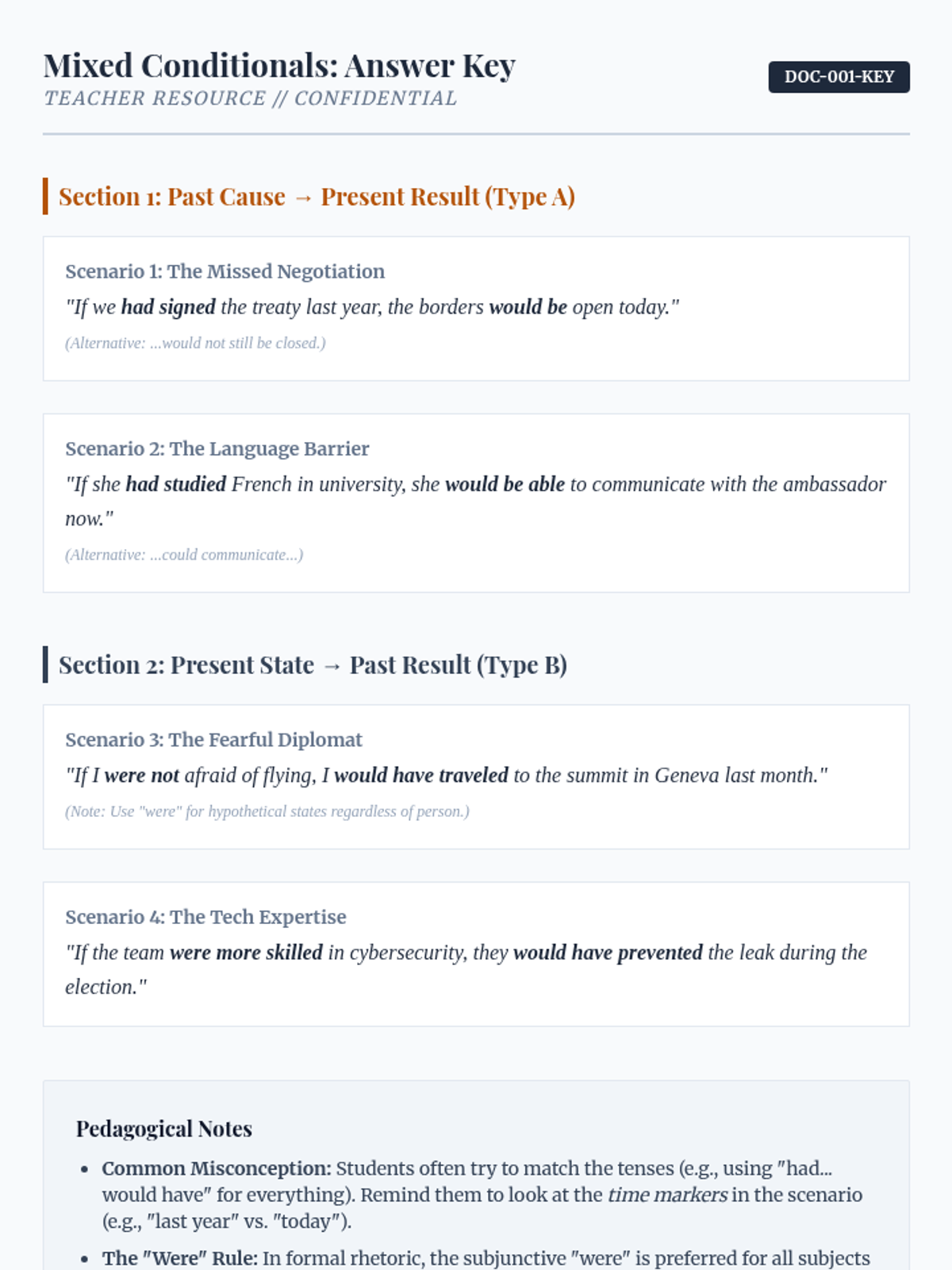
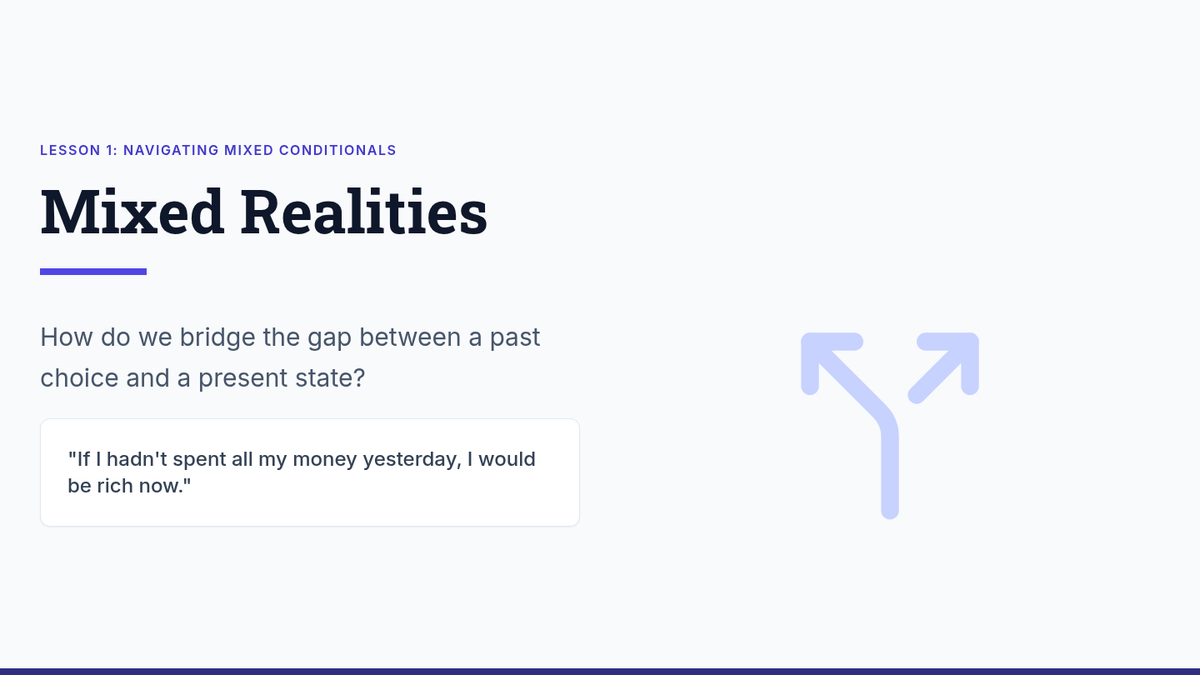
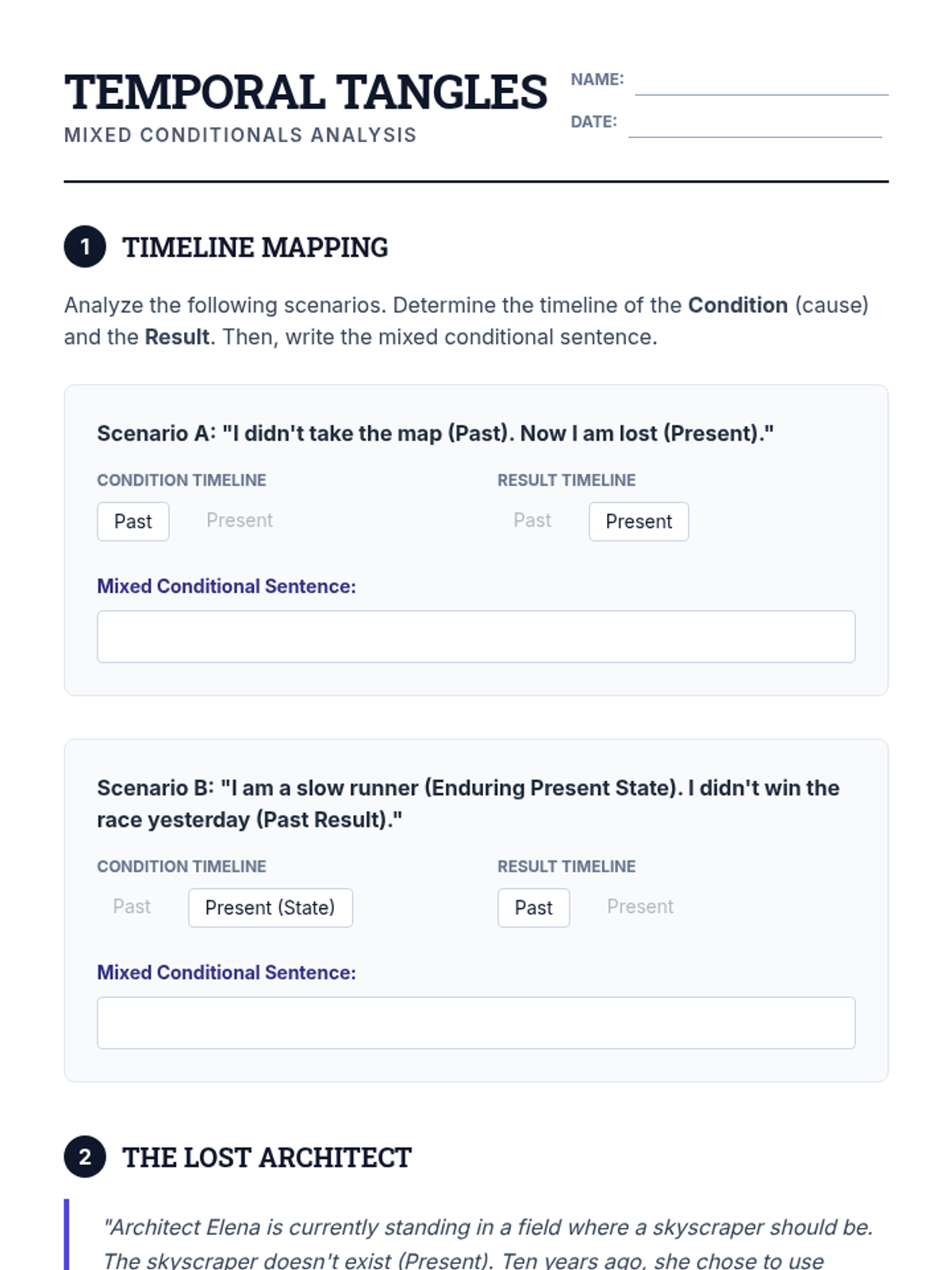
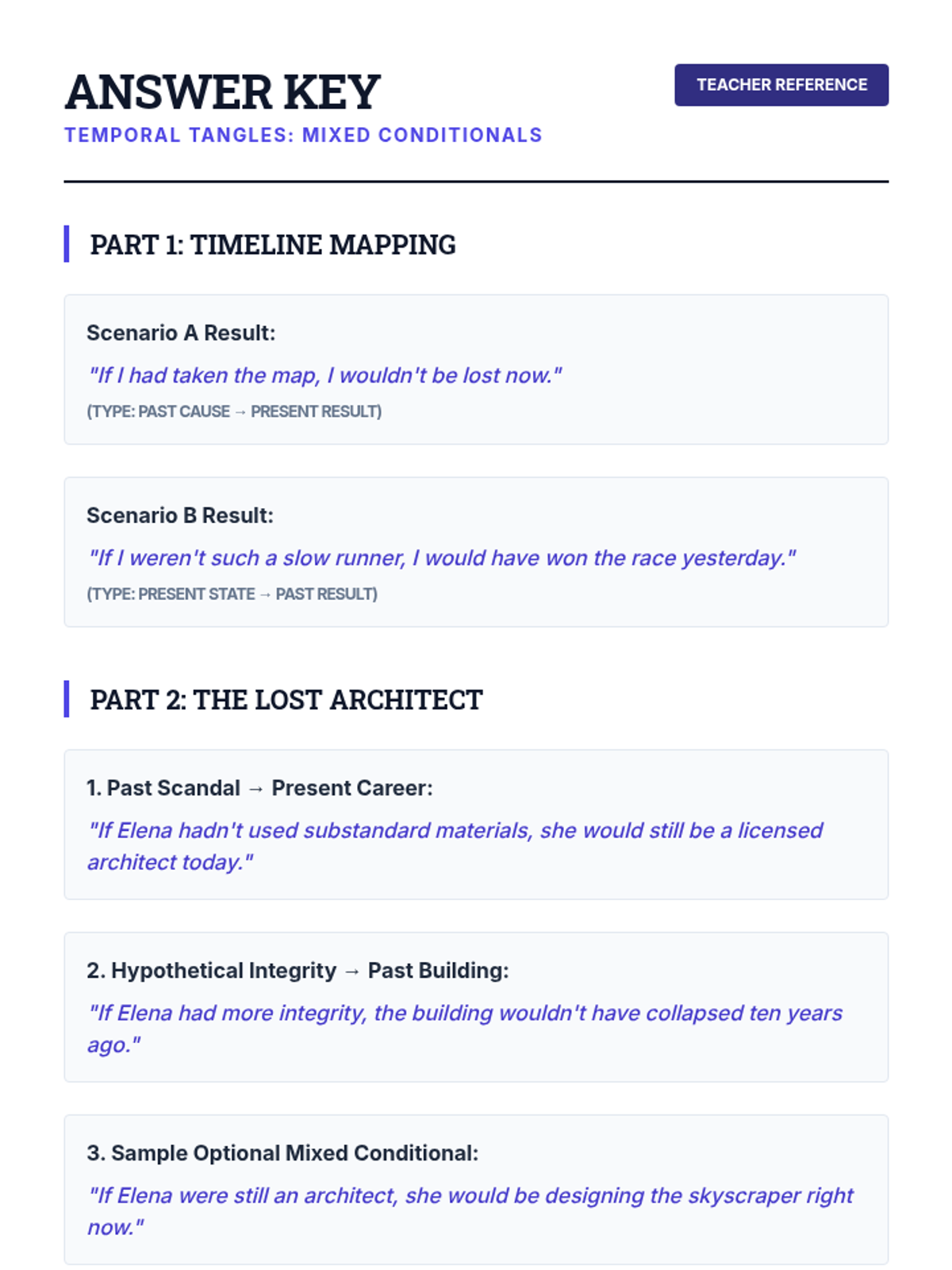
A high-level grammar sequence for 11th-grade students focused on mastering mixed conditionals, inverted structures, and the subjunctive mood within the context of formal rhetoric and debate. Students progress from logical structures to high-stakes policy simulations.
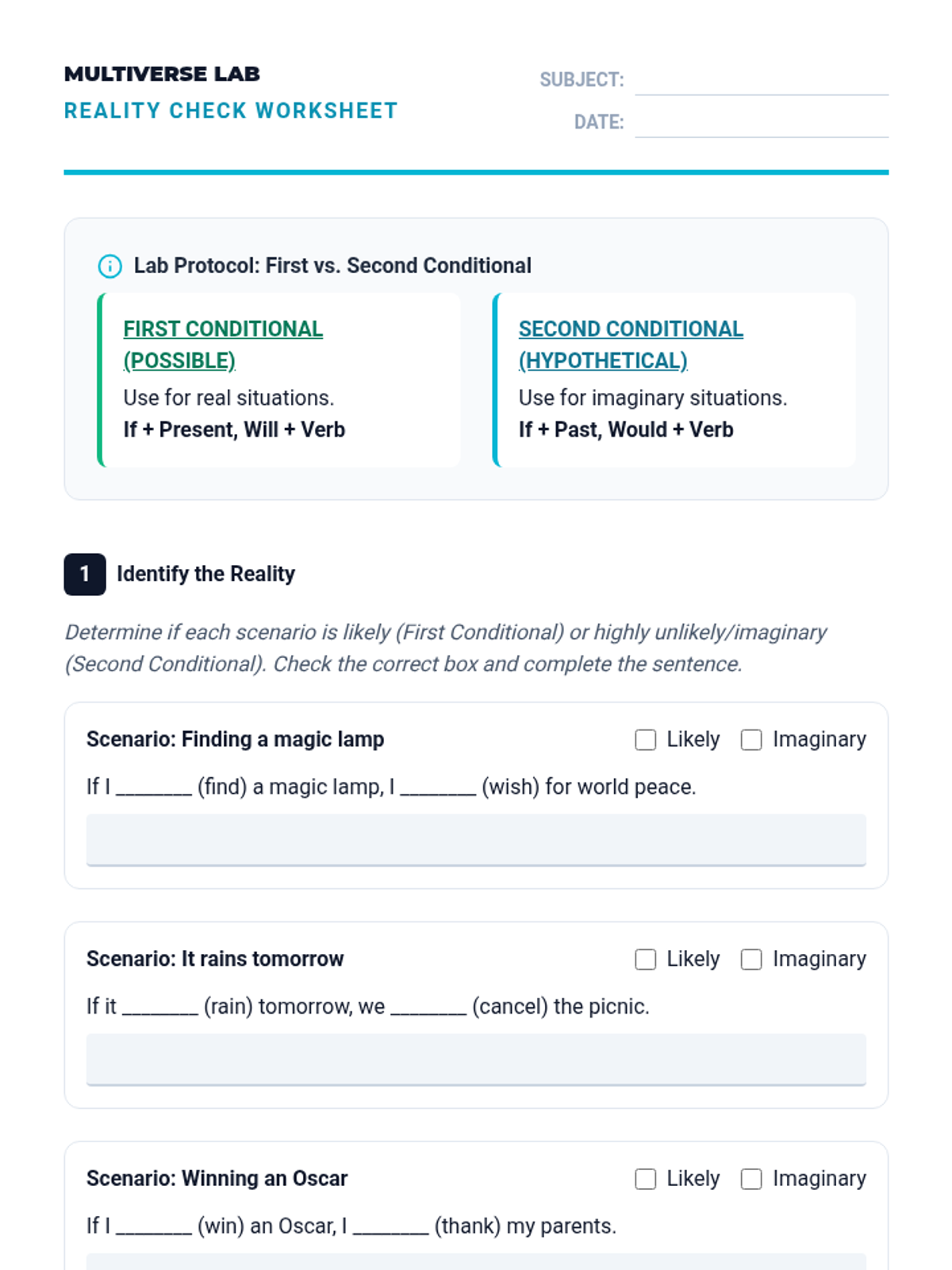
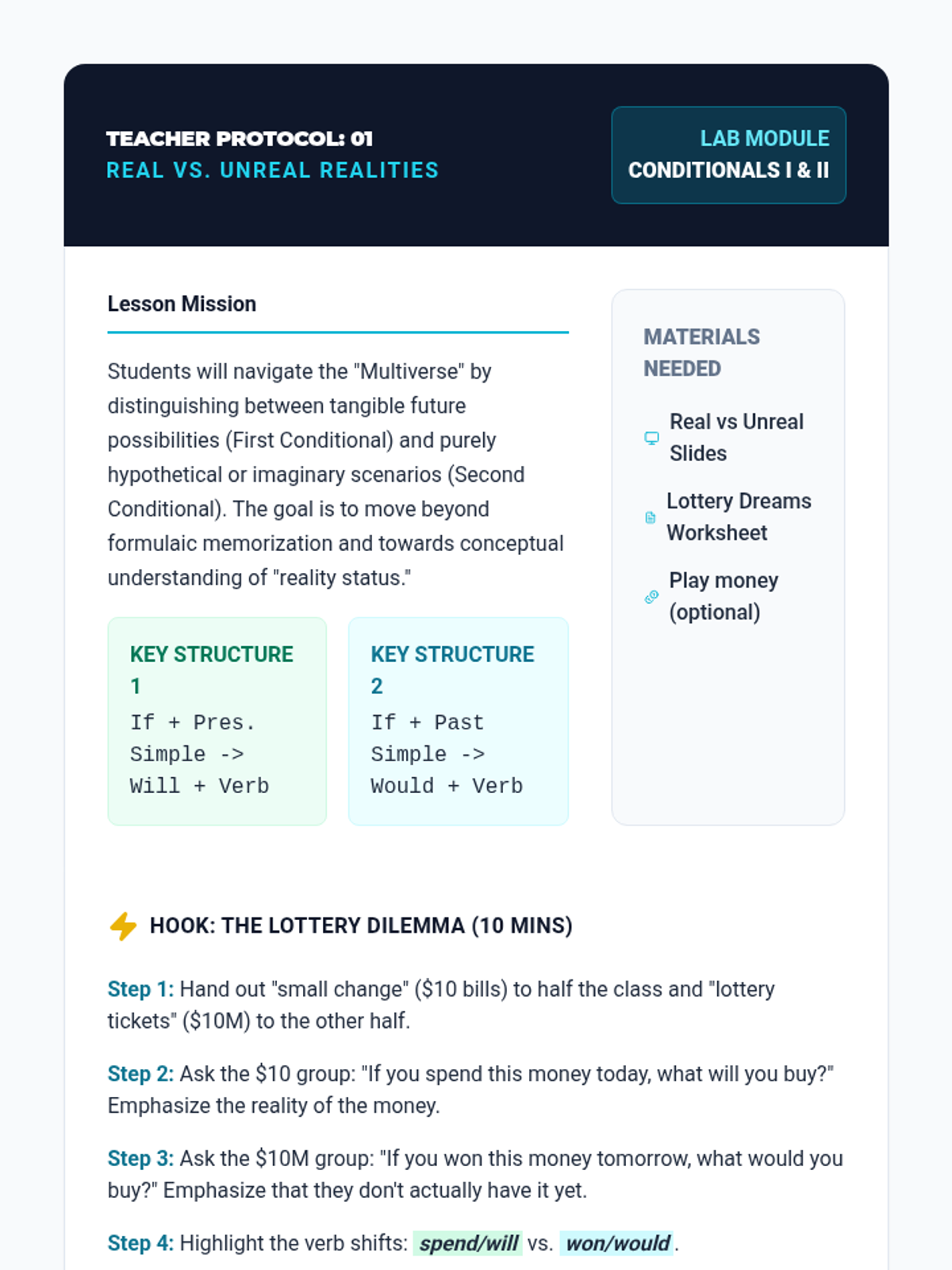
Students delve into the nuances of English conditionals, moving beyond basic cause-and-effect to explore hypothetical situations, regrets, and impossible scenarios using a 'Multiverse Lab' simulation theme.
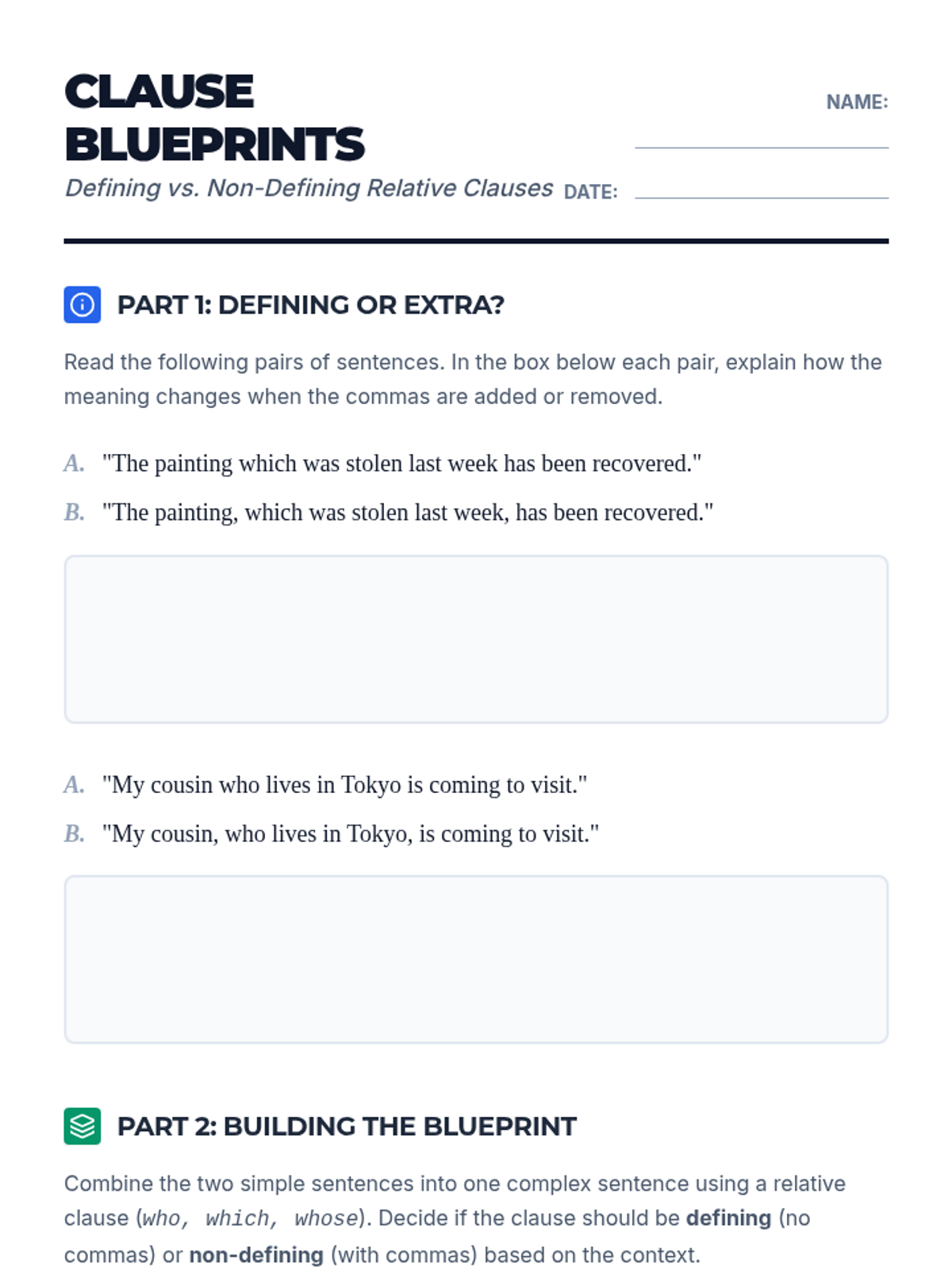
A high-level grammar sequence for 8th Grade ELL students focusing on sentence density, relative clauses, participle phrases, nominalization, and academic cohesion. Students move from identifying clunky prose to synthesizing complex research into concise abstracts.
This advanced grammar sequence explores mixed conditionals, inverted conditionals, and the mandative subjunctive. Students apply these complex structures to academic writing, professional correspondence, and counterfactual historical analysis, culminating in a seminar on alternative realities.
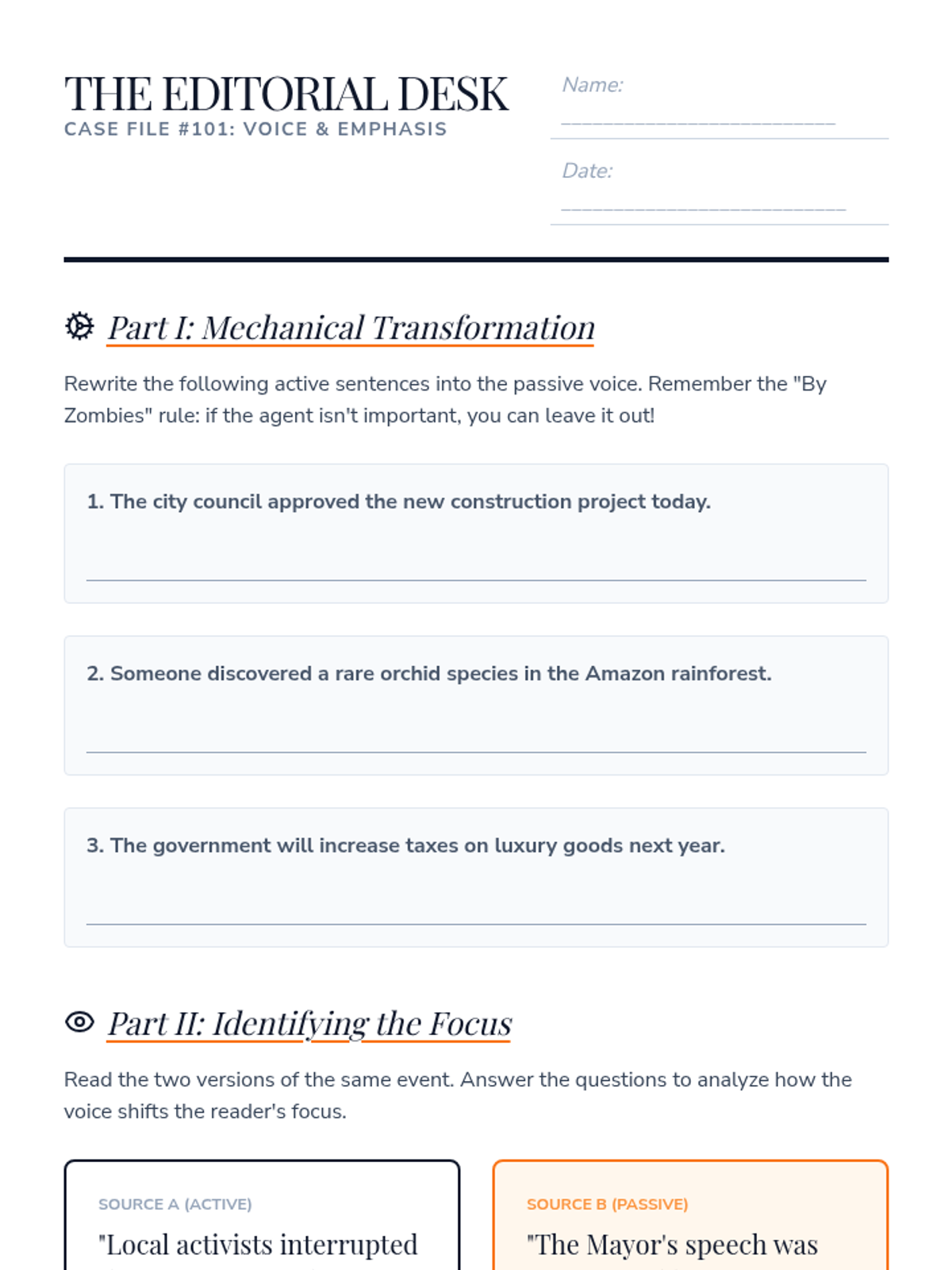
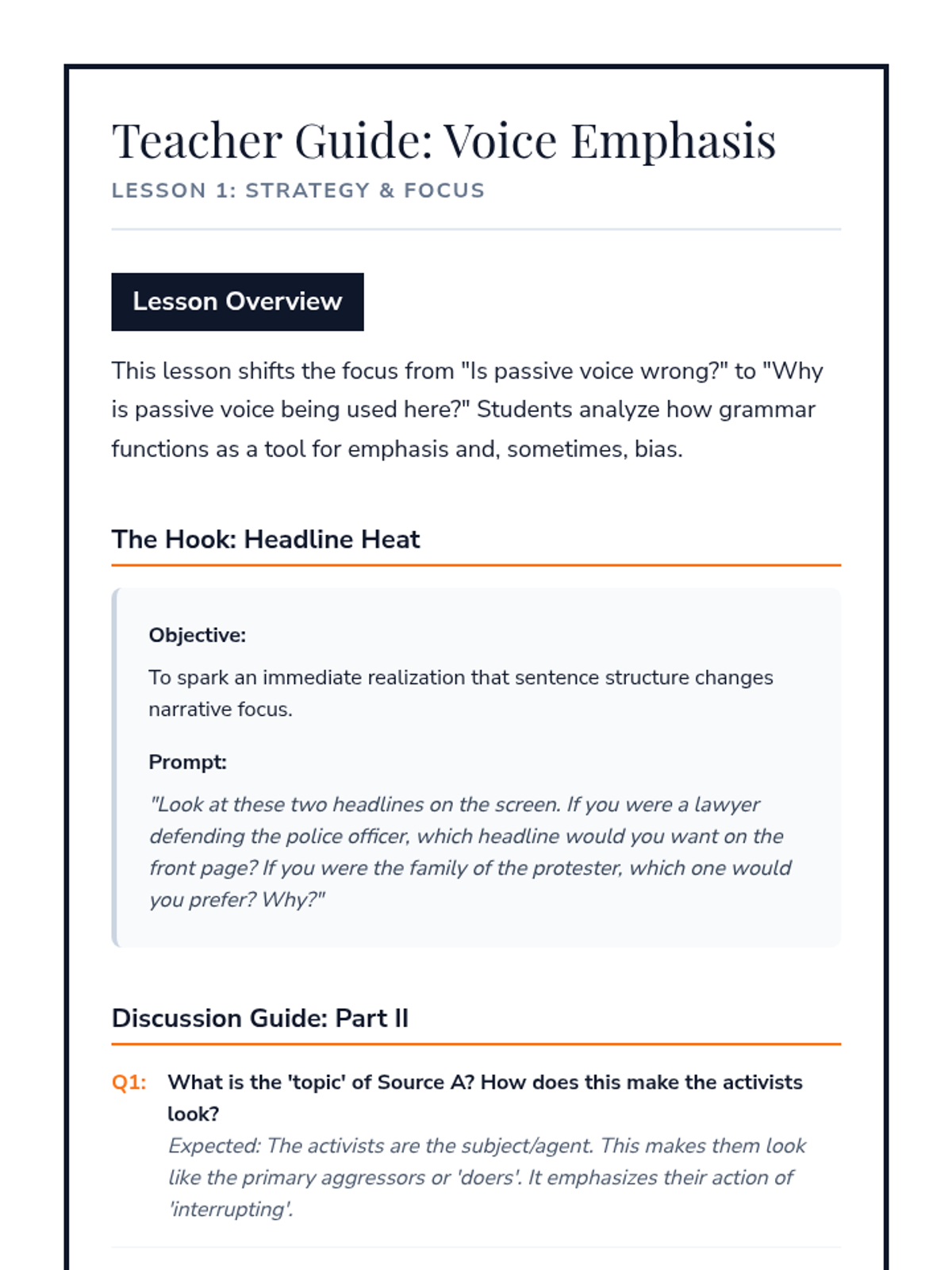
This advanced grammar sequence explores the strategic use of passive voice, reporting verbs, and causative structures. Students move beyond basic mechanics to understand how voice shifts focus, maintains scientific objectivity, and creates distancing in journalism and academic writing.
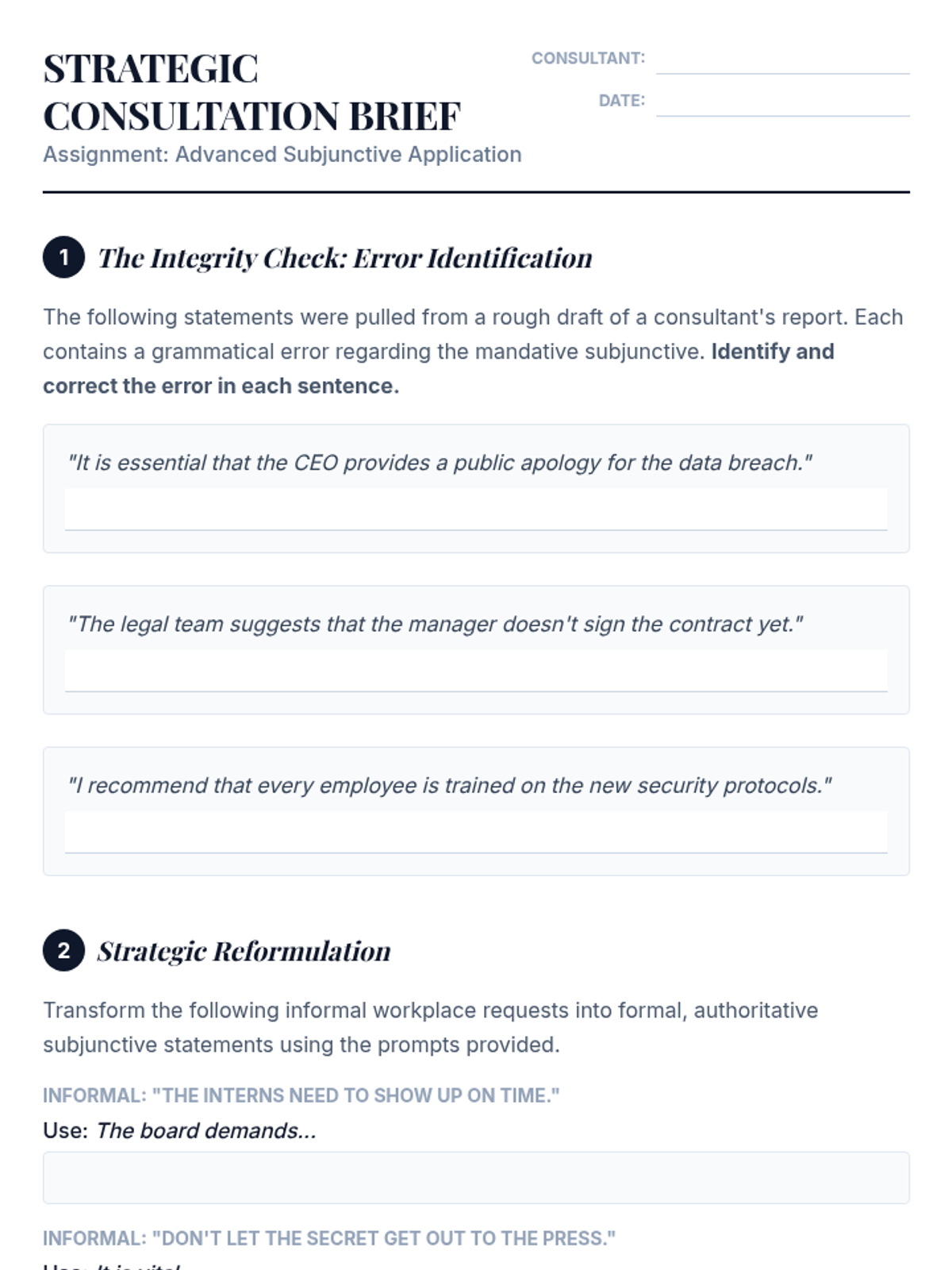
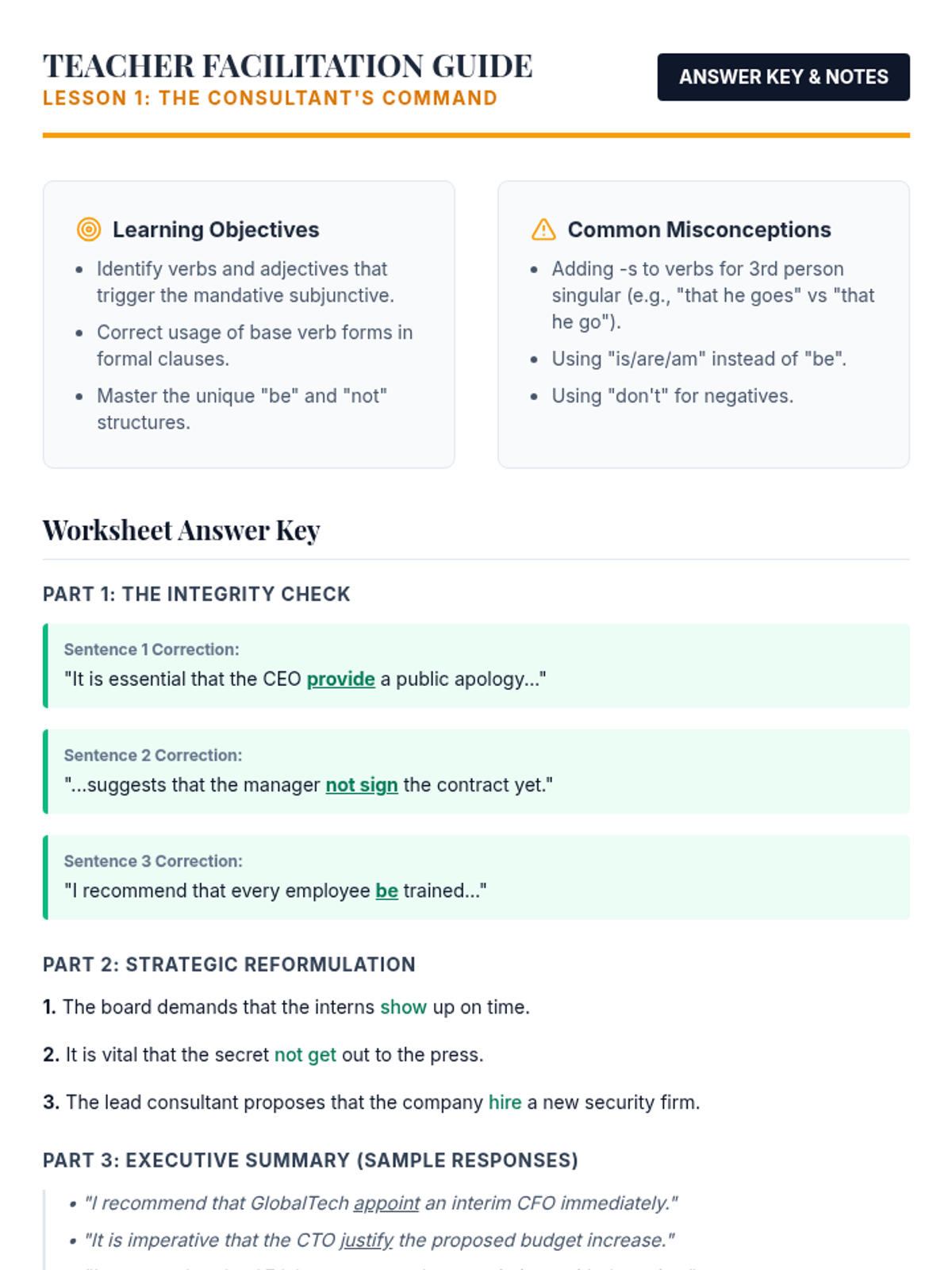
This advanced grammar sequence guides students through the complexities of the subjunctive mood and advanced conditionals. Moving from formal corporate recommendations to literary inversions and diplomatic negotiations, students master how to express hypotheticals, desires, and formal proposals with precision and sophistication.
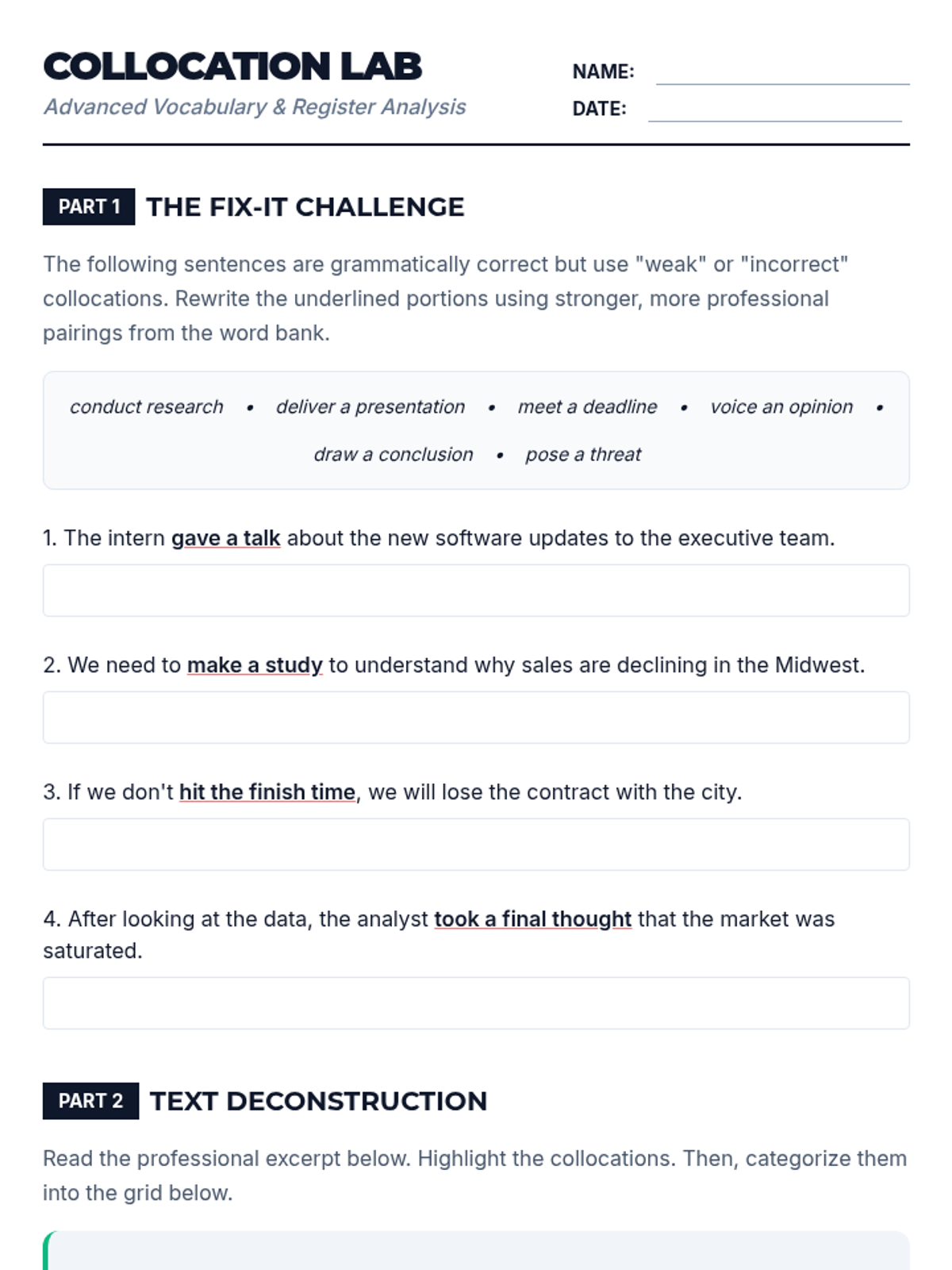
This sequence immerses 11th-grade students in the nuances of advanced English, focusing on professional collocations, academic register, and workplace idioms to build authority and credibility in communication.
A 9th-grade grammar unit focusing on the perfect verb tenses (present, past, and future). Students use visual timelines, logic puzzles, and creative writing to master complex sequences and causality.
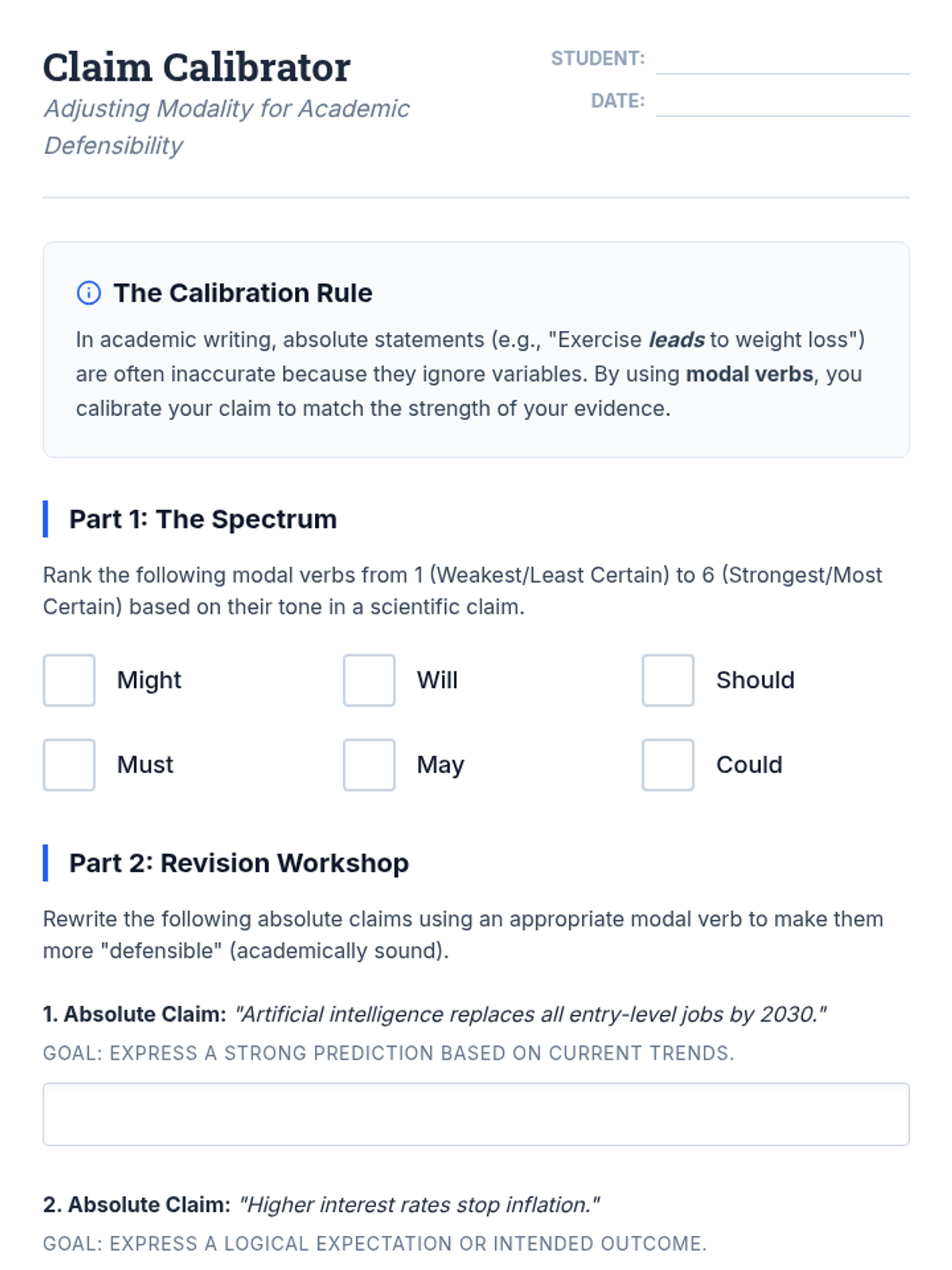
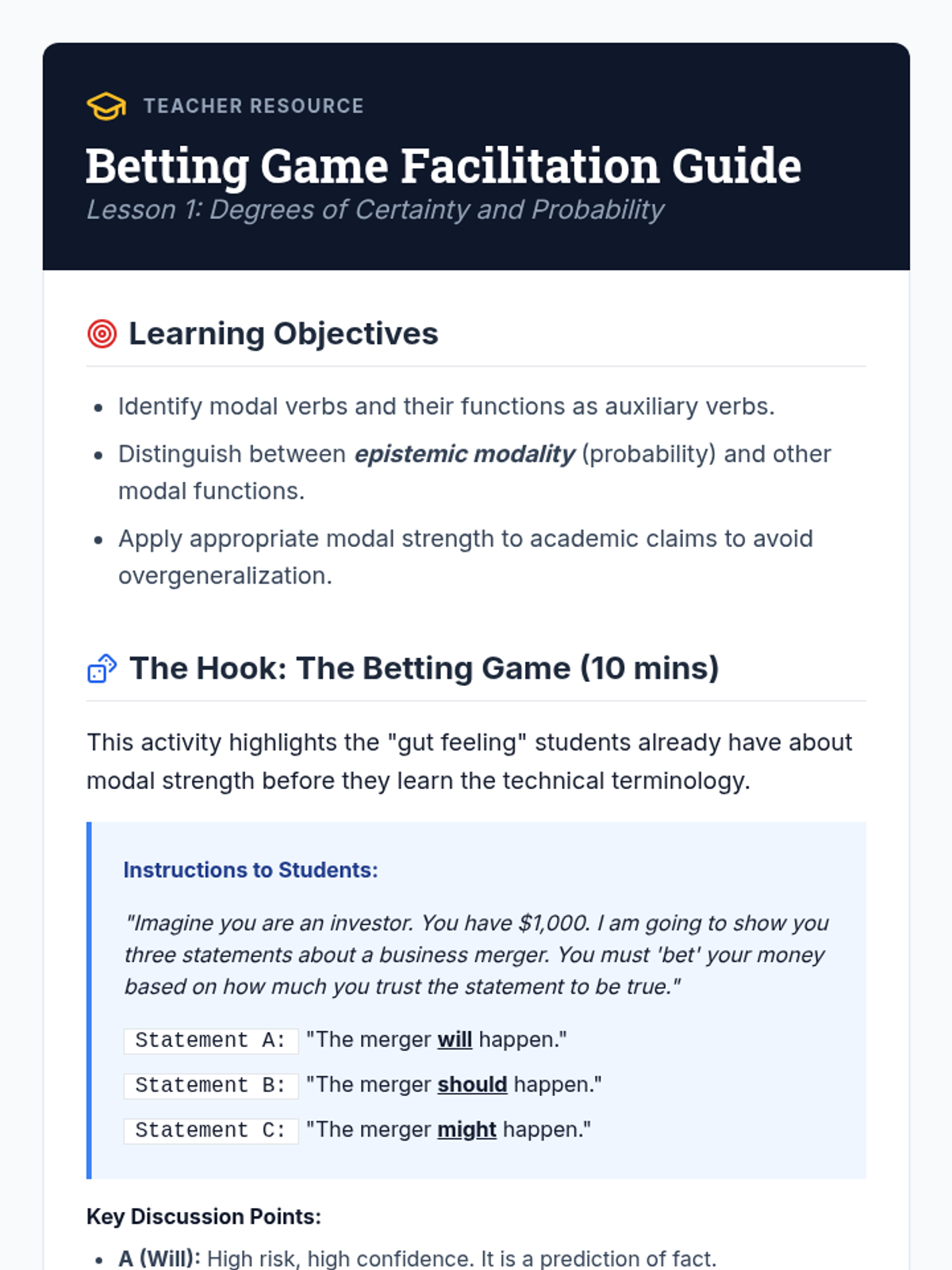
This sequence explores the function of modal verbs in establishing stance, probability, and politeness in professional and academic discourse. Students learn to 'hedge' claims, define obligations, and analyze subtext in political and scientific texts.
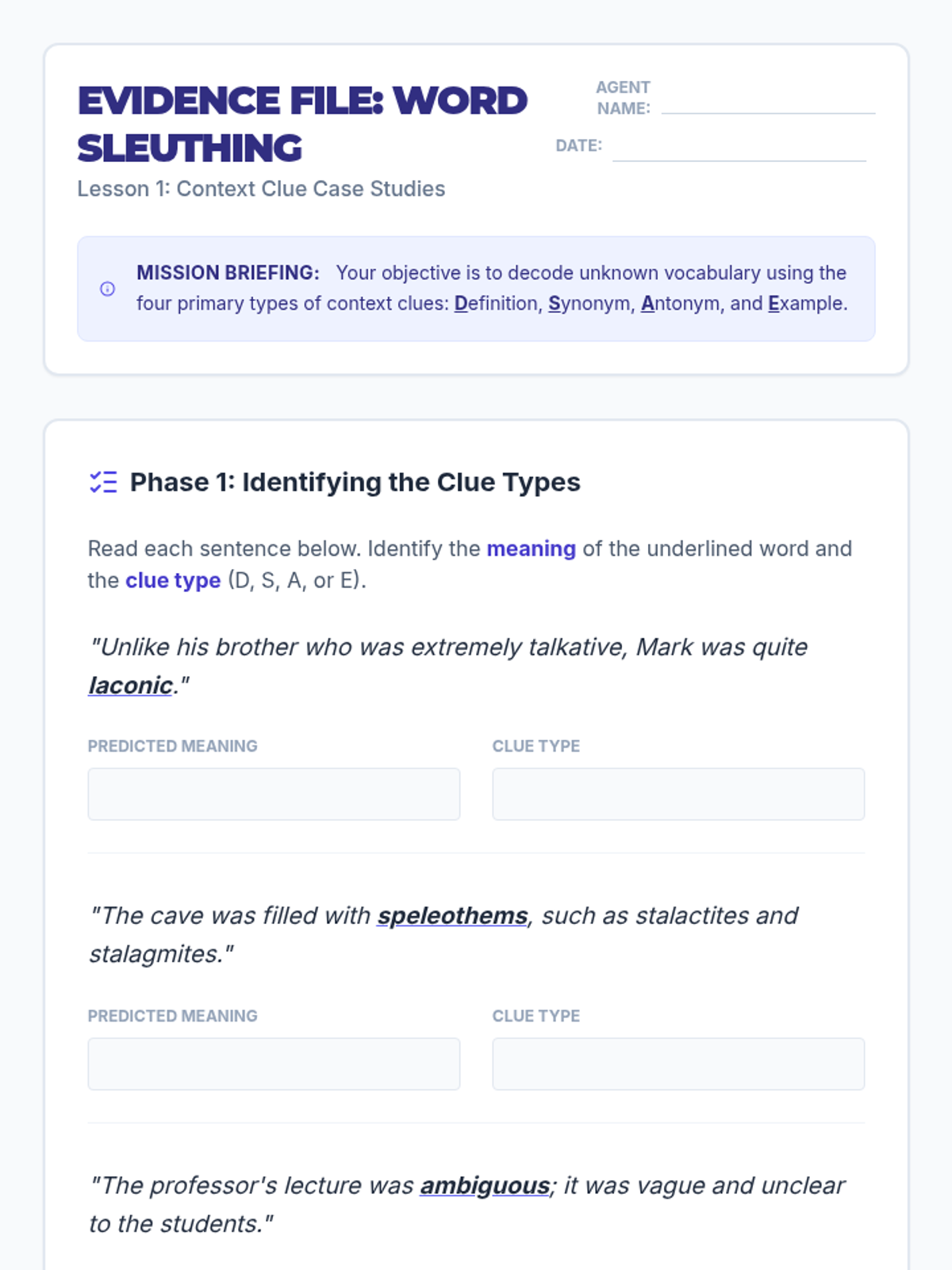
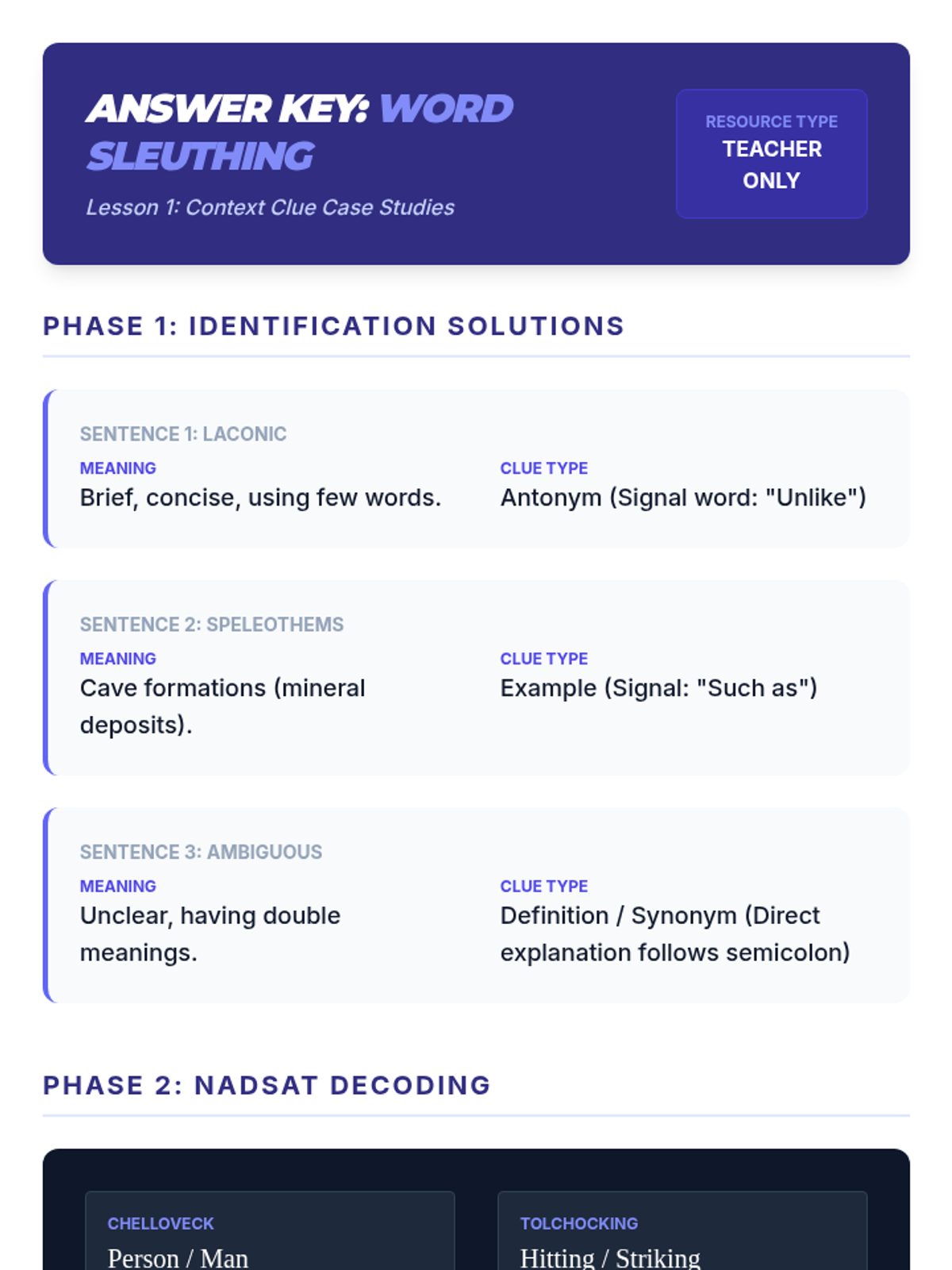
This sequence helps intermediate English learners develop independence in reading by mastering context clues, morphological analysis, polysemy, collocations, and semantic gradients. Students transition from dictionary reliance to autonomous decoding of complex academic and literary texts.
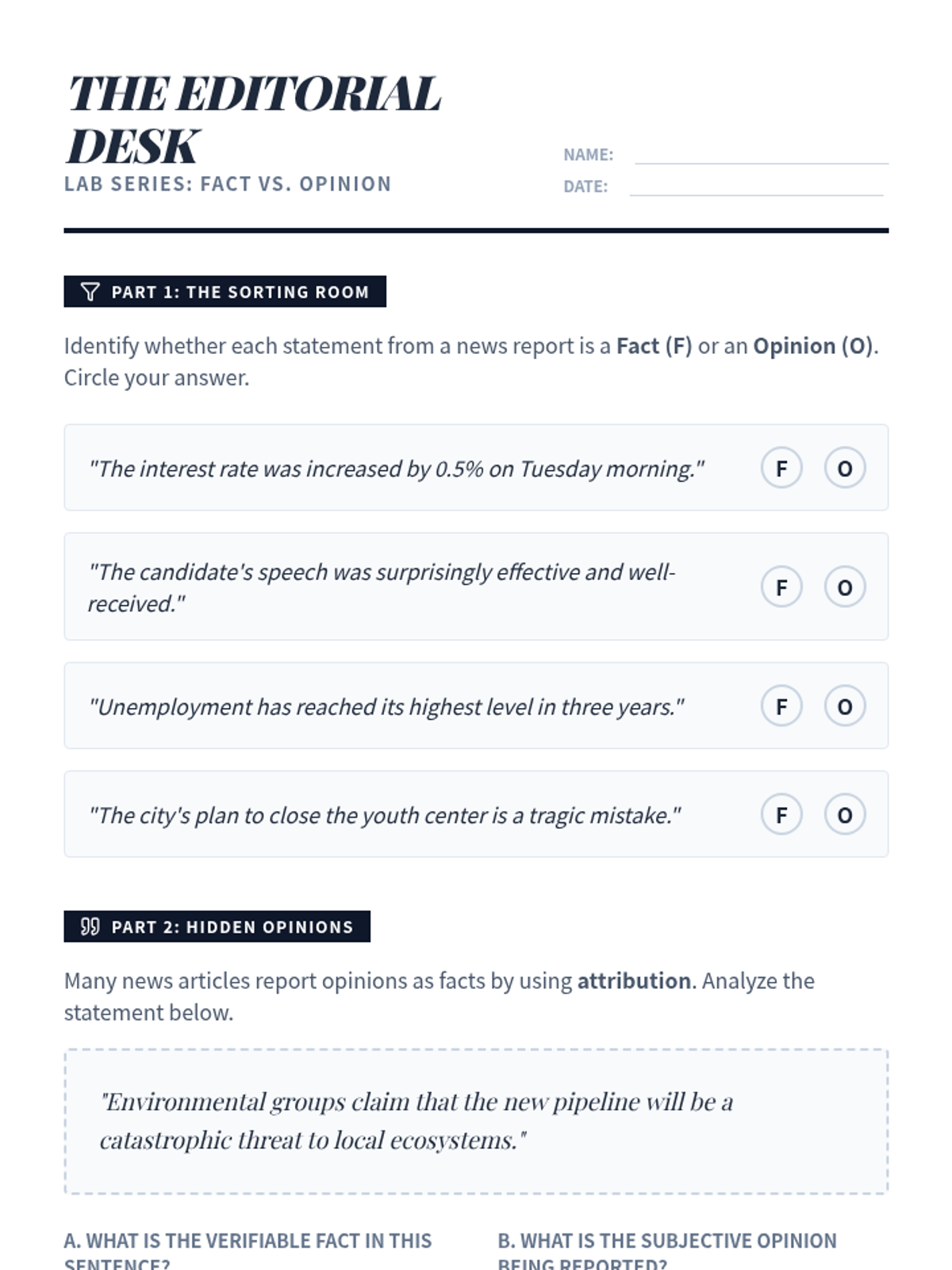
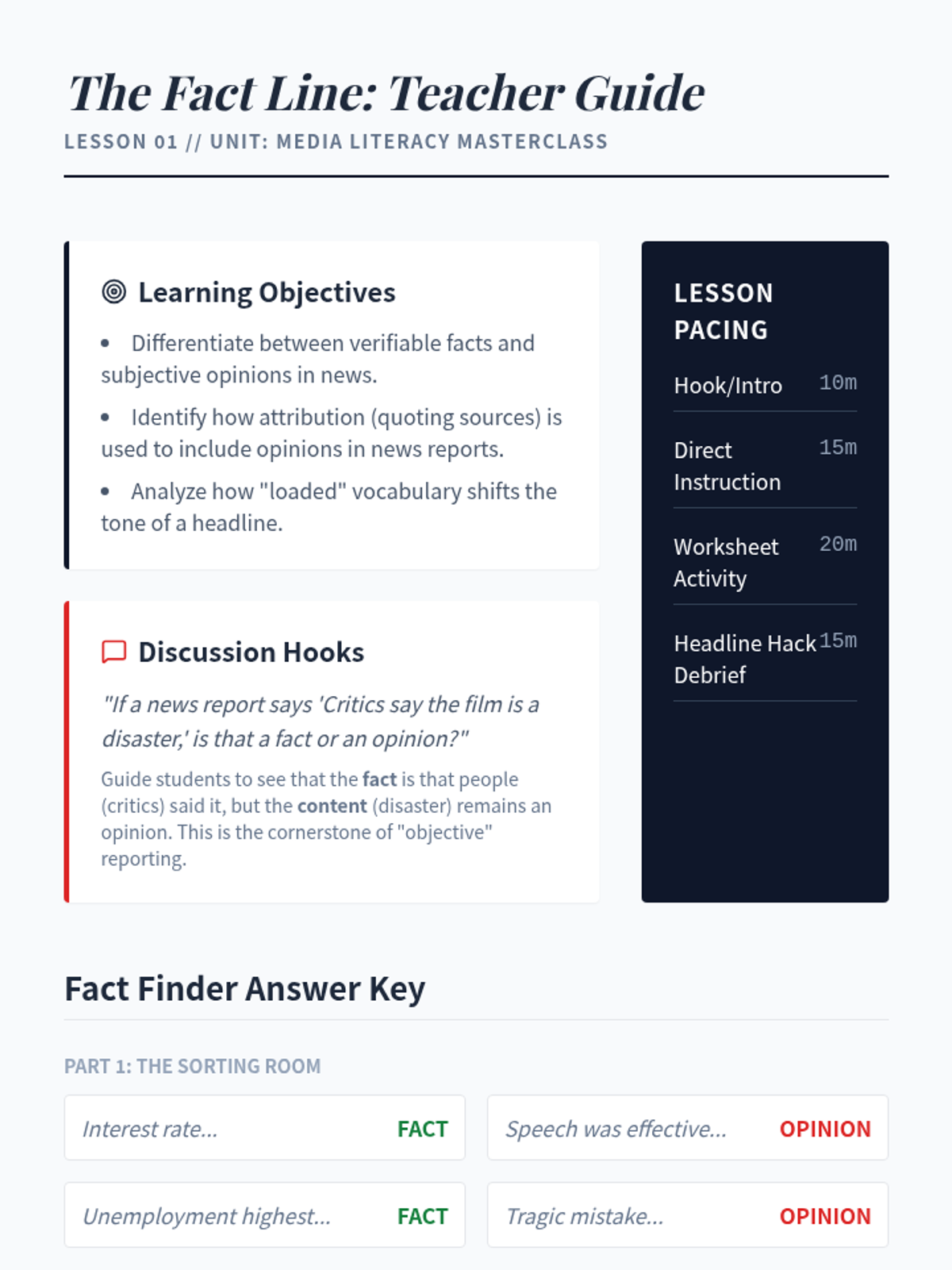
A comprehensive unit for intermediate English learners focusing on critical reading of news, identifying bias, and analyzing rhetorical strategies in media. Students transition from identifying basic facts to conducting comparative analyses of international journalism.
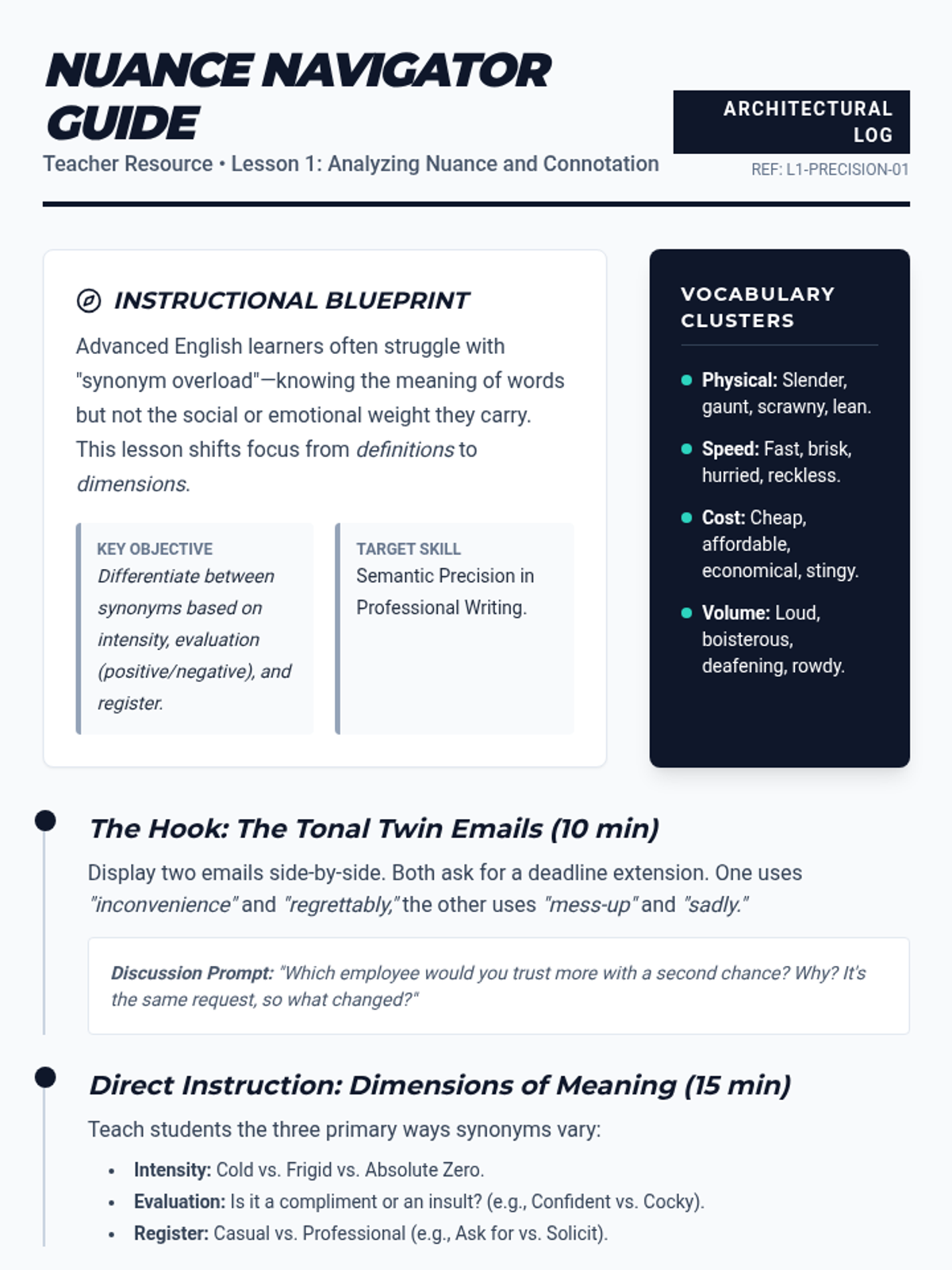
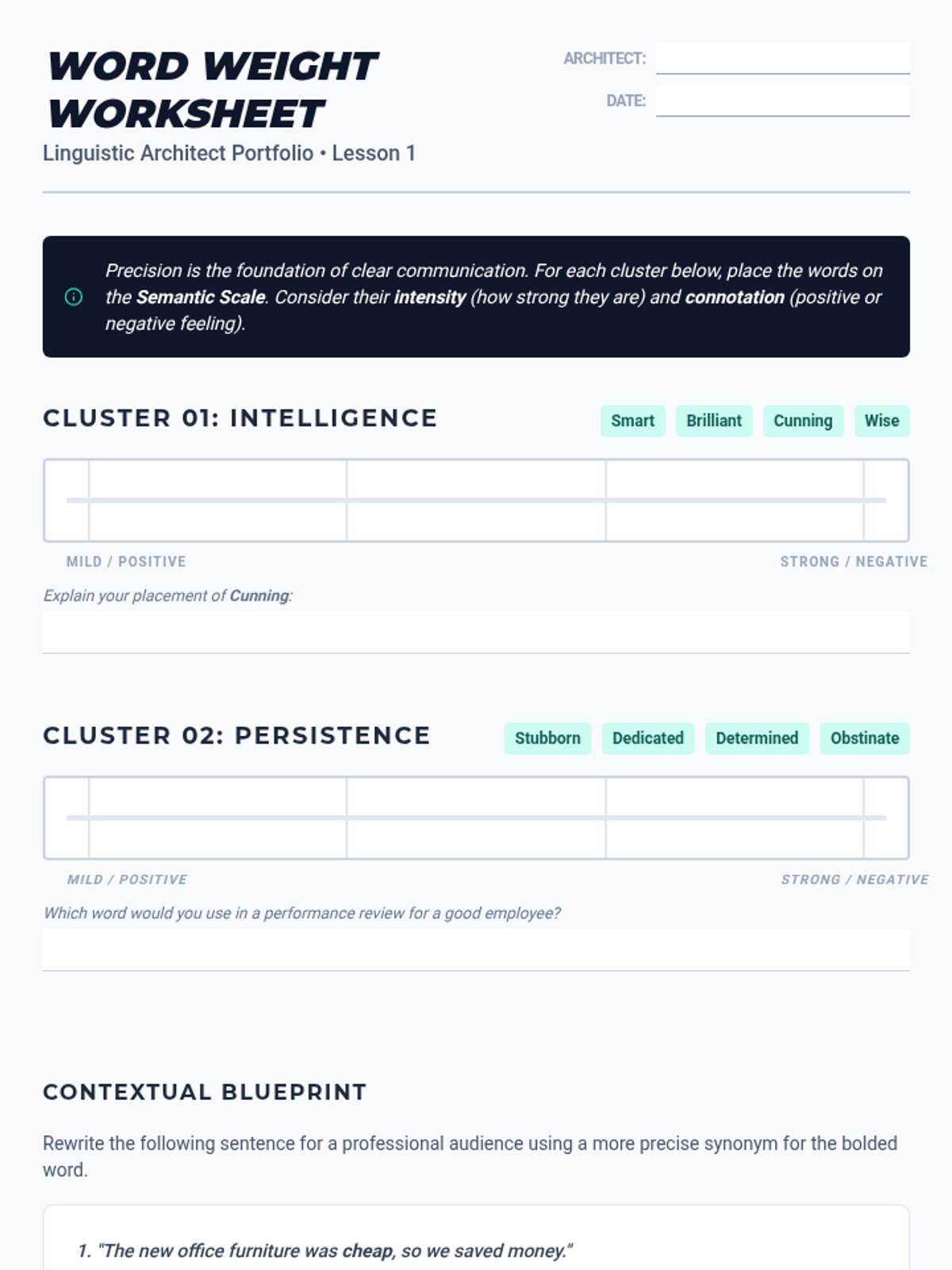
This sequence bridges the gap between functional fluency and native-like precision for advanced ESL students. It focuses on the nuances of synonym choice, academic collocations, professional idioms, and register switching through a 'Linguistic Architect' theme.
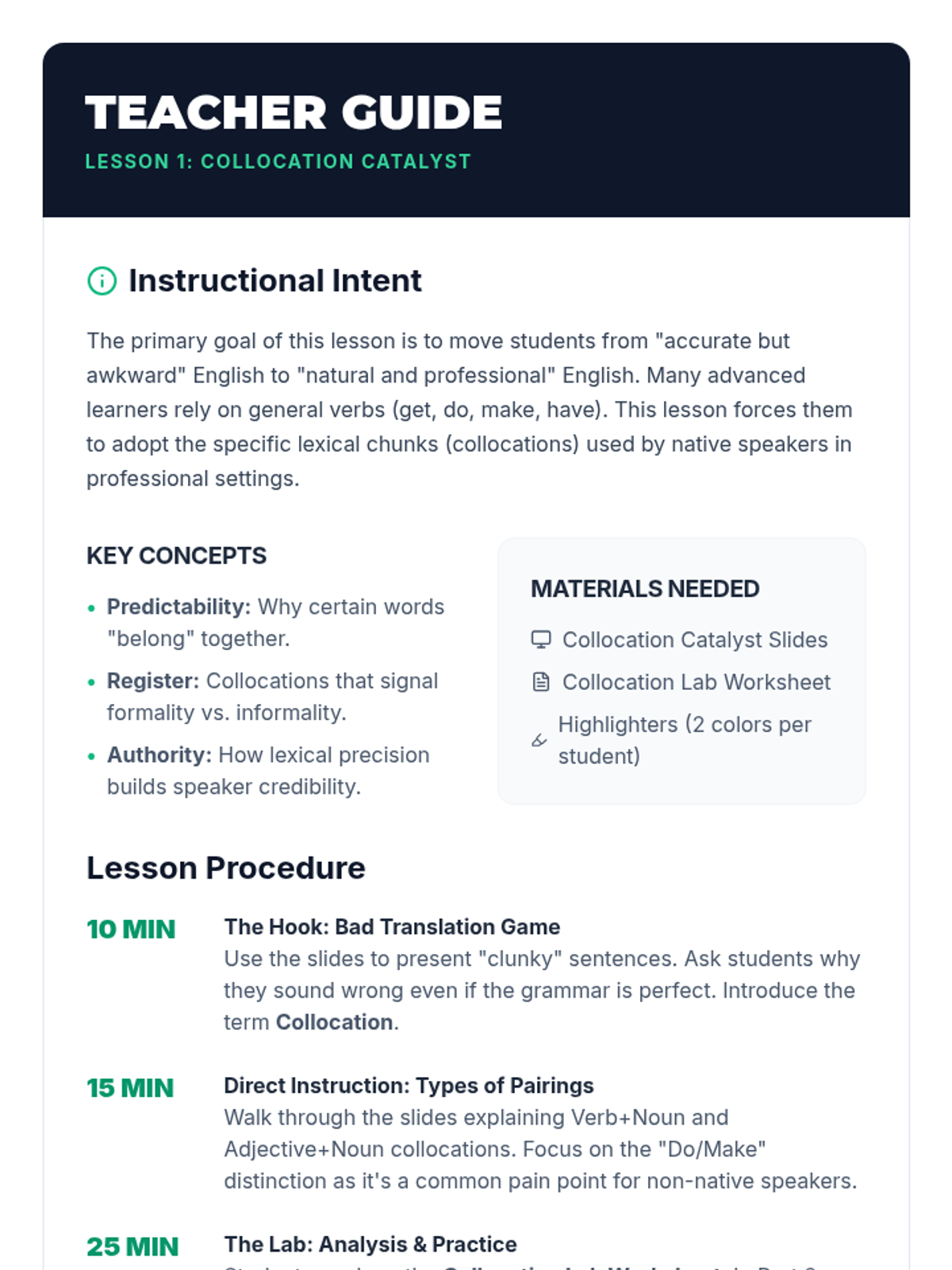
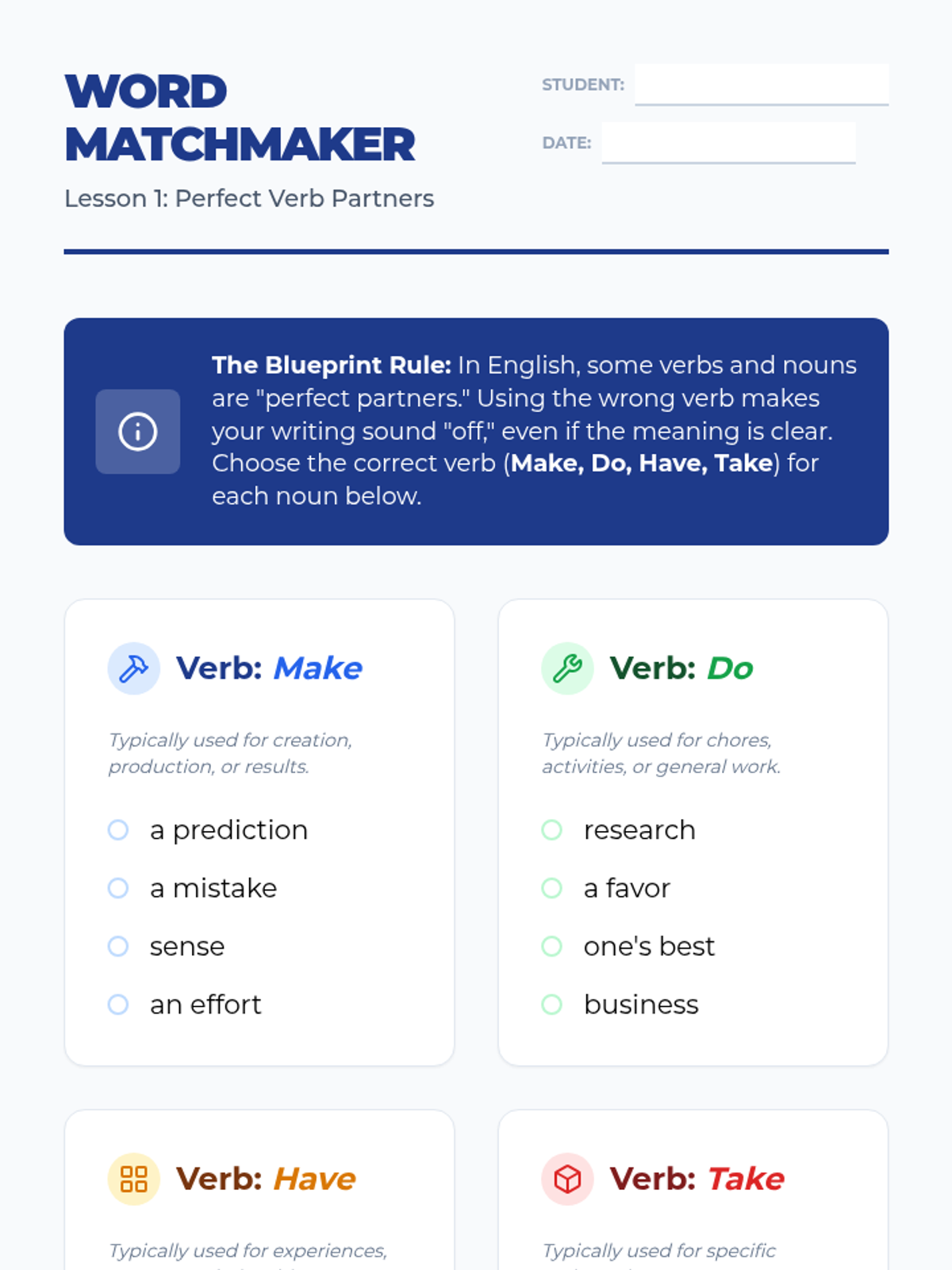
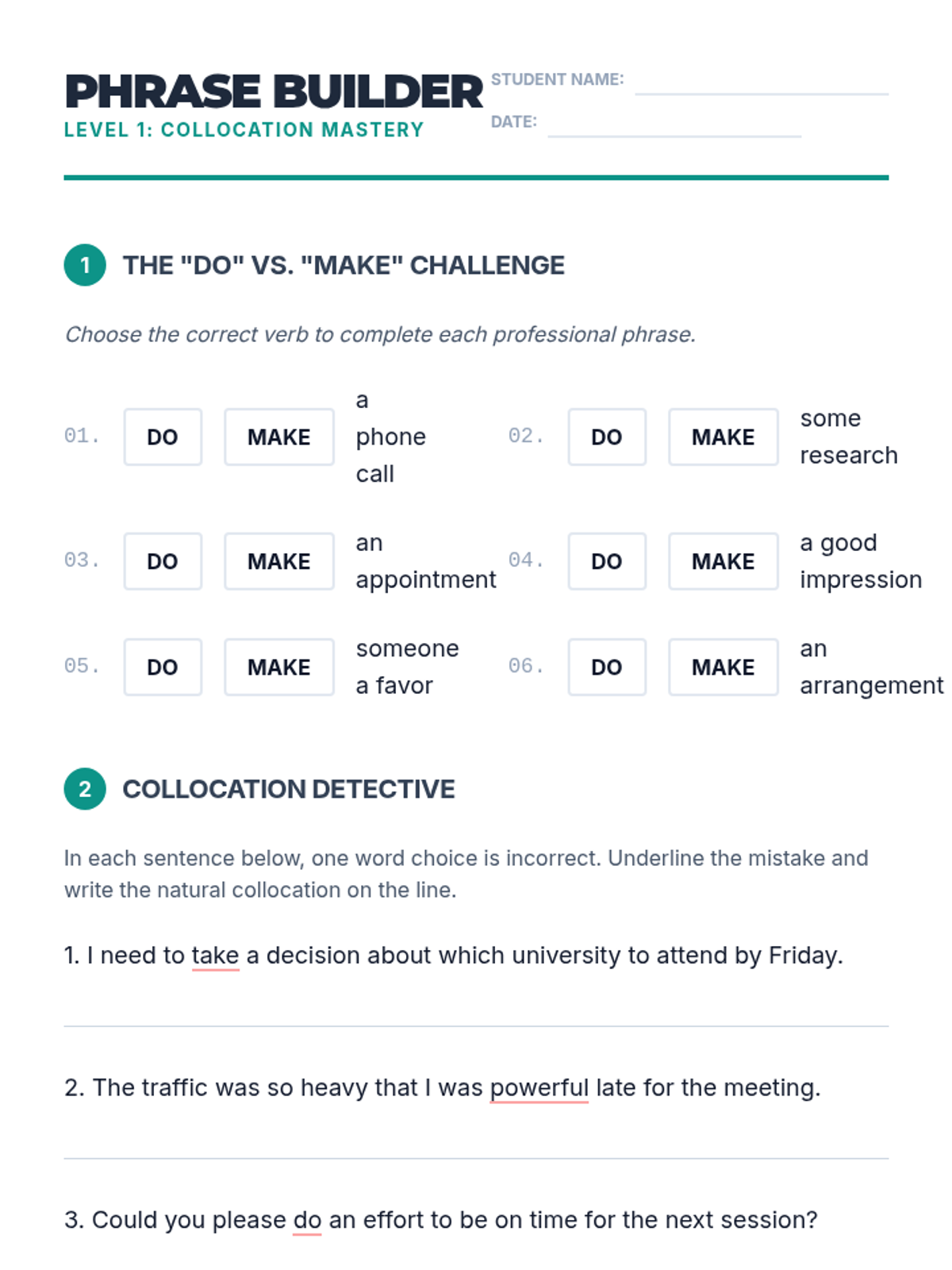
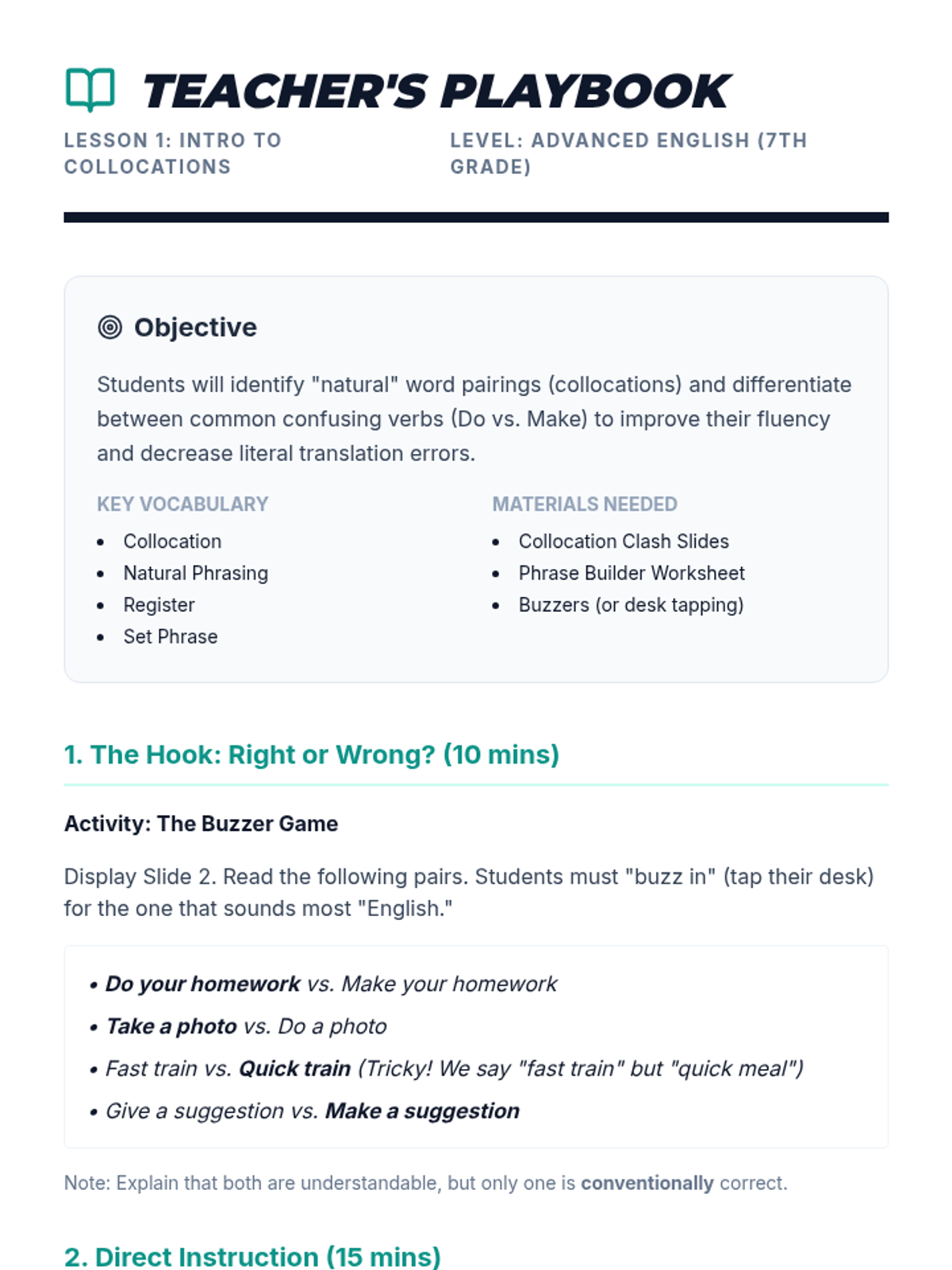
A sequence focused on academic collocations and formal register, teaching students how to use precise word pairings and code-switch for professional contexts.
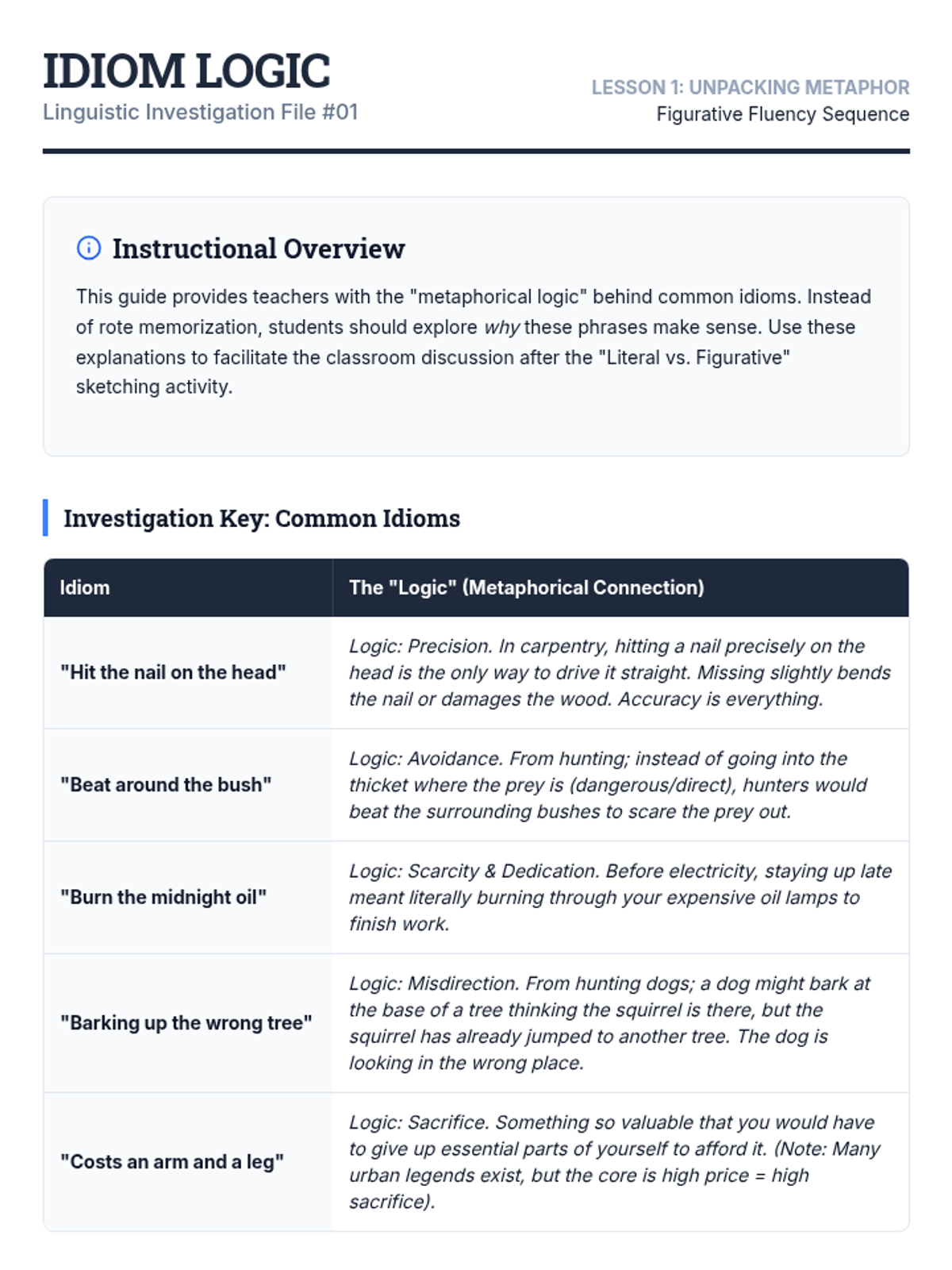
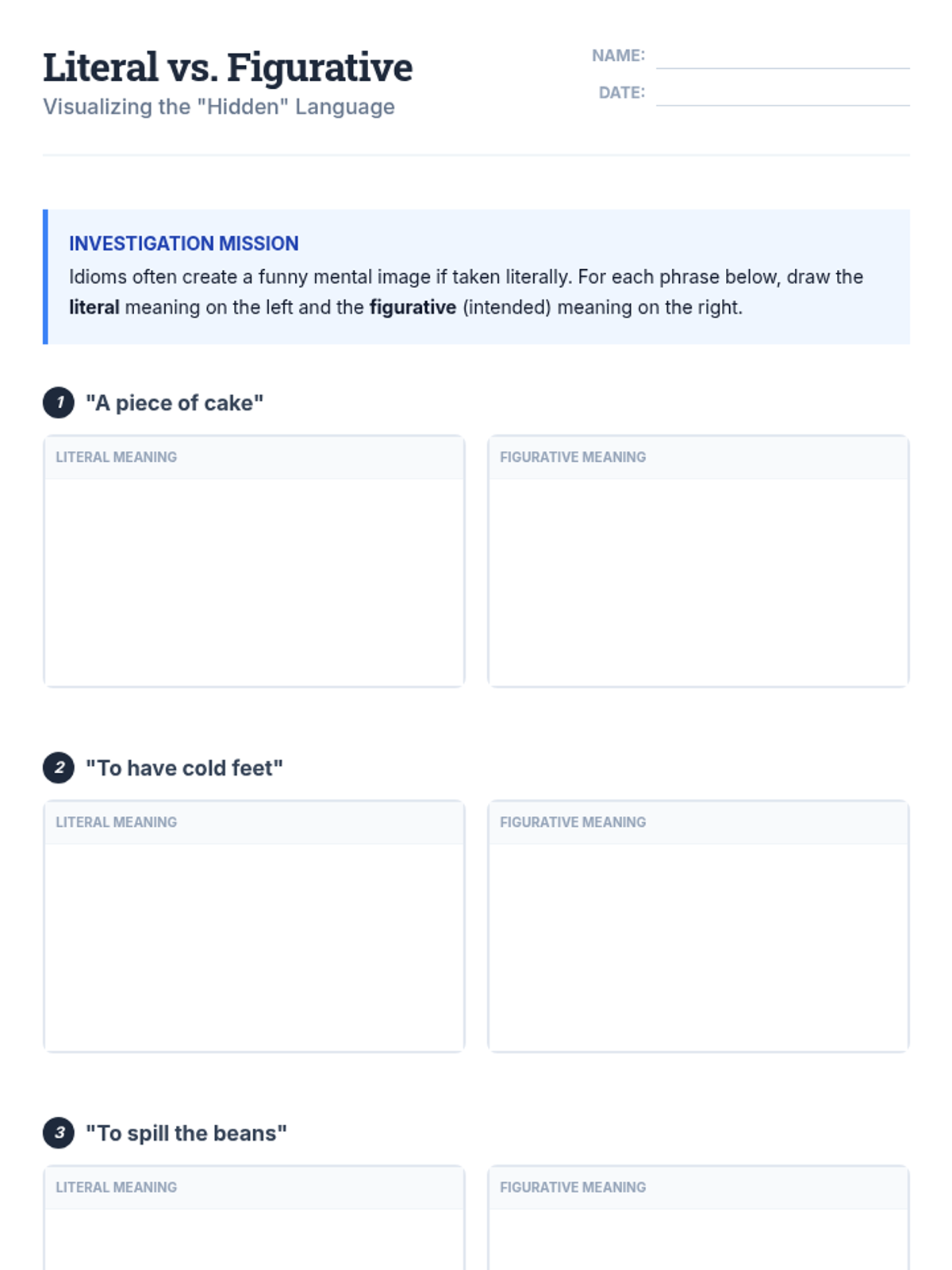
This sequence guides advanced English learners through the nuances of idiomatic and figurative language. Students explore the logic behind metaphors, master professional idioms, analyze cultural origins in sports and war, and develop oral fluency through creative performance.
This sequence addresses the complexities of English phraseology, specifically academic collocations and professional idioms. Students move from literal translations to understanding figurative language used in business and formal environments.