Specialized vocabulary across disciplines, research methodologies, and effective note-taking systems. Equips learners with information literacy skills and strategies for navigating standardized exams.
A 10th-grade ESL sequence focused on advanced listening skills. Students learn to detect bias, analyze tone, identify rhetorical devices, and infer speaker relationships through various audio sources like news, speeches, and podcasts.
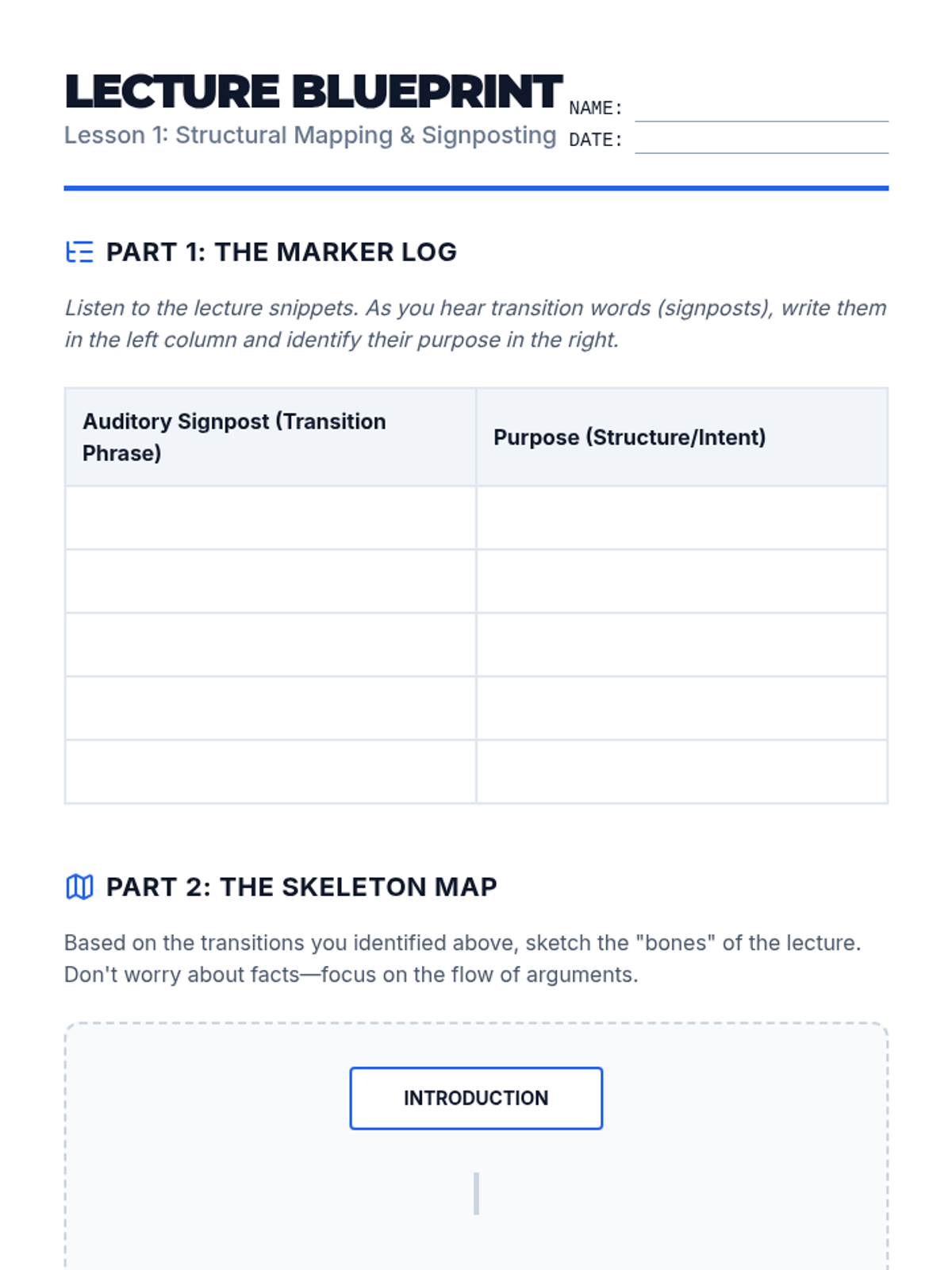
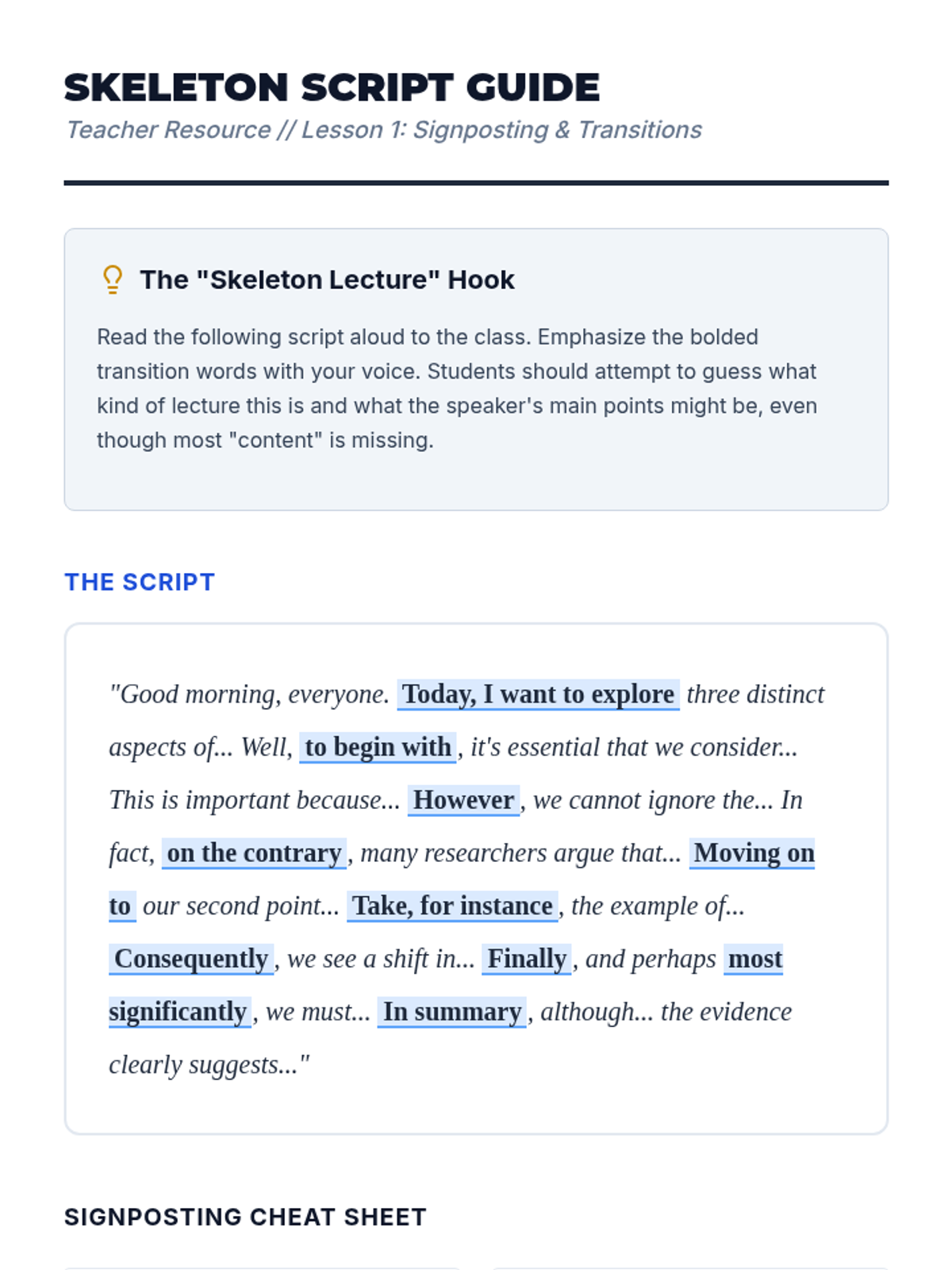
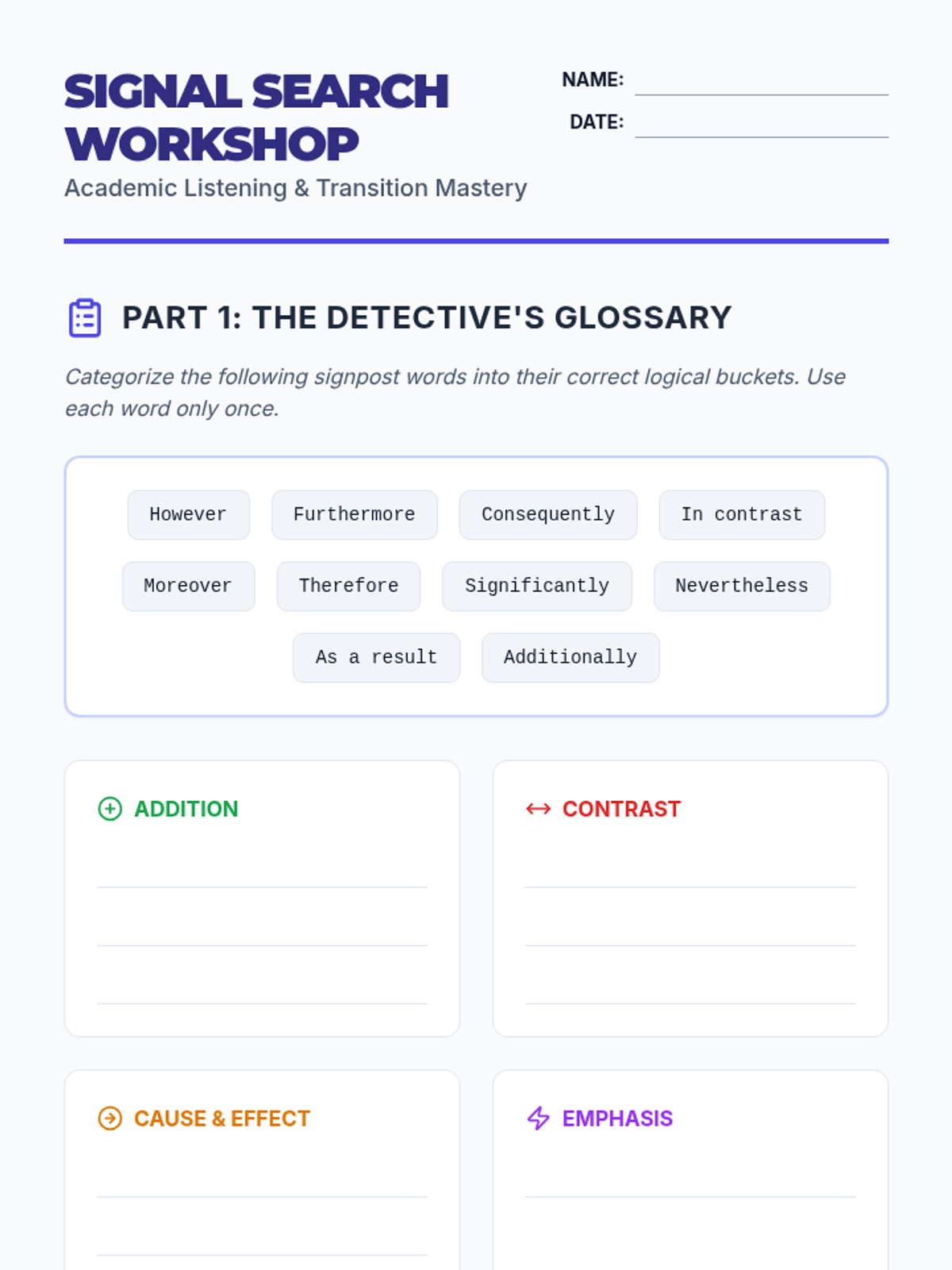
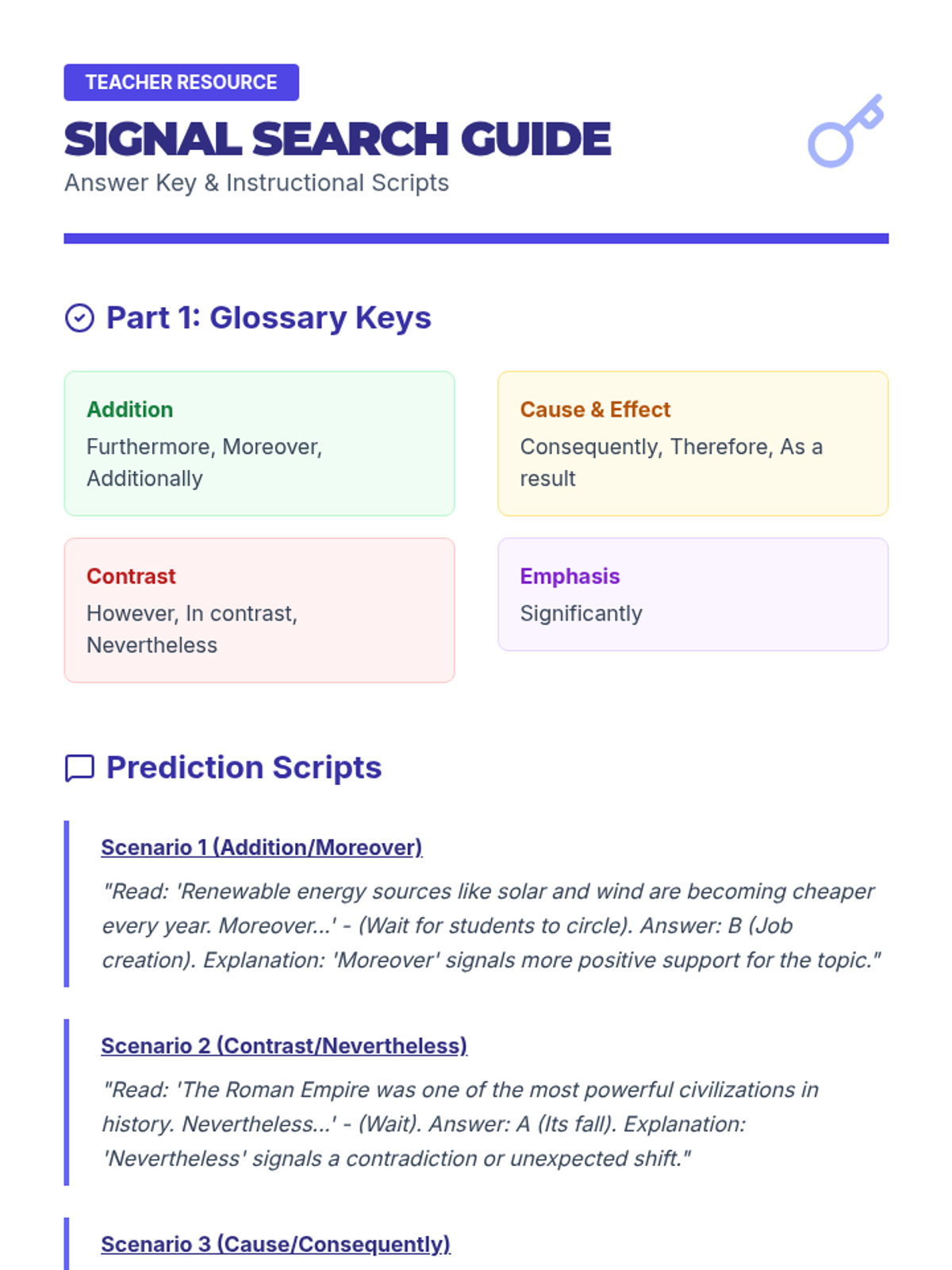
This sequence prepares intermediate ESL students for university-level academic listening by focusing on signposting language, speaker stance, hedging, and strategic note-taking. Students will move from identifying basic transitions to synthesizing complex arguments from multiple spoken sources.
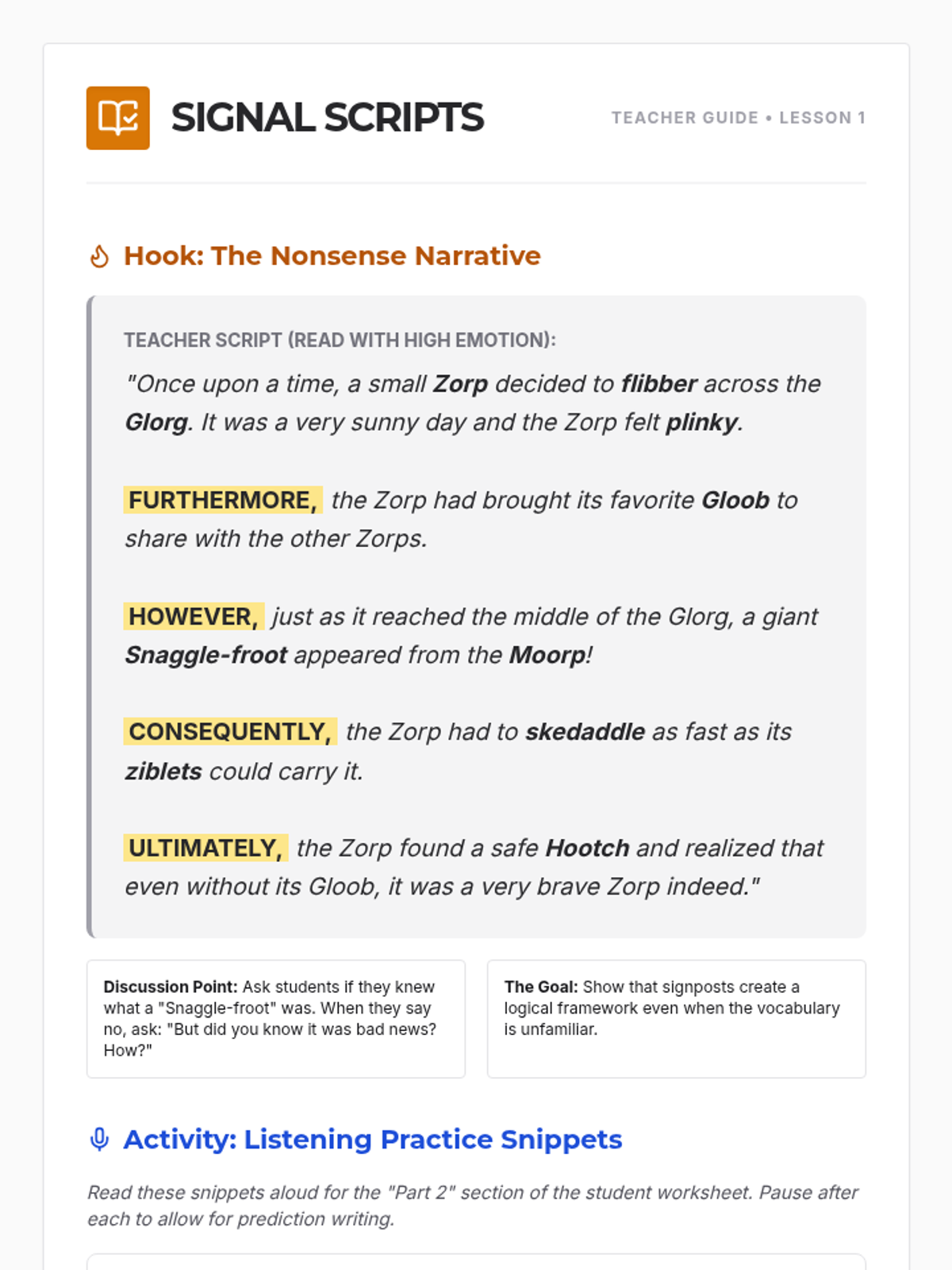
This sequence prepares advanced ESL learners for the rigors of university-level listening by deconstructing rhetorical strategies, identifying signposting, and evaluating speaker bias in academic lectures. Students move from mastering note-taking structures to engaging in a high-stakes Socratic seminar based on audio evidence.
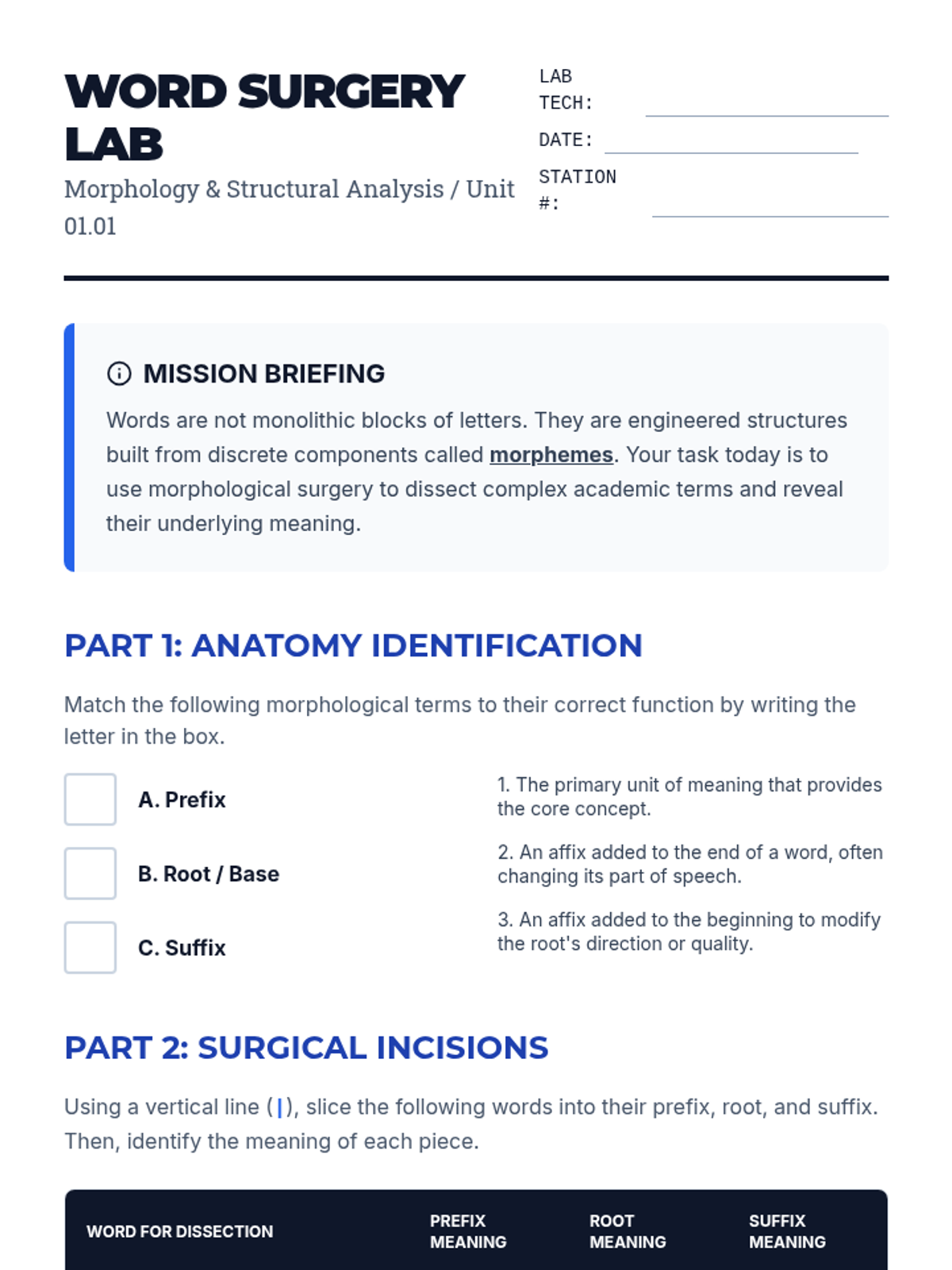
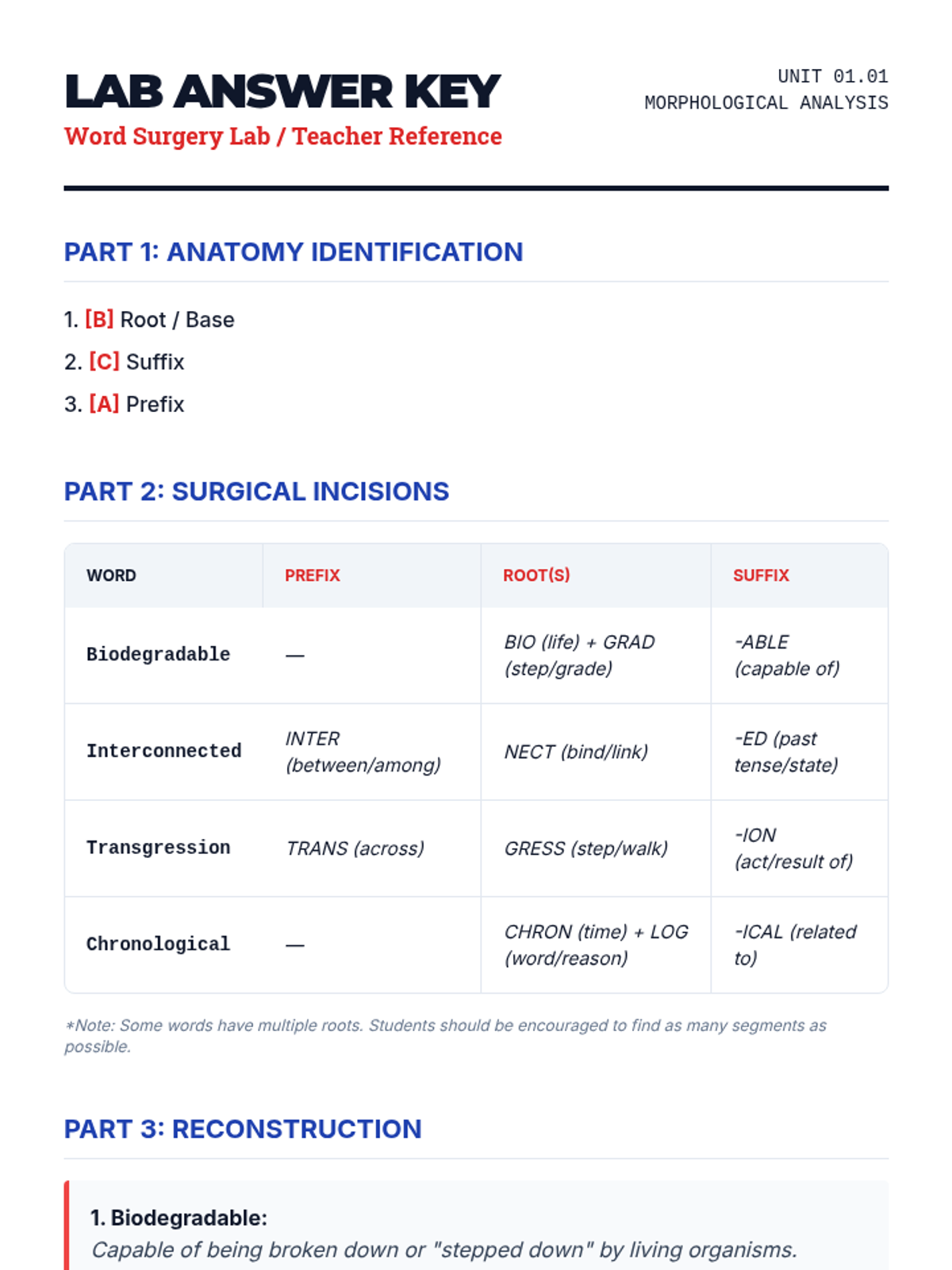
A comprehensive sequence for 10th-grade students to master morphological analysis, focusing on Greek and Latin roots to decode complex academic and technical language.
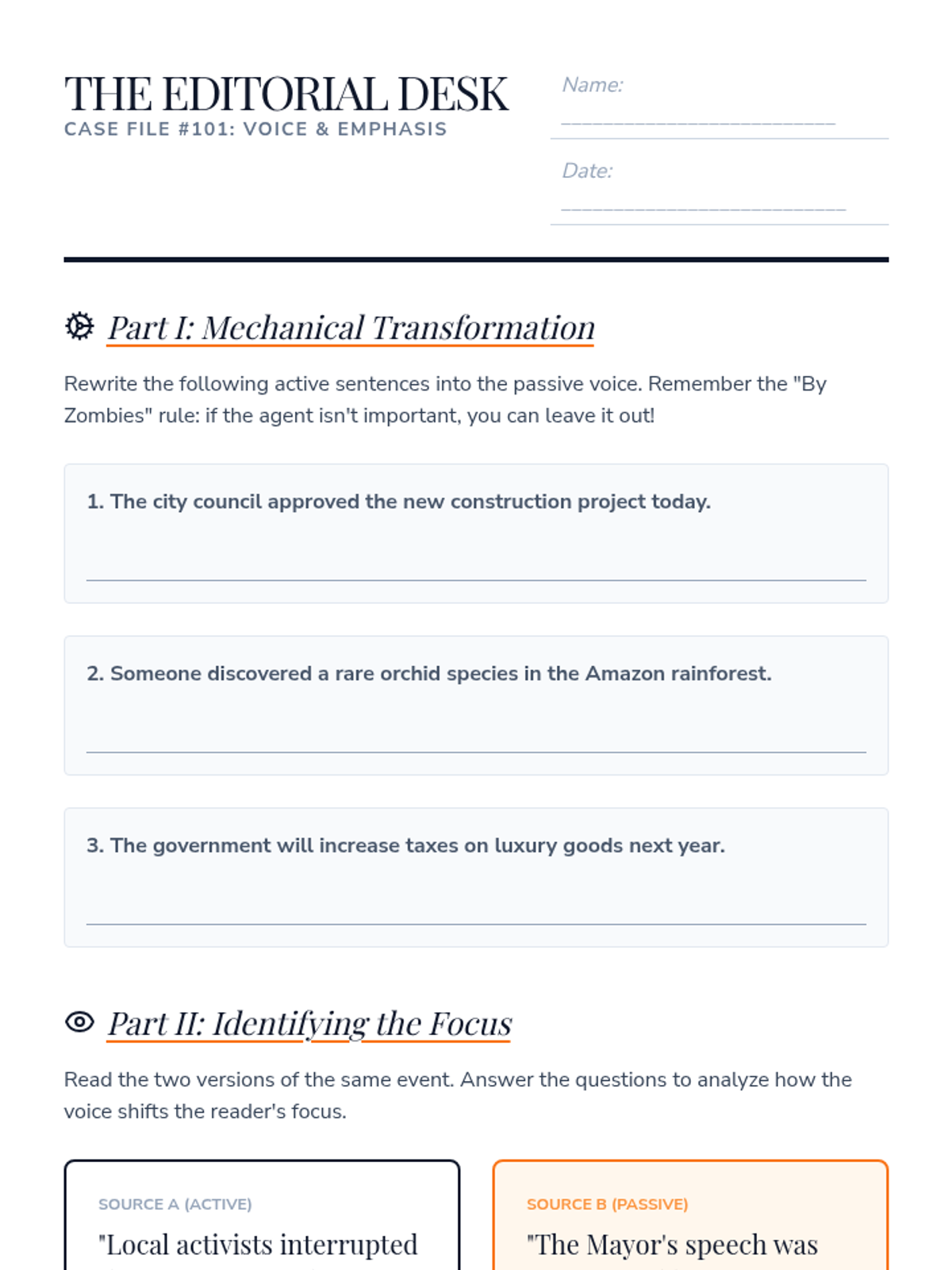
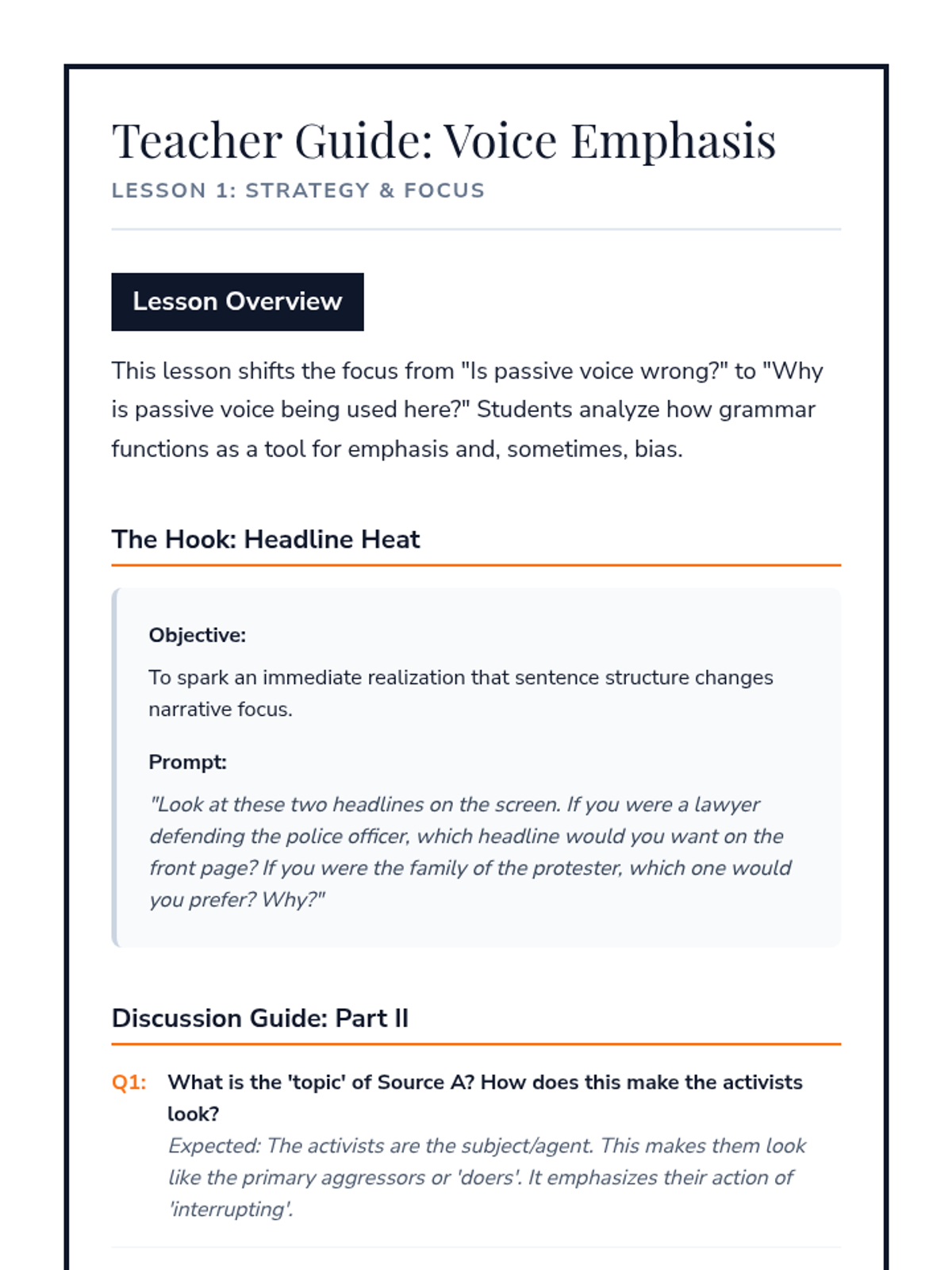
This advanced grammar sequence explores the strategic use of passive voice, reporting verbs, and causative structures. Students move beyond basic mechanics to understand how voice shifts focus, maintains scientific objectivity, and creates distancing in journalism and academic writing.
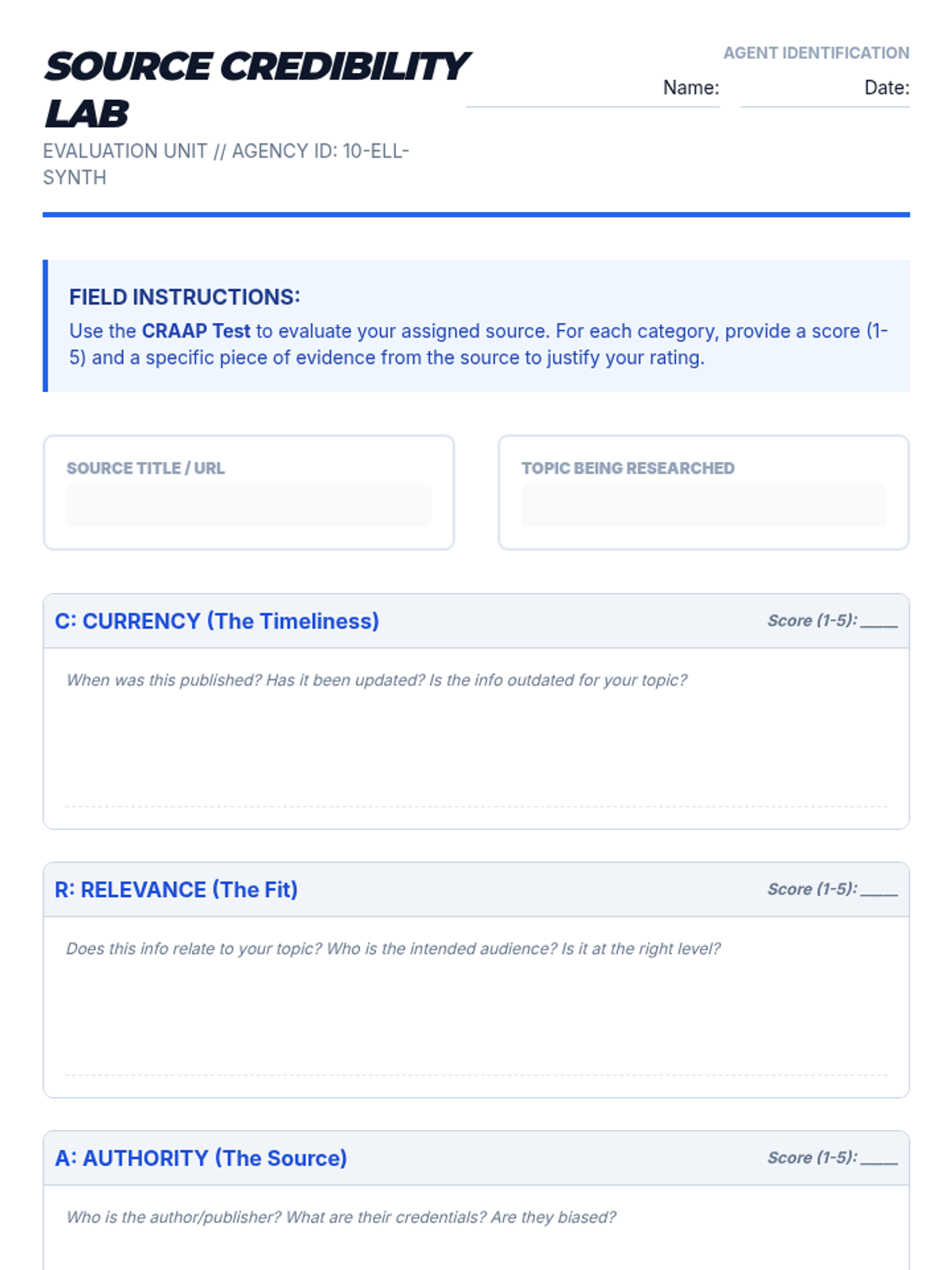
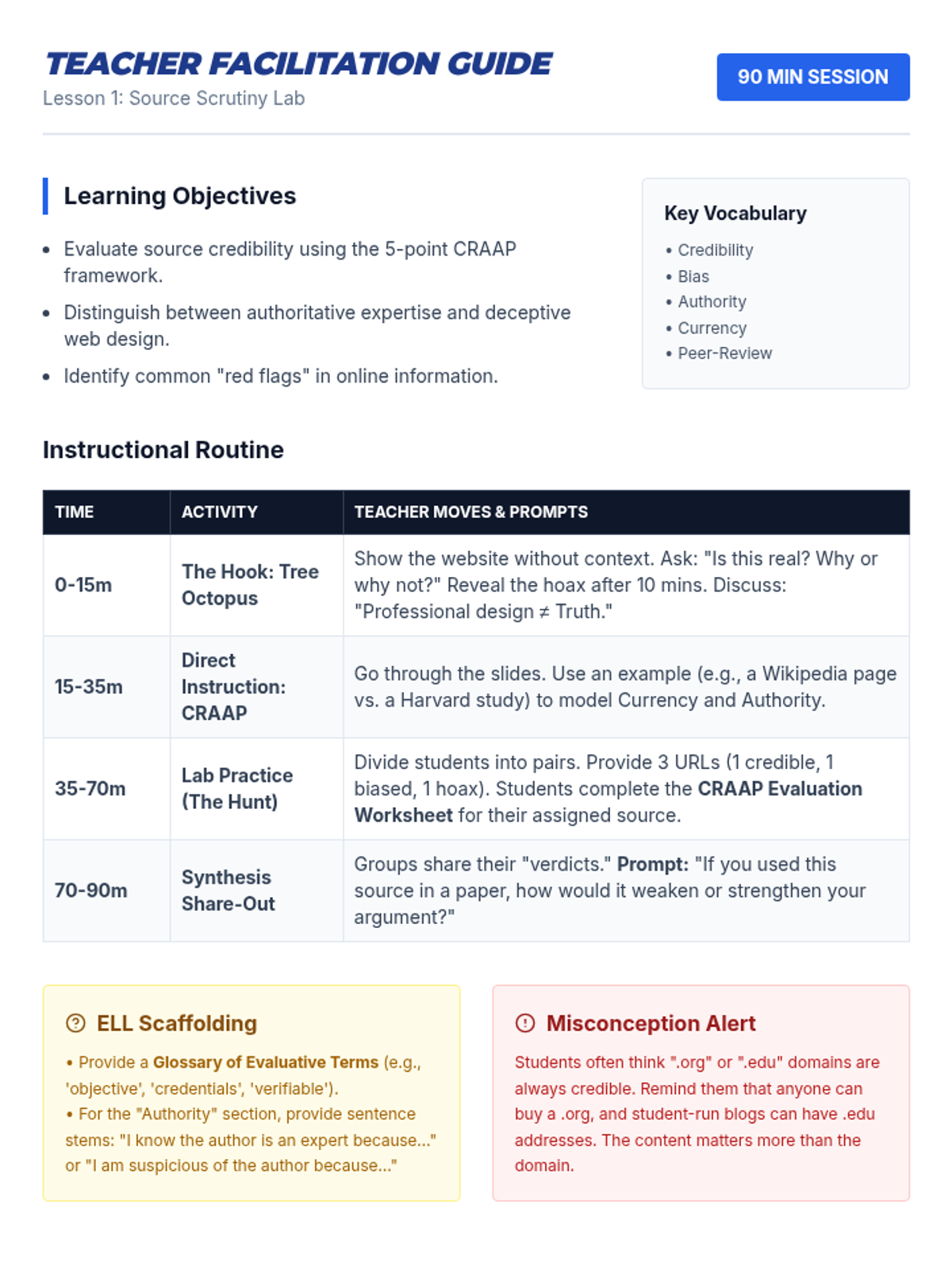
A comprehensive 10th-grade reading sequence focusing on synthesizing information from multiple sources. Students act as researchers and intelligence officers to evaluate credibility, corroborate facts across texts, integrate visual data, and paraphrase complex ideas to produce a final research briefing.
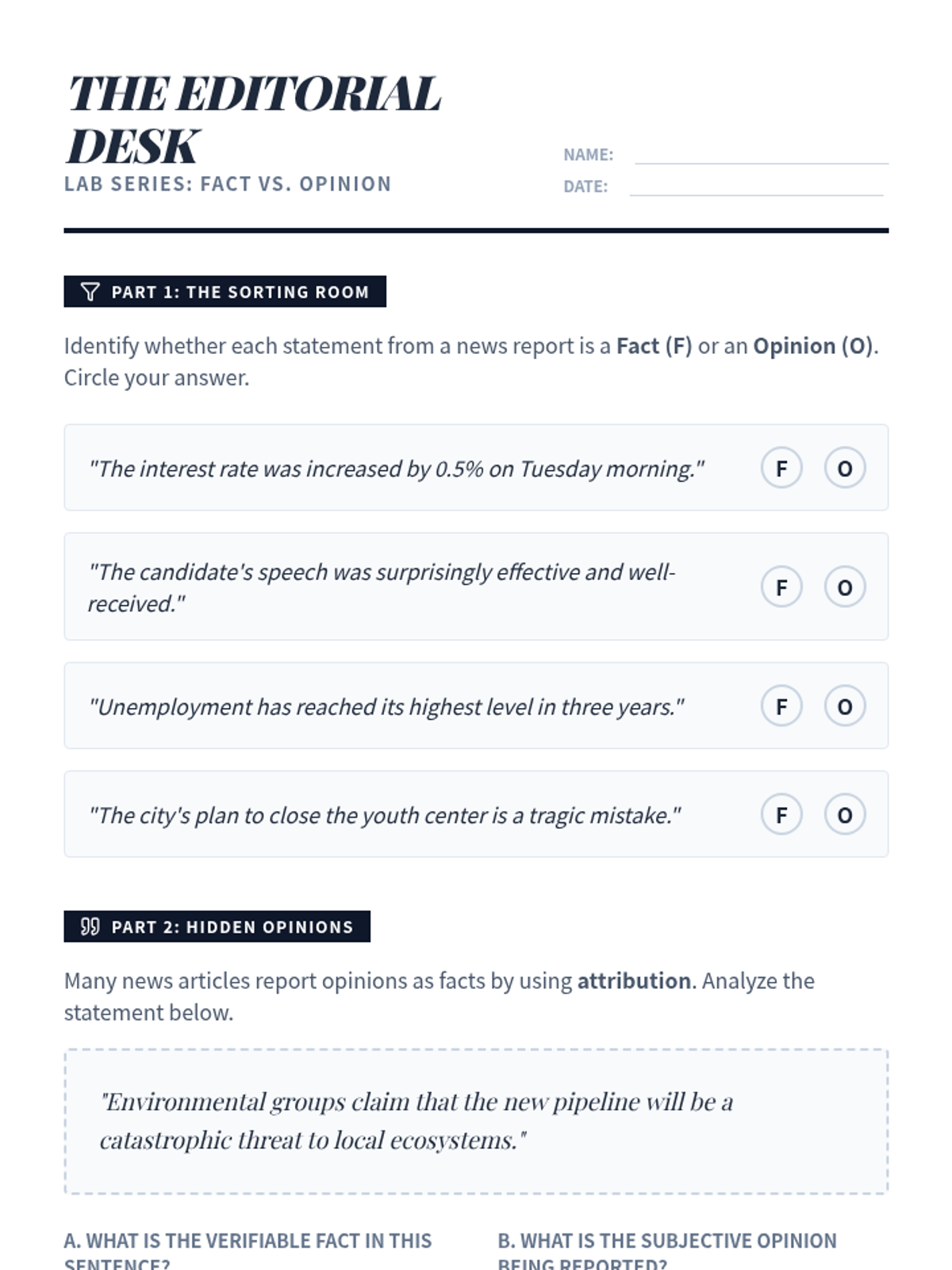
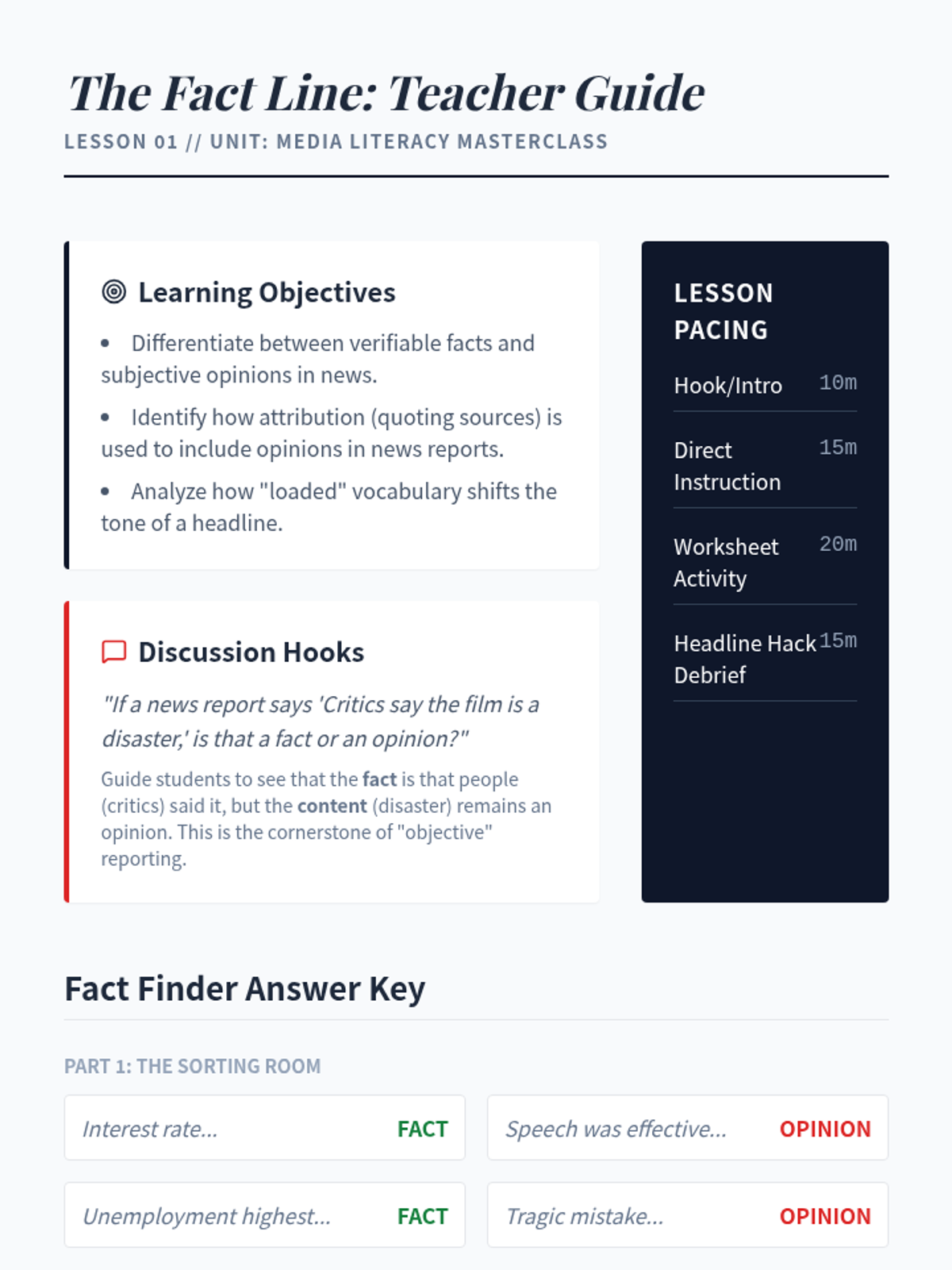
A comprehensive unit for intermediate English learners focusing on critical reading of news, identifying bias, and analyzing rhetorical strategies in media. Students transition from identifying basic facts to conducting comparative analyses of international journalism.
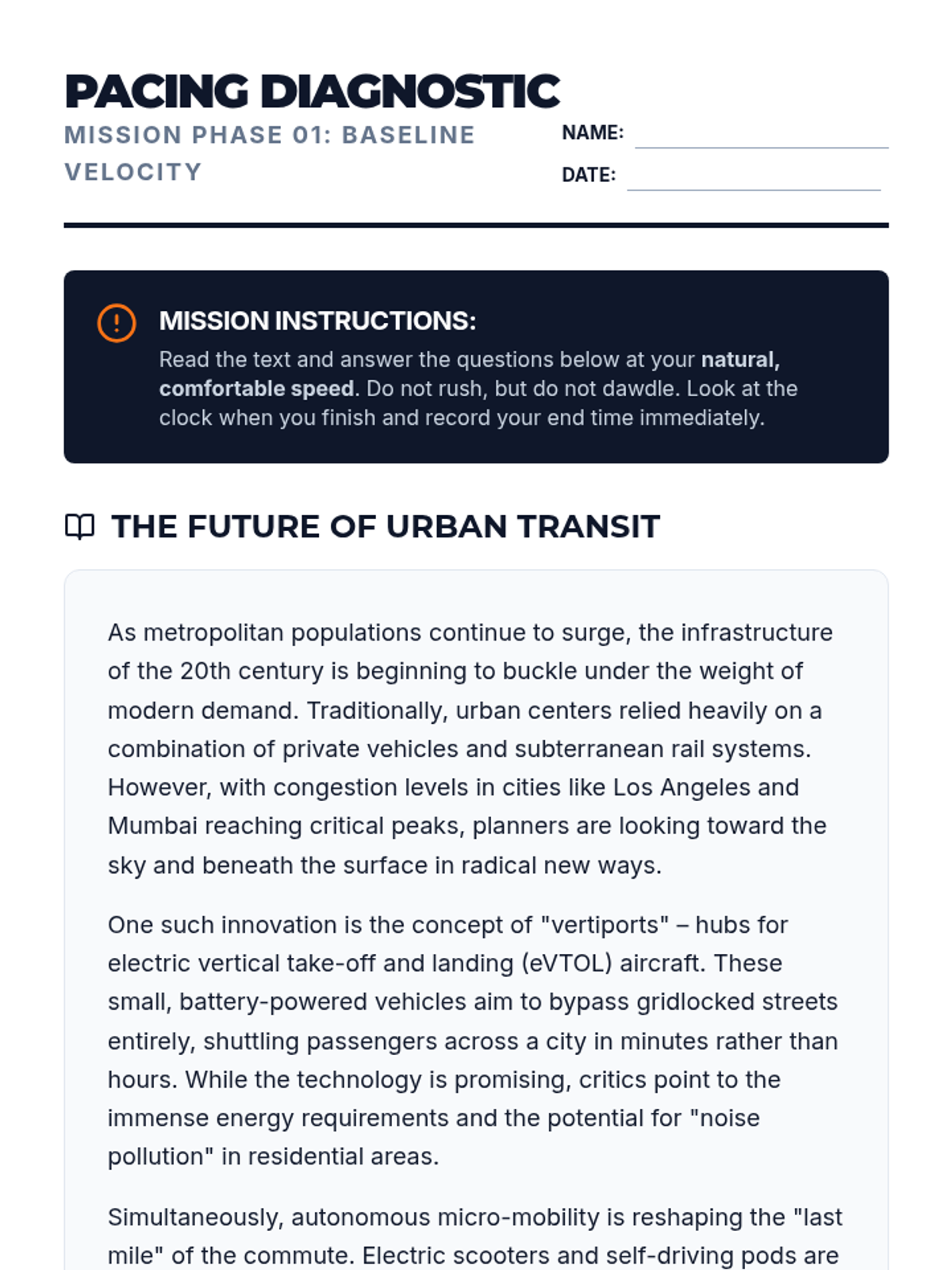
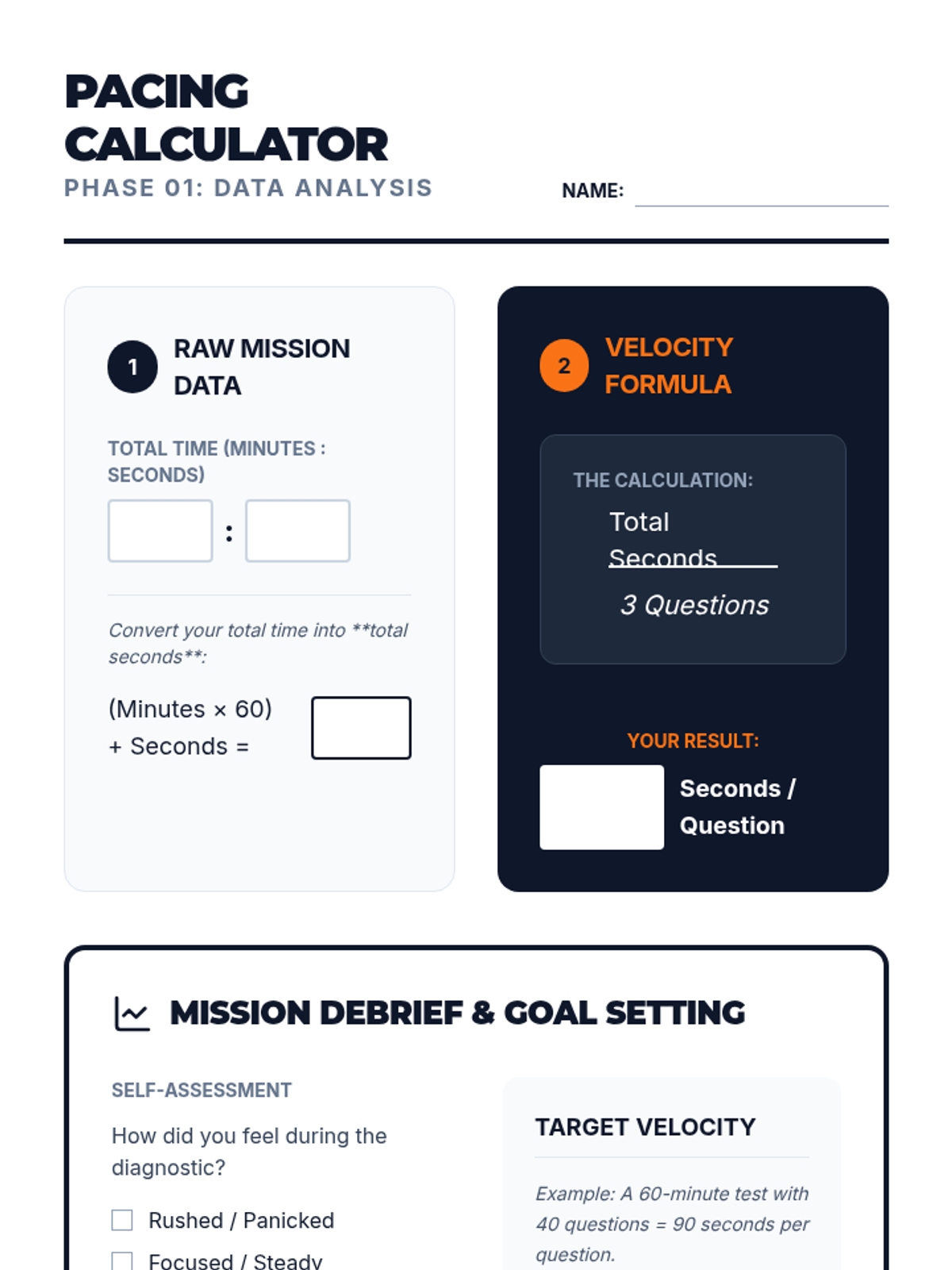
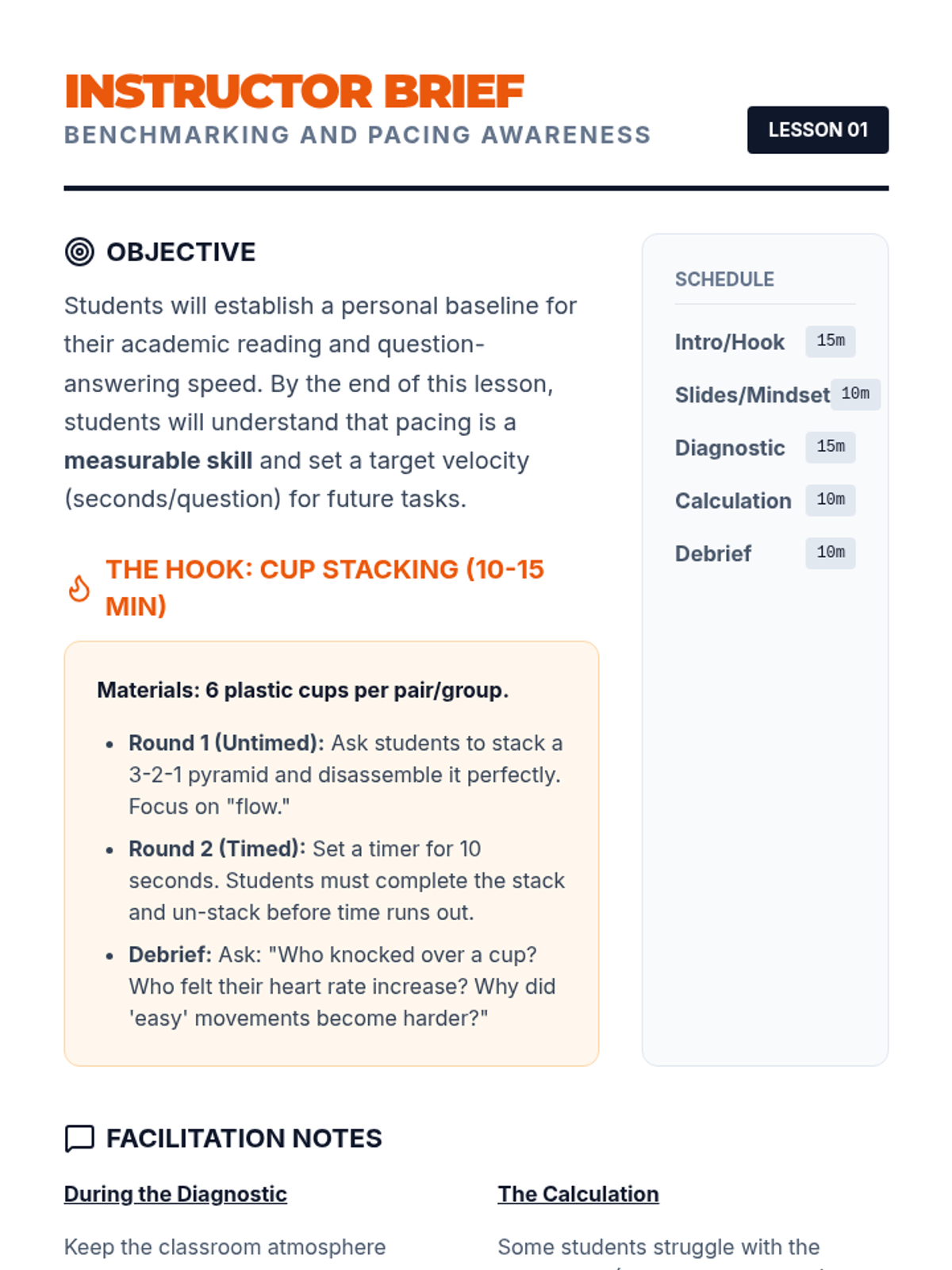
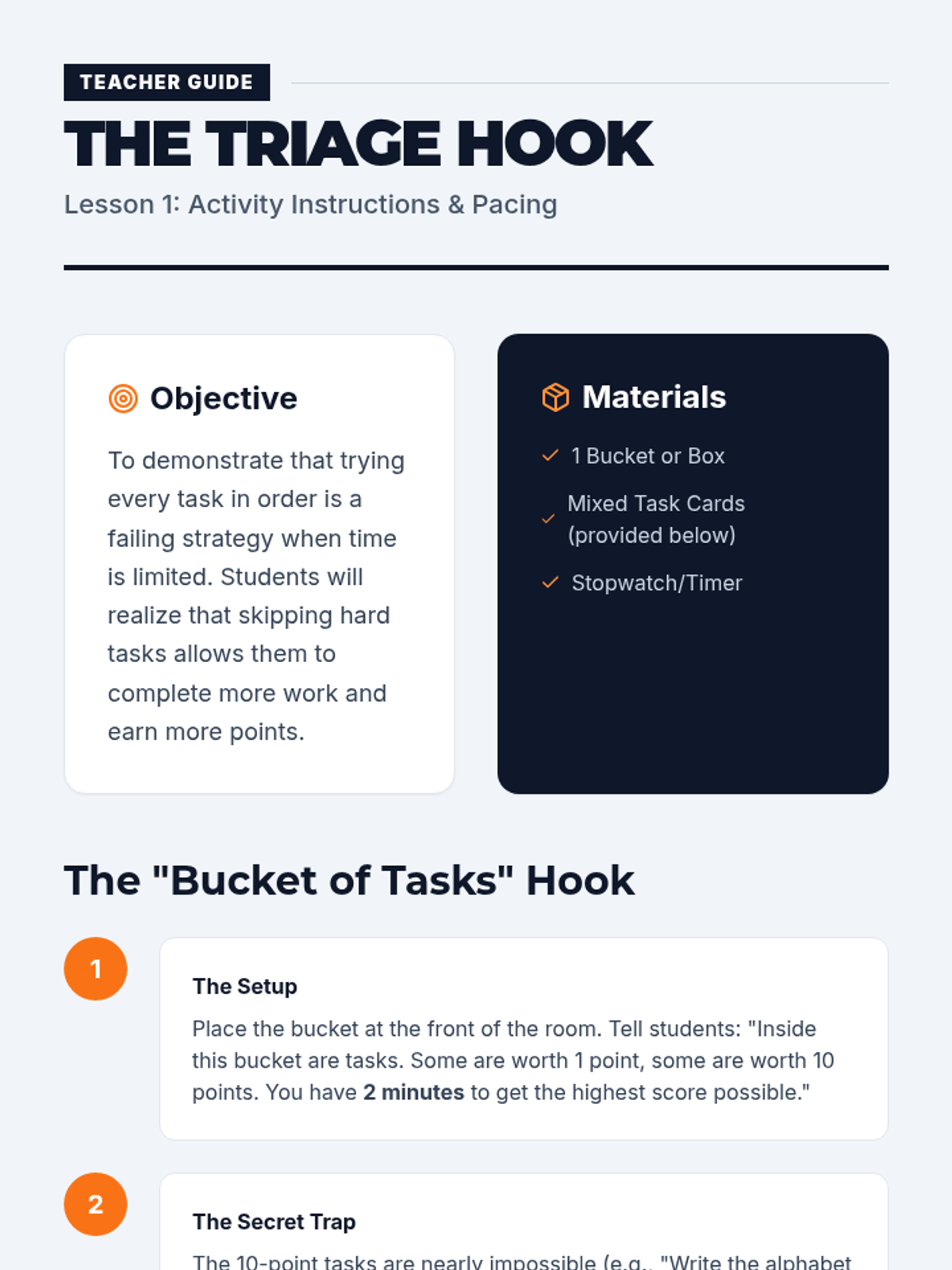
A 5-lesson sequence for 10th-grade ESL students focused on mastering time management and strategic pacing for academic exams. Students move from benchmarking their natural speed to mastering 'triage' techniques, evaluating reading strategies, and practicing crisis management for timed tests.
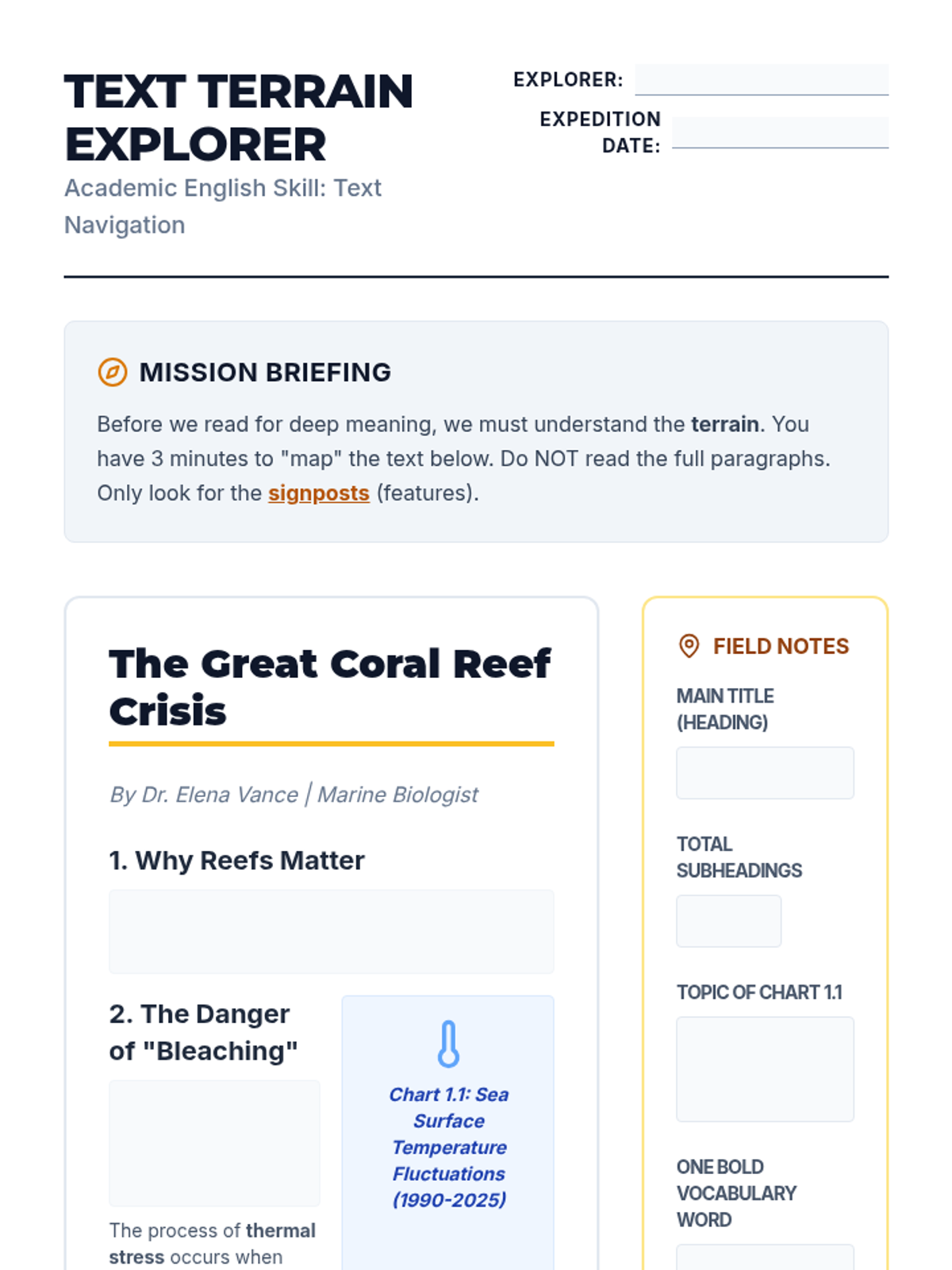
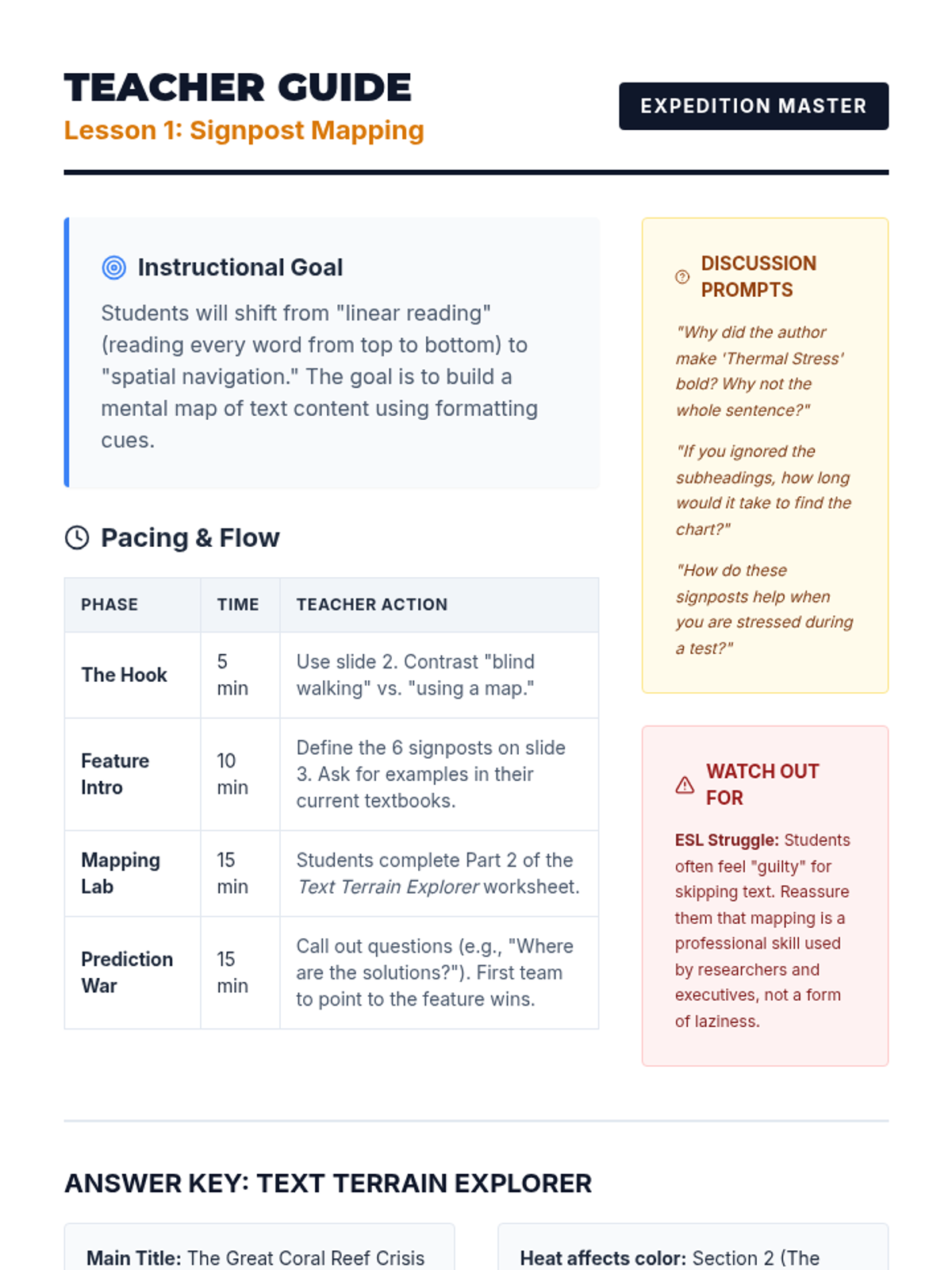
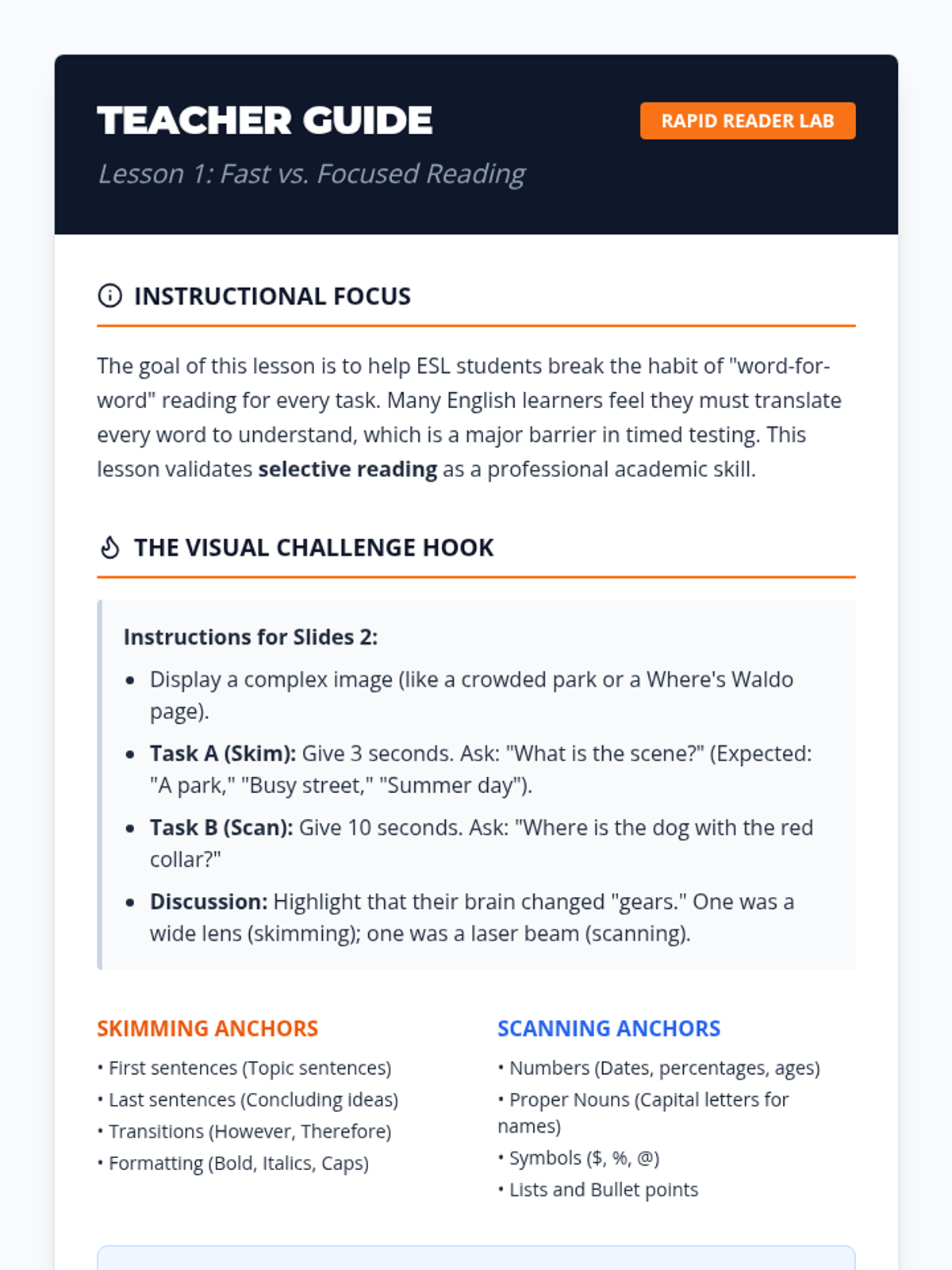
A comprehensive sequence for 10th-grade ESL students focusing on academic text navigation. Students learn to use text features, skimming, scanning, and transition words to retrieve information rapidly and accurately, culminating in a timed retrieval challenge.
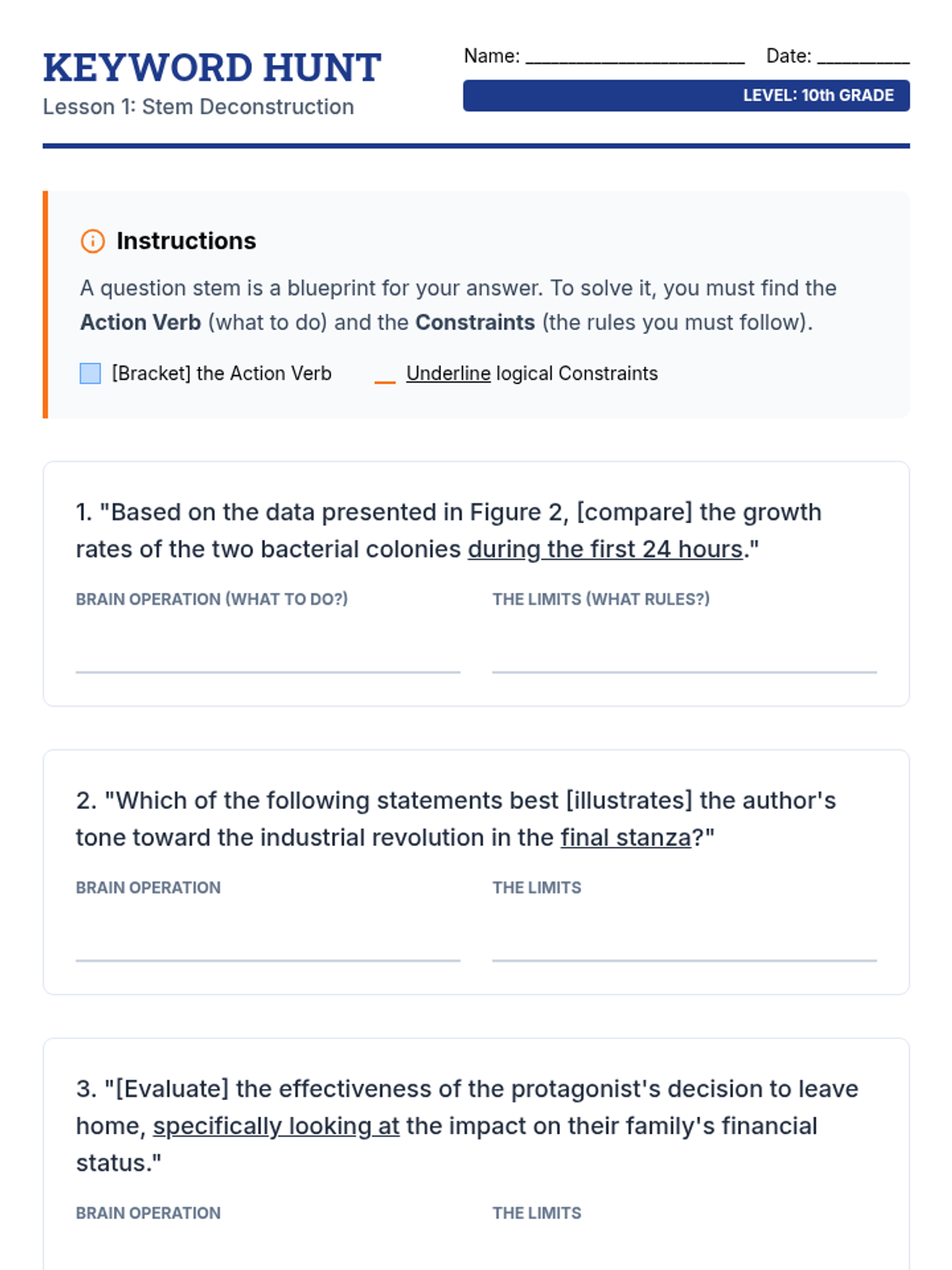
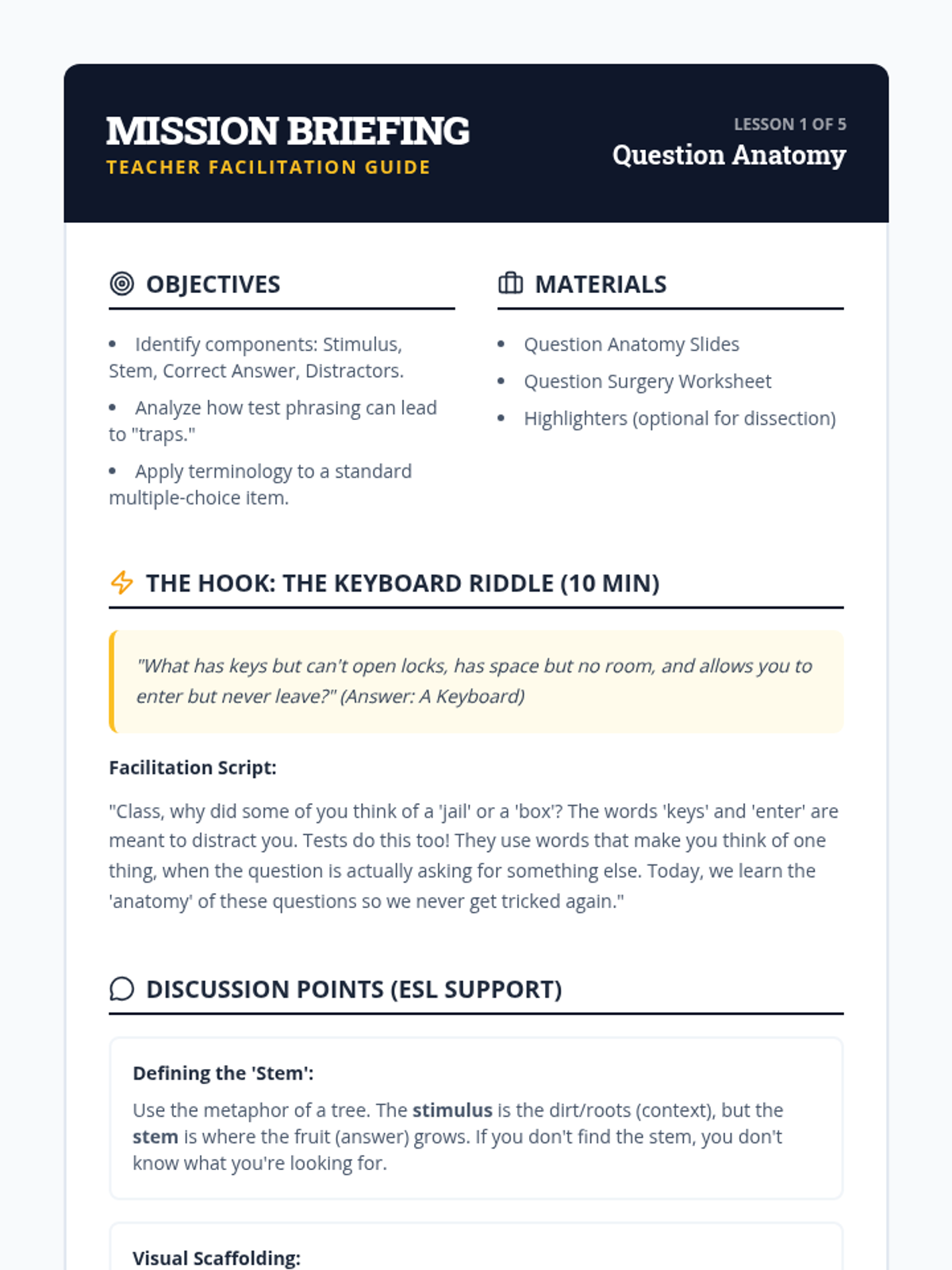
A comprehensive sequence designed to help 10th-grade ESL students master academic test-taking by analyzing question stems, evaluating answer choice logic, and applying prediction strategies. Students move from basic identification of keywords to complex synthesis of strategies across various question types.
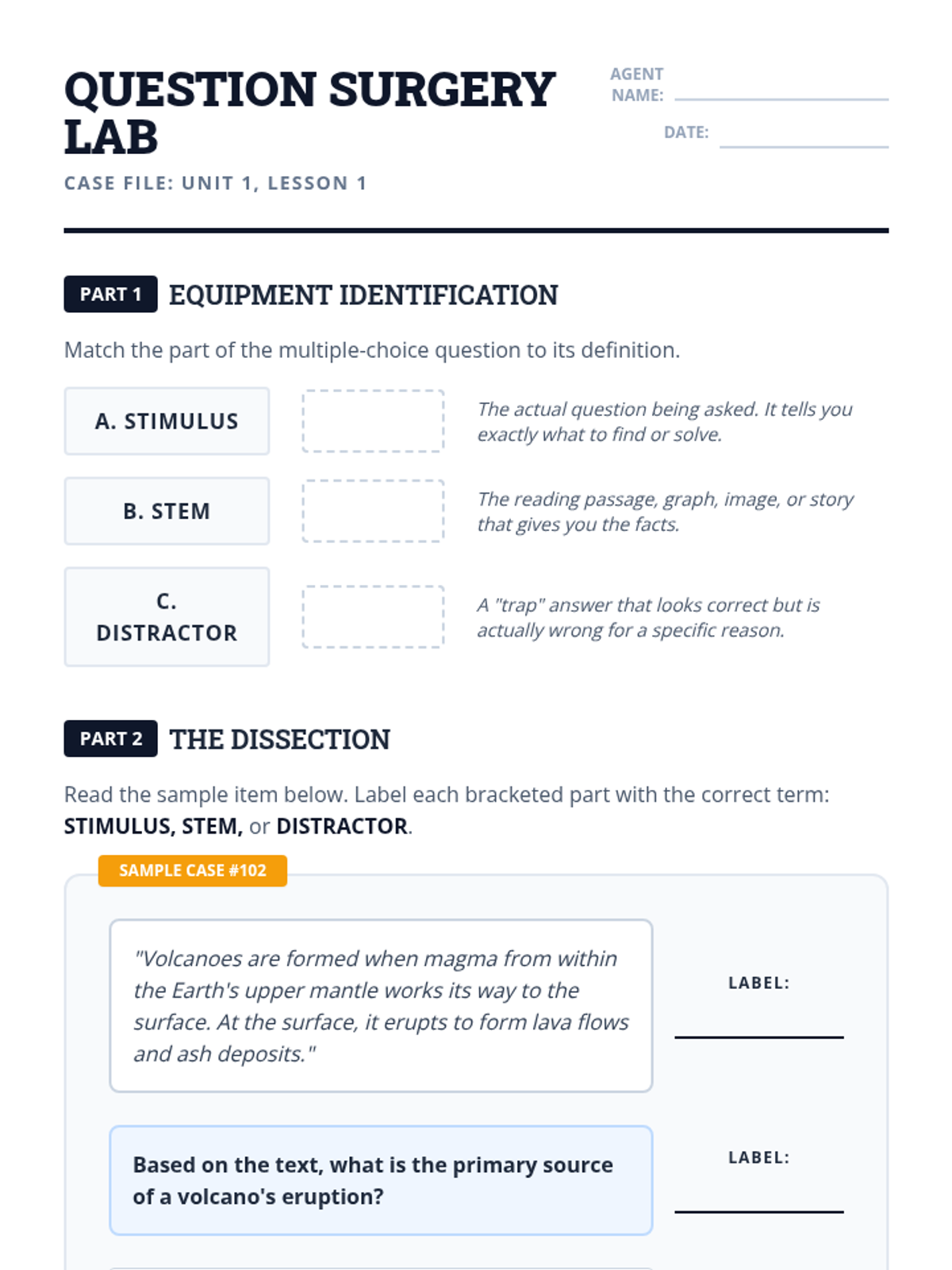
This sequence targets the analytical skills required to dismantle multiple-choice questions for 7th Grade ESL learners. Students move from understanding the anatomy of a question to identifying common logical fallacies and 'trap' answers, utilizing game-based learning and deductive reasoning.
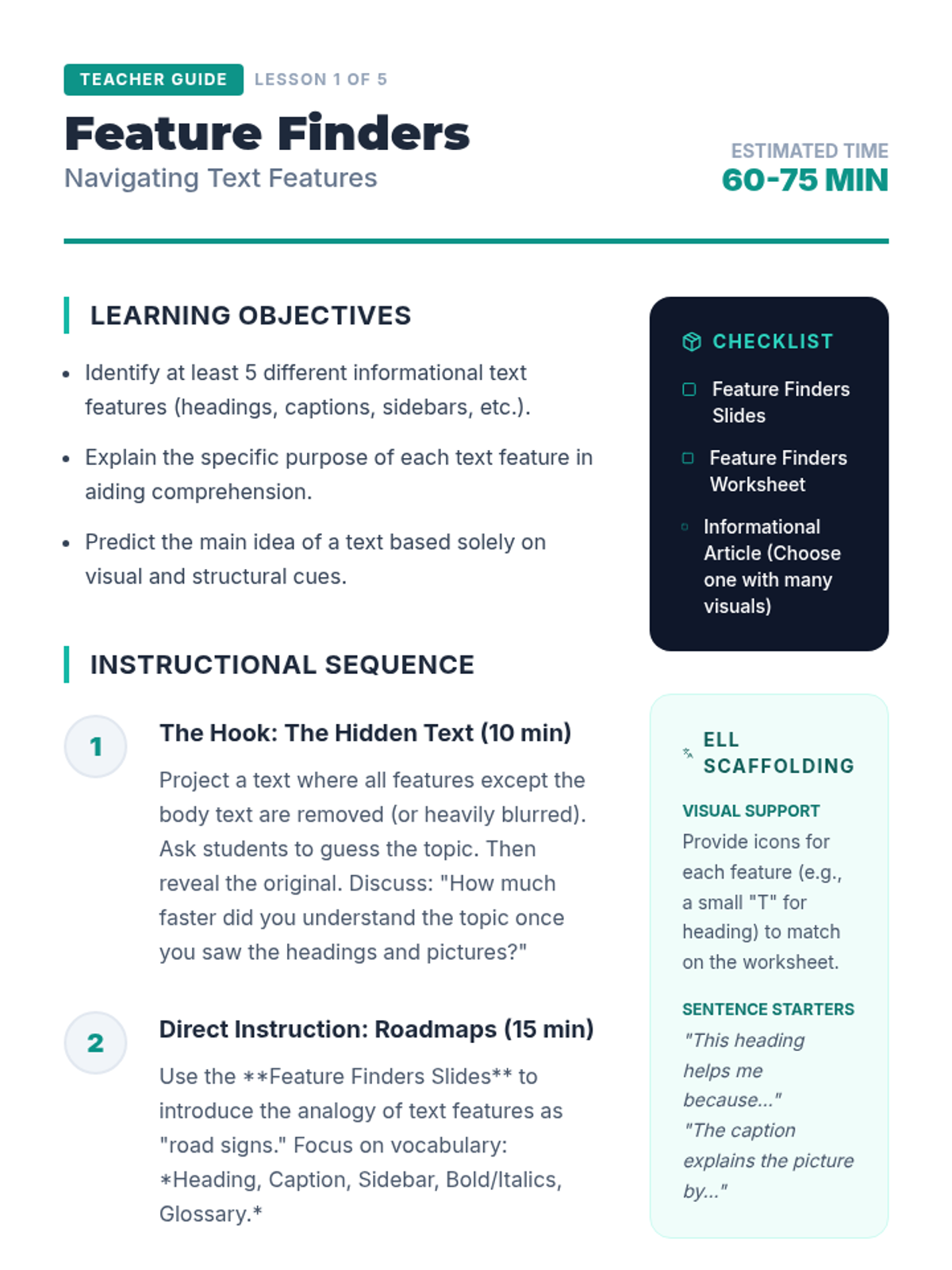
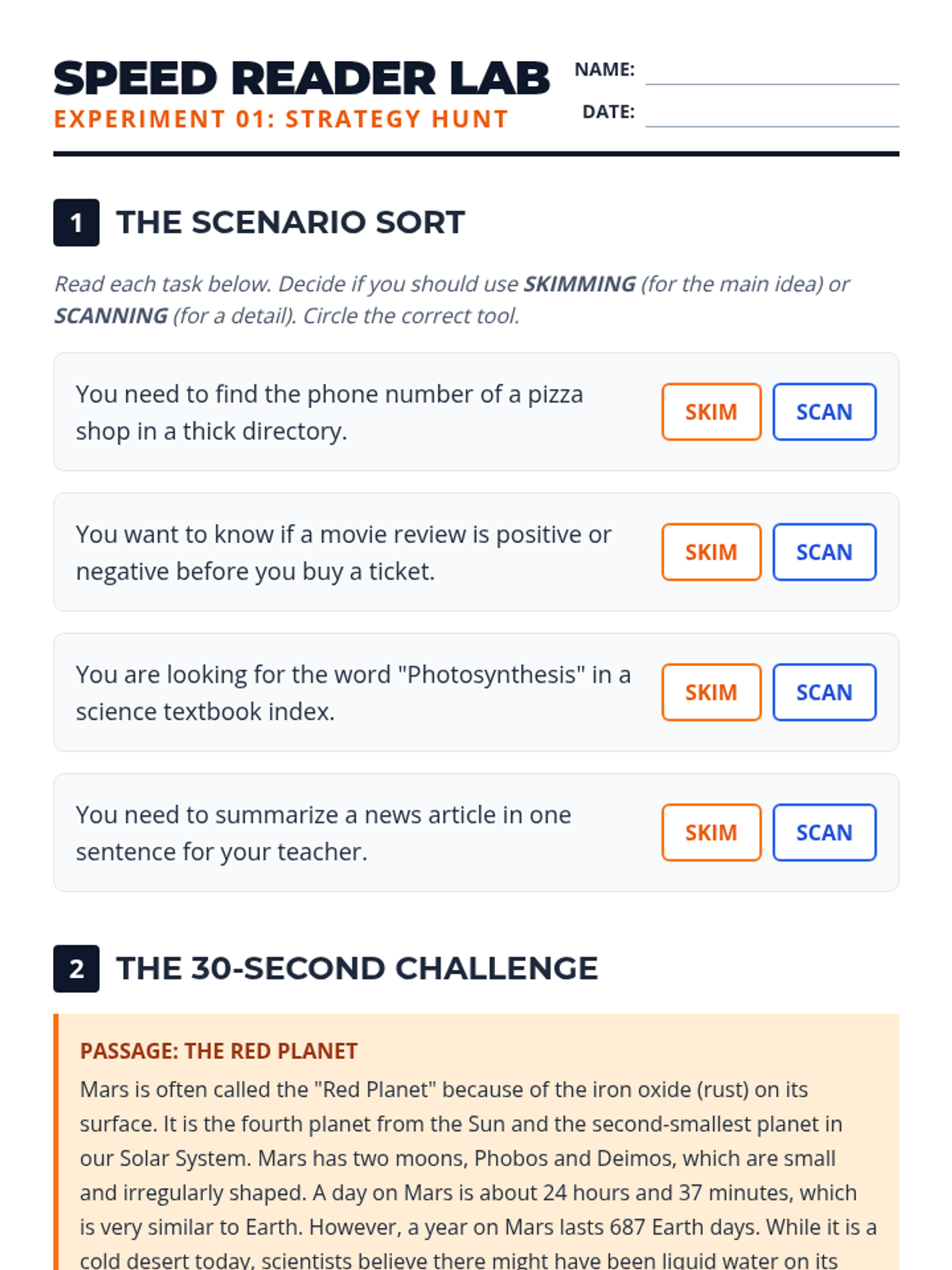
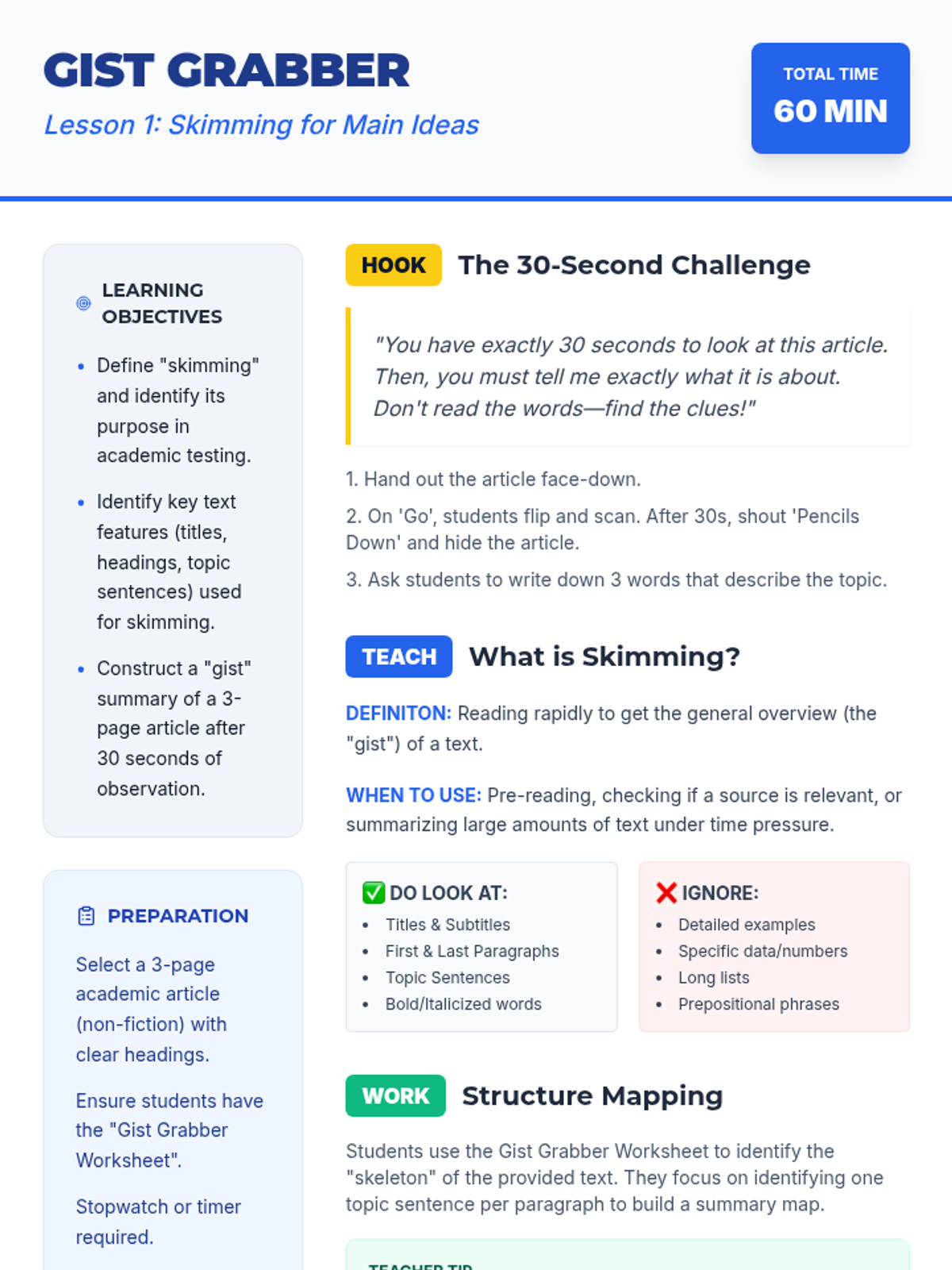
A comprehensive 5-lesson sequence designed for 7th Grade ESL students to master skimming and scanning techniques. Students progress from basic differentiation of reading styles to high-speed information retrieval and synthesis, building the confidence and fluency needed for timed academic assessments.
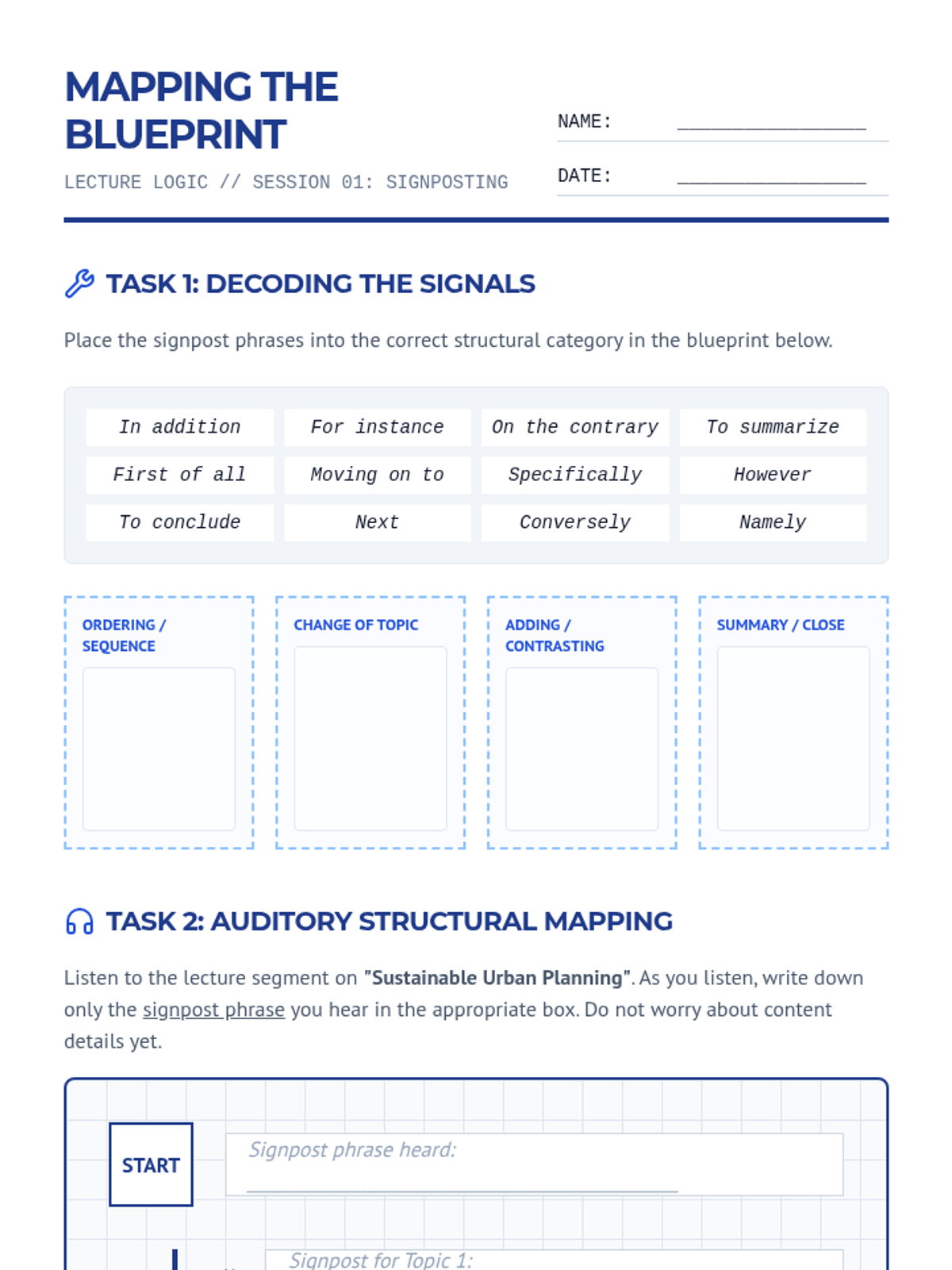
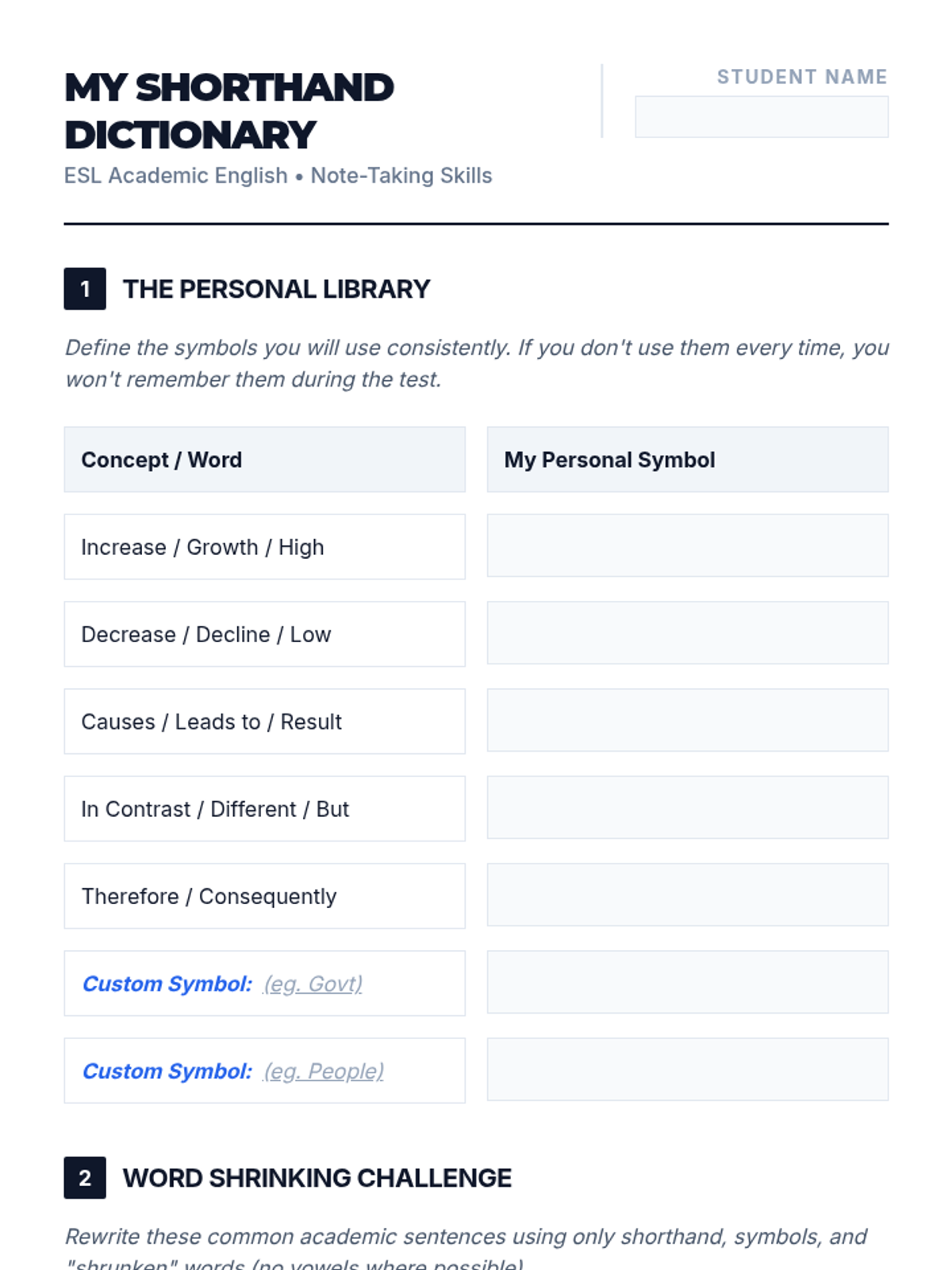
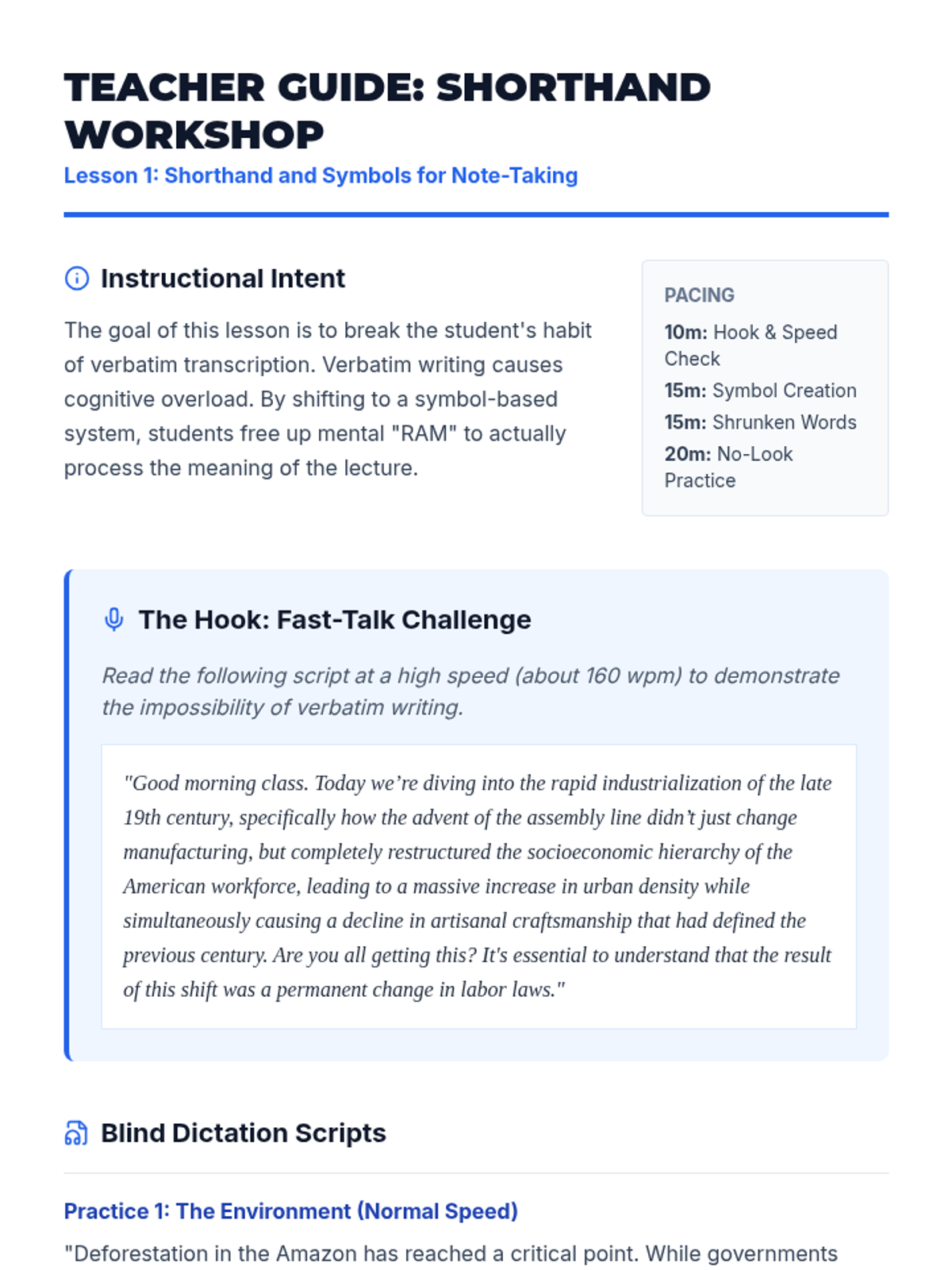
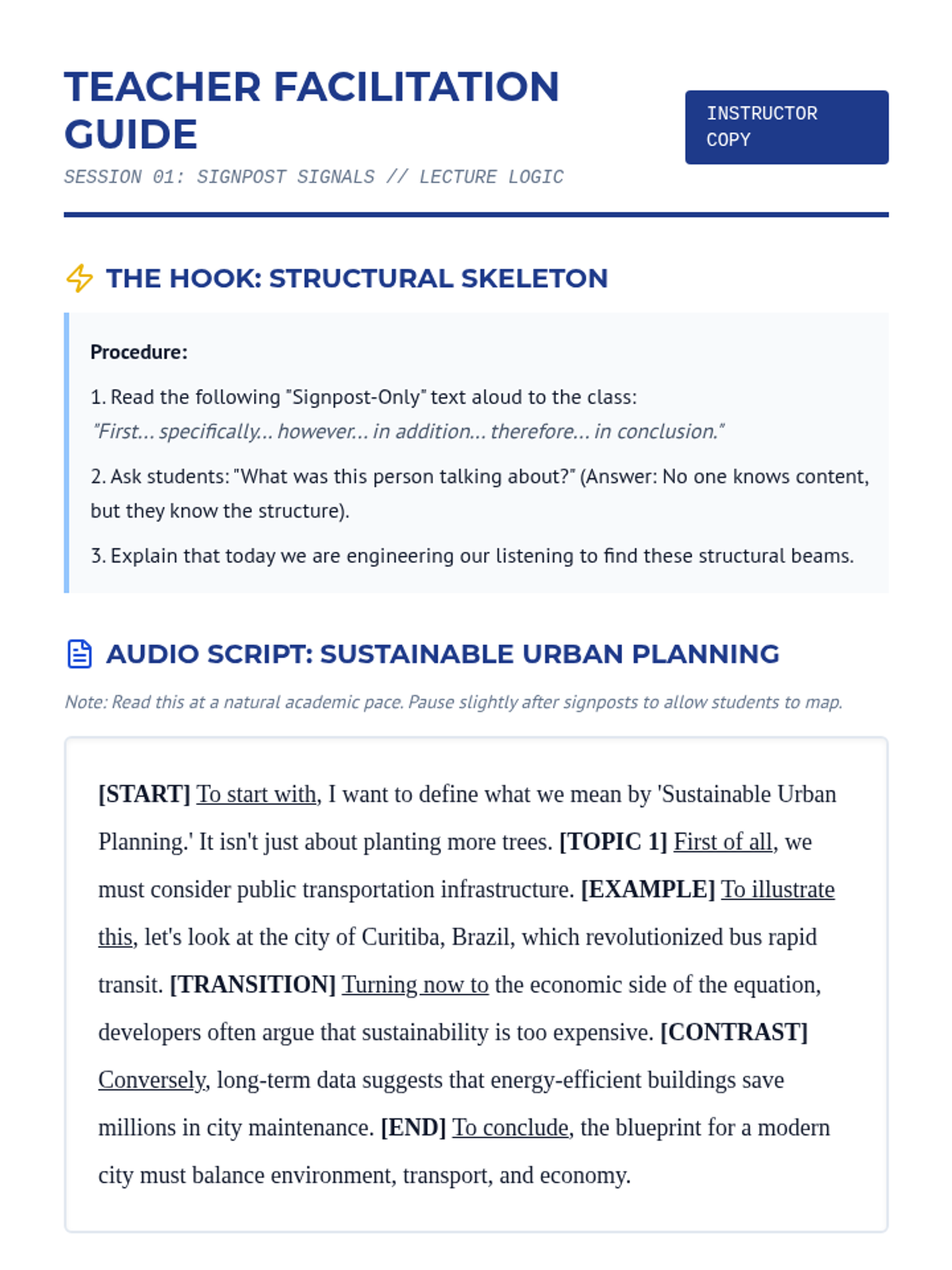
This sequence develops advanced ESL academic skills focused on shorthand, signpost recognition, and synthesis for integrated exam tasks. Students learn to build efficient note-taking systems to manage cognitive load during high-stakes listening and reading assessments.

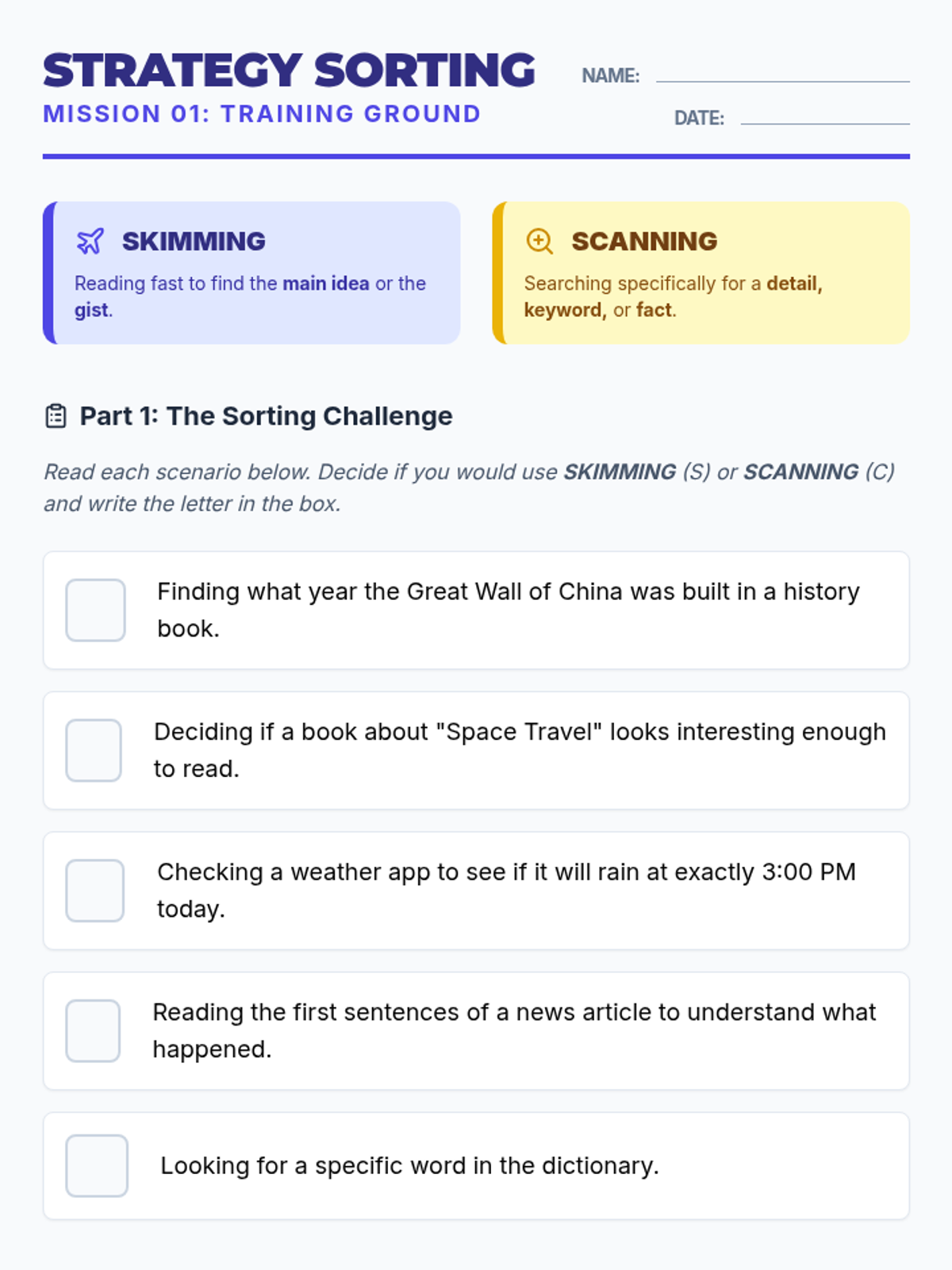
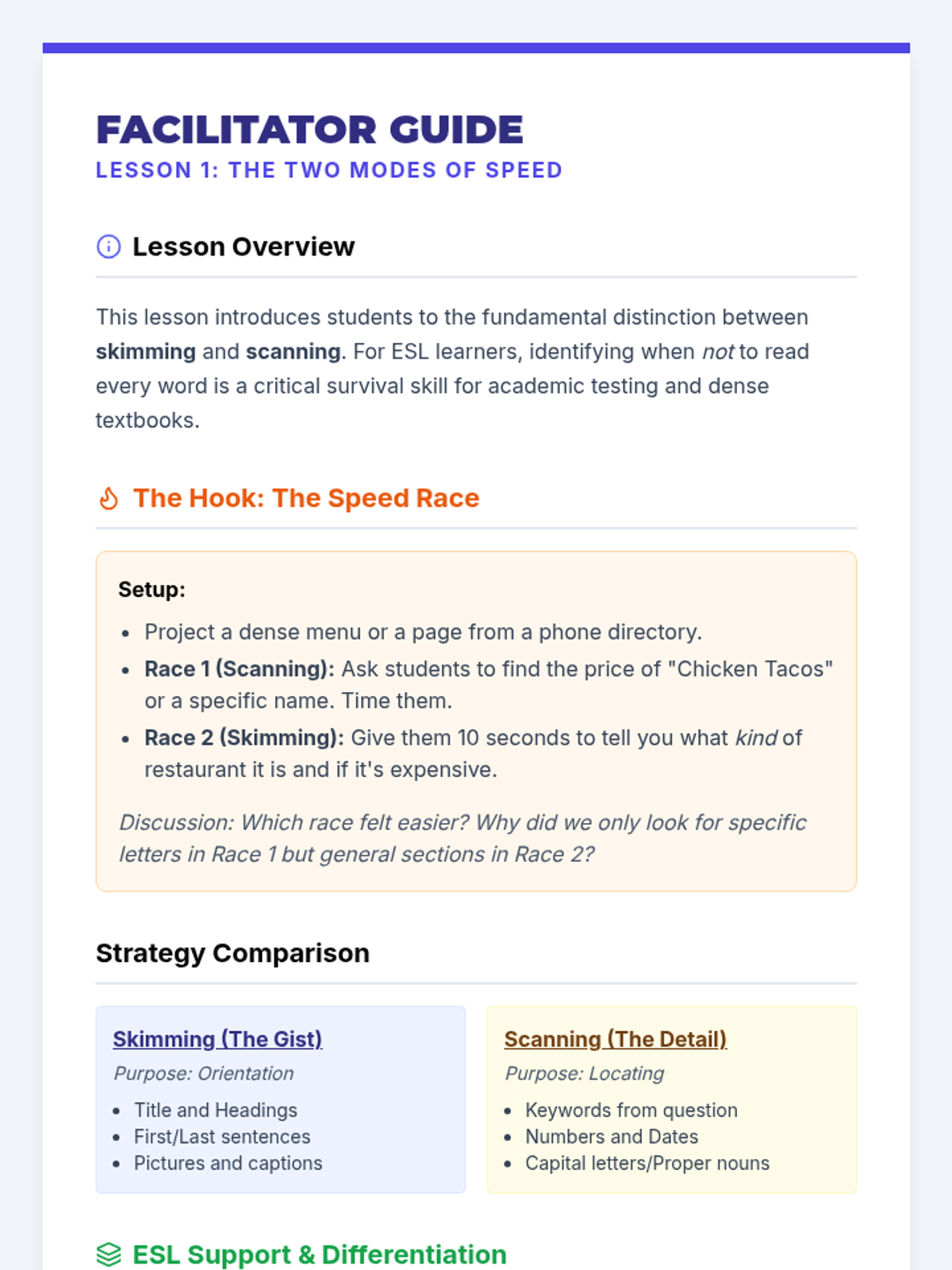
This sequence teaches 6th-grade ESL students the essential test-taking strategies of skimming and scanning. Through a 'Speed Scout' academy theme, students learn to navigate academic texts efficiently, identifying when to look for the 'gist' versus specific details to save time and improve accuracy on standardized tests.
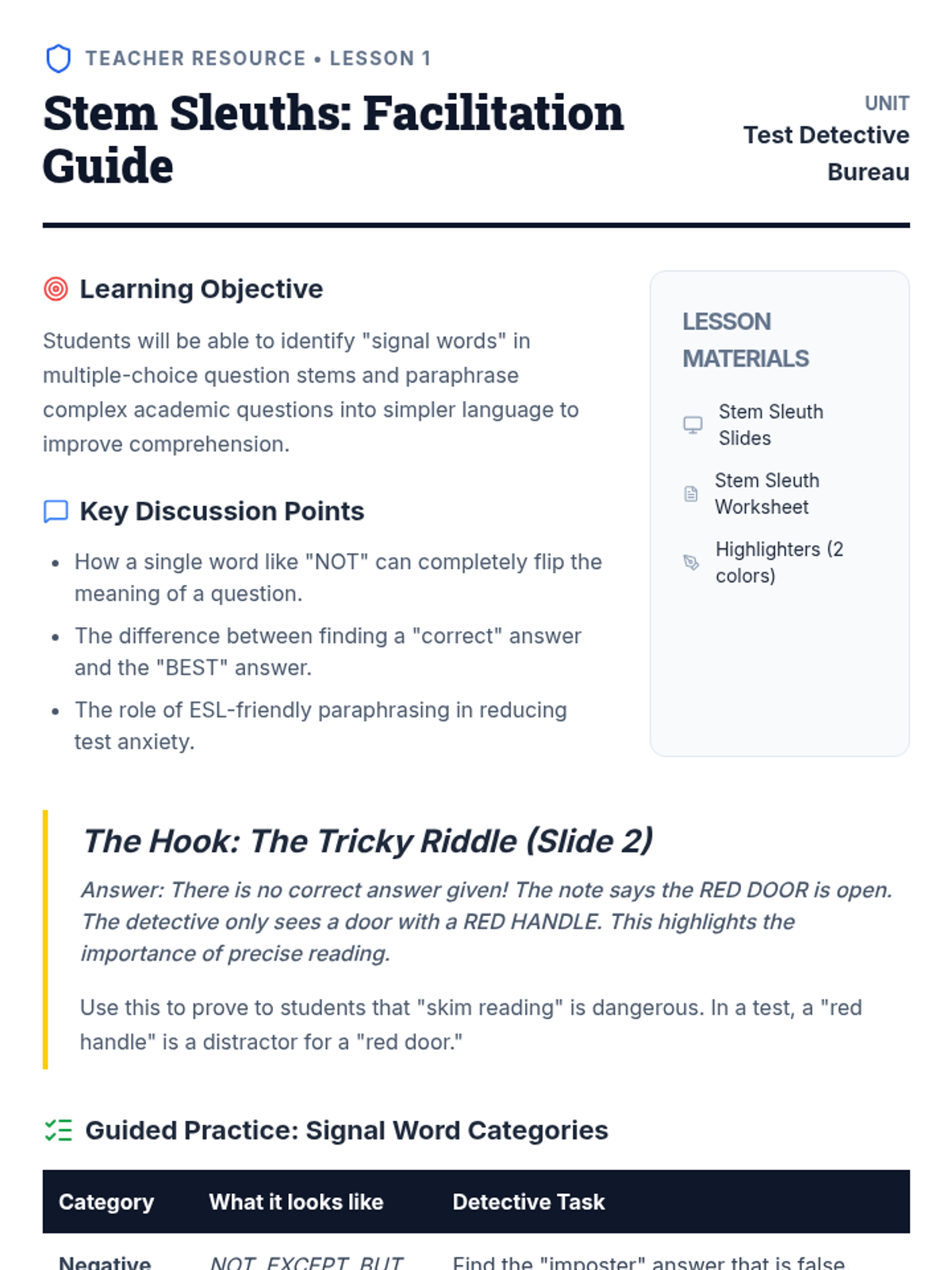
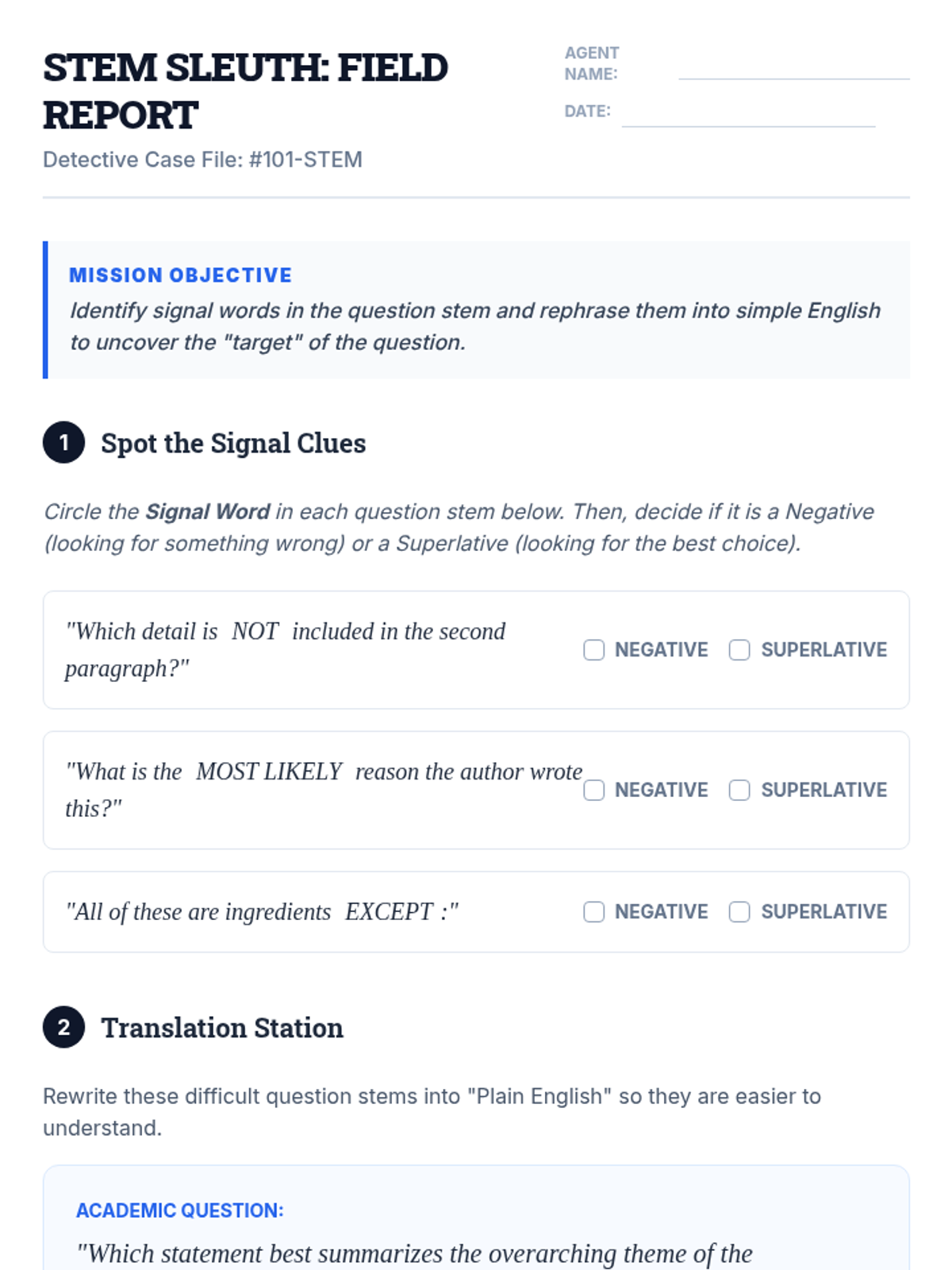
A sequence for 6th-grade ESL students to master academic test-taking through logic and deduction, using a detective-themed approach to analyze question stems and eliminate distractor answers.
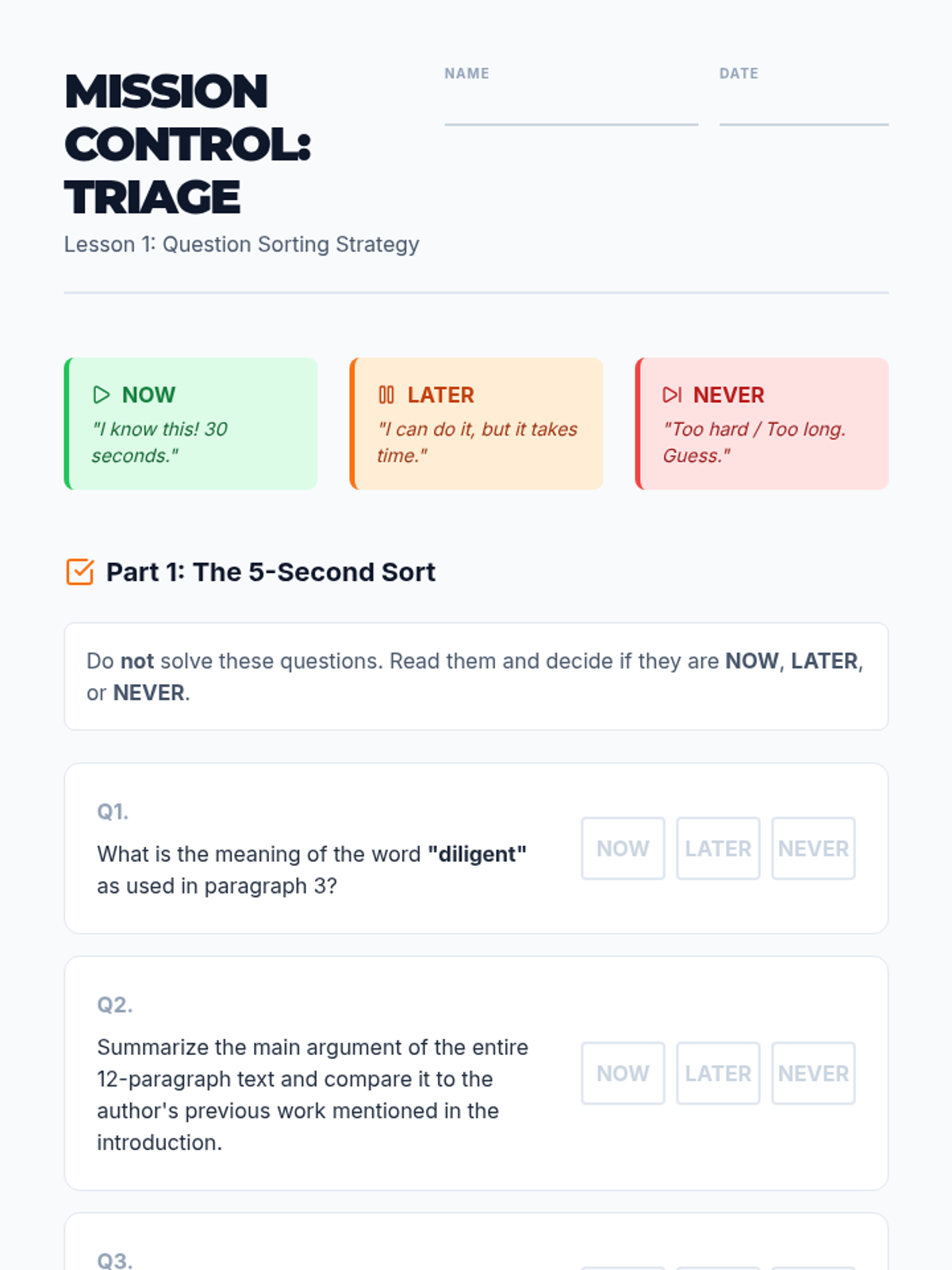
A comprehensive sequence designed for 9th-grade ESL students to master time management, prioritization, and stress-reduction techniques for high-stakes standardized testing. Students learn the 'Triage' method, time budgeting, strategic guessing, and physiological anxiety resets through active simulations.
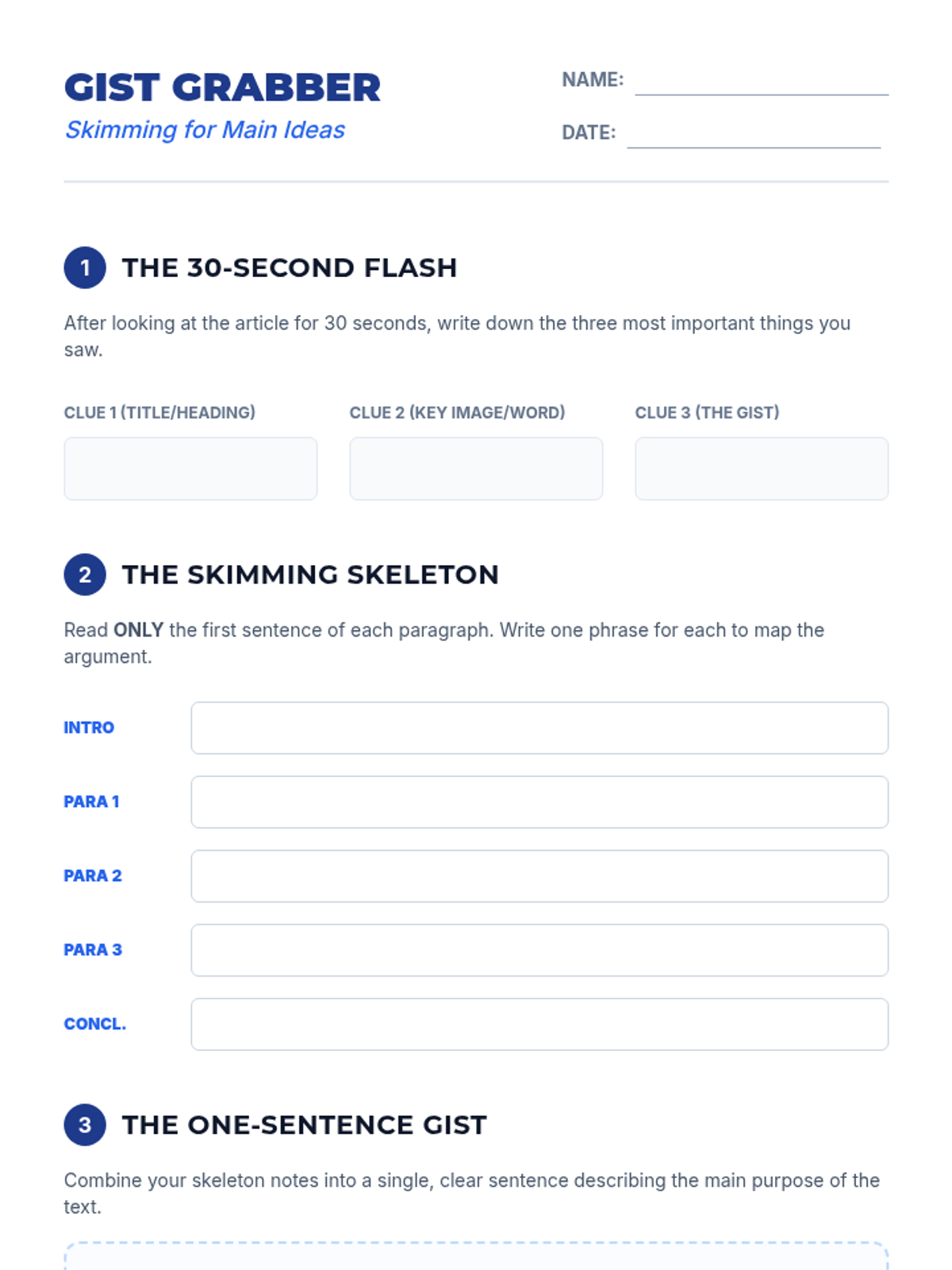
This sequence develops critical reading efficiency for 9th-grade ESL students, focusing on skimming for main ideas and scanning for specific details to succeed in timed academic exams. Students progress from grasping the 'gist' using text features to locating specific data points and utilizing signpost words to navigate complex arguments.
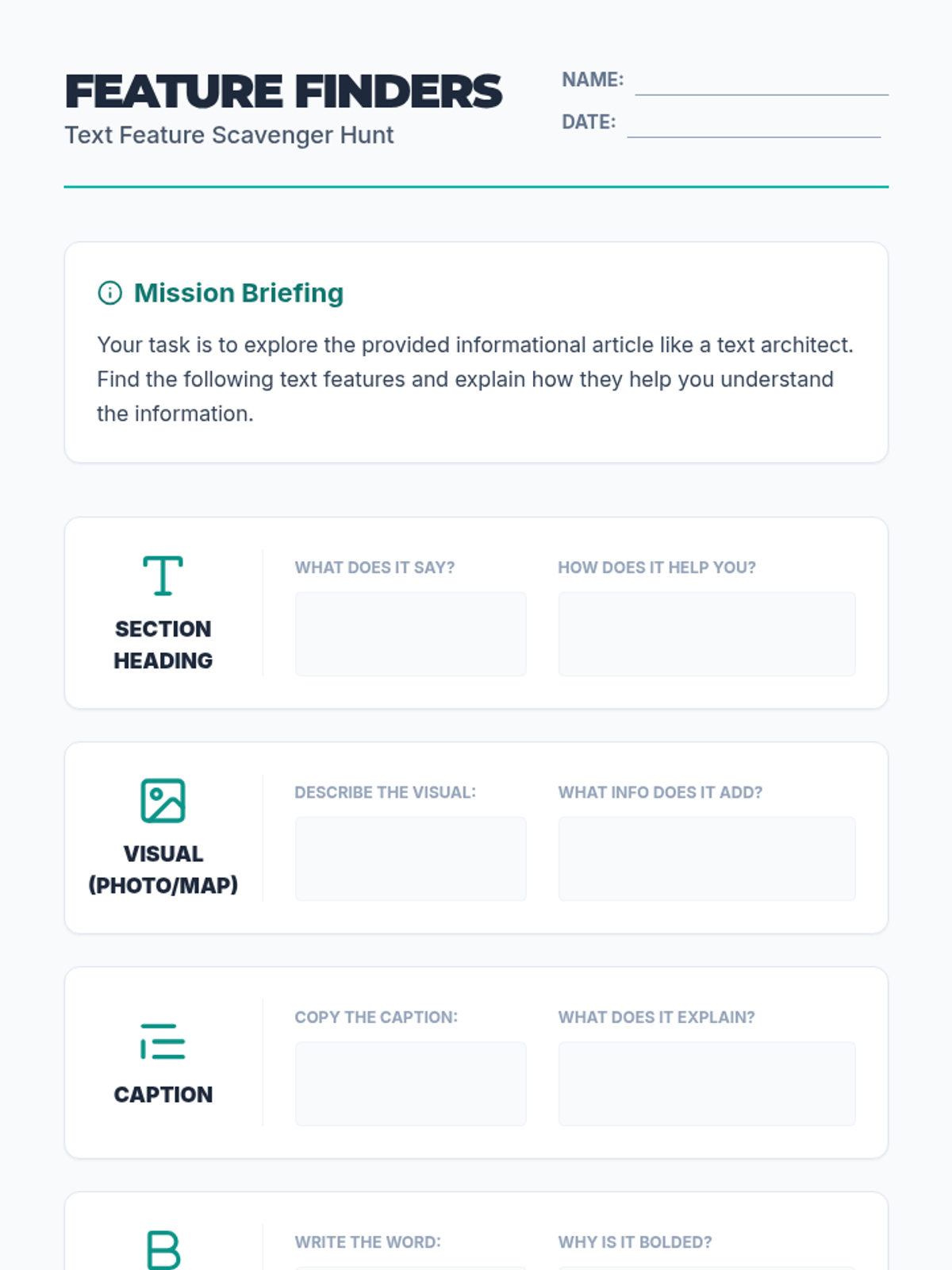
A comprehensive sequence for 9th-grade ELL students focused on deconstructing informational texts. Students will learn to identify text features, analyze paragraph structure, distinguish between facts and opinions, and master skimming and scanning techniques to produce concise summaries.
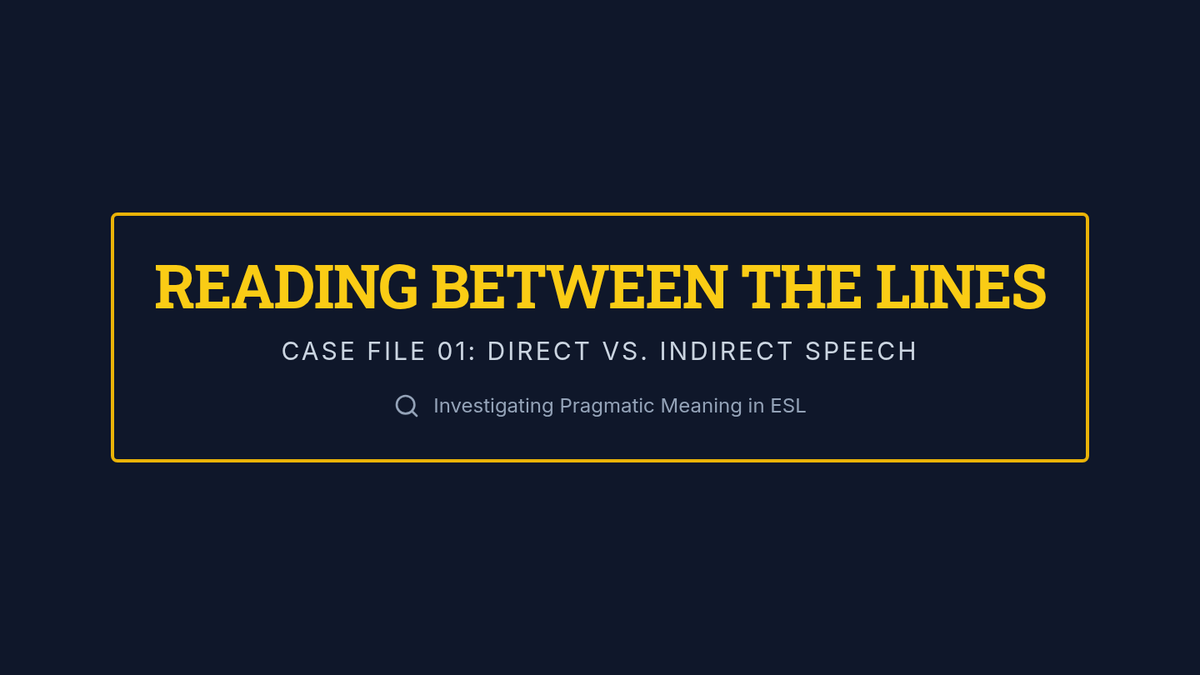
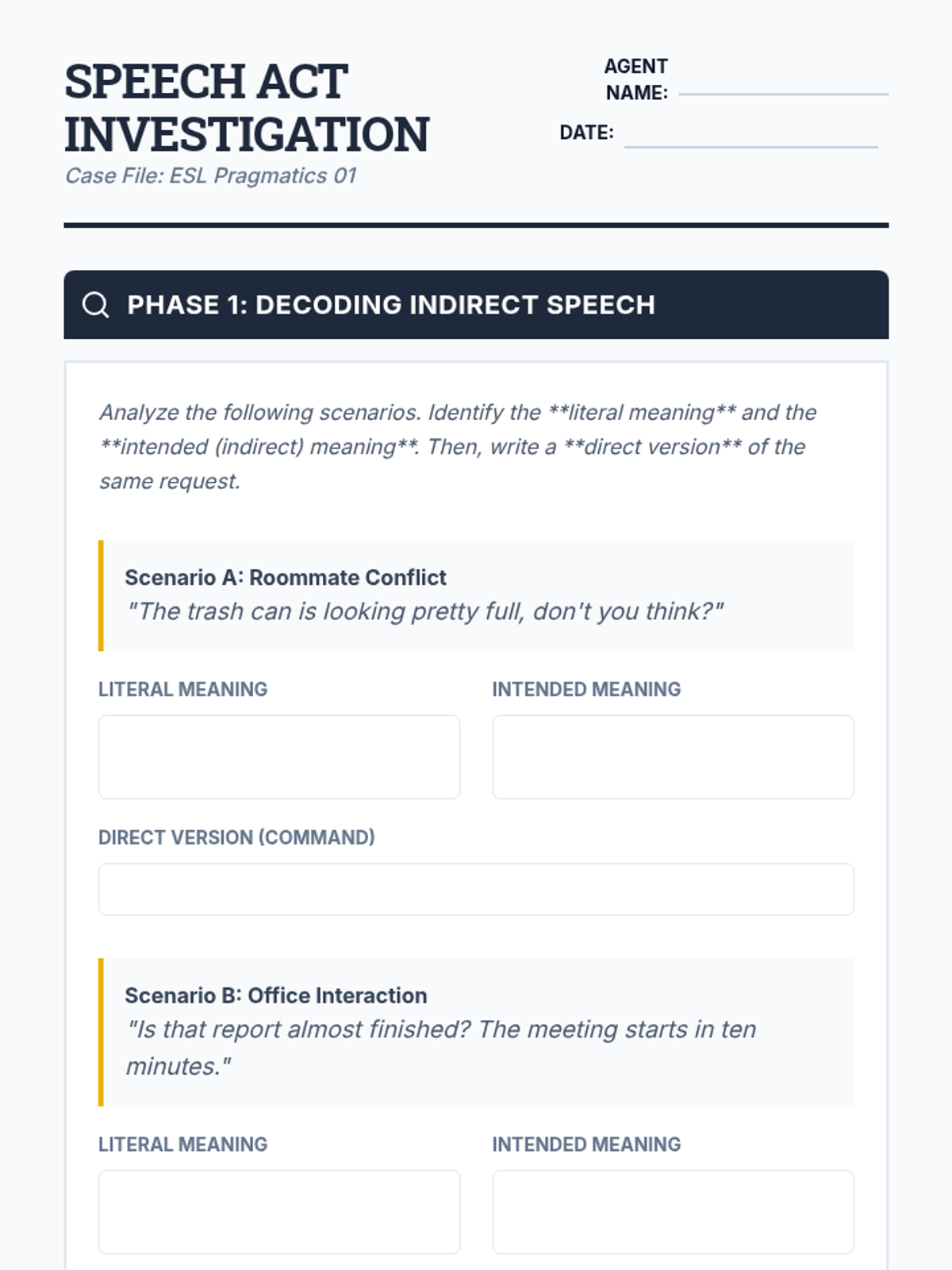
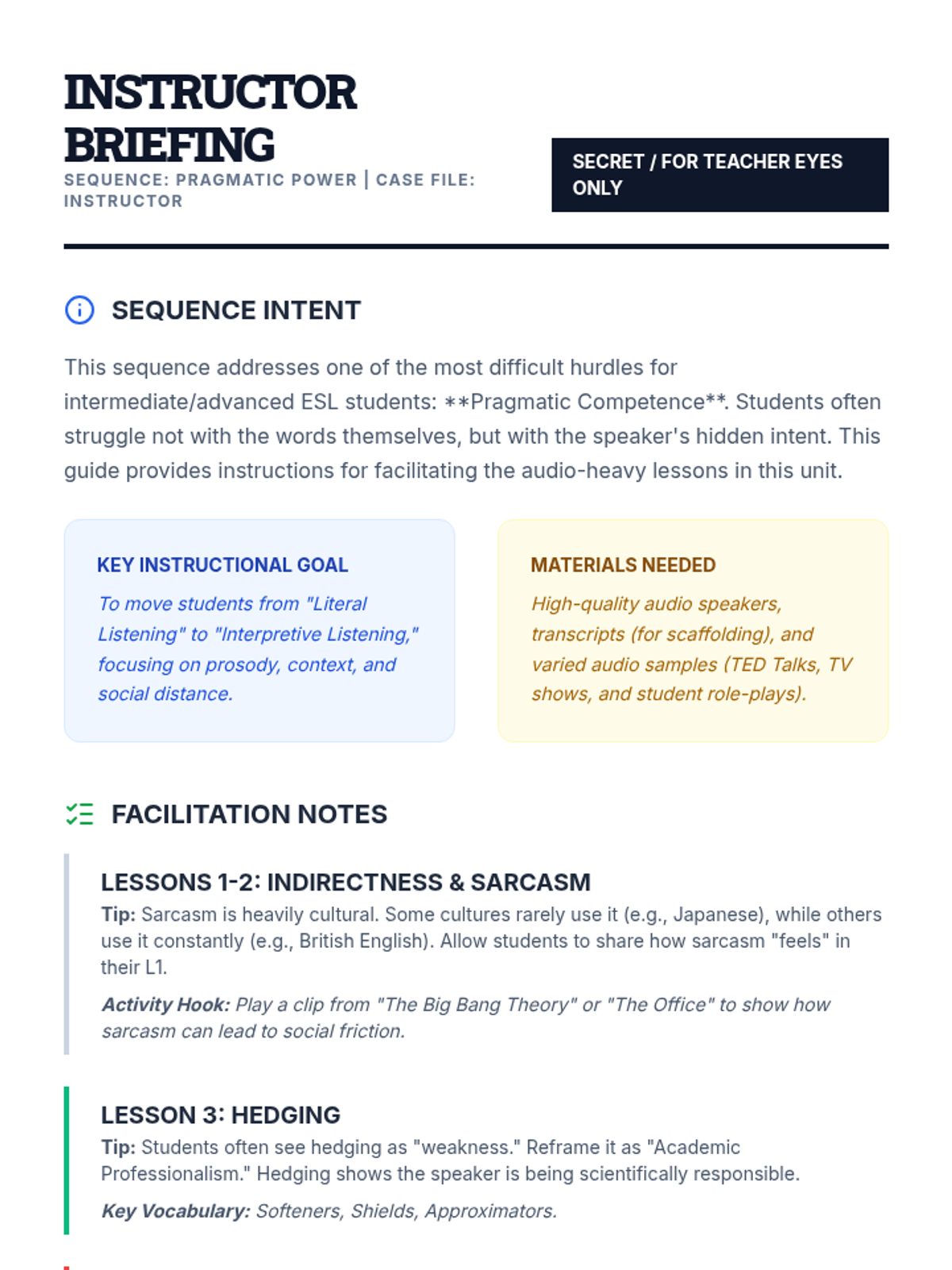
This sequence guides intermediate ESL students through the nuances of pragmatic meaning in English. Students will learn to decode indirect speech, sarcasm, hedging language, and emotional undertones in academic and social contexts to improve their listening comprehension and communicative competence.
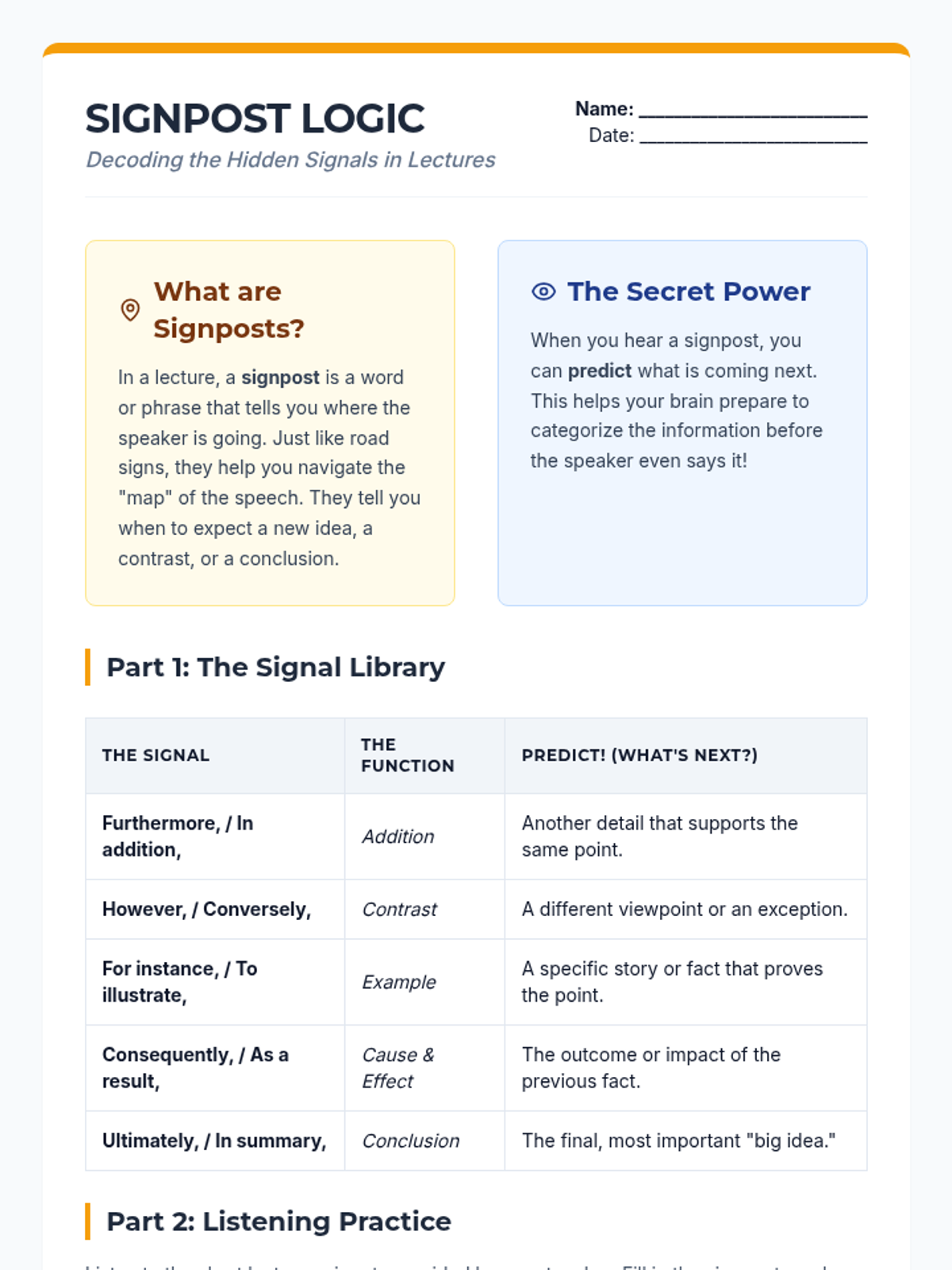
This sequence equips intermediate ESL students with the linguistic and cognitive tools needed to navigate university lectures. It covers discourse markers, hierarchy of information, identifying tangents, note-taking systems, and synthesizing long-form academic speech.
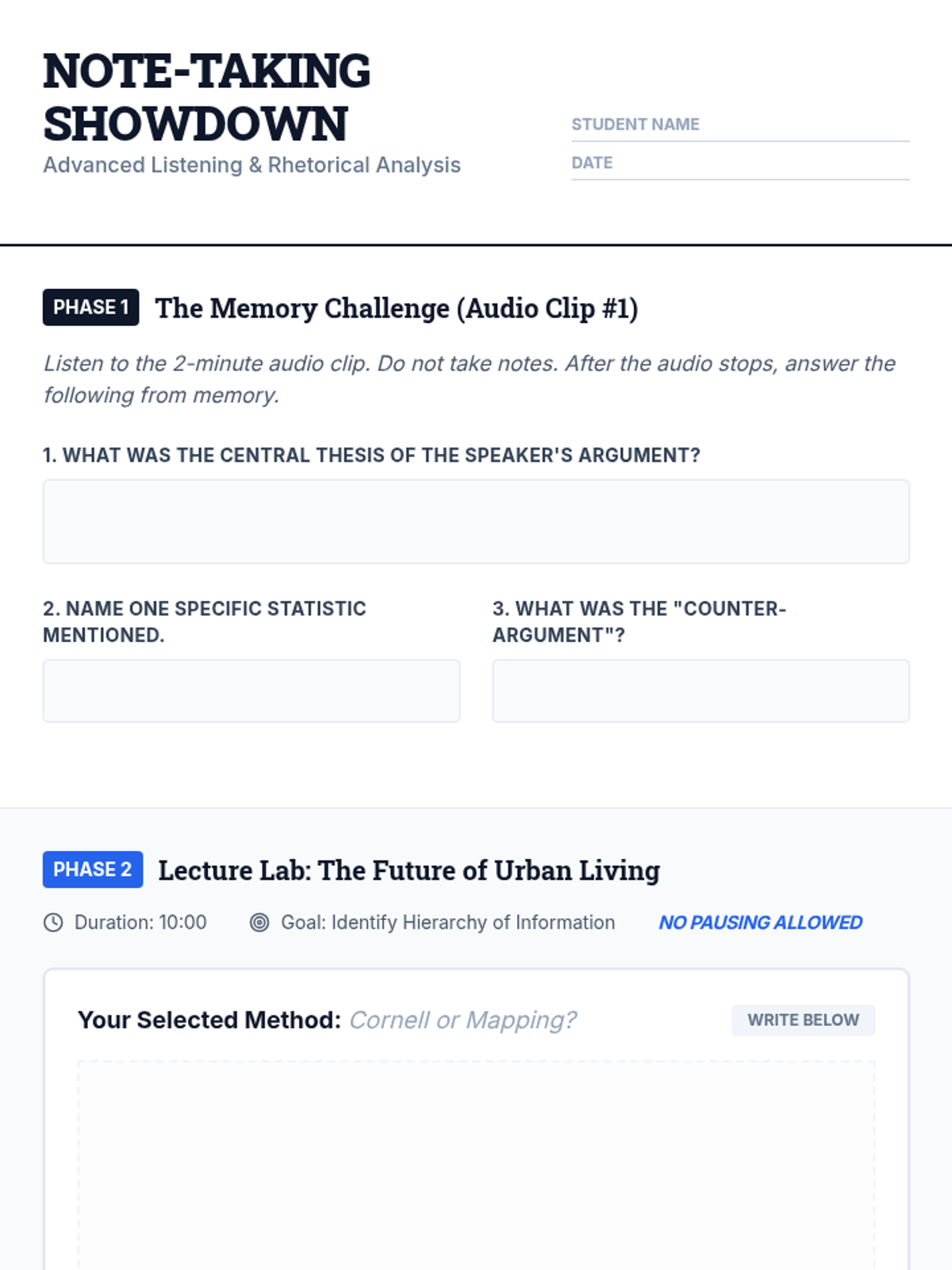
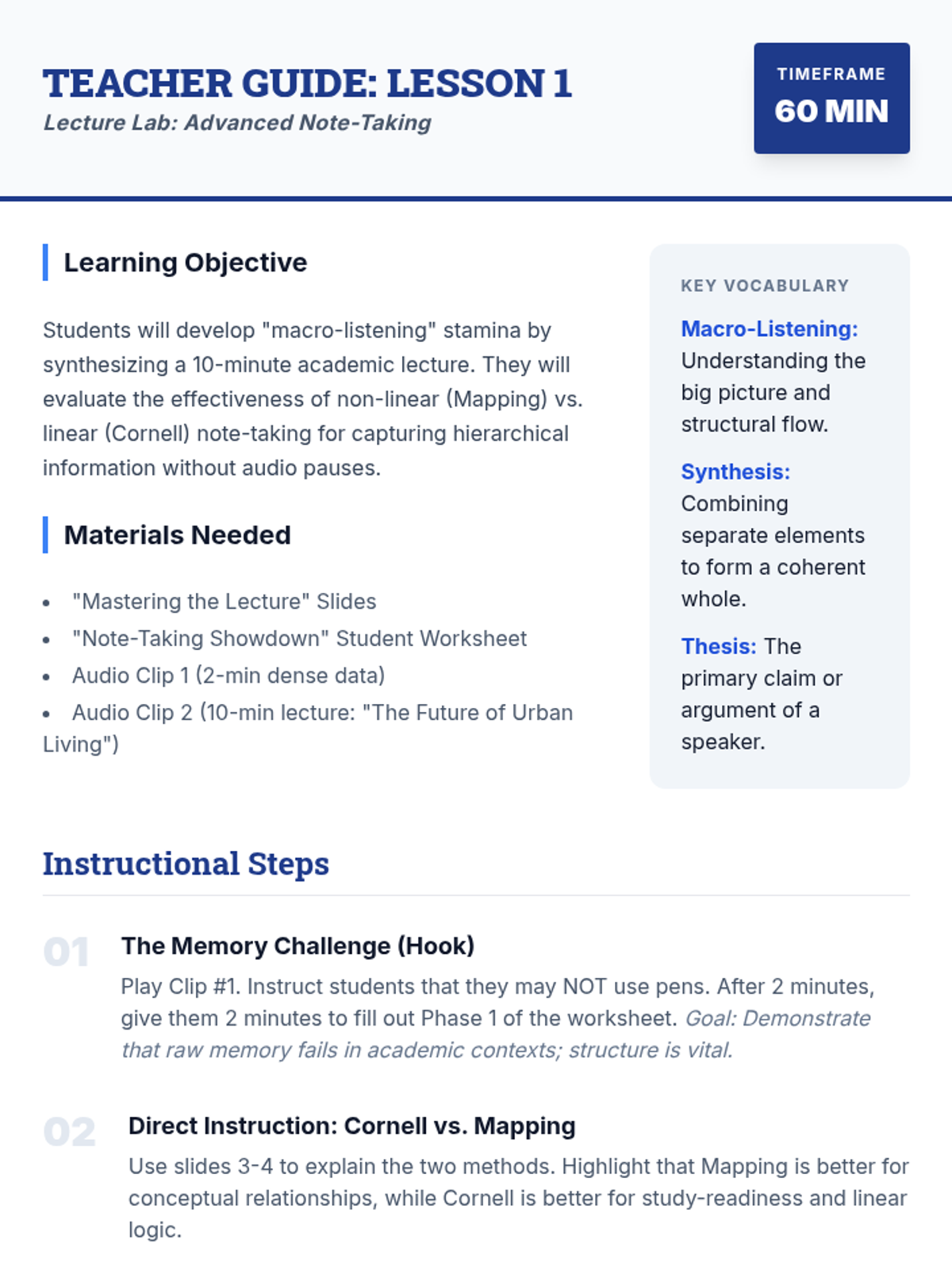
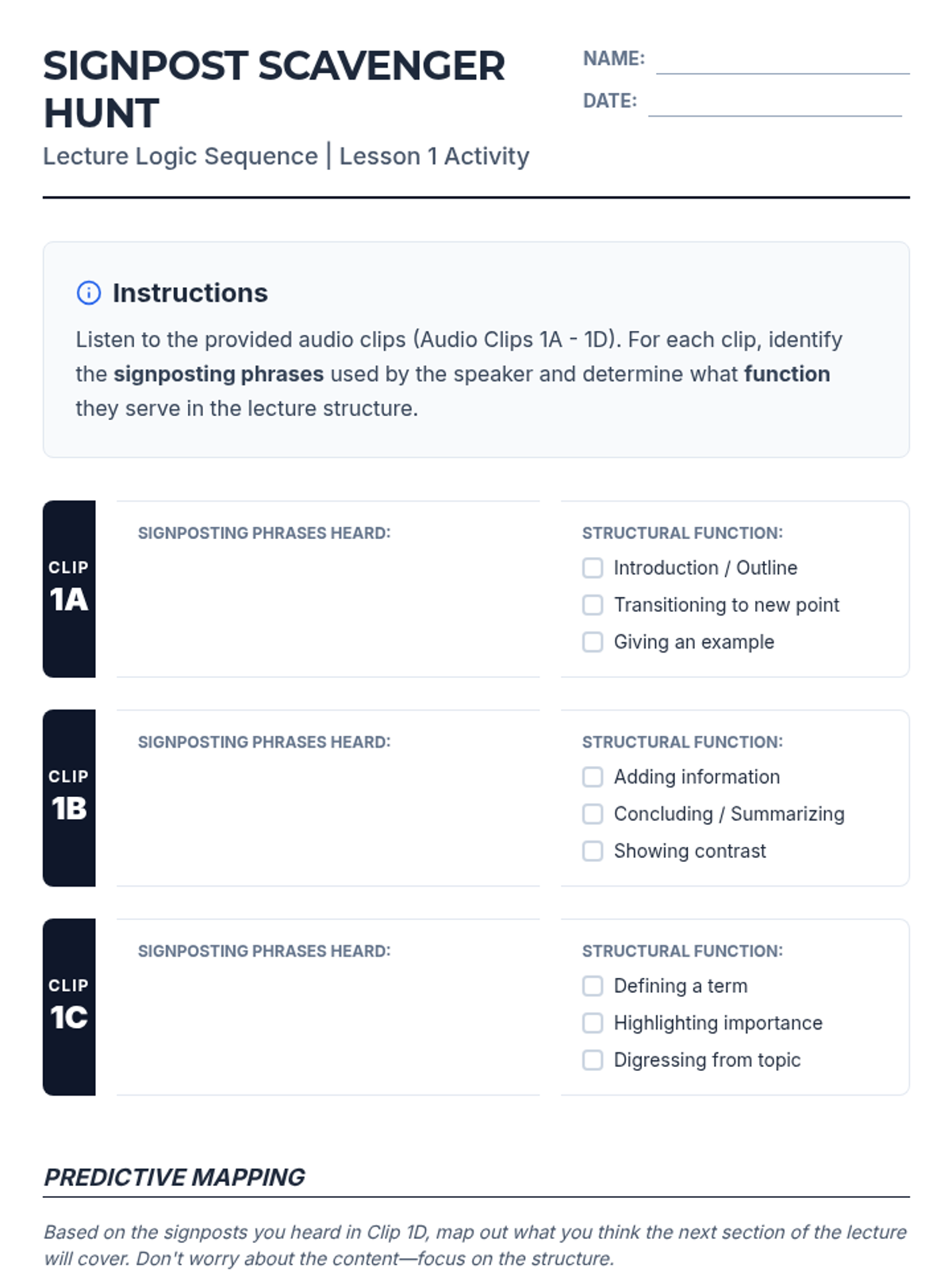
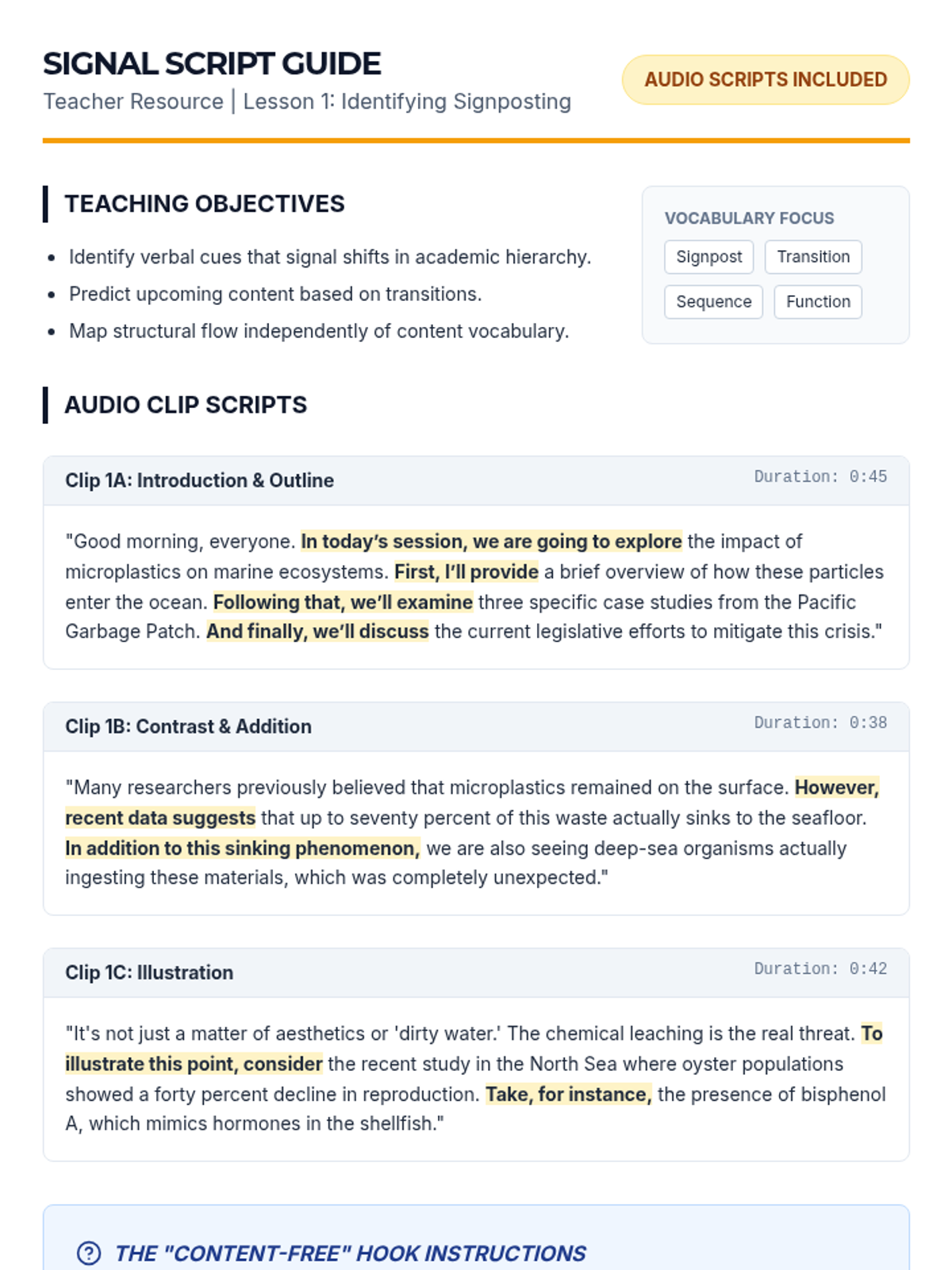
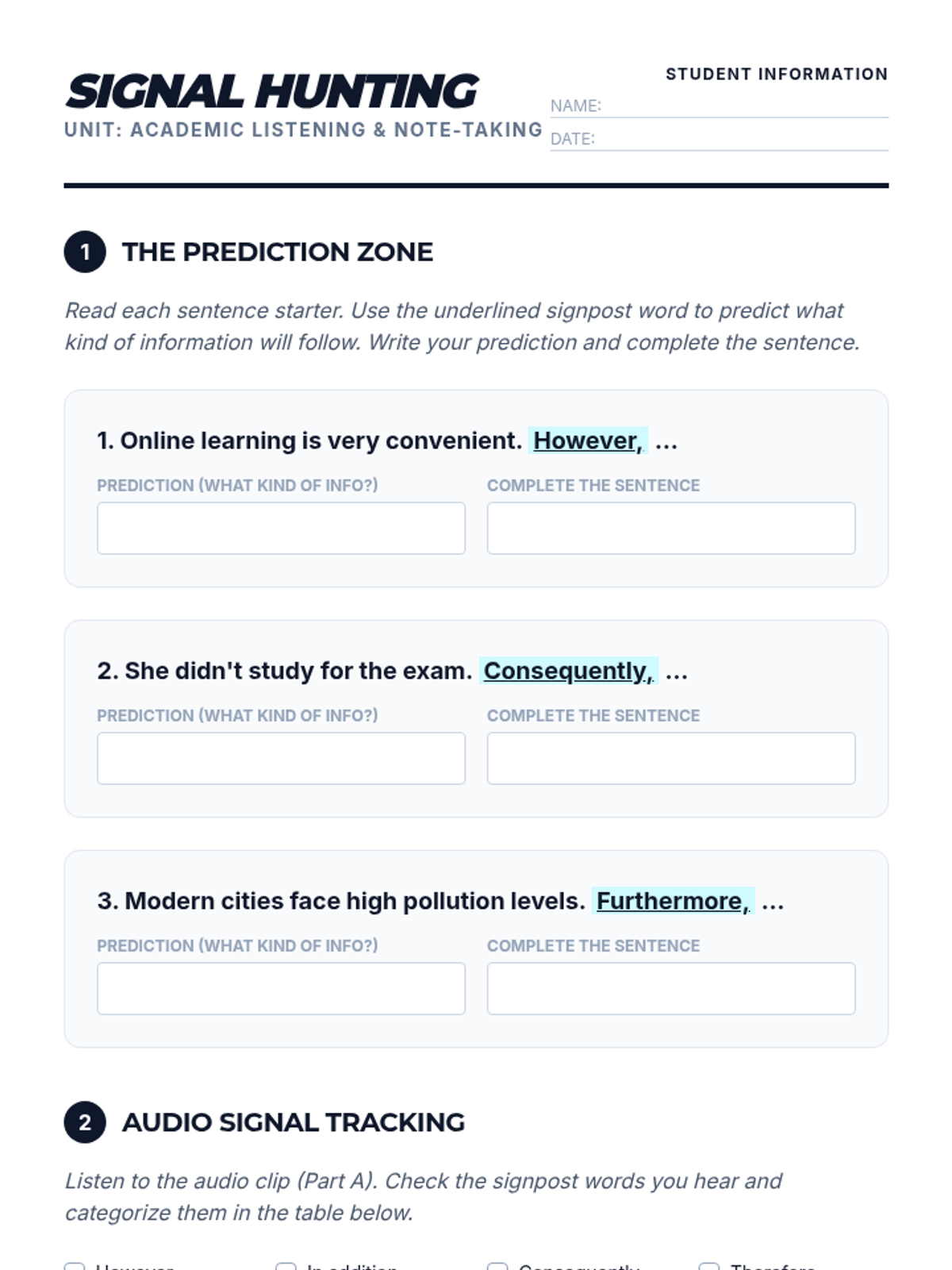
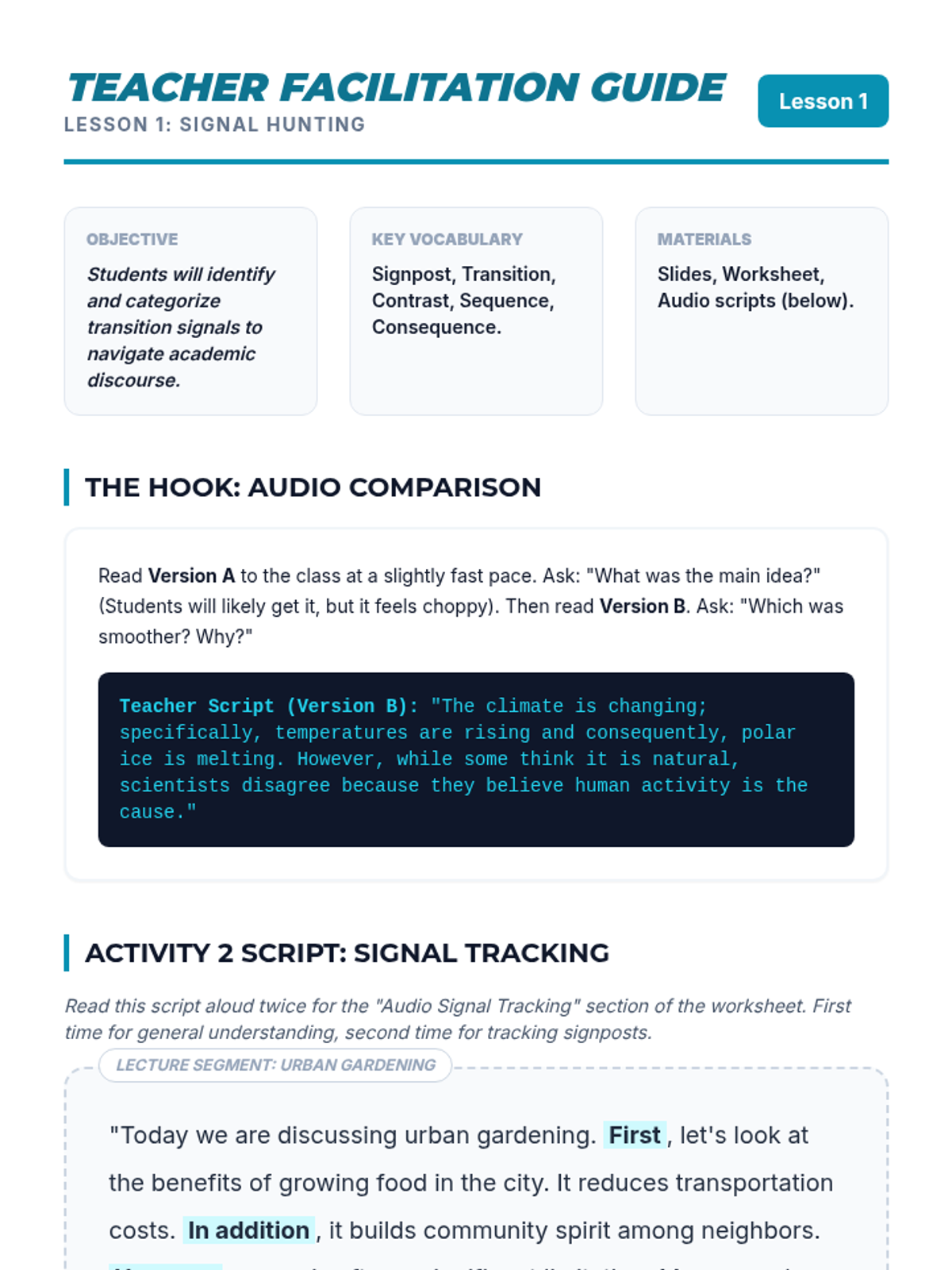
A comprehensive sequence for 10th-grade ESL students focusing on academic listening and note-taking. Students learn to identify signpost language, use the Cornell method, distinguish main ideas from supporting details, and synthesize information from lectures.
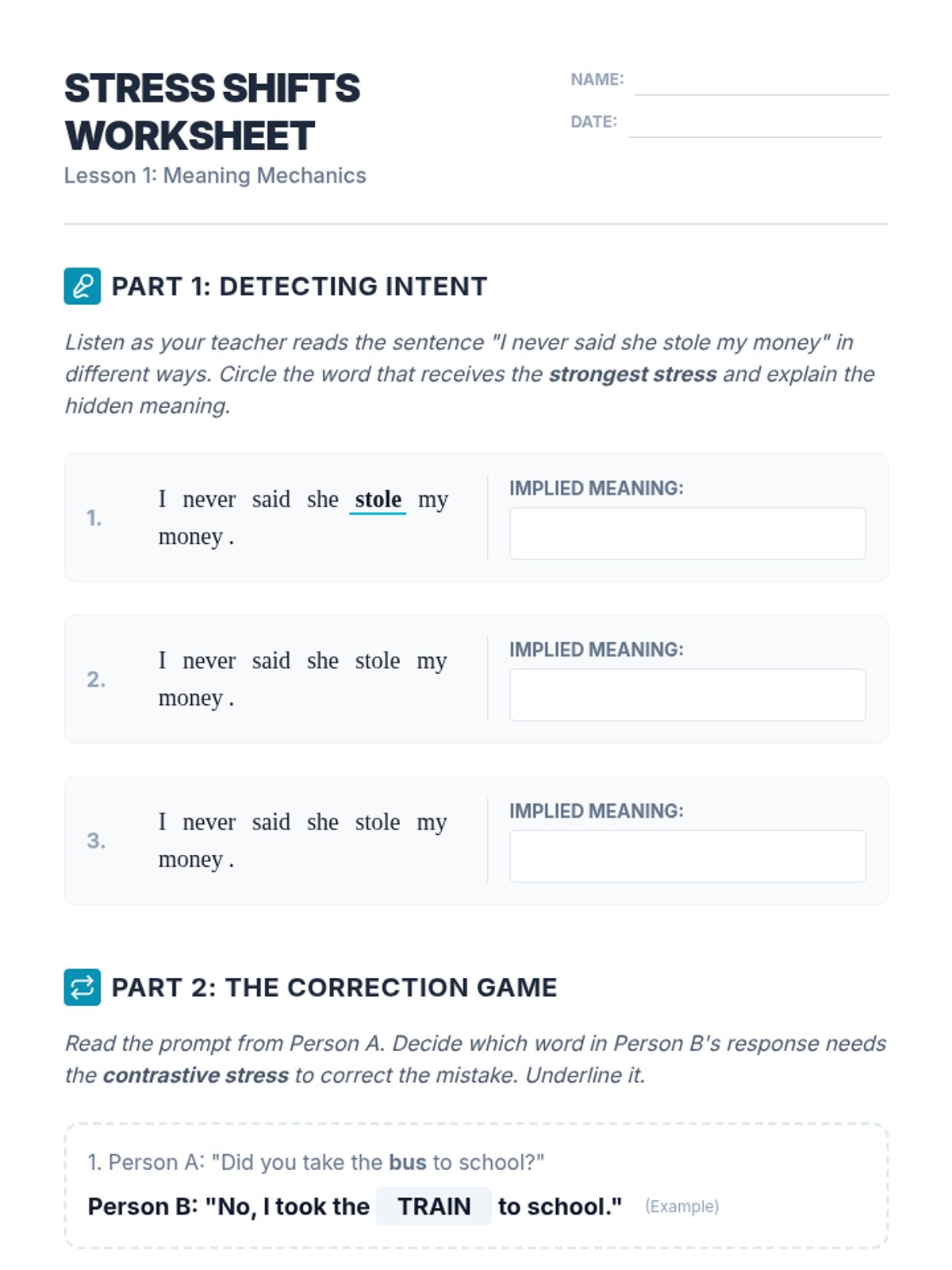
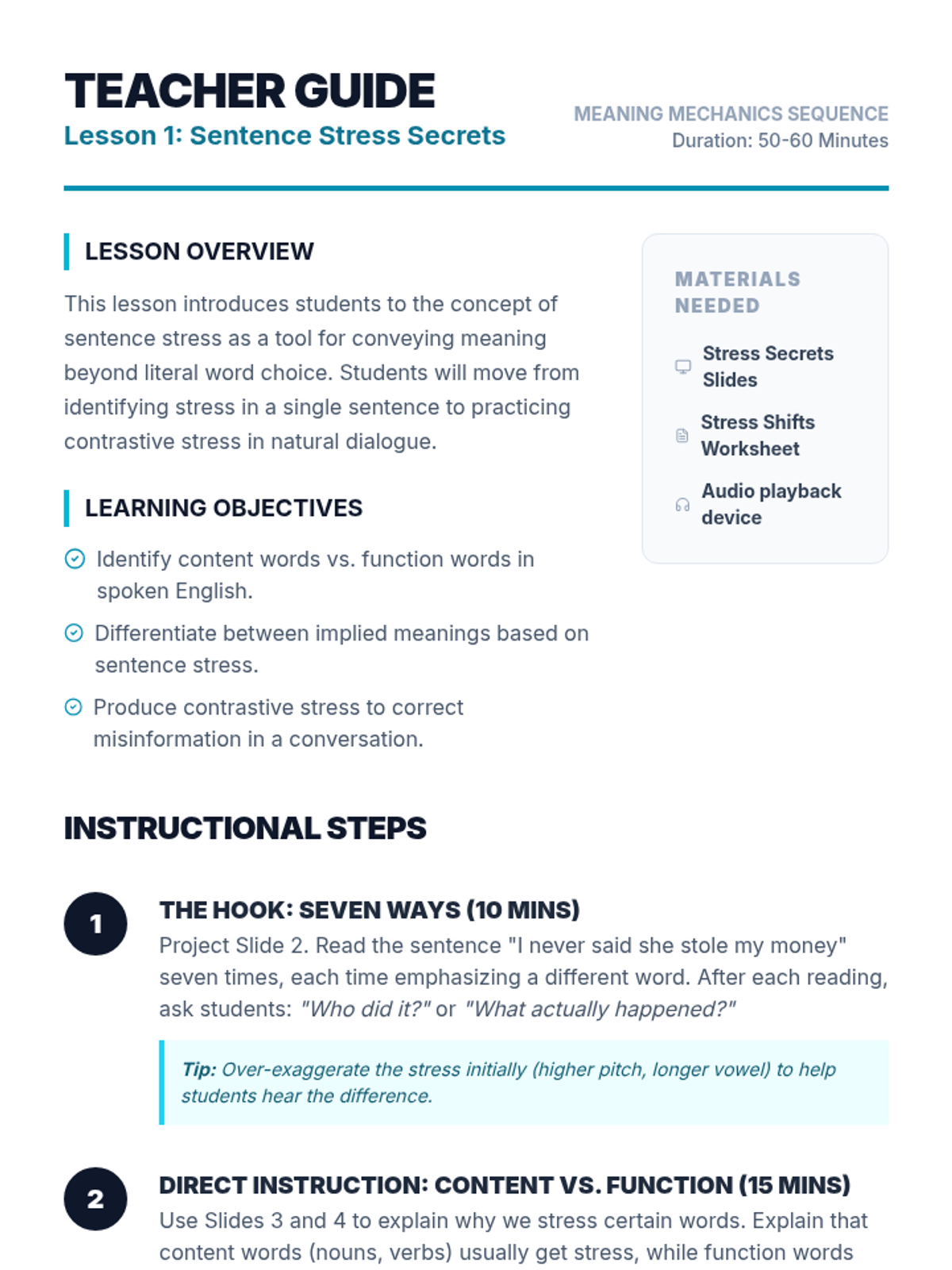
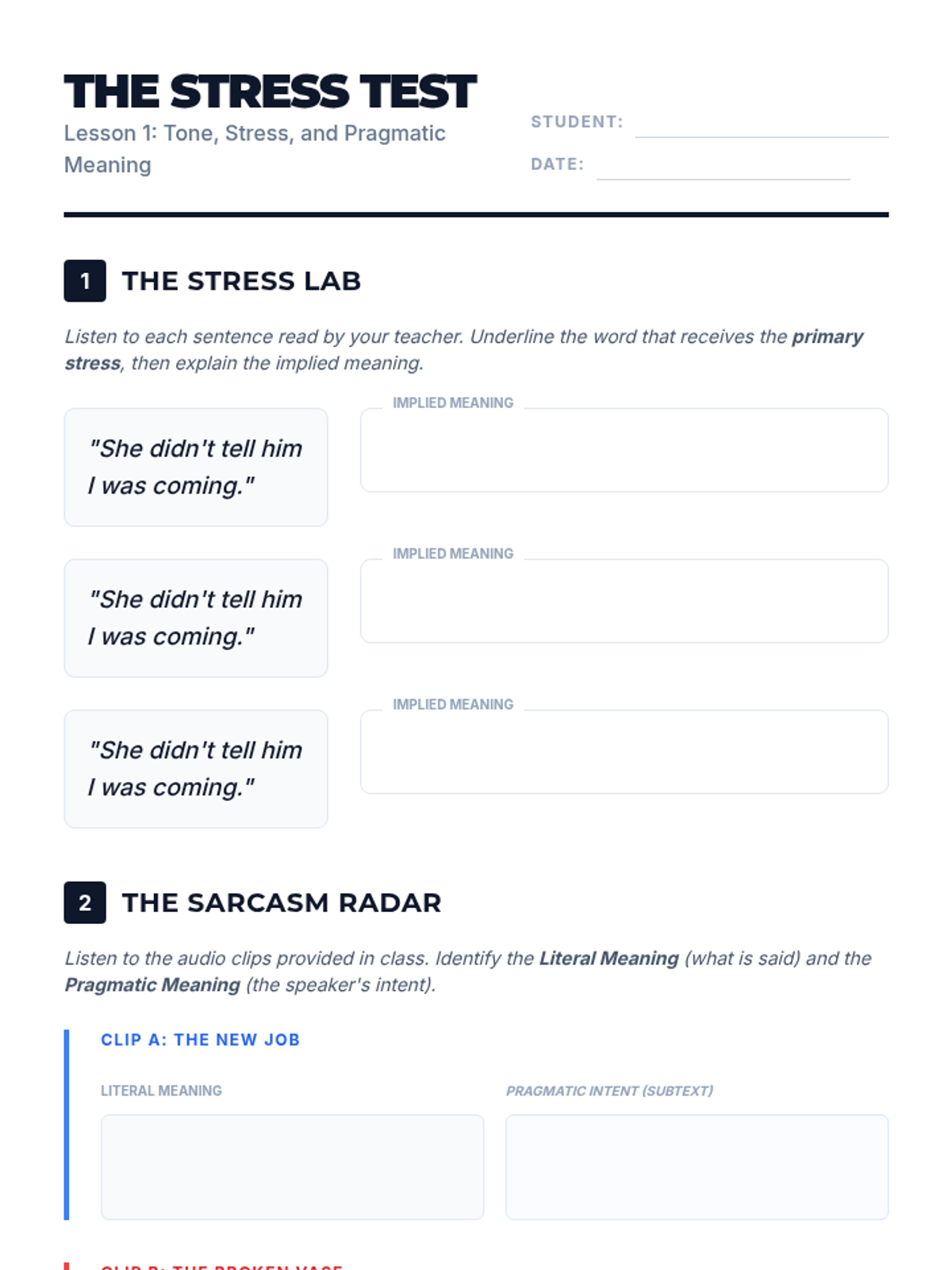
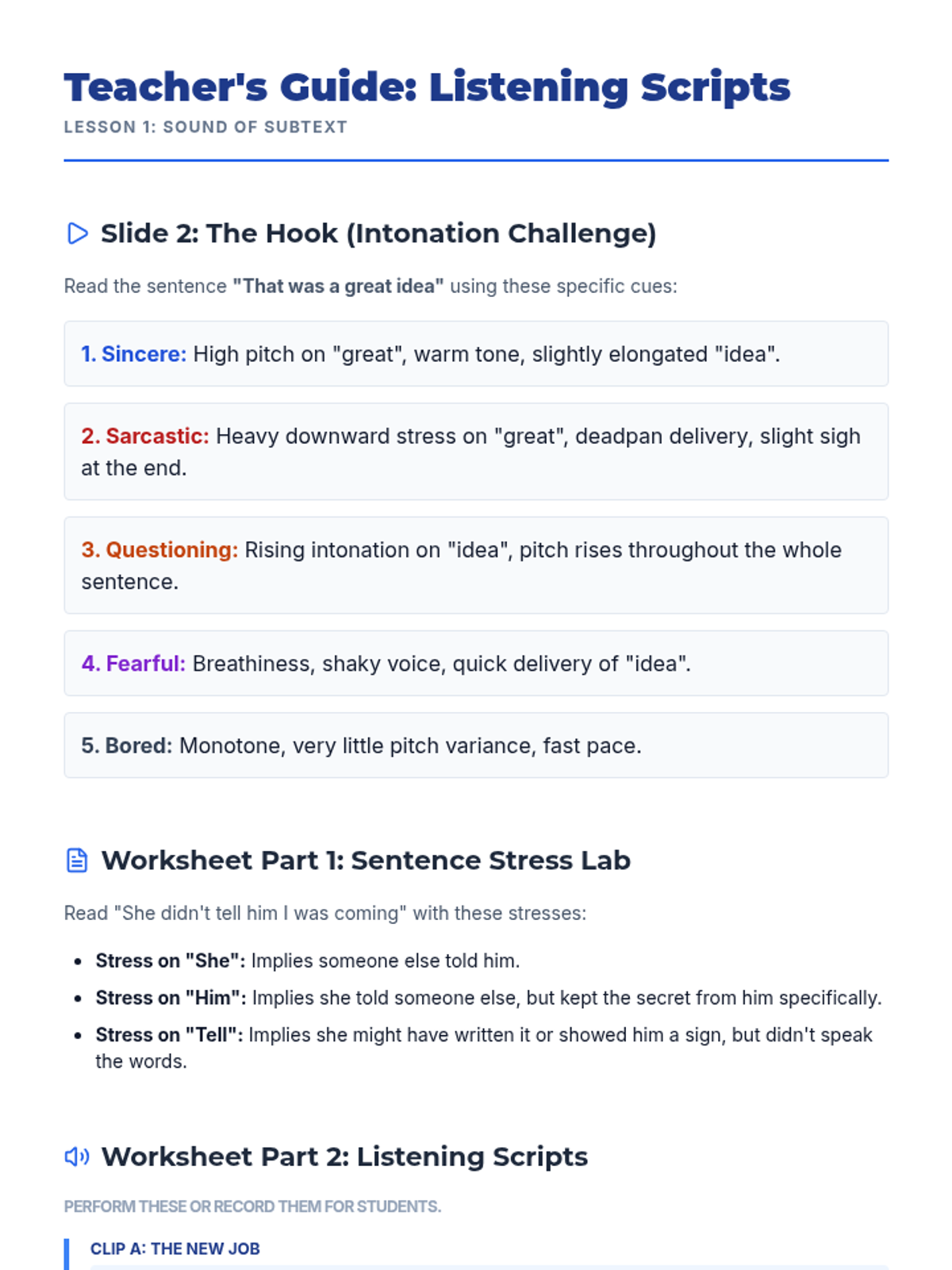
This sequence guides intermediate ESL students through the complexities of spoken English, moving from basic sentence stress to the nuances of sarcasm, idioms, and academic signposting. Students will develop the ability to infer speaker intent and respond appropriately in real-world scenarios.
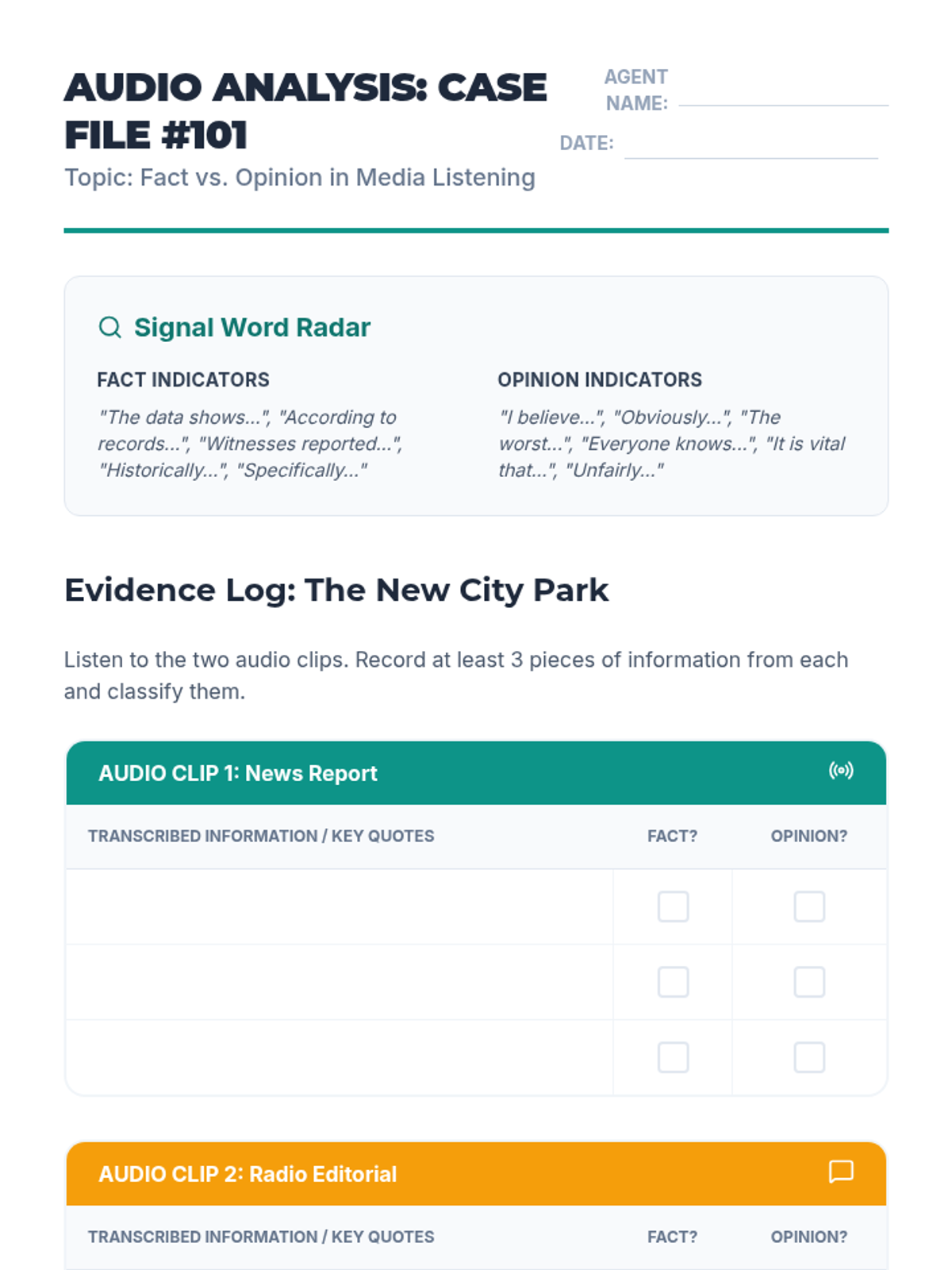
A high-level ESL unit for 10th-grade advanced students focusing on critical listening, speaker intent, and rhetorical analysis. Students learn to decode subtext, detect bias, and identify logical fallacies in various auditory contexts.
A high-level ESL sequence for 10th graders focused on mastering academic lecture comprehension, note-taking strategies, and information synthesis for university readiness.
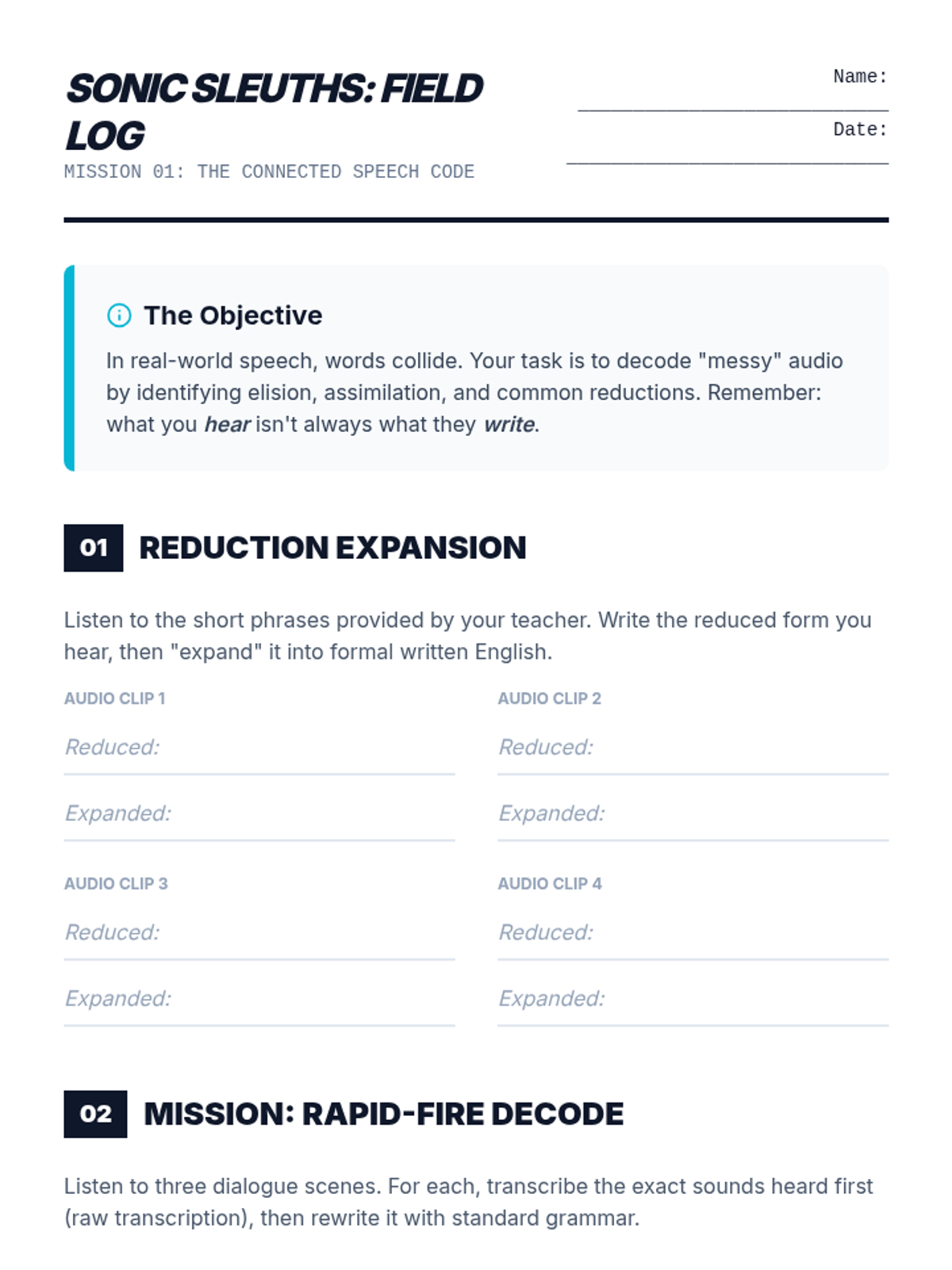
This sequence immerses advanced ESL students in the complexities of authentic, rapid-fire English speech. It covers connected speech mechanics, global accent variation, slang usage, and the sociolinguistics of code-switching, culminating in the analysis of real-world street interviews.
This sequence equips advanced 7th-grade ESL students with the skills to navigate complex academic lectures. It covers identifying verbal transitions, mastering Cornell notes, distinguishing main ideas from trivia, visualizing oral descriptions, and synthesizing information into accurate summaries.
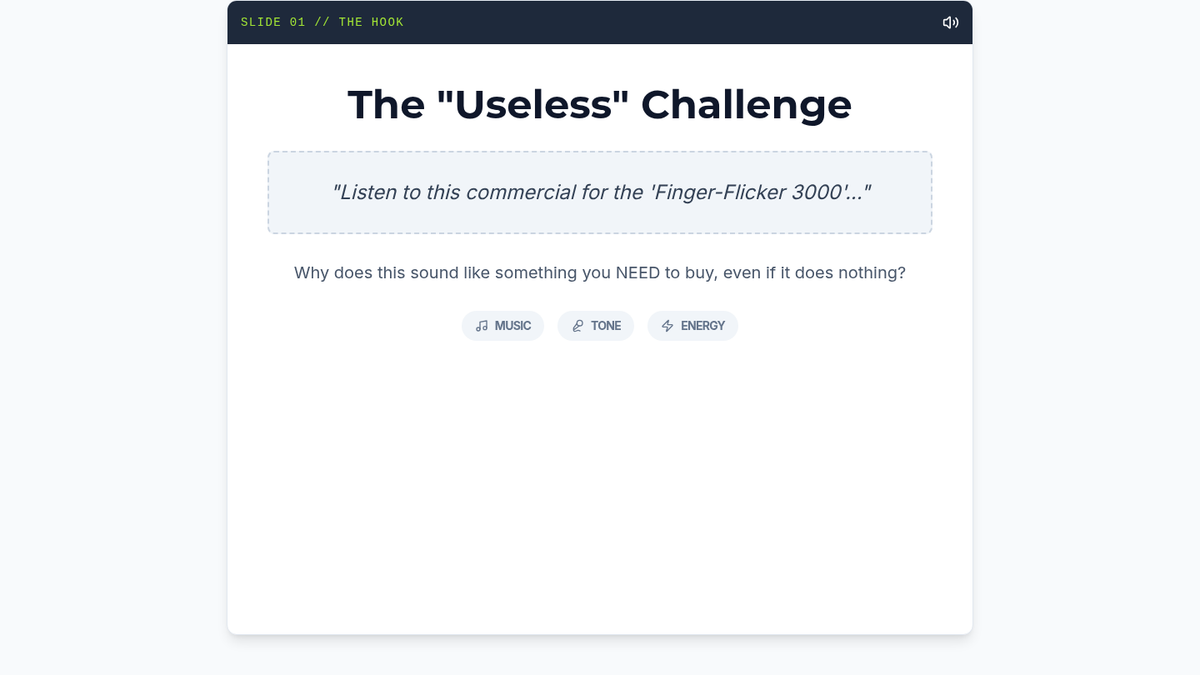
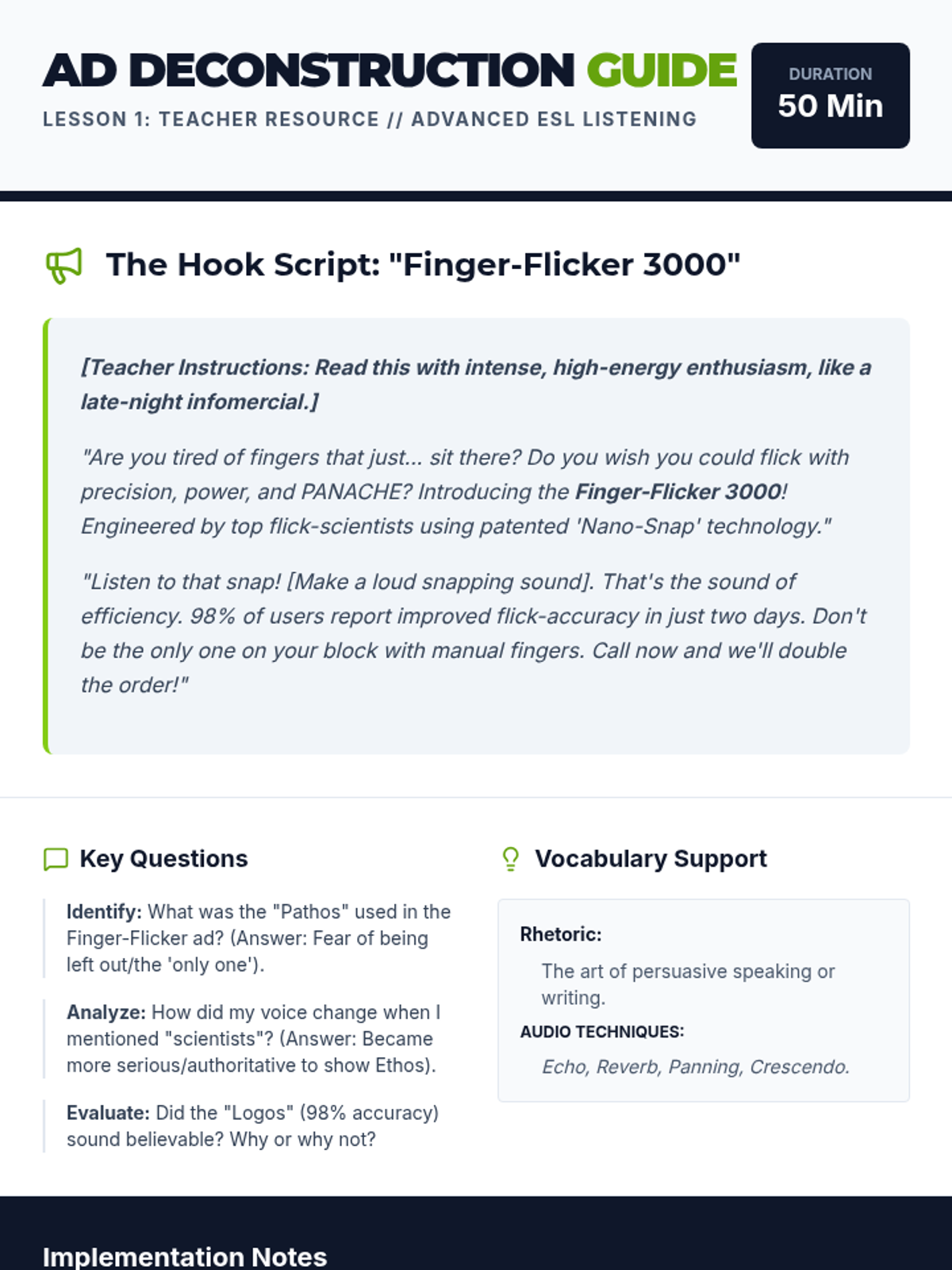
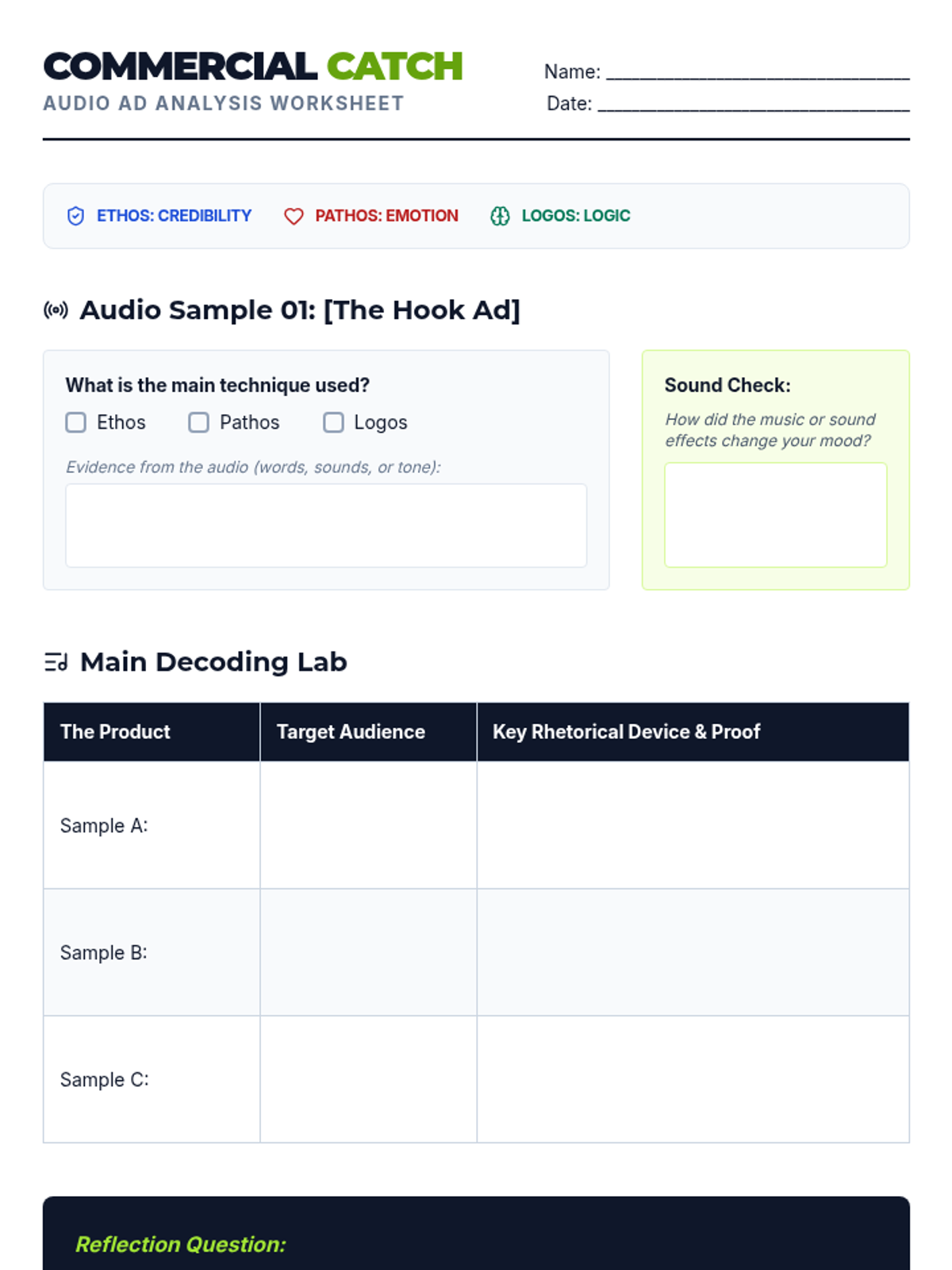
A high-level ESL sequence focusing on inferential listening, rhetoric, and speaker intent. Students analyze advertisements, news, humor, and debates to decode subtext and bias.
This sequence equips advanced ESL students with strategies for academic listening, focusing on verbal signposts, main idea extraction, Cornell note-taking, and synthesizing complex information for academic discussion.
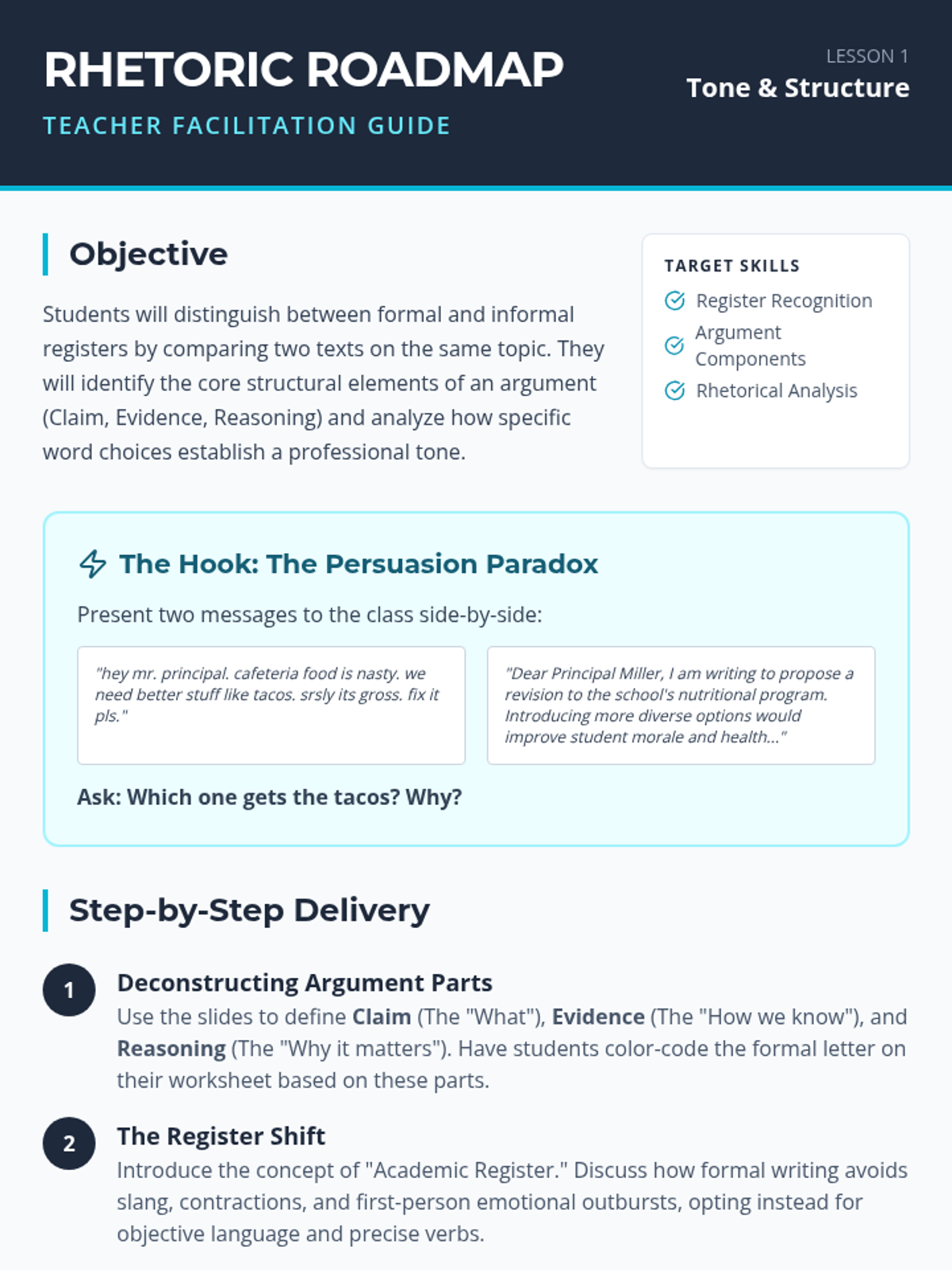
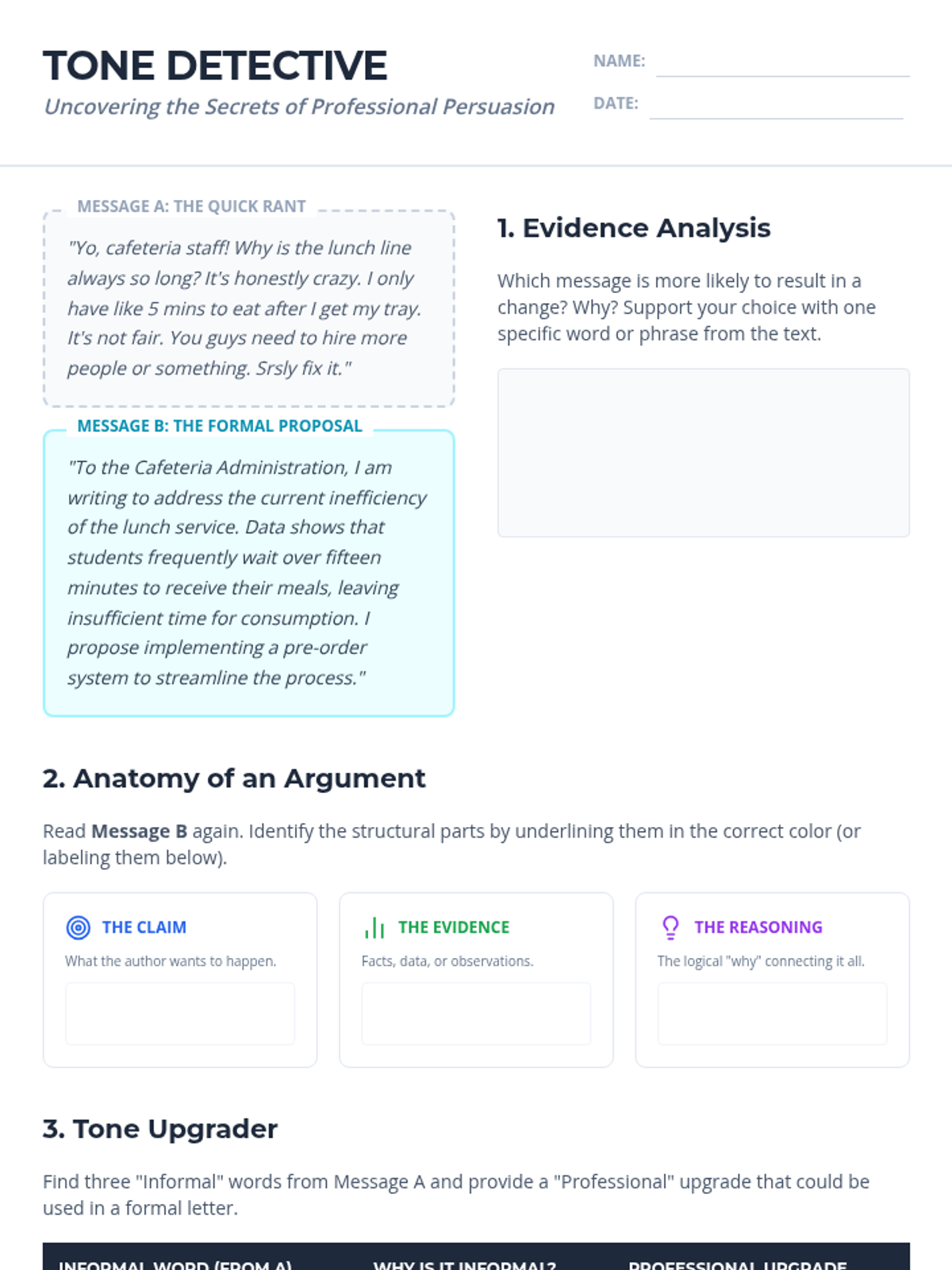
This sequence guides advanced ESL students through the process of constructing formal argumentative essays. Students learn to deconstruct mentor texts, master complex sentence structures, use precise academic vocabulary, and organize ideas with transitional phrases to create a persuasive proposal for school policy changes.
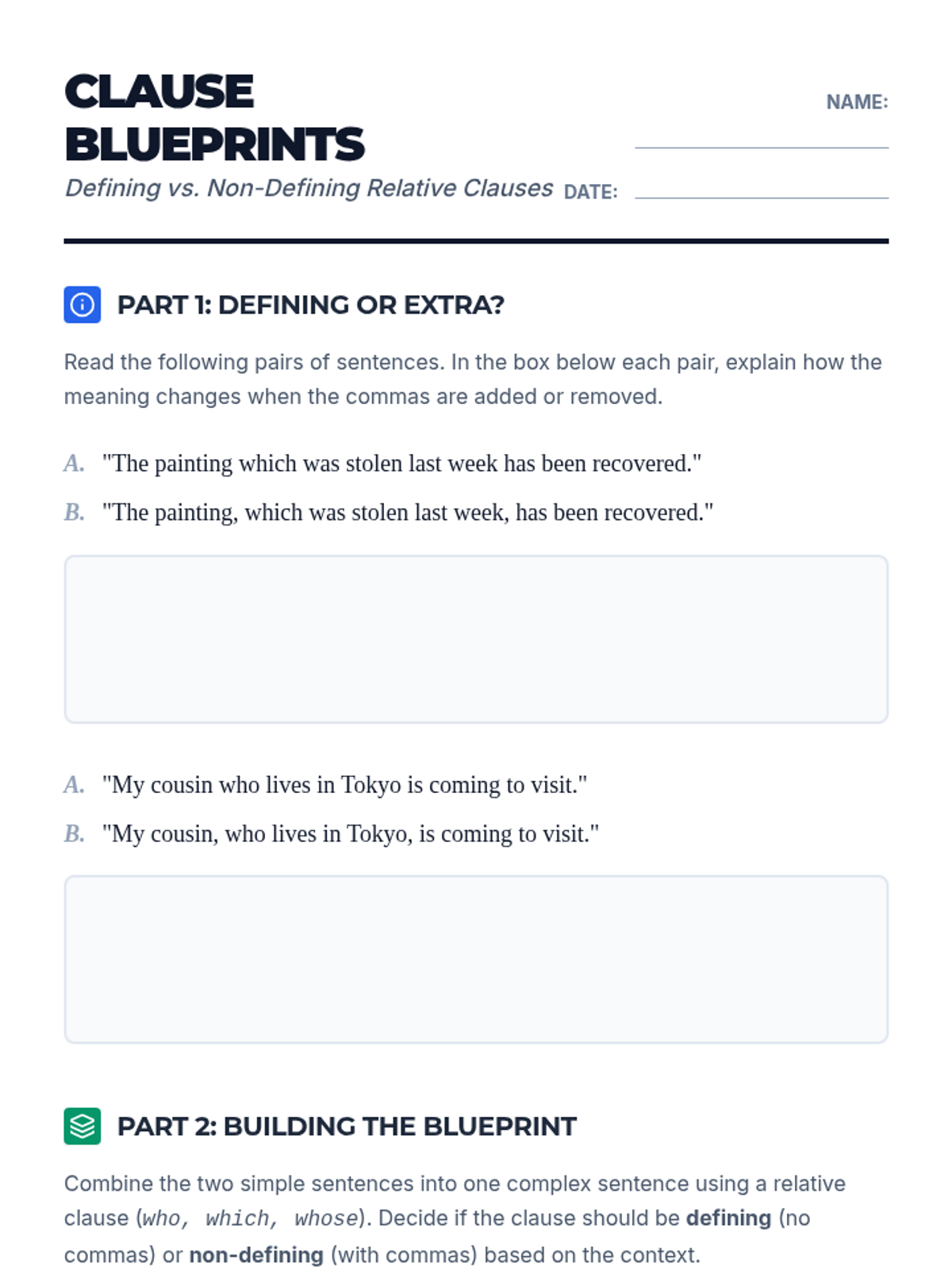
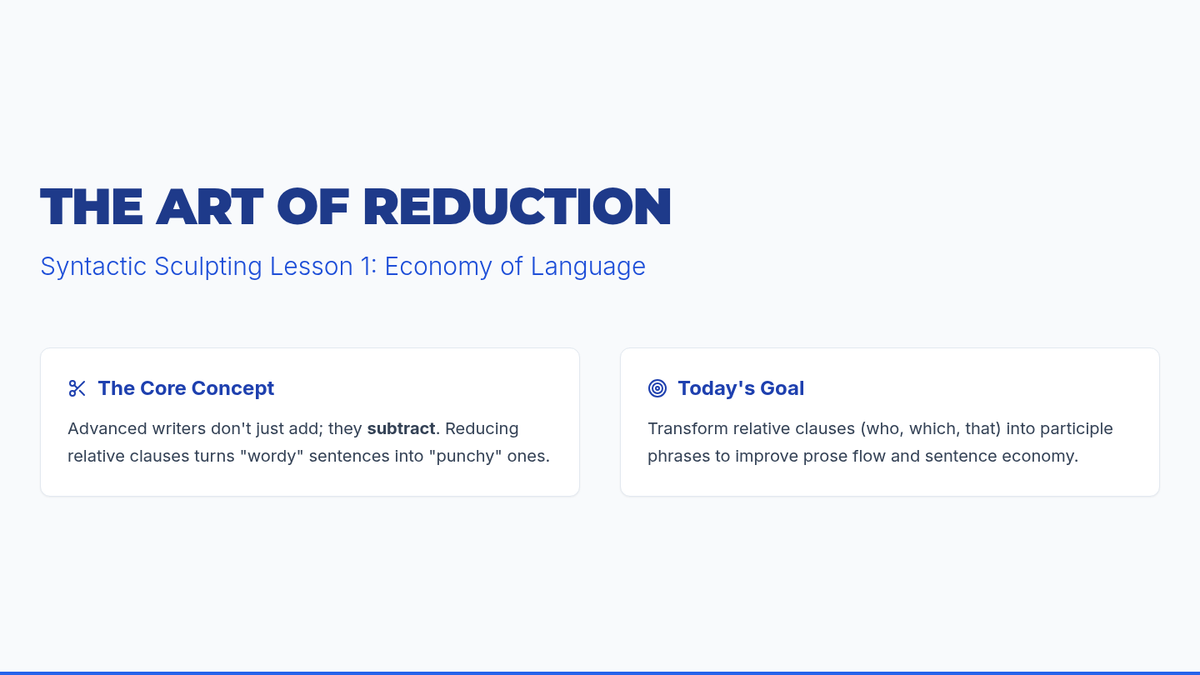
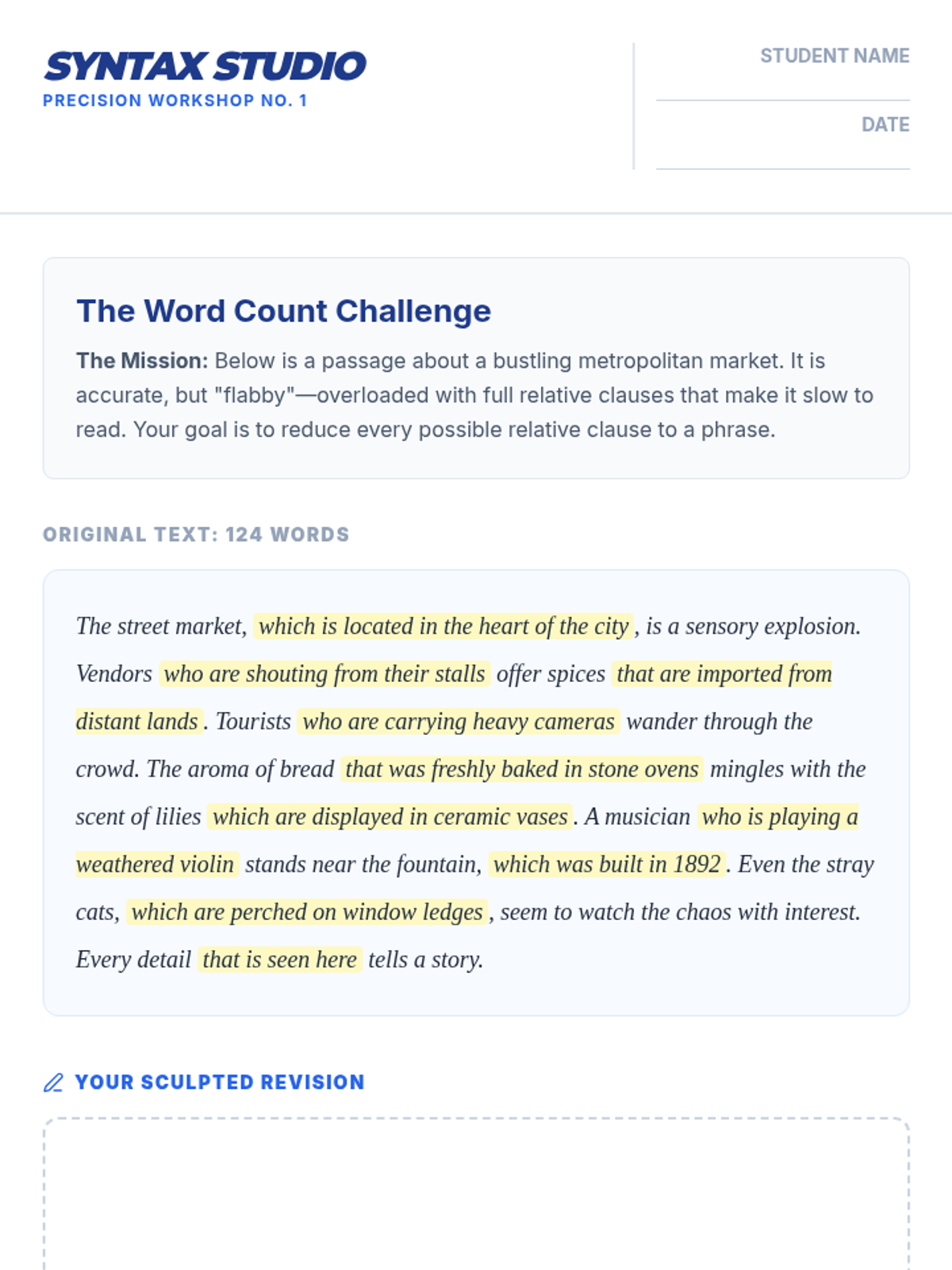
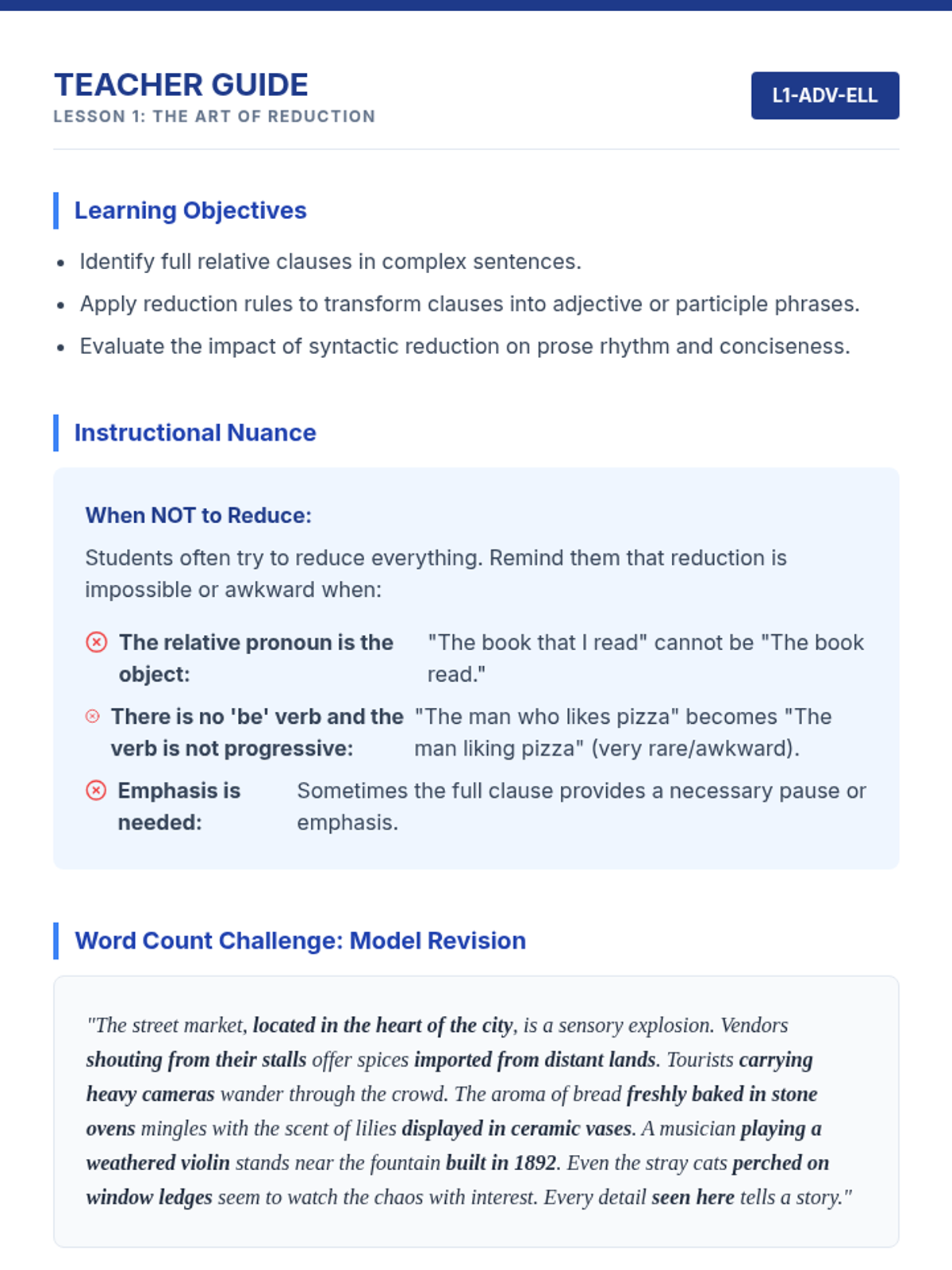
A high-level grammar sequence for 8th Grade ELL students focusing on sentence density, relative clauses, participle phrases, nominalization, and academic cohesion. Students move from identifying clunky prose to synthesizing complex research into concise abstracts.
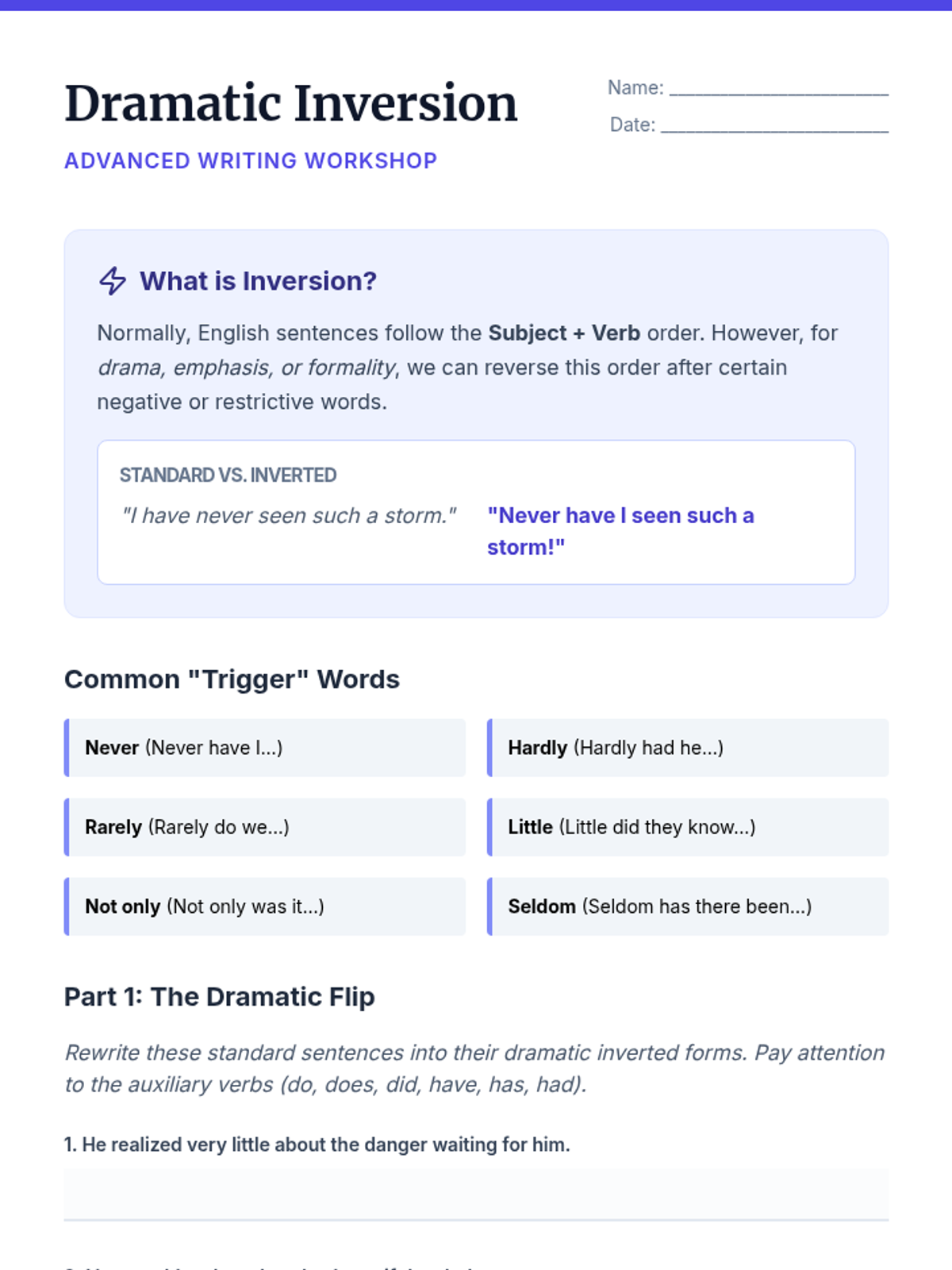
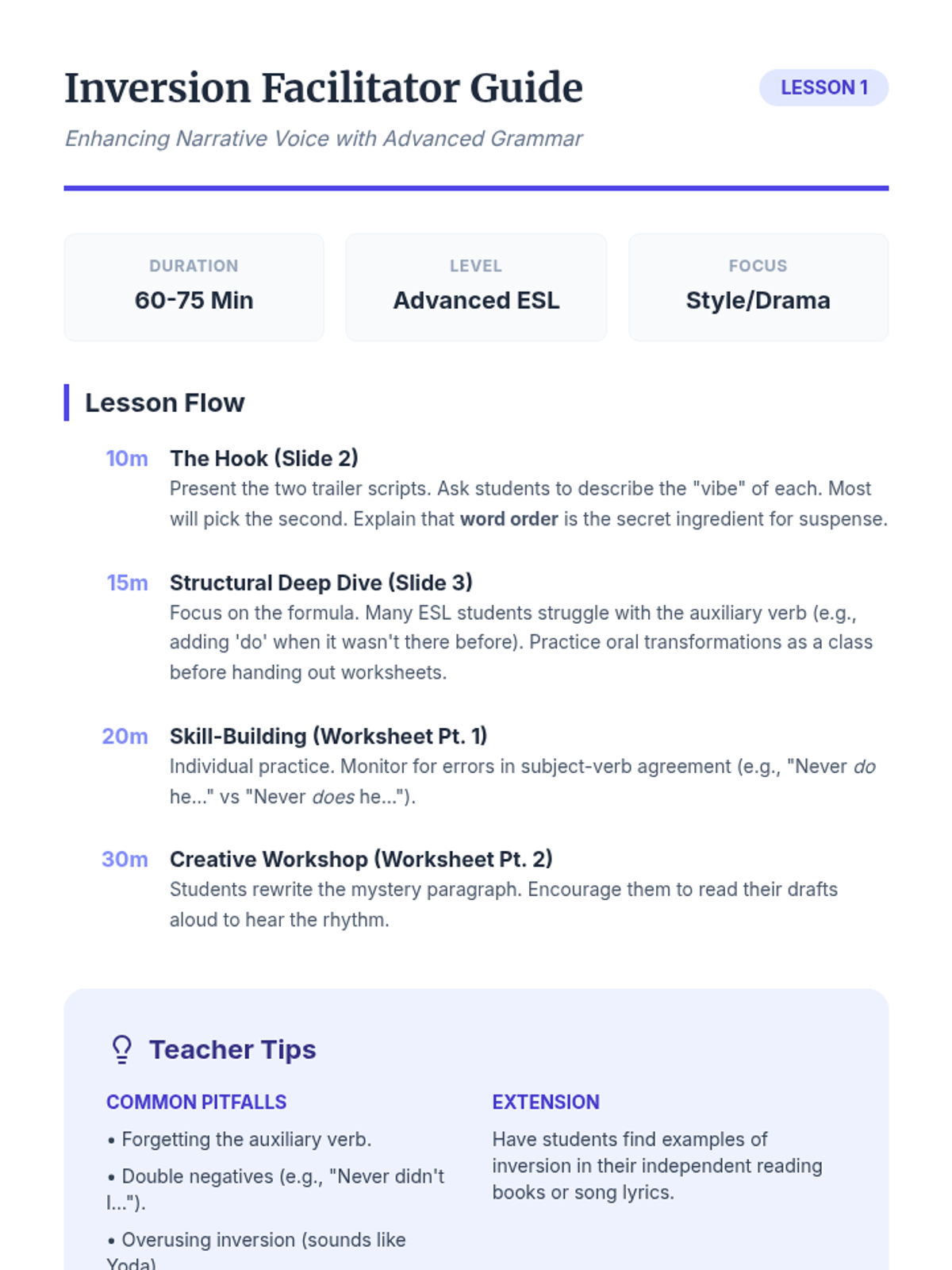
This sequence guides advanced 6th-grade ESL students through the stylistic application of complex grammar rules to enhance their creative and academic writing. Students explore inversion, the subjunctive mood, advanced conditionals, and passive voice as tools for manipulating tone and emphasis in narratives.
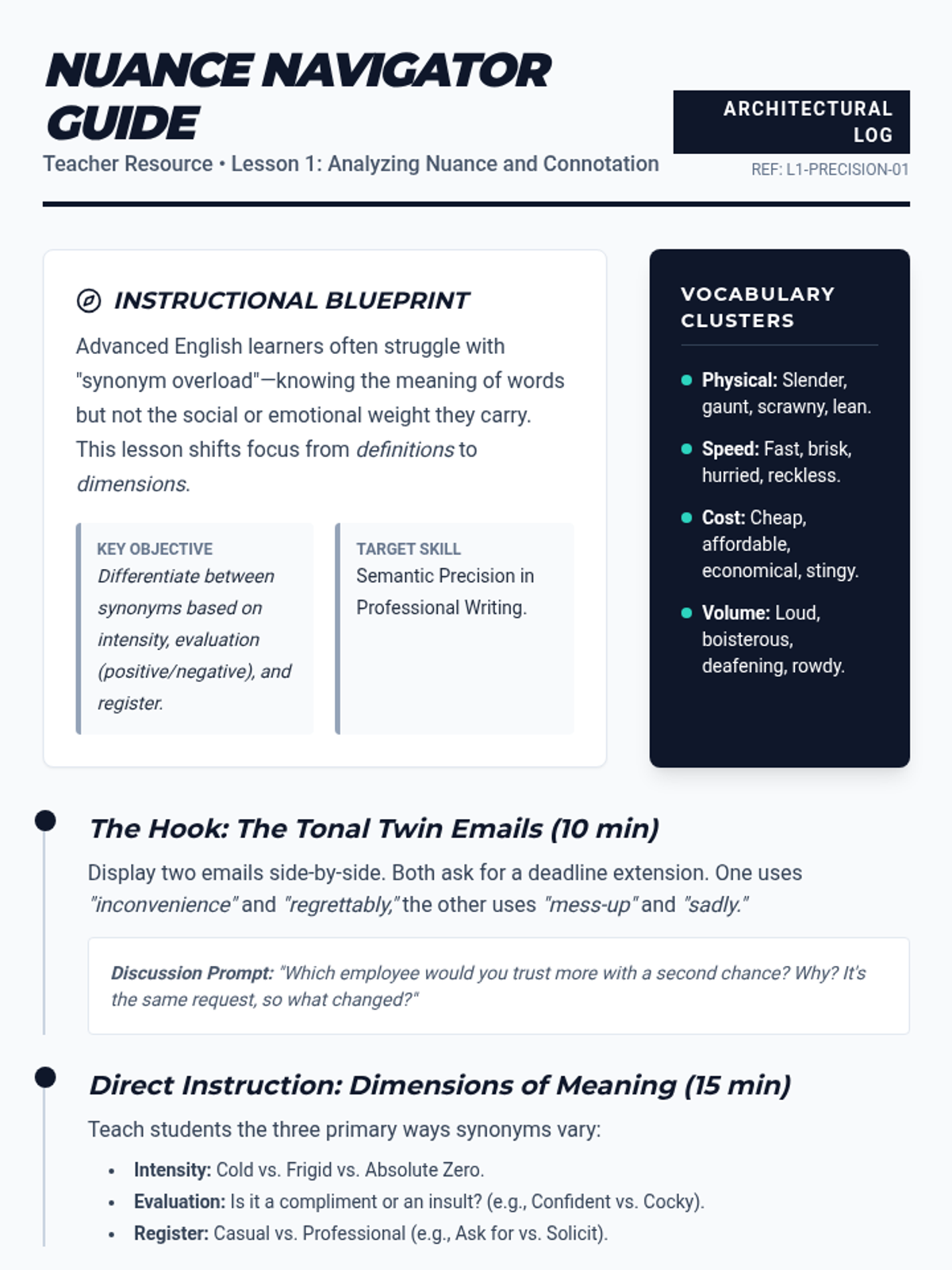
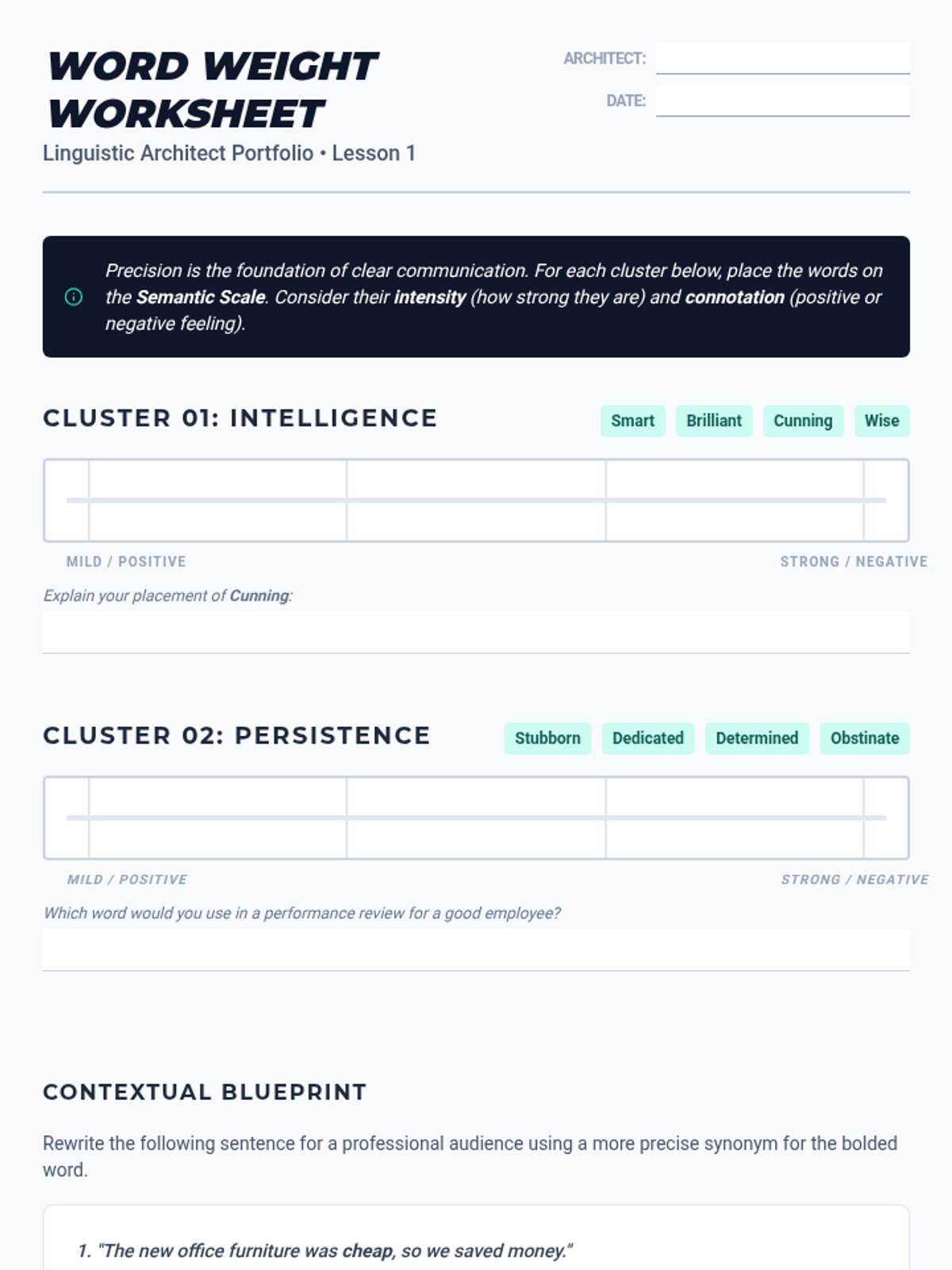
This sequence bridges the gap between functional fluency and native-like precision for advanced ESL students. It focuses on the nuances of synonym choice, academic collocations, professional idioms, and register switching through a 'Linguistic Architect' theme.
An advanced grammar sequence for 10th Grade ELL students focusing on the synthesis of complex sentence structures to achieve stylistic precision, variety, and flow. Students move from individual grammatical reductions to creating a polished stylistic anthology.
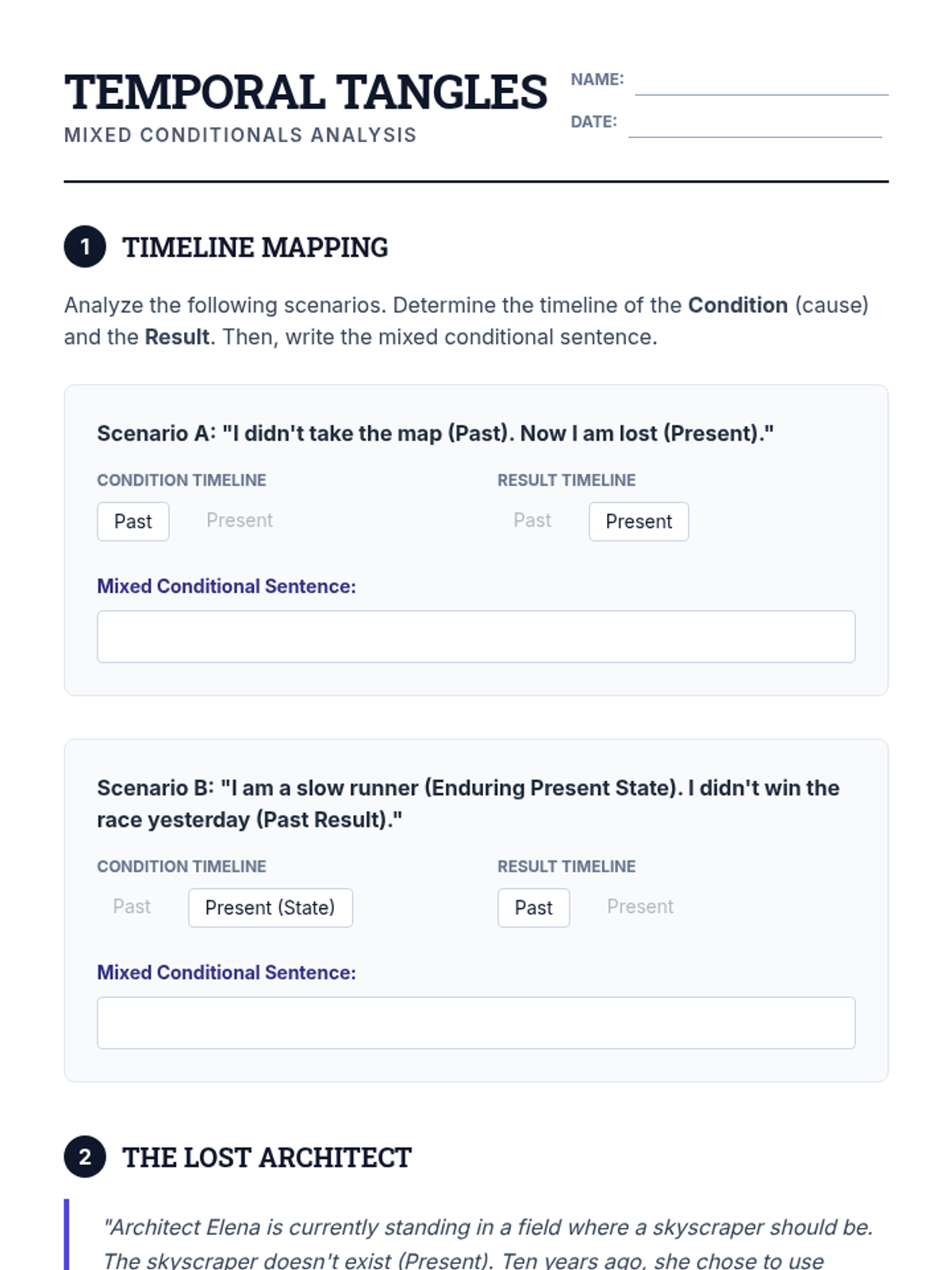
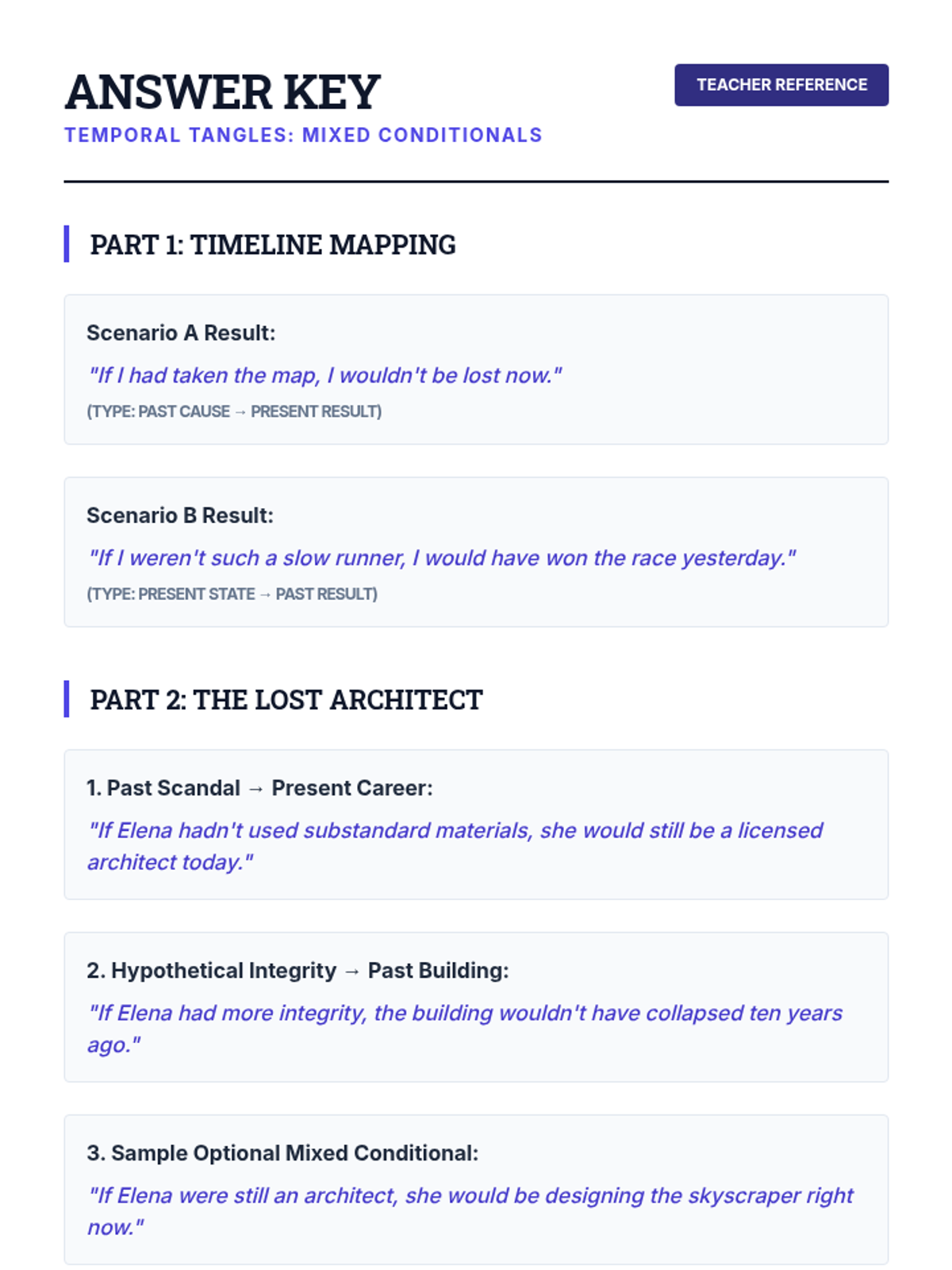
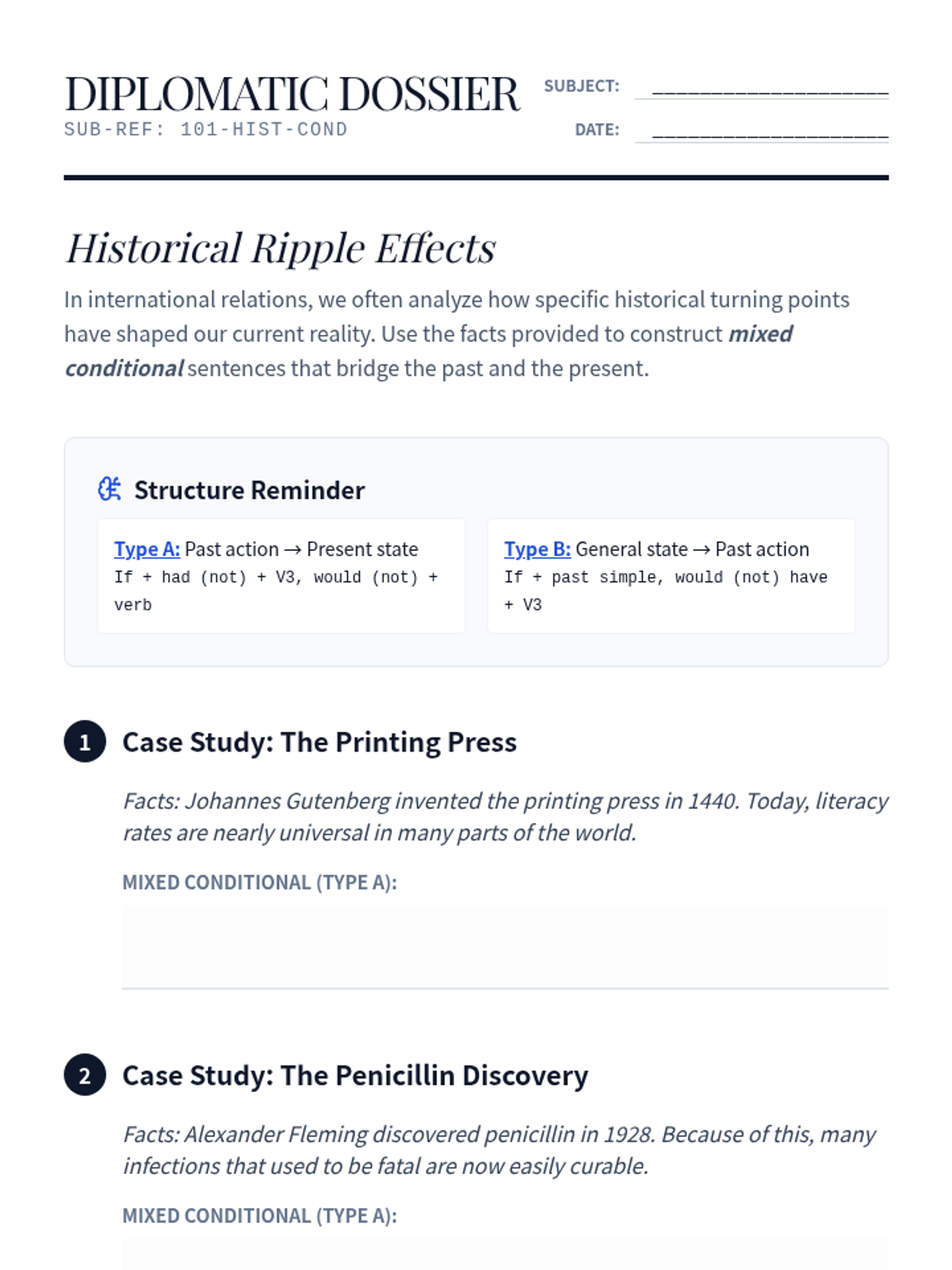
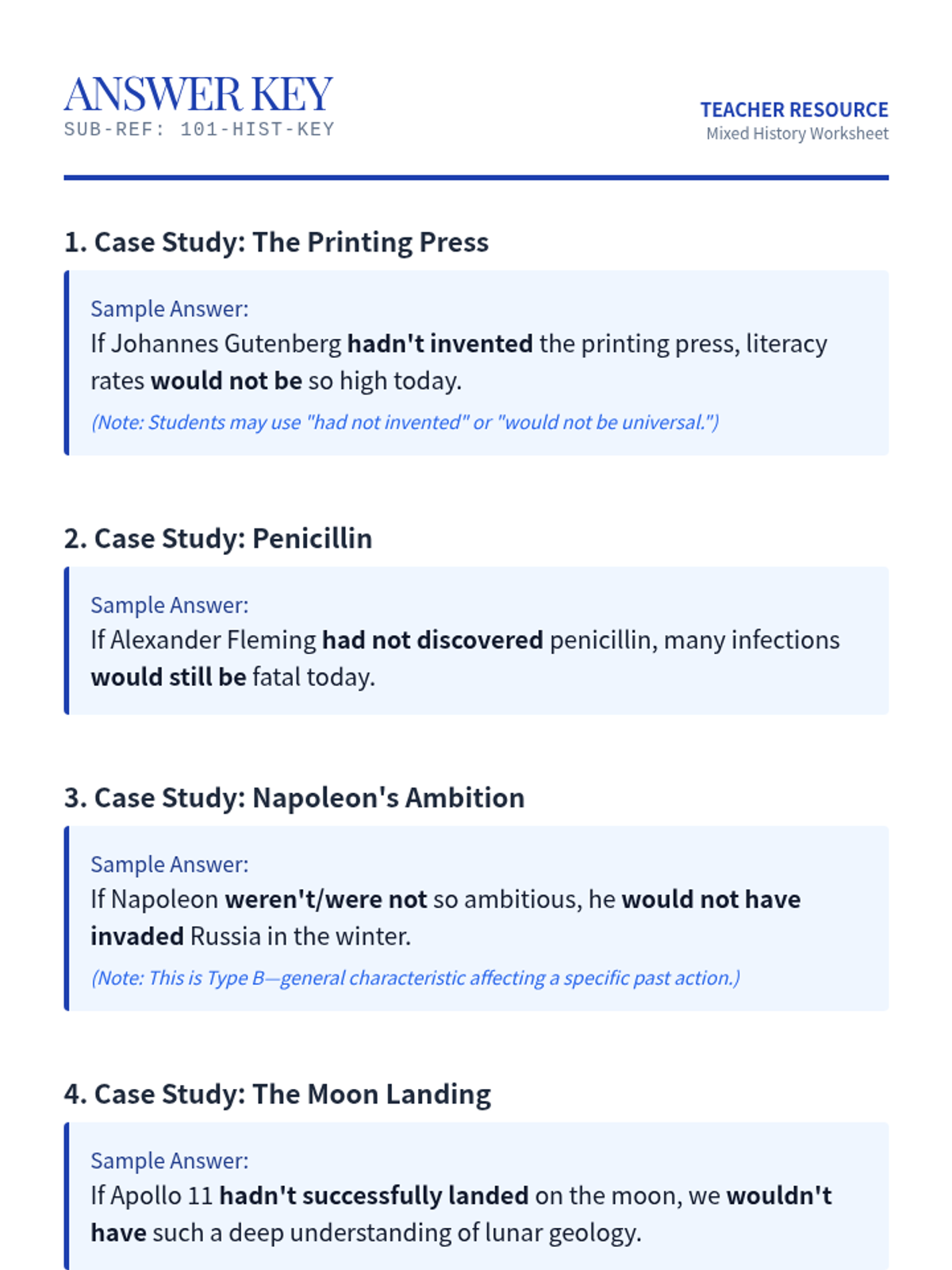
A high-stakes advanced grammar sequence where 10th-grade students master mixed conditionals, inverted conditionals, and the subjunctive mood within the context of international diplomacy and policy-making.
This advanced grammar sequence explores mixed conditionals, inverted conditionals, and the mandative subjunctive. Students apply these complex structures to academic writing, professional correspondence, and counterfactual historical analysis, culminating in a seminar on alternative realities.
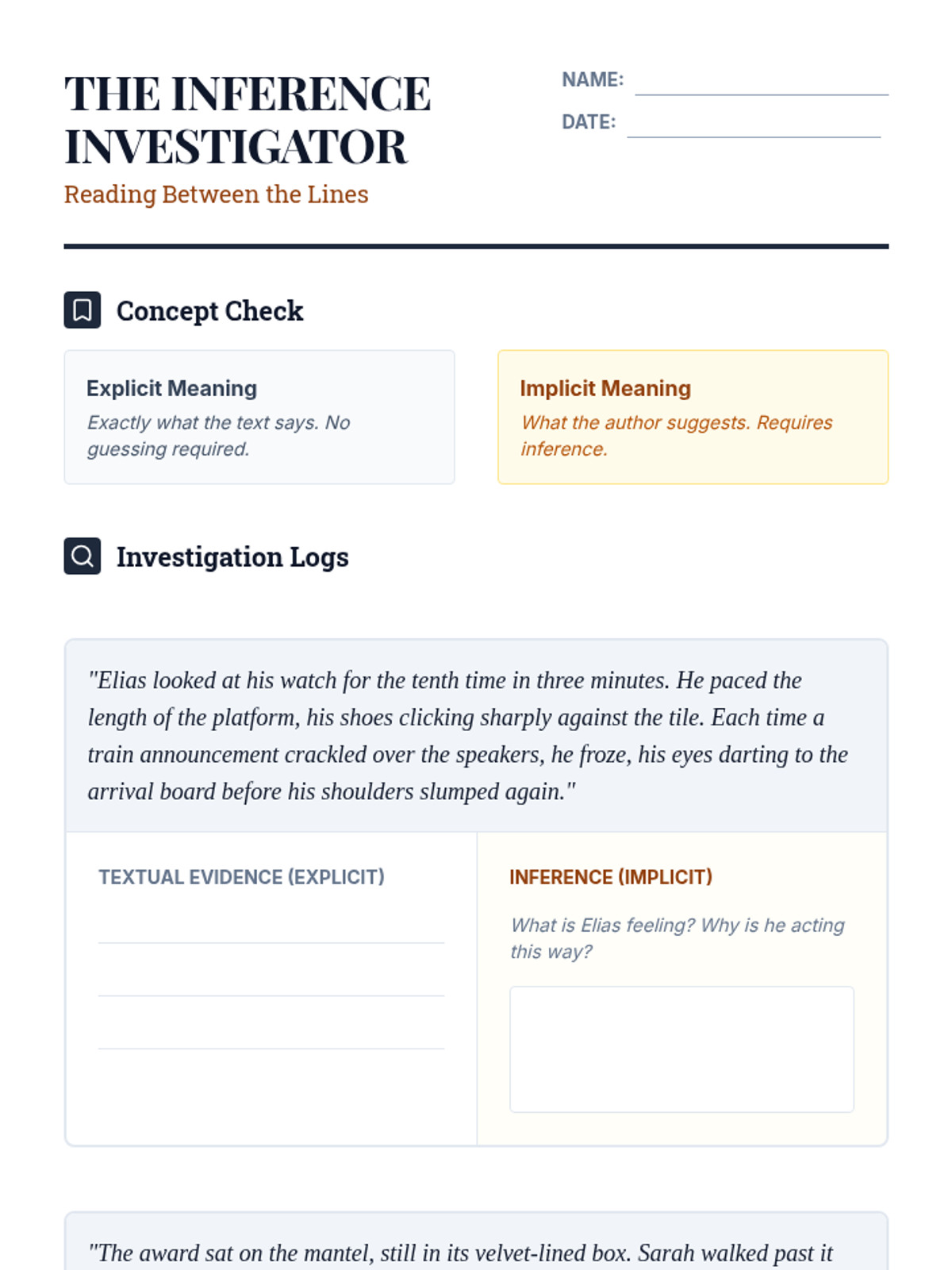
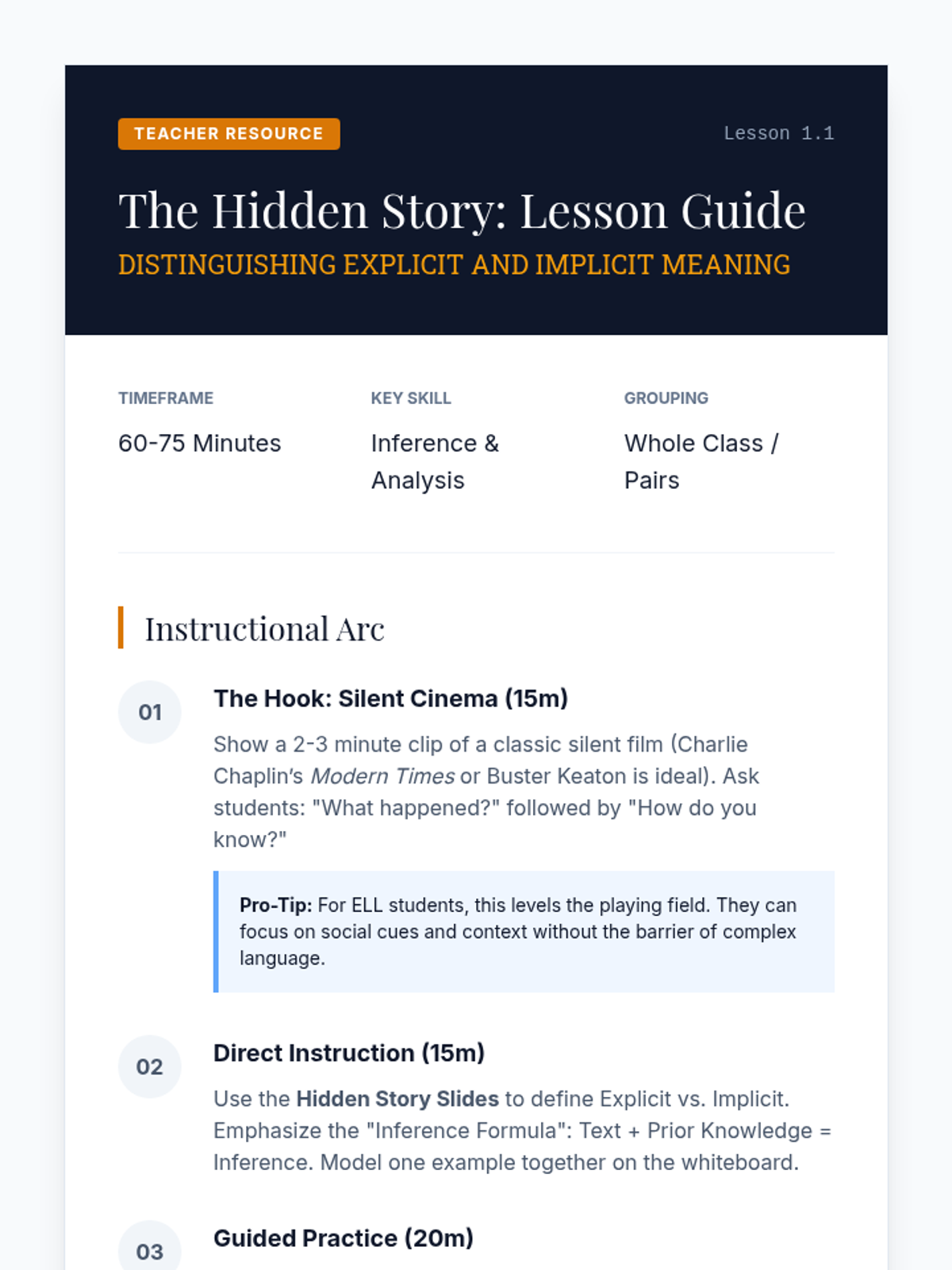
This advanced reading sequence for 10th-grade ELL students explores the complexities of literary subtext, tone, and cultural nuance. Students transition from literal comprehension to abstract interpretation by analyzing dialogue, word choice, and cultural symbols in contemporary literature.