Fundamental principles of supply, demand, and monetary systems alongside micro- and macroeconomic structures. Examines the impact of corporate power, labor market dynamics, and global systems on social mobility and class inequality.
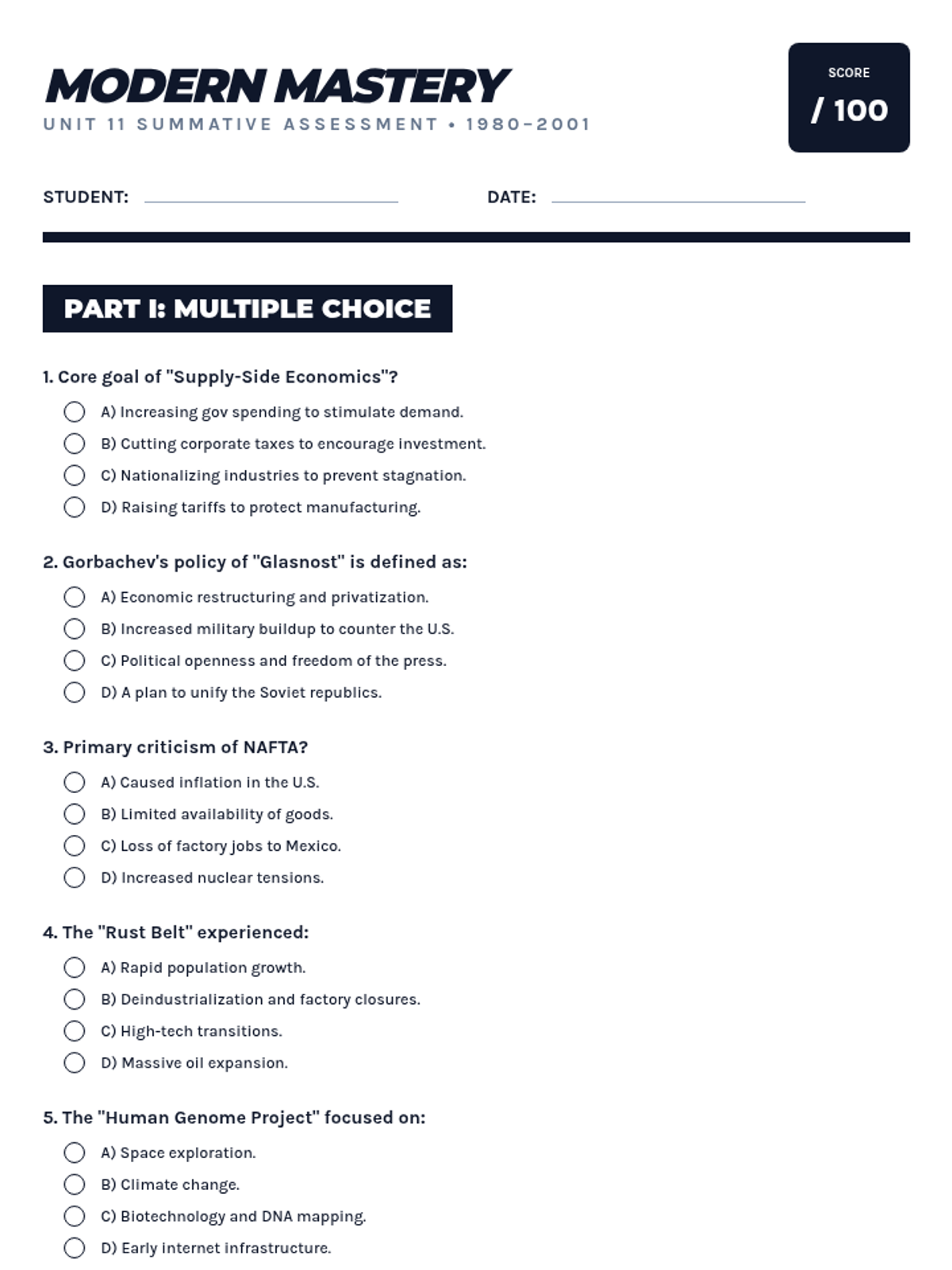
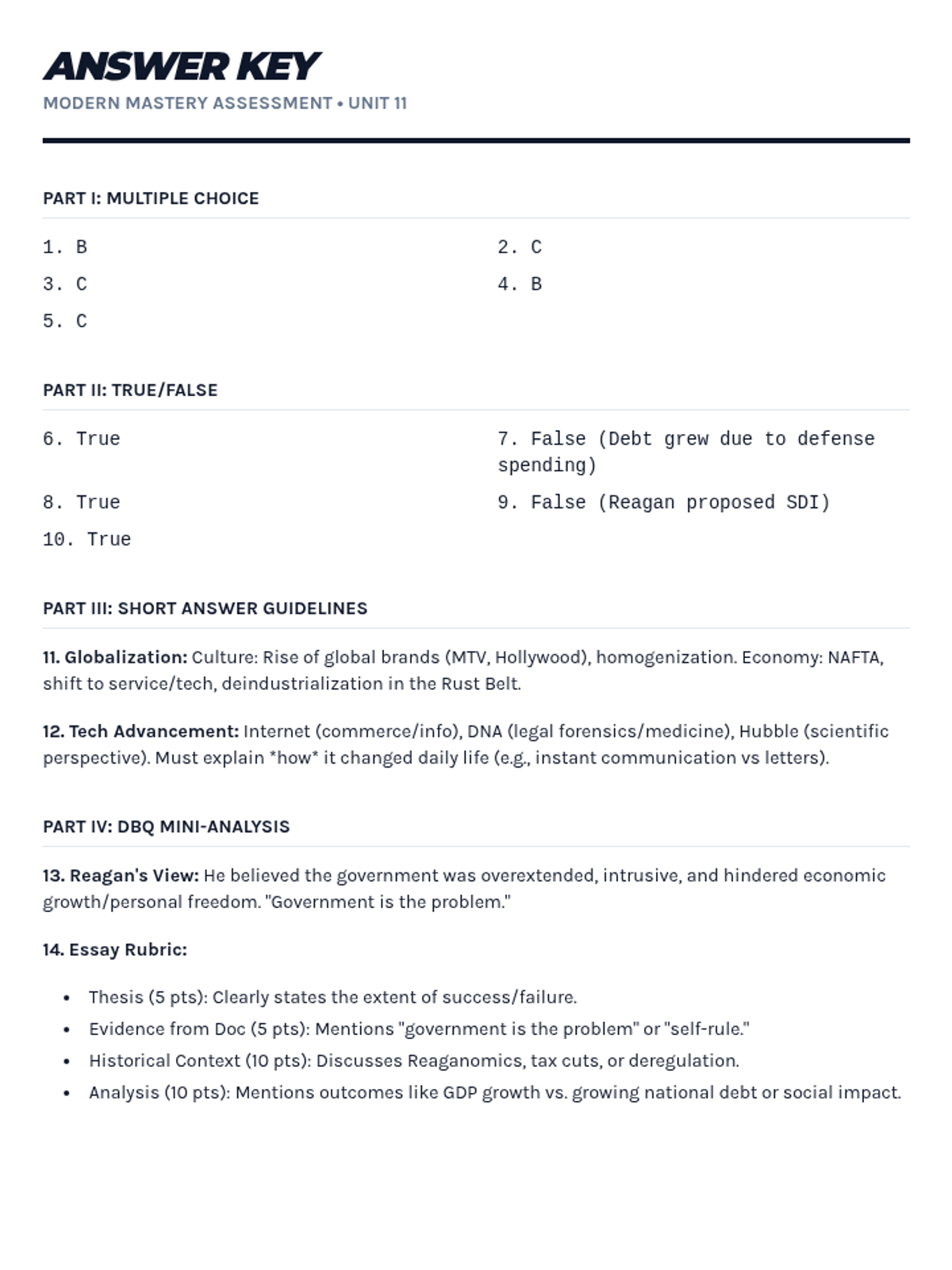
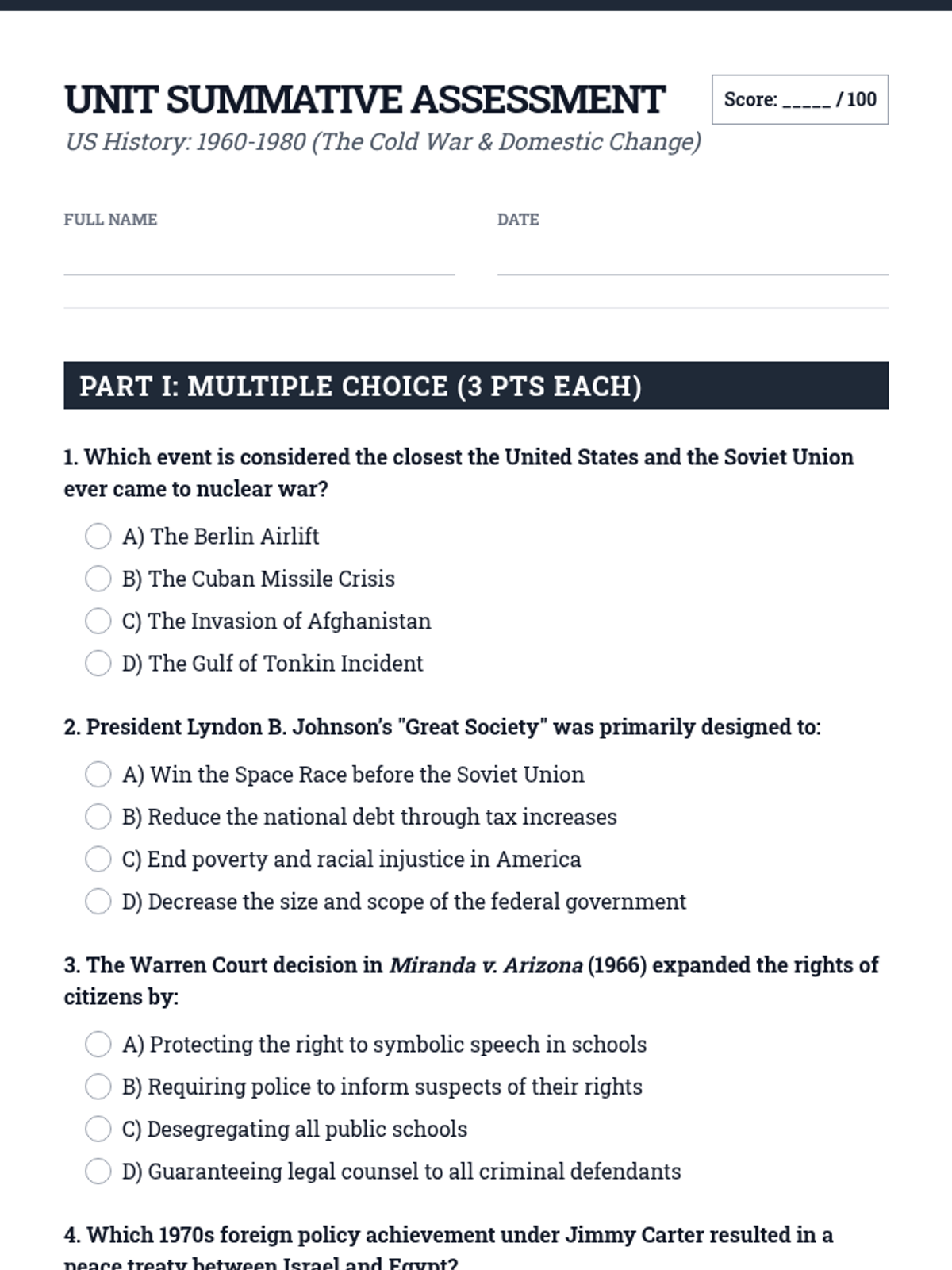
A summative assessment evaluating student mastery of the 1980s and 90s through multiple-choice, true/false, short answer, and DBQ questions.
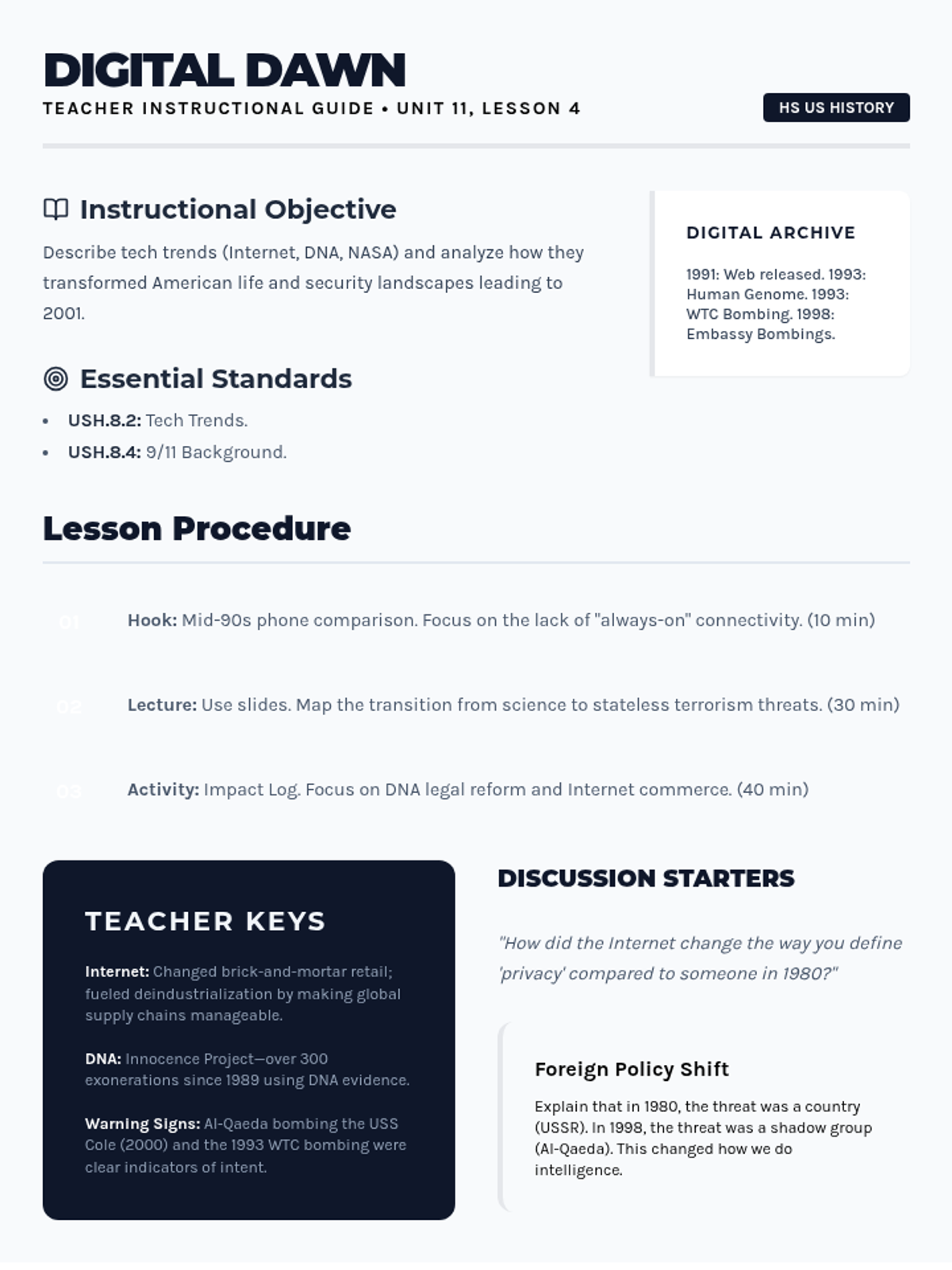
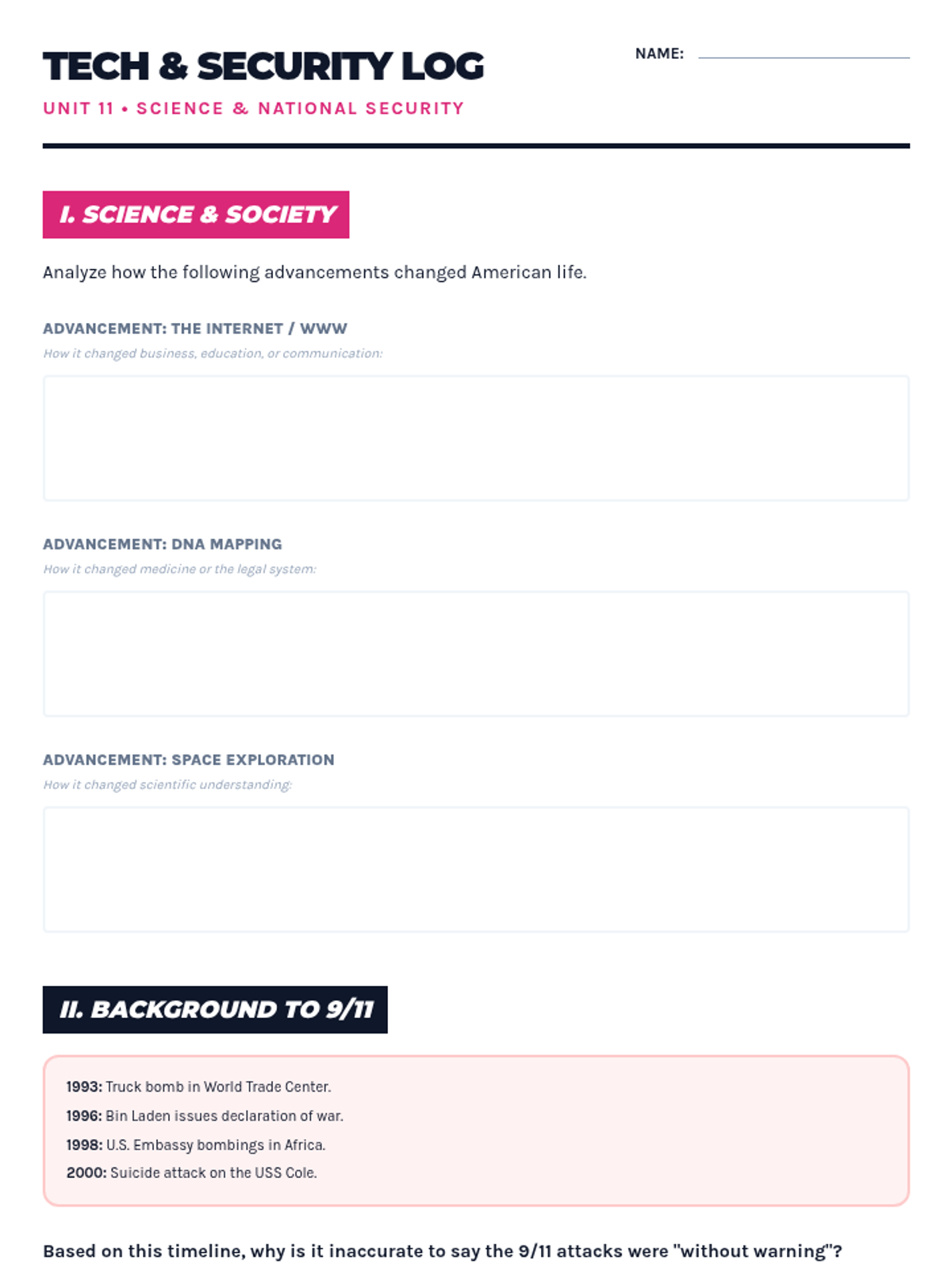
Investigate the technological revolution of the Internet, advancements in DNA, and the shifting landscape of global security leading toward 2001.
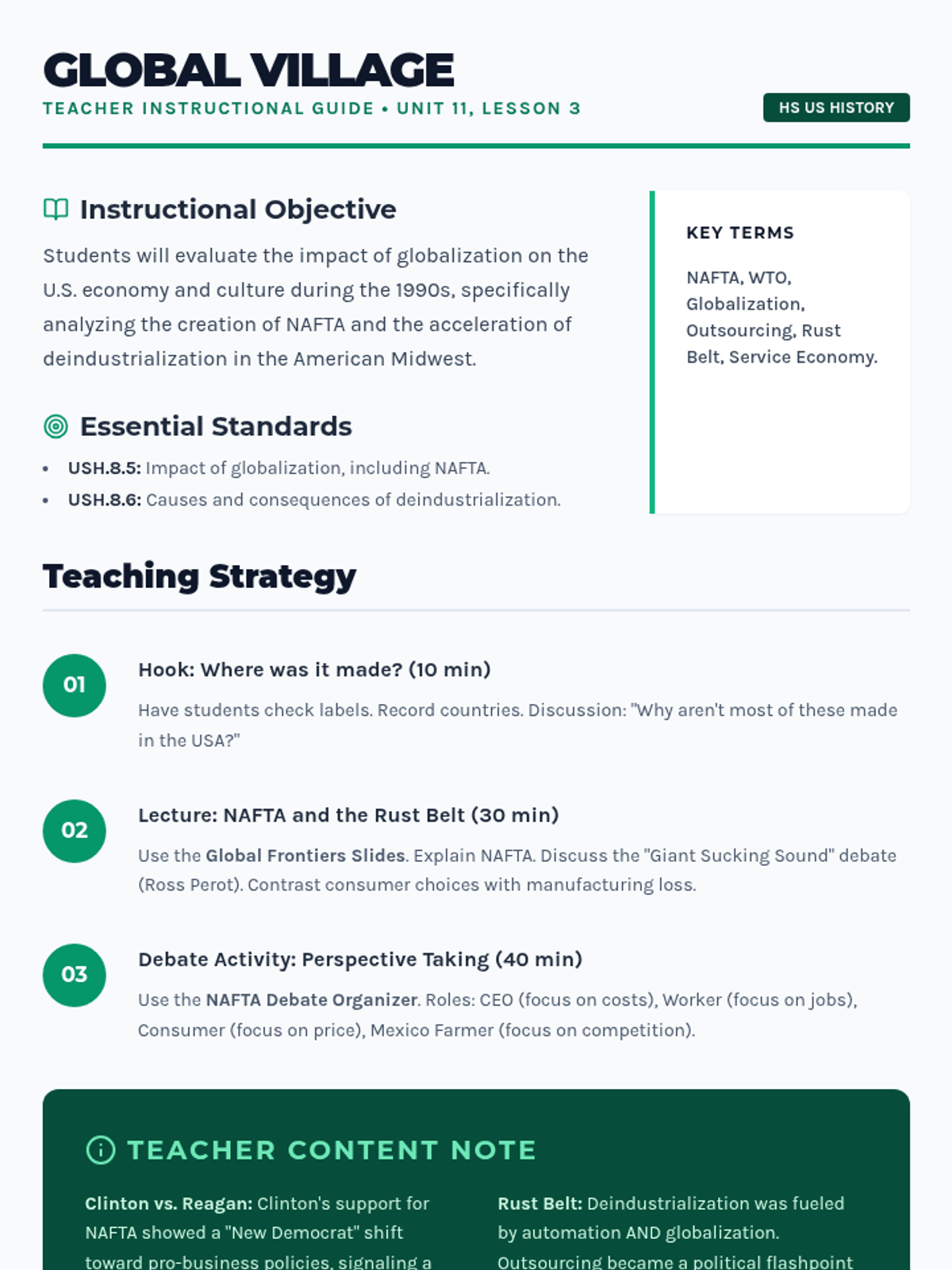
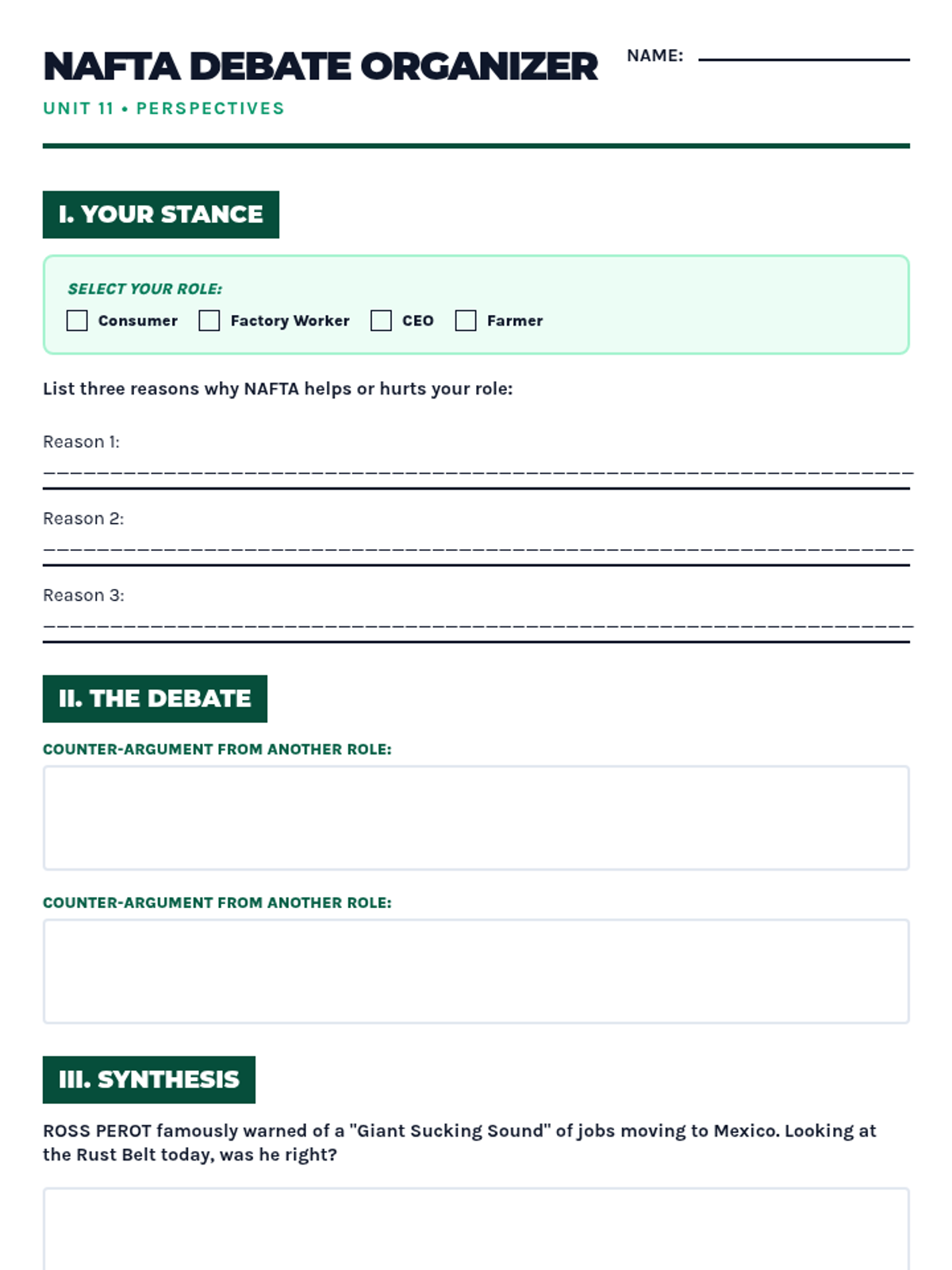
Examine the economic boom of the 90s, the impacts of NAFTA, and the process of deindustrialization.
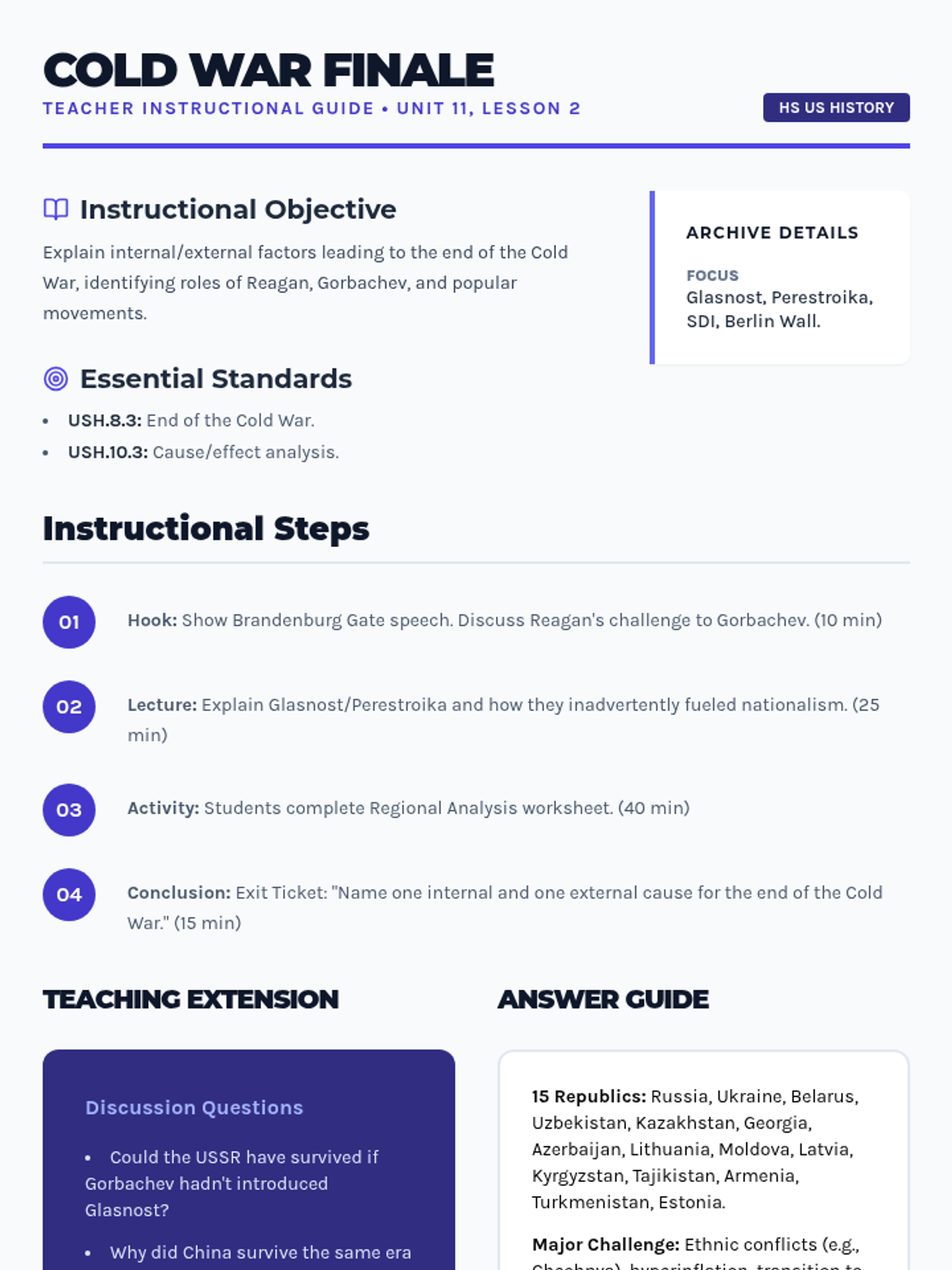
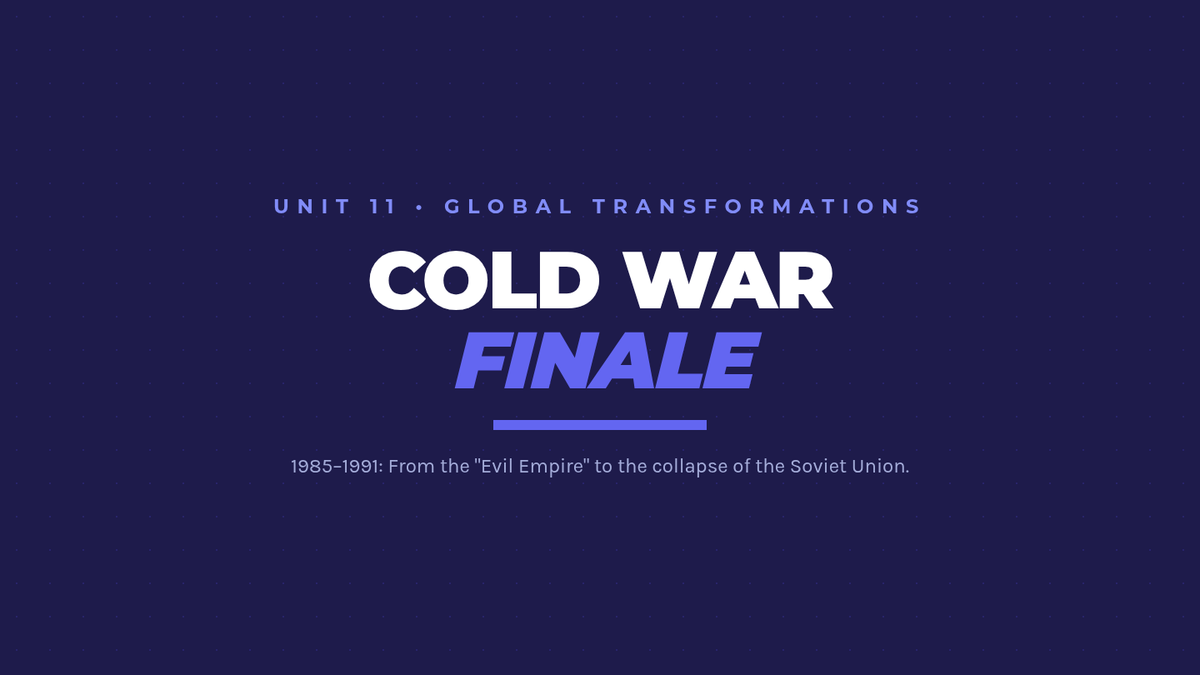
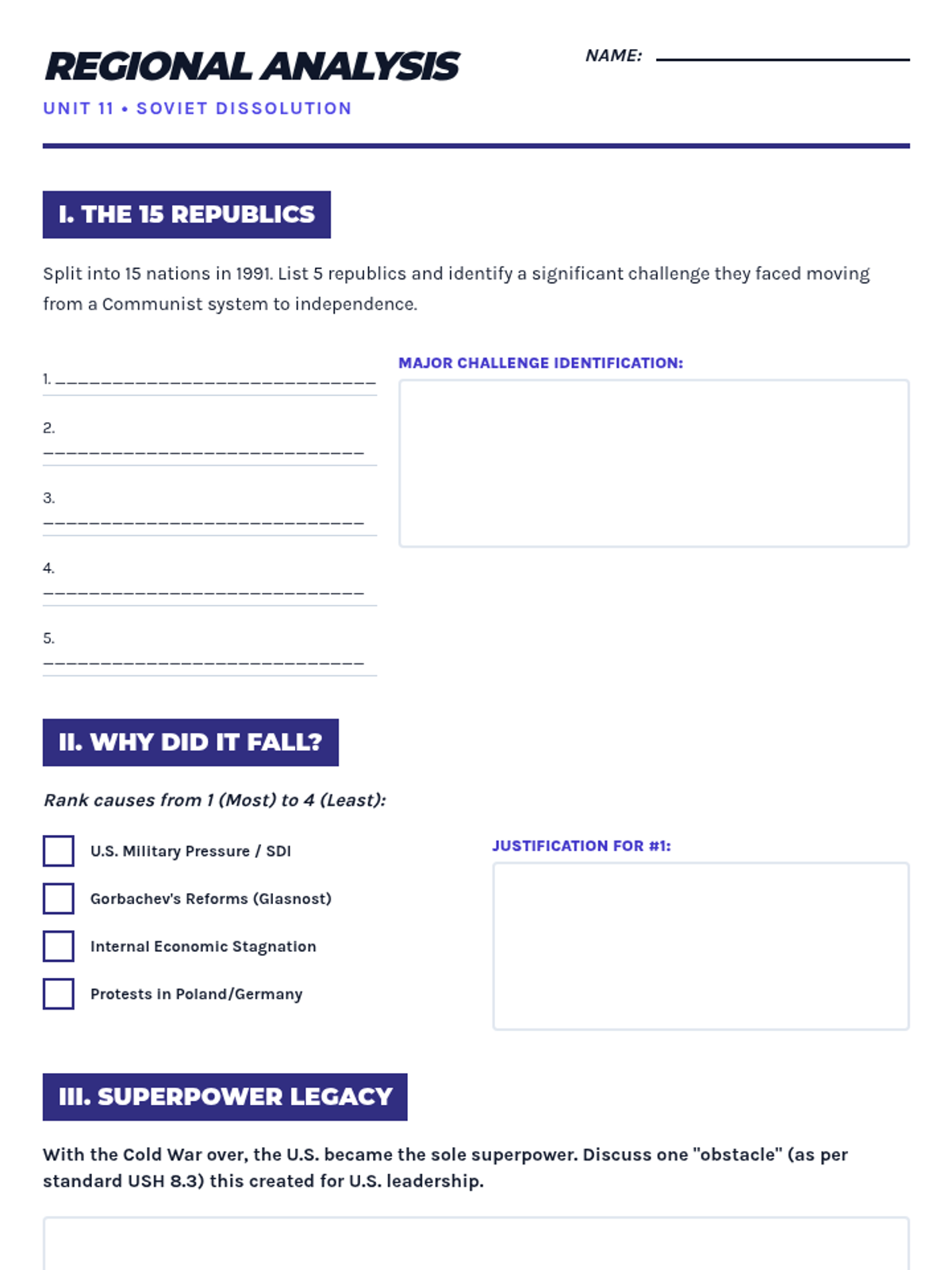
Analyze the collapse of the Soviet Union, the fall of the Berlin Wall, and the end of the Cold War.
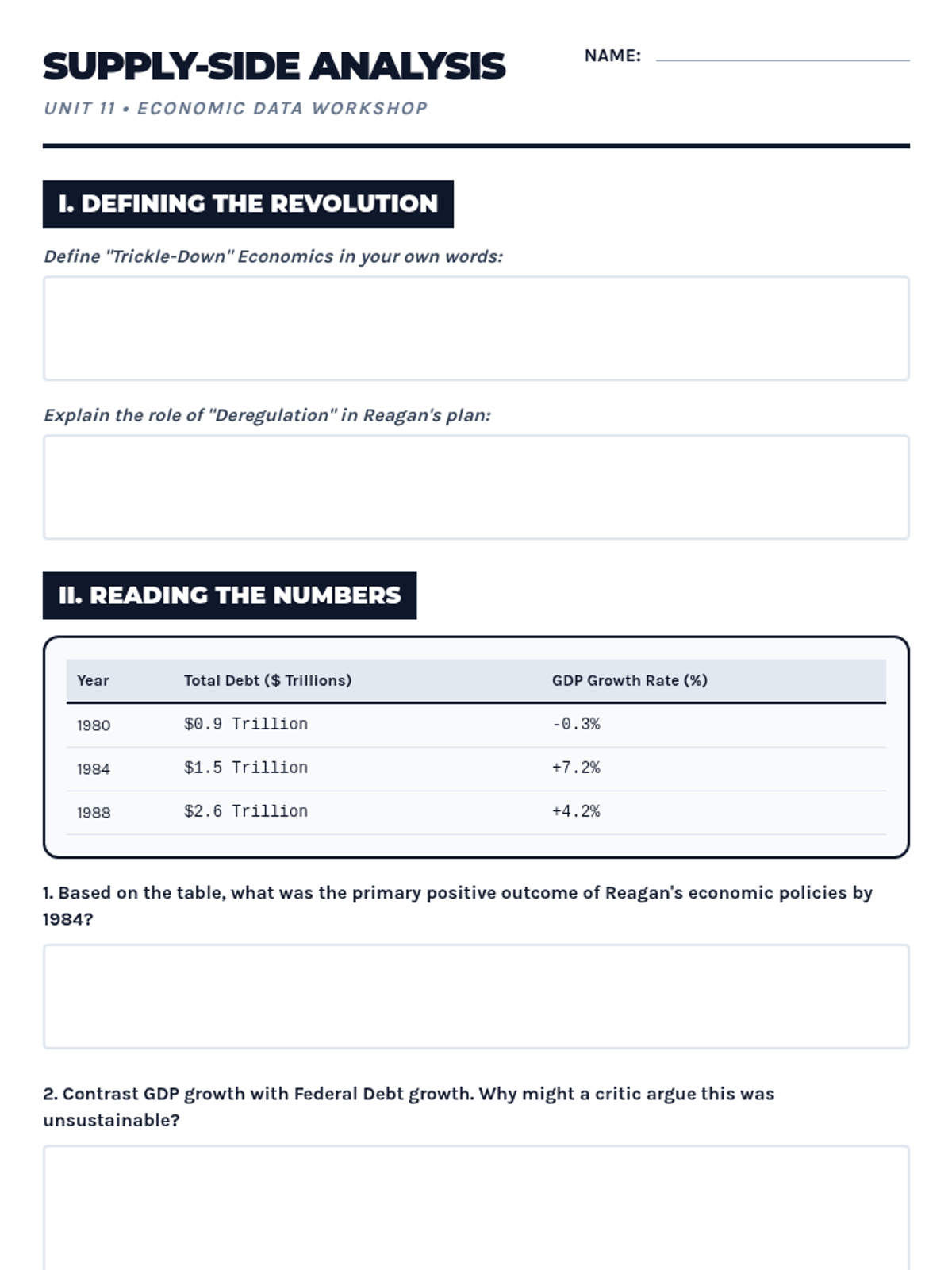
Explore the rise of conservatism, 'Reaganomics', and the social shifts of the 1980s.
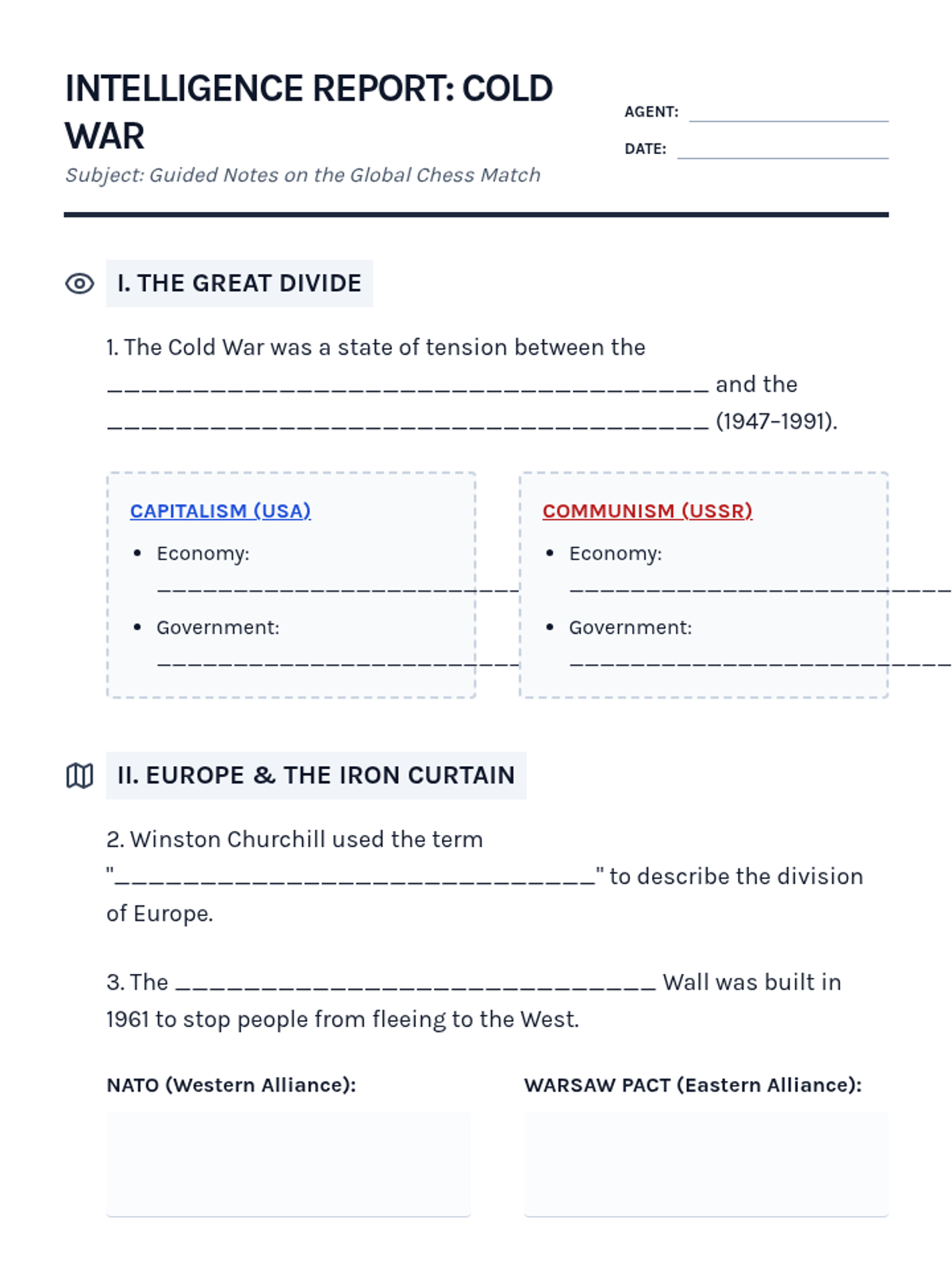
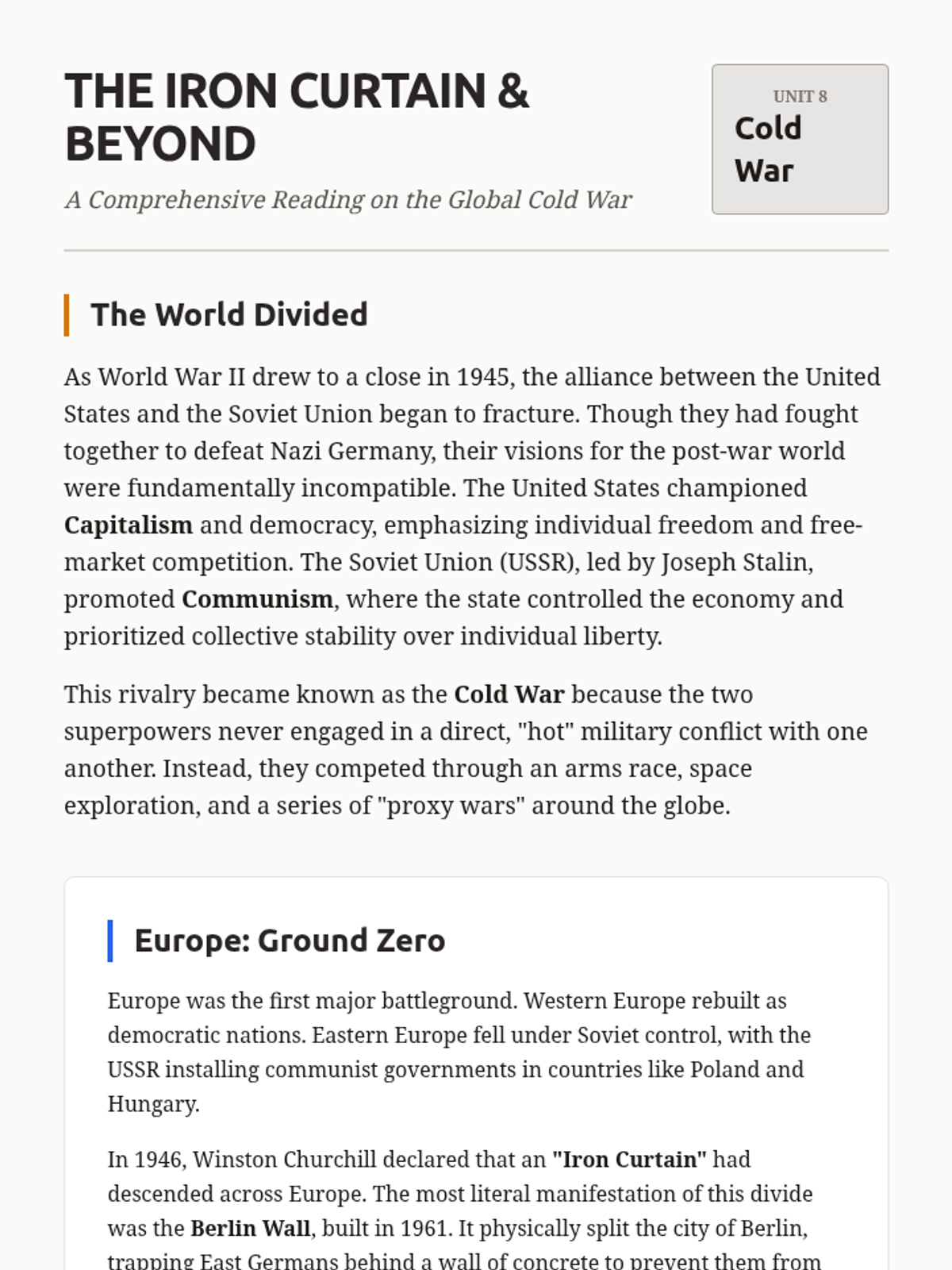
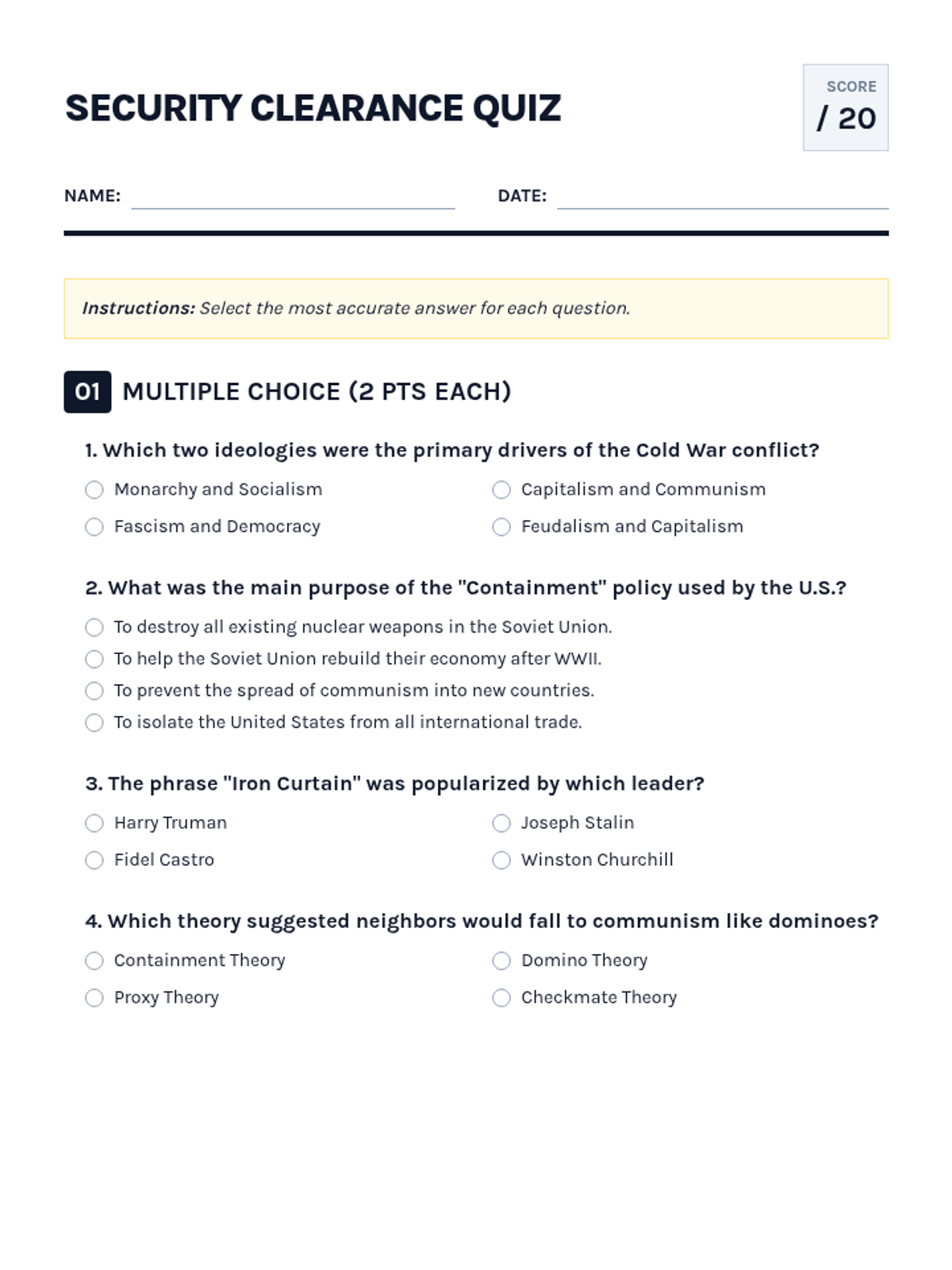
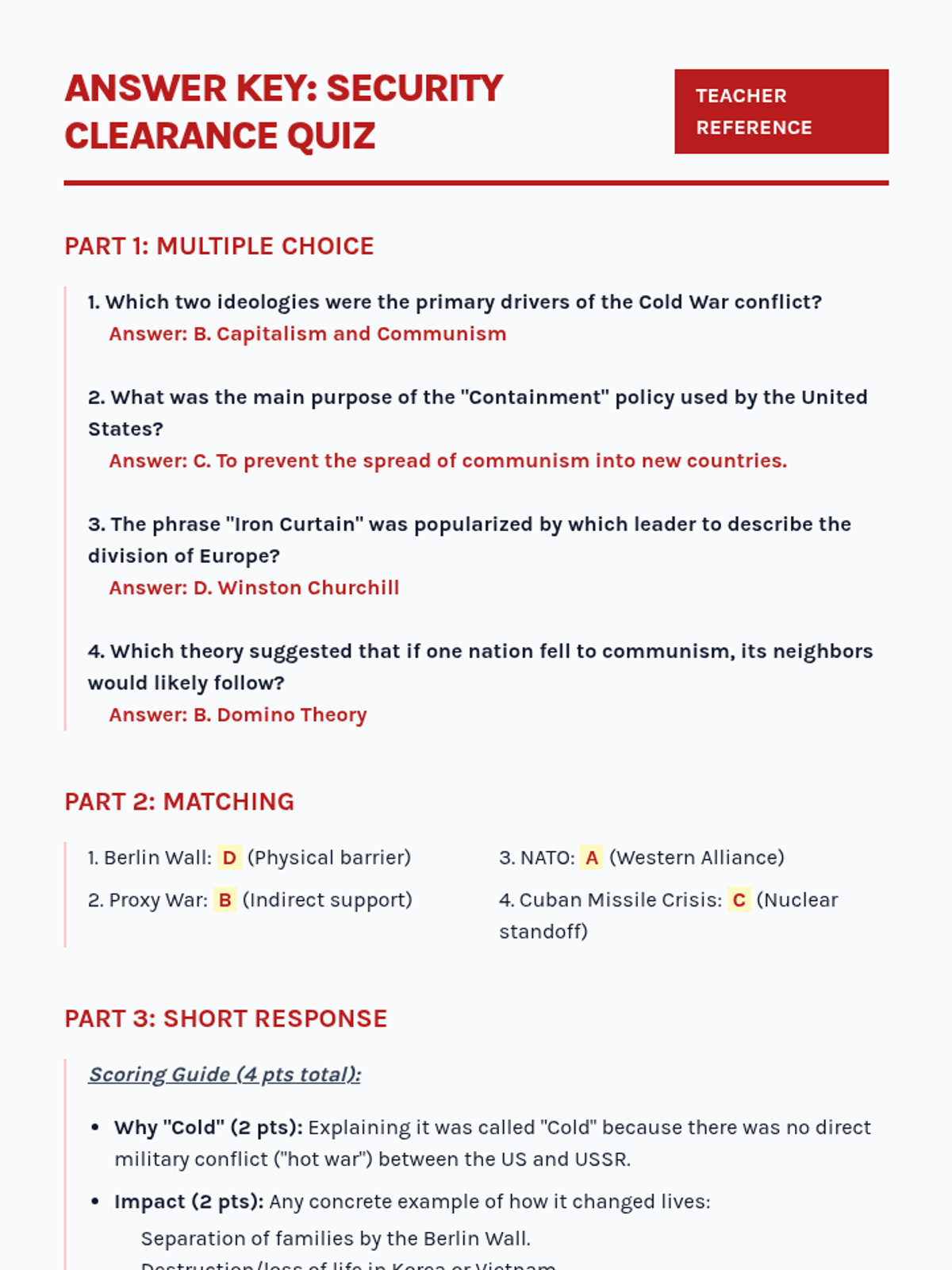
A comprehensive exploration of the Cold War's global impact, focusing on proxy wars in Korea and Vietnam, the division of Europe and the Berlin Wall, and the Cuban Missile Crisis. Students will analyze how the superpower rivalry reshaped the 20th-century world.
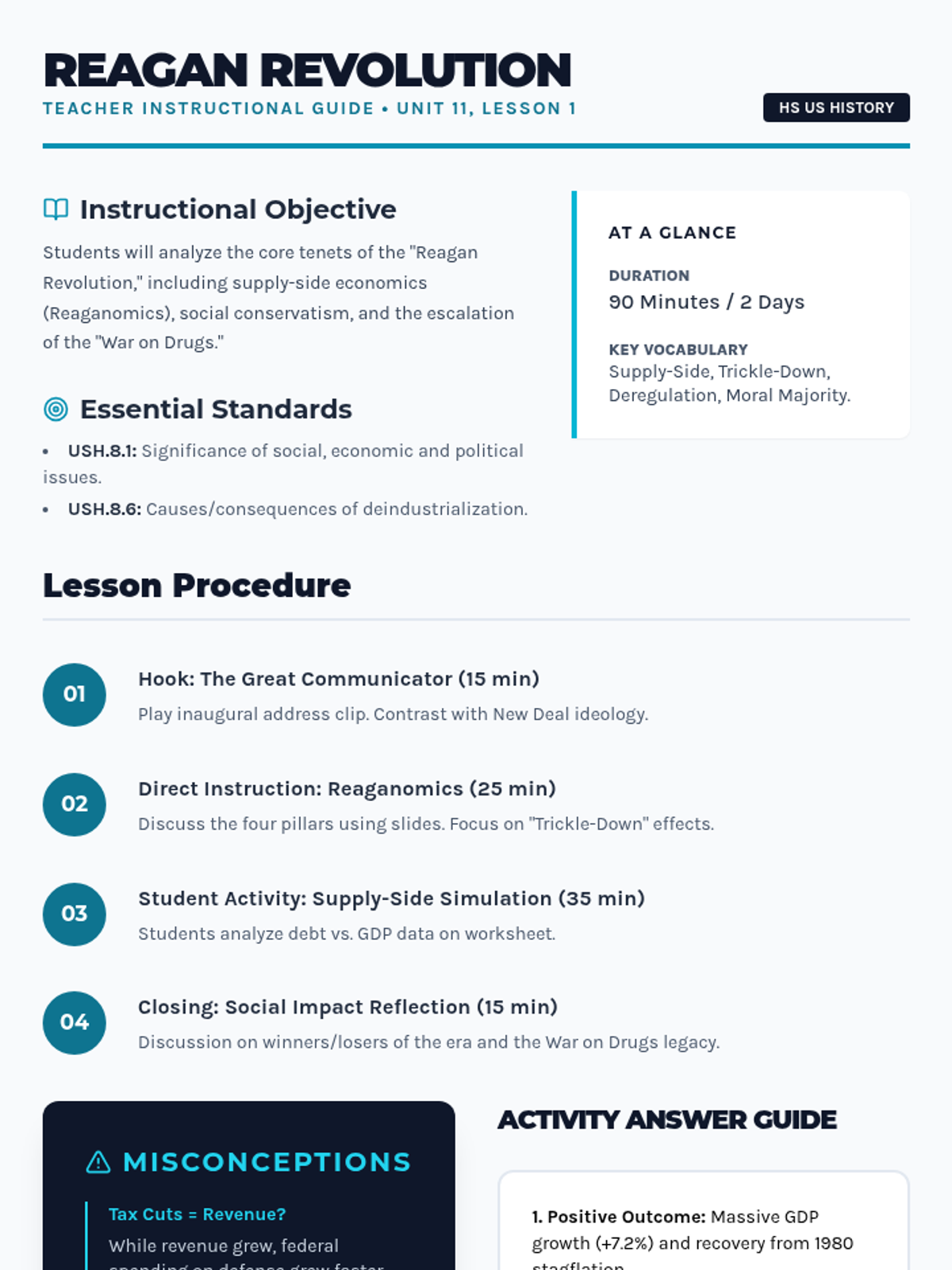
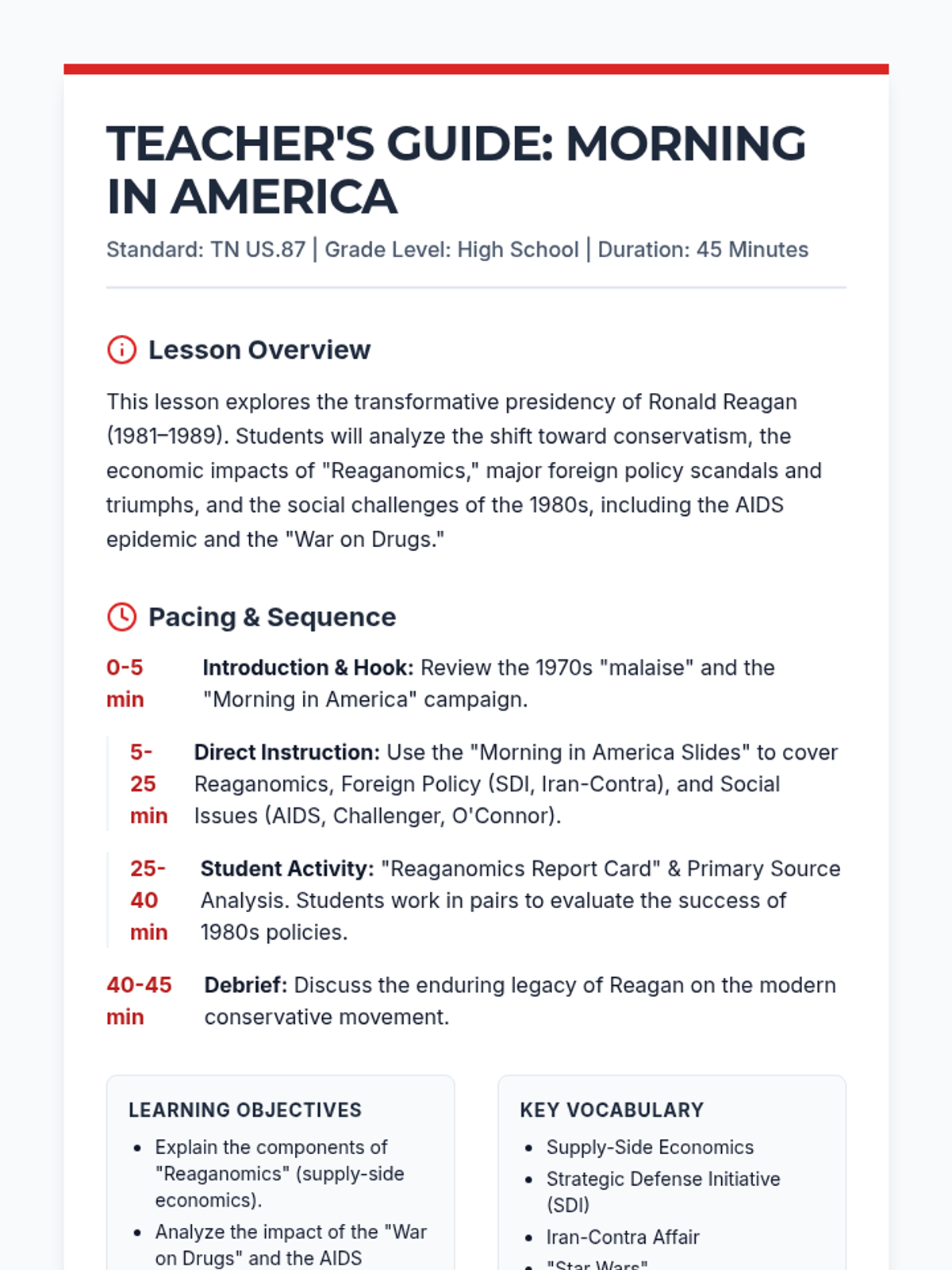
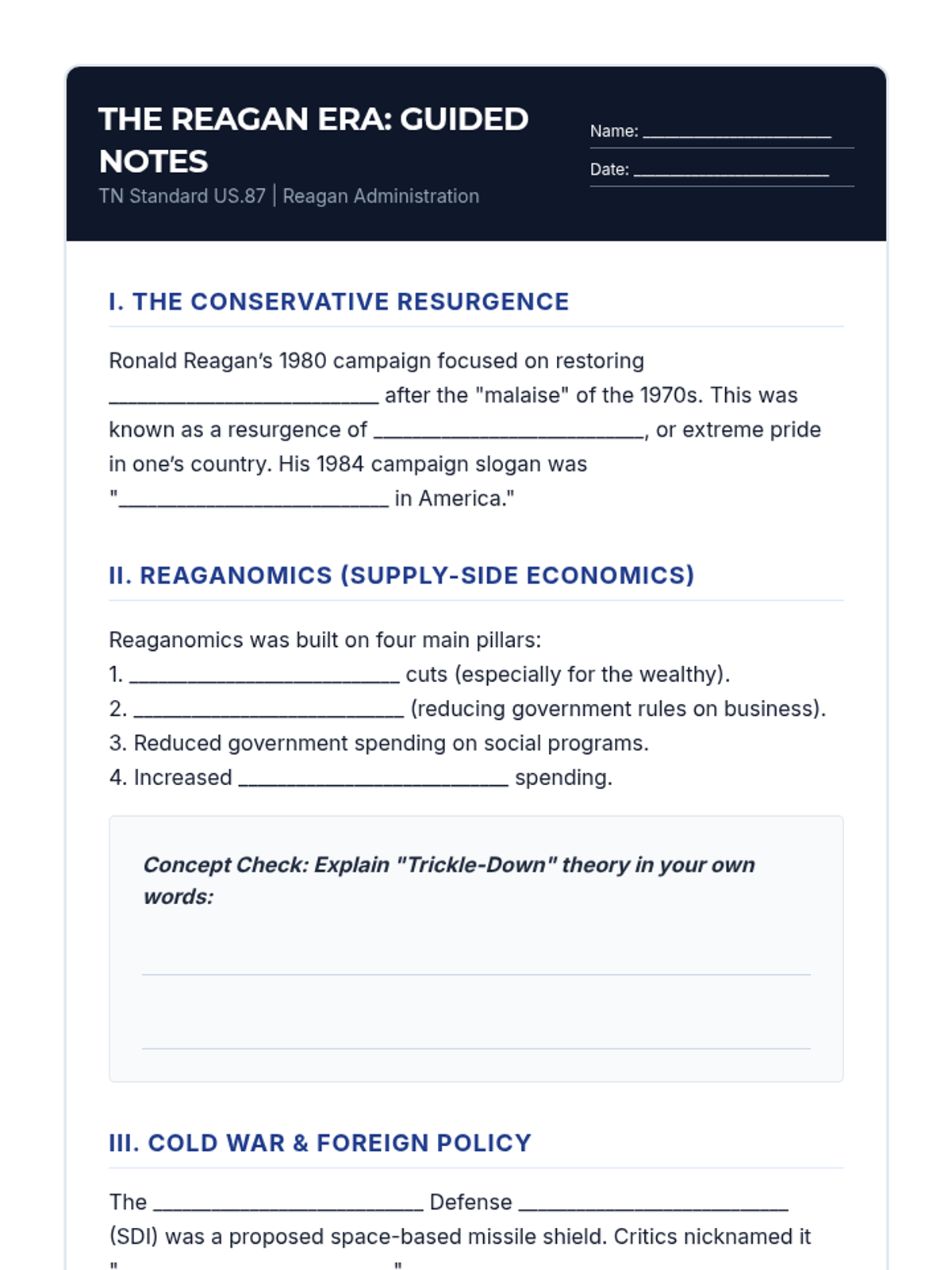
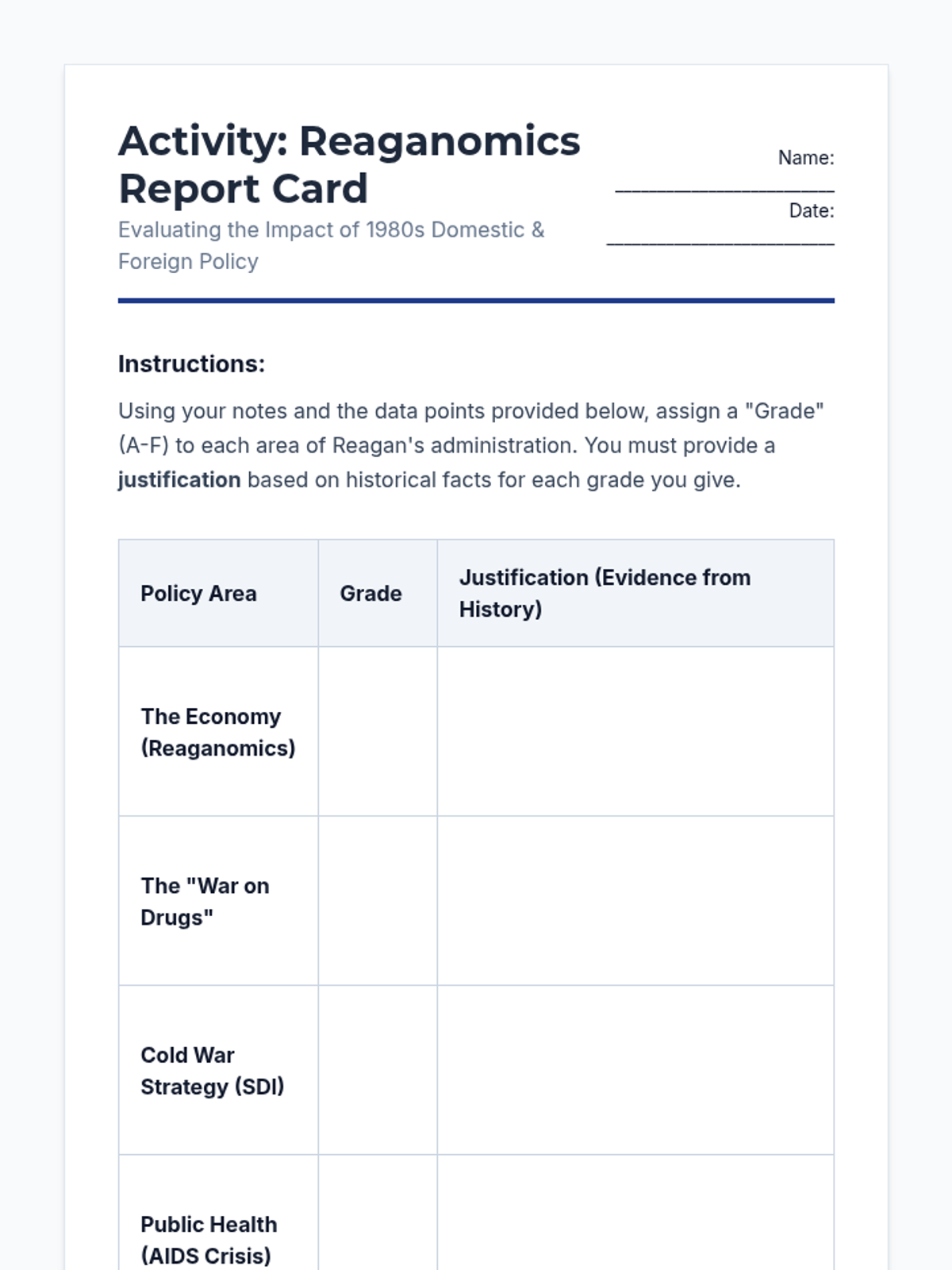
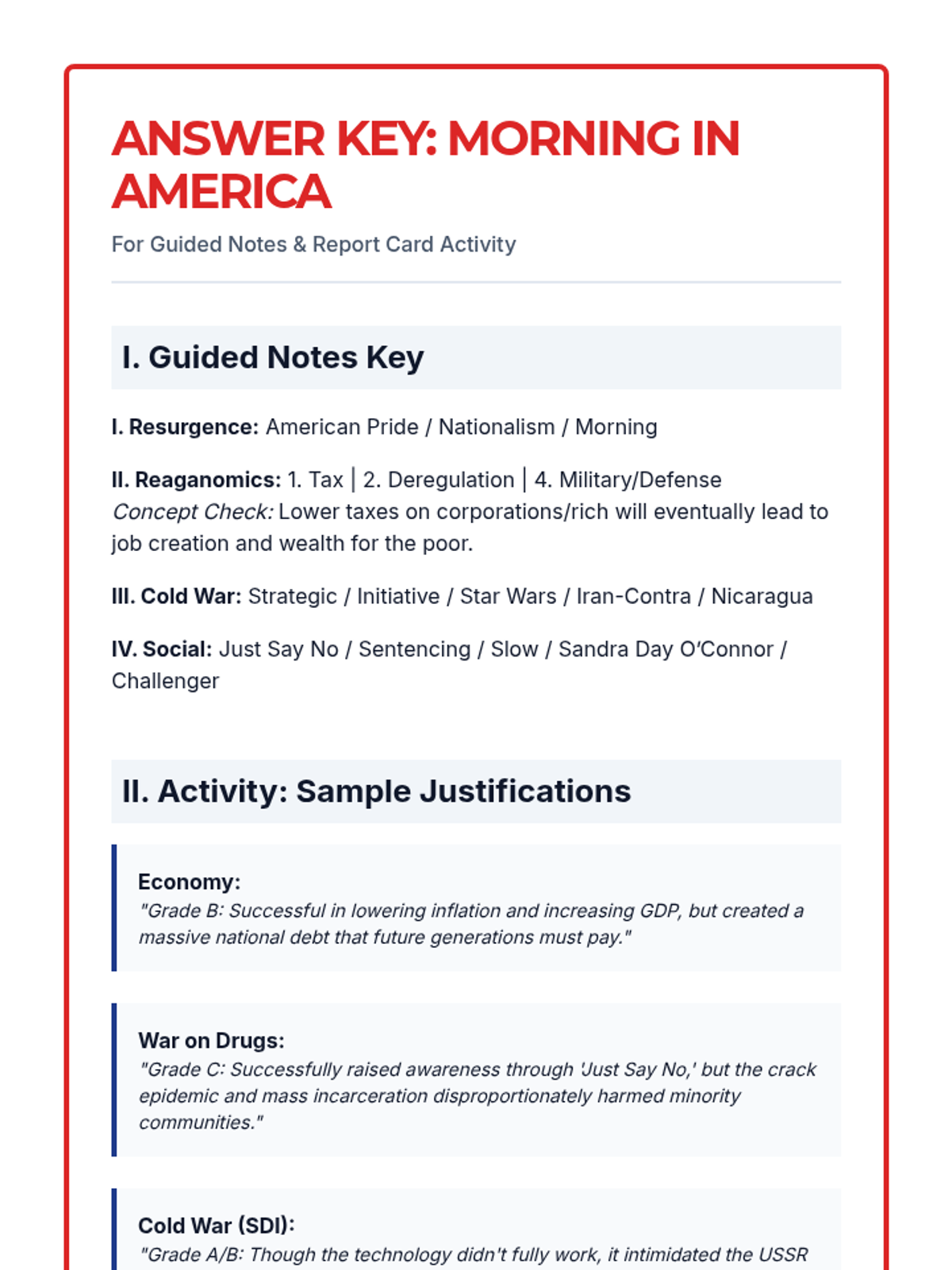
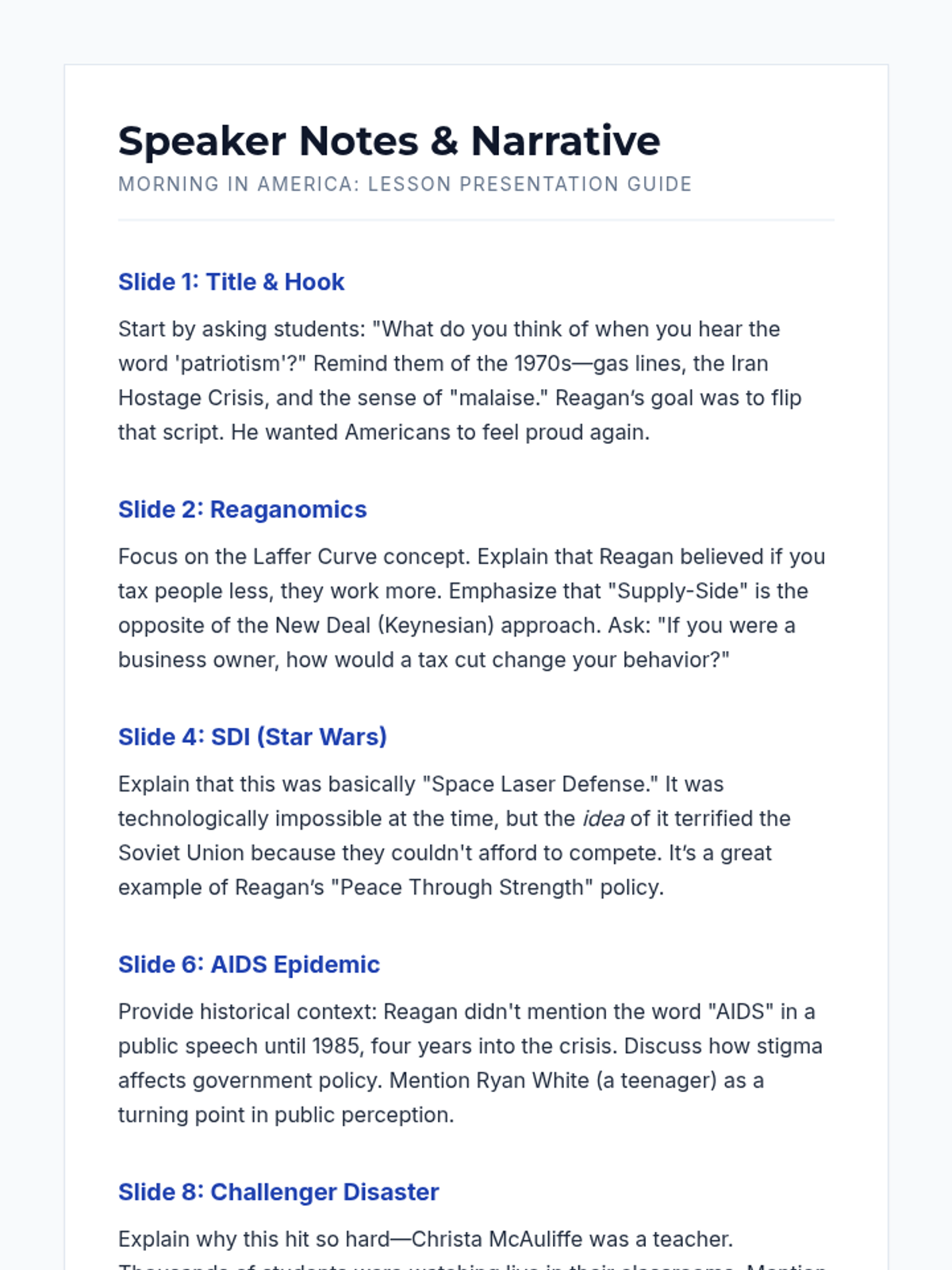
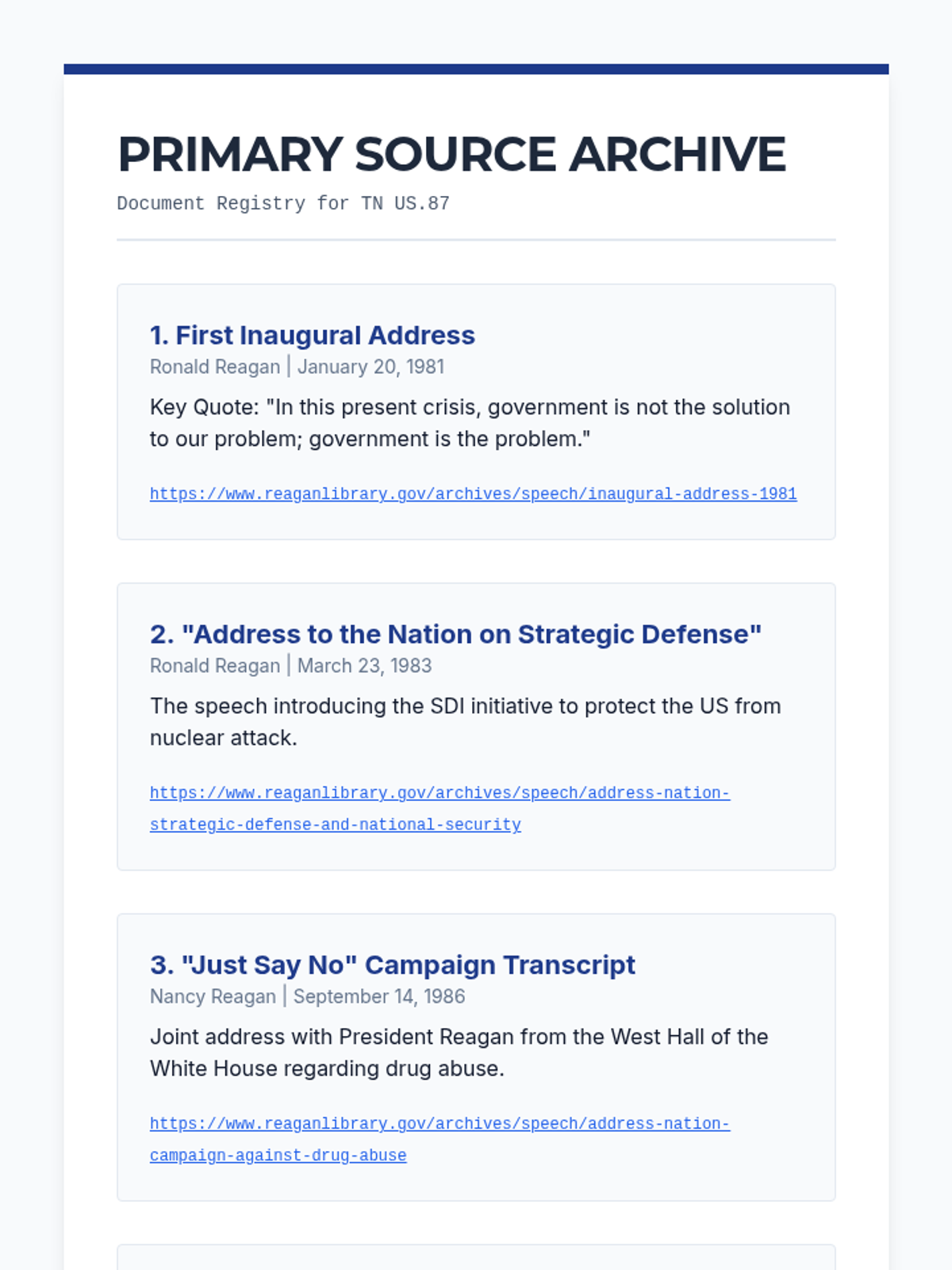
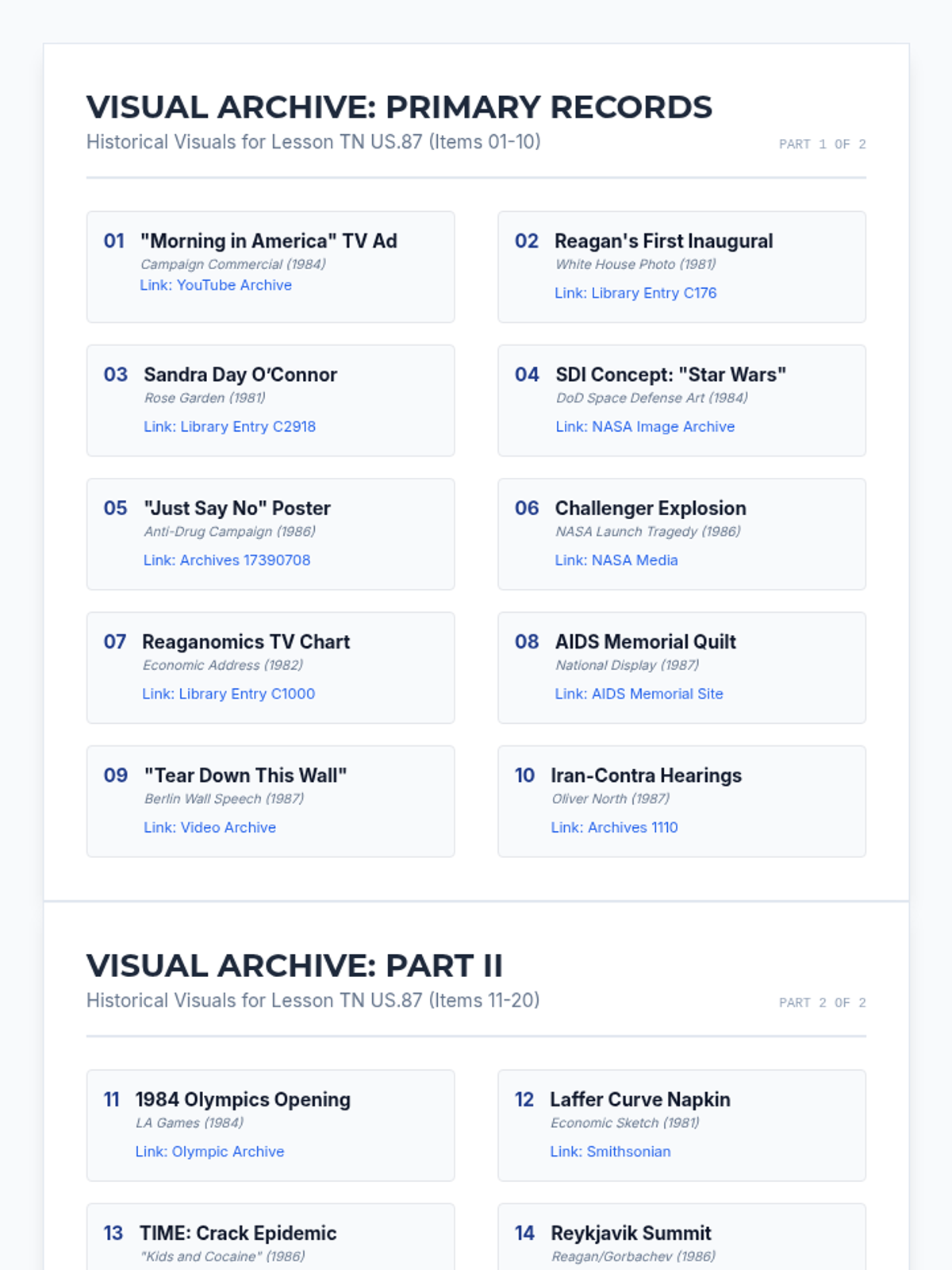
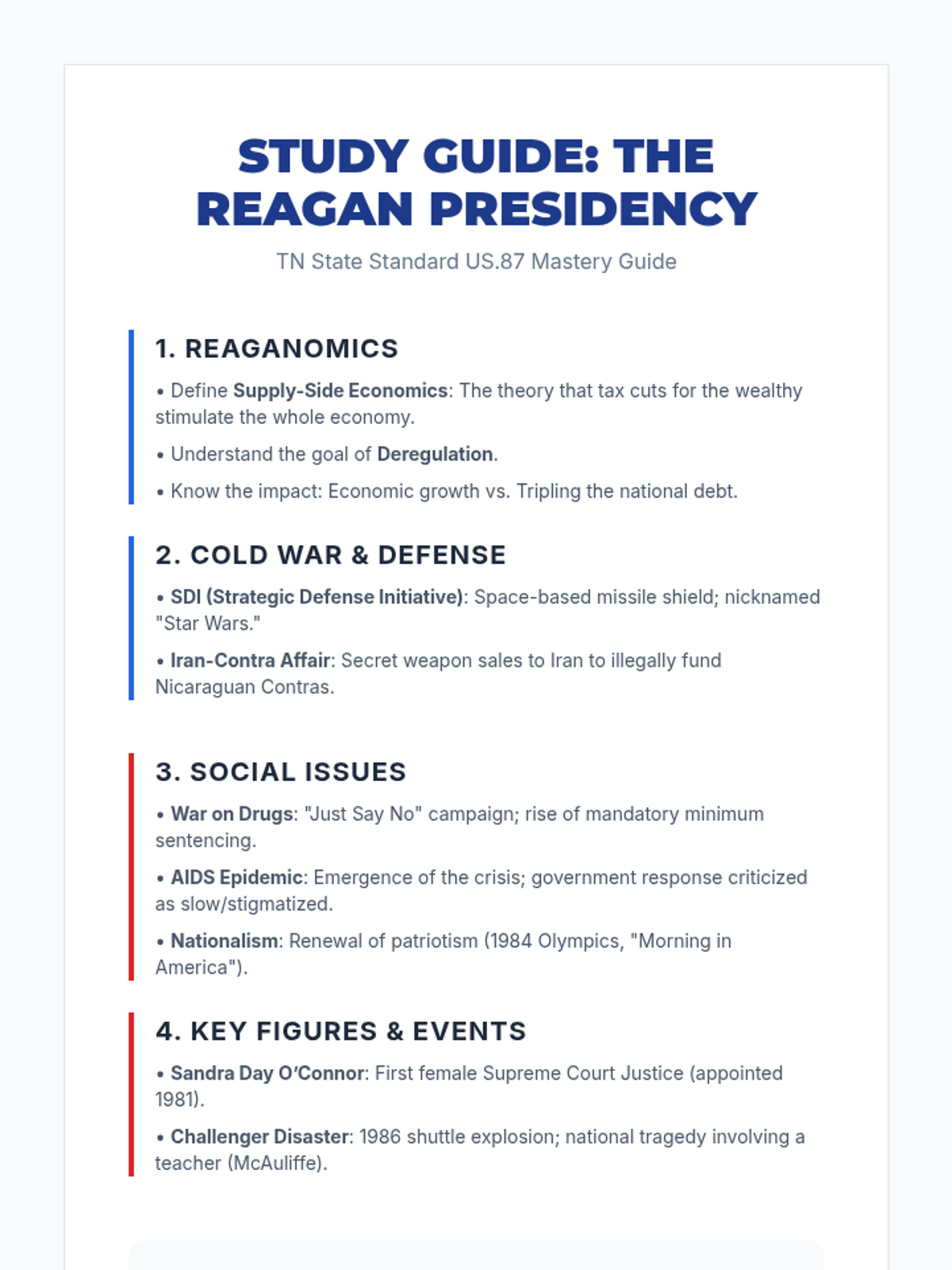
A comprehensive high school history lesson covering the presidency of Ronald Reagan, focusing on Reaganomics, the Cold War, and domestic social issues as aligned with TN Standard US.87.
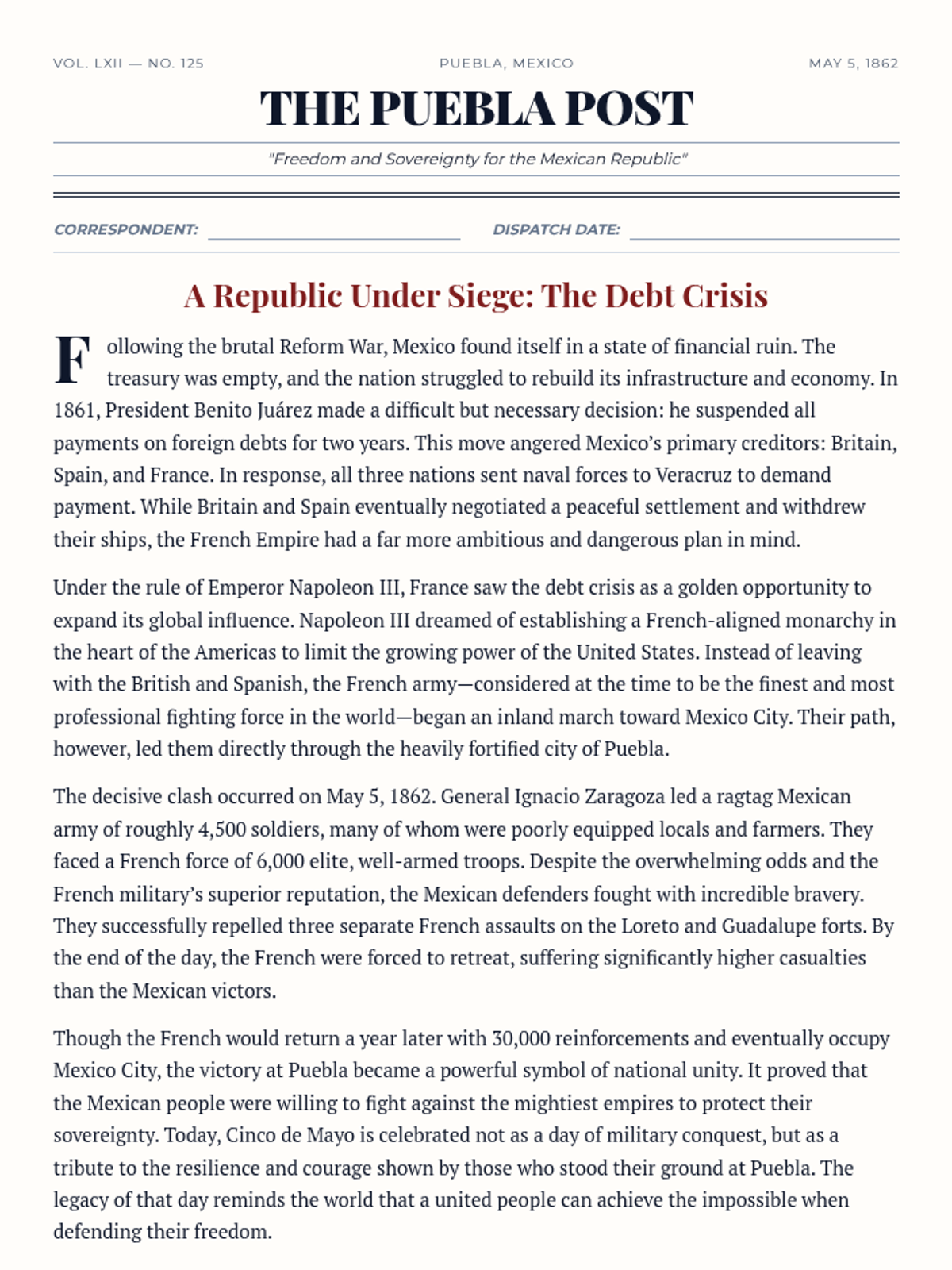
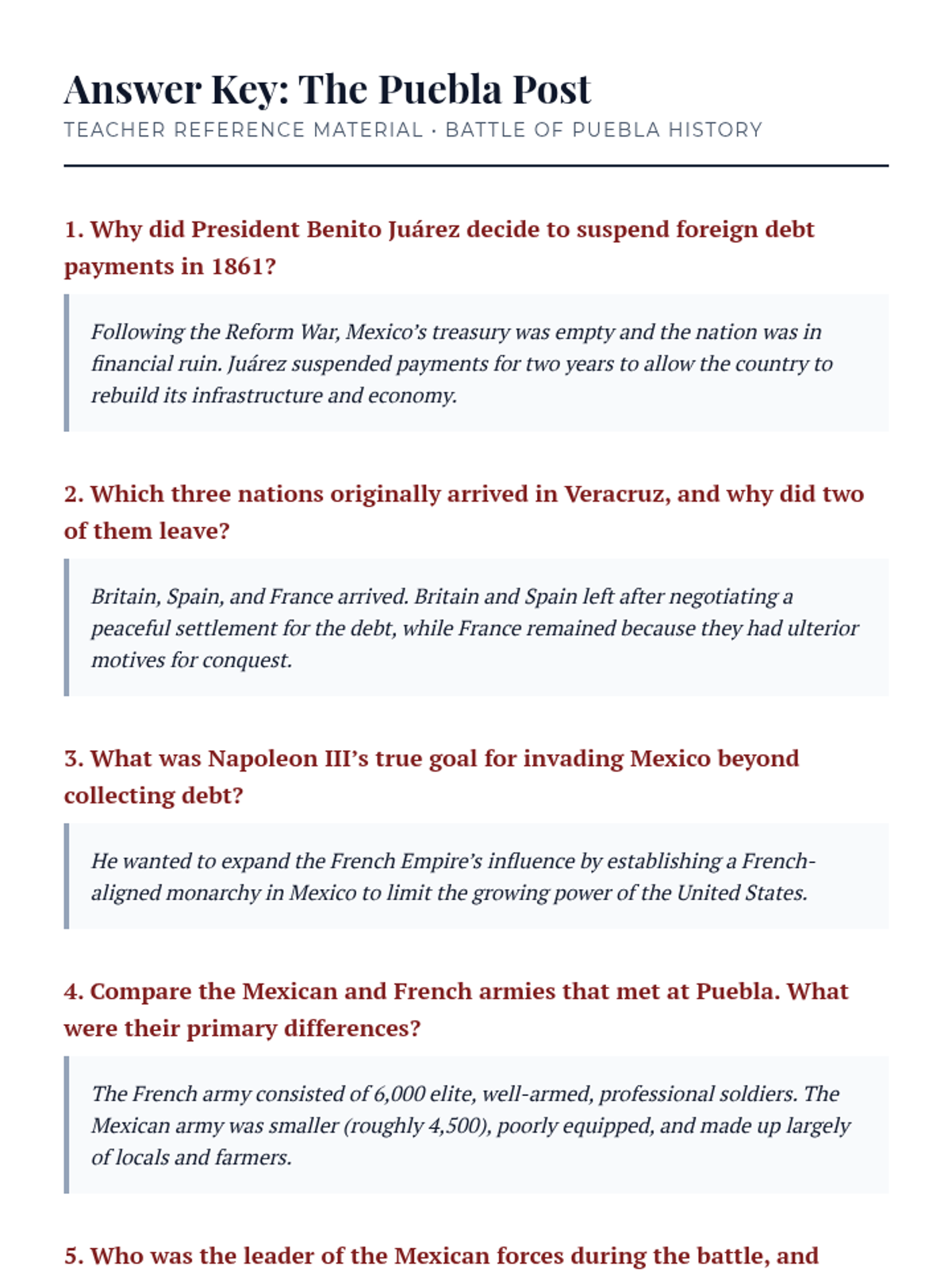
A lesson exploring the historical roots of Cinco de Mayo, focusing on the debt crisis and the Battle of Puebla.
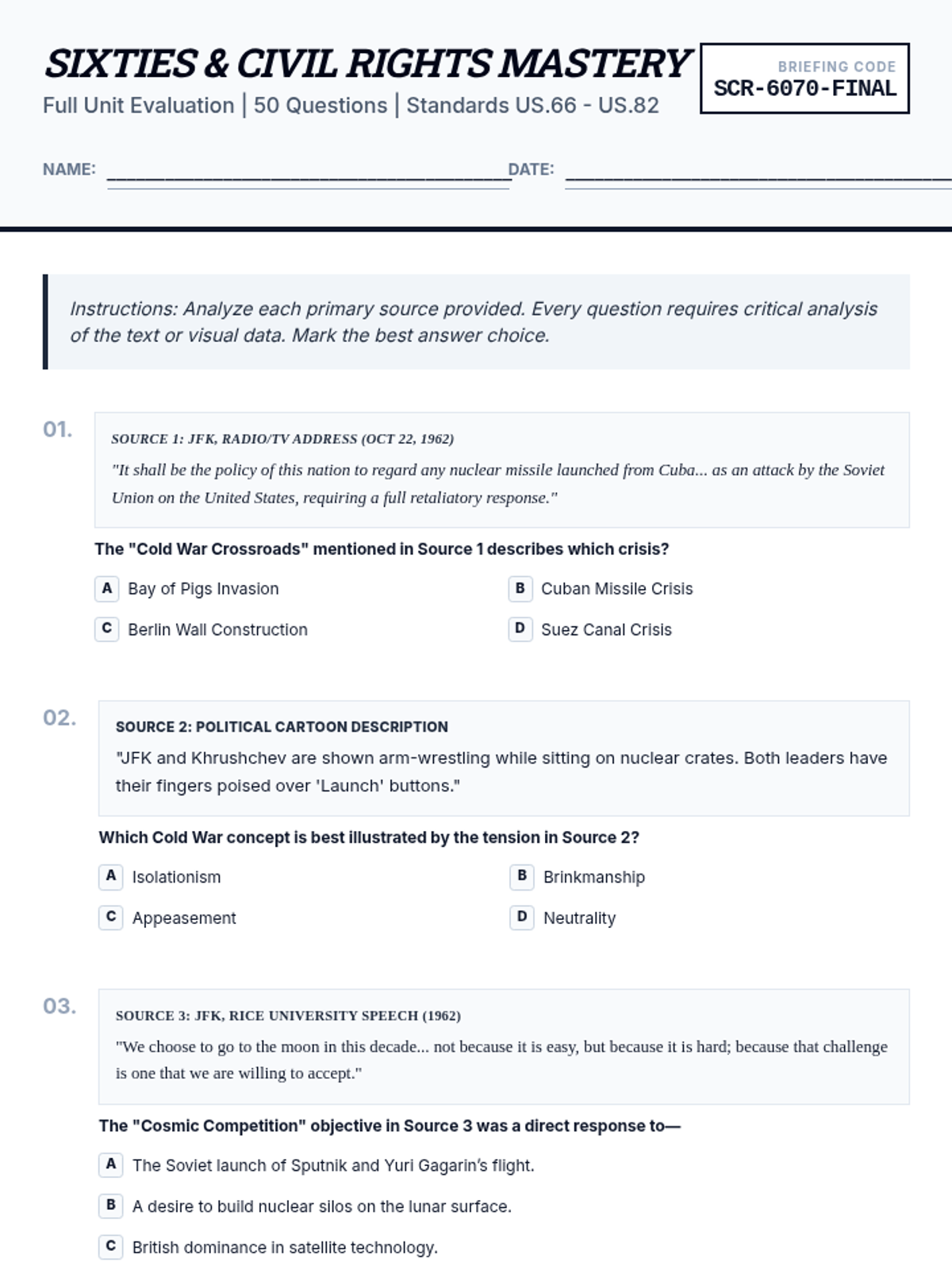
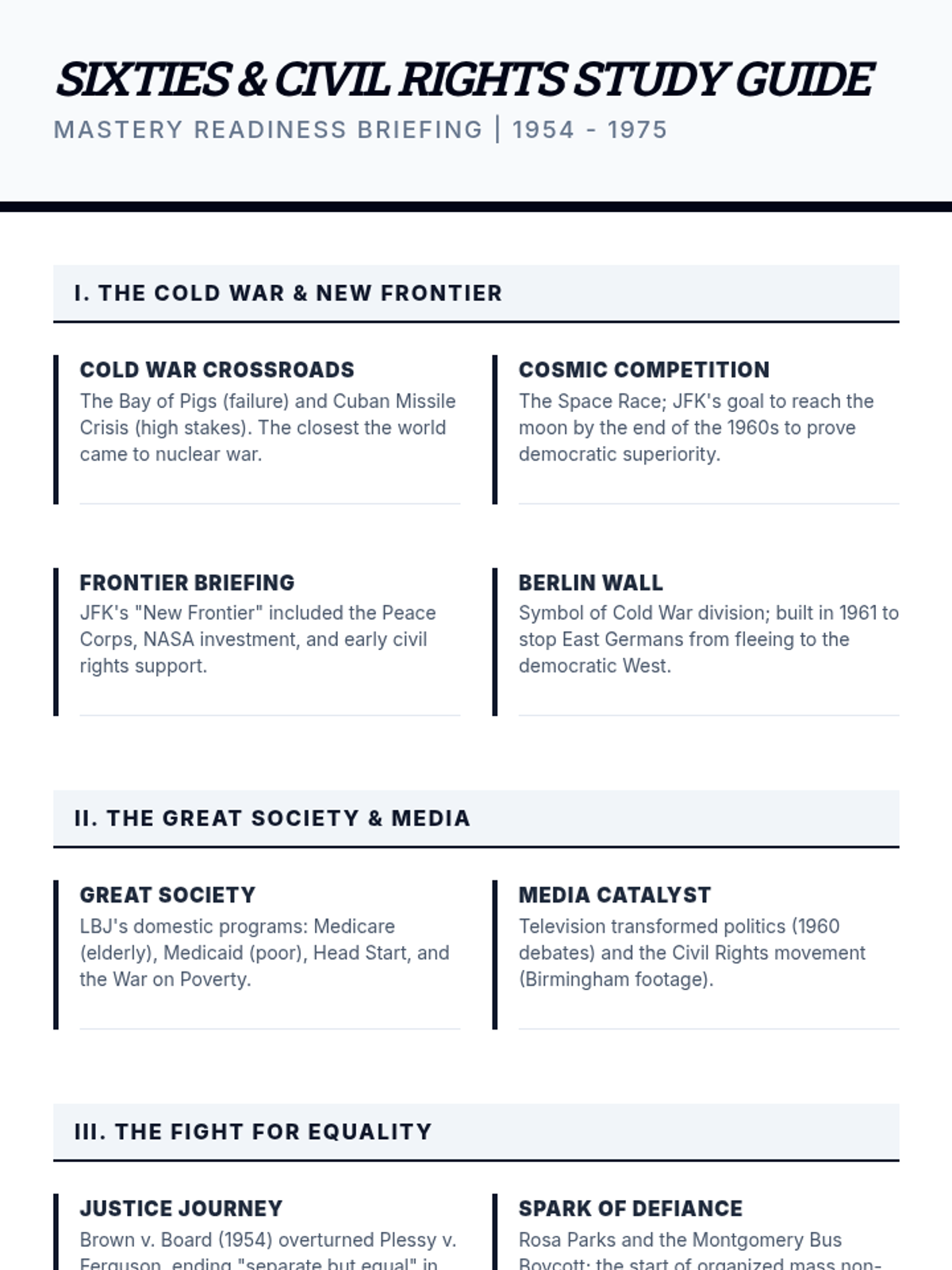
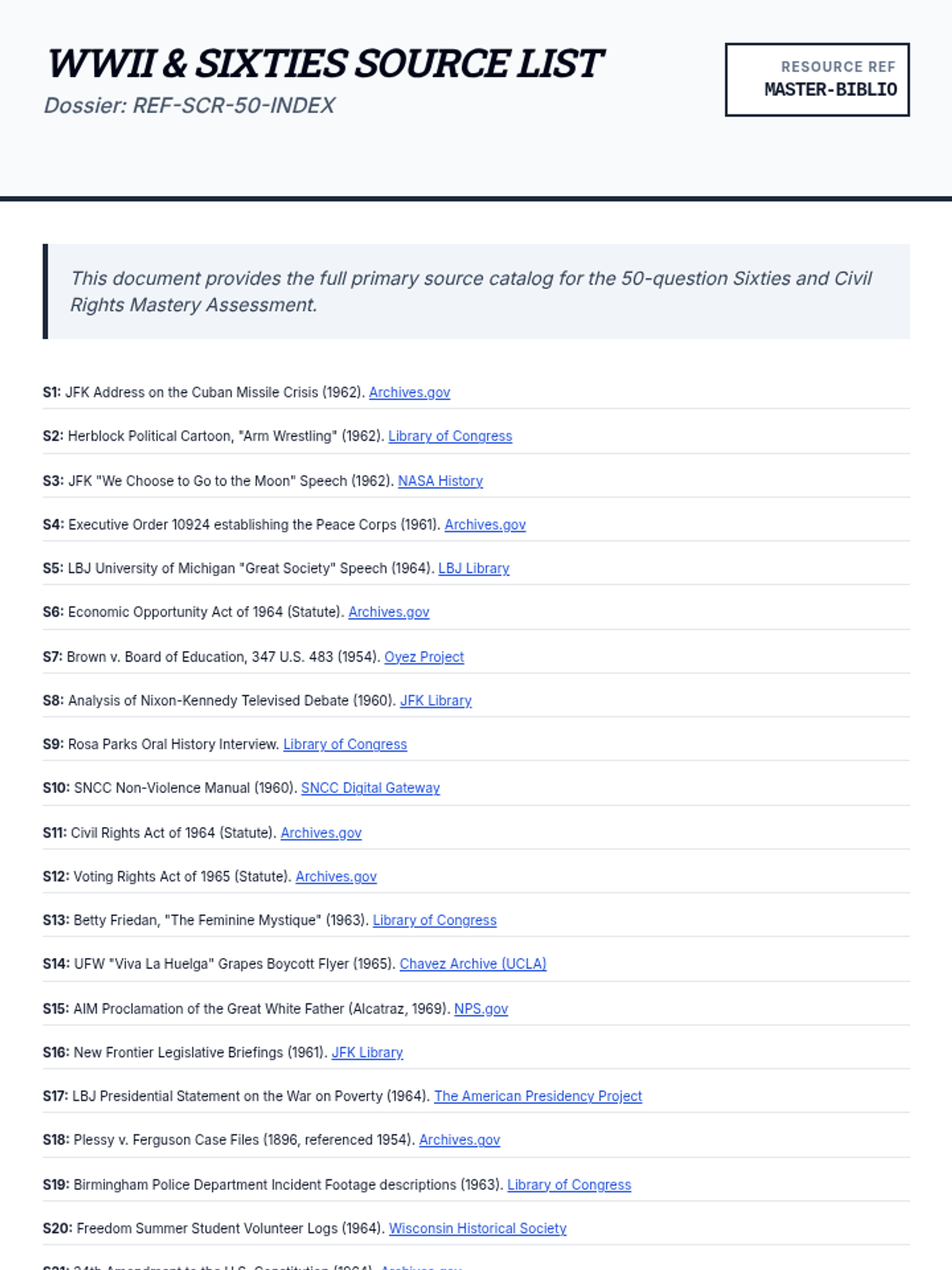
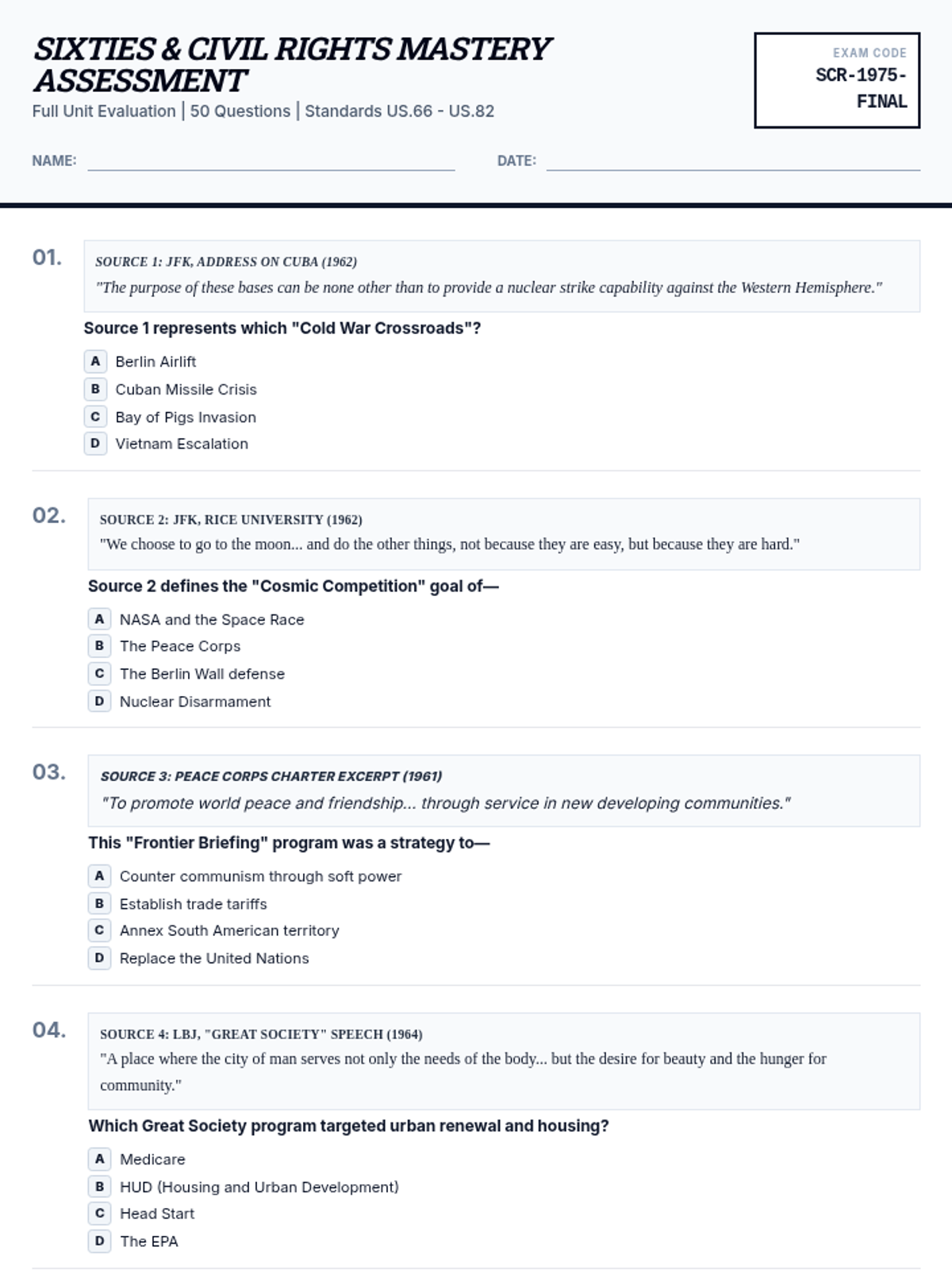
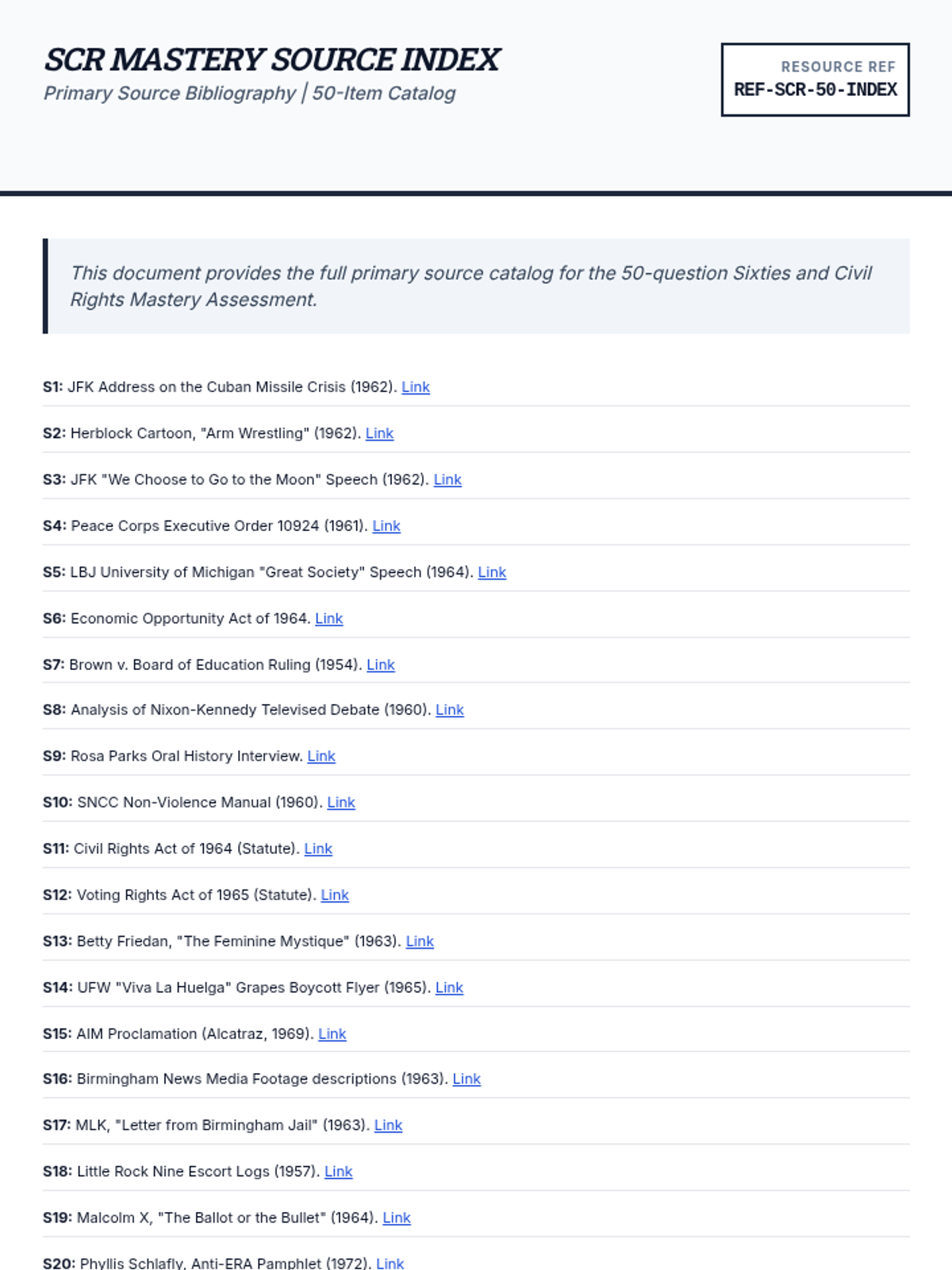
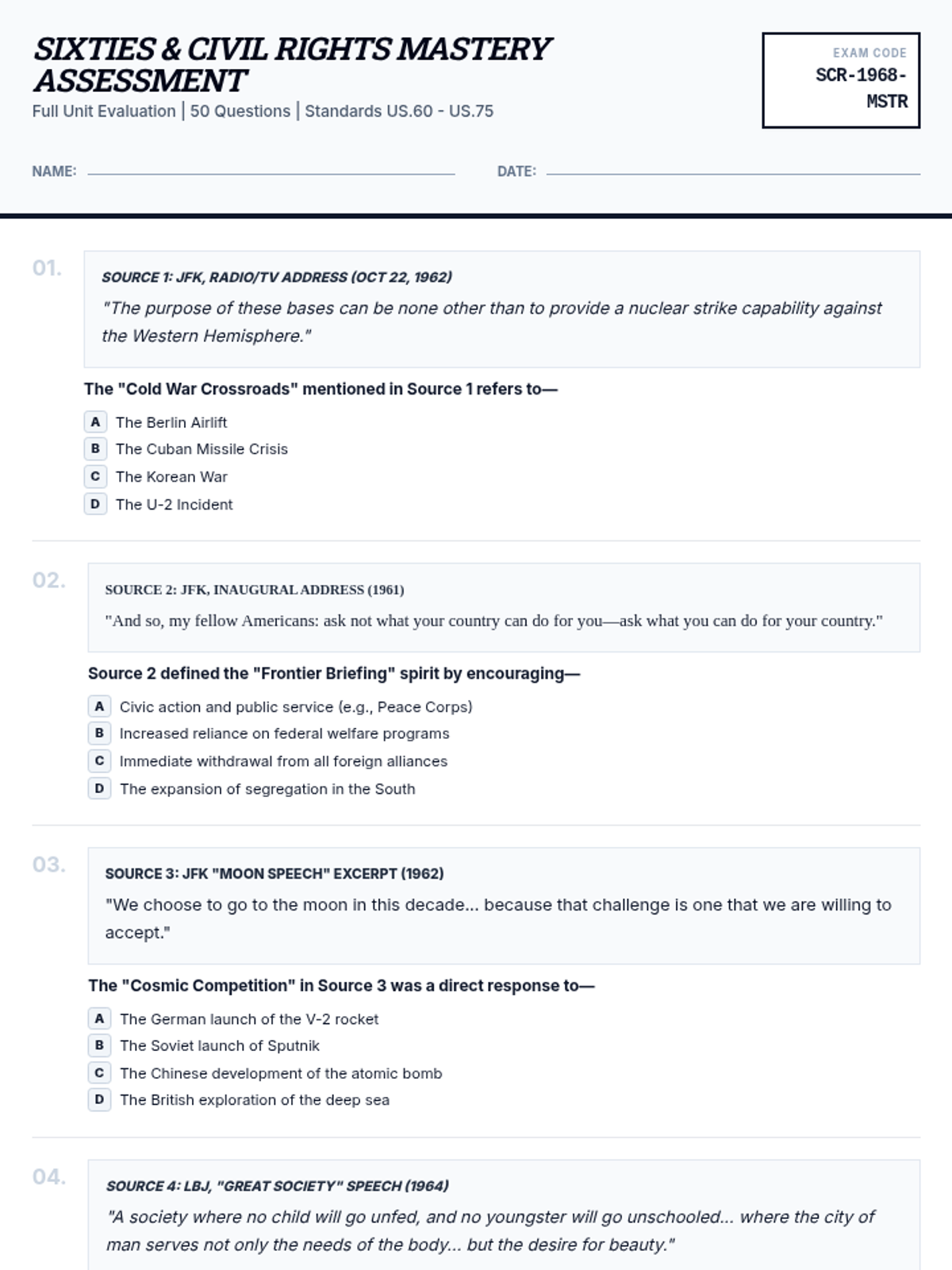
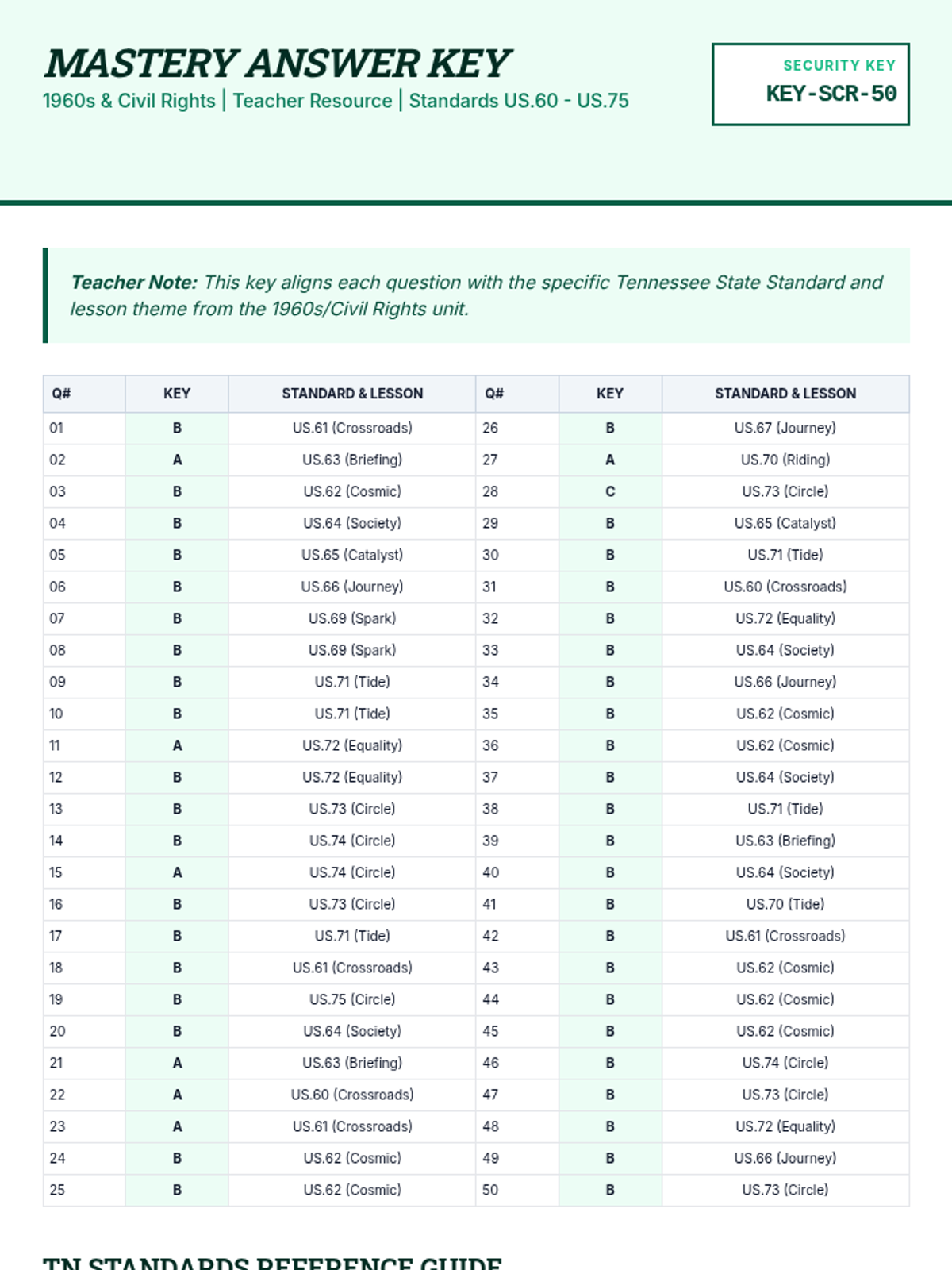
Mastery assessment for the 1960s and Civil Rights Era, covering JFK, LBJ, the Space Race, and the various movements for equality.
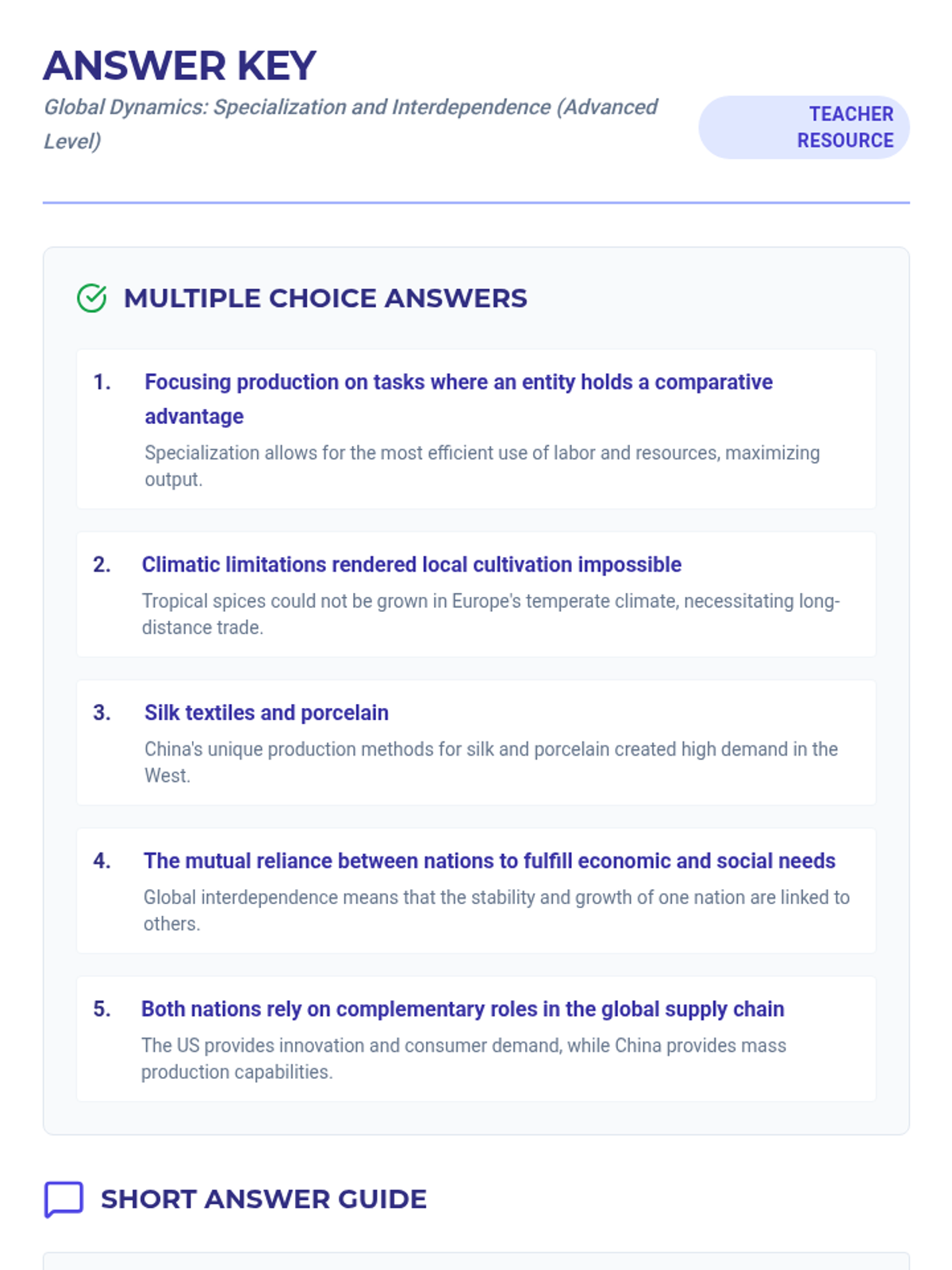
This lesson introduces students to the concepts of specialization, trade, and economic interdependence using historical and modern examples. Students will explore how individuals and nations rely on each other to fulfill their needs and wants.
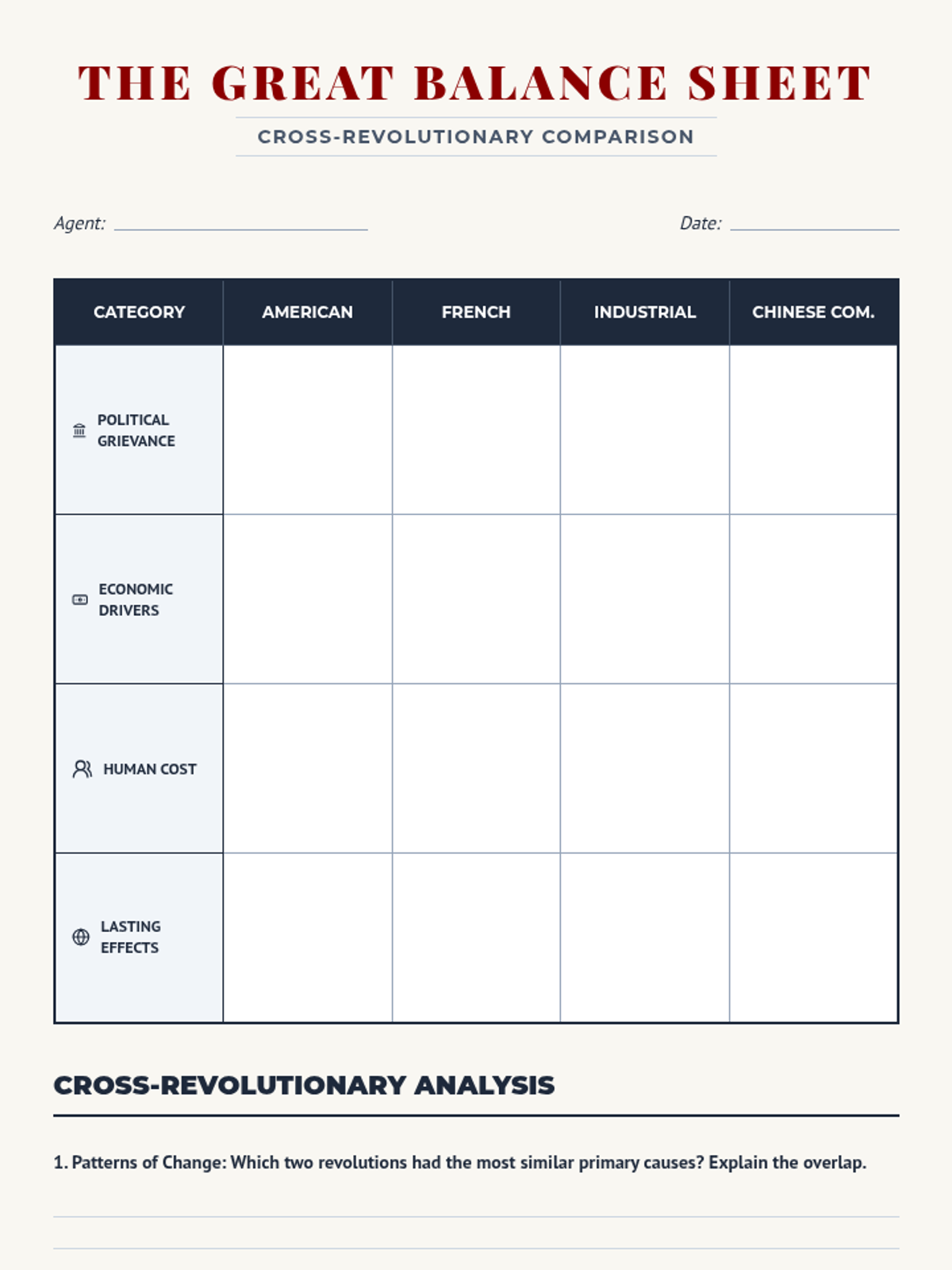
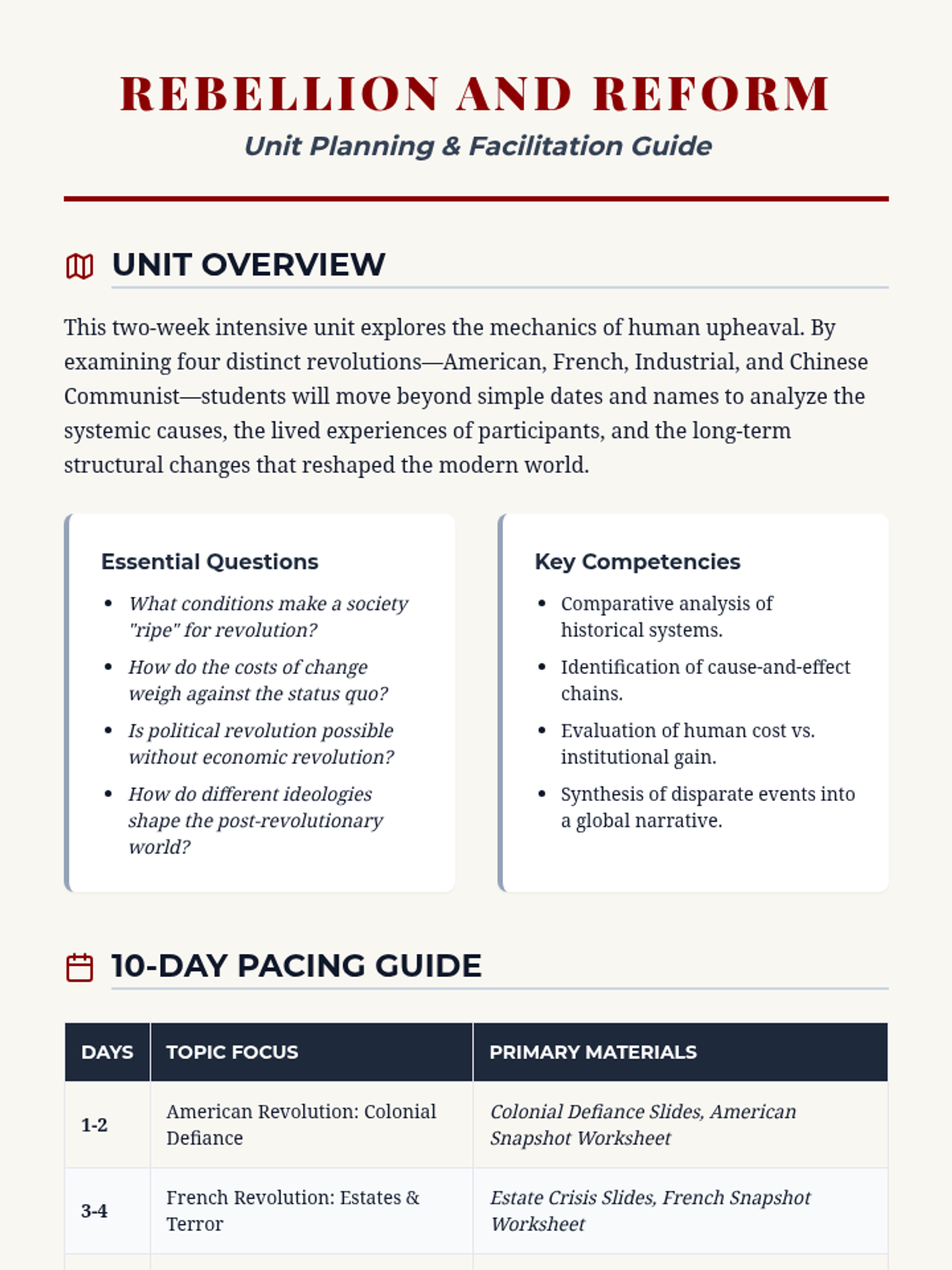
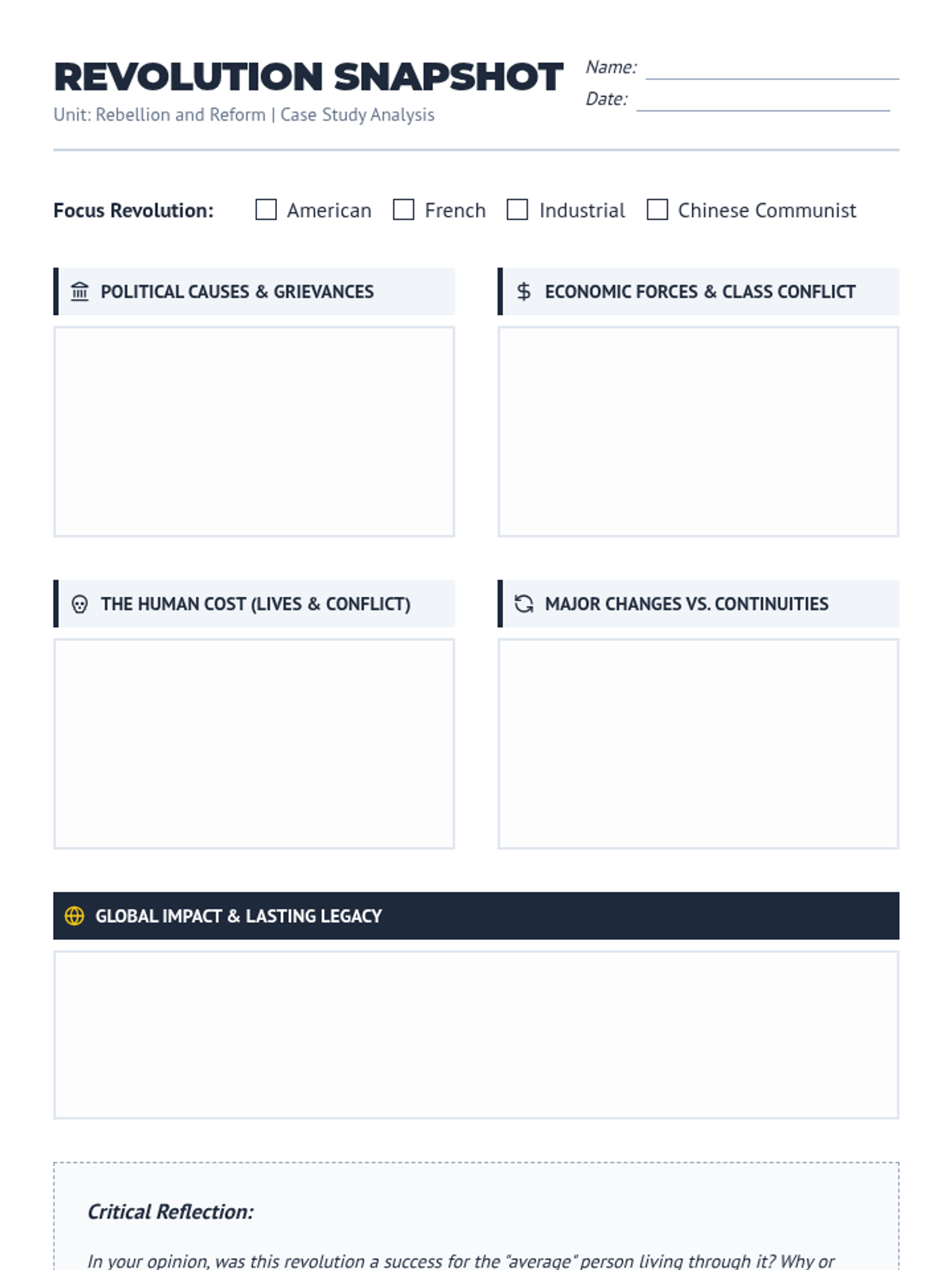
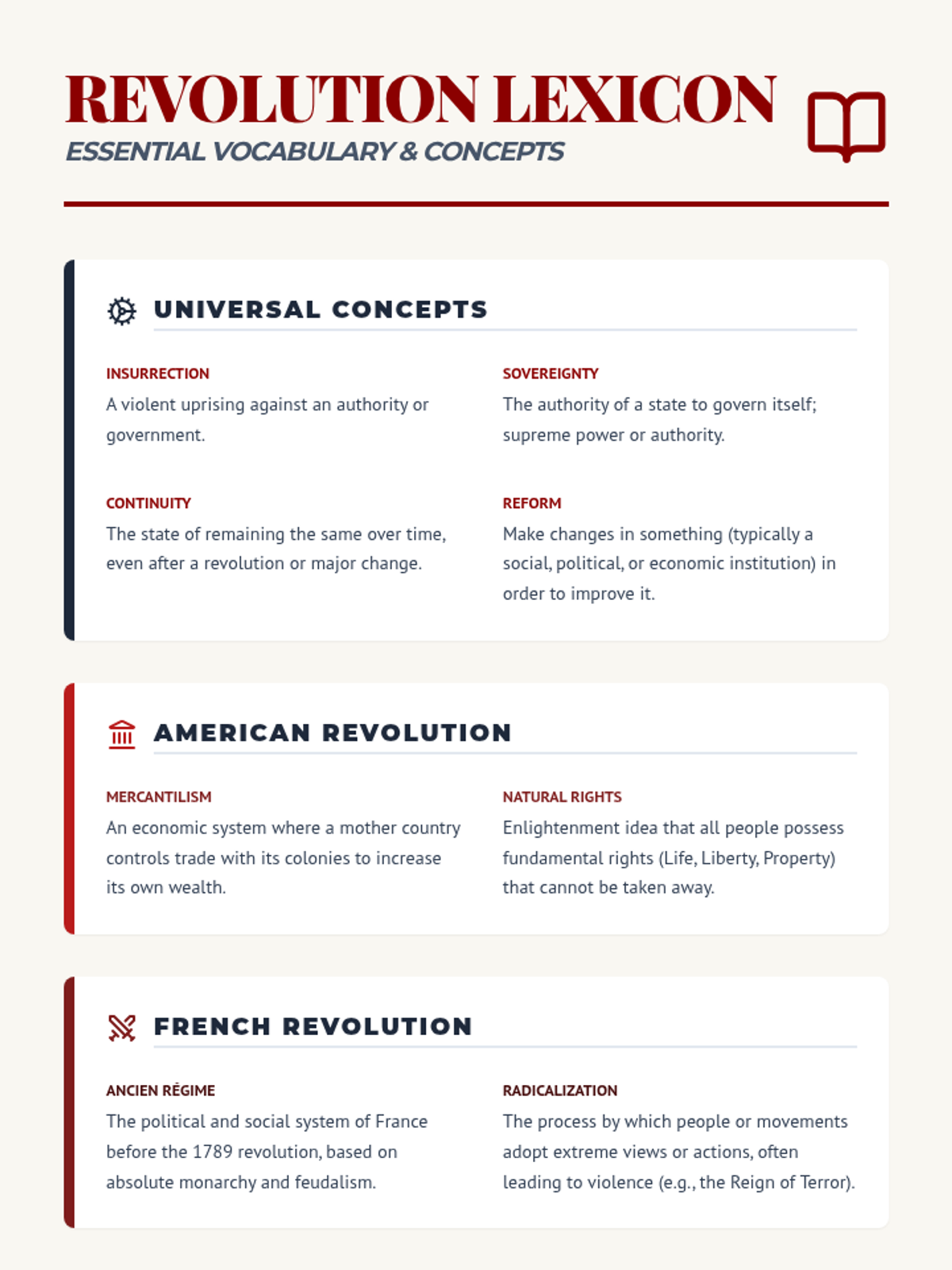
A synthesis lesson where students compare and contrast all four revolutions using comprehensive graphic organizers and critical thinking prompts.
Traces the fall of the Qing Dynasty, the rise of Mao Zedong, and the radical restructuring of Chinese society under Communism.
Explores the shift from agrarian economies to manufacturing hubs, the rise of urbanization, and the profound social changes of the 18th and 19th centuries.
Analyzes the collapse of the Ancien Régime, the radical transformation of French society, and the rise of Napoleon Bonaparte.
Examines the political and economic grievances of the 13 colonies, the ideological shift toward democracy, and the establishment of the United States.
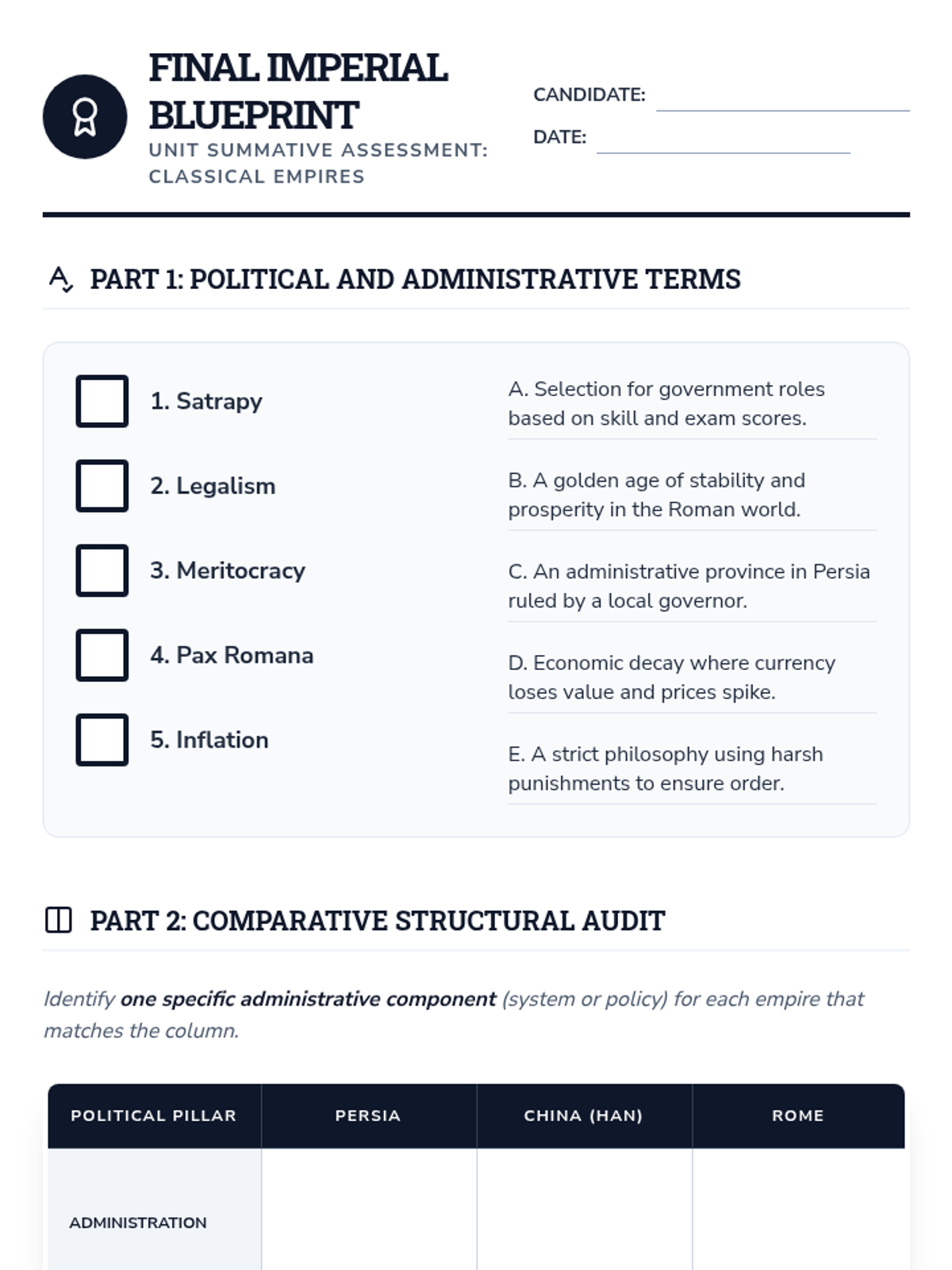
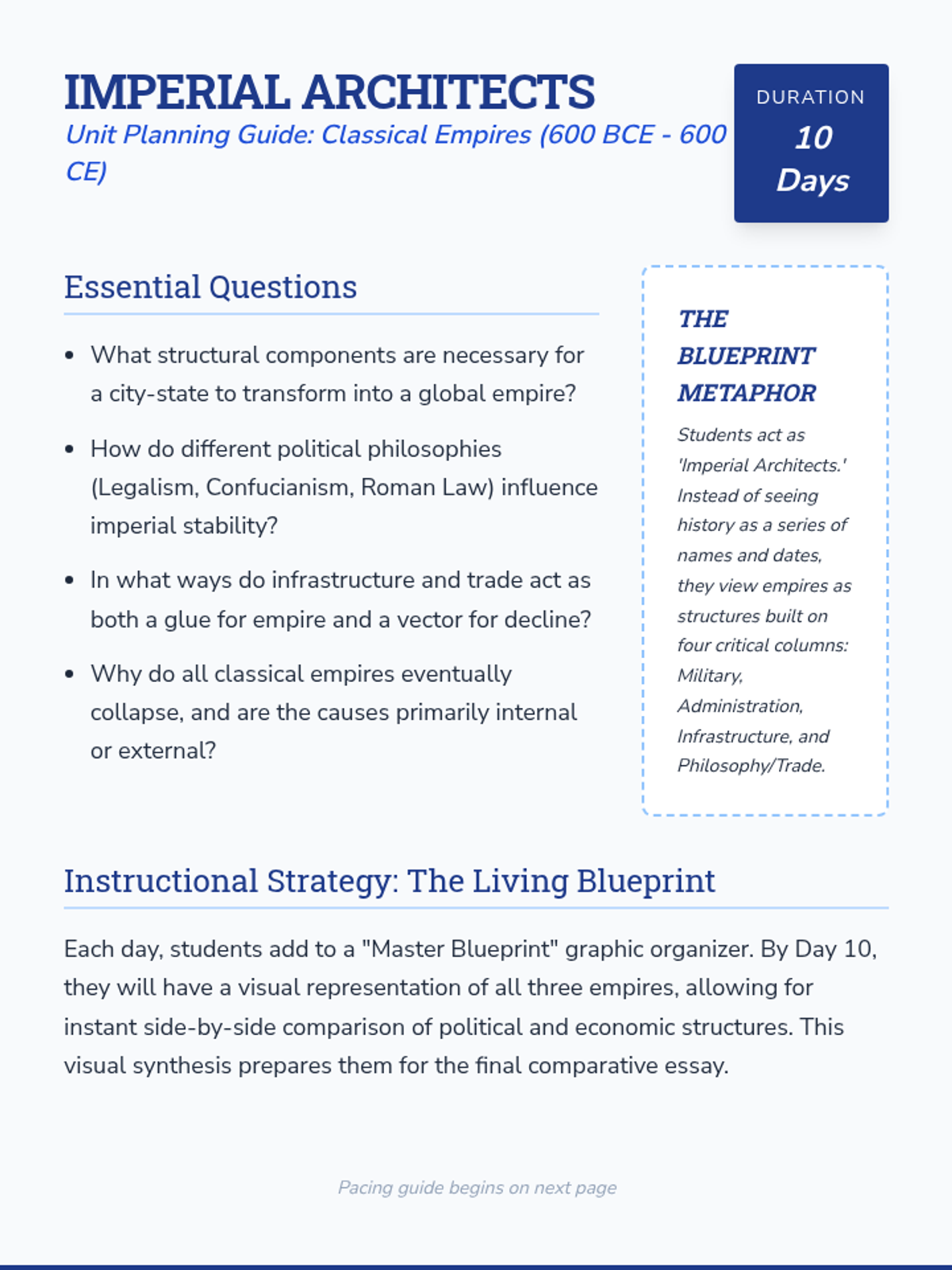
A final comparative analysis of all three empires (Persia, China, Rome), evaluating the universal patterns of imperial rise and fall.
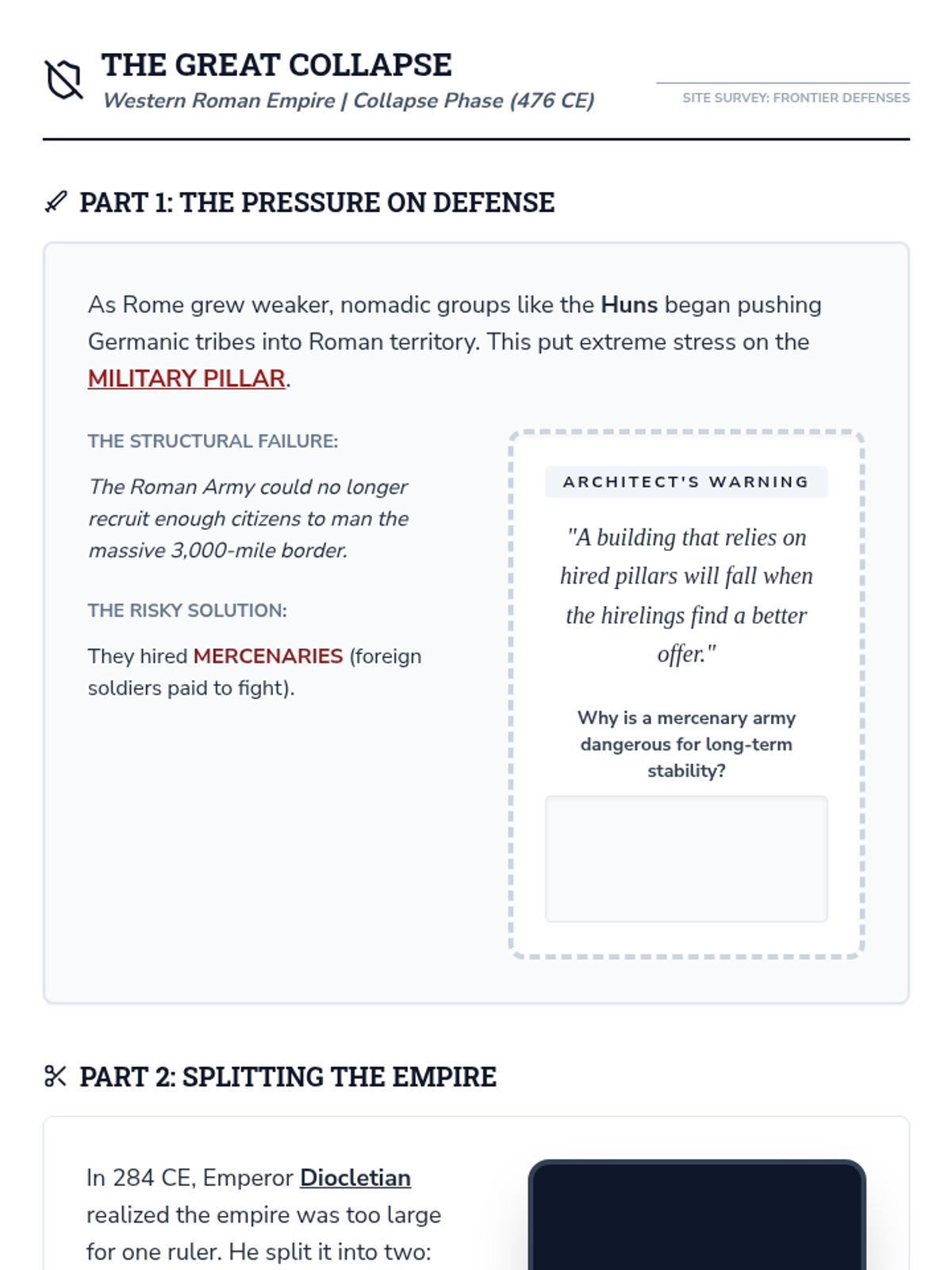
Examine the external pressures and final stages of the Roman Empire's collapse in the West.
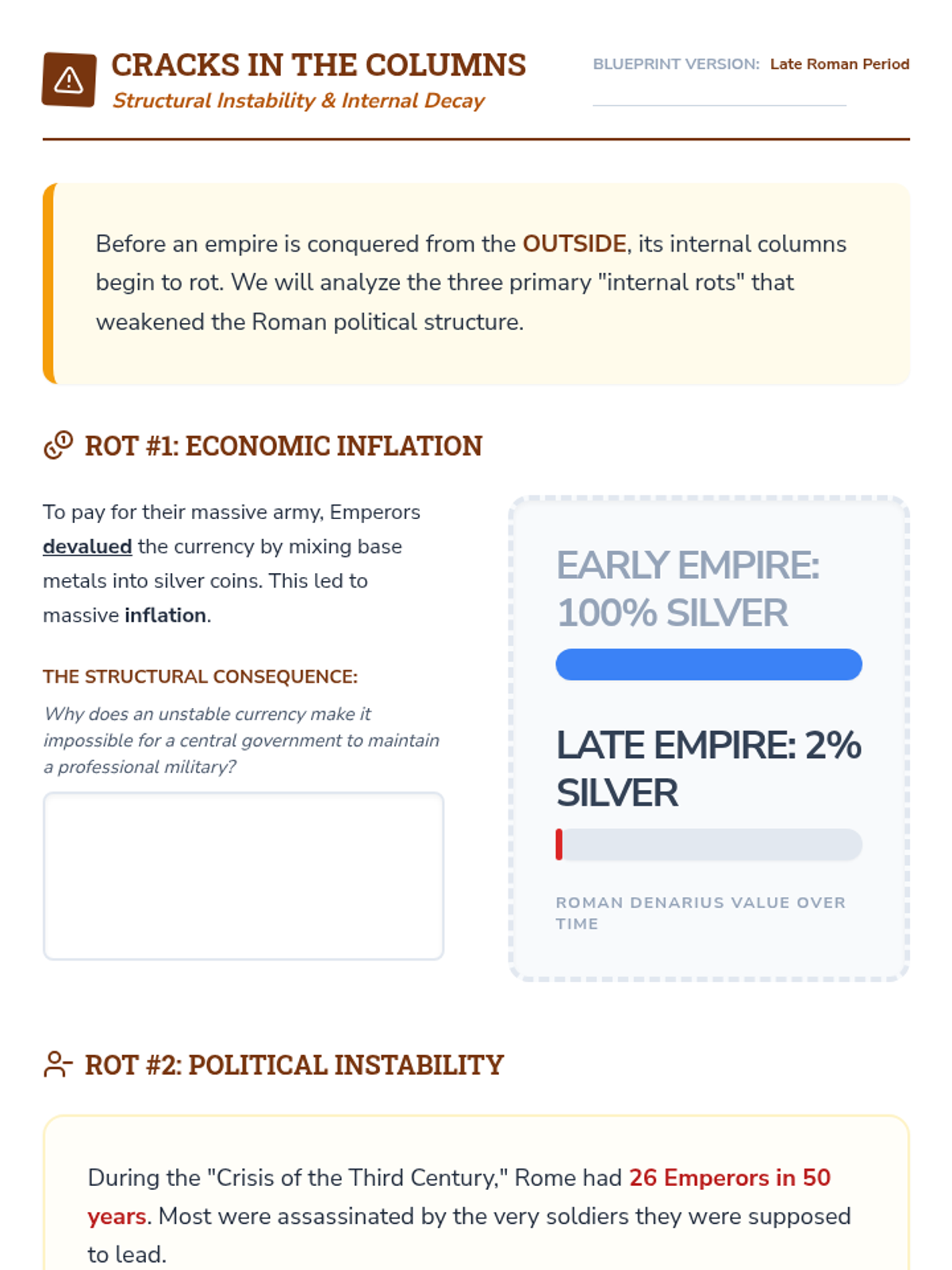
Identify the internal factors—economic inflation, political corruption, and social inequality—that weakened the Roman Empire.
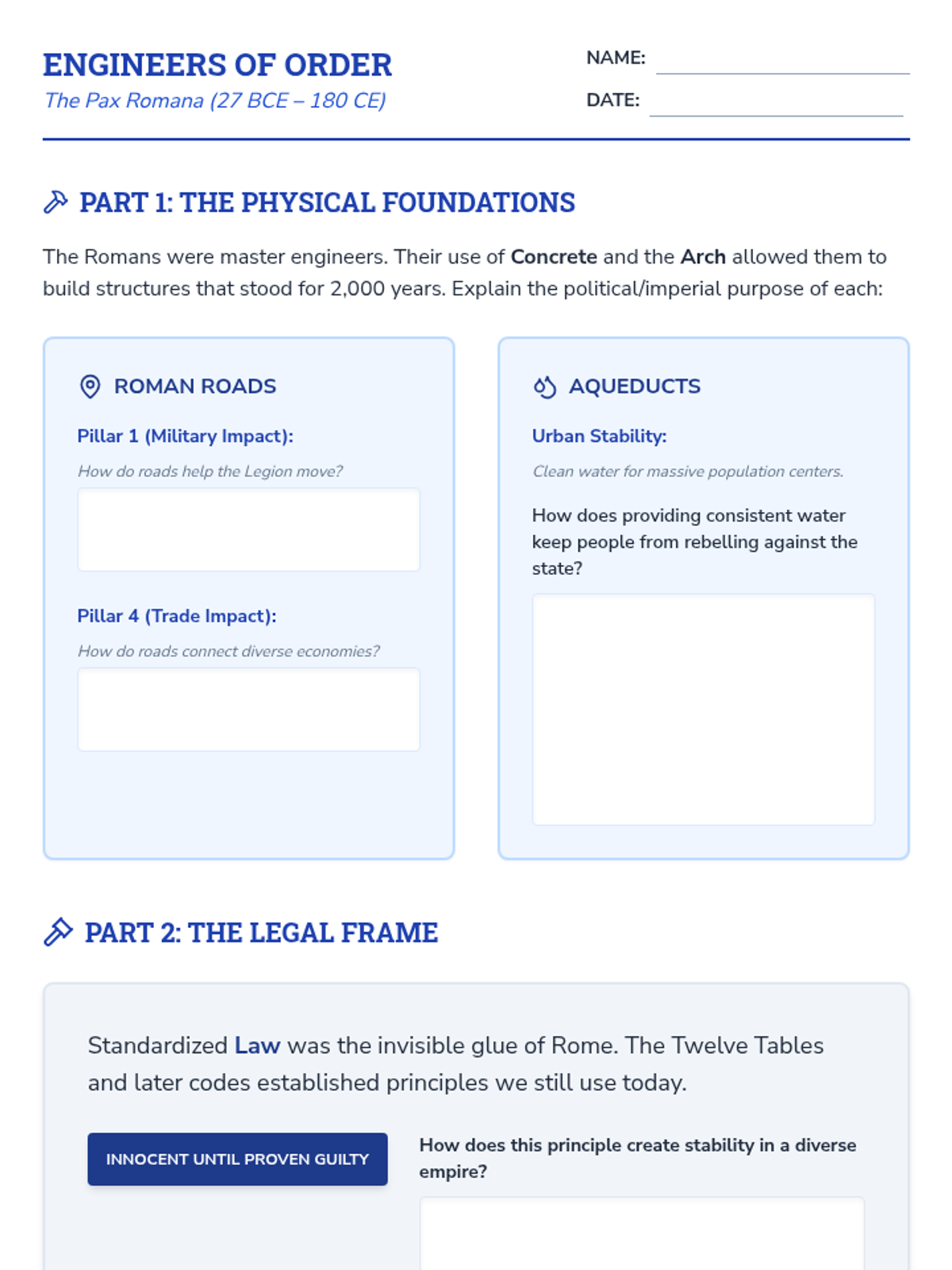
Investigate the peak of Roman power, characterized by engineering marvels, codified law, and the Pax Romana.
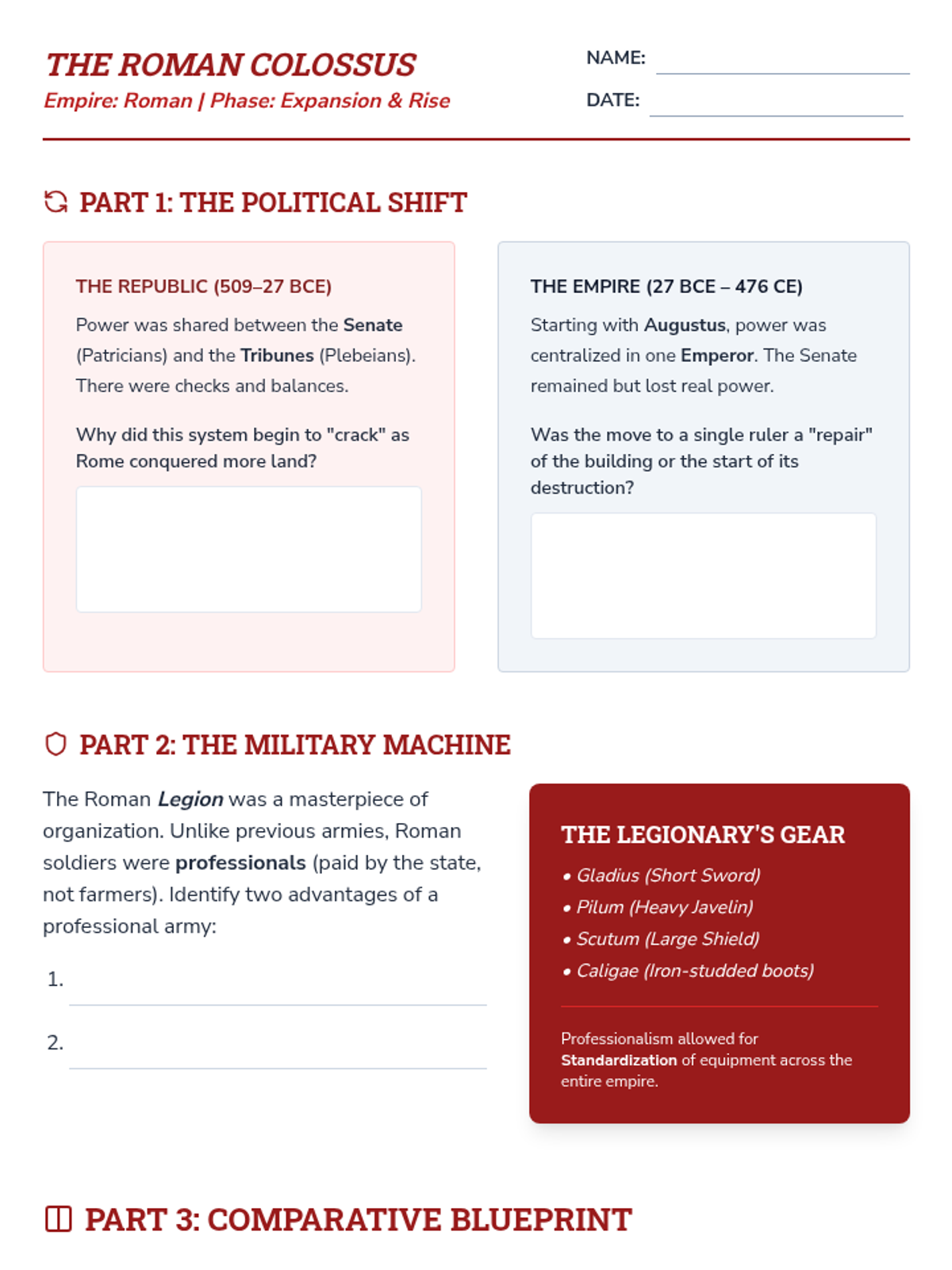
Trace Rome's evolution from a Republic to a sprawling empire, focusing on its military organization and expansion.
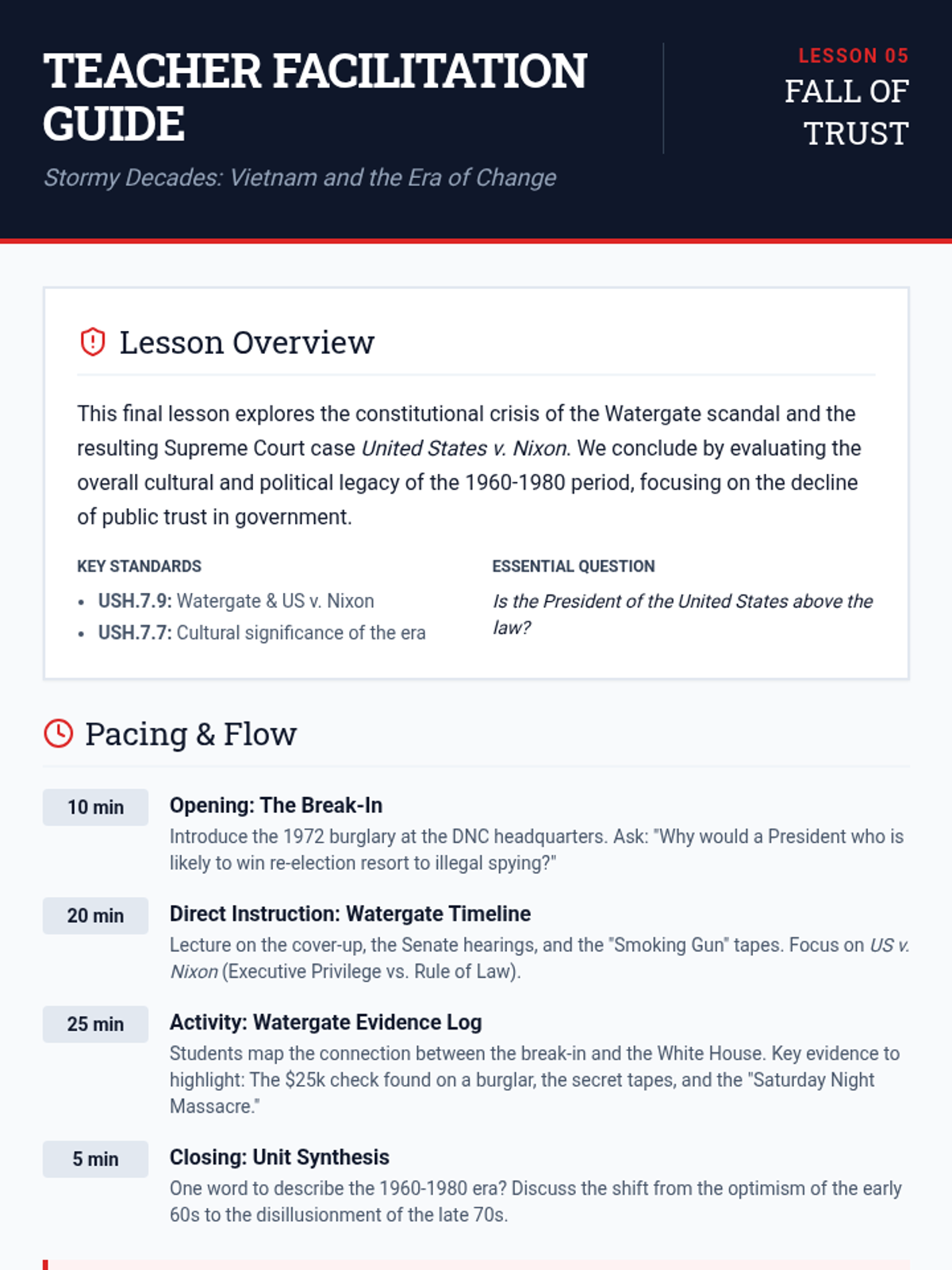
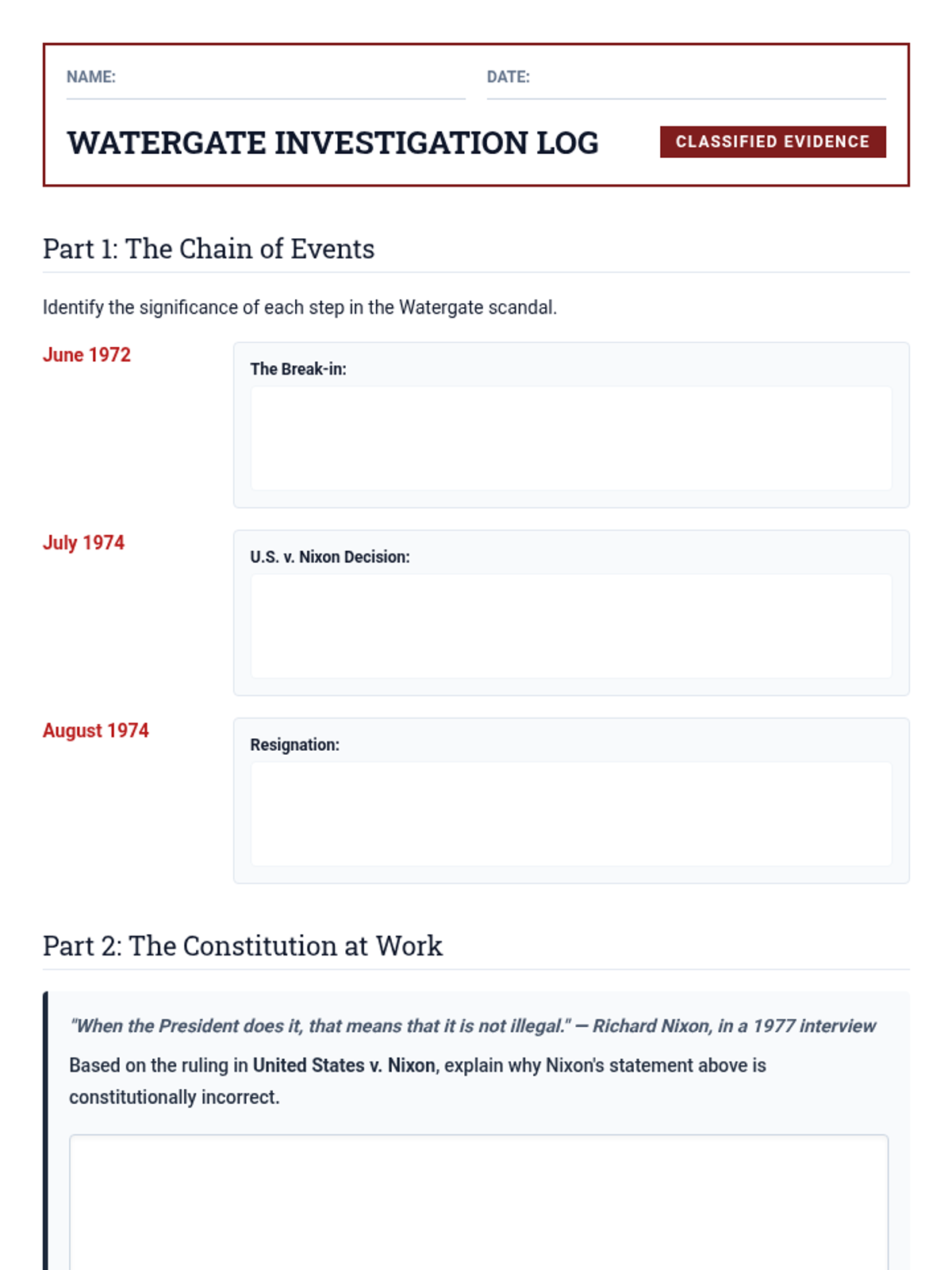
Analyze the Watergate scandal, the Supreme Court's ruling in US v. Nixon, and the resulting shift in American trust in government and the presidency.
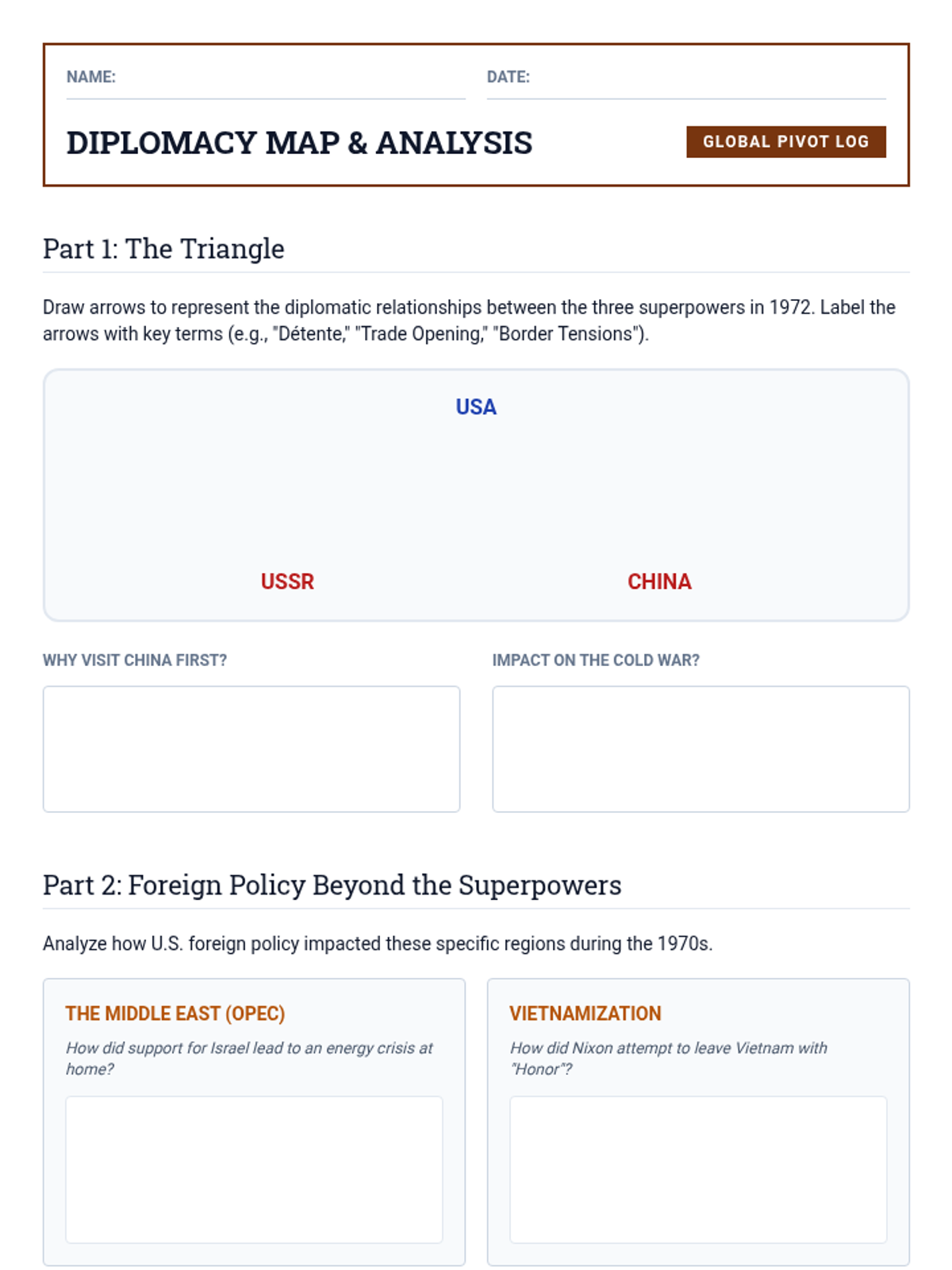
Investigate the shift in U.S. foreign policy under Richard Nixon, including the policy of détente with the Soviet Union, the opening of relations with China, and the complex path to exiting Vietnam.
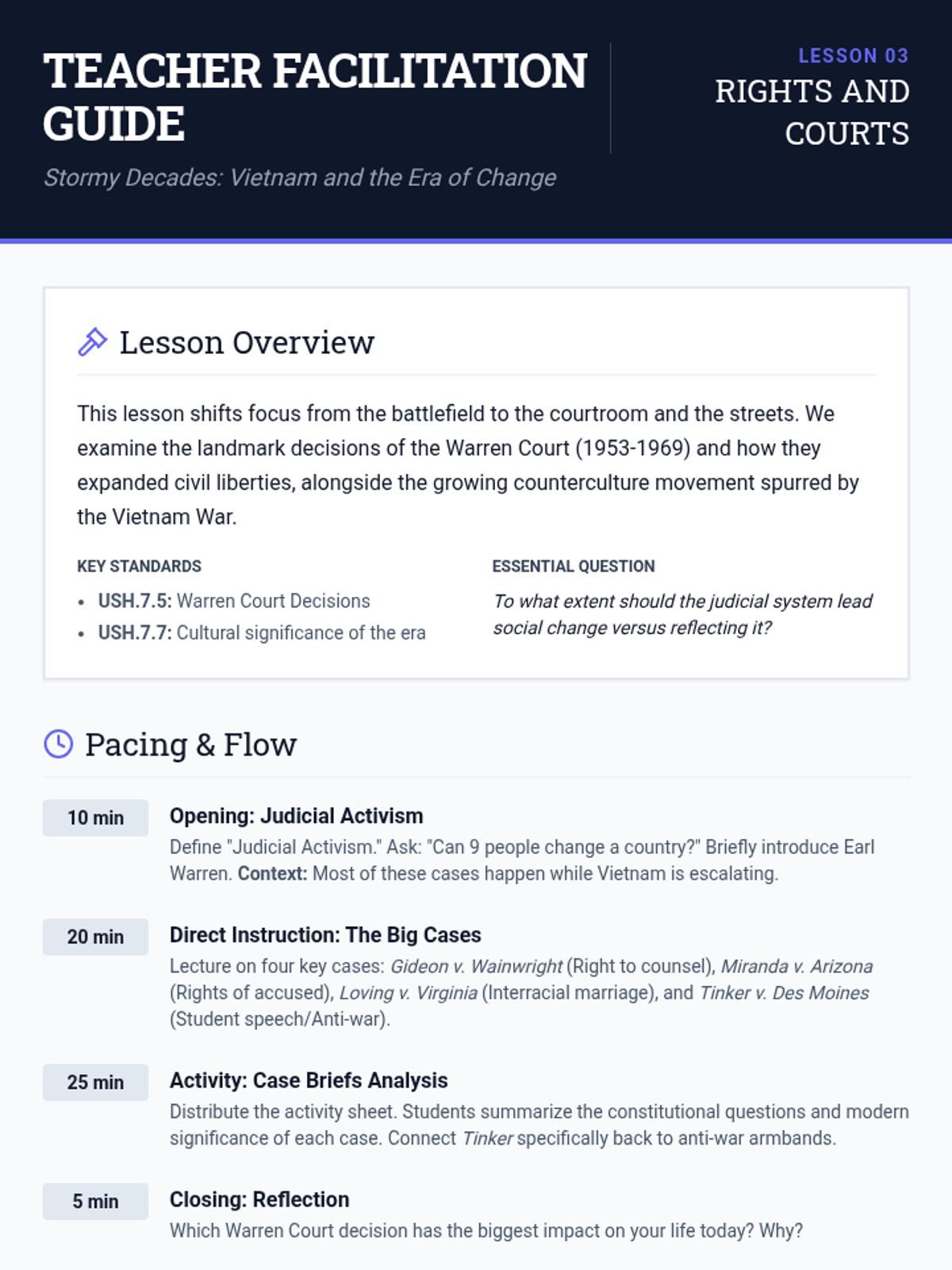
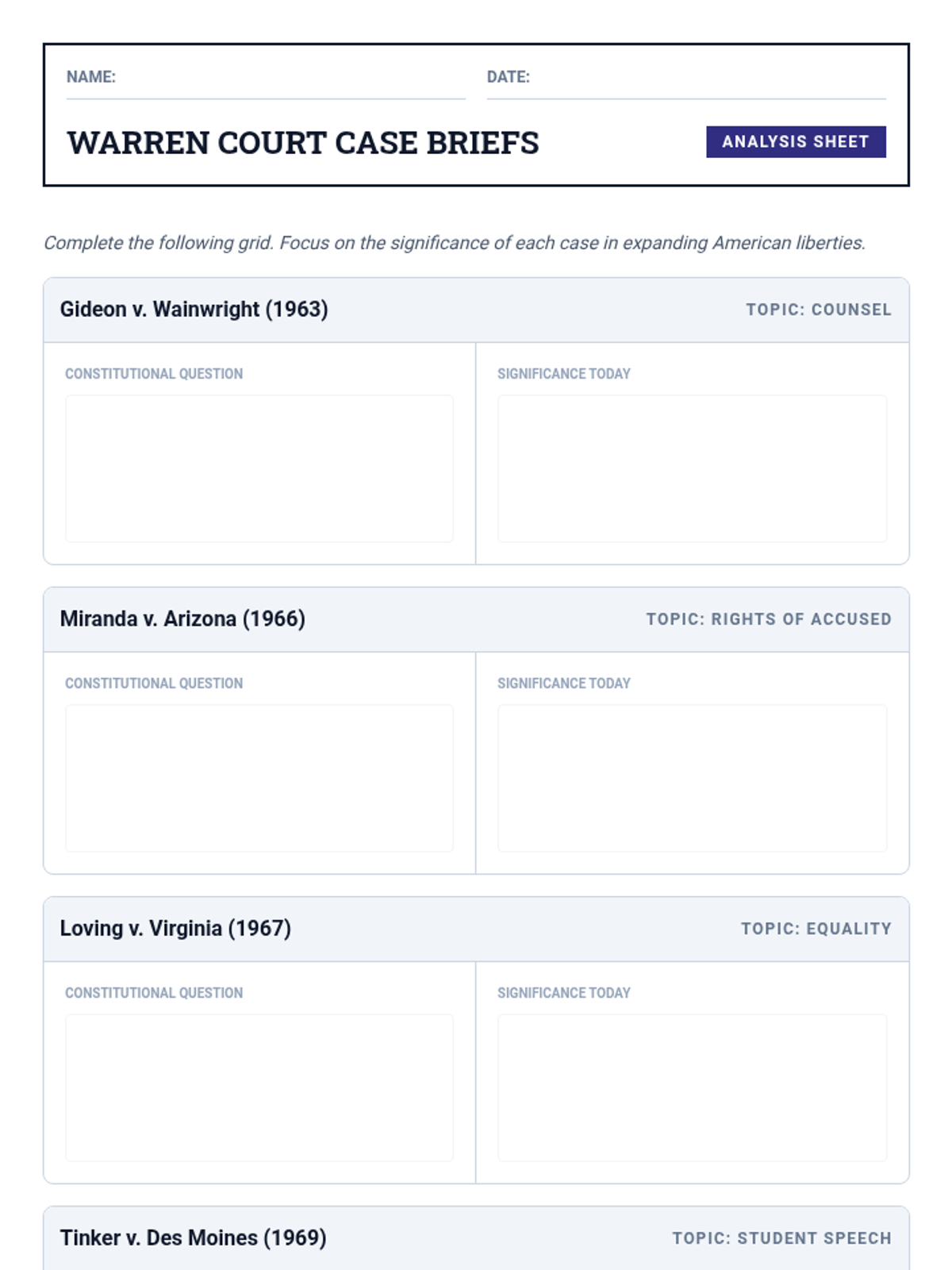
Examine the transformative legal landscape of the 1960s through the key decisions of the Warren Court and the rise of the counterculture movement during the Vietnam era.
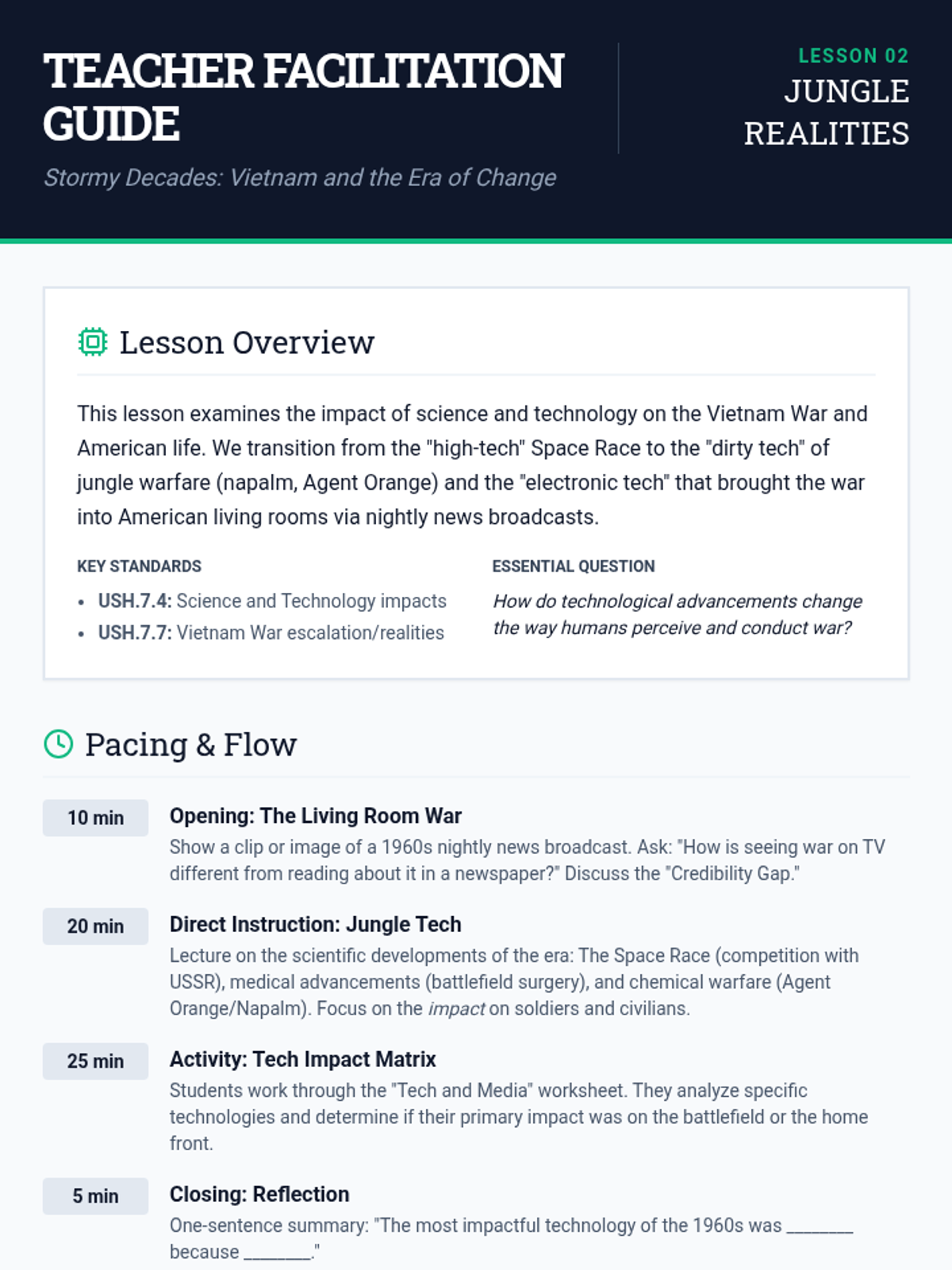
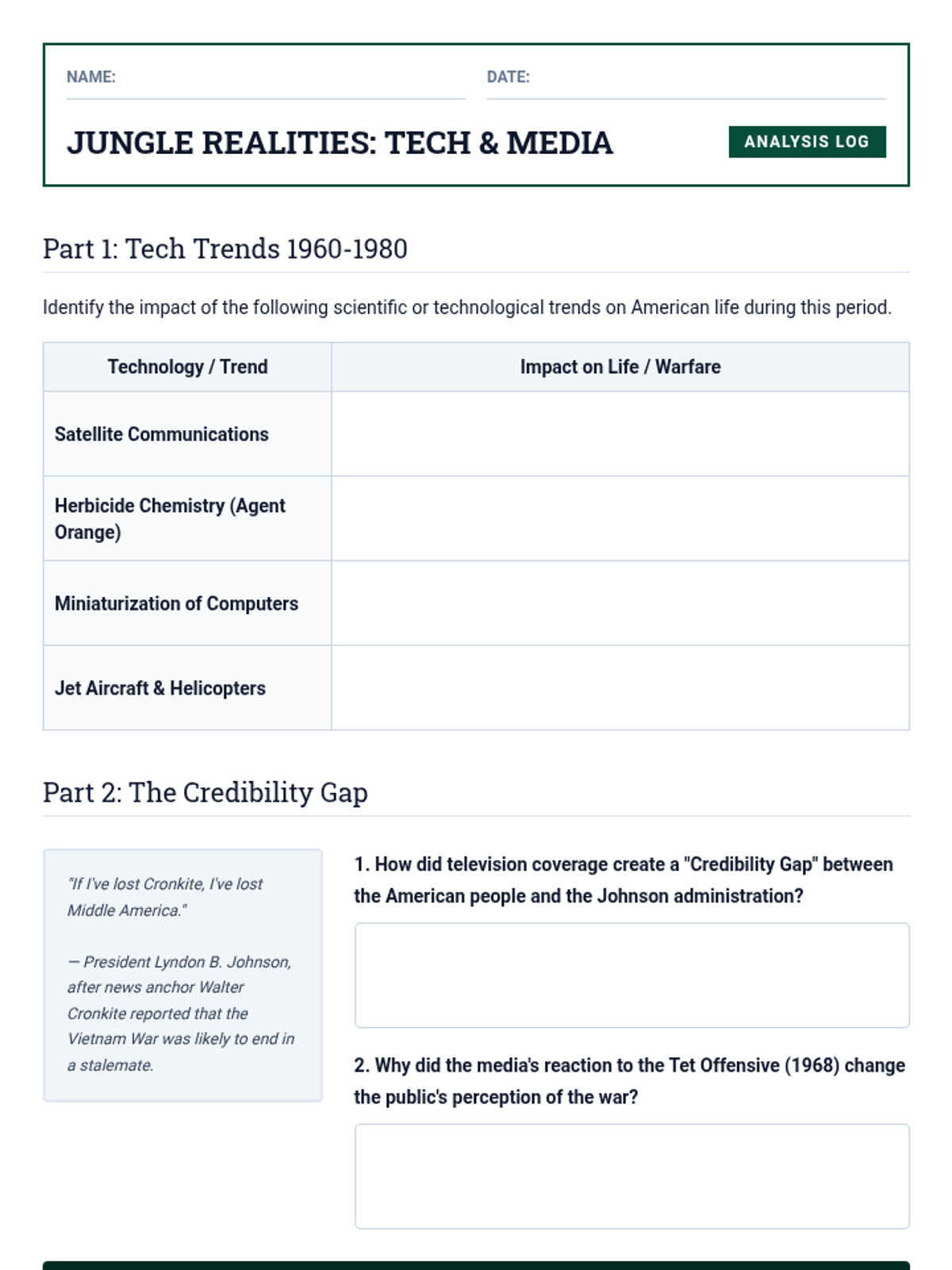
Analyze how scientific and technological advancements, from satellite communications to chemical weaponry like Agent Orange, transformed the American experience of the Vietnam War and the Space Race.
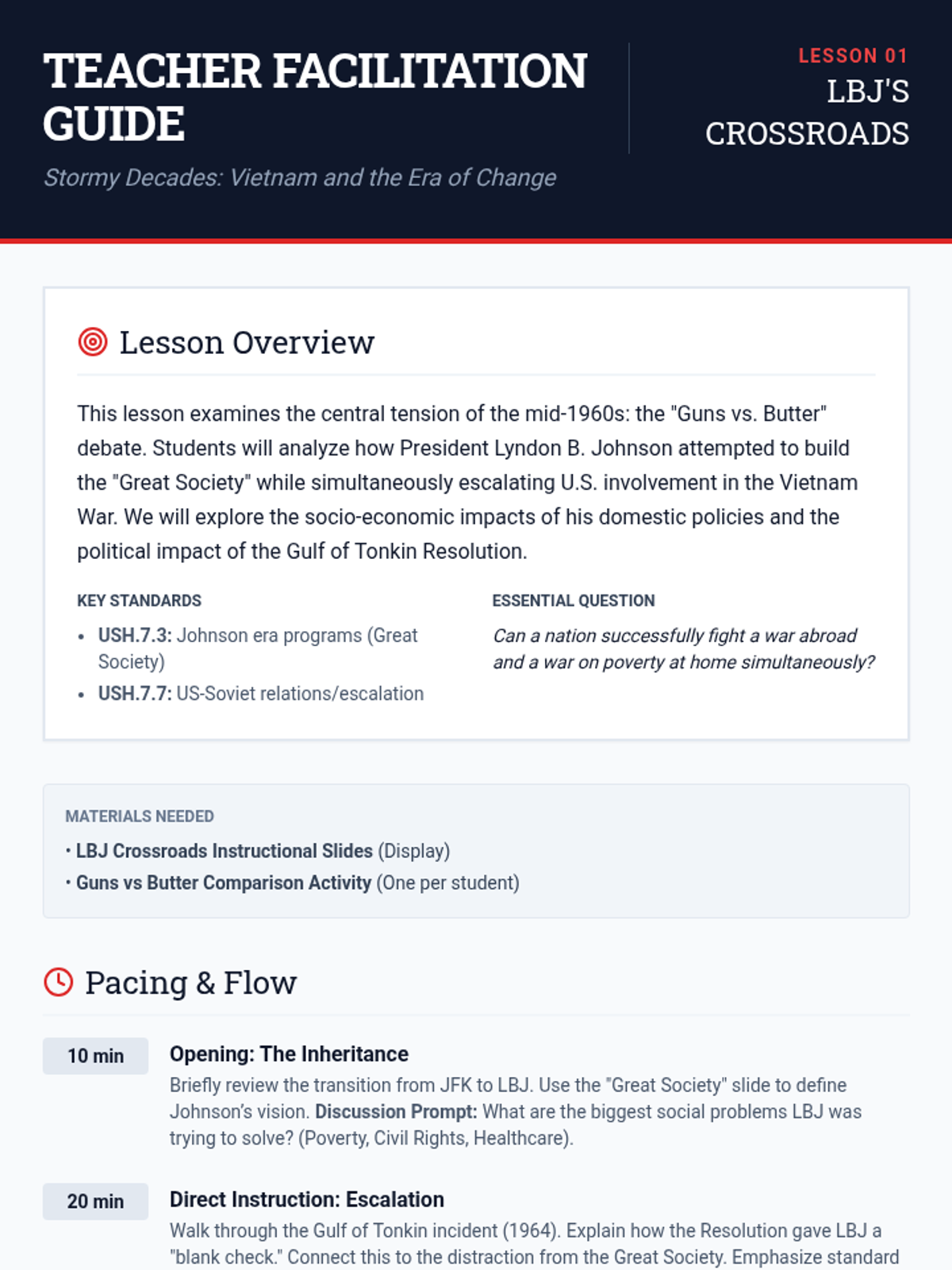
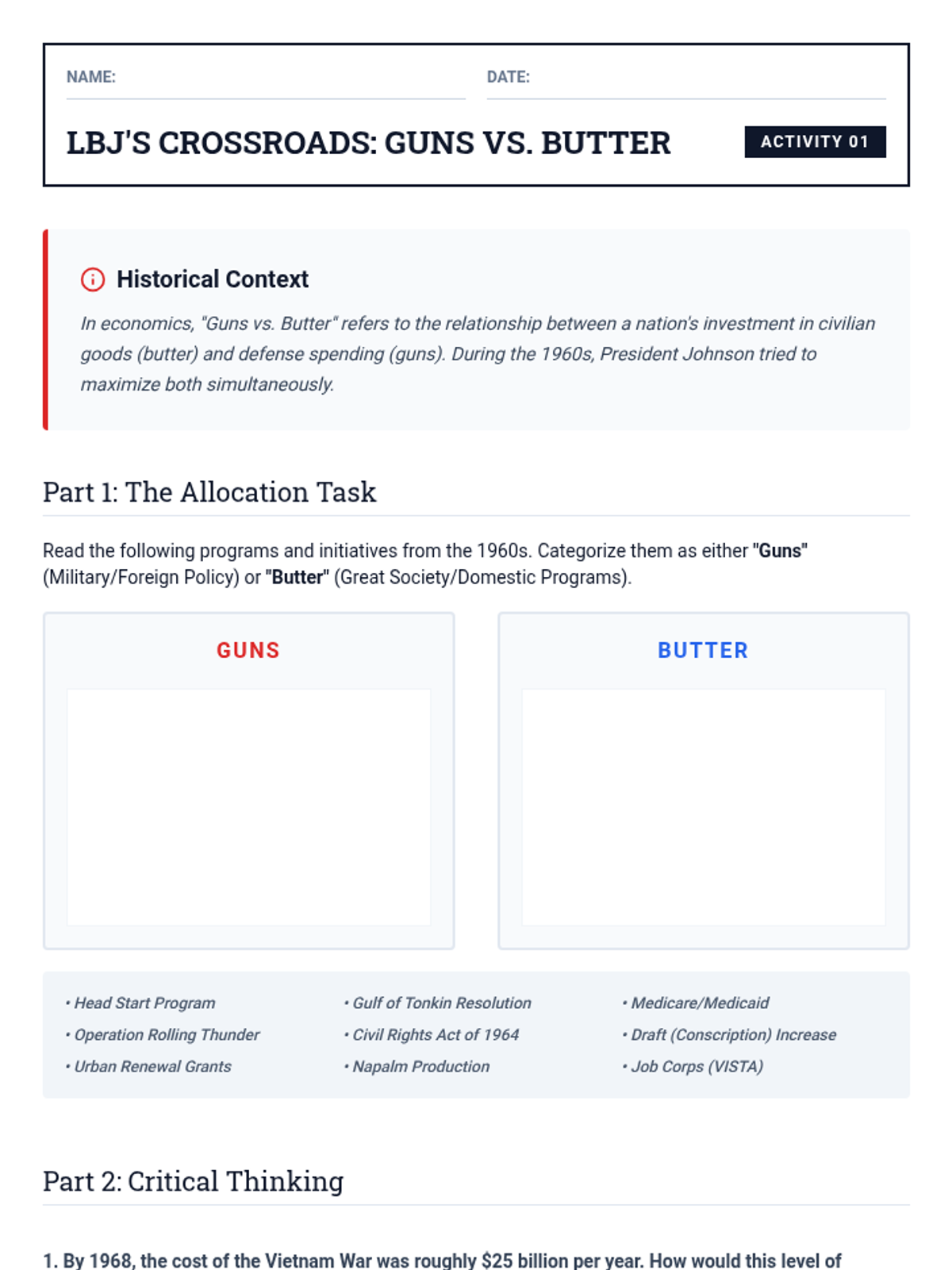
Explore the dual priorities of Lyndon B. Johnson's presidency: the ambitious 'Great Society' domestic programs and the escalating commitment to the Vietnam War following the Gulf of Tonkin Resolution.
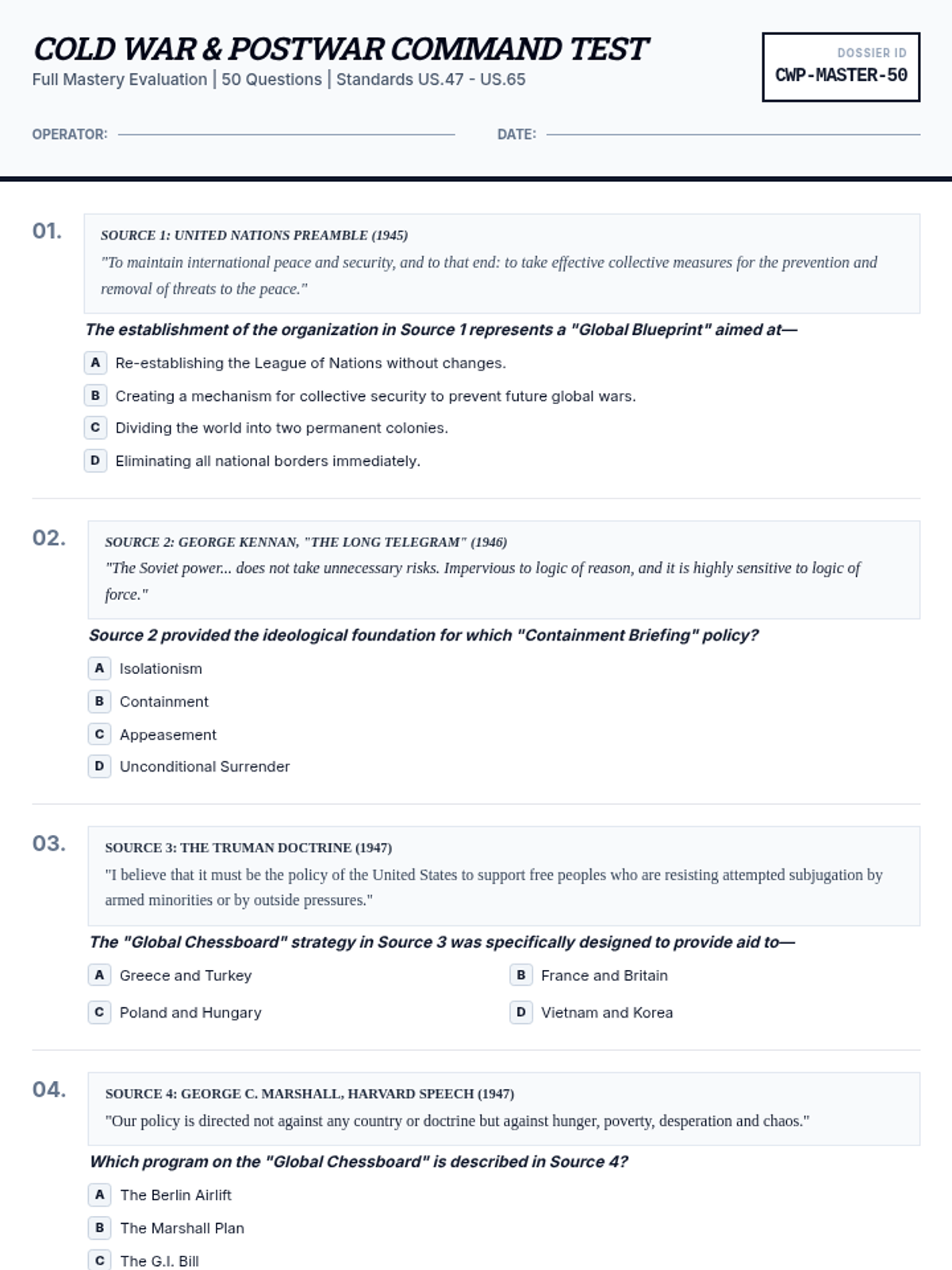
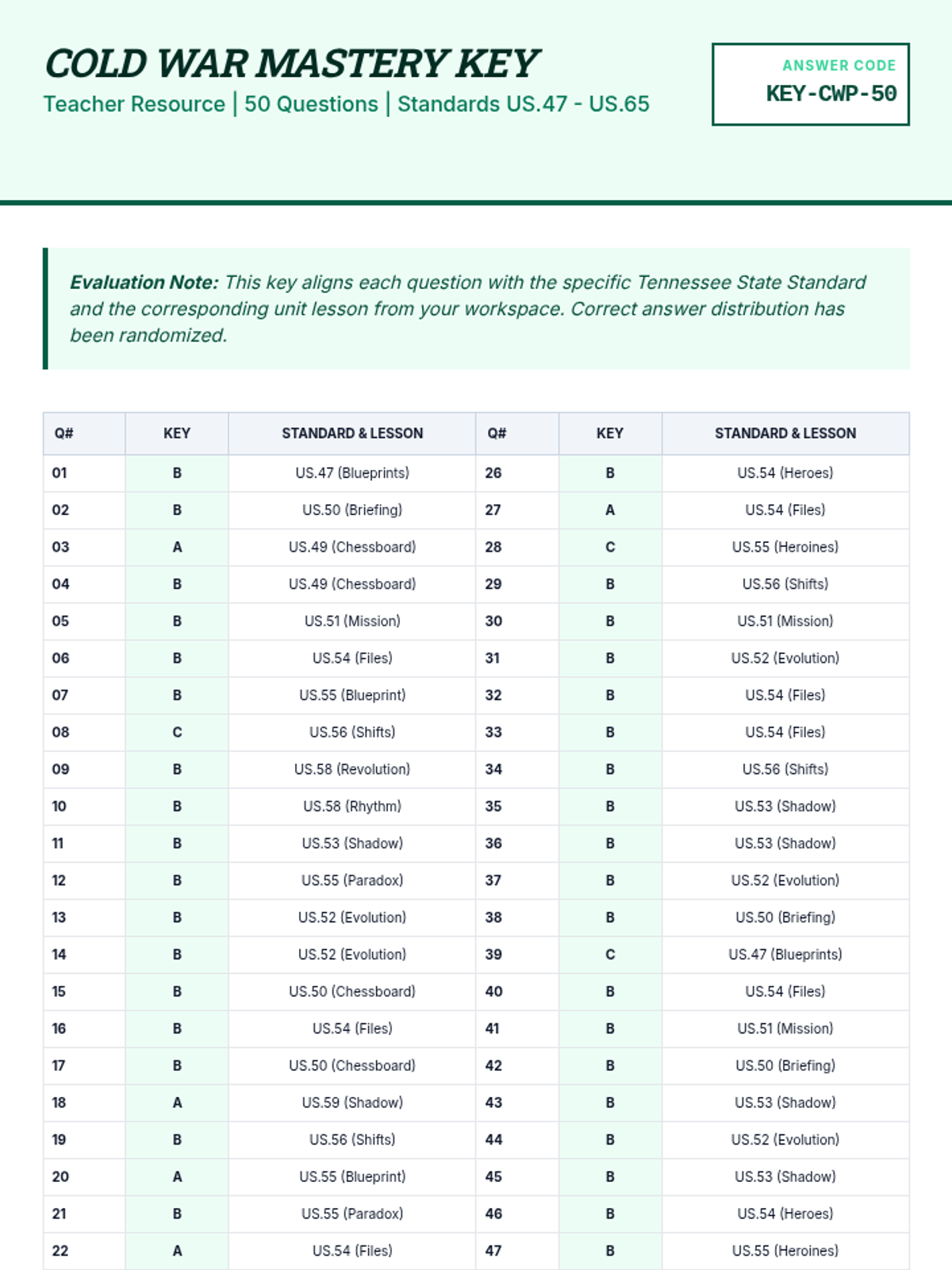
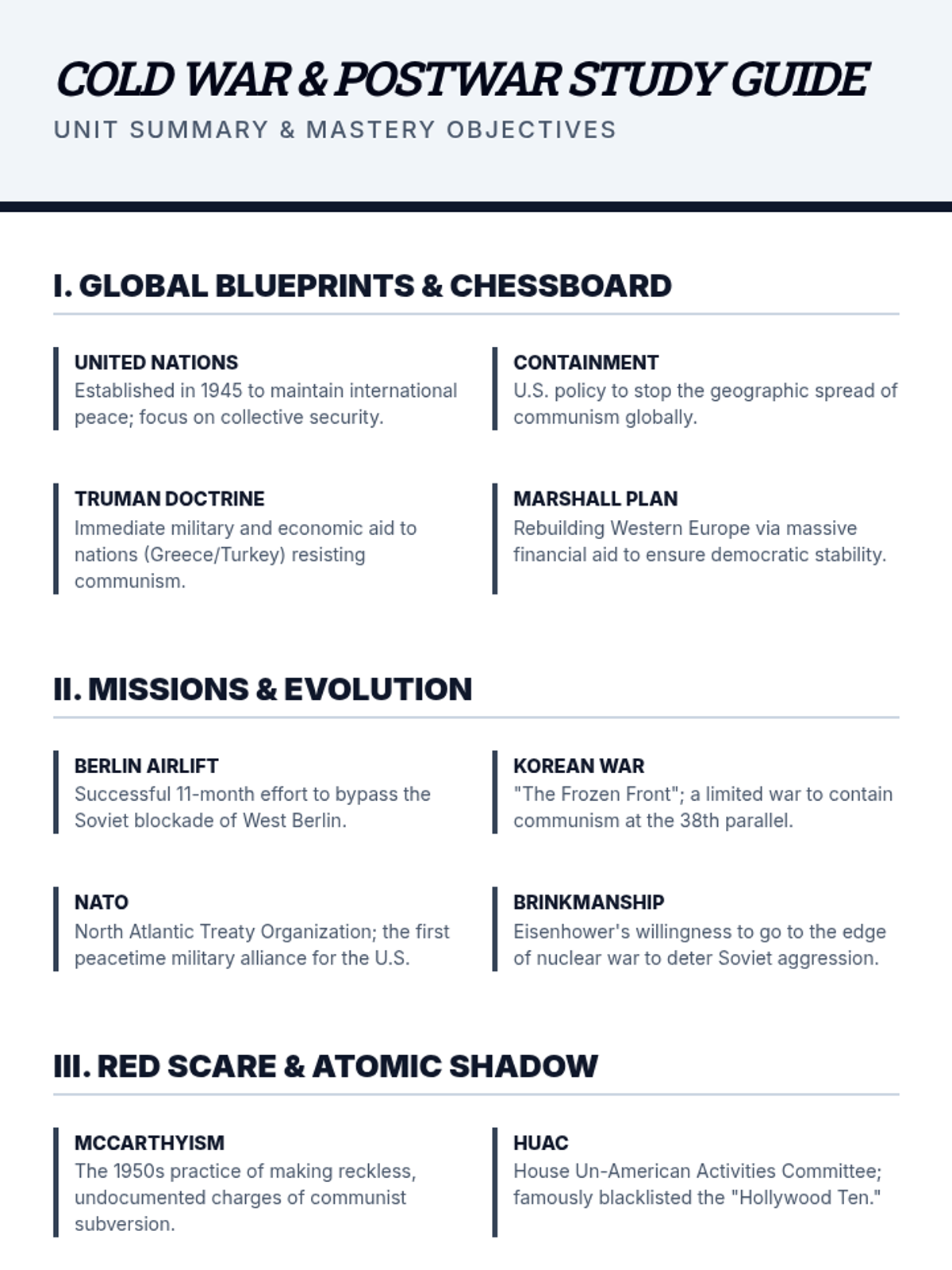
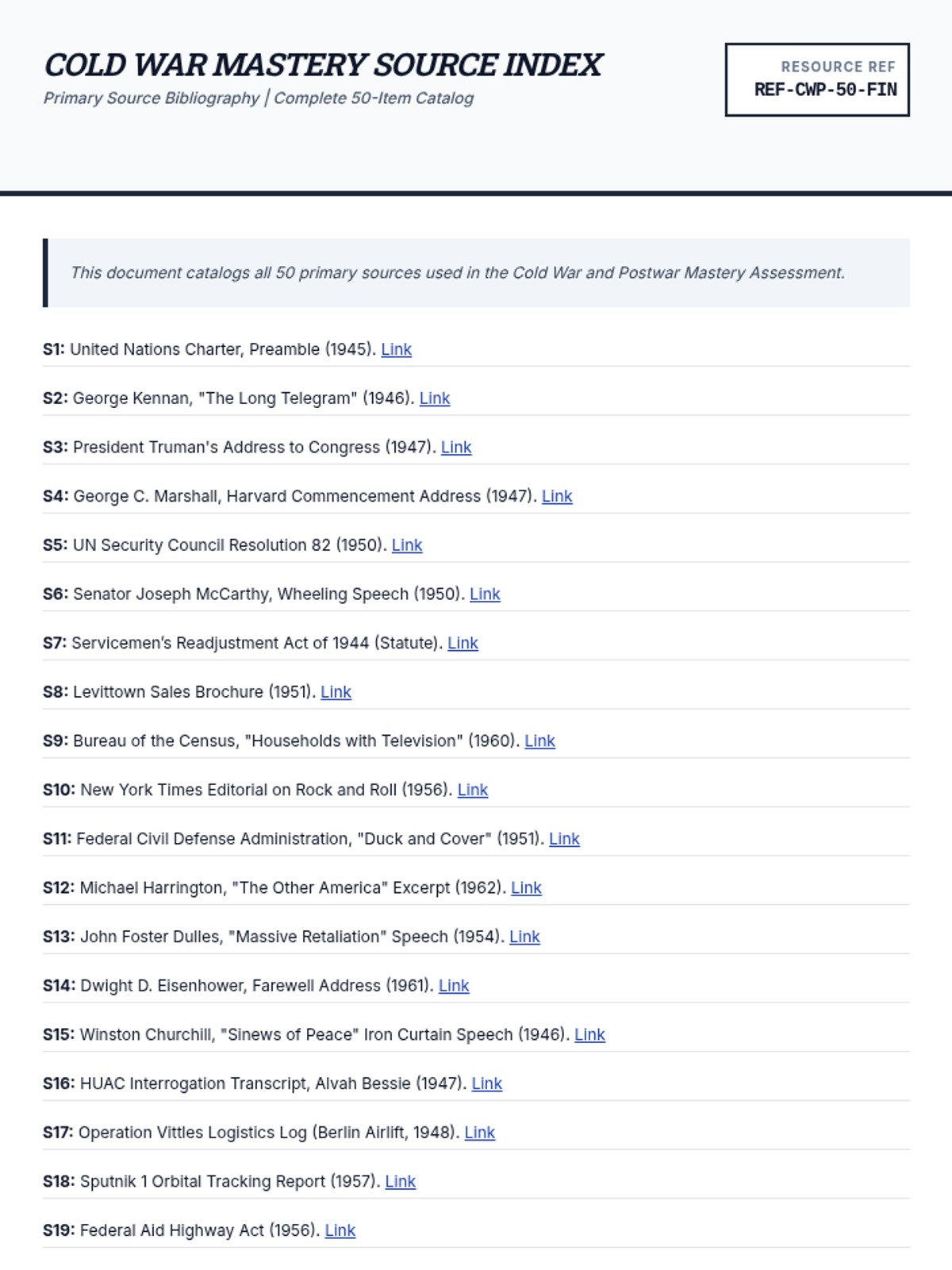
Global Blueprints, Global Chessboard, Containment Briefing, Frozen Front Mission, Containment Evolution, Red Scare Files, Prosperity Paradox, Boomer Blueprint, Suburban Shifts, Living Room Revolution, Rhythm Revolution, and Atomic Shadow.
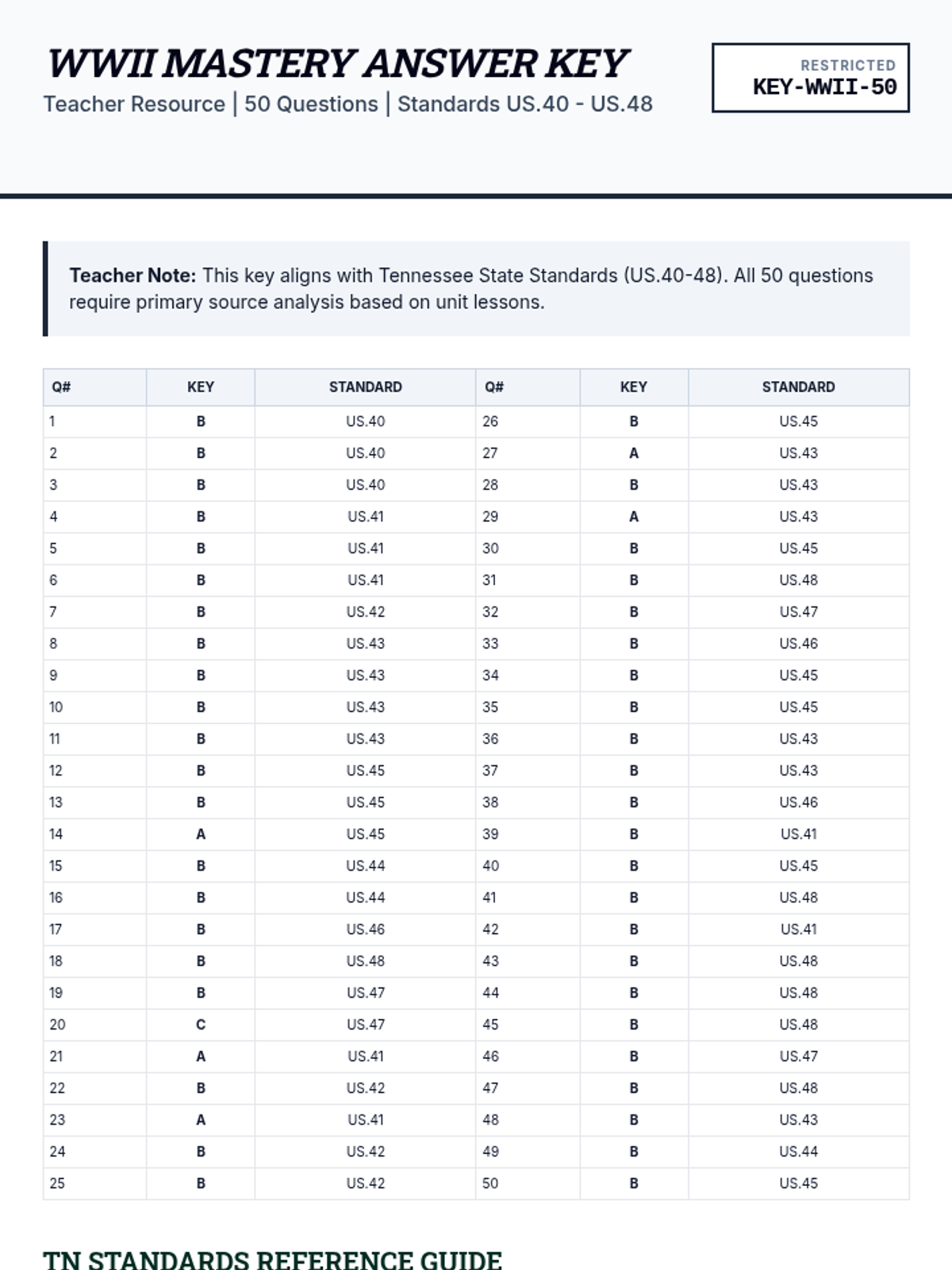
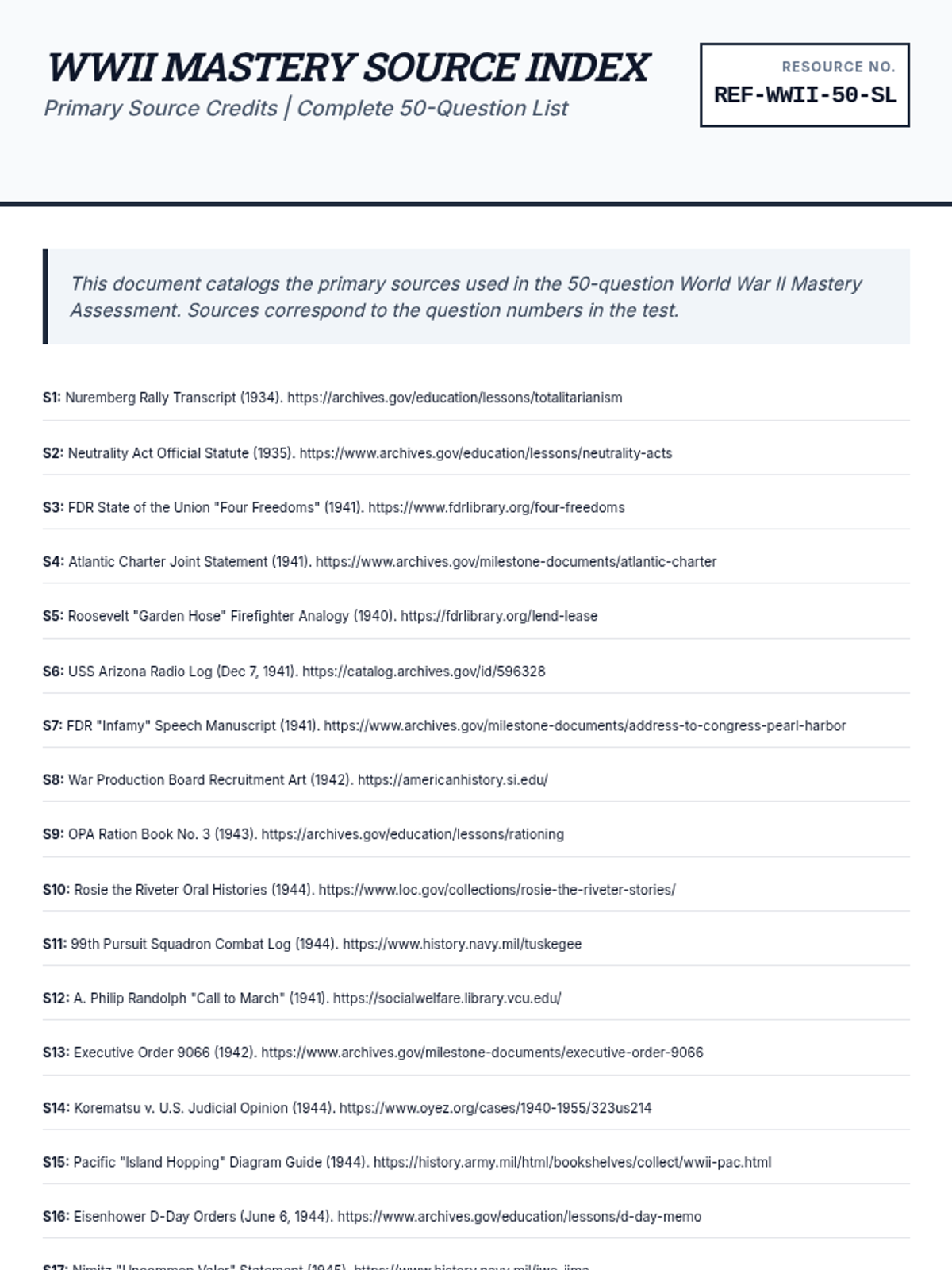
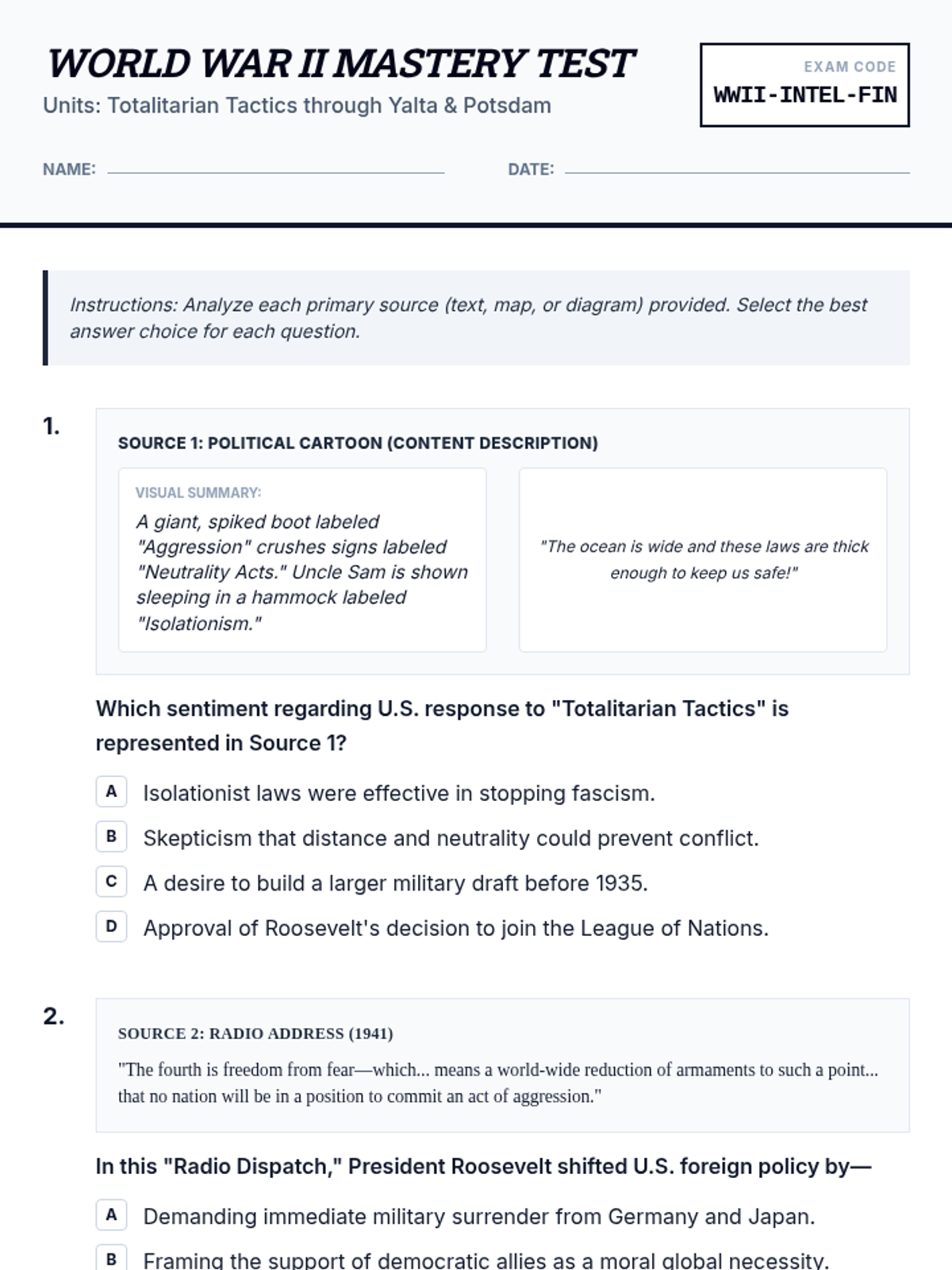
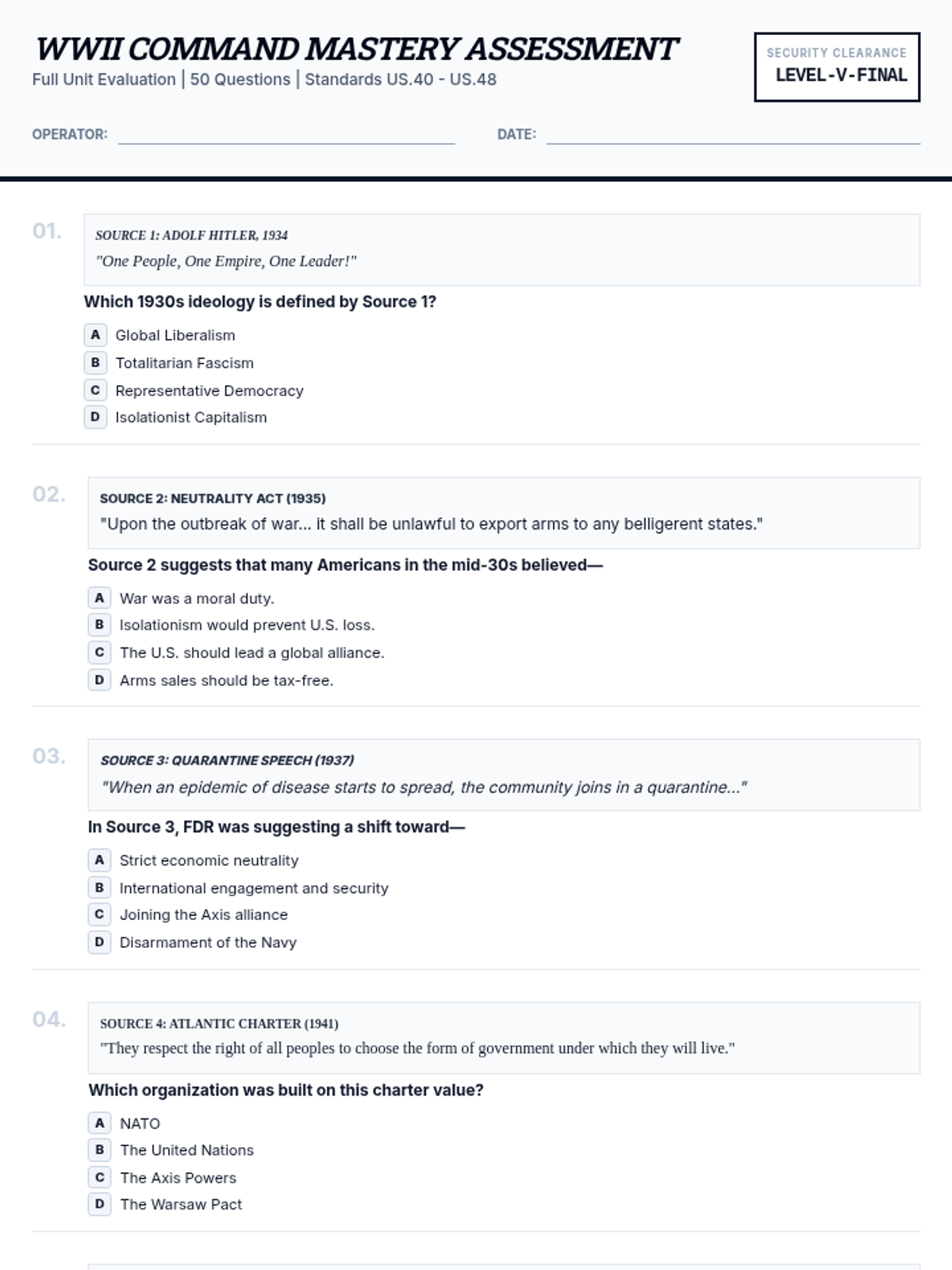
Totalitarian Tactics, Radio Dispatch, Gatekeepers, War Room Briefings, Warrior Spirit, Justice Homefront, Home Front Heroines, Justice Denied, Home Front Heroes, Atomic Ambitions, and Yalta and Potsdam Conferences.
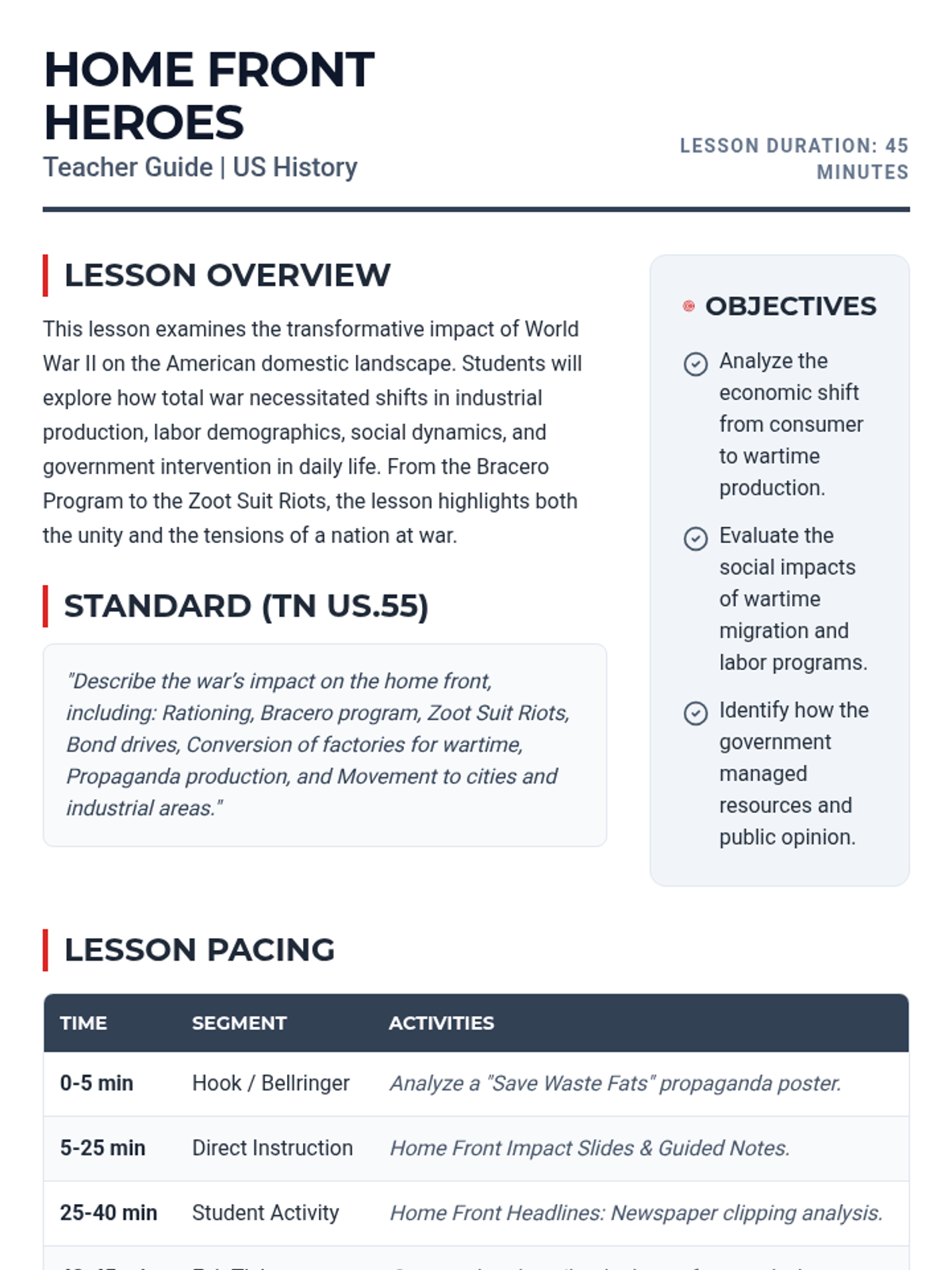
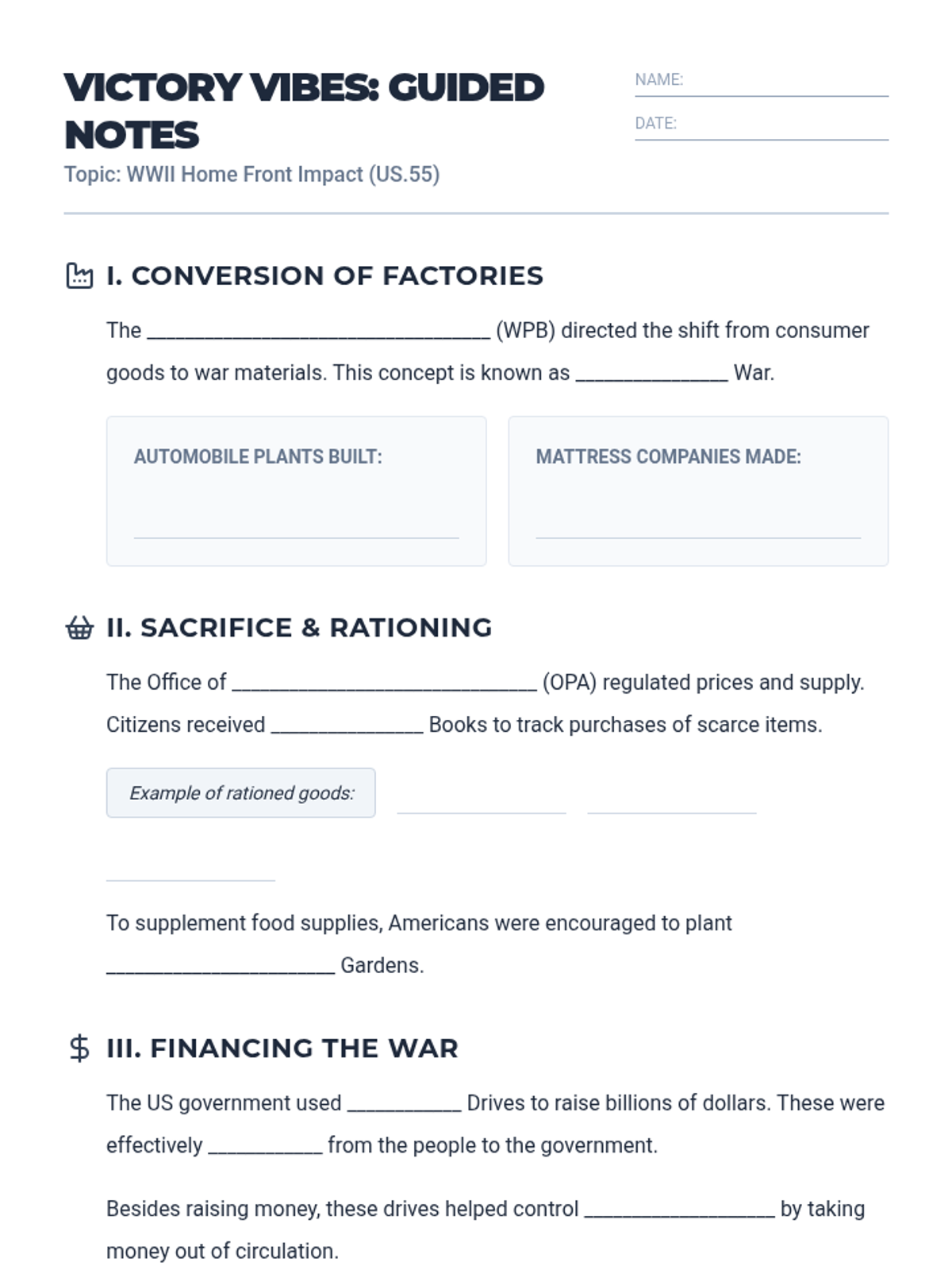
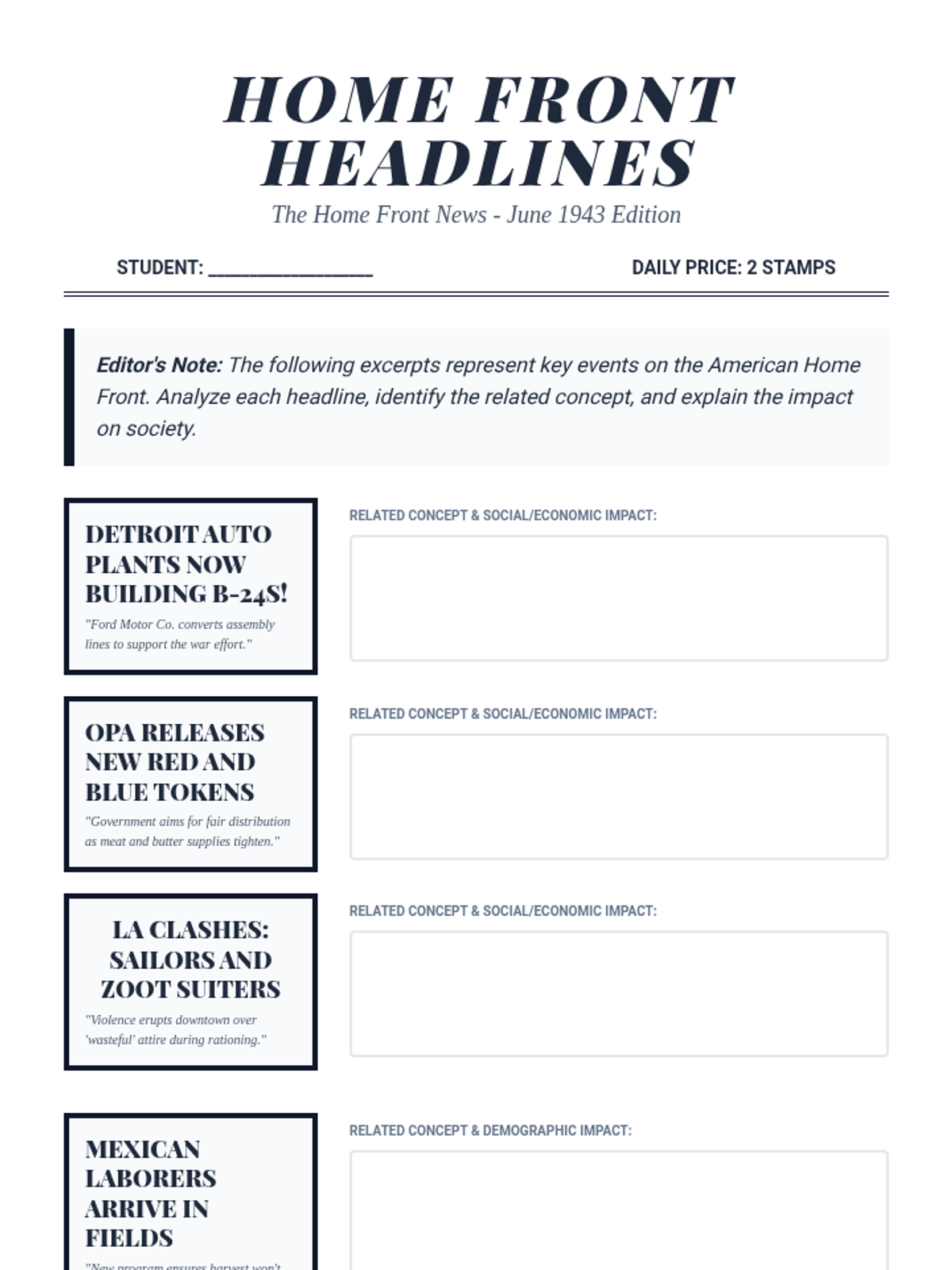
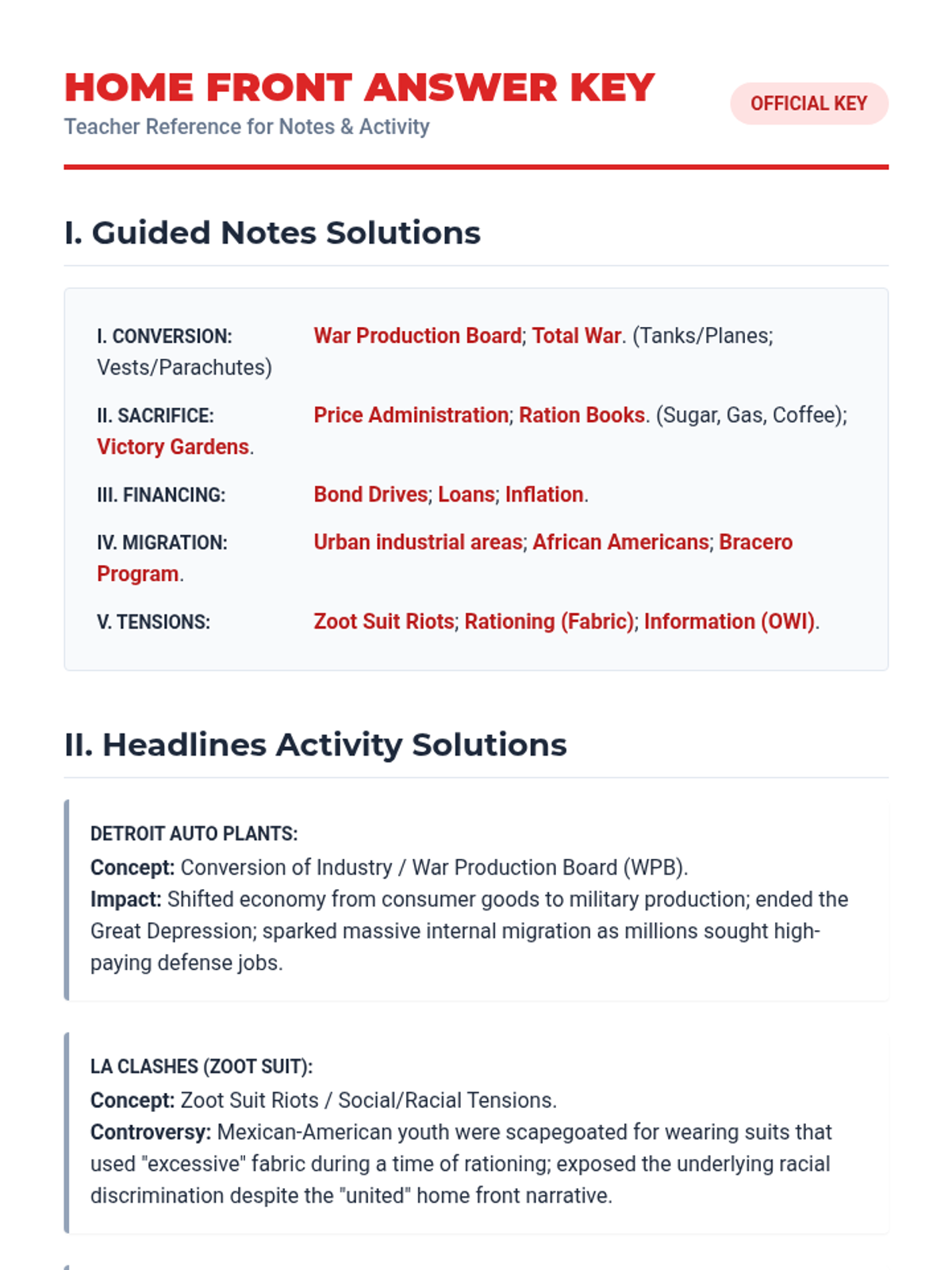
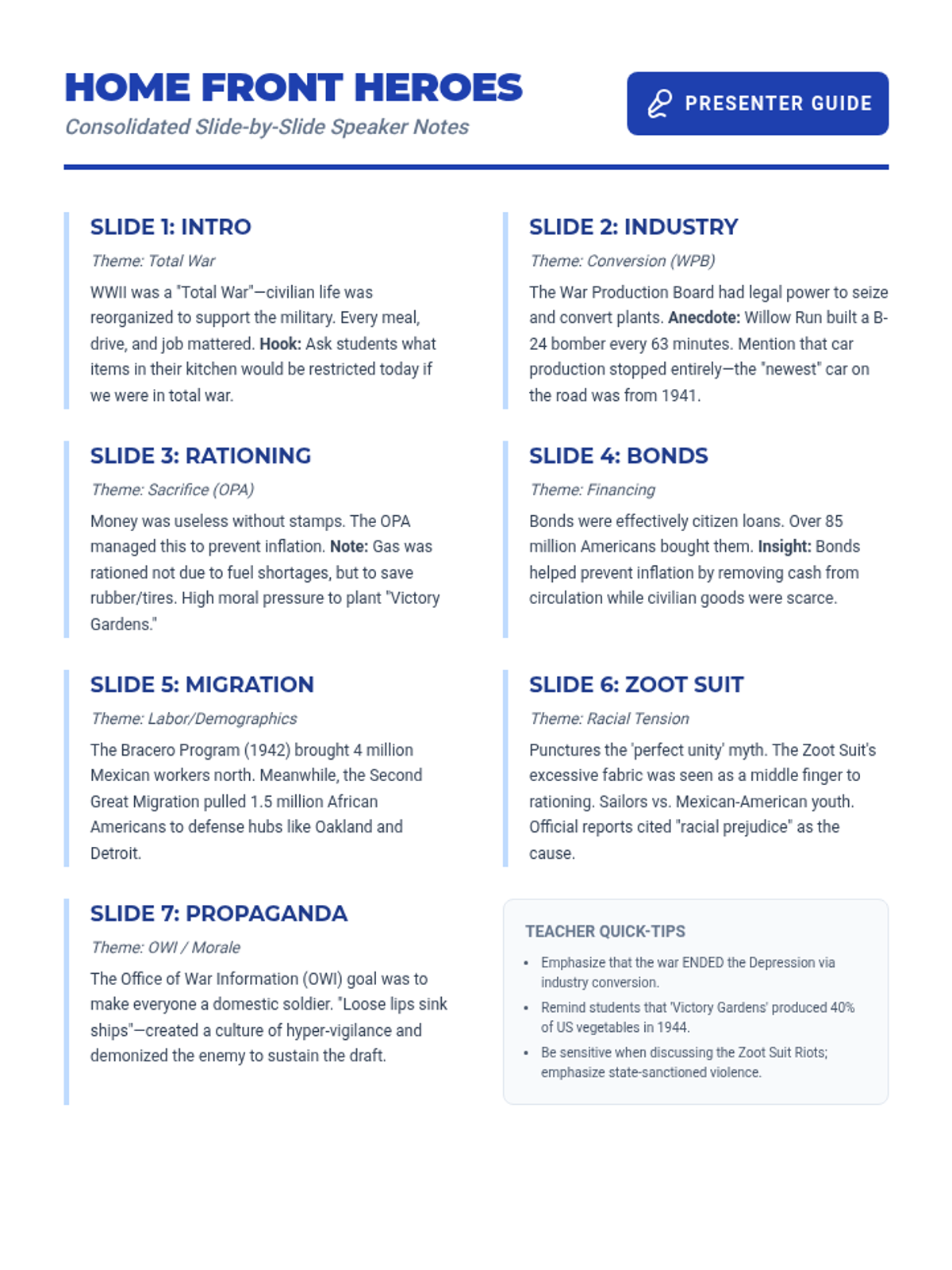
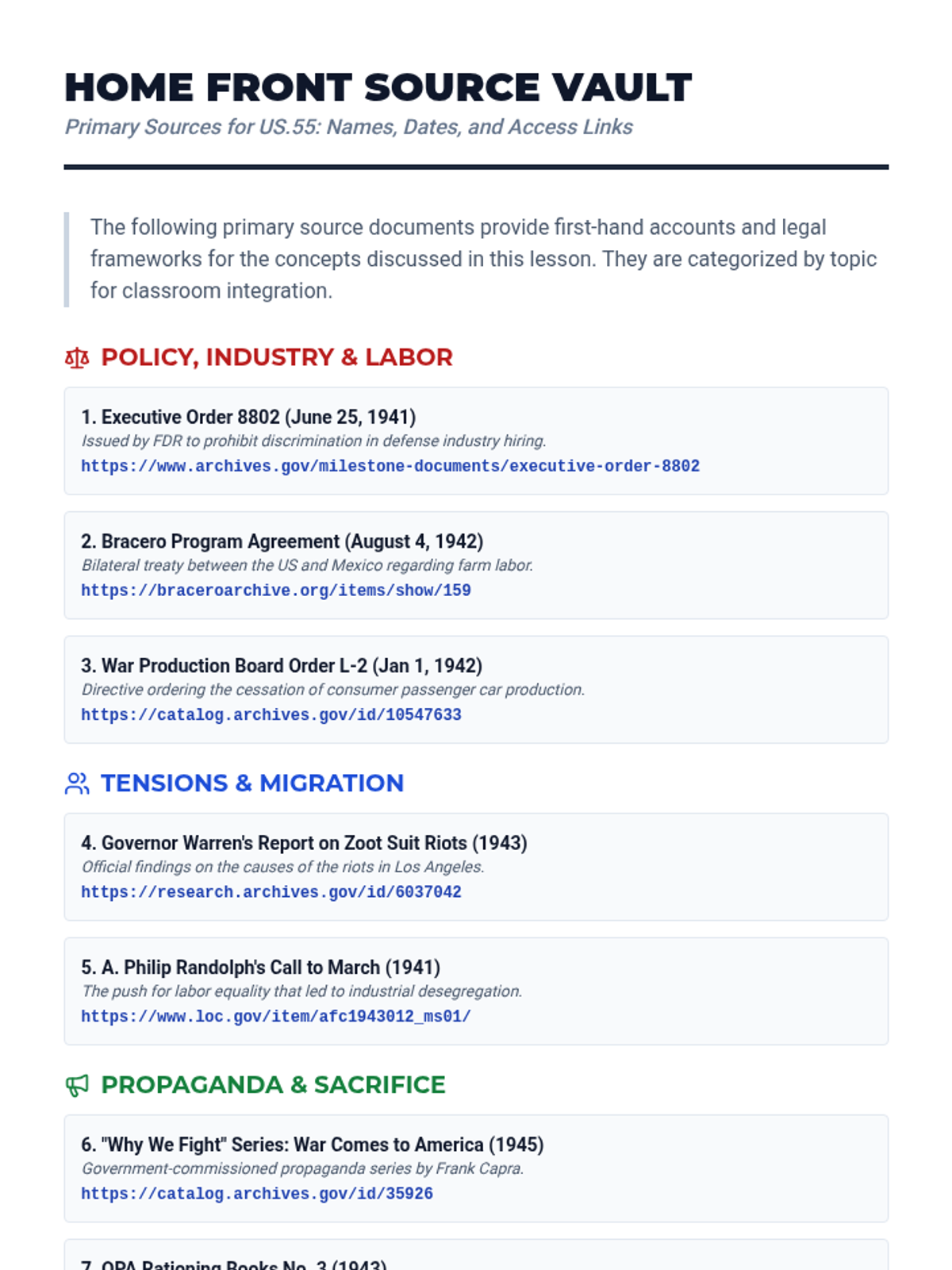
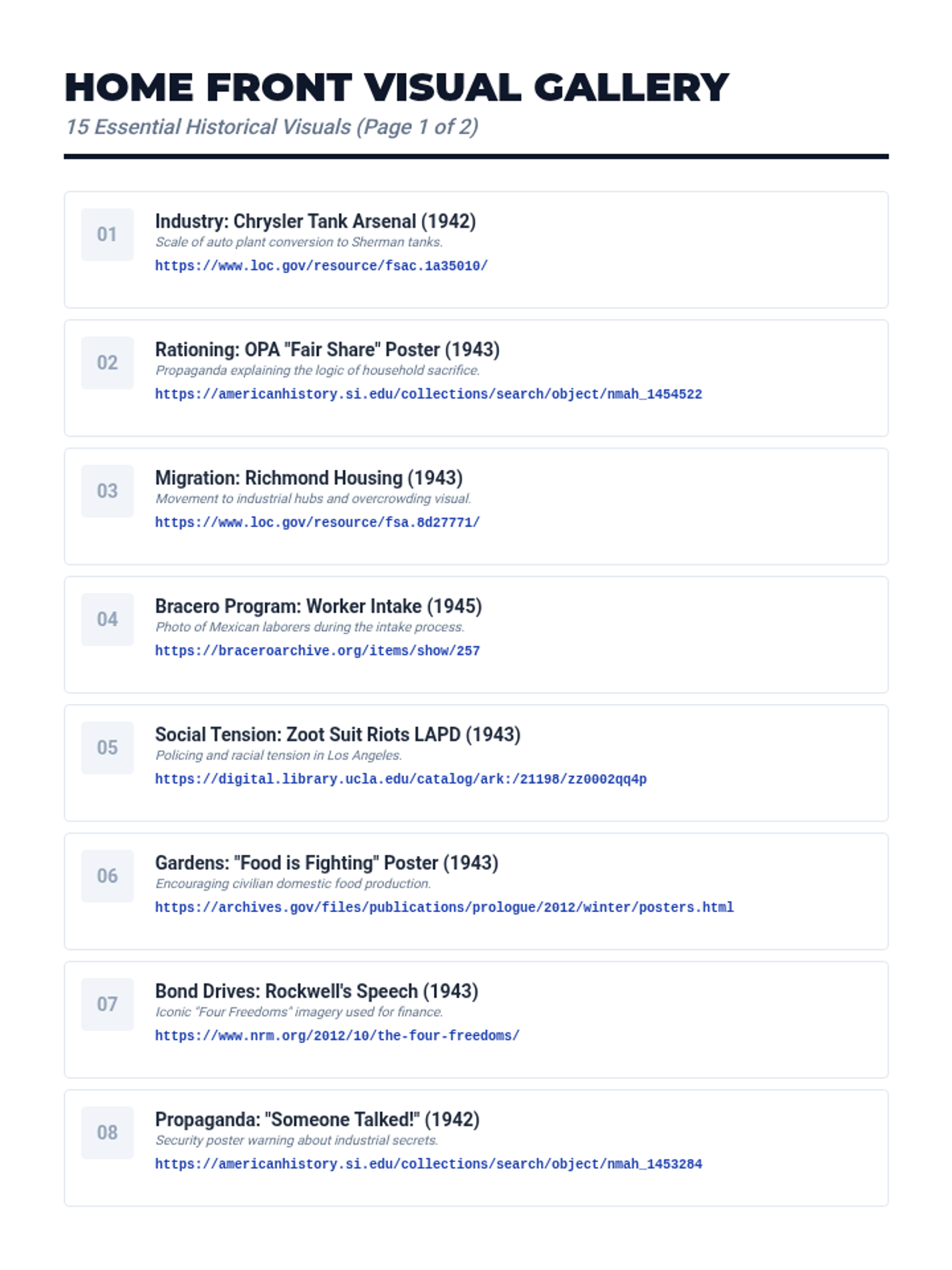
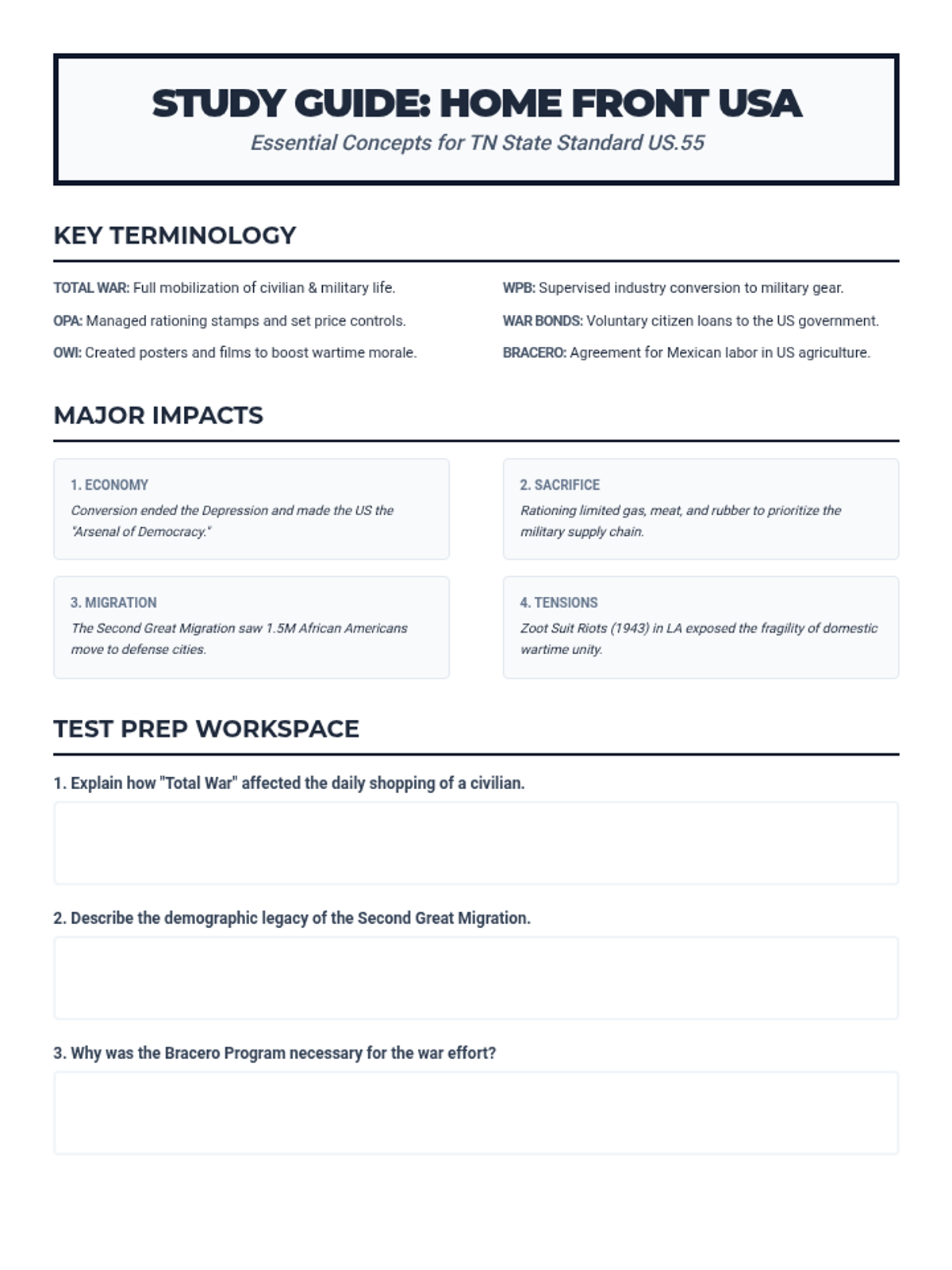
A comprehensive lesson exploring the social, economic, and political impacts of World War II on the United States home front, covering rationing, industry, labor shifts, and civil unrest.
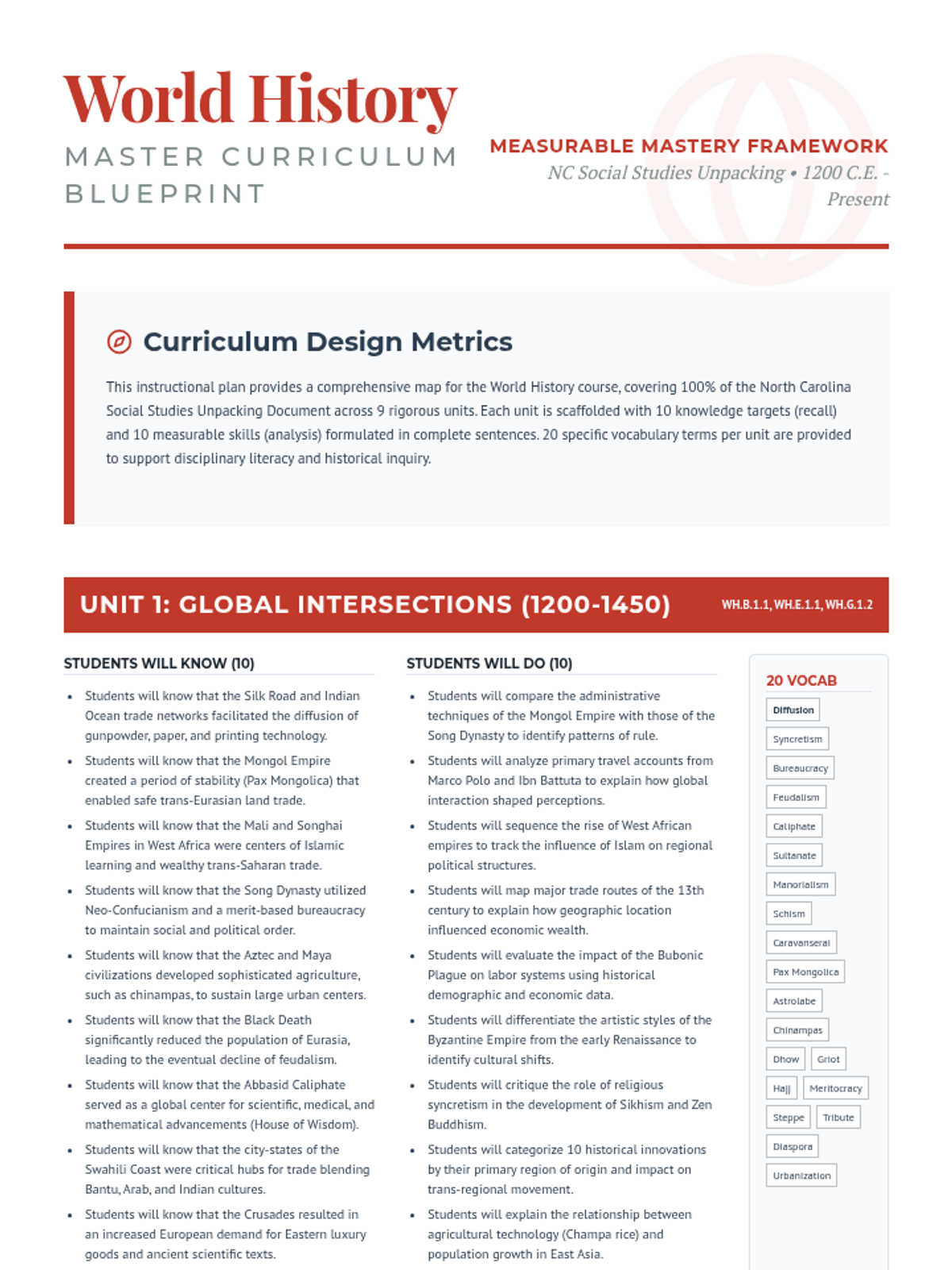
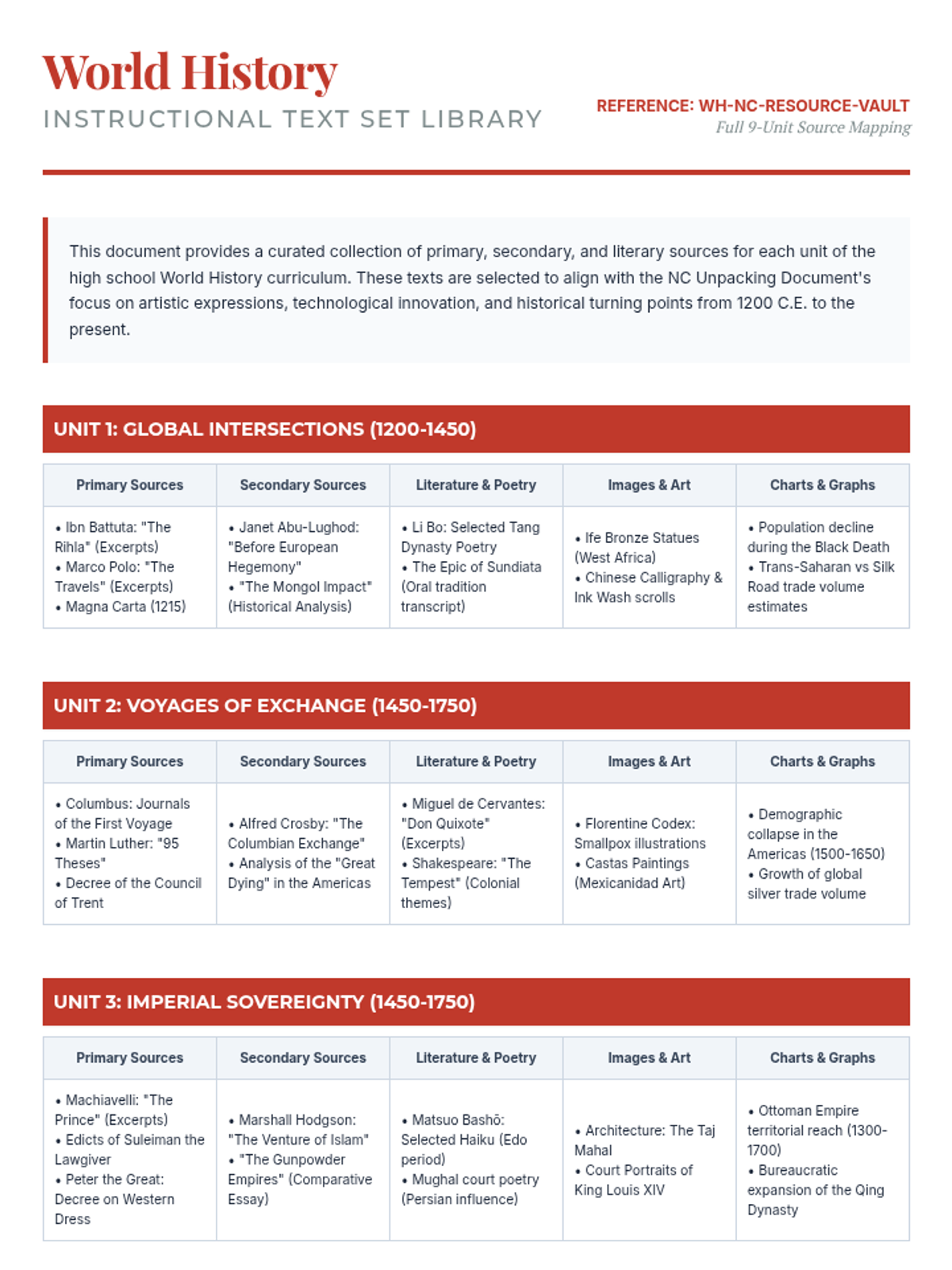
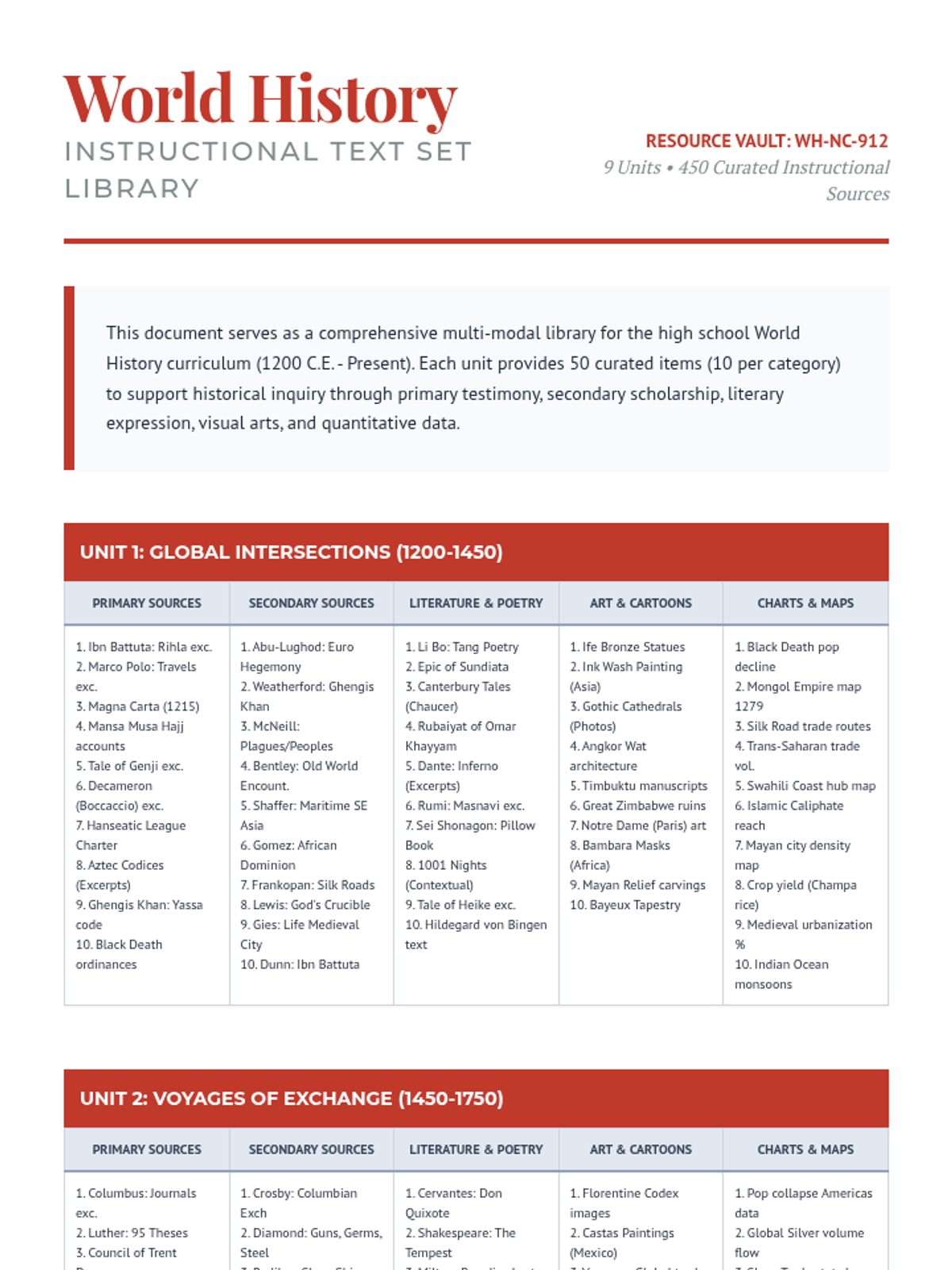
A master curriculum framework for World History that defines standards, objectives, skills, learning goals, and vocabulary for nine instructional units spanning 1200 C.E. to the present.
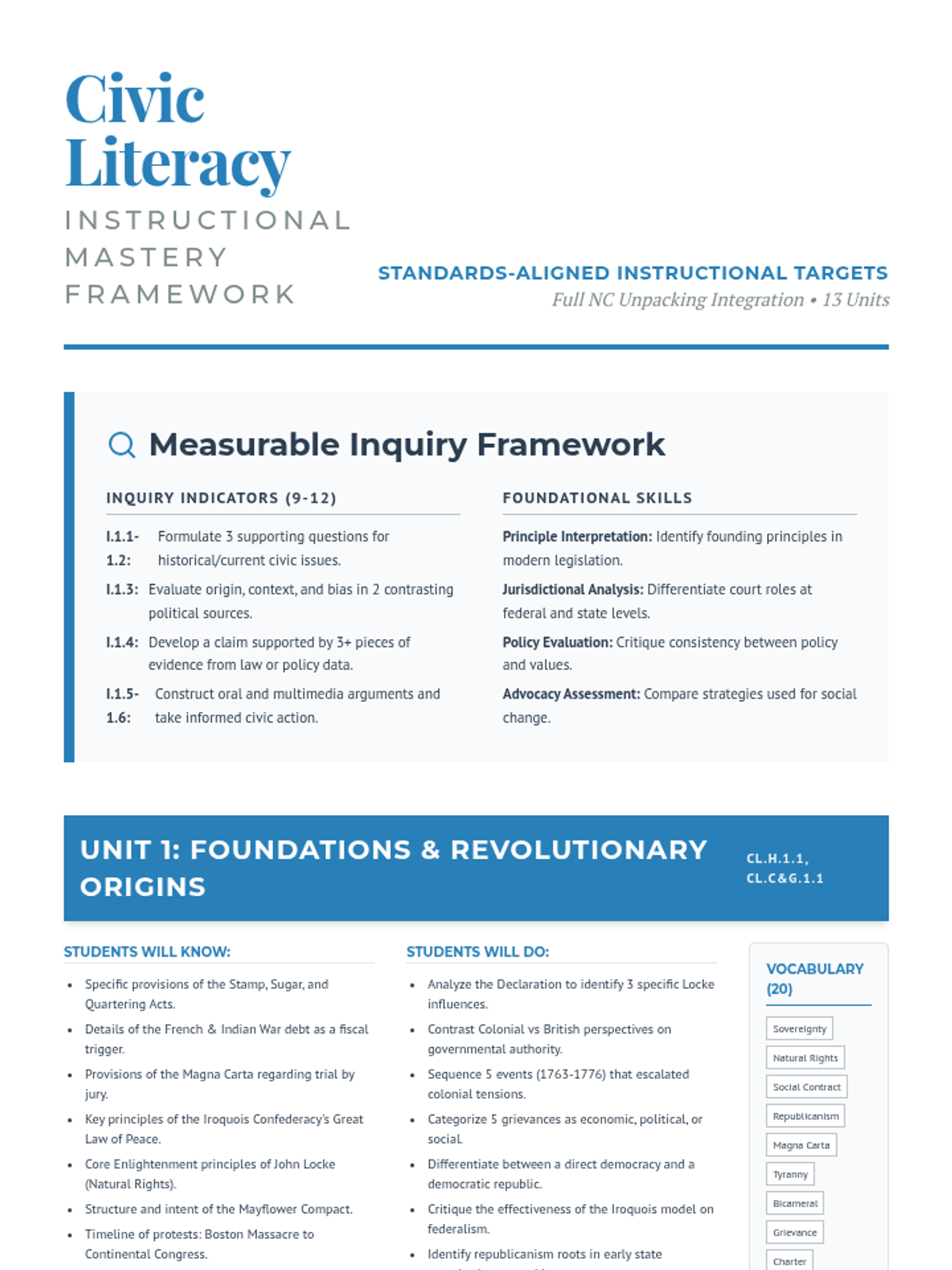
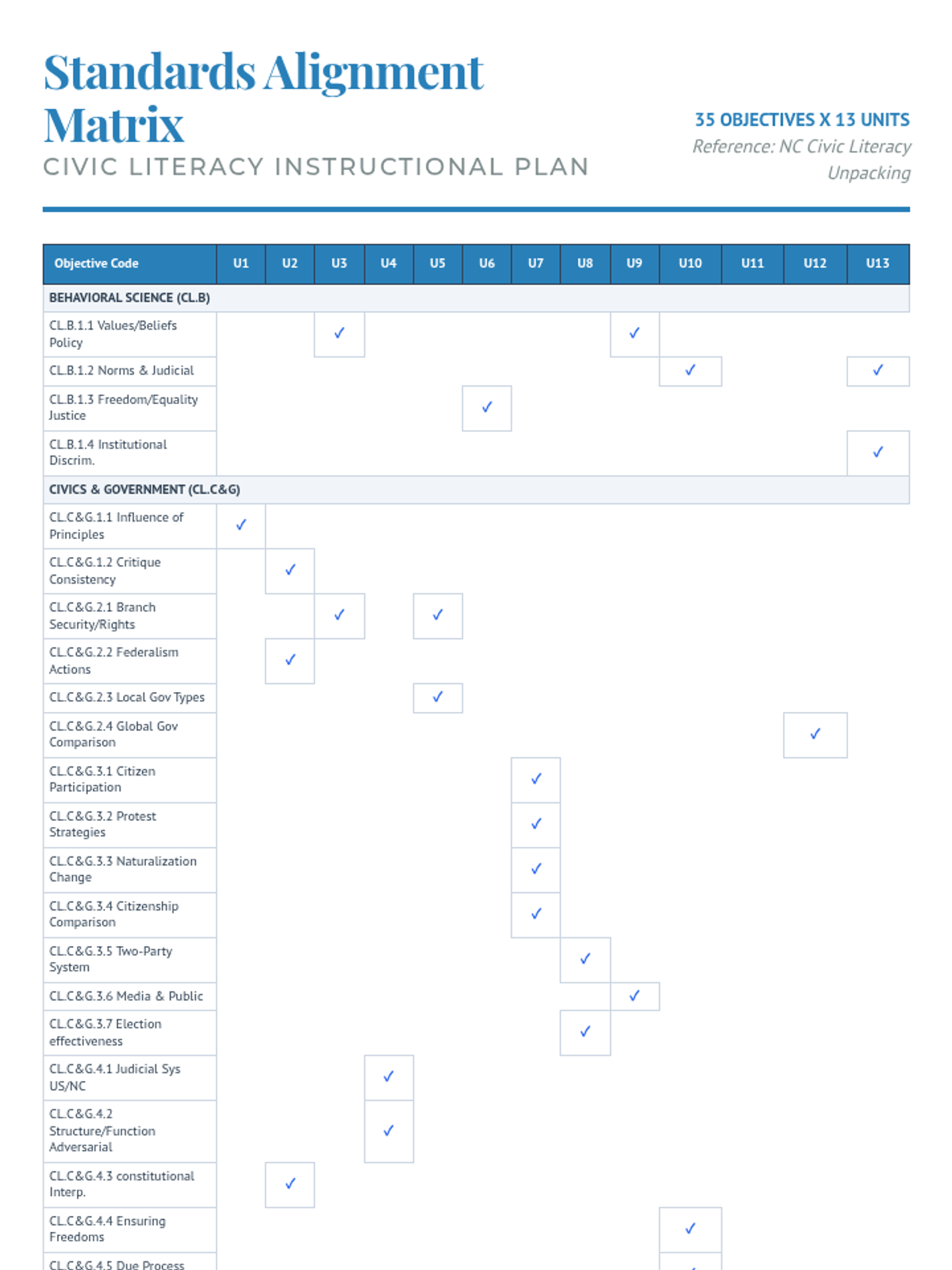
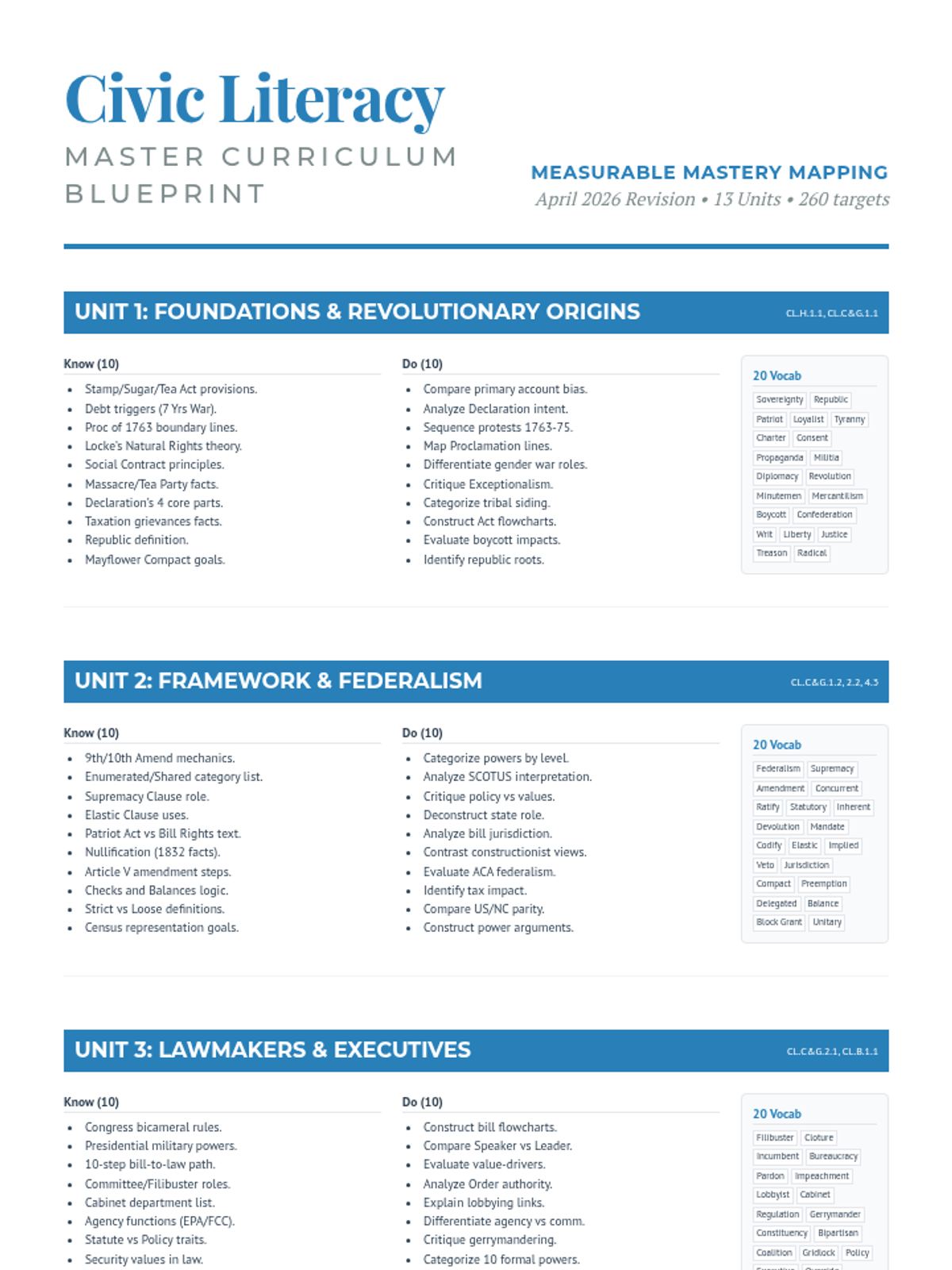
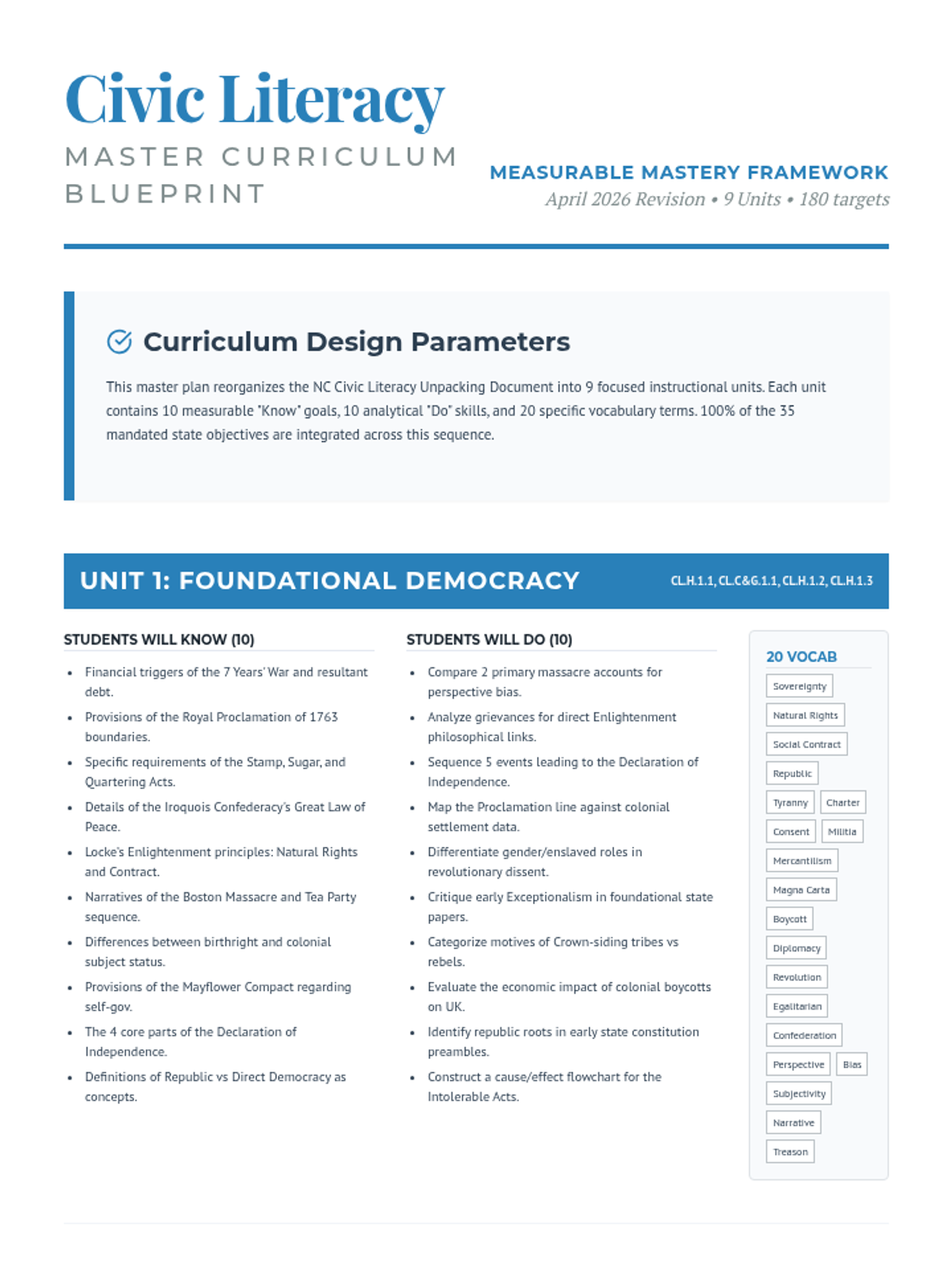
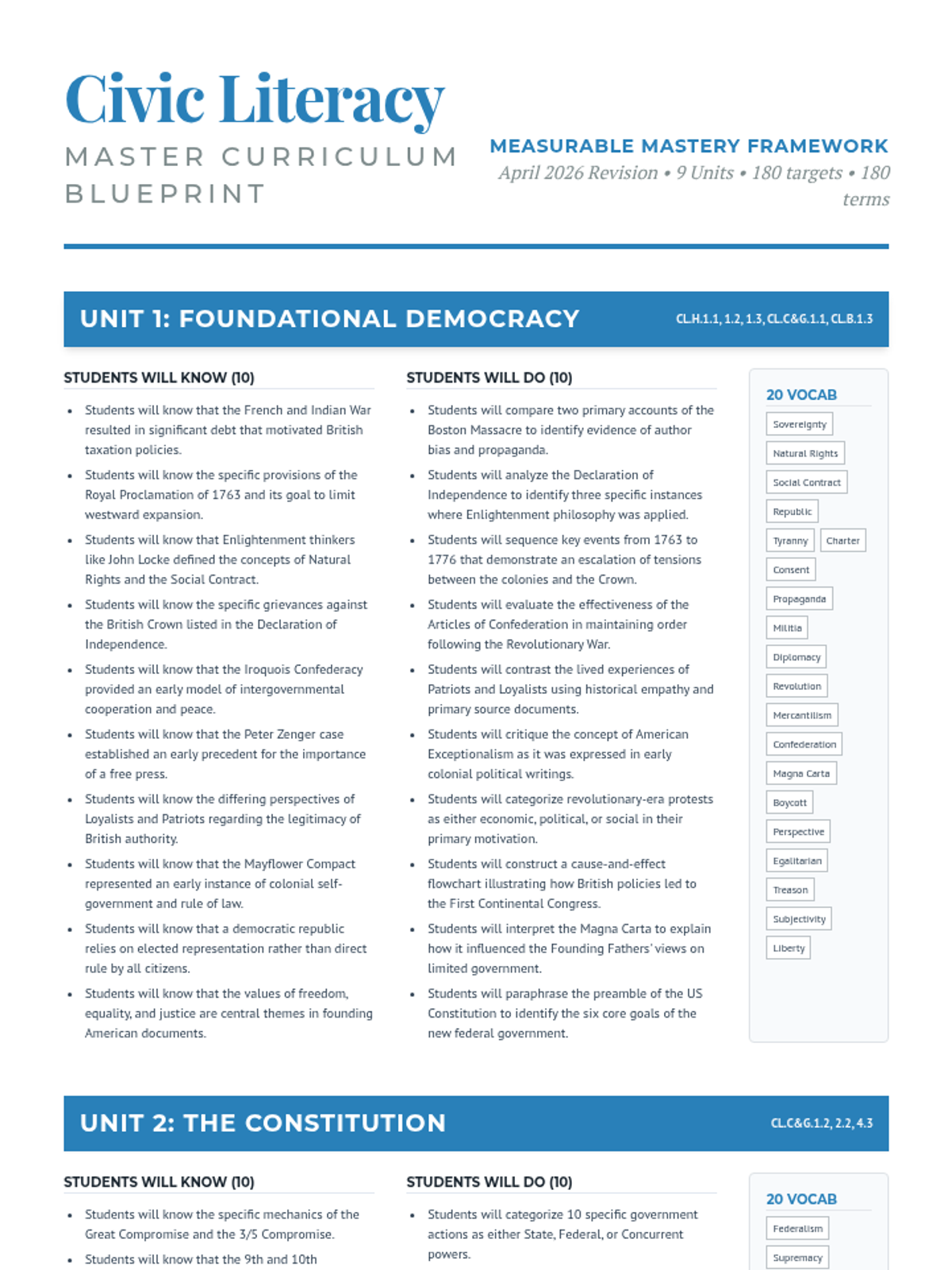
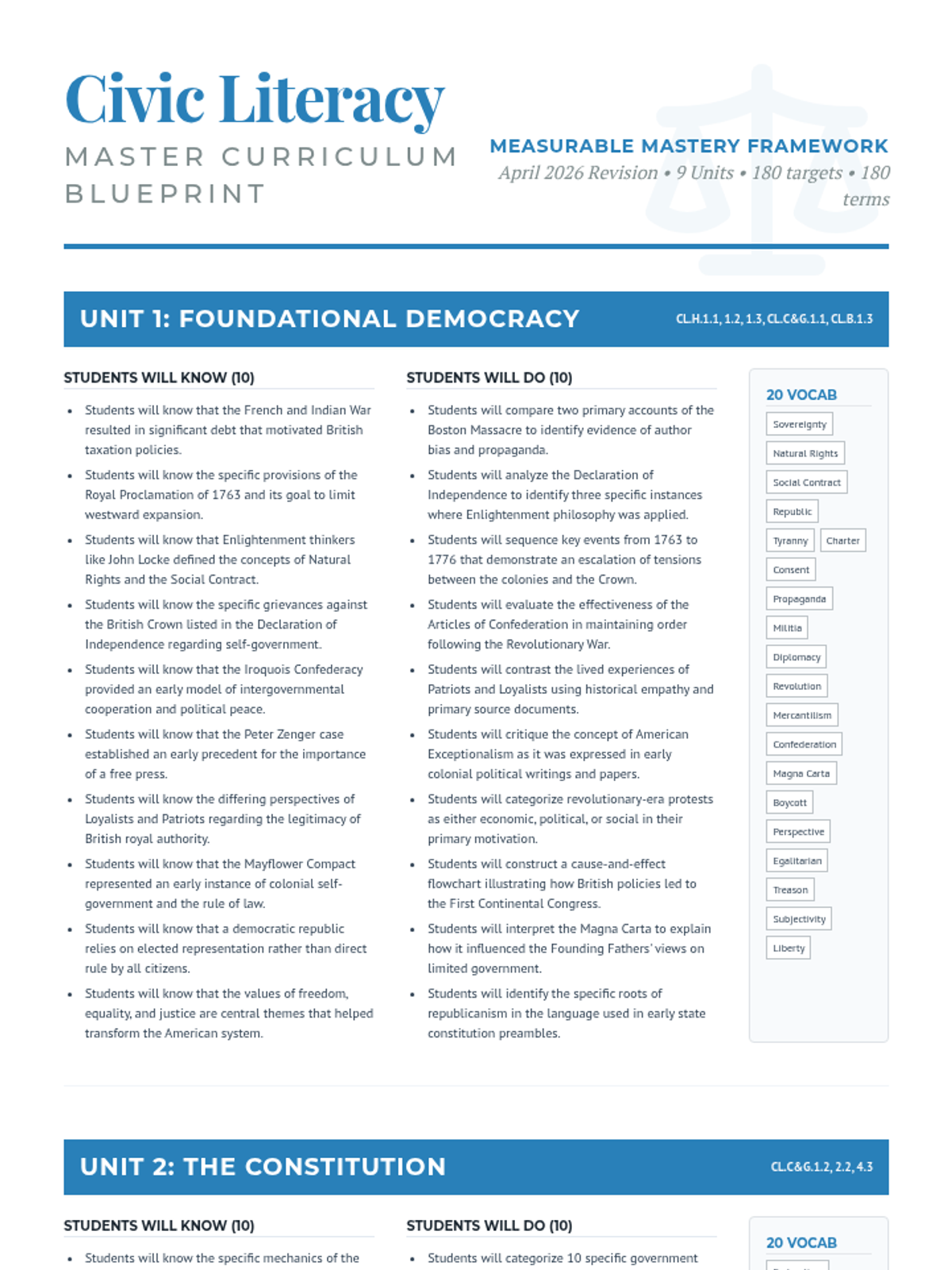
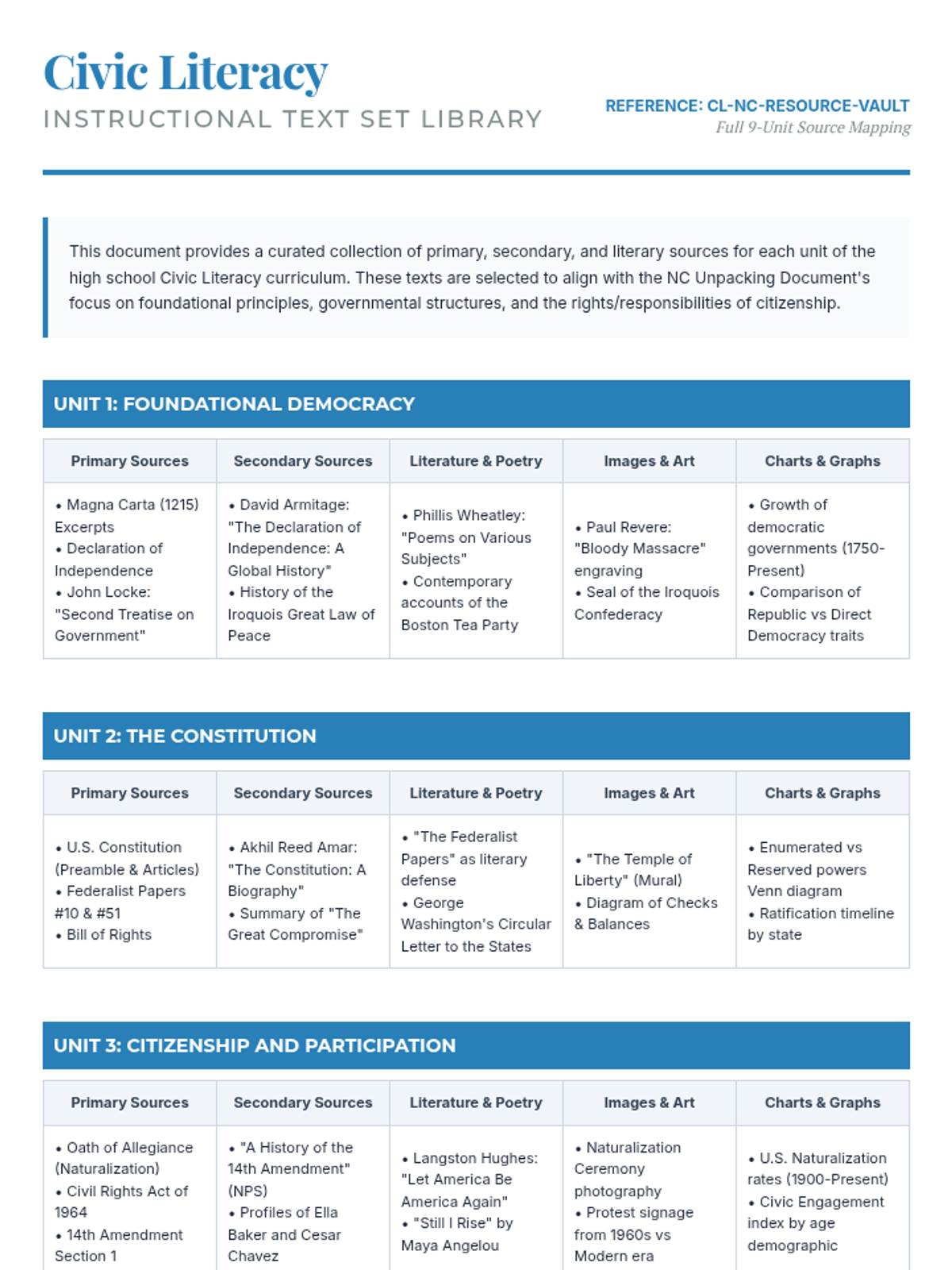
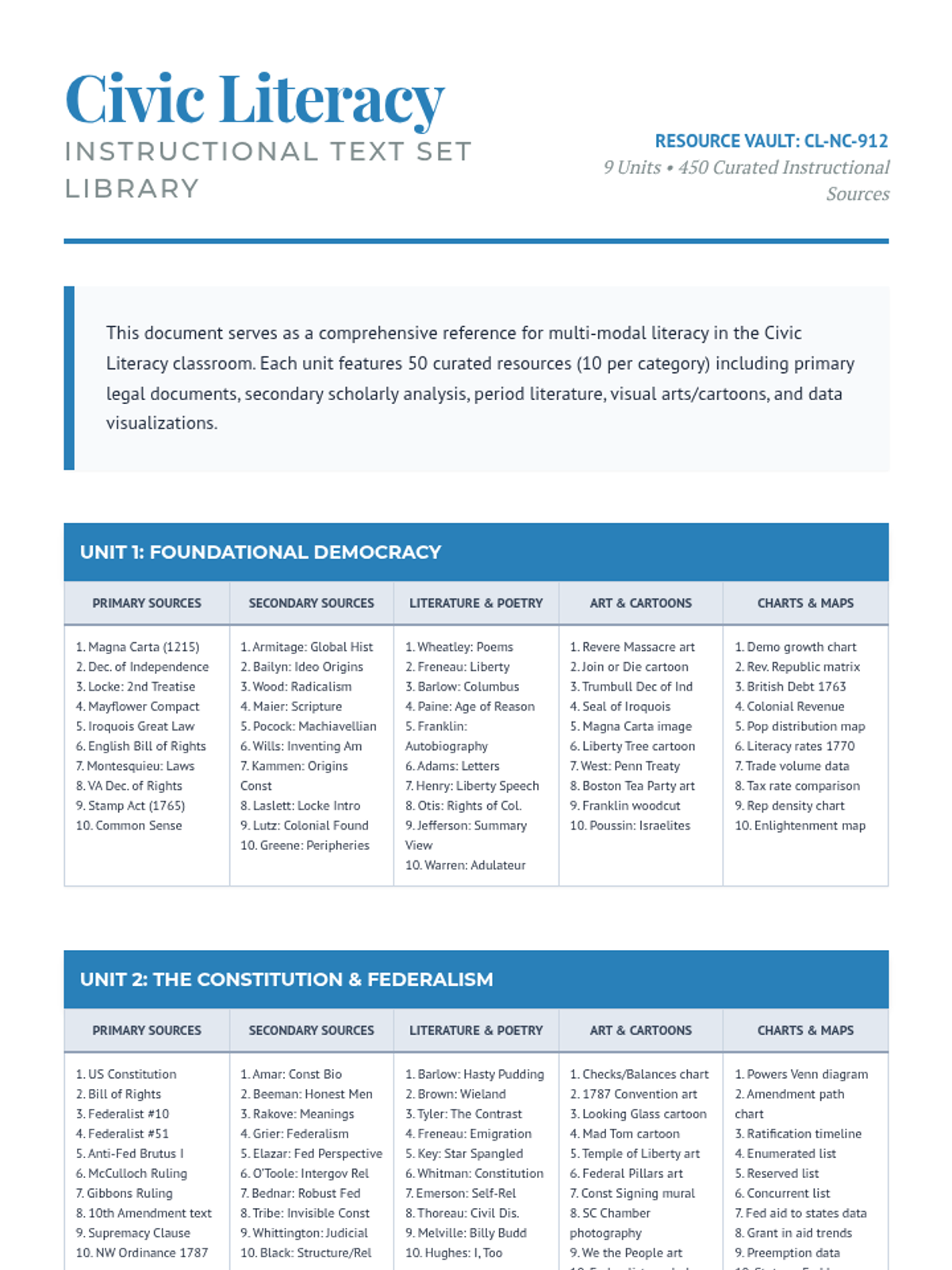
A master curriculum framework for Civic Literacy that defines standards, objectives, skills, learning goals, and vocabulary for thirteen instructional units.
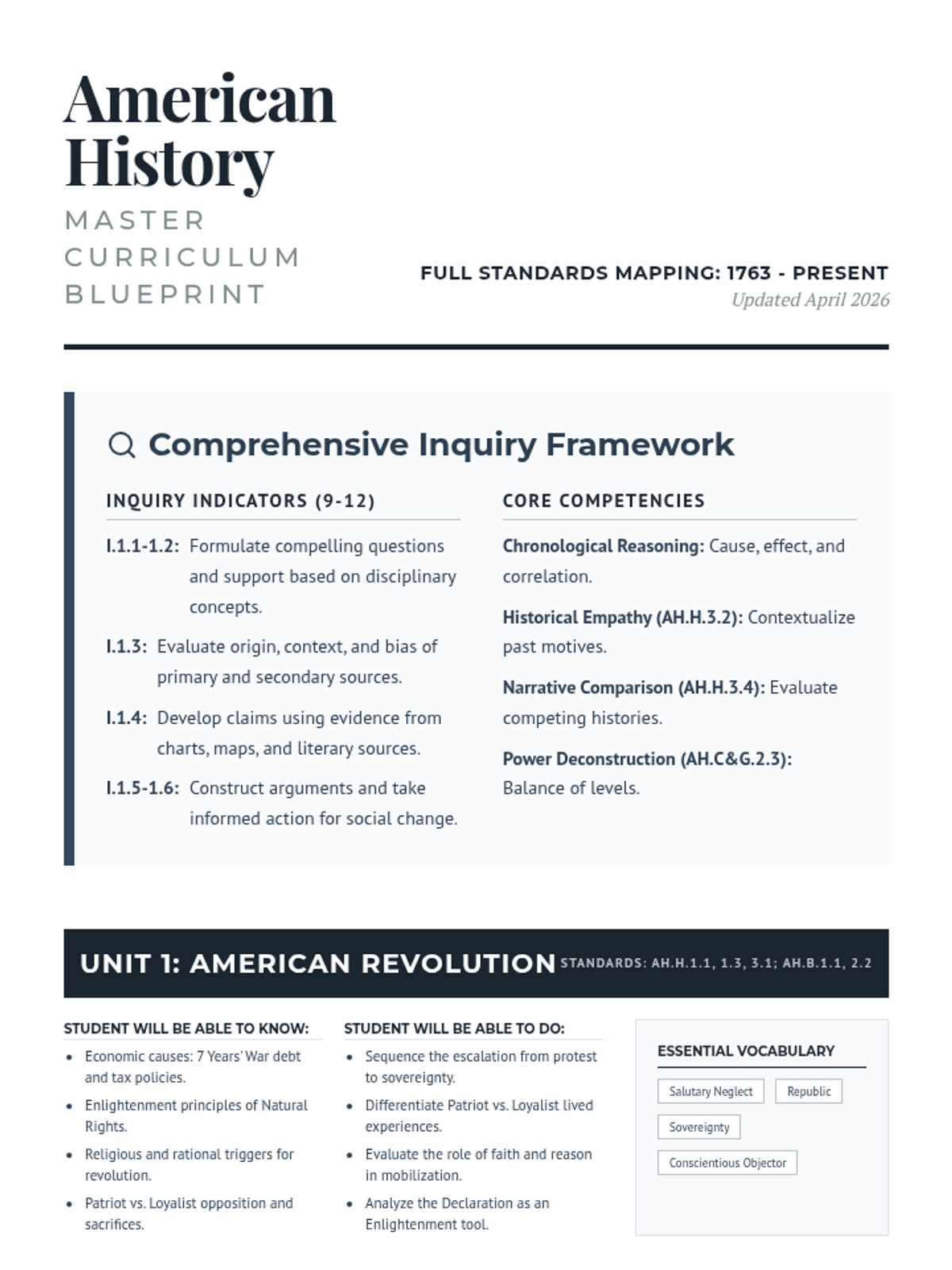
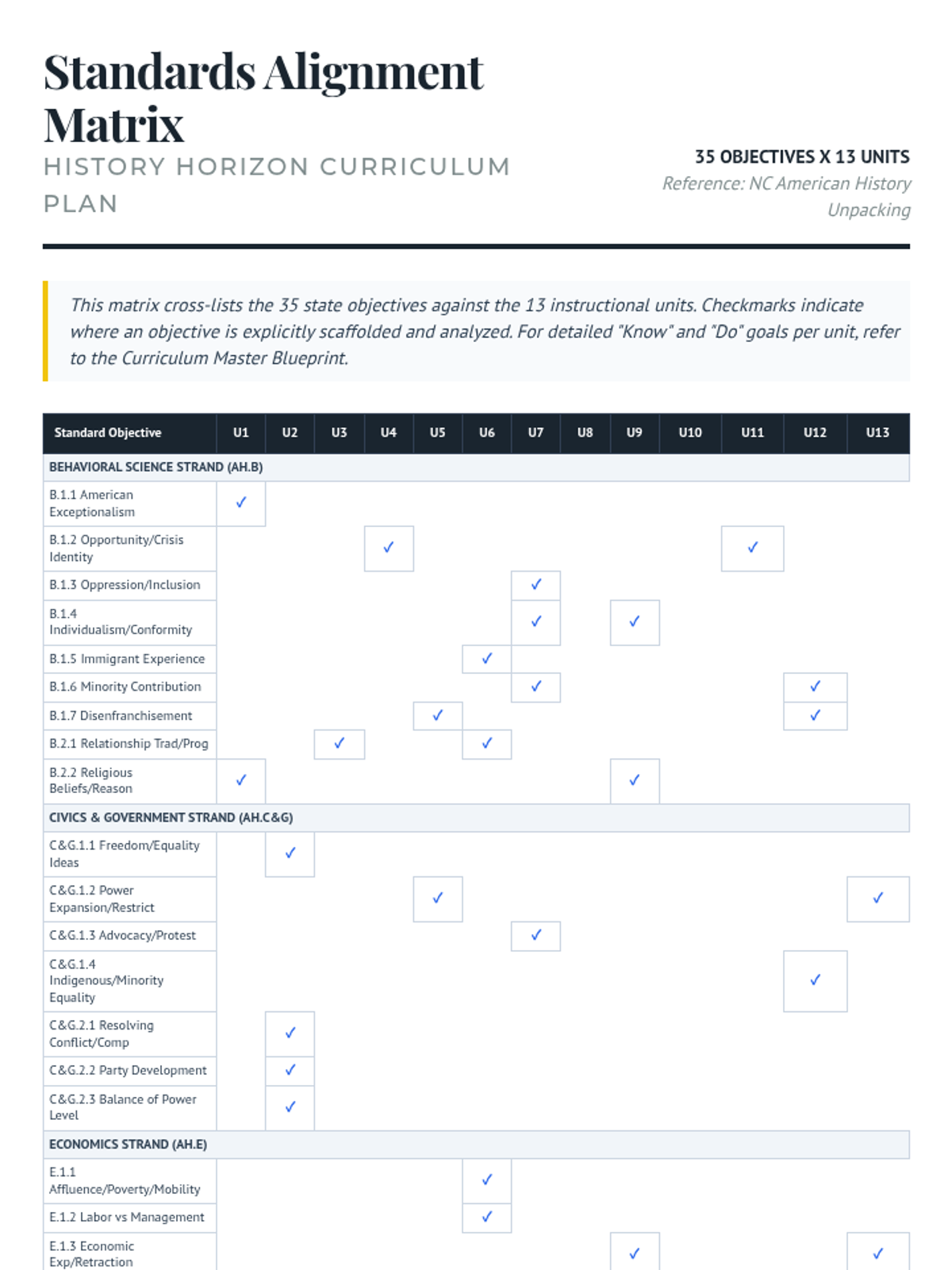
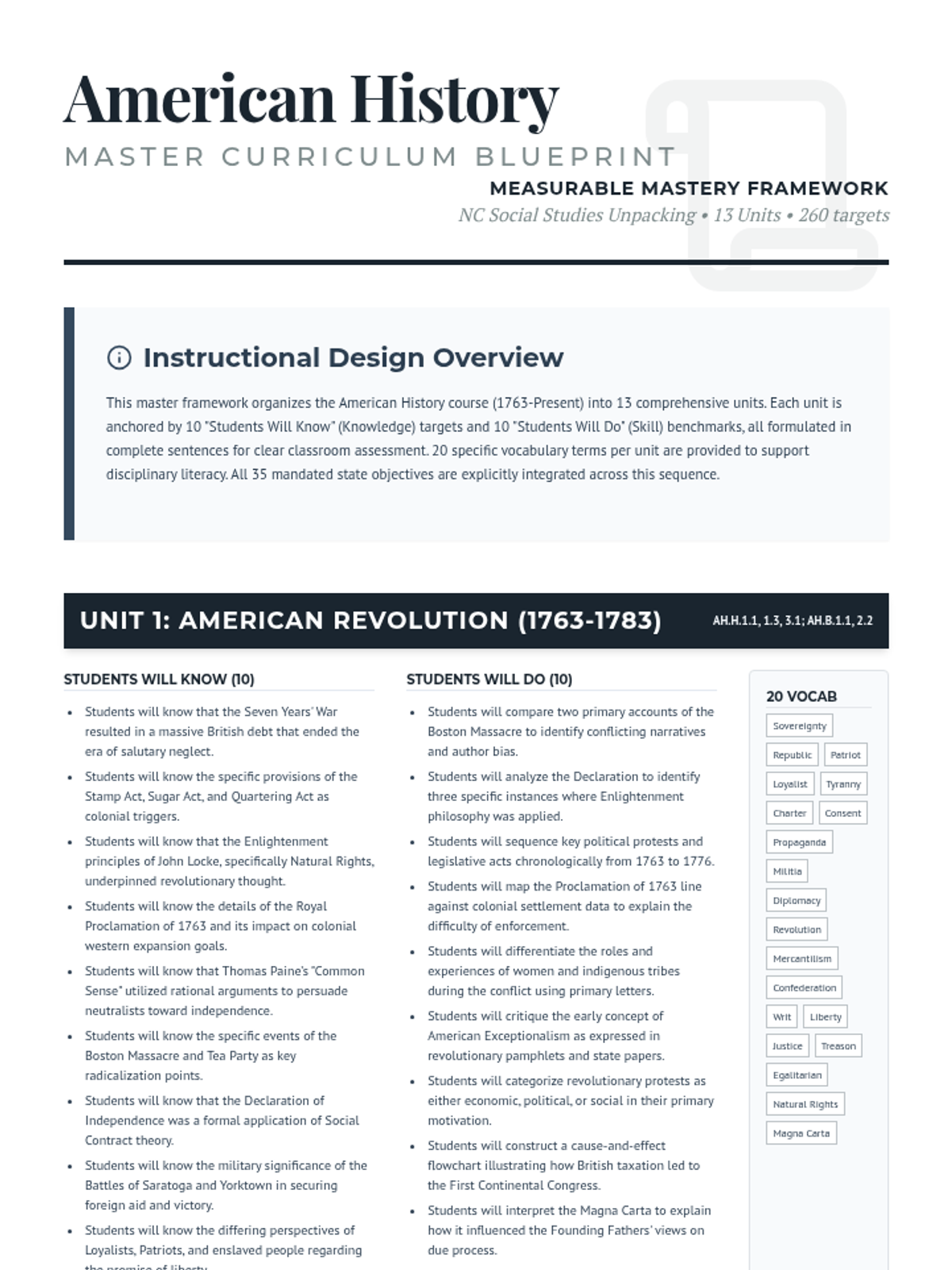
A master curriculum framework for American History that defines standards, objectives, skills, learning goals, and vocabulary for thirteen instructional units.
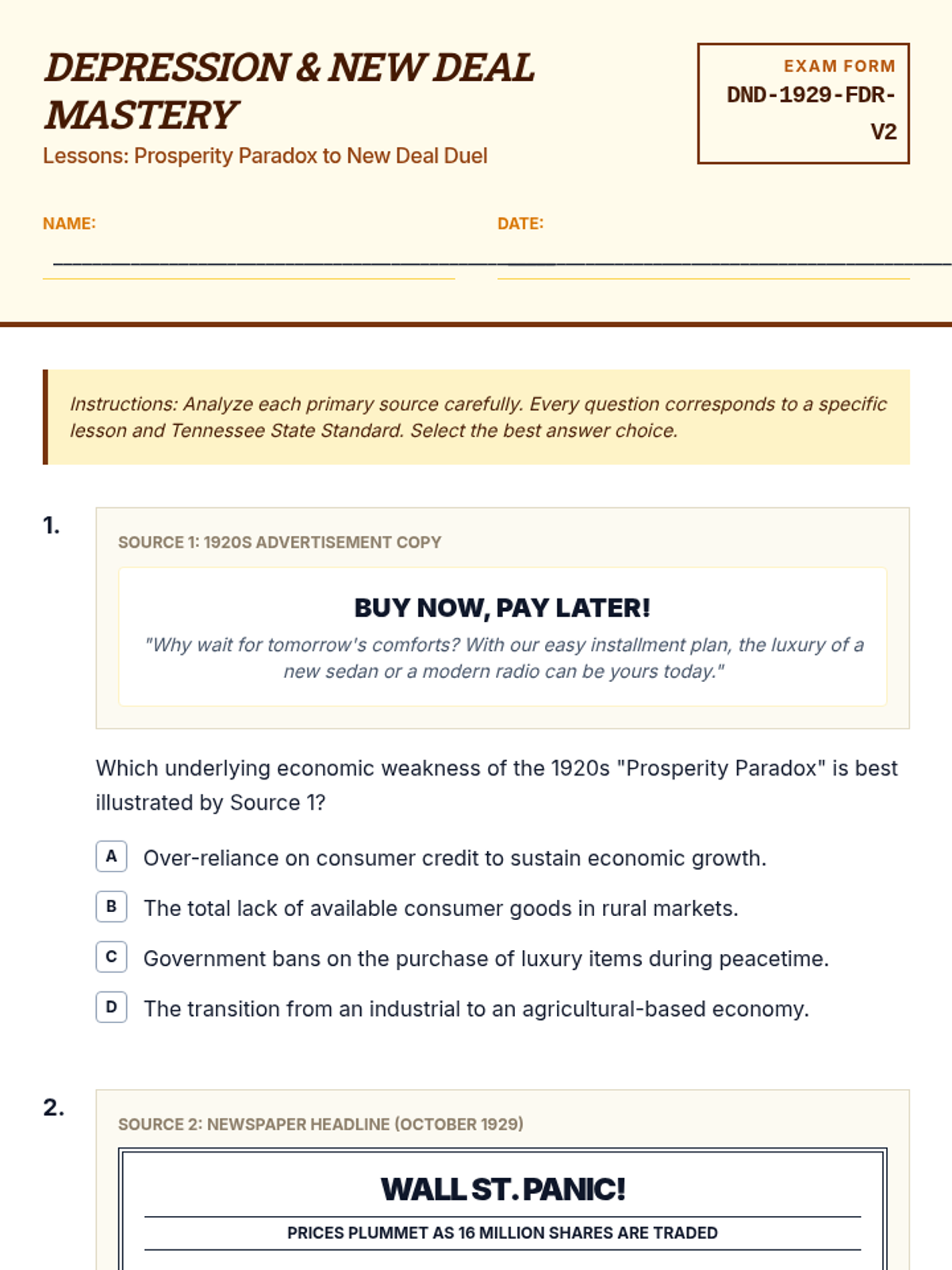
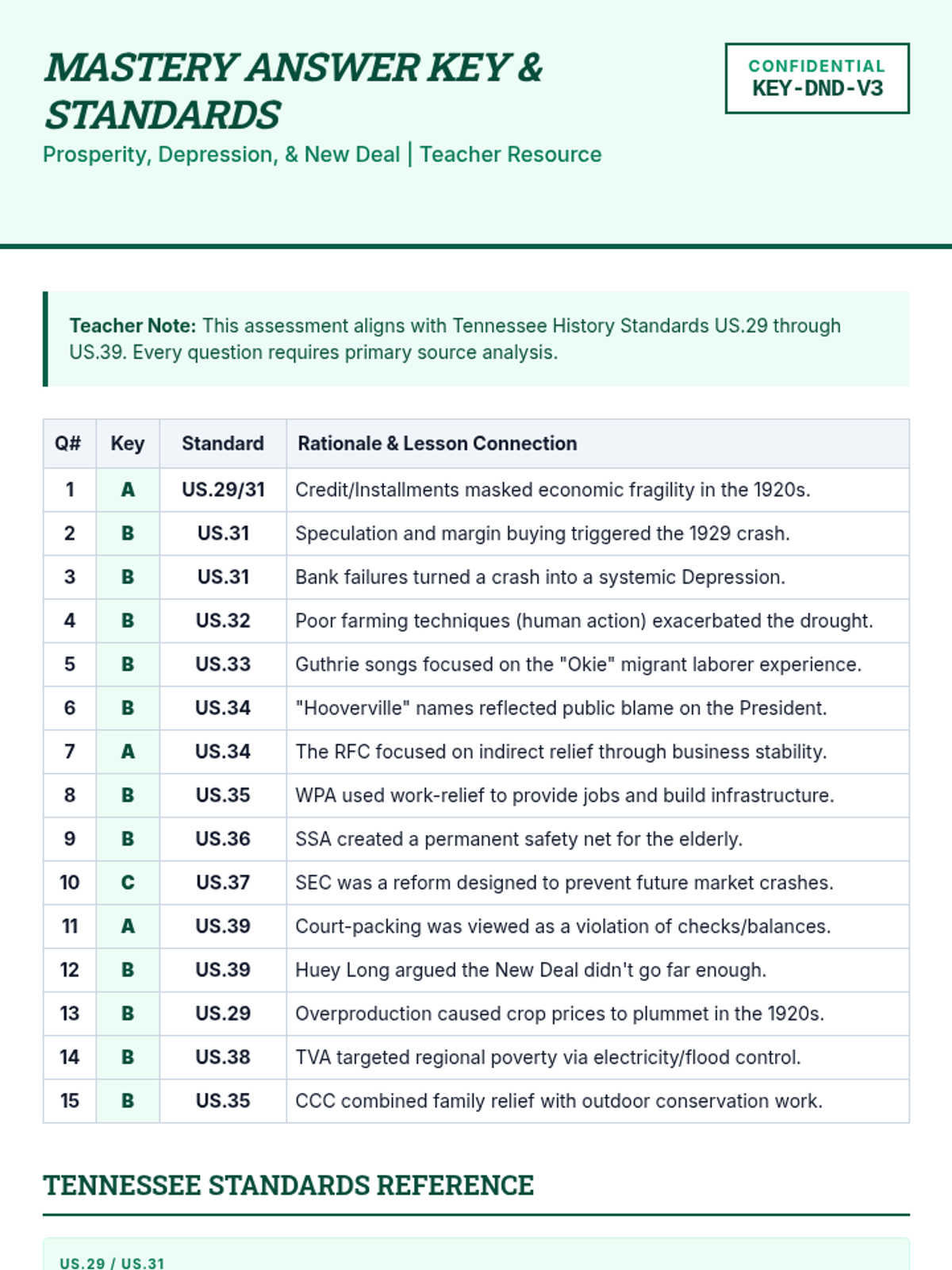
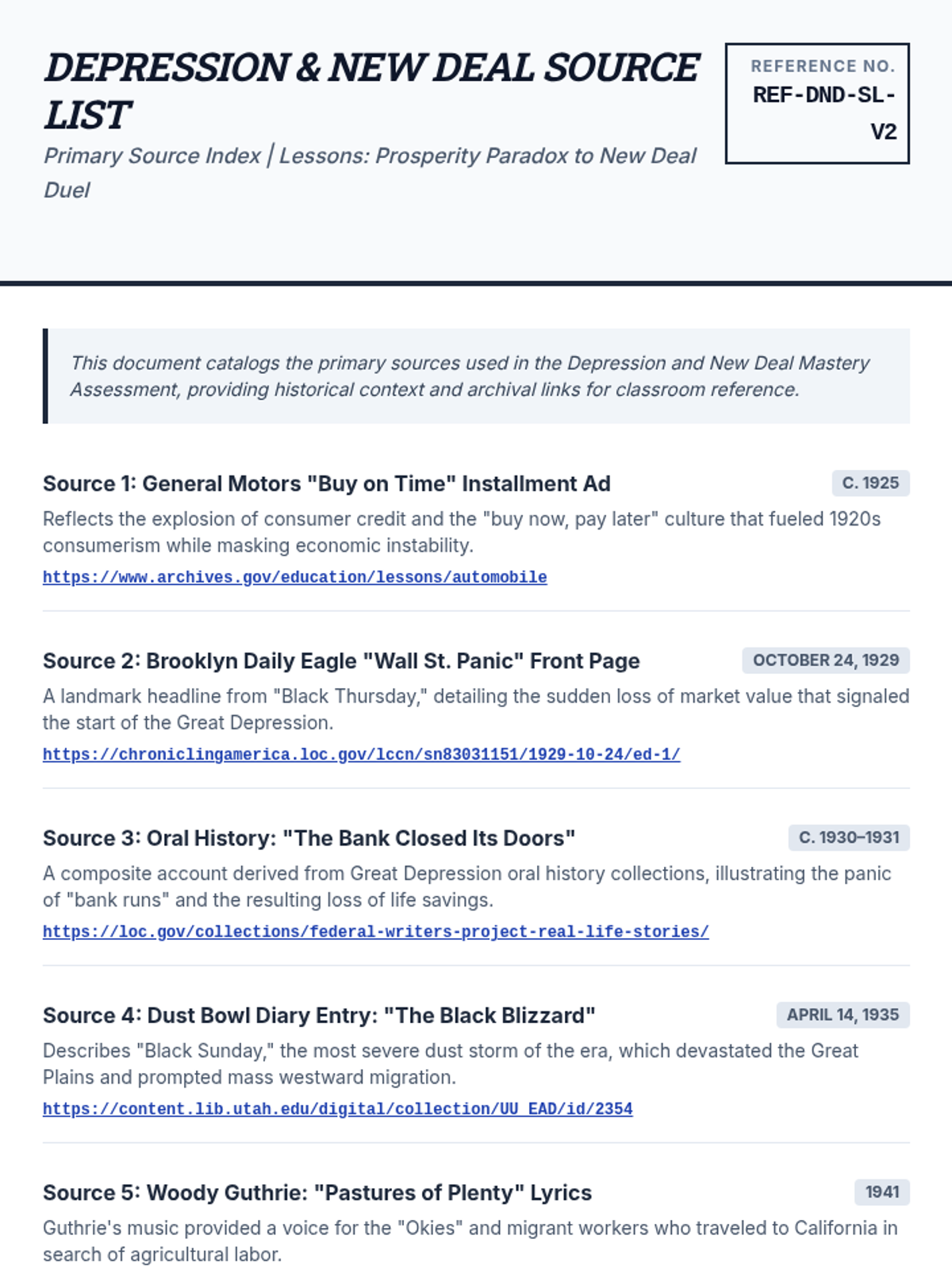
A cumulative assessment covering the Roaring Twenties through the New Deal, focusing on primary source analysis.
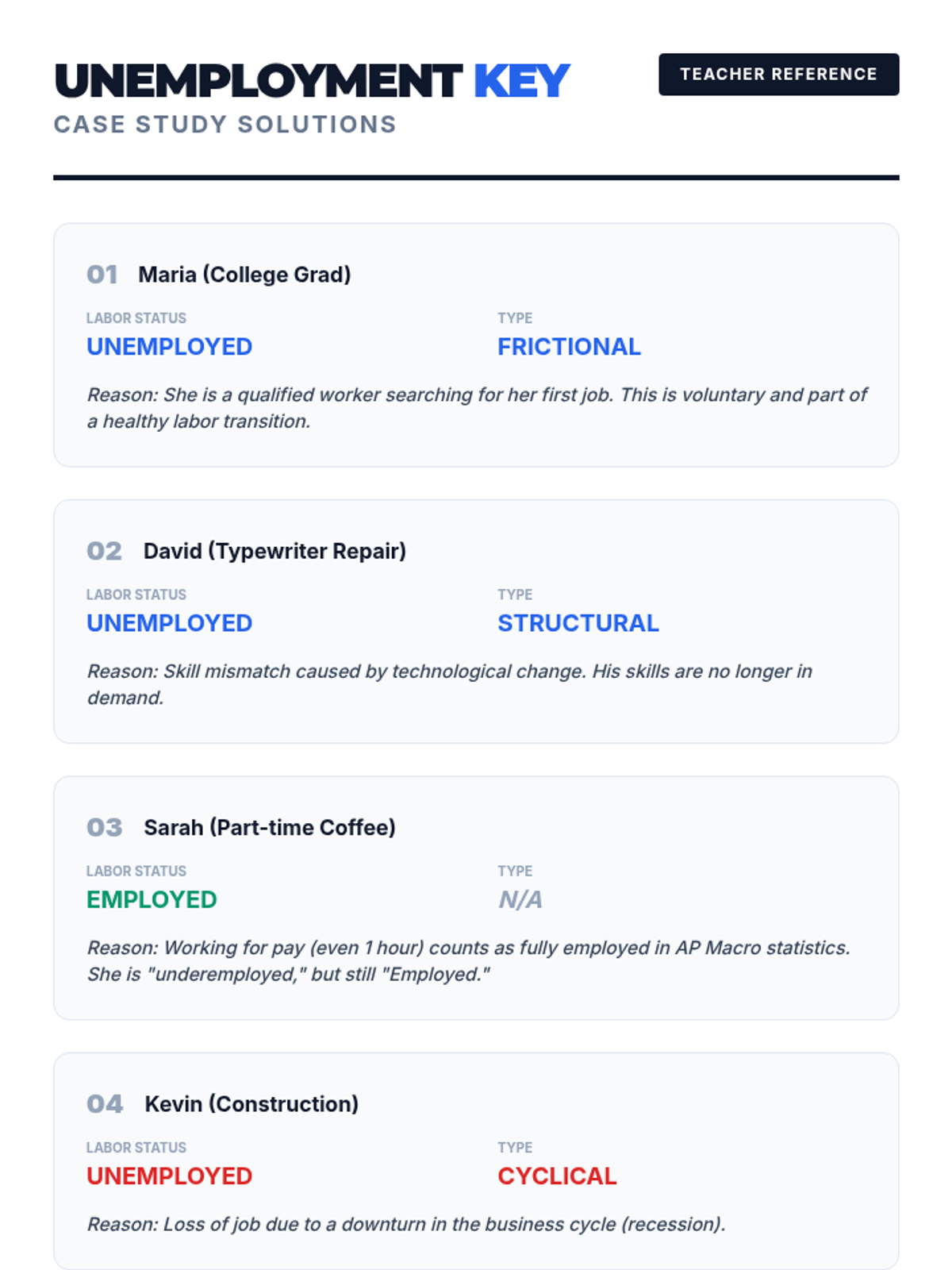
A comprehensive overview of AP Macroeconomics Units 3 and 4, focusing on the AD-AS model, fiscal policy, the financial sector, and monetary policy.
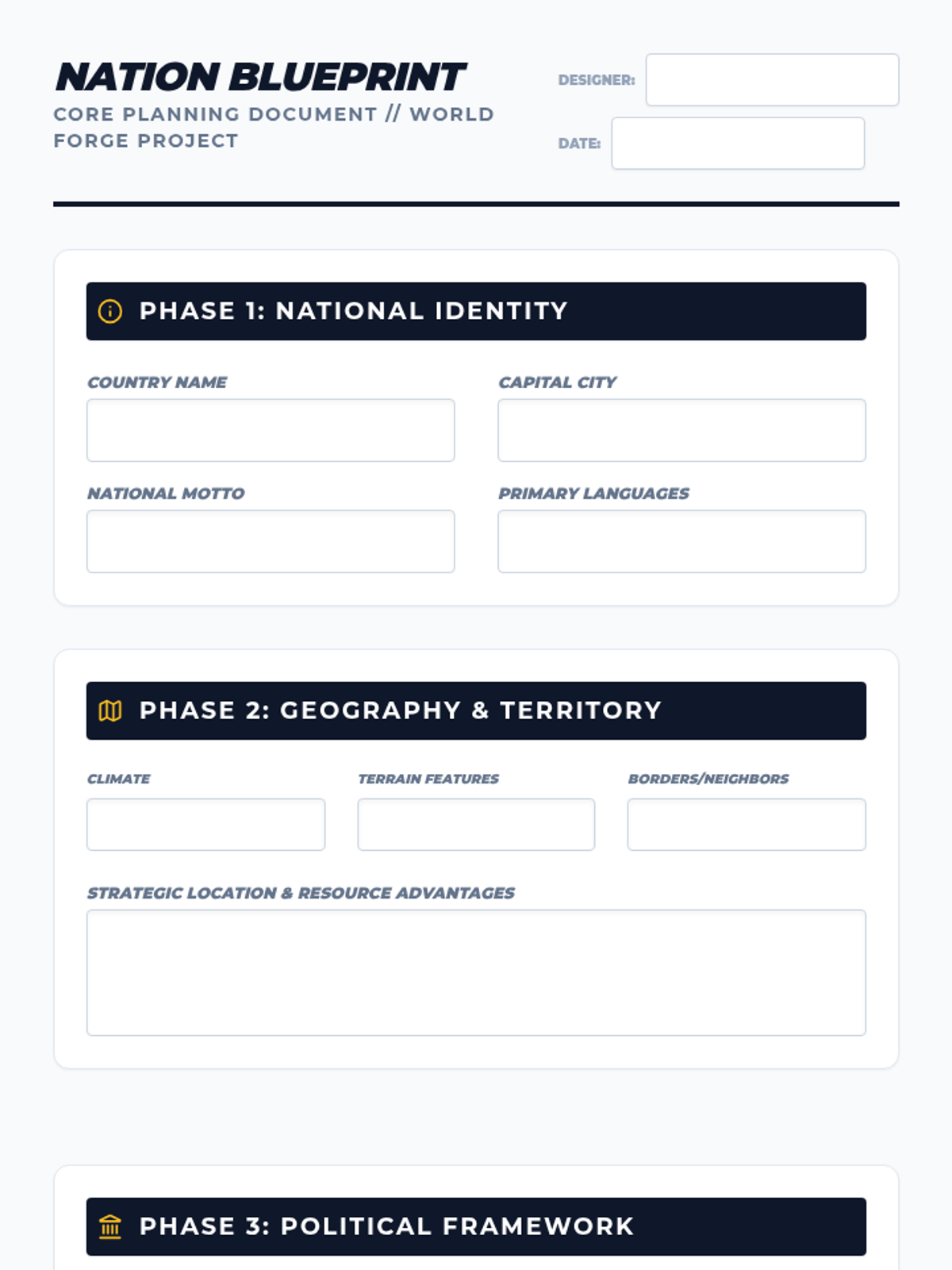
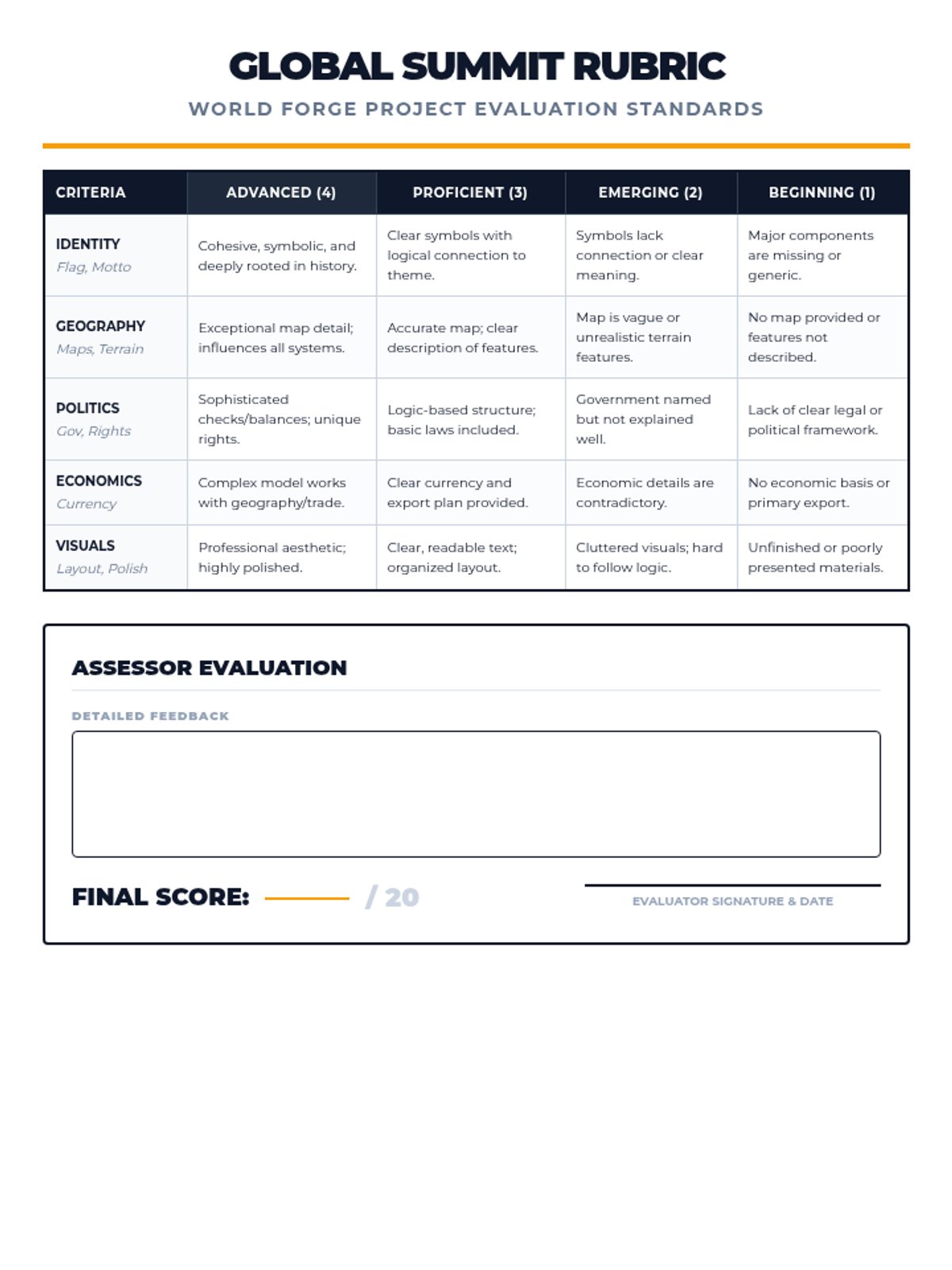
A comprehensive project where students design every aspect of a new nation, from its geography and government to its economy and culture. This lesson provides the instructional framework and examples needed for students to build a logical and cohesive country model.
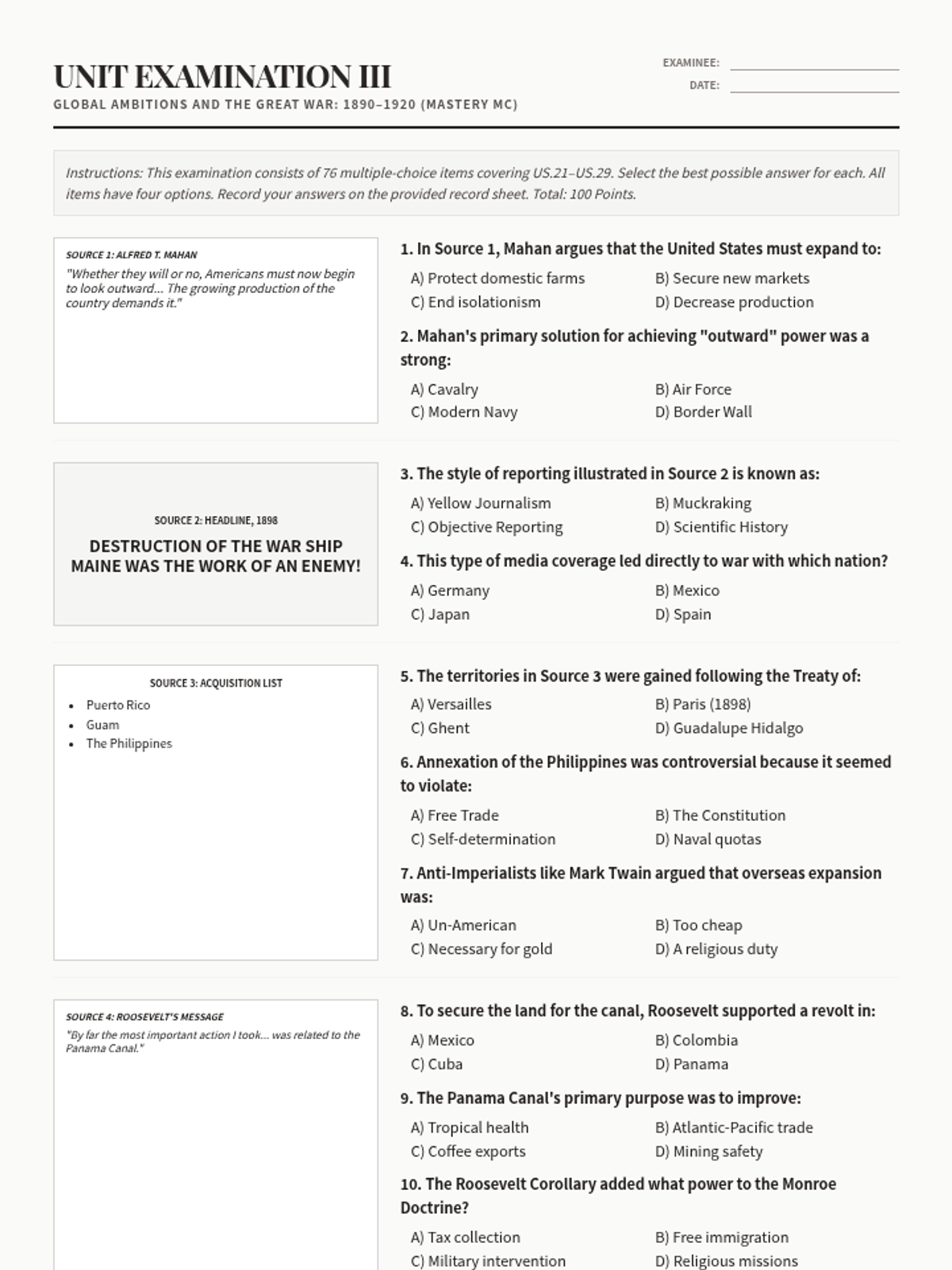
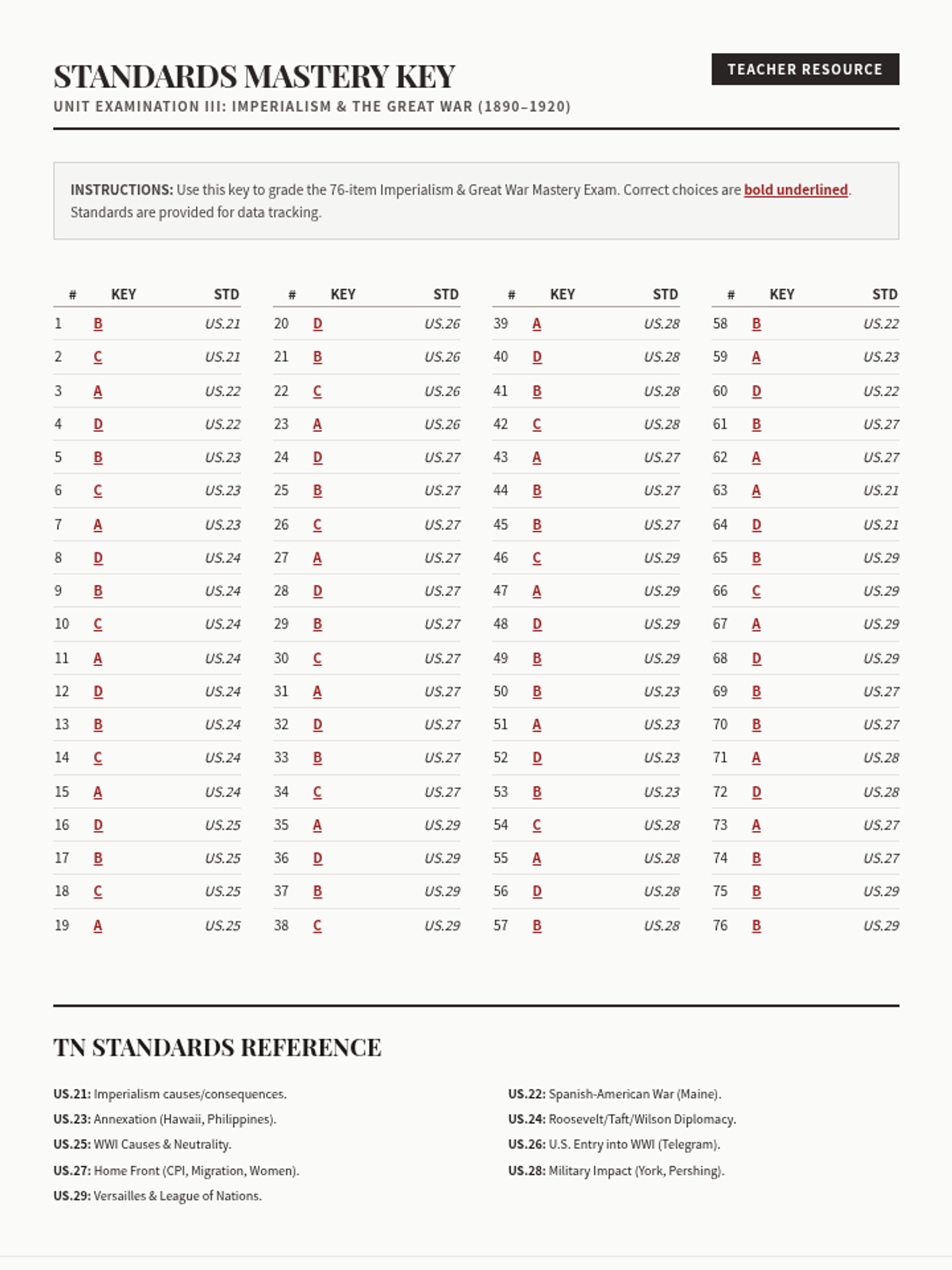
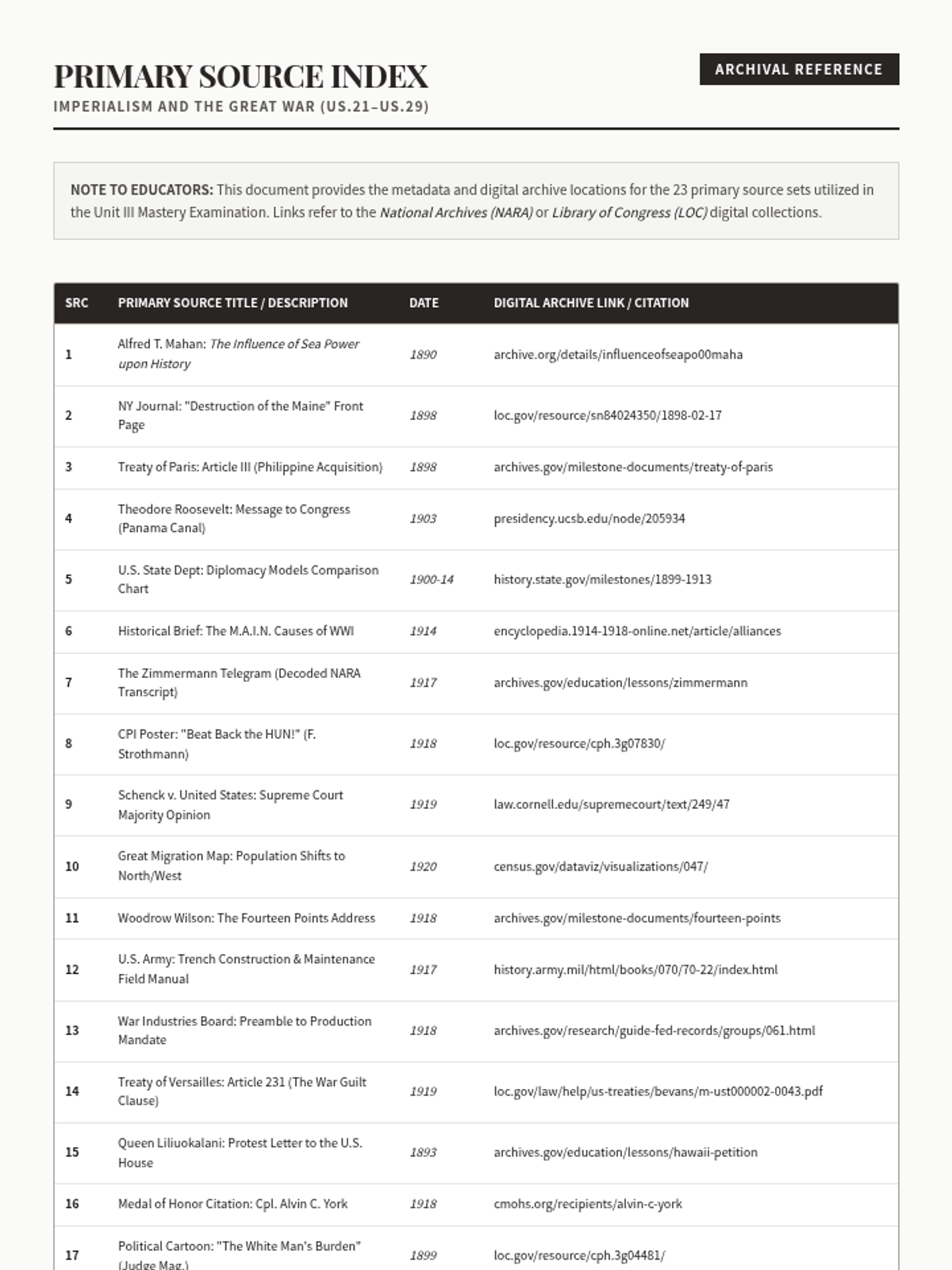
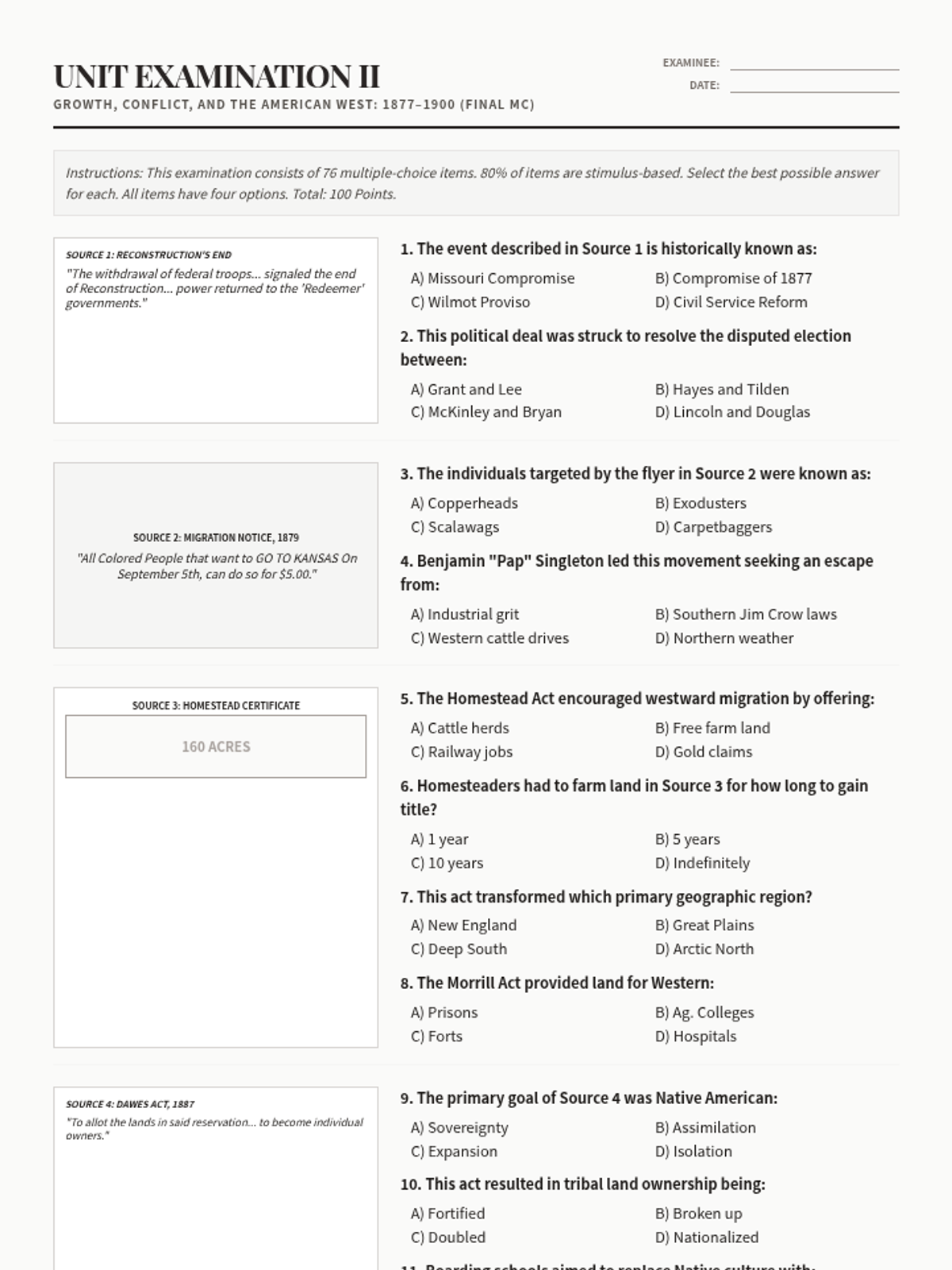
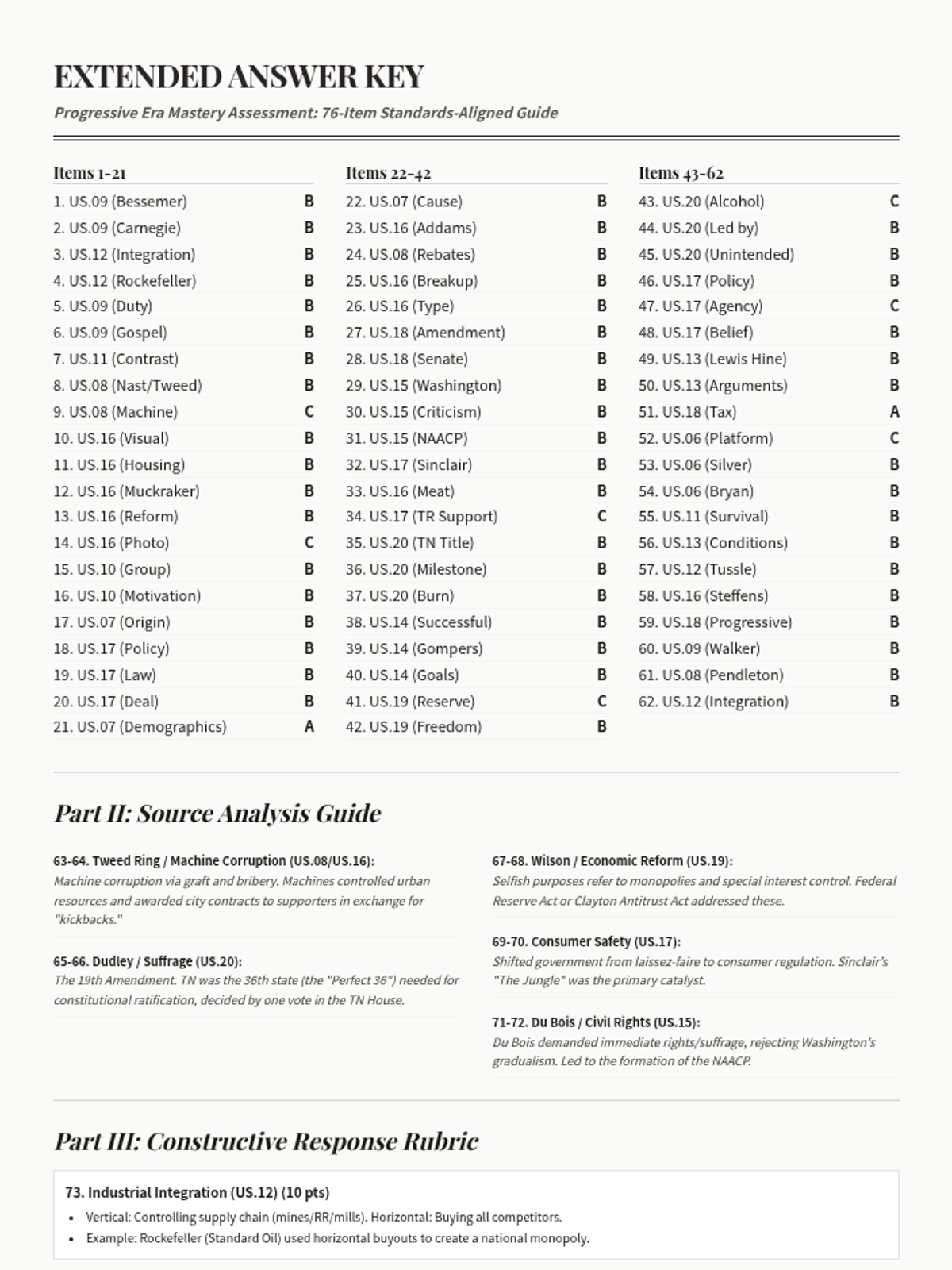
A comprehensive assessment module covering American Imperialism and World War I (US.21-US.29). Features a 76-question stimulus-based exam and a corresponding teacher key mapped to state standards.
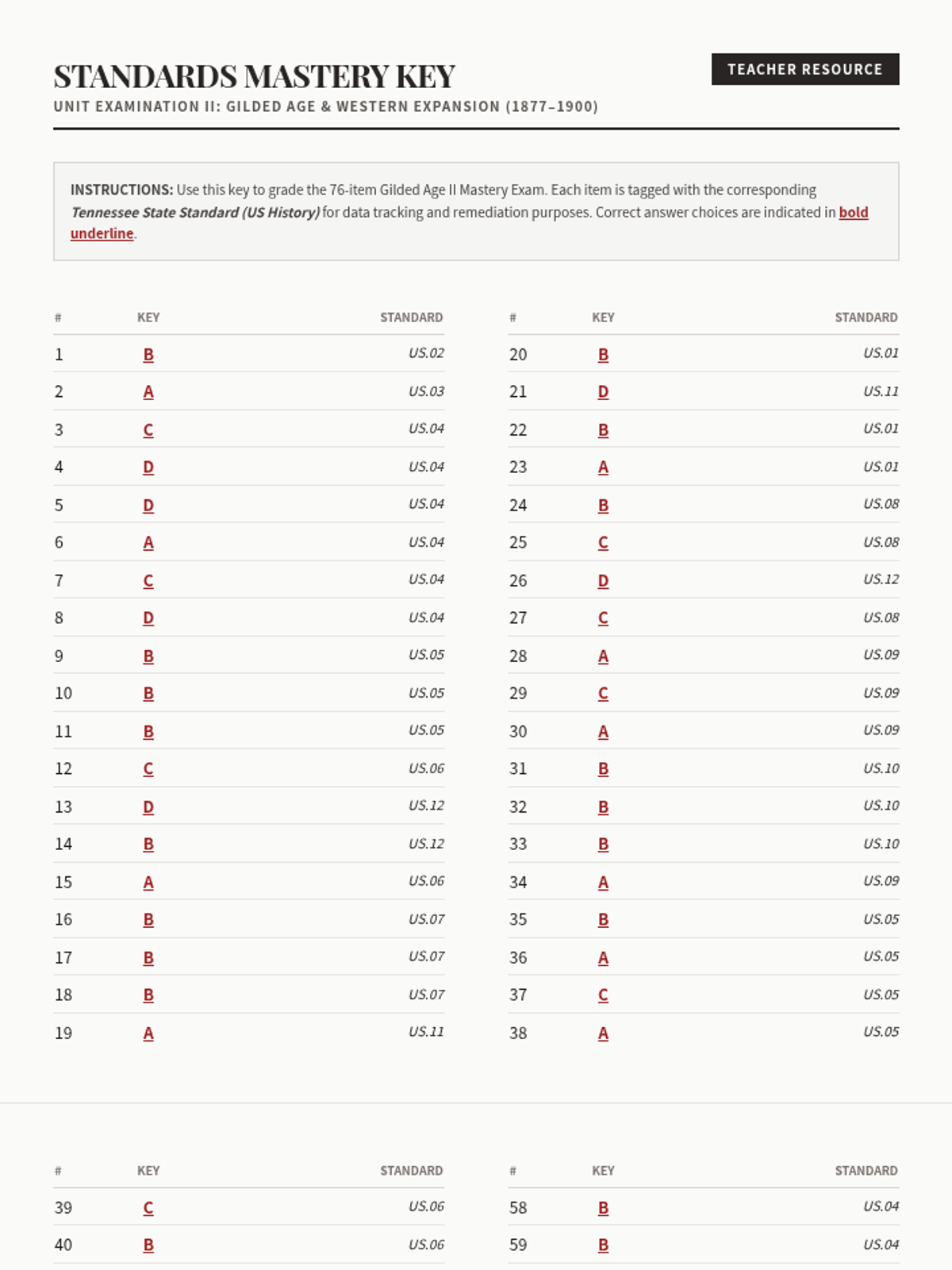
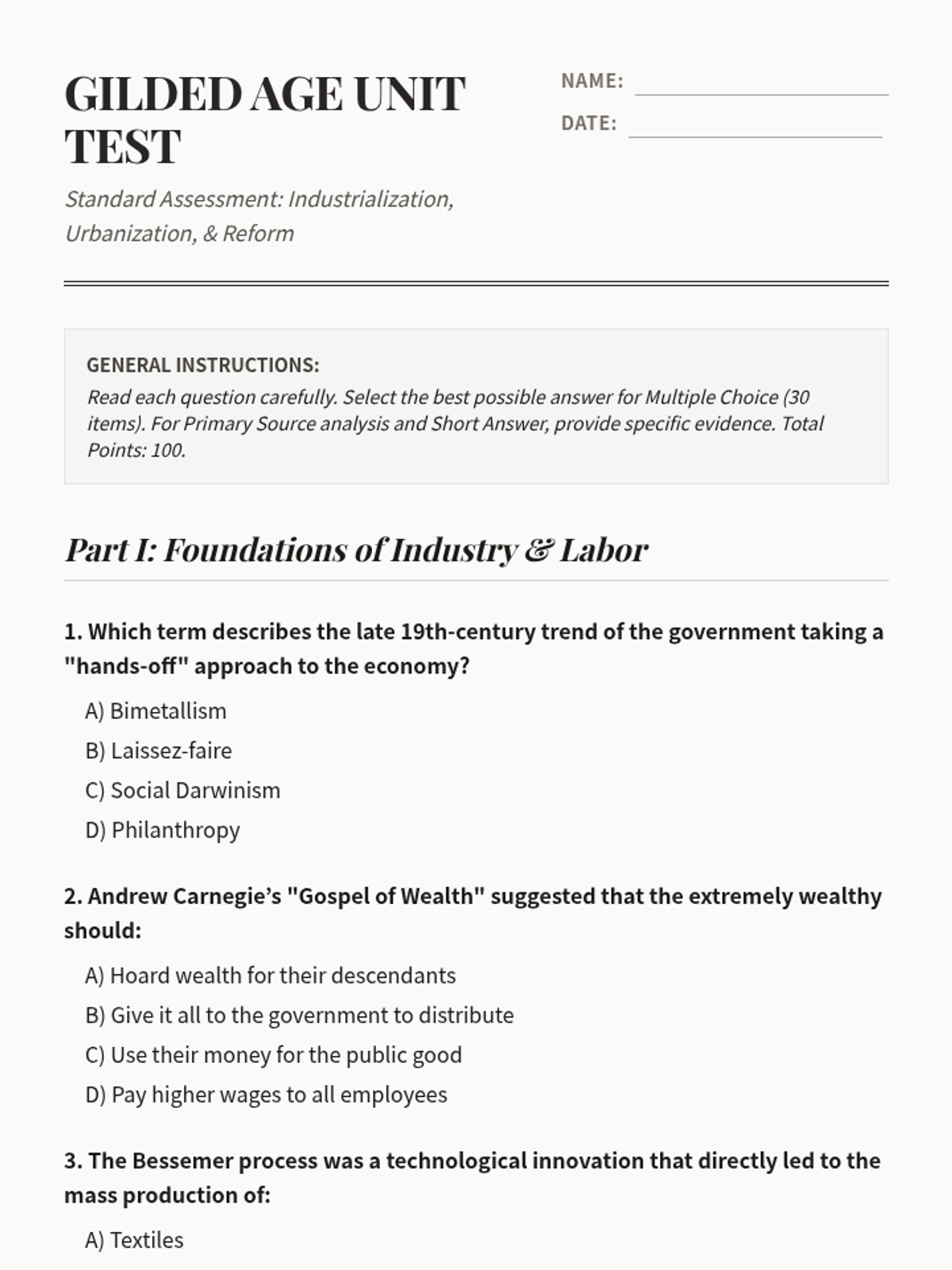
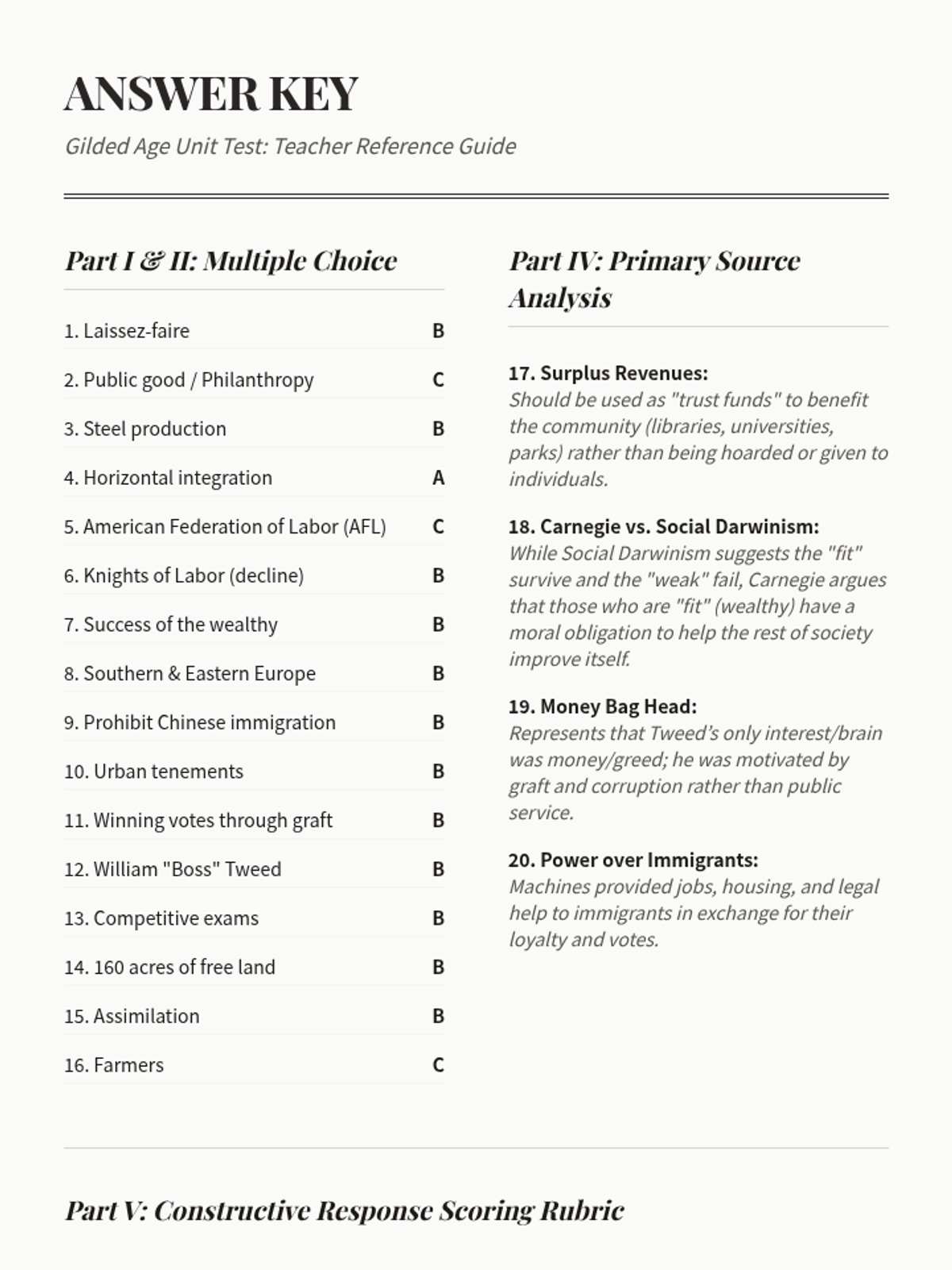
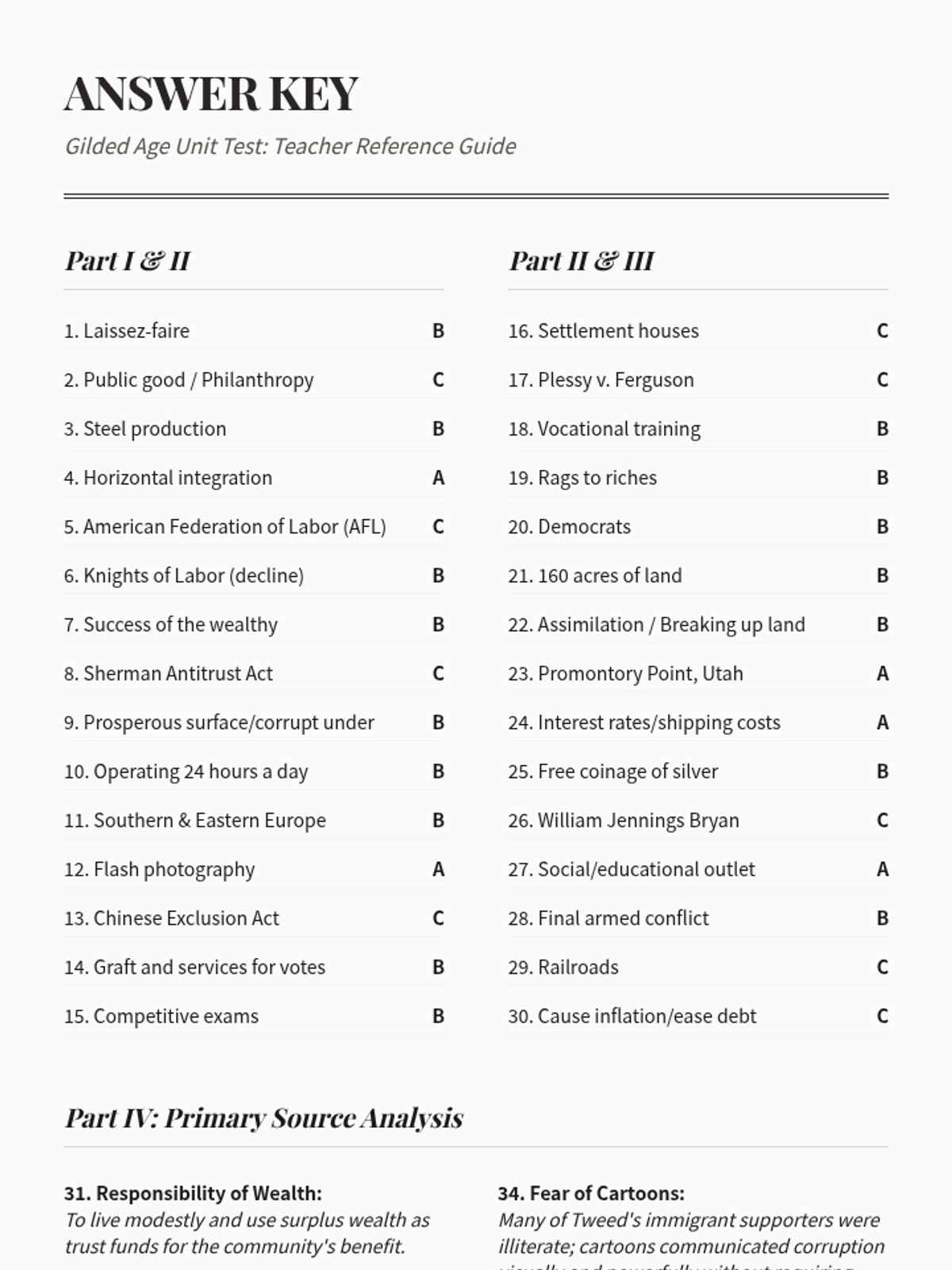
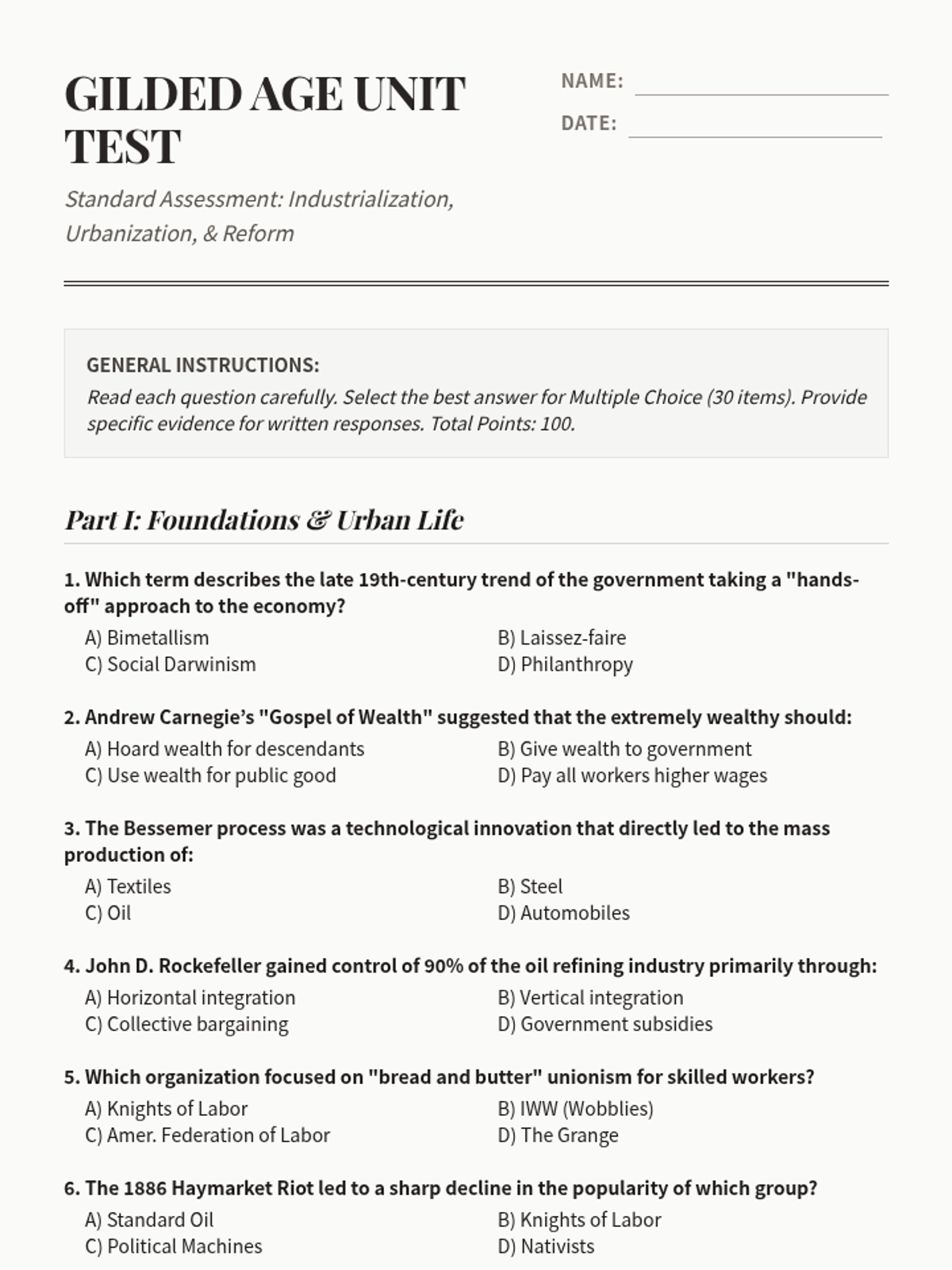
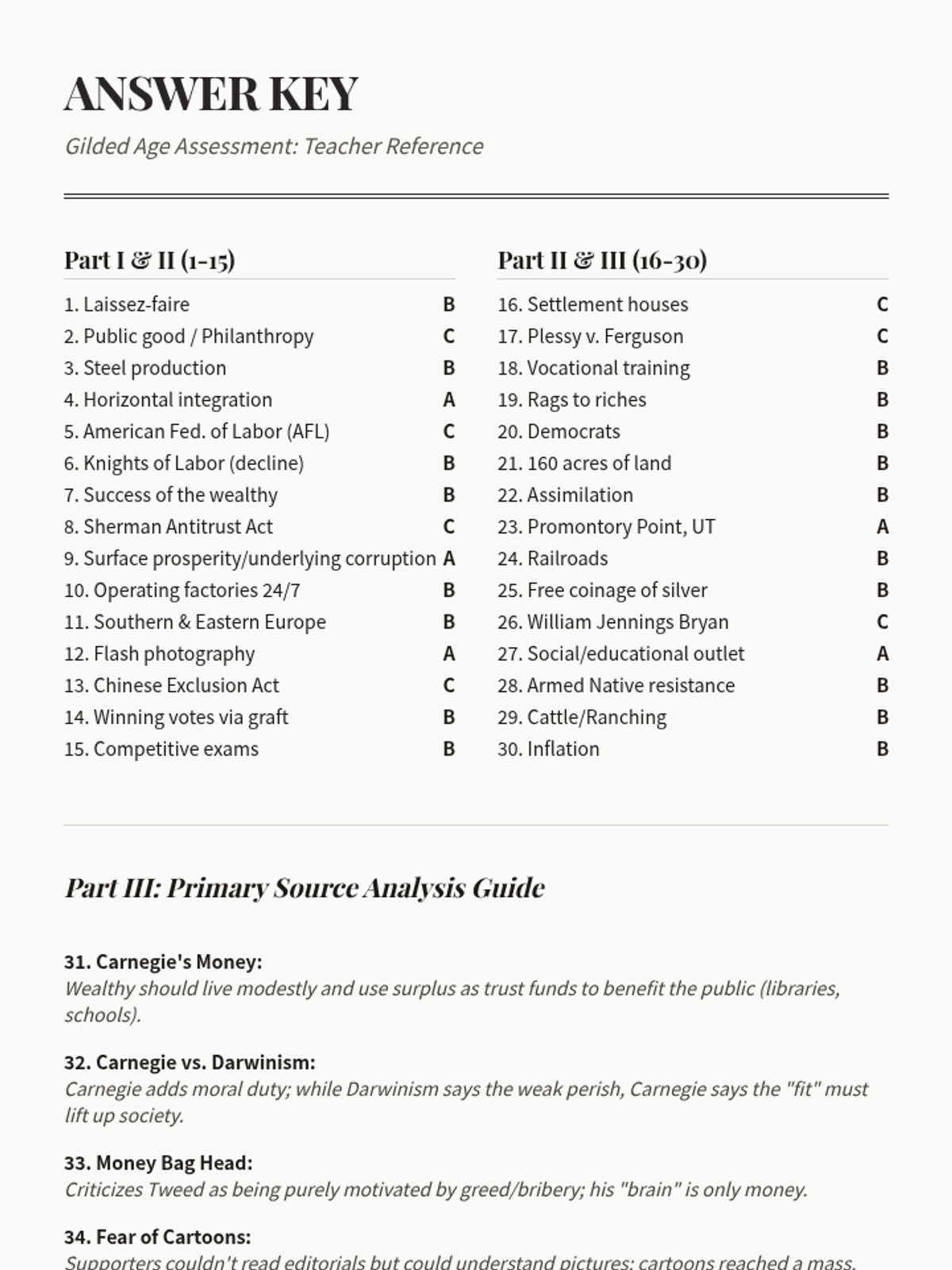
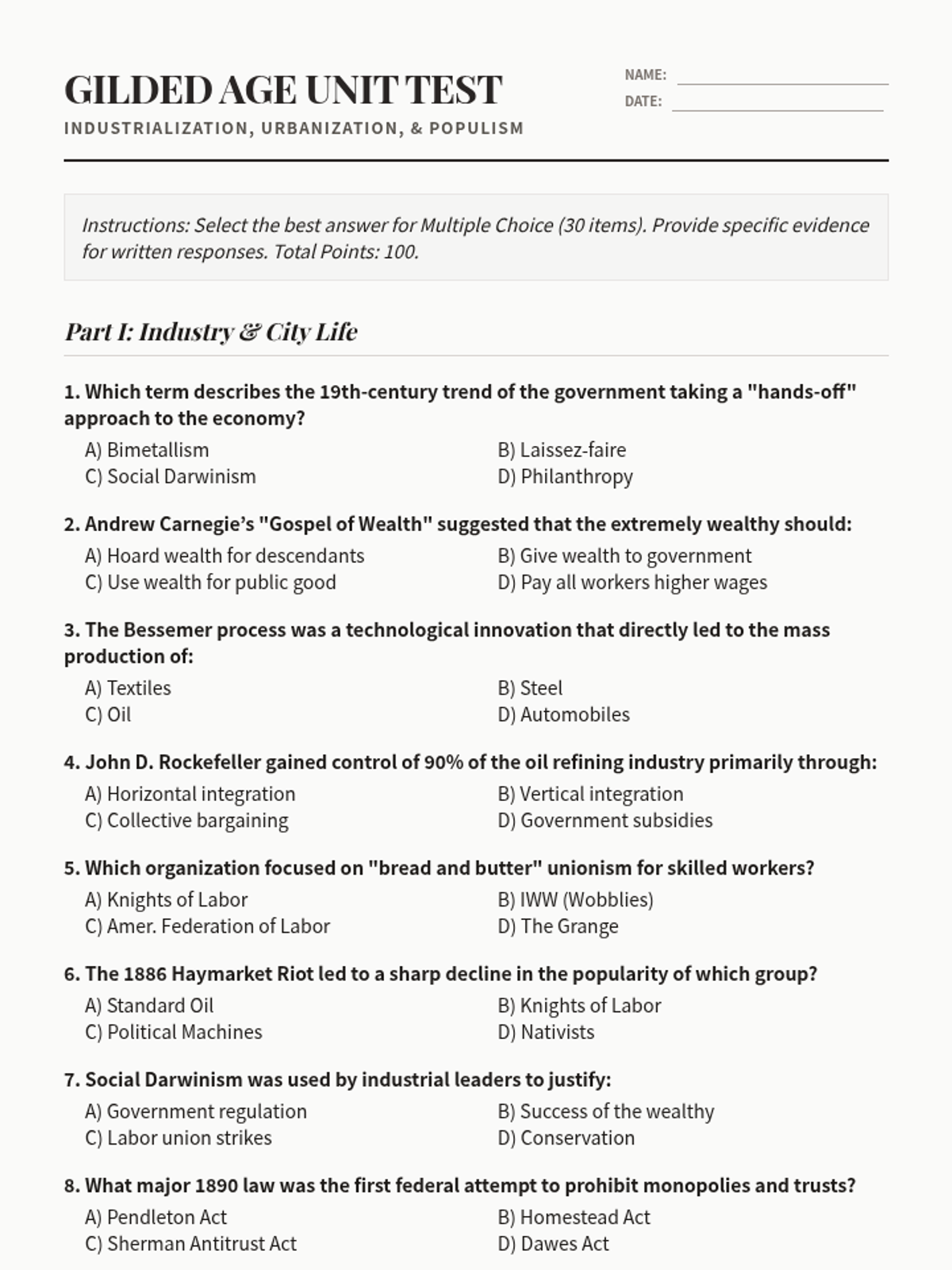
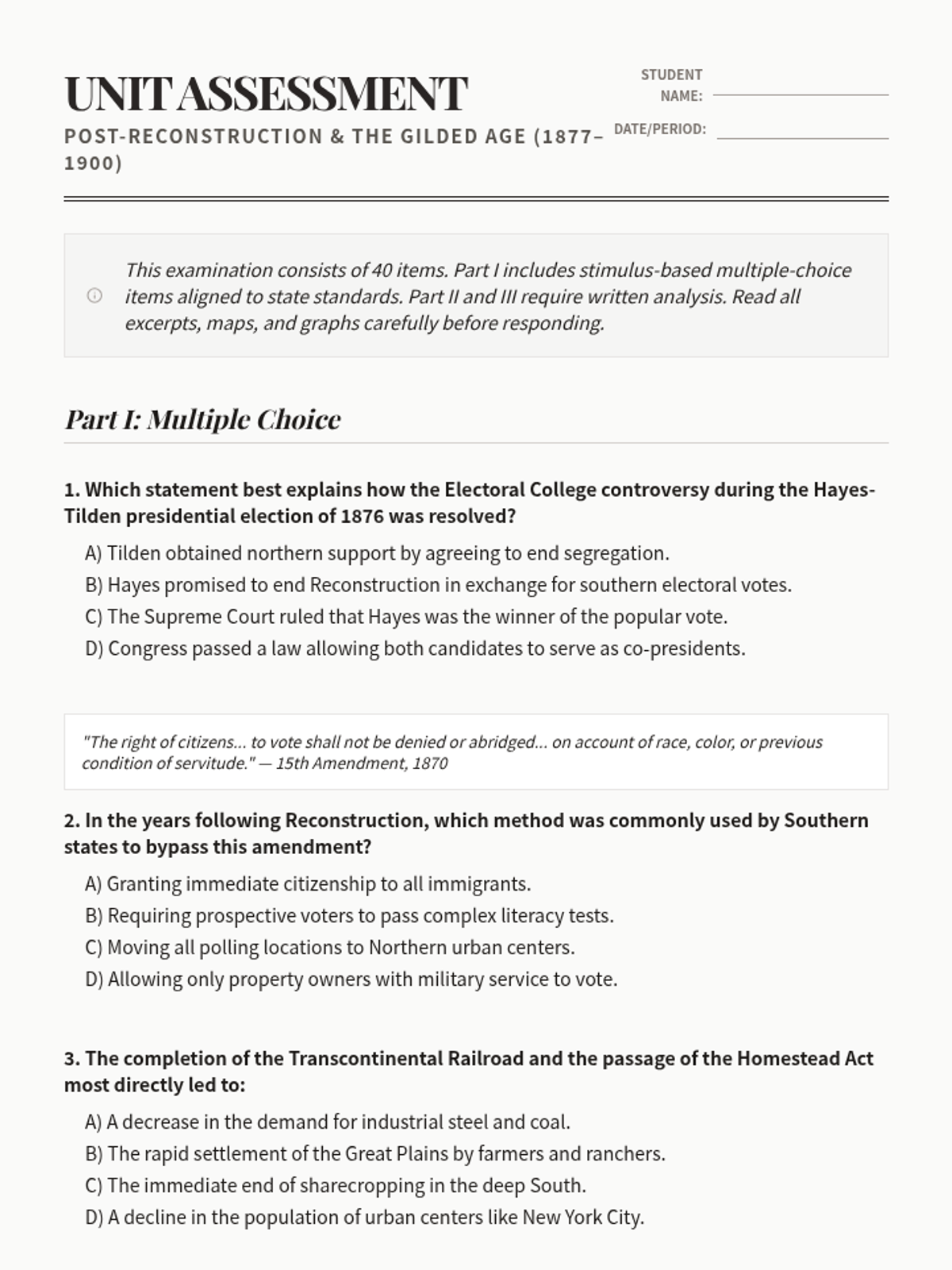
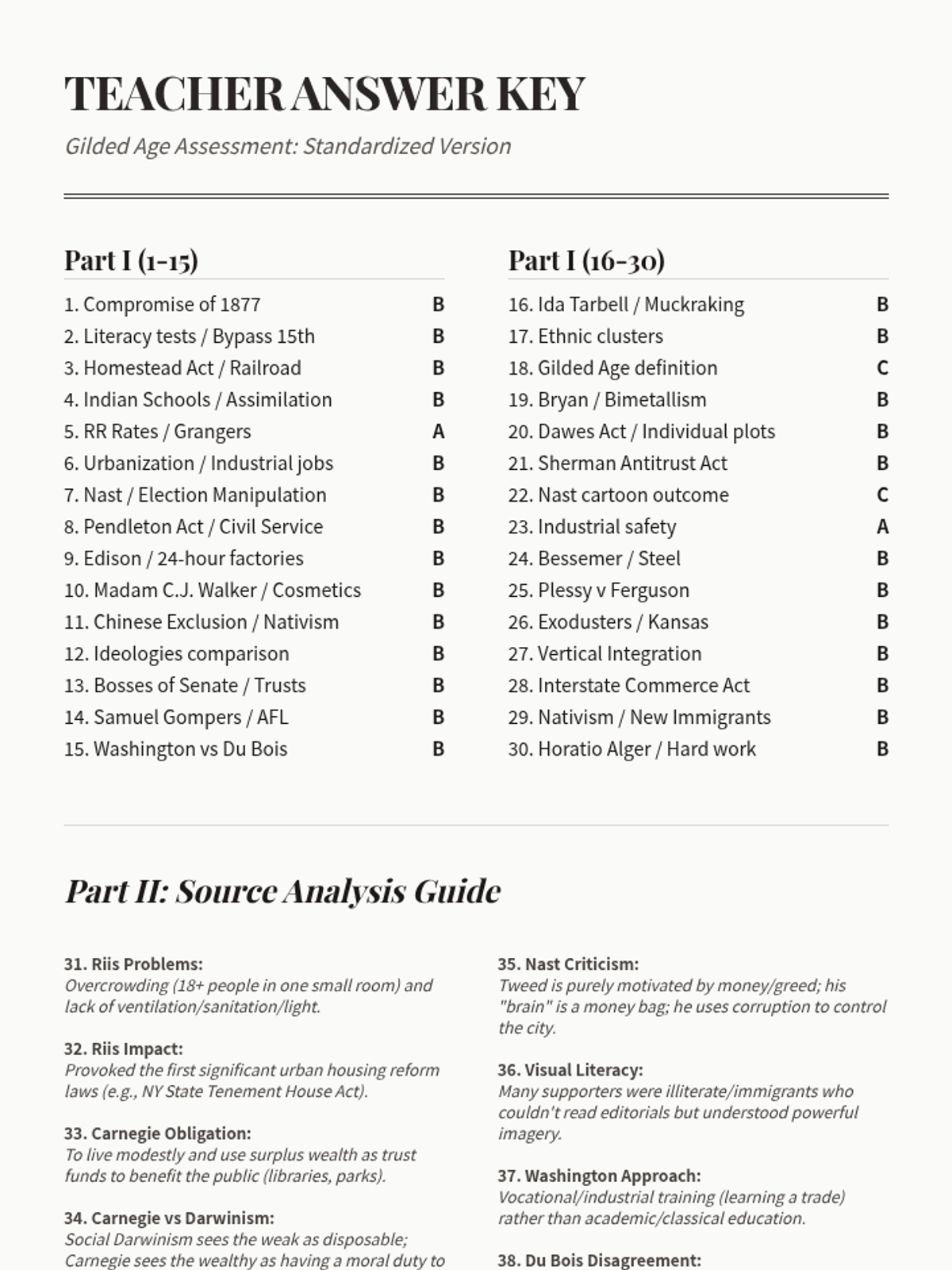
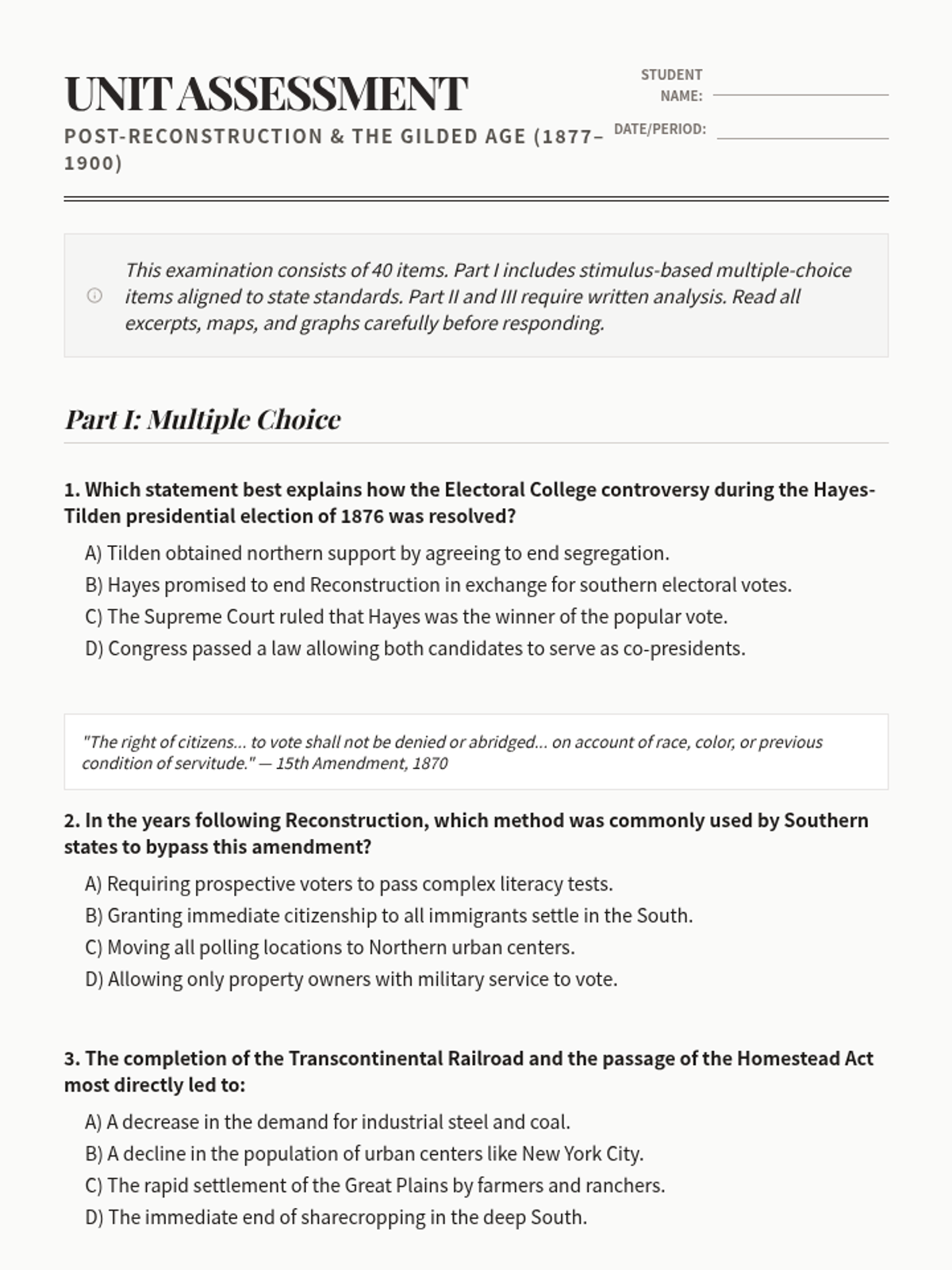
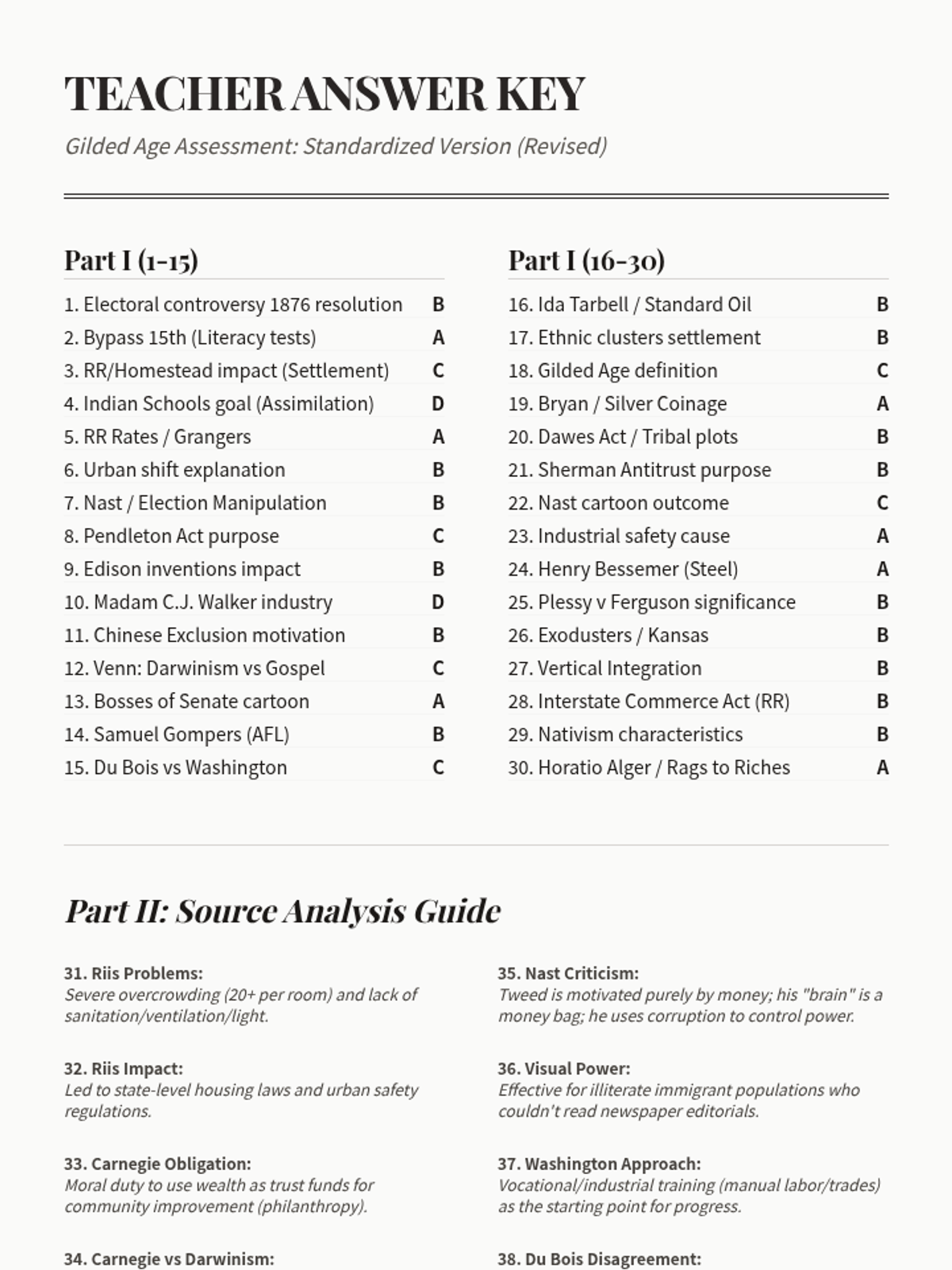
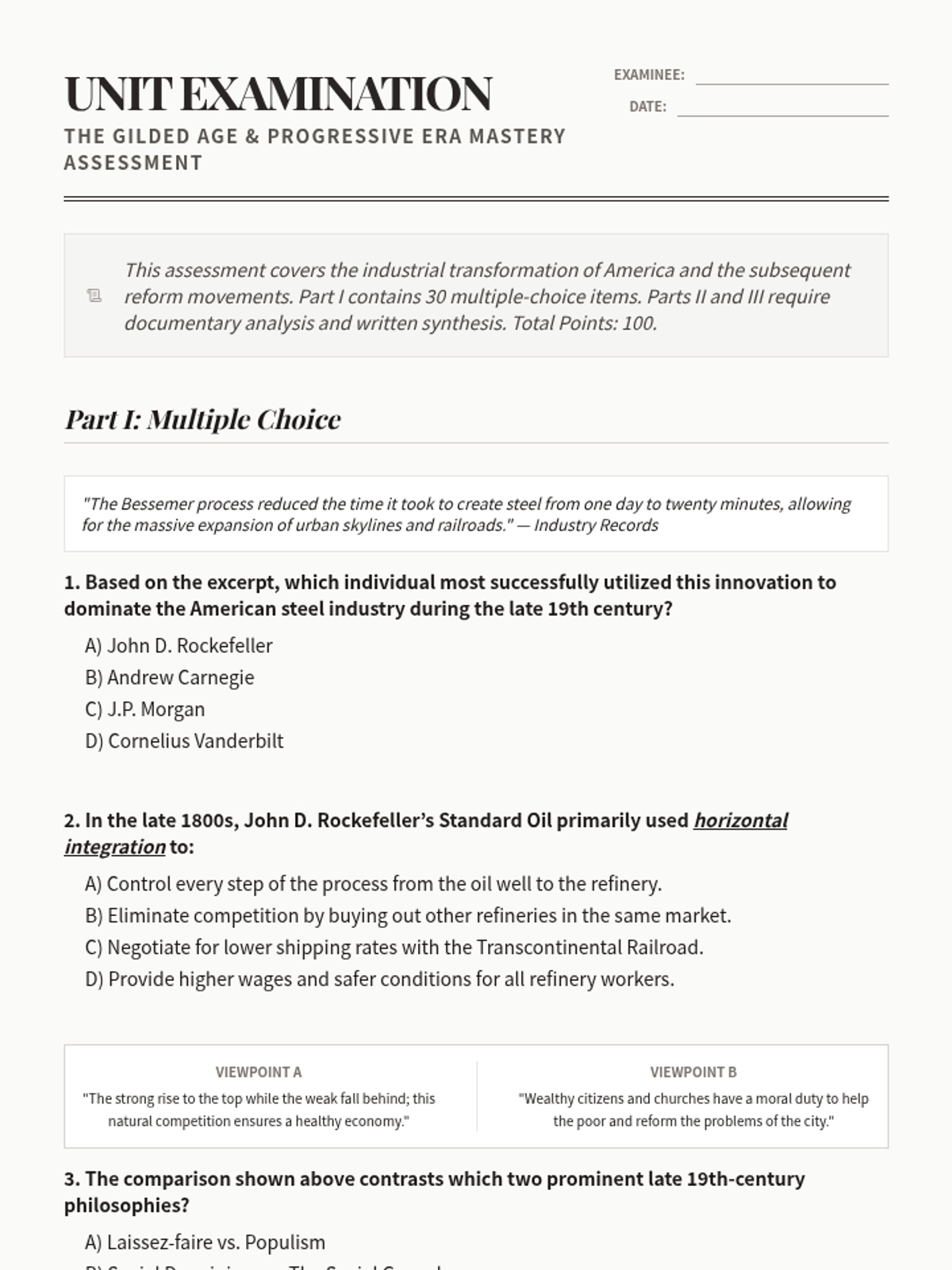
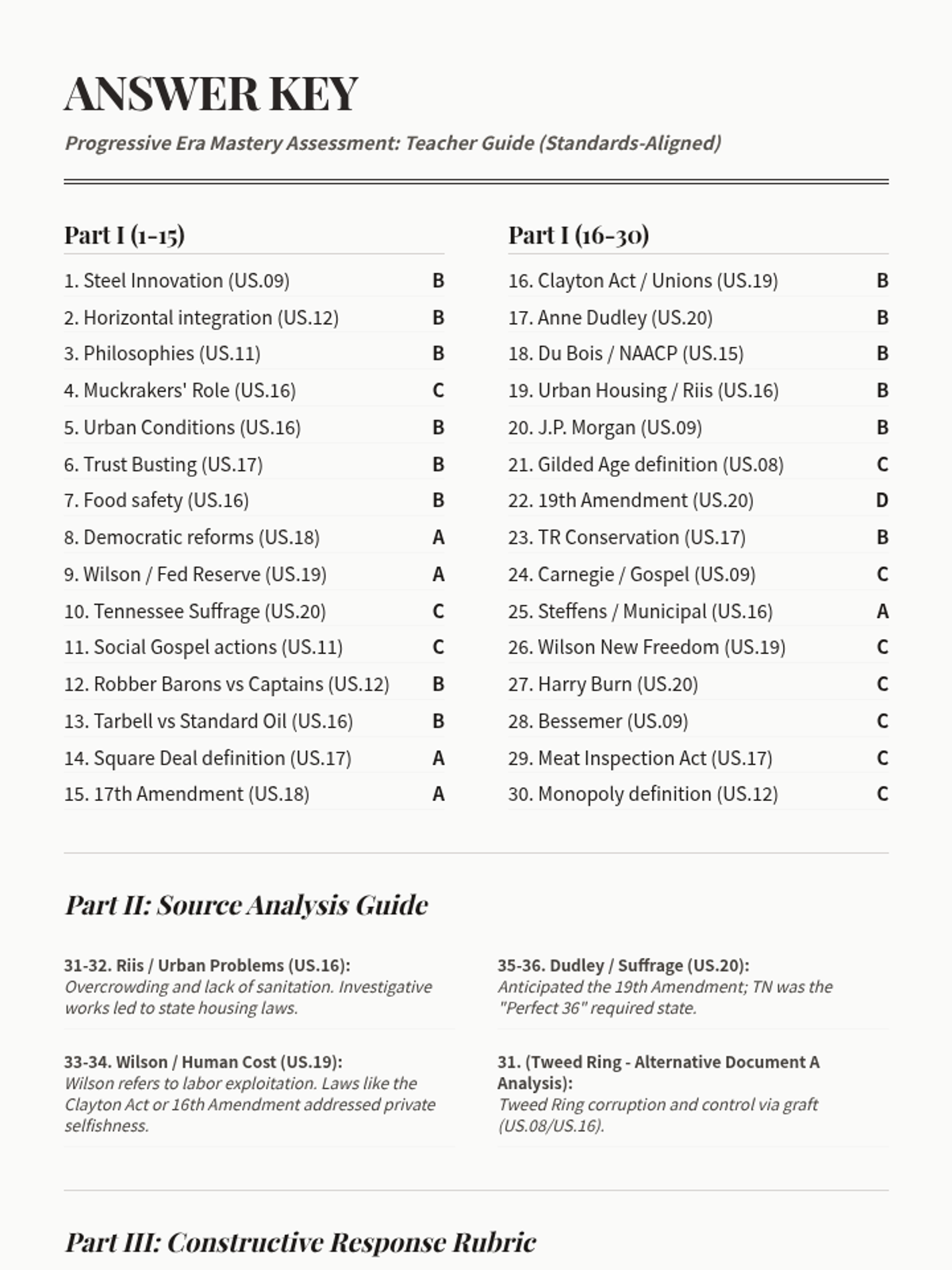
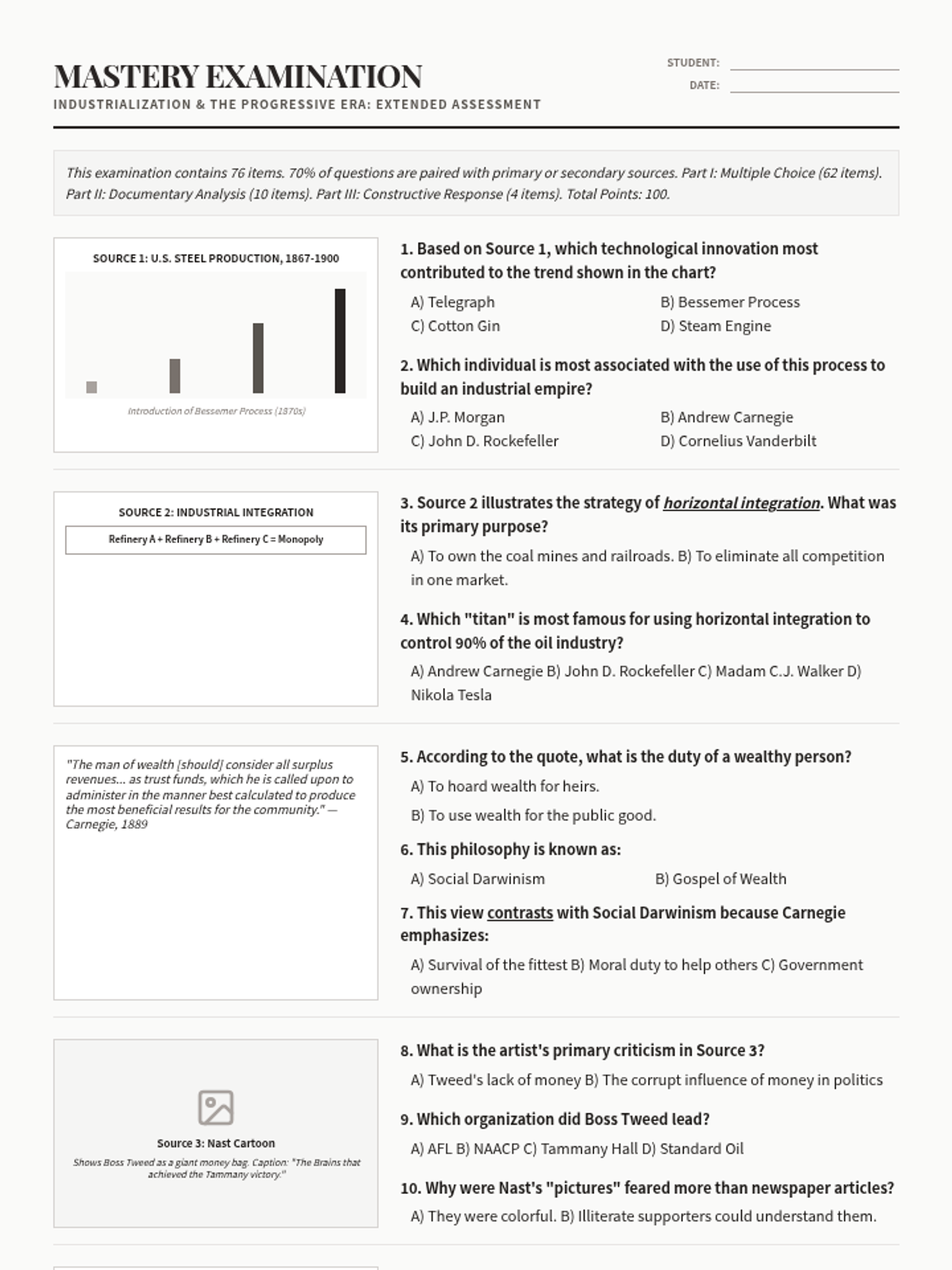
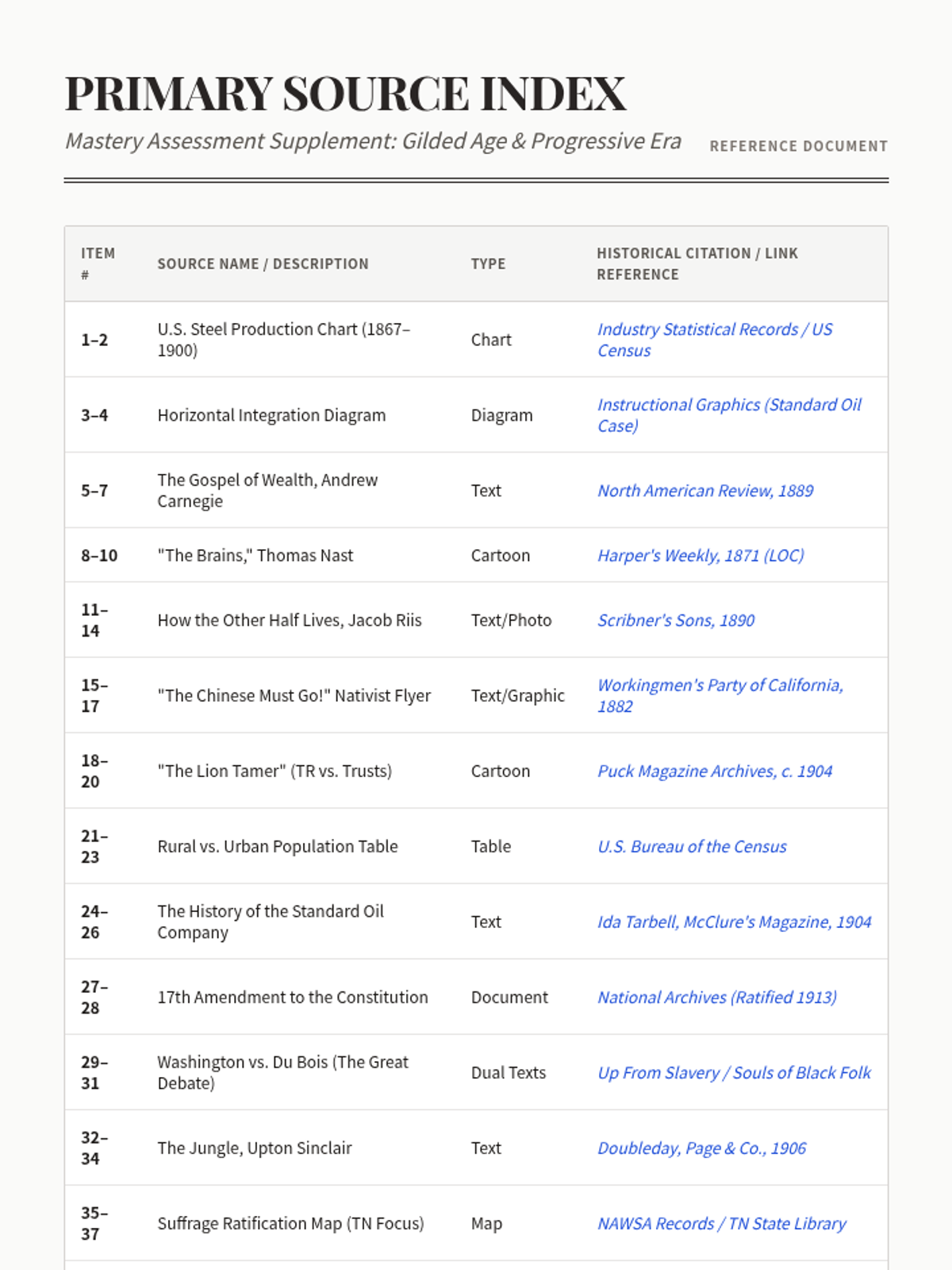
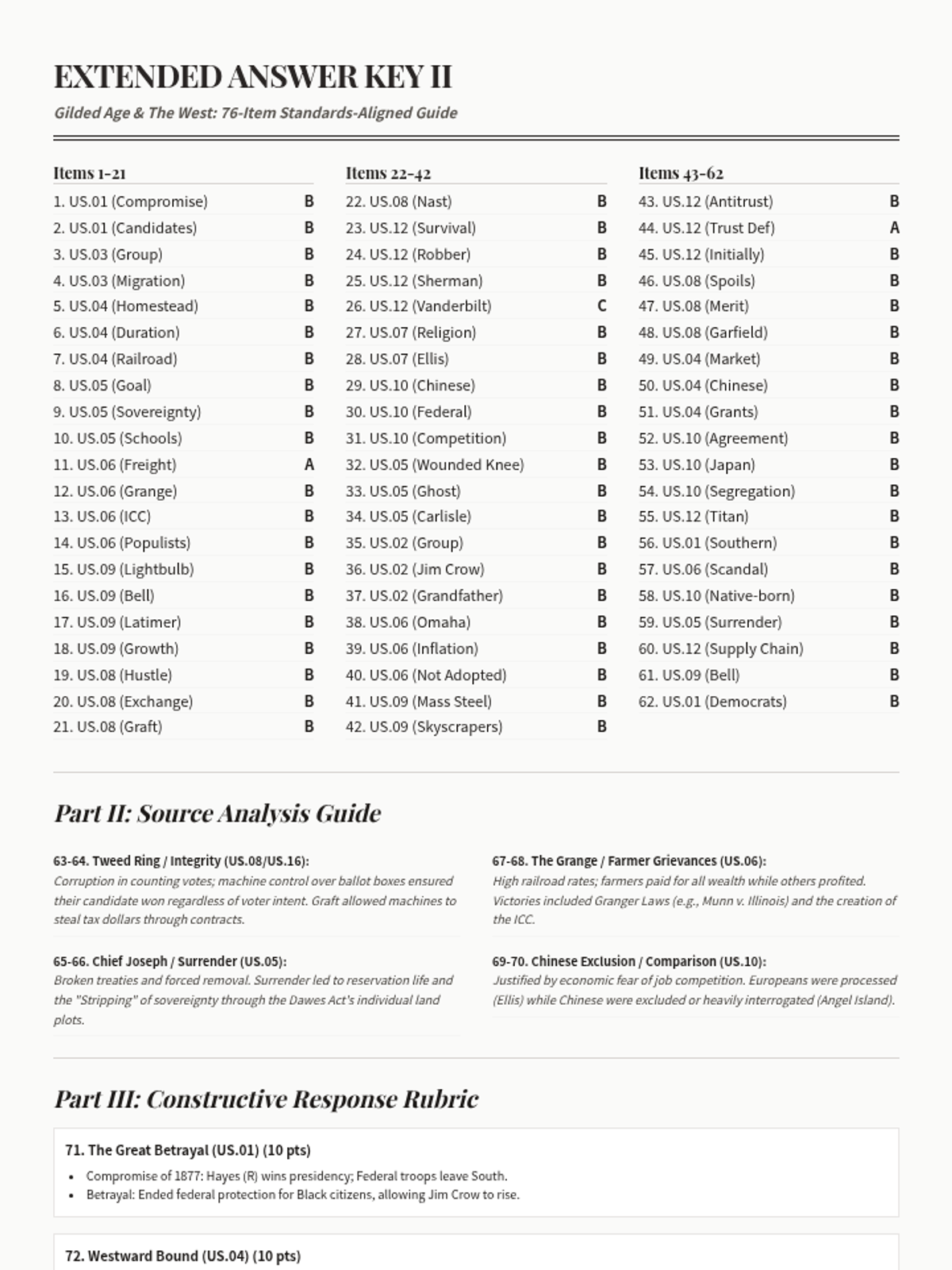
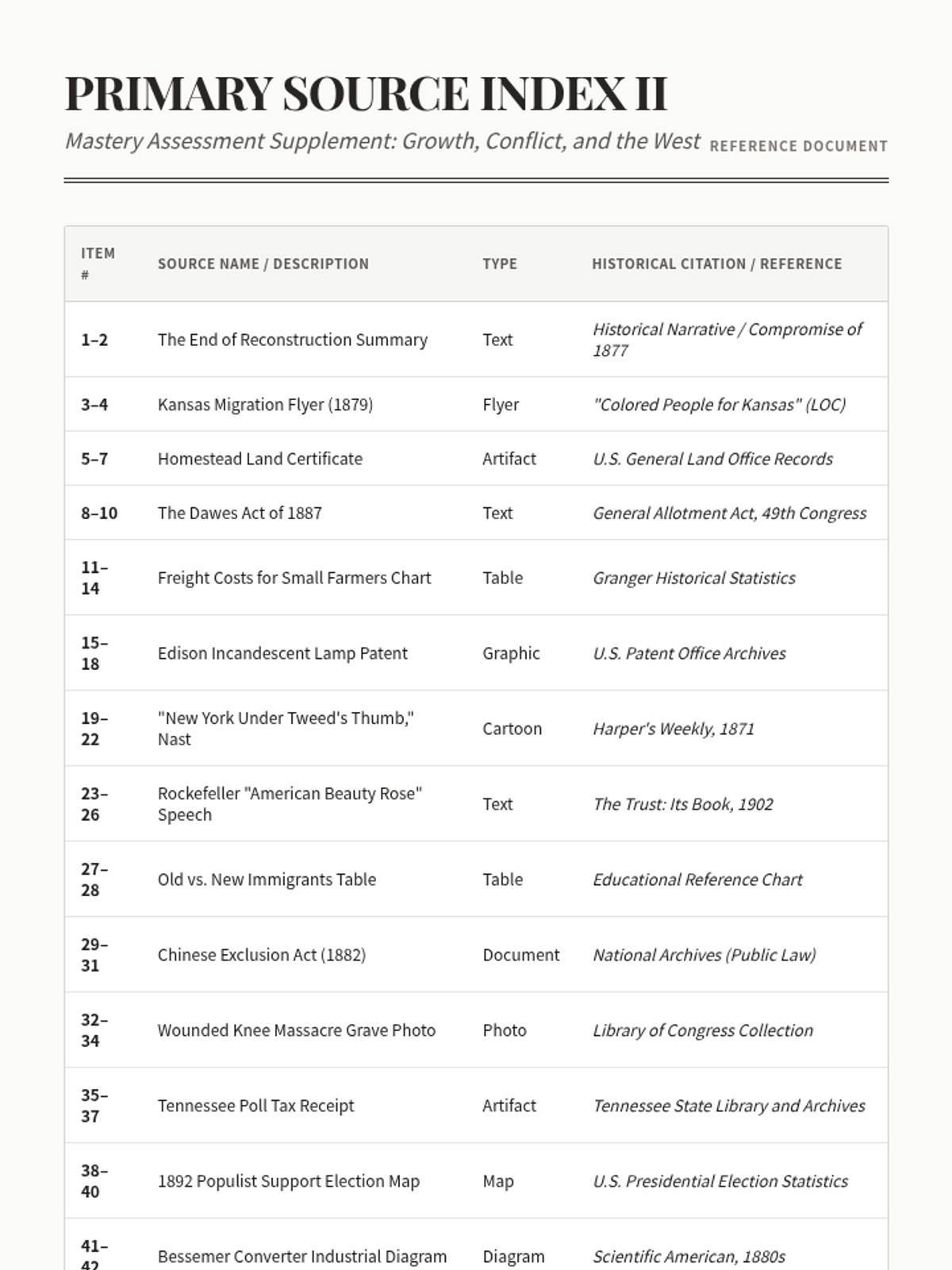
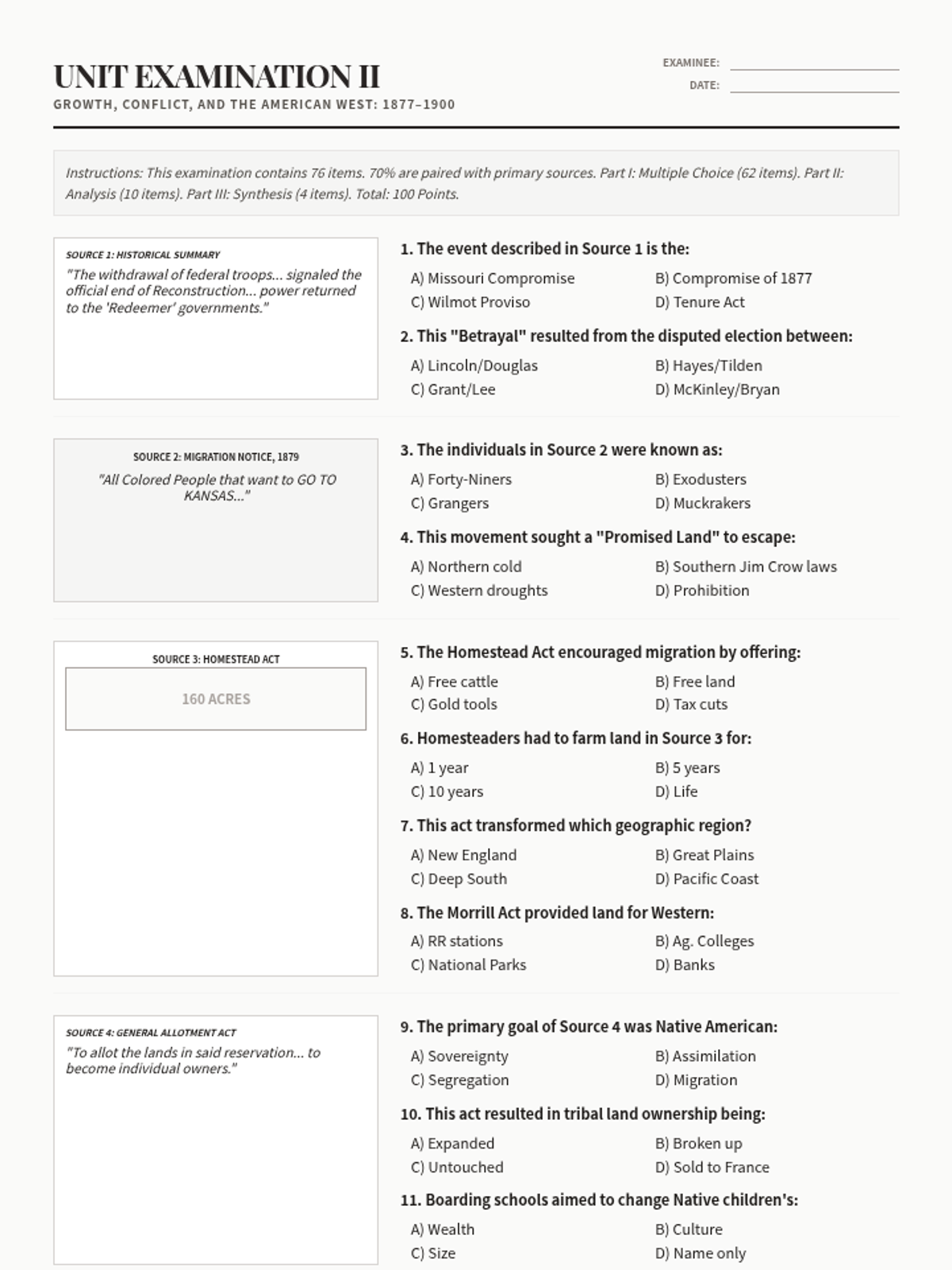
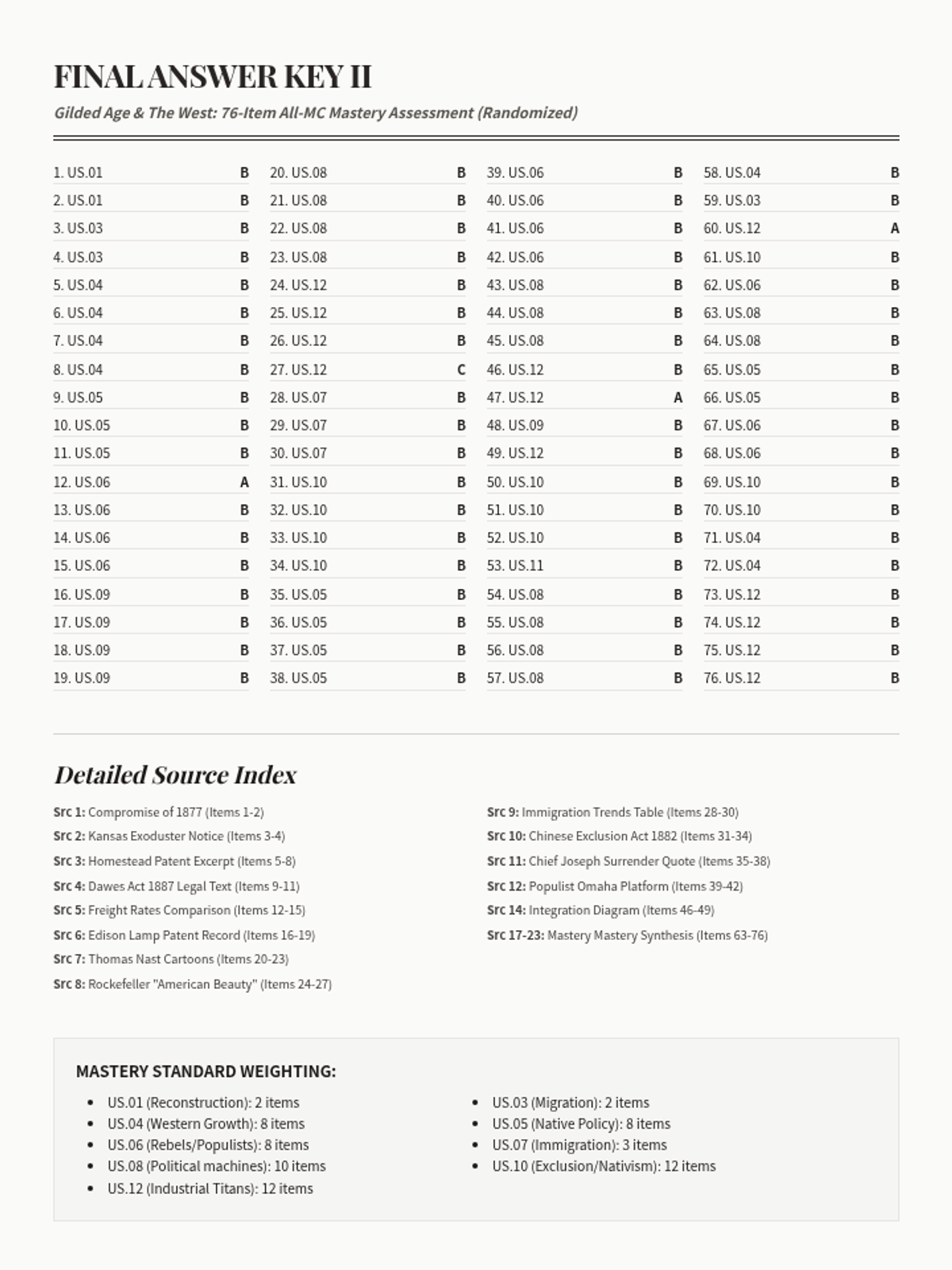
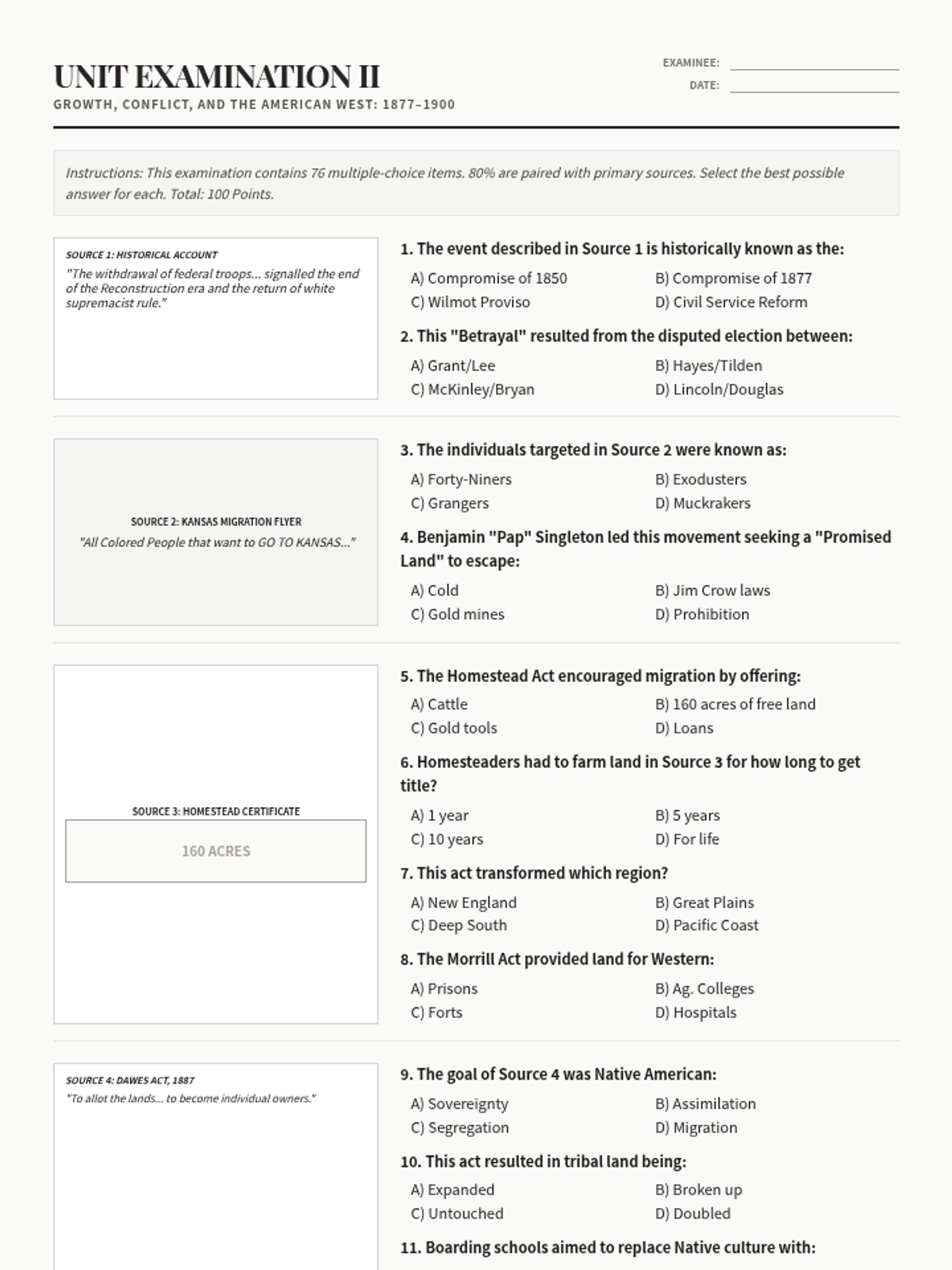
A comprehensive unit assessment covering the economic, social, and political transformations of late 19th-century America. Includes multiple choice, primary source analysis, and short answer questions focused on industrialization, urbanization, and the Populist movement.
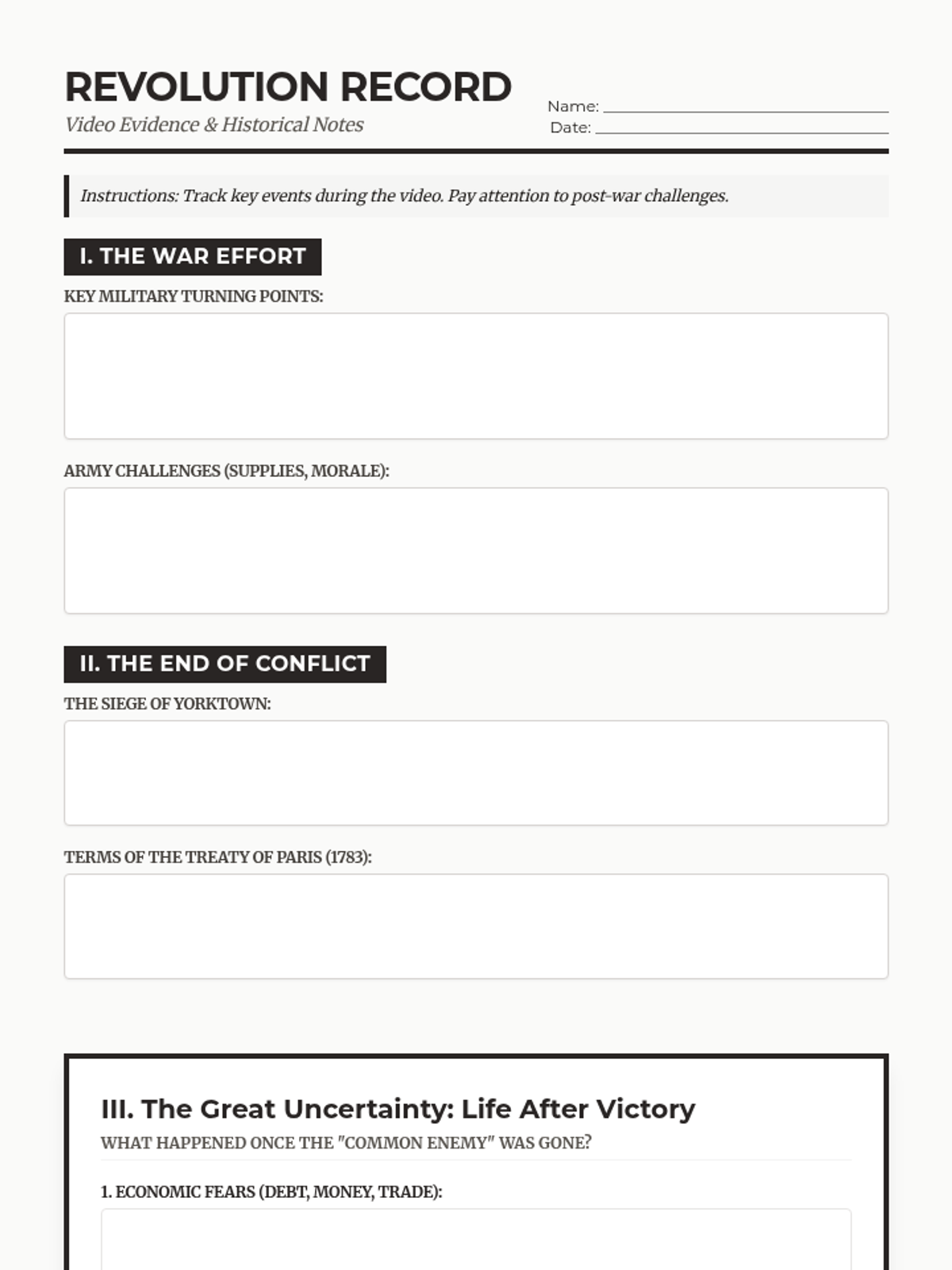
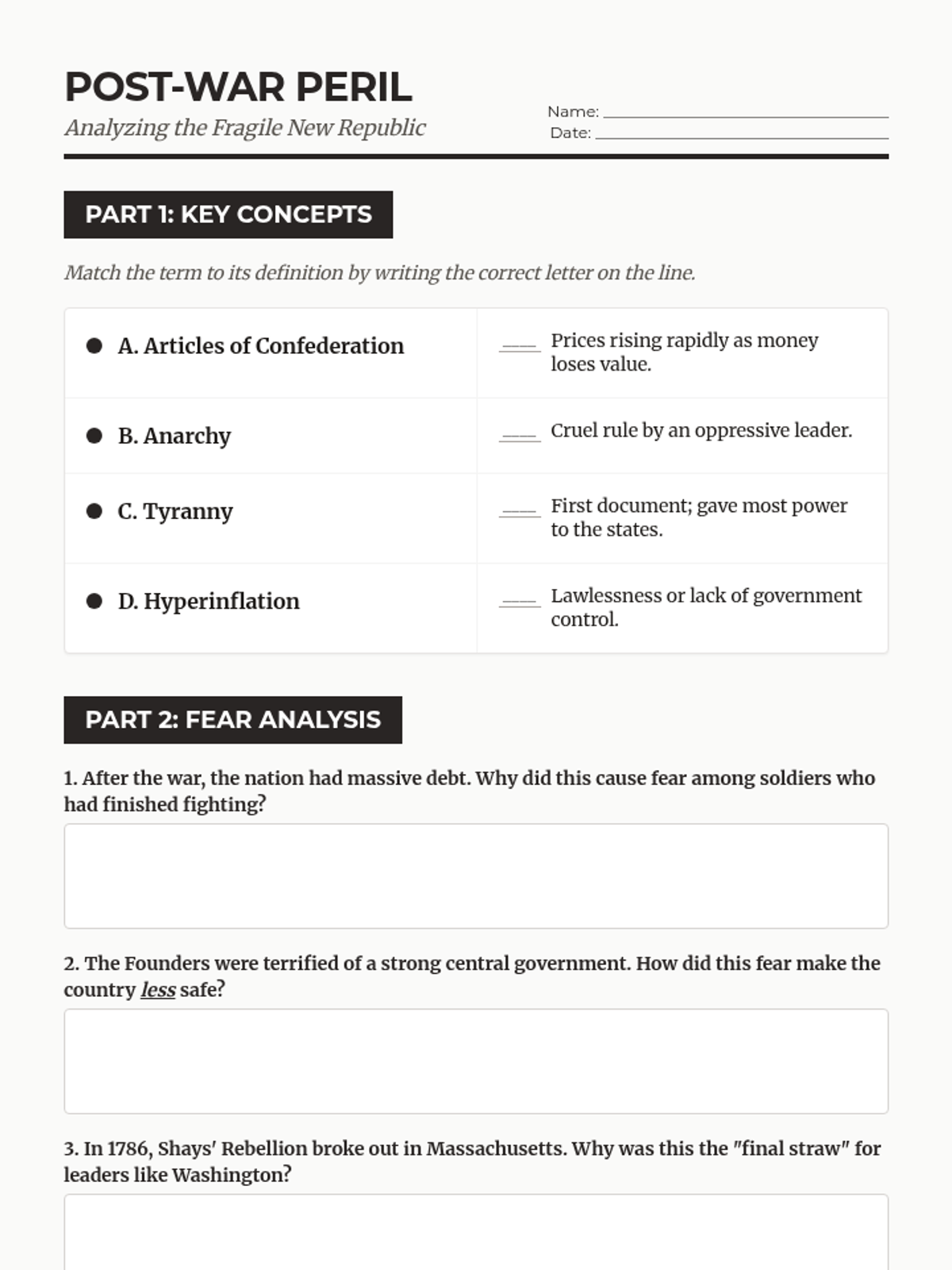
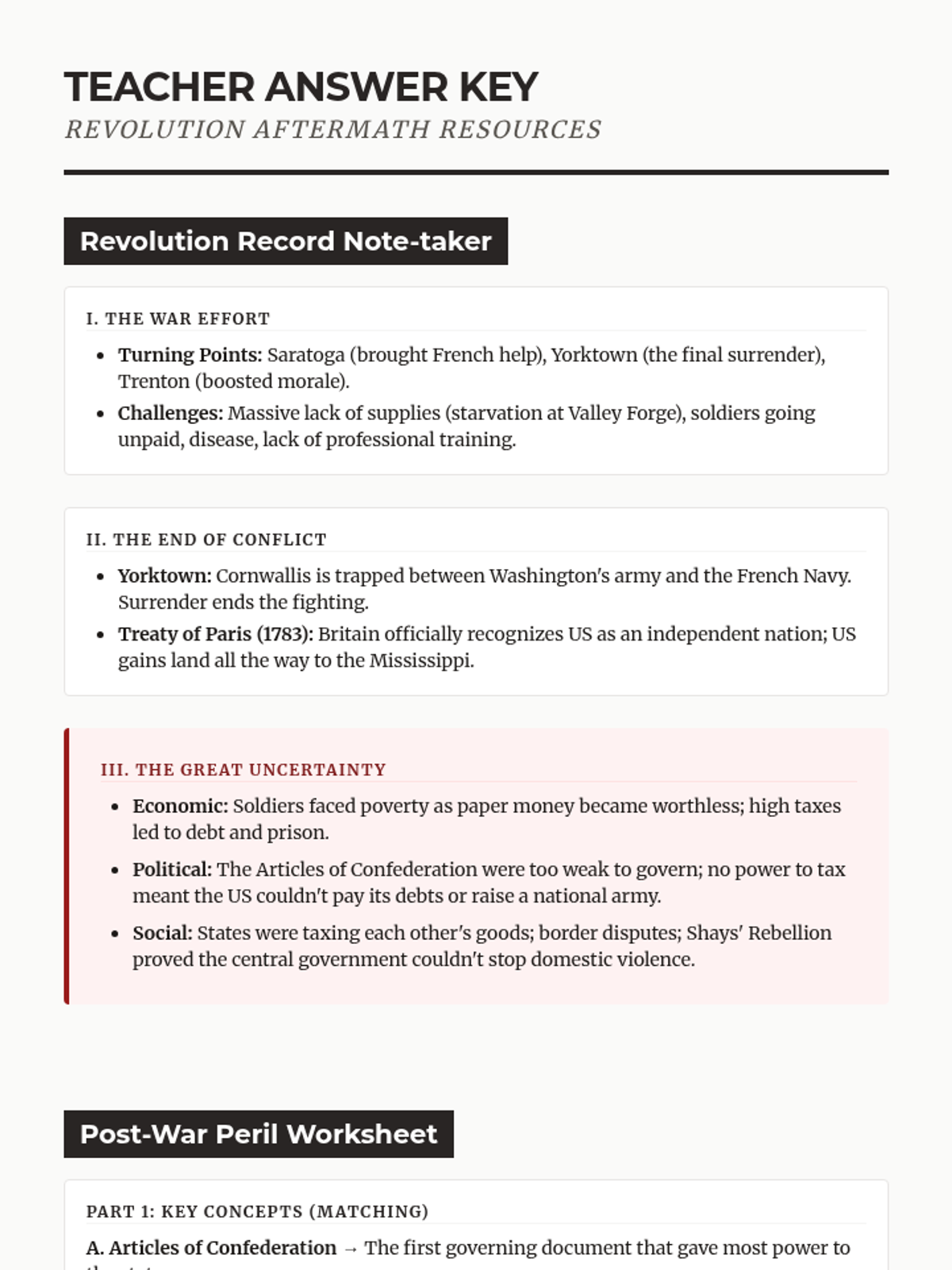
A lesson focused on the aftermath of the American Revolution, exploring the transition from war to a fragile new nation and the deep-seated fears of the Founding Fathers and citizens. Students will use video evidence and critical thinking to analyze post-war instability.
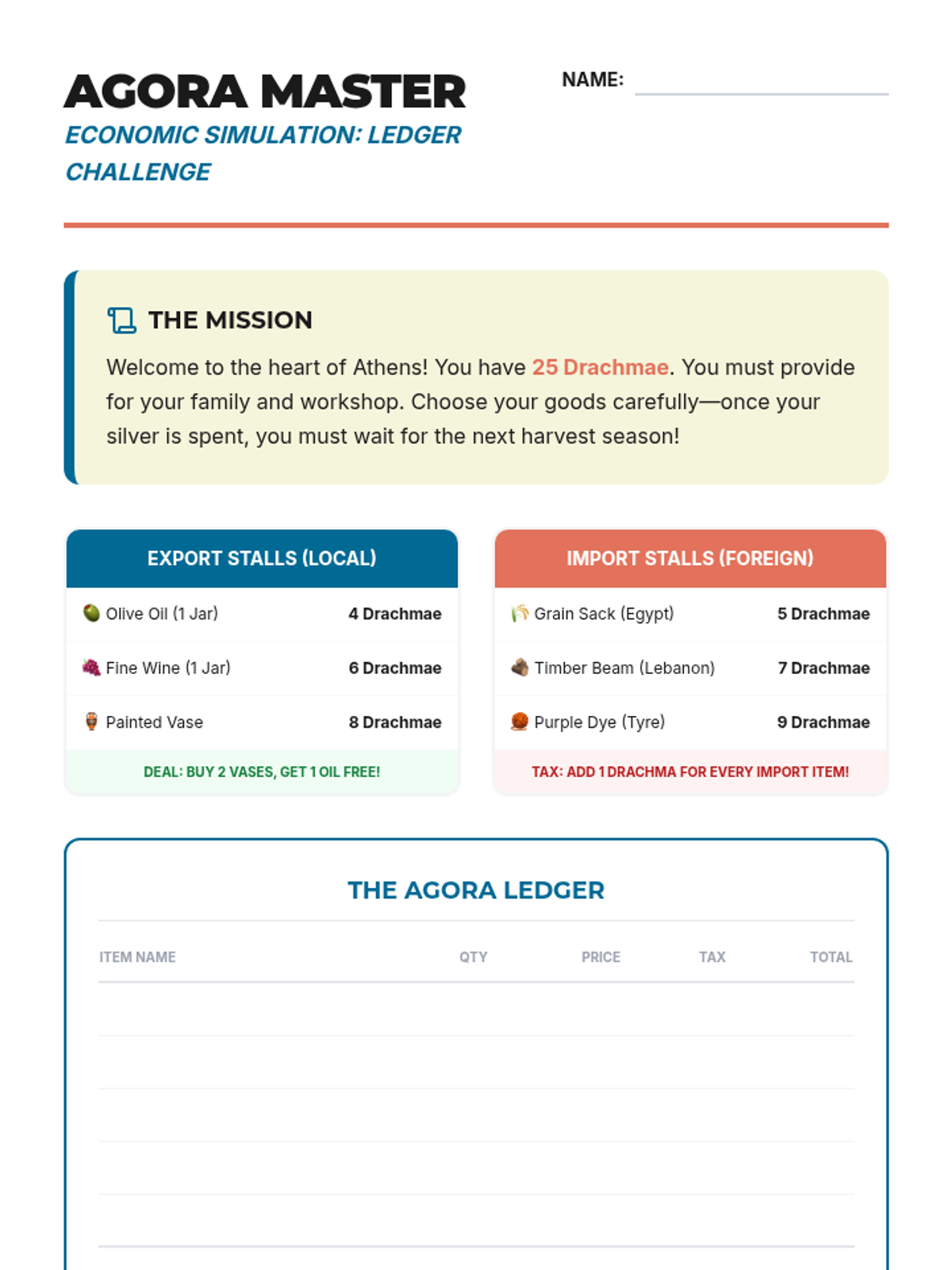
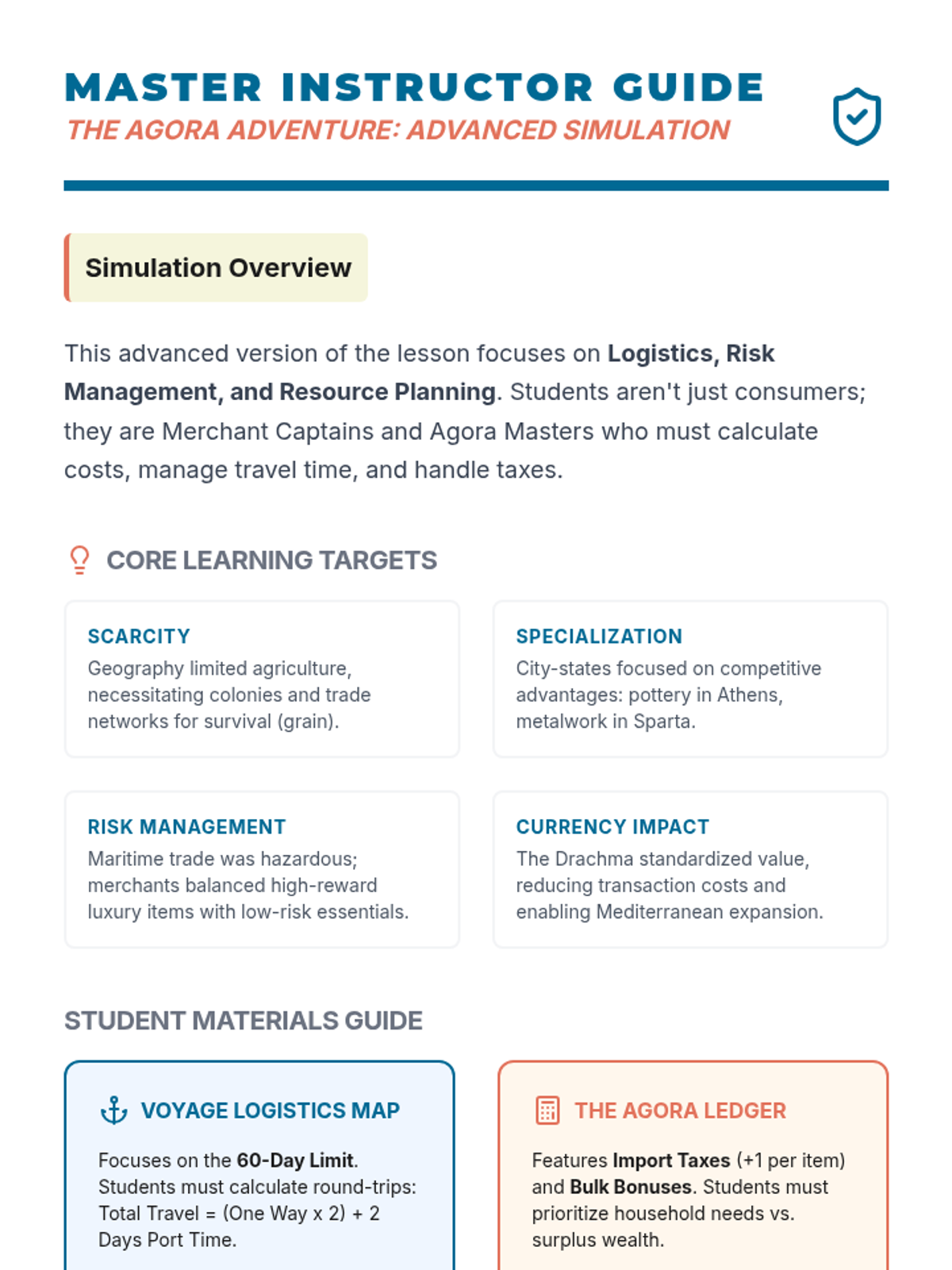
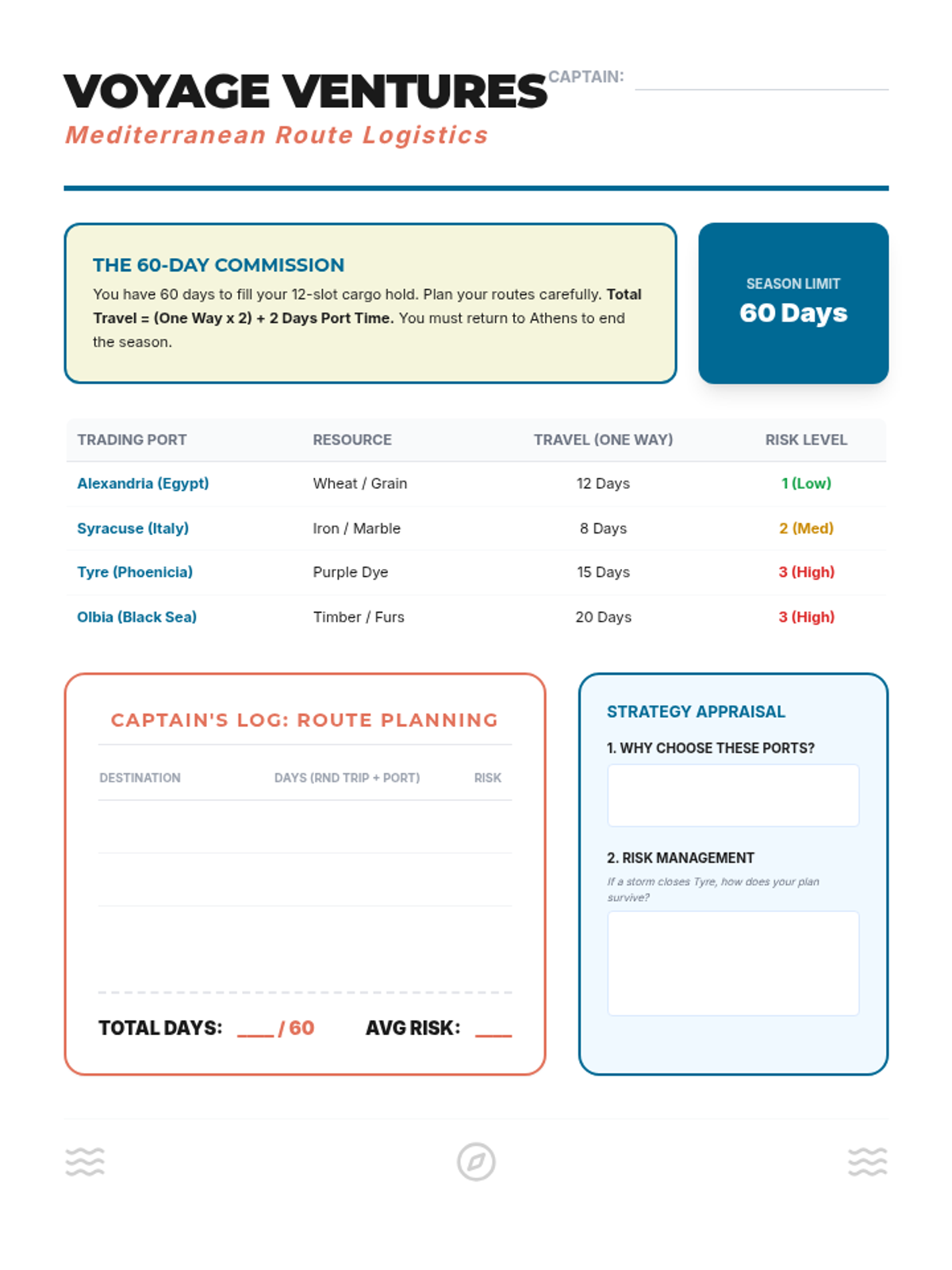
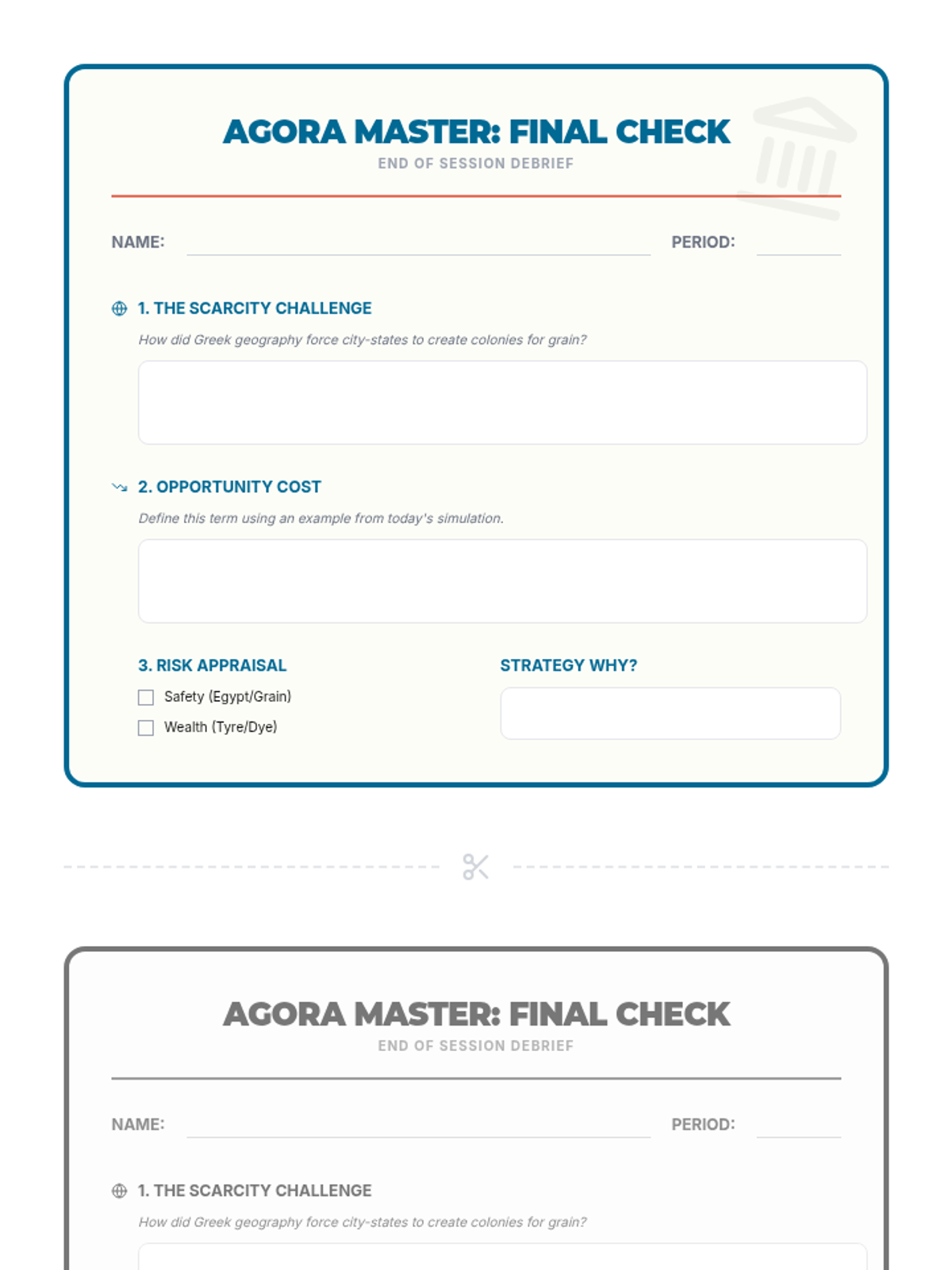
An introductory lesson on the economy of Ancient Greece, focusing on maritime trade, agriculture, specialization, and the use of coinage through a simulated marketplace experience.
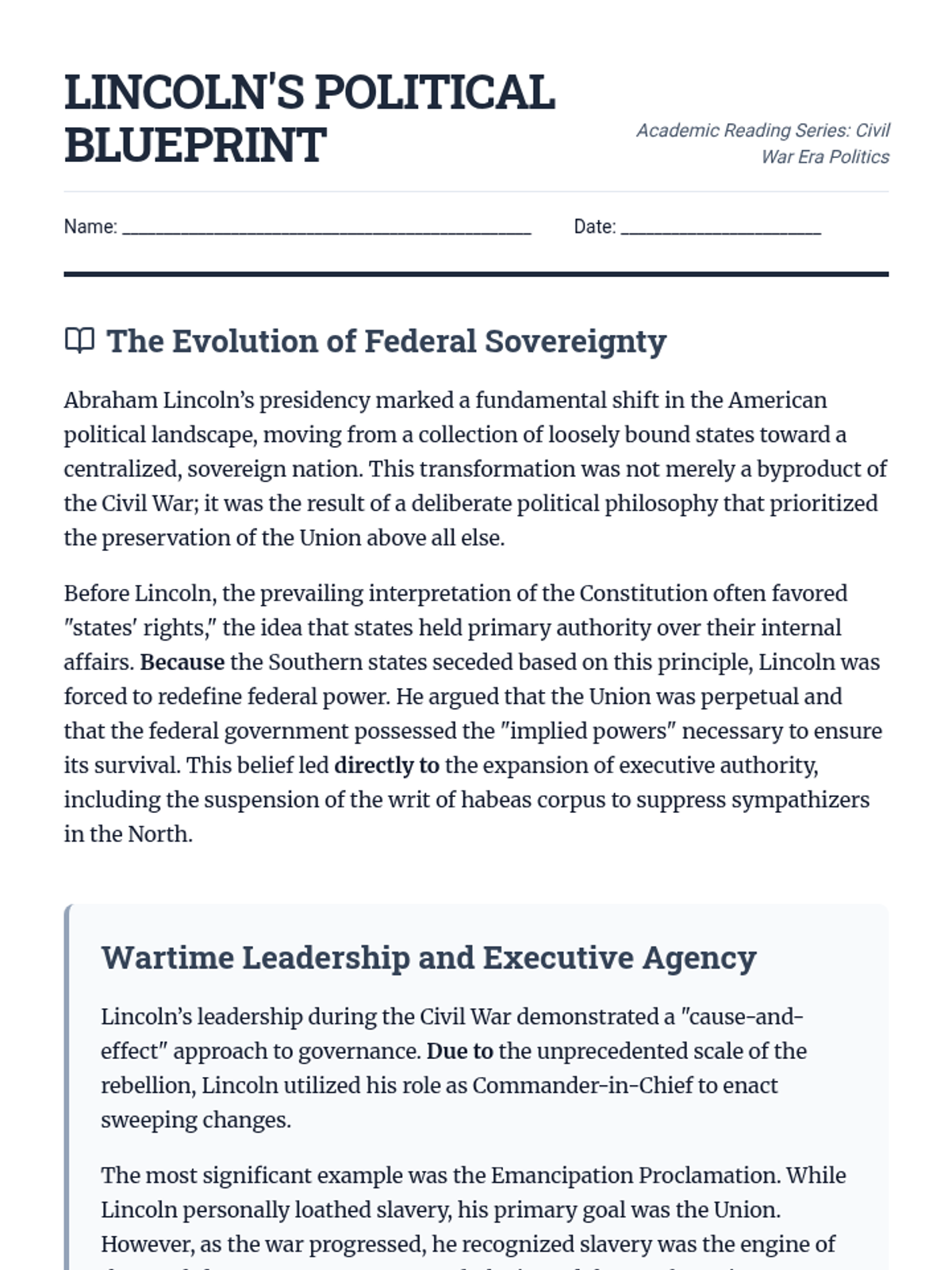
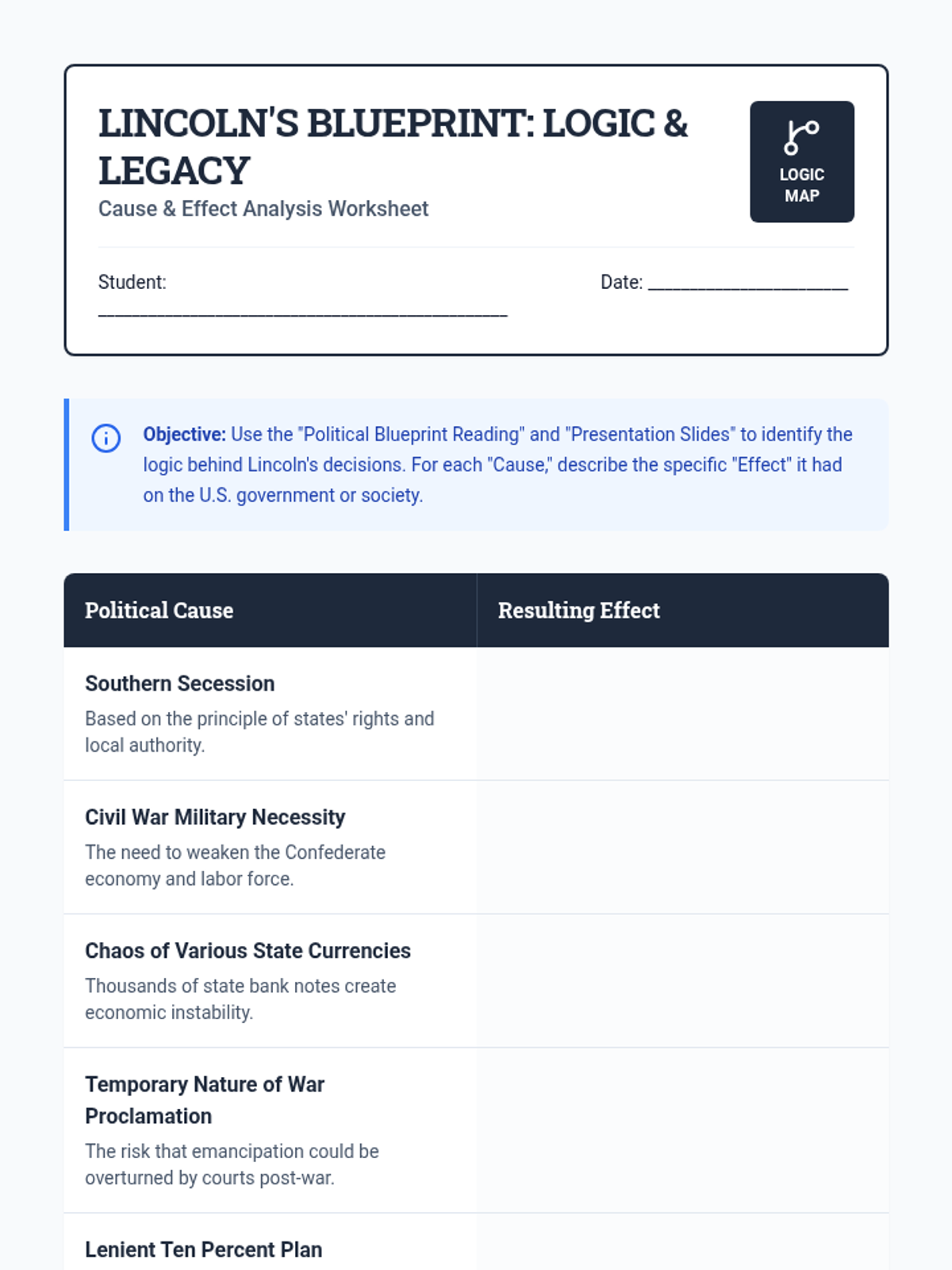
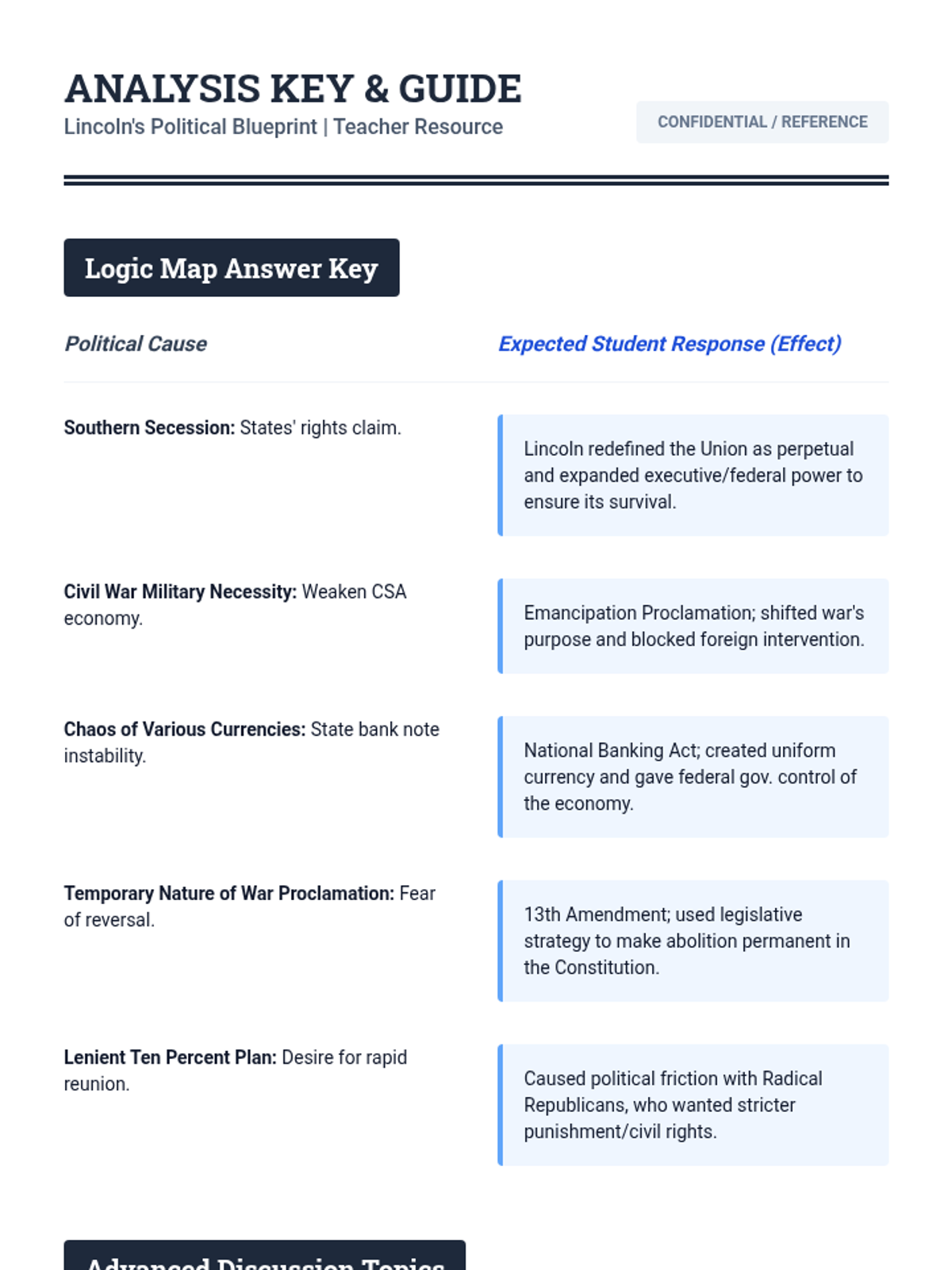
An in-depth exploration of Abraham Lincoln's political philosophy, focusing on the expansion of federal power, wartime leadership, and his economic vision for a modernized America. Students analyze cause-and-effect relationships within 19th-century American governance.
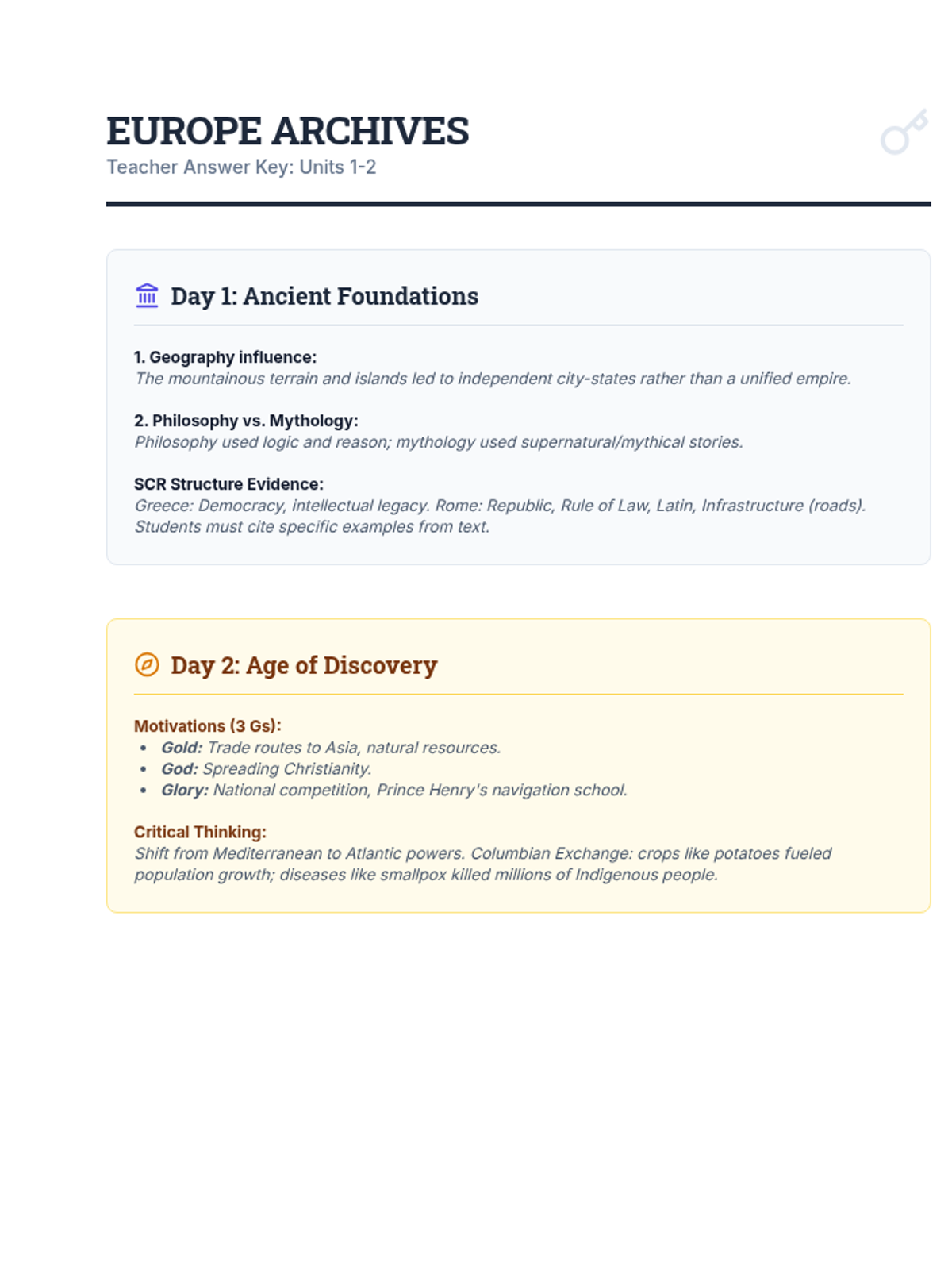
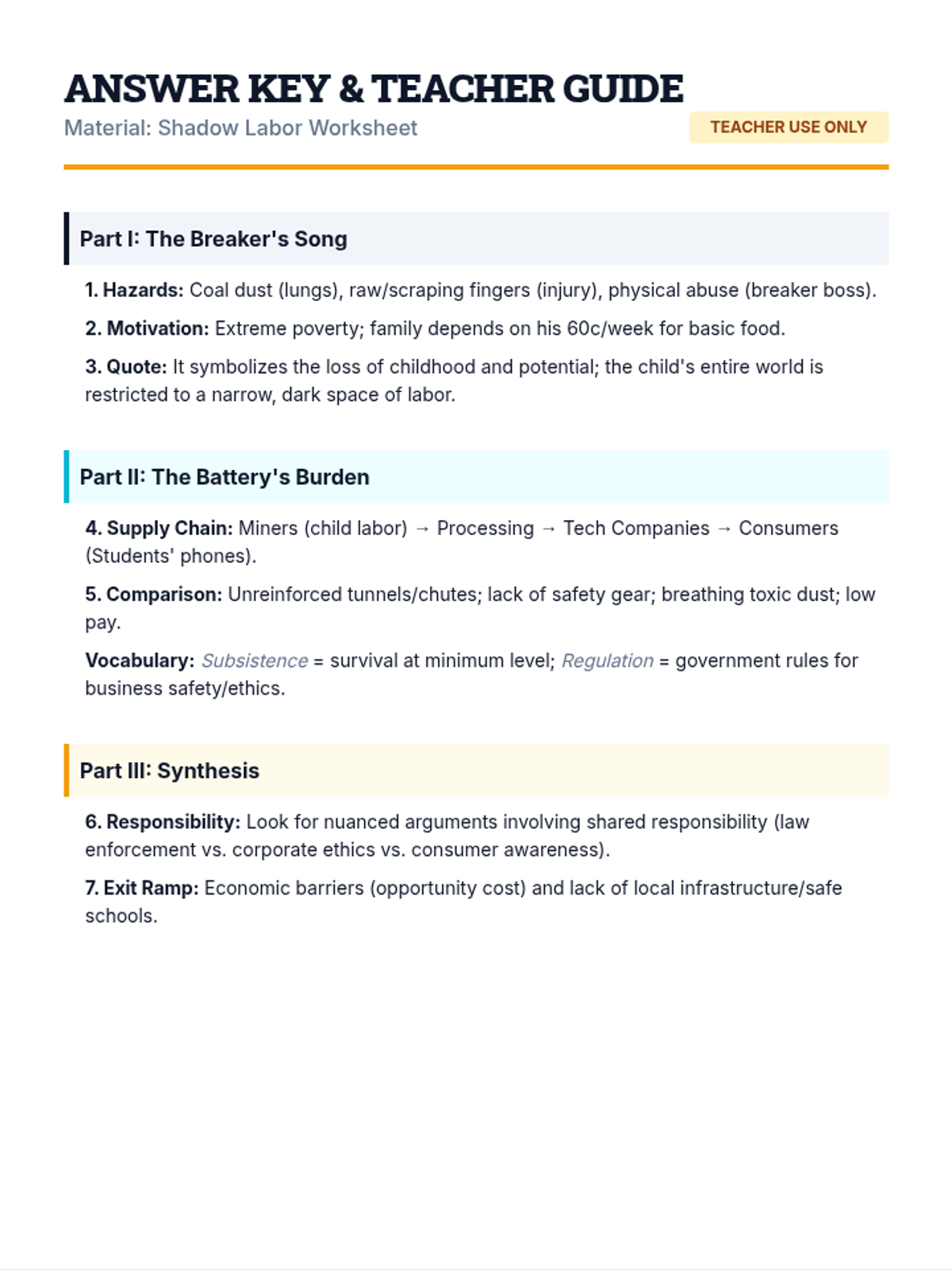
Comprehensive answer keys and teacher facilitation guides for the Europe remediation packet.
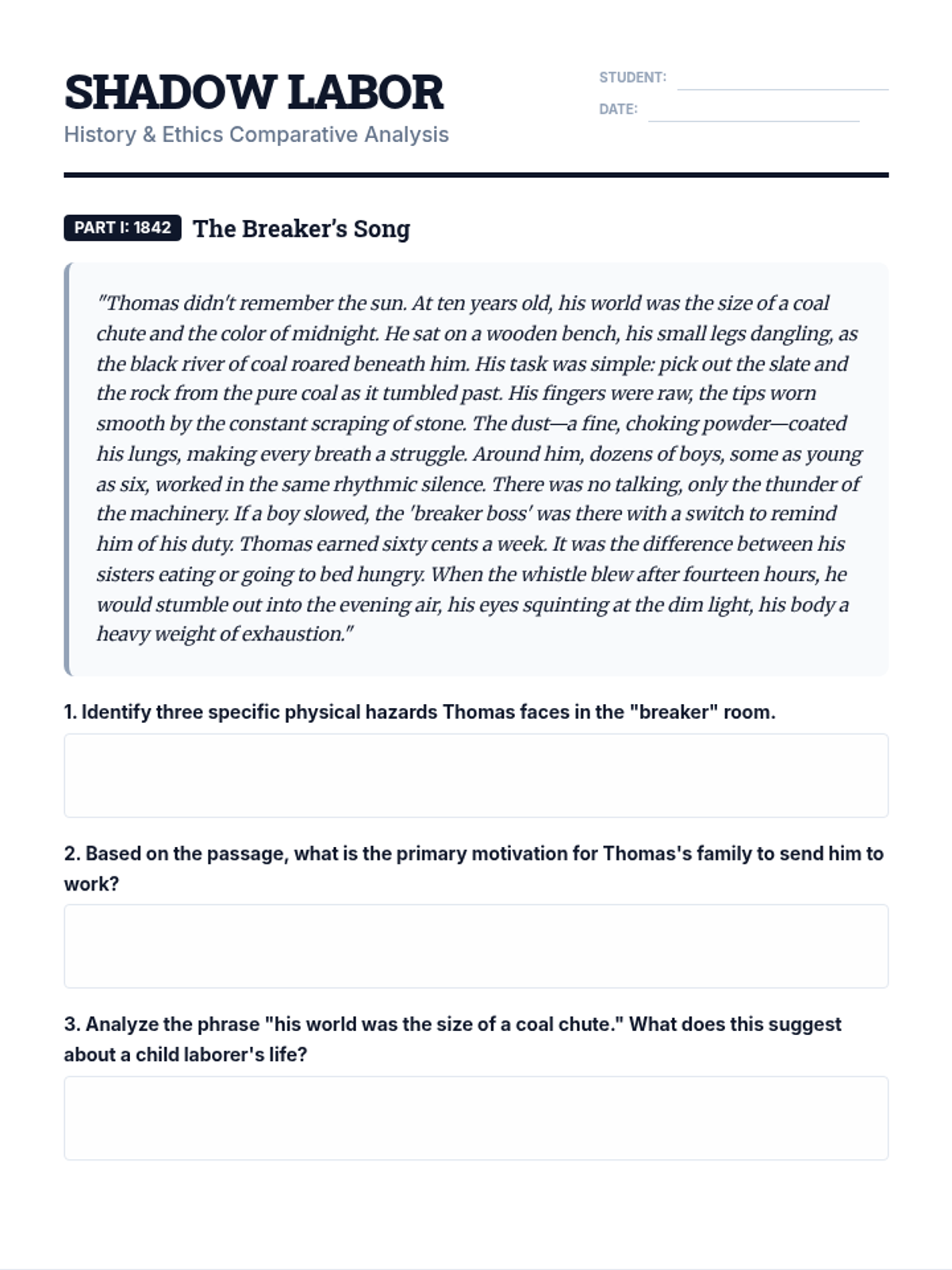
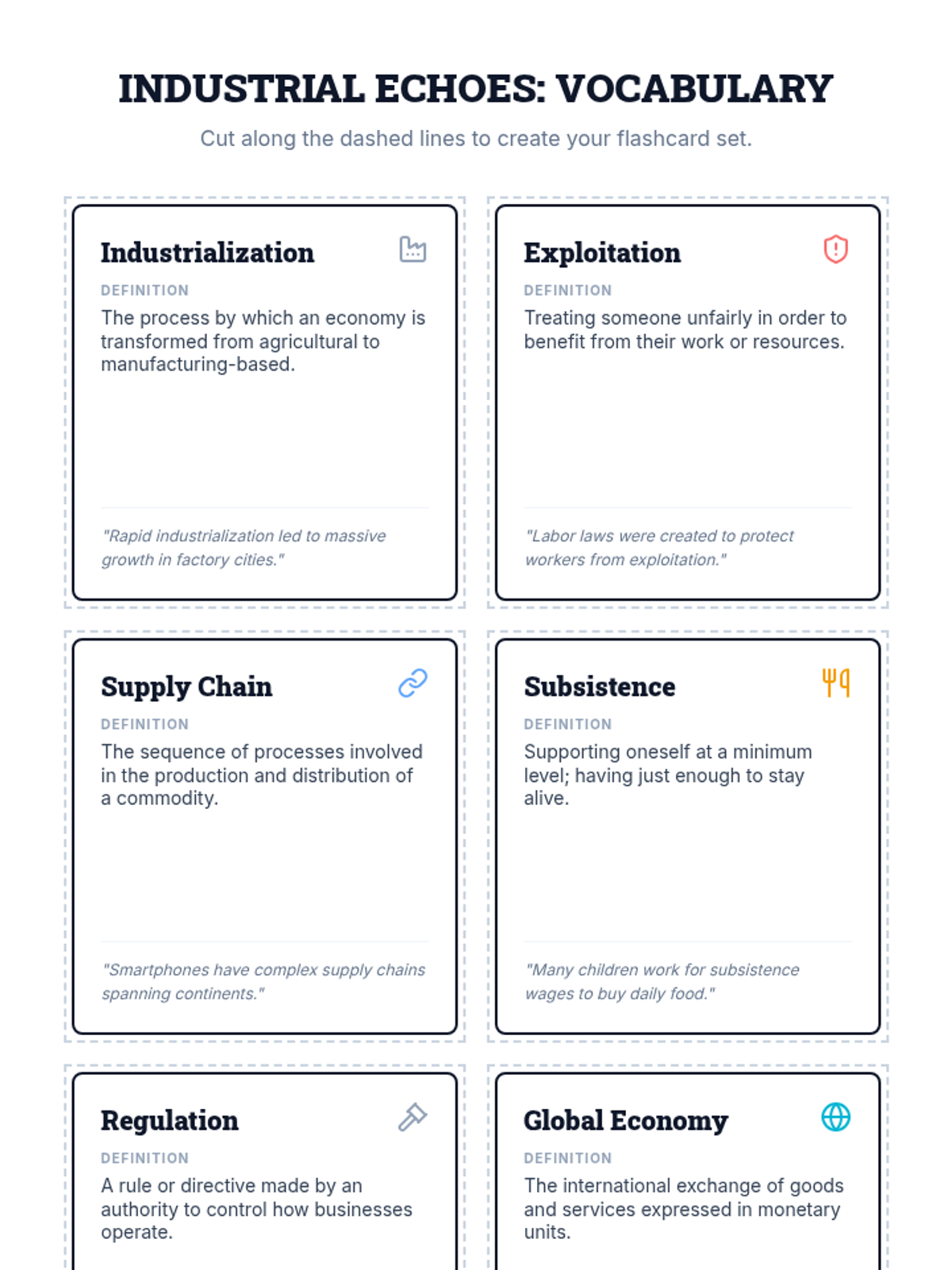
Students compare historical accounts of child labor from the Industrial Revolution with modern-day case studies in global industries. The lesson focuses on identifying patterns of exploitation and the evolution of labor laws.
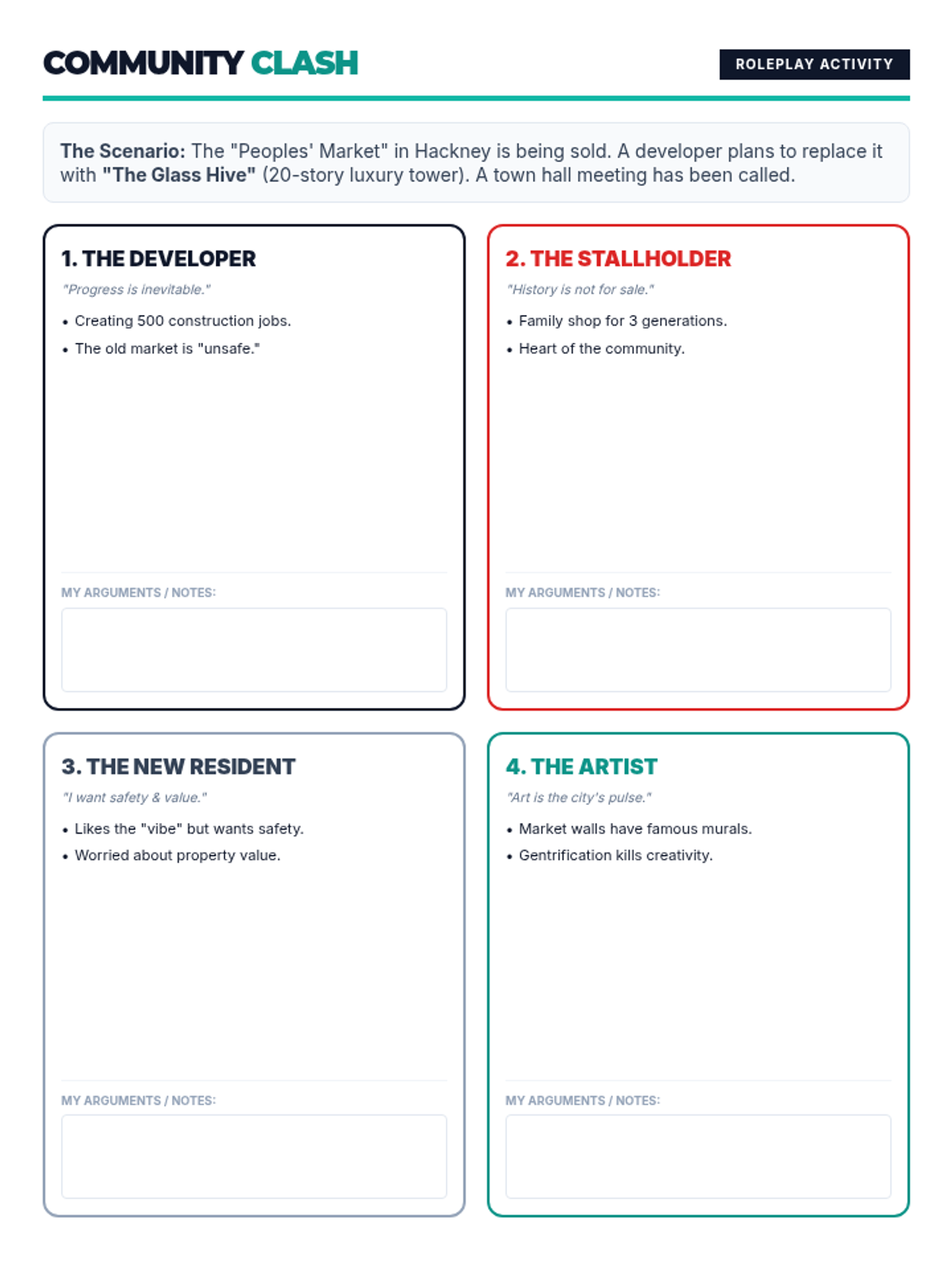
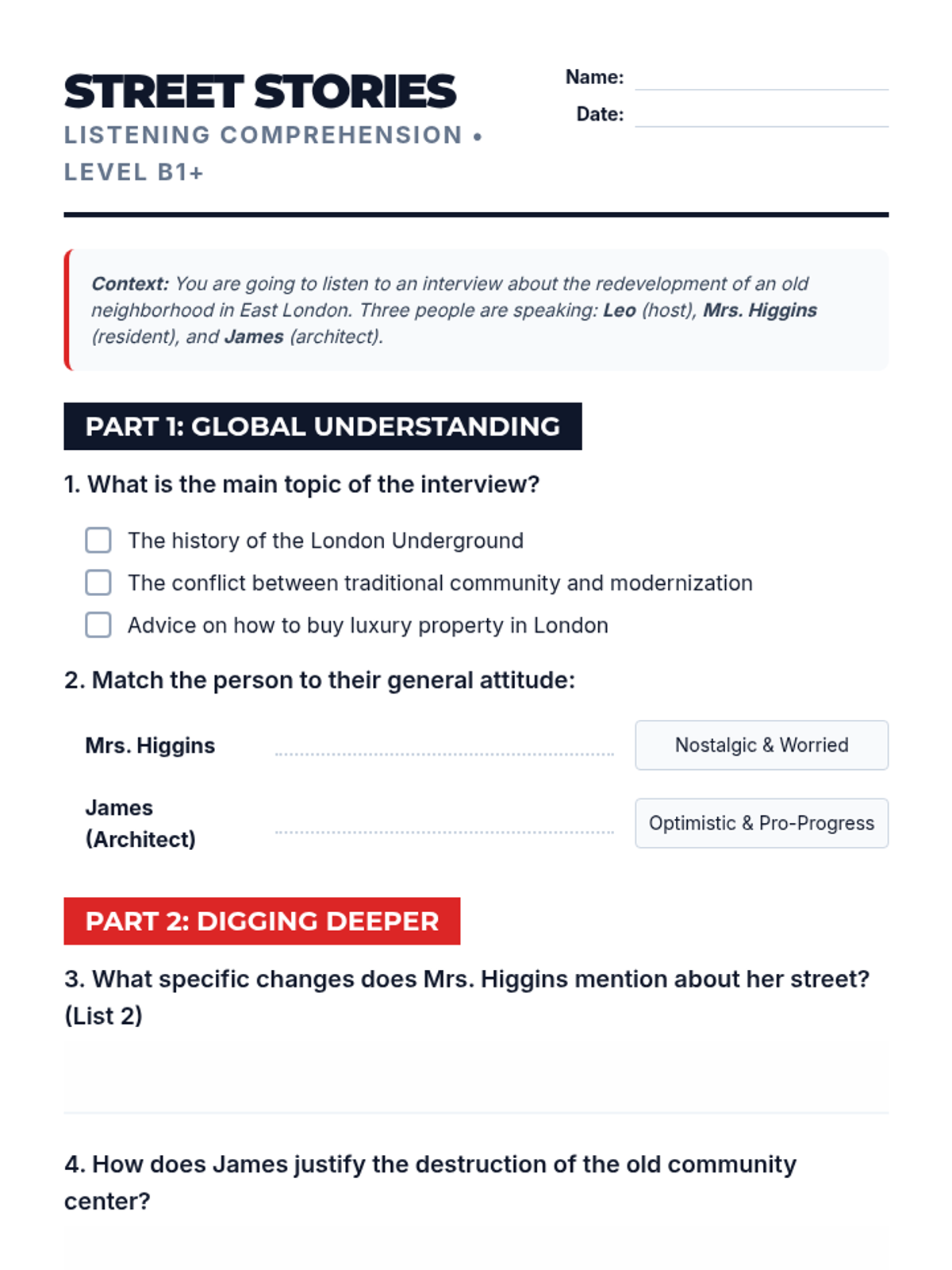
A speaking-focused lesson exploring the human cost of urban change through a role-play debate regarding the redevelopment of a local community market.
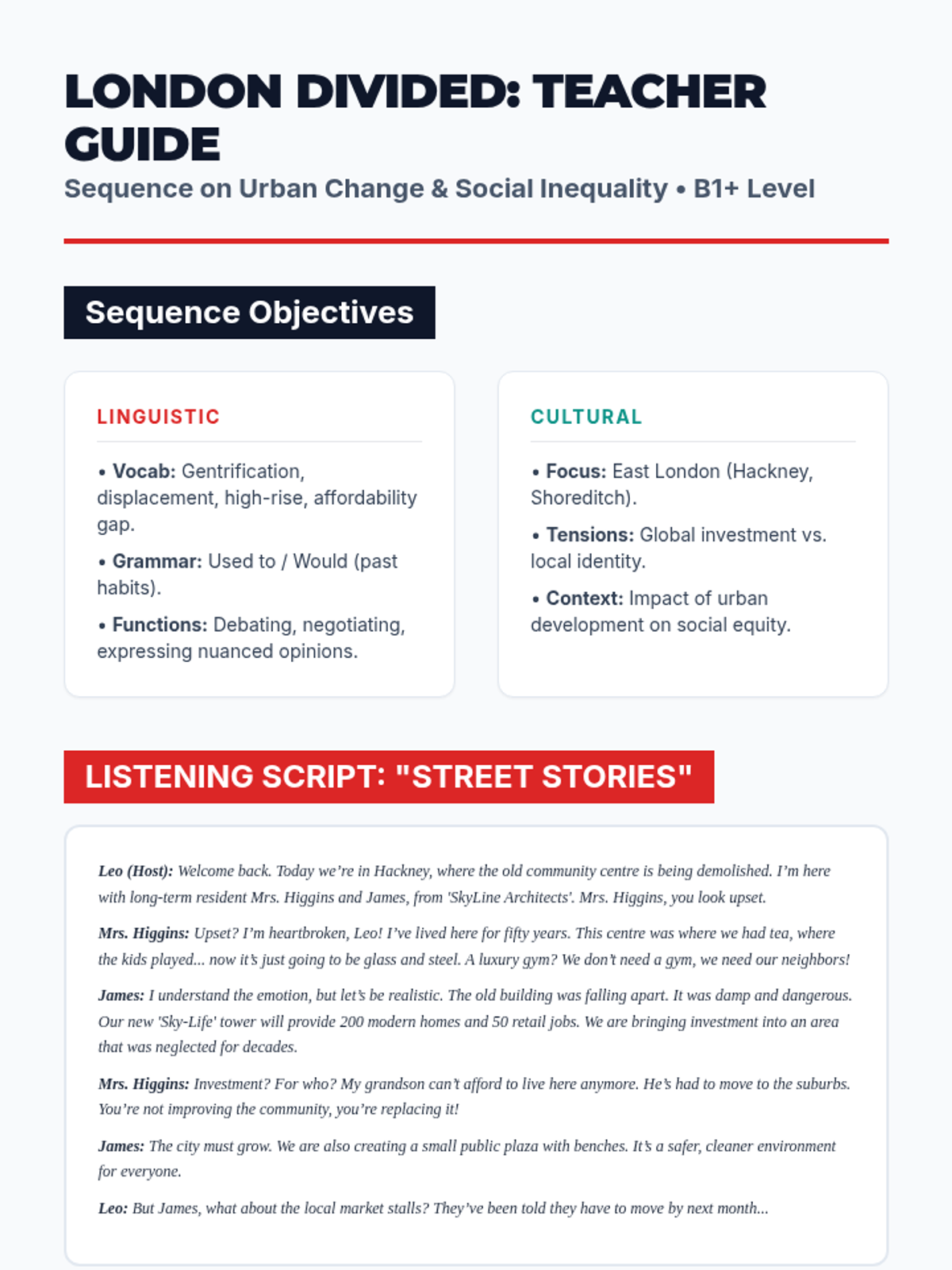
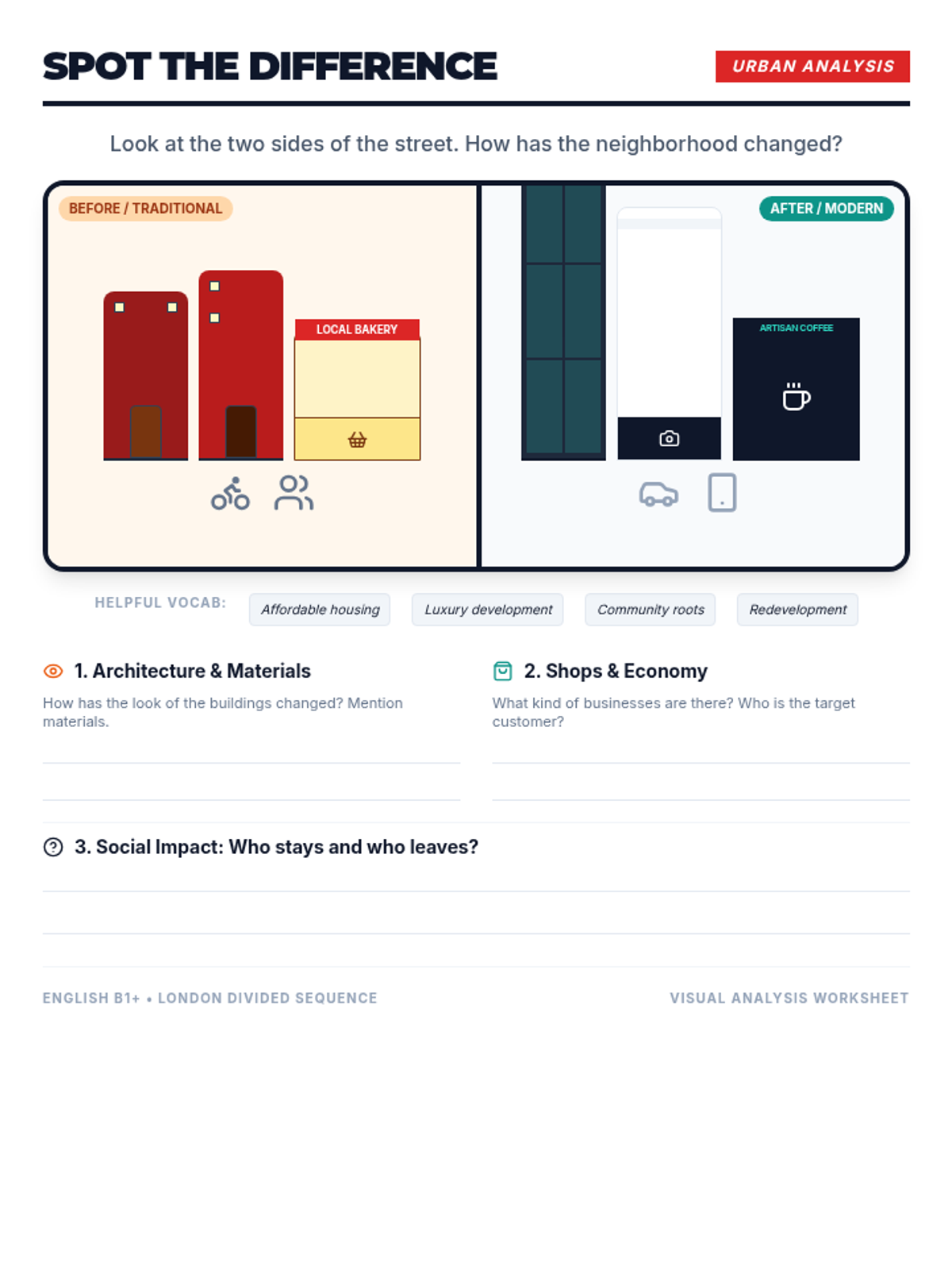
Introduction to the concept of gentrification through visual analysis and a 'live listening' exercise focusing on the transformation of East London neighborhoods.
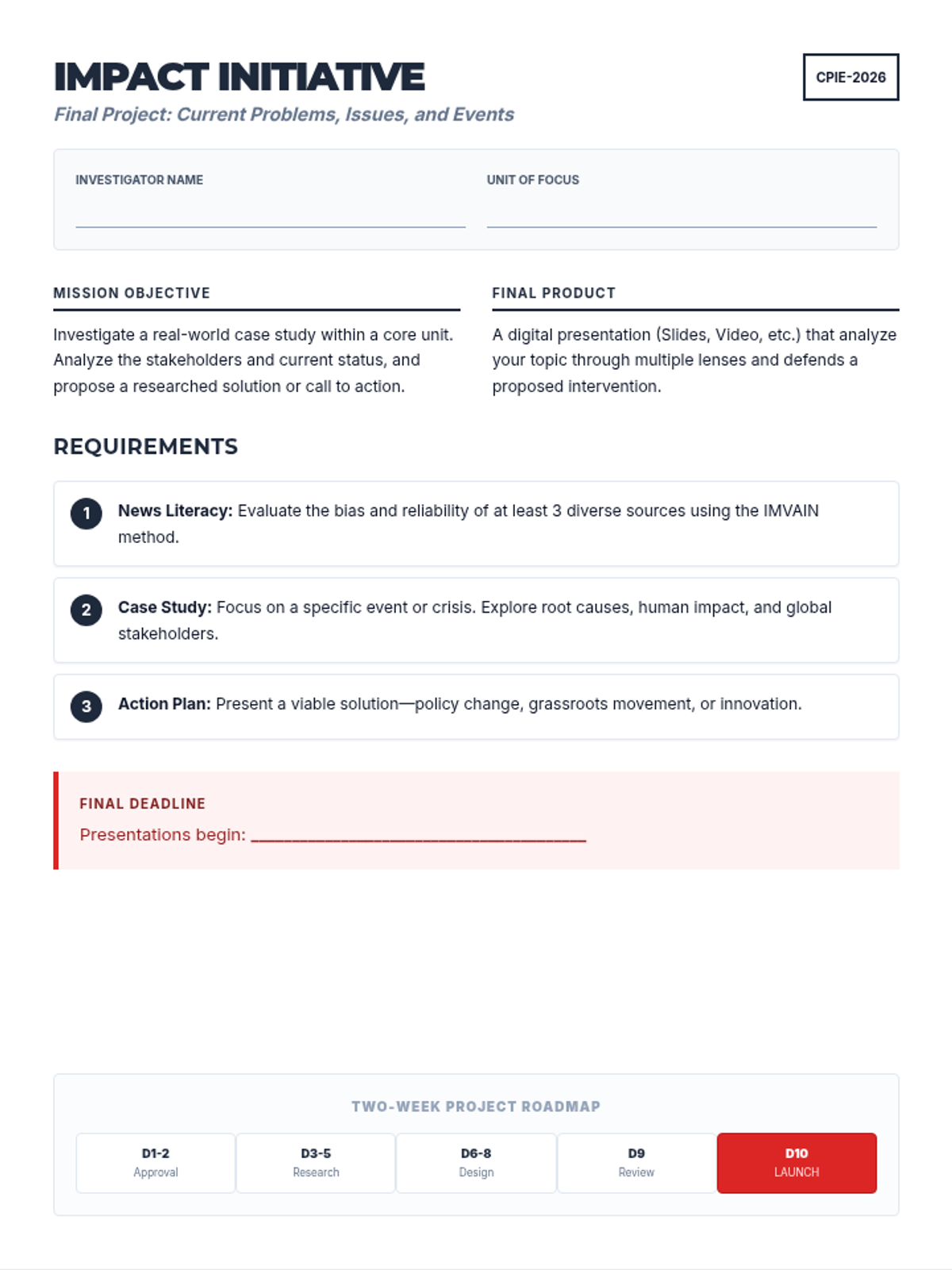
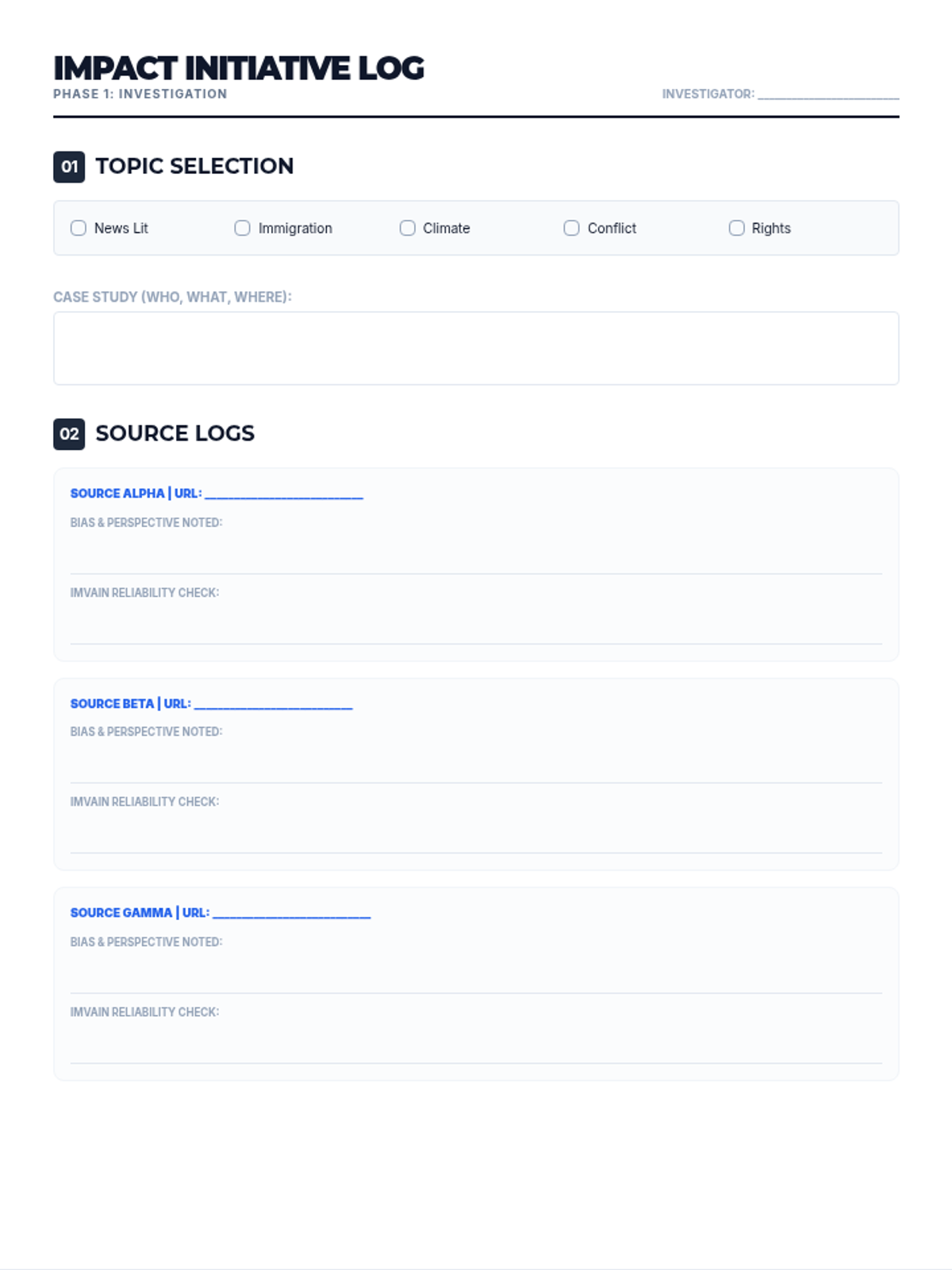
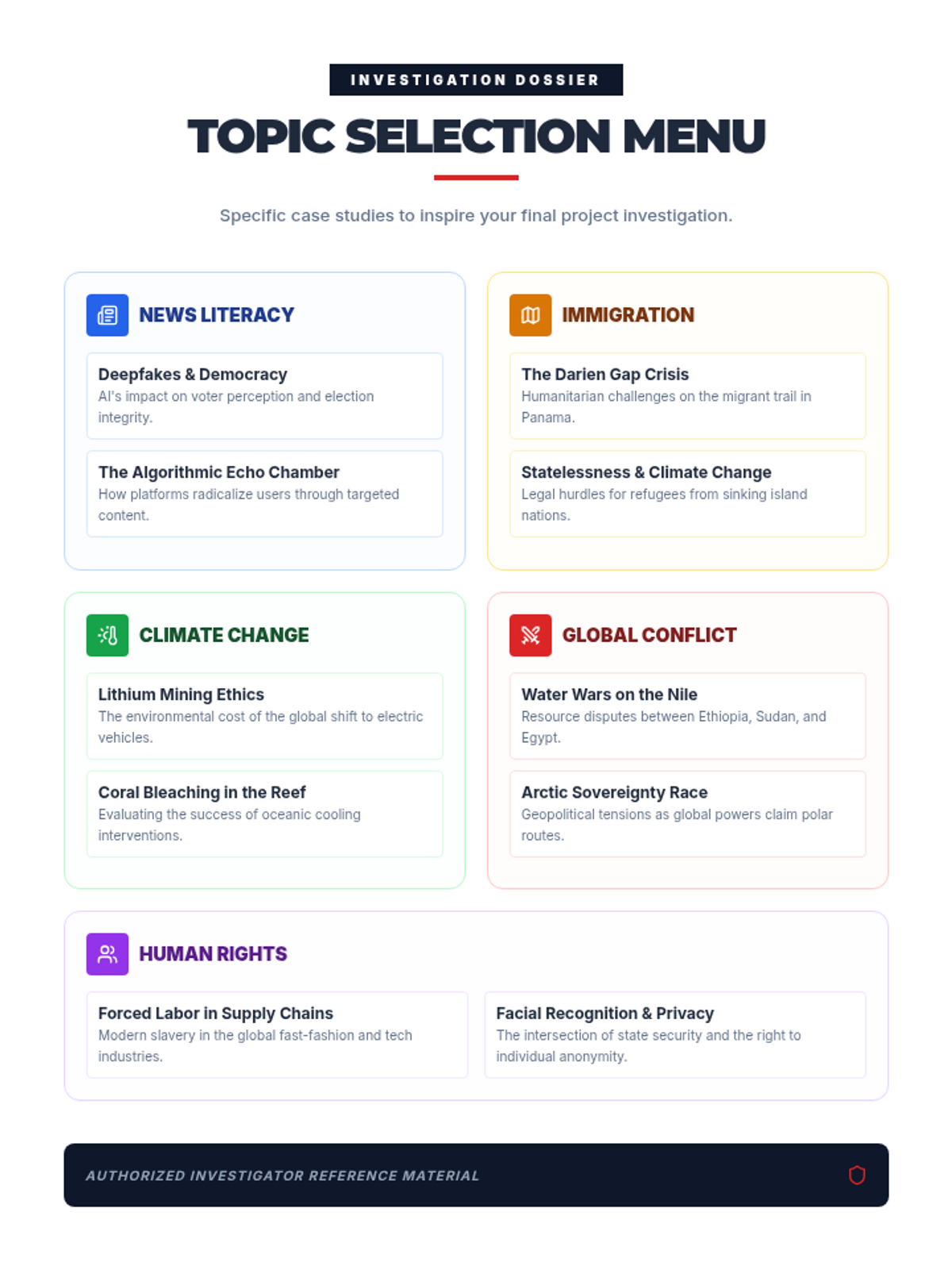
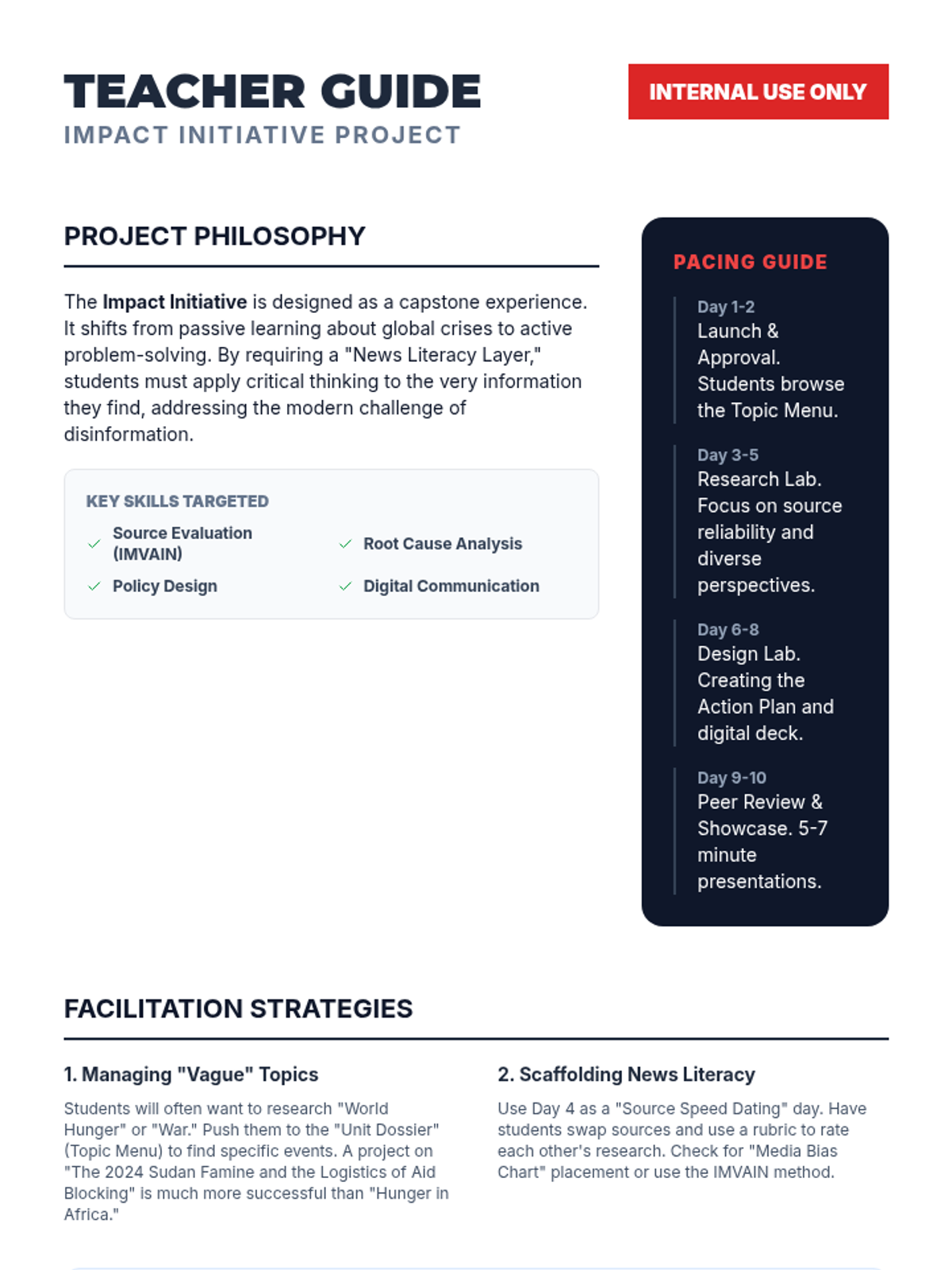
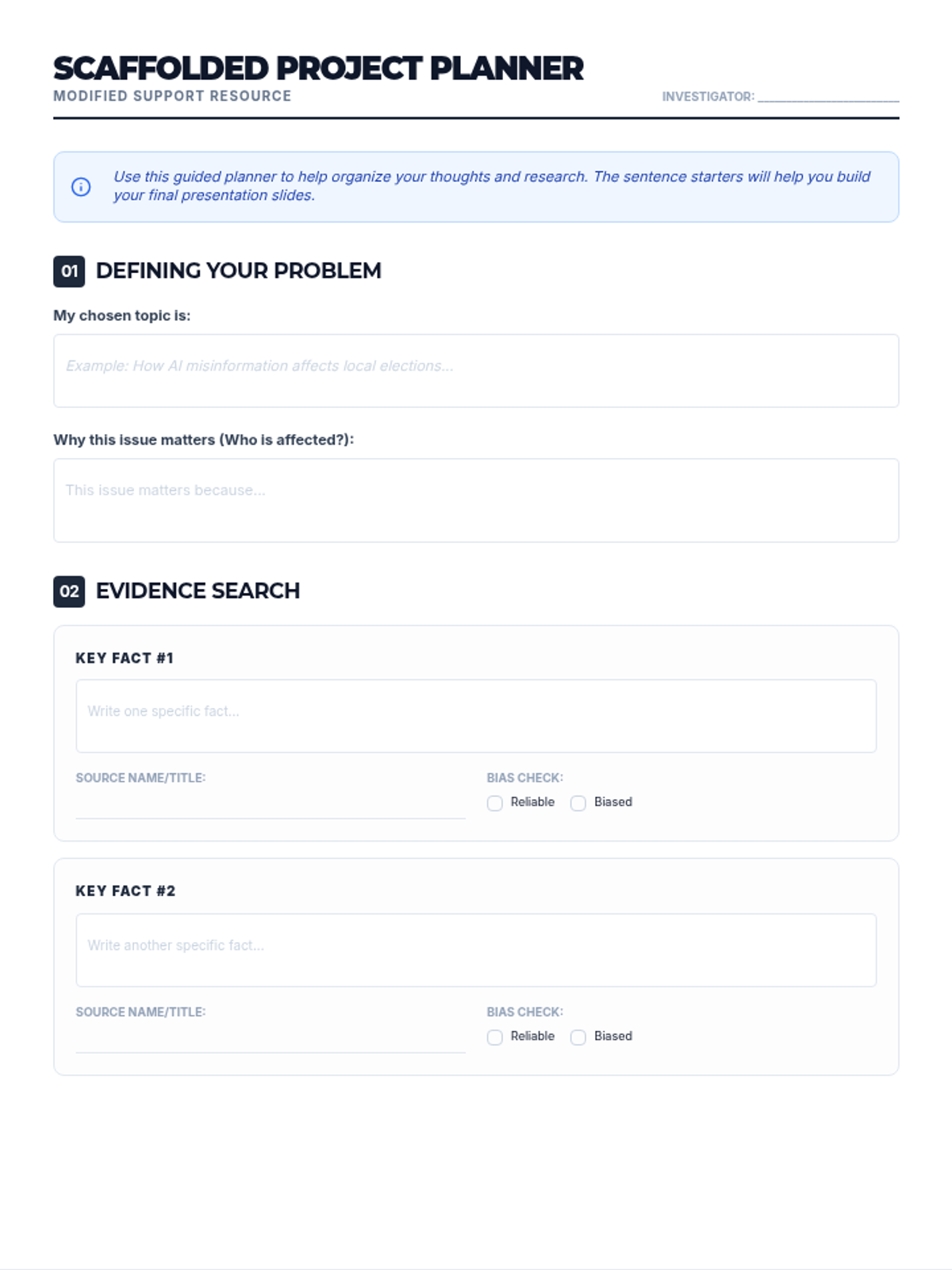
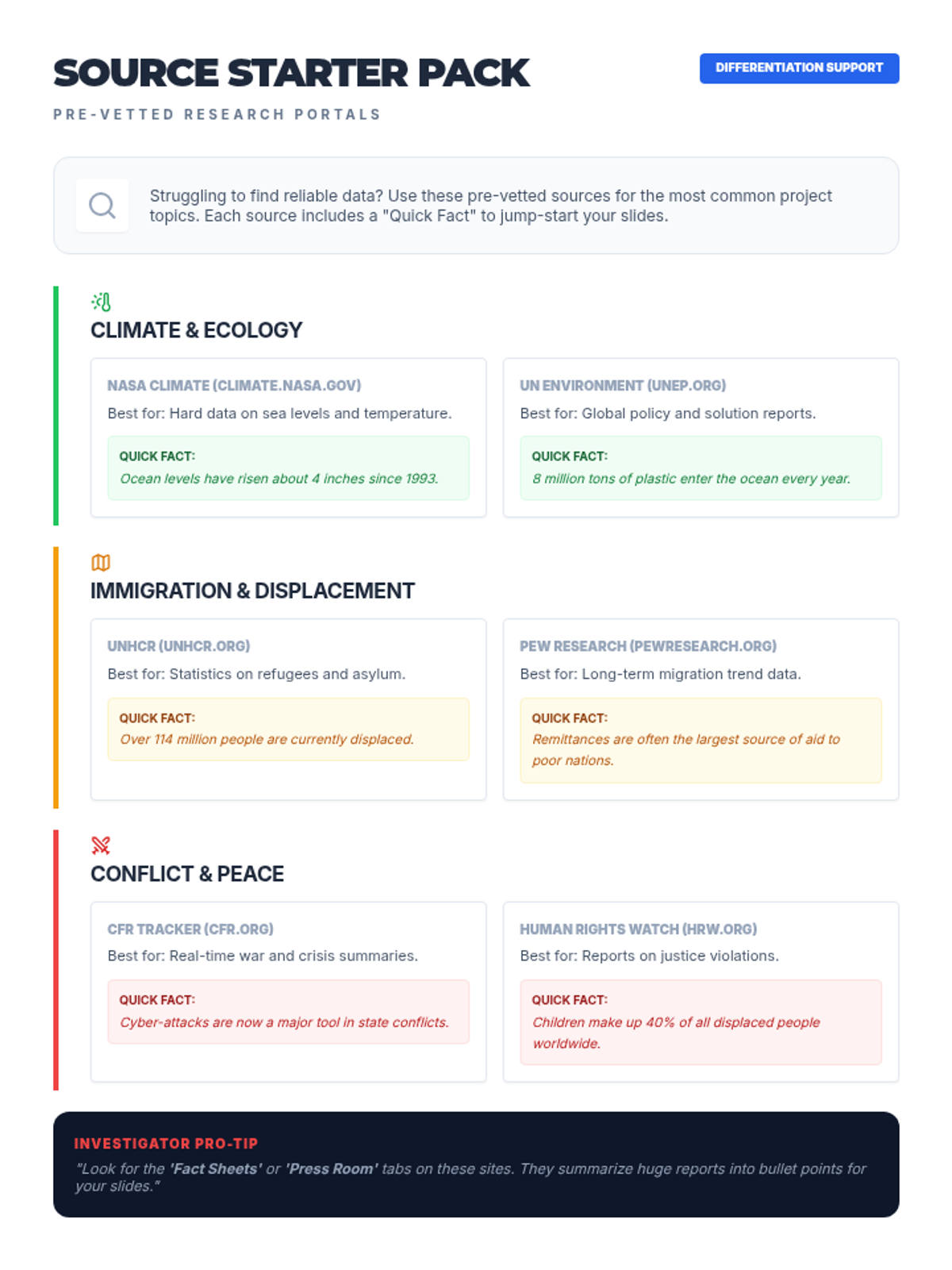
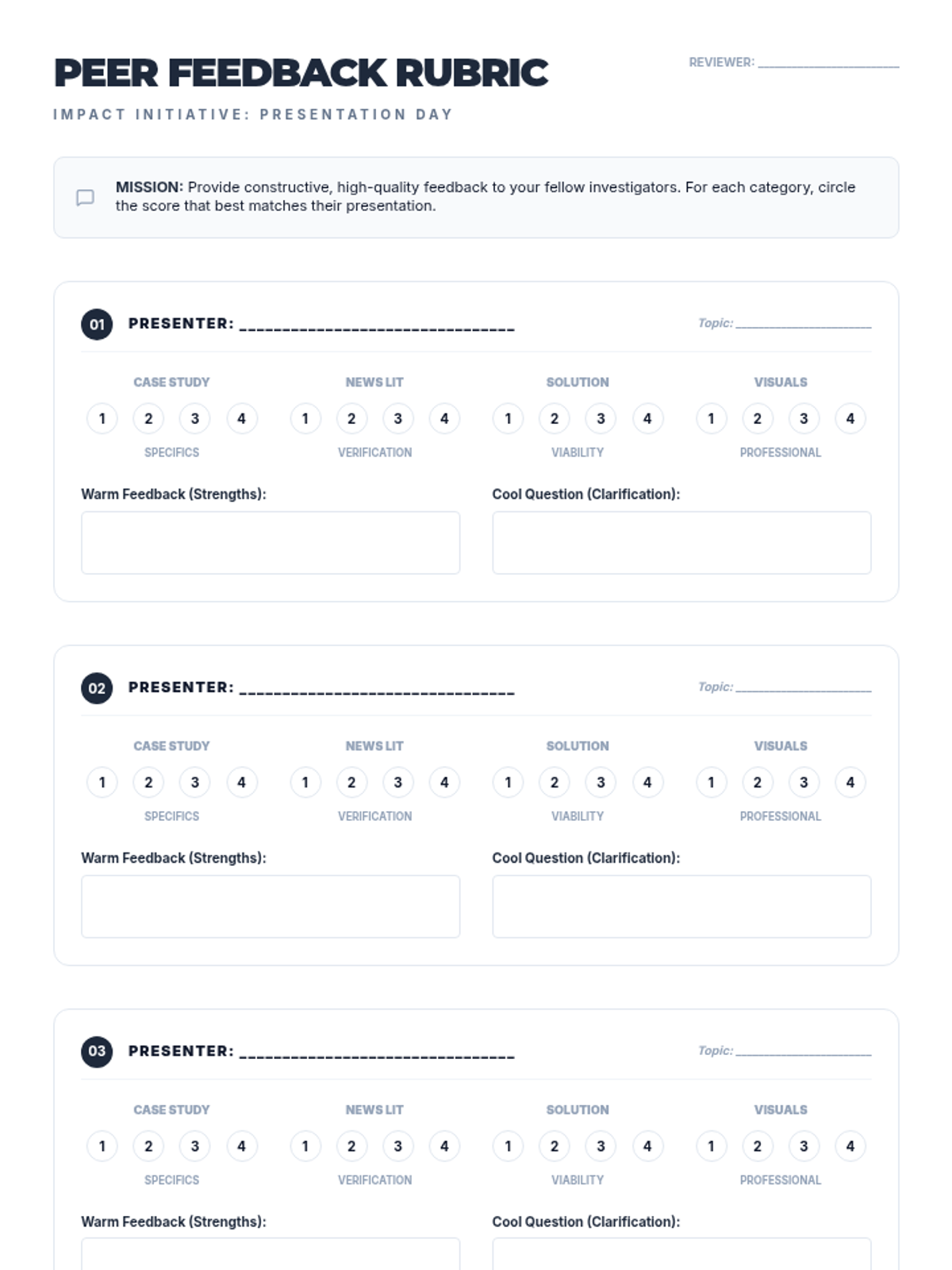
A comprehensive two-week final project for high school students to investigate and propose solutions for a major global issue from one of five core units: News Literacy, Immigration, Climate Change, Global Conflict, or Human Rights.
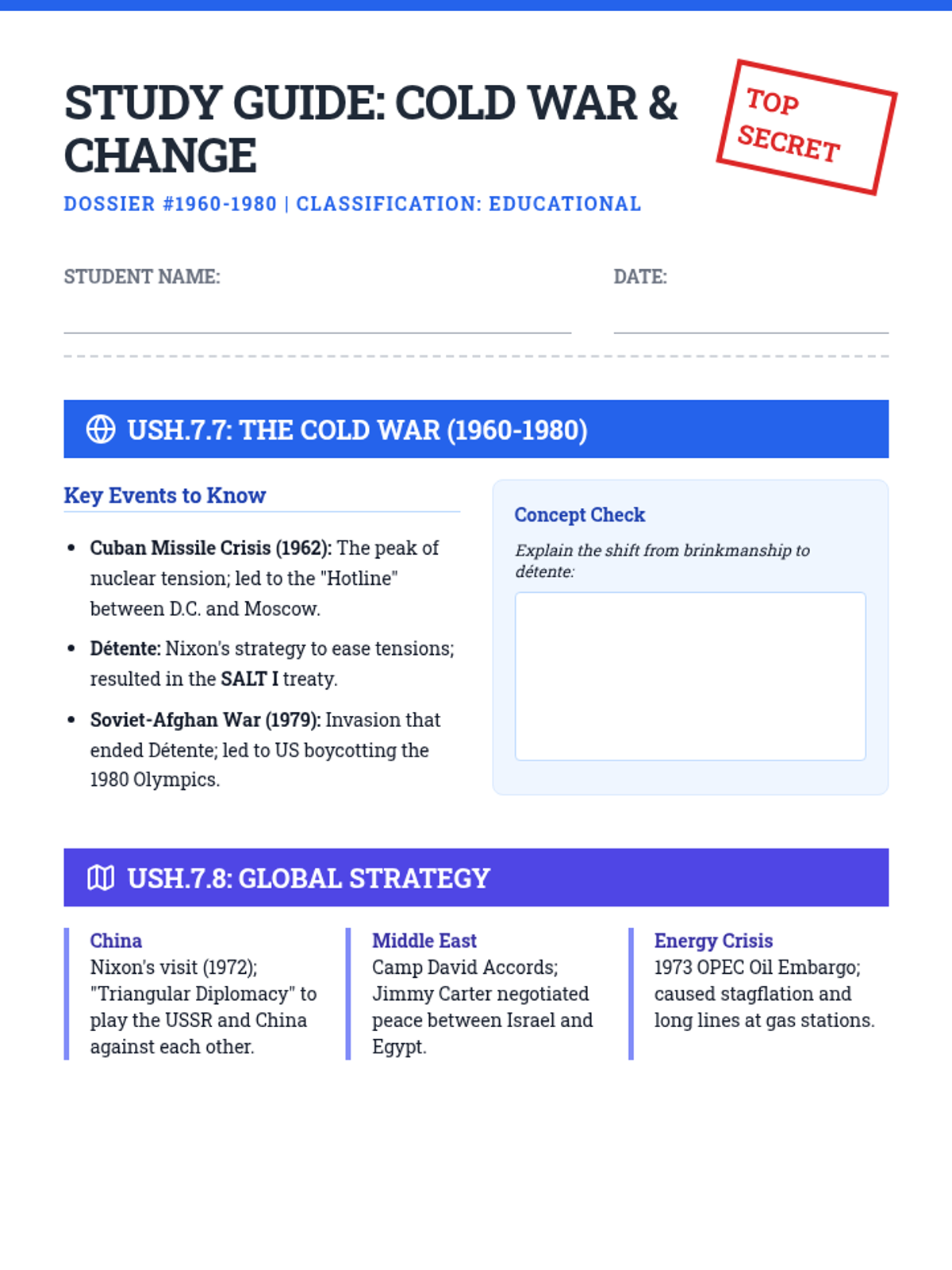
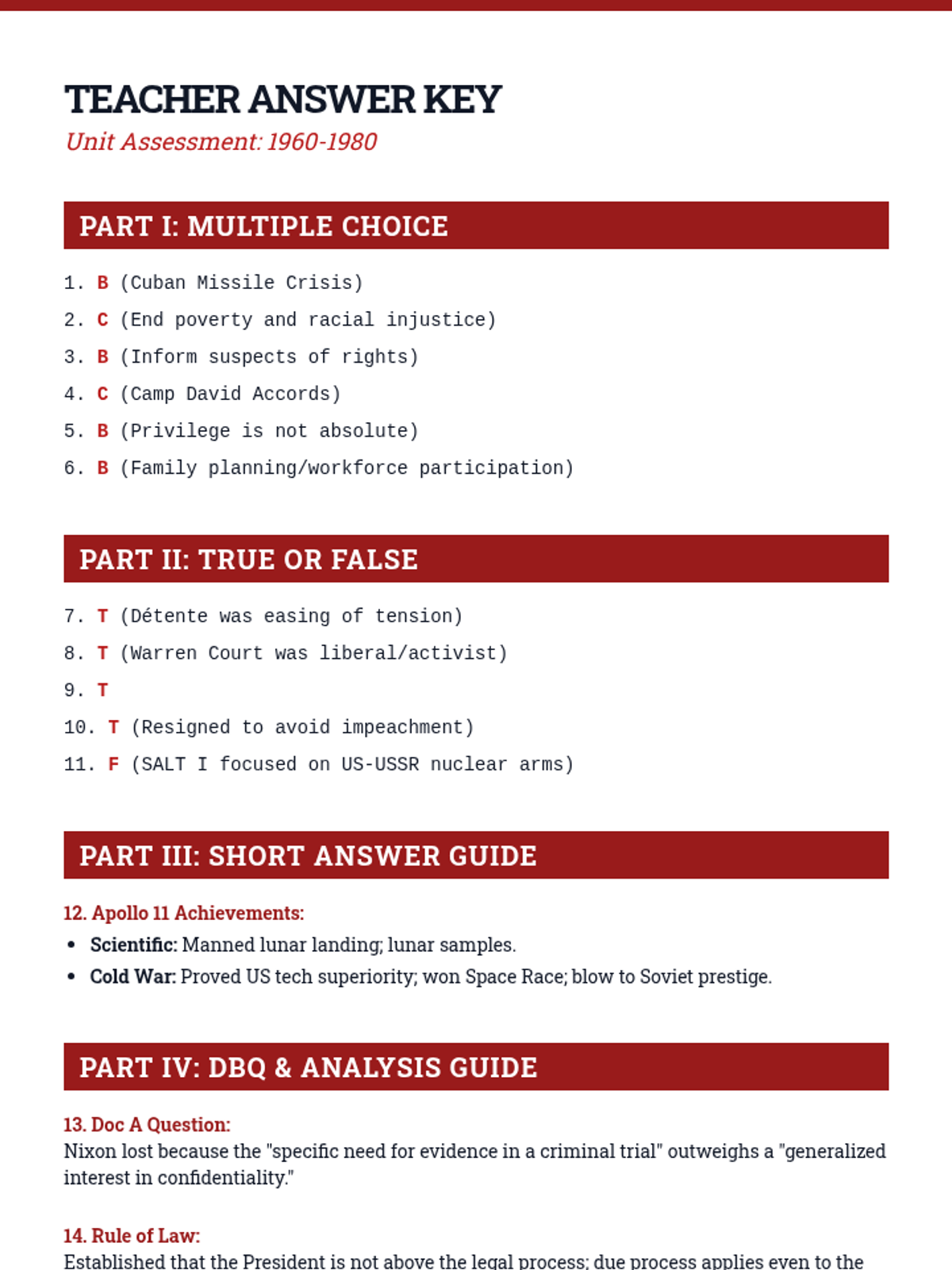
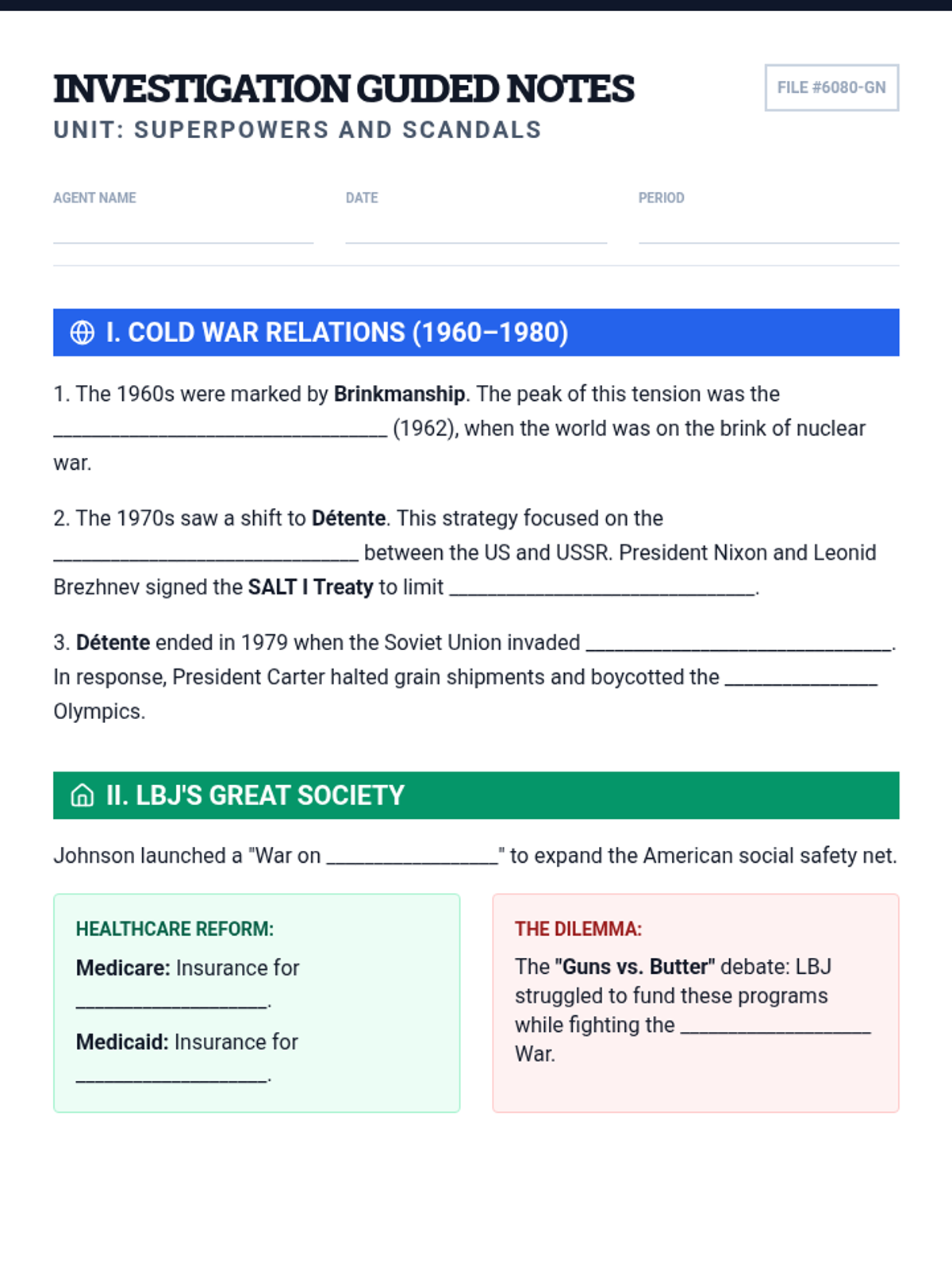
The final assessment and preparation materials for the unit on 1960-1980 US History.
A review of the unit's key concepts and a final assessment on the shared characteristics and unique contributions of medieval civilizations.
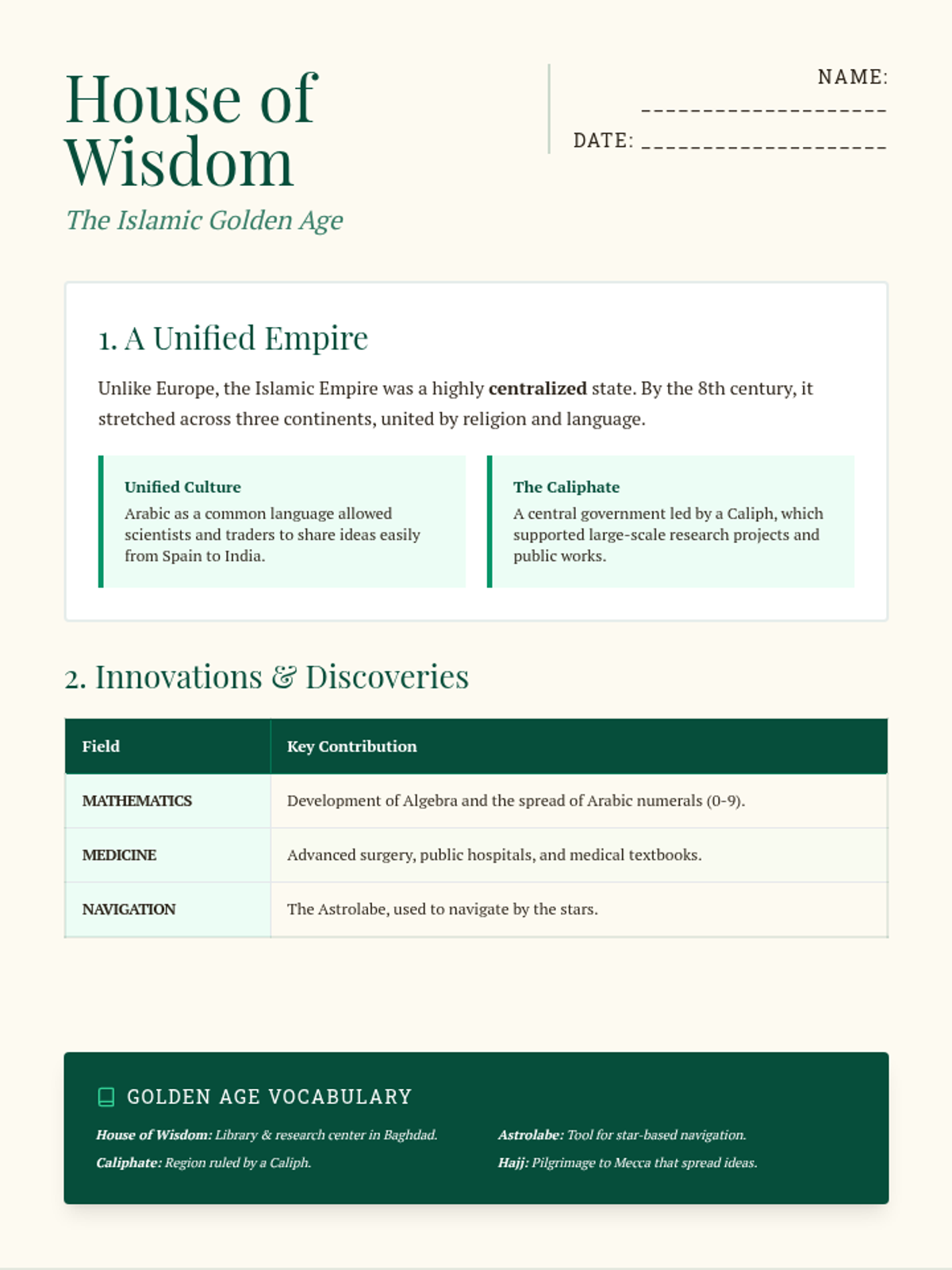
Exploring the Golden Age of the Islamic Empire, focusing on advancements in science, math, and the role of Islam in unifying a diverse caliphate.
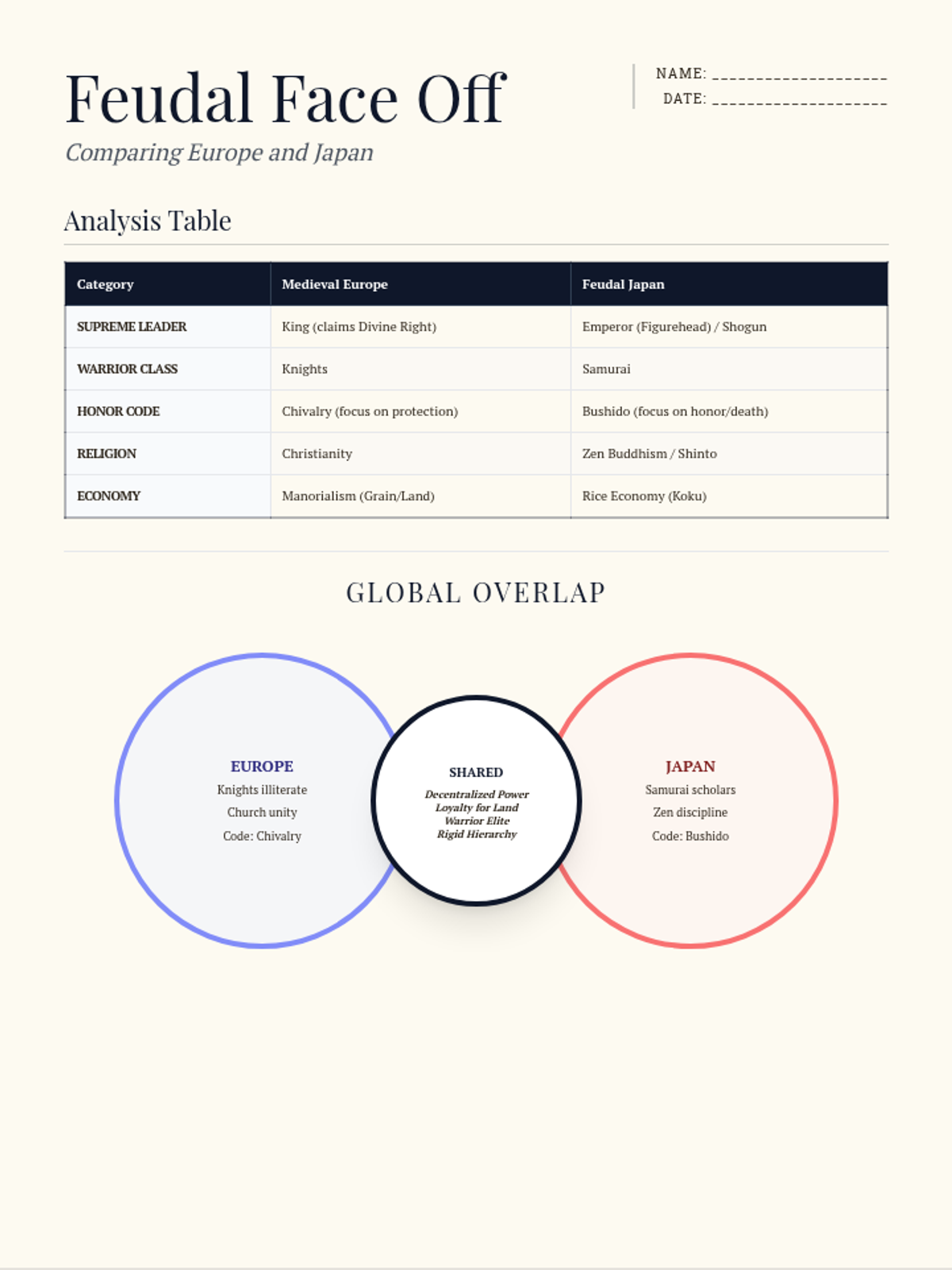
A comparative study of European and Japanese feudalism, highlighting similarities in social structures and differences in culture and technology.
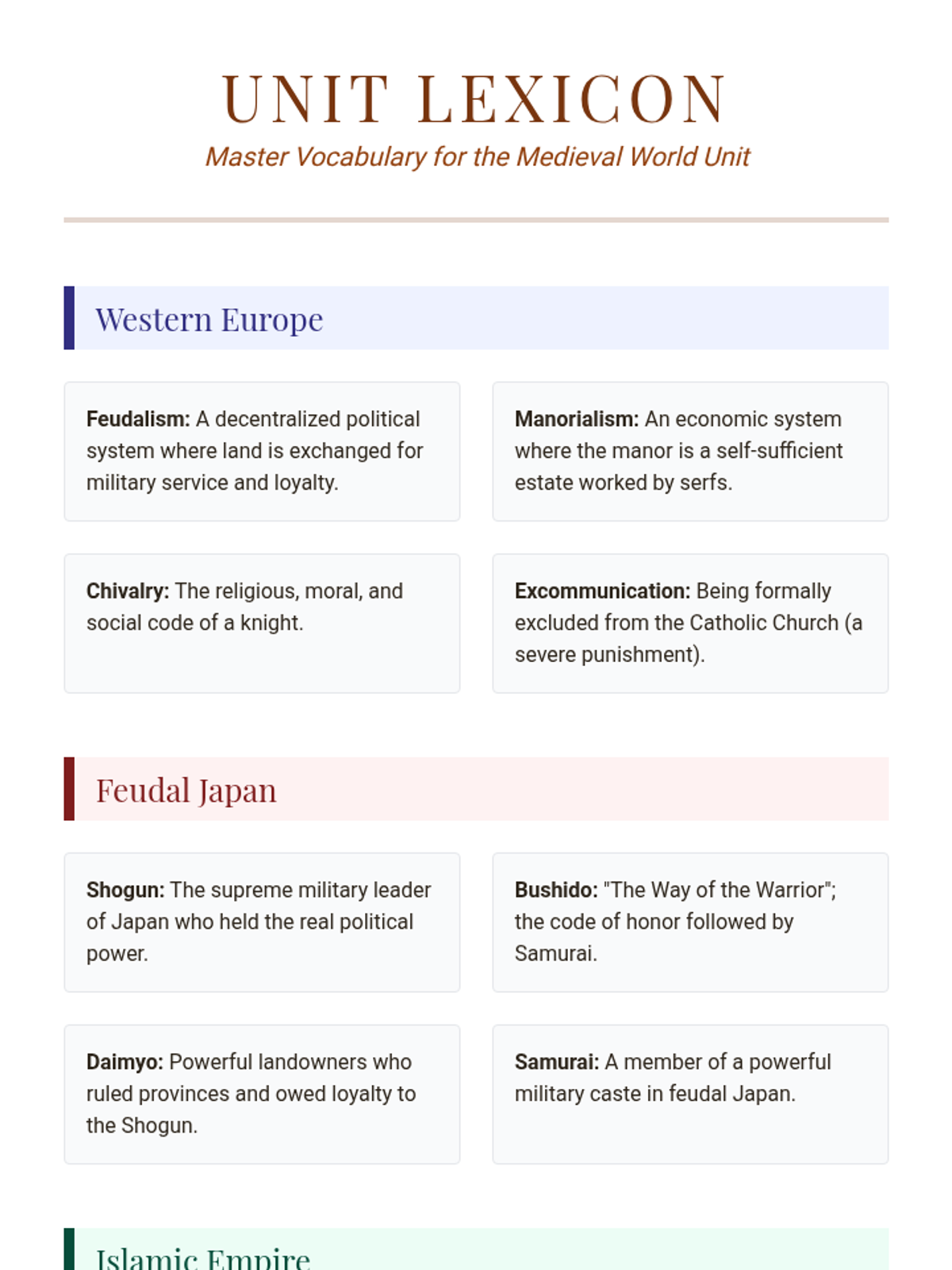
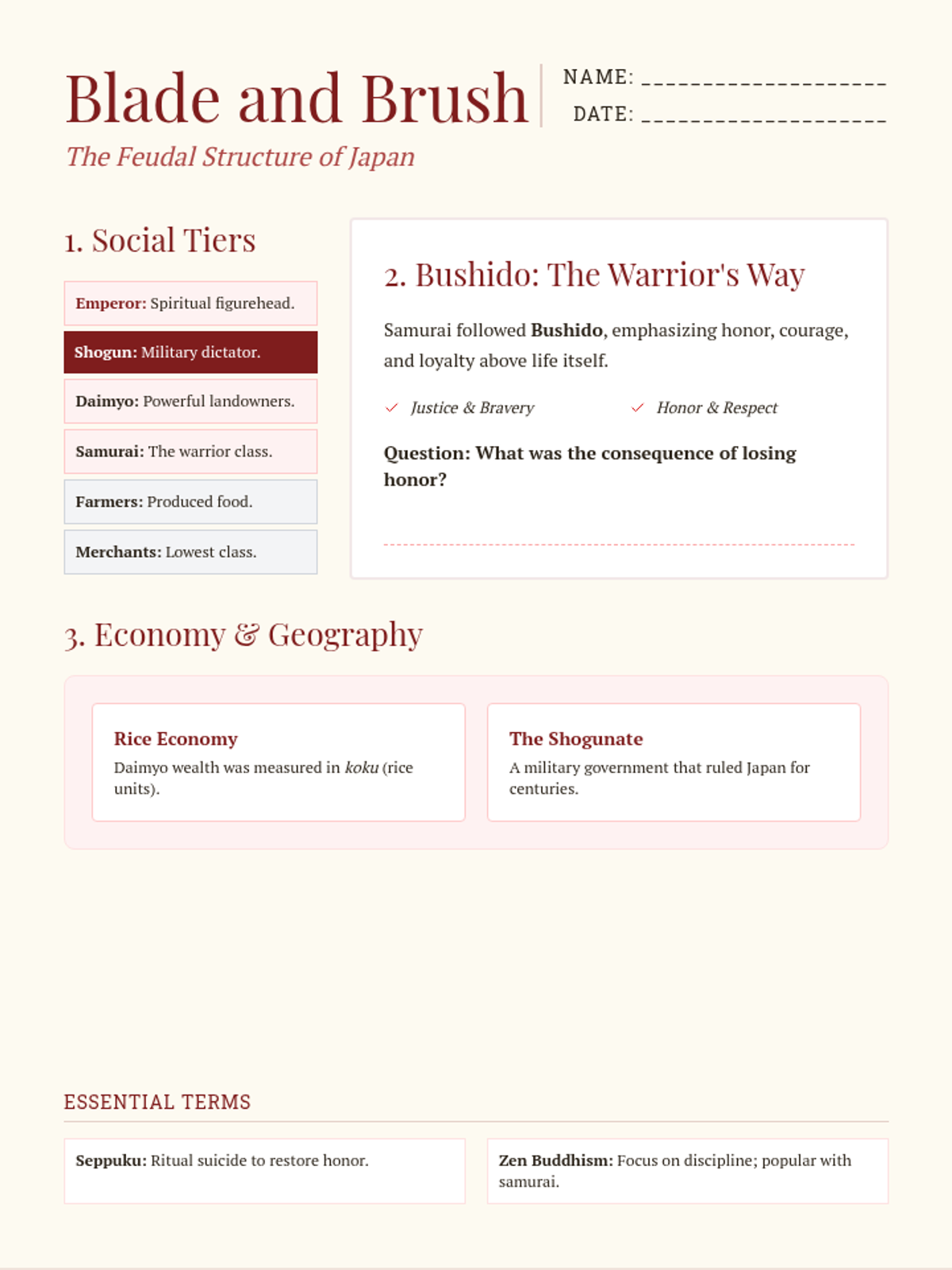
An analysis of Japan's feudal government, the role of the Shogun, and the code of the Samurai.
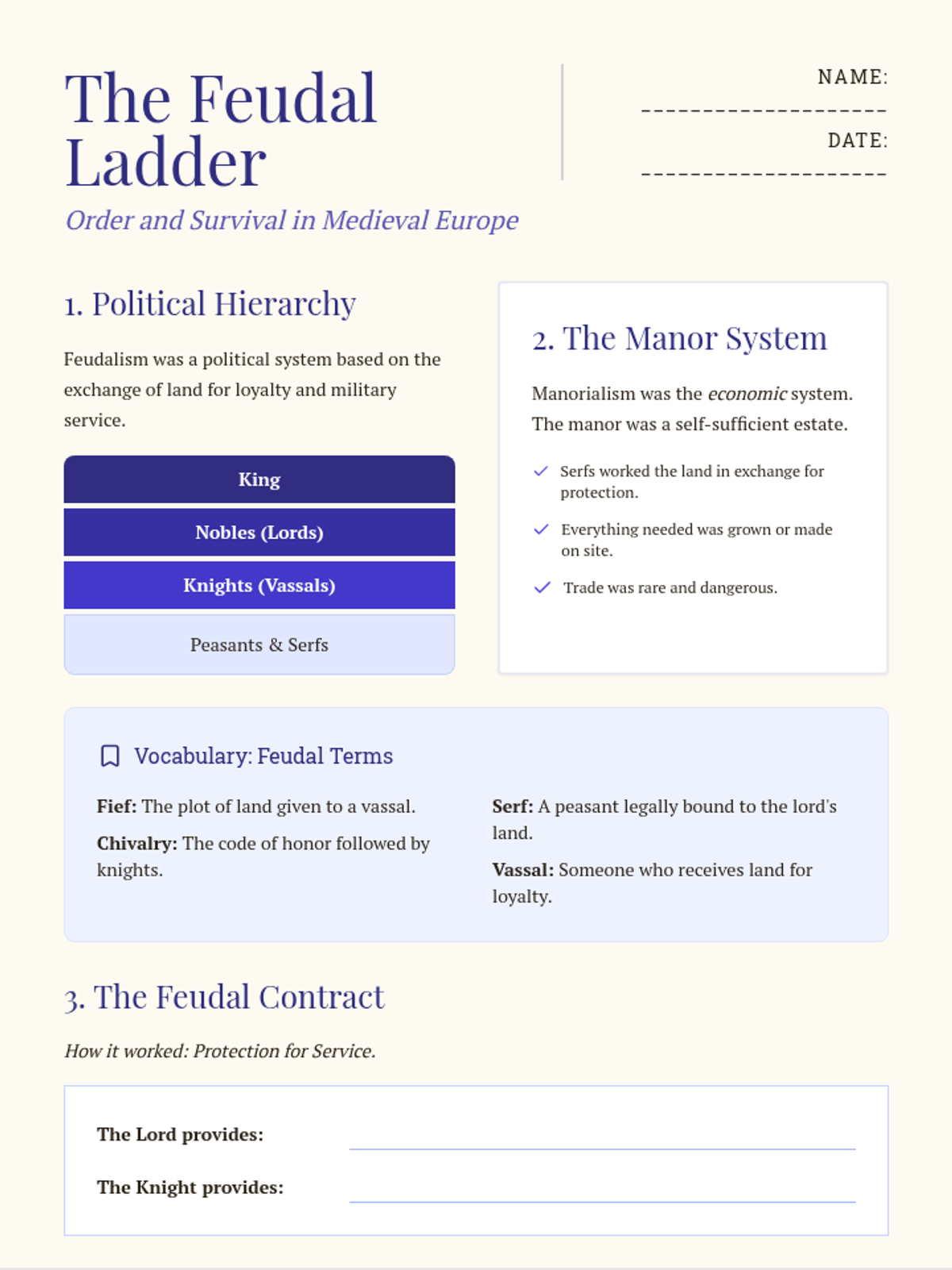
An exploration of the feudal system and manorialism in Western Europe, focusing on the social hierarchy and agrarian economy.
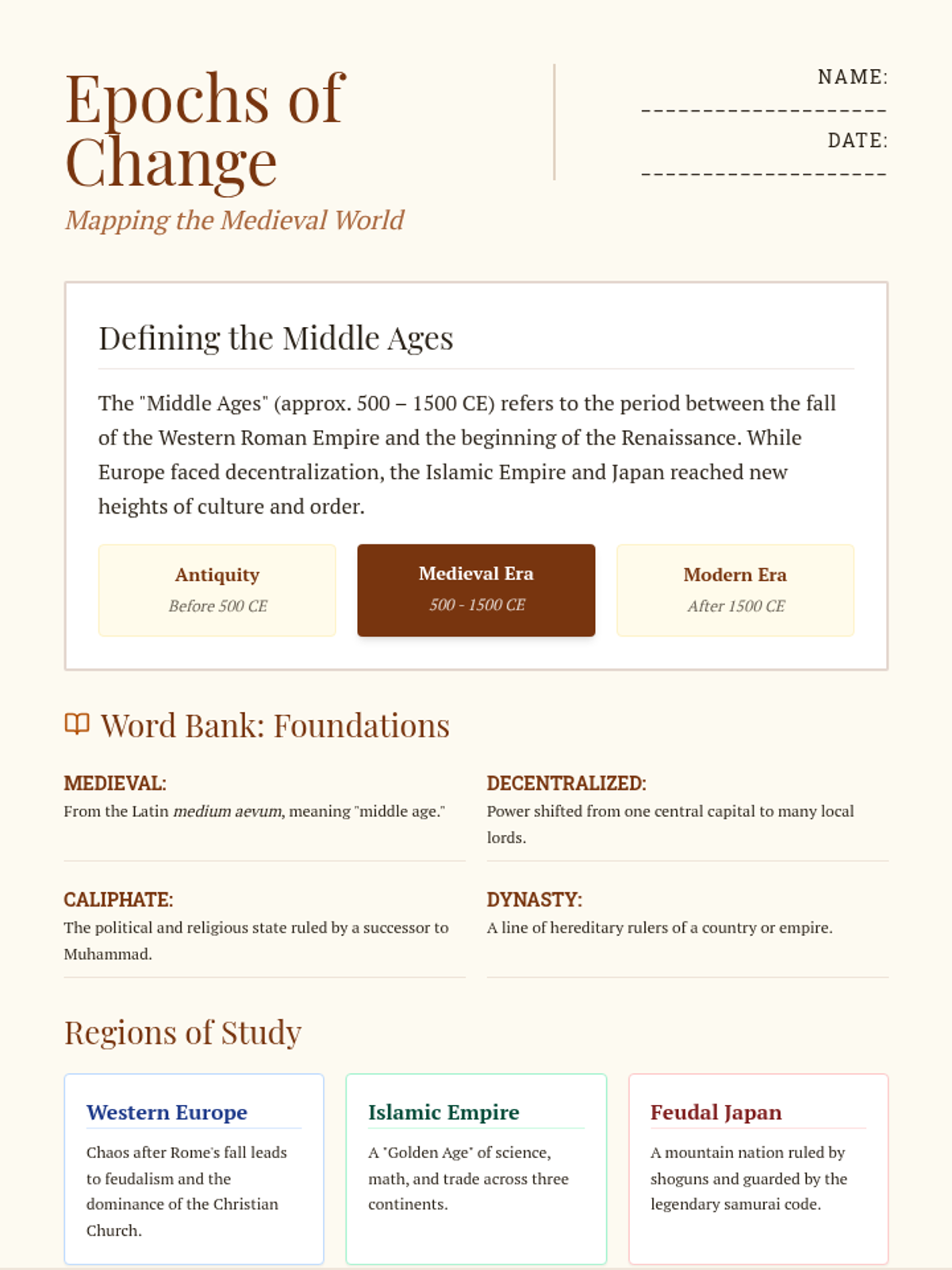
An introduction to the global Middle Ages, defining the time period and setting the stage for the rise of regional powers in Europe, Japan, and the Islamic world.
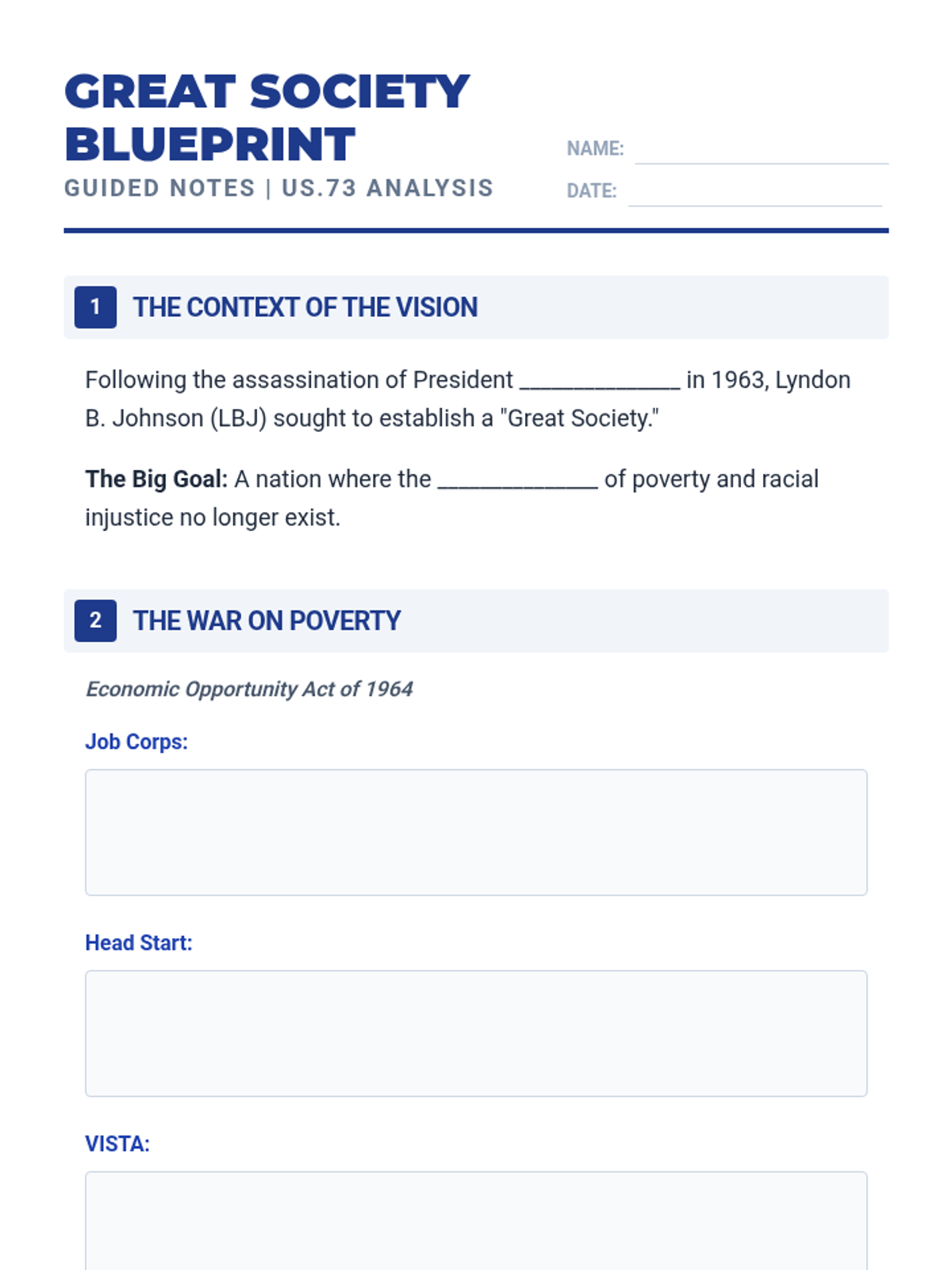
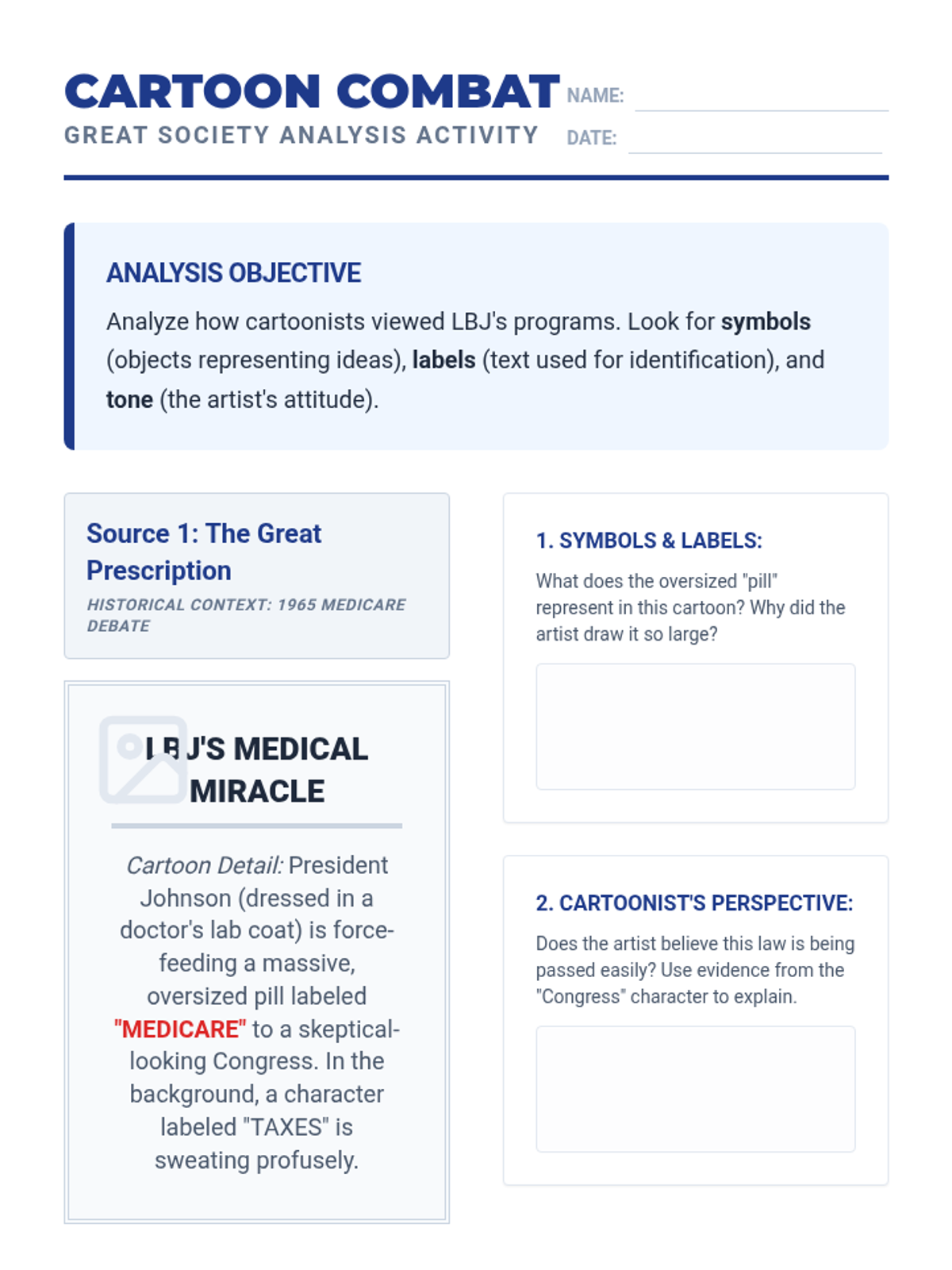
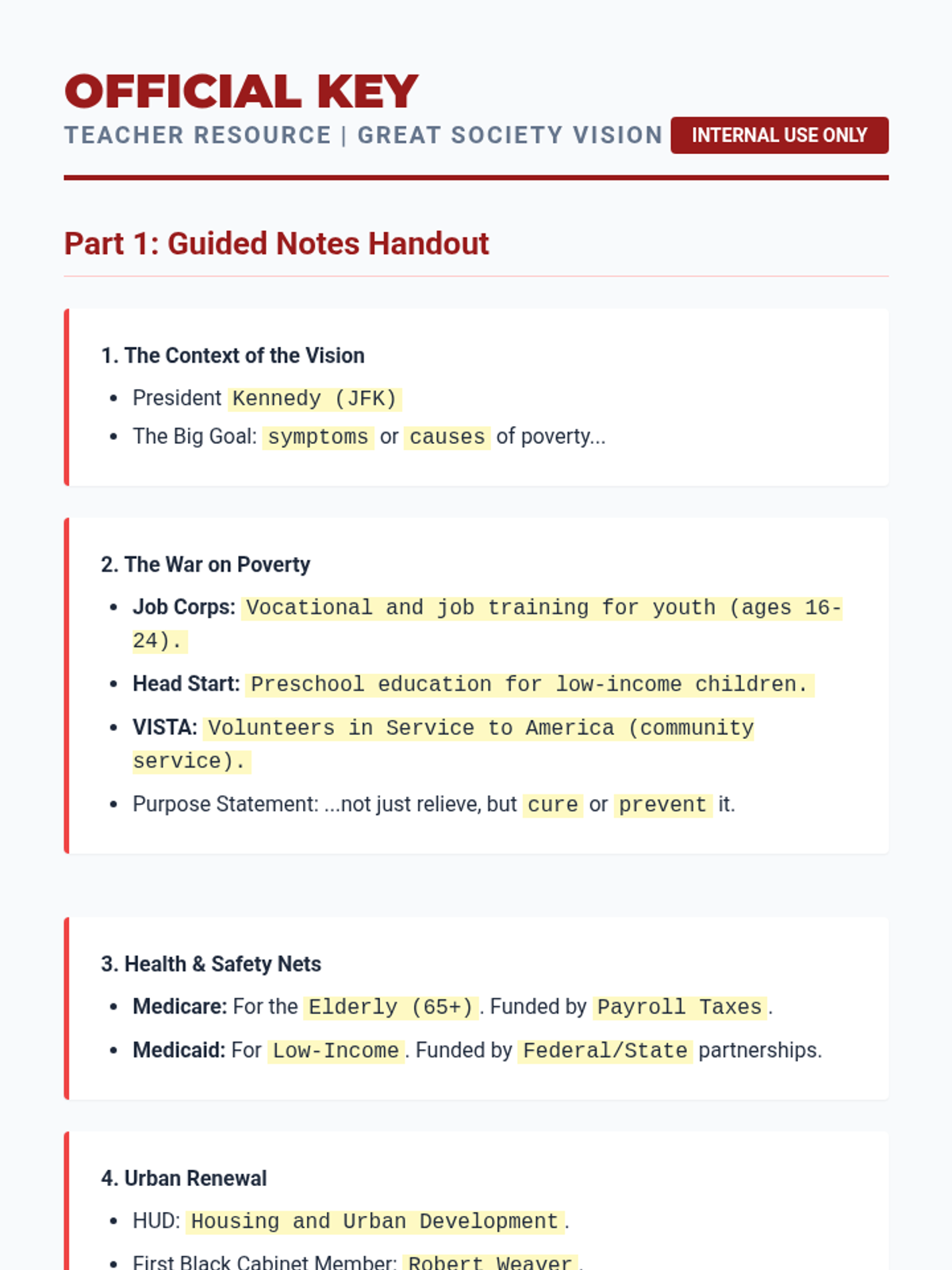
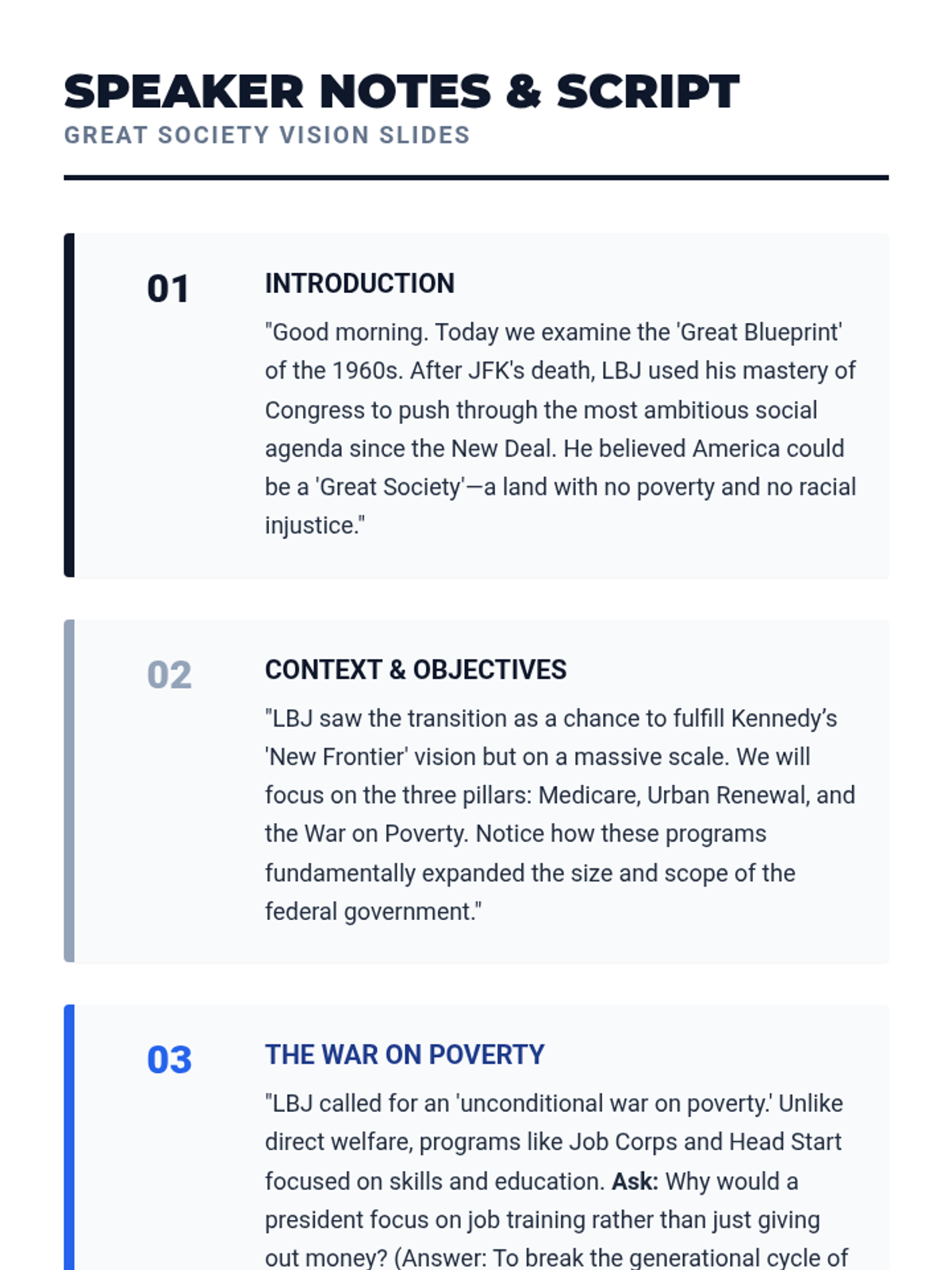
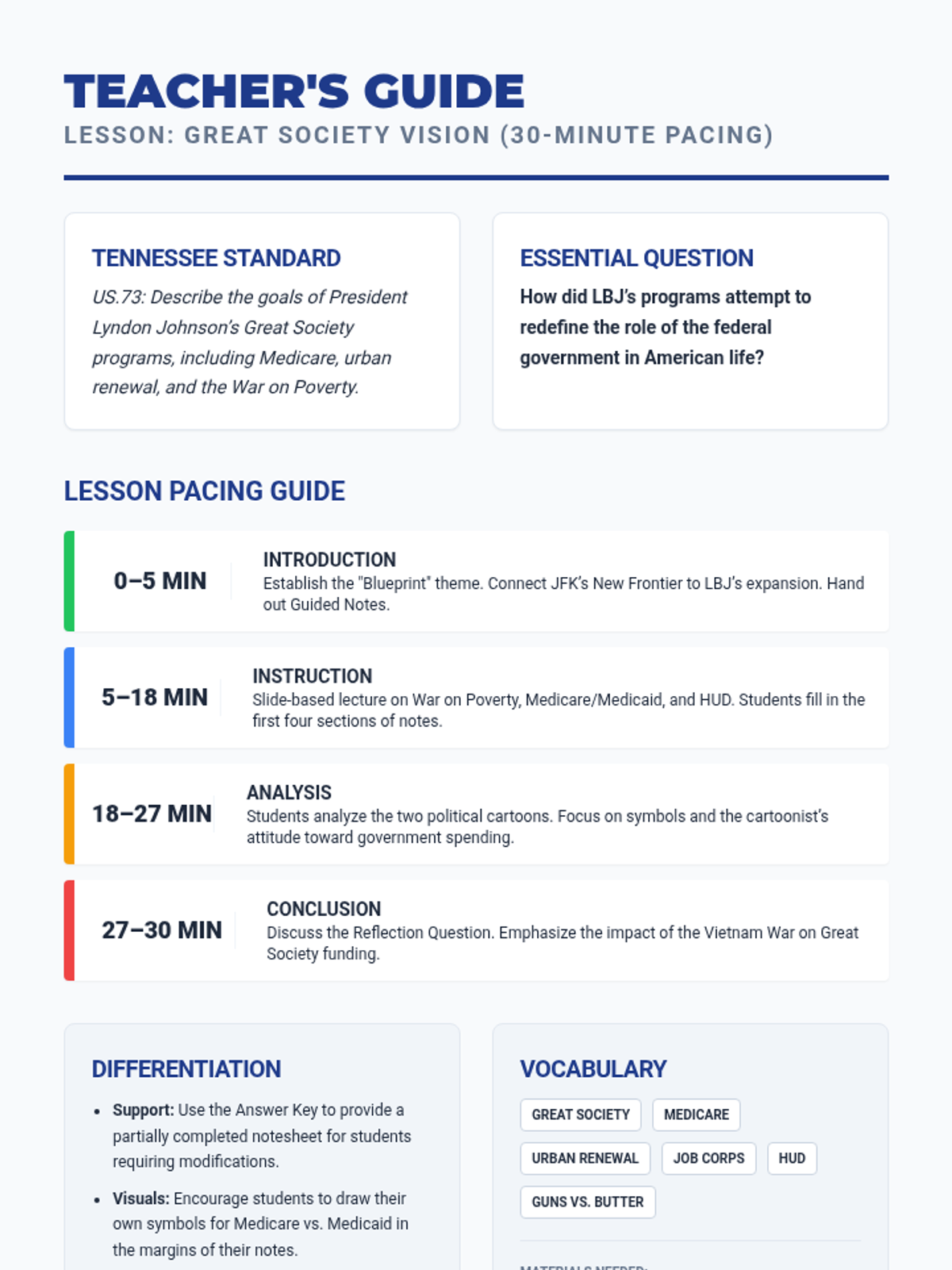
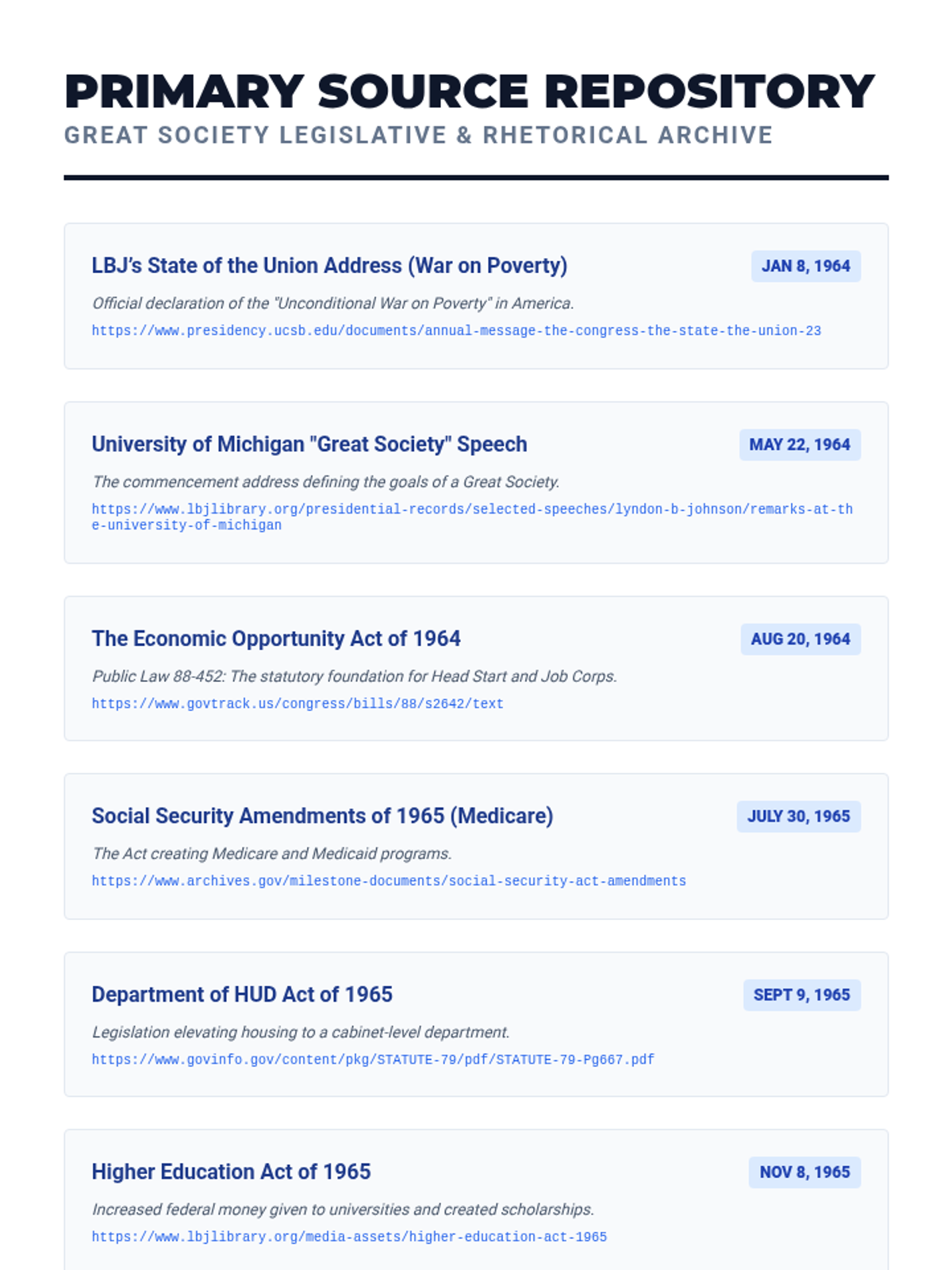
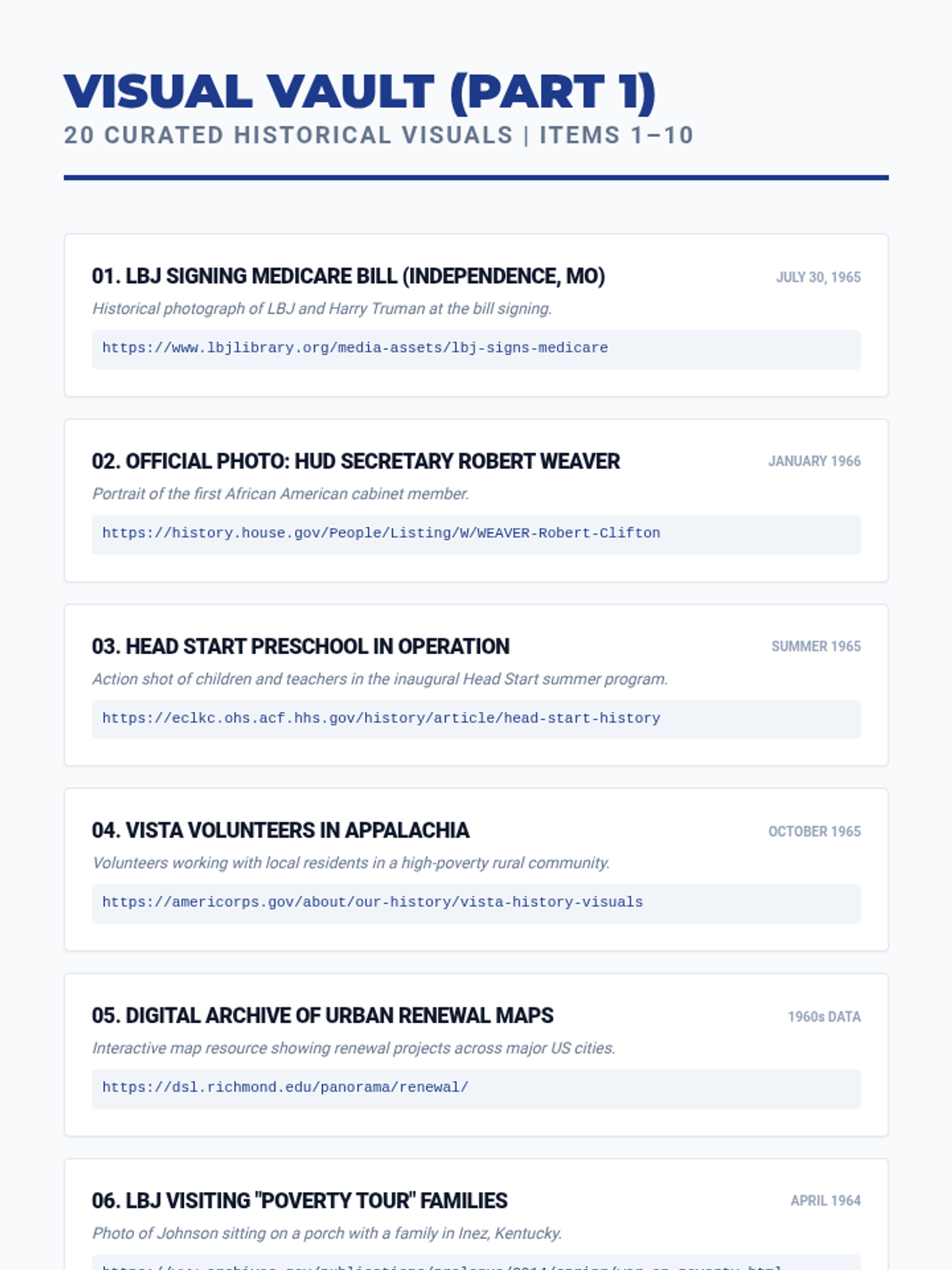
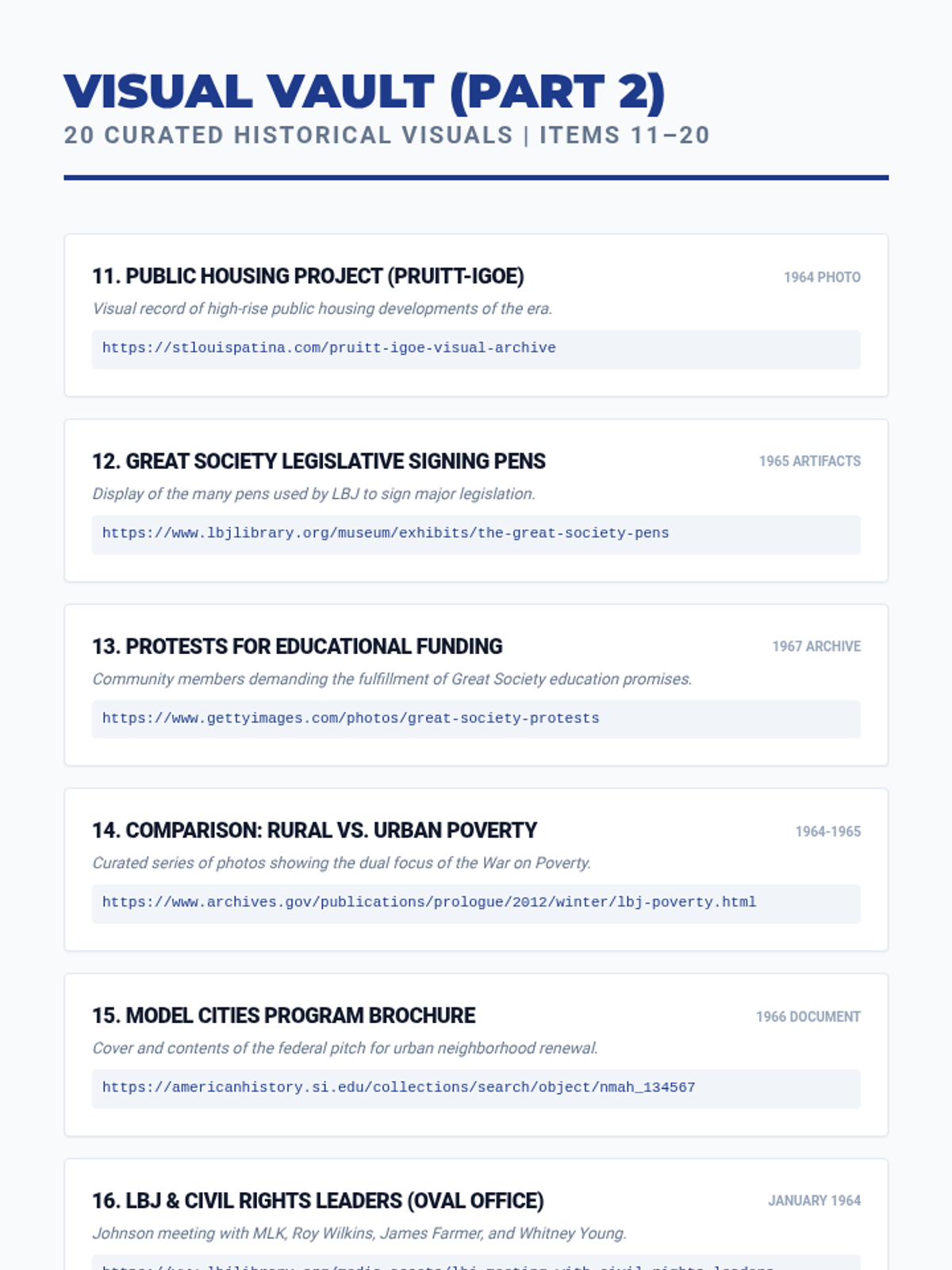
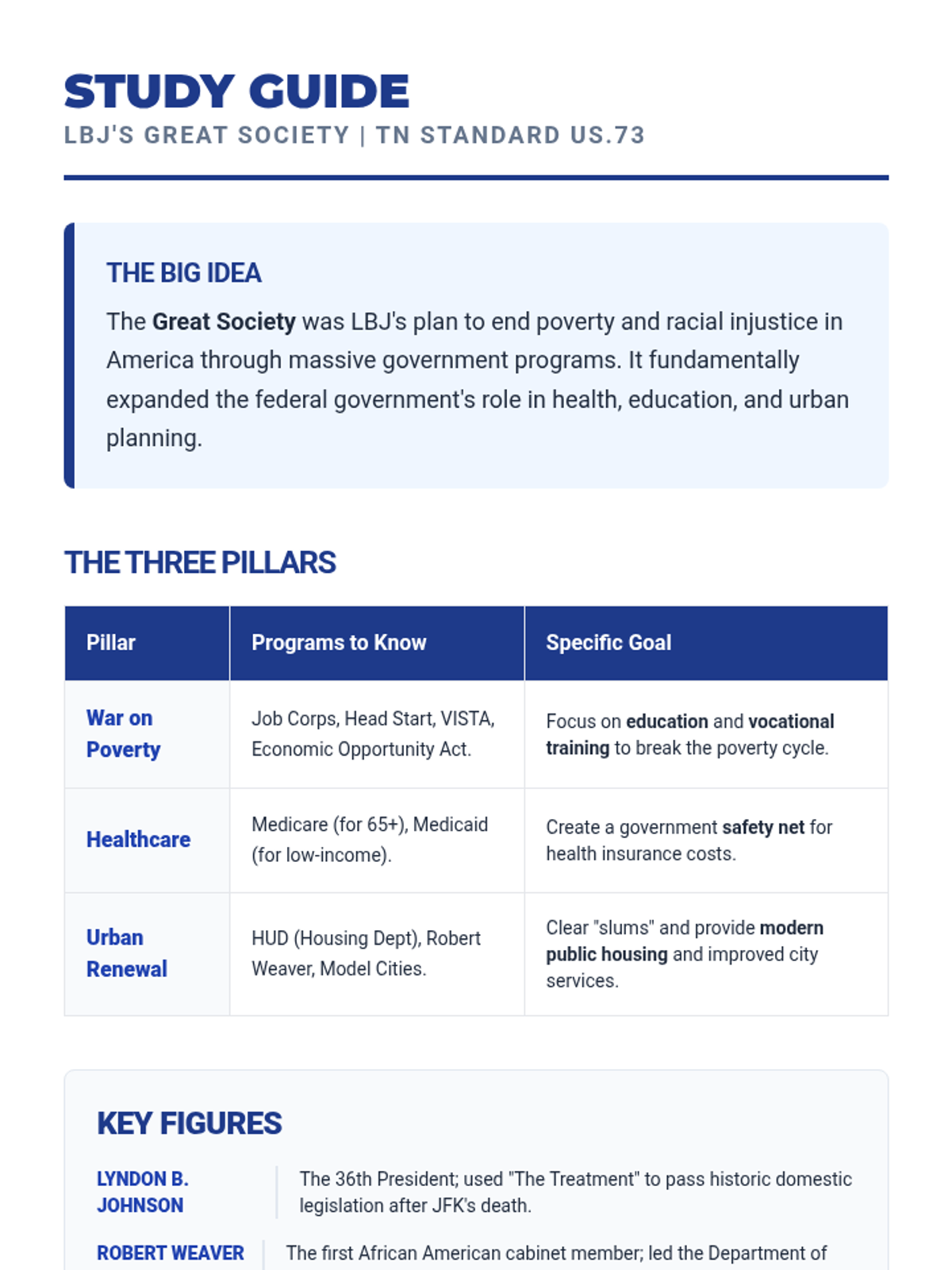
This lesson explores the key components of LBJ's Great Society, specifically Medicare, urban renewal, and the War on Poverty, through direct instruction and primary source analysis.
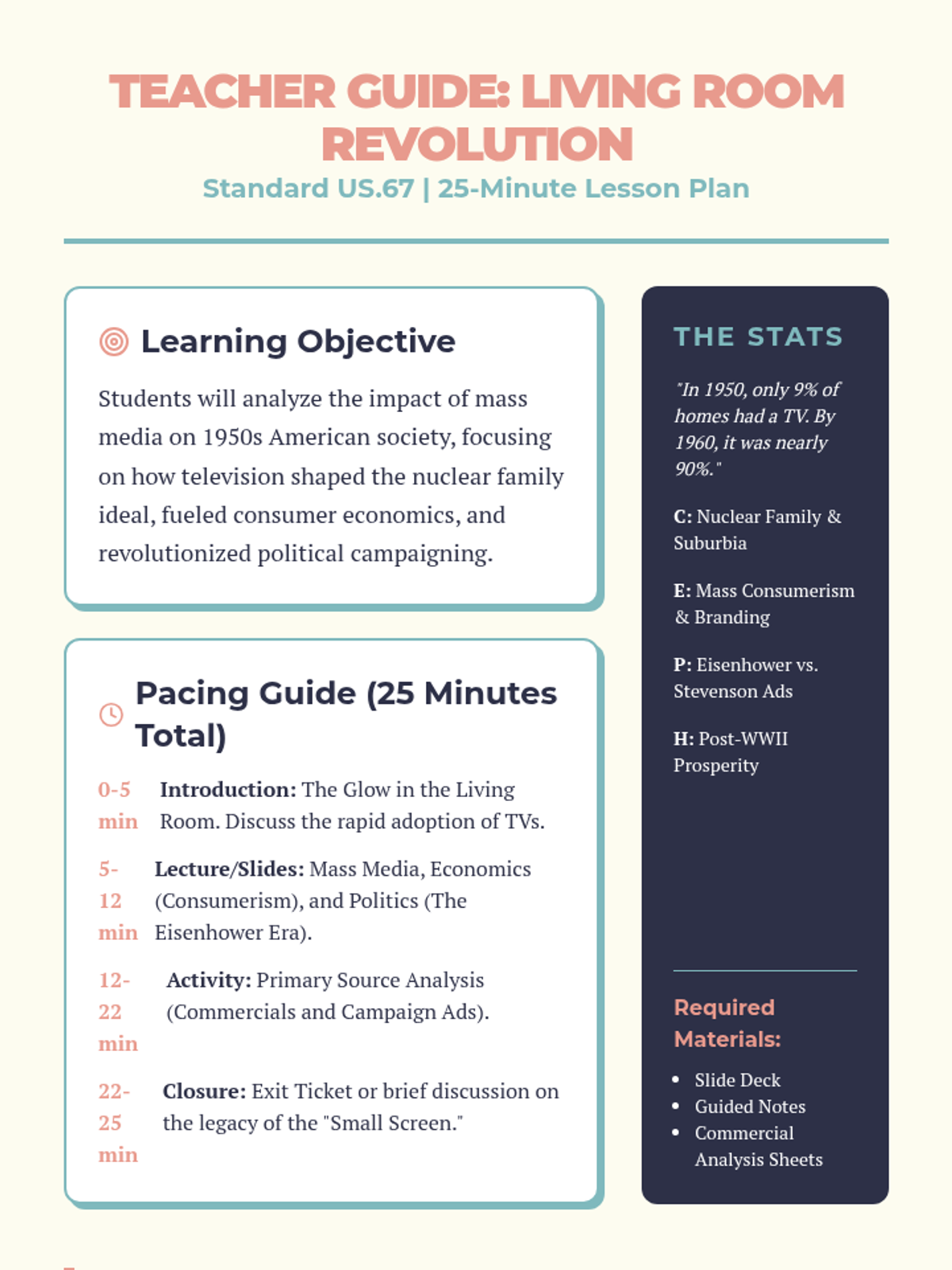
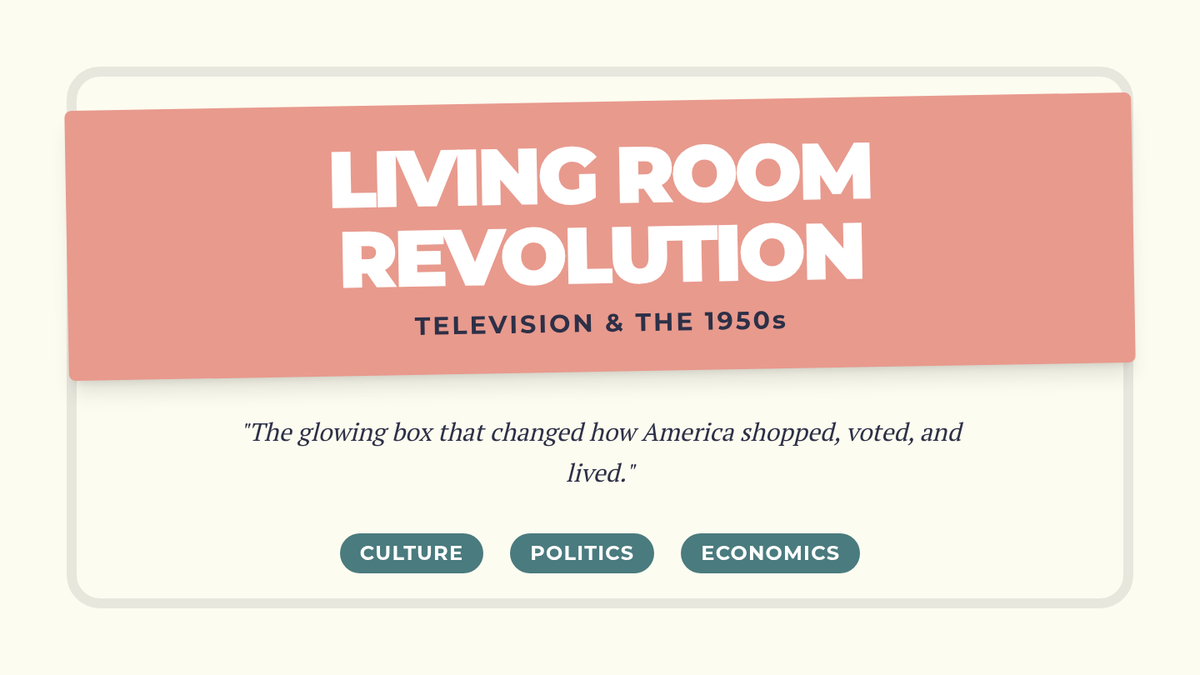
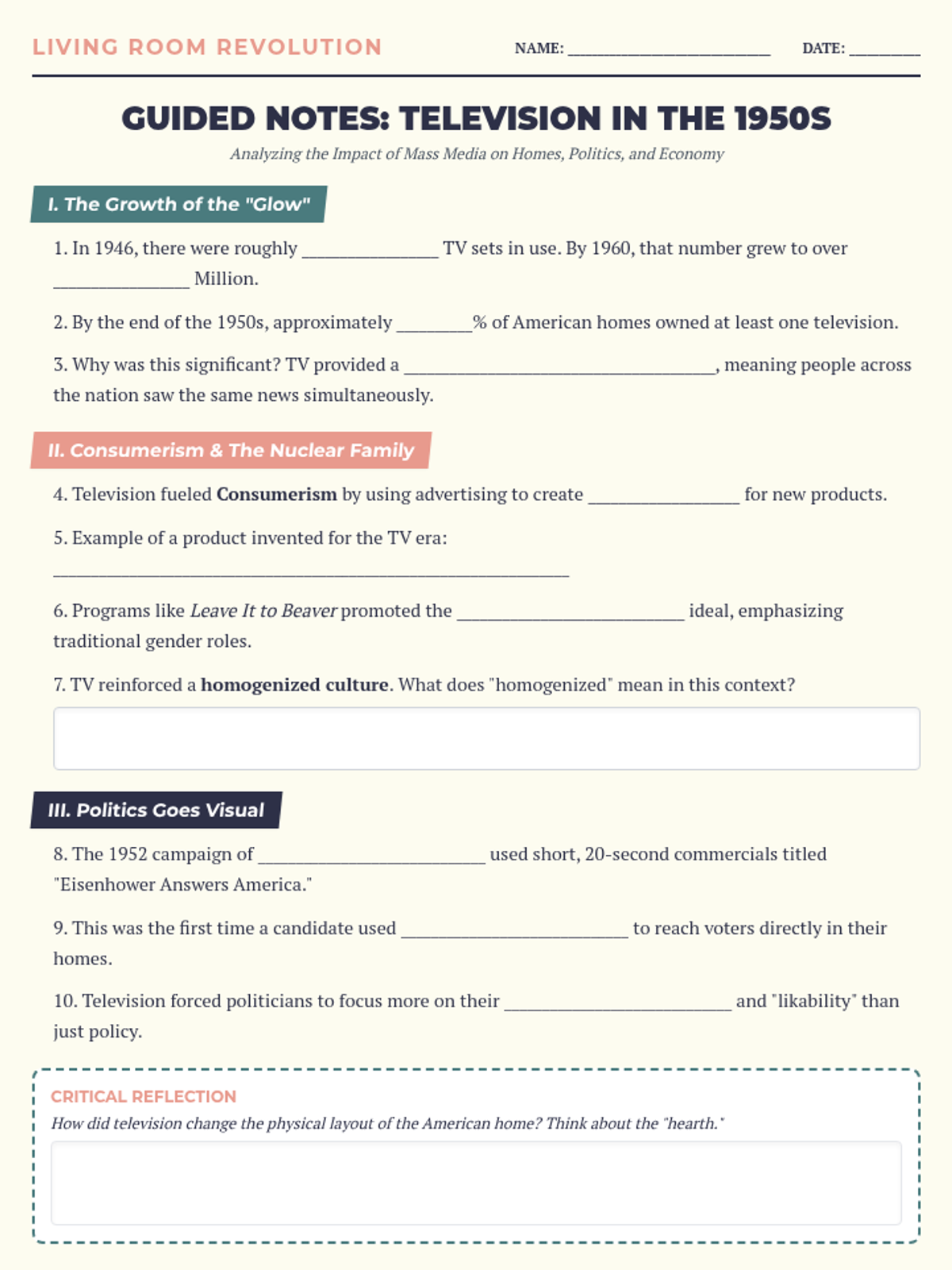
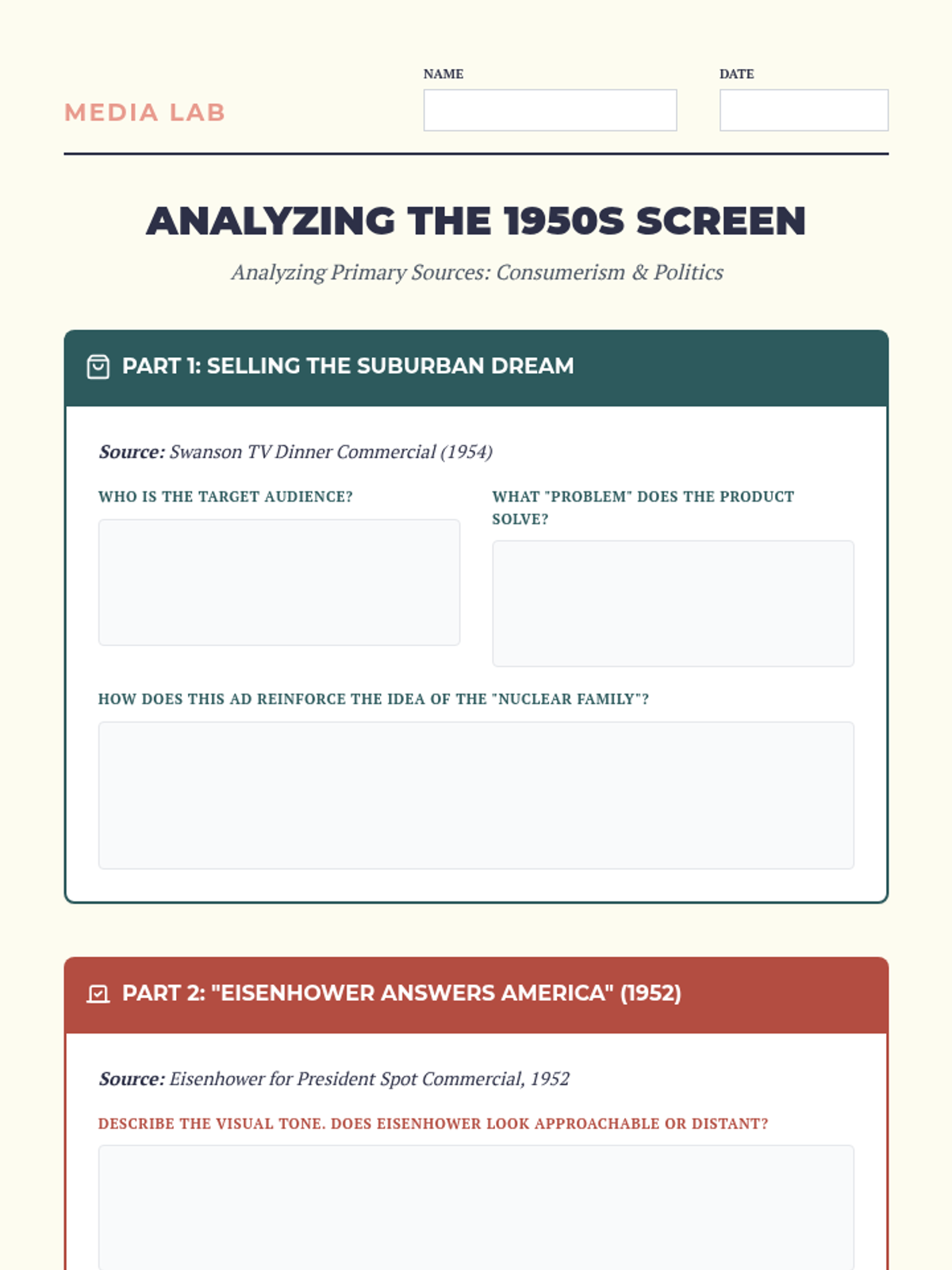
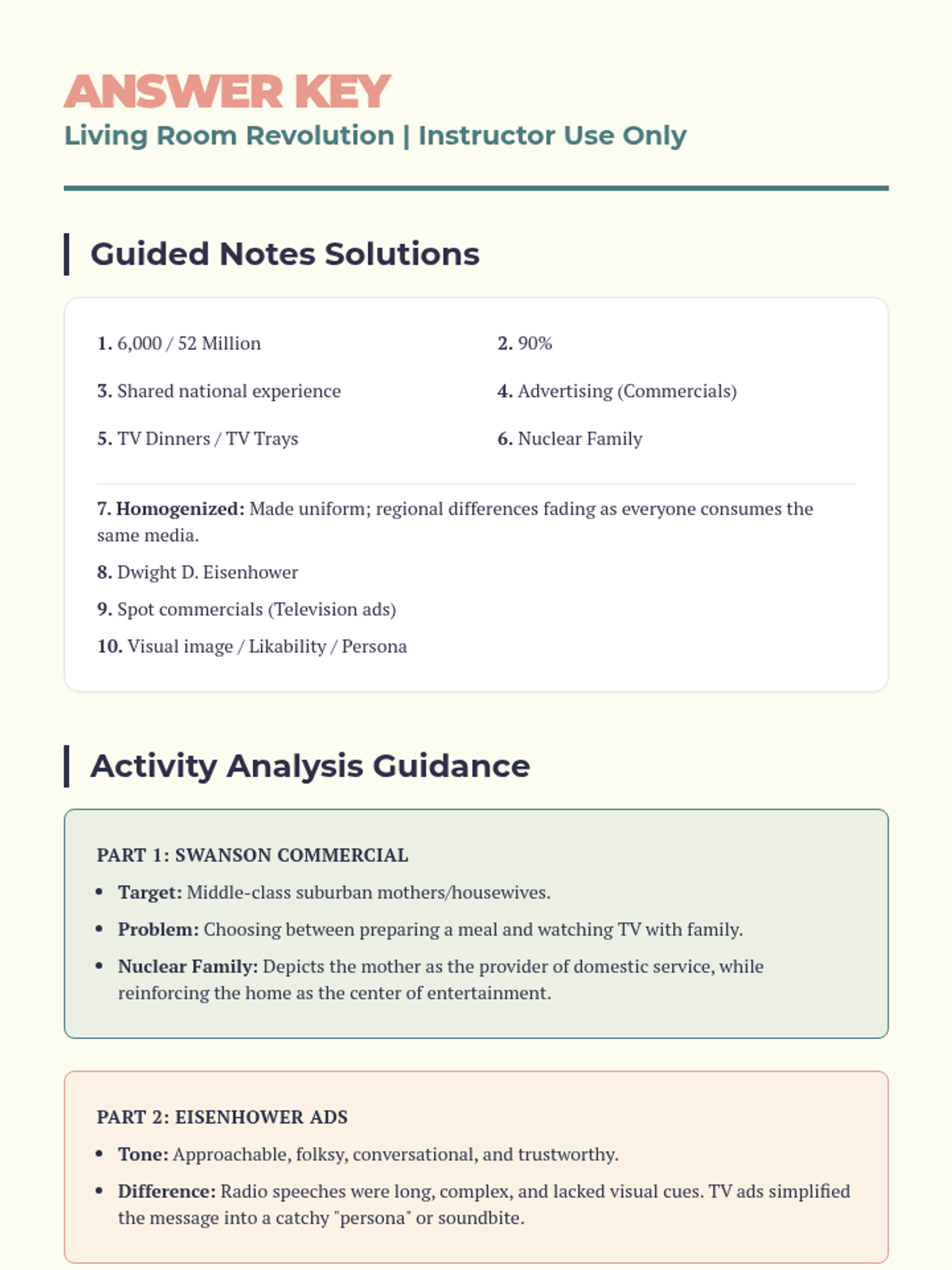
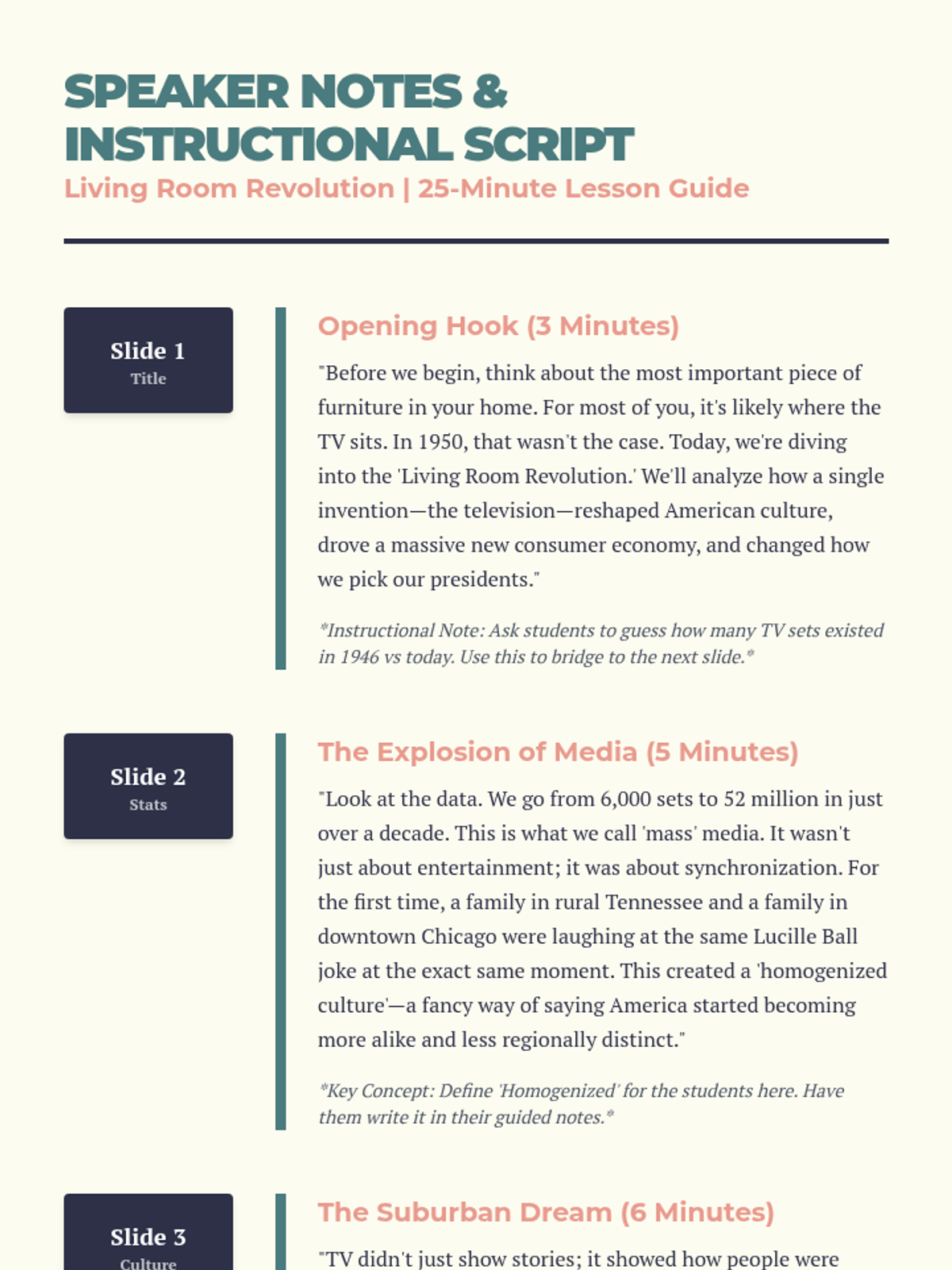
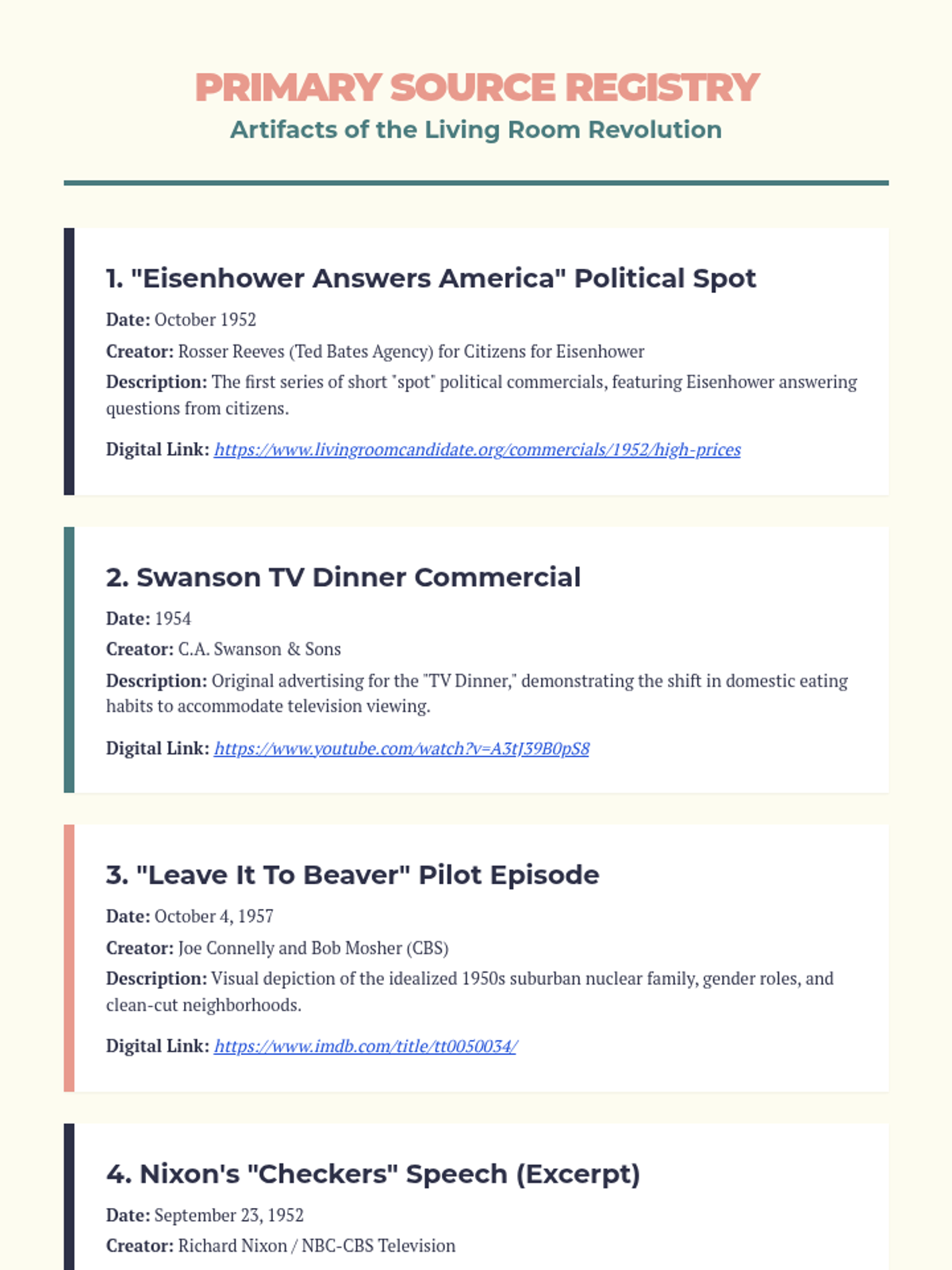
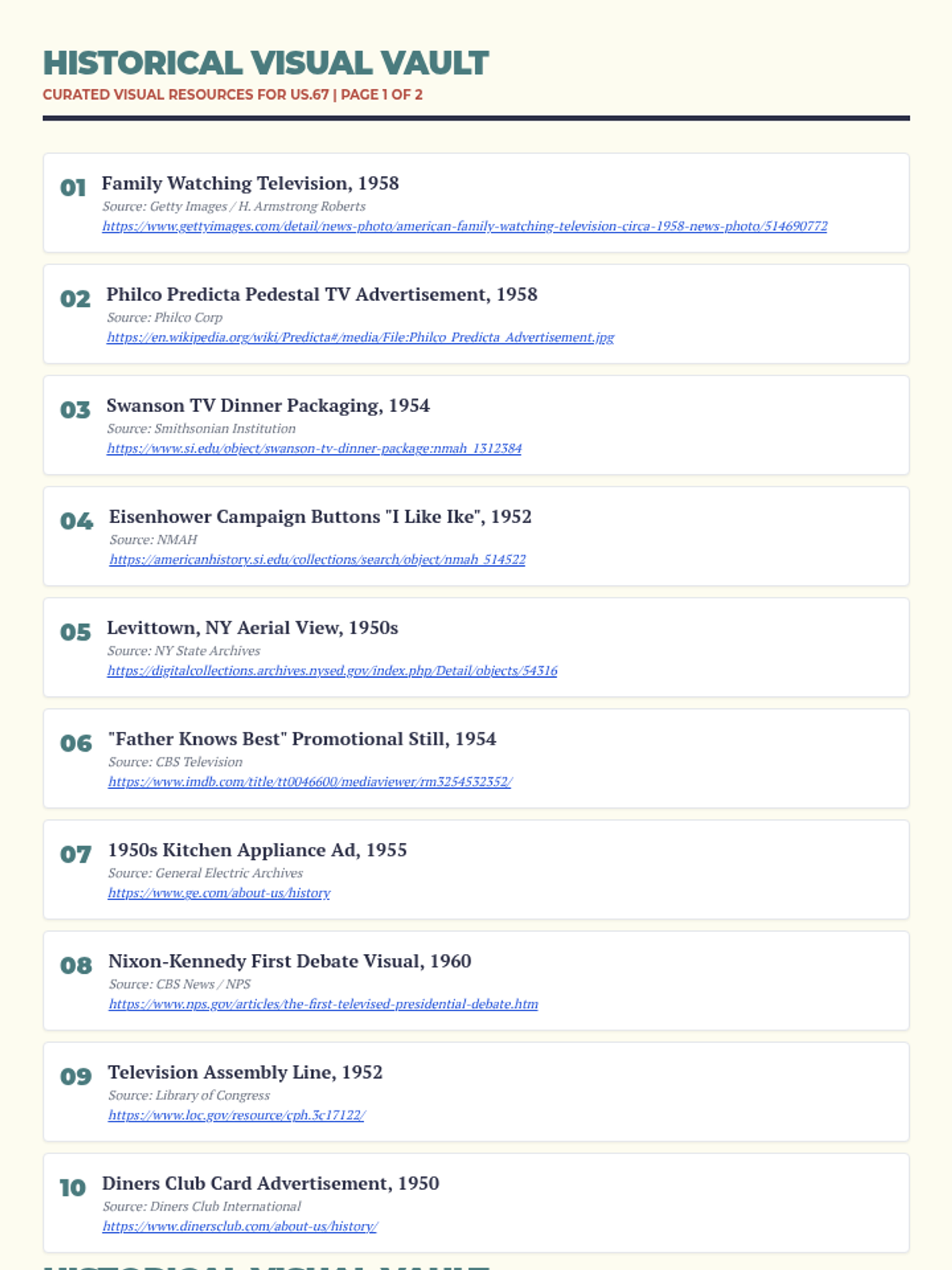
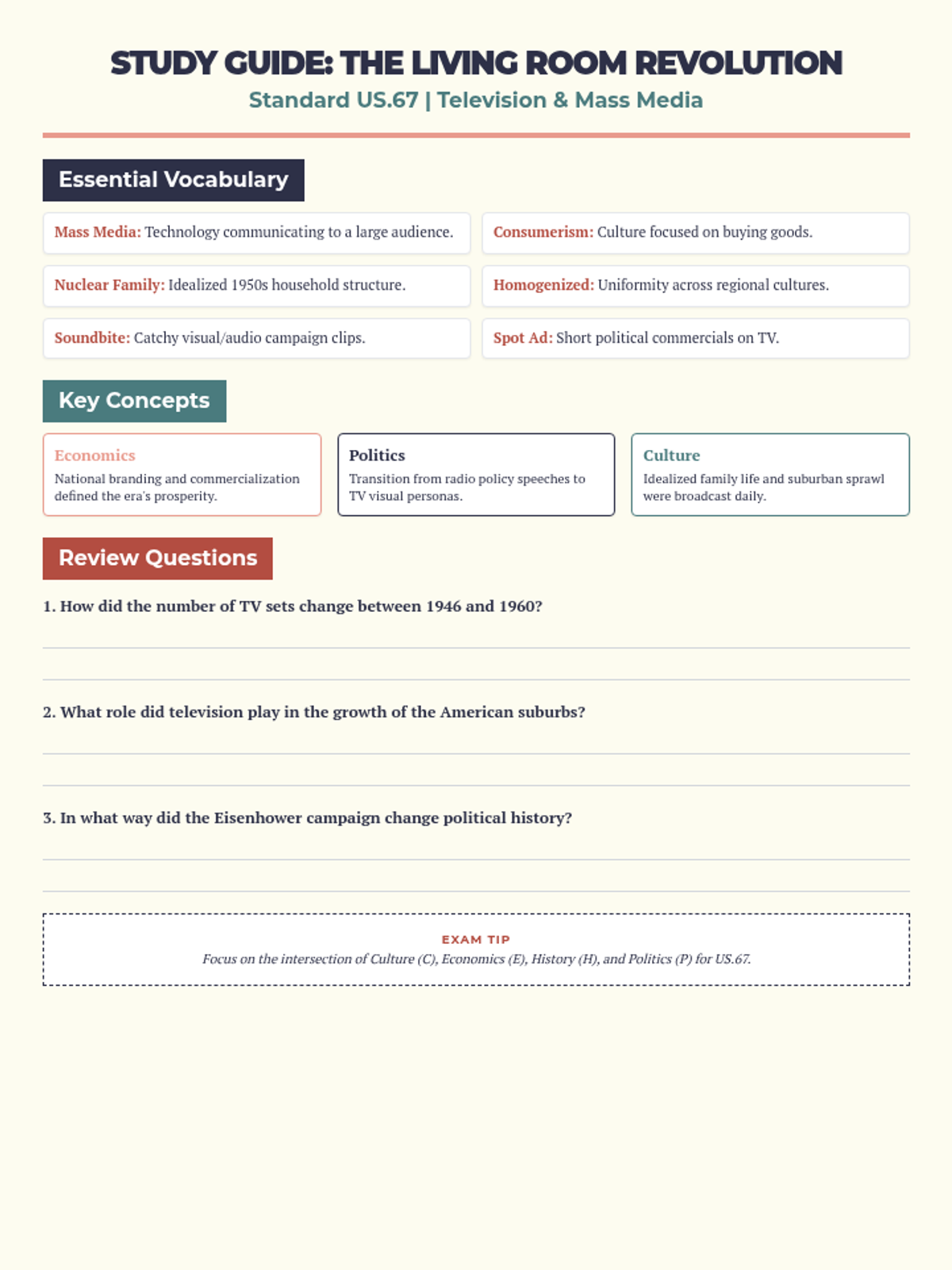
A 25-minute exploration of how television transformed American life in the 1950s, focusing on consumer culture, the nuclear family ideal, and the shift in political campaigning.
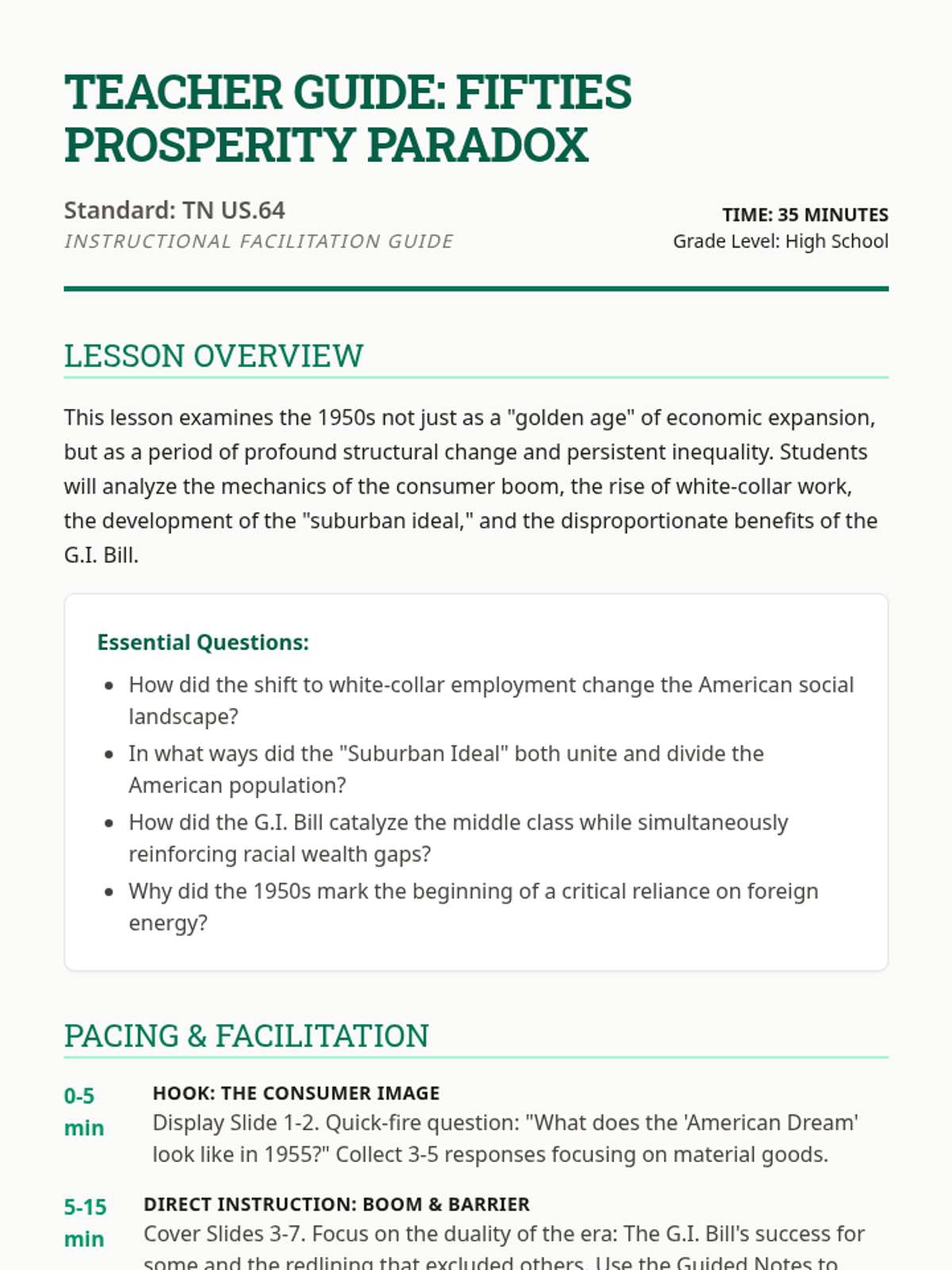
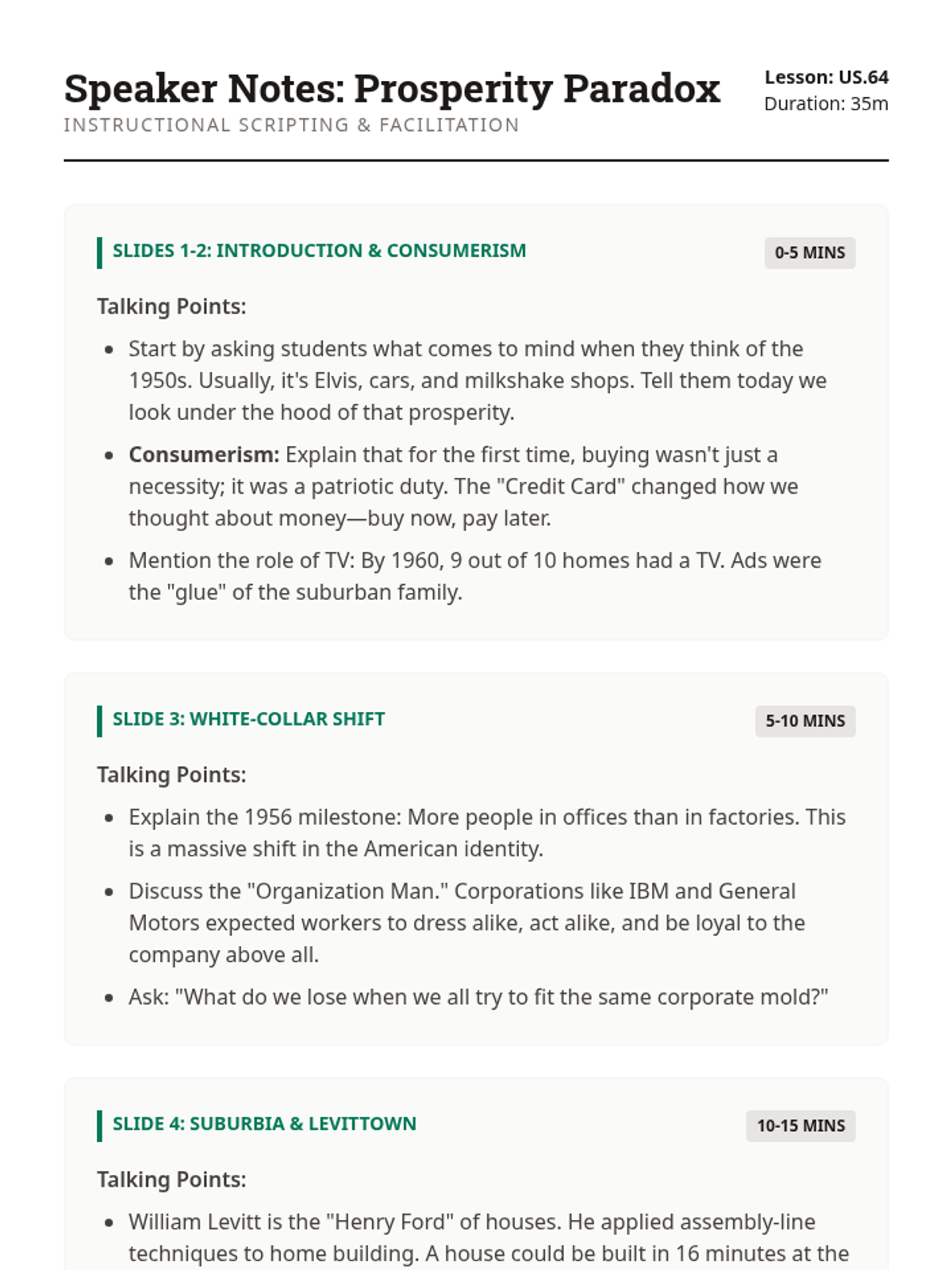
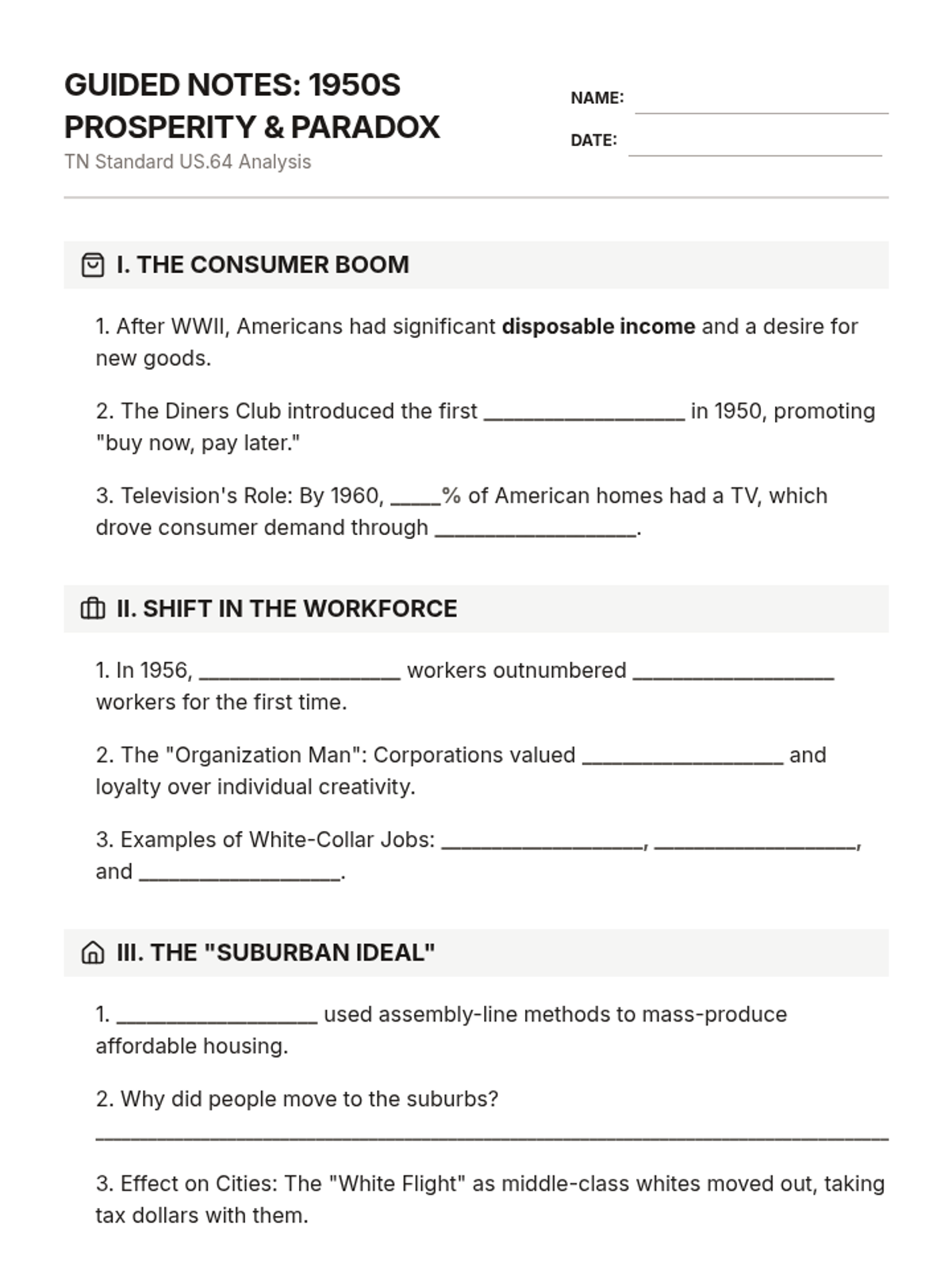
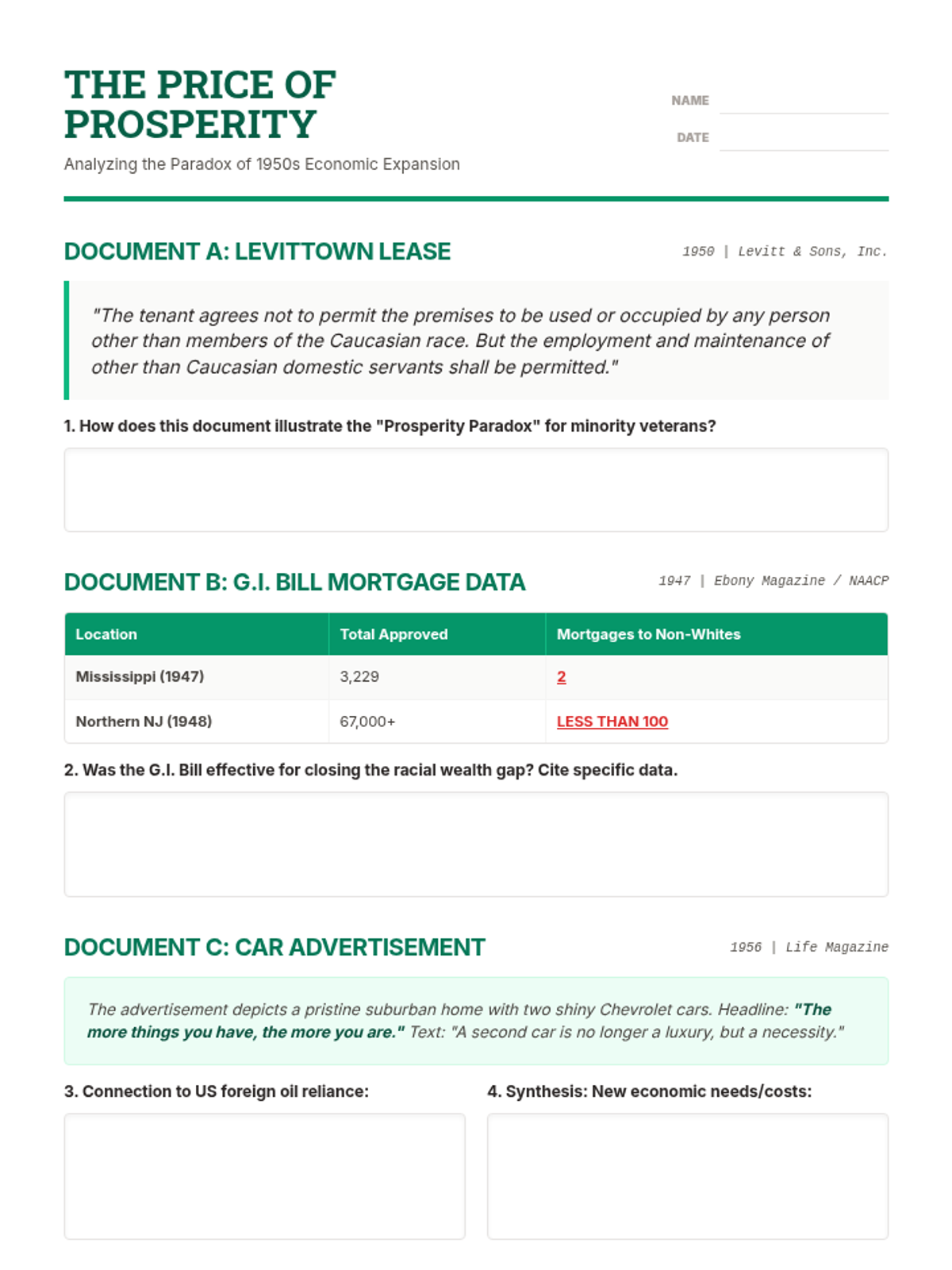
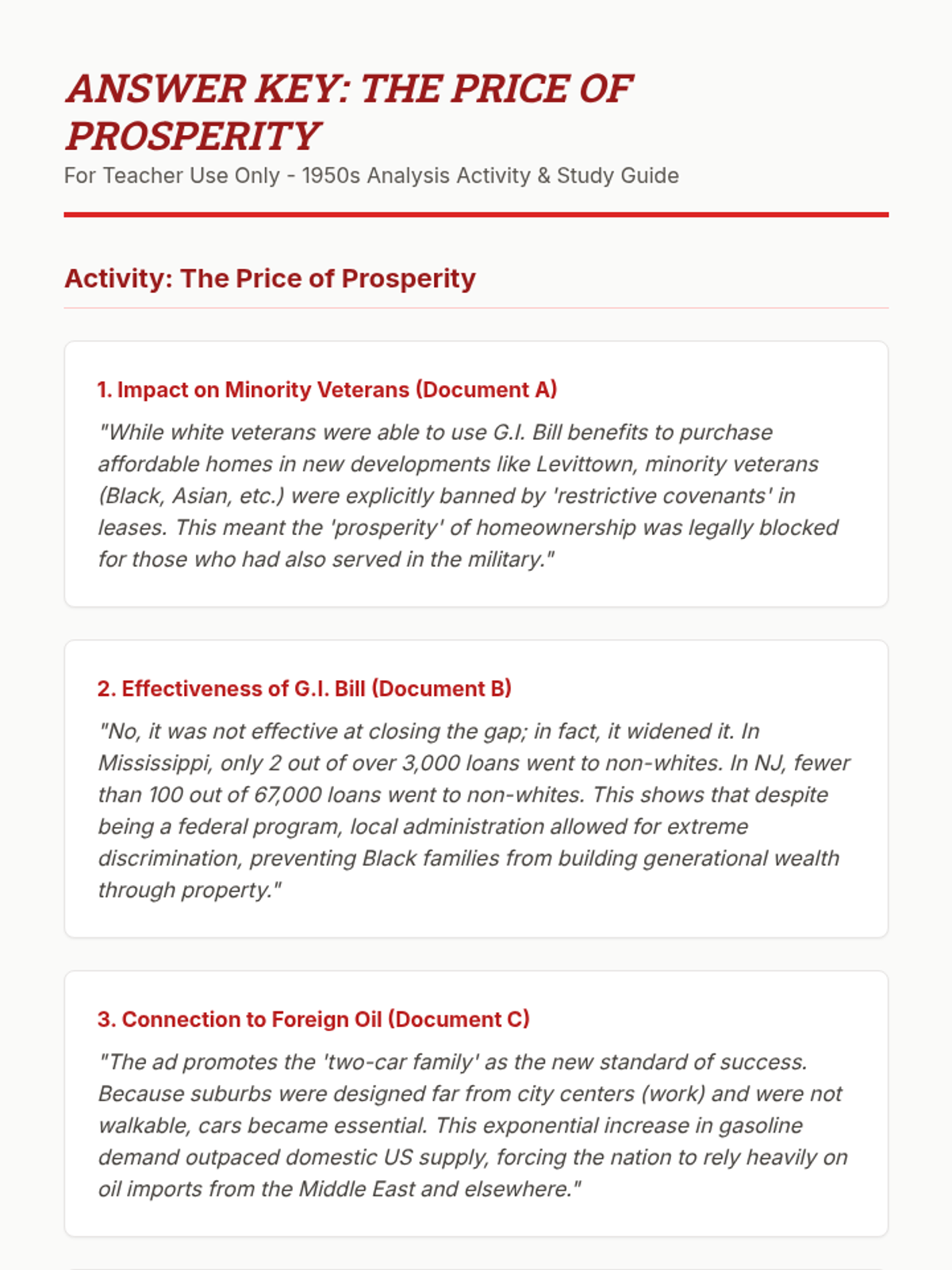
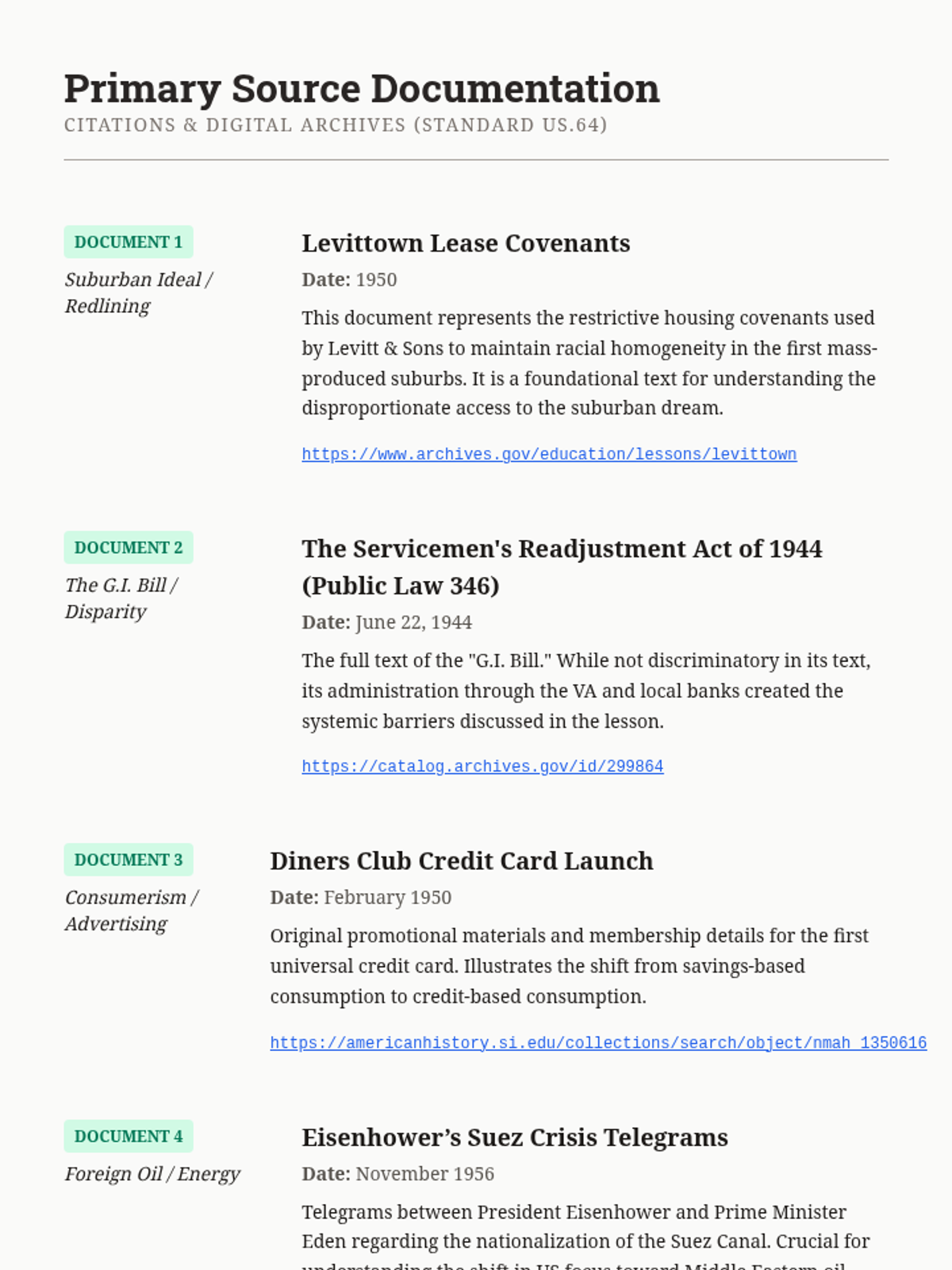
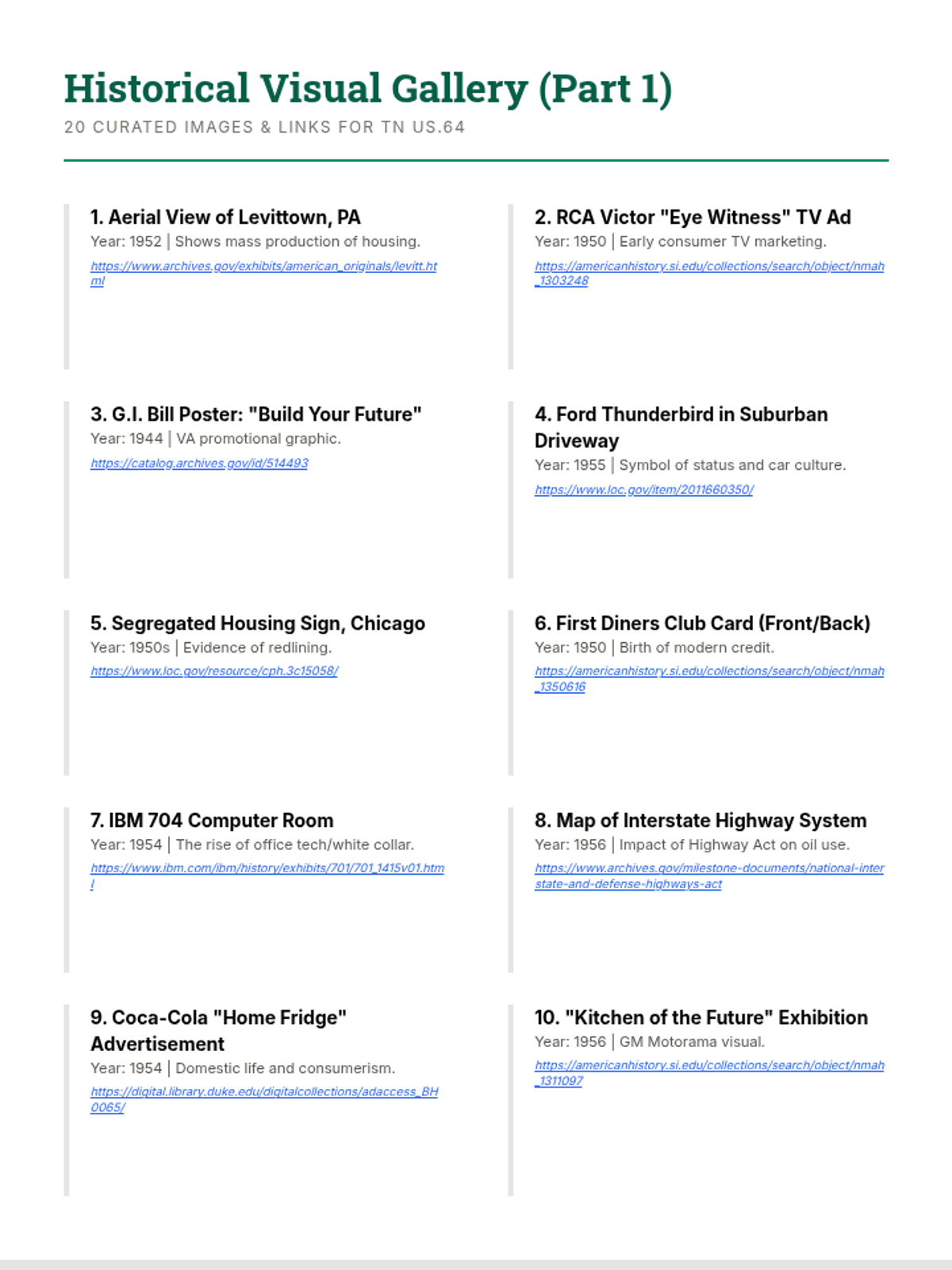
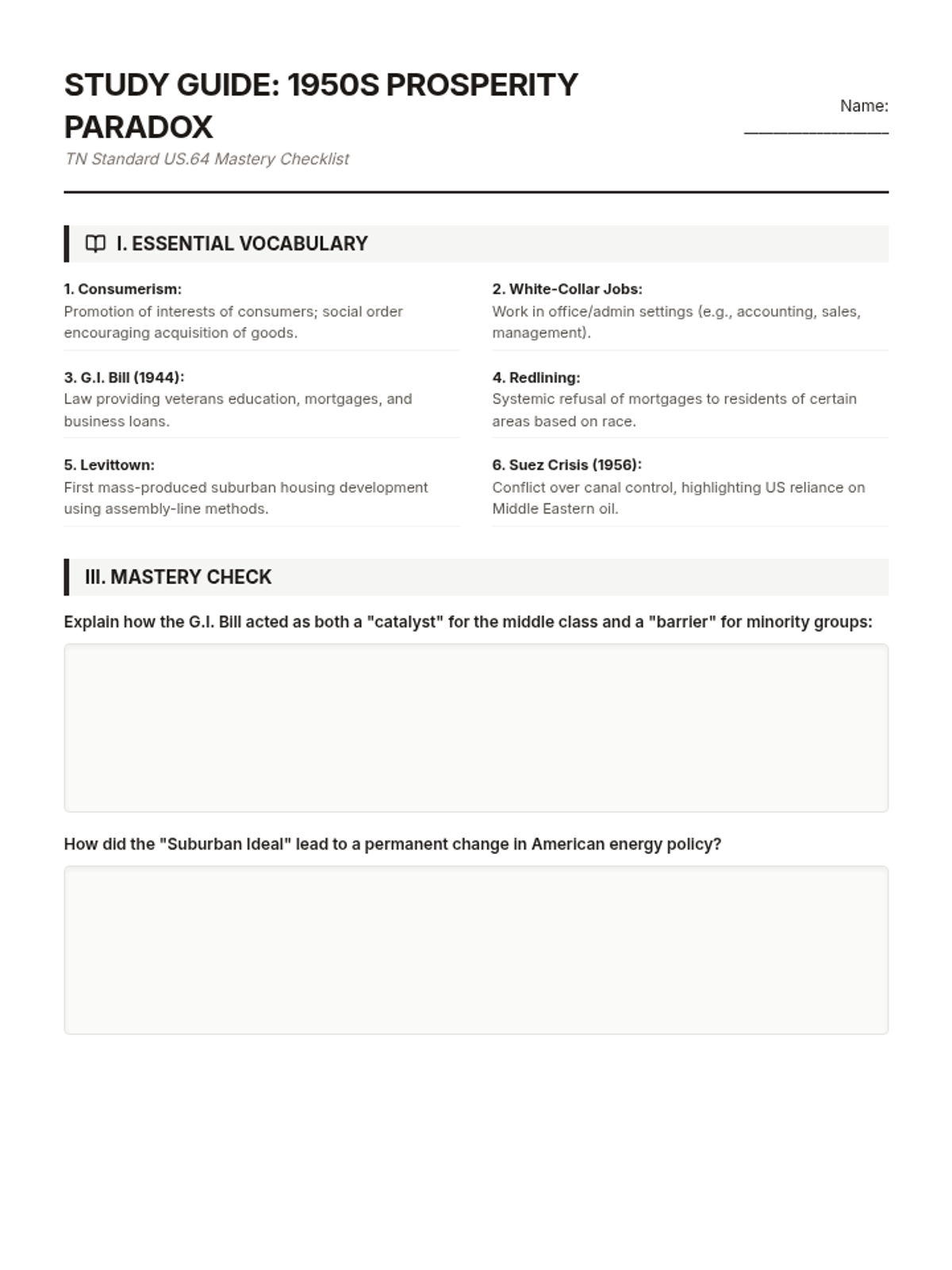
A comprehensive lesson exploring the economic boom, social shifts, and systemic inequalities of 1950s America, covering consumerism, suburbia, the G.I. Bill, and energy dependence.
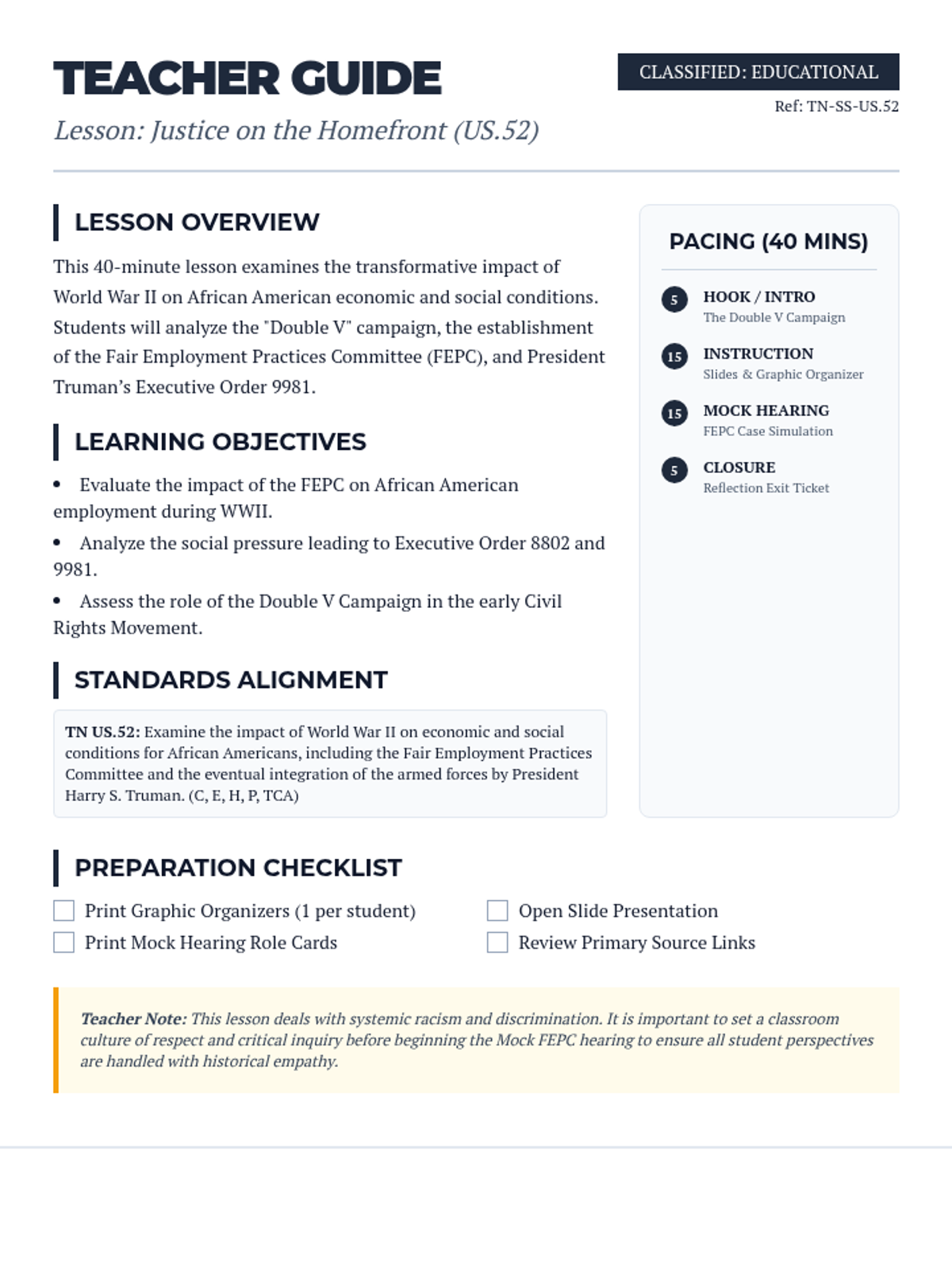
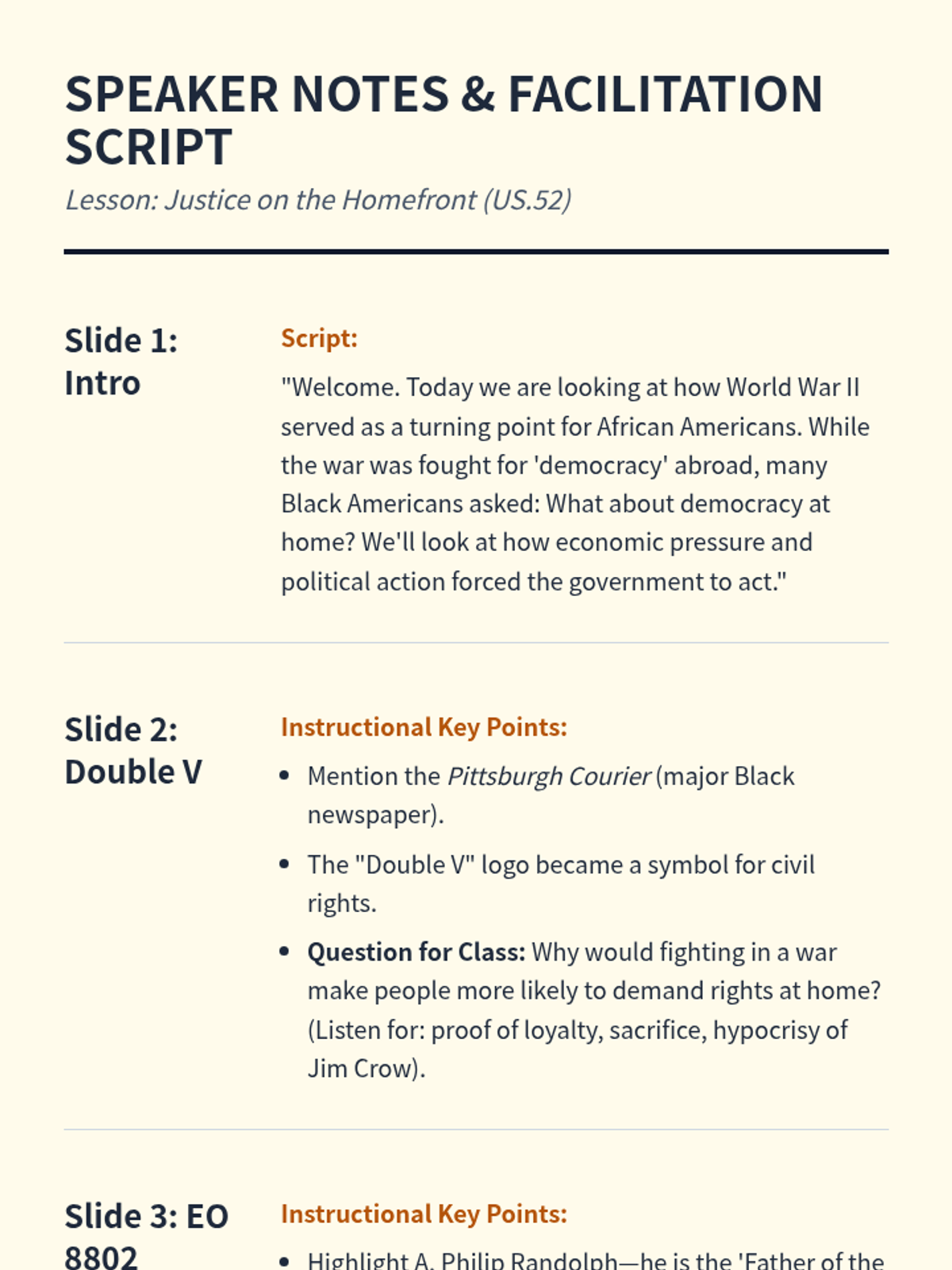
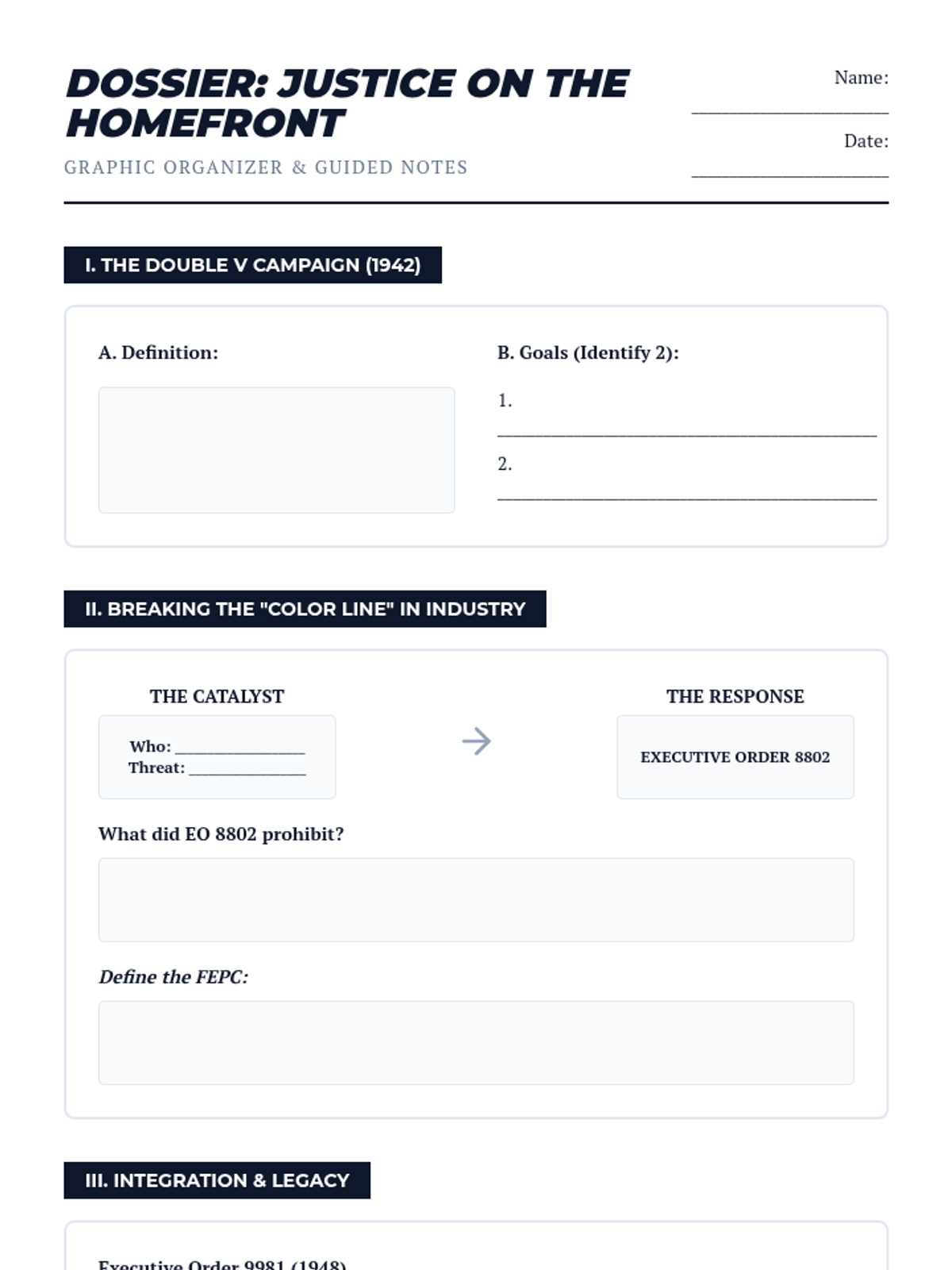
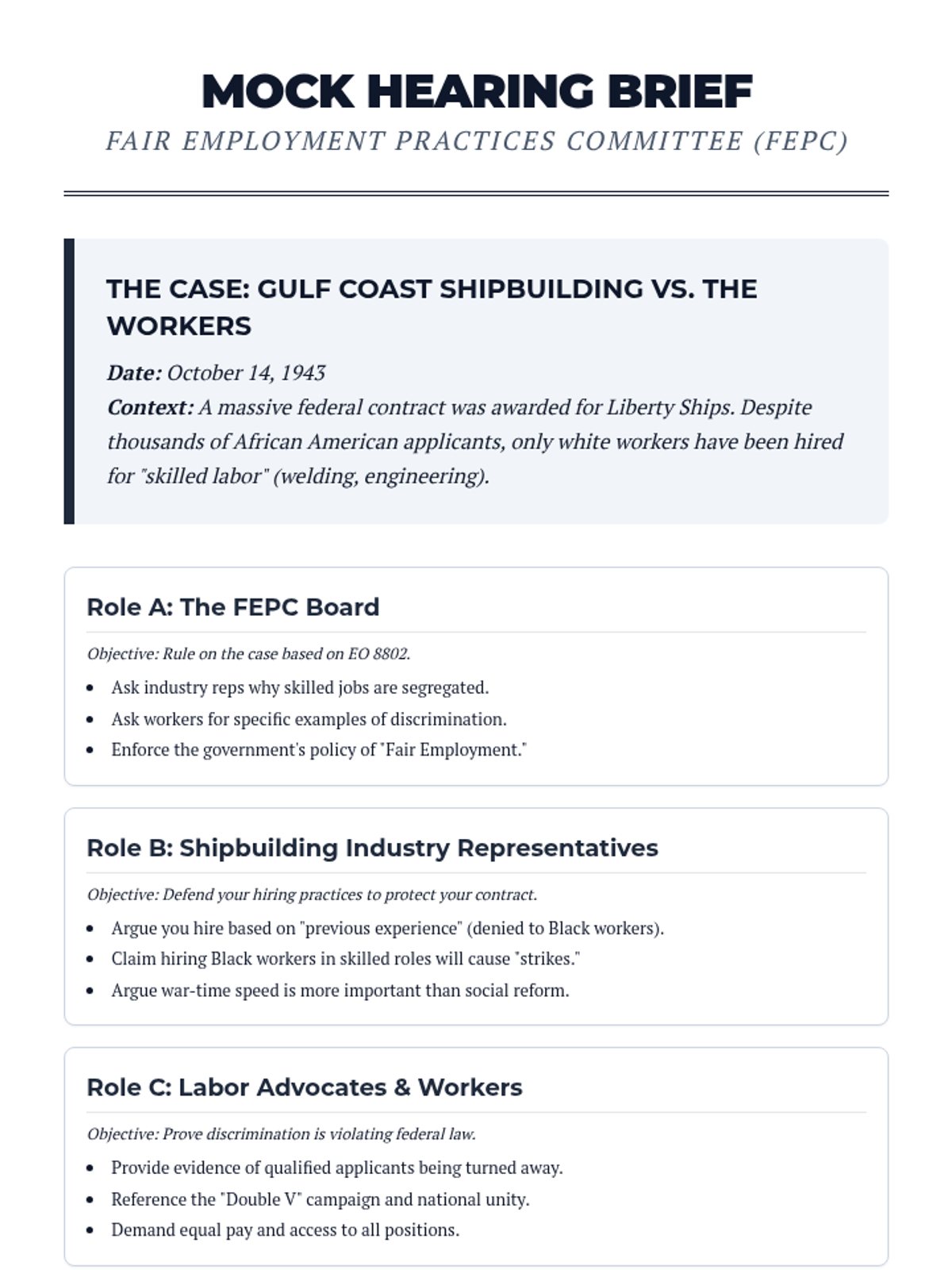
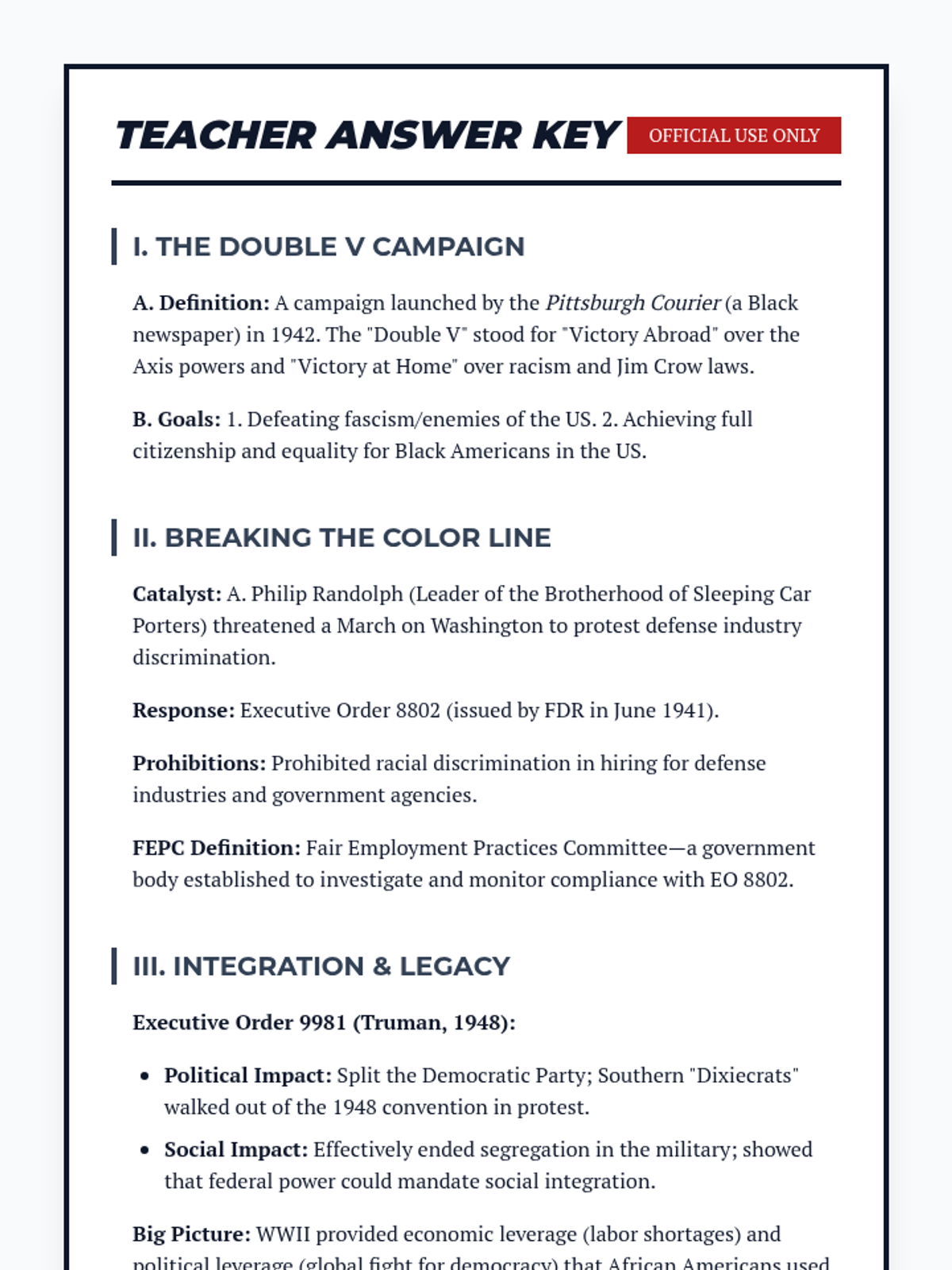
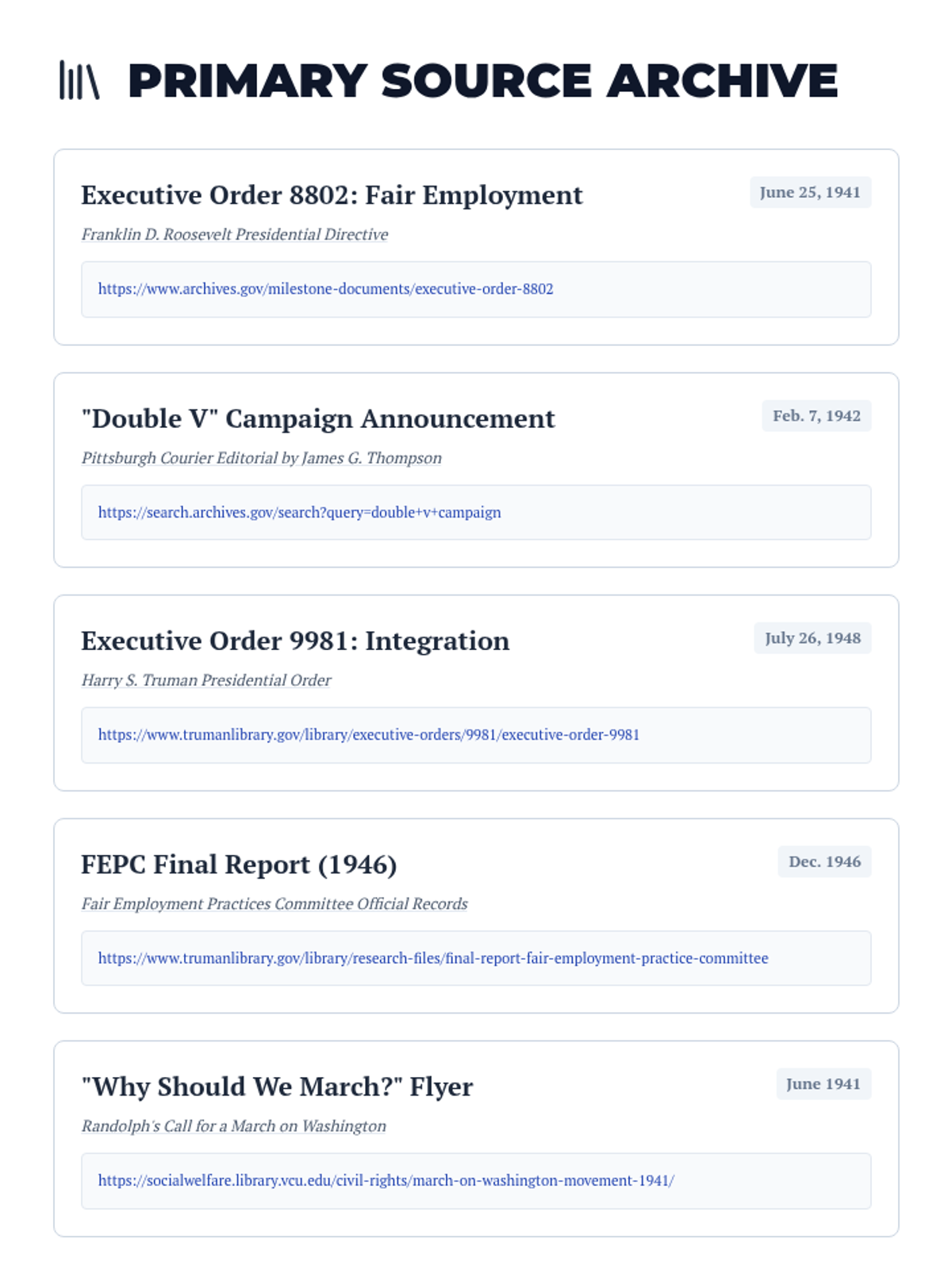
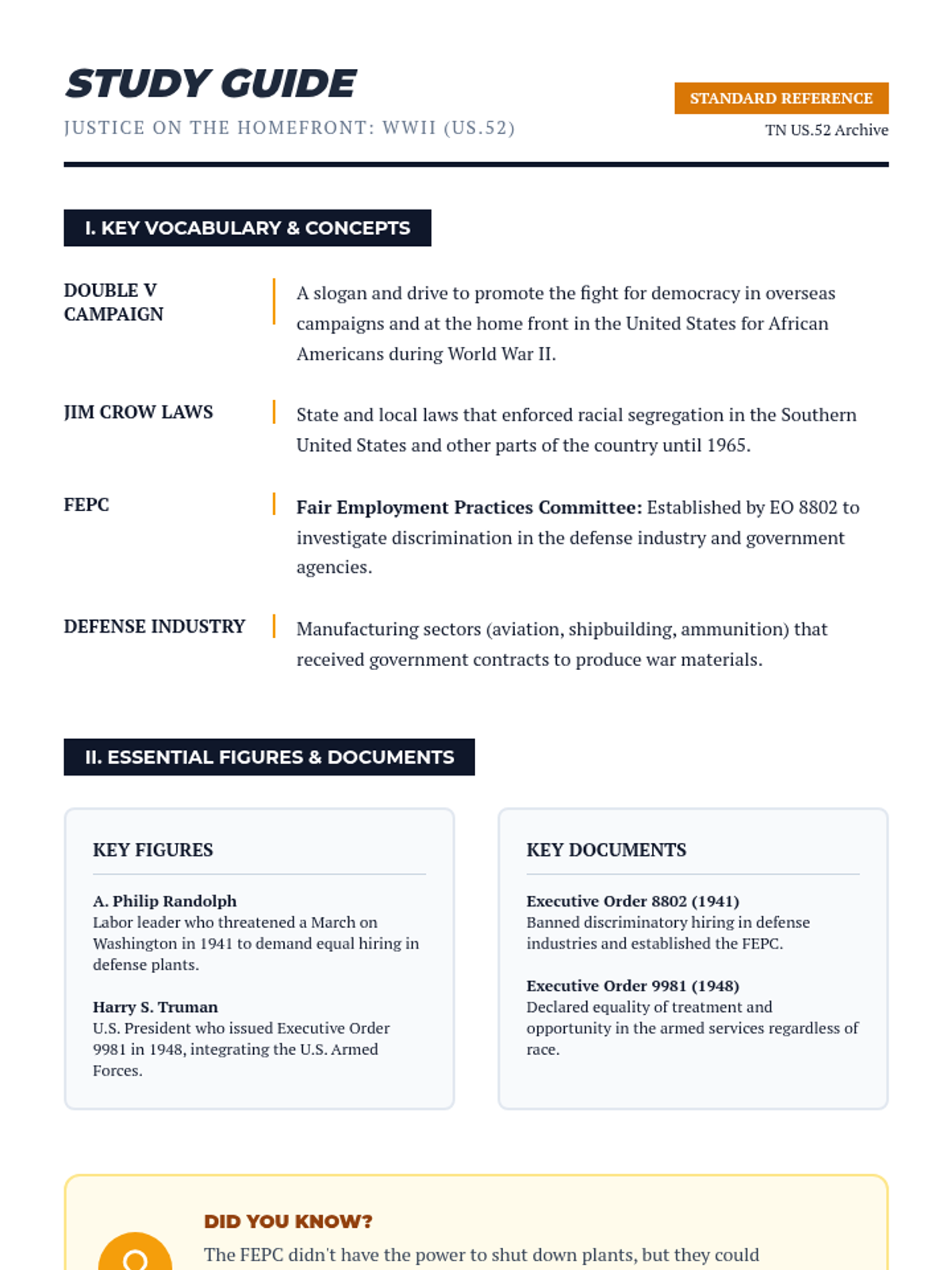
This lesson explores the economic and social impact of World War II on African Americans, focusing on the Double V campaign, the FEPC, and the integration of the military. Students will engage in a mock hearing to analyze employment discrimination and Truman's executive orders.
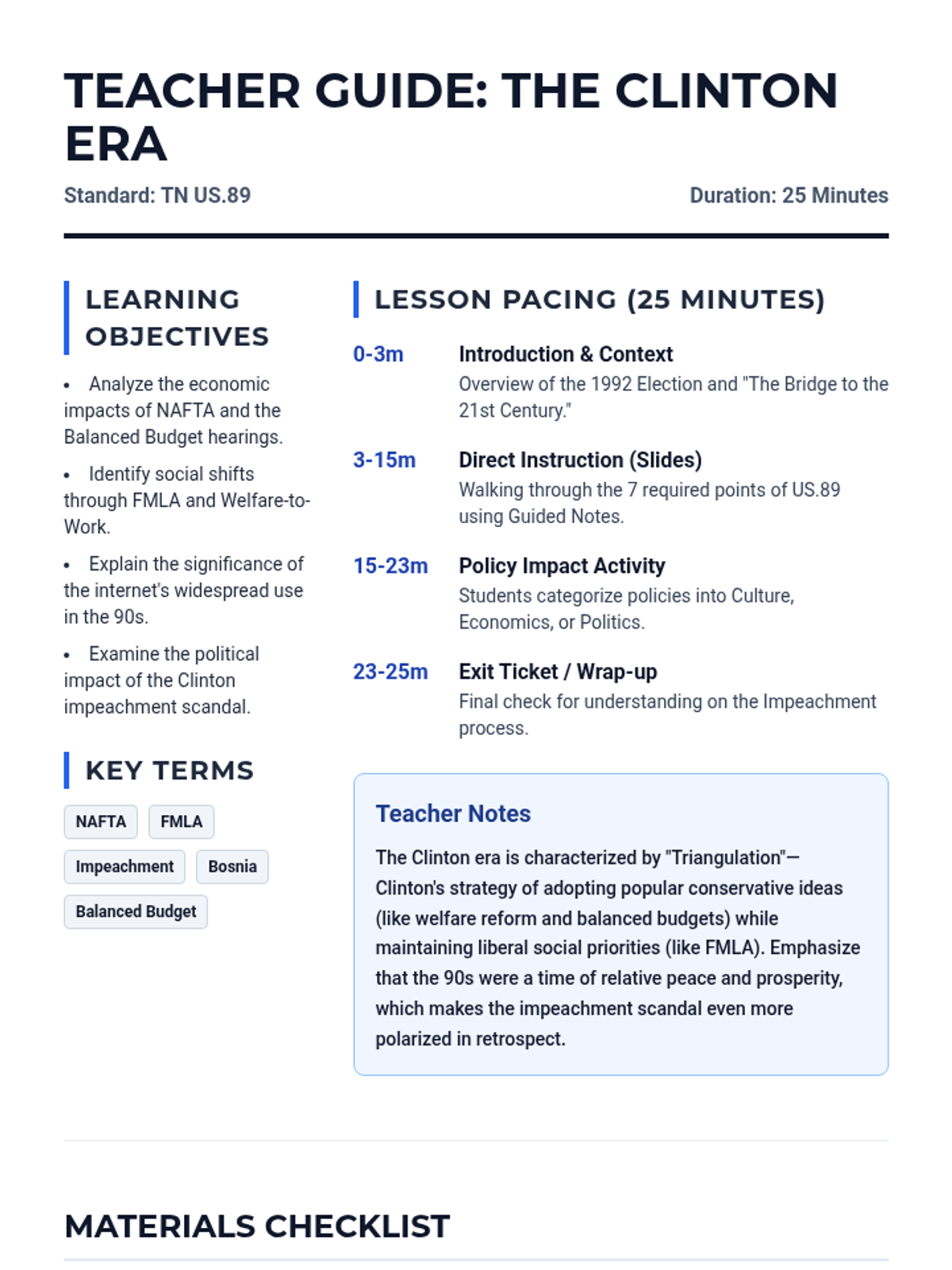
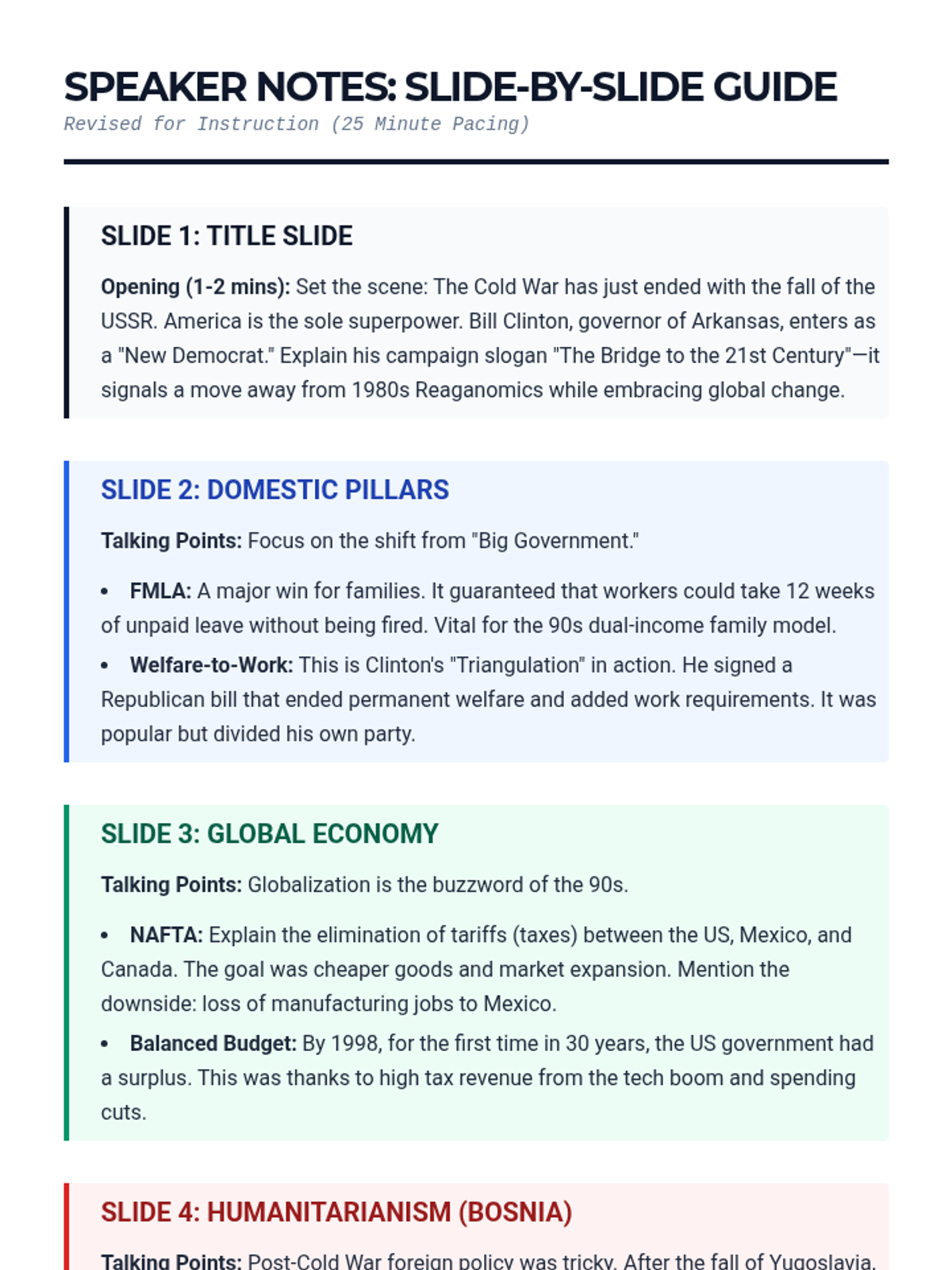
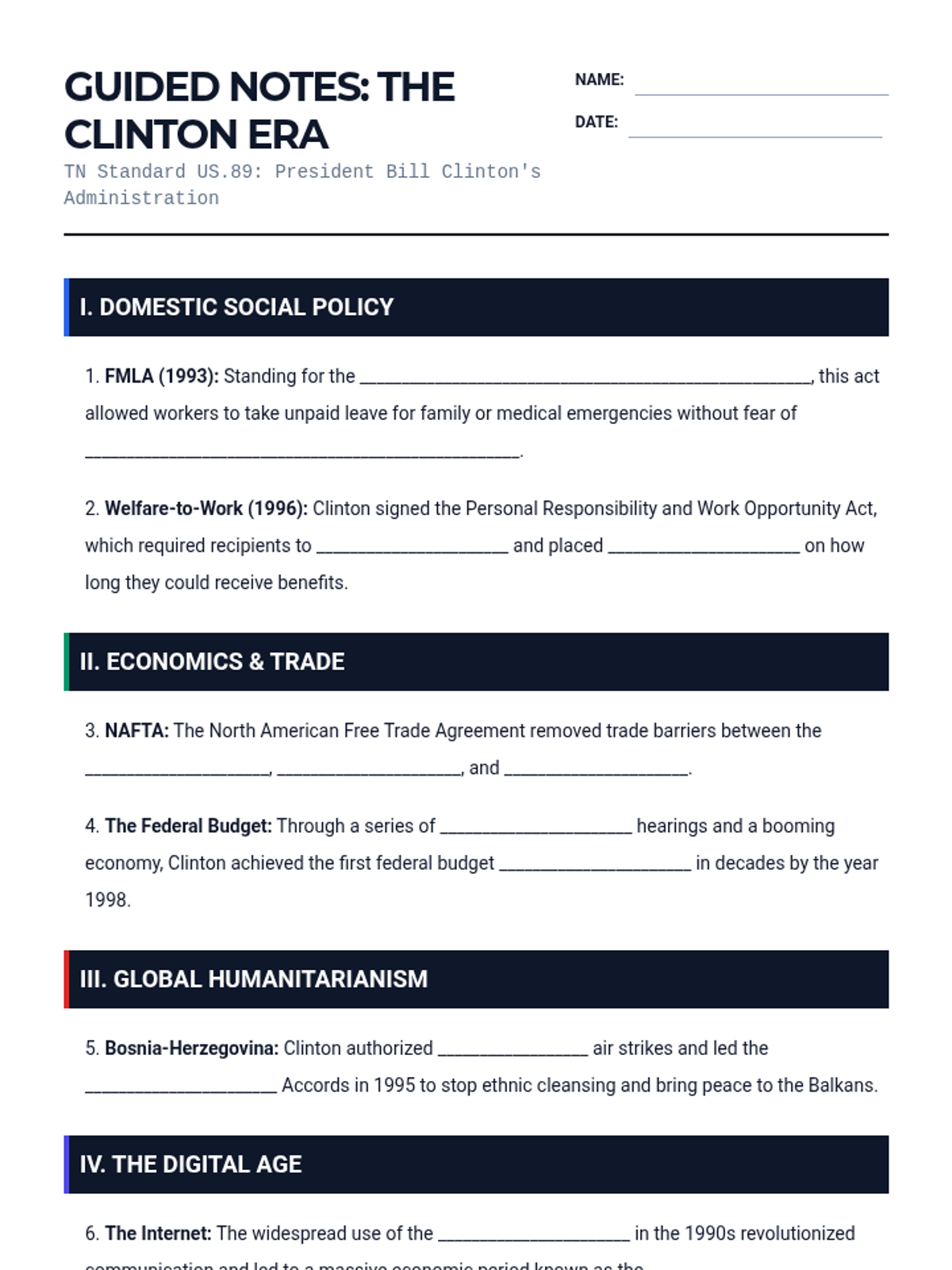
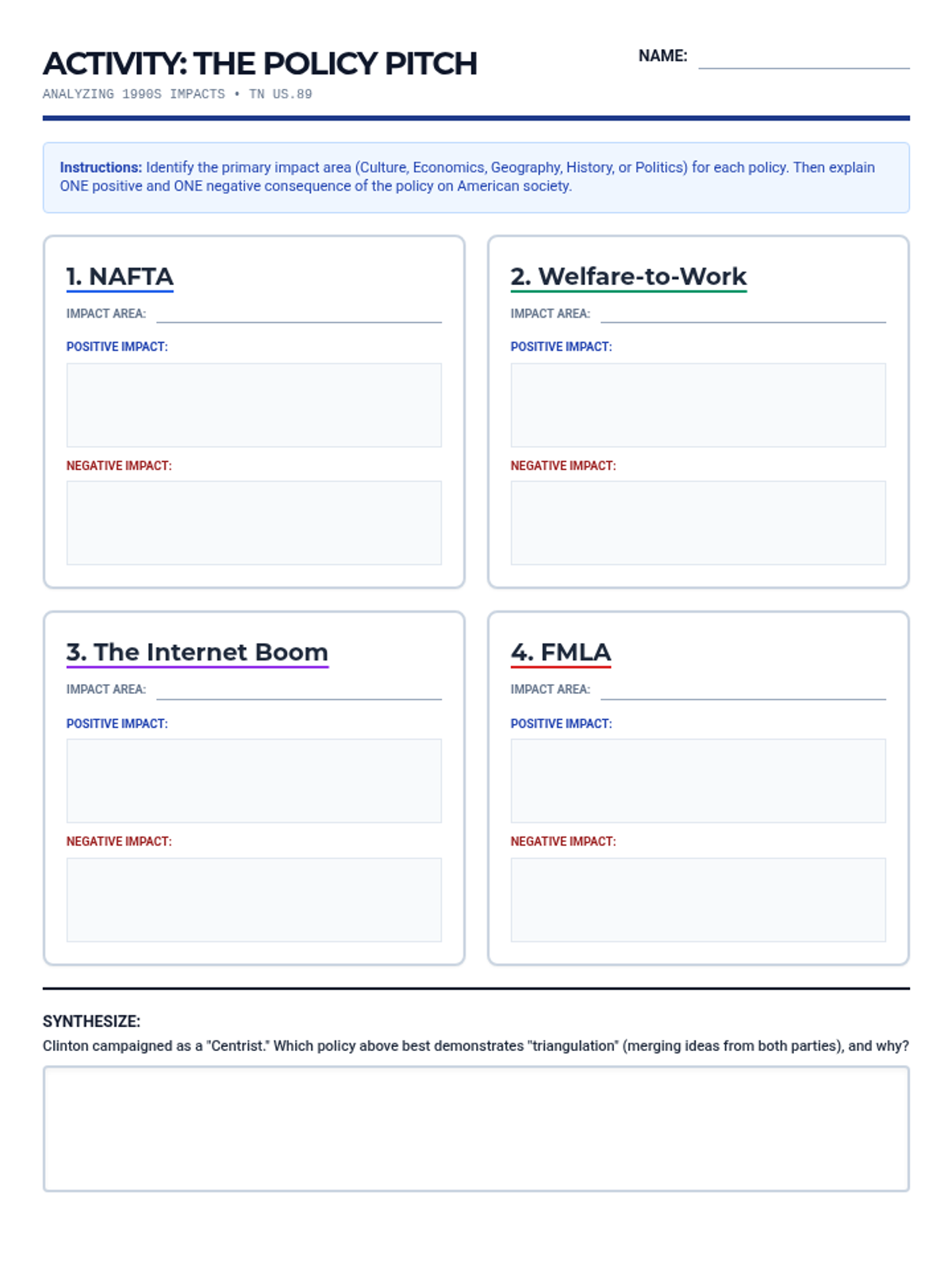
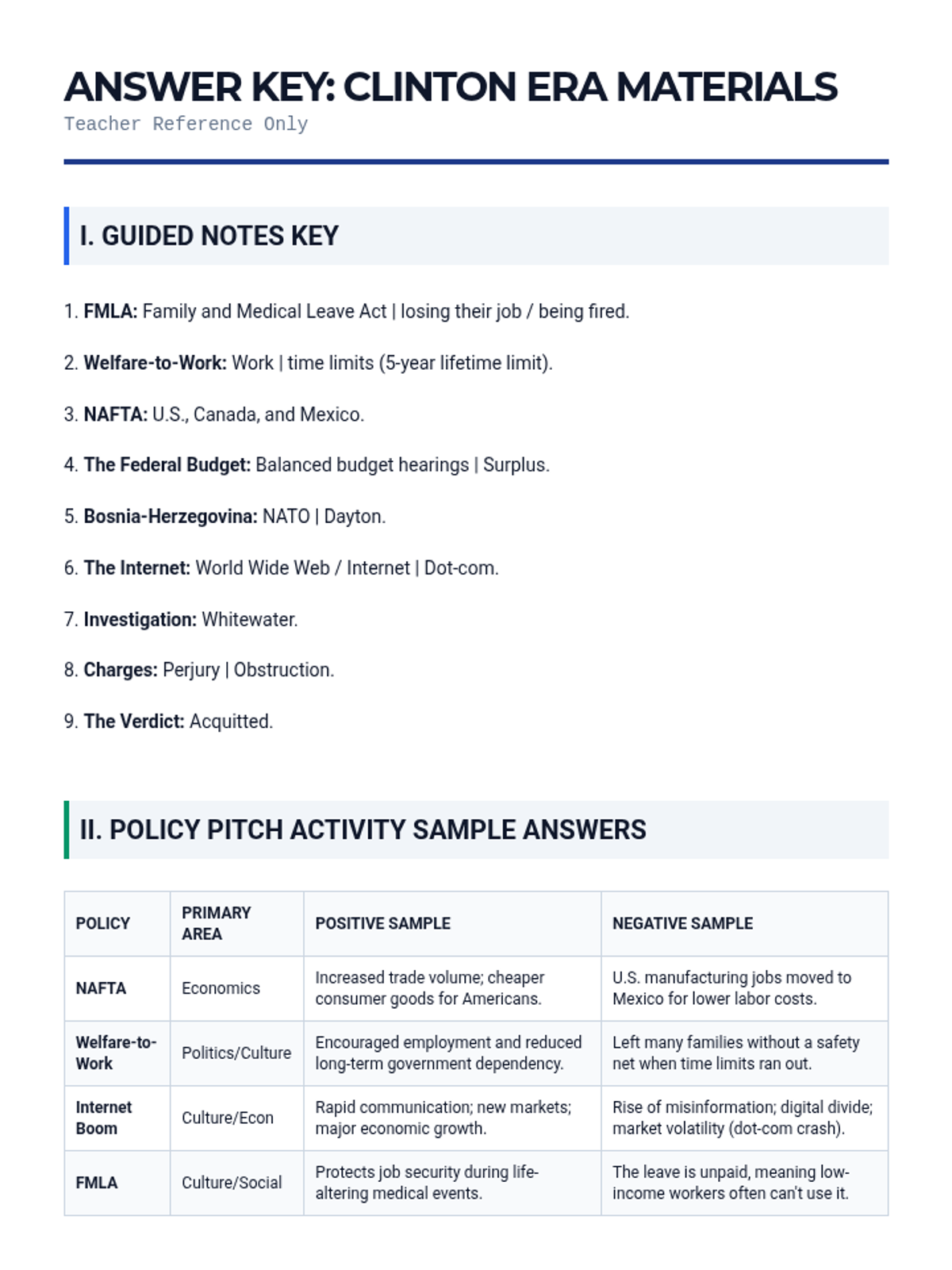
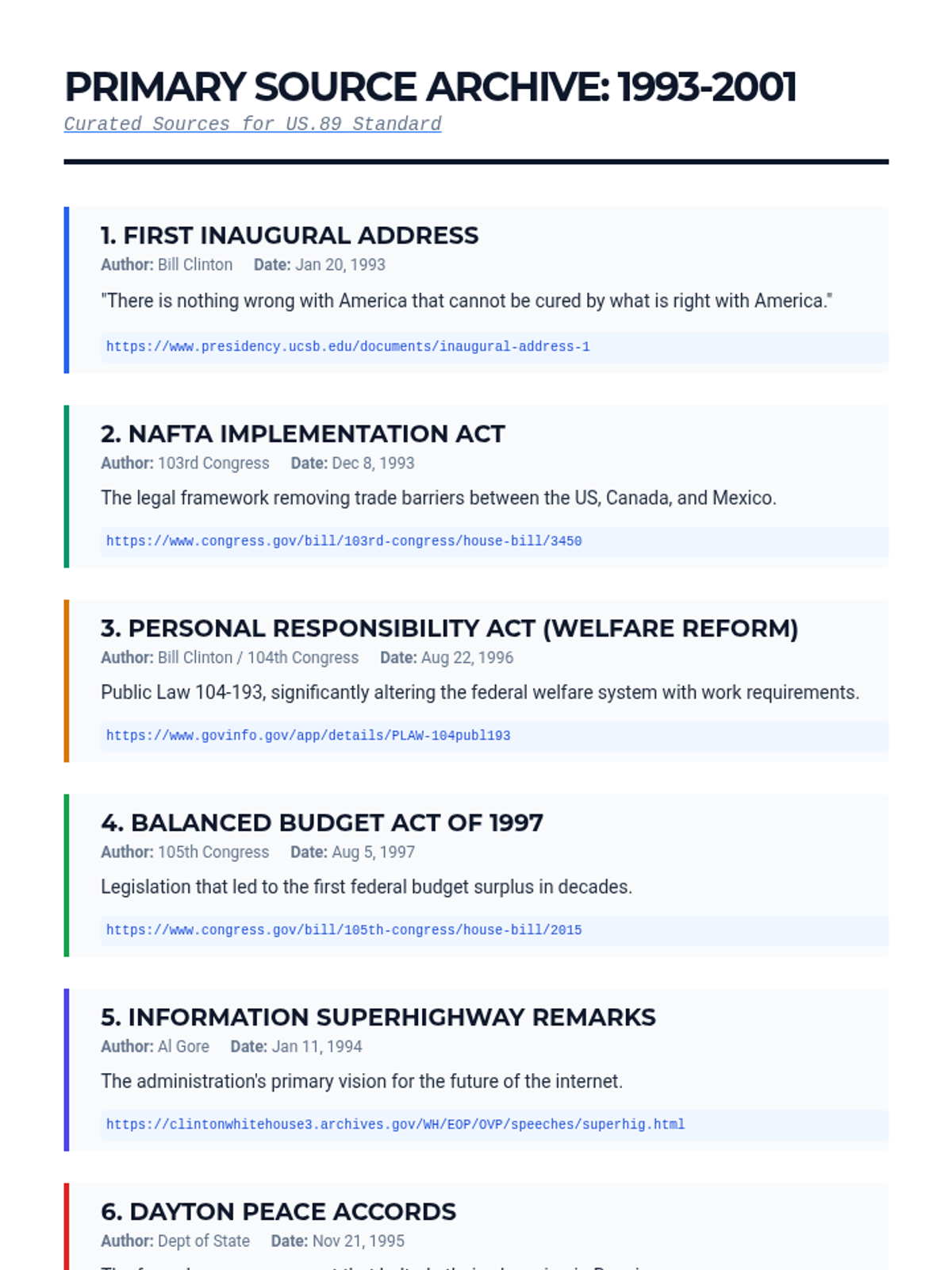
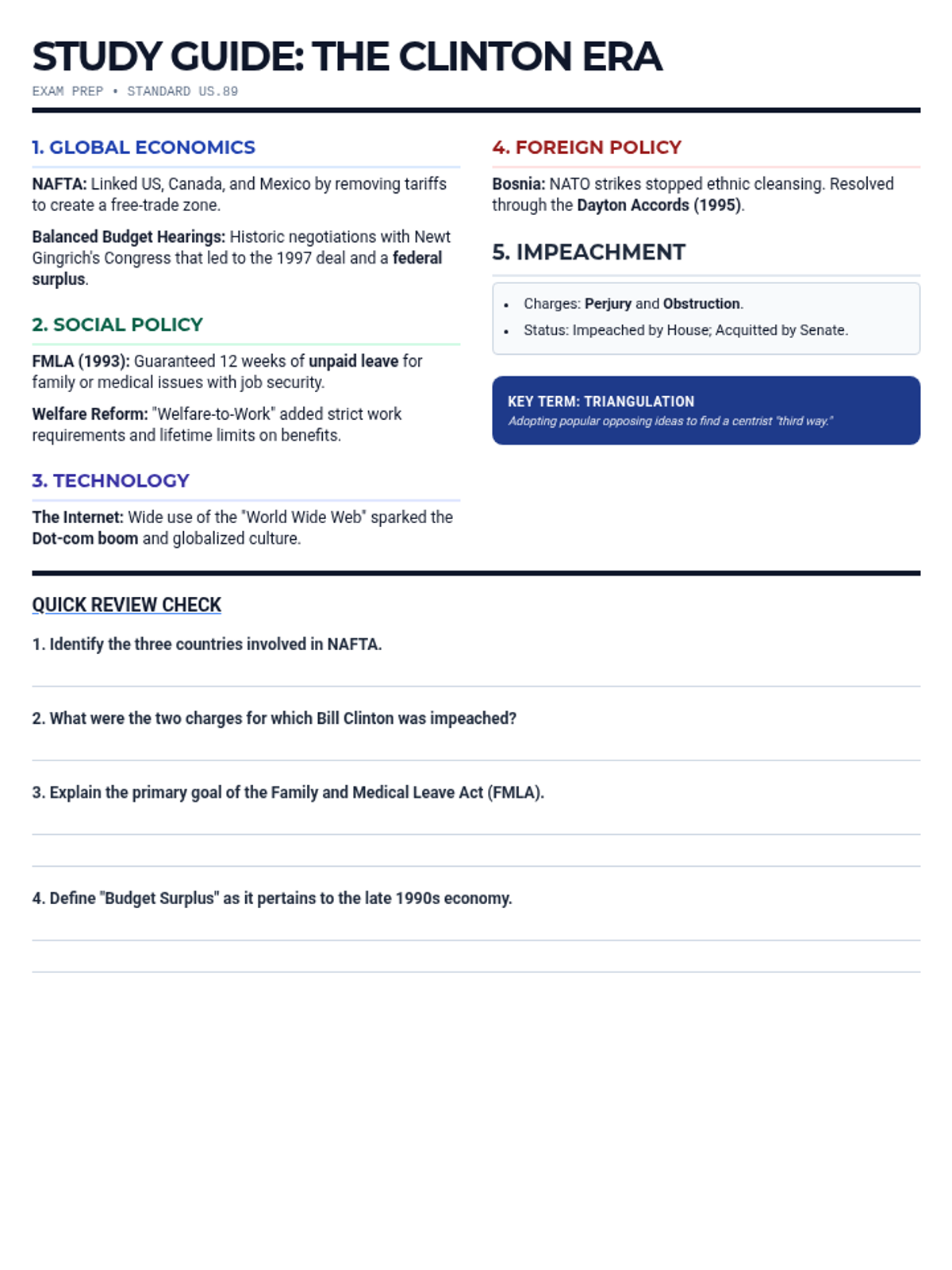
A 25-minute deep dive into the Clinton Administration, covering major domestic policies, foreign interventions, and the technological boom of the 1990s. This lesson addresses TN Standard US.89 through direct instruction and a policy-impact activity.
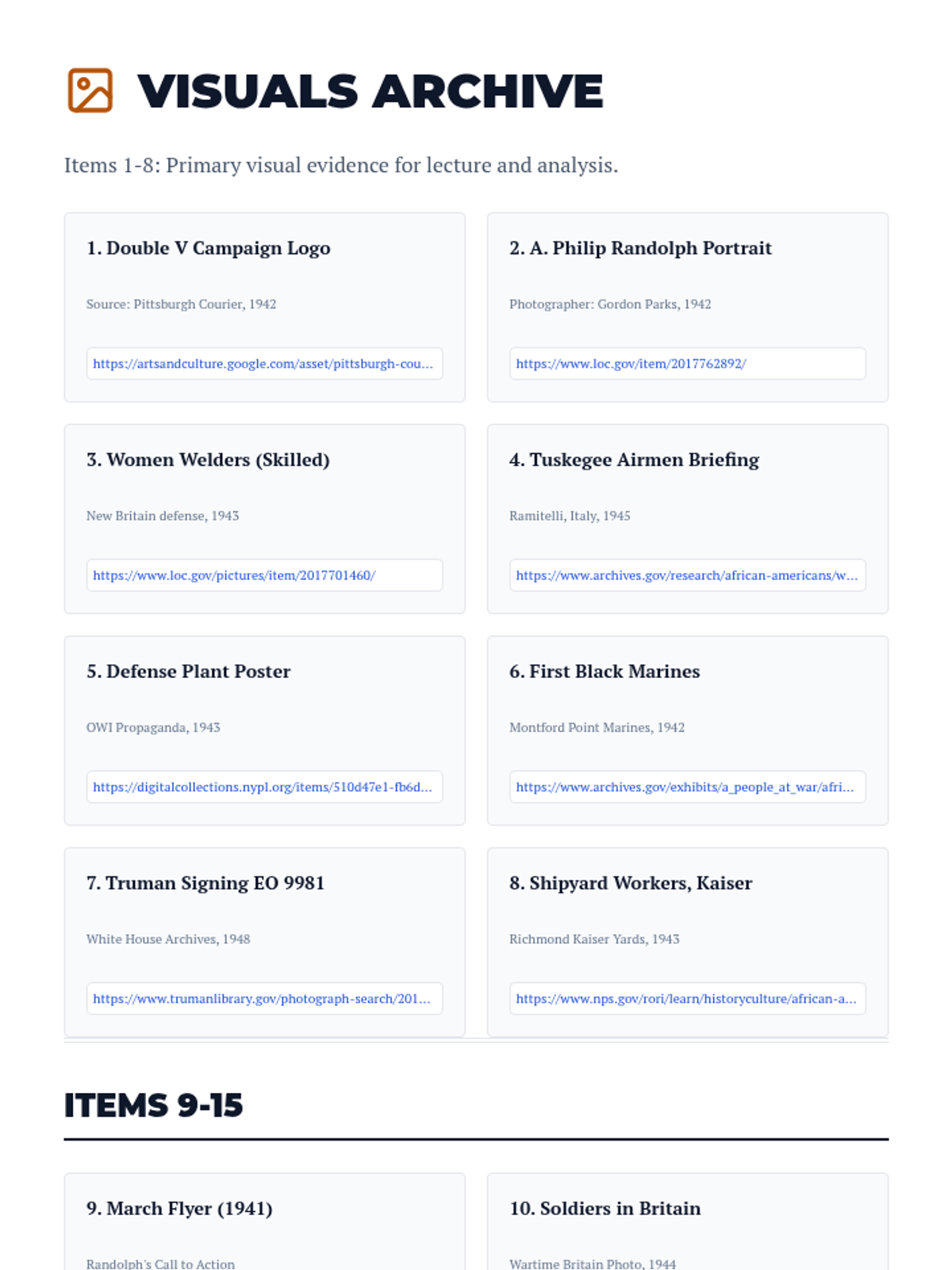
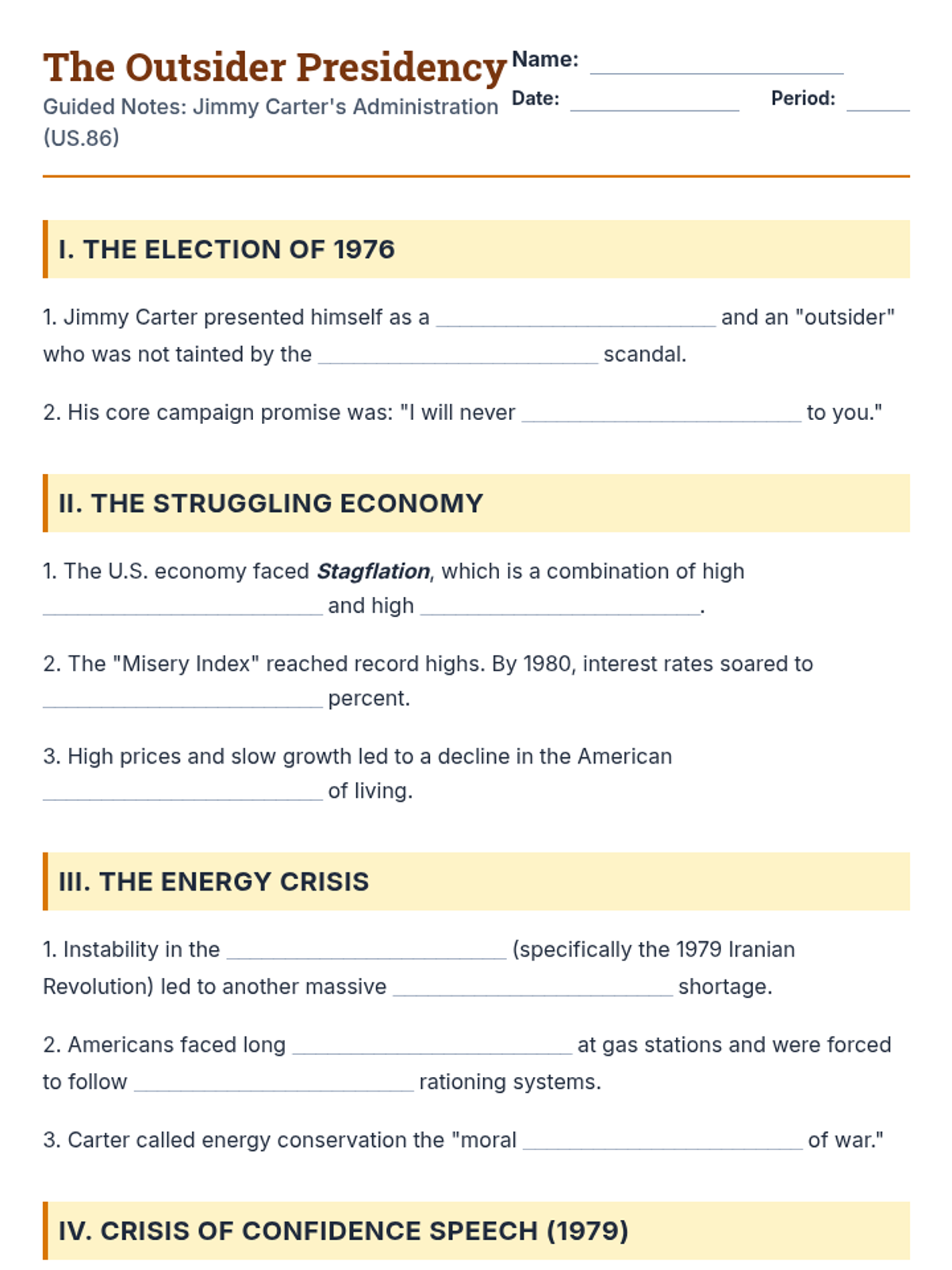
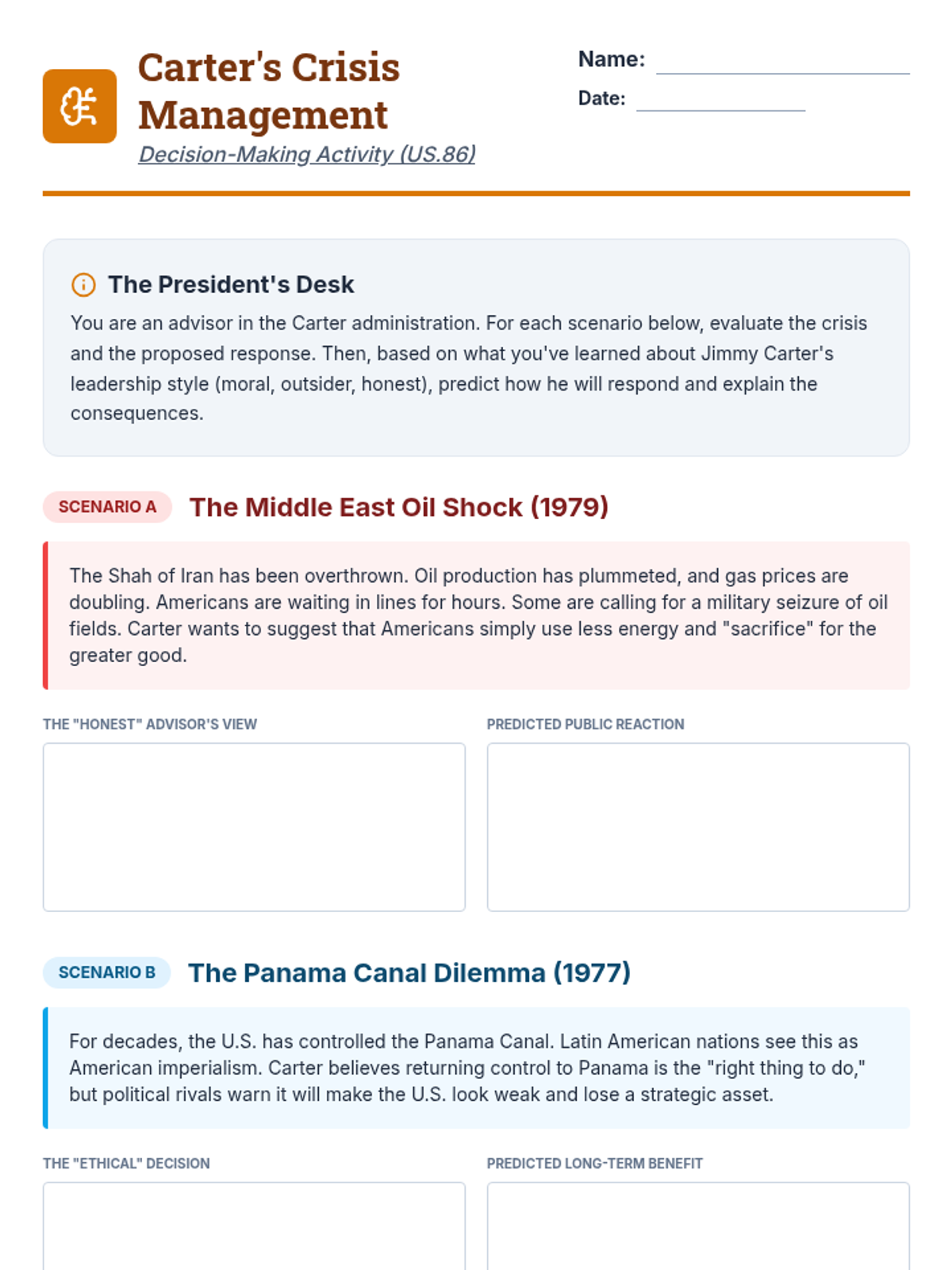
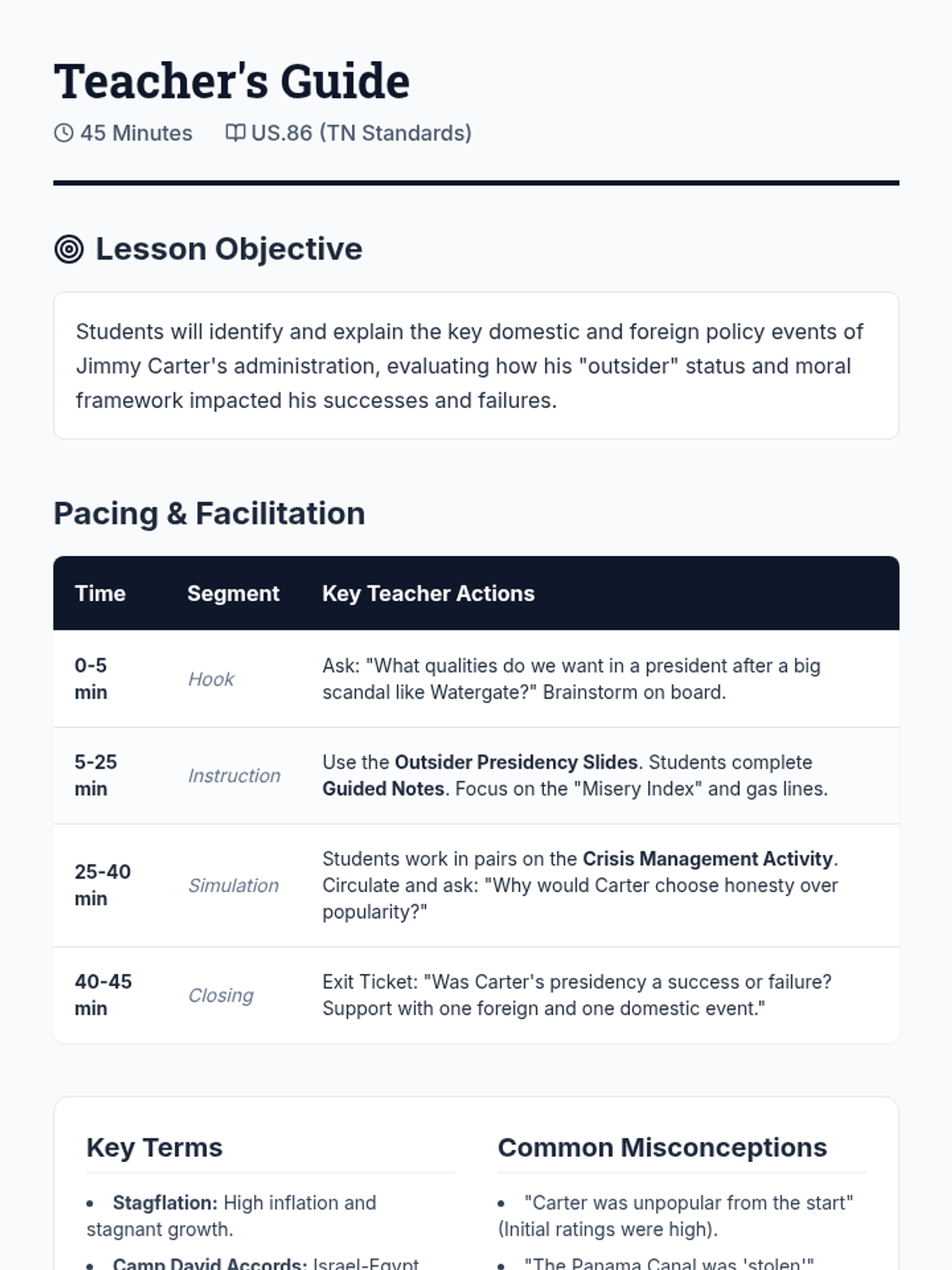
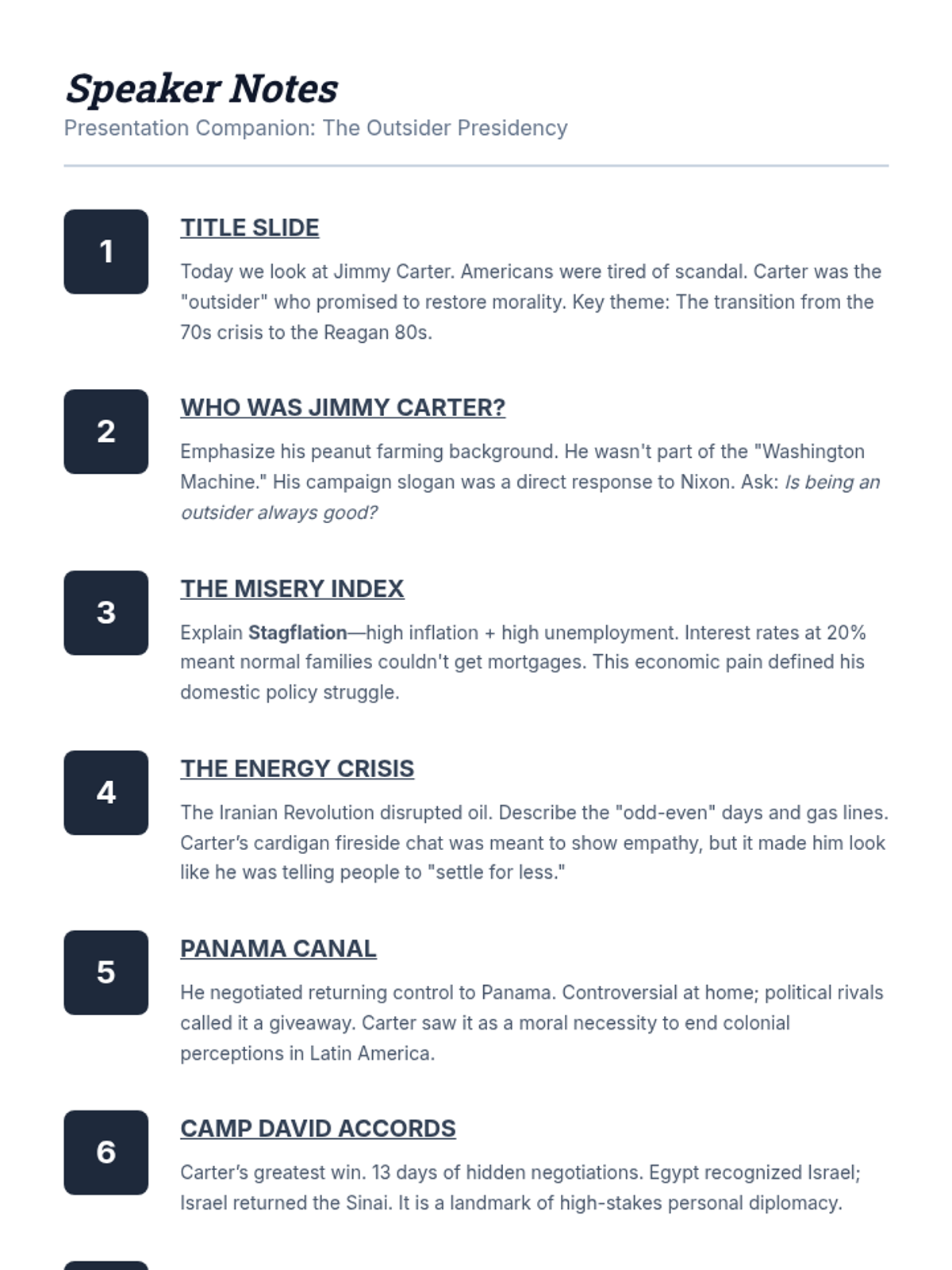
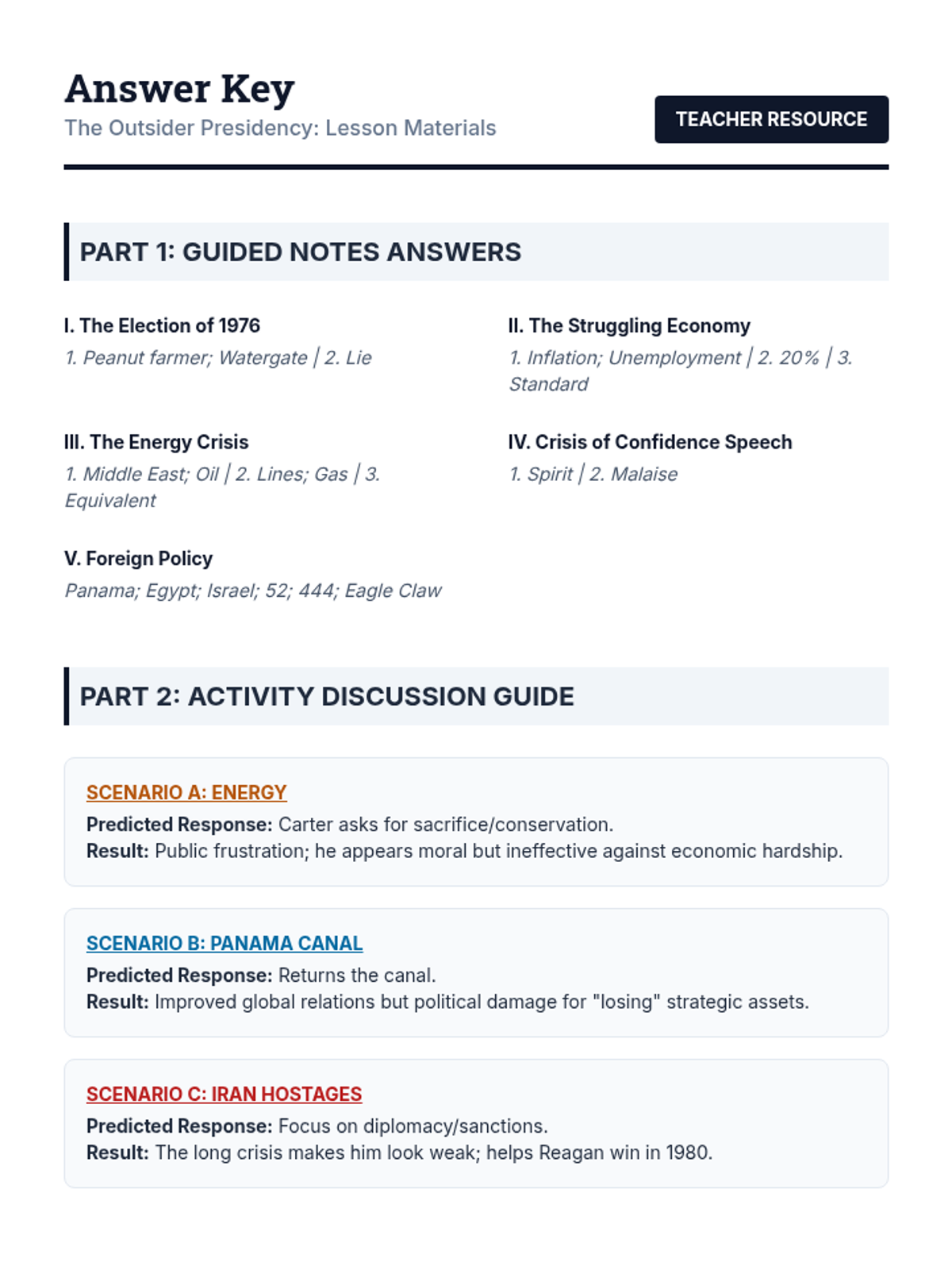
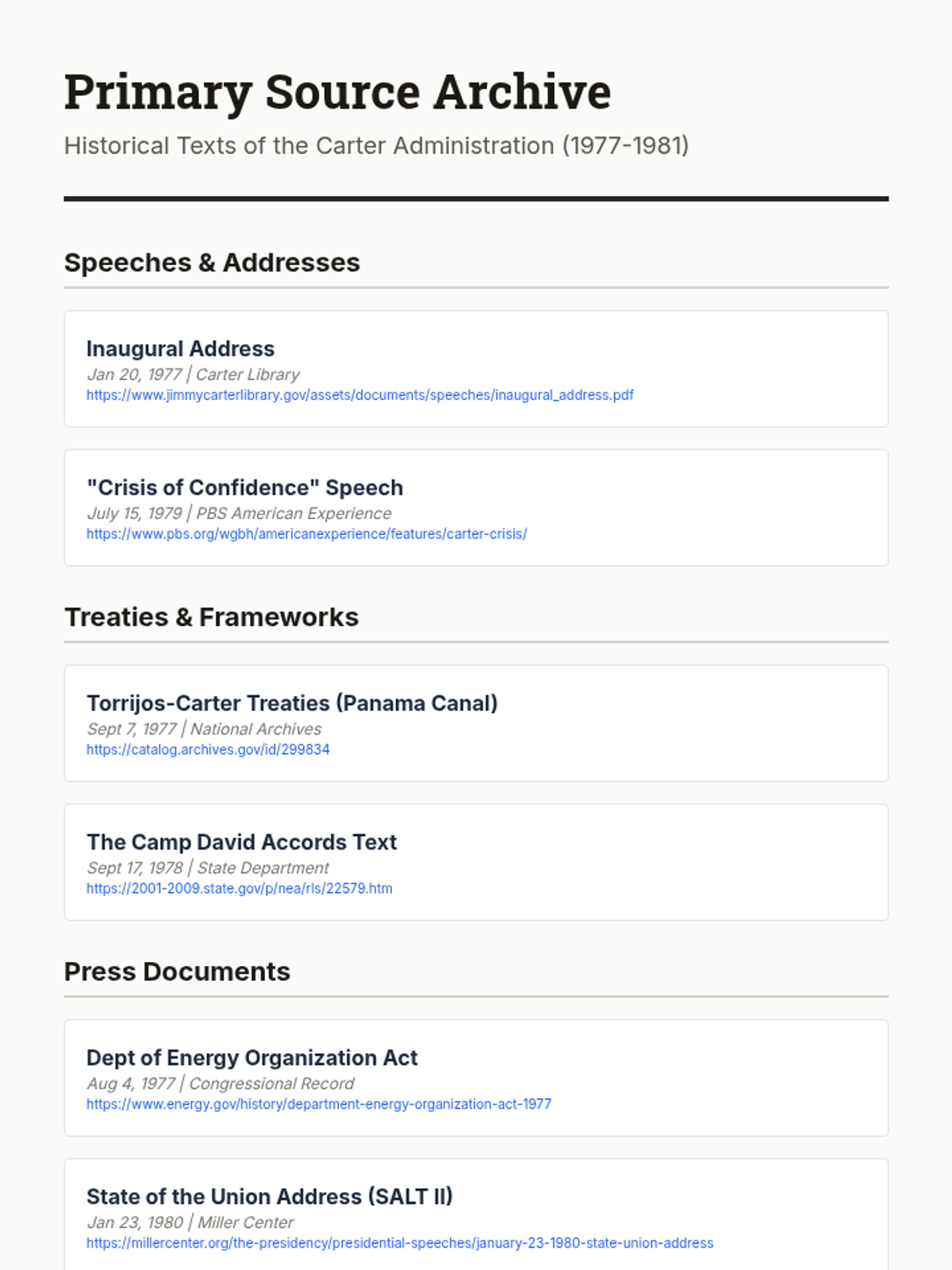
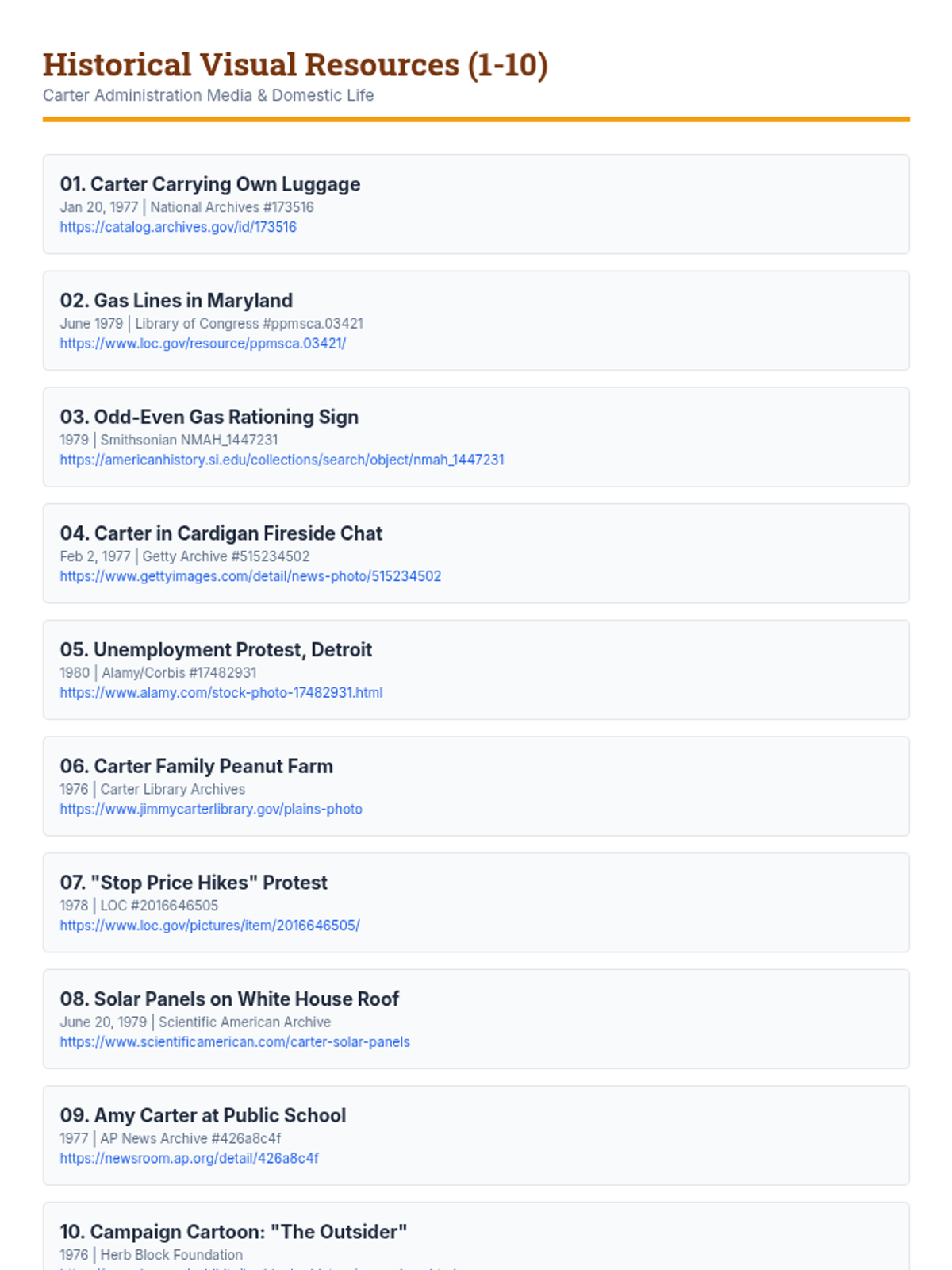
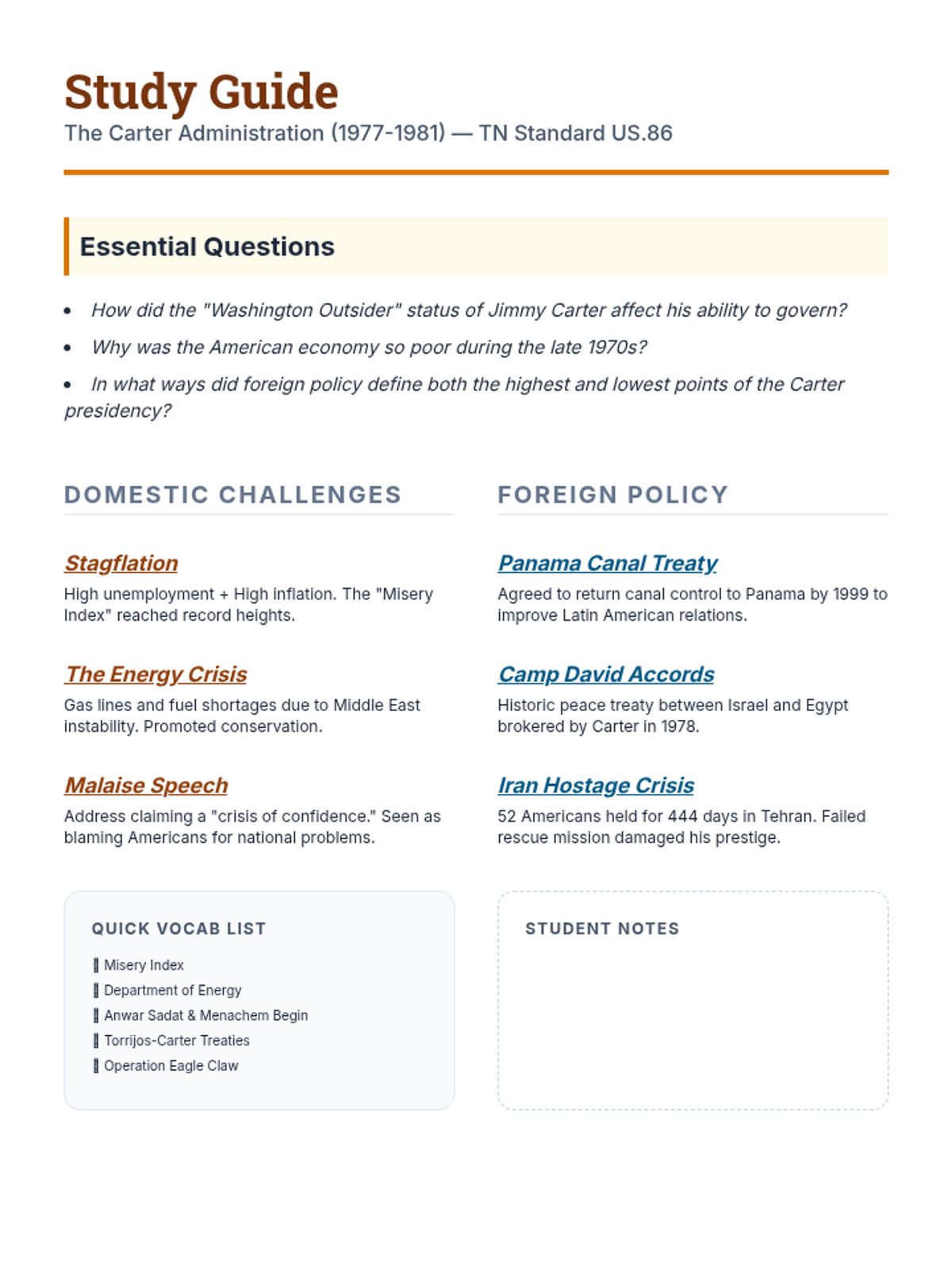
A comprehensive lesson on Jimmy Carter's administration, covering the economic challenges, foreign policy triumphs and failures, and the cultural shift of the late 1970s. Includes slides, notes, activities, and extensive primary/visual resources.
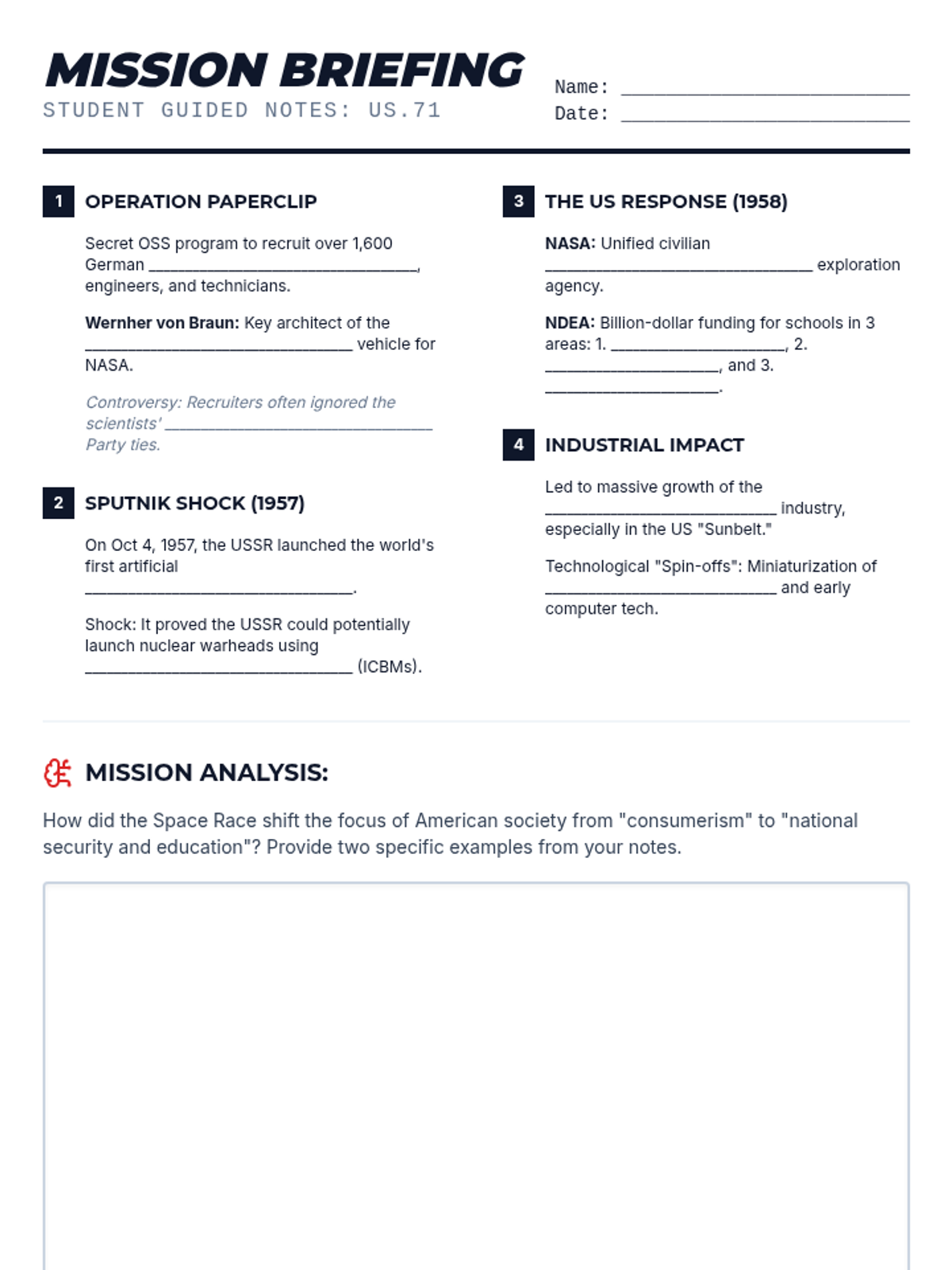
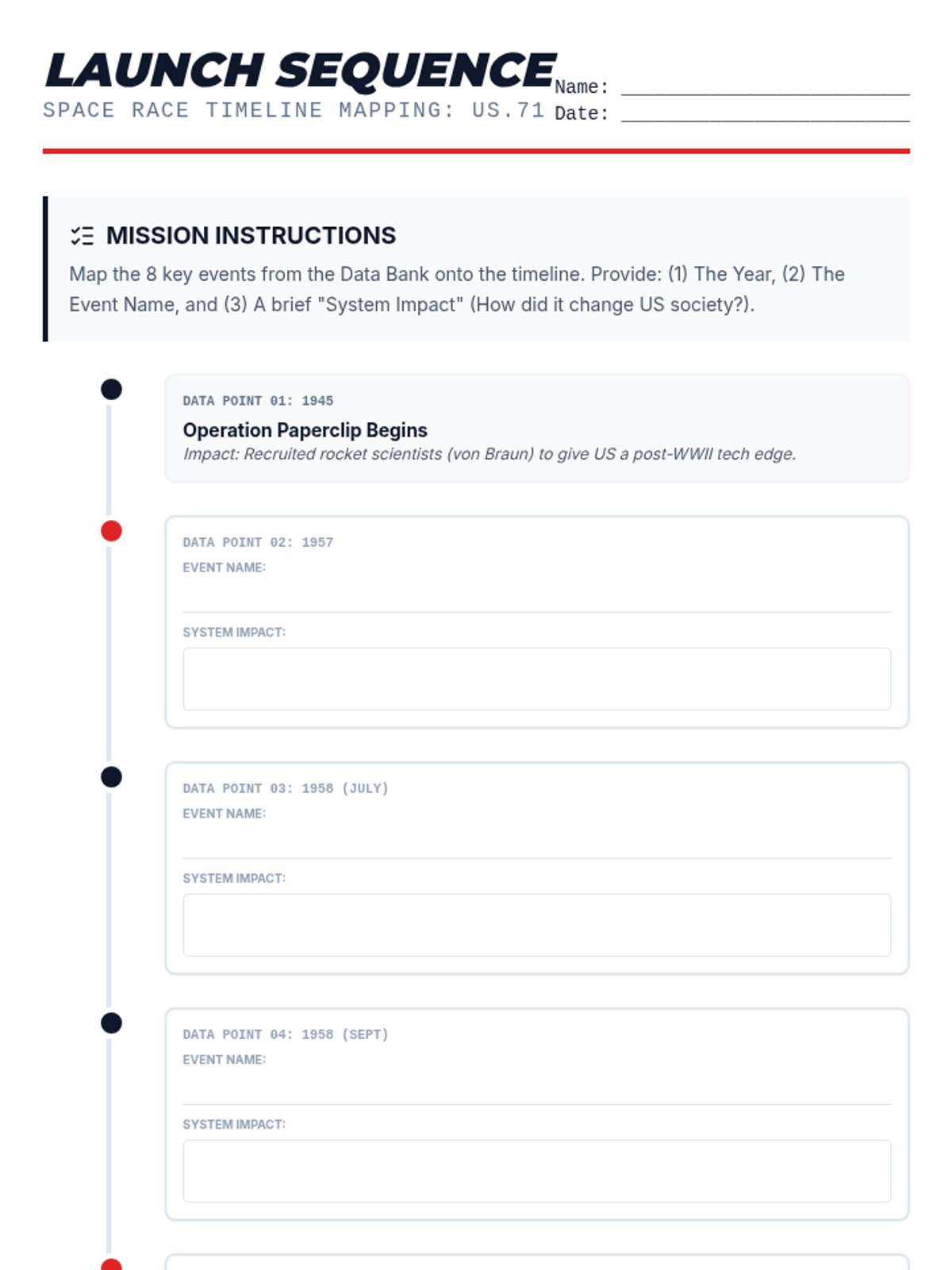
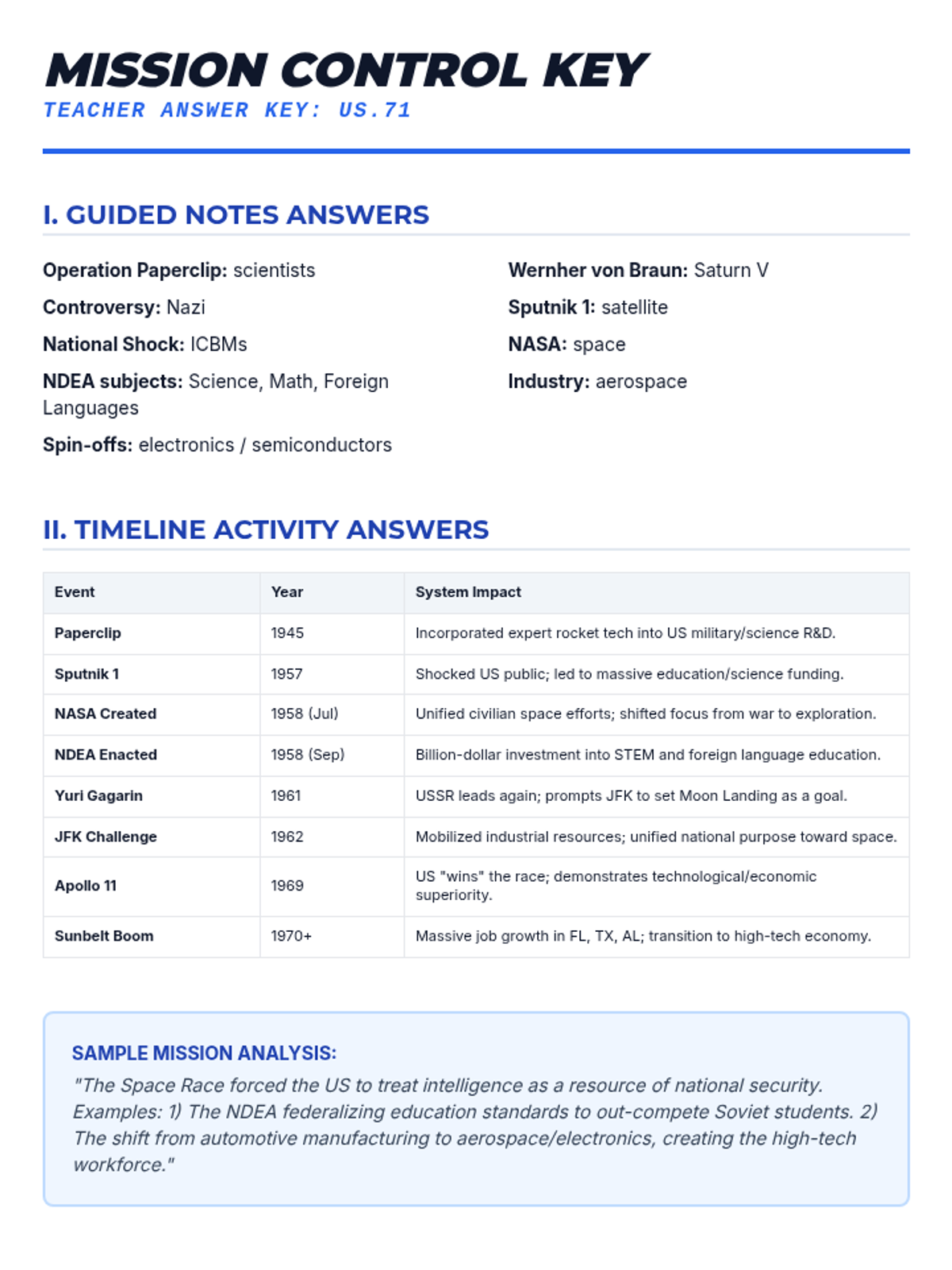
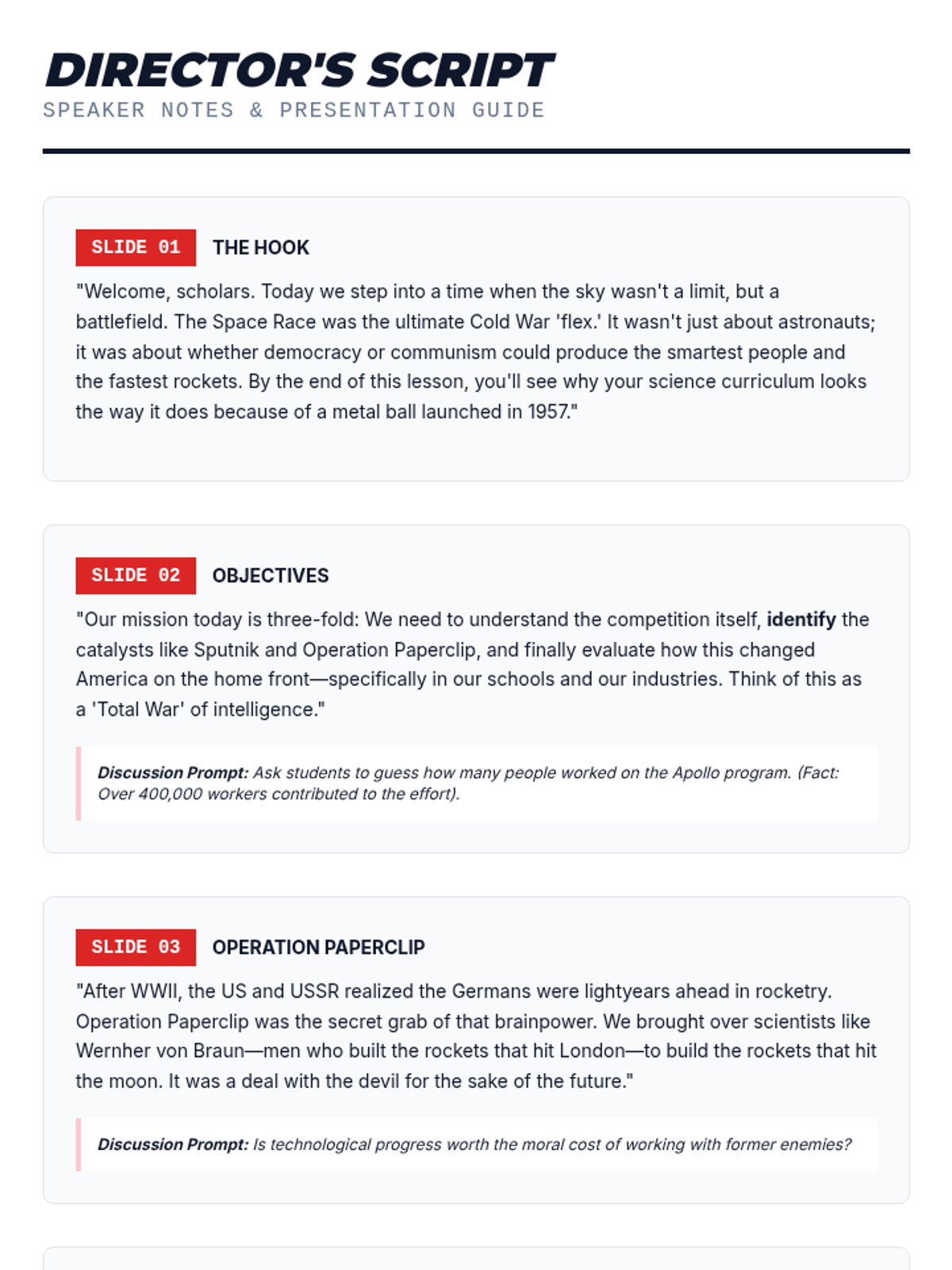
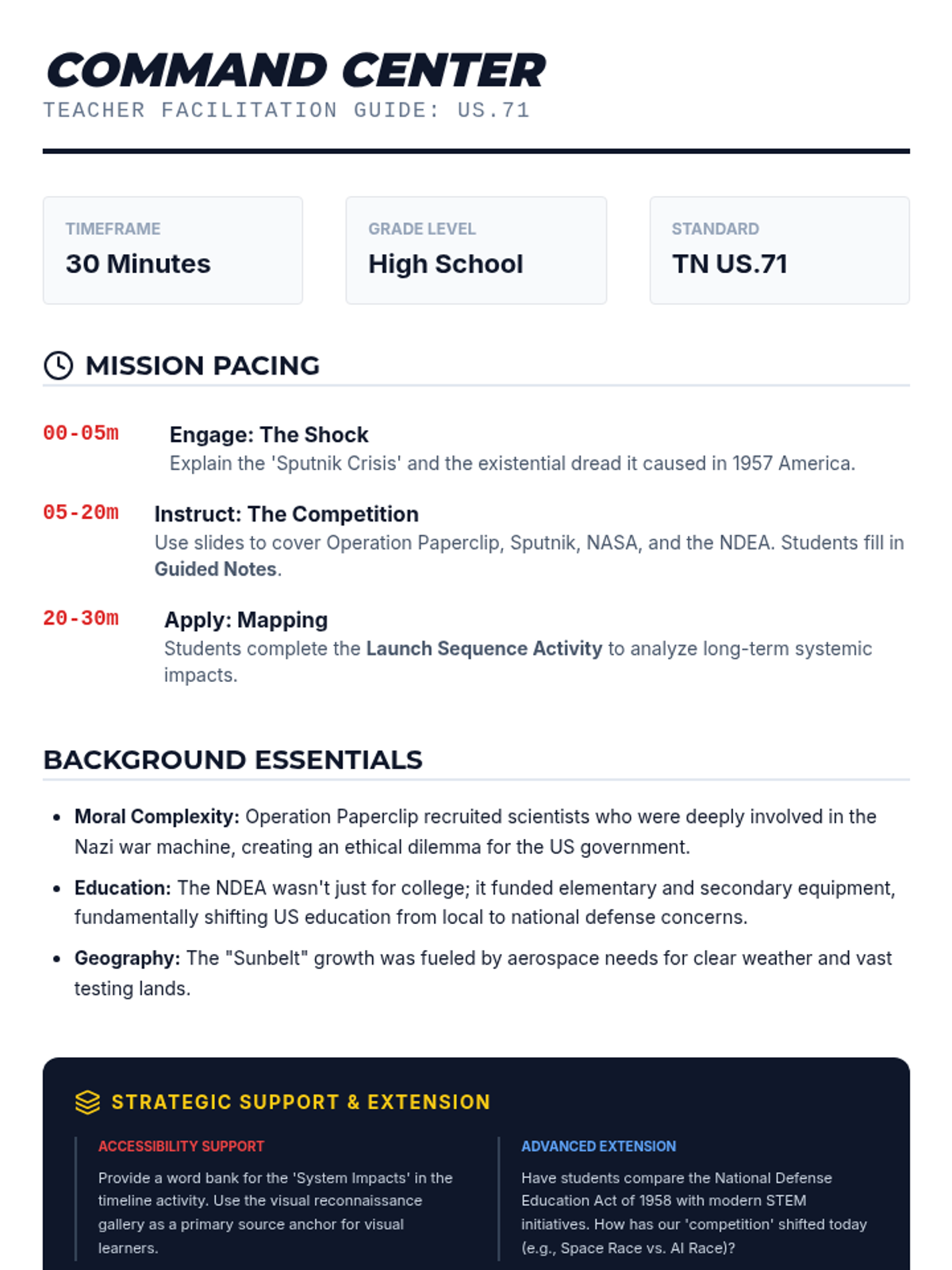
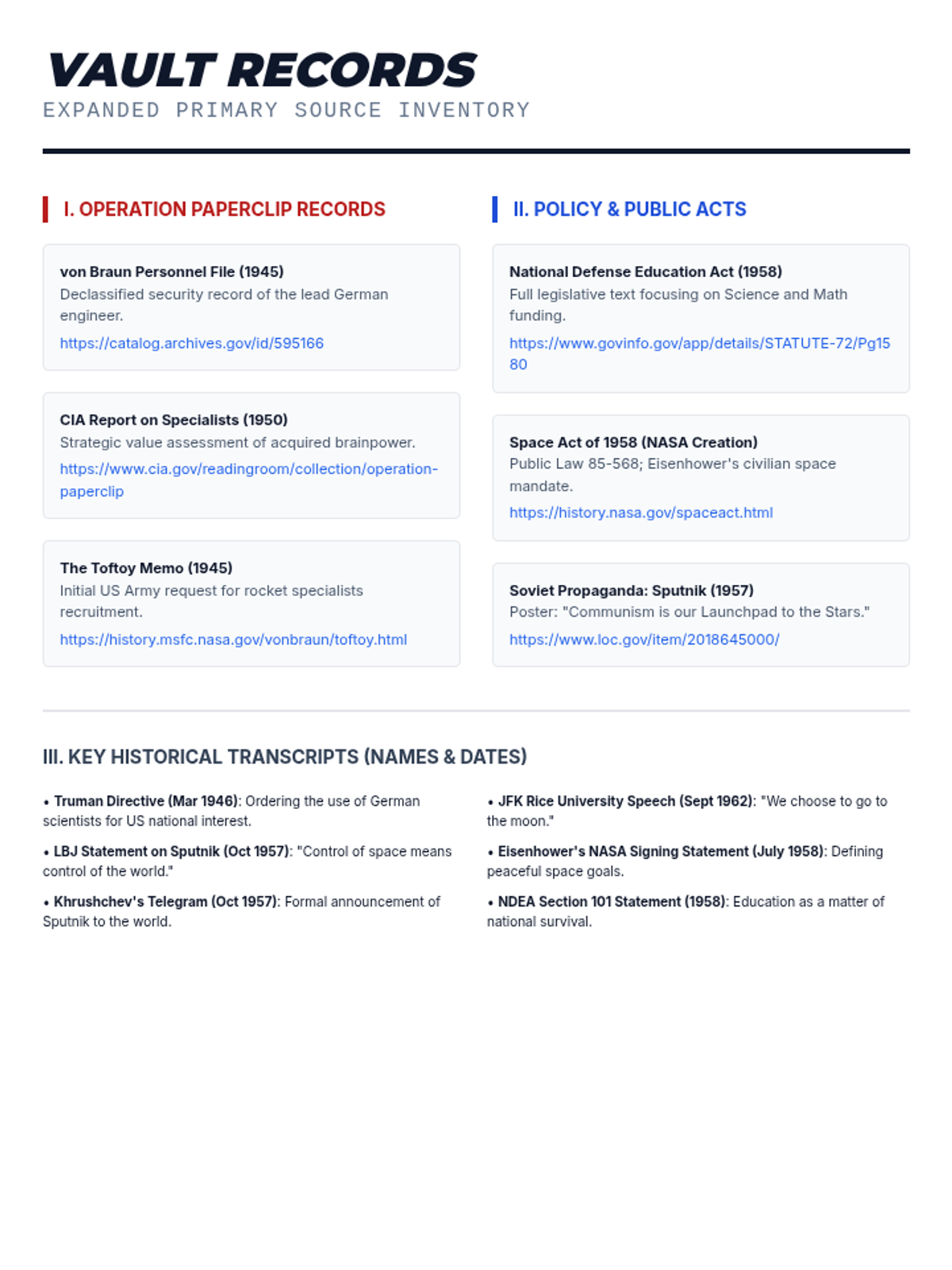
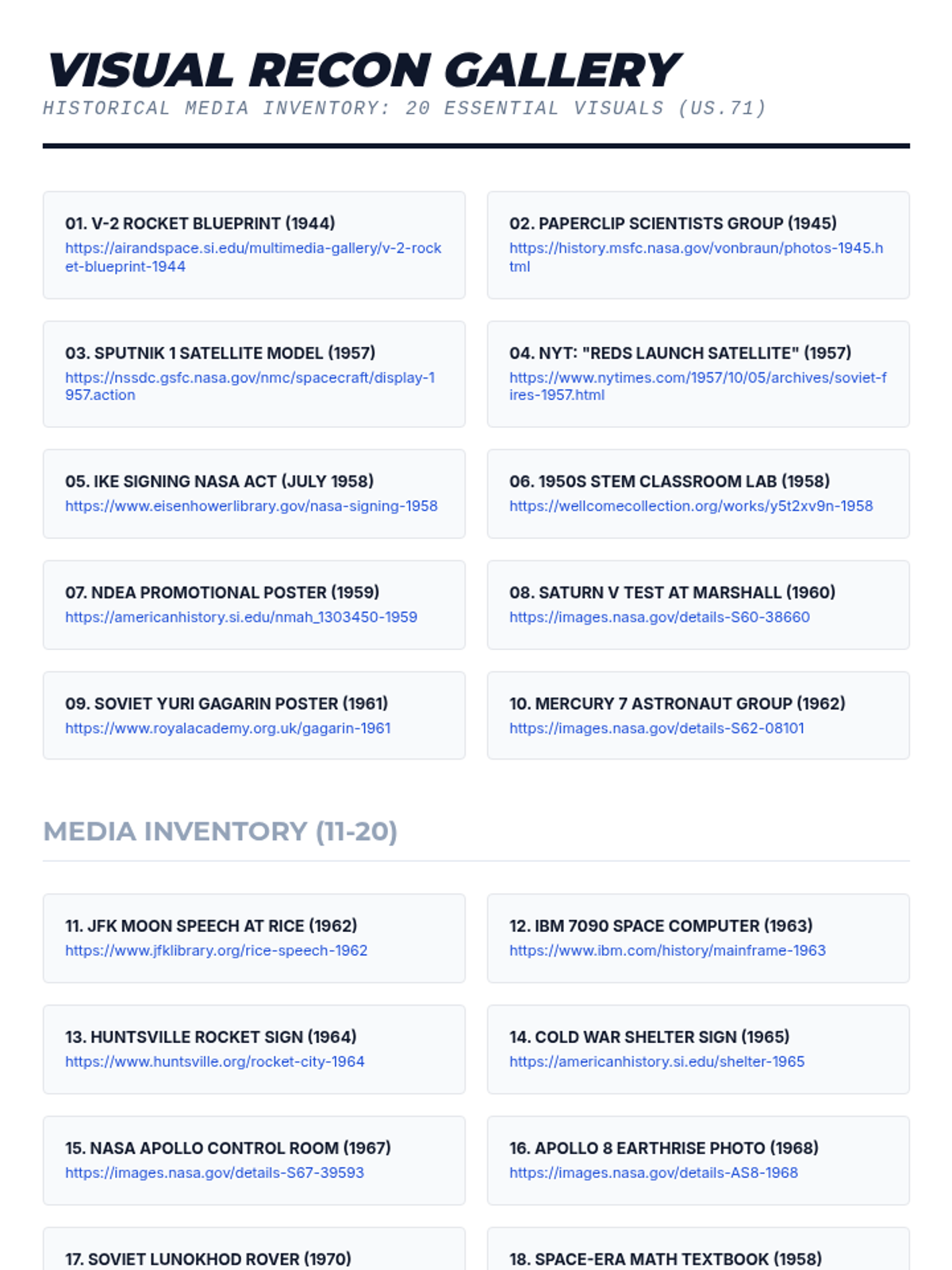
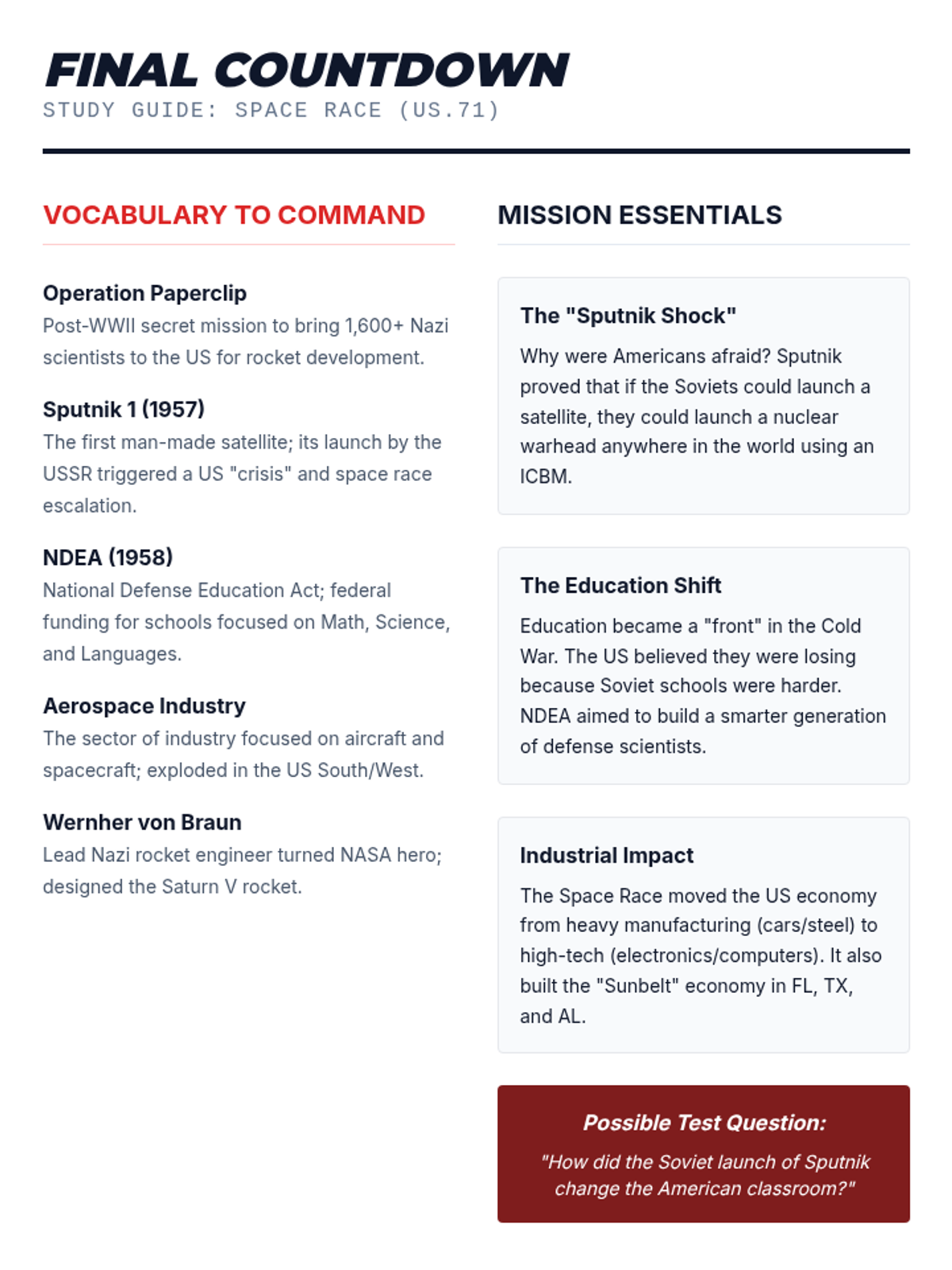
A 30-minute exploration of the Space Race, focusing on the competition between the US and USSR, Operation Paperclip, and the resulting transformation of American education and industry.
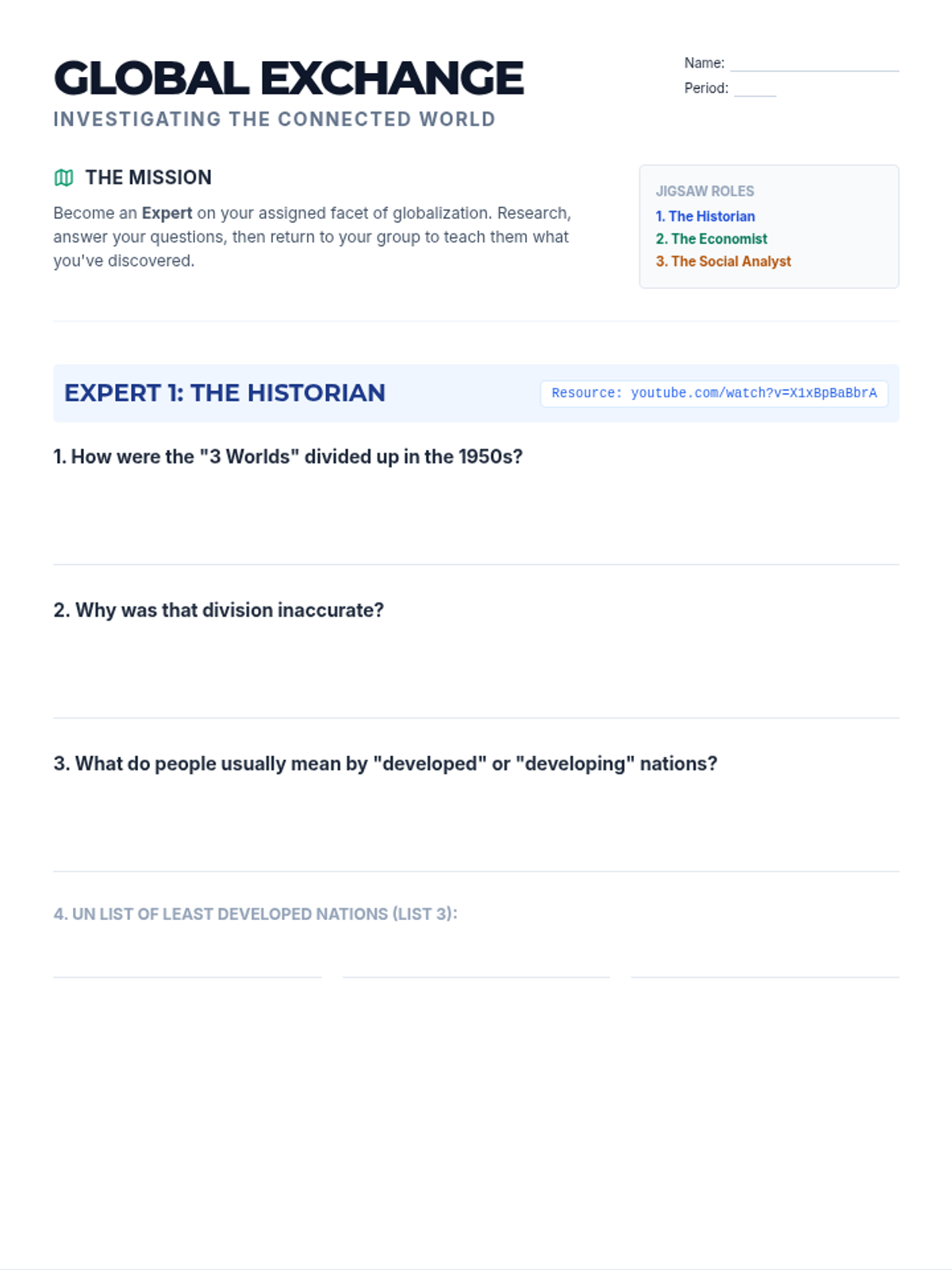
A jigsaw activity where students become experts on specific facets of globalization—definitions, drivers/impacts, and economic consequences—before sharing their findings with peers to form a complete understanding of the topic.
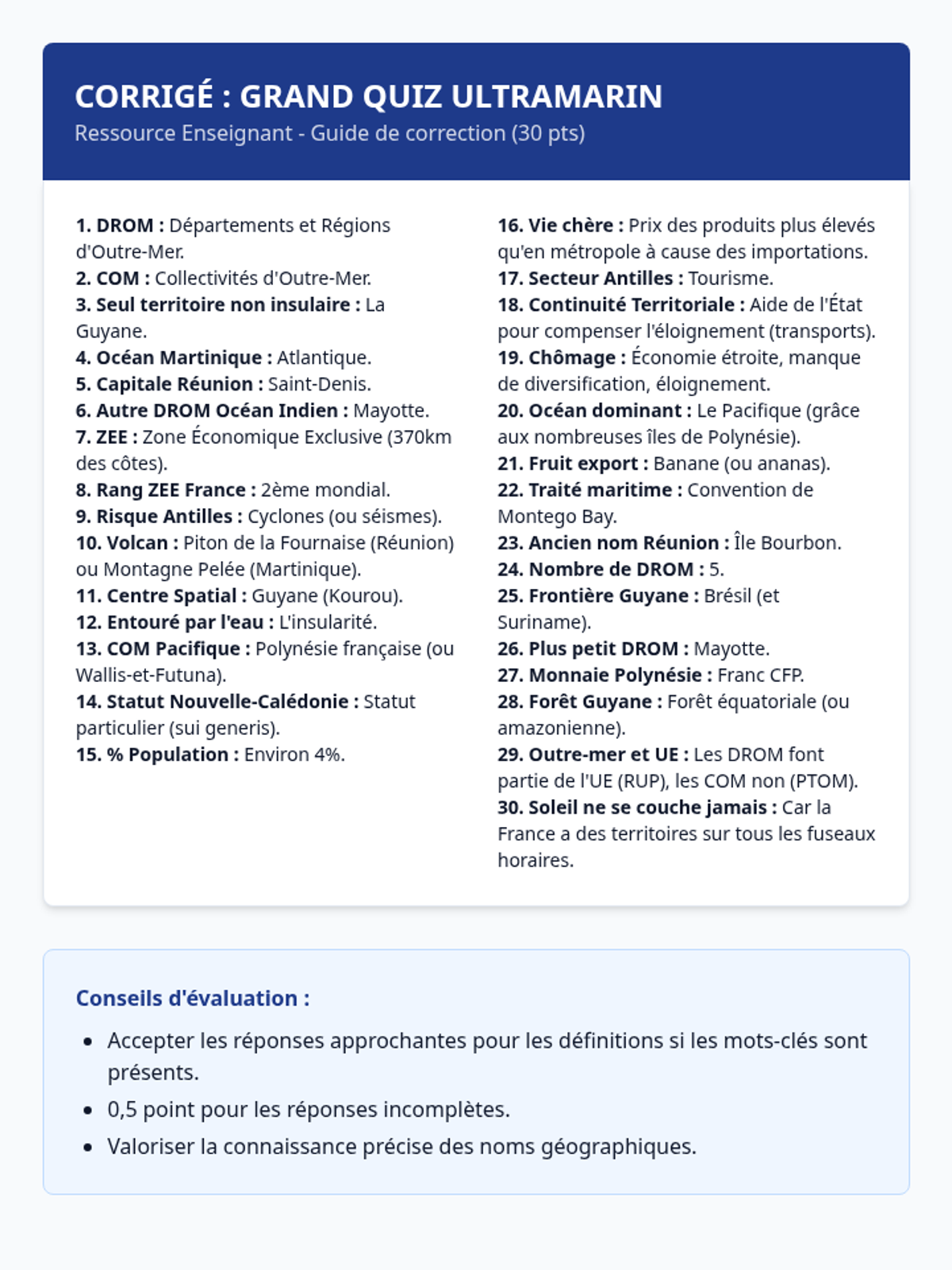
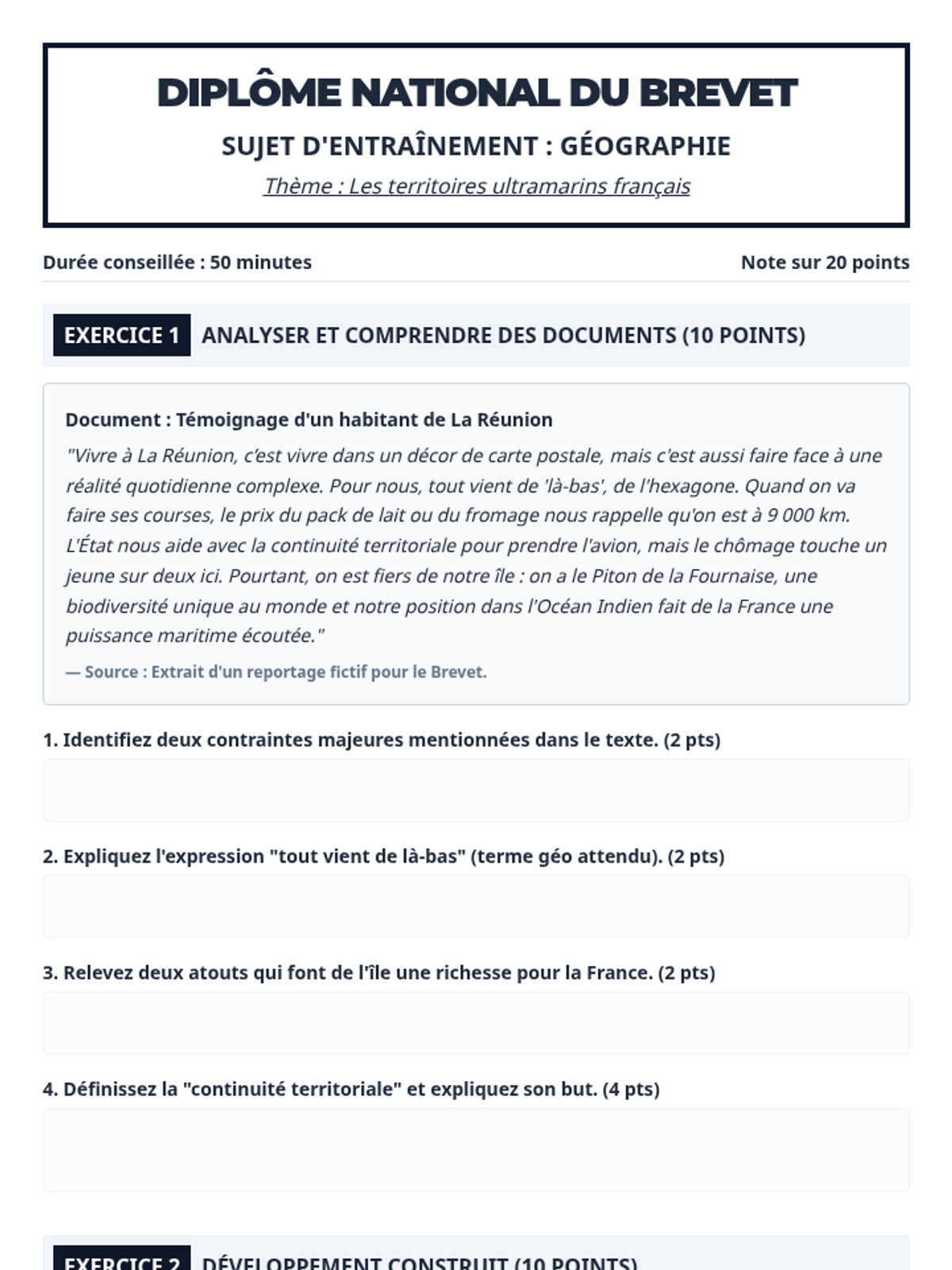
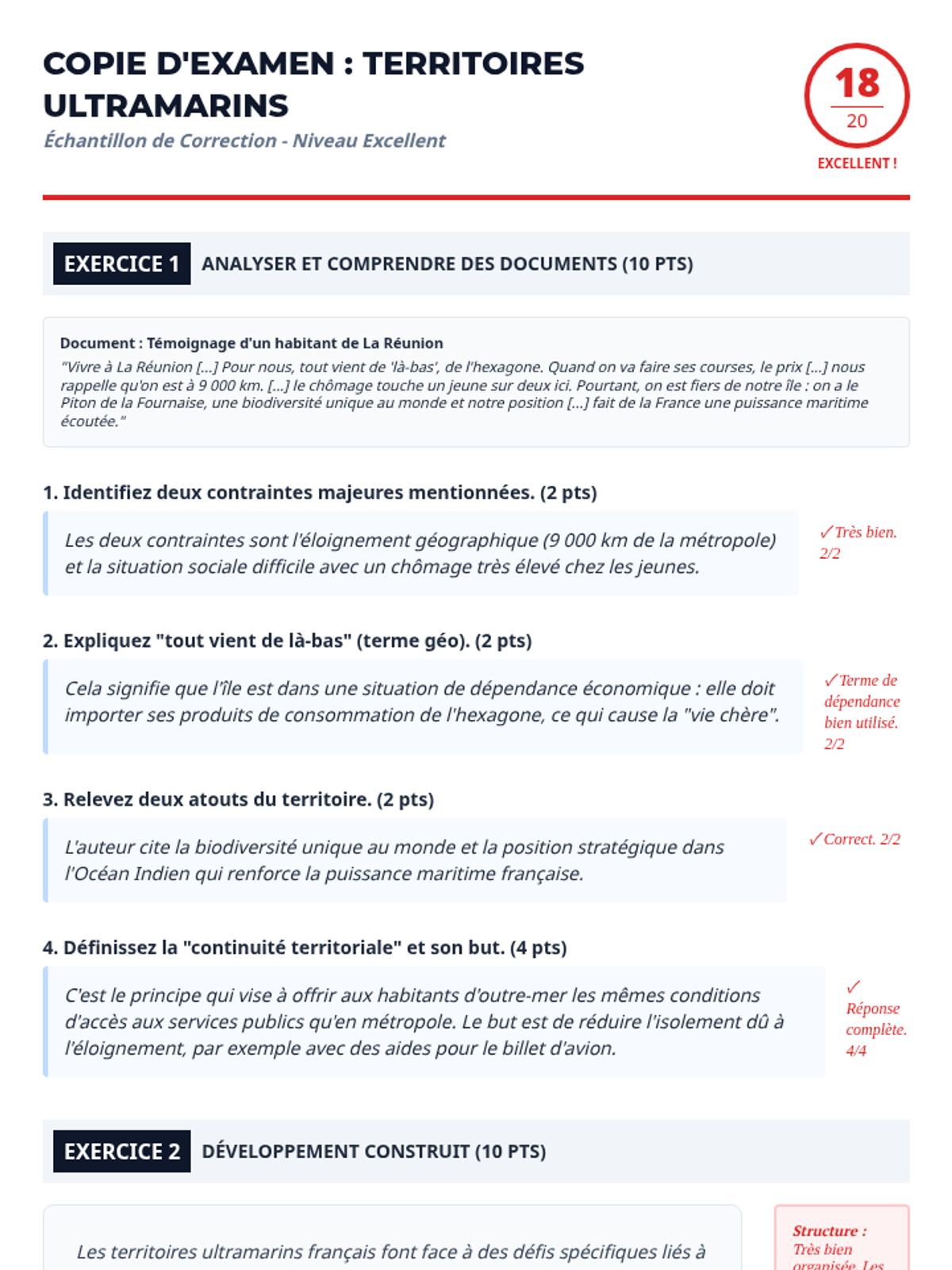
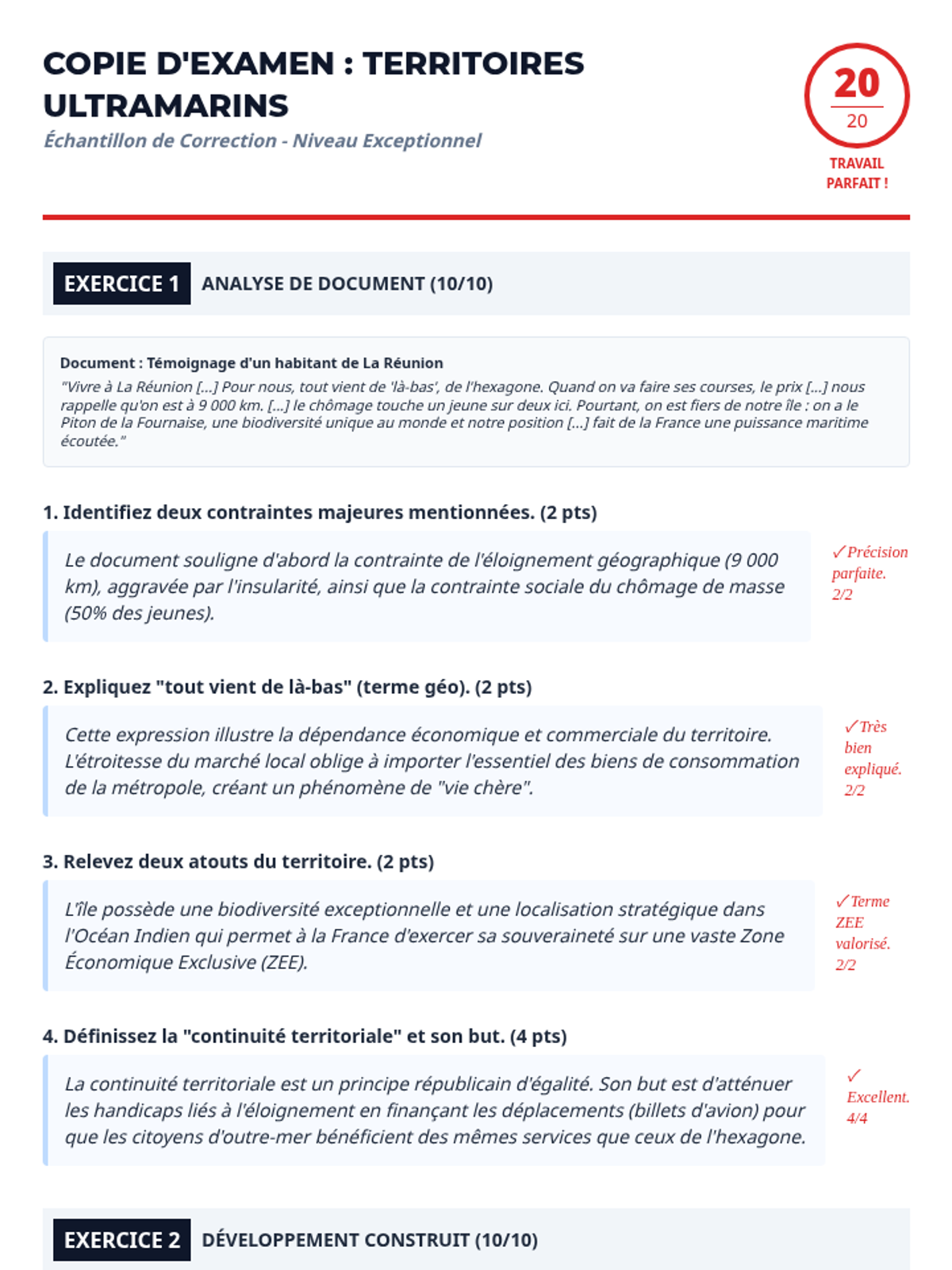
Une leçon complète sur les territoires ultramarins français, abordant leur géographie, leurs statuts (DROM et COM), leurs défis économiques et leur importance stratégique pour le Brevet.
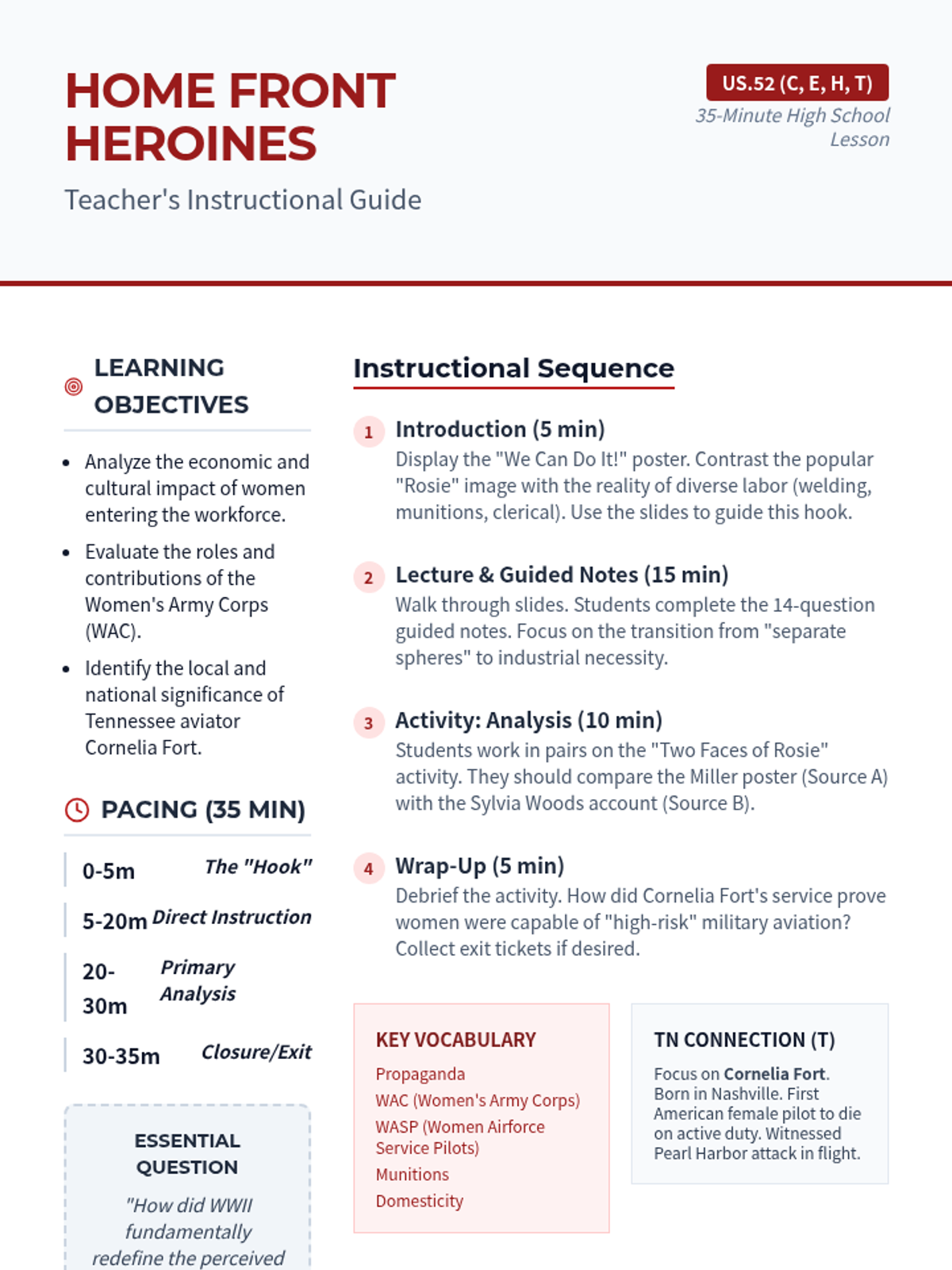
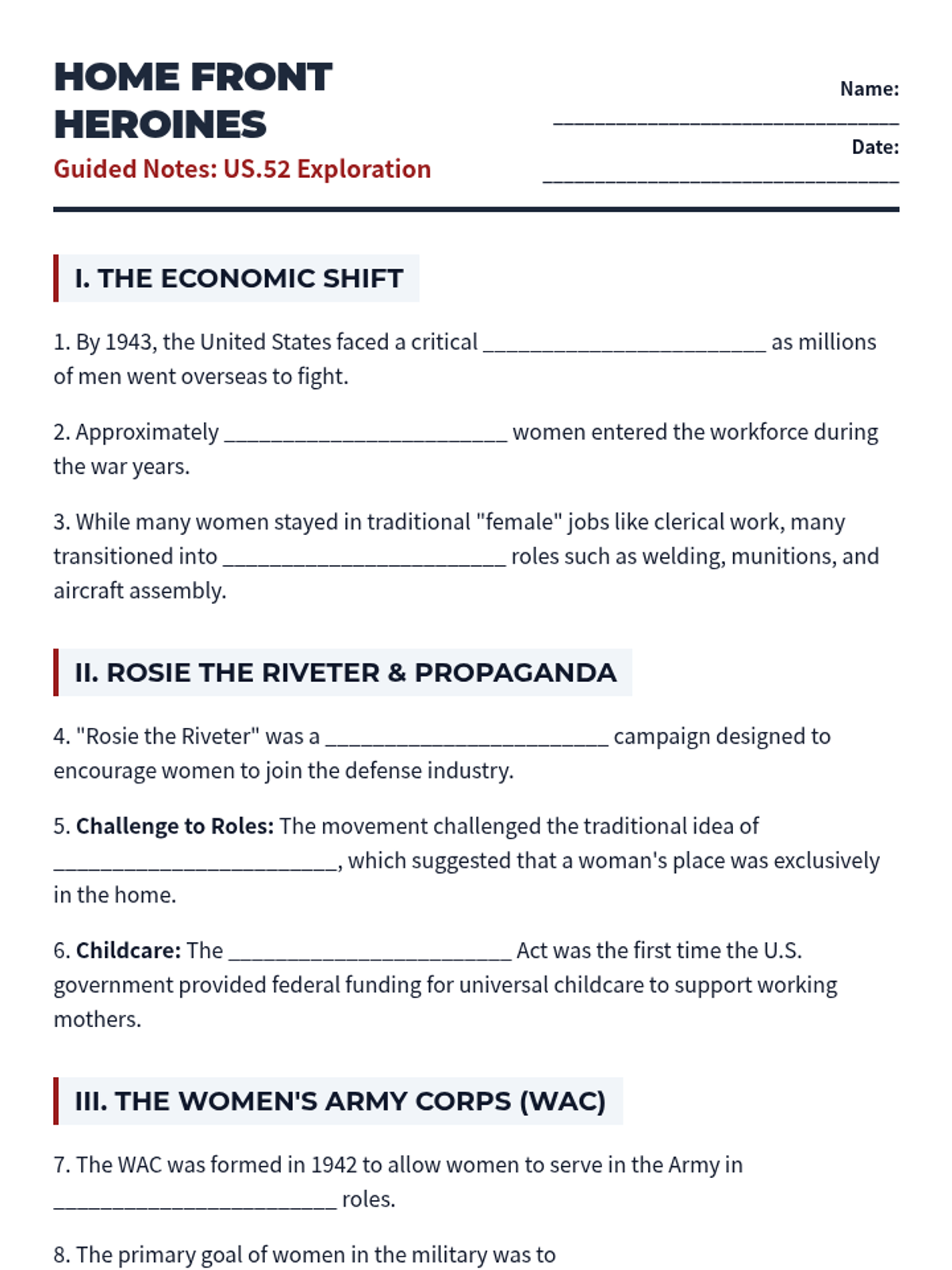
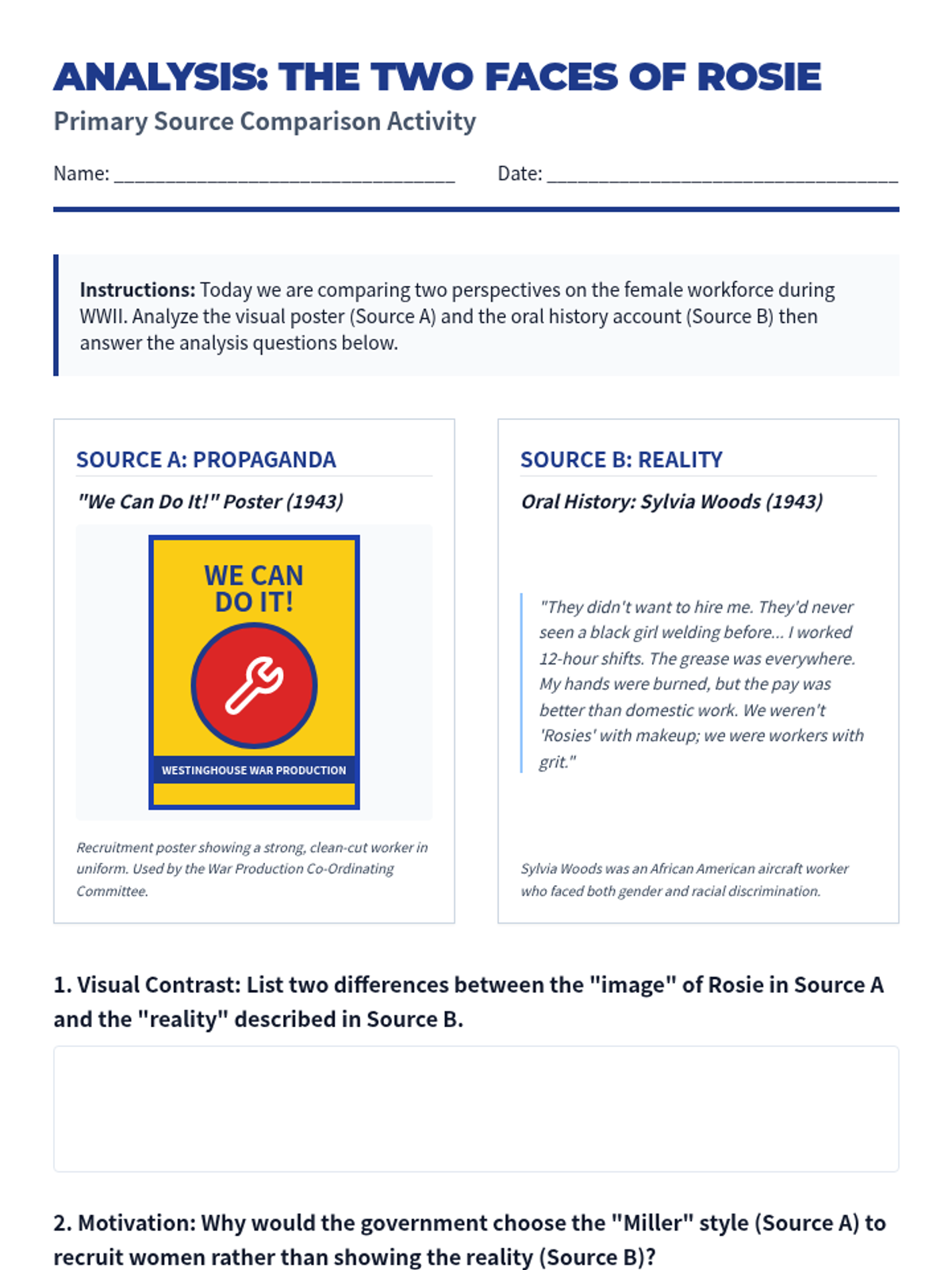
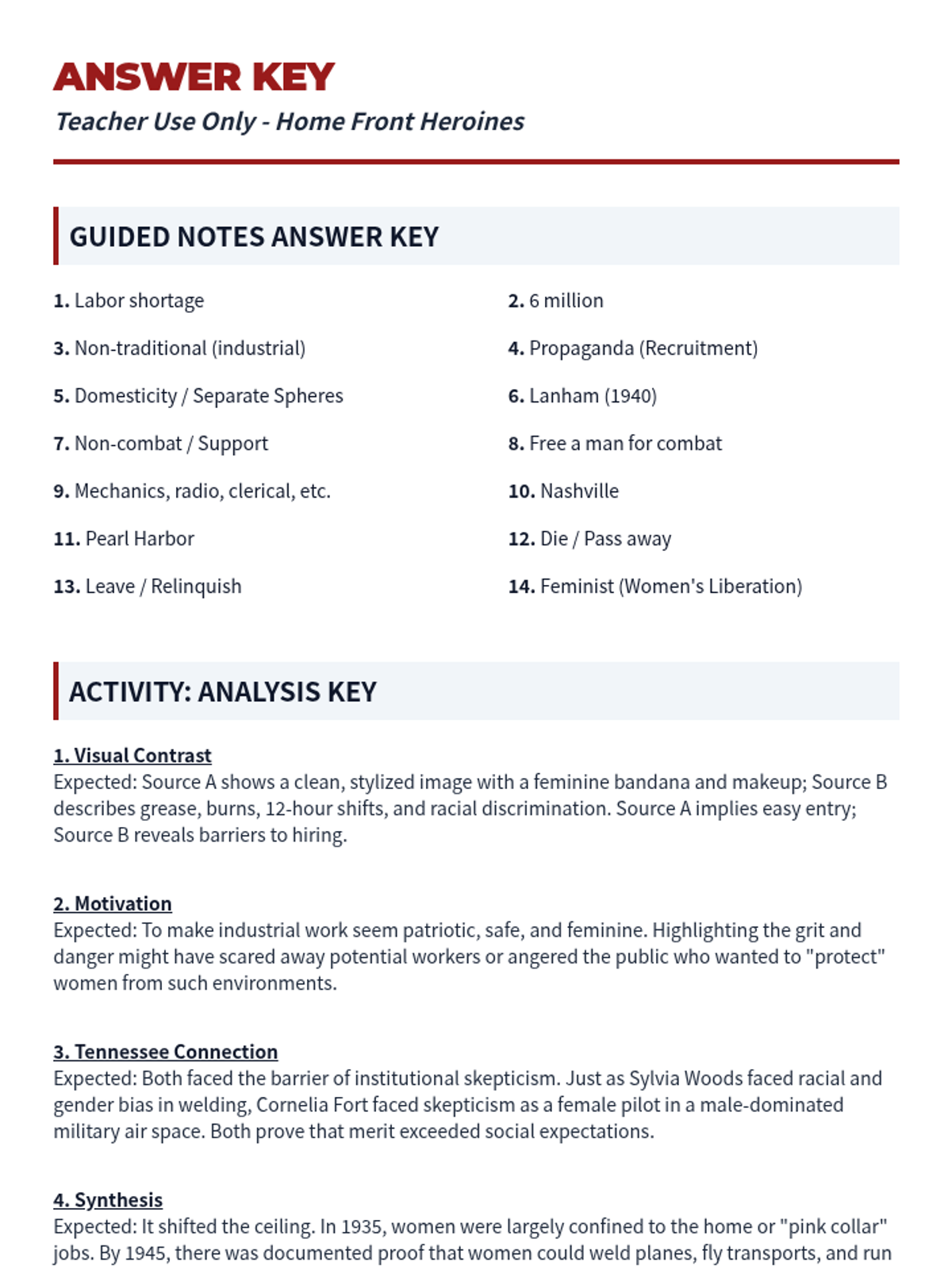
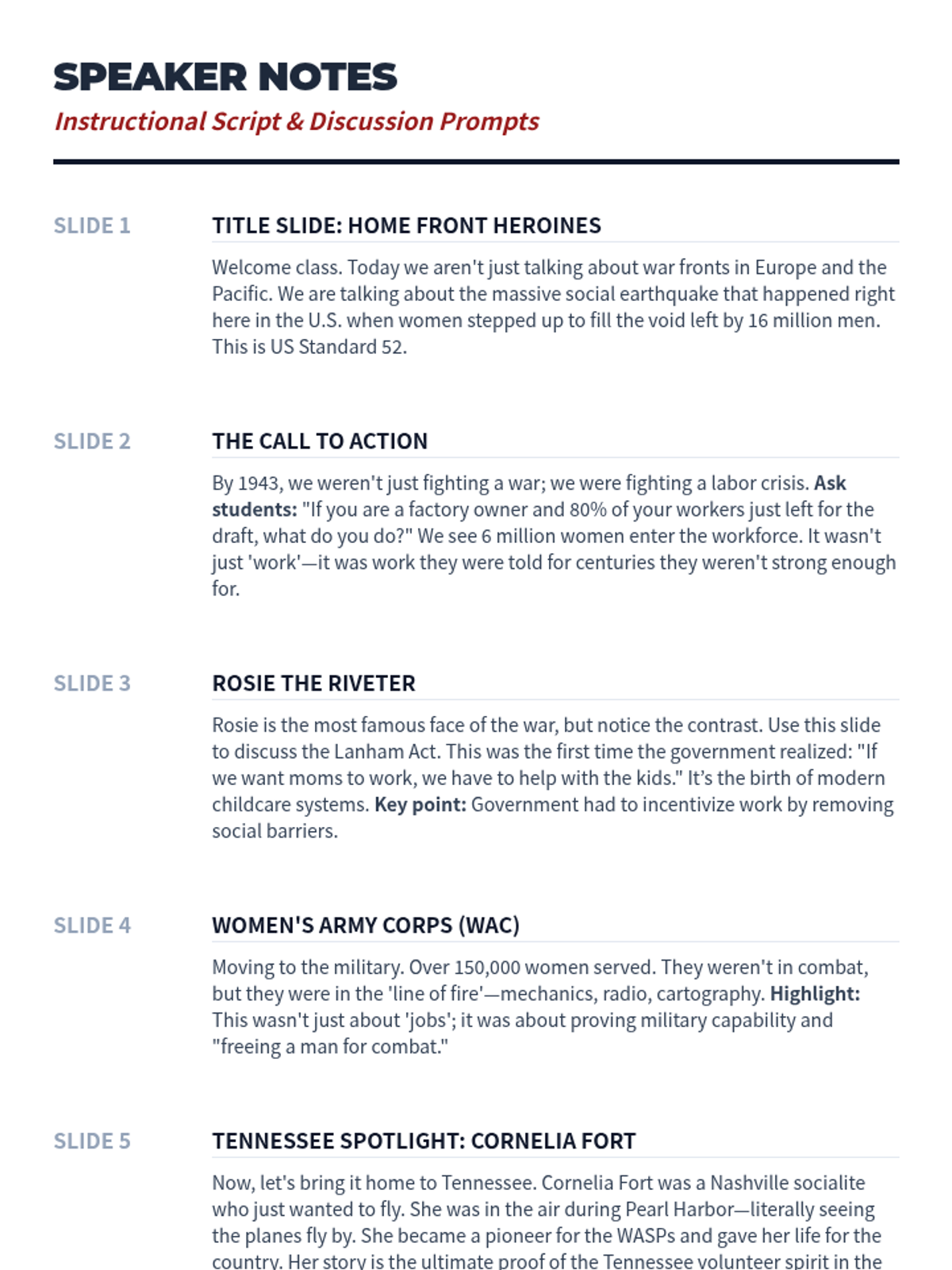
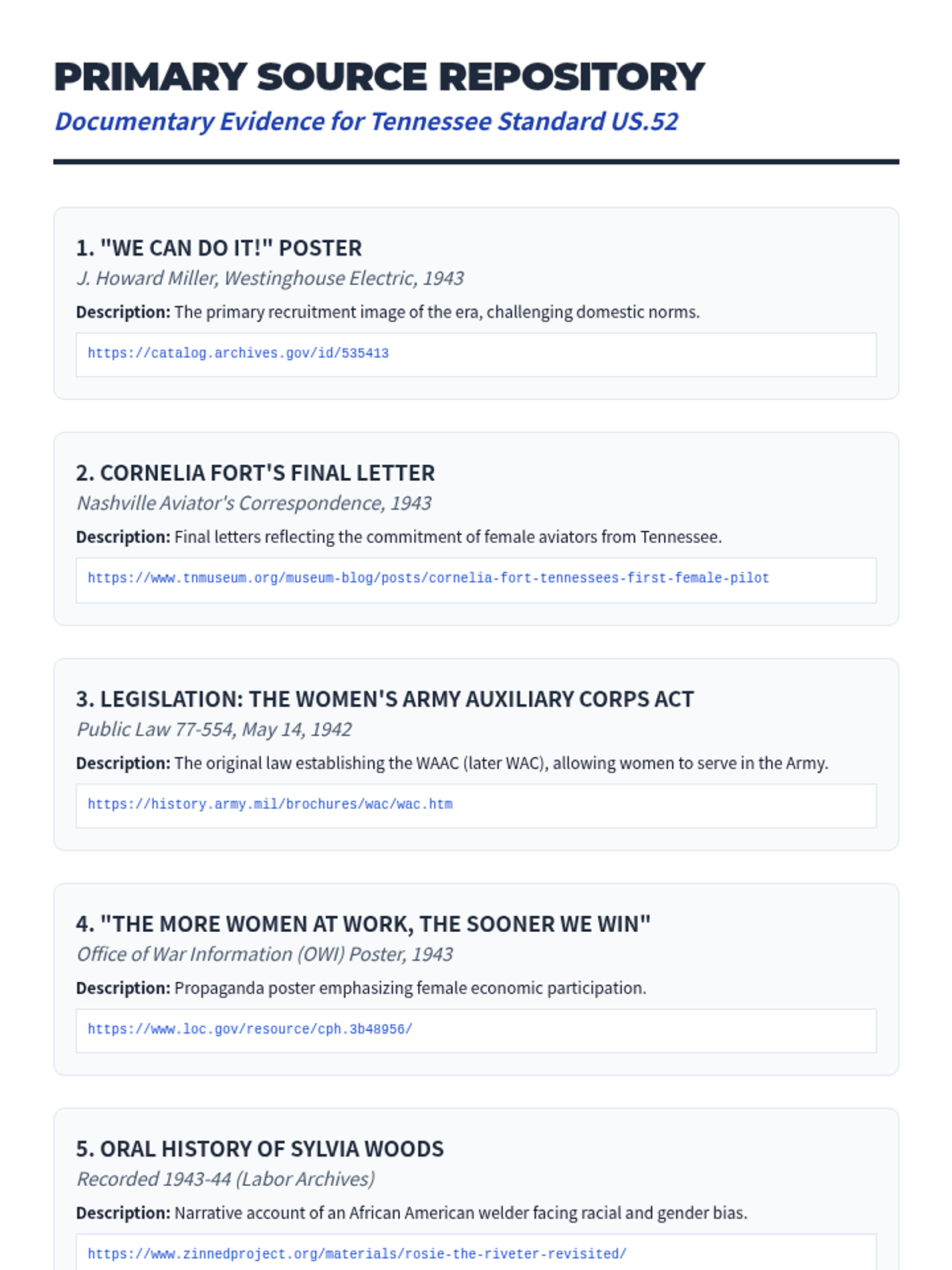
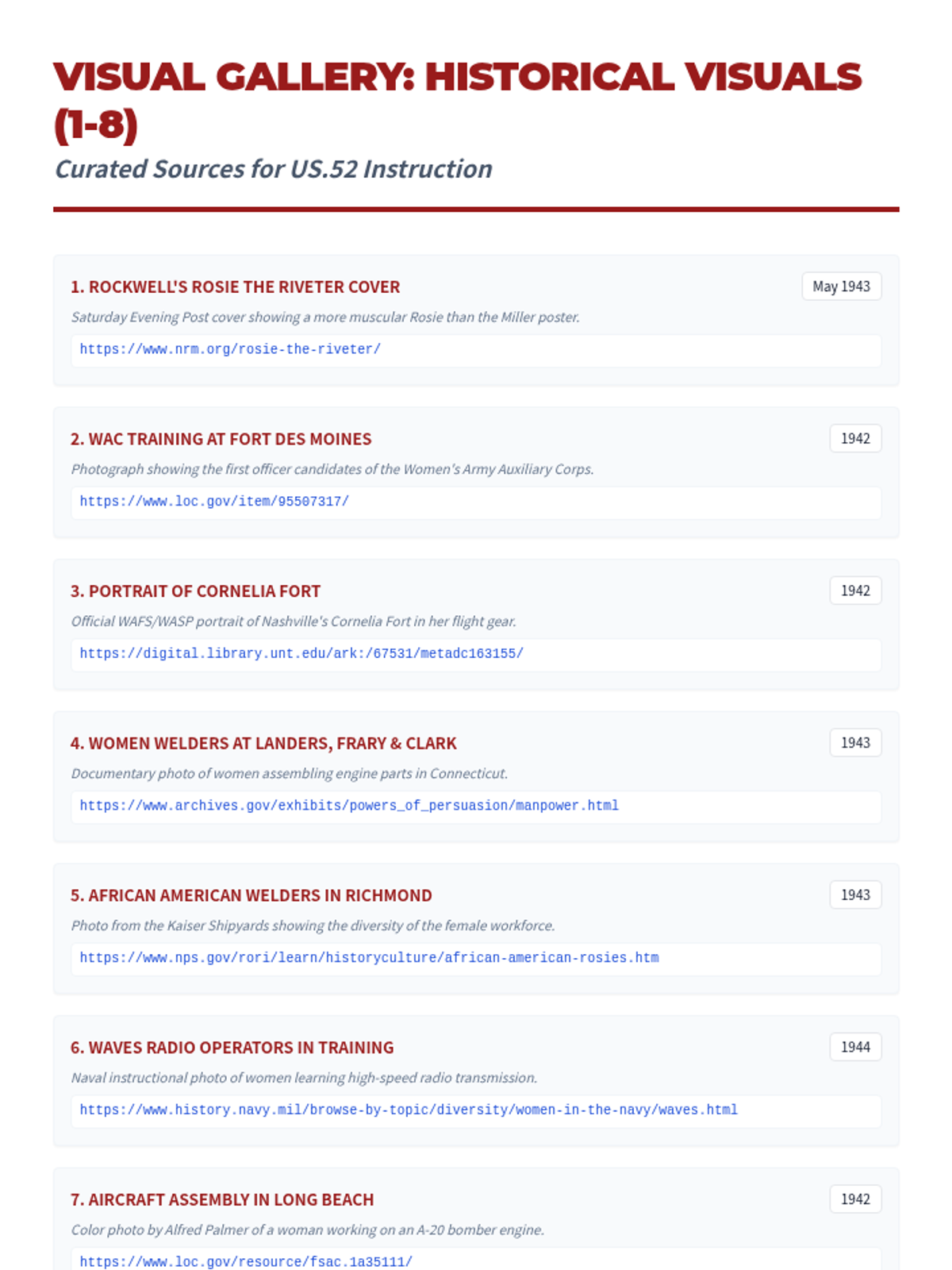
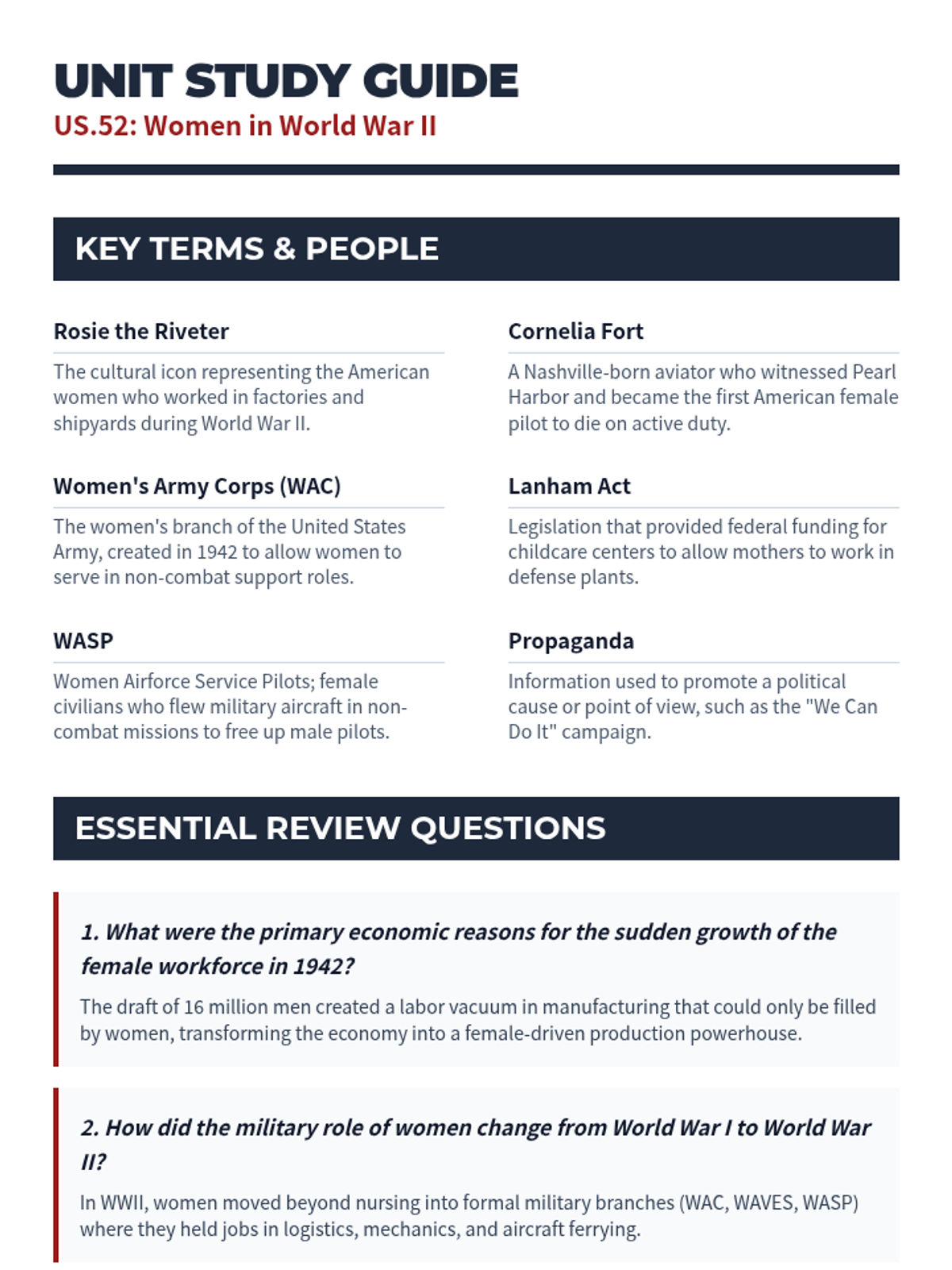
A comprehensive 35-minute lesson exploring the massive shift in American society as women entered the workforce and military during WWII, with a specific focus on Rosie the Riveter, Cornelia Fort, and the Women's Army Corps.
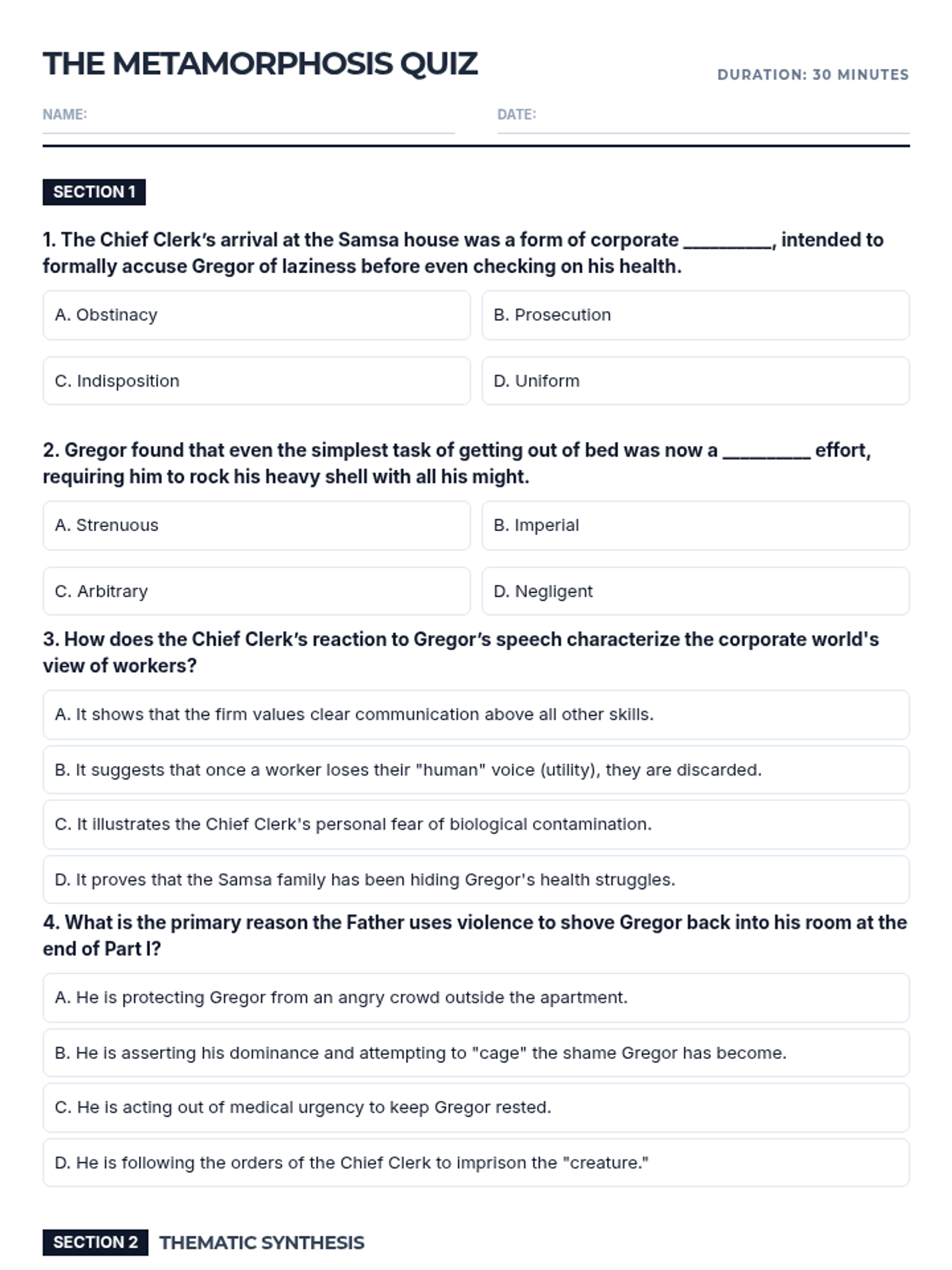
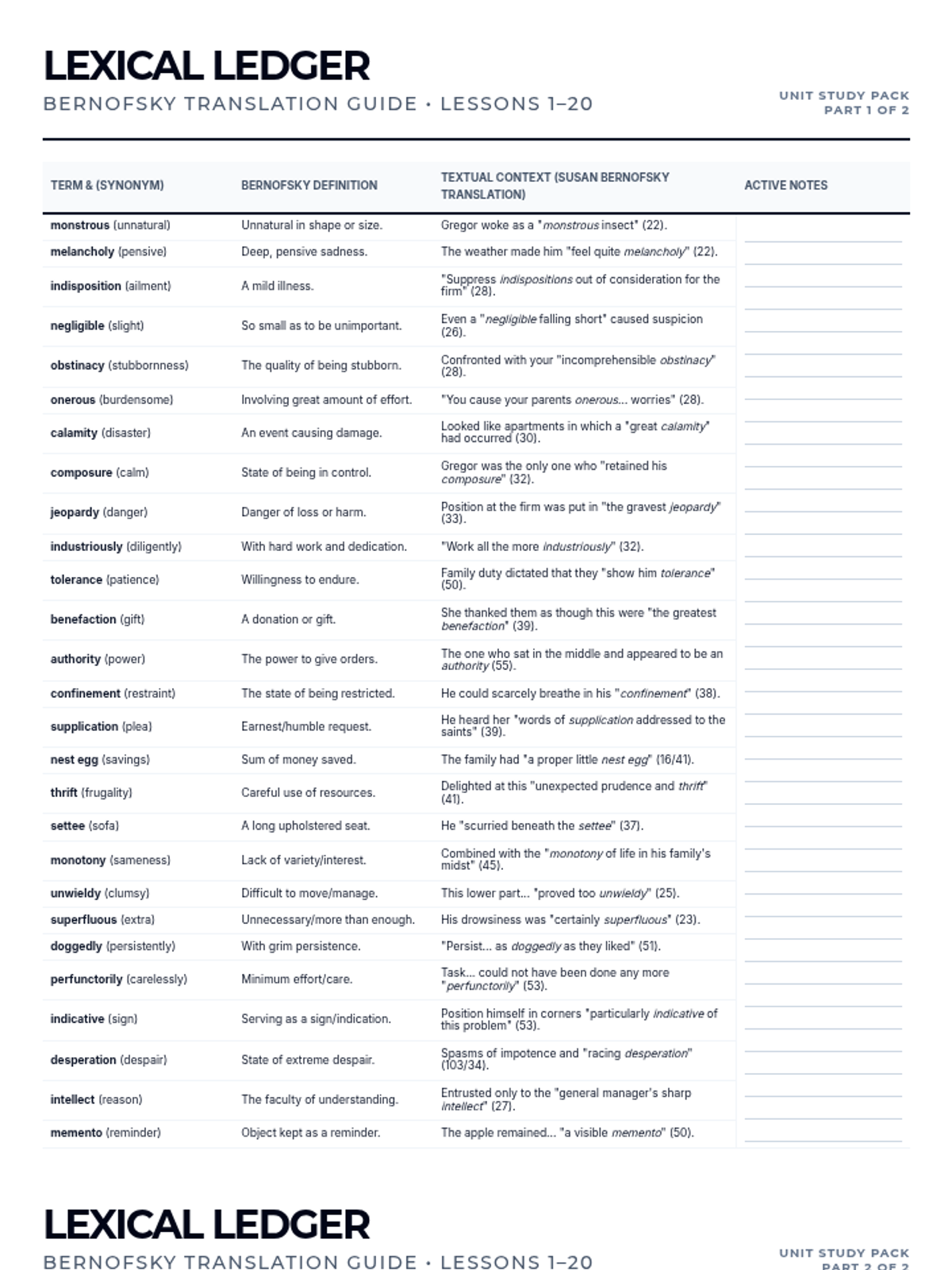
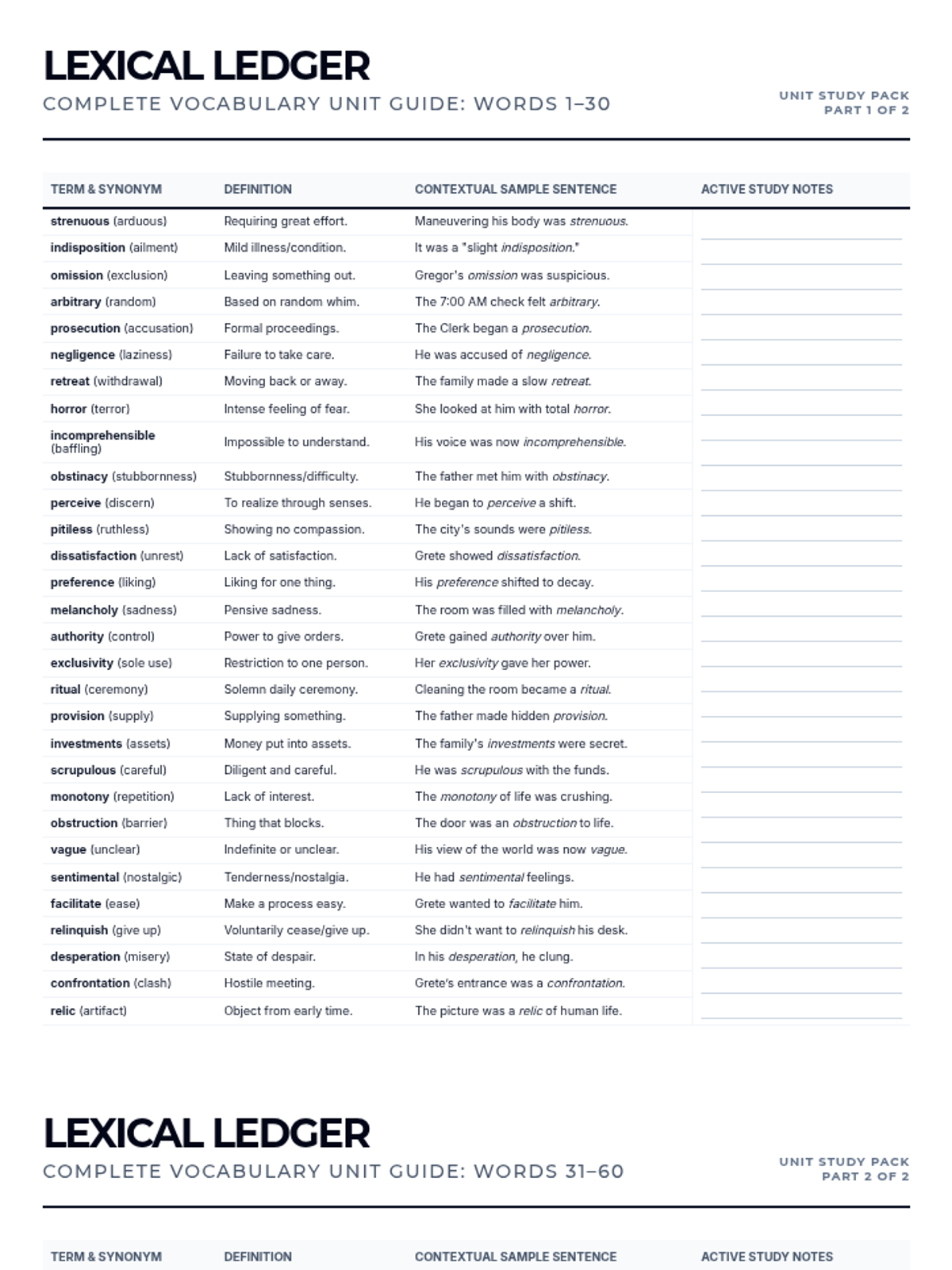
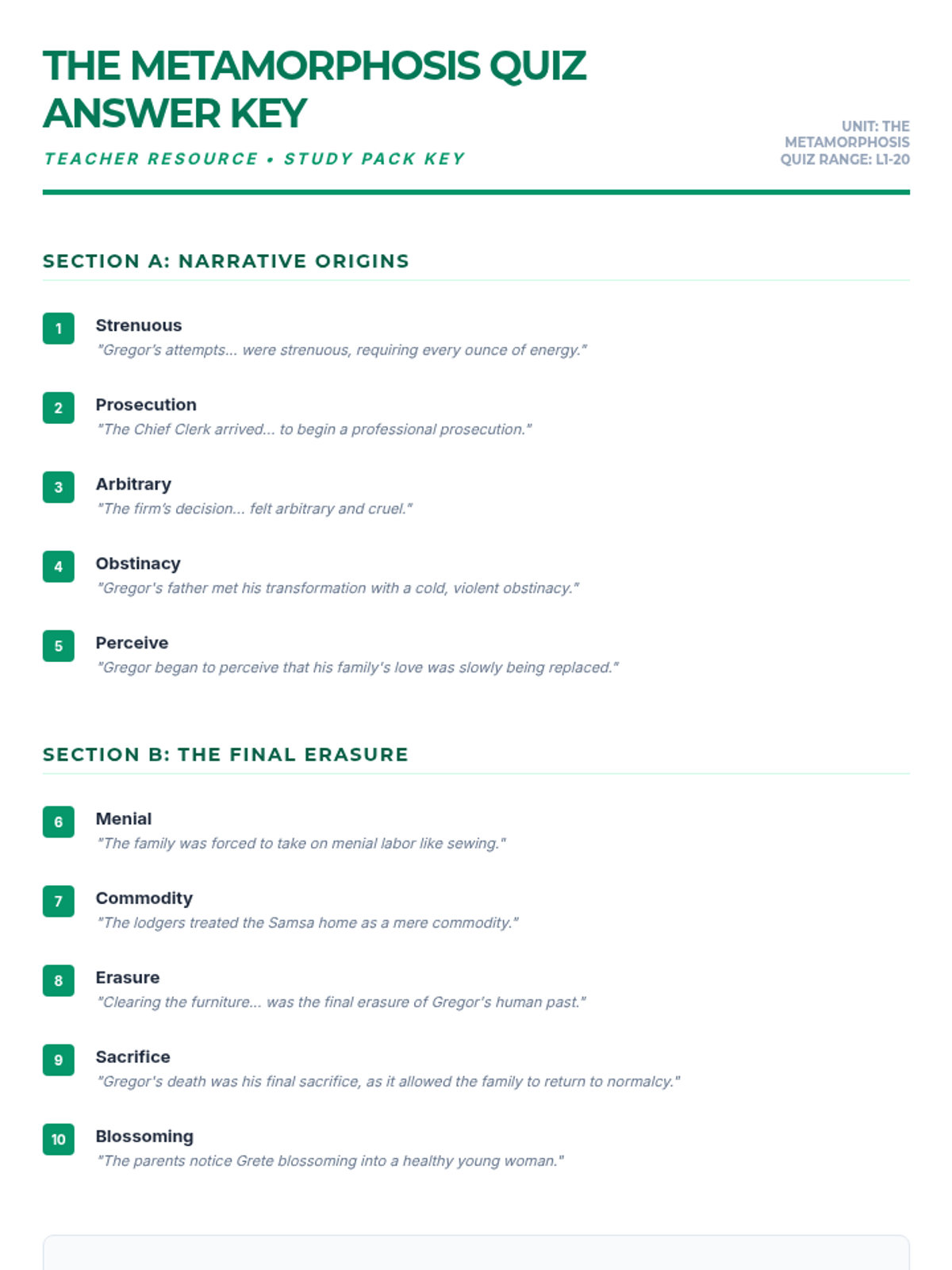
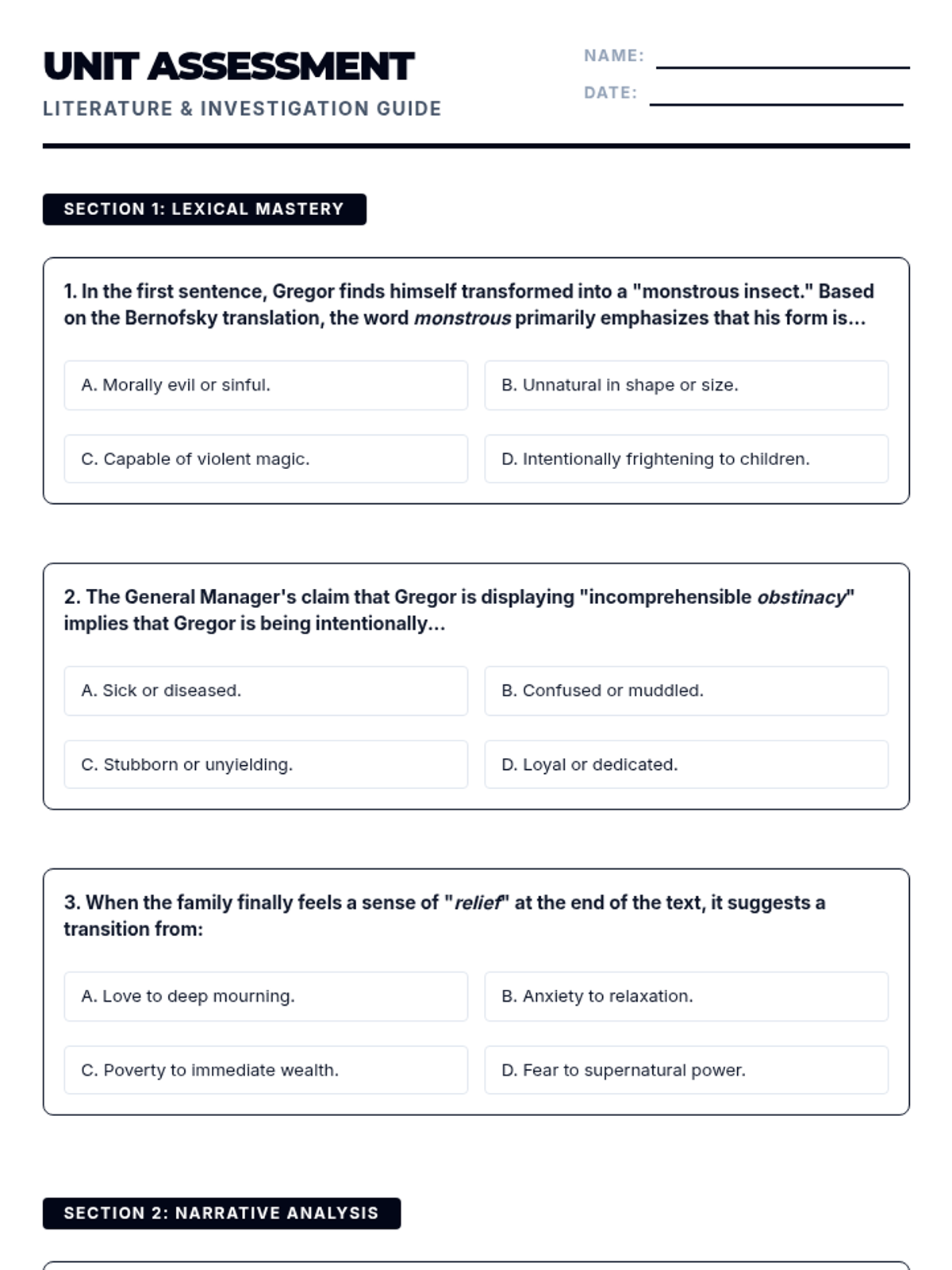
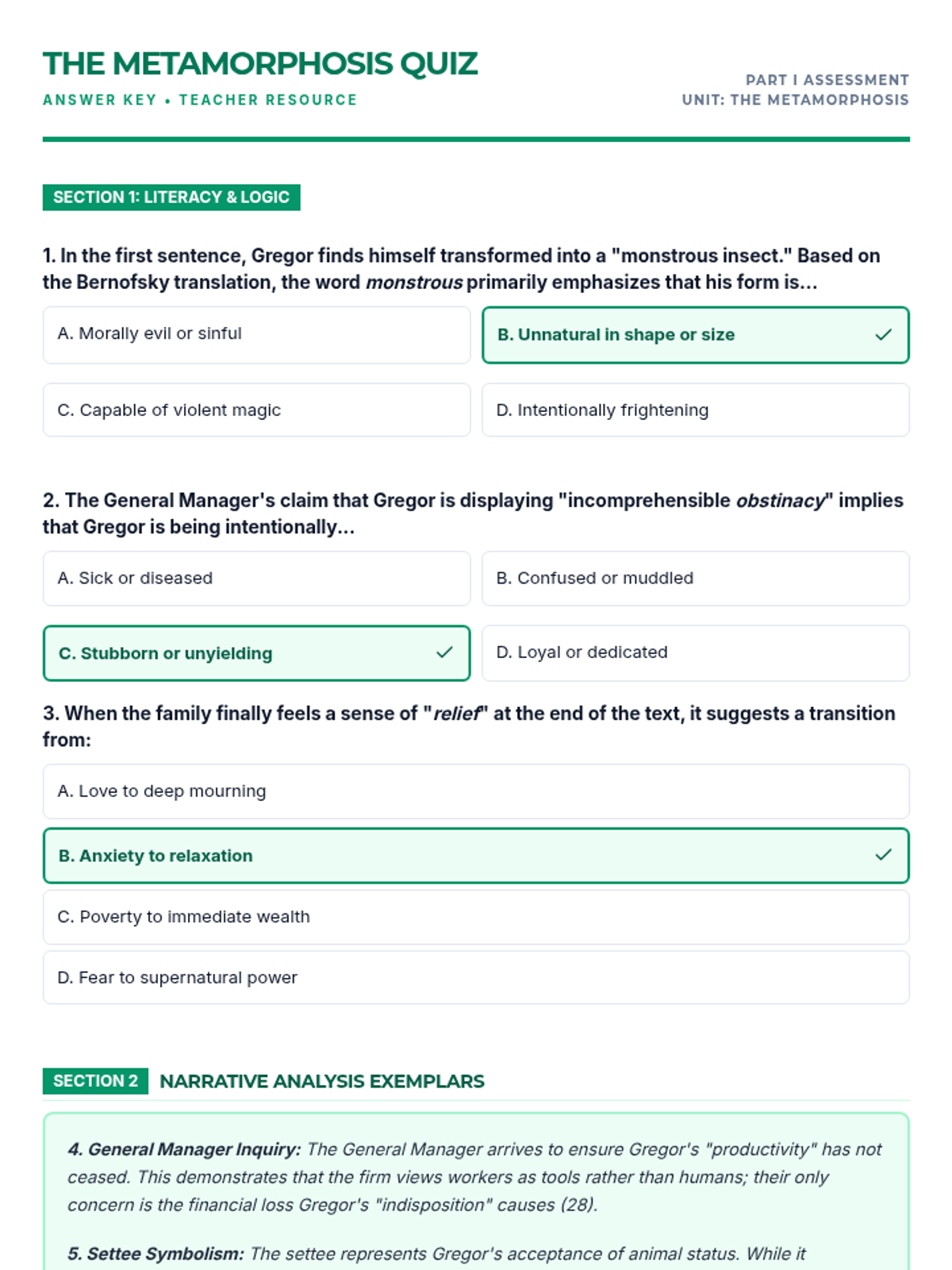
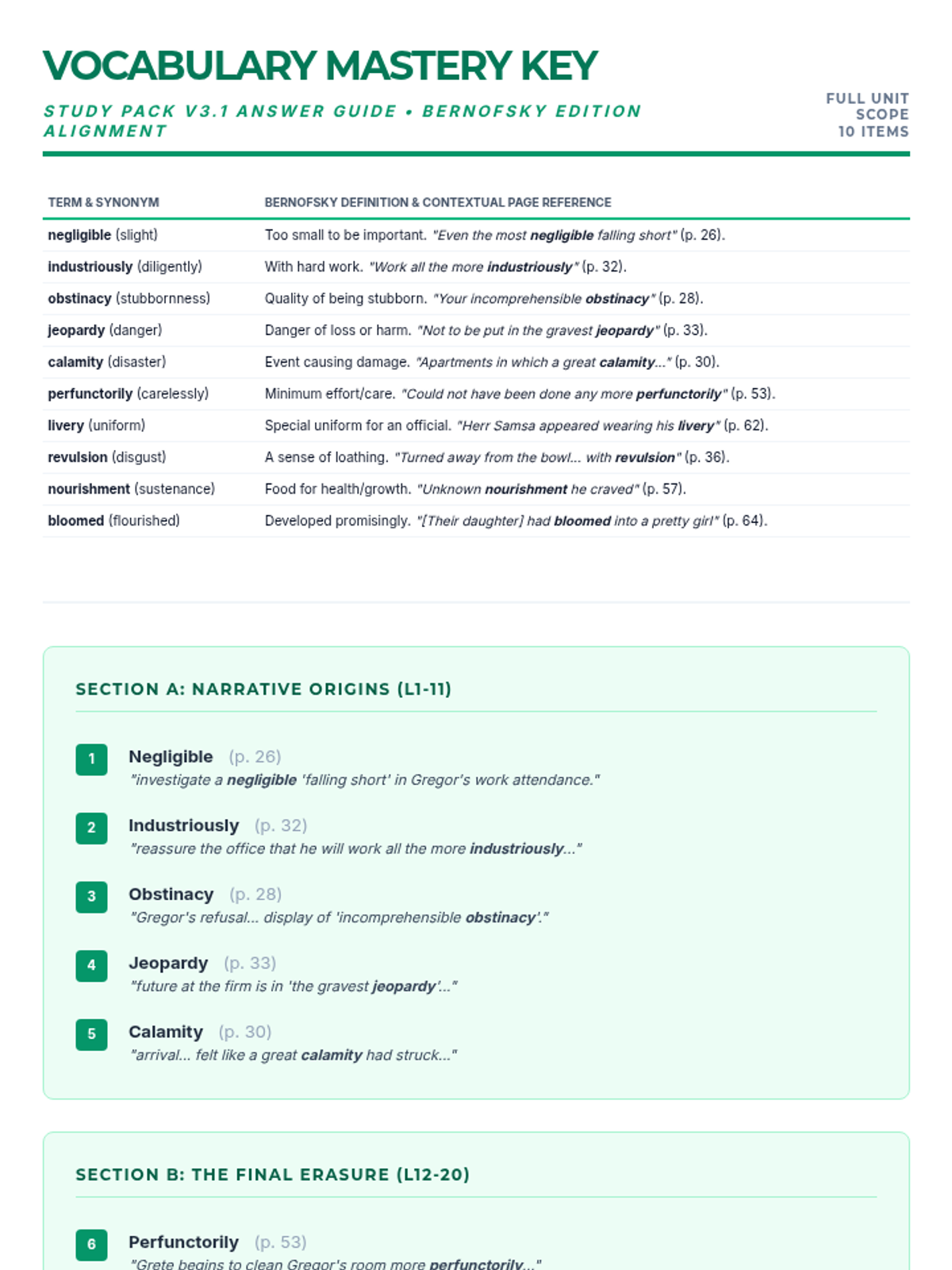
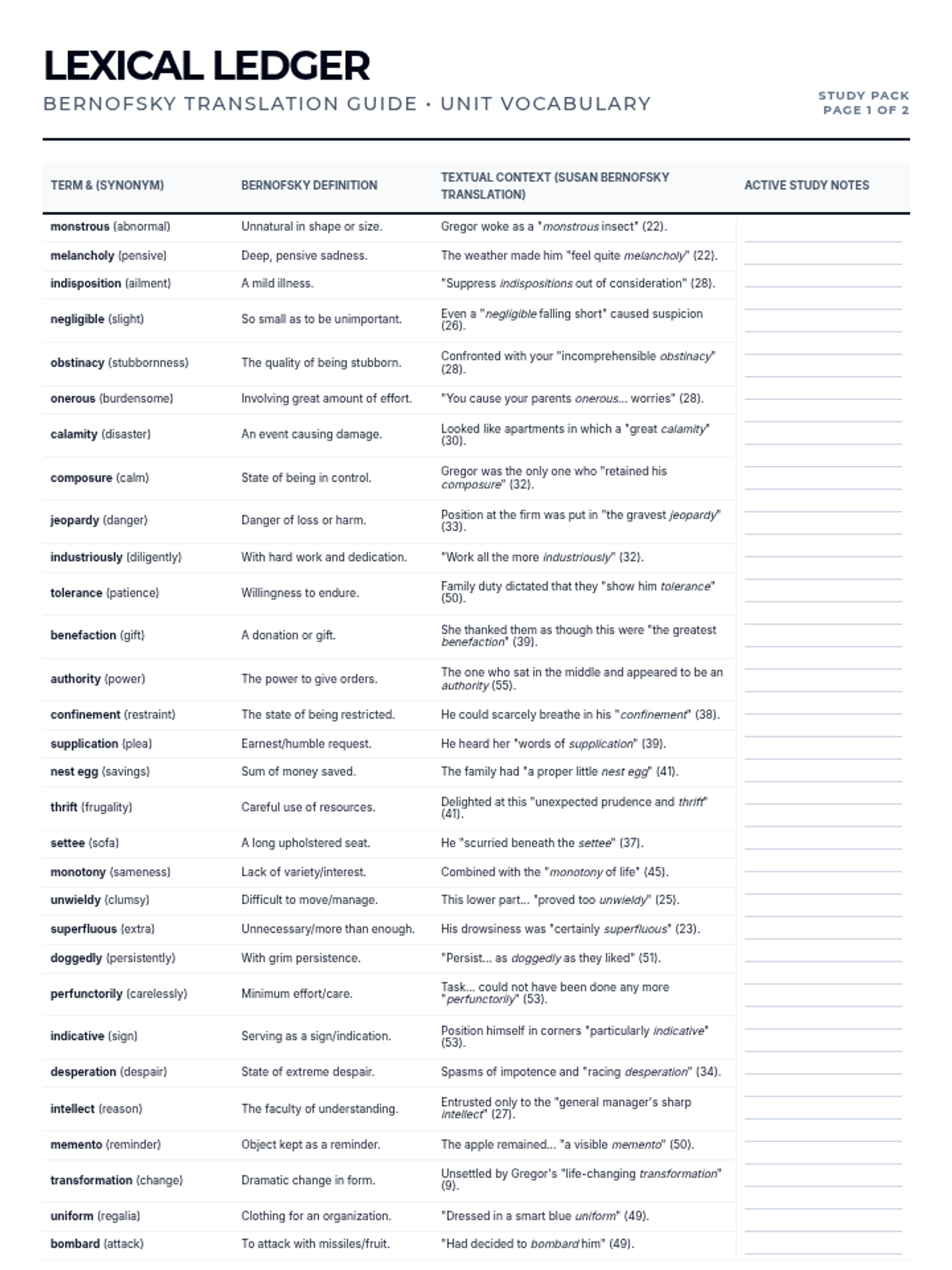
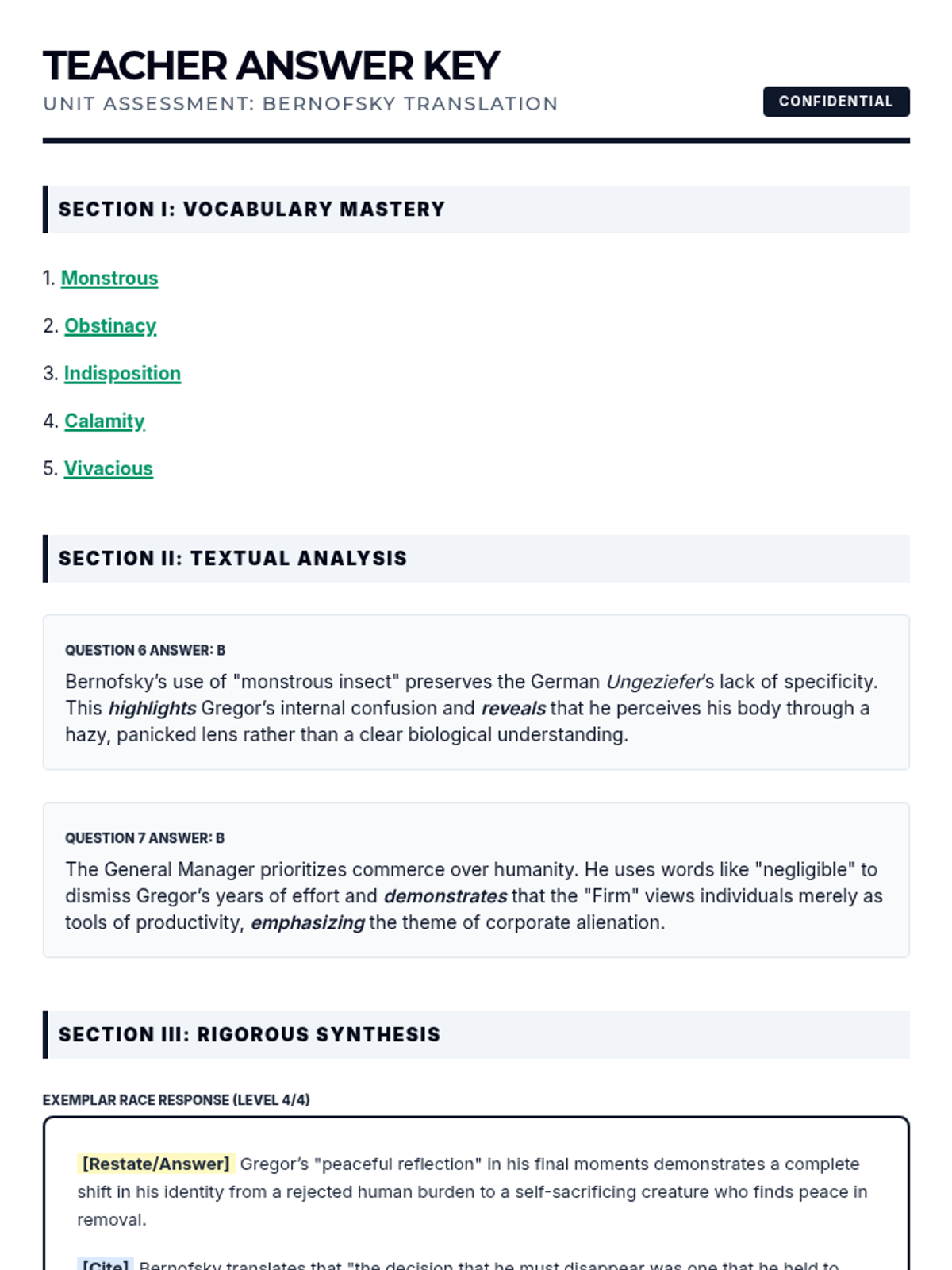
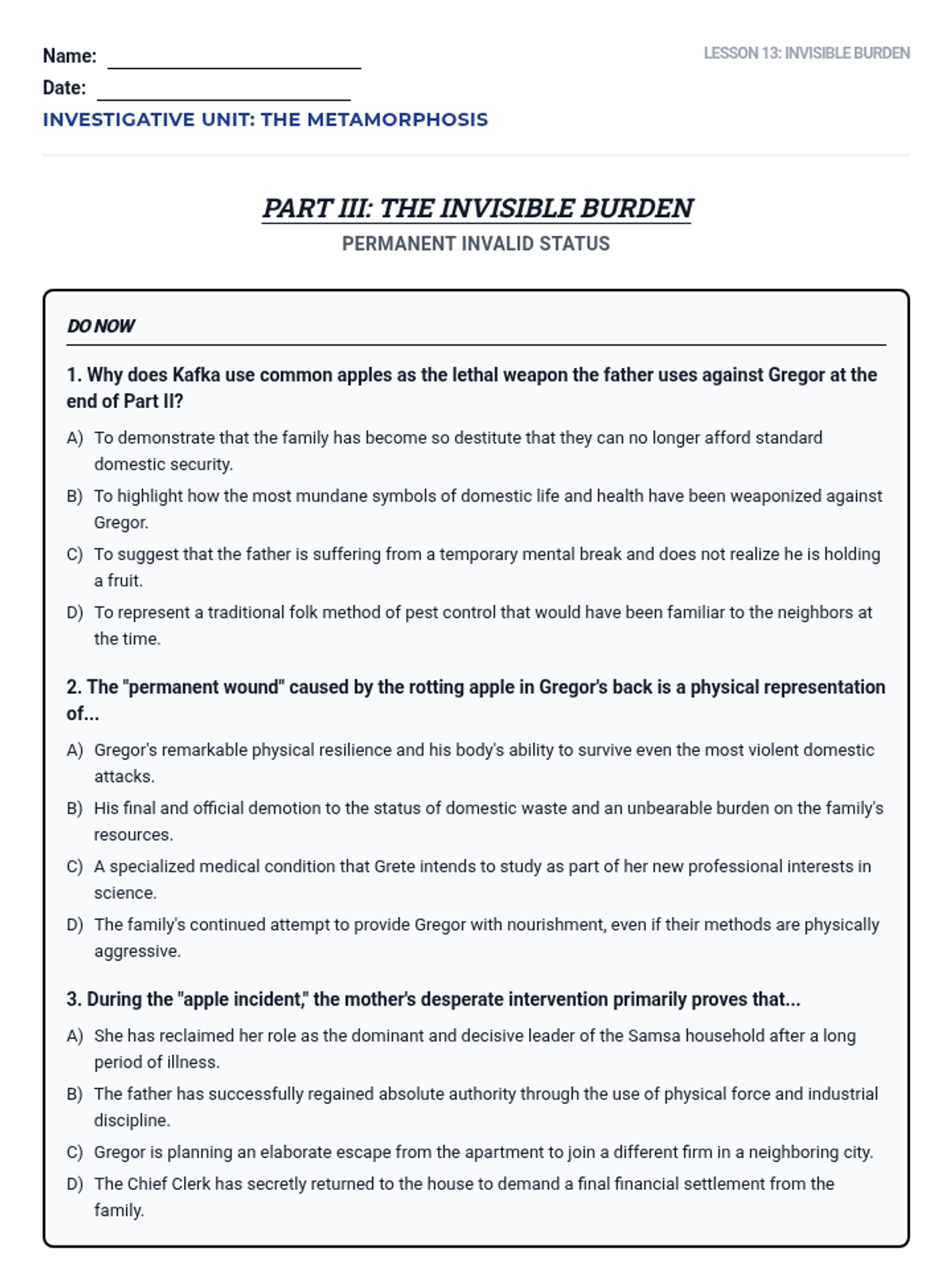
A summative assessment for the first third of the novel. Evaluates student mastery of vocabulary from Lessons 1-11, character motivation, and the central theme of corporate alienation through a mix of multiple choice, short answer, and a rigorous RACE response.
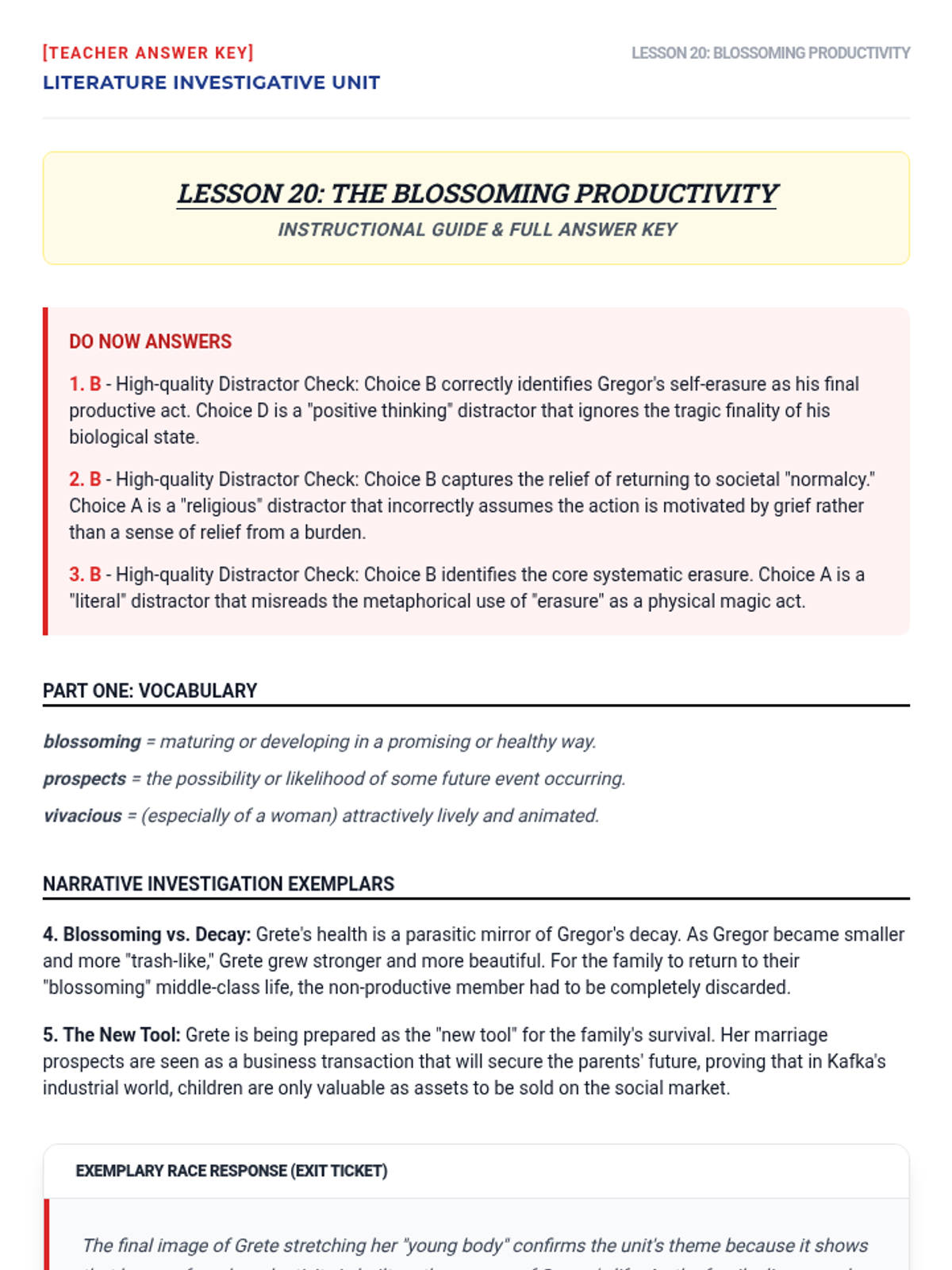
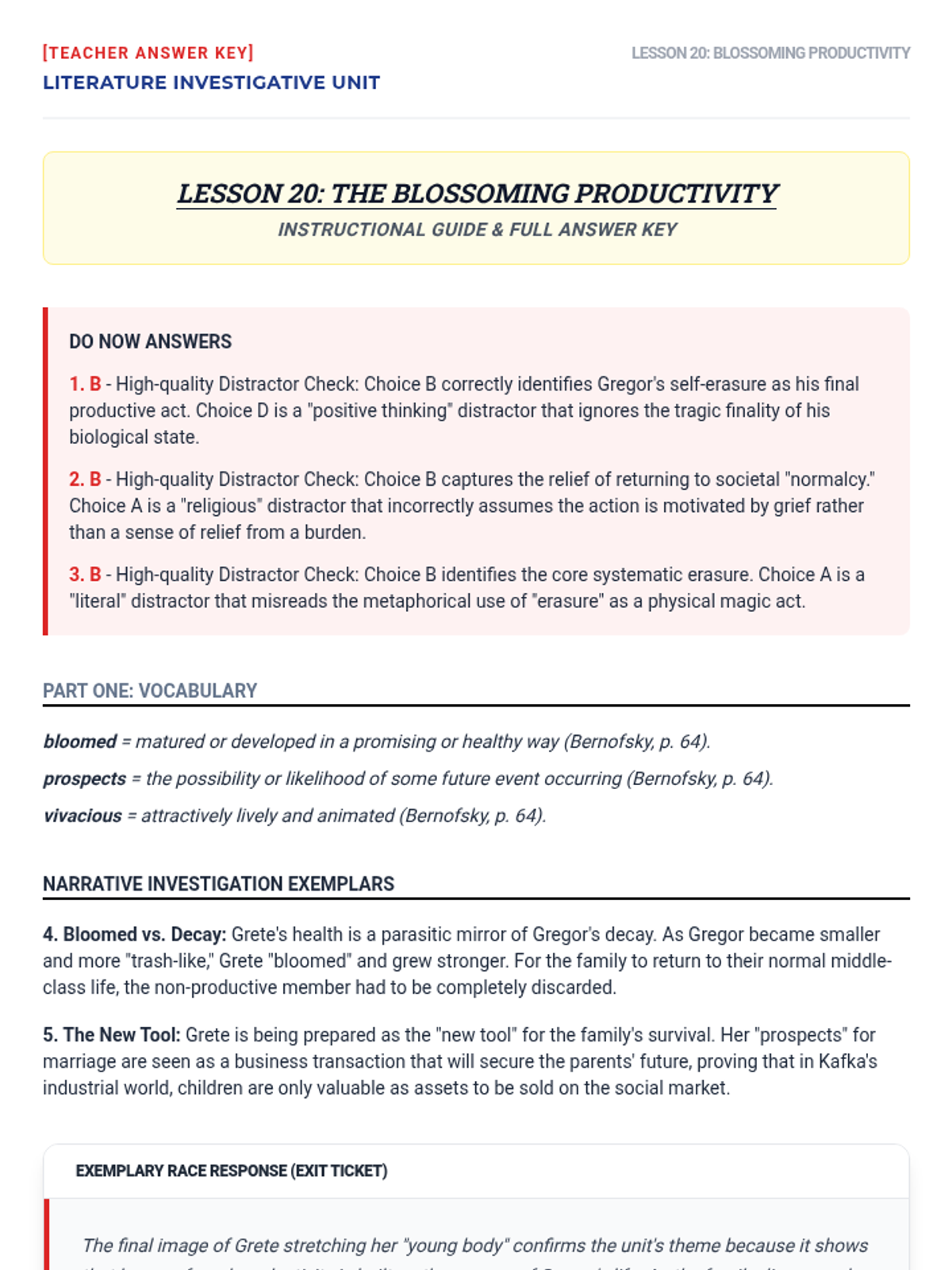
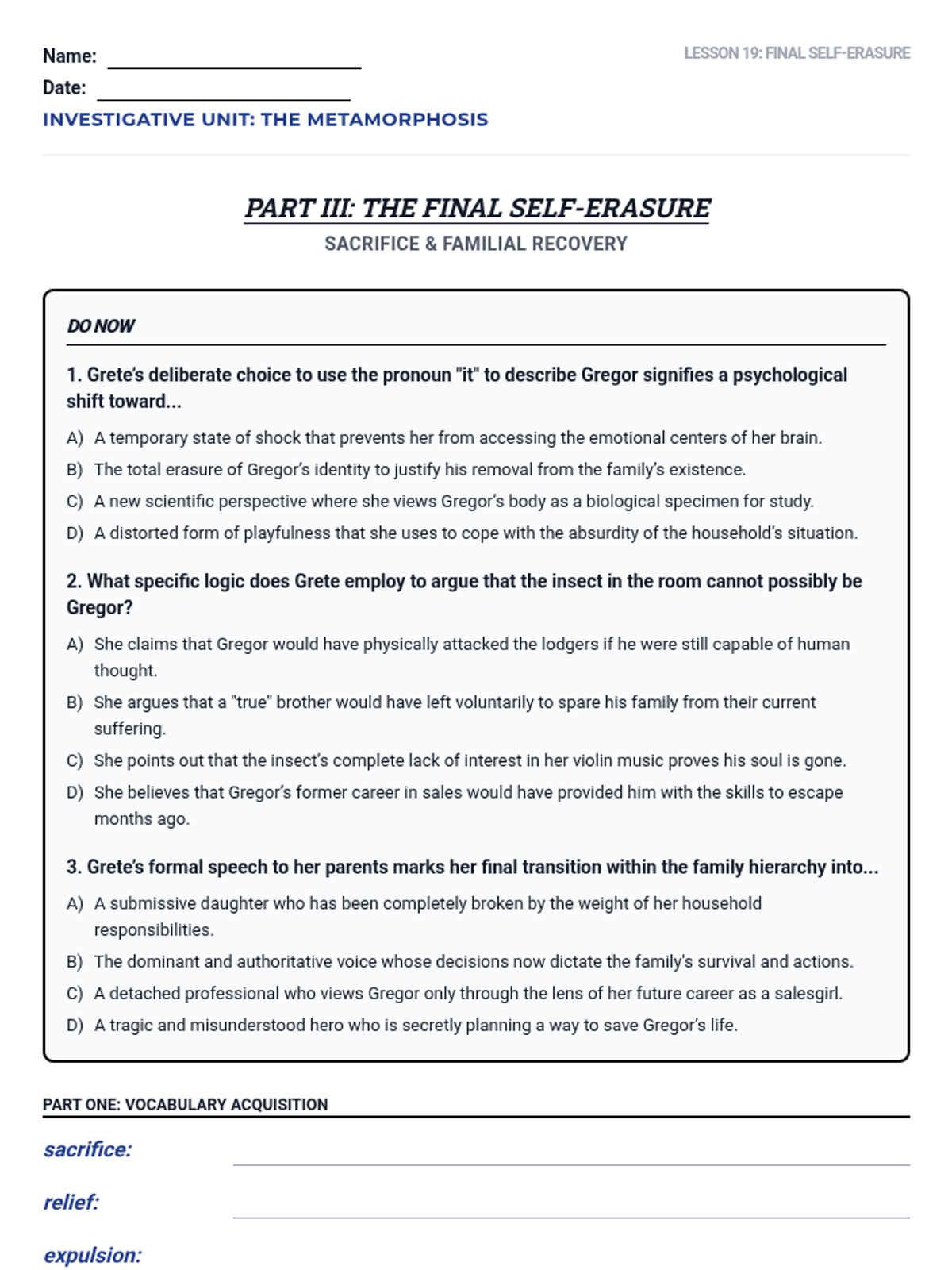
The family's recovery and the transition to a new source of productivity (Grete). Synthesis of the unit's themes.
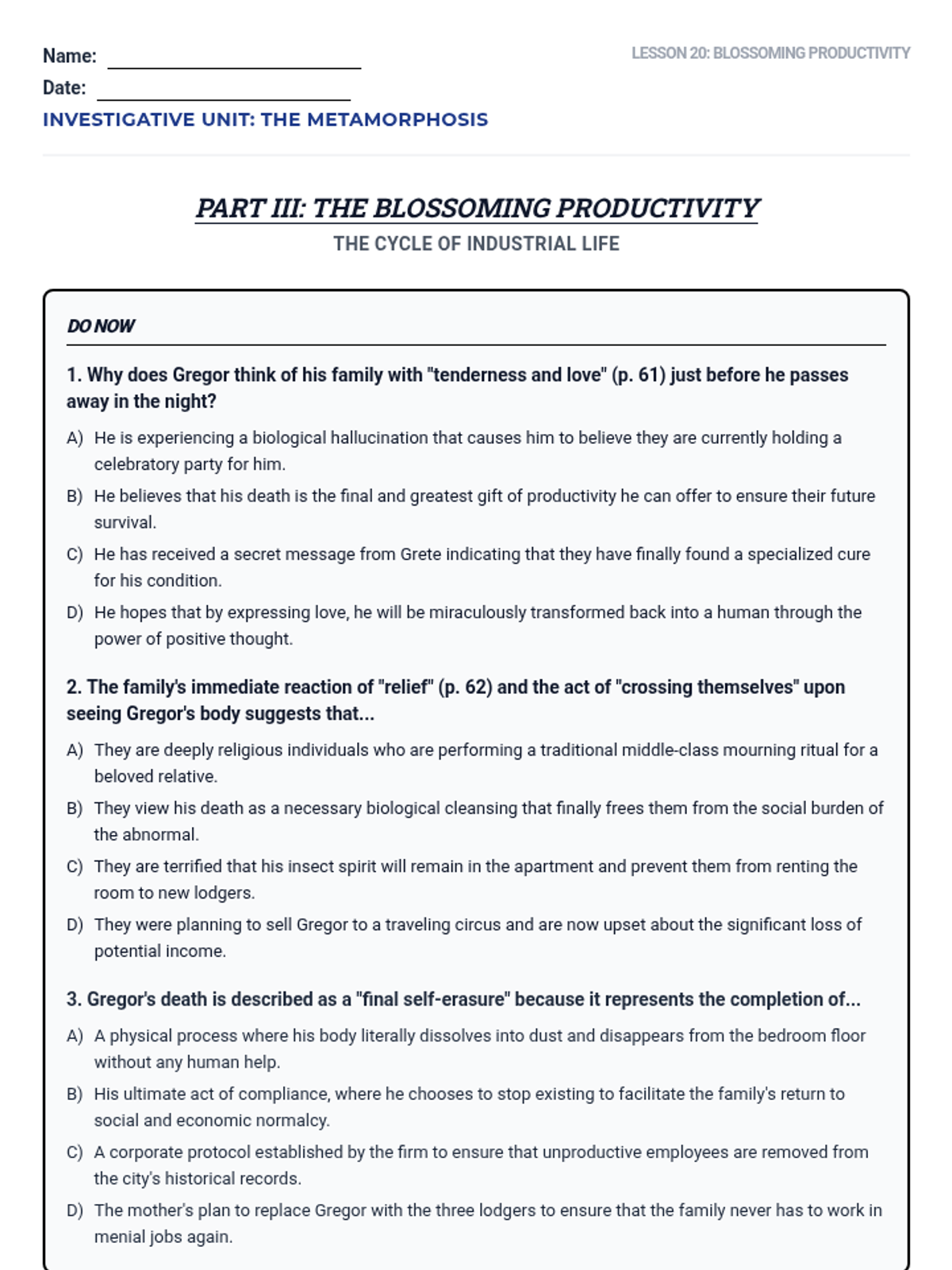
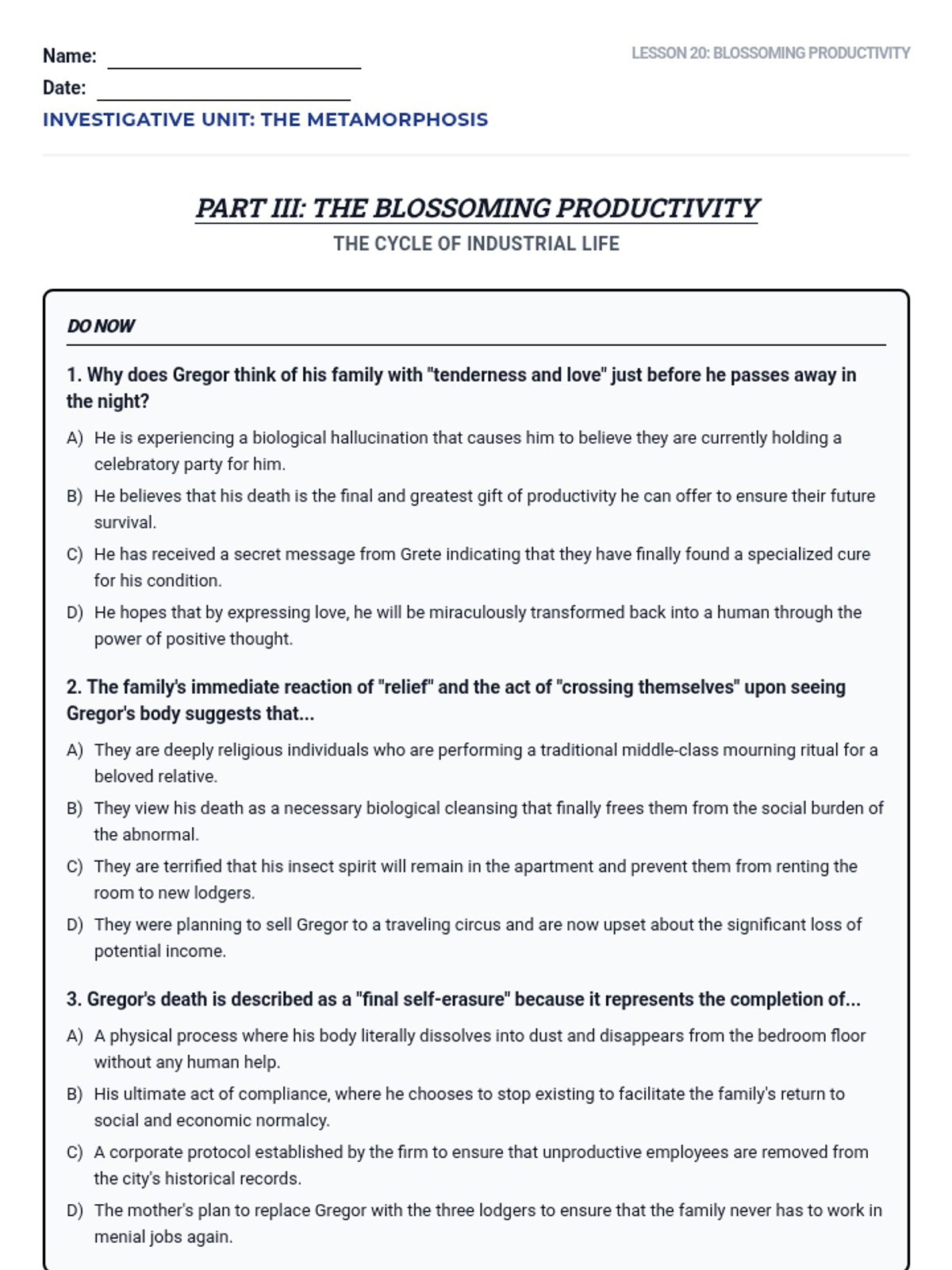
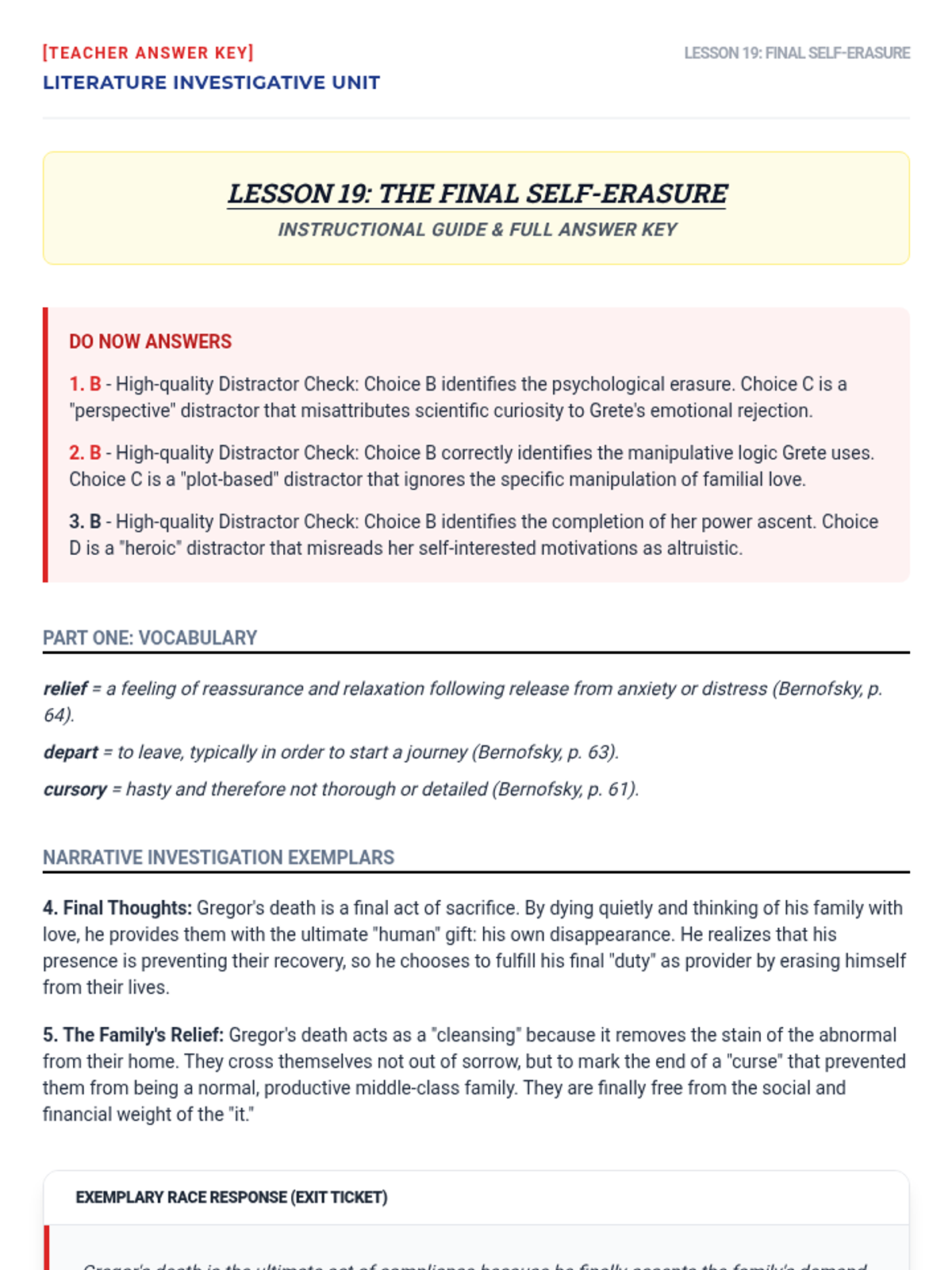
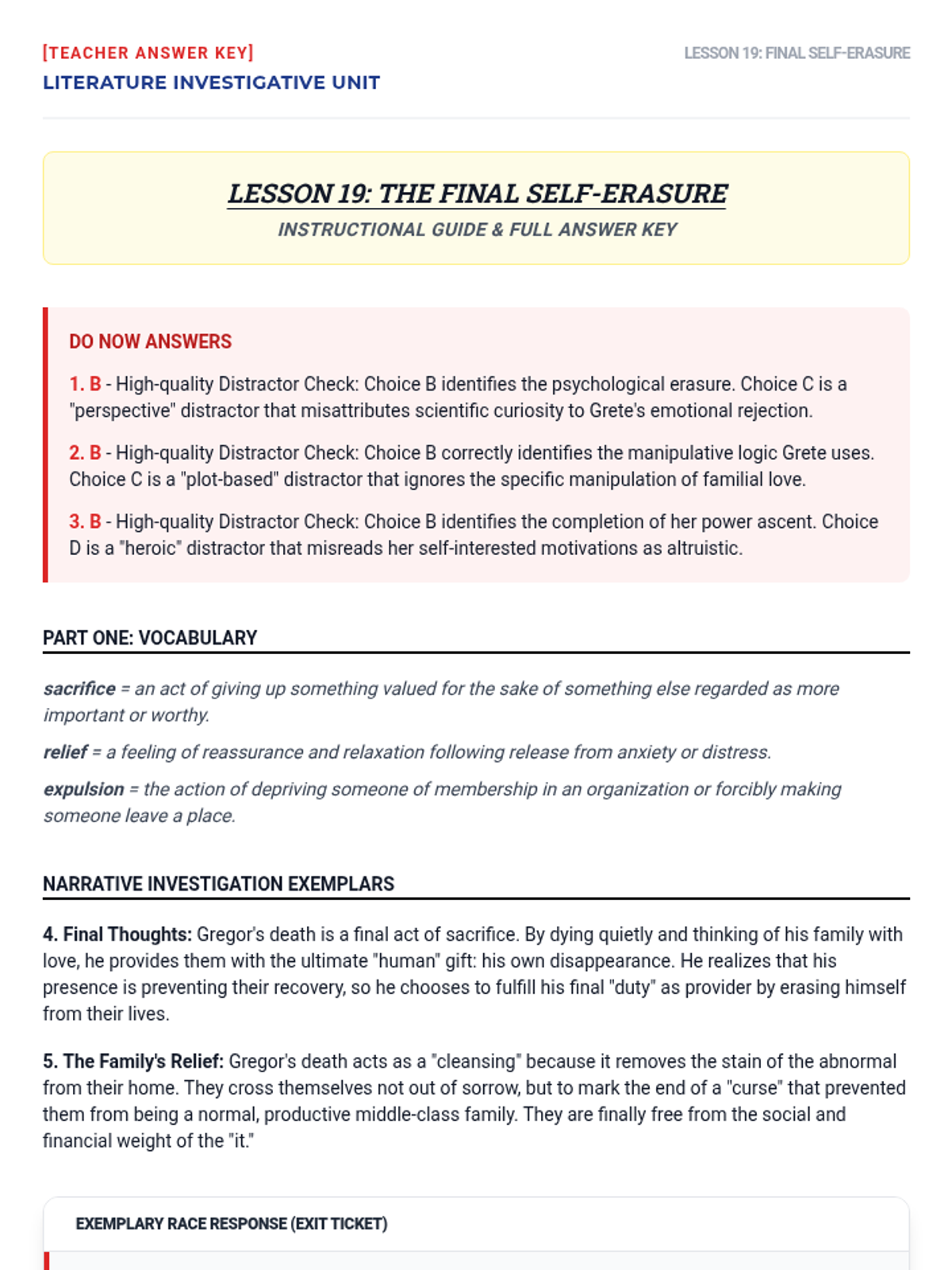
Gregor's death and self-sacrifice. Analysis of the relief of the family and the 'cleansing' of the home.
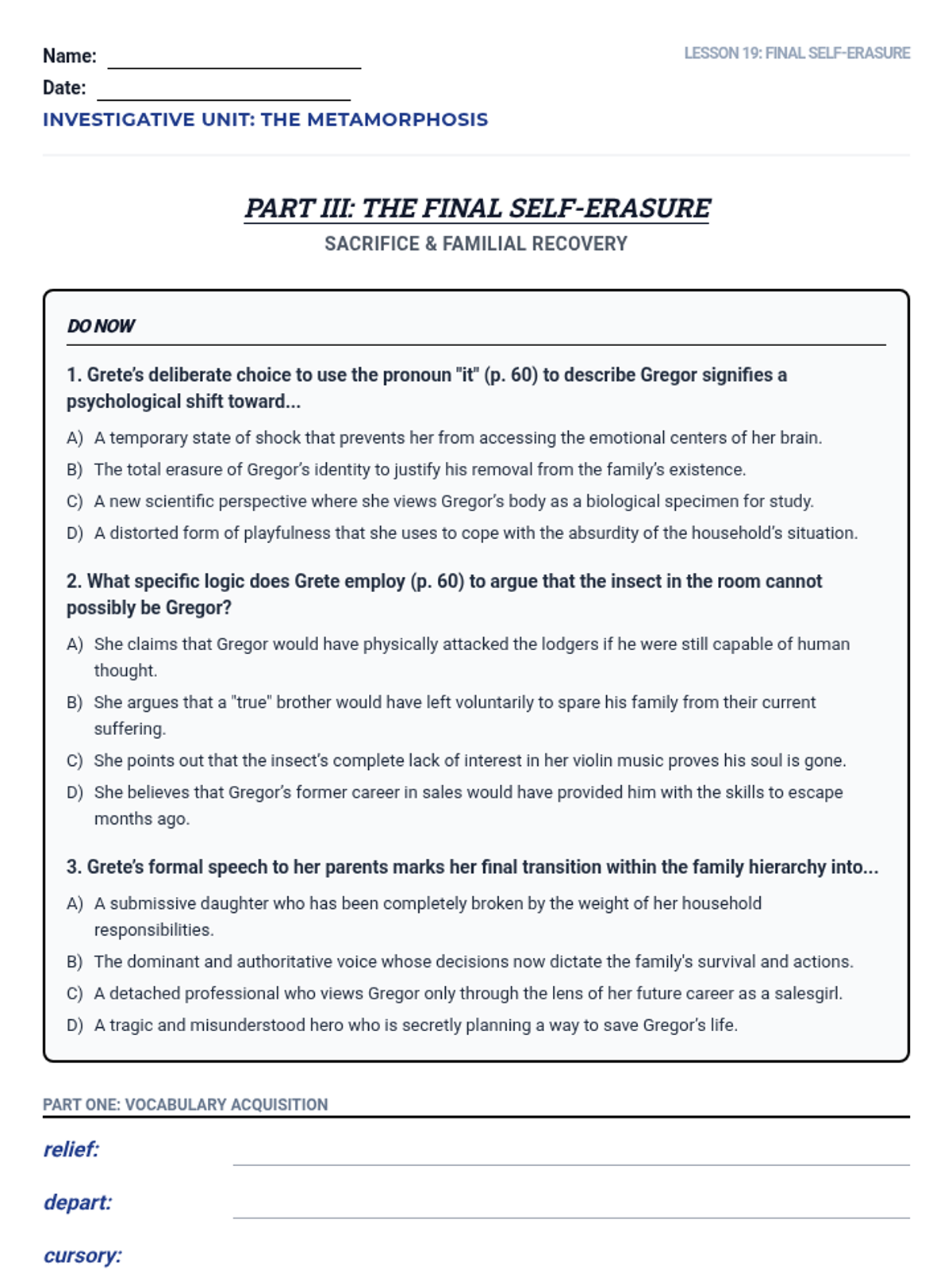
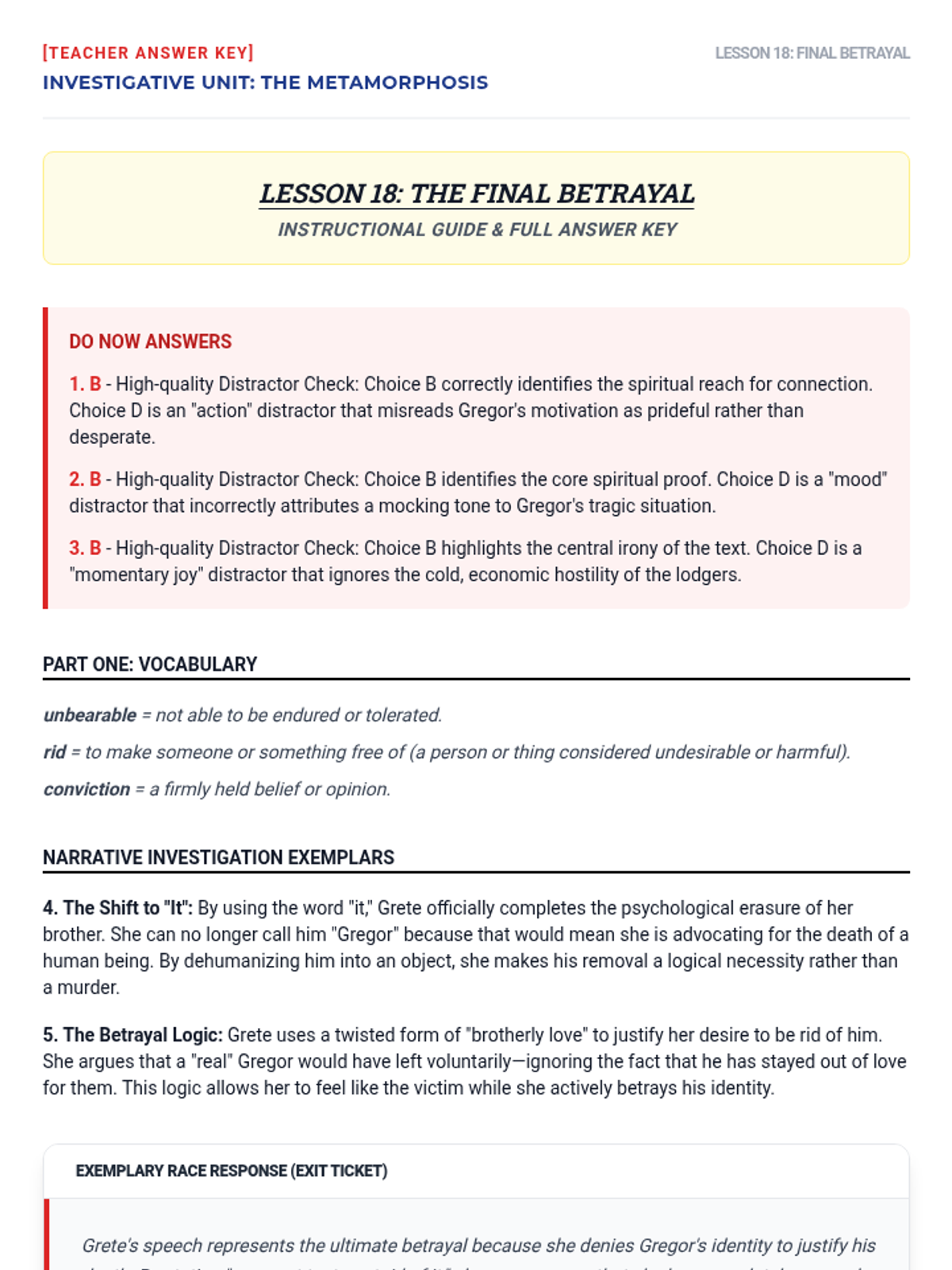
Grete's formal rejection of Gregor's identity. Analysis of the shift from sibling love to the necessity of his removal.
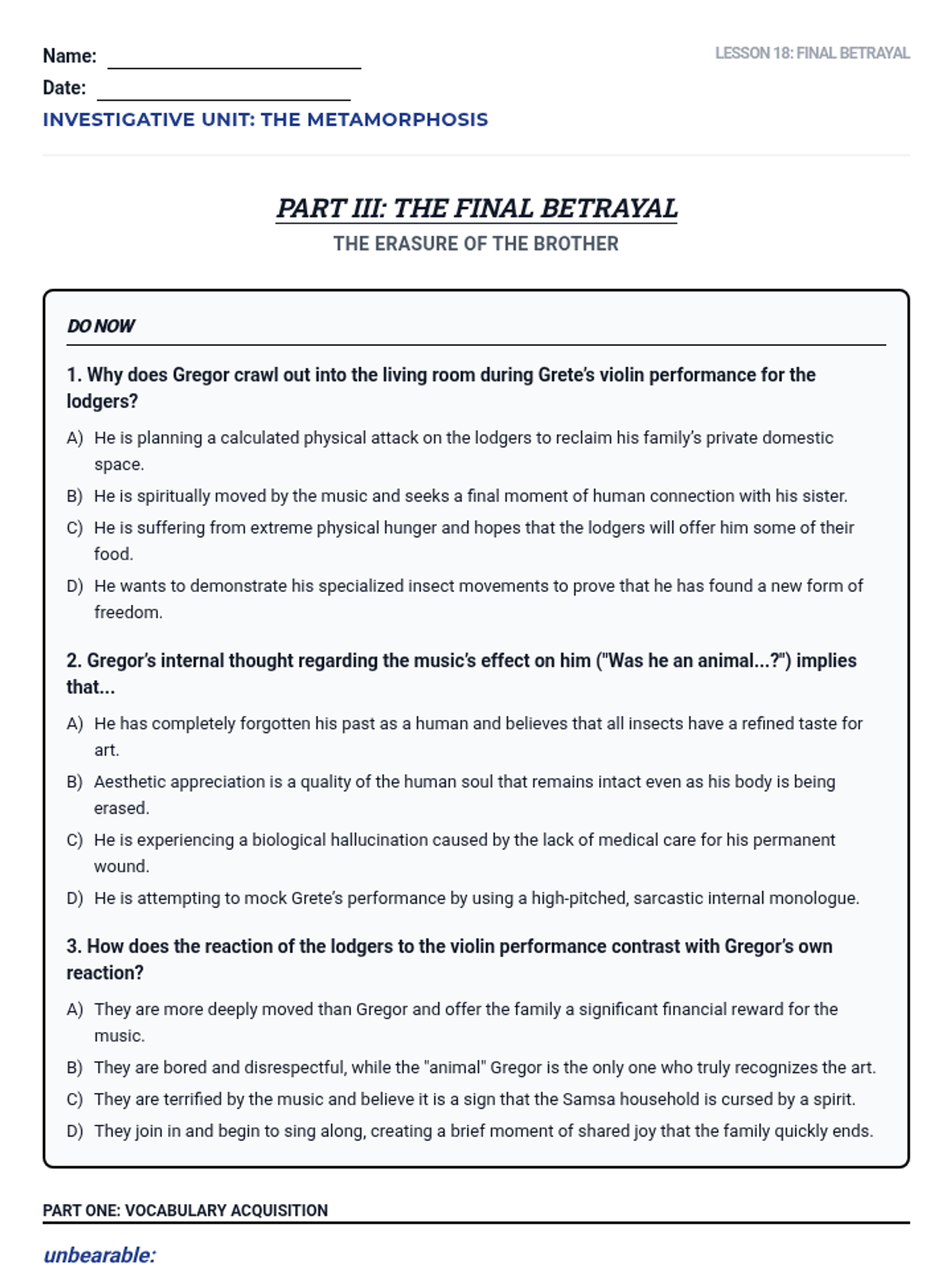
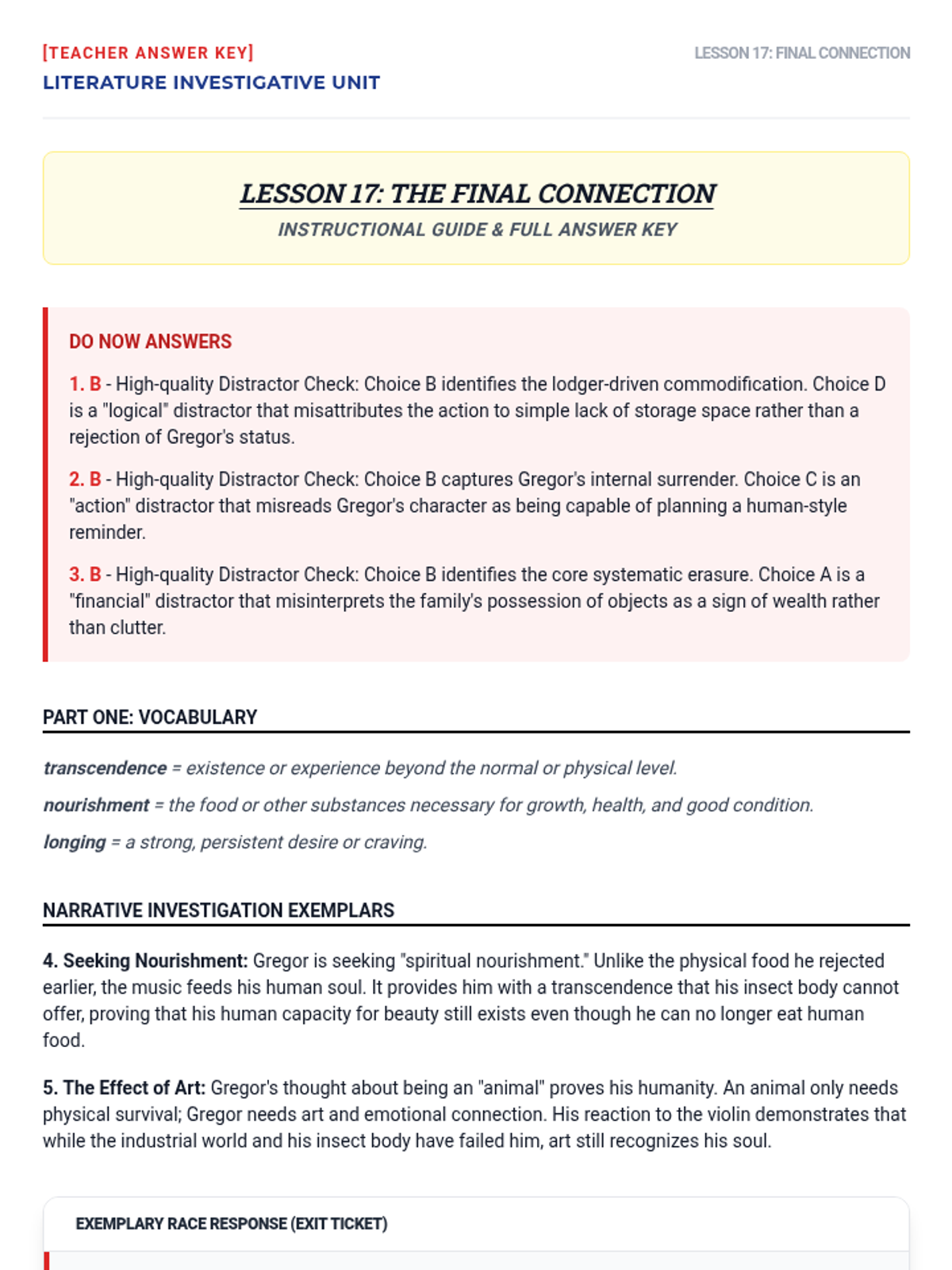
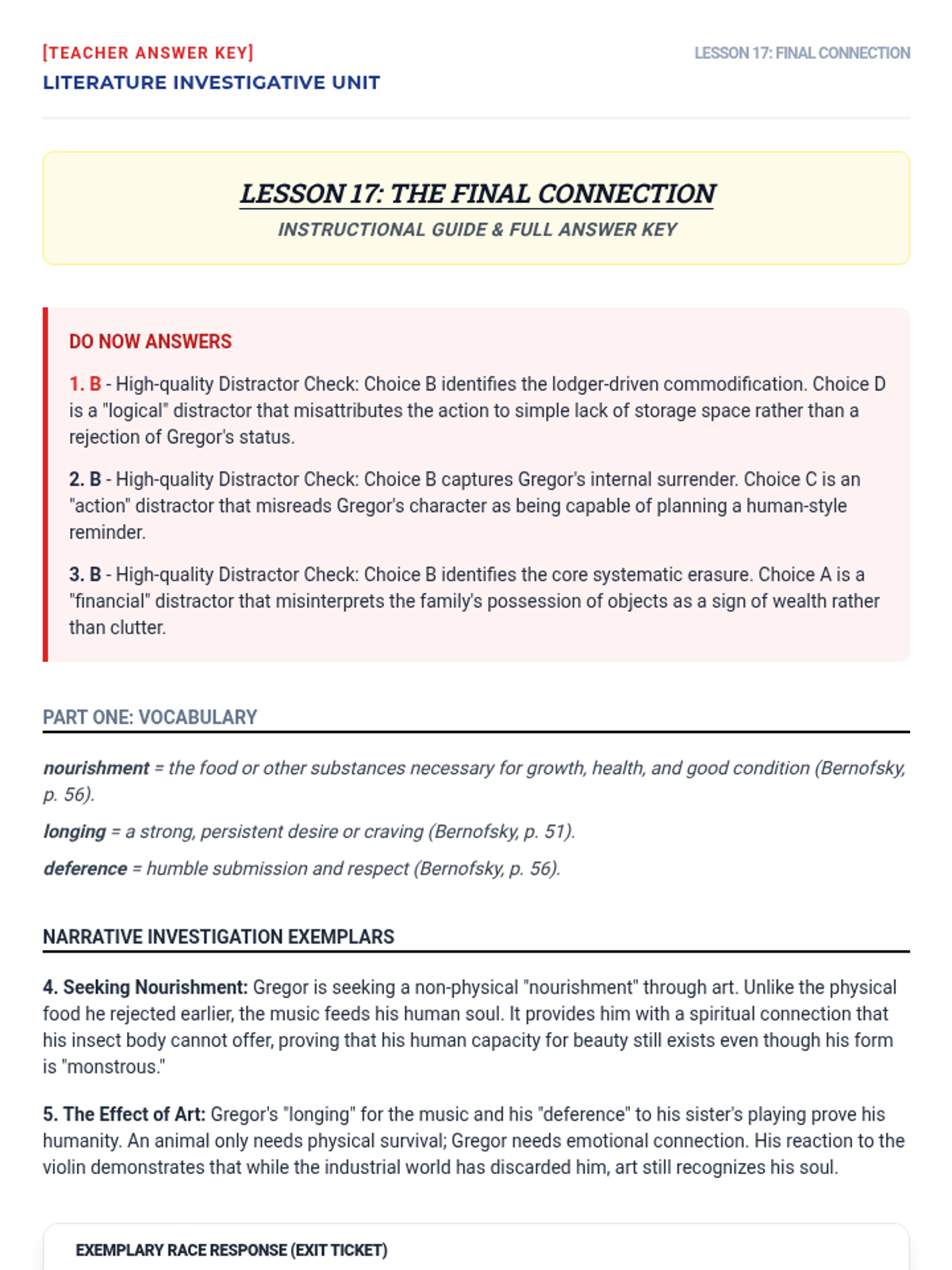
Gregor's reaction to Grete's violin performance. Themes of art, human connection, and the final reach for his human spirit.
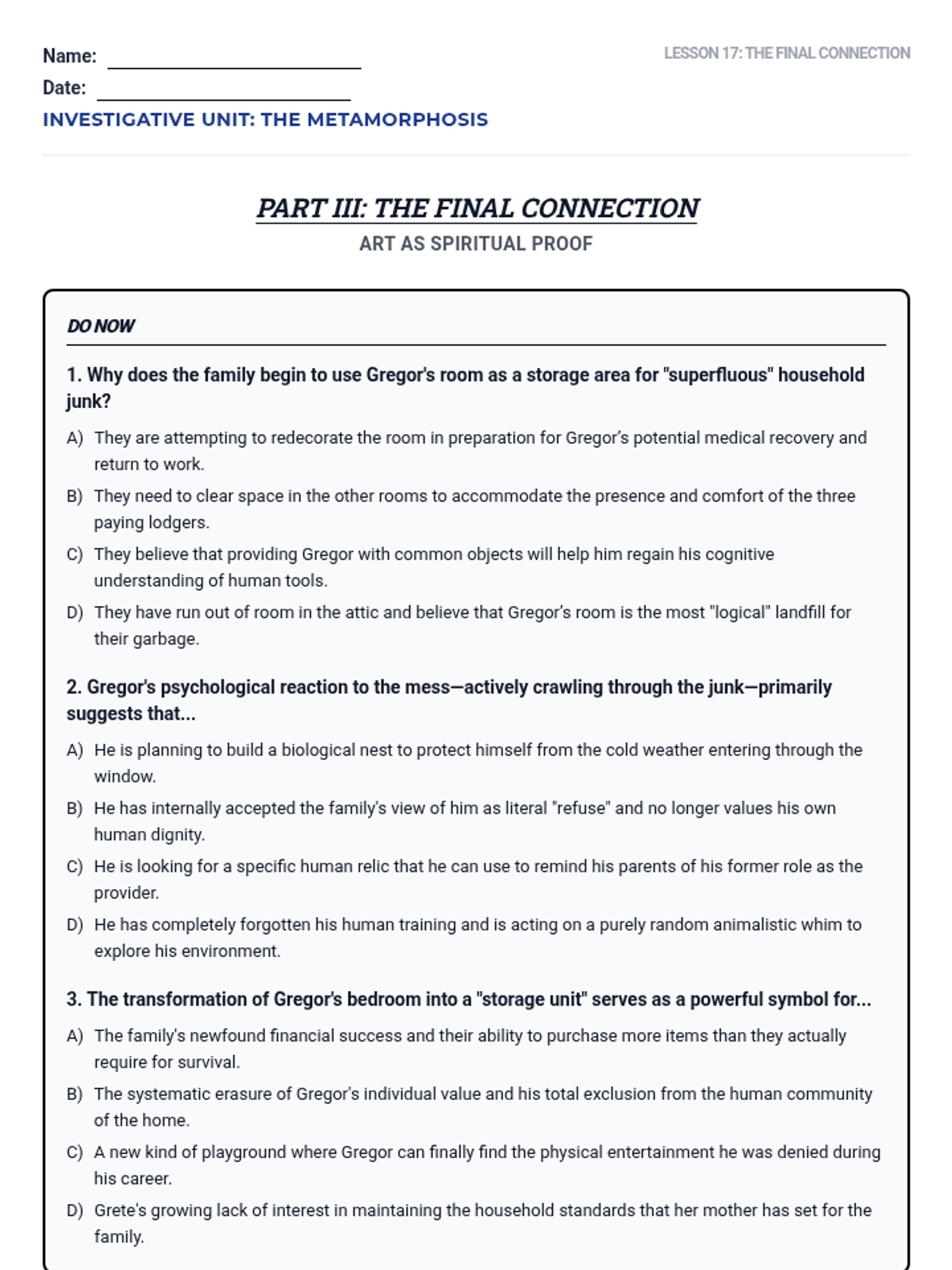
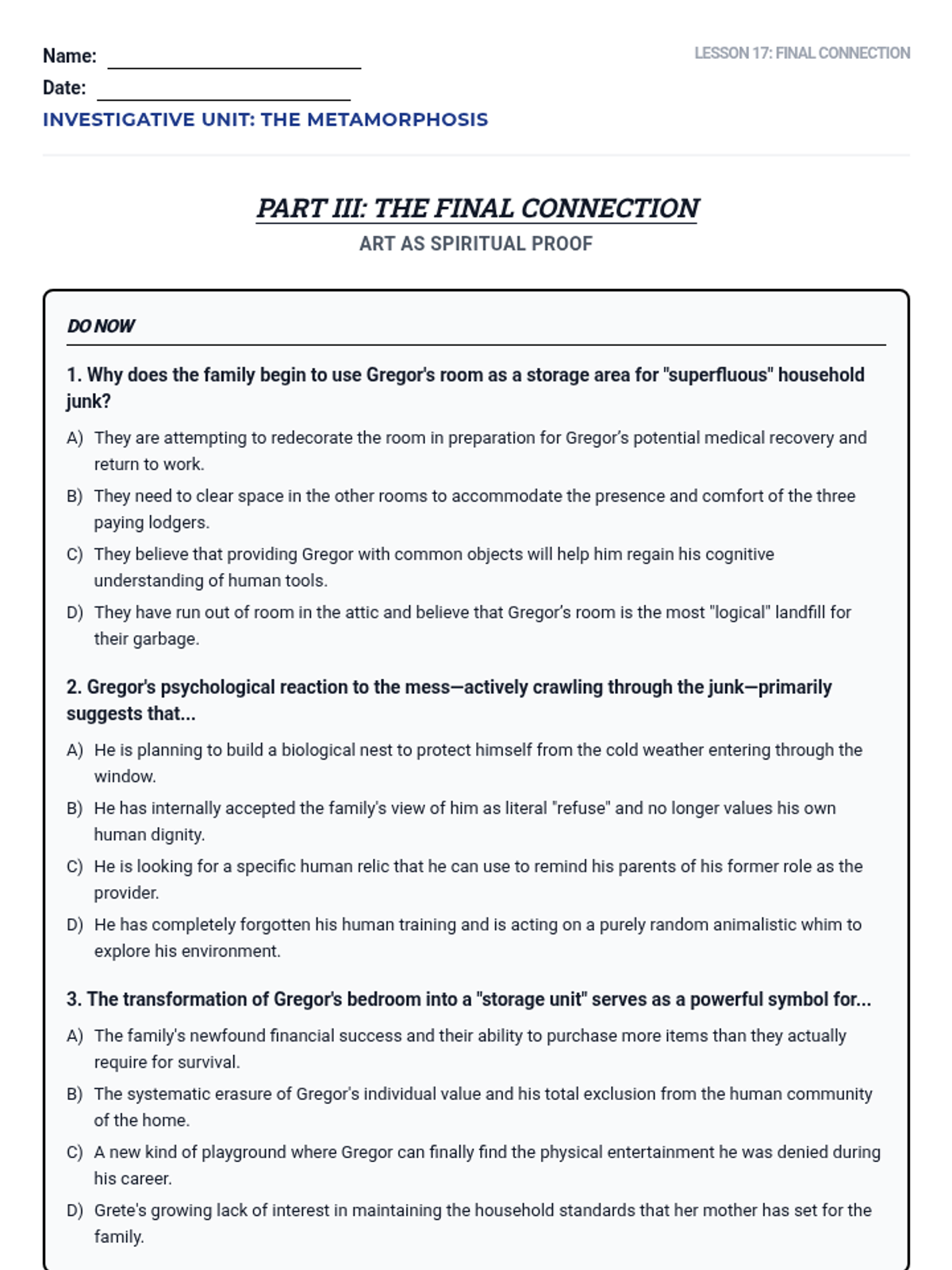
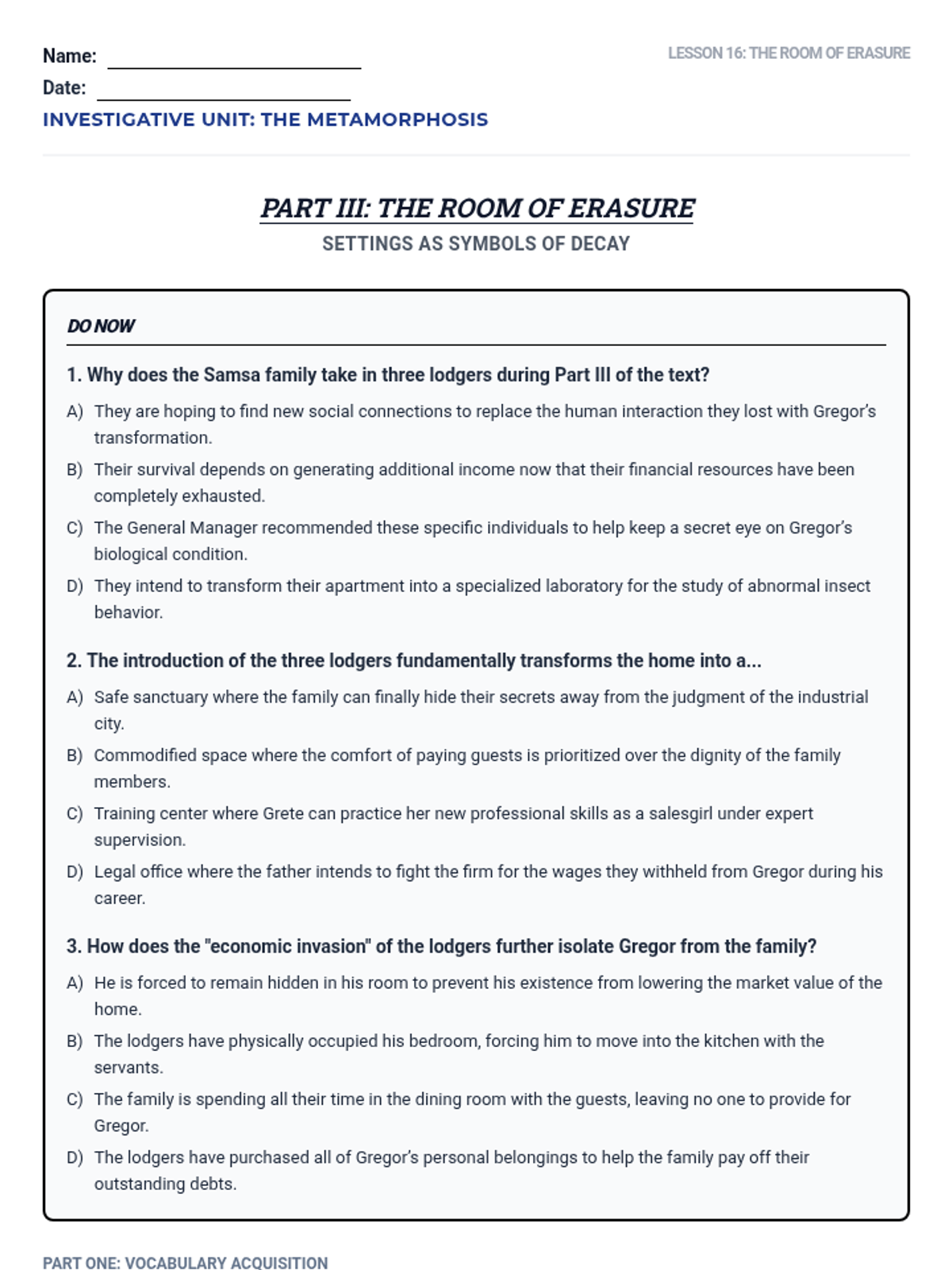
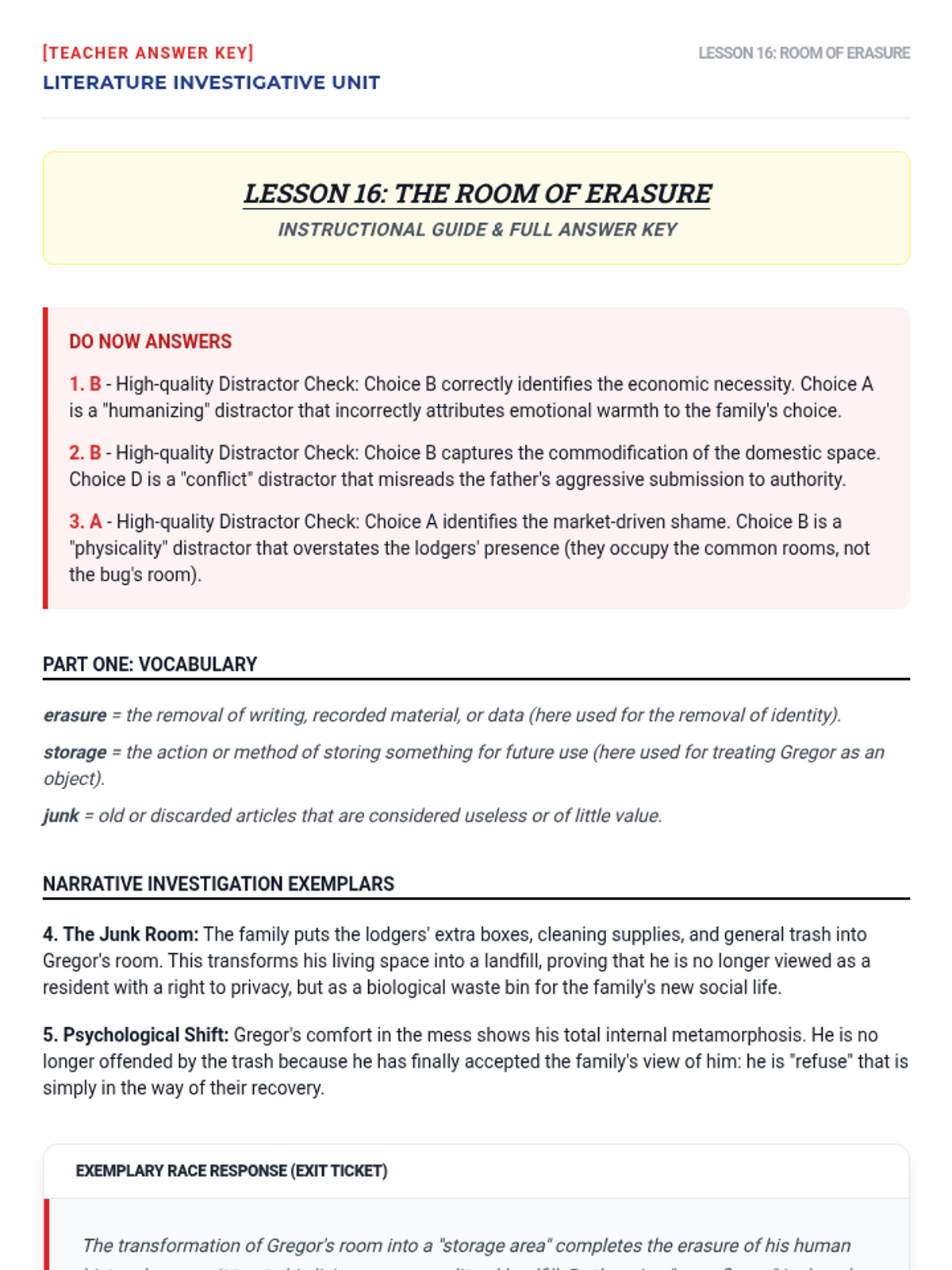
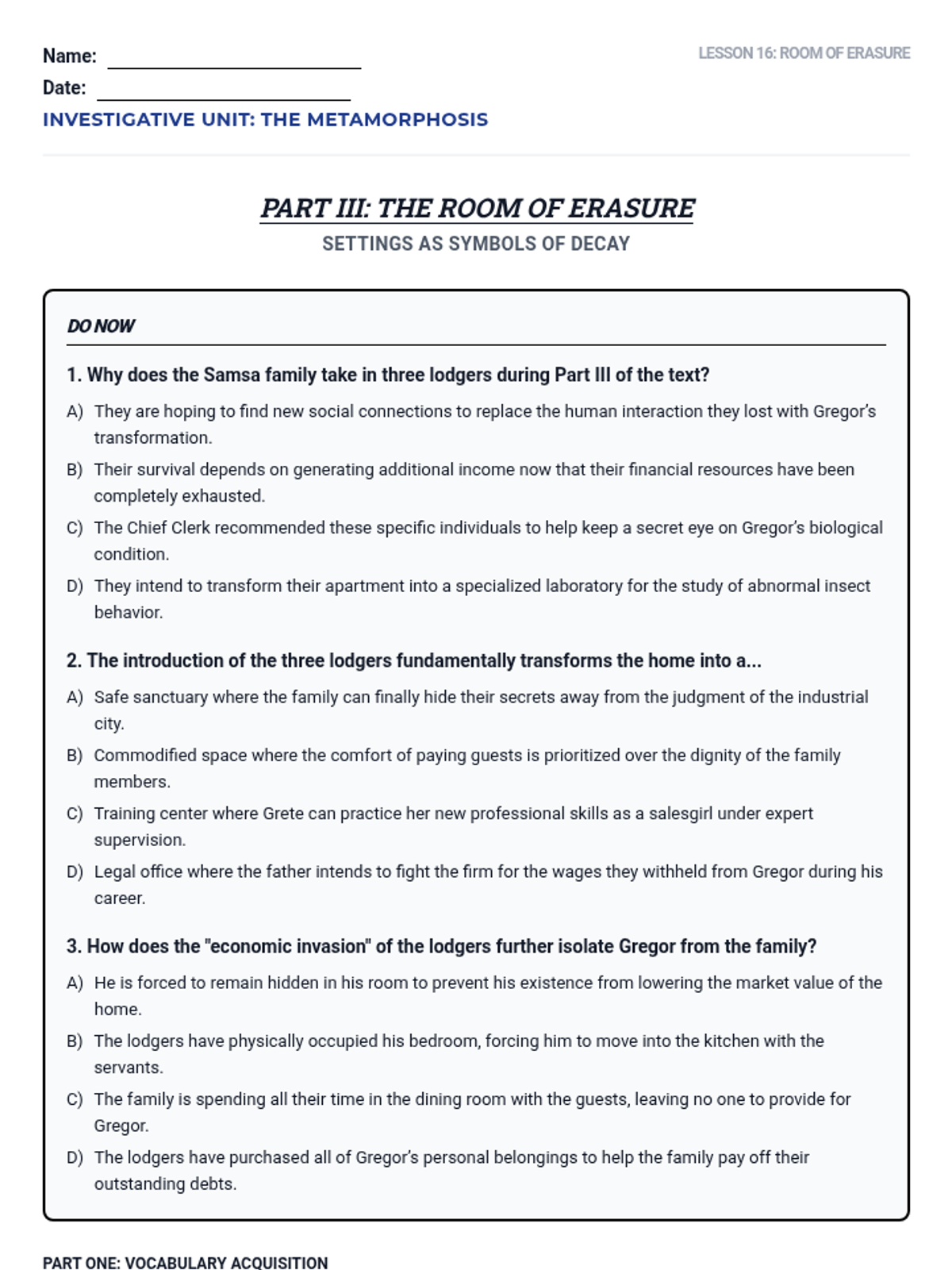
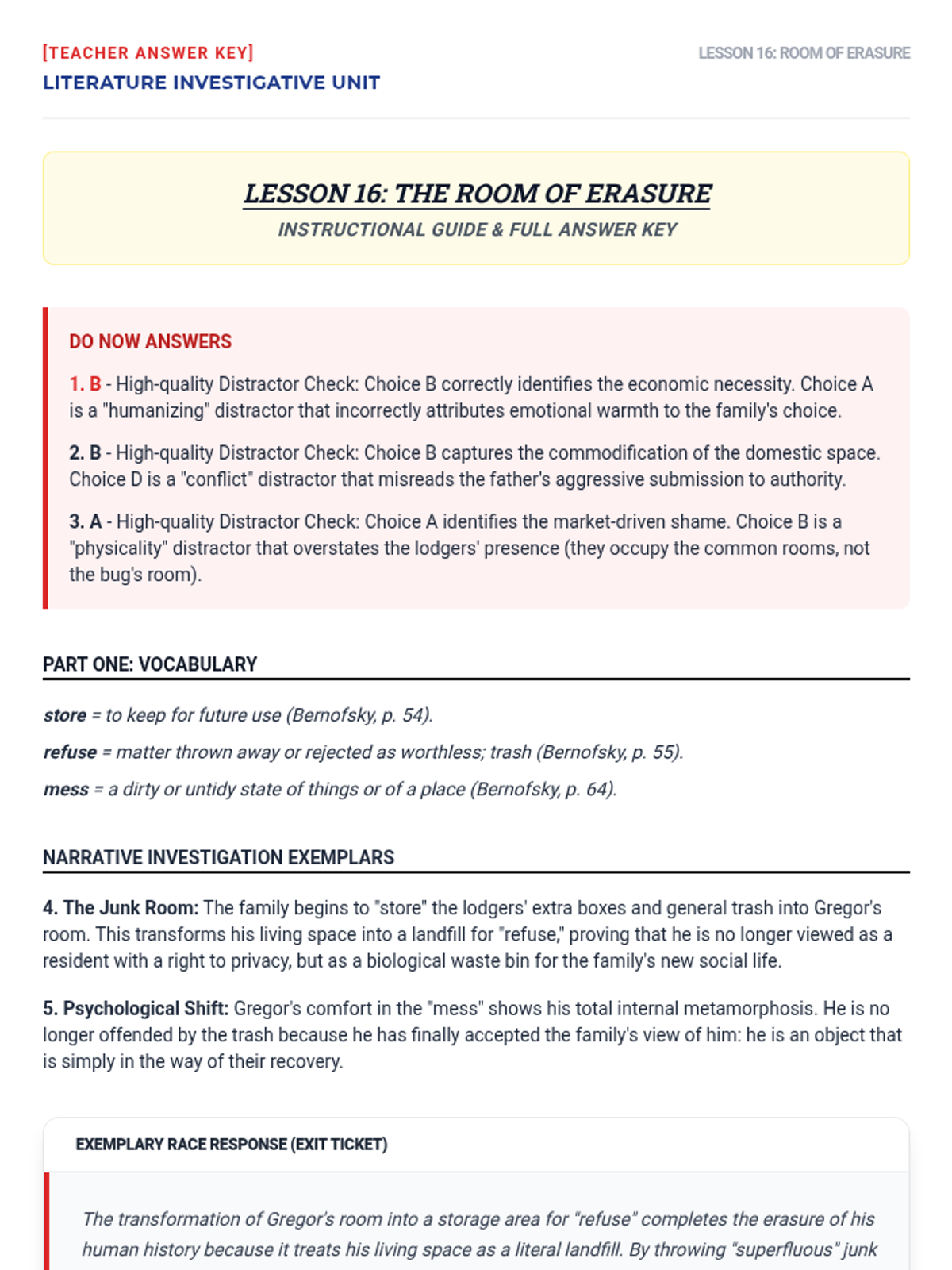
Gregor's room becomes a storage area for trash. Analysis of the complete erasure of his human space and history.
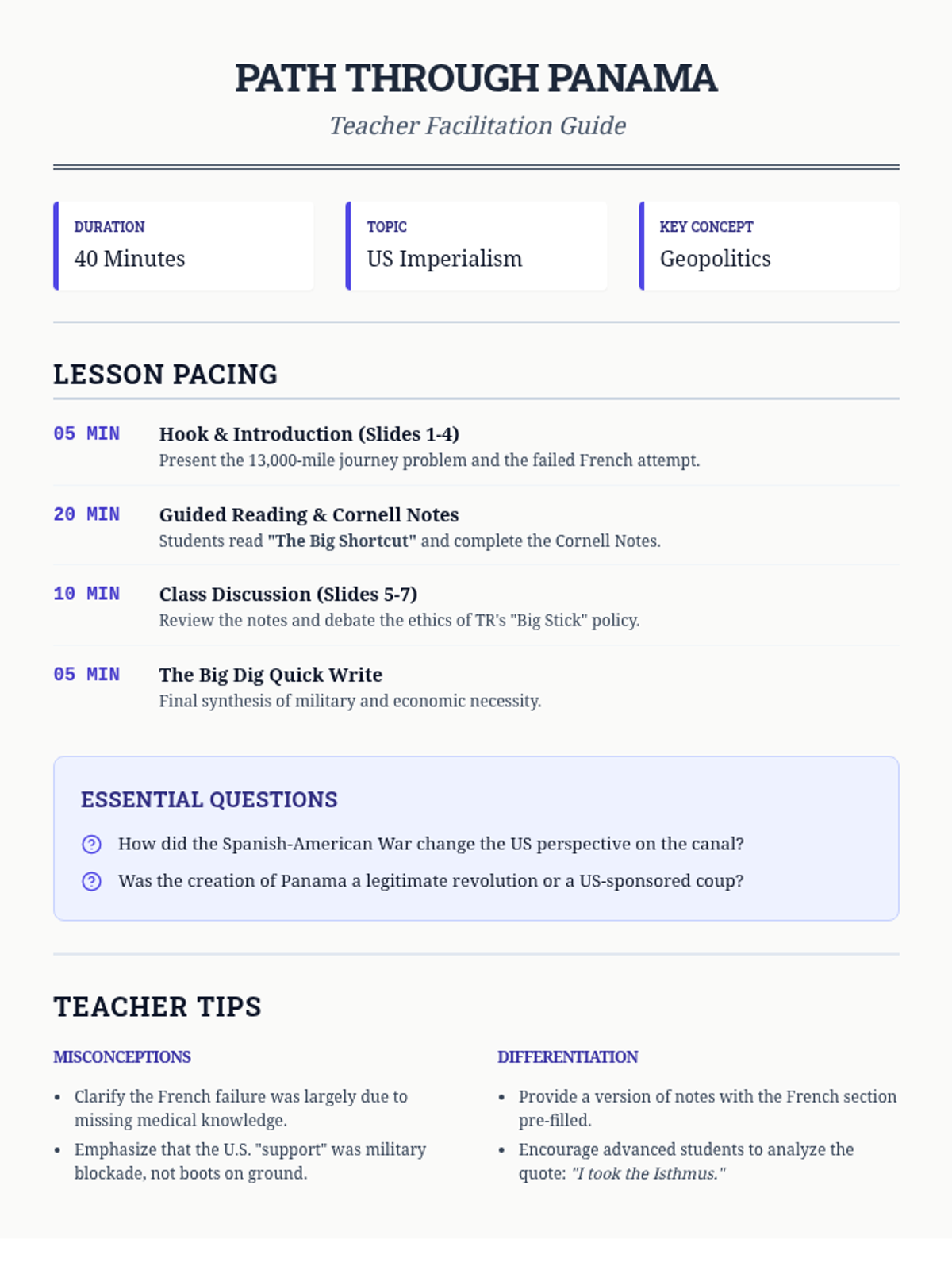
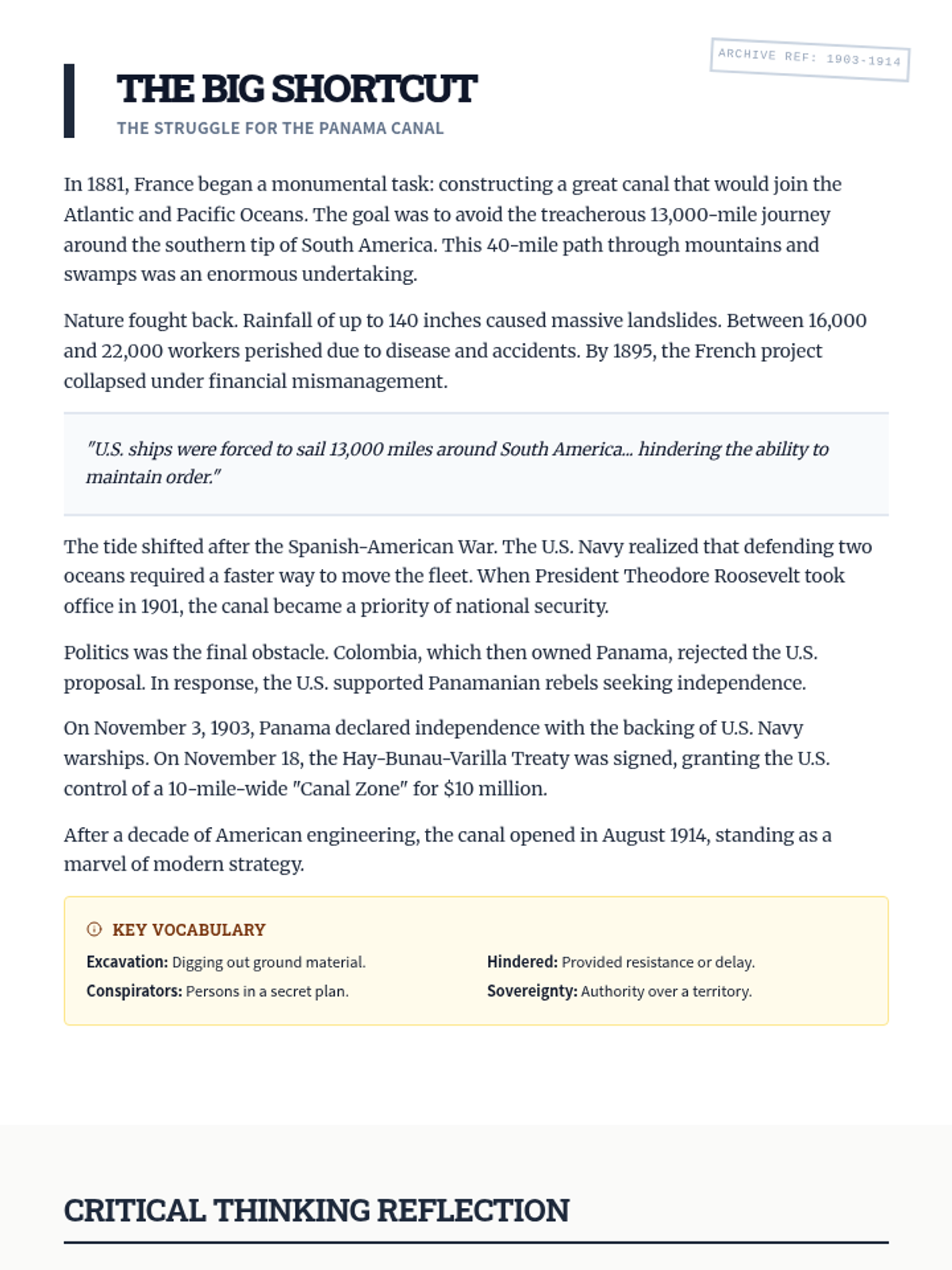
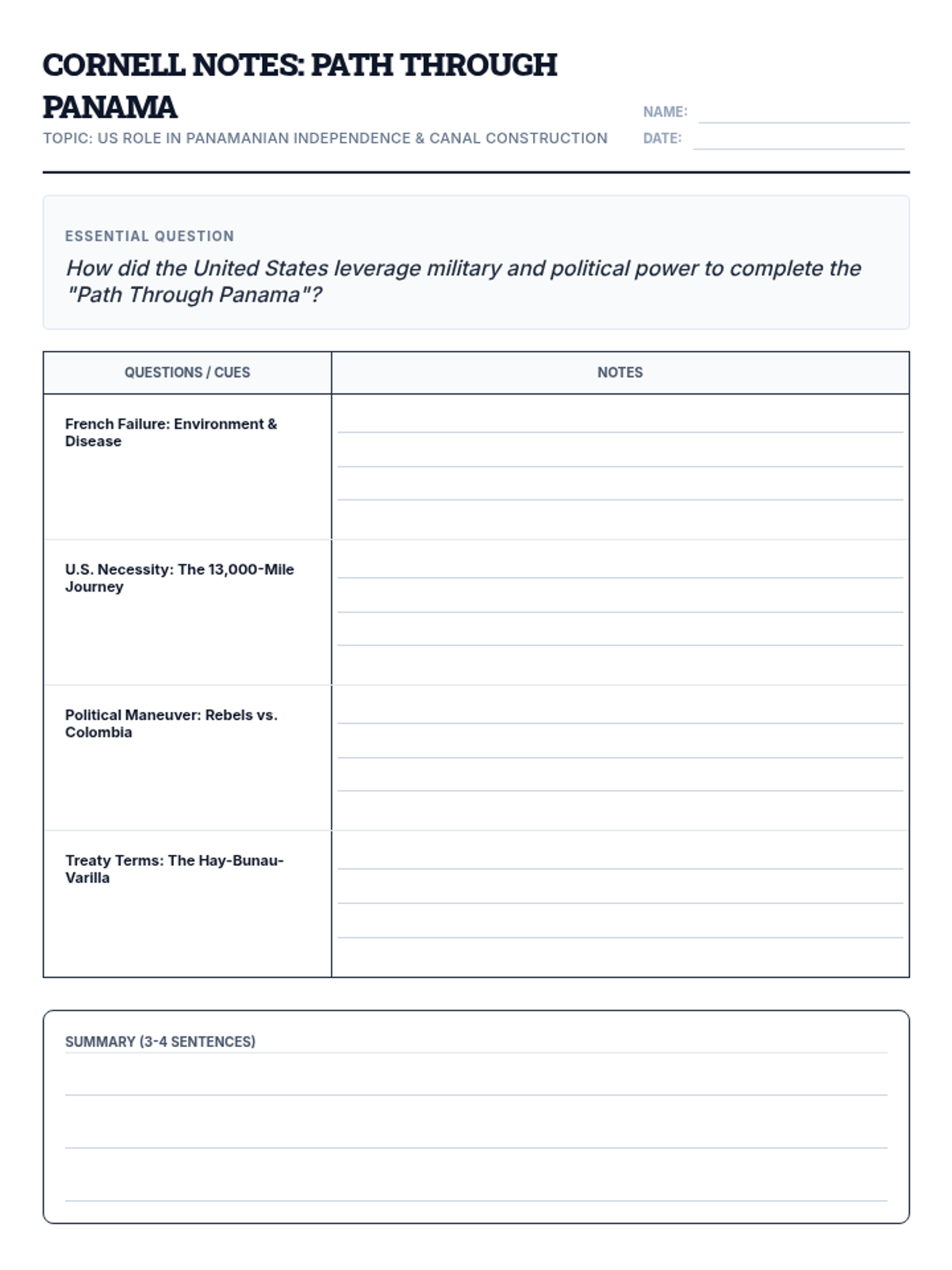
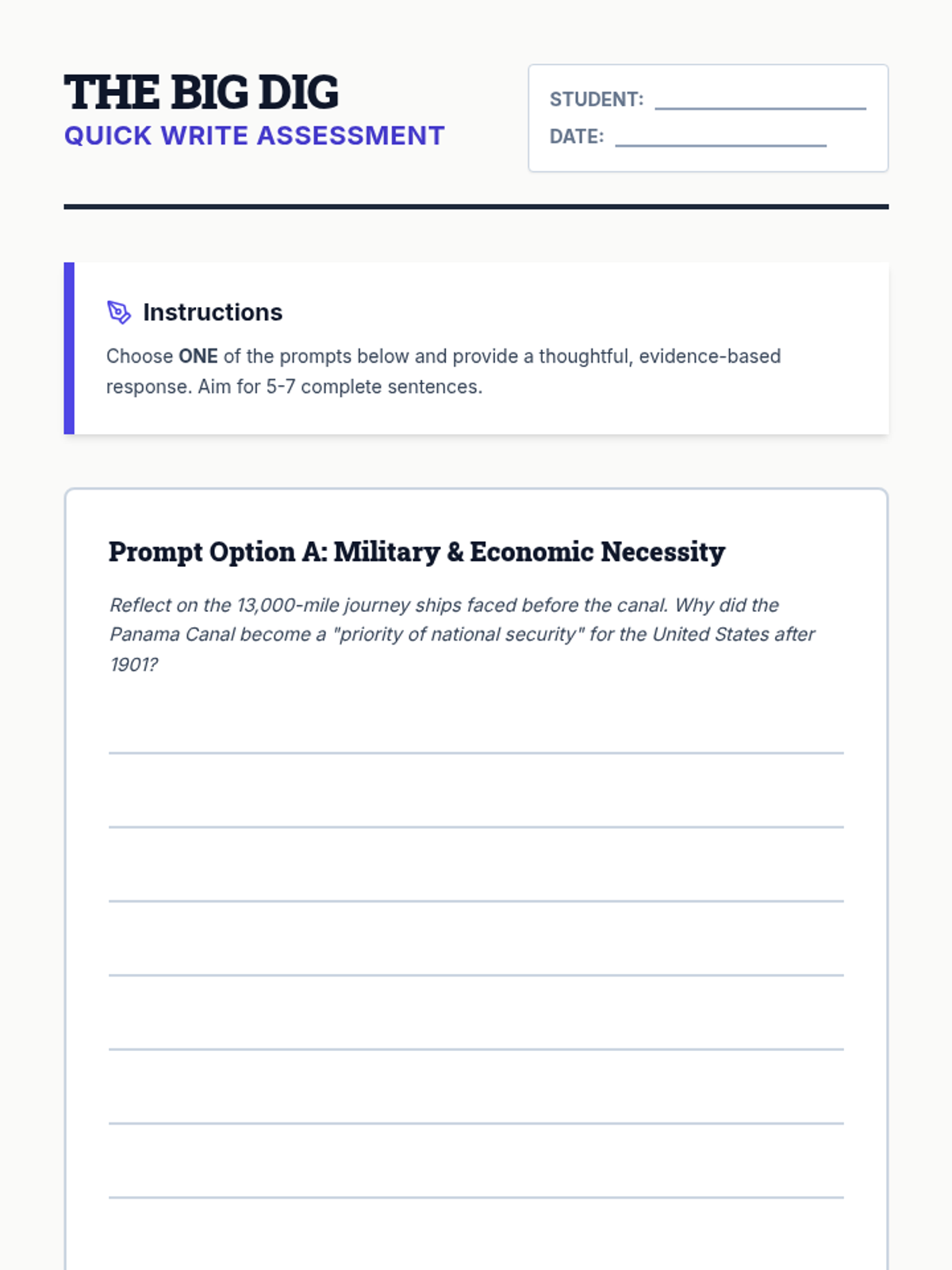
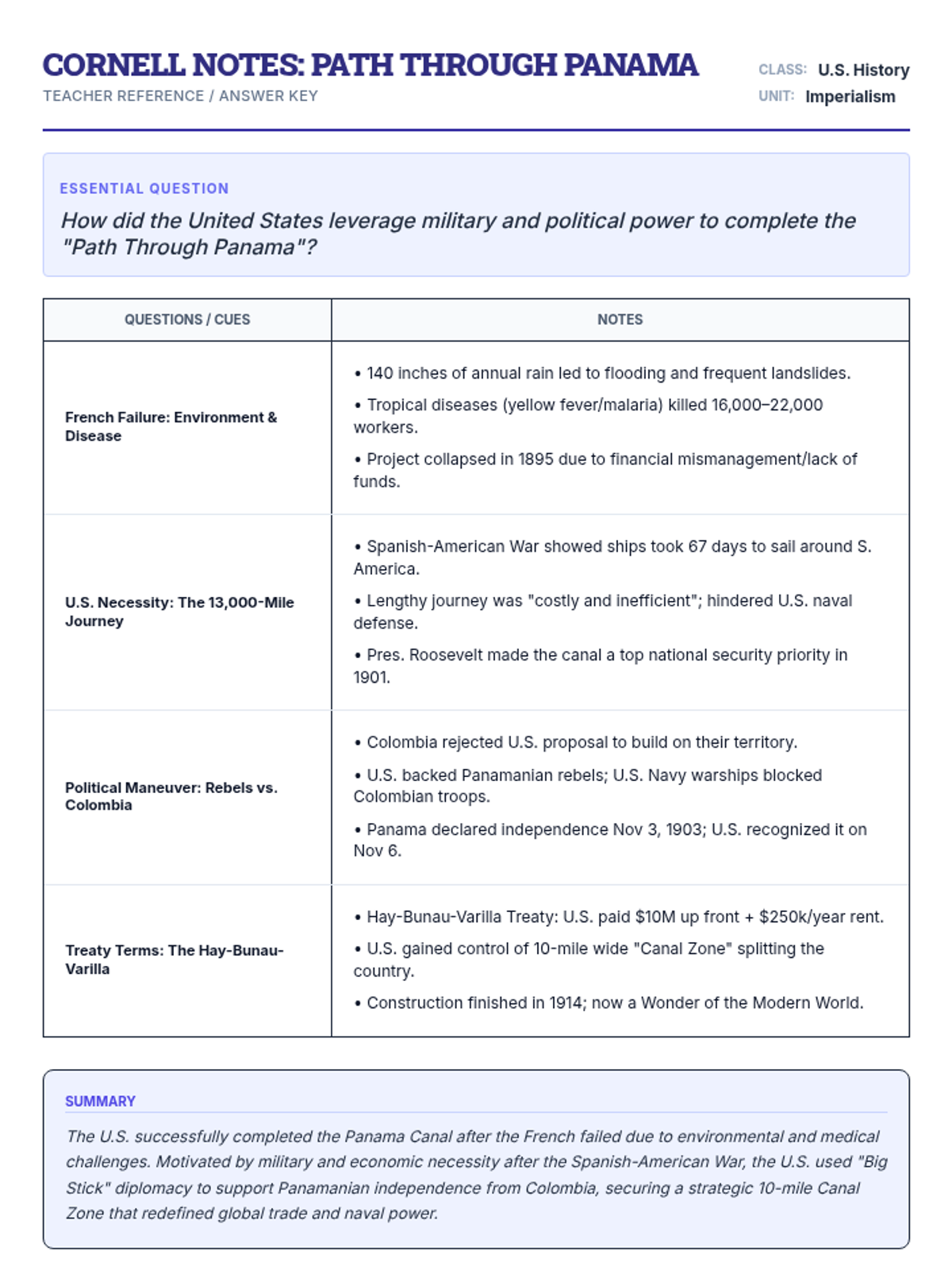
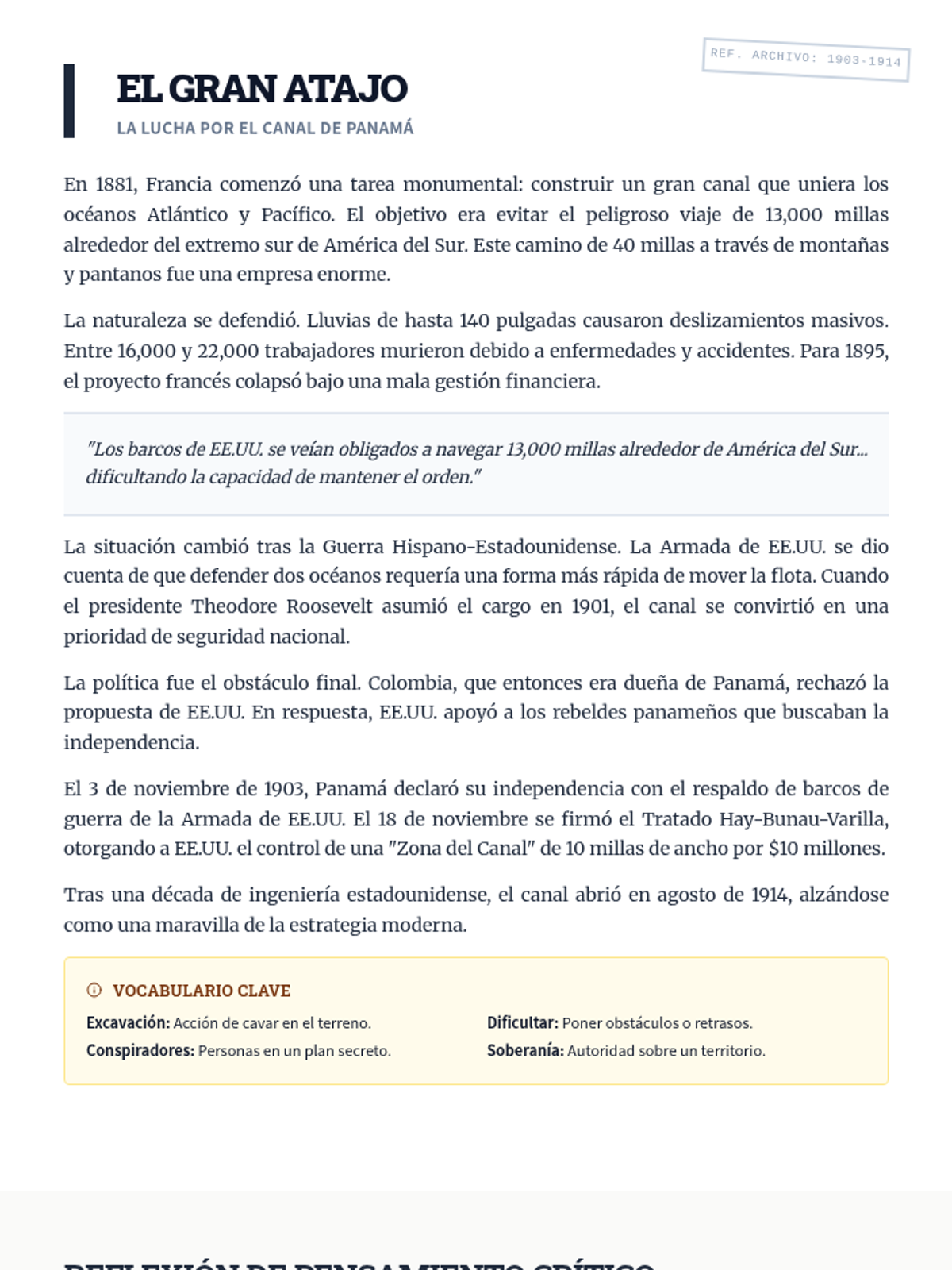
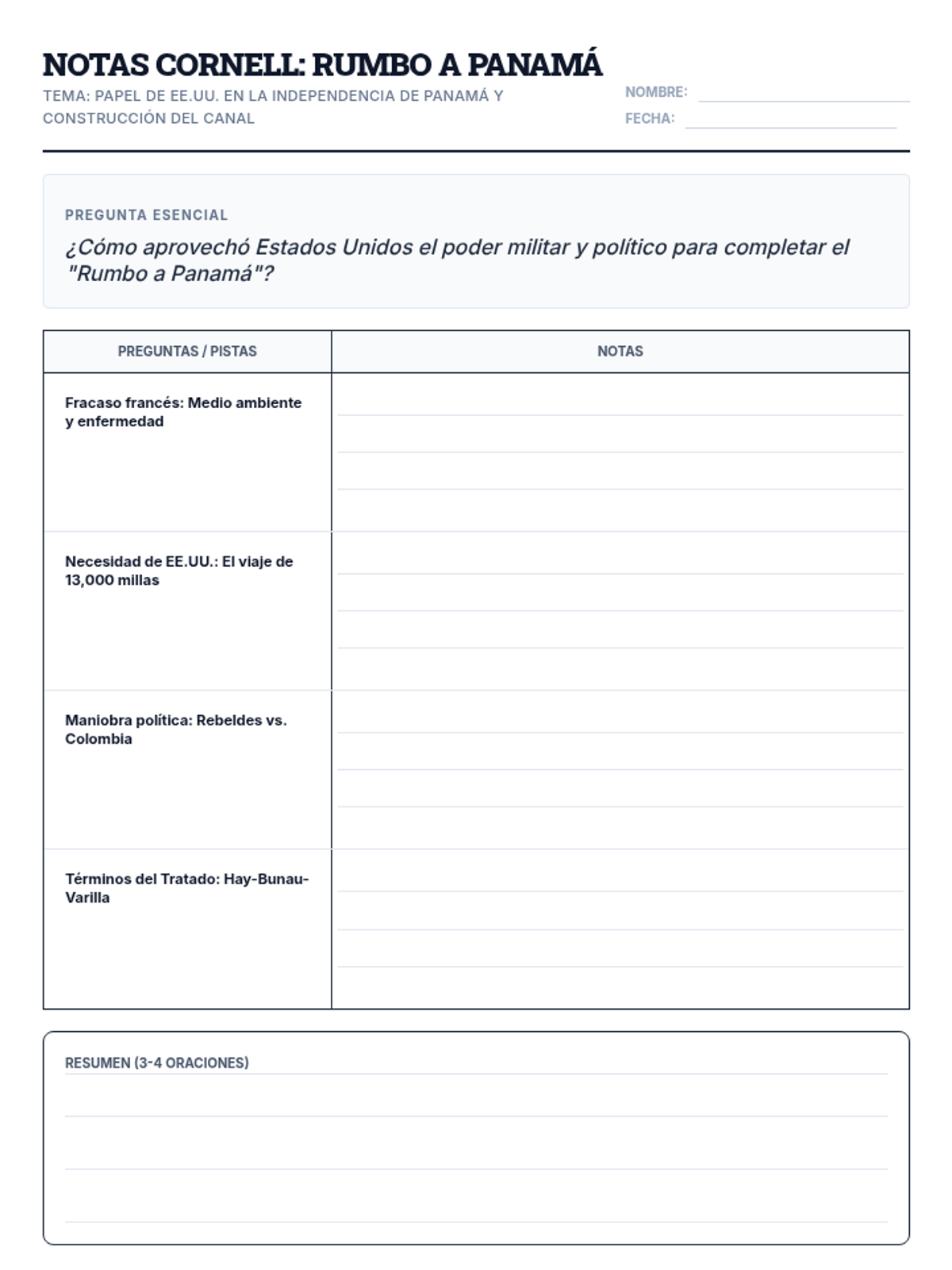
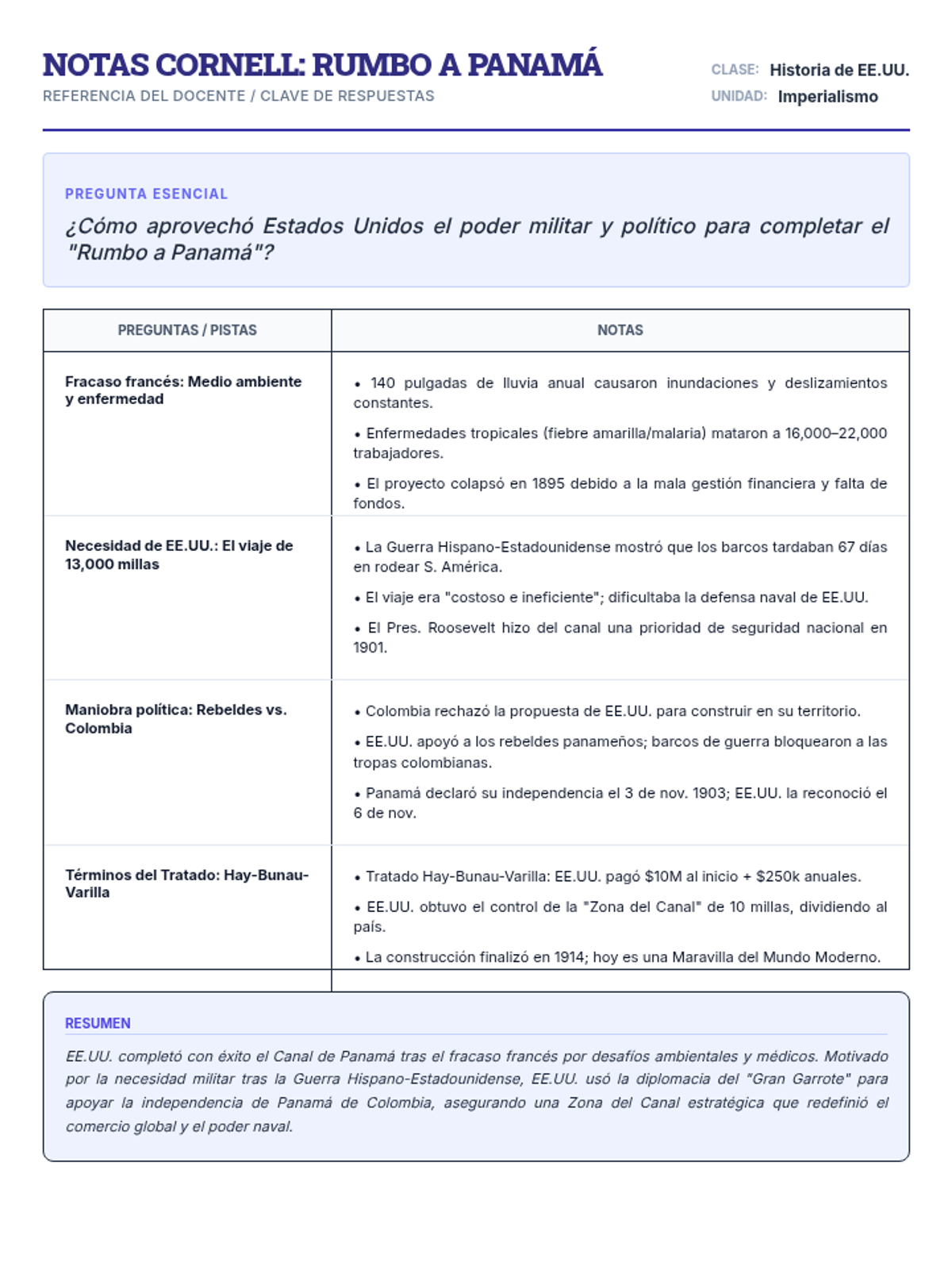
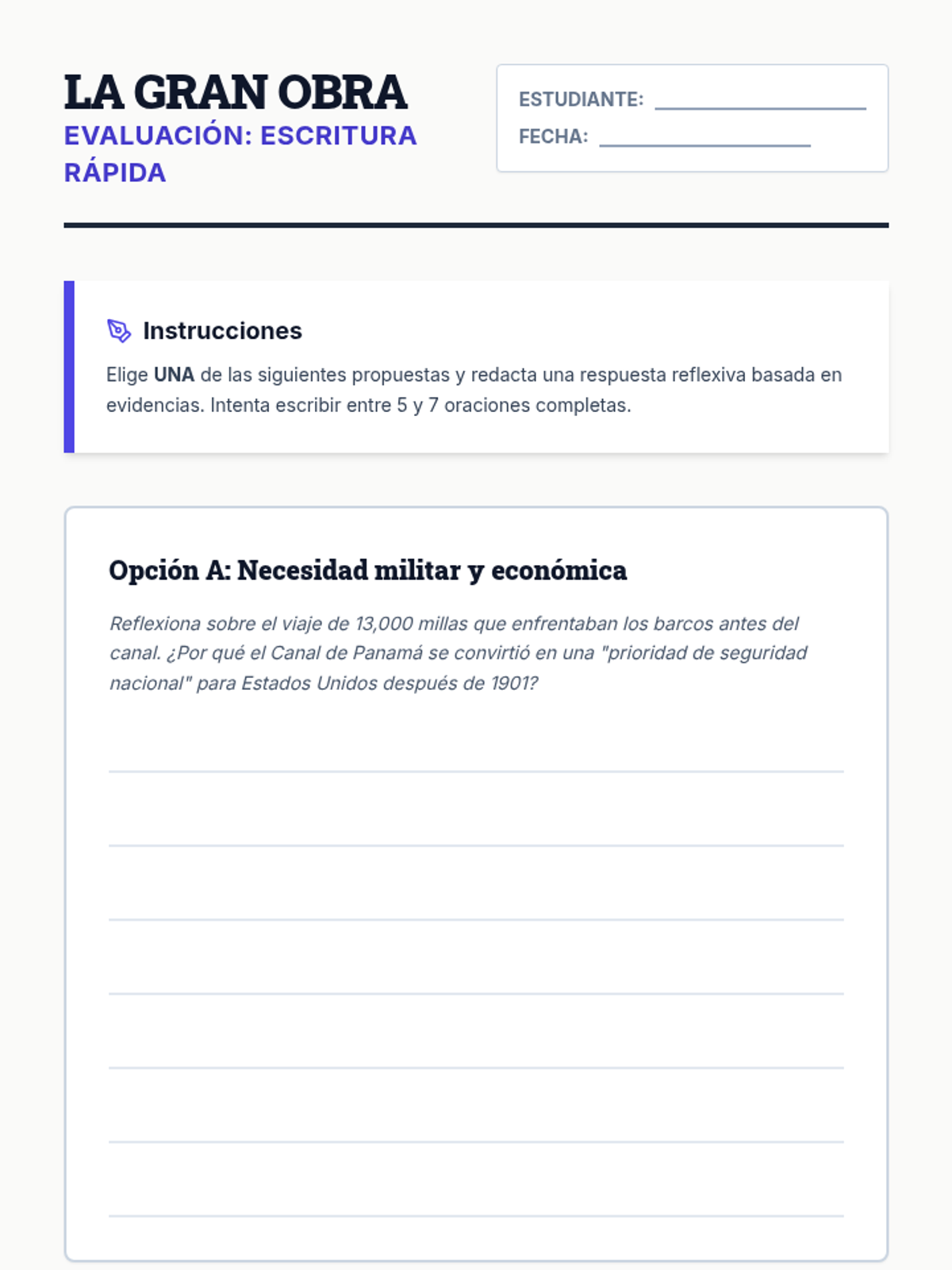
A 40-minute introductory lesson exploring the geopolitical, military, and economic motivations behind the US involvement in the Panama Canal's construction and Panamanian independence.
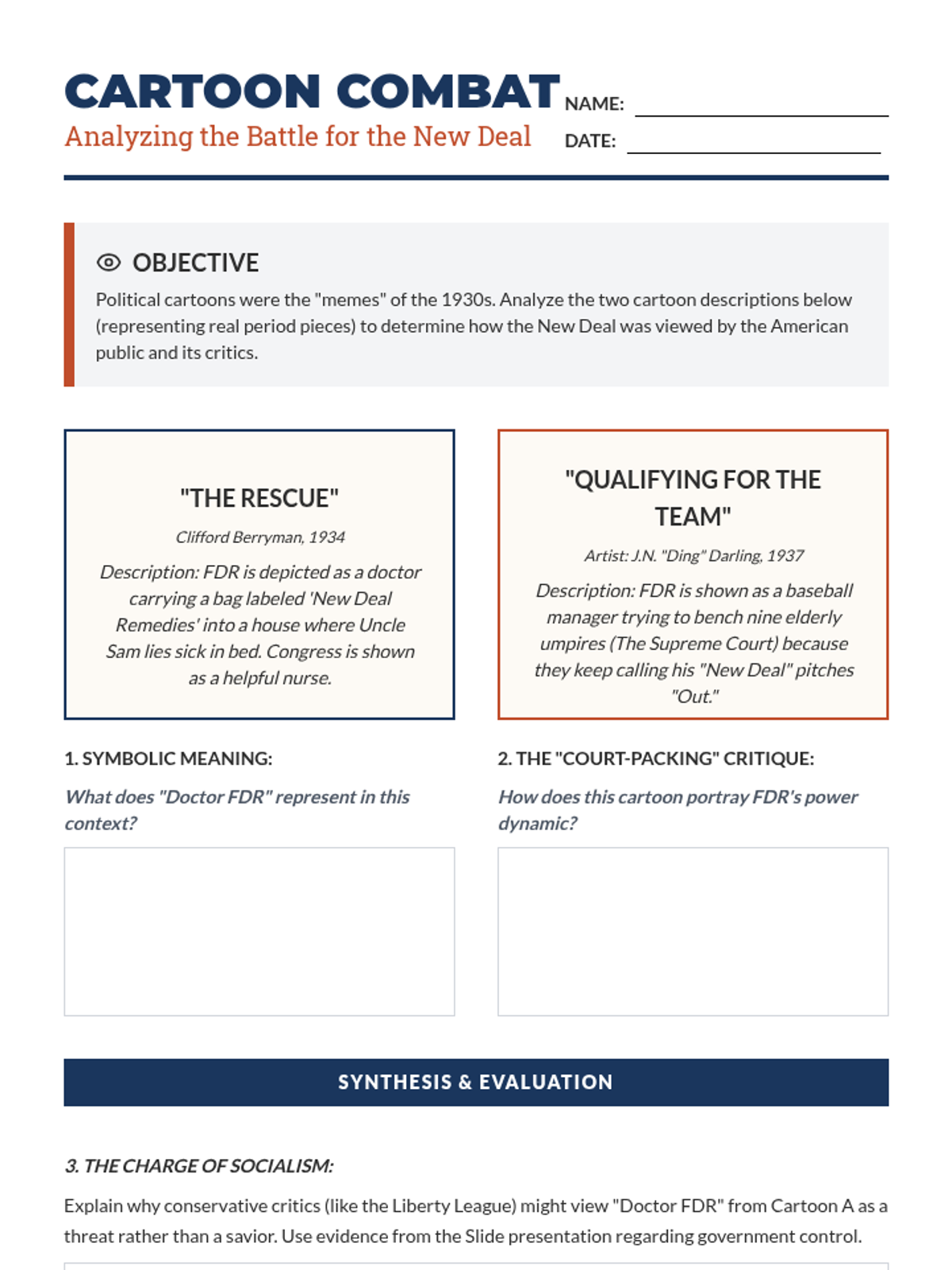
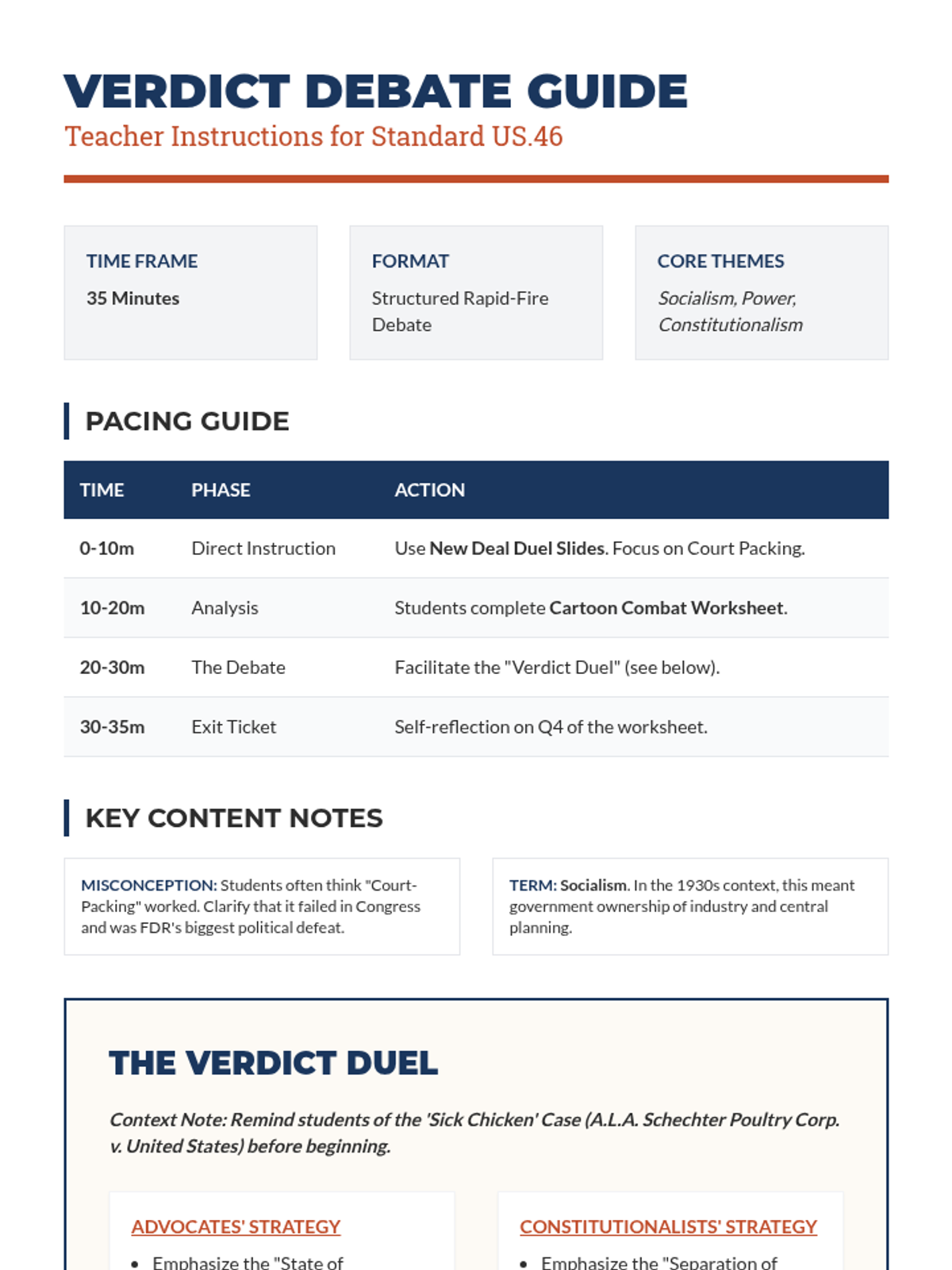
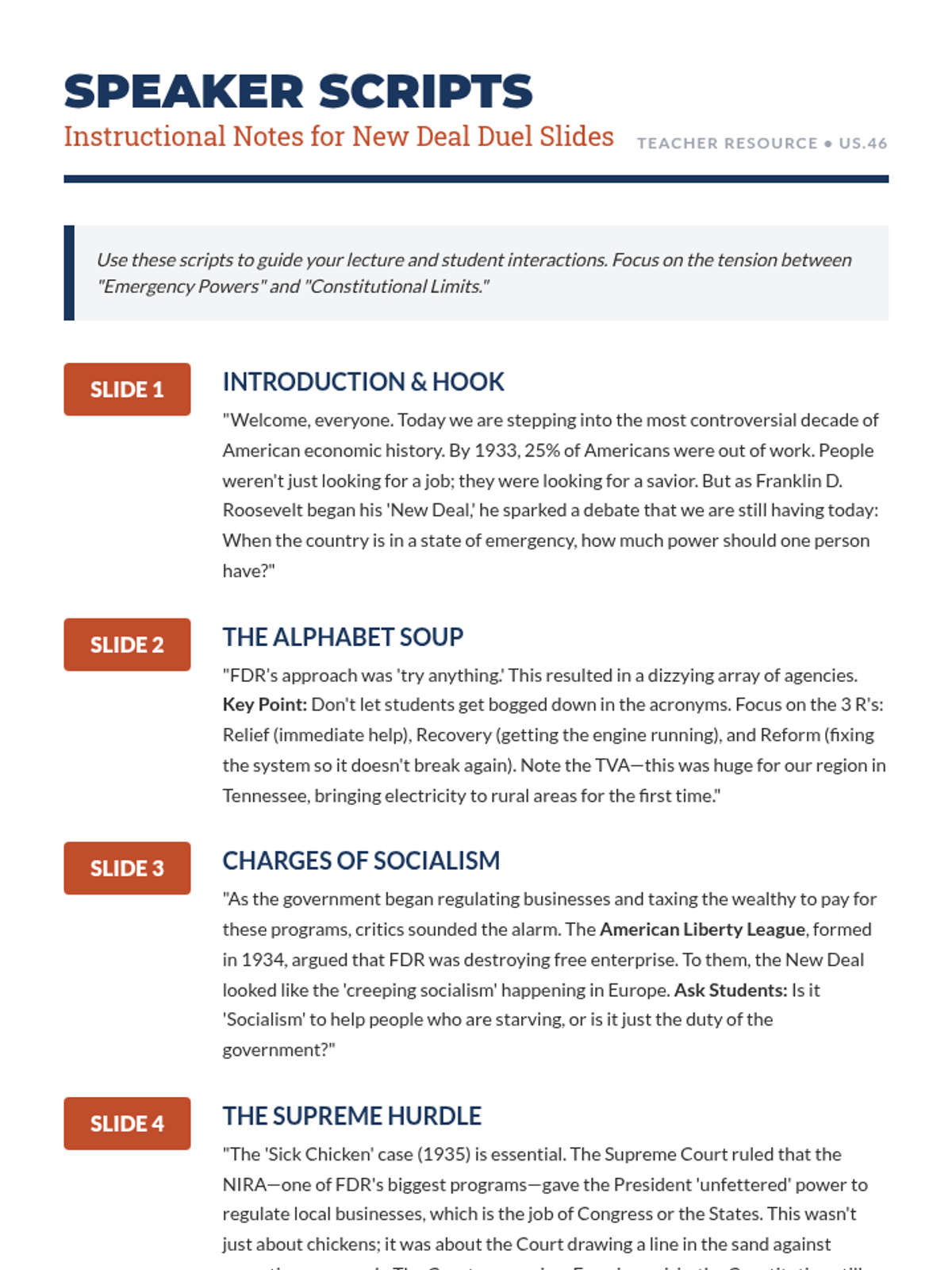
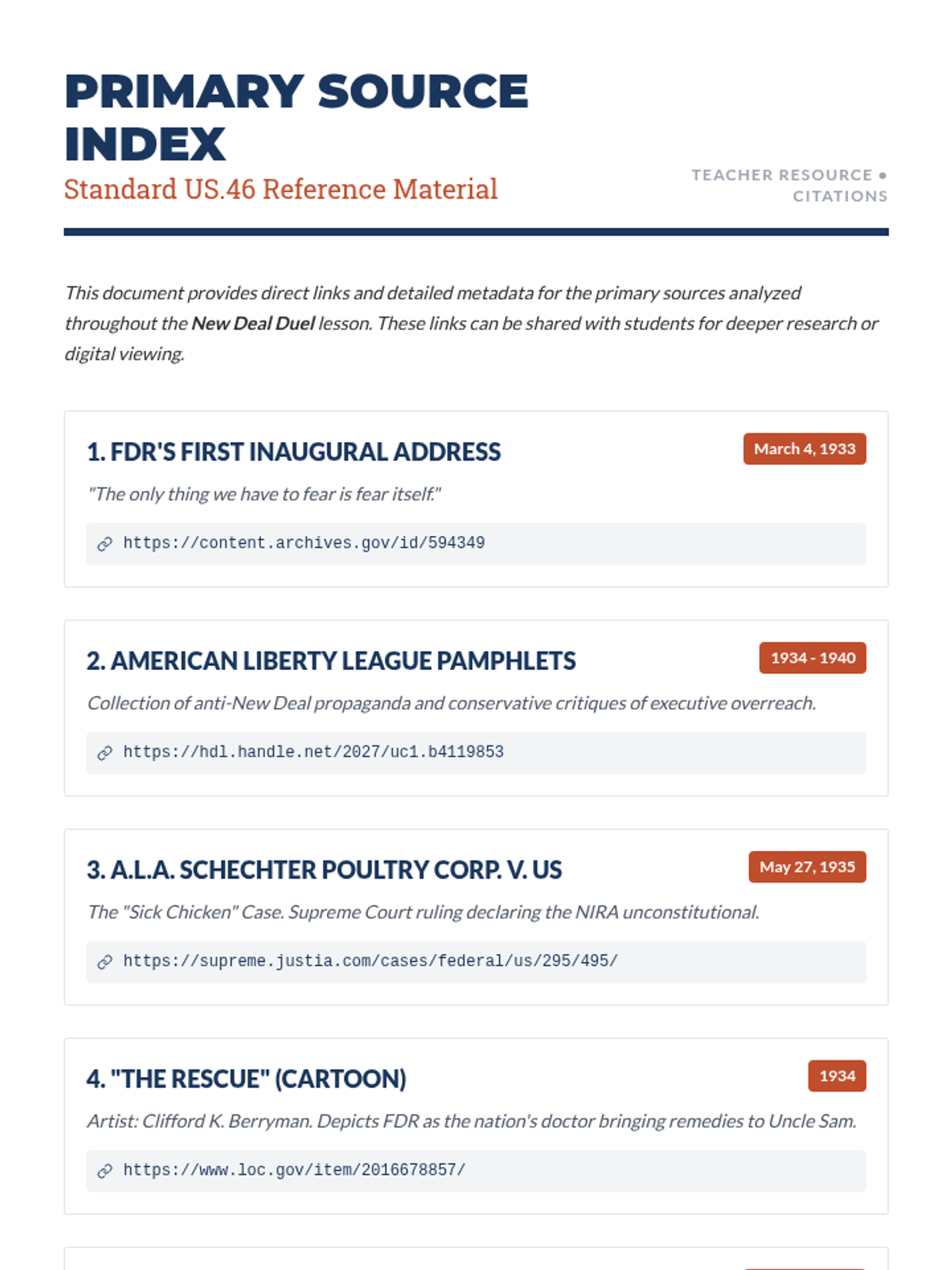
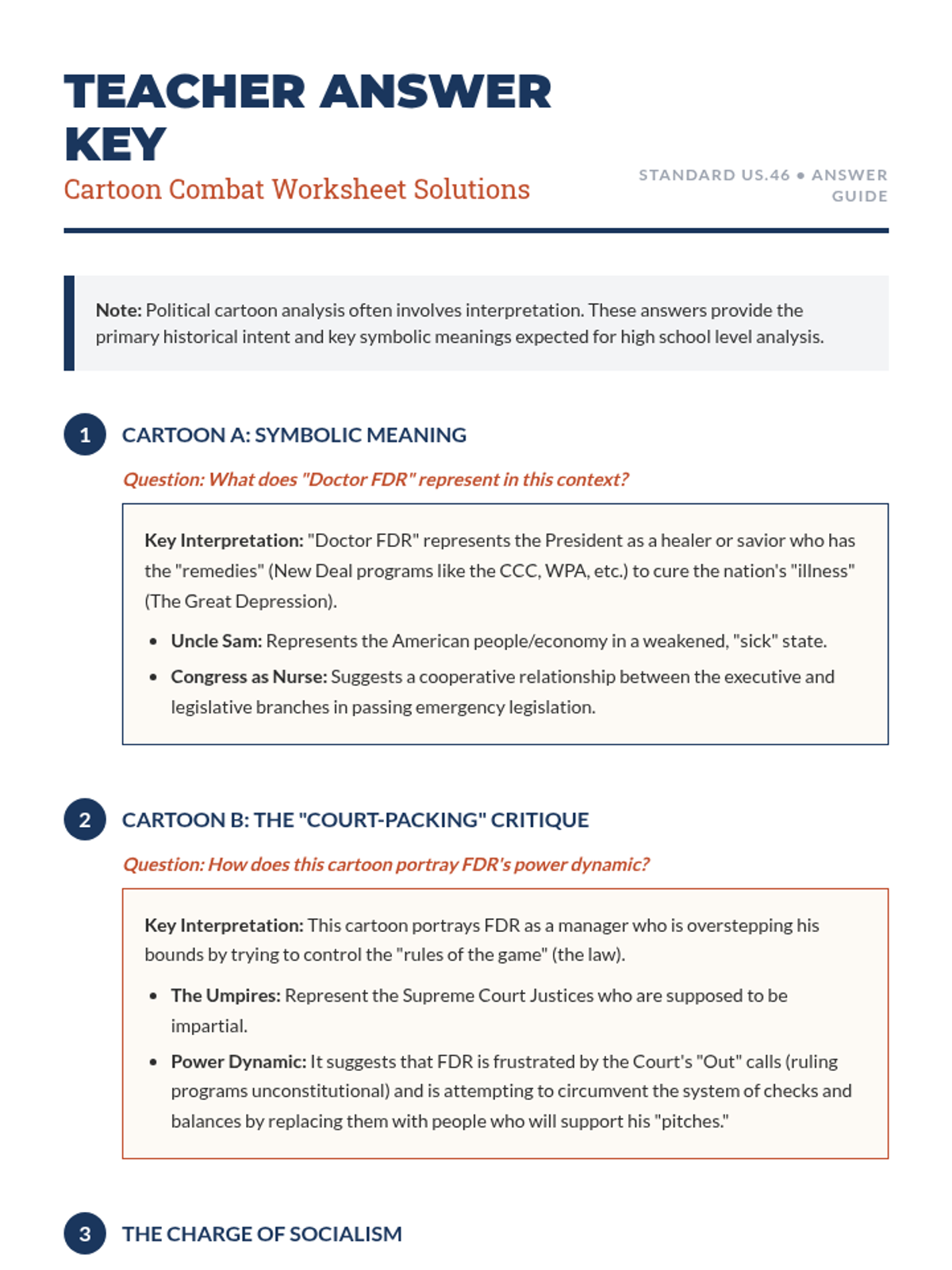
A fast-paced exploration of the controversies surrounding FDR's New Deal, focusing on charges of socialism and the infamous court-packing attempt. Students analyze primary source cartoons and engage in a structured debate over executive power.
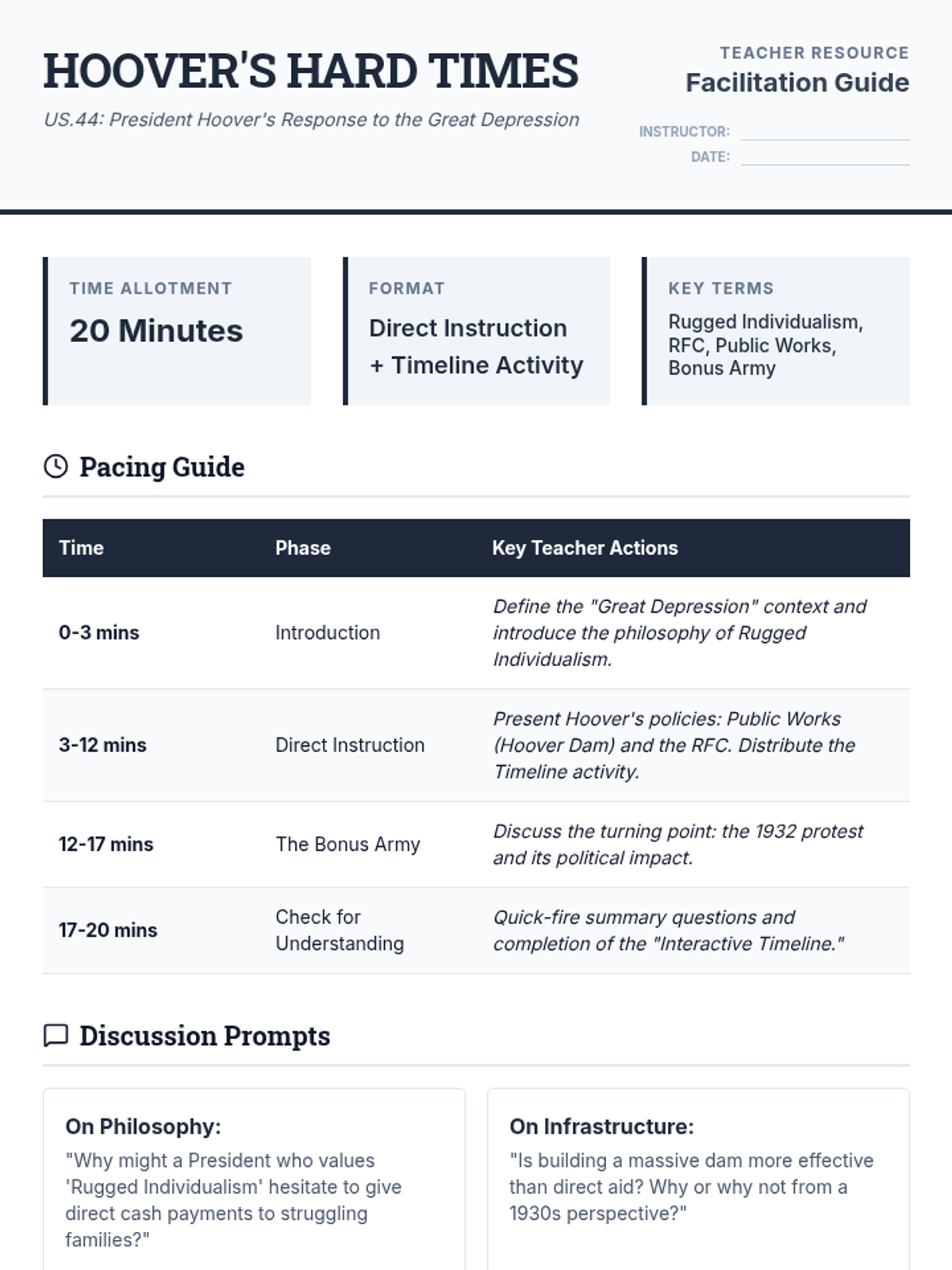
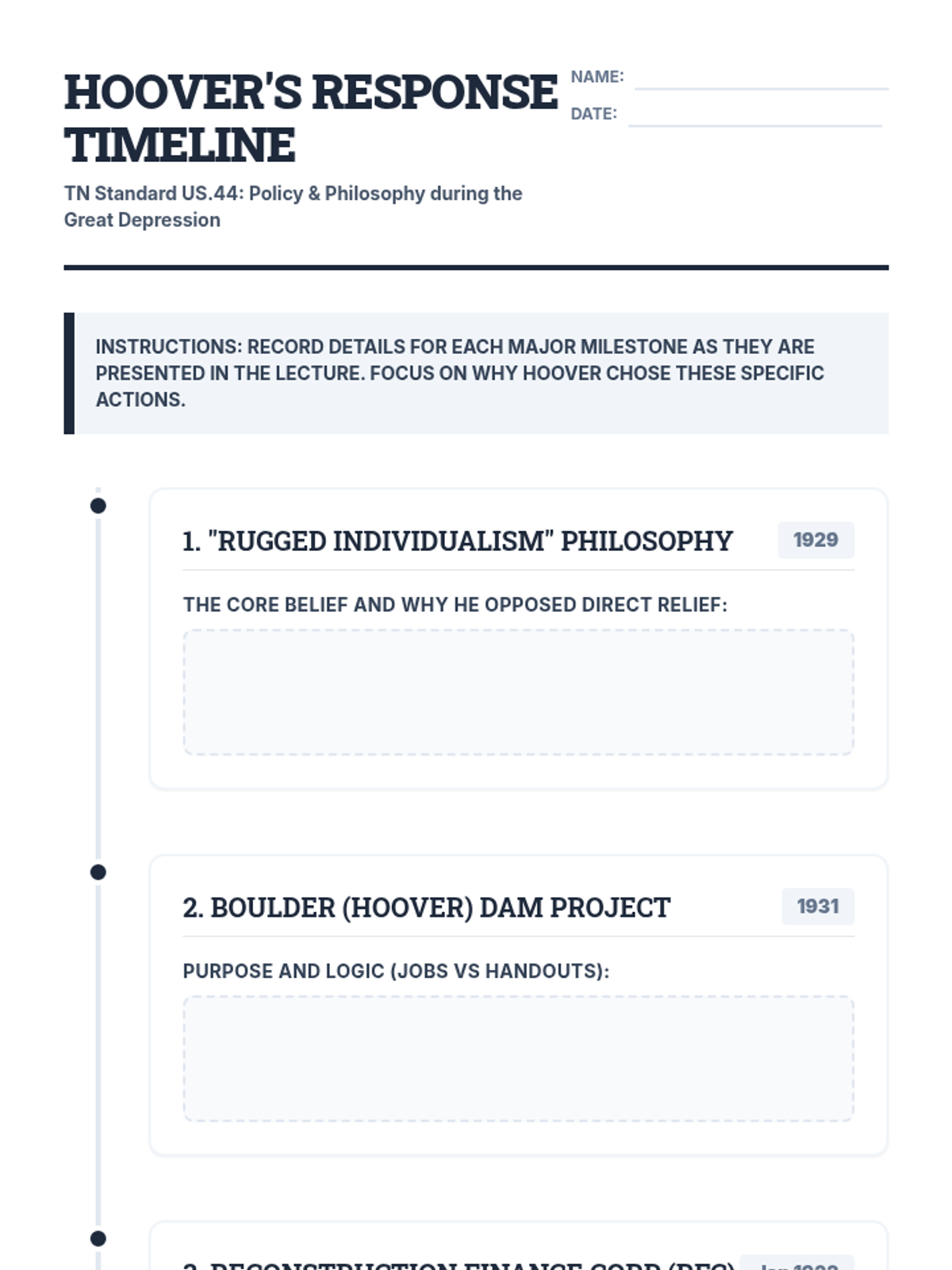
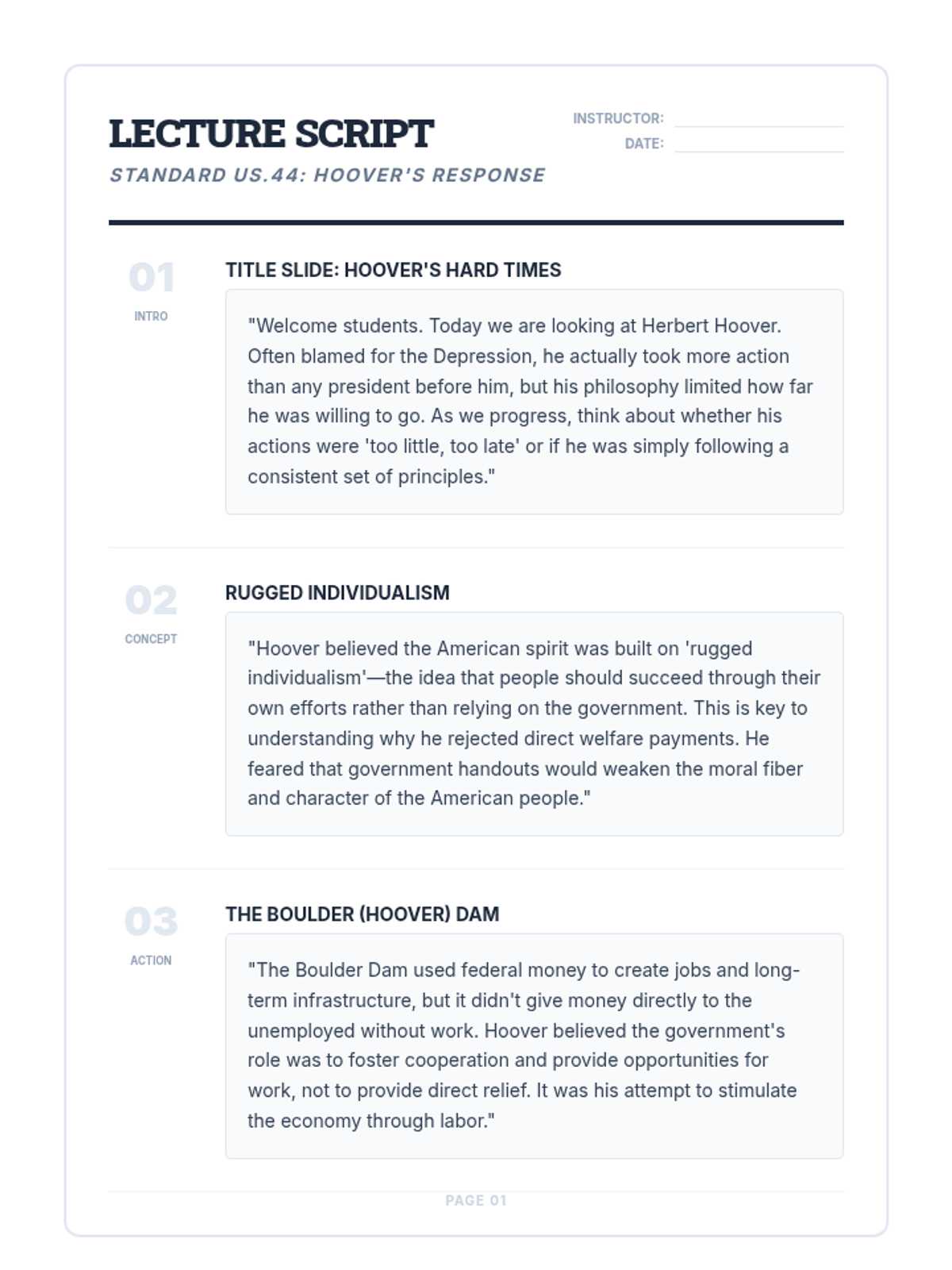
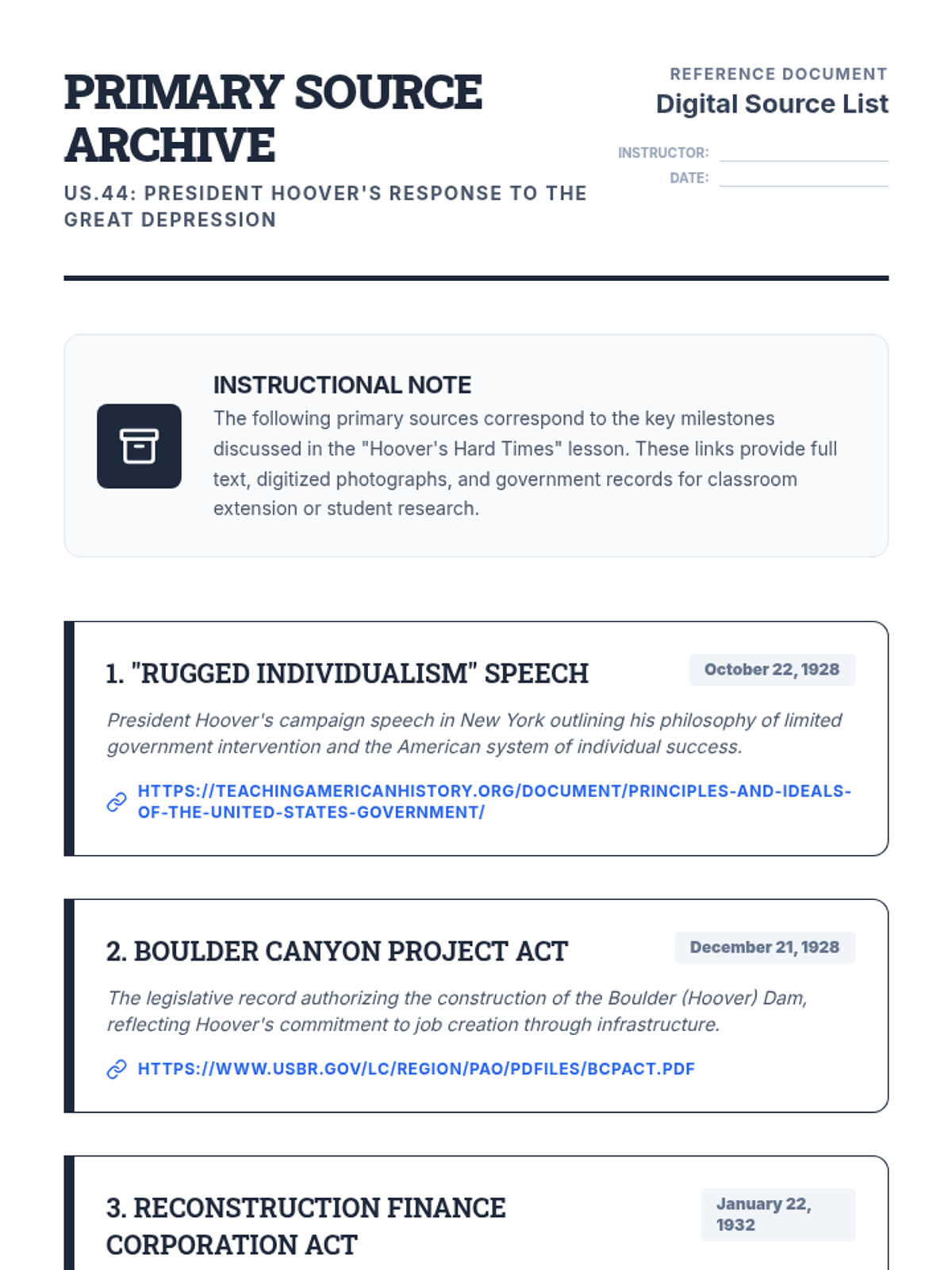
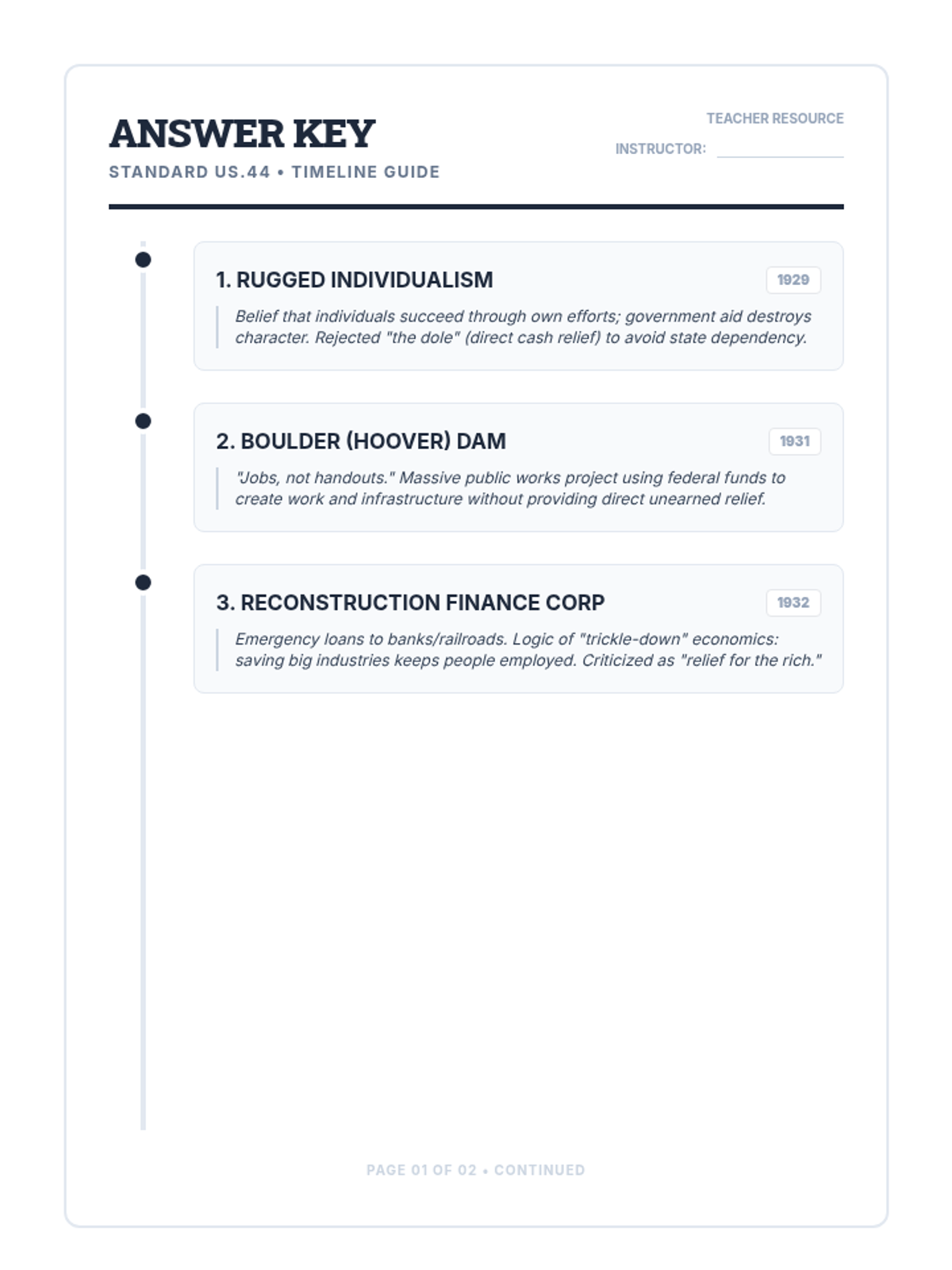
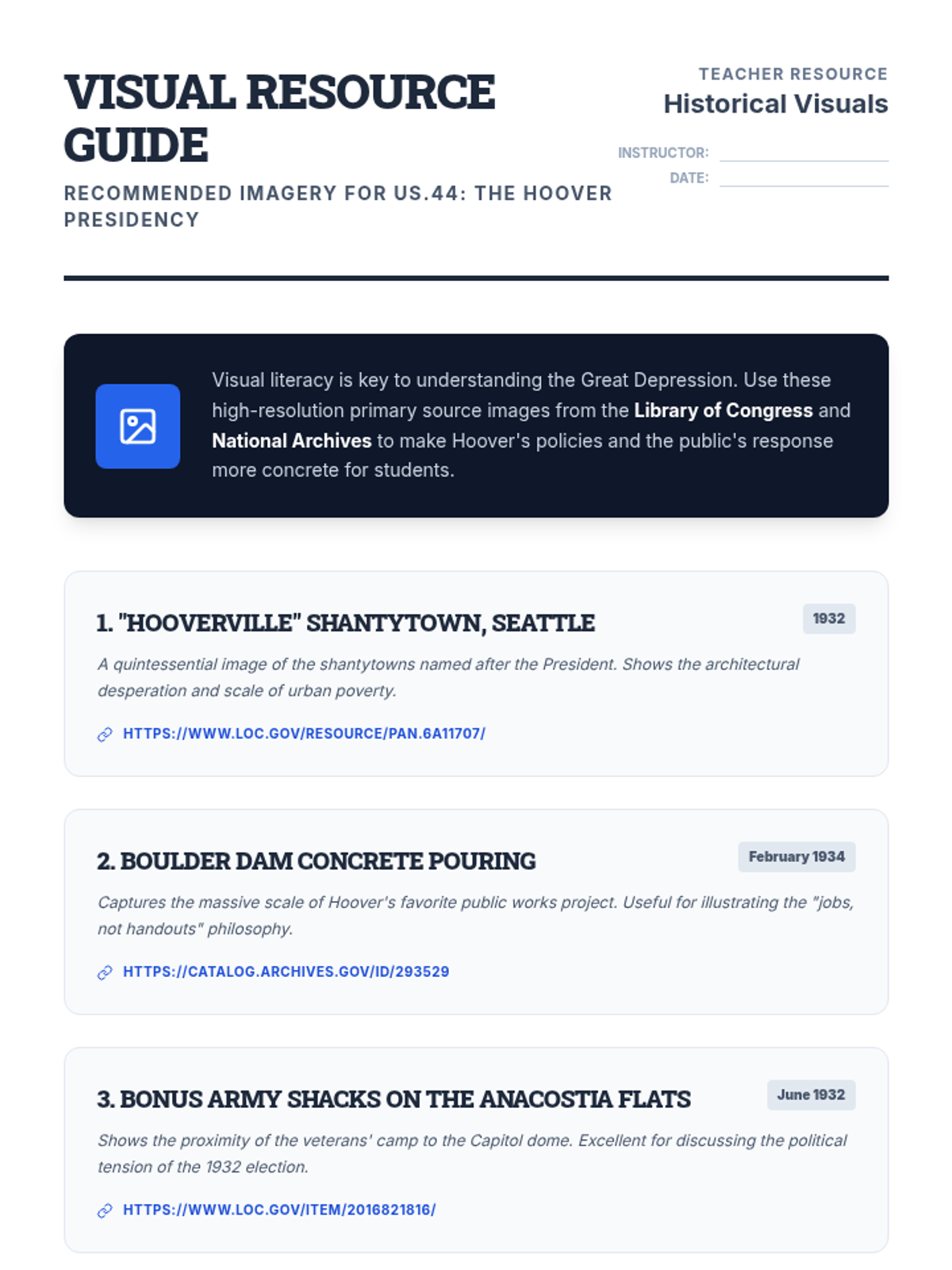
A concise 20-minute lesson covering President Herbert Hoover's response to the Great Depression, focusing on his philosophy of Rugged Individualism, the Hoover Dam, the RFC, and the Bonus Army incident.
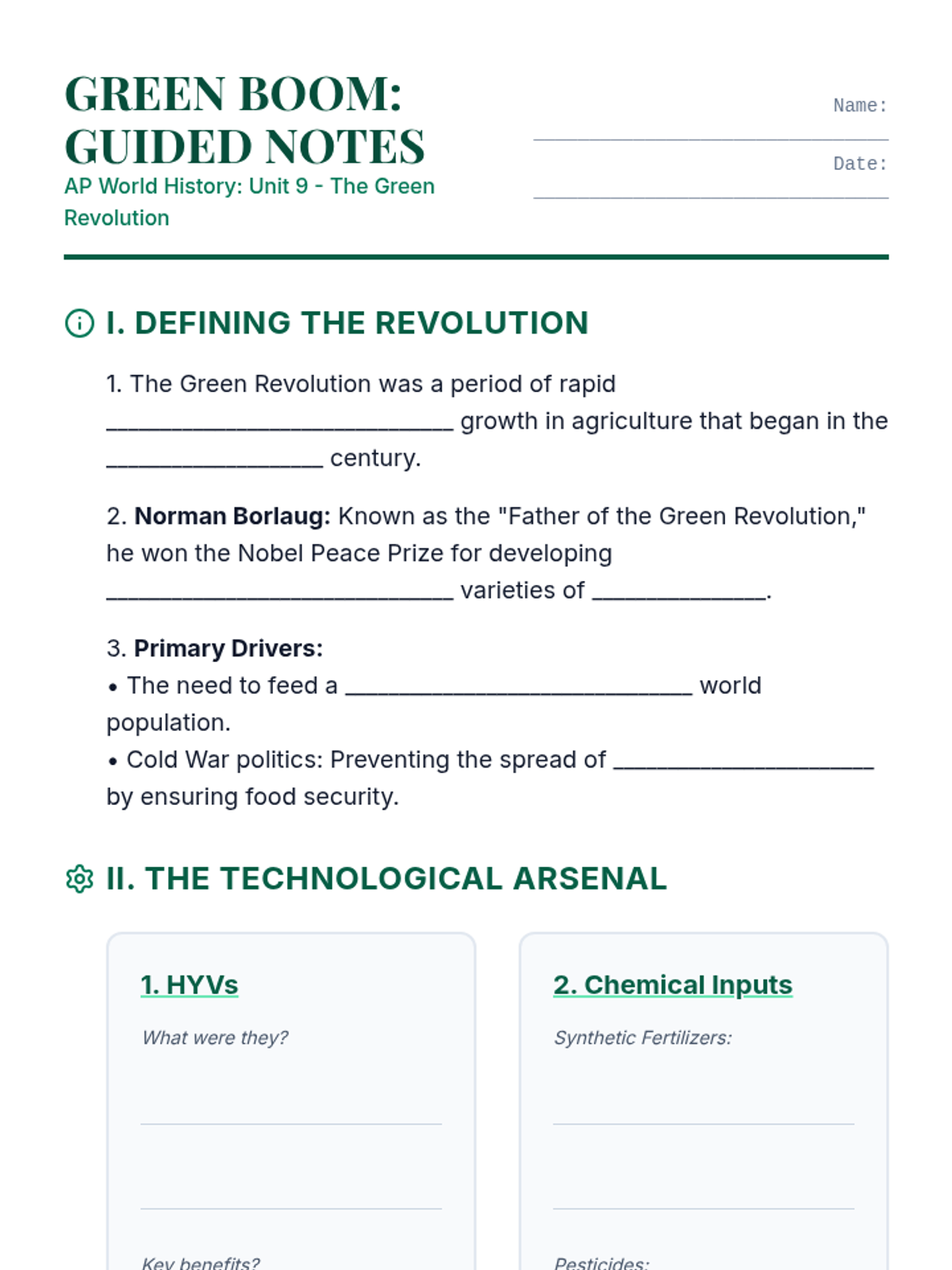
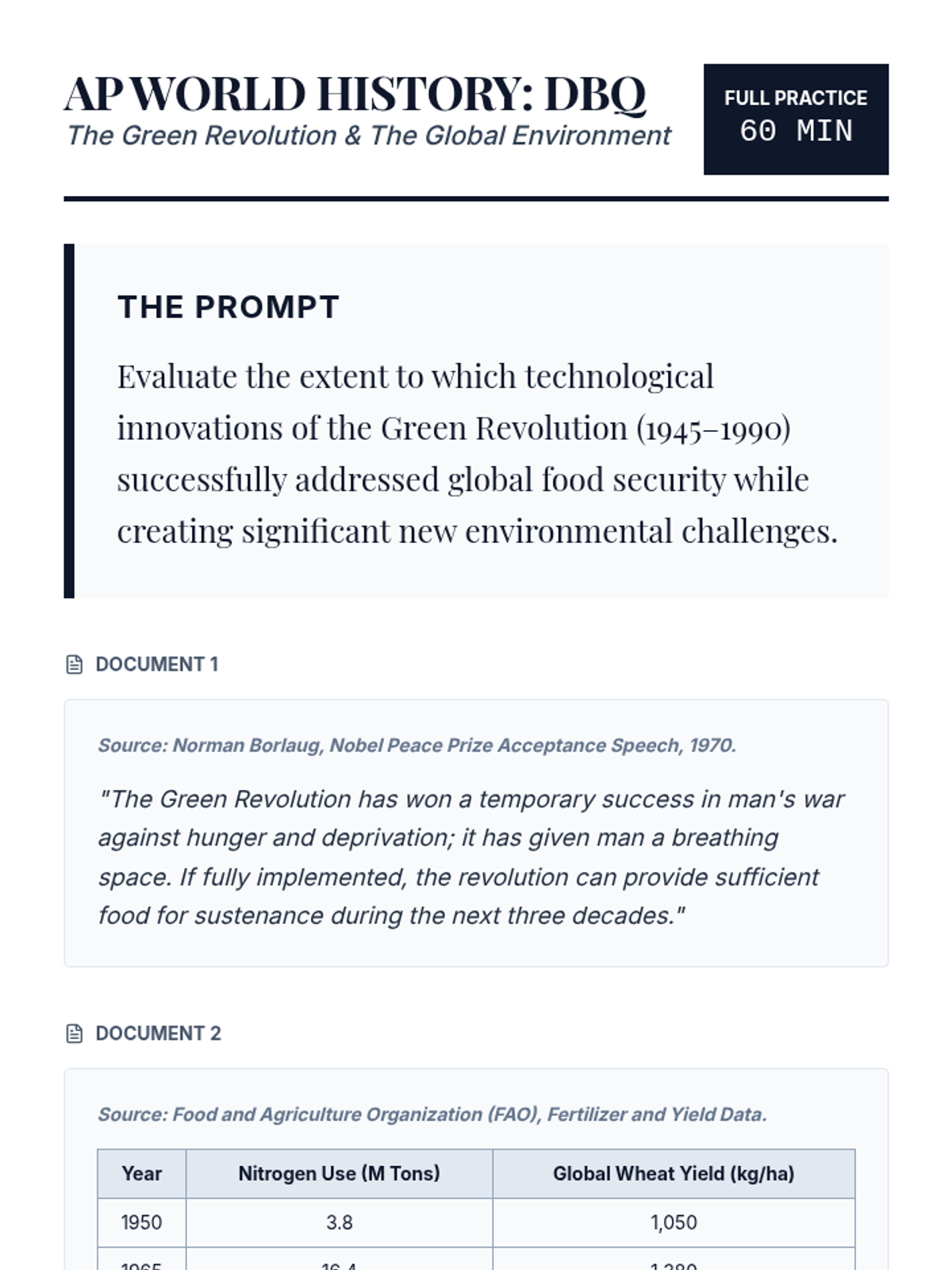
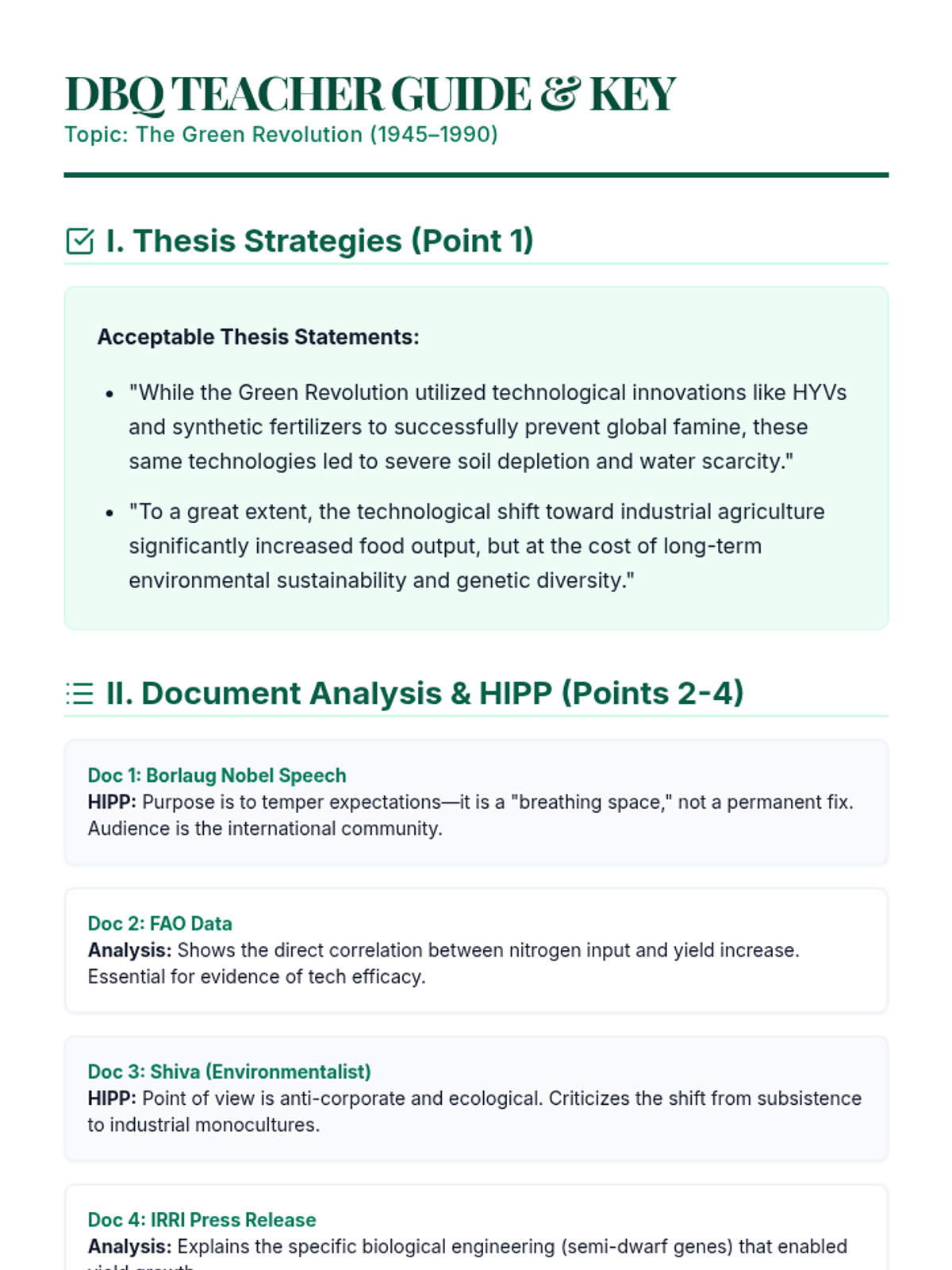
An AP World History lesson exploring the technological innovations and environmental consequences of the Green Revolution in the mid-20th century.
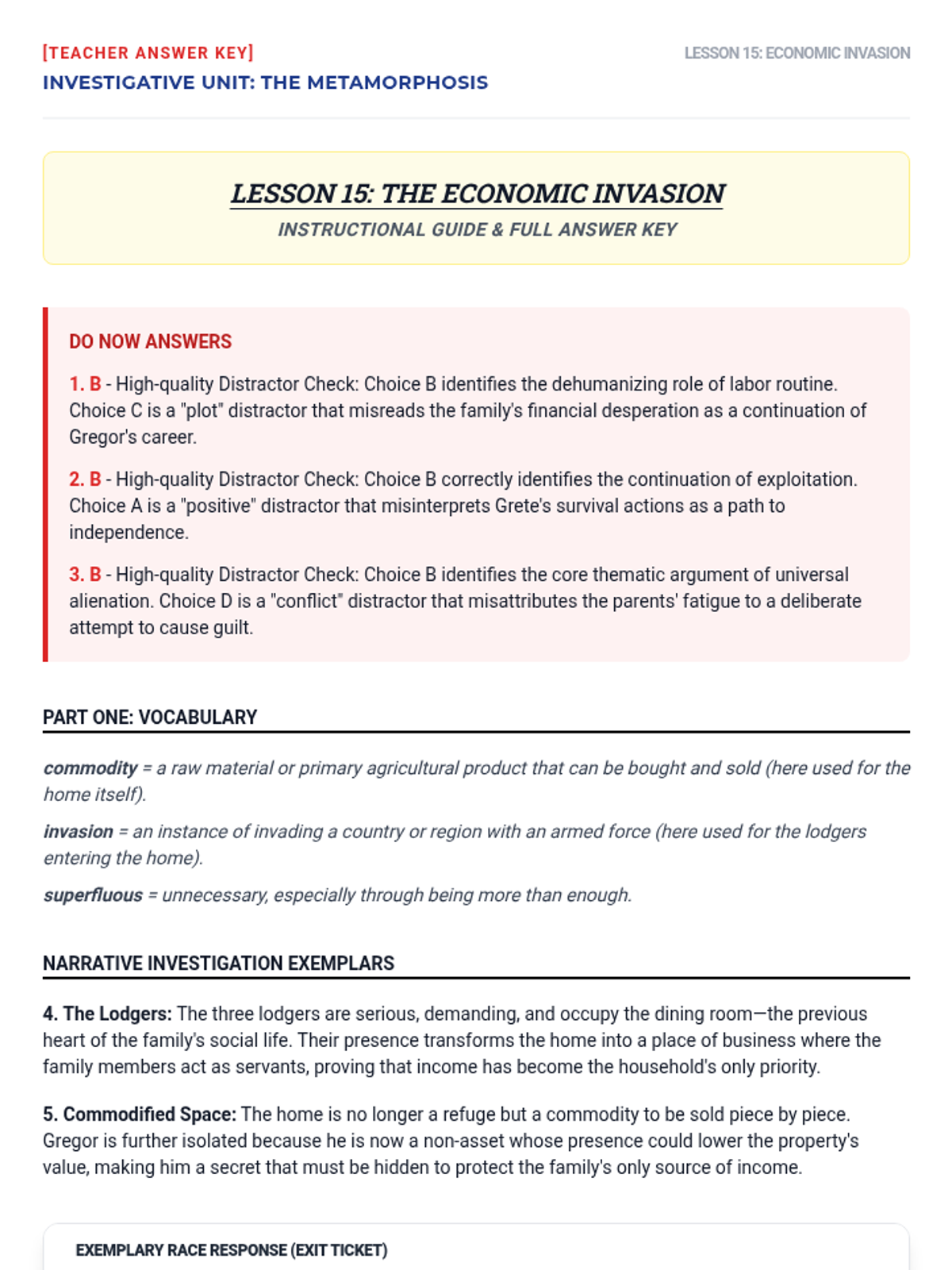
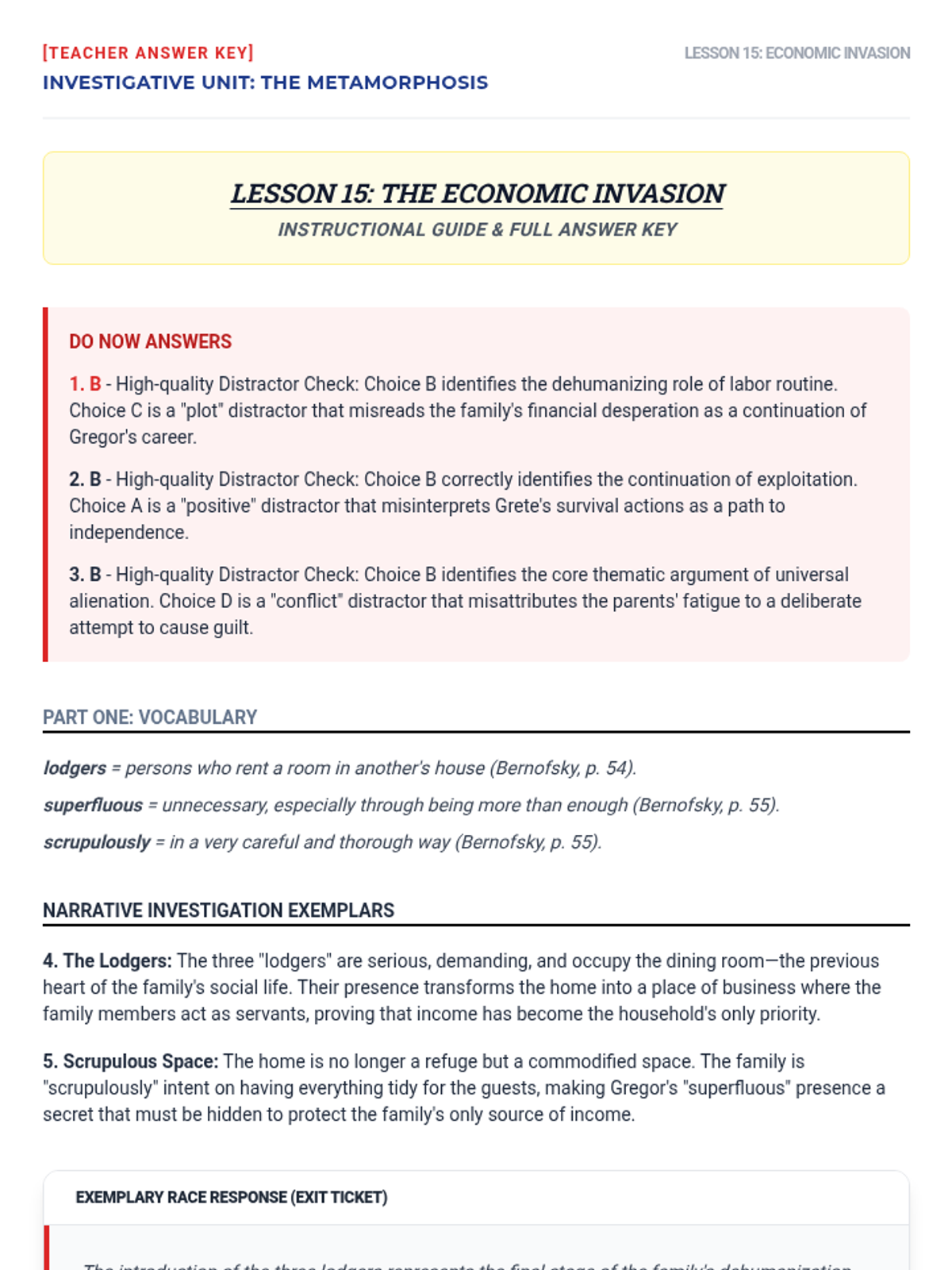
The introduction of the three lodgers. Analysis of the home as a commodified space and Gregor's further displacement.
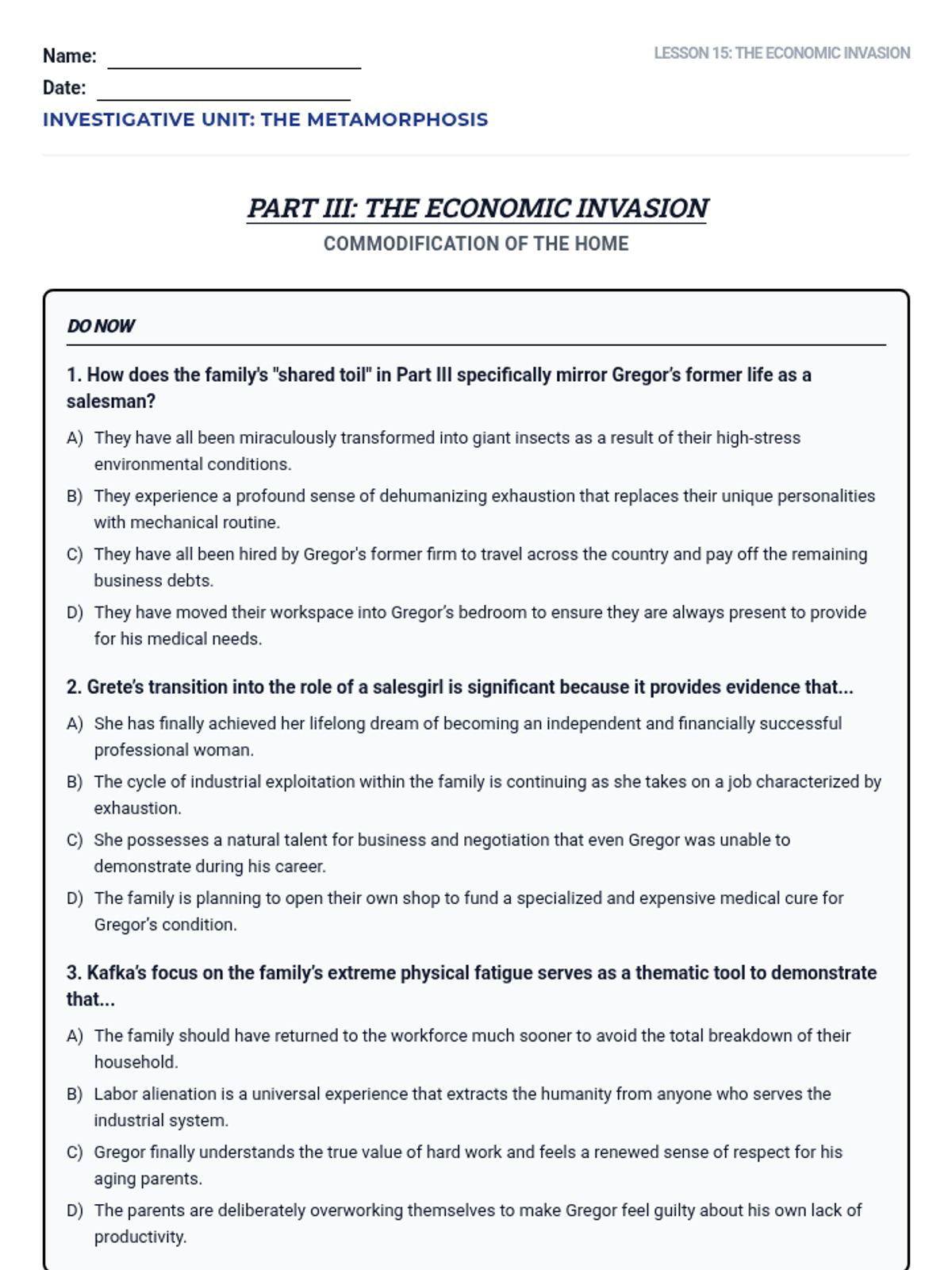
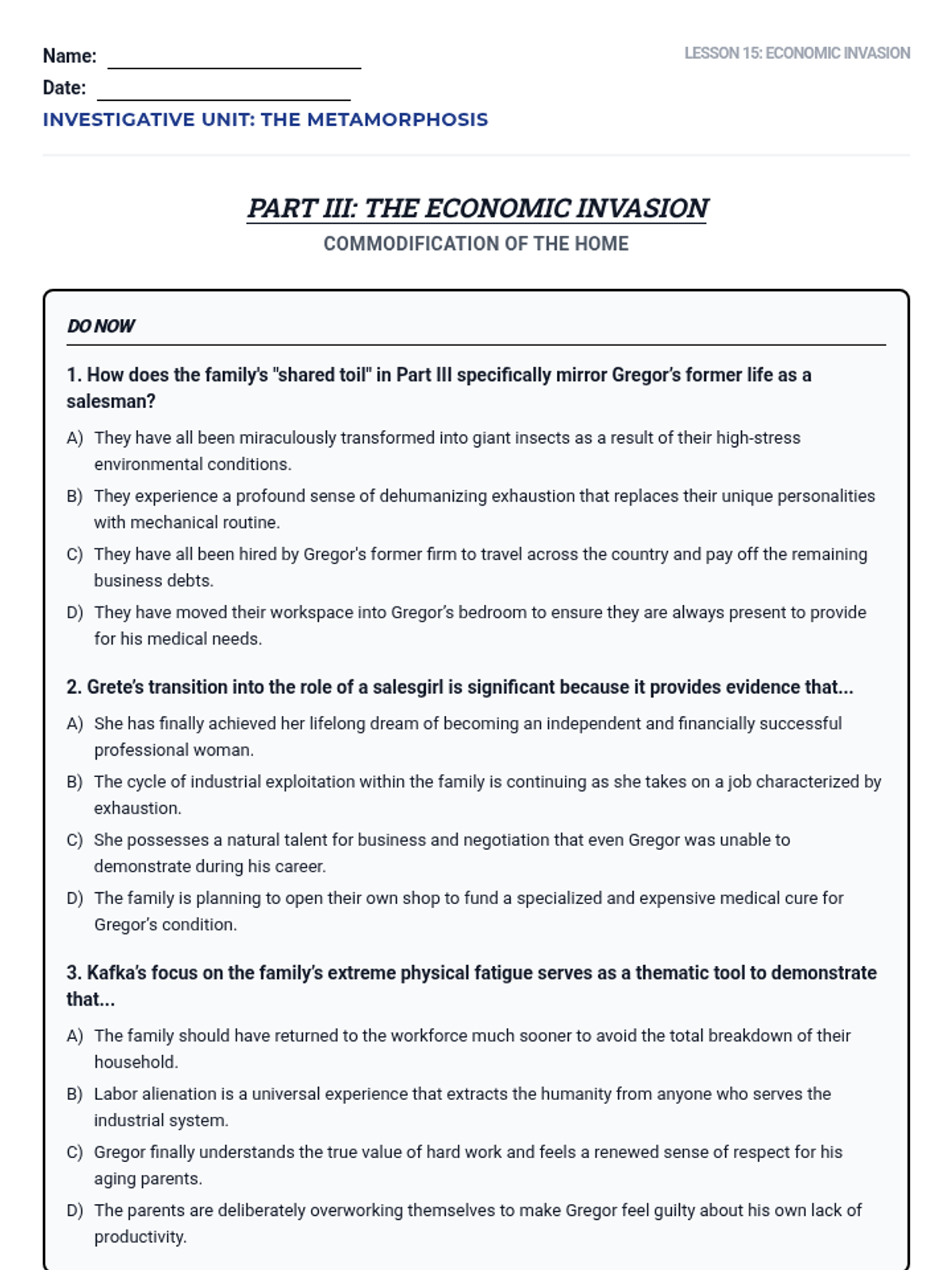
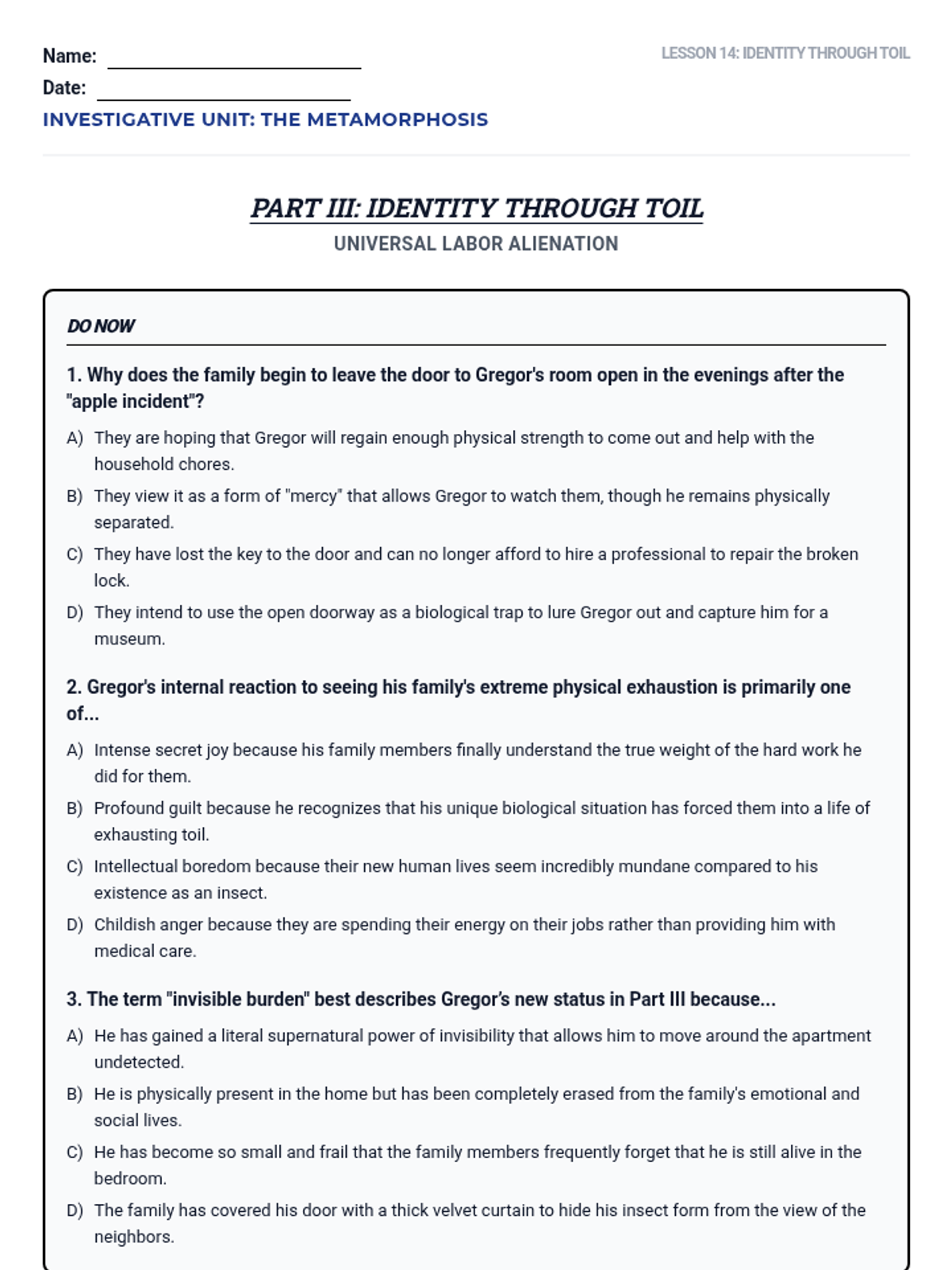
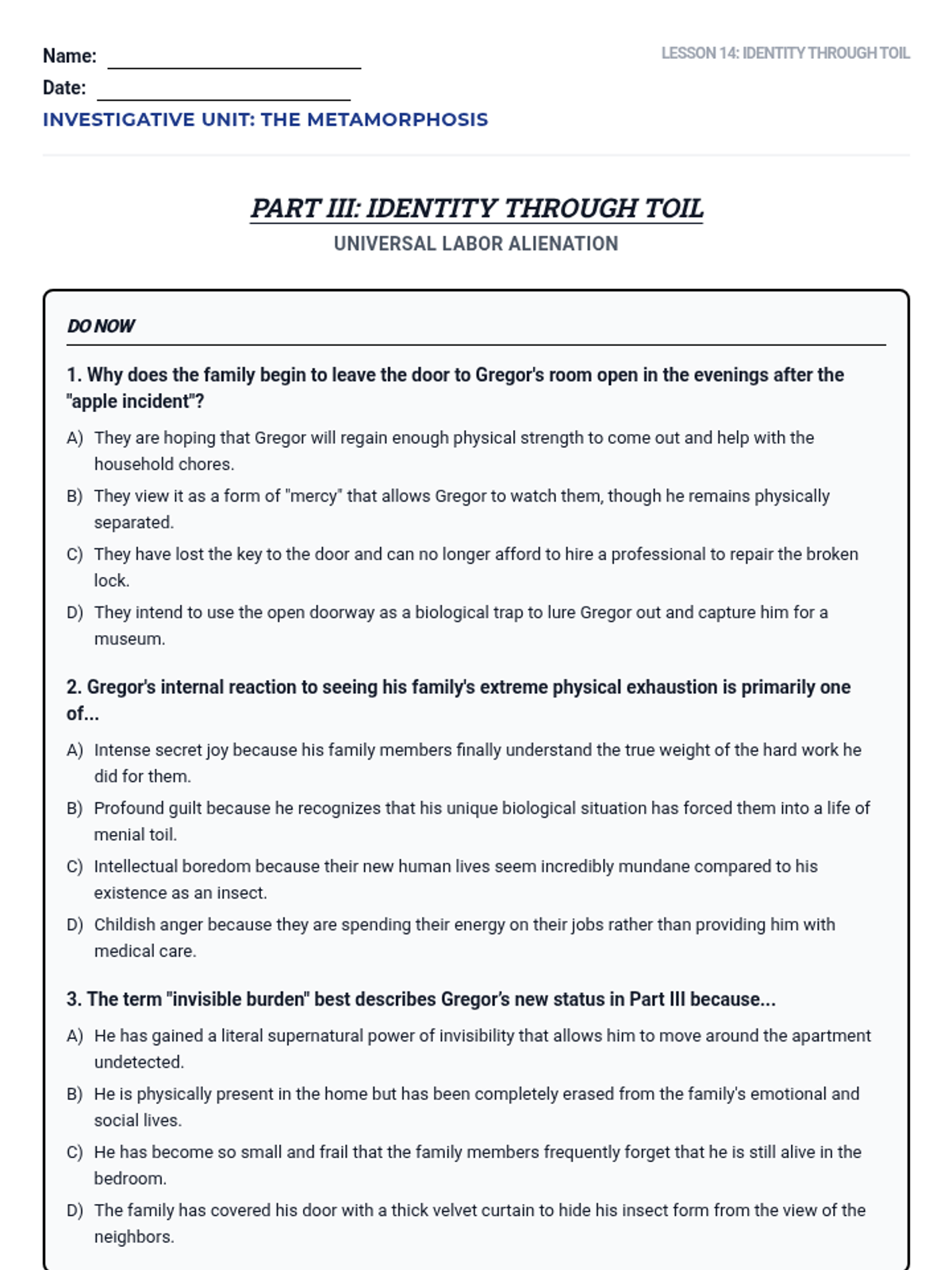
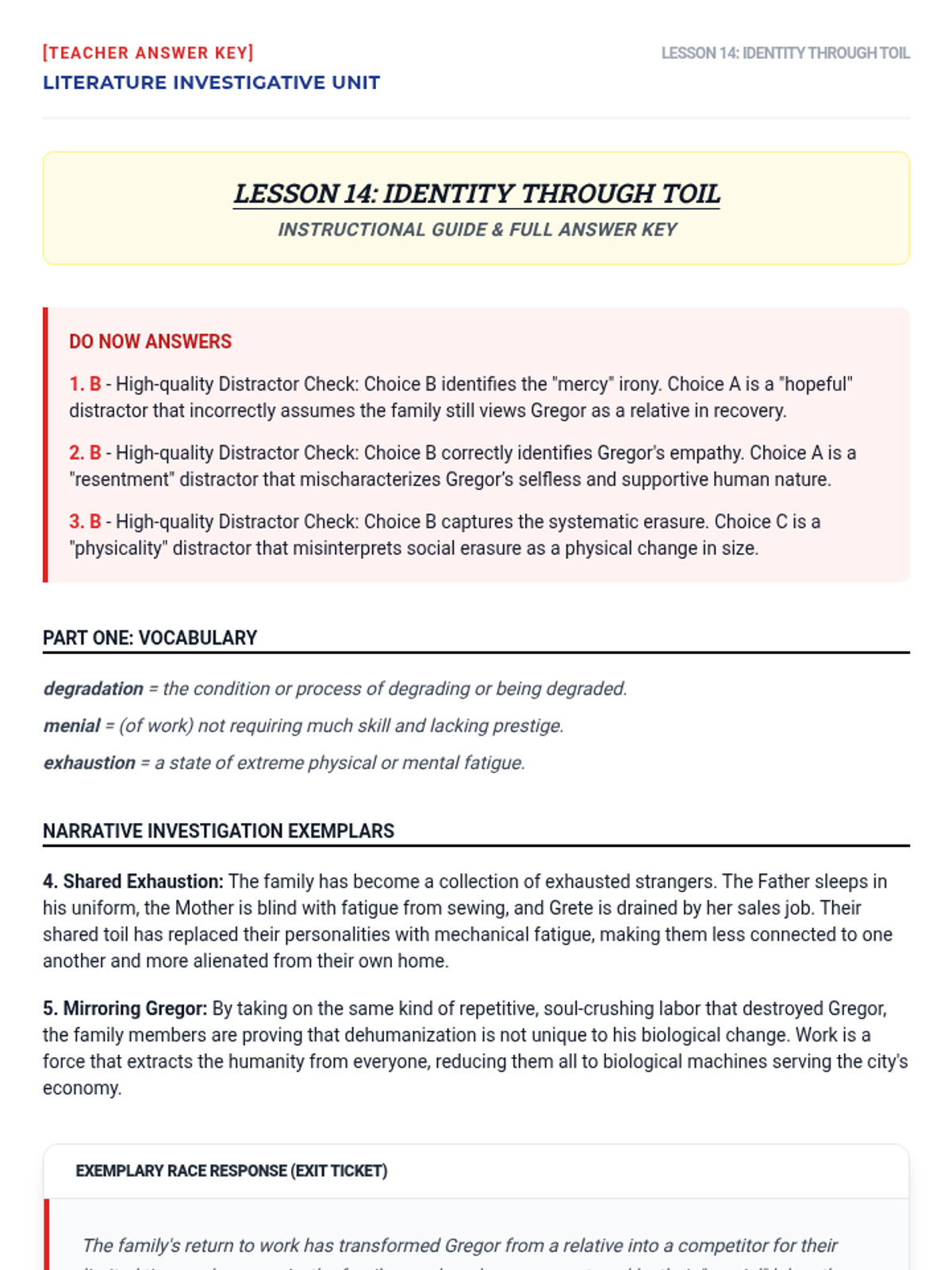
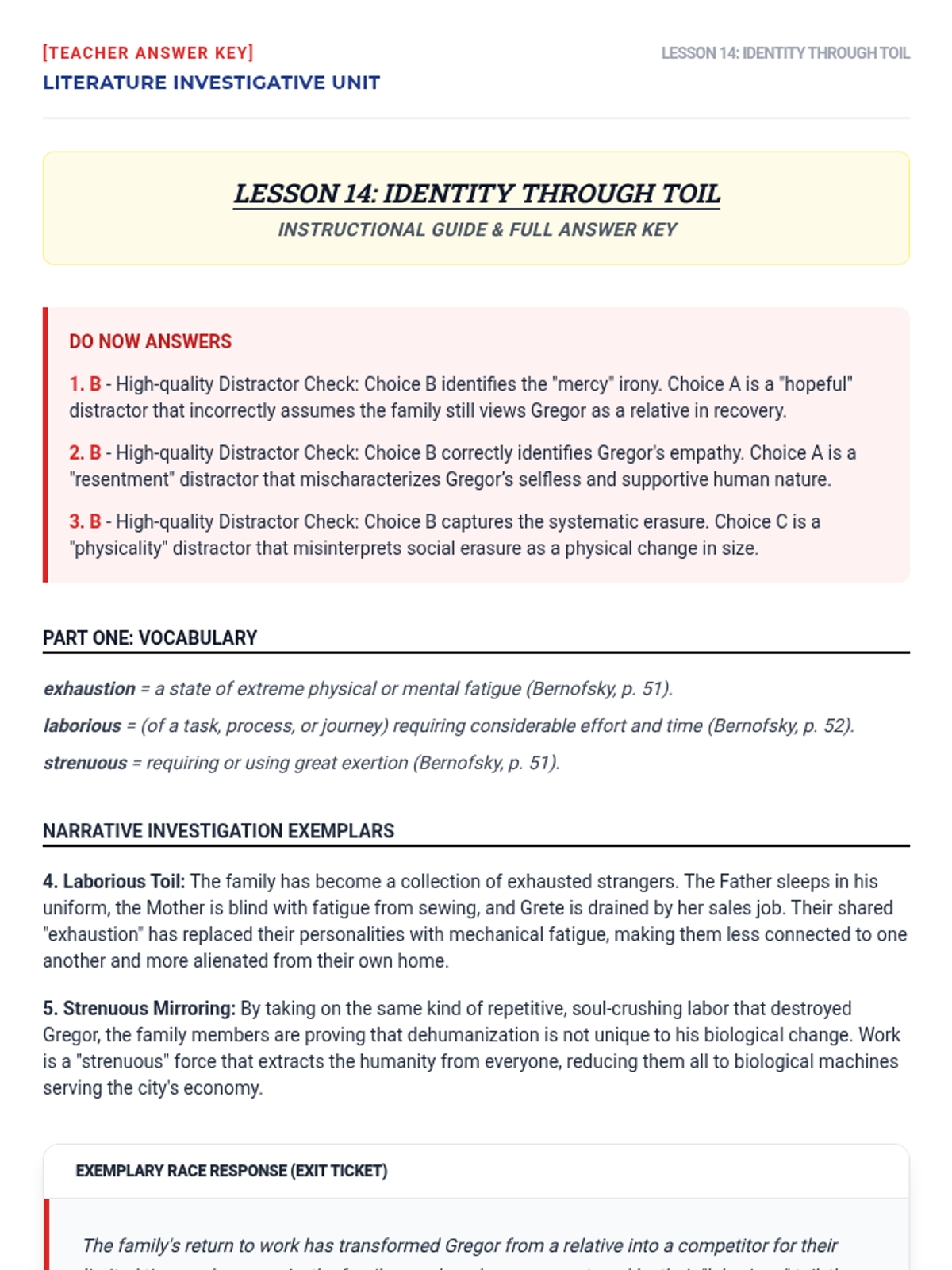
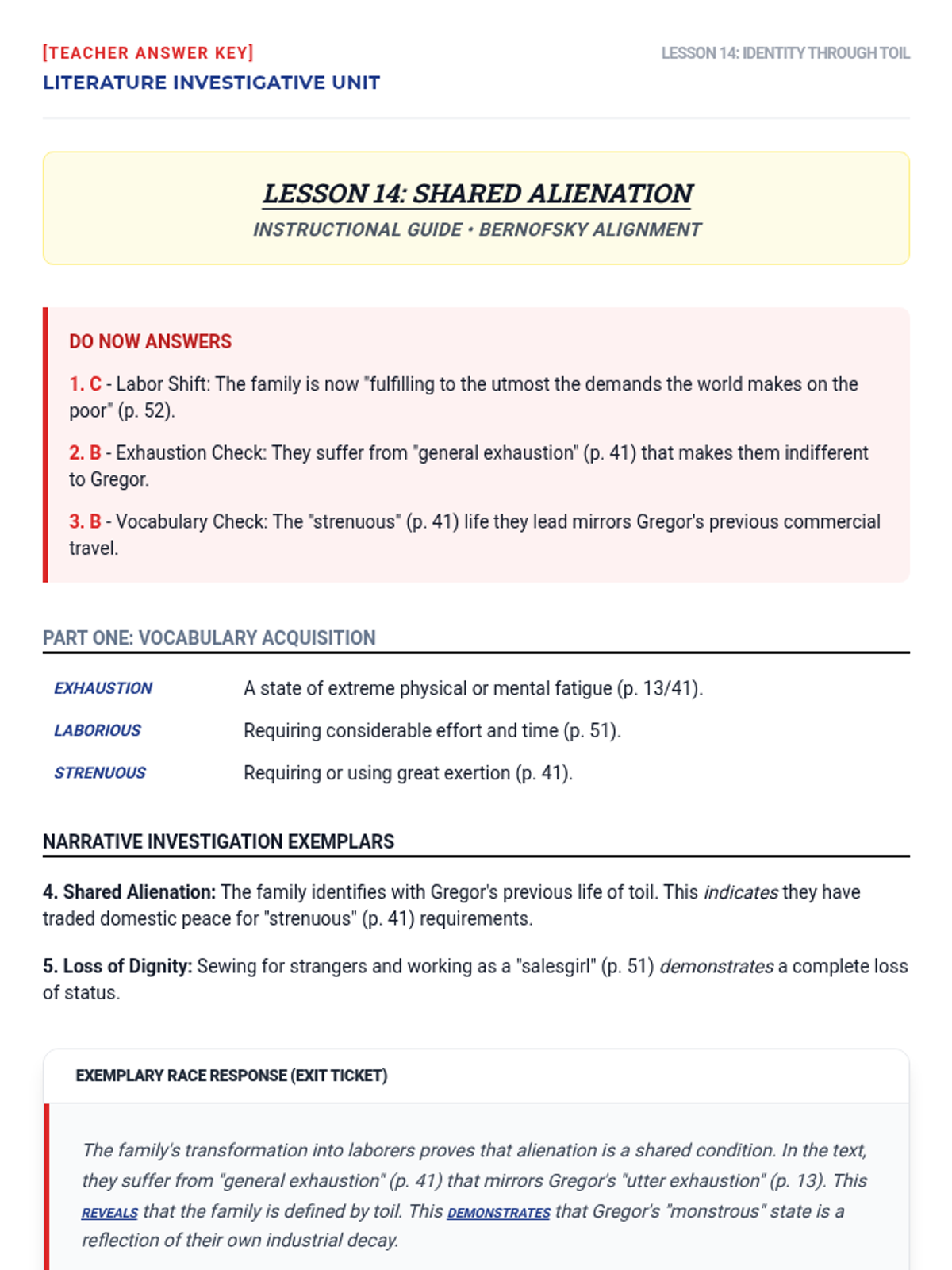
Analysis of the family taking on menial labor. Themes of exhaustion, loss of dignity, and the shared alienation of the working class.
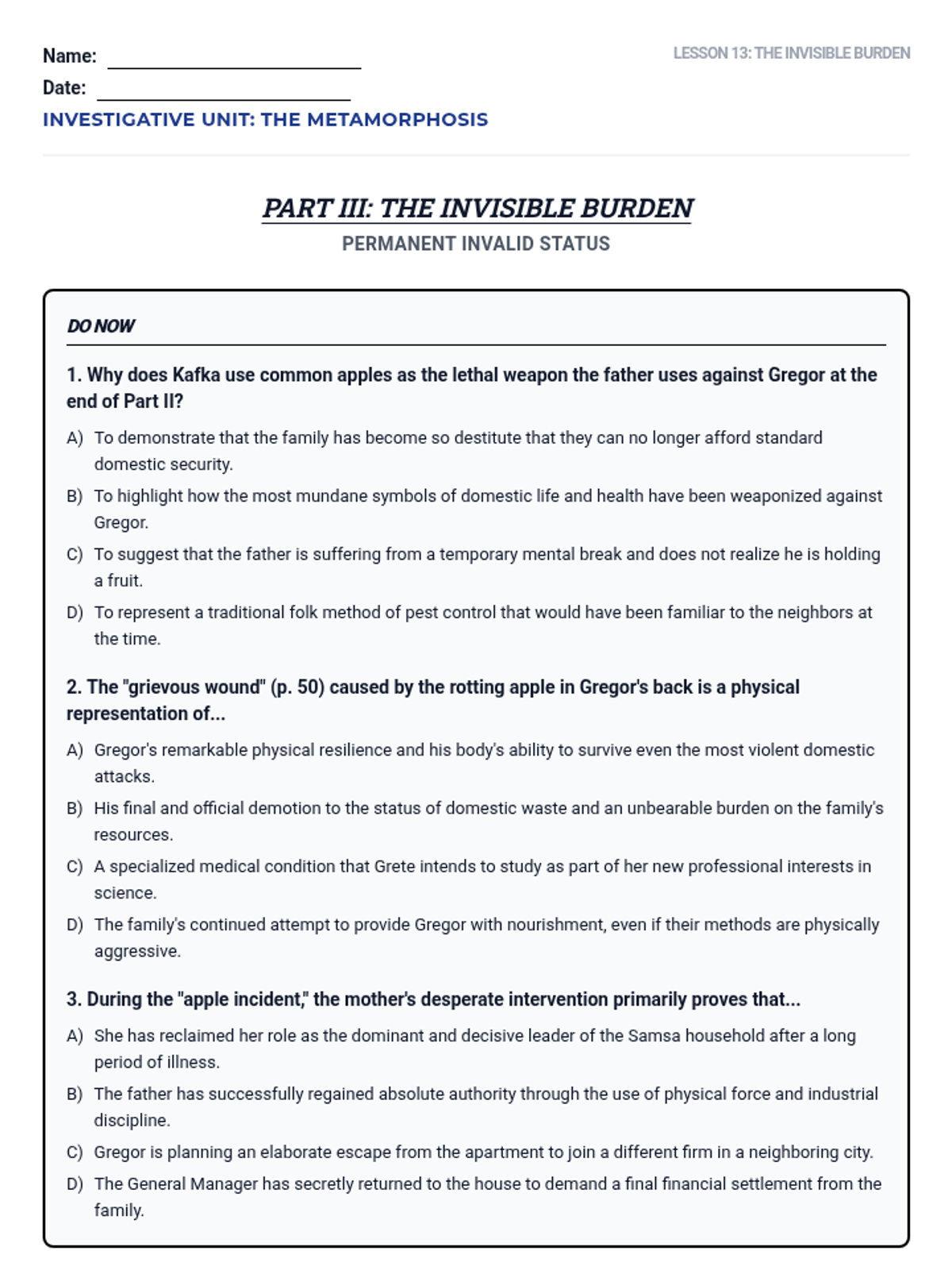
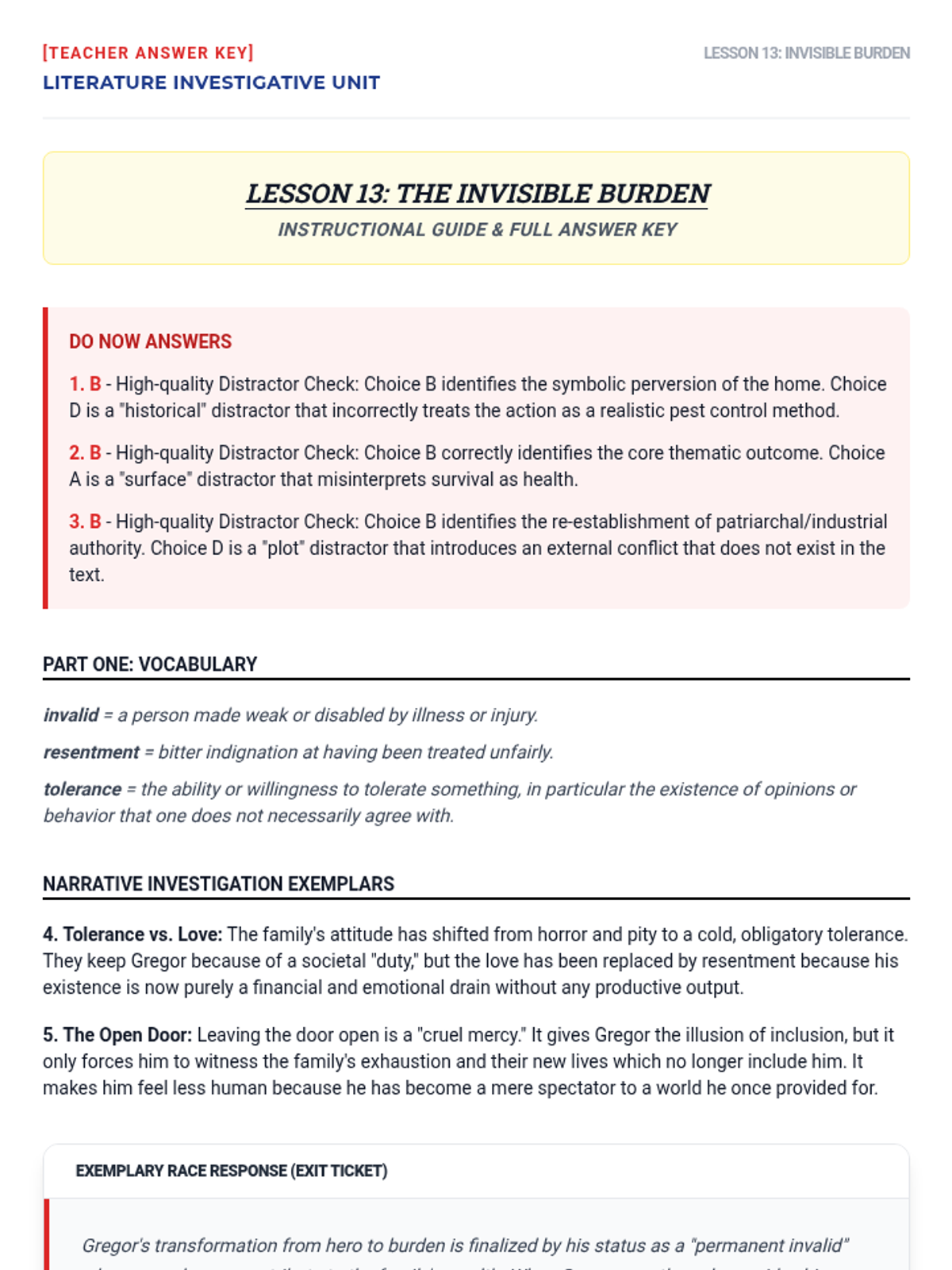
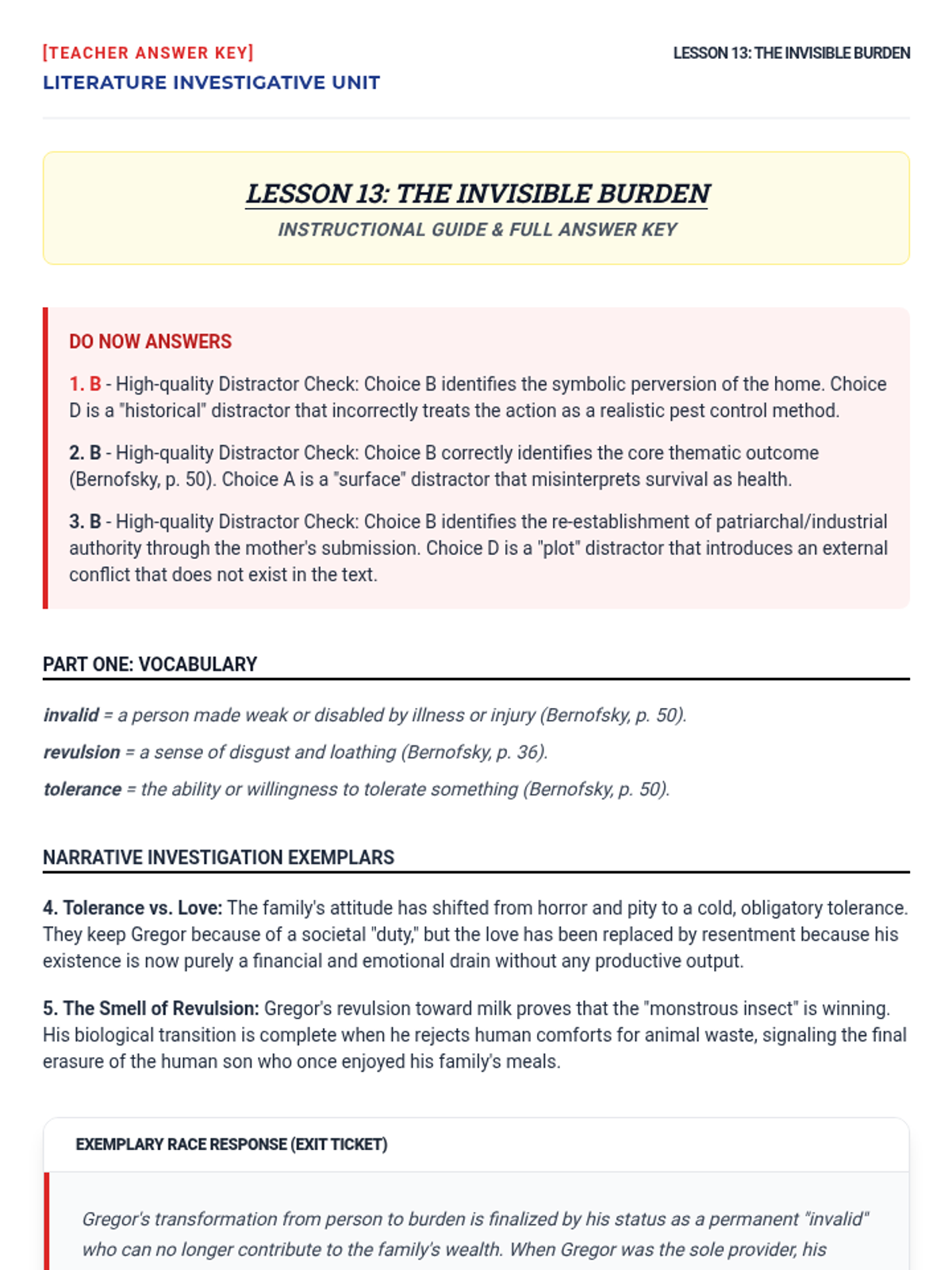
Gregor as a permanent invalid. Analysis of the family's growing resentment and the physical reminder of his non-productive status.
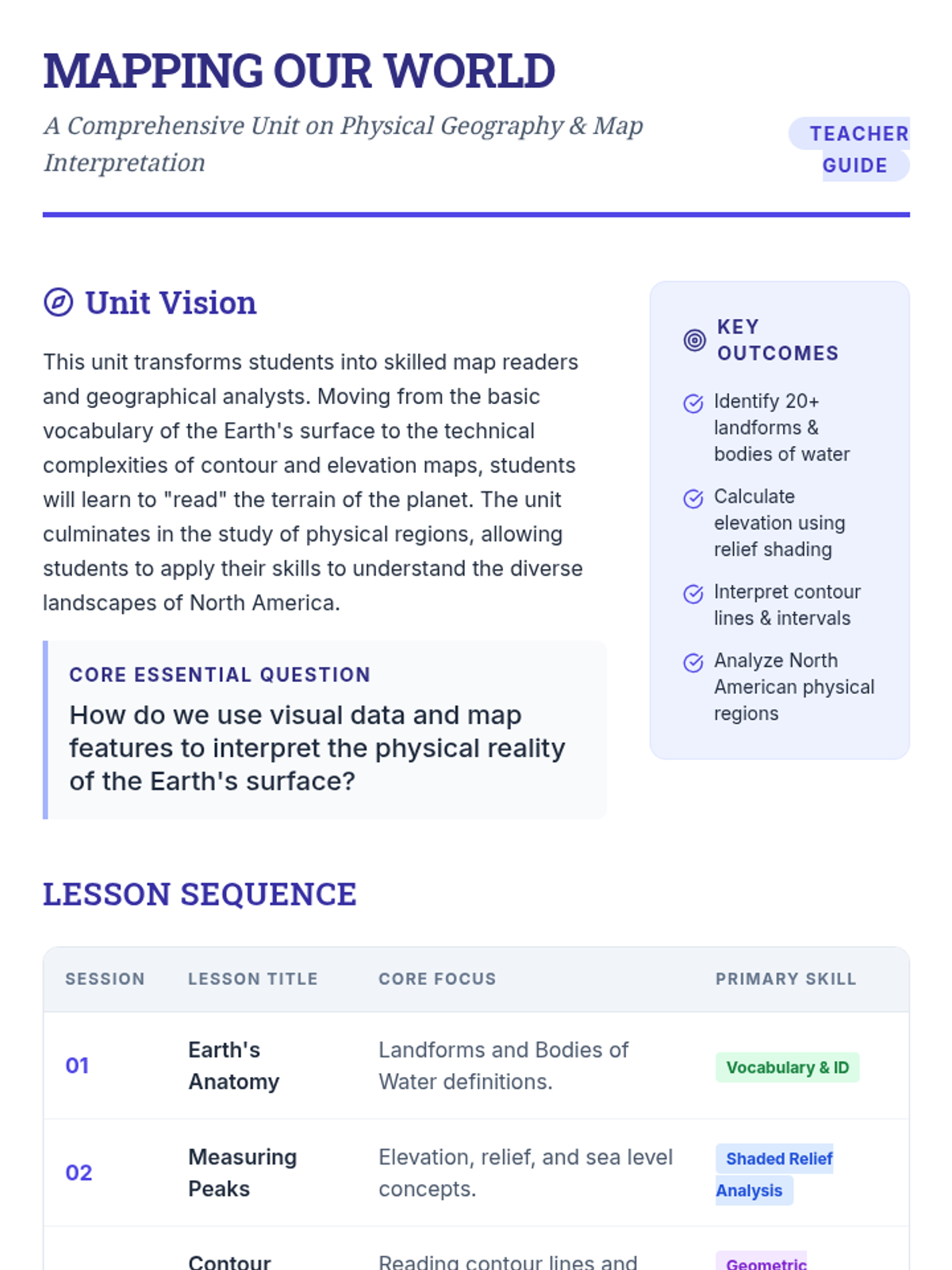
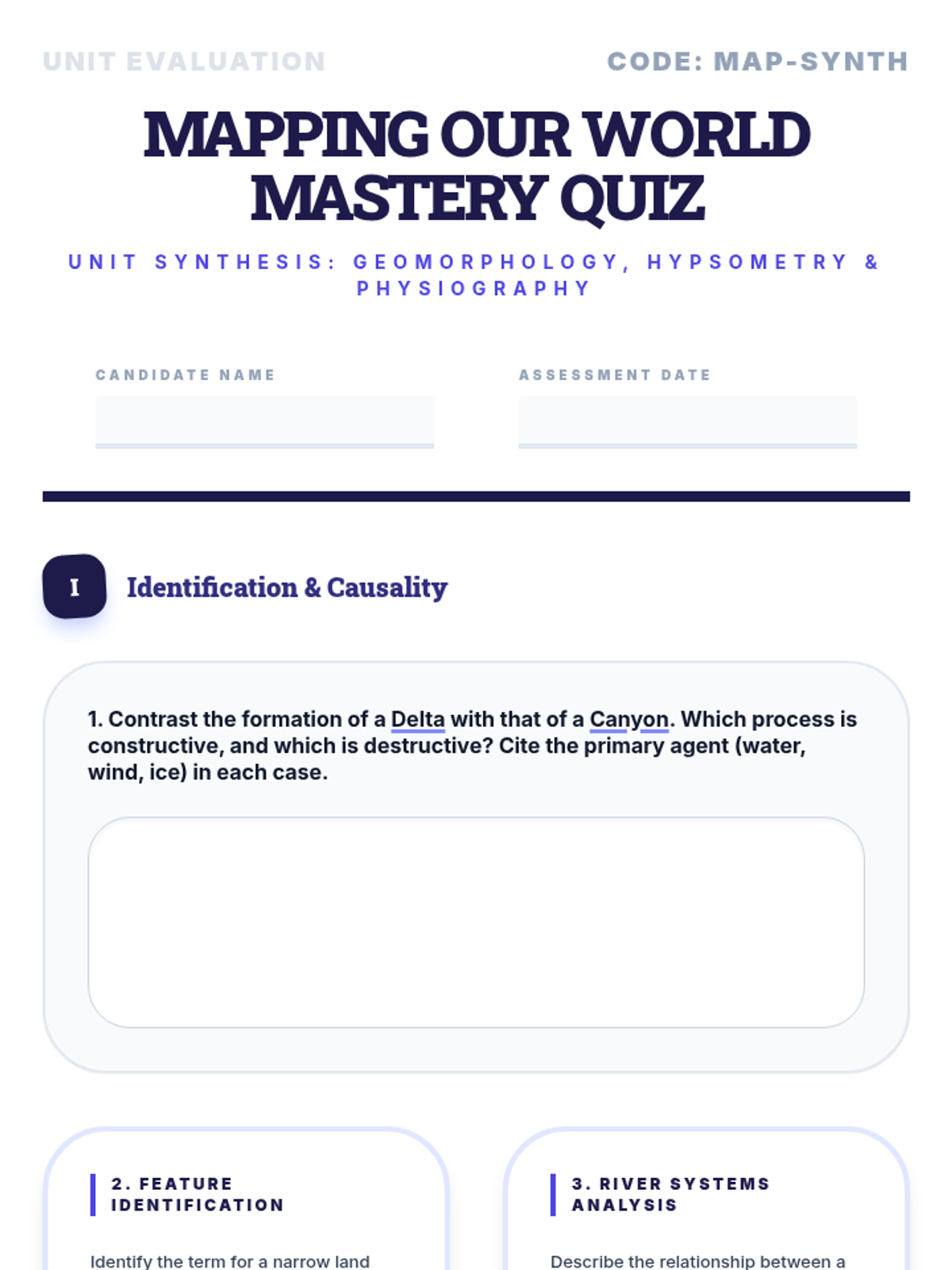
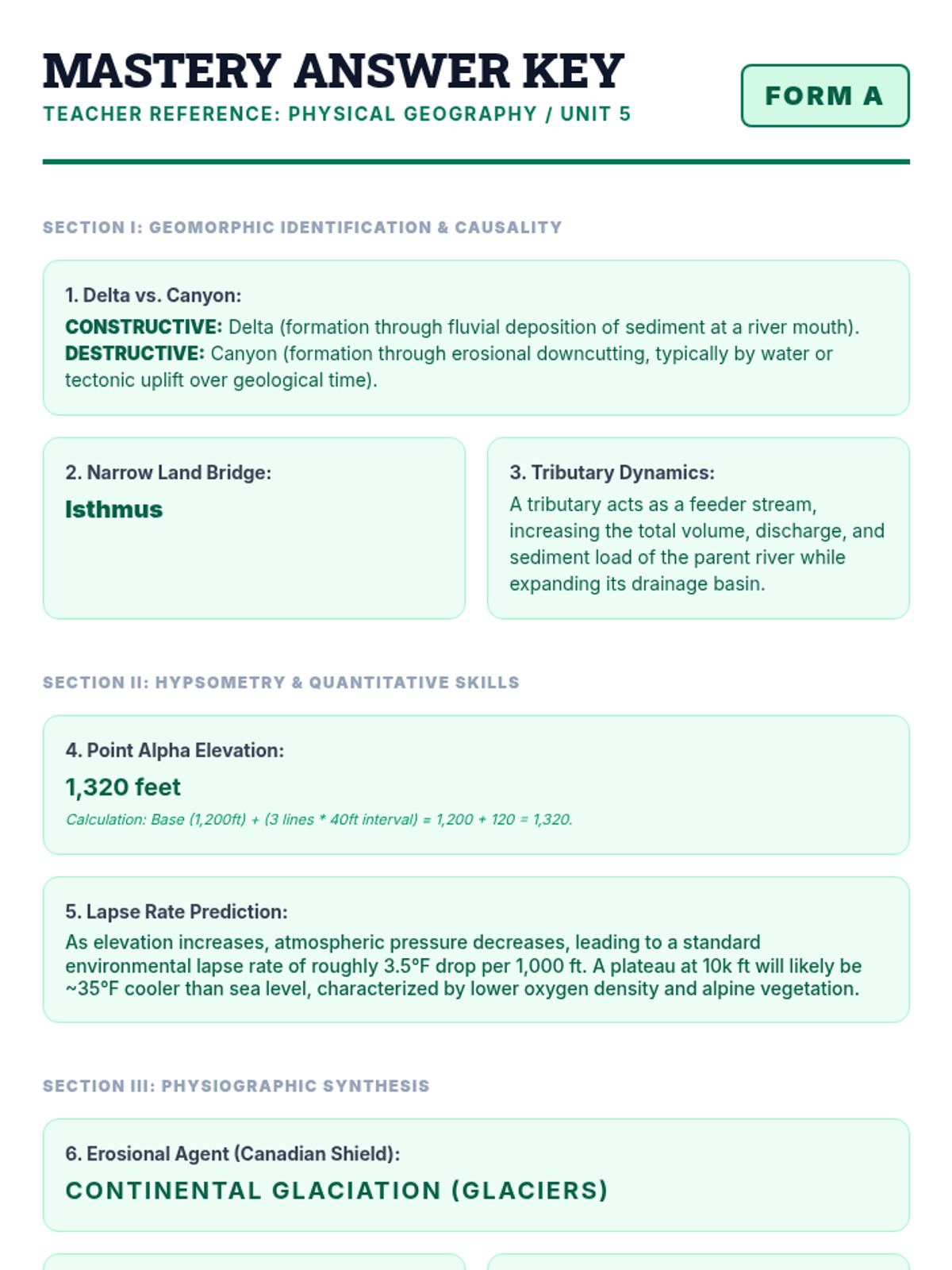
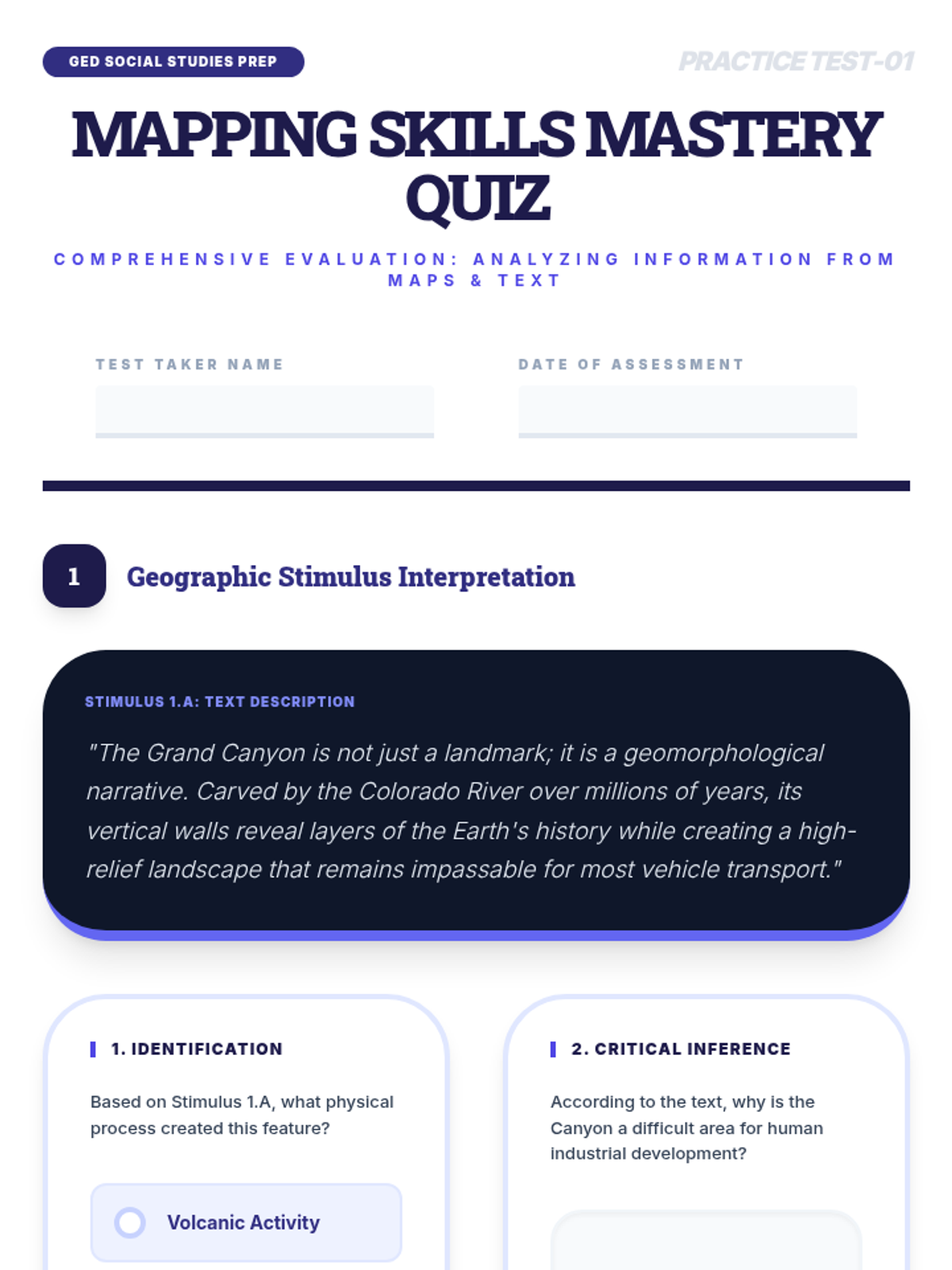
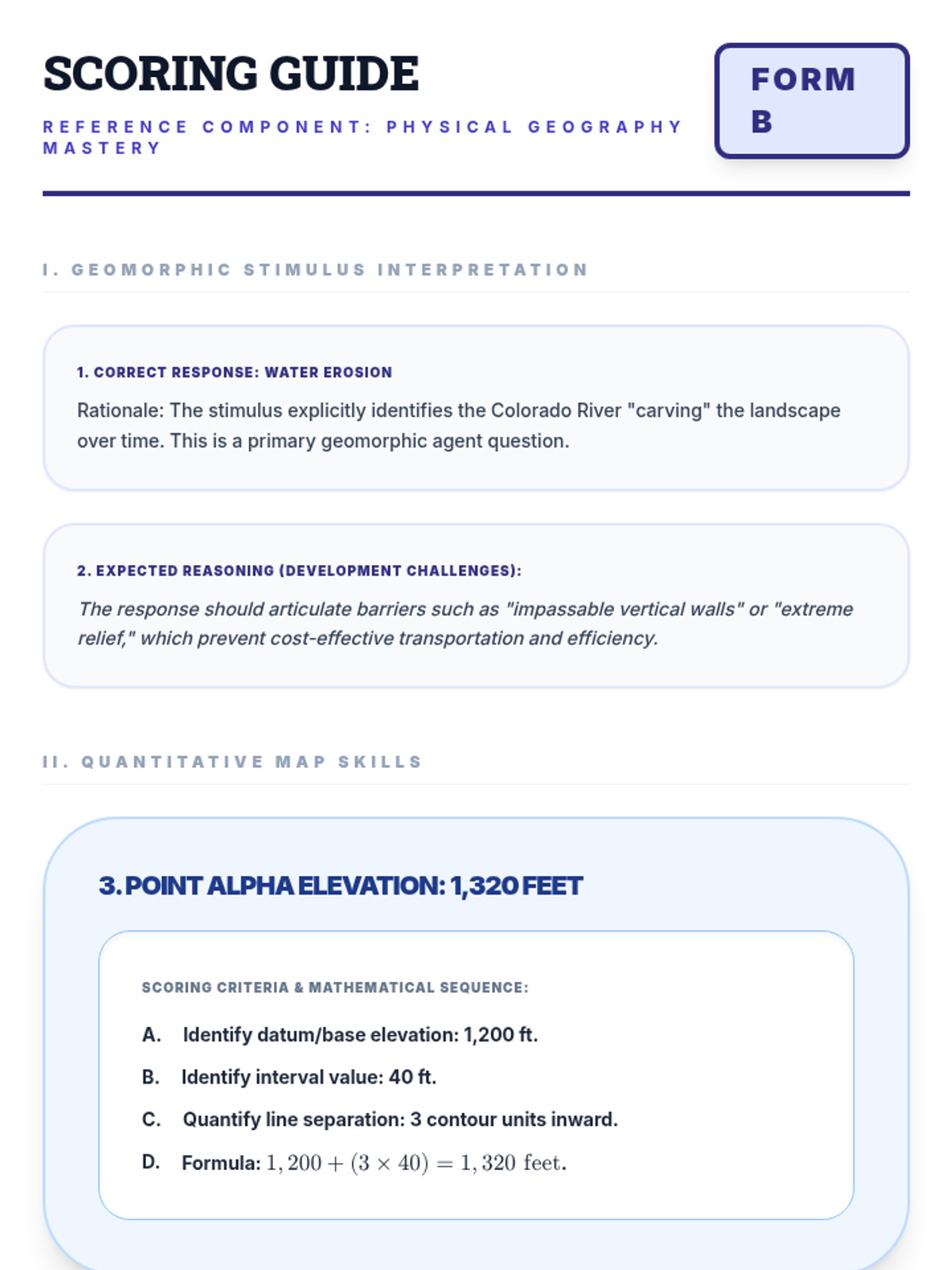
A final assessment and review lesson to verify student mastery of the unit's geography skills.
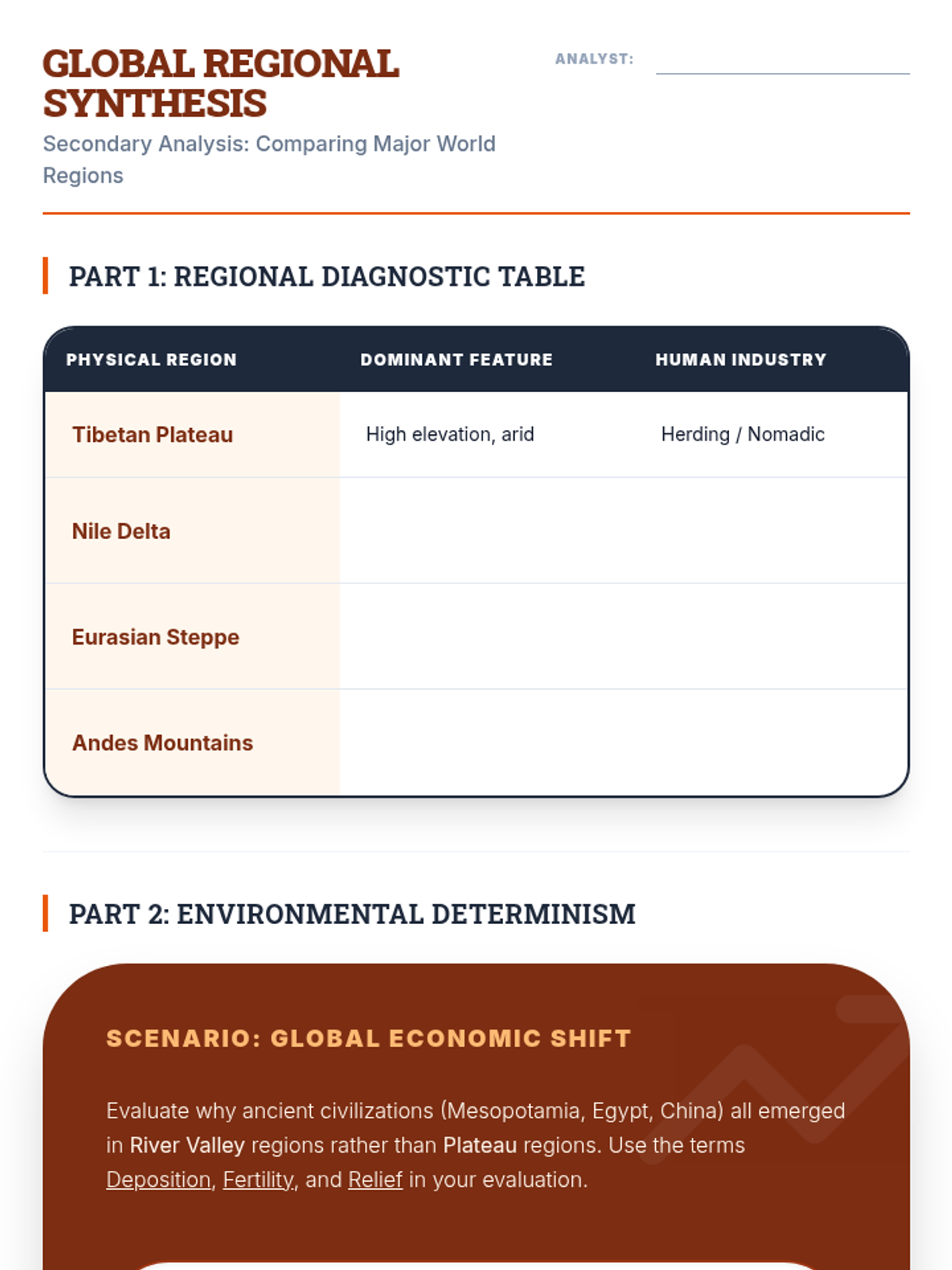
Analyzing the major physical regions of the world and their impact on human settlement and activity.
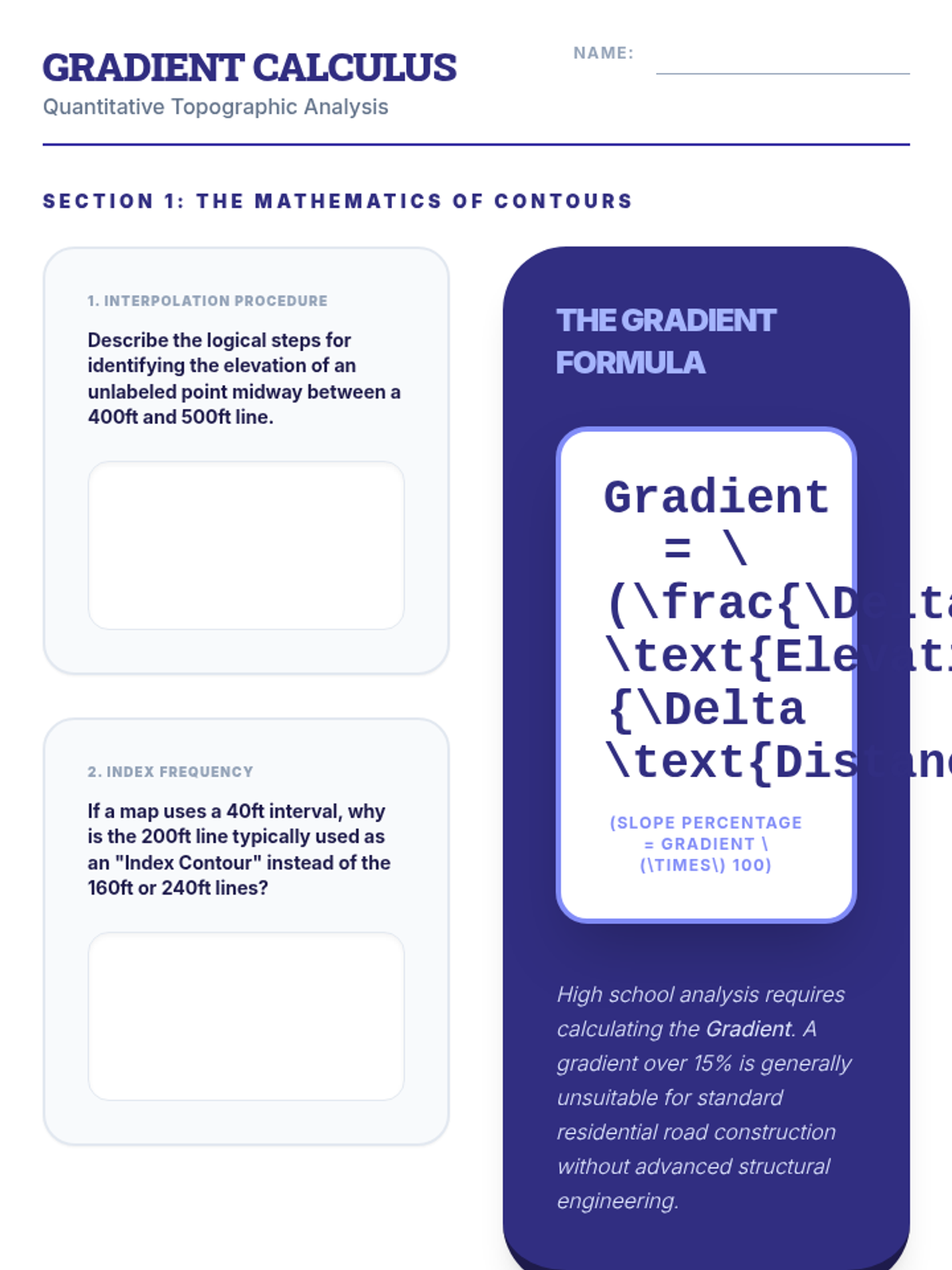
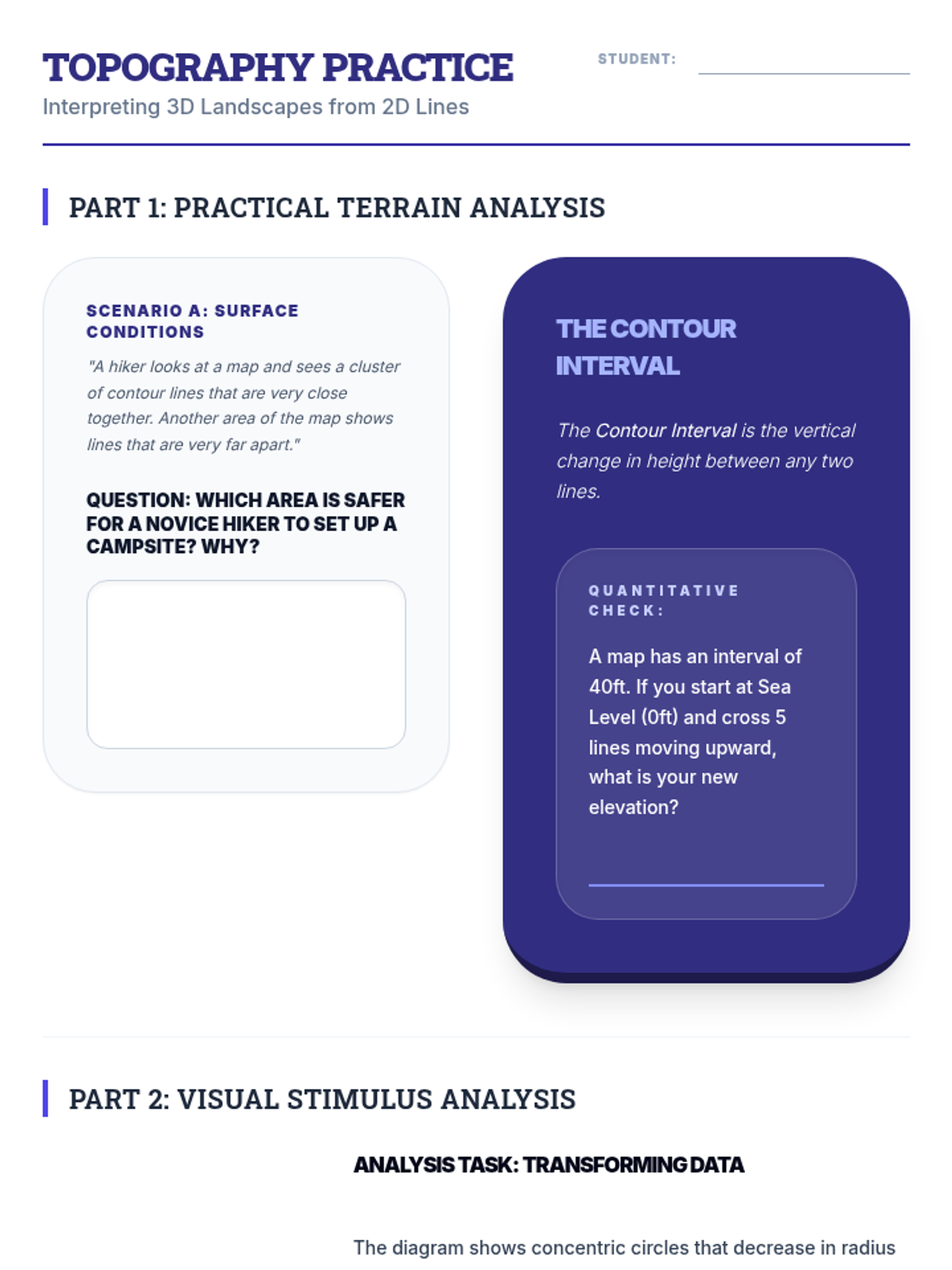
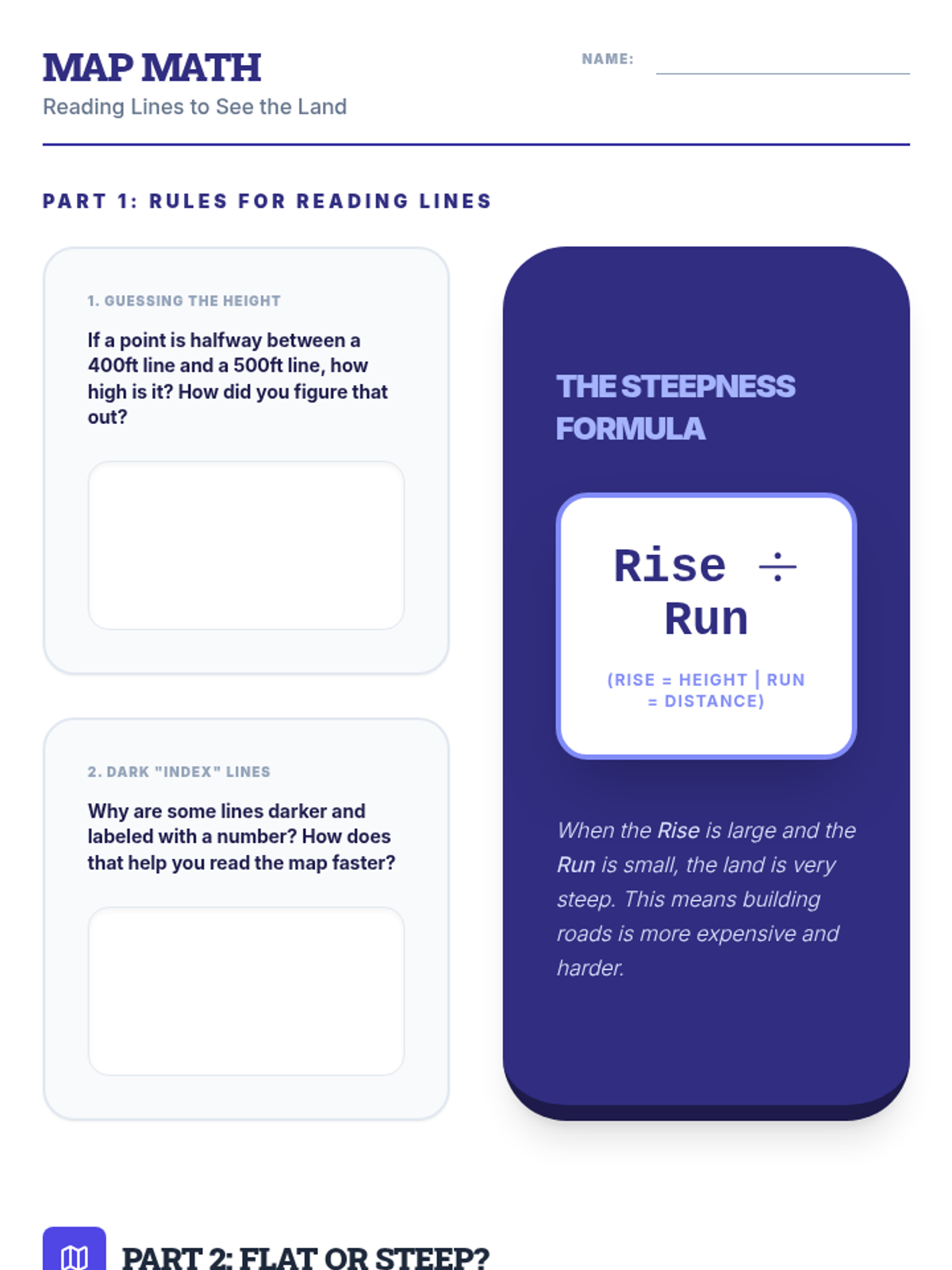
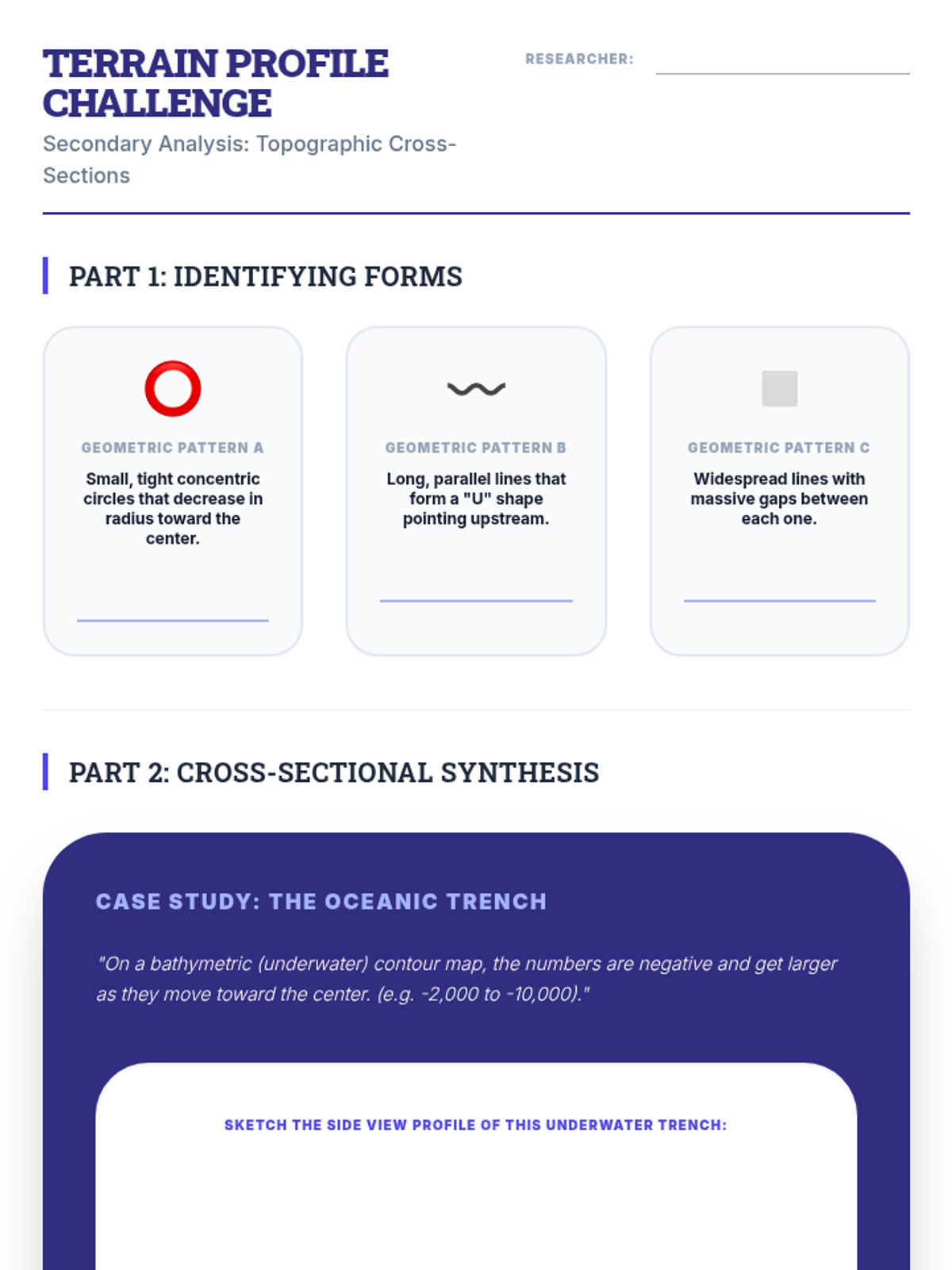
Using contour maps to visualize 3D terrain and calculate gradients across various global landscapes.
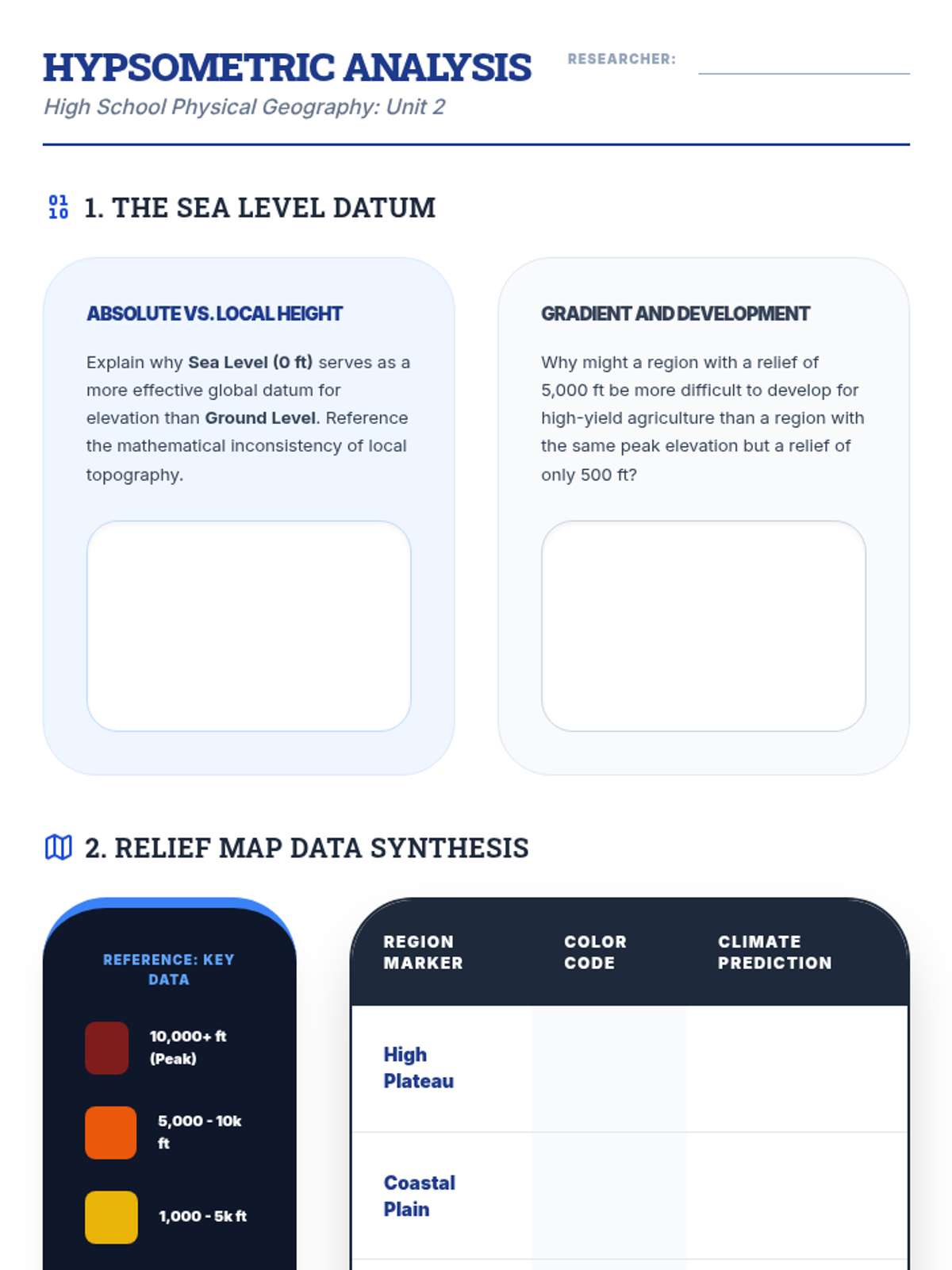
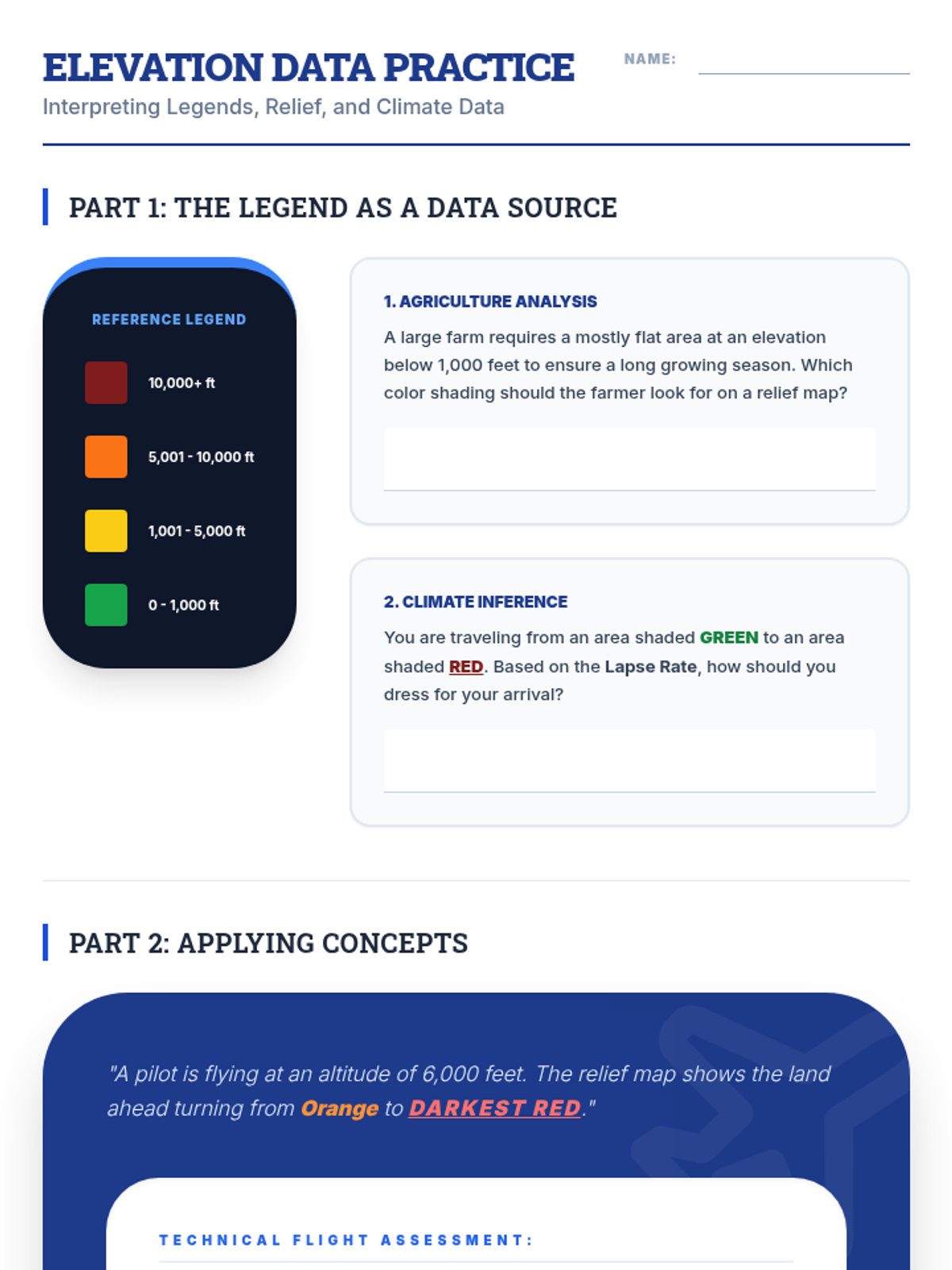
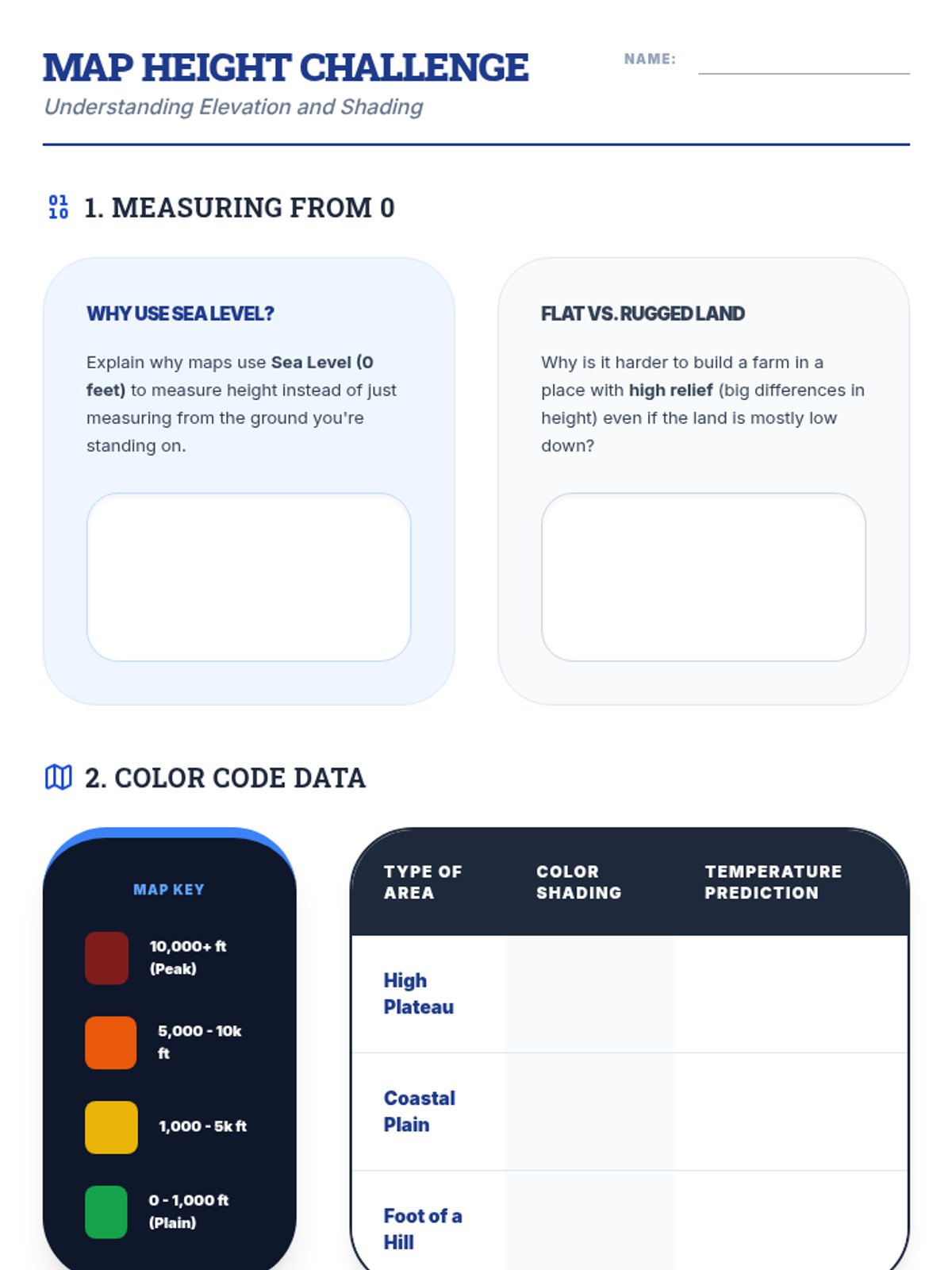
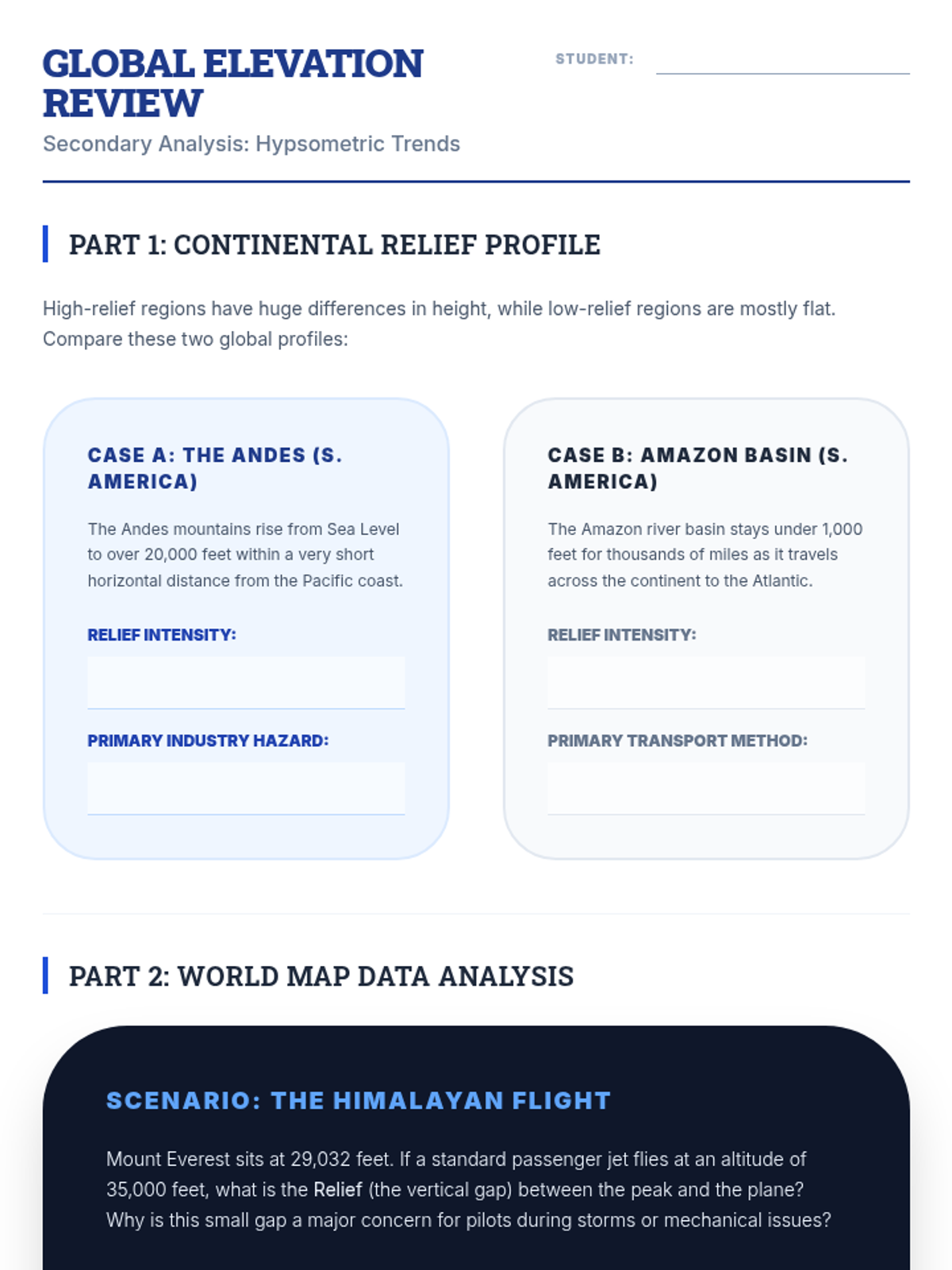
Mastering the use of relief shading and elevation data to interpret global mountain ranges and basins.
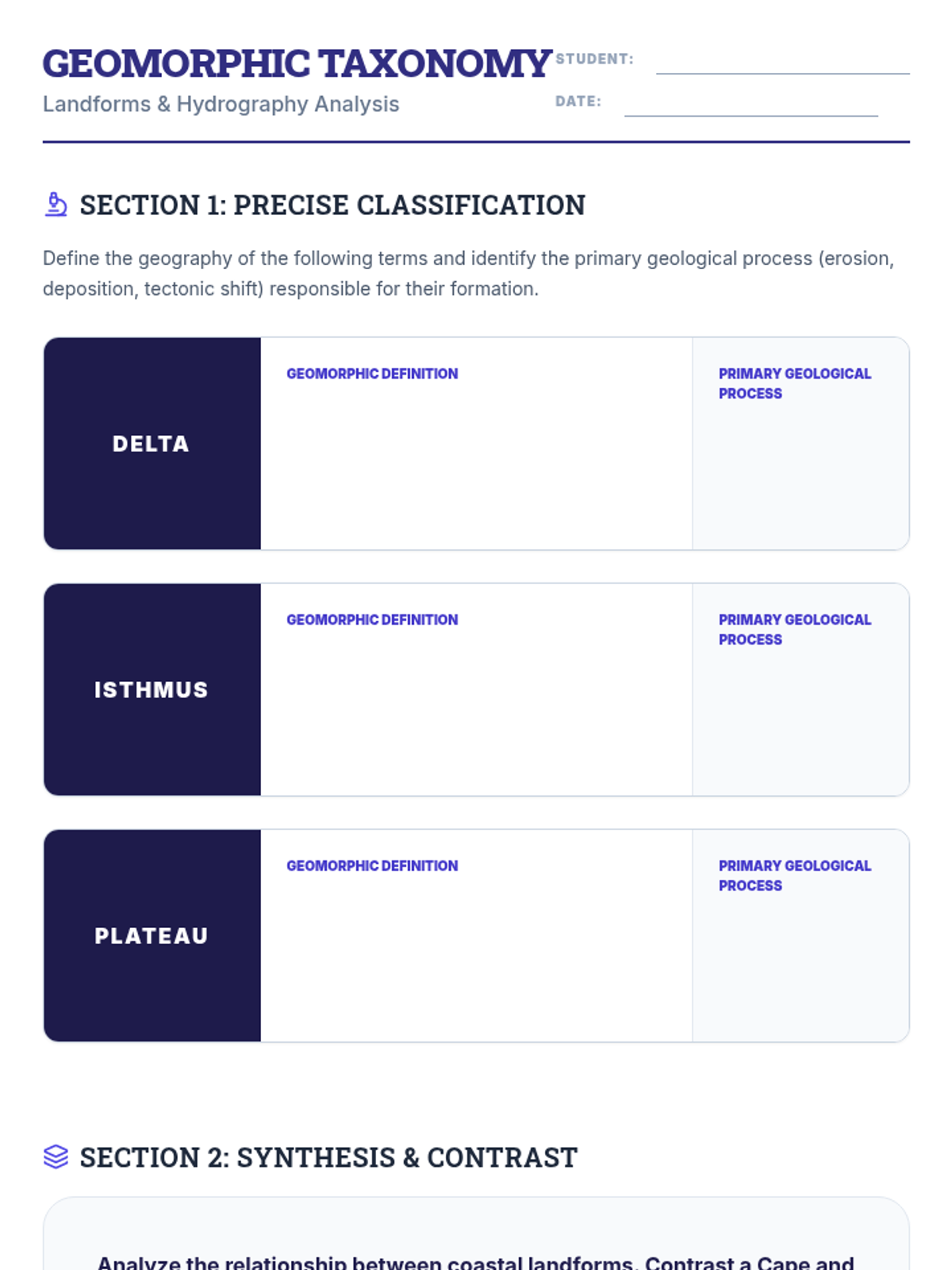
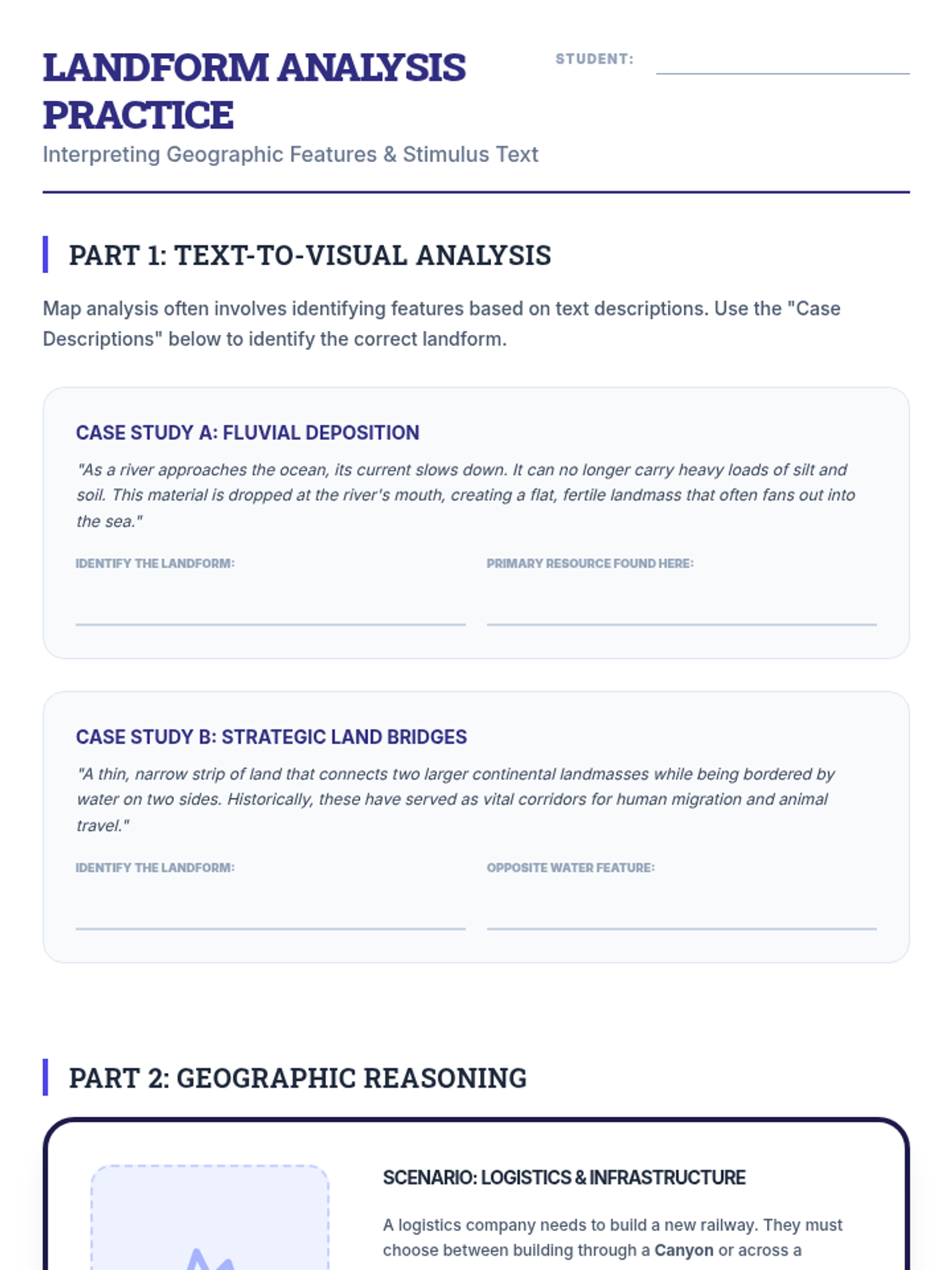
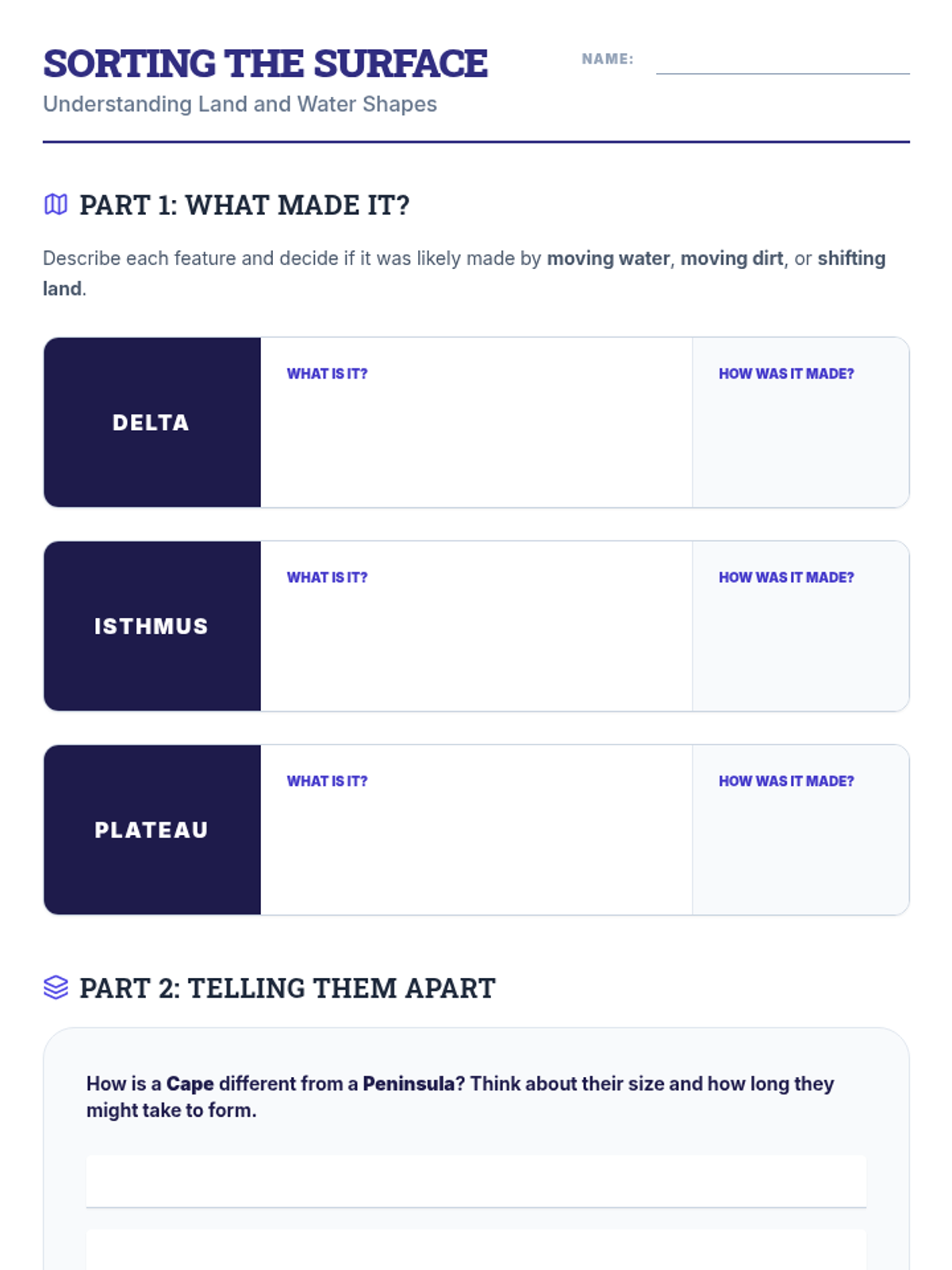
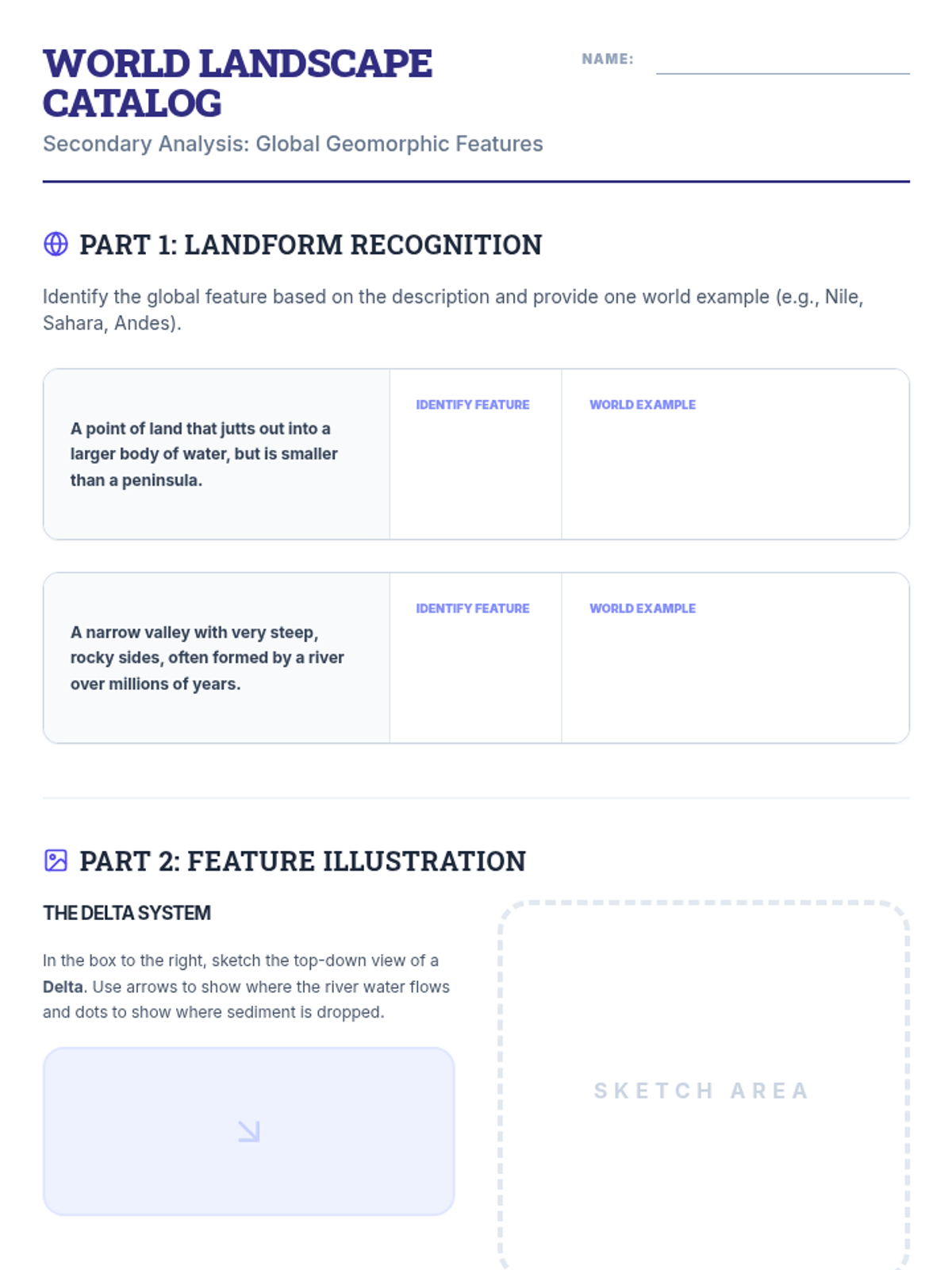
Identification of major landforms and bodies of water found across the seven continents.
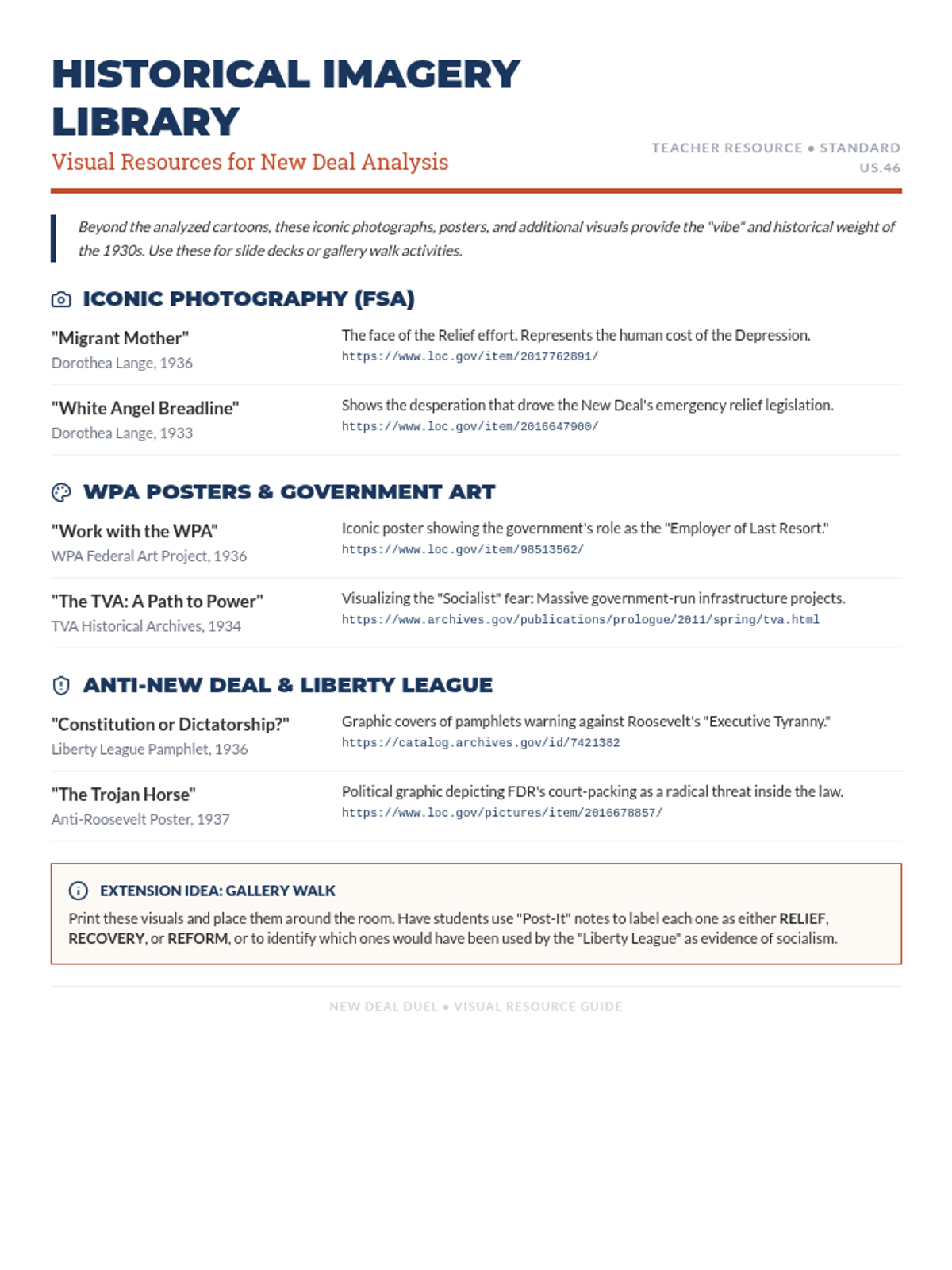
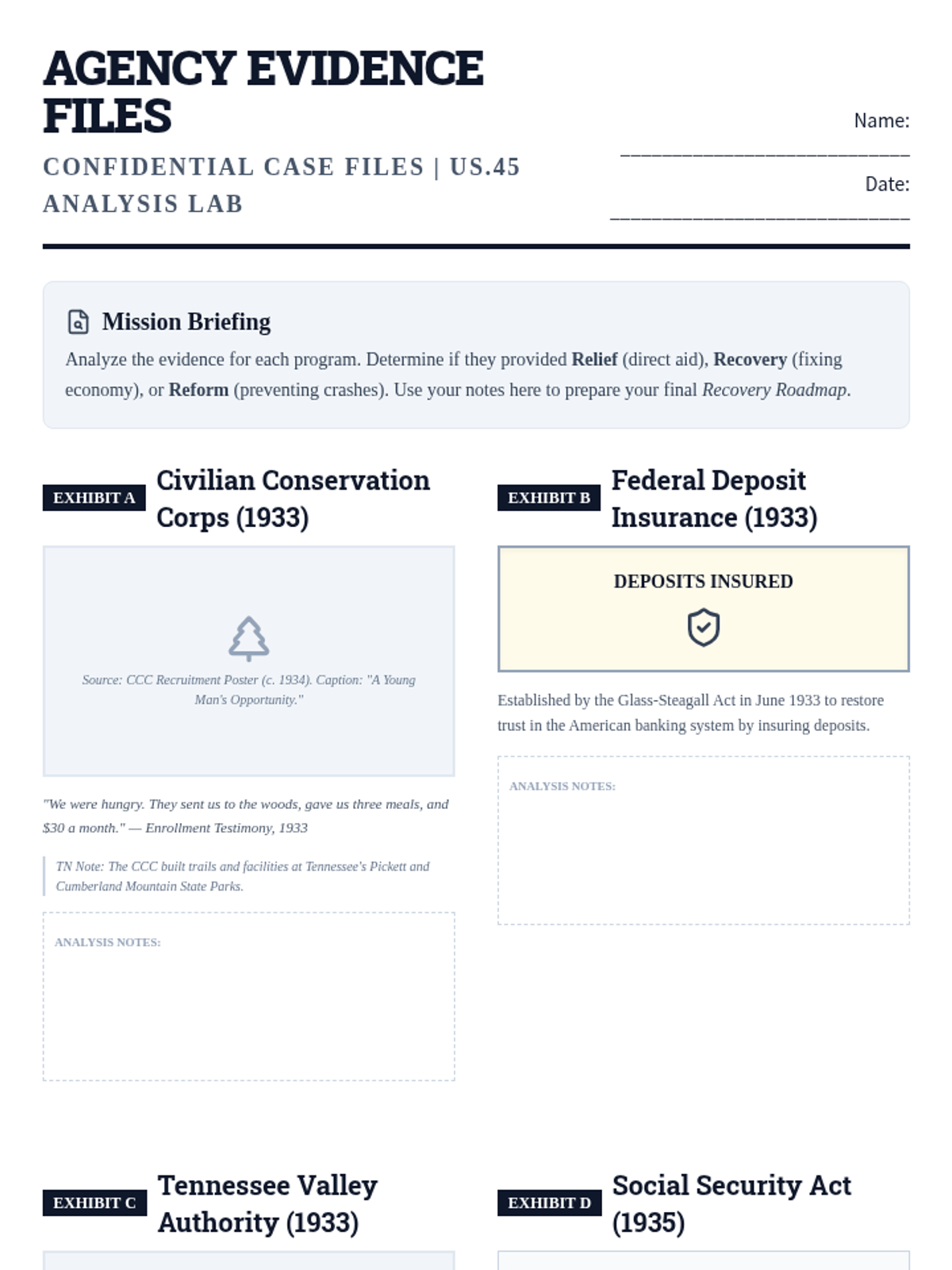
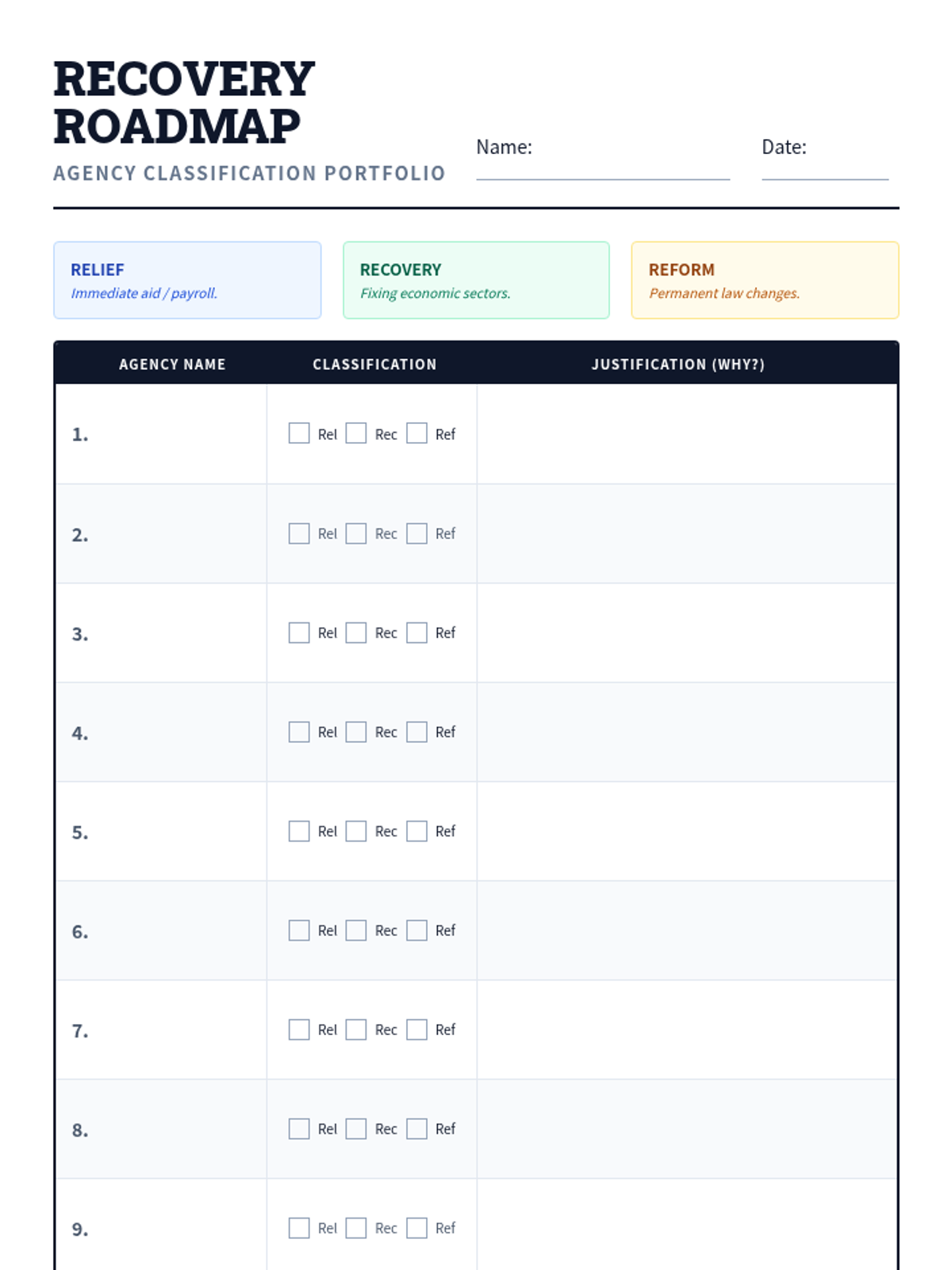
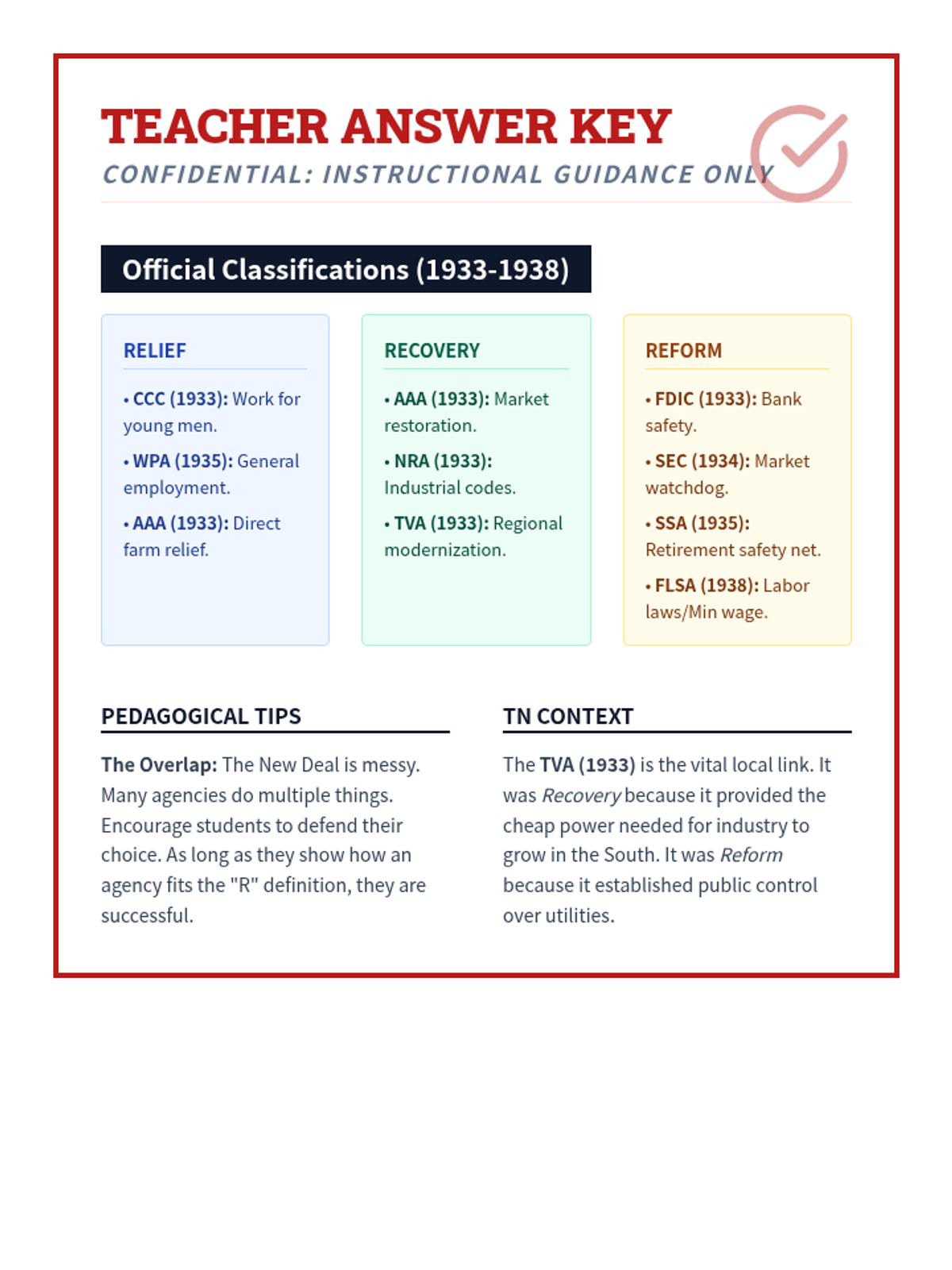
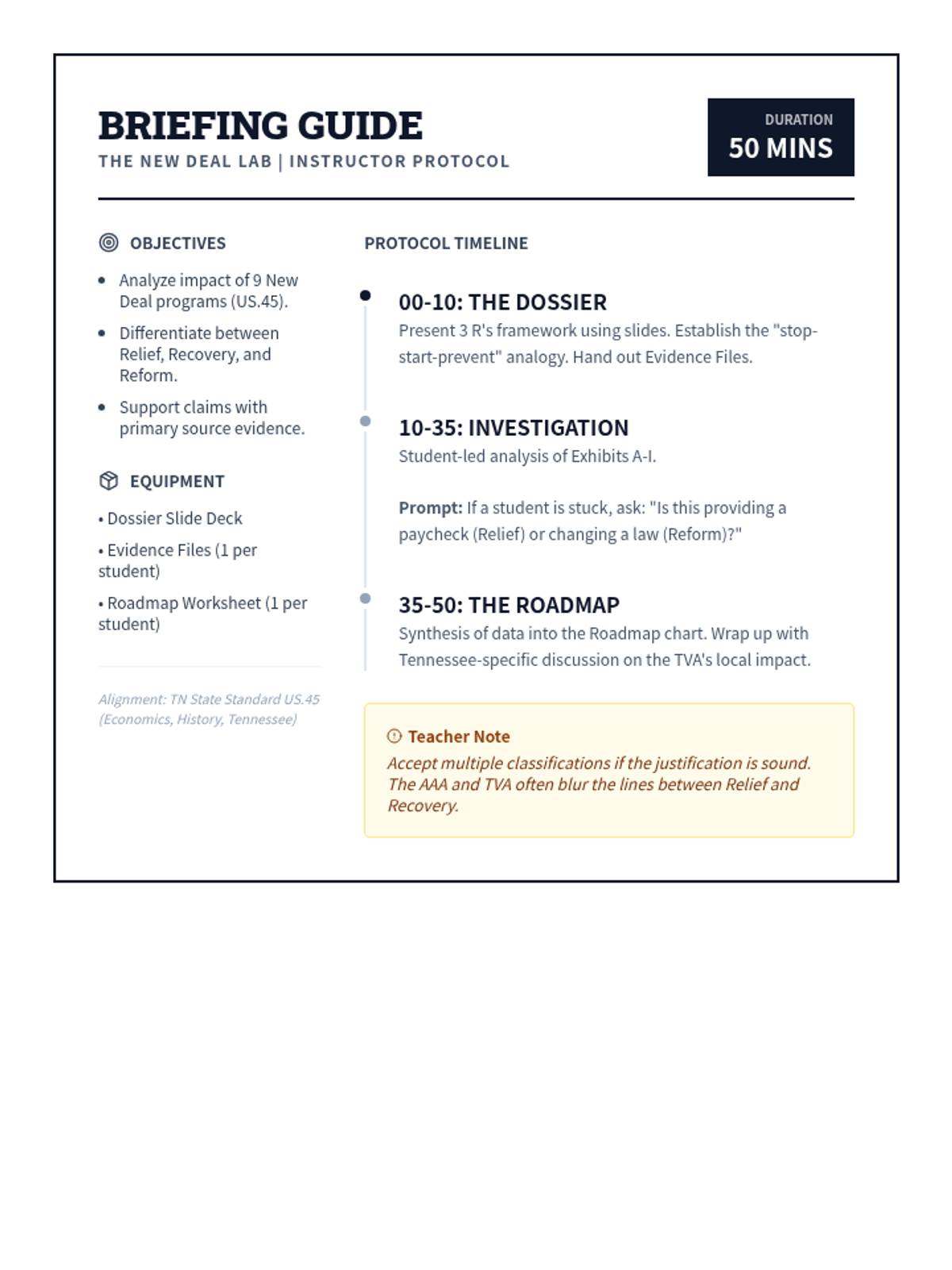
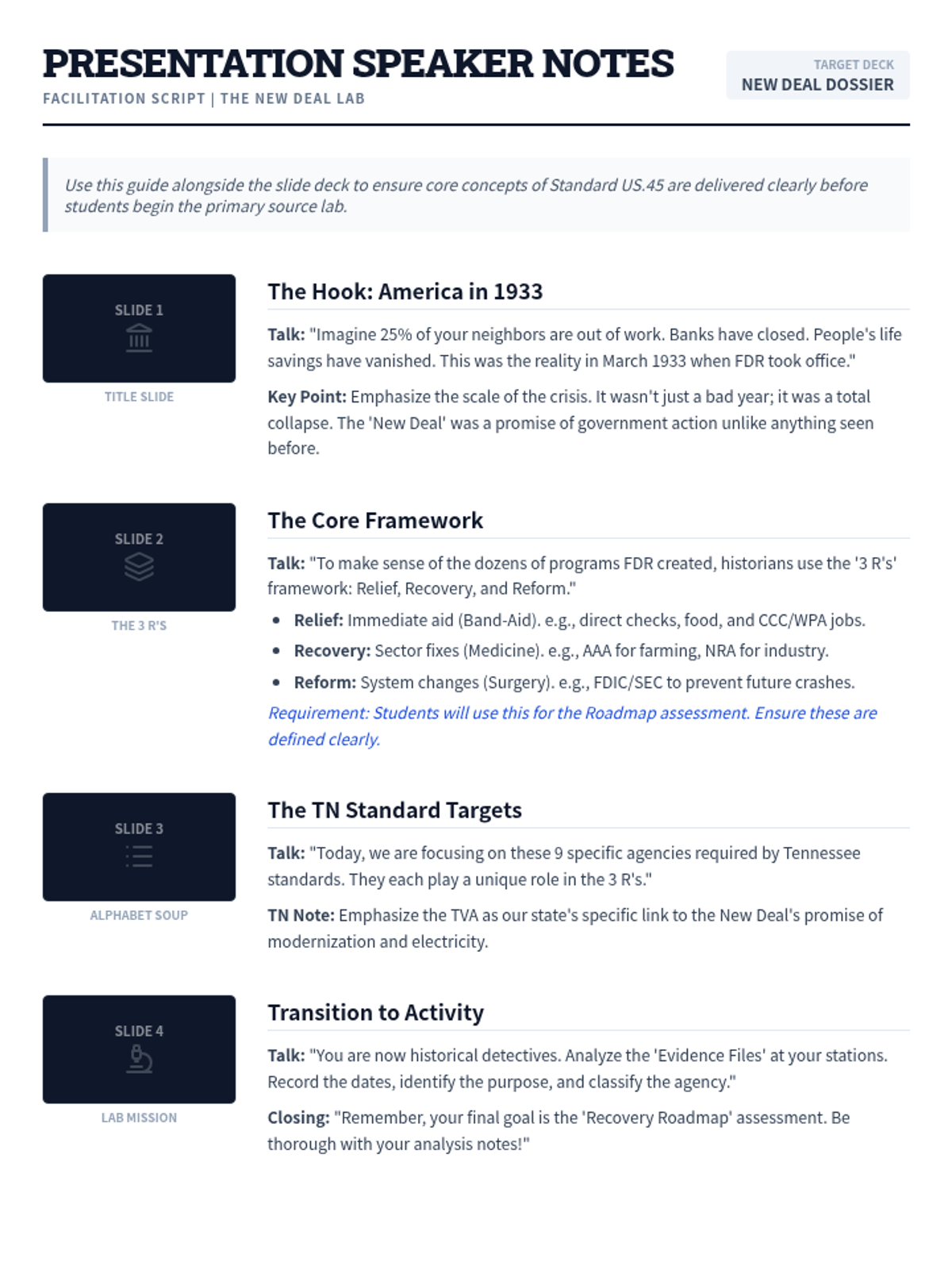
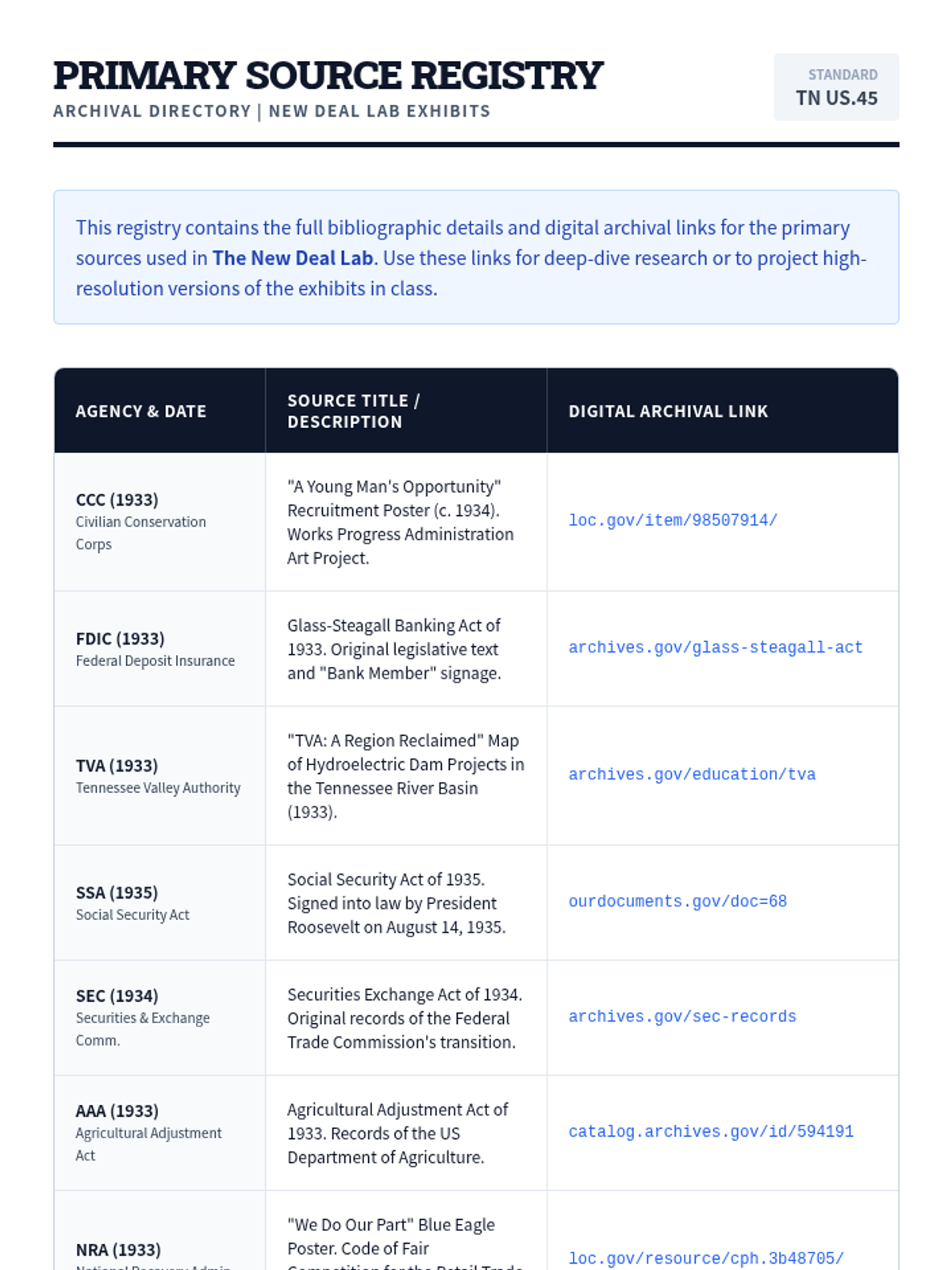
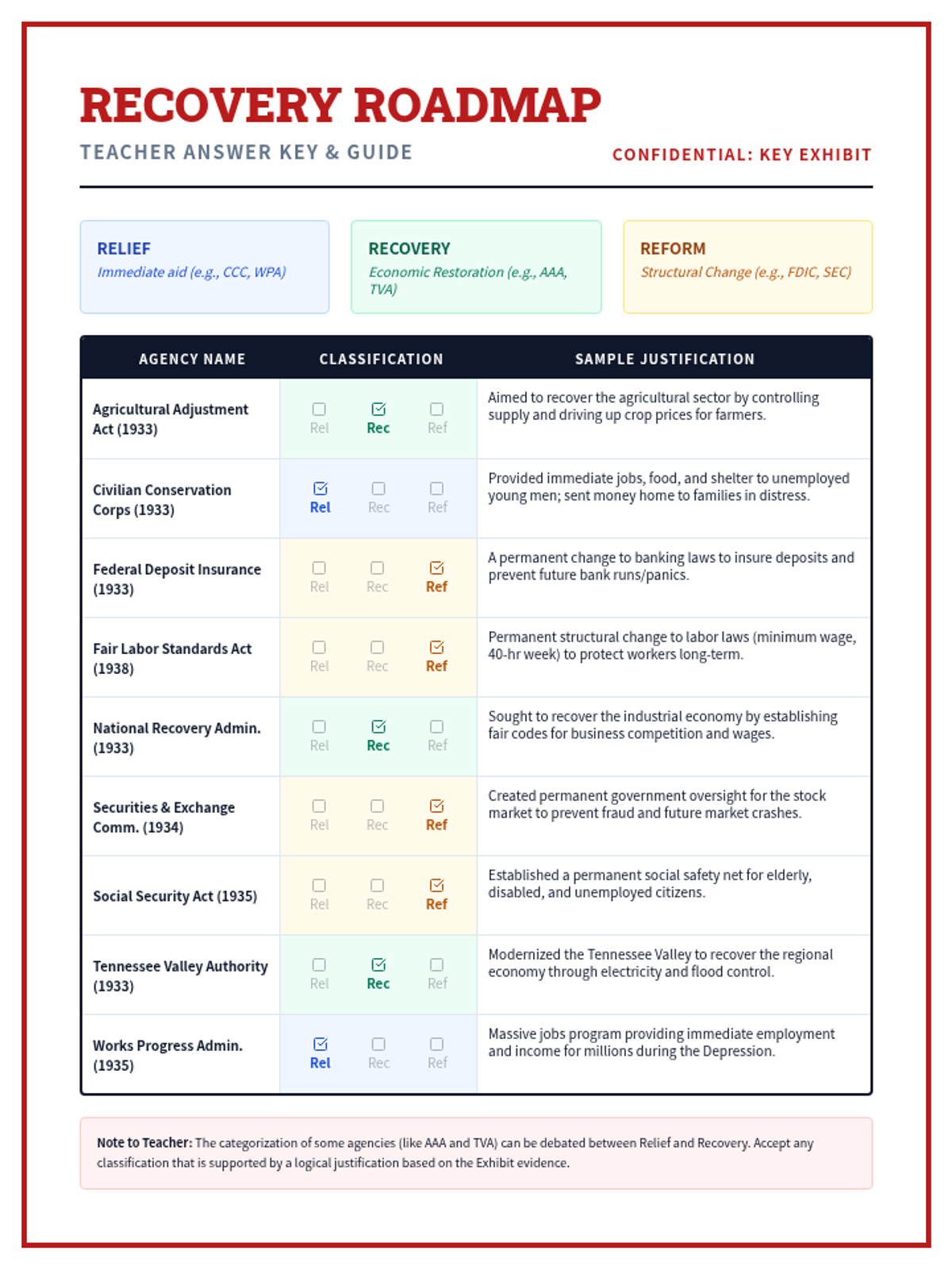
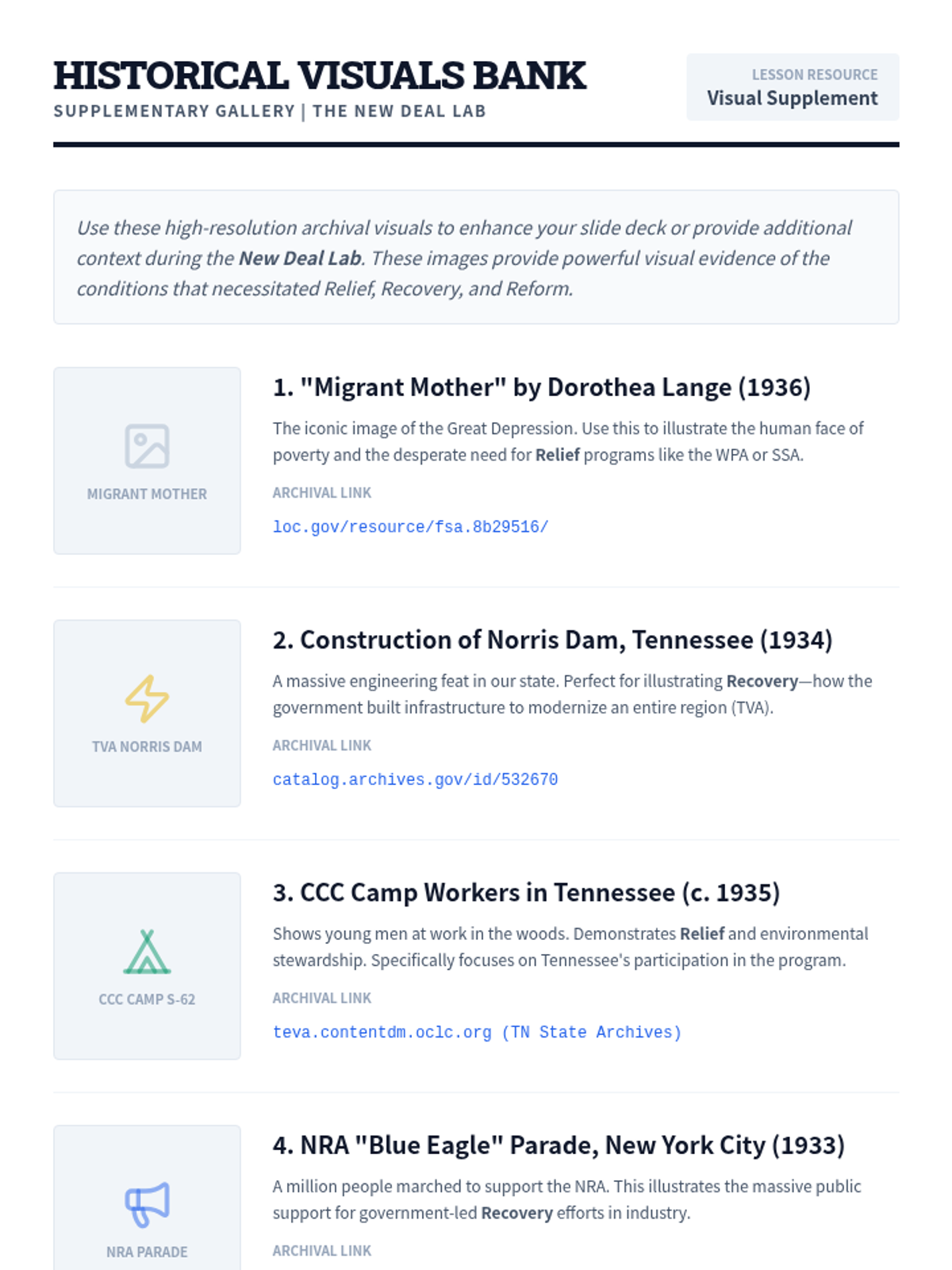
A 50-minute deep dive into FDR's New Deal programs through primary source analysis, categorizing the 'alphabet soup' of agencies into Relief, Recovery, and Reform. Students will examine original posters, photographs, and legislation snippets to understand the massive scale of government intervention during the Great Depression.
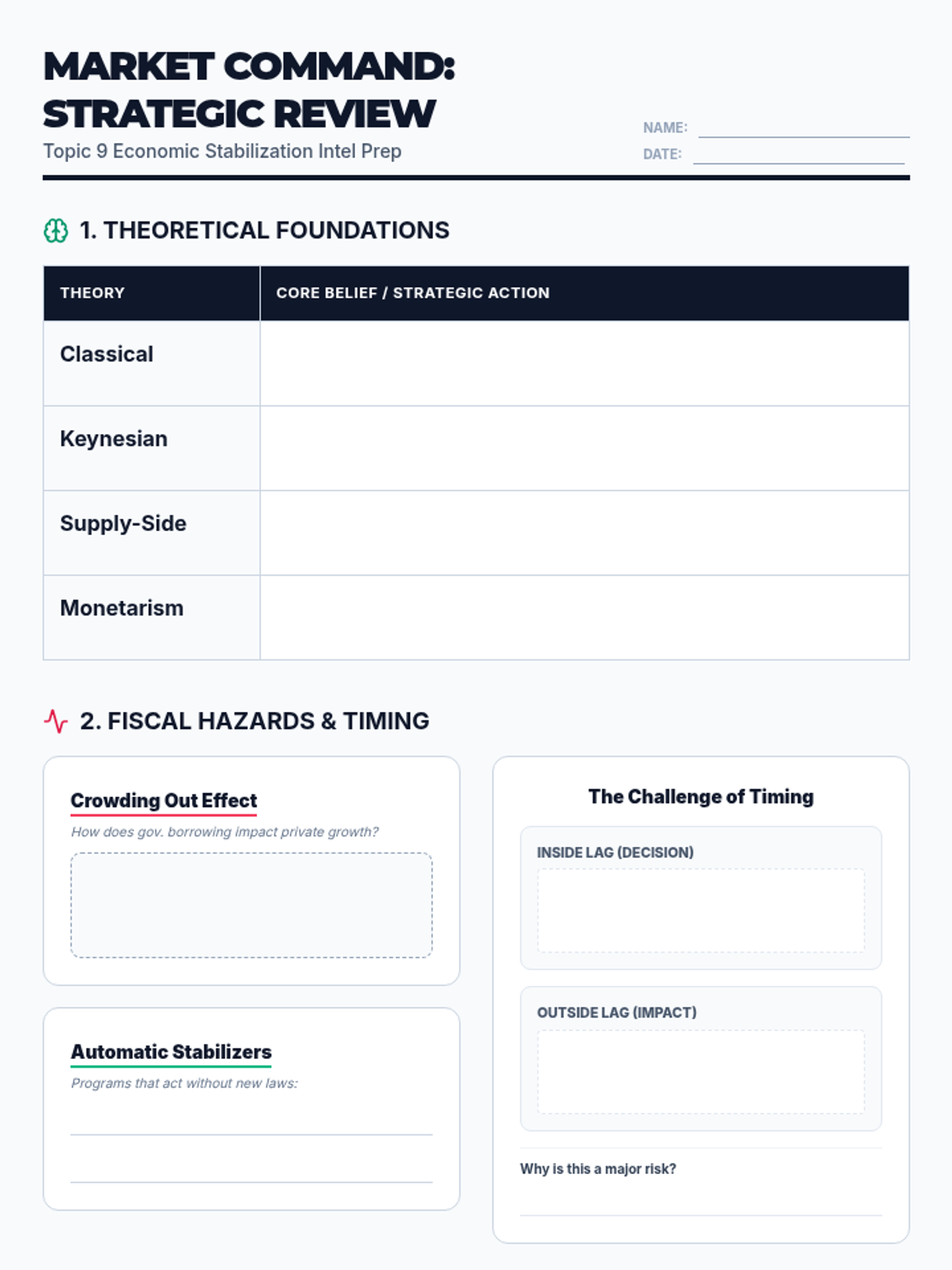
A comprehensive 35-minute review session for Topic 9, covering economic theories, fiscal policy nuances like crowding out and lags, and a deep dive into the Federal Reserve's monetary tools to prepare students for their exam.
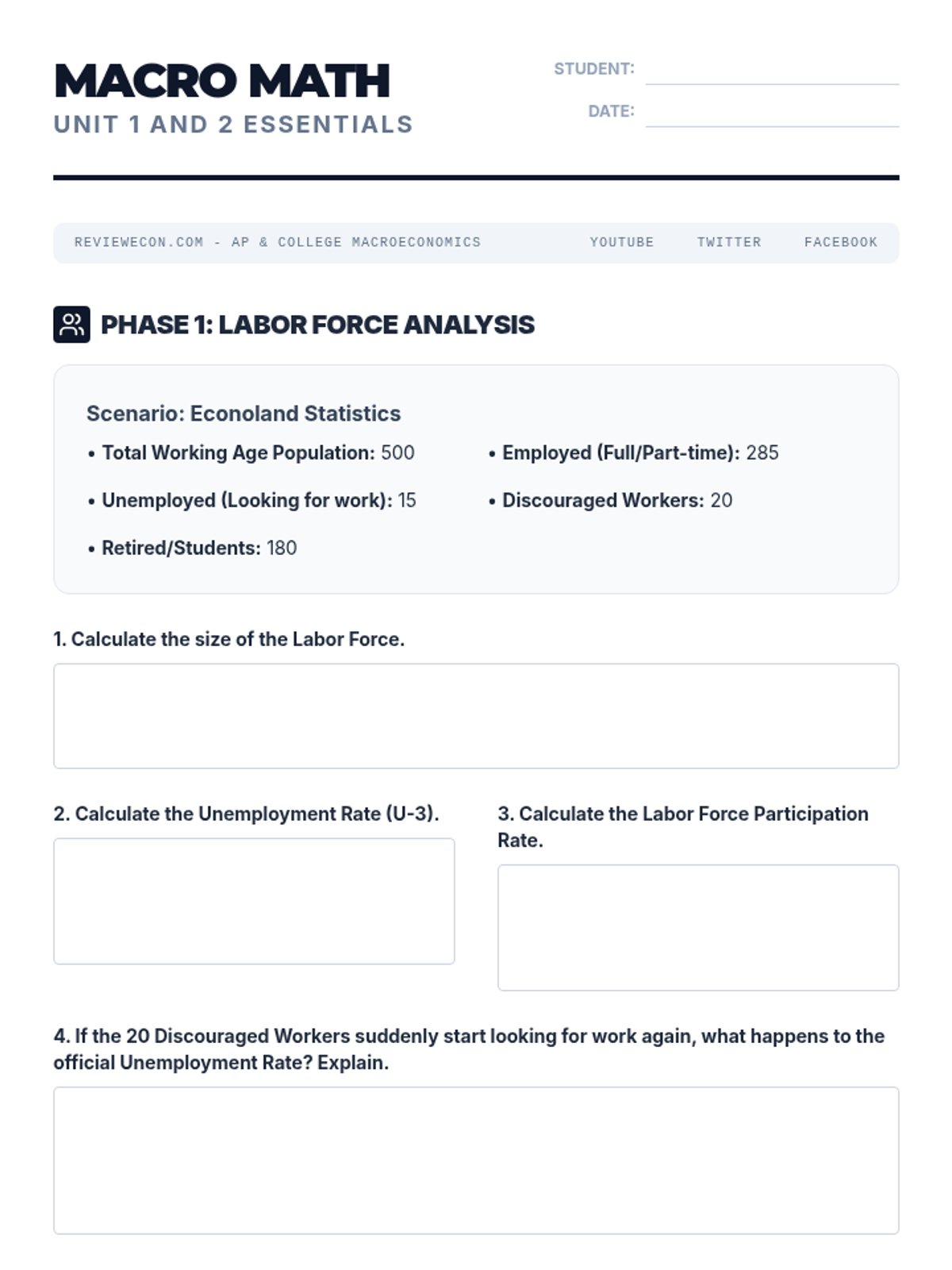
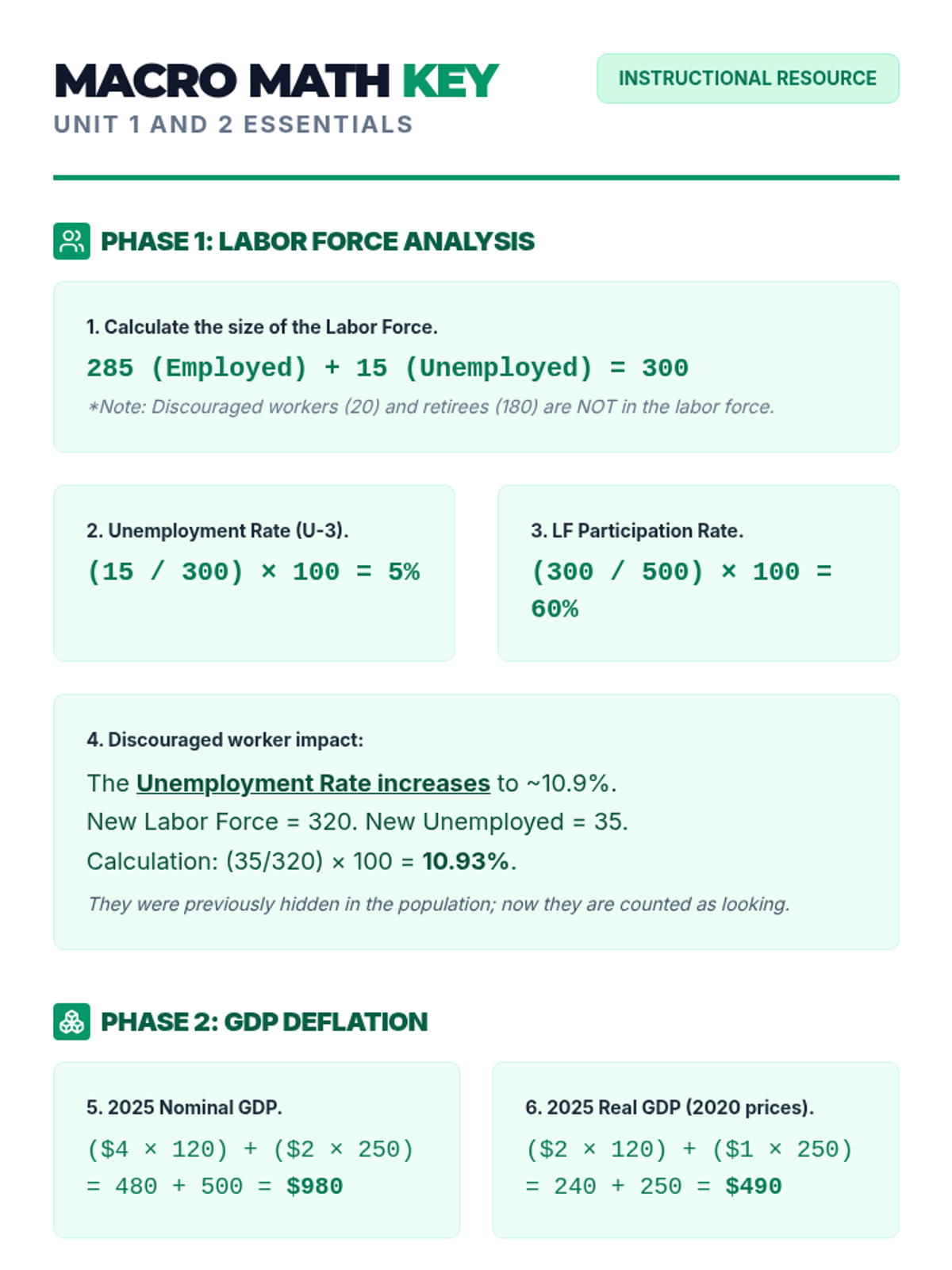
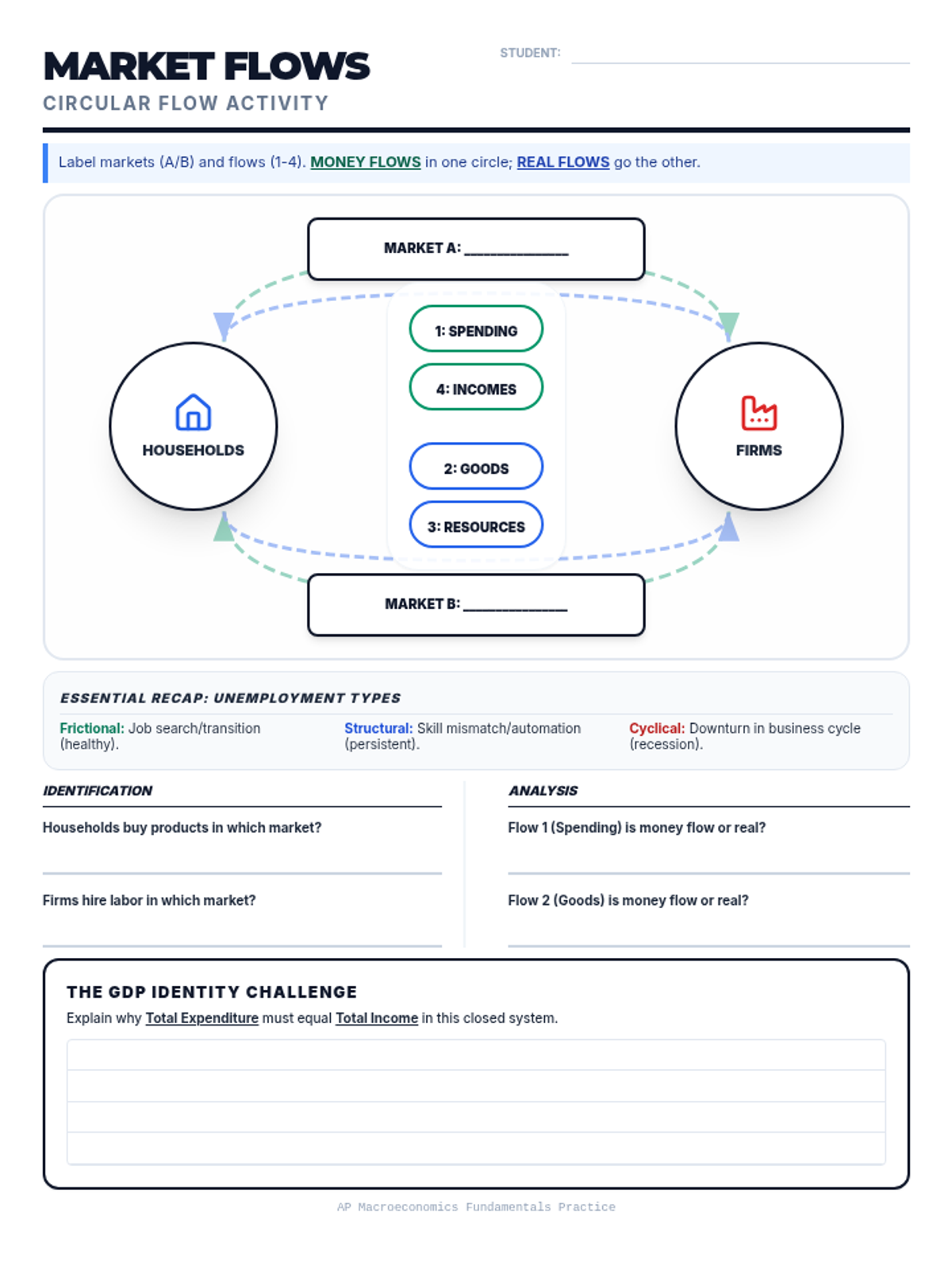
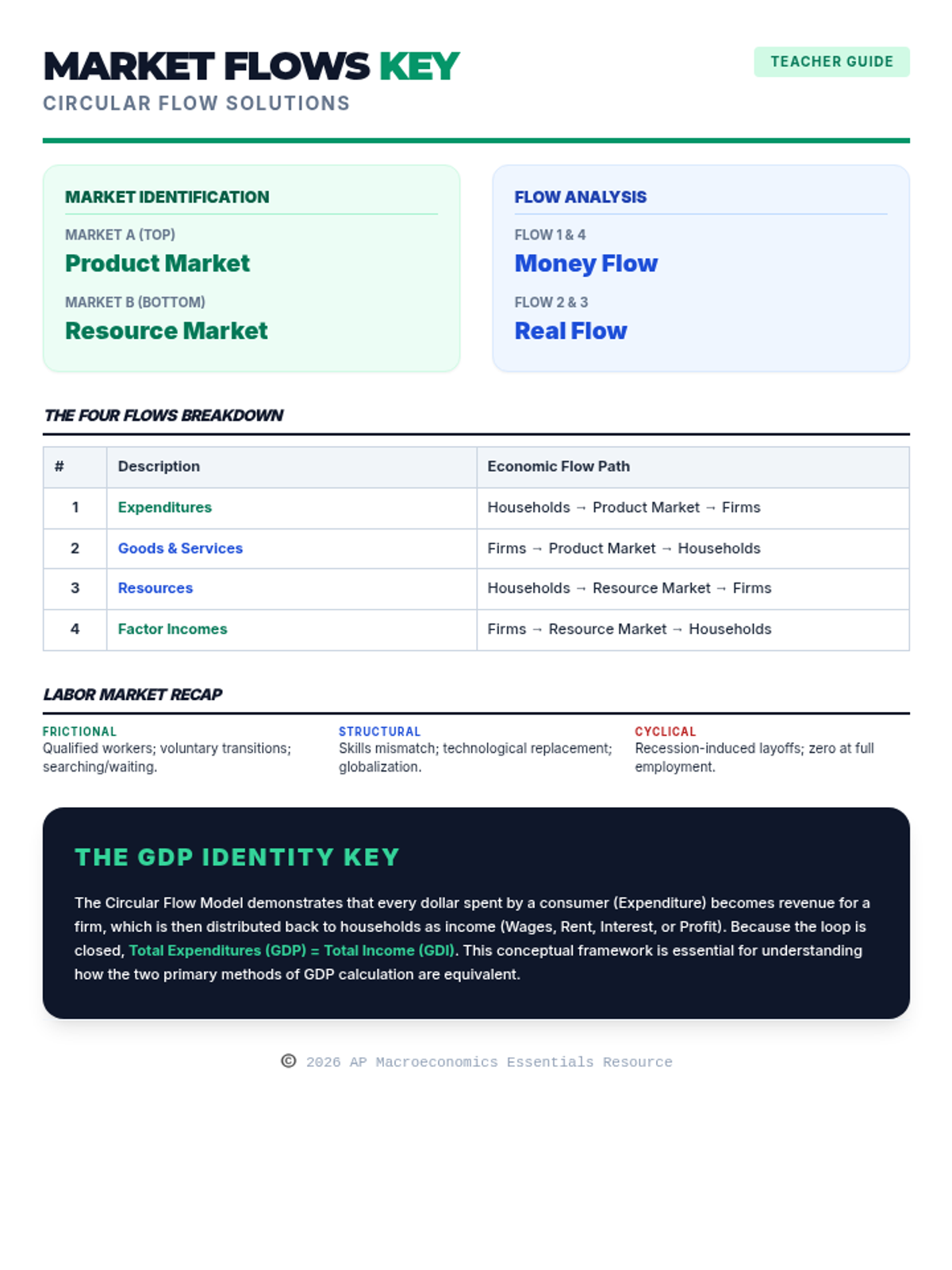
This lesson covers the fundamental building blocks of Units 1 and 2 for AP Economics, including the Production Possibilities Curve, Comparative Advantage, Supply and Demand, and basic macroeconomic indicators like CPI and GDP.
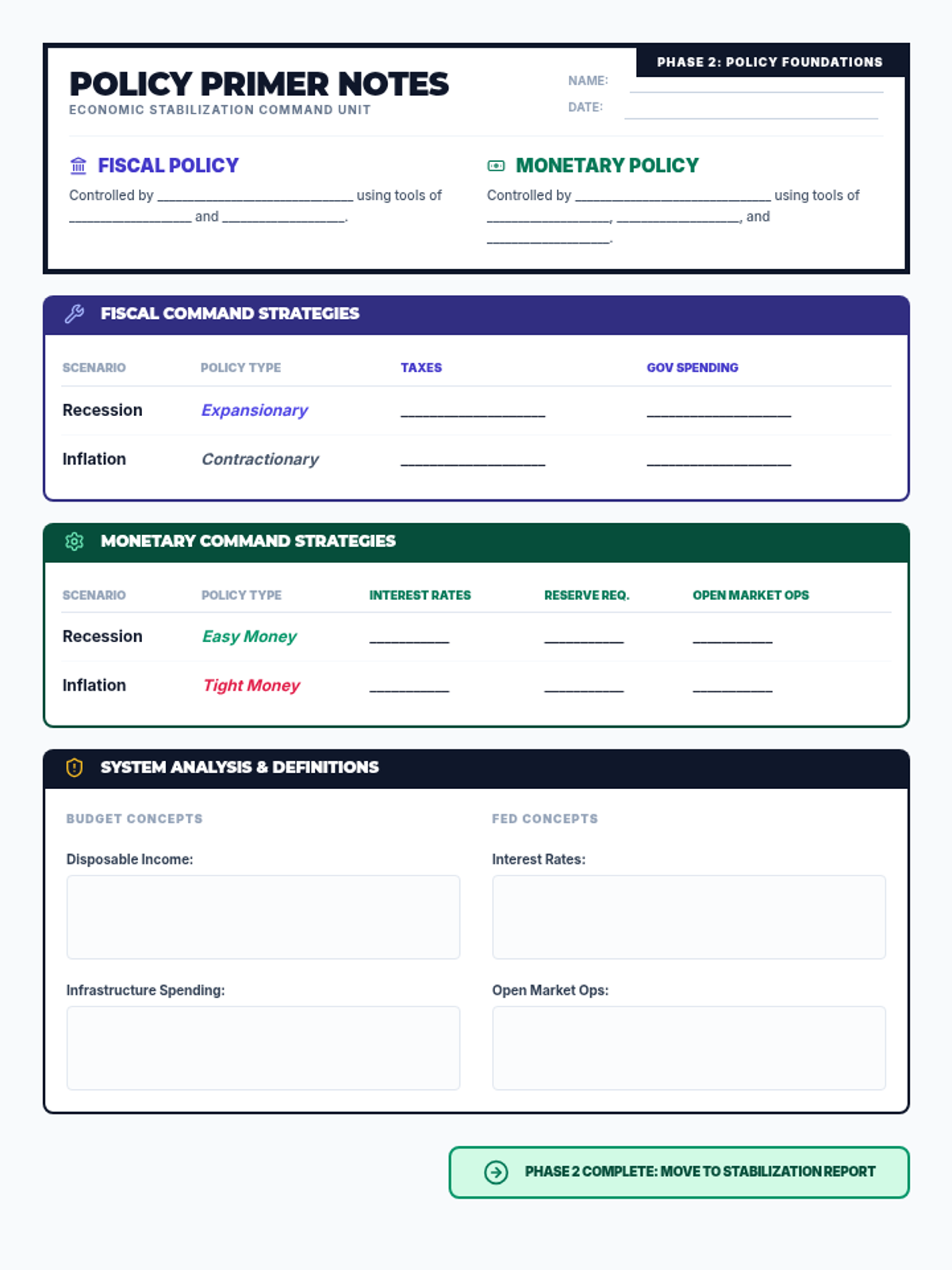
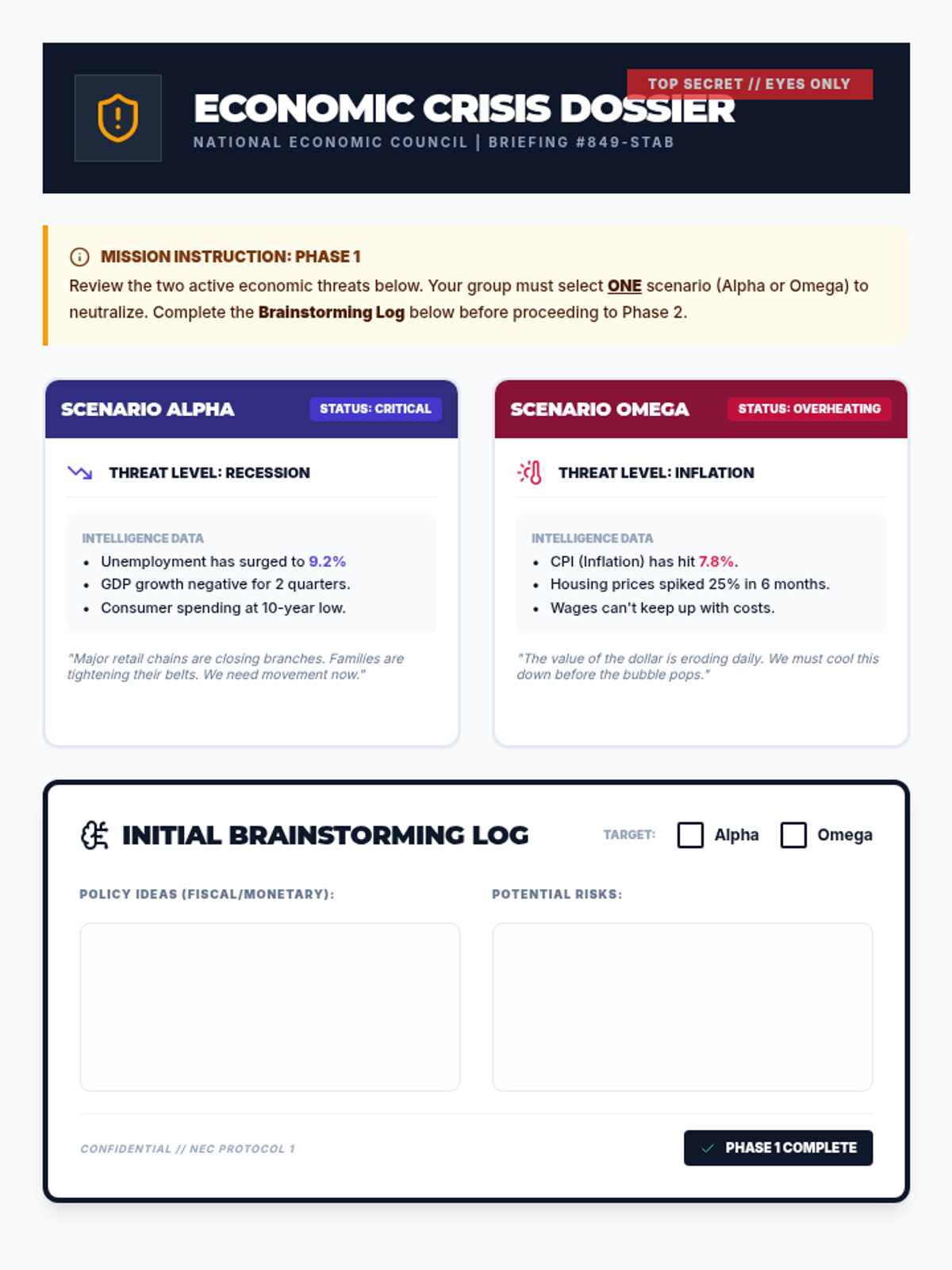
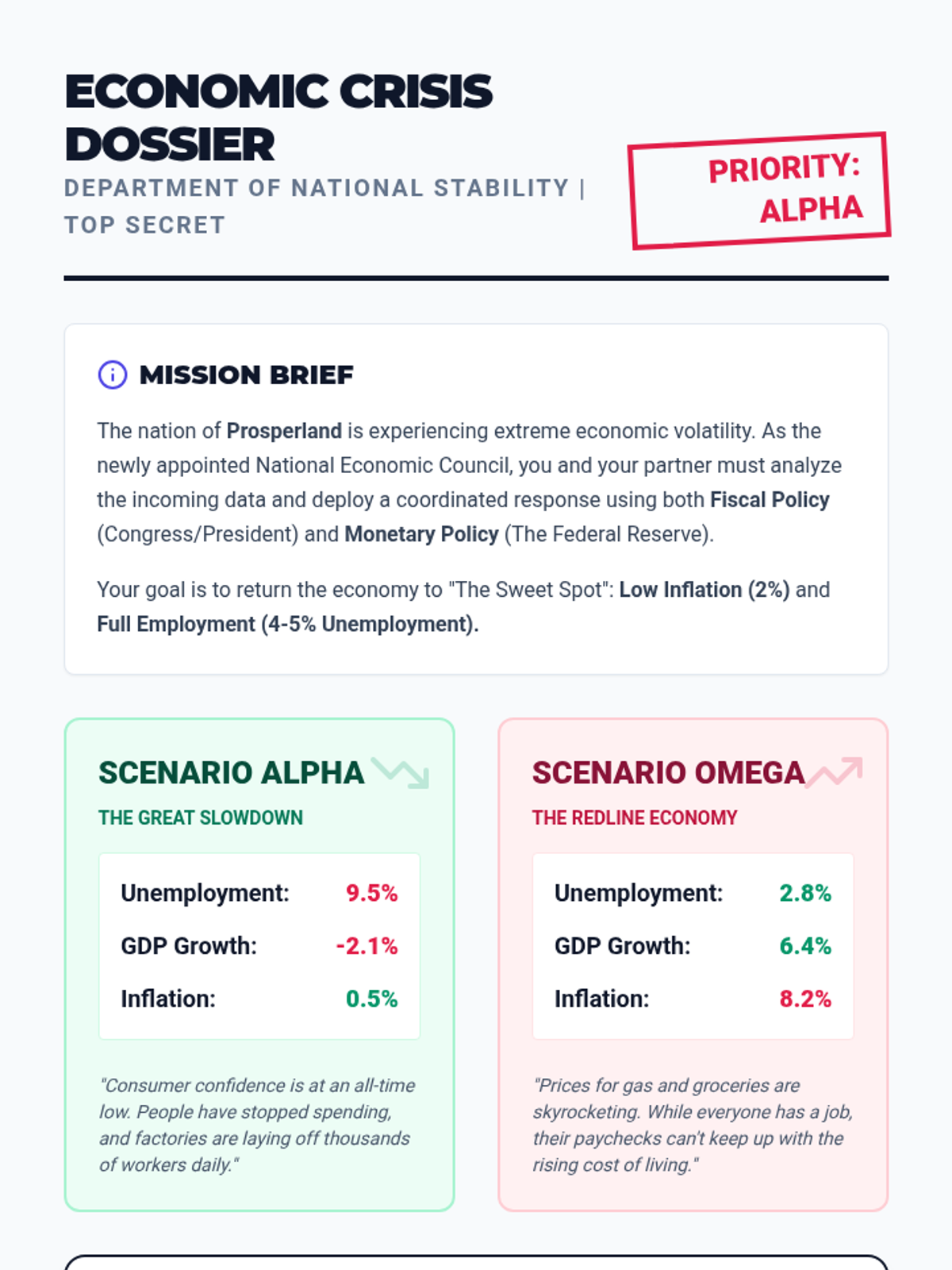
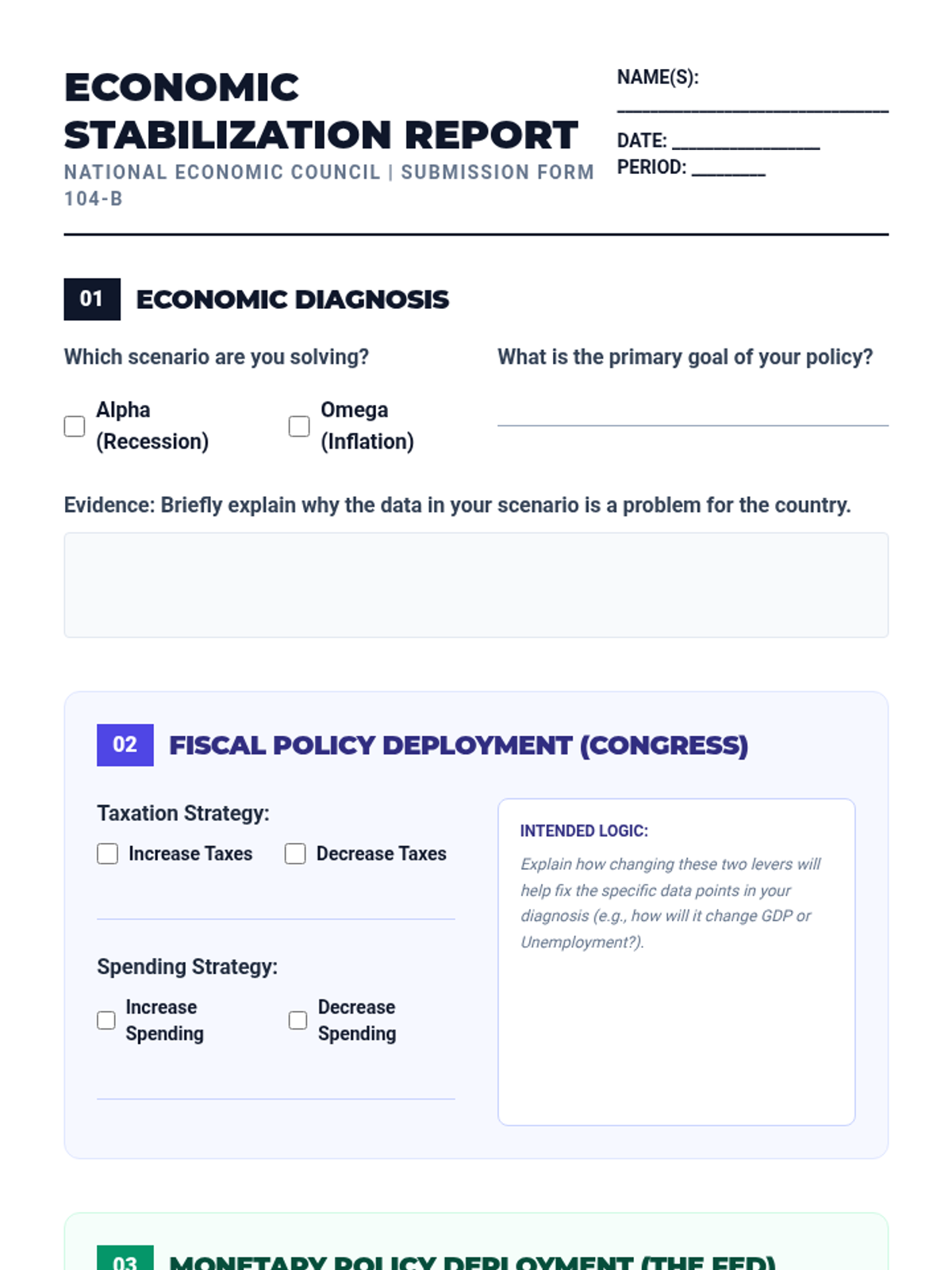
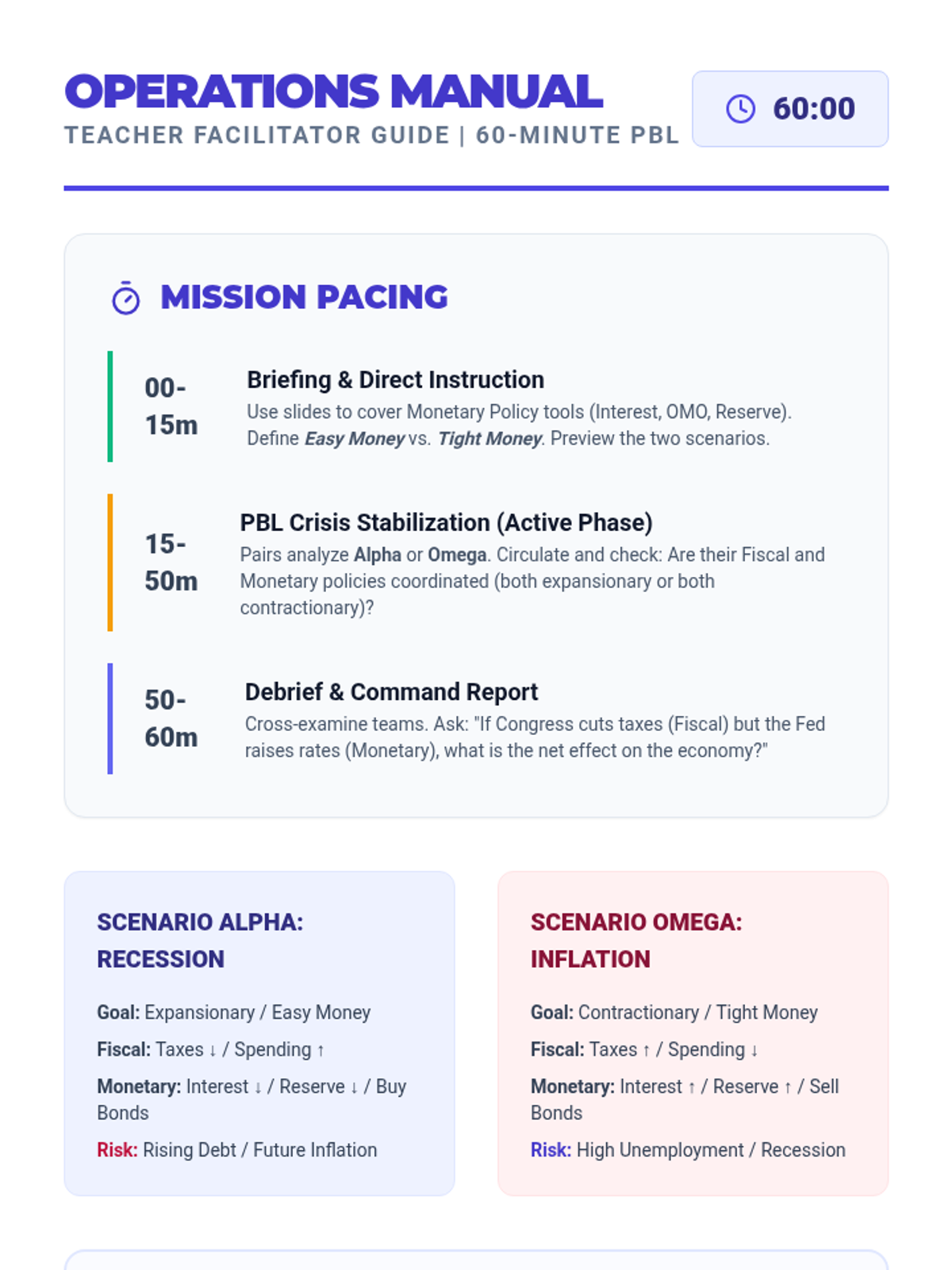
A high-stakes, 60-minute project-based learning experience where students act as economic advisors. They must master both fiscal and monetary policy tools—including the Fed's interest rates, open market operations, and reserve requirements—to stabilize a national economy in crisis.
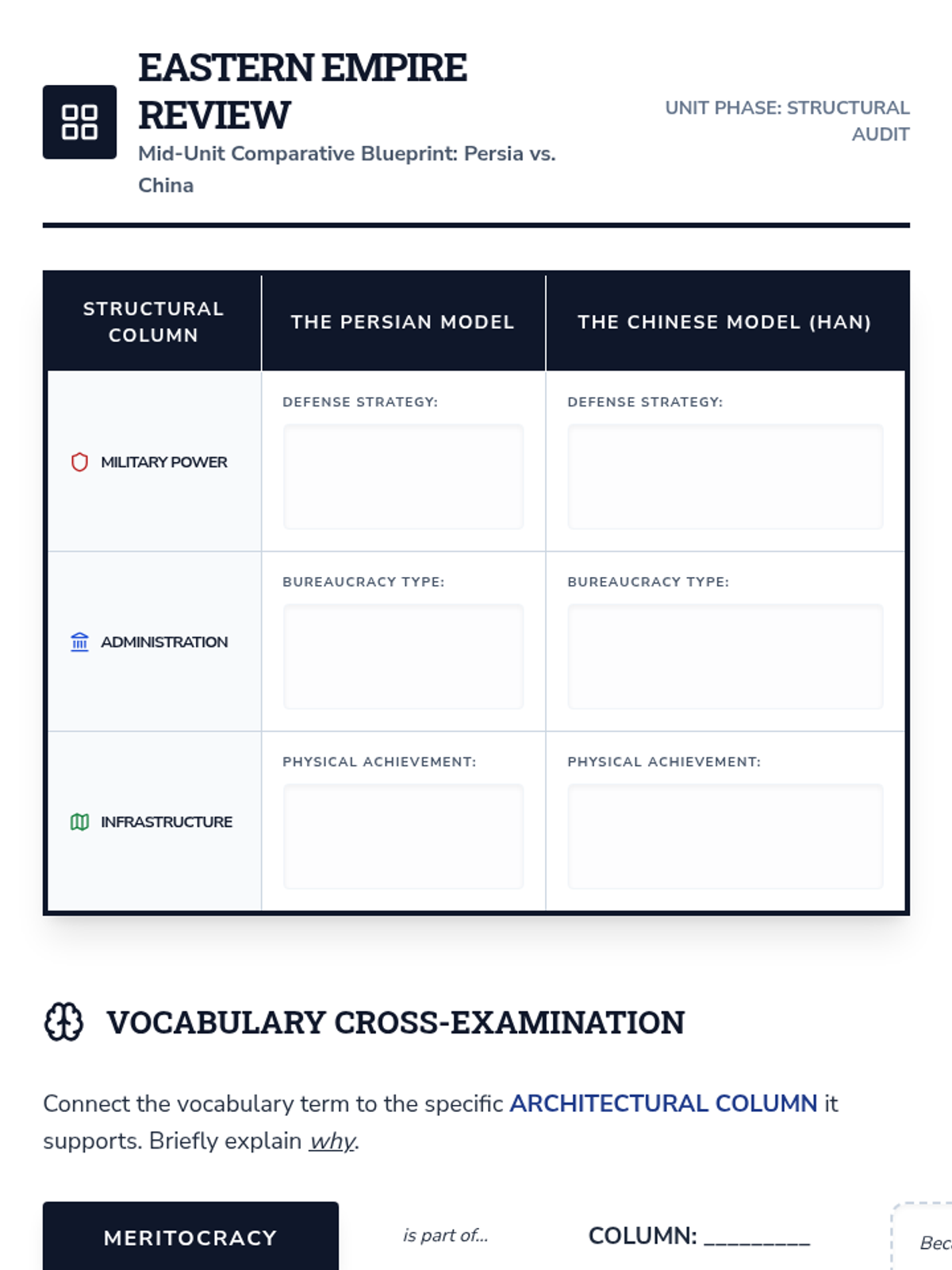
A comparative review of the Persian and Chinese empires, focusing on vocabulary and structural similarities using a master graphic organizer.
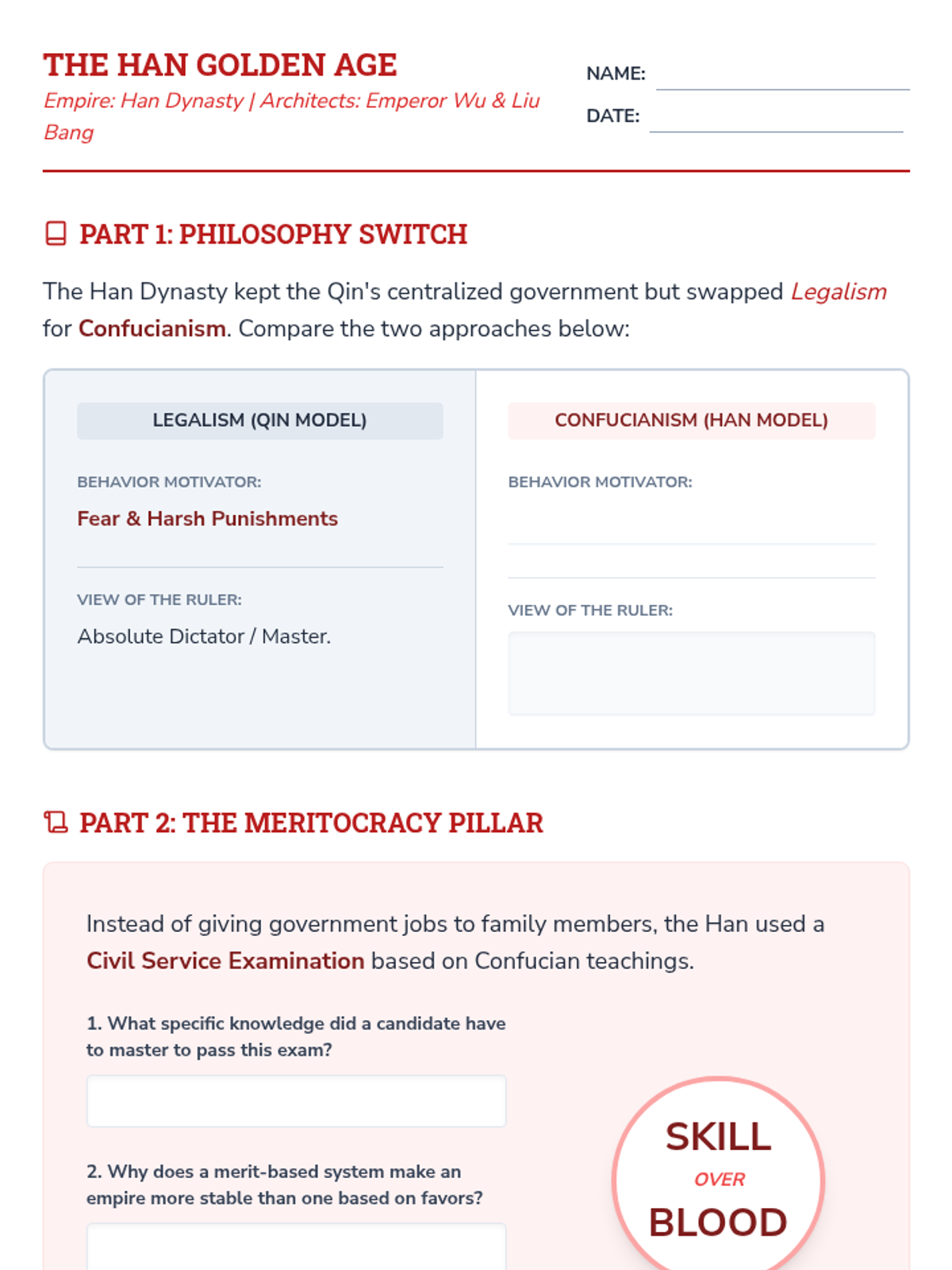
Explore the Golden Age of the Han Dynasty, focusing on Confucianism, the civil service exam, and the Silk Road.
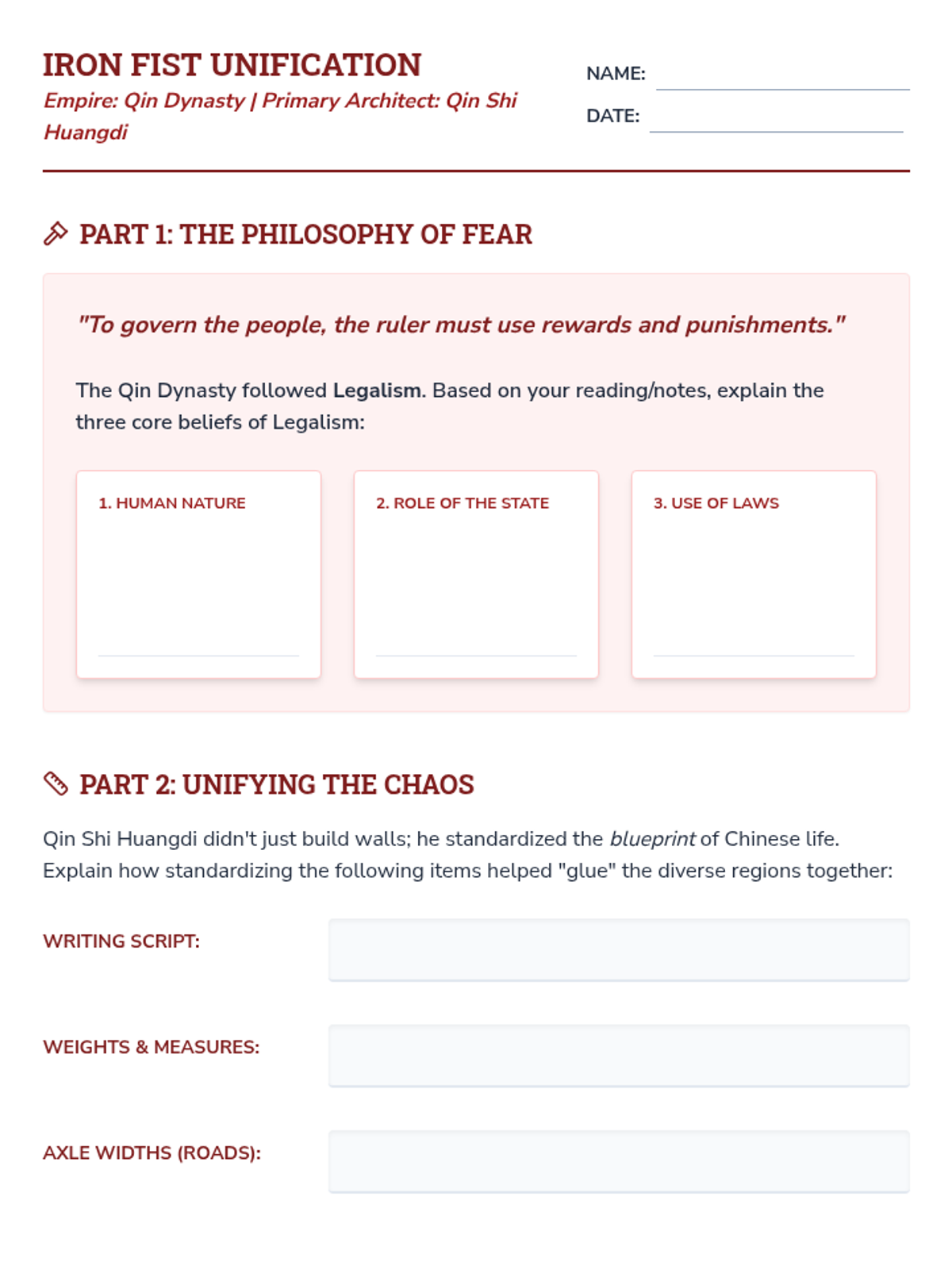
Analyze the Qin Dynasty's rapid unification of China through Legalism, standardization, and massive public works.
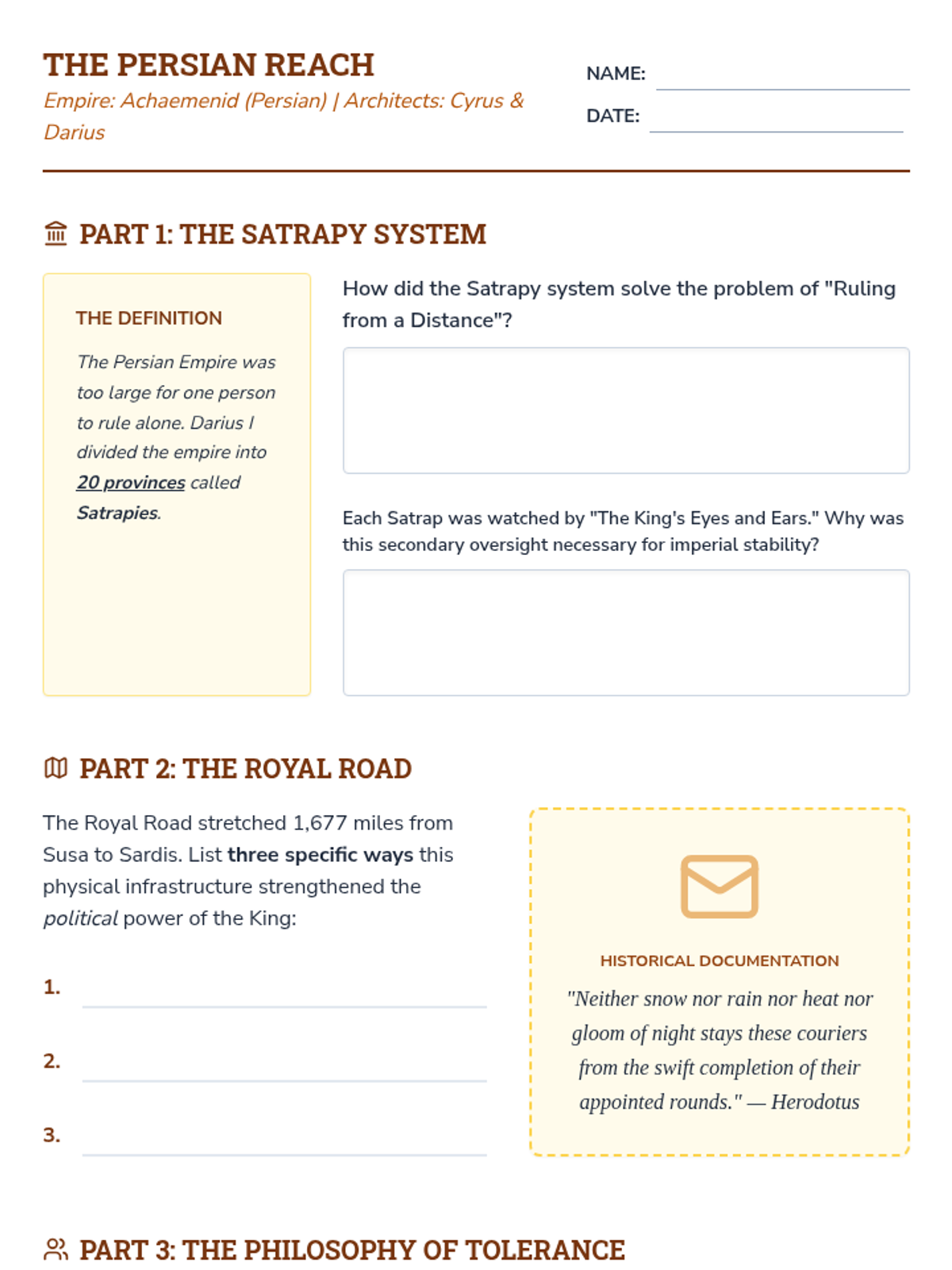
Examine the Achaemenid Empire's rise under Cyrus the Great and its sophisticated administration through satrapies and the Royal Road.
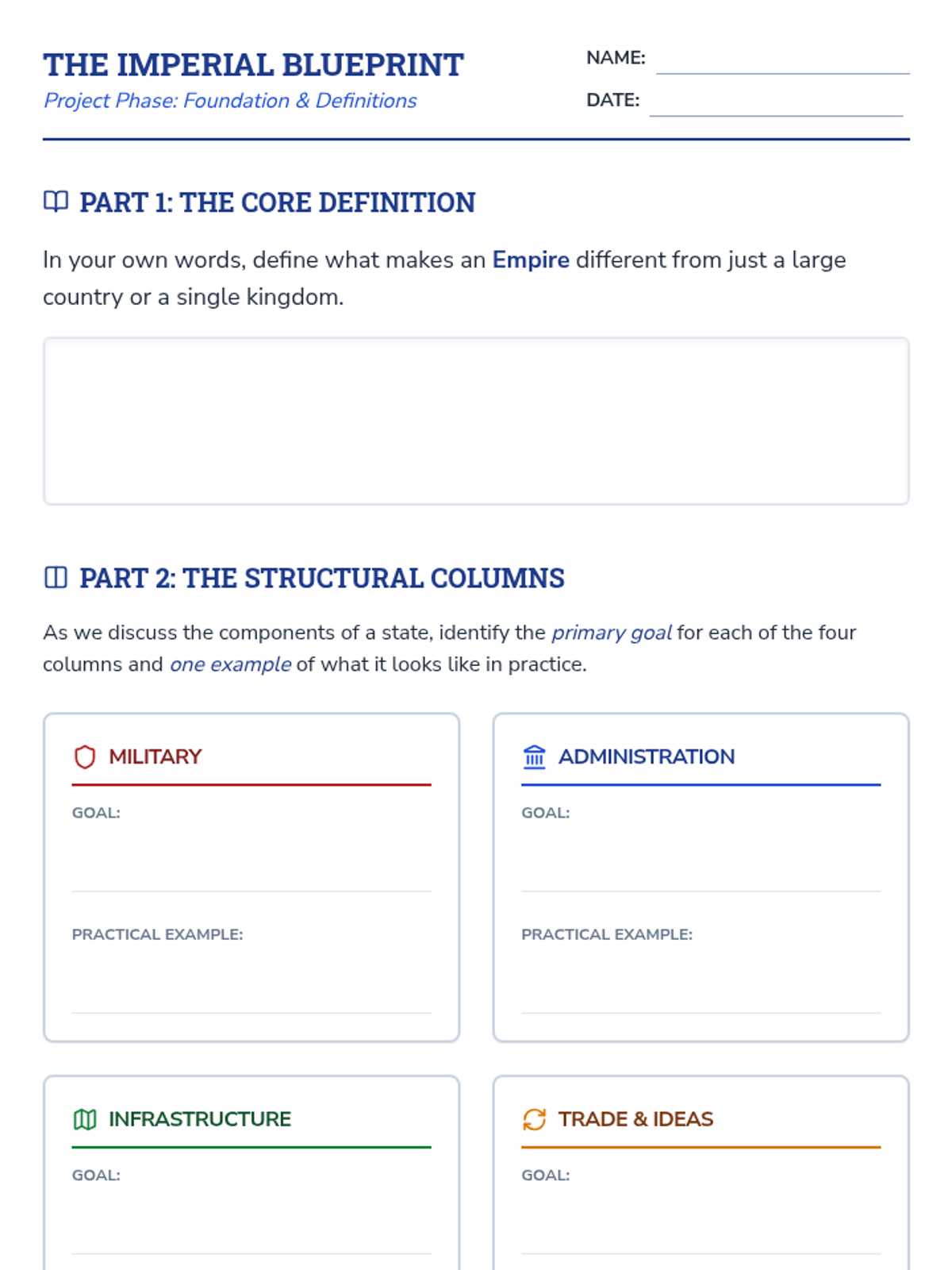
Establish the foundational components of classical empires: centralized government, military power, infrastructure, and trade.
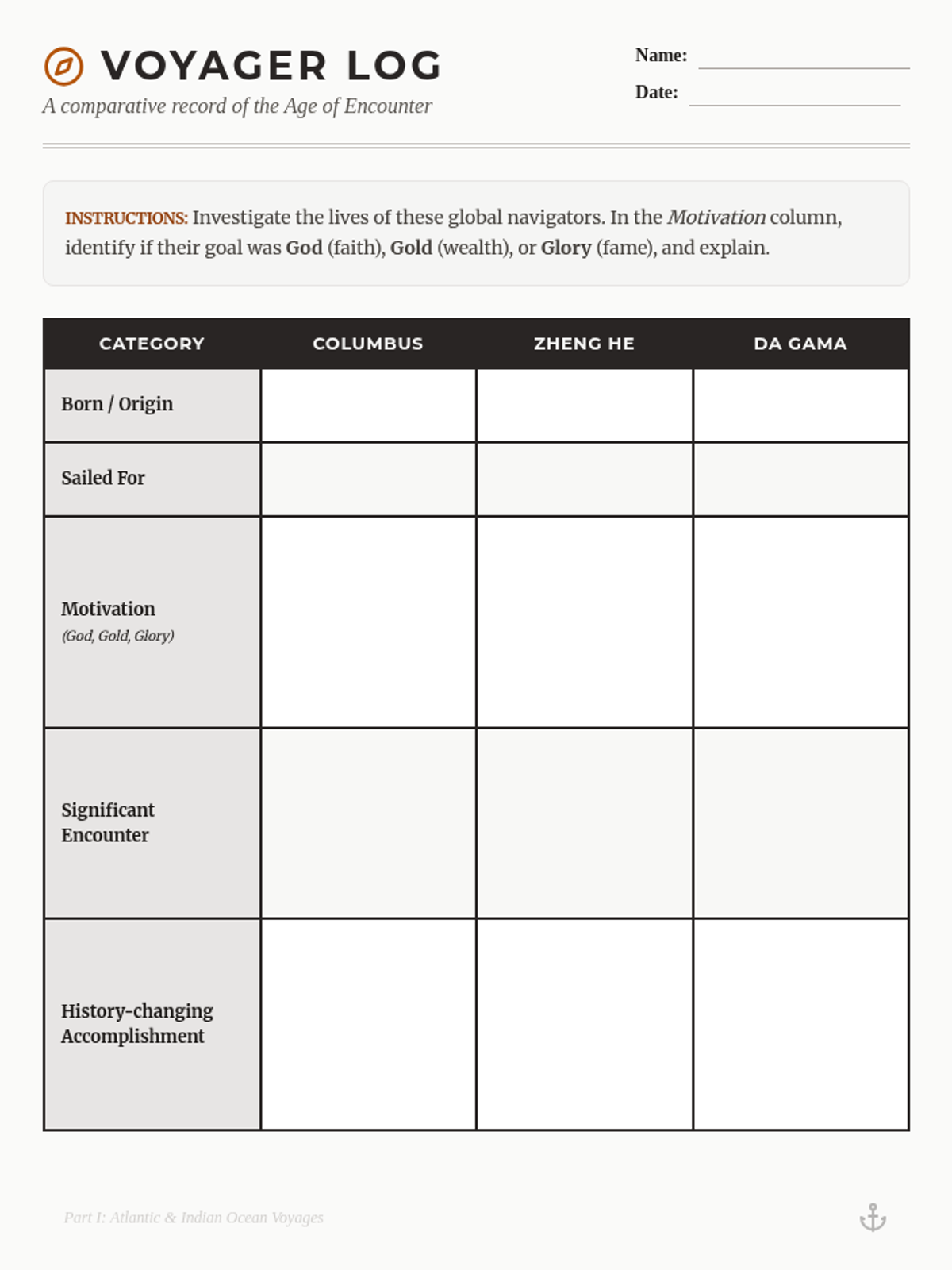
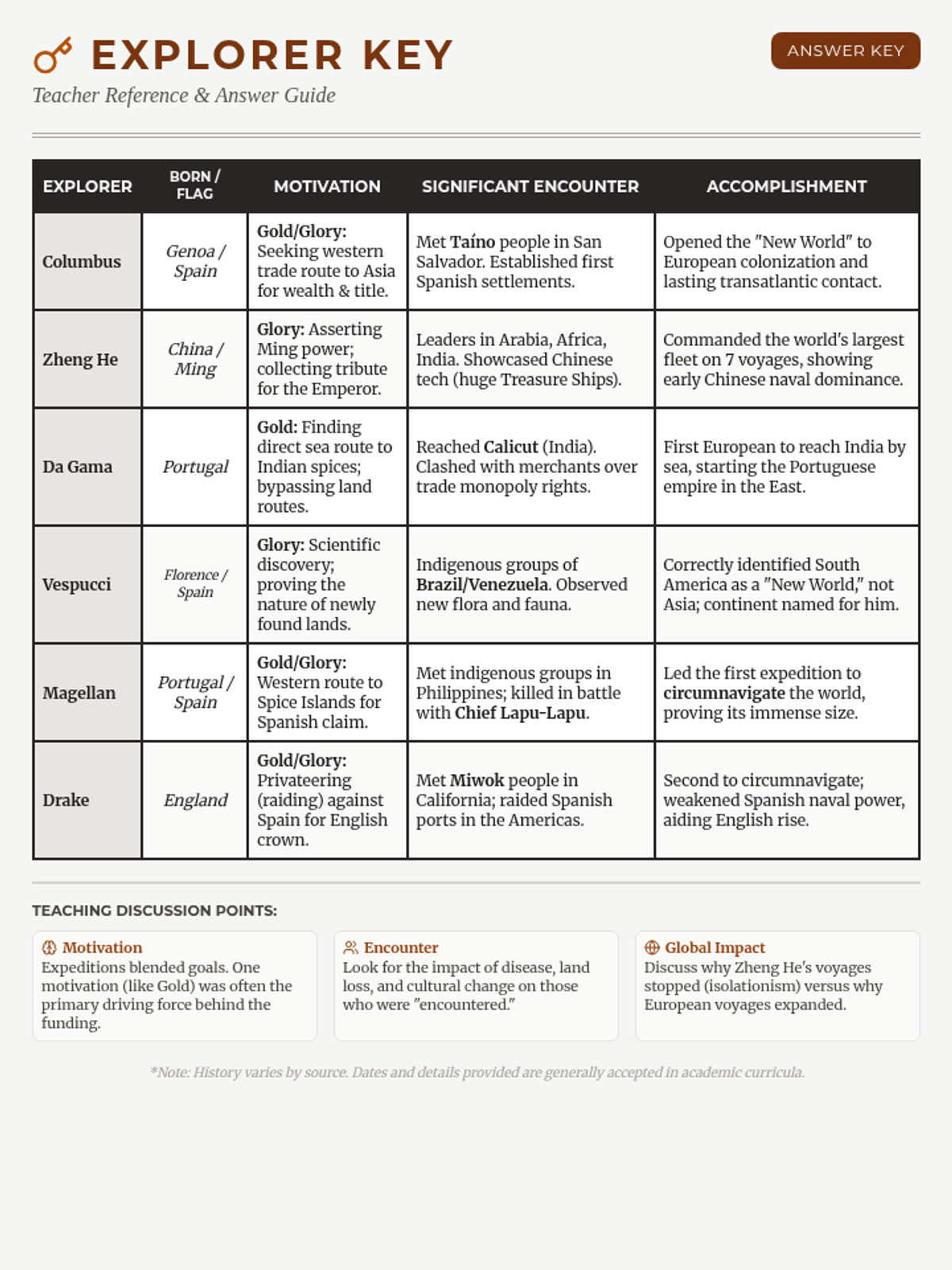
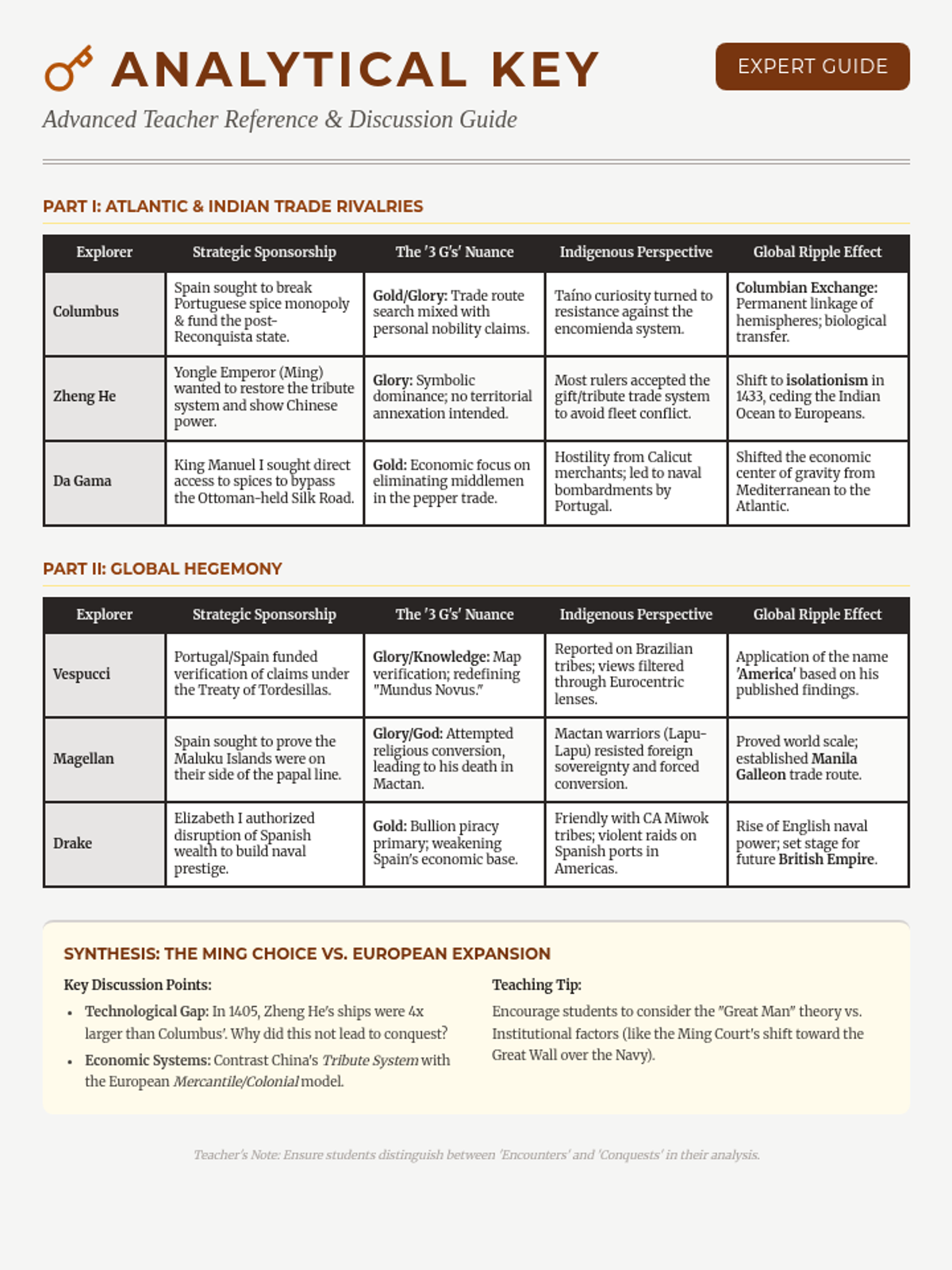
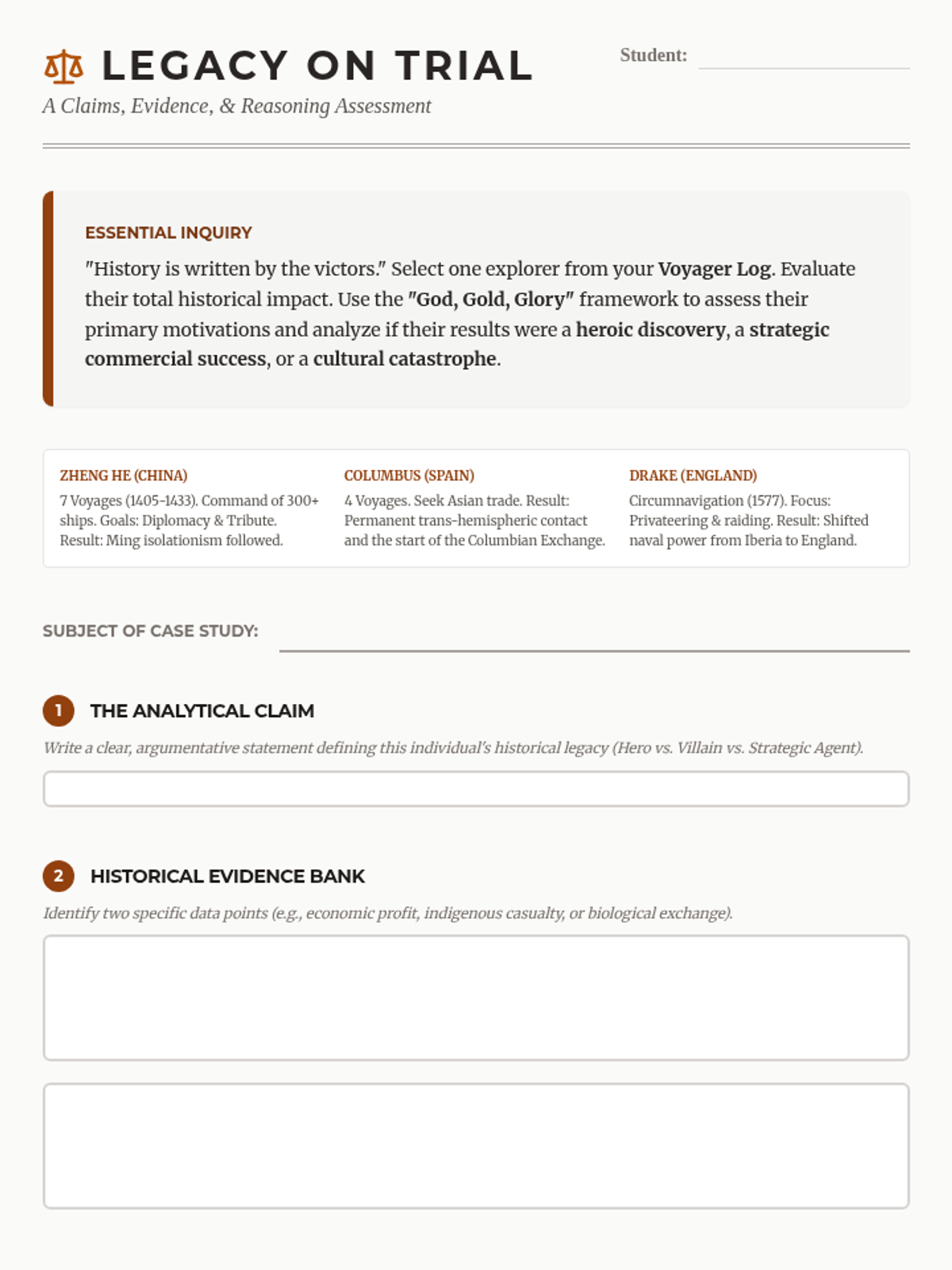
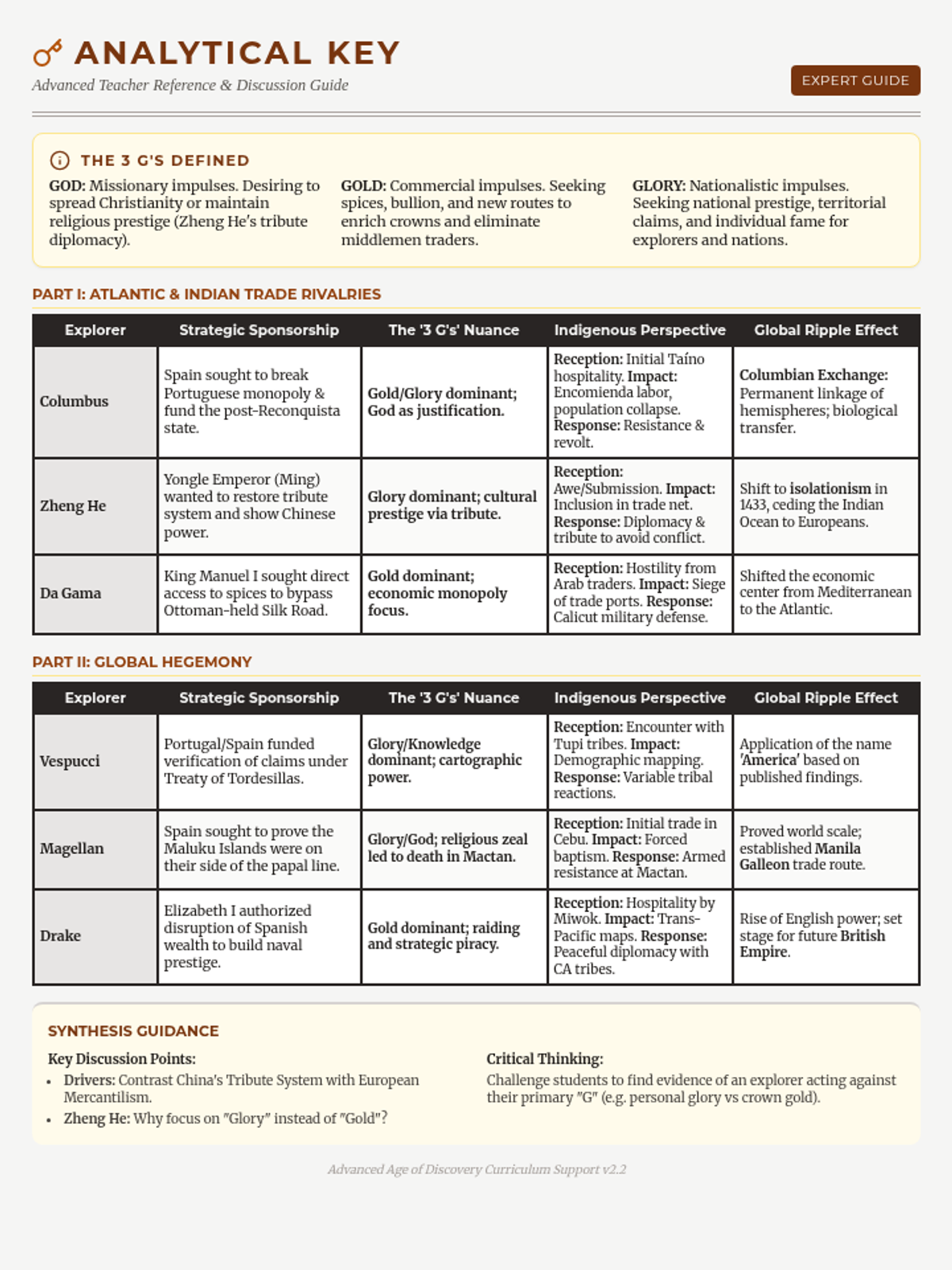
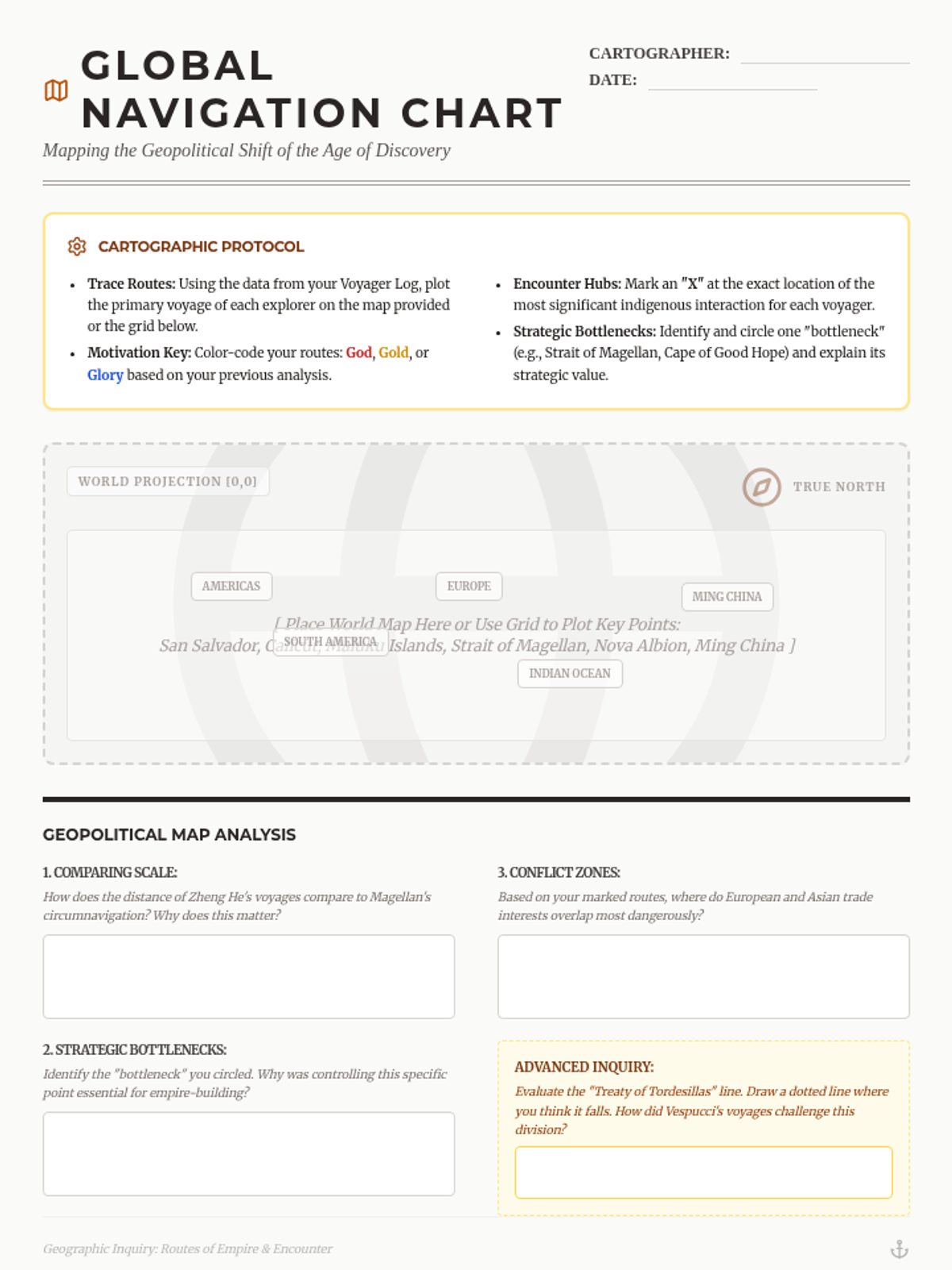
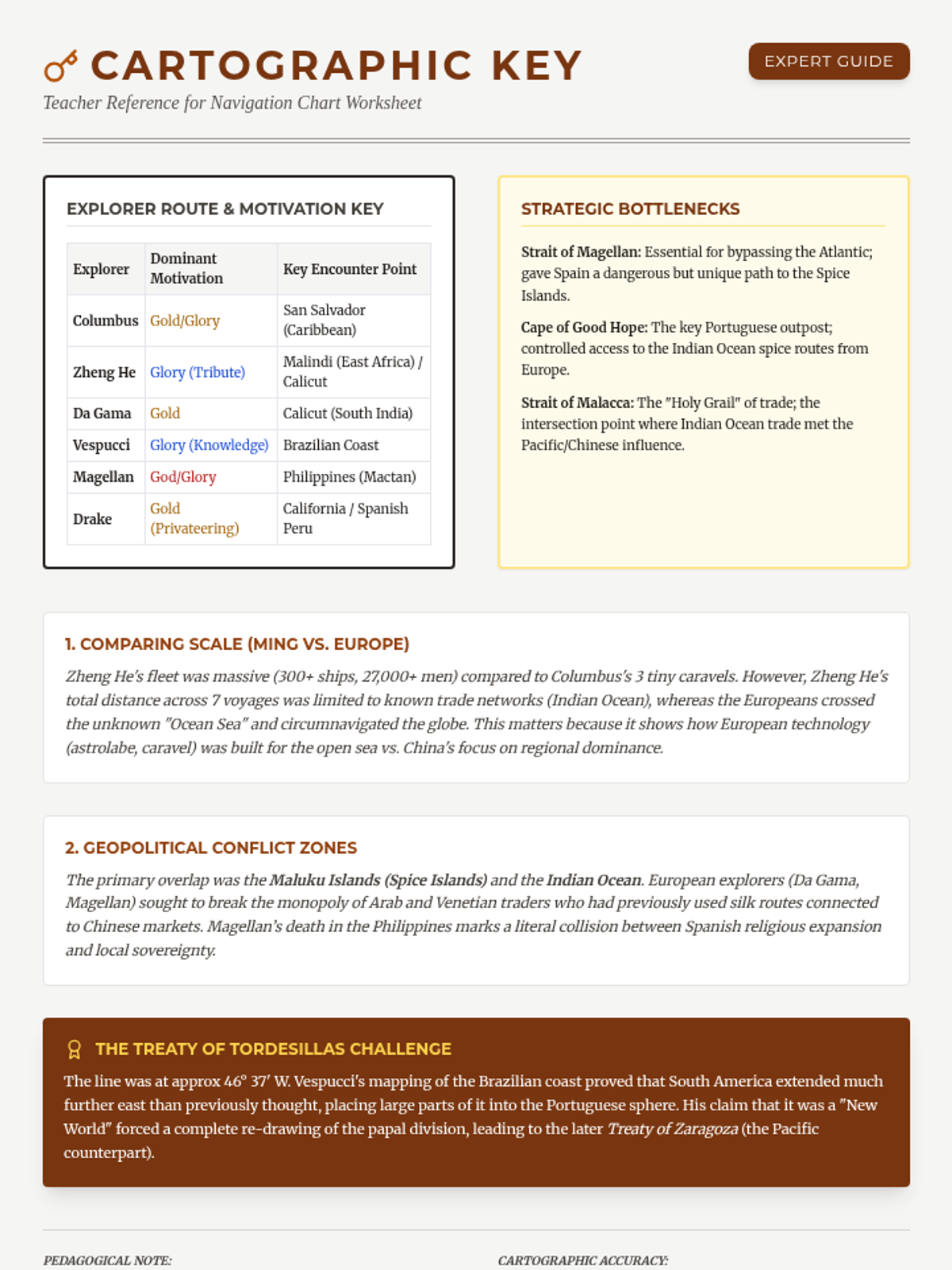
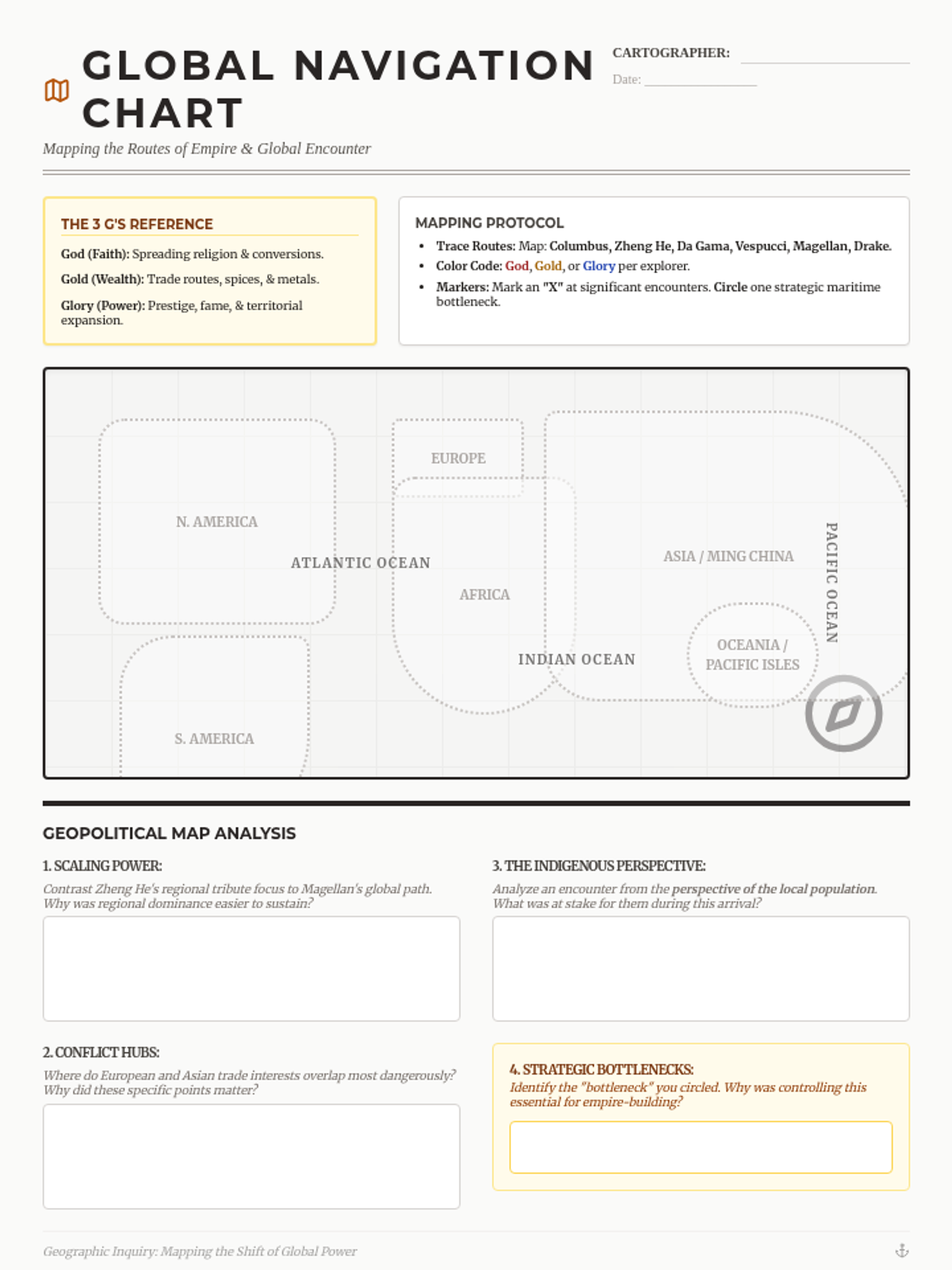
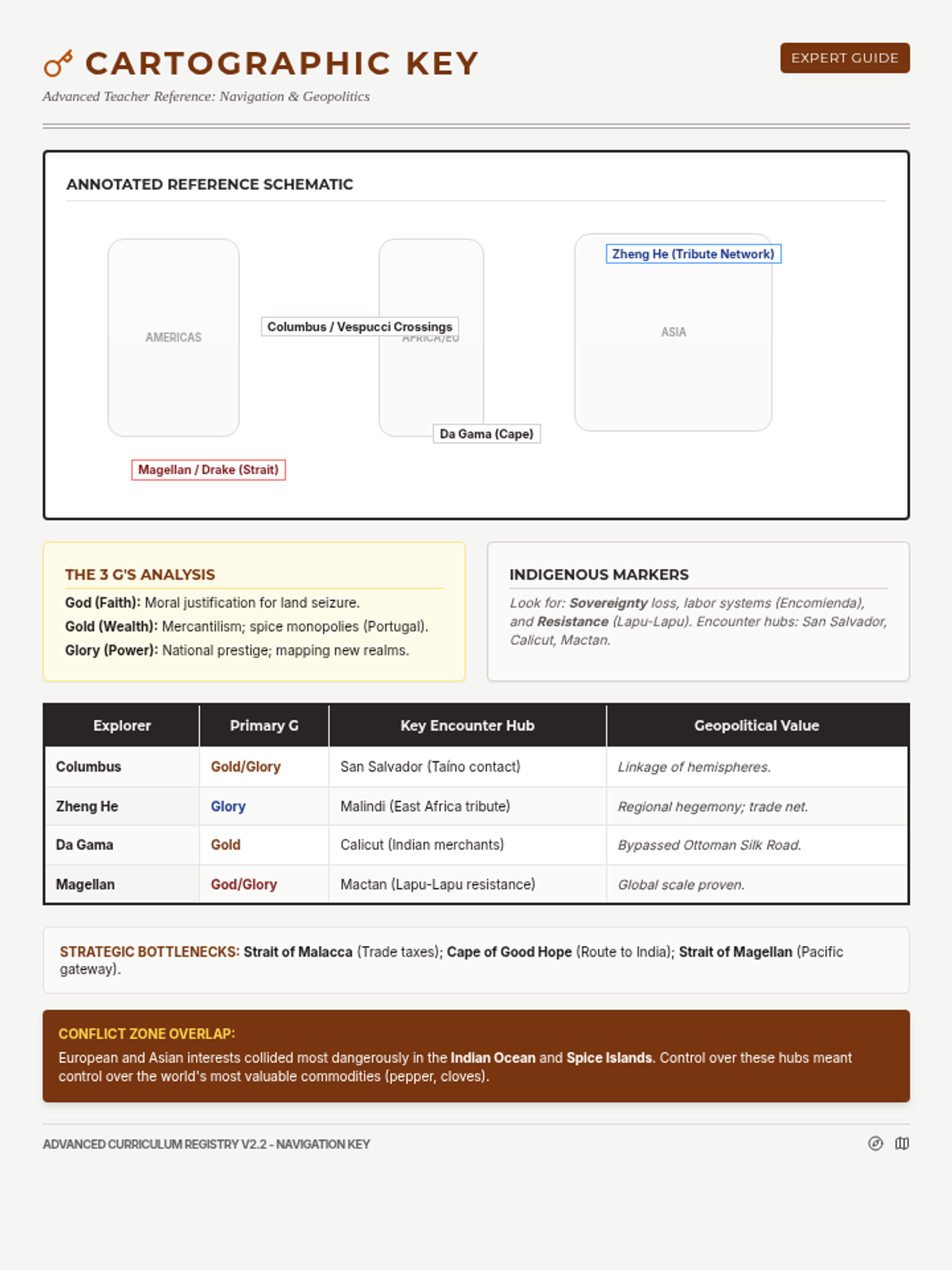
A deep dive into the Age of Exploration, comparing the motivations, encounters, and global impact of famous maritime explorers from around the world.
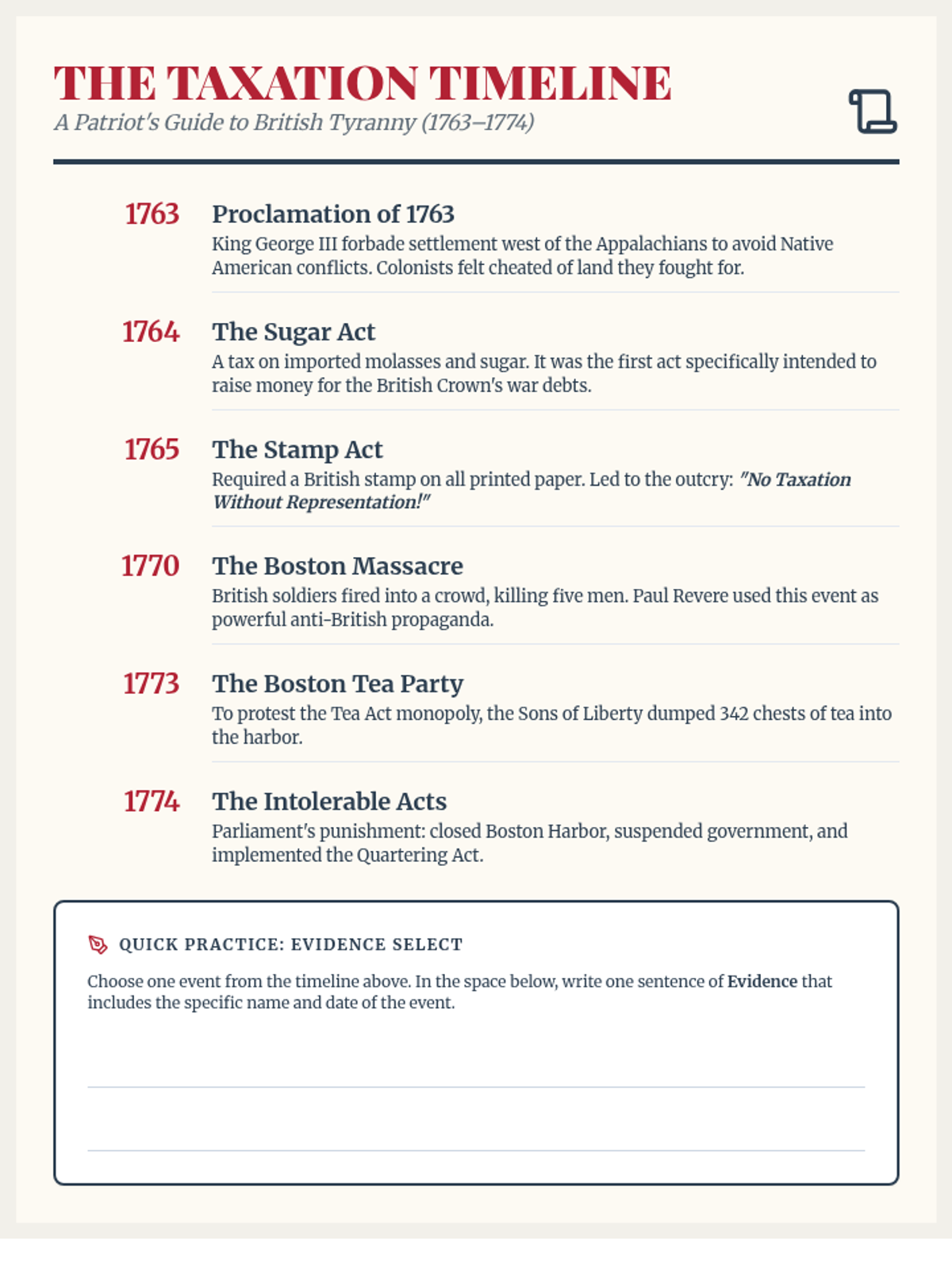
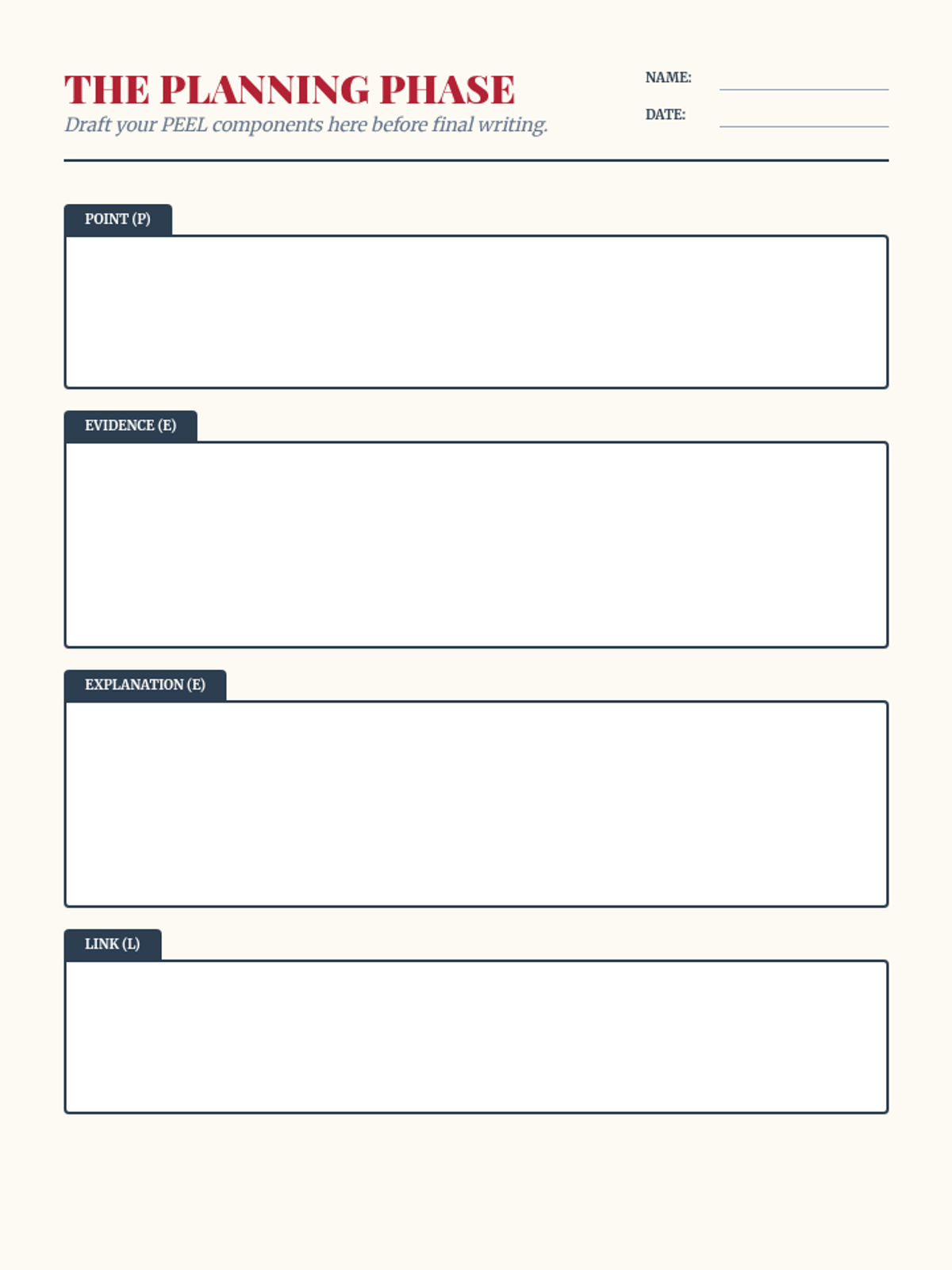
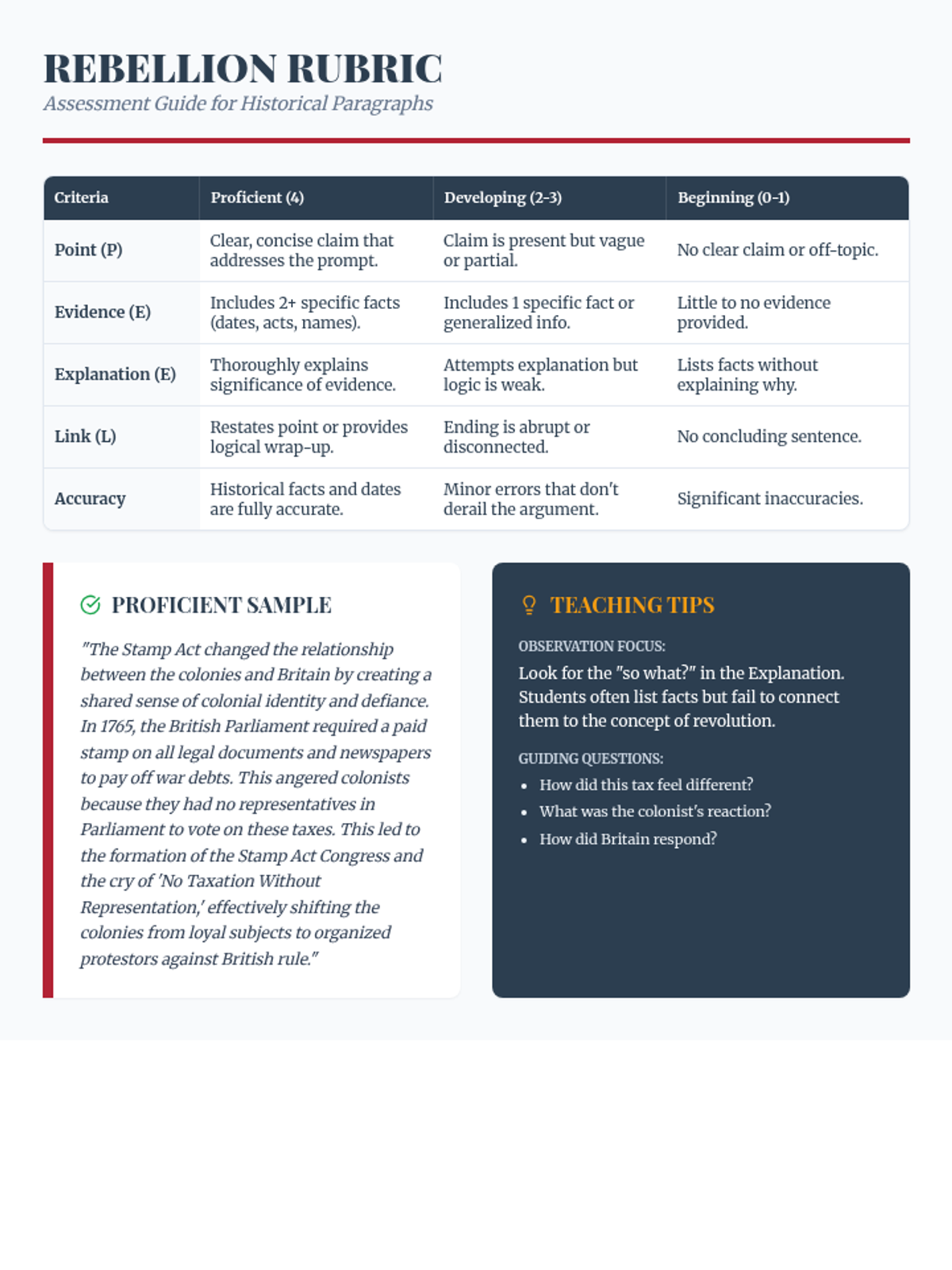
An introductory lesson exploring the primary political and economic causes of the American Revolution, including the various tax acts and escalating tensions.
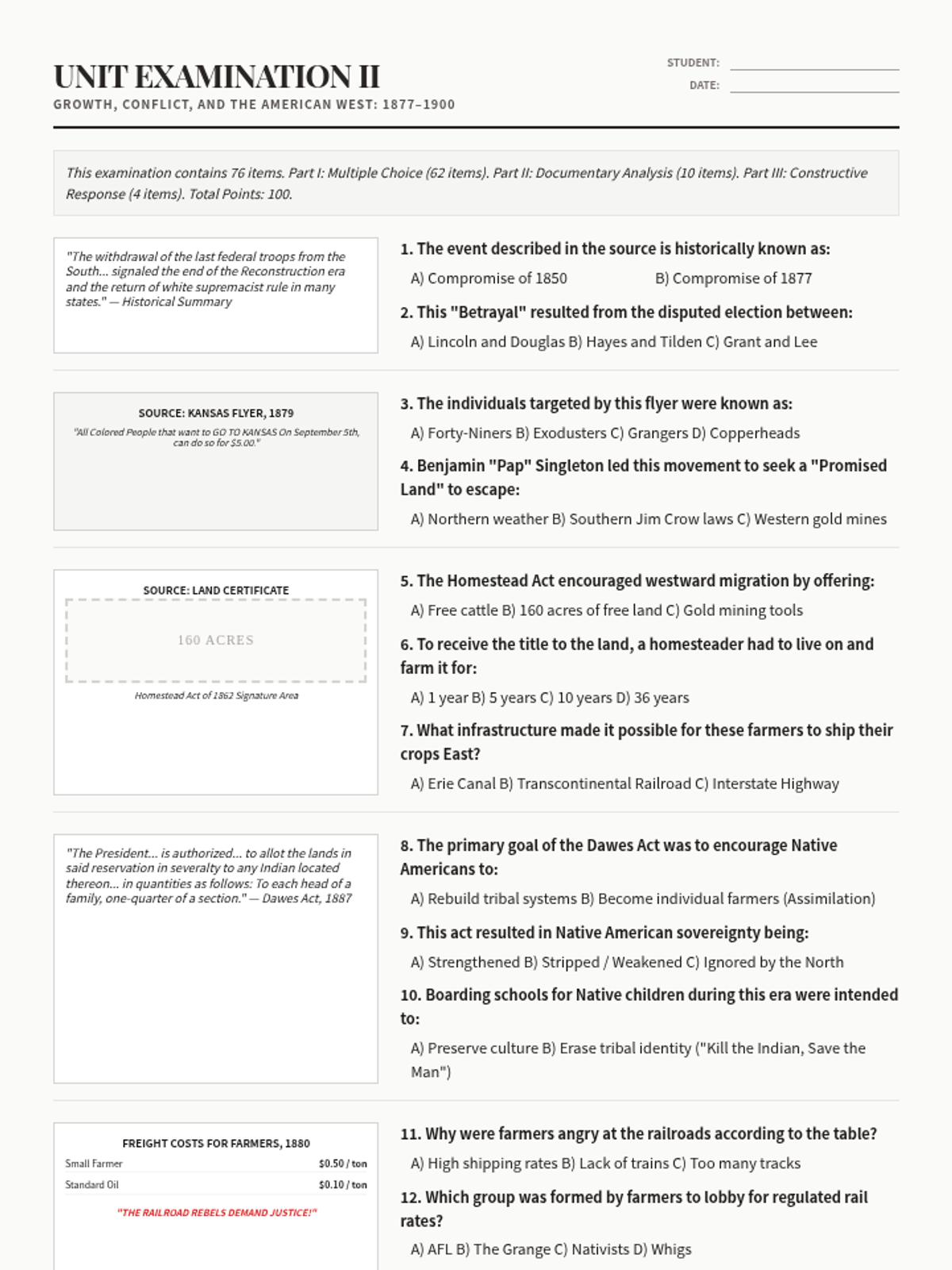
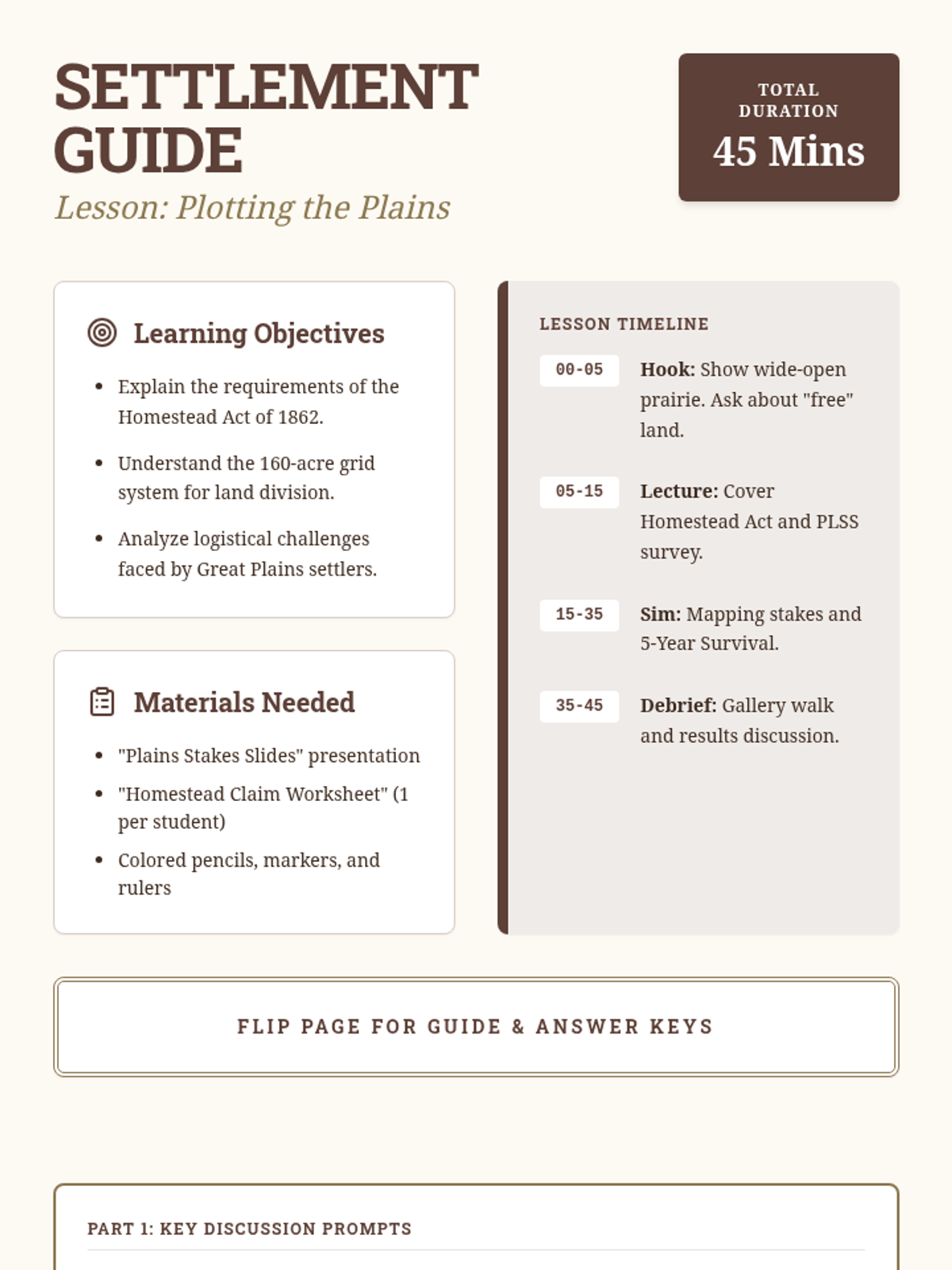
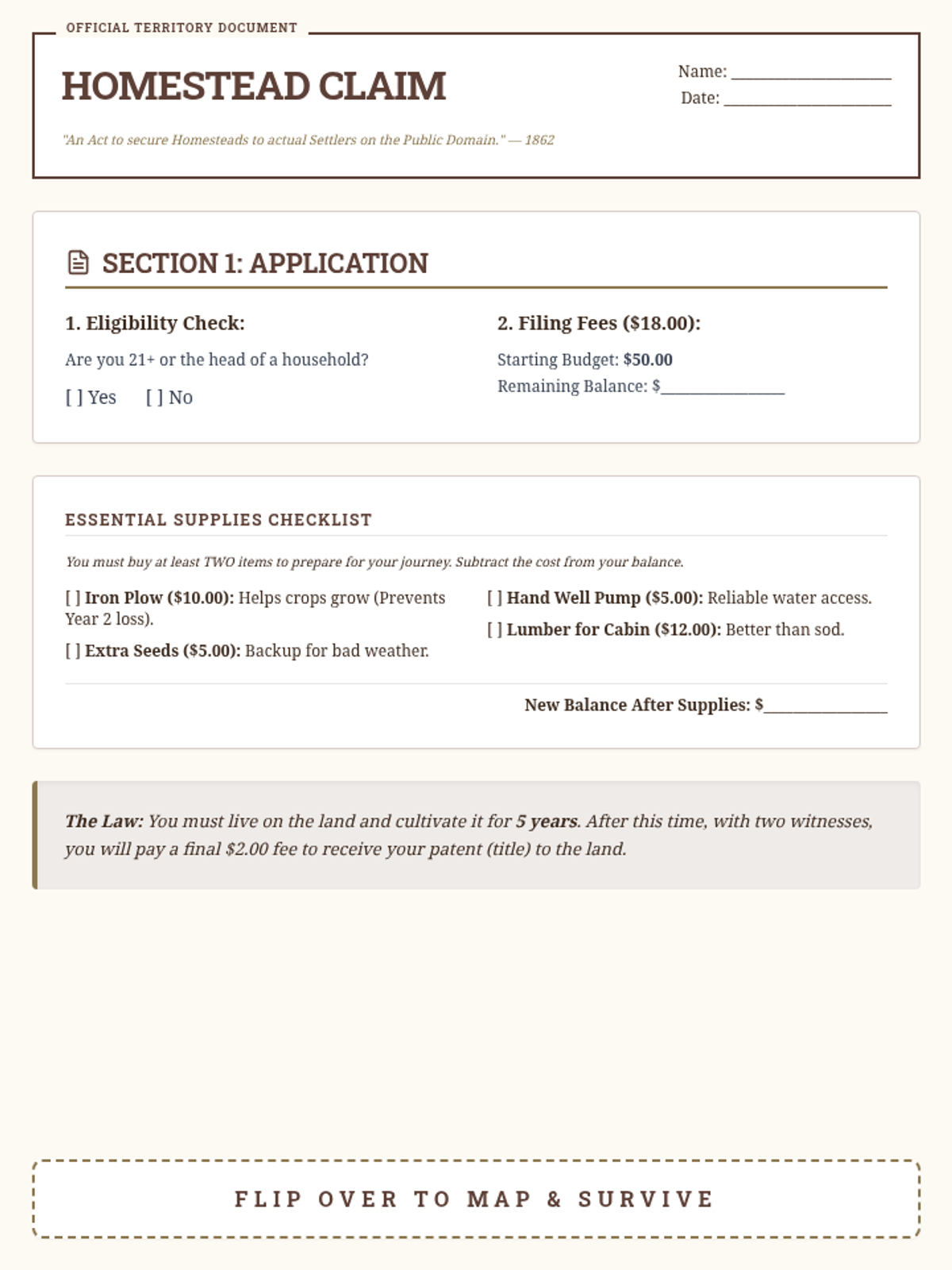
This lesson explores the Homestead Act of 1862 and the logistical realities of settling the American West, focusing on the grid system and survival challenges.