Fundamental techniques for drawing, painting, sculpture, and photography alongside modern digital design principles. Analyzes historical artistic movements while building skills in printmaking and graphic media.
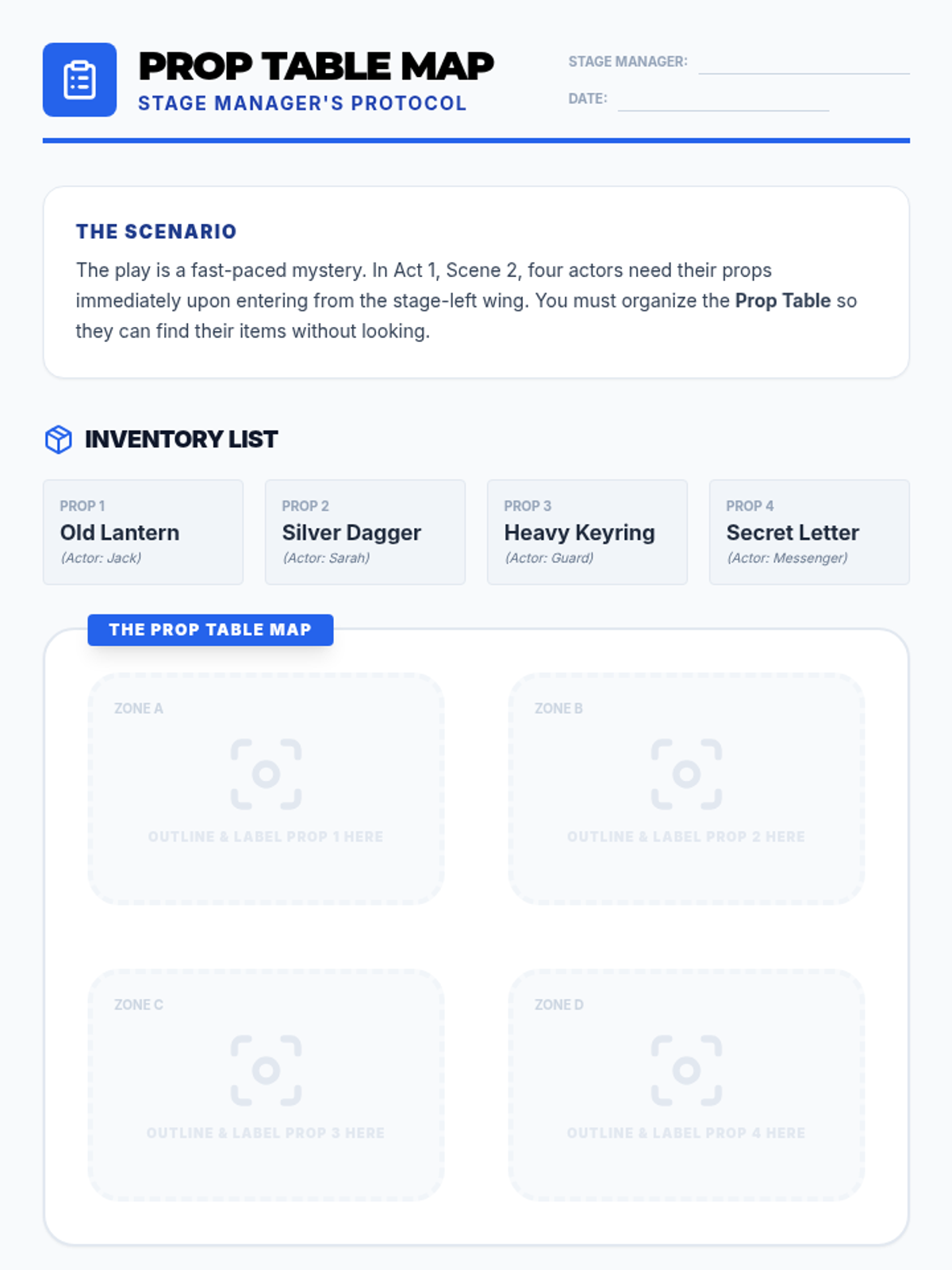
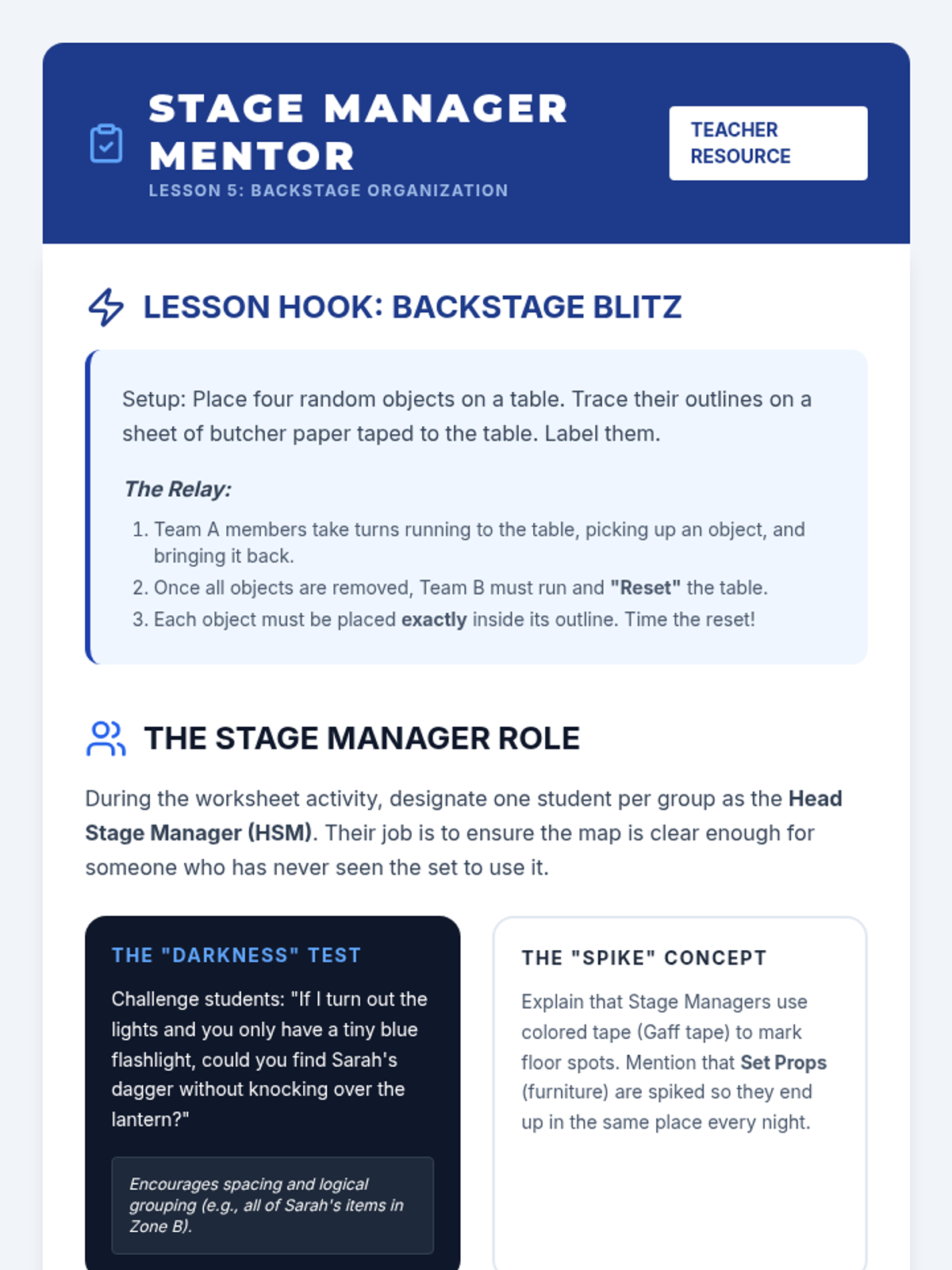
Students step into the role of Stage Managers to learn about organization. They create a 'prop table' map, outlining where items go ensuring actors can find them in the dark, and practice resetting a scene quickly.
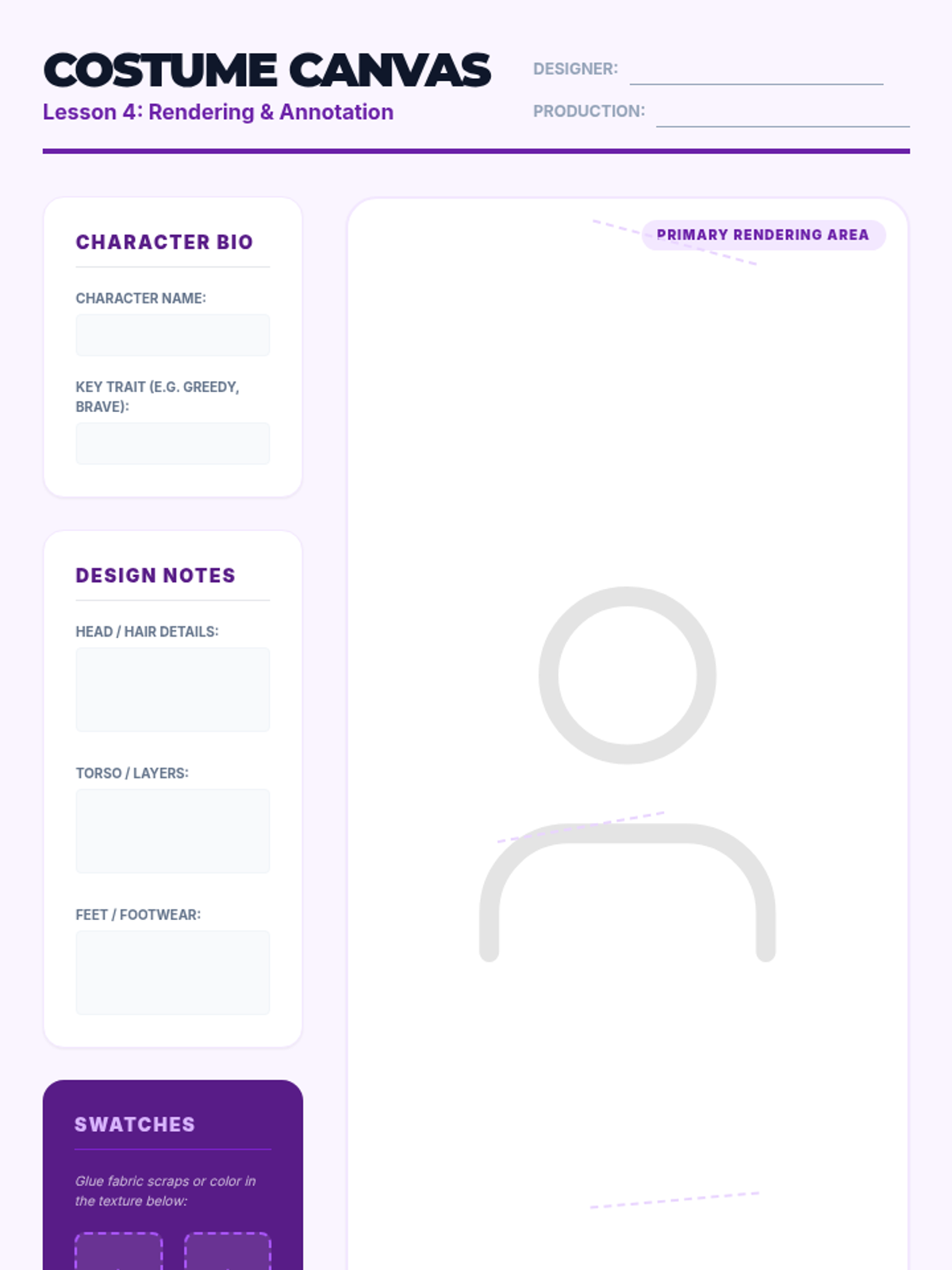
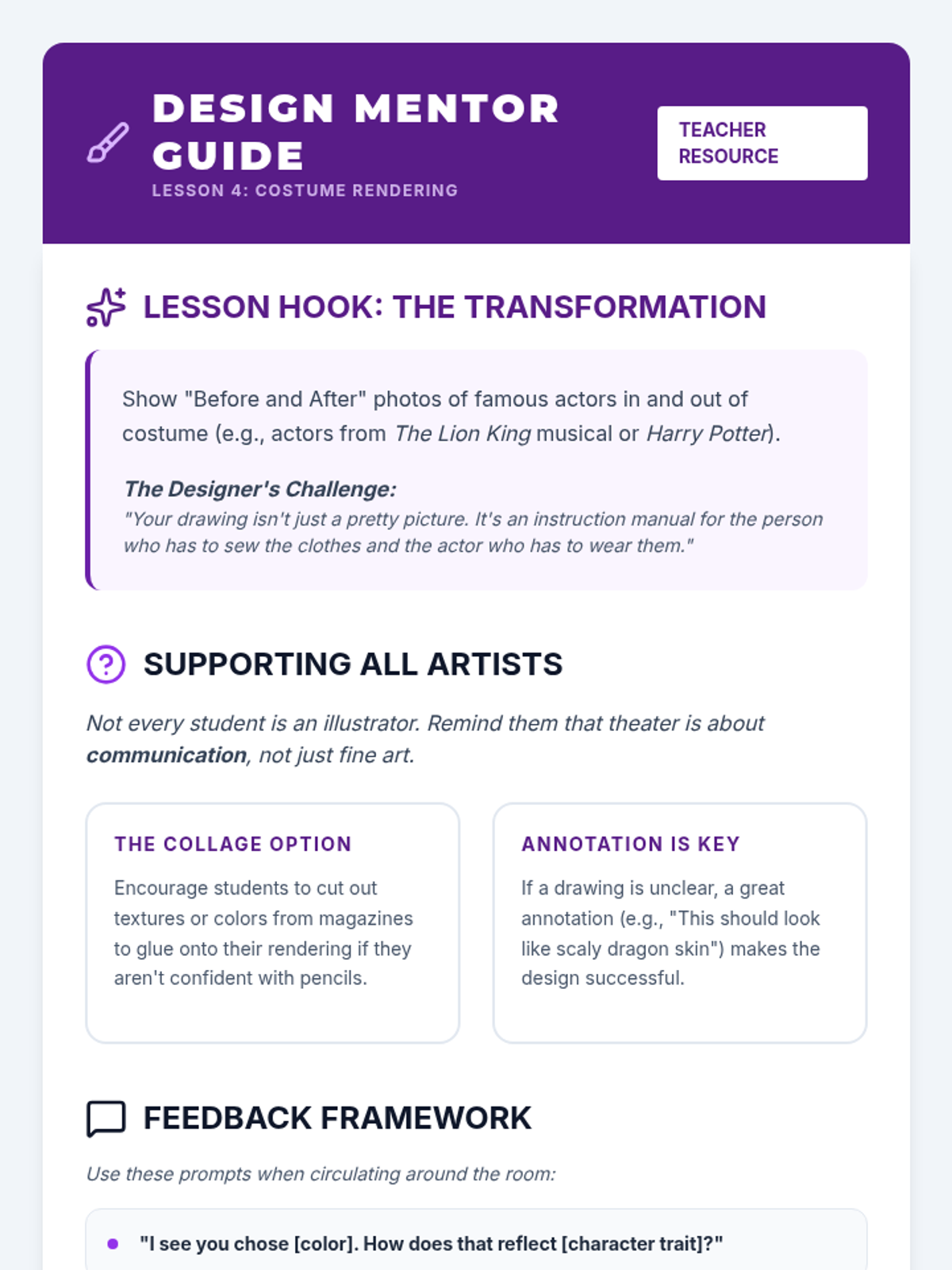
Students create a costume rendering for a specific character using drawing or collage techniques. They must annotate their design to explain how their choices relate to the character's age, job, and personality.
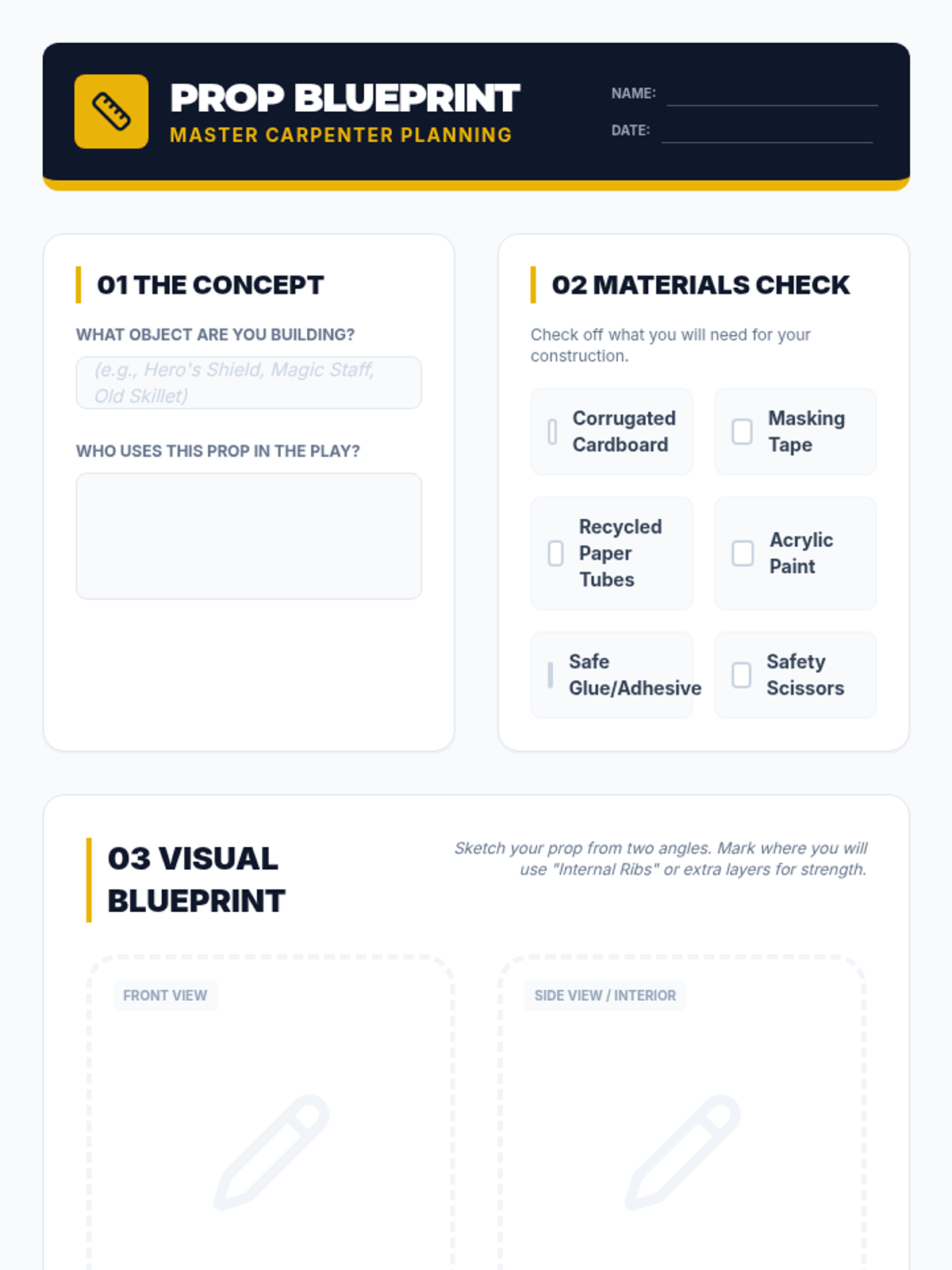
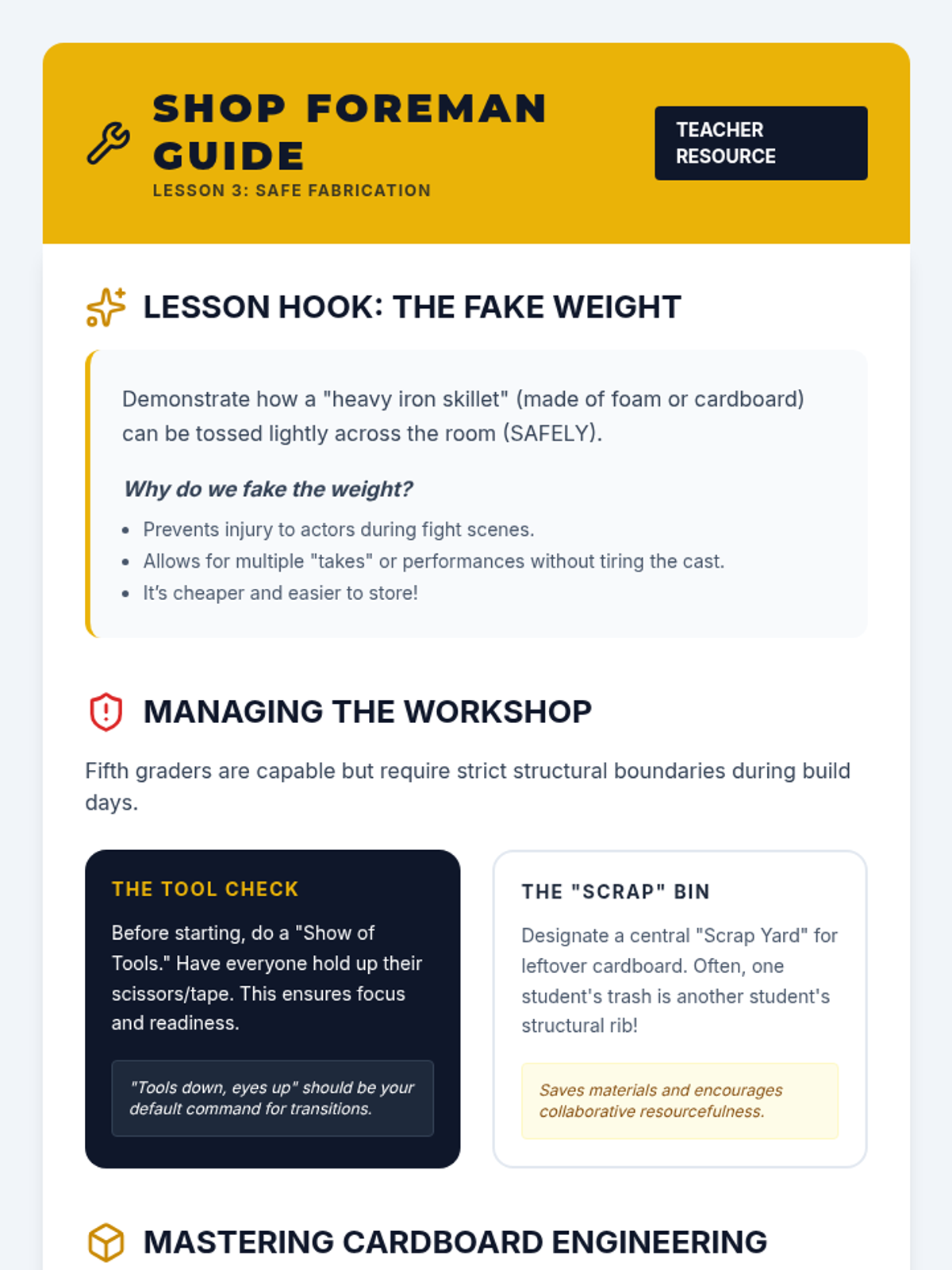
Focusing on safety and resourcefulness, students learn to build a specific hand prop using cardboard, tape, and safe adhesives. The lesson covers structural integrity and how to make lightweight objects look heavy or metallic.
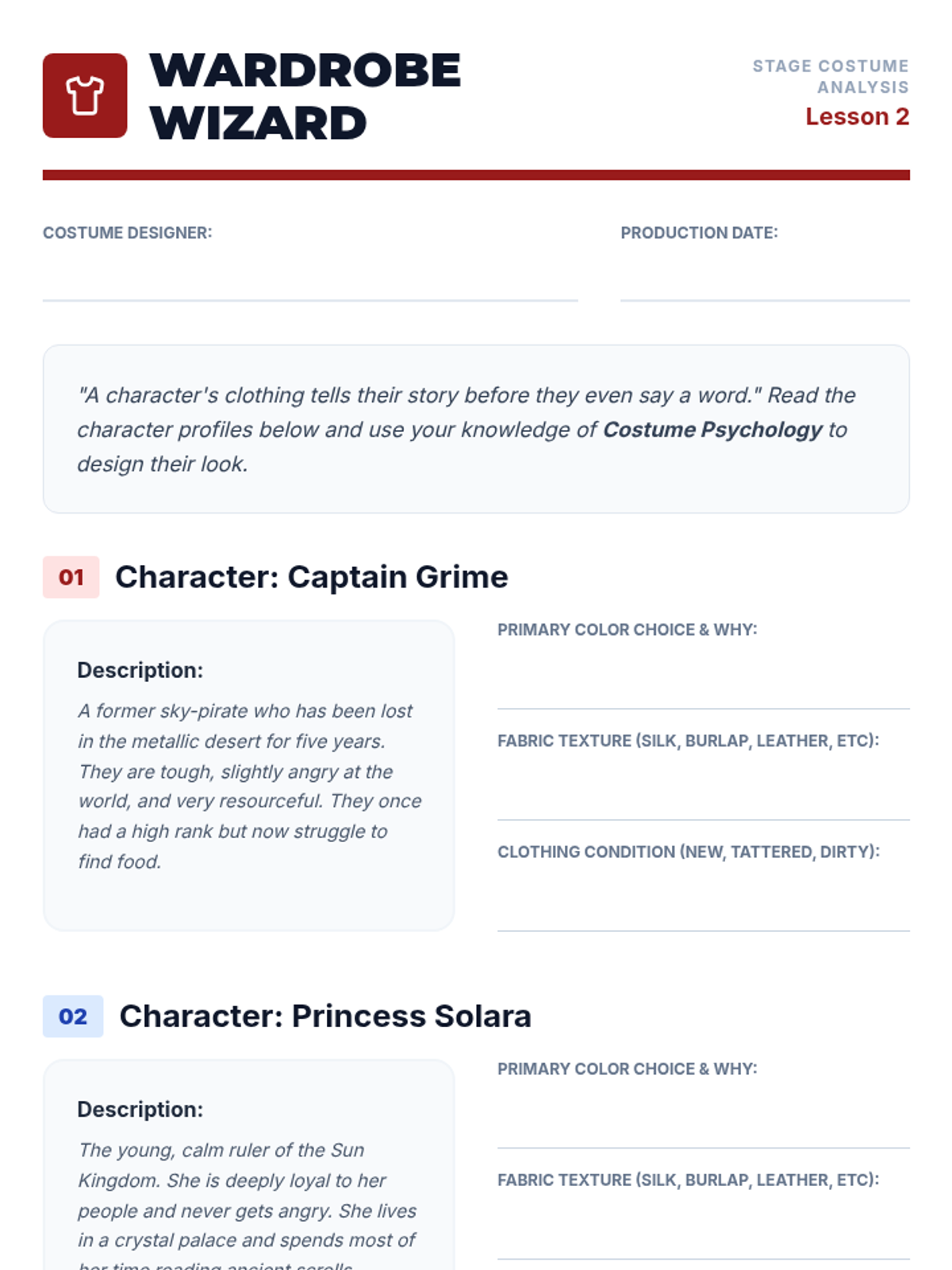
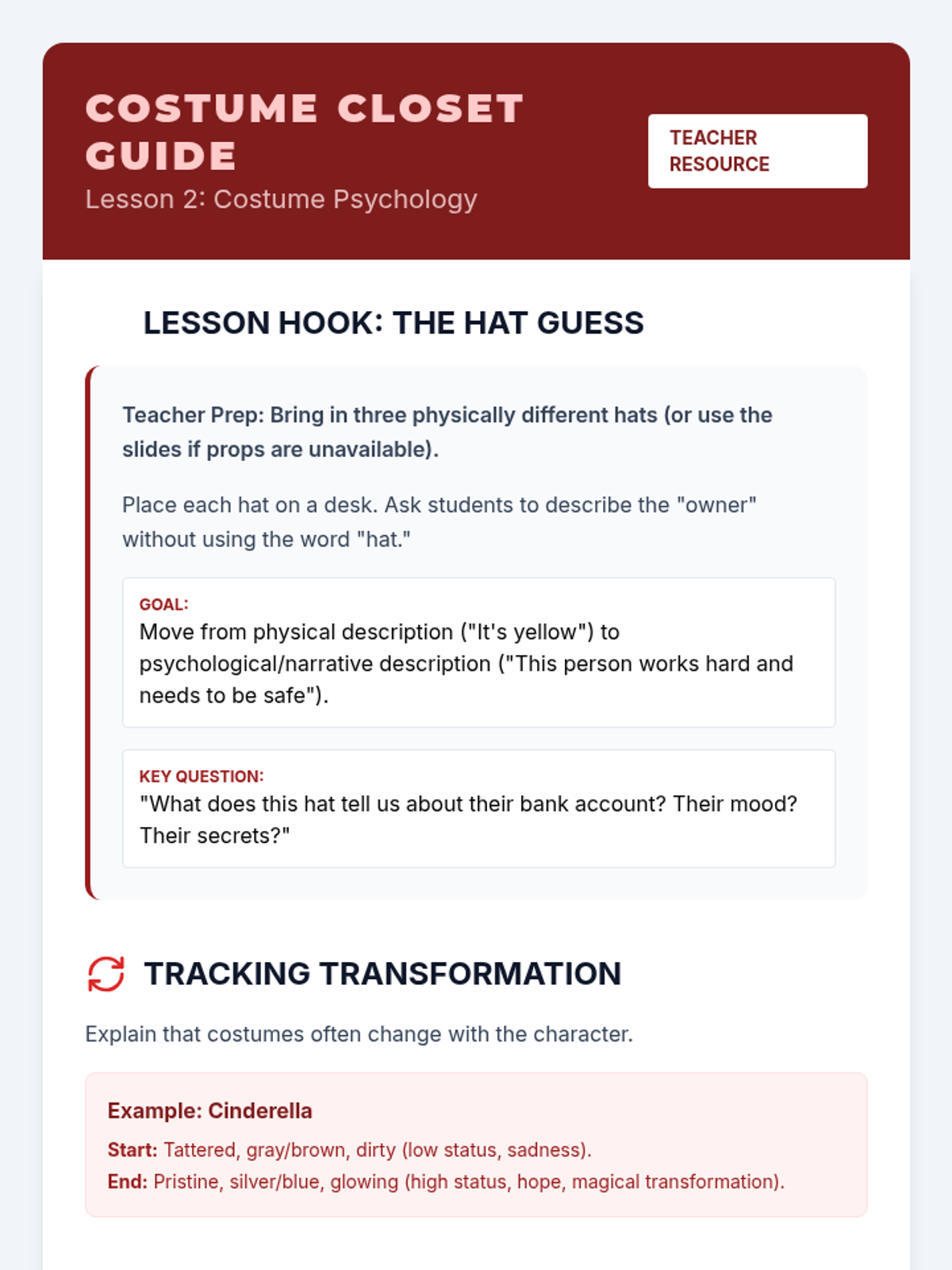
Students explore how color, condition, and fit of clothing communicate character traits. They analyze character descriptions and select fabric swatches or colors that represent the character's personality and status.
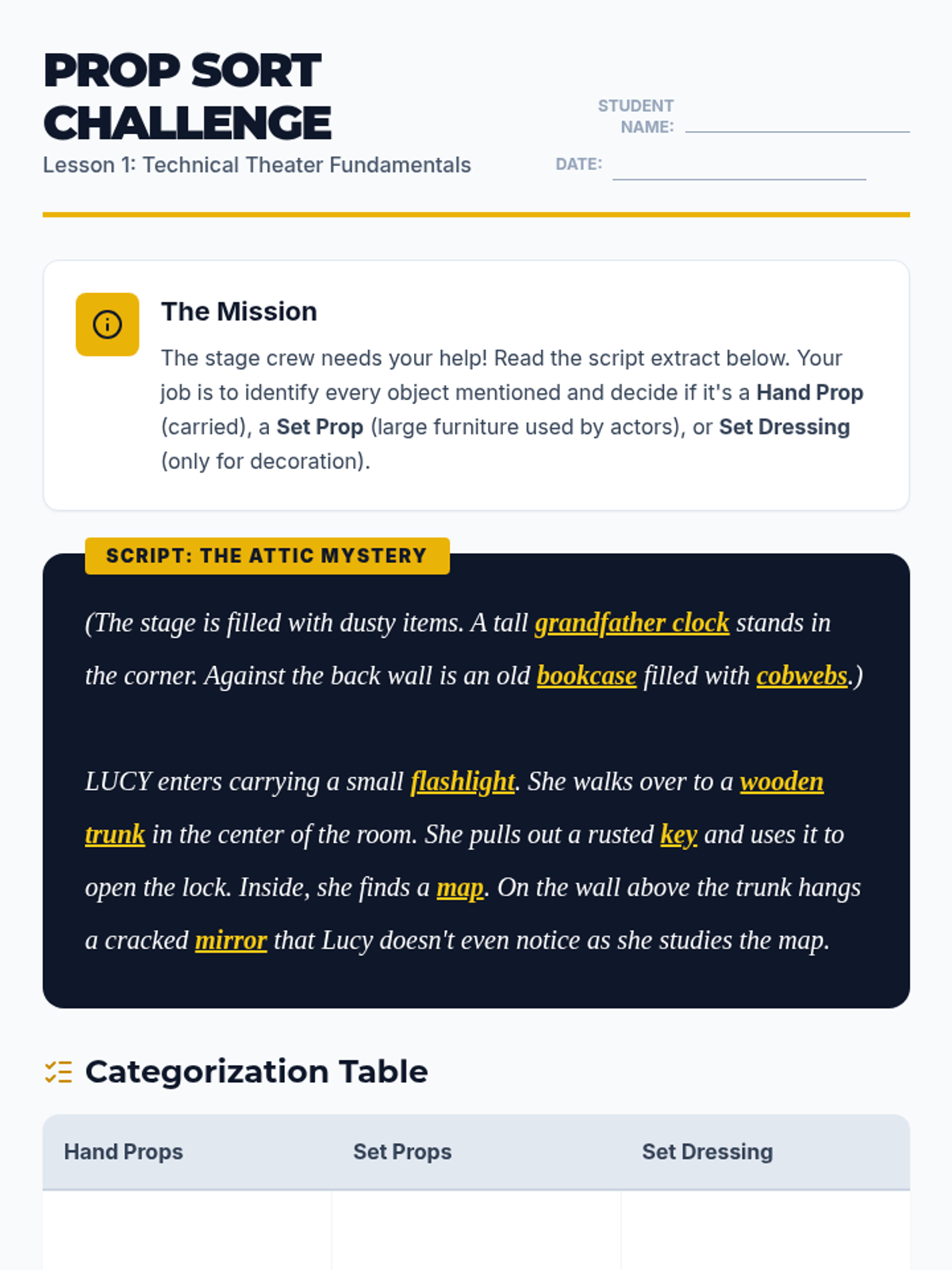
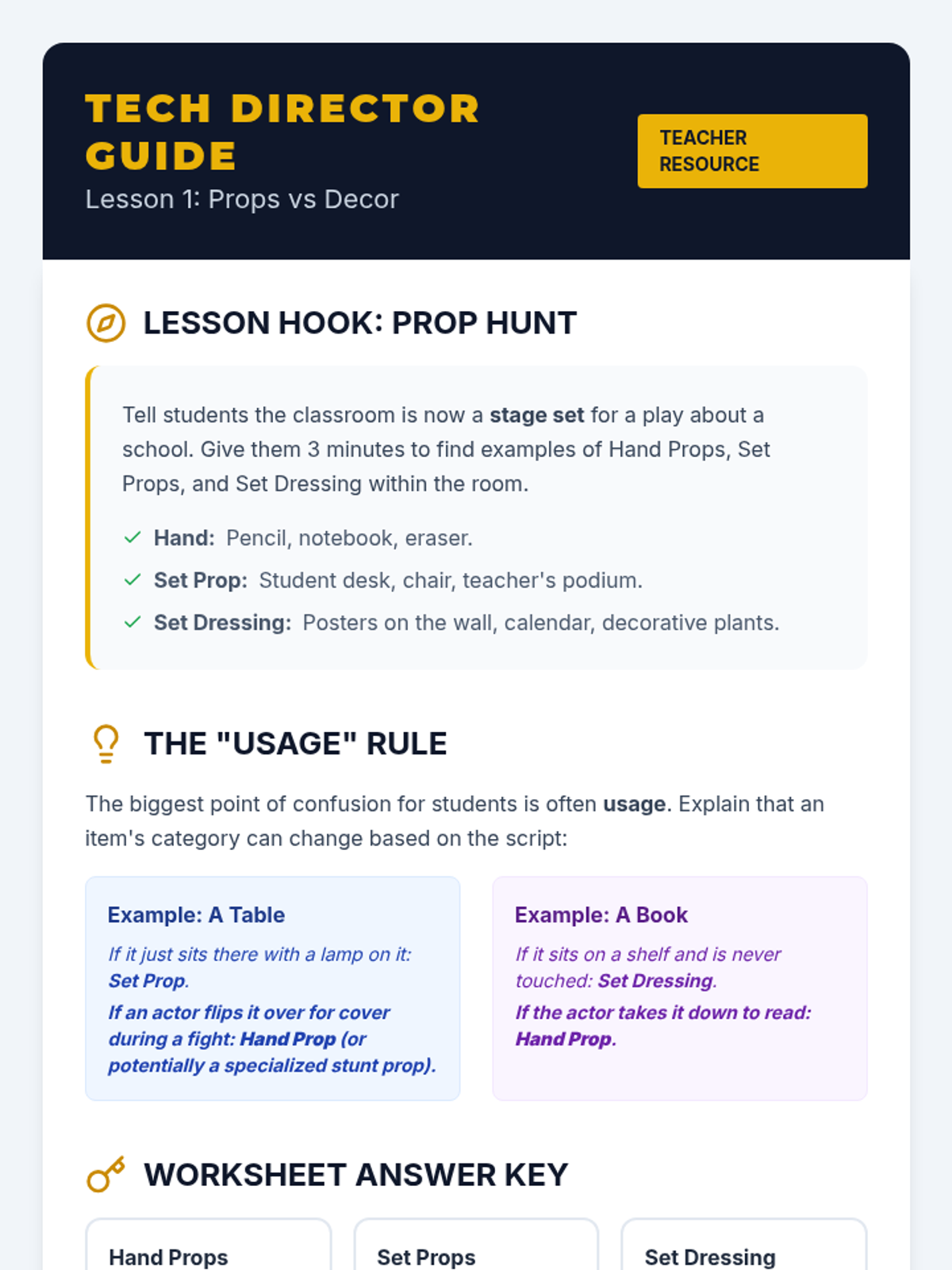
Students learn to categorize items as Hand Props, Set Props, or Set Dressing through sorting activities. They analyze a scene to determine which items are handled by actors versus which items just set the scene.
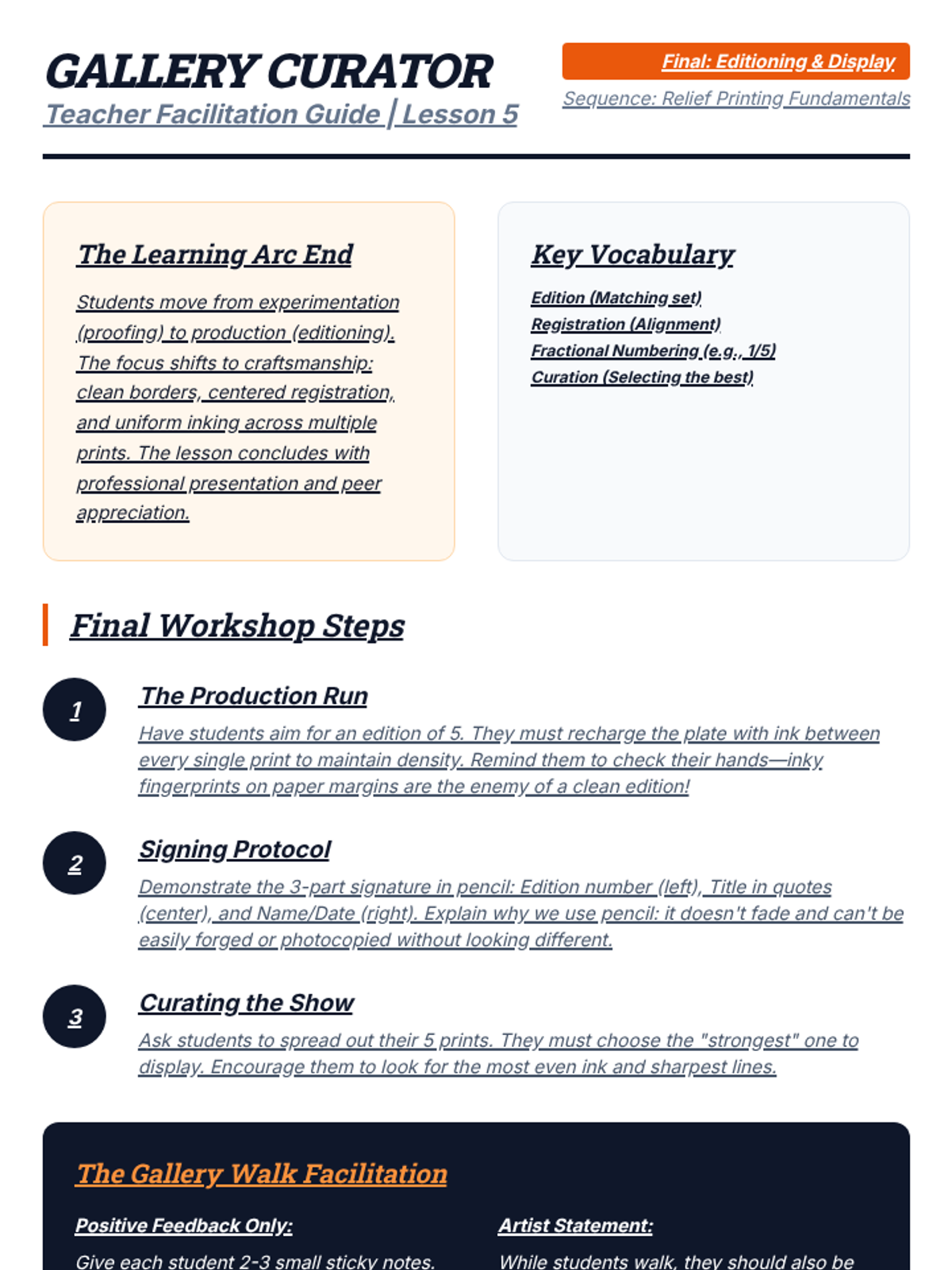
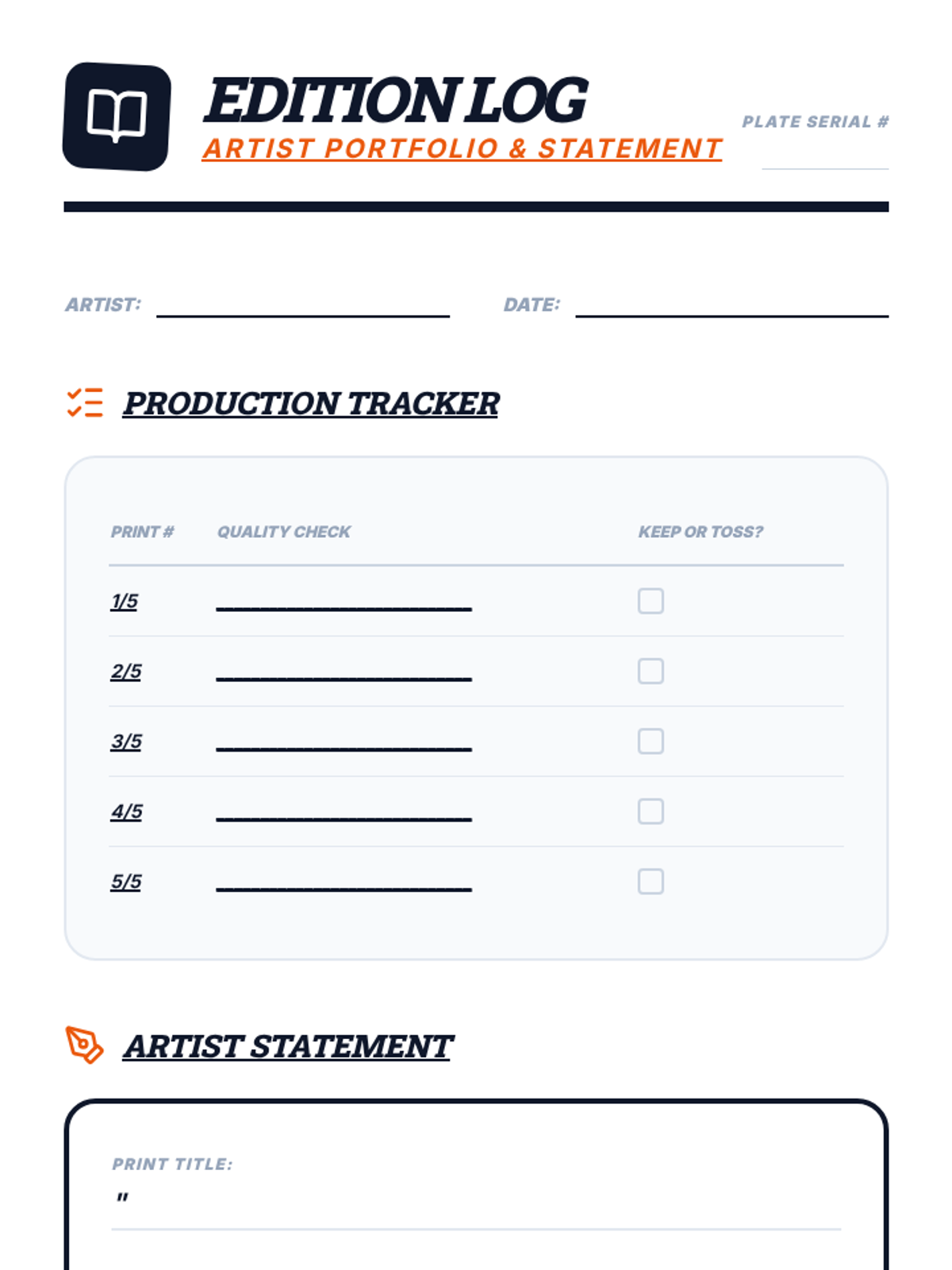
The culminating lesson focuses on printing a consistent edition. Students learn about registration, clean borders, and the professional artist's method for numbering and signing prints.
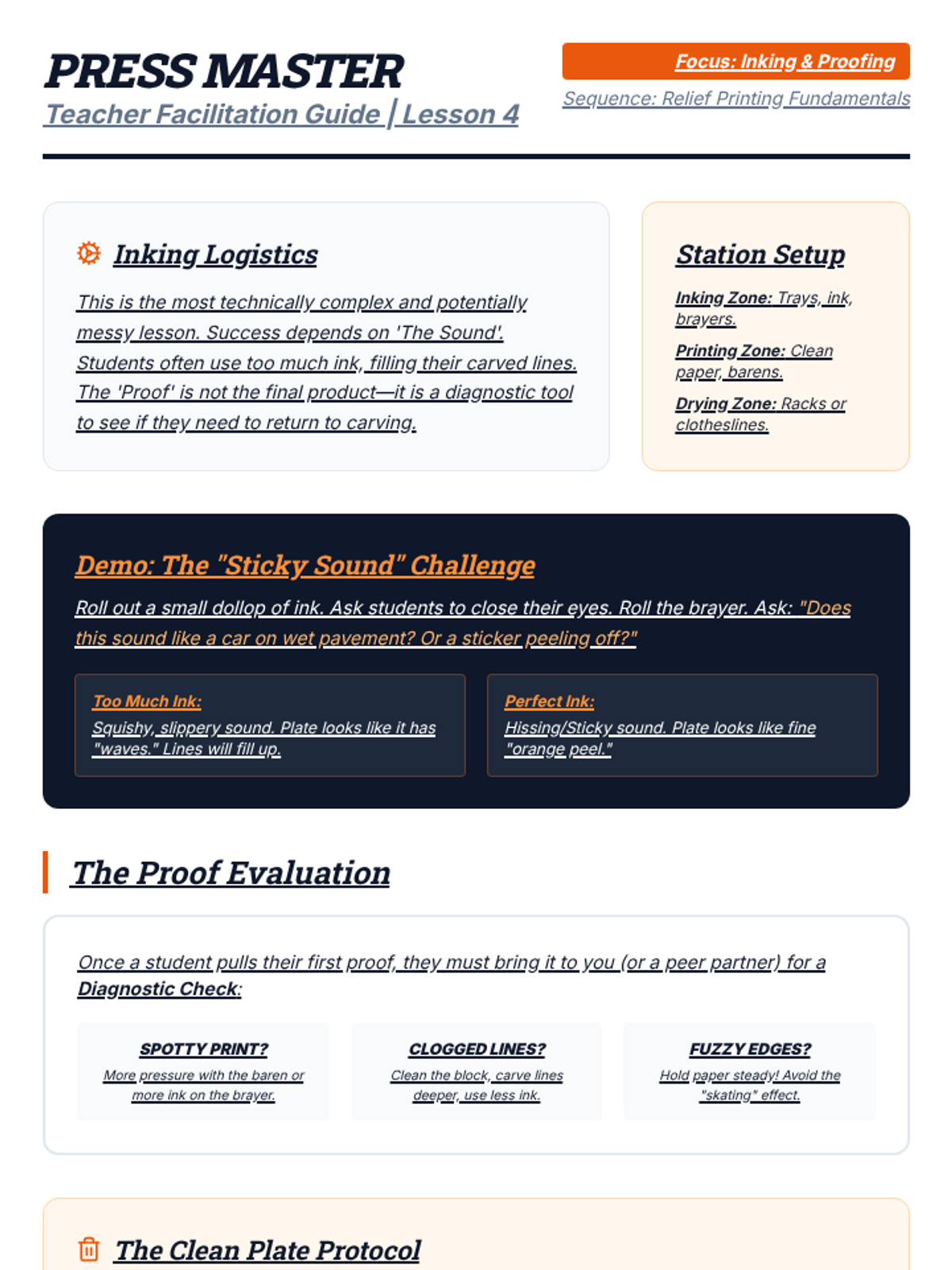
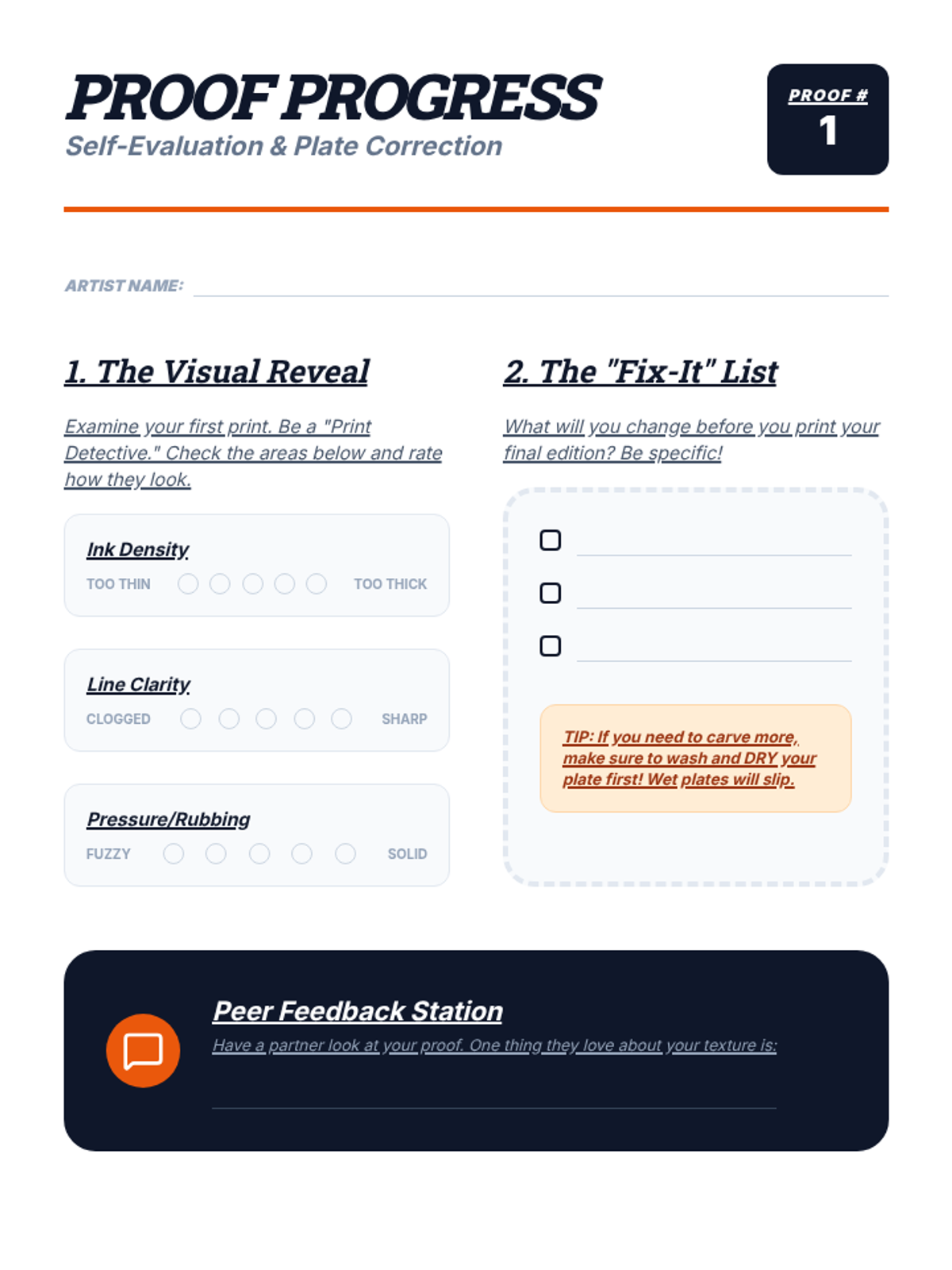
Students master the art of inking with a brayer, listening for the 'sticky' sound of perfect ink consistency. They pull their first proof prints to evaluate their carvings.
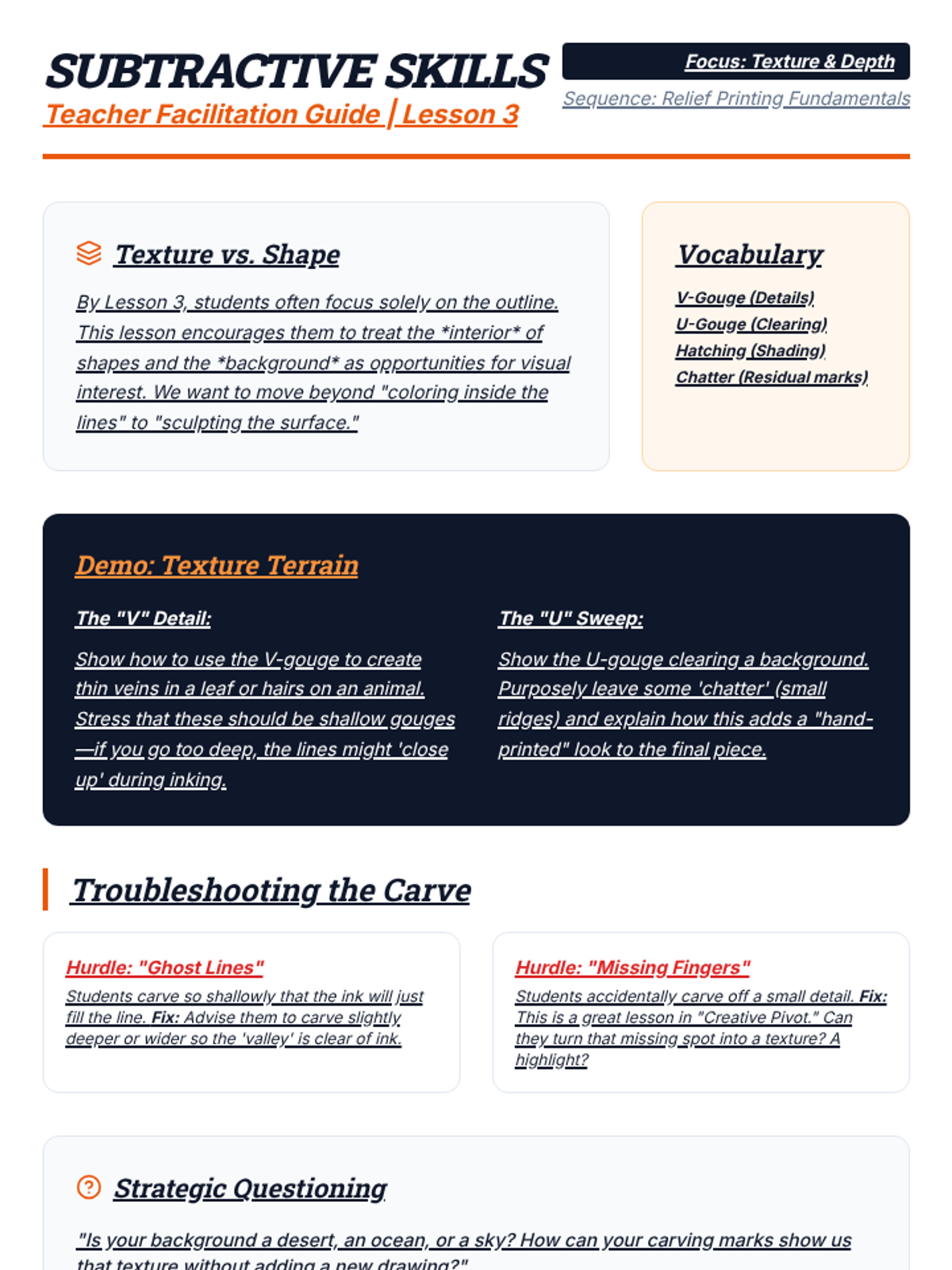
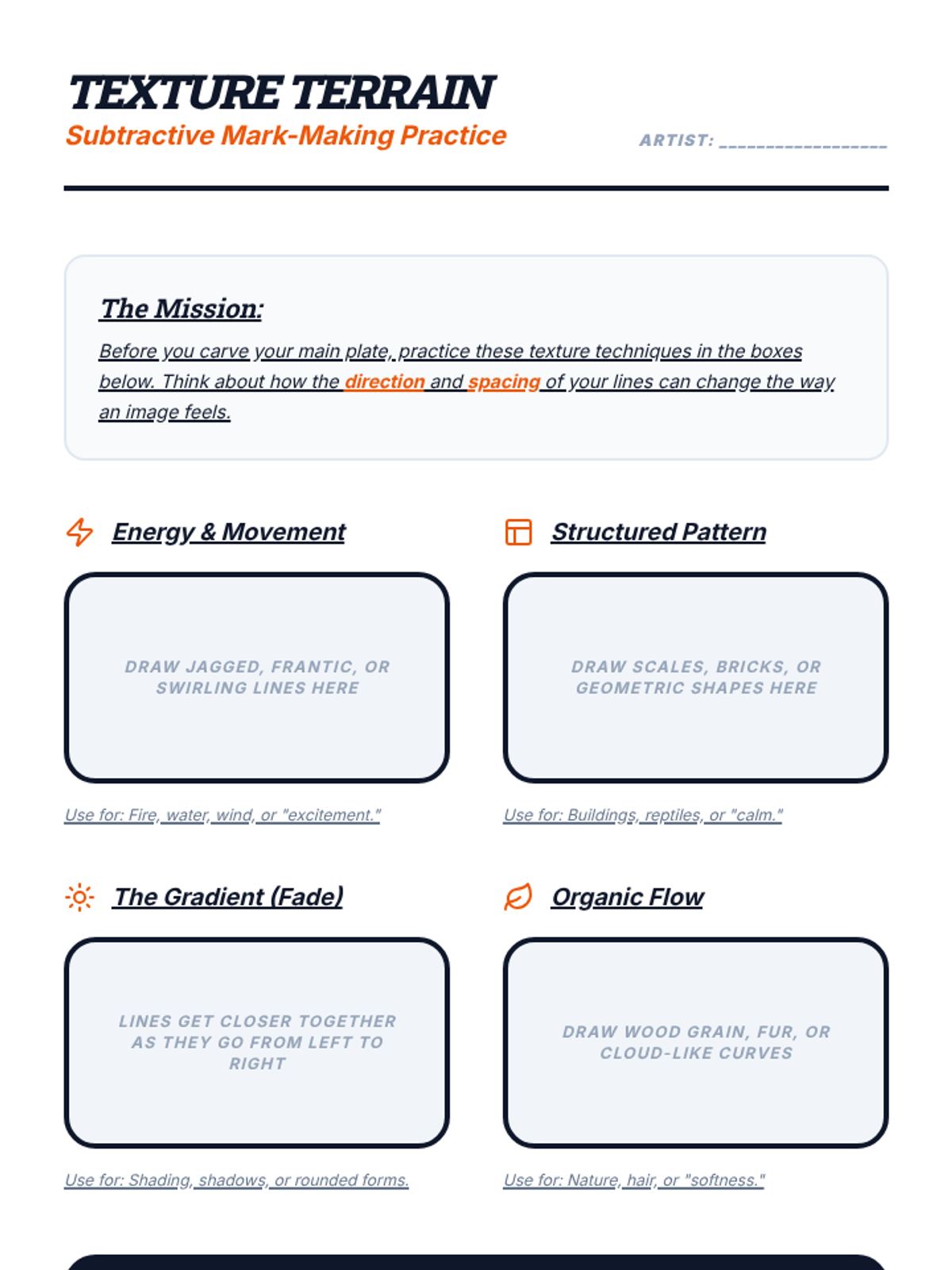
Focusing on subtractive sculpting, students carve textures and lines into their blocks. They learn to differentiate between clearing backgrounds and creating fine details.
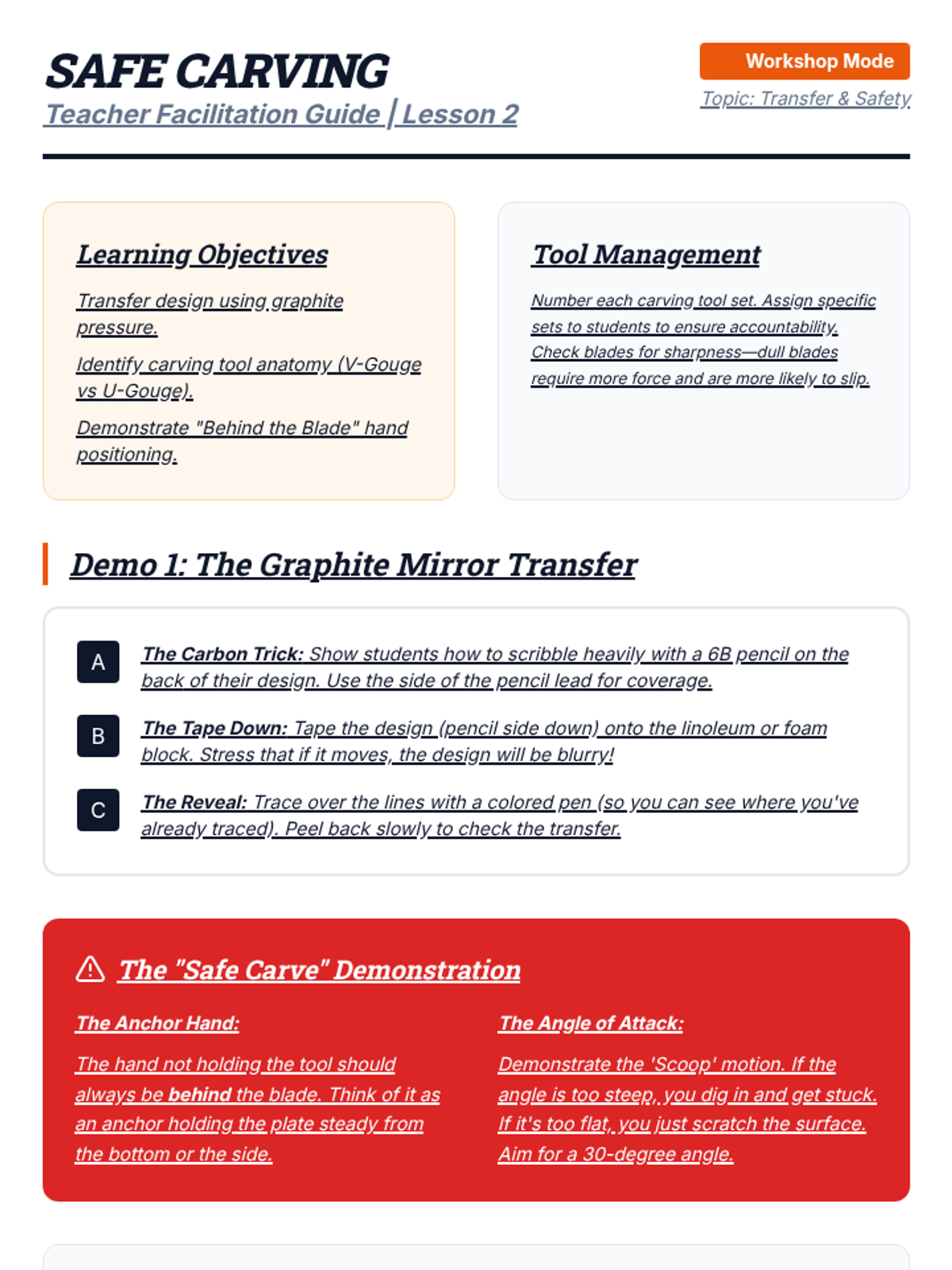
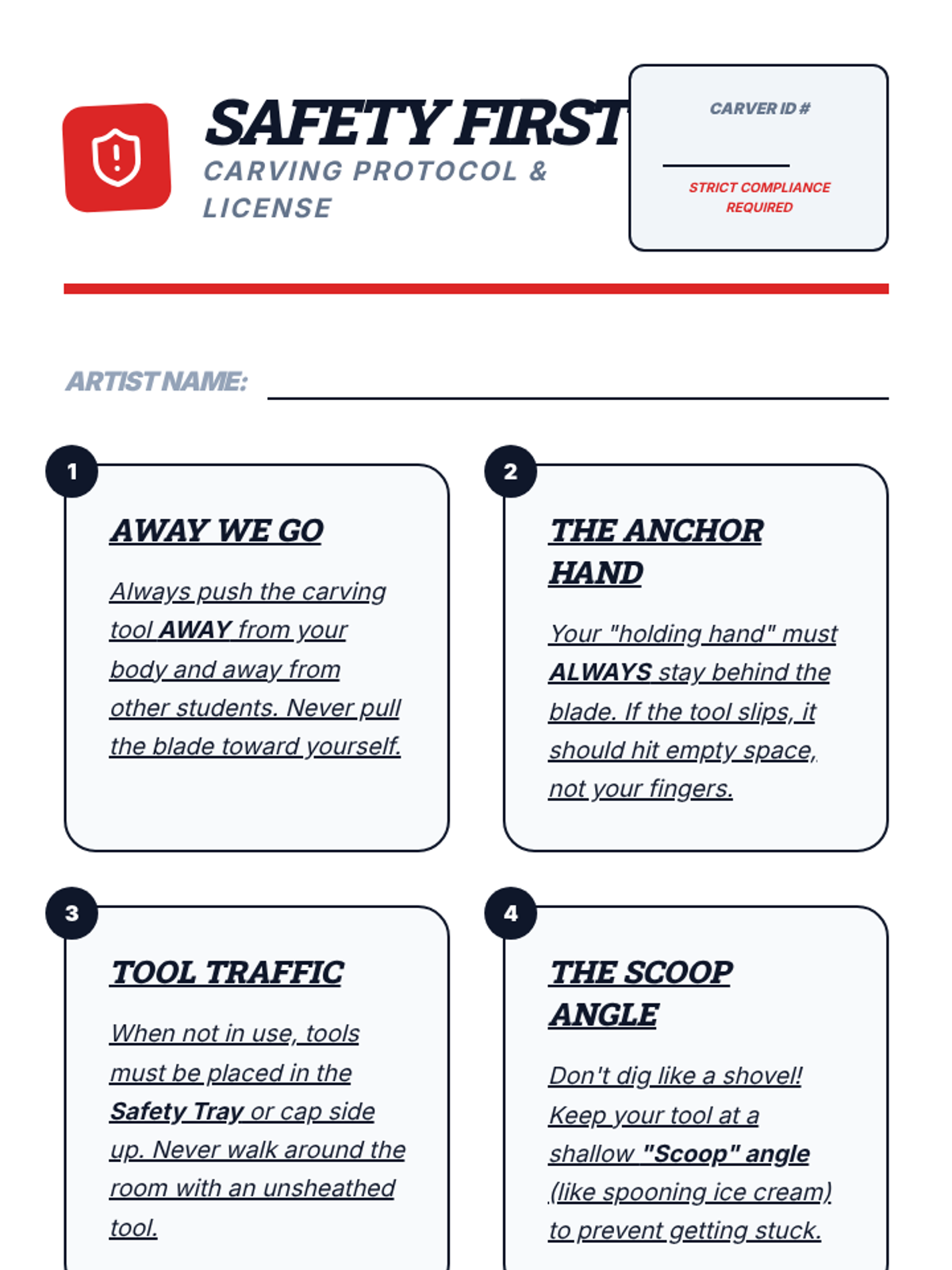
Students learn graphite transfer techniques to move their designs onto printing plates. This lesson emphasizes safety protocols for carving tools and identifying positive vs. negative space.
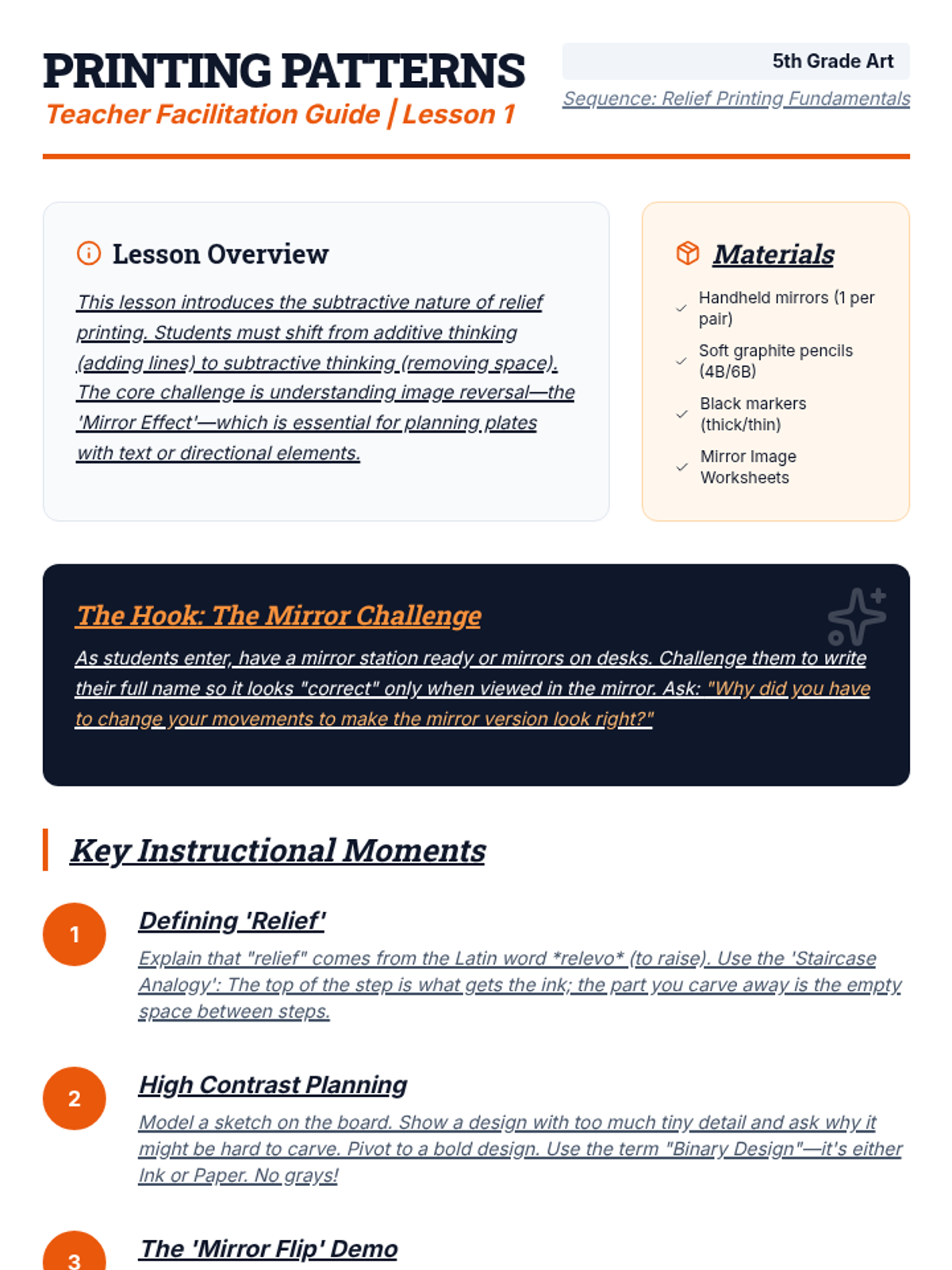
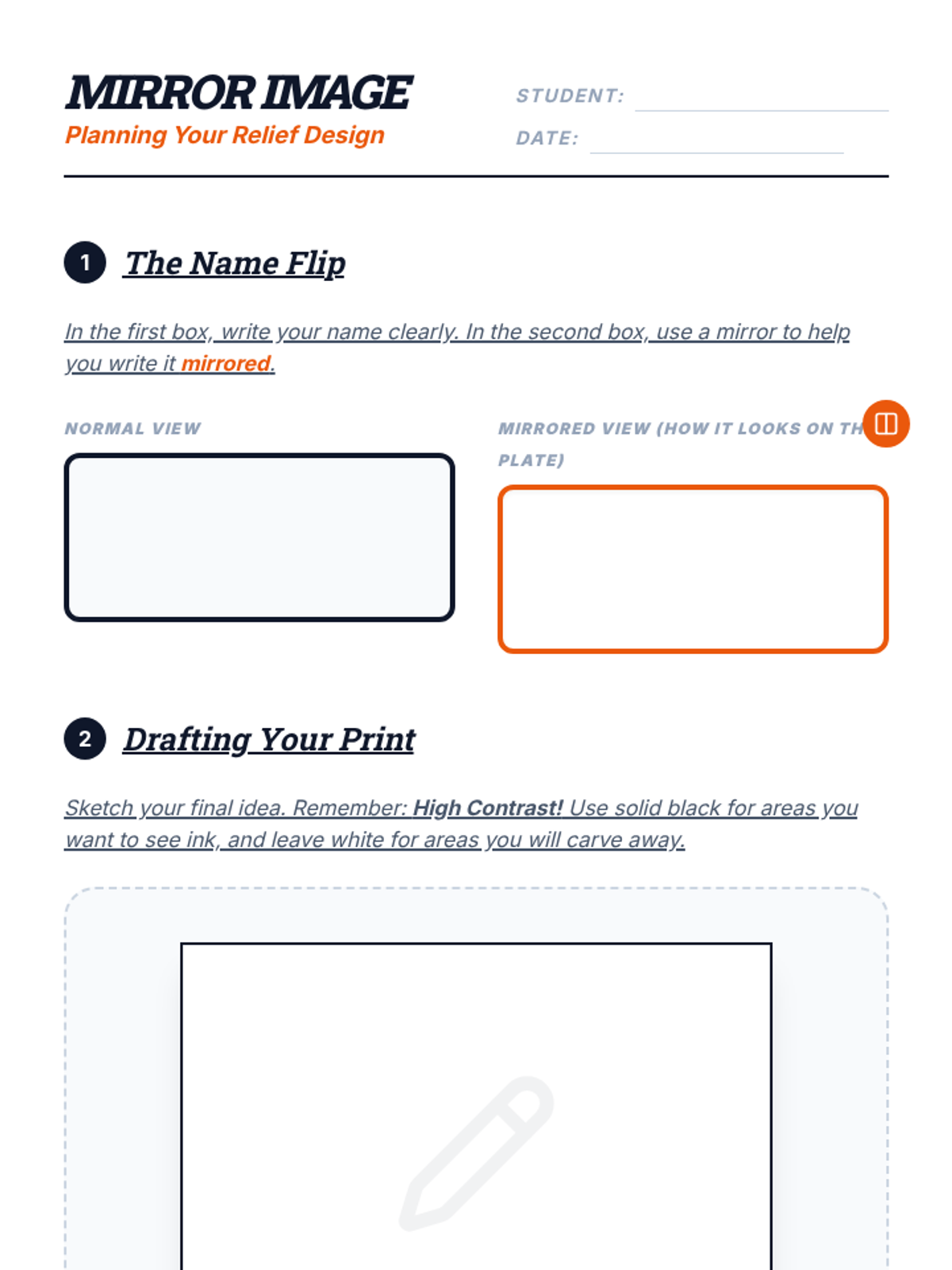
Students explore the history of relief printing and the challenge of image reversal. They participate in mirroring activities and create high-contrast sketches that account for the 'flip' during the printing process.
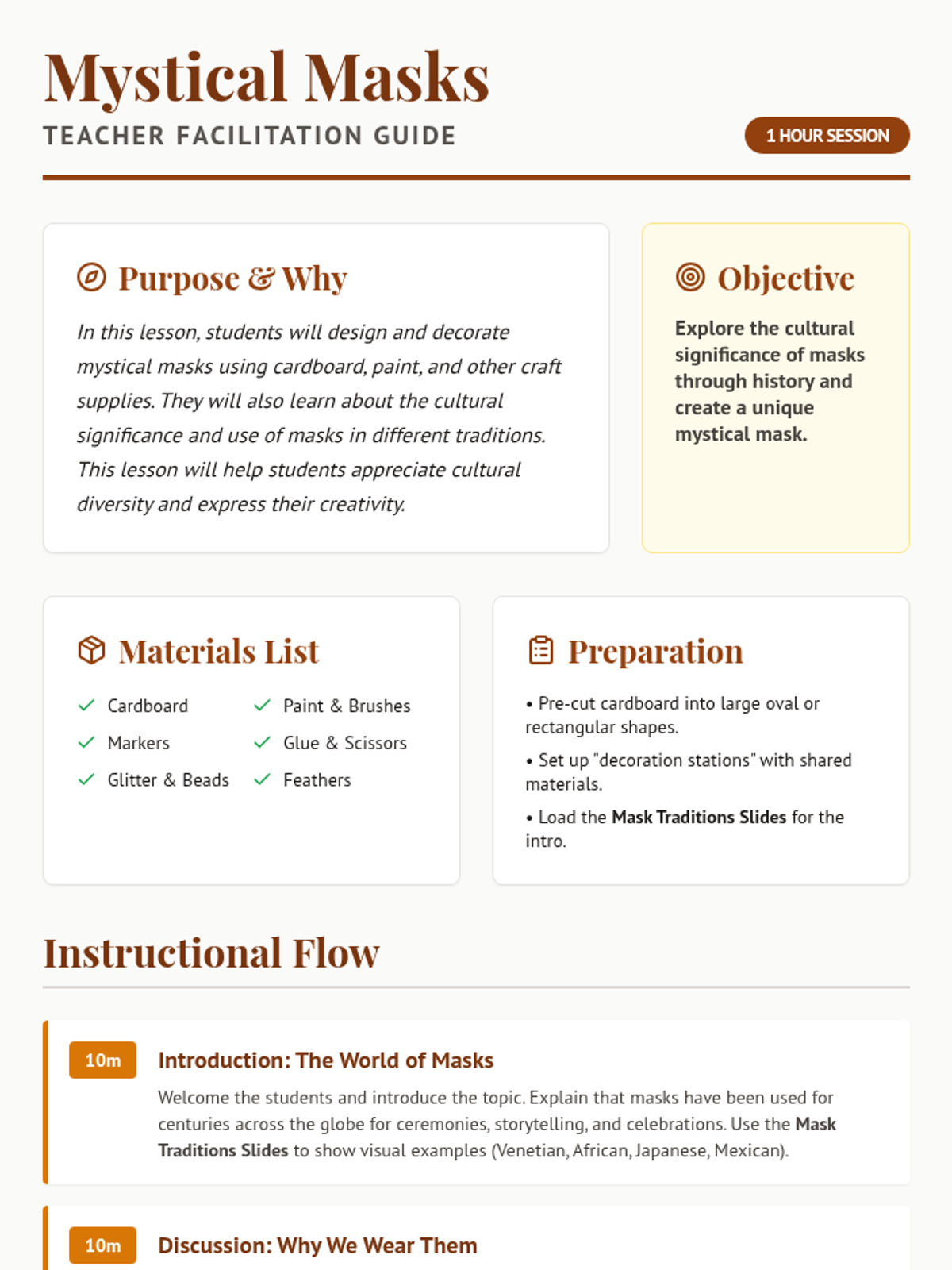
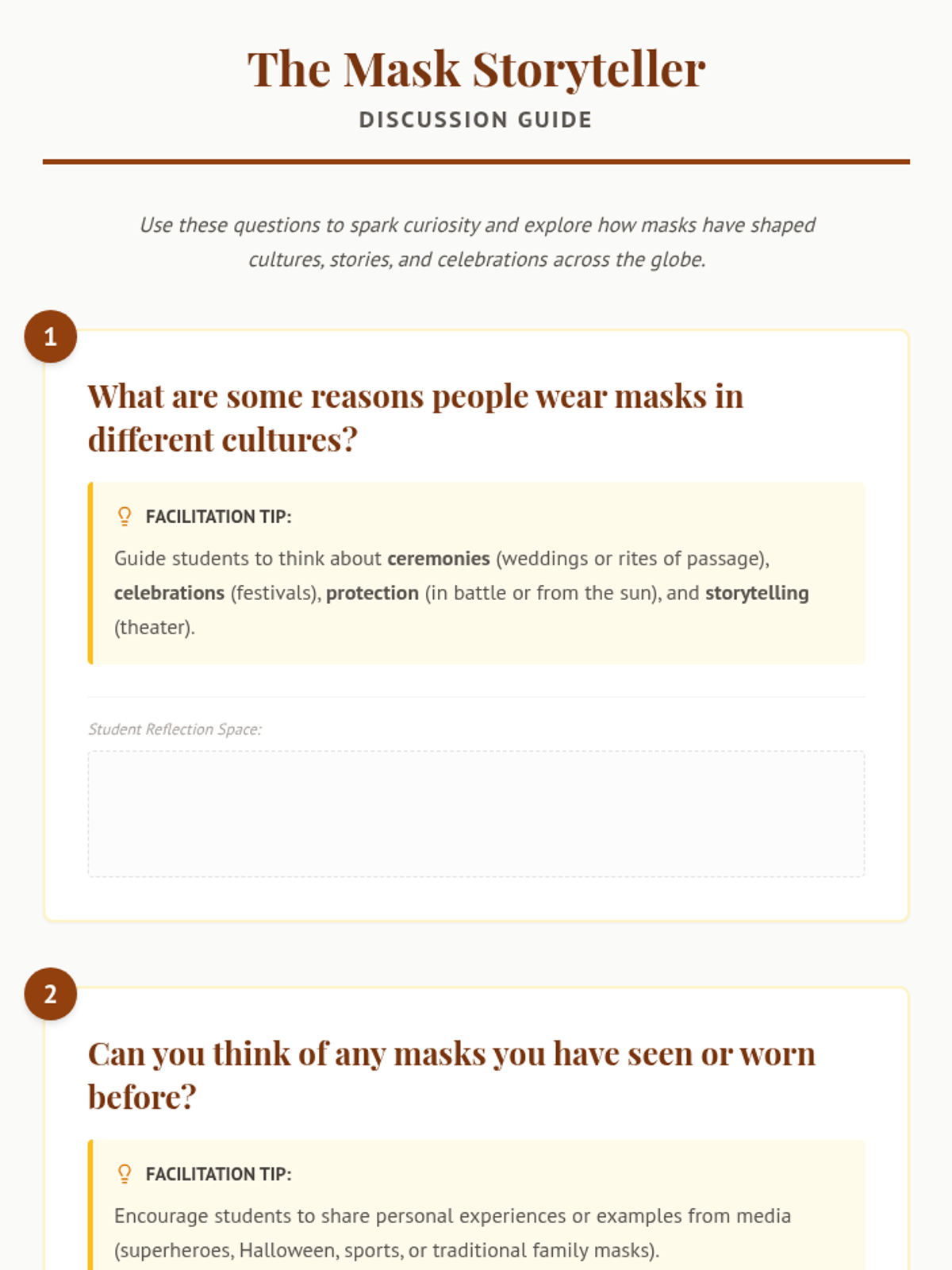
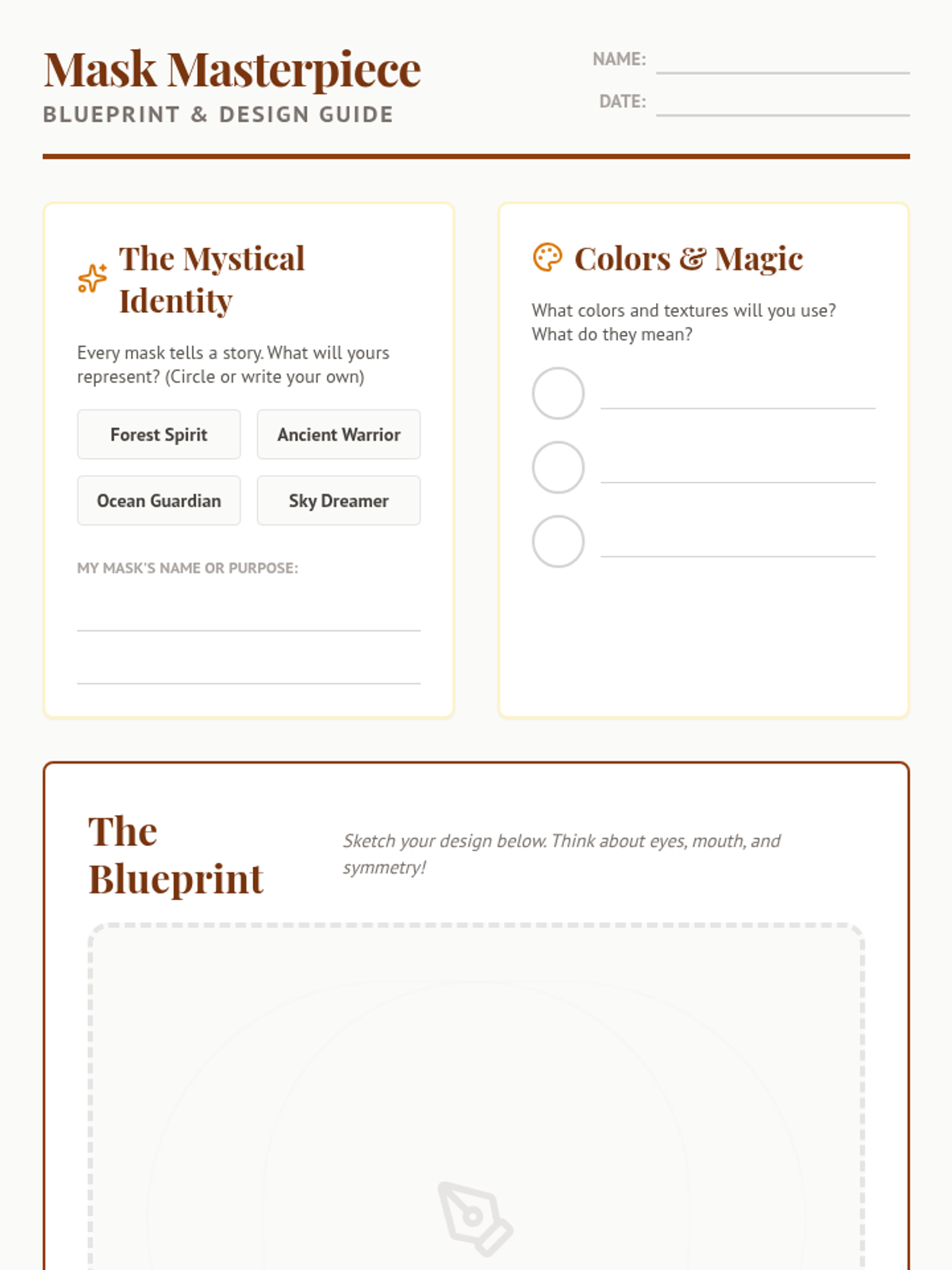
Students explore the cultural significance of masks from around the world and design their own mystical masks using cardboard and craft supplies.
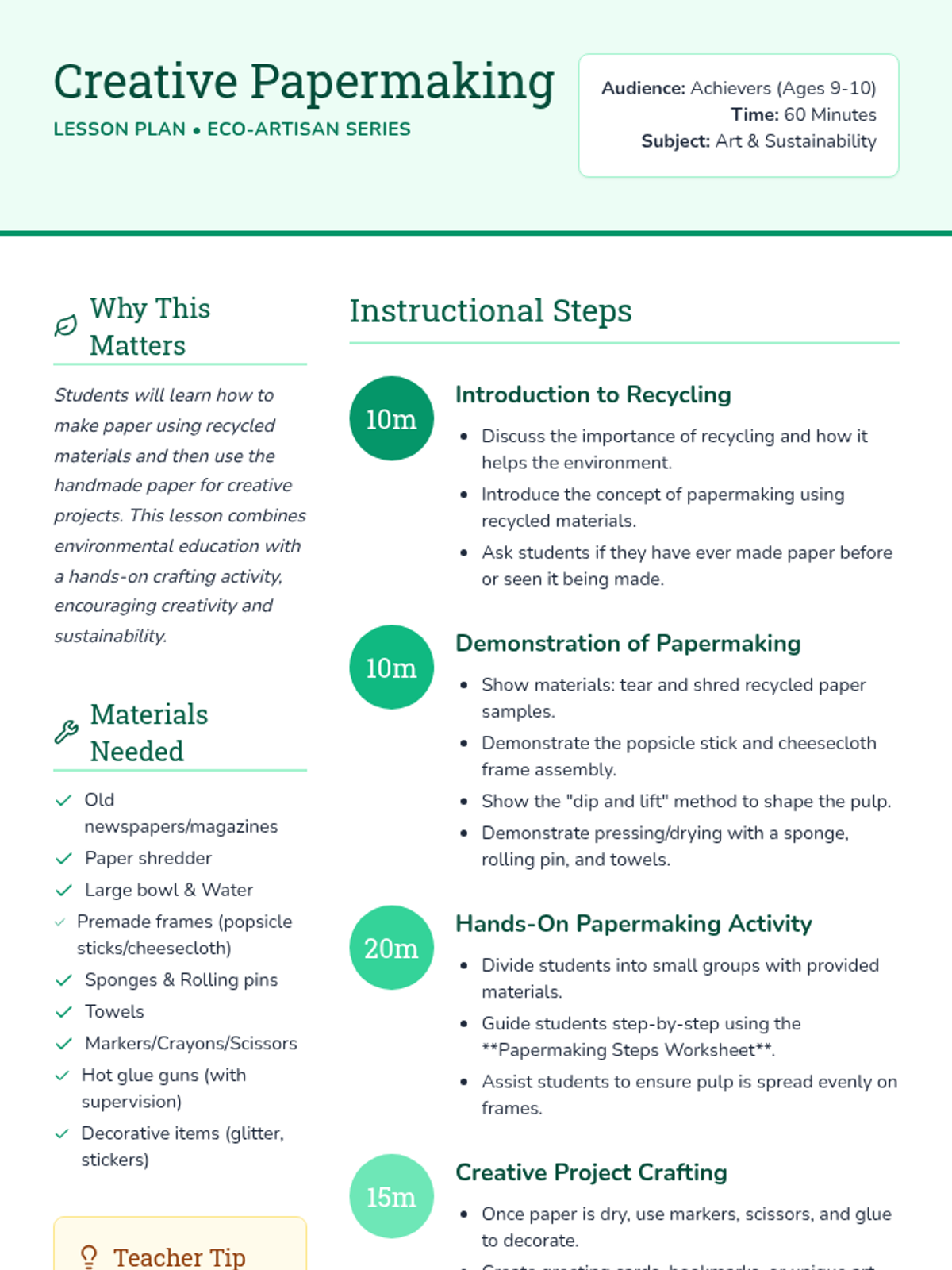
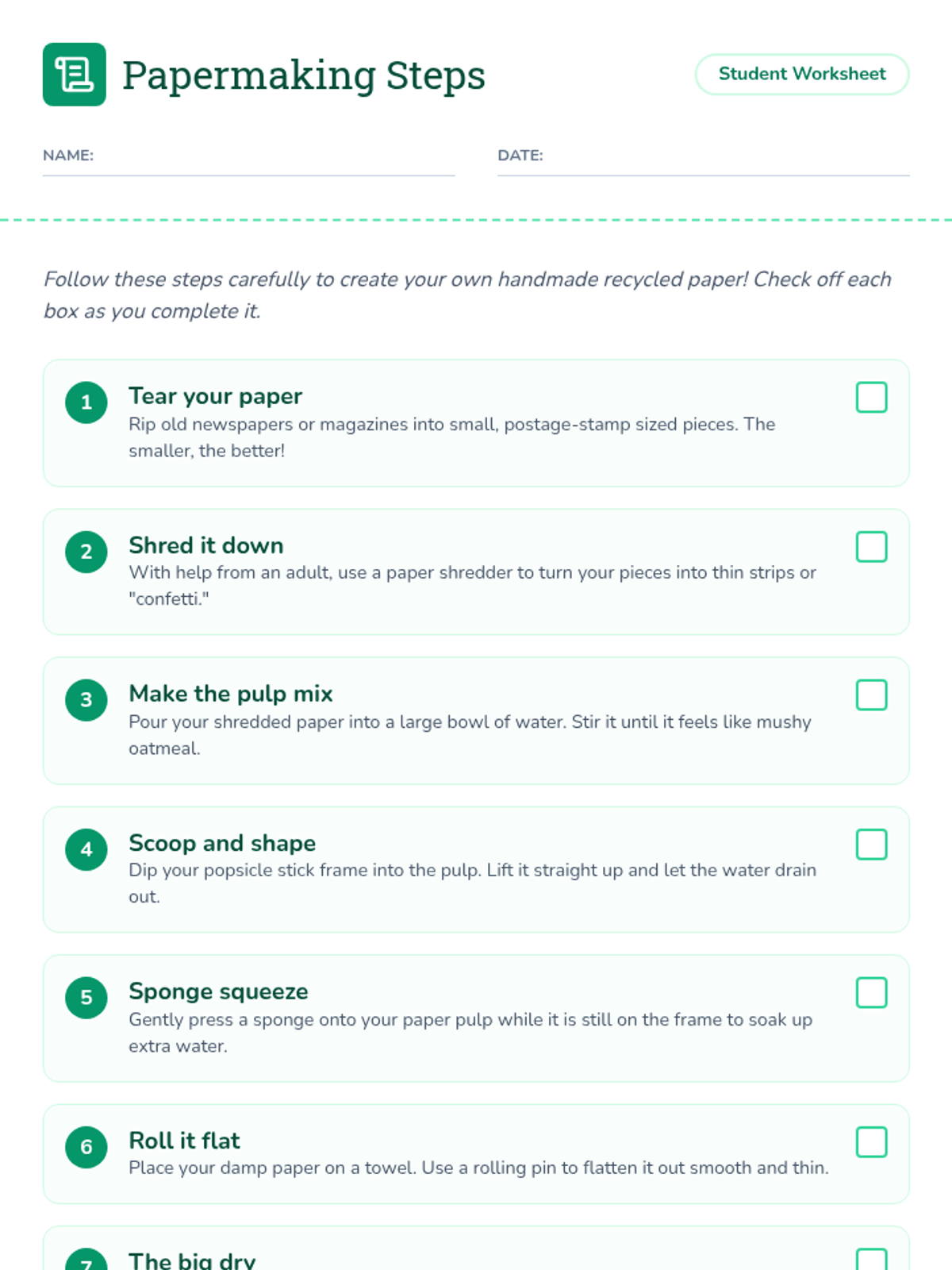
A hands-on lesson where students learn the art of papermaking using recycled materials, combining environmental science with creative crafting.
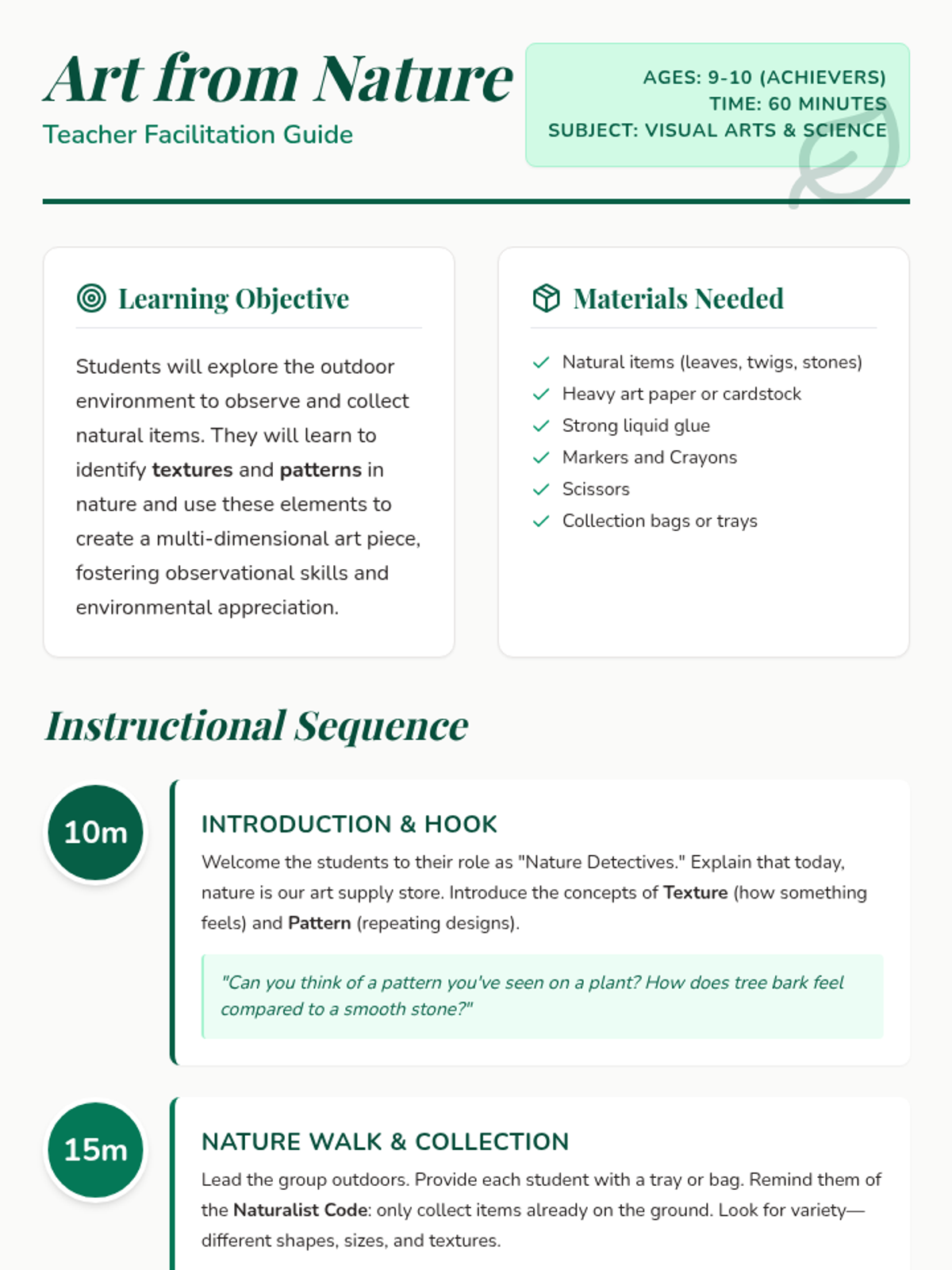
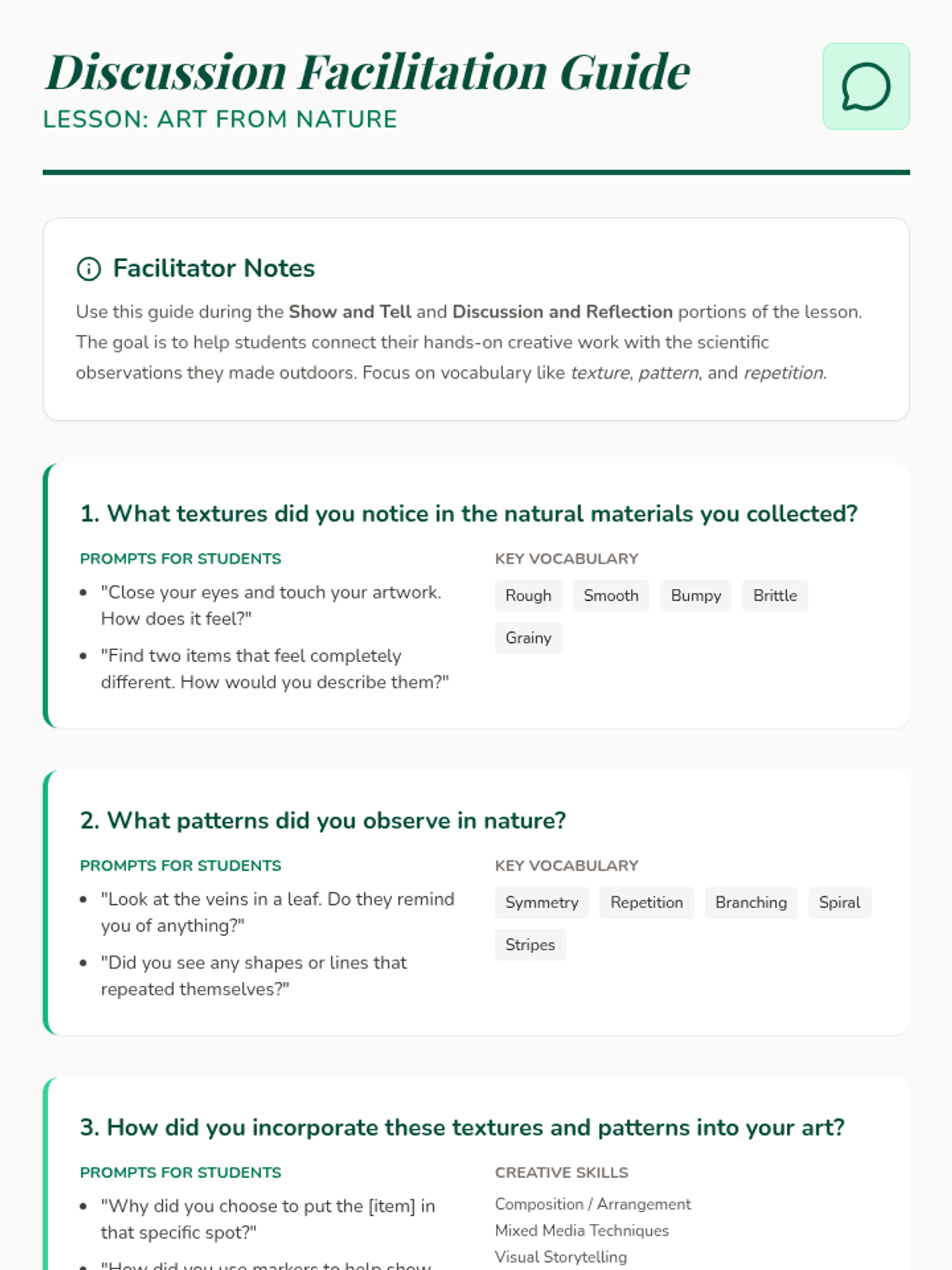
Students will use natural materials to create unique art pieces, learning about textures and patterns found in nature. This lesson helps students appreciate the beauty of nature and develop their creativity and observational skills.
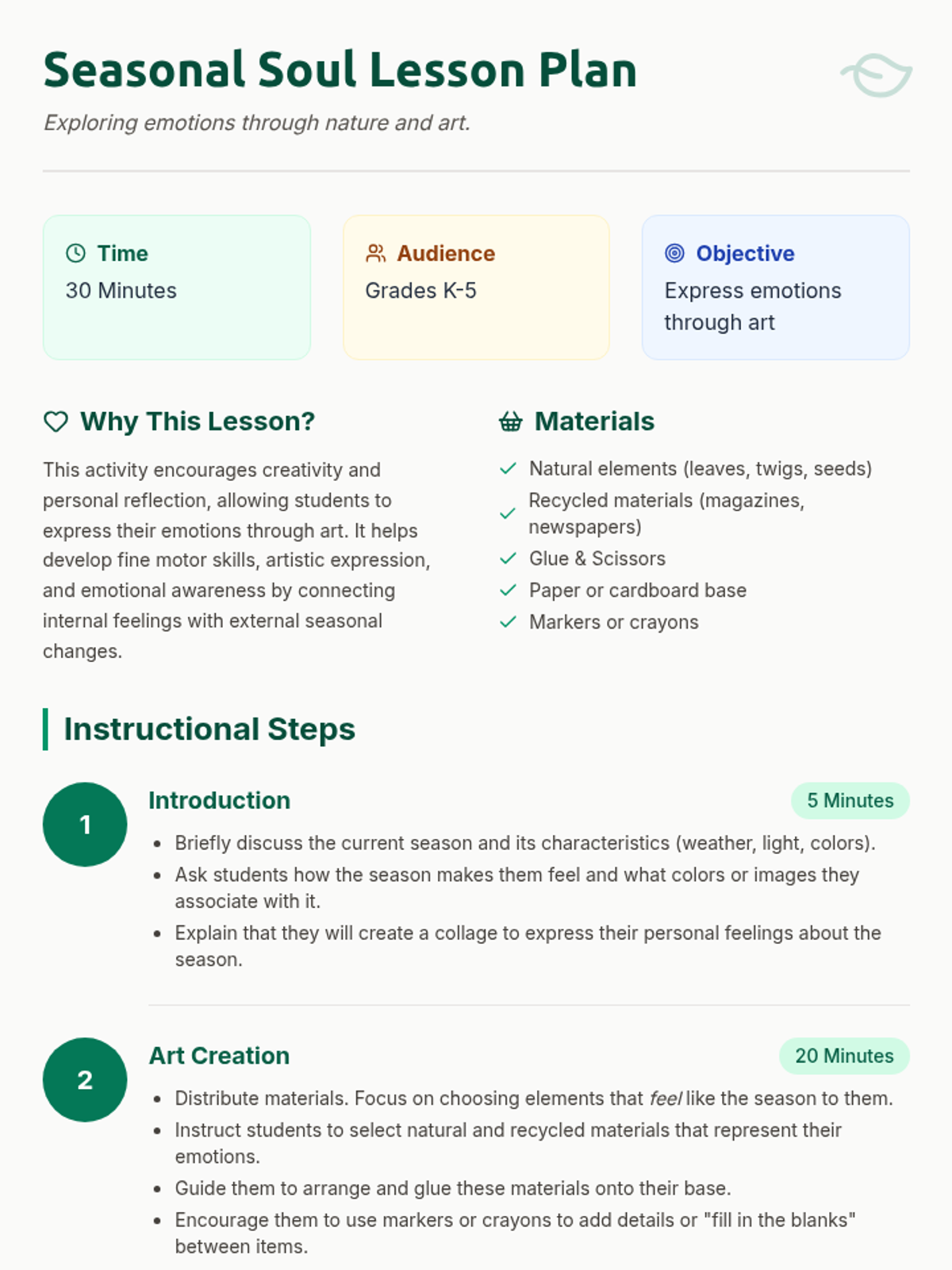
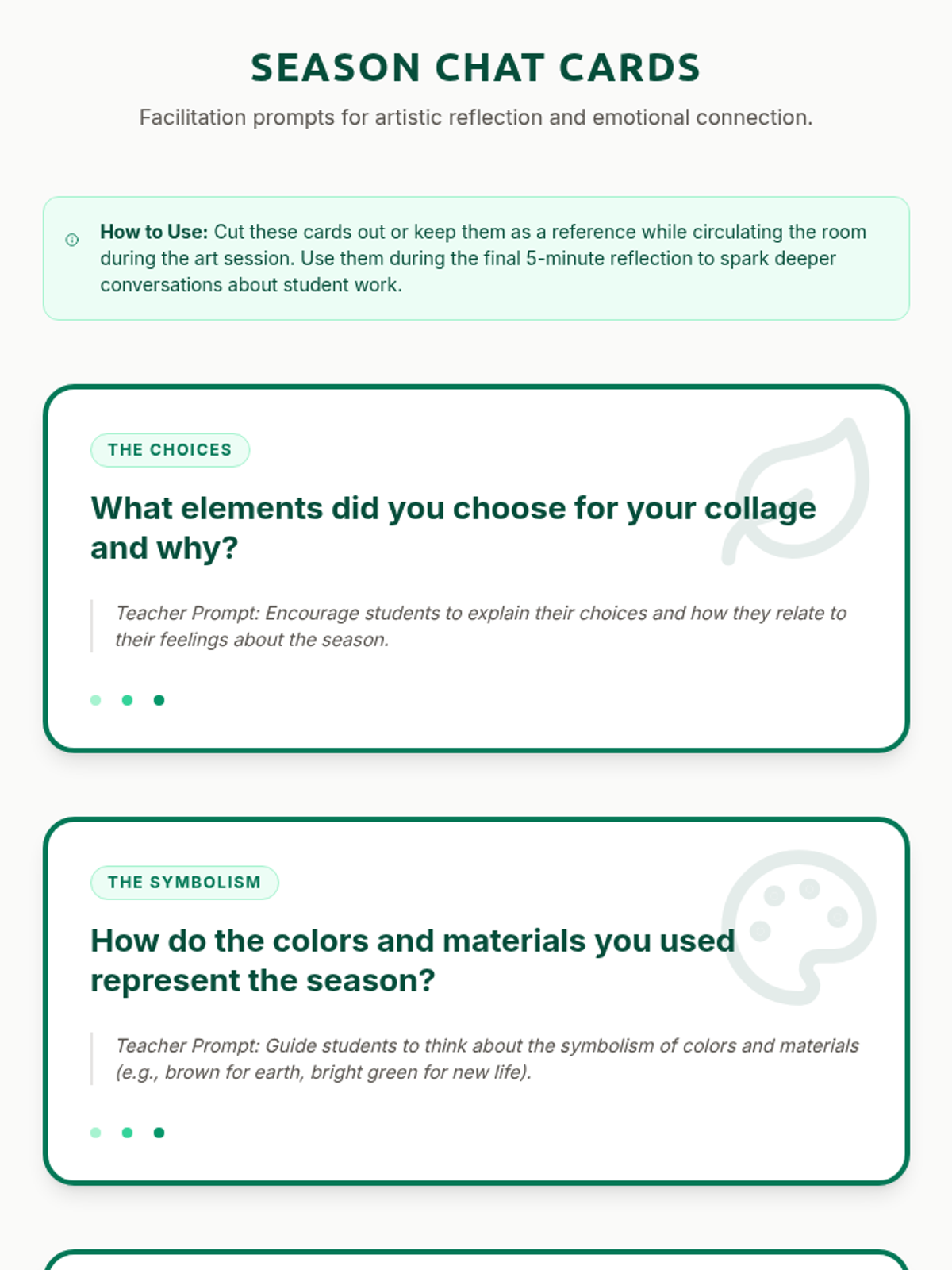
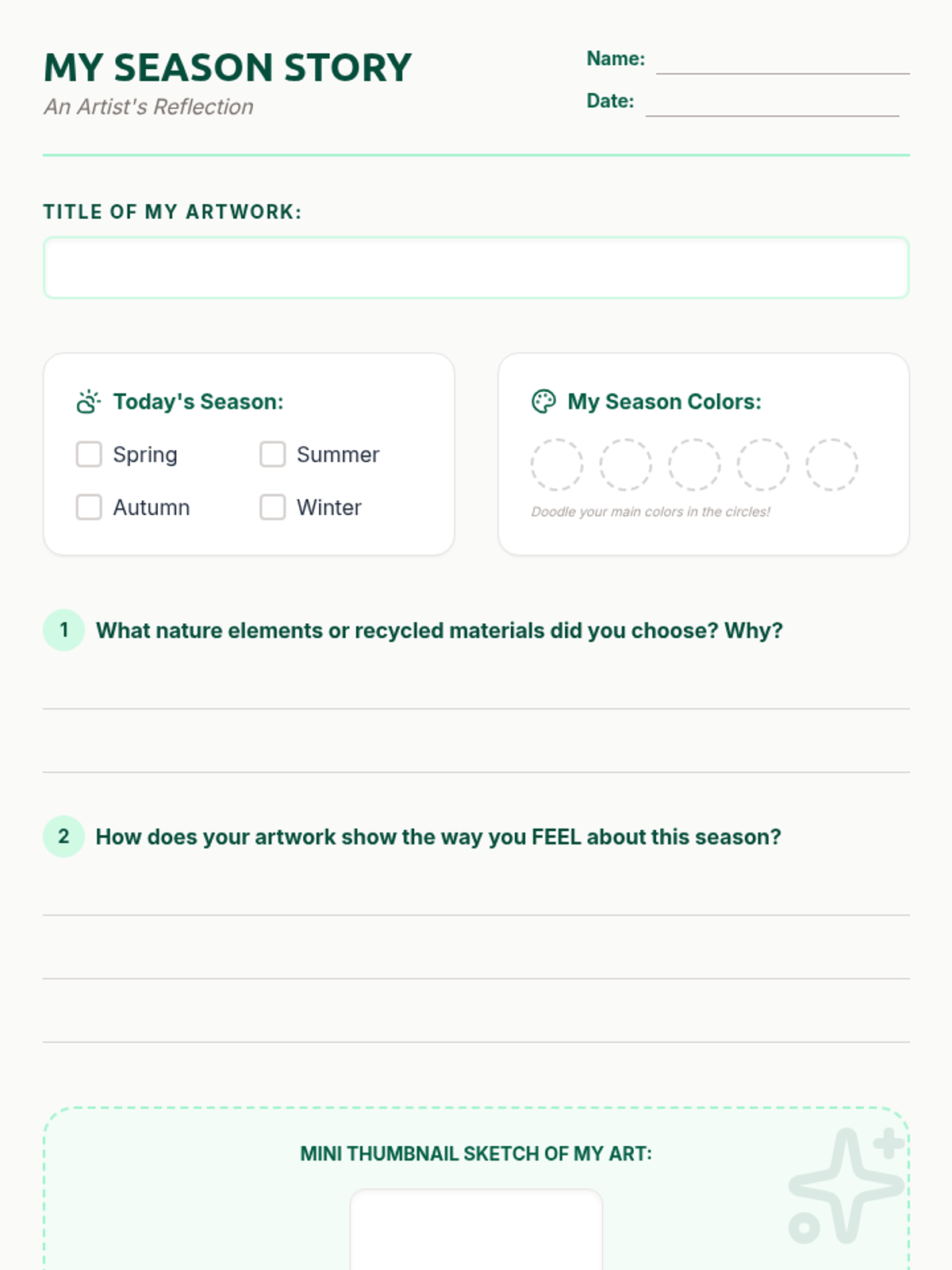
In this lesson, students will create collage artworks that represent their feelings about the current season using elements from nature and recycled materials. This activity encourages creativity and personal reflection, allowing students to express their emotions through art. It helps develop fine motor skills, artistic expression, and emotional awareness.
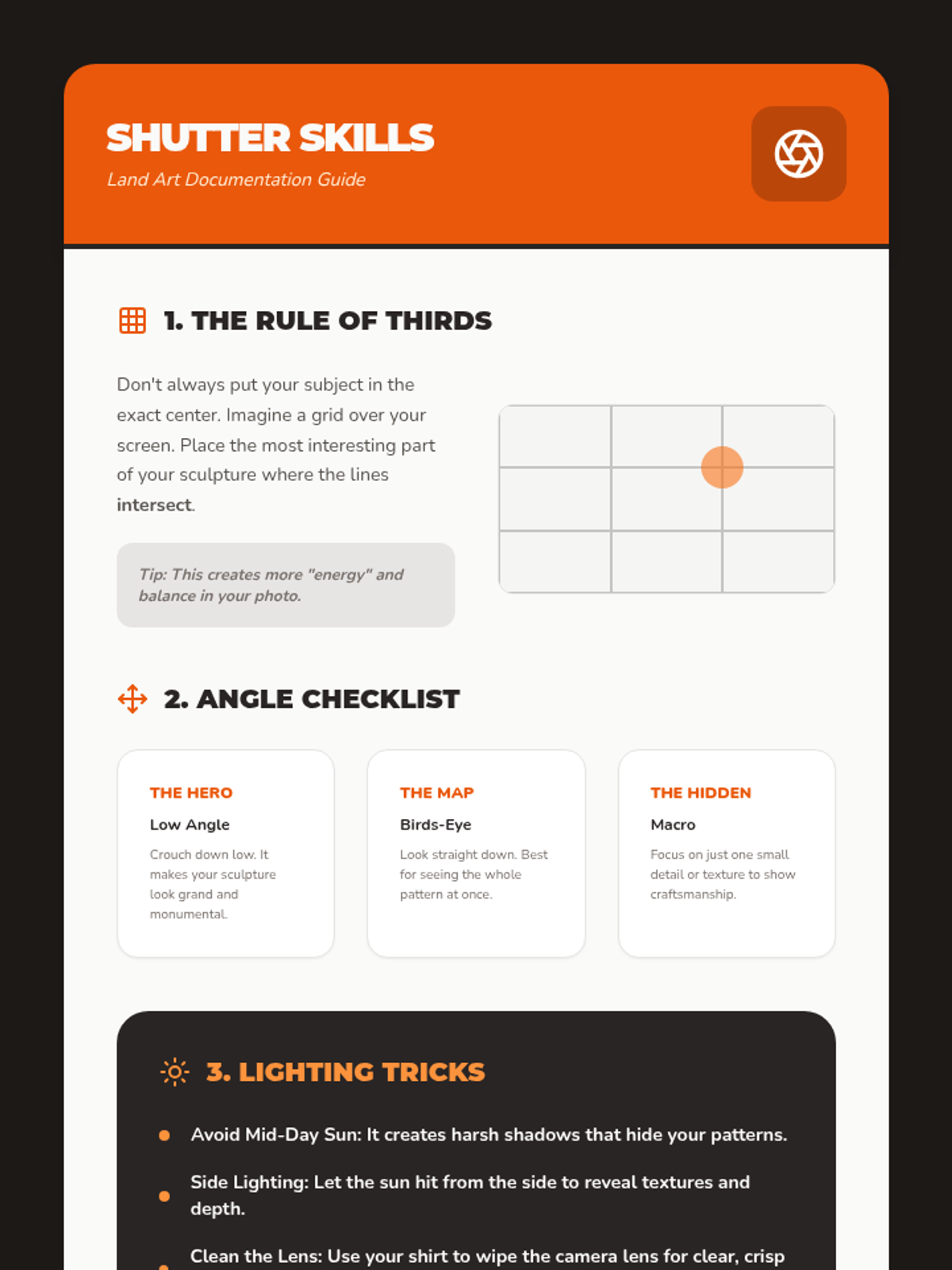
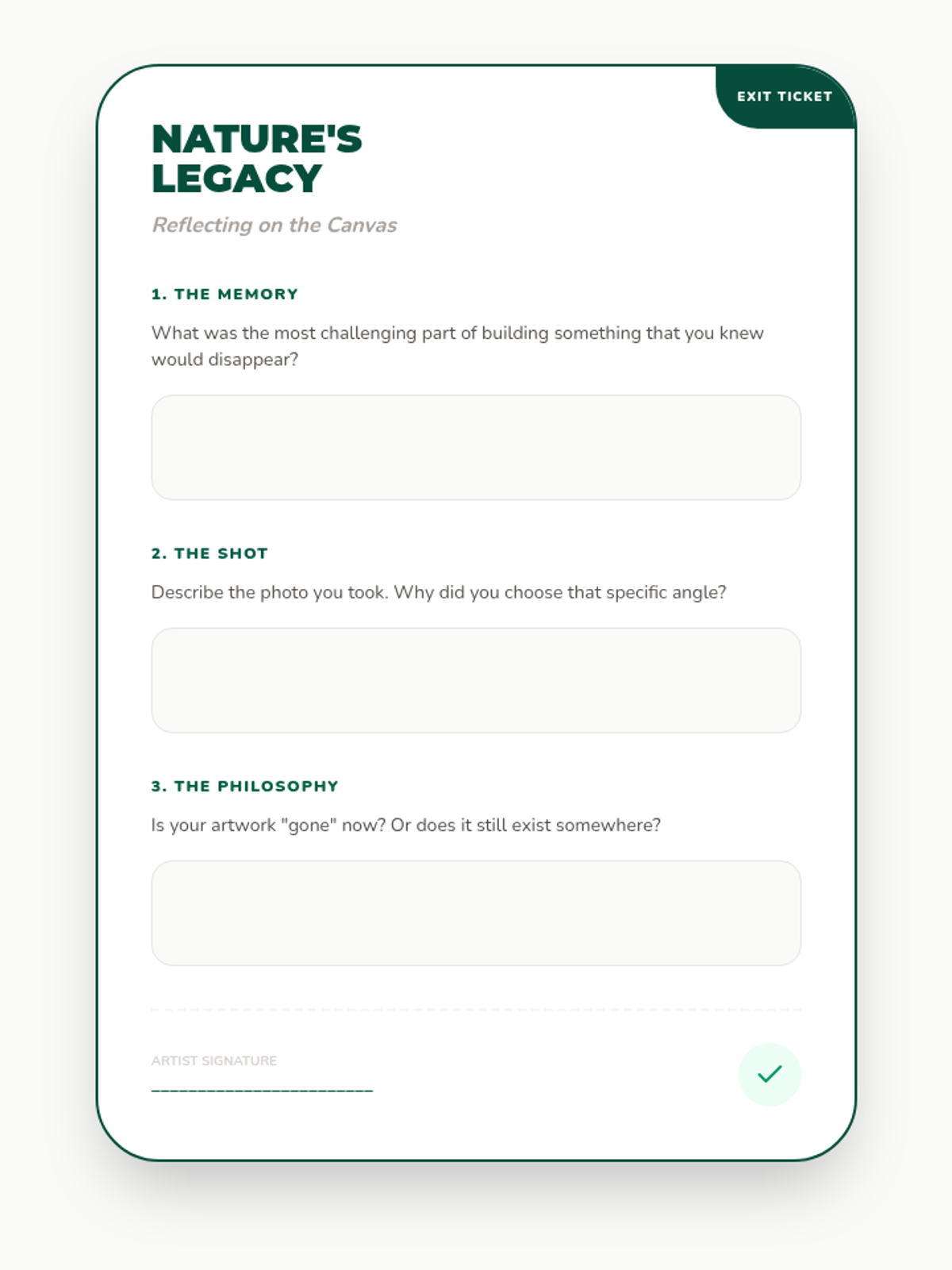
Teaches photography skills to document temporary artwork before it returns to nature.
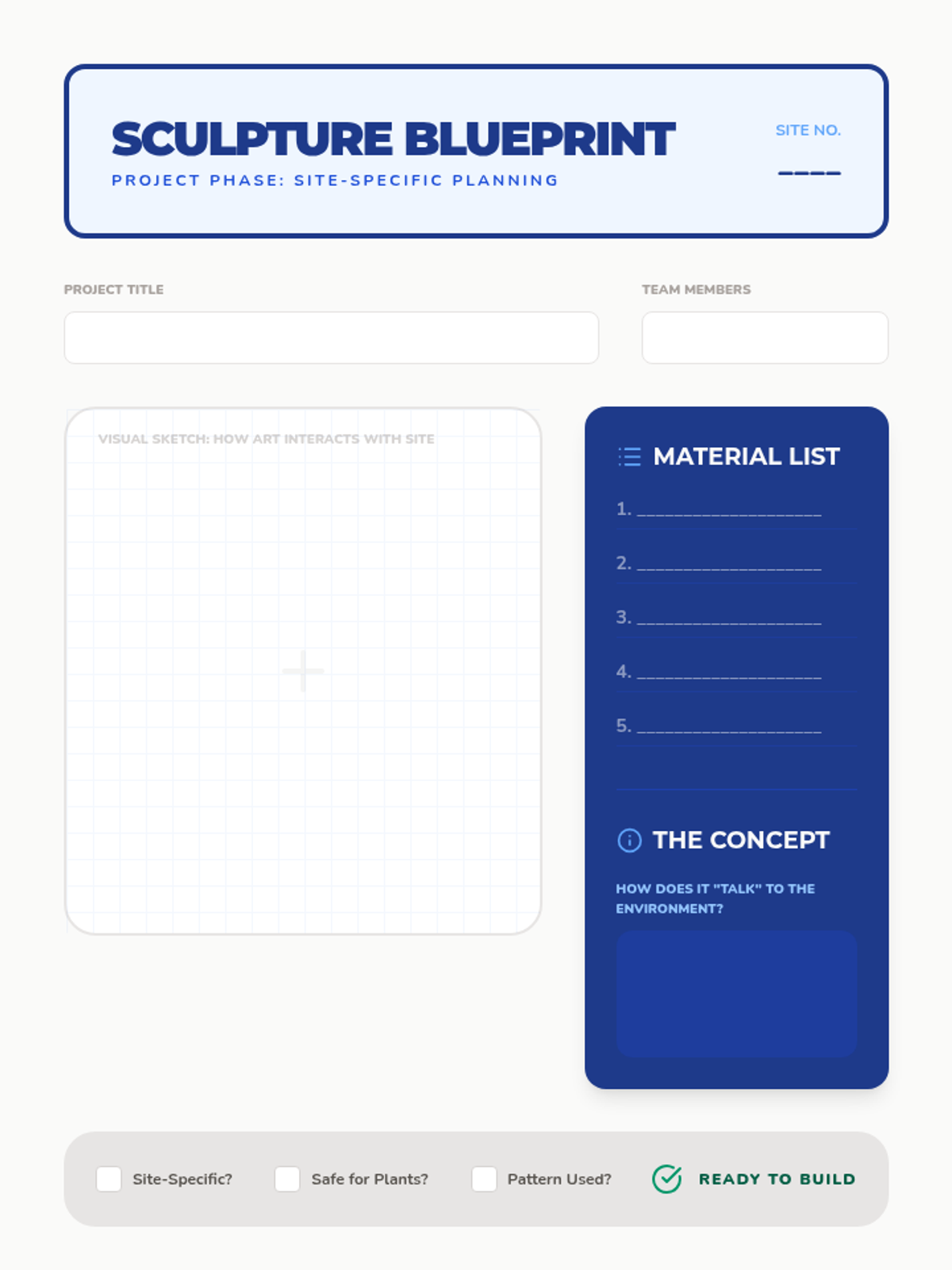
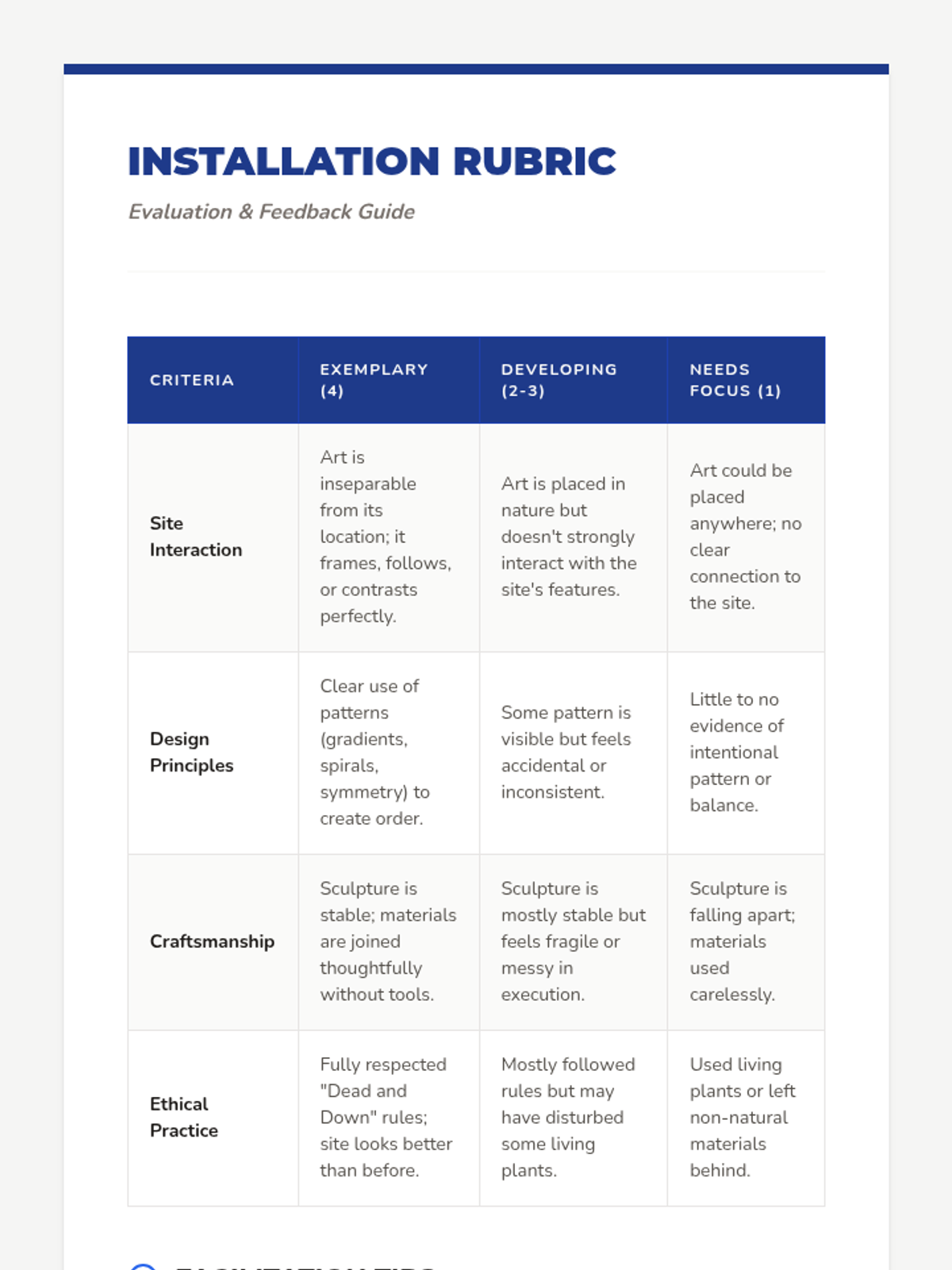
Students collaborate to create site-specific sculptures that interact with the local environment.
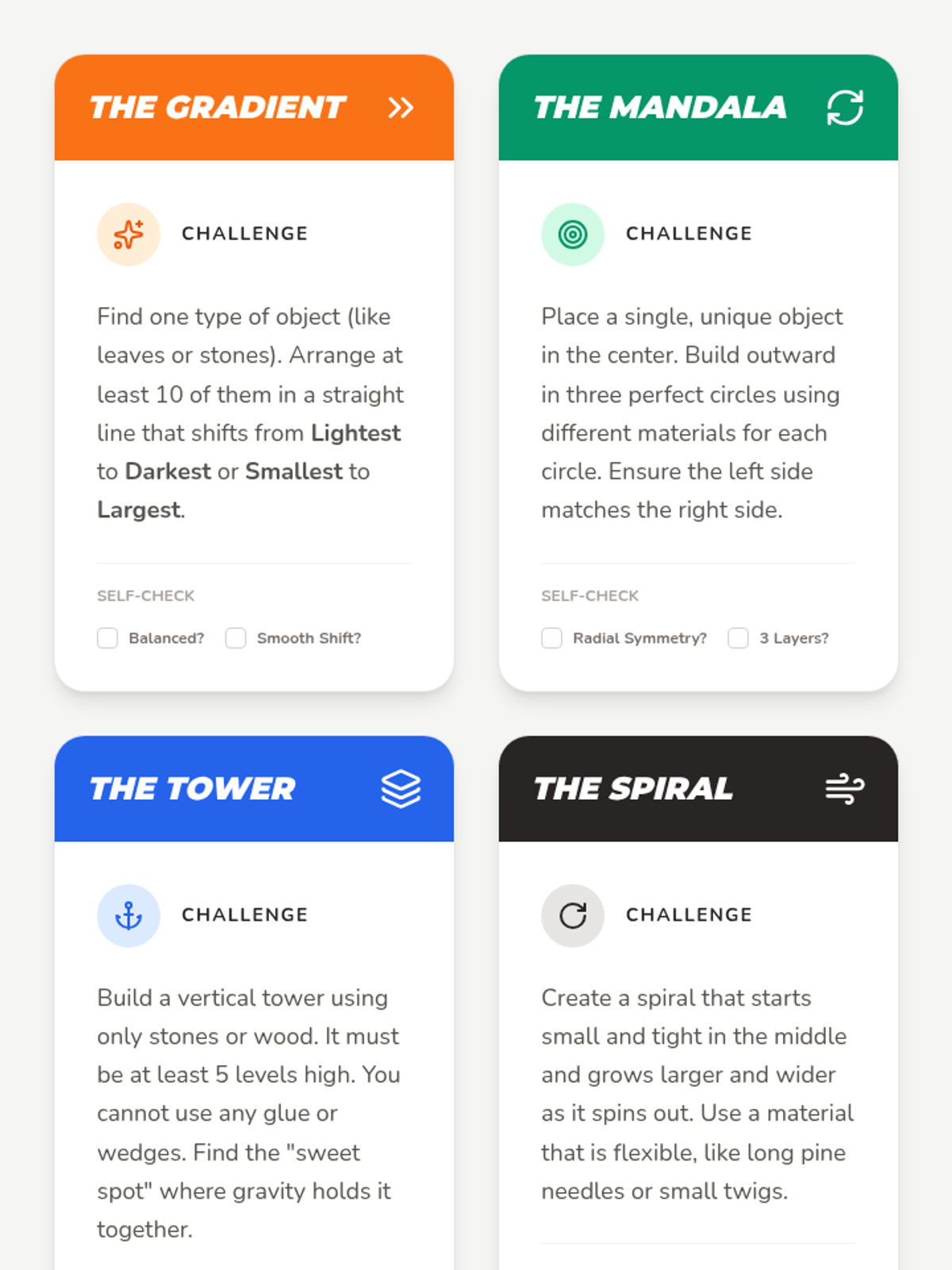
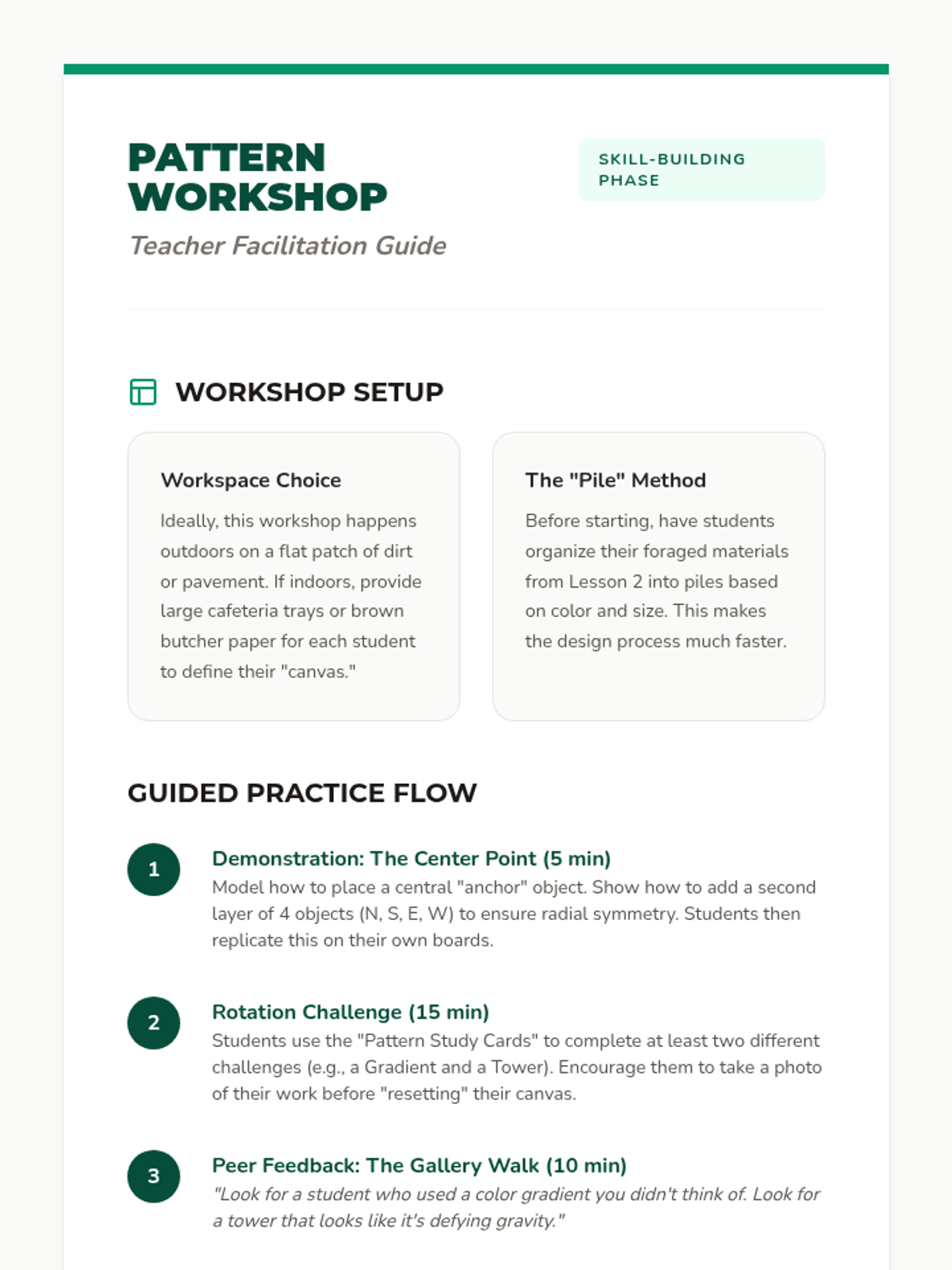
Focuses on applying principles of design like gradients and radial symmetry to organic materials.
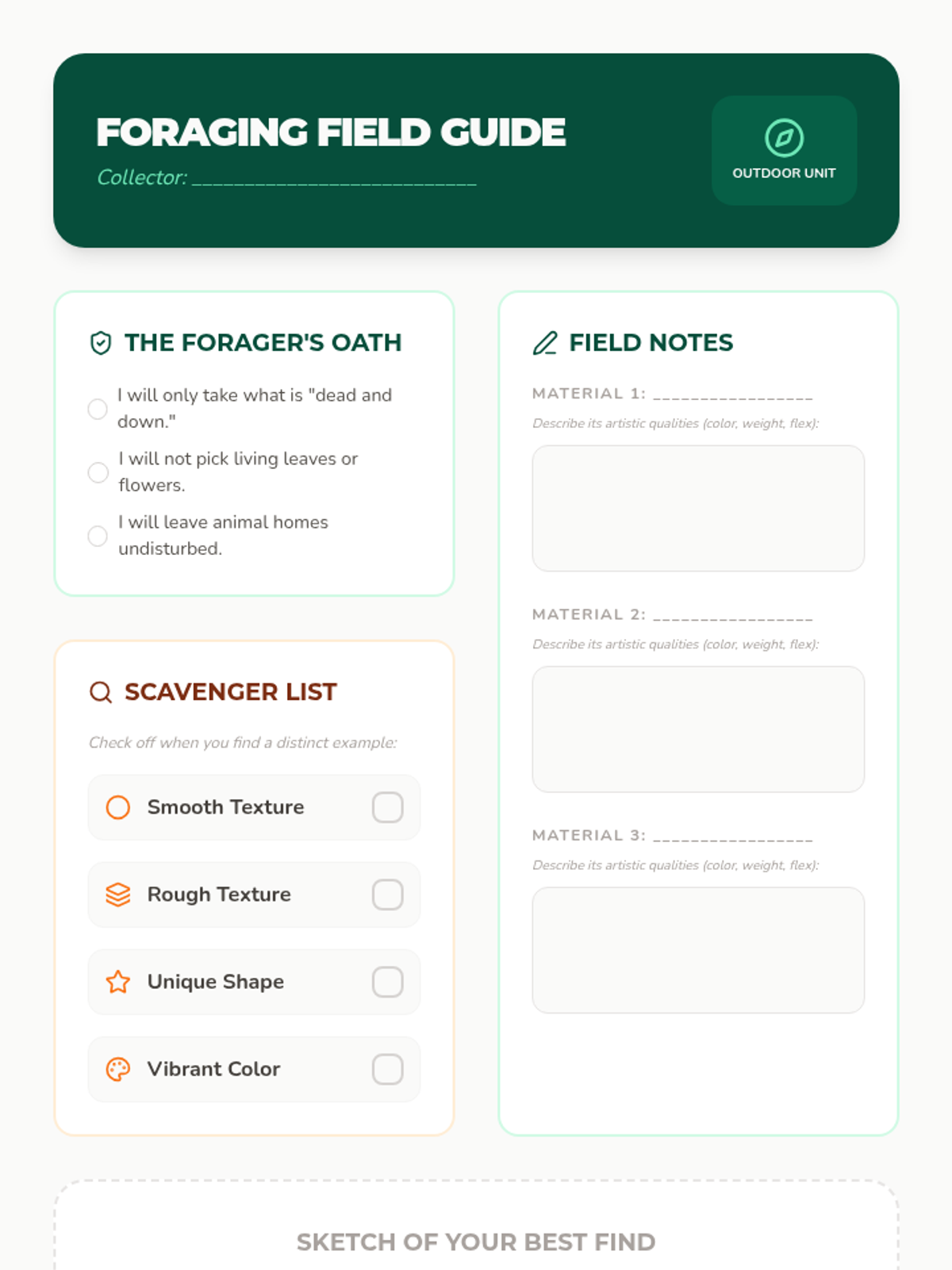
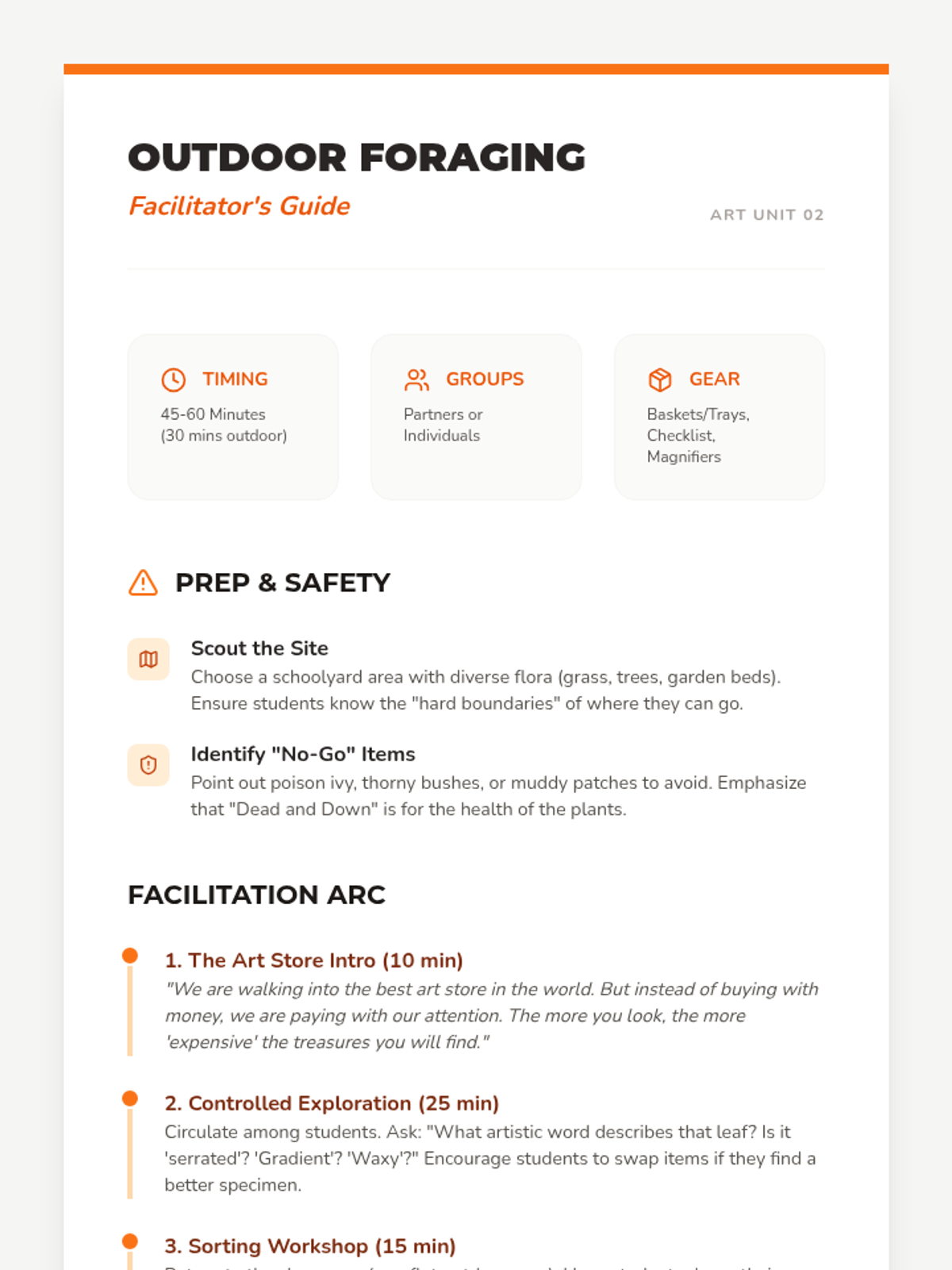
An outdoor inquiry lesson focused on collecting and classifying natural materials by their artistic properties.
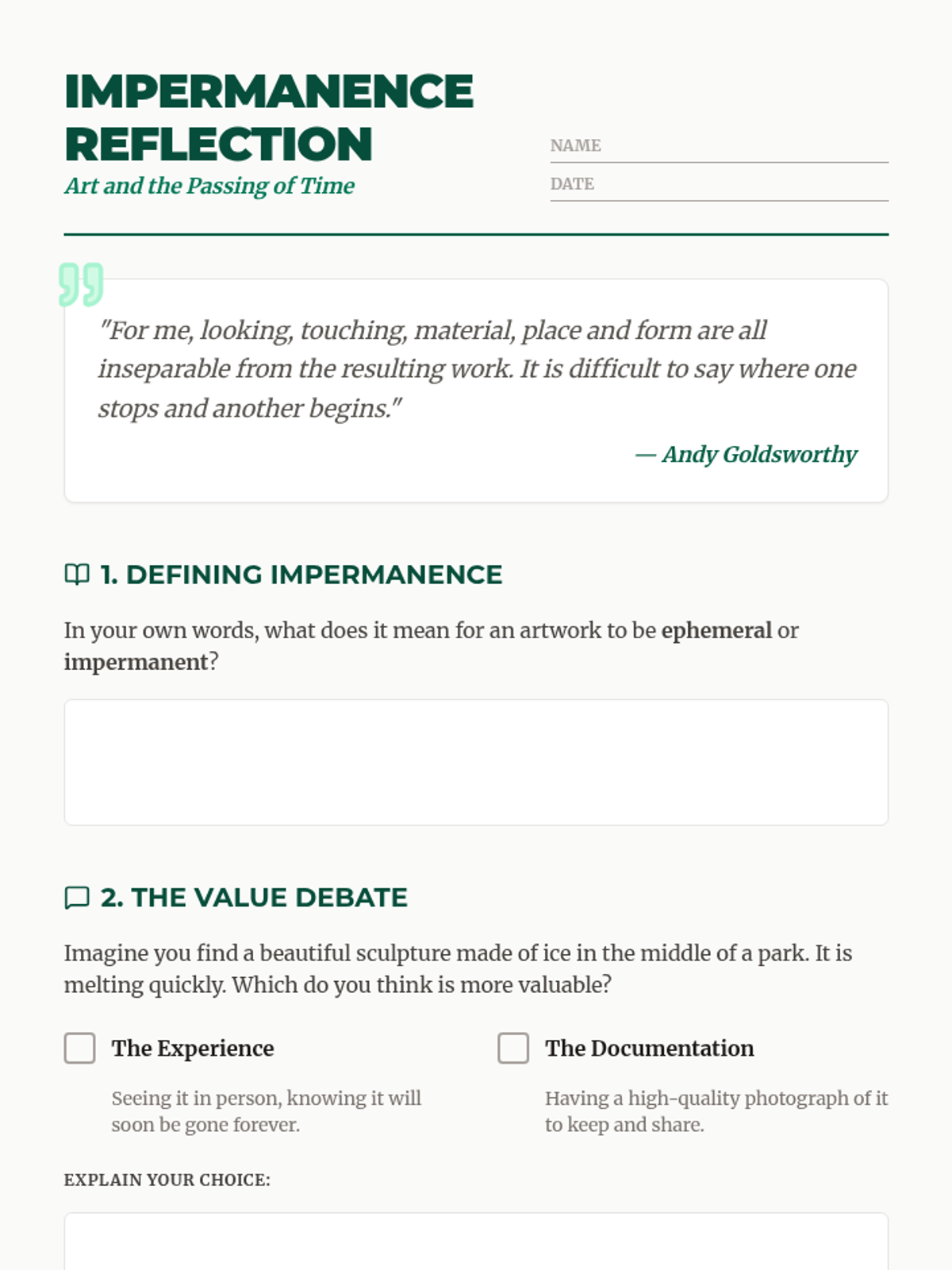
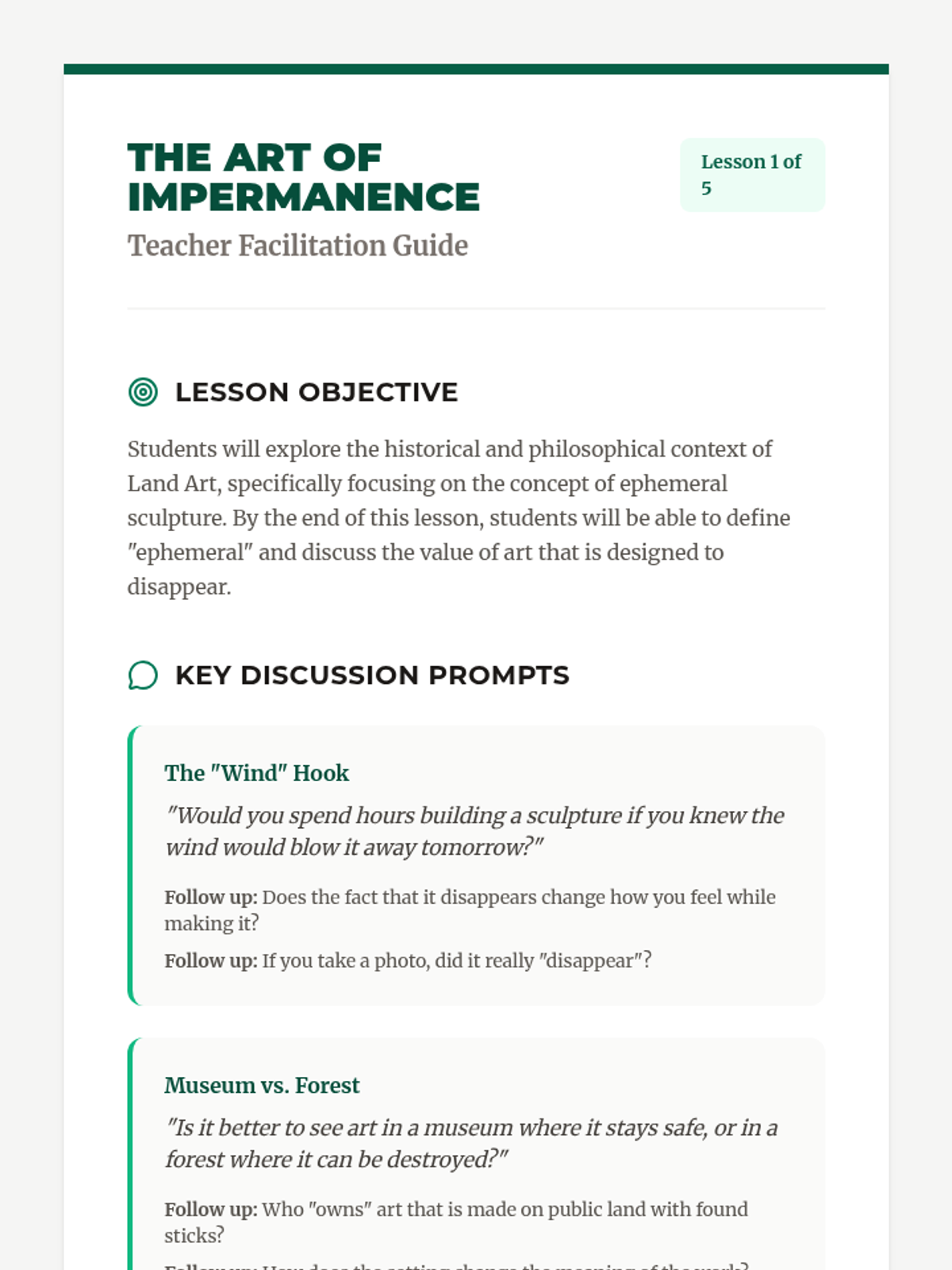
Introduces the concept of Land Art and the philosophy of impermanence through the work of Andy Goldsworthy and others.
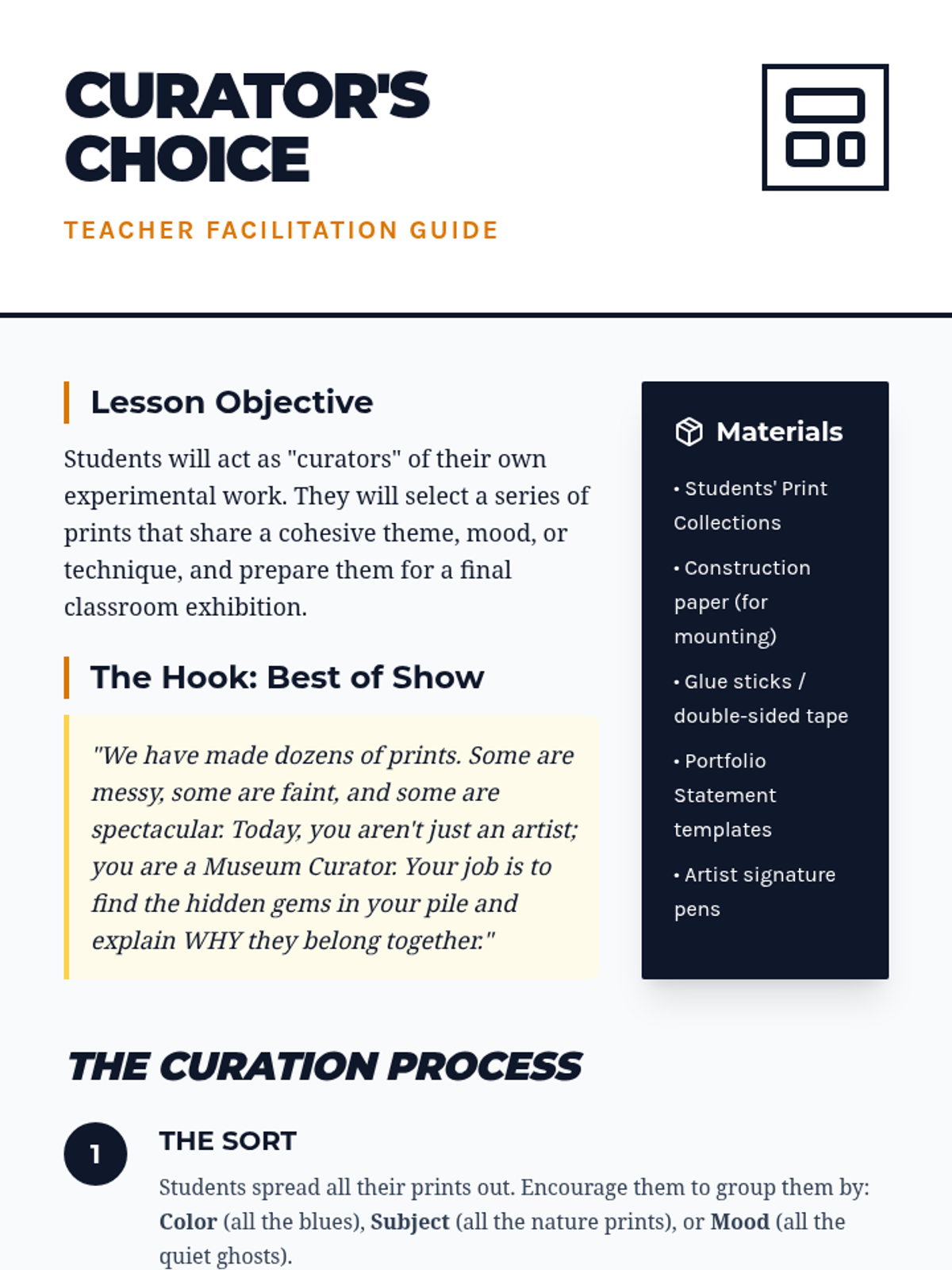
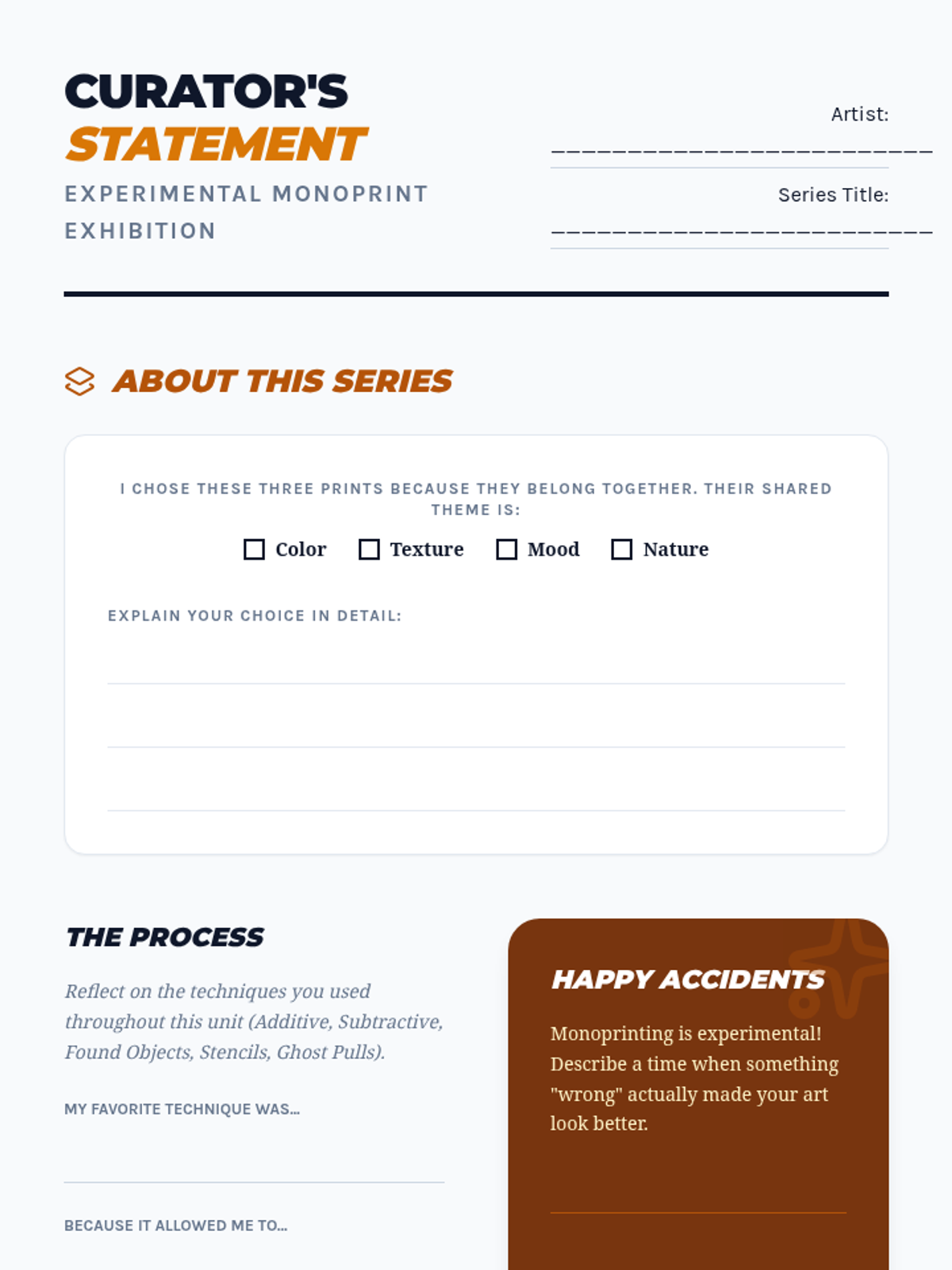
Students curate their experimental prints and select a cohesive series. They add finishing touches with drawing materials and write a brief curator's statement about their process.
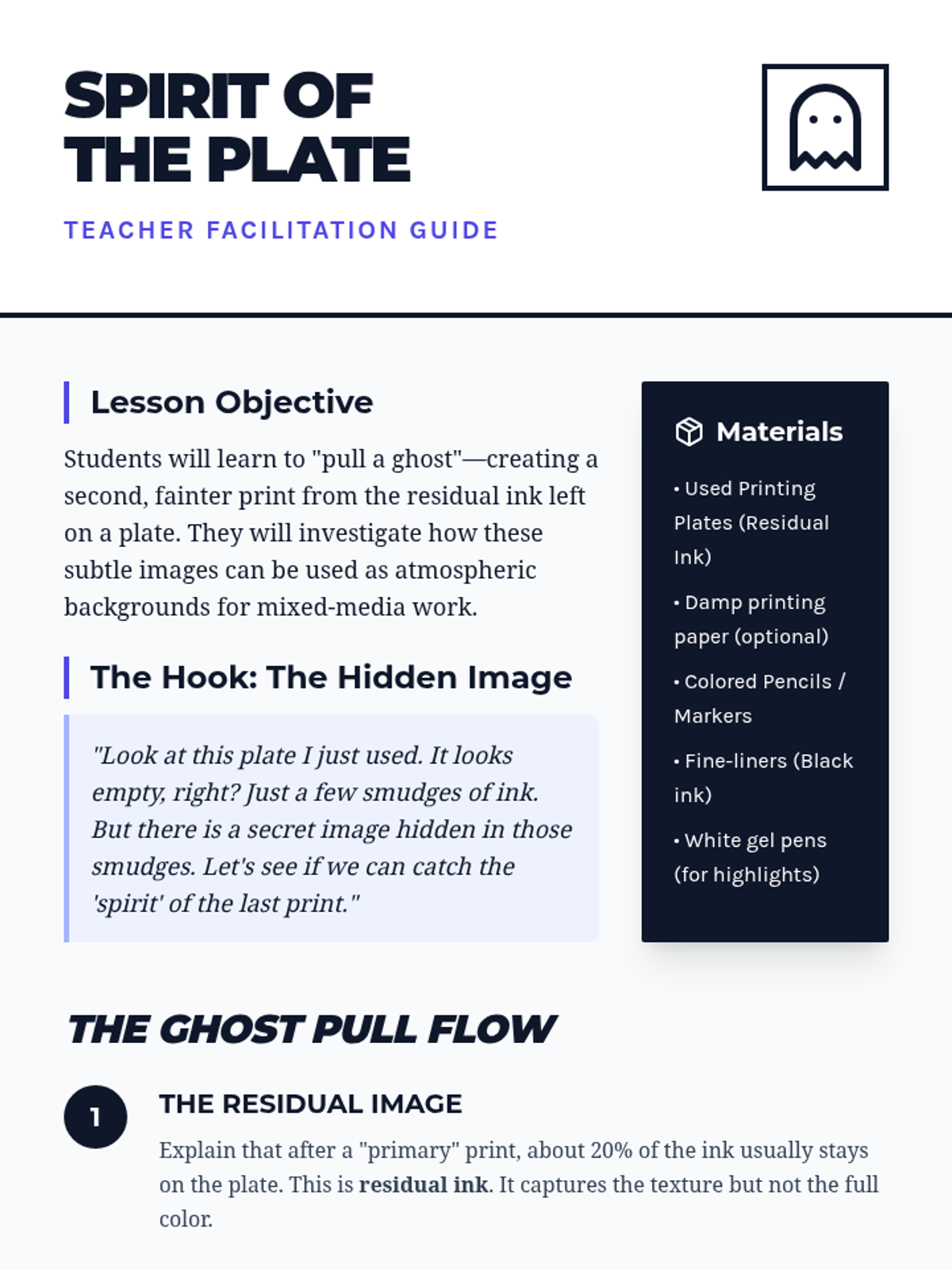
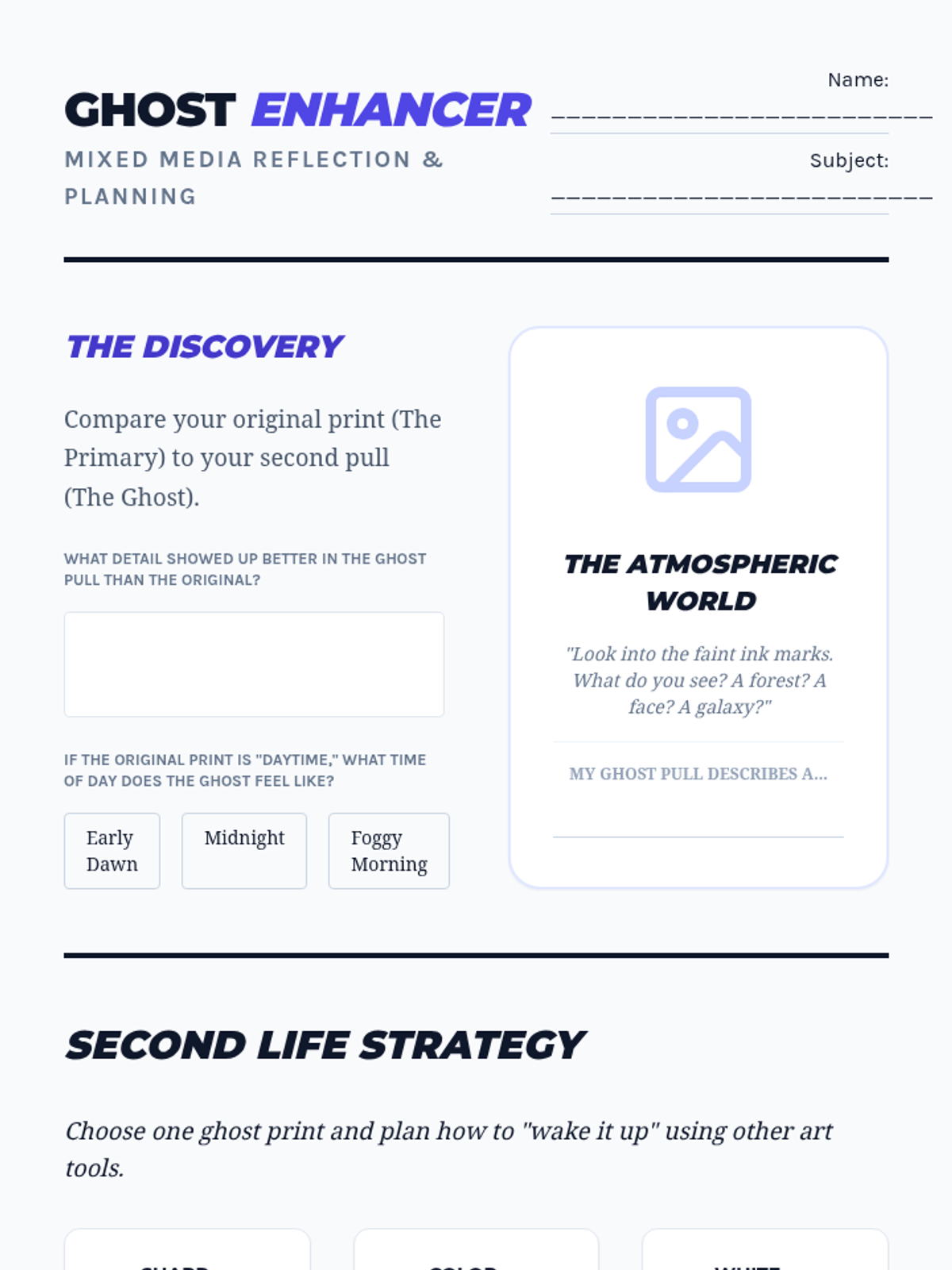
Students explore the concept of residual ink by pulling 'ghost prints'. They investigate how faint images can serve as backgrounds for further artistic development.
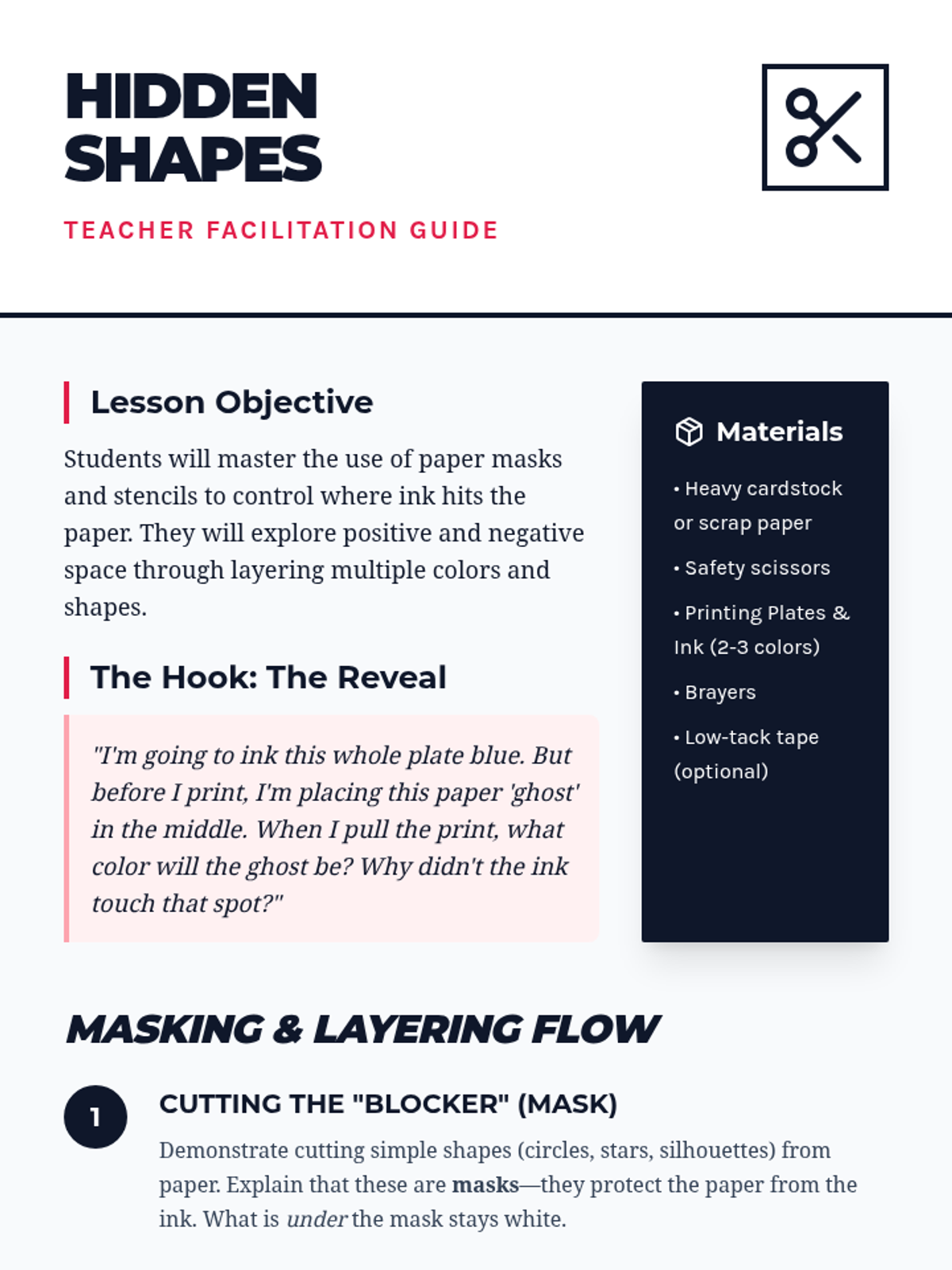
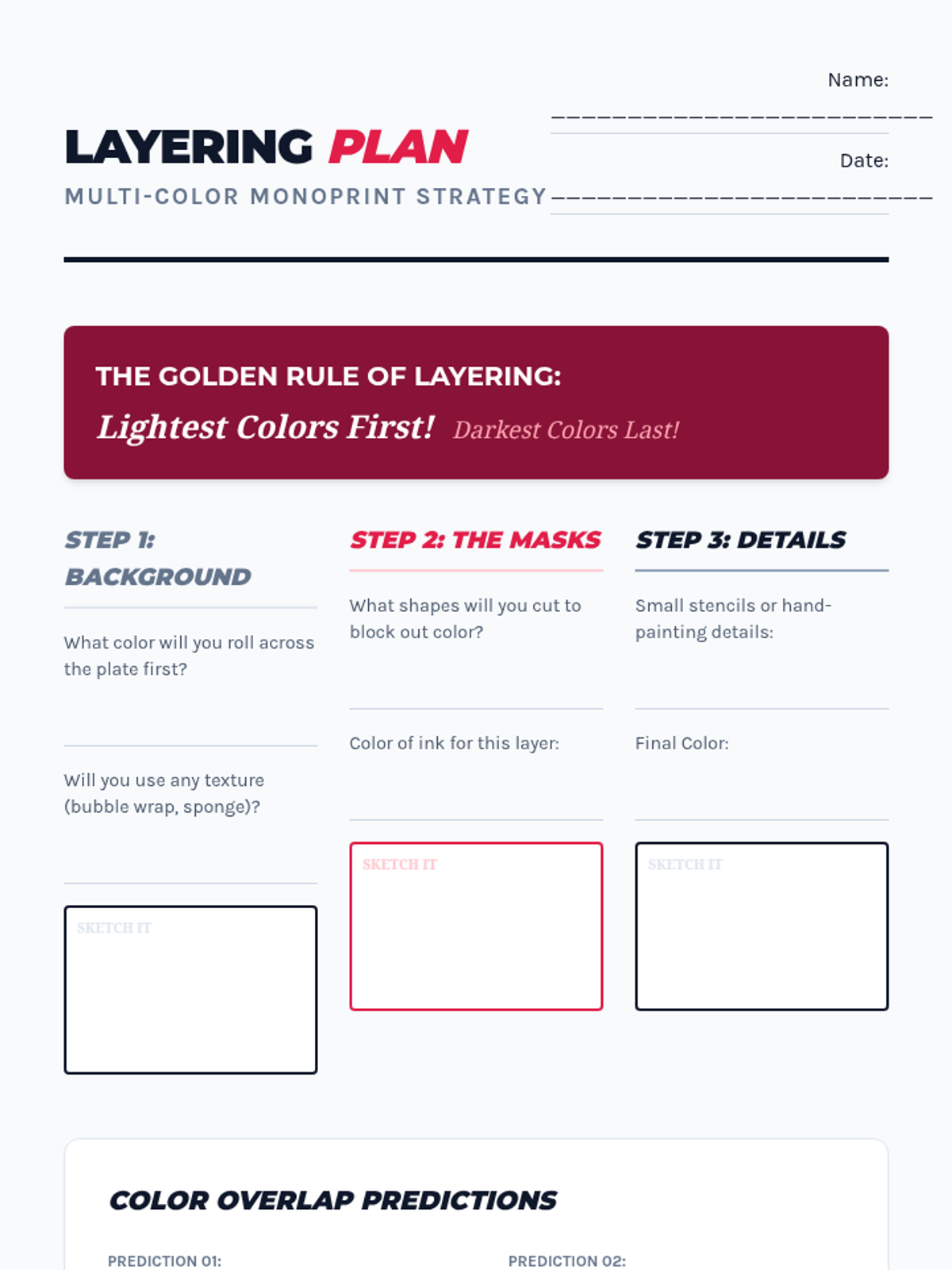
Students create paper masks to block areas of the plate, exploring positive and negative space. They learn to layer colors and preserve white space in their compositions.
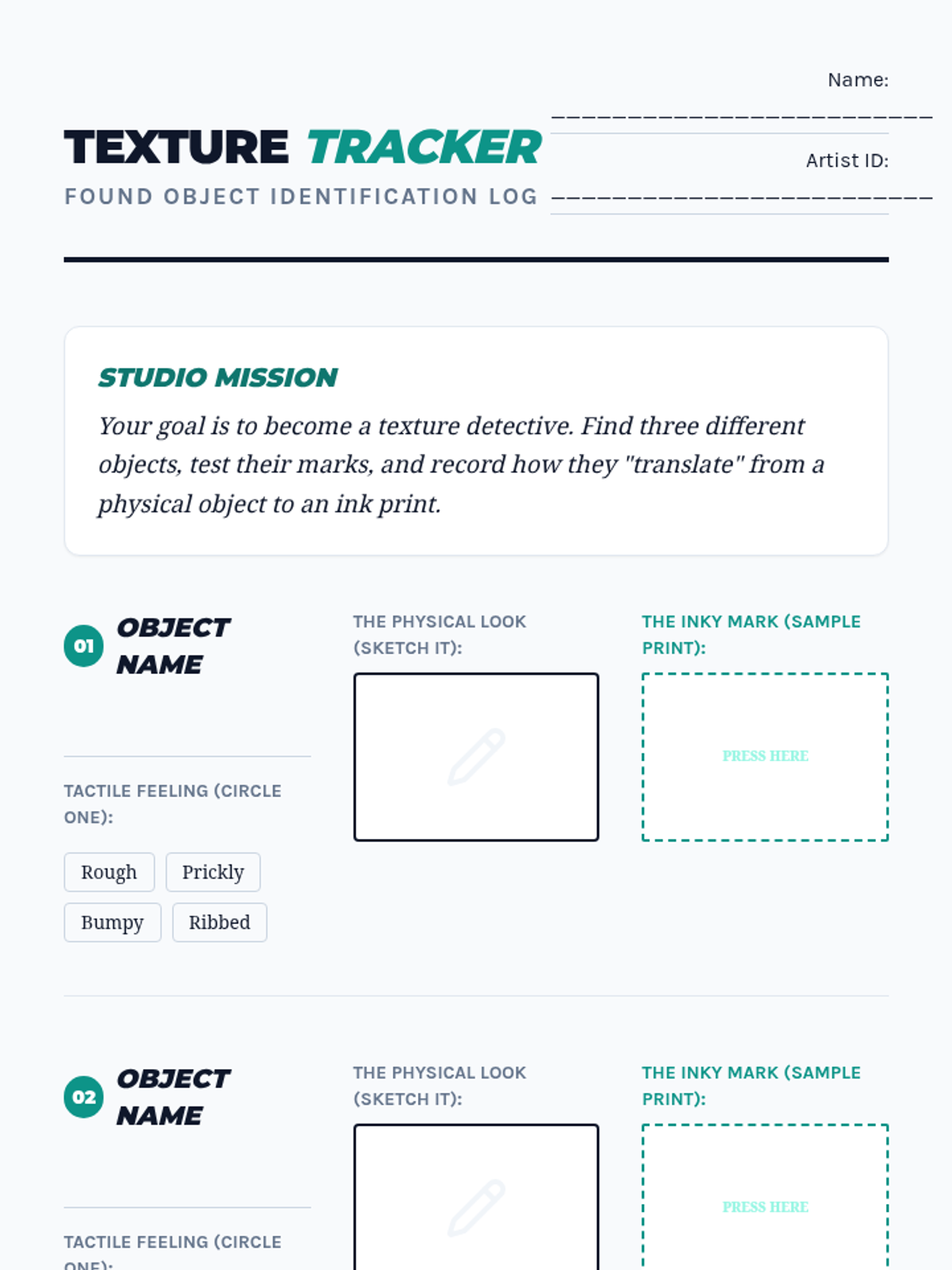
Students use textured materials like bubble wrap and lace to transfer patterns. They analyze how different materials leave distinct visual imprints on the printing plate.
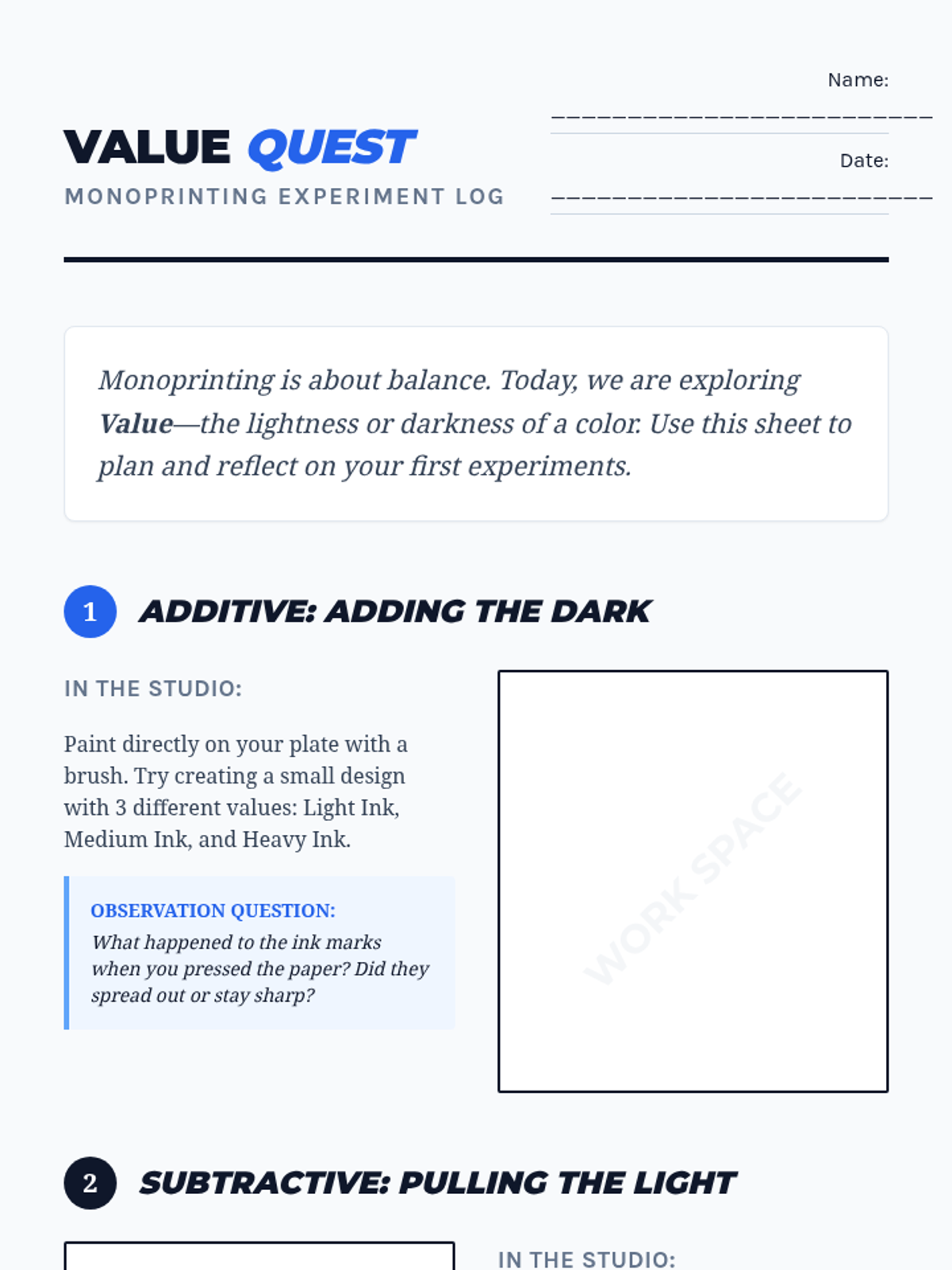
Students explore the printing plate as a surface for painting and wiping away ink. They learn additive and subtractive techniques to create light and dark values in a 'one-time' print.
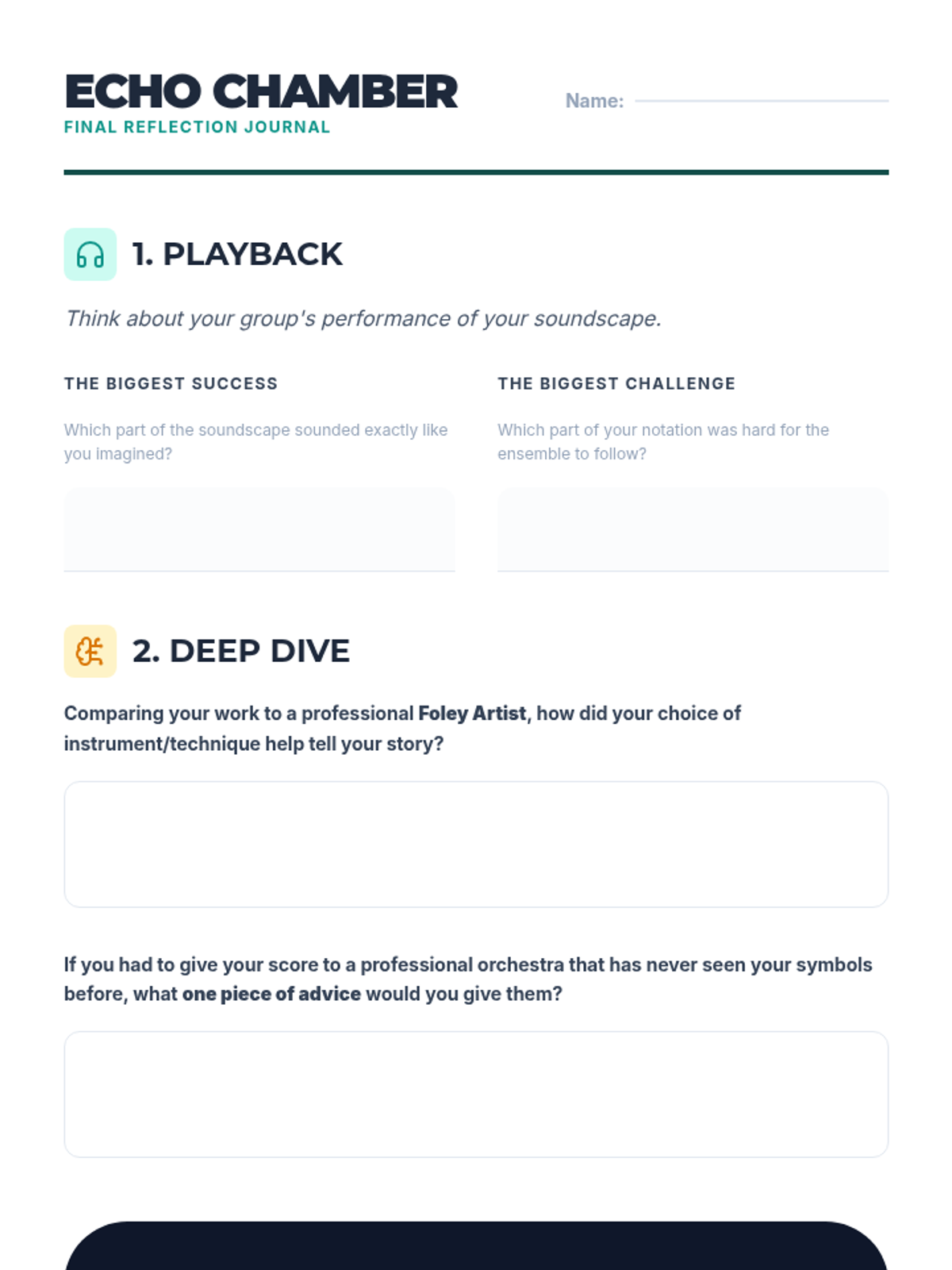
Students reflect on their compositions and performances, comparing their work to professional Foley artists.
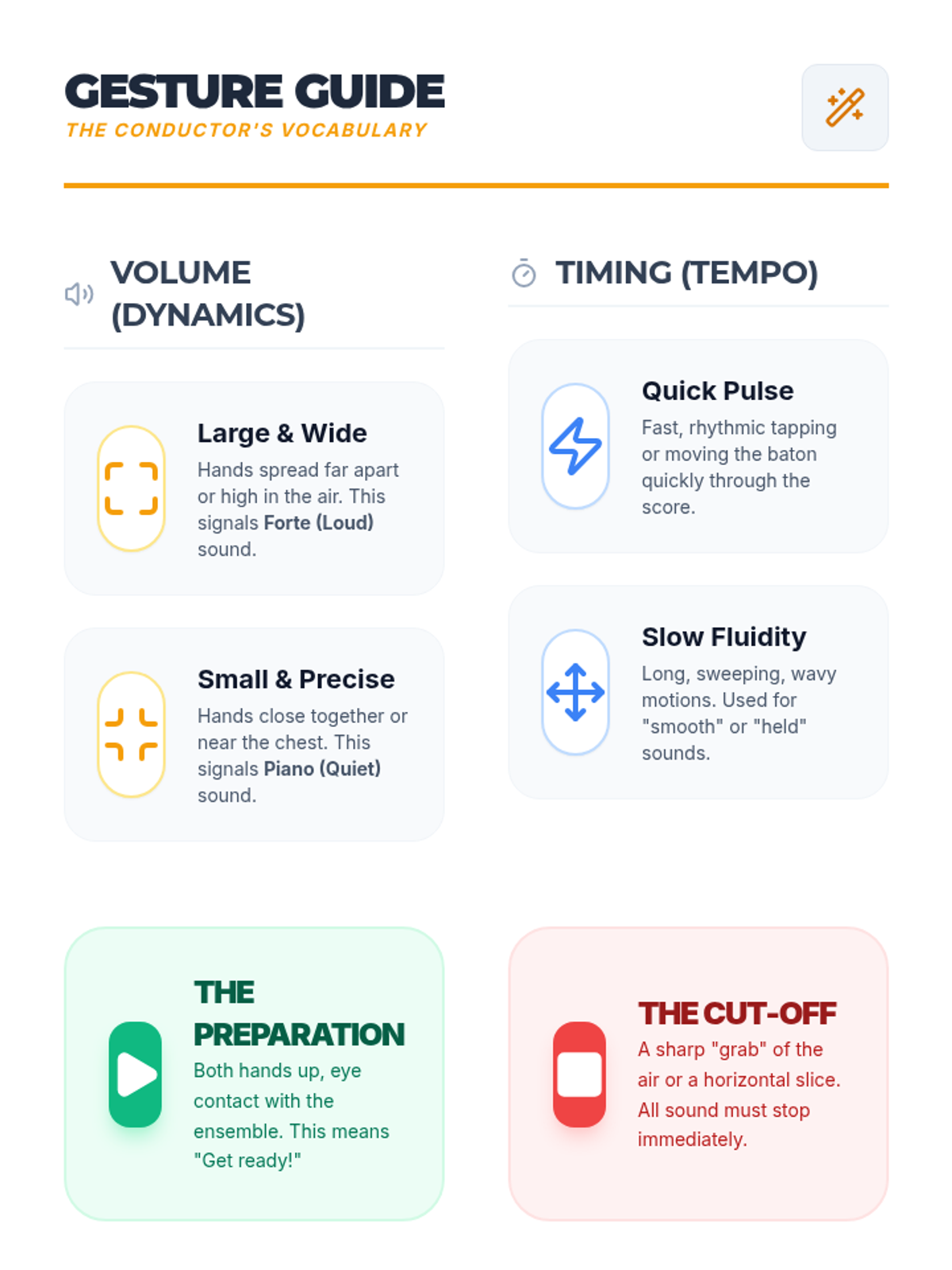
Young composers practice conducting their scores, using gestures to lead their peers through the visual music.
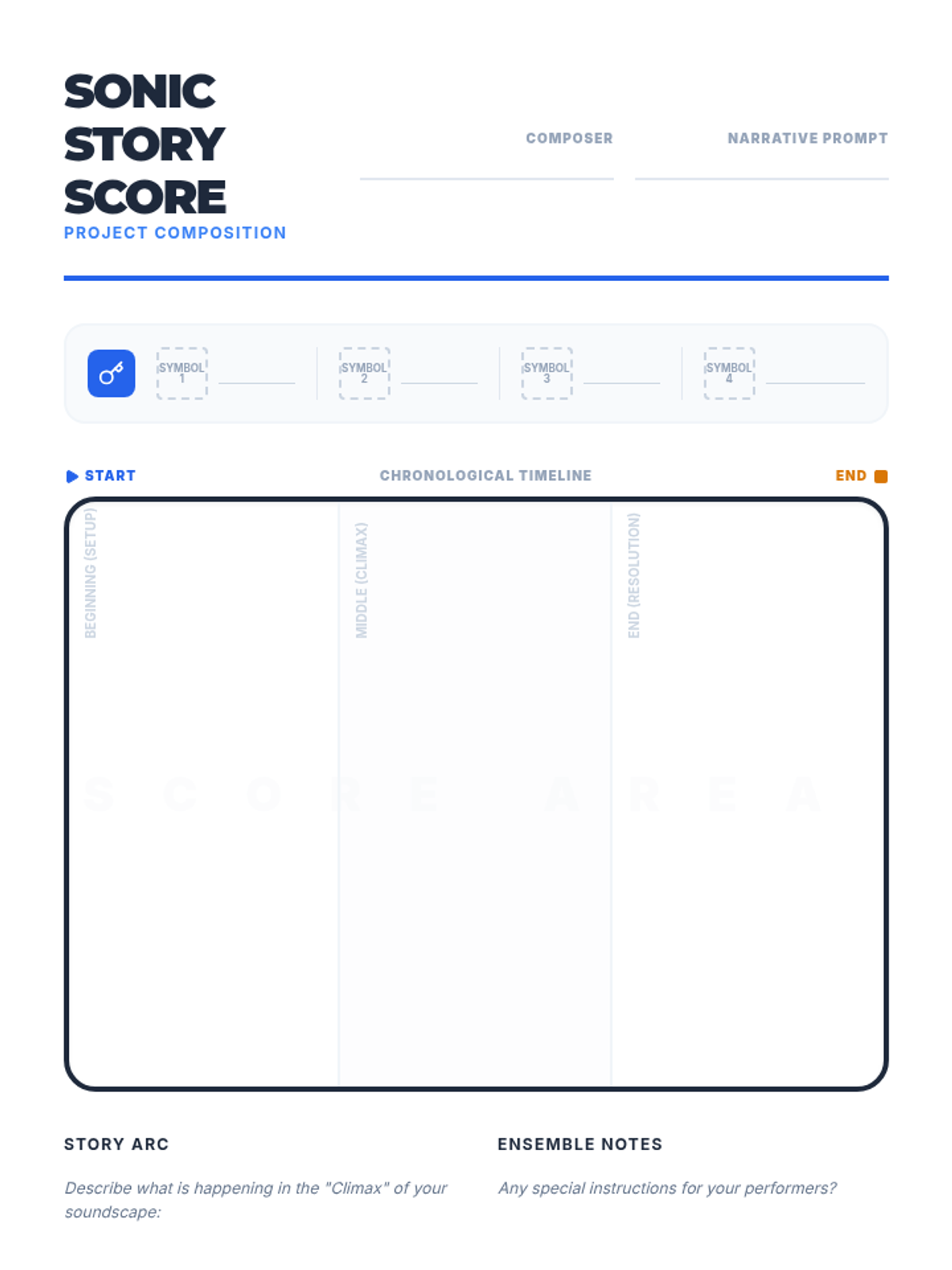
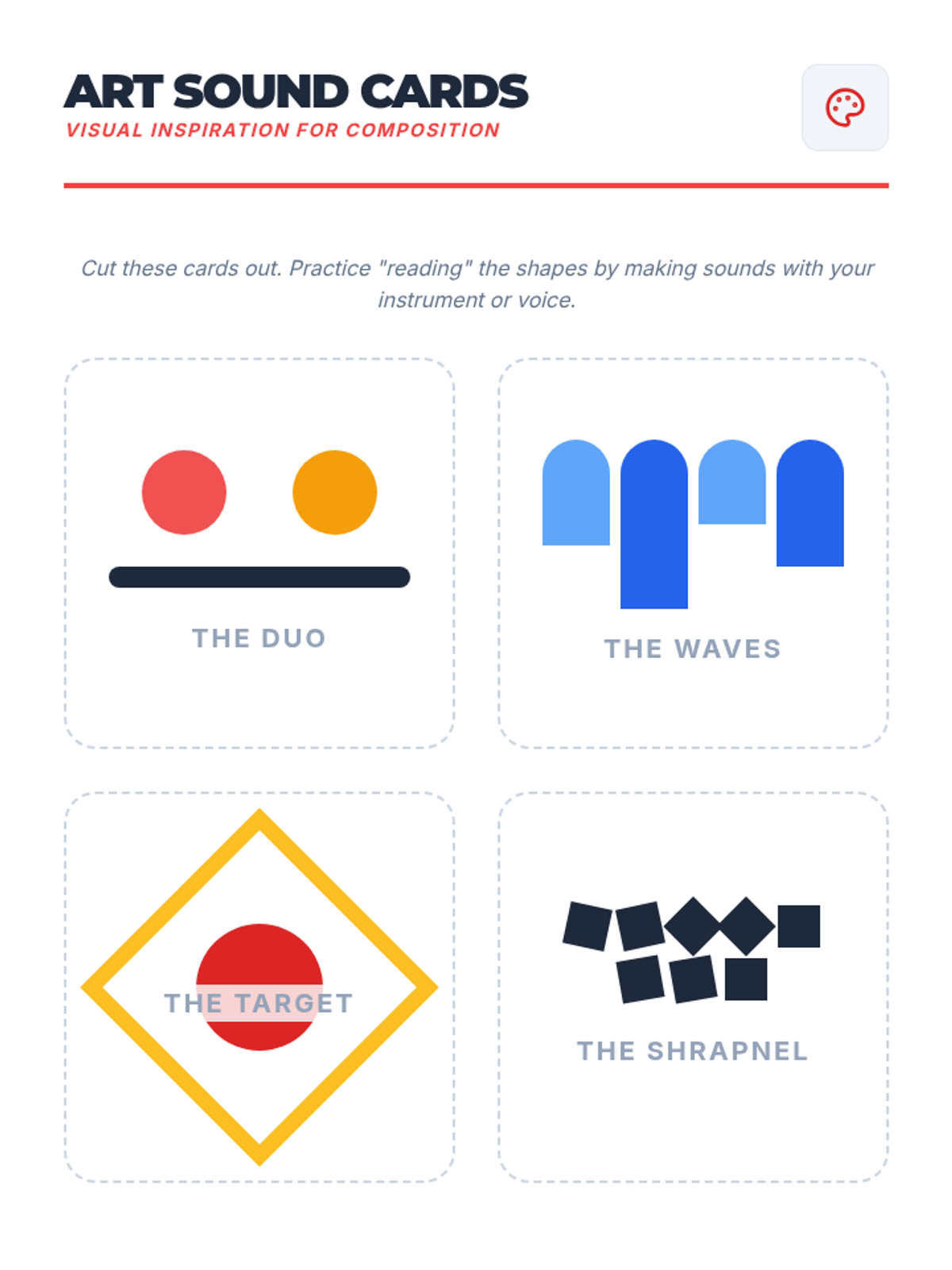
Students compose a narrative-driven graphic score that uses their symbols to tell a sonic story.
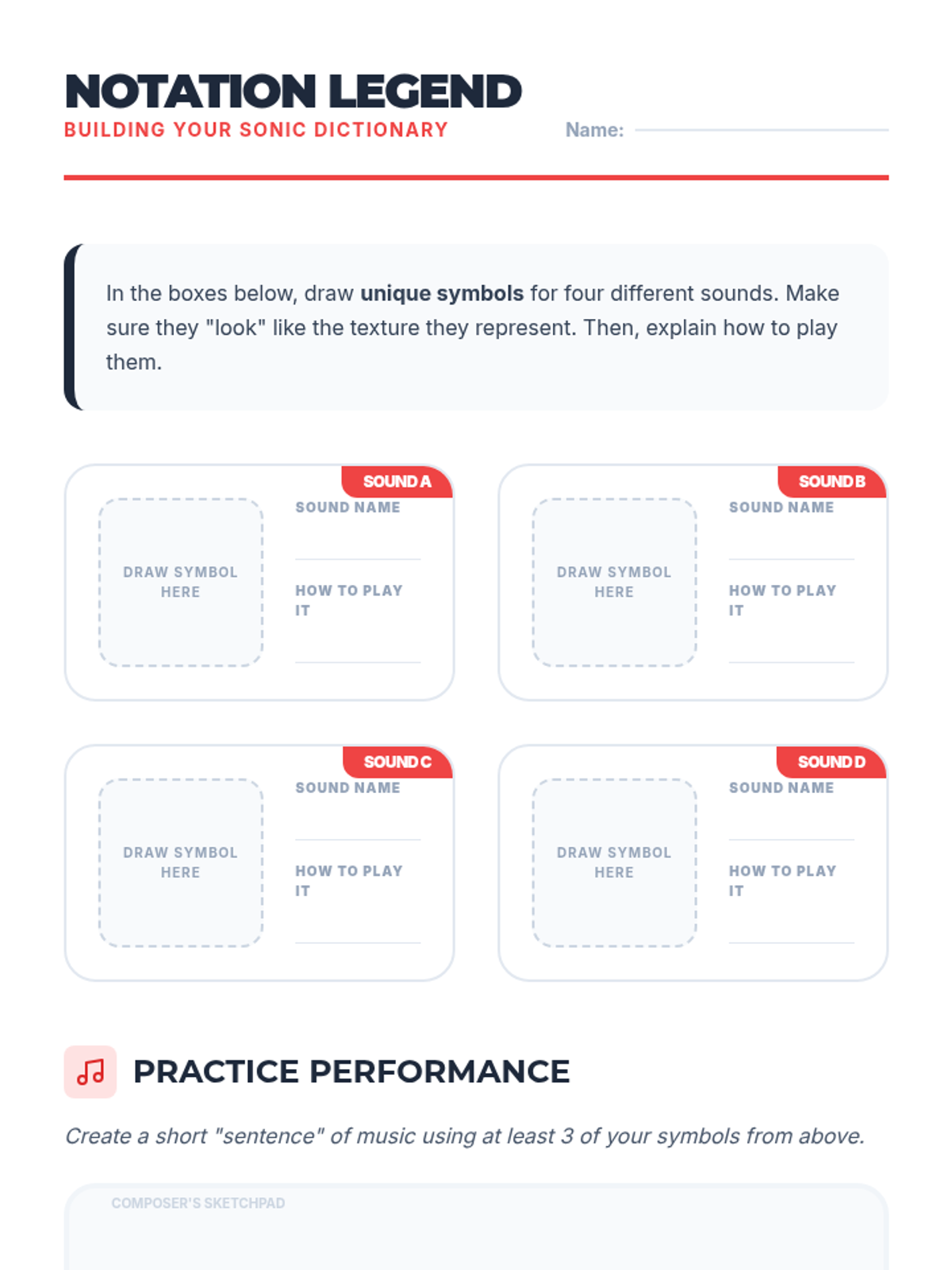
Learners translate sounds into visual symbols, creating a legend that maps shapes and colors to specific audio qualities.
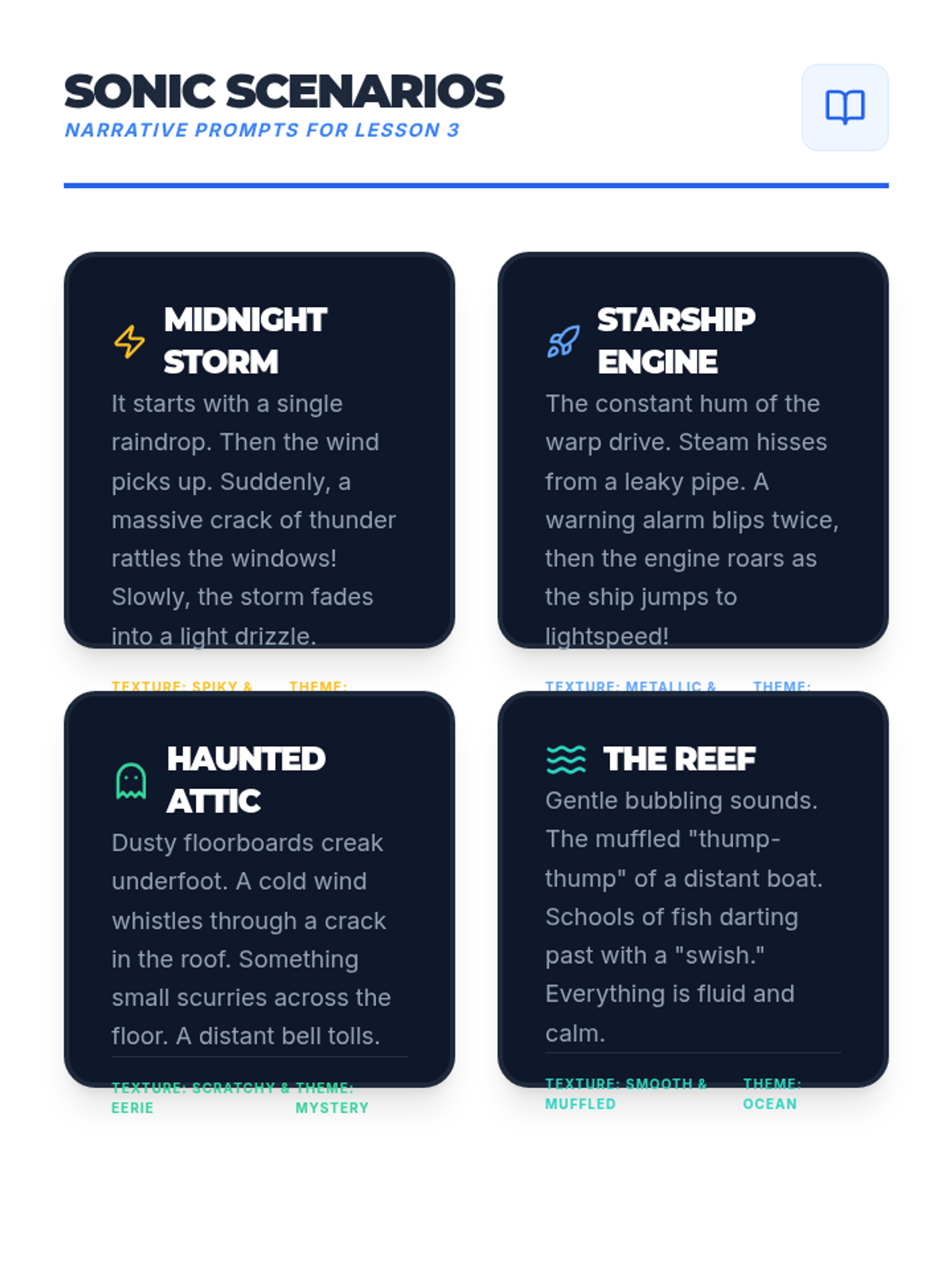
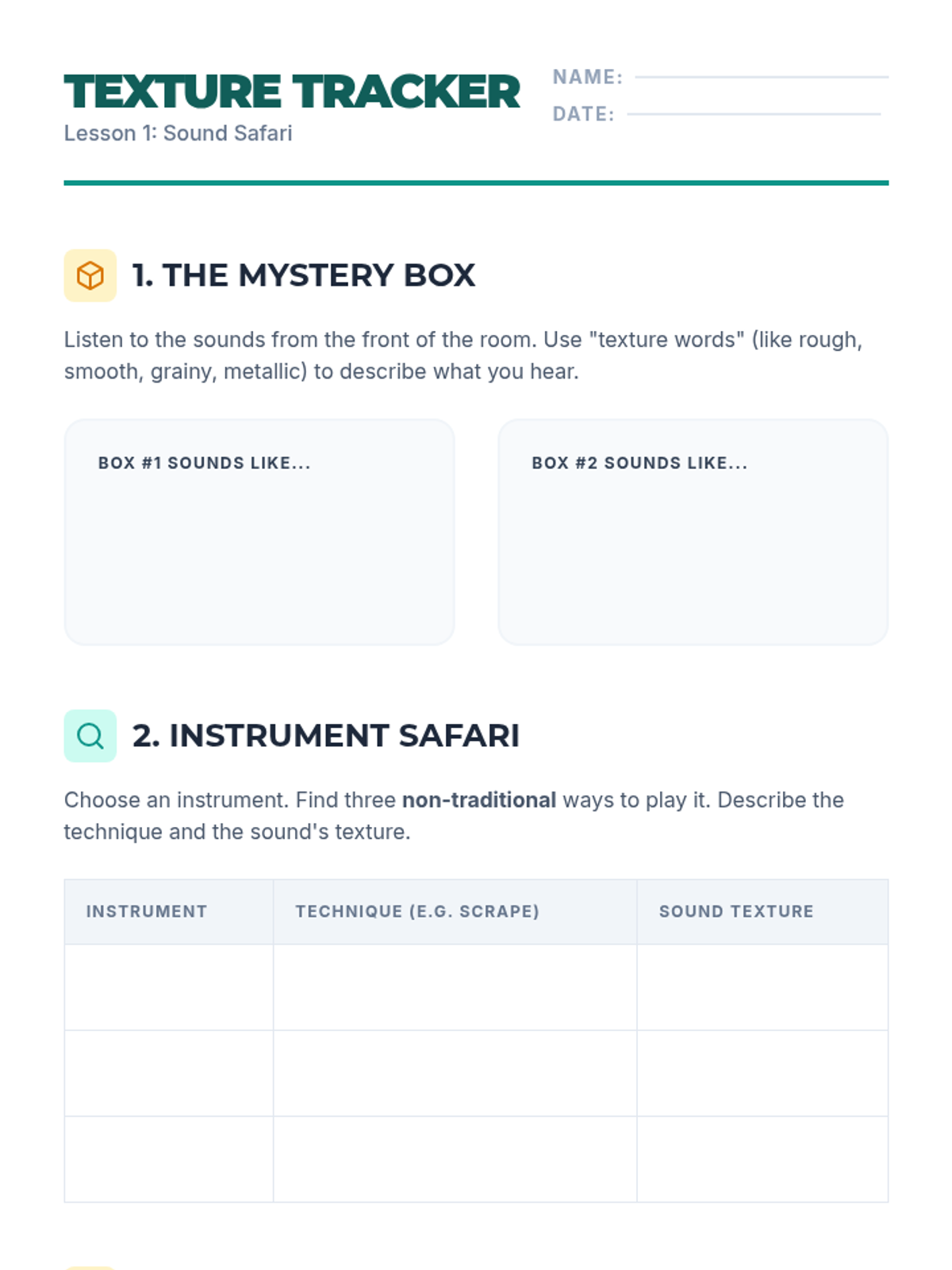
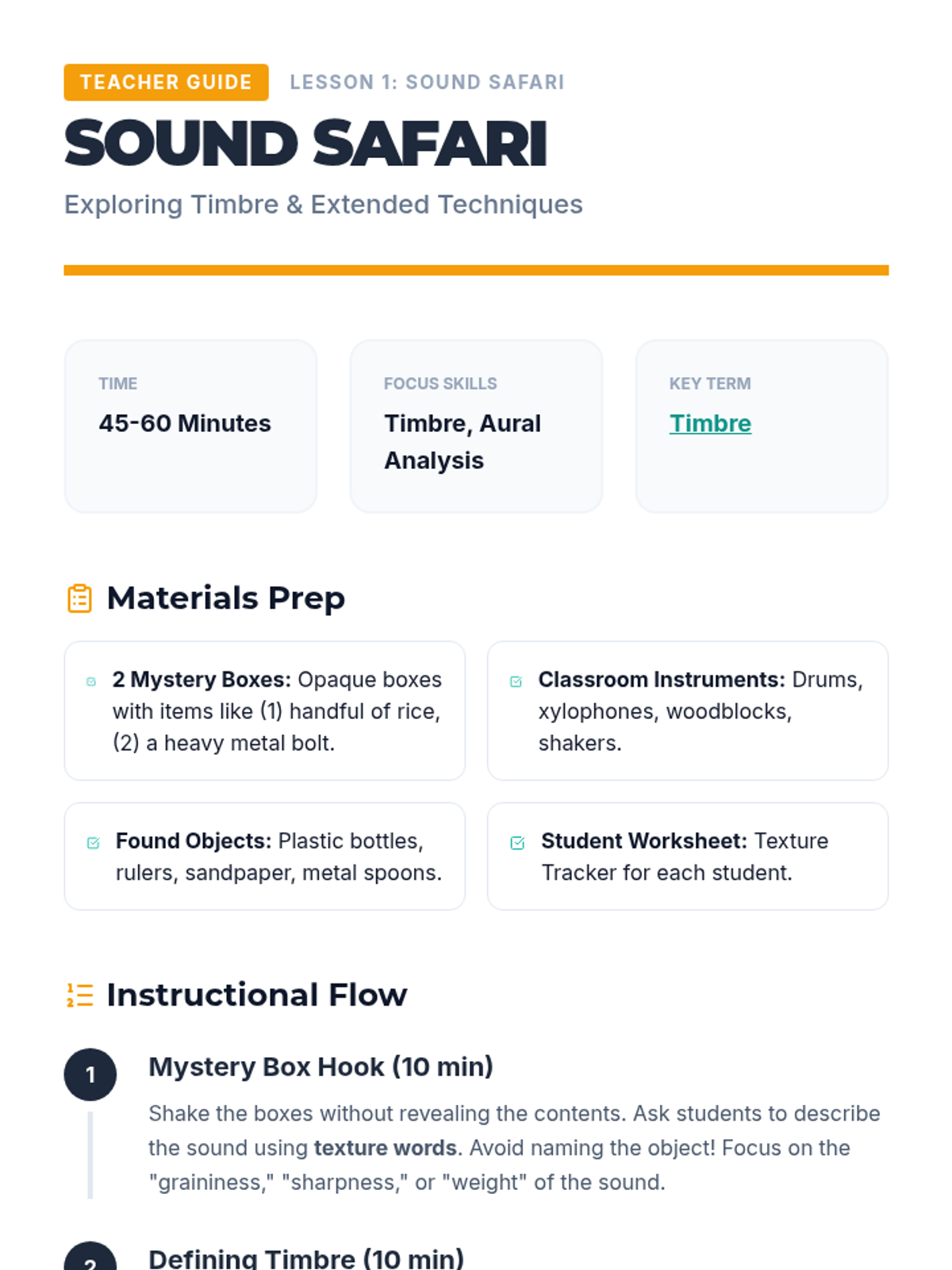
Students explore non-traditional sounds using classroom instruments and found objects, categorizing them by texture.
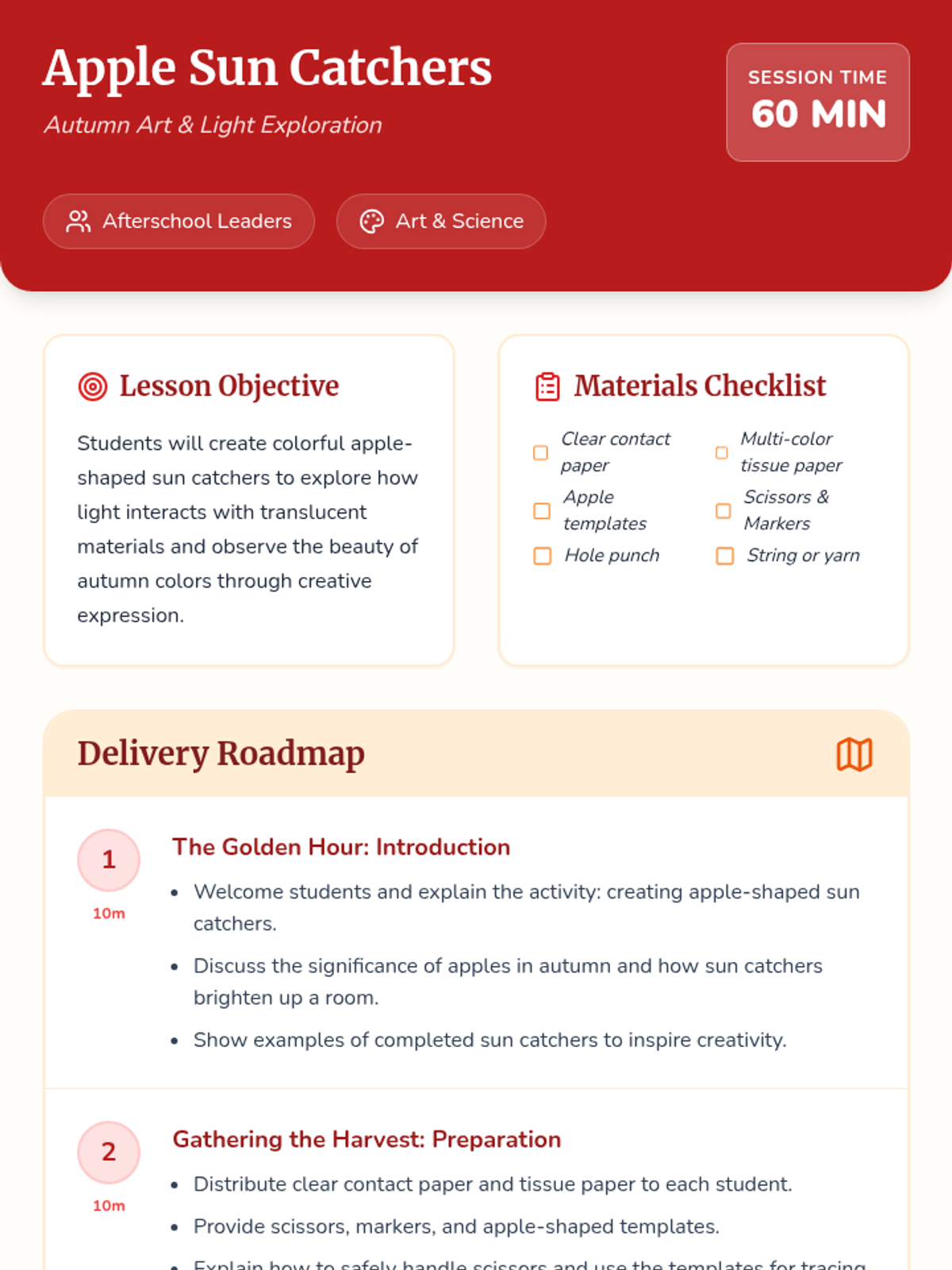
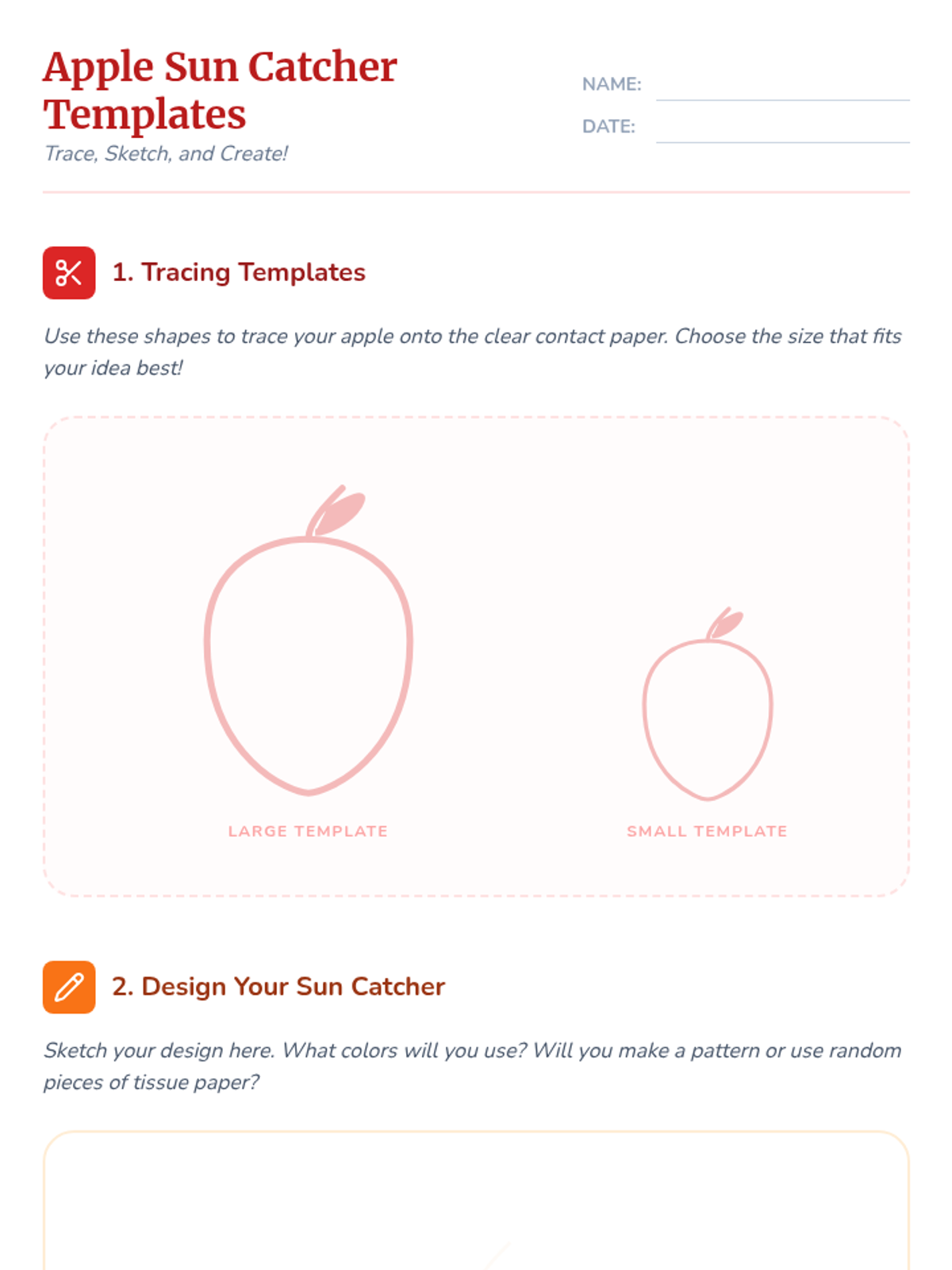
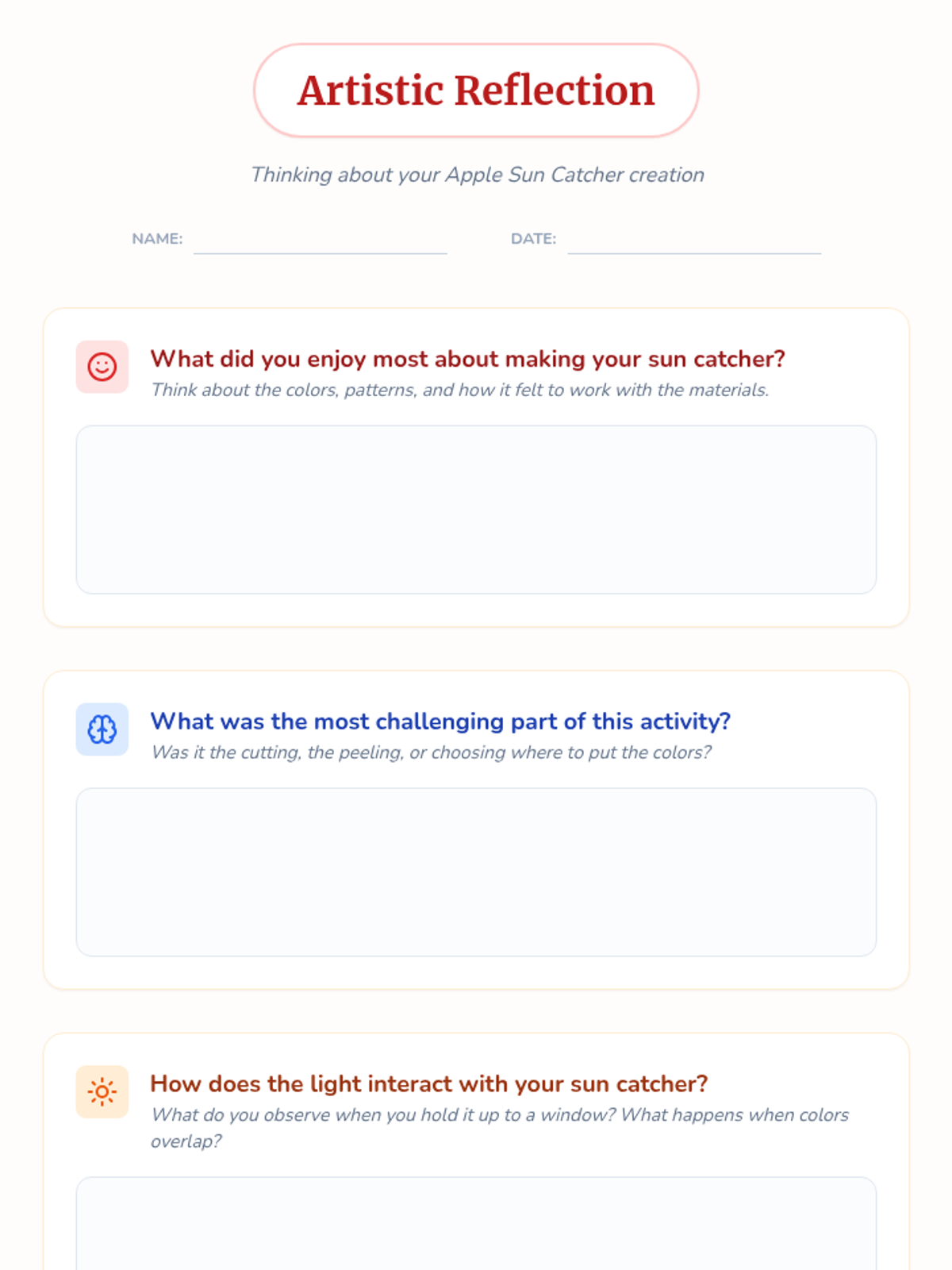
A hands-on autumn art lesson where students create apple-shaped sun catchers using tissue paper and contact paper to explore color and light.
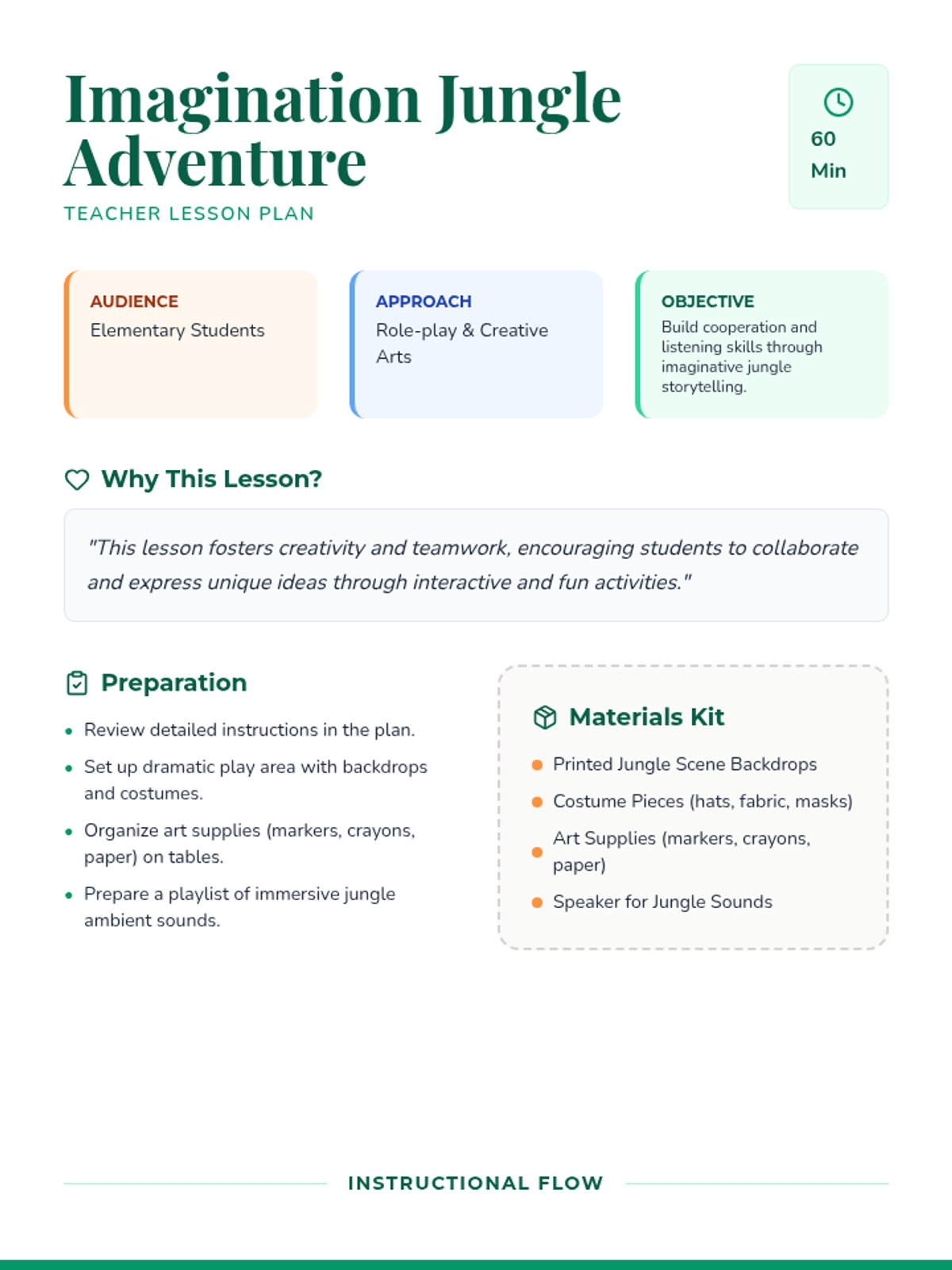
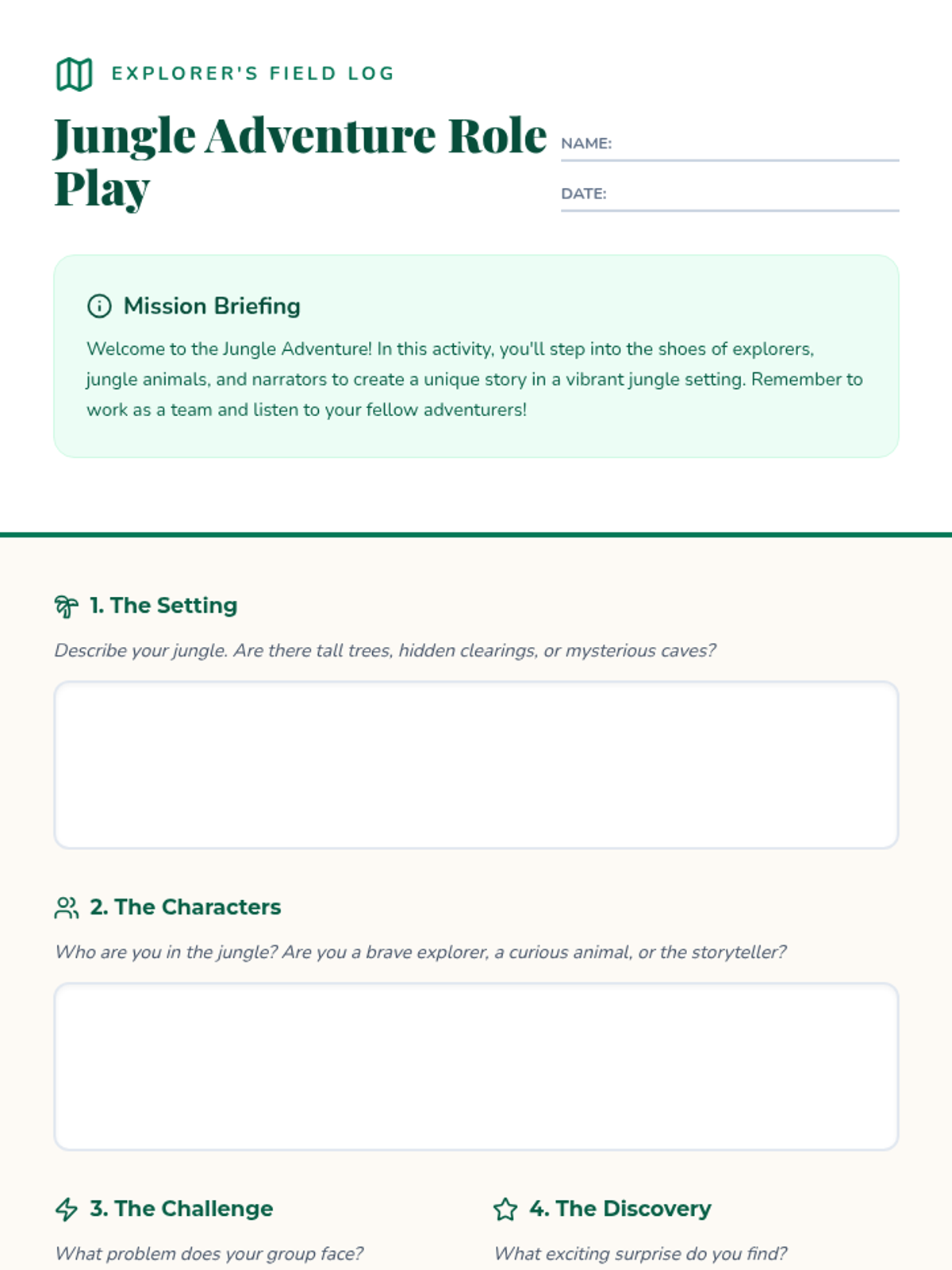
An interactive elementary lesson where students explore a vibrant jungle through dramatic play and creative arts, fostering teamwork and imaginative storytelling.
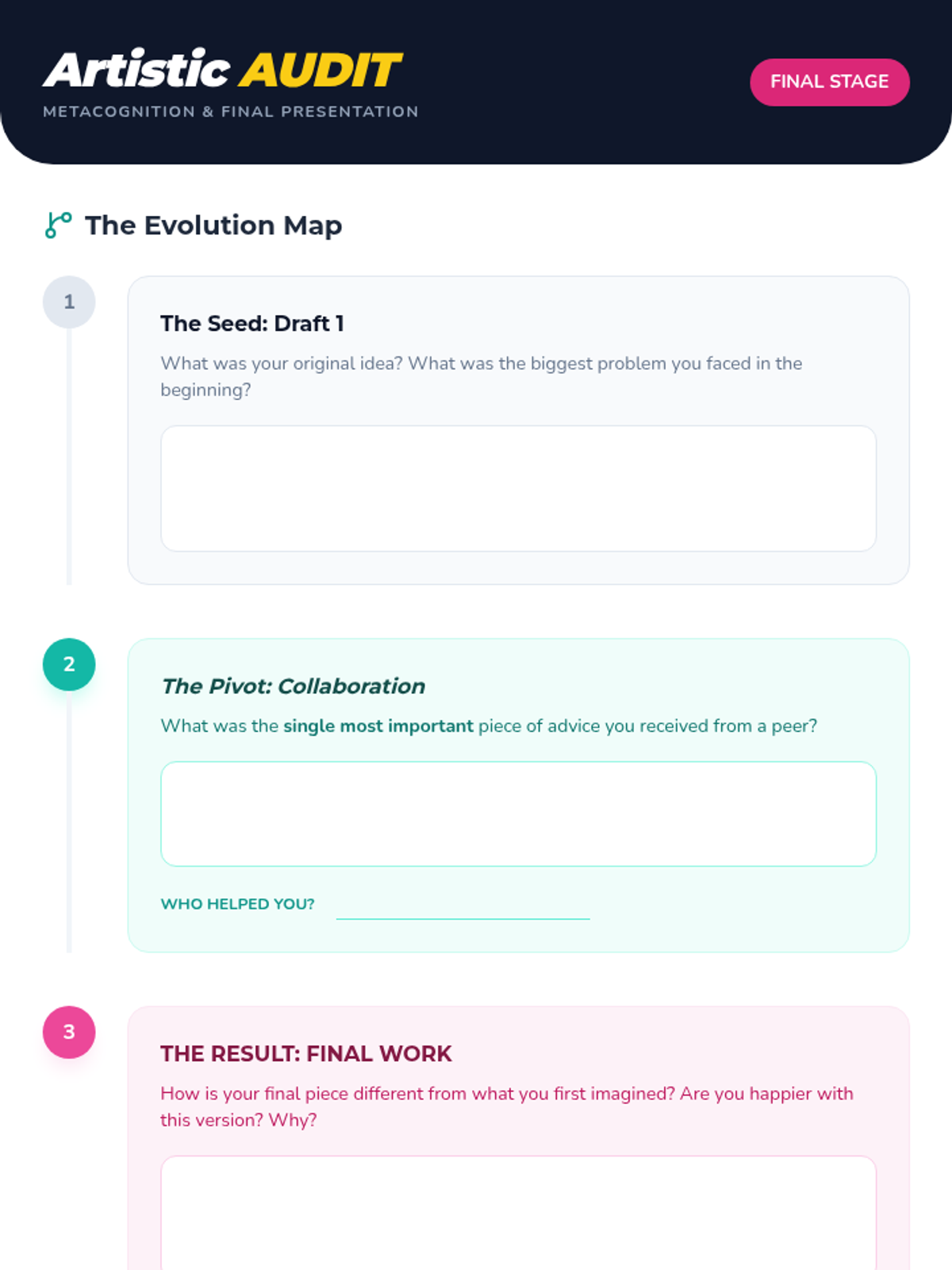
Students present their work and an 'audit trail' of their growth, reflecting on the power of collaboration.
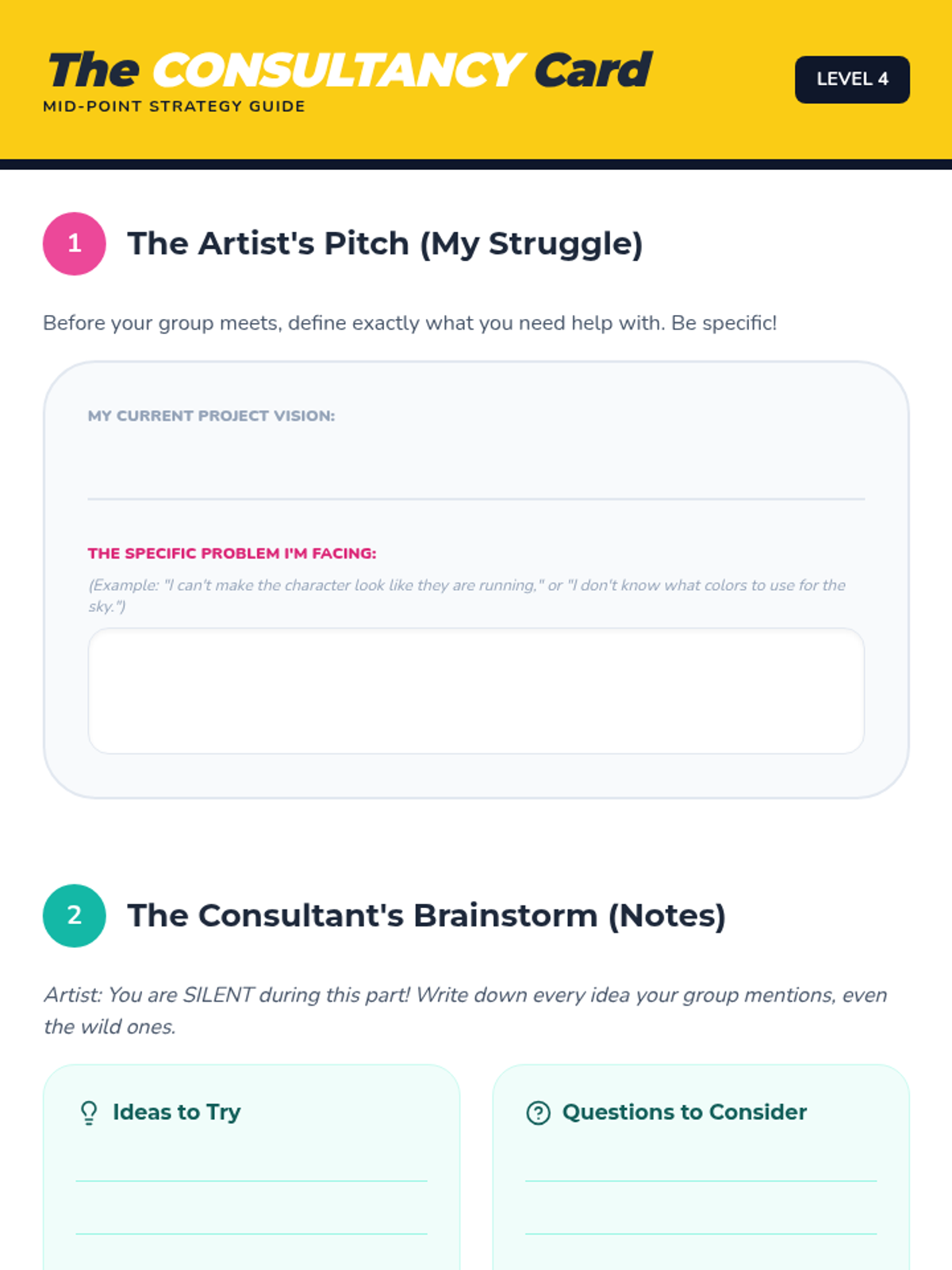
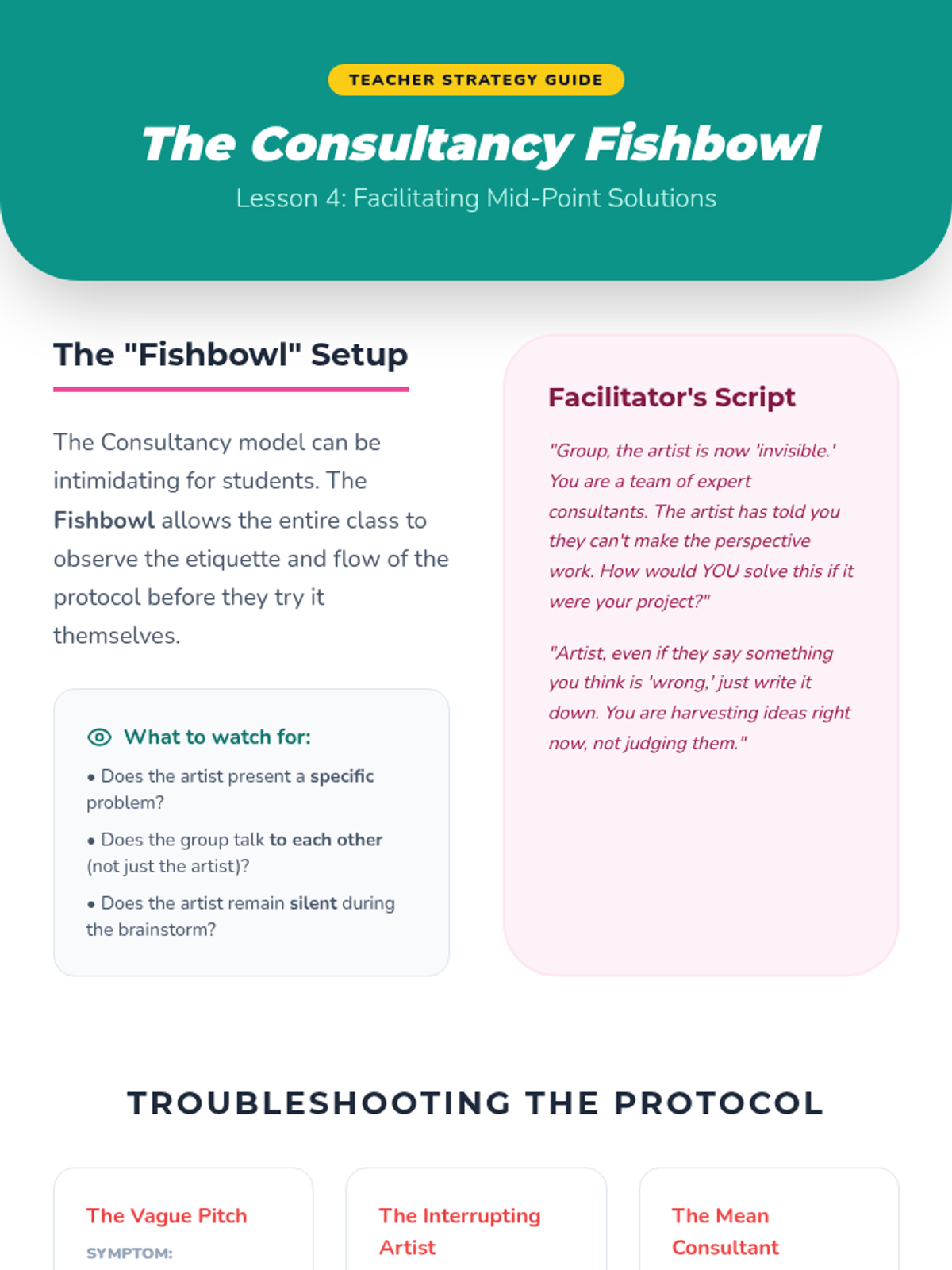
Students use a consultancy model to solve specific artistic hurdles with small group brainstorming.
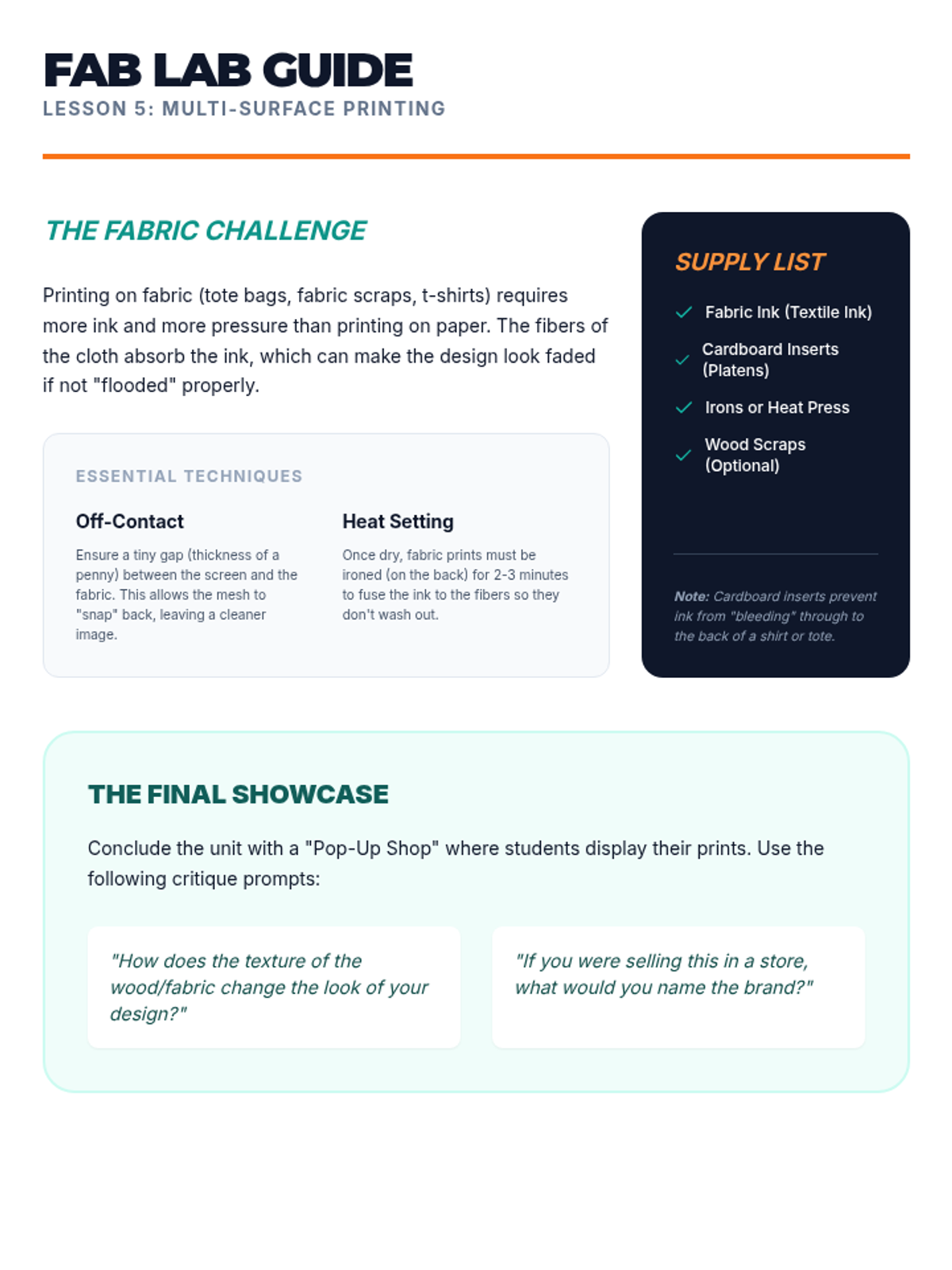
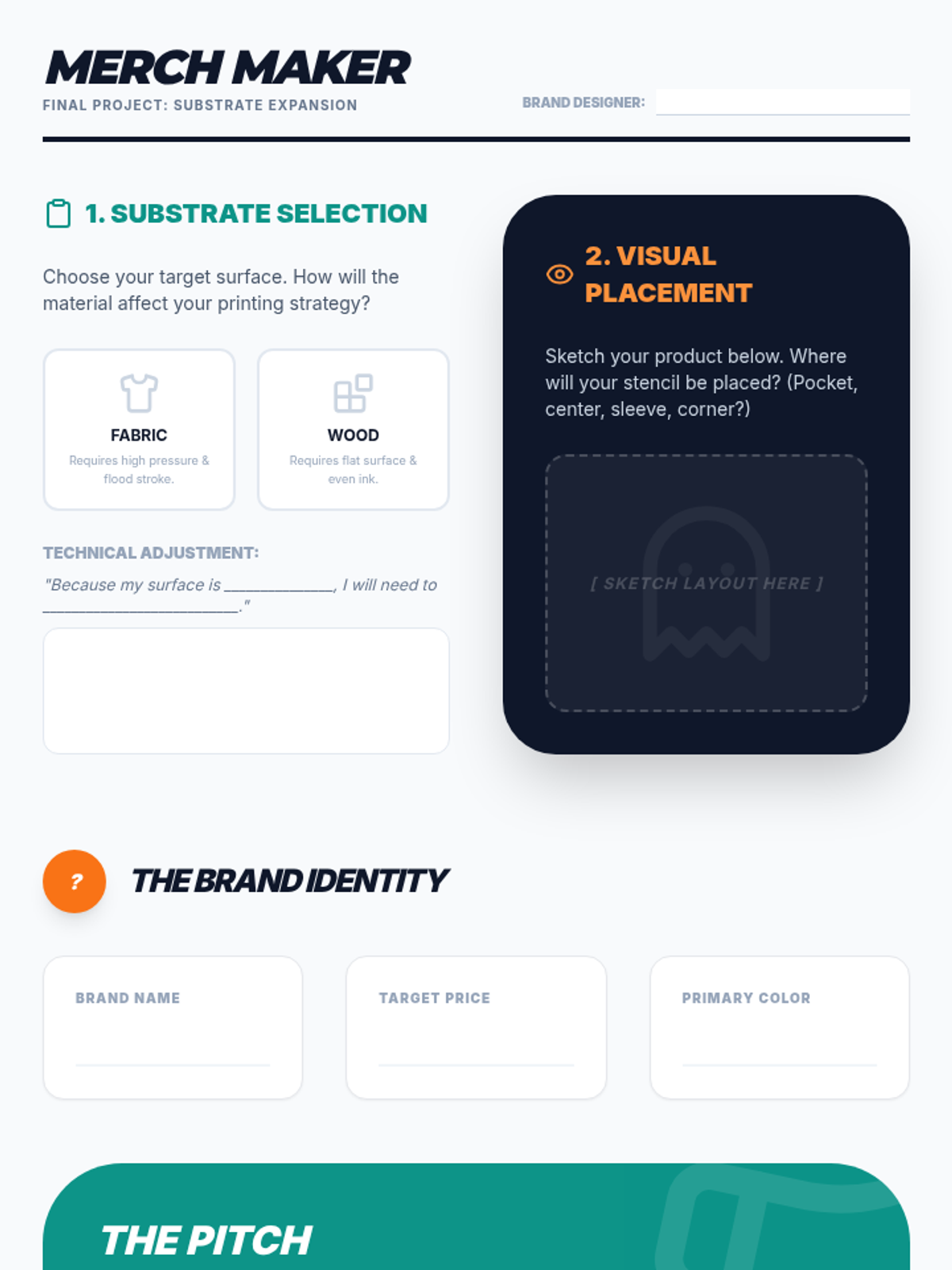
Students apply their skills to non-paper substrates like fabric and wood. They analyze how different surfaces absorb ink and discuss the commercial applications of screen printing in fashion and merchandise.
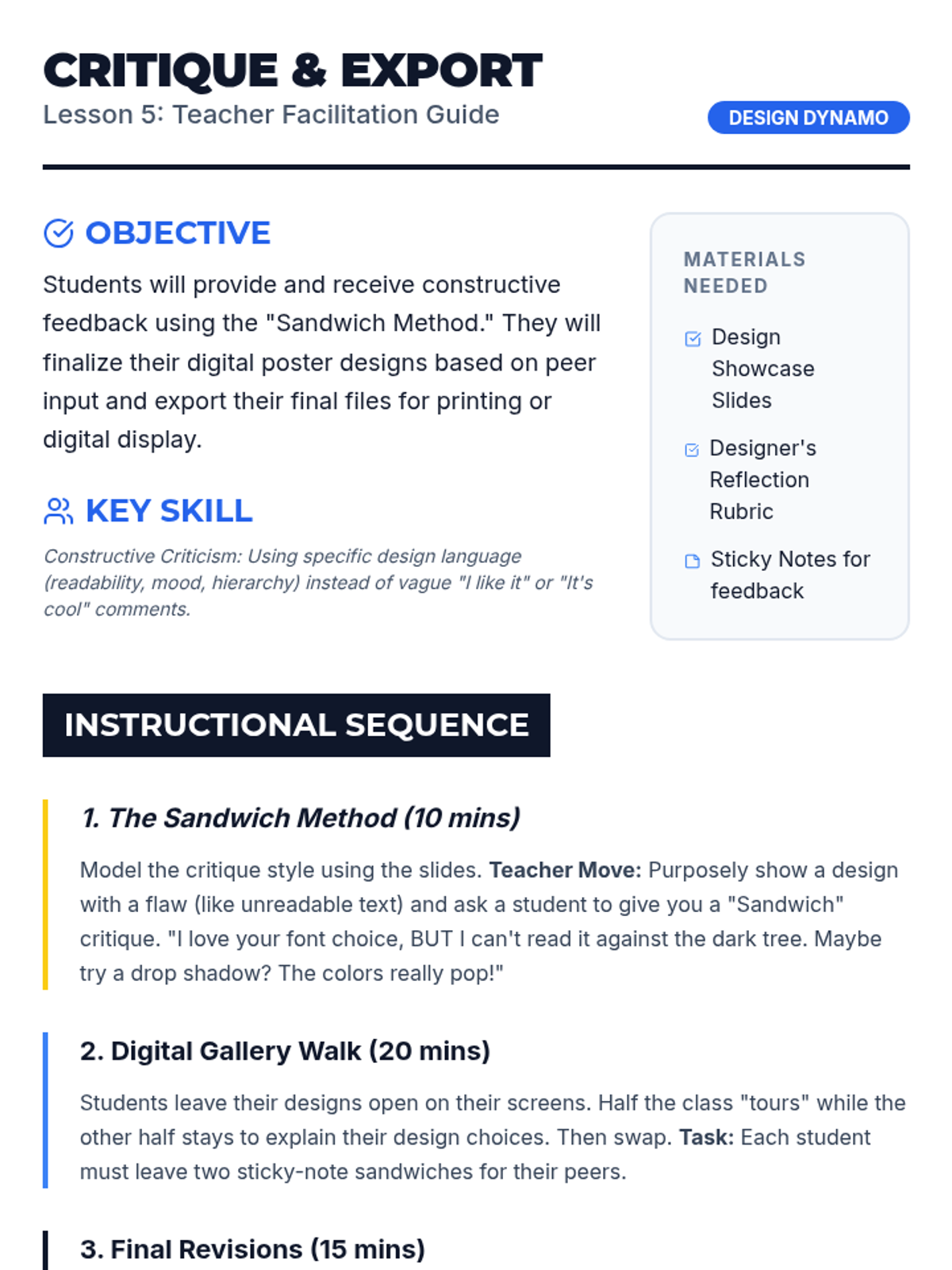
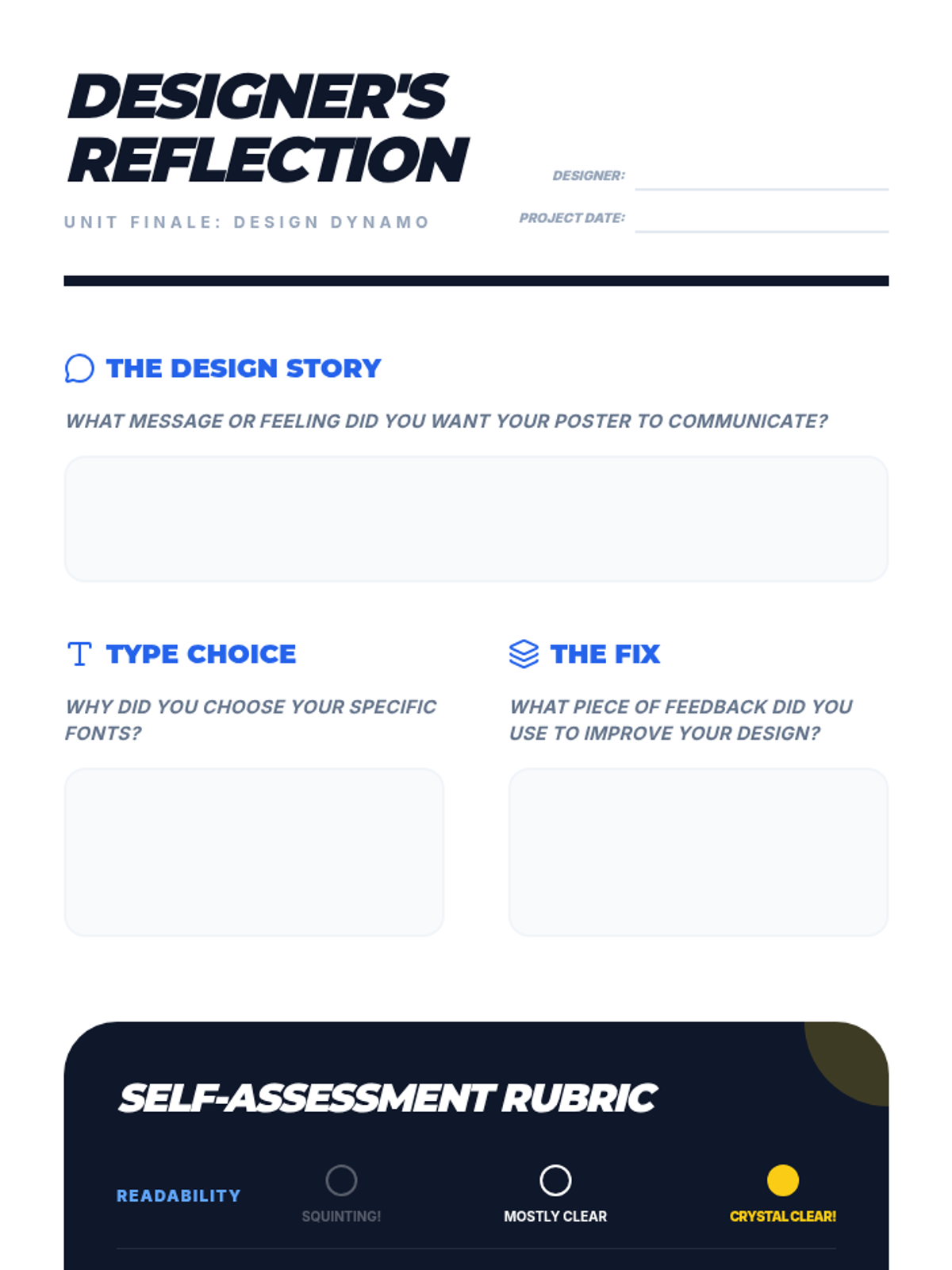
The culmination of the unit where students finalize a graphic poster and participate in a professional peer critique session.
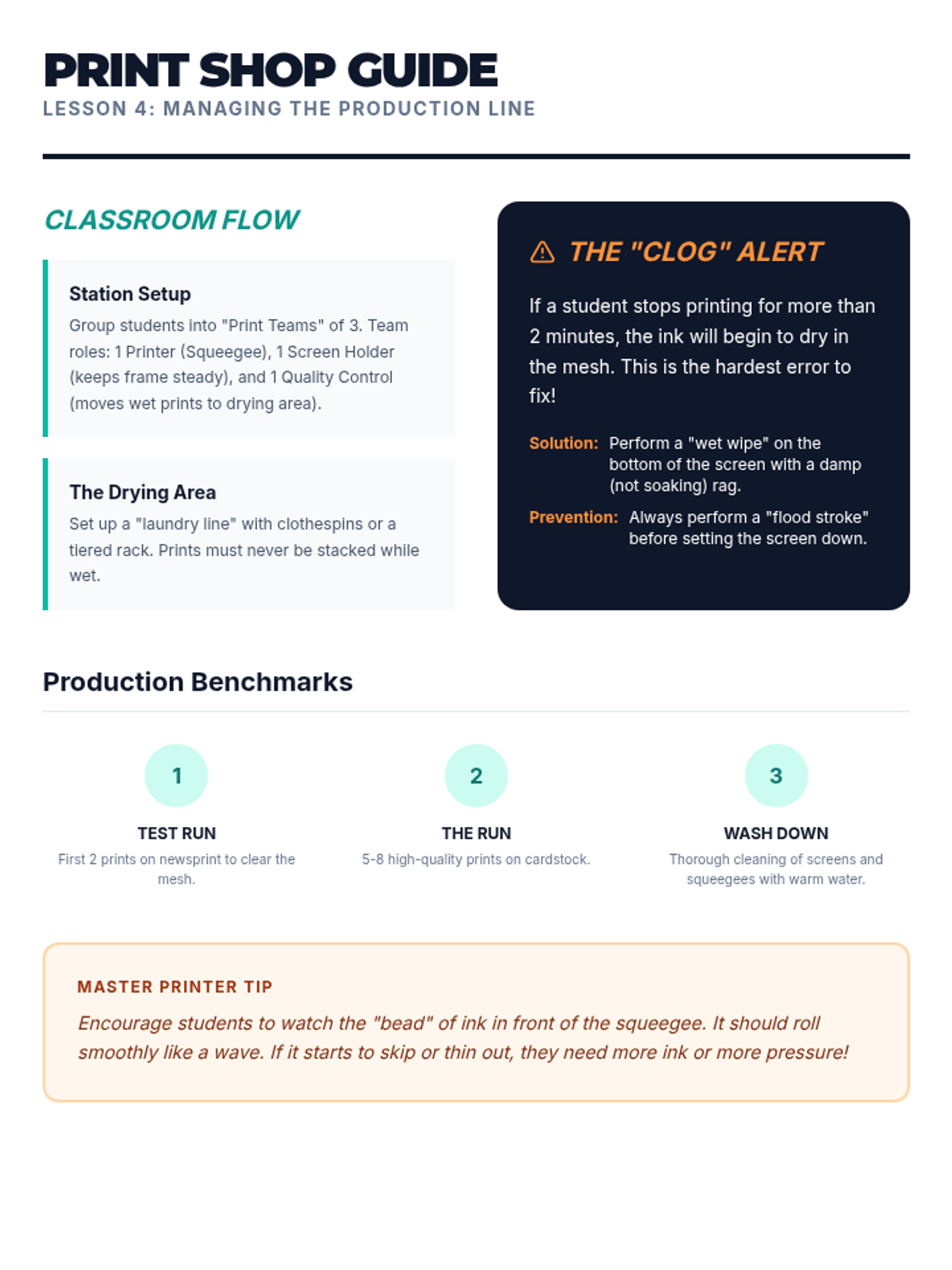
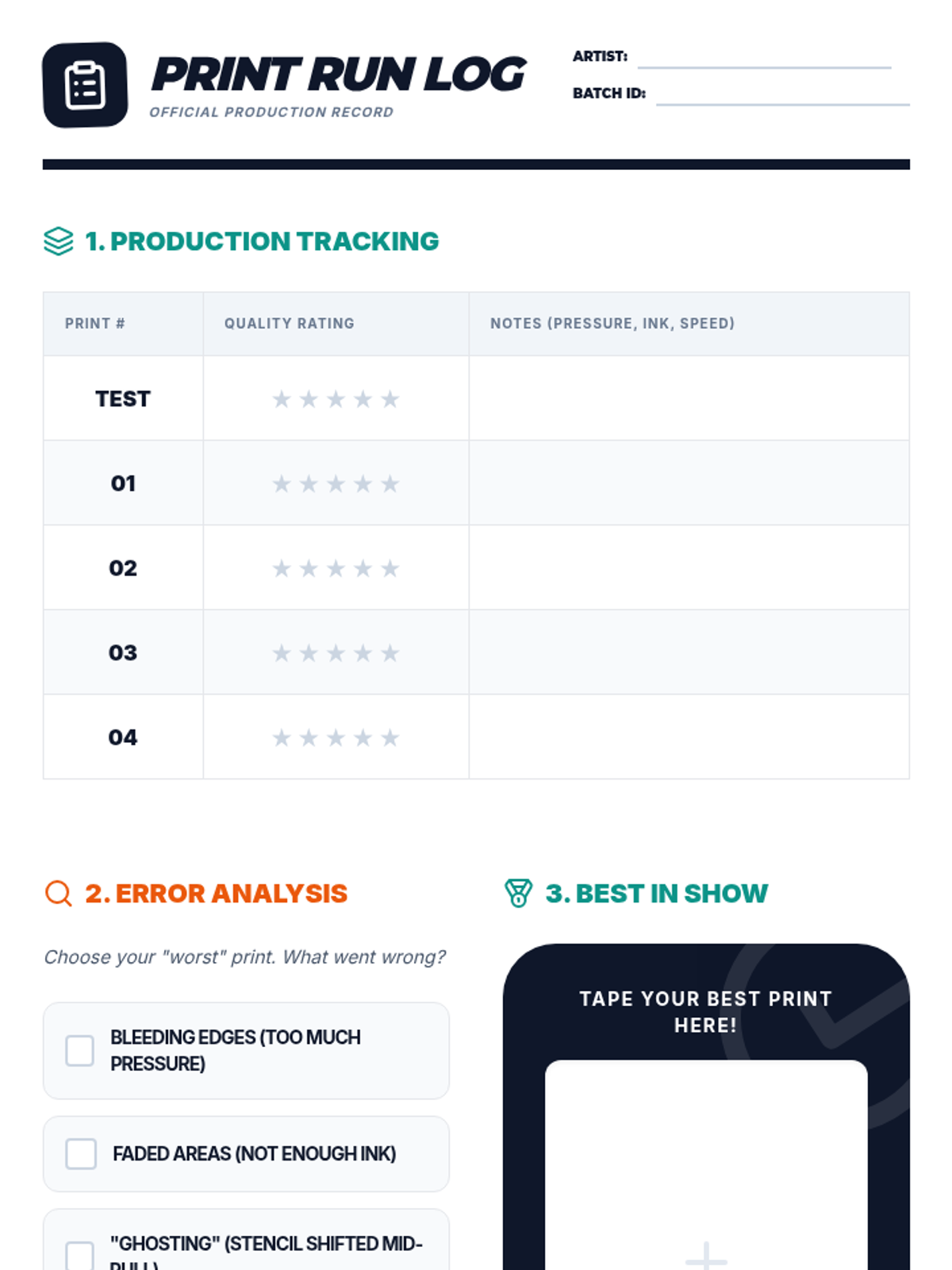
The core of the printing process: mastering the squeegee. Students learn the 'Goldilocks' approach to pressure and angle, practicing on paper to achieve uniform, crisp prints.
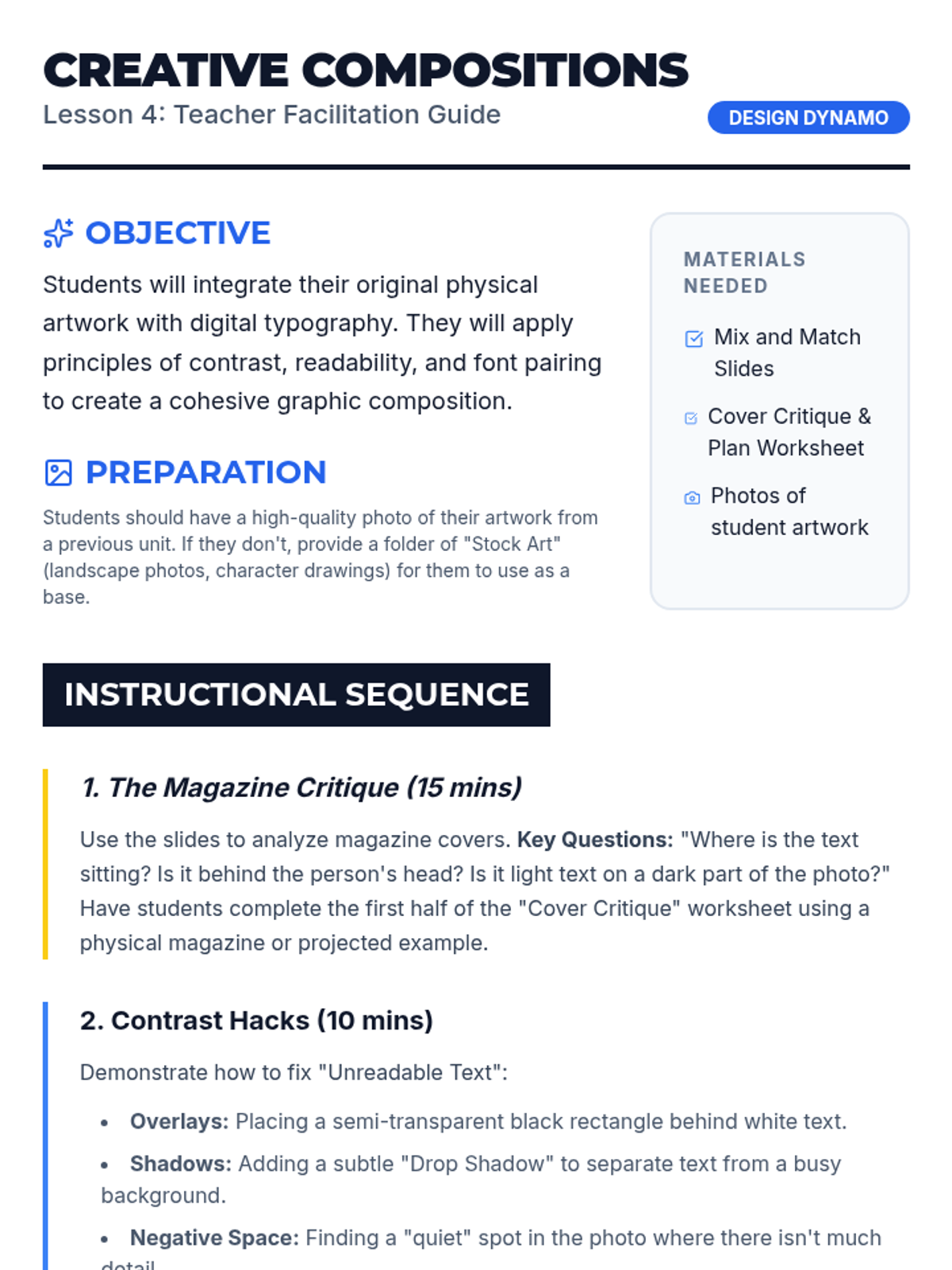
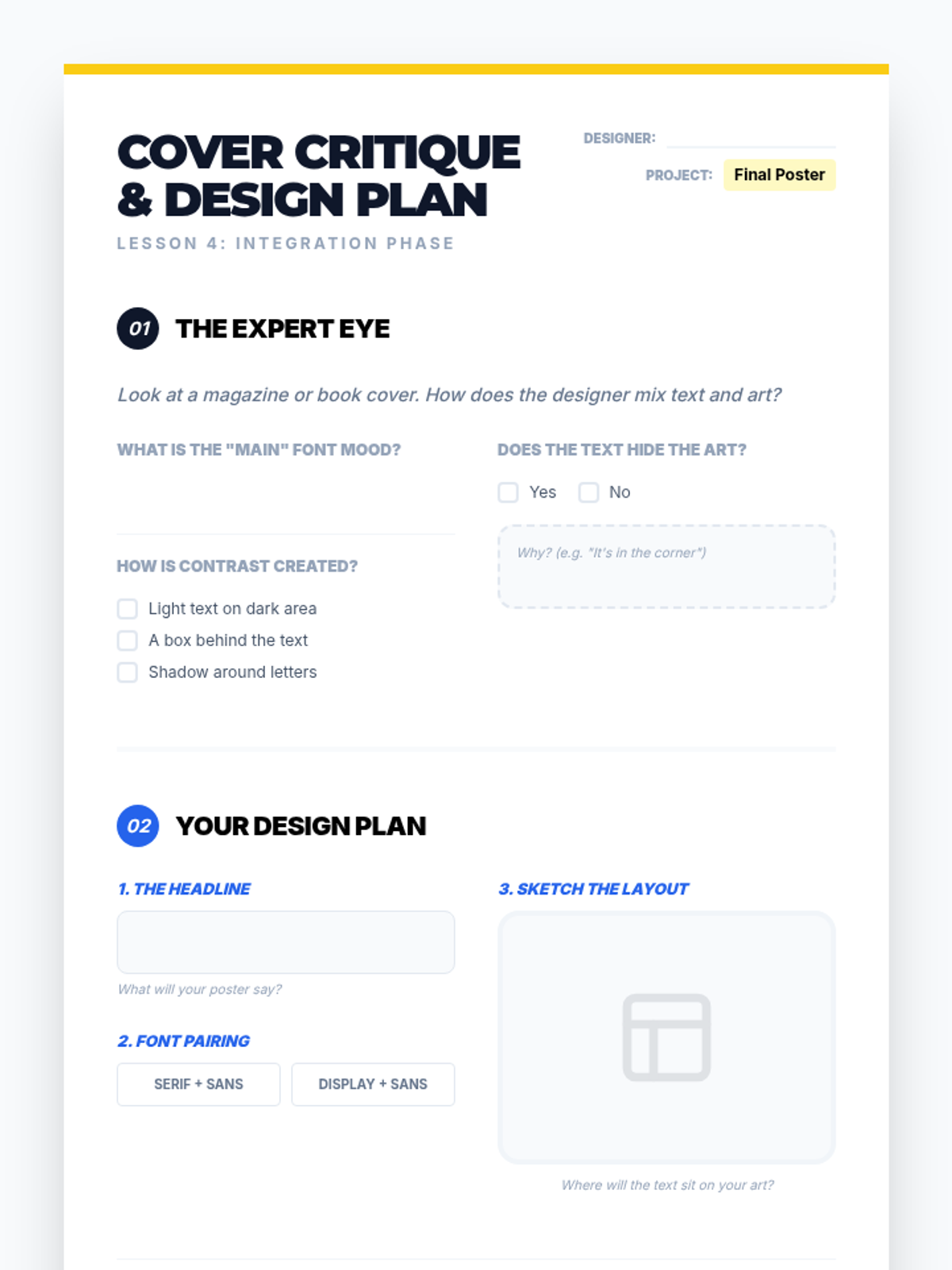
Students combine their own artwork with digital text, exploring how font choices can complement or contrast with visual art.
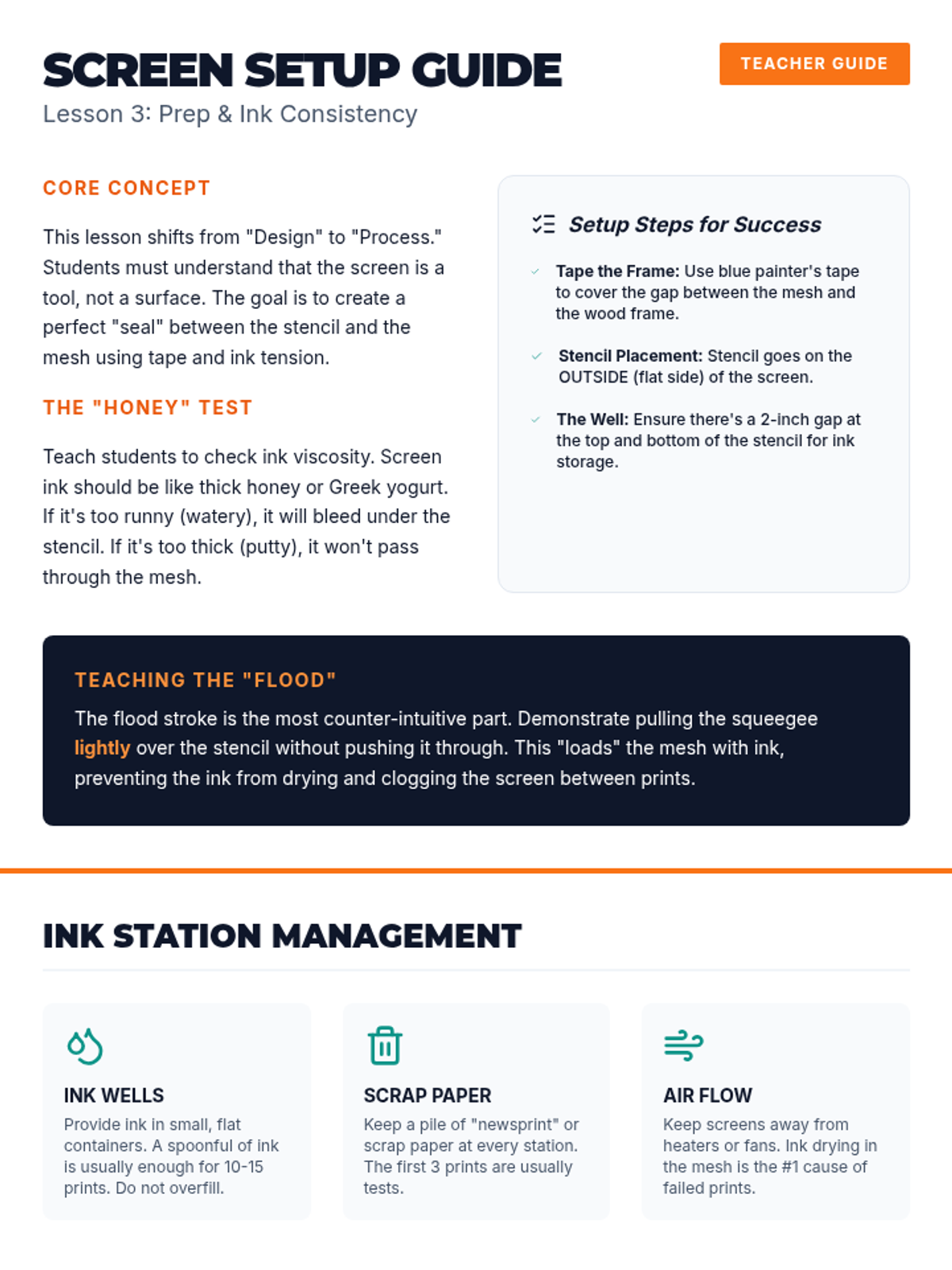
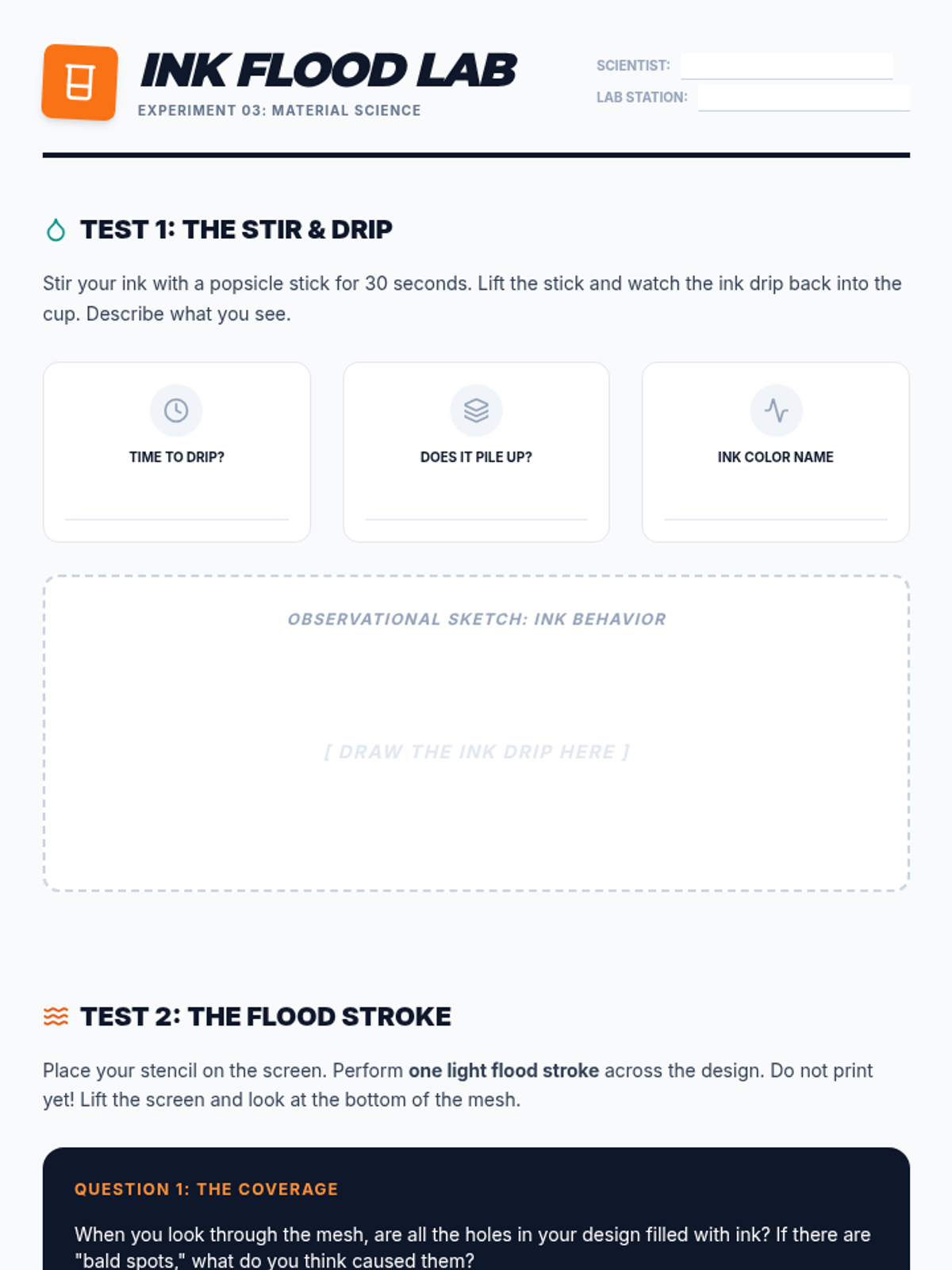
Students delve into the mechanics of the screen and ink. They learn to tape screens, position stencils, and understand the viscosity and 'flood' of screen printing ink through mesh.
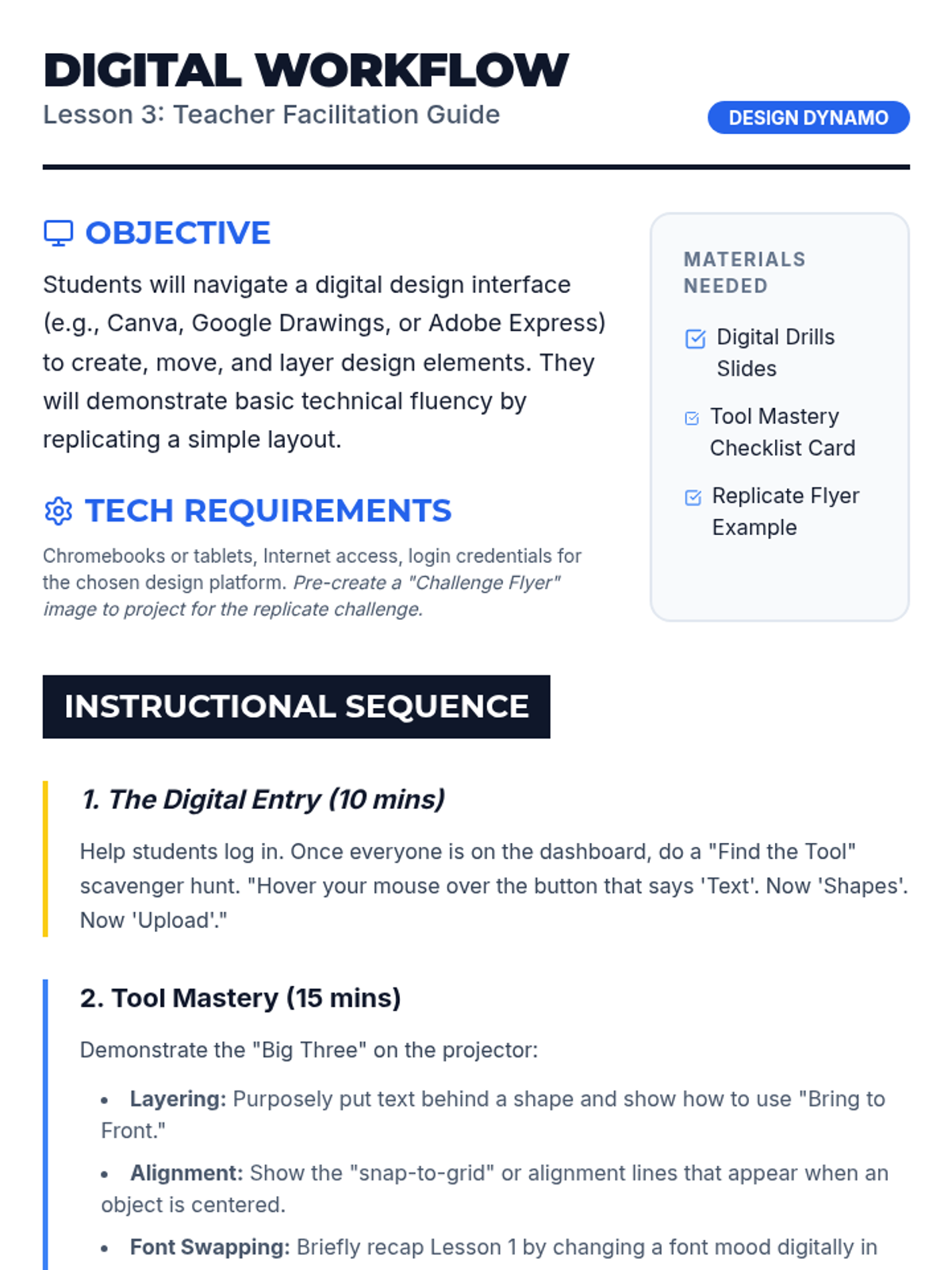
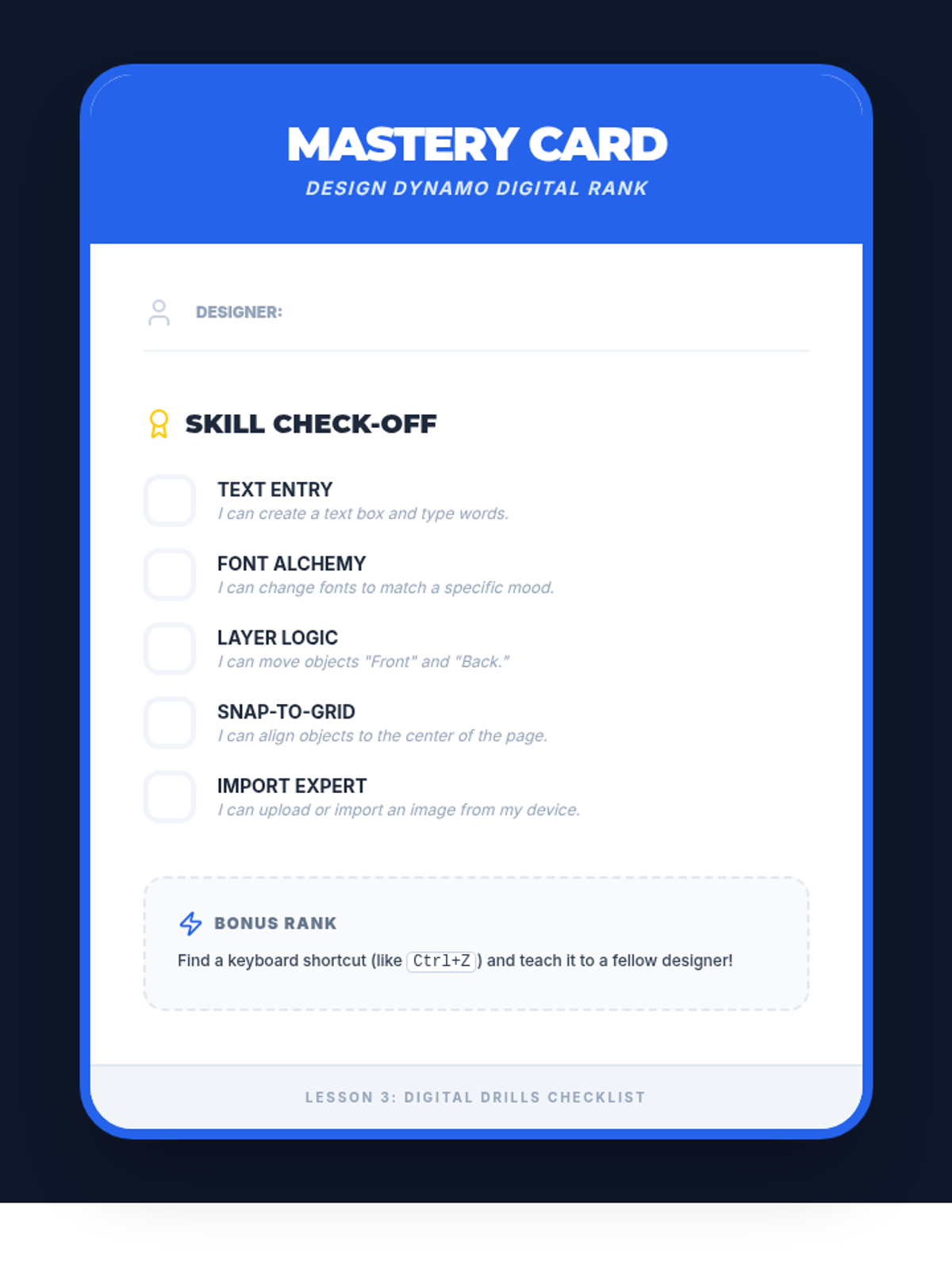
An introduction to digital design tools, focusing on text boxes, layering, alignment, and basic image manipulation.
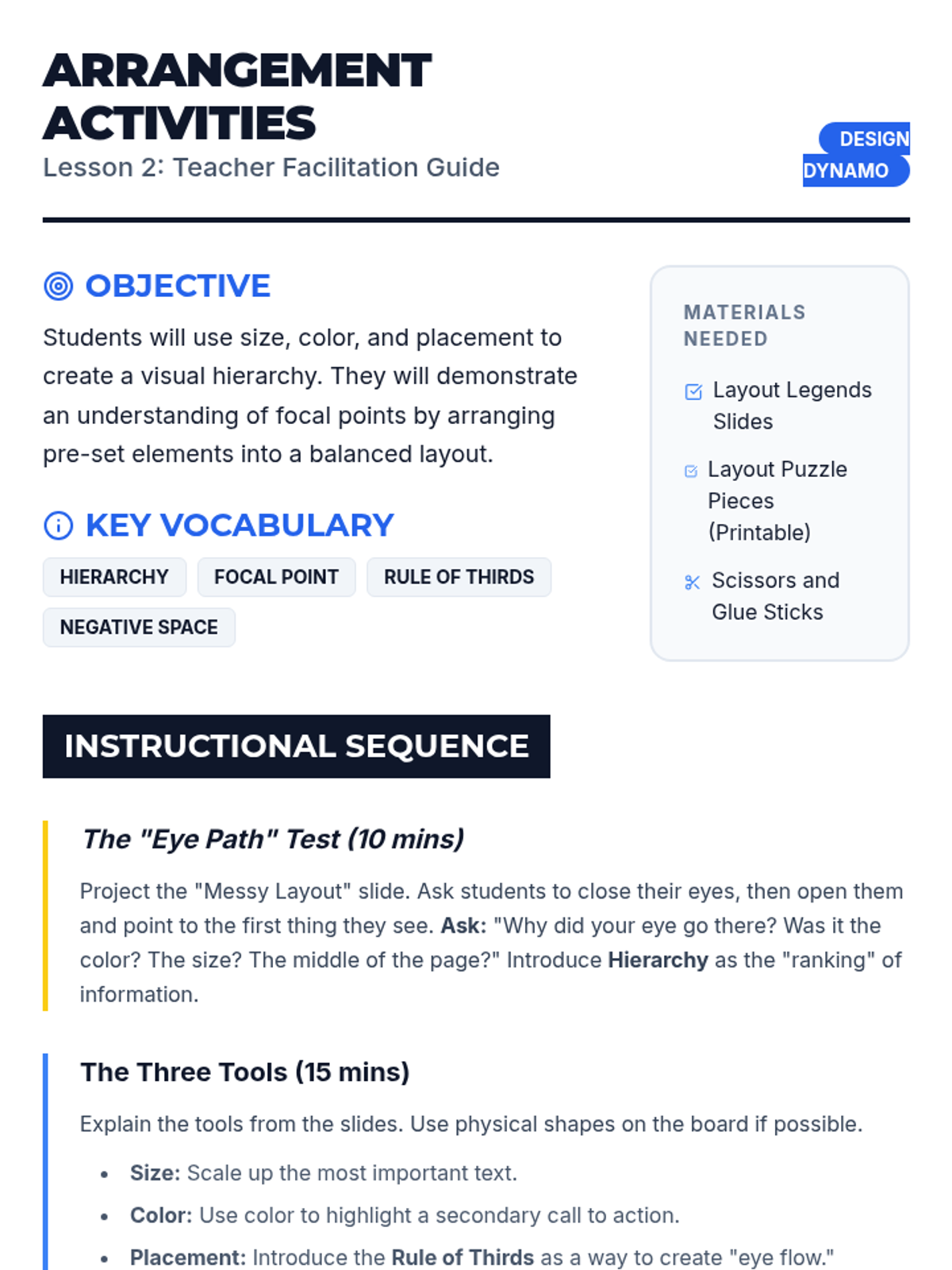
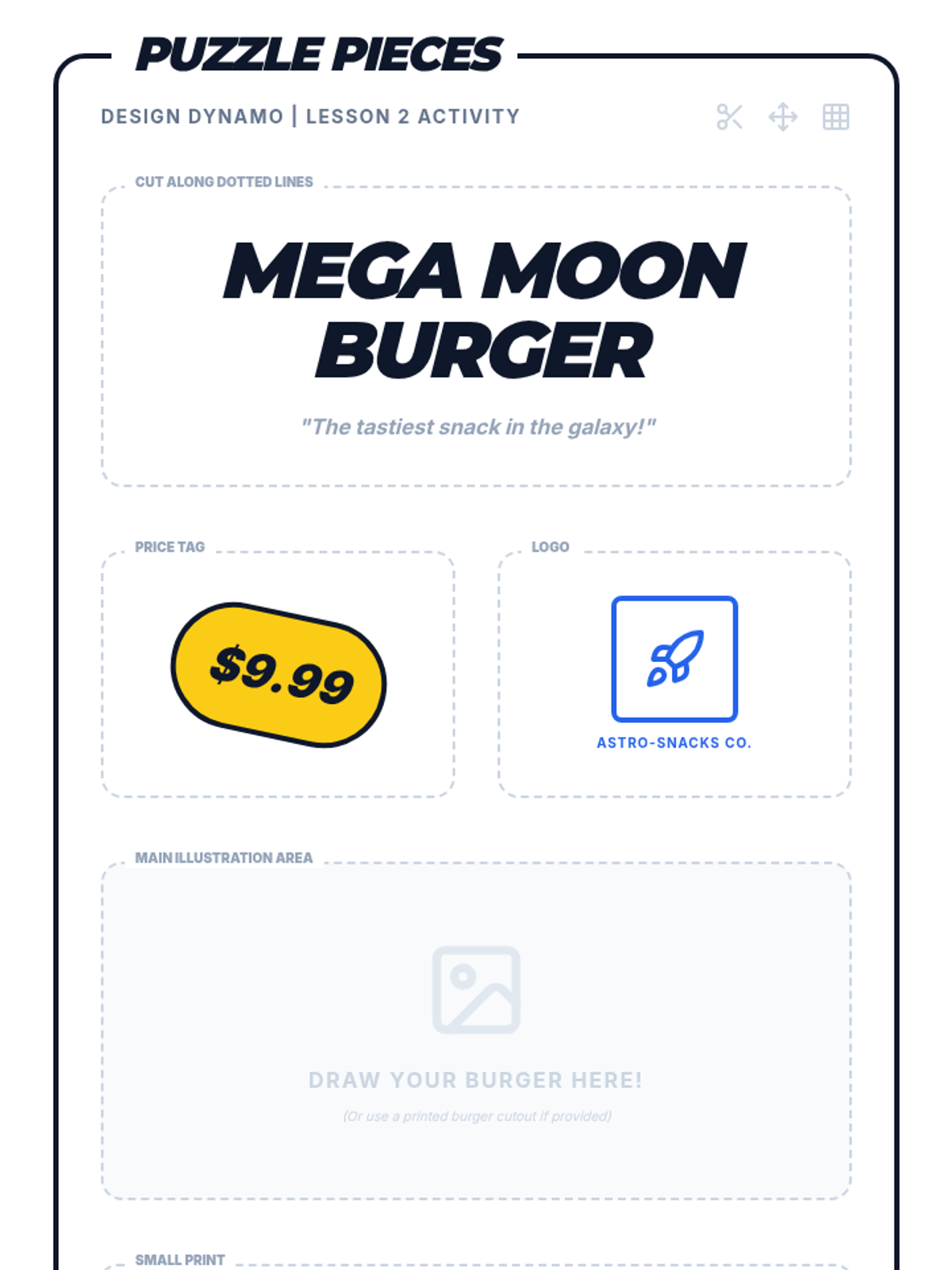
Focusing on composition, students learn to guide the viewer's eye using size, color, and placement.
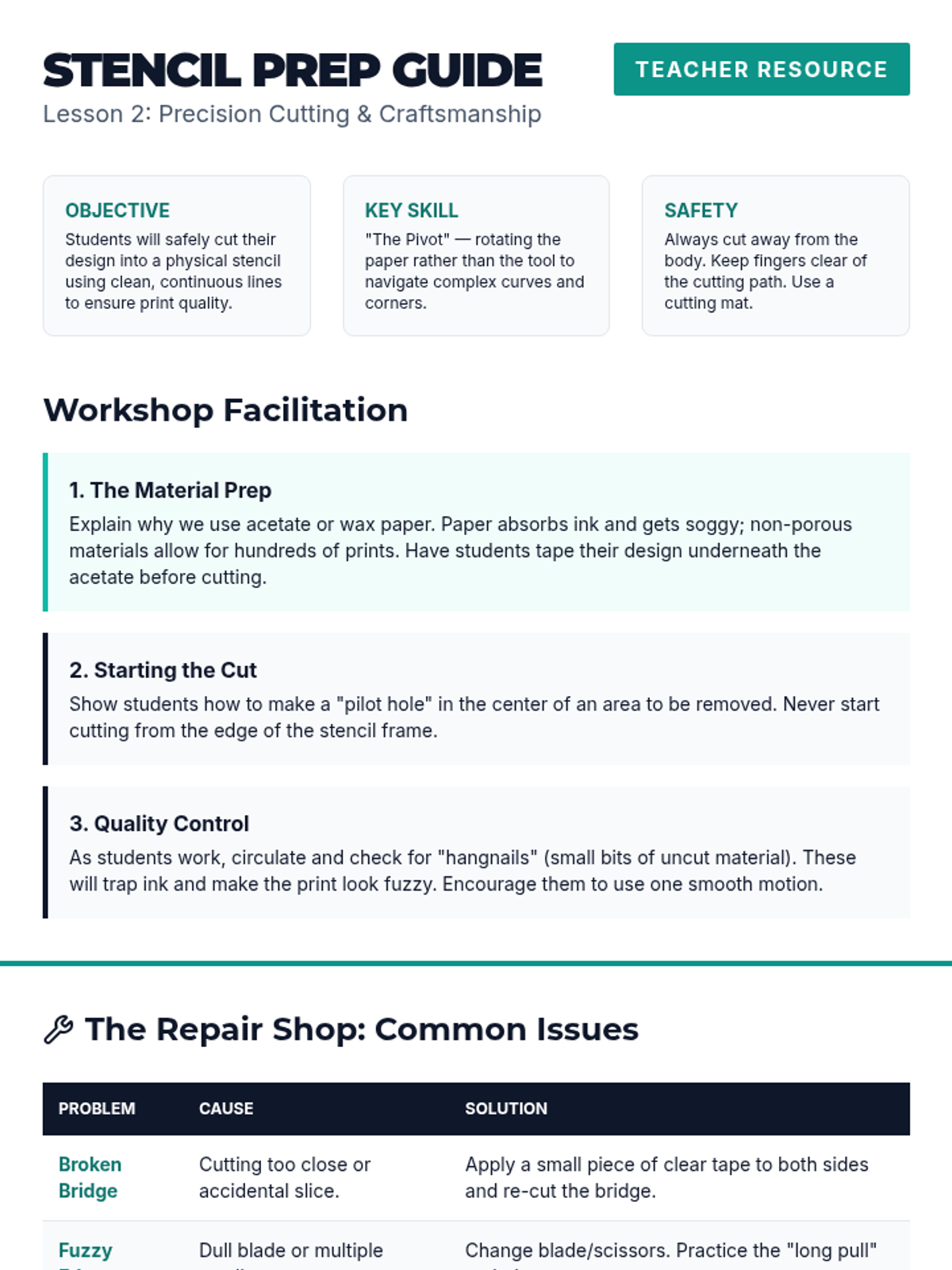
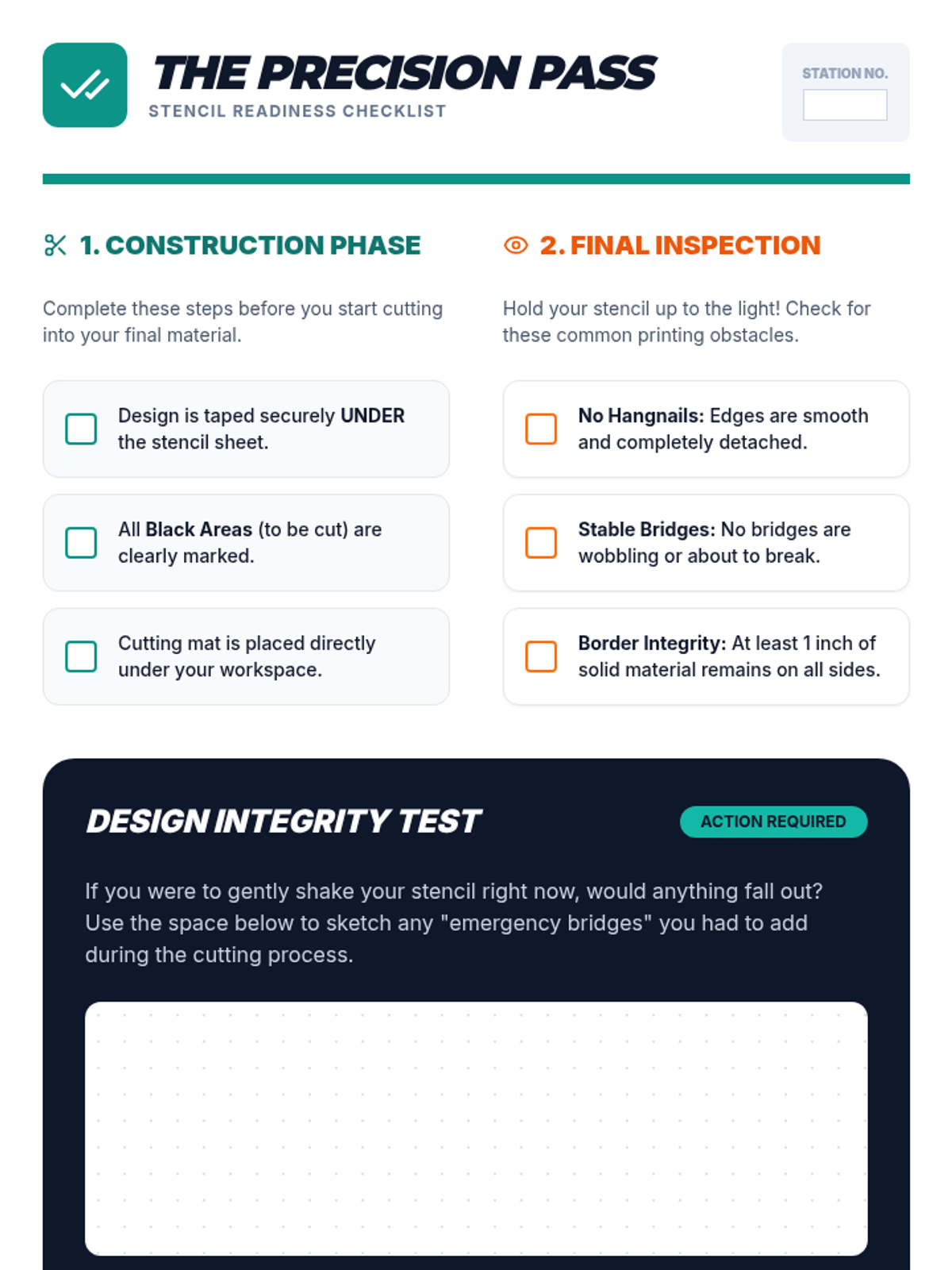
Focused on craftsmanship, students translate their designs into physical stencils using acetate or wax paper. They learn safe cutting techniques and the importance of clean edges for high-quality print results.
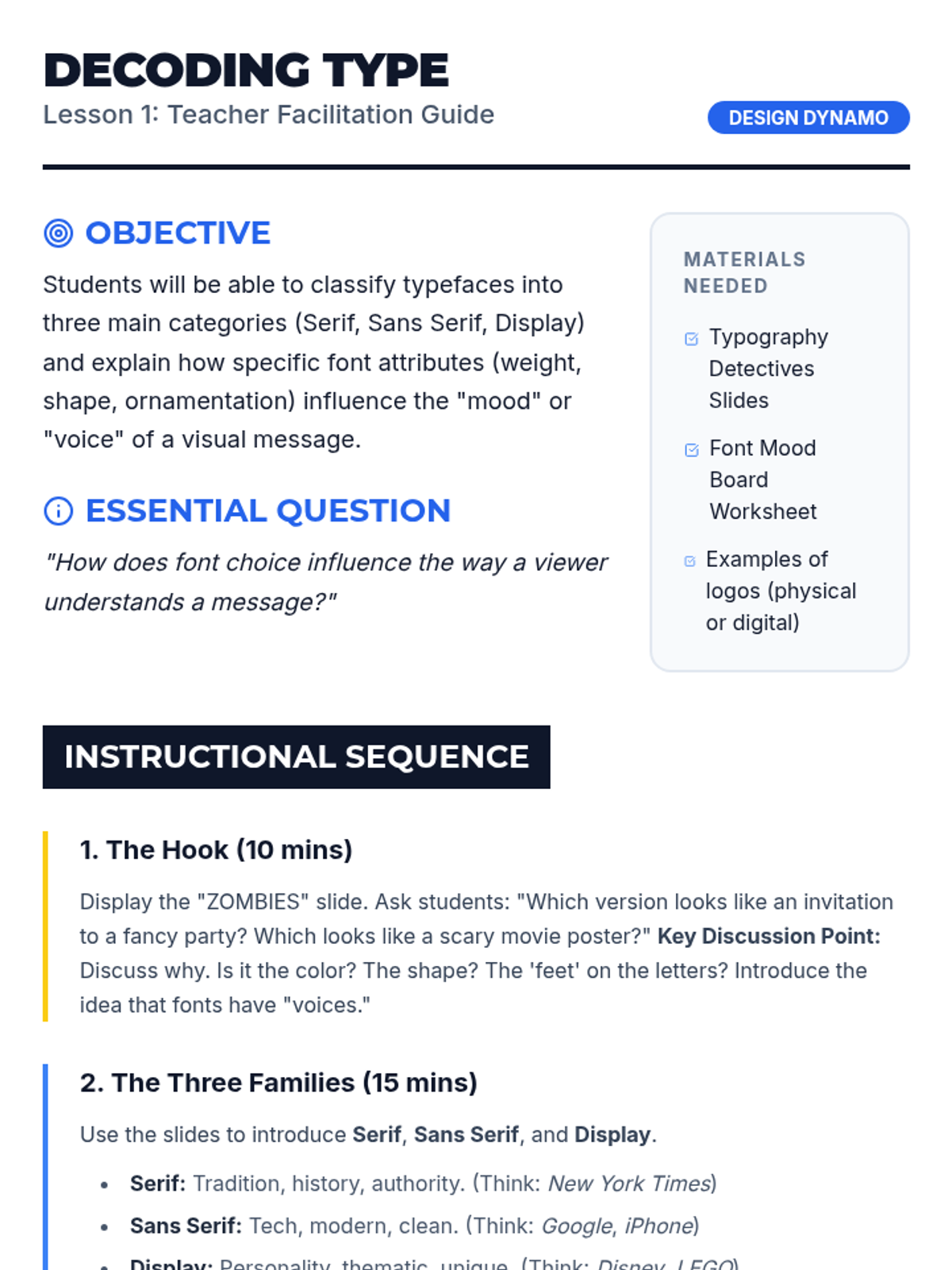
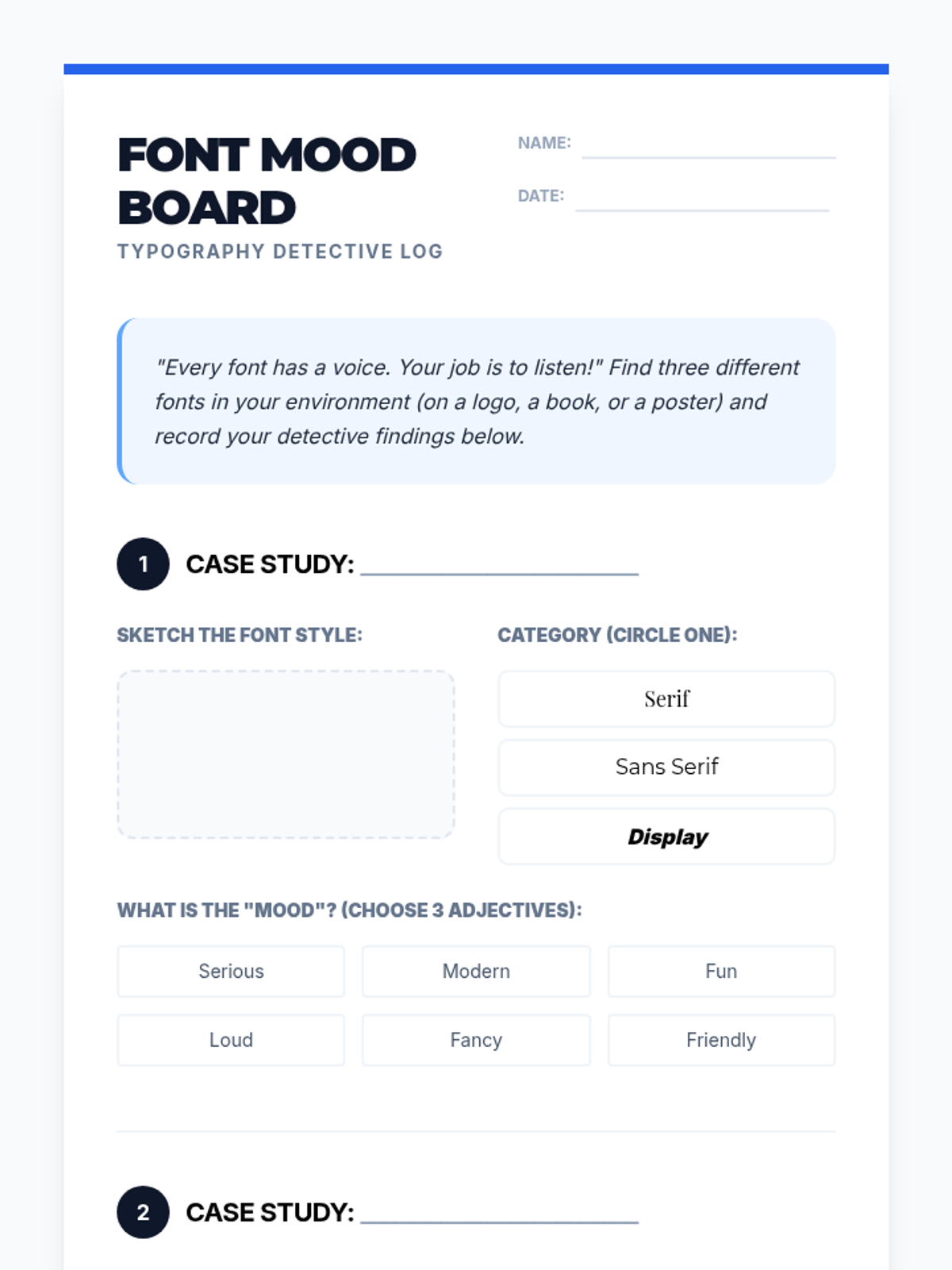
Students analyze logos and advertisements to understand font psychology, categorizing typefaces by mood and classification.
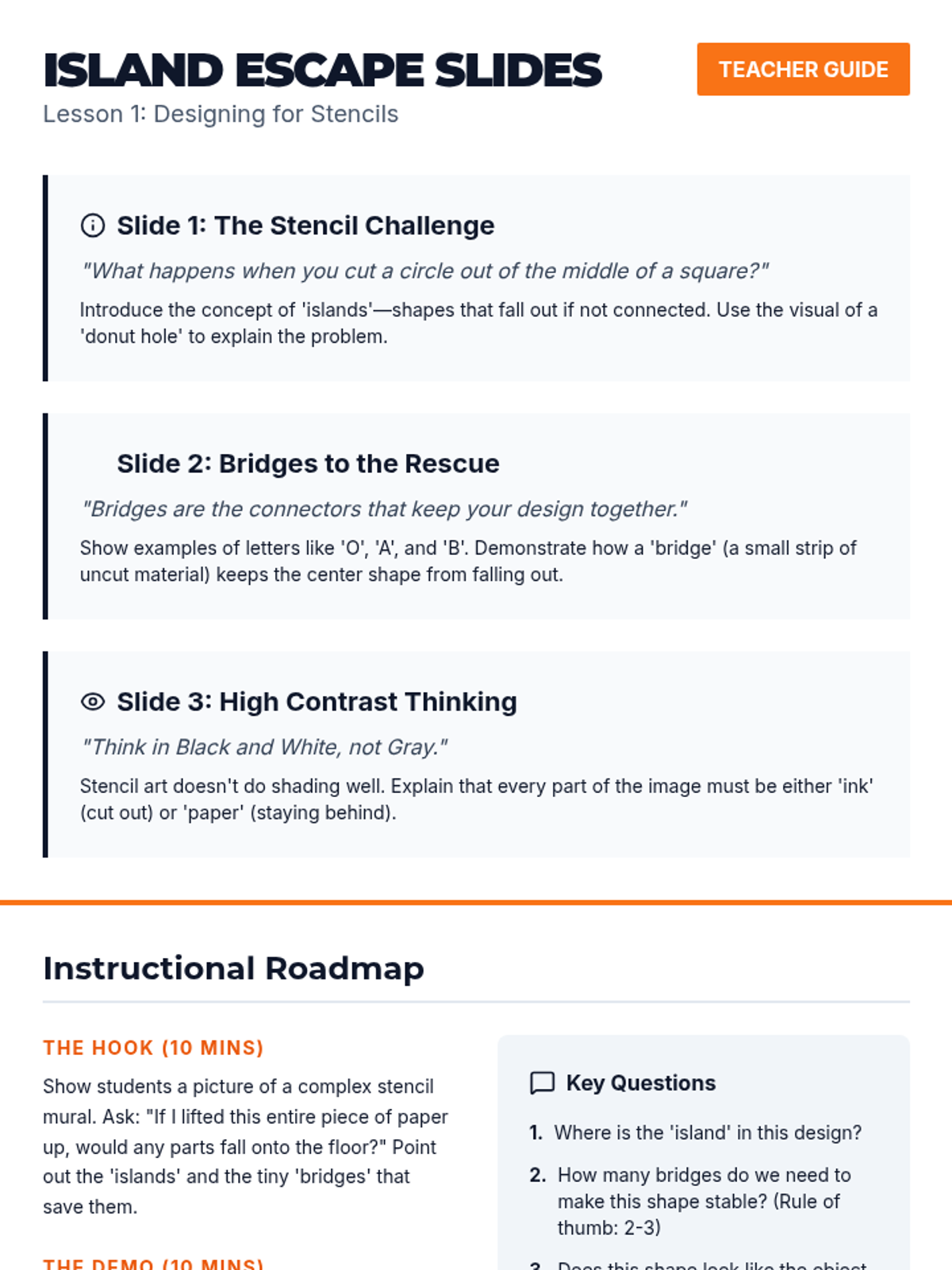
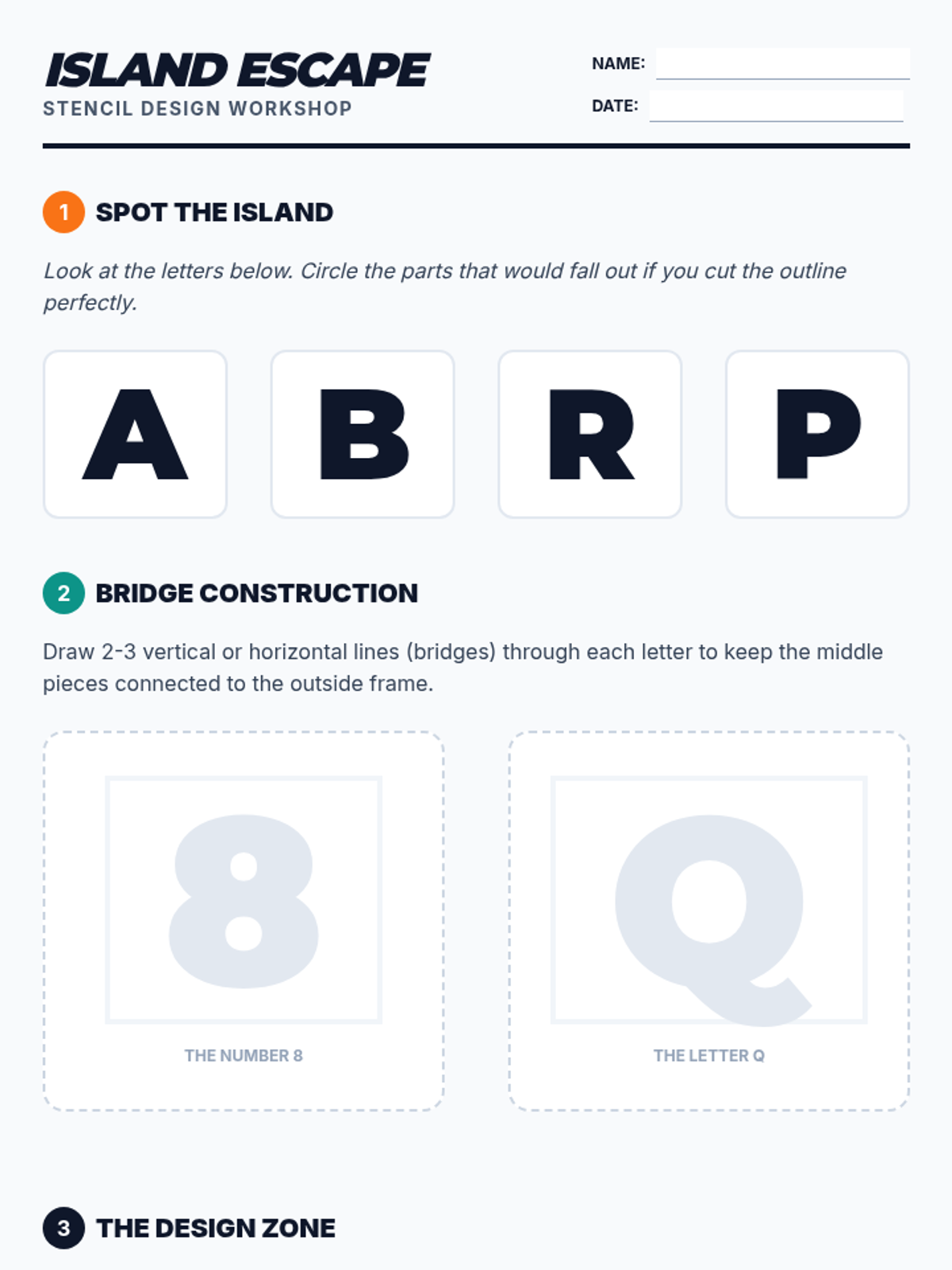
Students explore the constraints of stencil design by learning how to maintain structural integrity using 'bridges.' They practice simplifying complex images into bold, flat shapes that can be cut as a single unit.
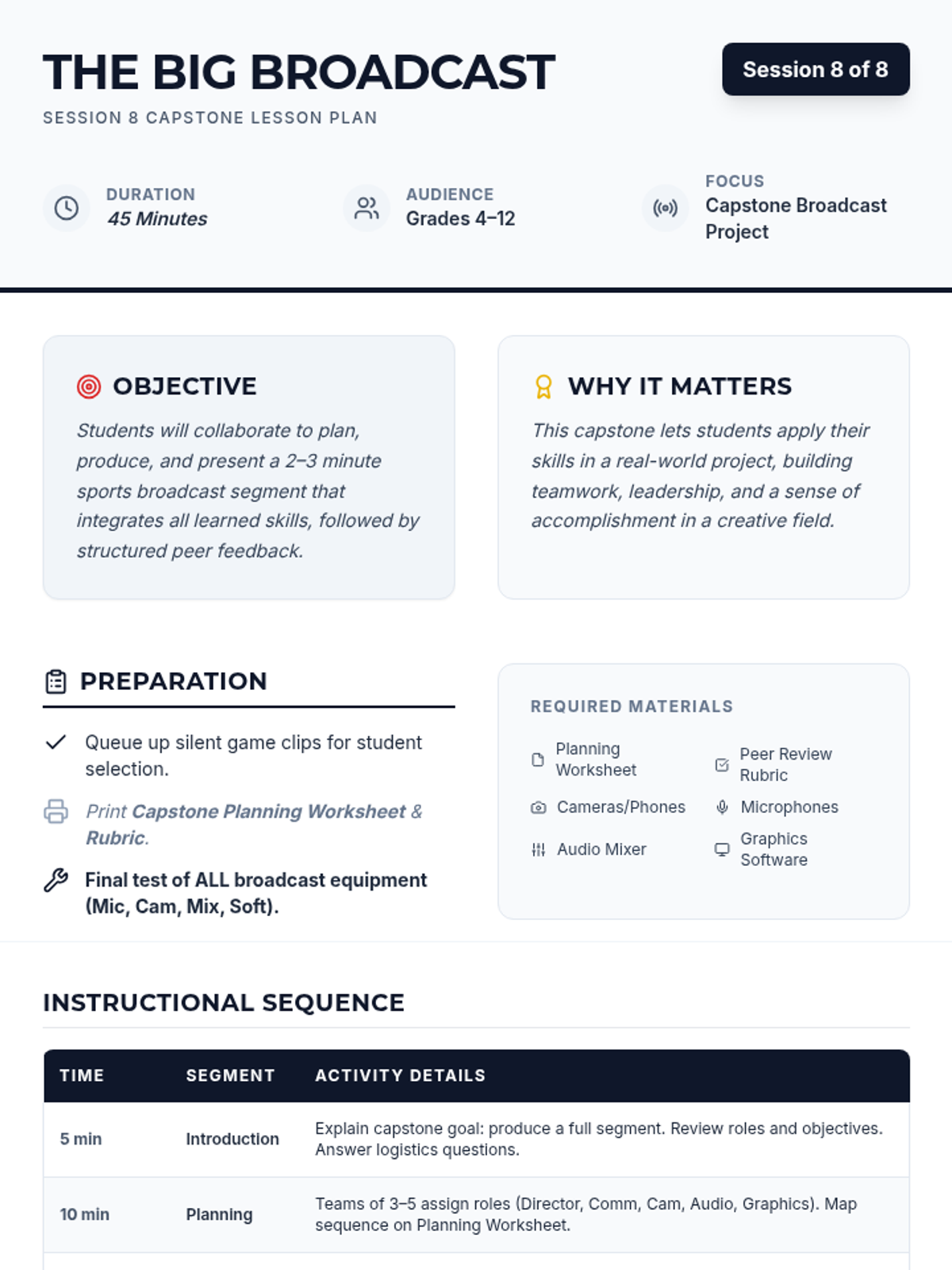
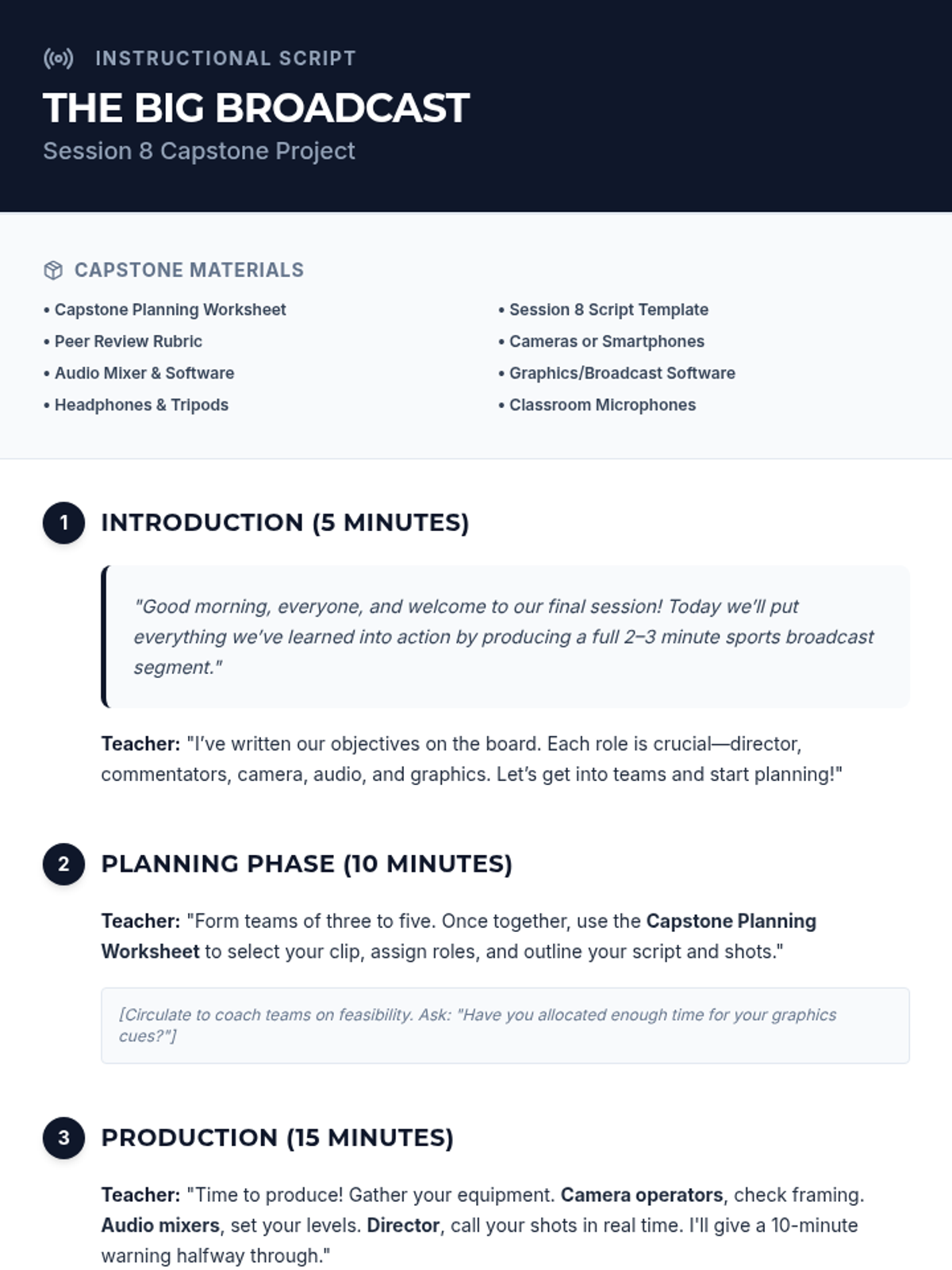
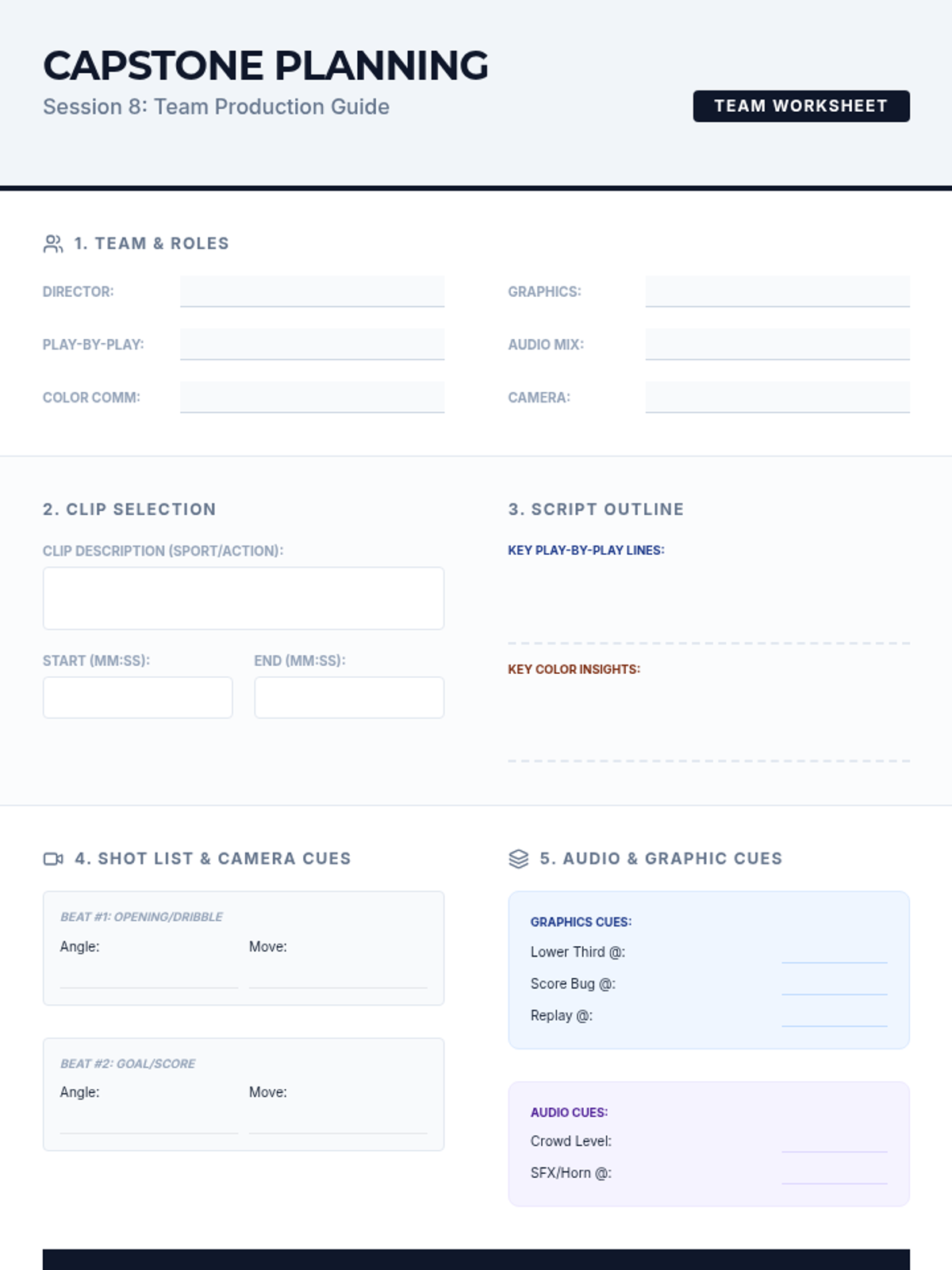
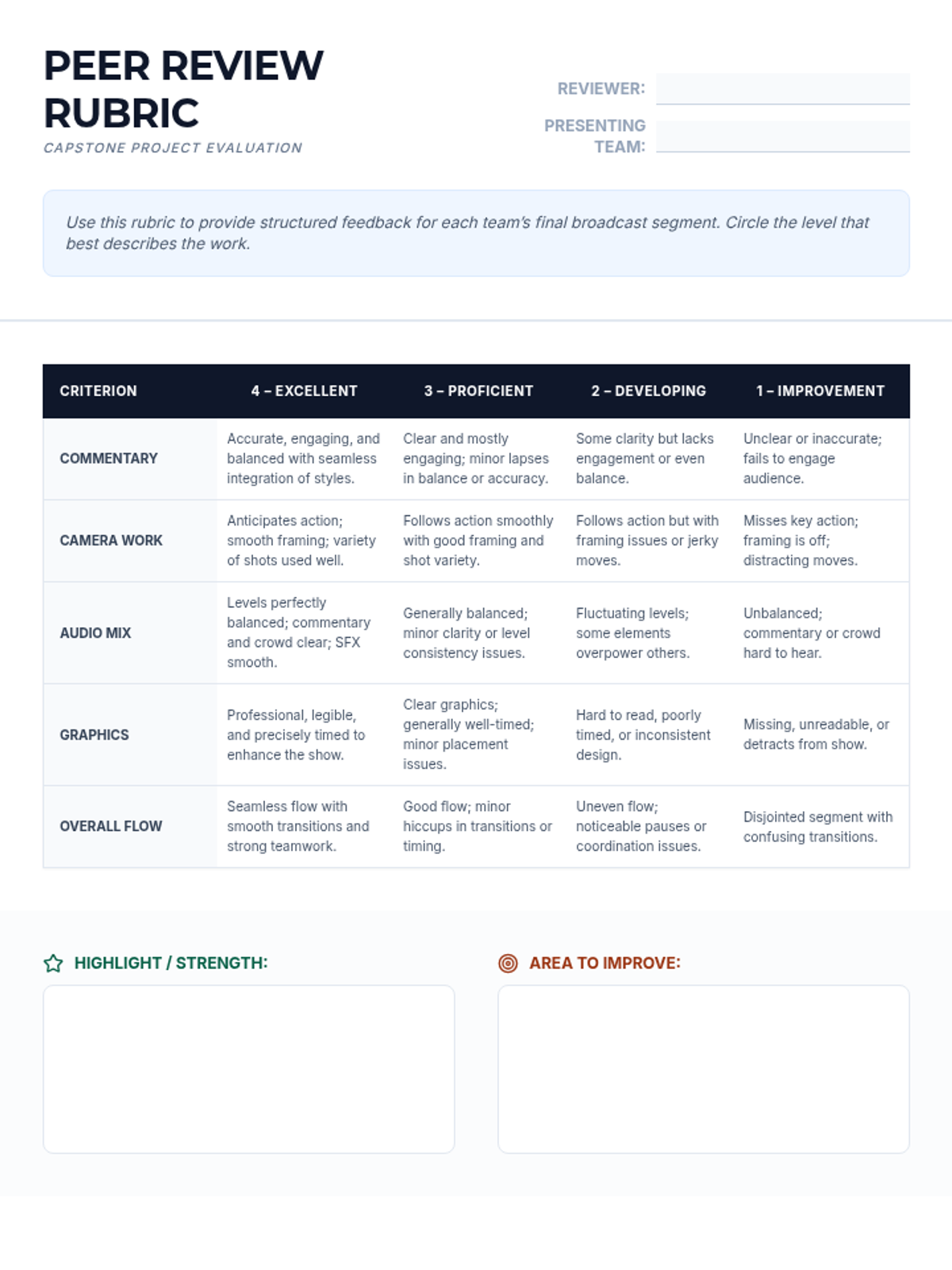
A capstone project where teams collaborate to produce a full 2–3 minute sports broadcast segment incorporating all learned skills.
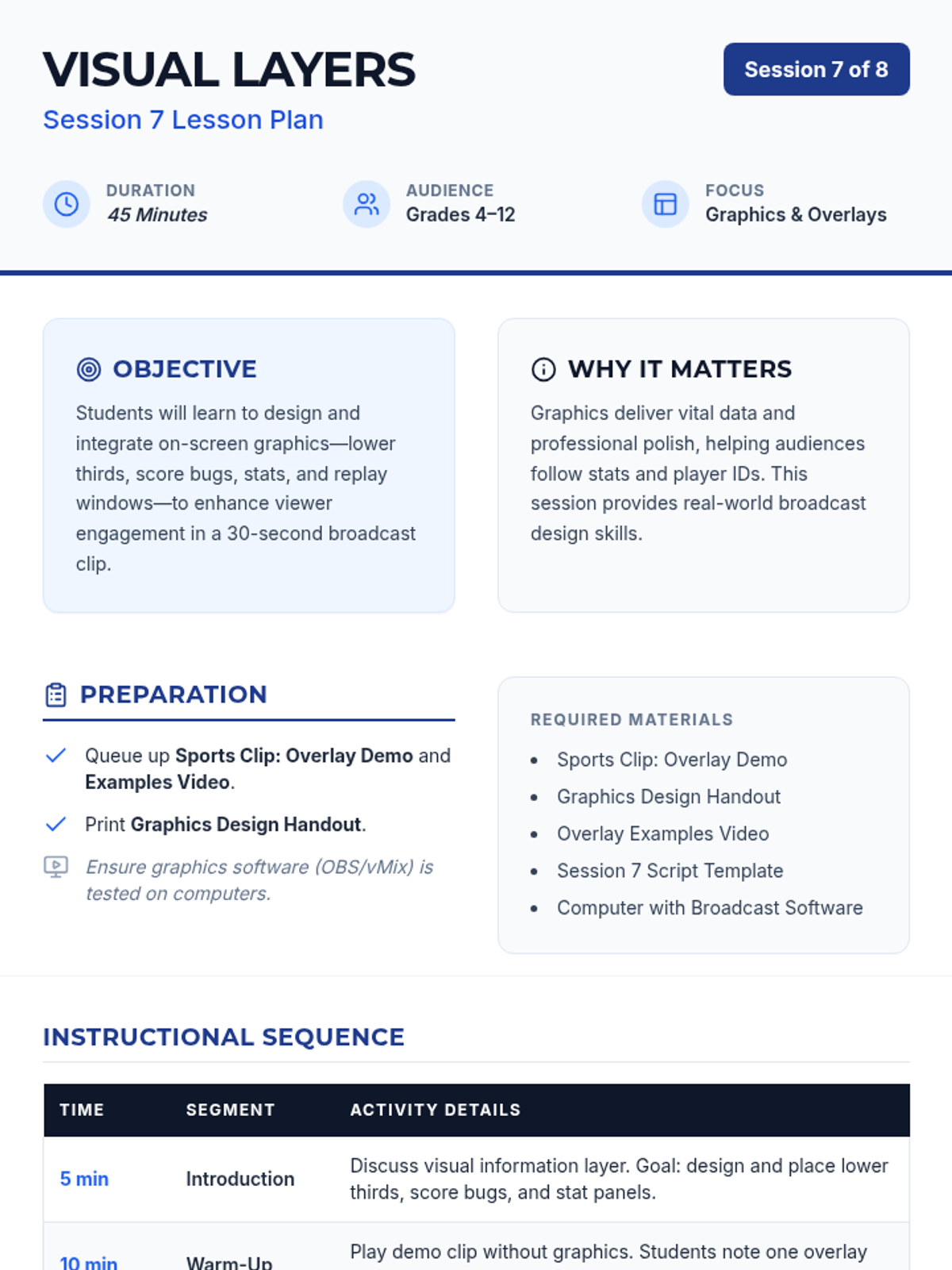
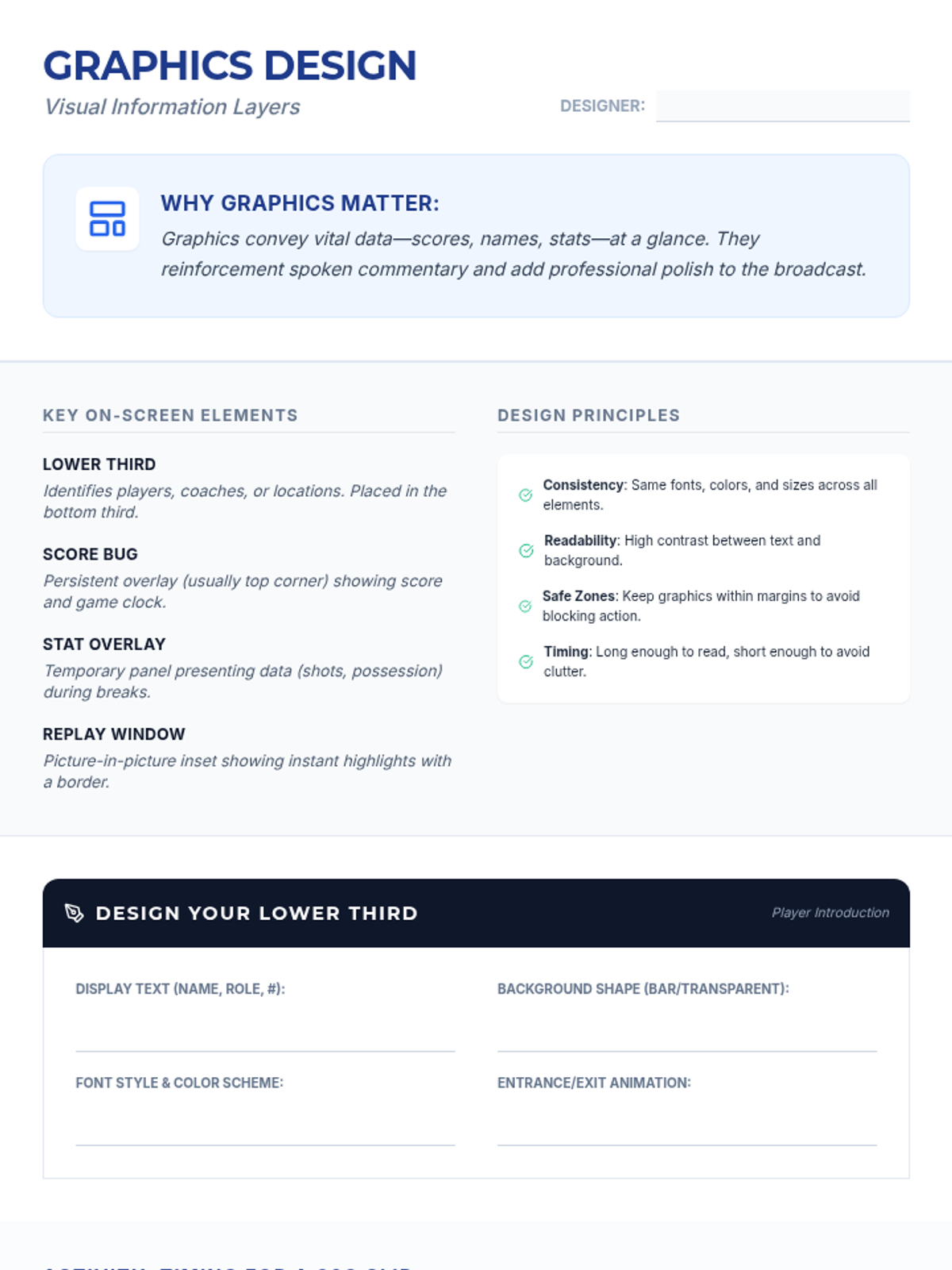
Focuses on the visual information layer, including score bugs, lower thirds, and stat overlays that keep the audience informed.
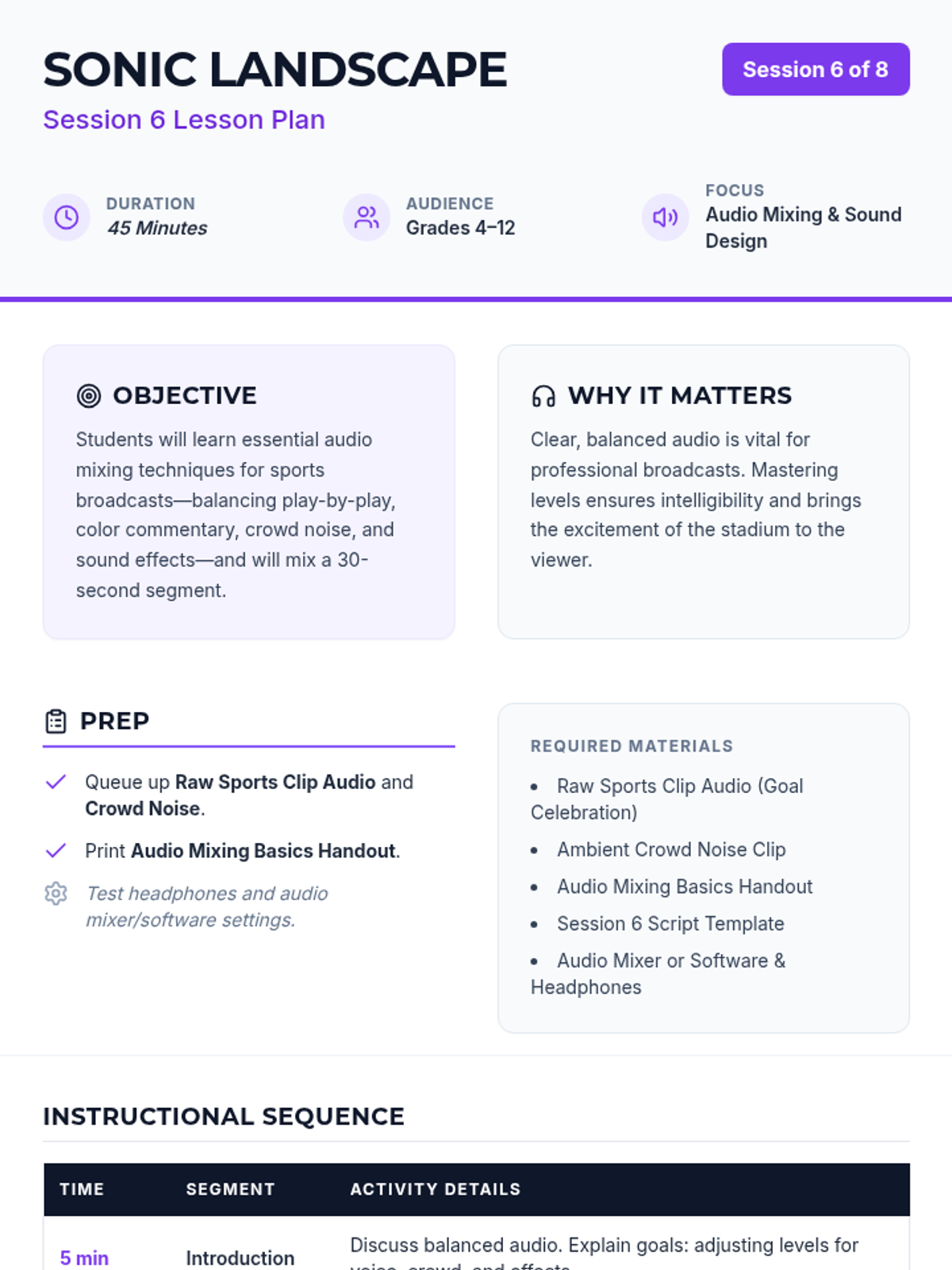
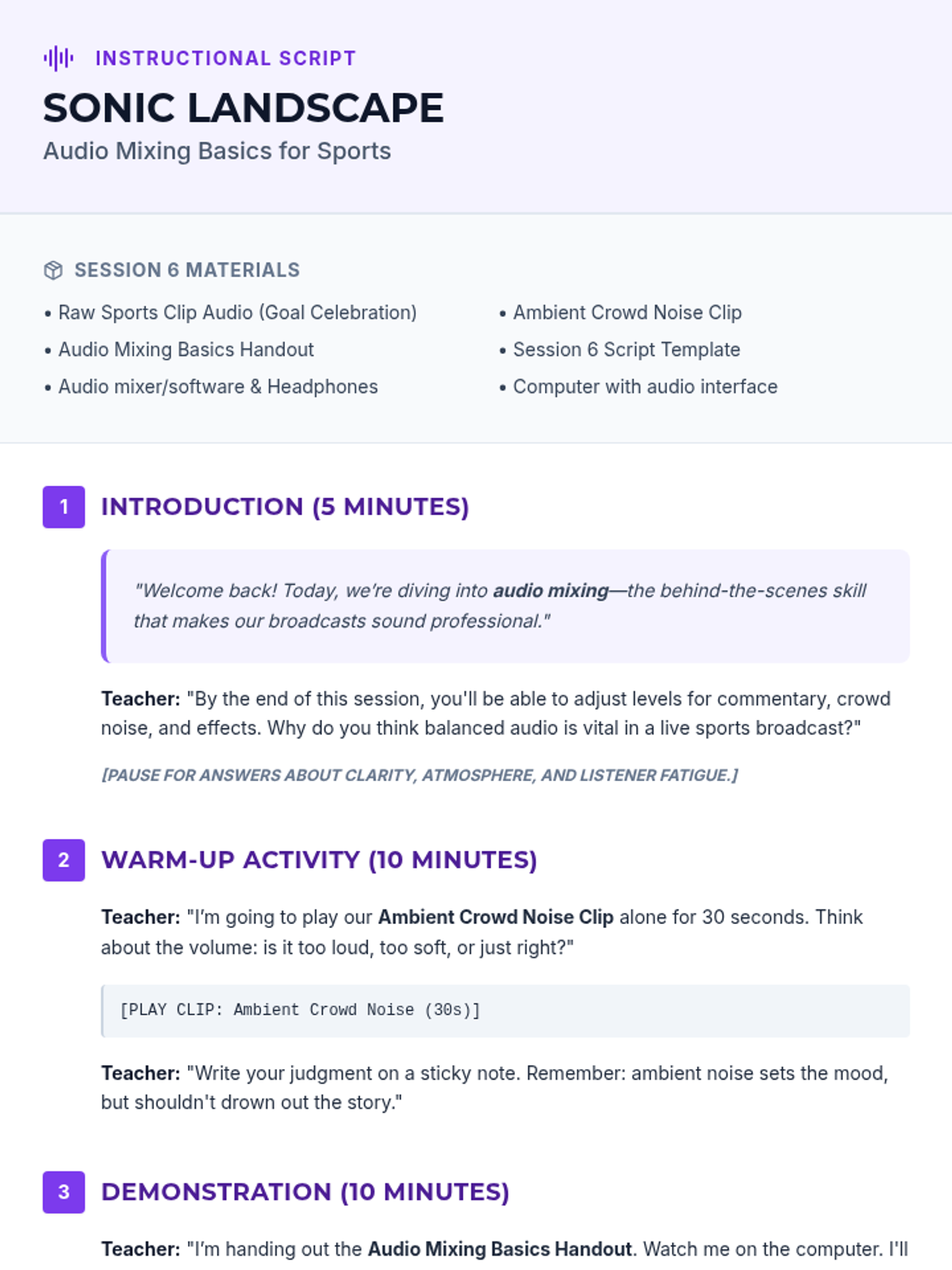
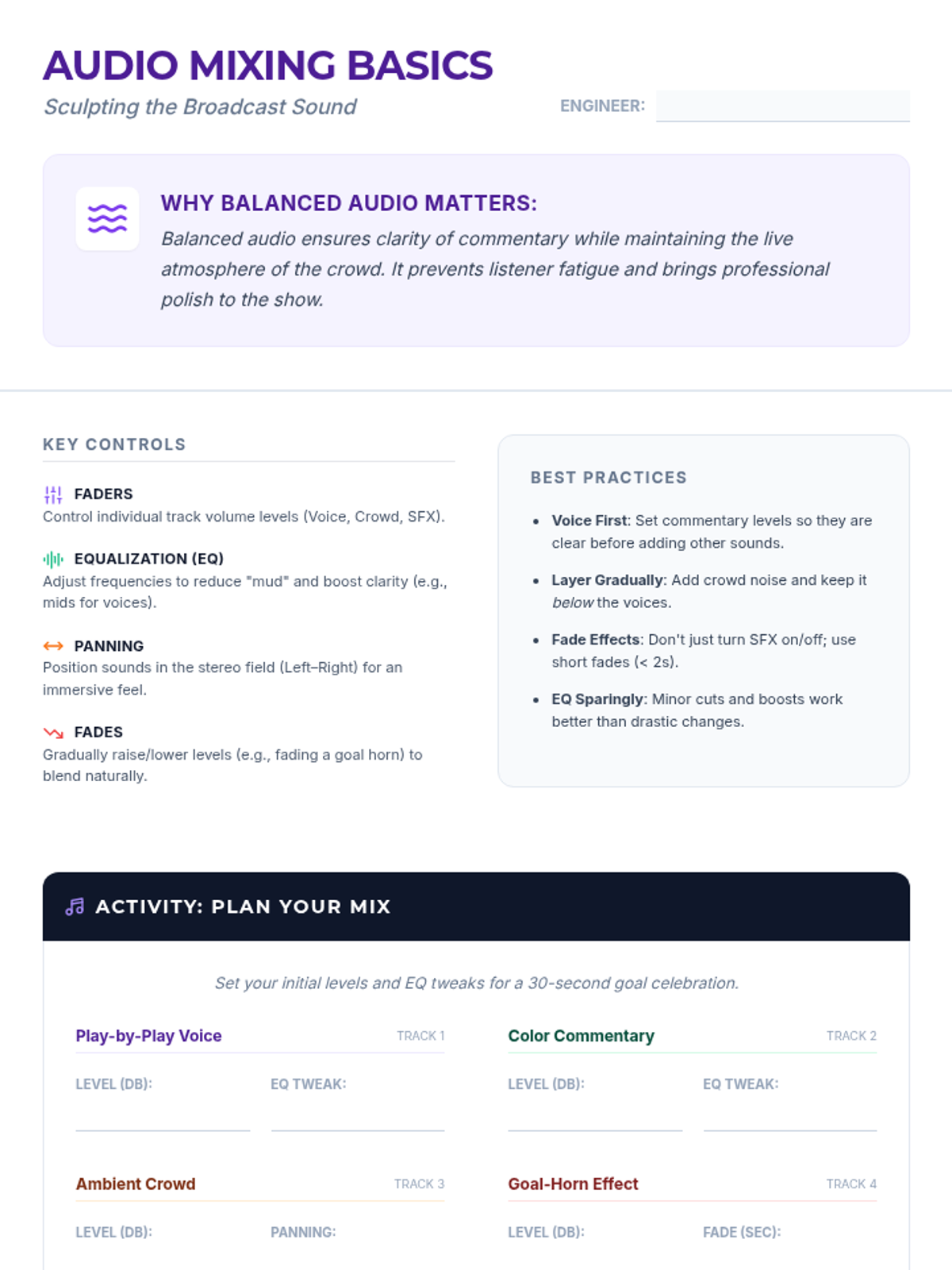
Explores the sonic dimension of broadcasting, teaching students how to balance commentary with ambient crowd noise and sound effects.
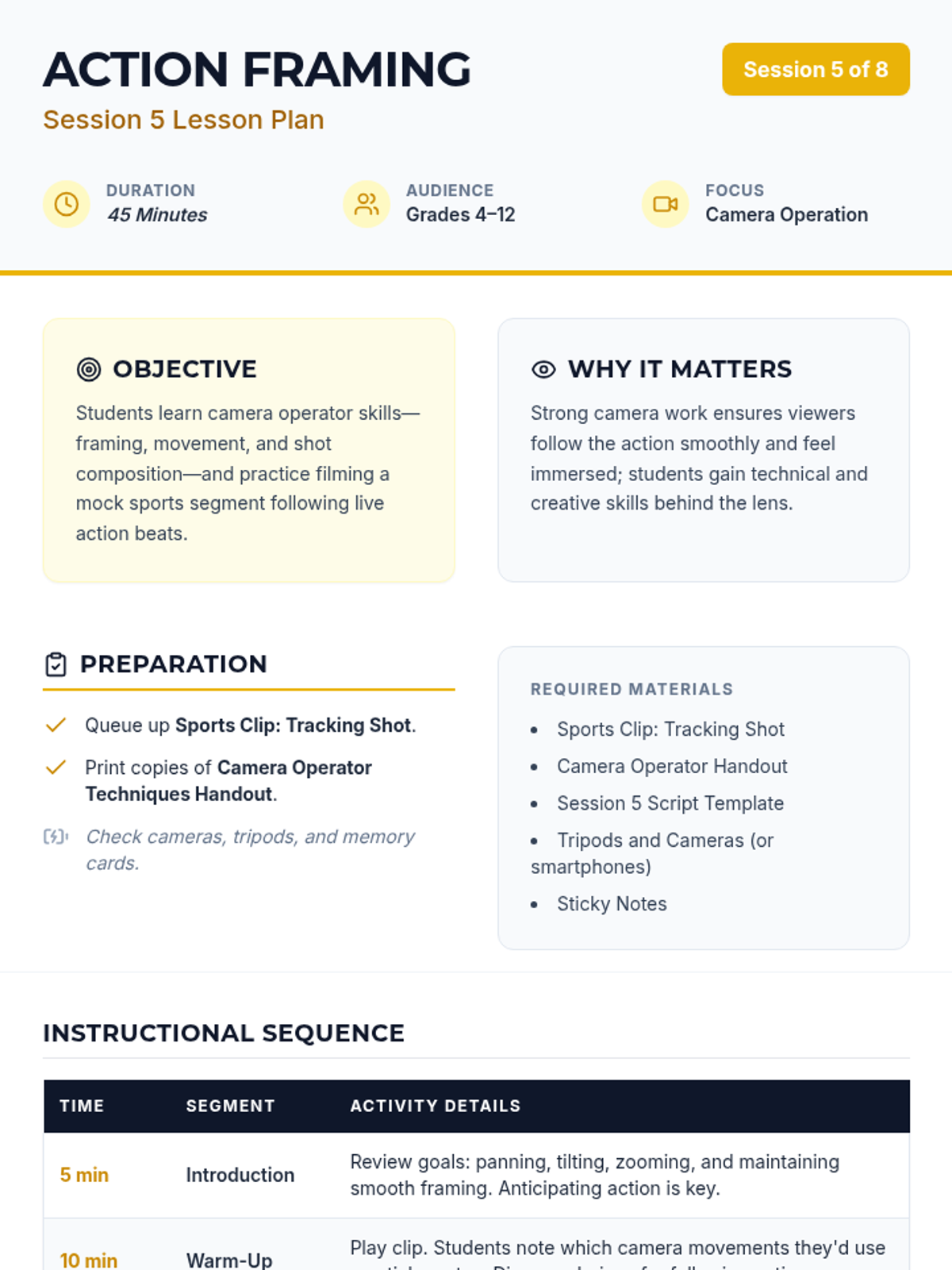
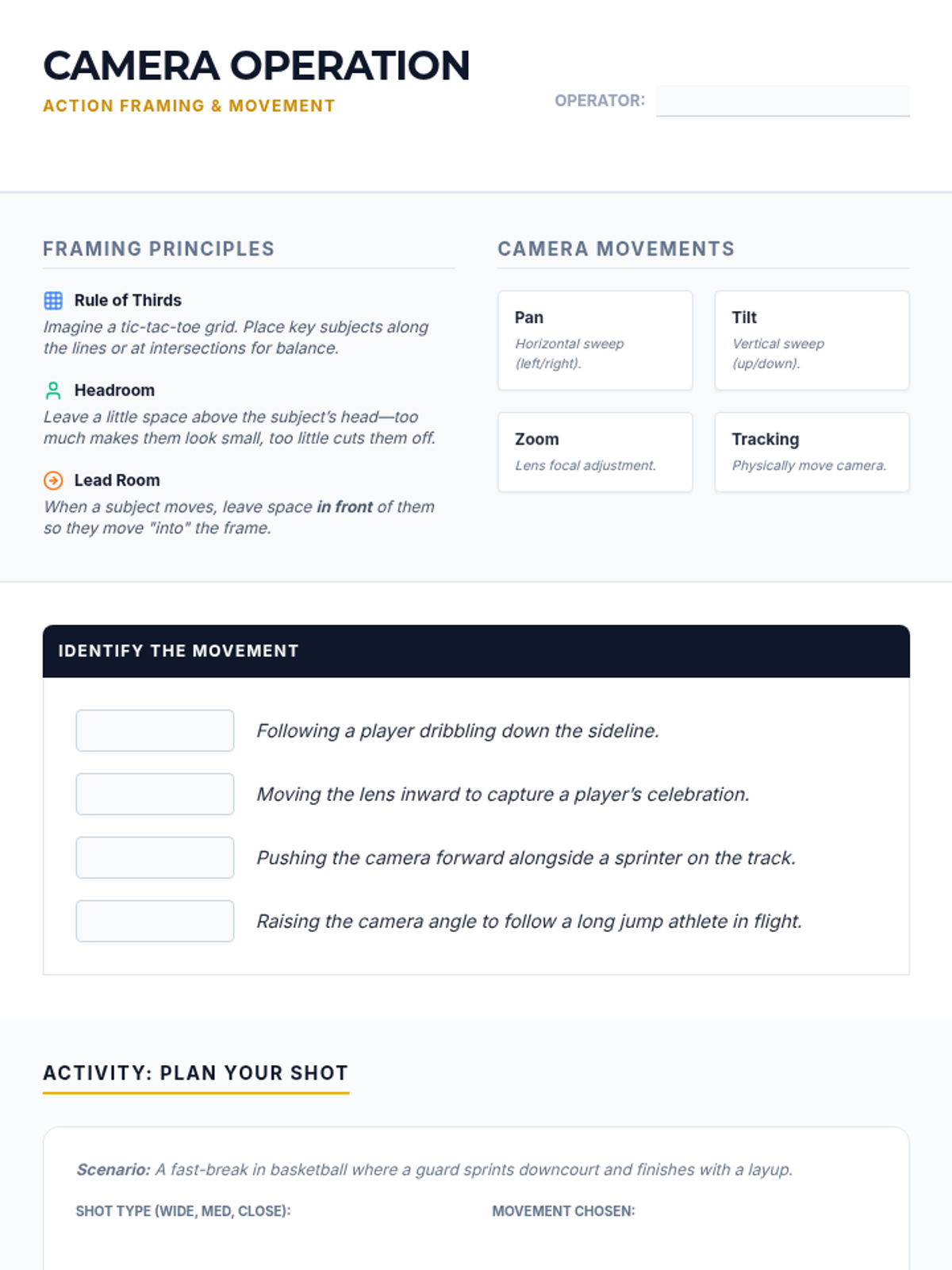
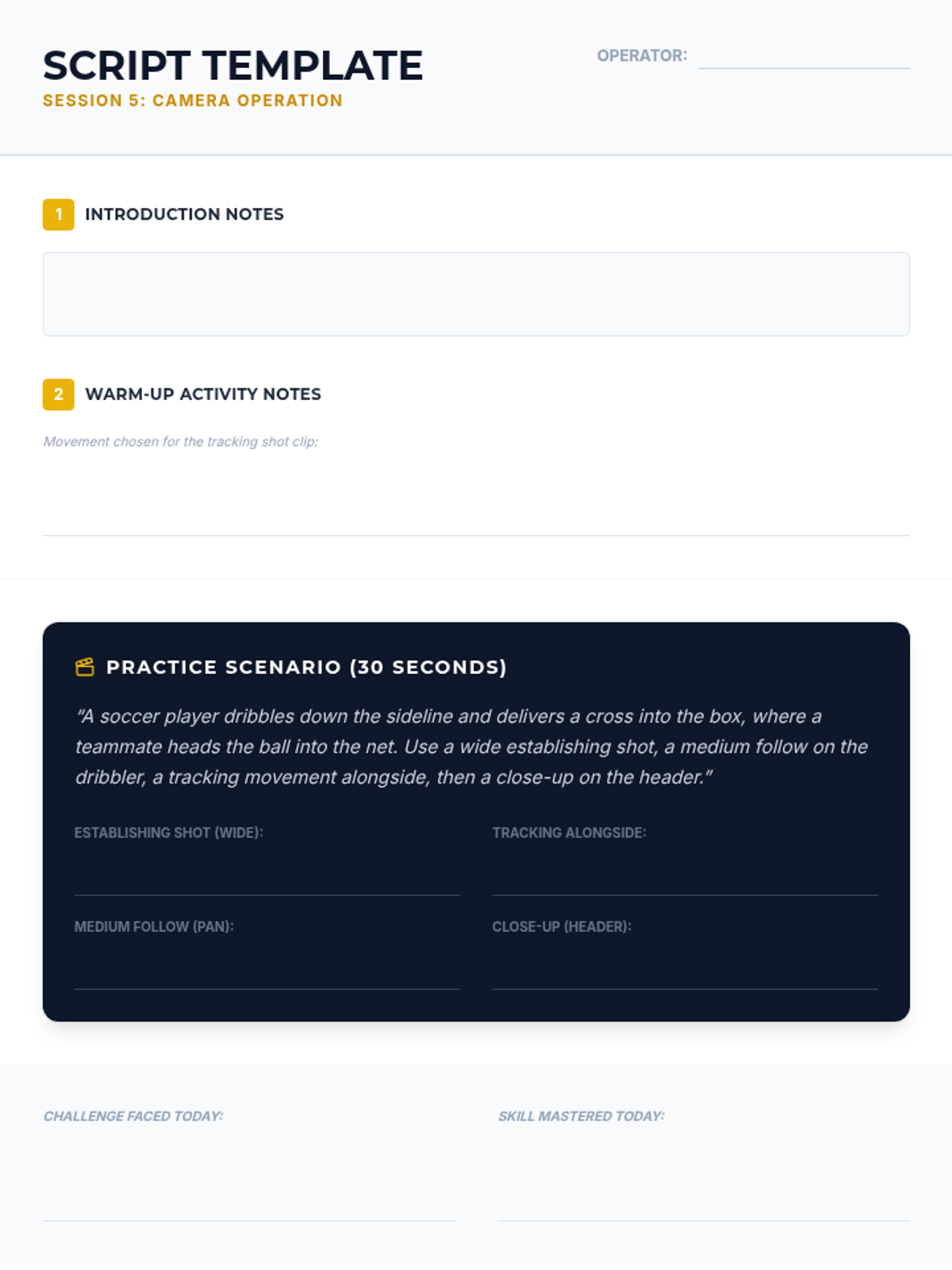
Covers the technical and creative aspects of camera operation, including framing, movement, and anticipating the flow of play.
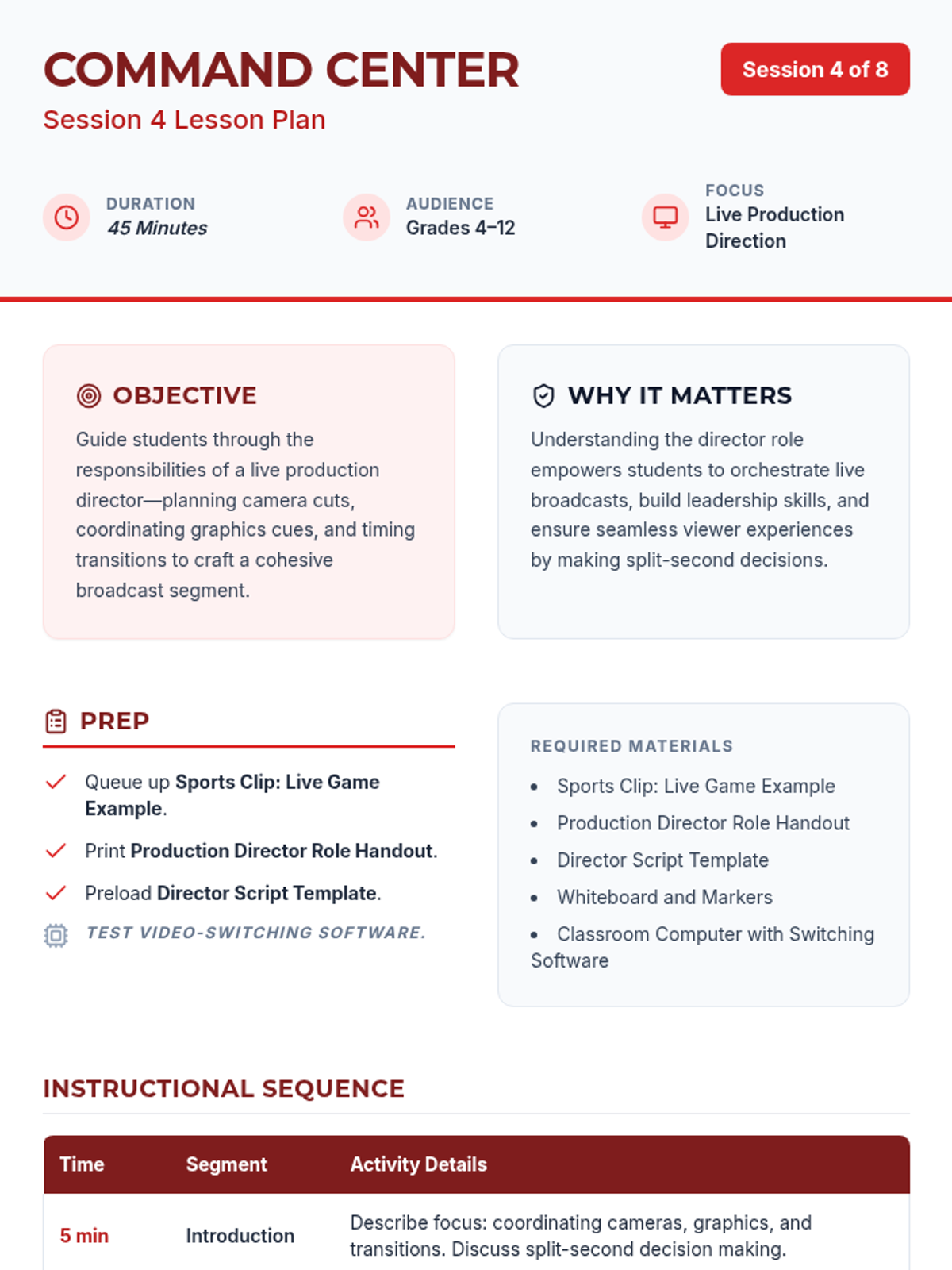
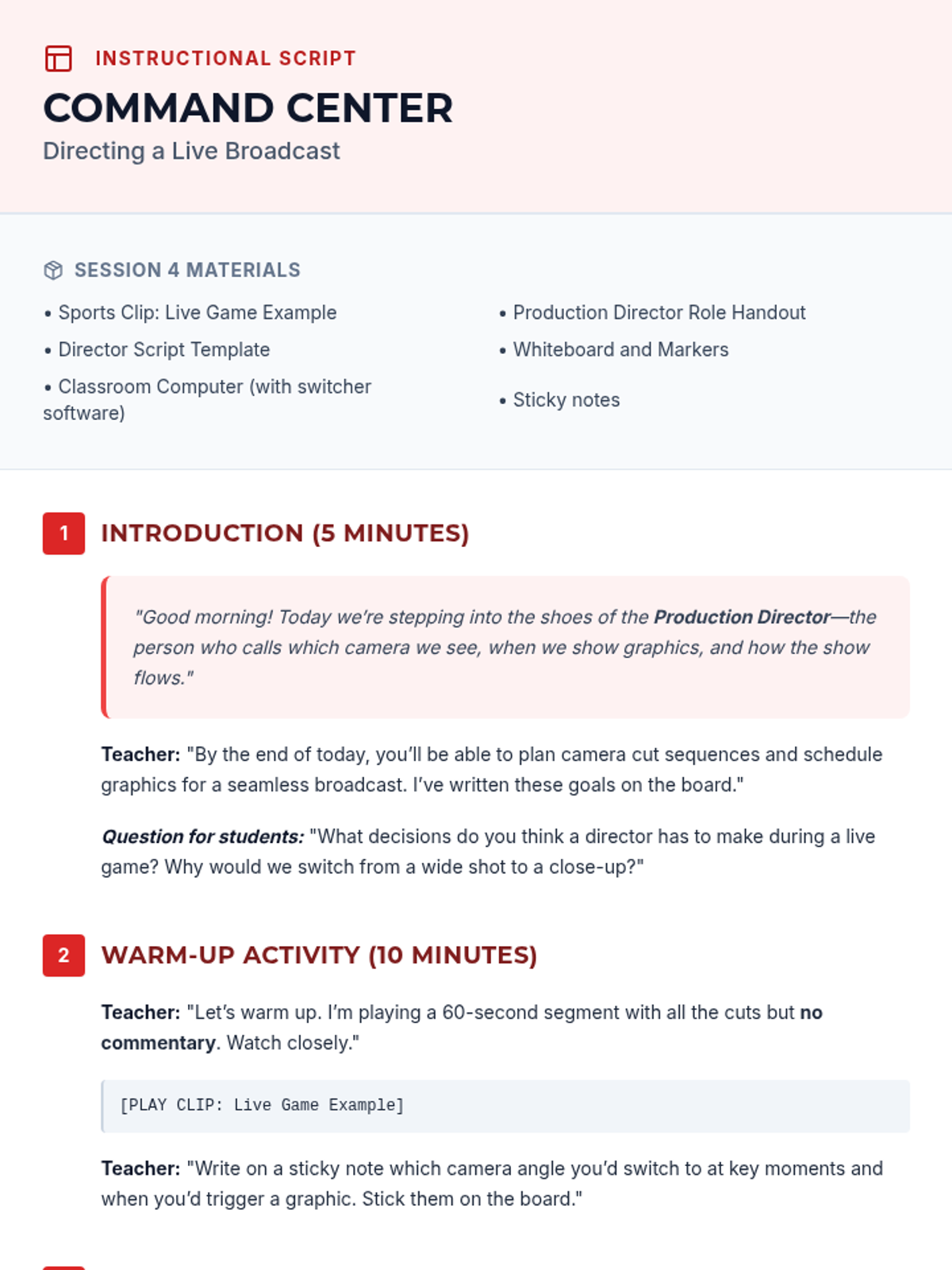
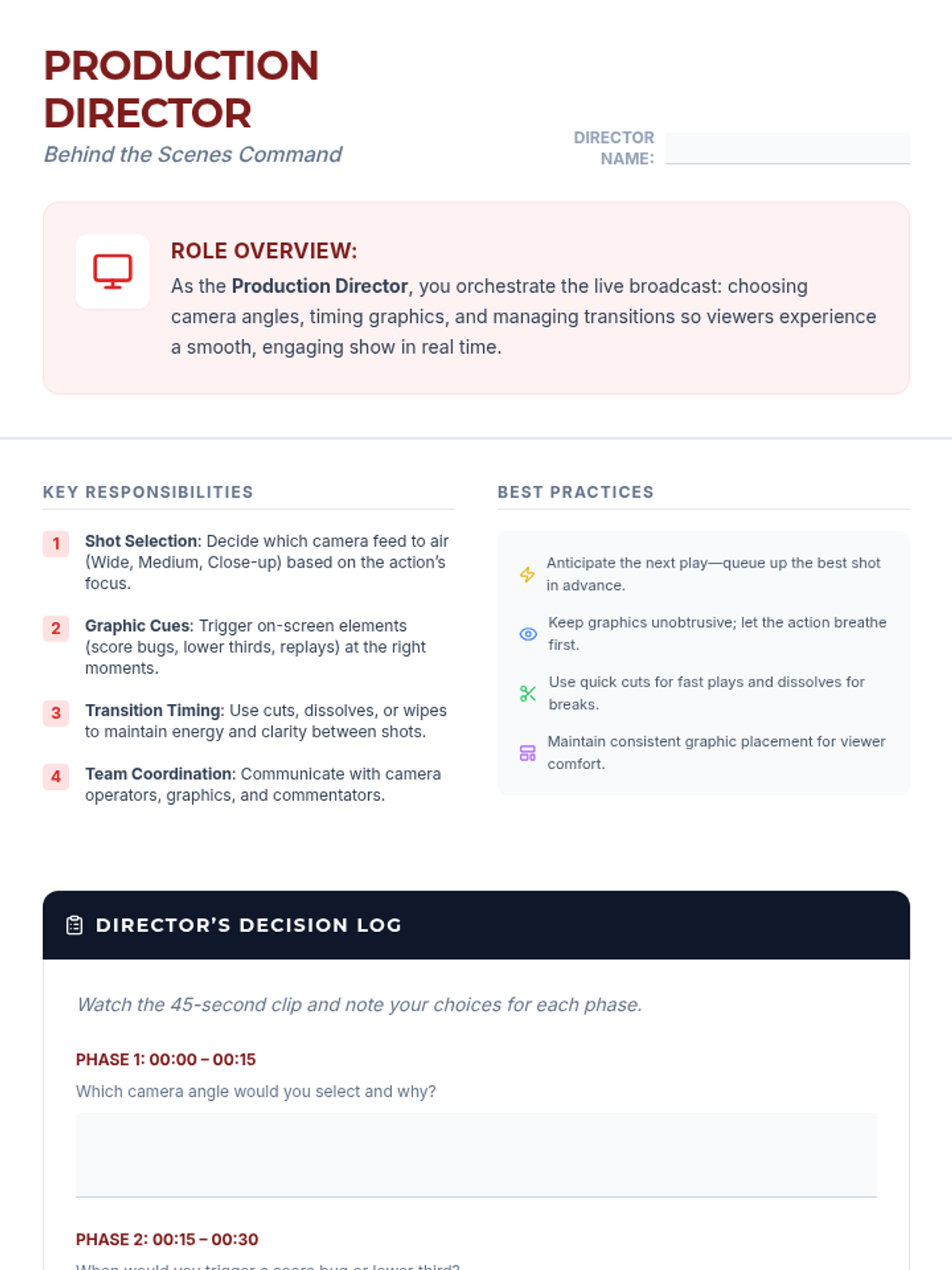
Students step into the director's chair to learn about shot selection, transition timing, and coordinating a live production crew.
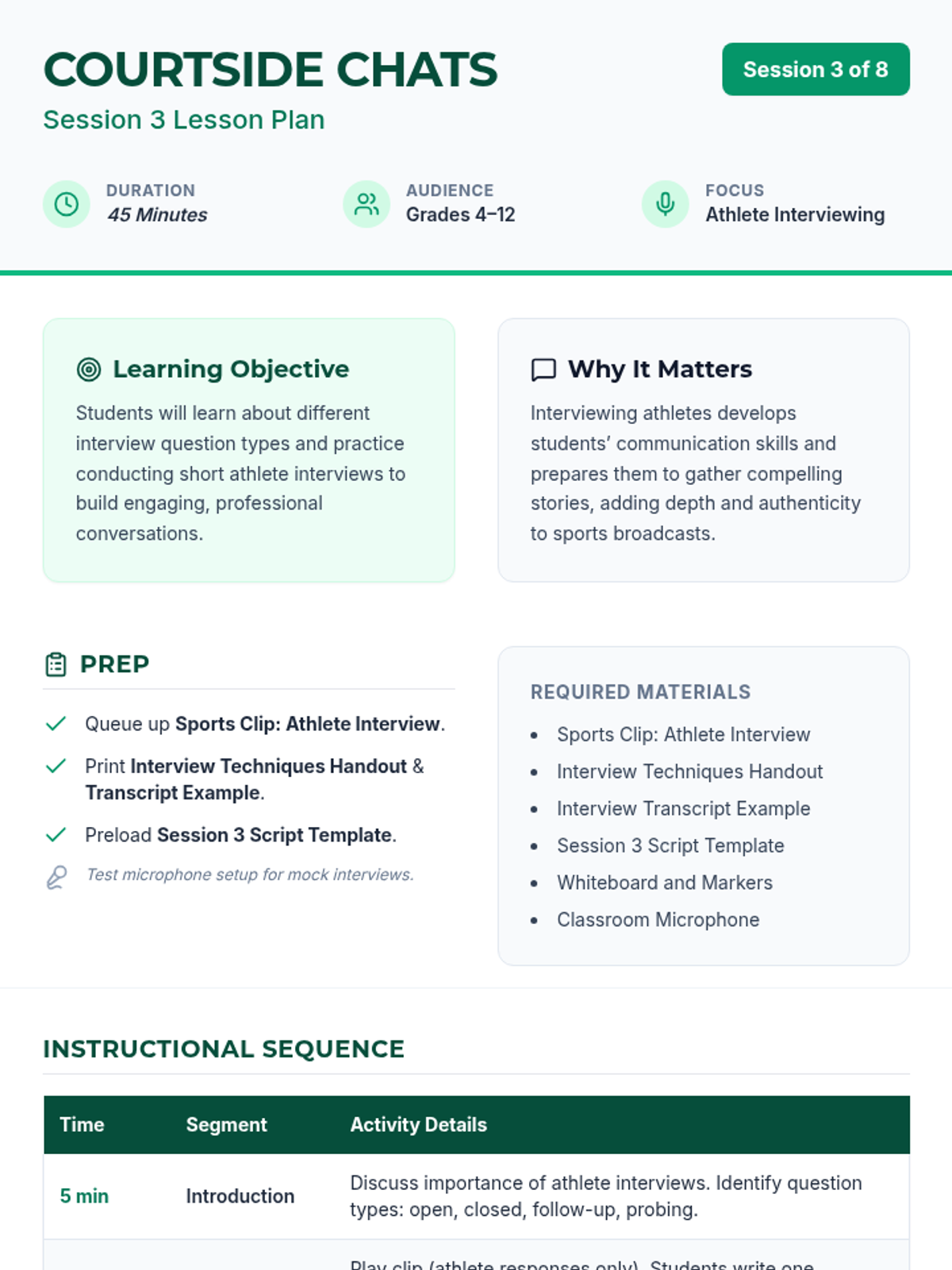
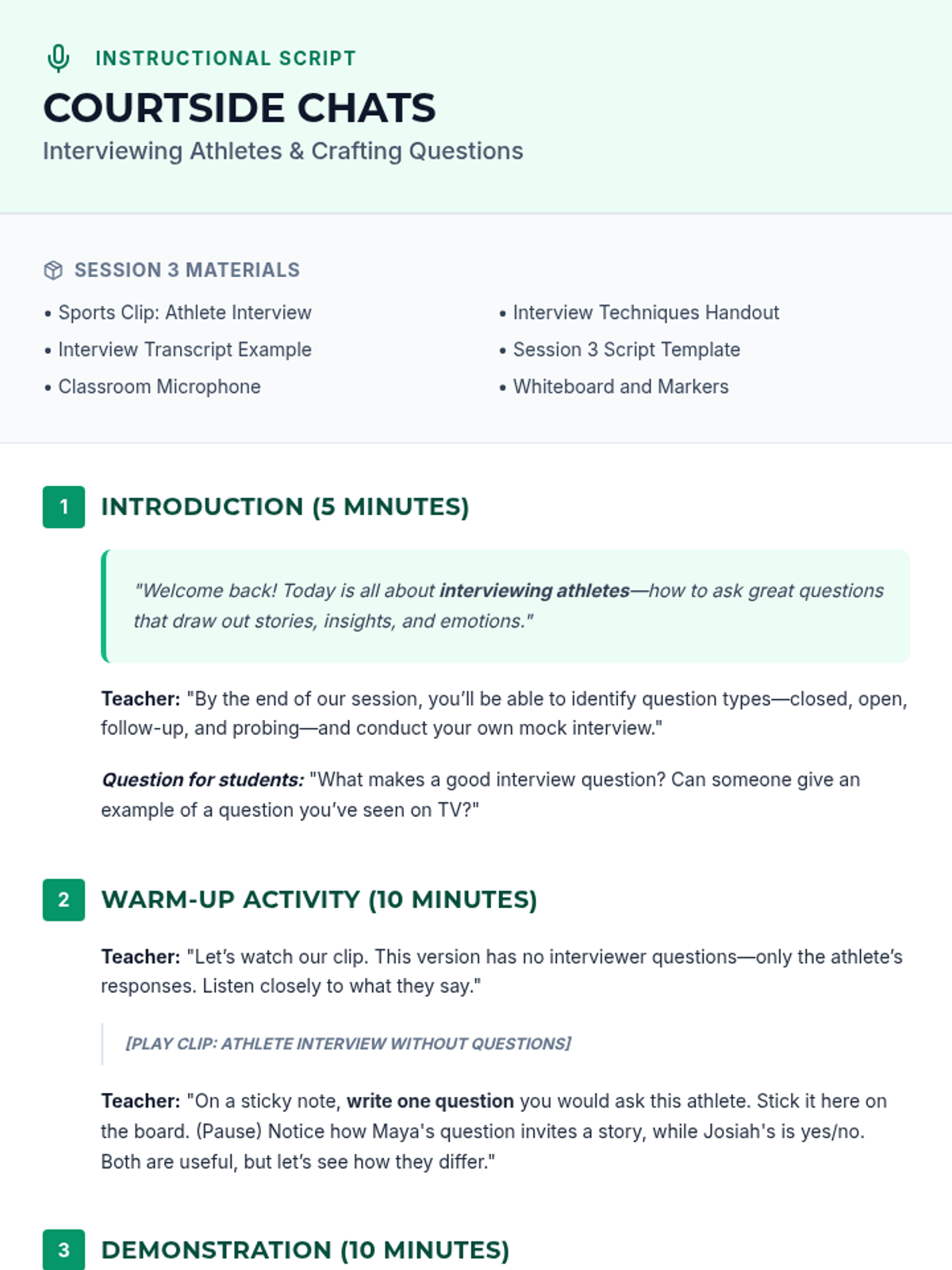
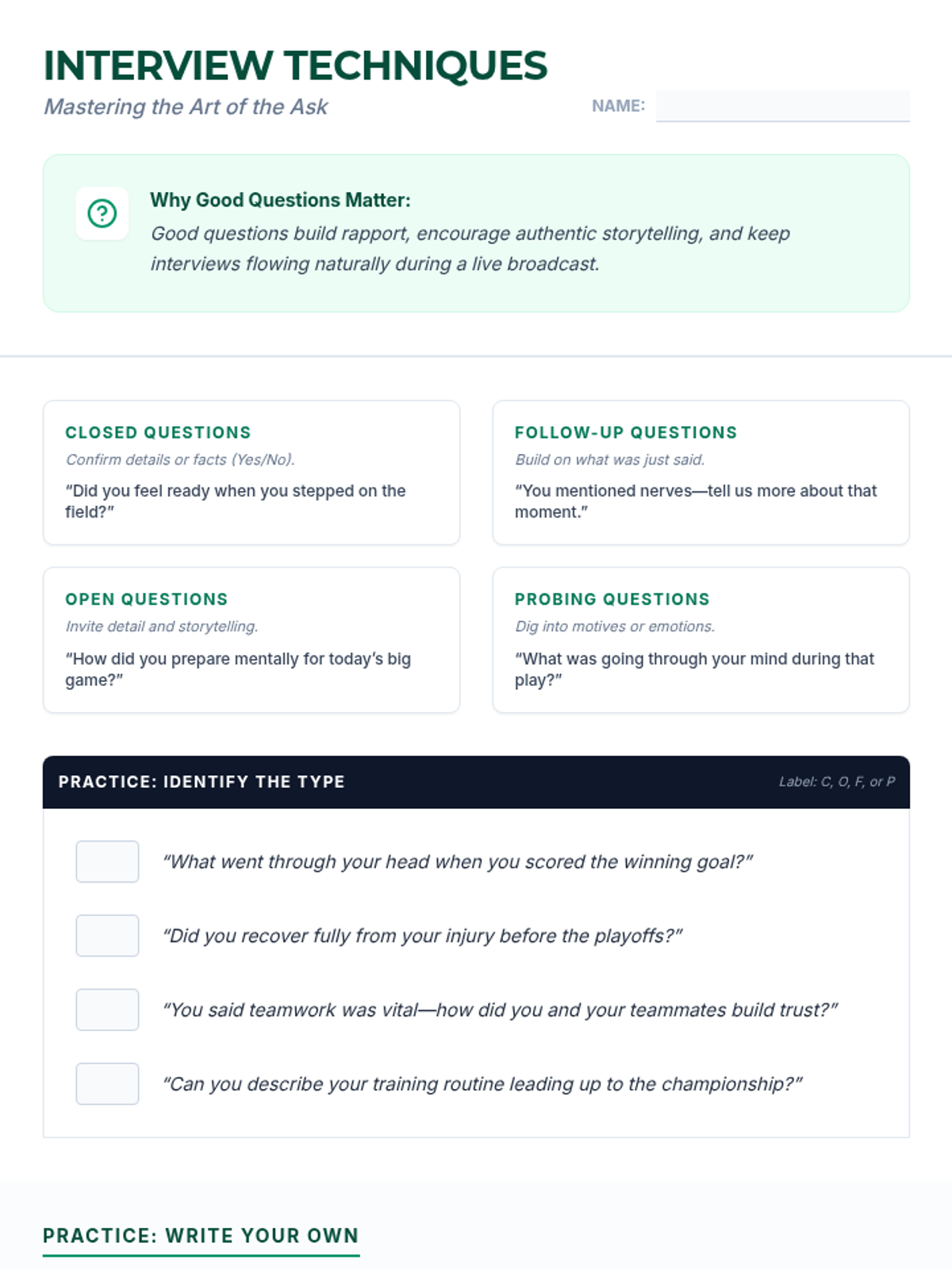
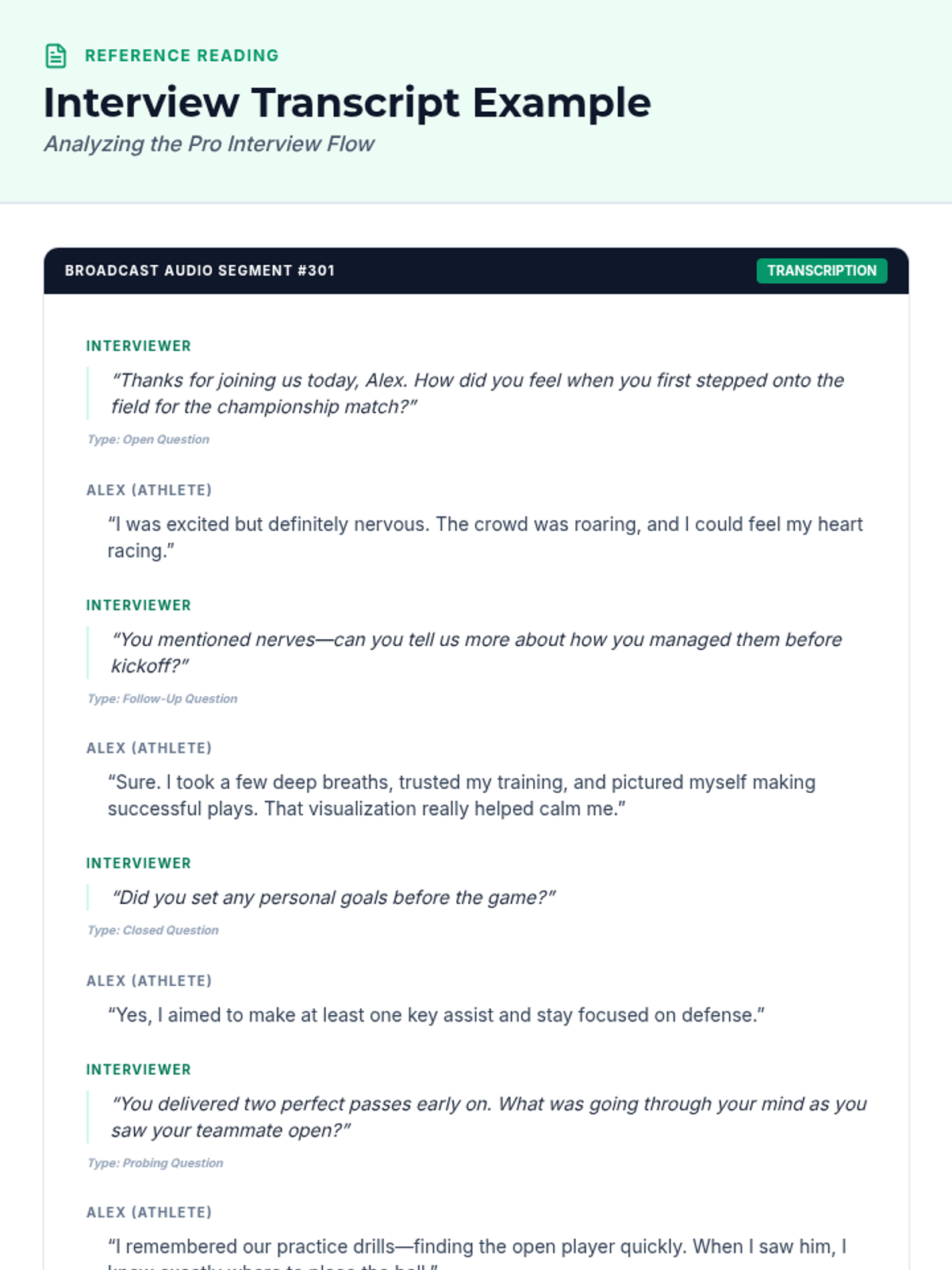
Introduces students to the skills required for athlete interviews, focusing on open-ended questions and active listening to draw out compelling stories.
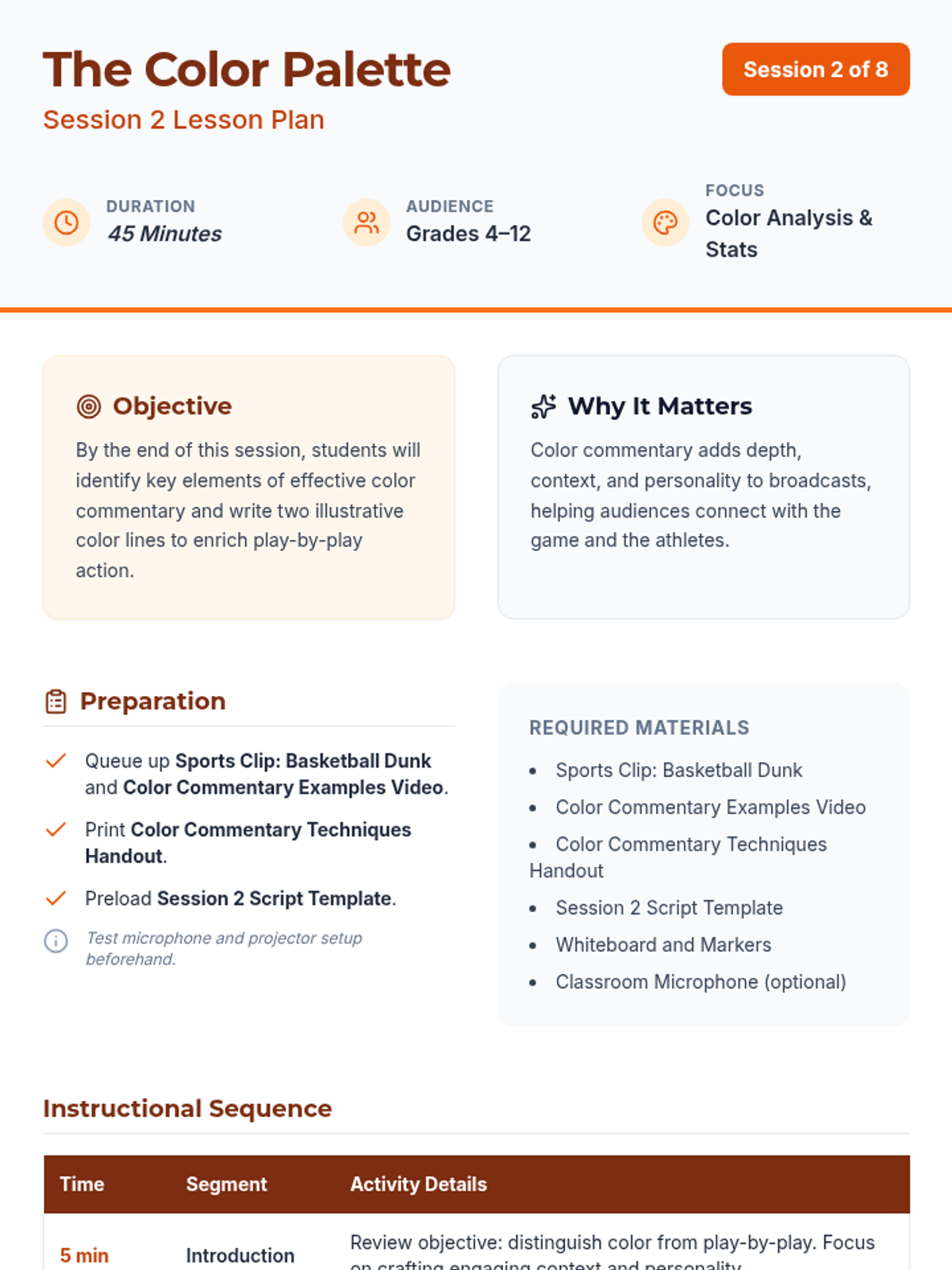
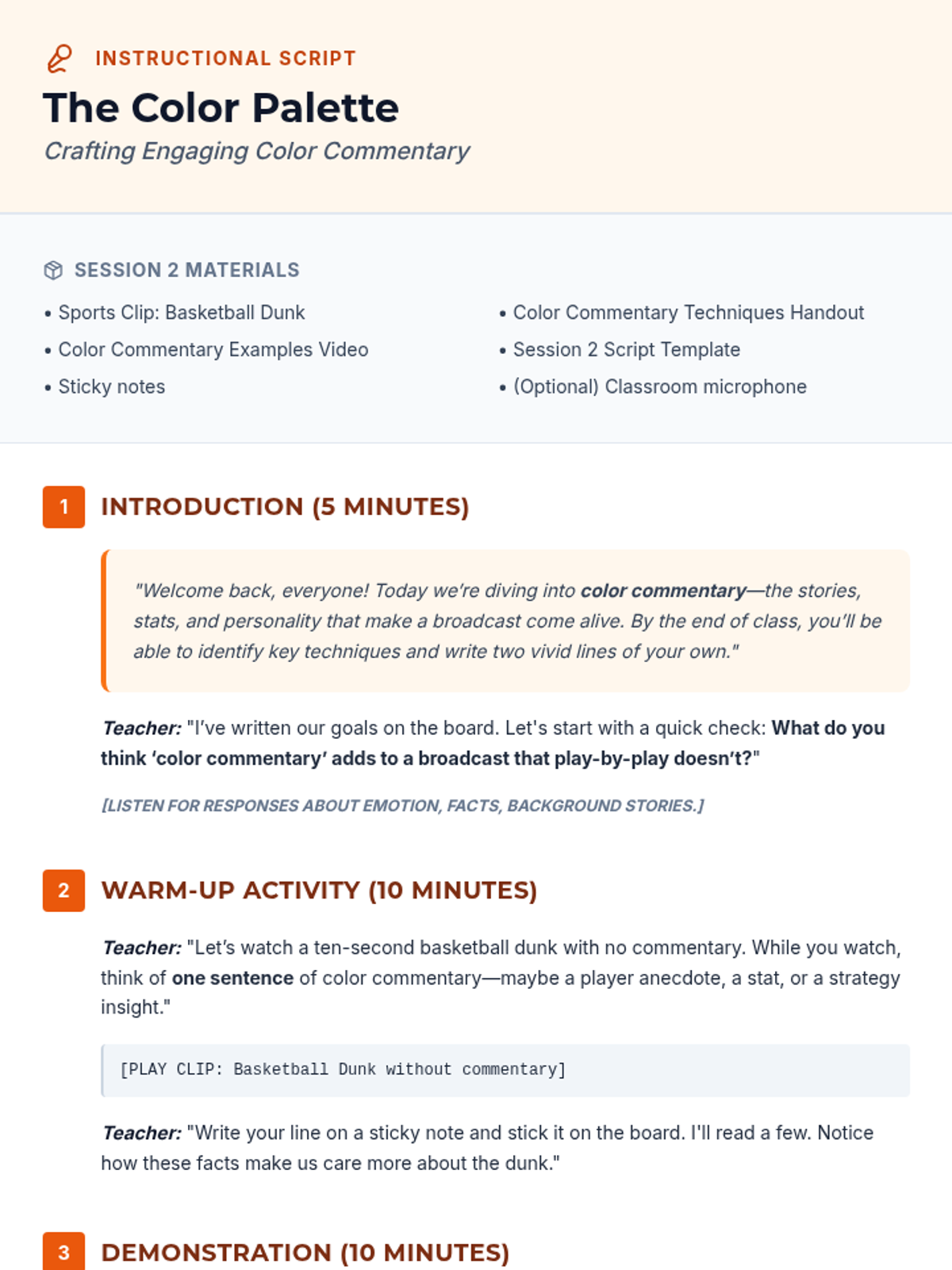
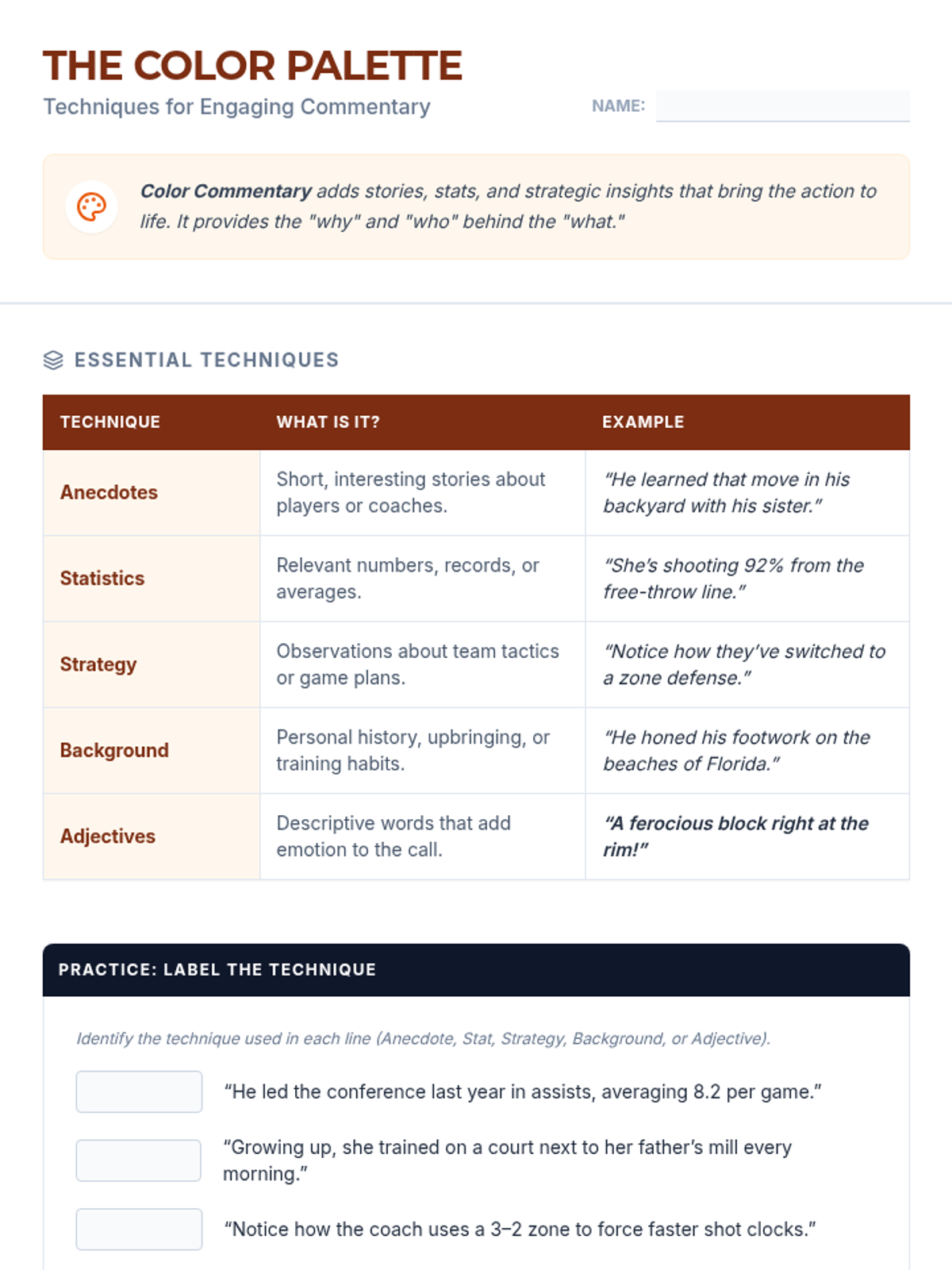
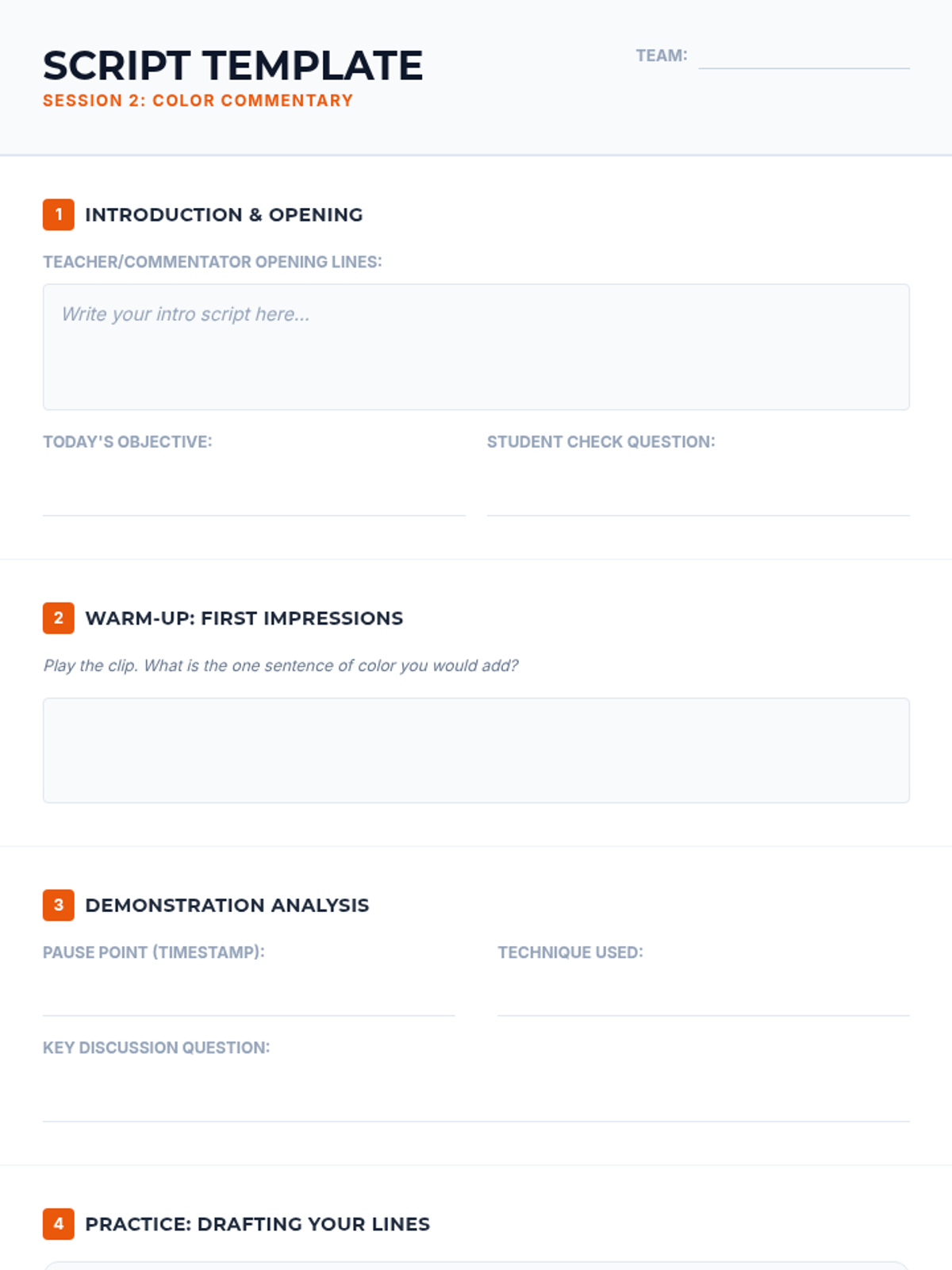
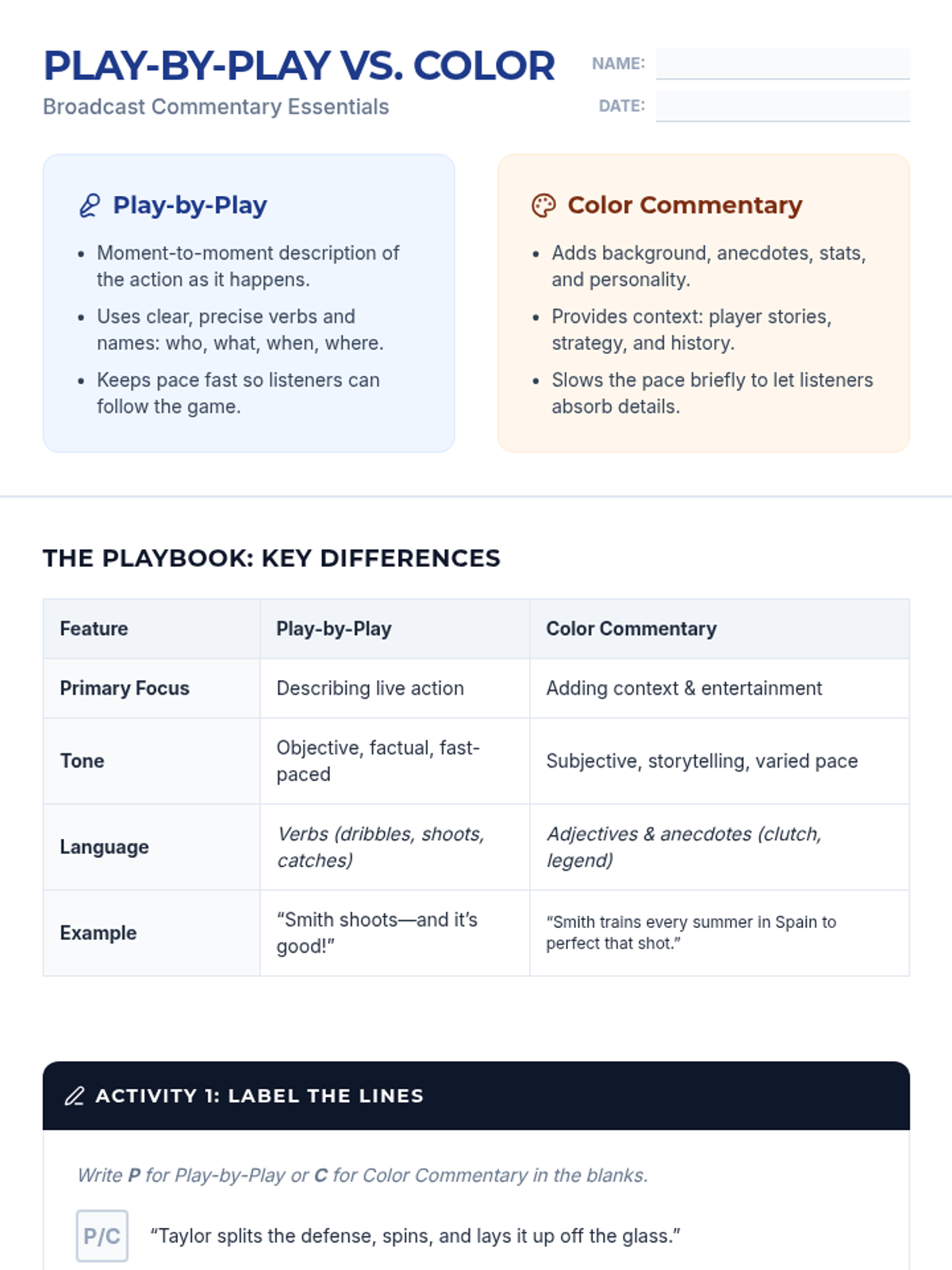
Focuses on the art of color commentary, teaching students how to weave statistics, anecdotes, and strategy into the live action.
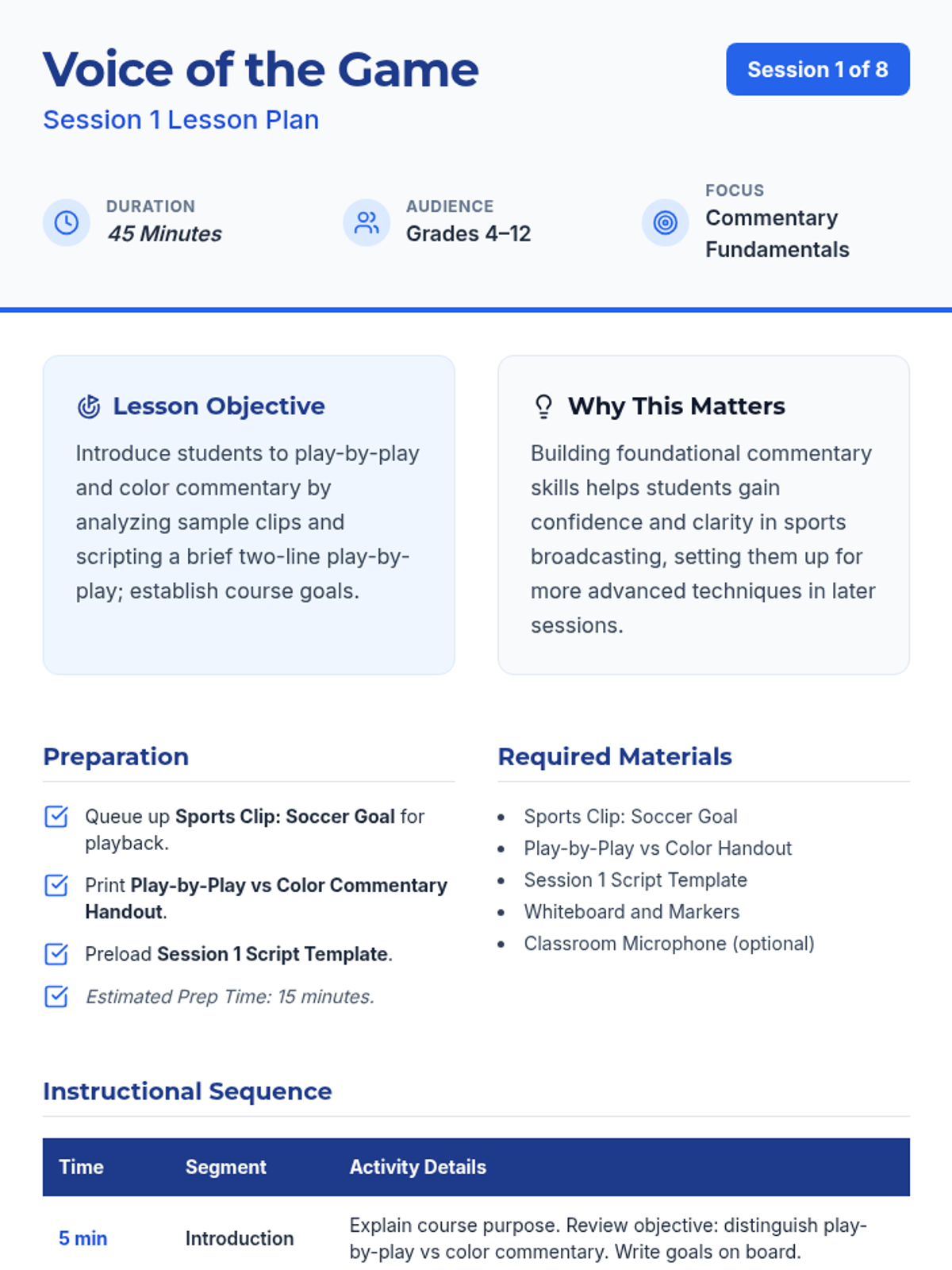
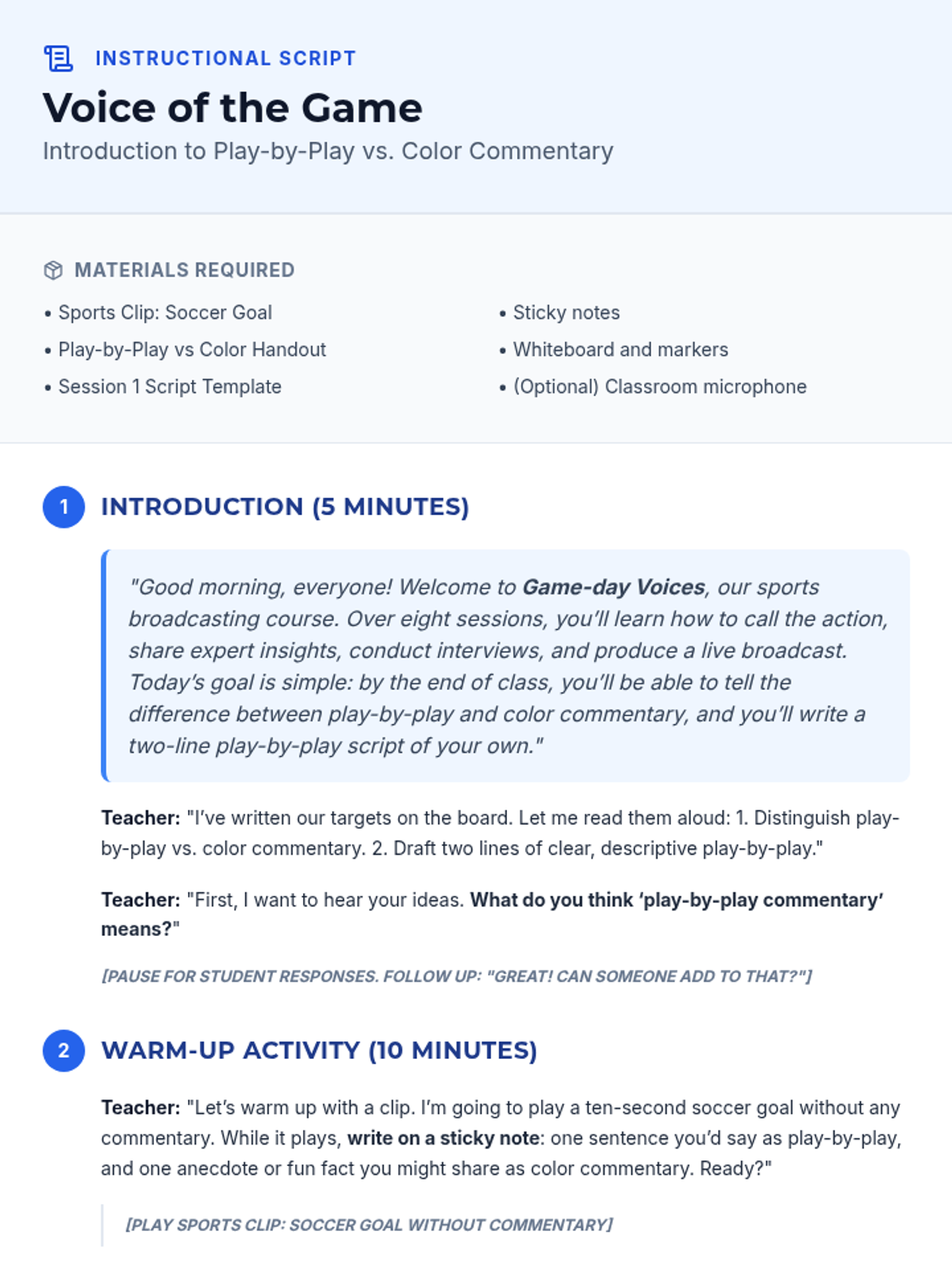
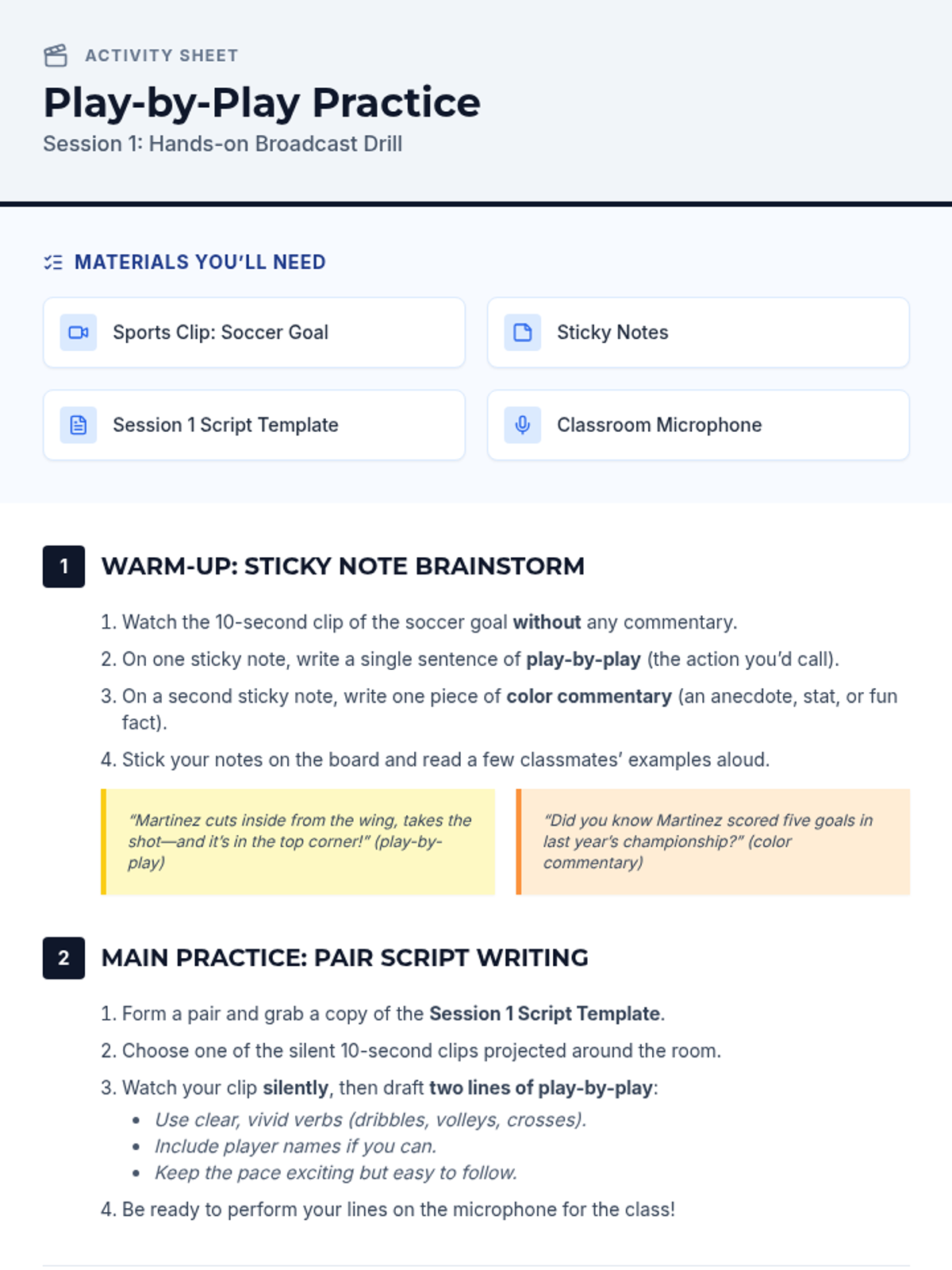
Students distinguish between play-by-play and color commentary, analyze professional examples, and draft their first action-based broadcast lines.
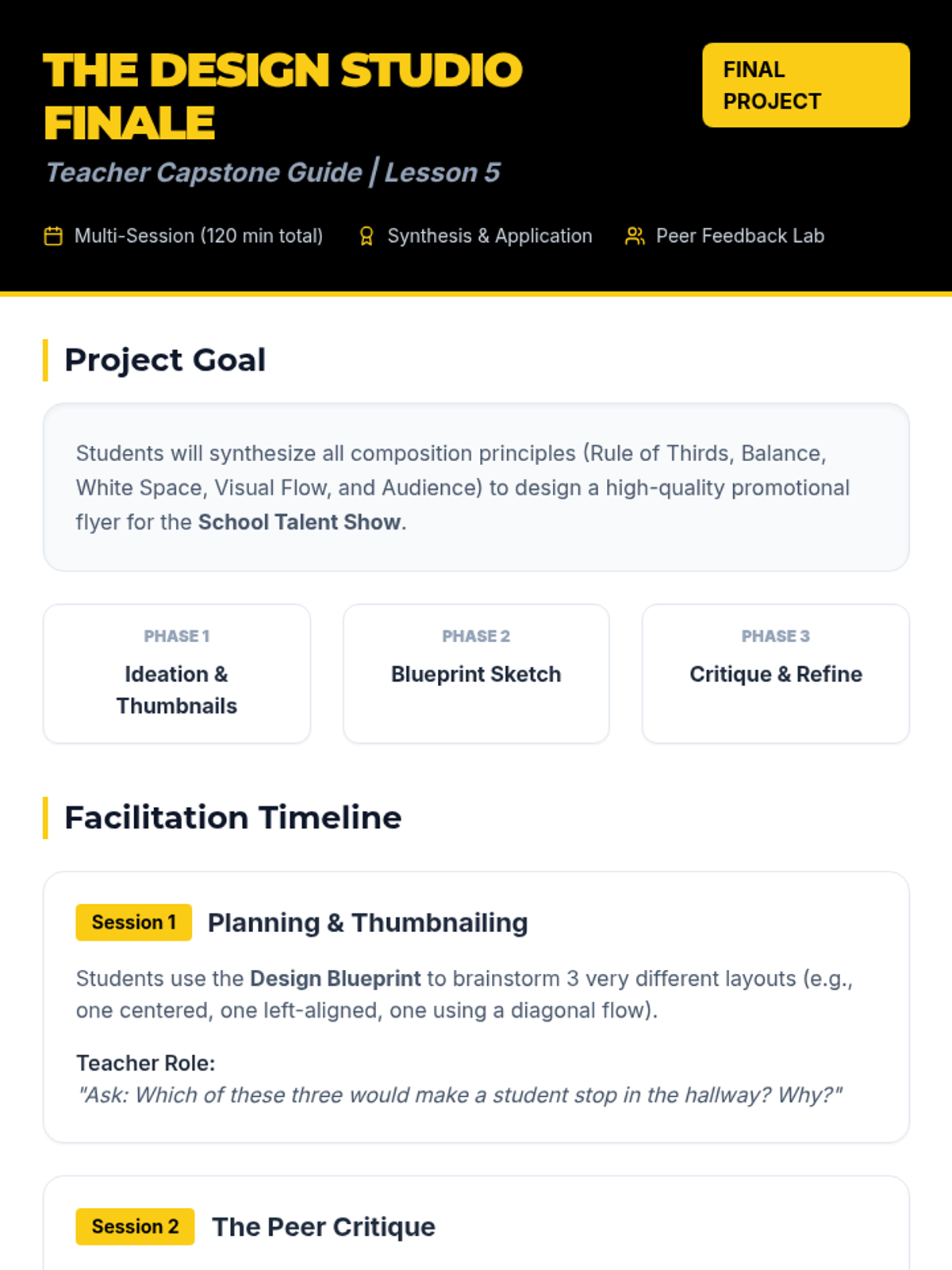
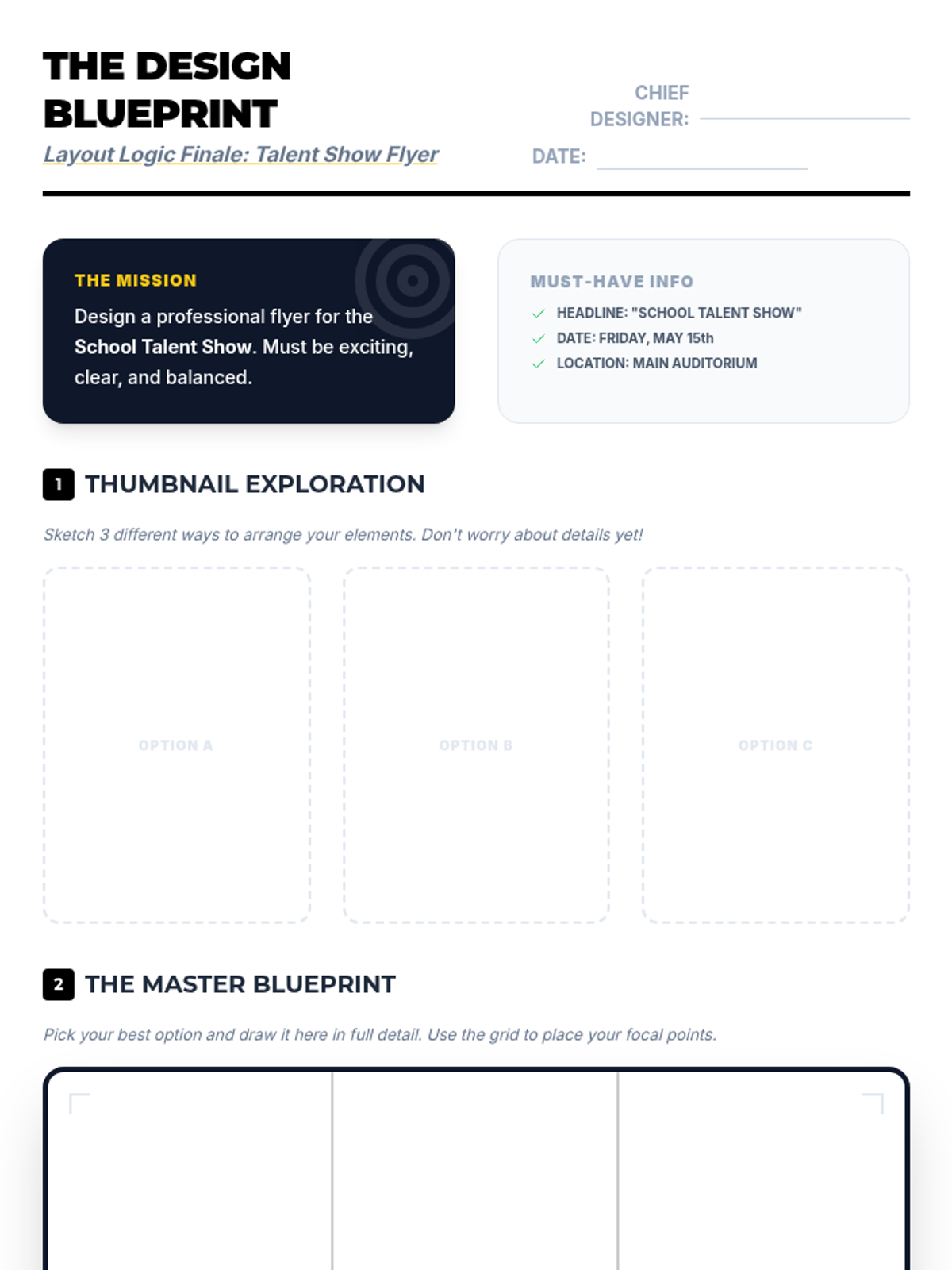
The capstone project where students apply all composition principles to design a promotional flyer for a school event. Includes peer feedback and iterative refinement.
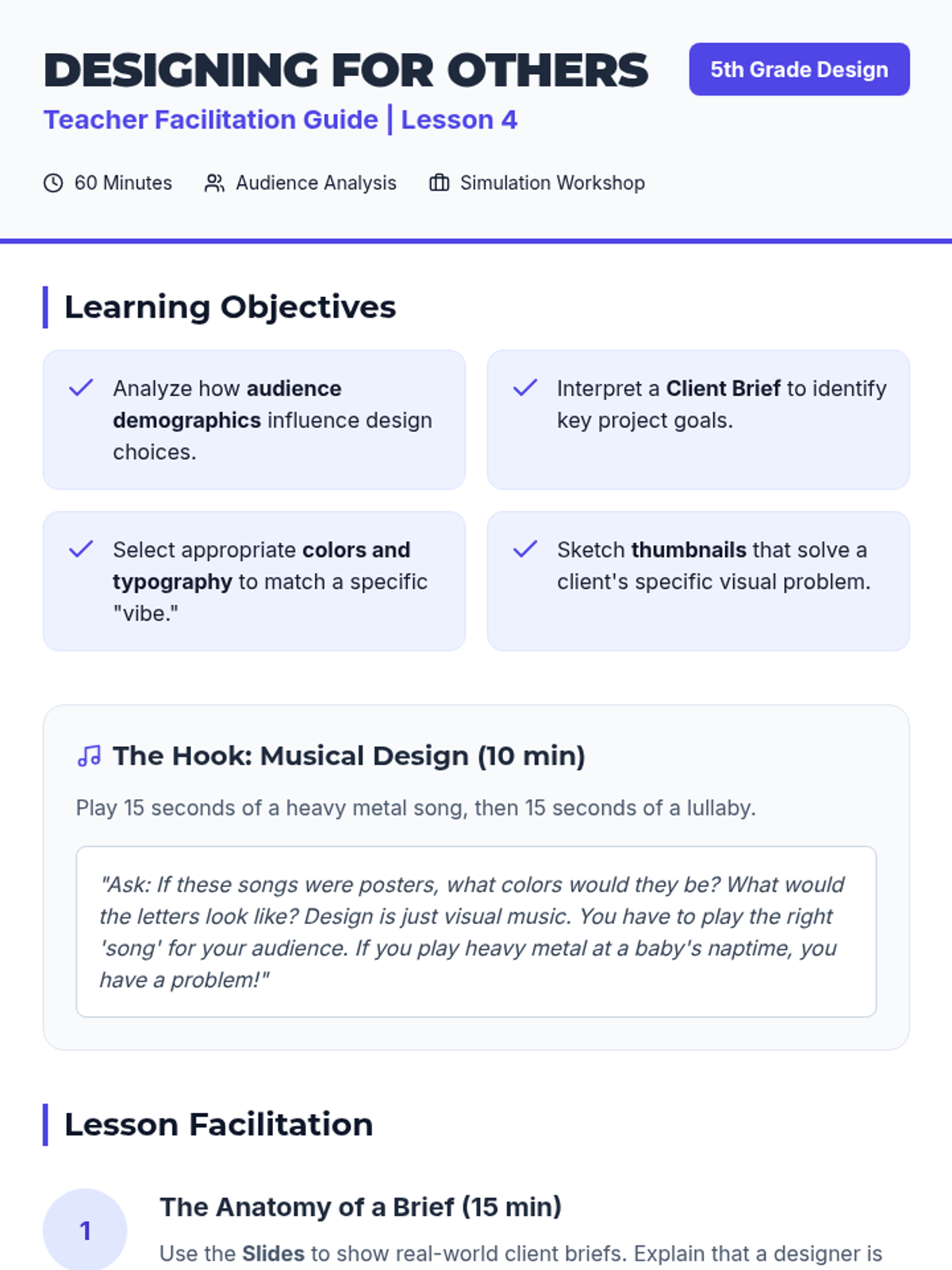
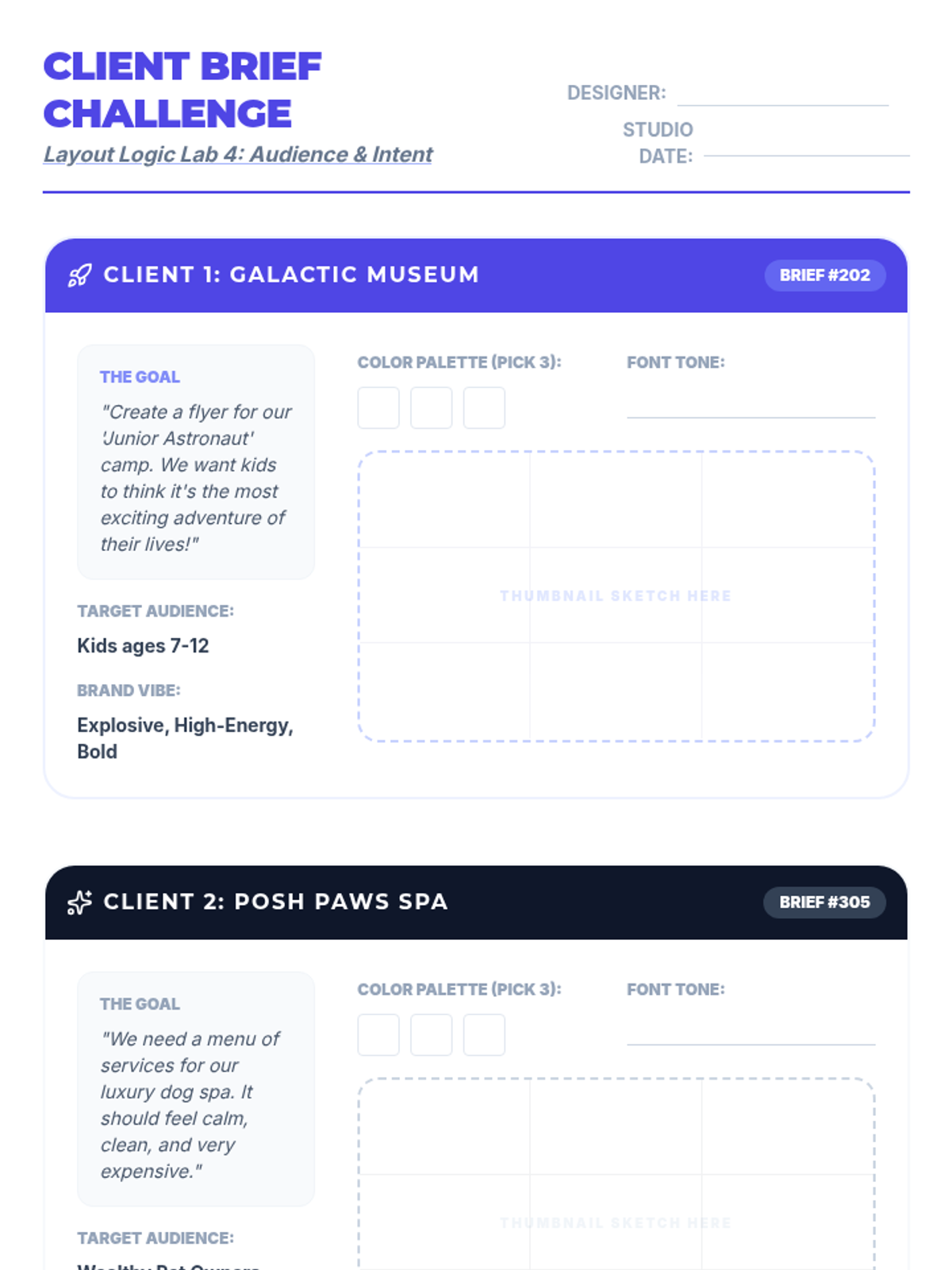
Students analyze how design choices like color and layout change based on the intended audience. They work through client briefs to solve design problems for different demographics.
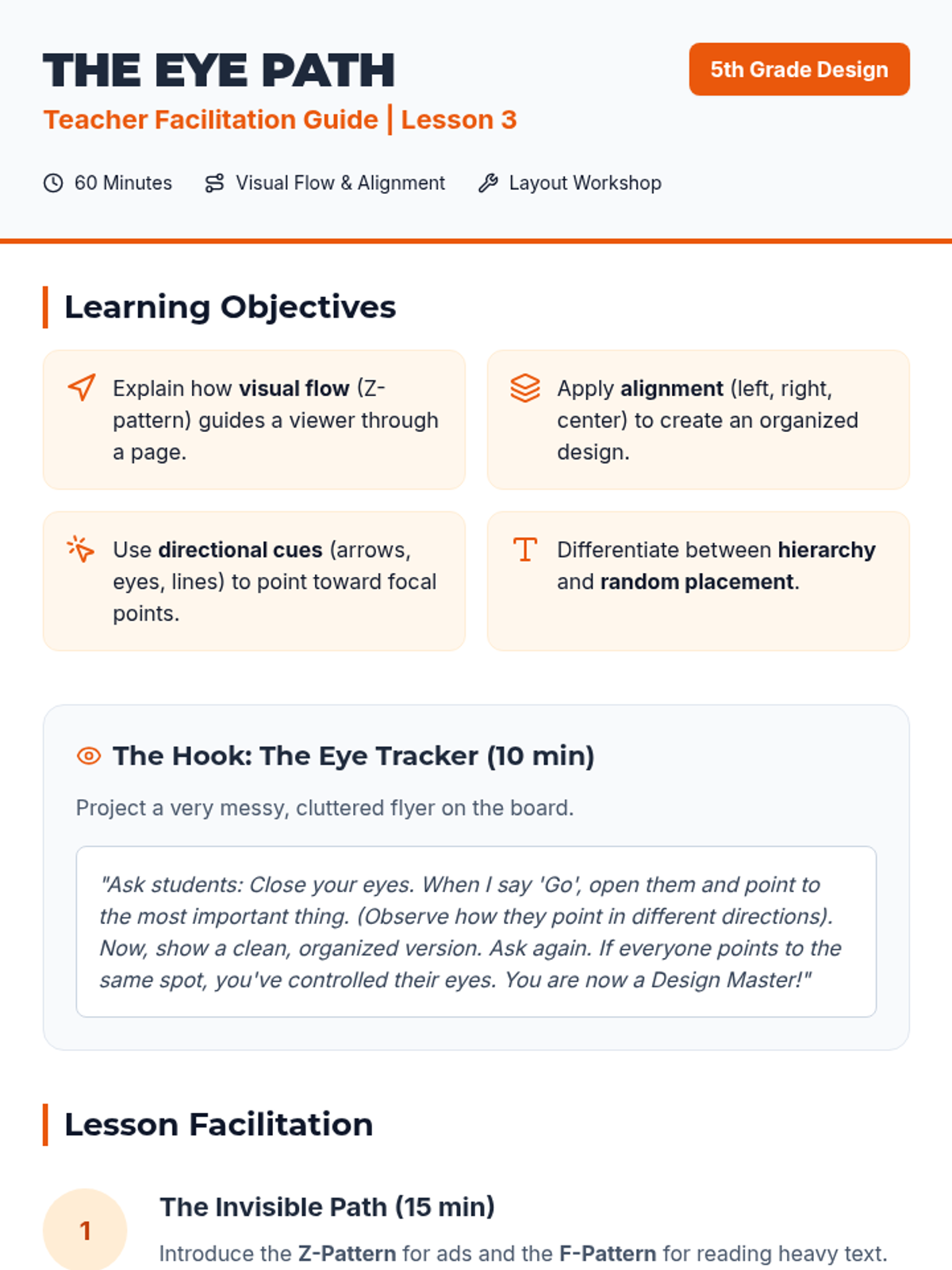
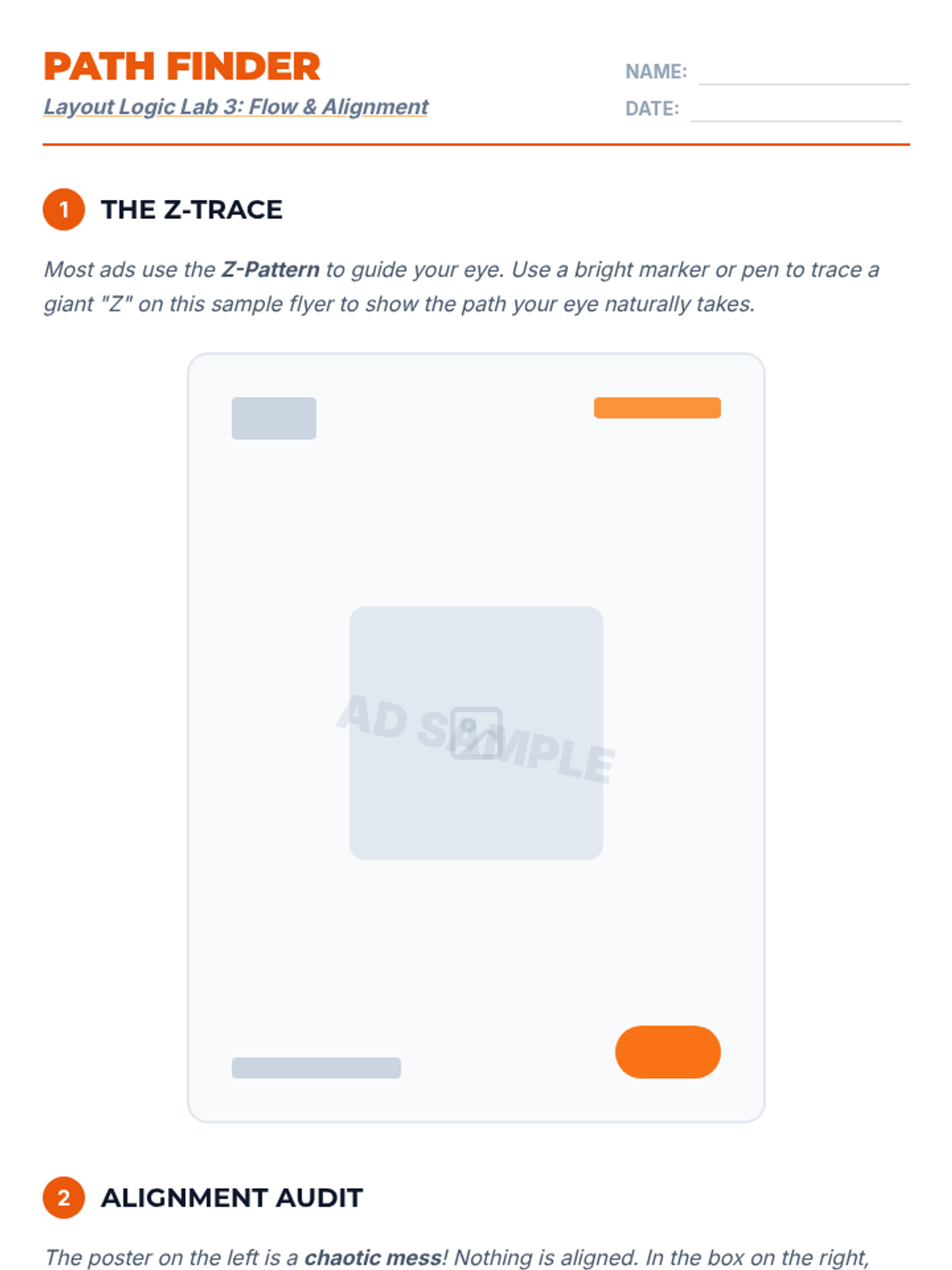
This lesson teaches students how to guide a viewer's eye through a design using alignment and visual flow patterns like the Z-pattern. Students practice creating order out of chaos.
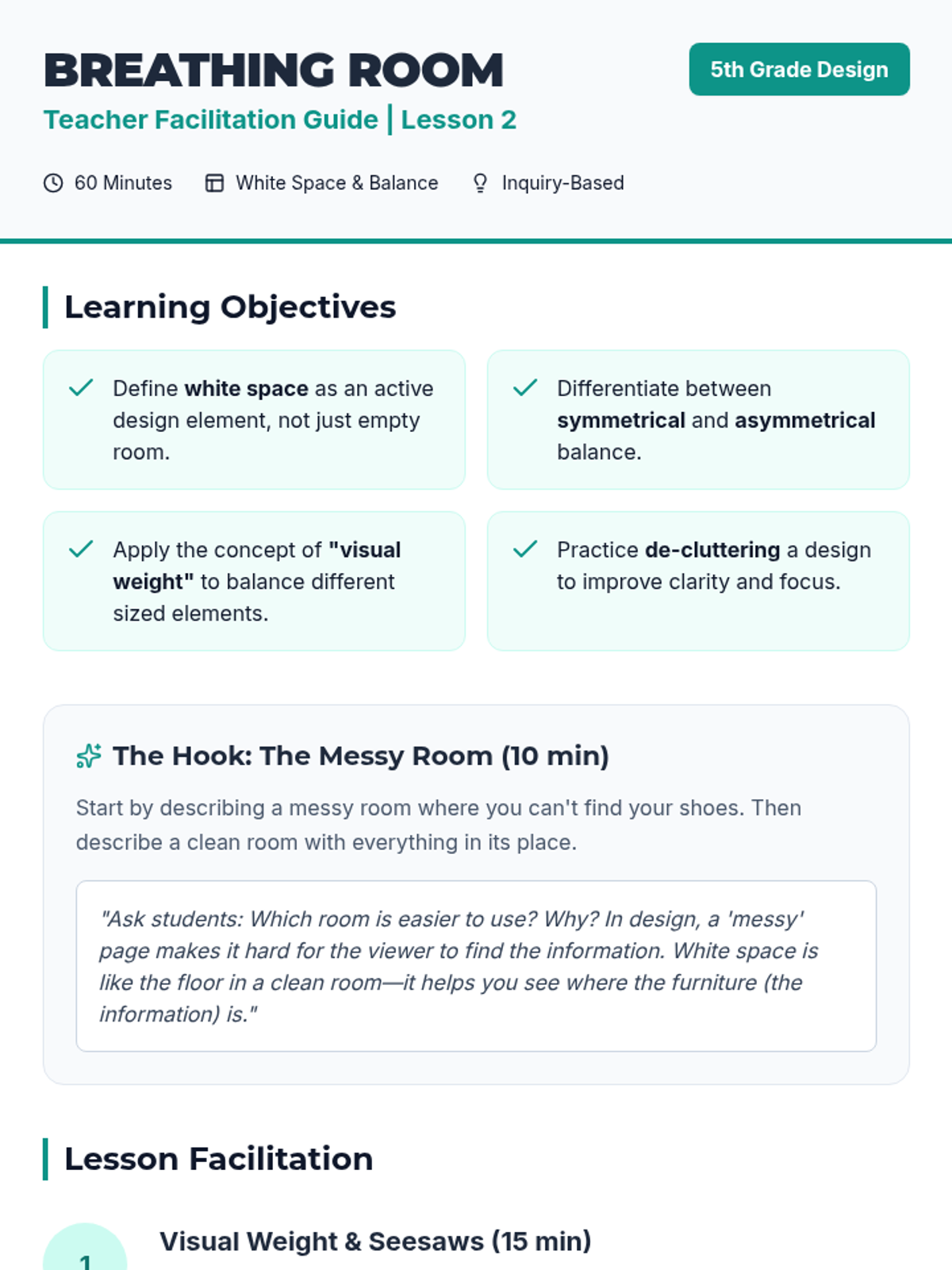
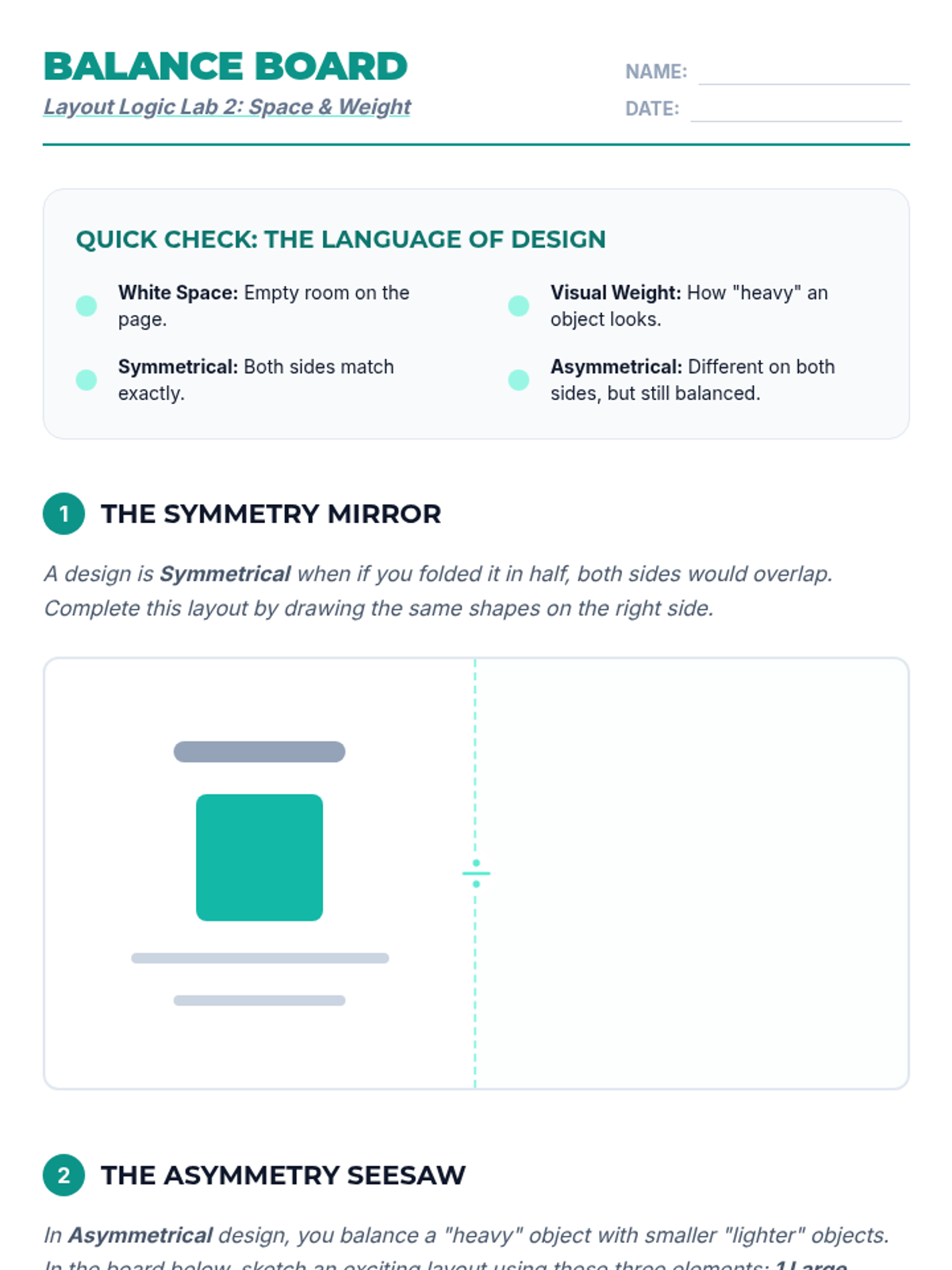
Students explore the power of negative space and the difference between symmetrical and asymmetrical balance. They learn that 'white space' is a tool for clarity rather than empty room to be filled.
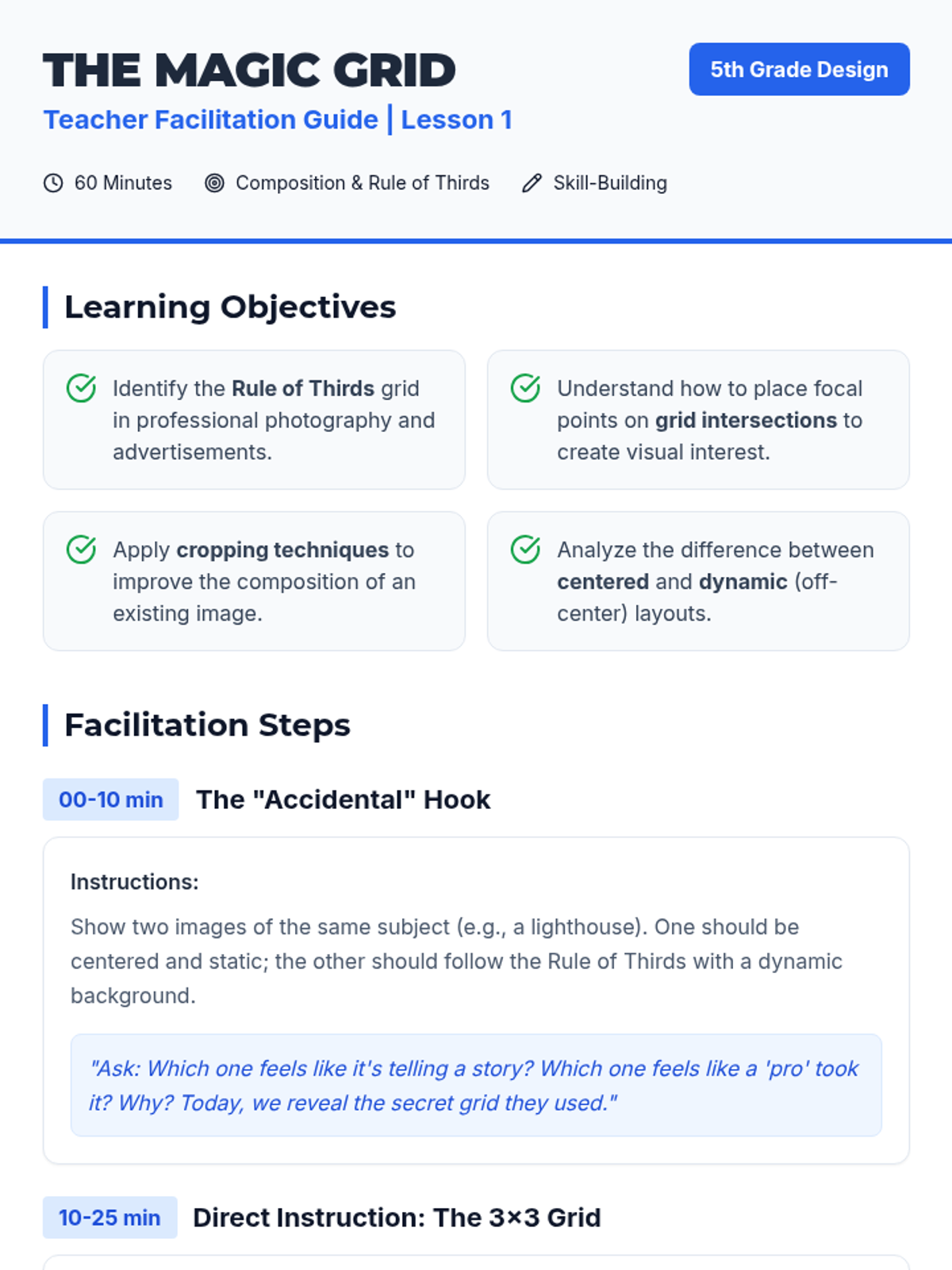
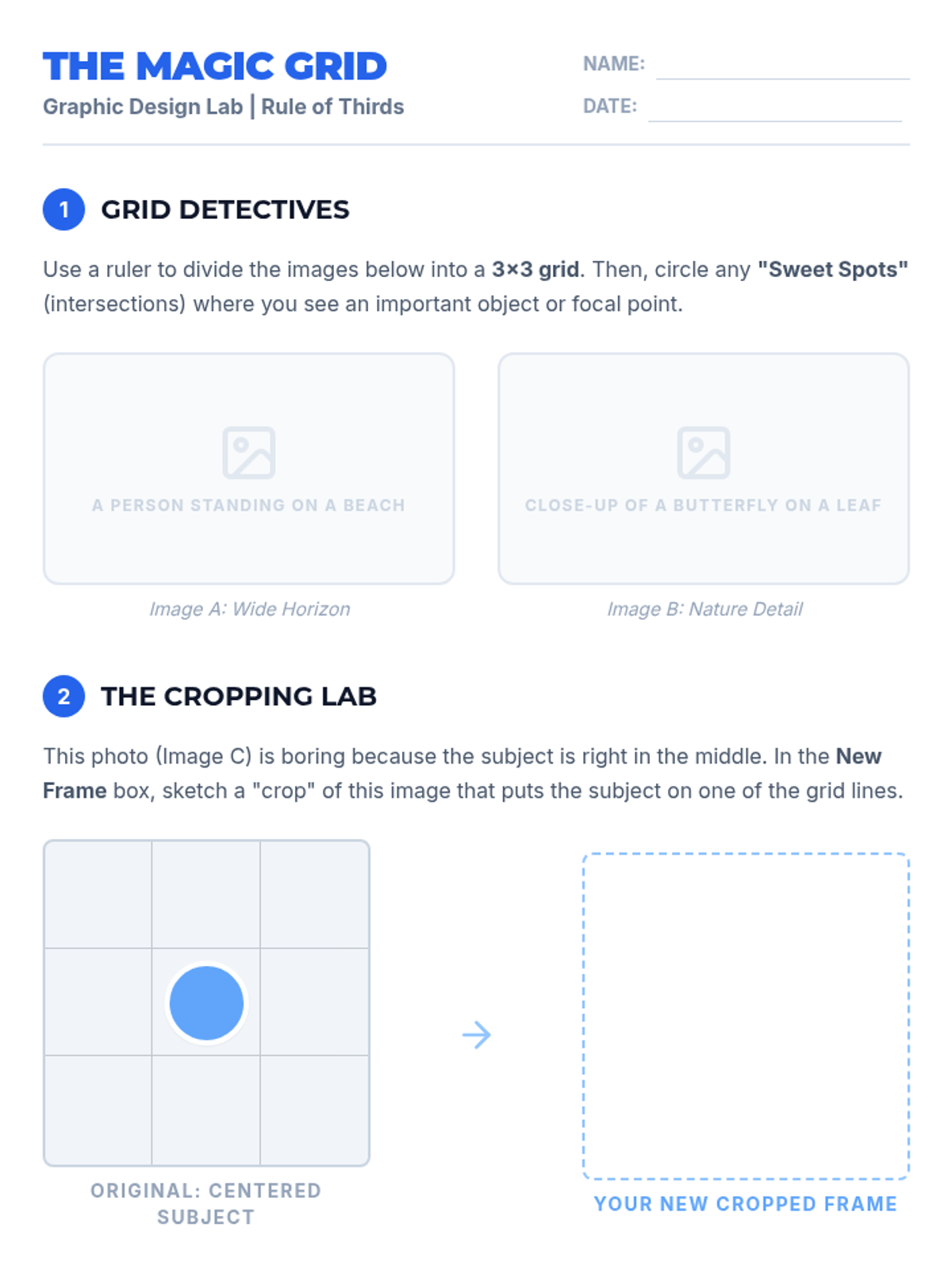
An introduction to composition using the Rule of Thirds. Students learn how to use a grid to place focal points effectively and practice cropping images to improve visual interest.
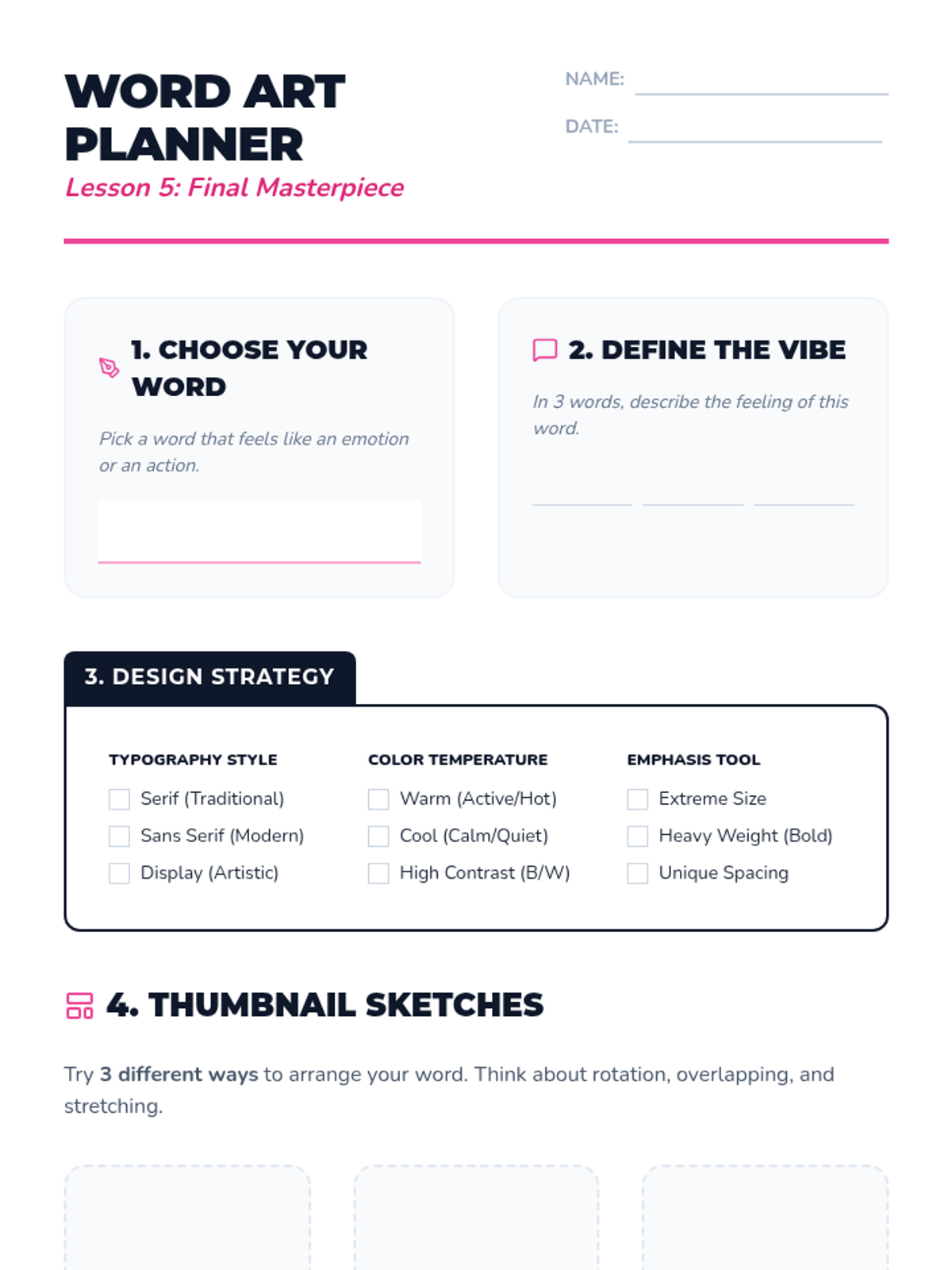
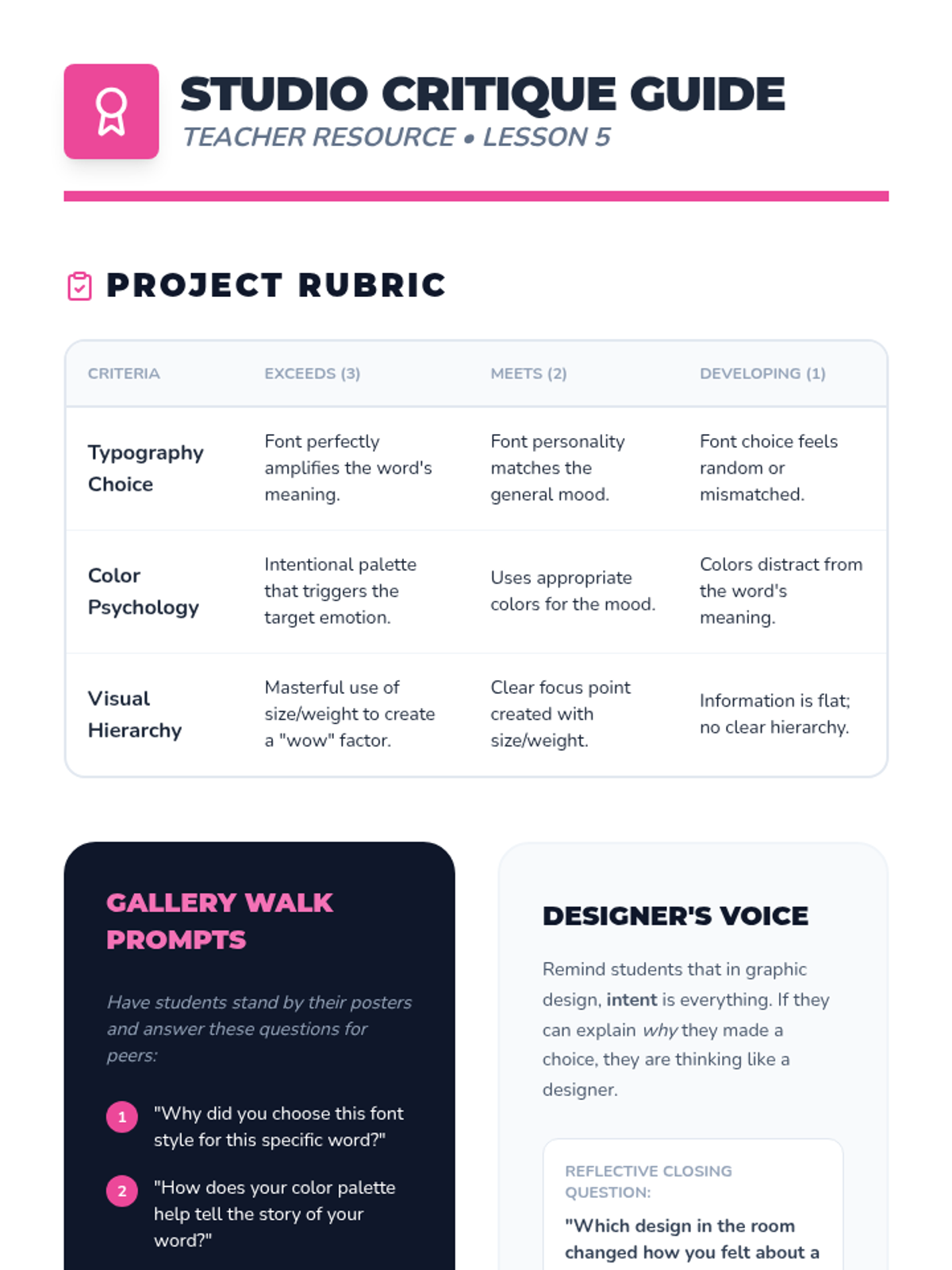
Students synthesize their design knowledge to create a final expressive typographic poster that visually represents the meaning of a single word.
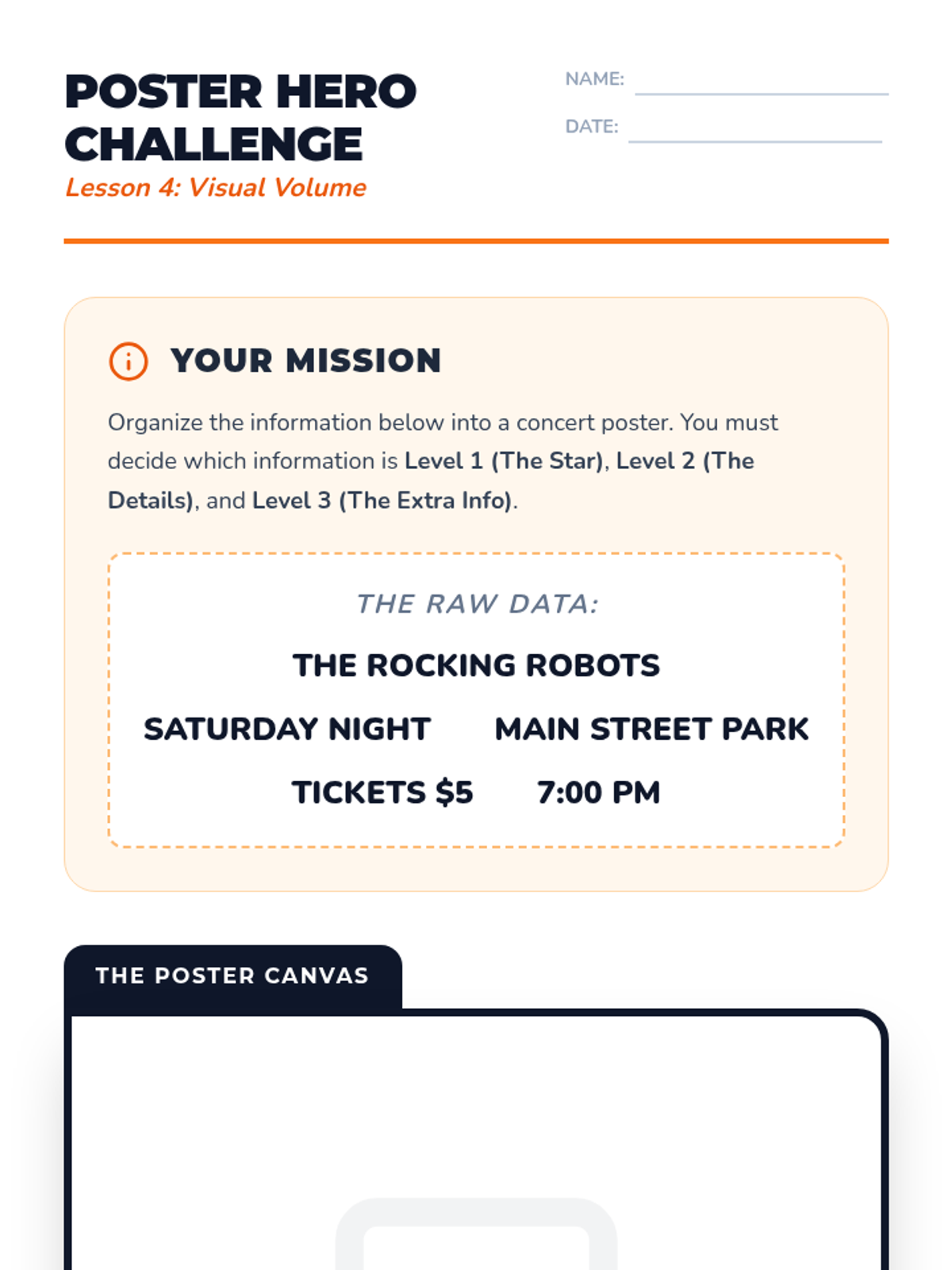
Students master visual hierarchy by using text size, weight, and spacing to organize information and guide the viewer's eye.
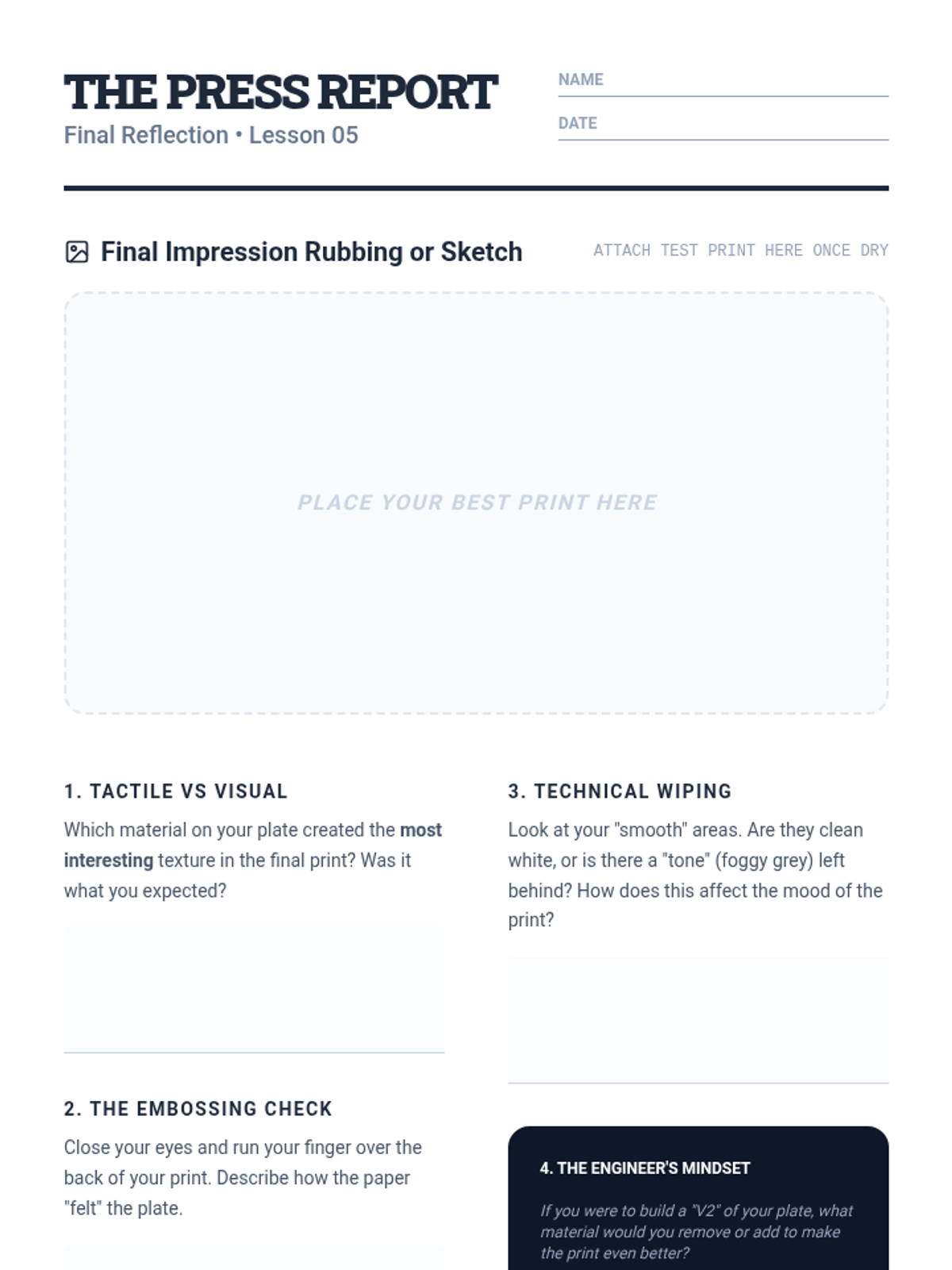
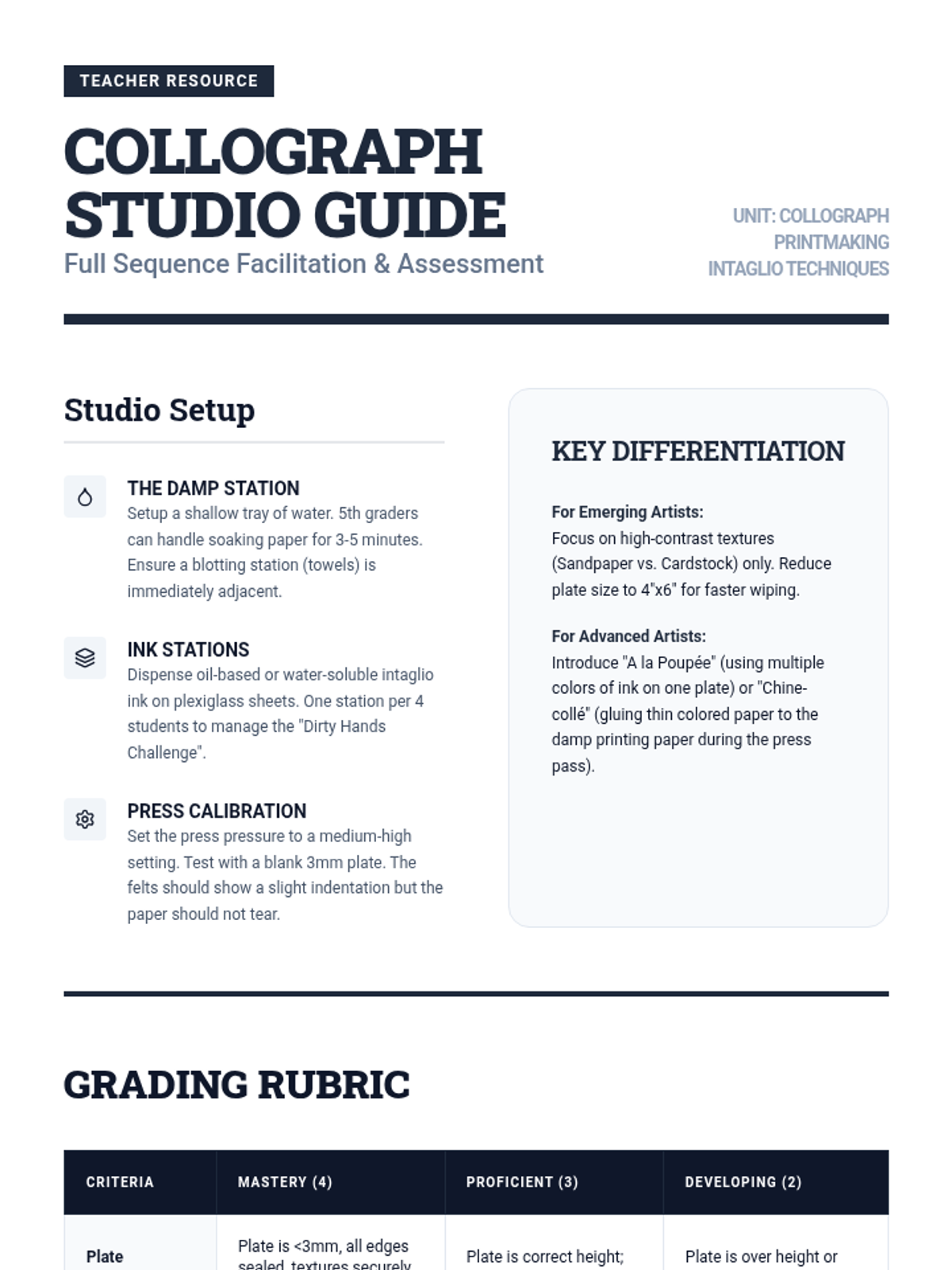
Using a press (or heavy hand-rubbing with a barren), students print their collographs on damp paper. They examine the resulting embossing, where the paper physically molds to the texture of the plate.
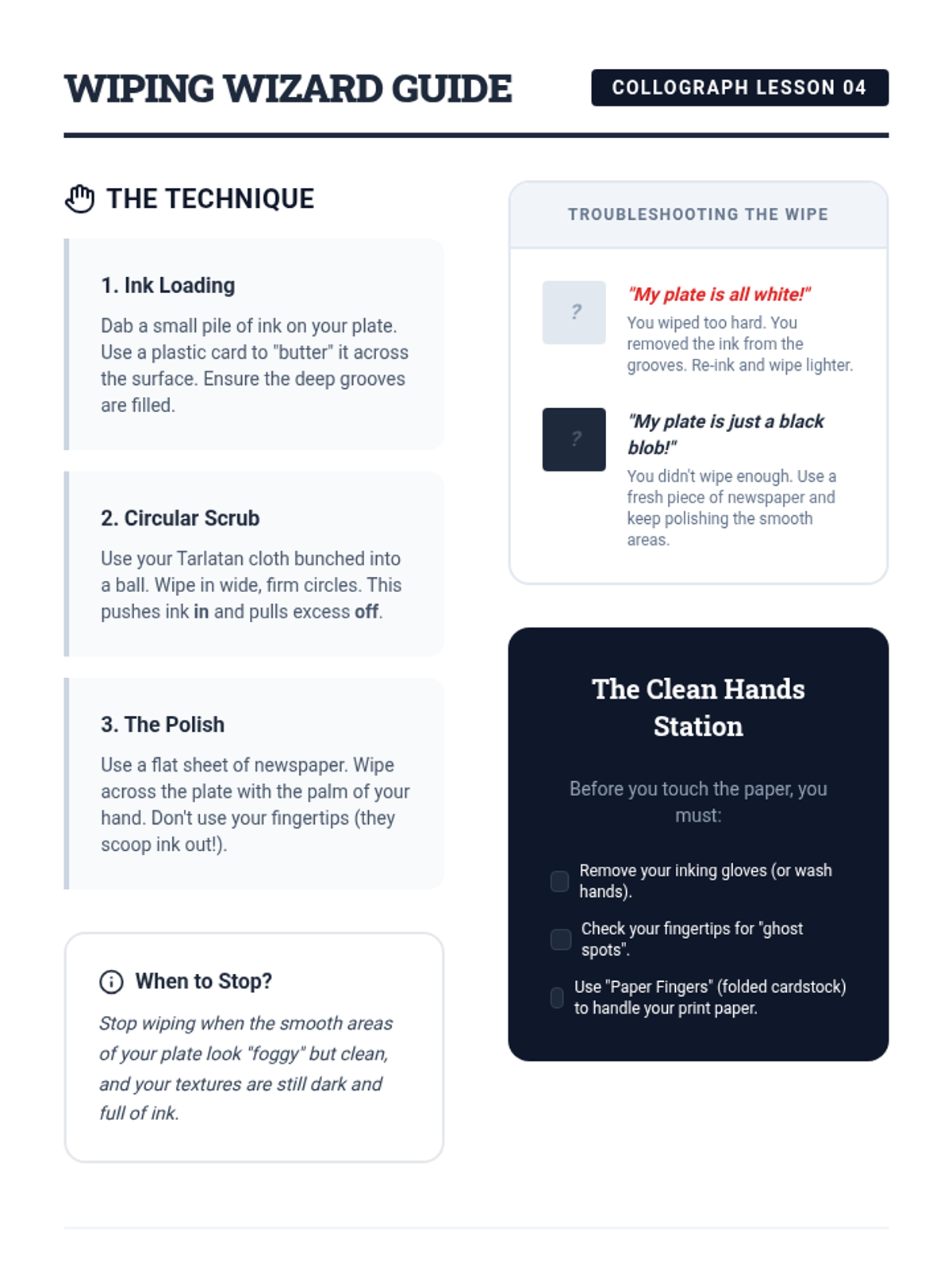
Students learn the intaglio method: covering the plate in ink and then carefully wiping the surface clean, leaving ink only in the textures. This contrasts with previous relief methods and requires careful hand skills.
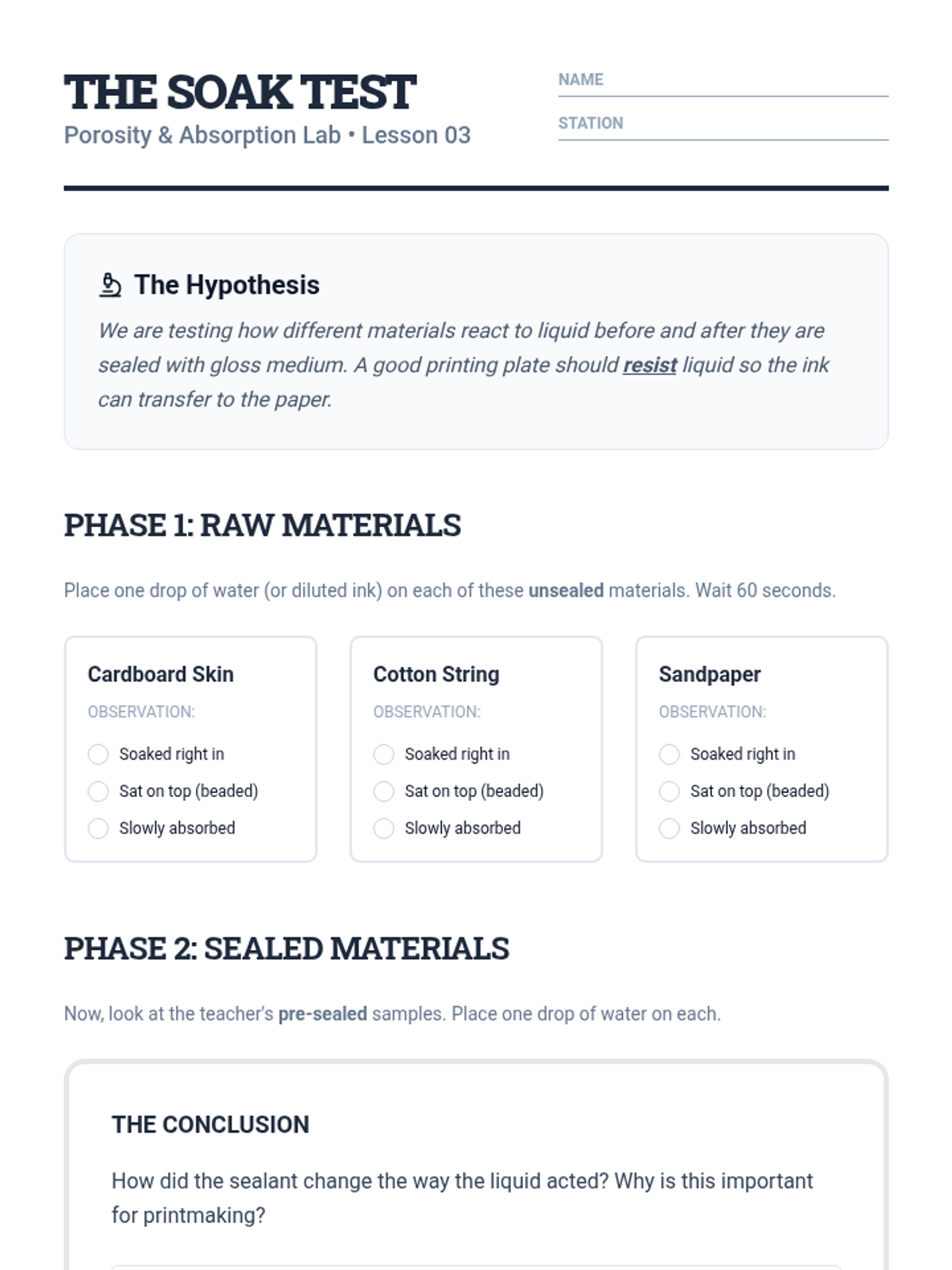
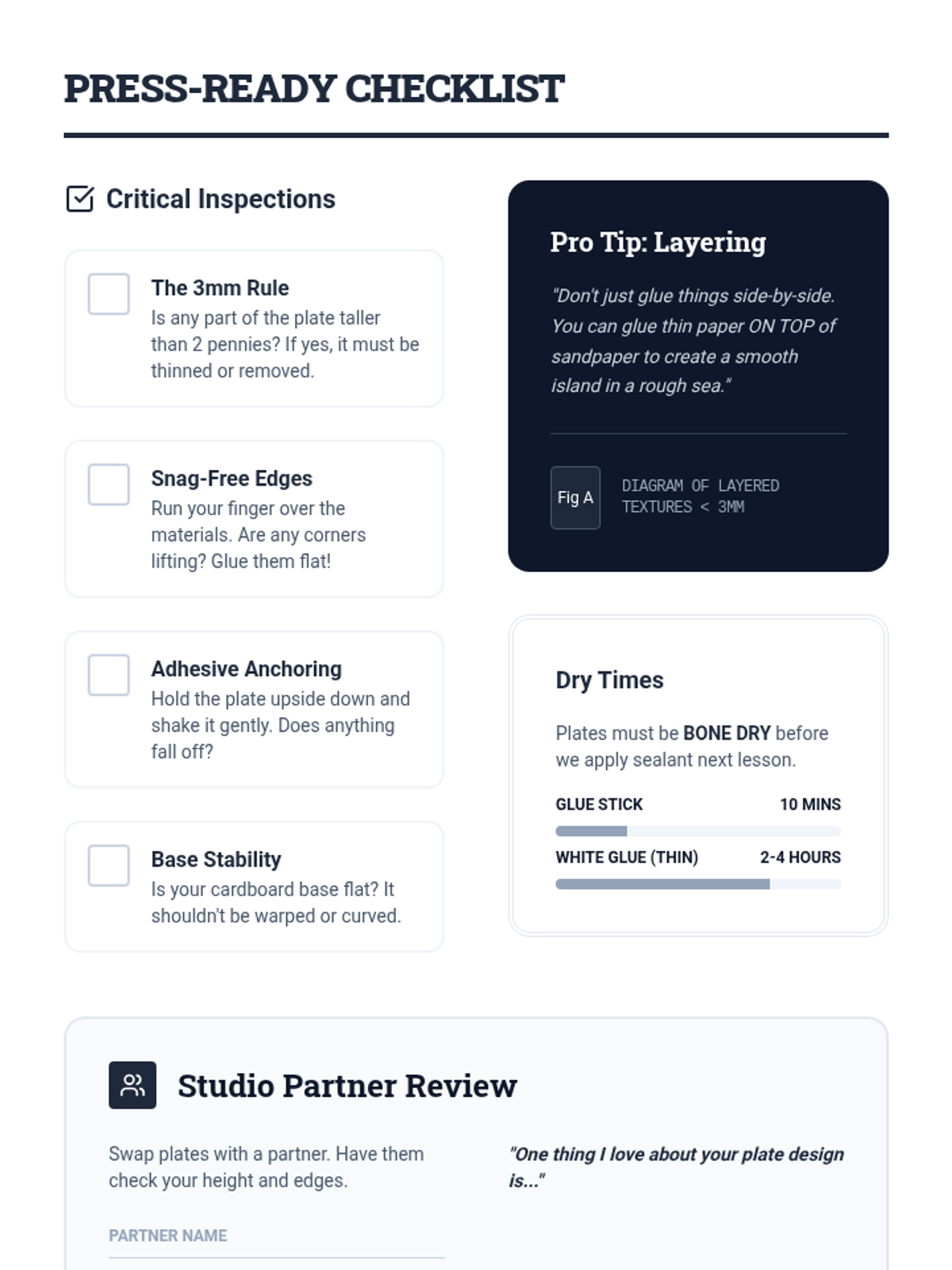
To prevent the cardboard from absorbing all the ink, students apply a sealant (like gloss medium or varnish) to their plates. While drying, they predict which areas will print darkest based on the material roughness.
Students build their plates by gluing materials onto a sturdy cardboard base. They learn the importance of secure adhesion and low profiles to prevent the plate from tearing the paper during printing.
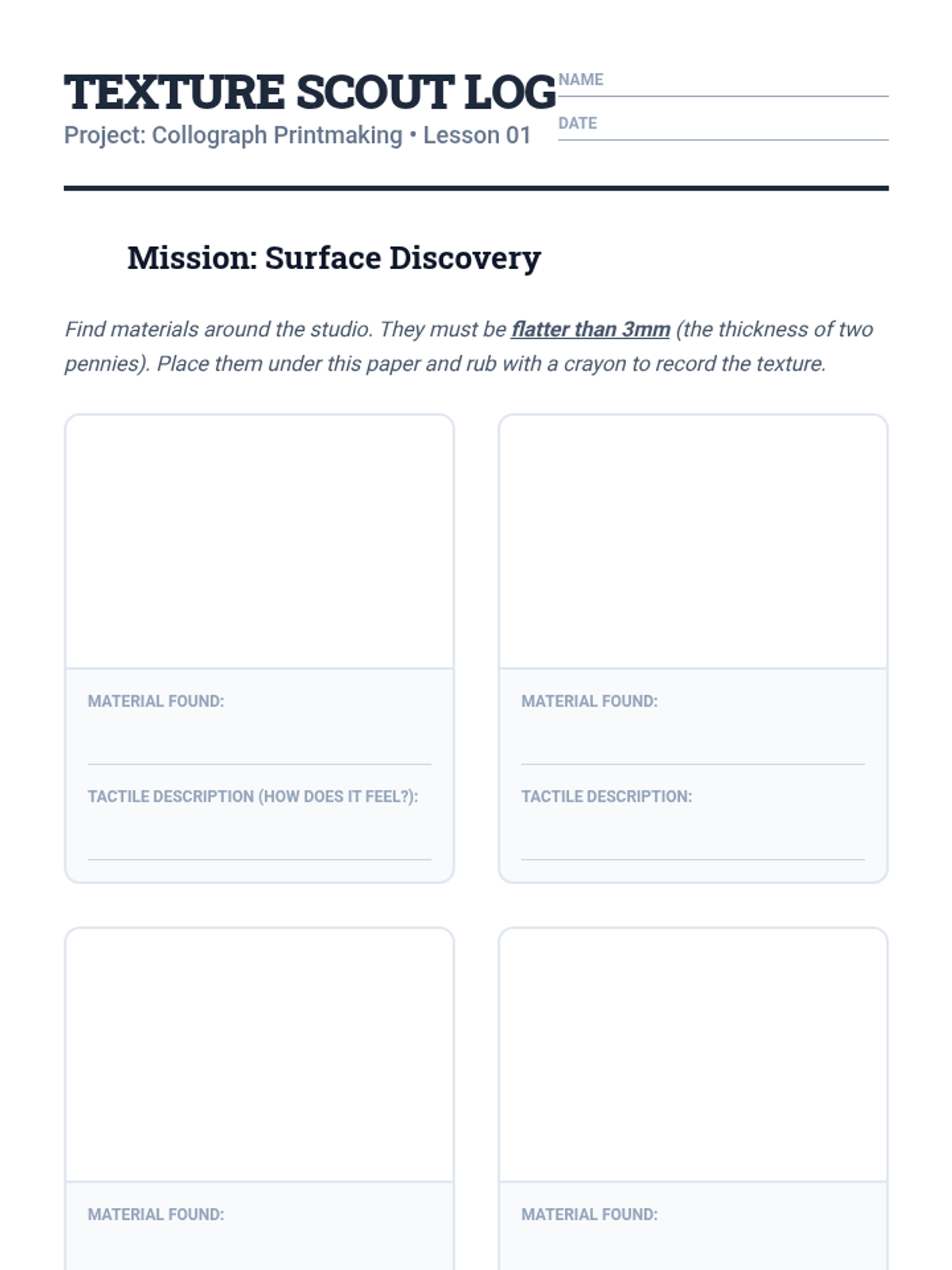
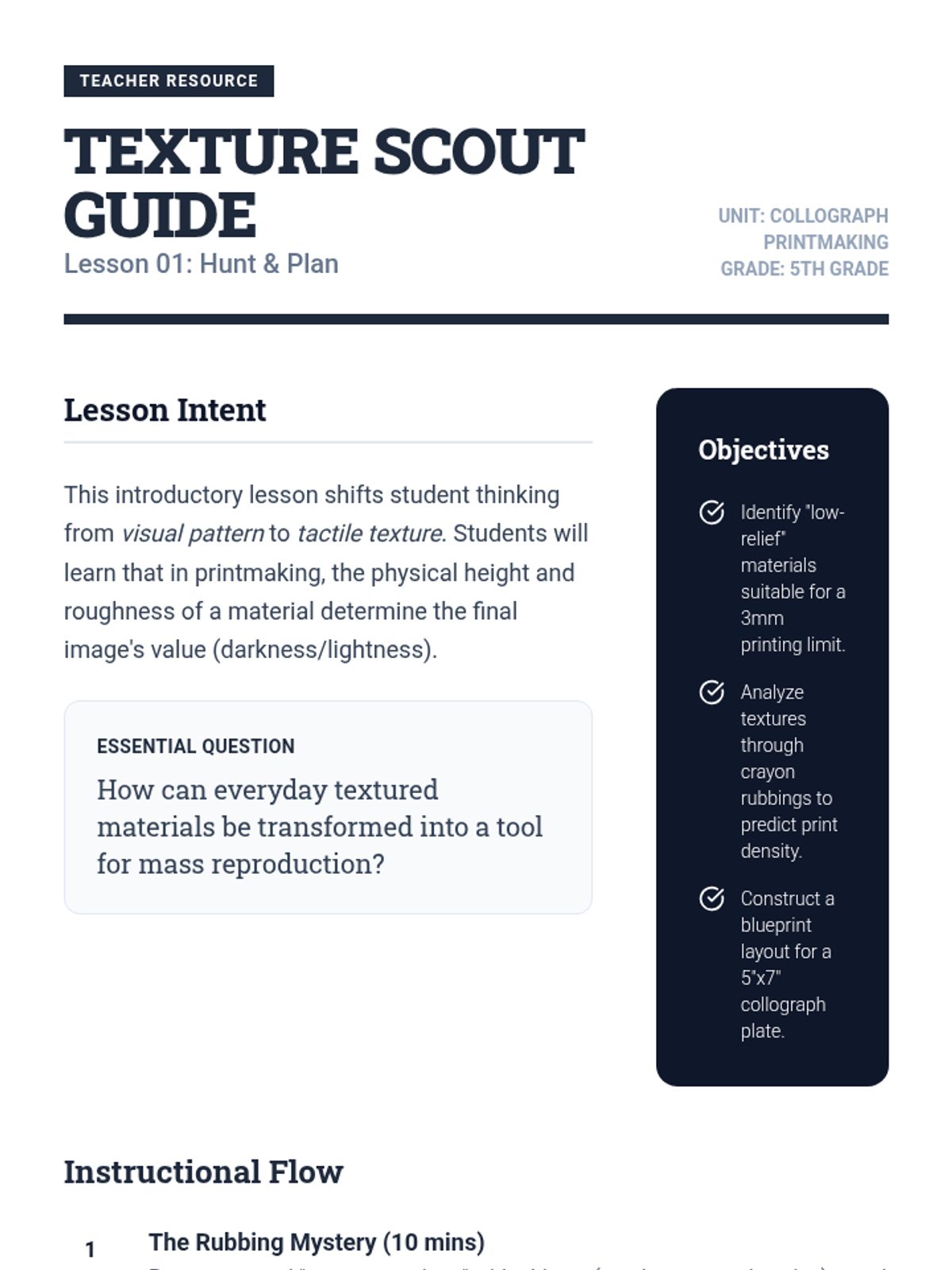
Students explore tactile textures by hunting for low-relief materials and planning their collograph plate designs based on how objects feel and transfer patterns.
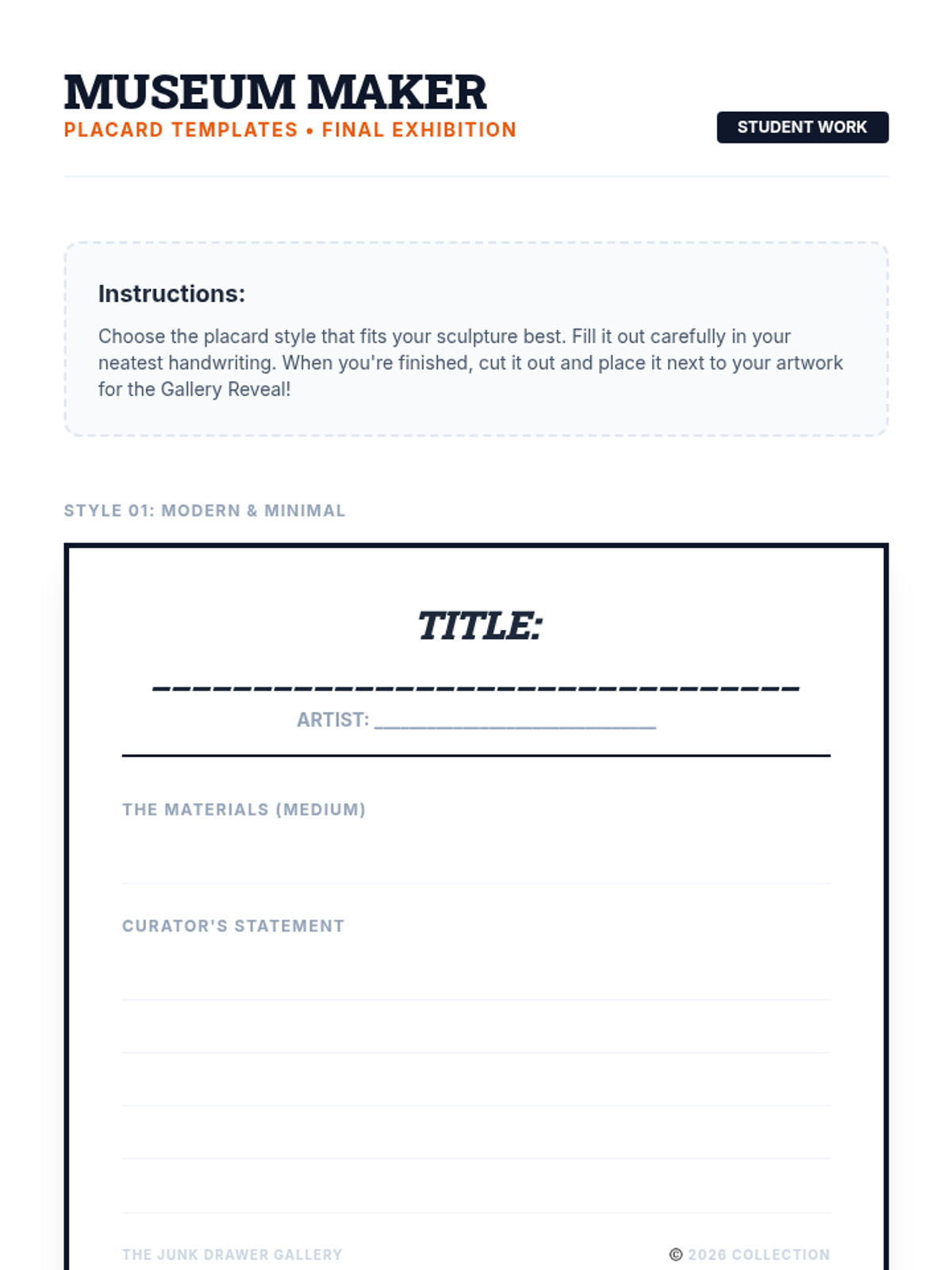
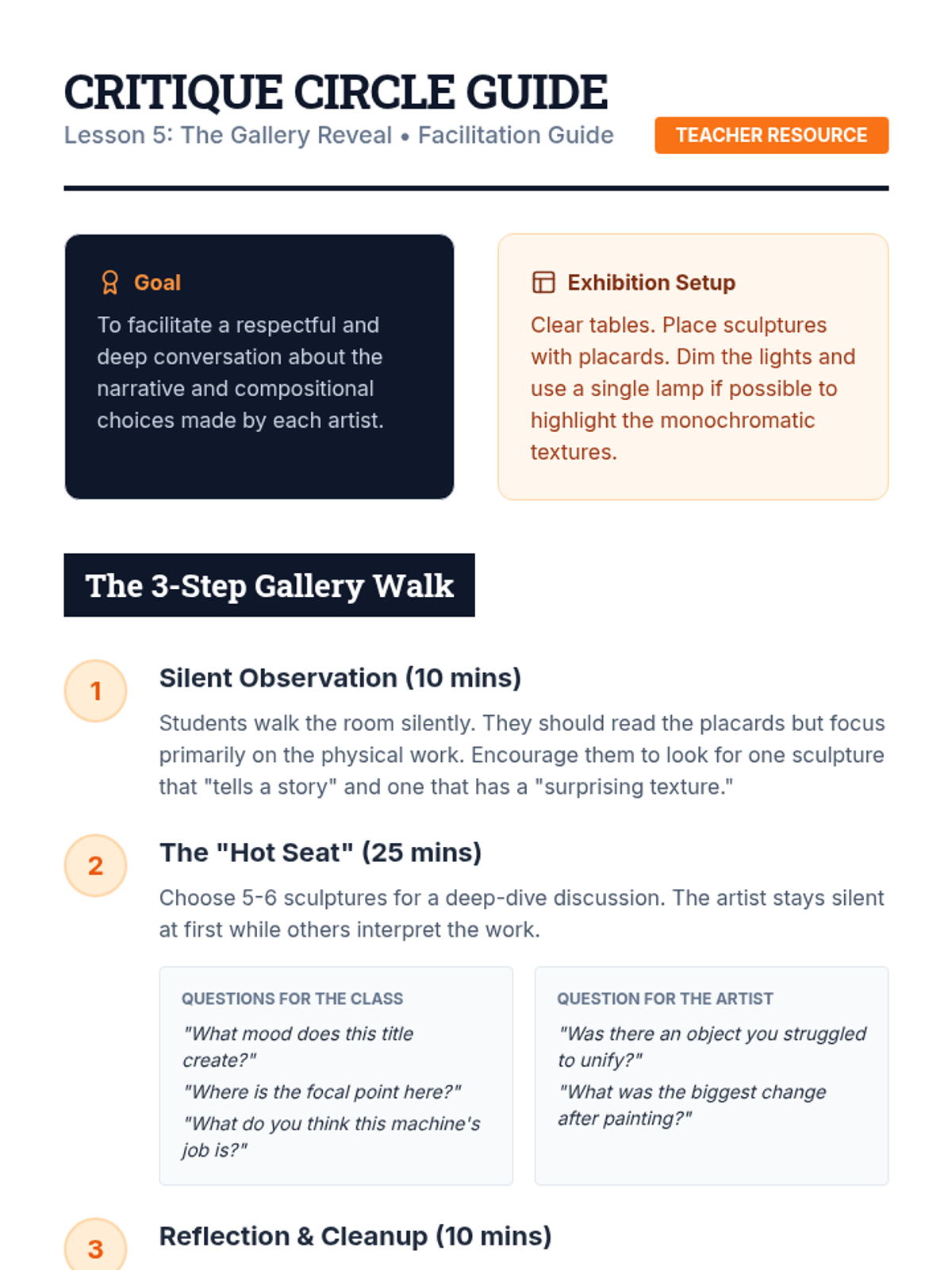
Students write a museum placard for their work and participate in a class critique to interpret the hidden stories in each other's work.
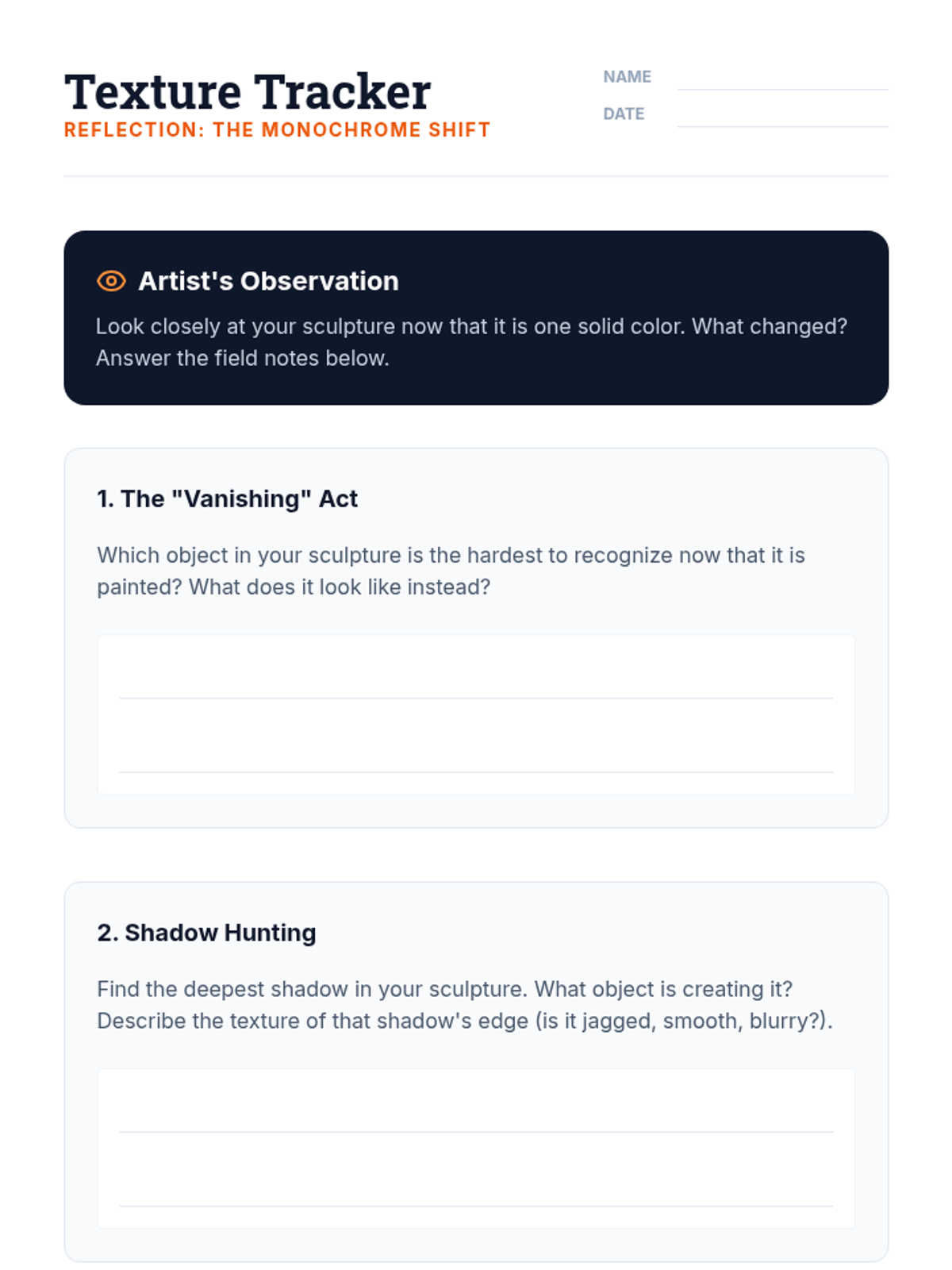
Students learn the concept of unity by applying a single color to their multi-colored assemblage. This transforms the collection of trash into a cohesive sculptural relief.
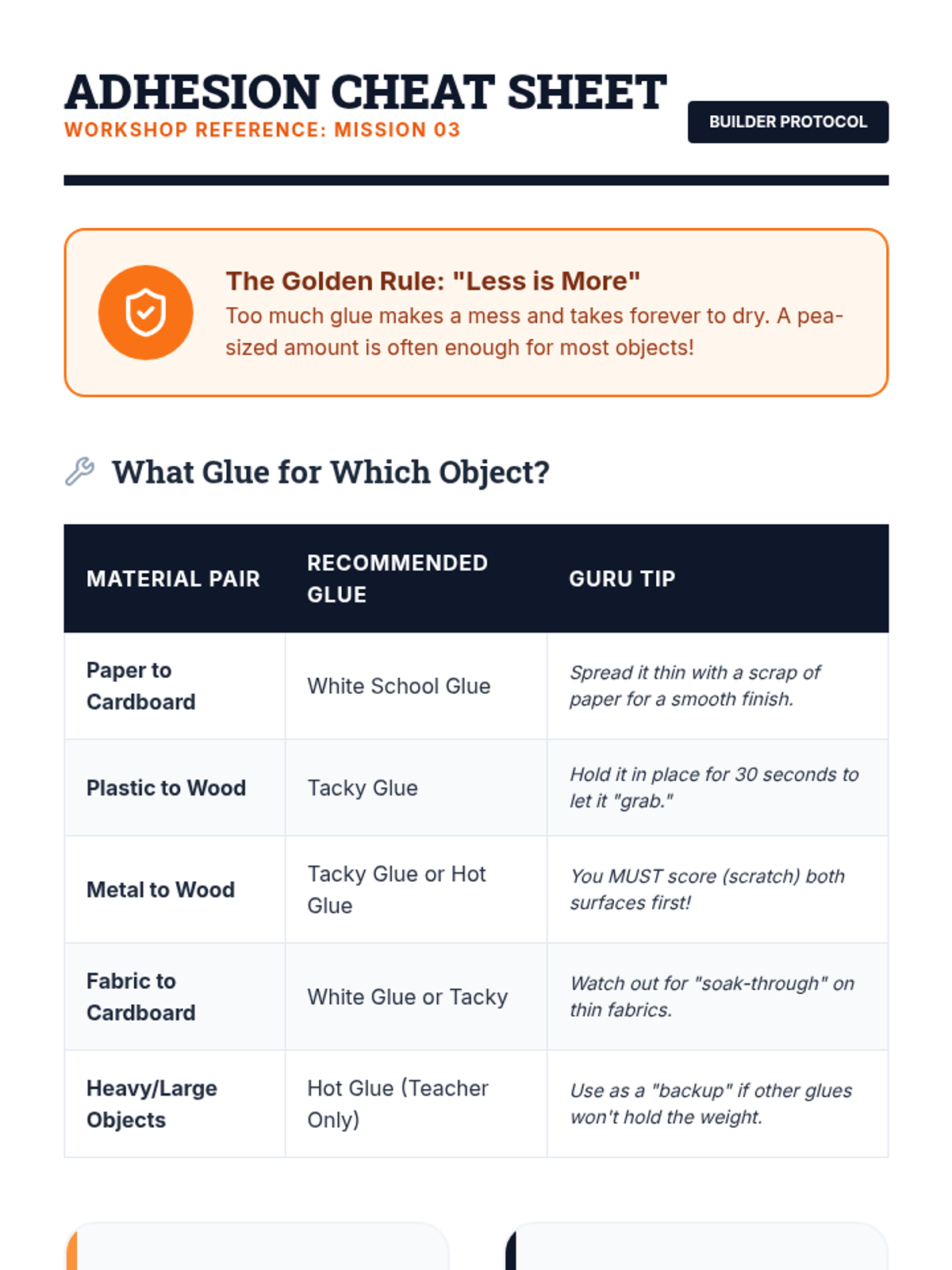
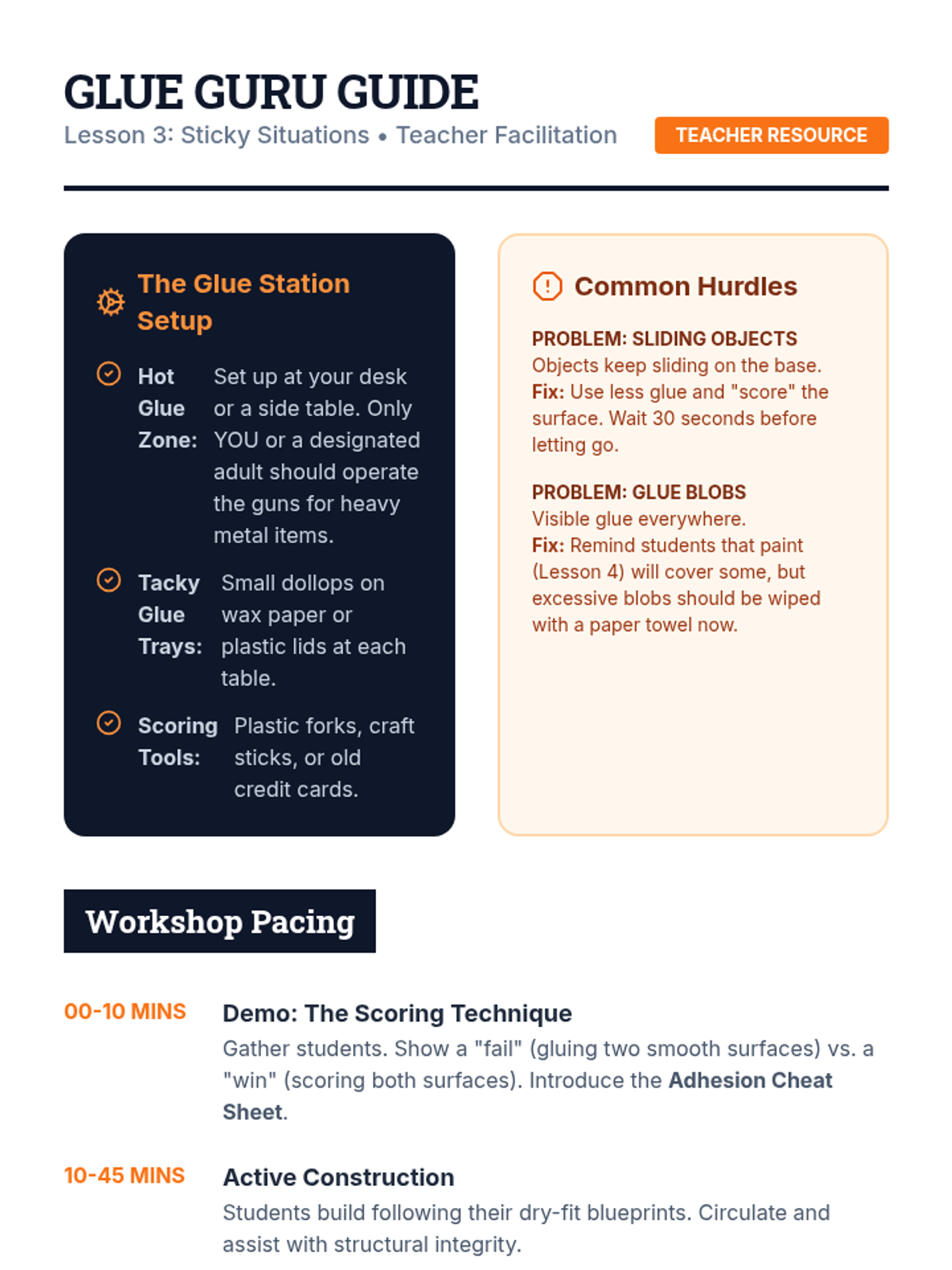
A focused workshop on how to glue different materials together effectively. Students construct their assemblage, considering layers and depth to create a relief map of objects.
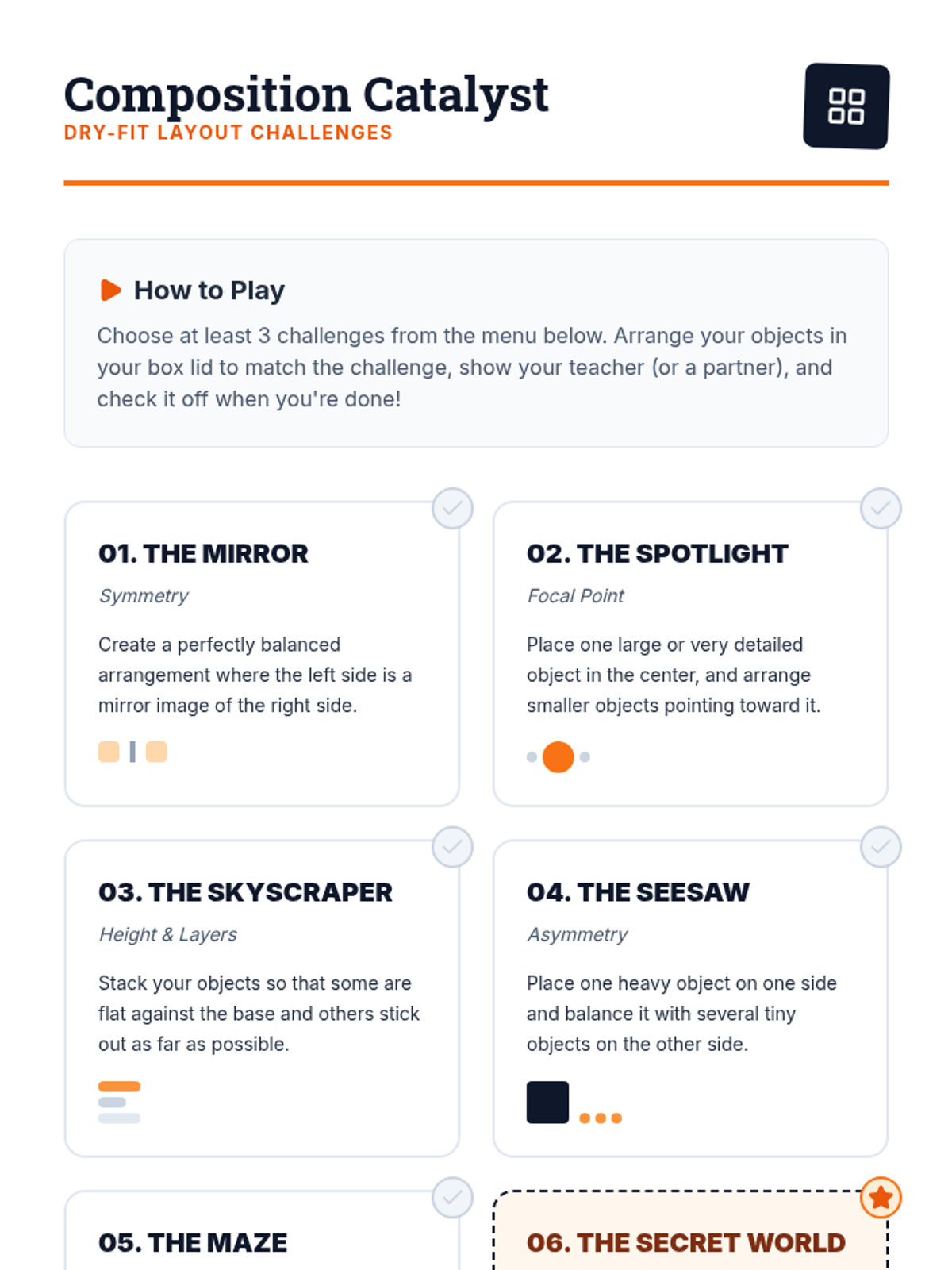
Students sort their collected materials by size, shape, and texture. They begin laying out potential compositions in a box lid or on a board, experimenting with symmetry, asymmetry, and focal points without gluing anything yet.
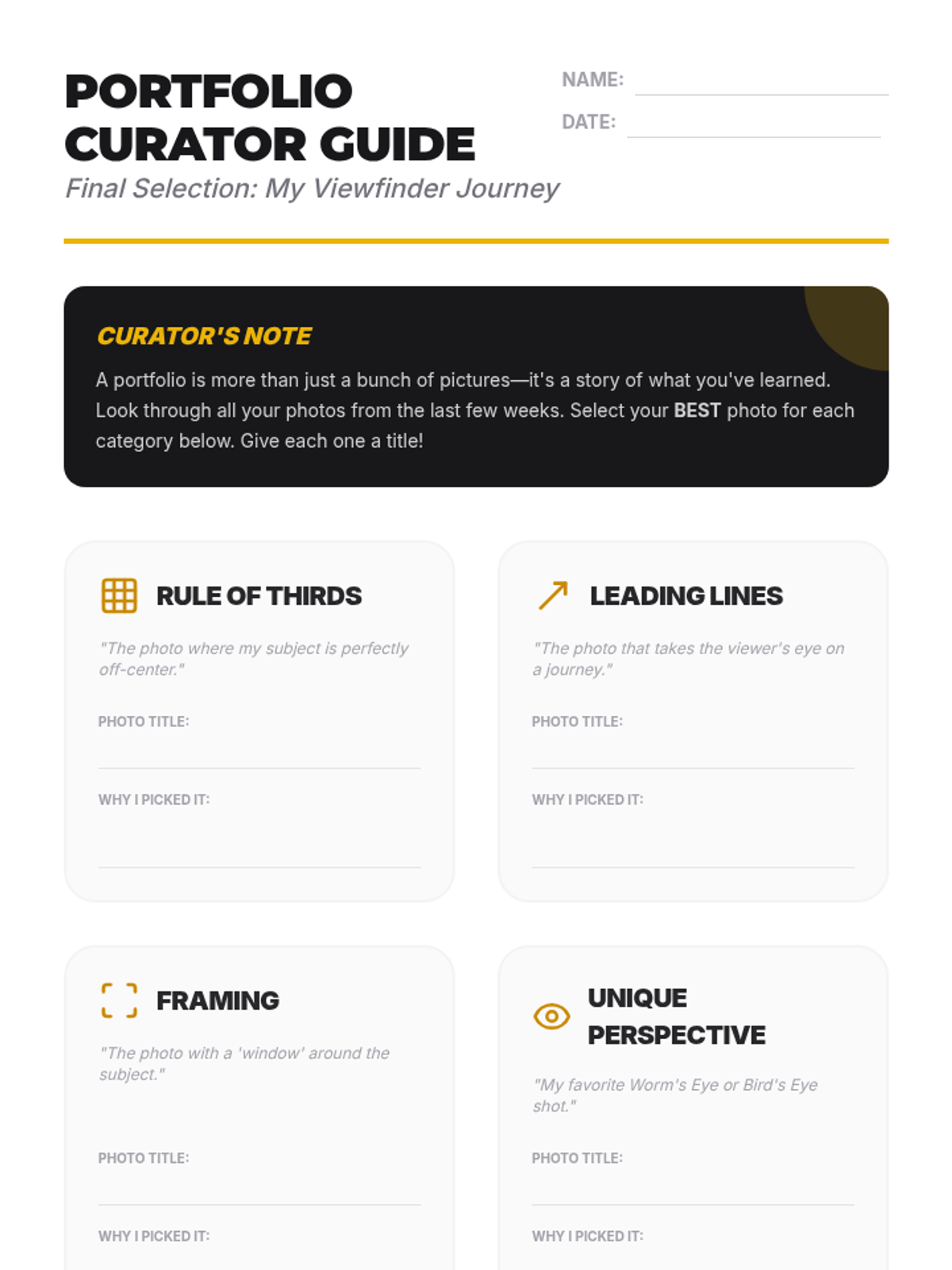
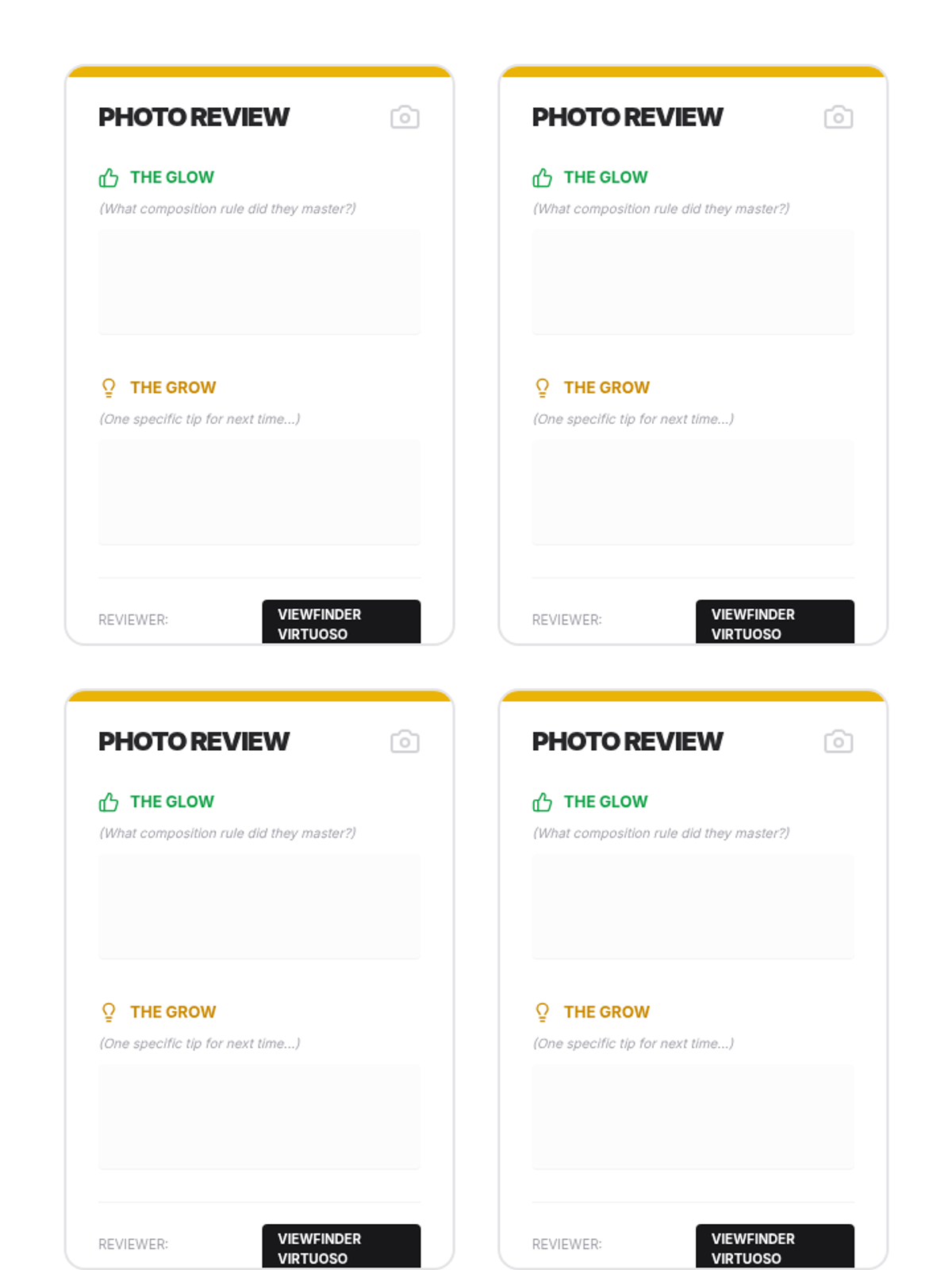
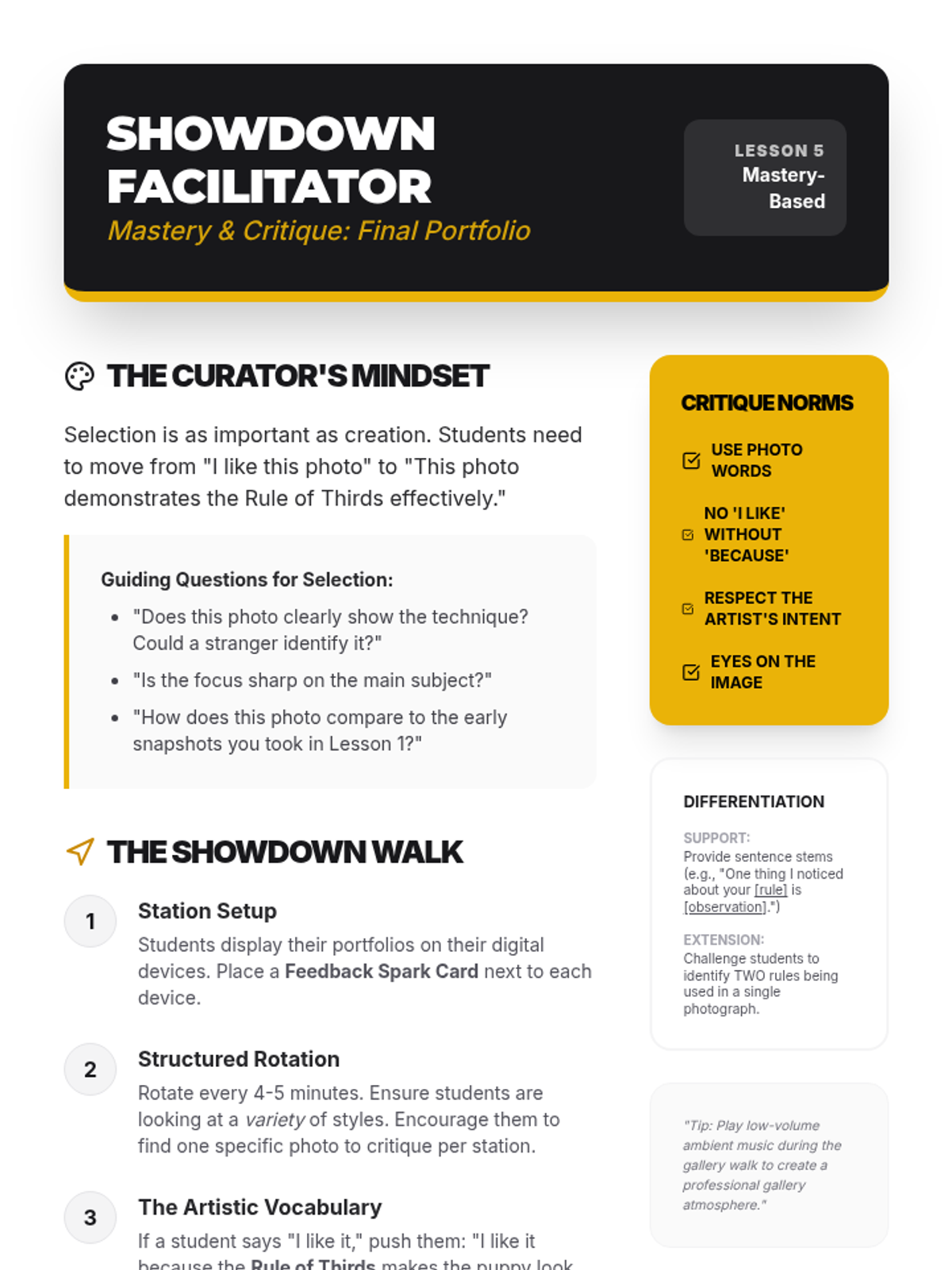
Students select their best images representing each composition rule learned and assemble a digital mini-portfolio. They participate in a structured gallery walk to provide feedback on composition choices. The lesson reinforces vocabulary and the ability to articulate artistic intent.
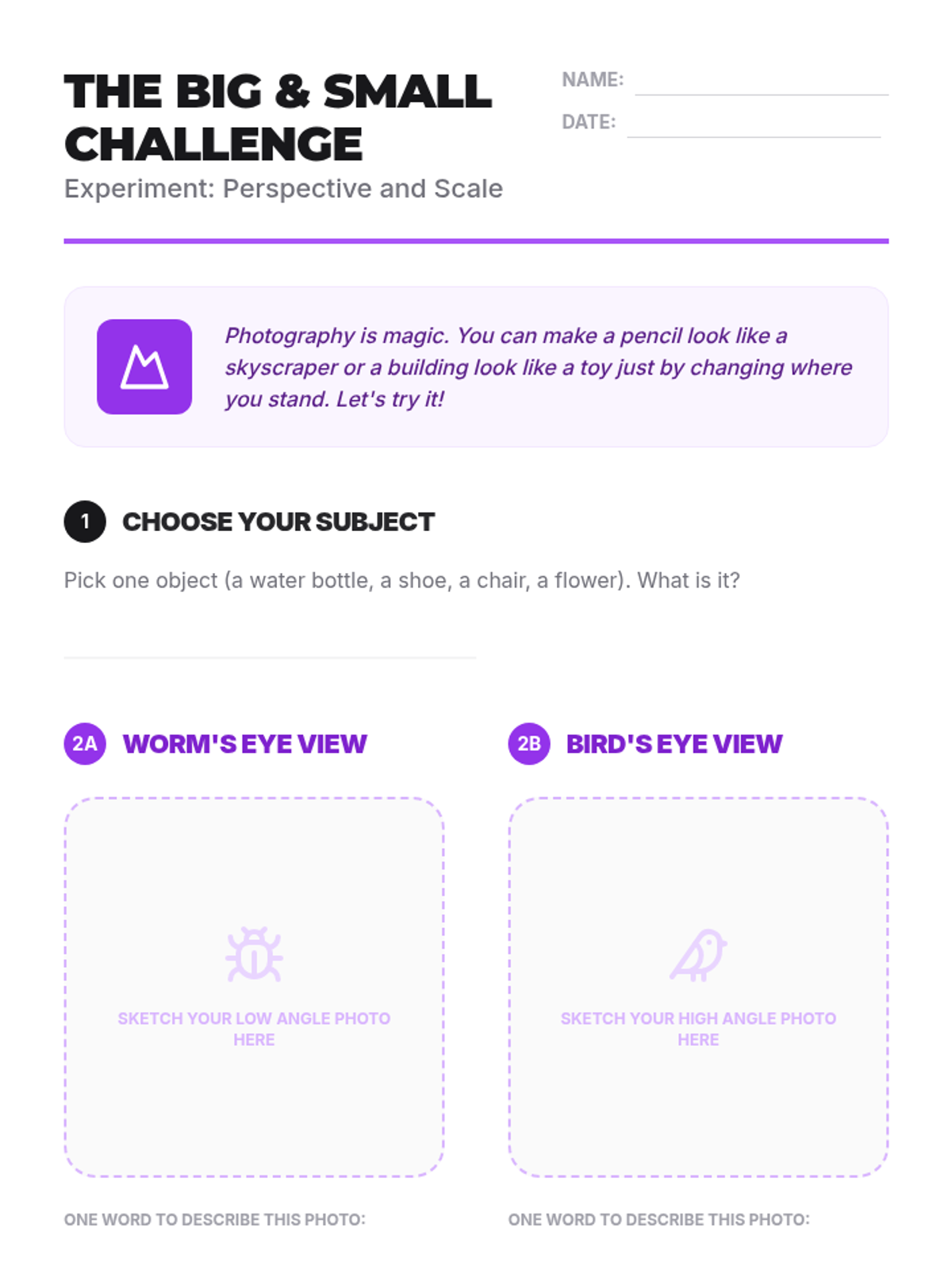
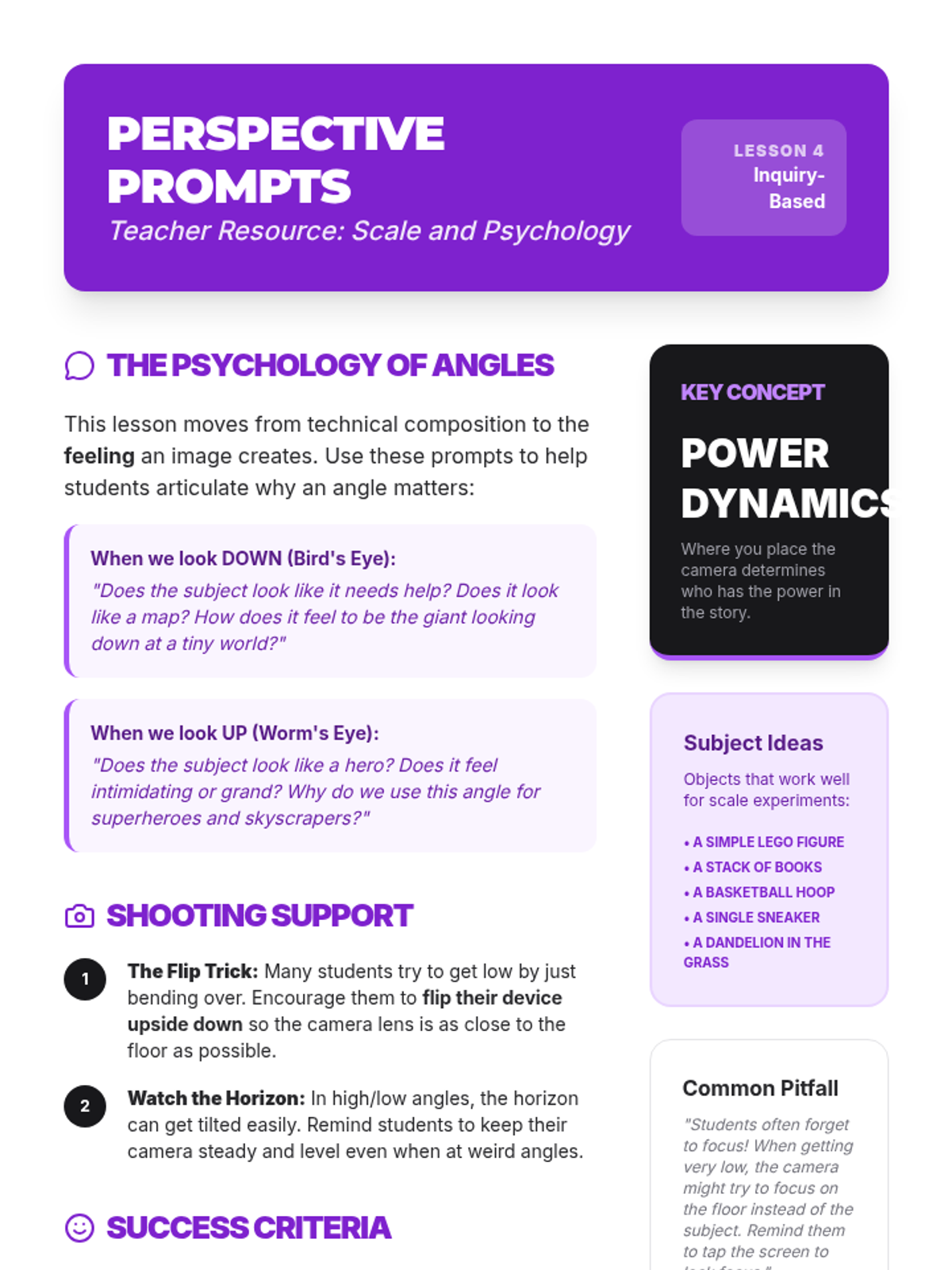
This lesson challenges students to change their physical elevation to alter the story of a photograph. They capture the same object from high above and low below to compare how angles affect power dynamics and scale.
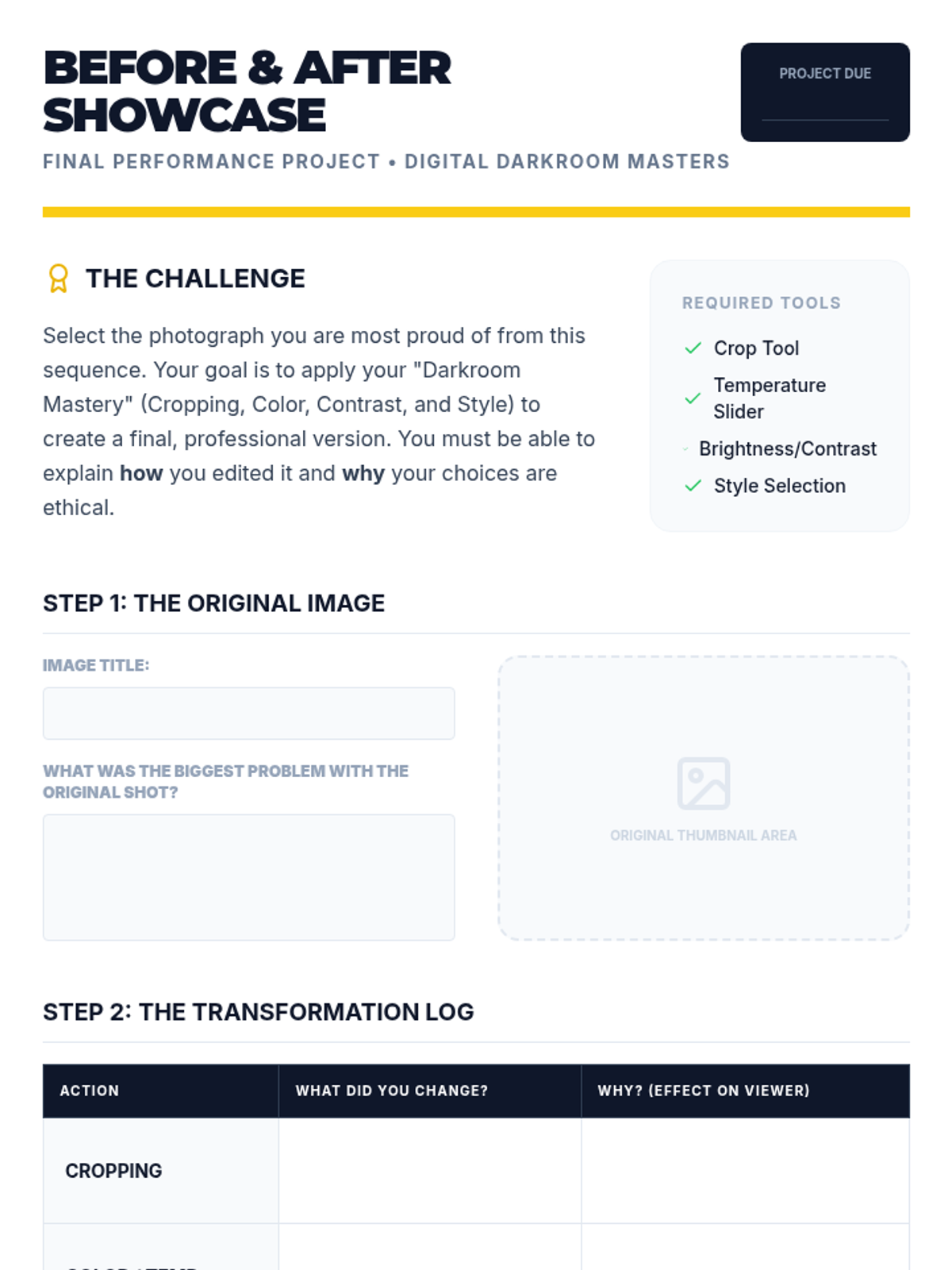
A discussion and practice session on where the line is drawn between enhancing and lying. Students view manipulated images from media and discuss the impact. They then create a final 'Before and After' project where they justify their editing choices as ethical enhancements.
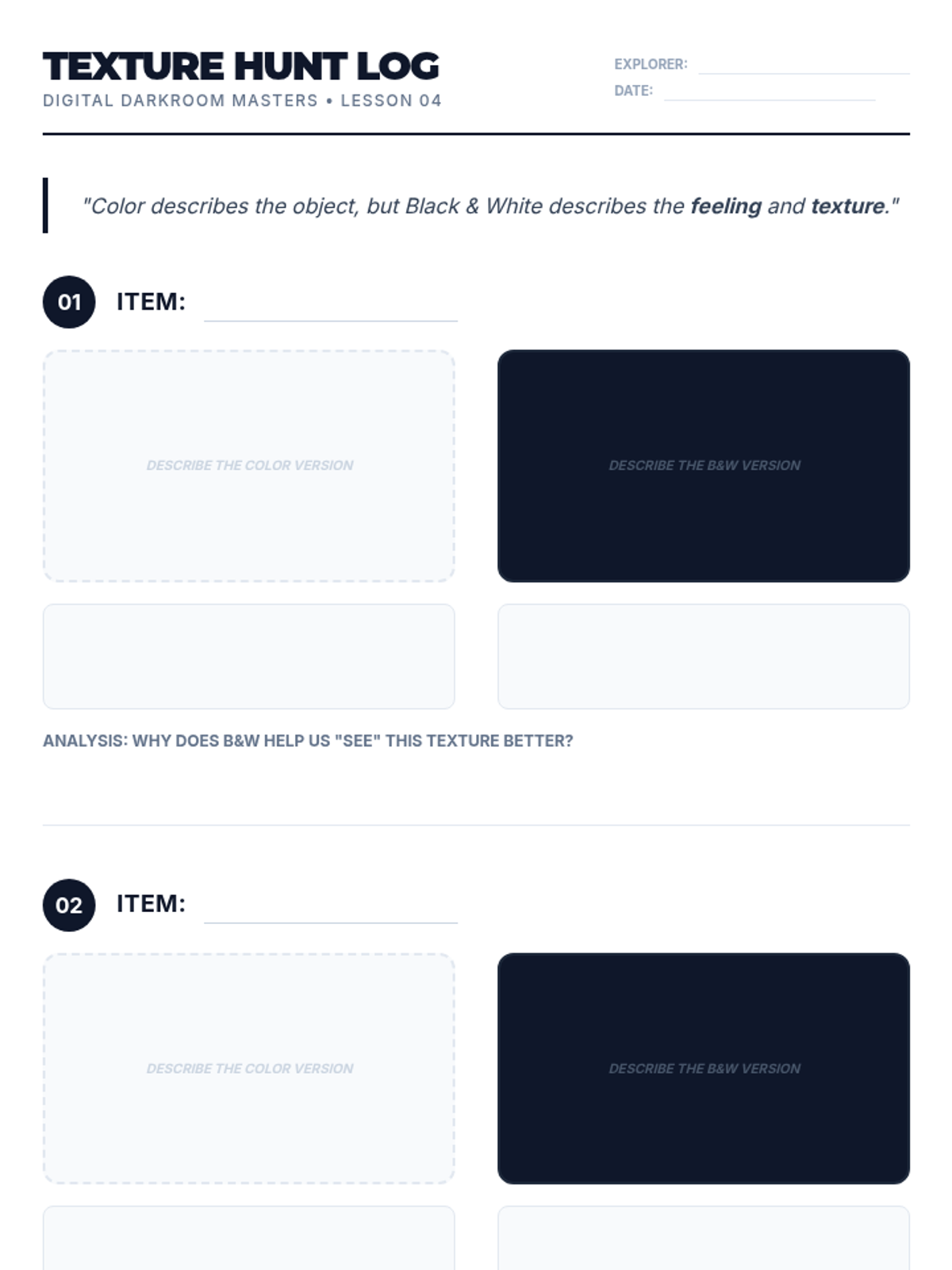
Students experiment with converting color photos to black and white to emphasize texture and shape. They also explore preset filters, analyzing what the filter actually does to the image data. The goal is intentional use of effects rather than random selection.
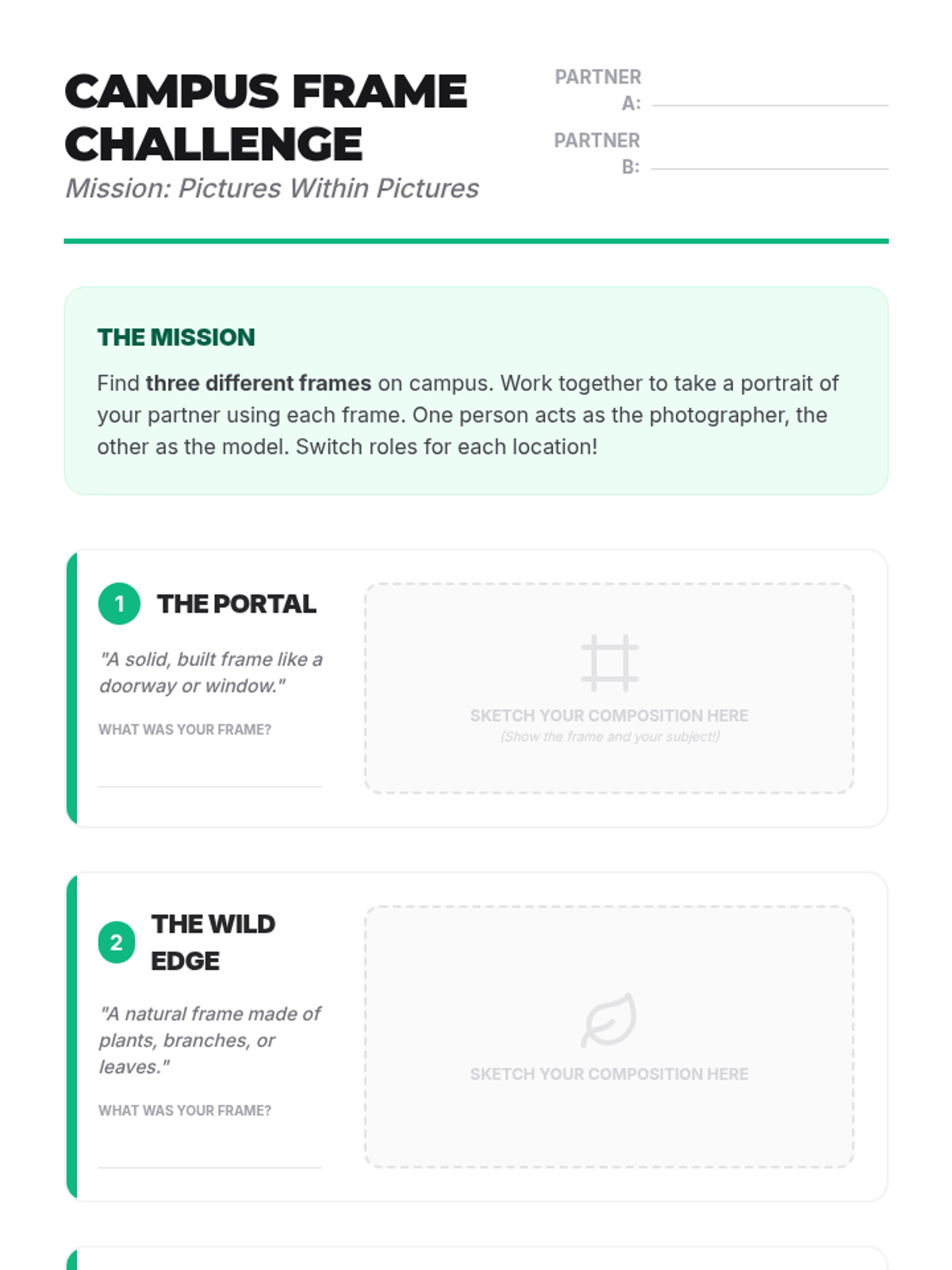
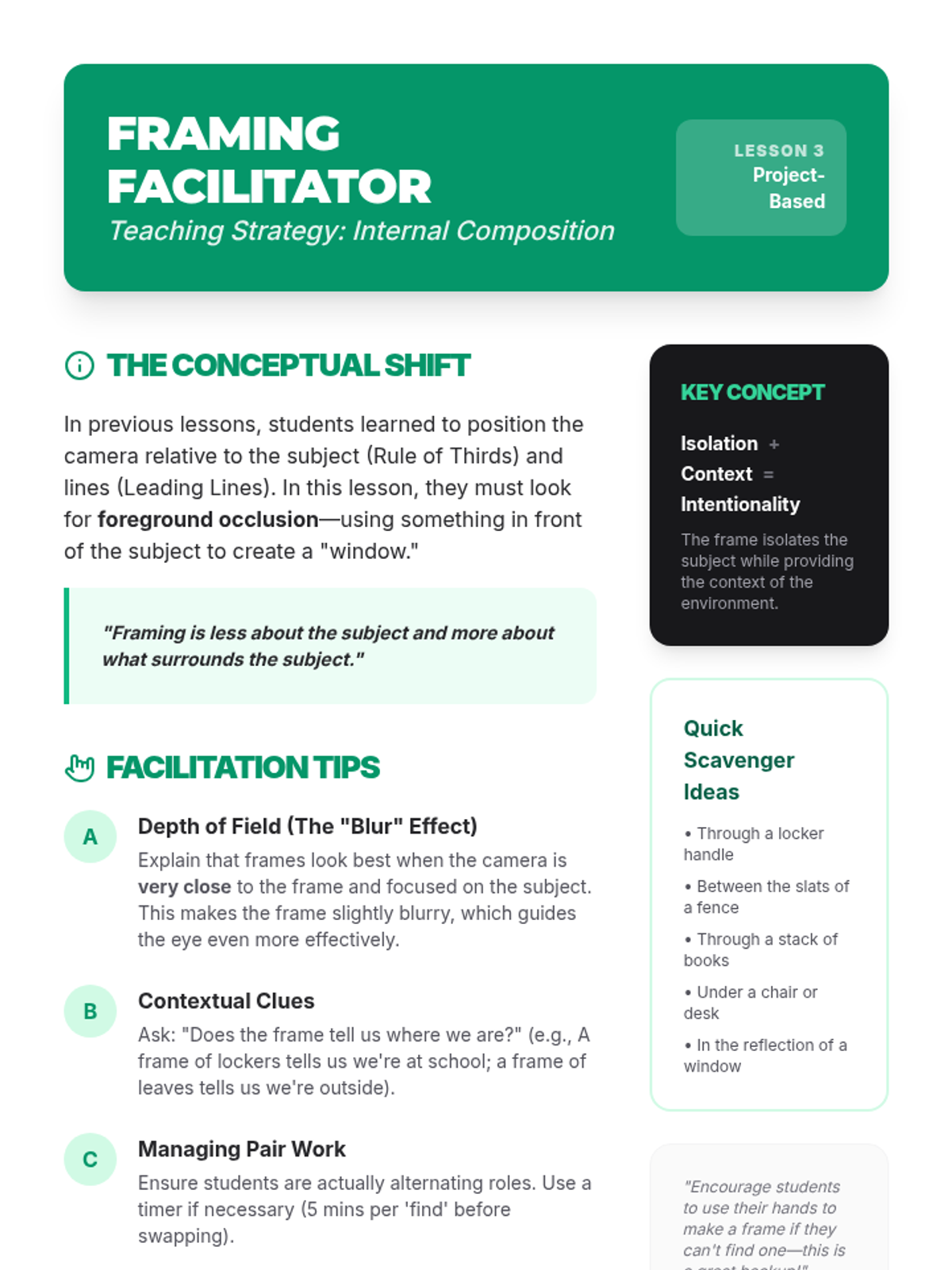
Students investigate how to use environmental elements like doorways, windows, or tree branches to frame their subjects.
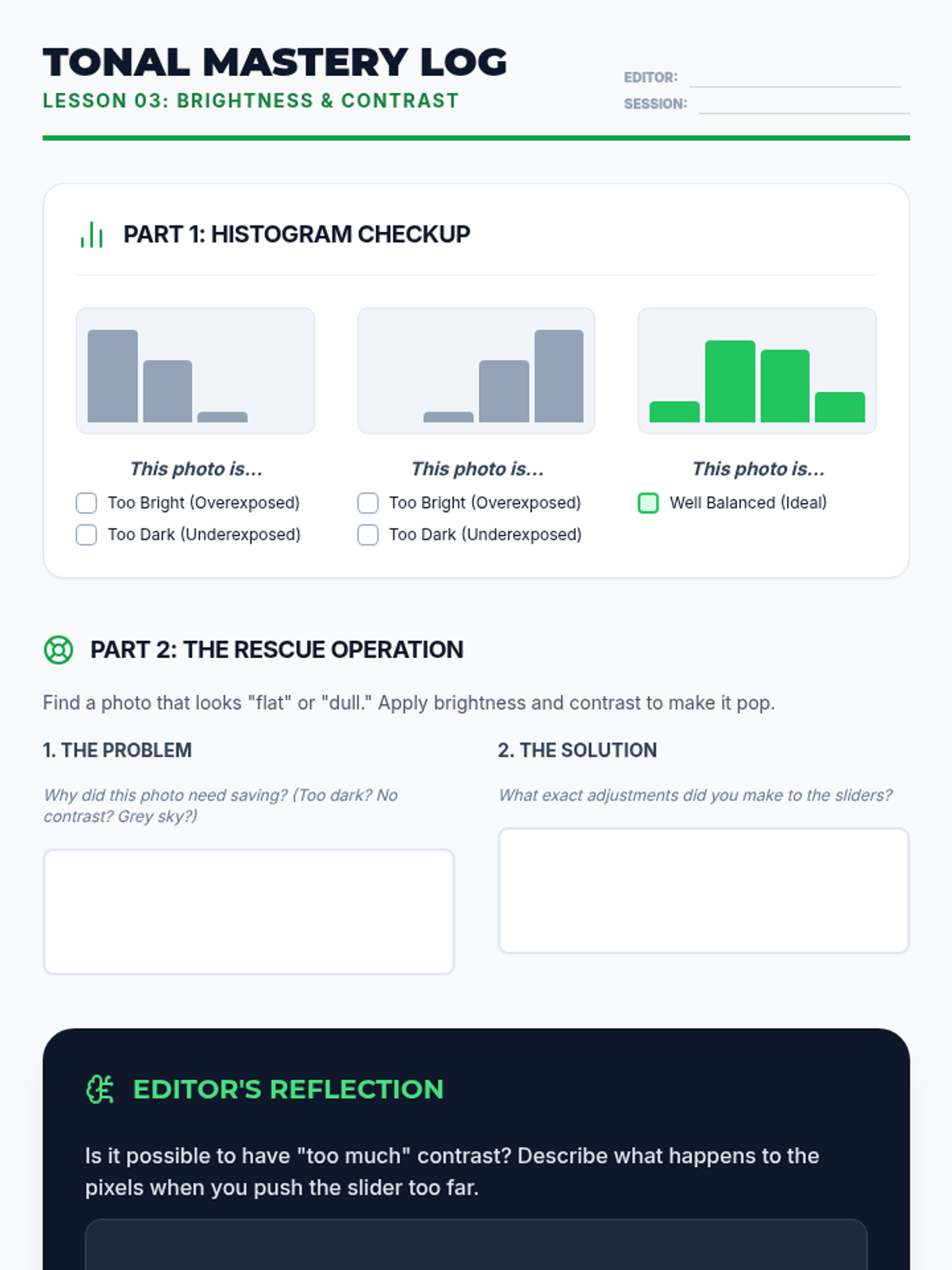
Students learn to read a histogram (simplified) or visual cues to adjust brightness and contrast. They practice salvaging flat, dull images by increasing dynamic range digitally. The lesson teaches the balance between 'popping' and 'looking fake.'
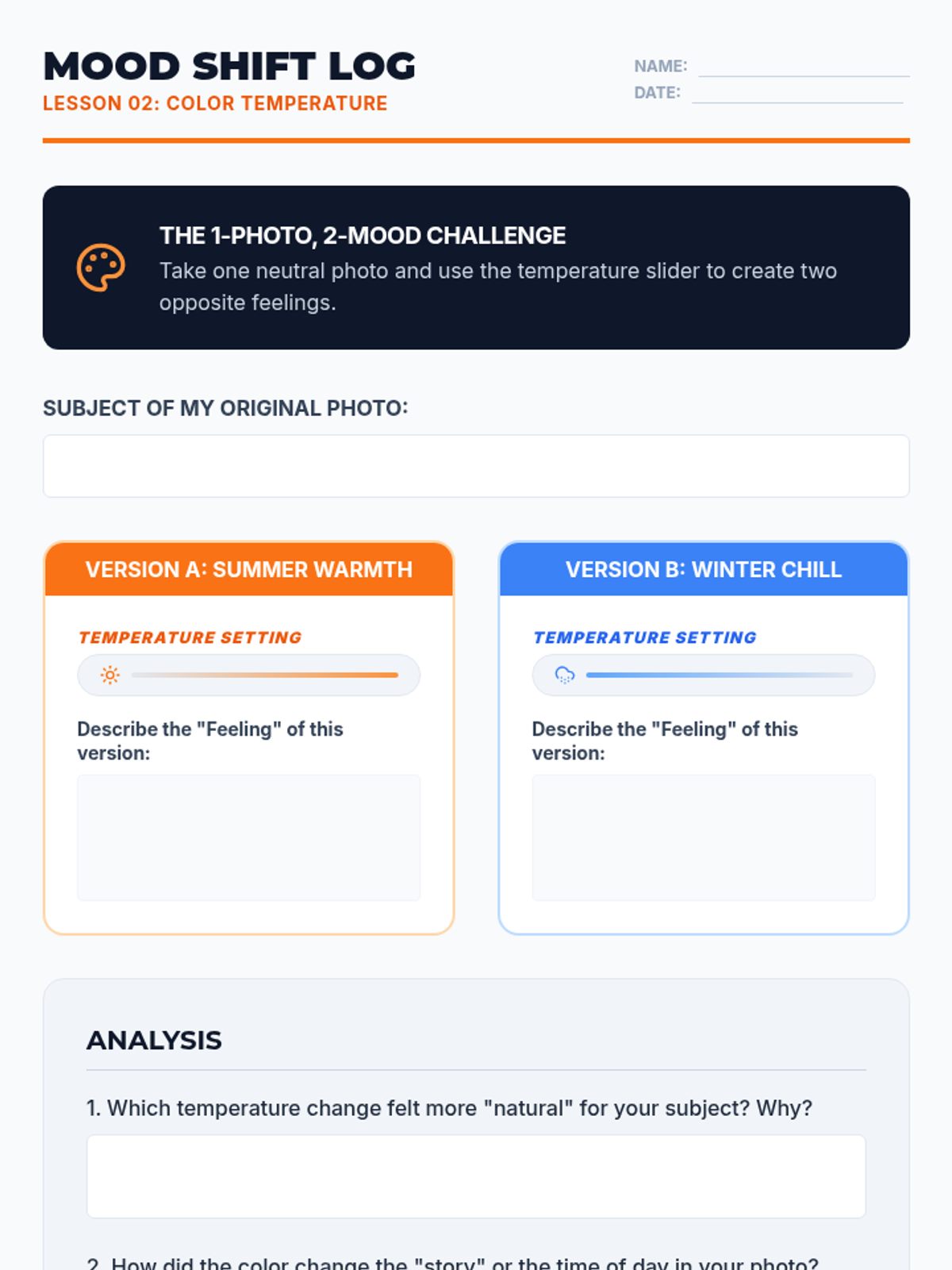
Learners explore how adjusting 'warmth' (orange/yellow) and 'coolness' (blue) changes the feeling of a photo. They use basic editing tools to fix photos that look unnatural and to stylize others for artistic effect. The focus is on the emotional impact of color.
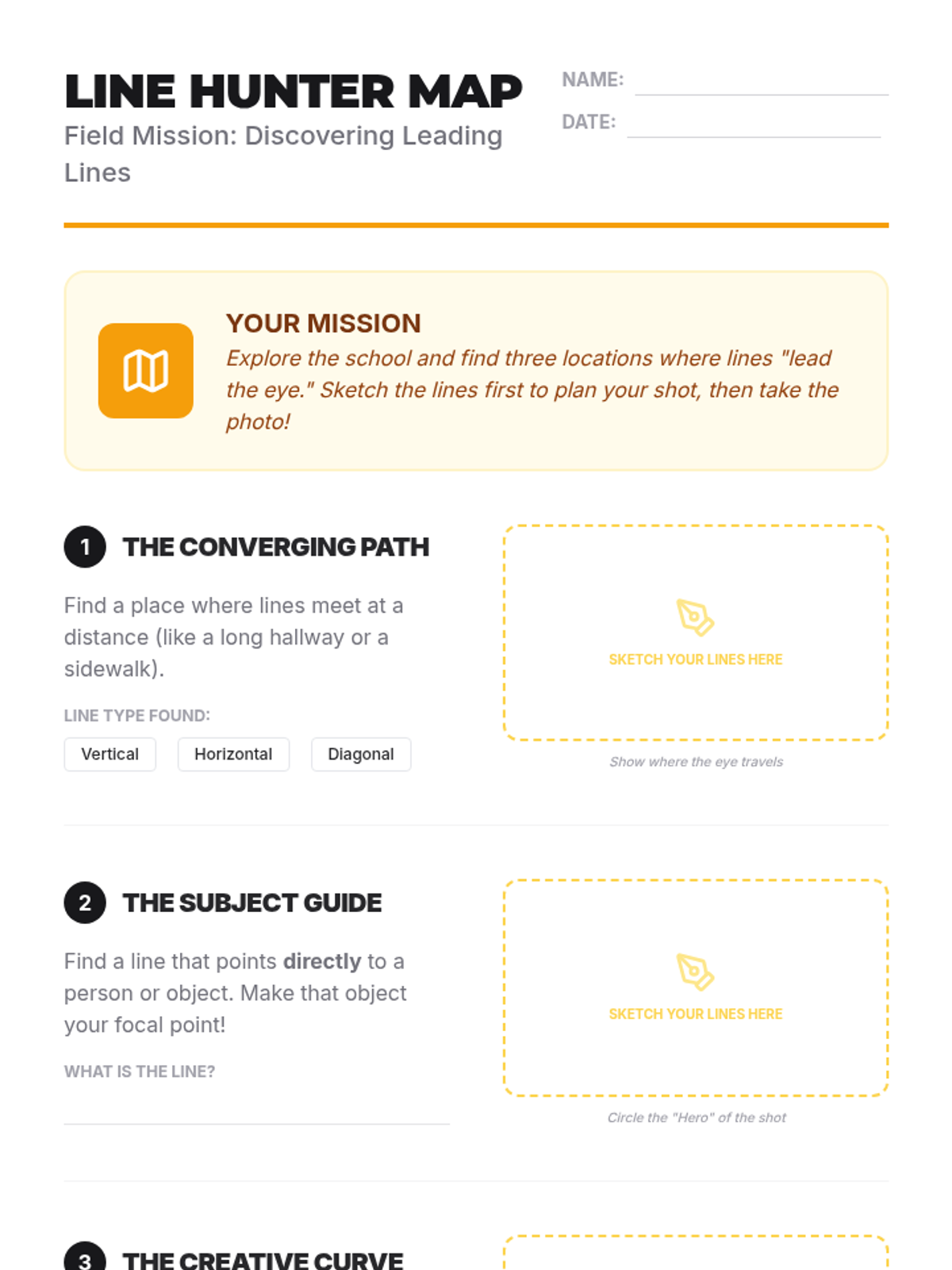
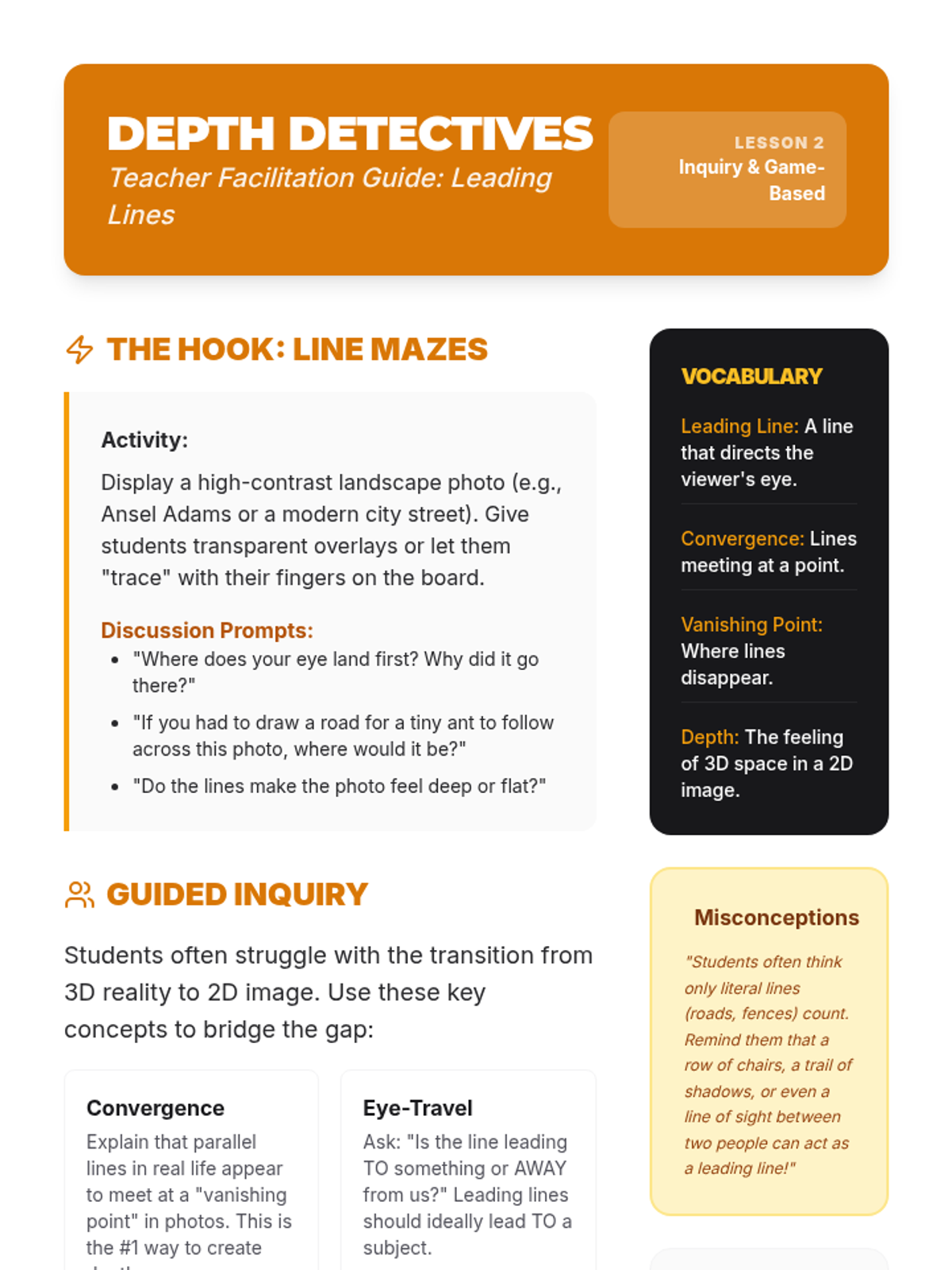
Students explore how environmental lines direct the viewer's gaze and create the illusion of depth in 2D images.
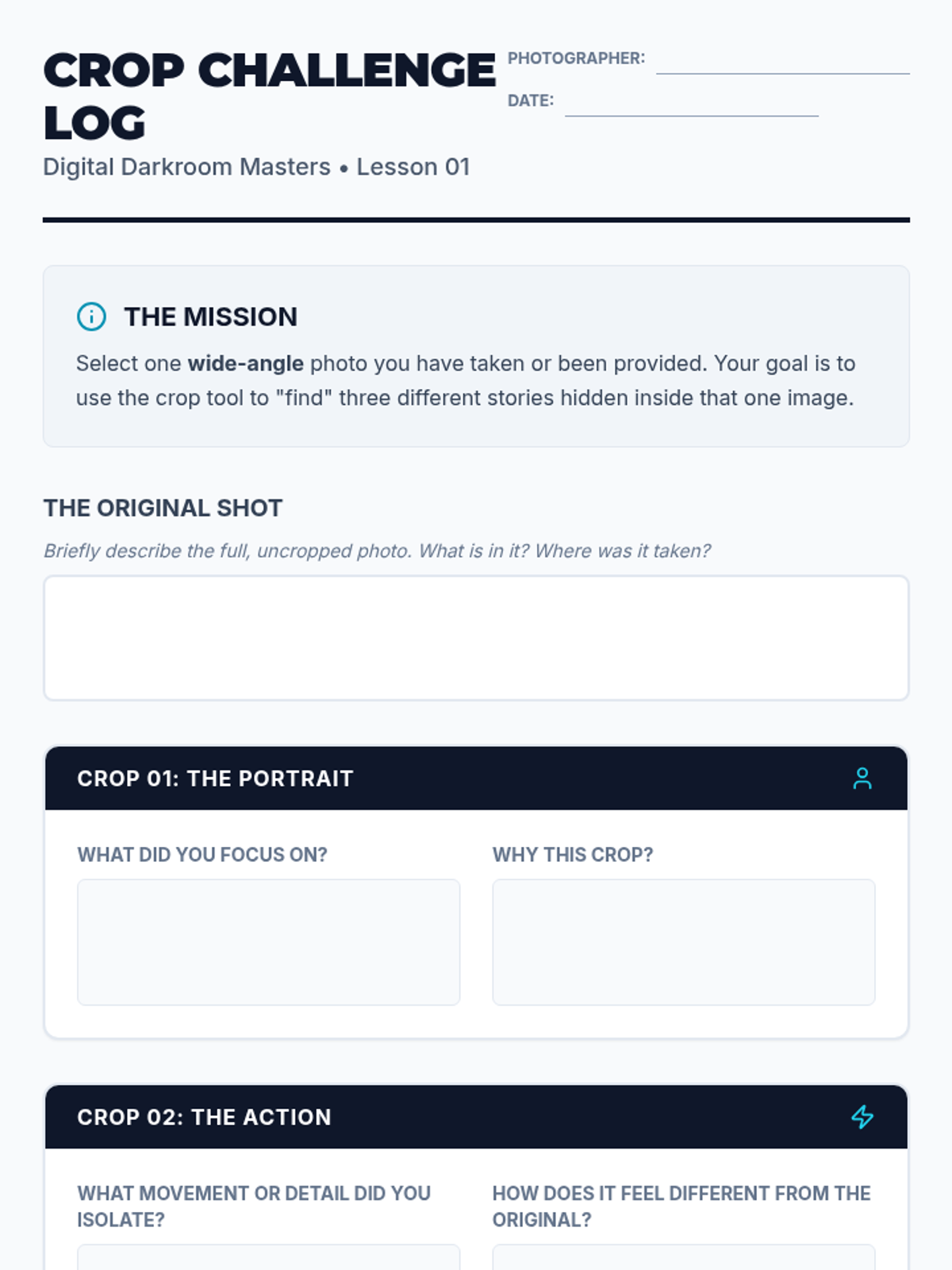
Students take existing wide photos and re-crop them in multiple ways to create entirely different images. They discuss how removing clutter focuses attention and changes the meaning. This lesson reinforces composition rules learned earlier but applied in post-production.
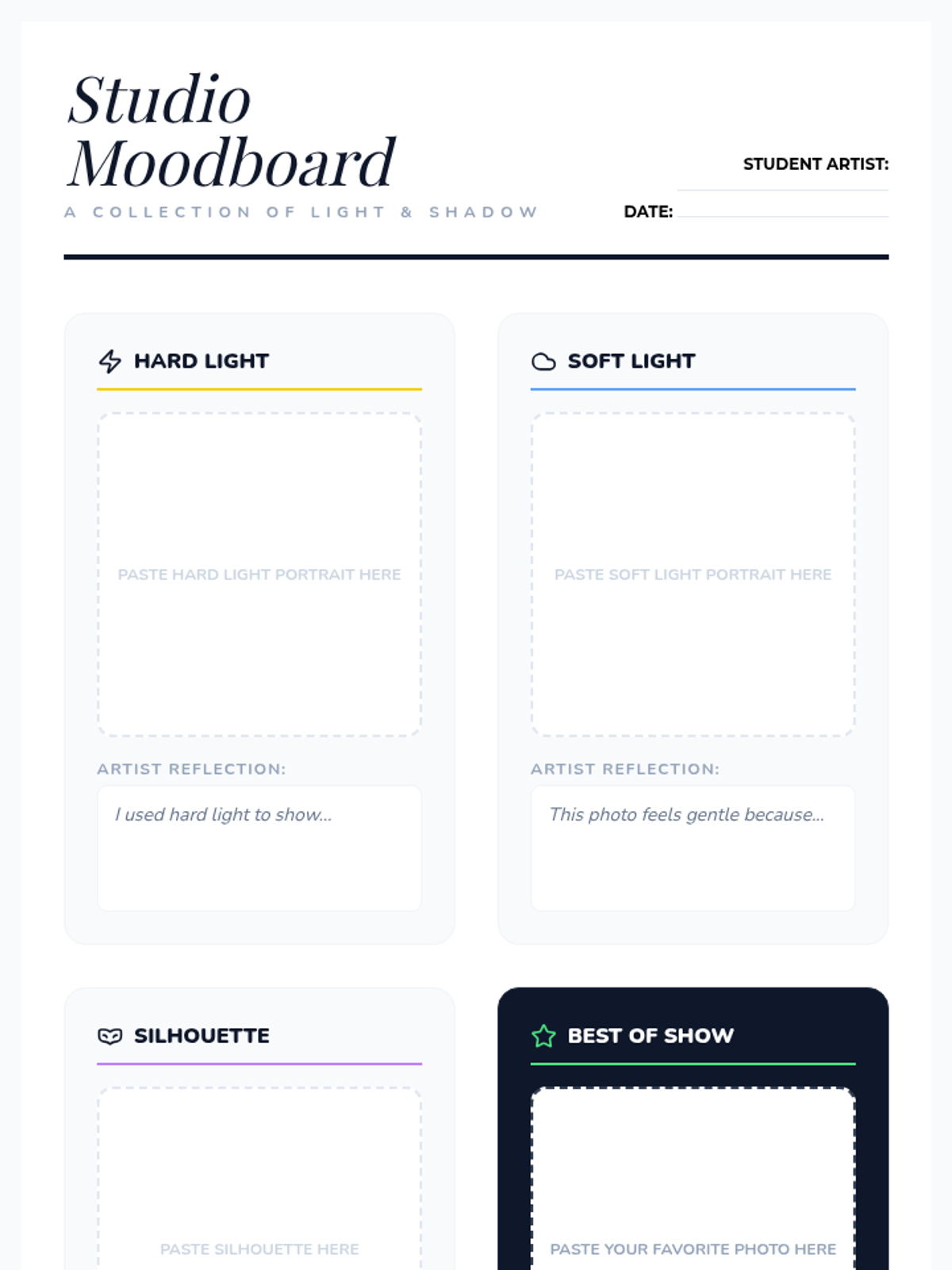
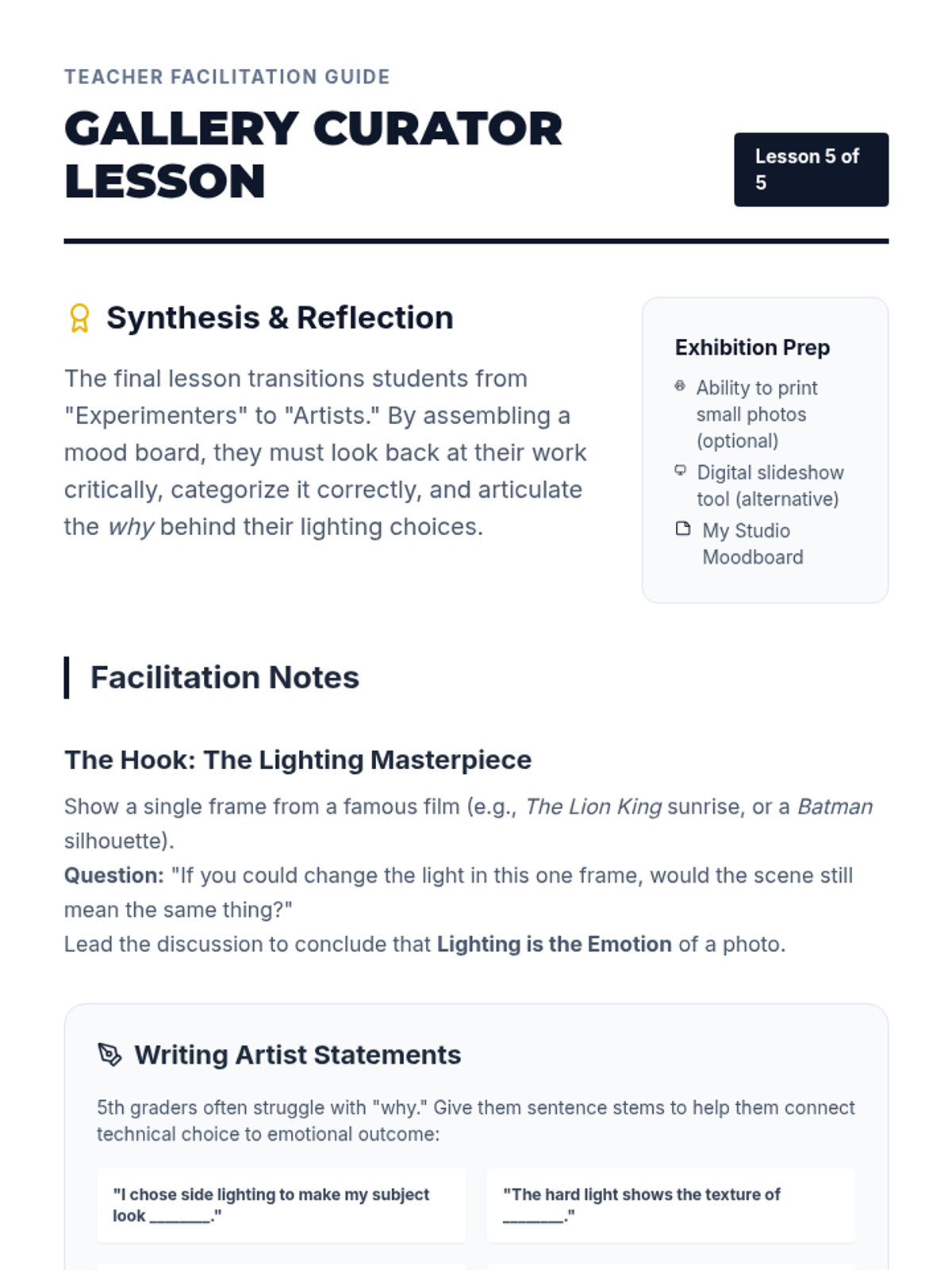
Students compile their experiments into a mood board that categorizes images by the feeling the light evokes and write reflections on their lighting choices.
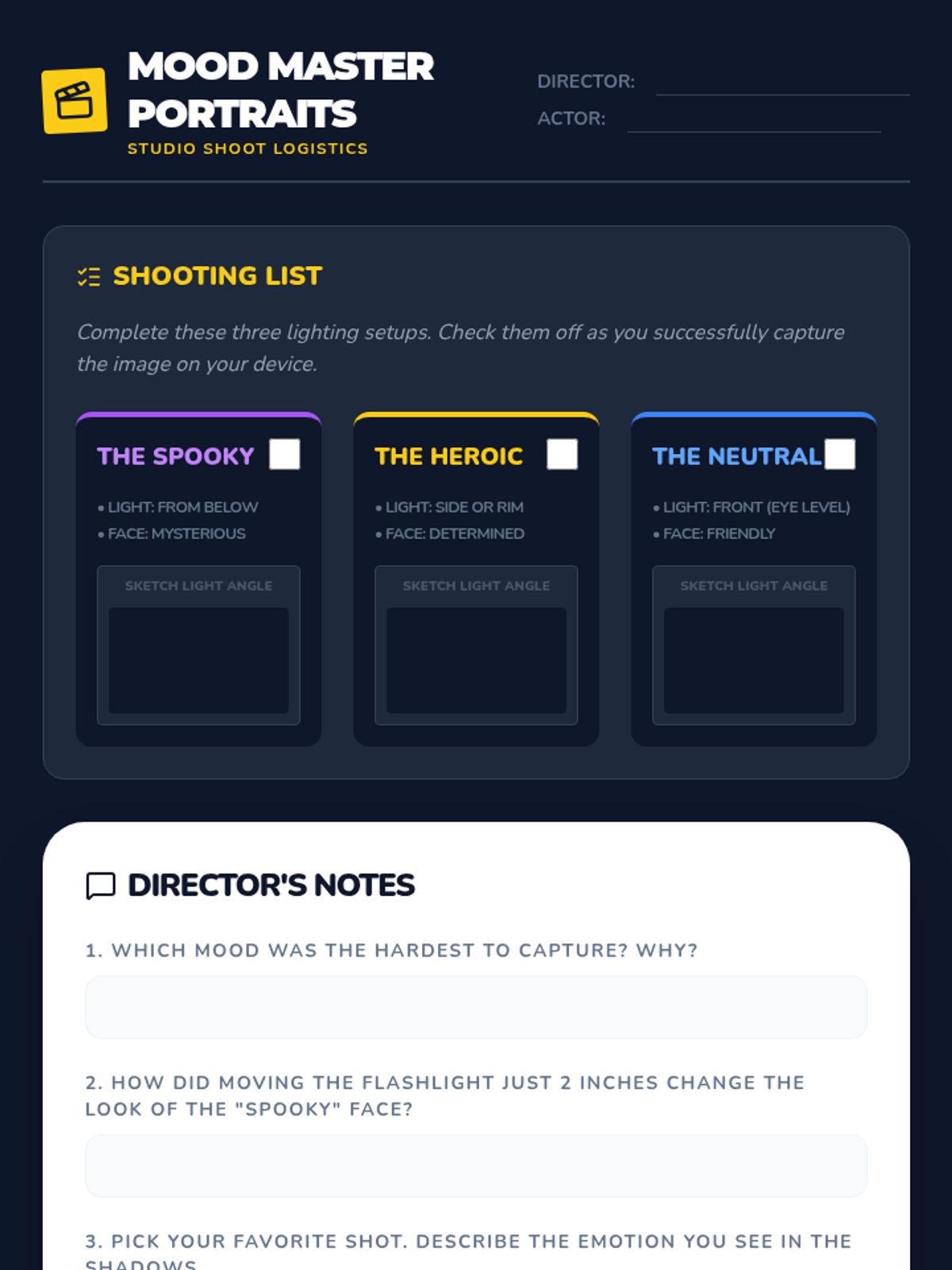
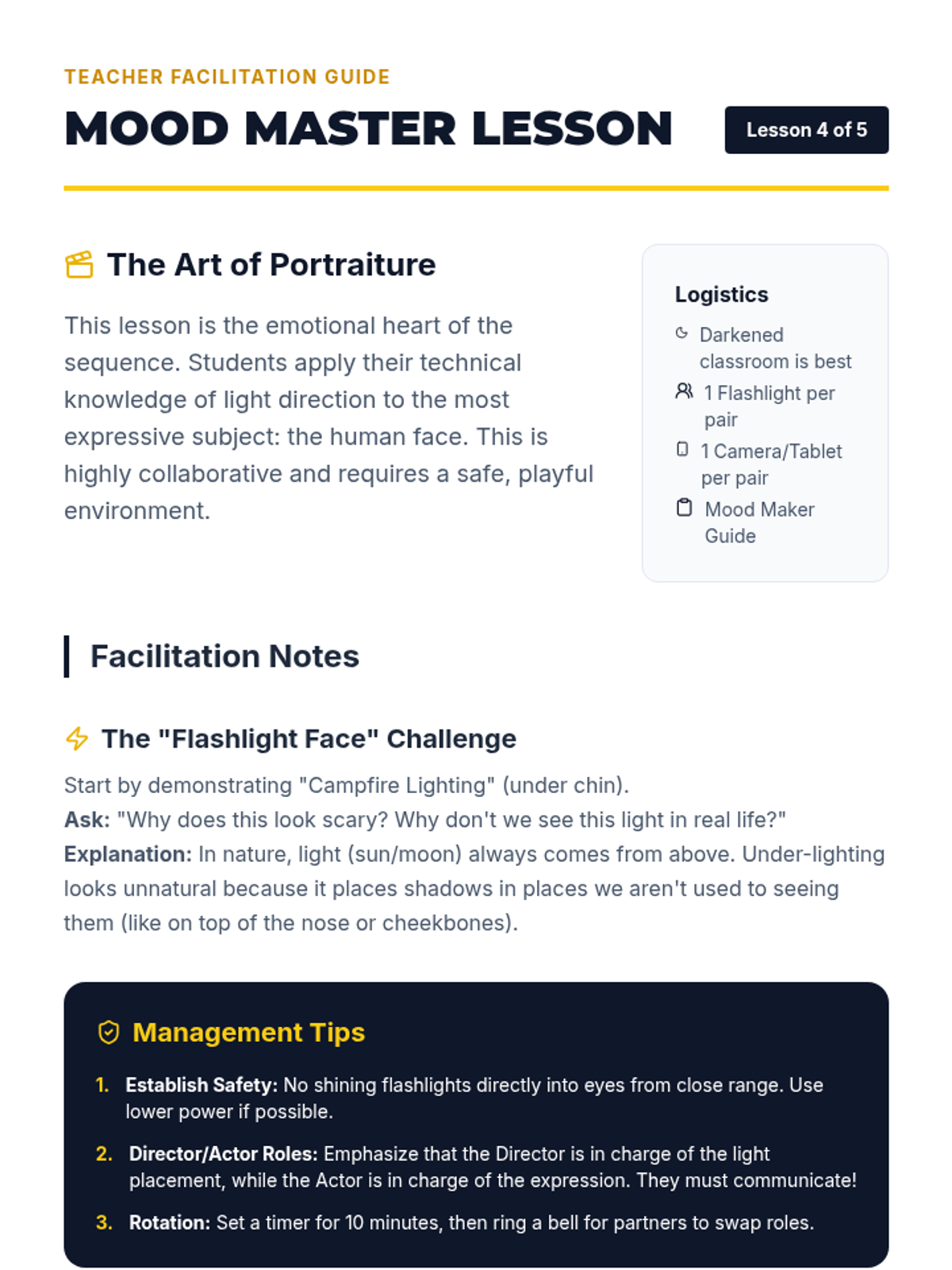
Working in partners, students use portable lights to create 'spooky', 'heroic', and 'neutral' portraits, documenting the setup used for each mood.
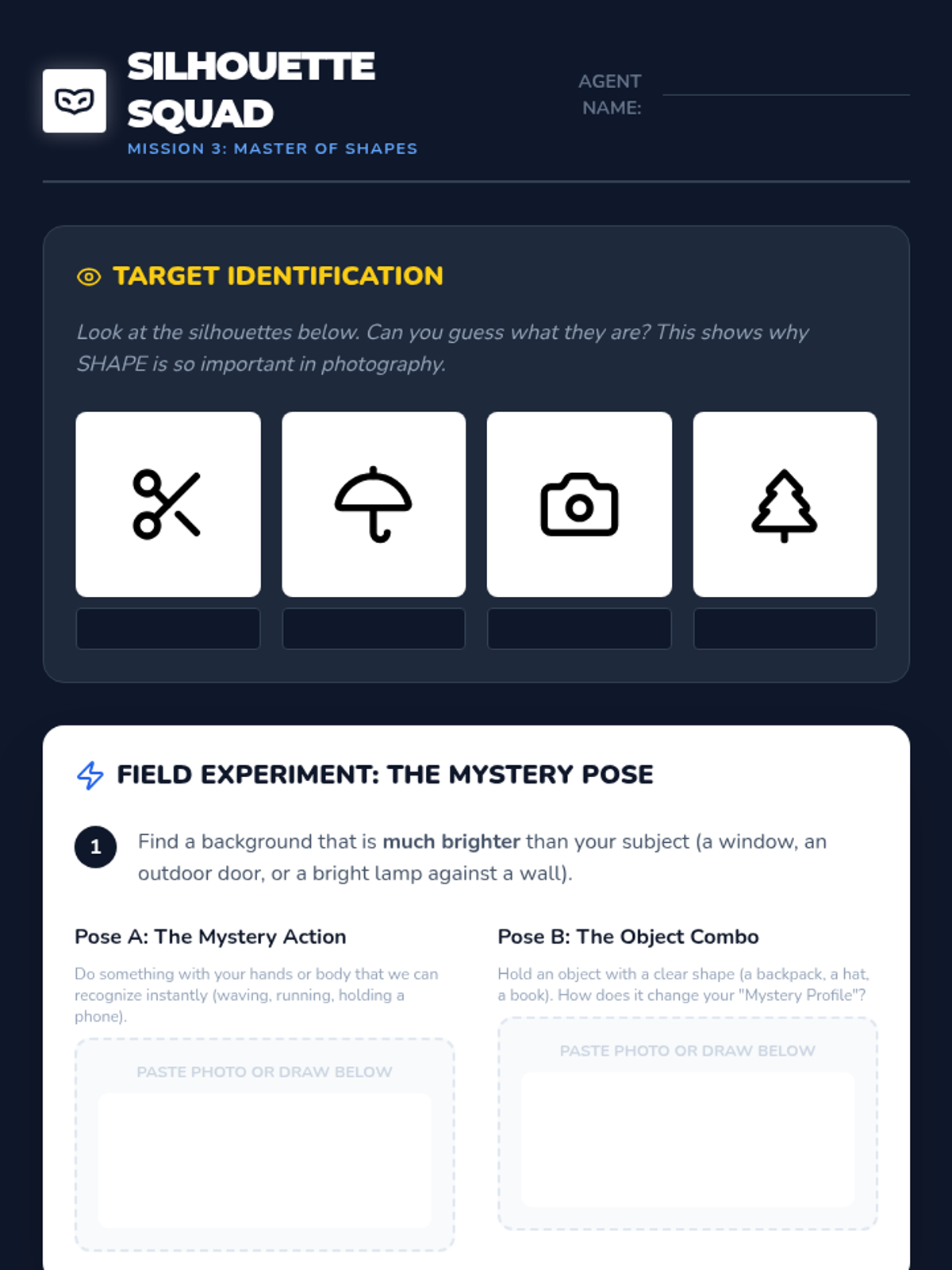
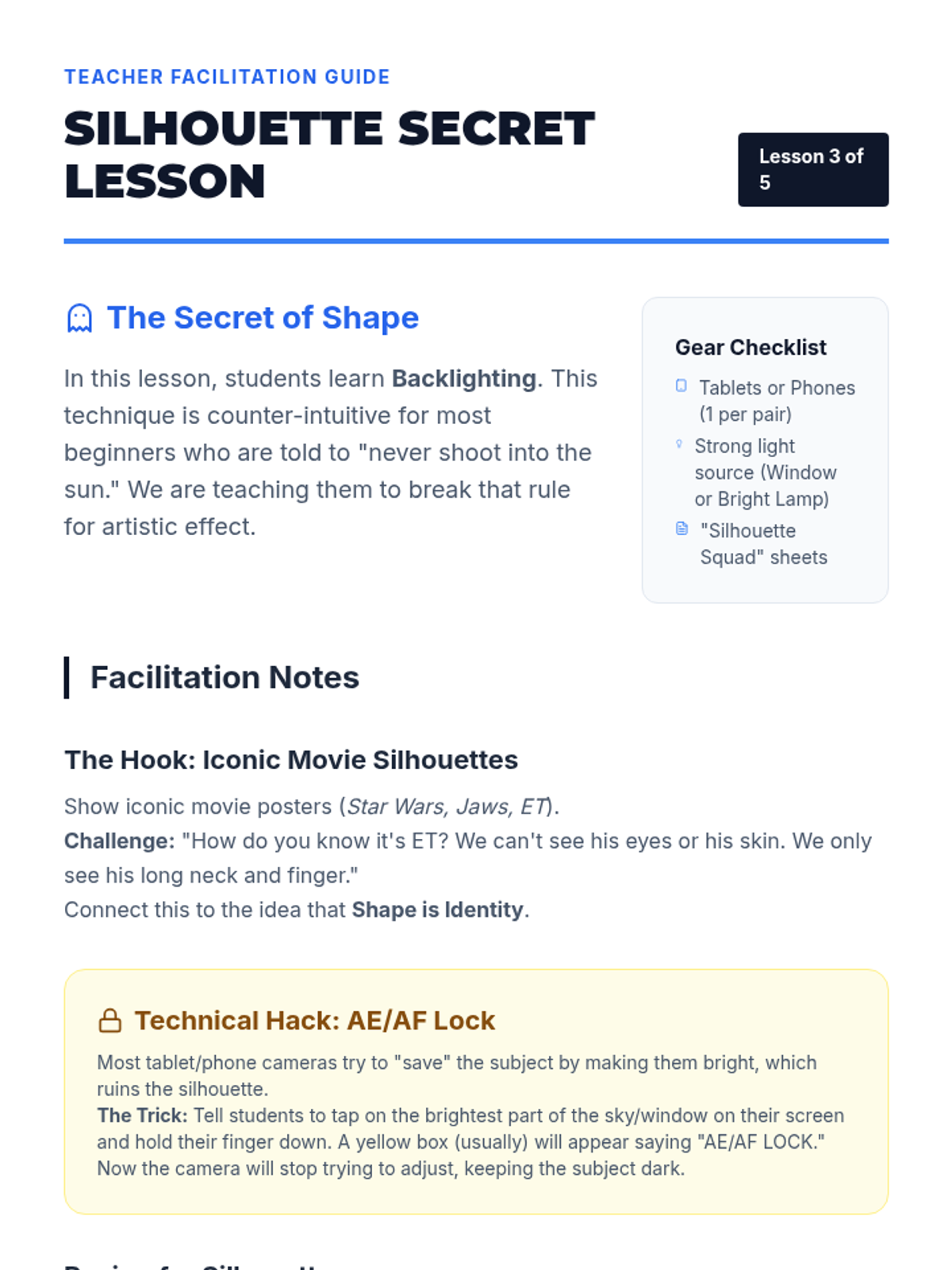
Students learn the technique of placing a subject directly in front of a light source to create a silhouette, connecting lighting technicalities with mystery.
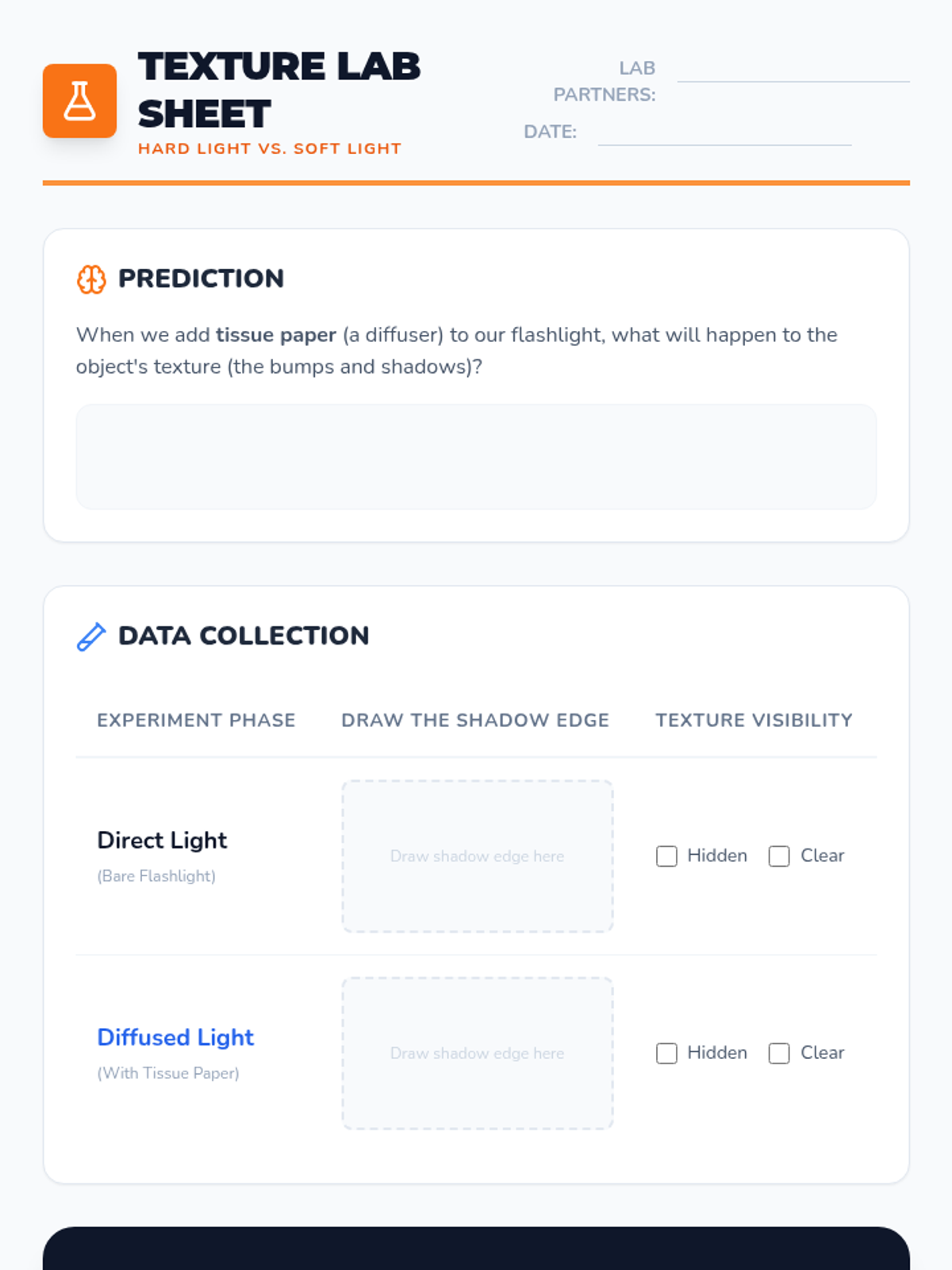
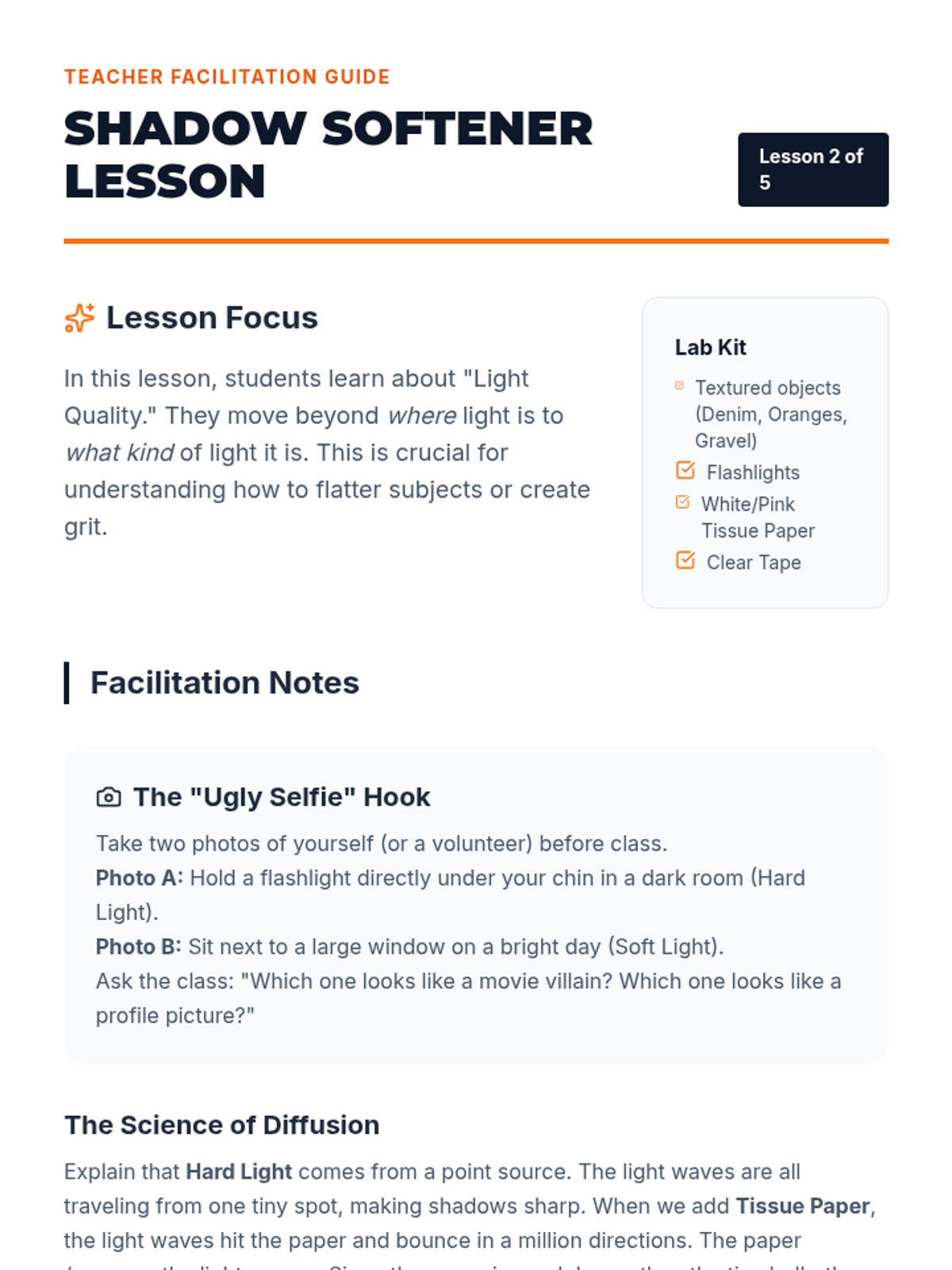
Learners experiment with direct sunlight (hard) and diffused light (soft) to see how textures are revealed or hidden using diffusers like tissue paper.
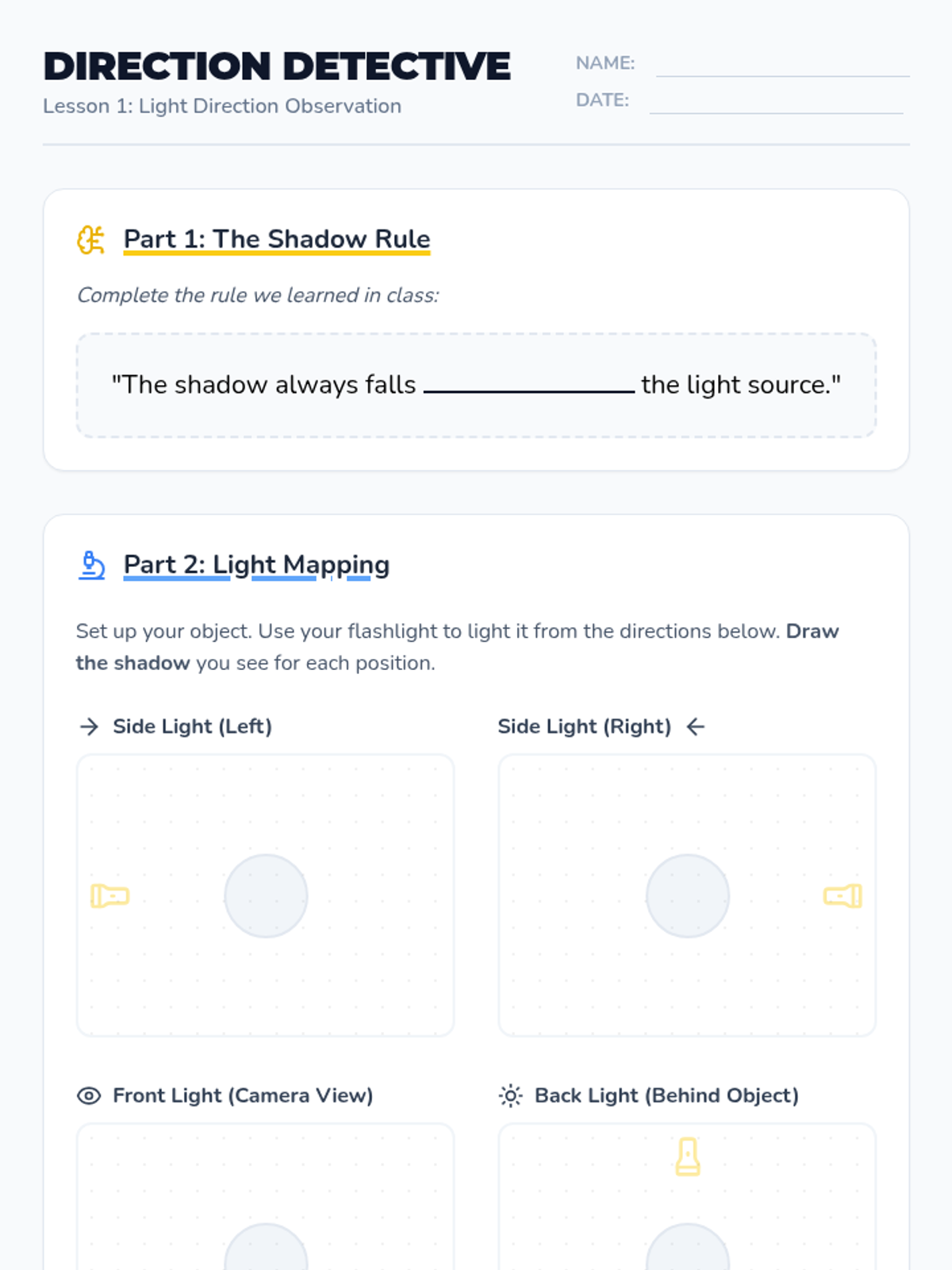
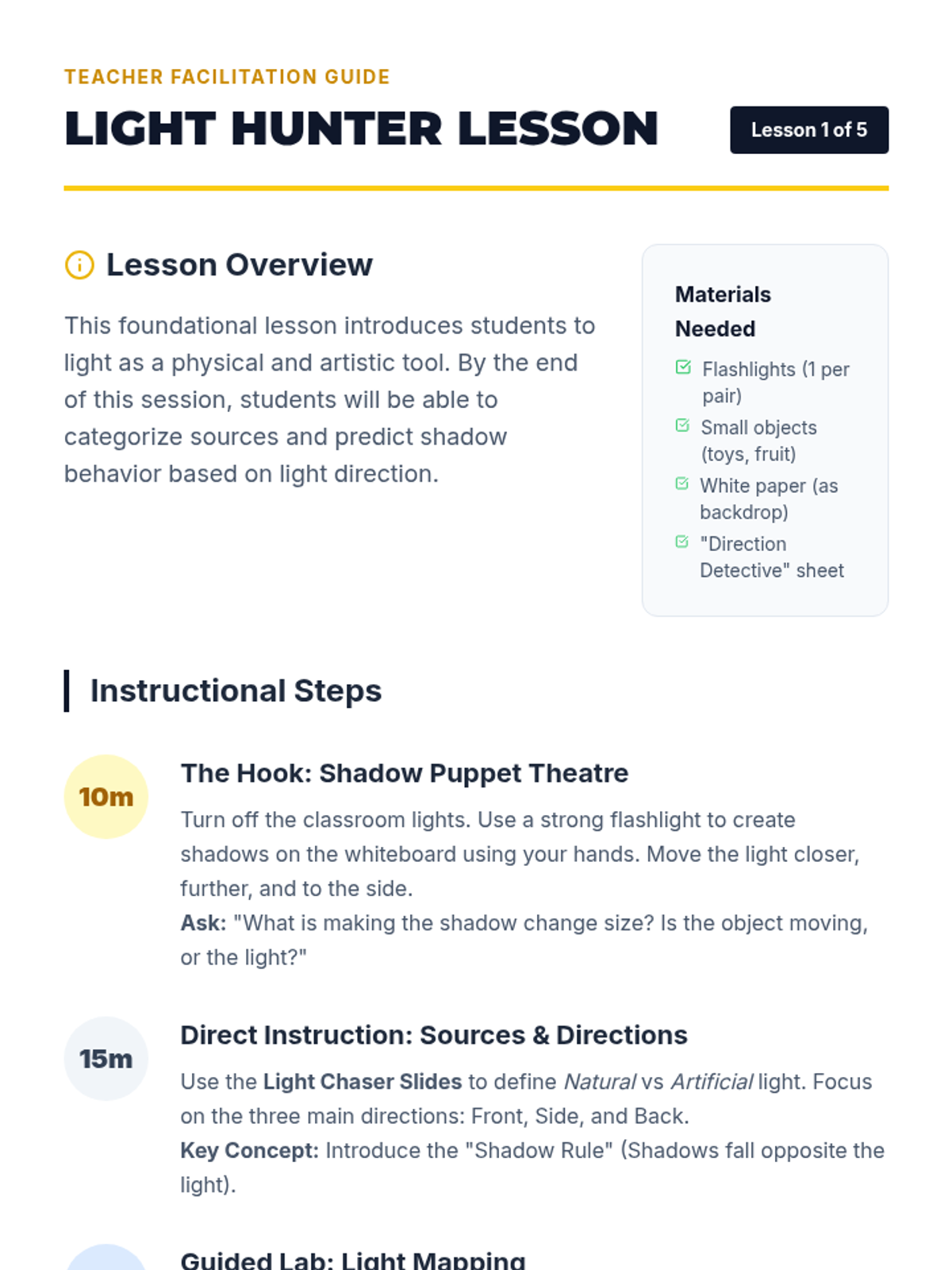
Students observe and categorize different light sources and the direction they come from (front, side, back) using a simple object to document how moving the light changes the look.
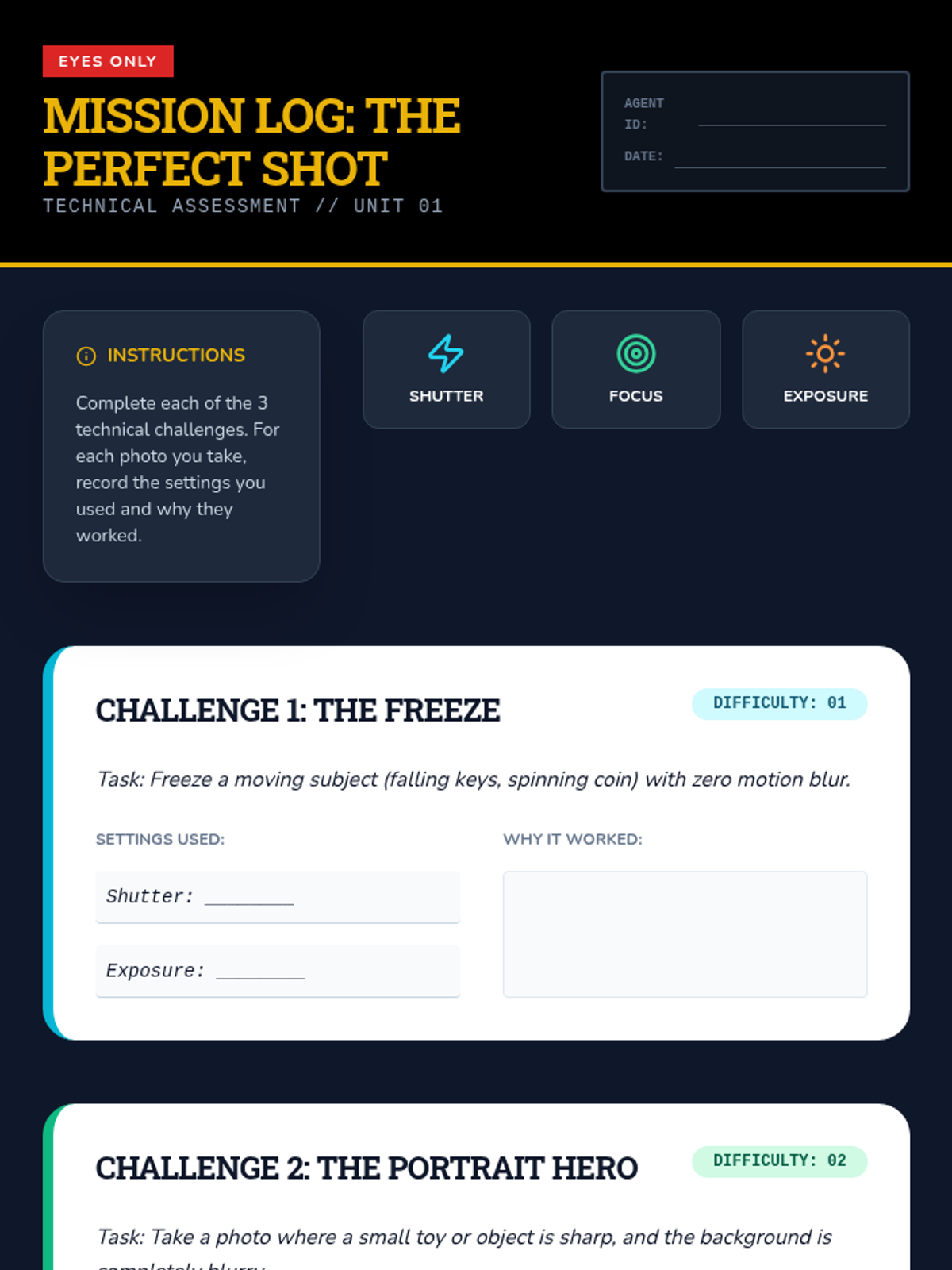
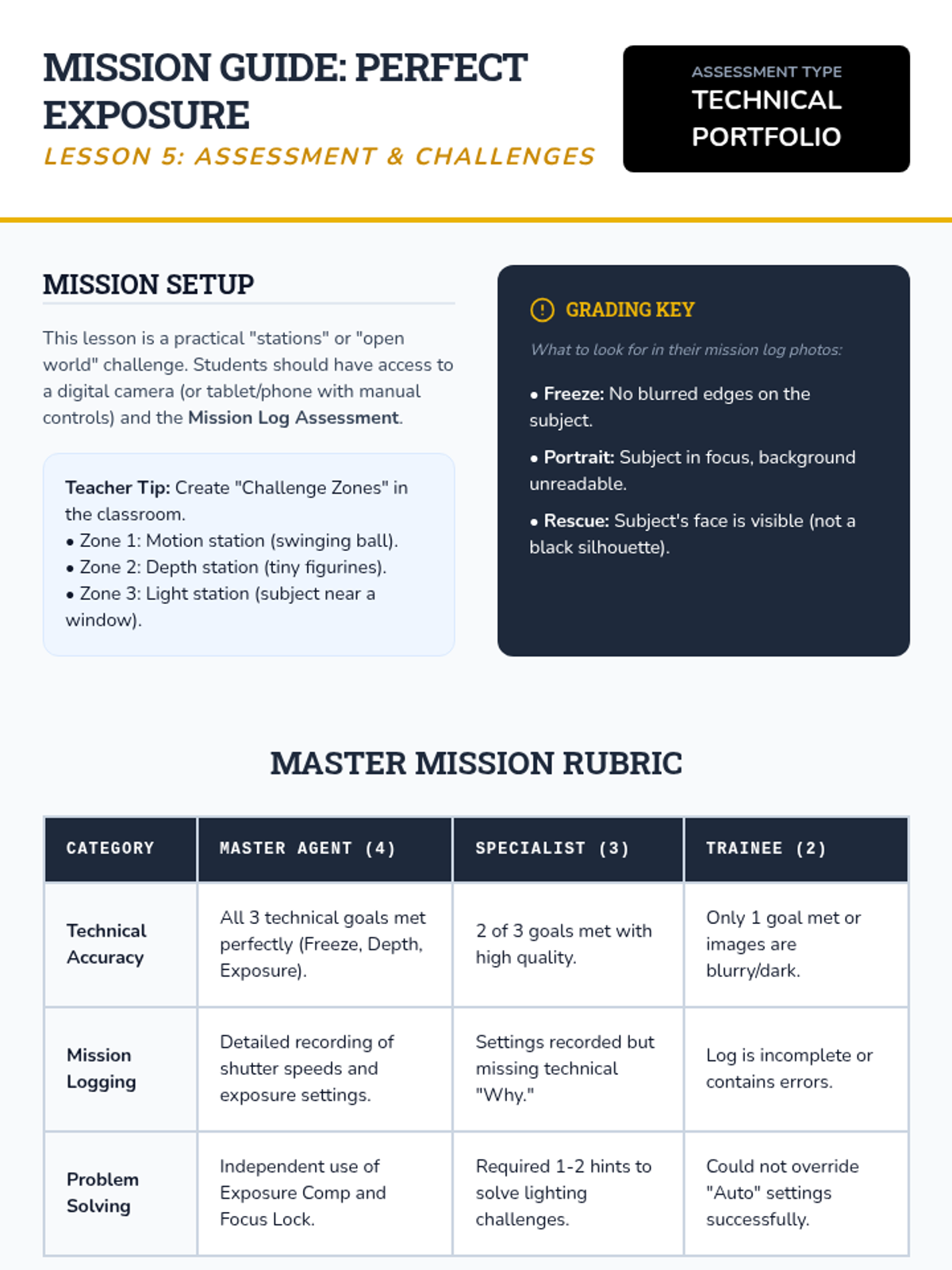
A cumulative assessment where students must apply their technical knowledge to solve difficult lighting and focus challenges.