Analytical frameworks for interpreting history, geography, and civic information. Equips learners with tools for chronological sequencing, map literacy, and critical evaluation of primary and secondary sources.
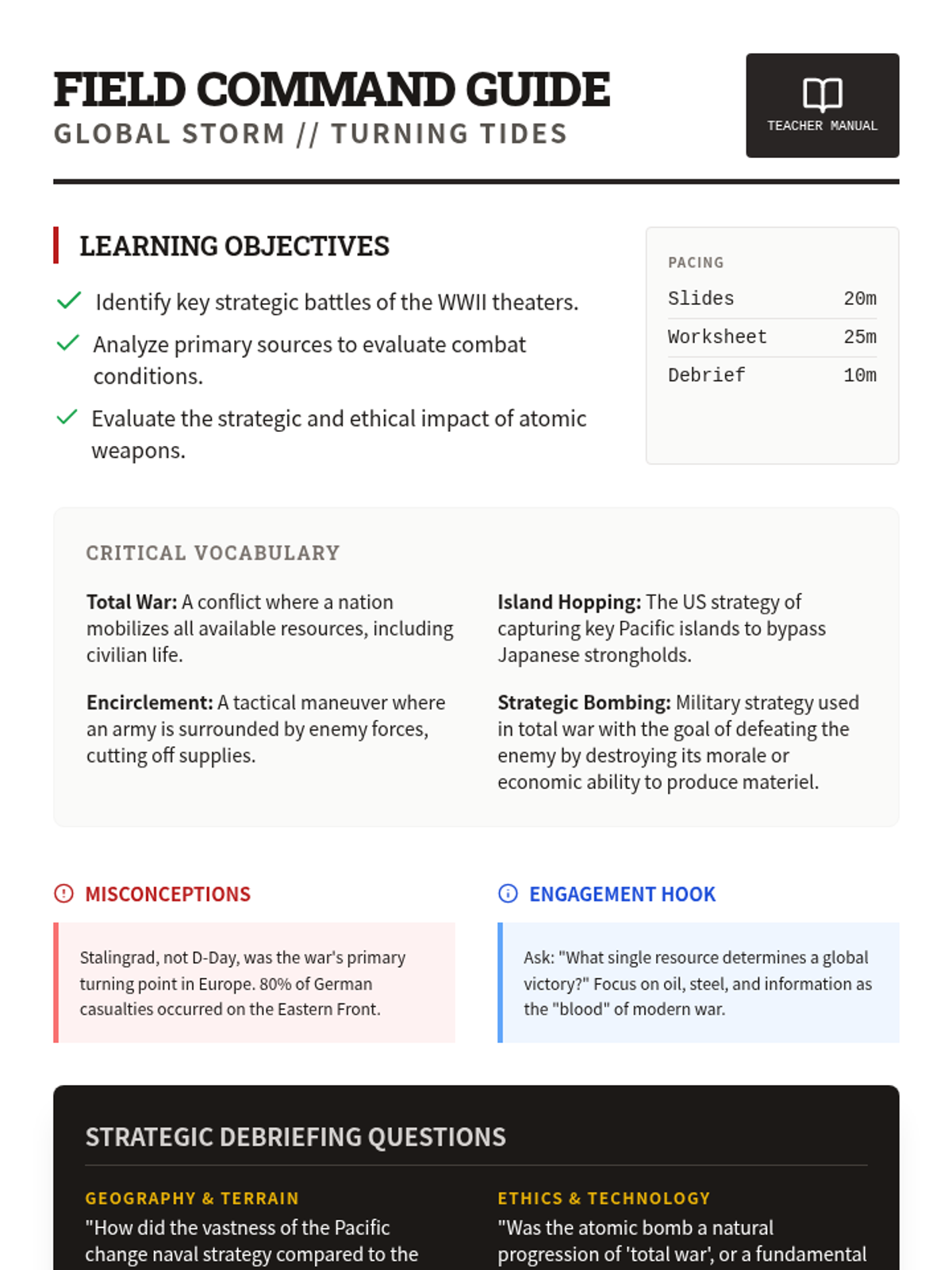
A comprehensive teacher's guide for the Turning Tides lesson, including learning objectives, pacing, answer keys, and differentiation strategies.
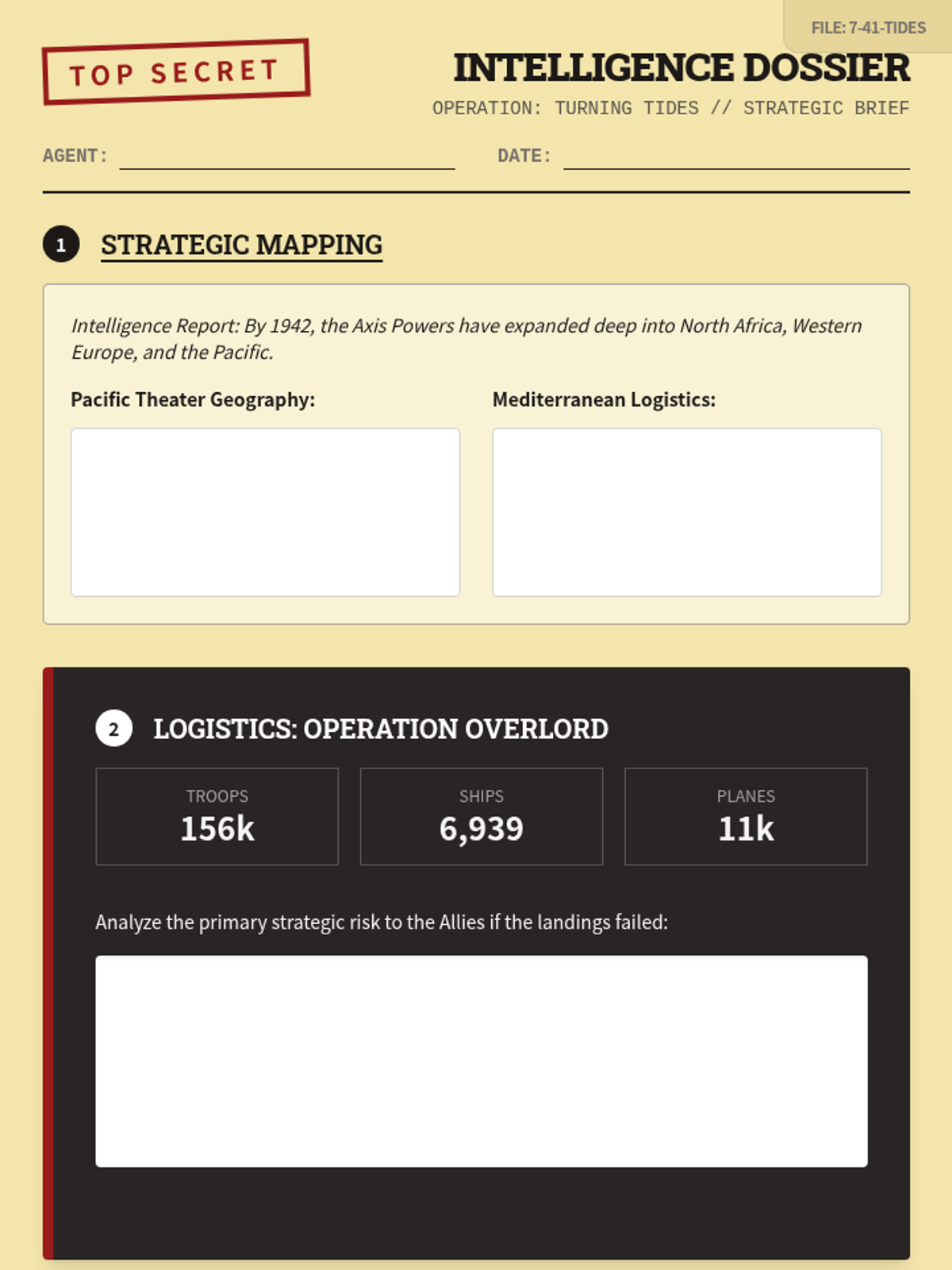
A student worksheet designed as a military intelligence dossier, featuring map analysis, primary source study of Stalingrad, and logistical analysis of D-Day.
A high-impact visual presentation for a World War II lesson, featuring key turning points like Pearl Harbor, Stalingrad, and D-Day in a classified intelligence theme.
A revised slide deck for 'Slay the Dragon' with a proper redistricting visual, improved color contrast on Slide 1, and optimized layout spacing on Slide 6 for better readability. Includes checkpoint slides for all 3 days.
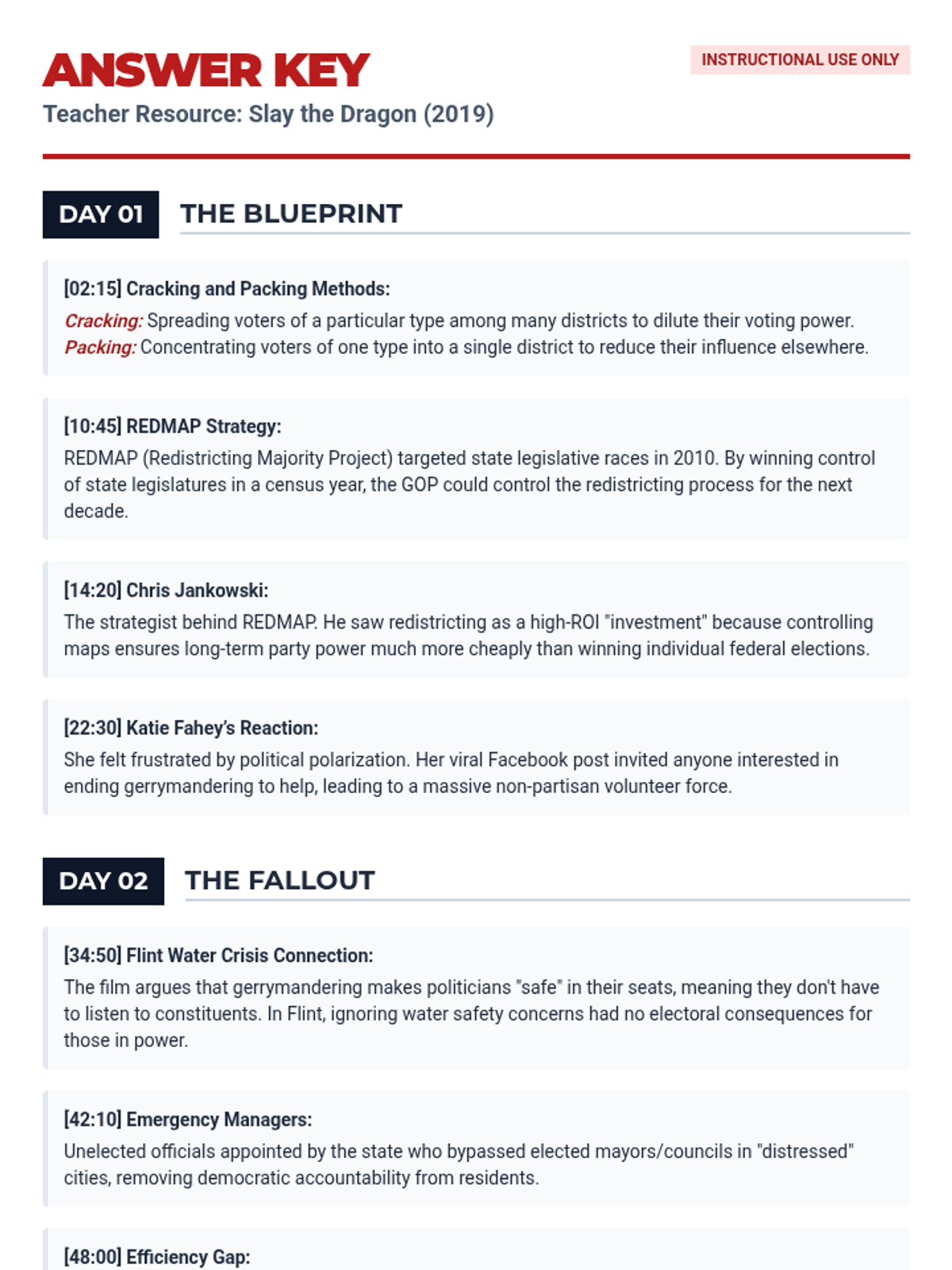
A polished teacher answer key for 'Slay the Dragon' with corrected page breaks, fixed typos, and a complete set of 14 answers aligned with the student worksheet.
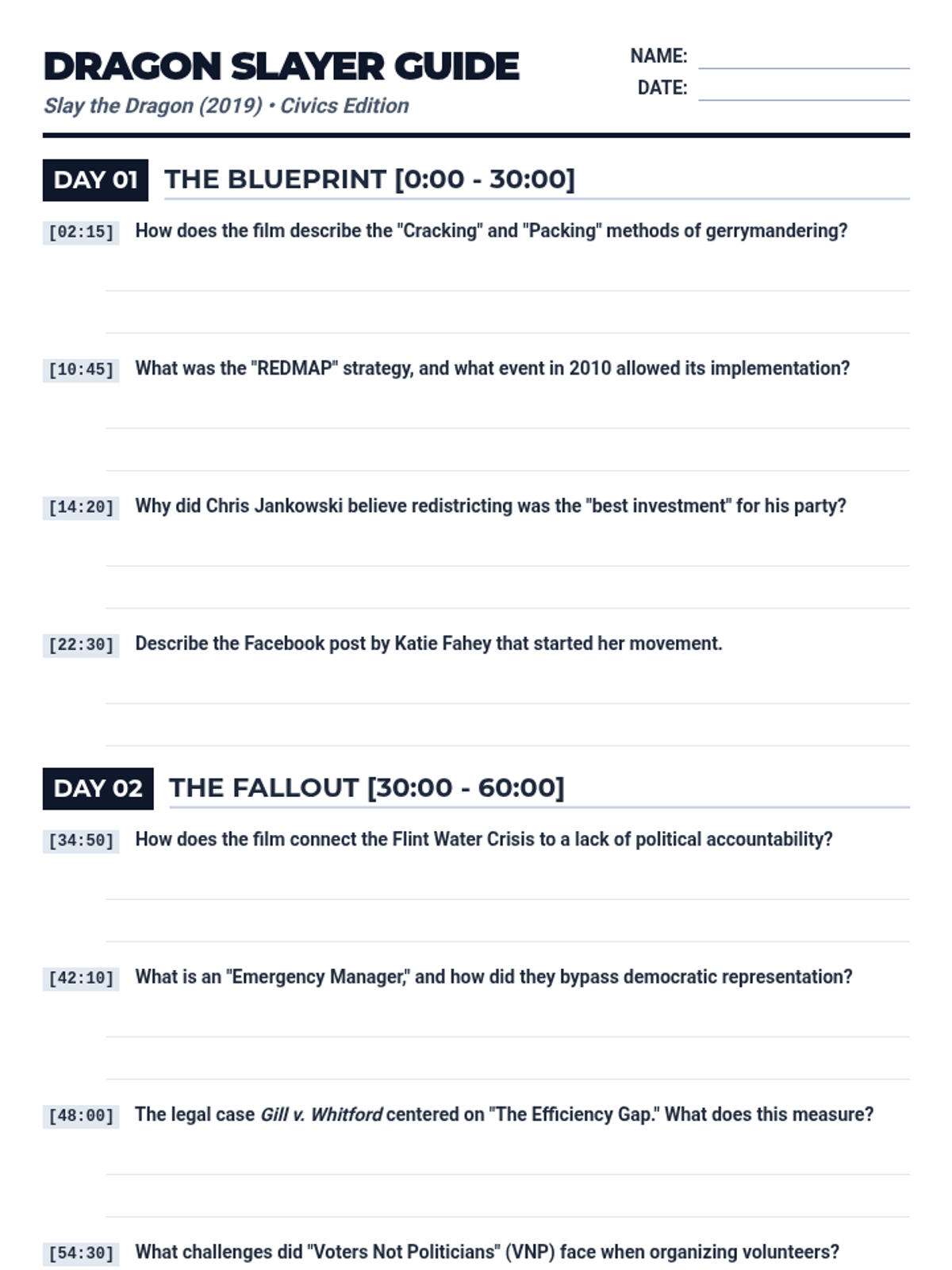
A final, optimized three-day guided movie worksheet for 'Slay the Dragon' (2019). Includes distinct writing lines for student responses, tightened pagination to keep each day's content together, and specific timestamps for an 85-90 minute class window.
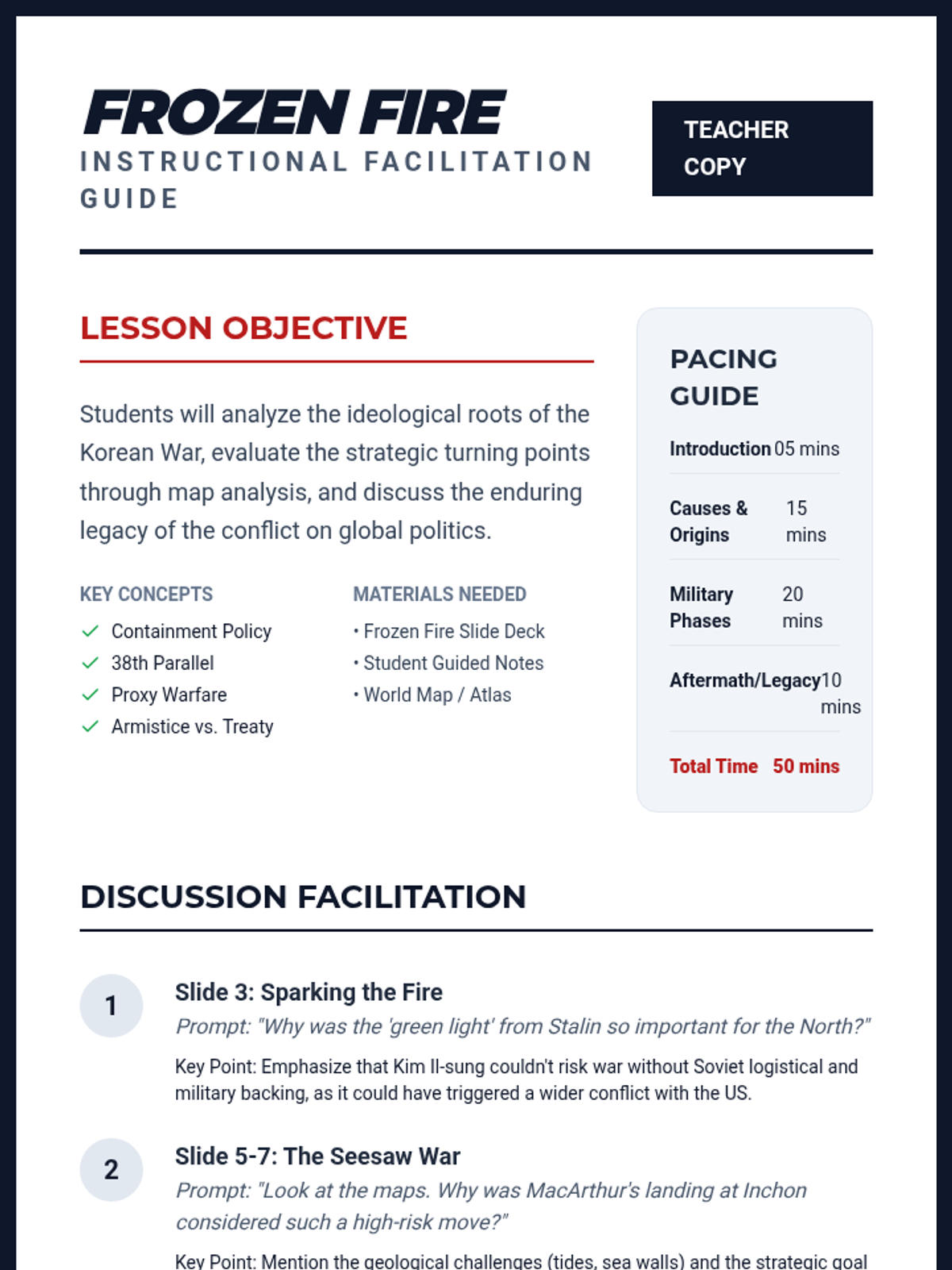
A facilitator's guide for the Frozen Fire lesson, containing pacing suggestions, discussion prompts, and key instructional points for the teacher.
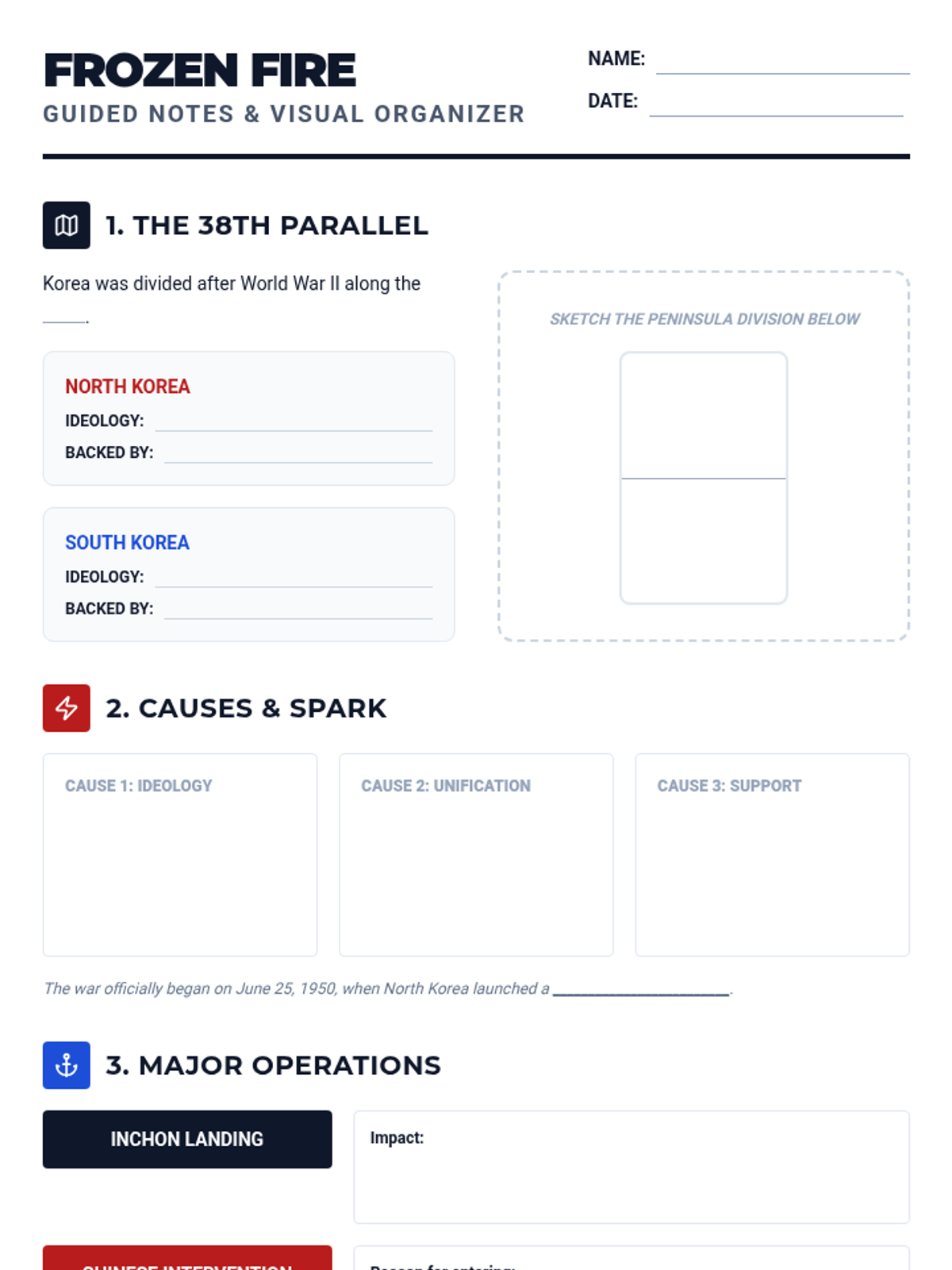
A guided notes worksheet for students to complete while following the Frozen Fire presentation, featuring sections for causes, maps, and turning points.
A revised 10-slide presentation on the Korean War with improved map visualizations showing Korea's location relative to China and the USSR, plus enhanced instructional flow.
A visual presentation for the lecture component of the 'Origins of Shadows' lesson. Covers the post-war power vacuum, ideological clashes, the Iron Curtain, Containment strategy, and early flashpoints like the Berlin Airlift.
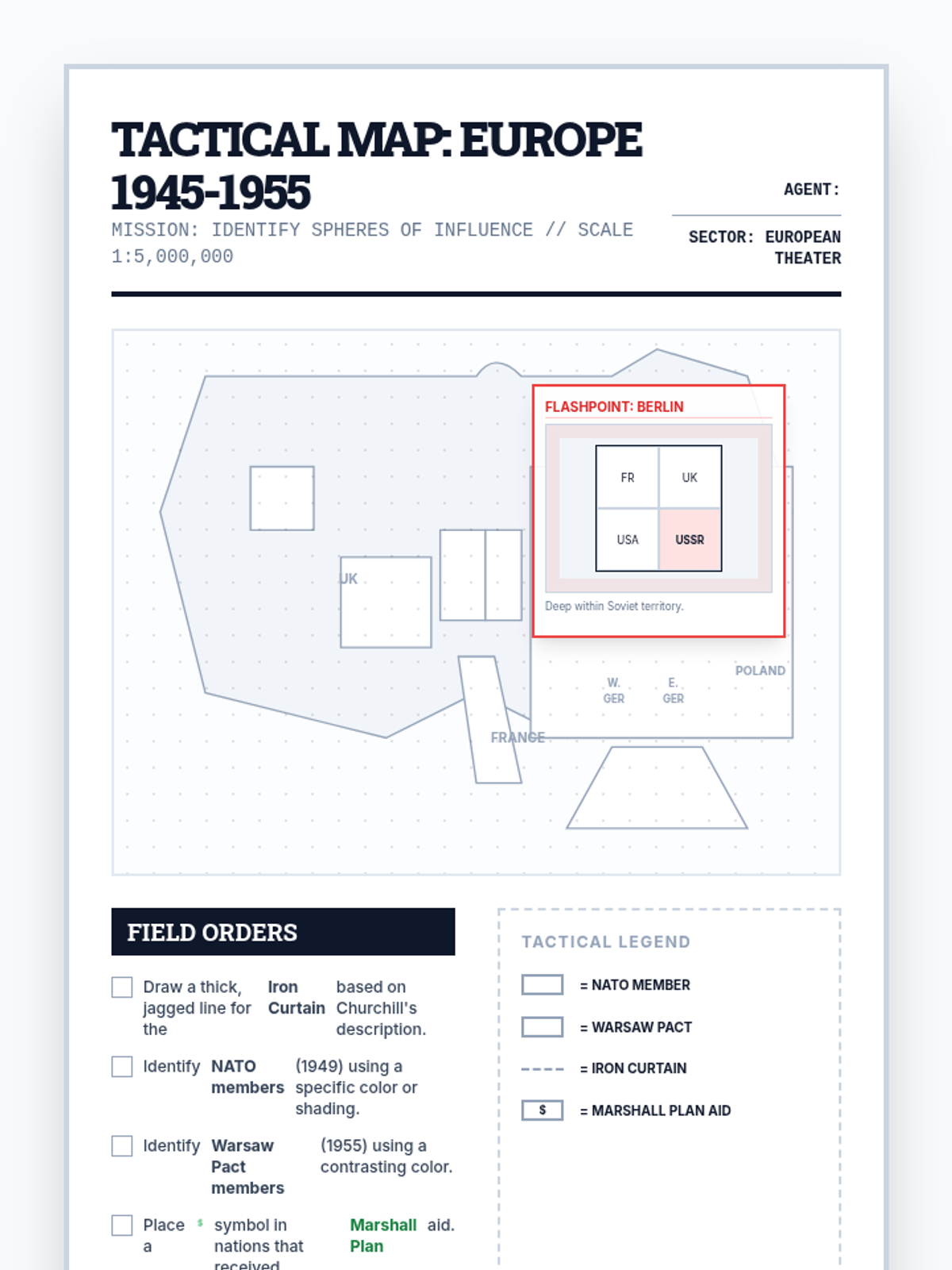
A tactical map worksheet where students identify the Iron Curtain, NATO/Warsaw Pact members, and Marshall Plan recipients. Includes a specialized callout for the Berlin sector.
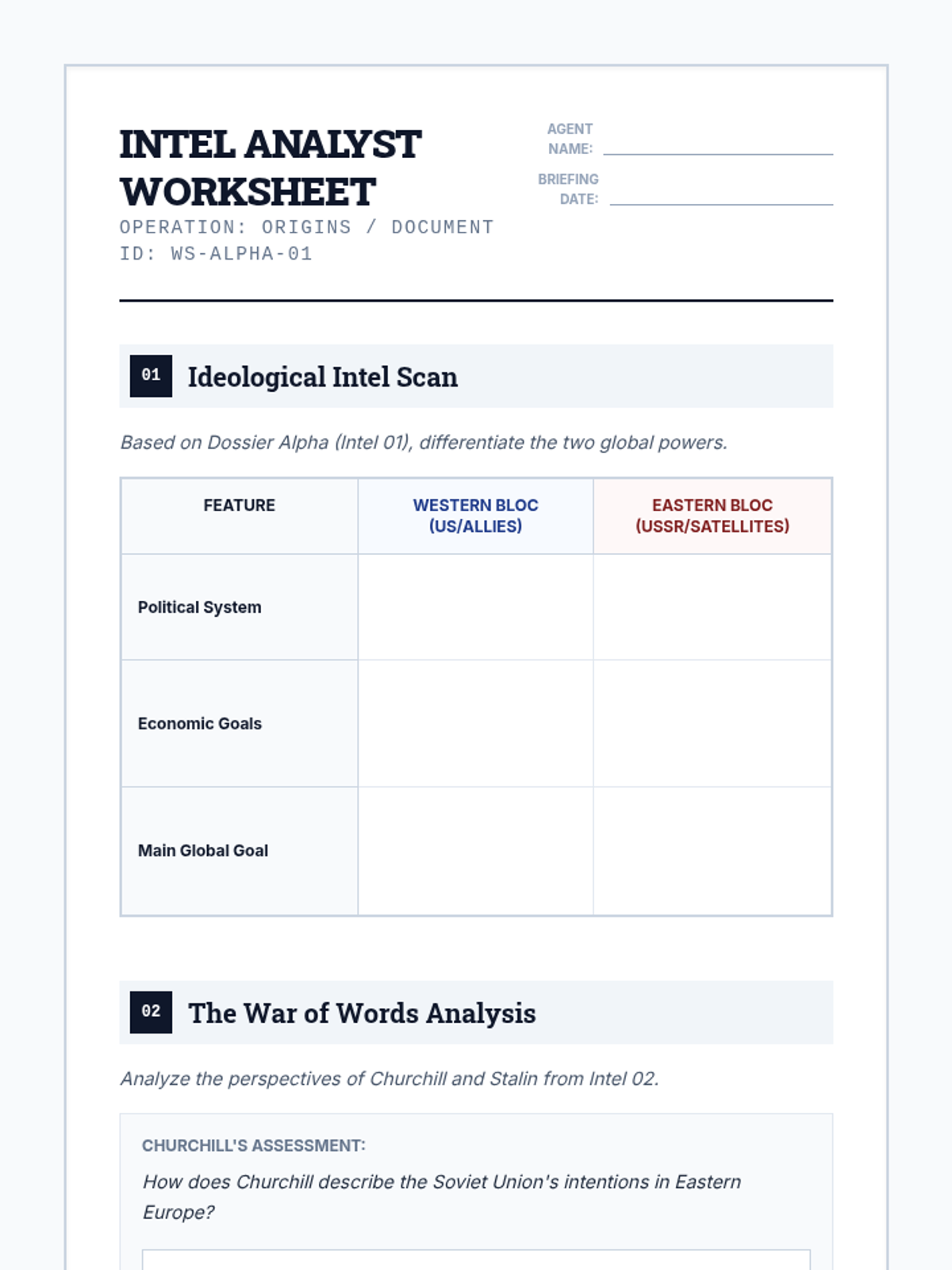
An intelligence analyst worksheet for students to compare ideologies, analyze primary source speeches from Churchill and Stalin, and map out the strategy of containment.
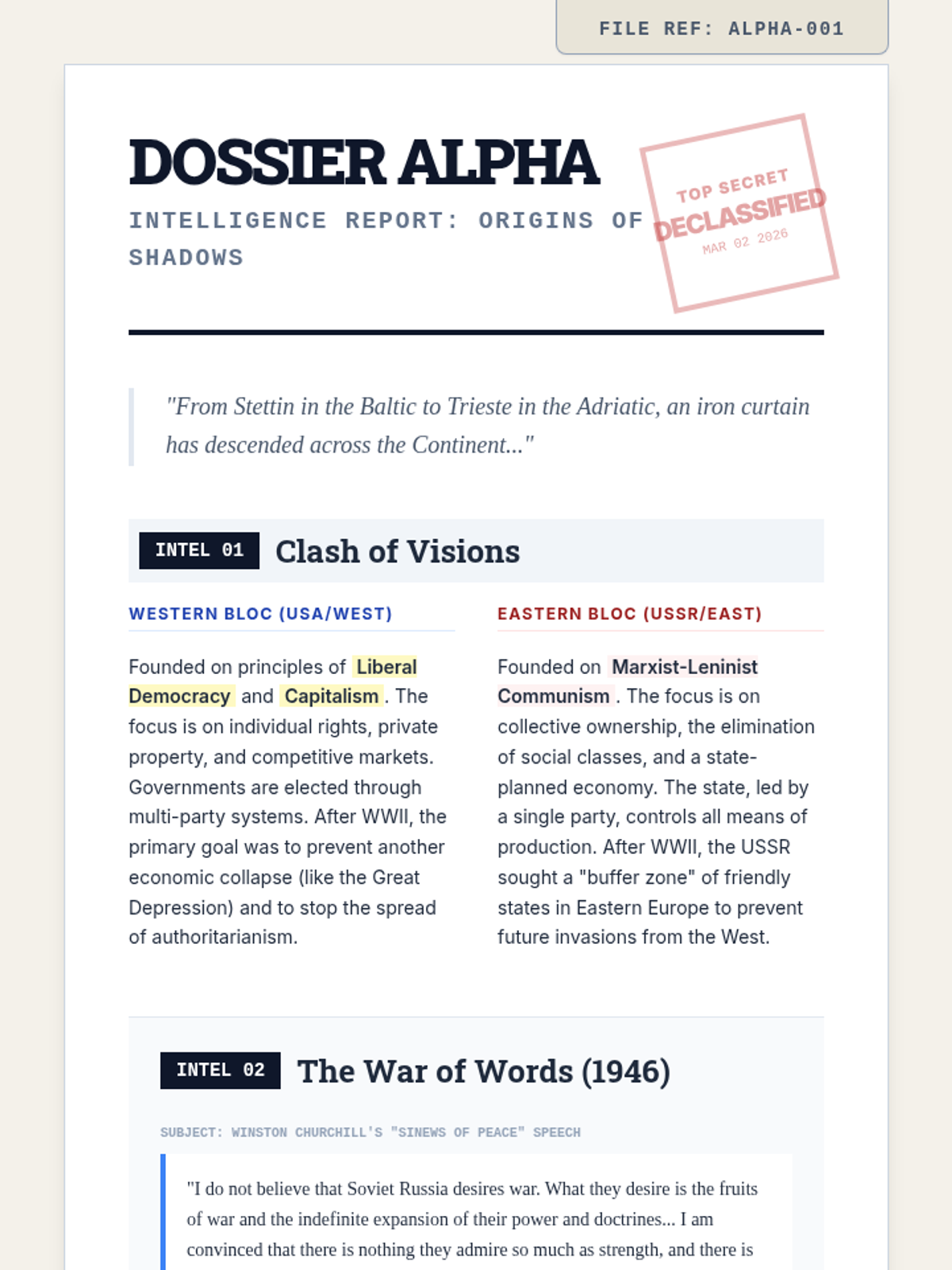
A student-facing reading dossier styled as declassified intelligence files. Covers ideological differences, Churchill vs. Stalin speeches, Containment, and the Berlin Airlift.
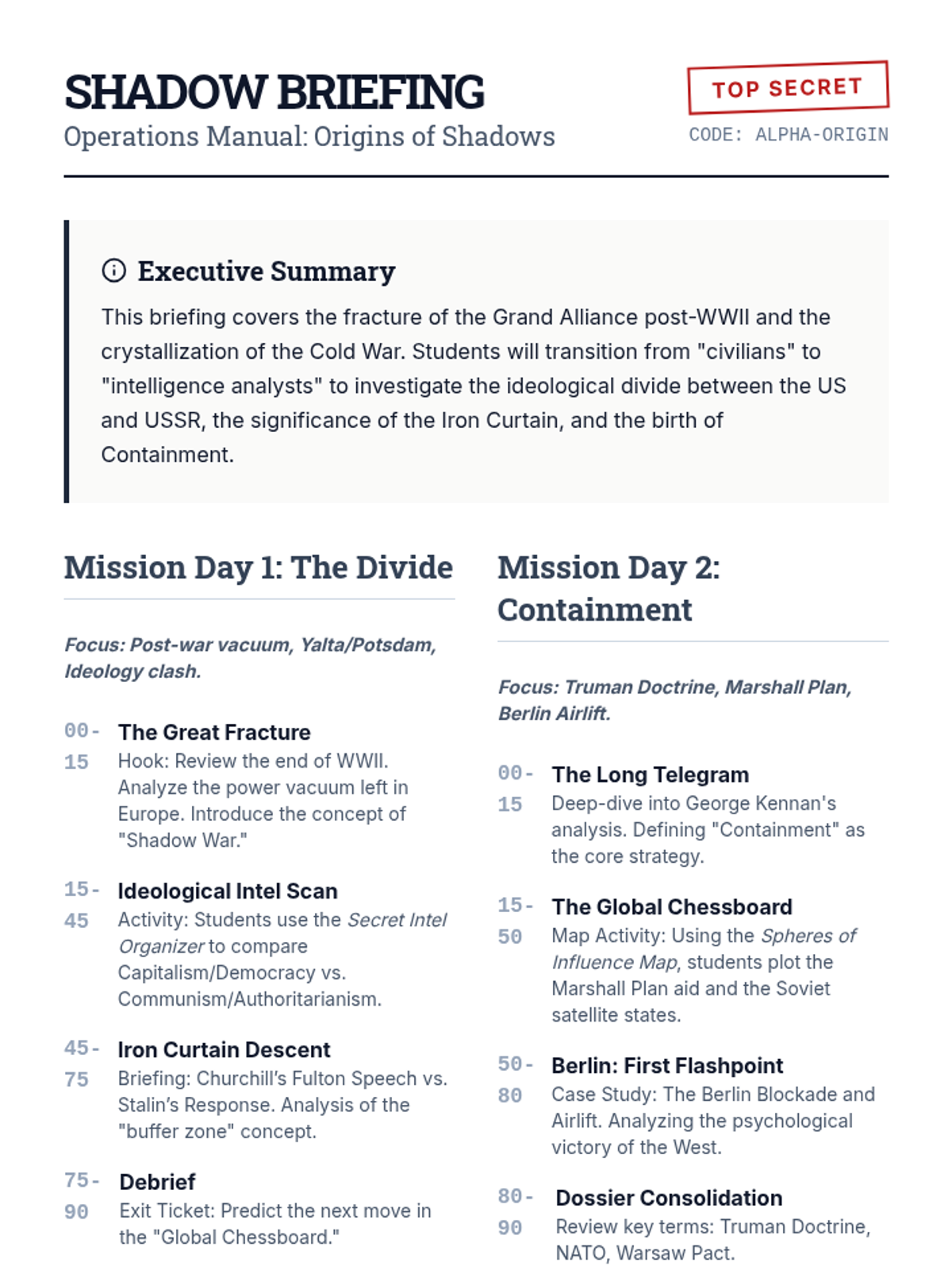
A comprehensive two-day lesson plan for the 'Origins of Shadows' lesson, styled as a declassified intelligence briefing. Includes pacing guides, key questions, misconceptions, and differentiation strategies.
An introductory slide deck to frame the lesson, defining "Race and Space" ideology, Appeasement, and the League of Nations before students begin the station activity.
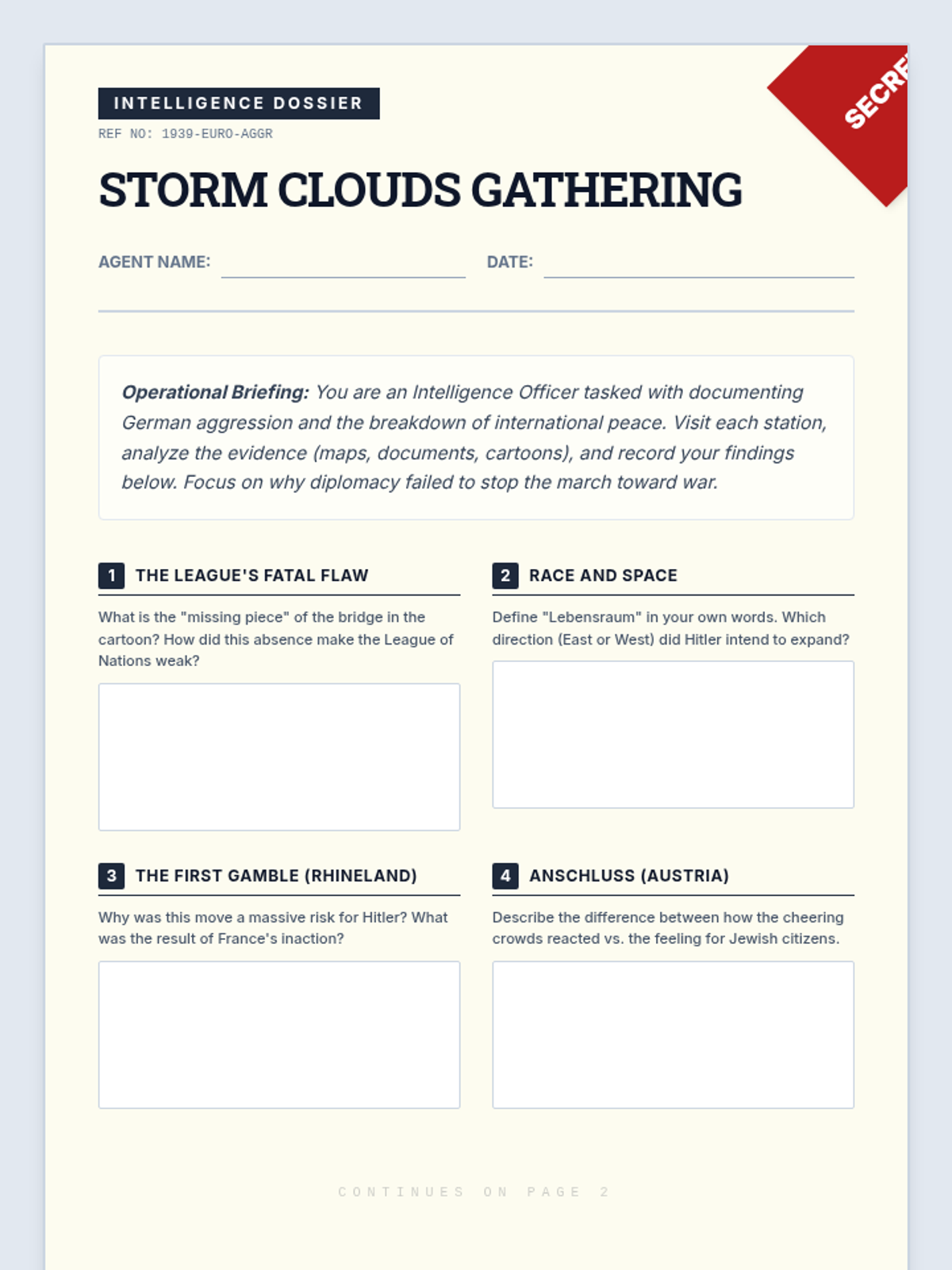
A student worksheet styled as an 'Intelligence Dossier' where students record evidence and analysis from 7 stations regarding Nazi German aggression and diplomatic failures.
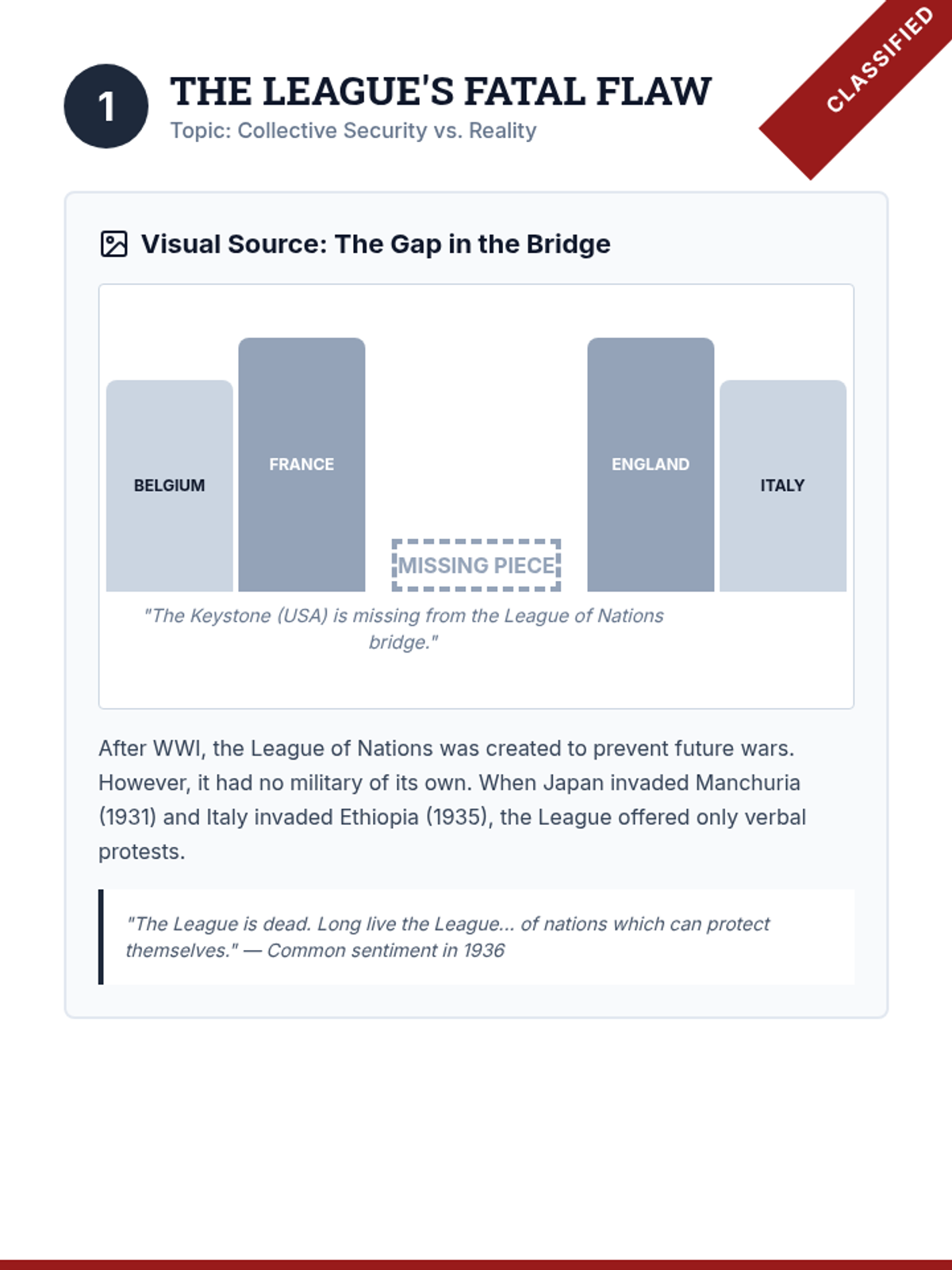
A set of 7 station cards featuring primary sources, maps, and political cartoons exploring the progression of Nazi aggression and the failures of diplomacy leading to WWII.
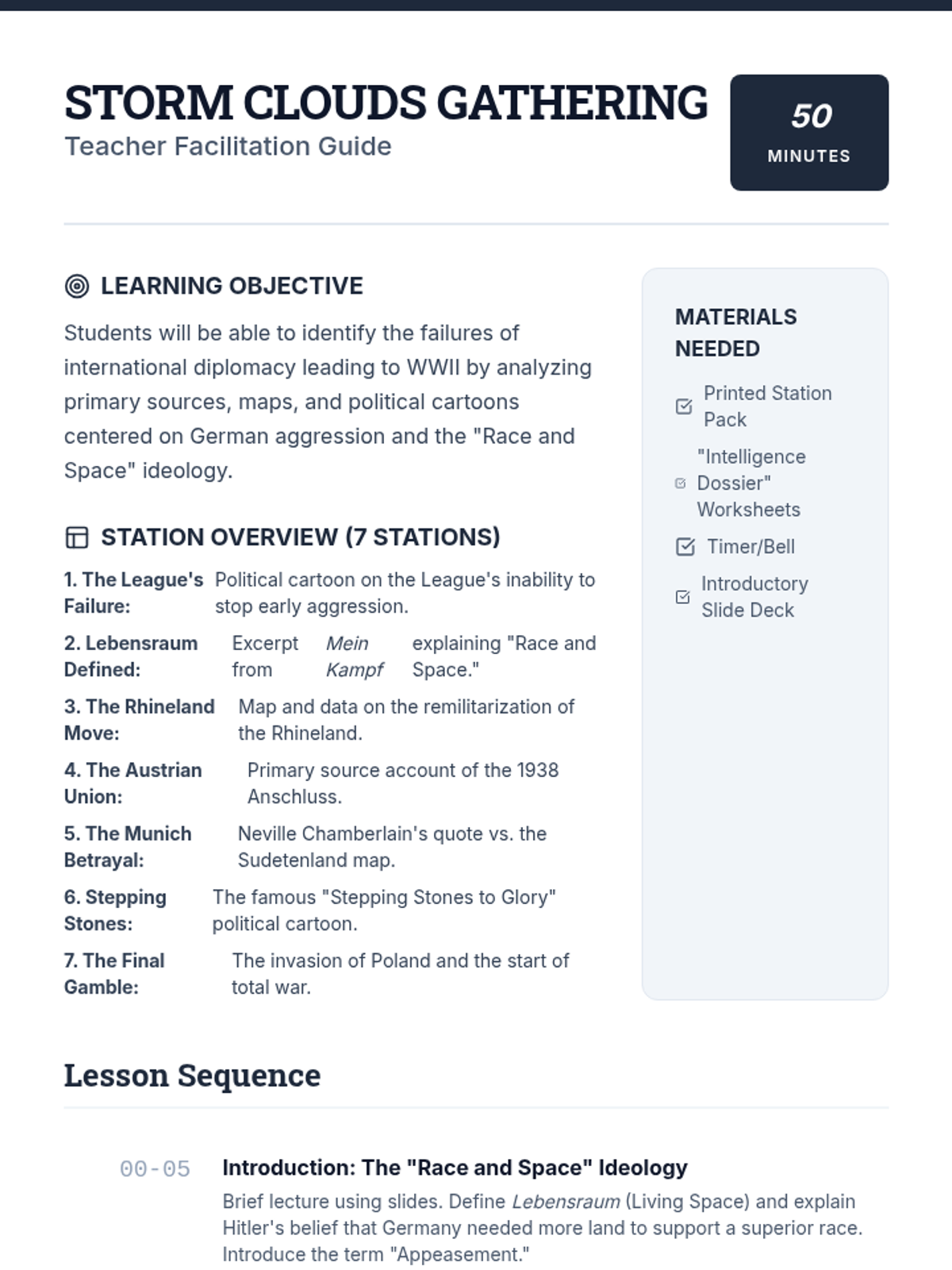
A teacher-facing facilitation guide and answer key for a 50-minute station-based lesson on German aggression and the failure of diplomacy.
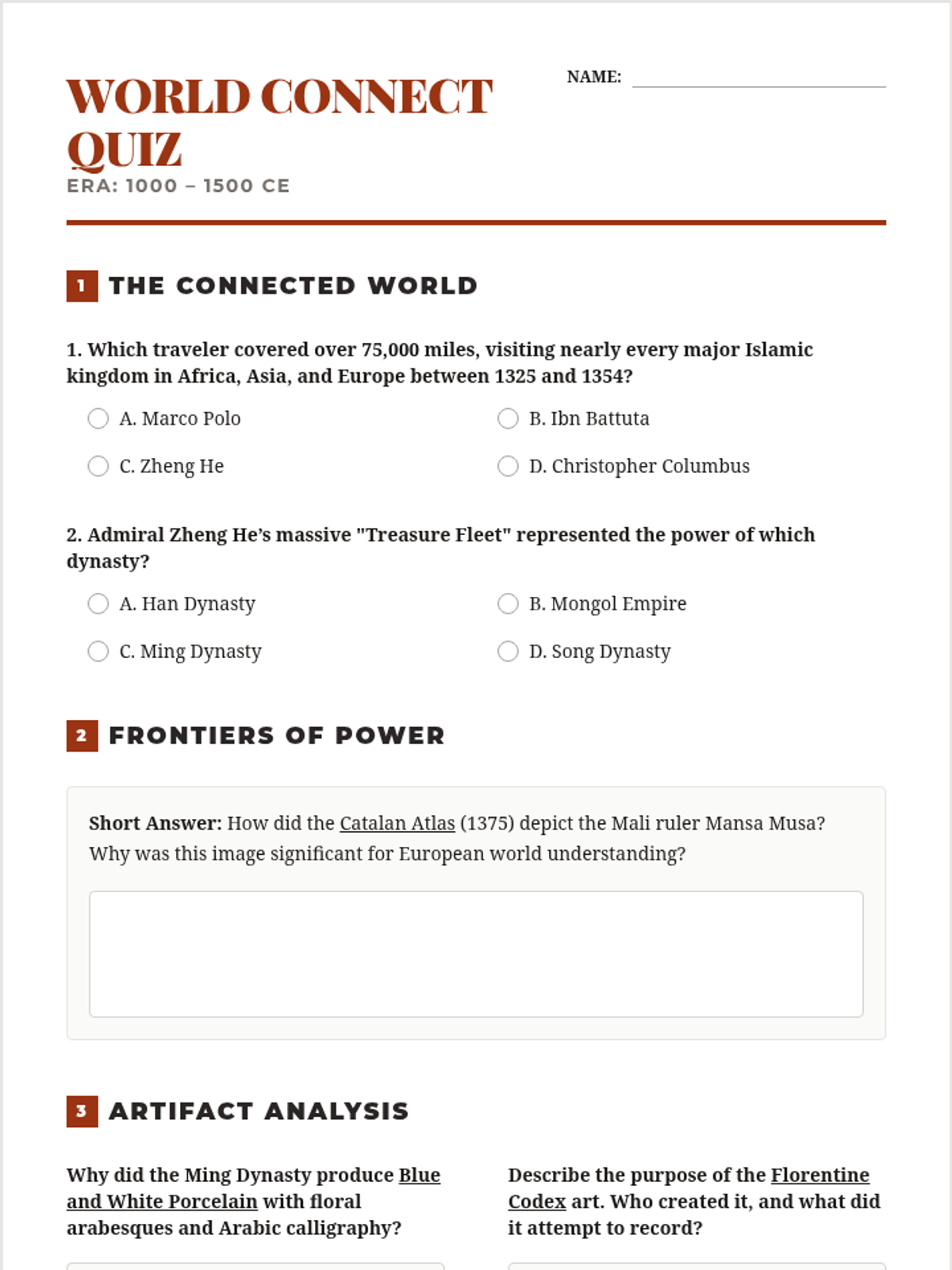
A student assessment covering the era from 1000 CE to 1500 CE. It focuses on the travels of Ibn Battuta, the Ming Treasure Fleet of Zheng He, and the cultural fusion found in porcelain and codex art.
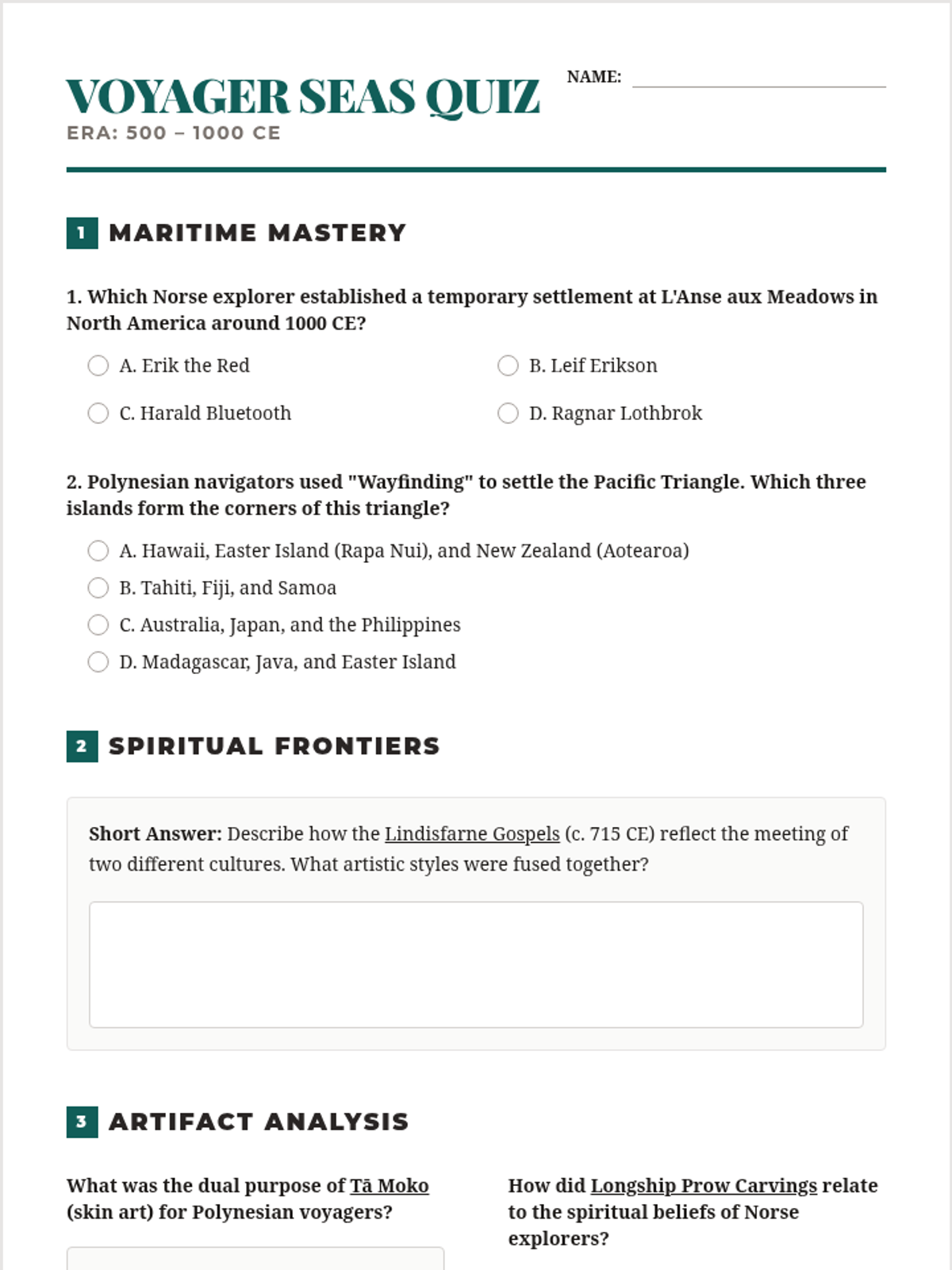
A student assessment covering the era from 500 CE to 1000 CE. It focuses on Polynesian wayfinding, Viking voyages to North America, and the spiritual art of the Lindisfarne Gospels.
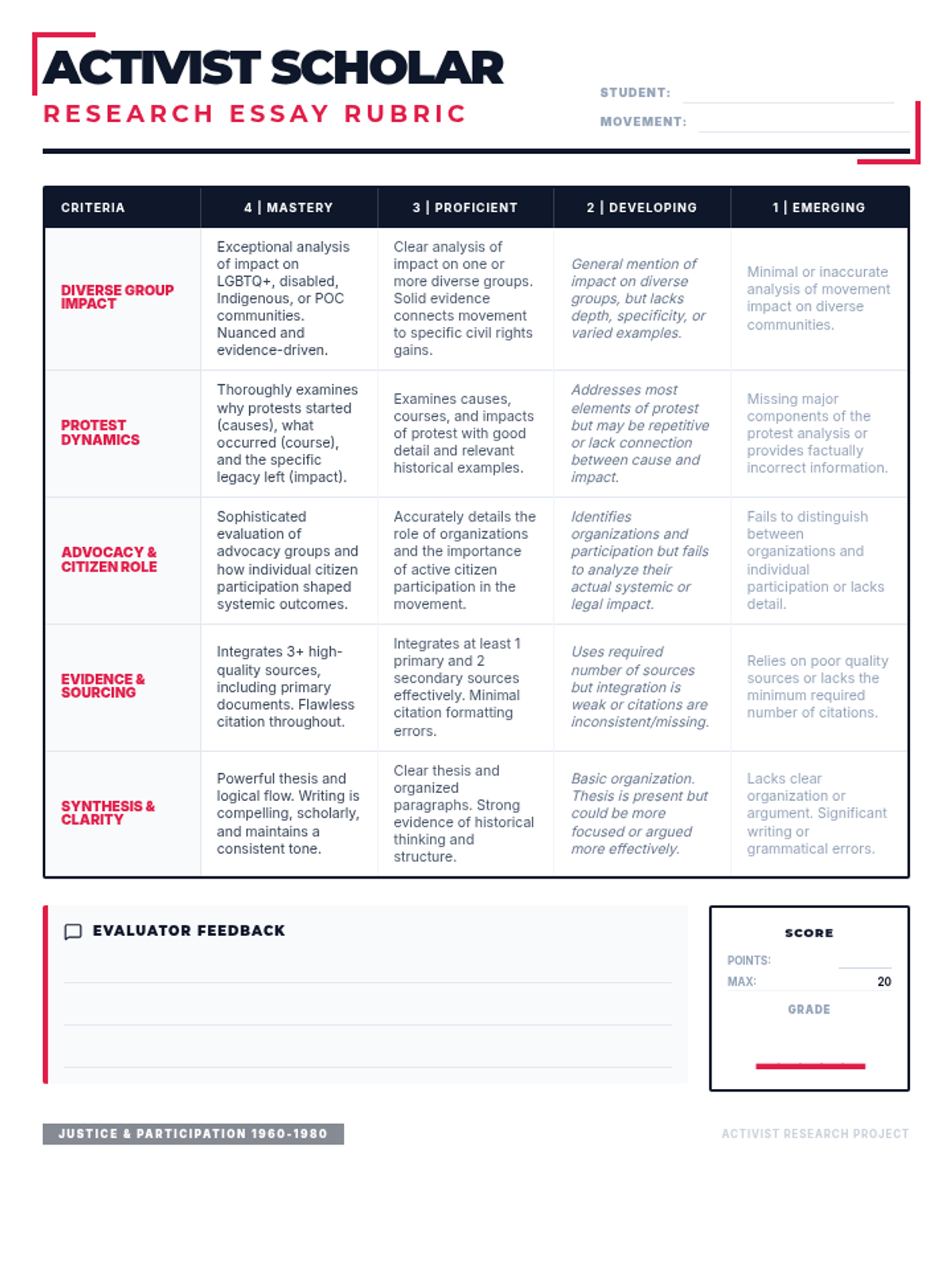
A visually striking, one-page research essay rubric with a high-contrast activist aesthetic, featuring five clear assessment criteria and dedicated sections for evaluator feedback and scoring. Optimized for single-page printing.
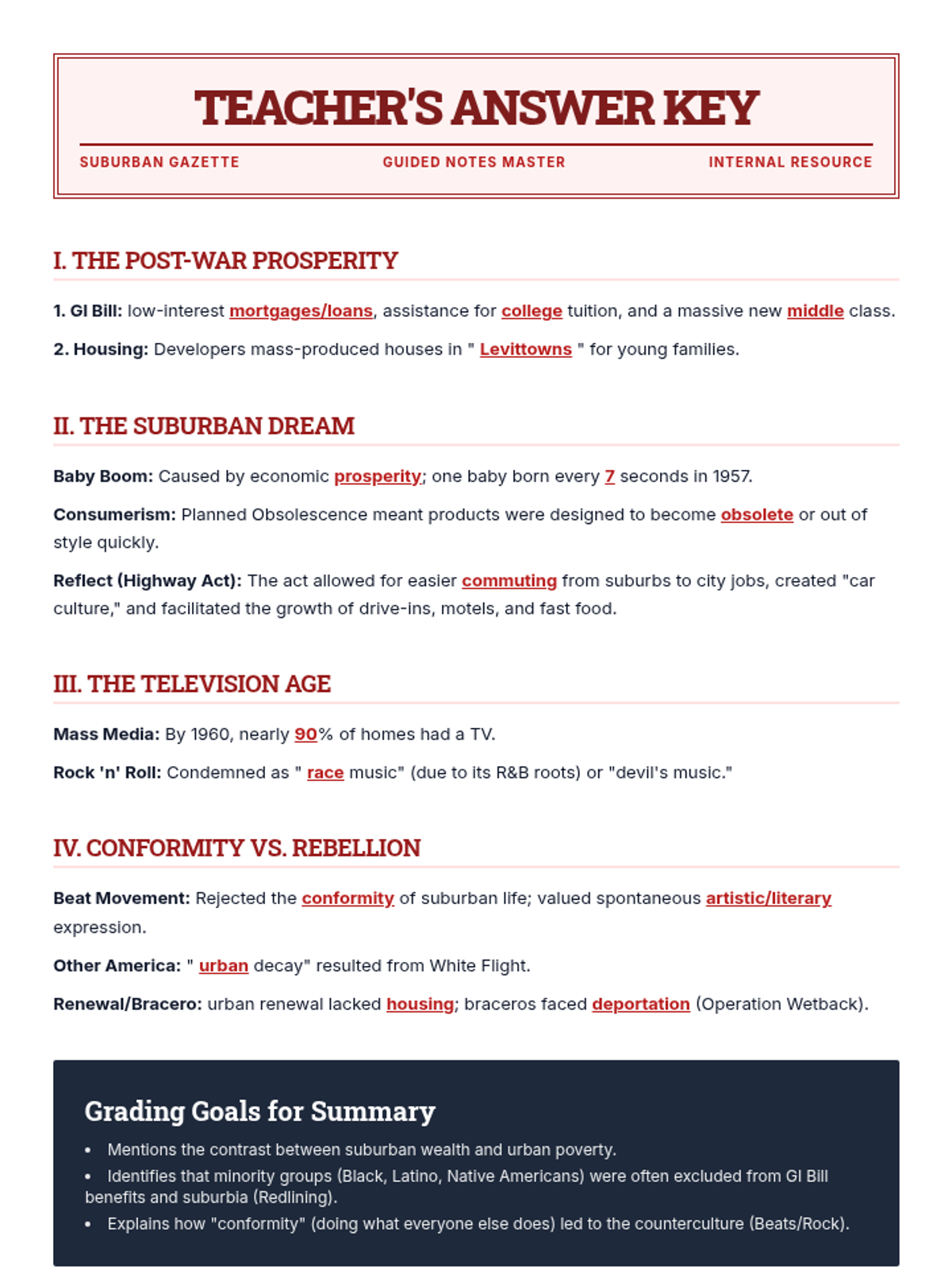
A teacher answer key for the Suburban Gazette Guided Notes. Provides the specific fill-in-the-blank answers and pedagogical goals for the reflective summary section.
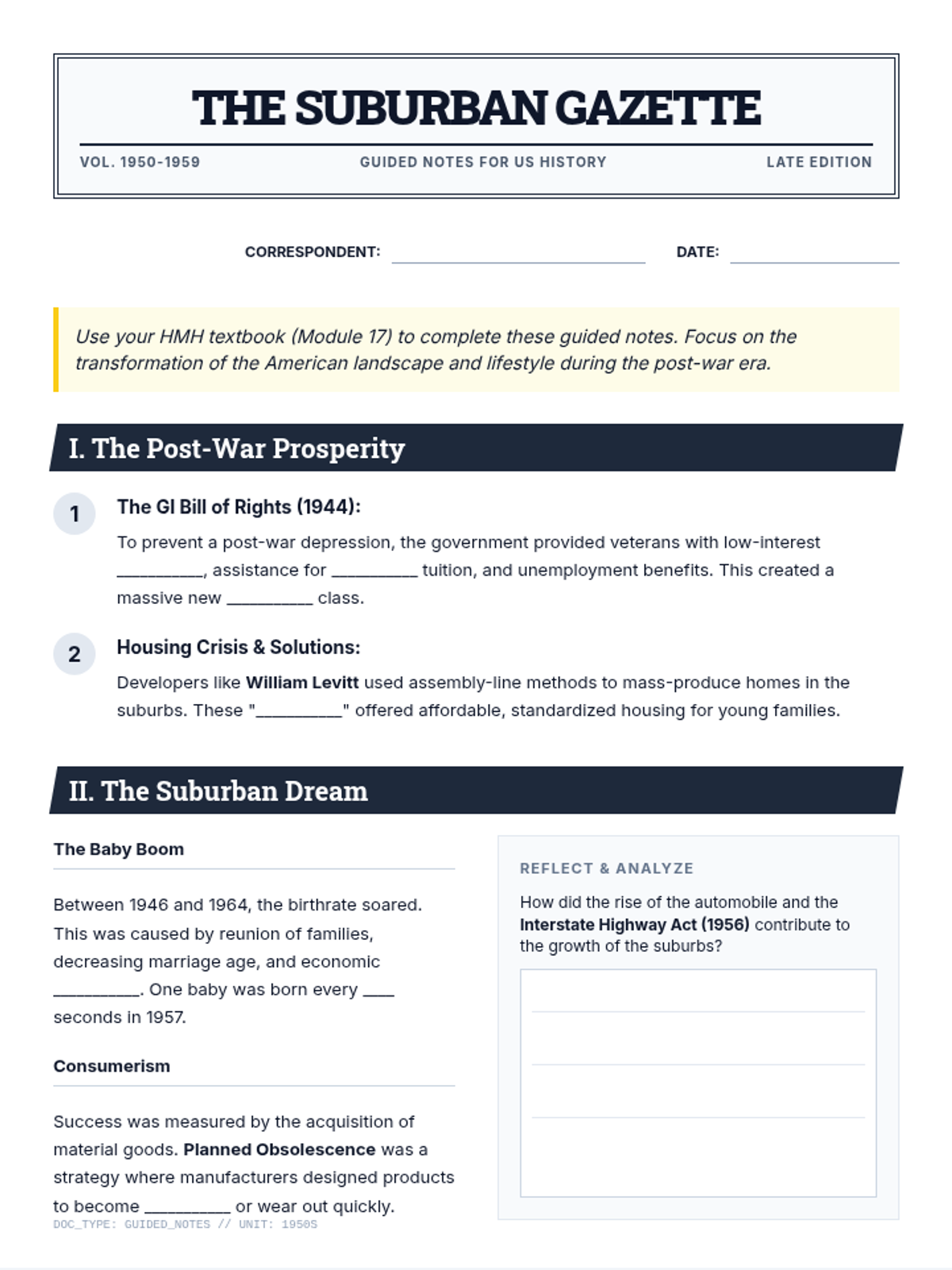
A two-page guided notes worksheet for the 1950s, styled as a vintage mid-century newspaper. It covers the GI Bill, suburbia, consumerism, television culture, and the counterculture movements of the era.
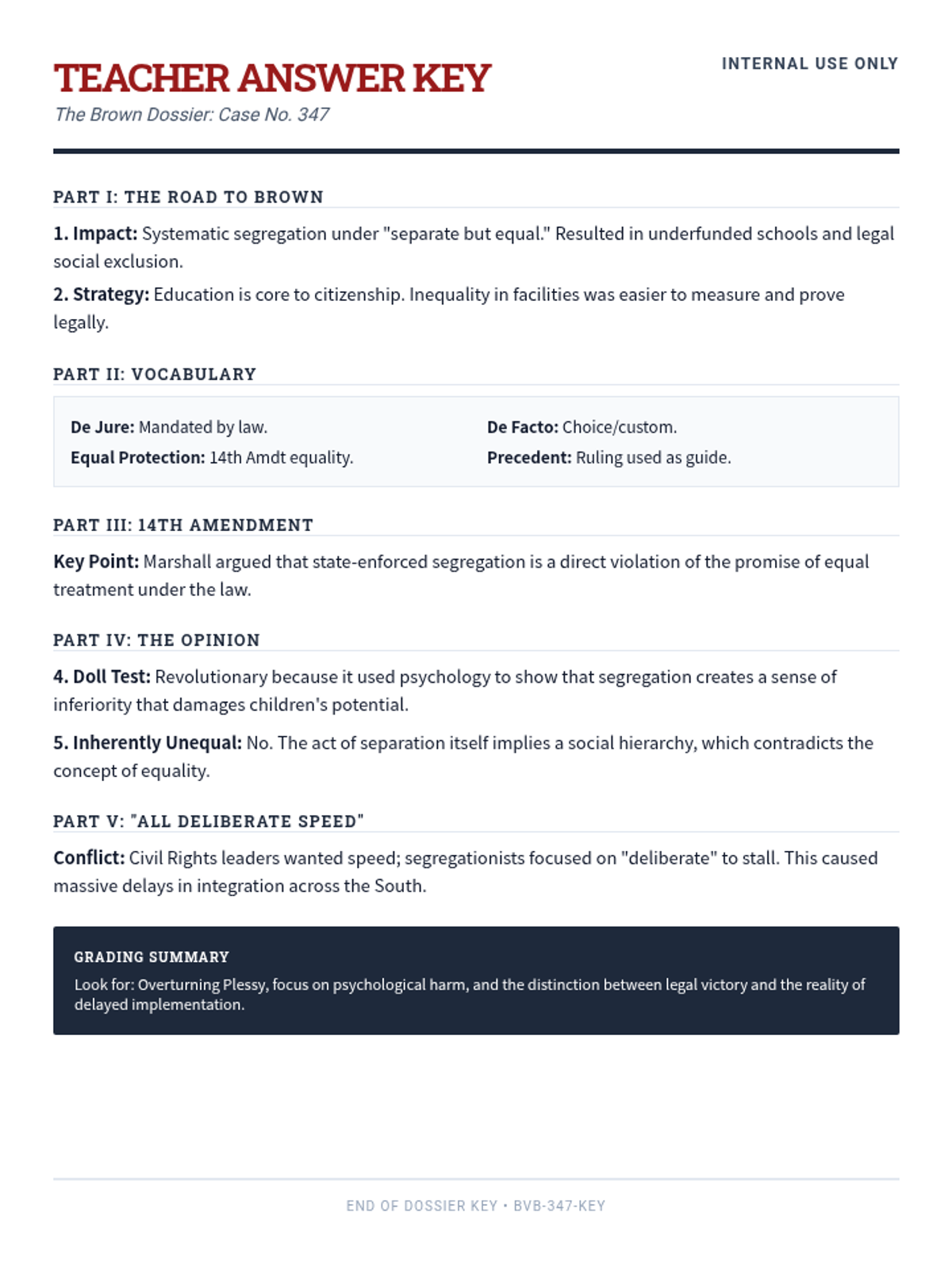
An answer key for the Brown v. Board of Education Case Dossier. It provides suggested responses for historical context questions, key term definitions, and analysis of primary source excerpts.
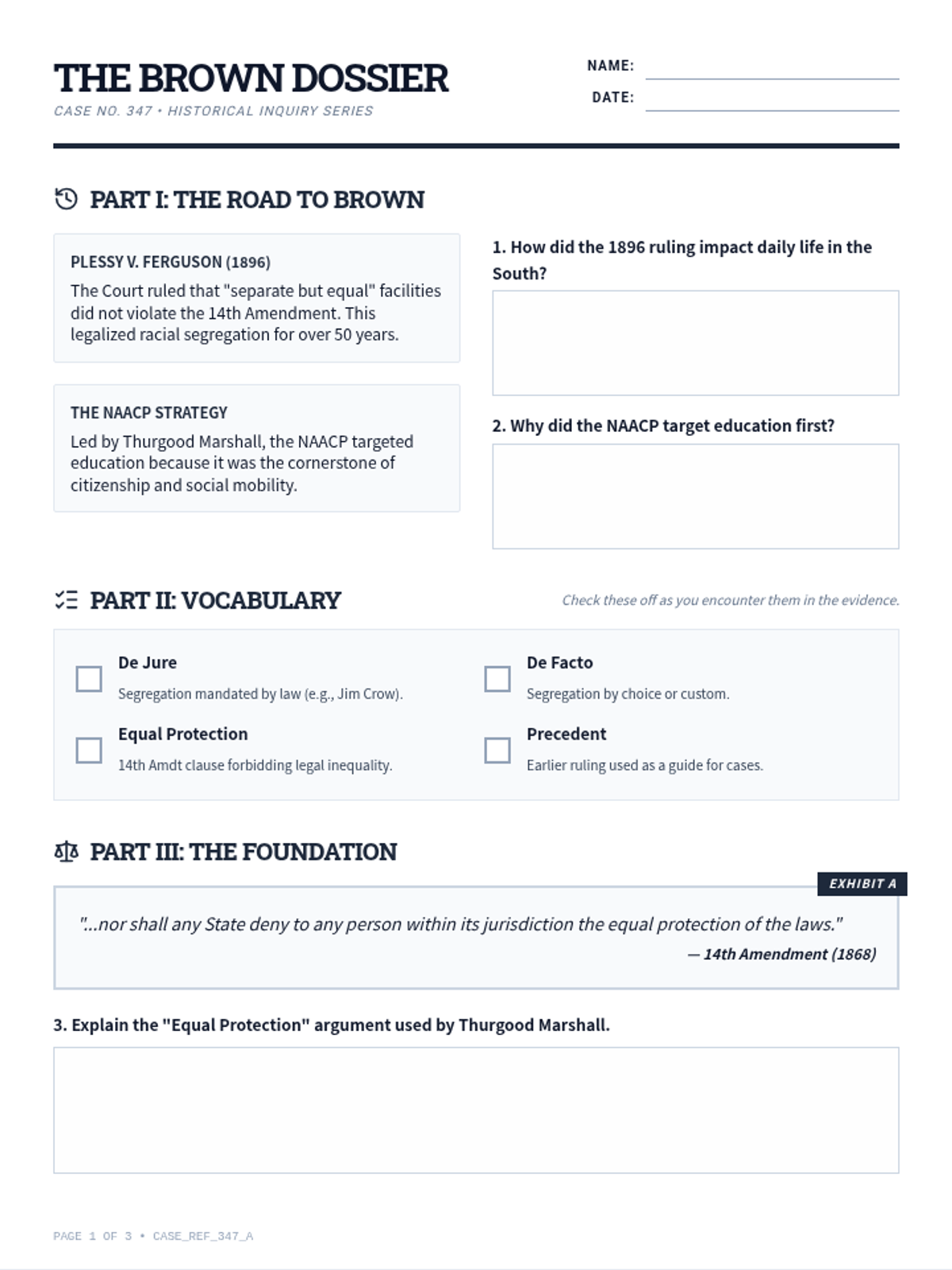
A detailed three-page historical inquiry worksheet on Brown v. Board of Education. It includes context on Plessy v. Ferguson, primary source analysis of the 14th Amendment and Earl Warren's opinion, and critical thinking questions on the 'Massive Resistance' period.
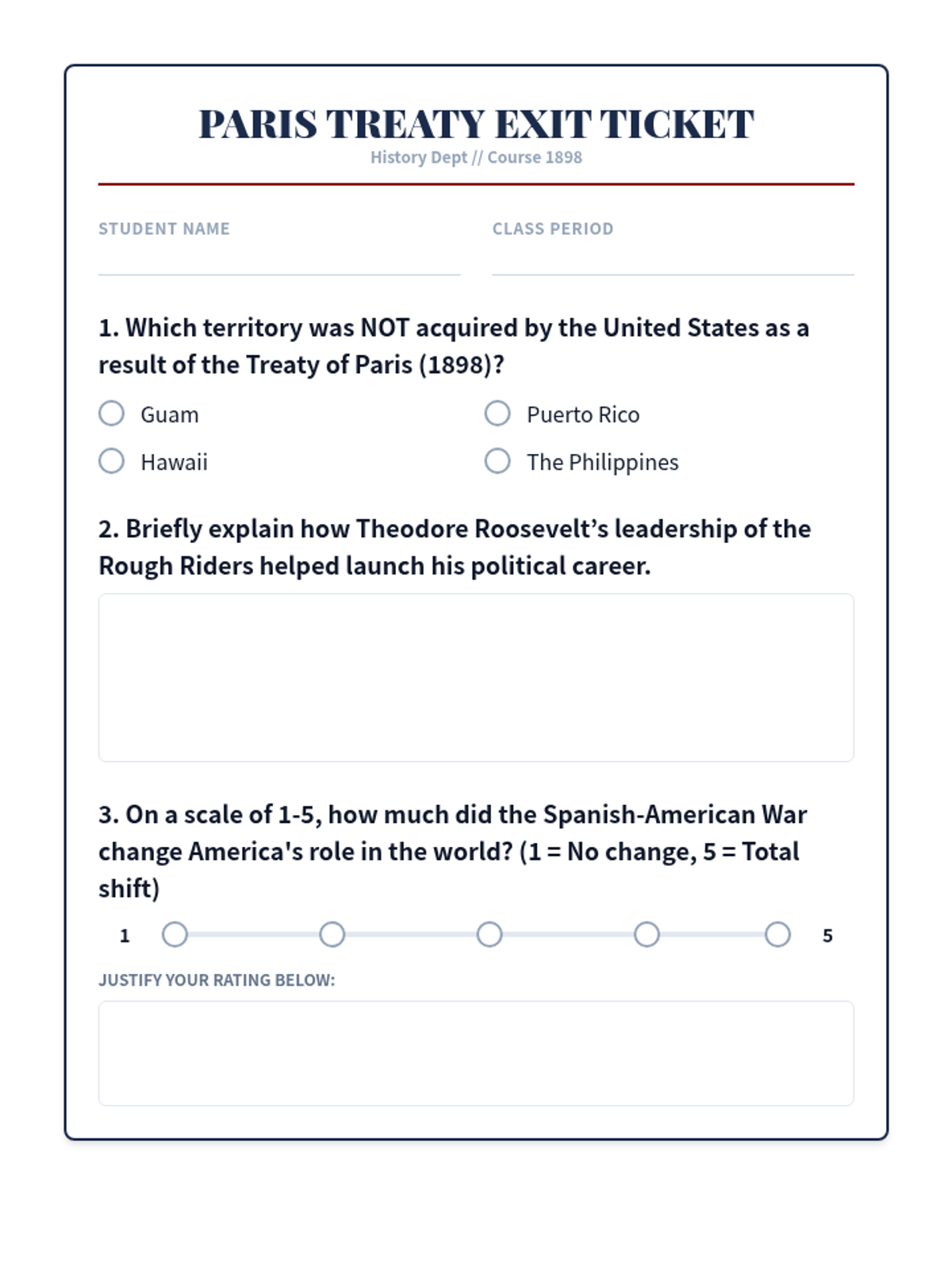
A quick assessment tool to check student understanding of the Treaty of Paris territories, Theodore Roosevelt's influence, and the war's overall significance.
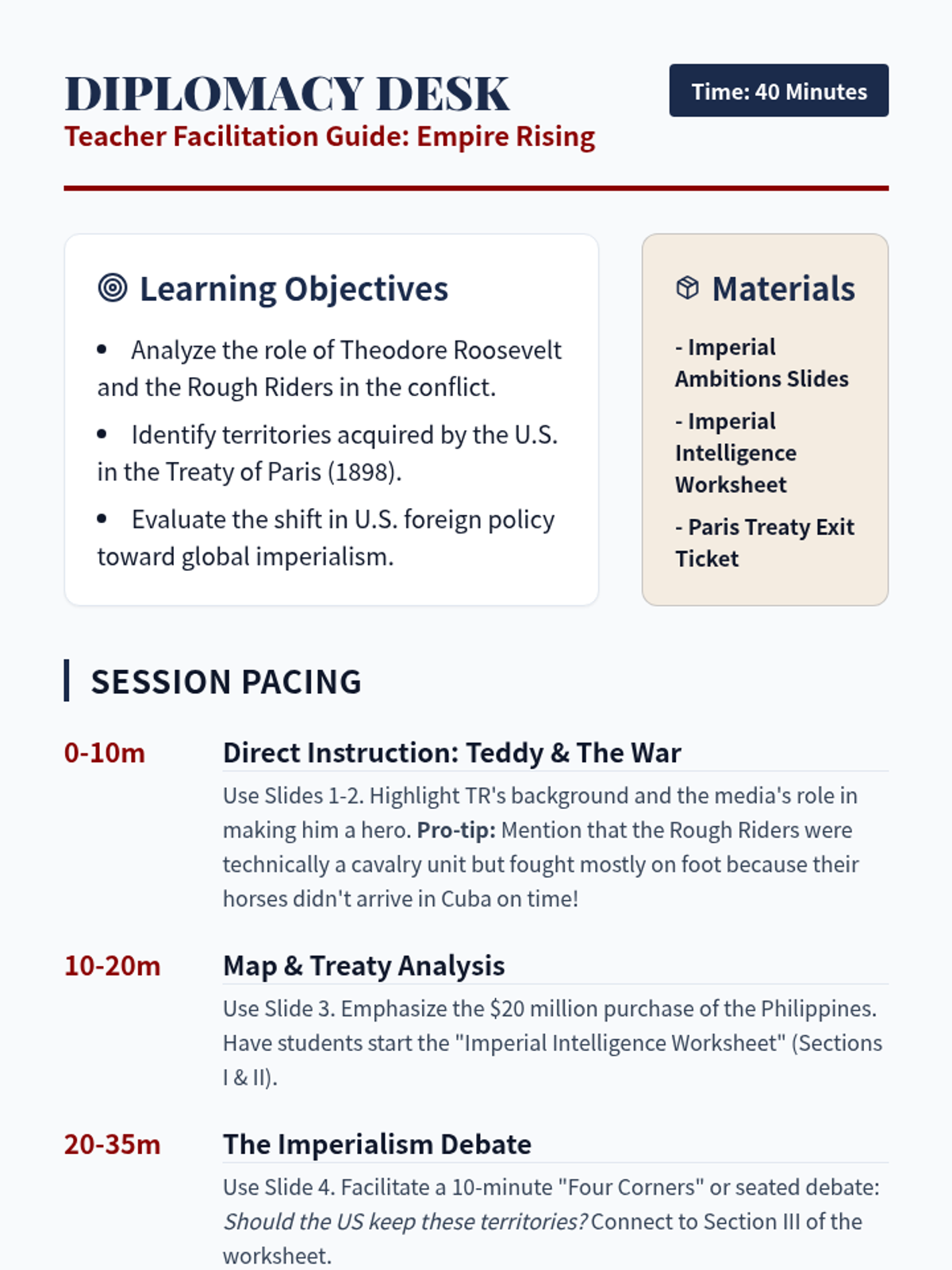
A comprehensive teacher guide for delivering a 40-minute lesson on the Spanish-American War, updated to reference the Imperial Intelligence Worksheet.
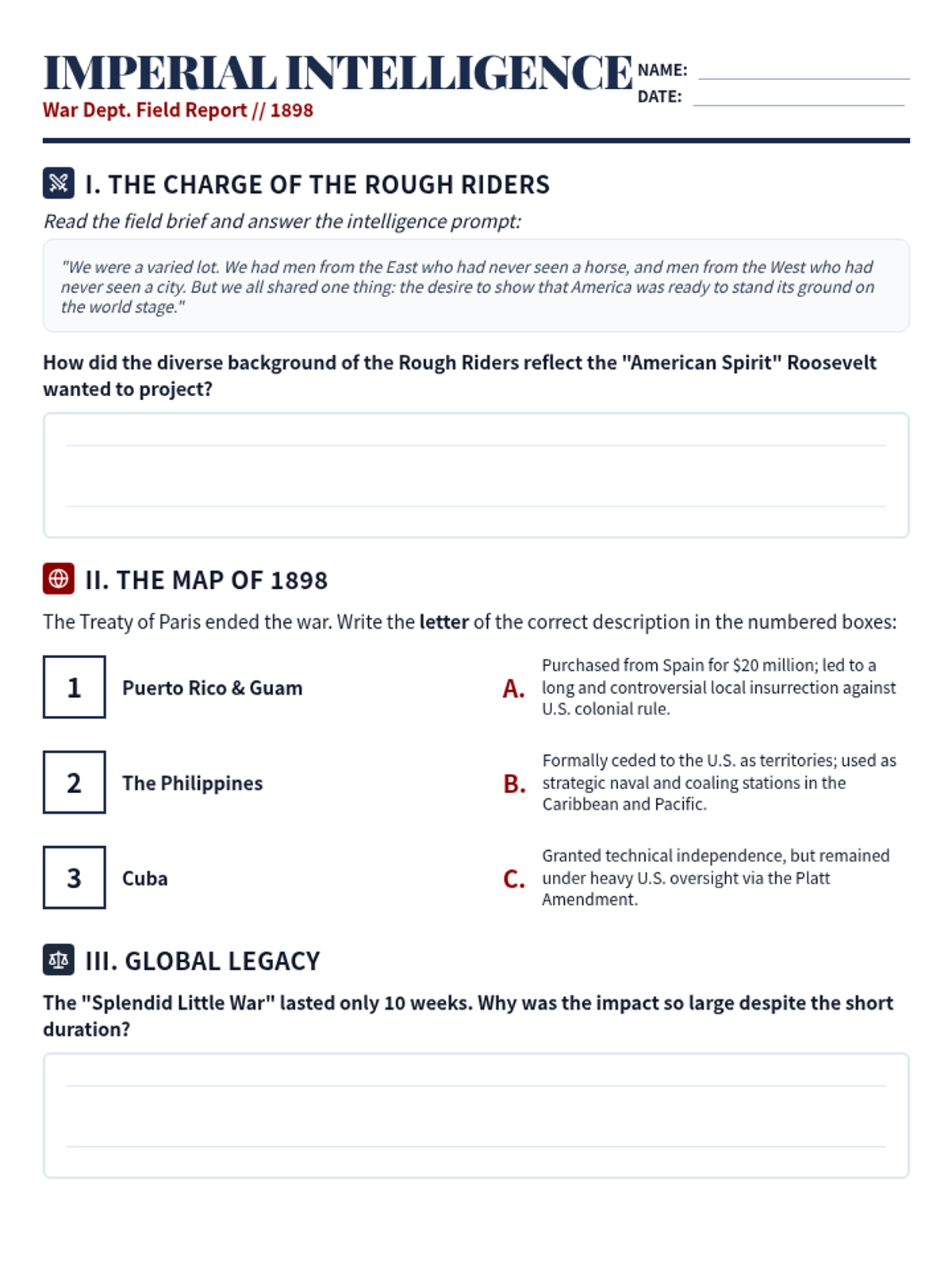
A student worksheet structured as a military field report, renamed for a more professional tone, covering the Rough Riders, territory acquisition from the Treaty of Paris, and the war's global impact.
A high-impact visual presentation covering the Spanish-American War, Theodore Roosevelt's Rough Riders, the Treaty of Paris (1898), and the resulting debate over American imperialism.
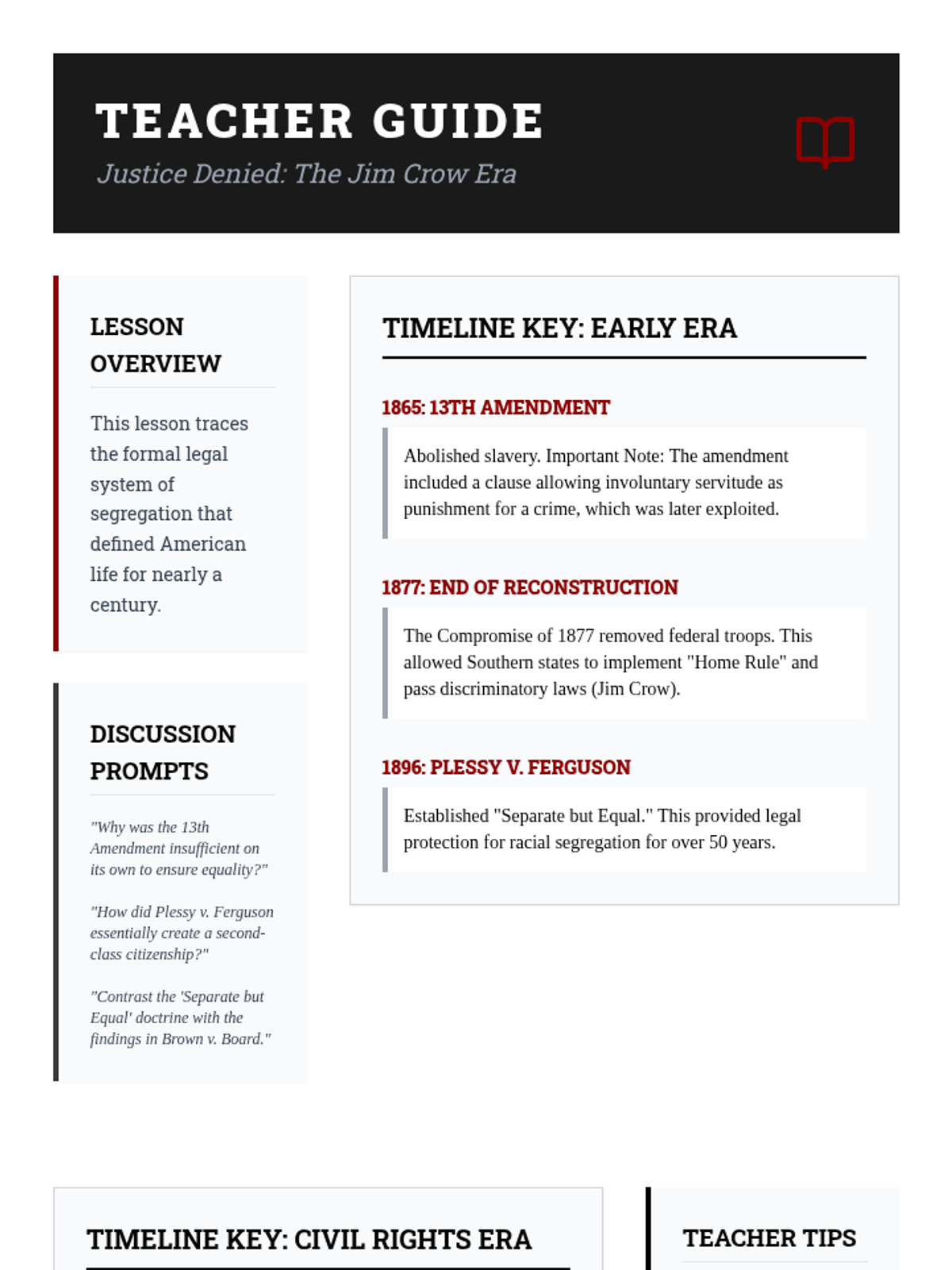
A comprehensive teacher guide for the Jim Crow era lesson, featuring discussion prompts, a detailed timeline answer key, and differentiation strategies.
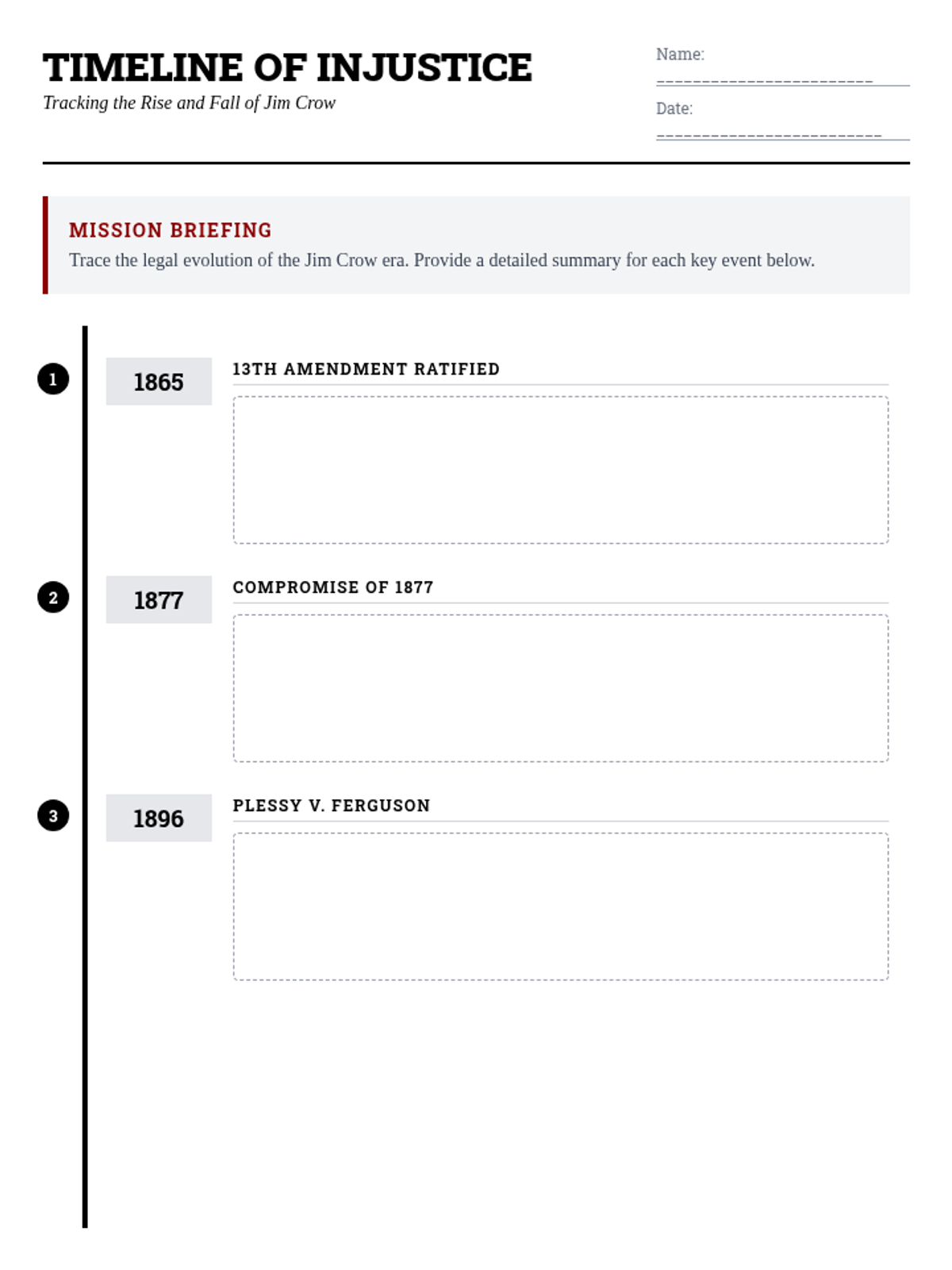
A timeline activity worksheet where students record key events from the Jim Crow era, including the 13th Amendment, Plessy v. Ferguson, and the Civil Rights Act.
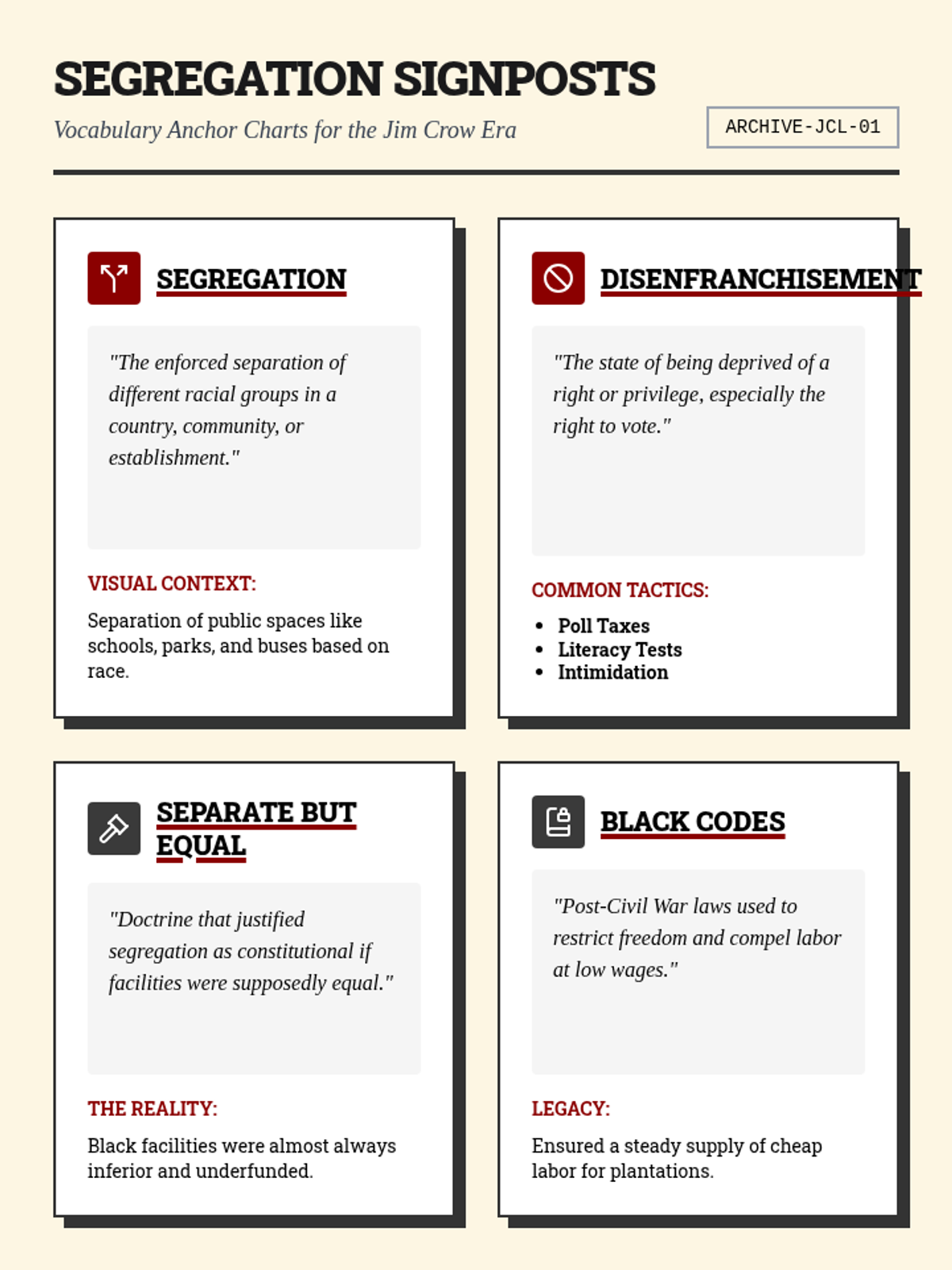
A set of archival-style vocabulary anchor charts defining key terms related to the Jim Crow era, including segregation, disenfranchisement, and the Great Migration.
A visually striking presentation in an archival style covering the definition, legal foundation, and eventual dismantling of Jim Crow laws.
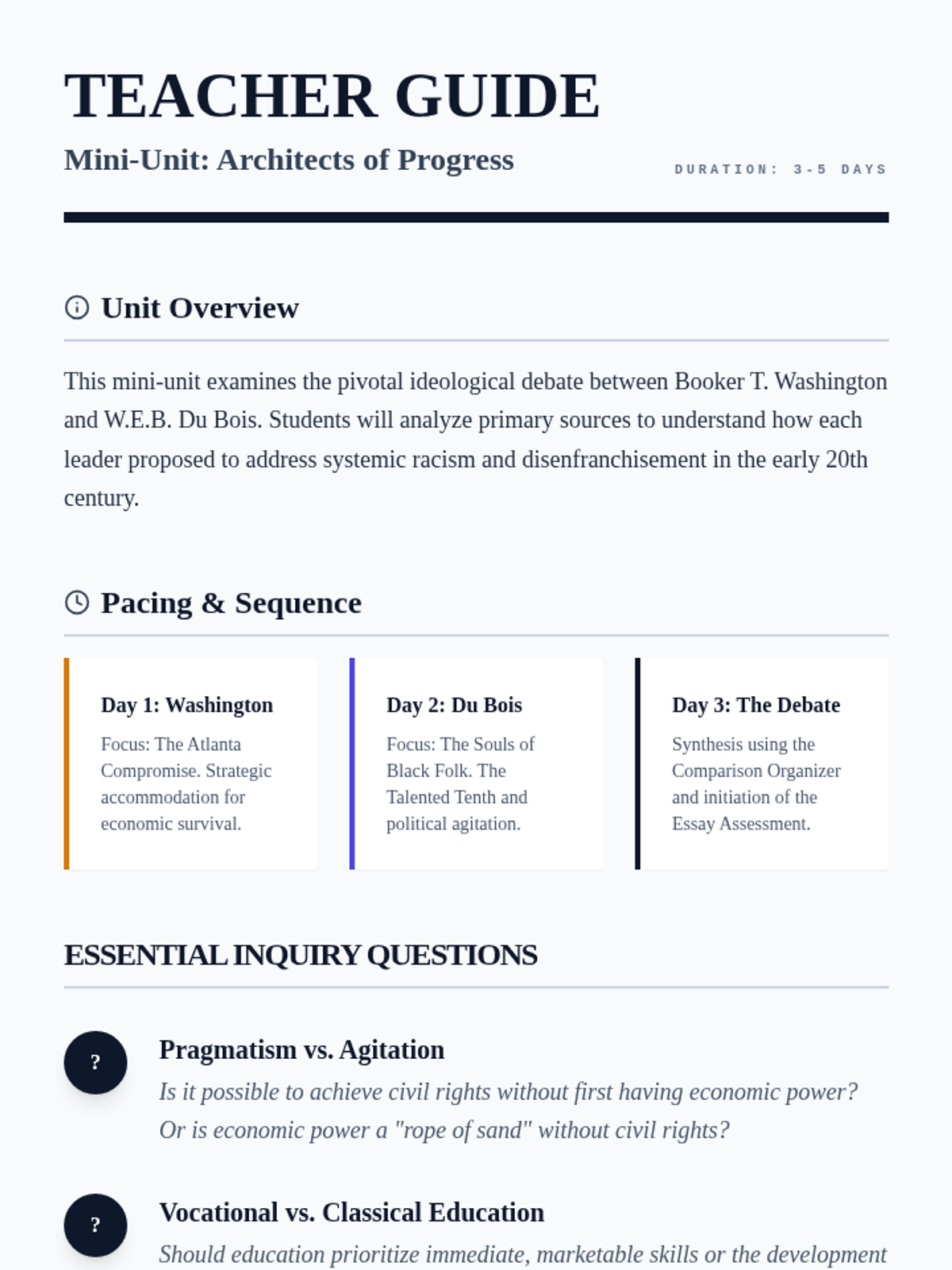
A teacher guide for the 'Architects of Progress' mini-unit, providing pacing, pedagogical context, differentiation strategies, and an overview of unit assessments.
A summary presentation deck that synthesizes the contrasting arguments of Washington and Du Bois, prompting critical thinking about the 'pragmatism vs. agitation' debate.
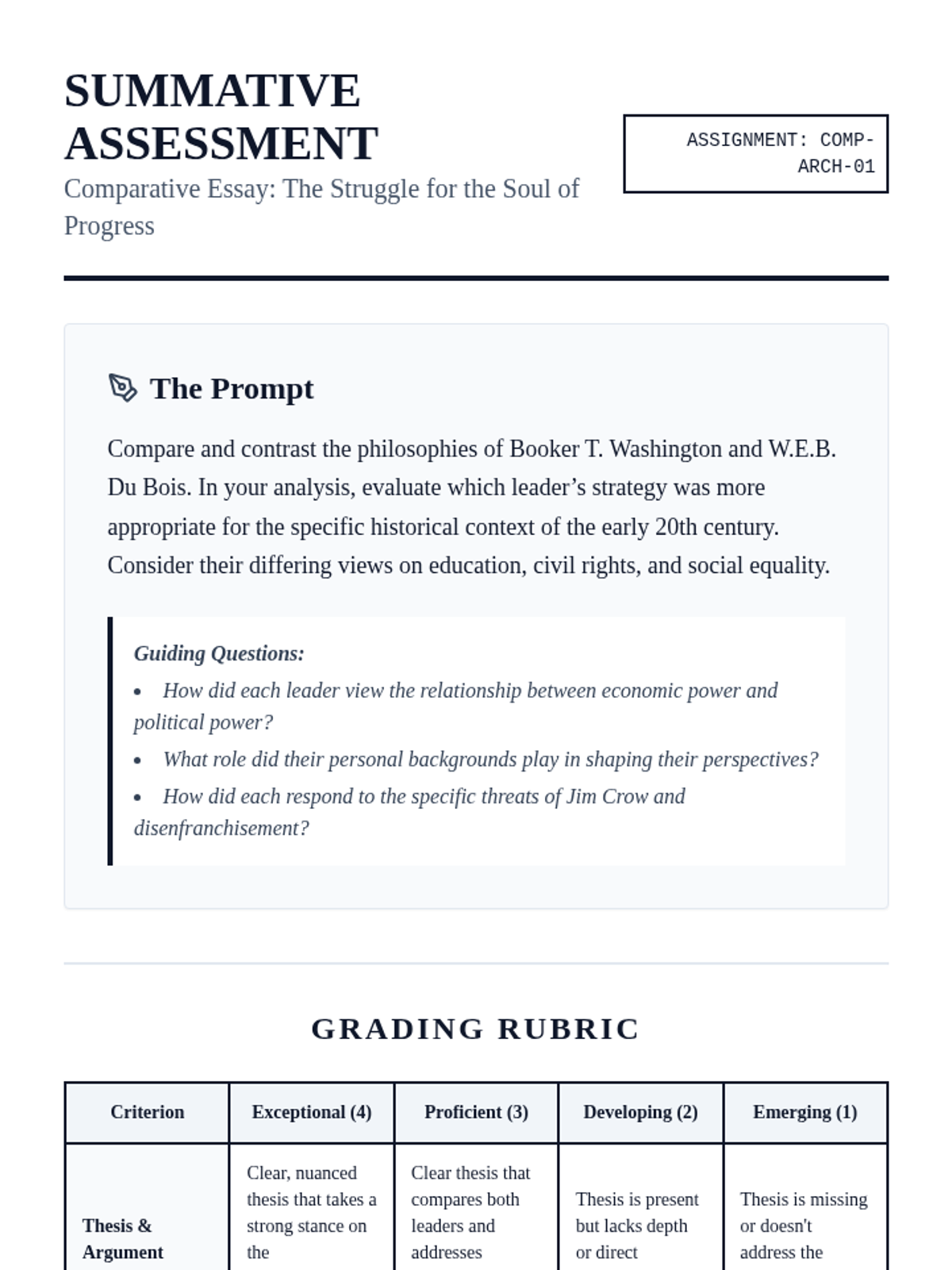
A comprehensive comparative essay prompt and grading rubric for assessing student understanding of the Washington-Du Bois debate within its historical context.
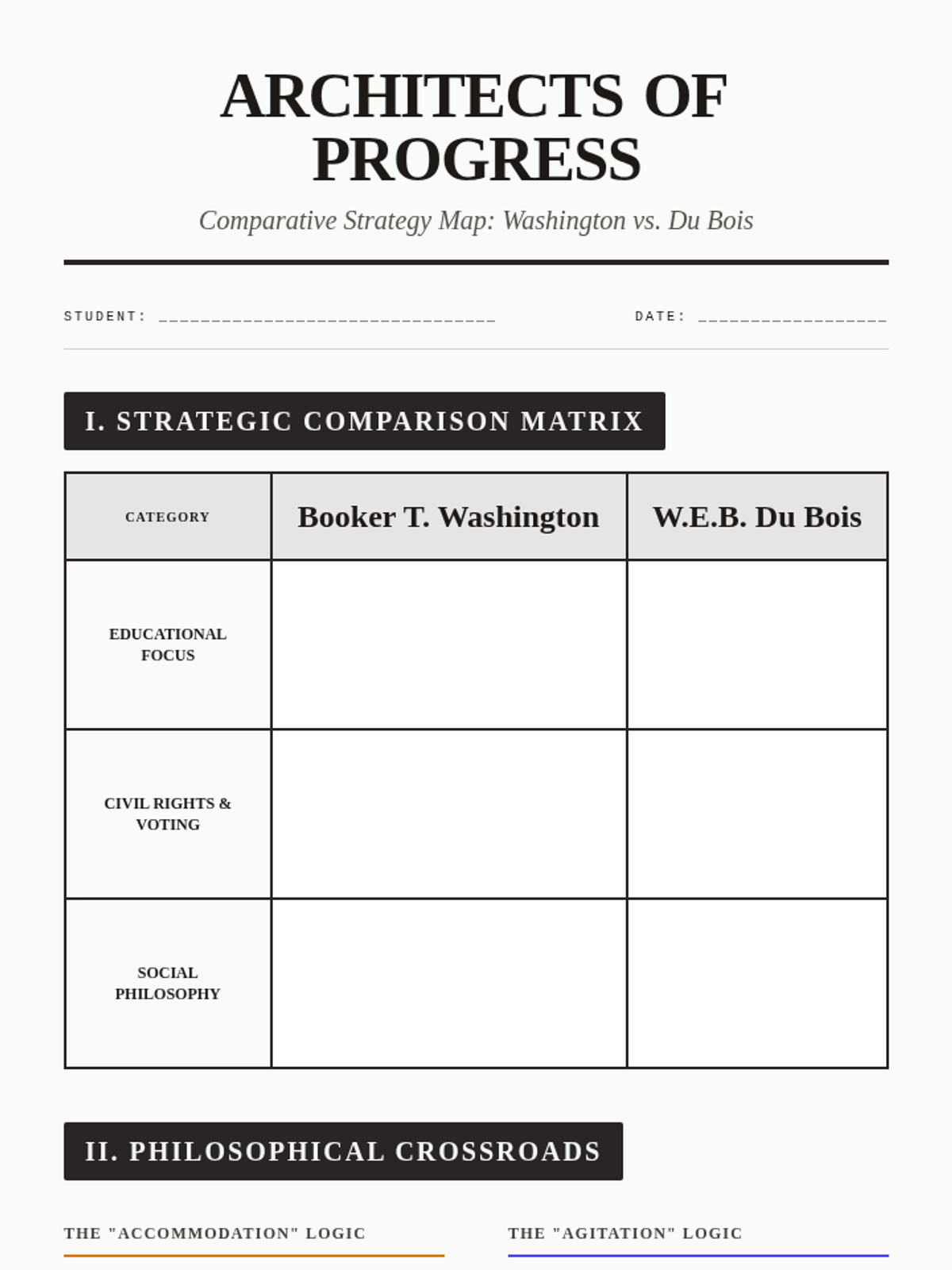
A graphic organizer that allows students to compare the educational, political, and social philosophies of Booker T. Washington and W.E.B. Du Bois side-by-side.
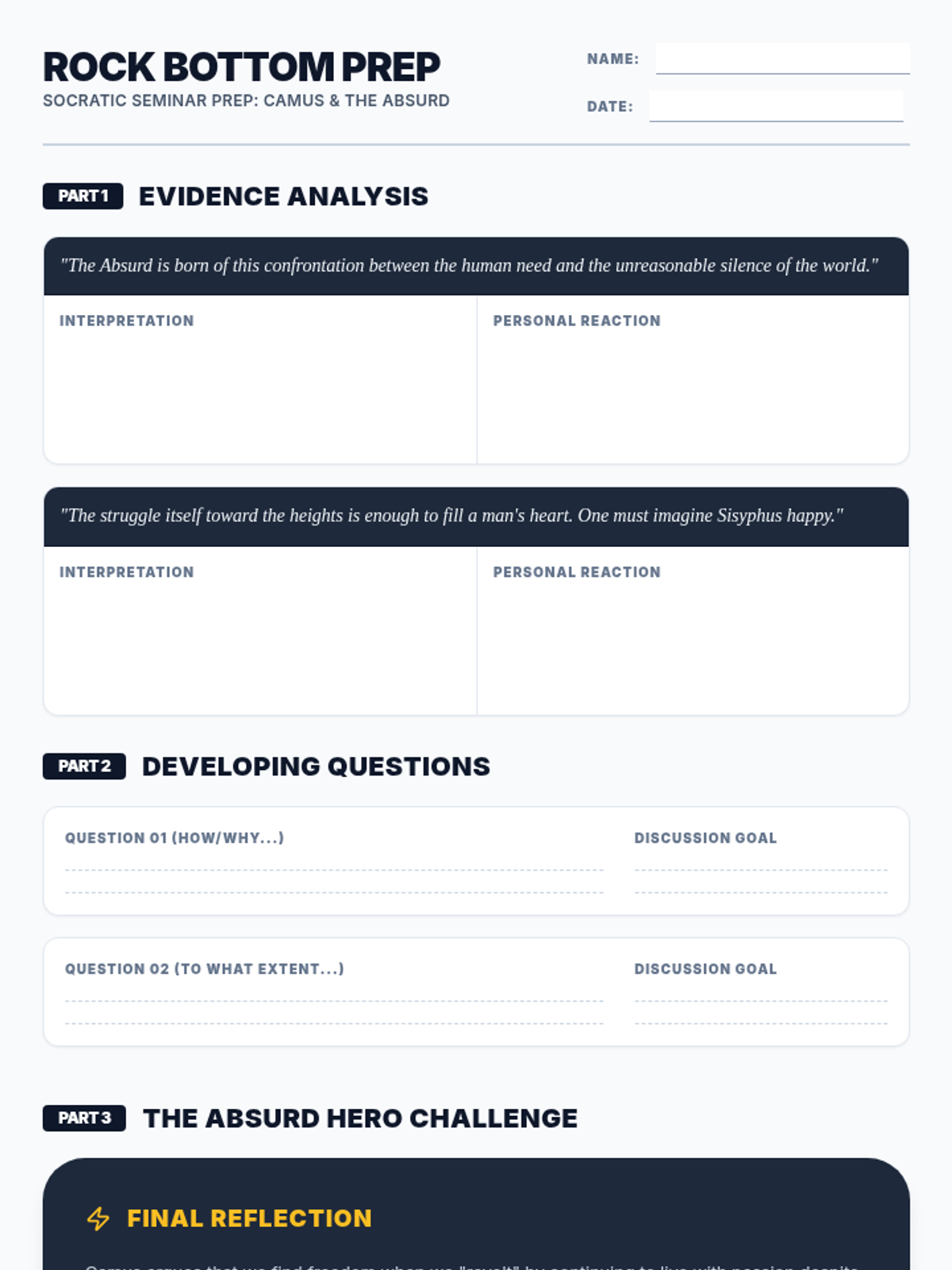
A preparation worksheet for students to analyze key quotes and develop their own discussion questions for the Socratic Seminar on 'The Myth of Sisyphus'.
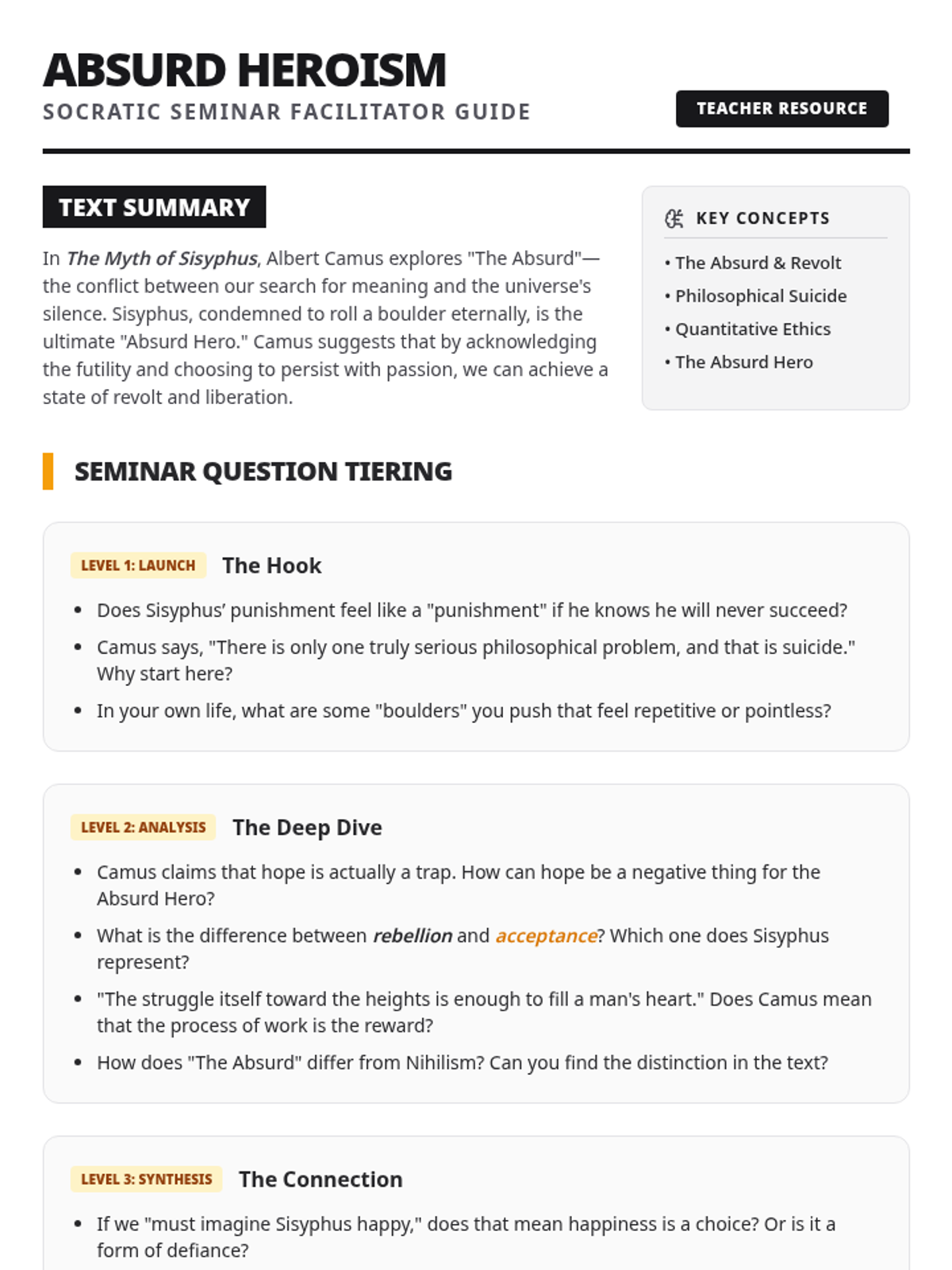
Instructional guide for teachers conducting a Socratic Seminar on Camus' 'The Myth of Sisyphus', including tiered discussion questions and facilitator tips.
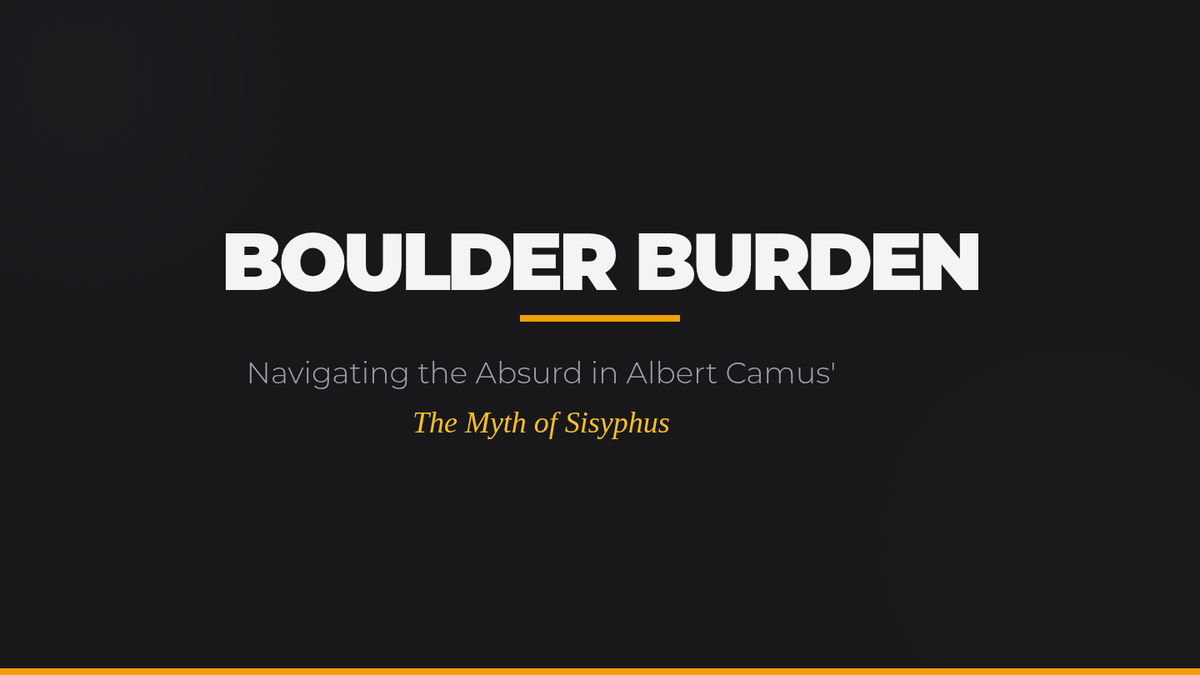
Visual presentation slides for a Socratic Seminar on Albert Camus' 'The Myth of Sisyphus', introducing the rules of discussion and core philosophical concepts.
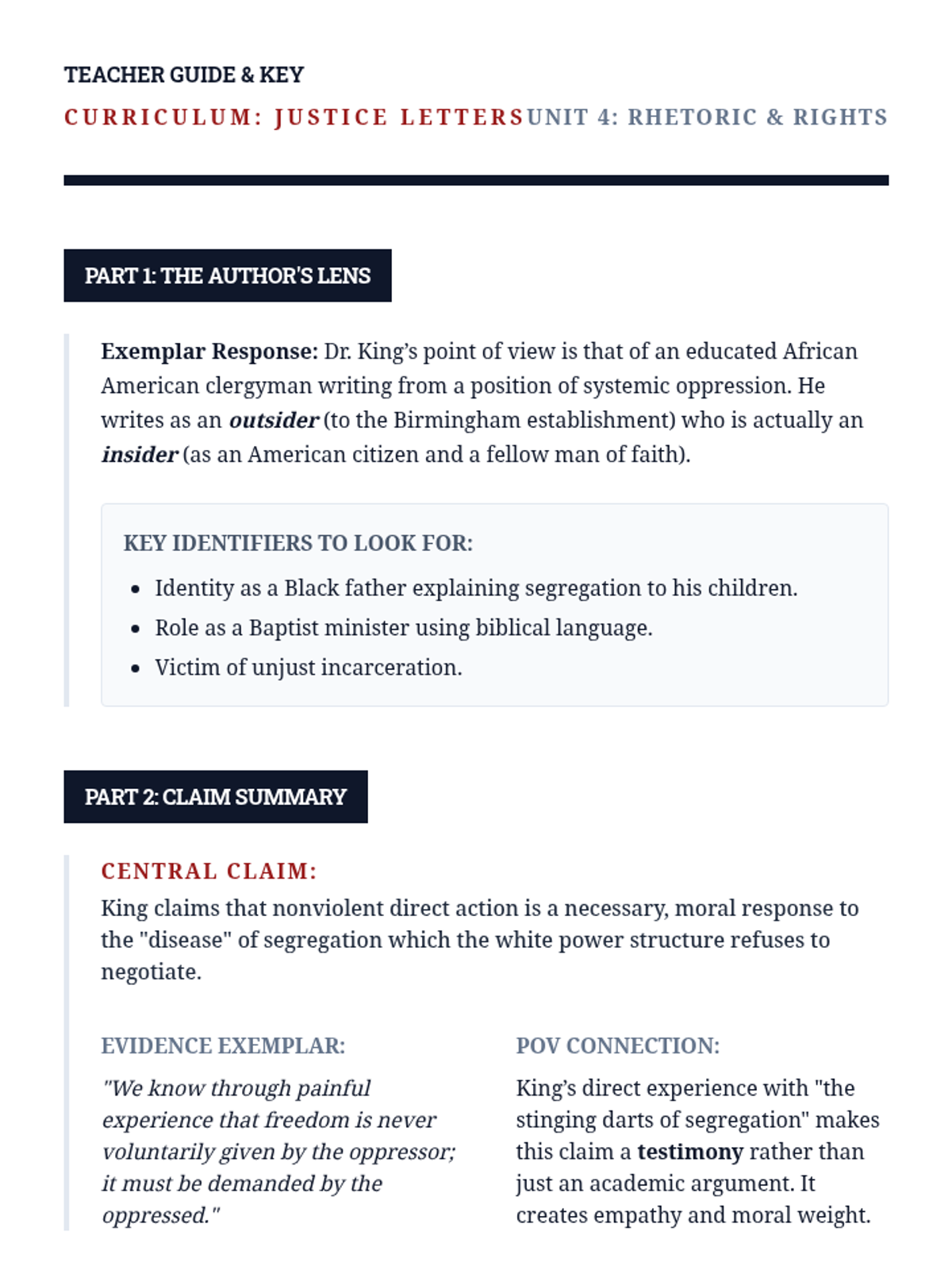
A comprehensive teacher's guide and answer key for the 'Justice Letters' lesson, providing exemplar responses for POV analysis, claim summaries, and reliability evaluation.
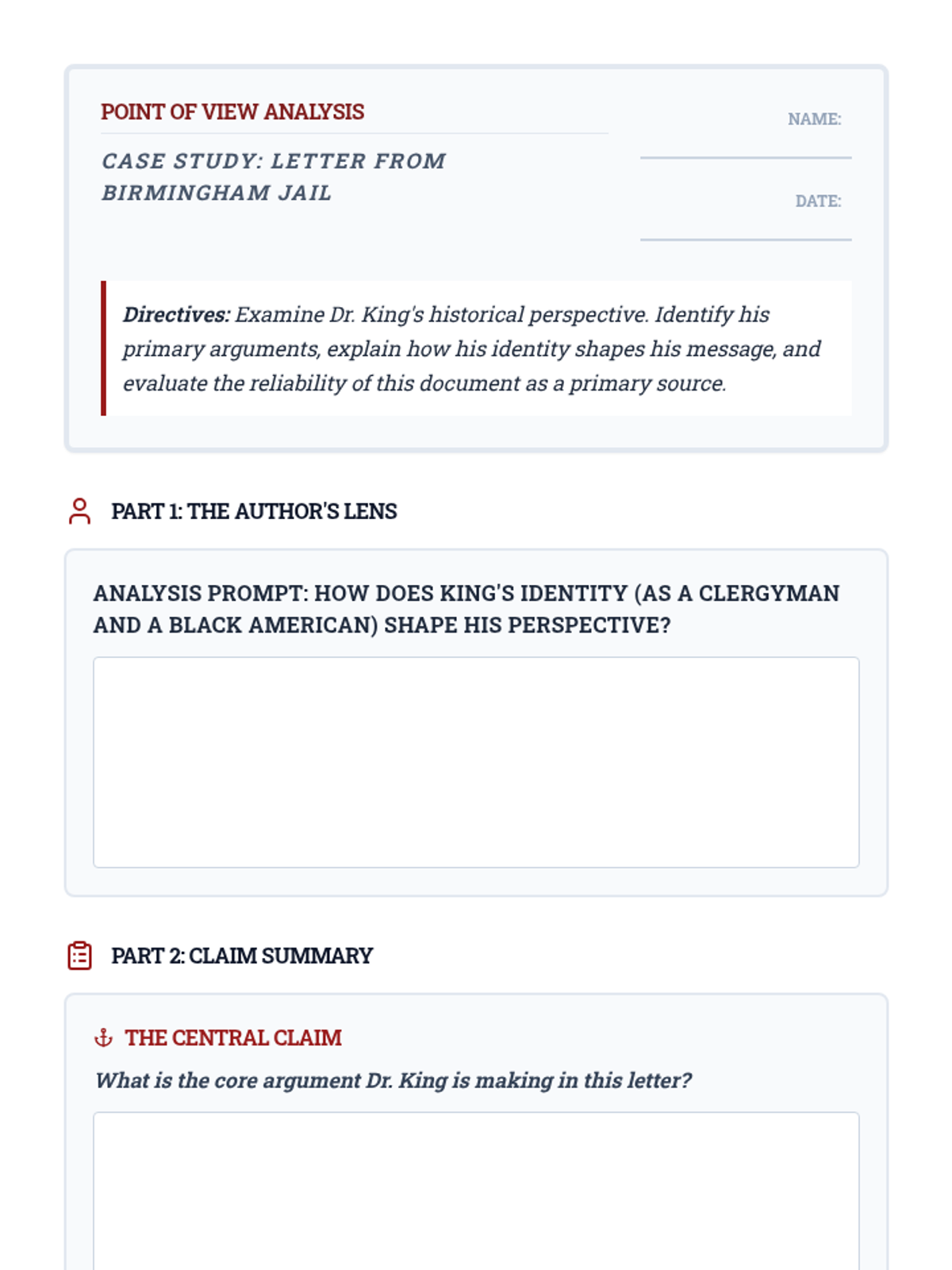
A structured worksheet for students to summarize Martin Luther King Jr.'s claims in 'Letter from Birmingham Jail,' connect them to his specific point of view, and evaluate the reliability of his perspective as a primary source.
A 6-slide presentation introducing the context of Martin Luther King Jr.'s 'Letter from Birmingham Jail,' defining historical point of view, summarizing his core claims, and discussing how to evaluate the reliability of a primary source.
A presentation deck detailing W.E.B. Du Bois's background, his 'Talented Tenth' leadership philosophy, and his insistence on political agitation for civil rights.
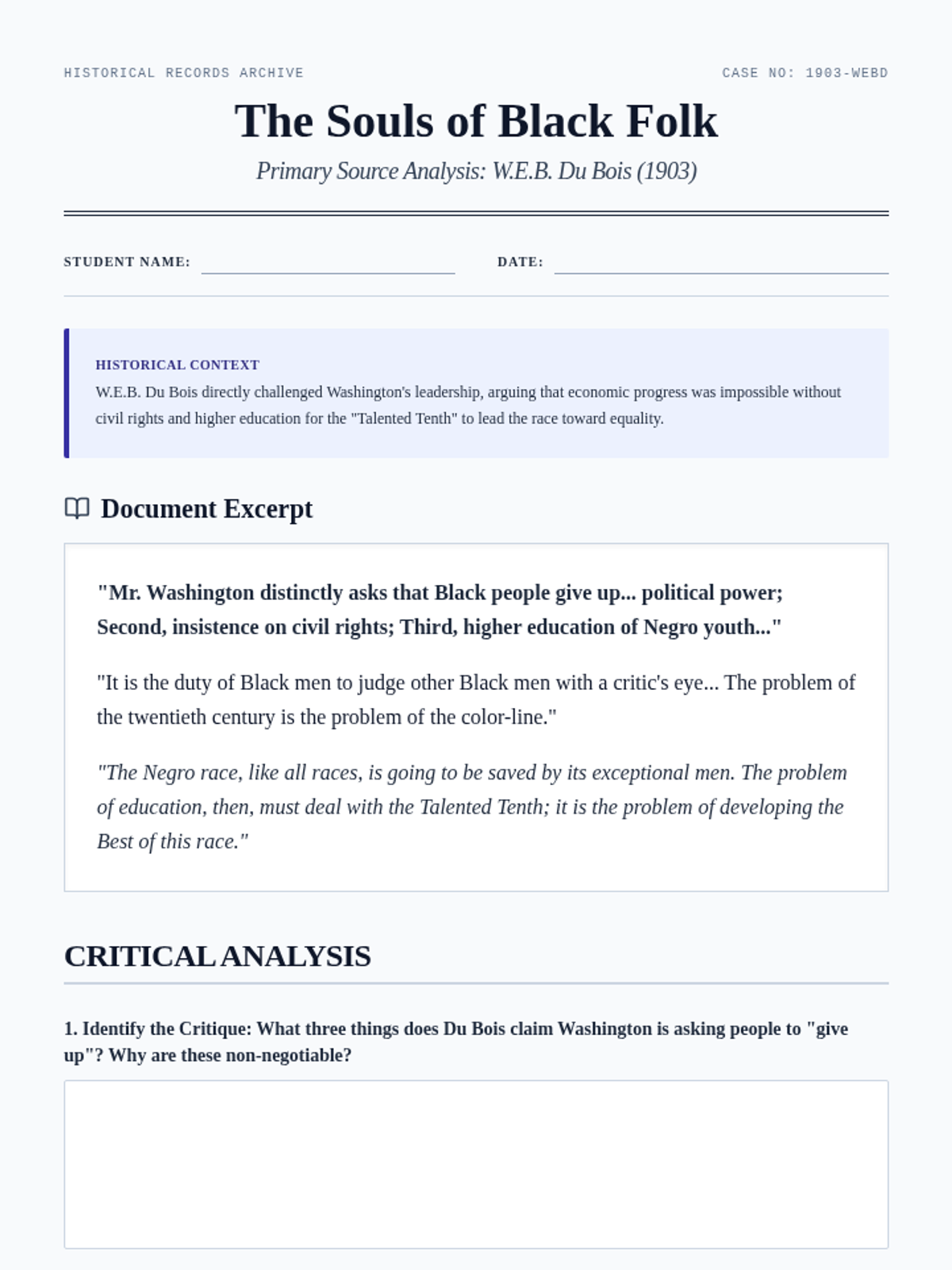
A primary source analysis worksheet for W.E.B. Du Bois's 'The Souls of Black Folk,' focusing on his critique of Booker T. Washington and his concept of the 'Talented Tenth.'
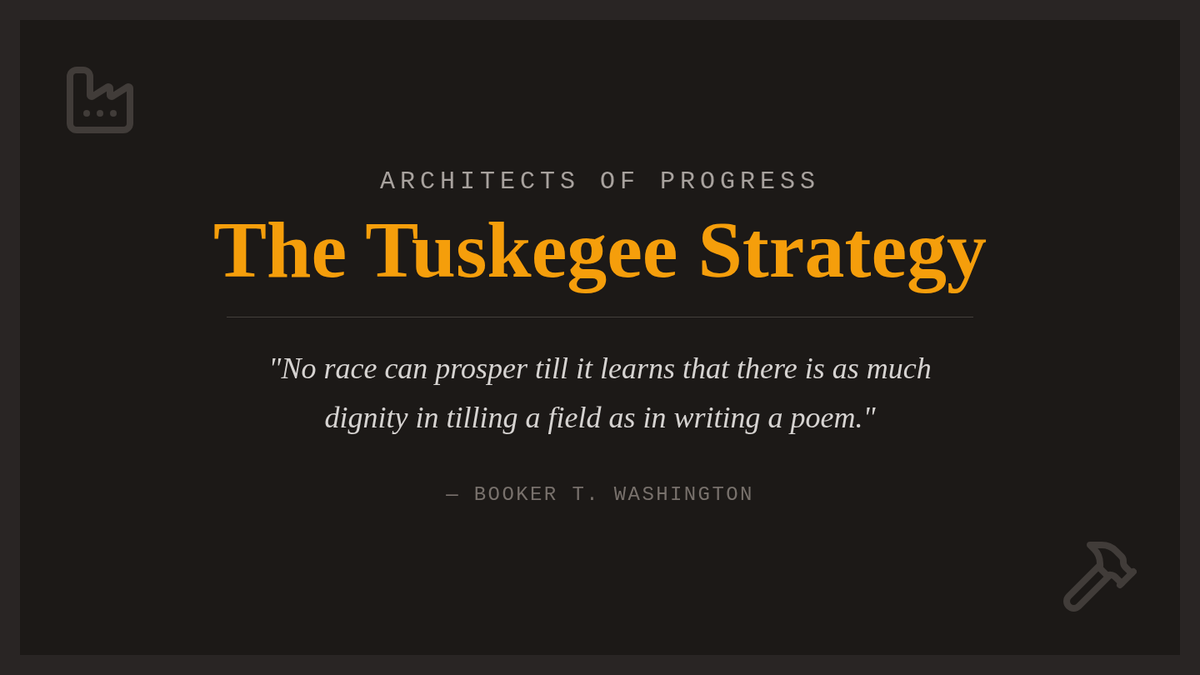
A presentation deck introducing Booker T. Washington's philosophy, the founding of the Tuskegee Institute, and the strategic underpinnings of the 'Atlanta Compromise' speech.
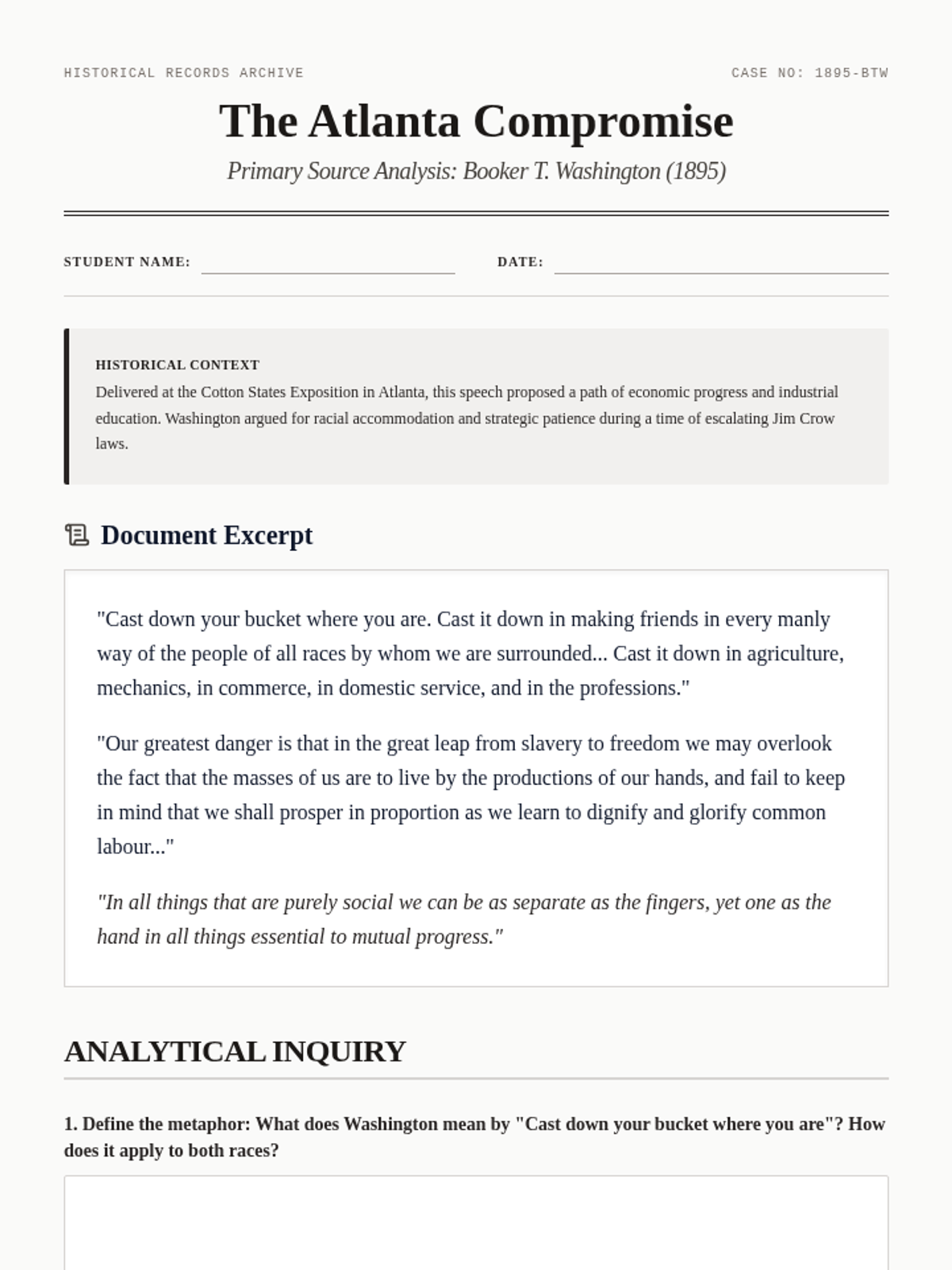
A primary source analysis worksheet for Booker T. Washington's 'Atlanta Compromise' speech, featuring excerpts, context, and analytical questions designed for high school history students.
A comprehensive facilitator guide for teachers, including learning objectives, lesson pacing, key vocabulary definitions, expected organizer responses, and discussion prompts.
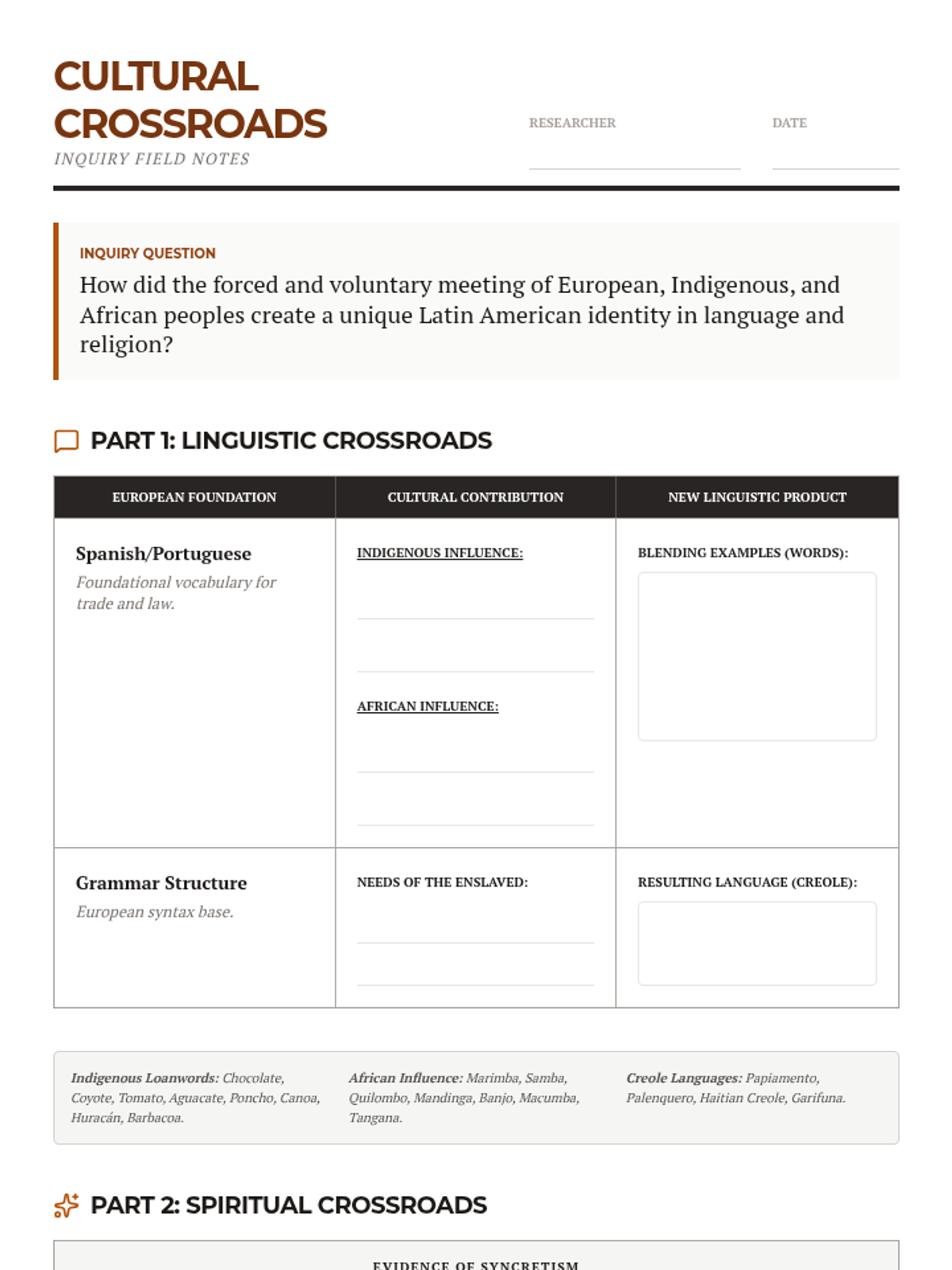
A student graphic organizer for documenting linguistic and religious syncretism in colonial Latin America, featuring analysis sections for loanwords, creole languages, and religious case studies.
An inquiry-based slide deck exploring the concept of cultural syncretism in colonial Latin America, specifically focusing on the blending of European, Indigenous, and African influences in language and religion.