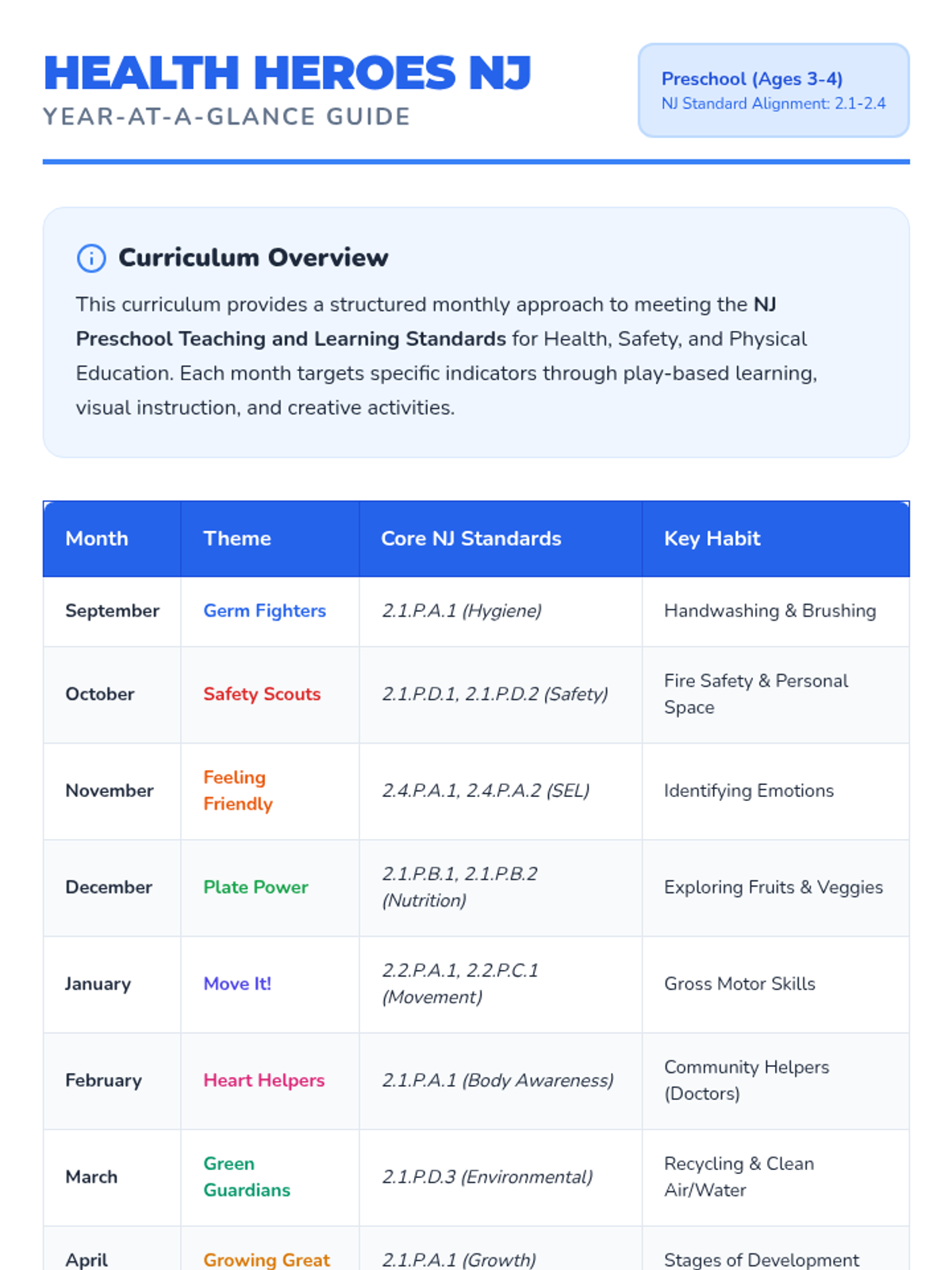
Daily hygiene, hydration, and sleep routines paired with strategies for disease and injury prevention. Builds skills in health decision-making, body awareness, and self-advocacy to support lifelong well-being.
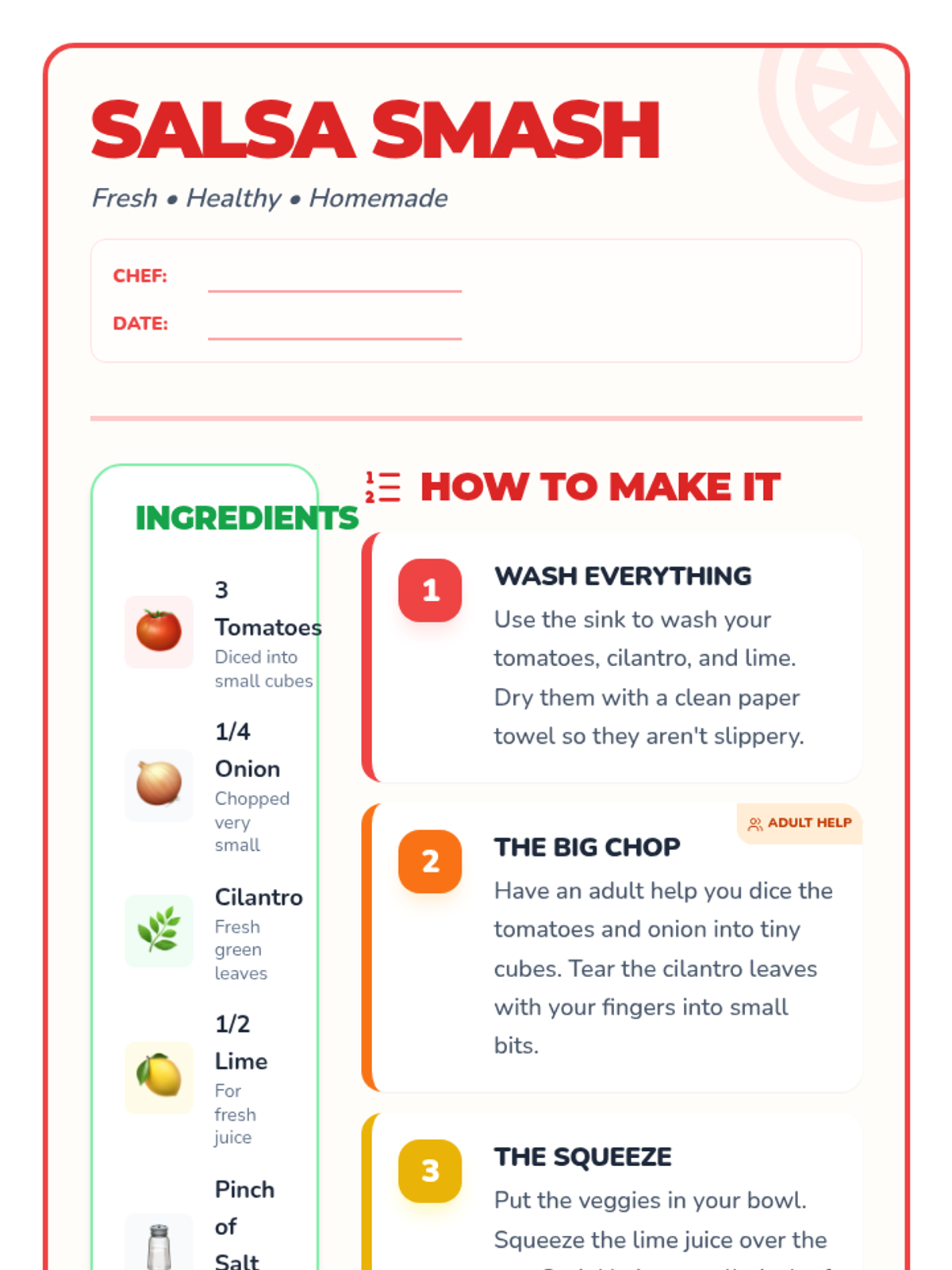
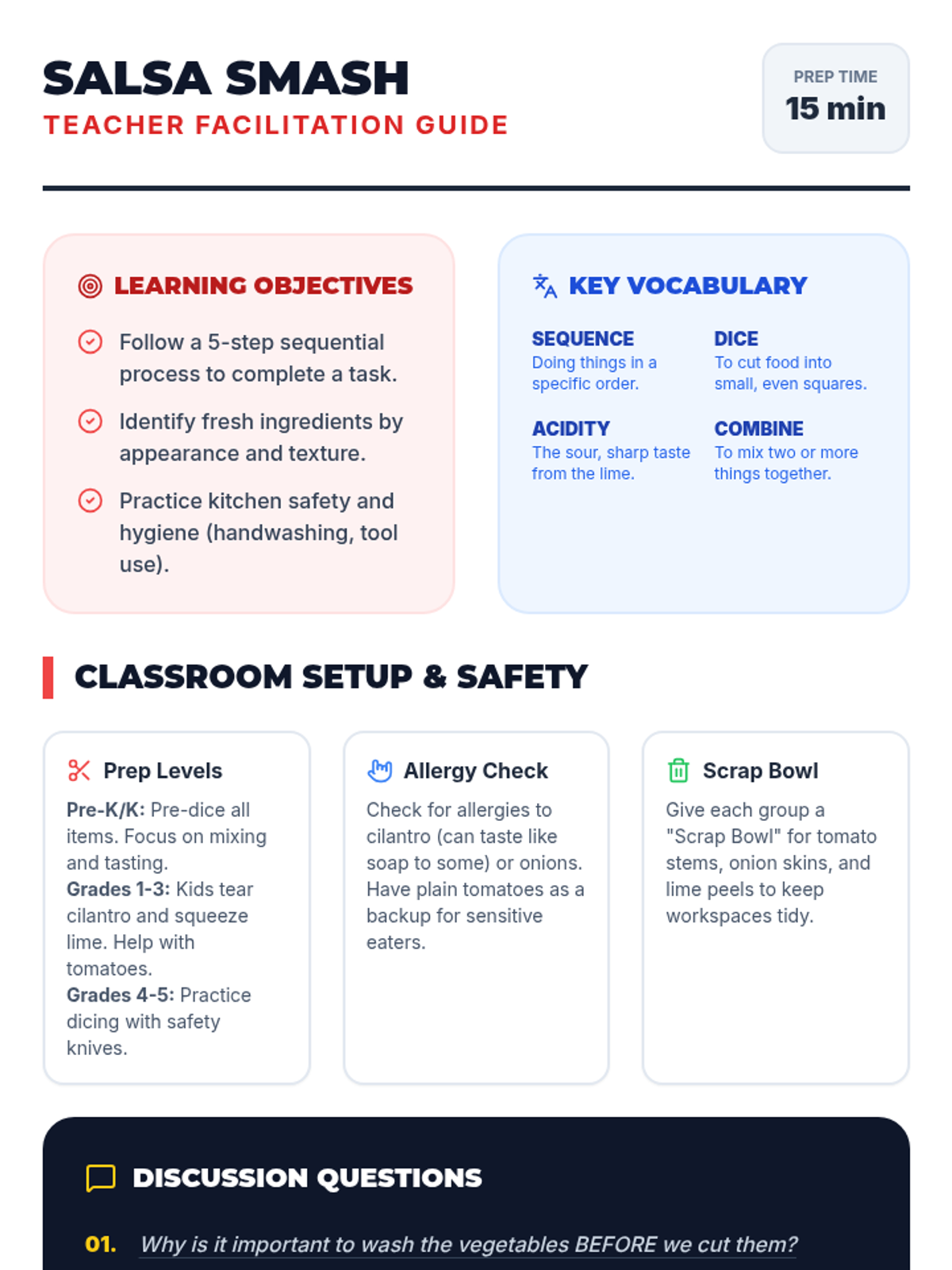
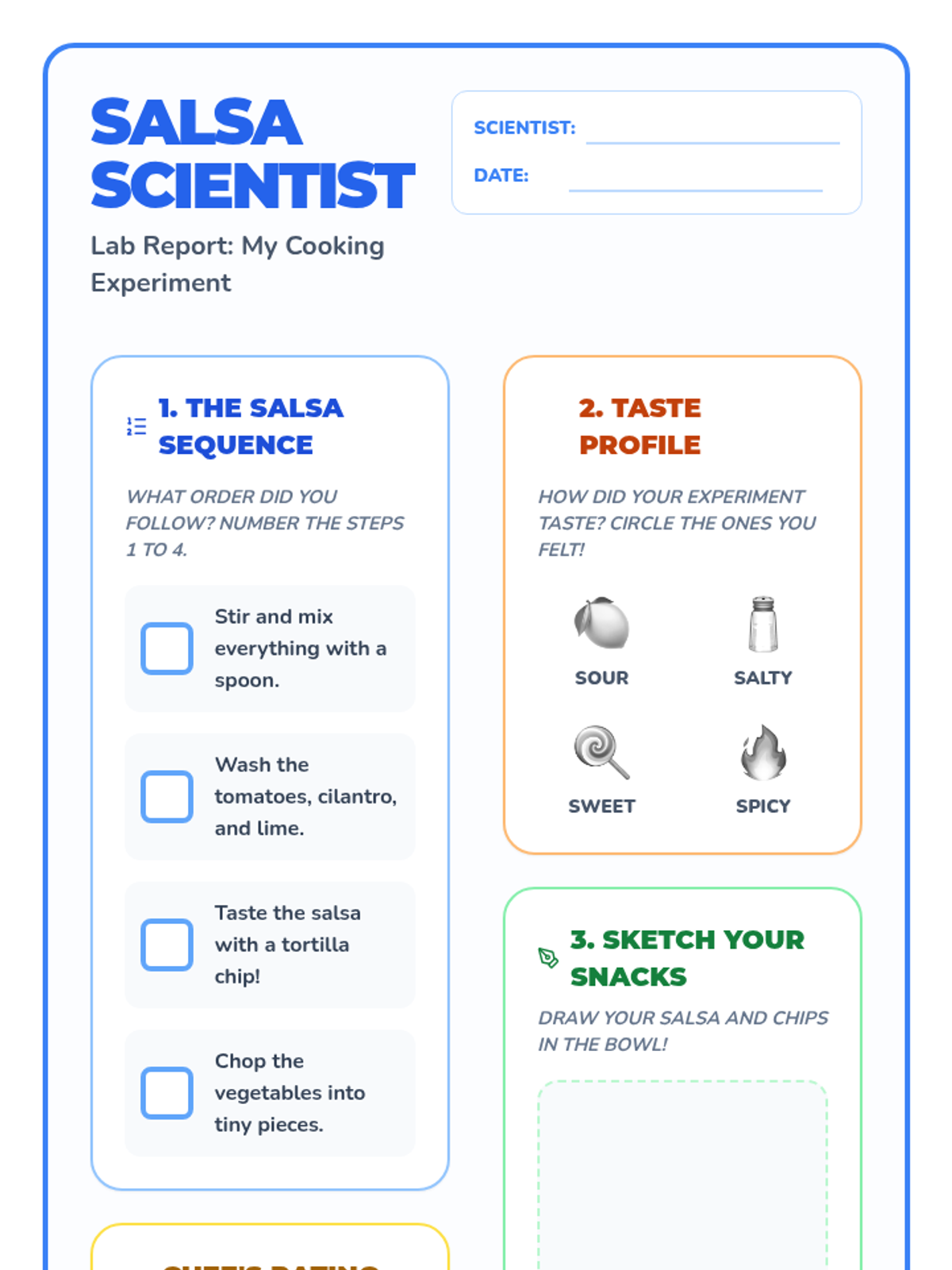
A beginner-friendly cooking lesson focused on following sequential instructions and identifying fresh ingredients while making a simple salsa.
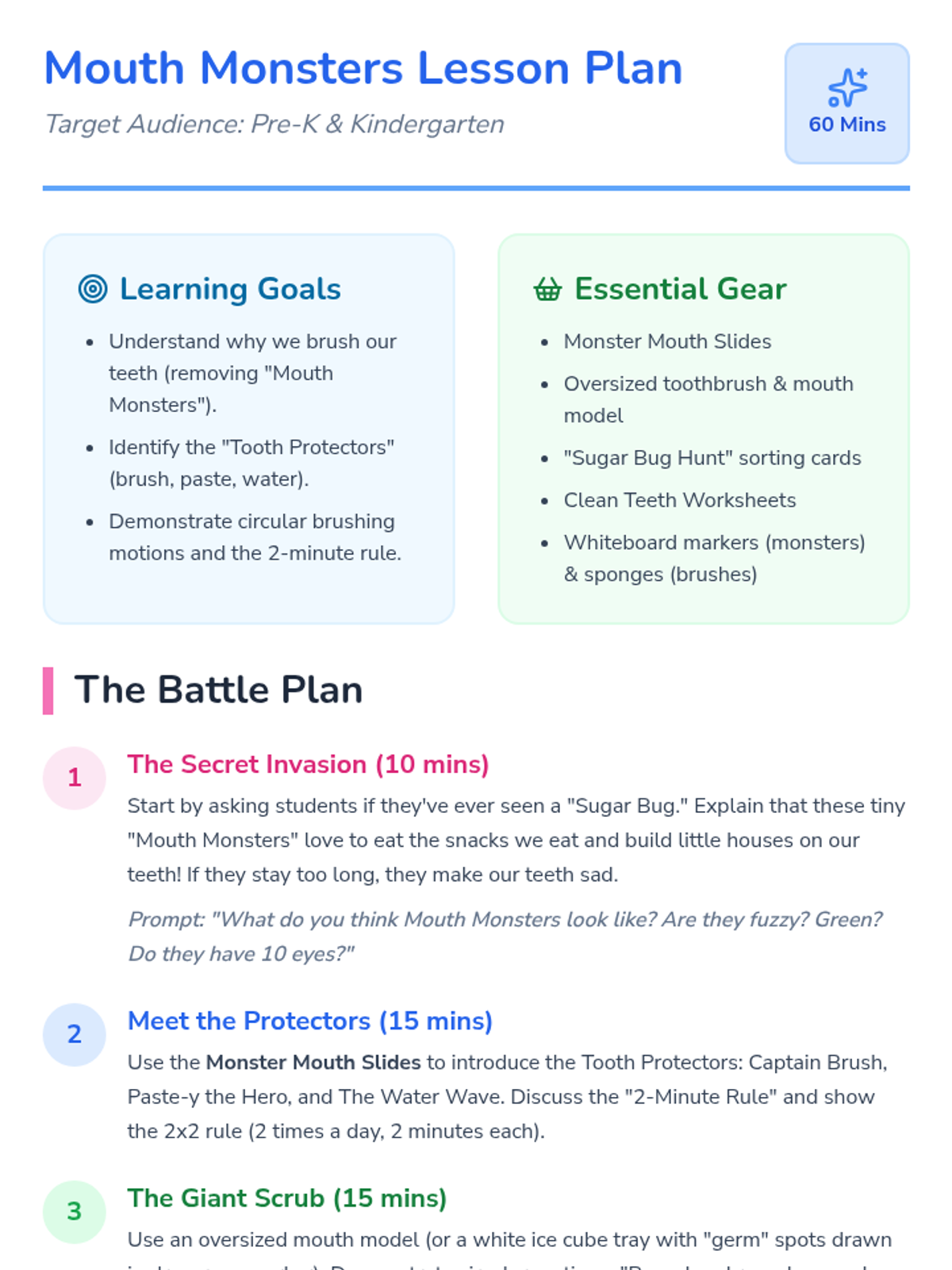
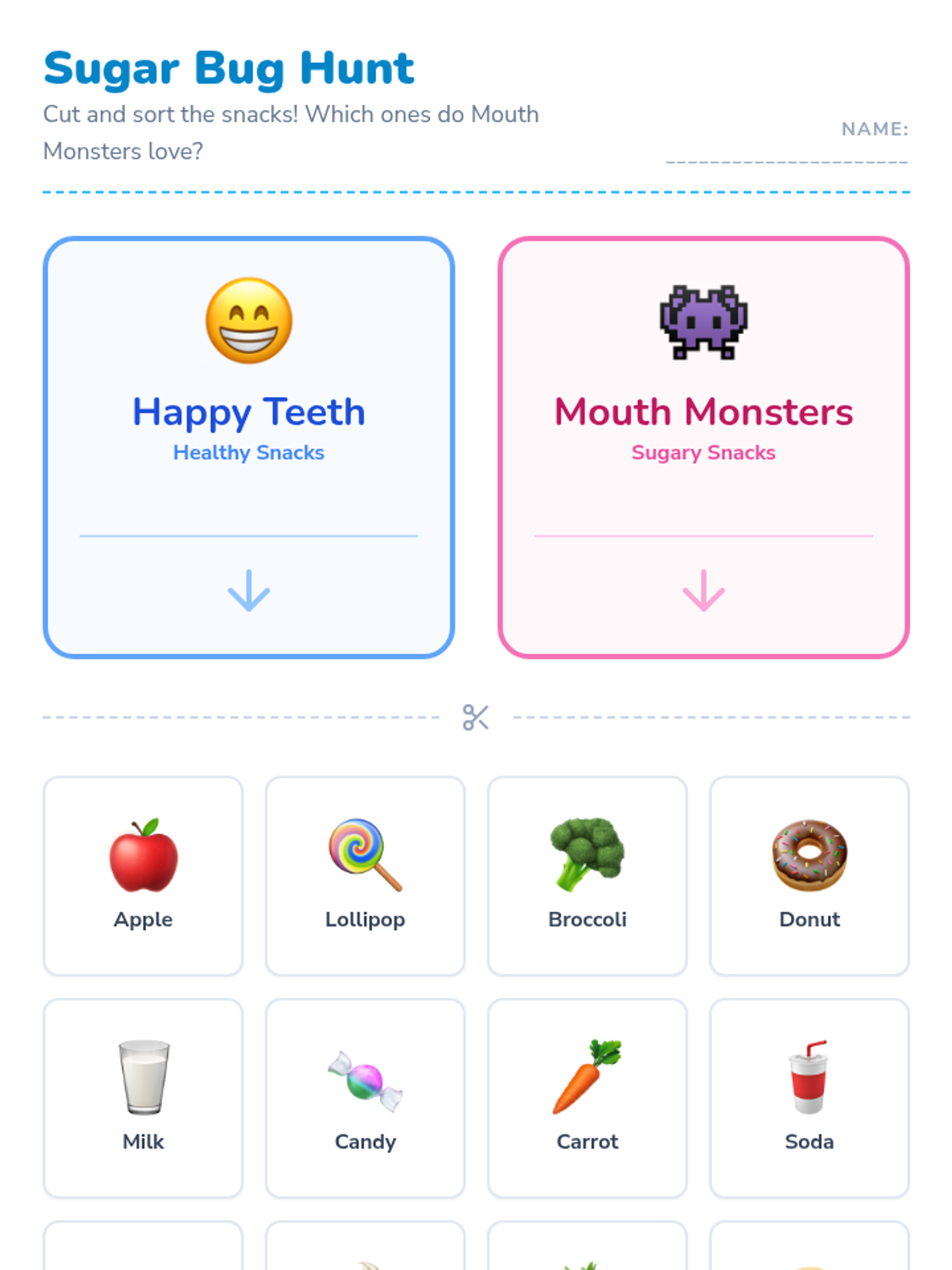
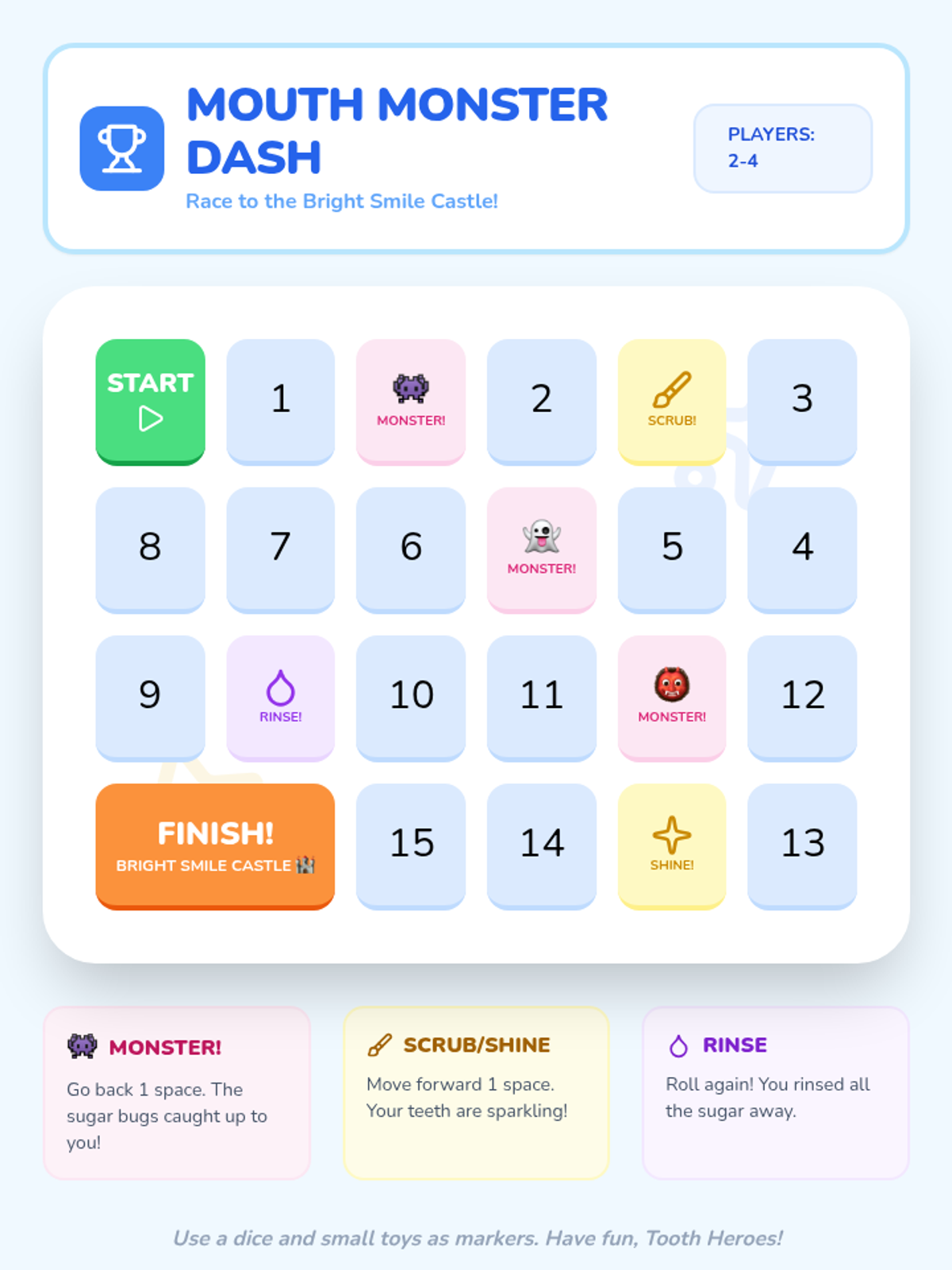
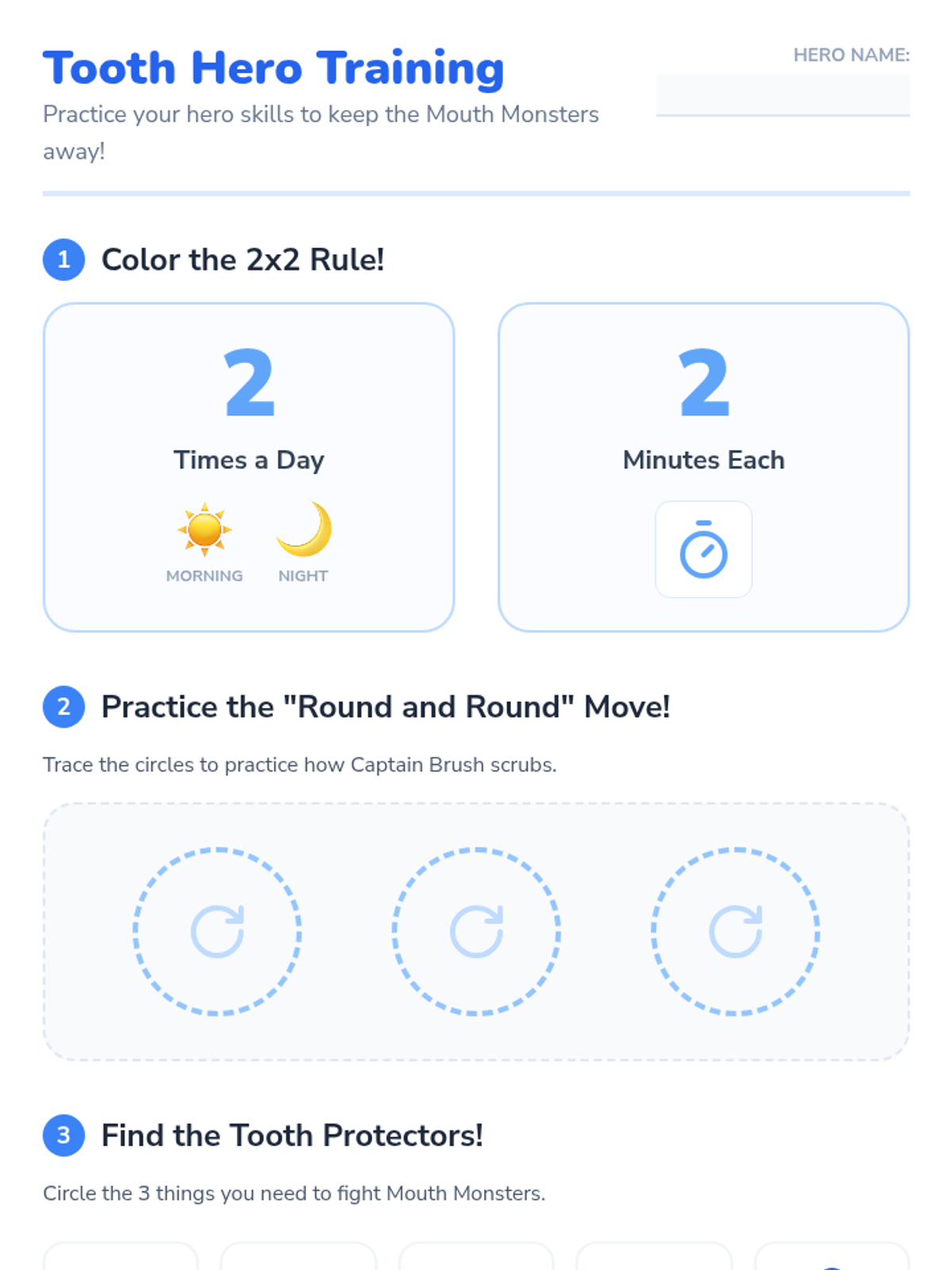
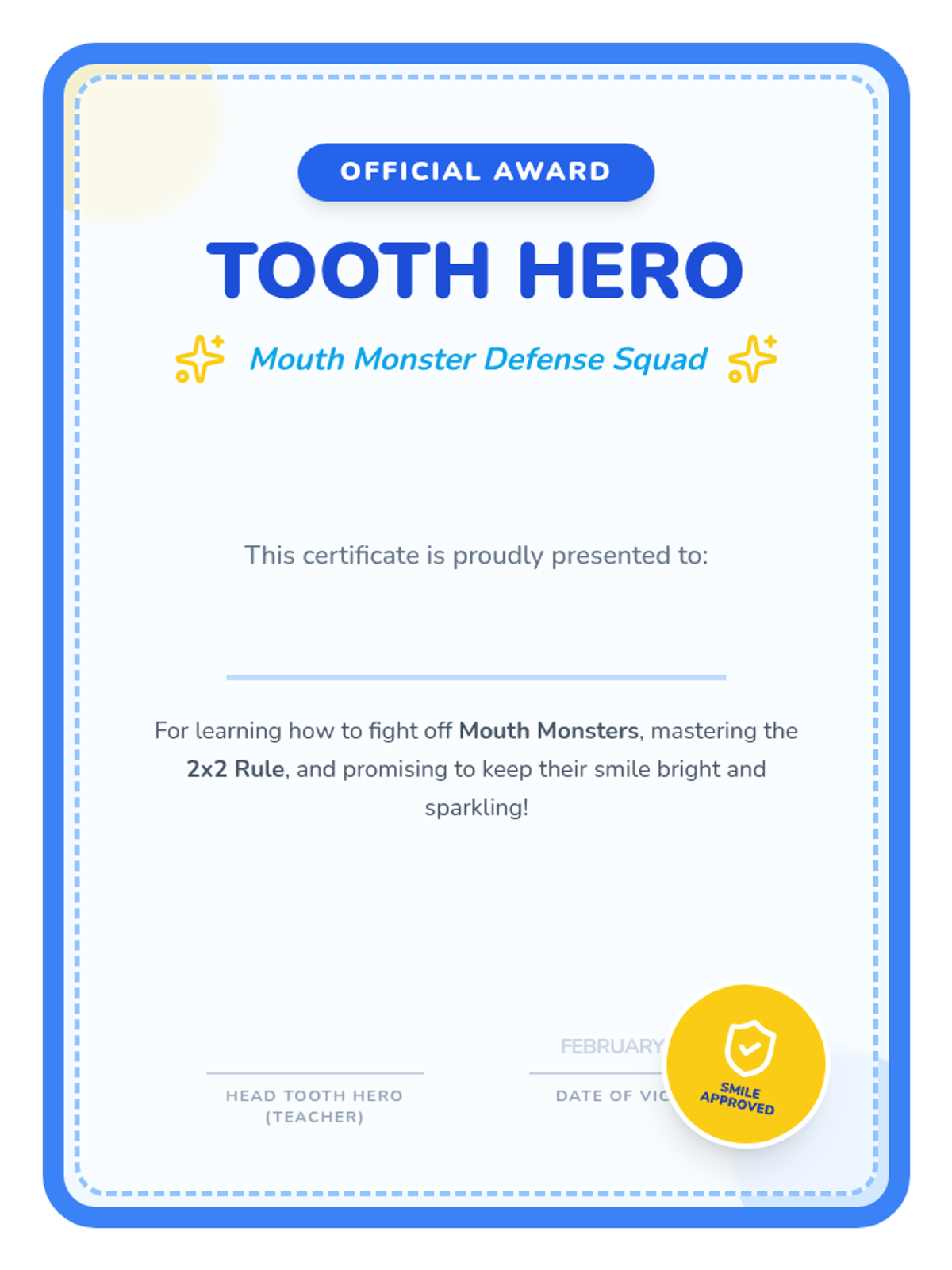
A fun, interactive dental hygiene lesson for Pre-K and Kindergarten students that uses the 'Mouth Monsters' concept to teach the importance of brushing and proper technique. Students will learn through a story, a catchy song, and hands-on practice.
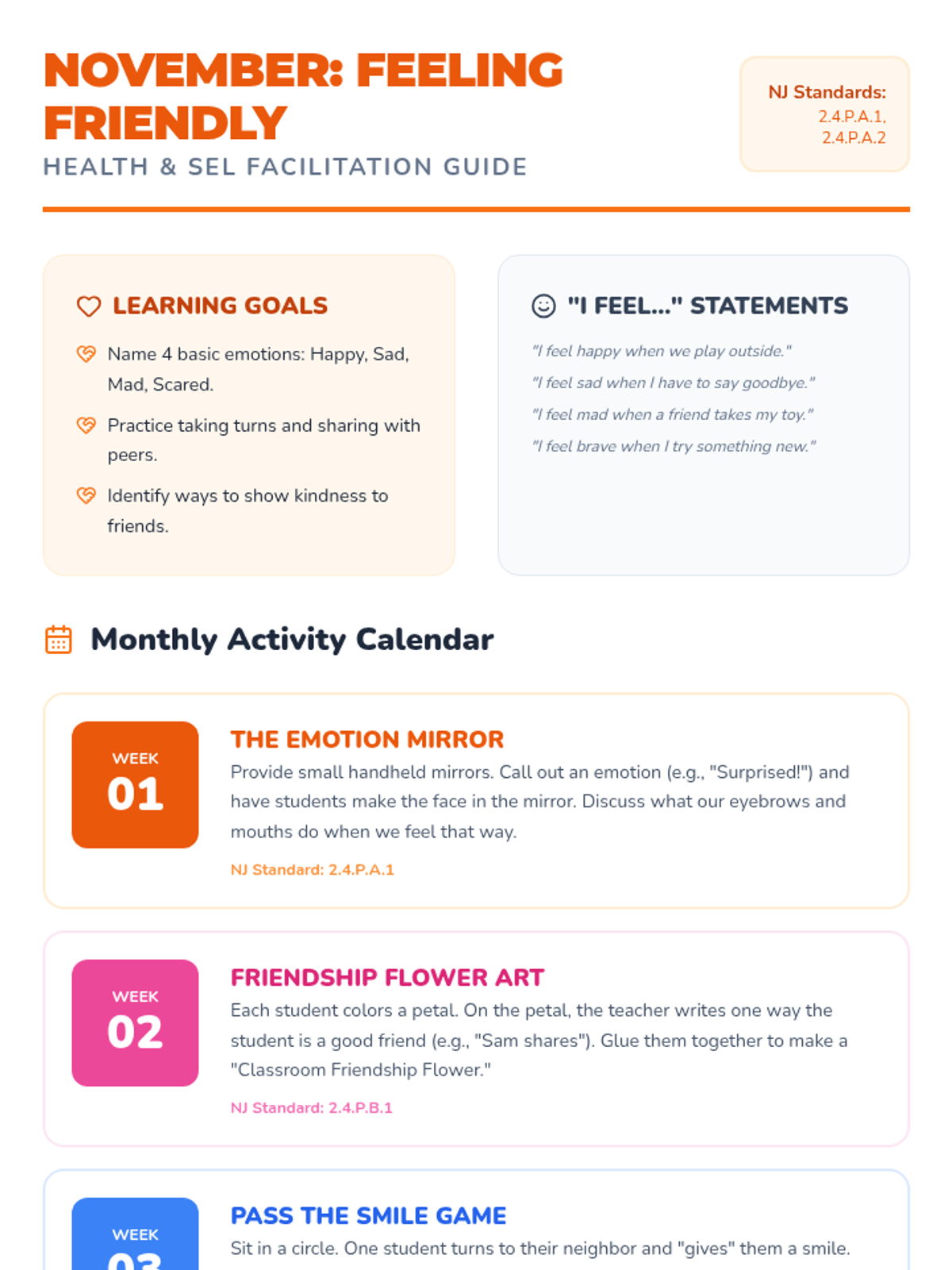
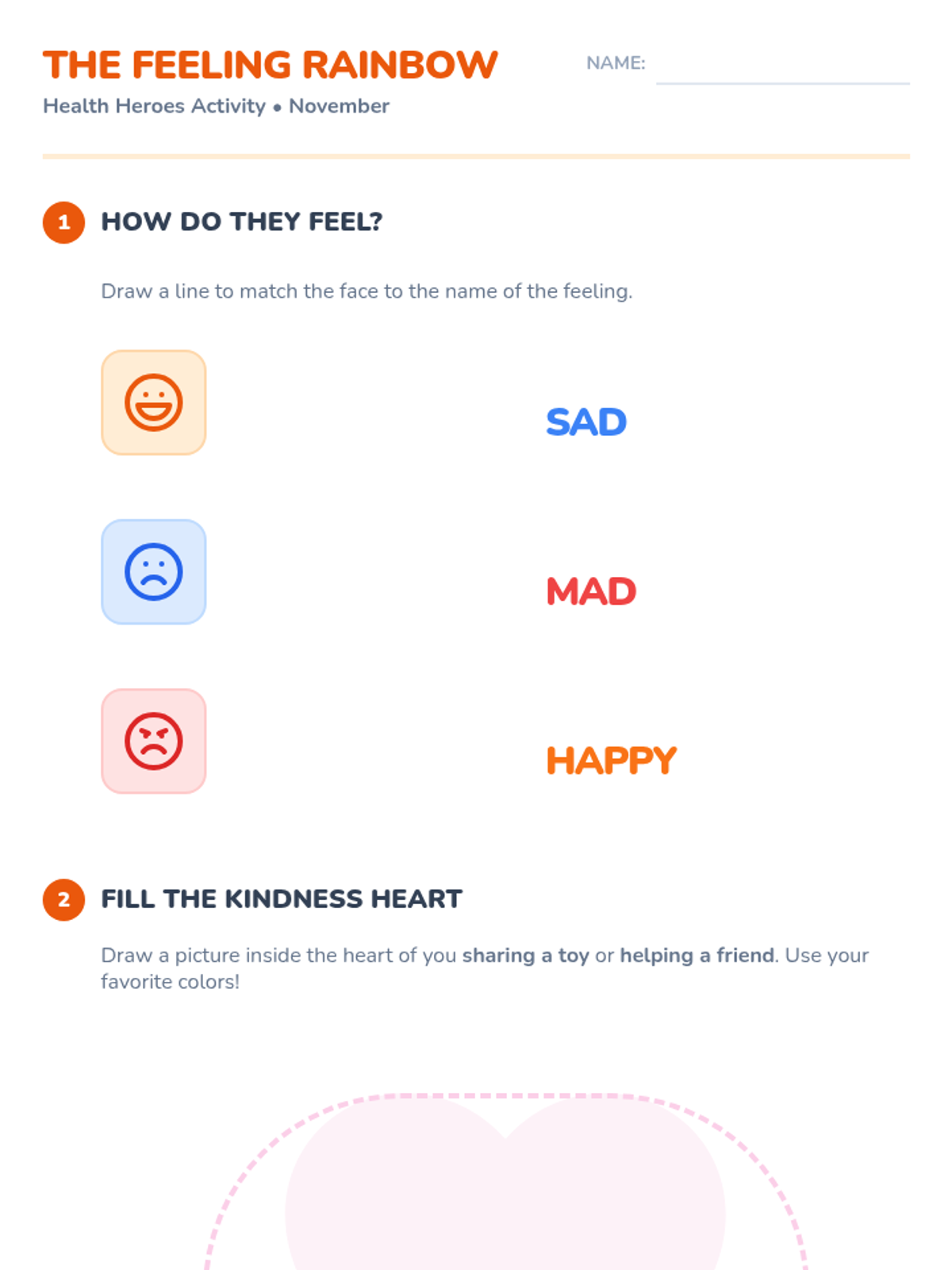
Explores identifying feelings, practicing empathy, and building positive friendships. Aligned with NJ Standard 2.4.P.A.1 and 2.4.P.A.2.
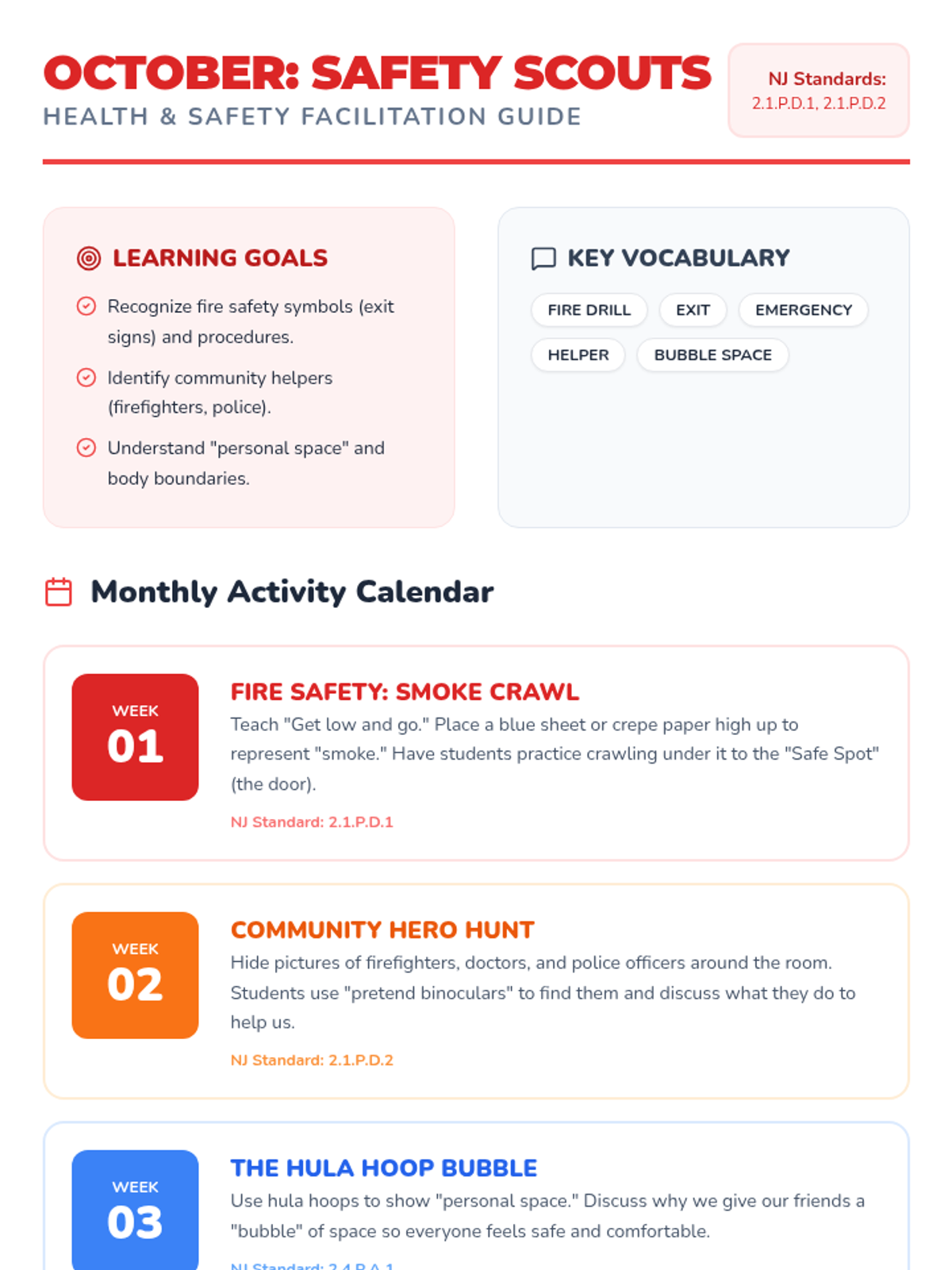
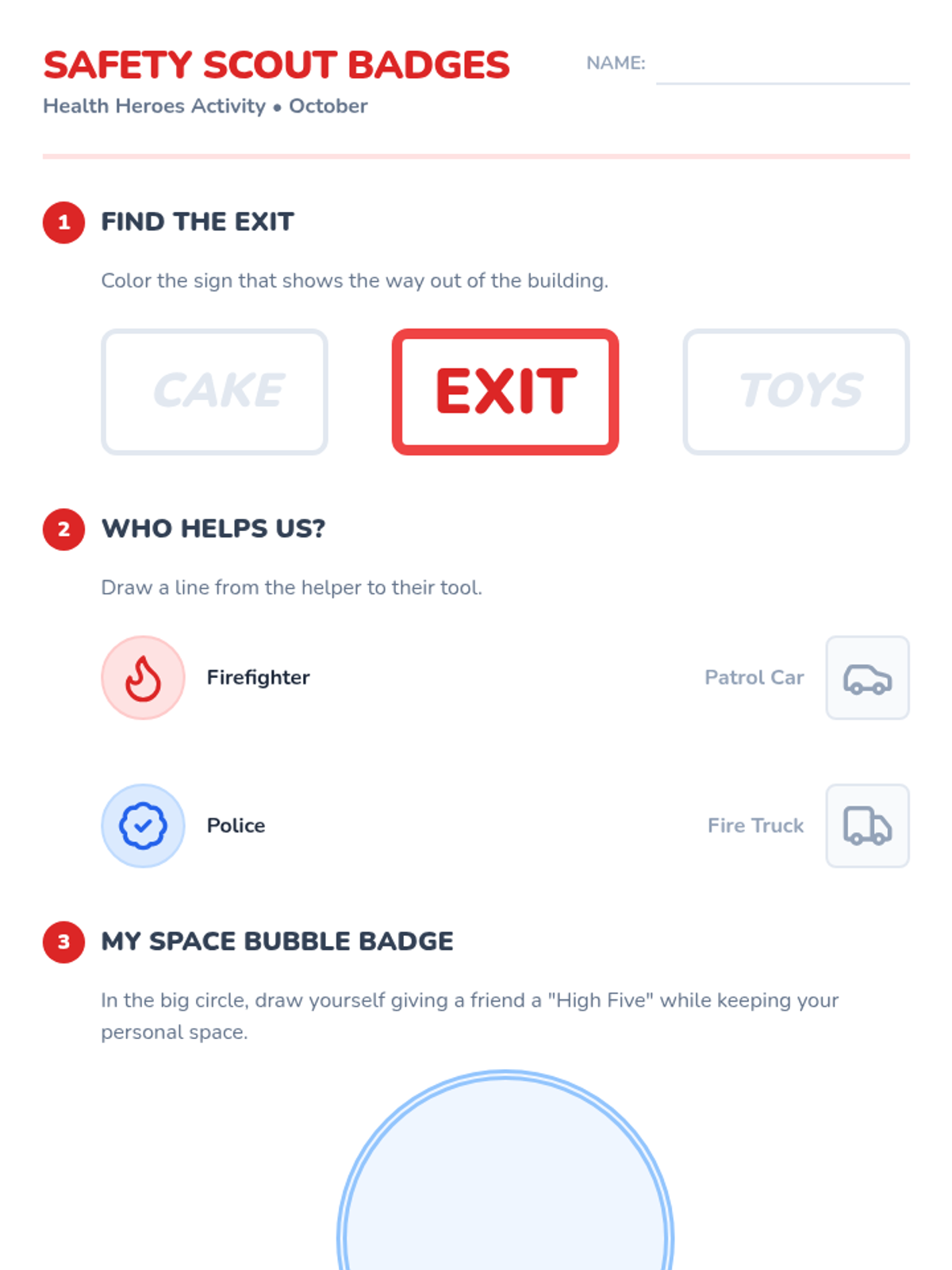
Introduces fire safety, personal space, and recognizing community helpers who keep us safe. Aligned with NJ Standard 2.1.P.D.1 and 2.1.P.D.2.
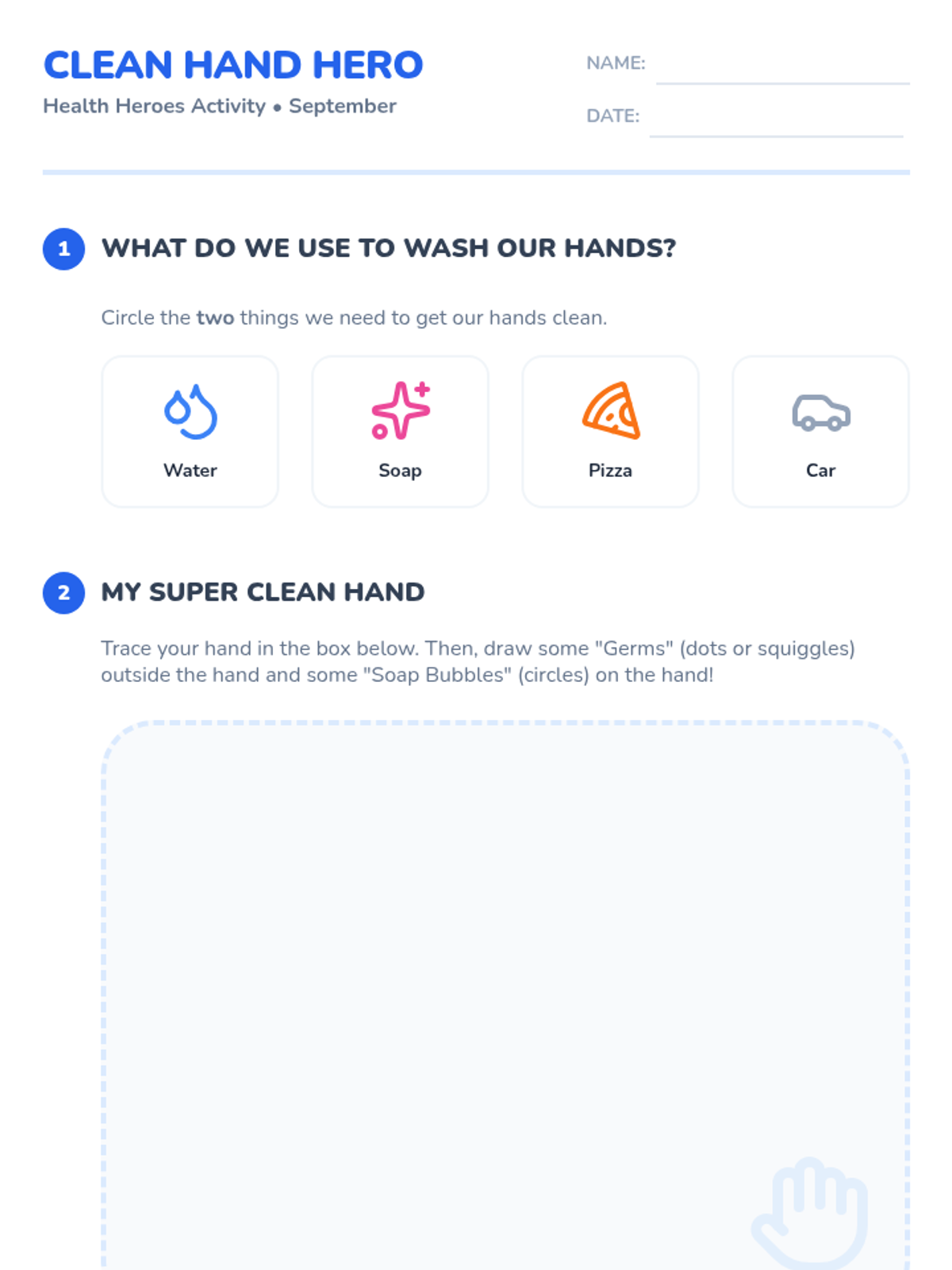
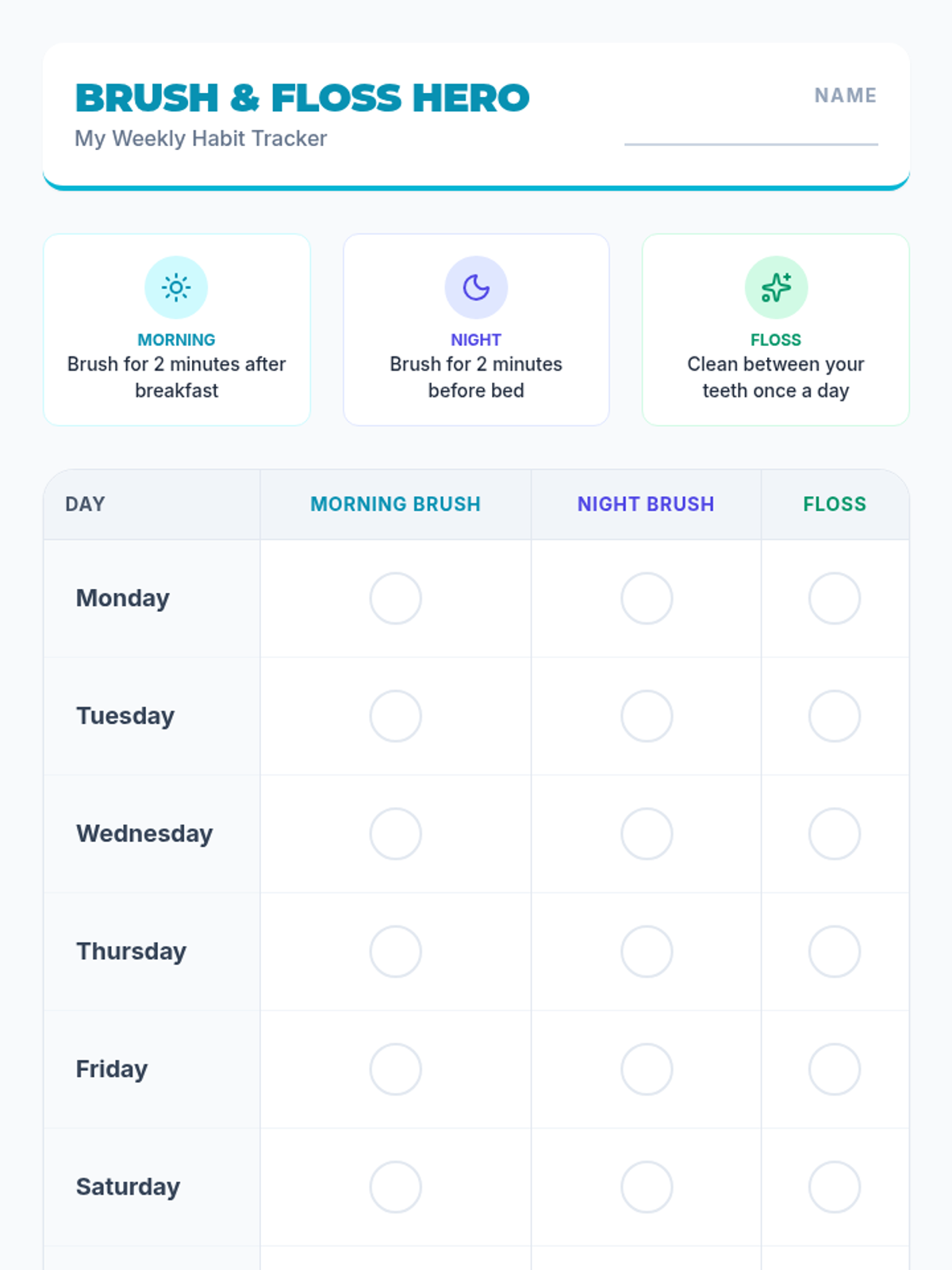
Focuses on personal hygiene, proper handwashing techniques, and dental health to prevent the spread of germs. Aligned with NJ Standard 2.1.P.A.1.
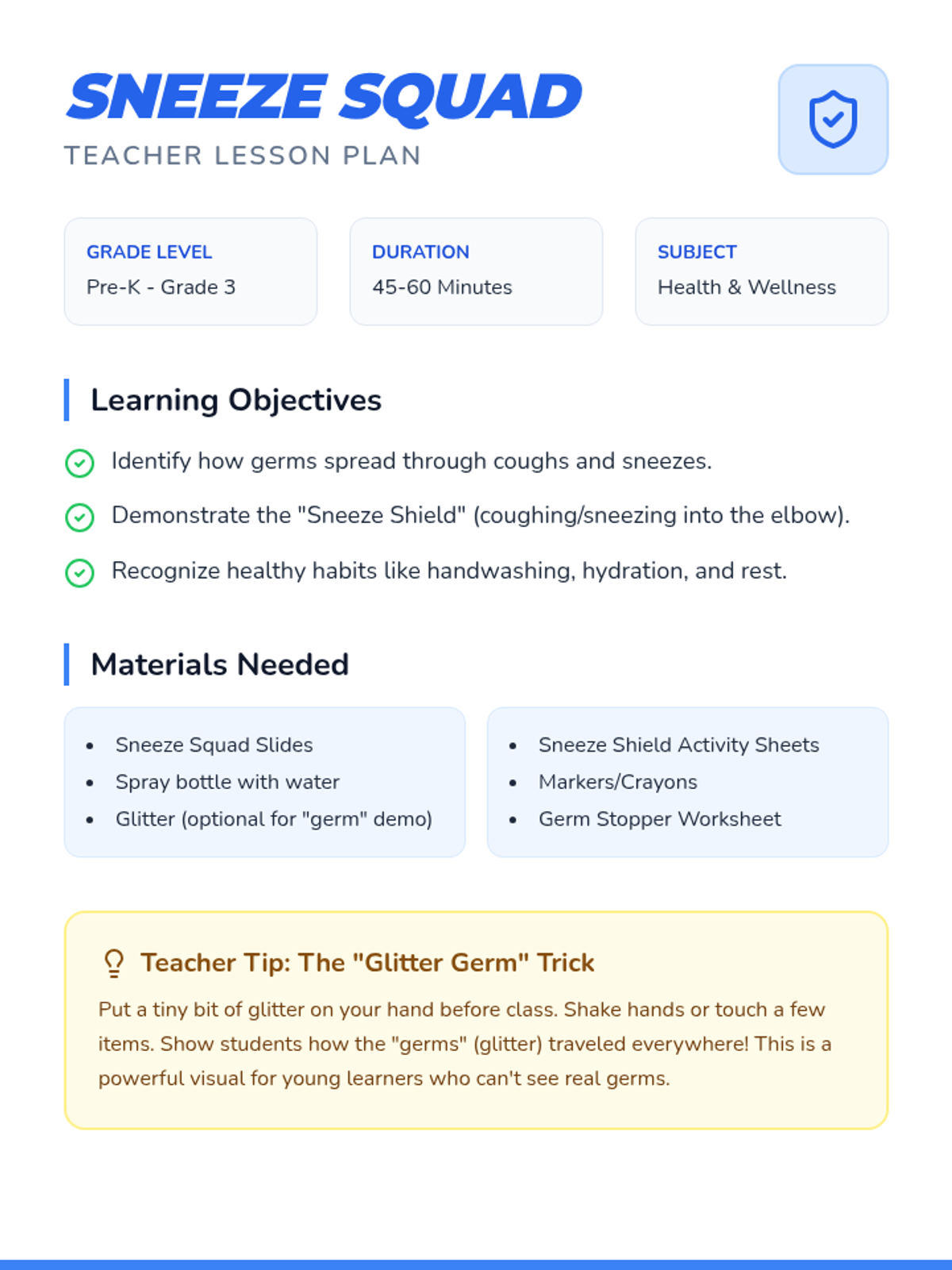
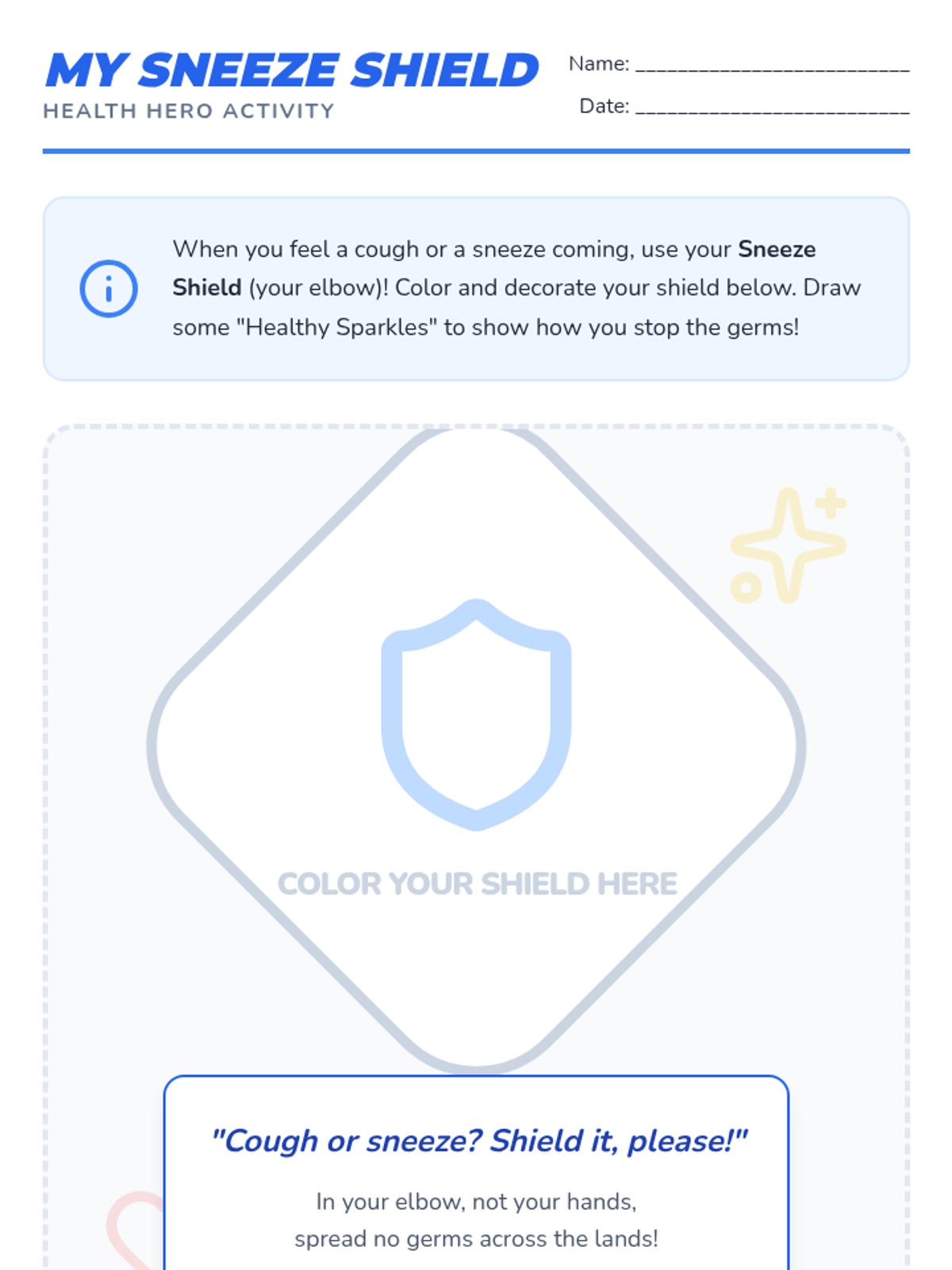
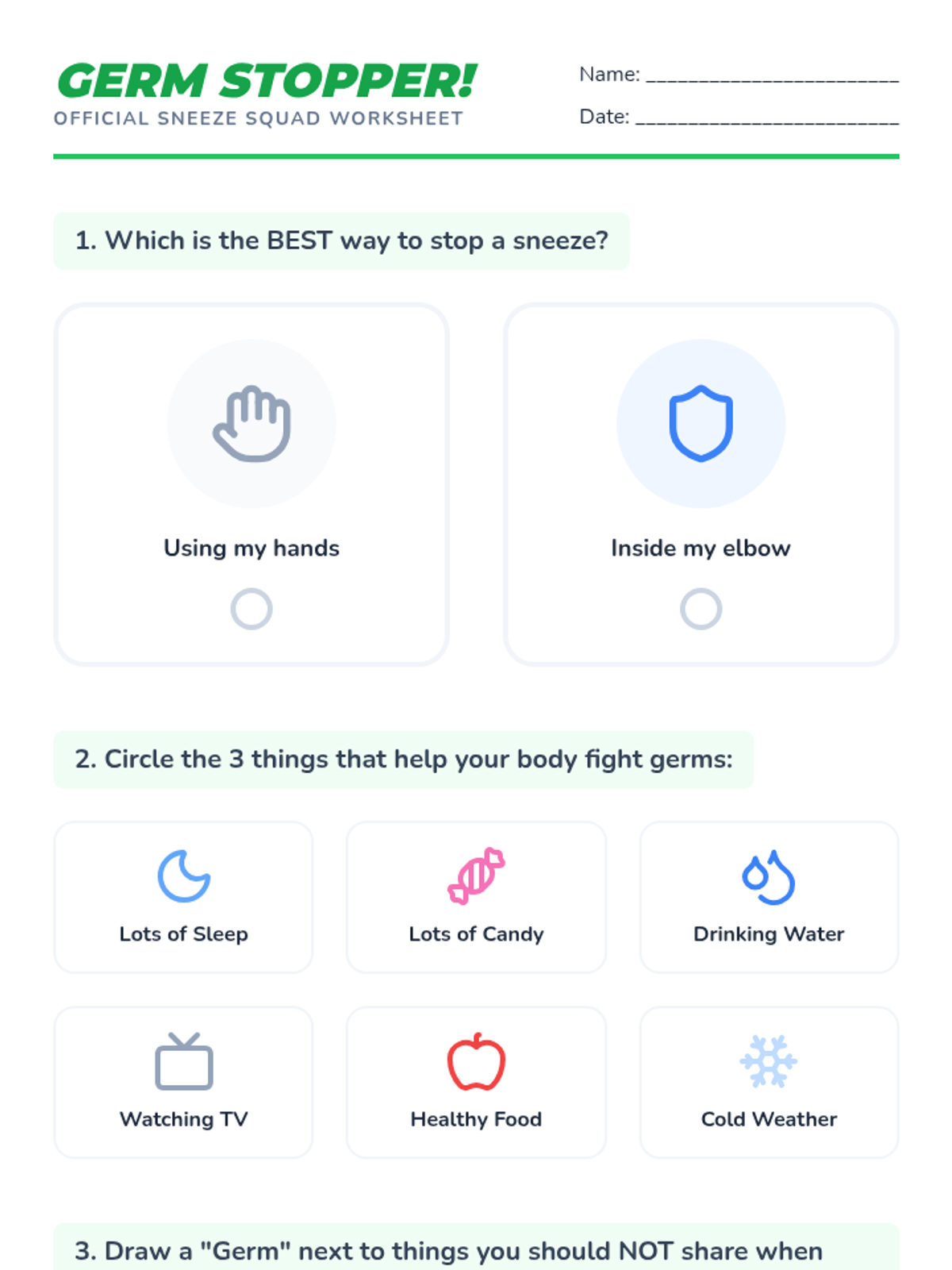
Students in Pre-K to Grade 3 learn essential cold and flu prevention strategies through the 'Sneeze Shield' technique, interactive storytelling, and germ-stopping habits.
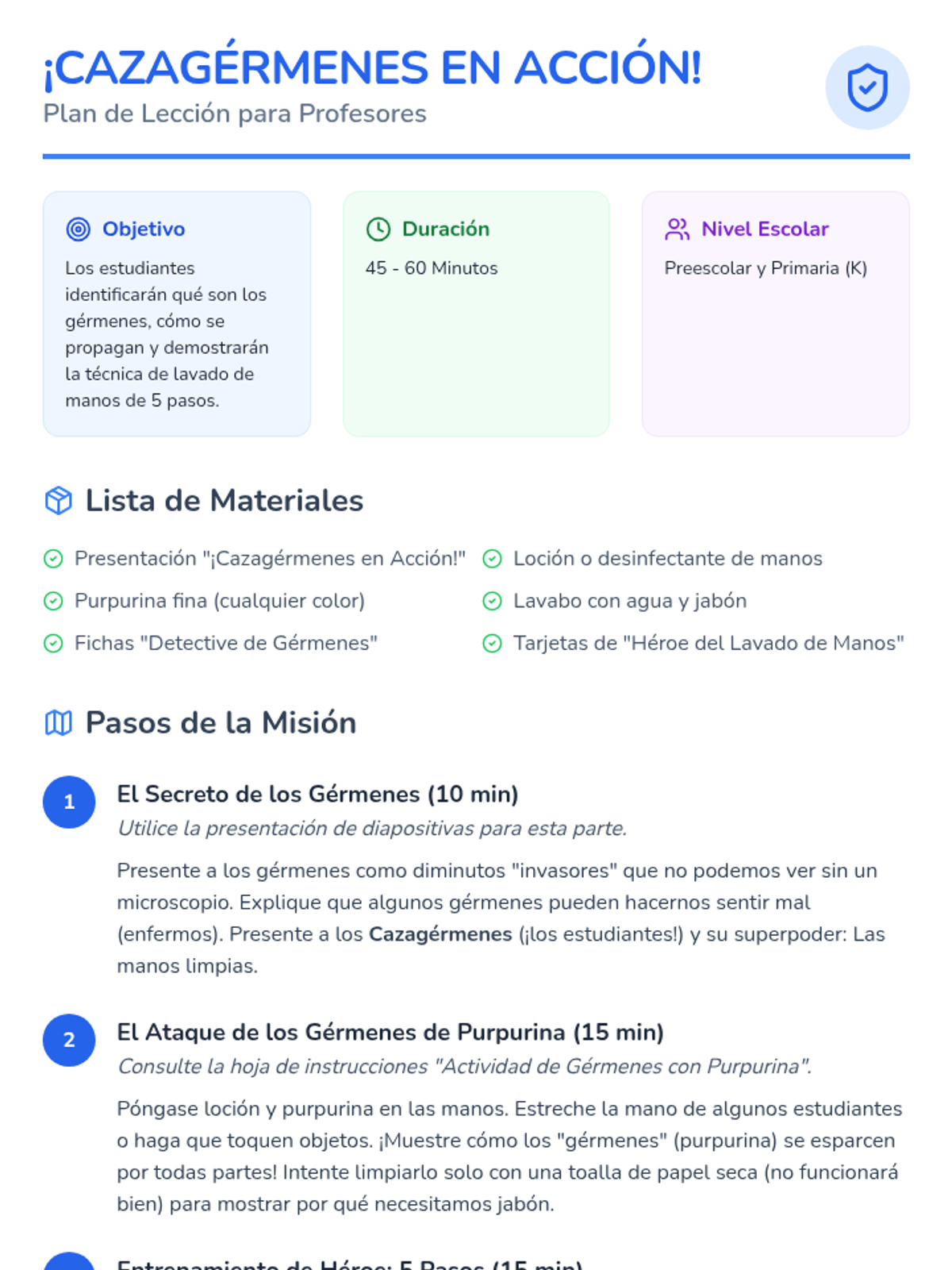
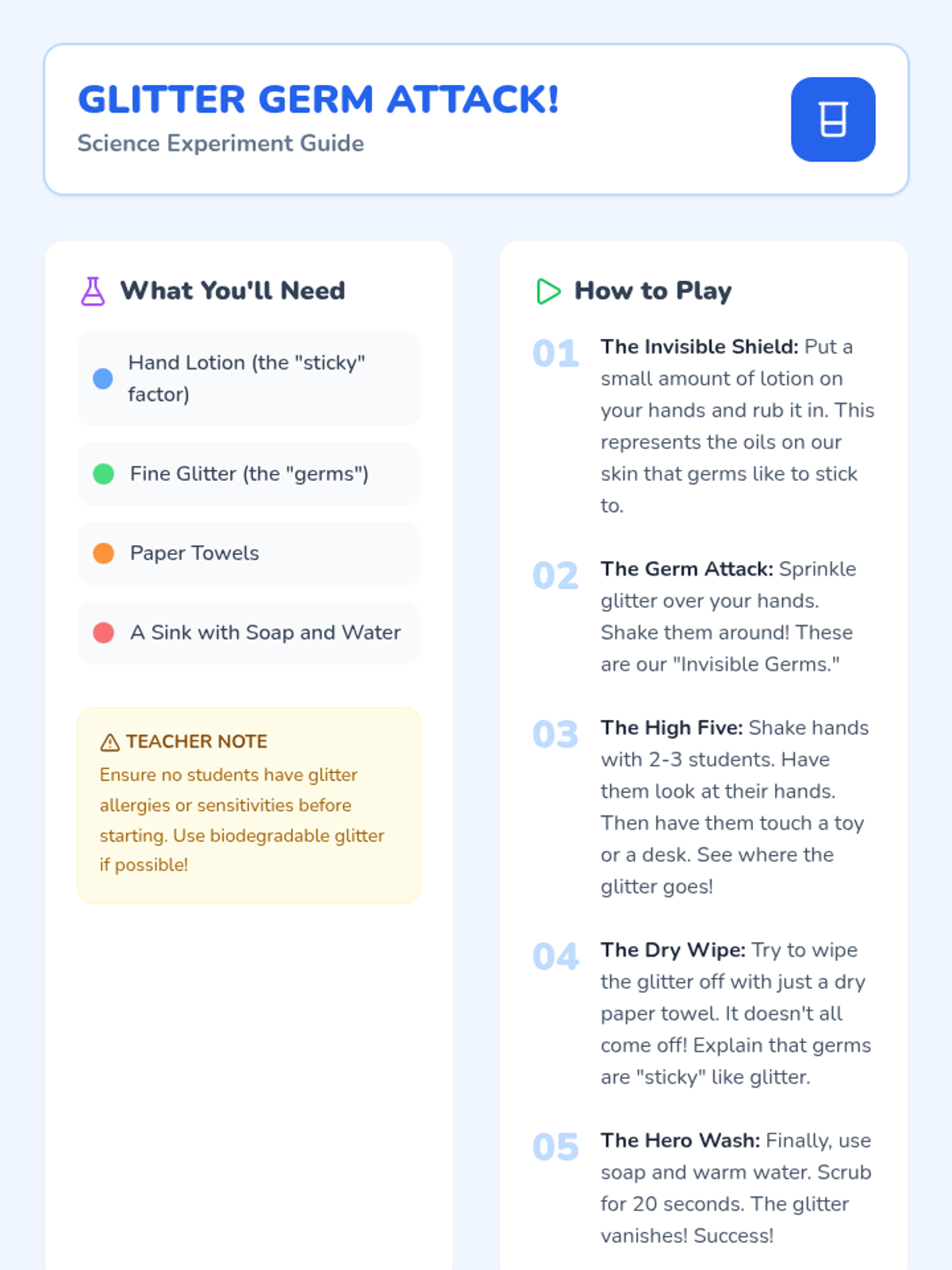
A fun, interactive lesson for Pre-K and Kindergarten students to learn about germs and the importance of handwashing through stories, games, and a hands-on glitter activity.
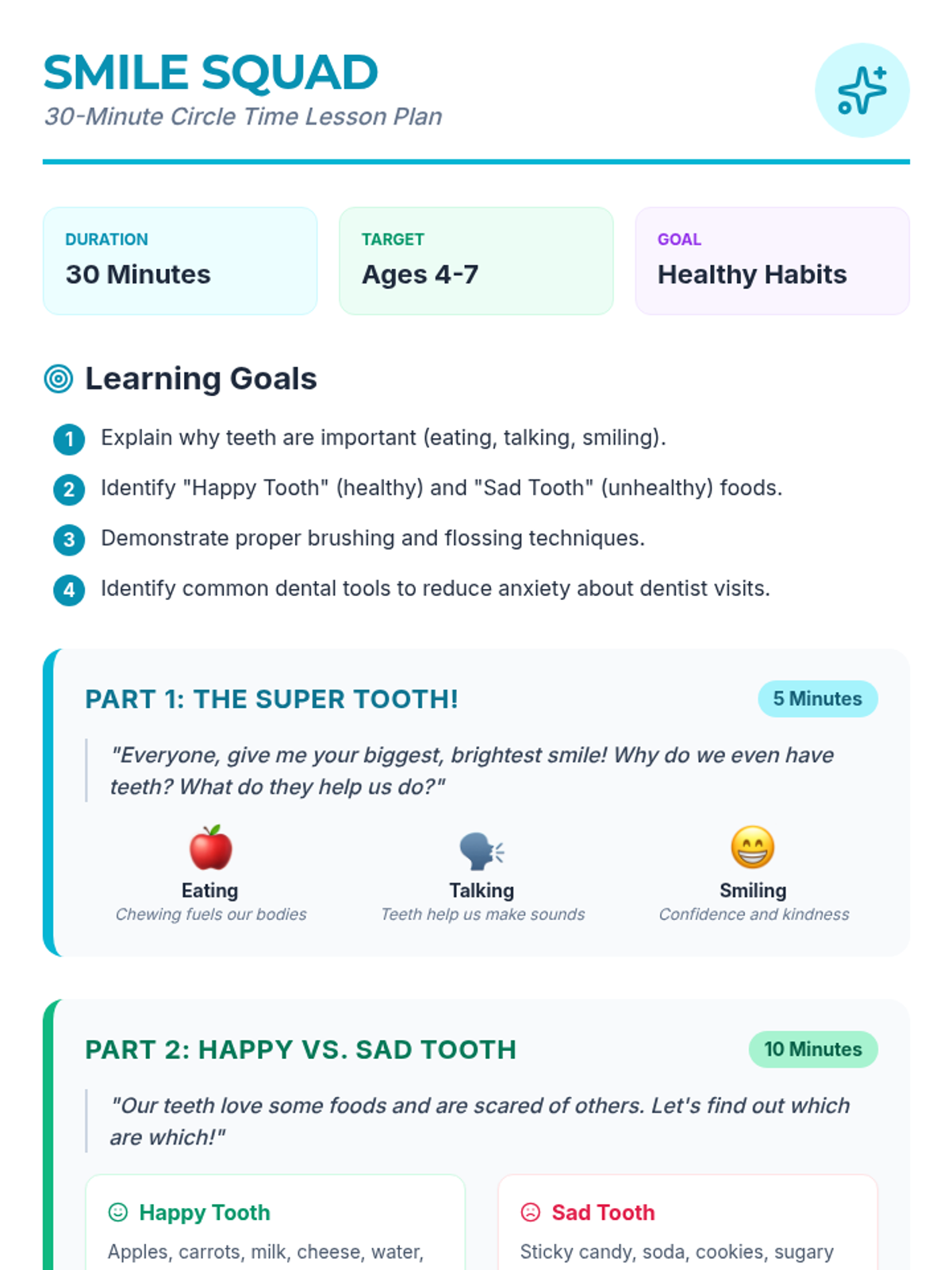
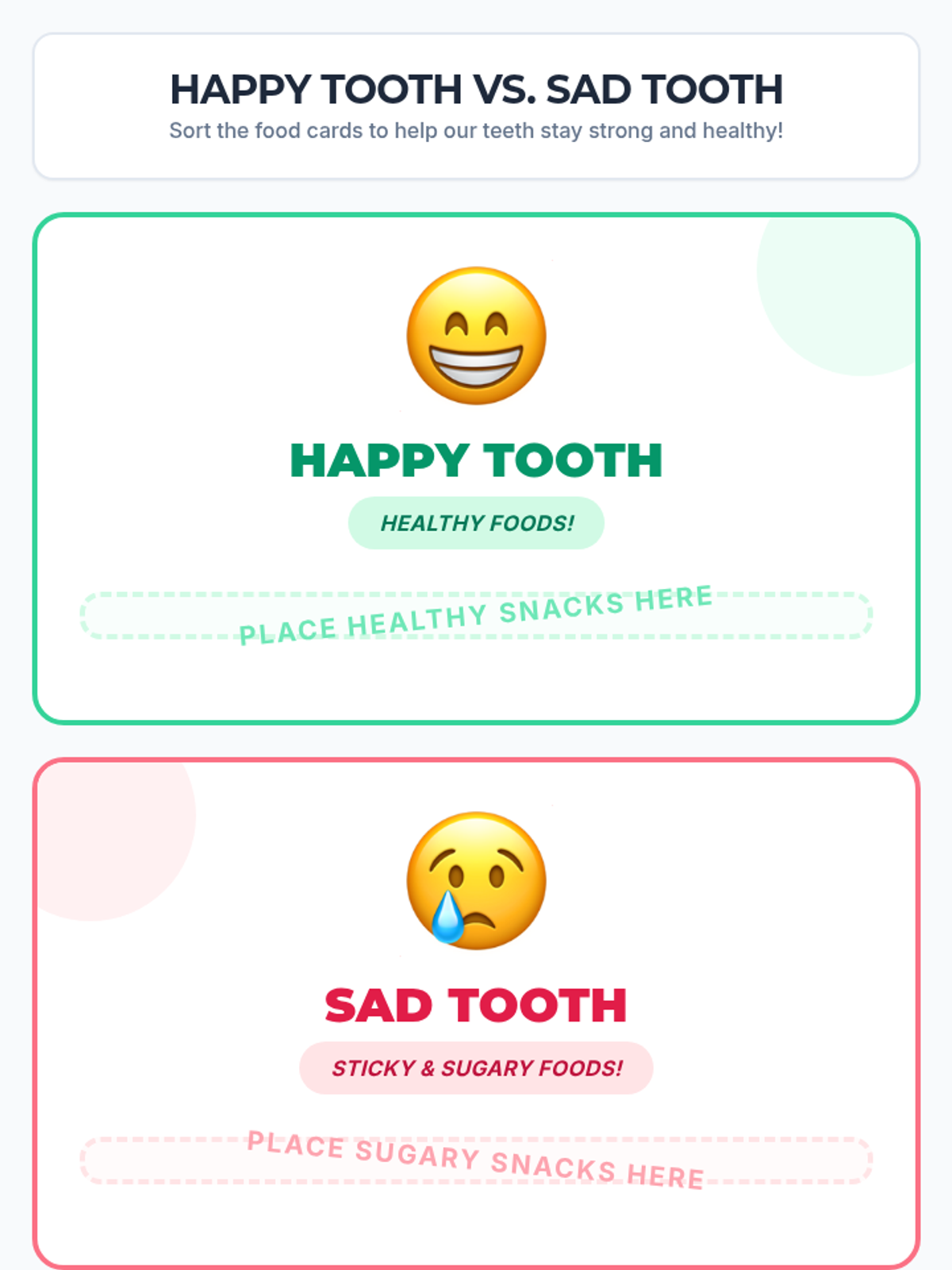
A comprehensive 30-minute circle time lesson covering dental hygiene, healthy eating habits for teeth, and what to expect during a dentist visit.
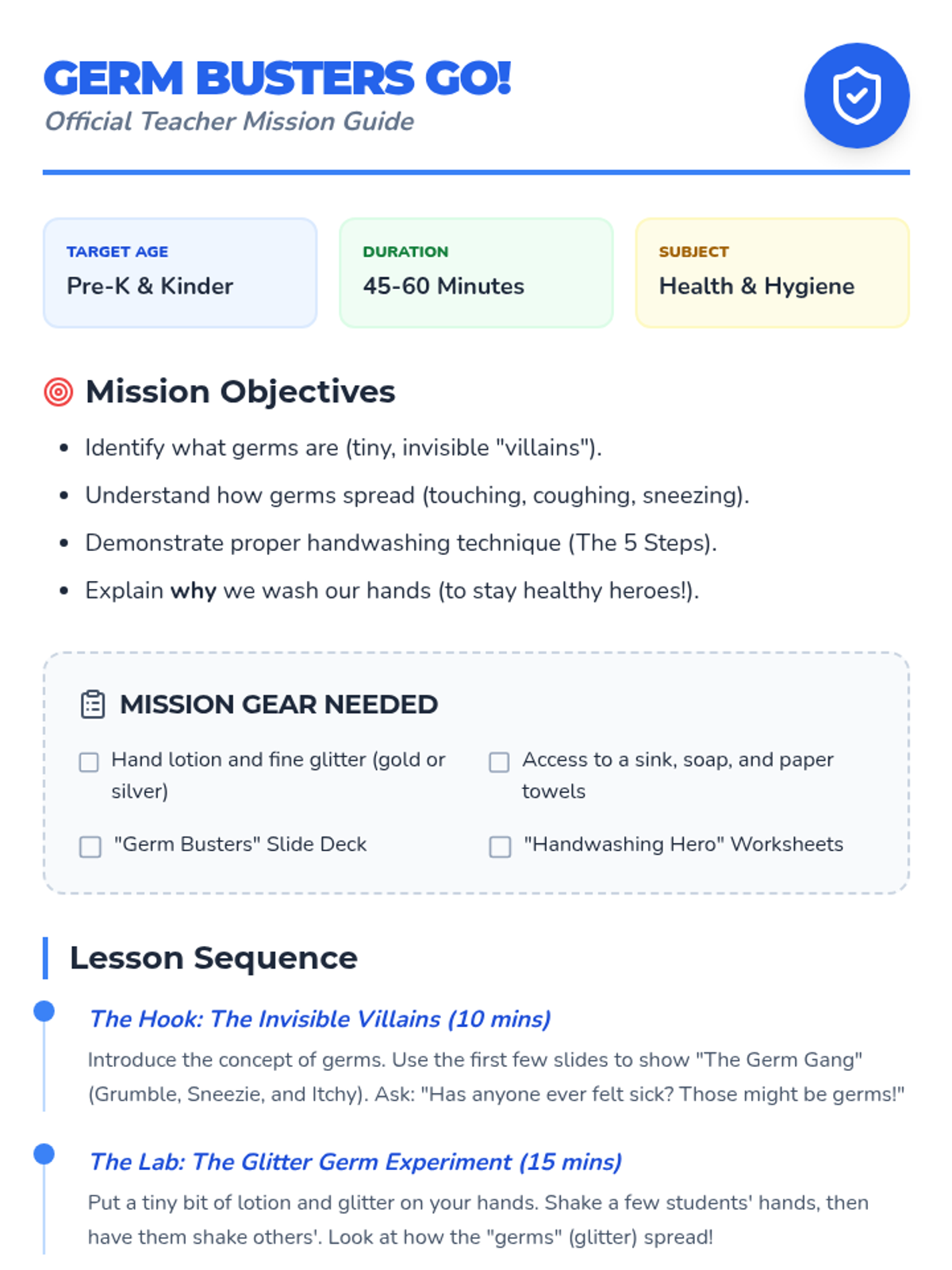
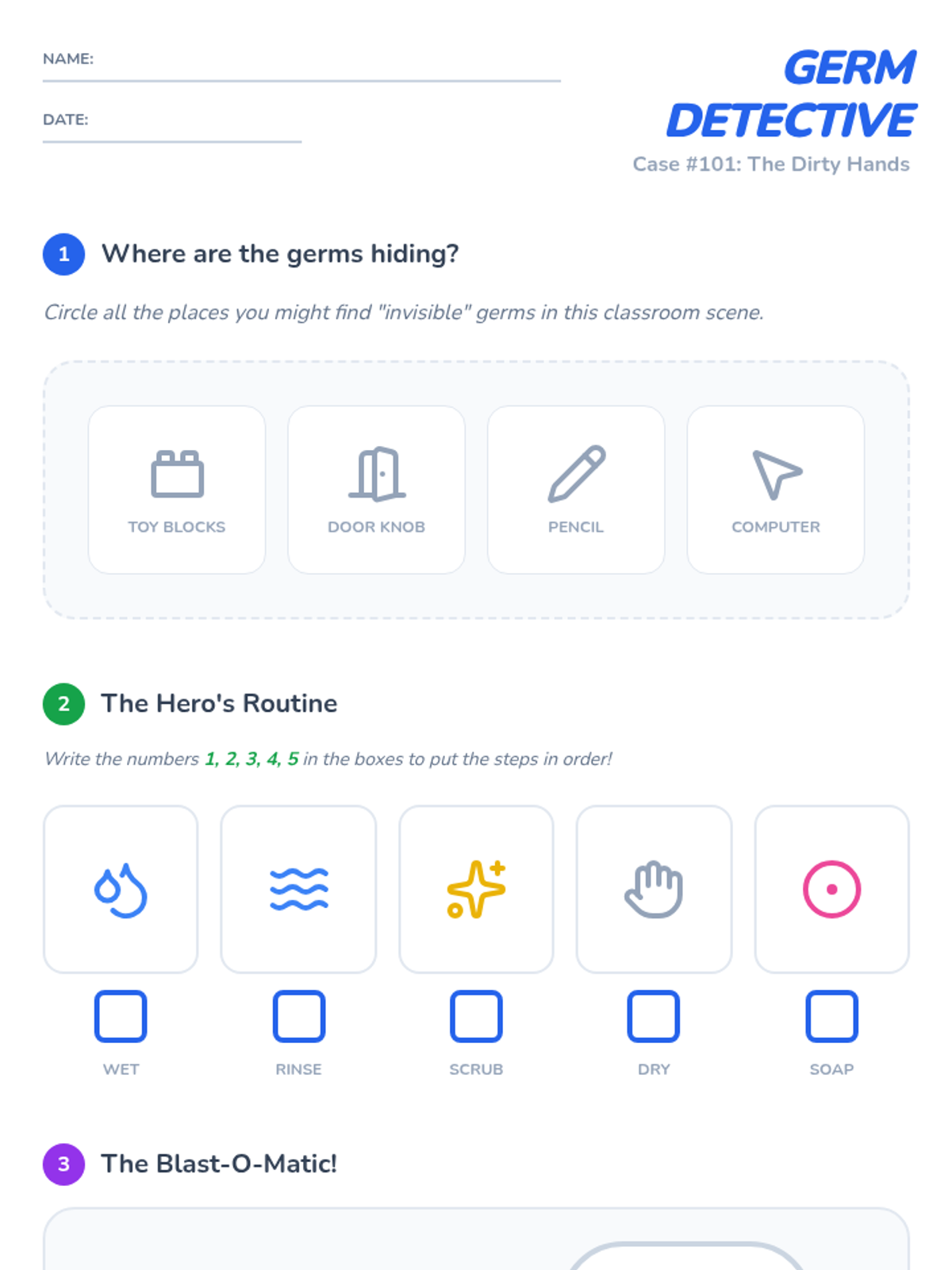
A fun, interactive lesson for Pre-K and Kindergarten students to learn about germs and the superpower of handwashing. Students will engage in storytelling, a 'glitter germ' experiment, and practice the five steps of handwashing to become certified Germ Busters.
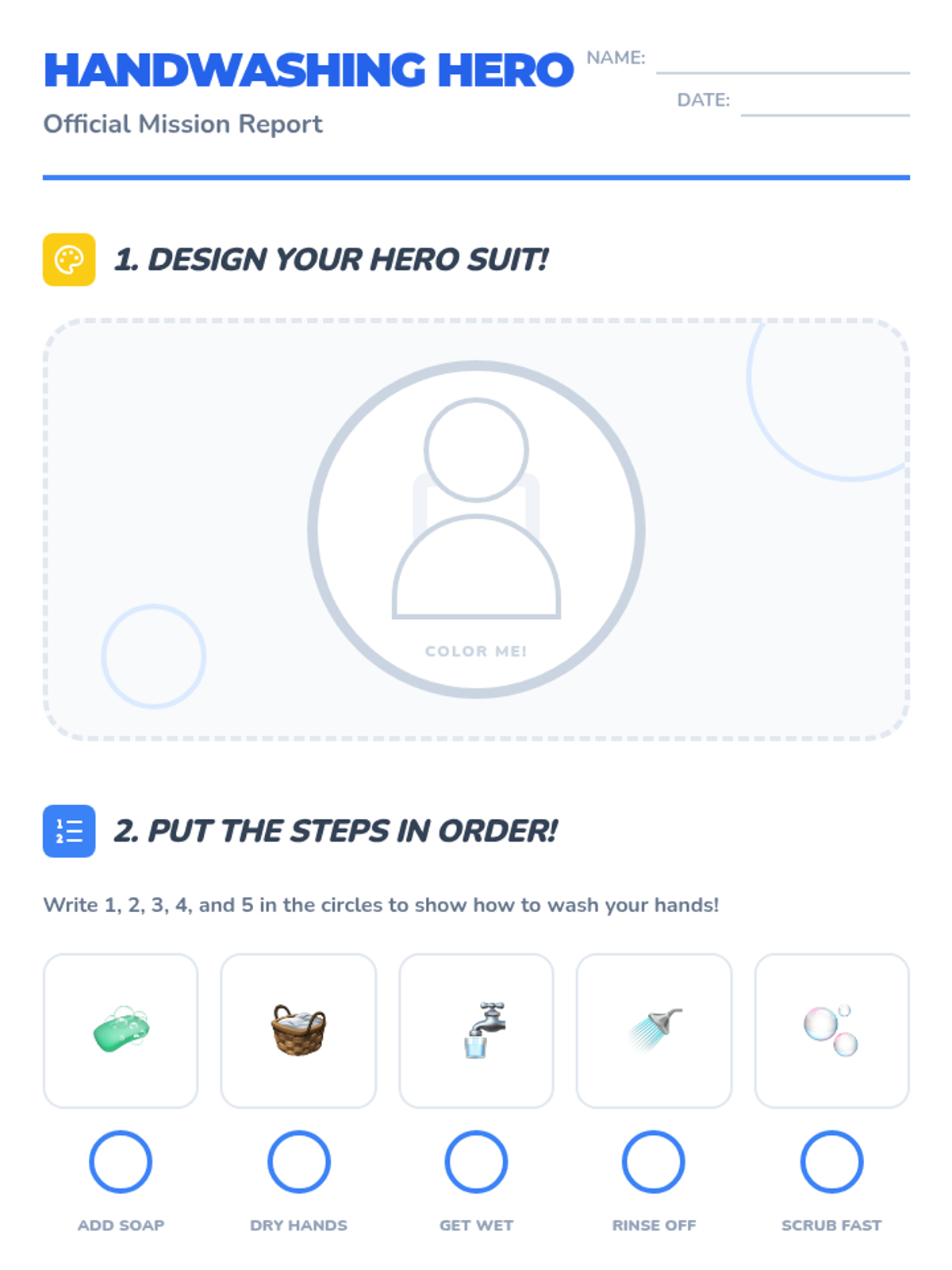
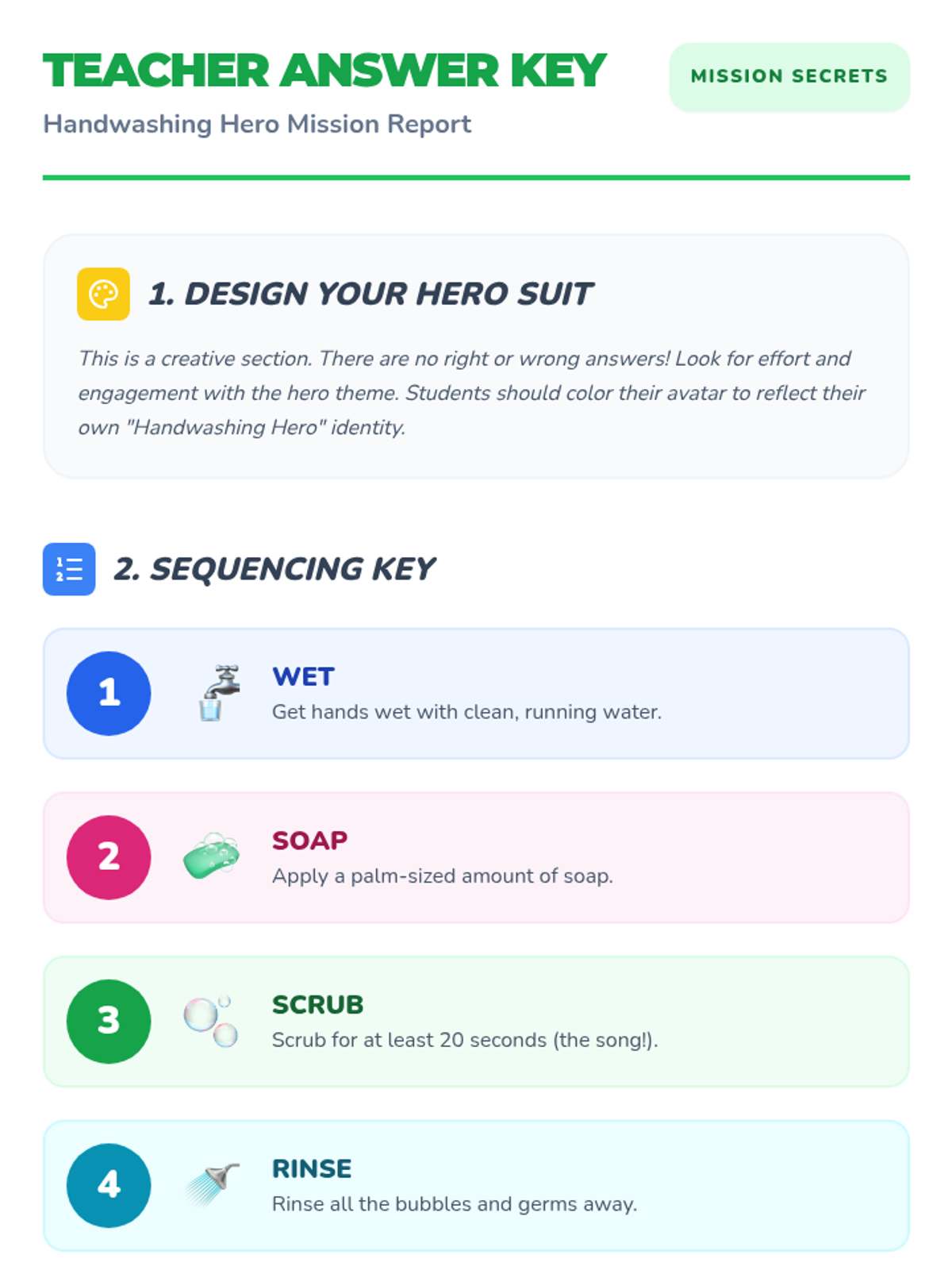
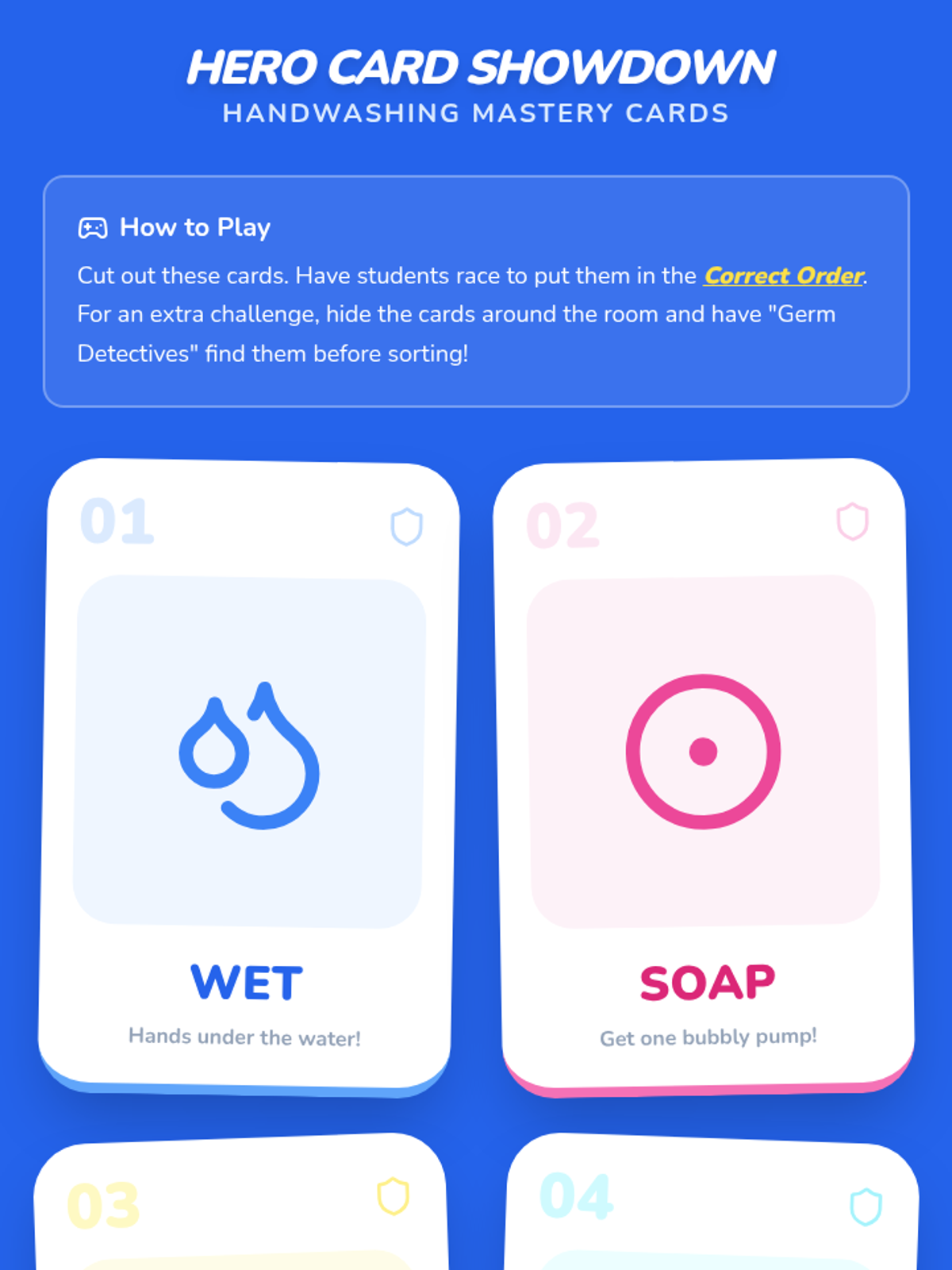
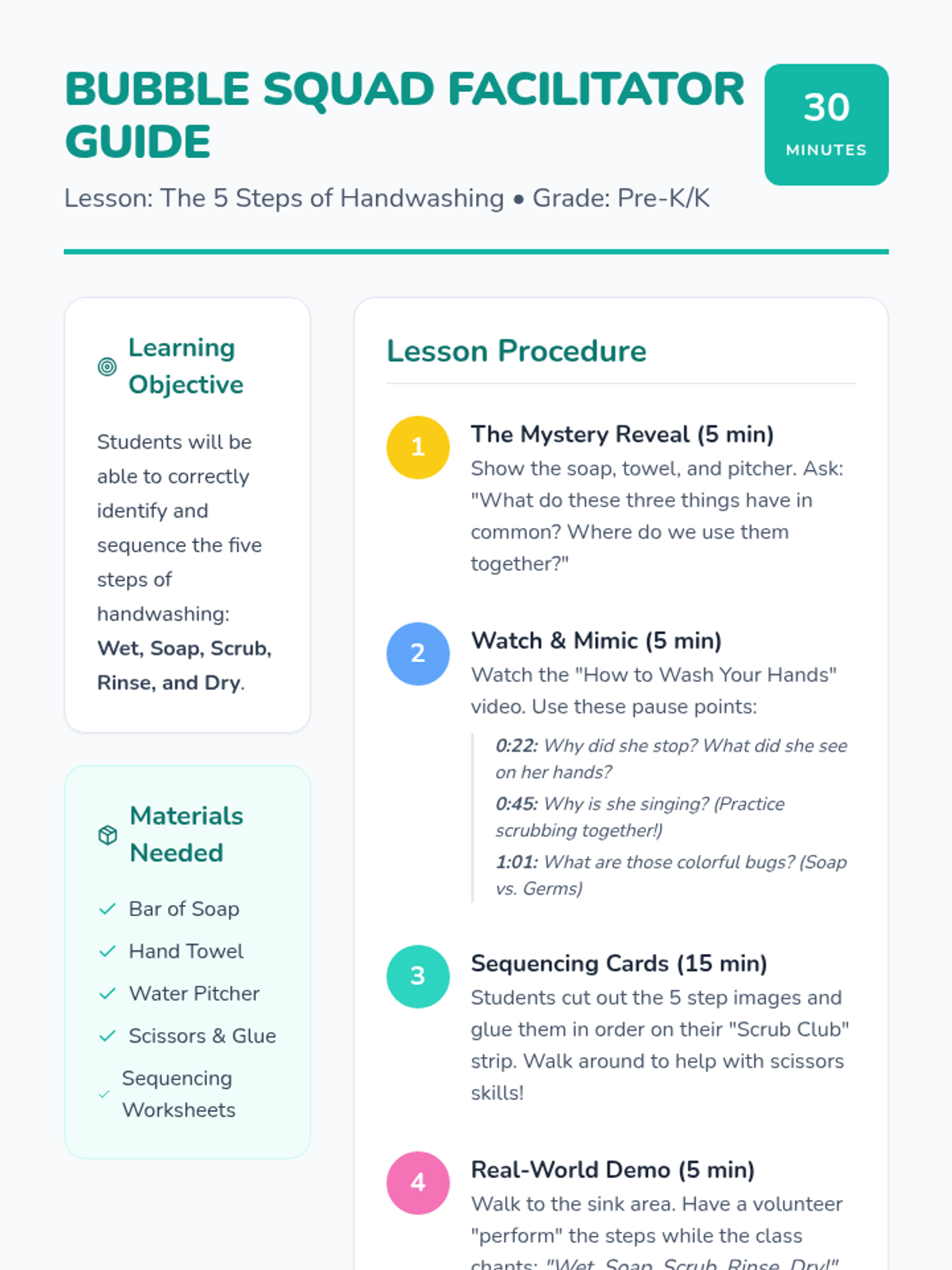
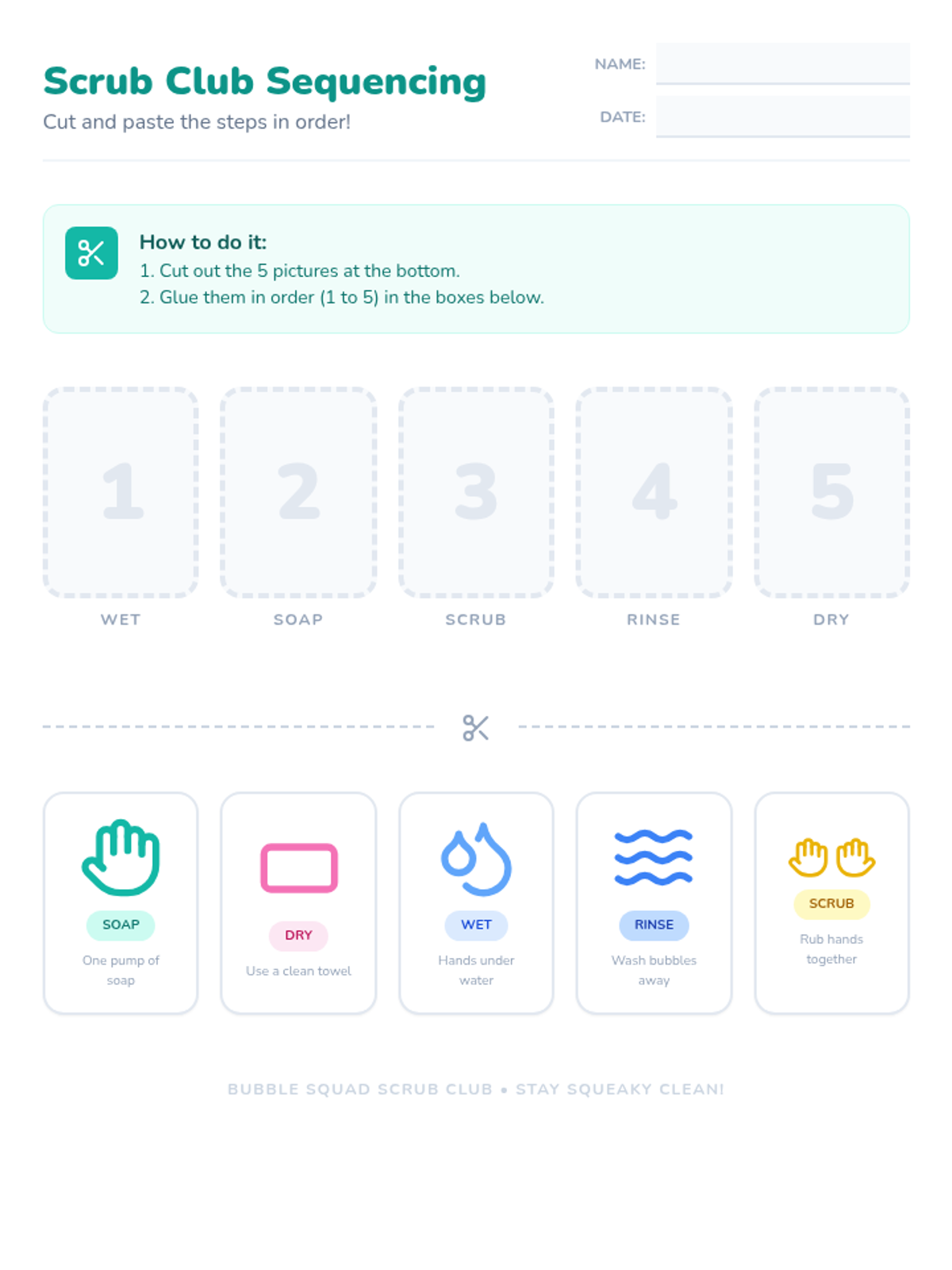
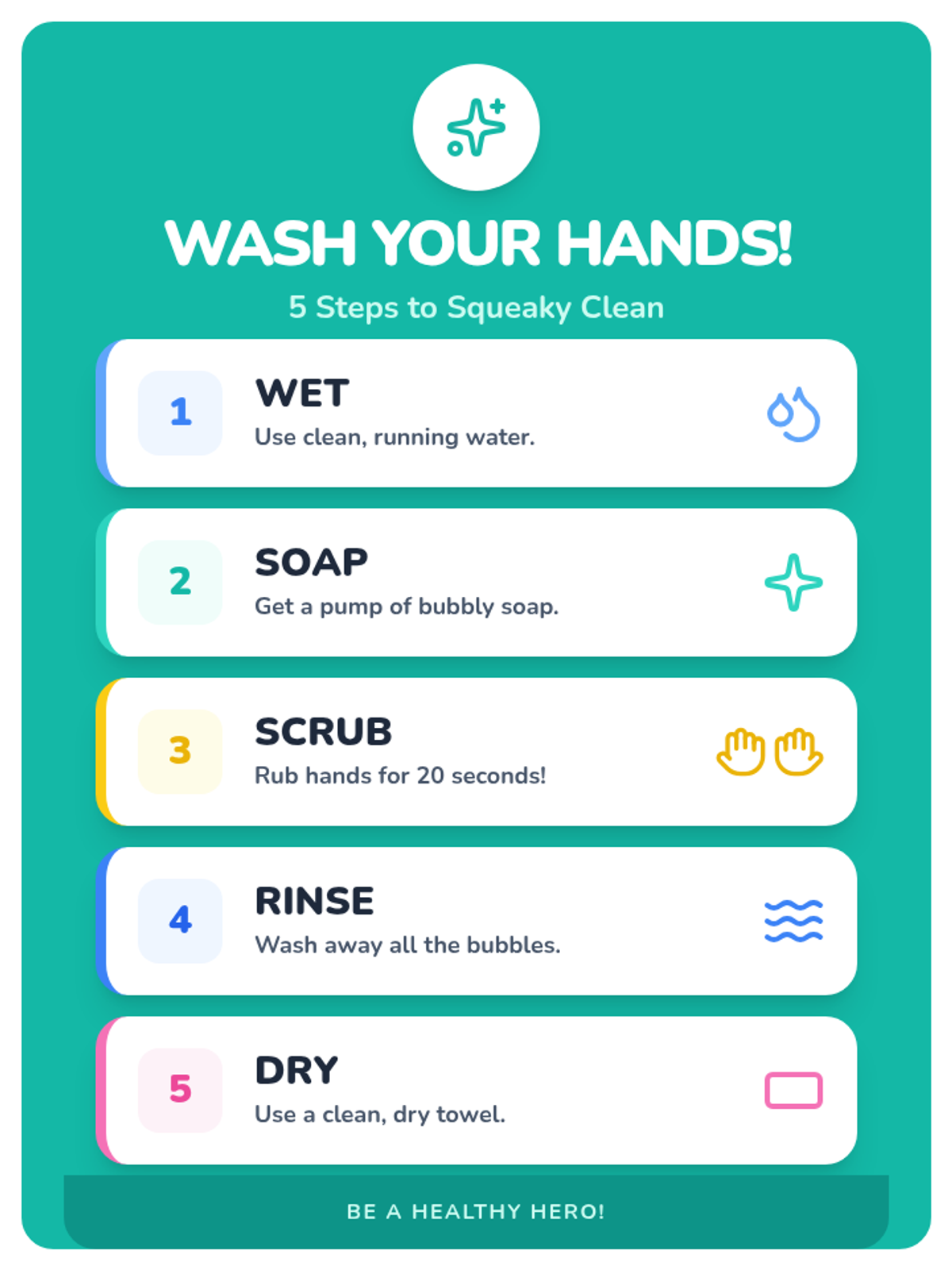
A fun, interactive lesson for Pre-K and Kindergarten students to learn the five essential steps of handwashing through a story-driven video and a hands-on sequencing activity.
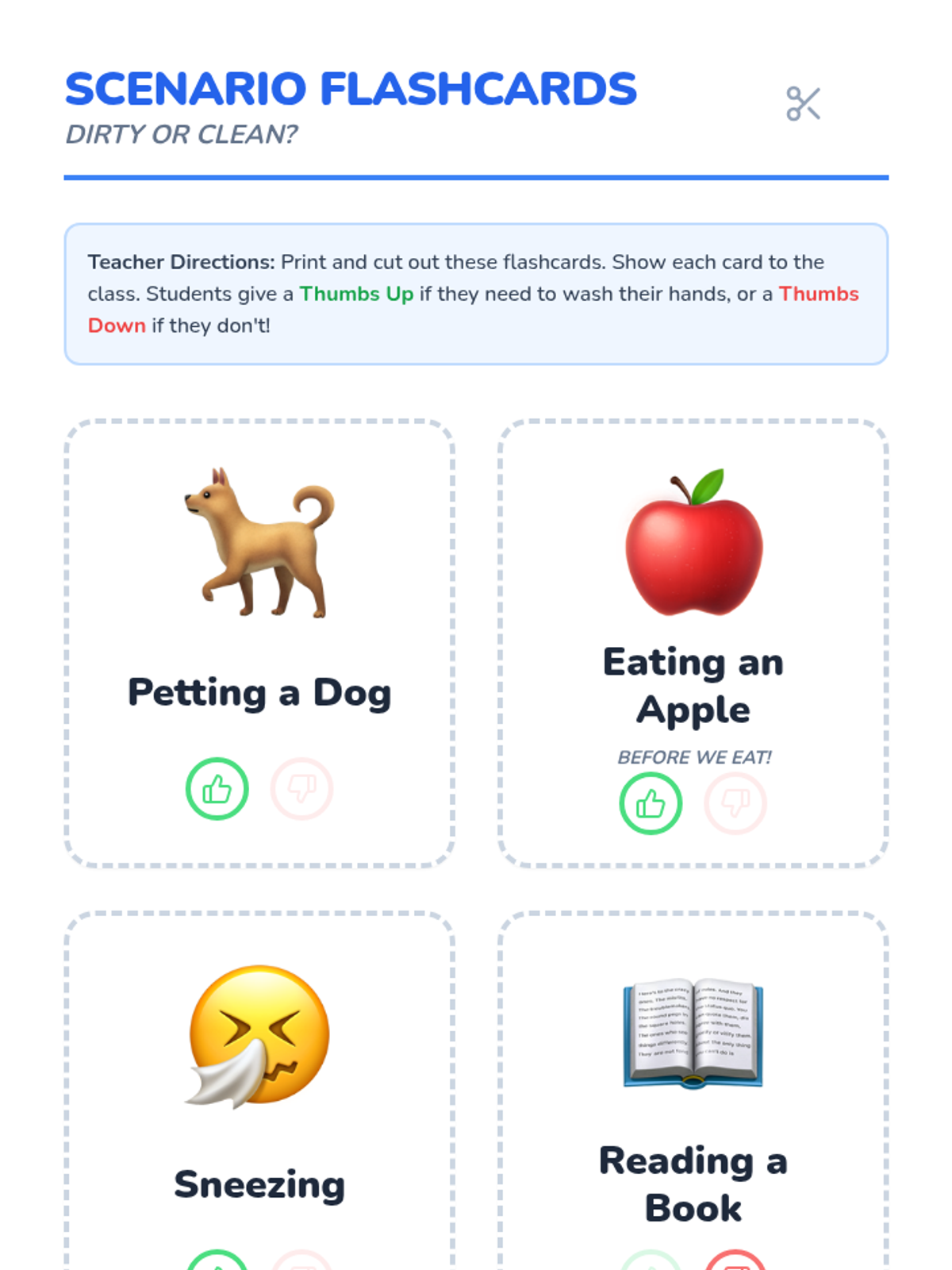
A fun, interactive lesson for Pre-K and Kindergarten students to identify the specific times they need to wash their hands to stay healthy.
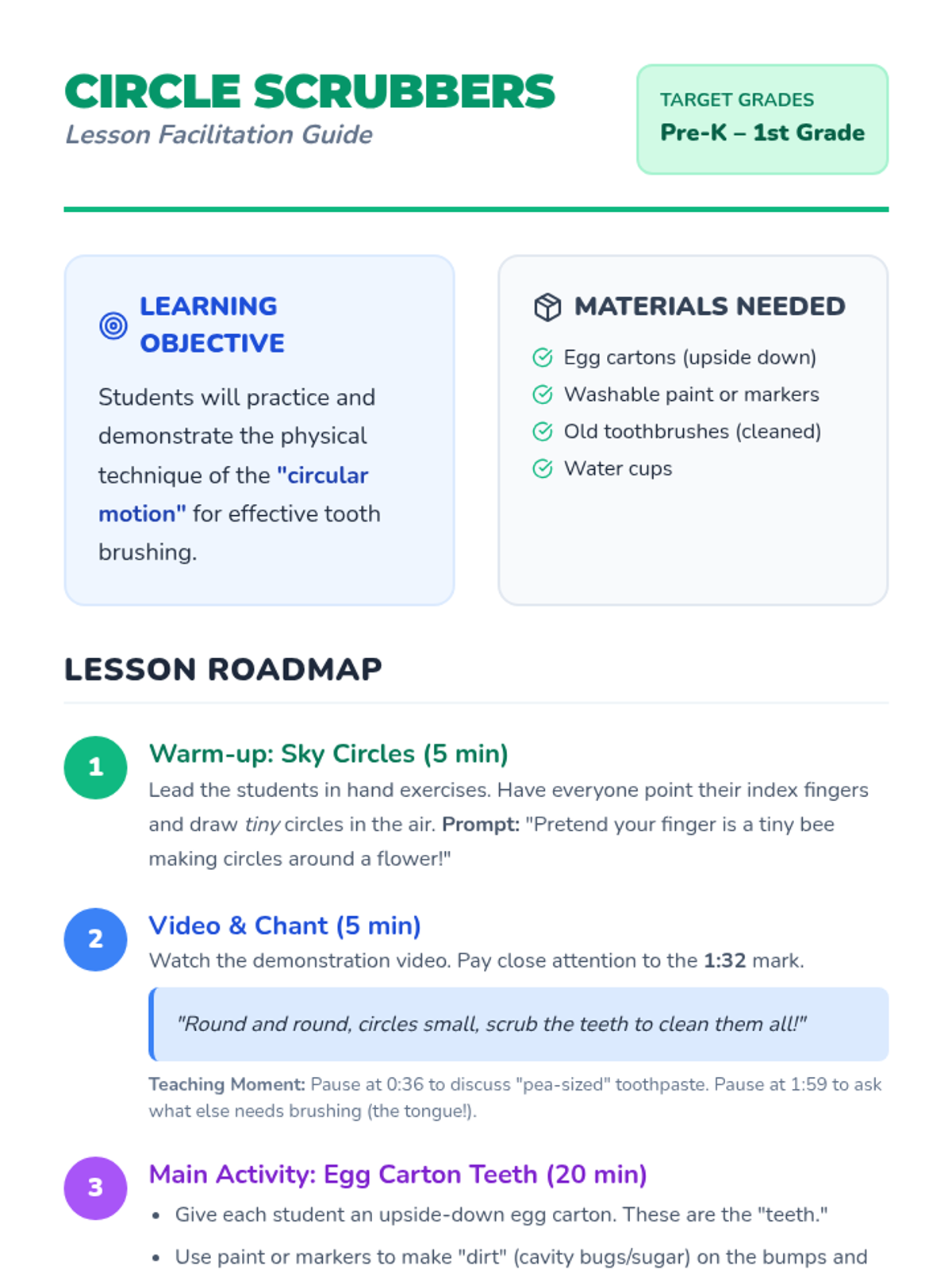
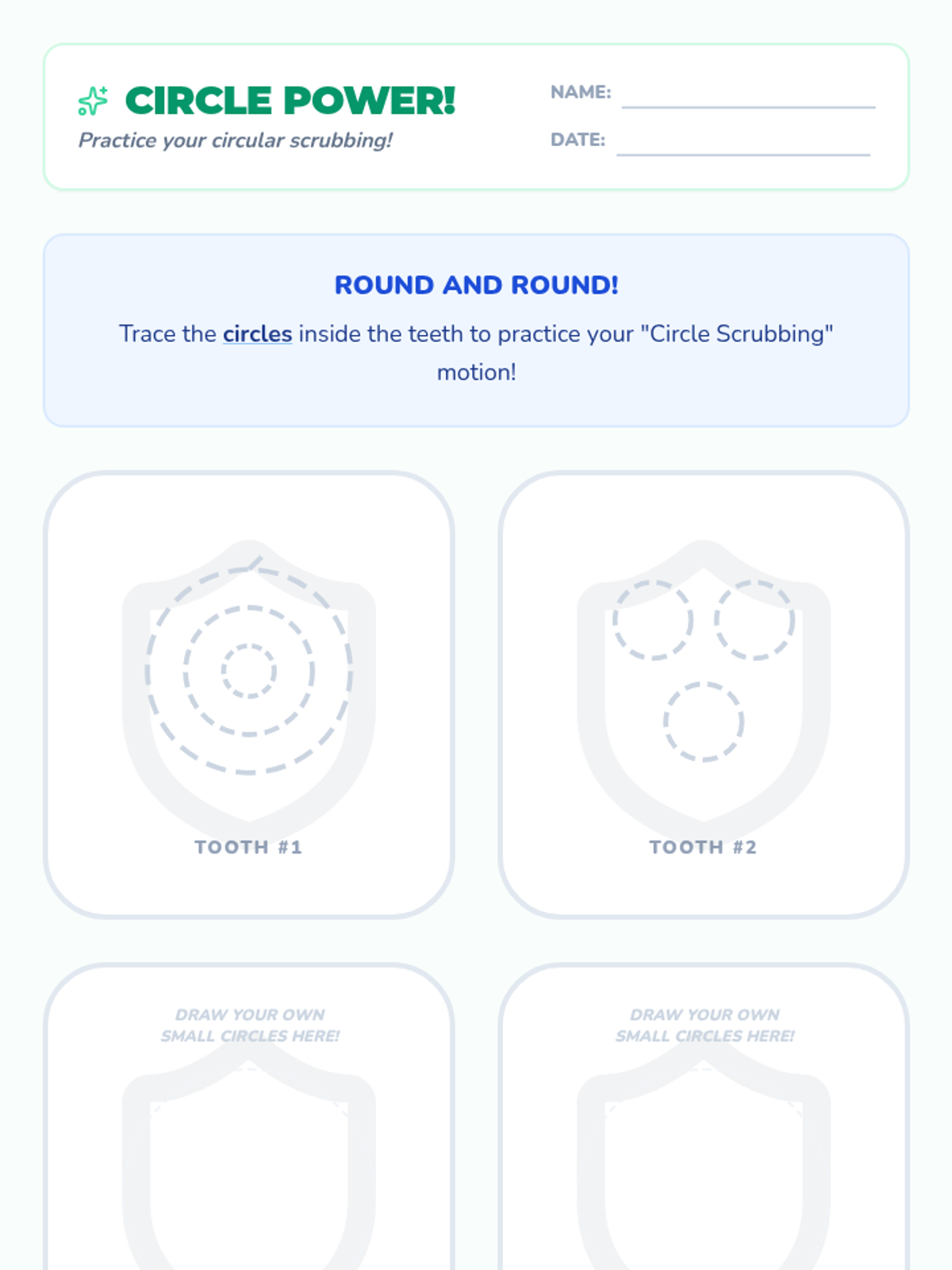
A hands-on dental hygiene lesson for Pre-K to 1st Grade focusing on the 'circular motion' technique using egg cartons and toothbrushes.
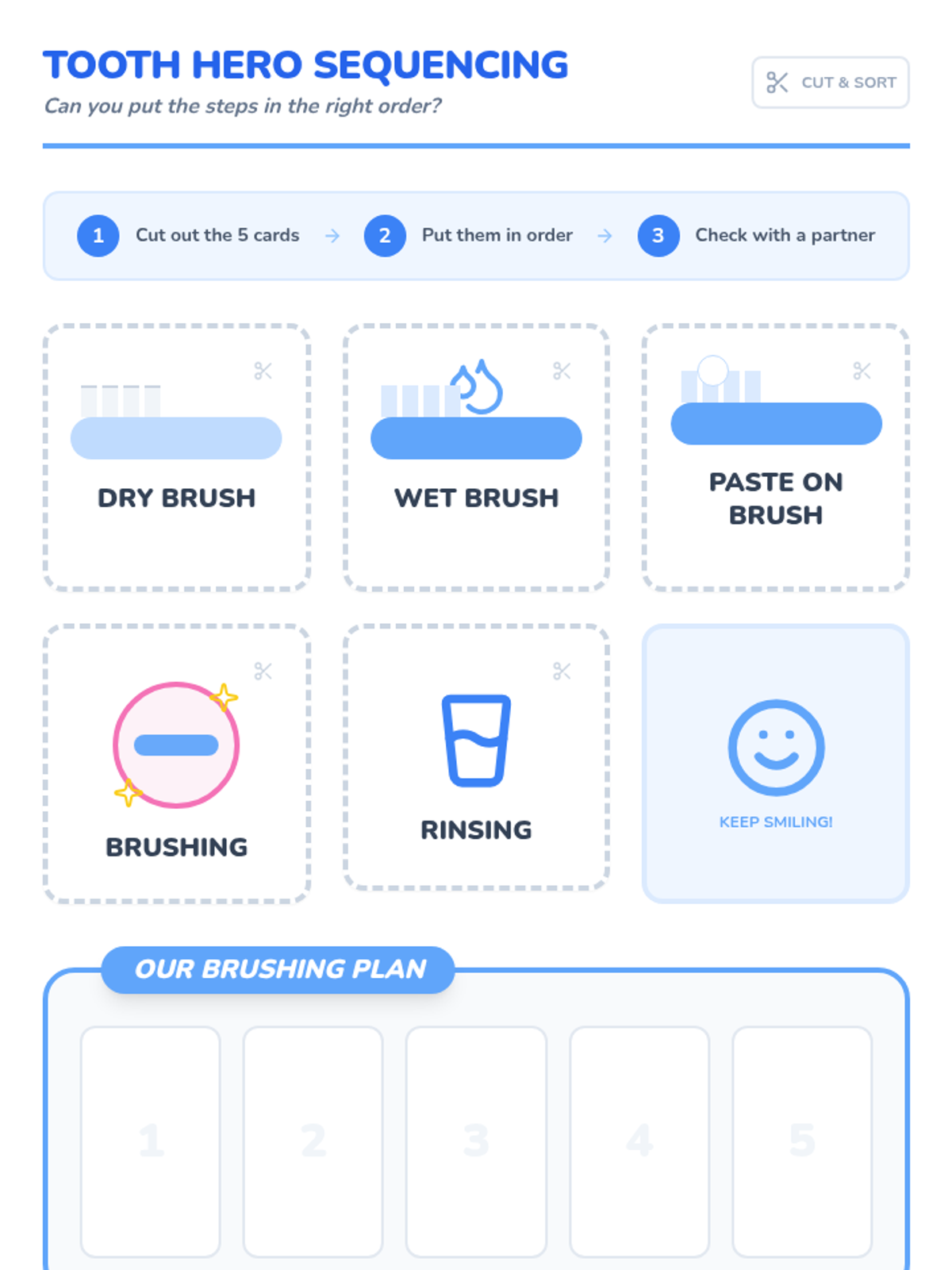
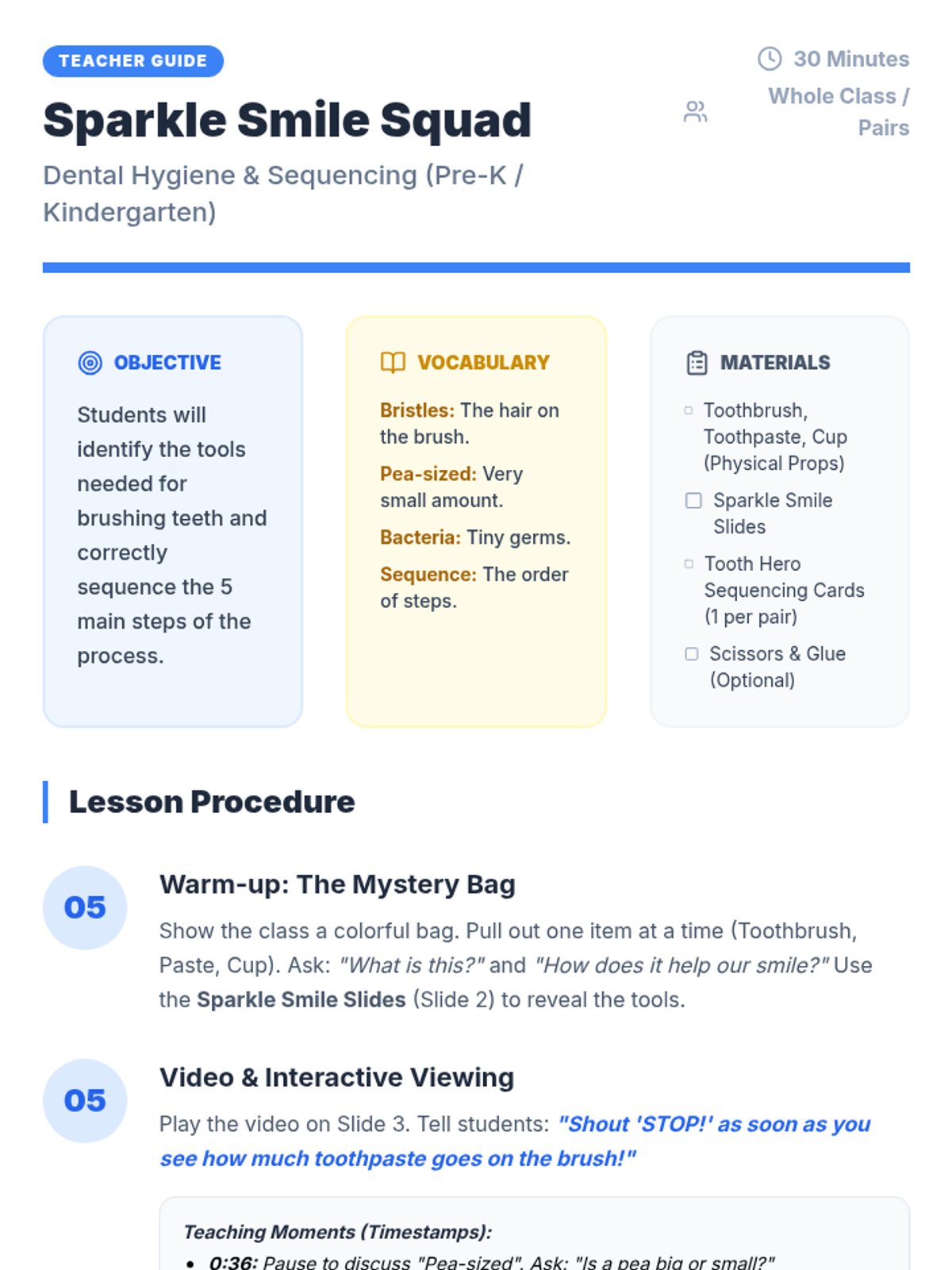
A fun, interactive lesson for Pre-K and Kindergarteners to learn the essential tools and steps for brushing their teeth correctly, featuring a video-guided sequencing activity.
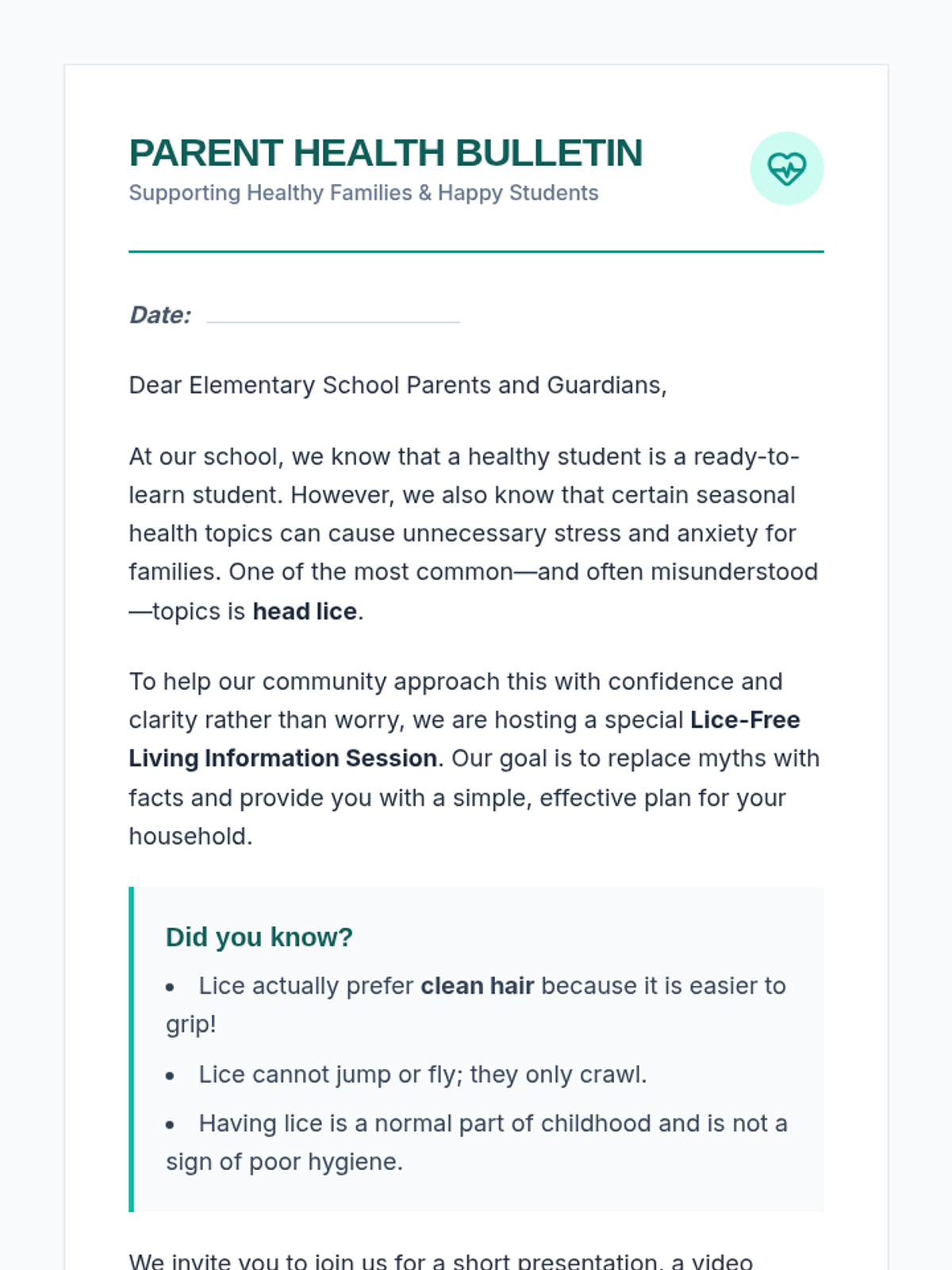
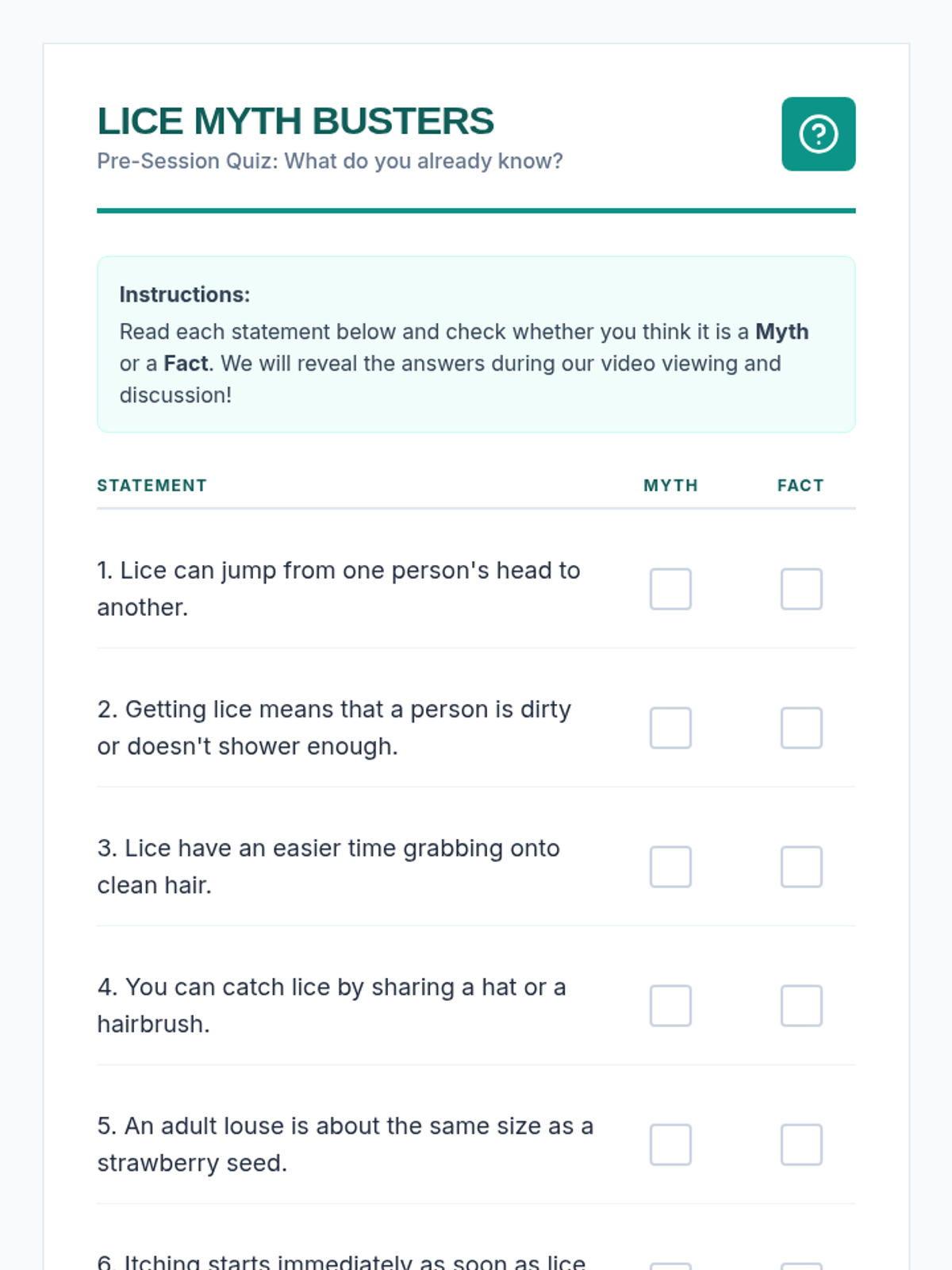
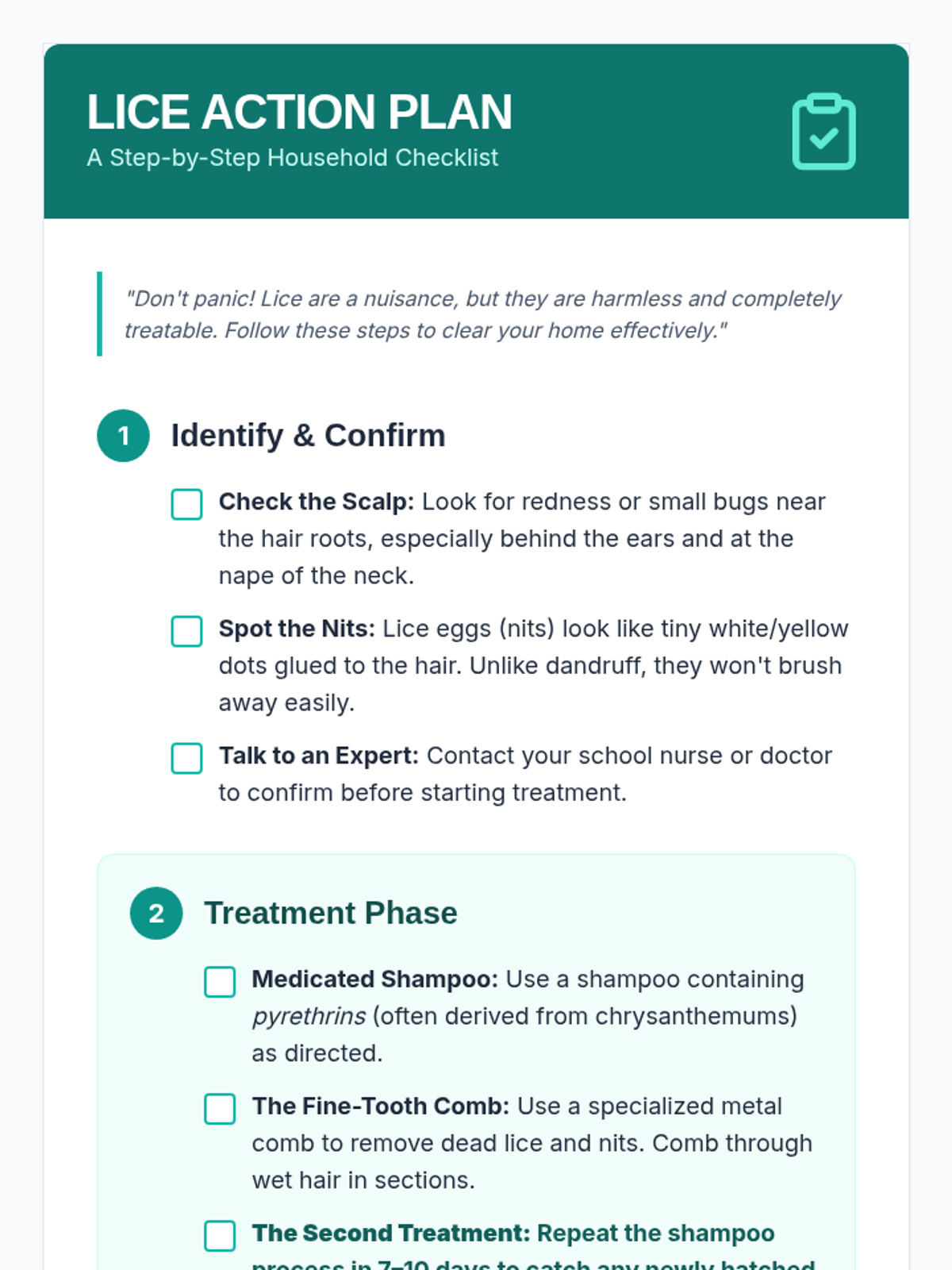
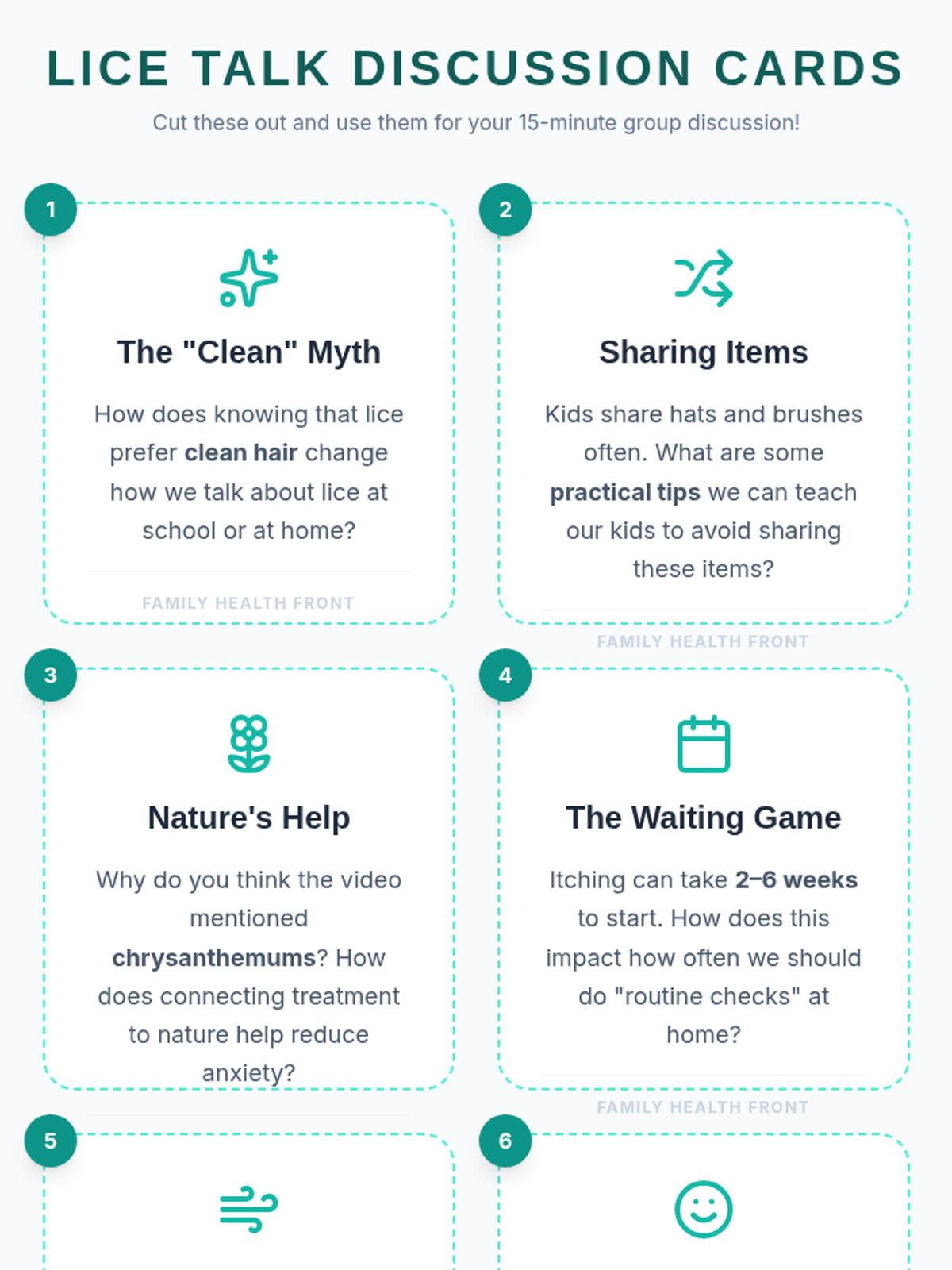
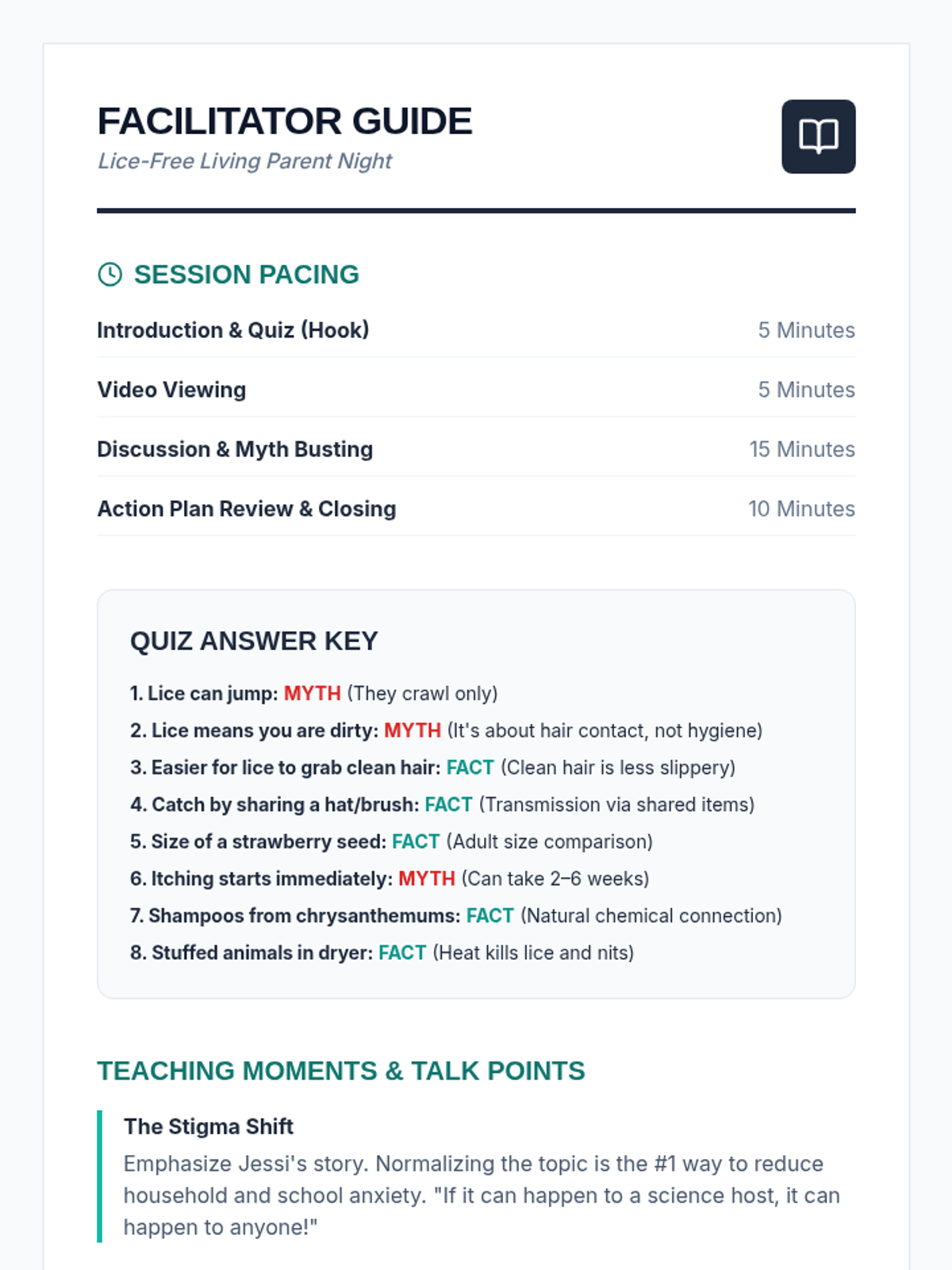
An informative session for parents to debunk lice myths, understand the science of transmission, and develop a calm, effective household action plan.
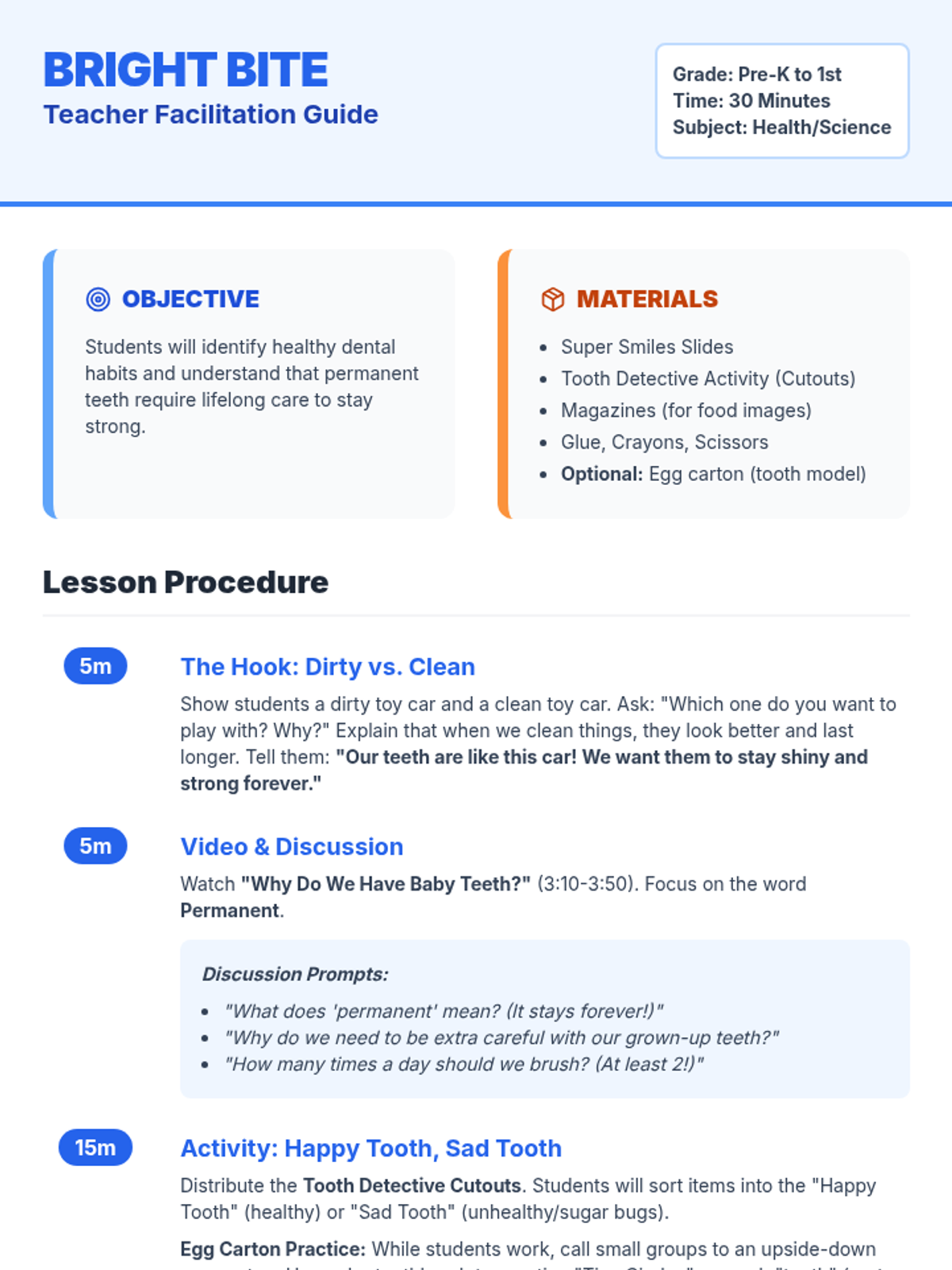
A fun, hands-on lesson for early learners about dental hygiene, focusing on the transition from baby teeth to permanent teeth and how to care for them.
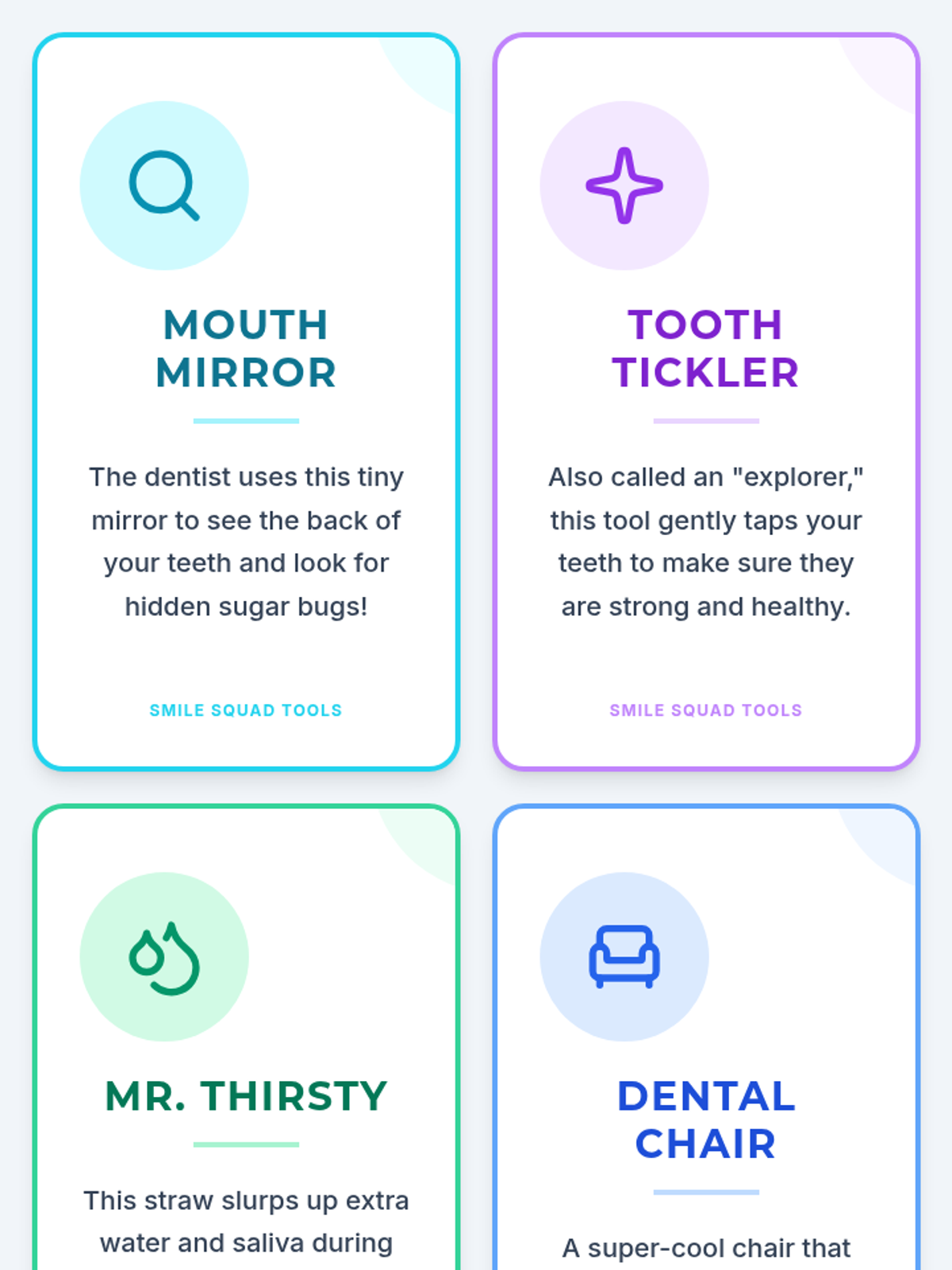
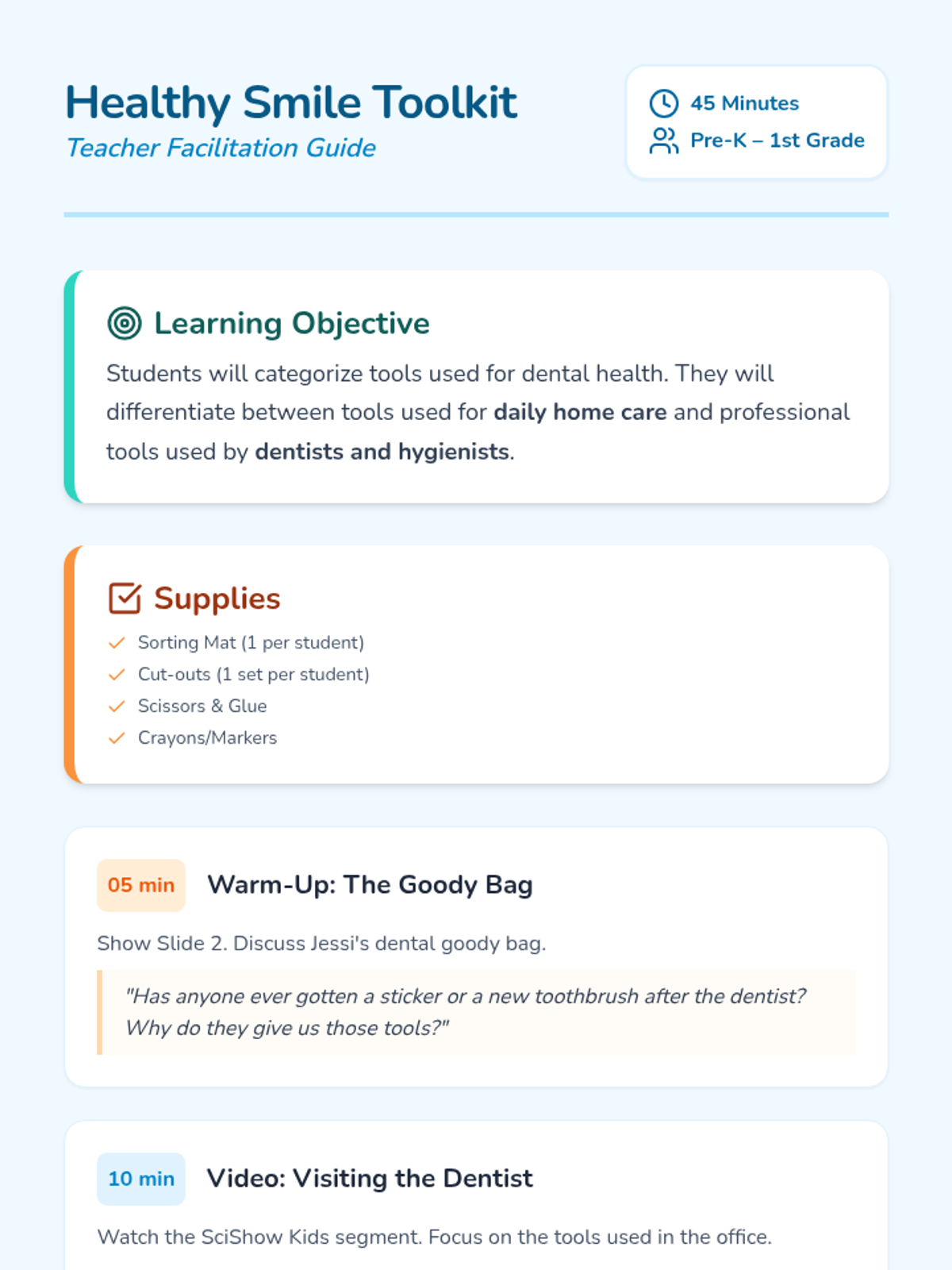
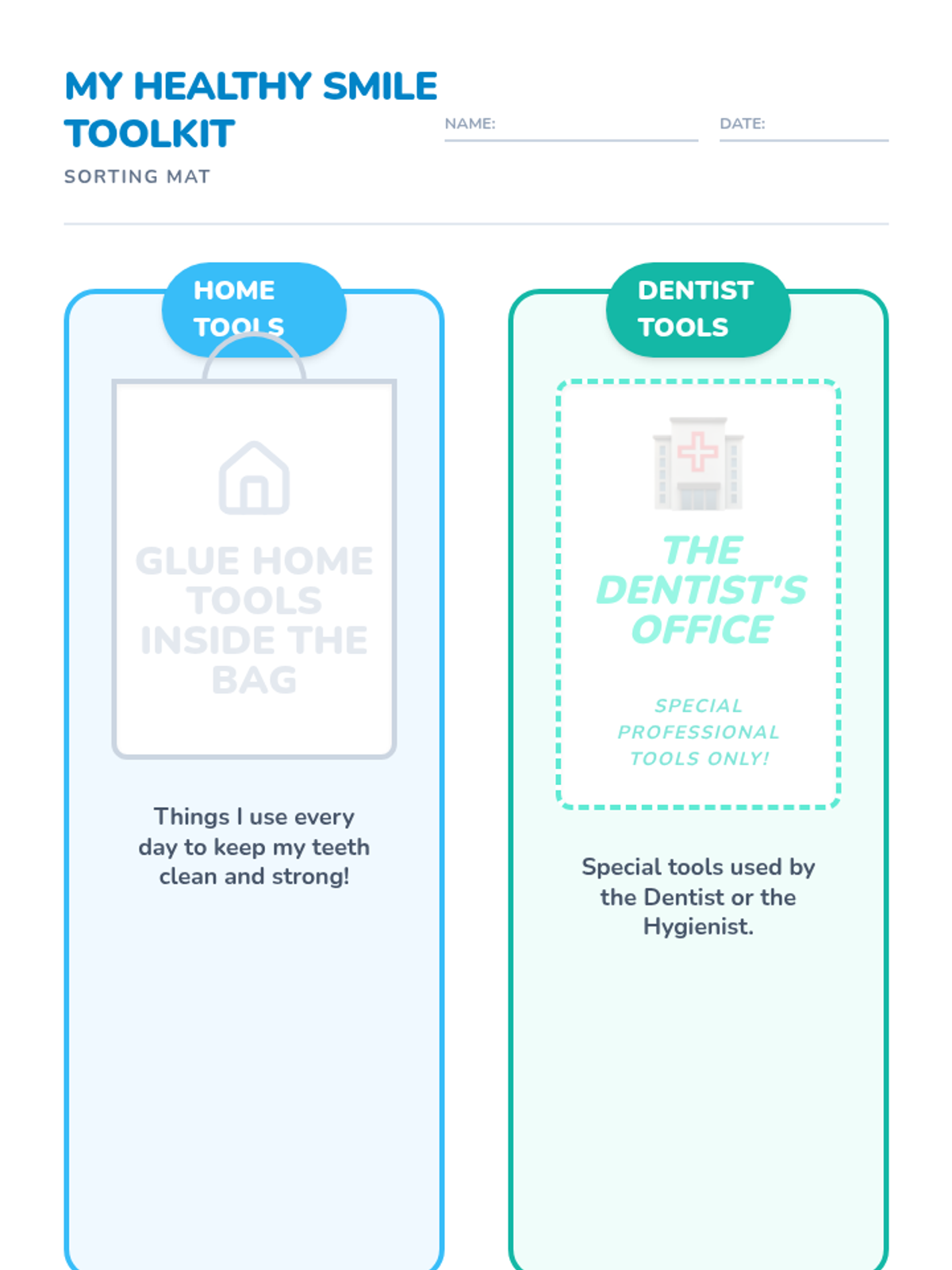
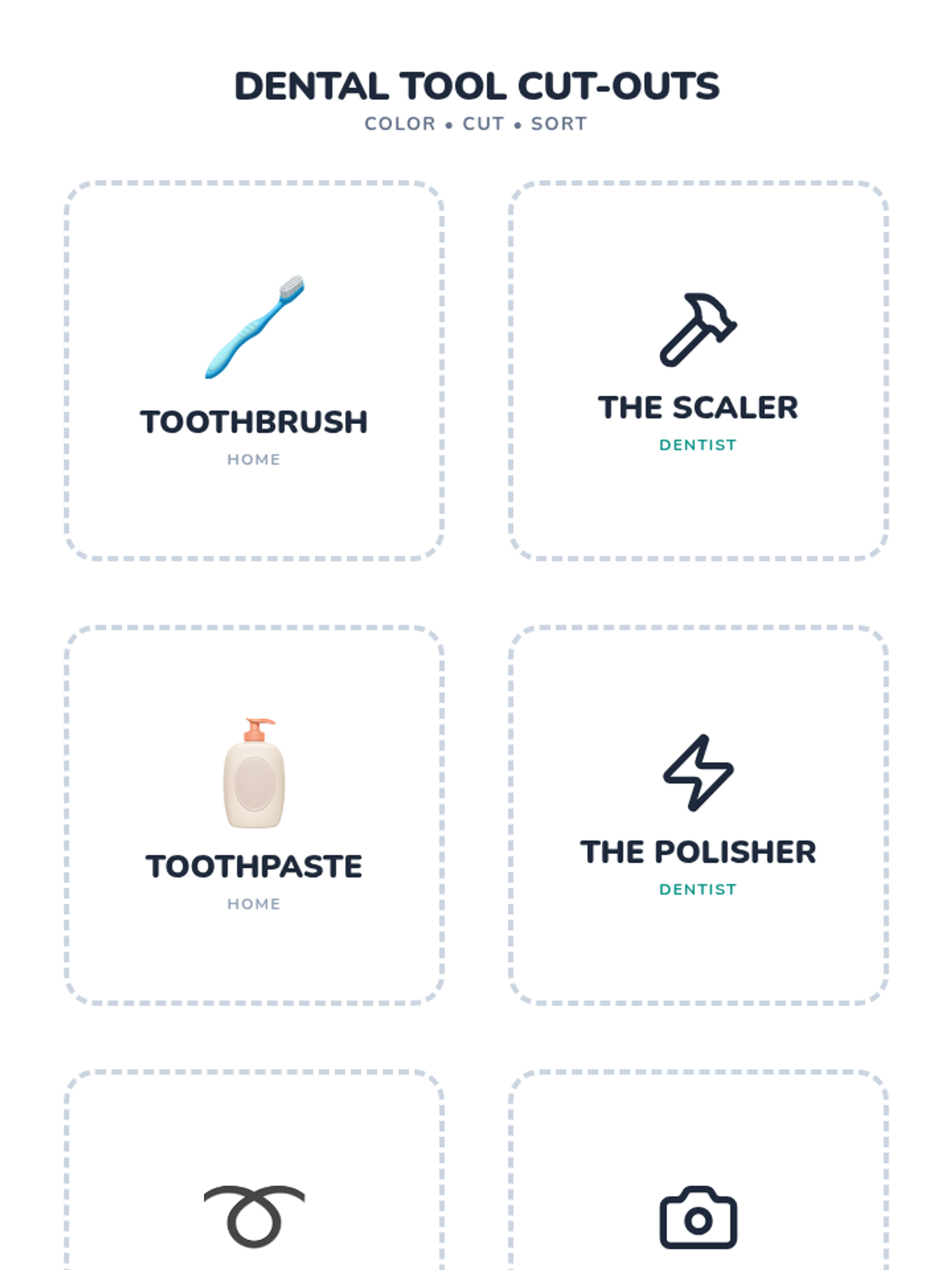
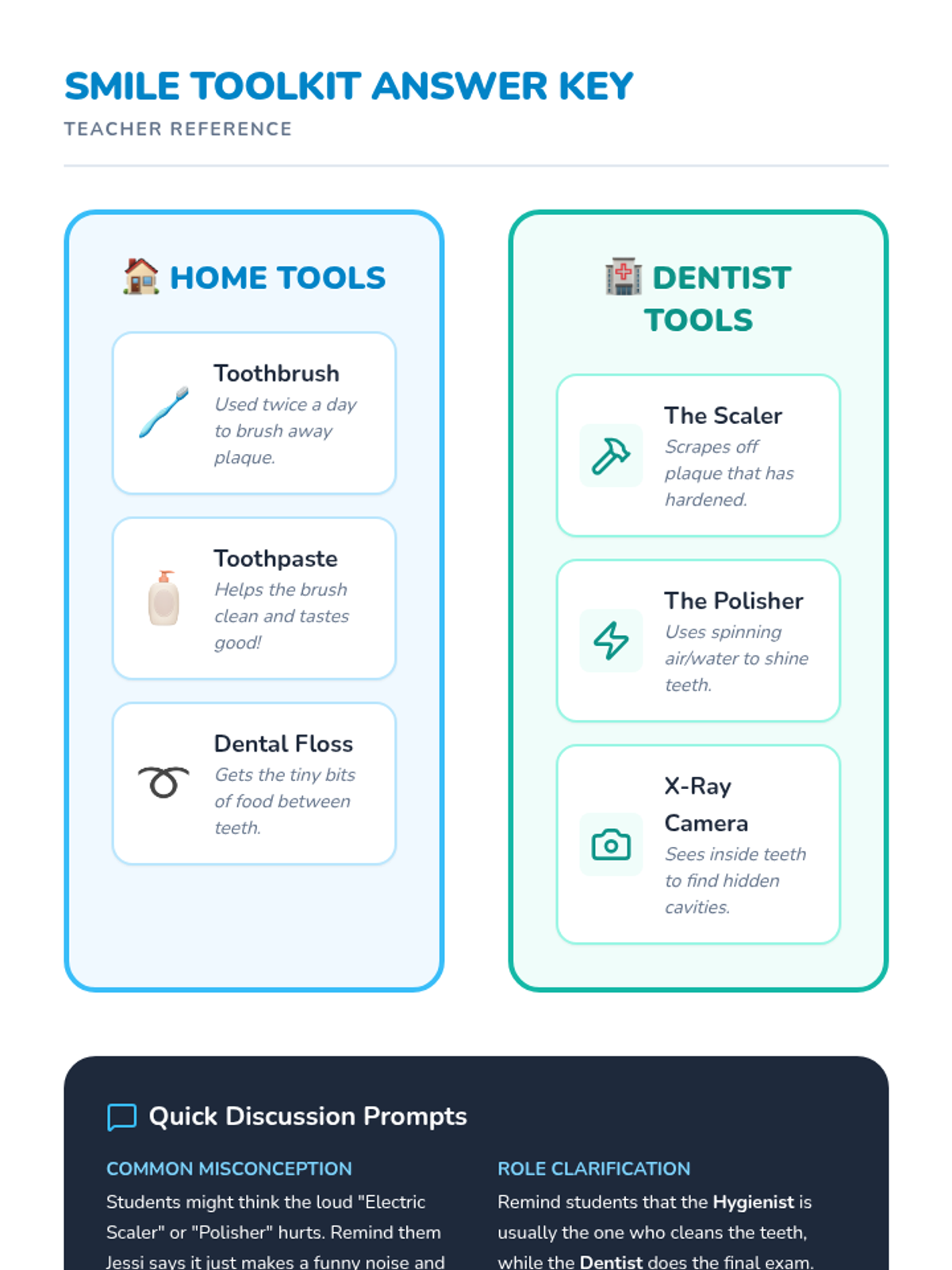
A dental health lesson for Pre-K to 1st grade students to learn about different dental tools. Students categorize home dental care items versus professional tools used by dentists and hygienists.
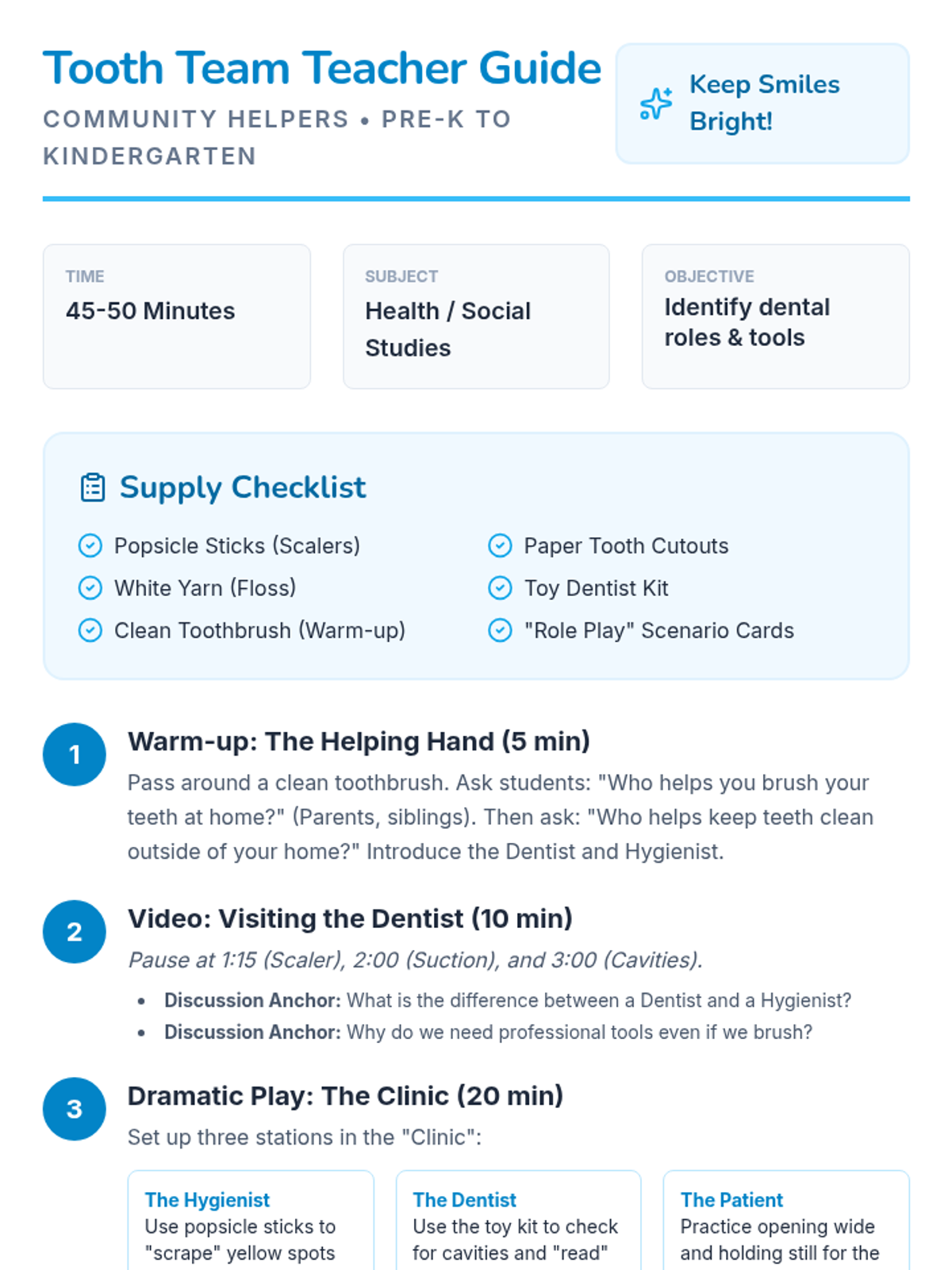
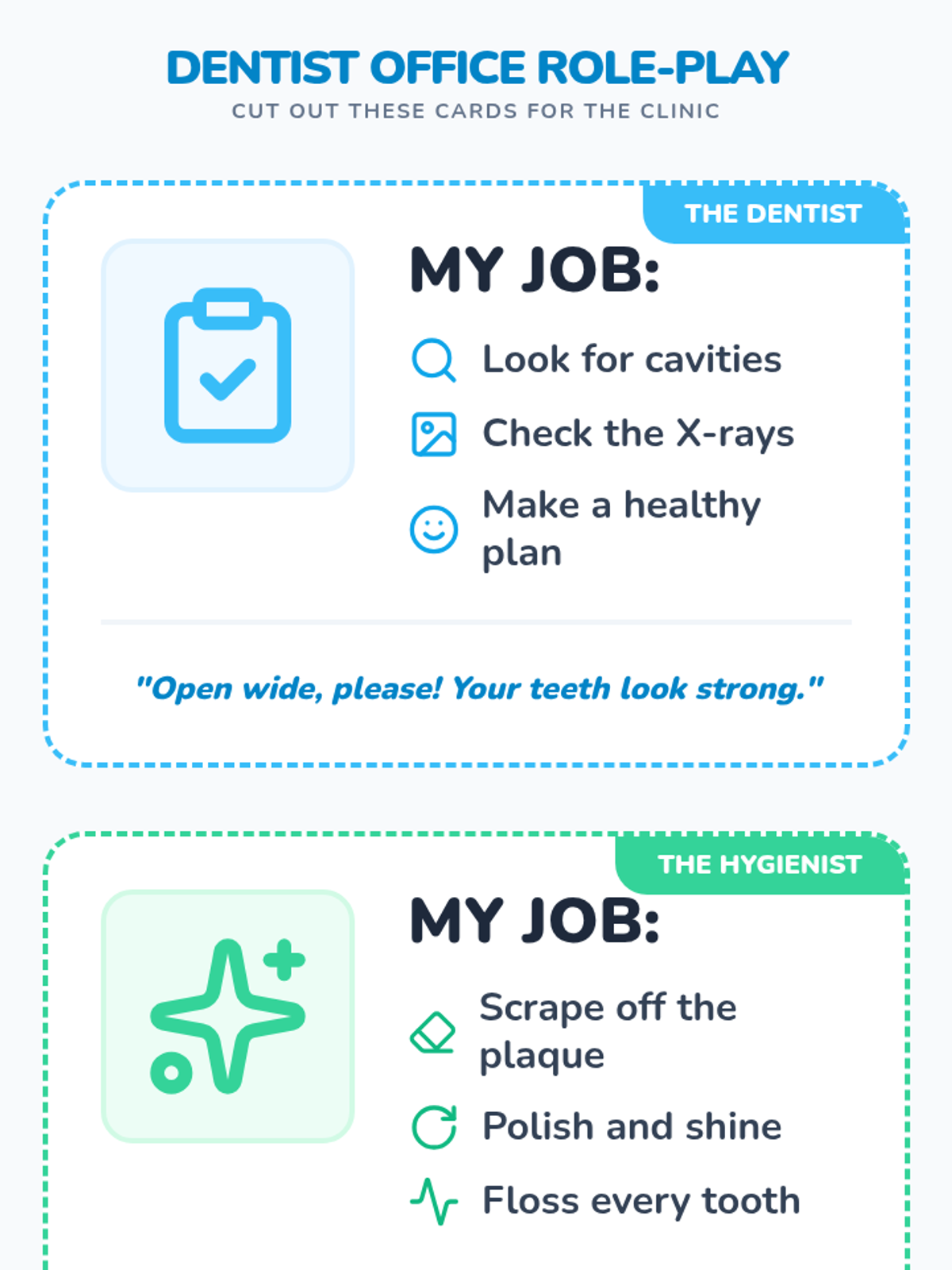
A friendly introduction to dental health for Pre-K and Kindergarten students, focusing on the roles of community helpers in the dentist's office and the tools they use.
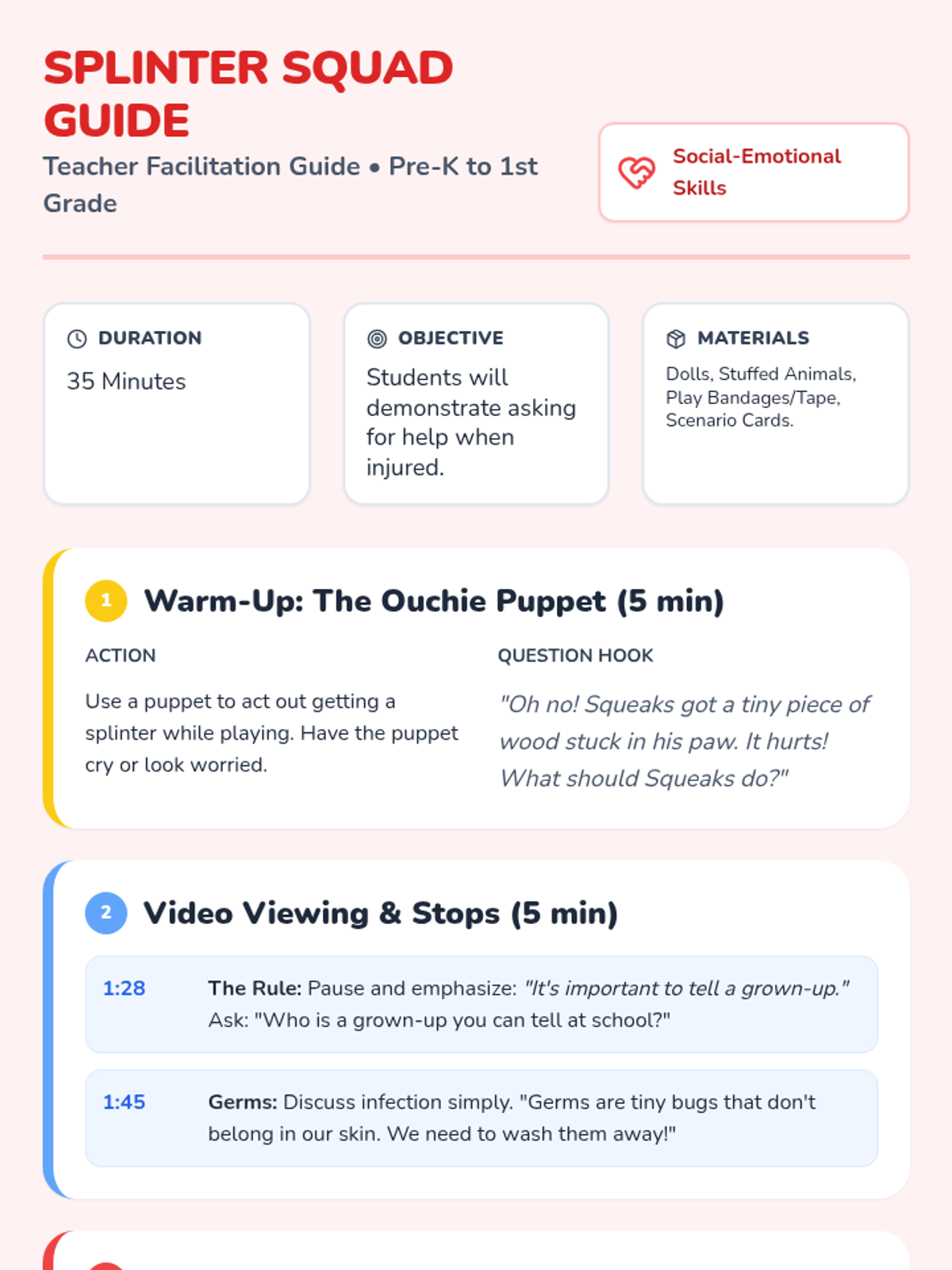
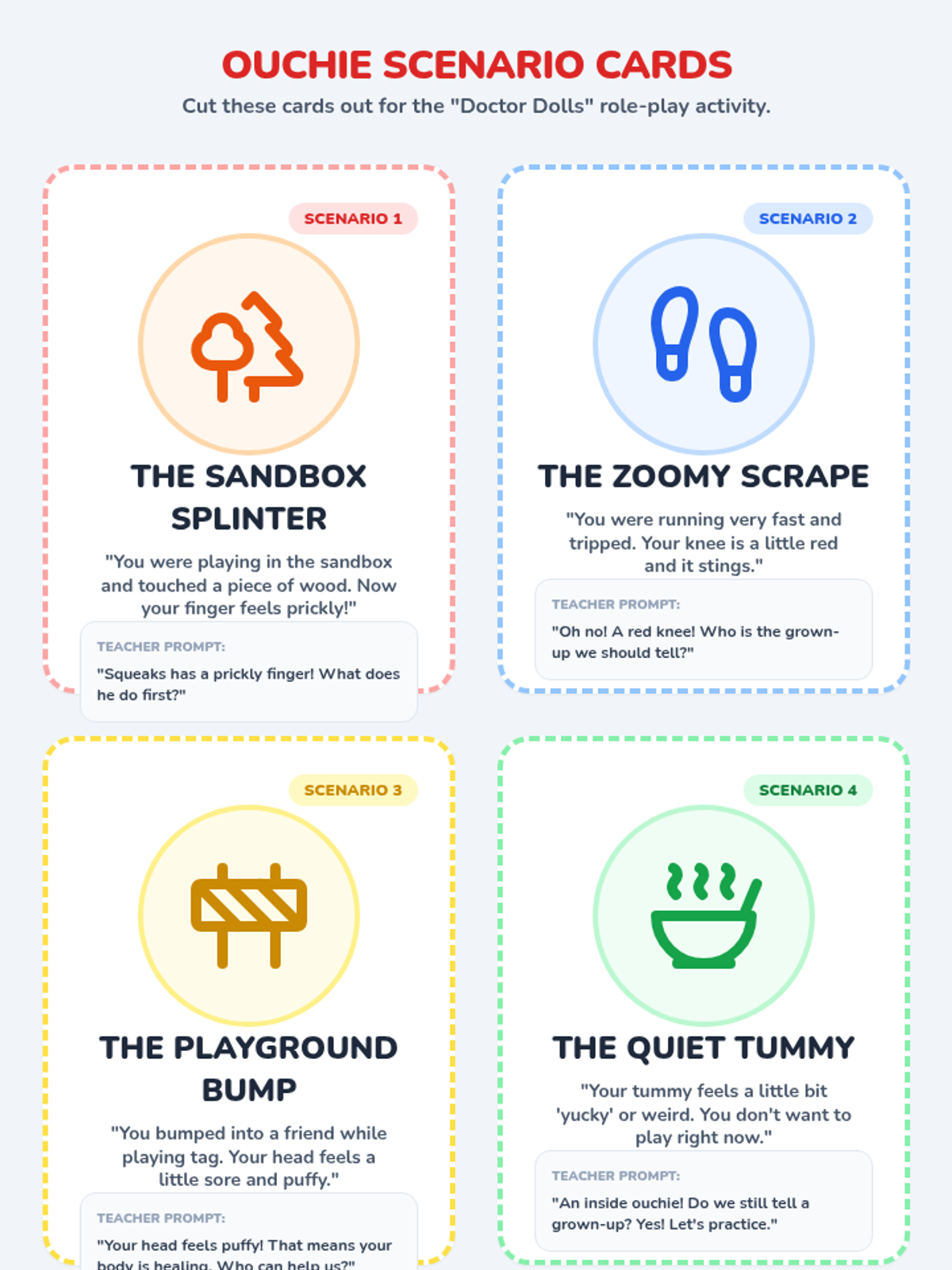
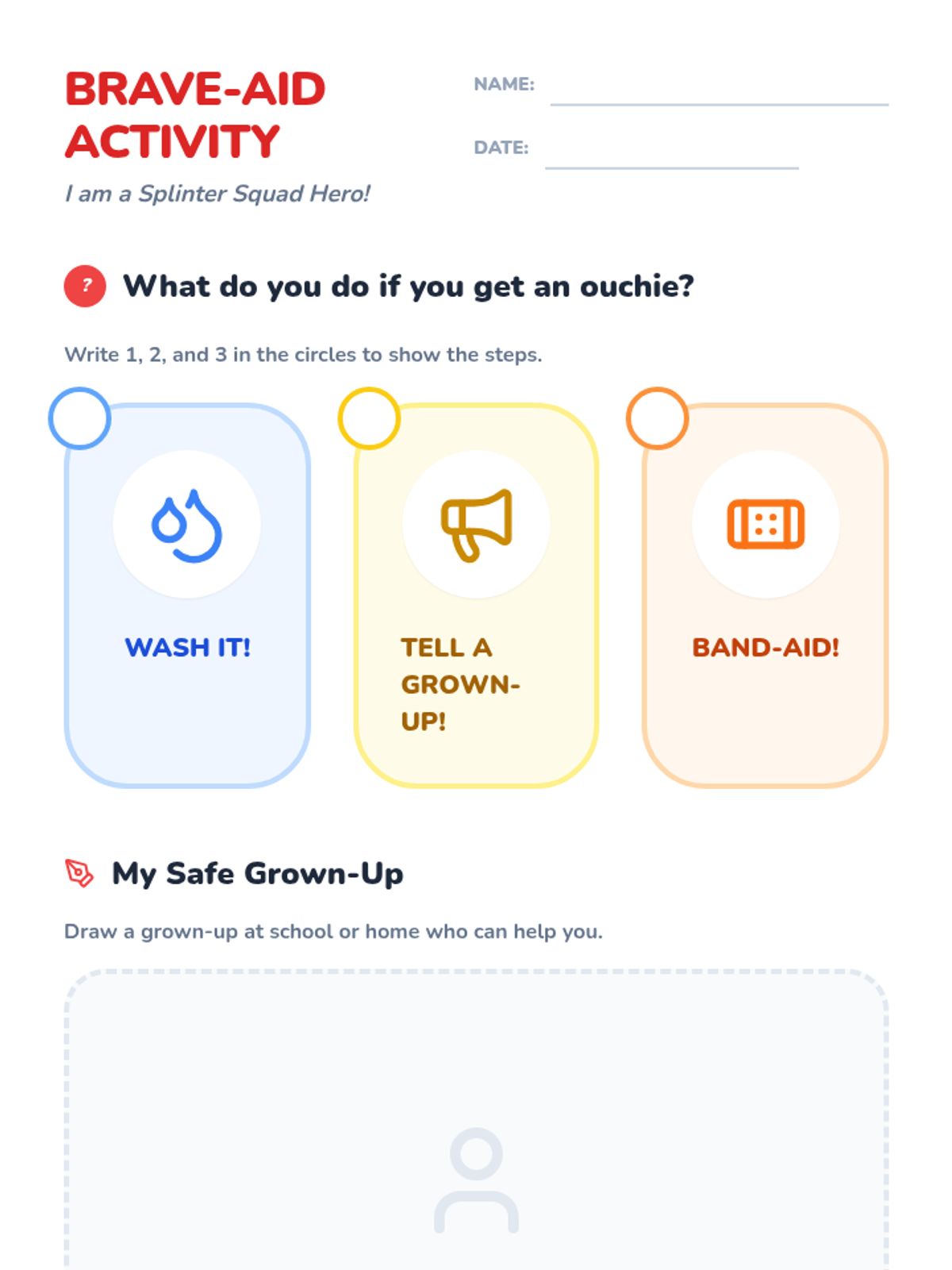
A social-emotional and health lesson for early learners on how to identify injuries and ask for help from trusted adults.
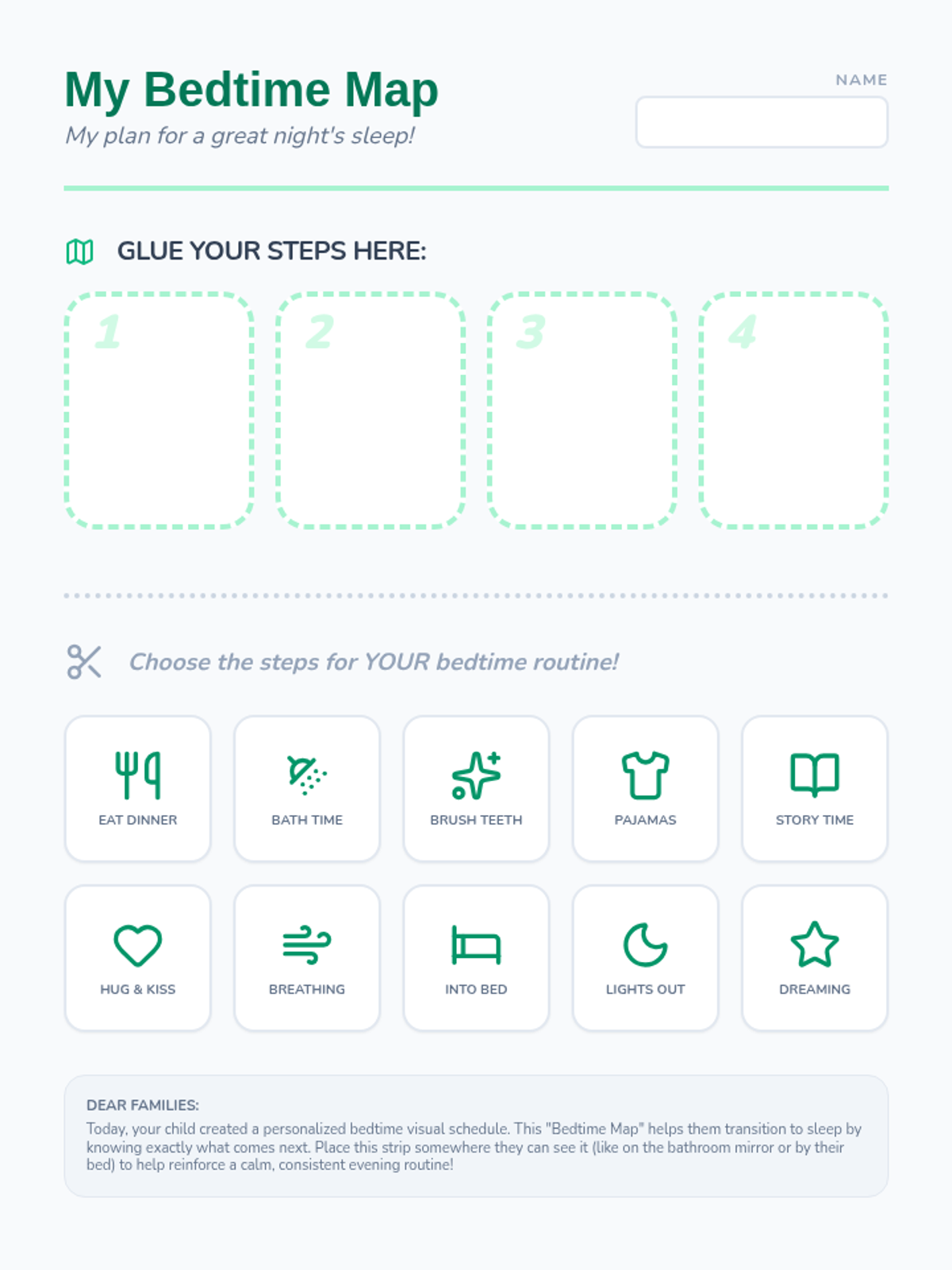
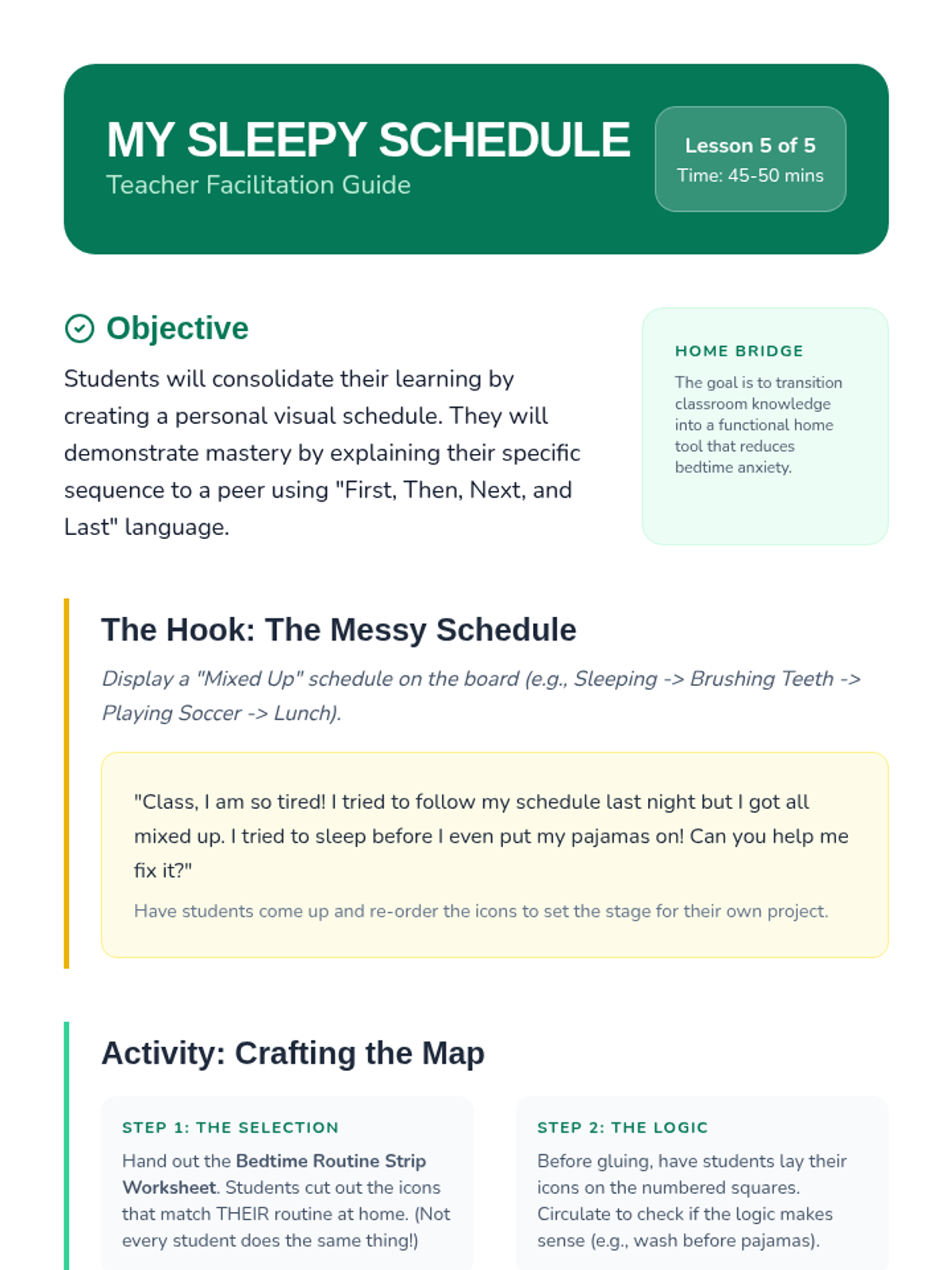
Students create a personalized visual strip using stickers or drawings that represent their specific bedtime routine steps. They practice explaining their routine to a peer using their new visual aid.
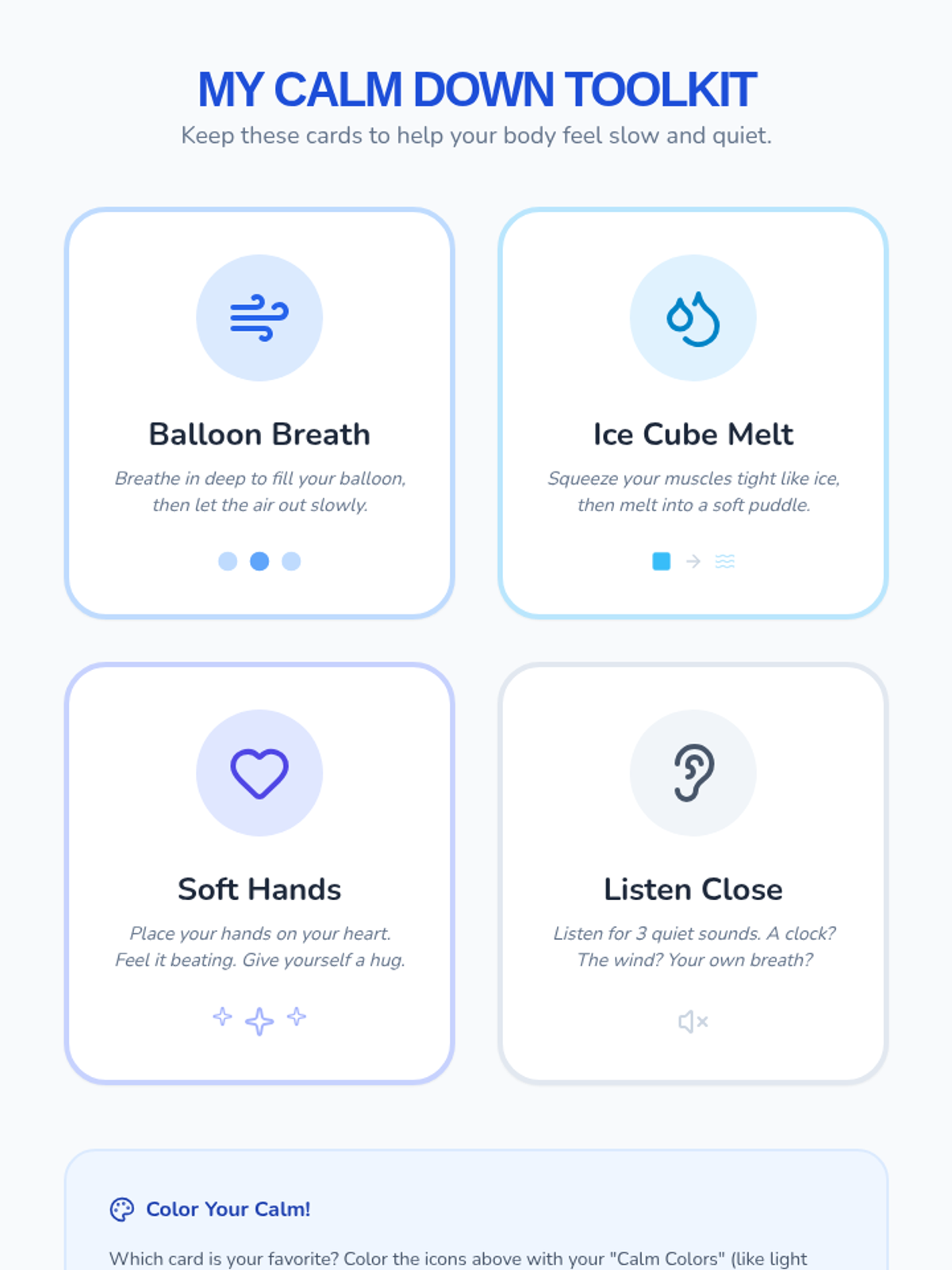
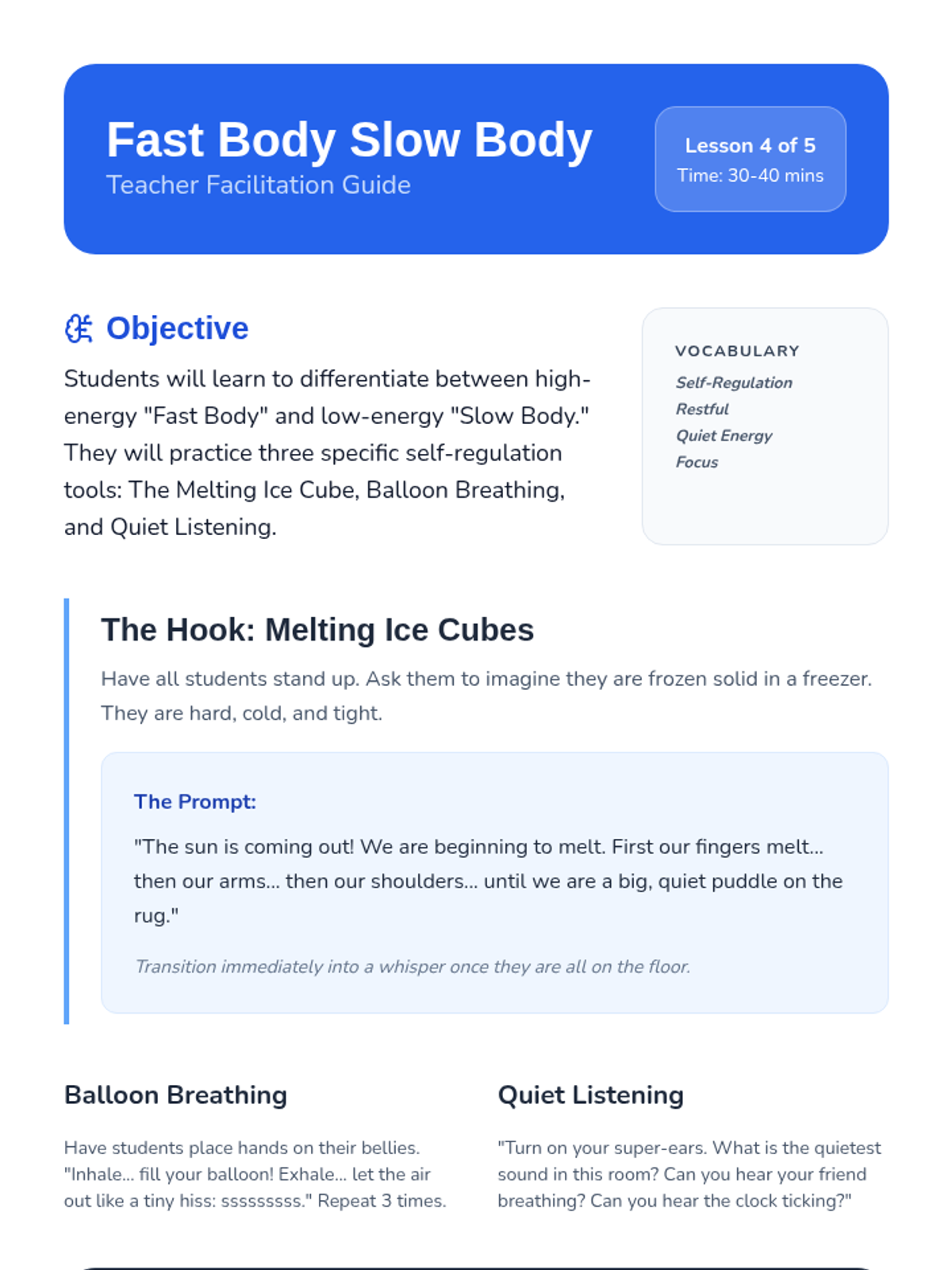
This lesson introduces quiet activities that belong in a bedtime routine, such as reading a book or listening to soft music. Students learn to identify 'fast body' versus 'slow body' feelings through guided relaxation.
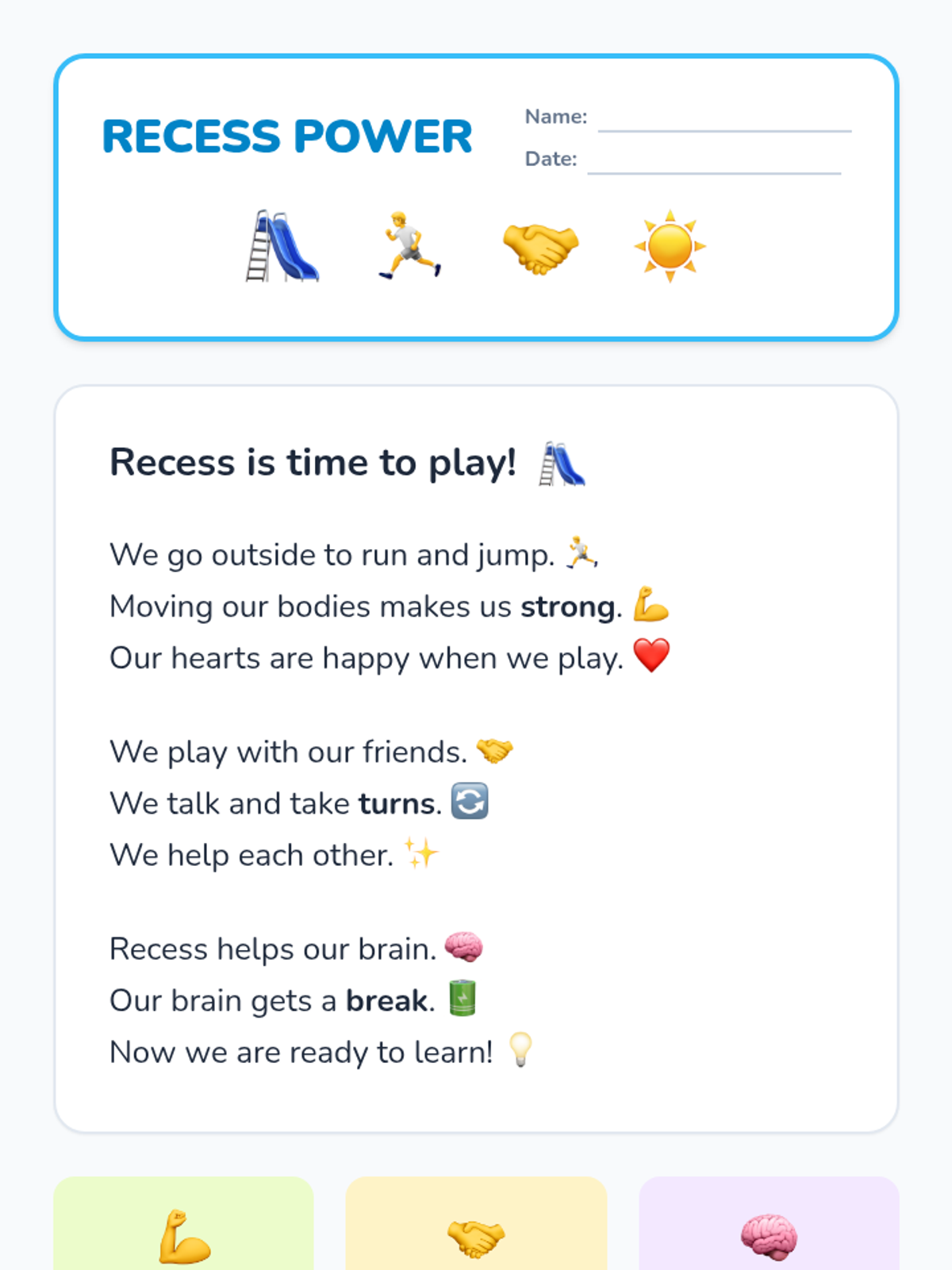
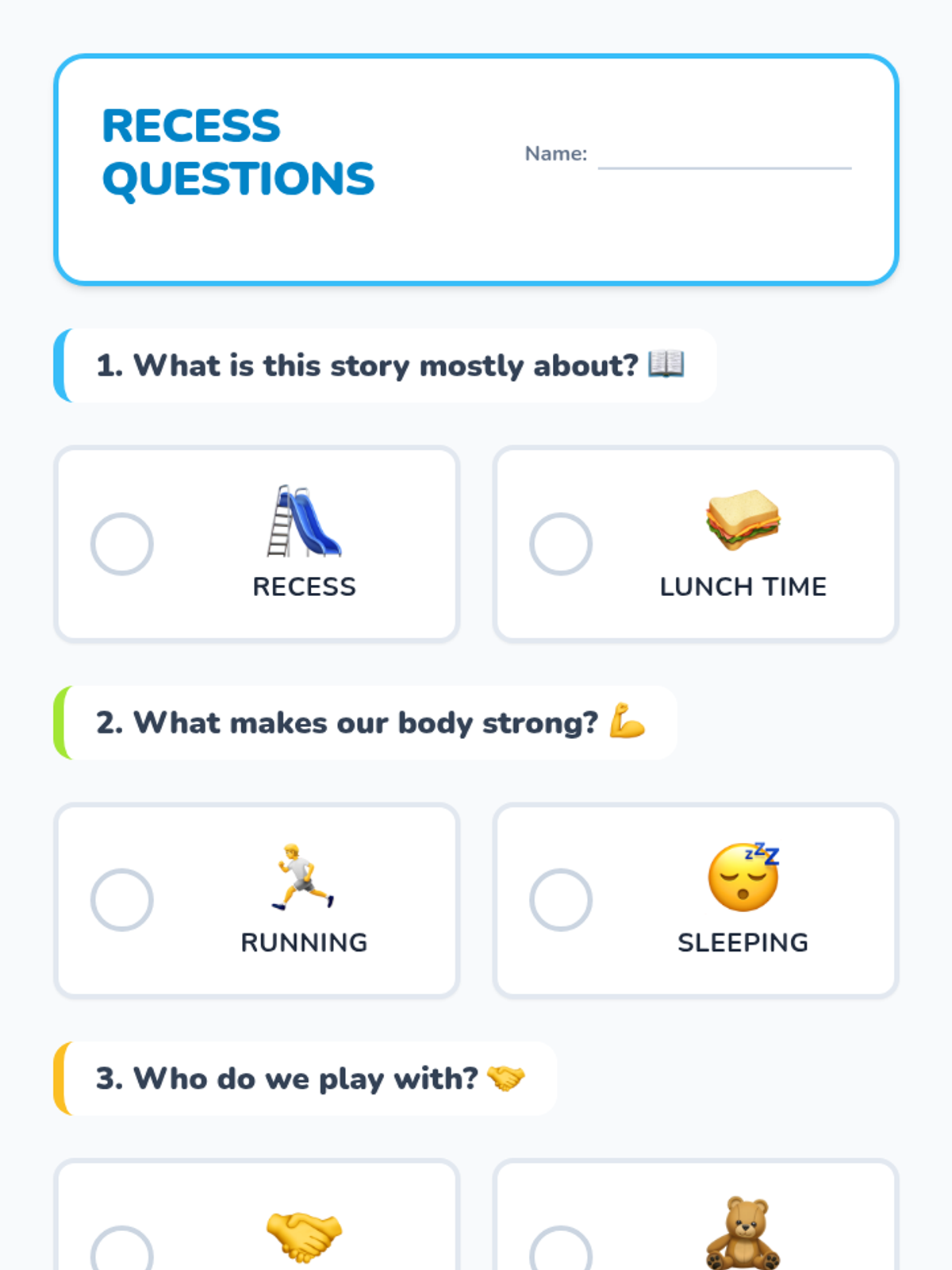
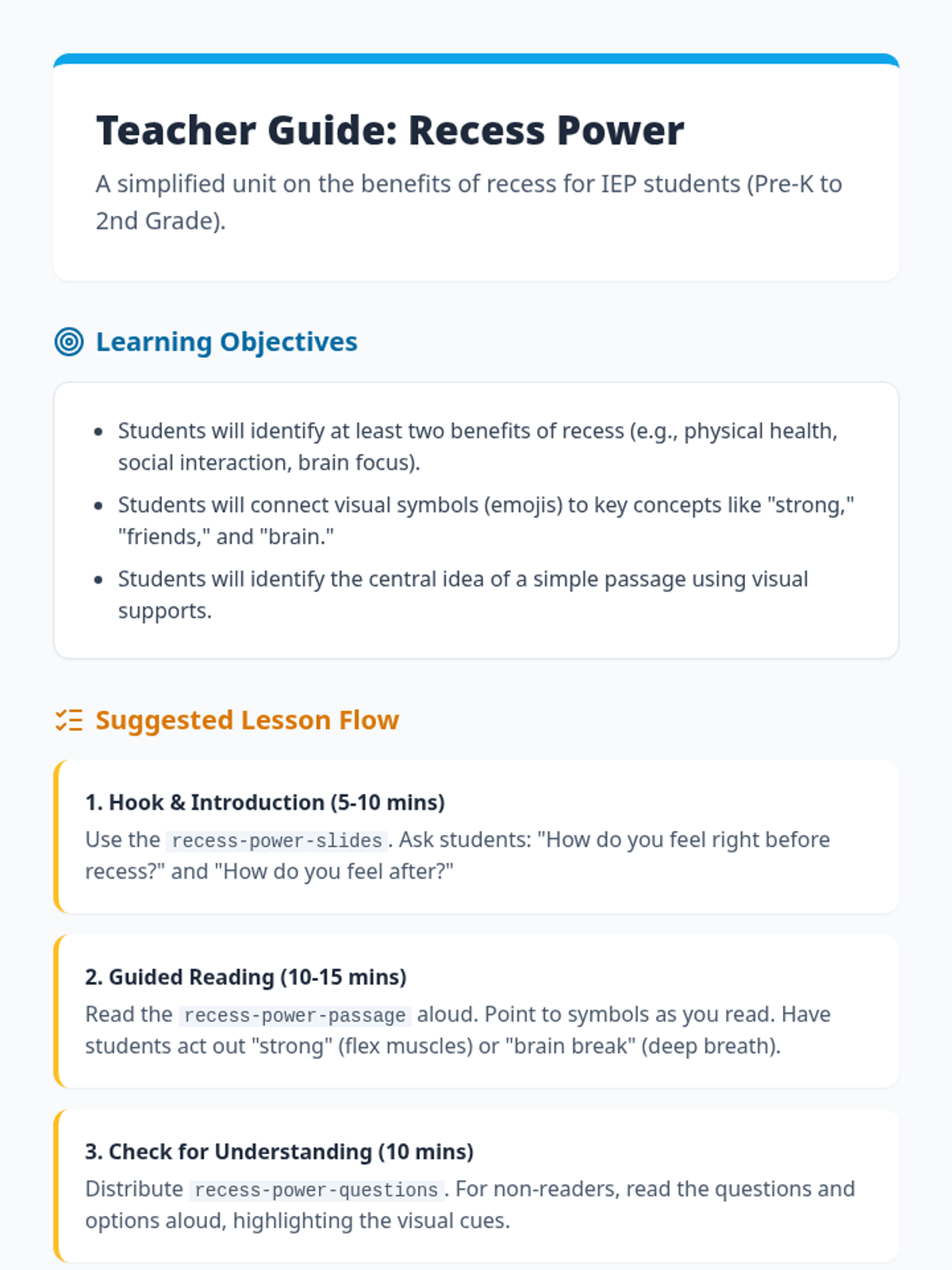
A lesson exploring the physical, social, and emotional benefits of recess for young learners, designed with accessibility and visual supports for IEP students.
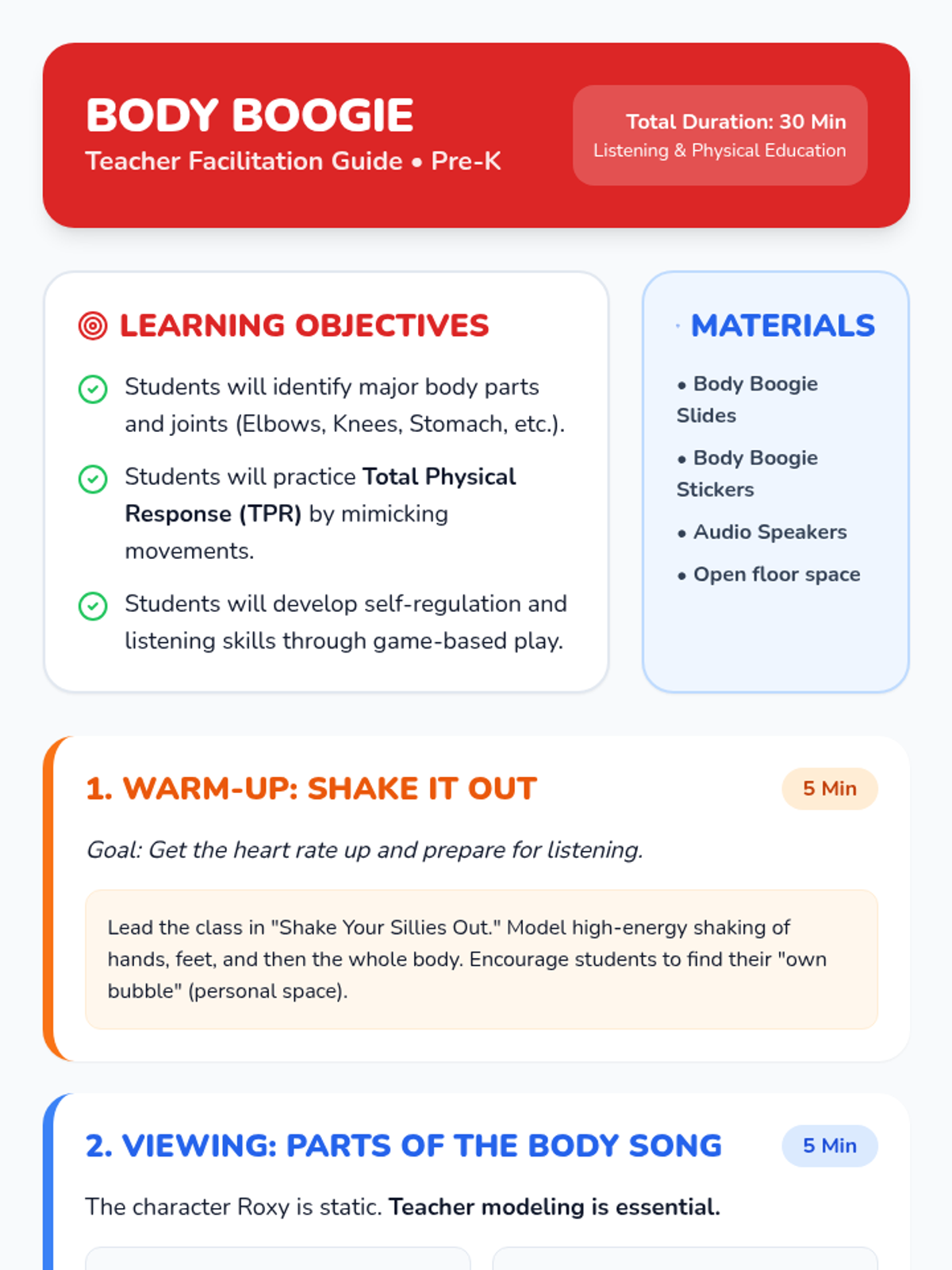
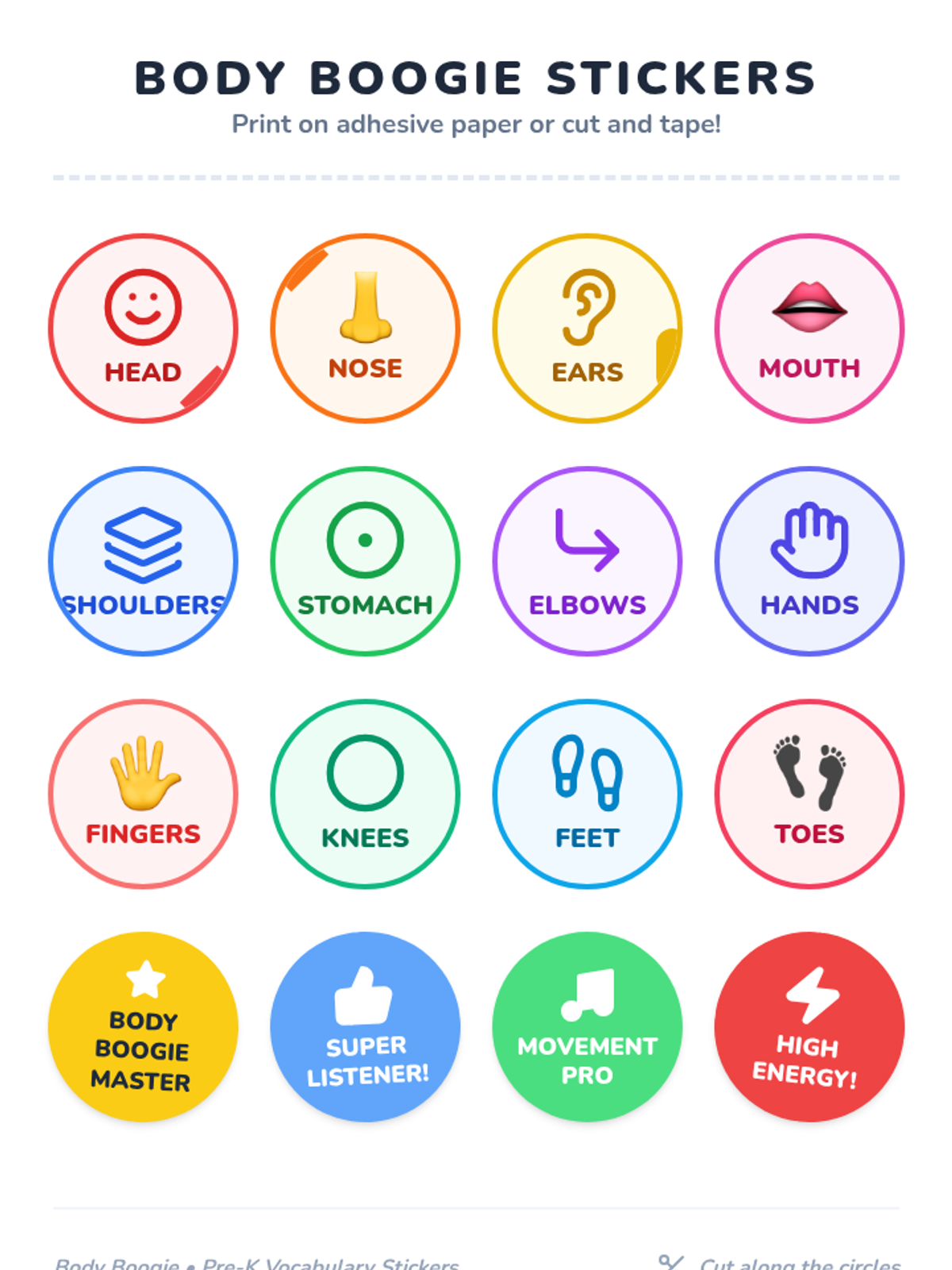
A high-energy Pre-K lesson that combines music, movement, and listening skills to help students identify body parts through the 'Parts of the Body Song' and a fun 'Roxy Says' game.
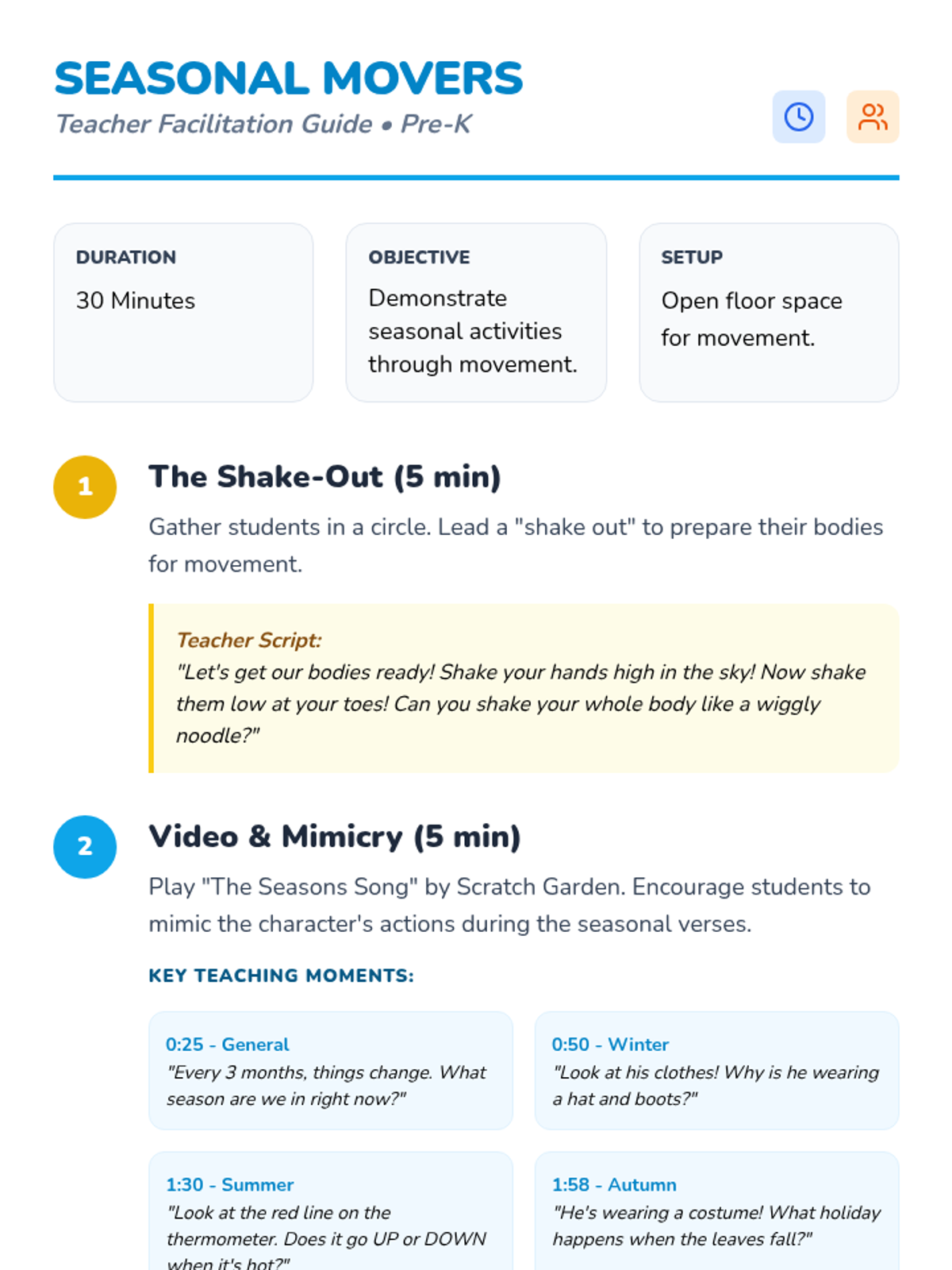
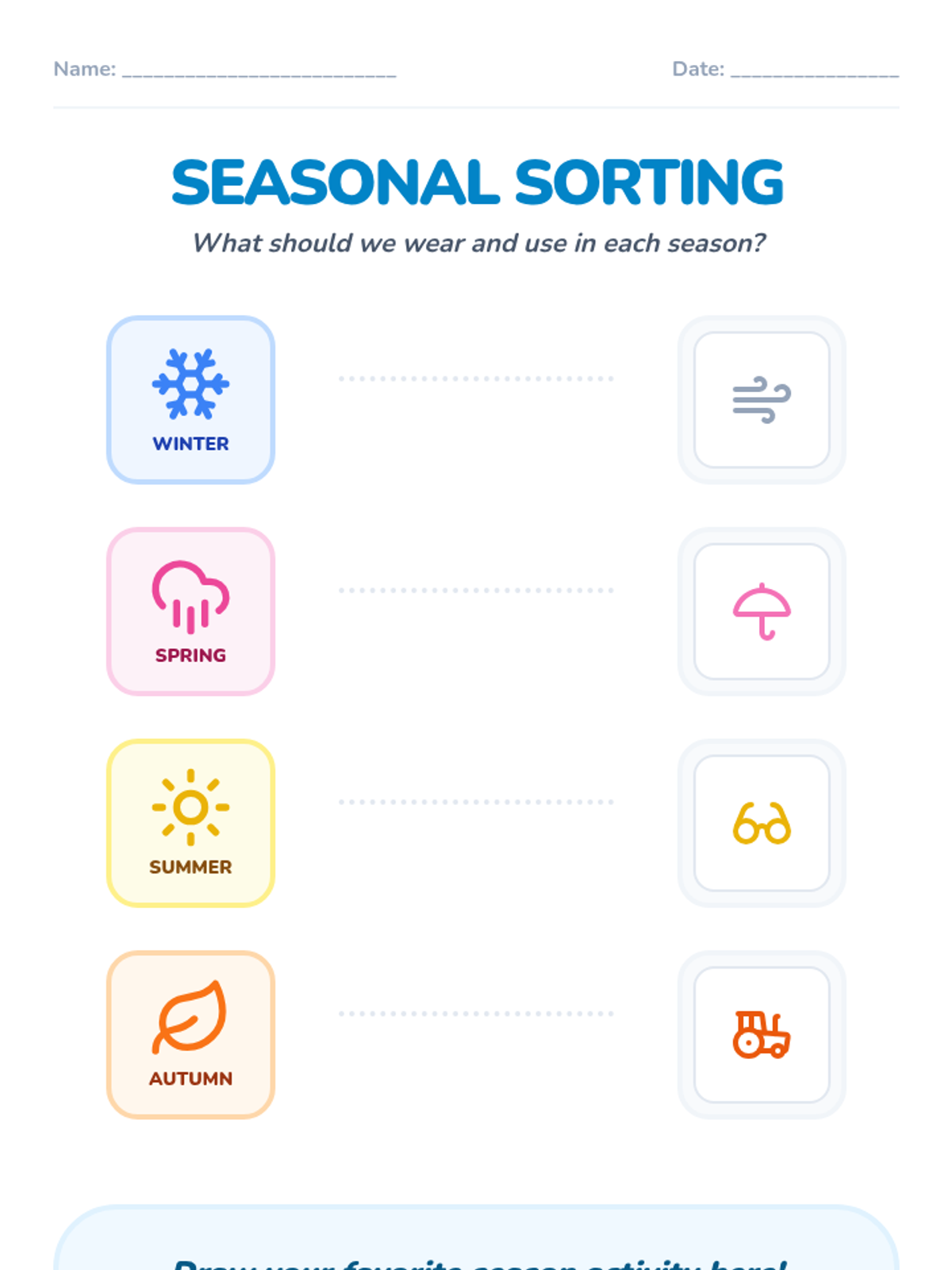
A high-energy, movement-based lesson for Pre-K students to explore the four seasons through dance, mimicry, and the Scratch Garden 'Seasons Song'. Students will practice seasonal poses and identify weather-appropriate clothing and habits.
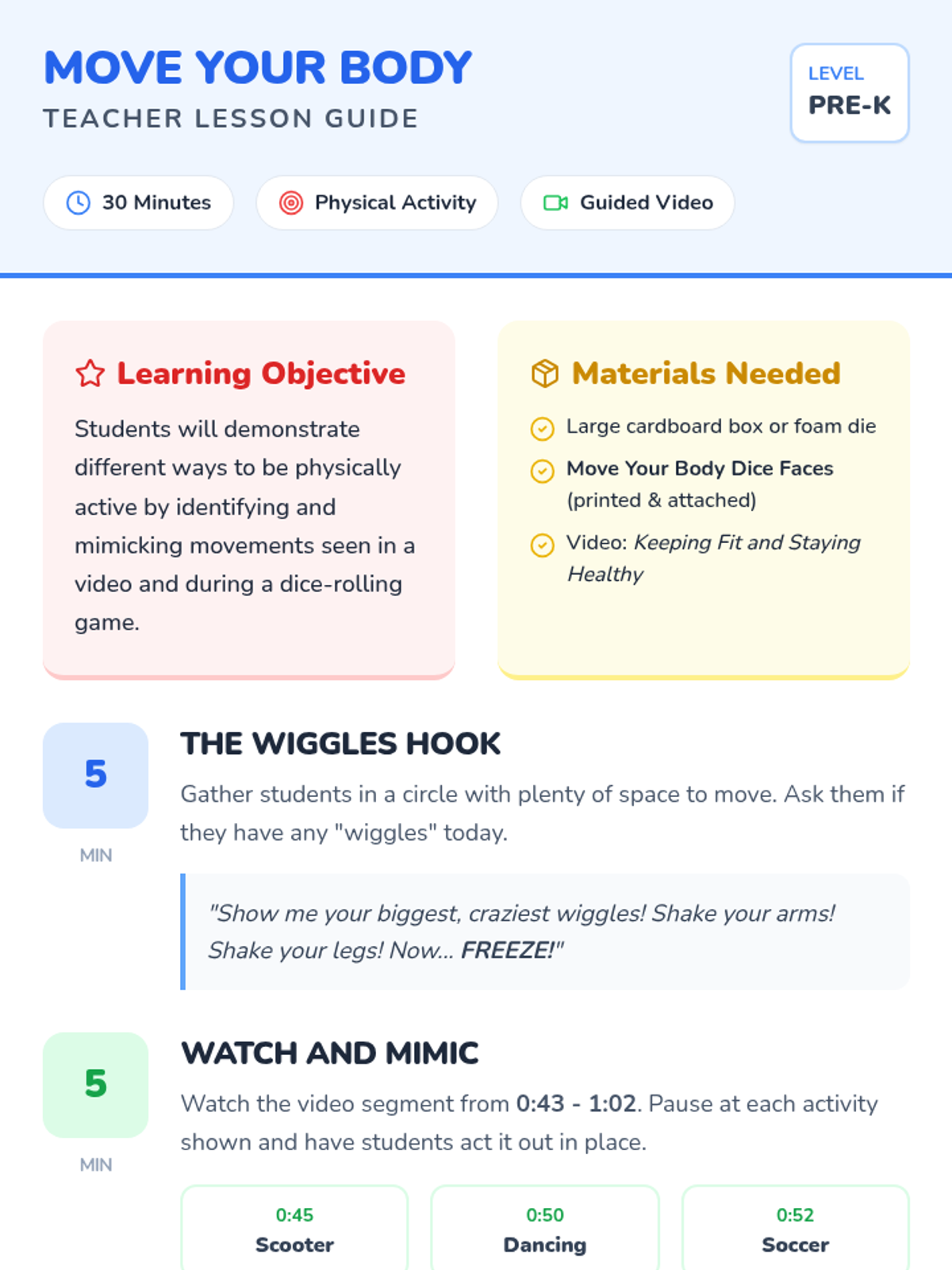
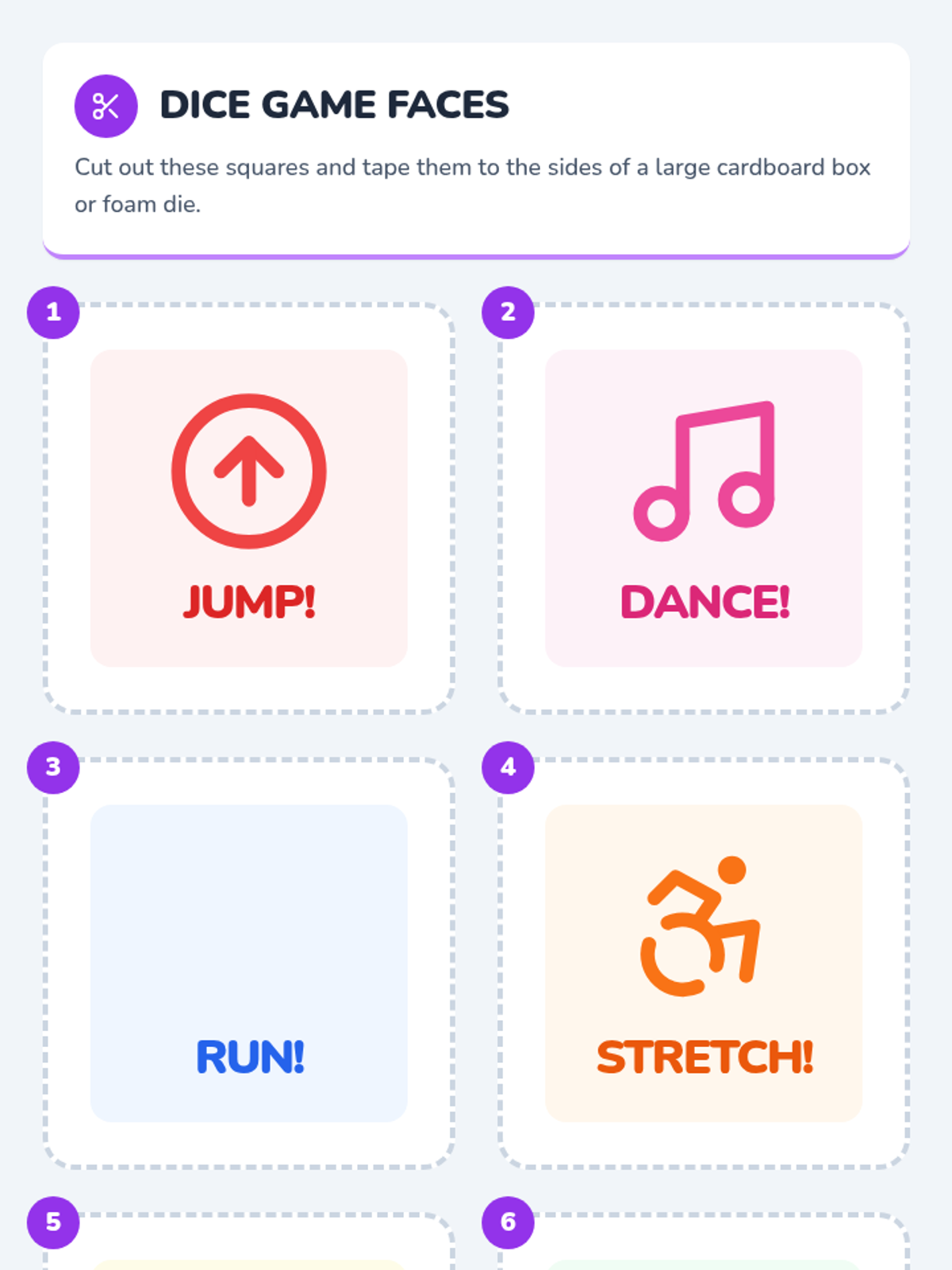
A high-energy Pre-K lesson focused on physical activity, featuring a guided video segment and a movement-based dice game to get students active and engaged.
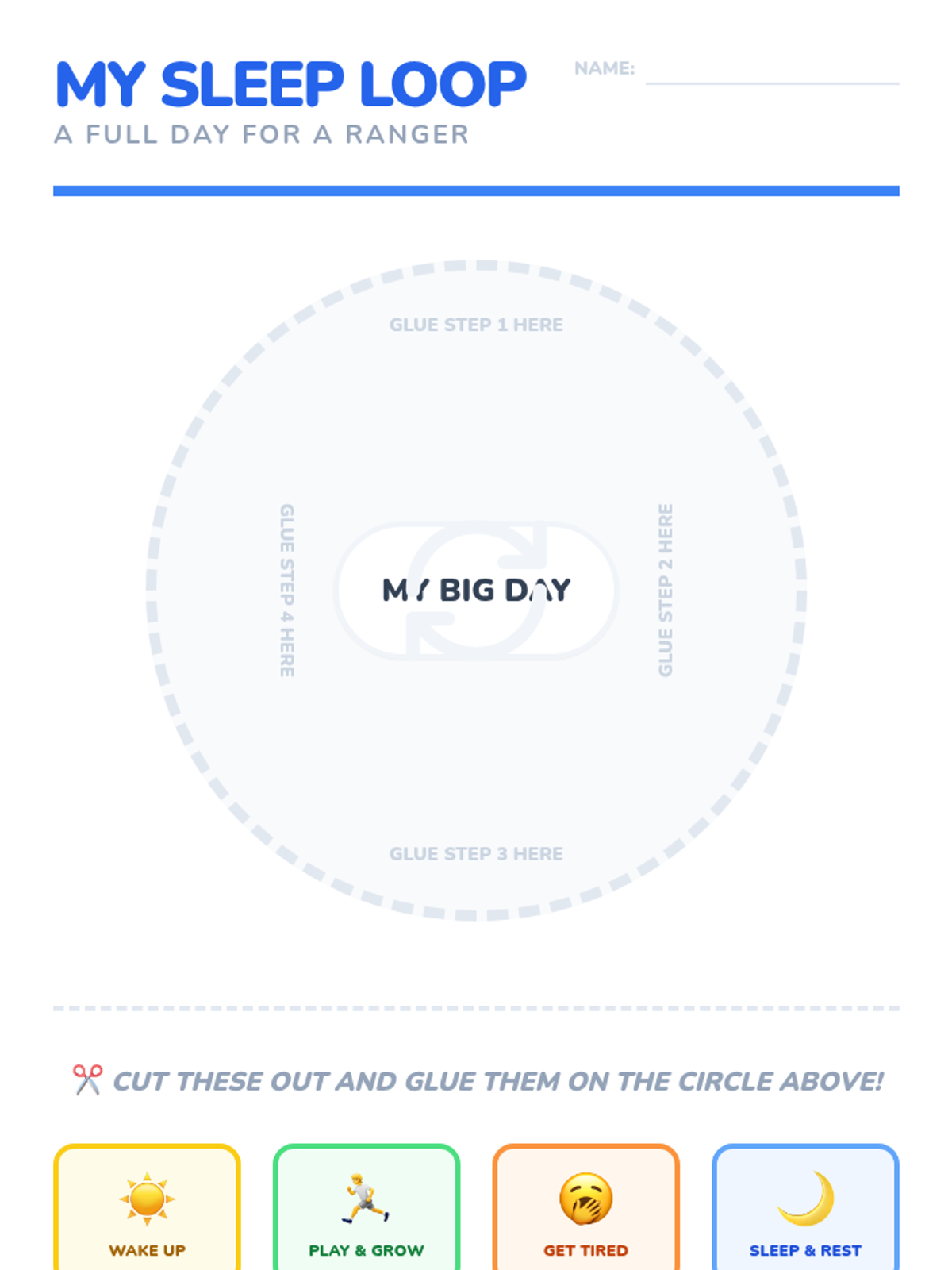
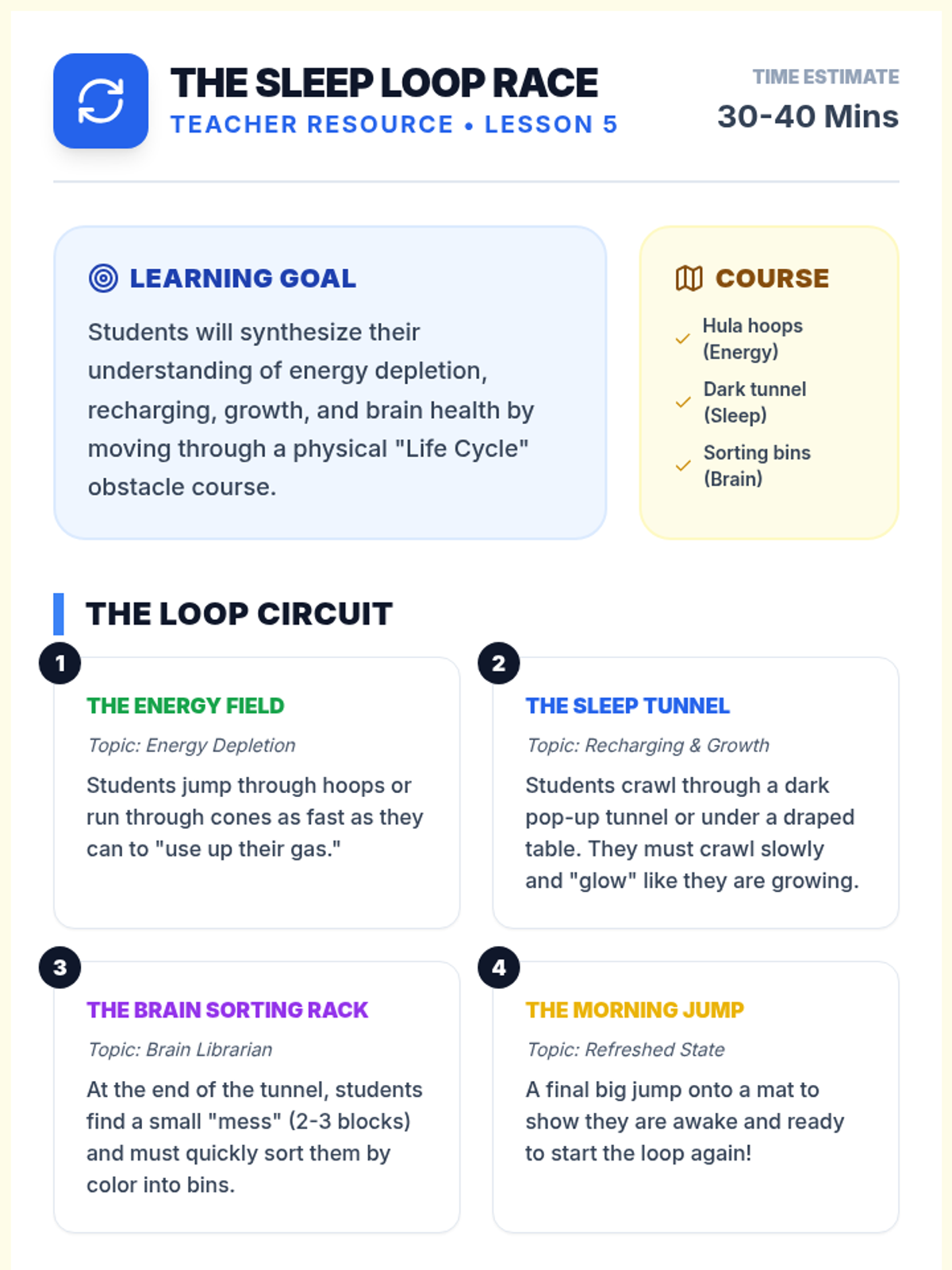
Students synthesize their learning by mapping the daily cycle of playing, getting tired, and resting to wake up refreshed.
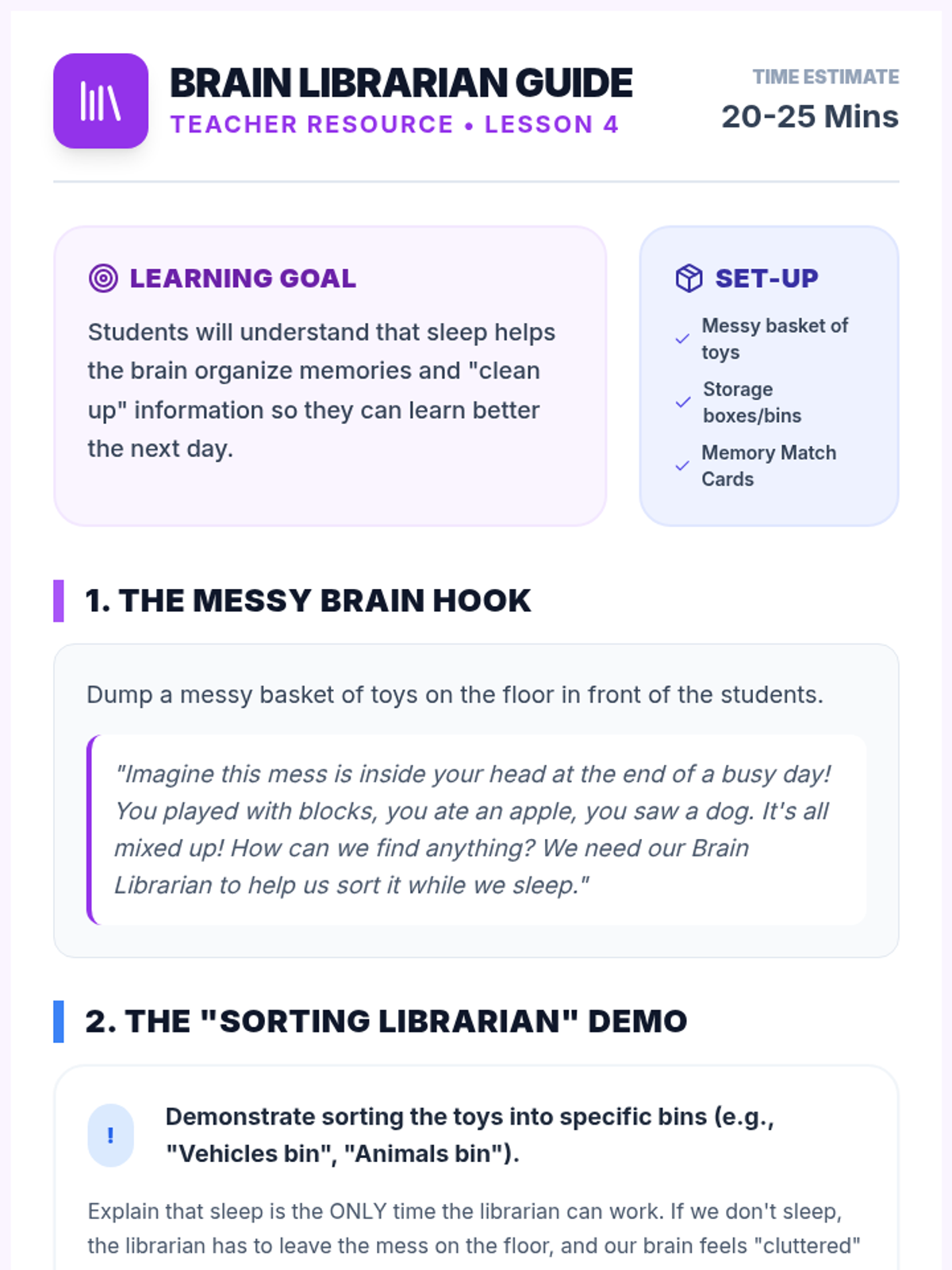
Students learn about the brain's role in sorting memories during sleep, comparing it to a librarian organizing books.
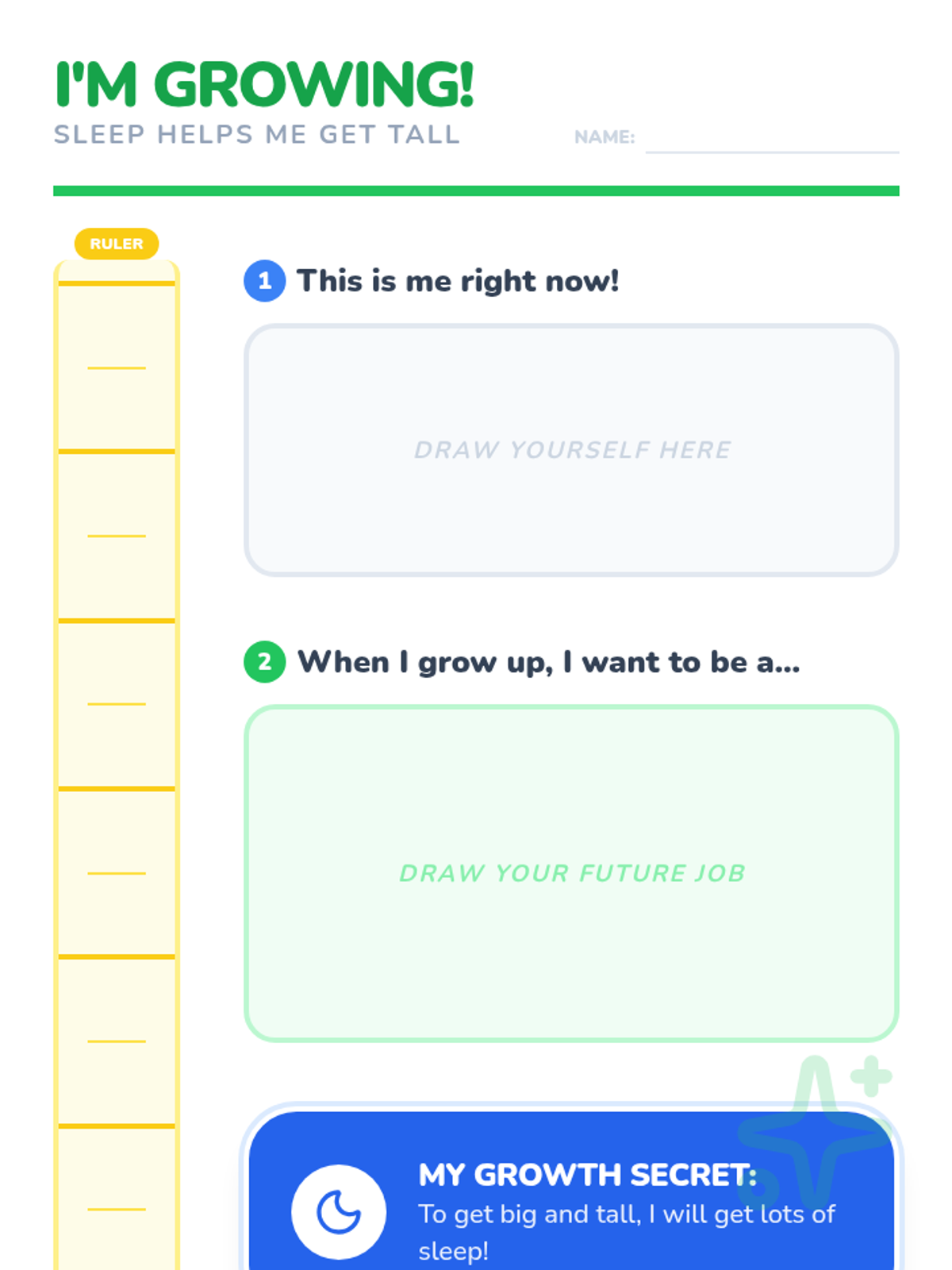
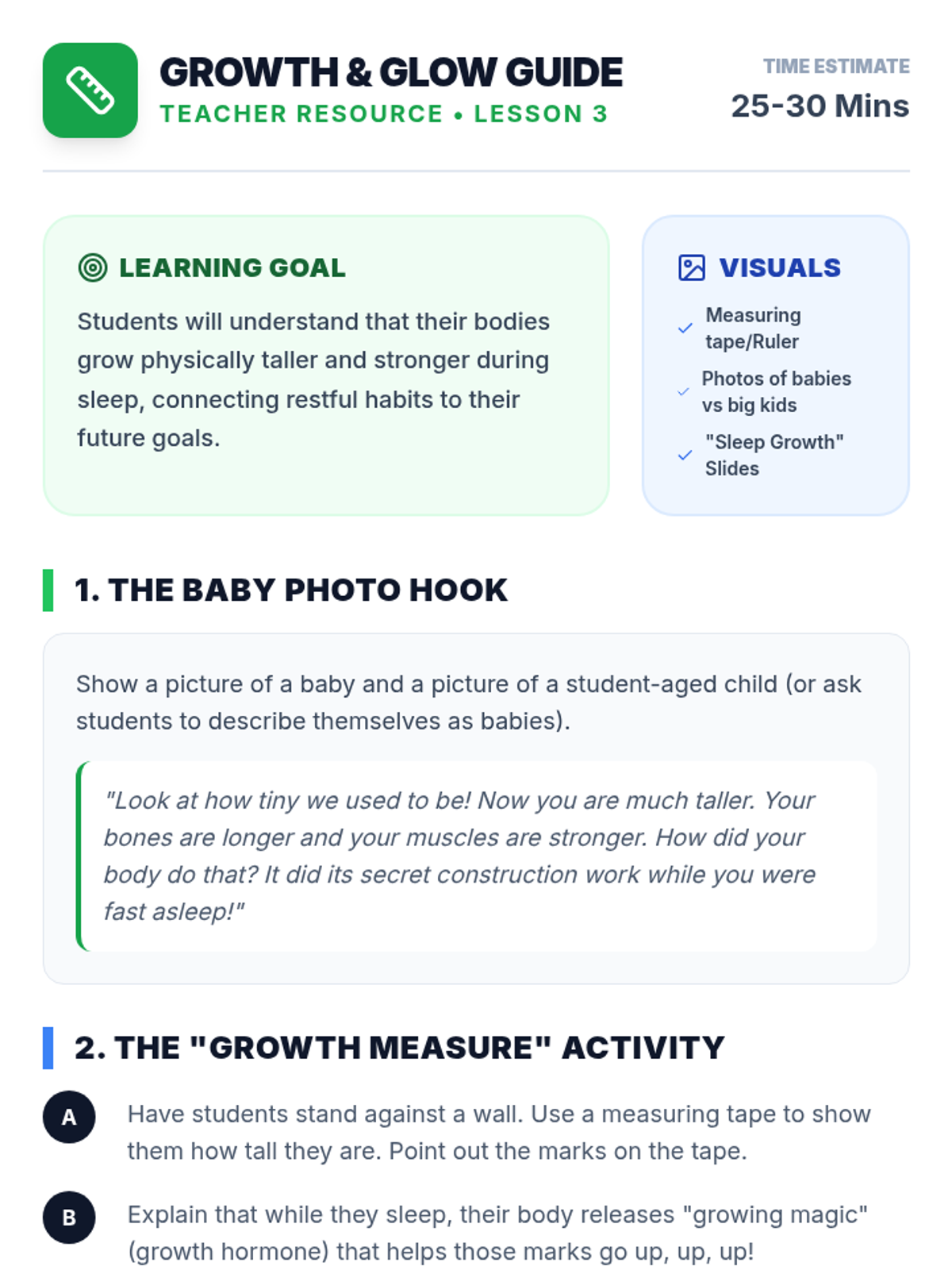
Students discover that their bodies do the important work of growing taller and stronger while they are fast asleep.
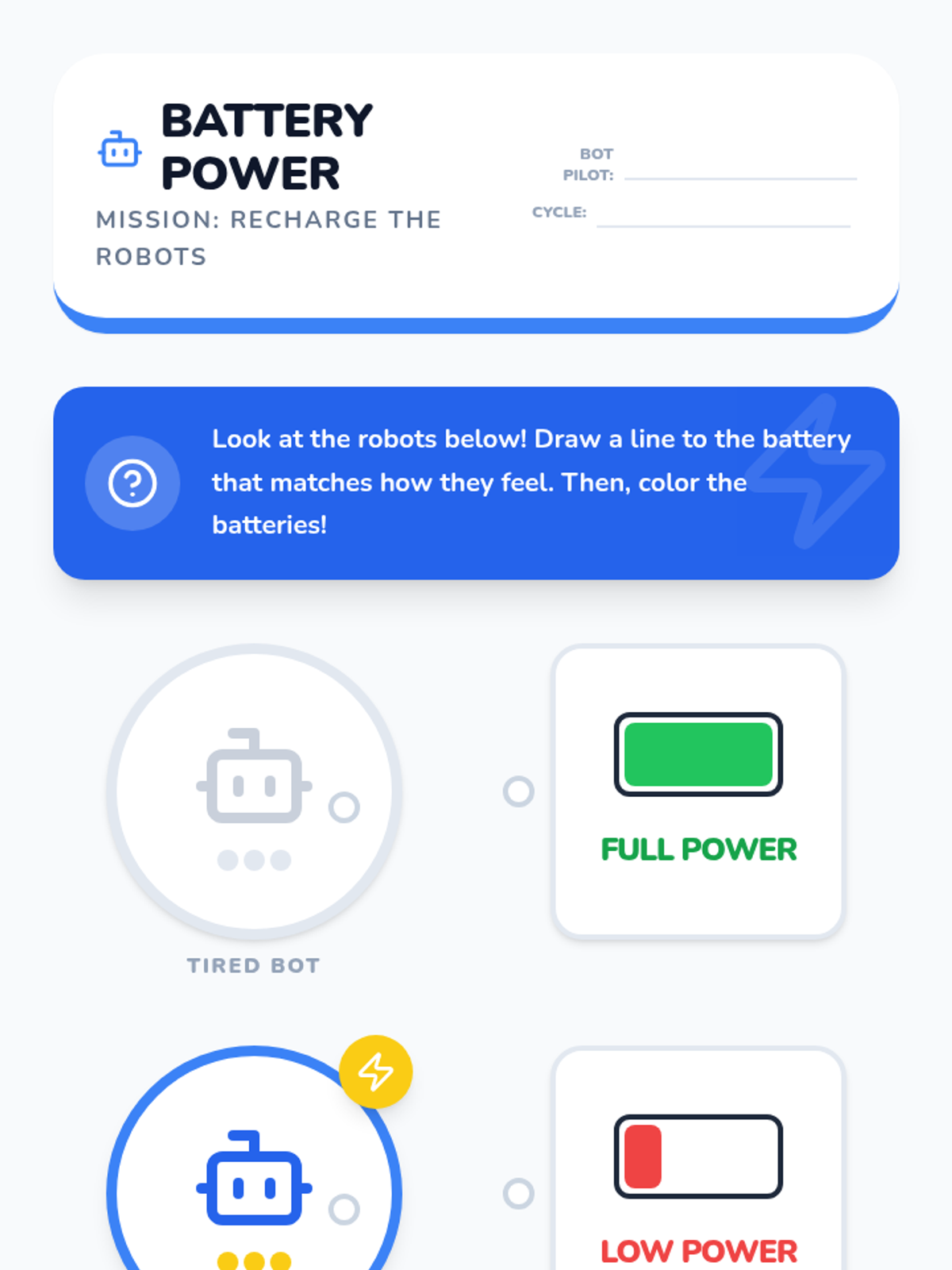
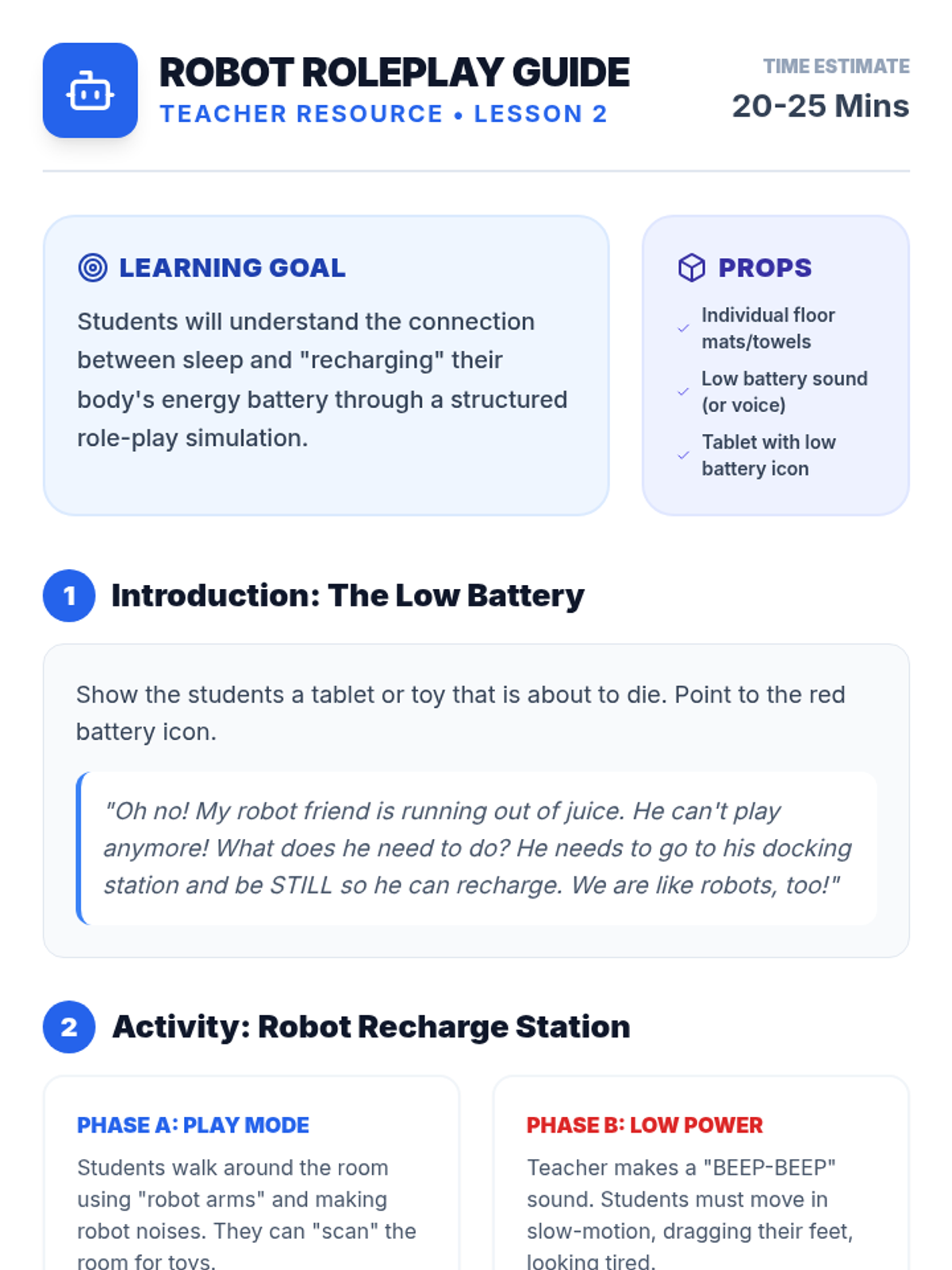
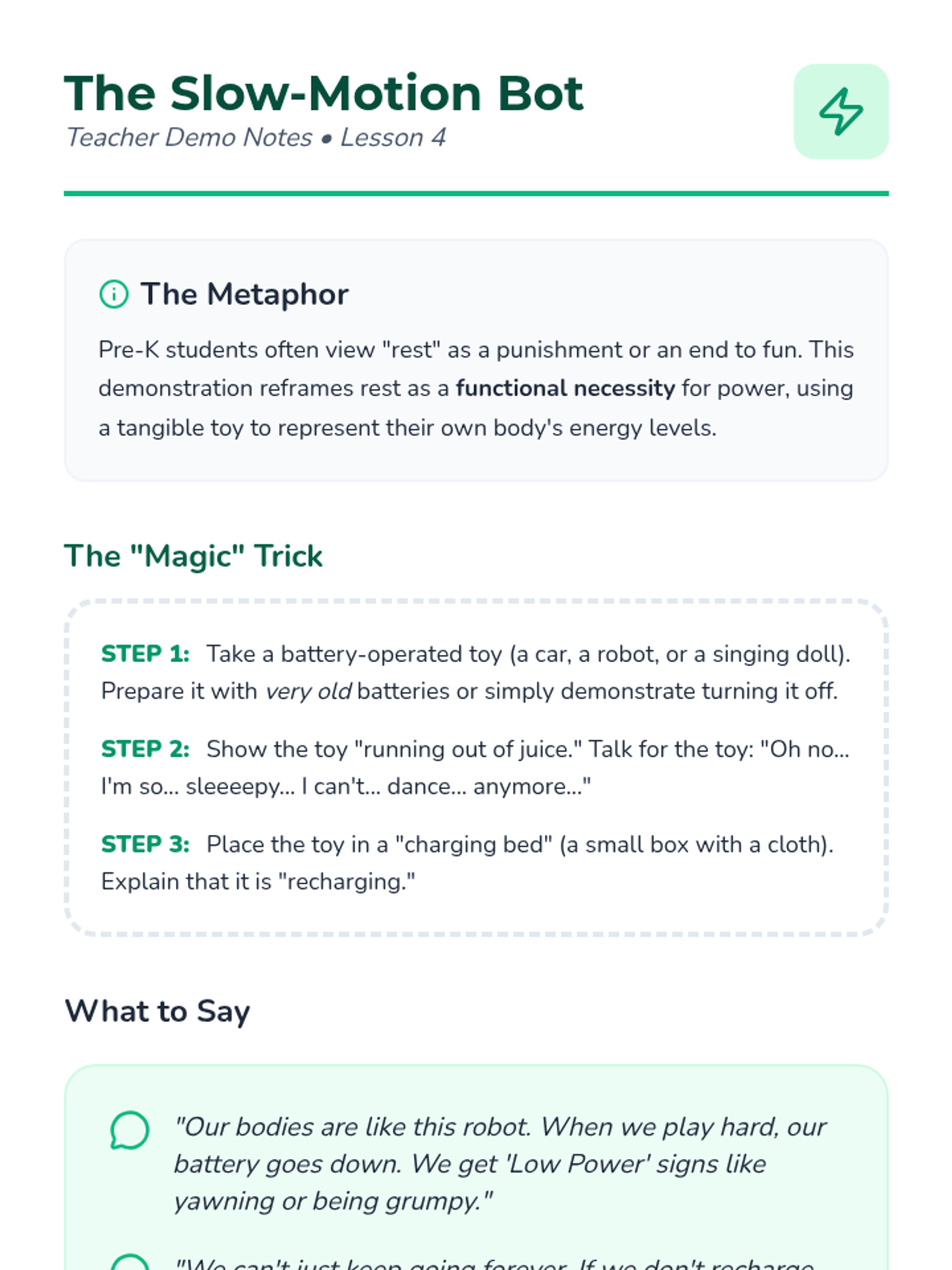
Students role-play as robots to learn that sleep is a 'recharging' process that takes time and stillness to fill their 'batteries'.
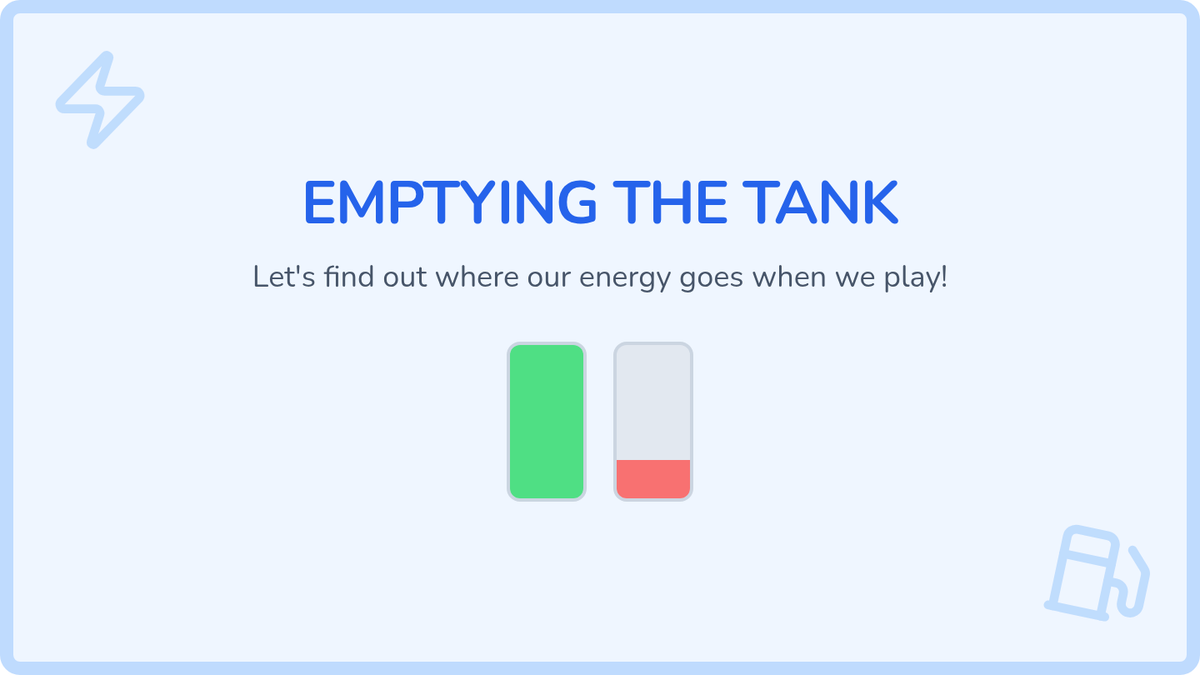
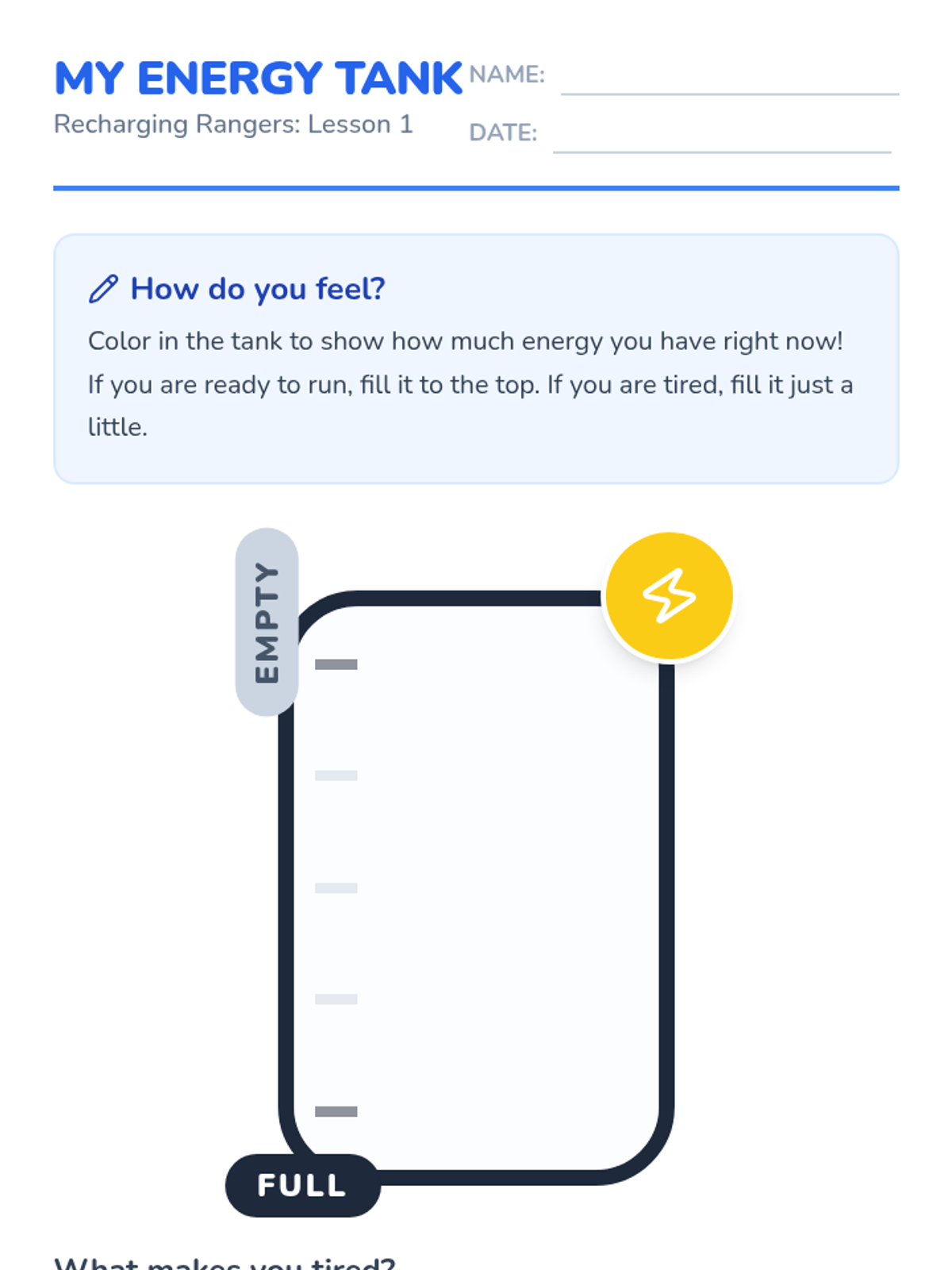
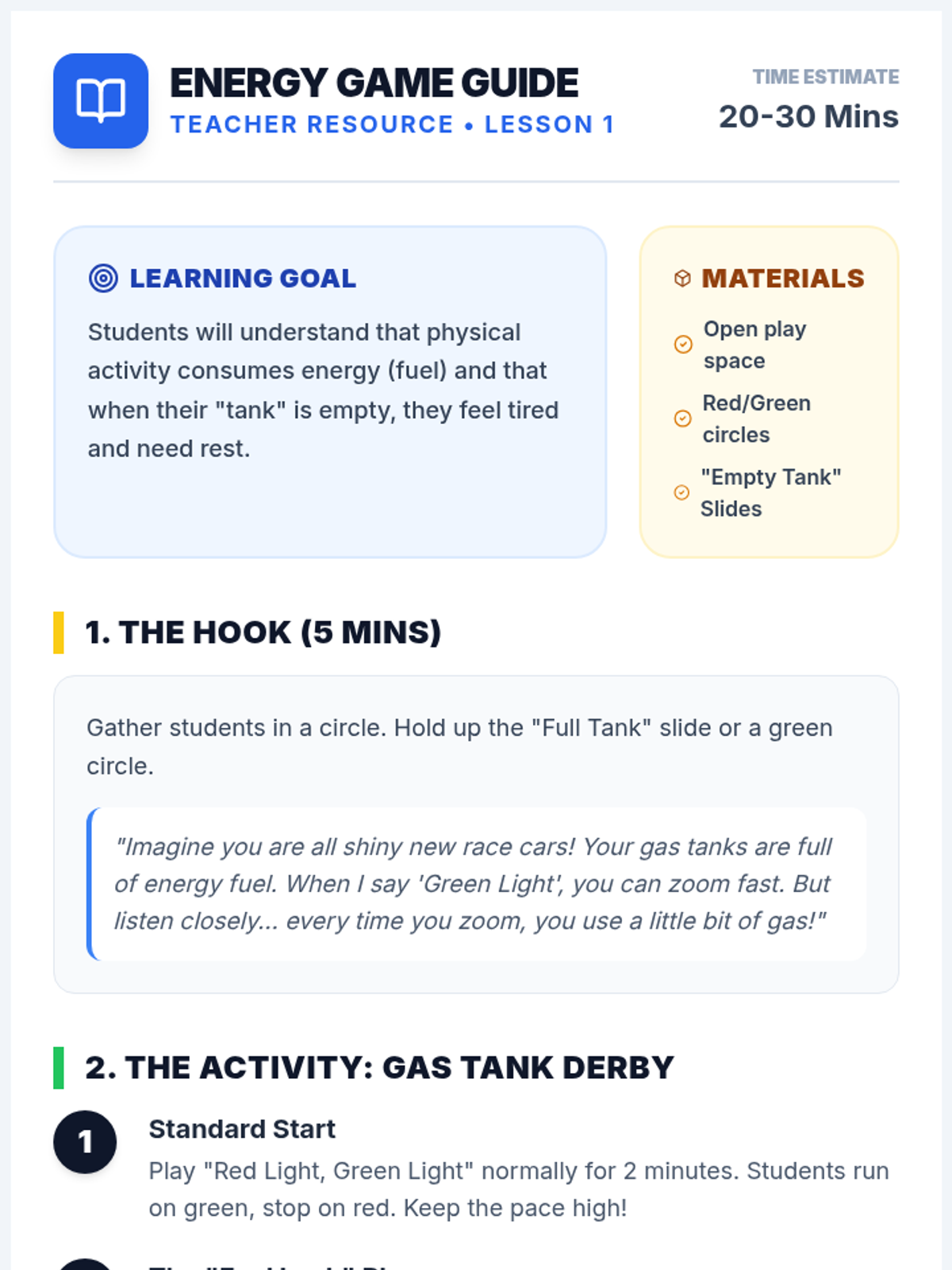
Students explore how physical activity uses up energy and visualize their 'energy tank' being depleted like a car running out of gas.
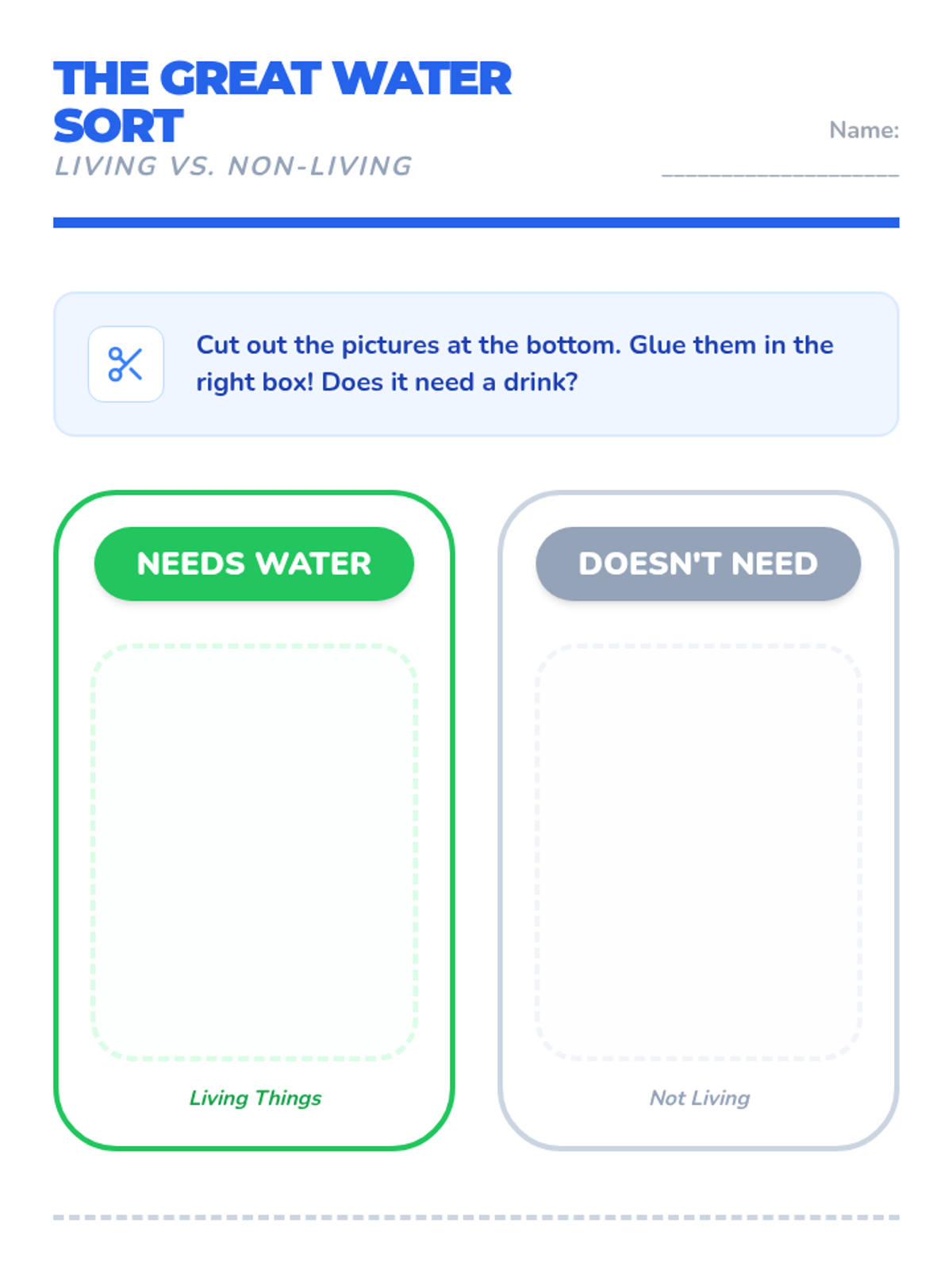
A culminating review where students categorize living and non-living things based on their need for water, celebrating their journey as Hydration Heroes.
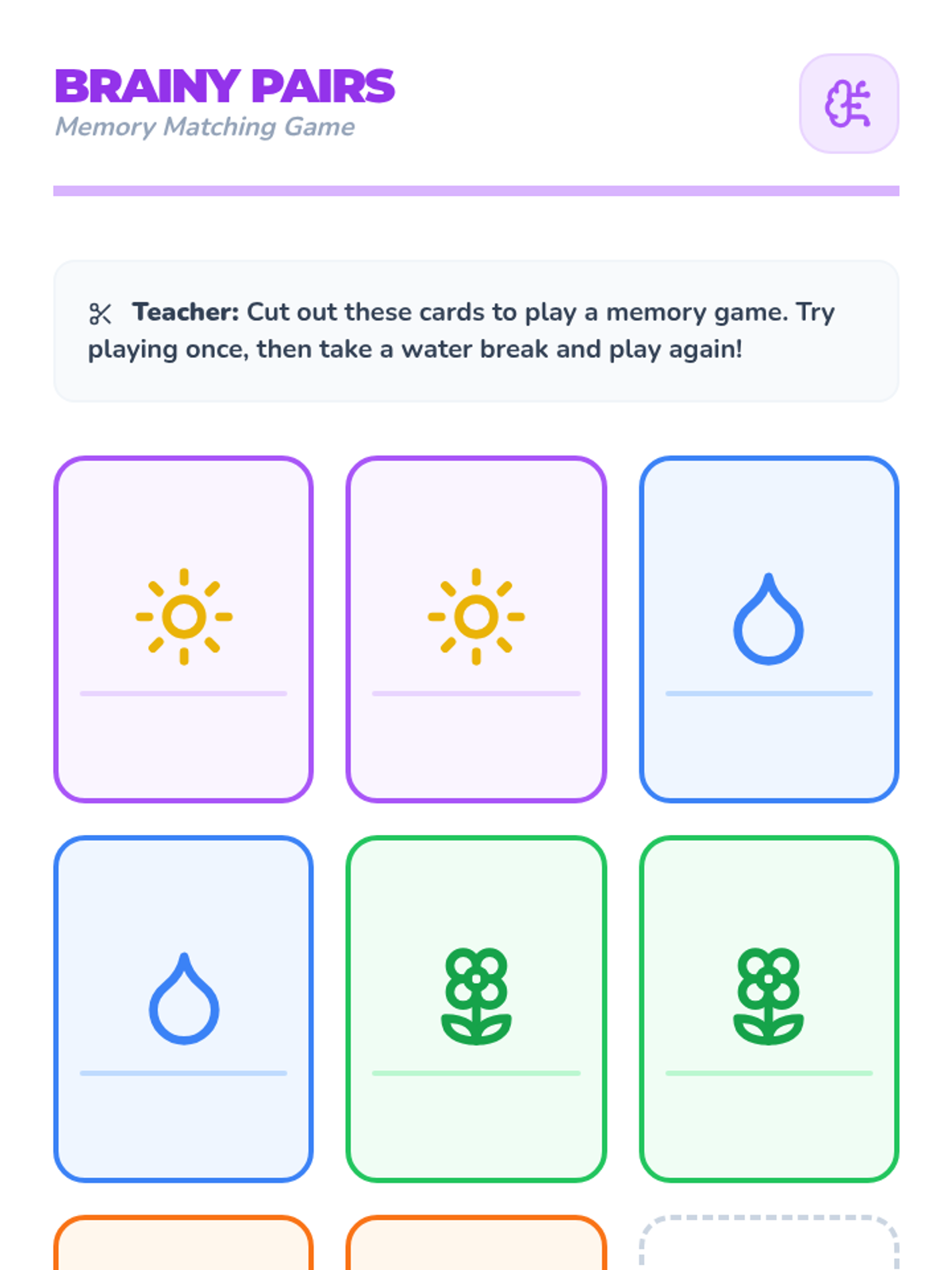
A focus on the brain's need for hydration, using memory games to show how water helps us think, focus, and learn.
Students explore how their bodies get warm during play and how water acts as a cooling system, replacing fluid lost through sweat.
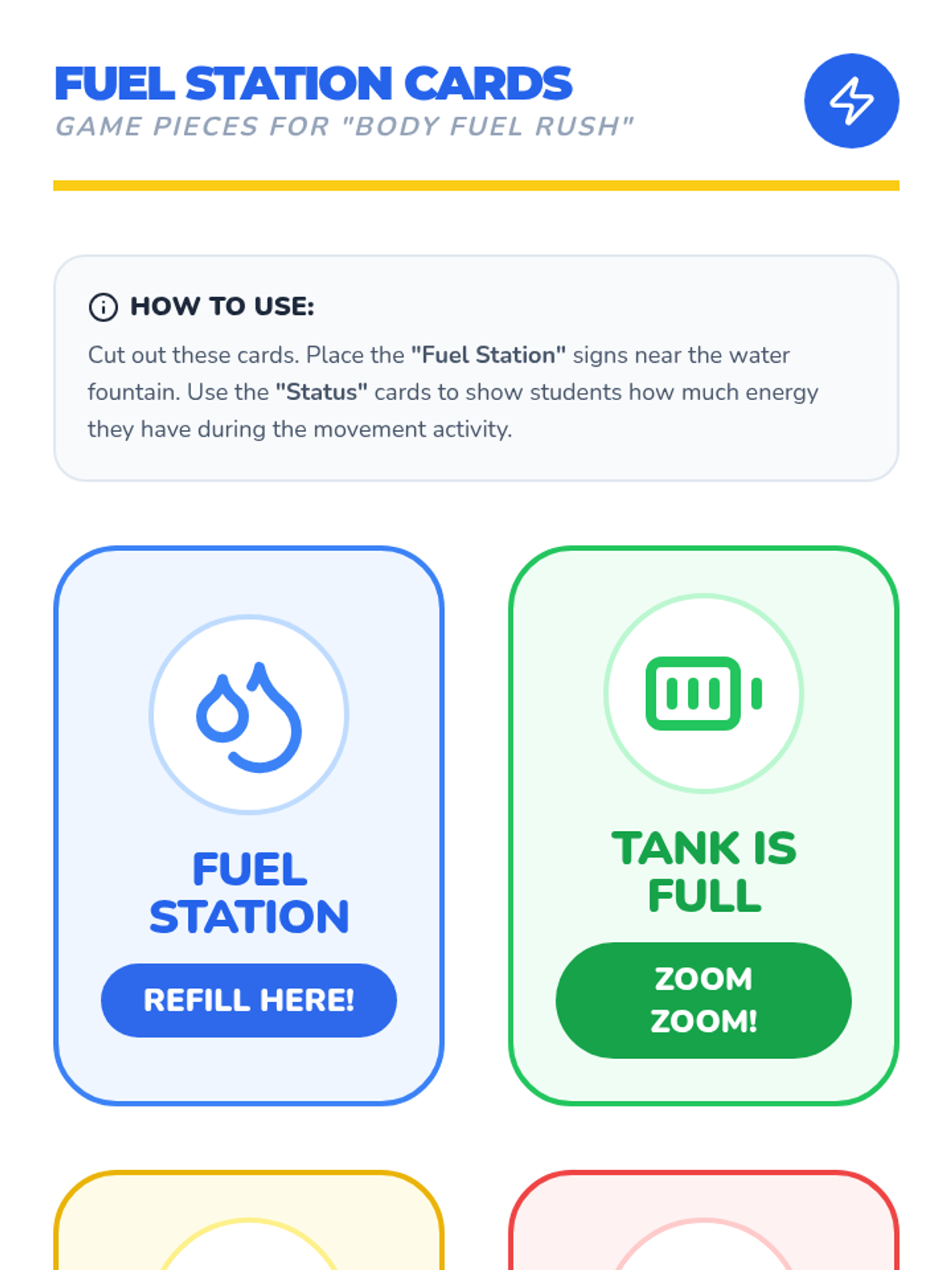
Using the analogy of a car needing gas, students learn that water is the 'fuel' that gives their bodies energy to move and play.
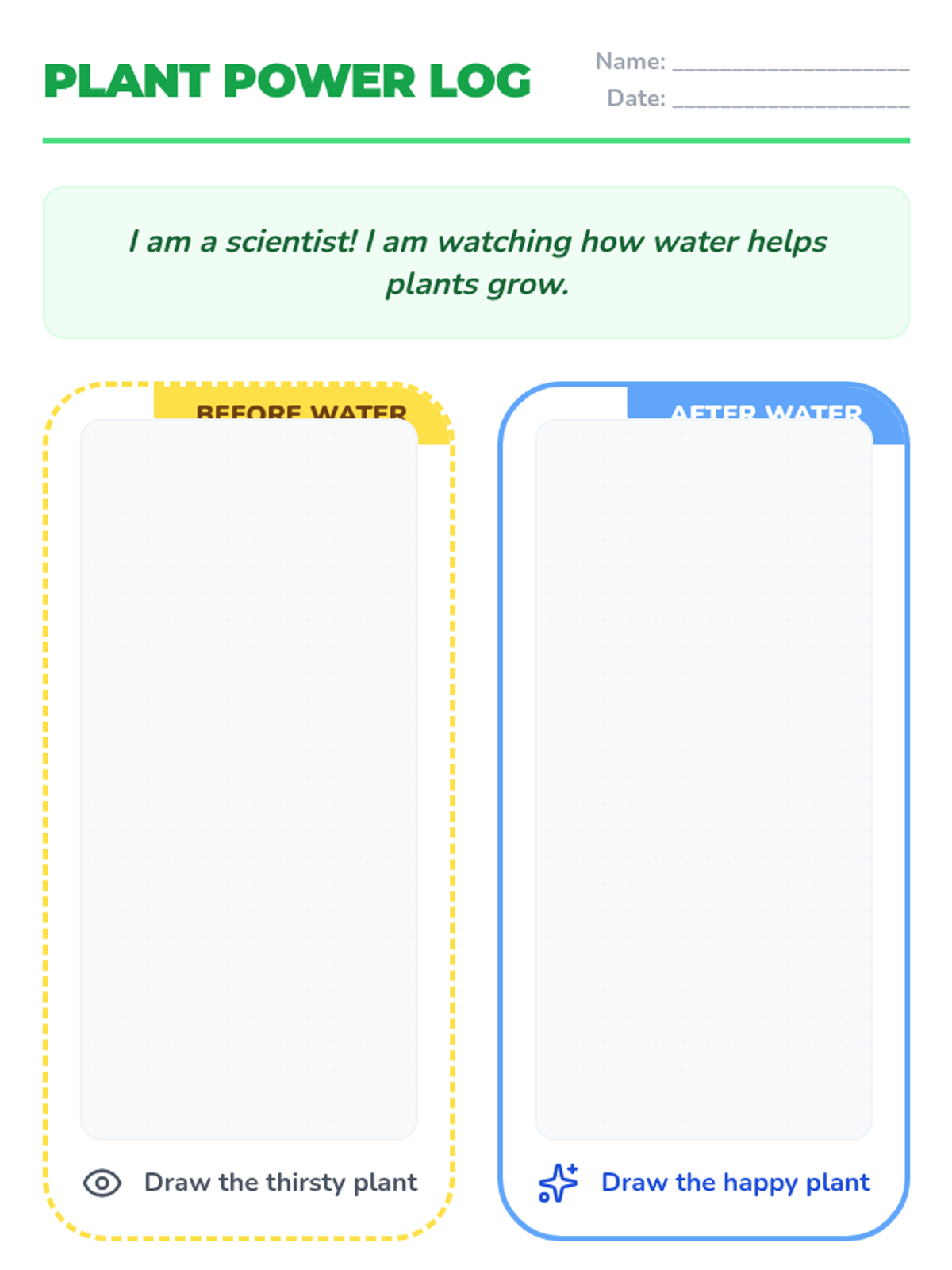
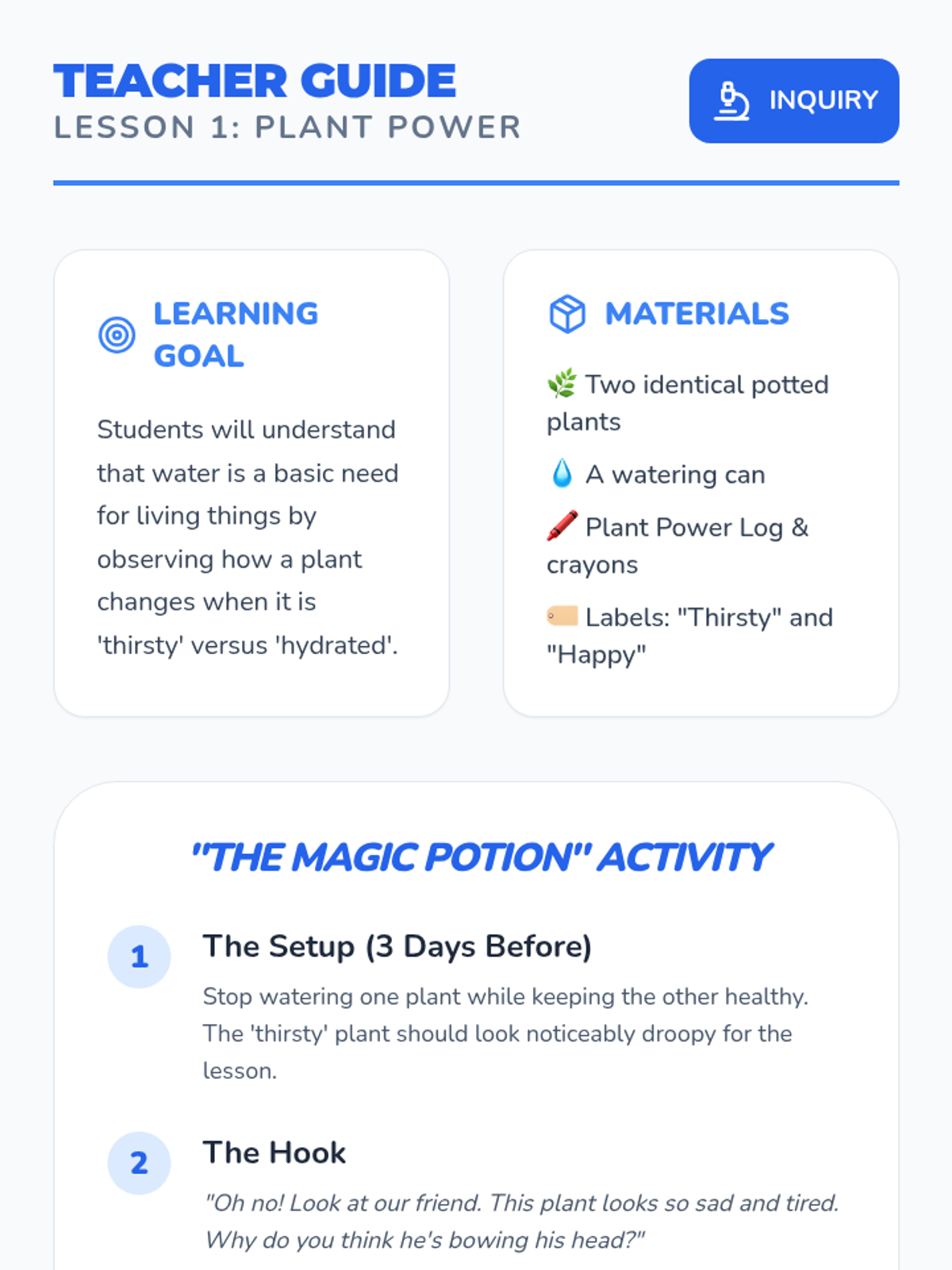
Students observe the physical effects of water on plants, learning to identify 'thirsty' versus 'hydrated' living things through direct observation and prediction.
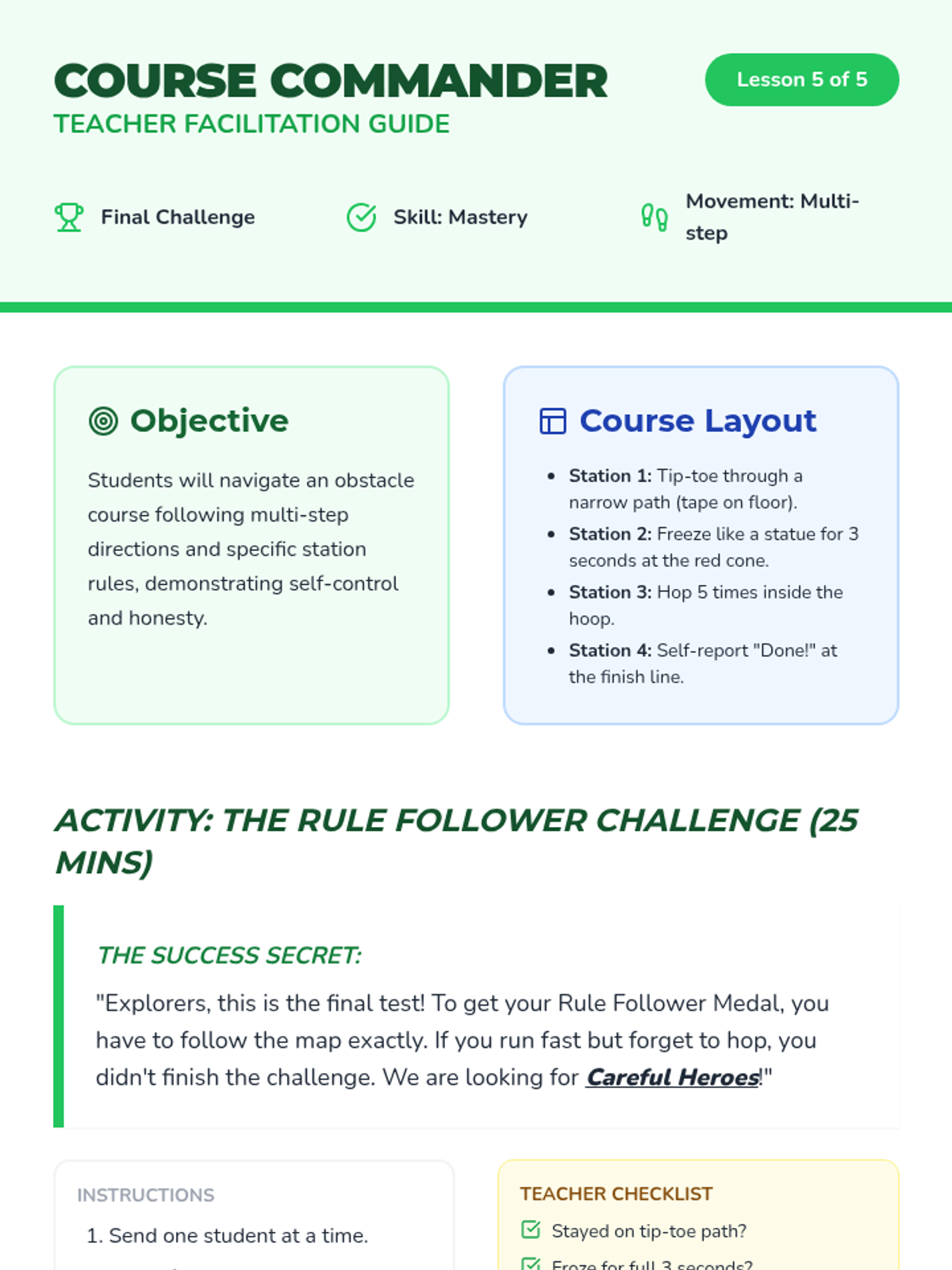
A culminating obstacle course where success is measured by following specific rules rather than speed. Students apply all previously learned skills in a final challenge.
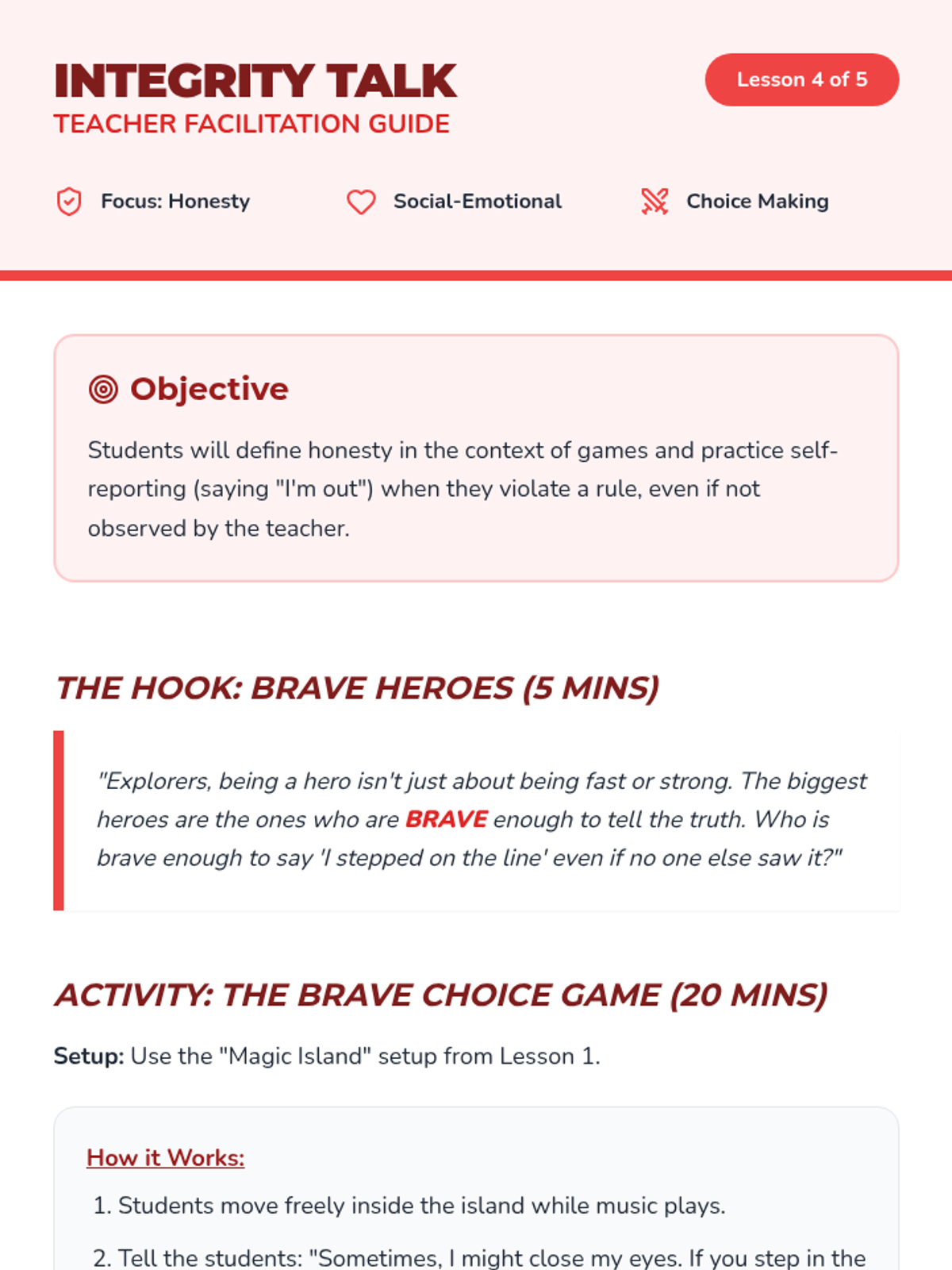
Students explore the concept of honesty in games, focusing on self-reporting when out of bounds or tagged. Integrity is framed as a brave and positive choice.
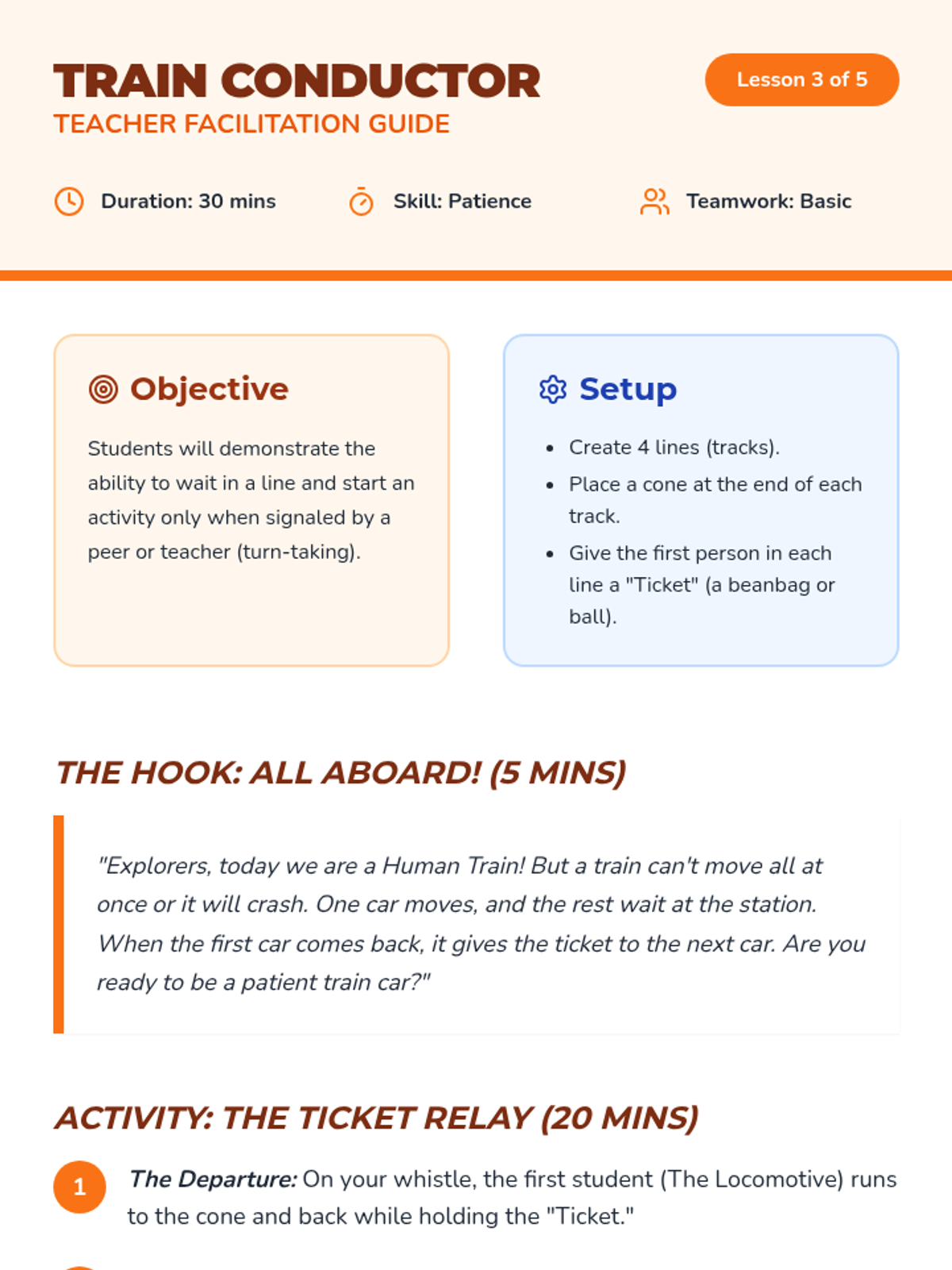
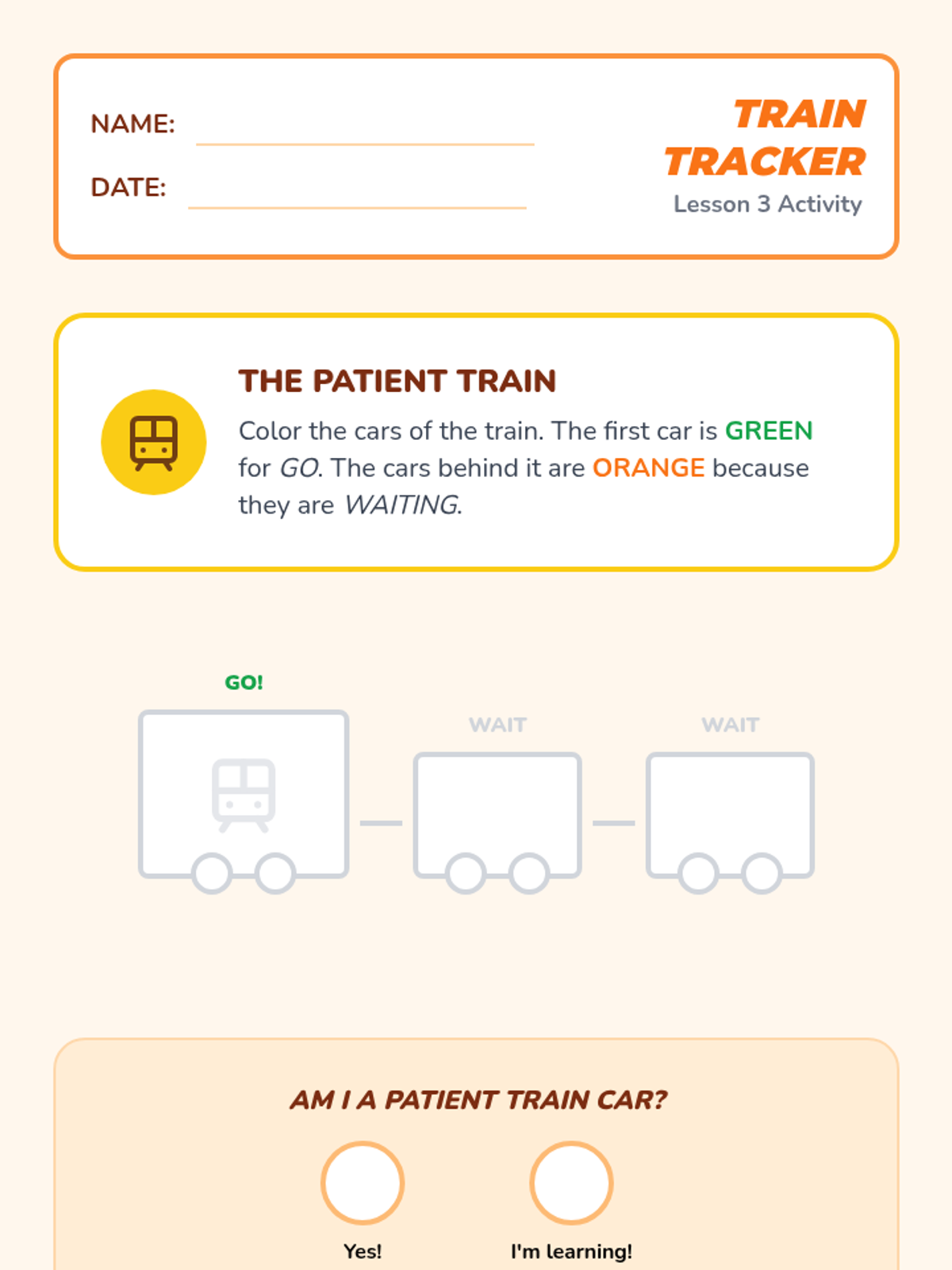
Using a 'human train' metaphor, students learn the importance of waiting their turn and patience in relay-style activities.
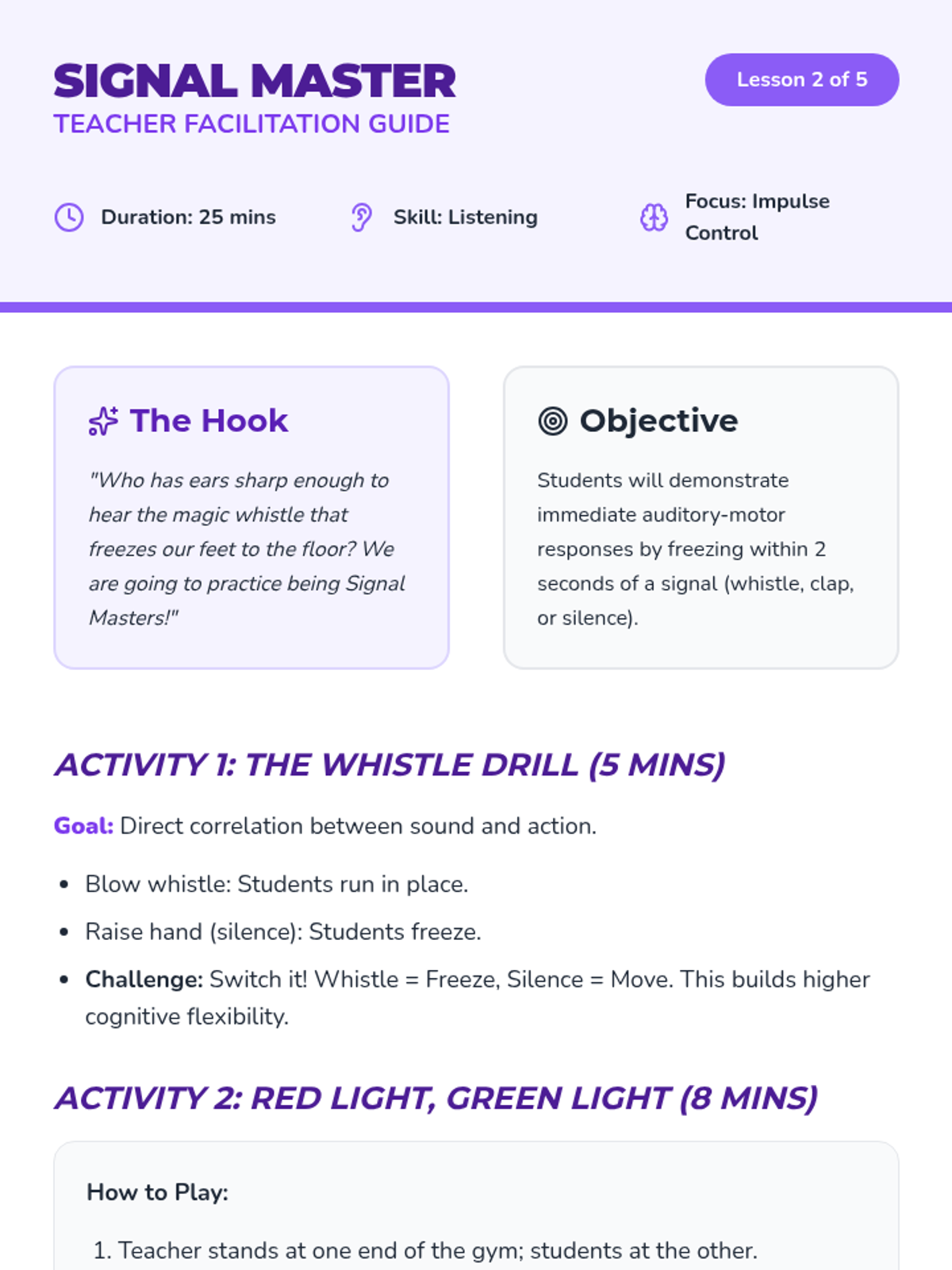
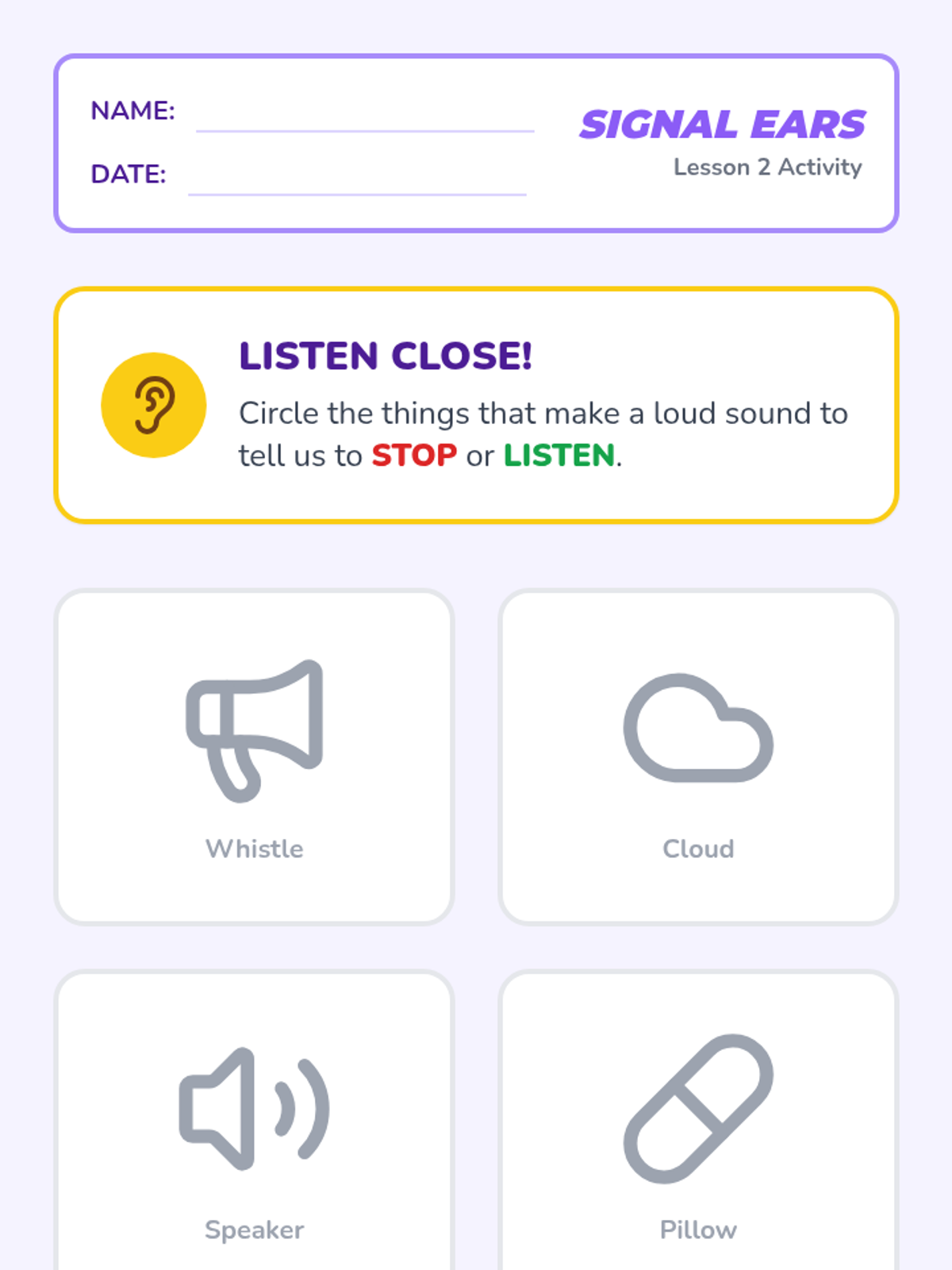
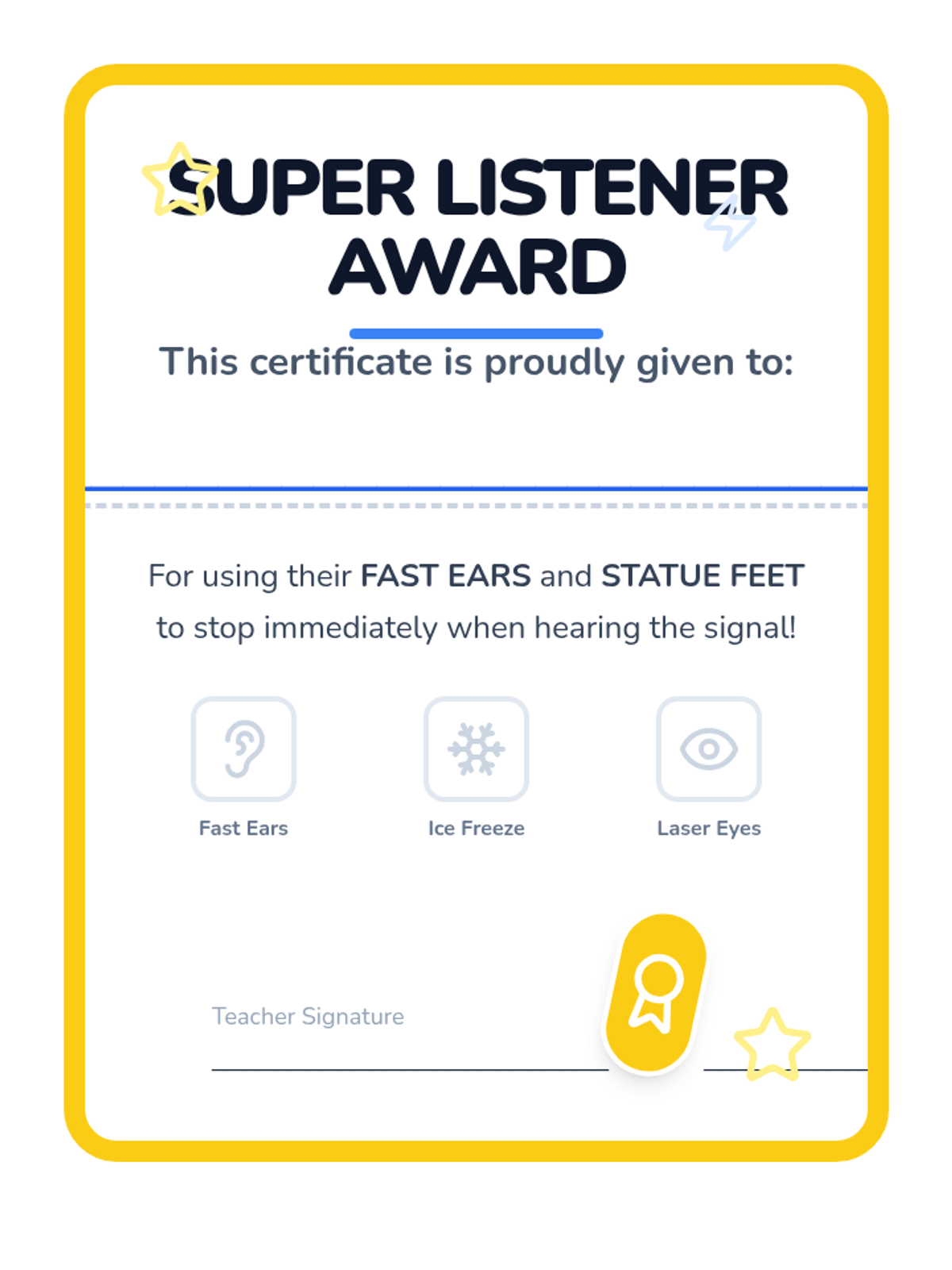
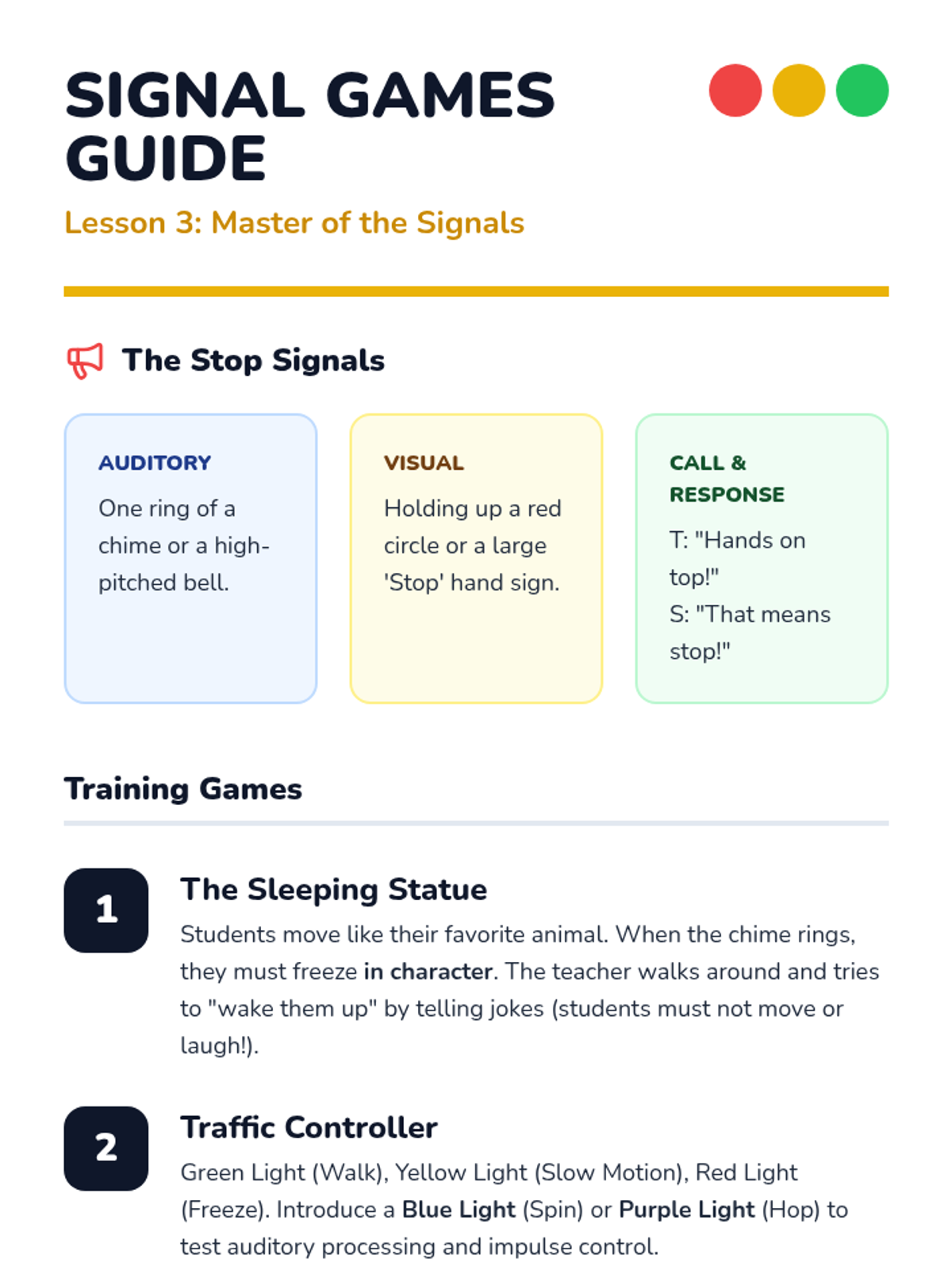
Children practice immediate reactions to auditory signals like whistles and music. This lesson focuses on impulse control and respecting the signal-giver's instructions.
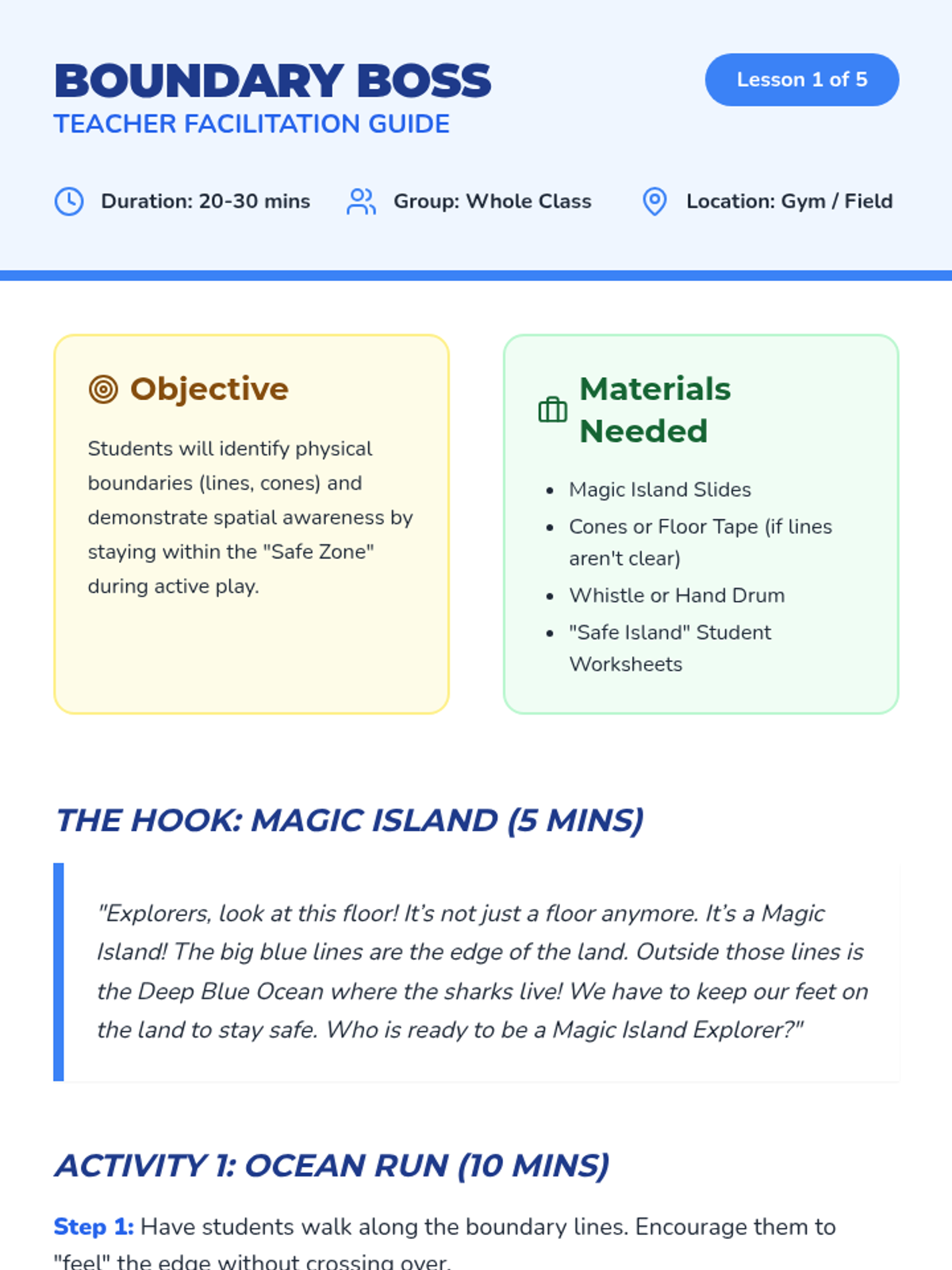
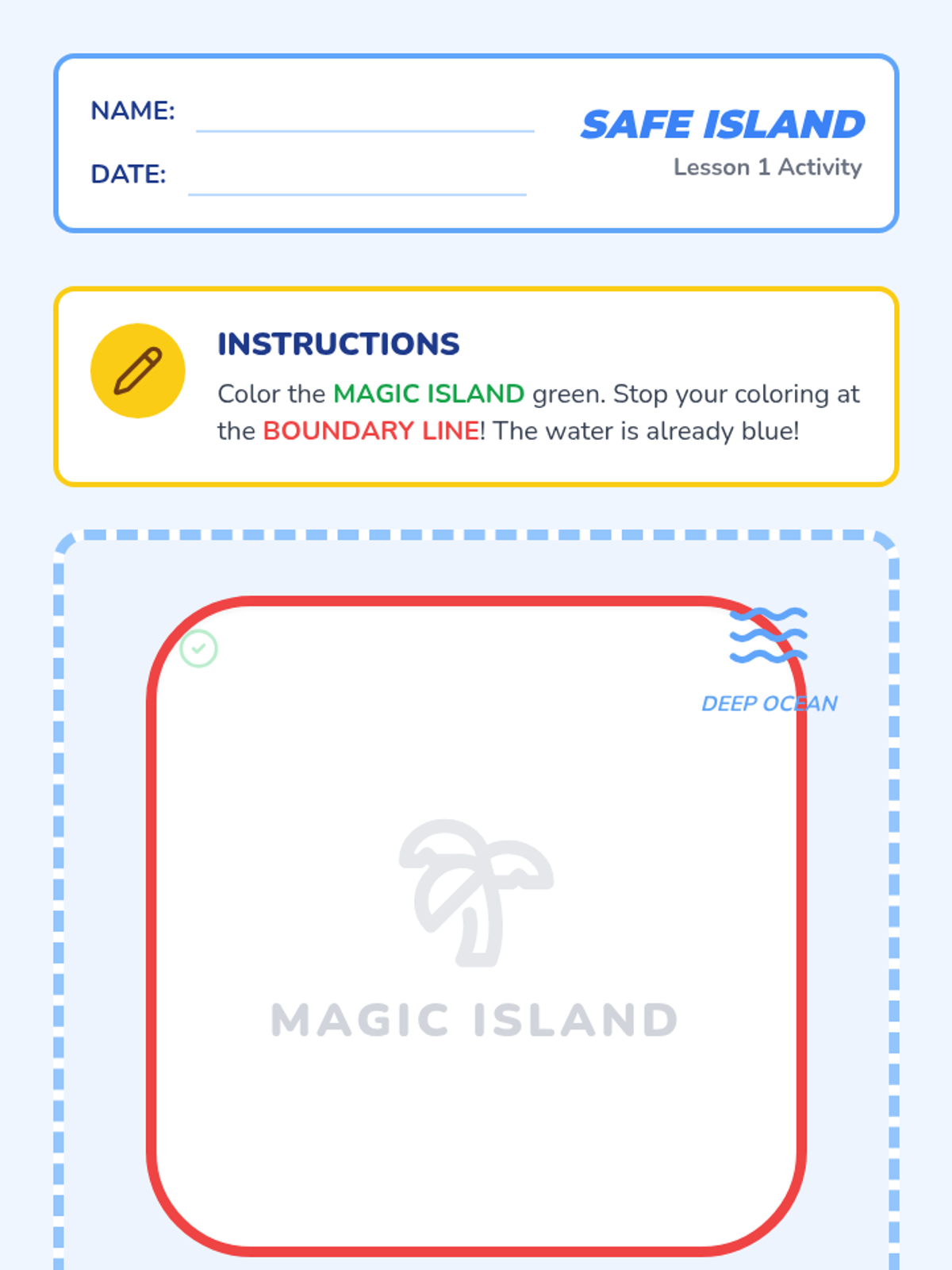
Students learn to identify physical boundaries like lines and cones using the 'Magic Island' hook. They practice staying 'on the land' to build spatial awareness and rule adherence.
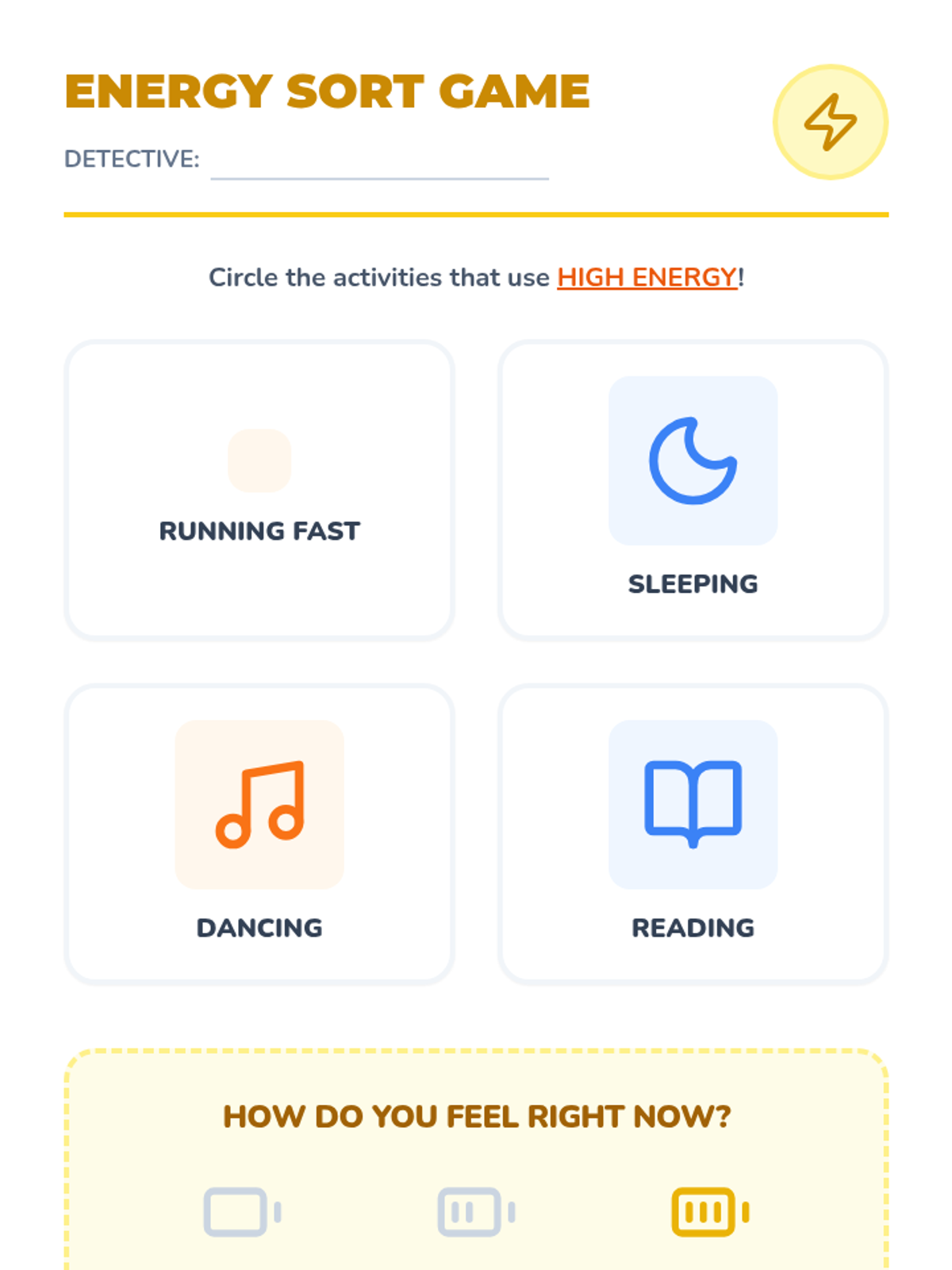
Students categorize activities as 'High Energy' (running, dancing) or 'Low Energy' (sleeping, reading). They participate in a sorting game to reinforce the concept of exertion intensity.
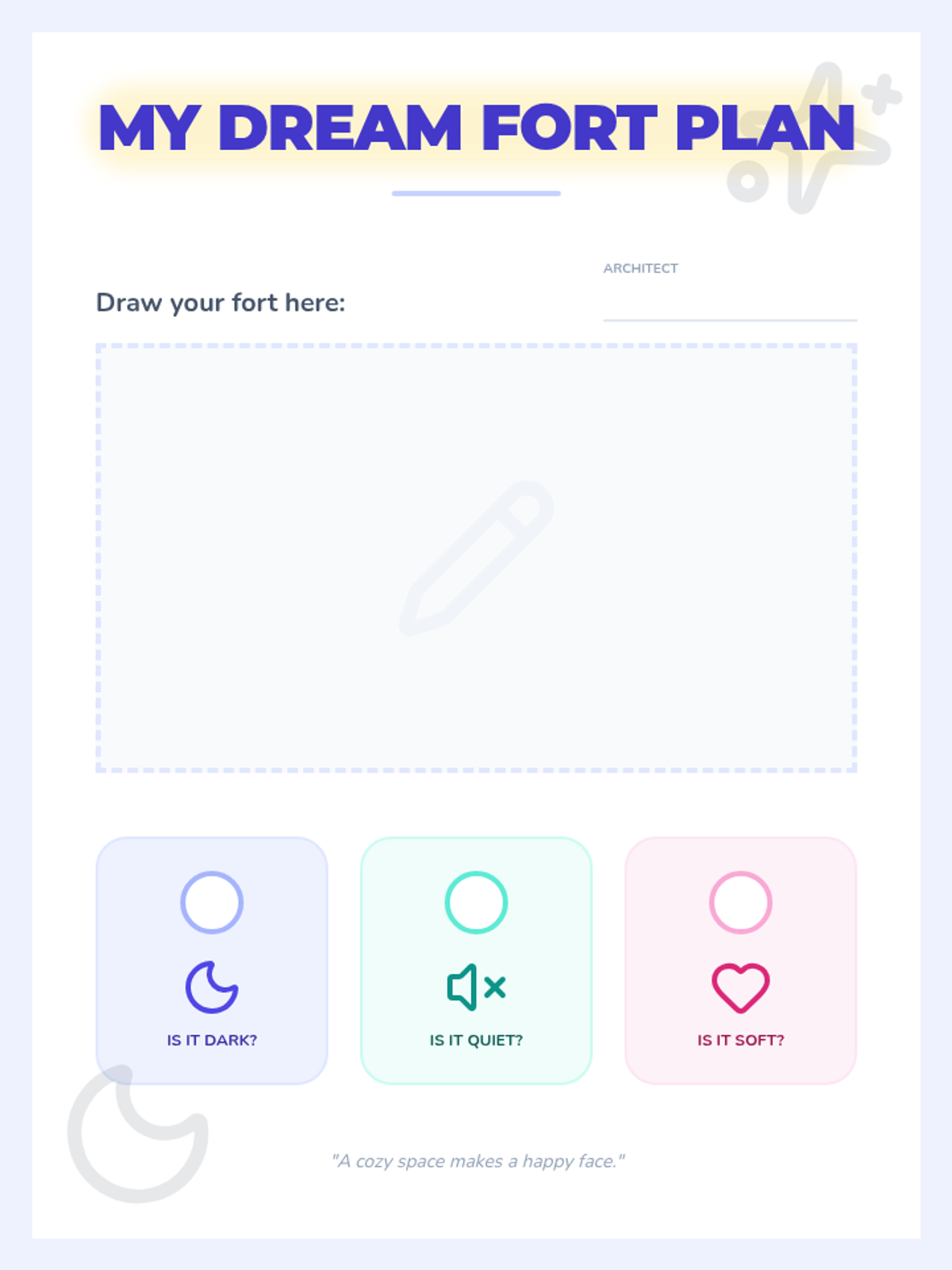
In this culminating lesson, students synthesize their learning by designing their ideal sleep environment. They create a 'Dream Fort' plan that incorporates dark lighting, quiet sound, and soft textures.
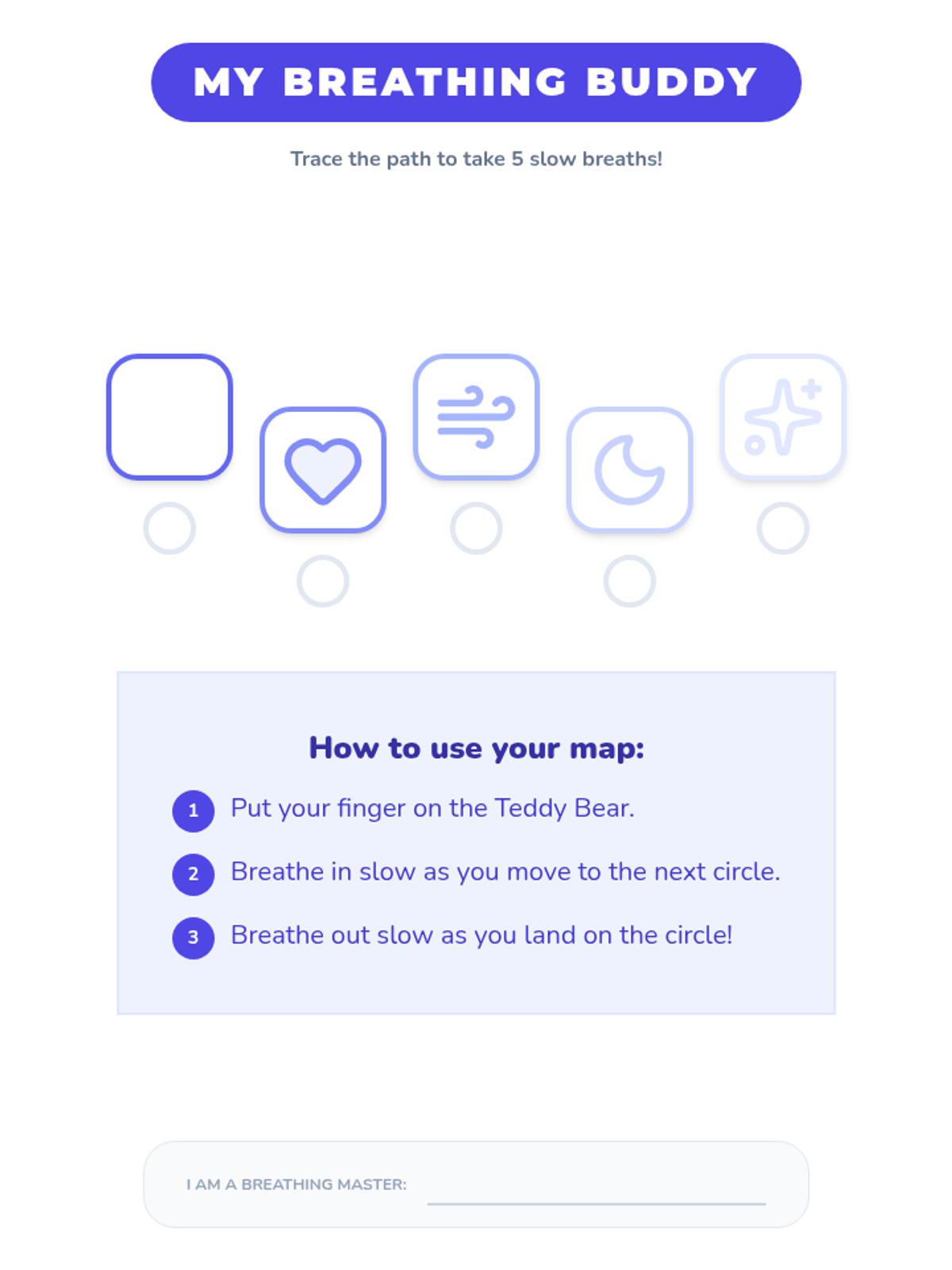
Students learn how to regulate their internal environment using deep breathing techniques. Through 'Teddy Bear Breathing', students practice mindfulness and physical relaxation to help them fall asleep.
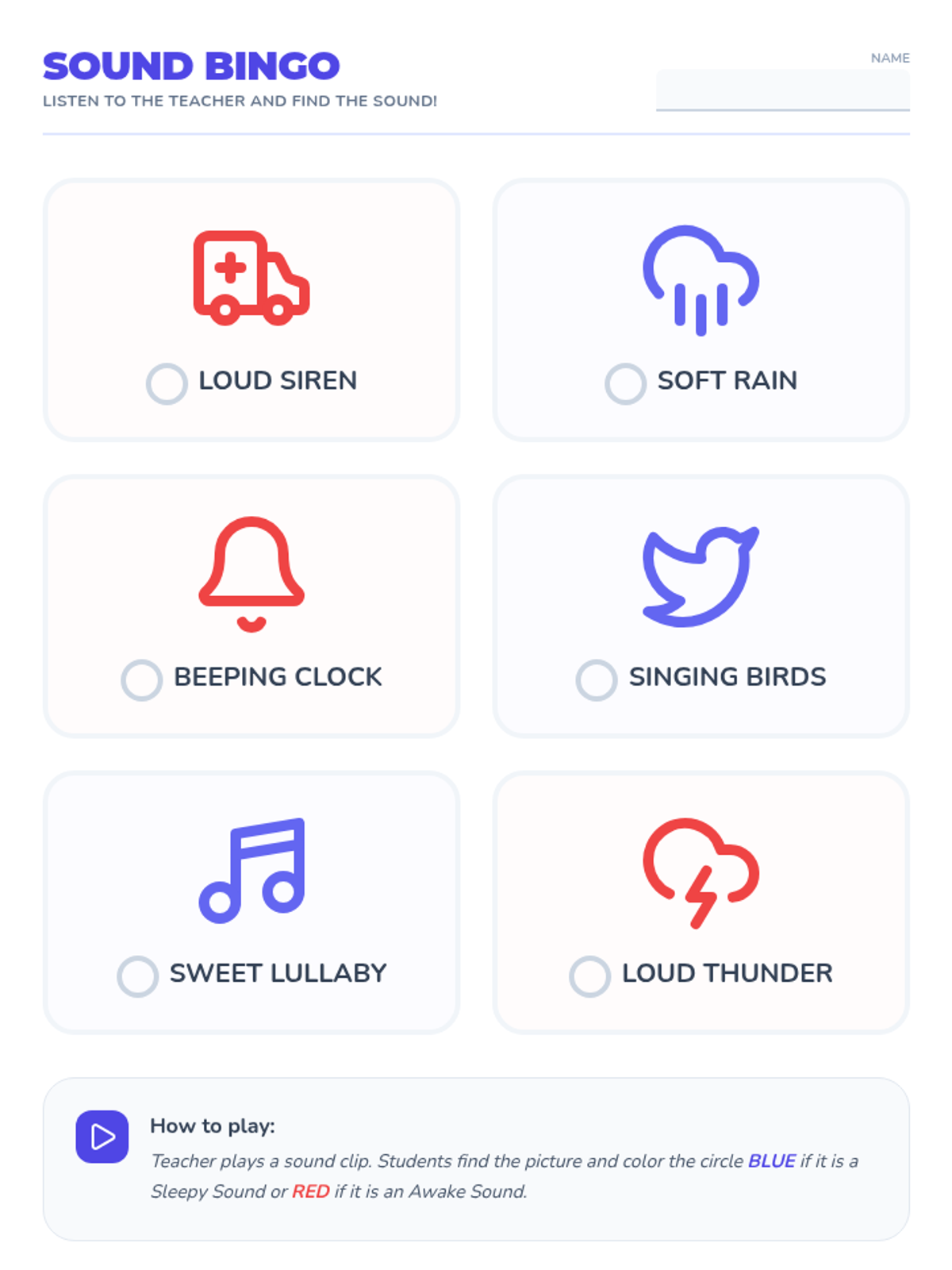
Students investigate the impact of sound on sleep. They listen to different auditory cues to determine which sounds are restful and which are distracting, while learning simple humming patterns for self-regulation.
Students explore textures and objects using their sense of touch. They compare soft vs. scratchy materials to understand what makes a cozy and restful sleep environment.
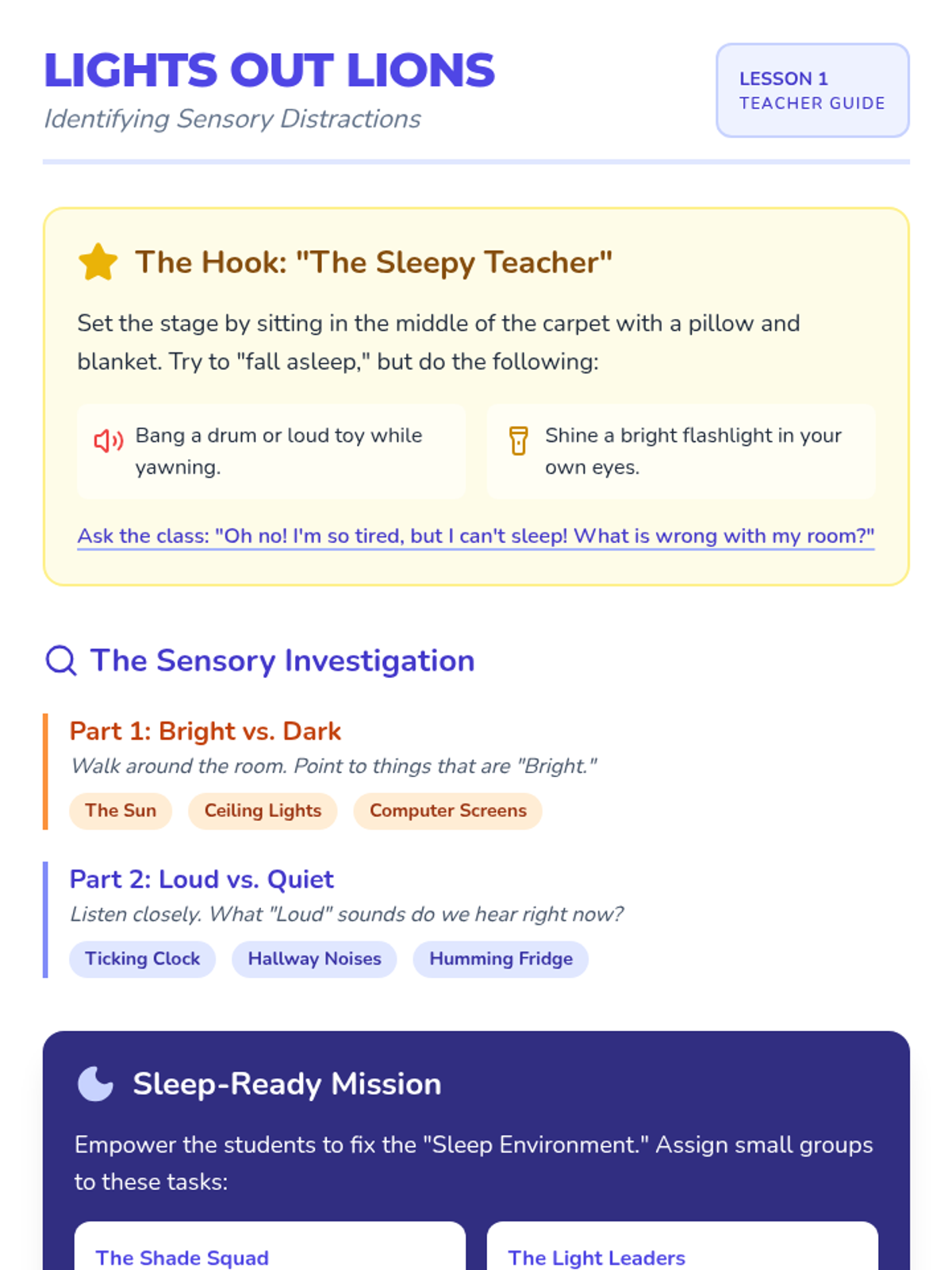
Students investigate the classroom to identify sensory distractions like bright lights and loud noises. They practice 'sleep-ready' techniques to transform their environment into a restful space.
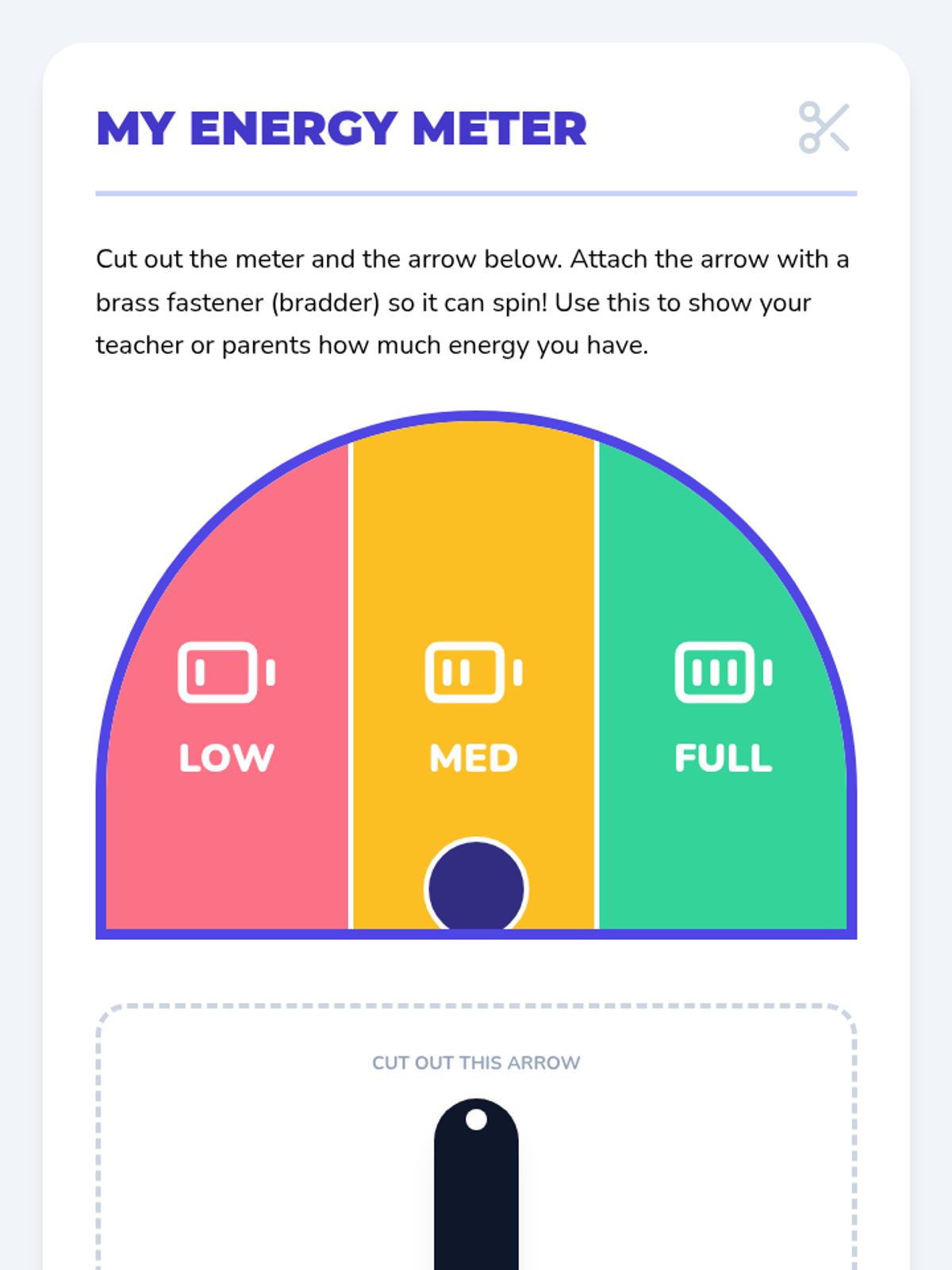
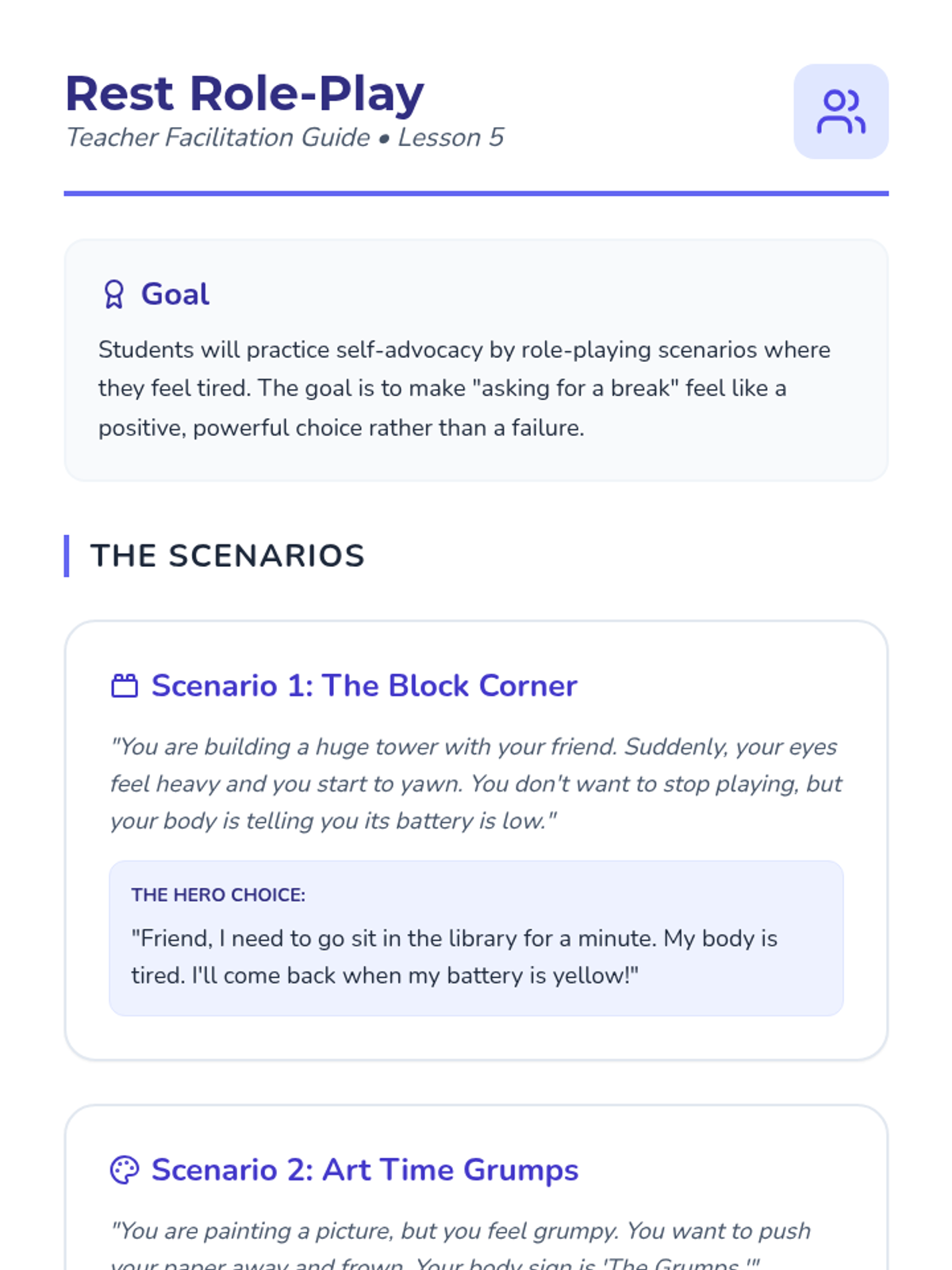
Students practice responding to tiredness by finding quiet spots or asking for breaks, using 'Energy Meters' to self-advocate for rest.
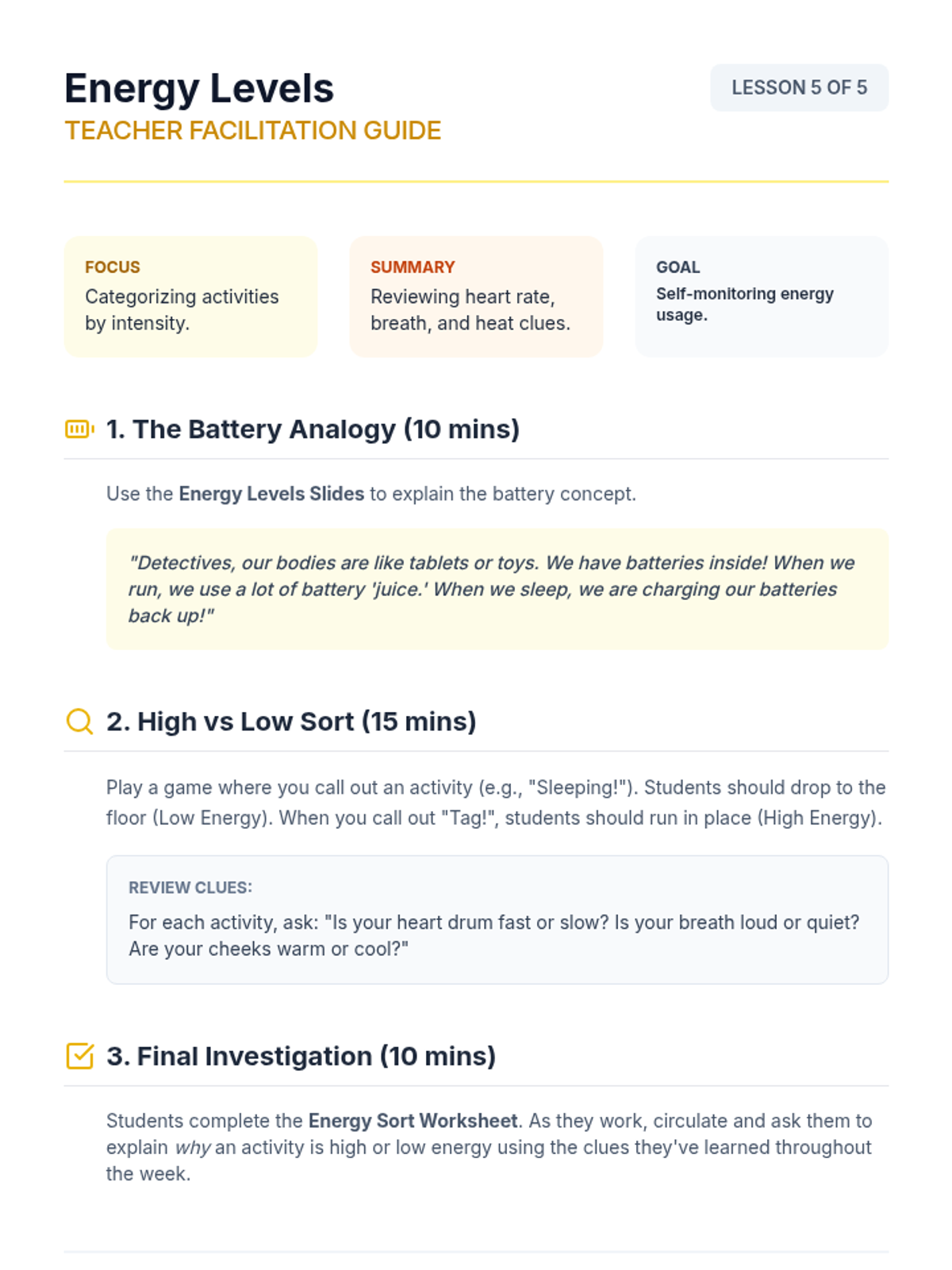
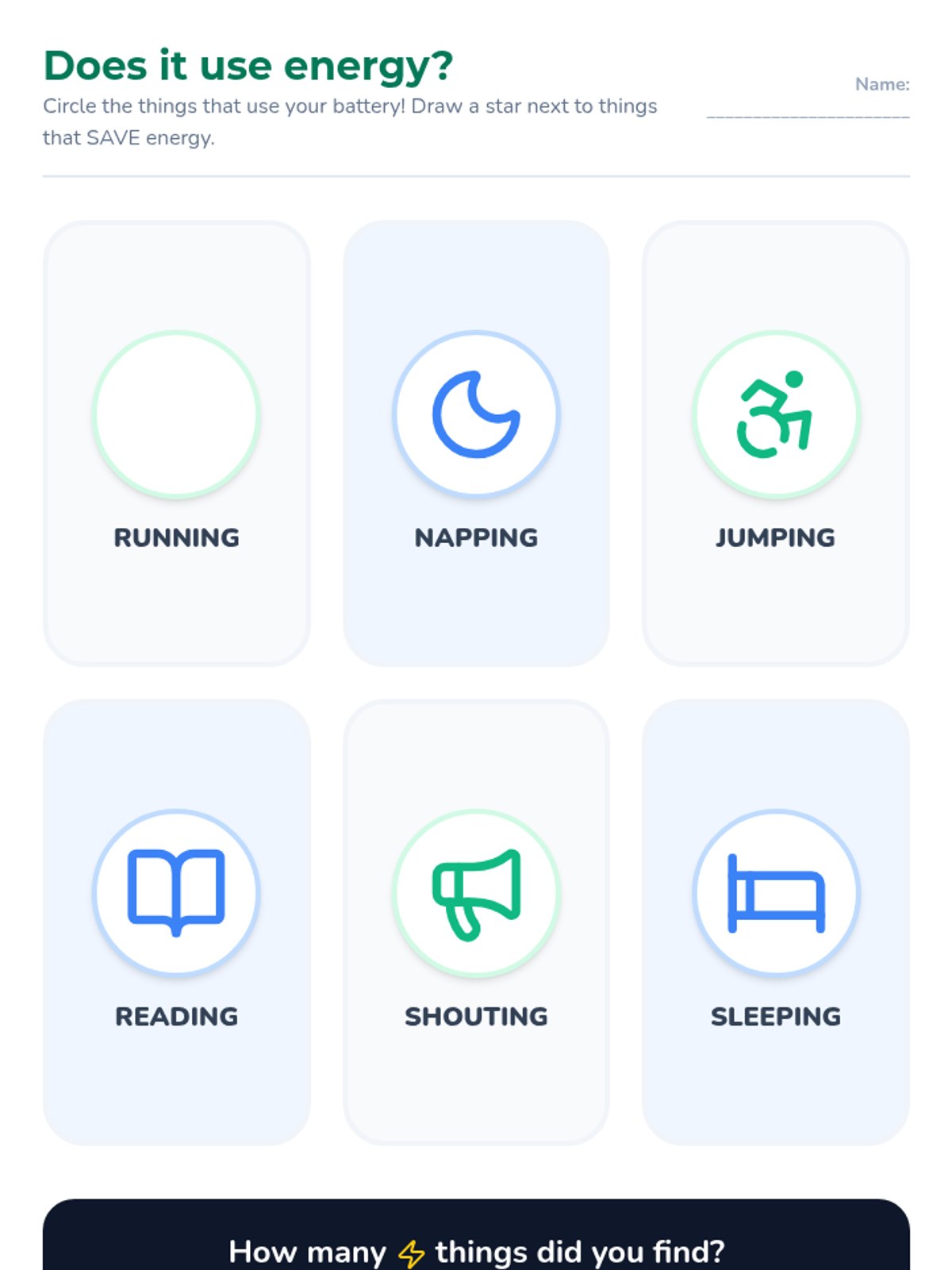
Using a battery metaphor, students learn why sleep is necessary for energy and sort activities into those that use energy and those that save it.
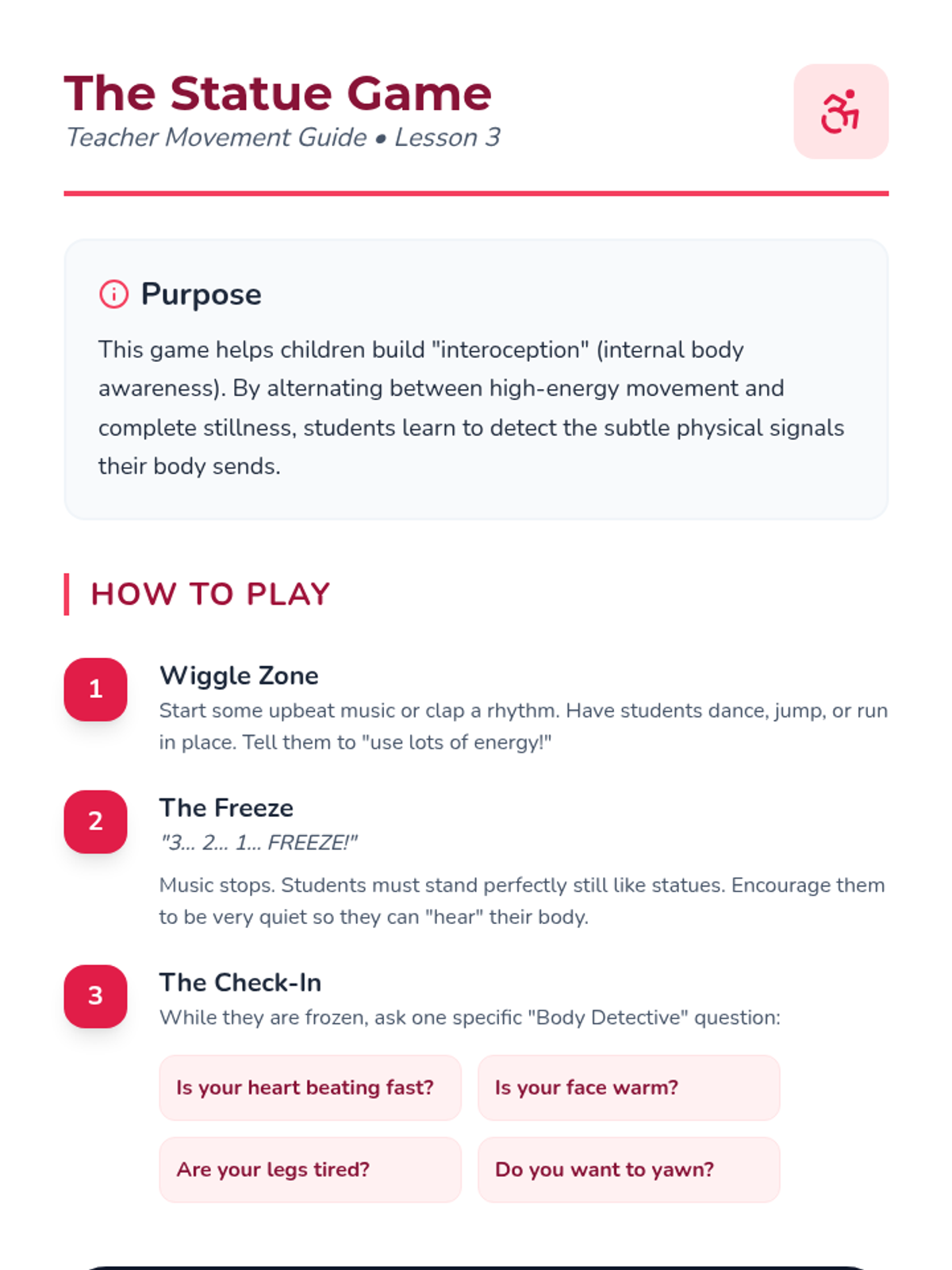
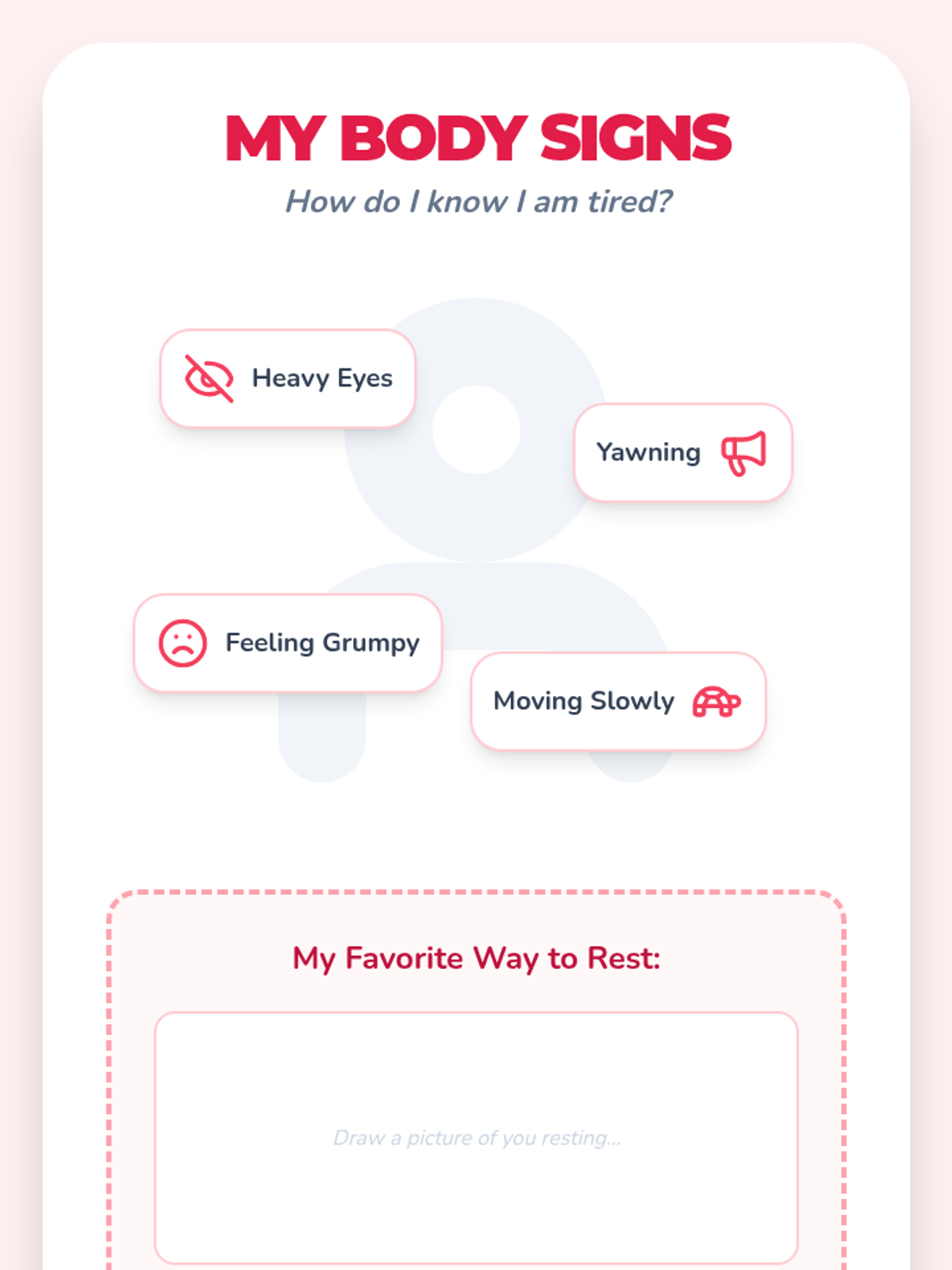
Students identify physical cues of tiredness like yawning and heavy eyelids through active play and a 'Statue Game' check-in.
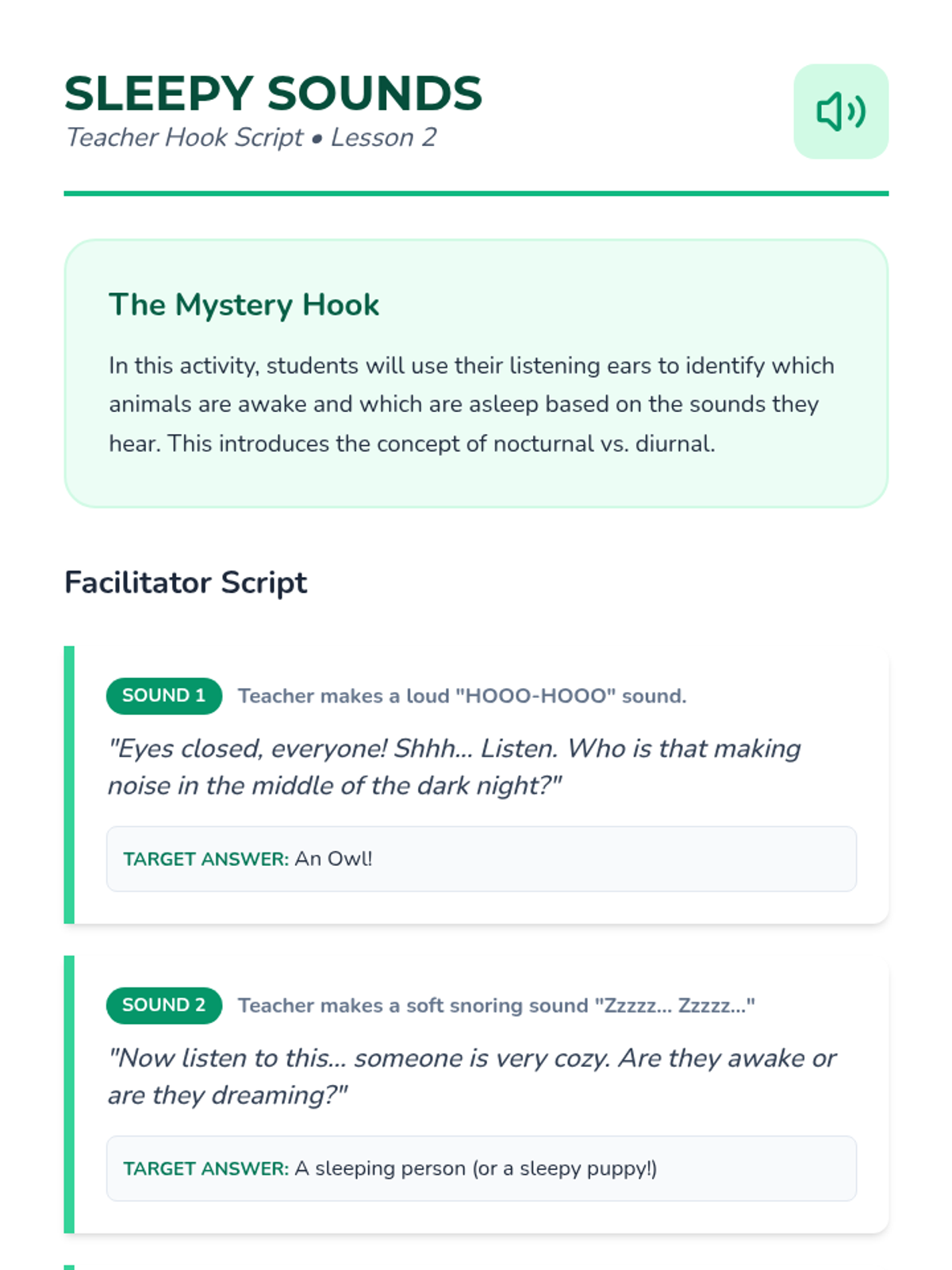
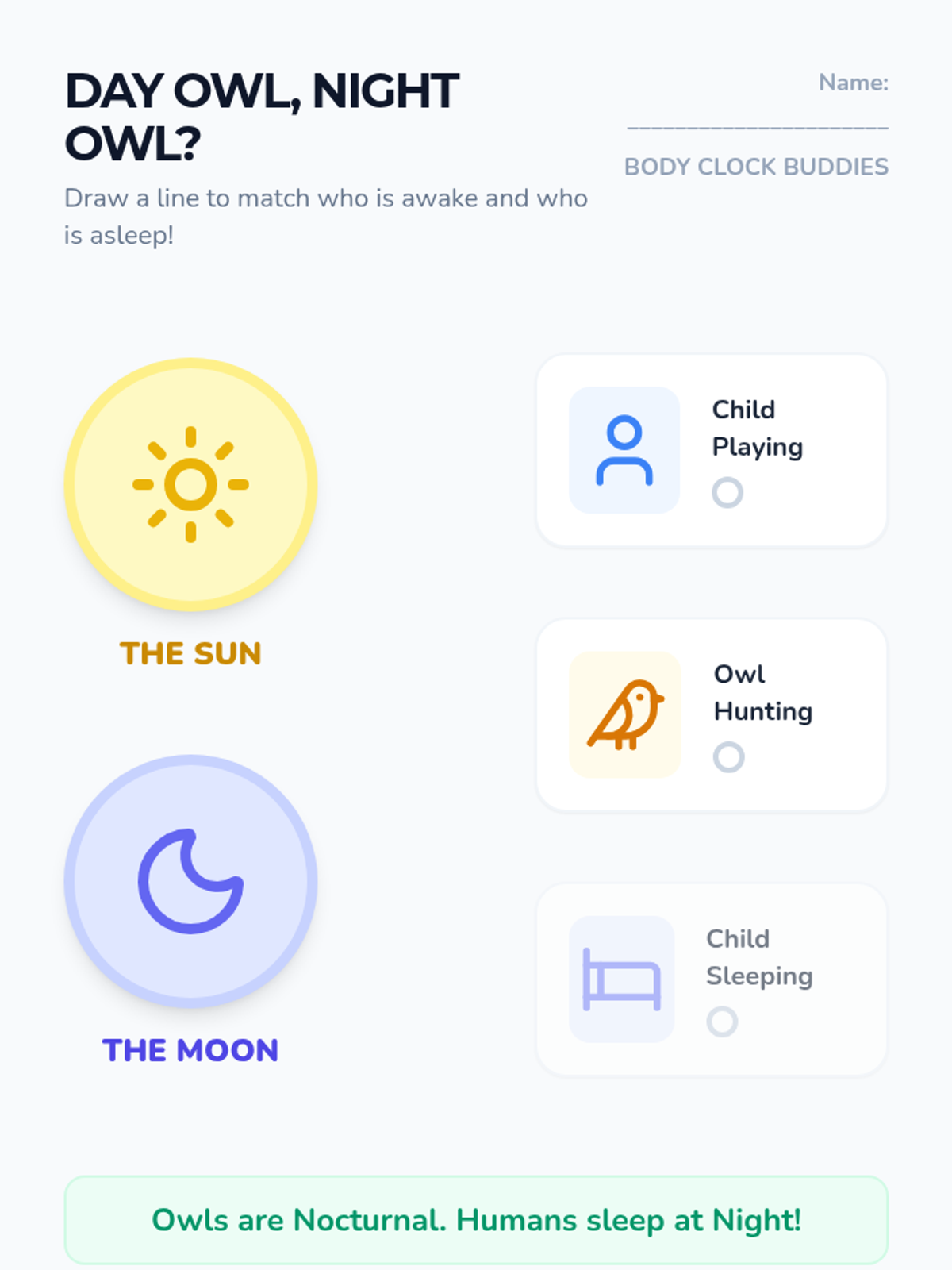
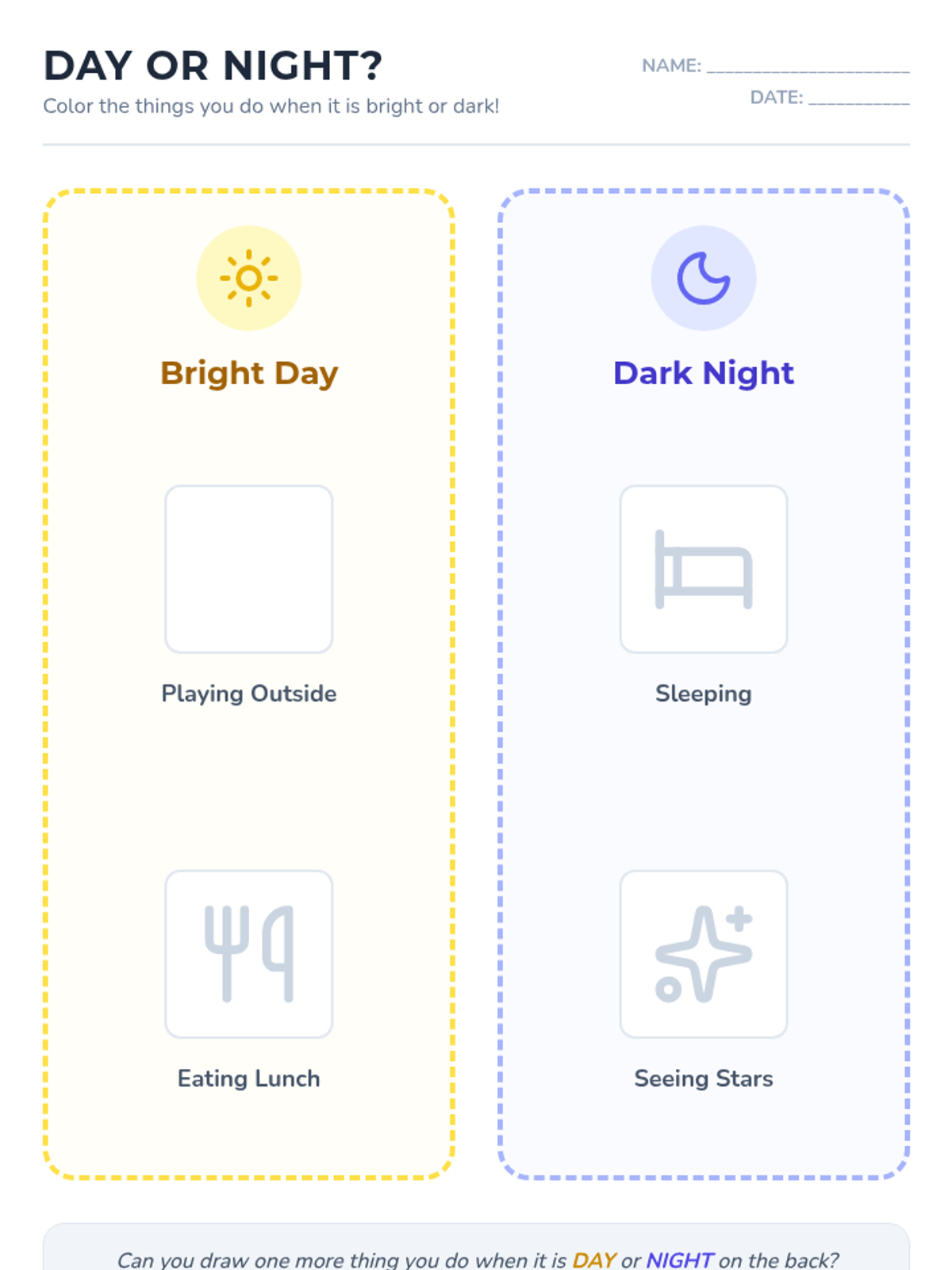
Using comparisons between nocturnal animals like owls and diurnal humans, students learn that people are biologically designed to sleep when it is dark.
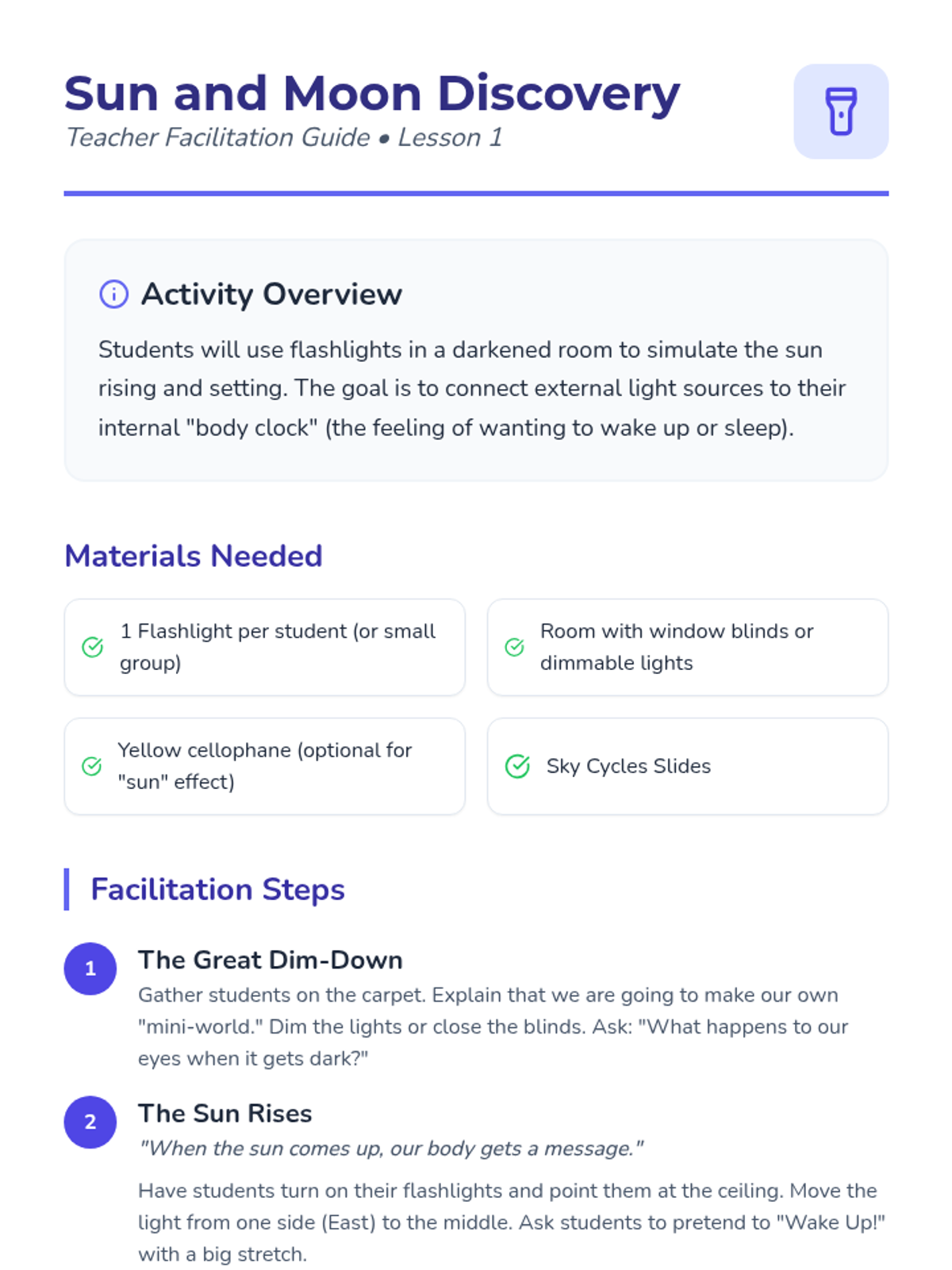
Students explore the concept of the sun rising and setting through a dark-room flashlight activity, learning how light and darkness signal the body to wake up or sleep.
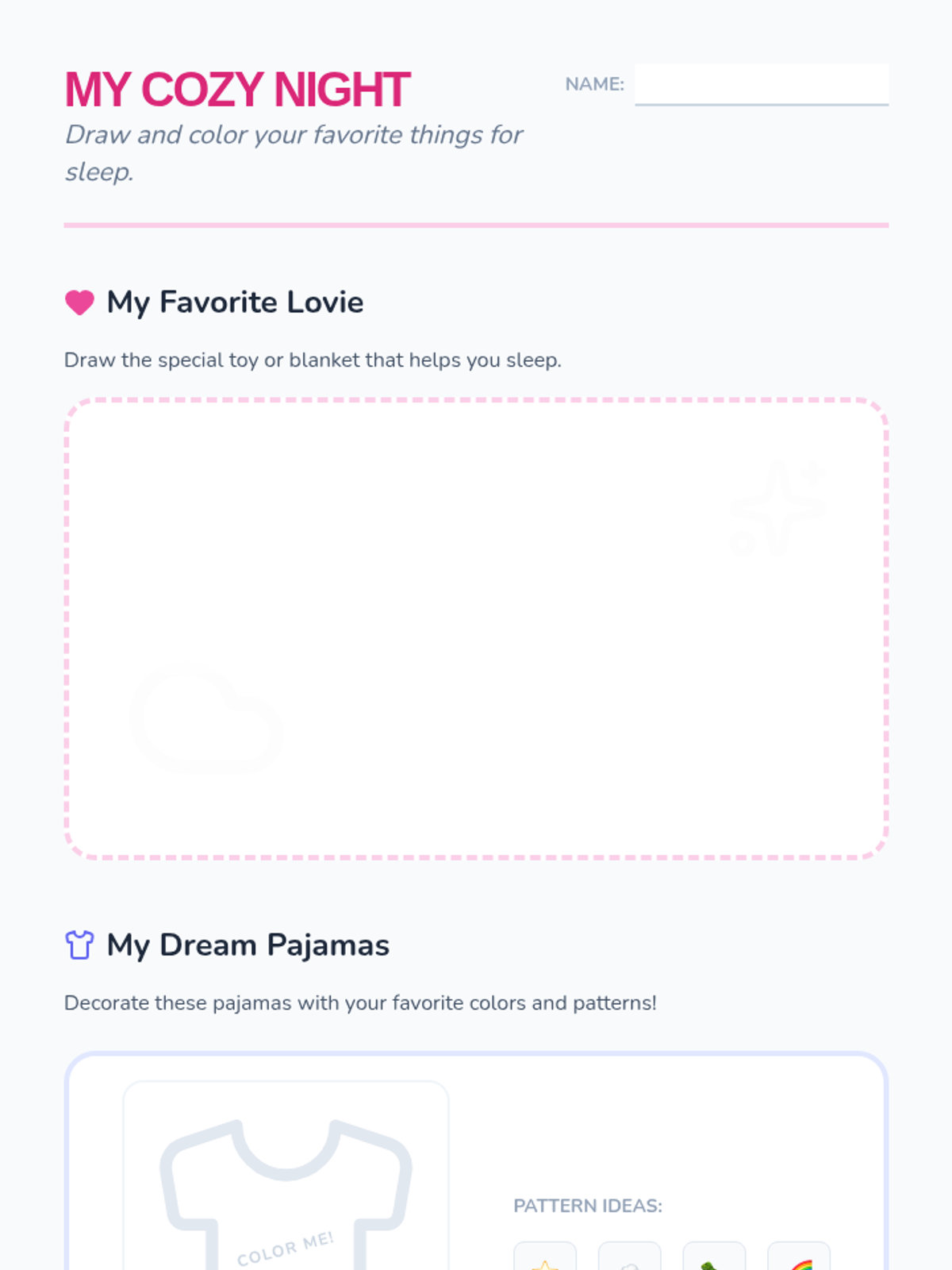
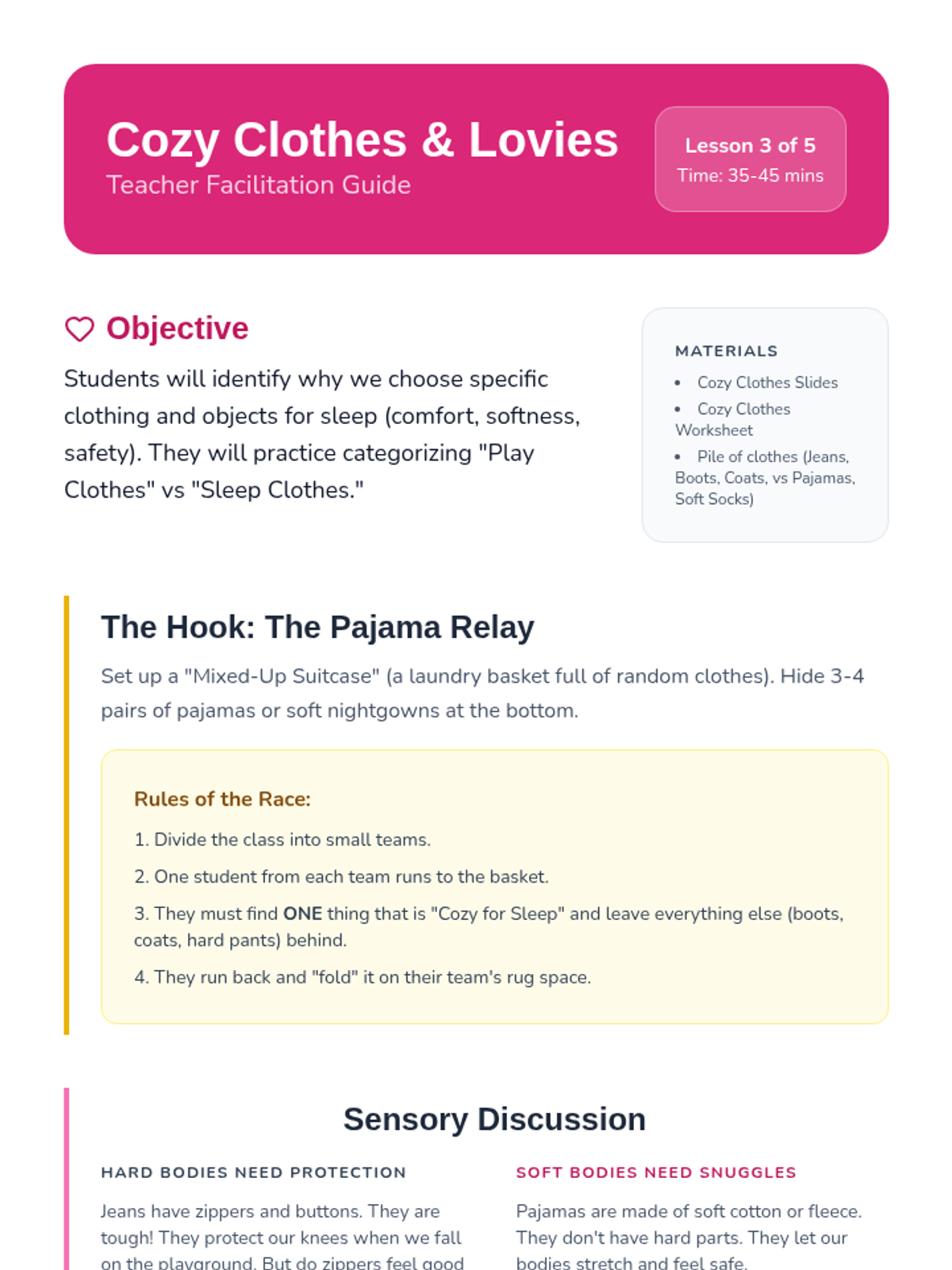
Students explore different types of clothing to determine what is comfortable for sleeping versus playing. They also discuss comfort objects like teddy bears or blankets that help them feel safe.
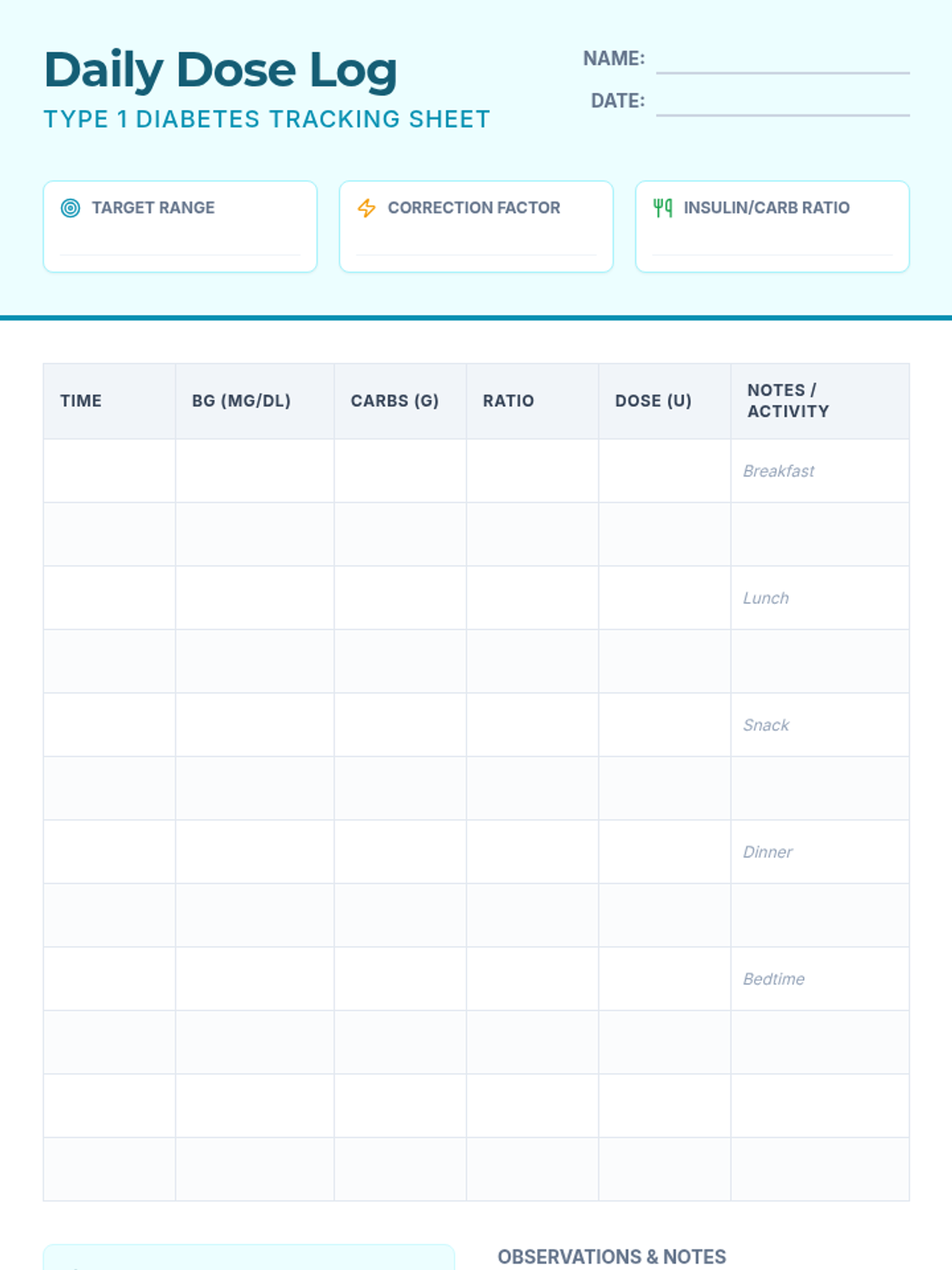
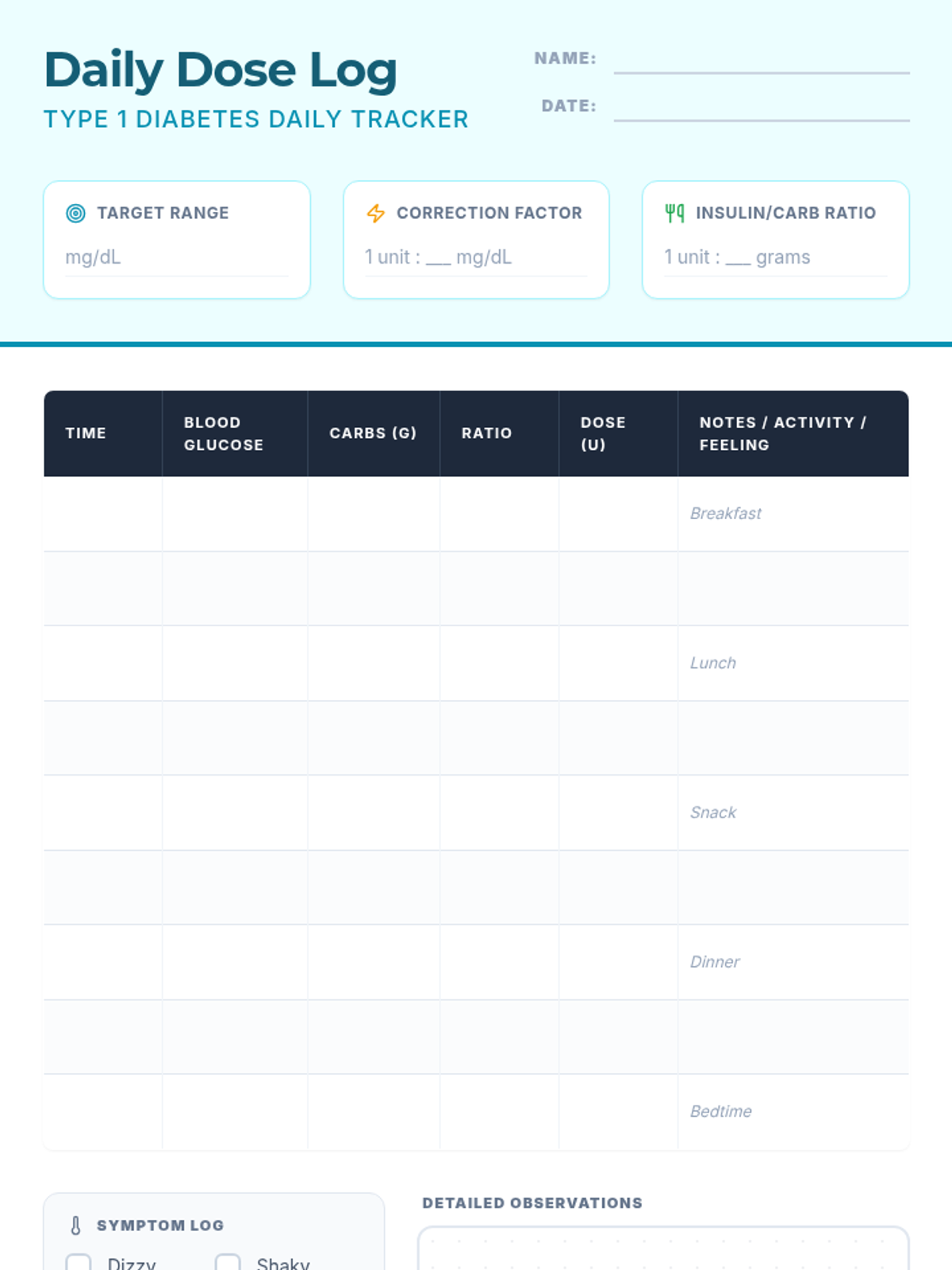
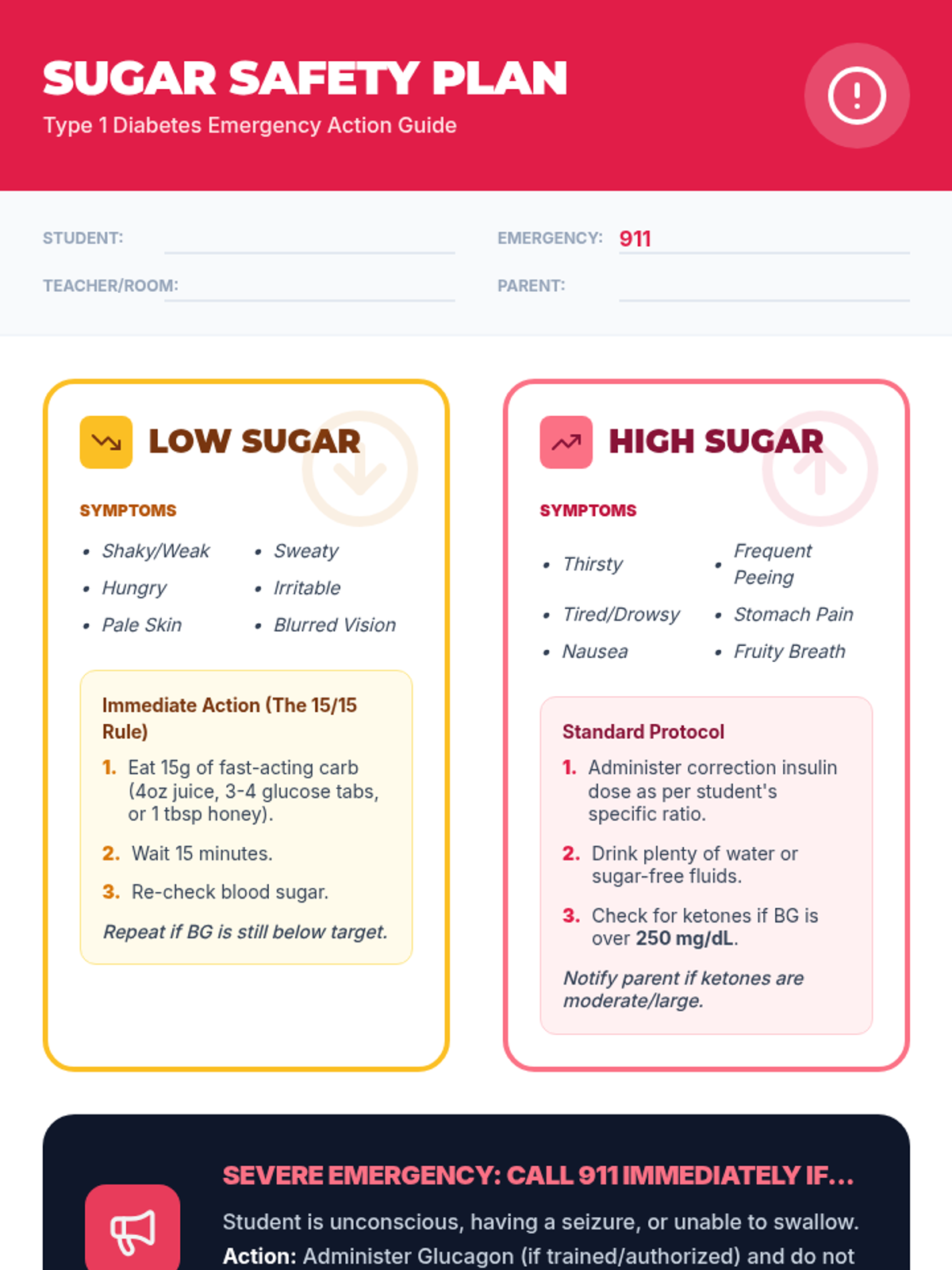
A comprehensive toolkit for tracking and managing Type 1 Diabetes daily routines, designed for students, parents, and school health staff.
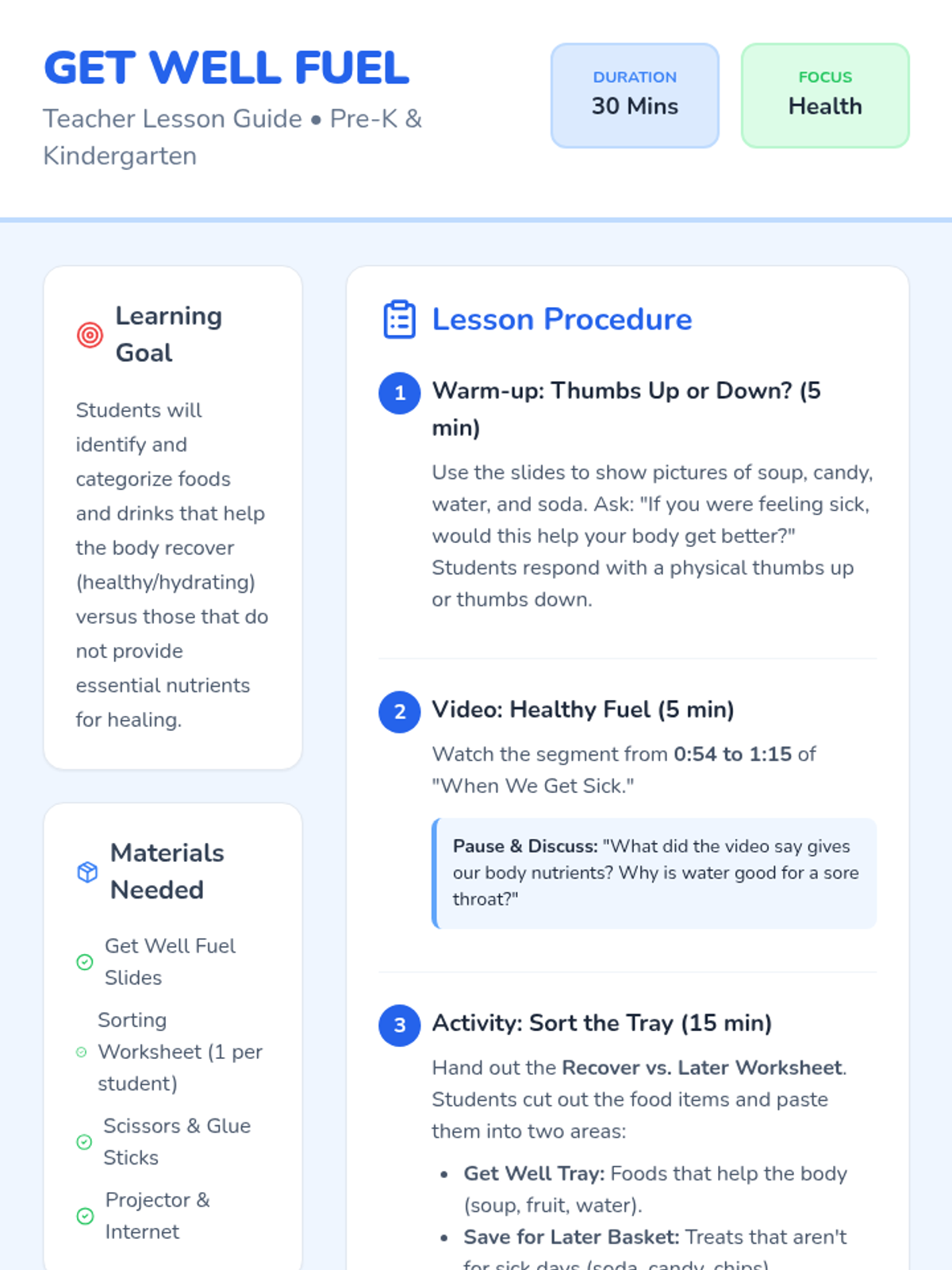
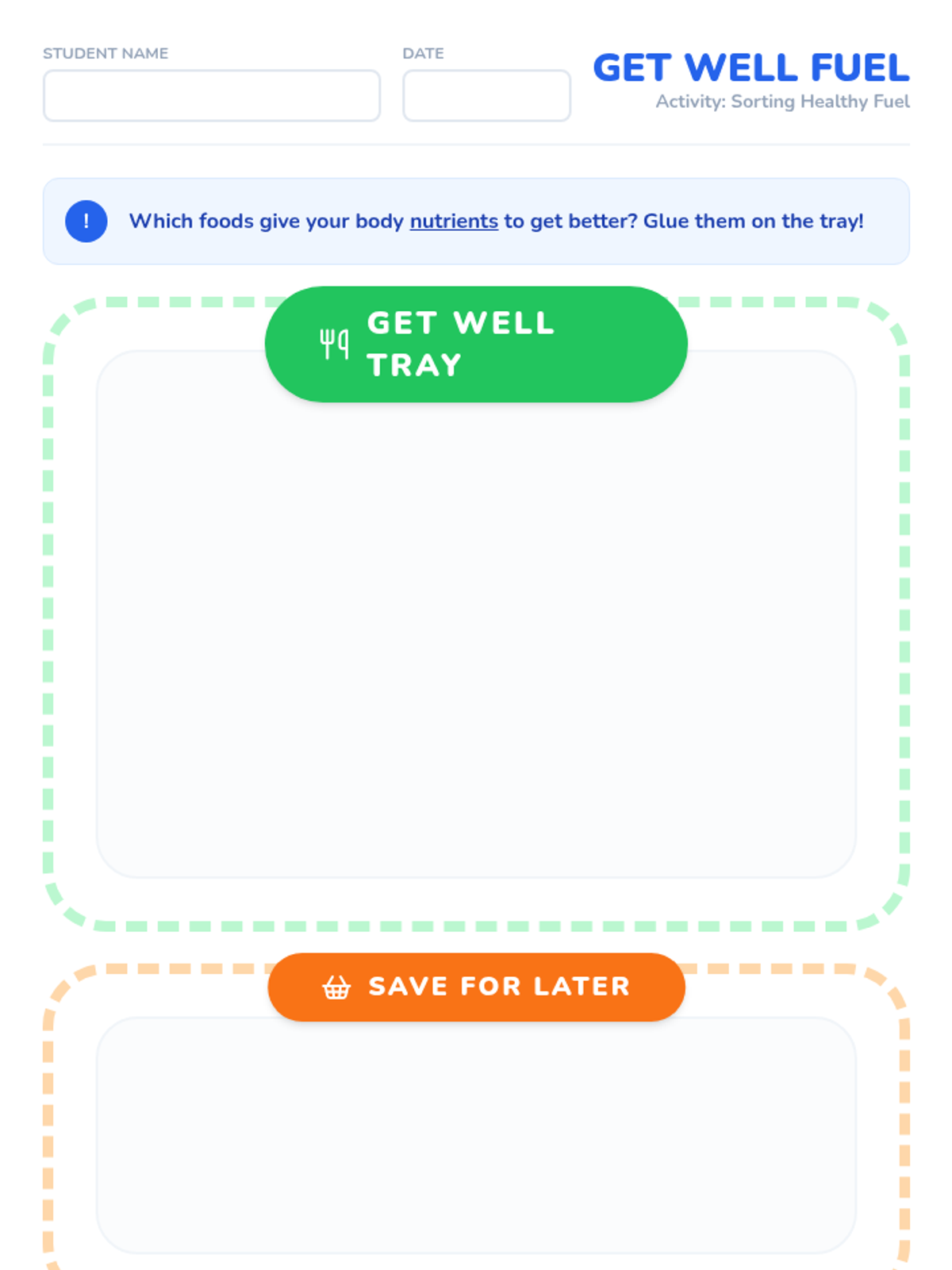
A lesson for Pre-K and Kindergarten students to identify and categorize foods and drinks that provide the nutrients and hydration needed to help the body recover from illness.
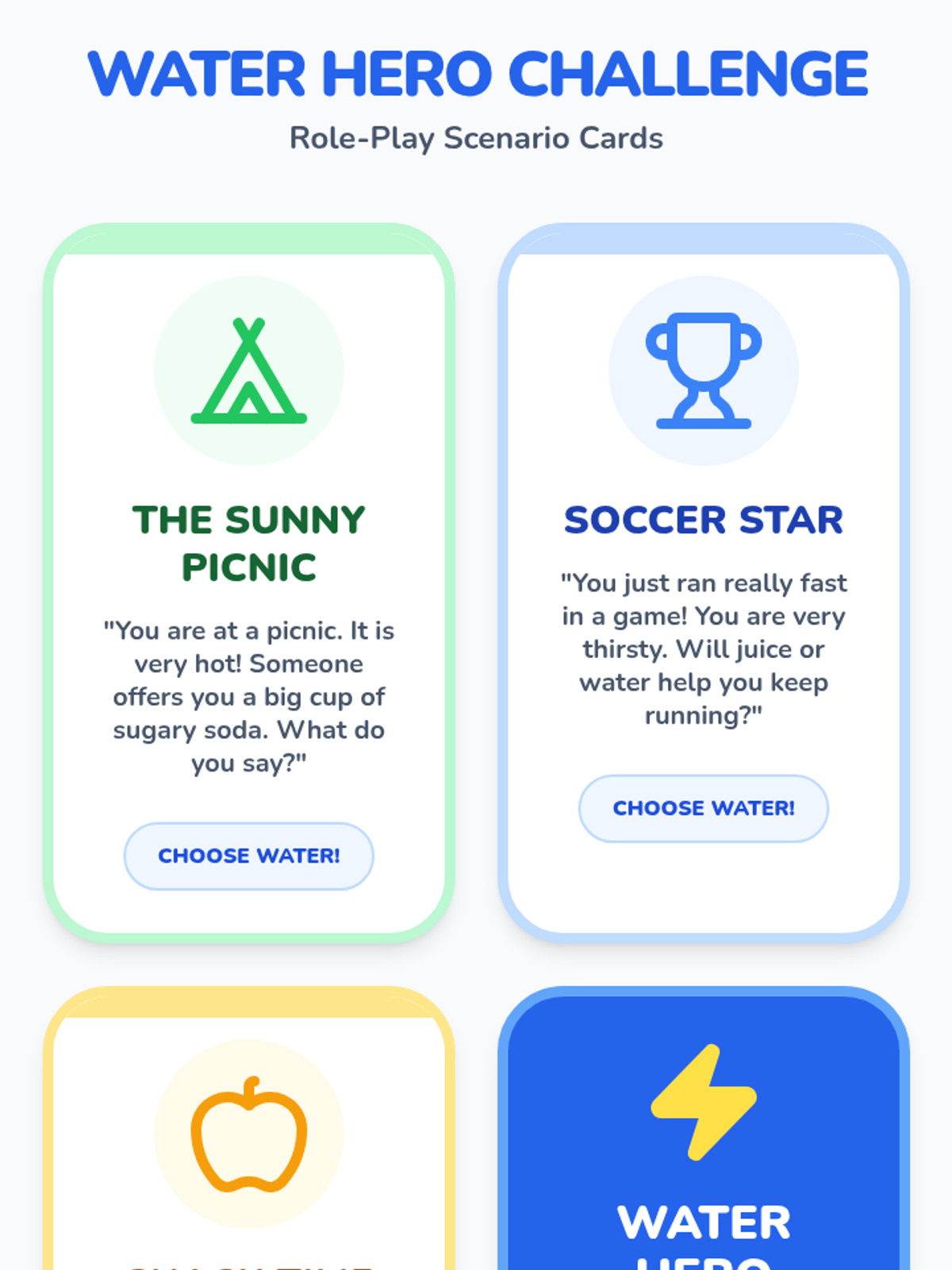
Students practice making healthy hydration choices through role-play scenarios, building the confidence to choose water in social situations.
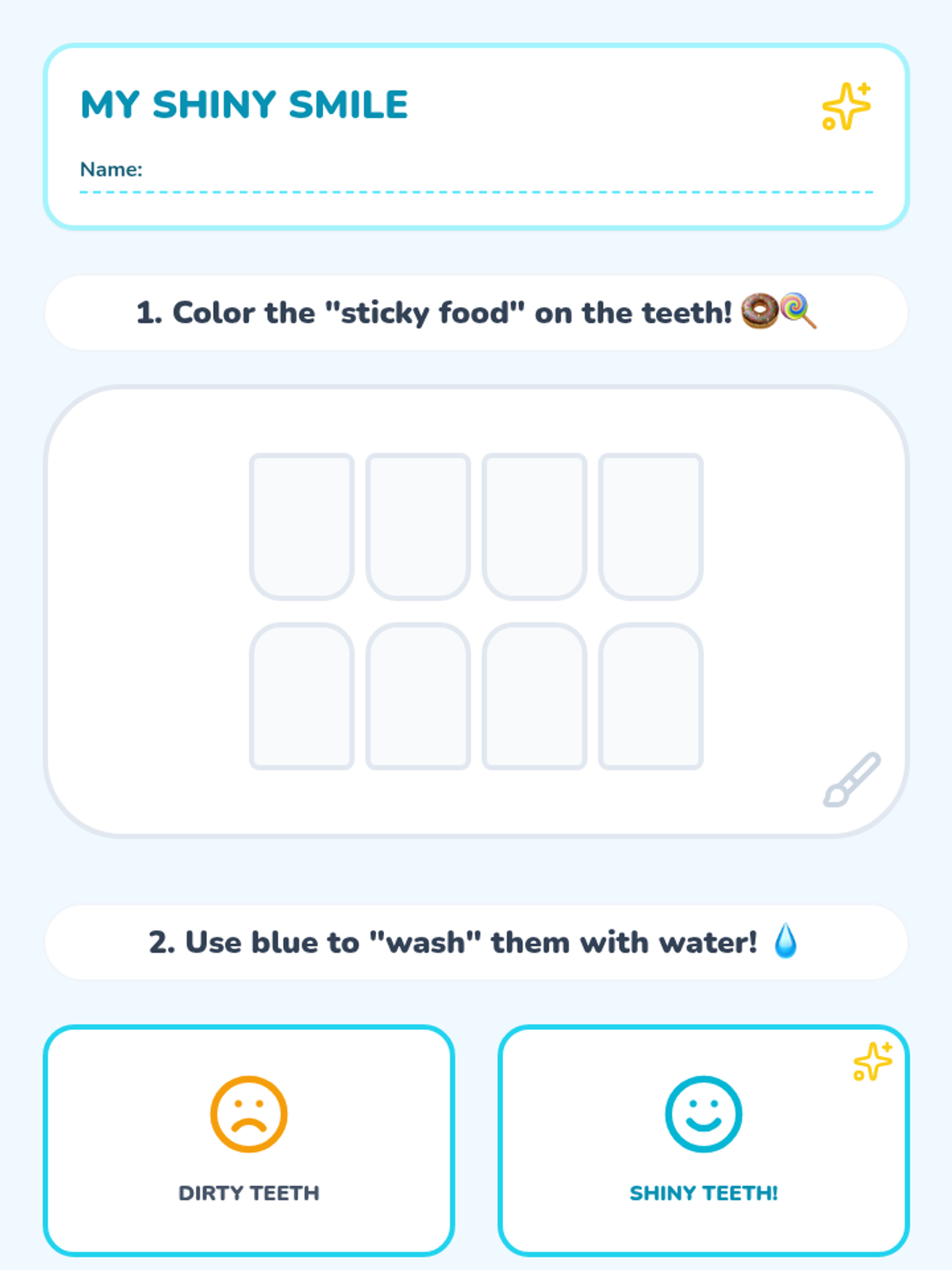
Students learn how water acts as a 'natural toothbrush' by rinsing away food particles and keeping teeth strong through a hands-on simulation.
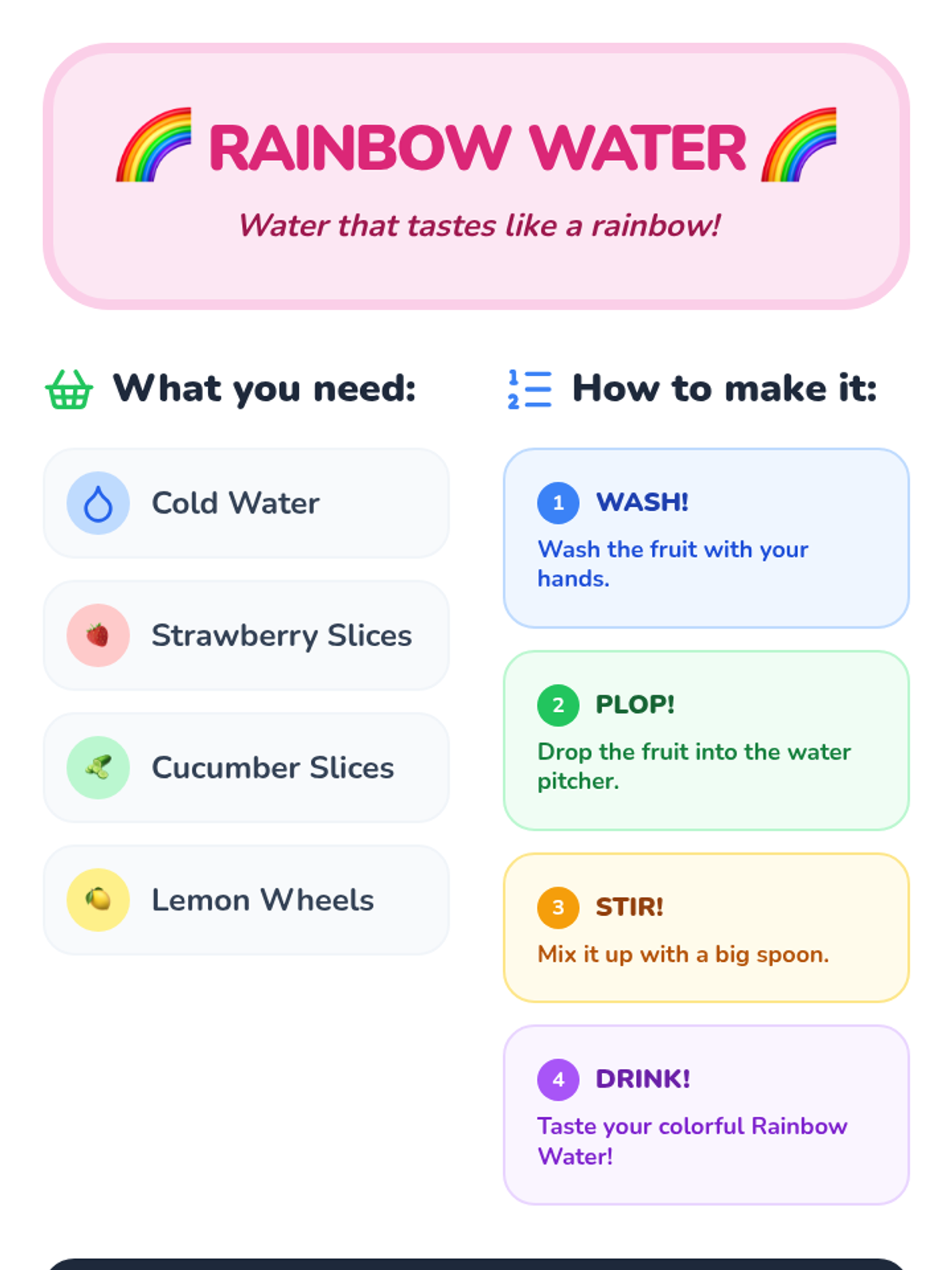
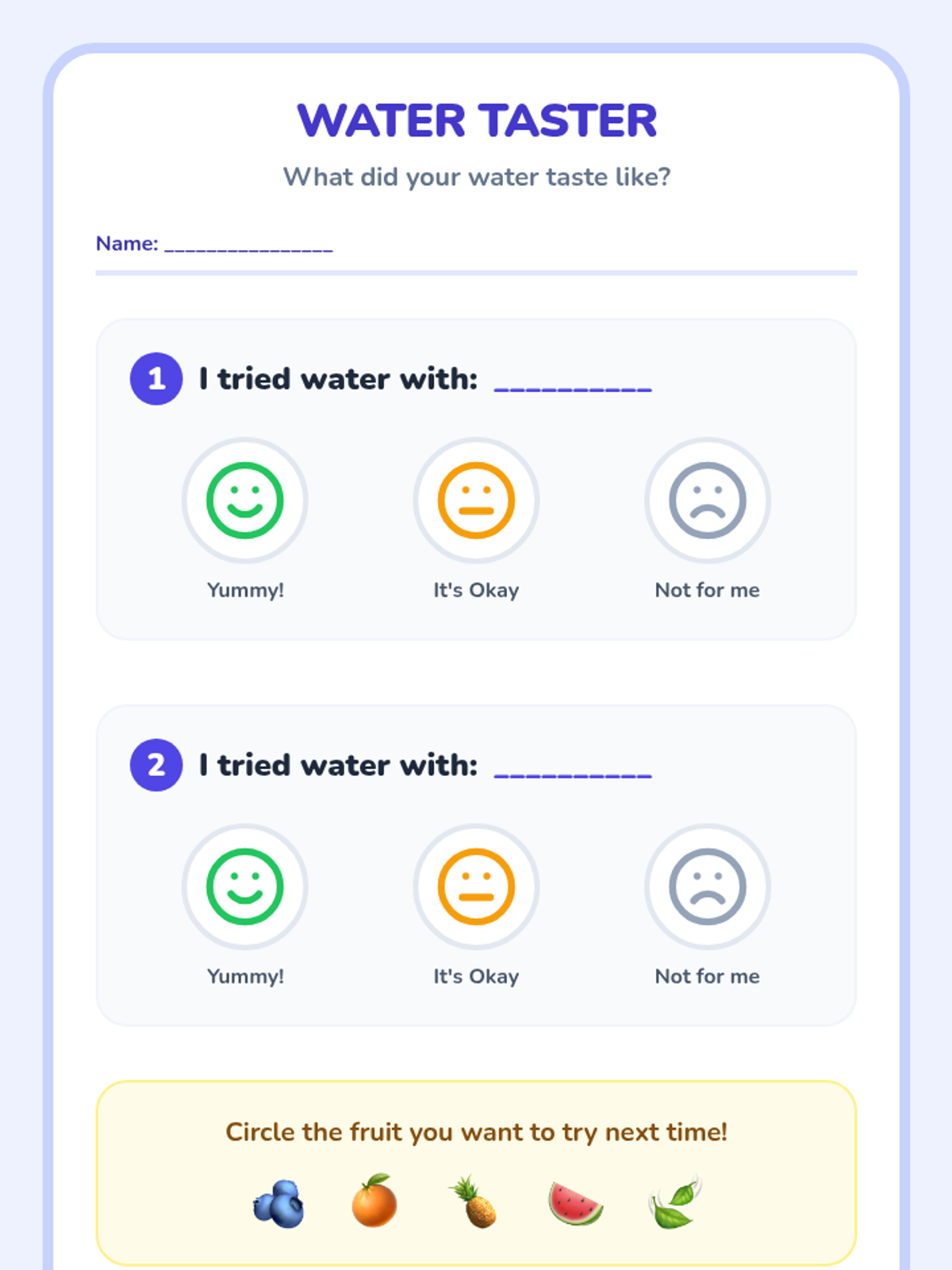
Students participate in a sensory project to create fruit-infused 'Rainbow Water', demonstrating that water can be exciting and tasty without added sugar.
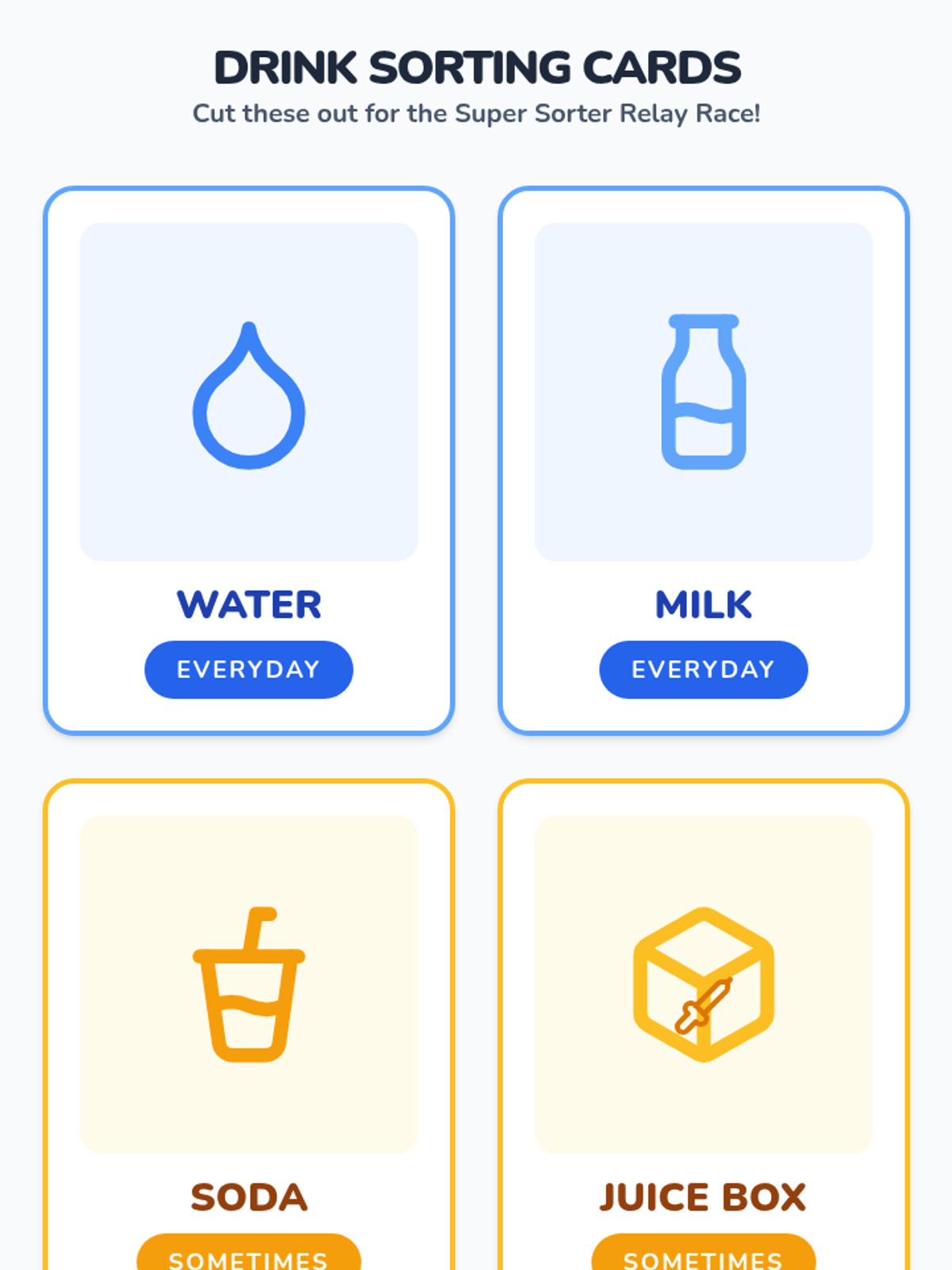
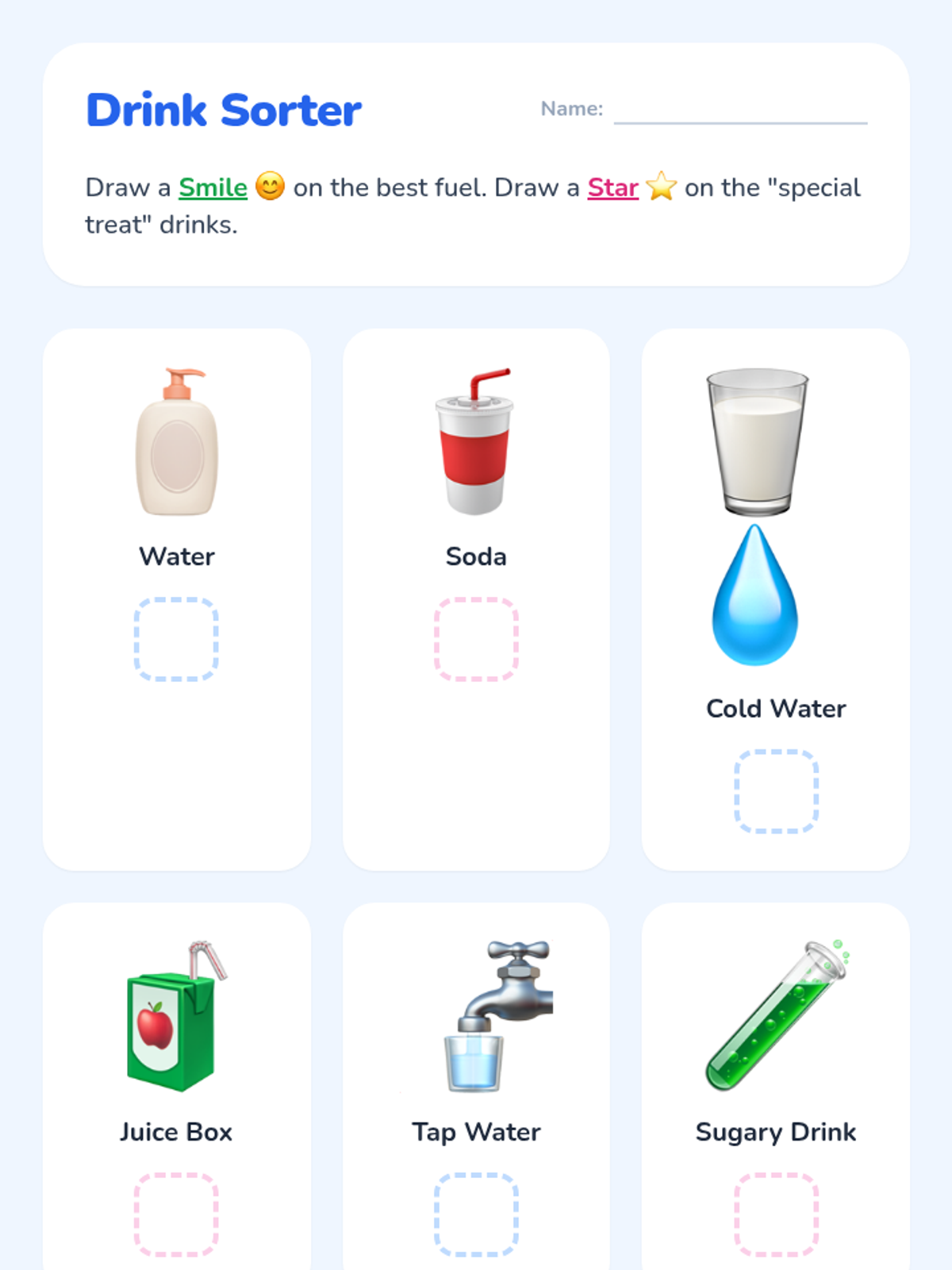
A high-energy relay race activity where students categorize different drinks into 'Everyday' (healthy) and 'Sometimes' (treats) categories.
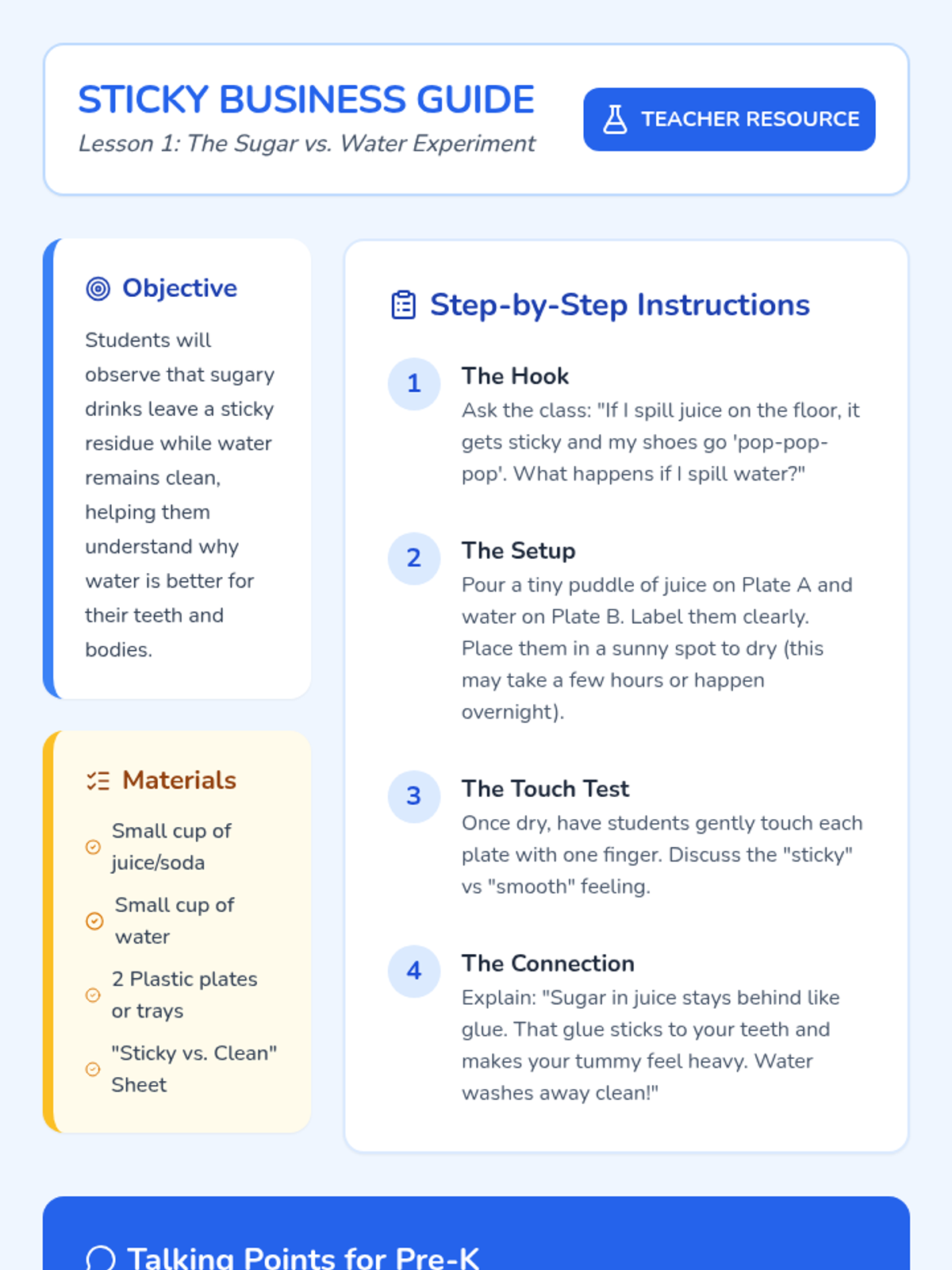
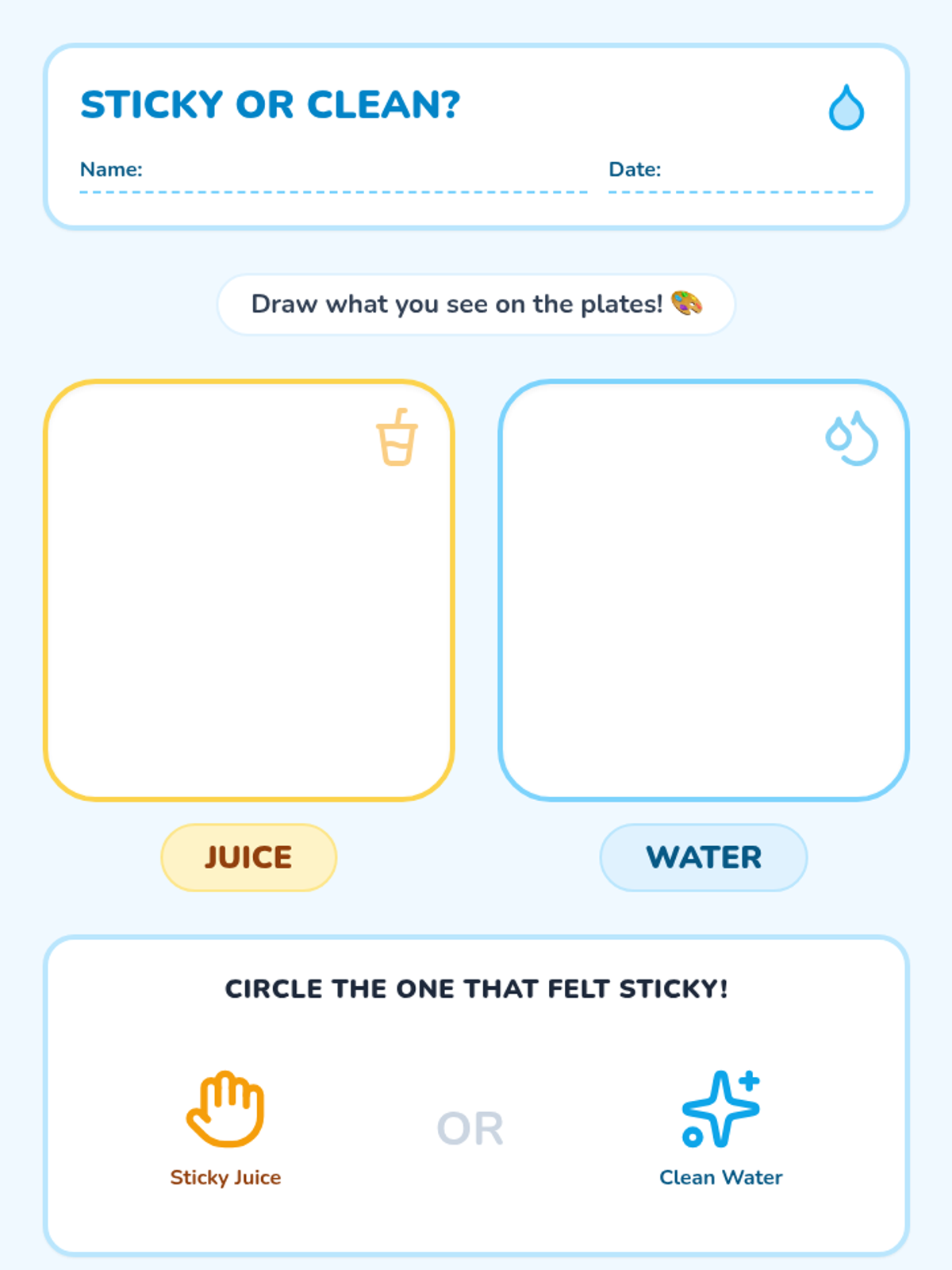
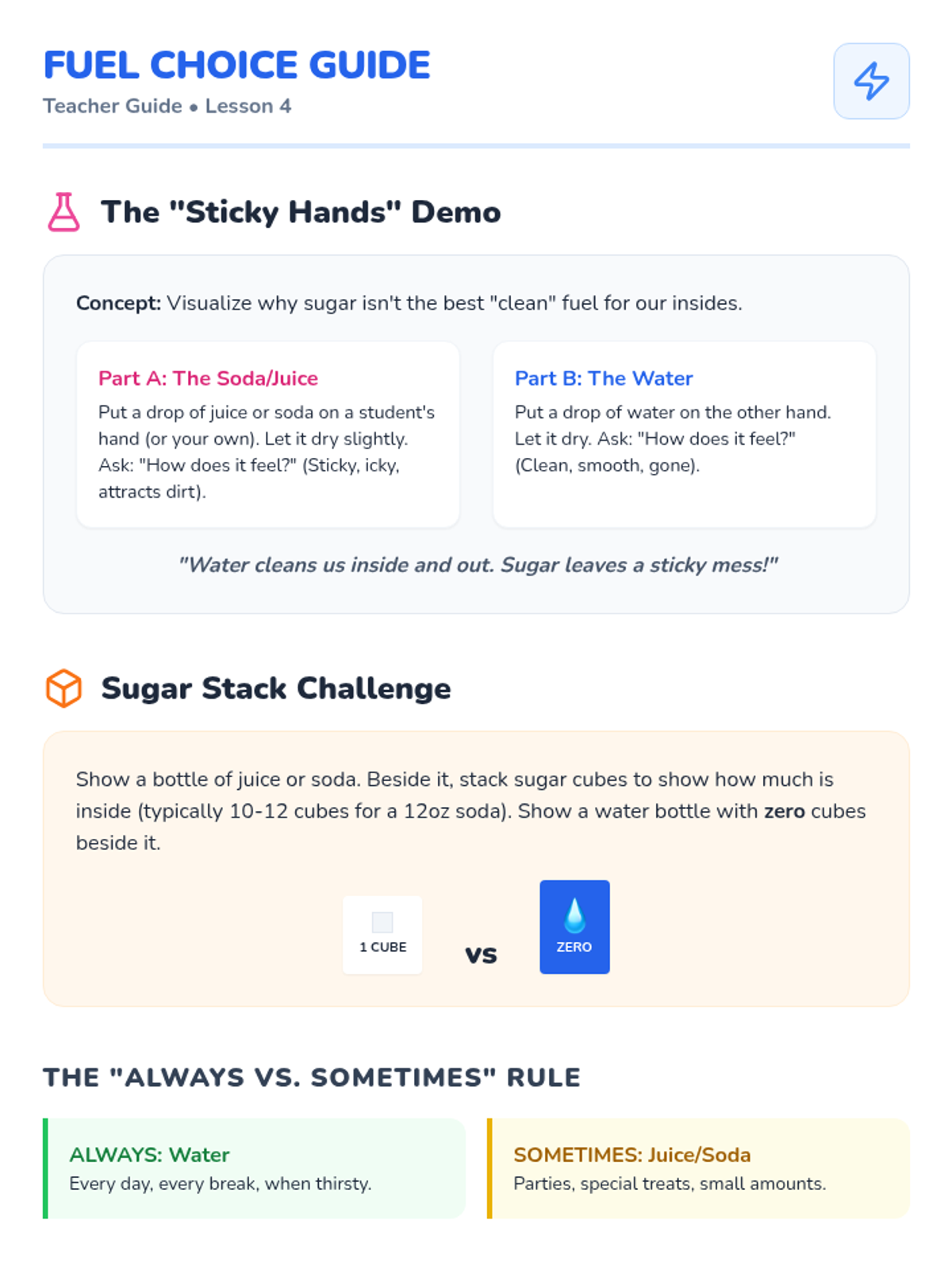
Students observe the physical difference between dried sugary drinks and dried water to understand how sugar sticks to their bodies and teeth.
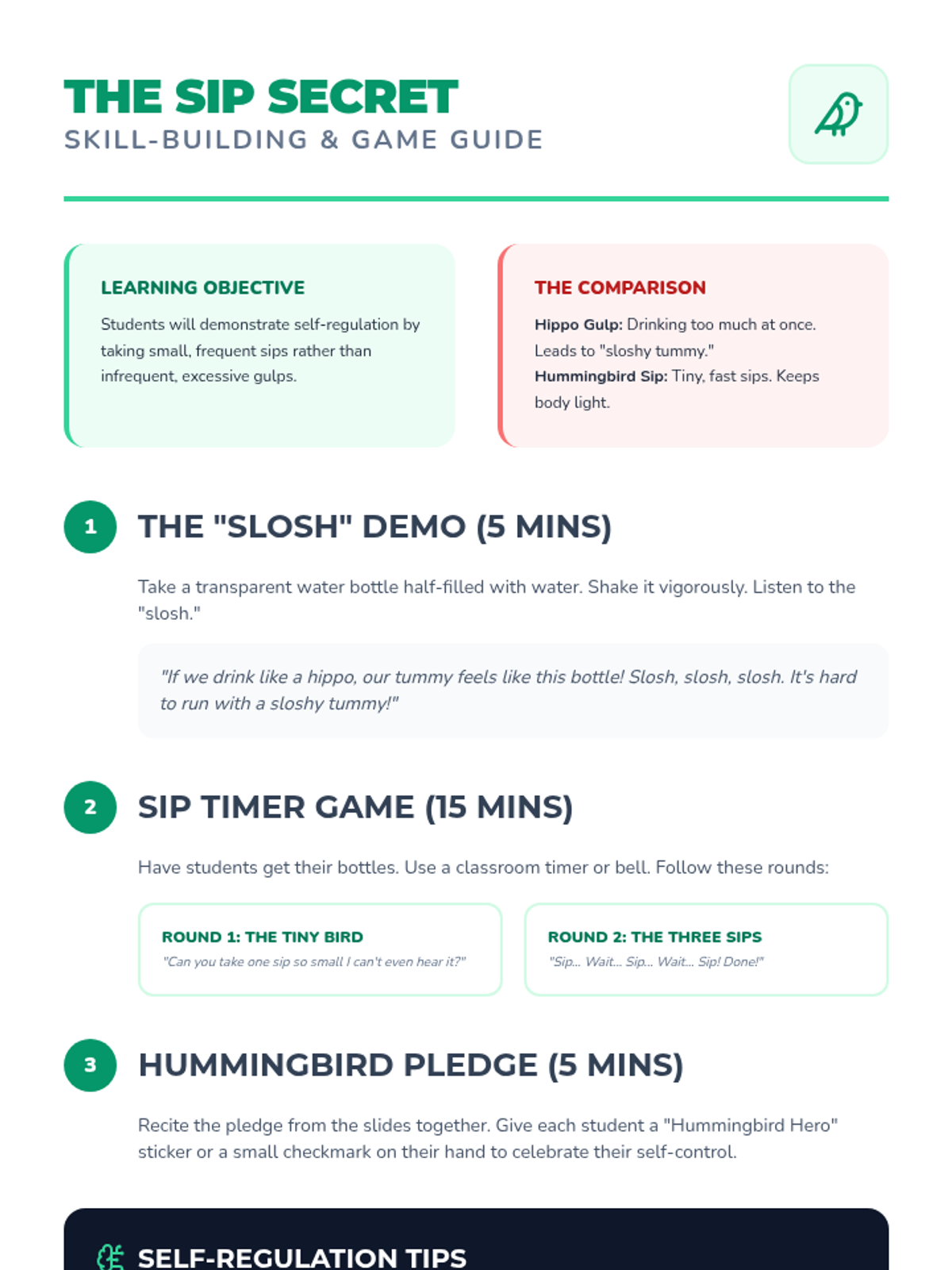
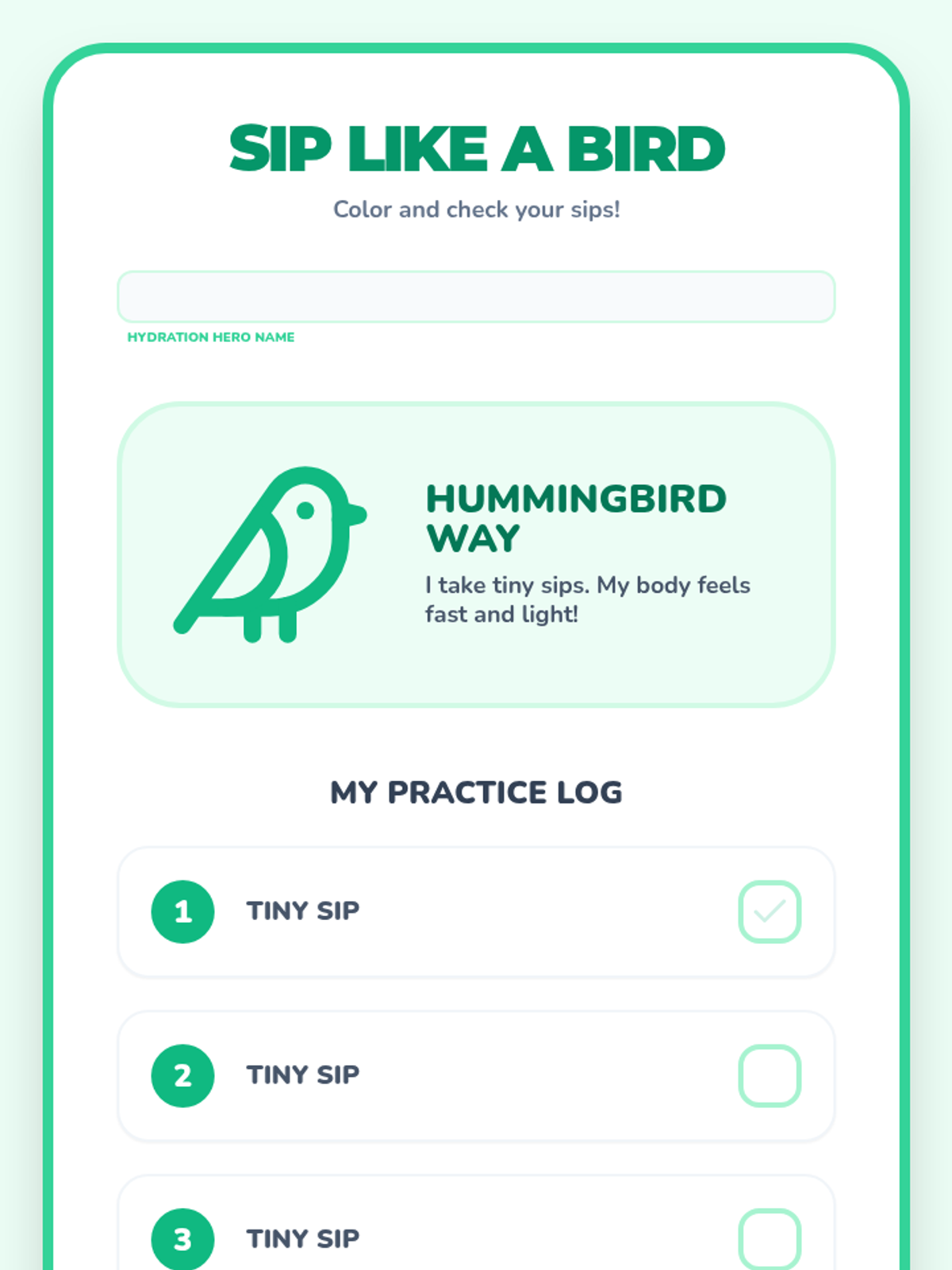
Focuses on self-regulation and drinking technique, comparing 'hummingbird sips' to 'hippo gulps' to promote steady hydration.
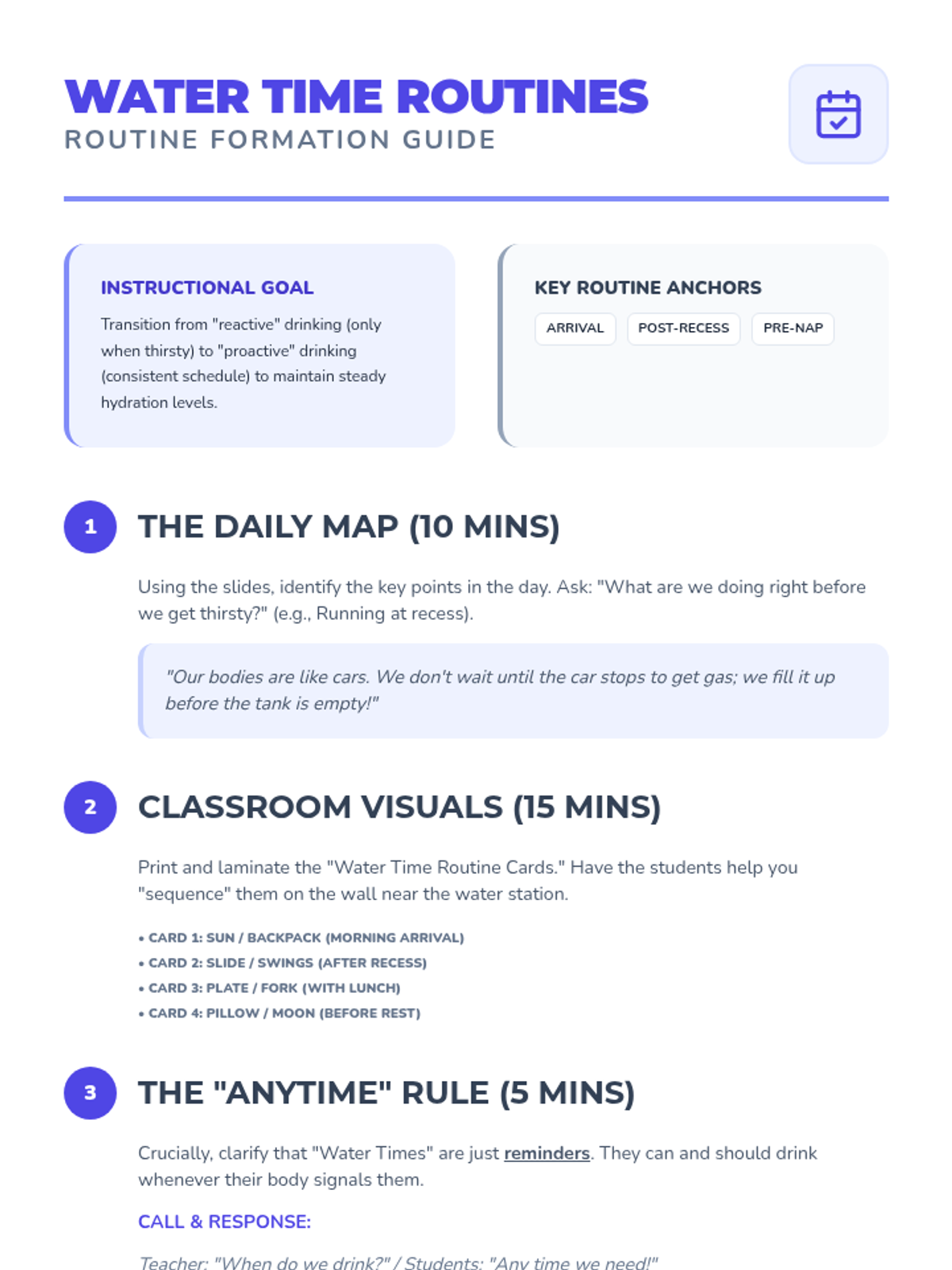
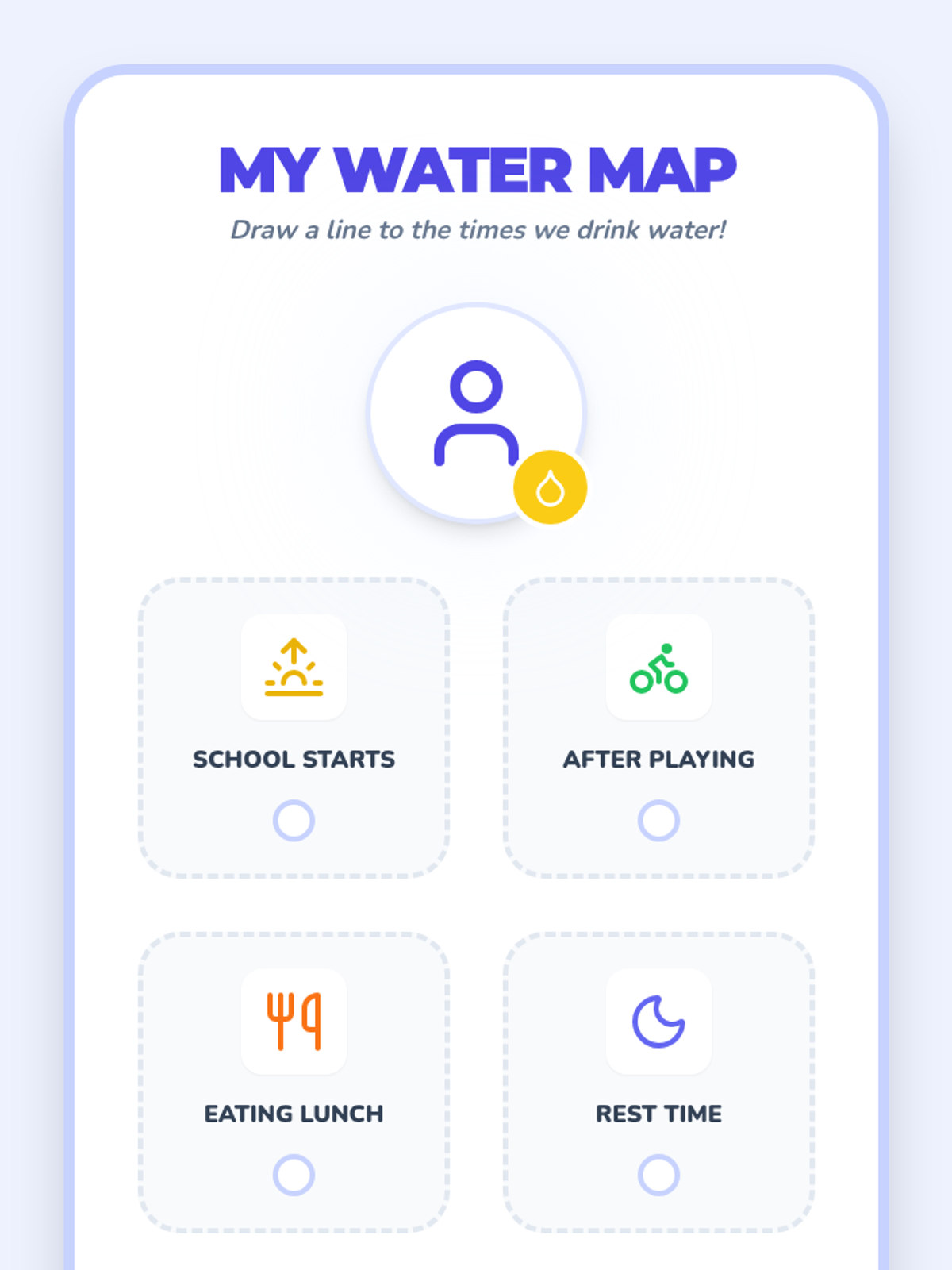
Students identify key times throughout the school day for hydration and create a visual classroom routine to support consistent drinking habits.
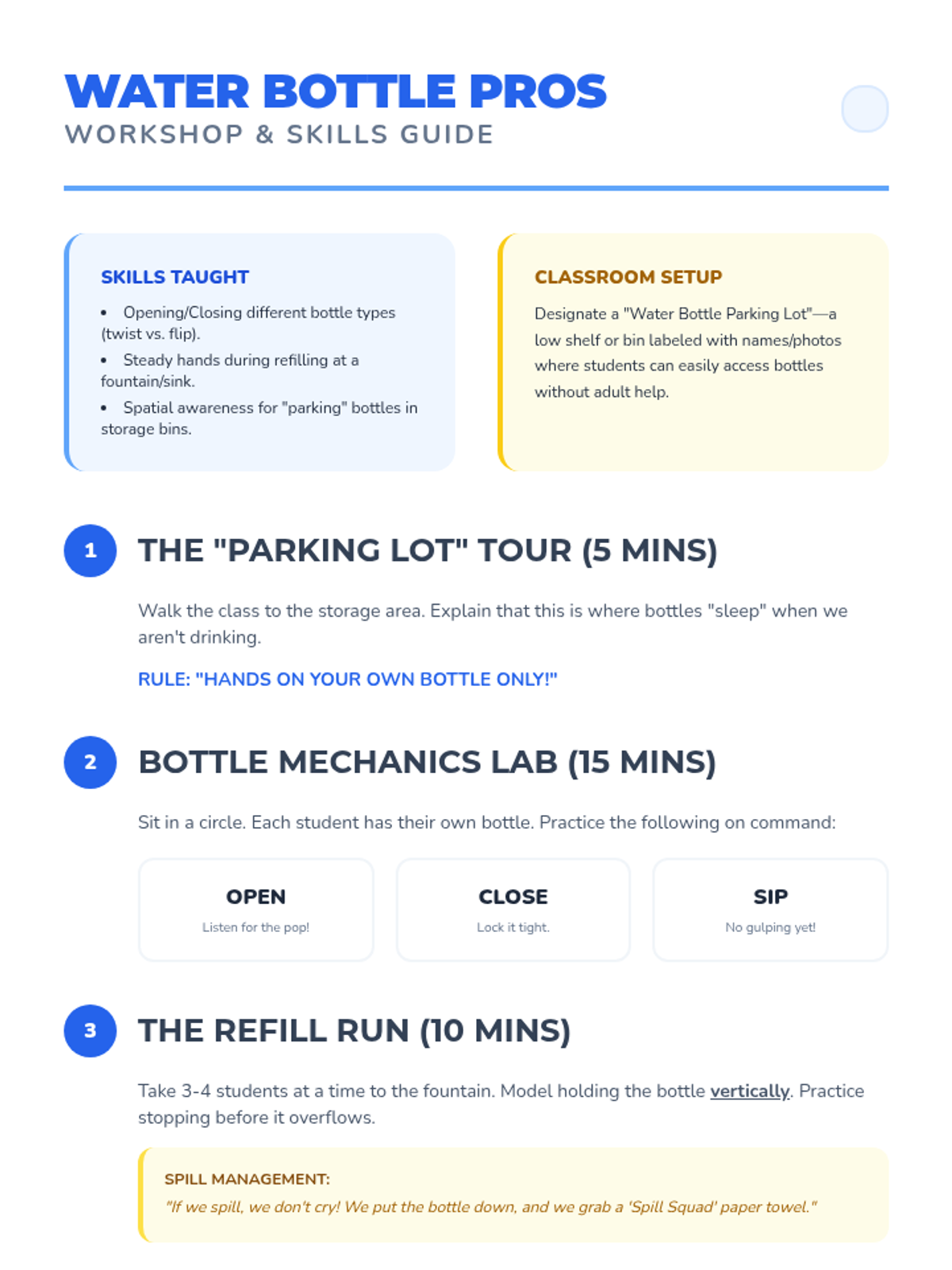
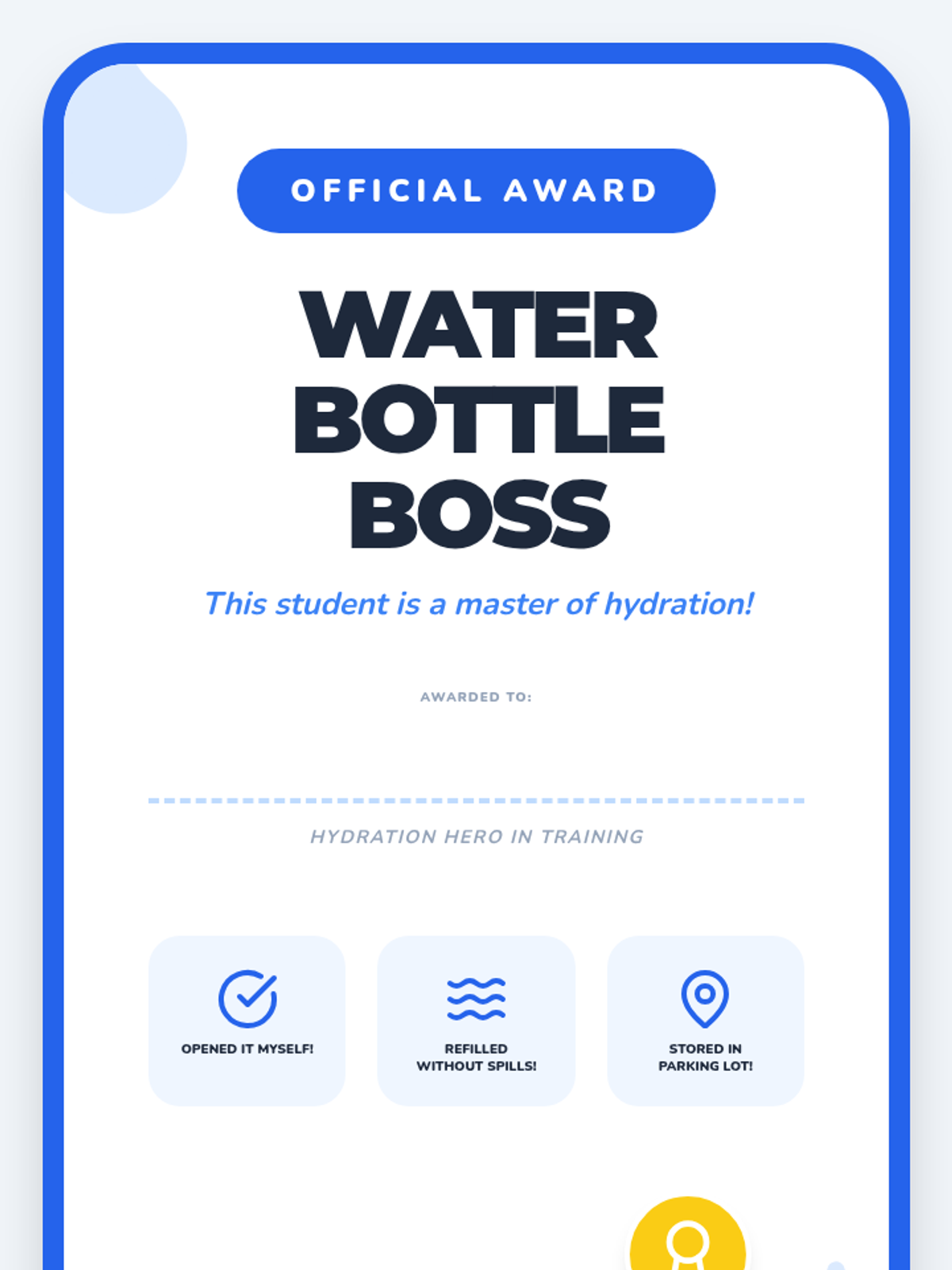
A practical skills workshop focusing on fine motor control for water bottle use and establishing classroom storage habits.
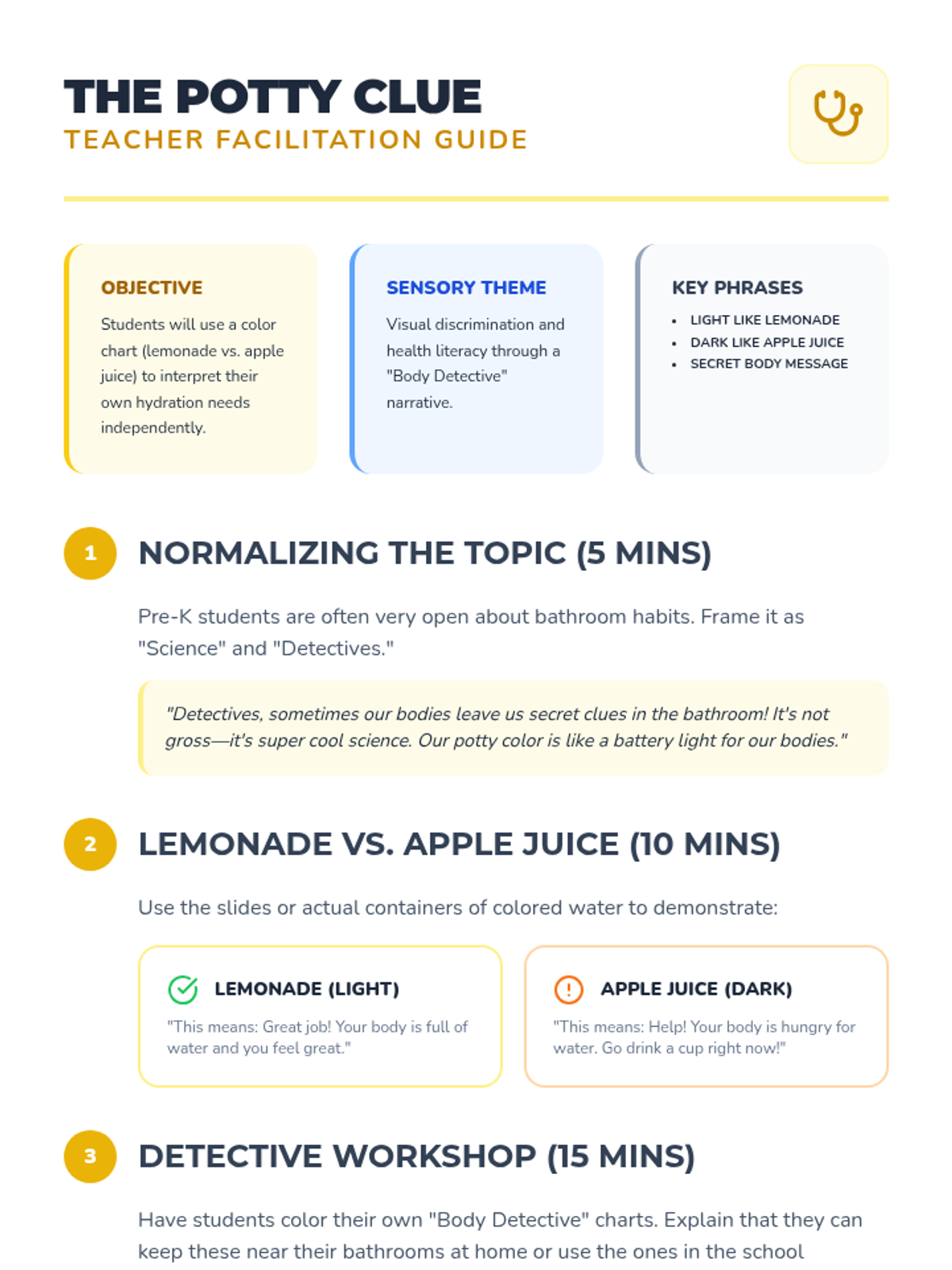
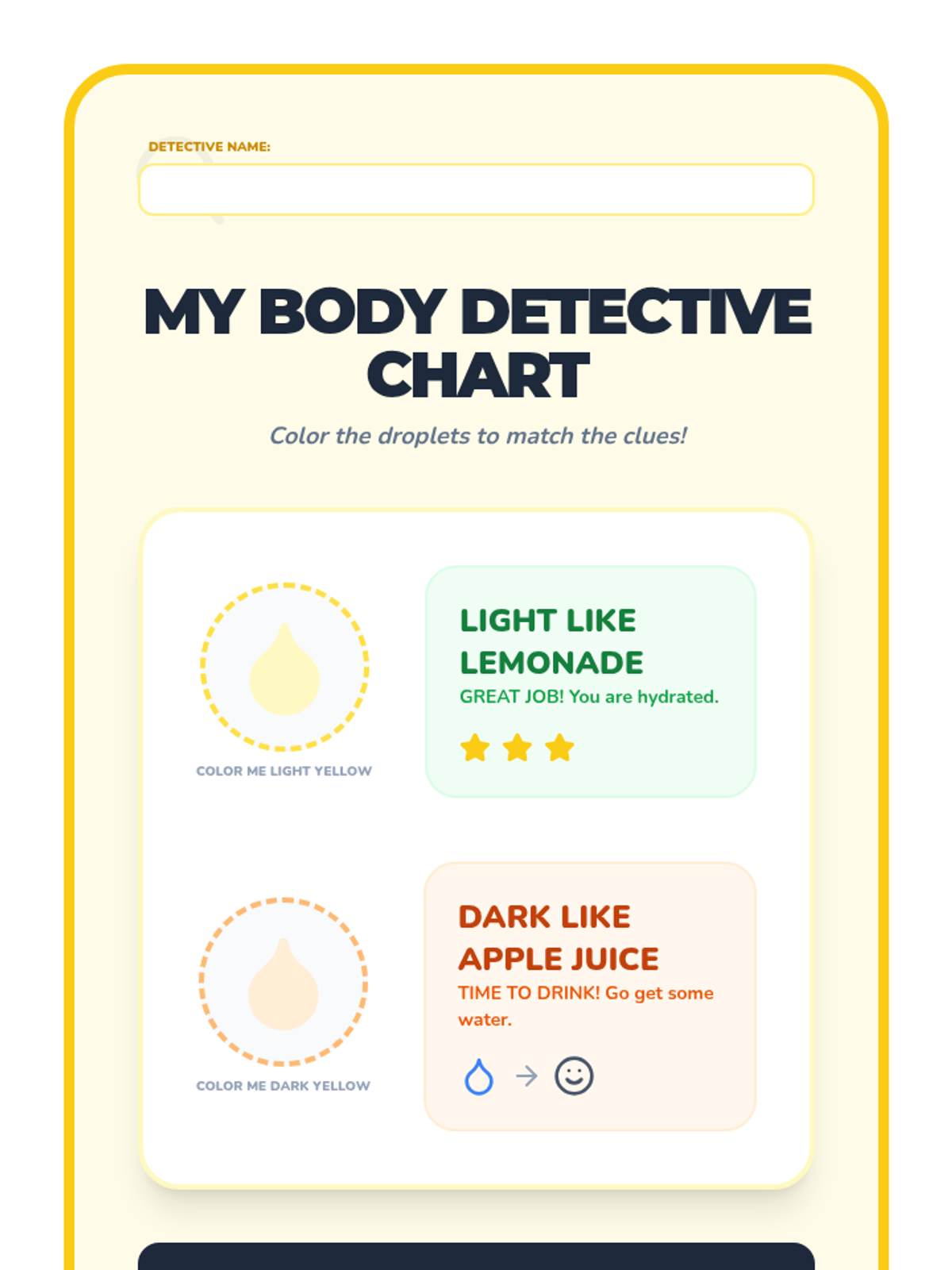
Using a simple visual comparison, students learn to use urine color as a health indicator to determine if they need to drink more water.
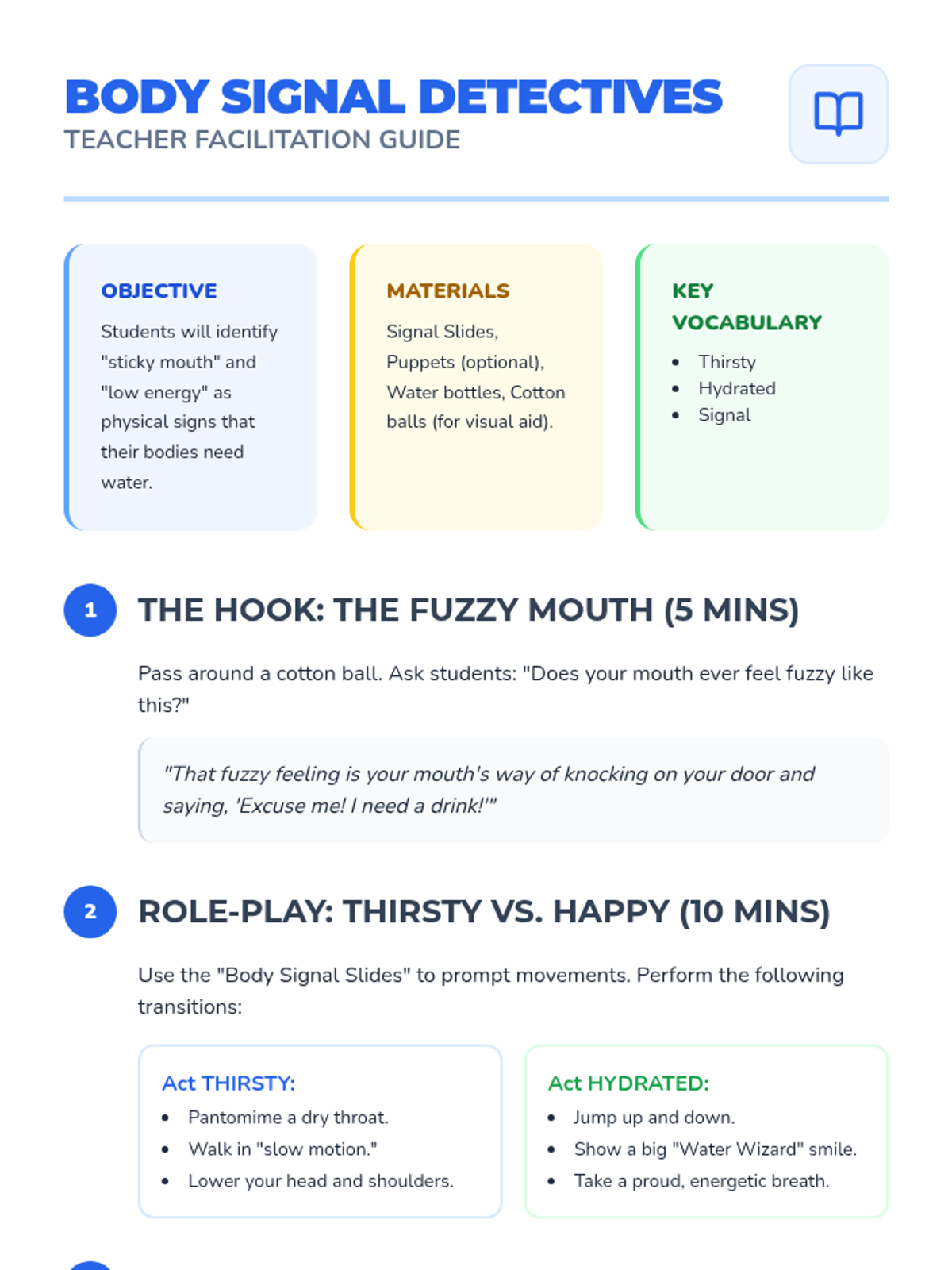
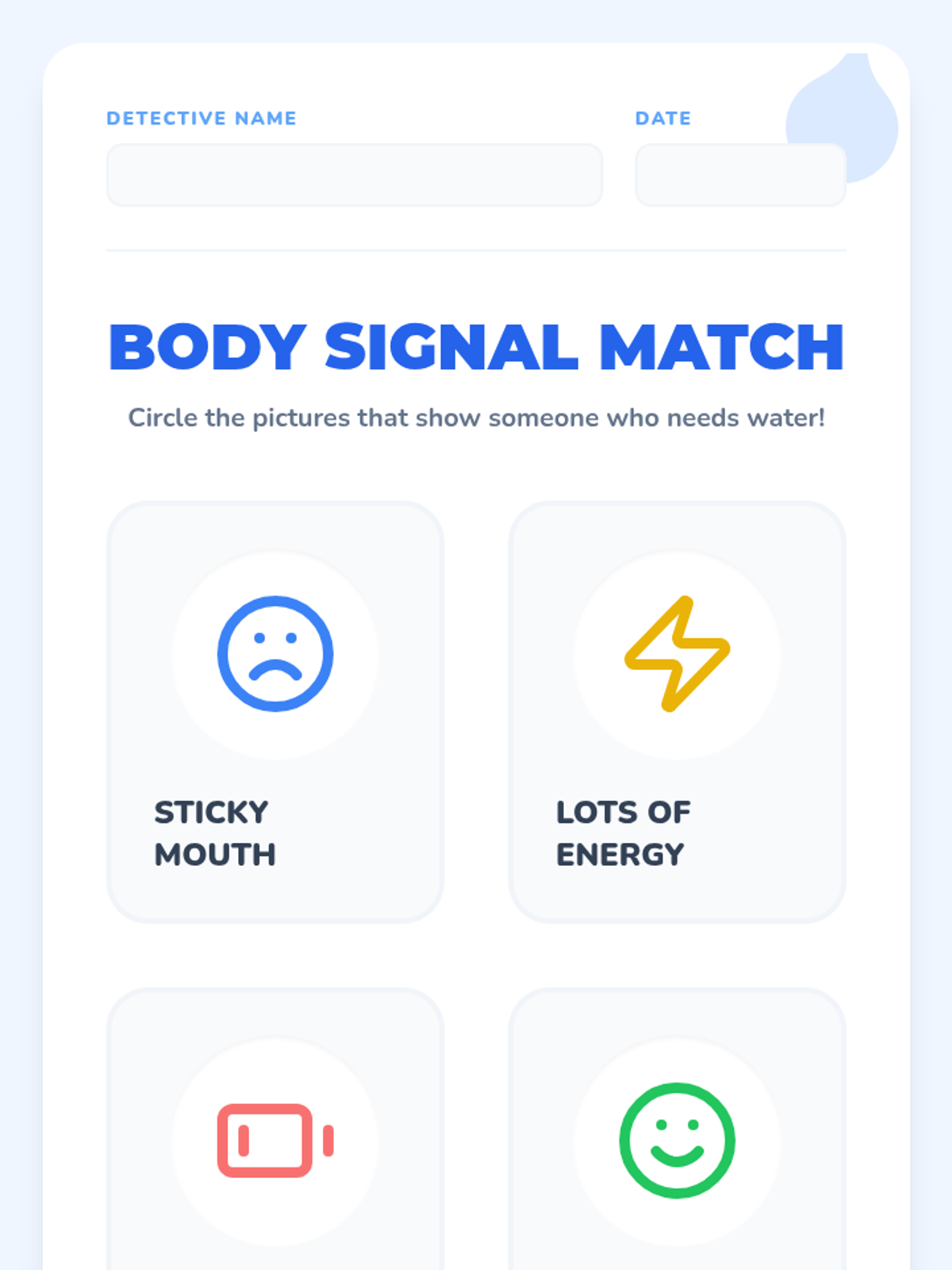
Students explore physical sensations of thirst through role-play and somatic awareness activities, learning to identify 'dry mouth' and 'low energy' as signals from their bodies.
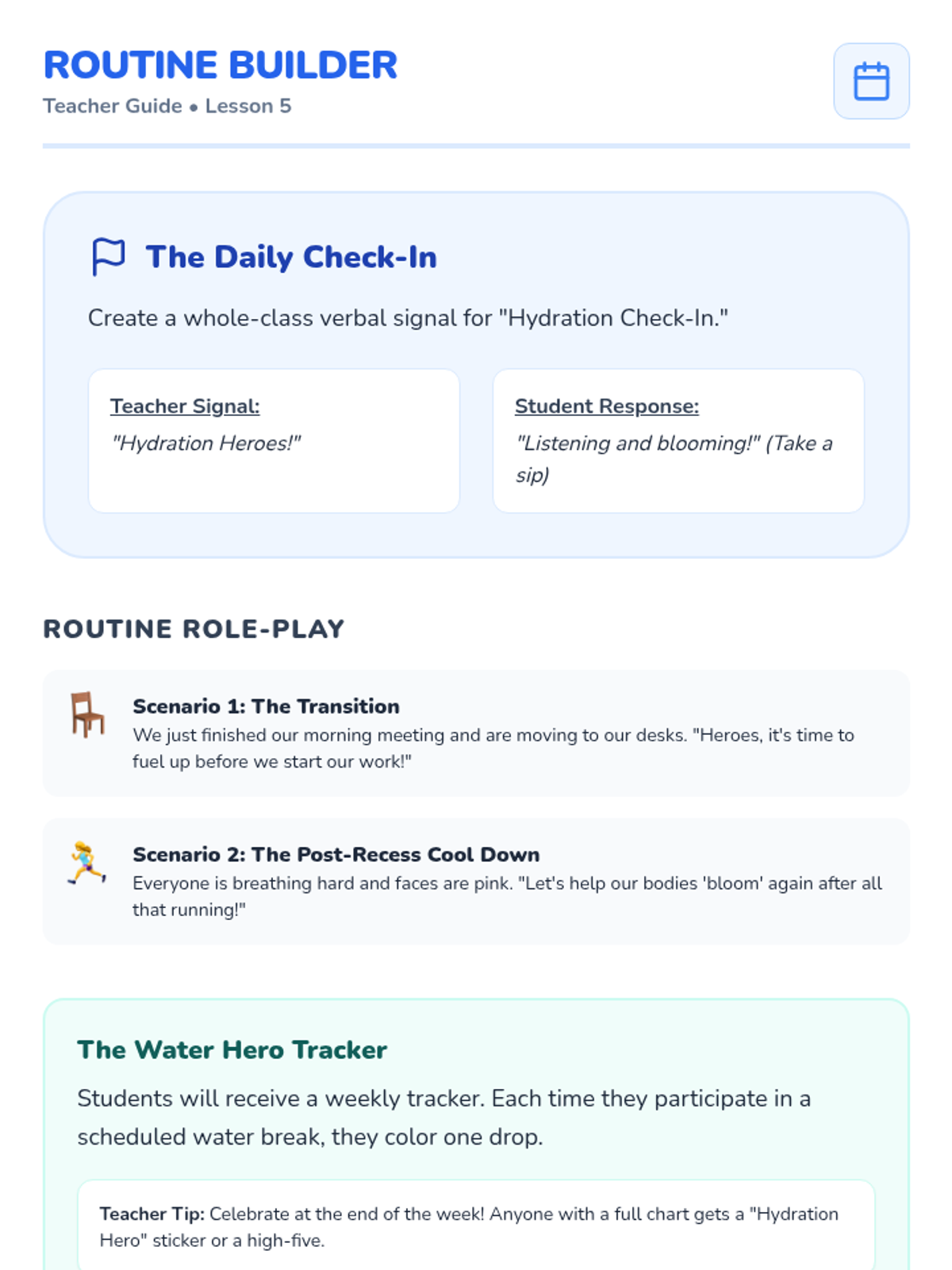
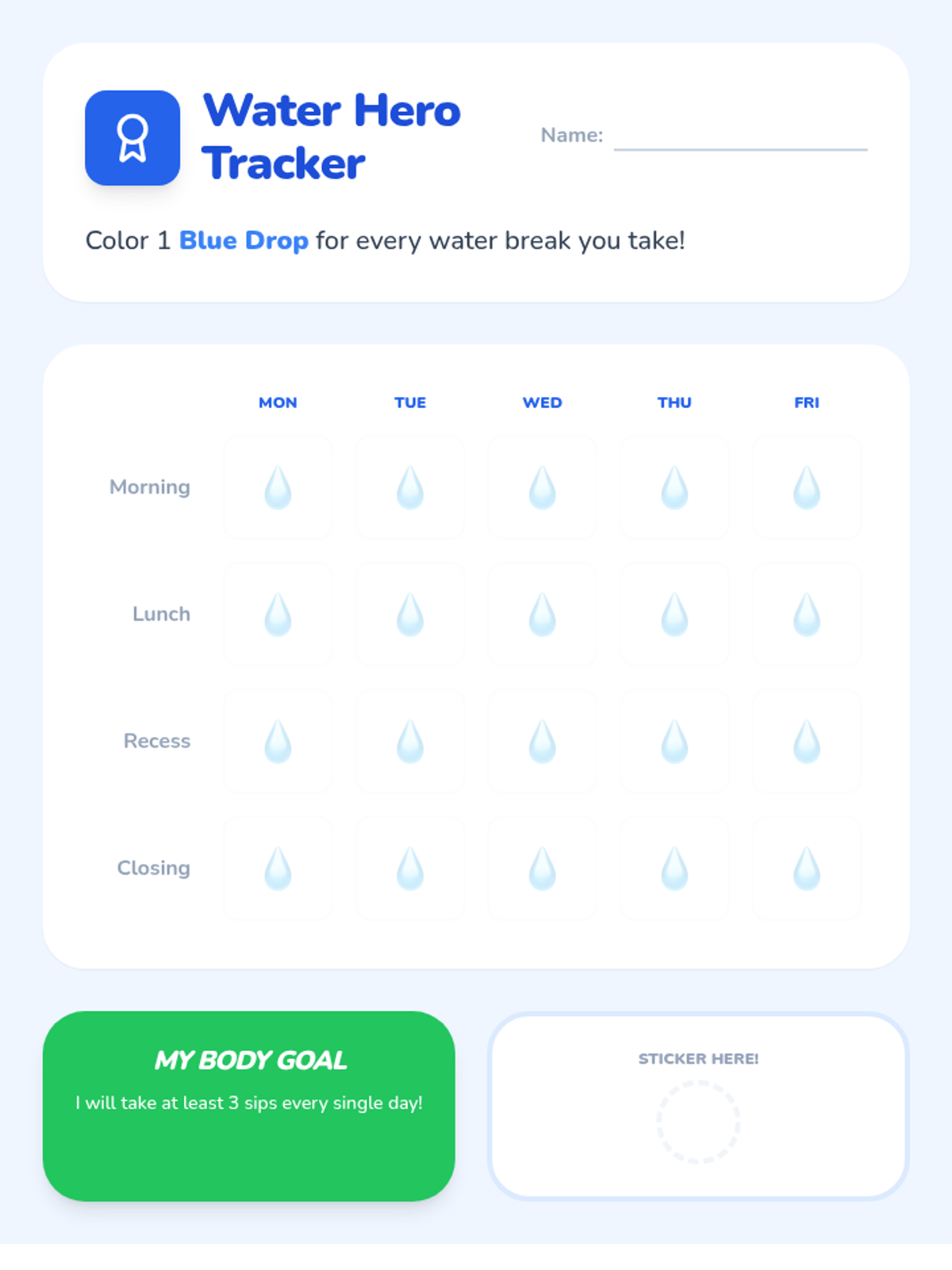
Students establish a daily hydration routine and create a visual tracker to help them remember to drink water throughout the school day.
A comparison between water and sugary drinks, teaching students that plain water is the best 'fuel' for their bodies.
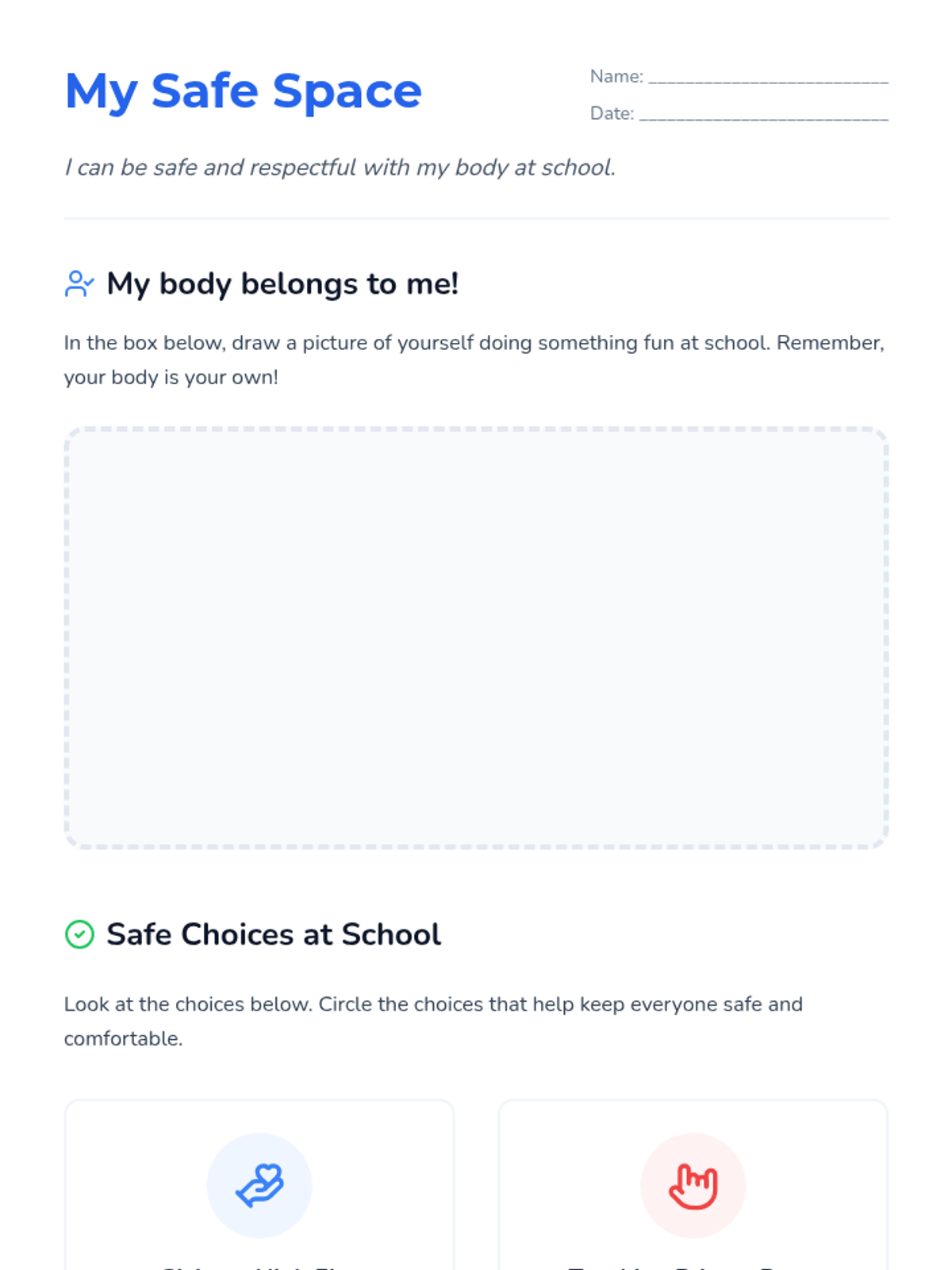
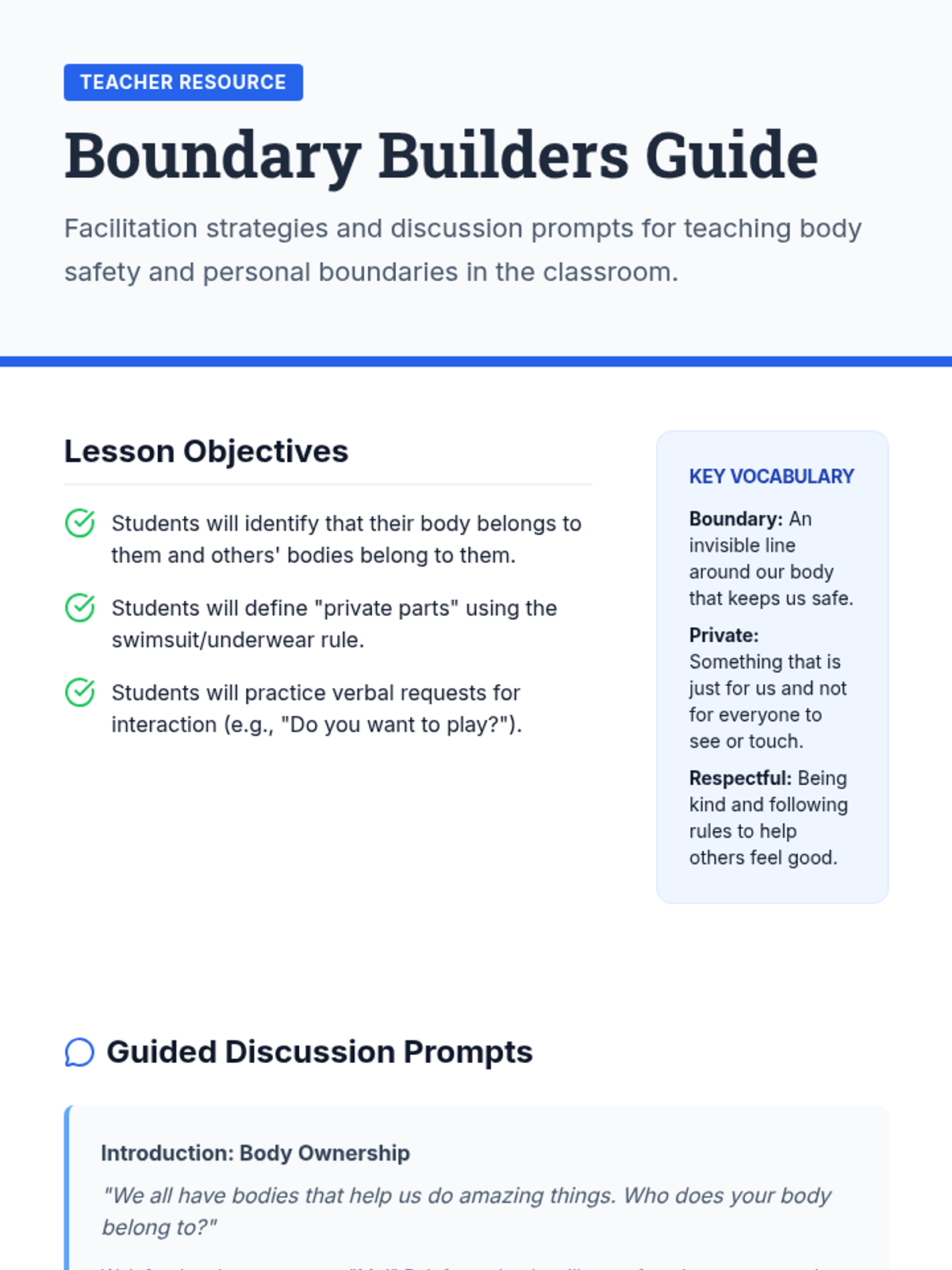
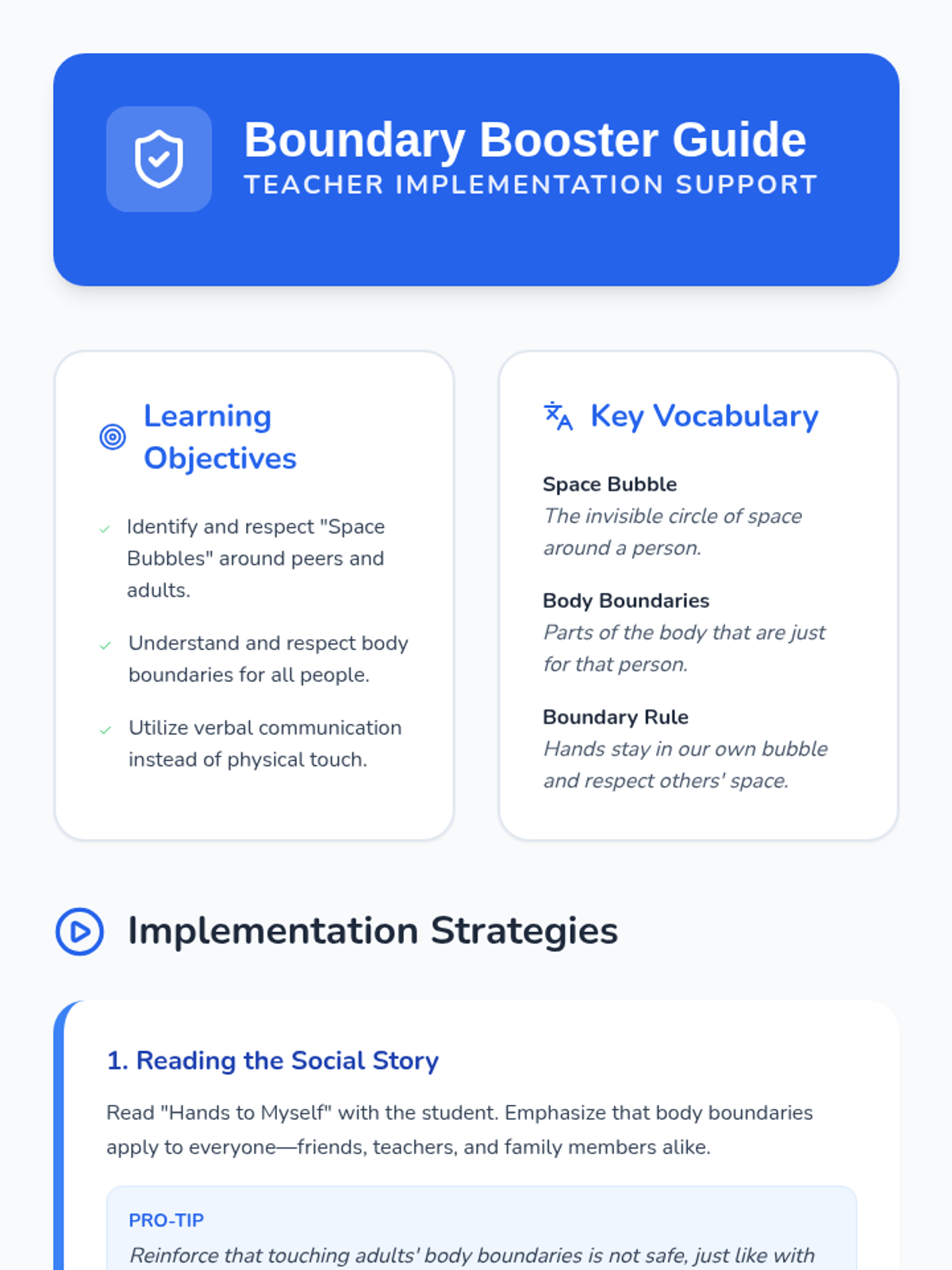
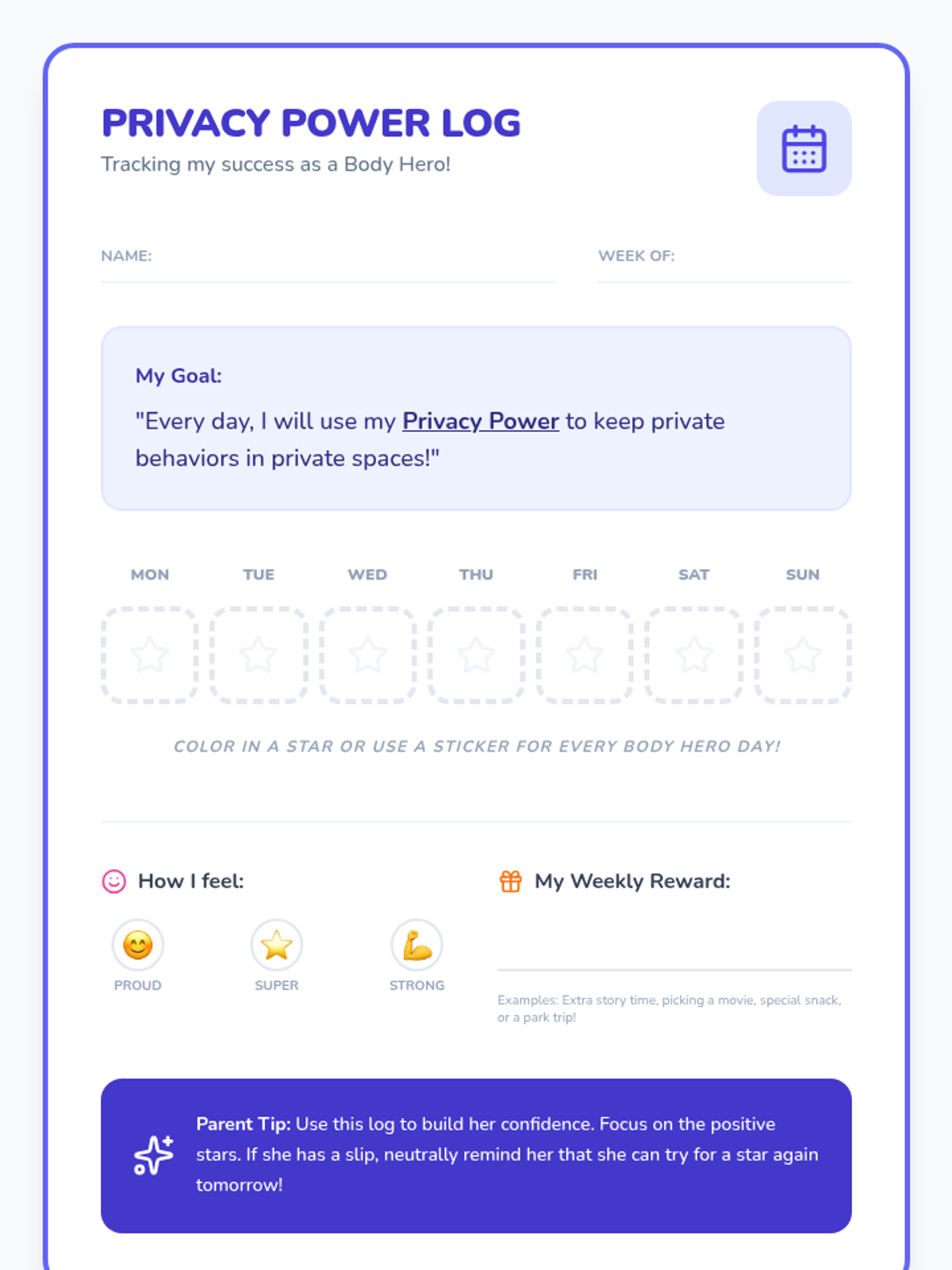
A foundational lesson introducing the concept of personal space, body ownership, and the distinction between private and public body parts.
Teaching students about the concept of personal space bubbles and the importance of keeping hands to themselves, specifically regarding private body parts.
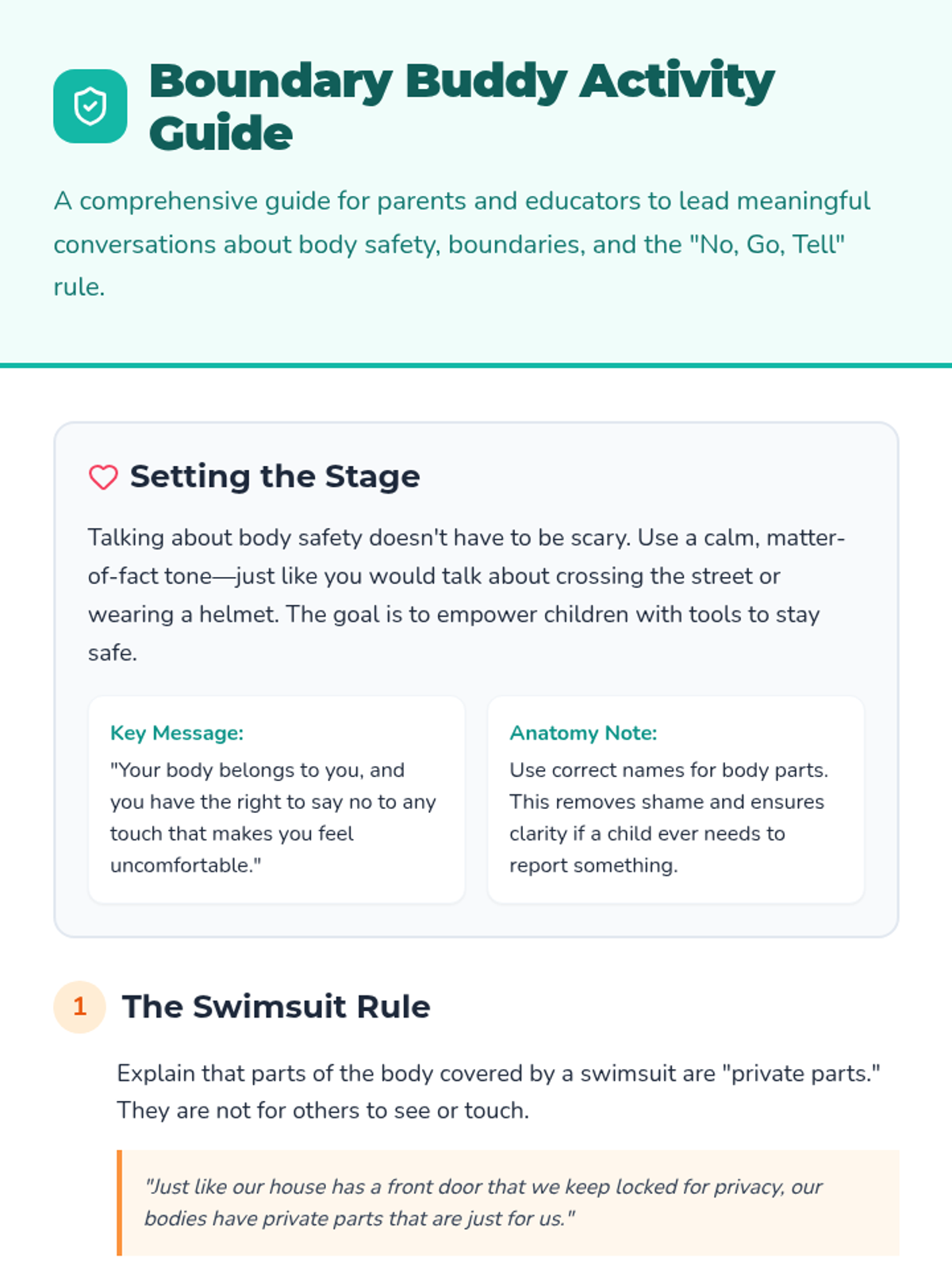
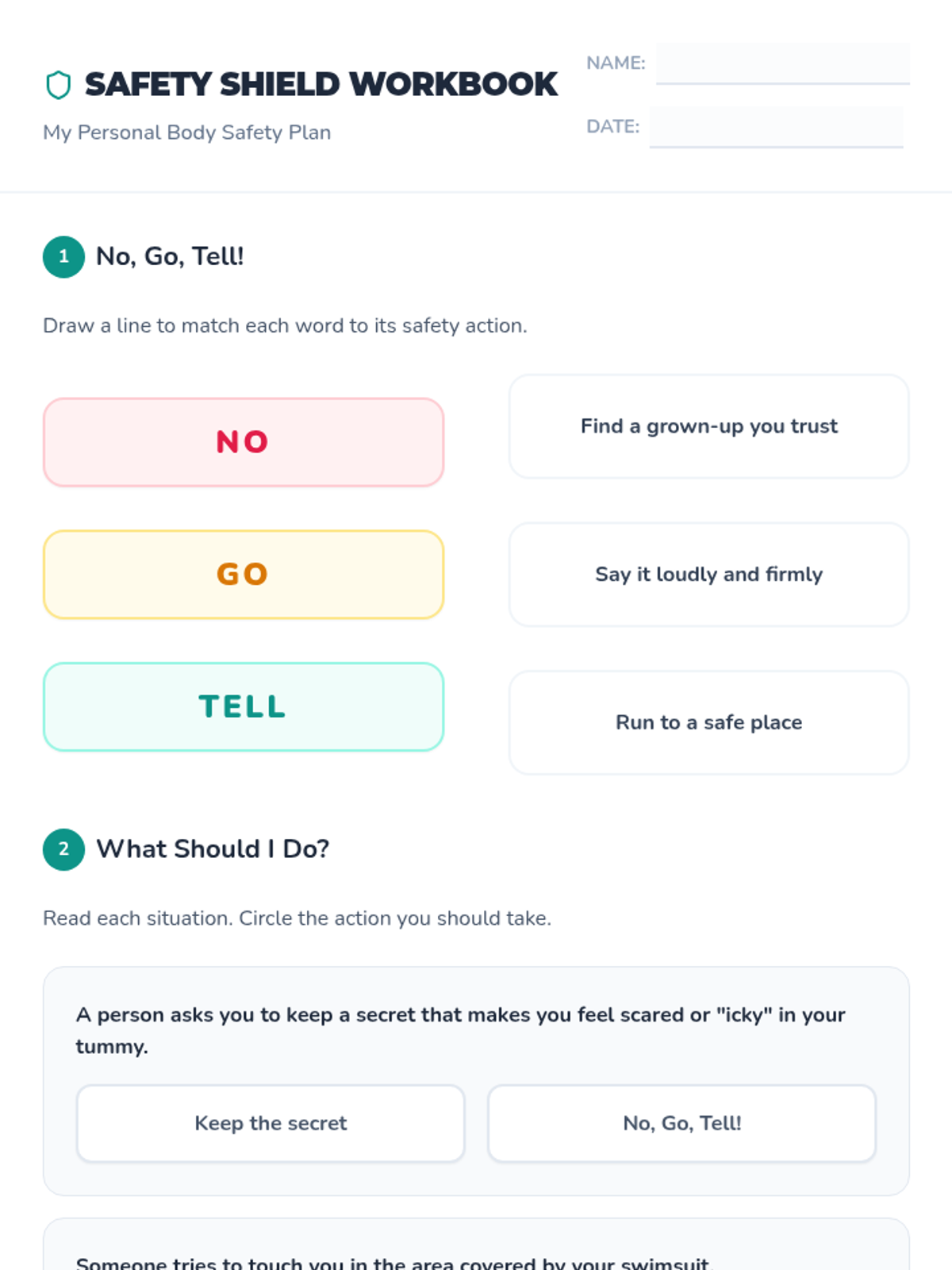
This lesson teaches children vital body safety rules, including the 'No, Go, Tell' strategy and understanding personal boundaries. Through interactive activities and visual reminders, kids learn to identify trusted adults and respond confidently to uncomfortable situations.
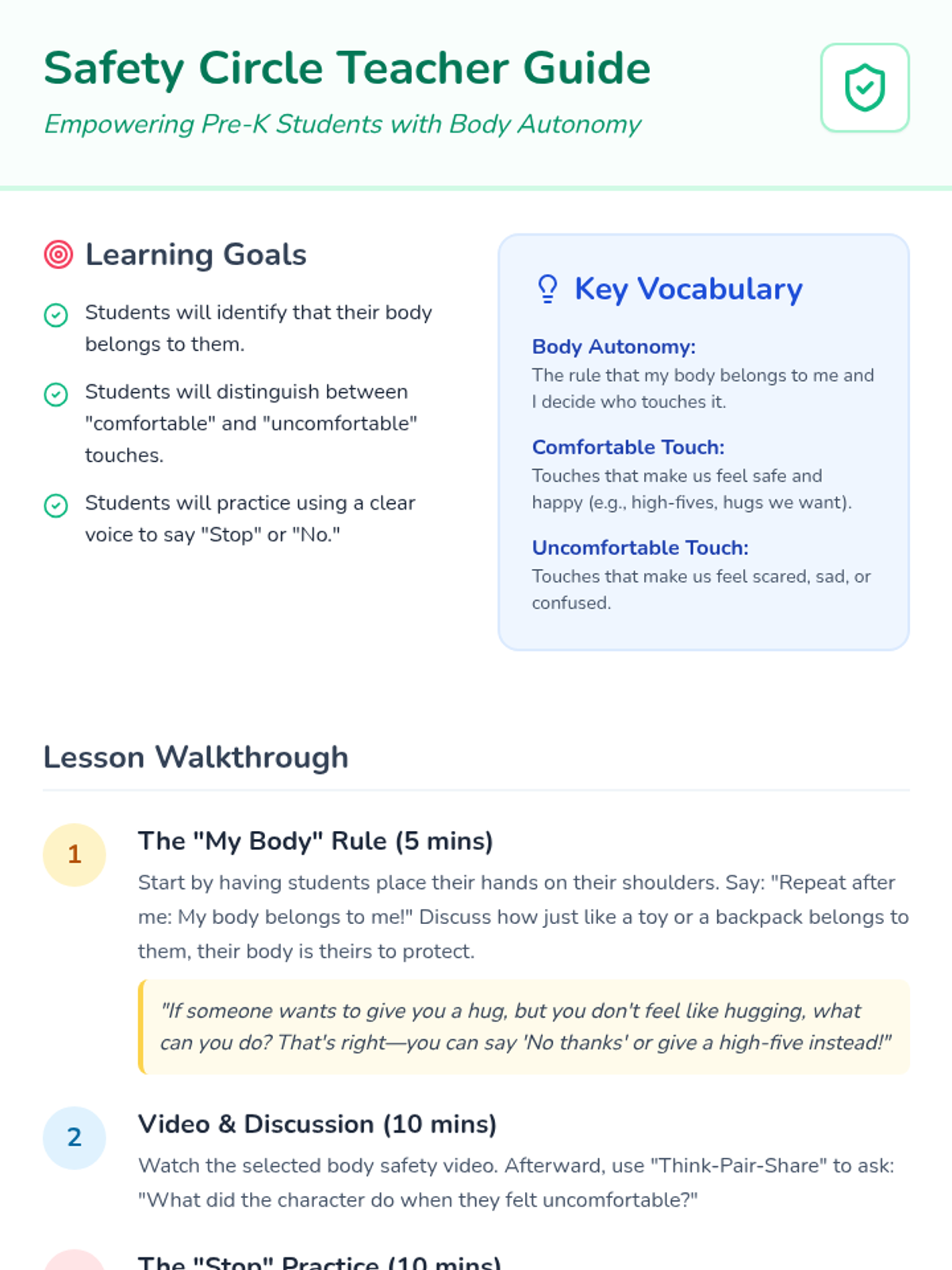
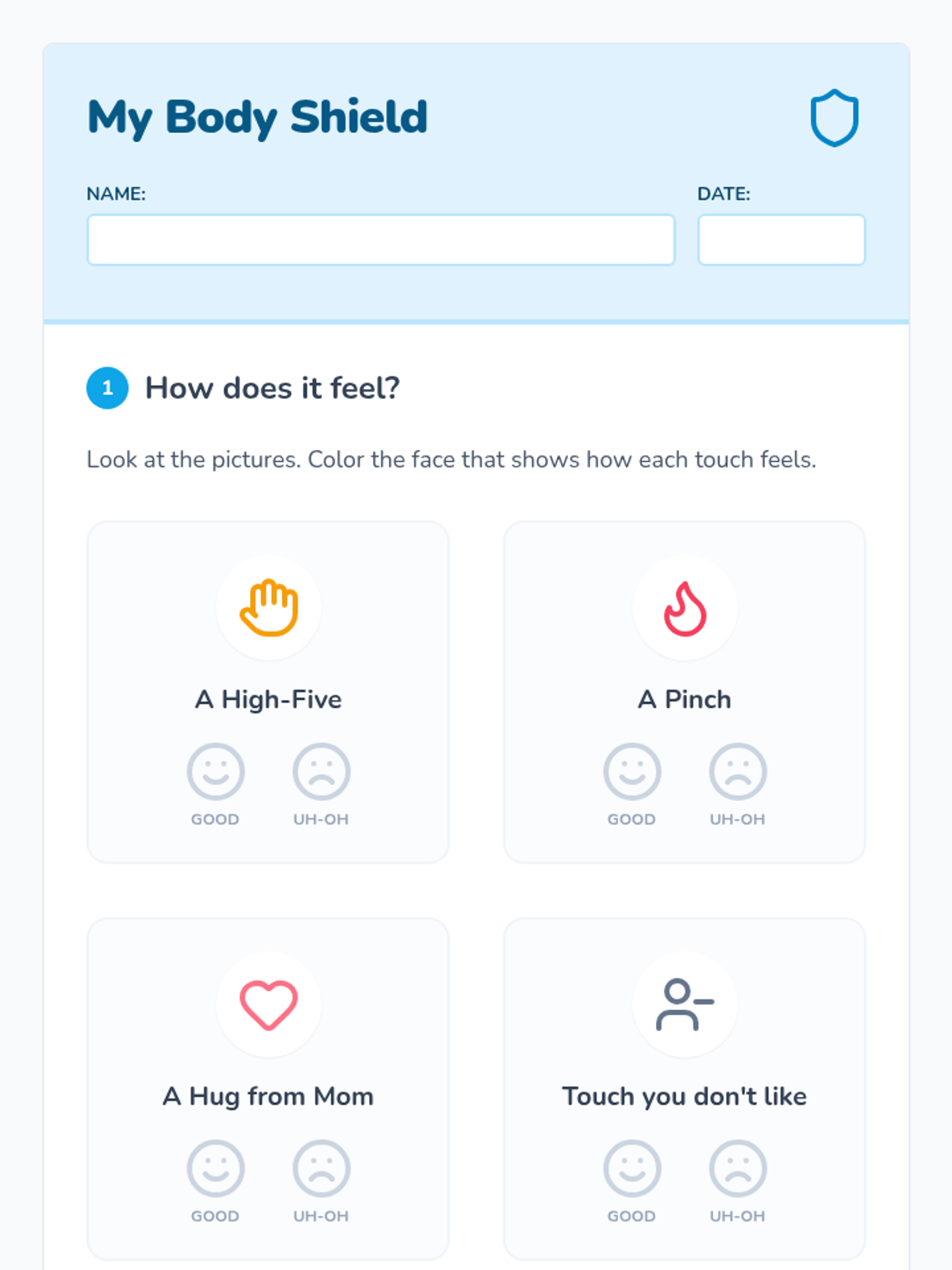
A comprehensive lesson for Pre-K students on body safety, identifying comfortable and uncomfortable touches, and practicing the power to say 'No' or 'Stop'. The lesson uses age-appropriate language to empower children to set boundaries and identify trusted adults.
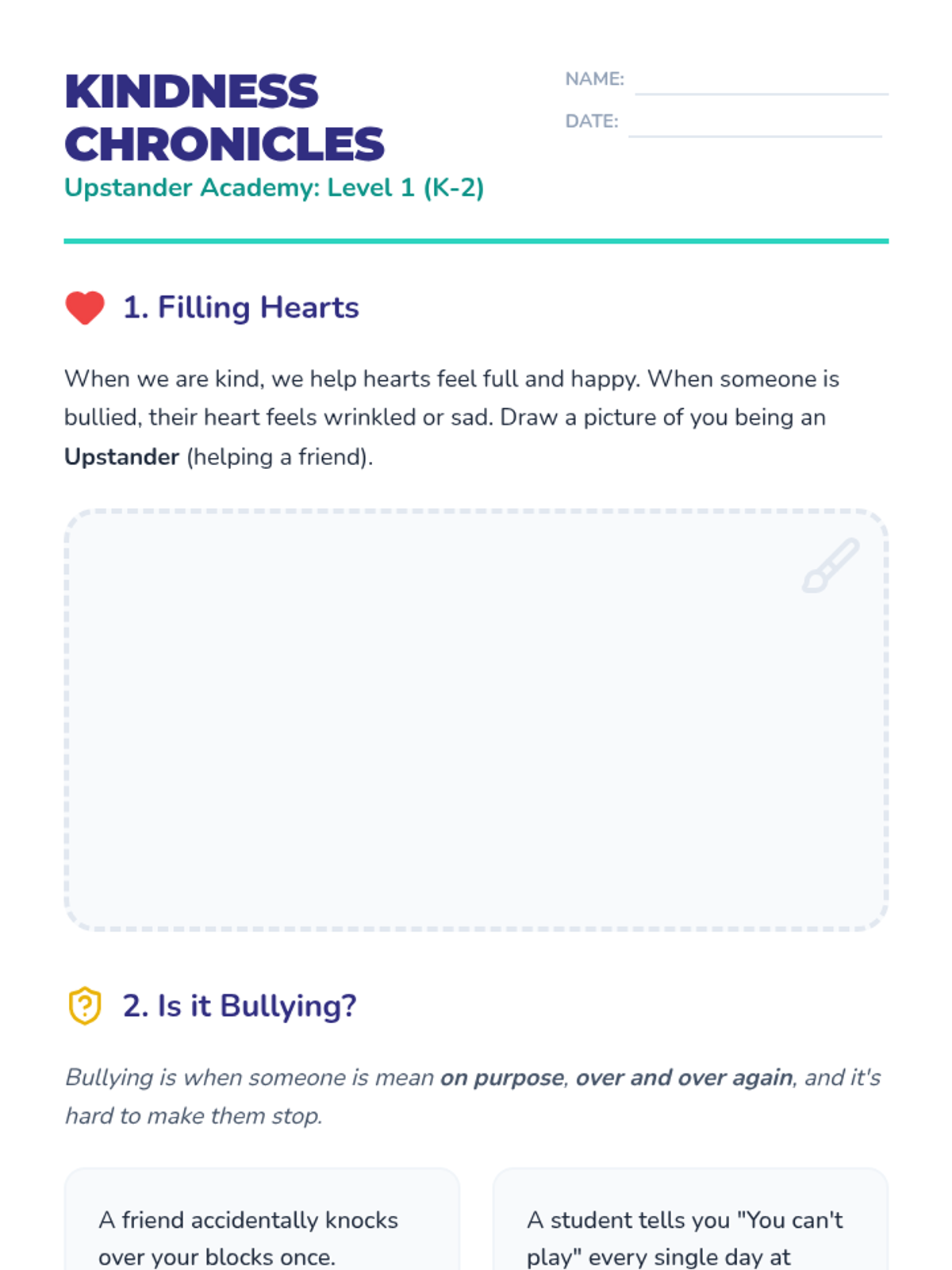
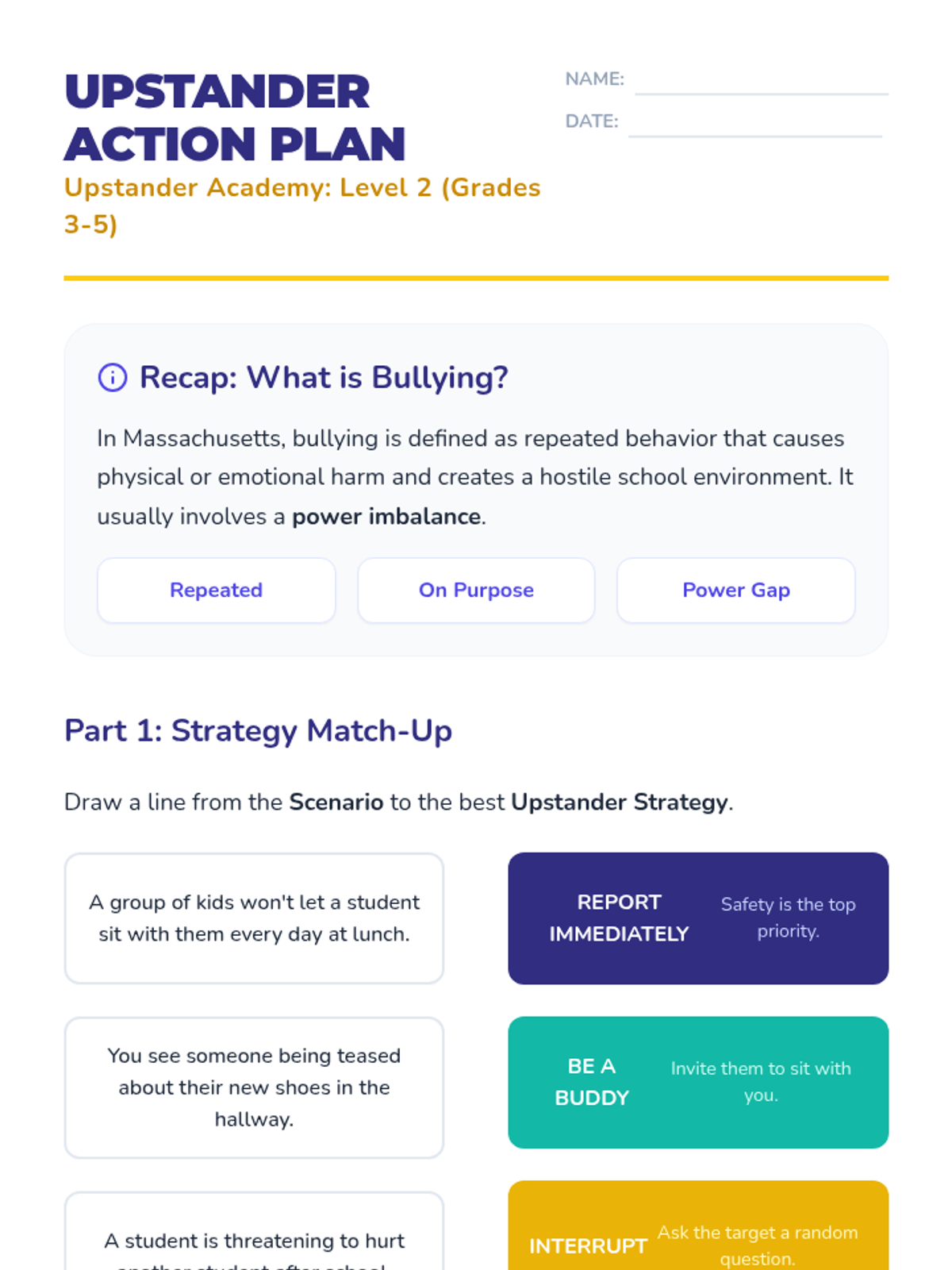
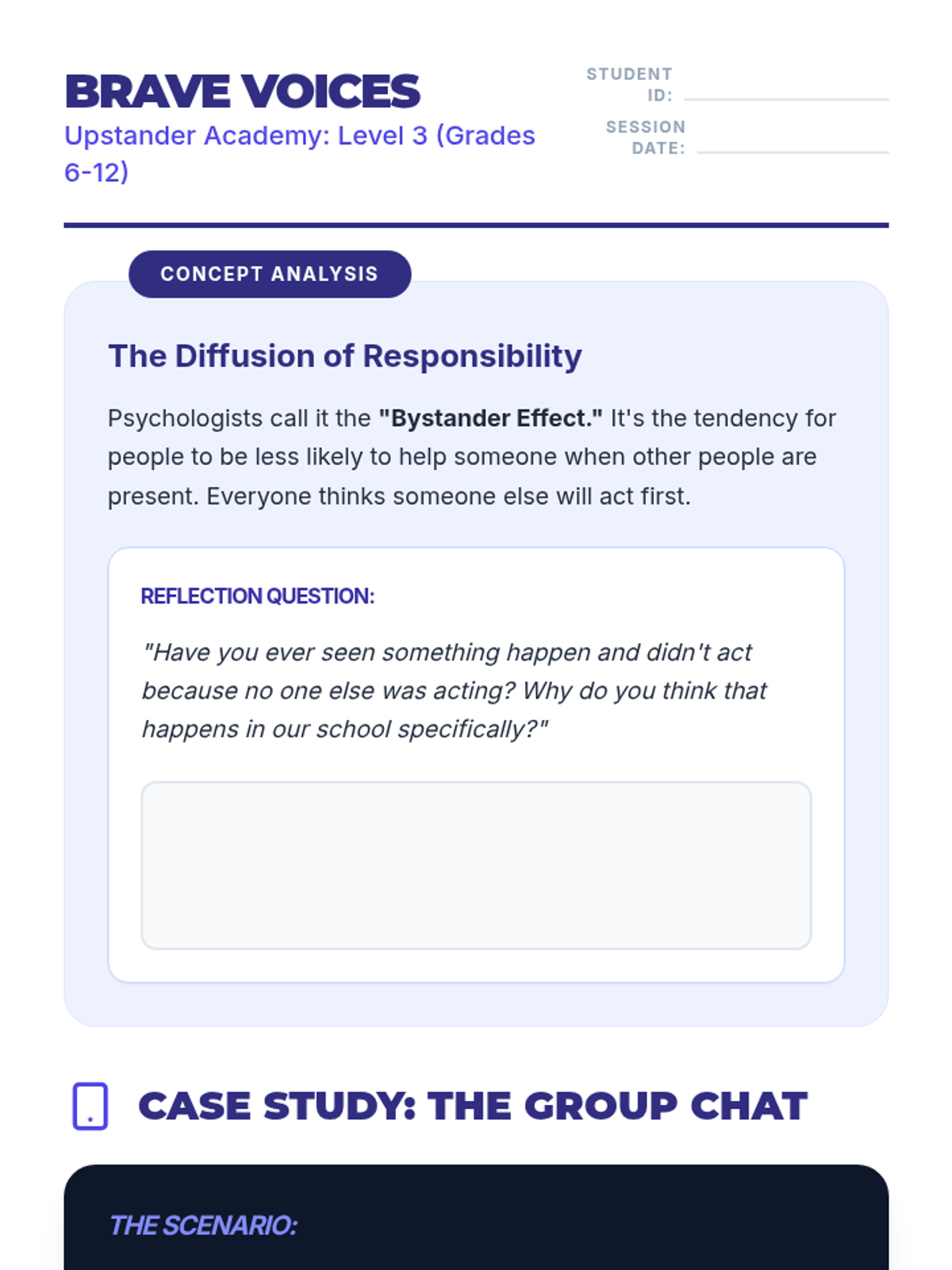
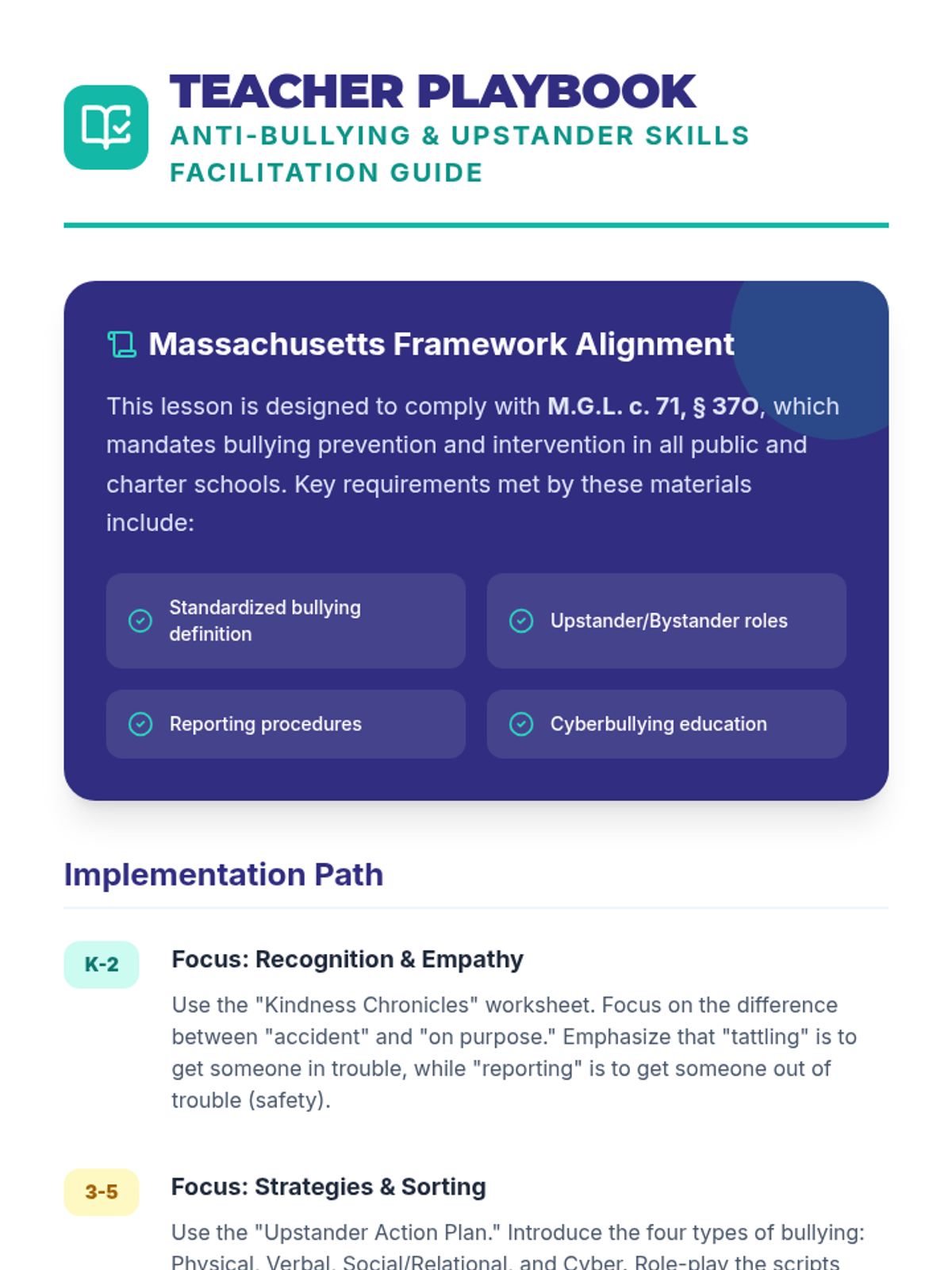
A comprehensive anti-bullying and upstander skills lesson designed for K-12 students. It focuses on identifying bullying, developing empathy, and providing concrete reporting strategies aligned with Massachusetts state frameworks.
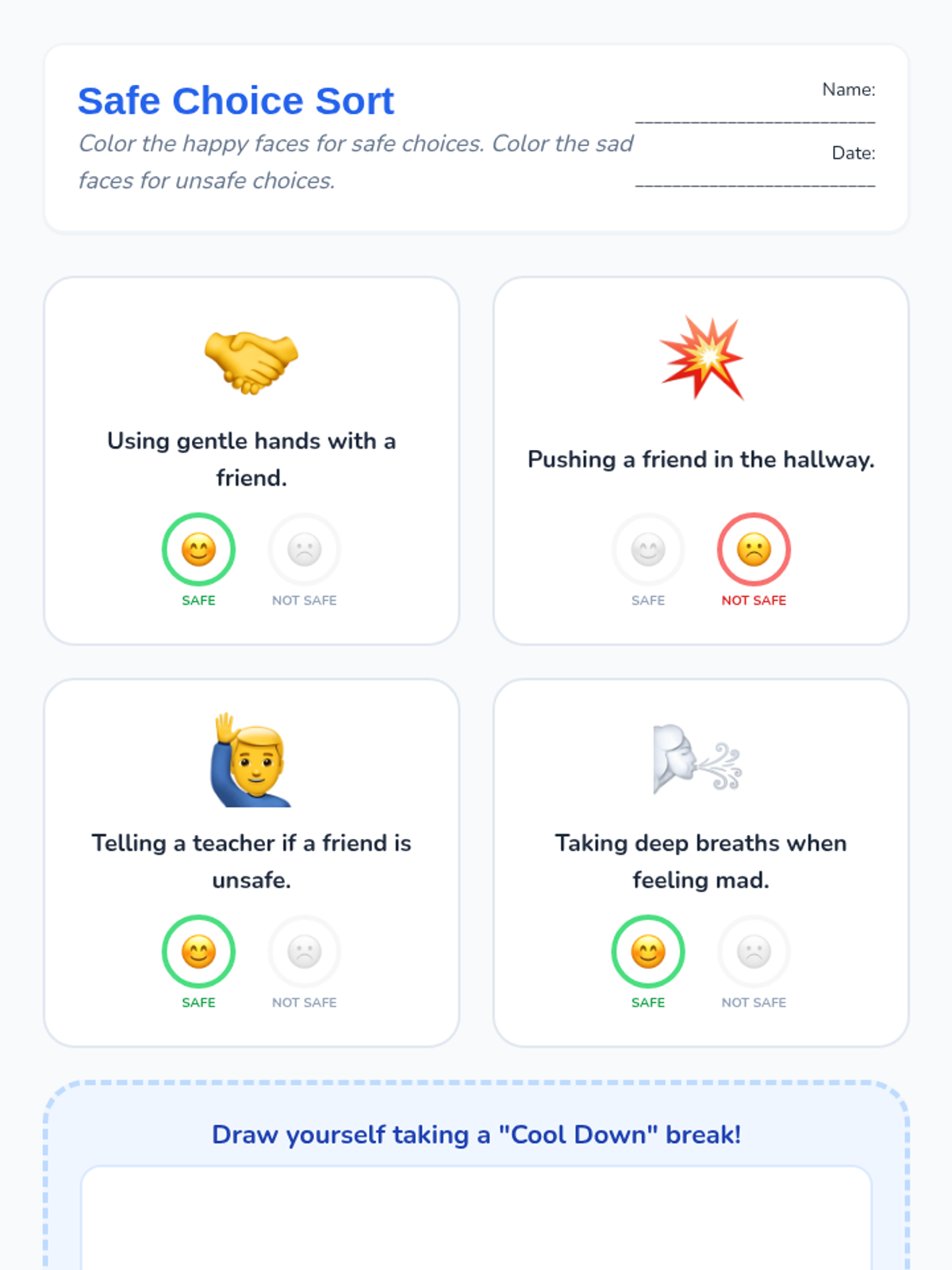
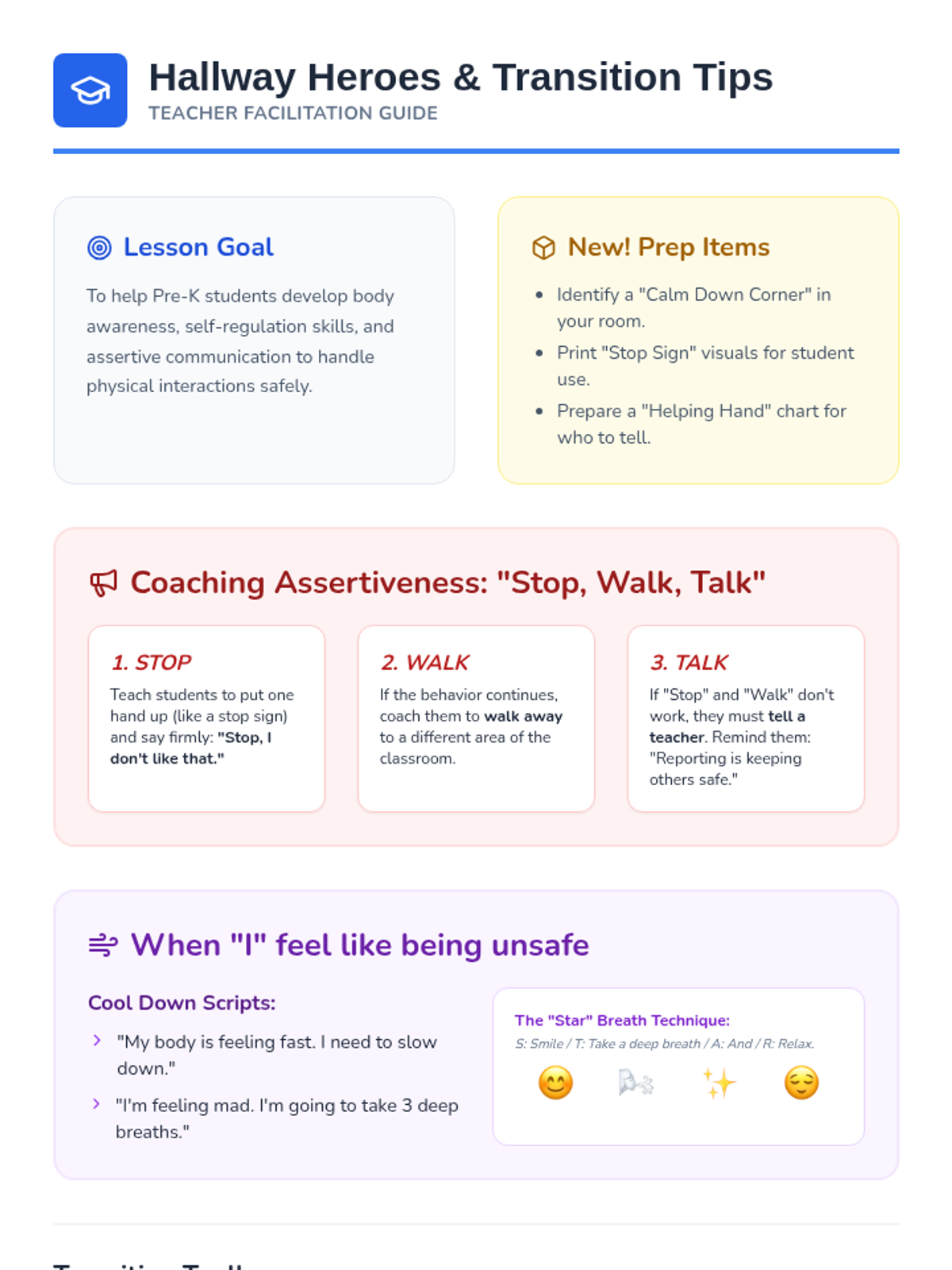
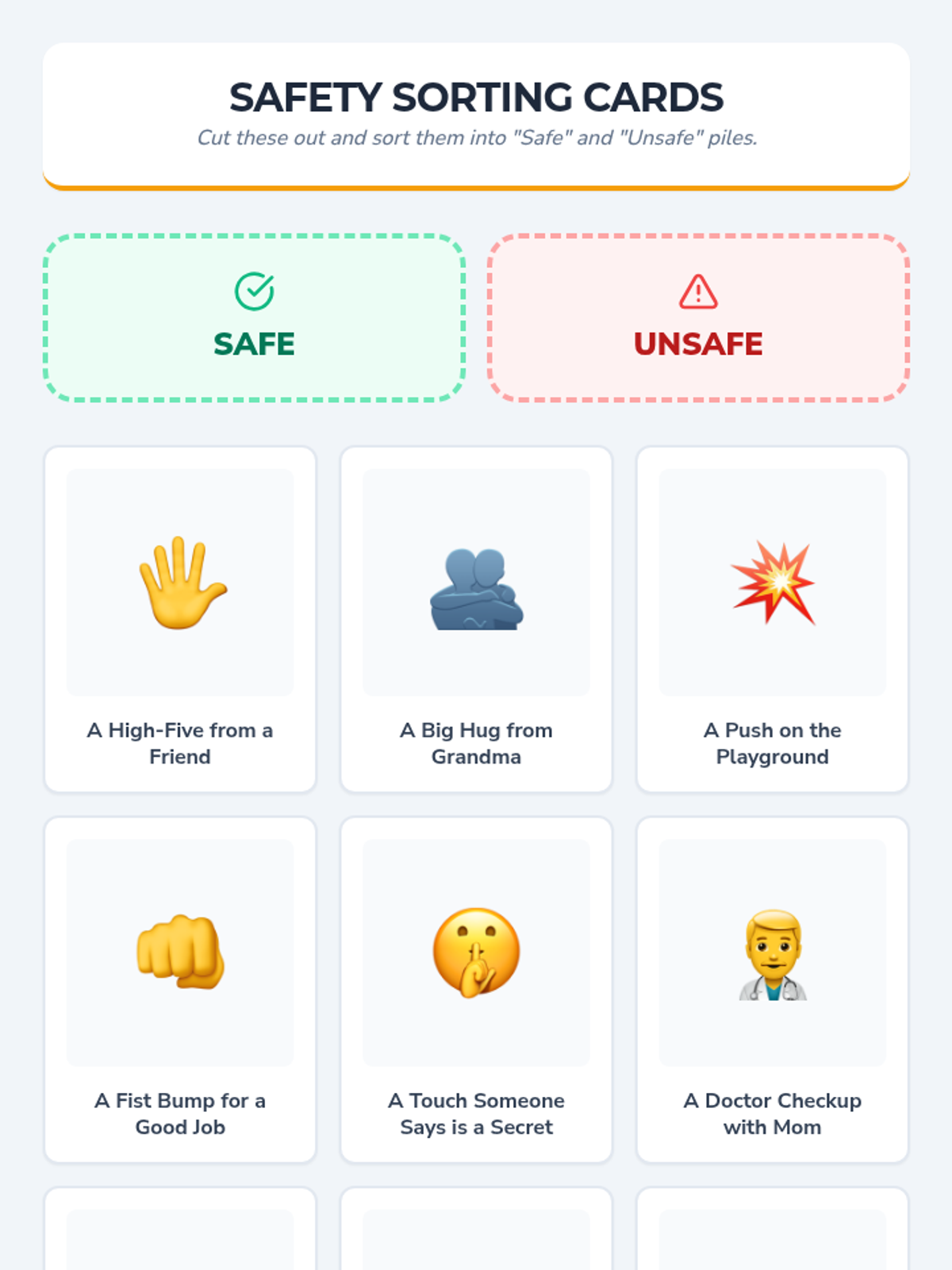
A foundational lesson for Pre-K students to learn about personal space, gentle touch, and safe movement during playtime and hallway transitions. Through a social story and interactive sorting, students practice making 'safe body' choices.
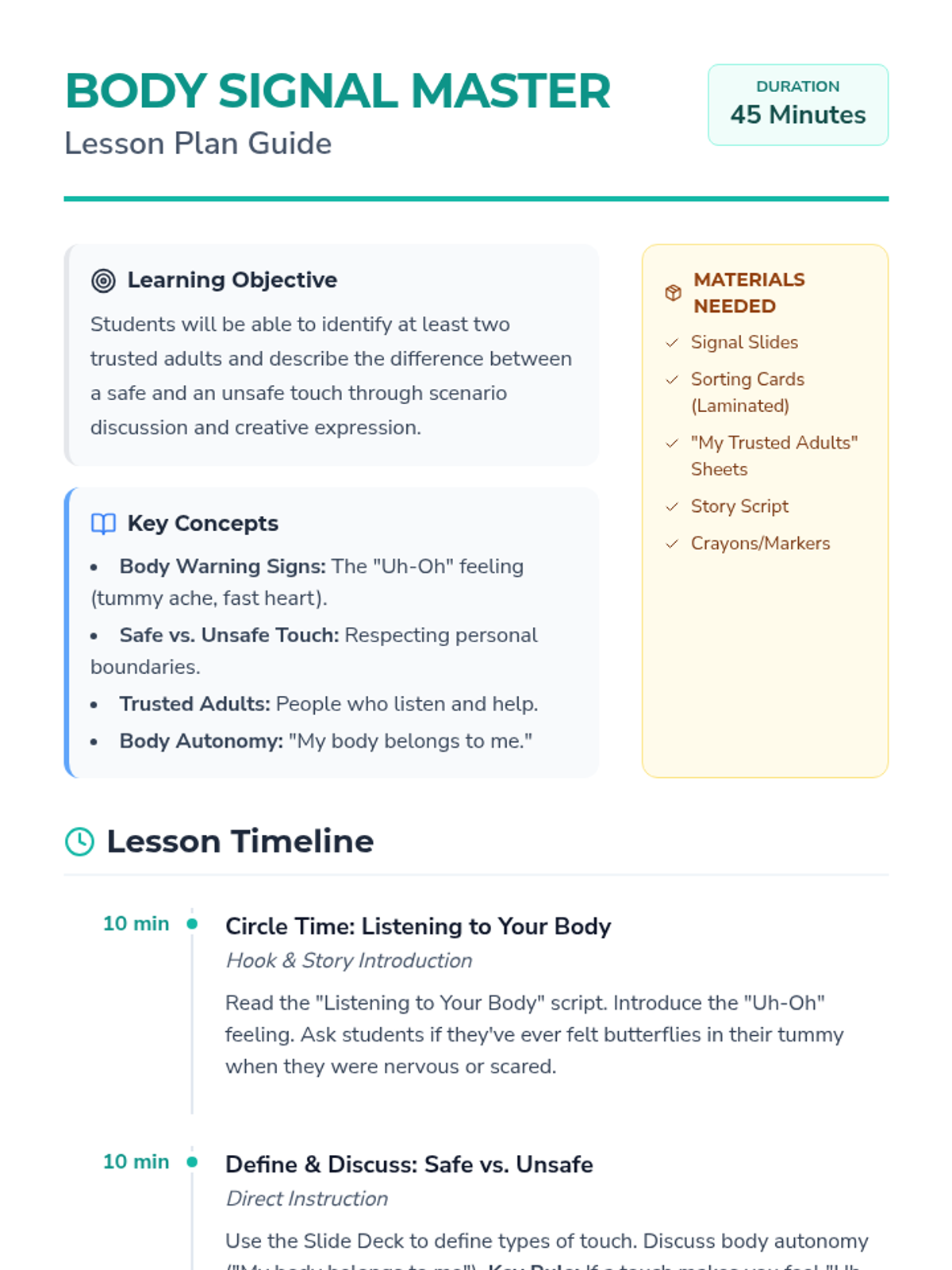
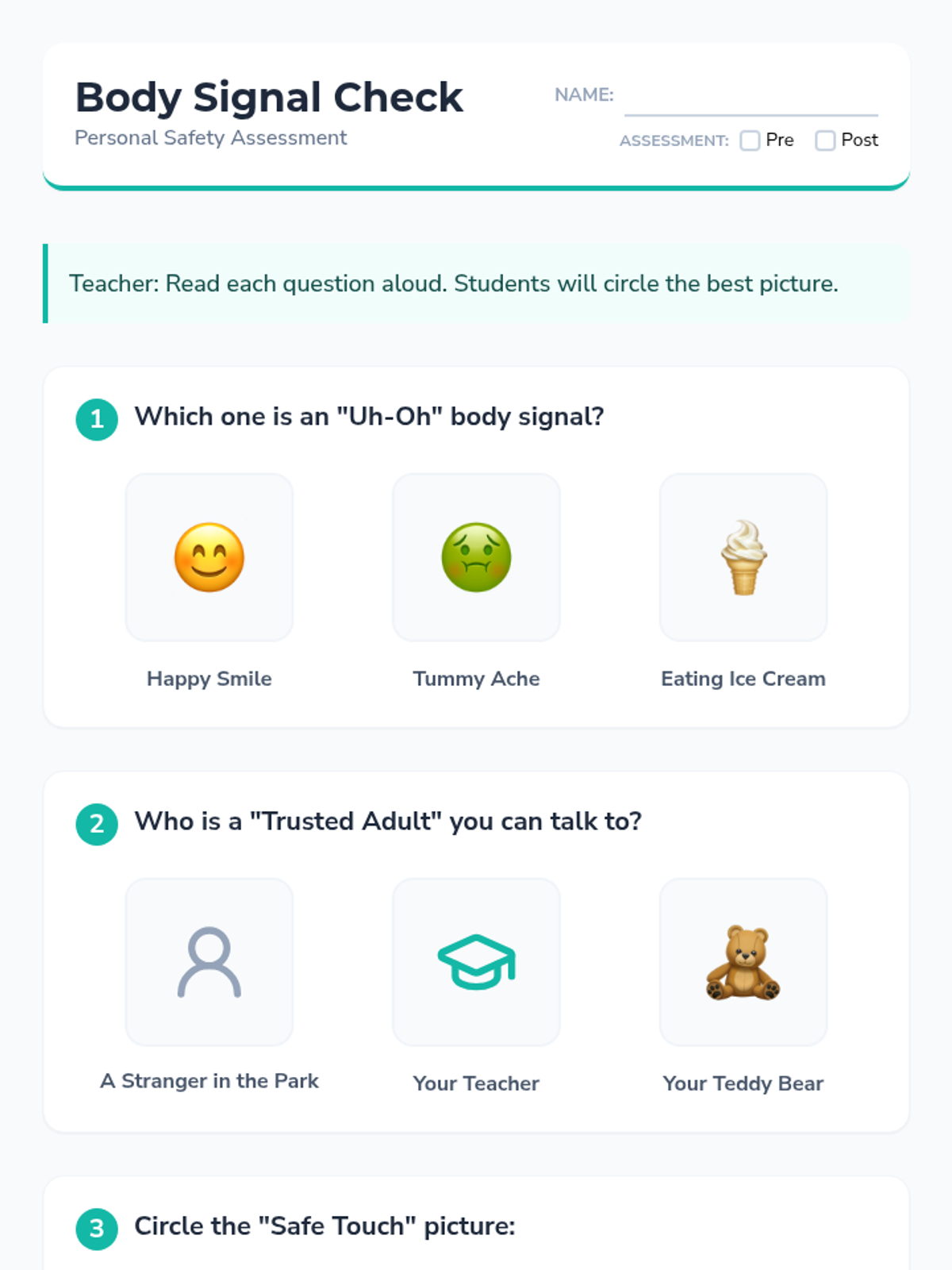
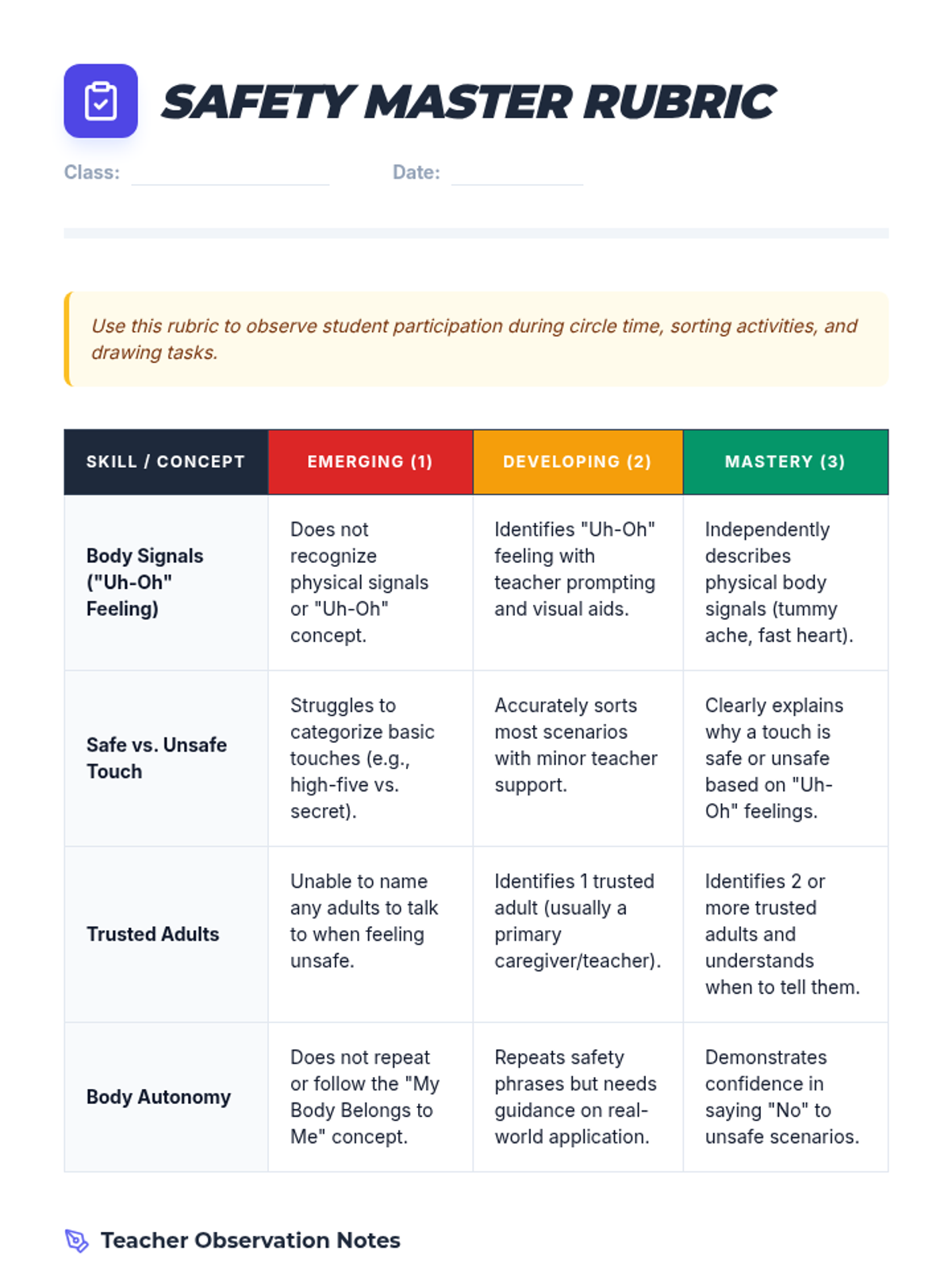
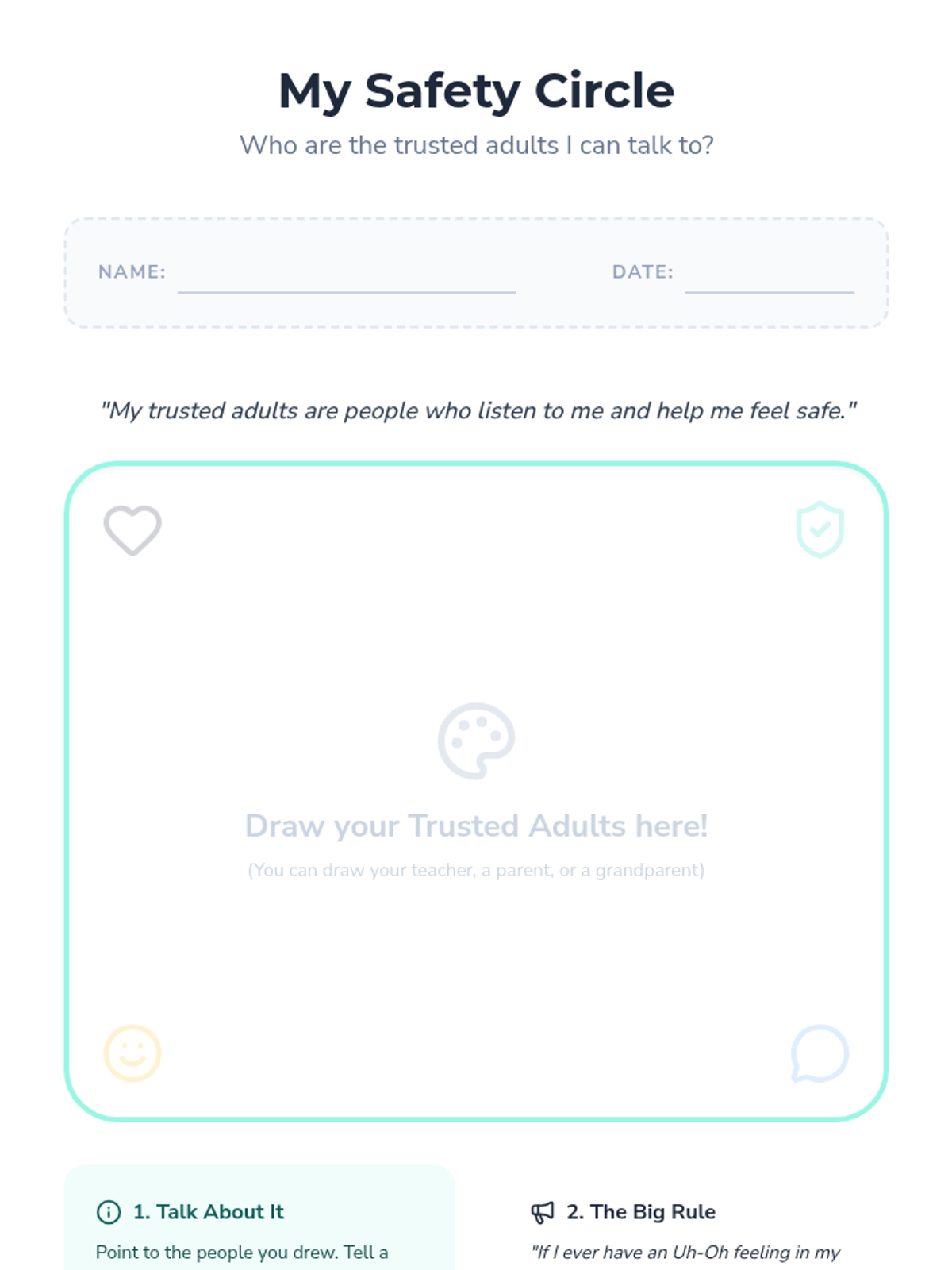
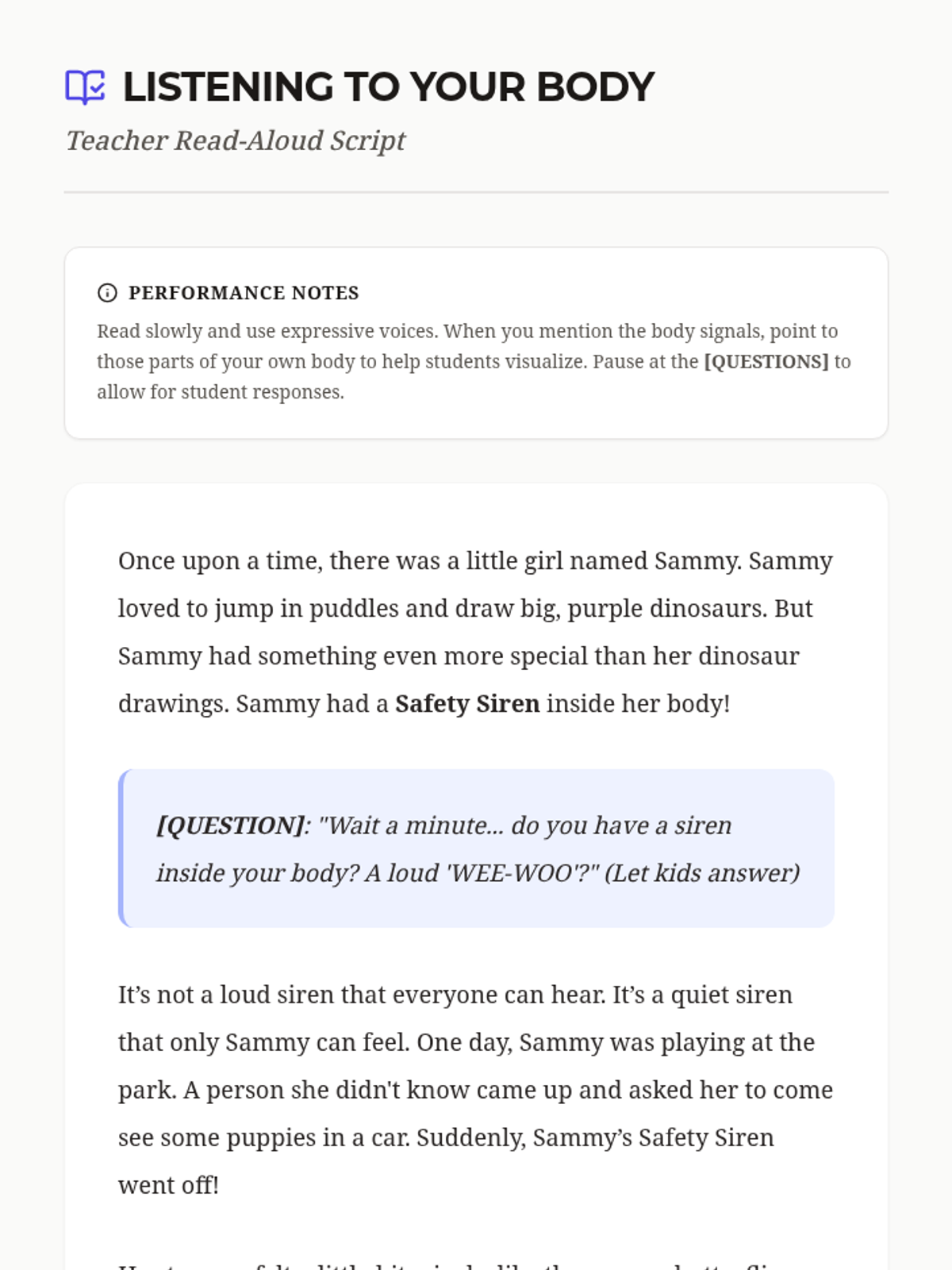
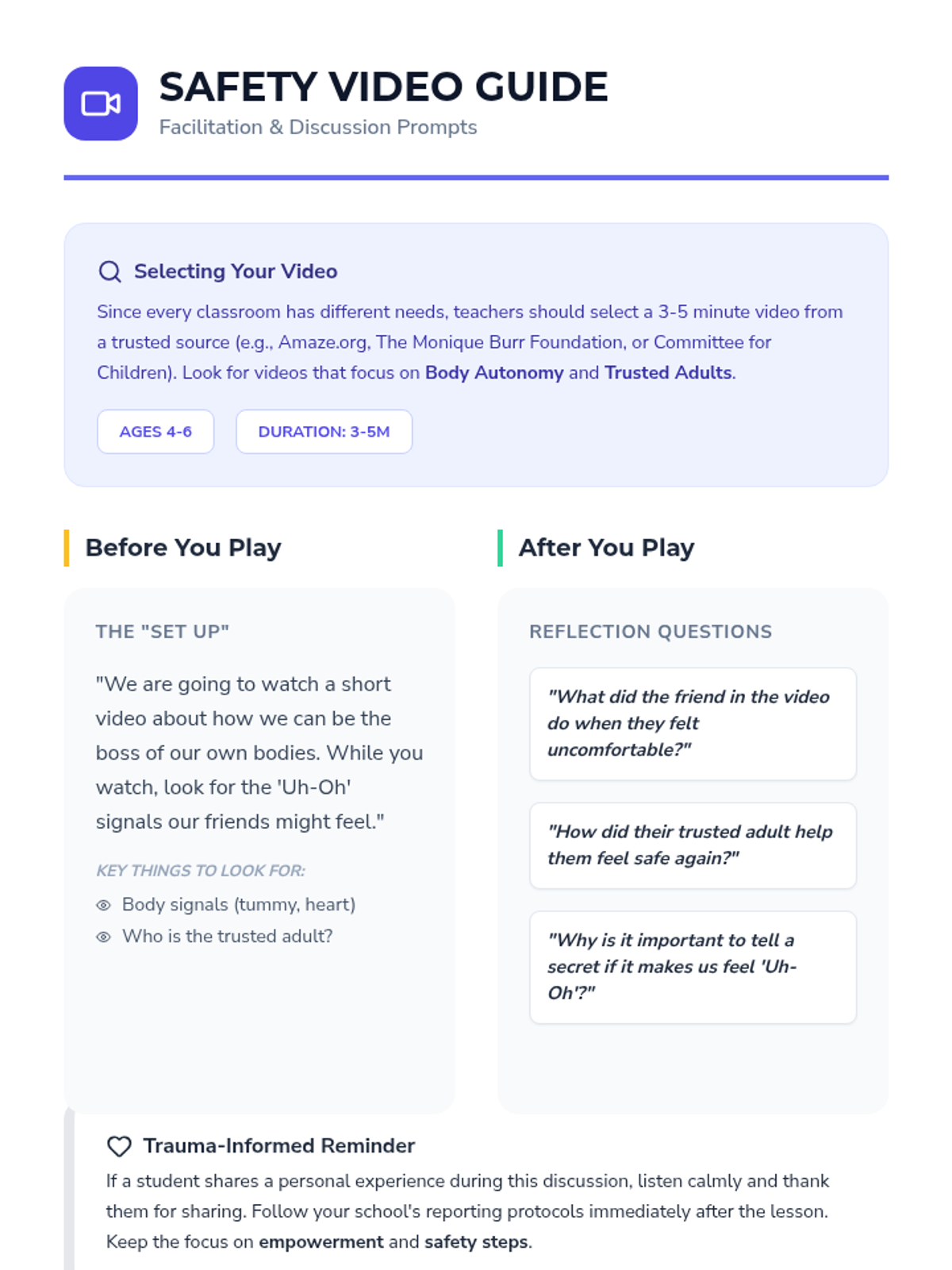
A comprehensive 45-minute lesson for Kindergarteners to learn about body safety, trusted adults, and the difference between safe and unsafe touches. Students will learn to recognize their body's 'Uh-Oh' signals and identify people they can talk to.
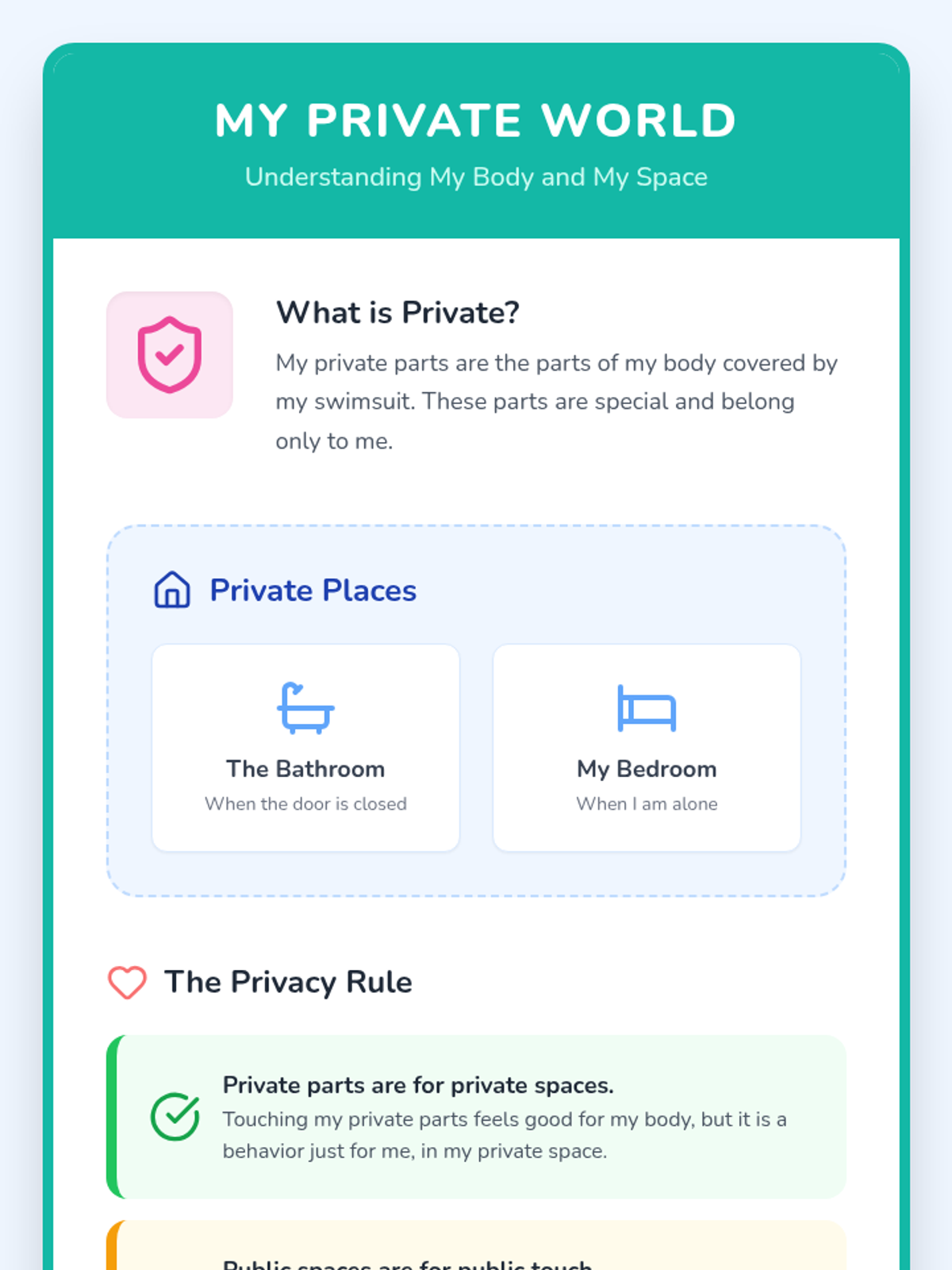
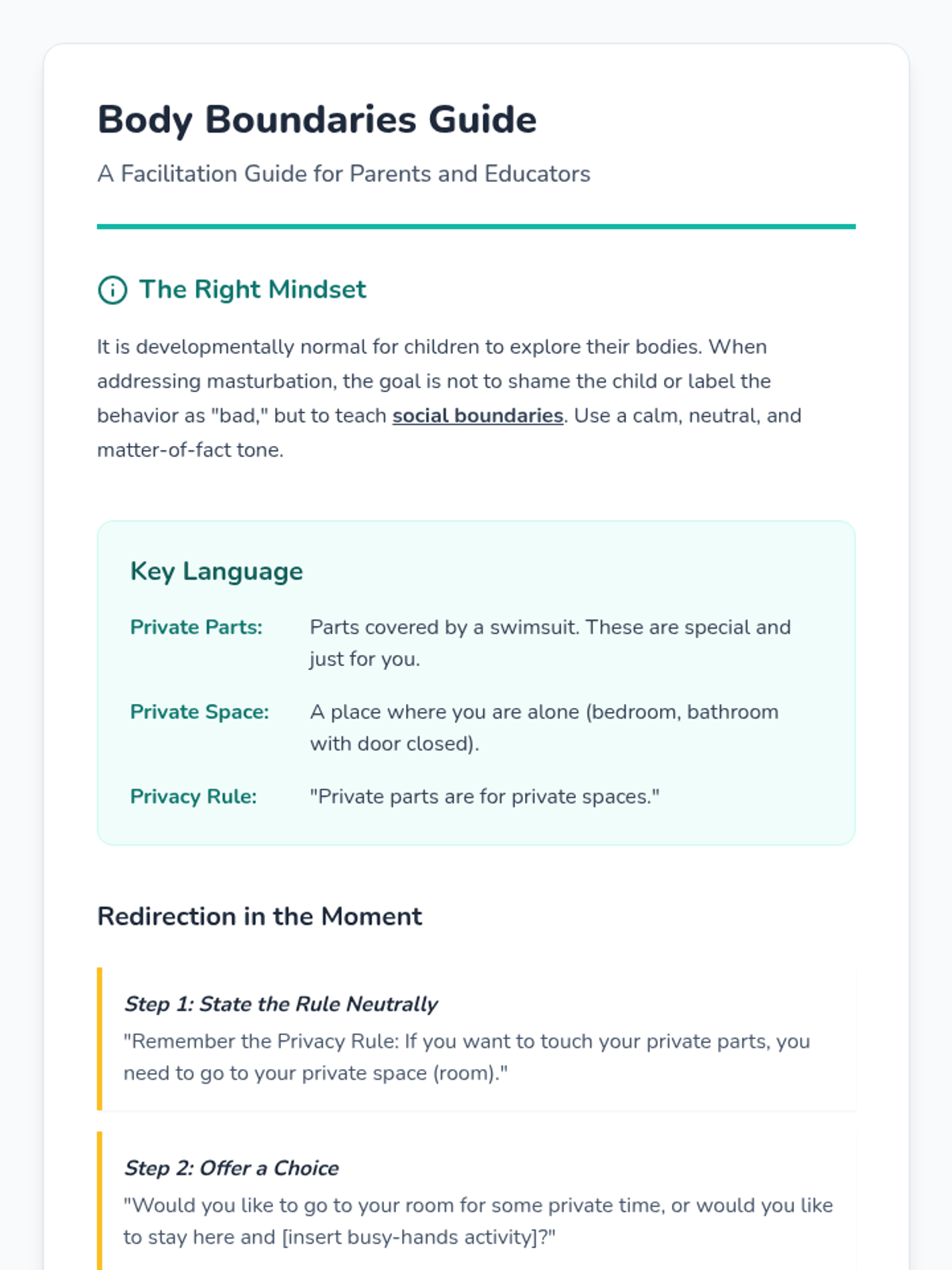
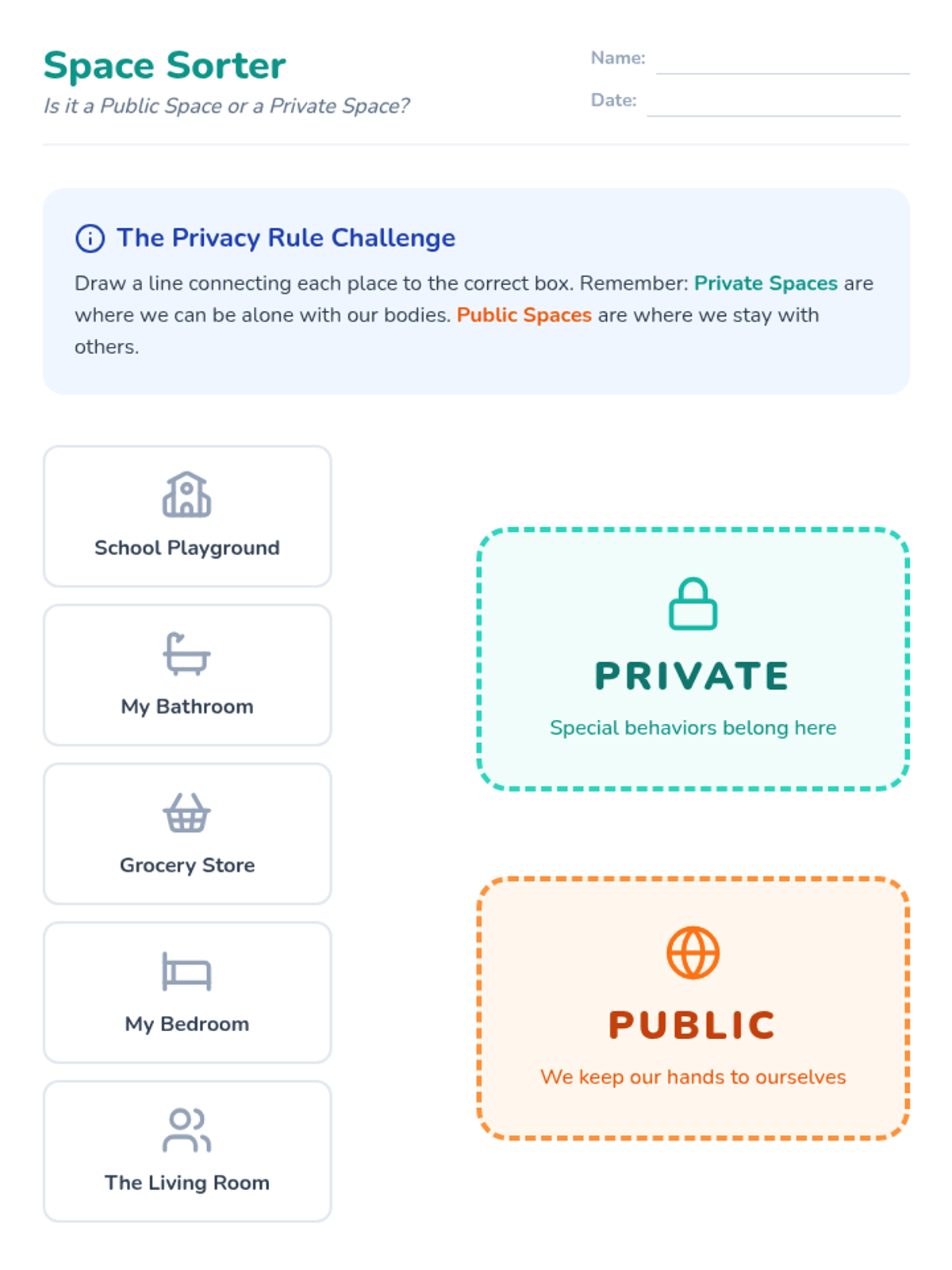
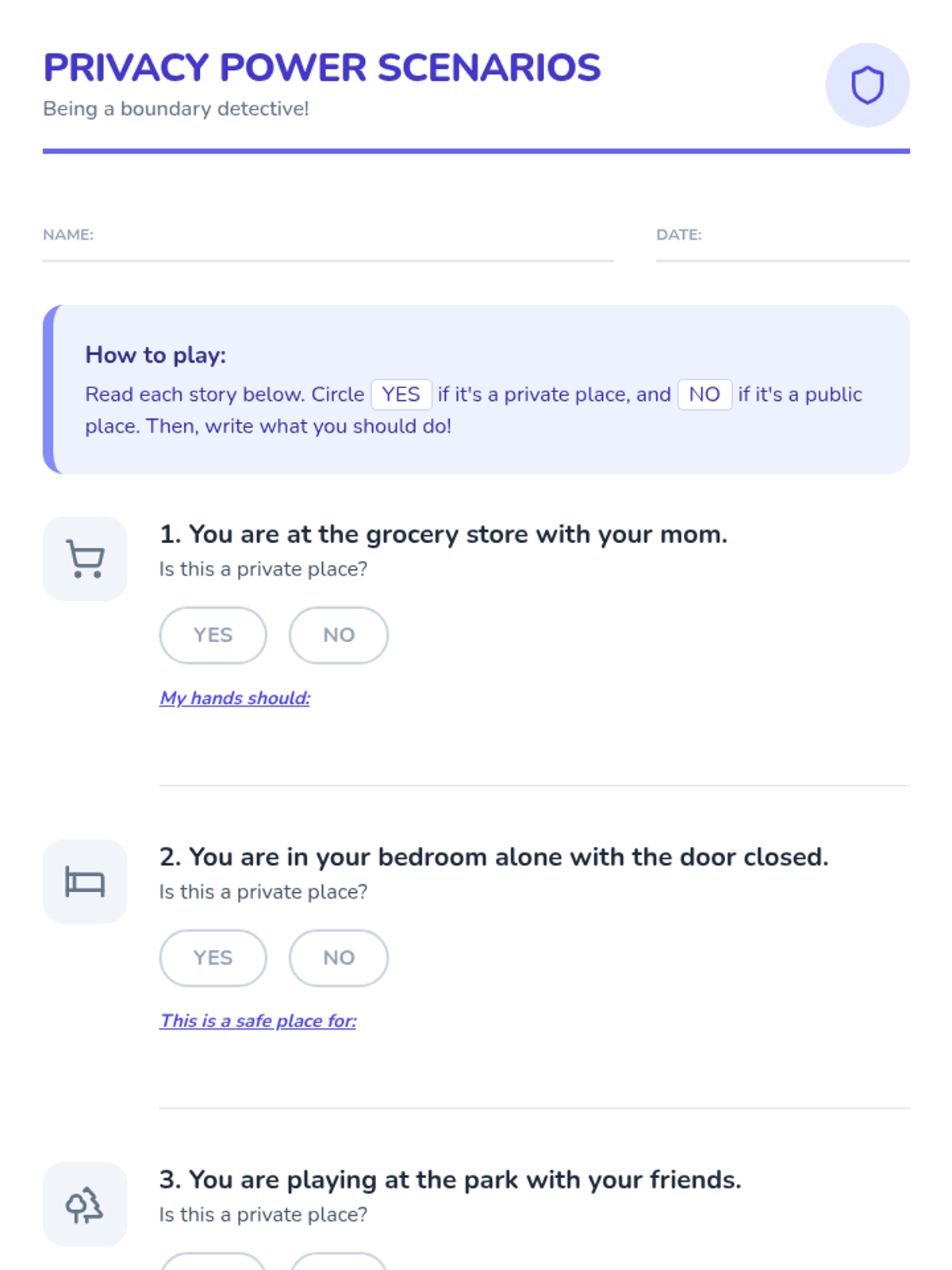
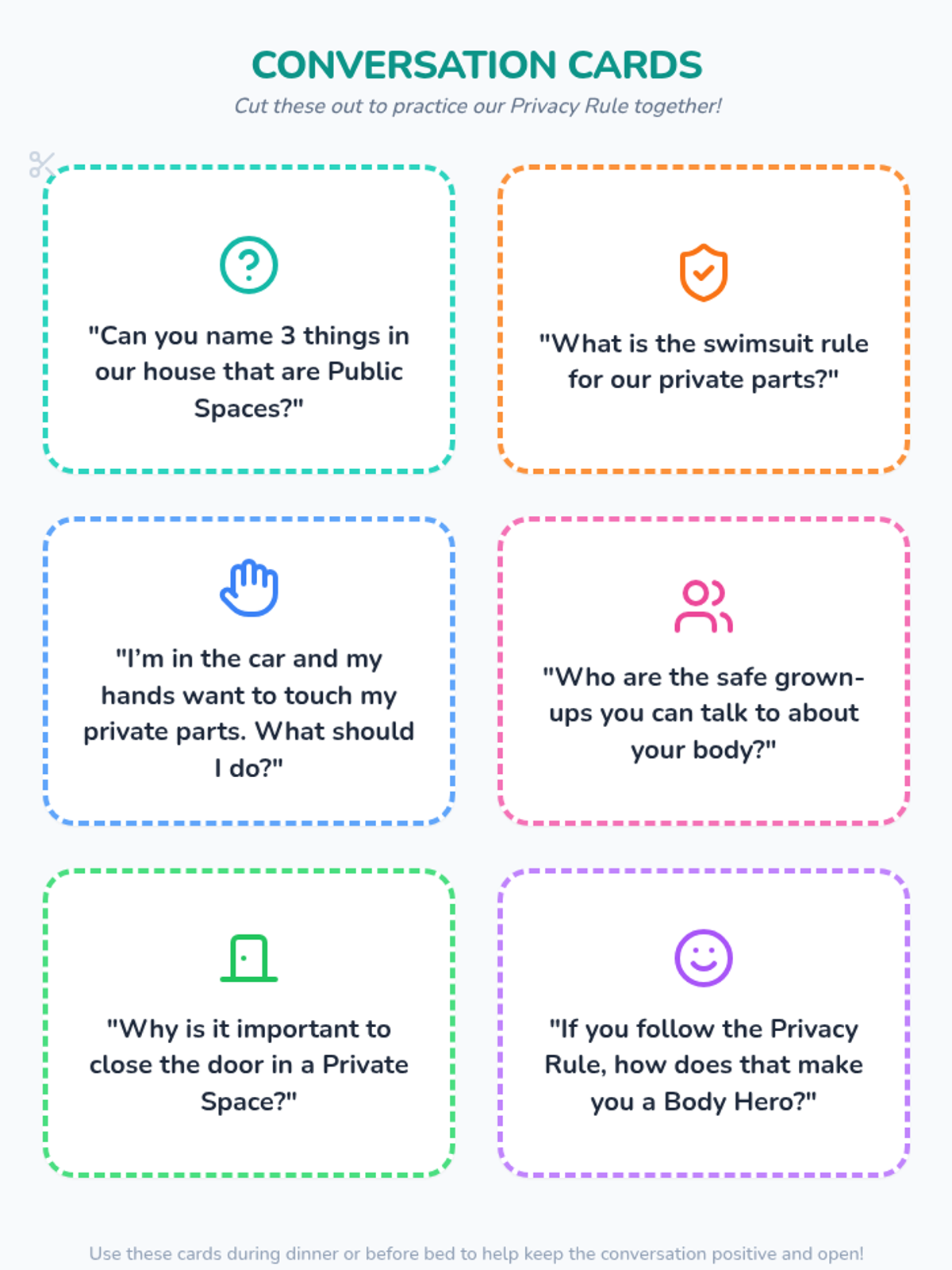
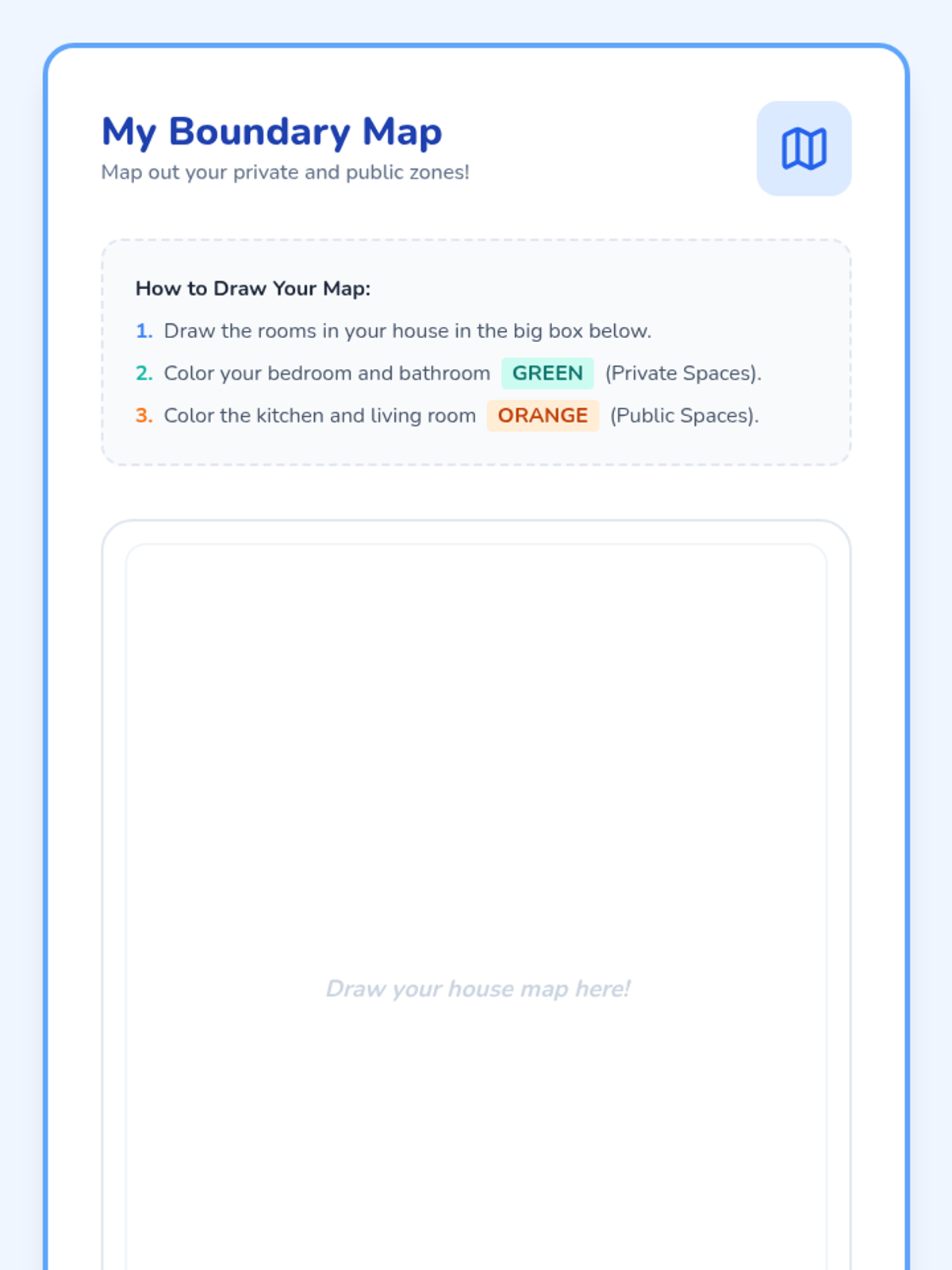
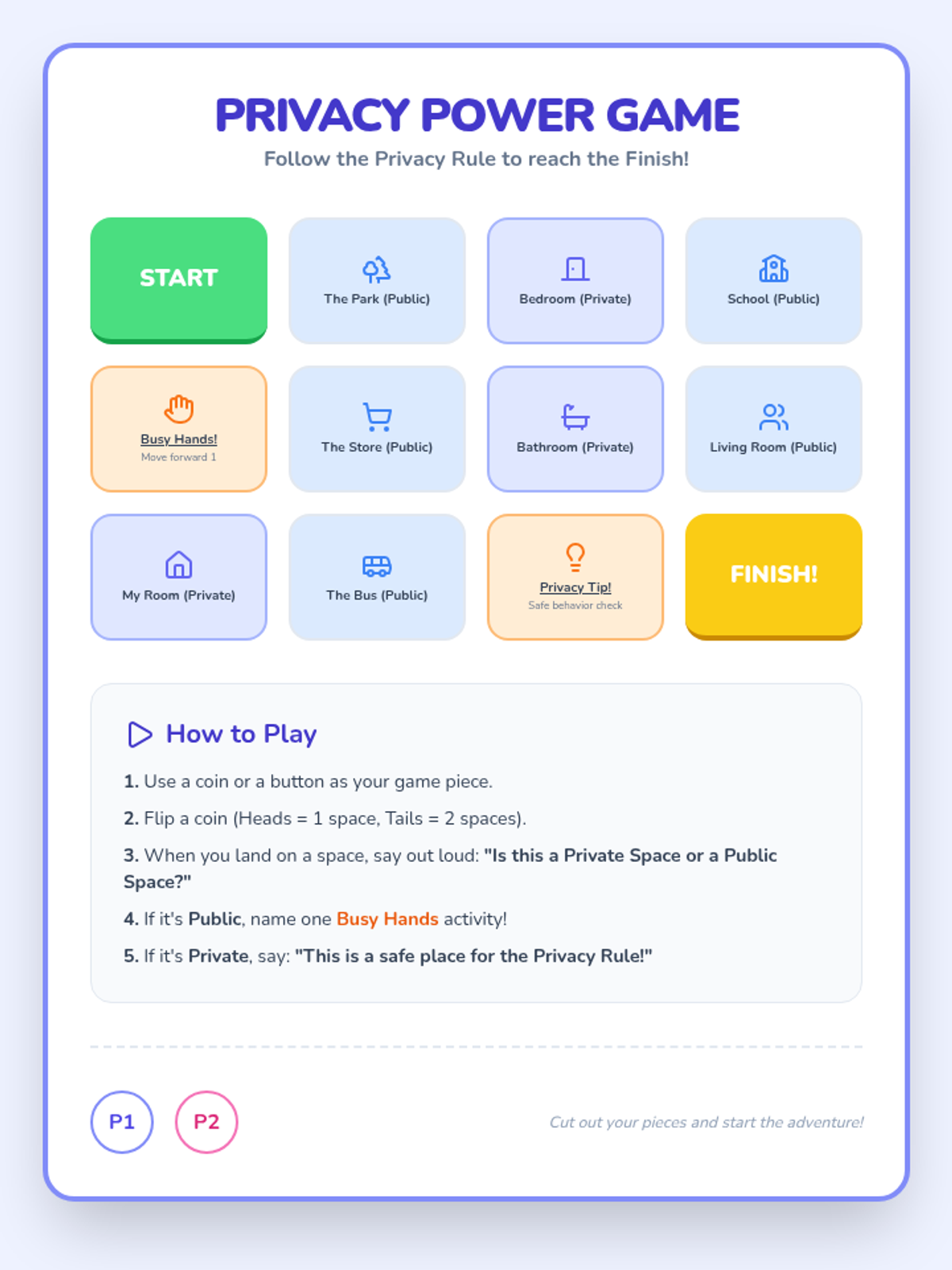
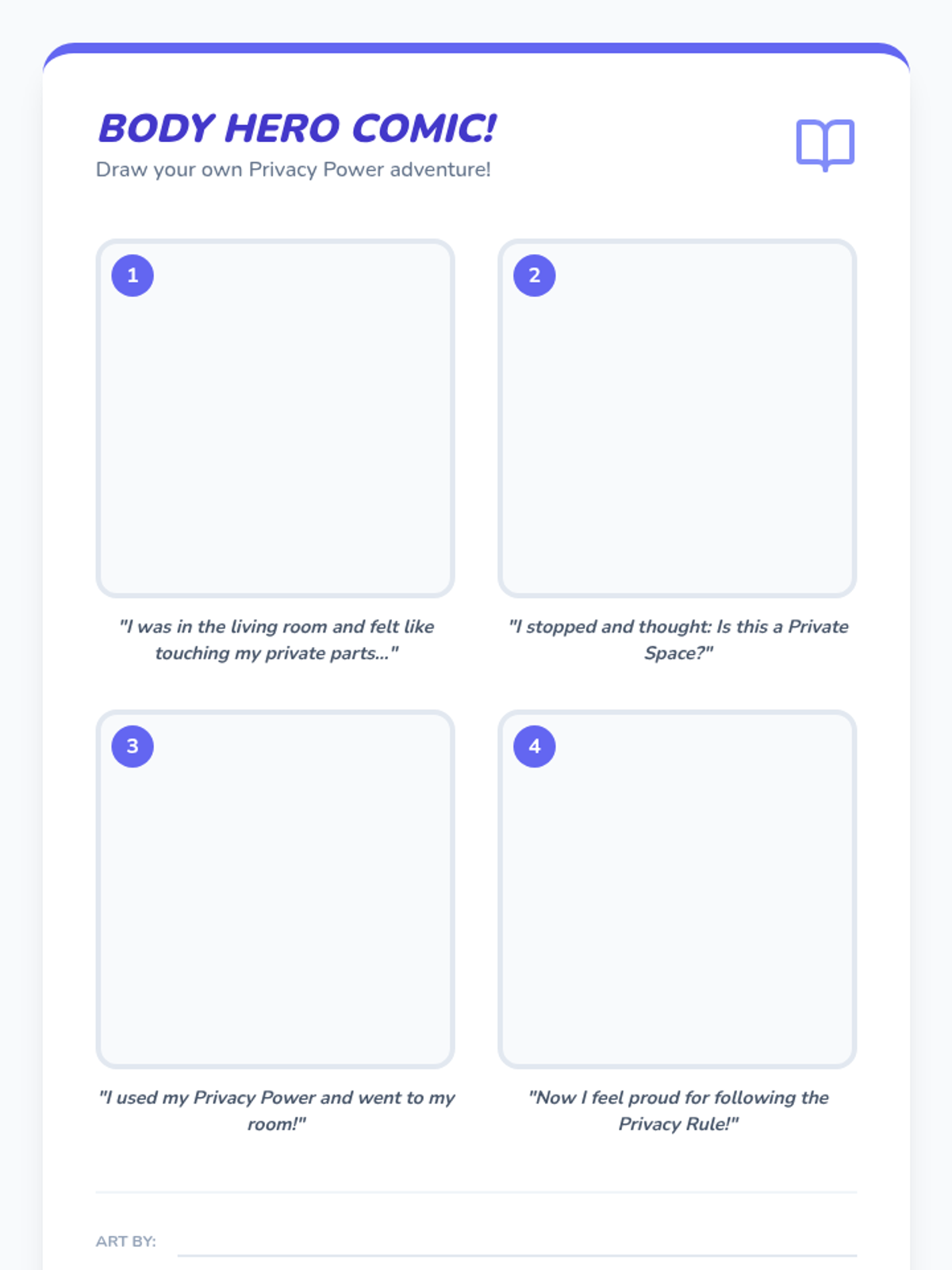
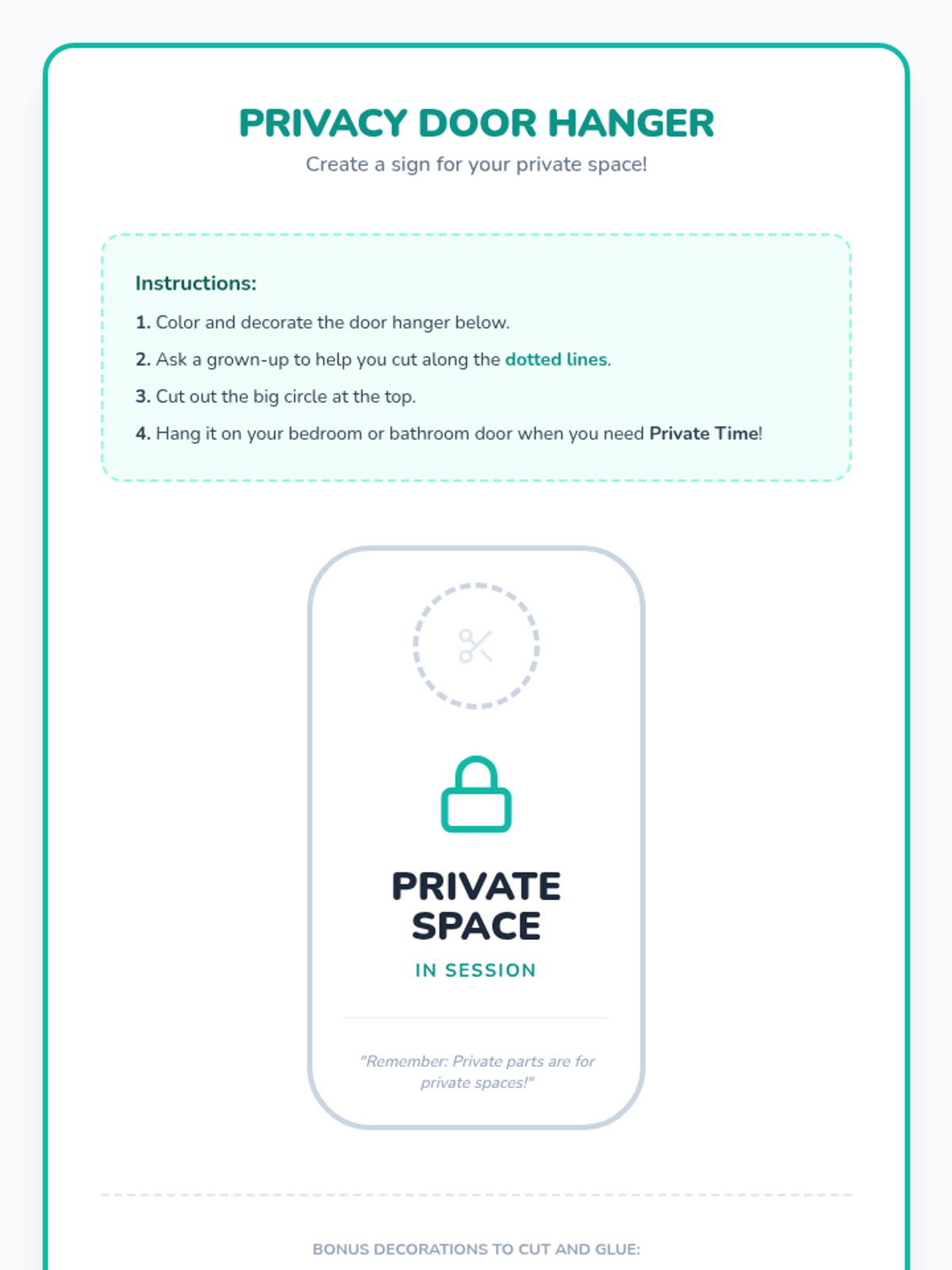
A lesson designed to teach children about body boundaries, the difference between public and private spaces, and identifying appropriate behaviors for each setting in a positive, non-shaming way.
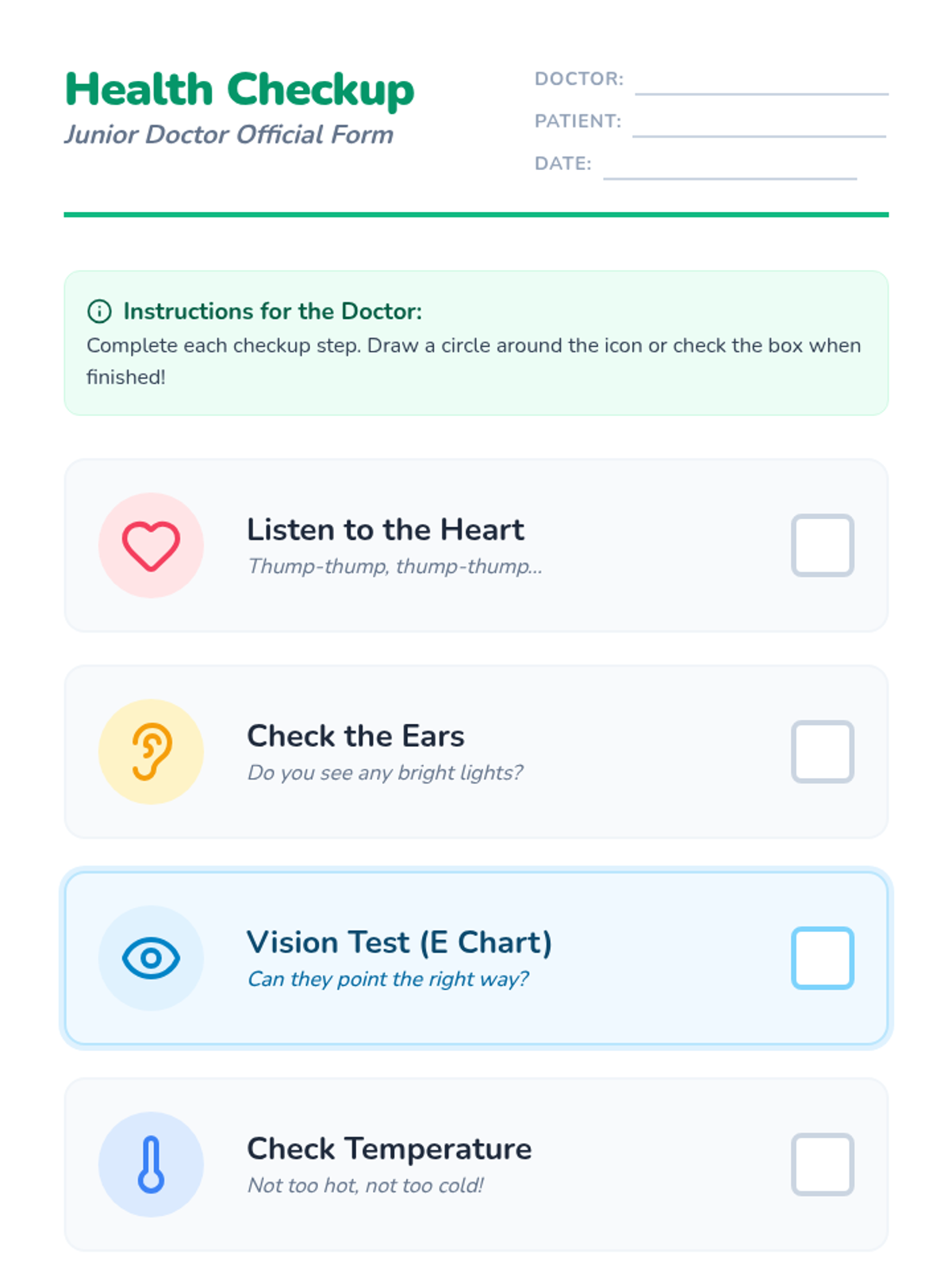
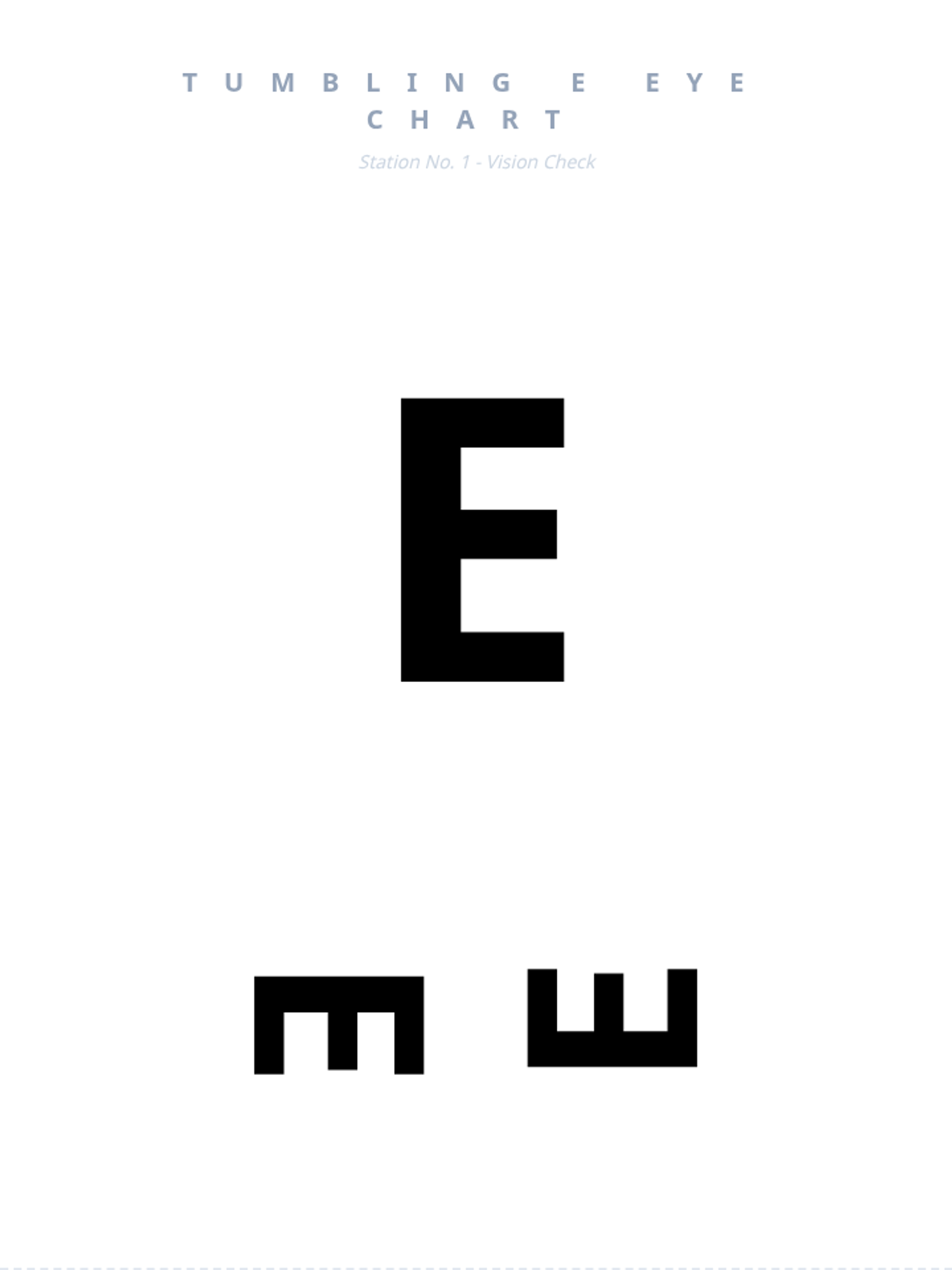
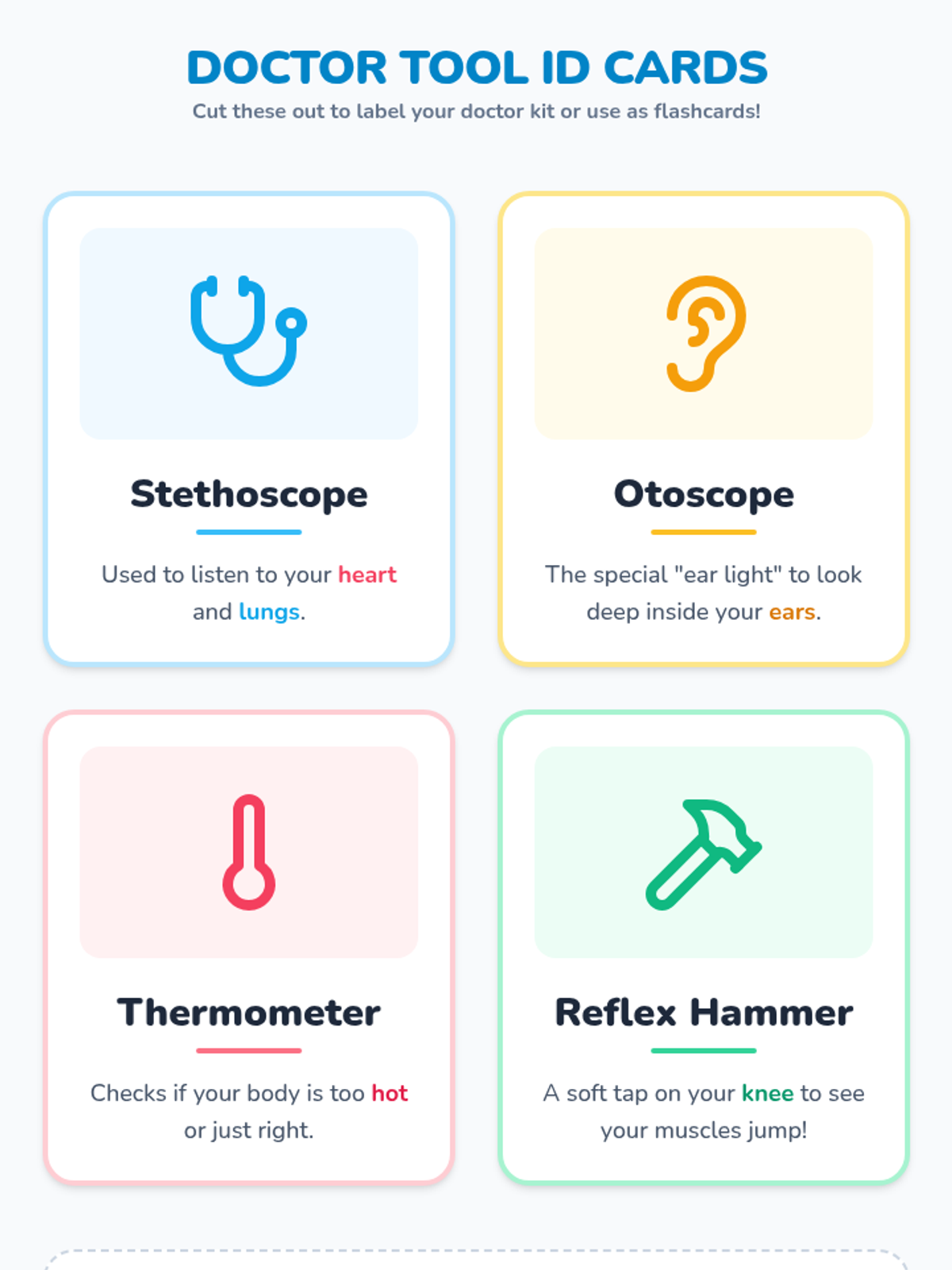
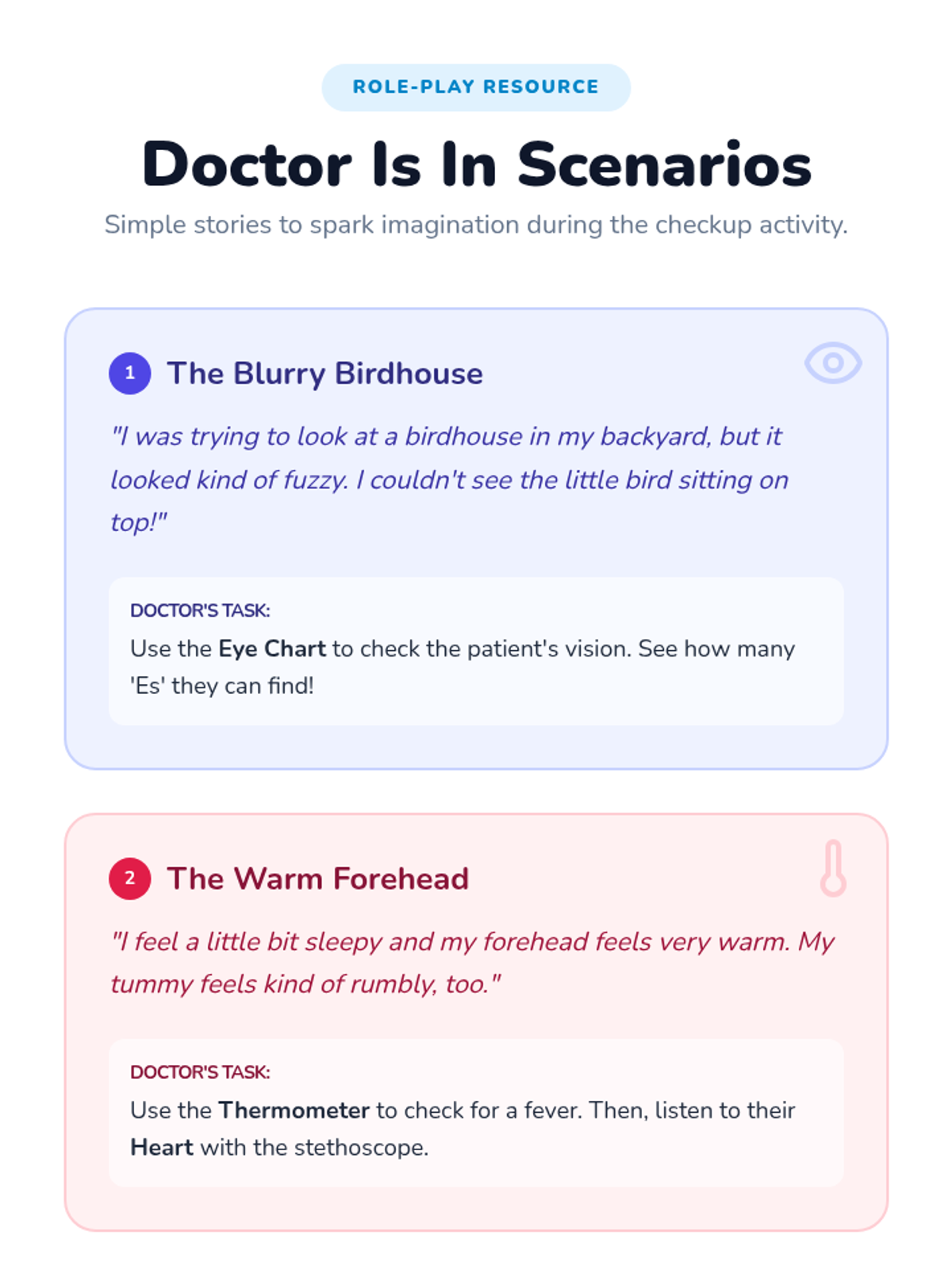
A hands-on introduction to healthcare for Pre-K to 1st Grade, focusing on the roles of doctors, the tools they use for checkups, and a deep dive into eye health through the 'Tumbling E' chart and role-play.
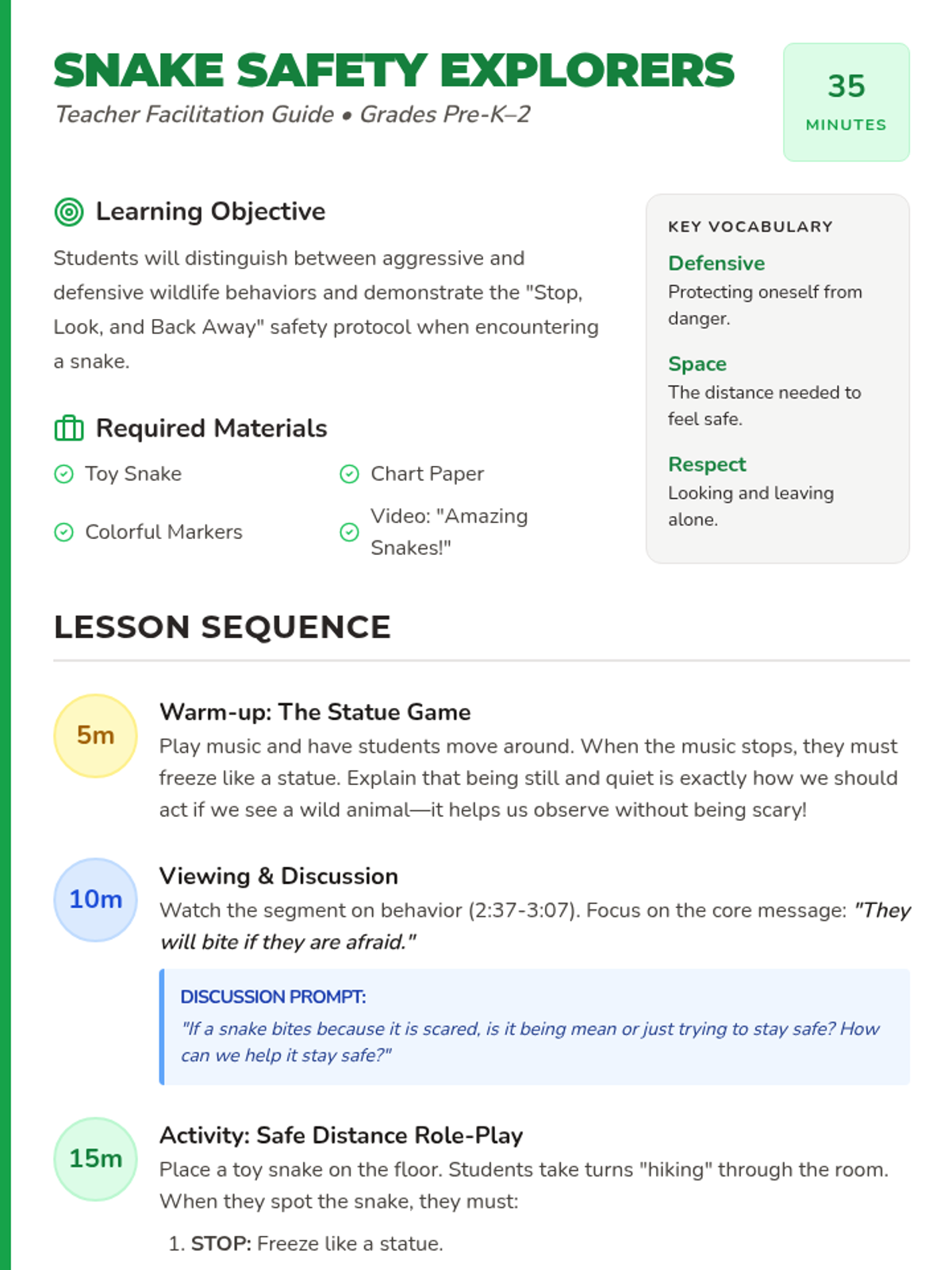
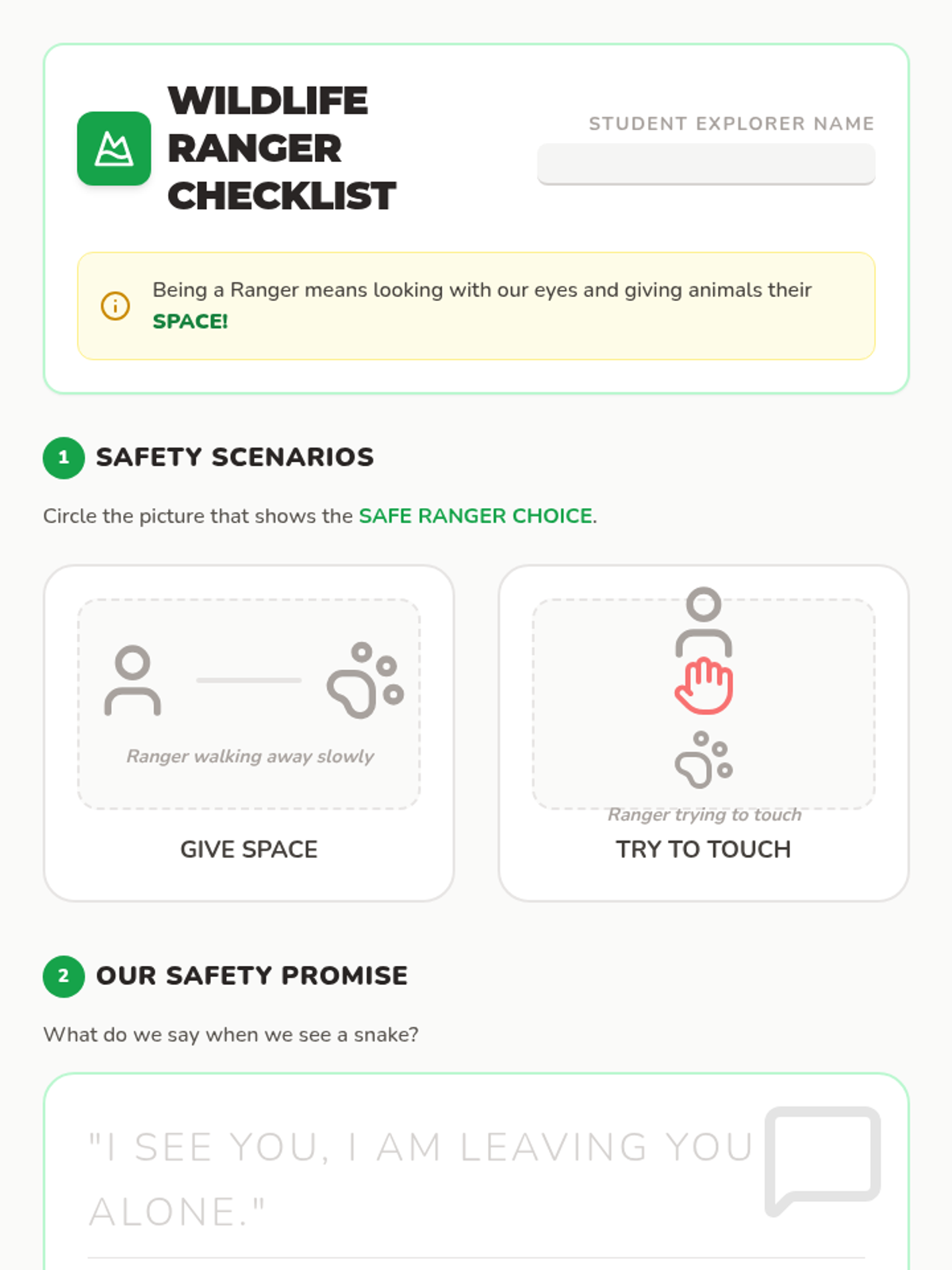
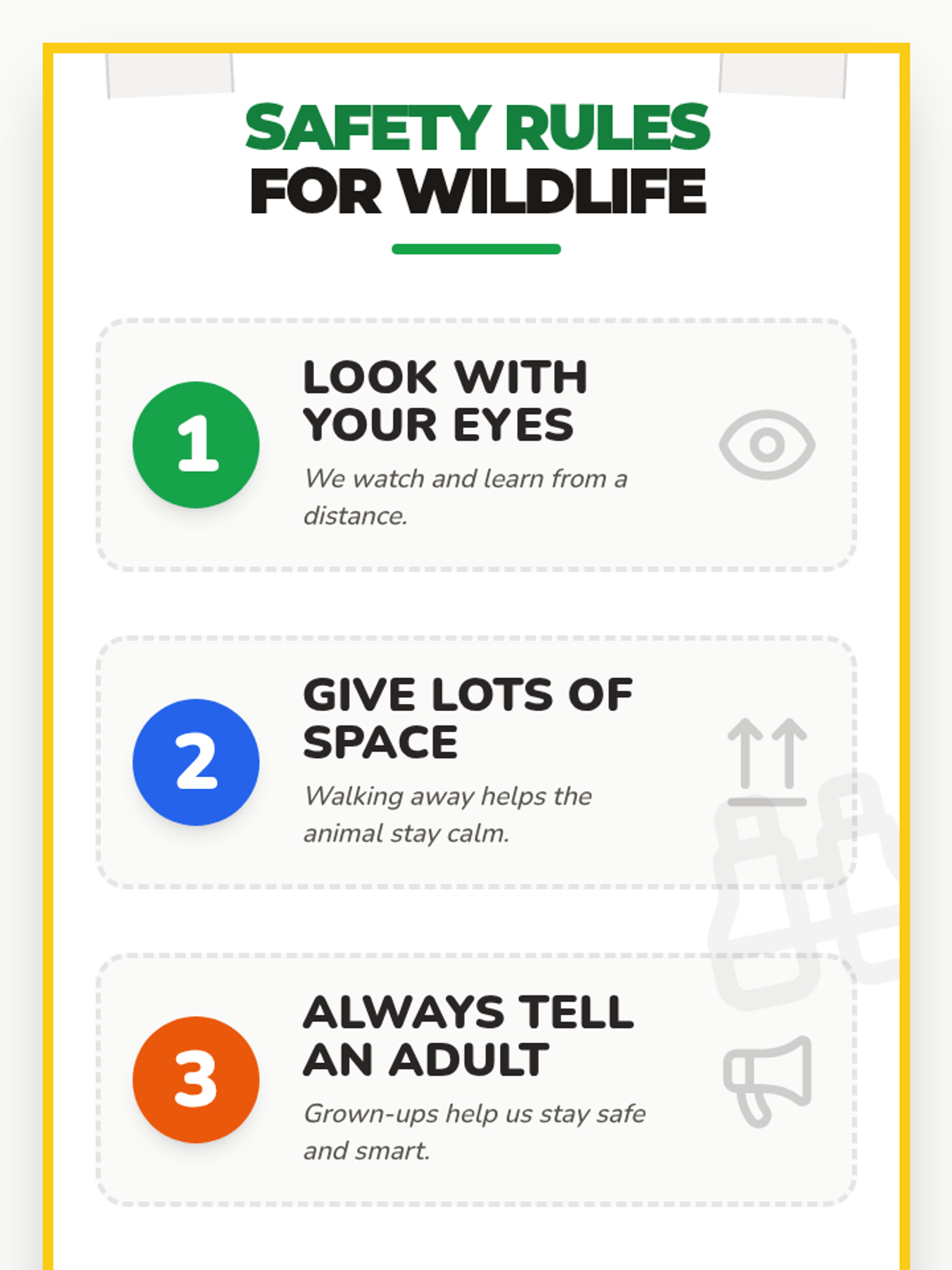
A safety-focused lesson for young learners (Pre-K to 2nd Grade) about how to respectfully observe wildlife, specifically snakes, by understanding defensive behaviors and practicing safe distance protocols.
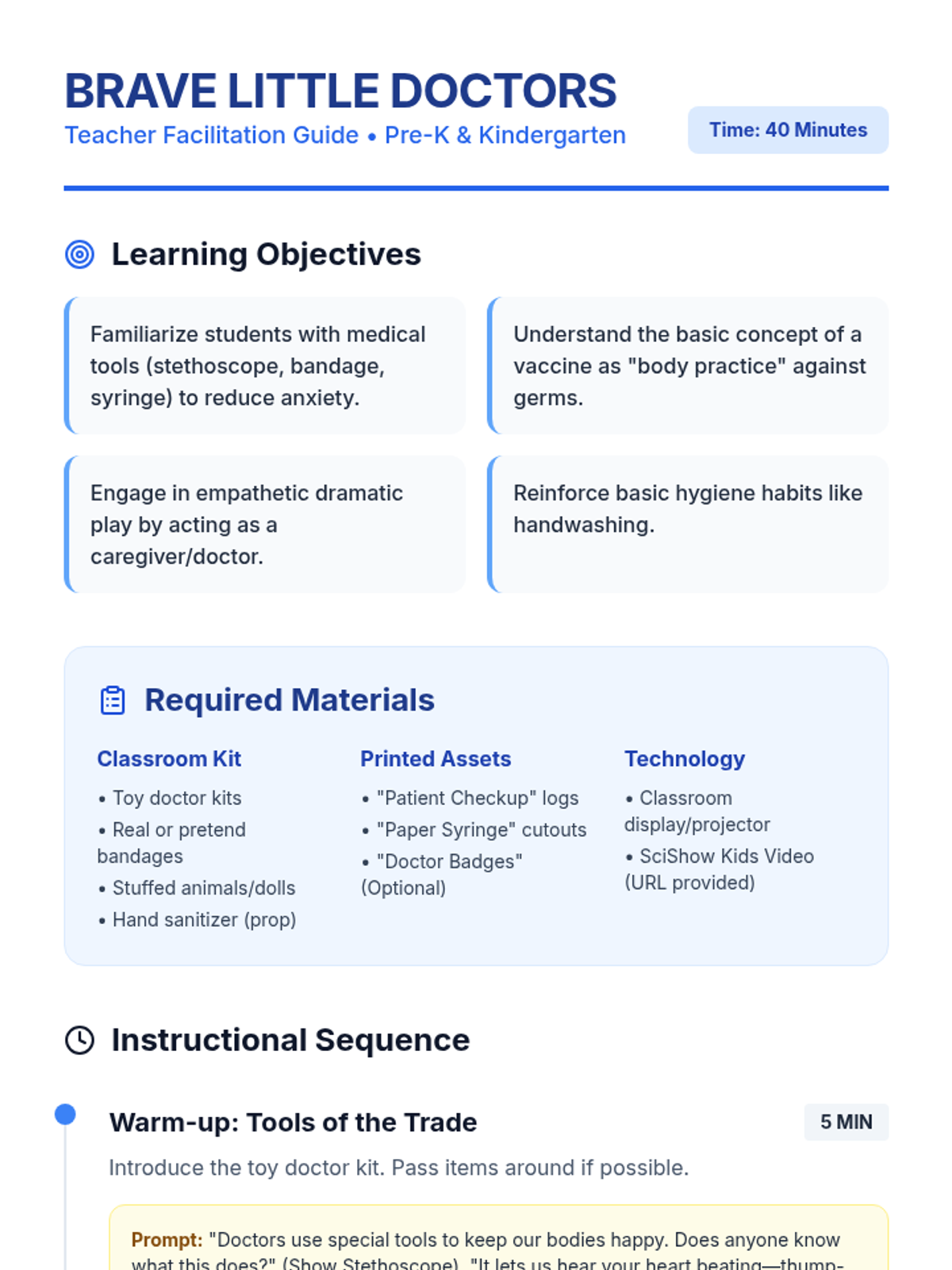
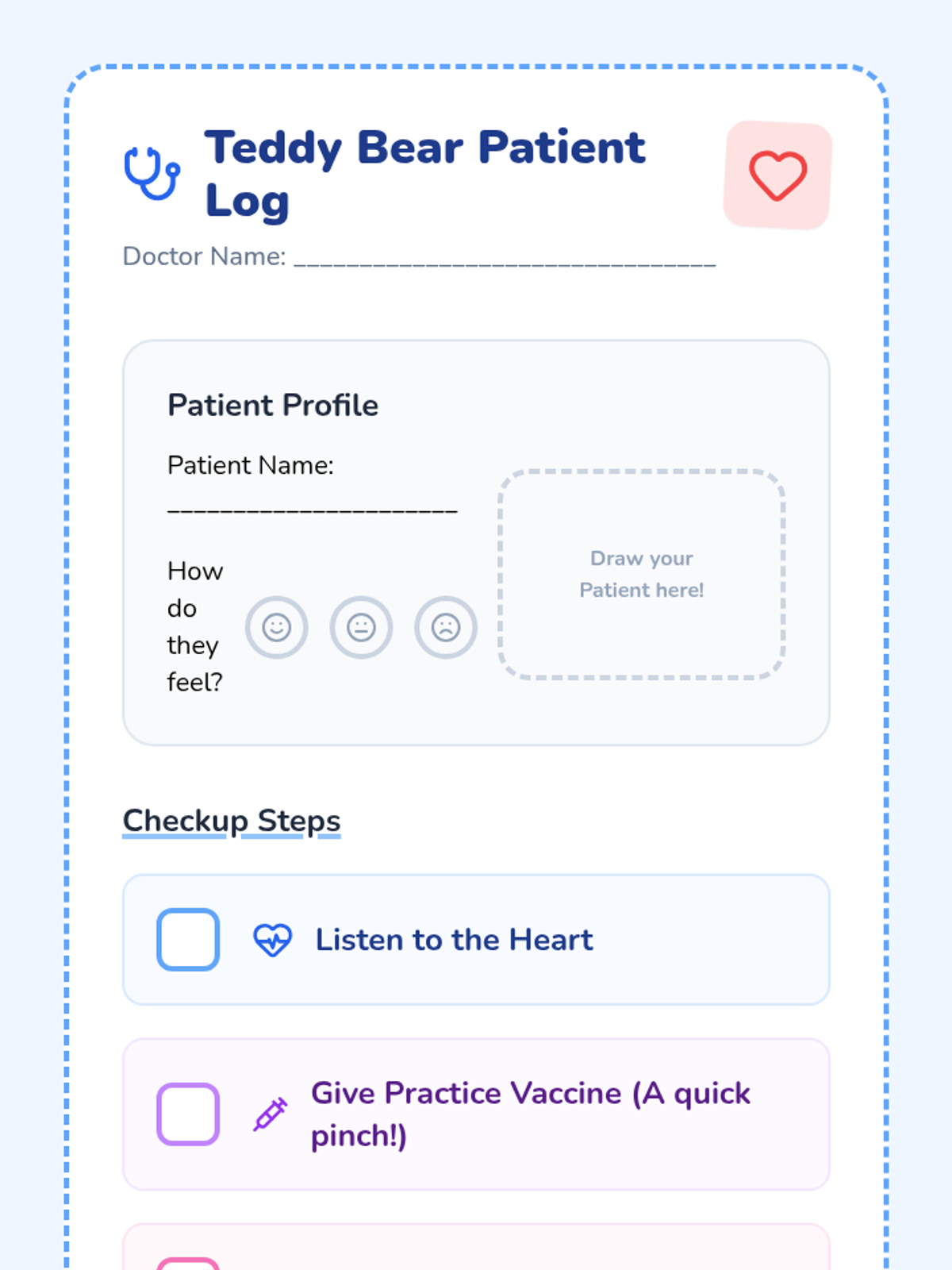
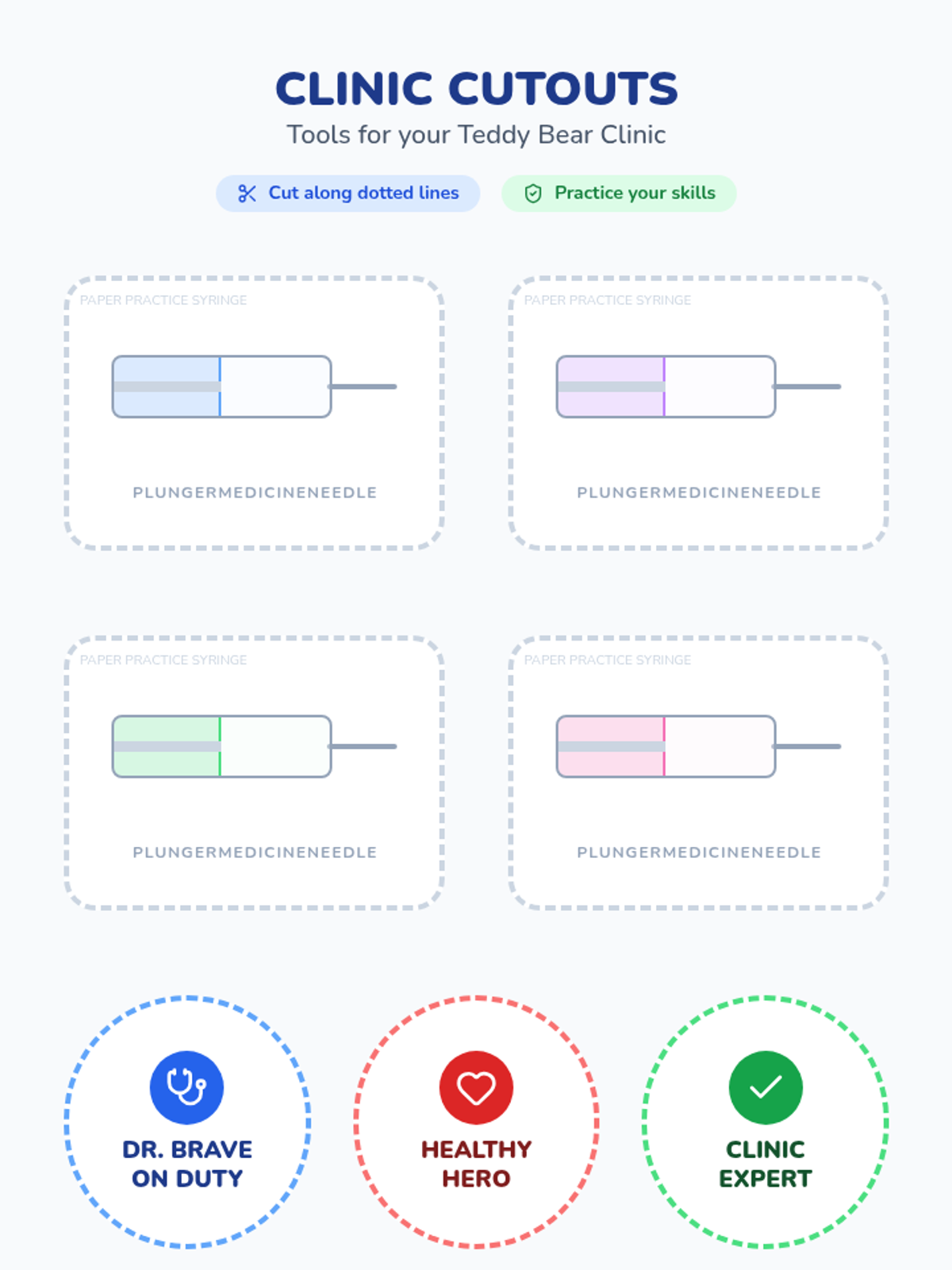
A lesson designed to reduce medical anxiety in Pre-K and Kindergarten students through familiarity with medical tools, understanding vaccines as 'body practice,' and engaging in a 'Teddy Bear Clinic' dramatic play activity.
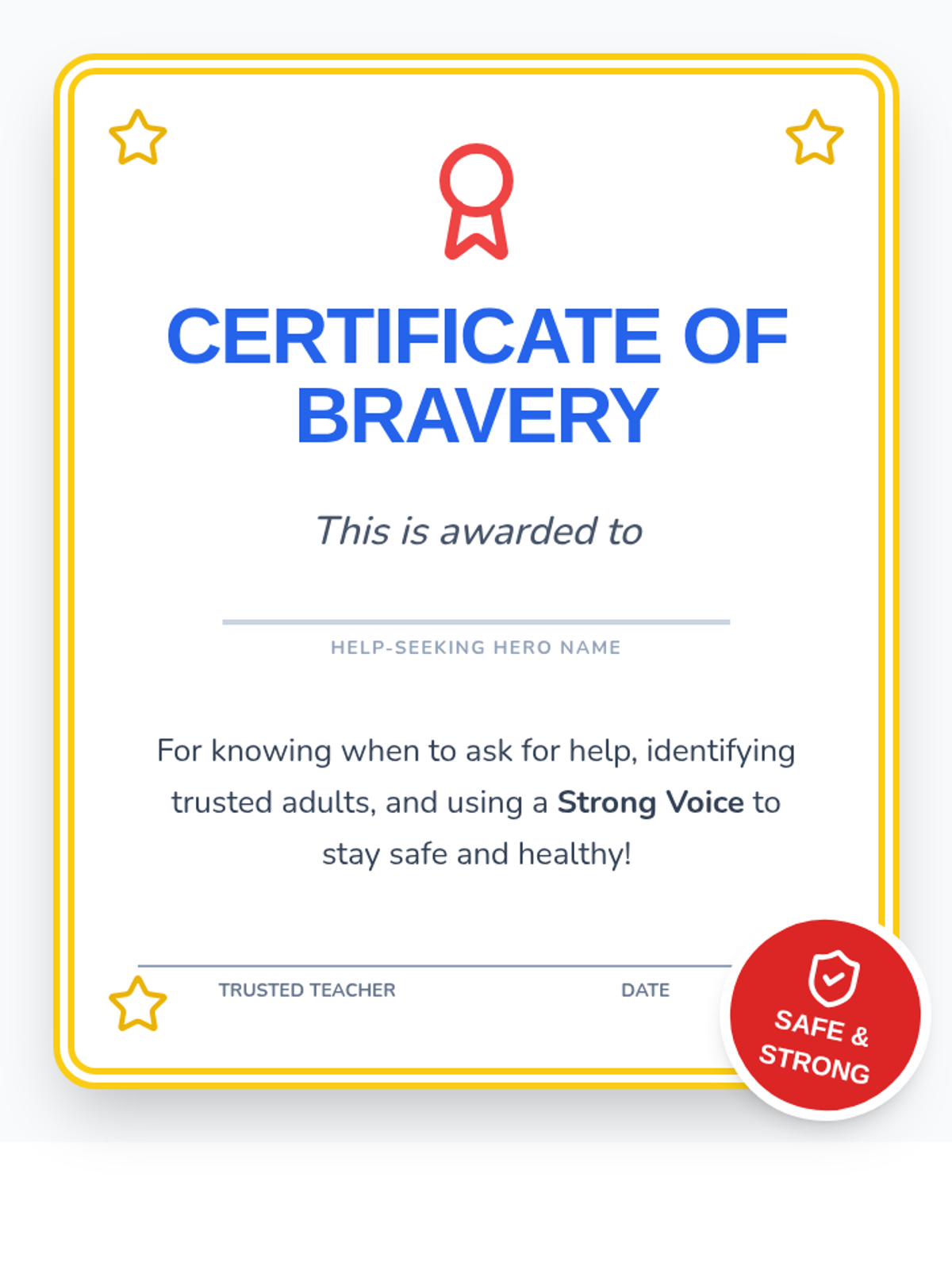
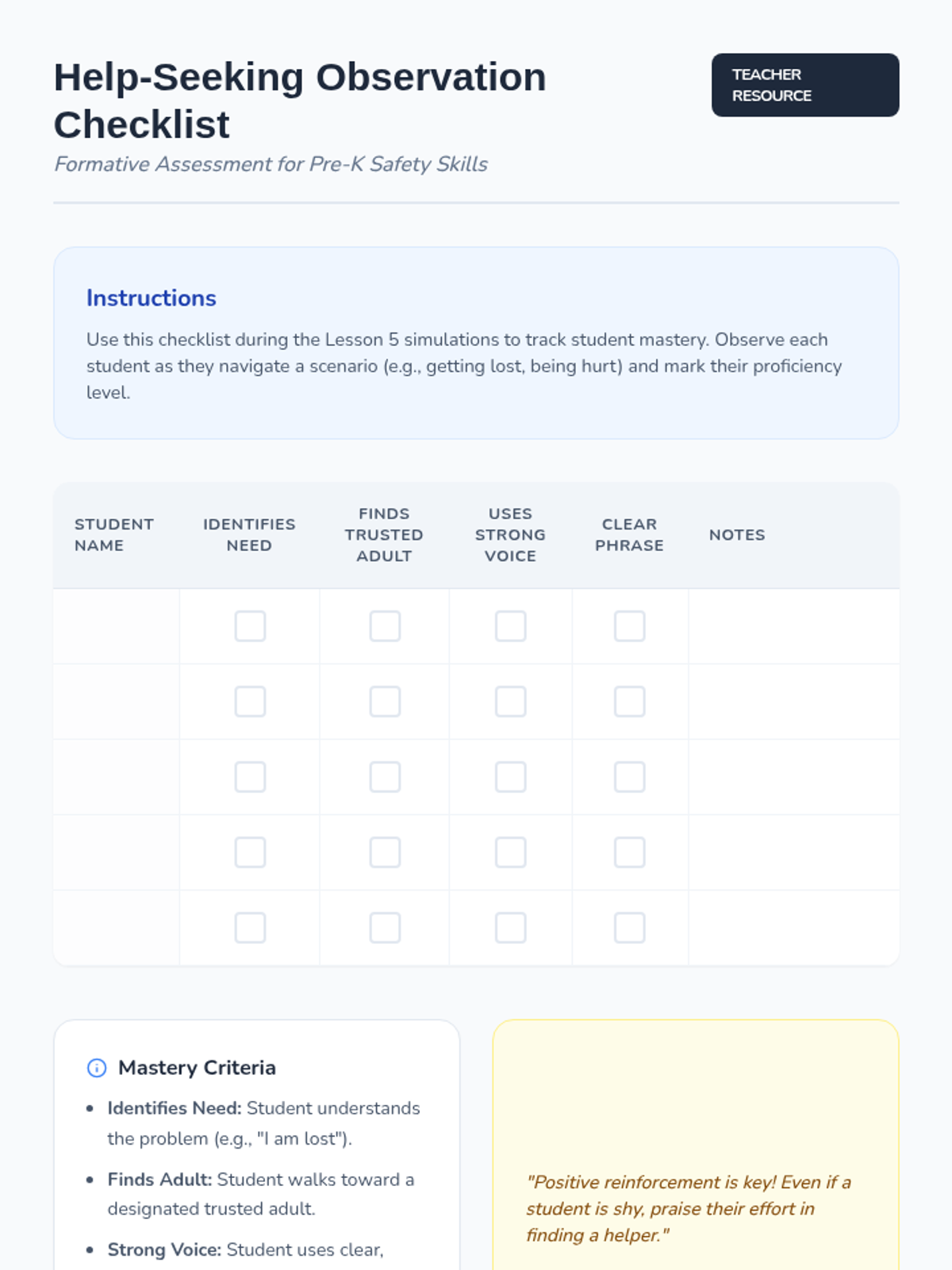
In this culminating lesson, students act out specific scenarios—such as getting lost, feeling sick, or seeing something dangerous—and practice walking to a designated 'trusted adult' station to ask for help.
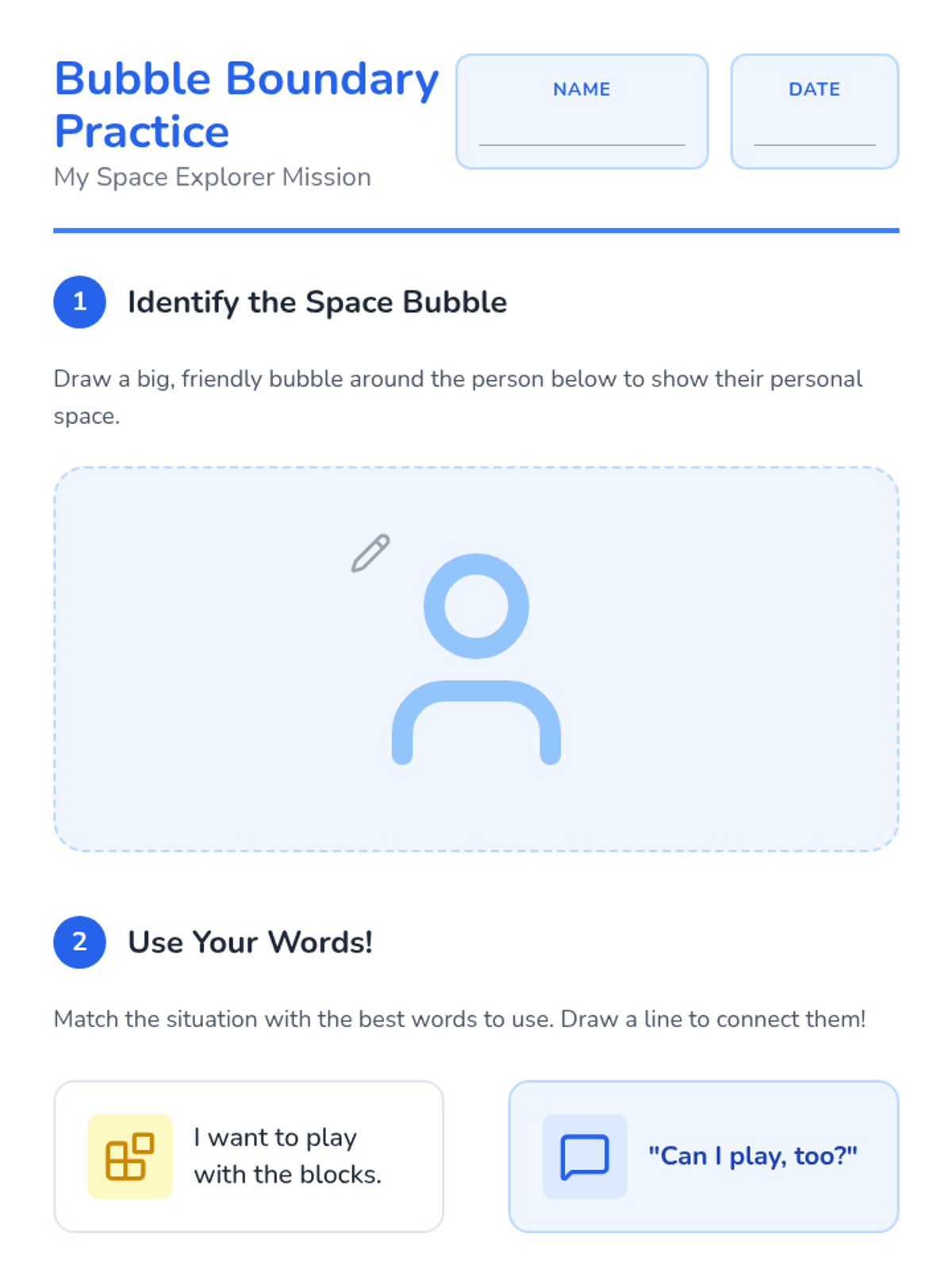
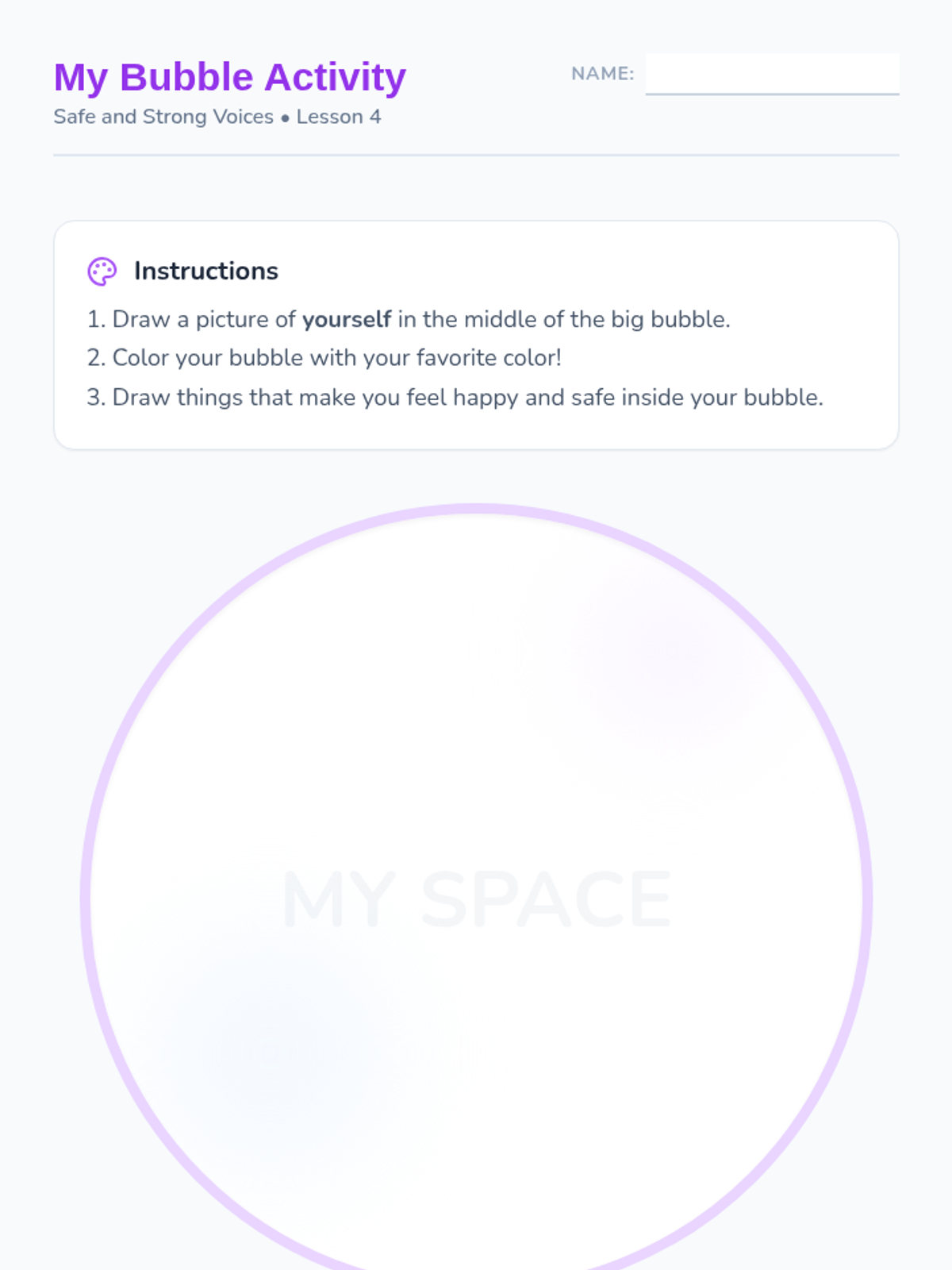
Students explore the concept of personal space bubbles and learning when to say 'stop.' Through movement games, they practice setting boundaries with peers and identifying feelings of discomfort that require adult intervention.
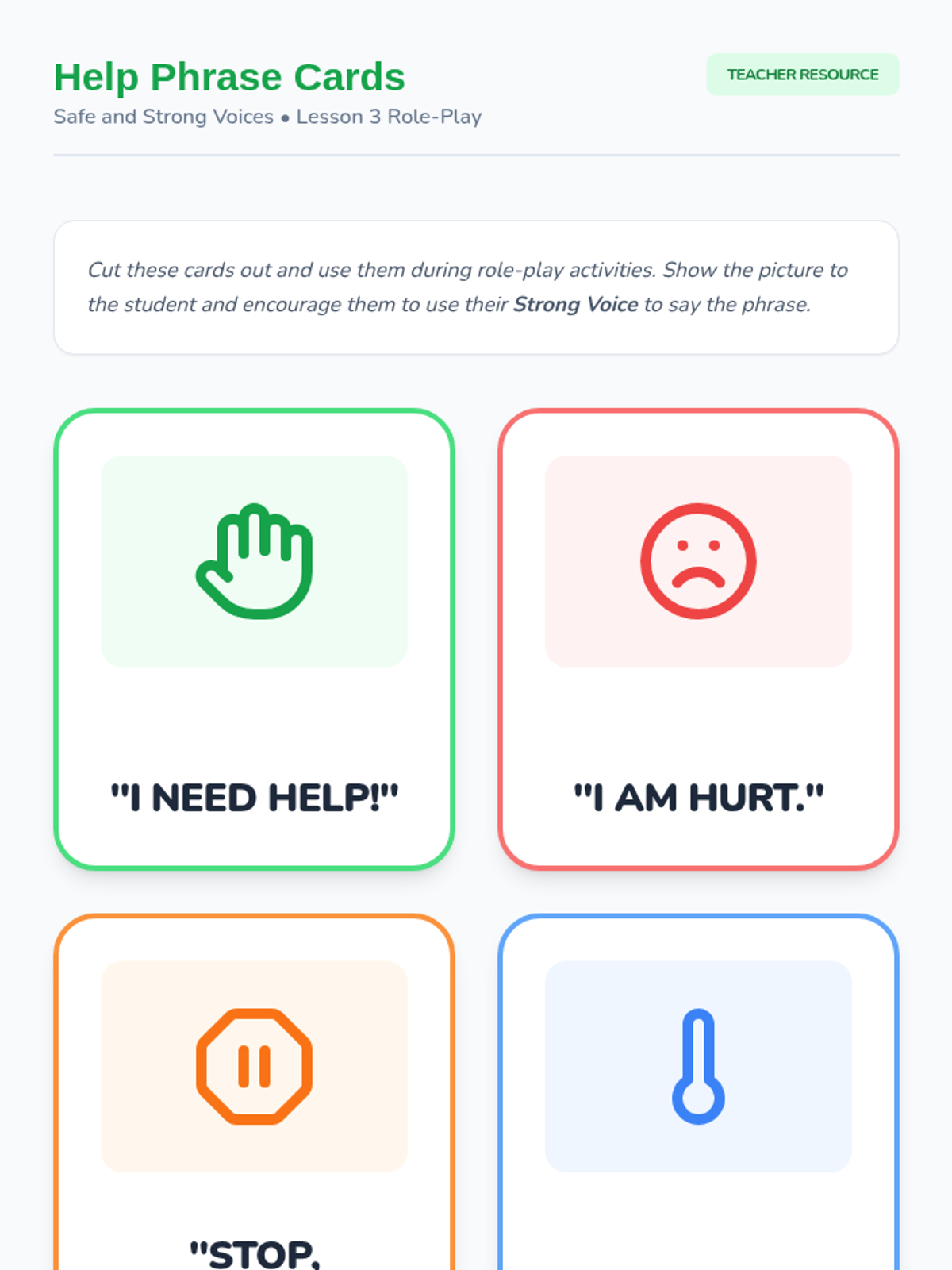
Using puppets as models, students practice clear, assertive phrases and learn to use their 'serious voice' to ensure they are heard when they have a need.
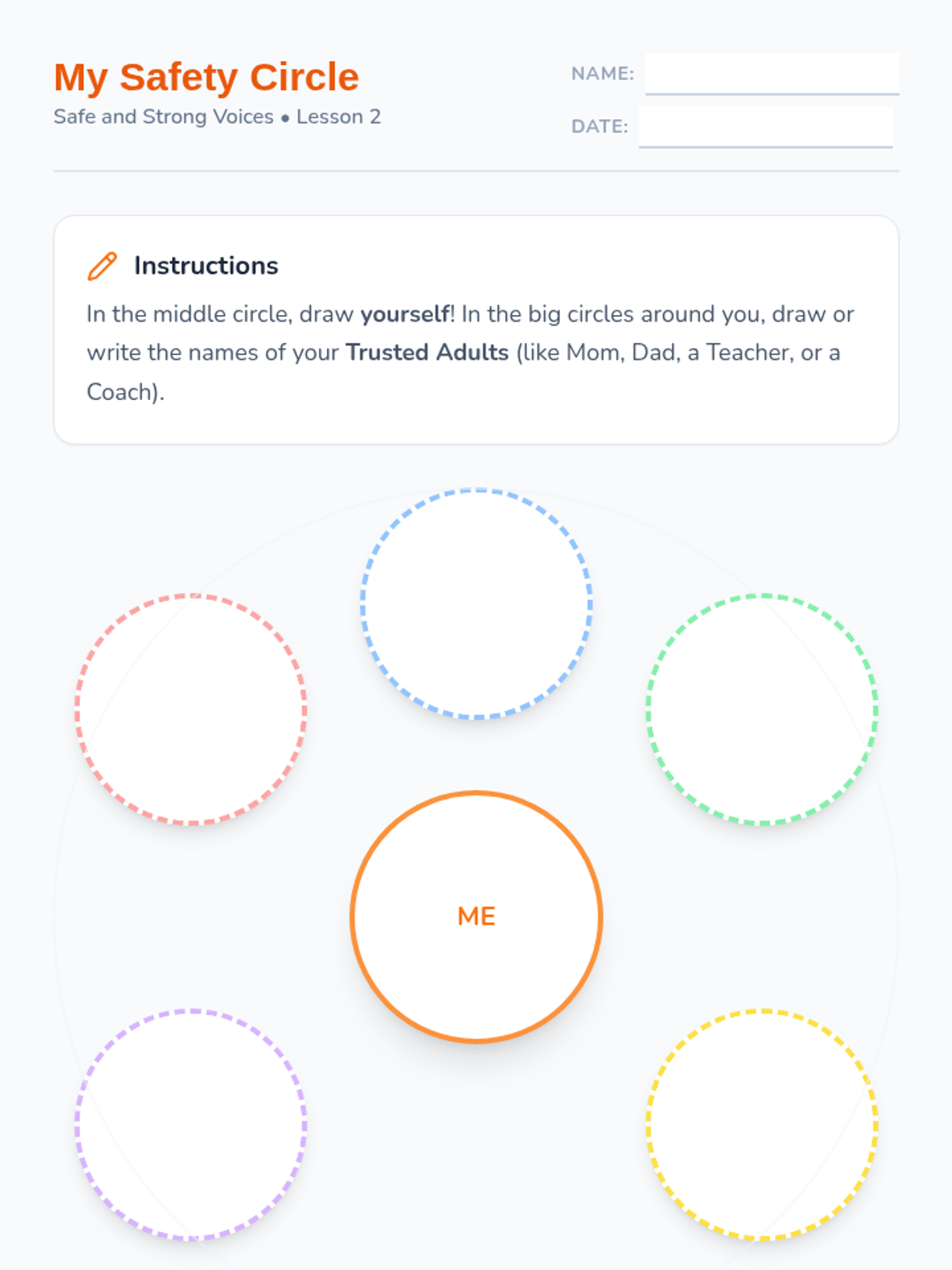
Children learn the characteristics of a 'trusted adult' and identify specific people in their lives who fit this description, such as parents, teachers, and uniformed helpers.
Students differentiate between 'wants' (toys, treats) and 'needs' (water, safety) to understand when it is essential to ask for help from an adult.
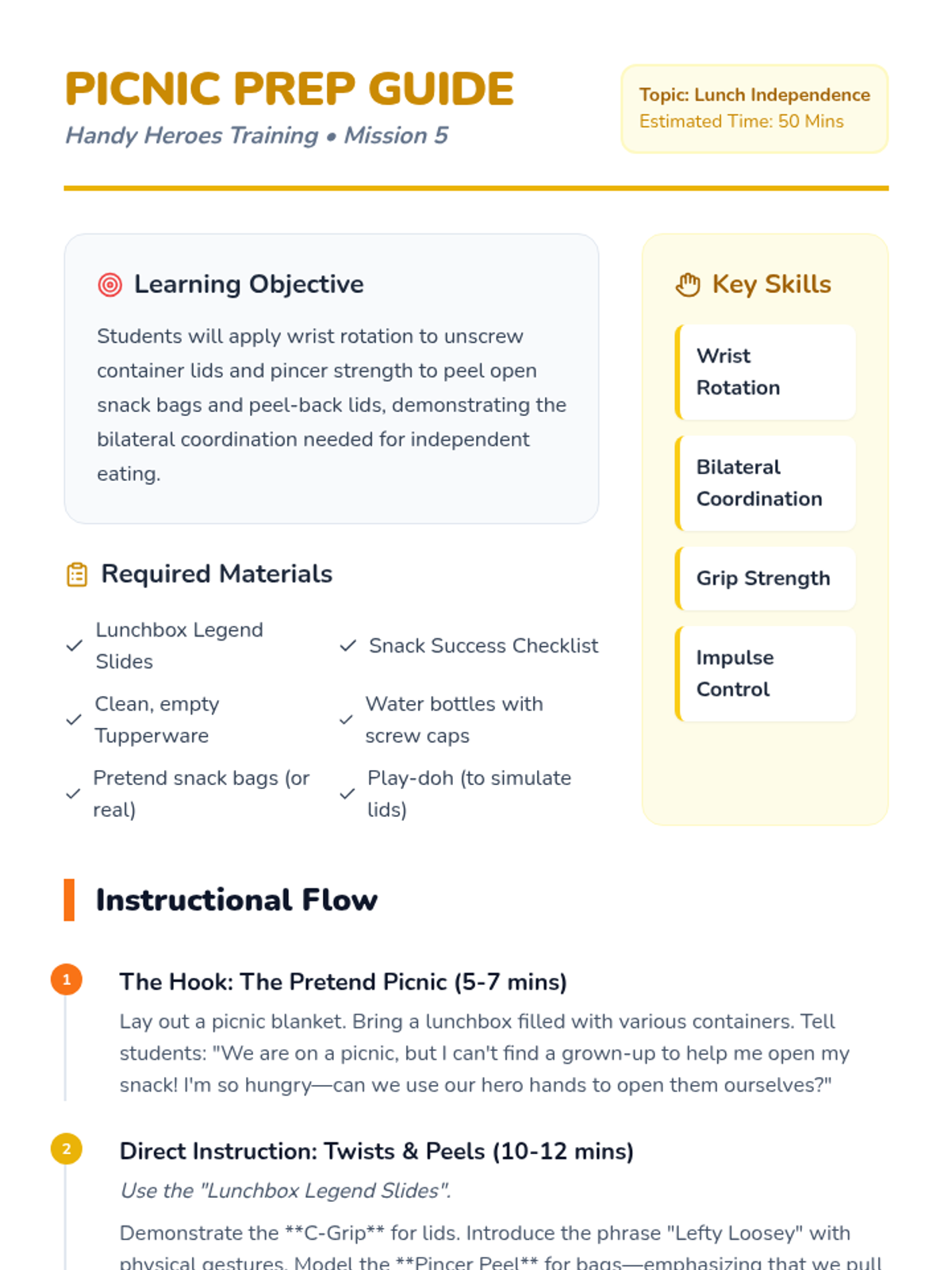
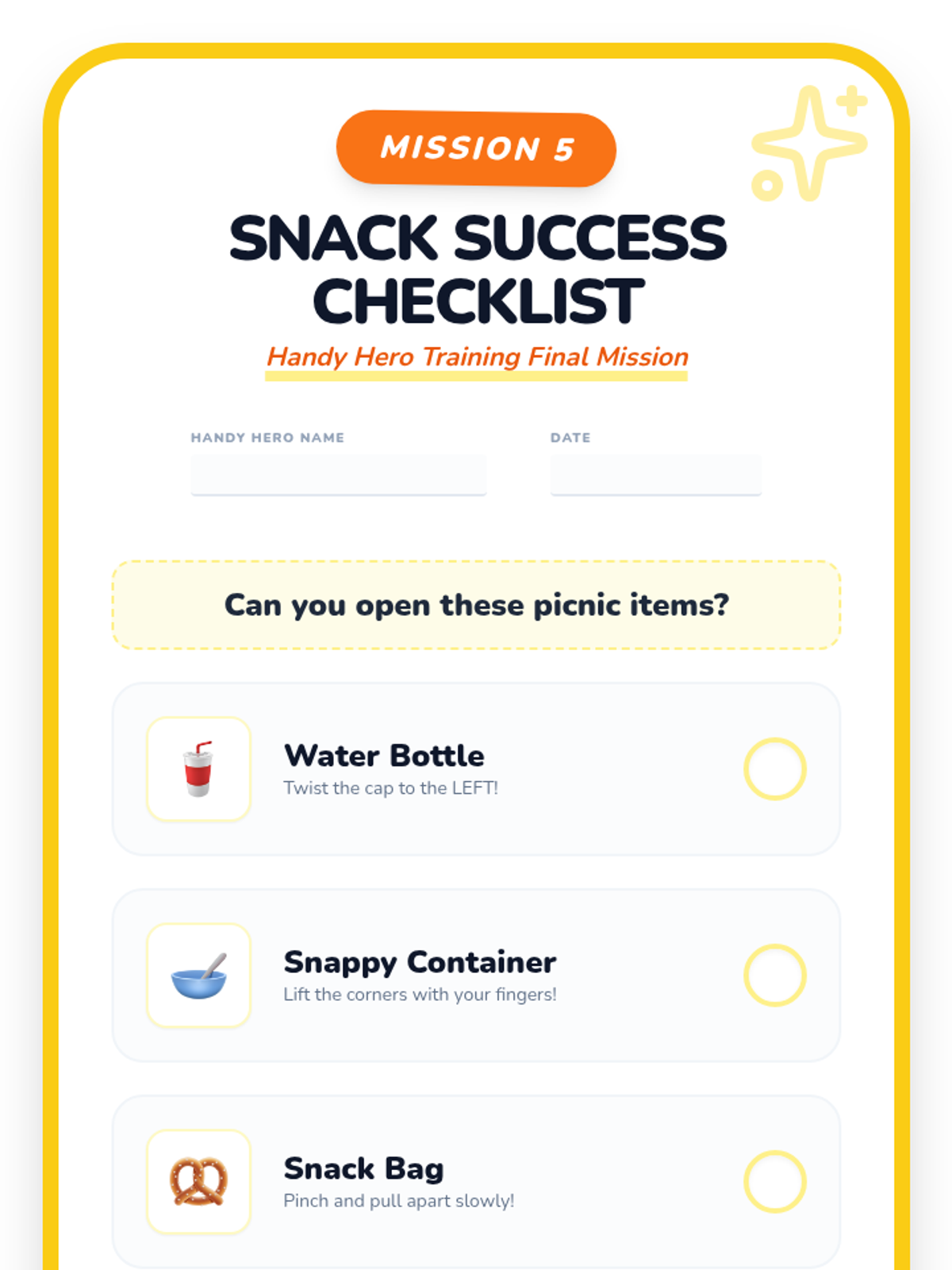
Targeting wrist rotation and grip strength, students practice opening containers and snack packaging for lunch independence.
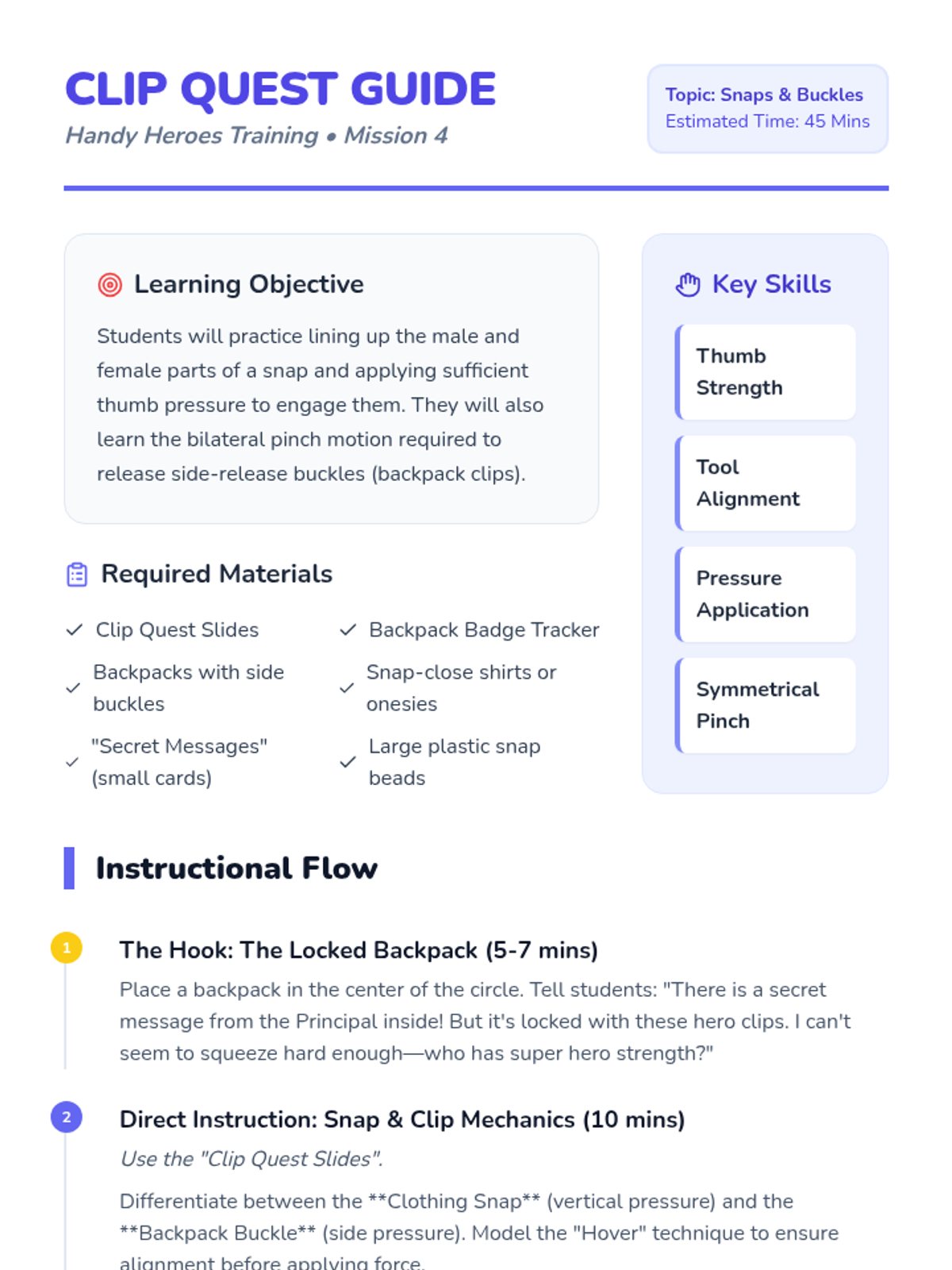
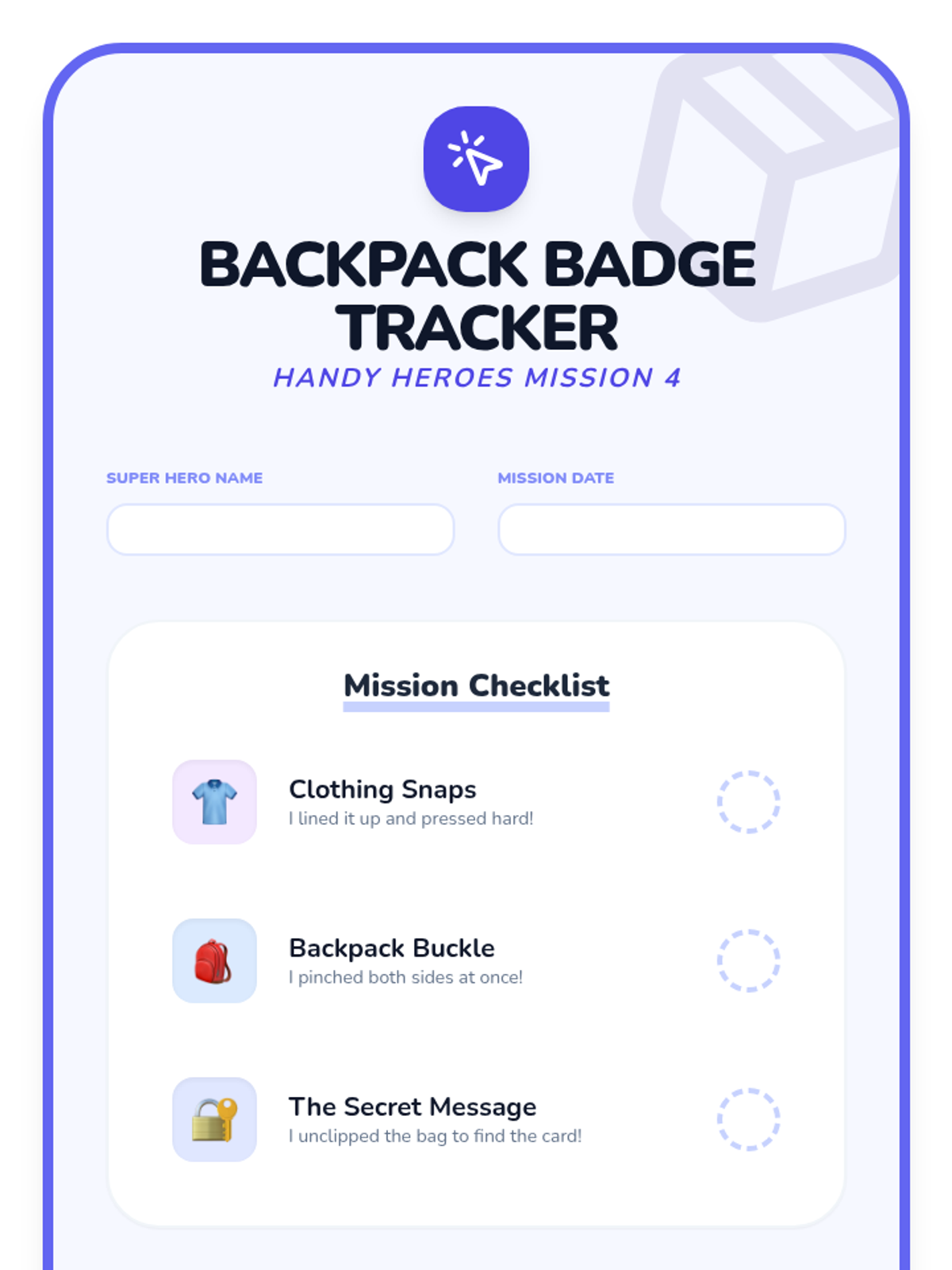
Students tackle snaps and side-release buckles, building thumb strength and alignment skills.
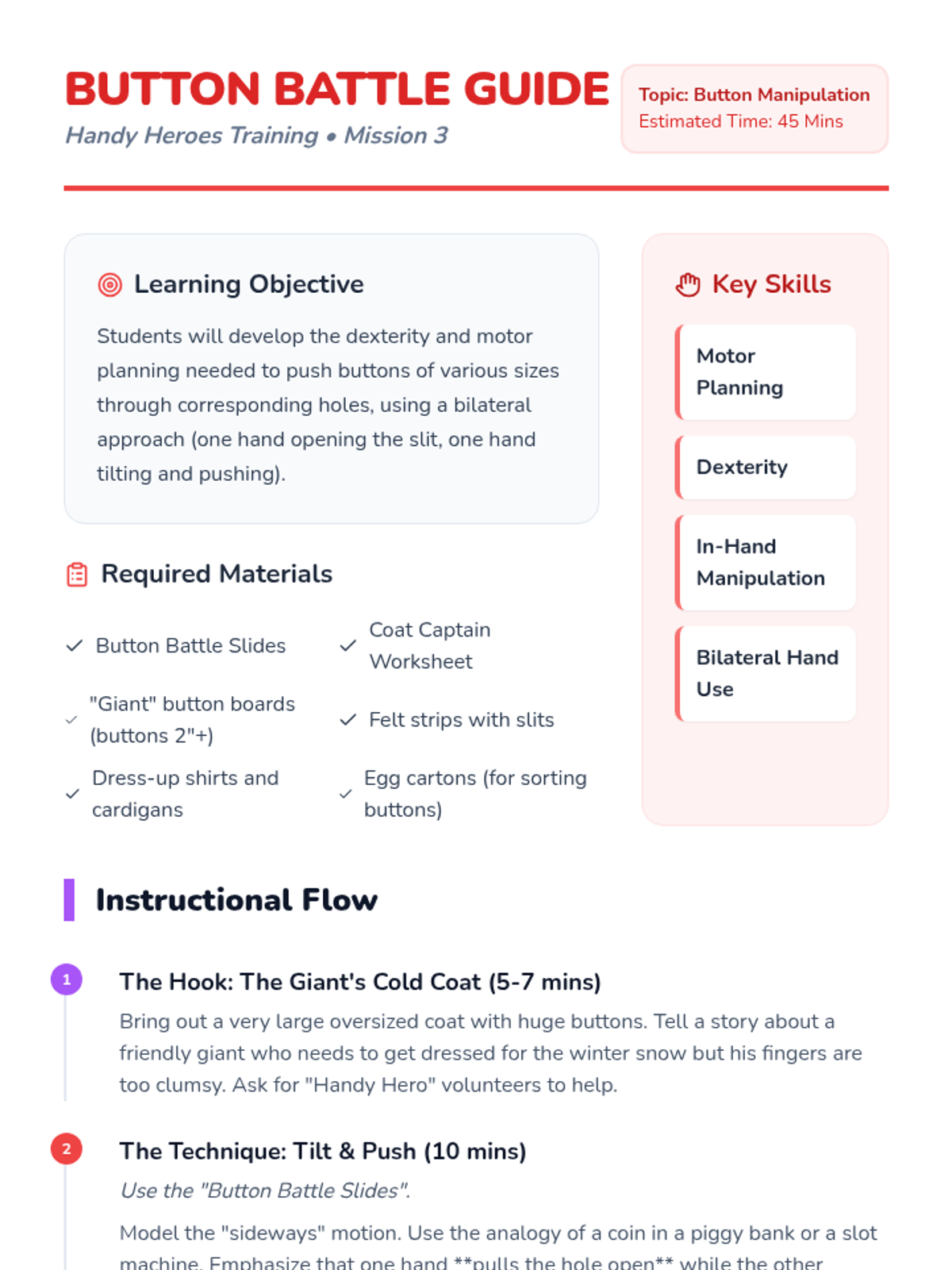
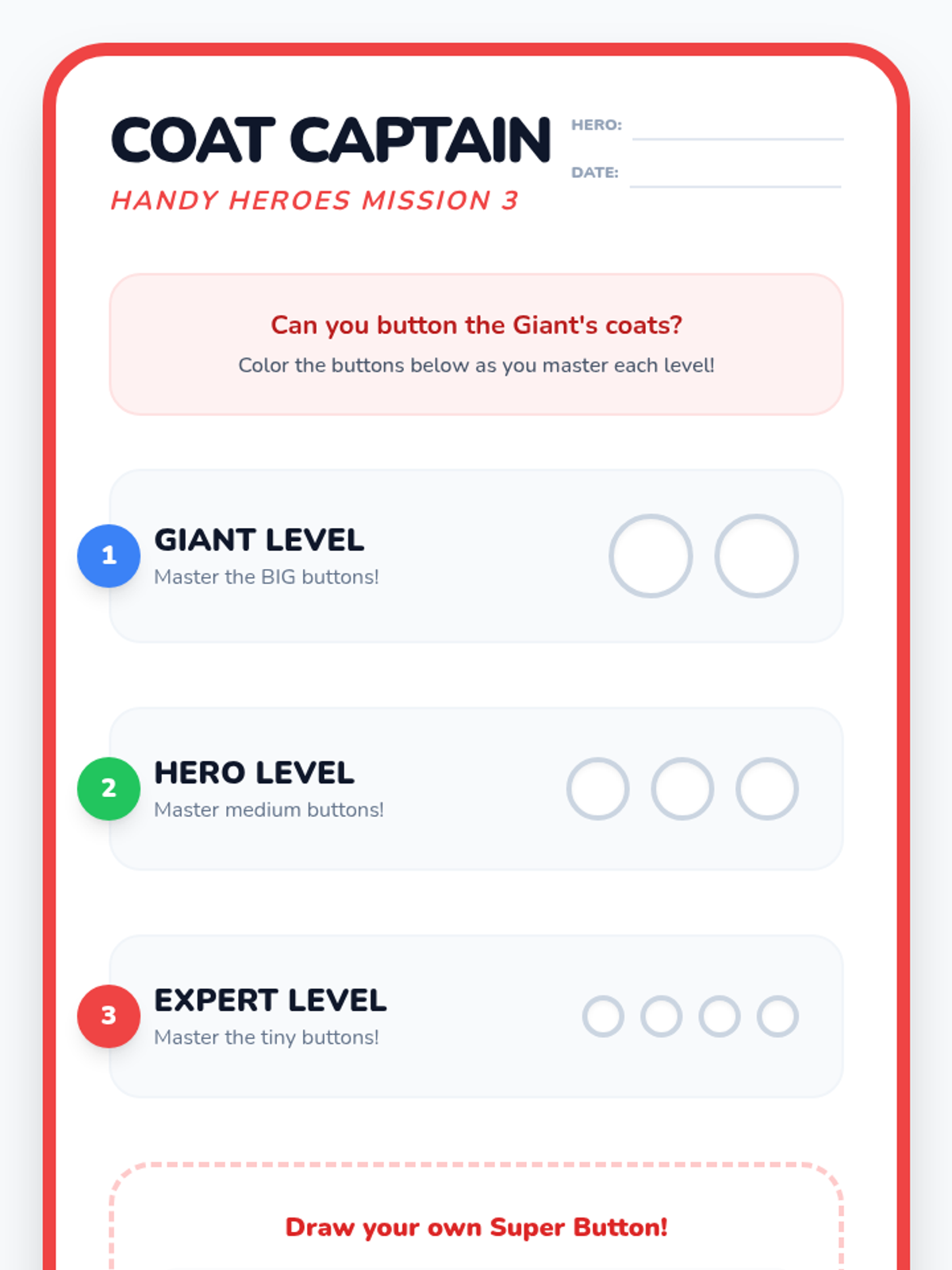
Focusing on dexterity and motor planning, students practice pushing buttons through holes of various sizes.
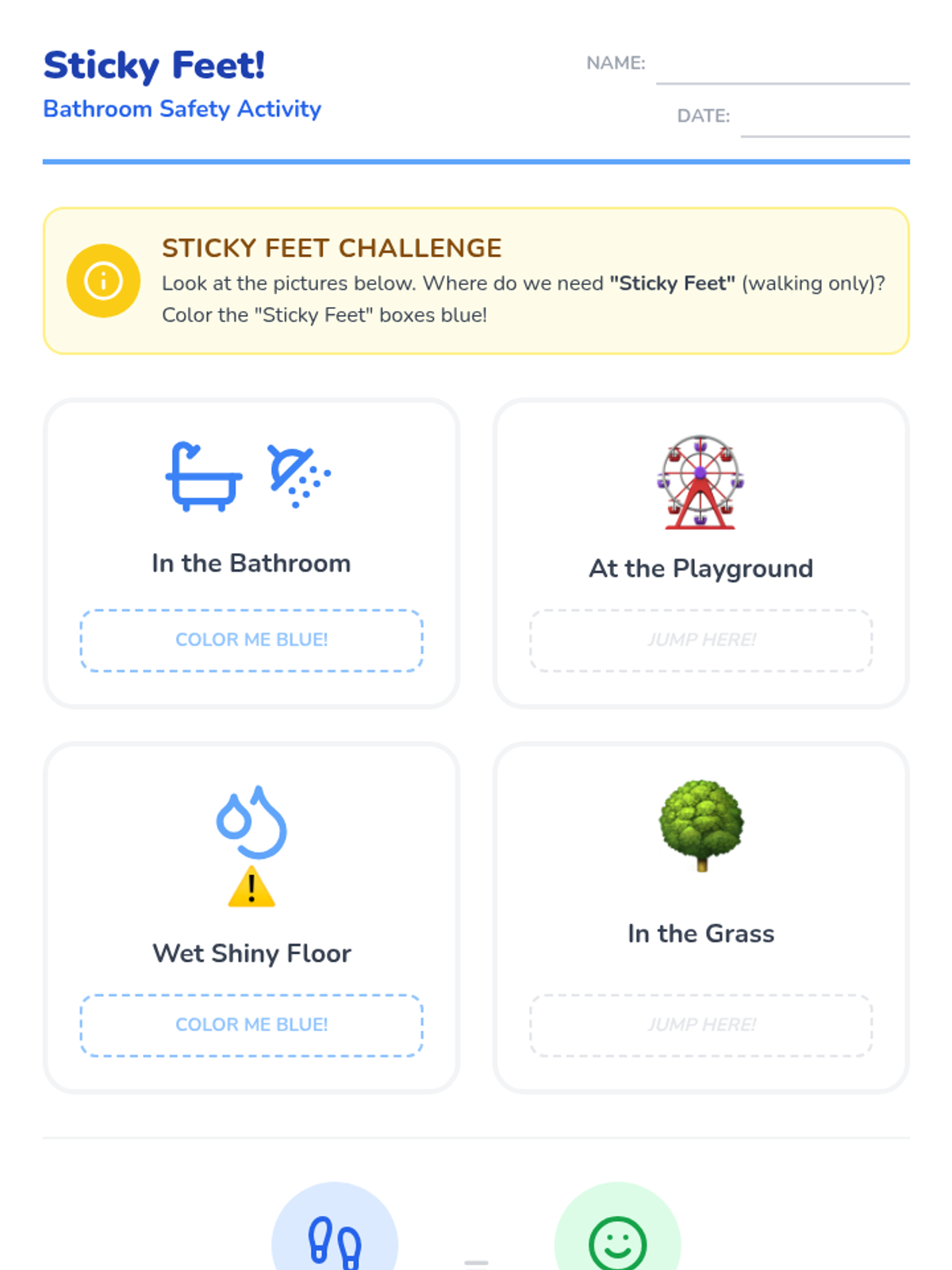
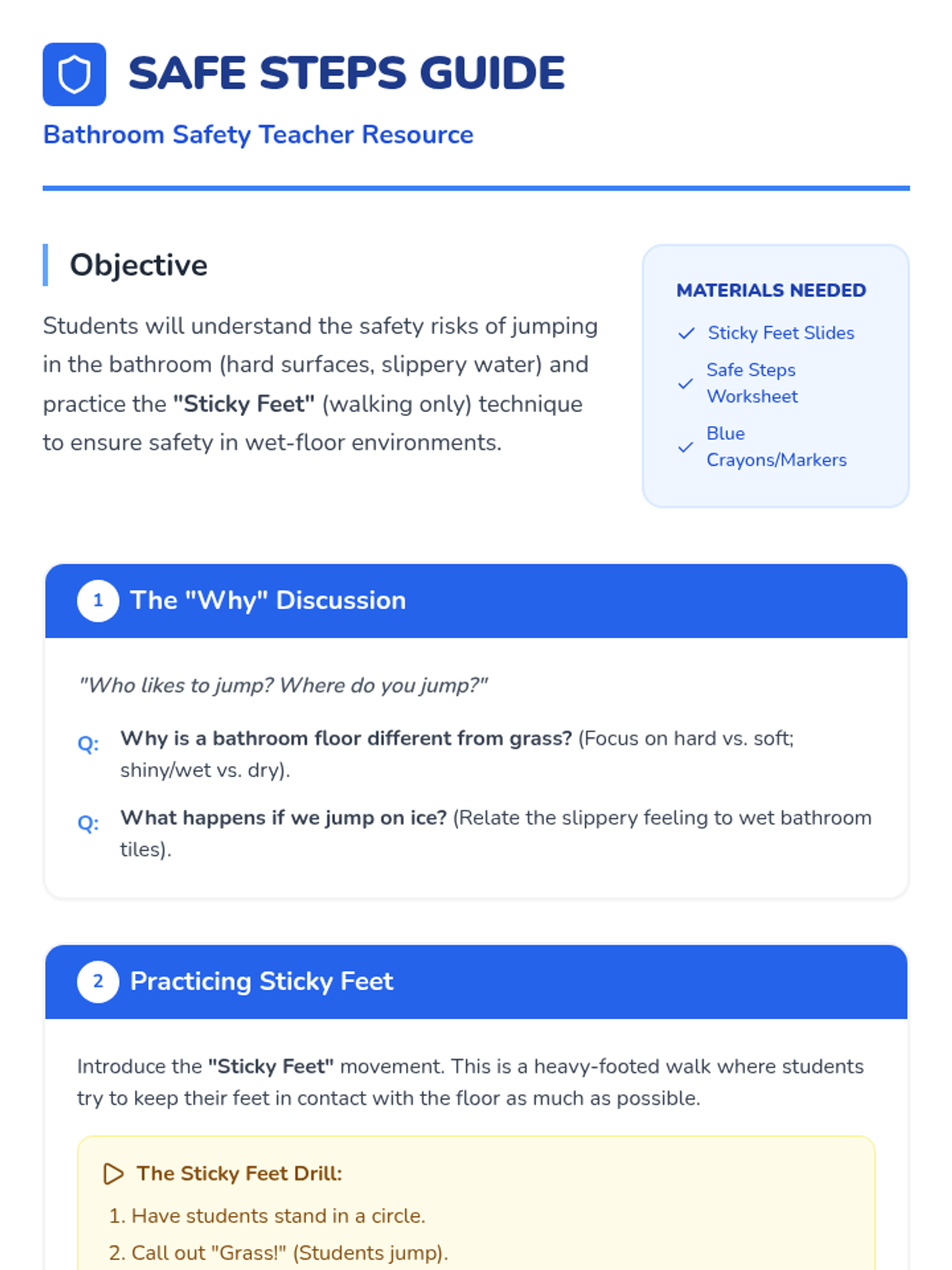
A safety-focused lesson for Pre-K students teaching the importance of walking—not jumping—in the bathroom due to slippery surfaces and hard edges. The lesson uses the 'Sticky Feet' mnemonic to encourage safe movement.
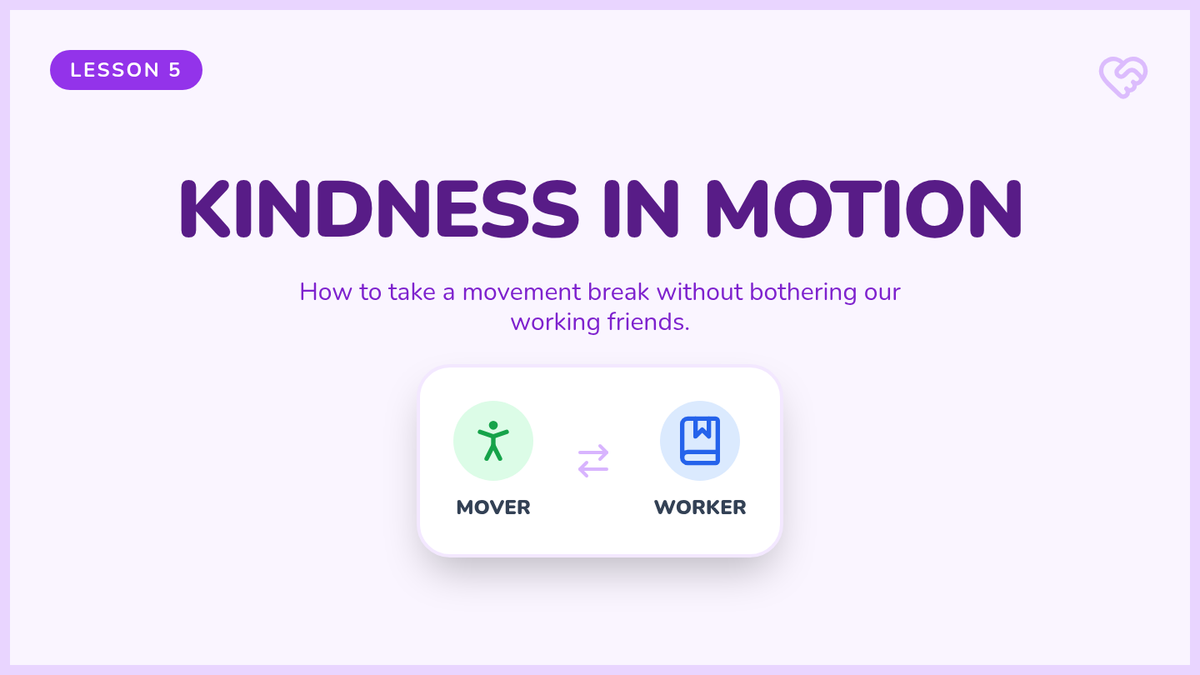
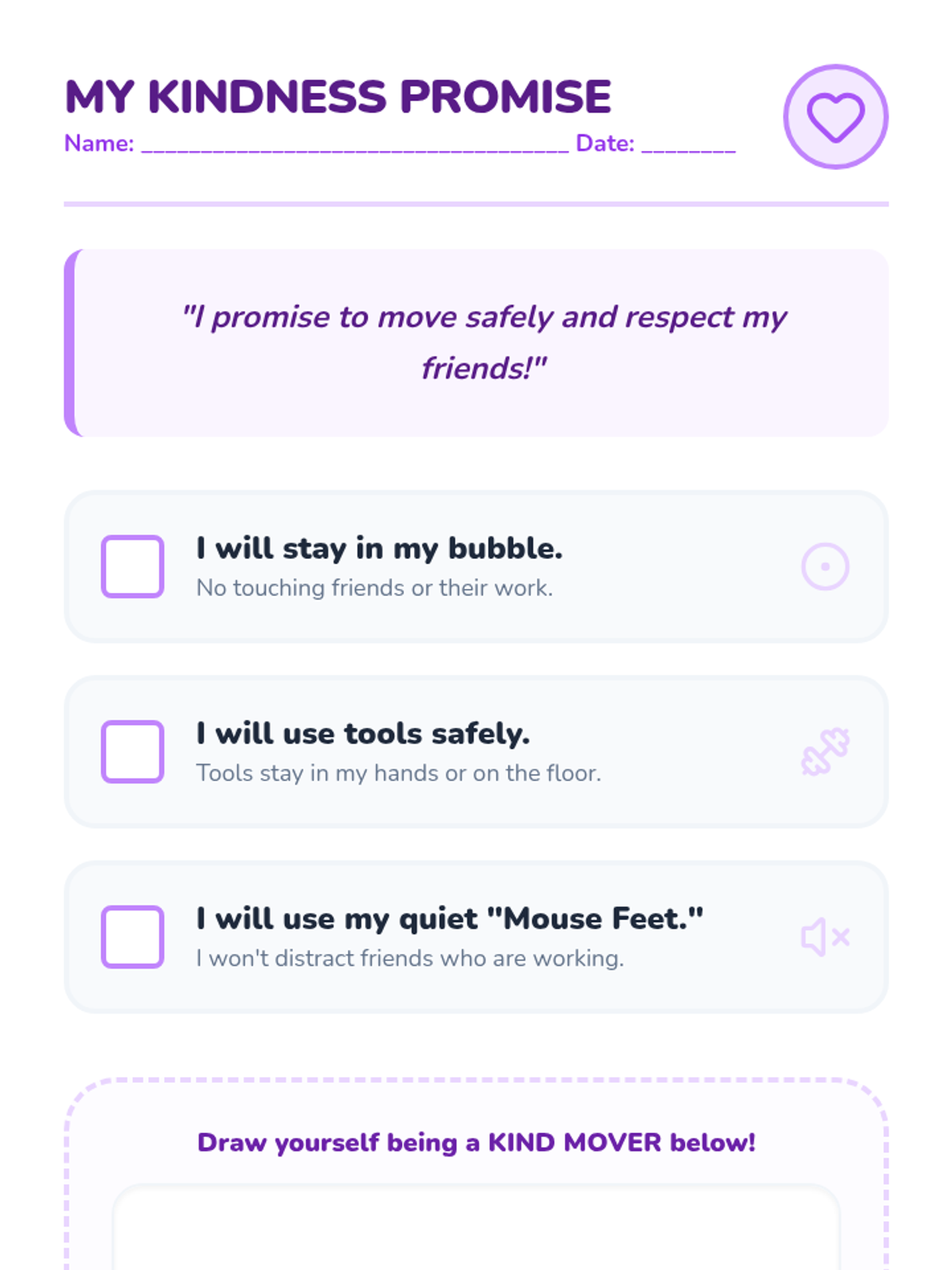
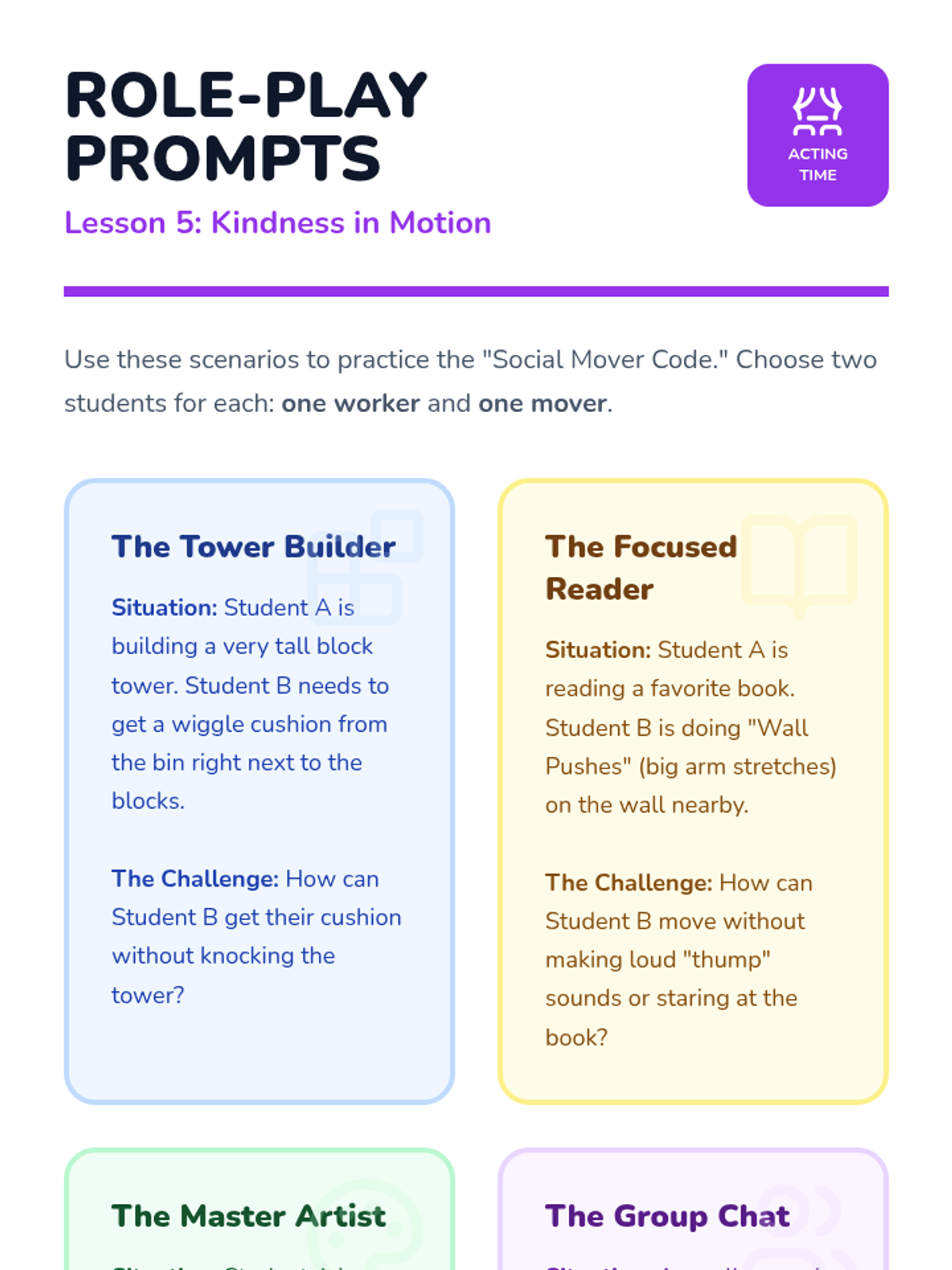
Role-playing scenarios to learn how to move without distracting working classmates.
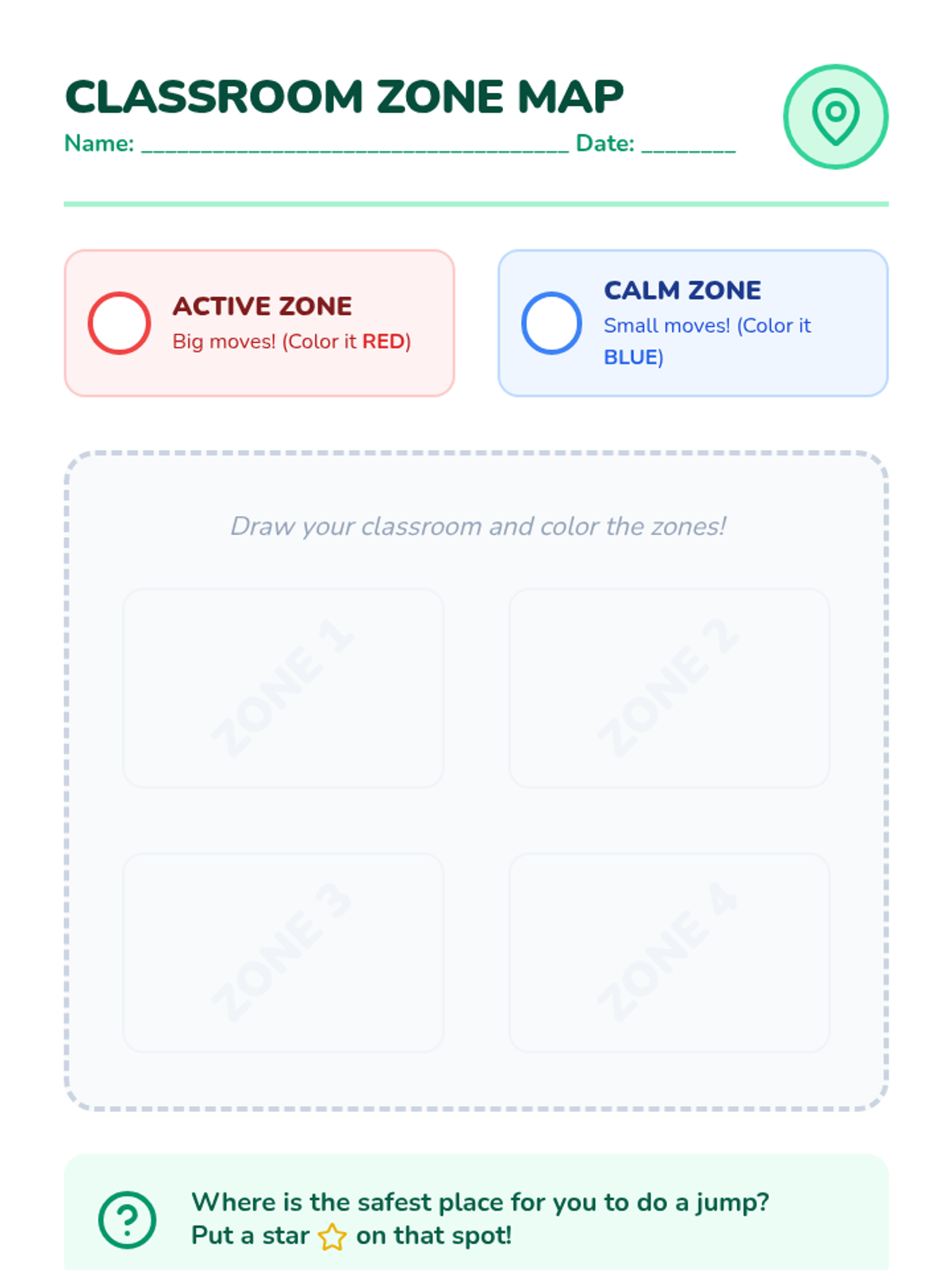
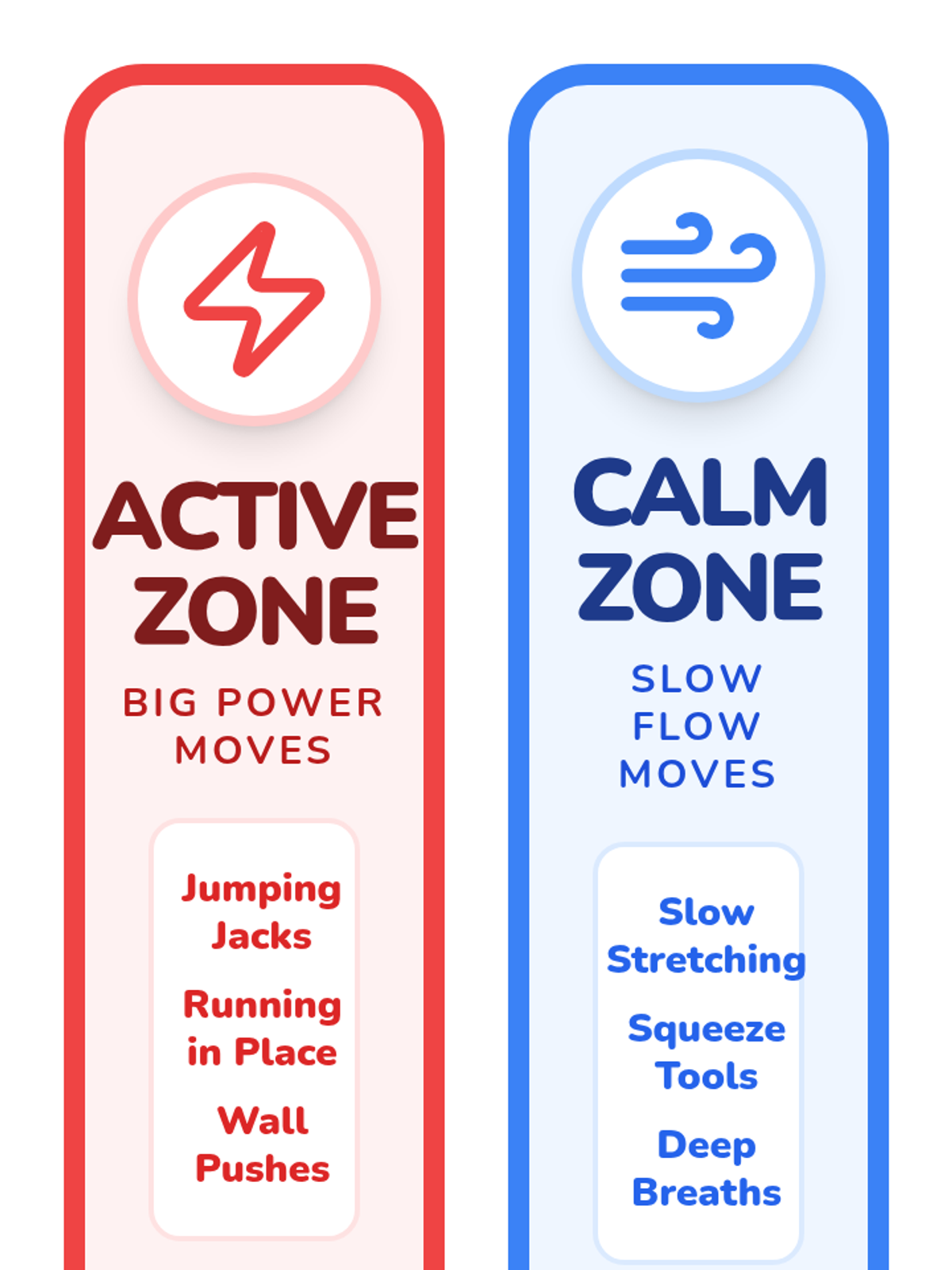
Exploring designated areas for different intensities of movement to maintain classroom order.
Developing immediate response to auditory and visual signals to ensure teacher control during movement activities.
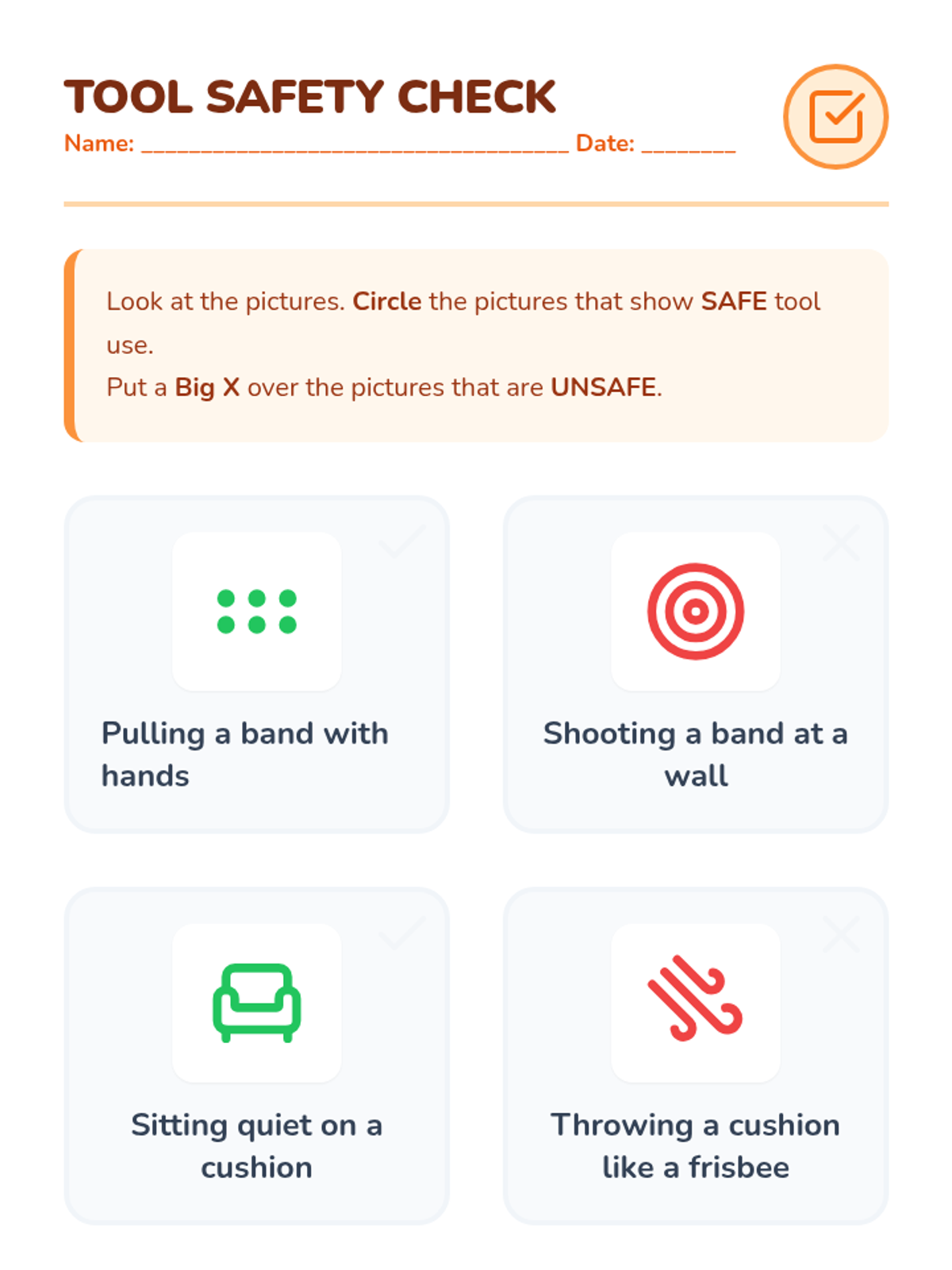
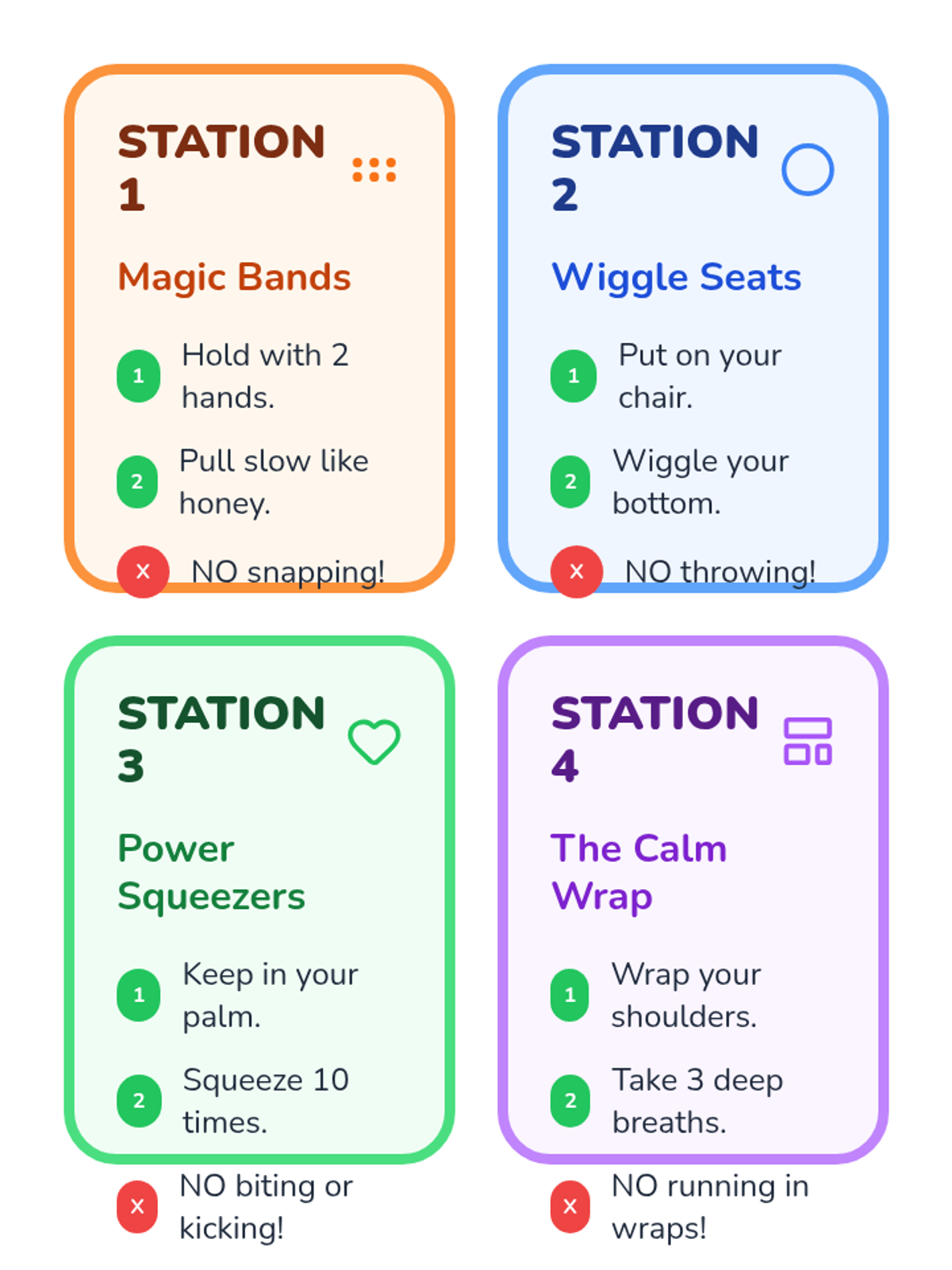
Introduction to sensory tools (resistance bands, cushions) with modeling of correct usage and safe practice.
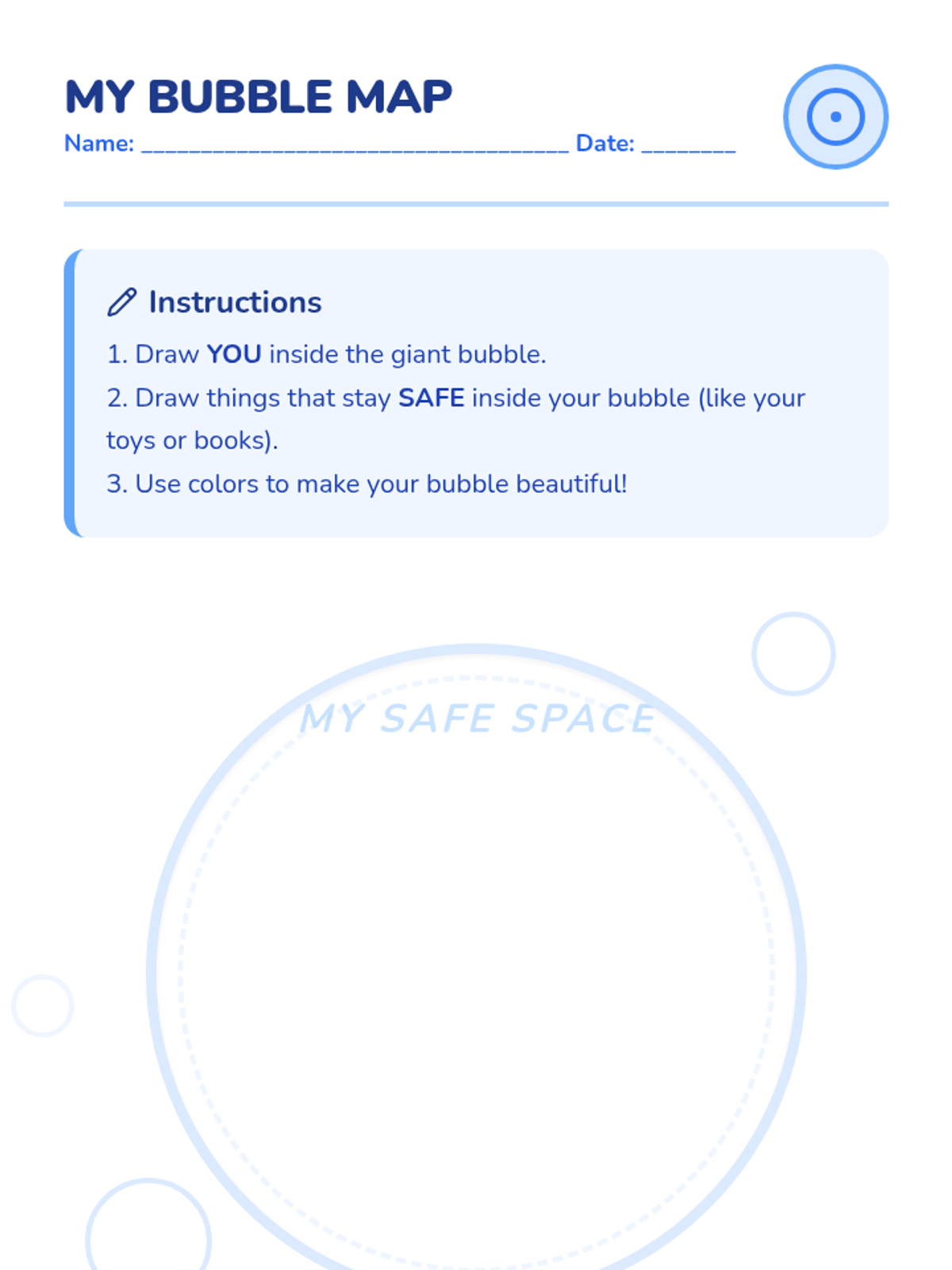
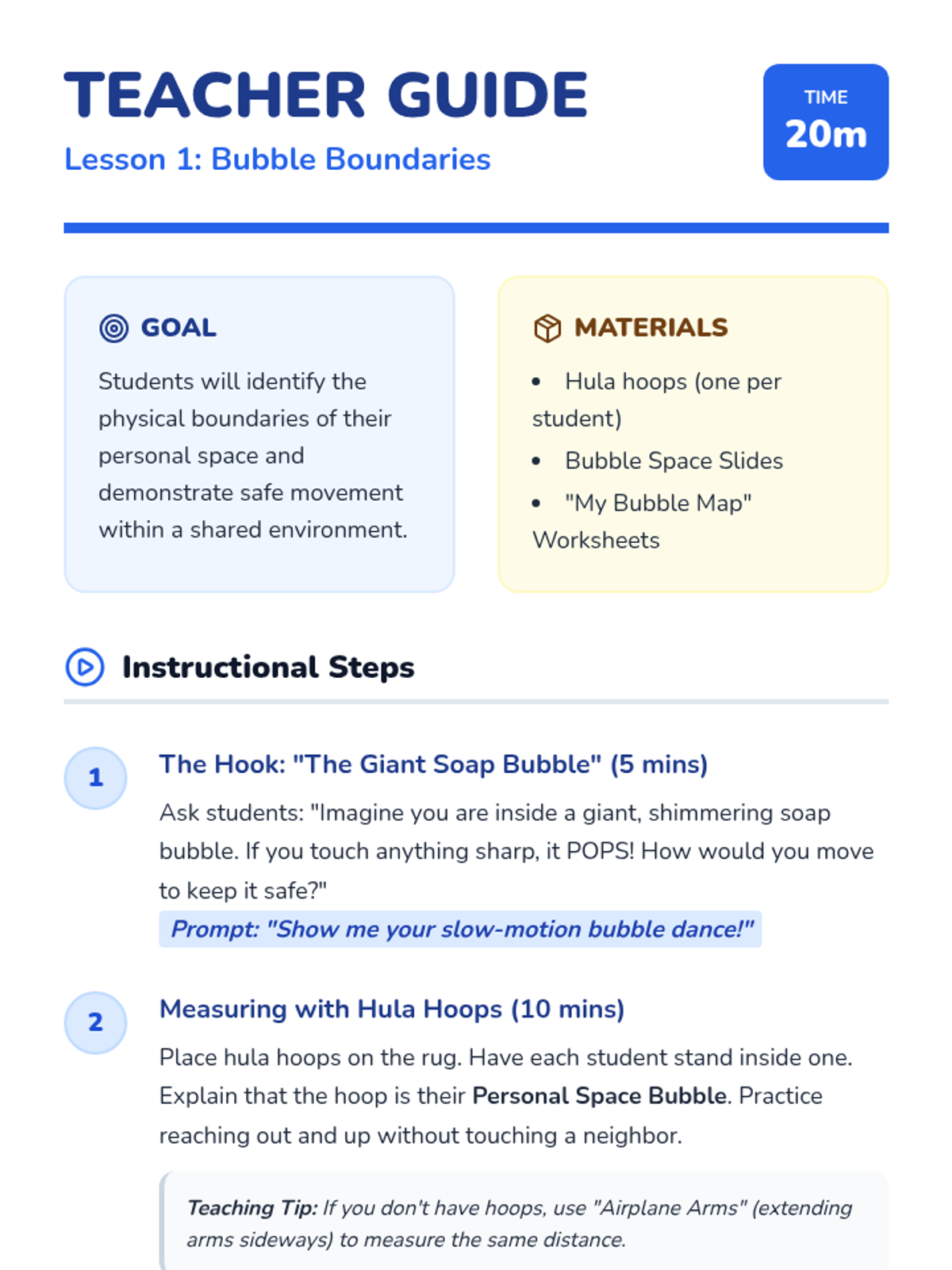
Students use hula hoops or arms-length measurements to define and visualize their personal space, practicing moving without 'popping' bubbles.
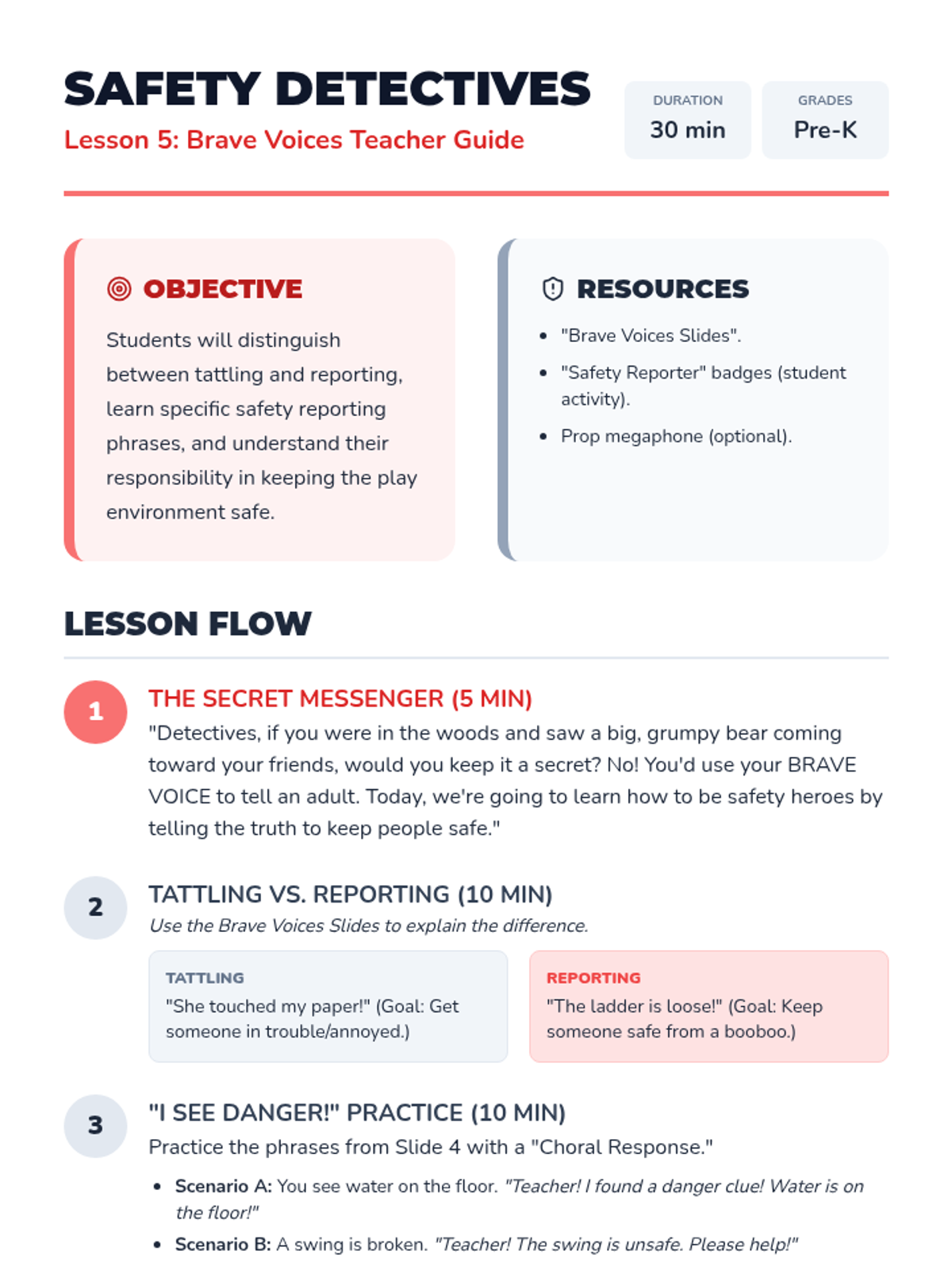
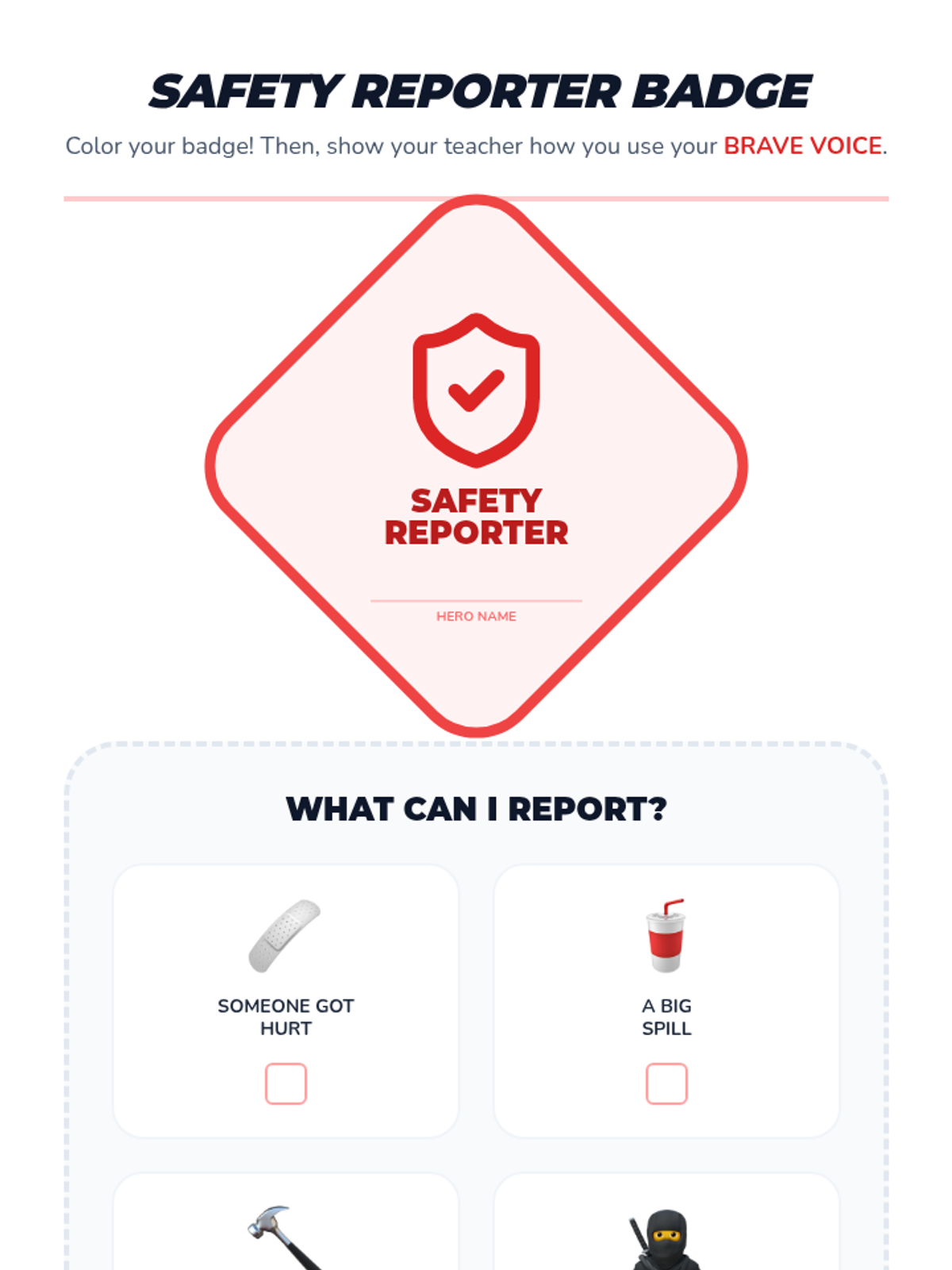
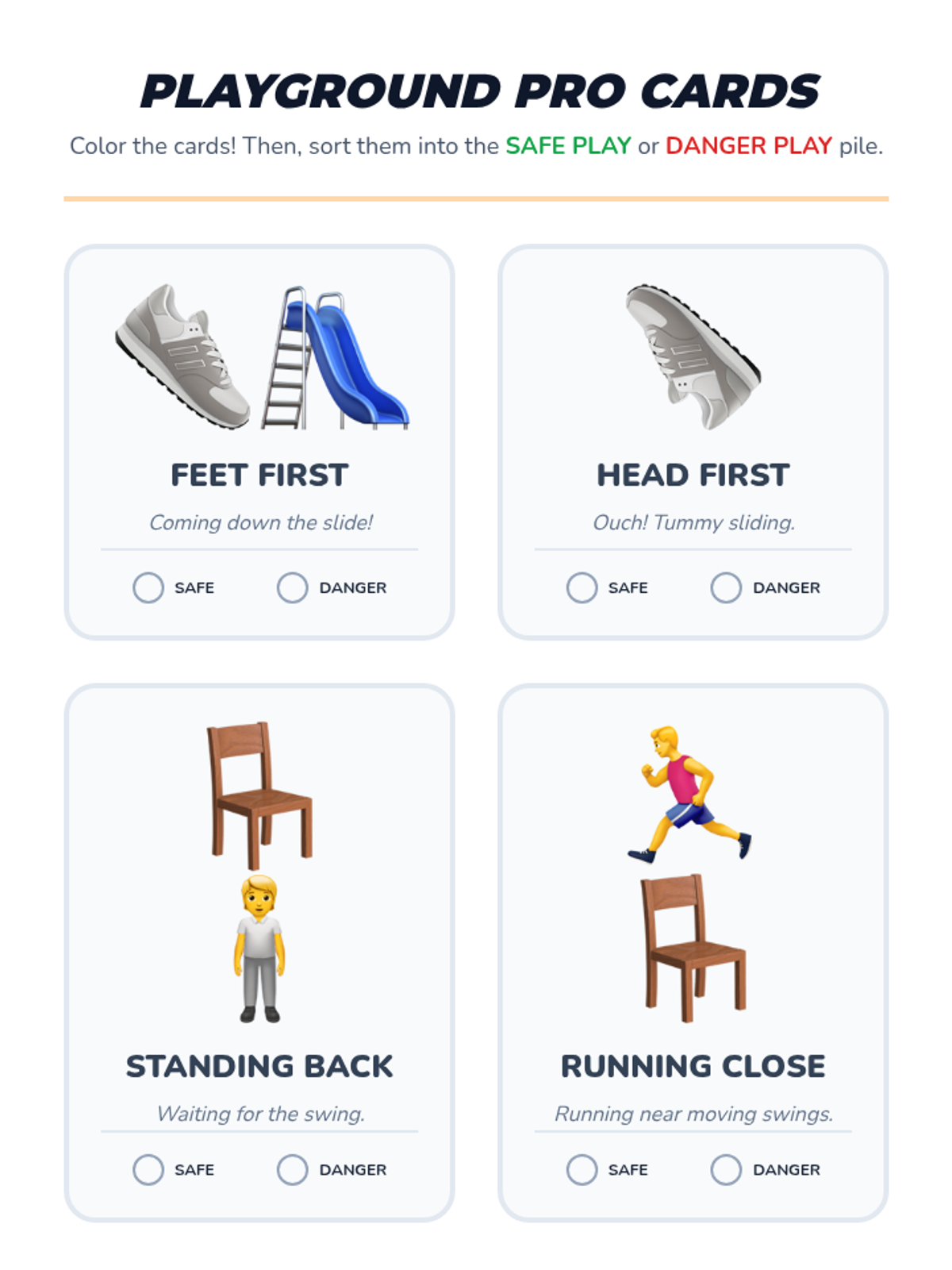
Empowers students to communicate with adults when they spot unsafe situations or equipment.
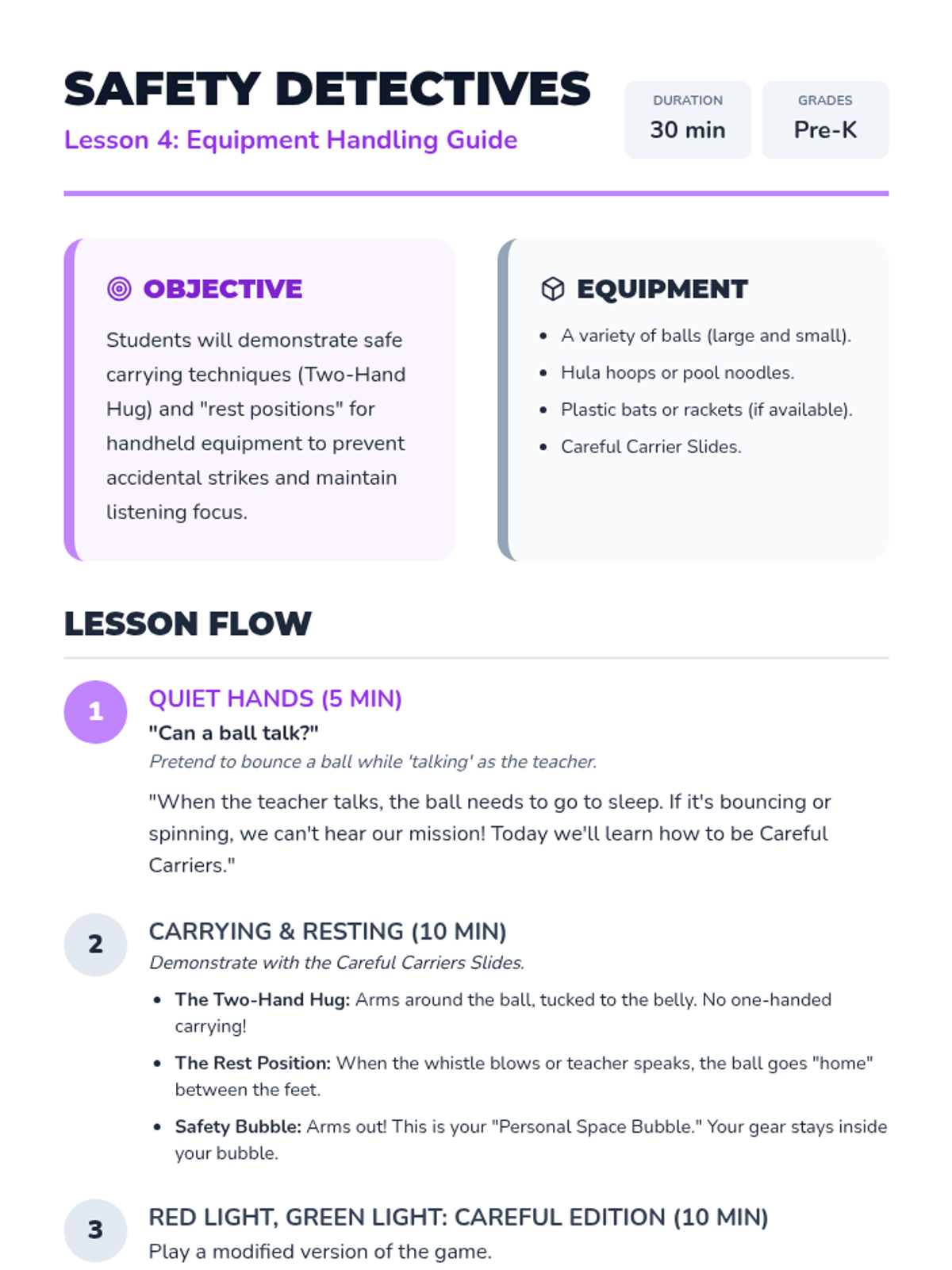
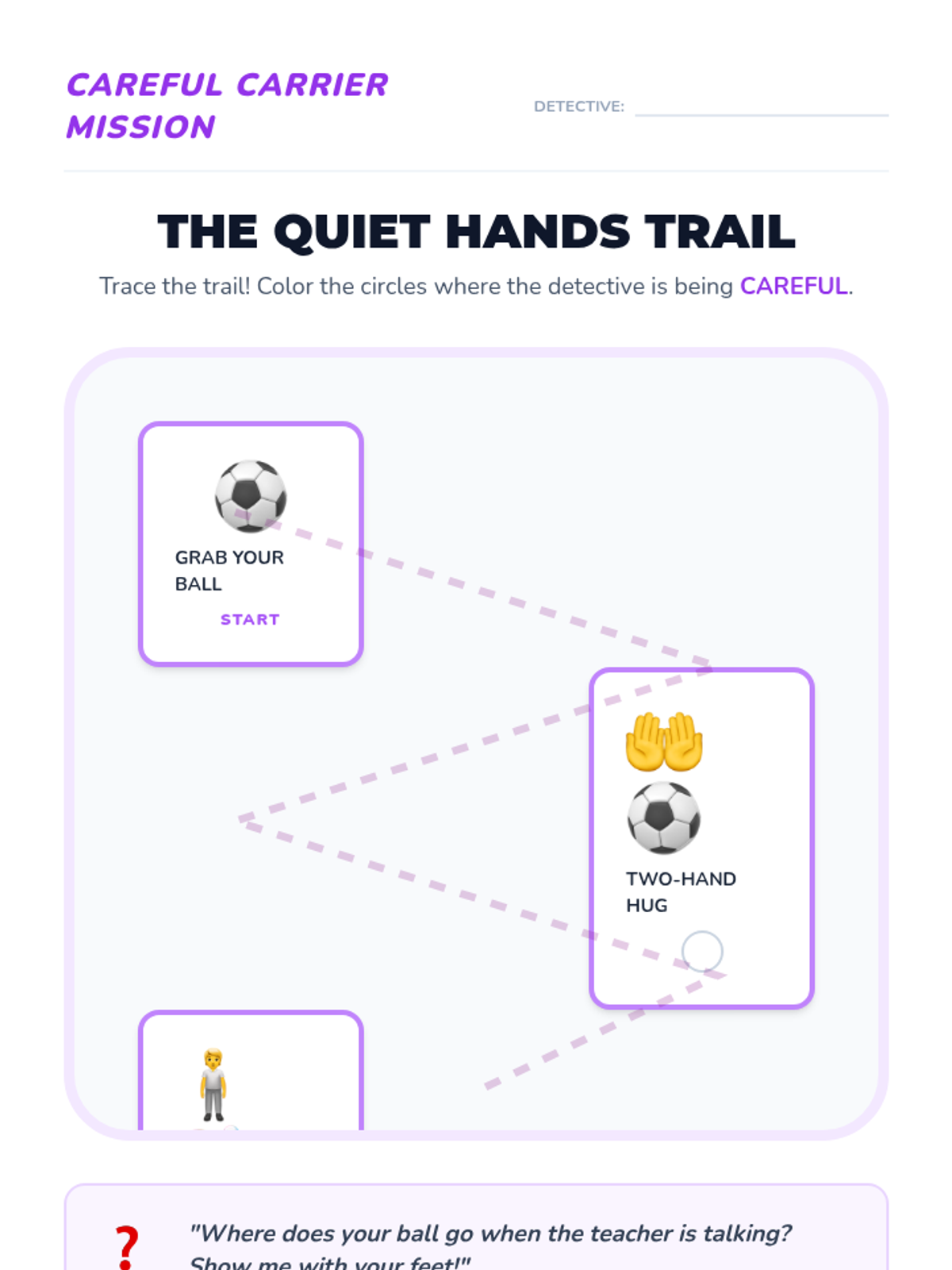
Teaches safe ways to carry and use handheld sports equipment, including 'rest positions' for listening.
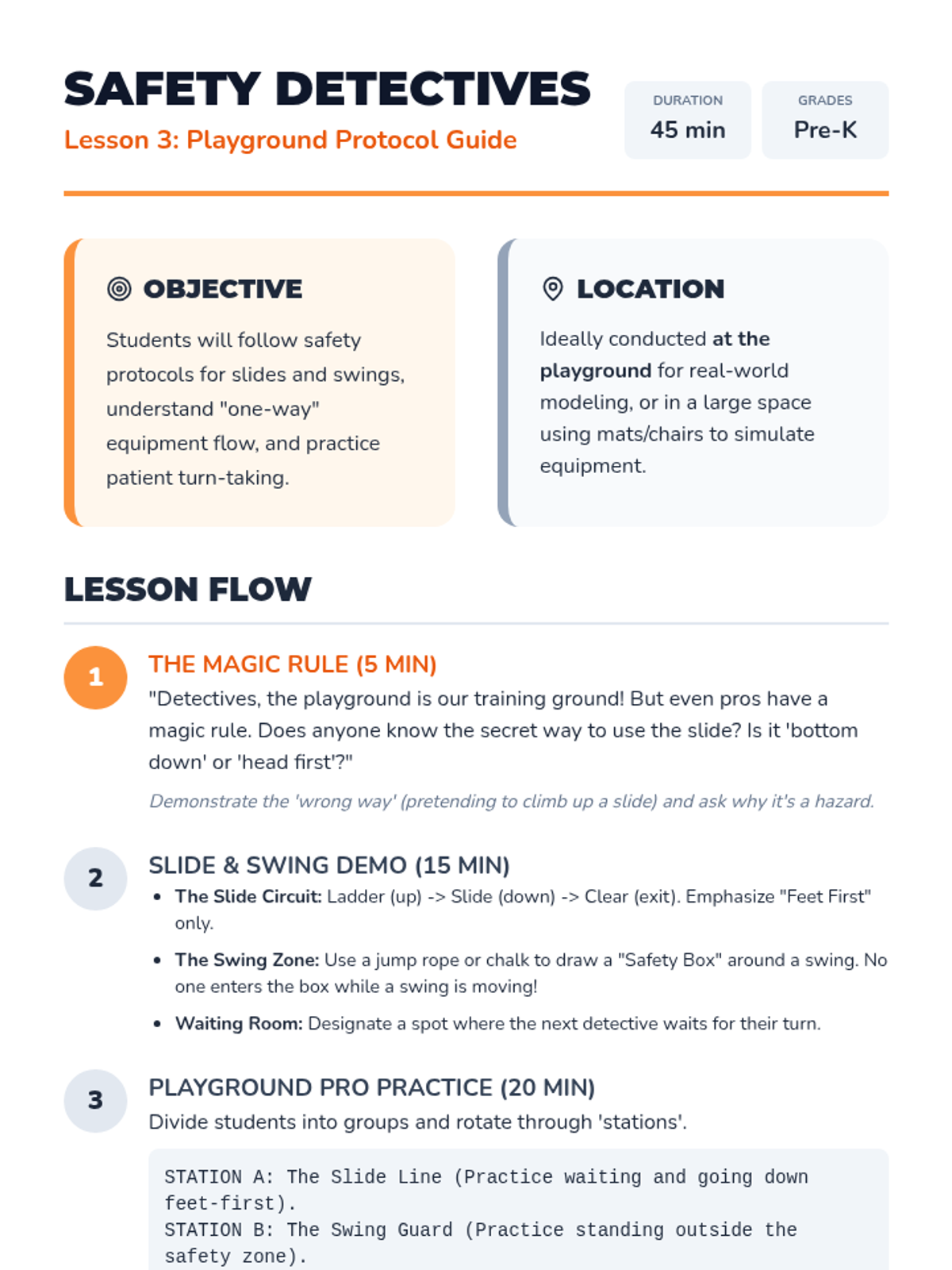
Introduces protocols for common playground structures, teaching students how to use equipment as intended.
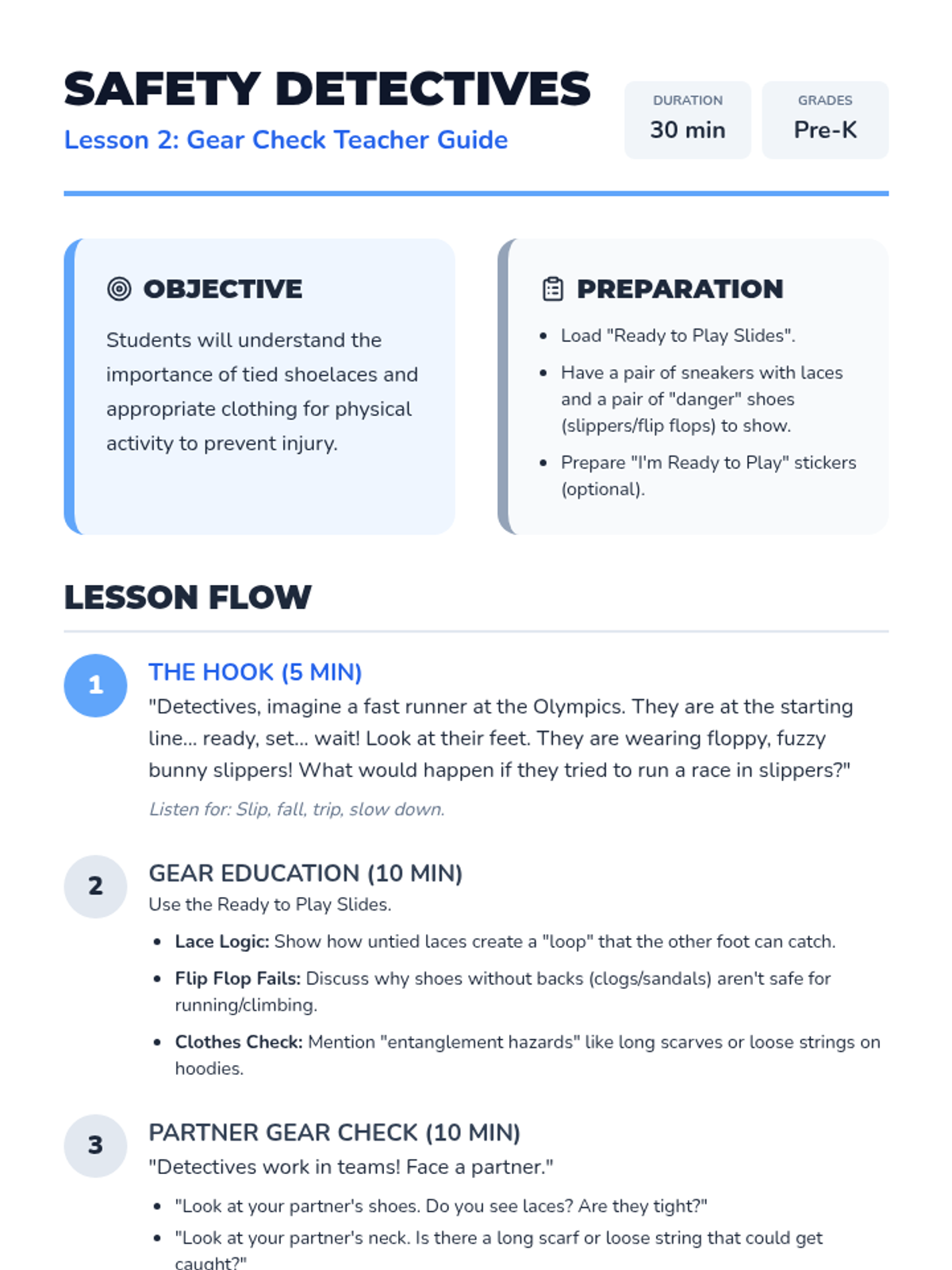
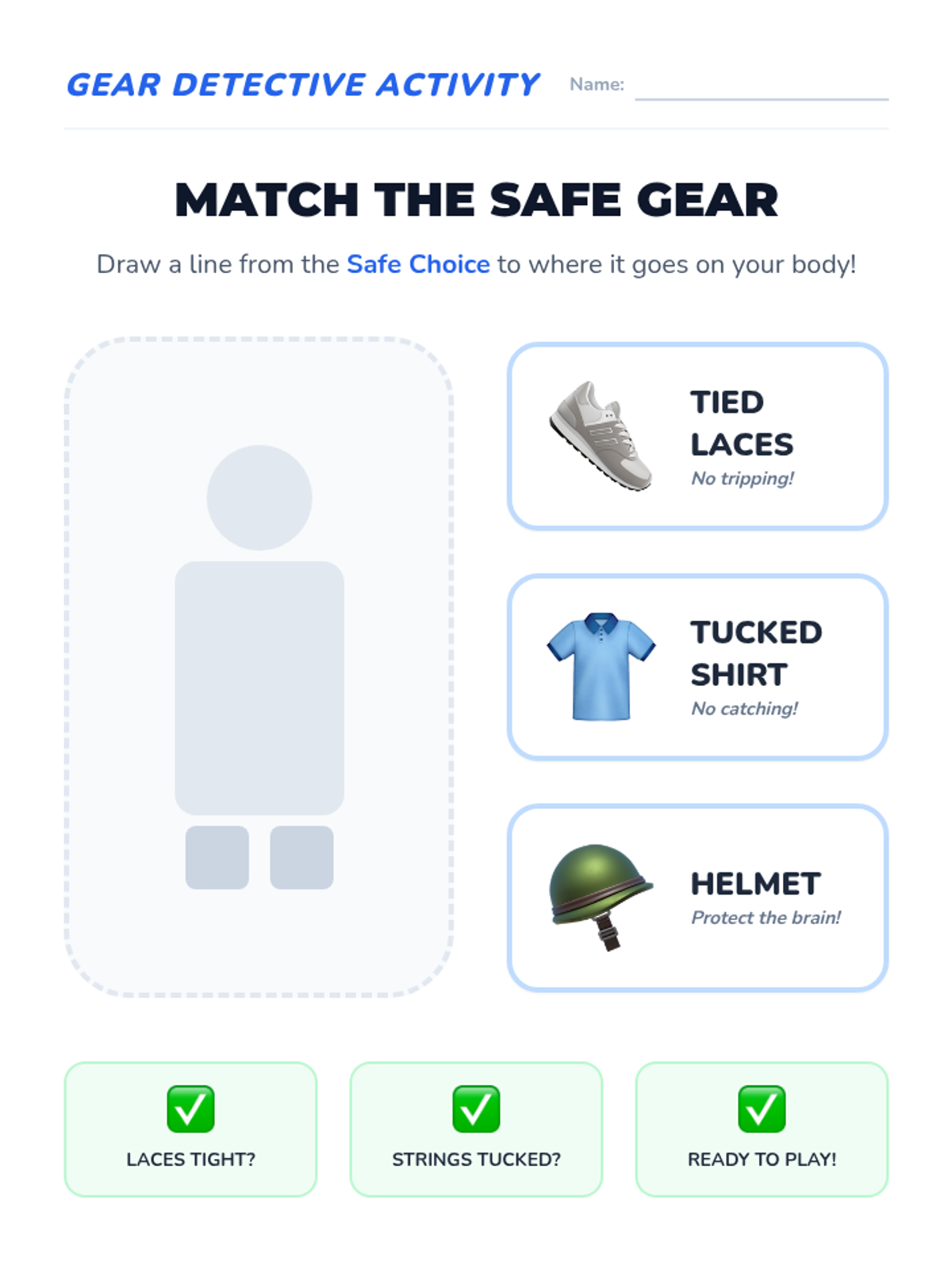
Focuses on personal safety preparation, emphasizing tied shoelaces and appropriate clothing for active play.
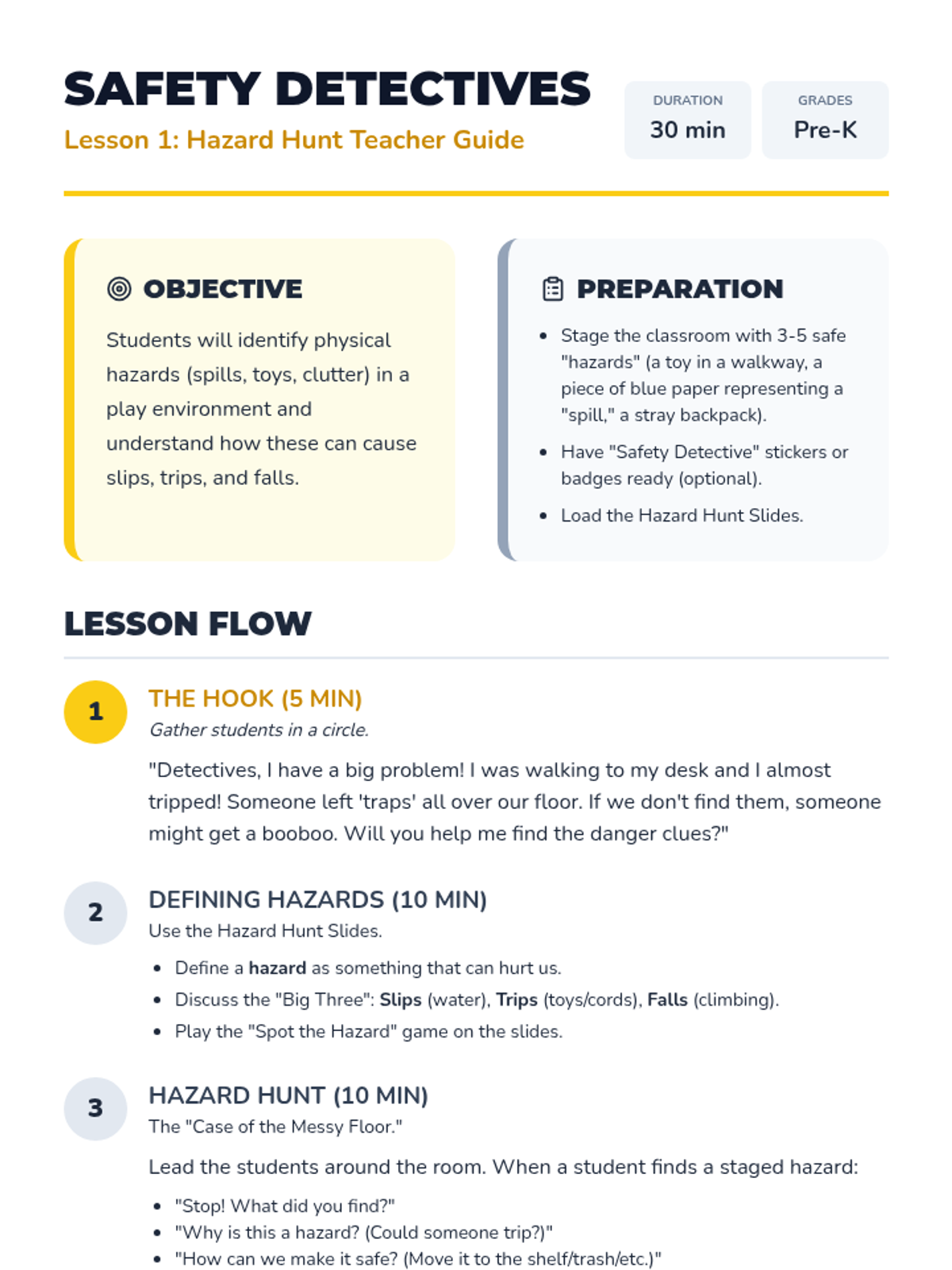
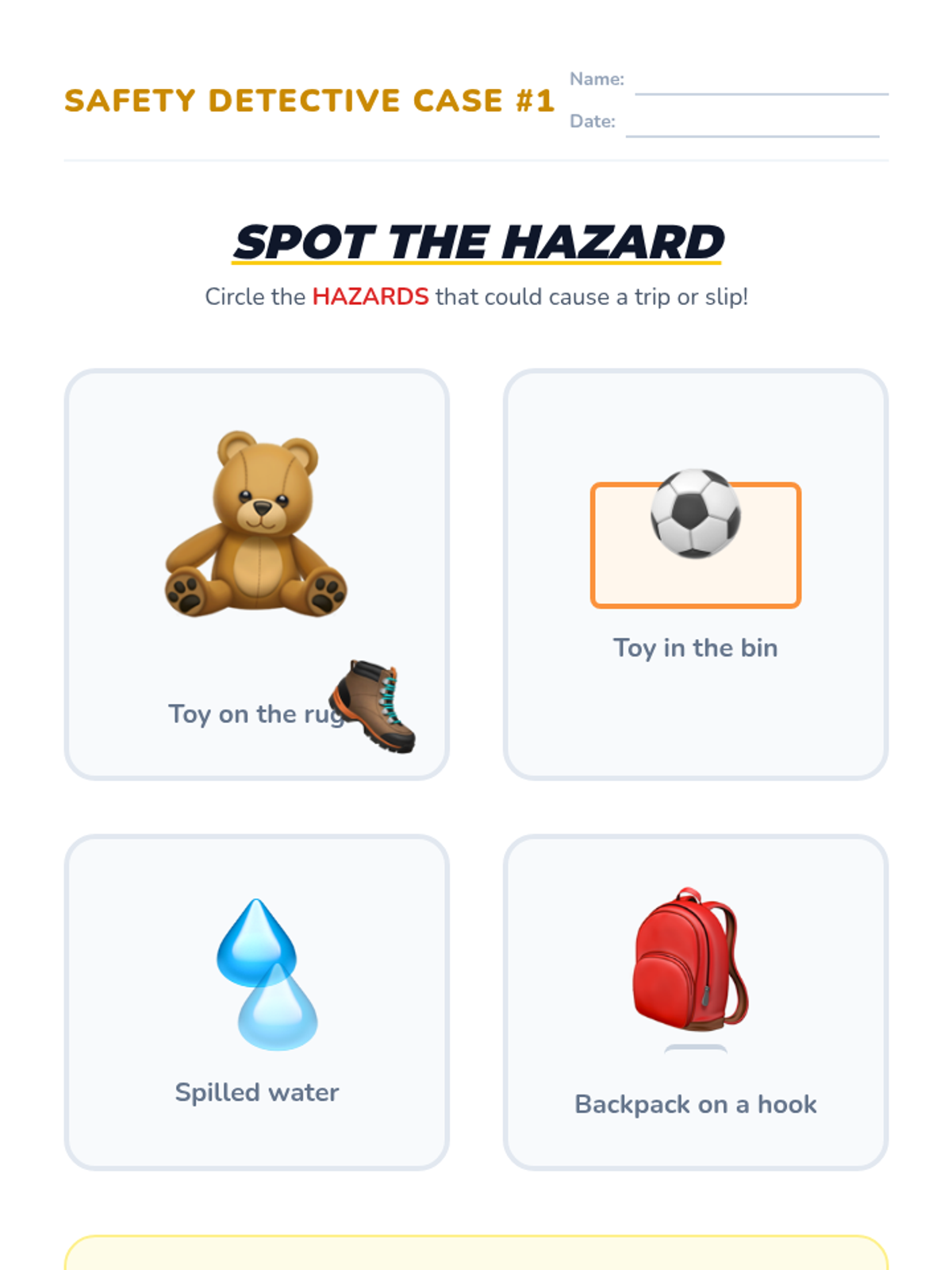
Students learn to identify physical hazards like spills, toys on the floor, and clutter to prevent slips, trips, and falls.