Fundamental concepts of emotional intelligence, stress reduction, and relaxation exercises. Develops skills for healthy relationships, digital balance, and resilience while establishing pathways for help-seeking and support systems.
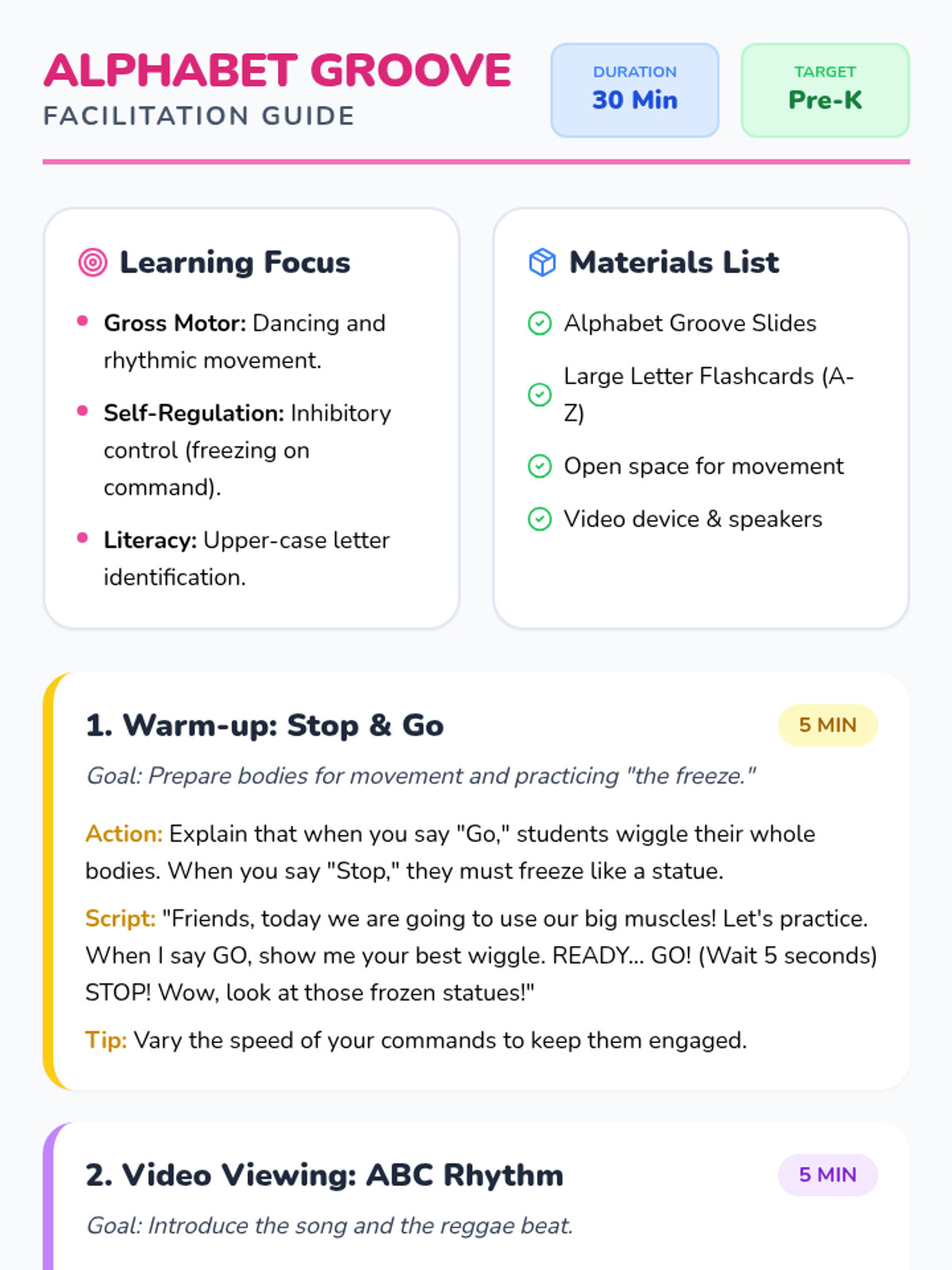
A high-energy Pre-K lesson focused on gross motor skills and inhibitory control through a musical freeze dance game that reinforces alphabet recognition.
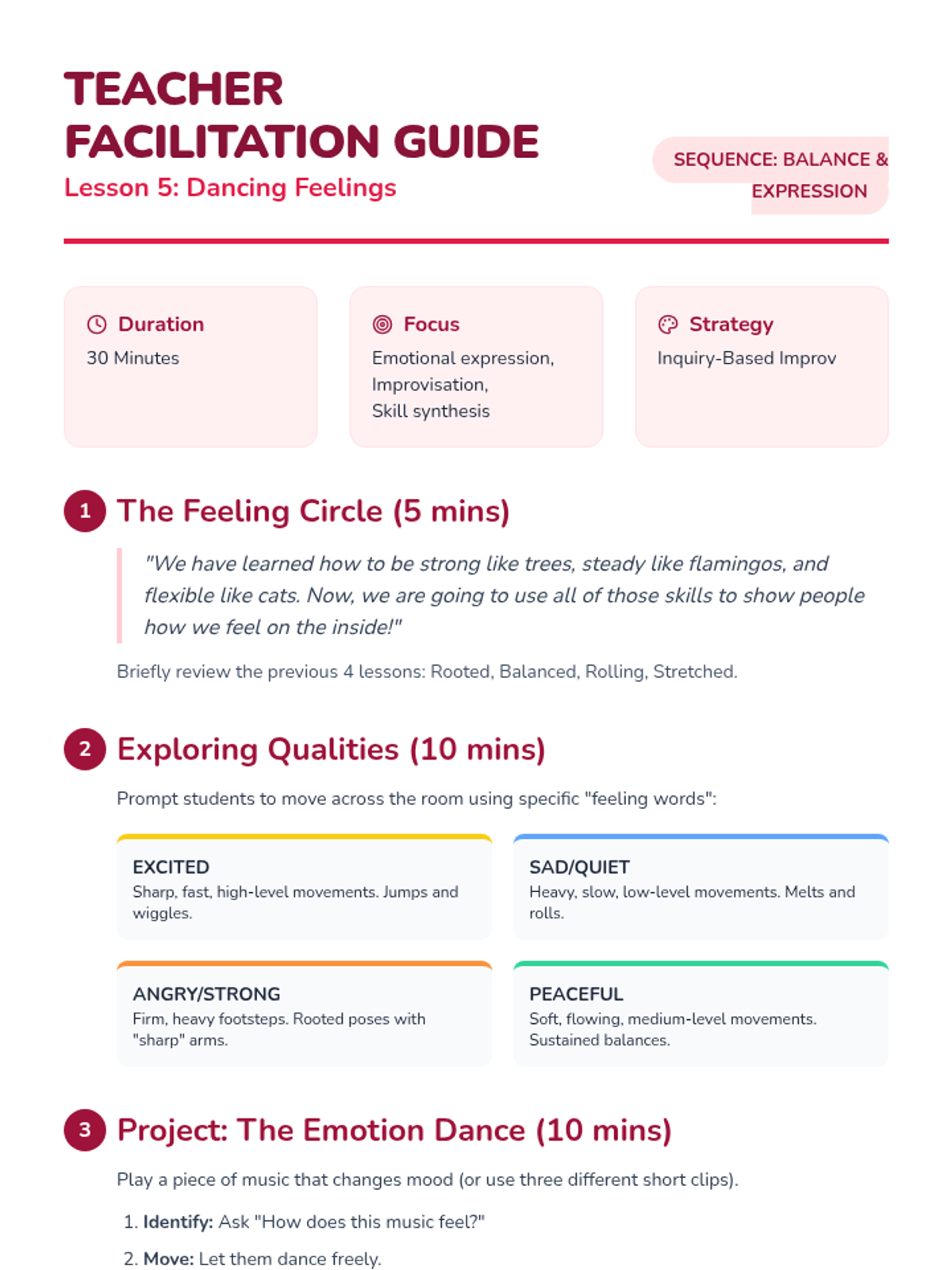
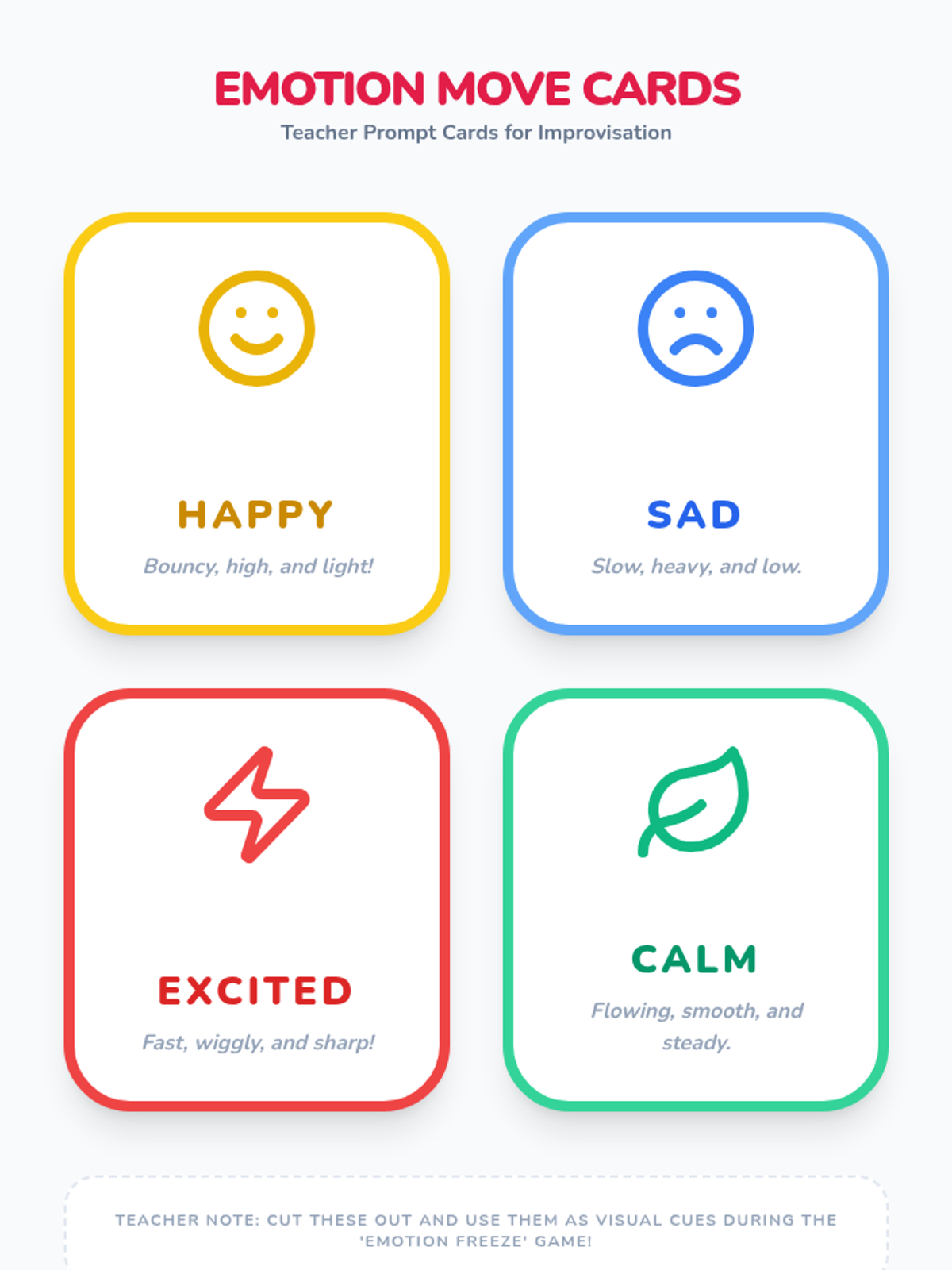
Students synthesize their skills to express emotions like happiness and excitement through abstract, improvised movement.
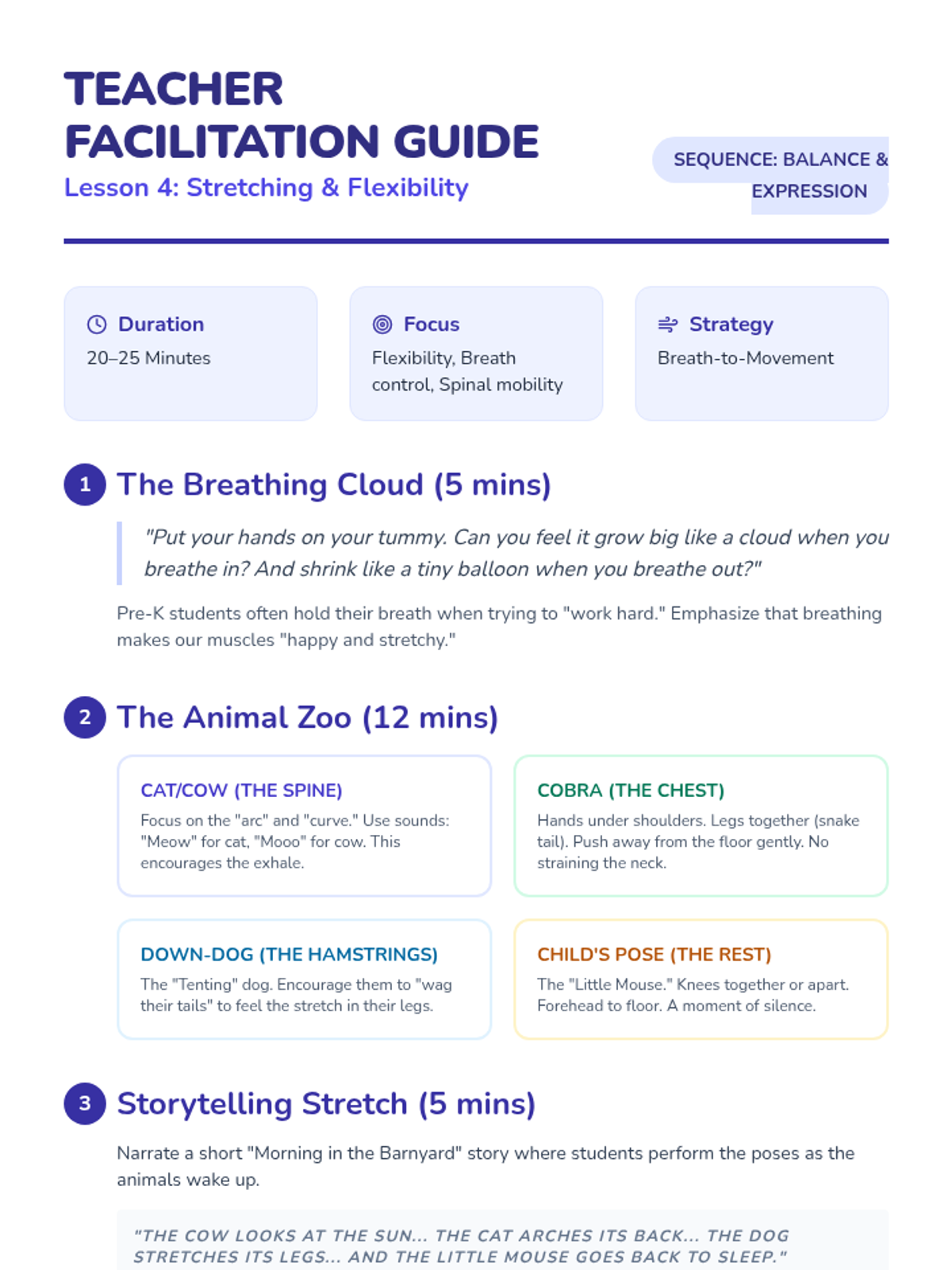
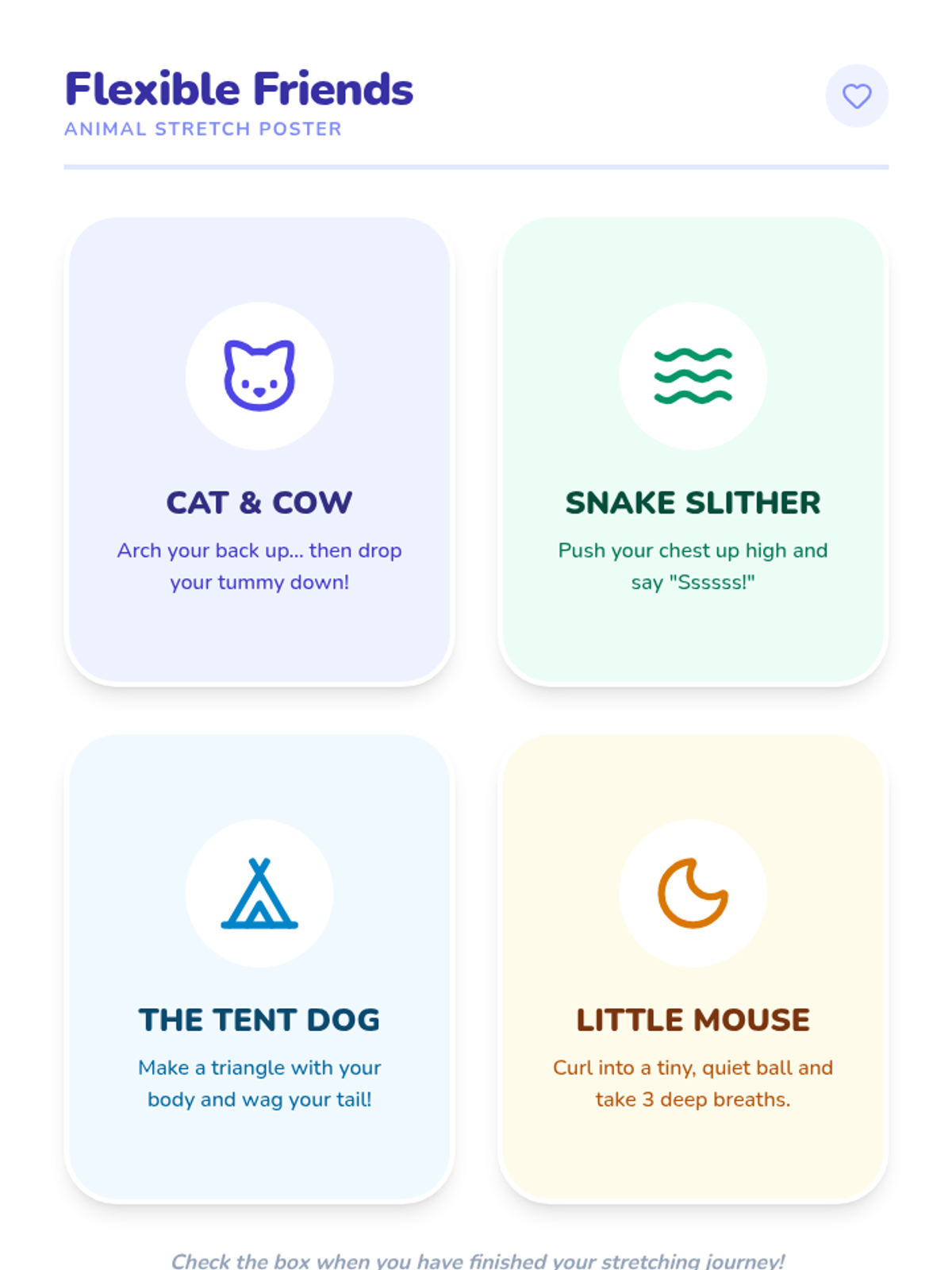
Through animal-inspired poses, students gently stretch their spines and hamstrings while practicing breath control.
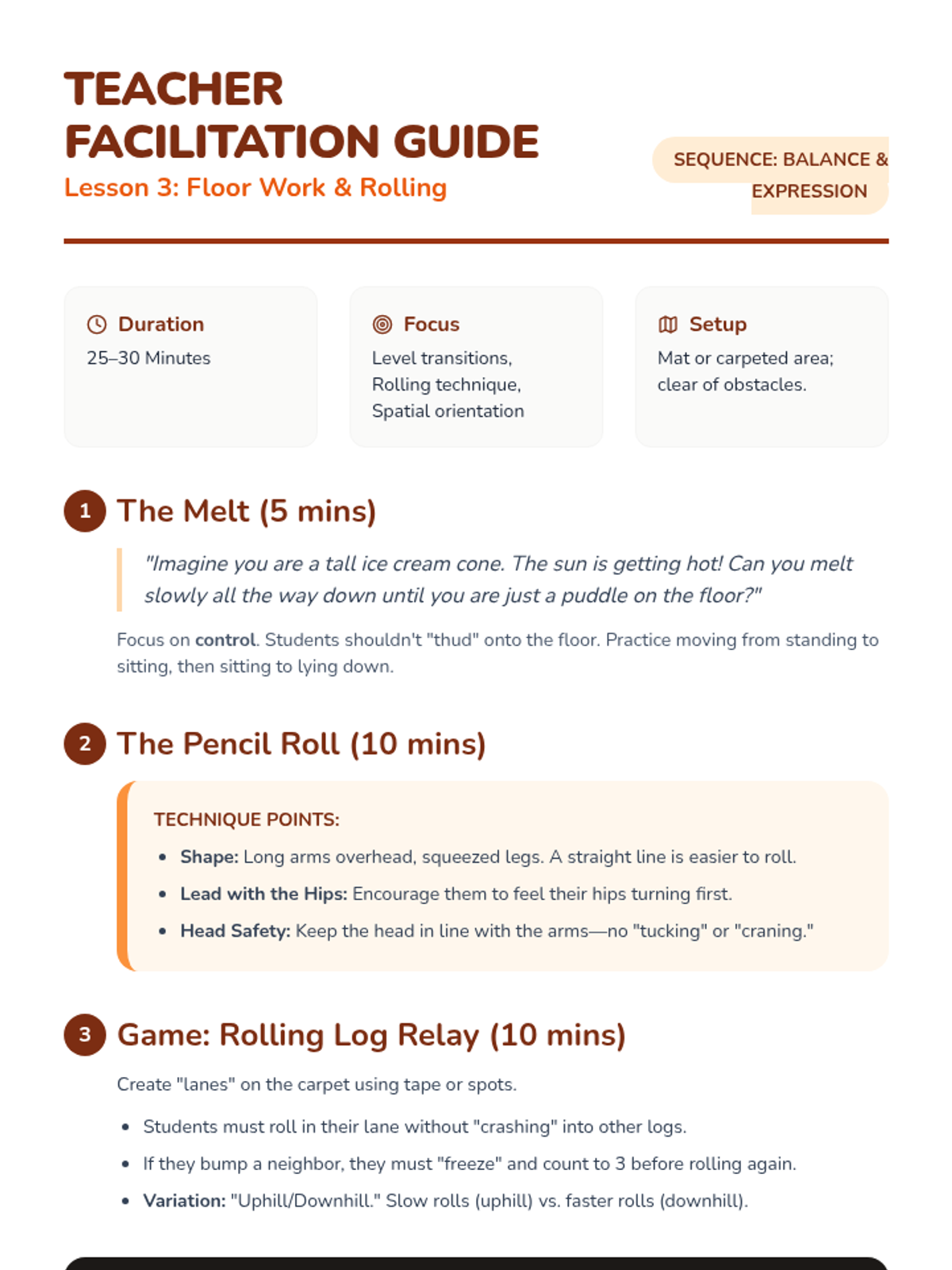
Students explore movement on the floor, practicing rolling comfortably and transitioning between levels.
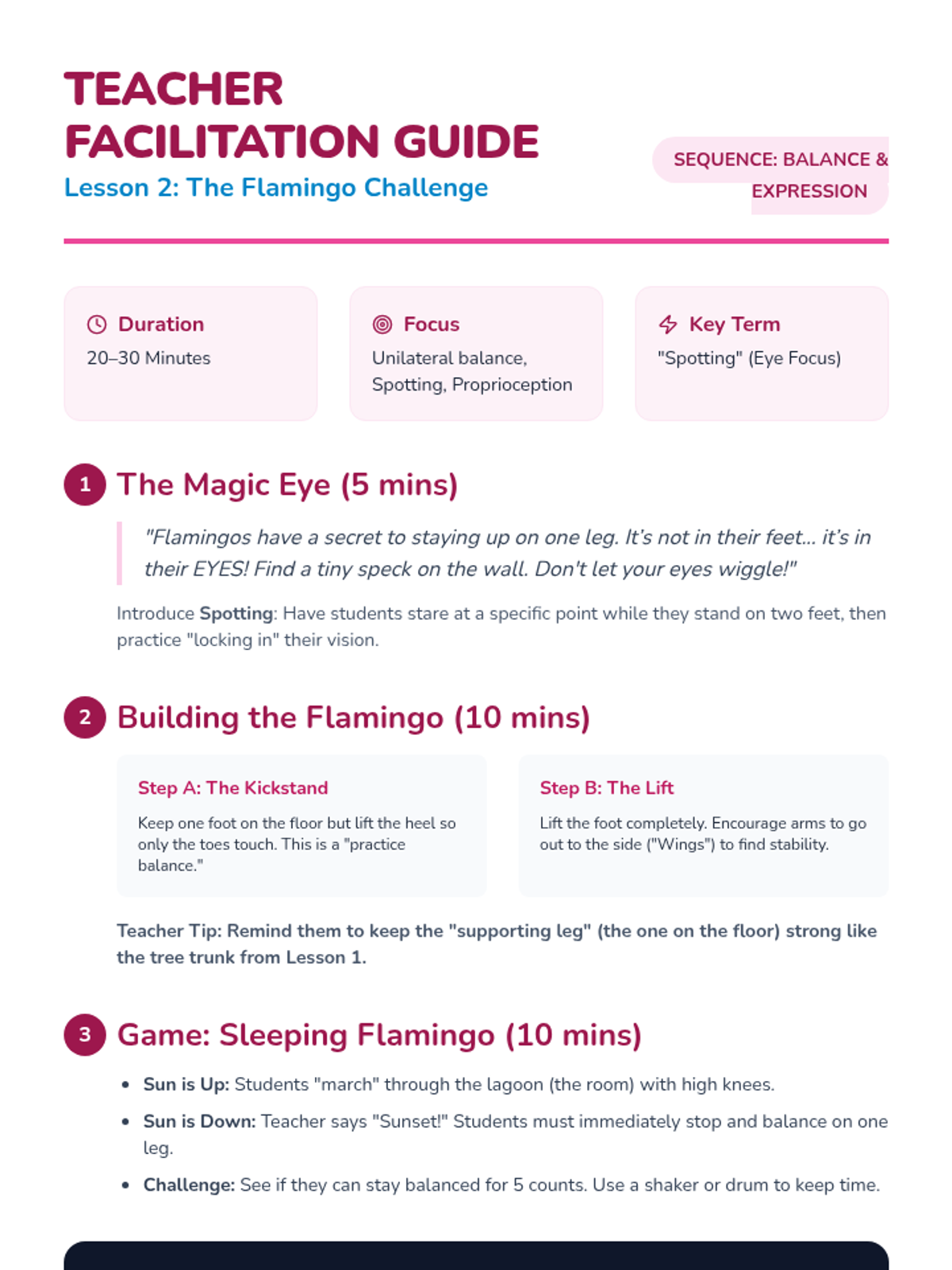
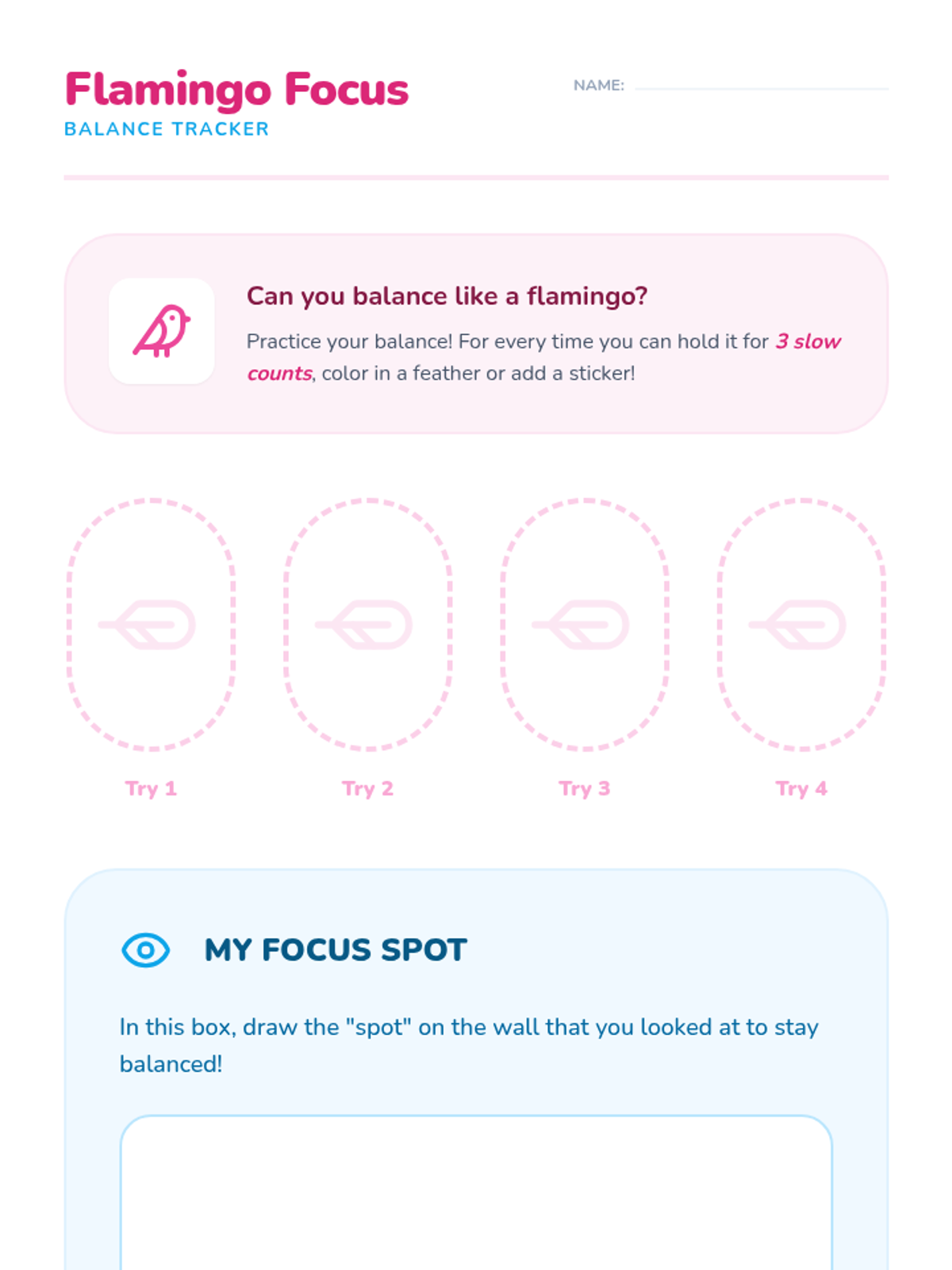
Building on stability, students attempt to balance on one leg for increasing durations using visual focus and arm positioning.
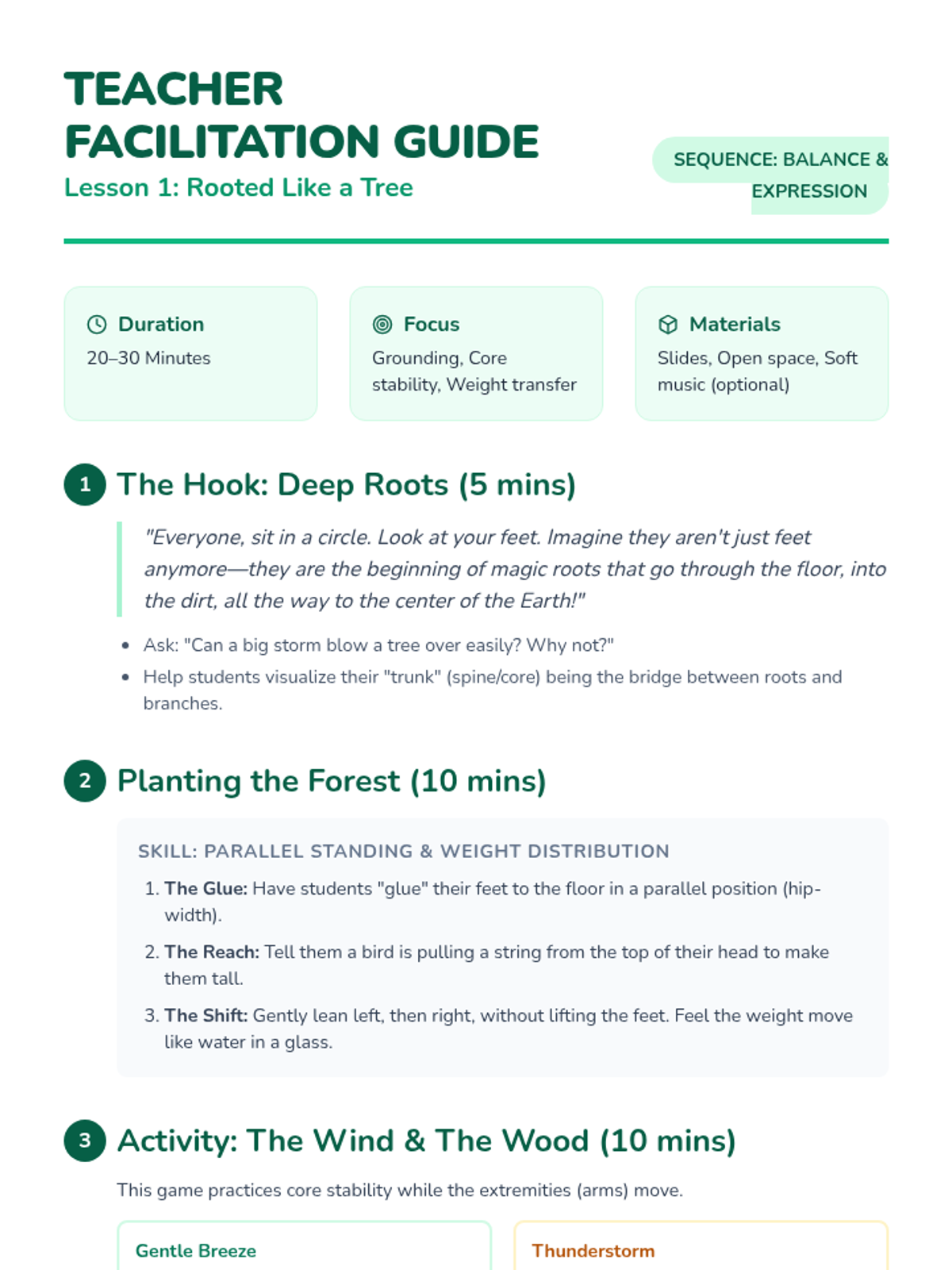
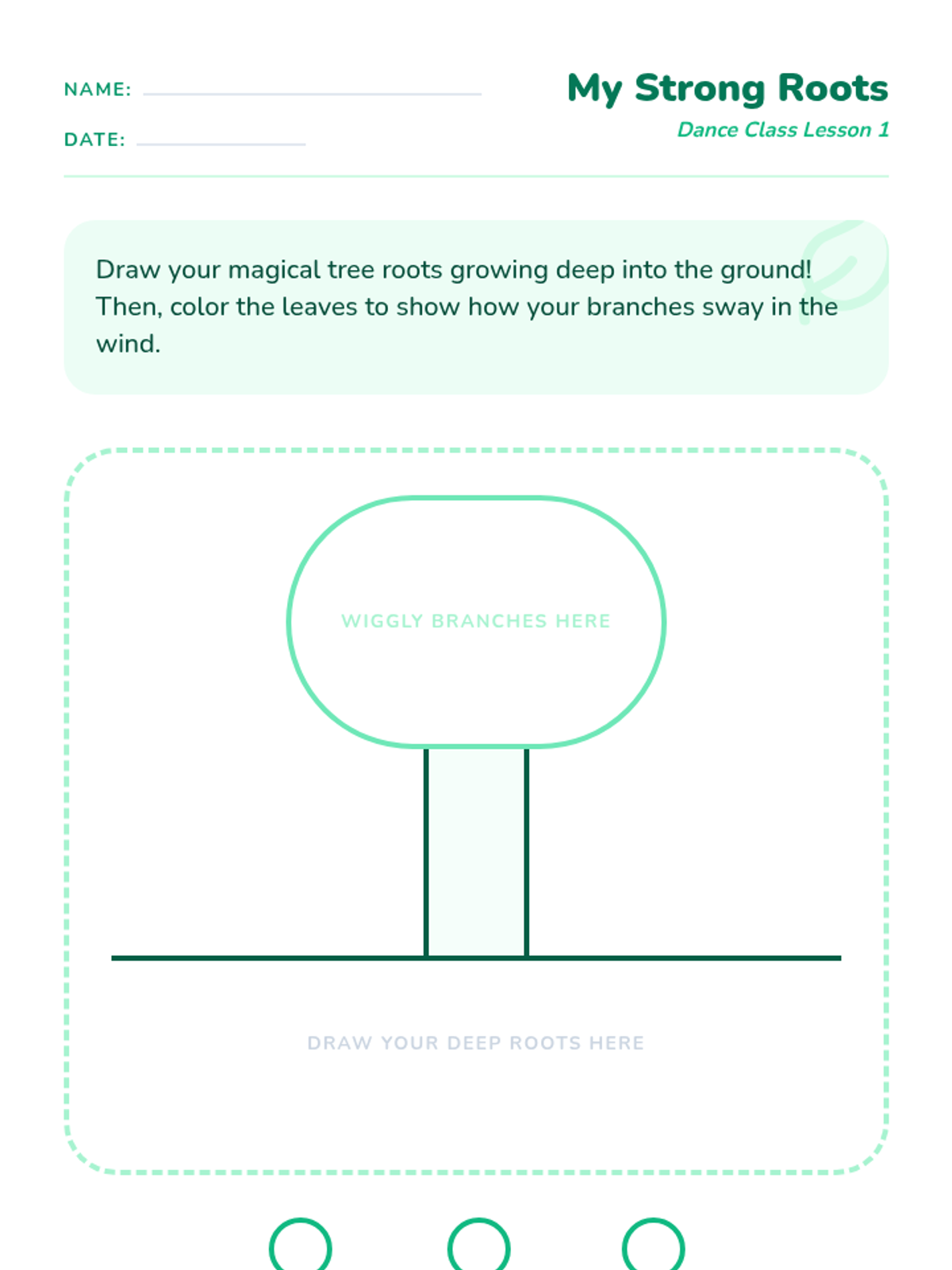
Students practice standing firmly on two feet while swaying their upper bodies, introducing the concept of a strong base with a flexible core.
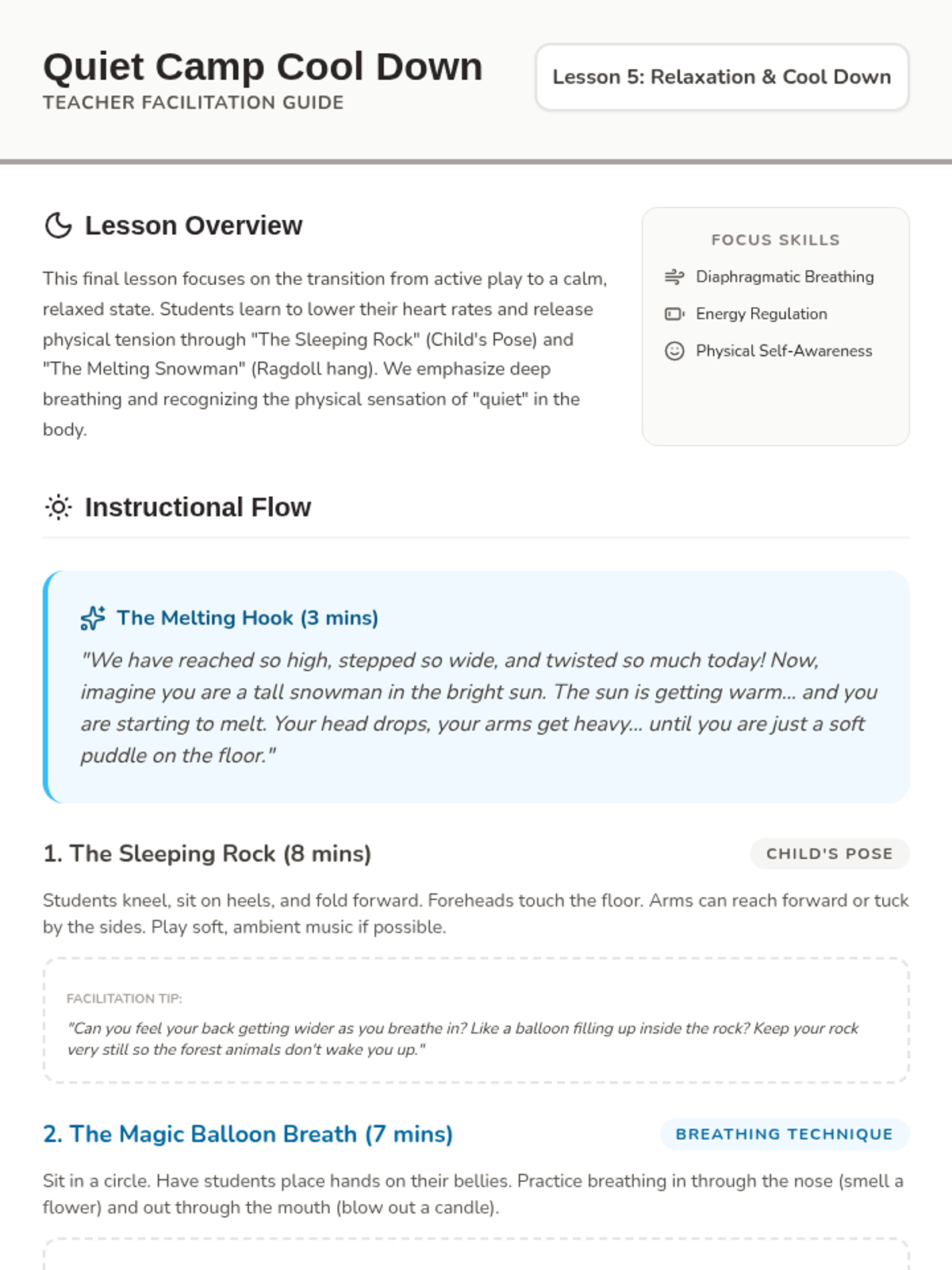
The sequence concludes with low-energy stretches and relaxation techniques to calm the body and mind after physical activity.
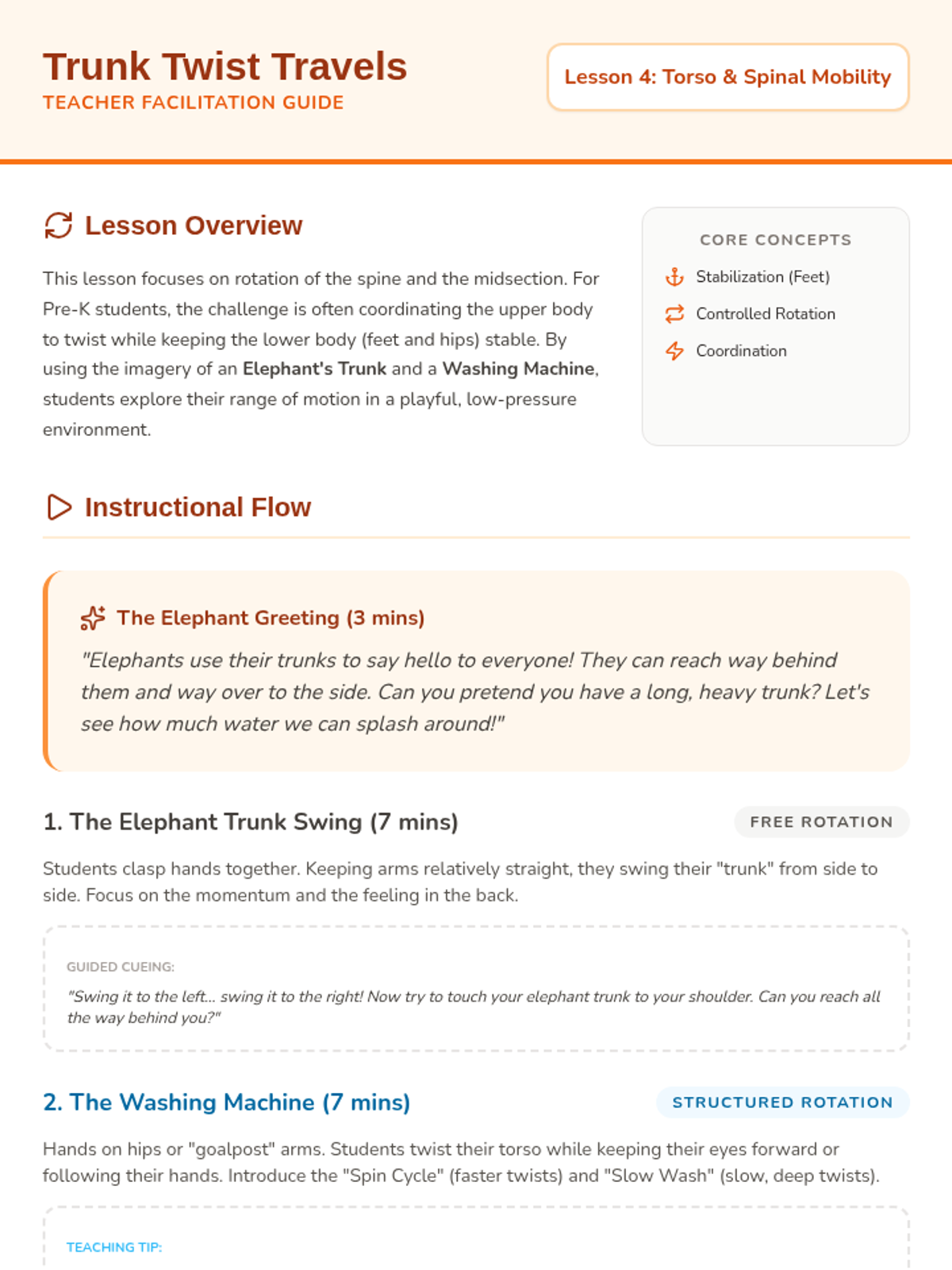
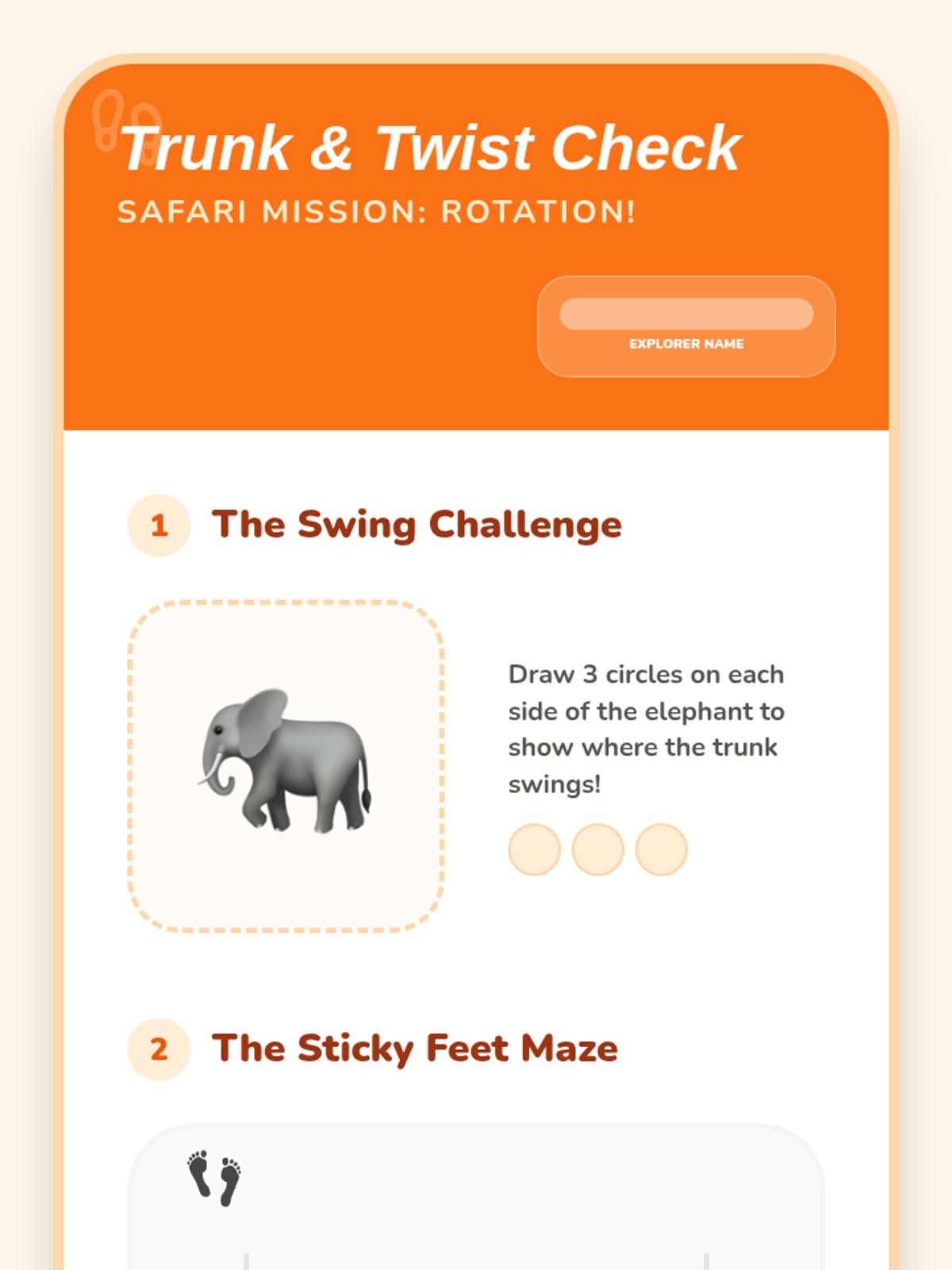
This lesson focuses on spinal mobility and torso rotation through playful imagery of elephant trunks and twisting washing machines.
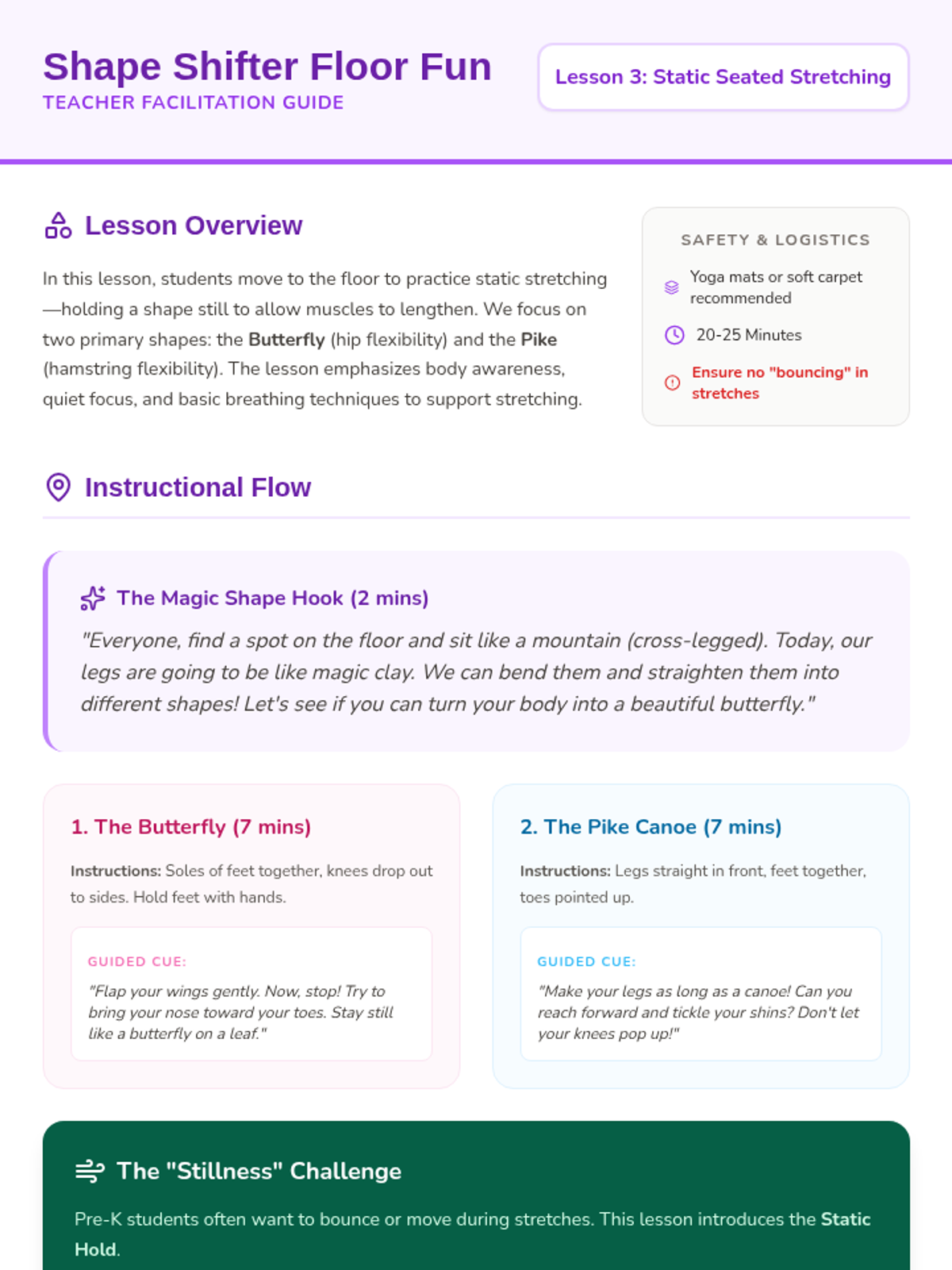
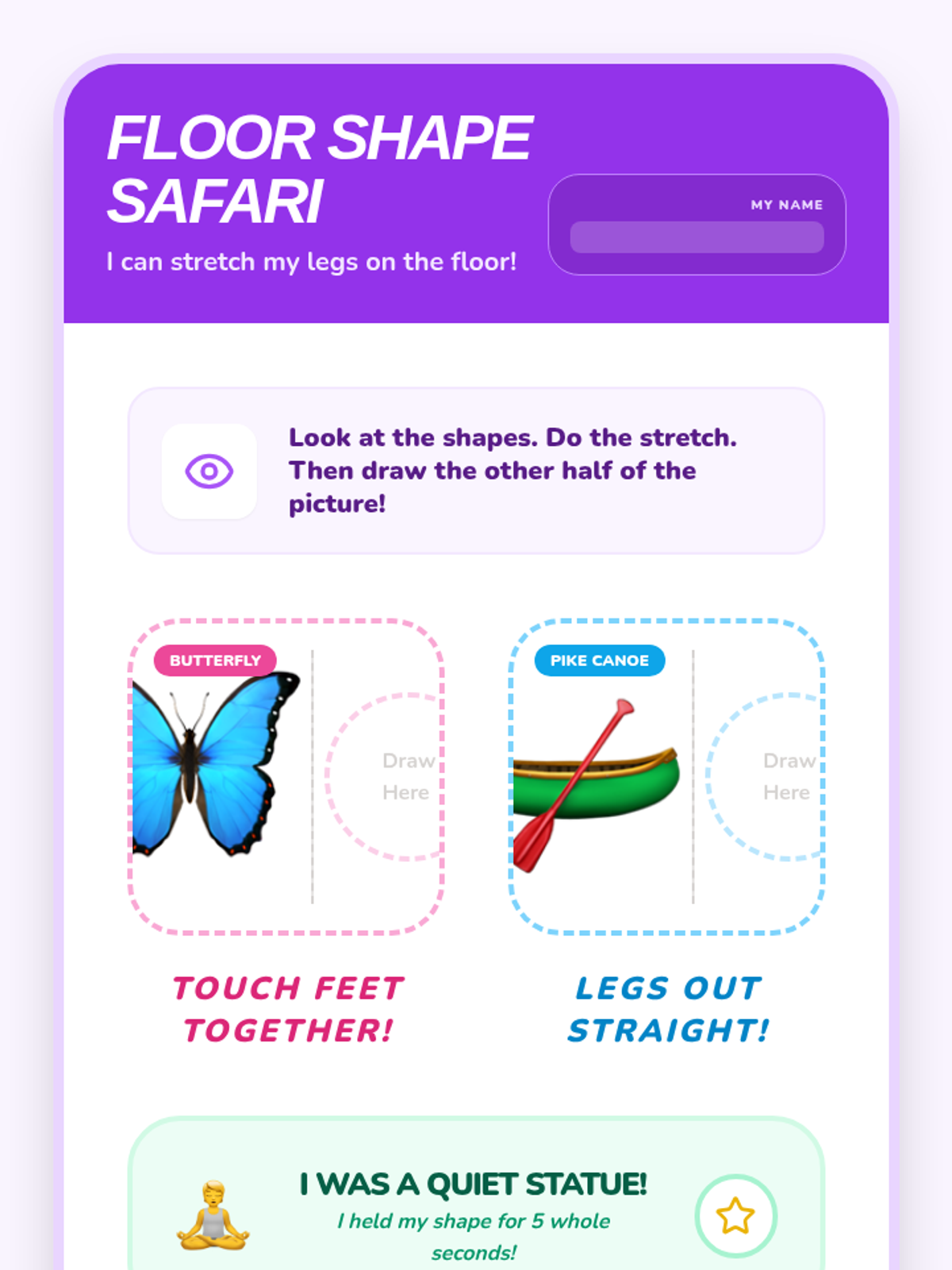
Students learn floor-based stretching techniques using shapes like butterflies and pikes to improve hip and hamstring flexibility.
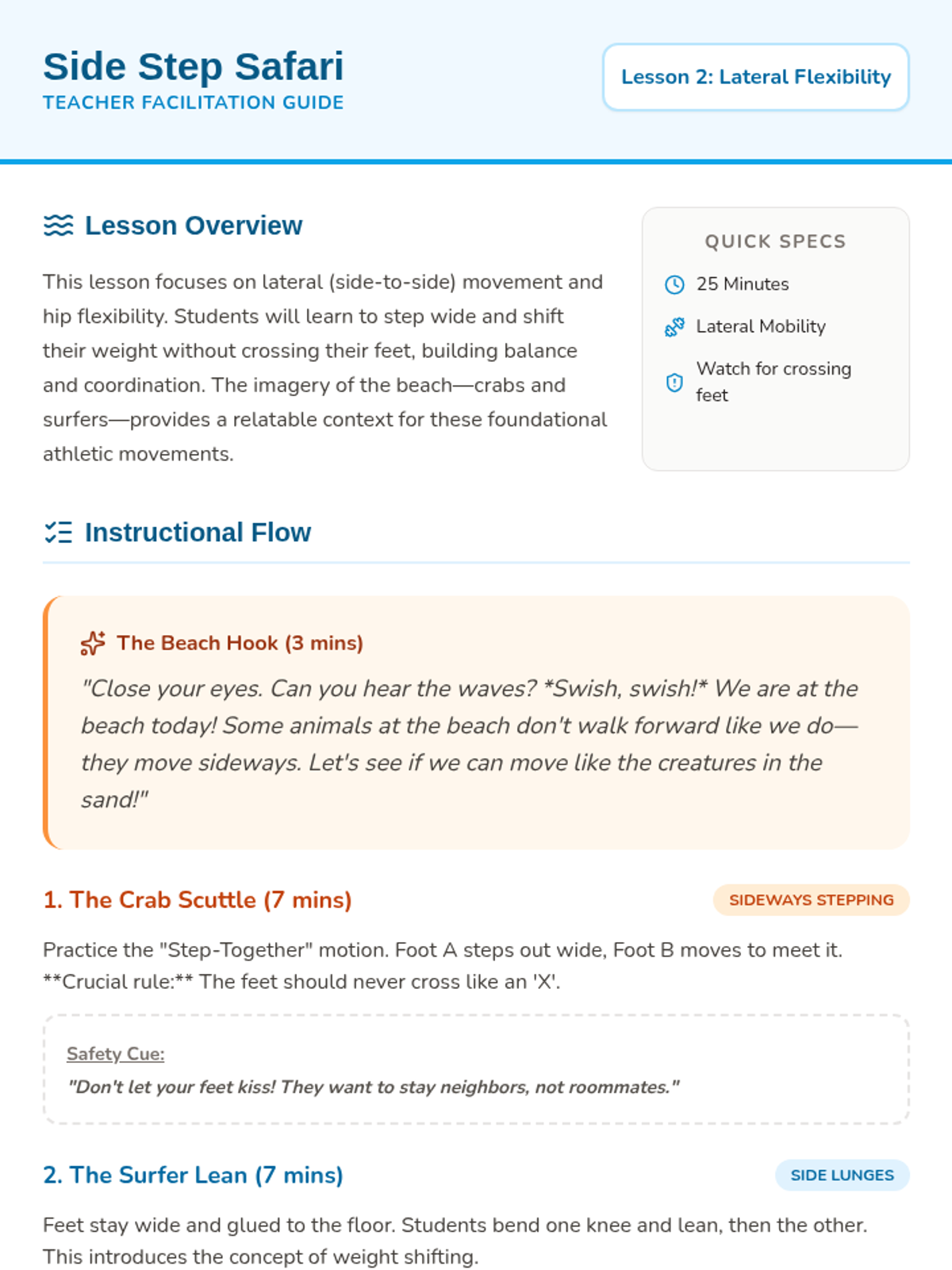
Children practice lateral movement and hip flexibility by stepping wide and shifting weight, mimicking surfers and side-walking crabs.
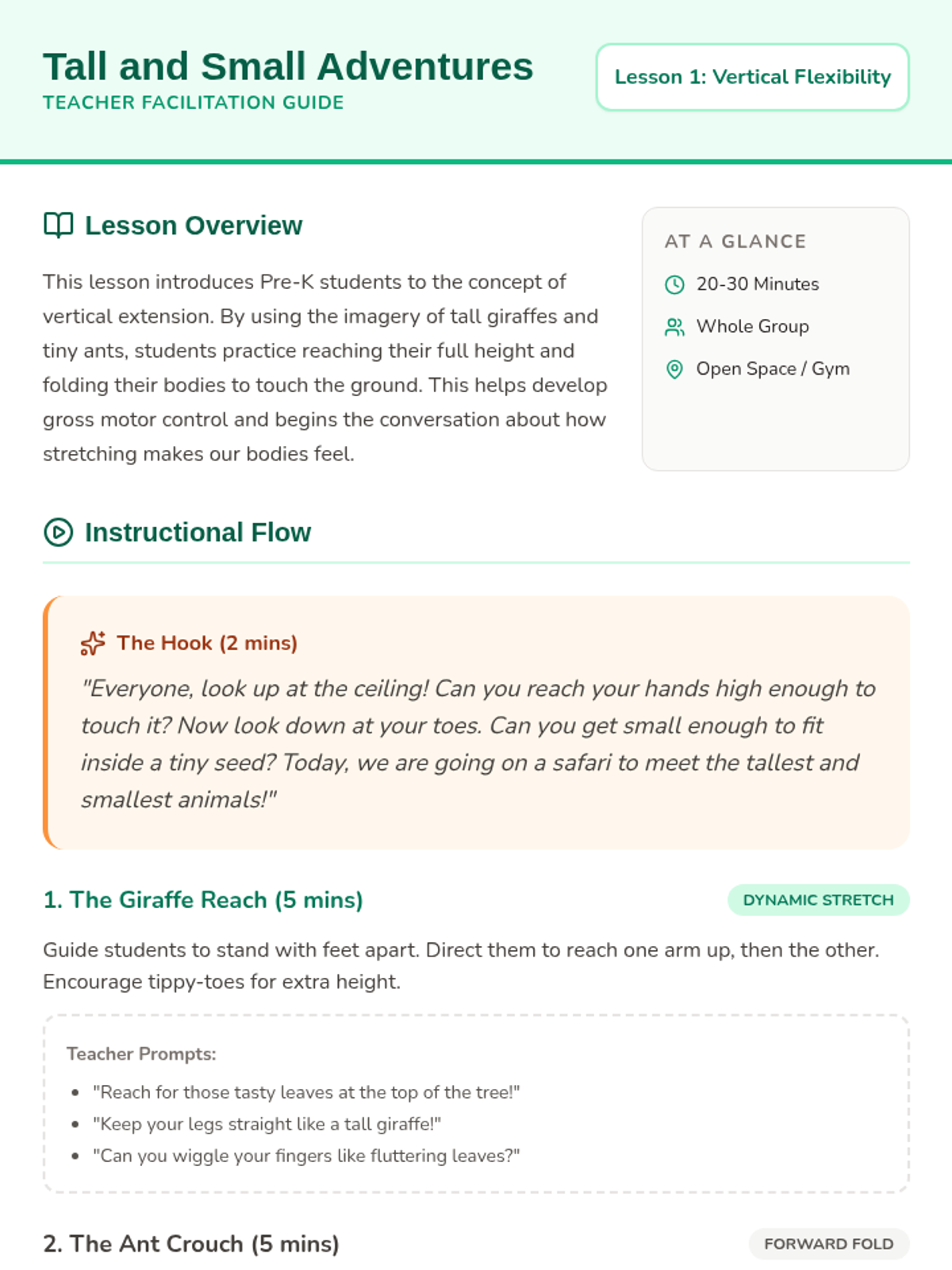
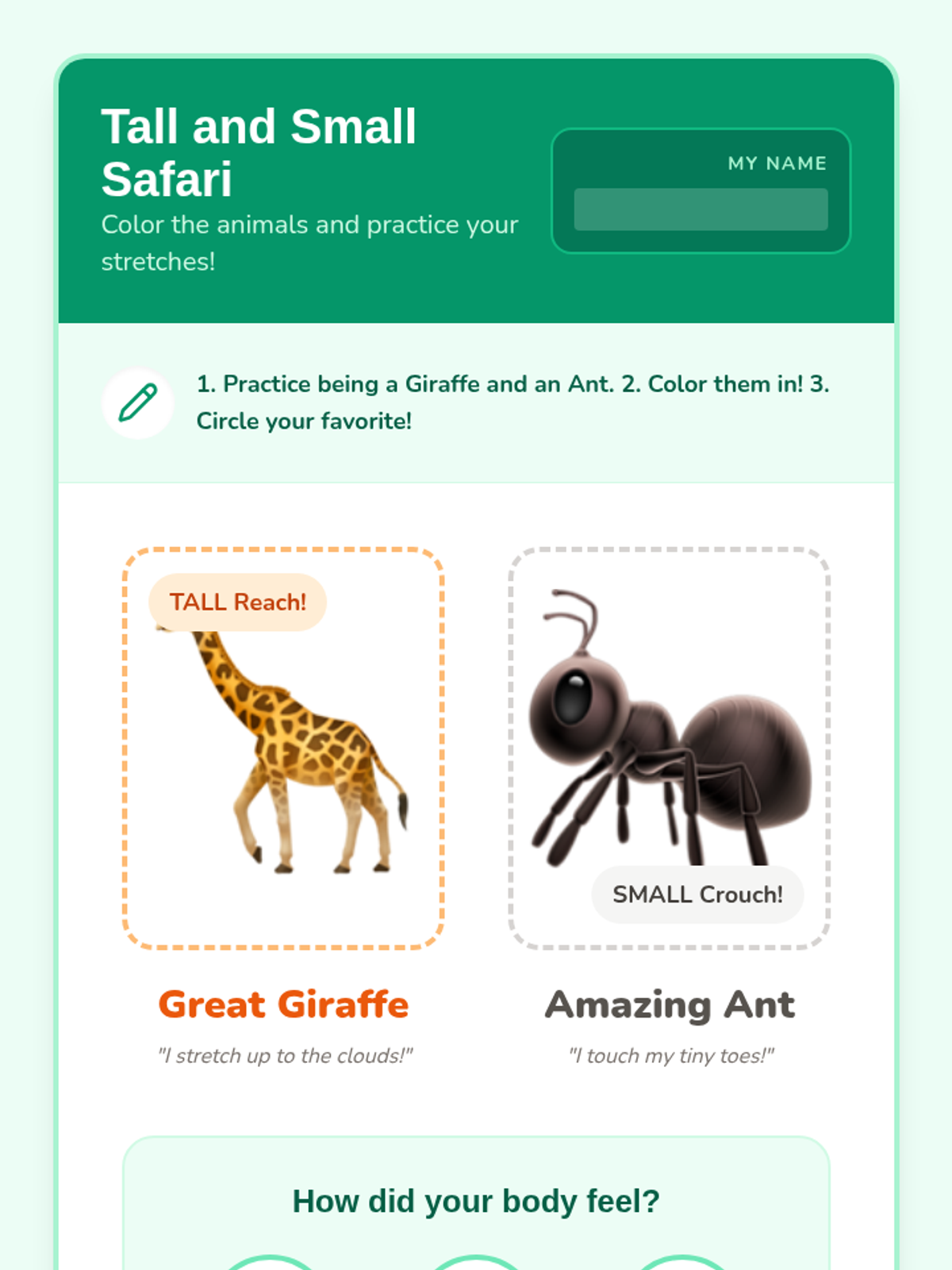
Students explore vertical space by reaching high like giraffes and low like ants, focusing on lengthening the body and full-body extension.
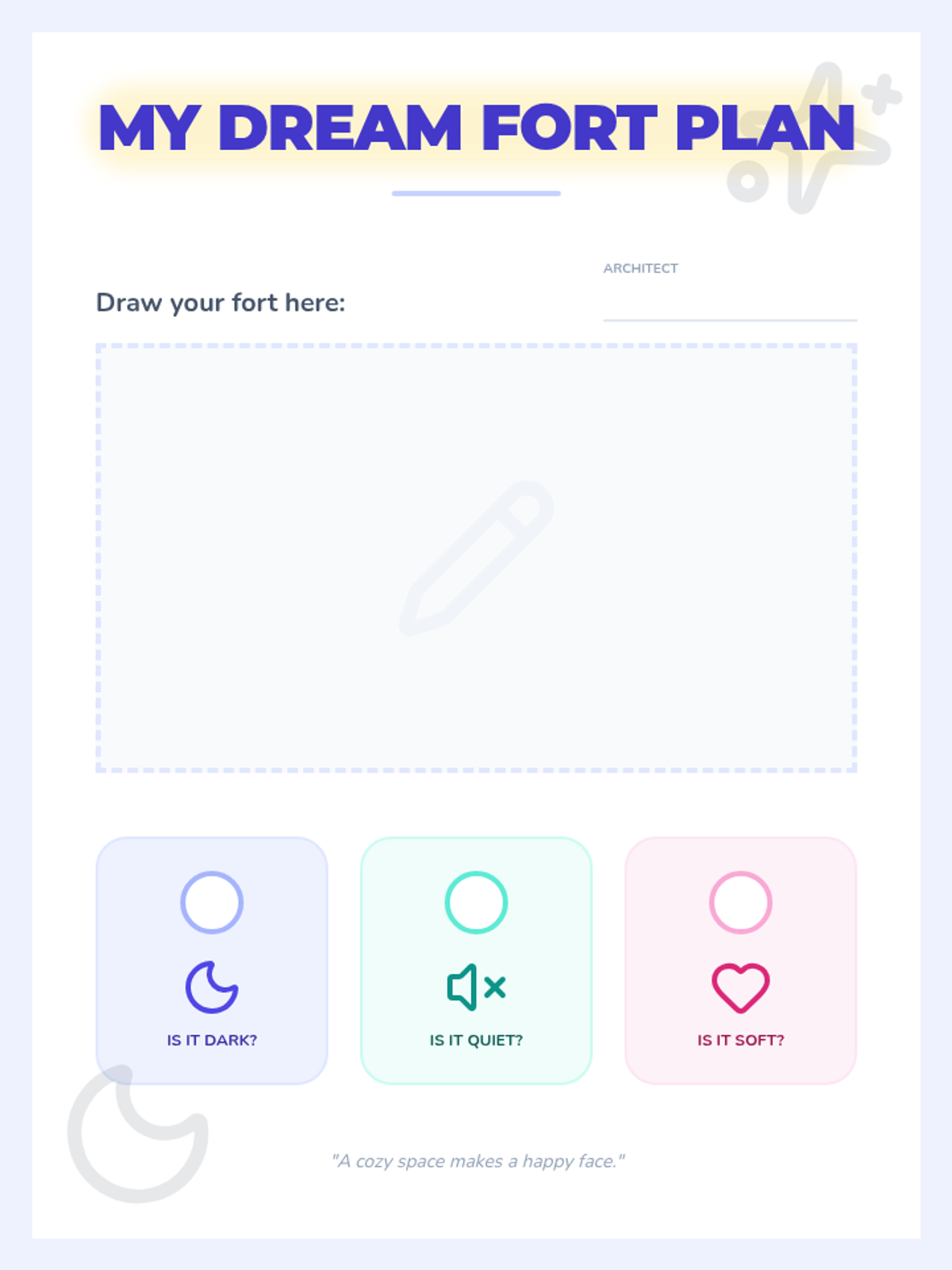
In this culminating lesson, students synthesize their learning by designing their ideal sleep environment. They create a 'Dream Fort' plan that incorporates dark lighting, quiet sound, and soft textures.
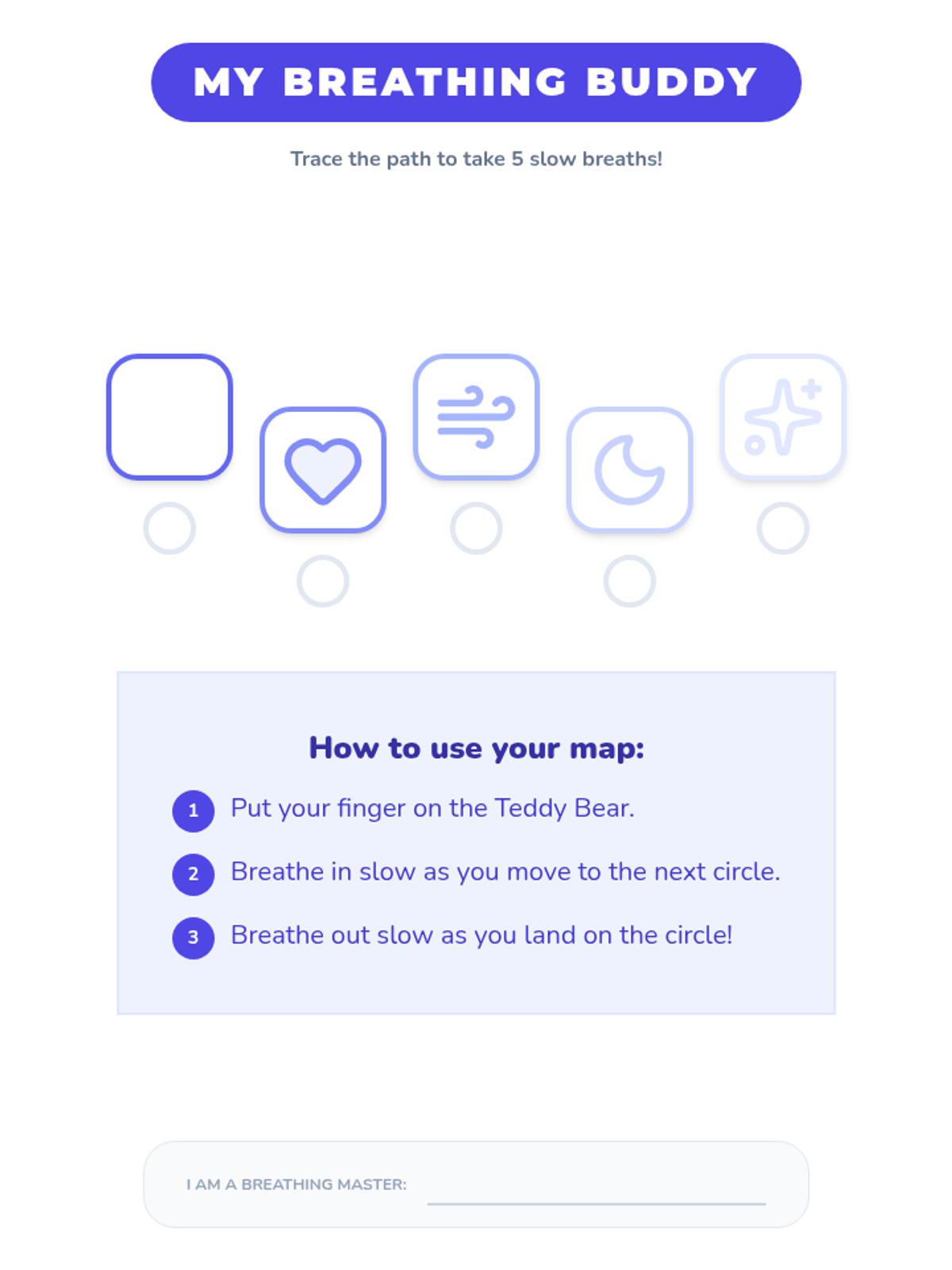
Students learn how to regulate their internal environment using deep breathing techniques. Through 'Teddy Bear Breathing', students practice mindfulness and physical relaxation to help them fall asleep.
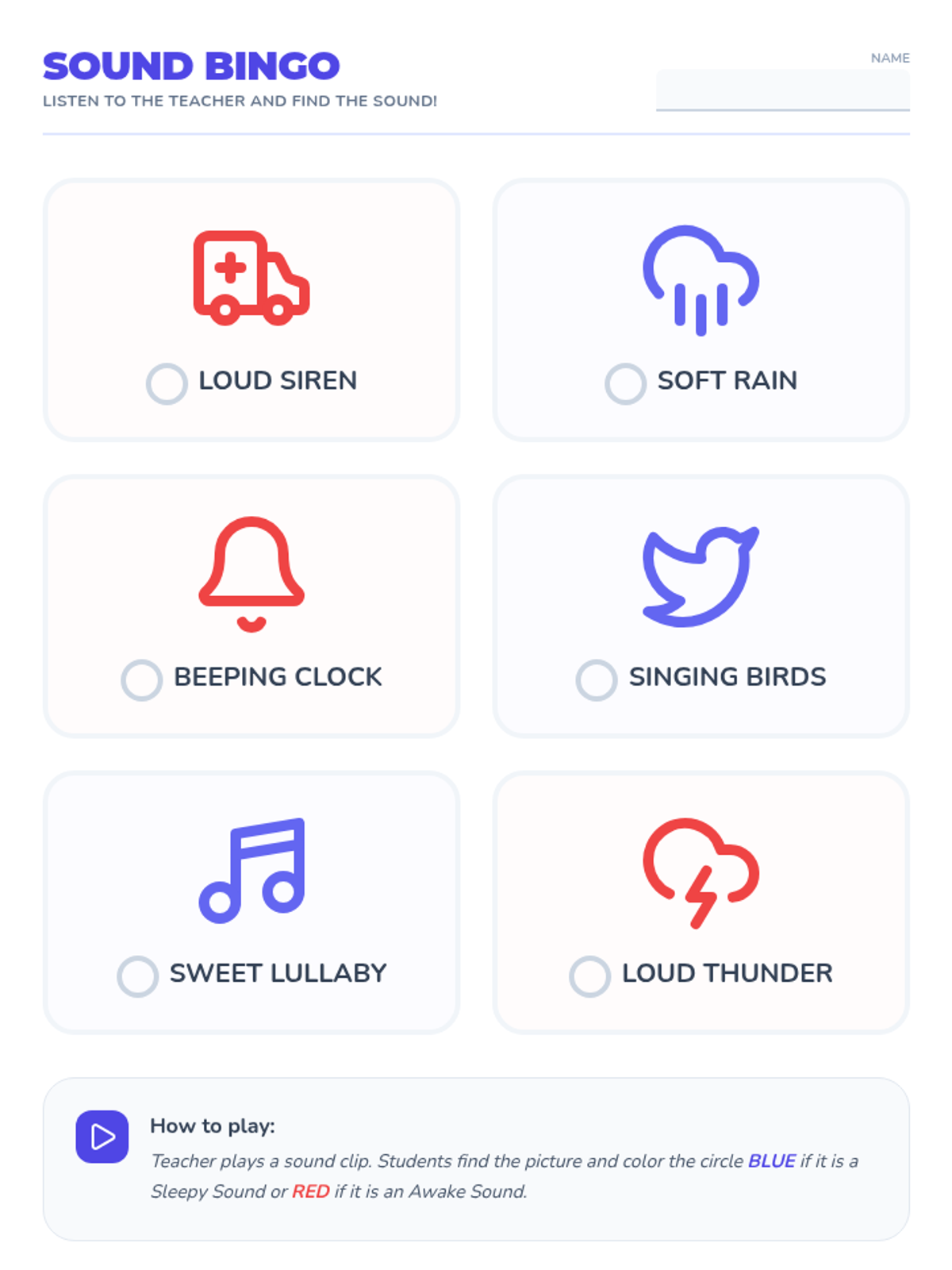
Students investigate the impact of sound on sleep. They listen to different auditory cues to determine which sounds are restful and which are distracting, while learning simple humming patterns for self-regulation.
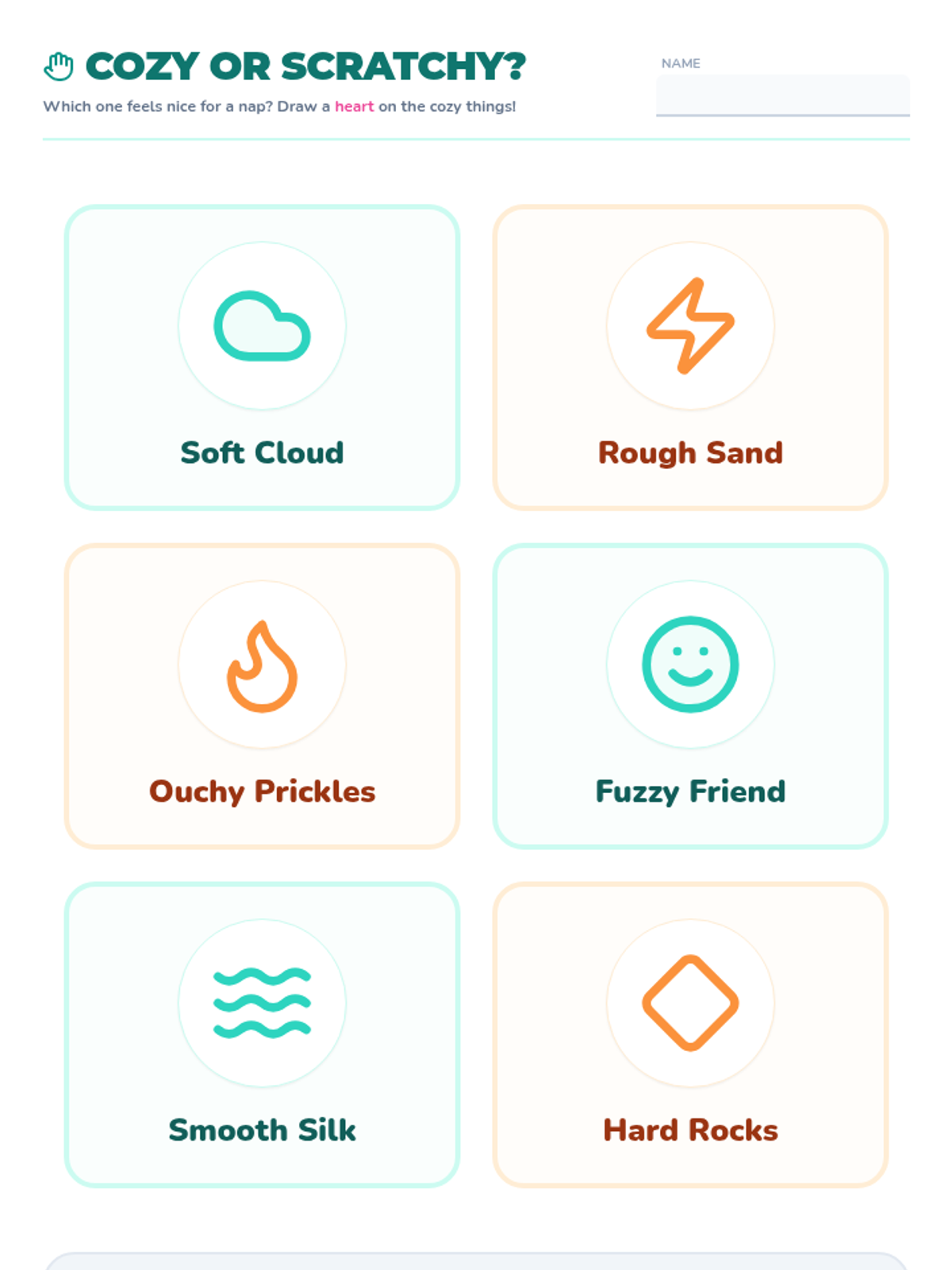
Students explore textures and objects using their sense of touch. They compare soft vs. scratchy materials to understand what makes a cozy and restful sleep environment.
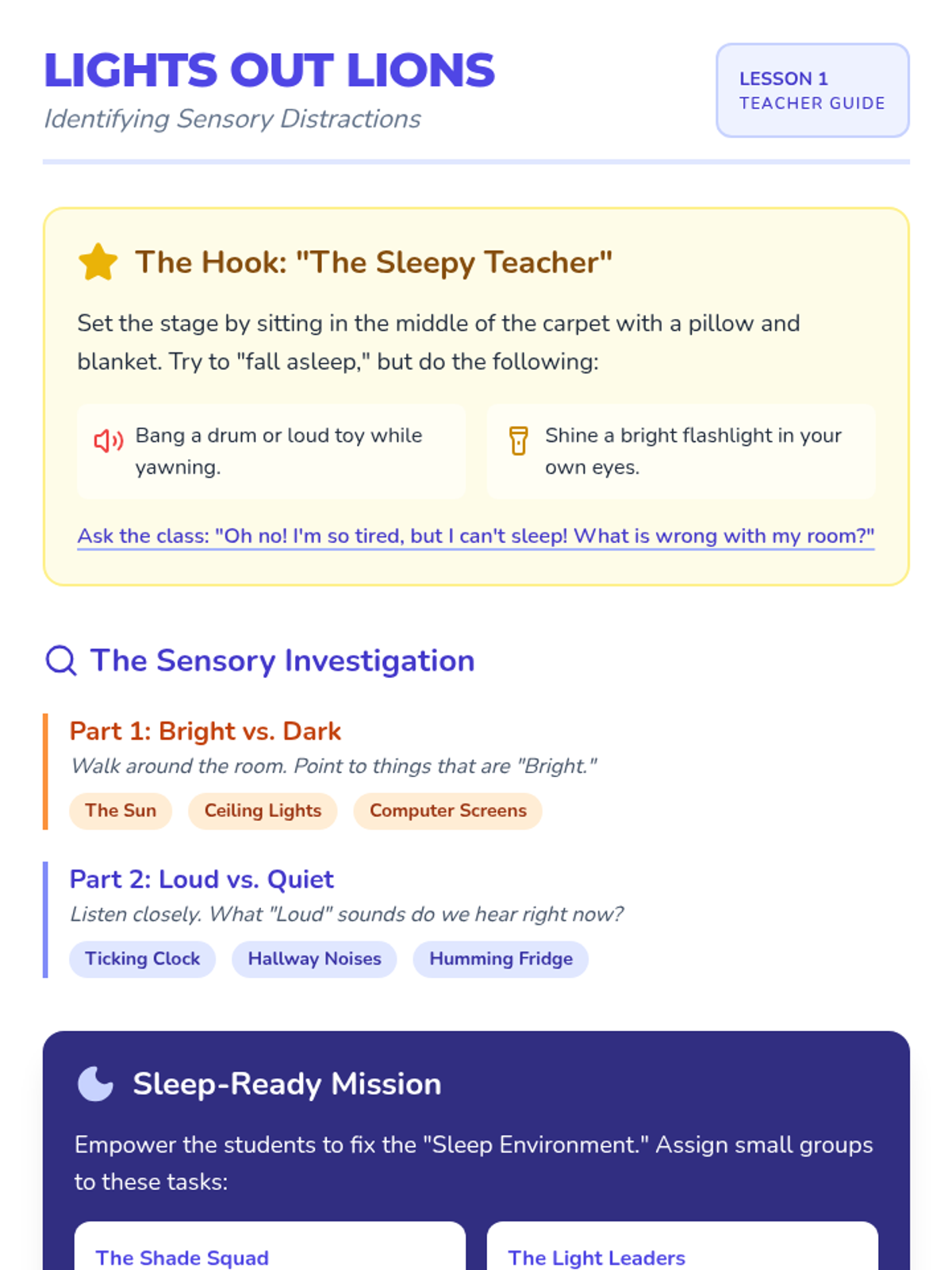
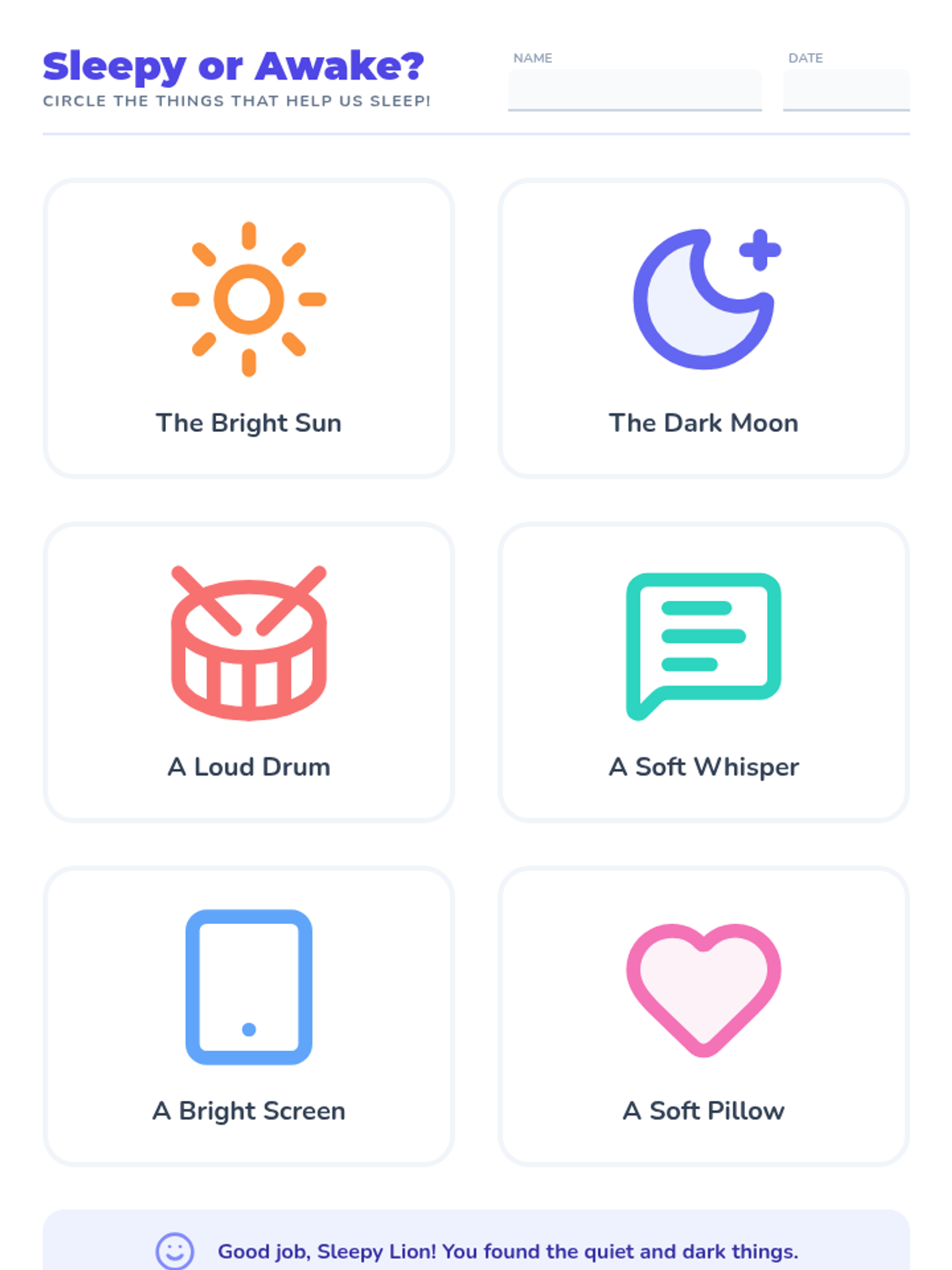
Students investigate the classroom to identify sensory distractions like bright lights and loud noises. They practice 'sleep-ready' techniques to transform their environment into a restful space.
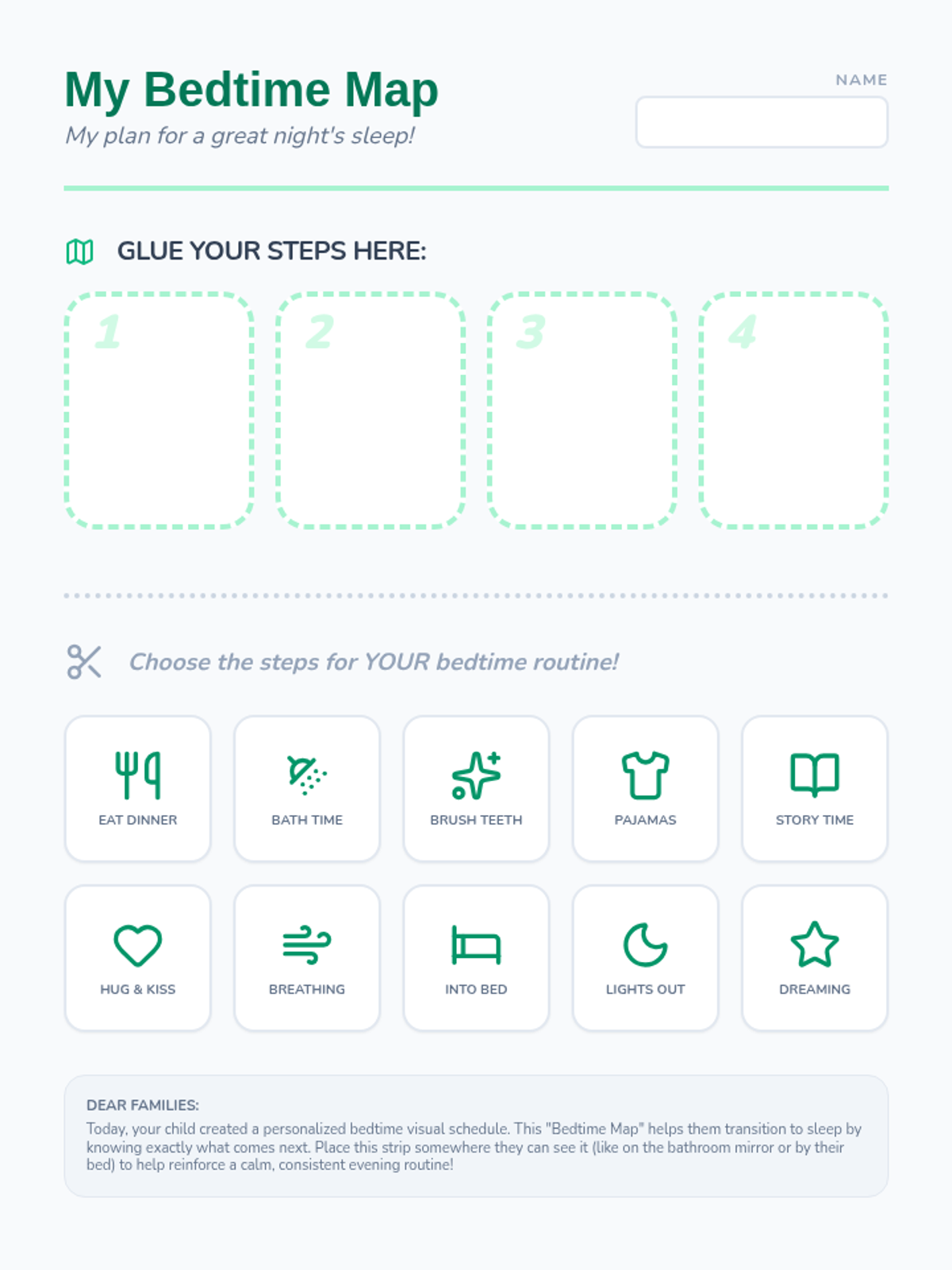
Students create a personalized visual strip using stickers or drawings that represent their specific bedtime routine steps. They practice explaining their routine to a peer using their new visual aid.
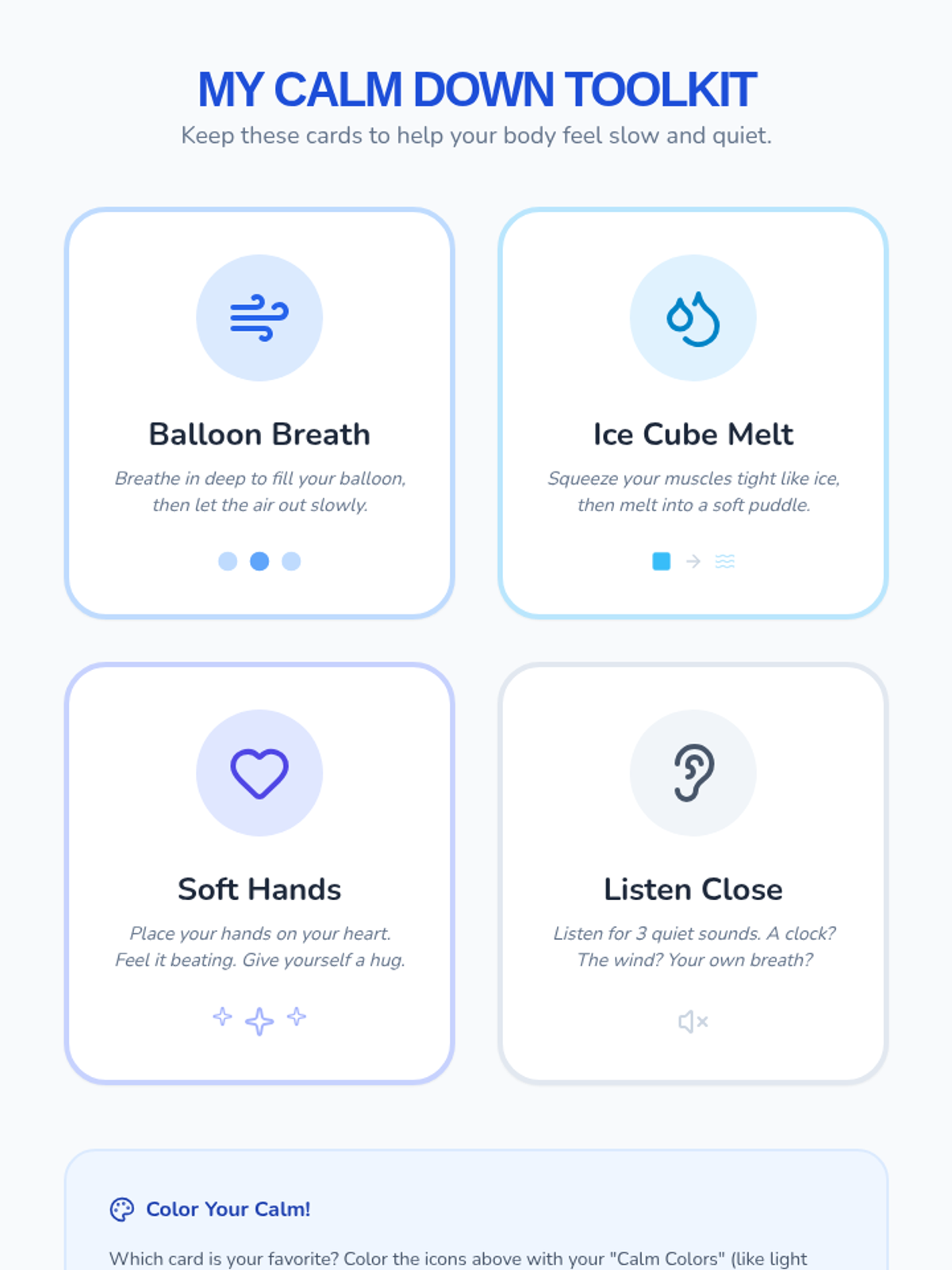
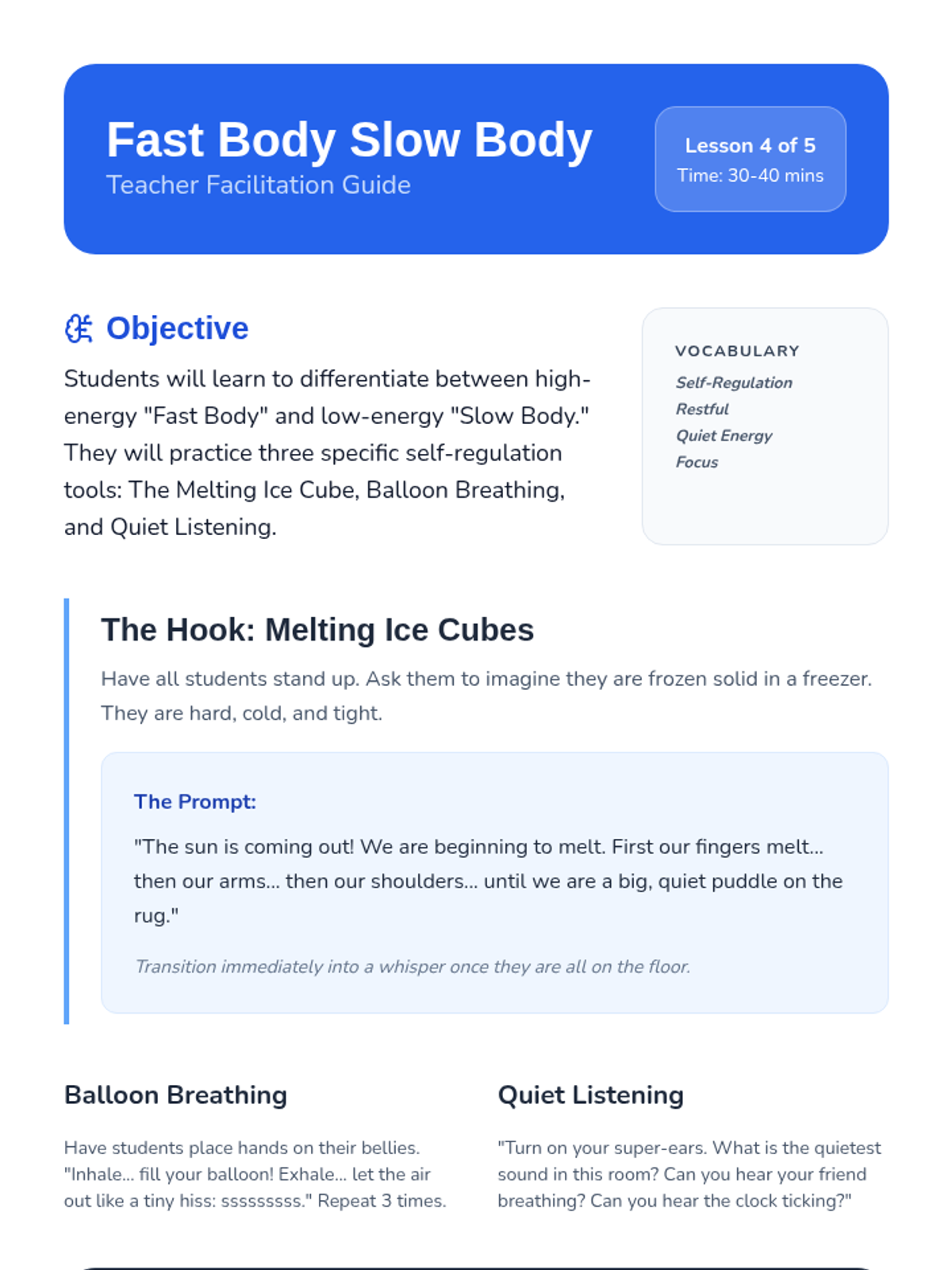
This lesson introduces quiet activities that belong in a bedtime routine, such as reading a book or listening to soft music. Students learn to identify 'fast body' versus 'slow body' feelings through guided relaxation.
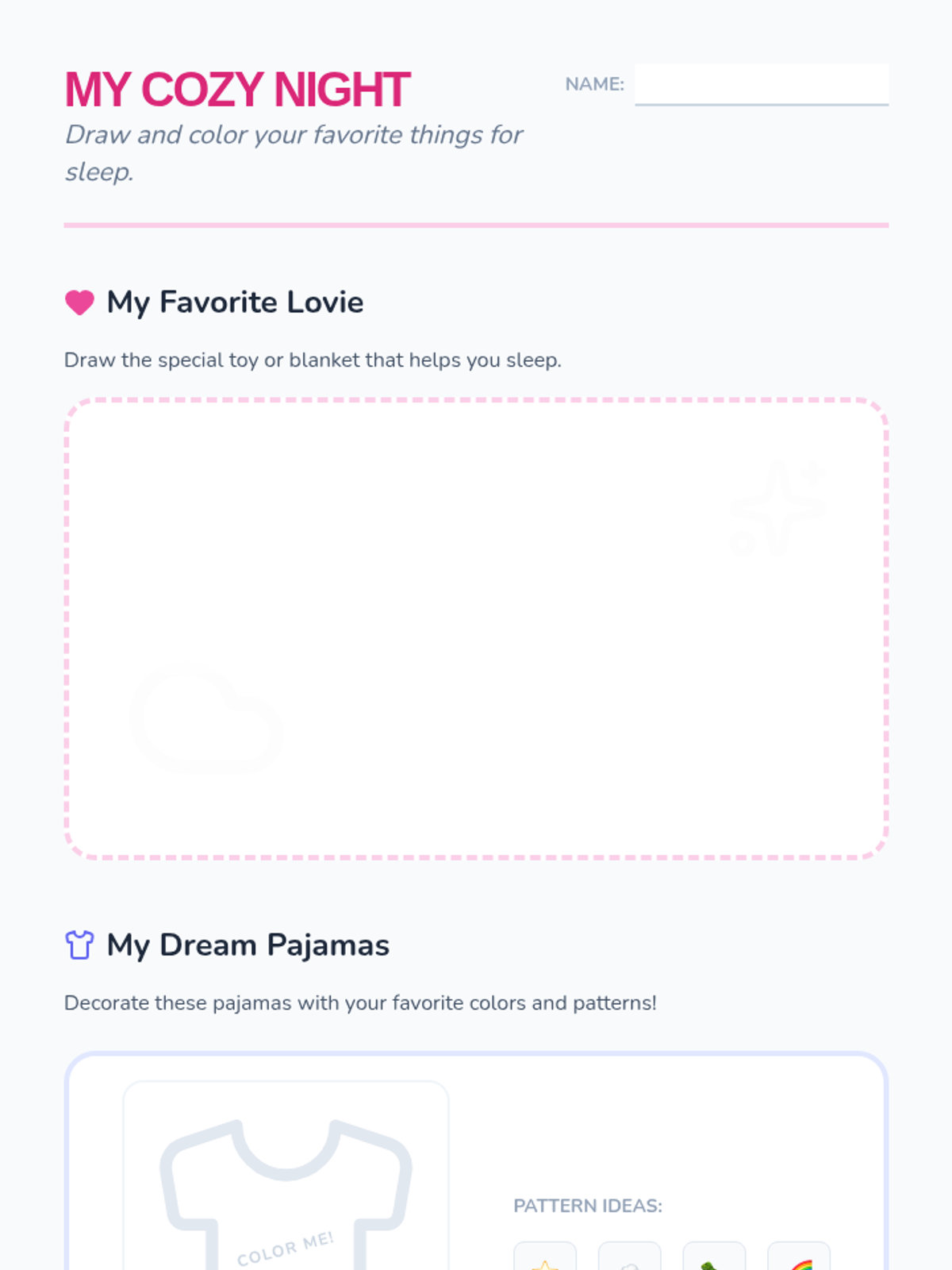
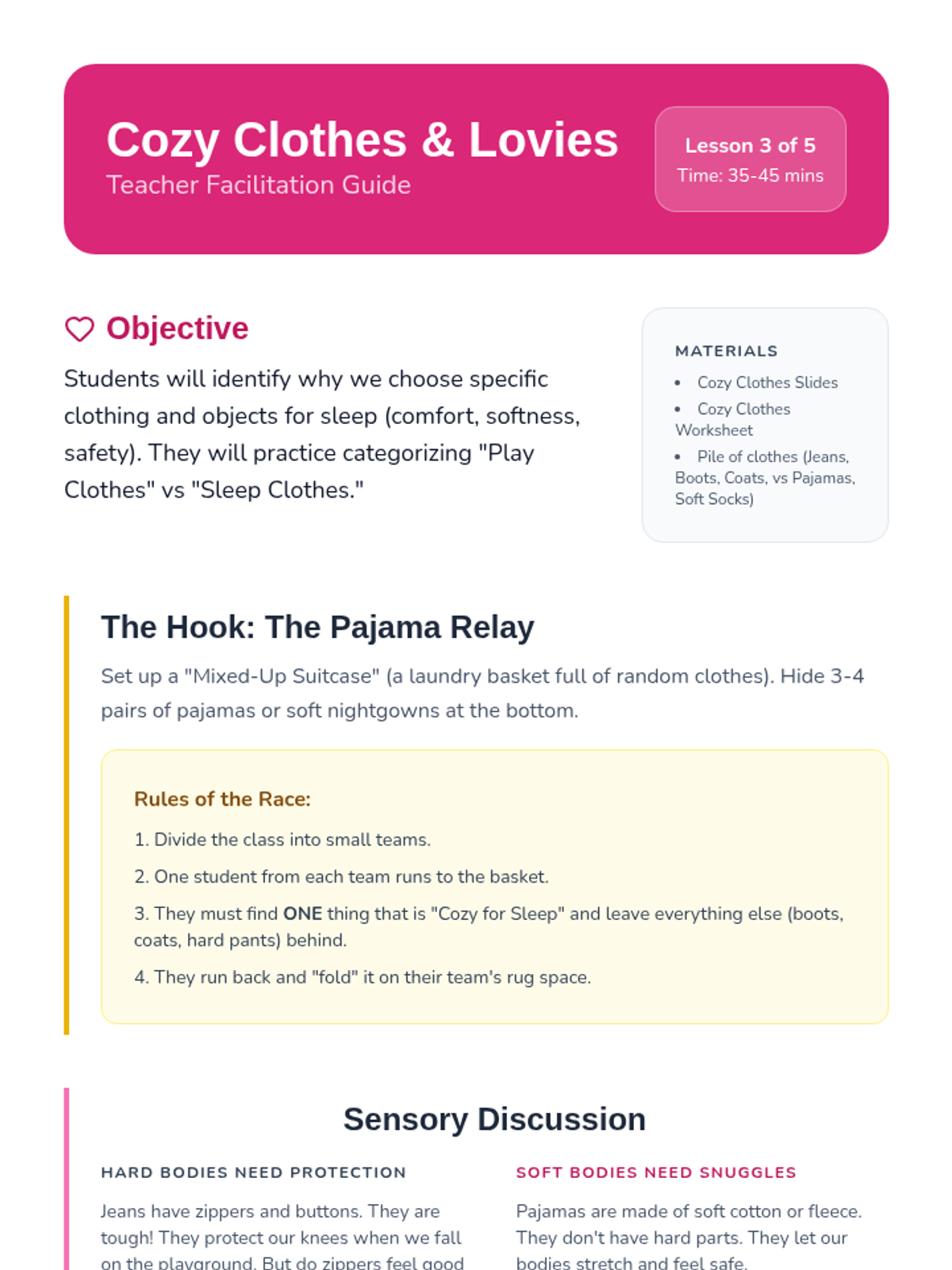
Students explore different types of clothing to determine what is comfortable for sleeping versus playing. They also discuss comfort objects like teddy bears or blankets that help them feel safe.
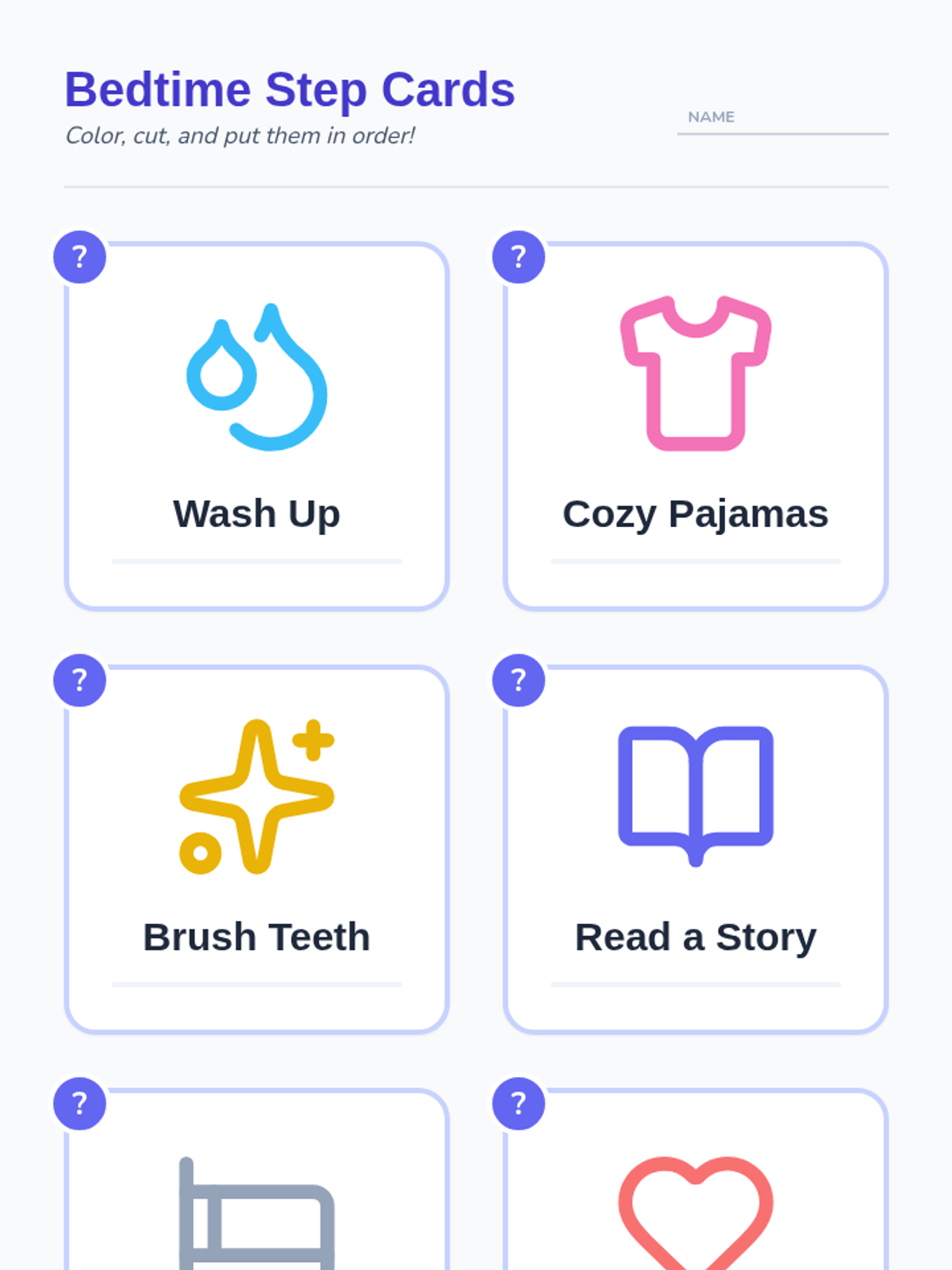
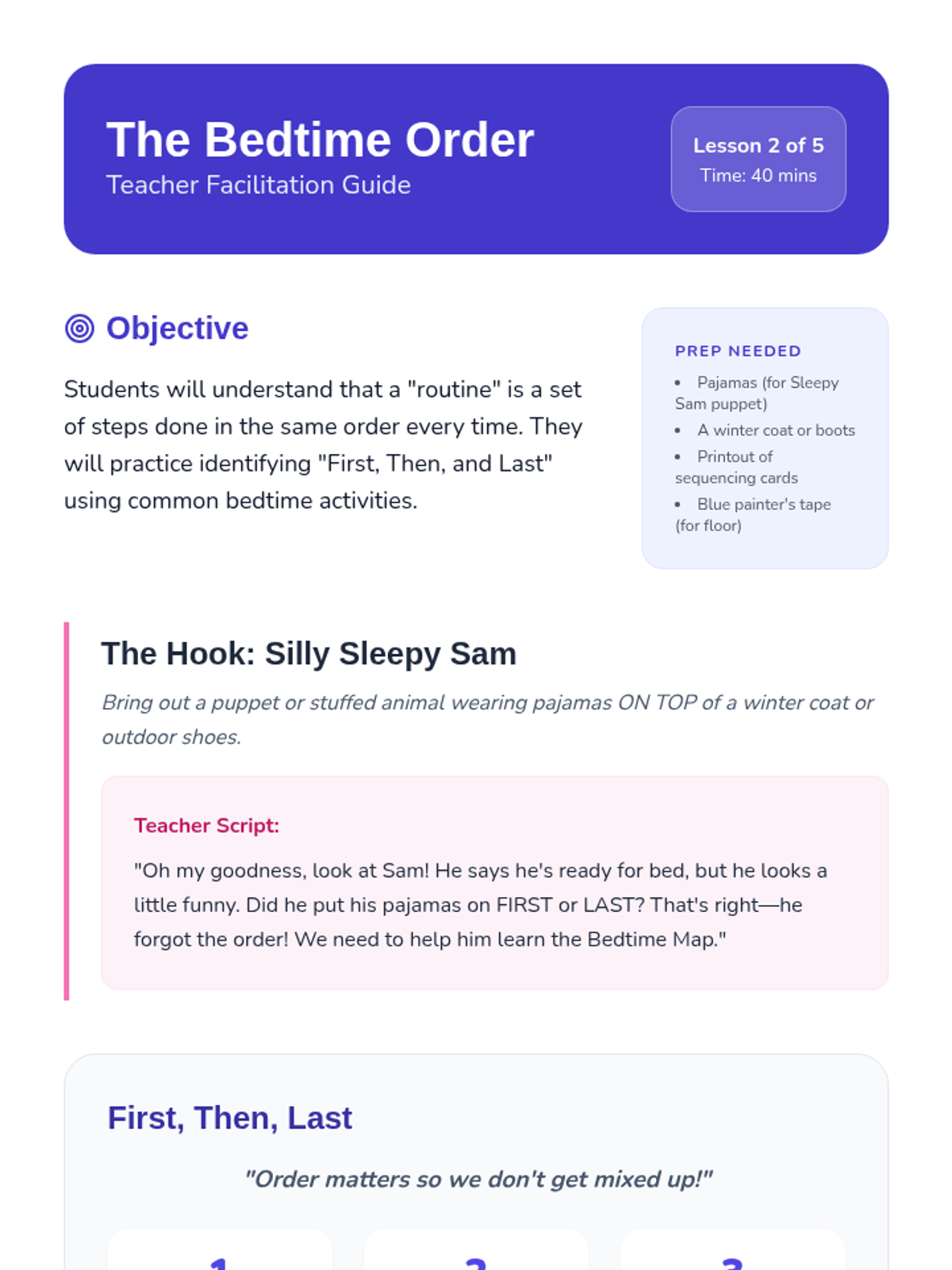
Using large picture cards, students work together to put bedtime activities in a logical order, focusing on the 'first, then, last' structure of a routine. They practice hygiene motions like brushing teeth and washing faces.
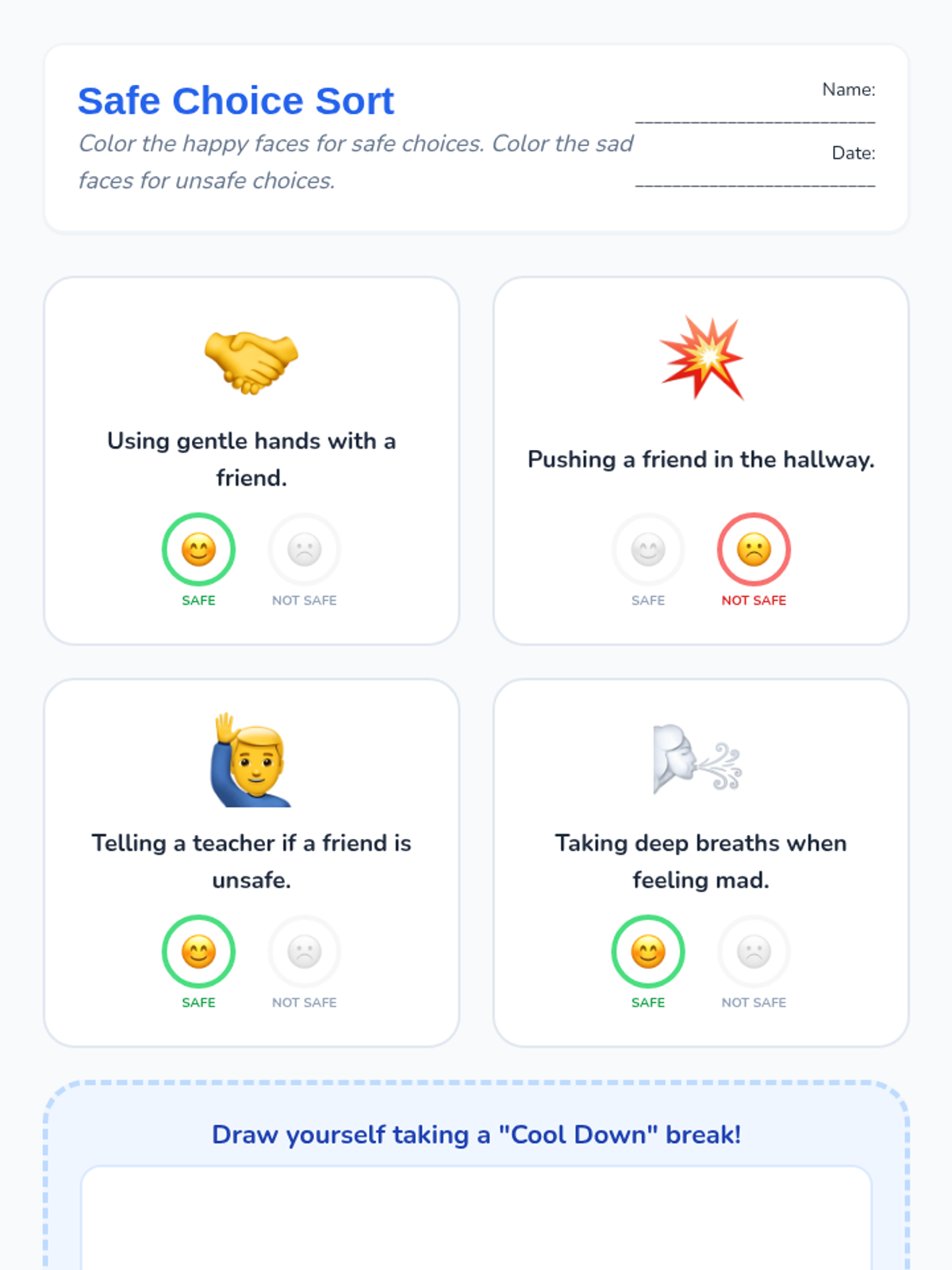
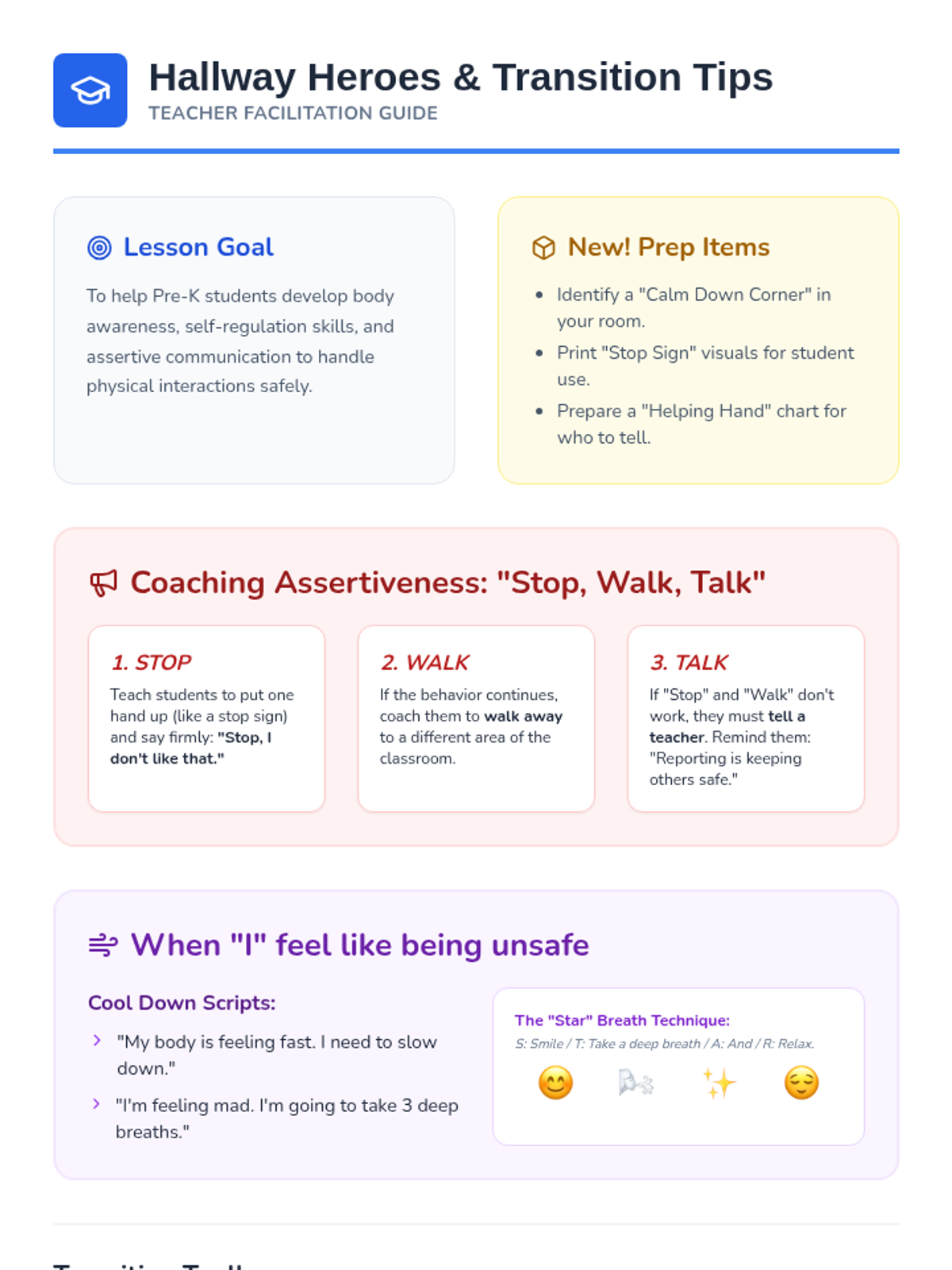
A foundational lesson for Pre-K students to learn about personal space, gentle touch, and safe movement during playtime and hallway transitions. Through a social story and interactive sorting, students practice making 'safe body' choices.
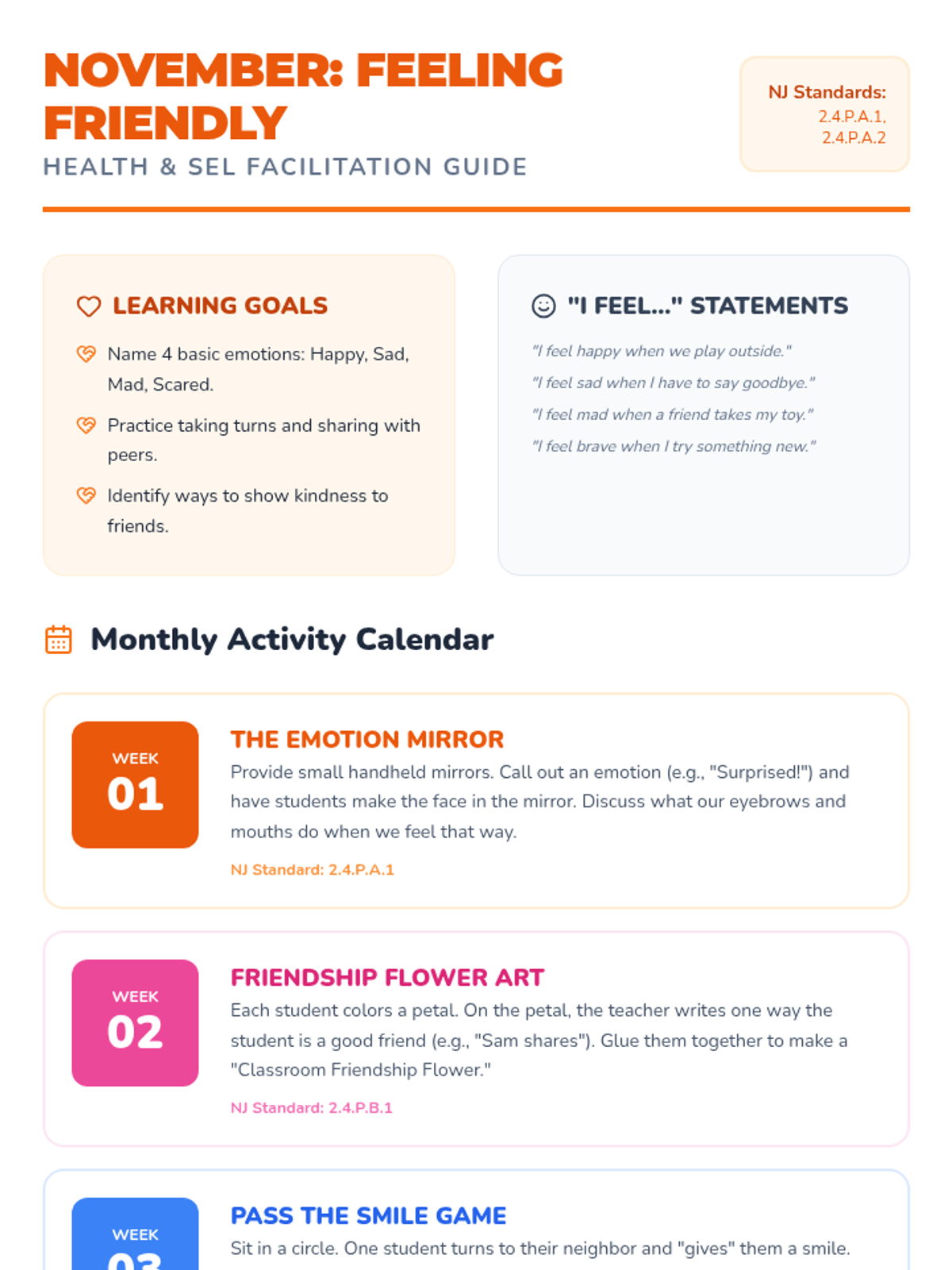
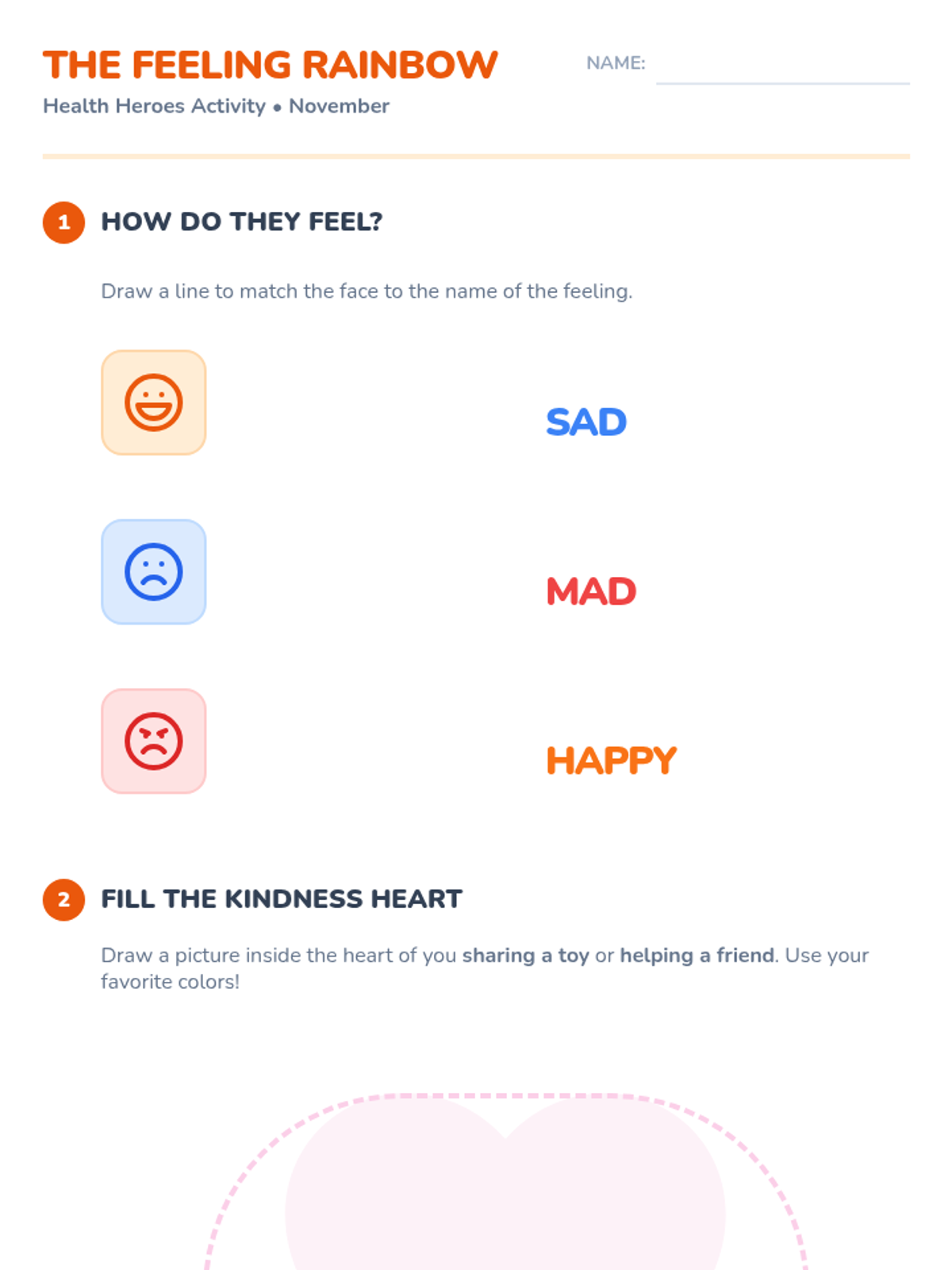
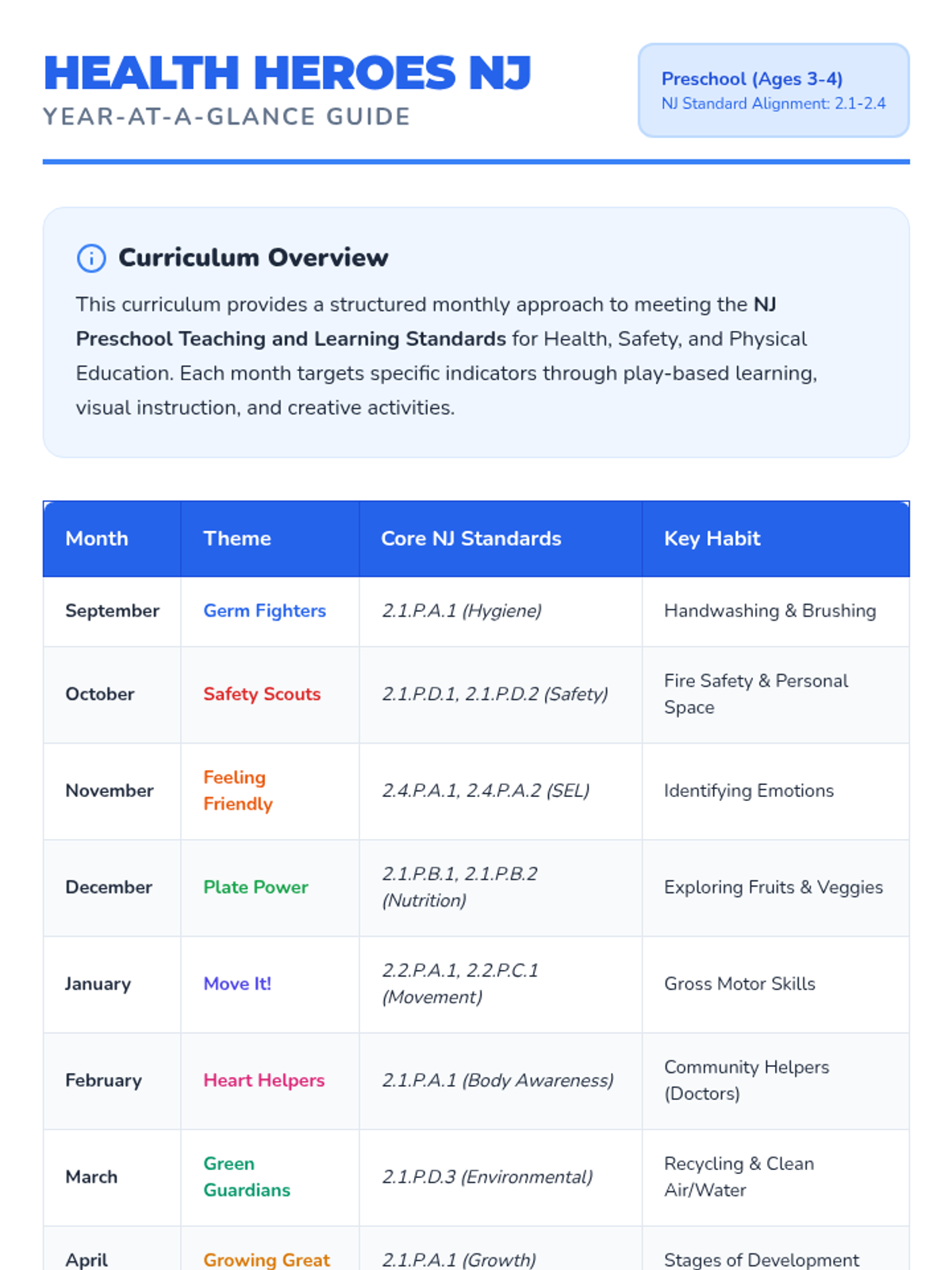
Explores identifying feelings, practicing empathy, and building positive friendships. Aligned with NJ Standard 2.4.P.A.1 and 2.4.P.A.2.
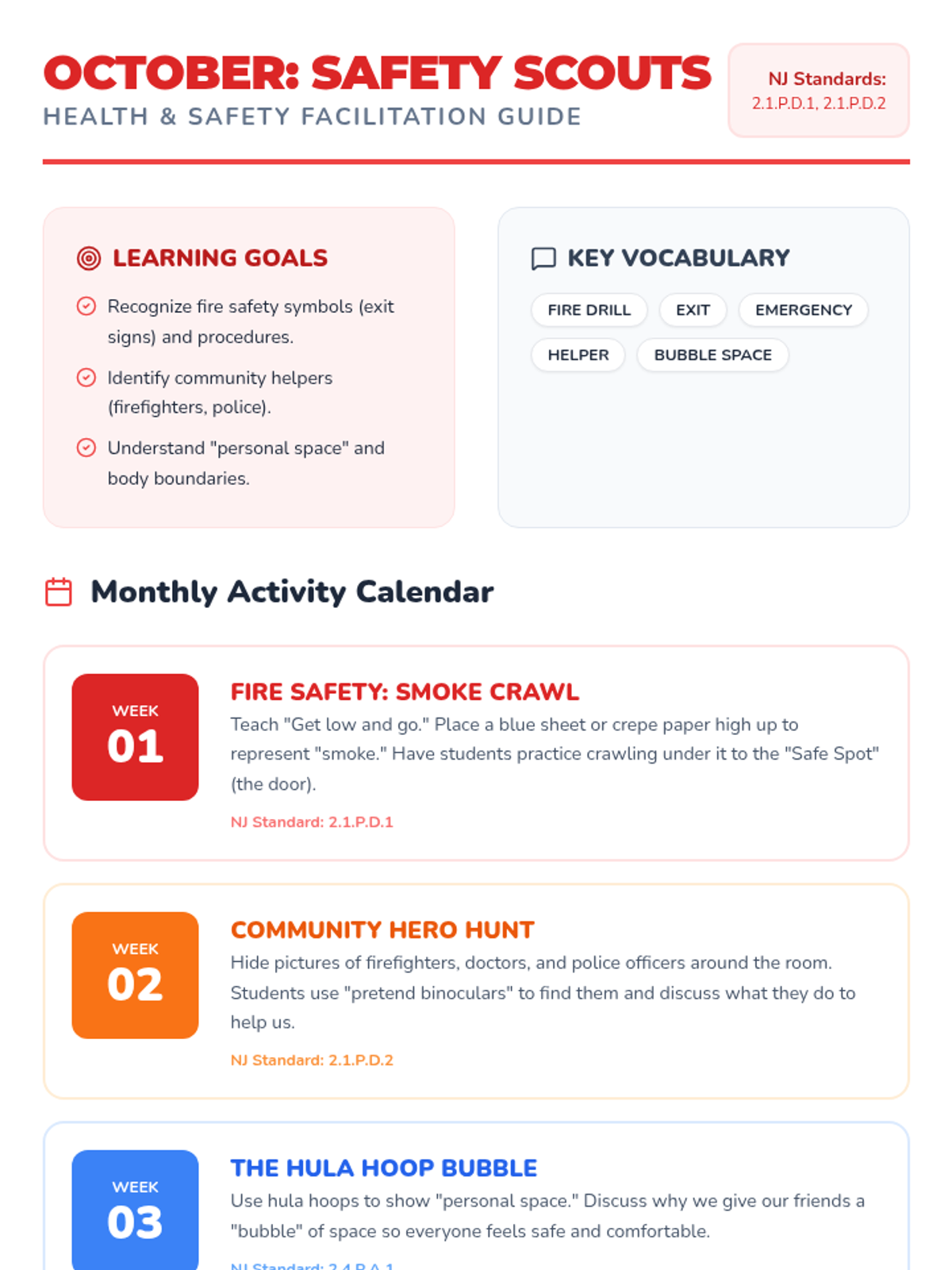
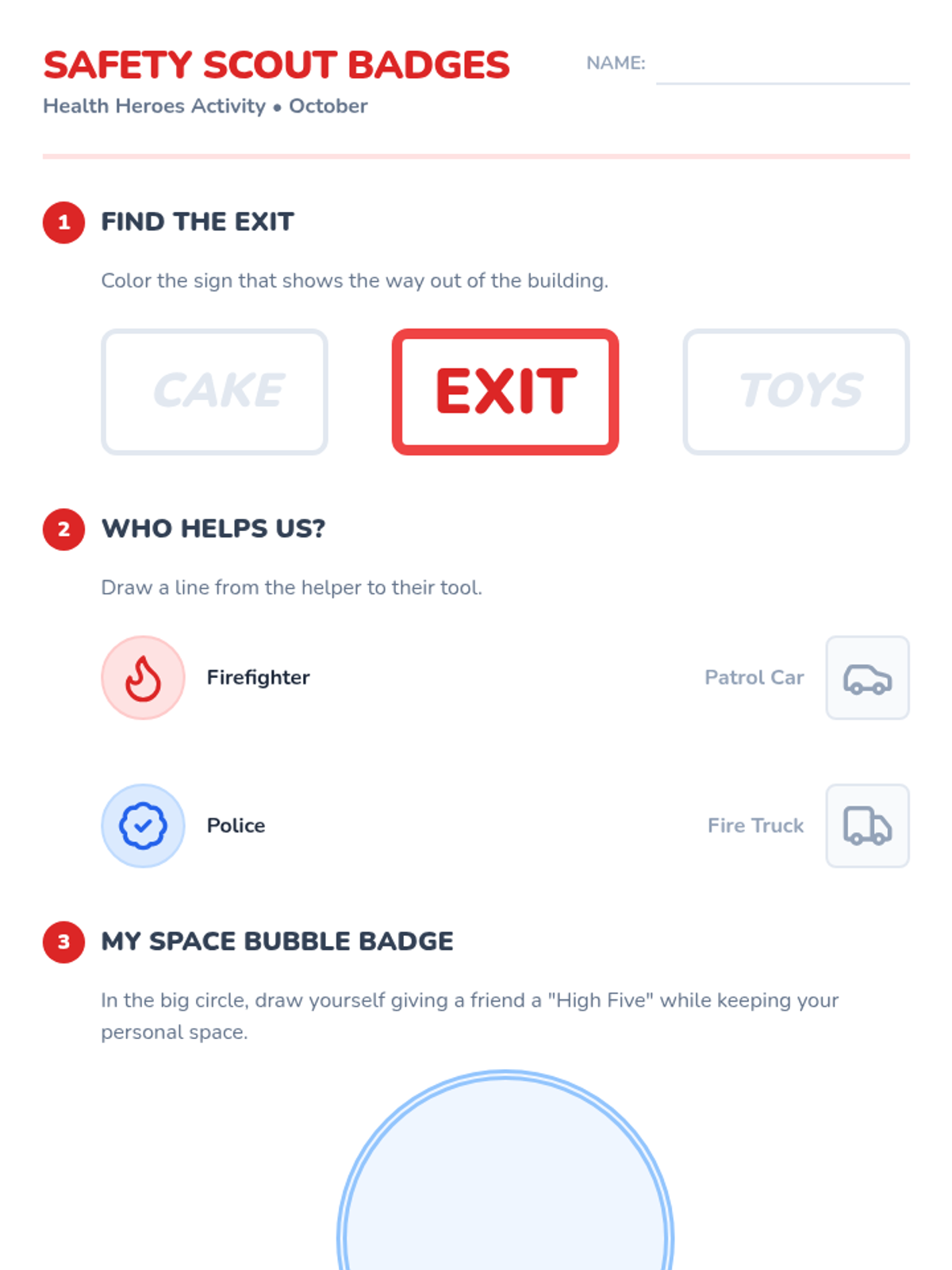
Introduces fire safety, personal space, and recognizing community helpers who keep us safe. Aligned with NJ Standard 2.1.P.D.1 and 2.1.P.D.2.
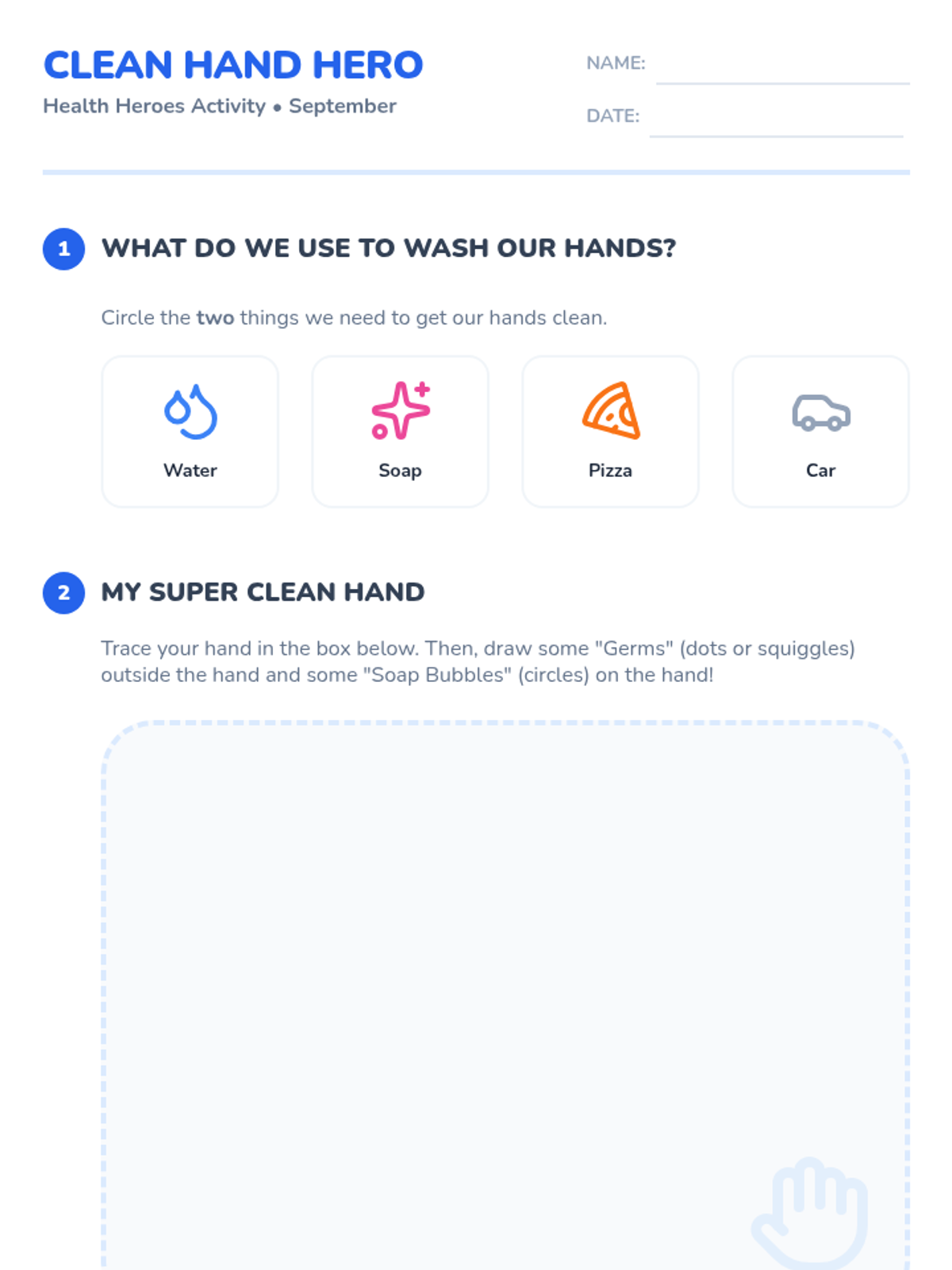
Focuses on personal hygiene, proper handwashing techniques, and dental health to prevent the spread of germs. Aligned with NJ Standard 2.1.P.A.1.
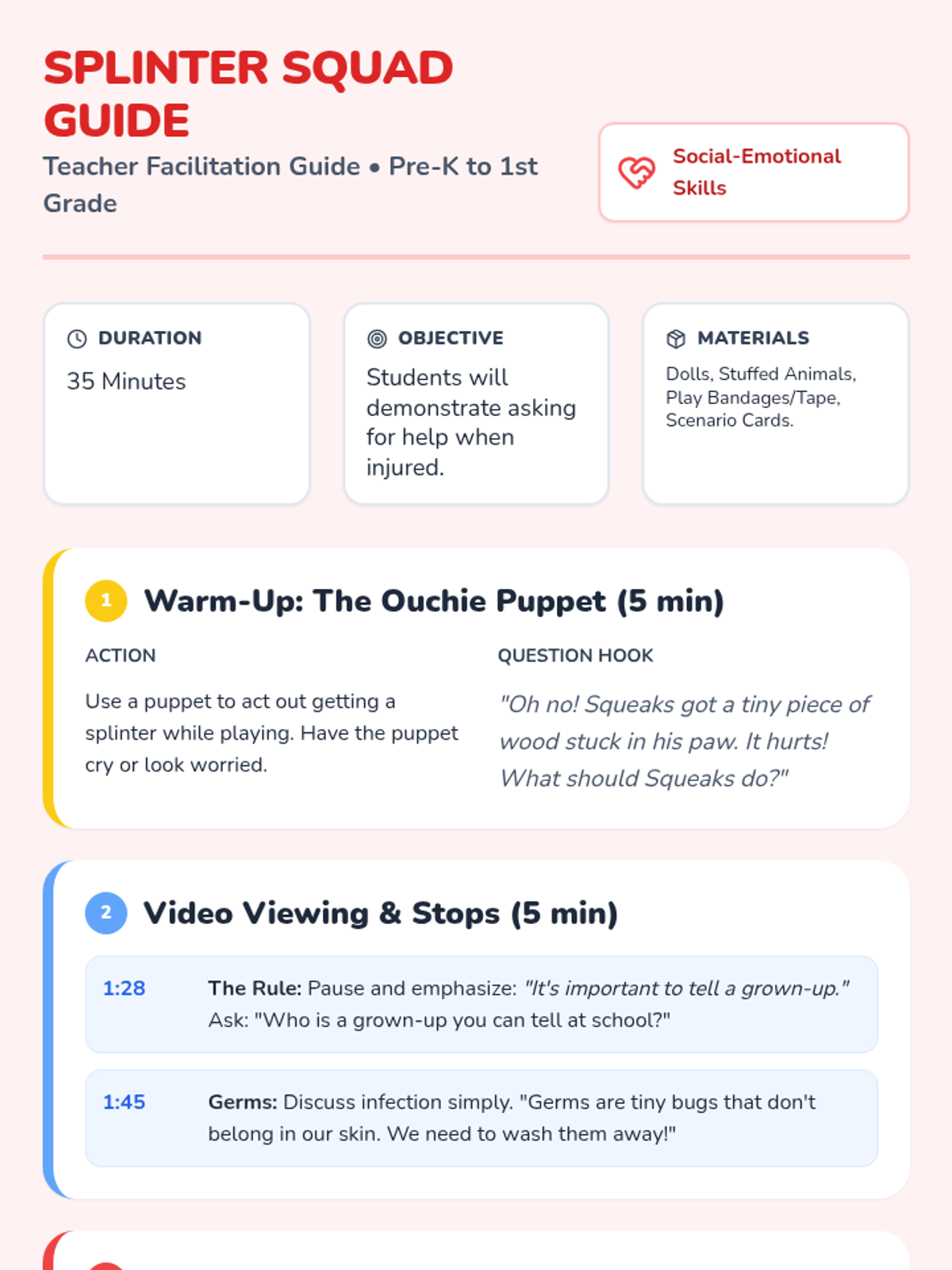
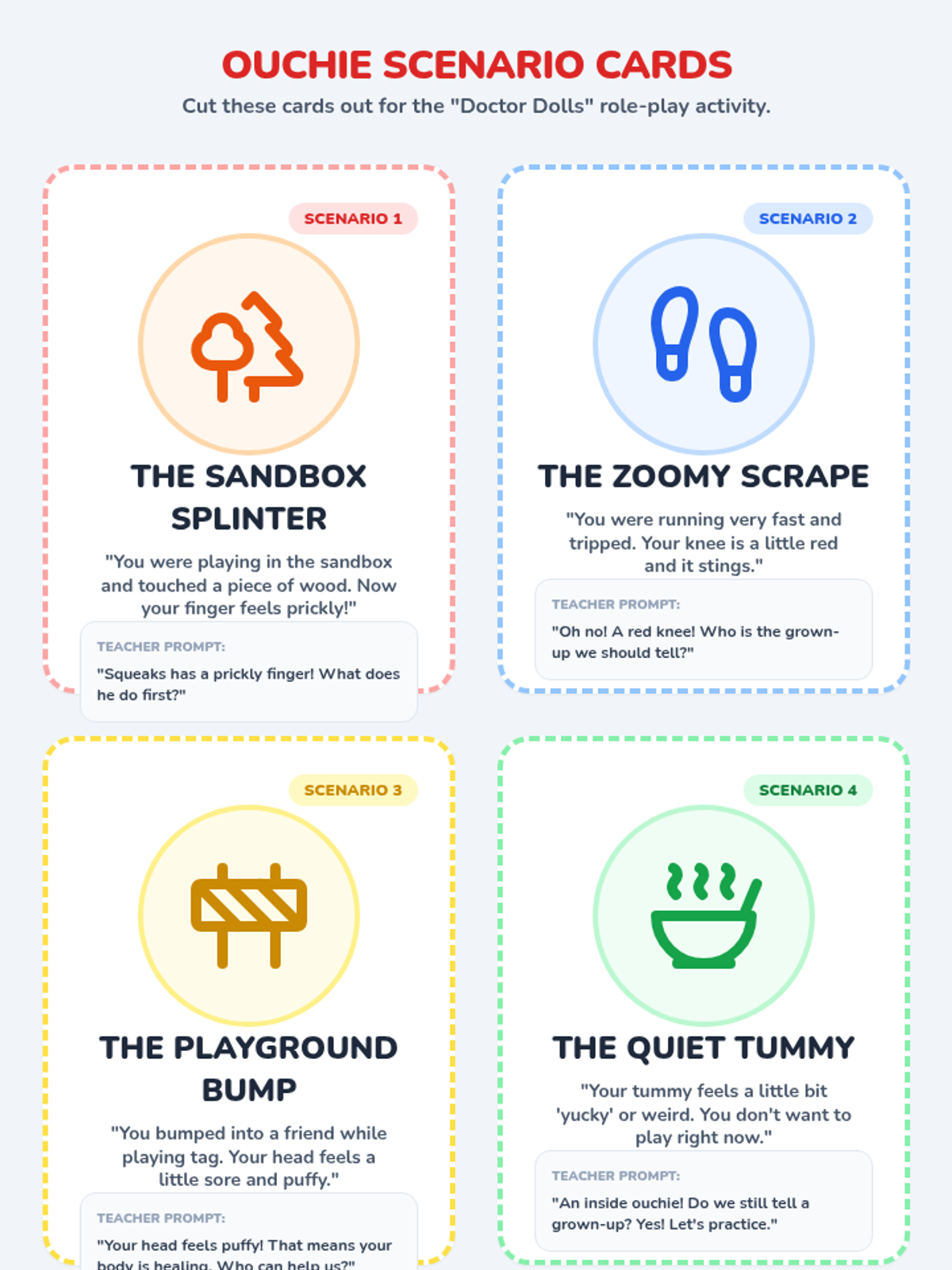
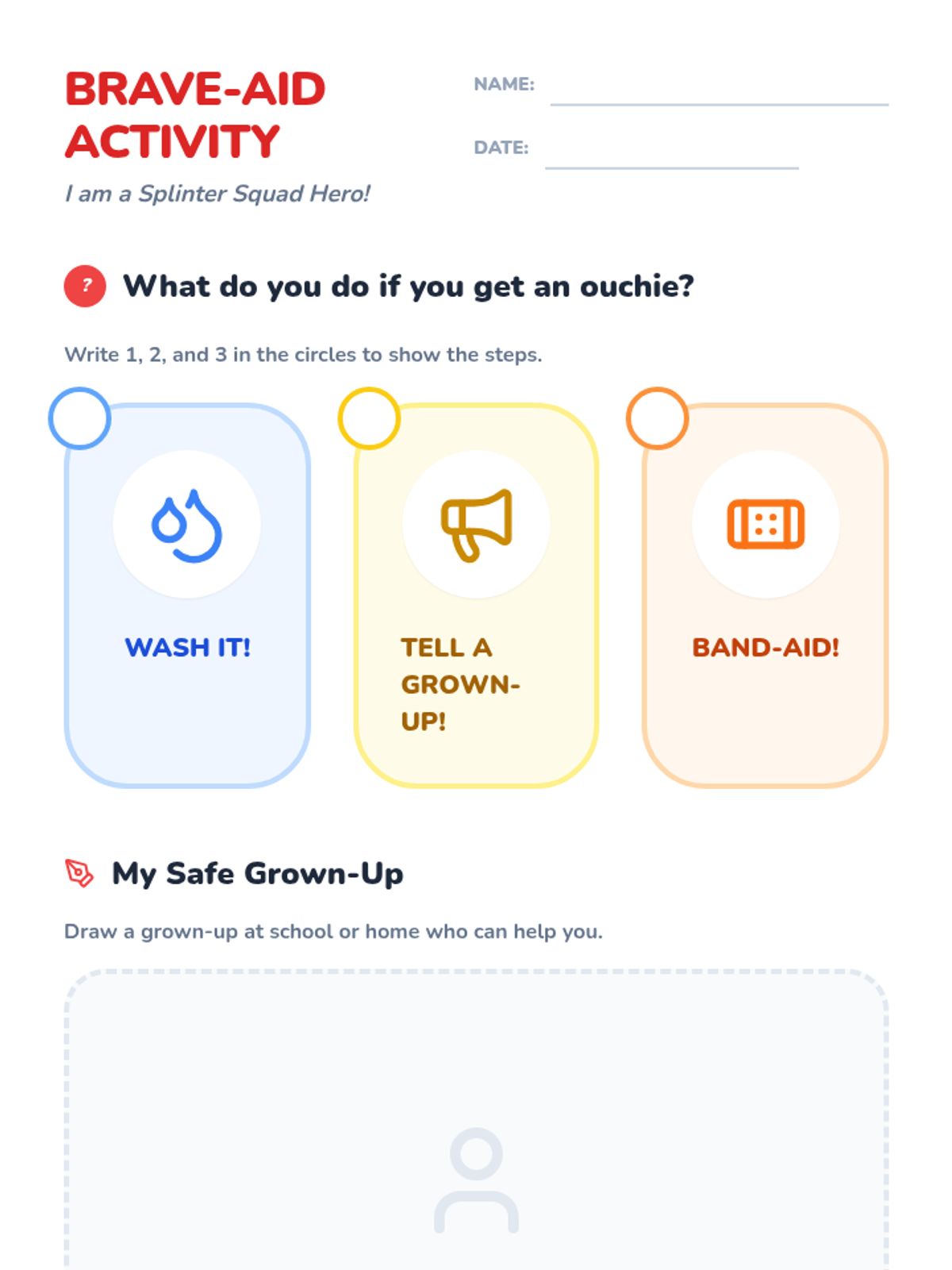
A social-emotional and health lesson for early learners on how to identify injuries and ask for help from trusted adults.
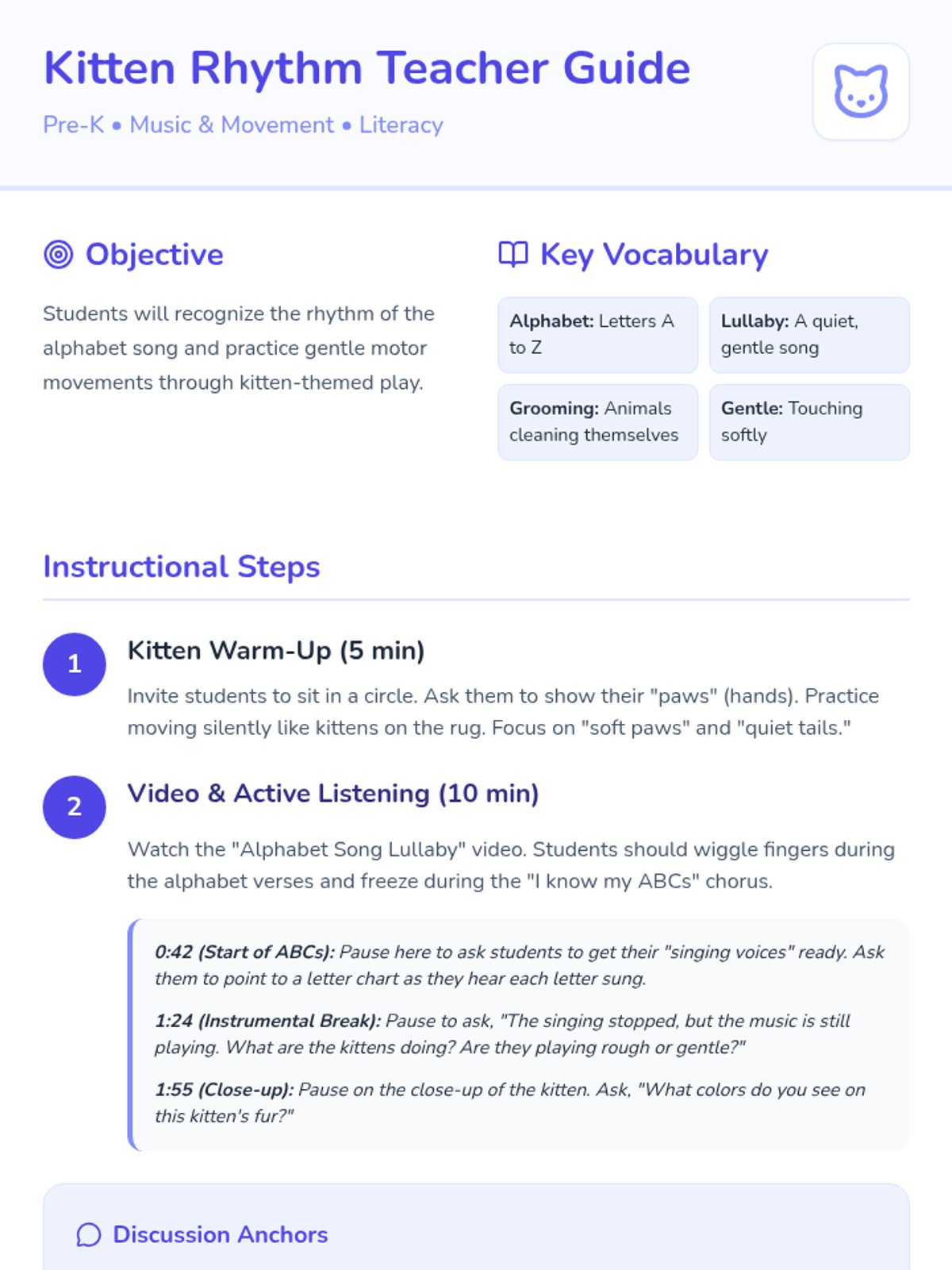
A gentle Pre-K lesson focusing on rhythm and movement through an alphabet lullaby featuring kittens. Students practice fine and gross motor skills while identifying the ABC song's structure.
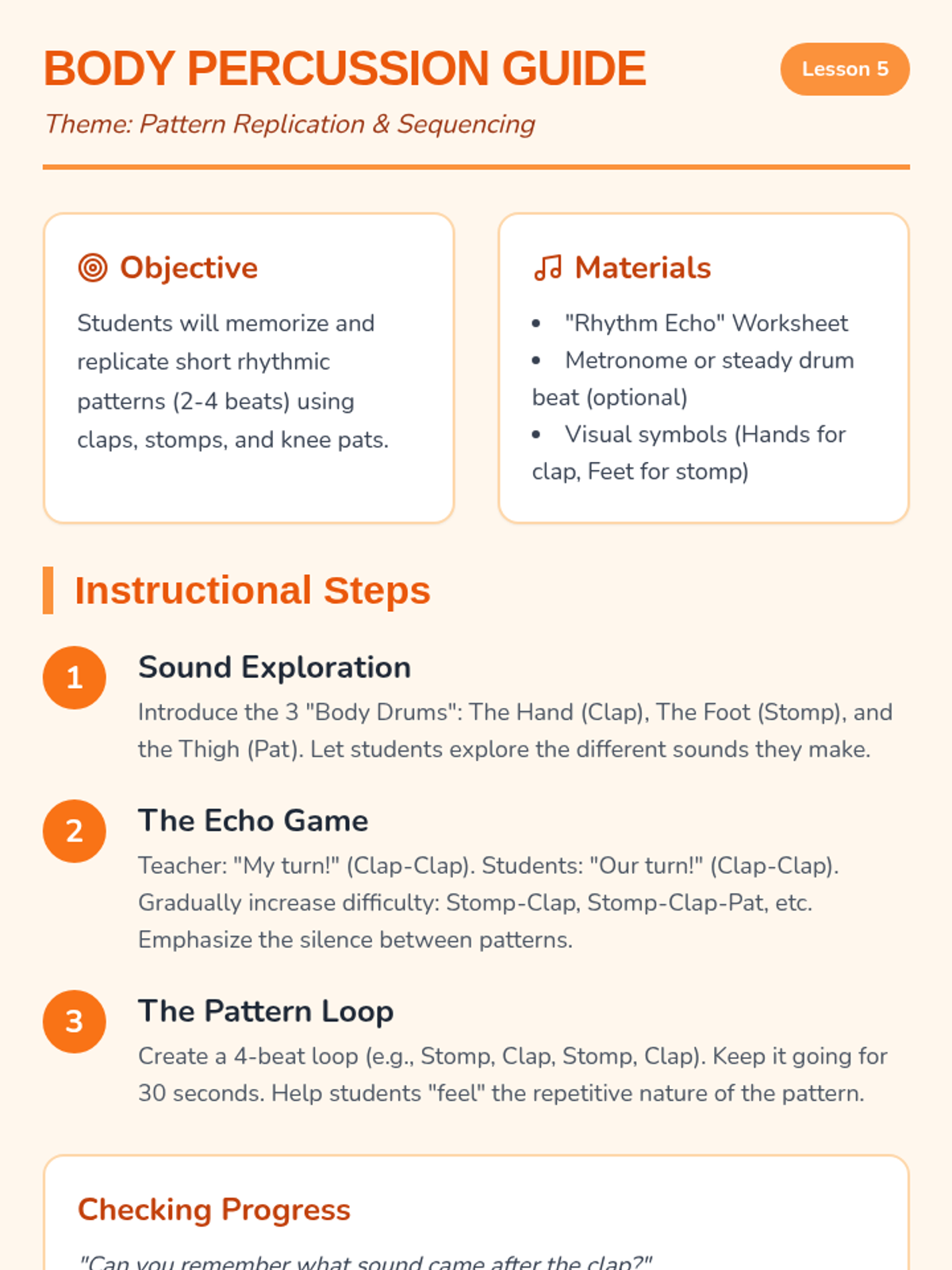
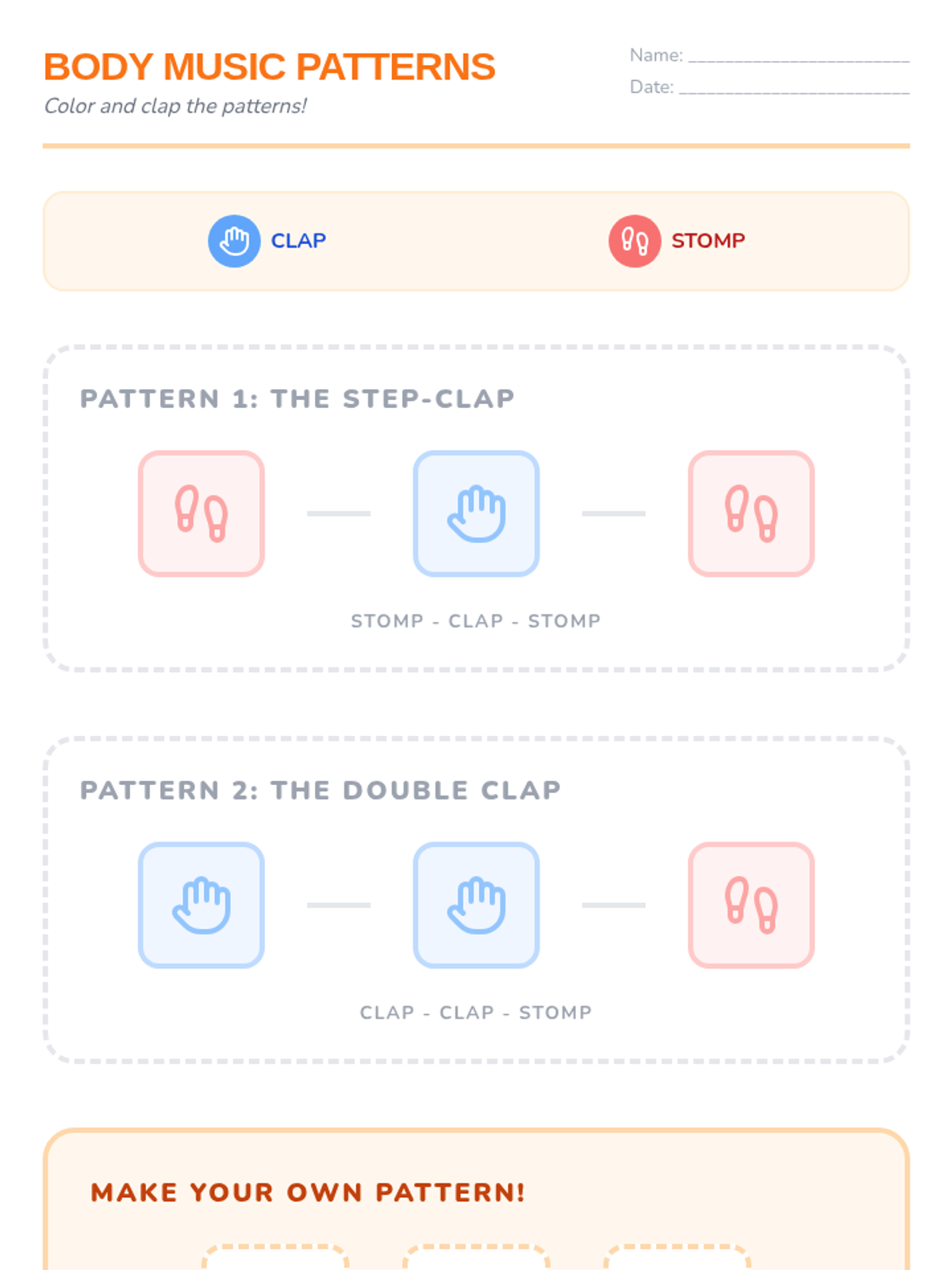
Students replicate simple rhythmic patterns using body percussion (stomps, claps, pats) to develop sequencing and motor planning skills.
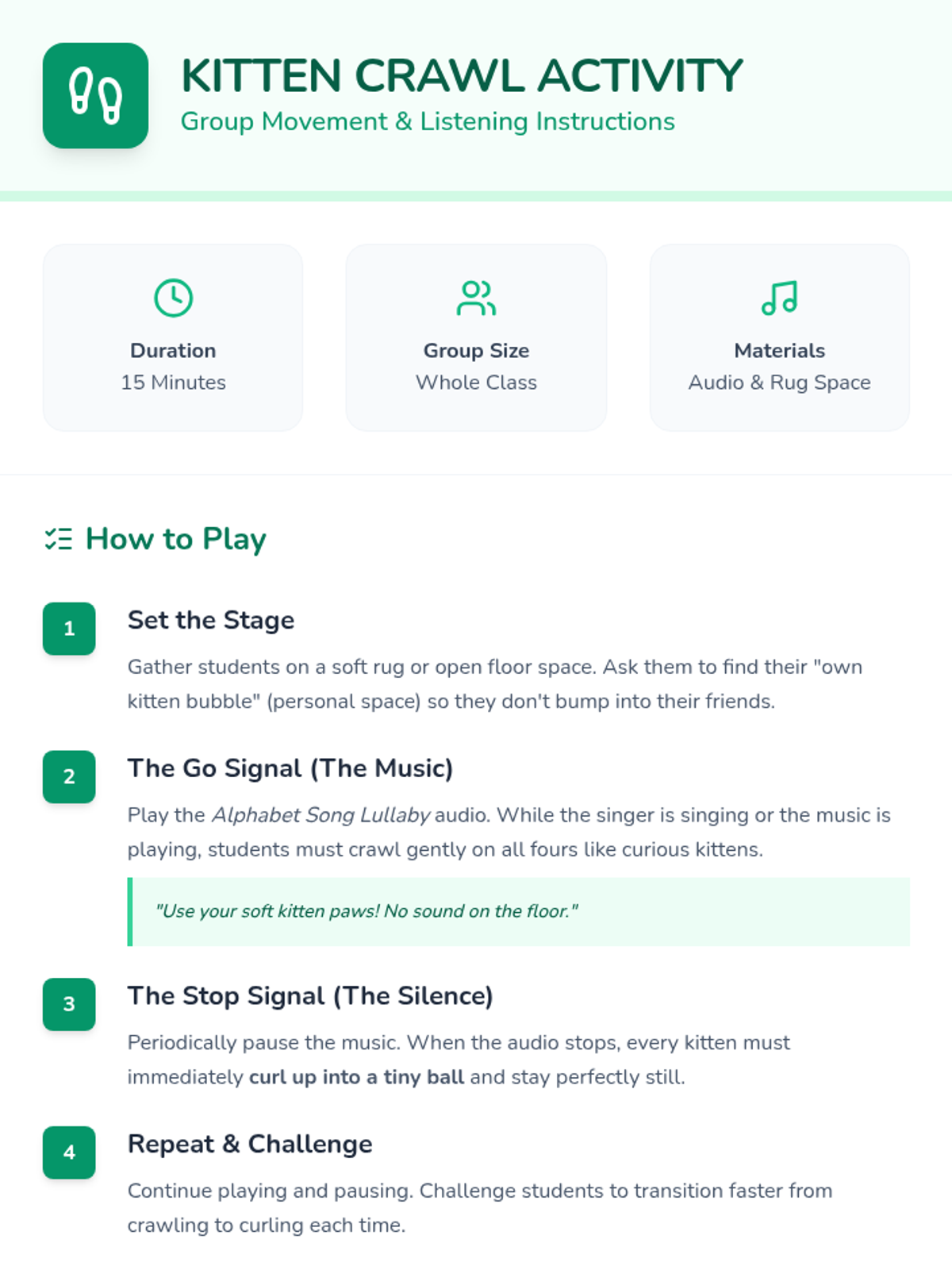
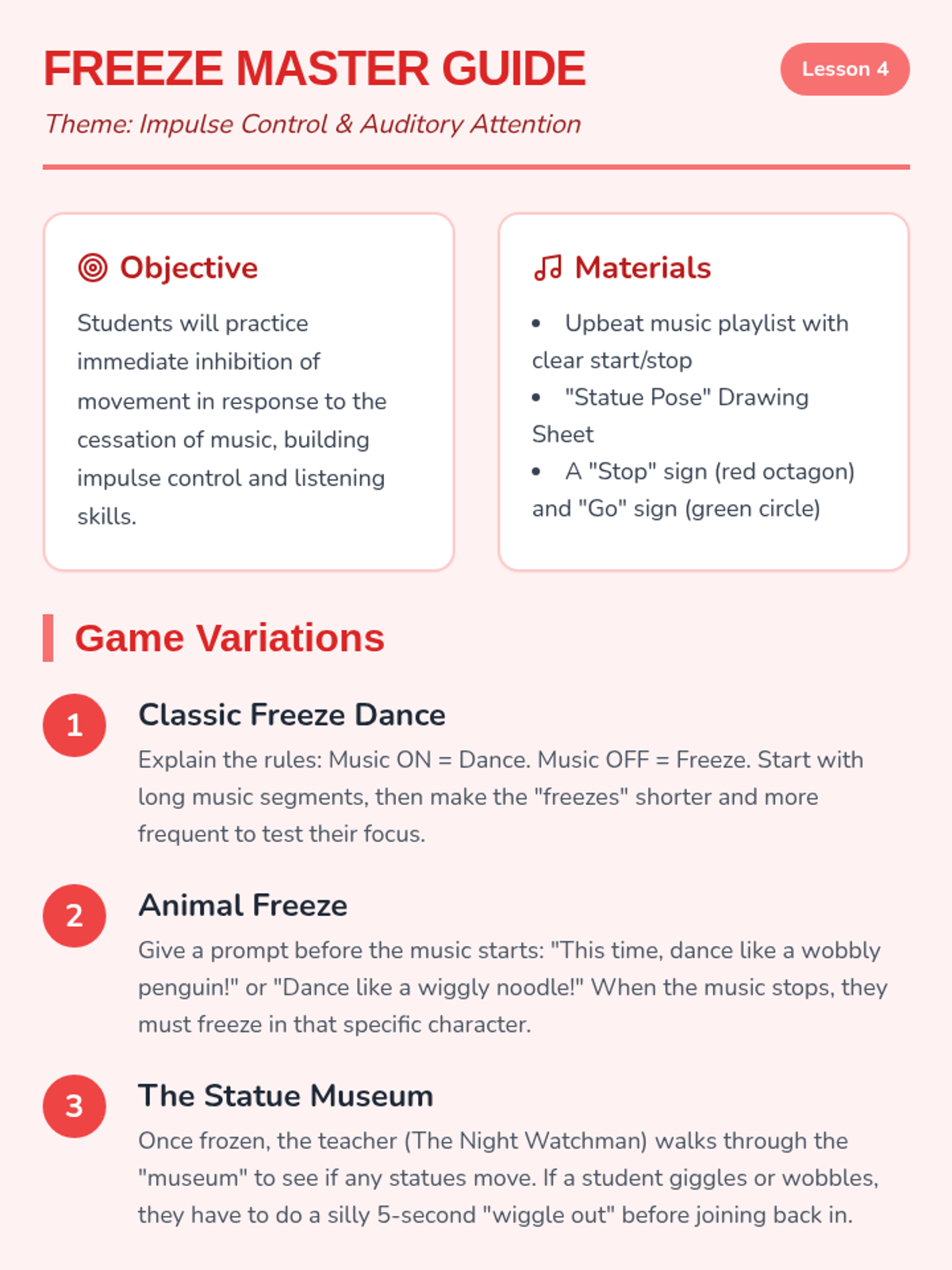
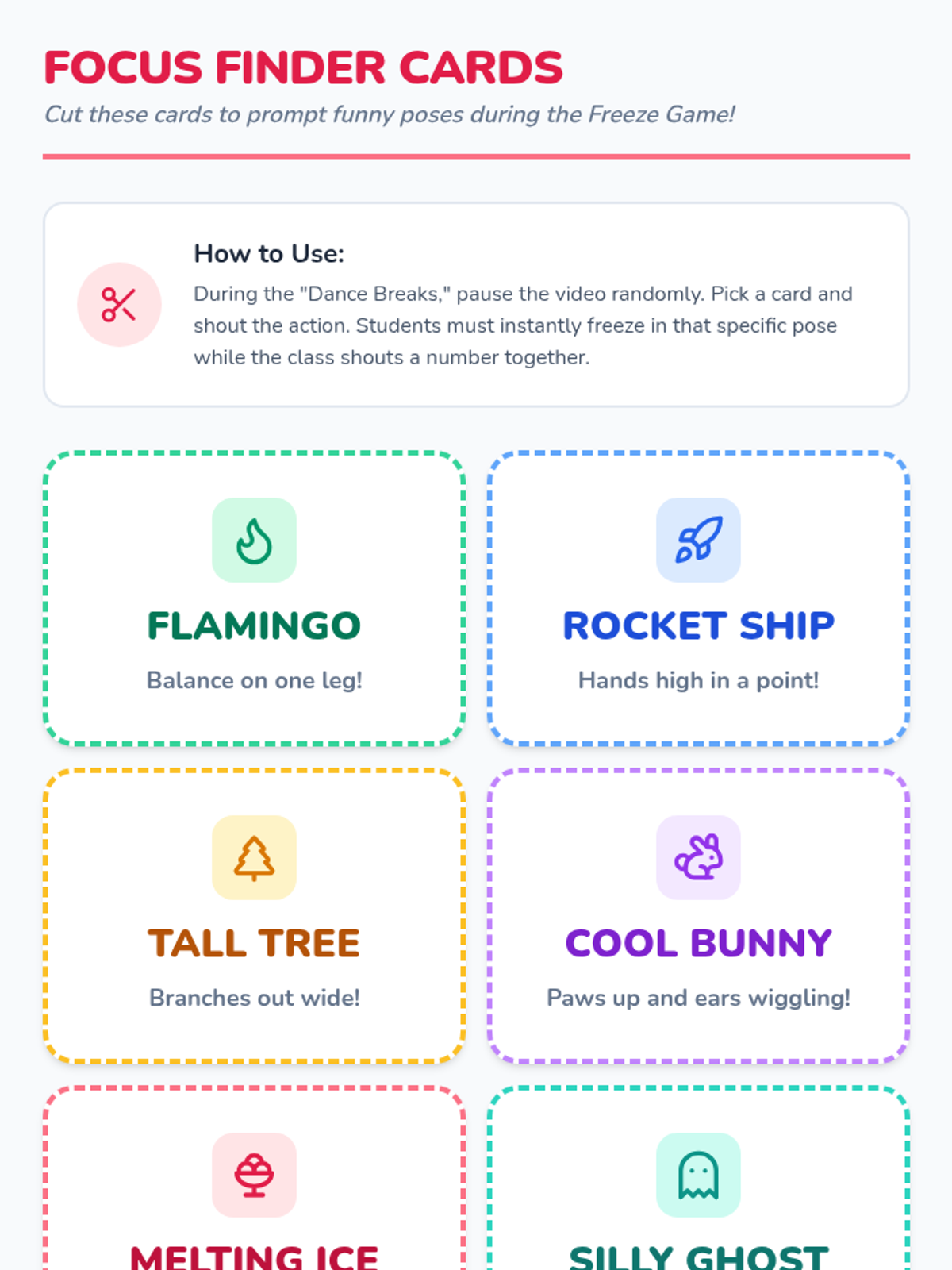
Students build impulse control and auditory attention by dancing to music and freezing instantly when the sound stops.
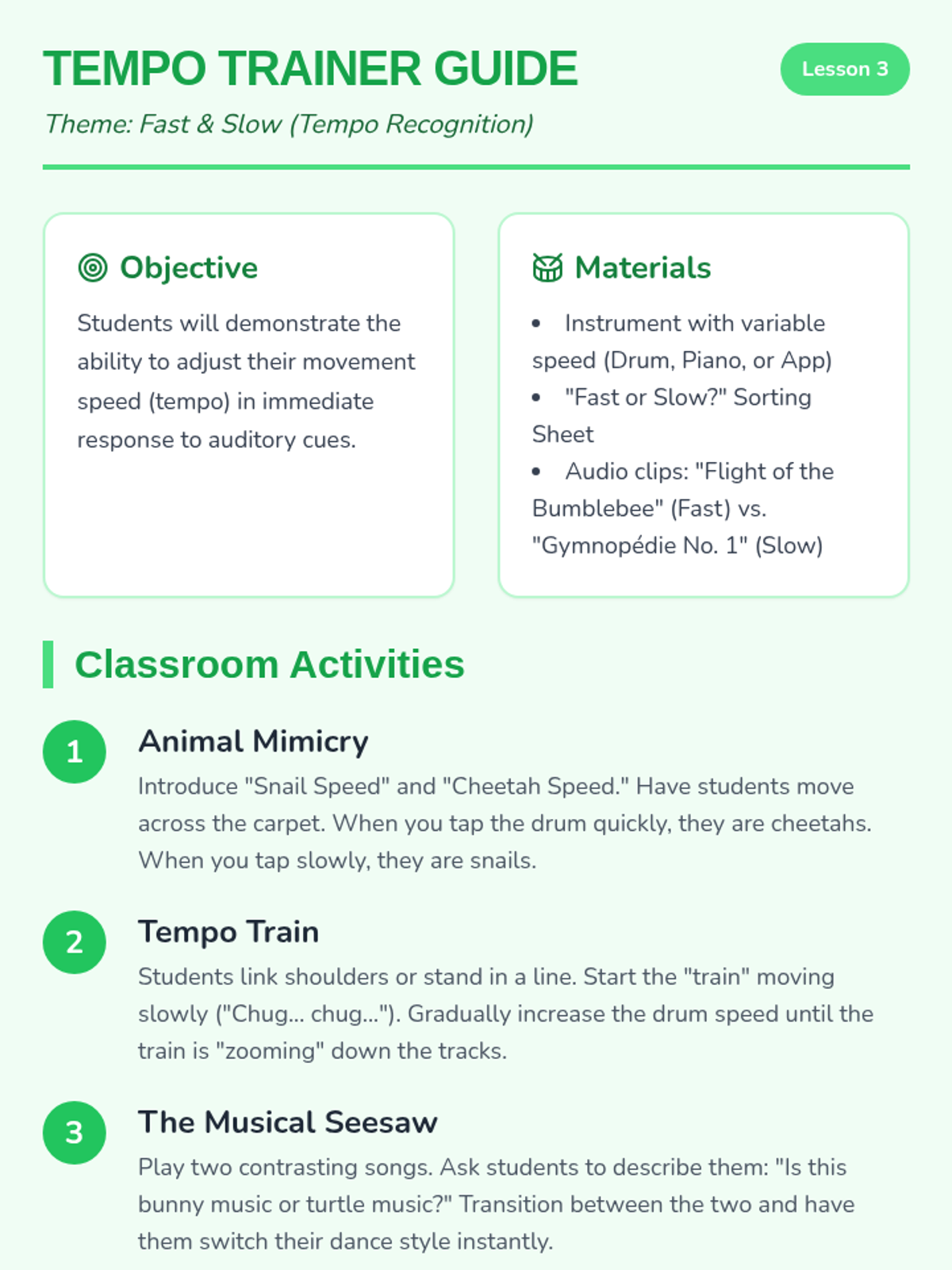
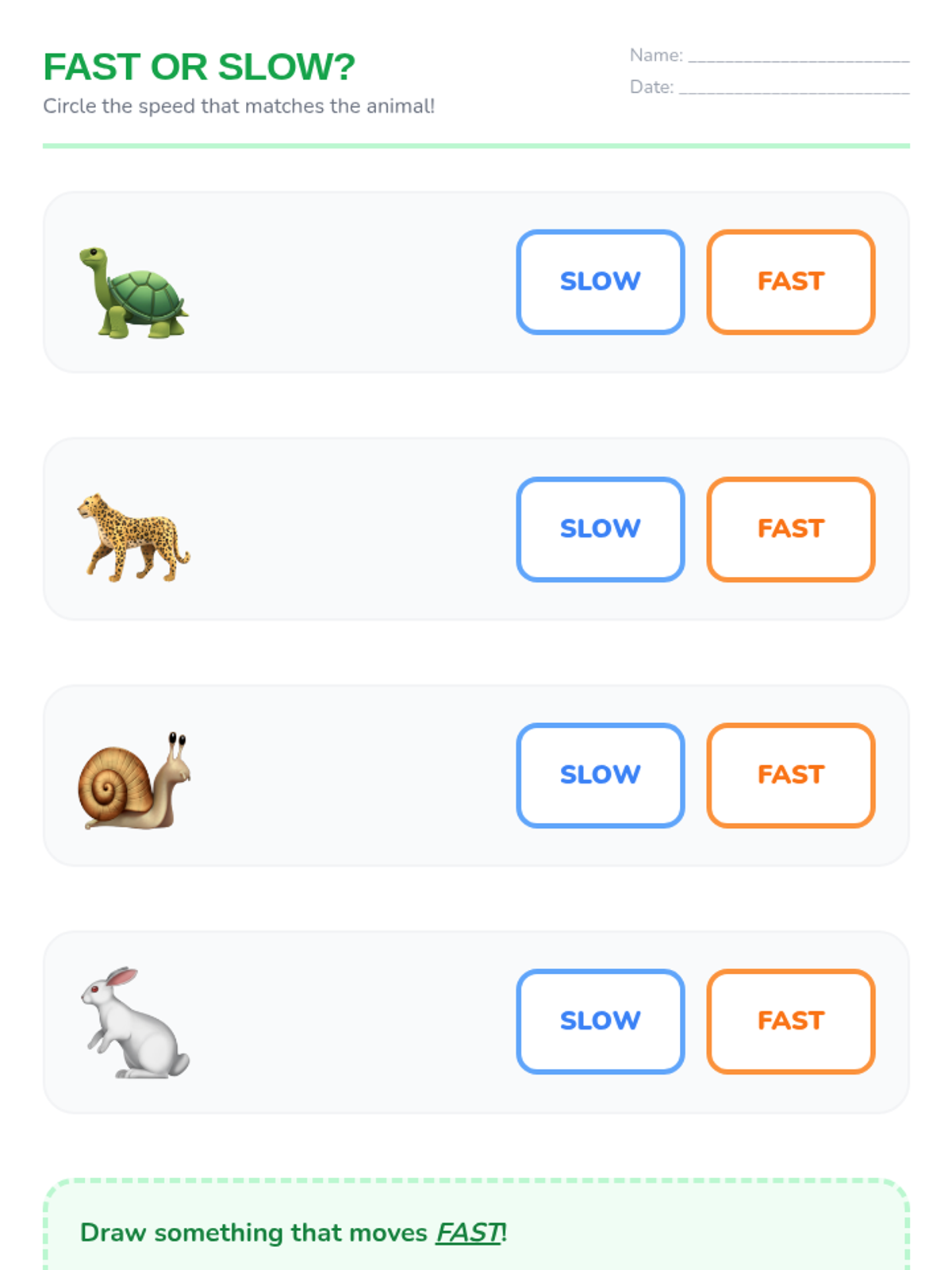
Students explore fast and slow tempos by mimicking animal movements and adjusting their speed to match changing music.
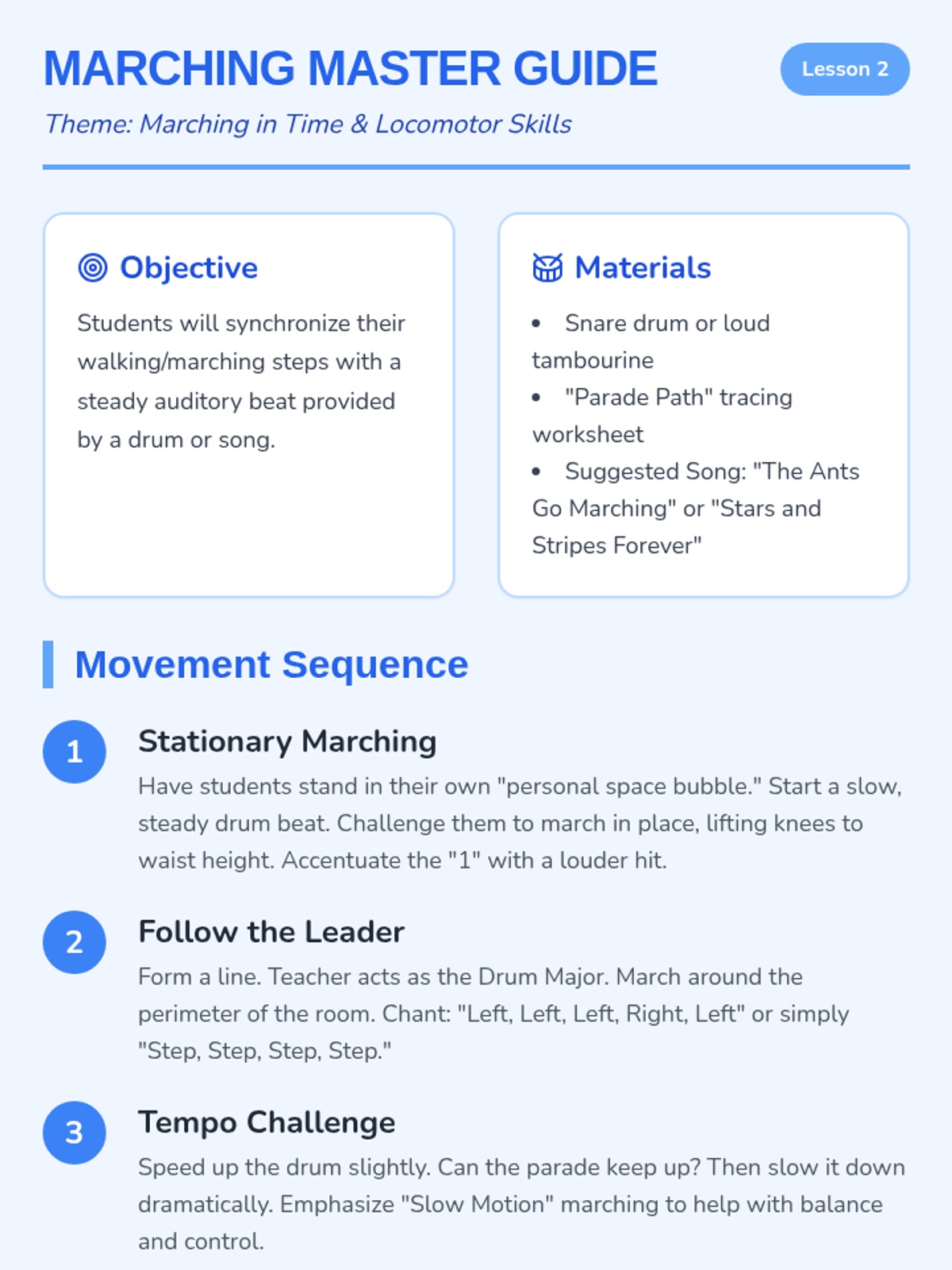
Students practice large motor synchronization by marching in time to a beat, focusing on stepping precisely with musical cues.
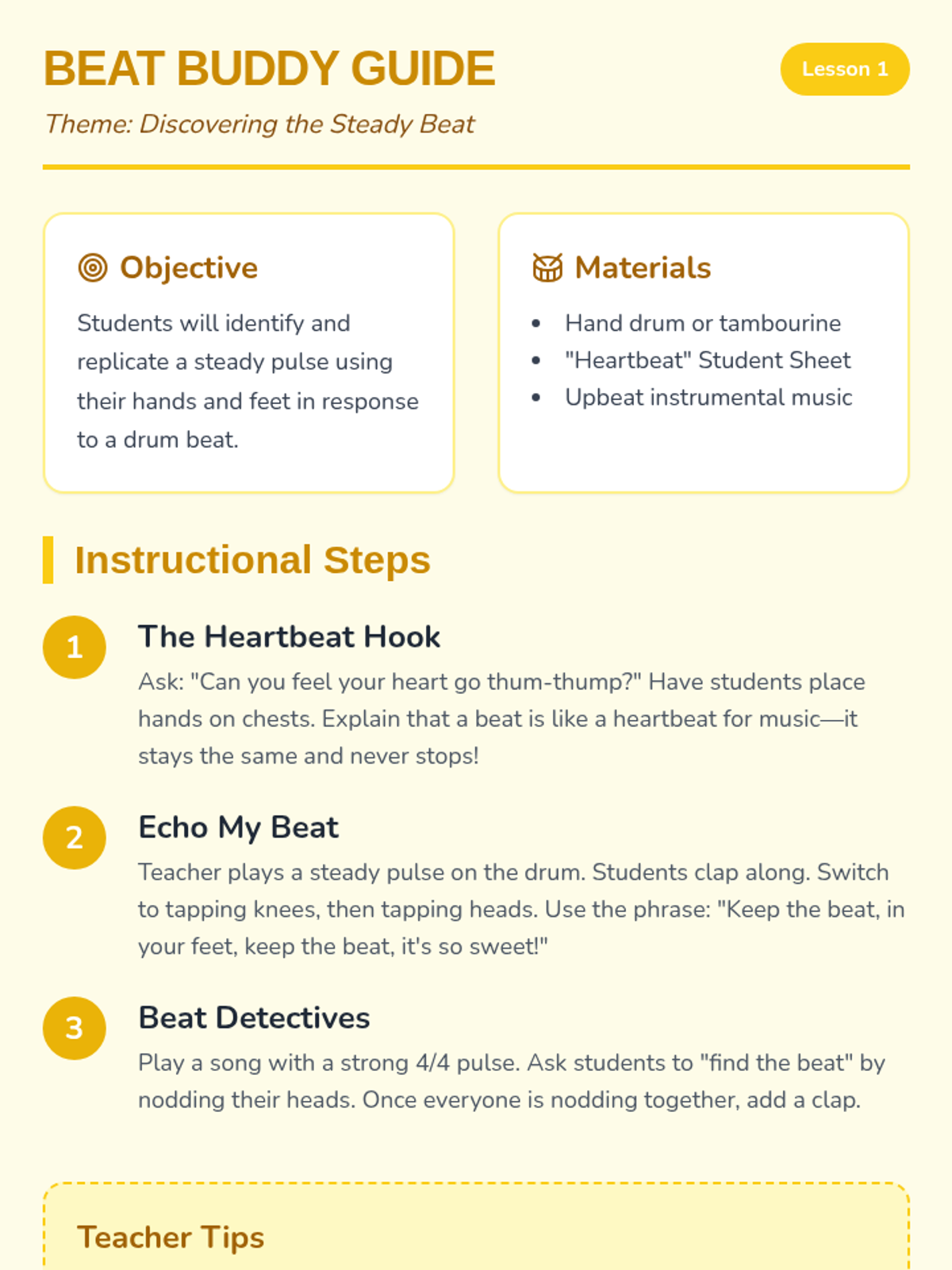
Students learn to identify a steady pulse by matching physical actions like clapping and tapping to an auditory signal, such as a drumbeat.
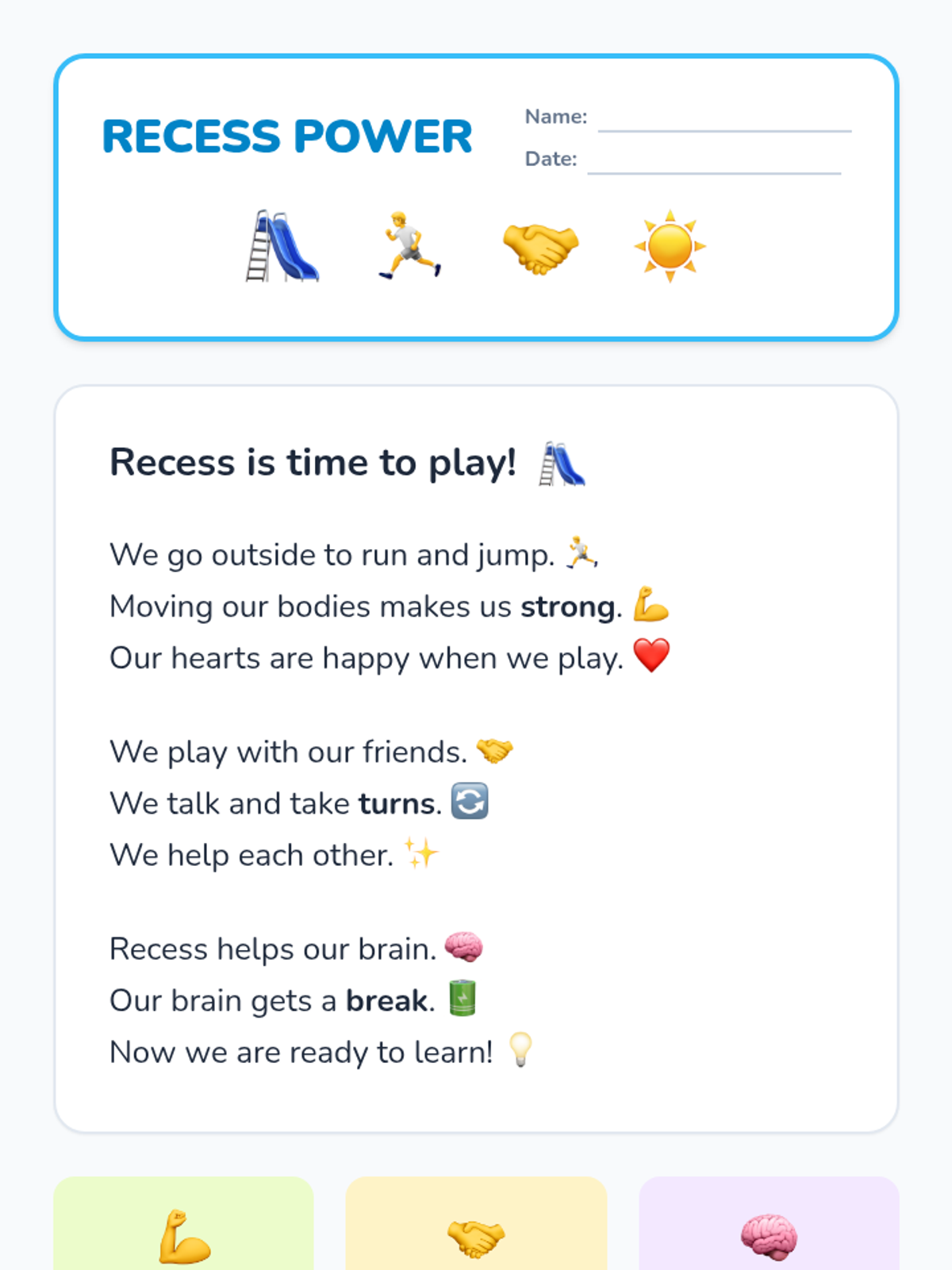
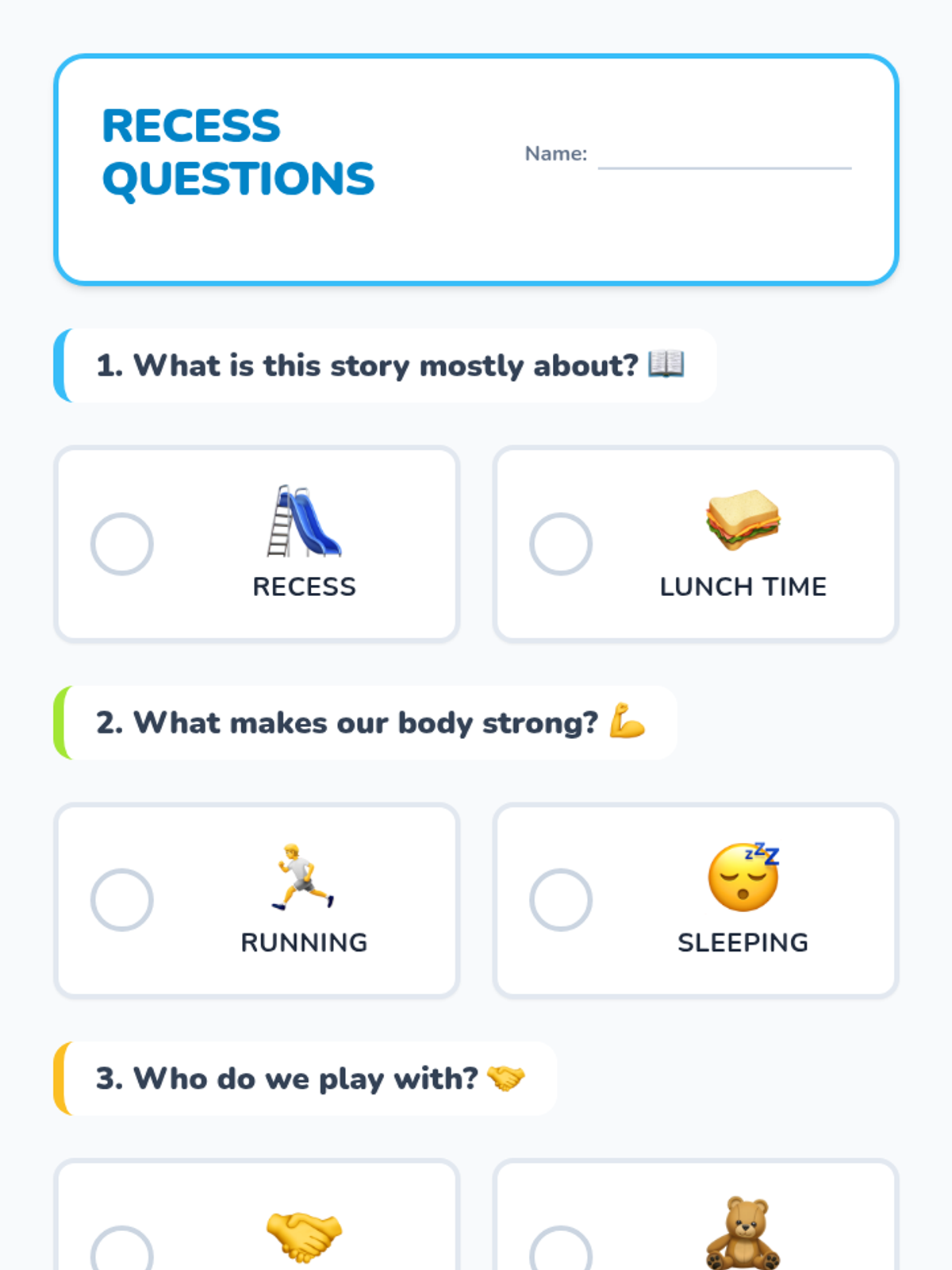
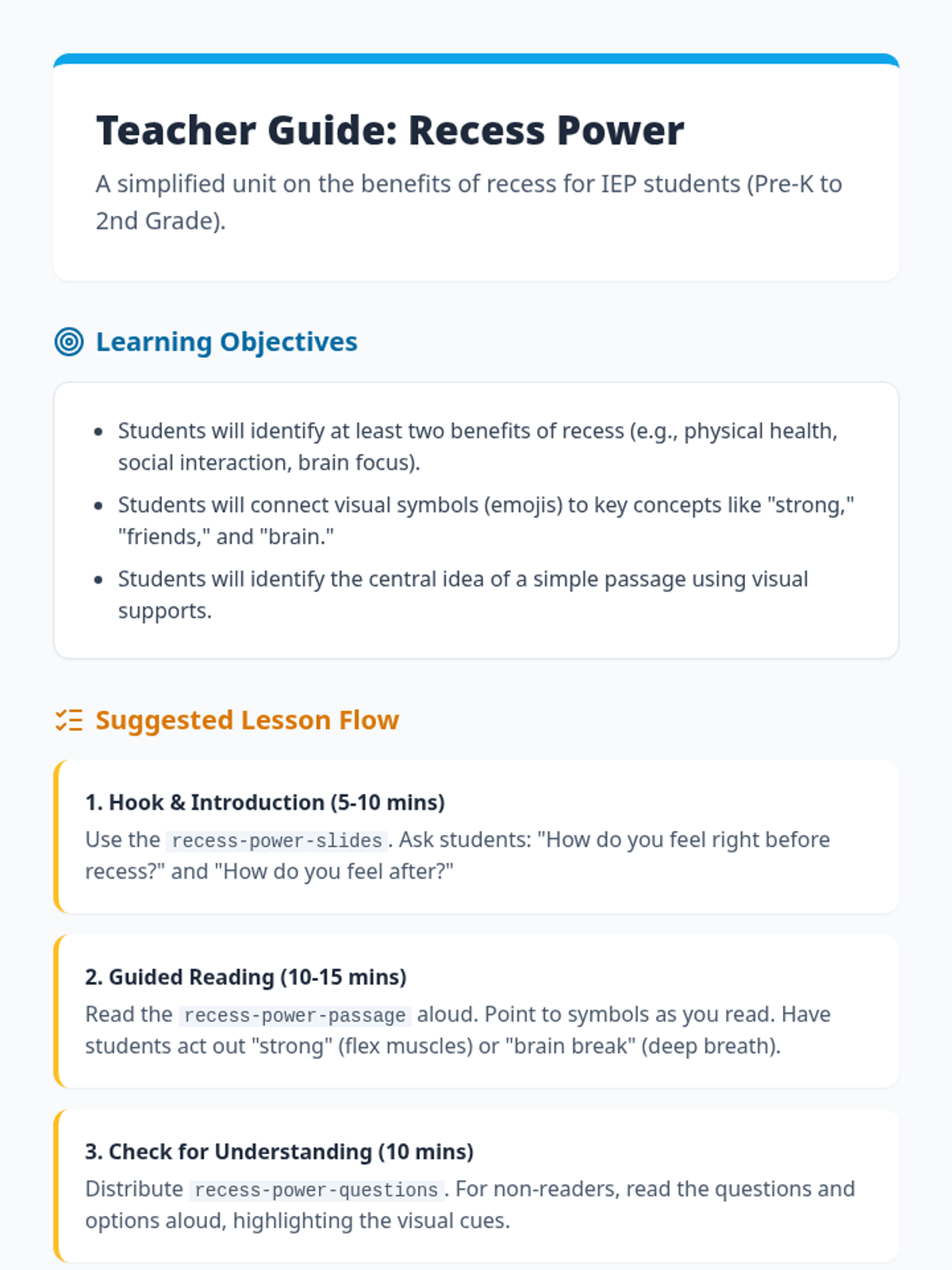
A lesson exploring the physical, social, and emotional benefits of recess for young learners, designed with accessibility and visual supports for IEP students.
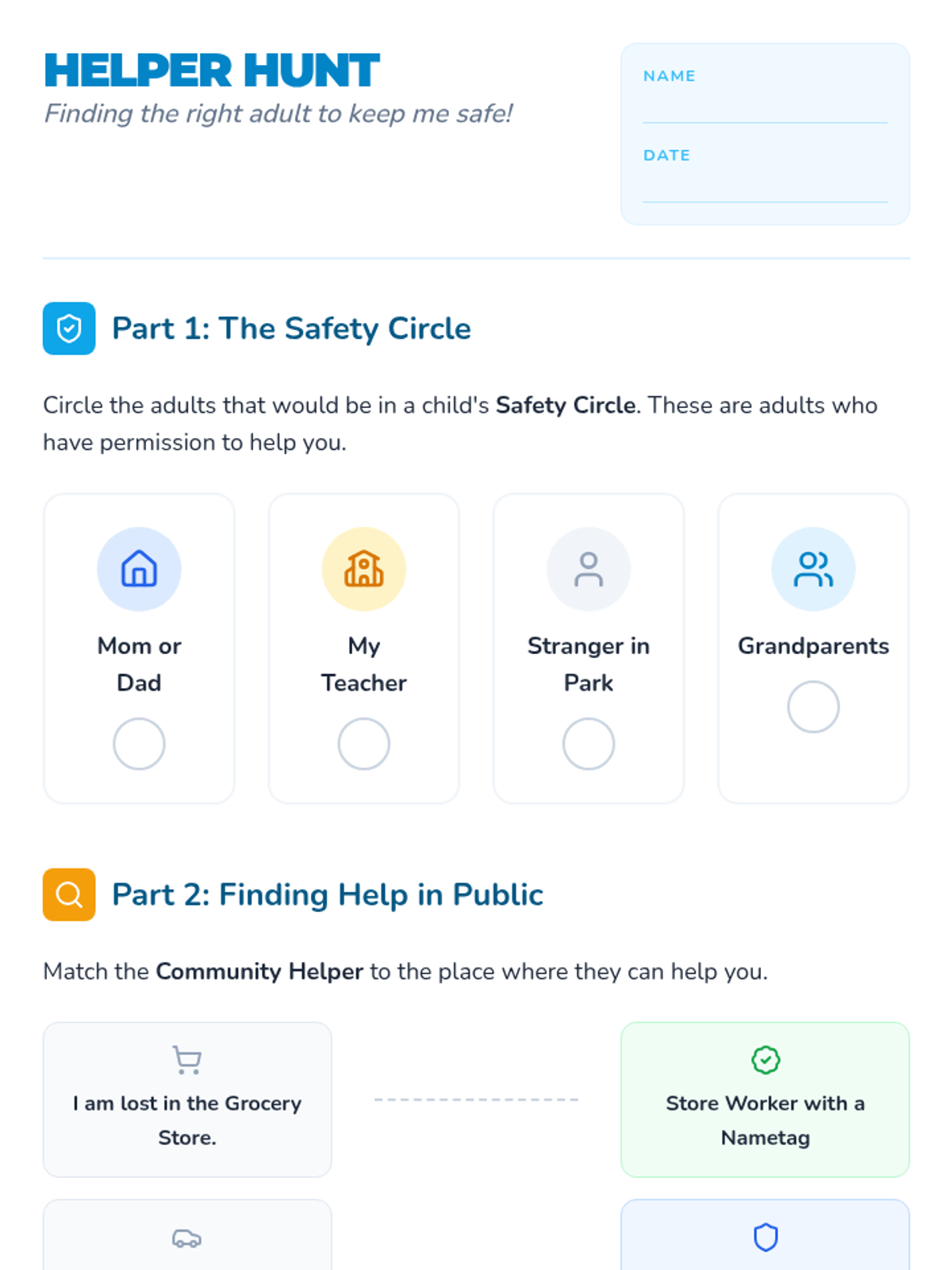
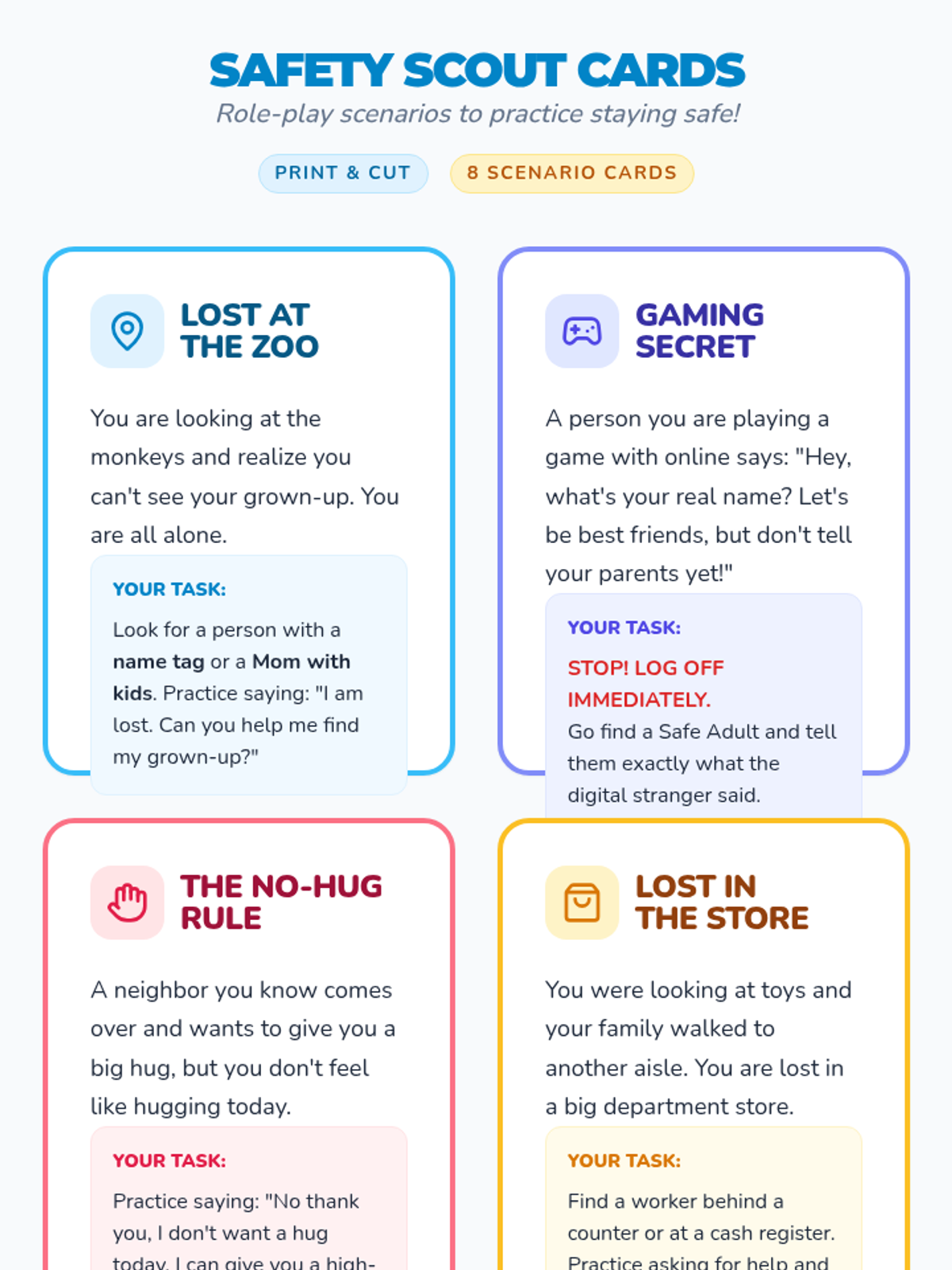
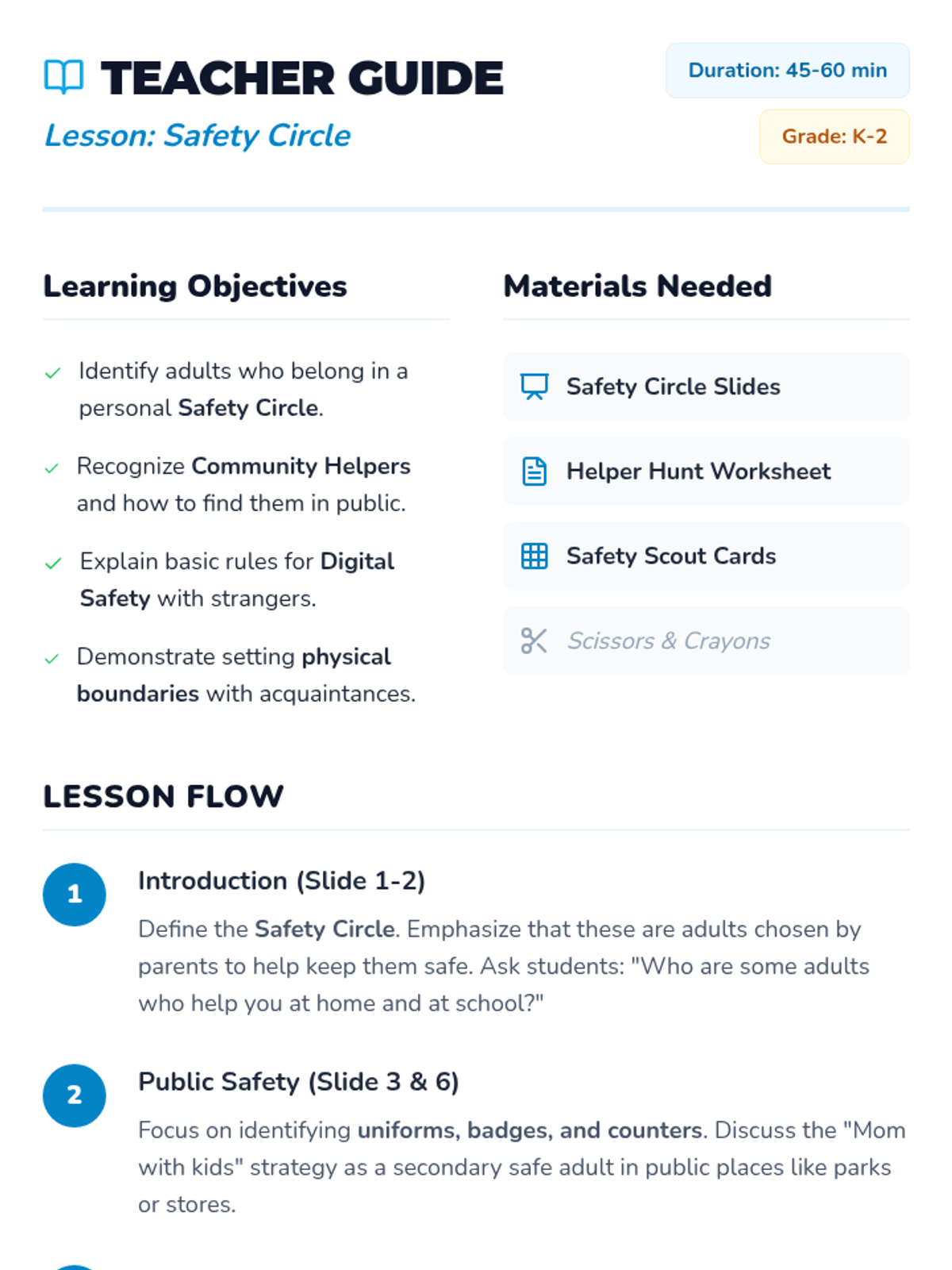
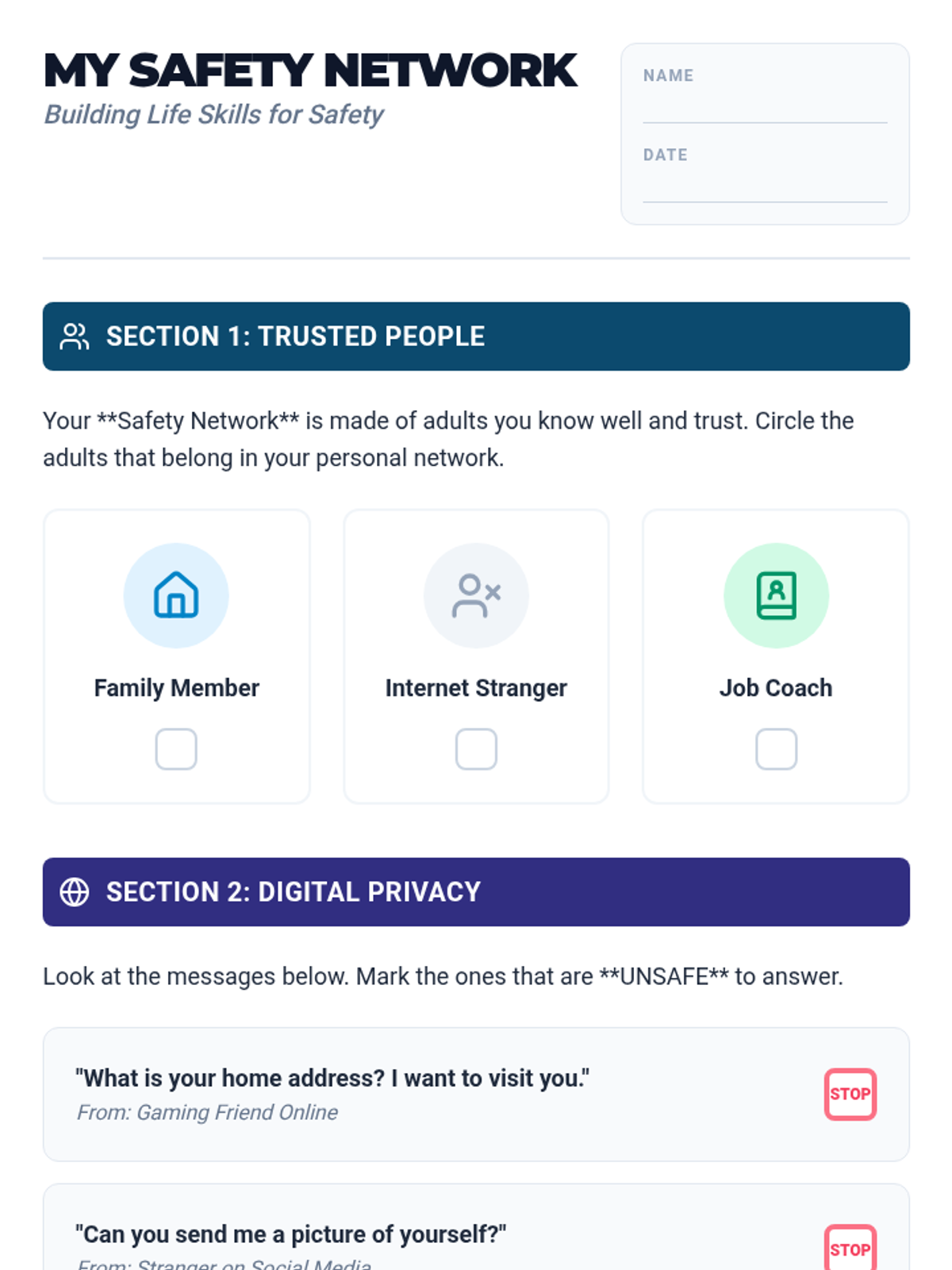
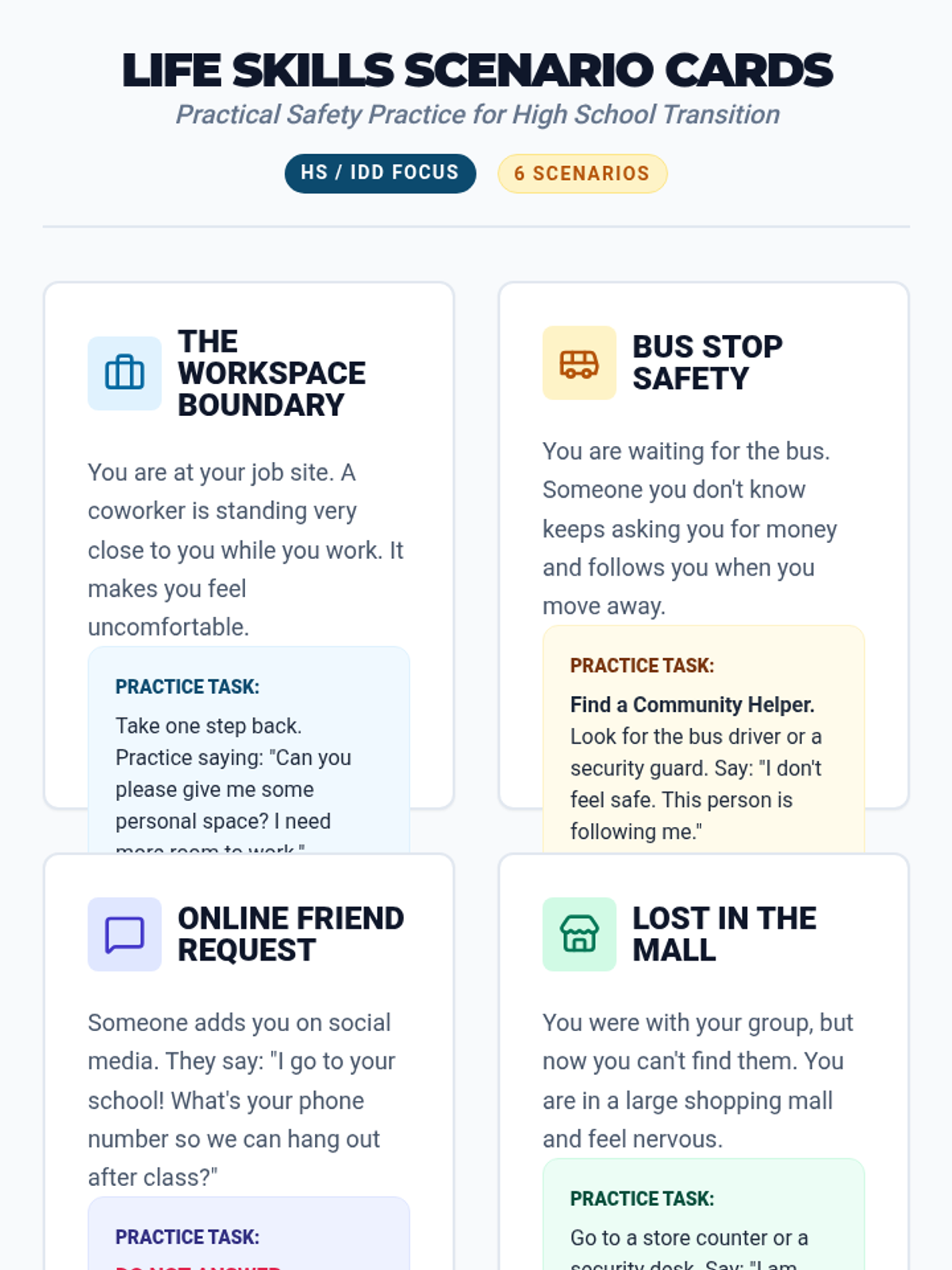
A comprehensive lesson teaching students how to identify safe adults, navigate digital interactions, ask for help in public, and maintain healthy boundaries with acquaintances.
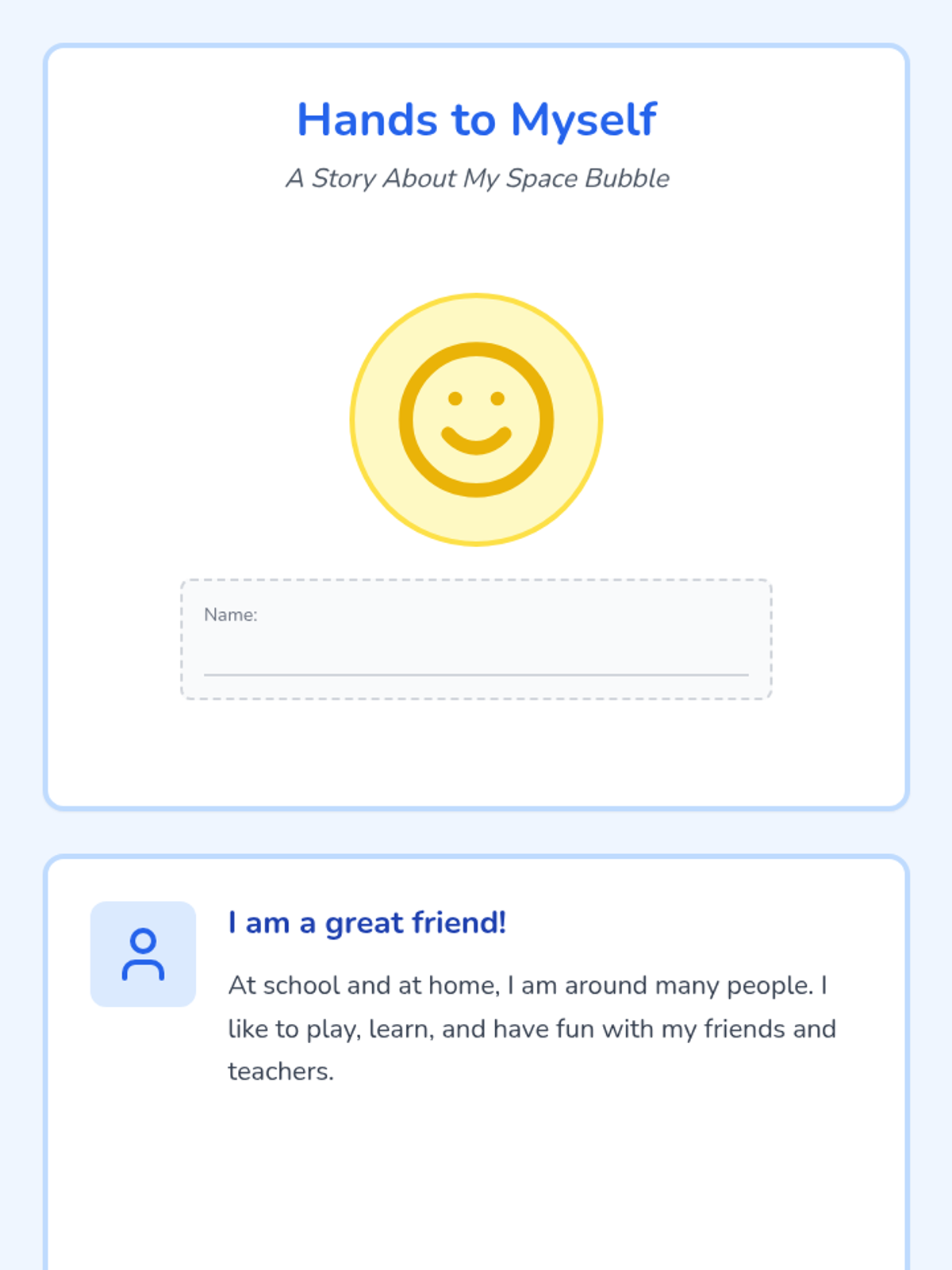
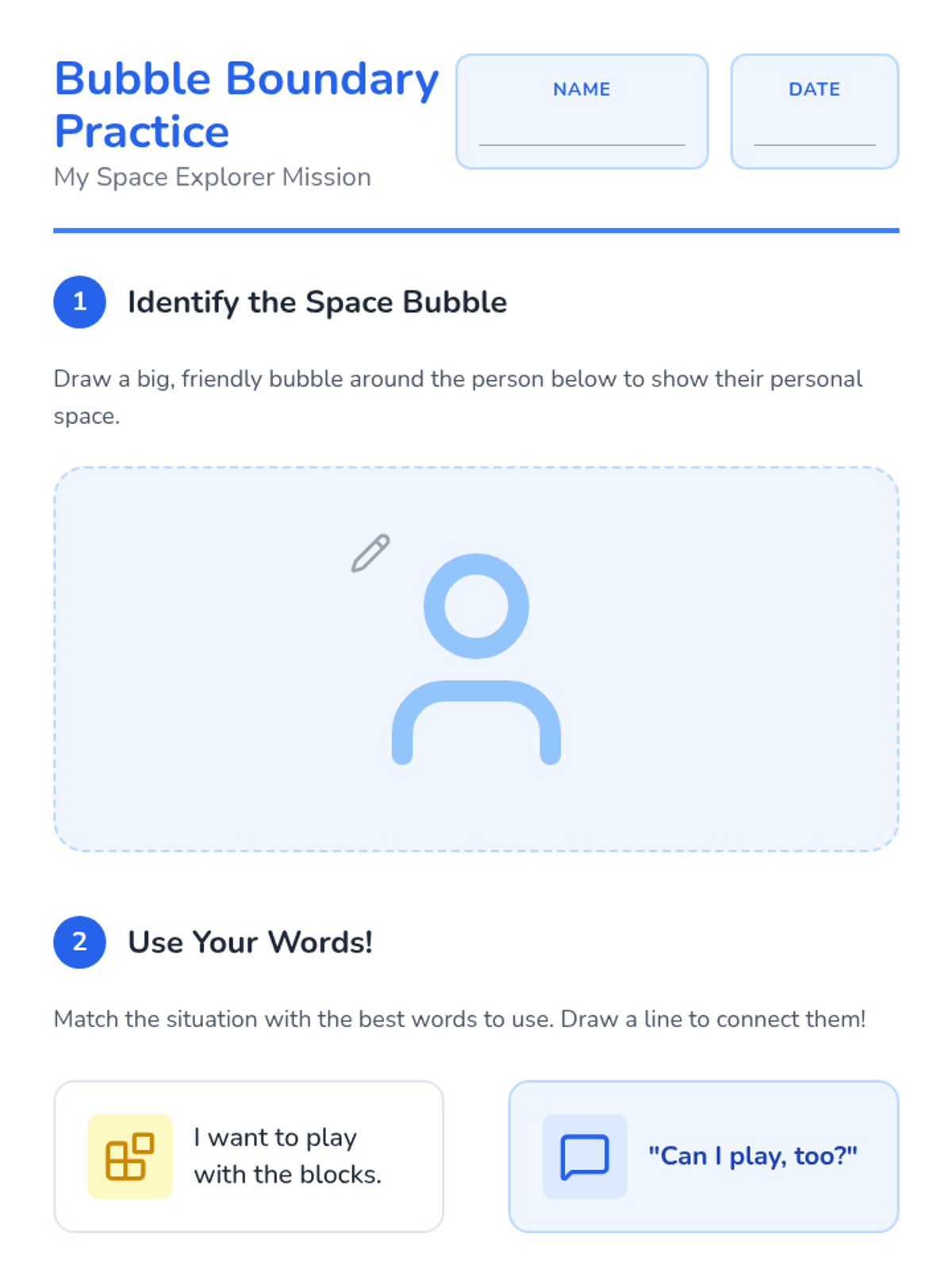
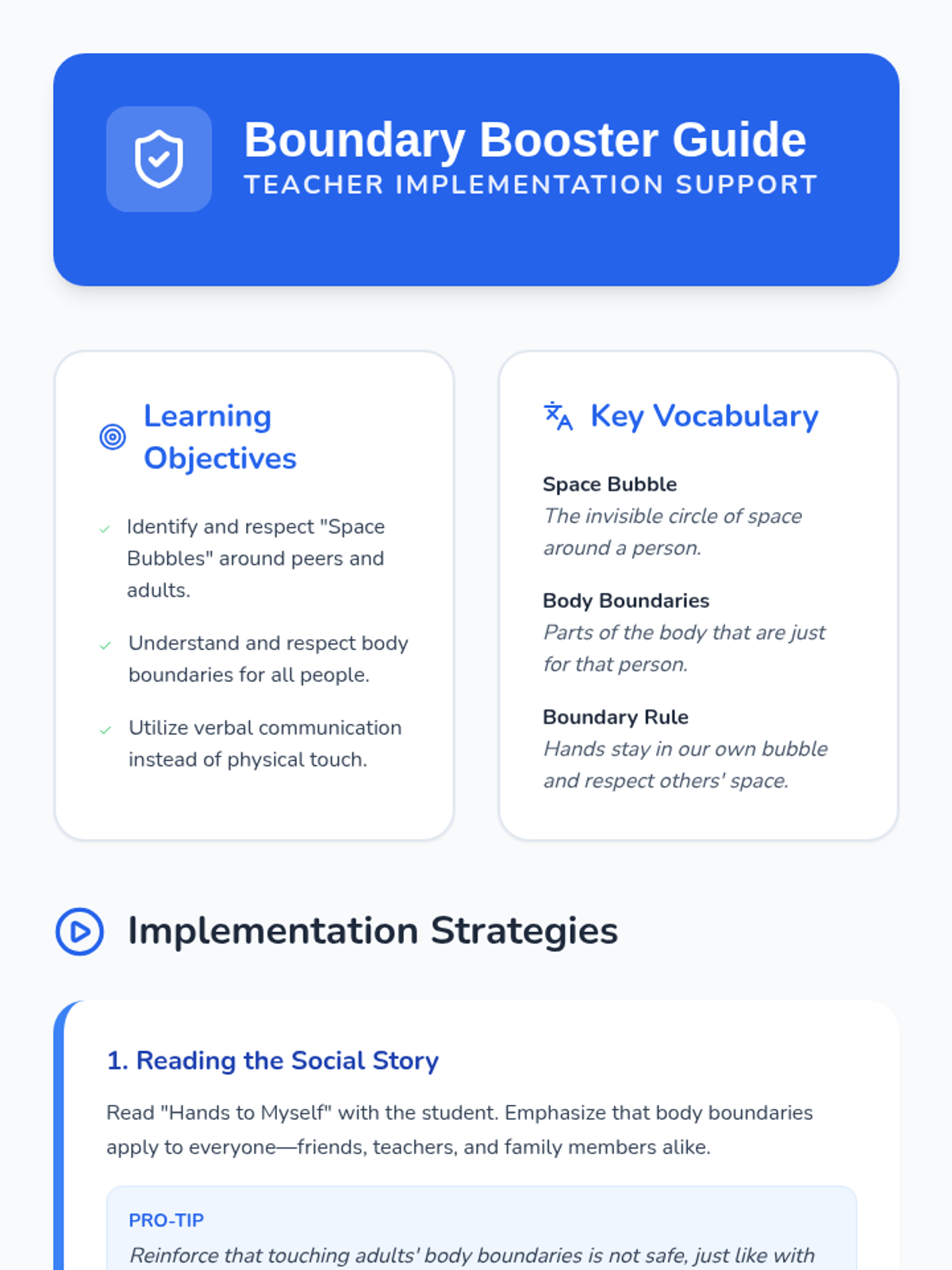
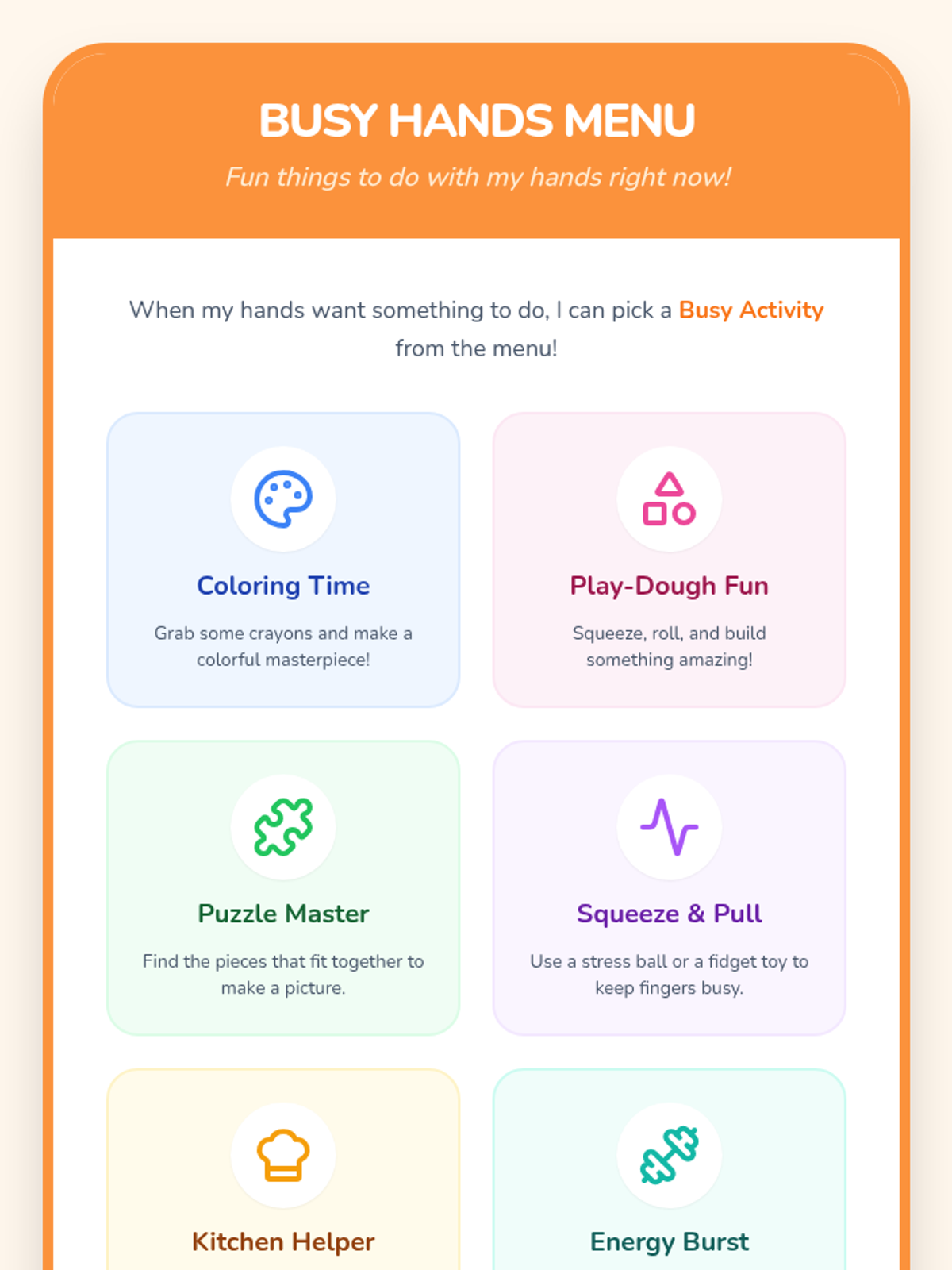
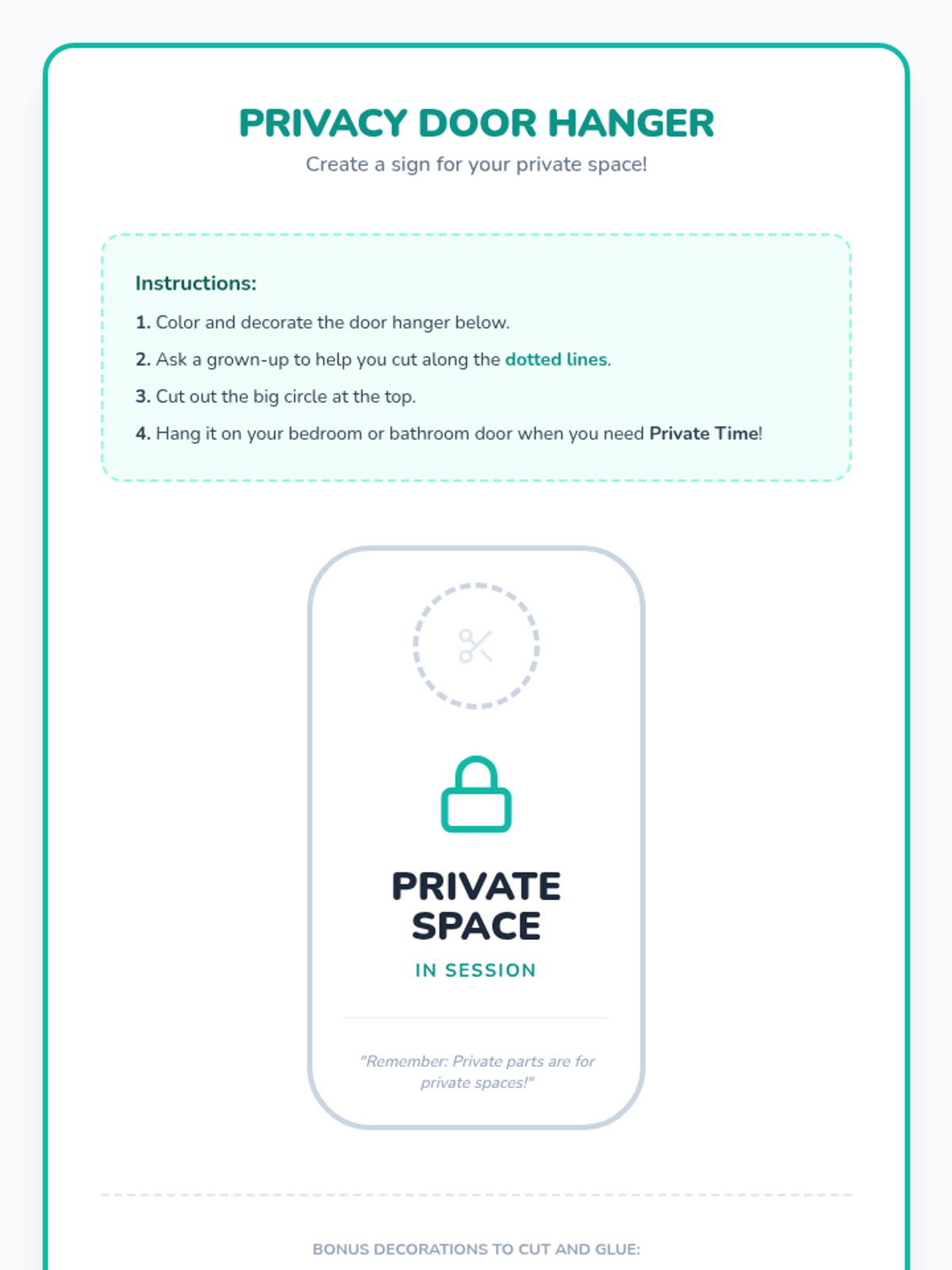
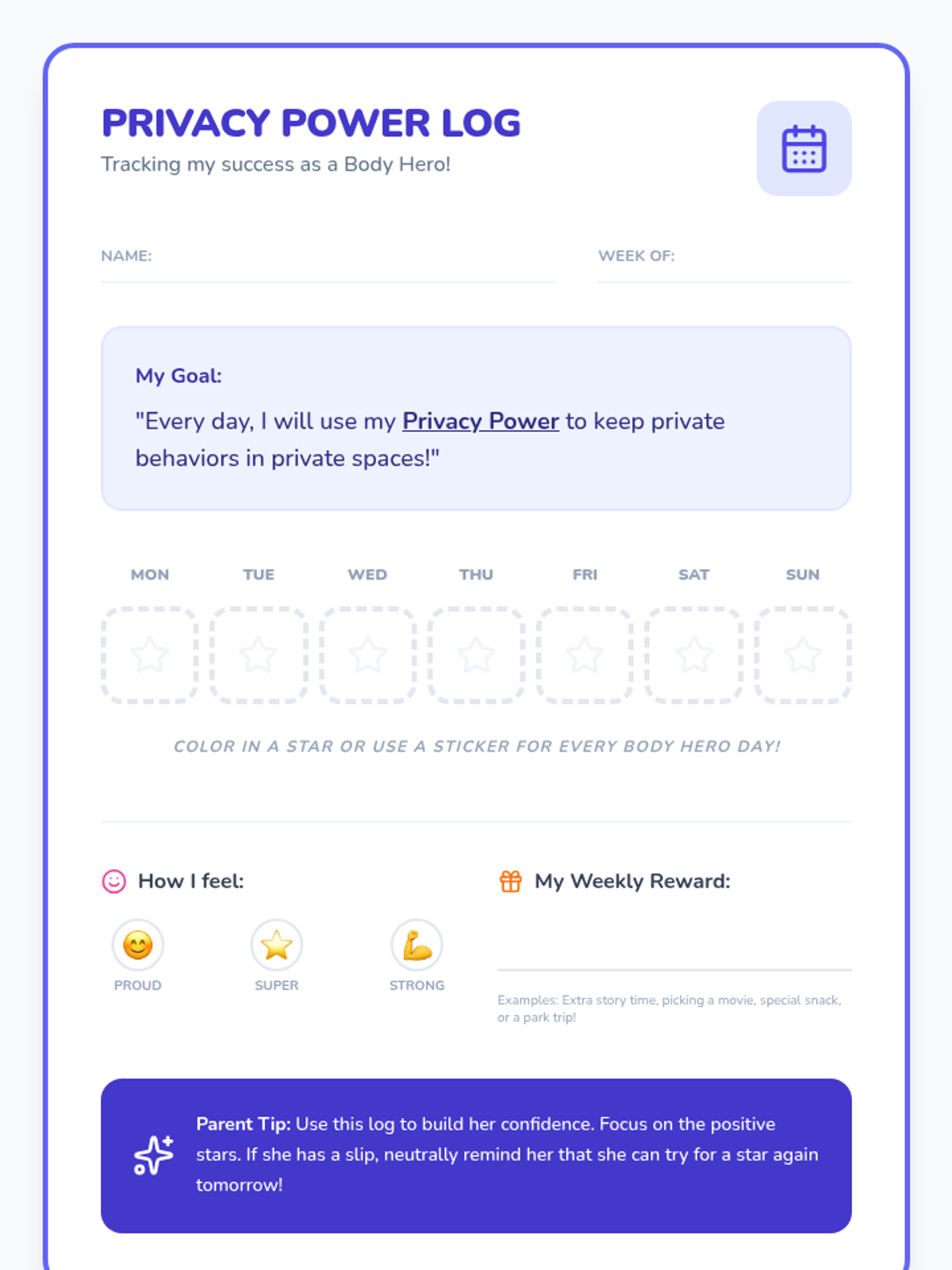
Teaching students about the concept of personal space bubbles and the importance of keeping hands to themselves, specifically regarding private body parts.
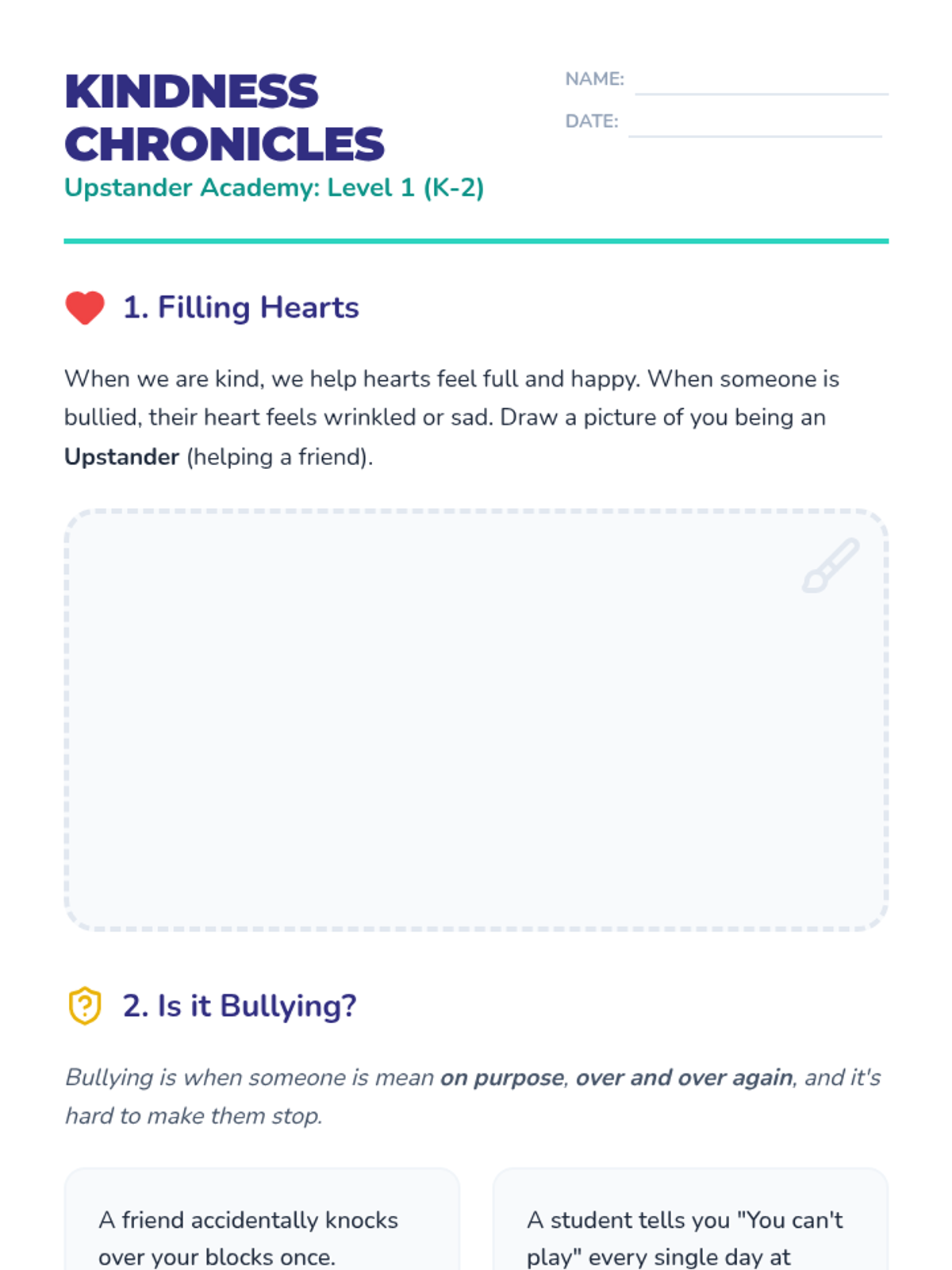
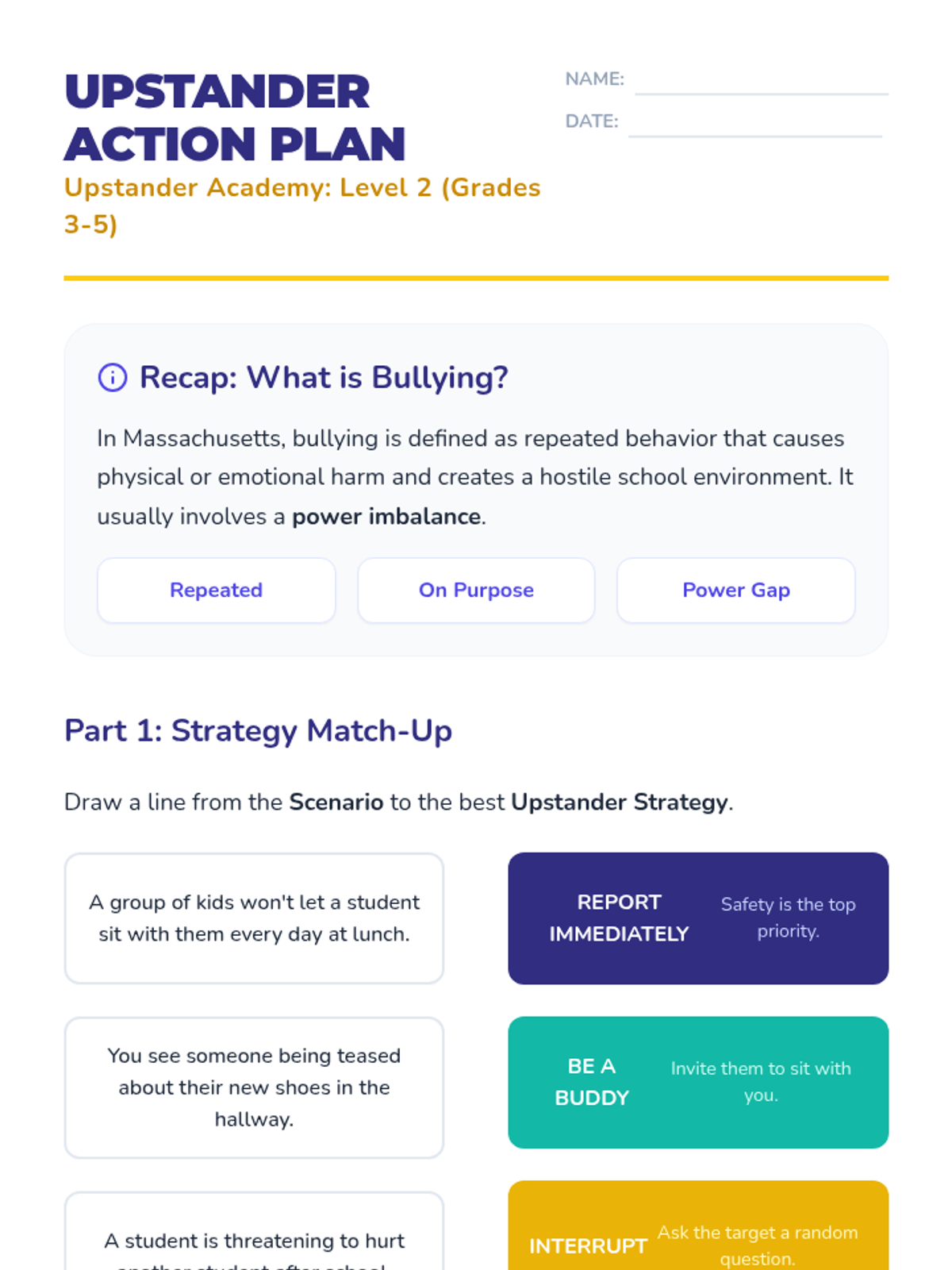
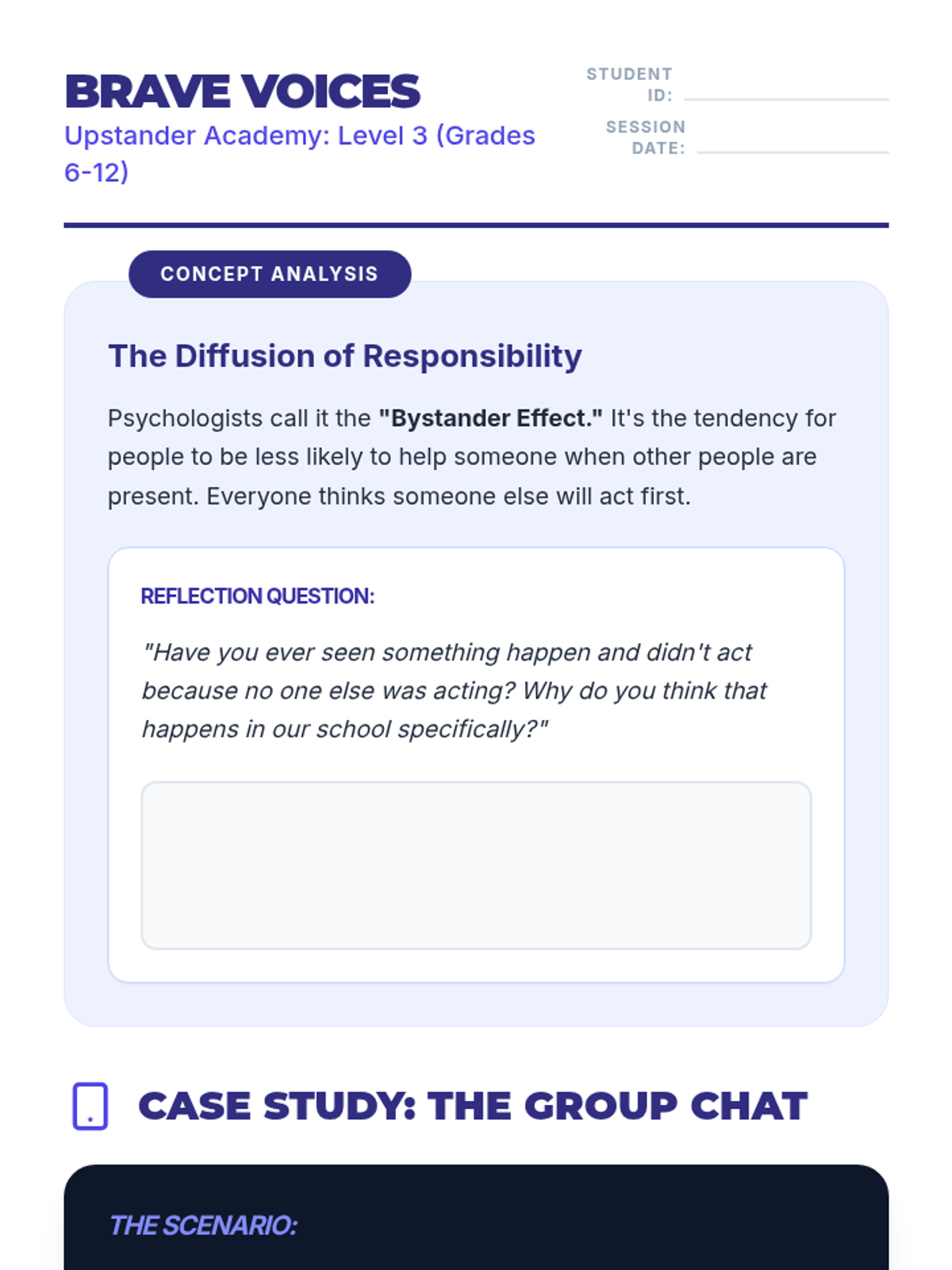
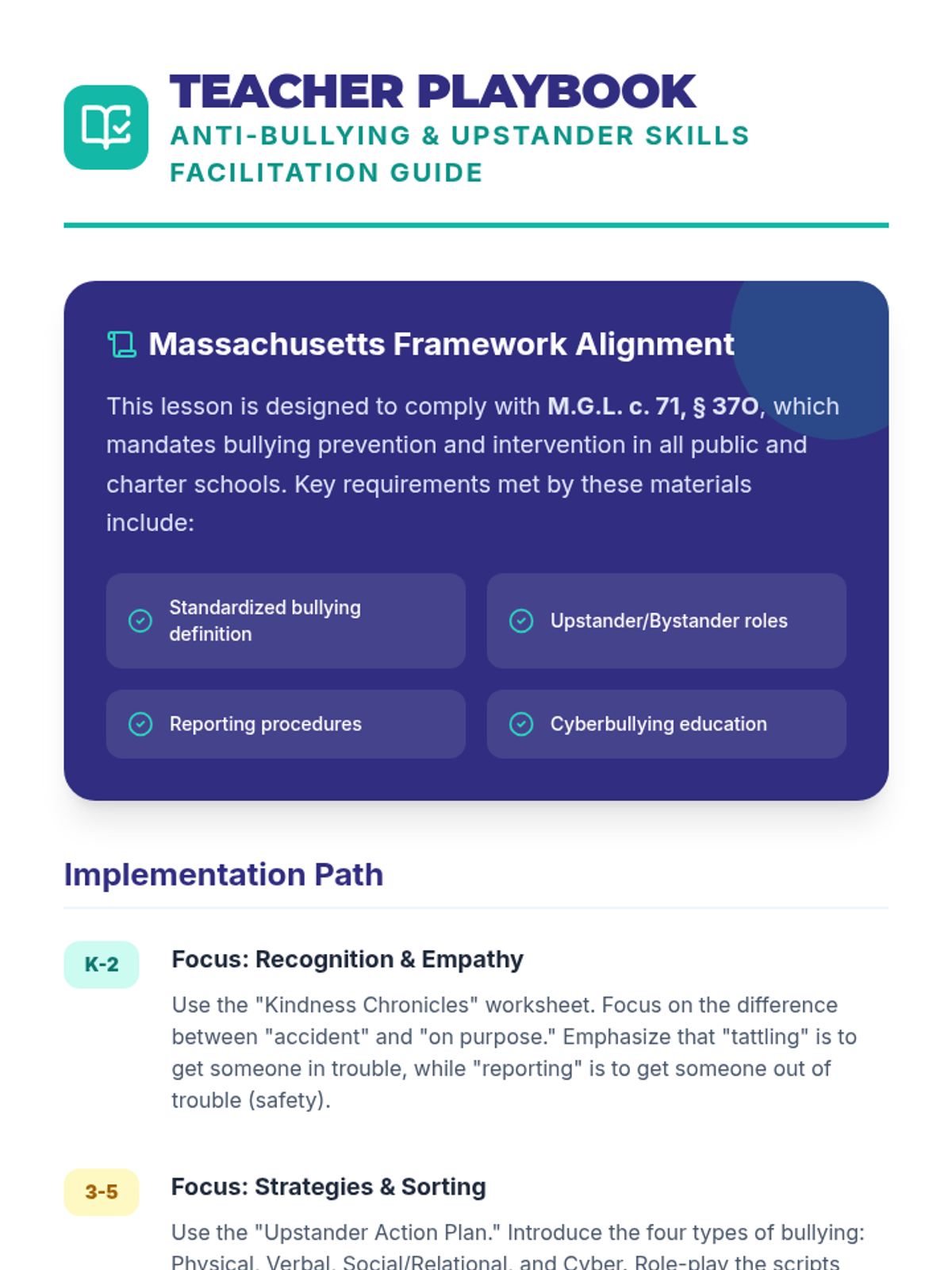
A comprehensive anti-bullying and upstander skills lesson designed for K-12 students. It focuses on identifying bullying, developing empathy, and providing concrete reporting strategies aligned with Massachusetts state frameworks.
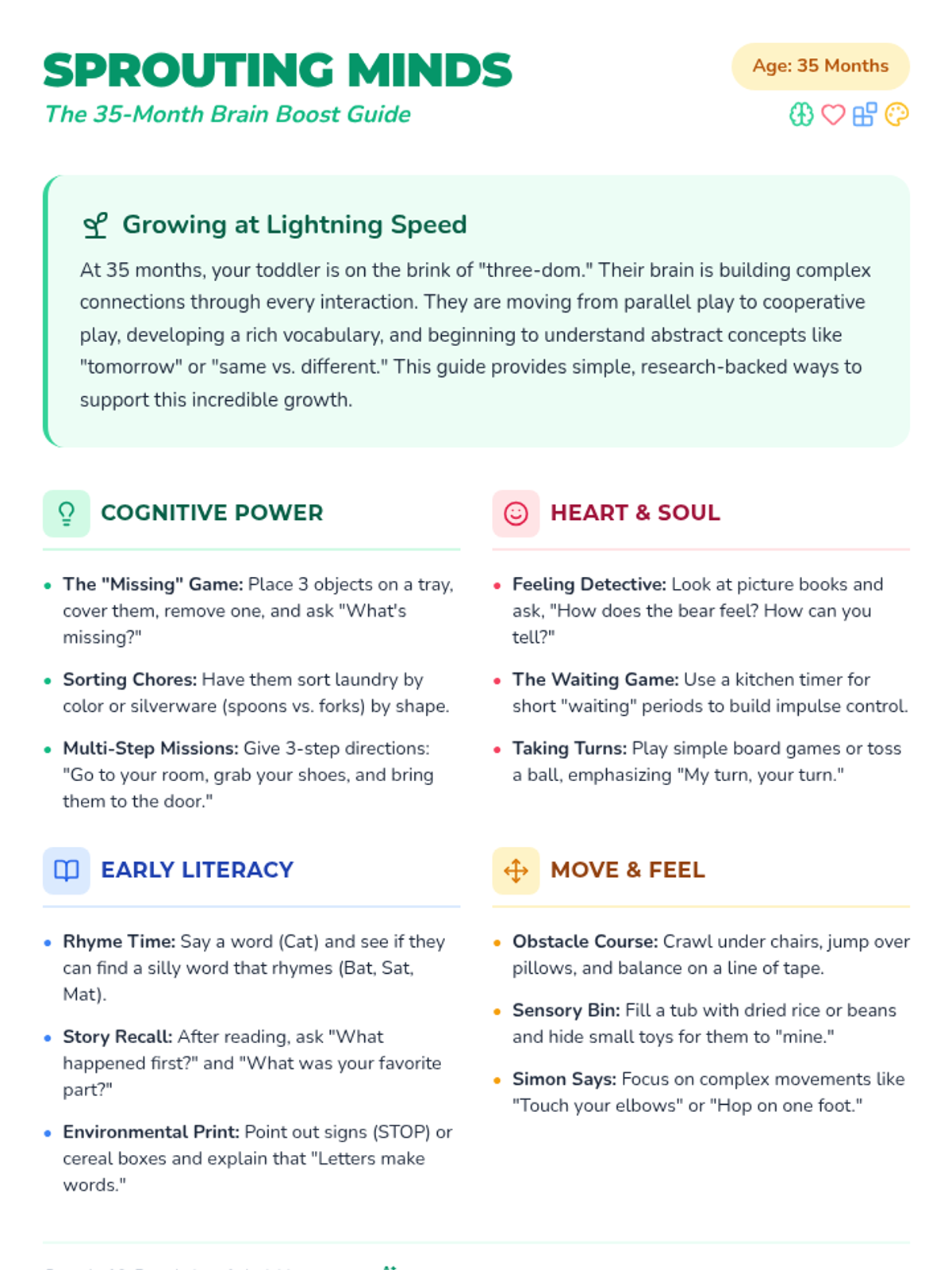
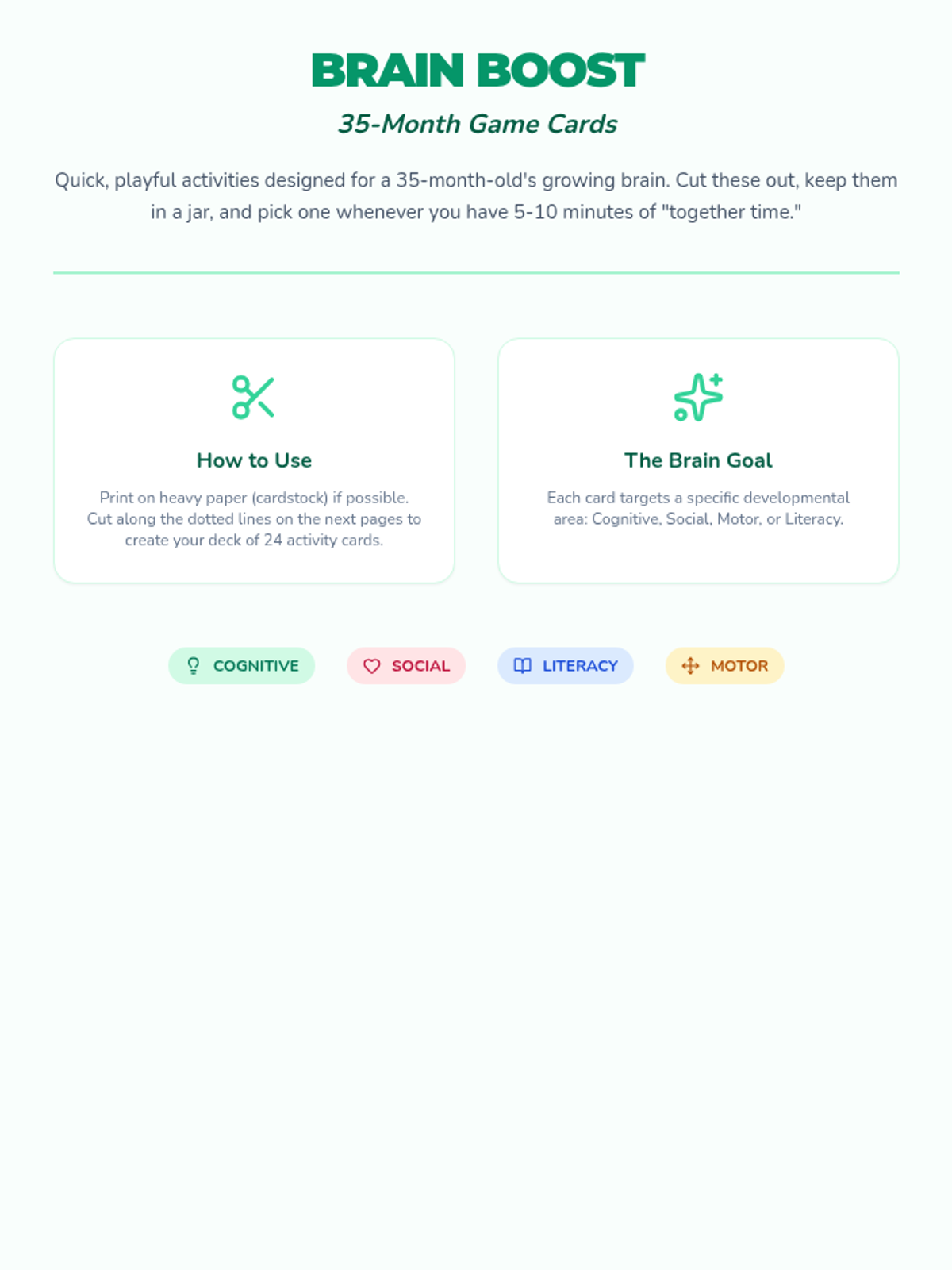
A comprehensive resource set for parents of 35-month-olds, focusing on cognitive, social-emotional, and physical milestones through play-based learning.
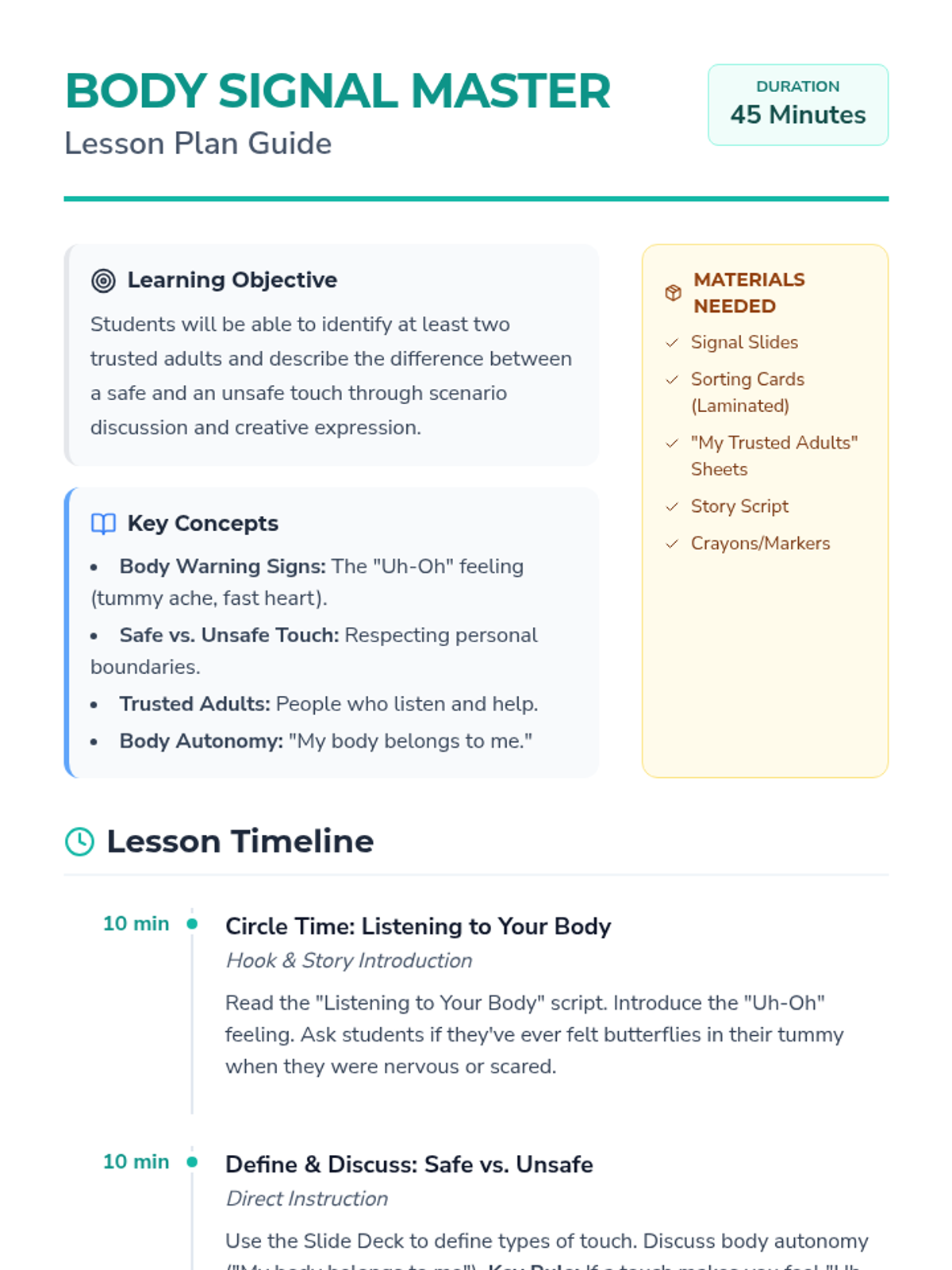
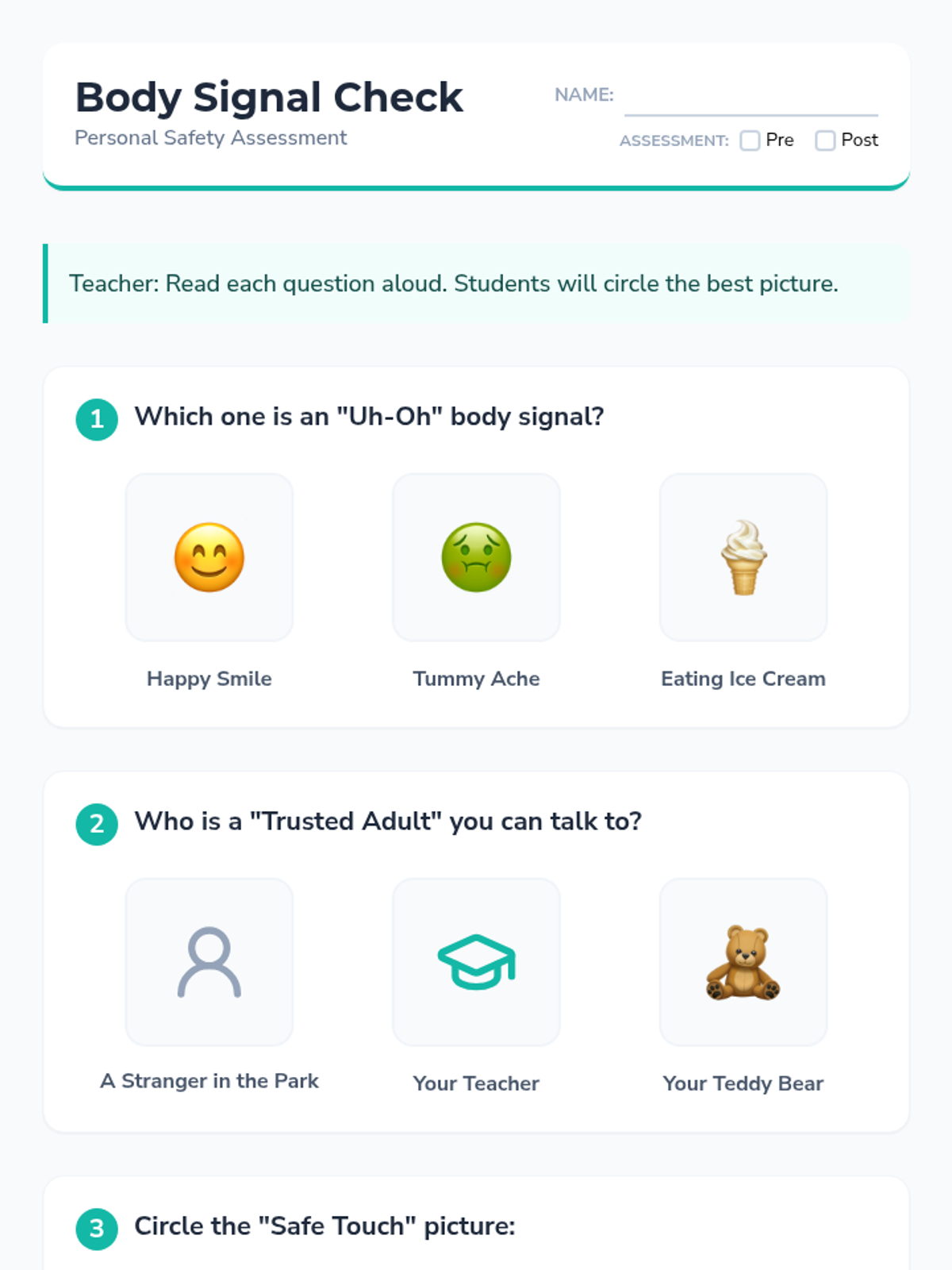
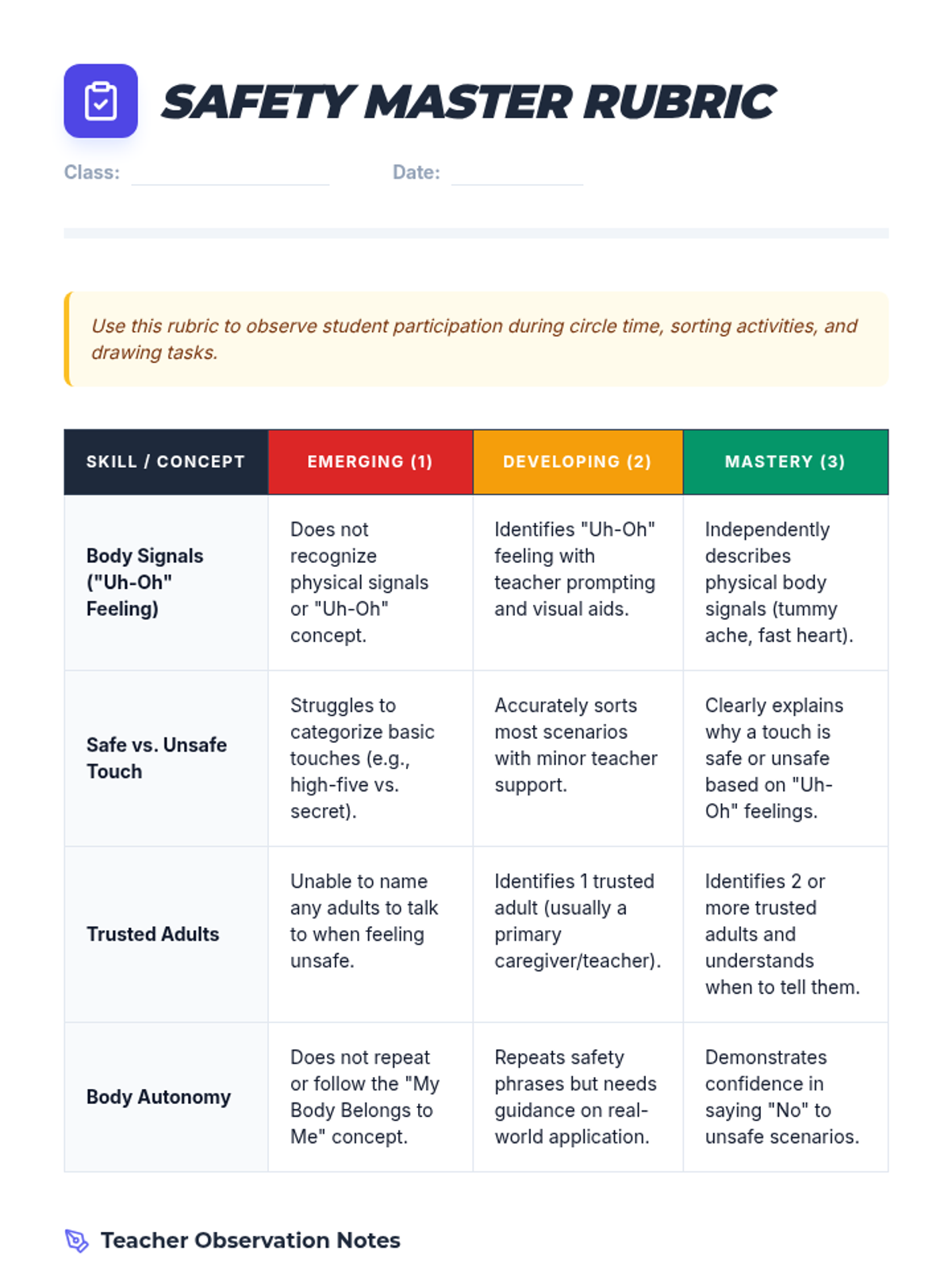
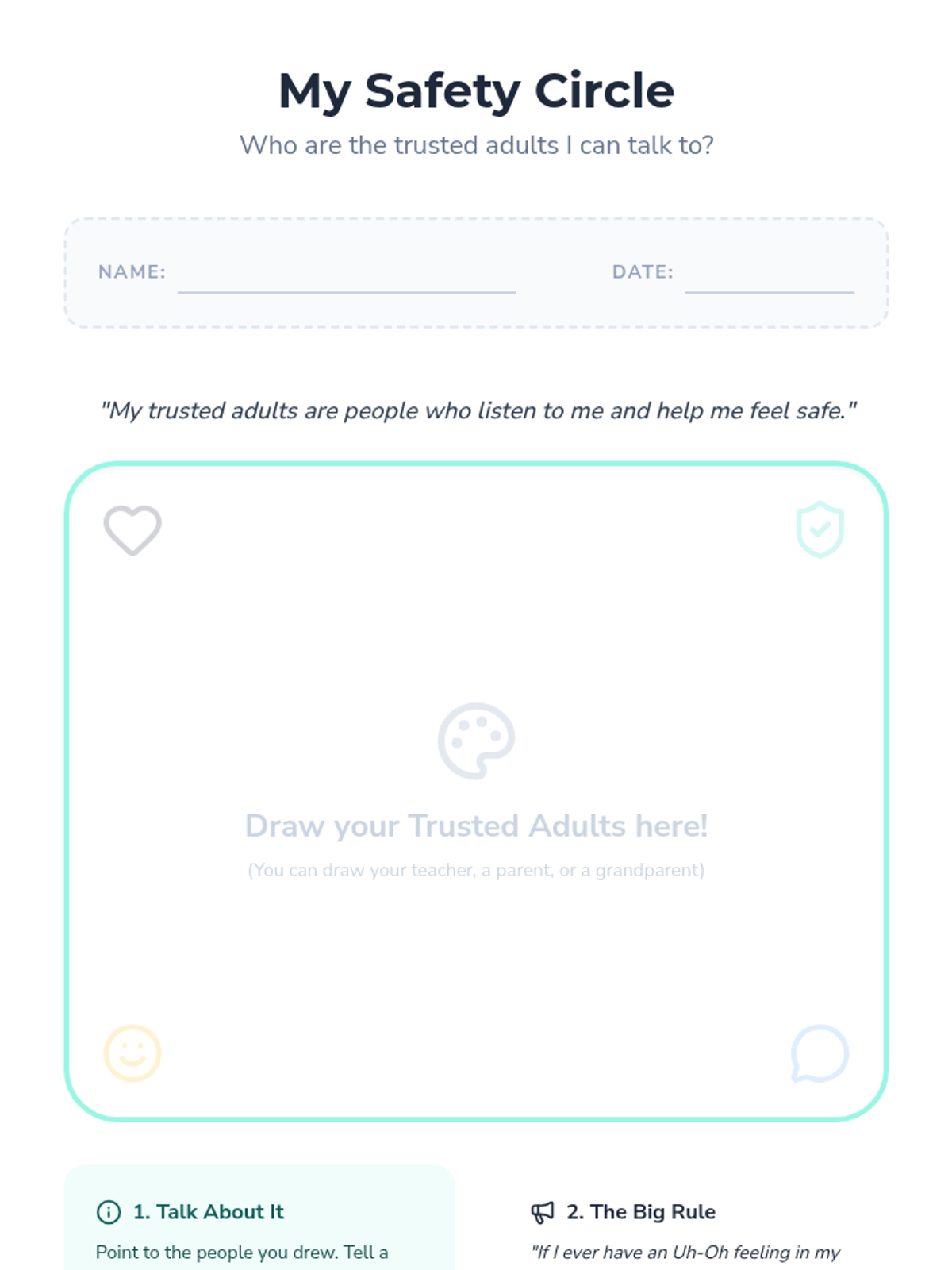
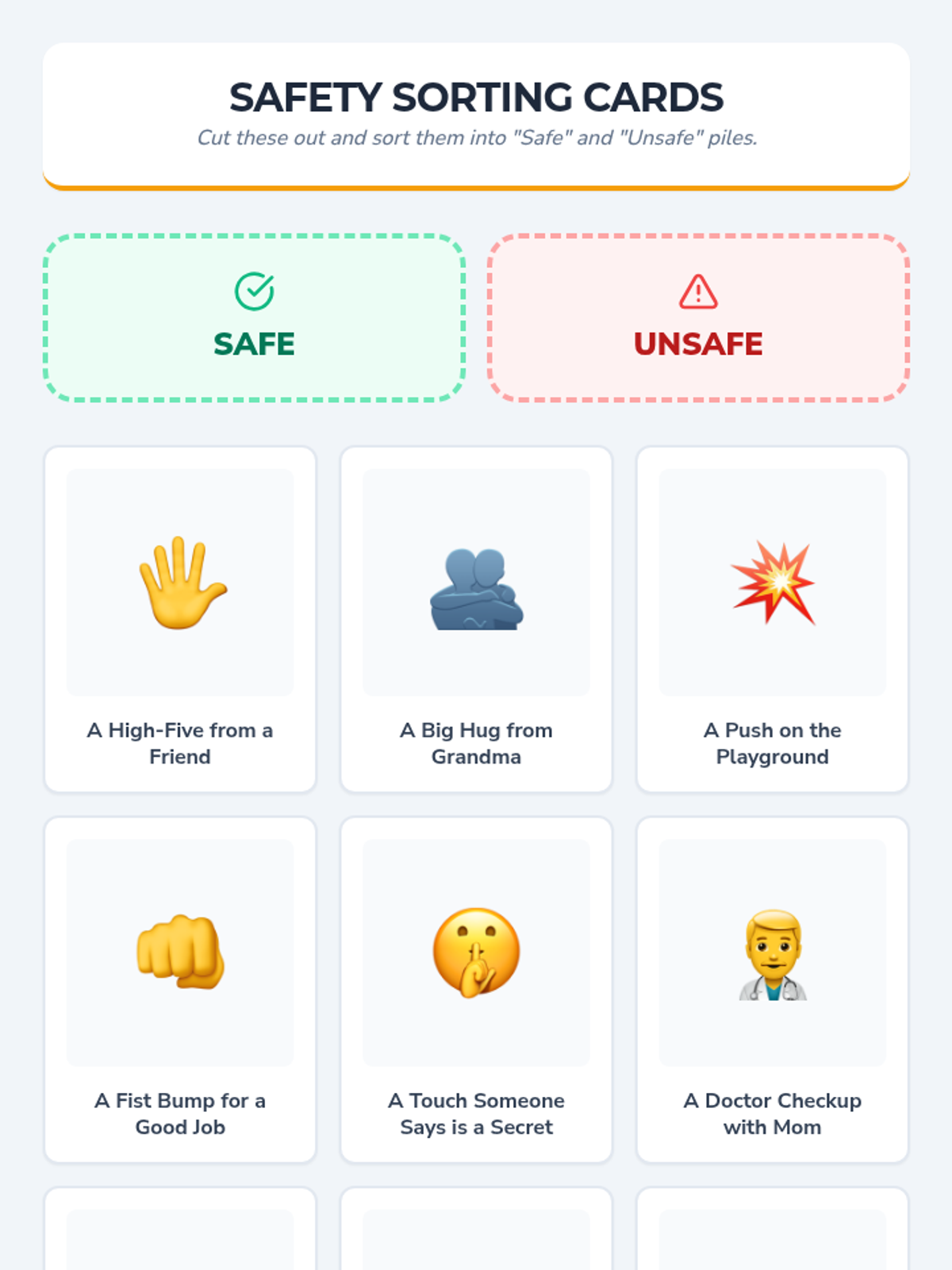
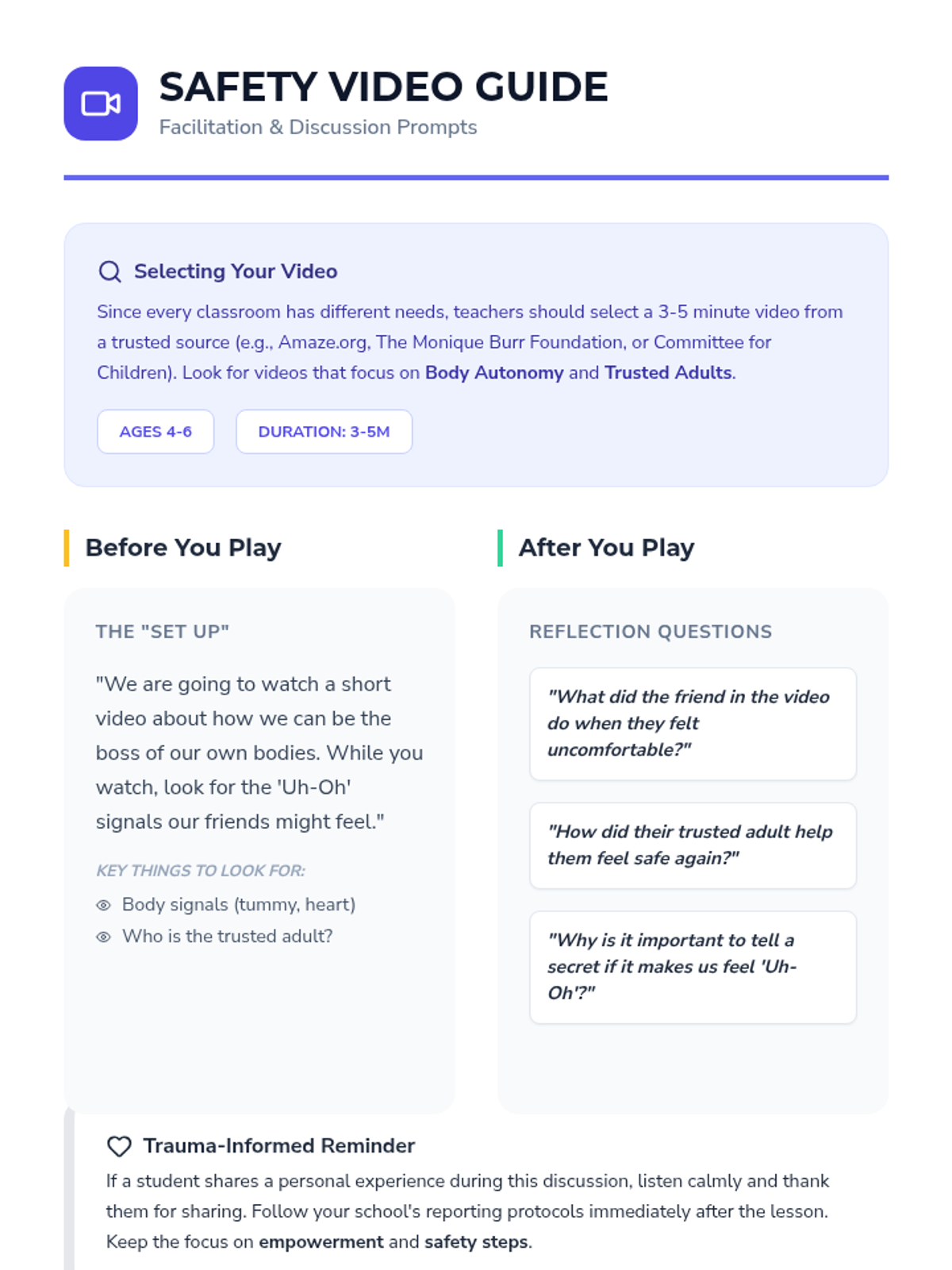
A comprehensive 45-minute lesson for Kindergarteners to learn about body safety, trusted adults, and the difference between safe and unsafe touches. Students will learn to recognize their body's 'Uh-Oh' signals and identify people they can talk to.
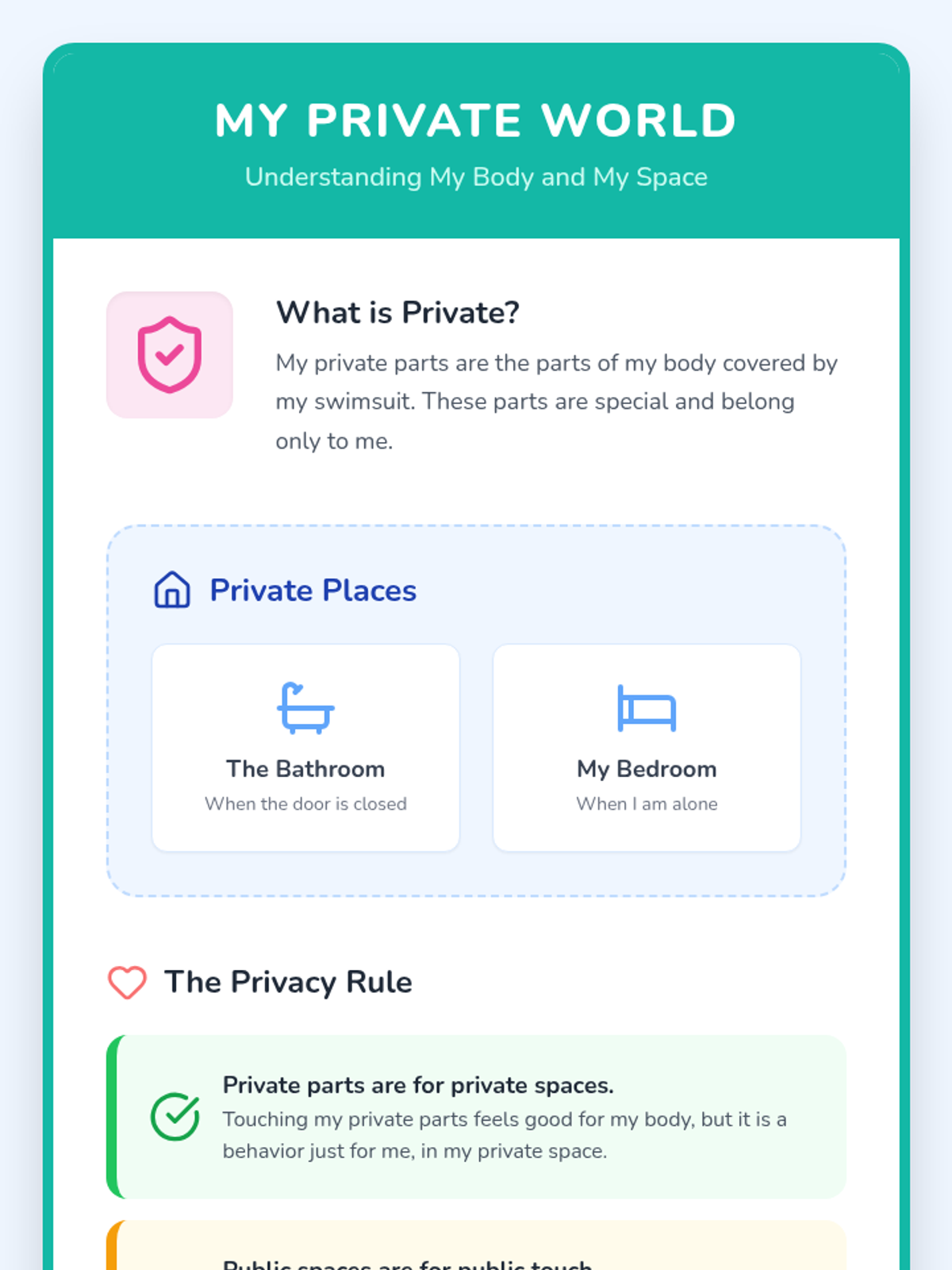
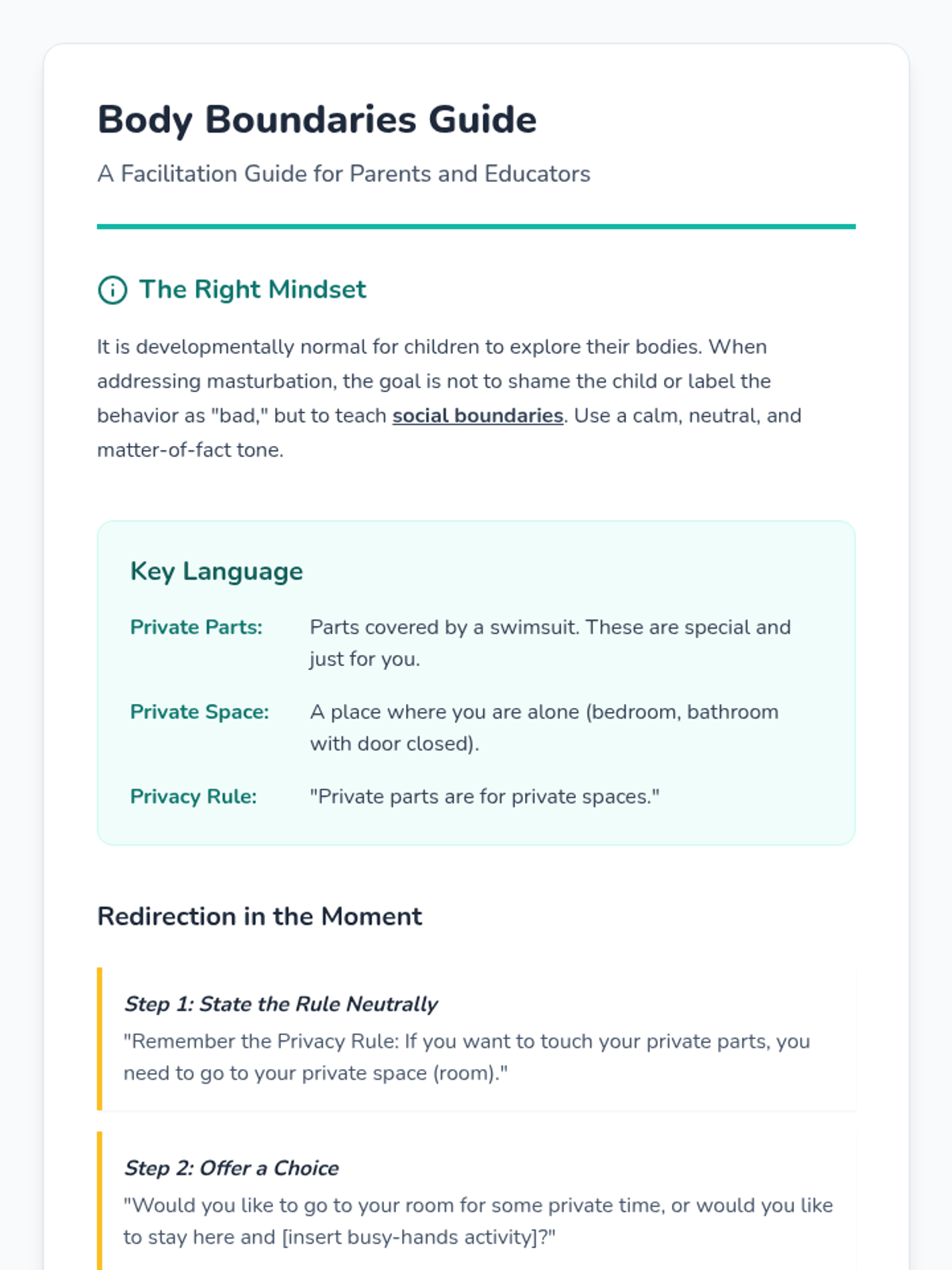
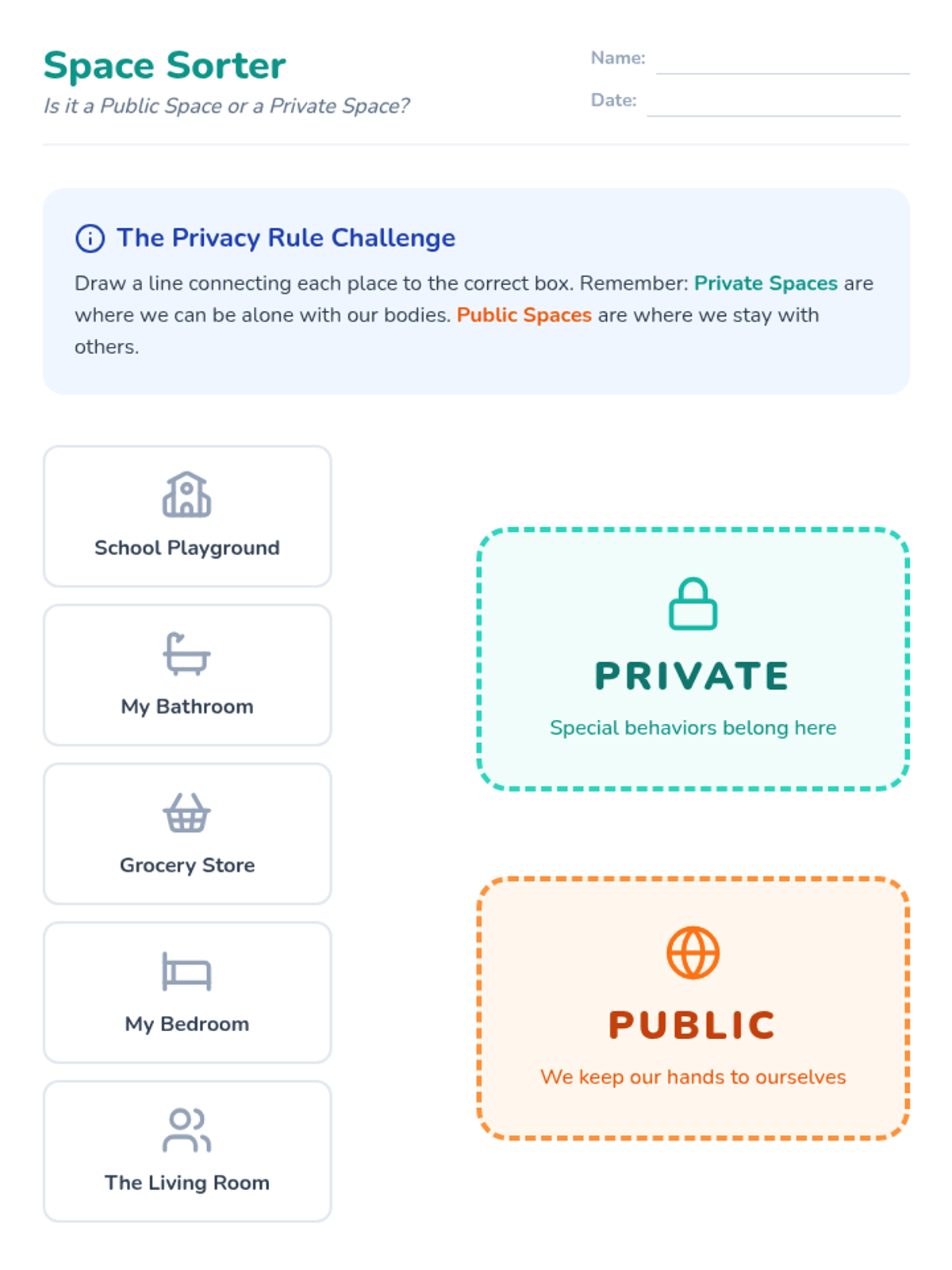
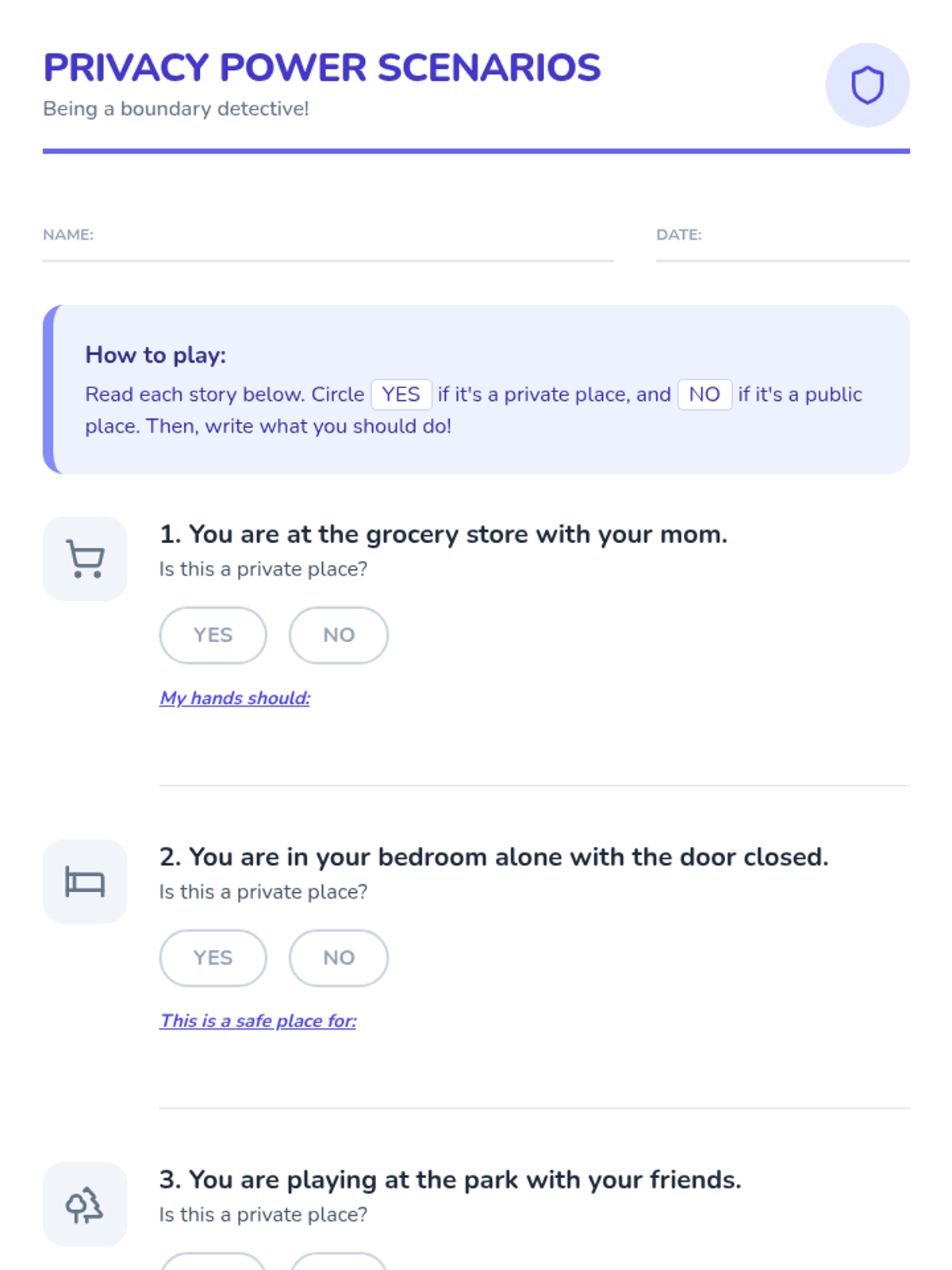
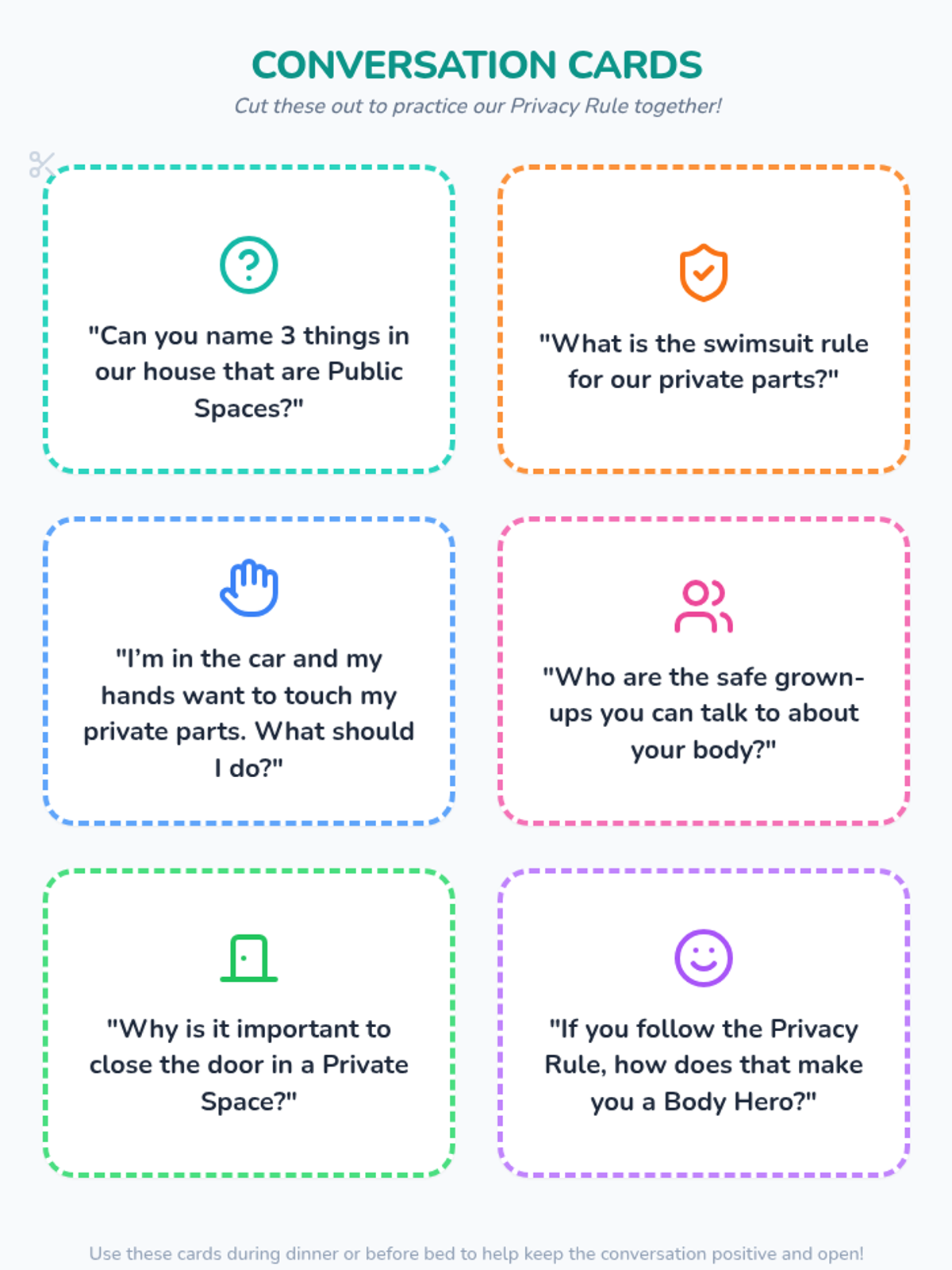
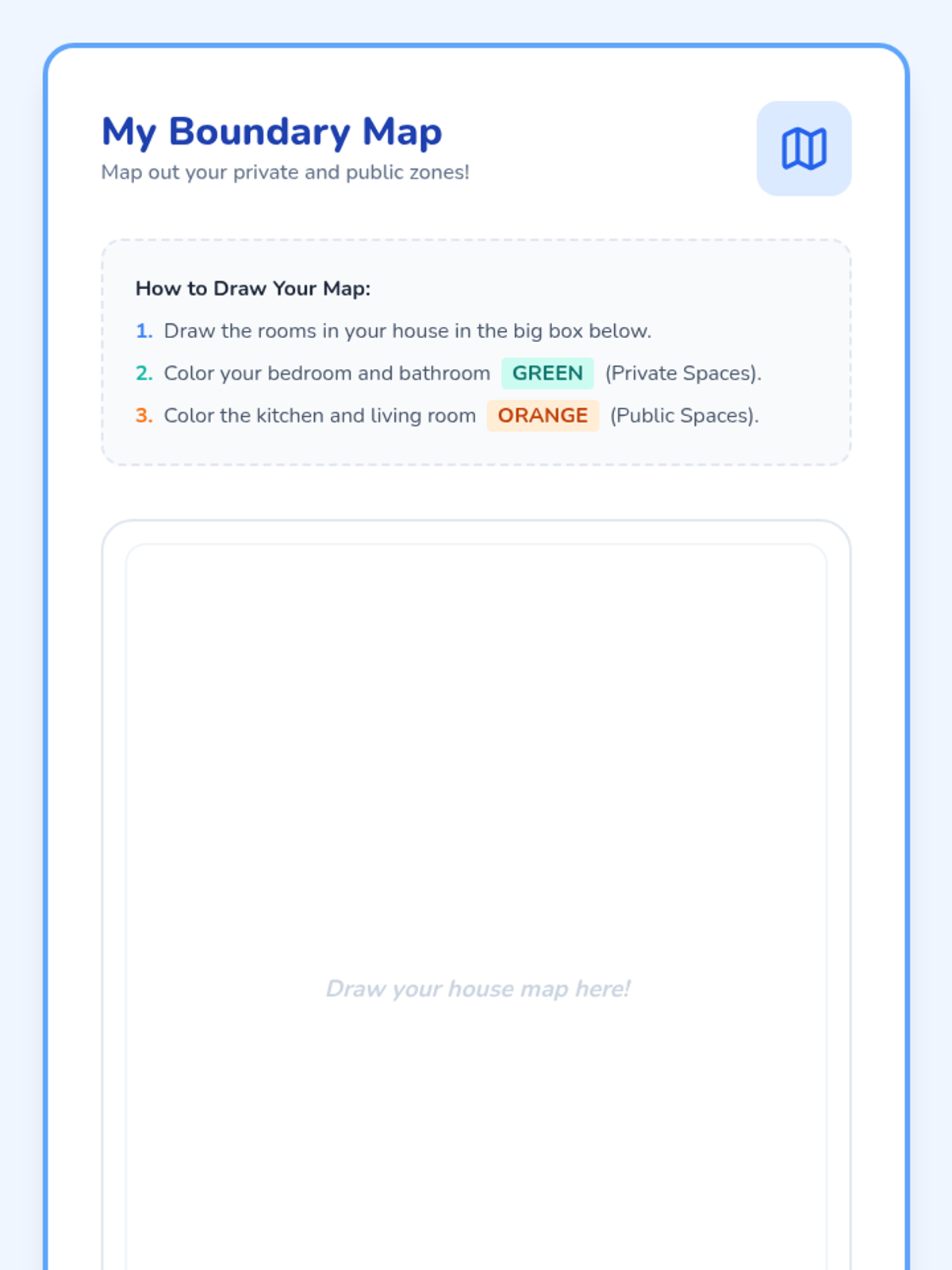
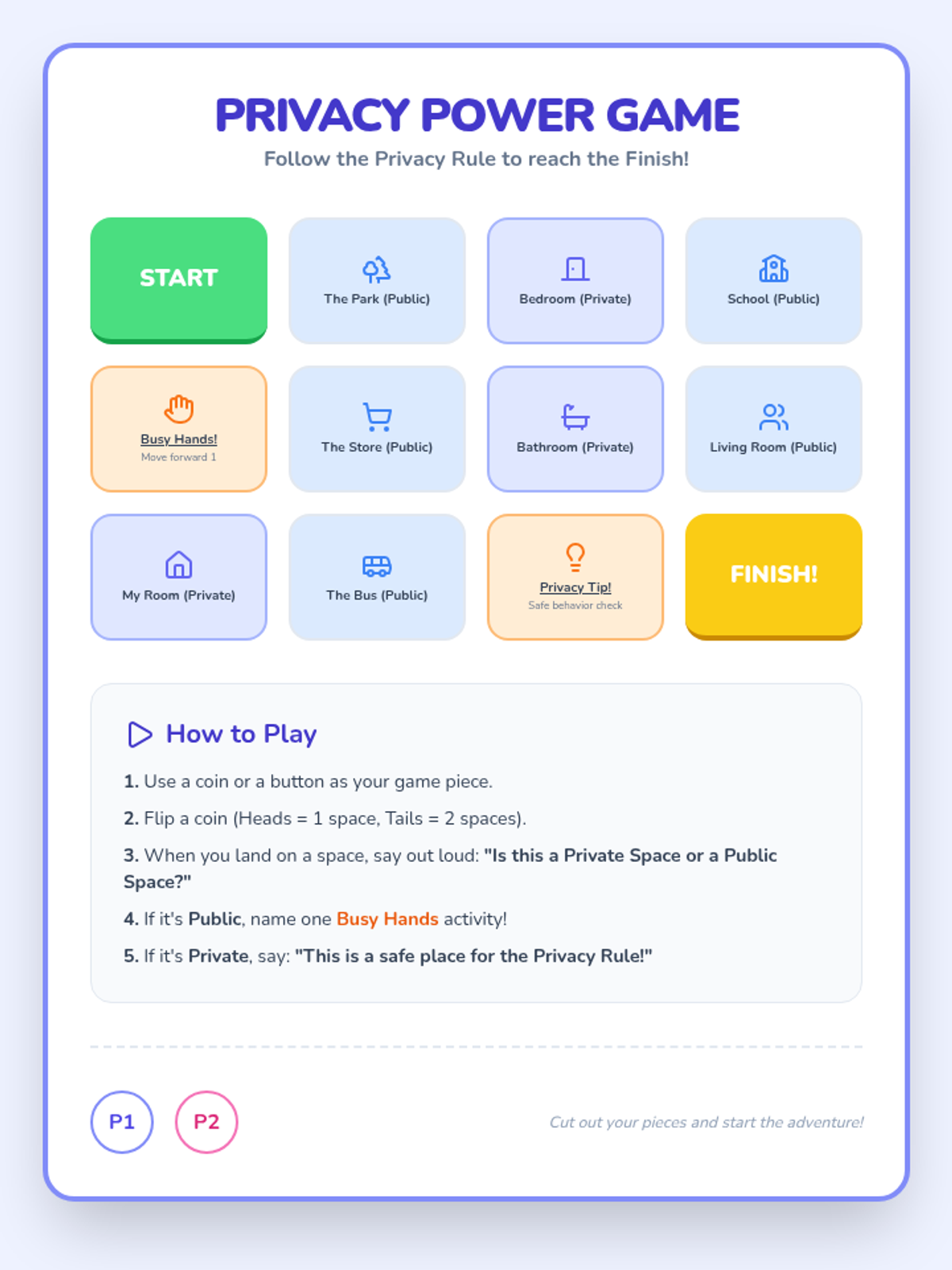
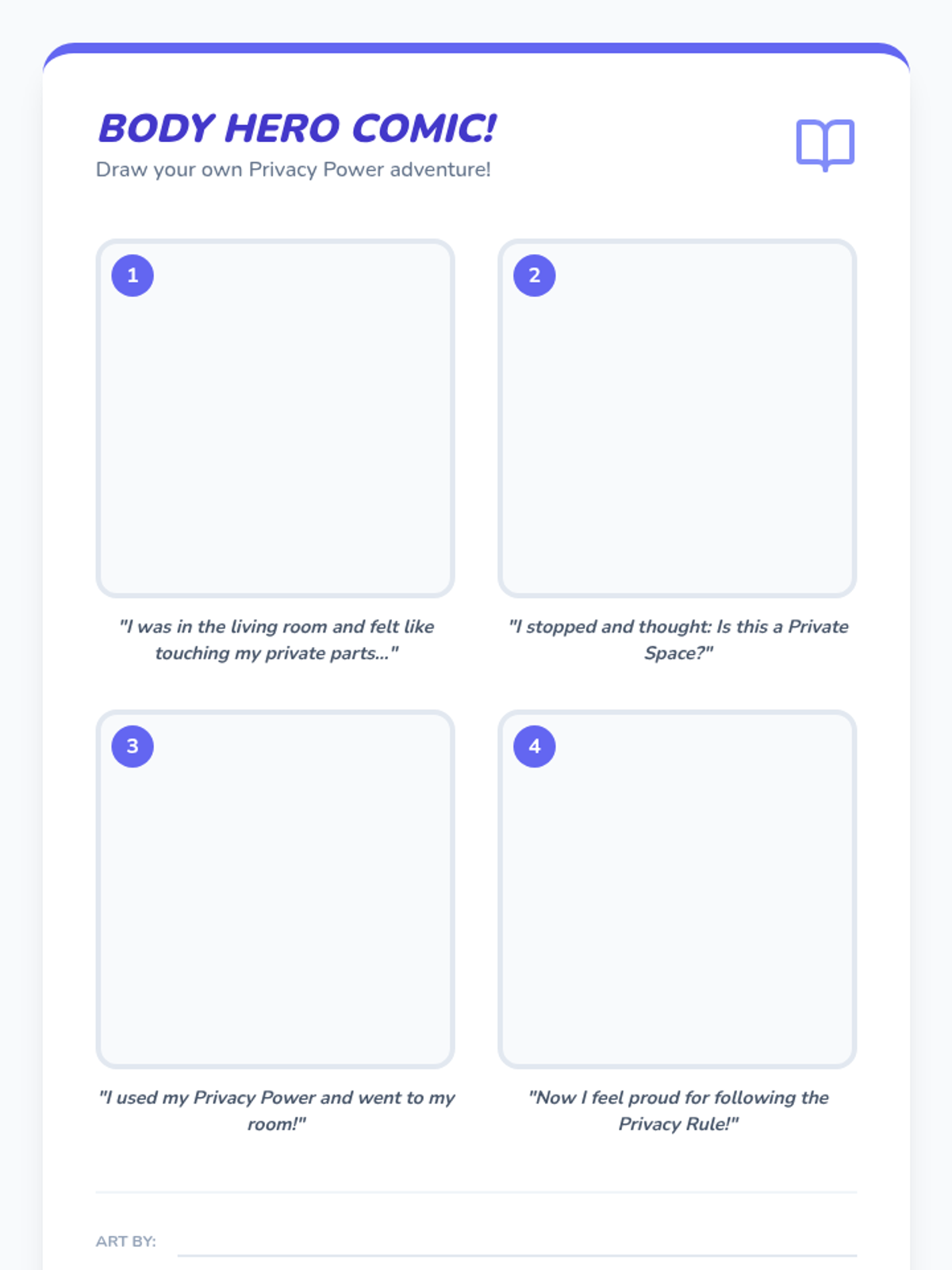
A lesson designed to teach children about body boundaries, the difference between public and private spaces, and identifying appropriate behaviors for each setting in a positive, non-shaming way.
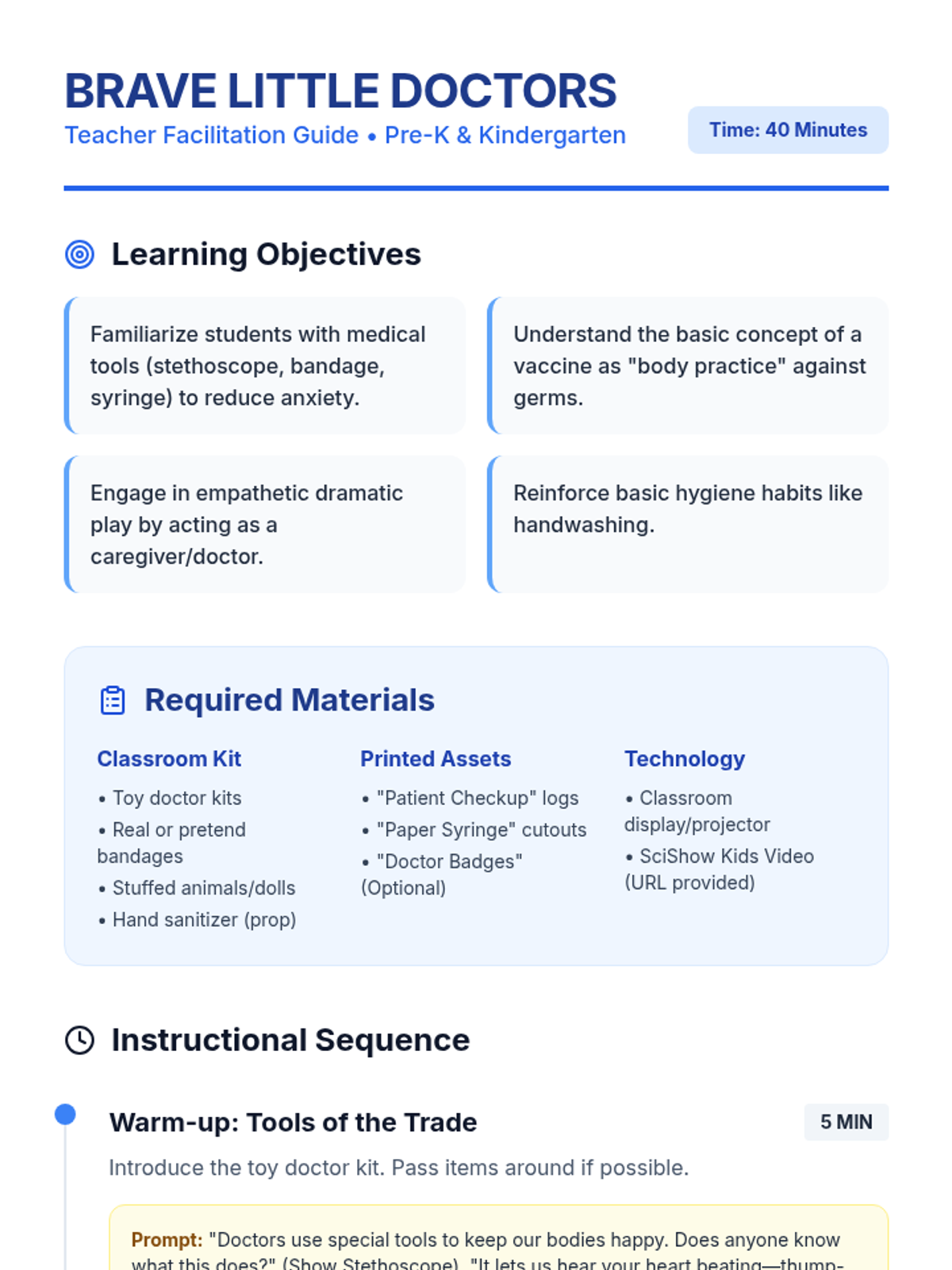
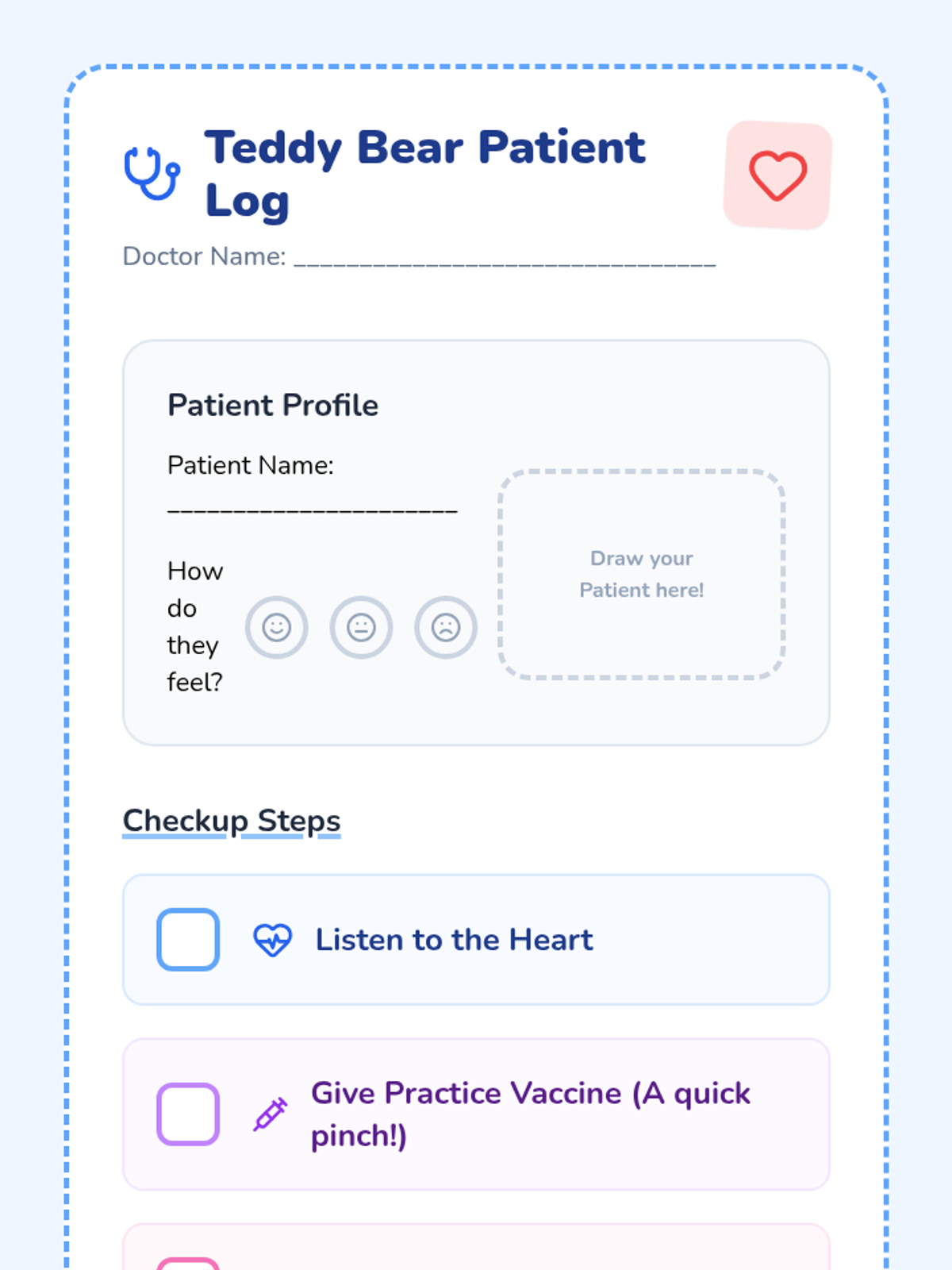
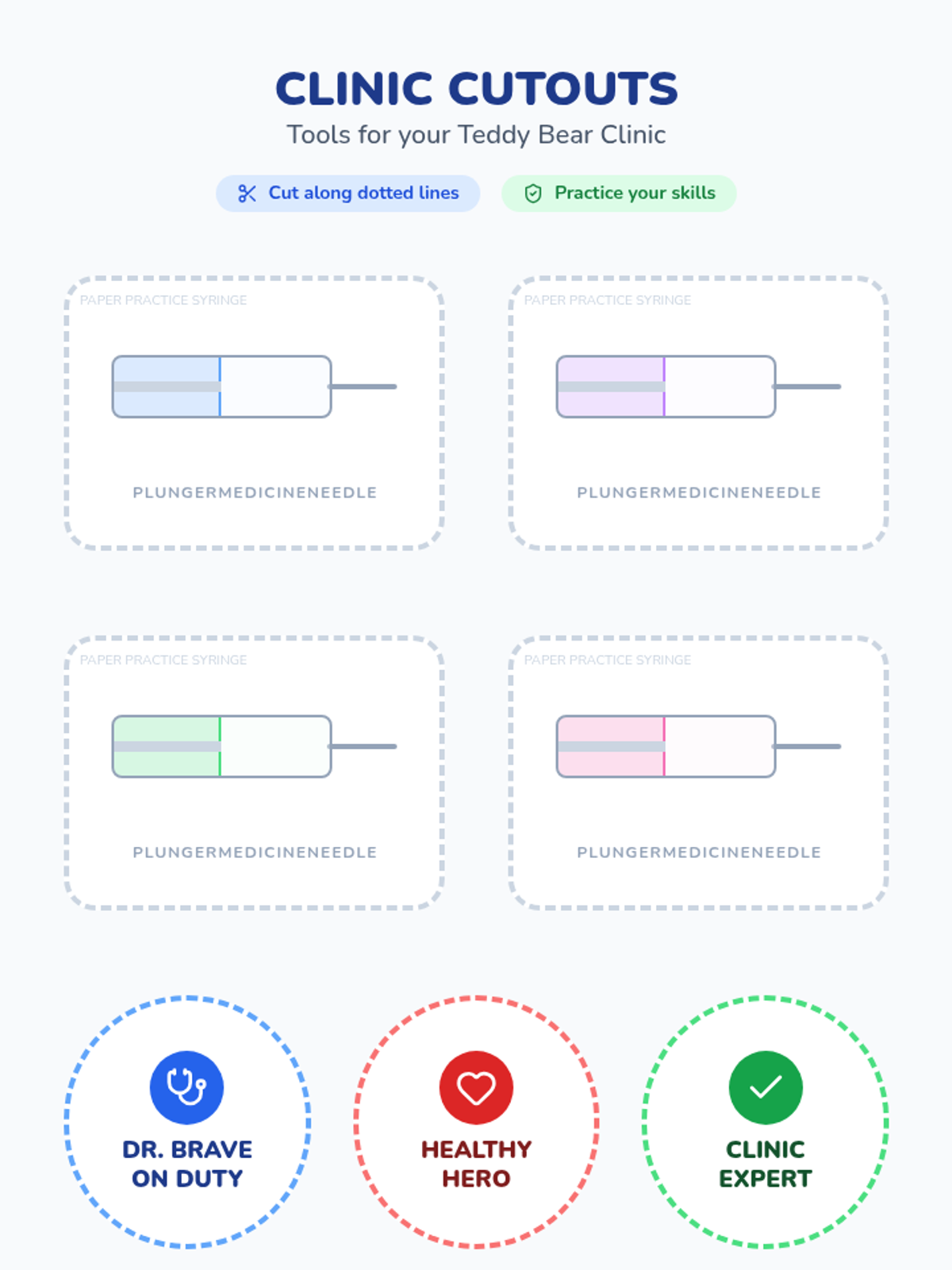
A lesson designed to reduce medical anxiety in Pre-K and Kindergarten students through familiarity with medical tools, understanding vaccines as 'body practice,' and engaging in a 'Teddy Bear Clinic' dramatic play activity.
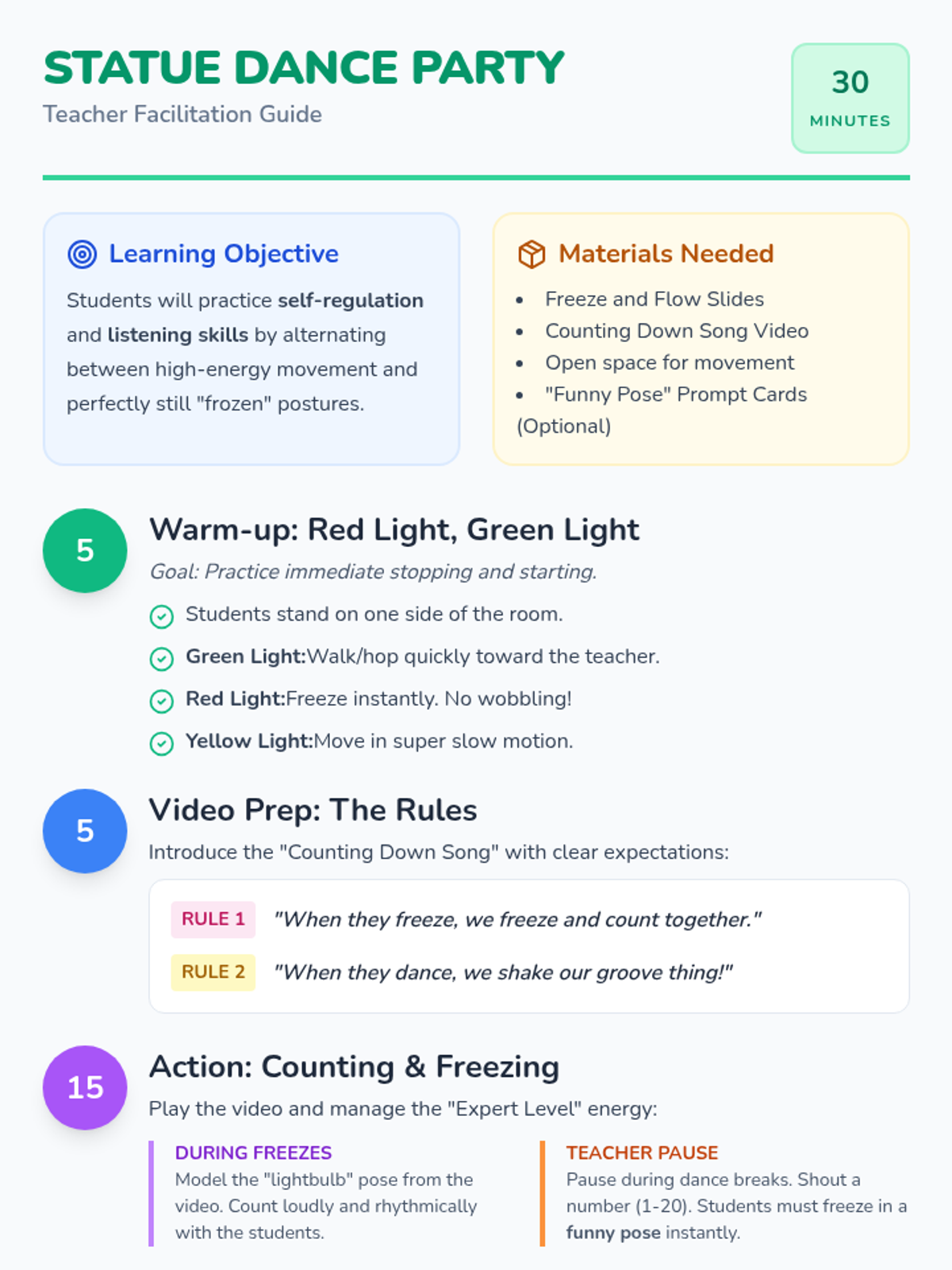
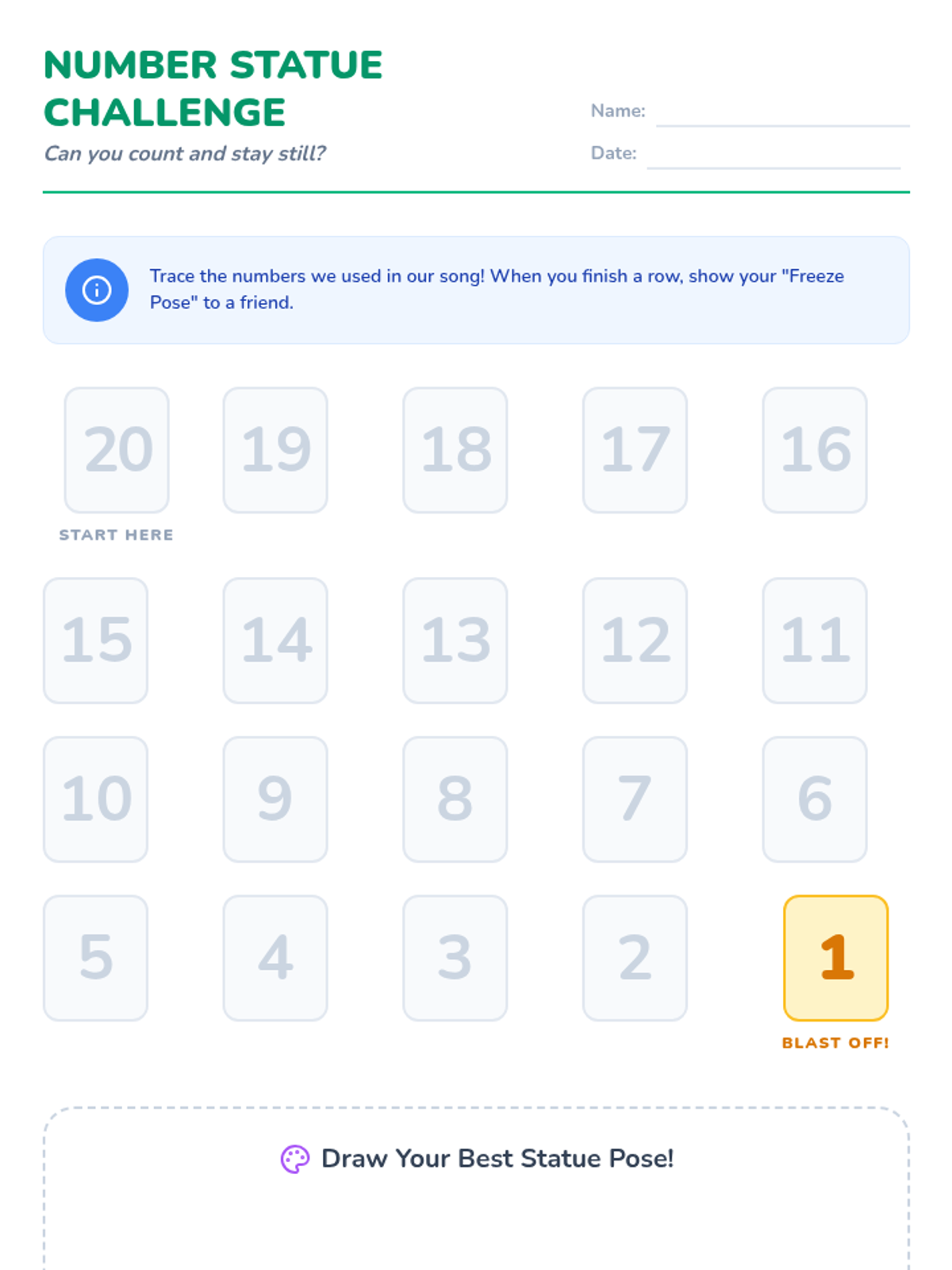
A high-energy lesson for Pre-K and Kindergarten that teaches self-regulation and counting down through a series of movement and stillness games. Students practice listening, focus, and motor control while interacting with a rhythmic counting song.
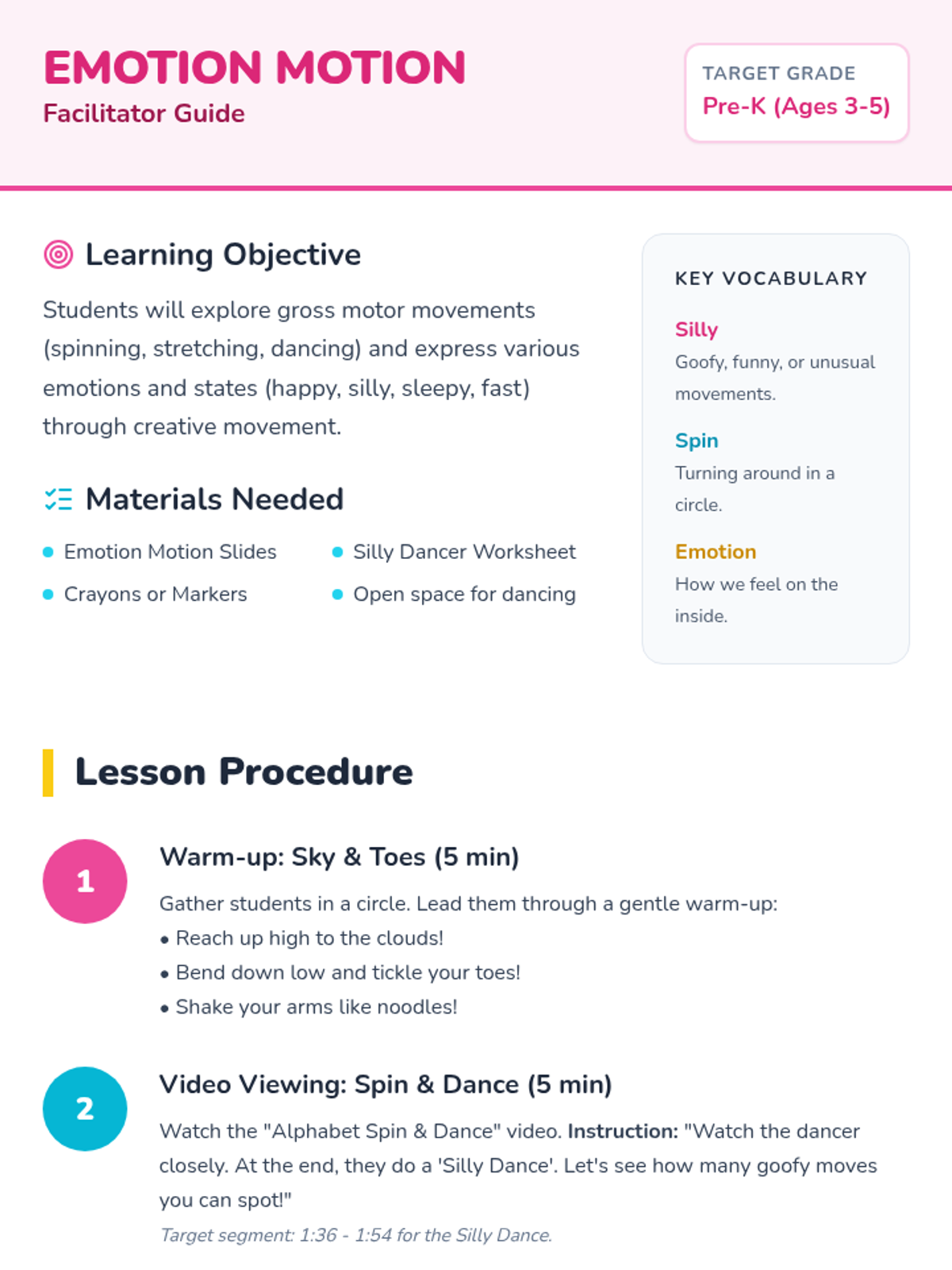
A high-energy lesson for Pre-K students exploring gross motor movements and emotional expression through the 'Alphabet Spin & Dance' song. Students will practice stretching, identifying movement styles, and expressing feelings like silliness and sleepiness through dance.
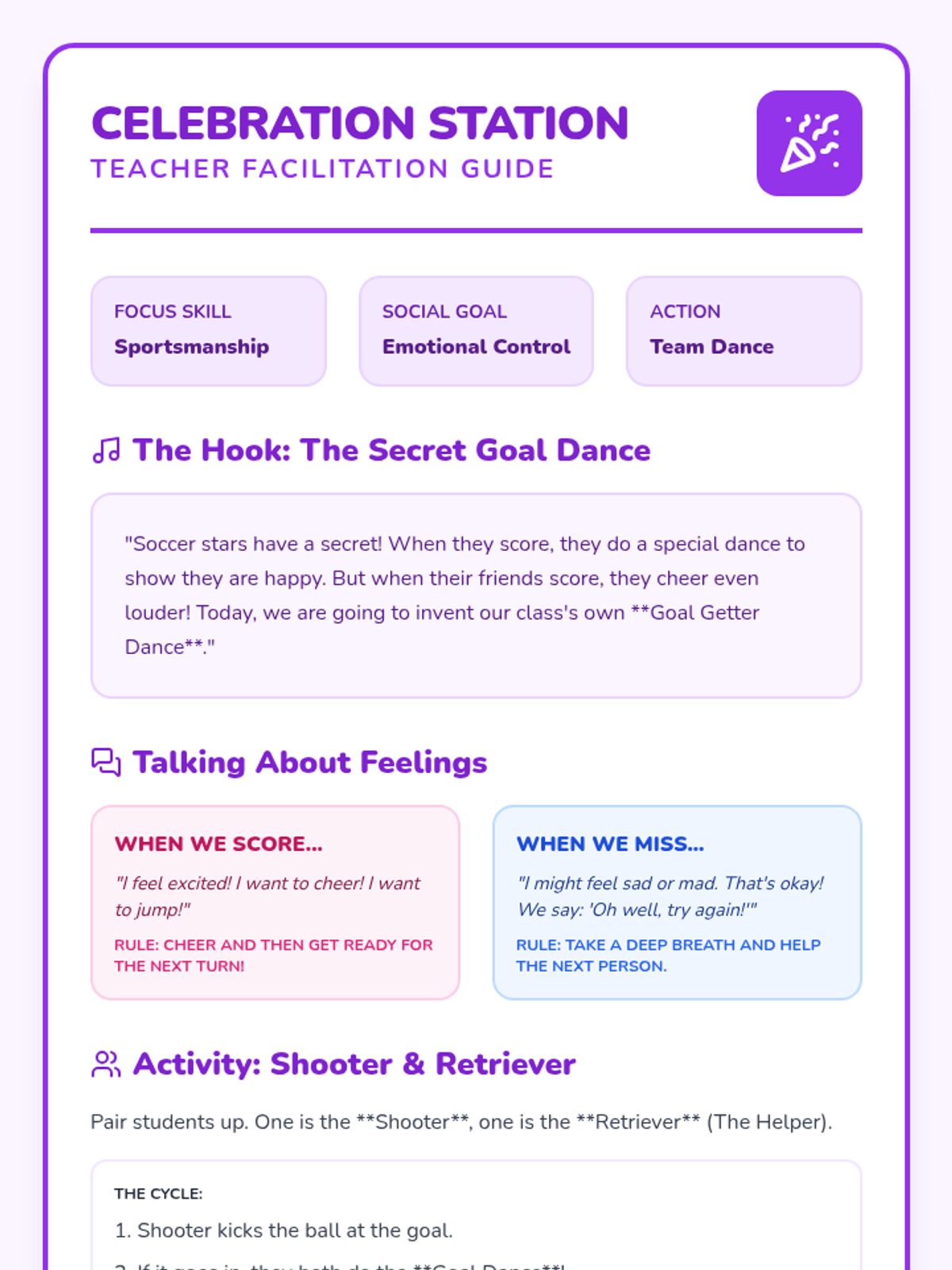
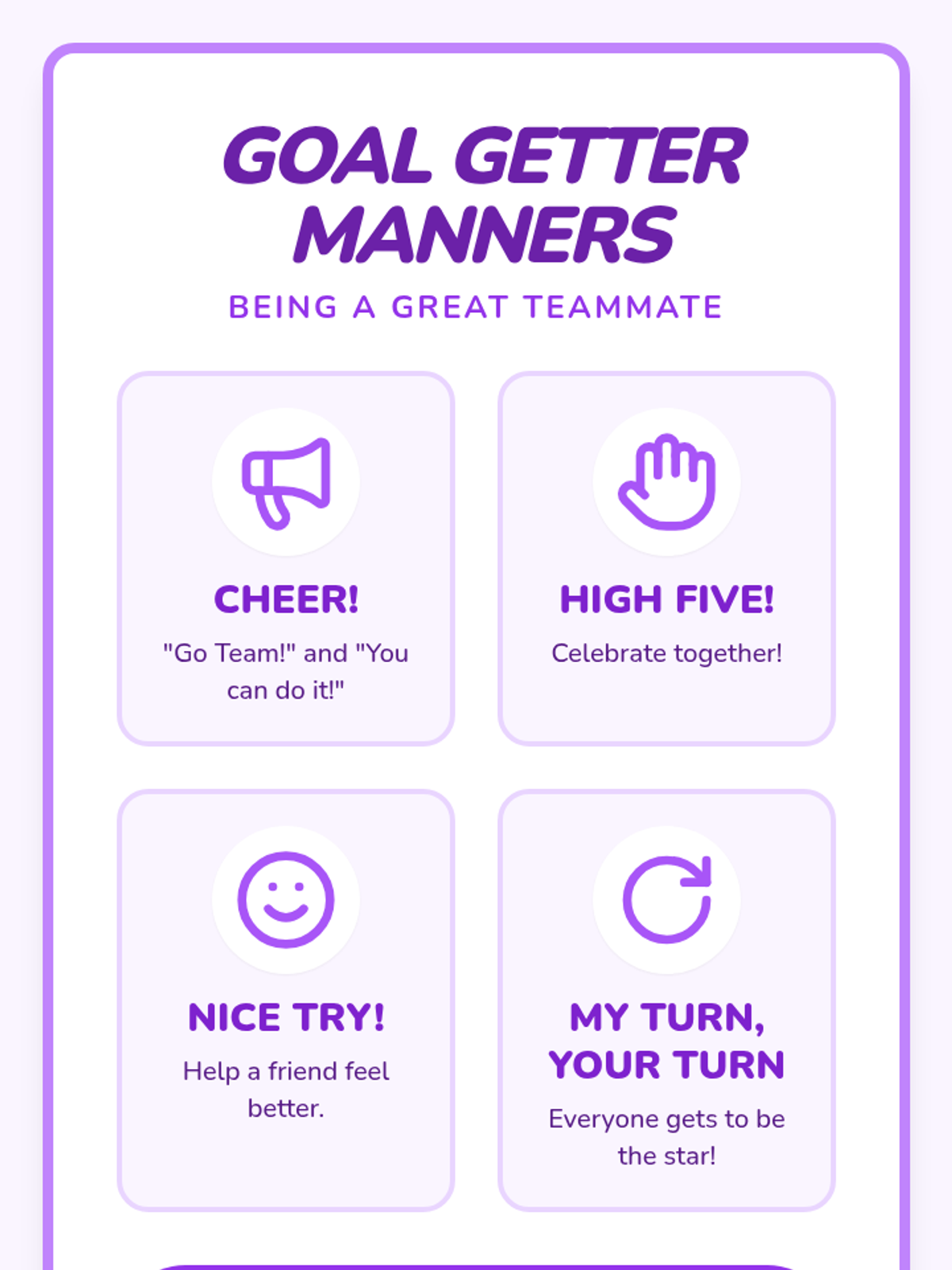
Students learn appropriate reactions to success and missing, incorporating turn-taking and a class goal celebration dance.
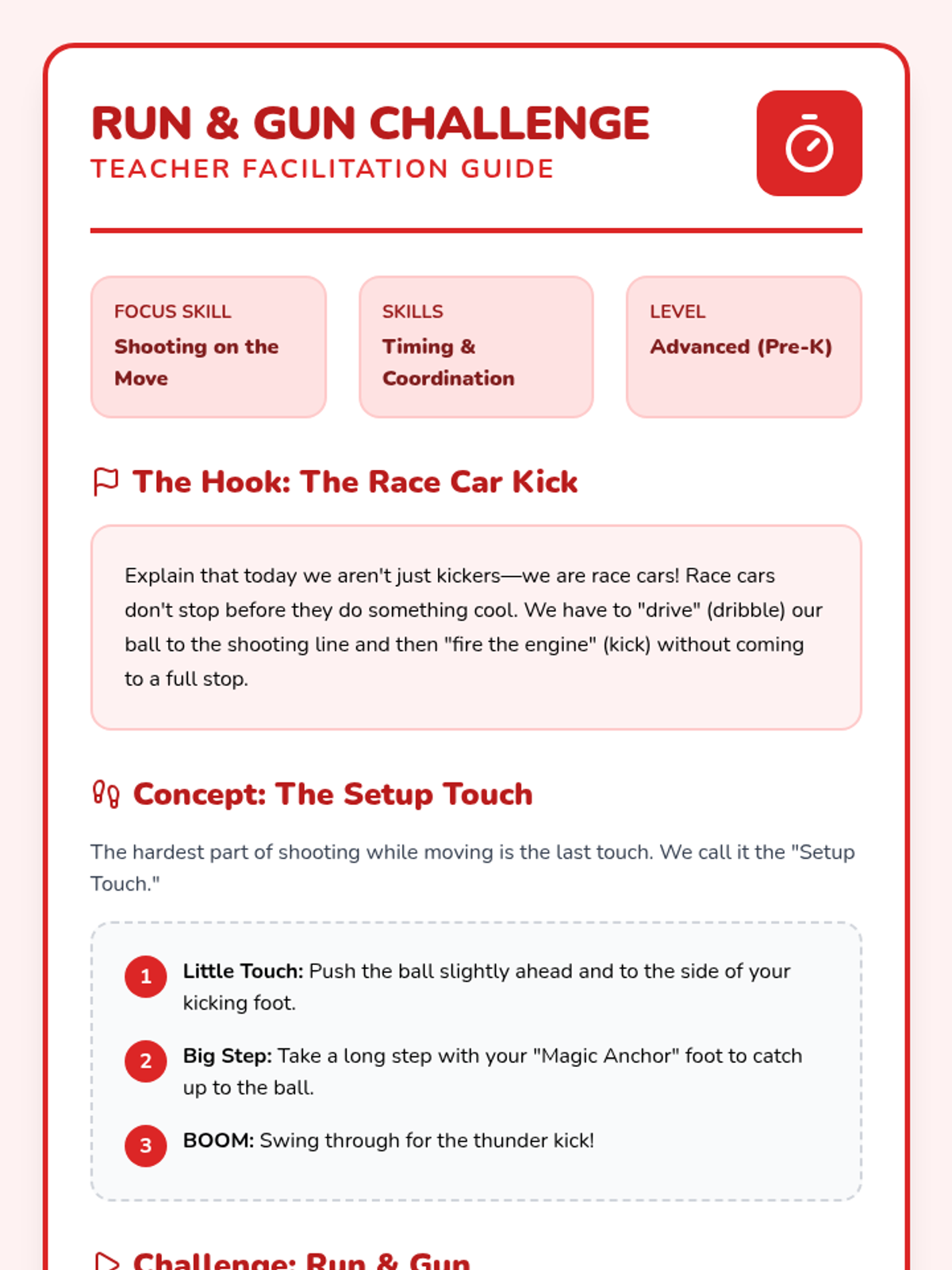
Students take one or two dribbles before shooting, simulating a real game scenario and requiring adjustment of feet while the ball is in motion.
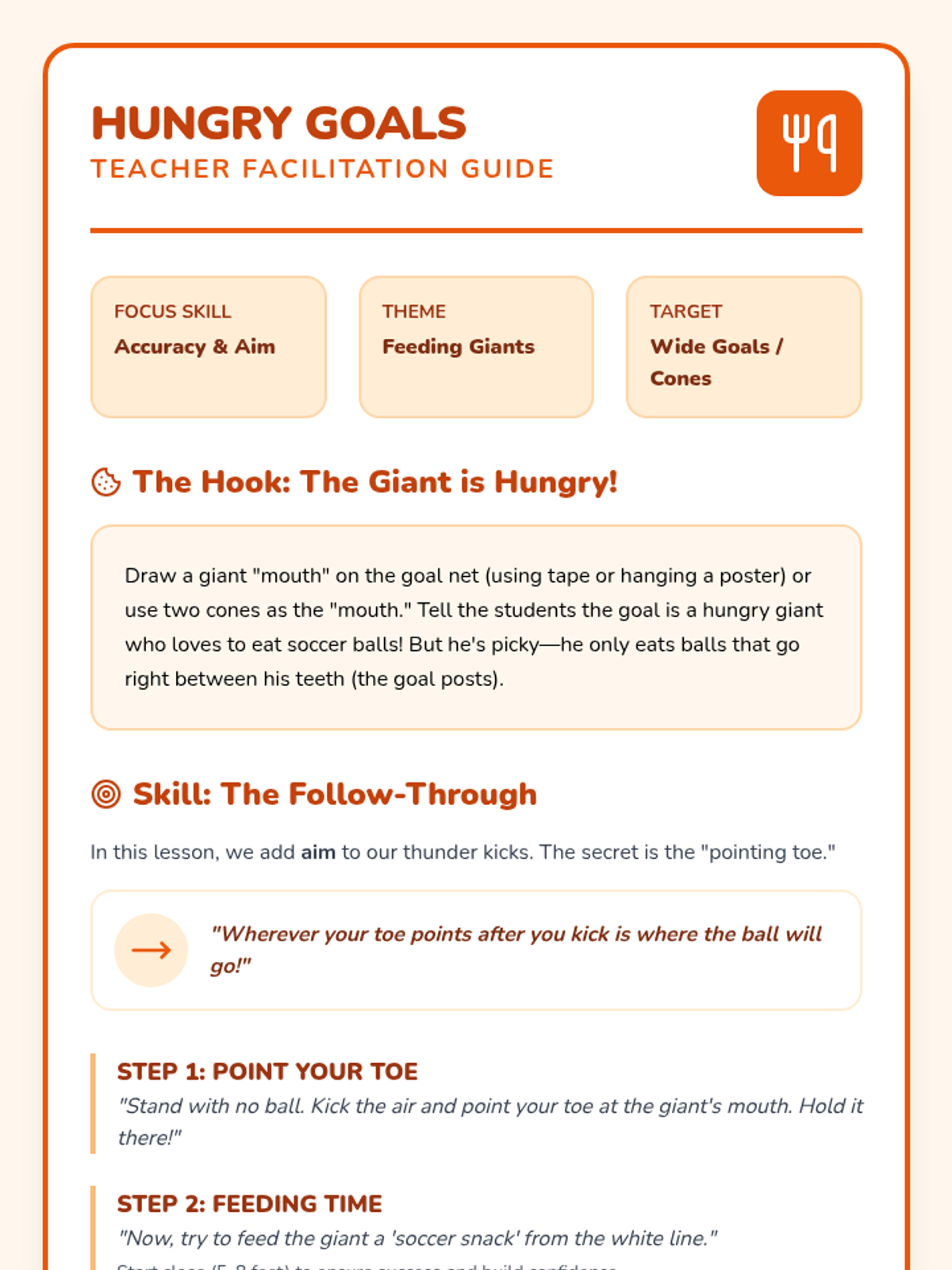
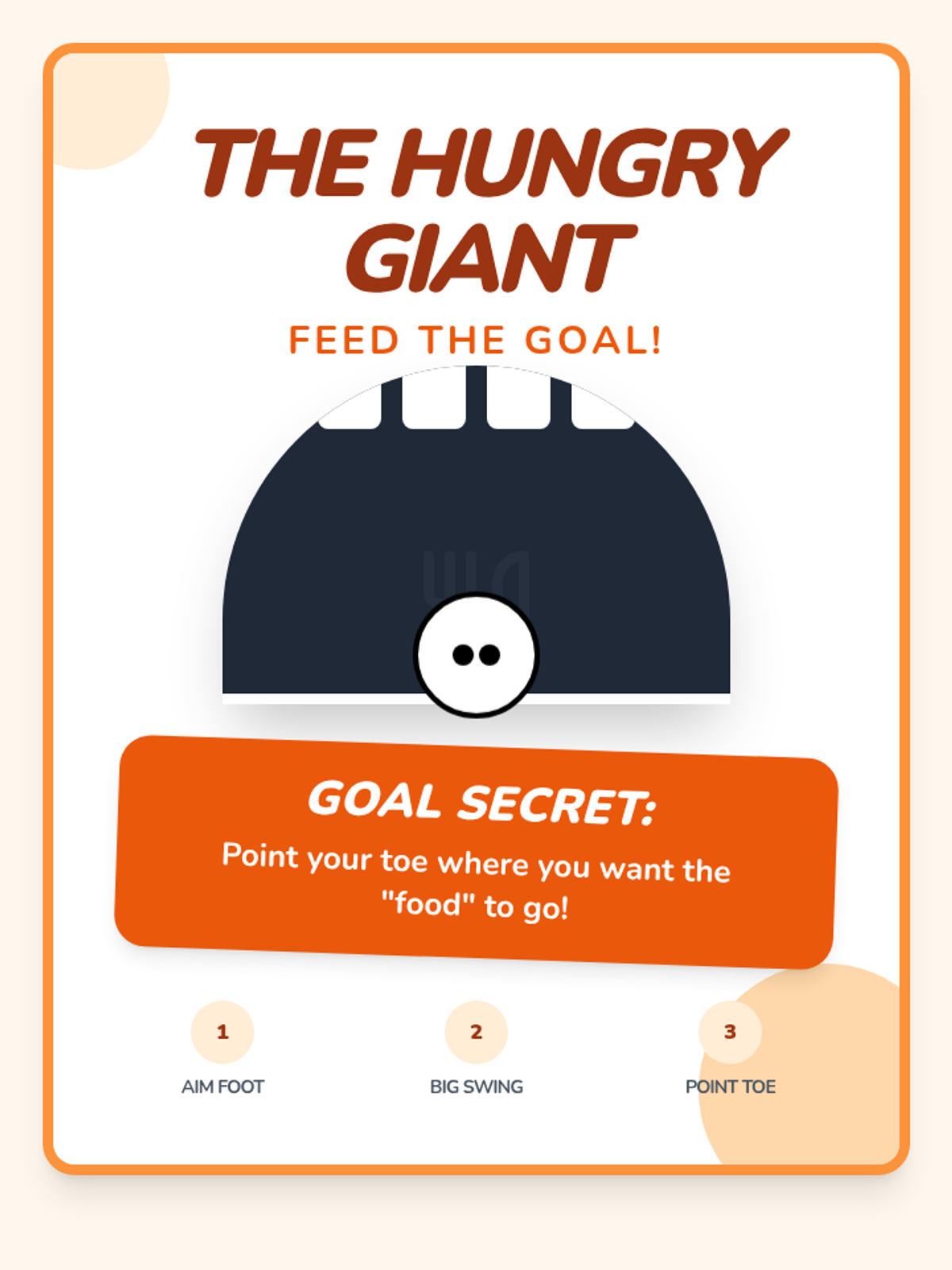
Introduction to accuracy where students try to kick their ball into a wide goal or between two cones, focusing on the direction of their follow-through.
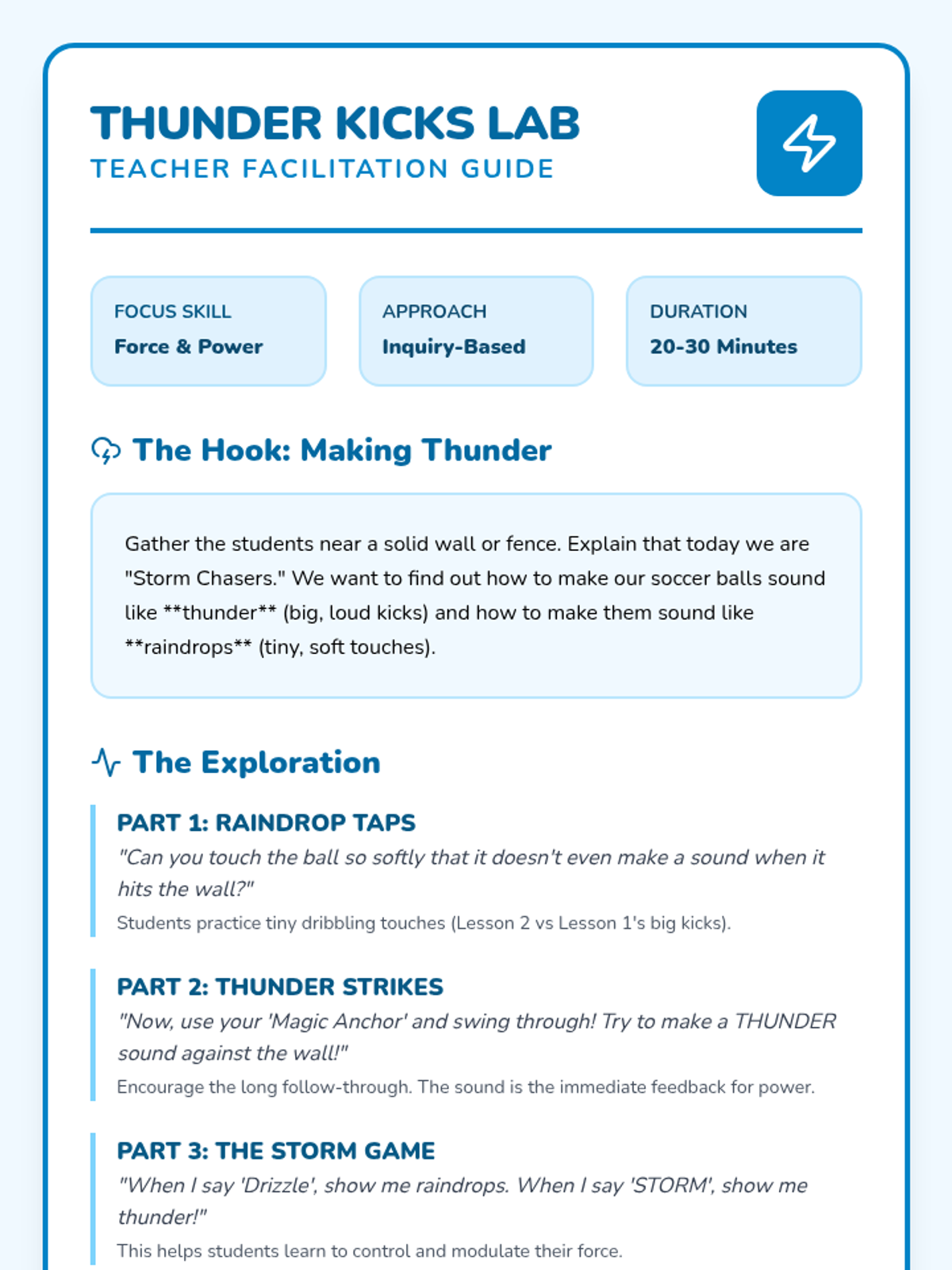
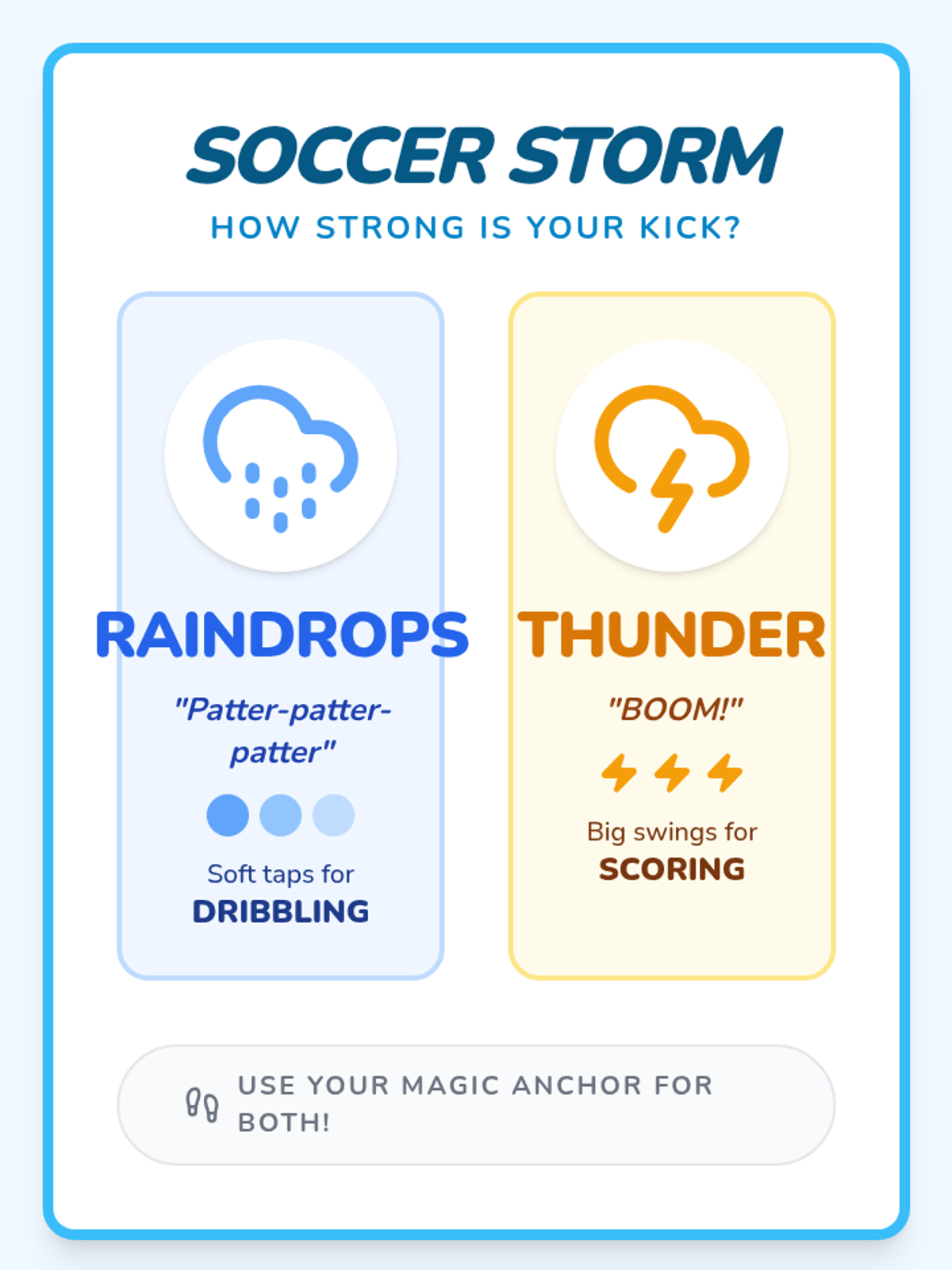
Exploration of power generation where students practice kicking the ball hard into a wall or fence to hear the sound, distinguishing this from soft touches.
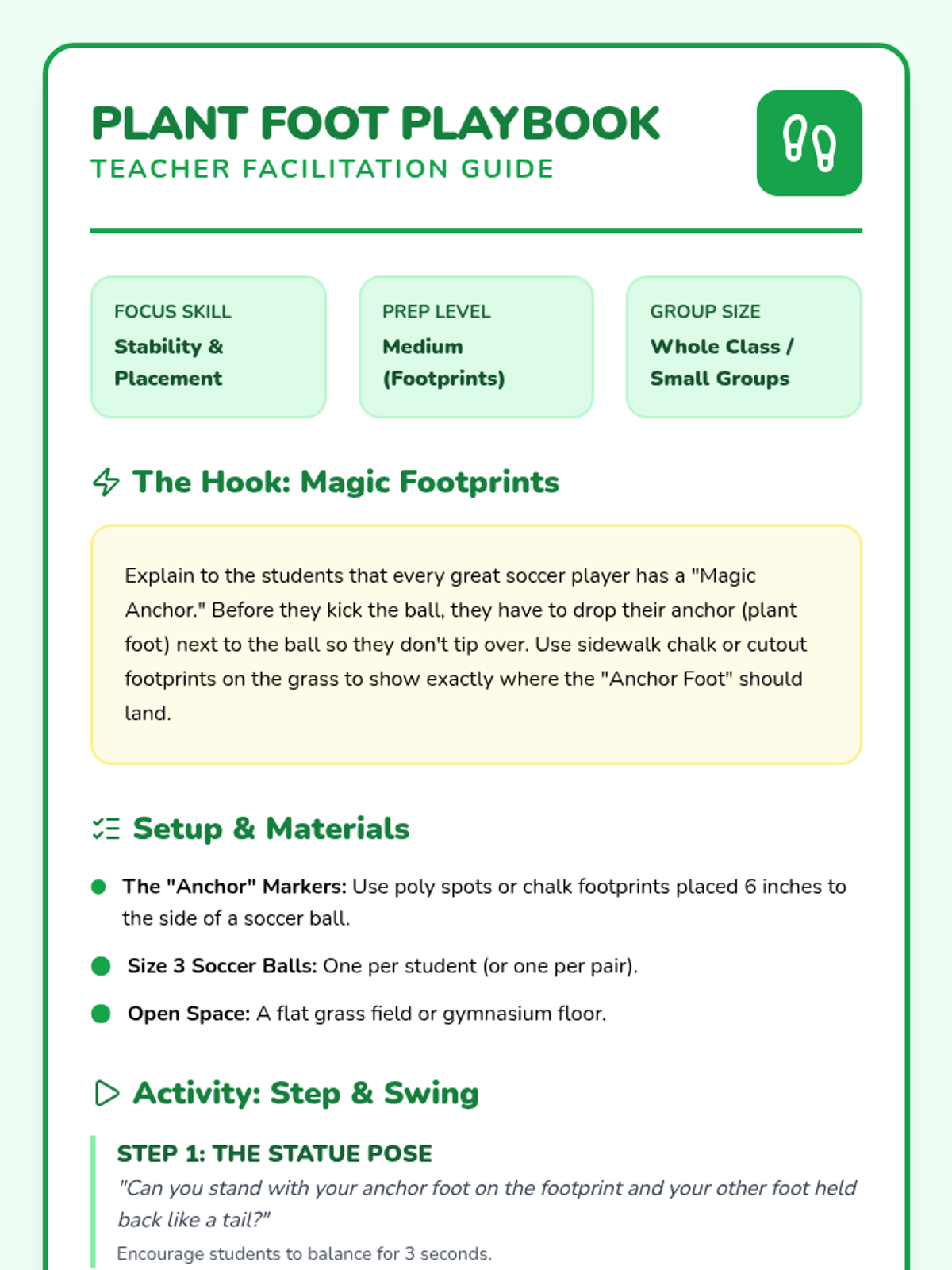
Students learn where to place their non-kicking foot next to the ball to provide a stable base for shooting. Activities focus on the 'step and swing' motion.
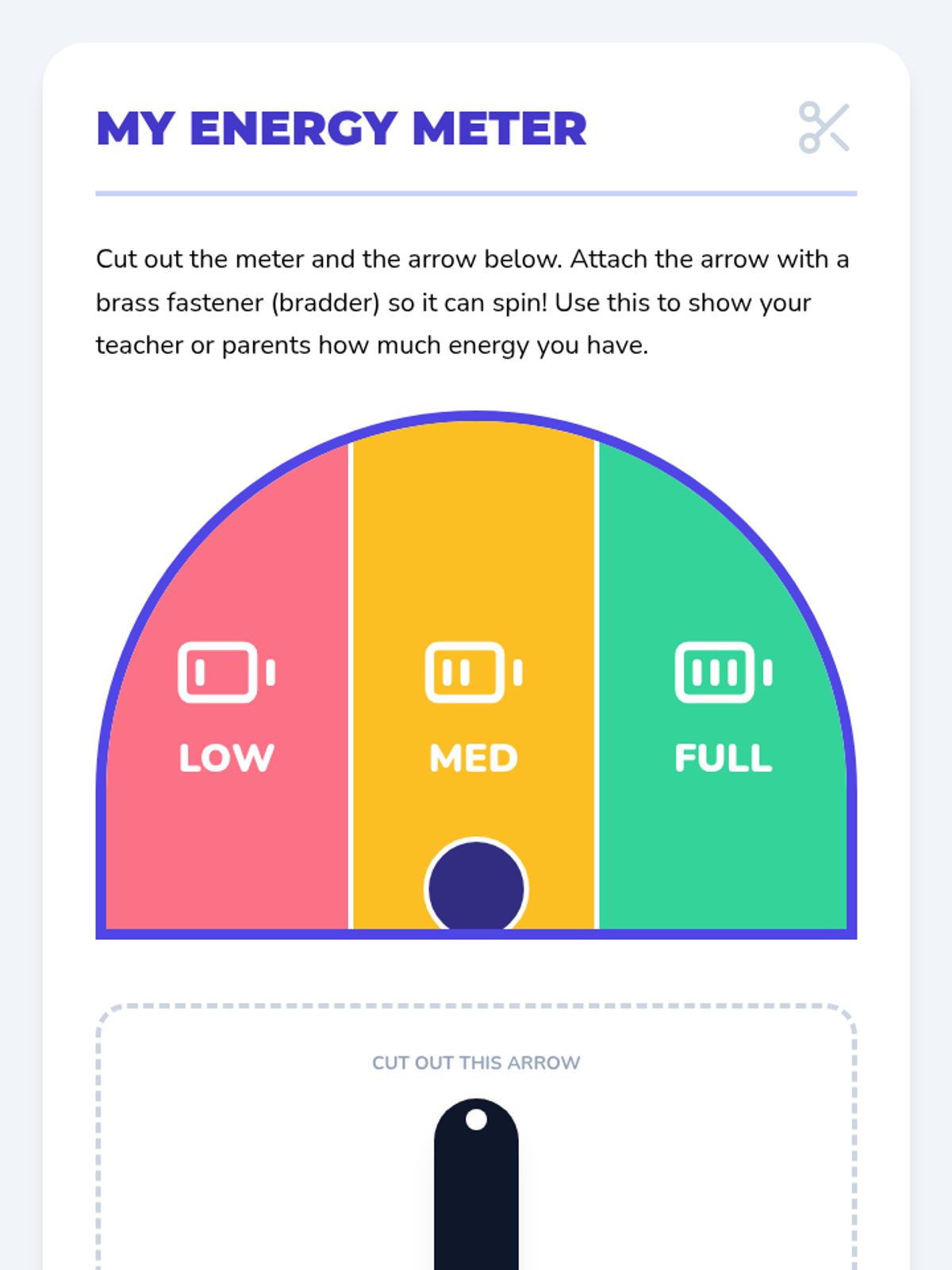
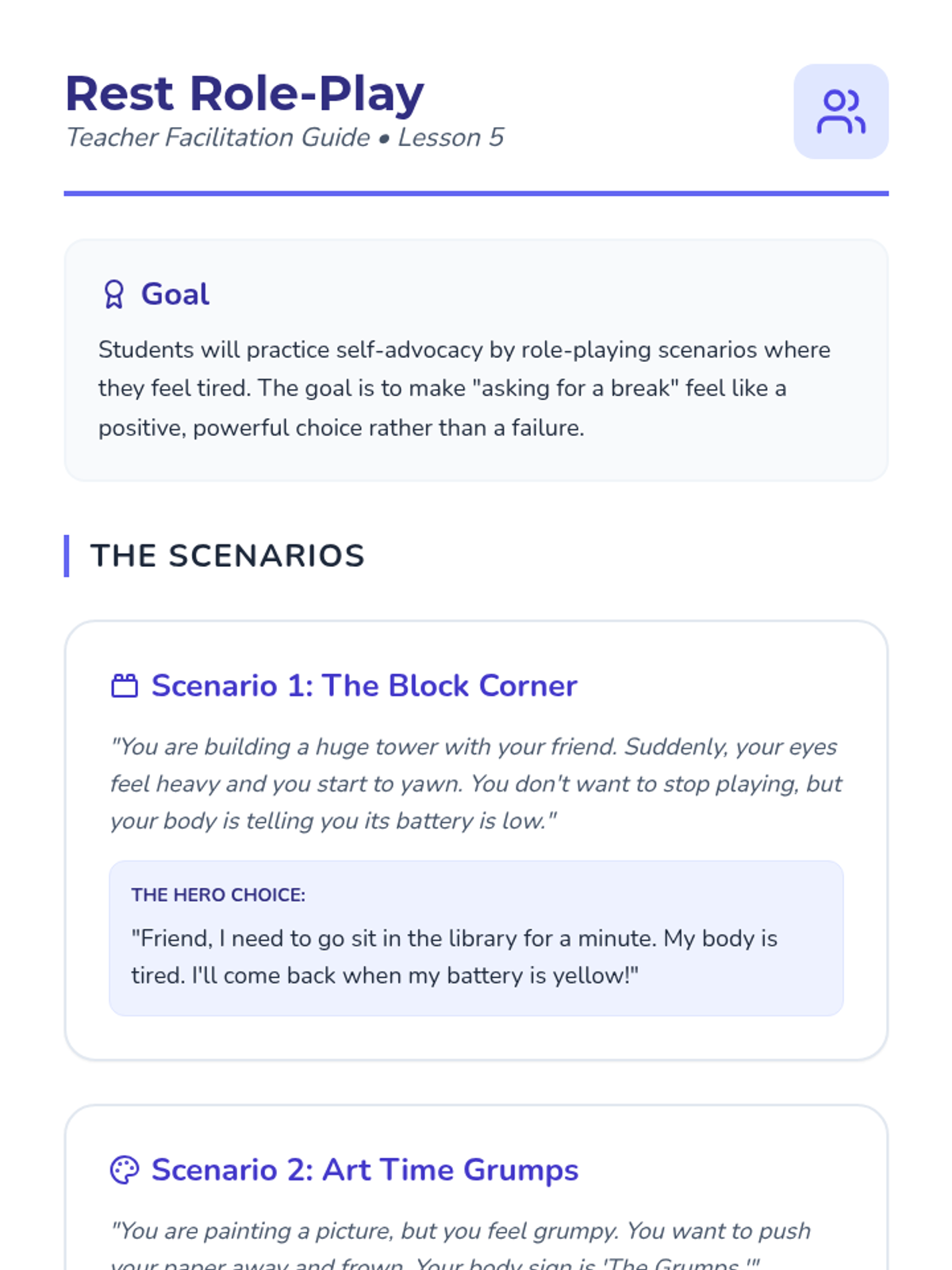
Students practice responding to tiredness by finding quiet spots or asking for breaks, using 'Energy Meters' to self-advocate for rest.
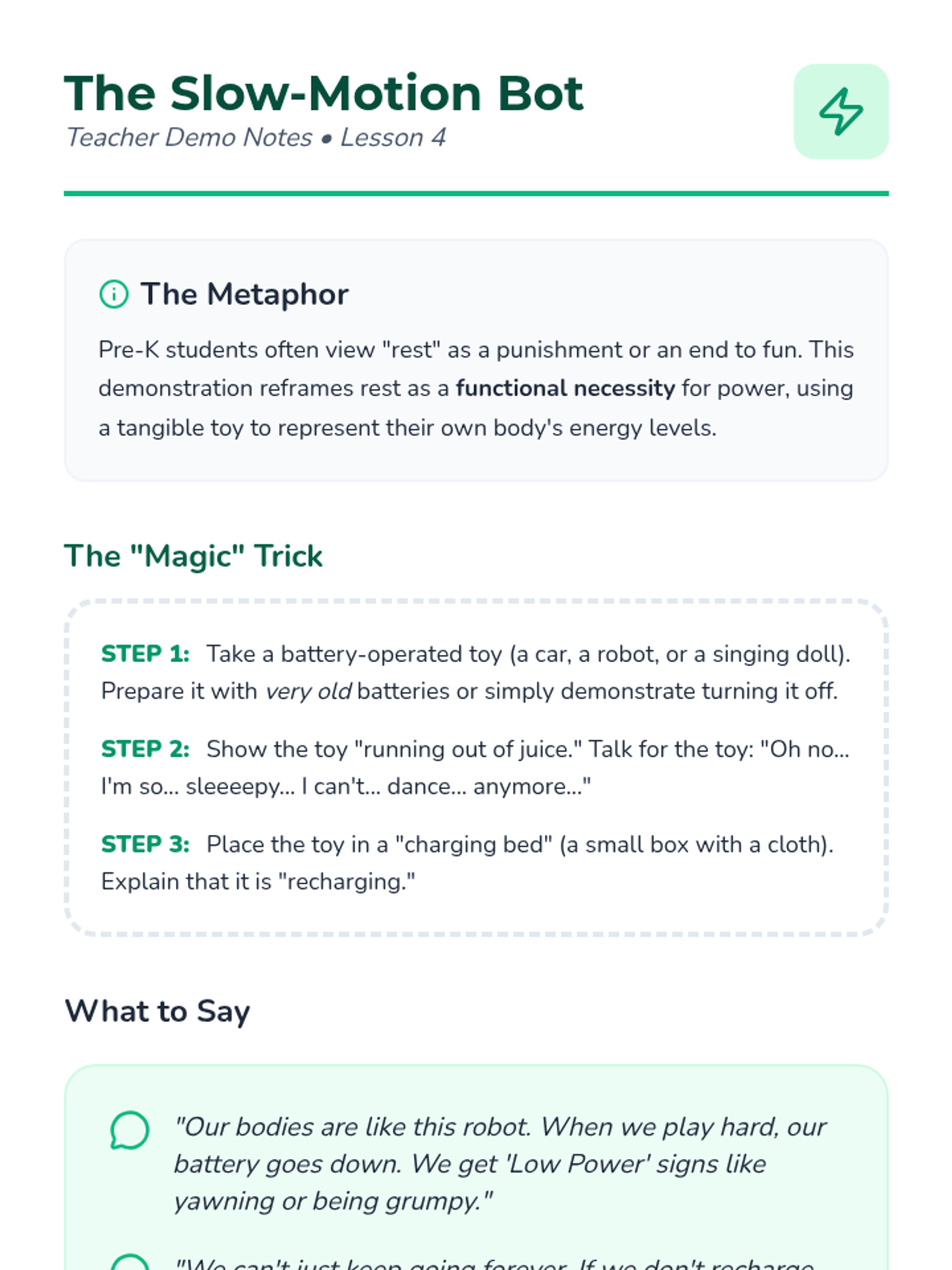
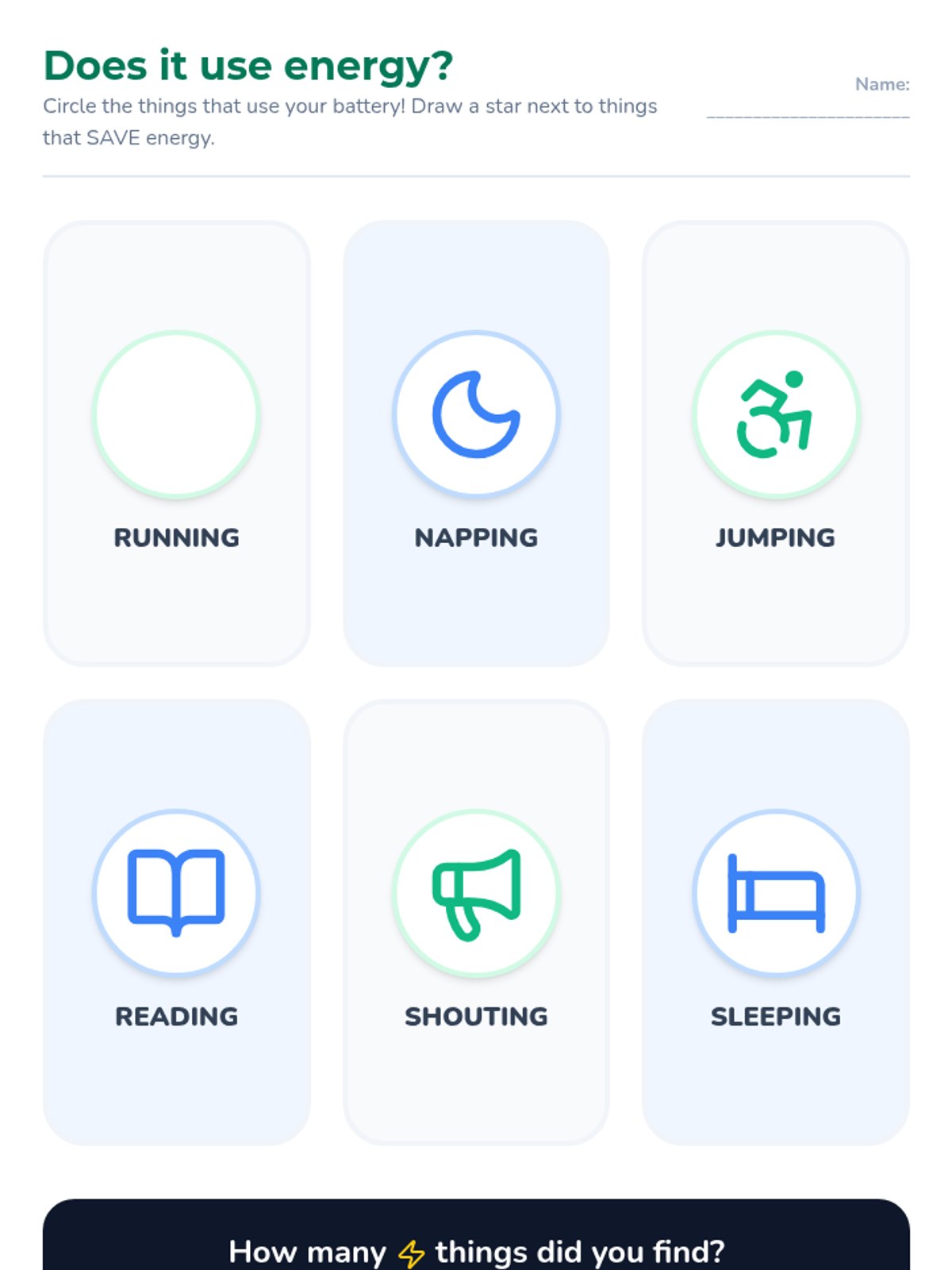
Using a battery metaphor, students learn why sleep is necessary for energy and sort activities into those that use energy and those that save it.
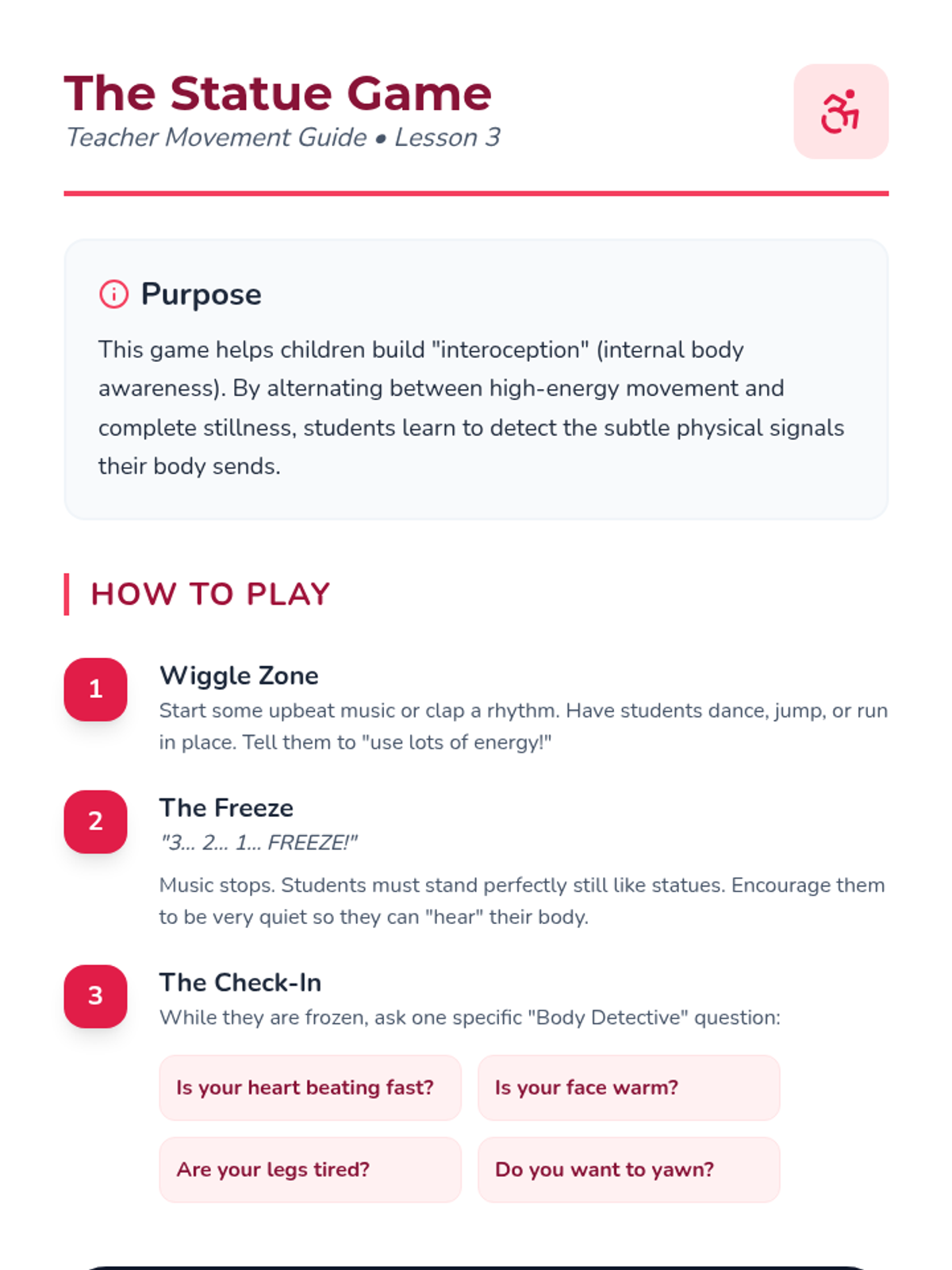
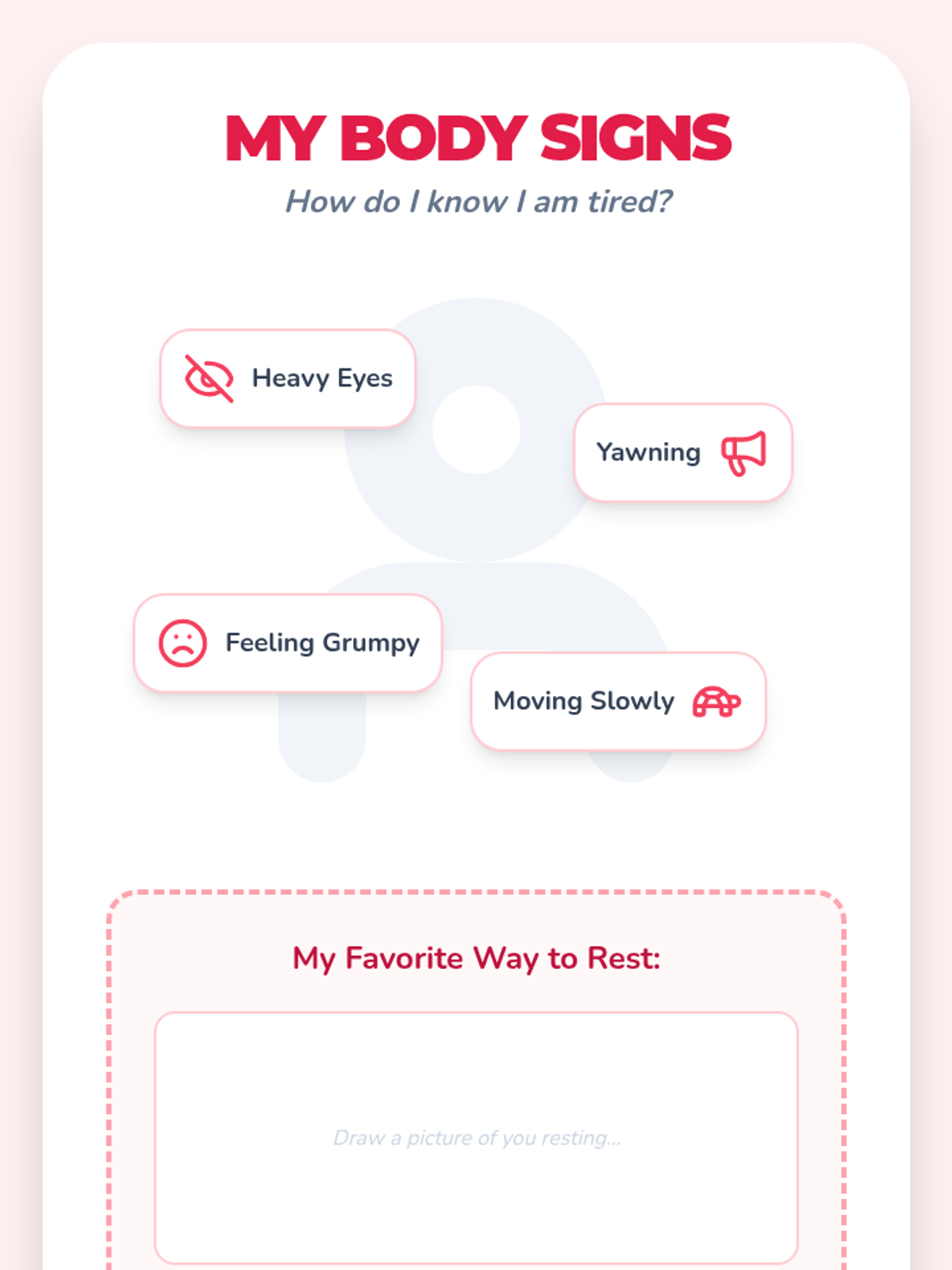
Students identify physical cues of tiredness like yawning and heavy eyelids through active play and a 'Statue Game' check-in.
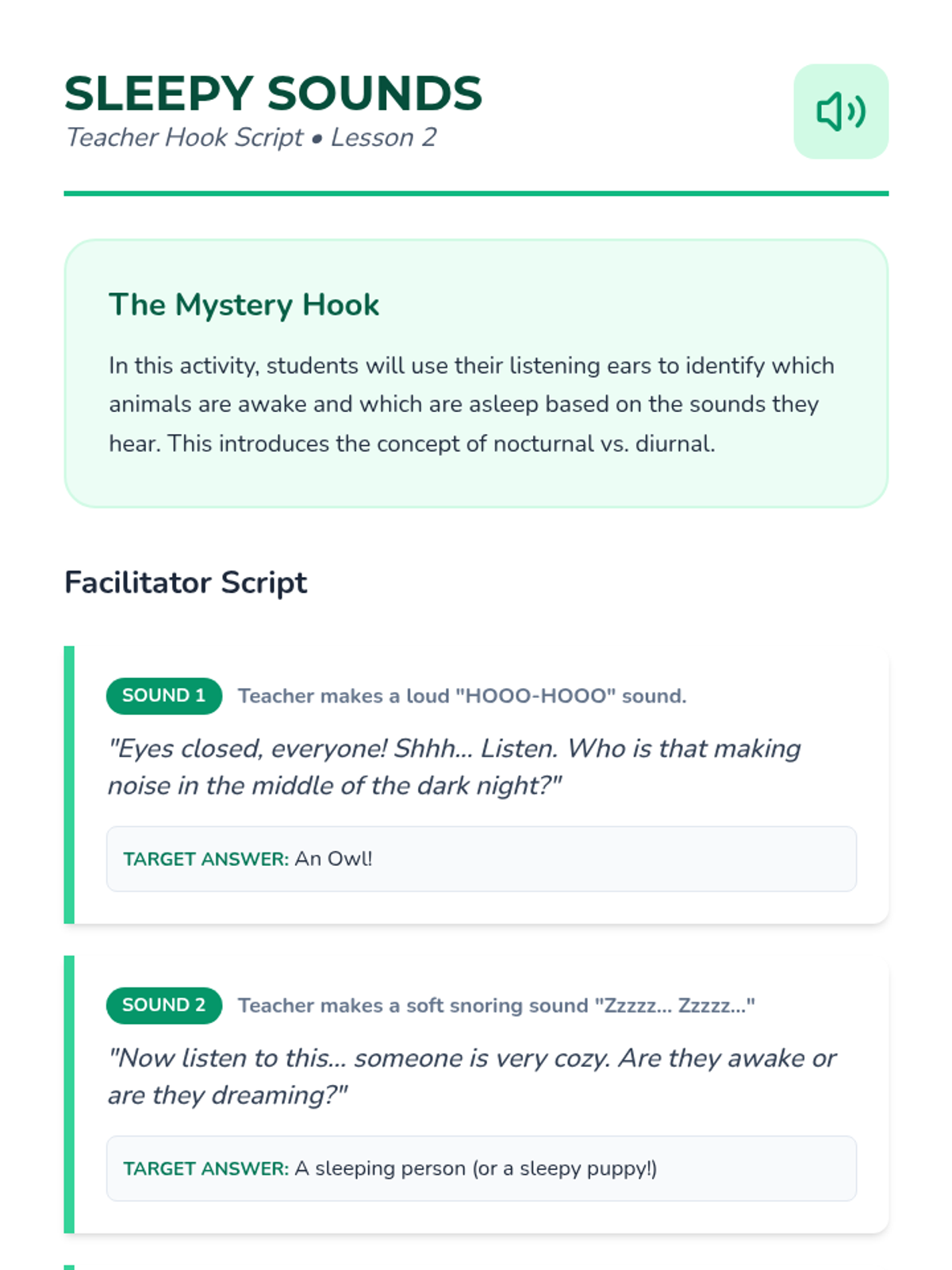
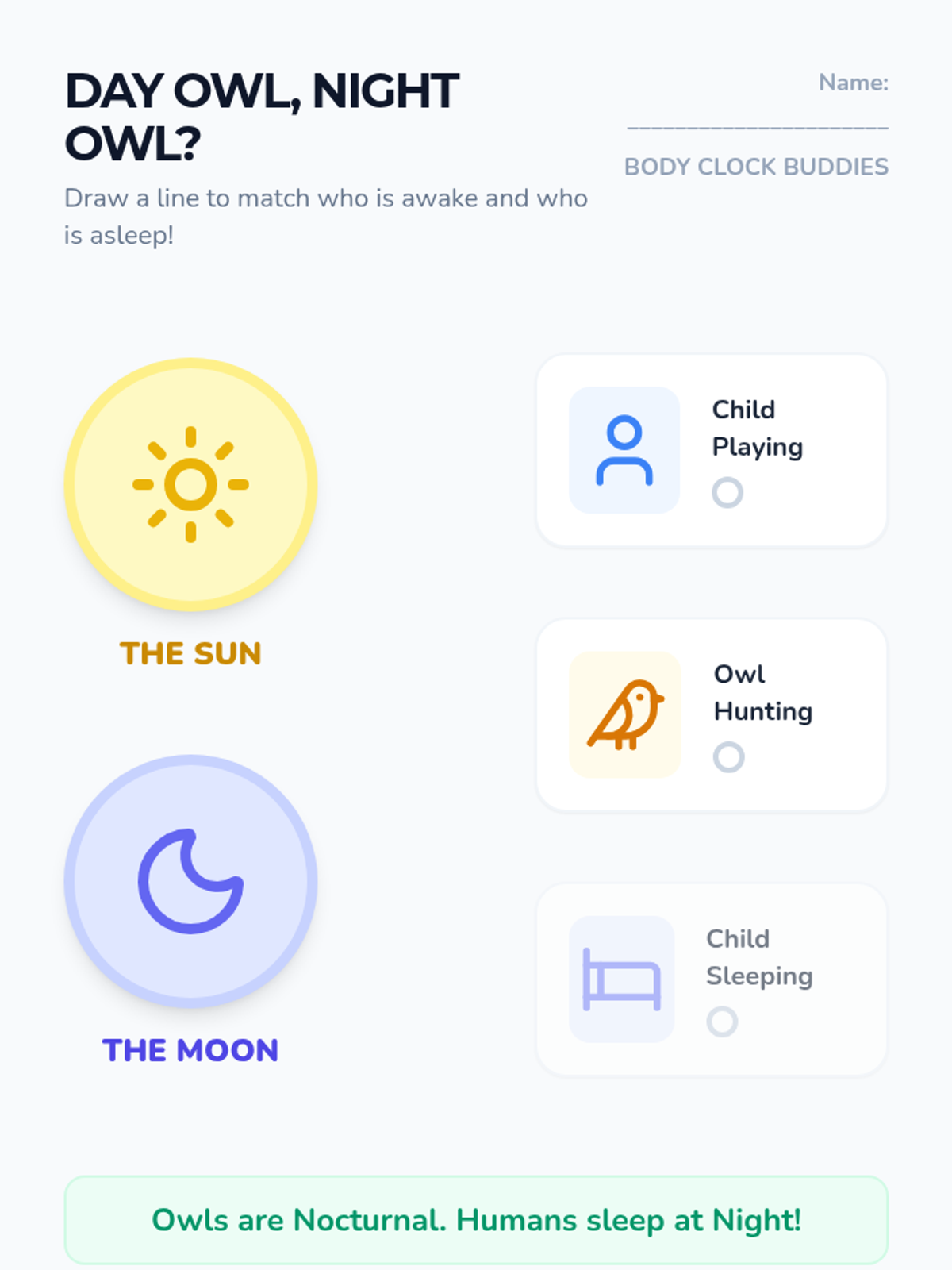
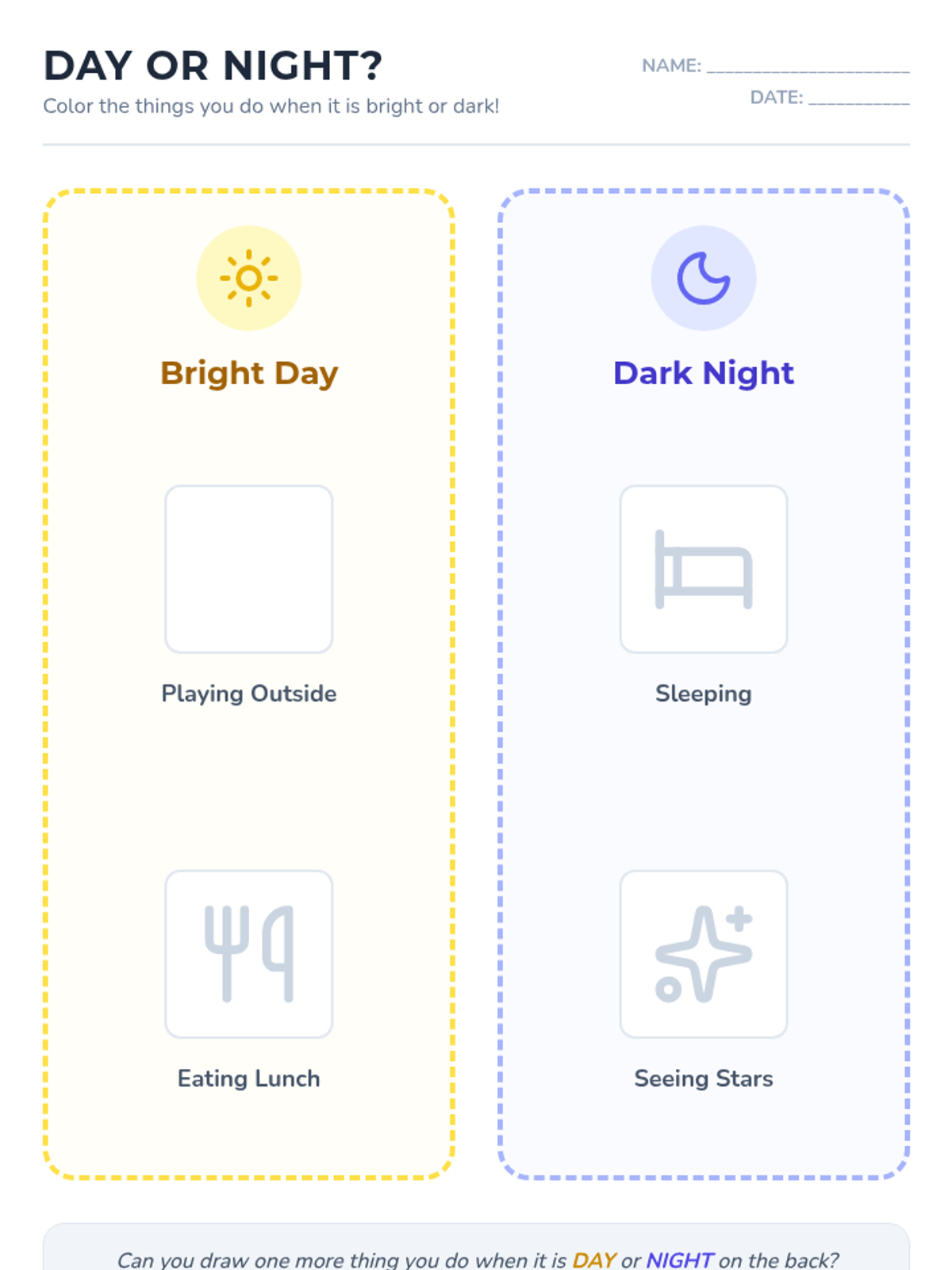
Using comparisons between nocturnal animals like owls and diurnal humans, students learn that people are biologically designed to sleep when it is dark.
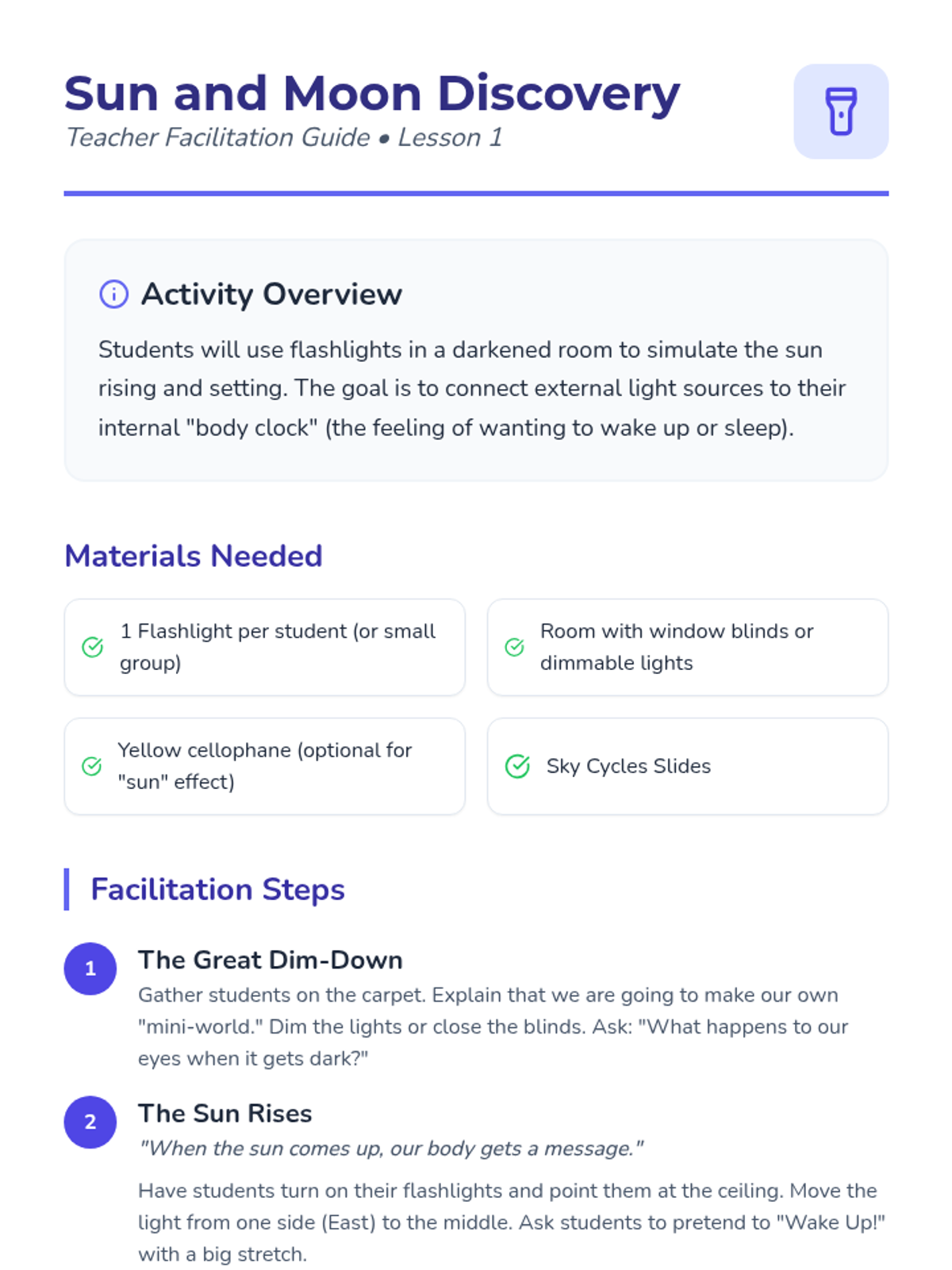
Students explore the concept of the sun rising and setting through a dark-room flashlight activity, learning how light and darkness signal the body to wake up or sleep.
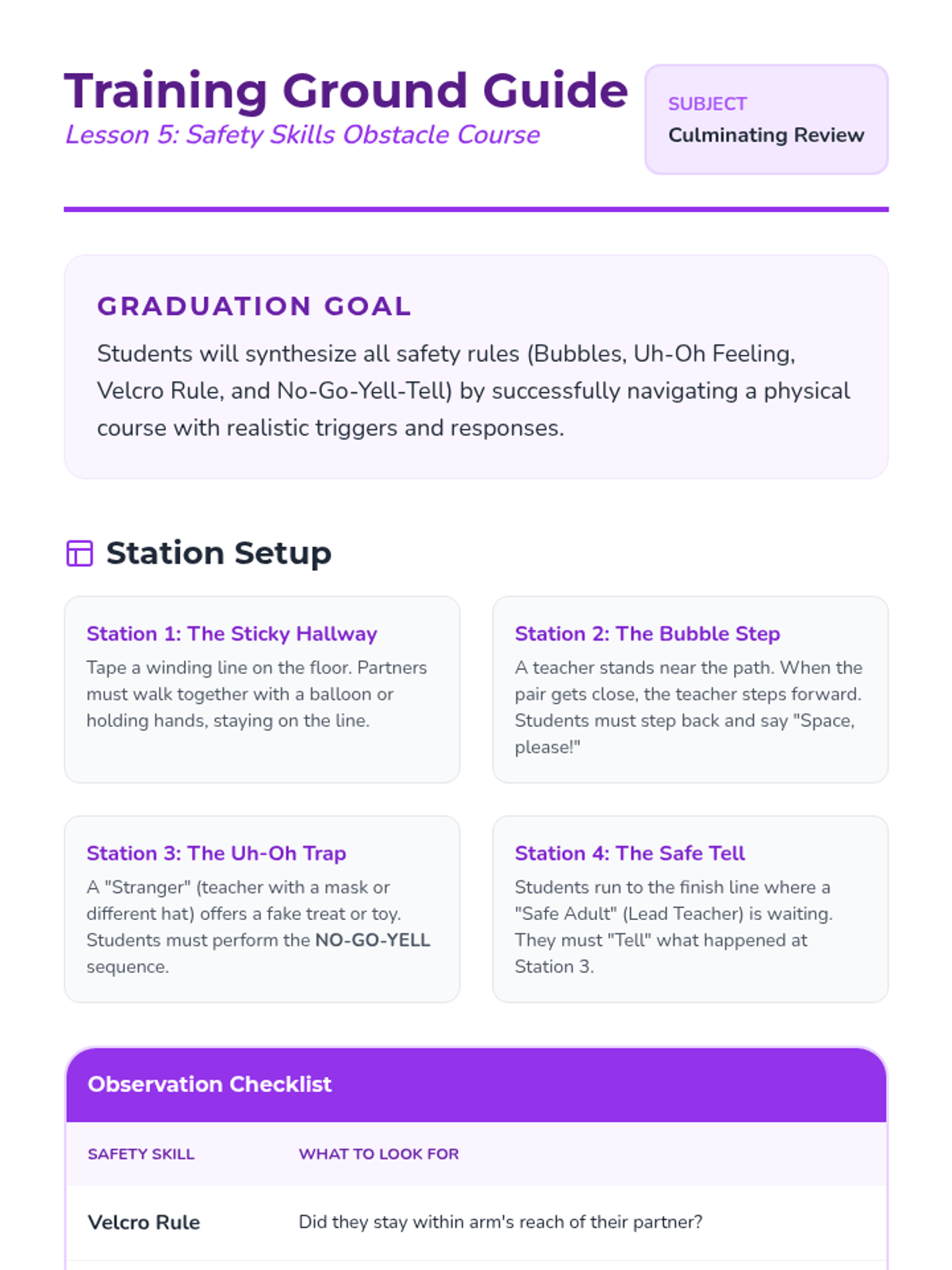
A comprehensive review where students navigate a course. They must stay on the path (stay close), stop at a 'Stranger Danger' sign to perform the Yell/Run protocol, and tag a 'Safe Adult' image at the finish line.
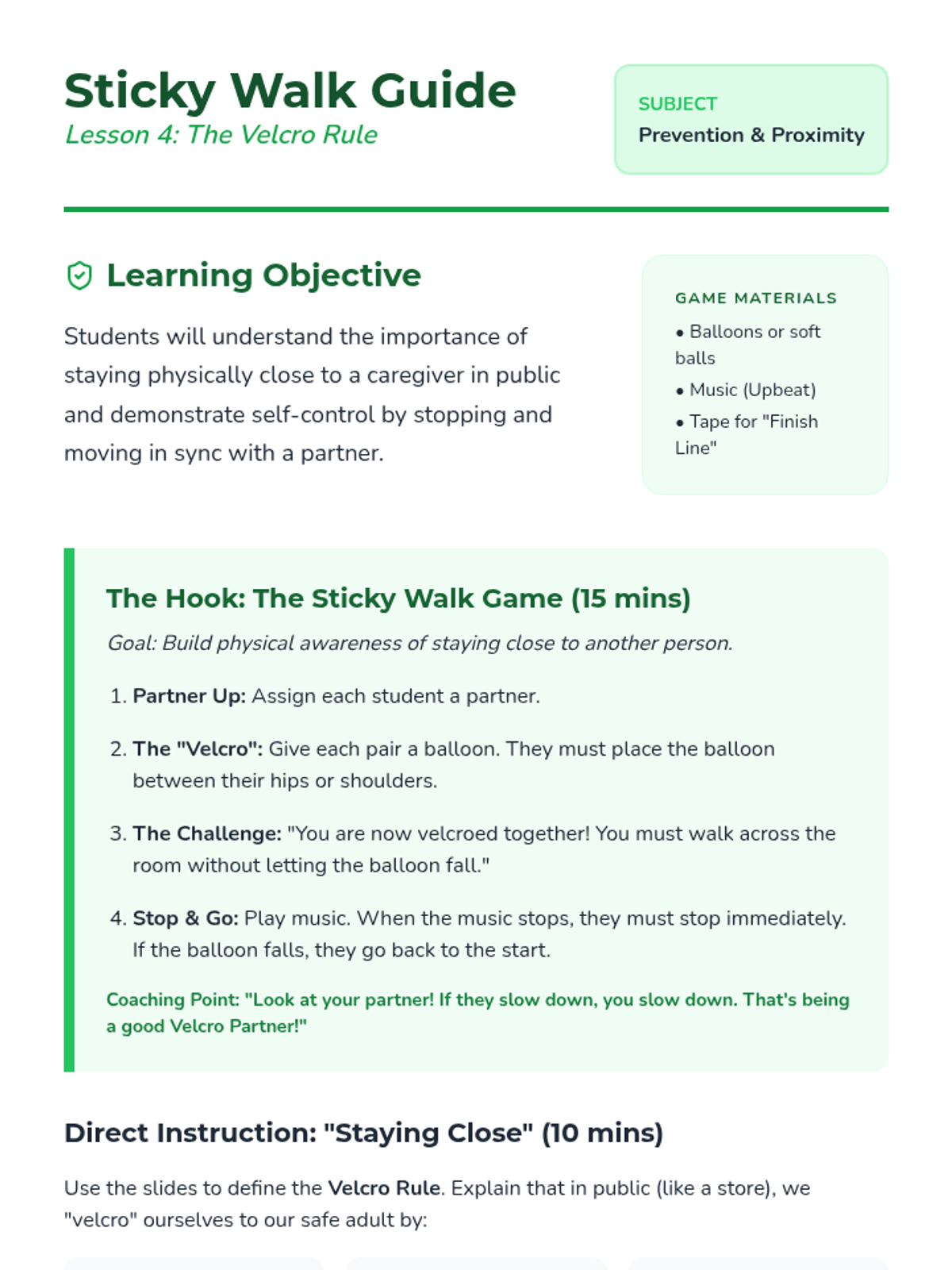
Focusing on prevention, this lesson teaches students to stick close to their caregiver like velcro when in public. They practice walking with a partner and stopping immediately if the partner stops.
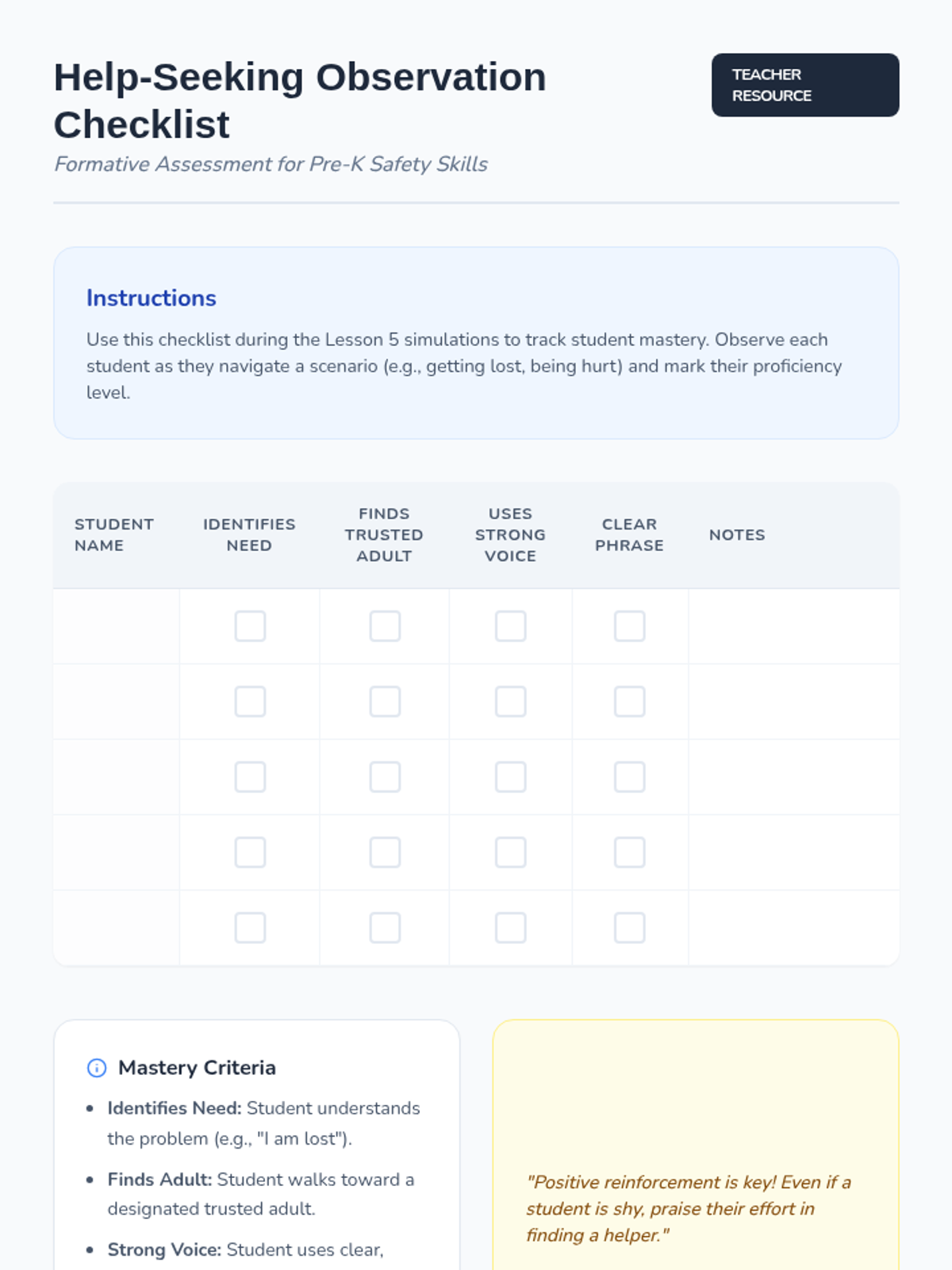
In this culminating lesson, students act out specific scenarios—such as getting lost, feeling sick, or seeing something dangerous—and practice walking to a designated 'trusted adult' station to ask for help.
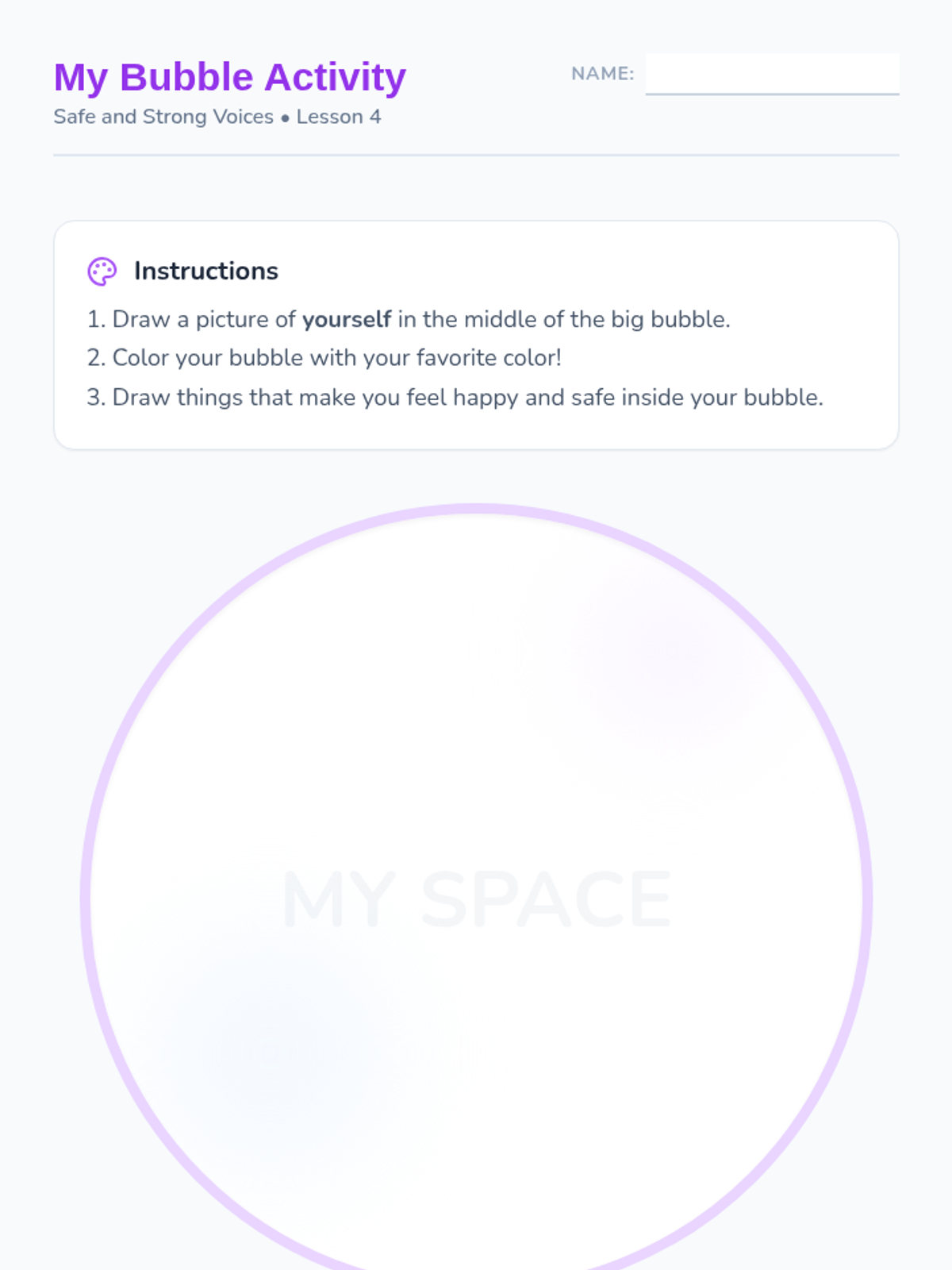
Students explore the concept of personal space bubbles and learning when to say 'stop.' Through movement games, they practice setting boundaries with peers and identifying feelings of discomfort that require adult intervention.
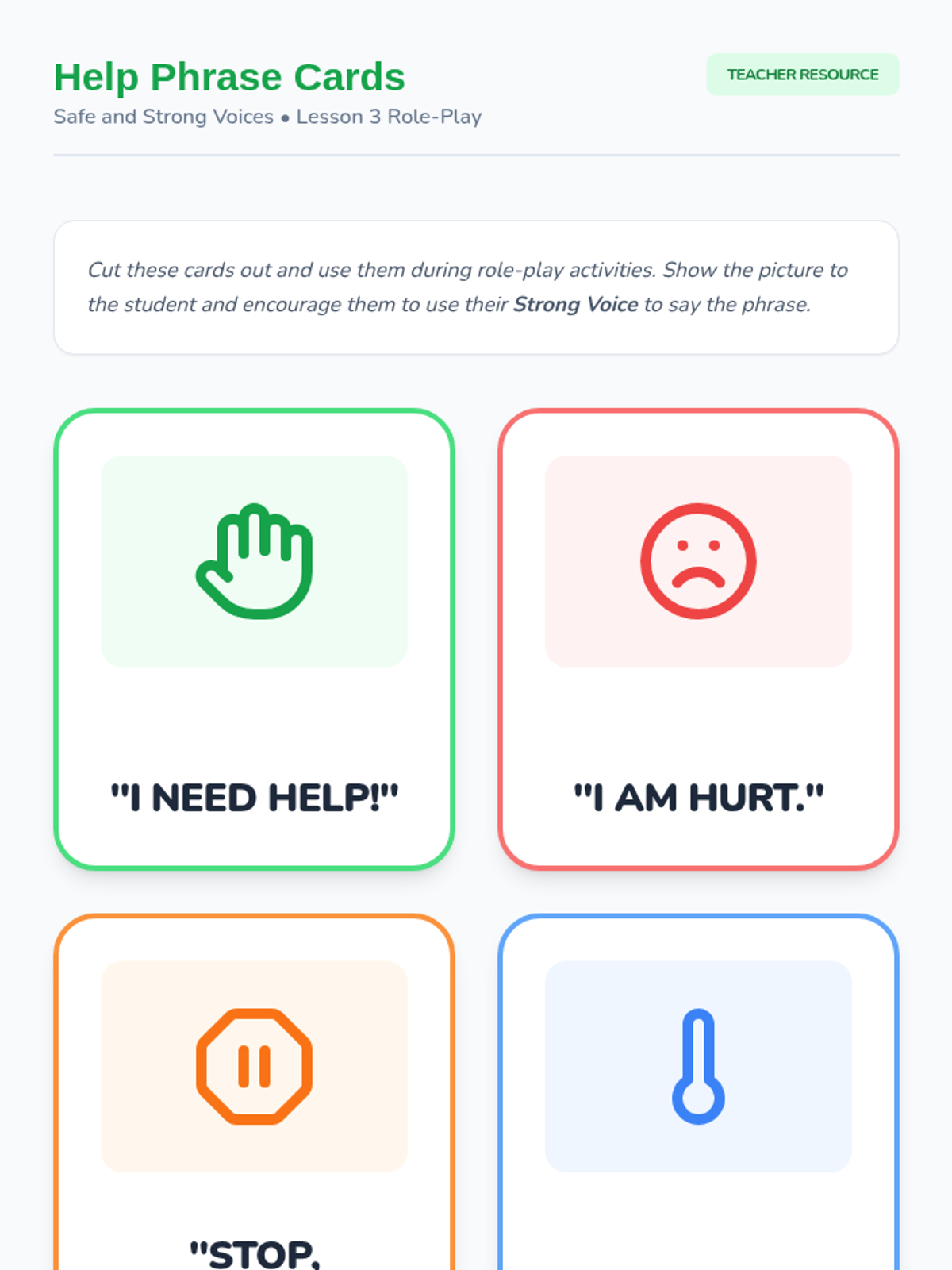
Using puppets as models, students practice clear, assertive phrases and learn to use their 'serious voice' to ensure they are heard when they have a need.
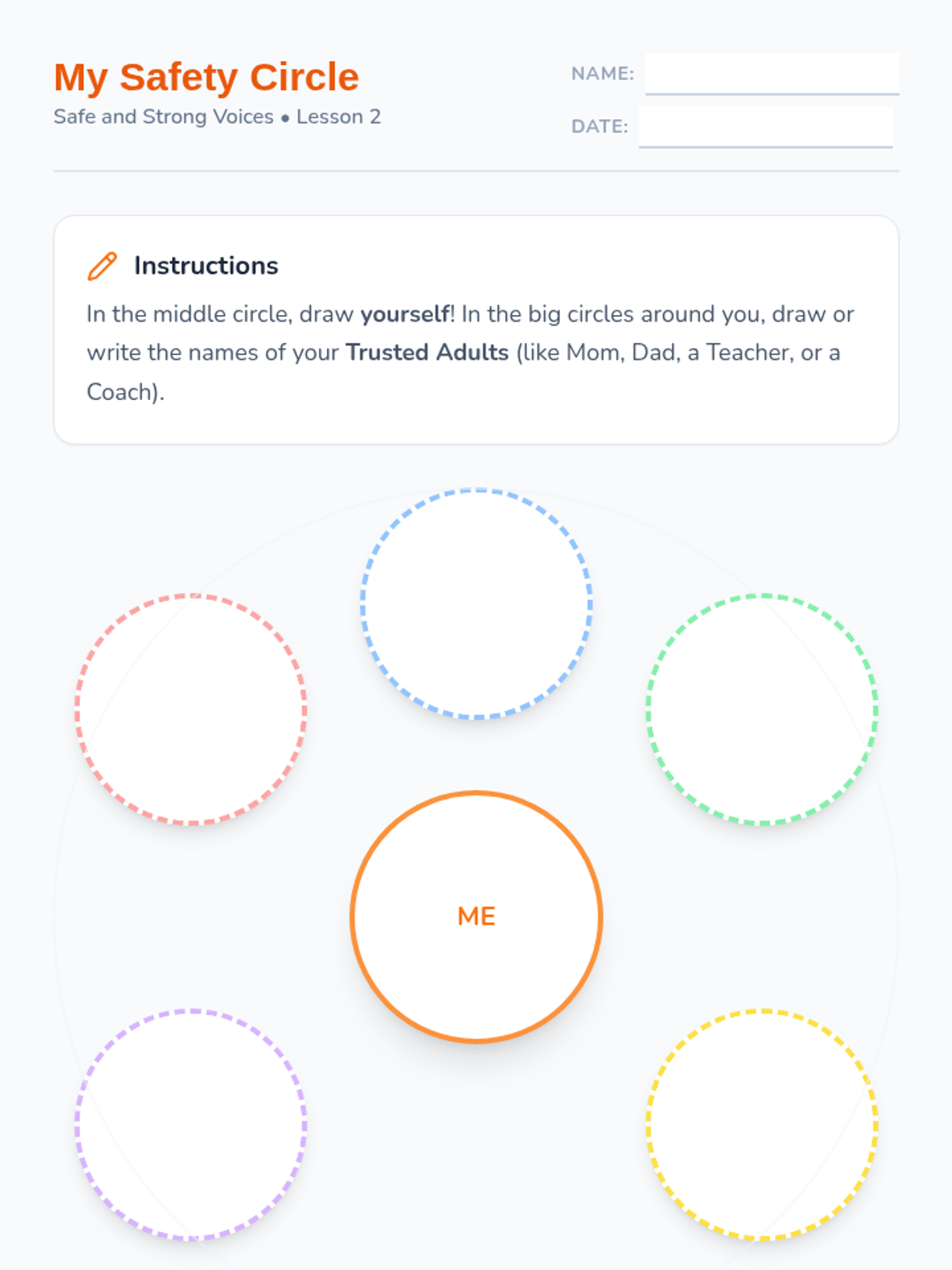
Children learn the characteristics of a 'trusted adult' and identify specific people in their lives who fit this description, such as parents, teachers, and uniformed helpers.
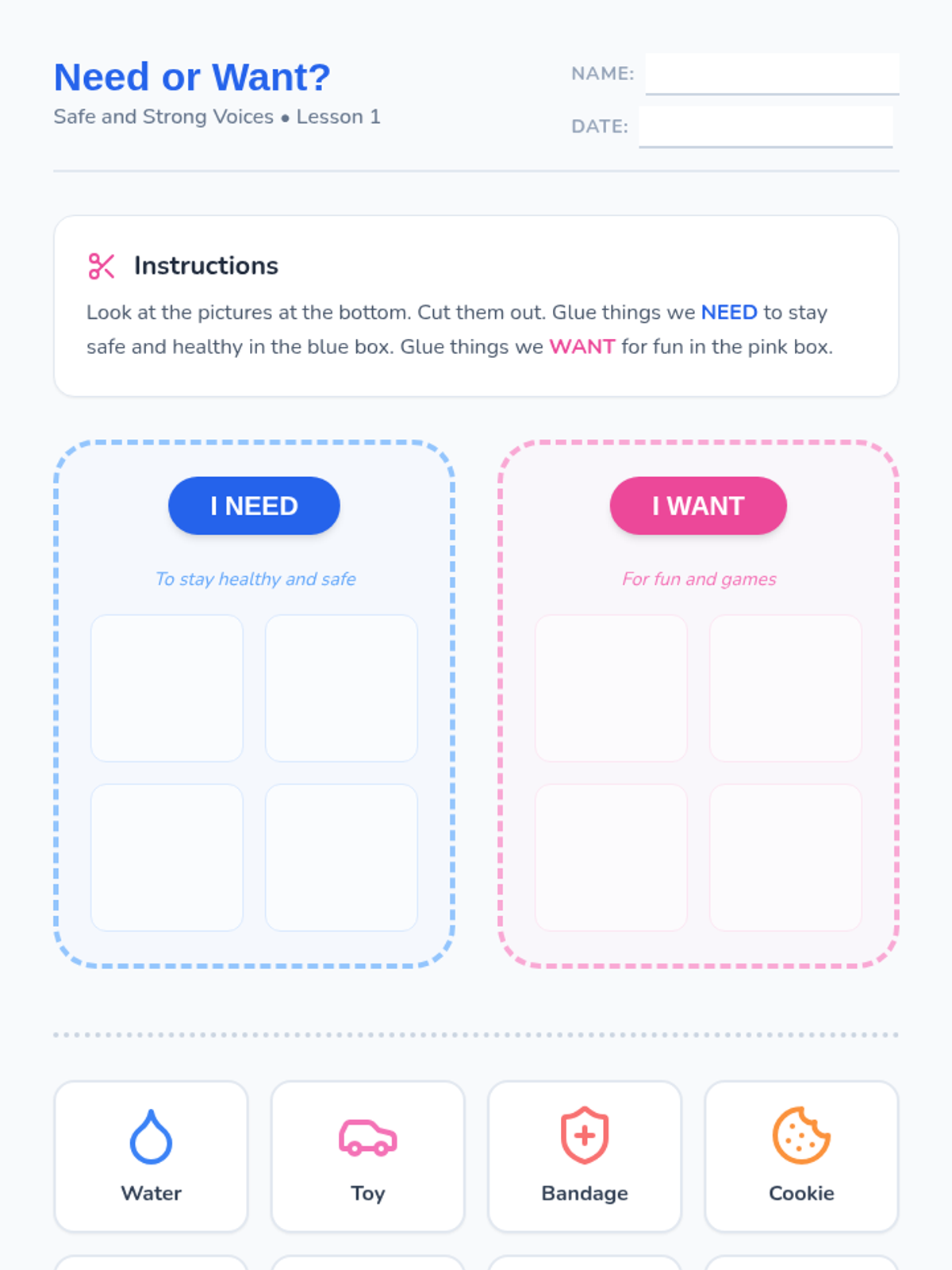
Students differentiate between 'wants' (toys, treats) and 'needs' (water, safety) to understand when it is essential to ask for help from an adult.