Historical evolution of performance, technical stagecraft, and core acting techniques. Develops playwriting skills and fosters imaginative expression through script development and production management.
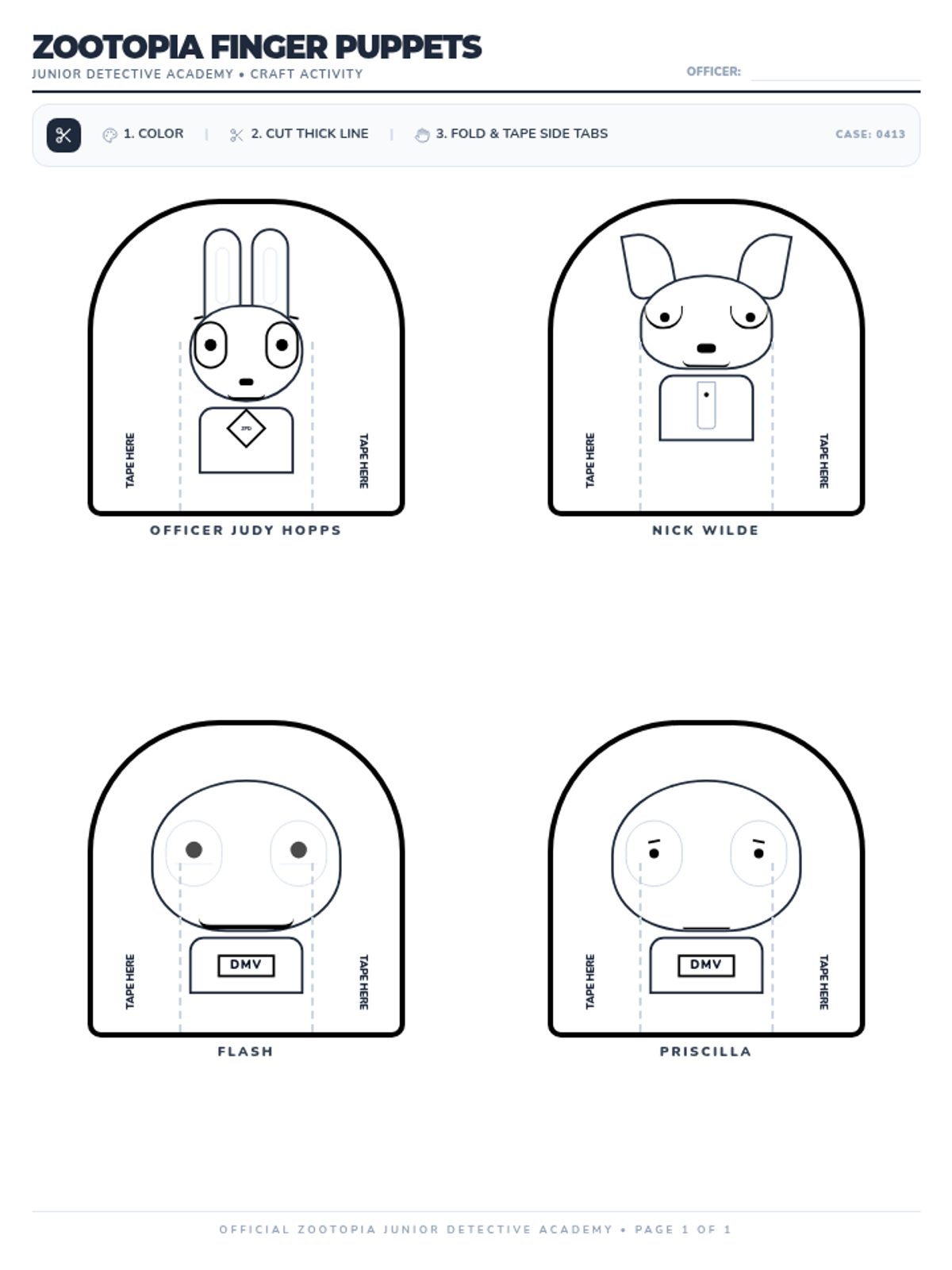
A creative craft lesson where students color and create their own finger puppets of favorite Zootopia characters to practice storytelling and role-playing.
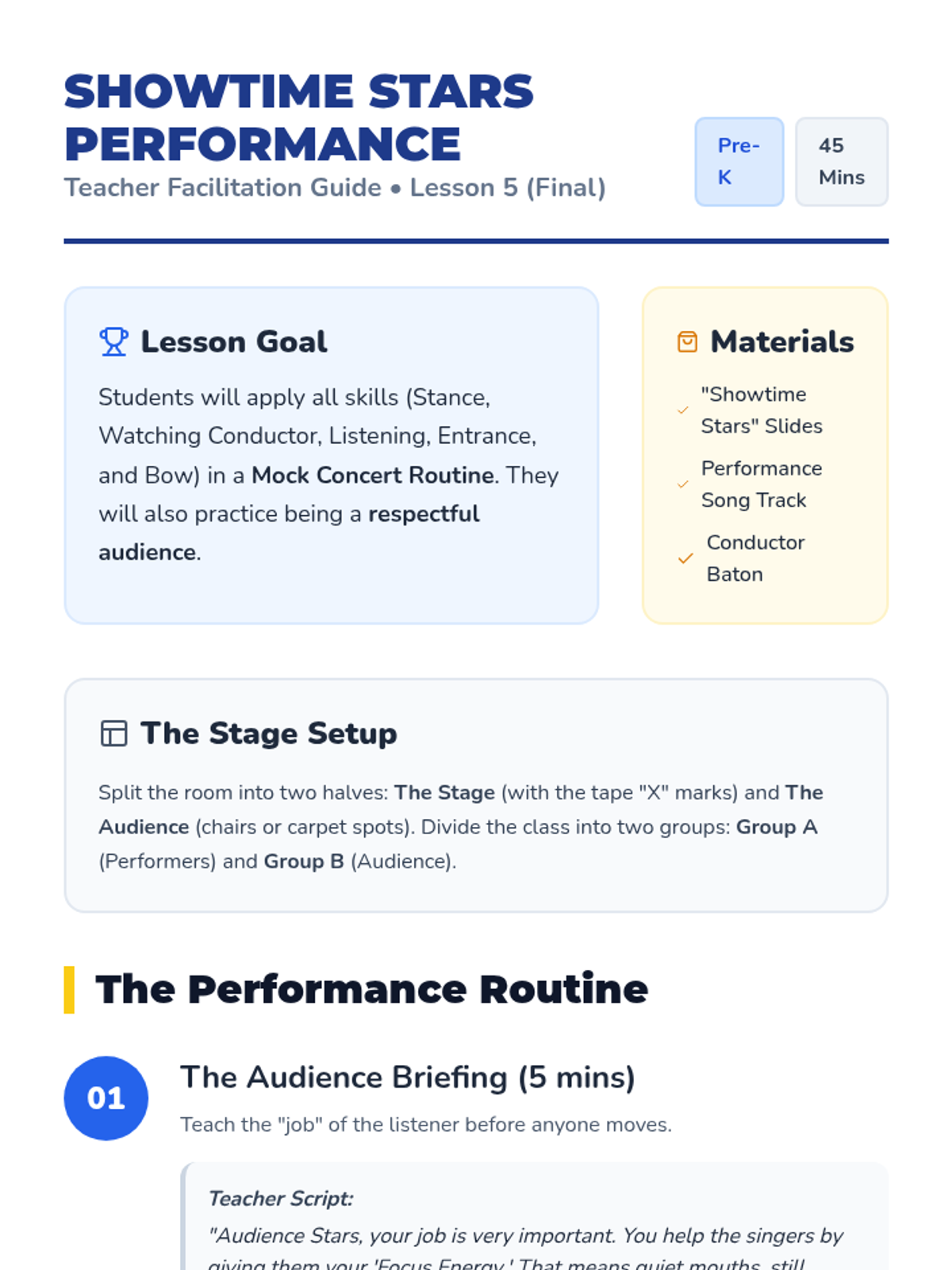
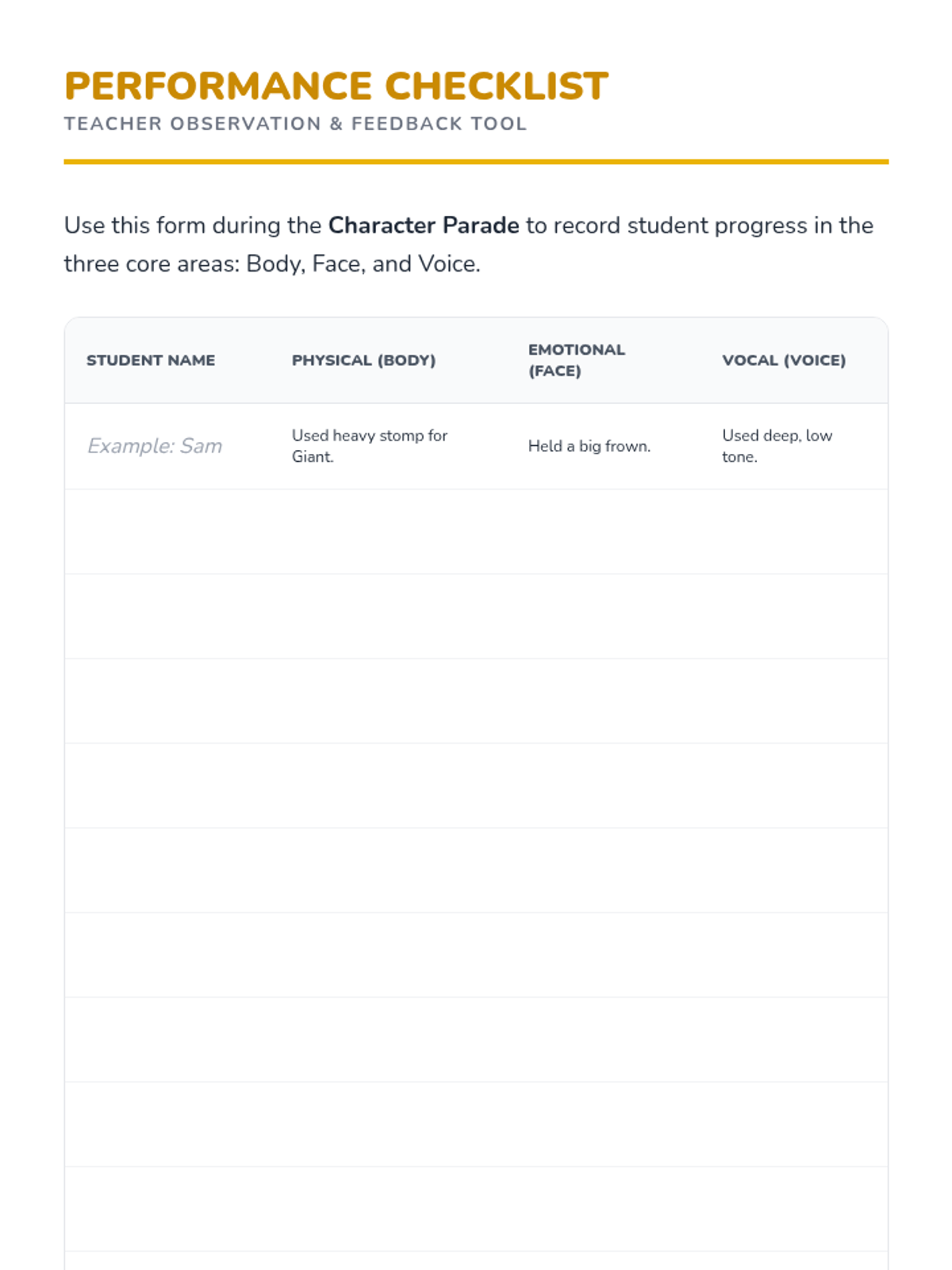
A mock performance where students apply all previous skills in a full routine, switching between performer and audience roles.
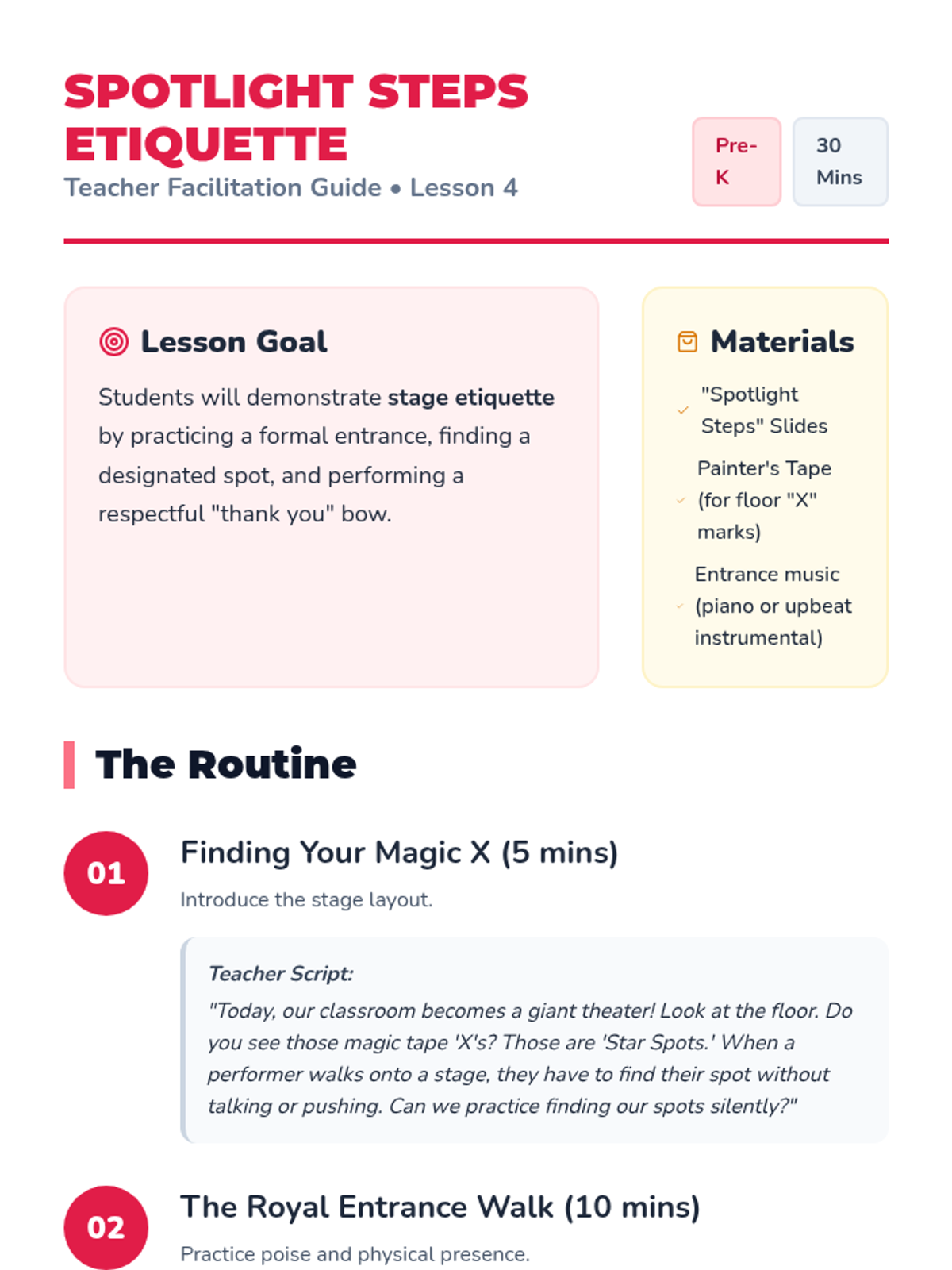
Introduces stage etiquette, including how to enter the stage, find a spot, and take a respectful bow.
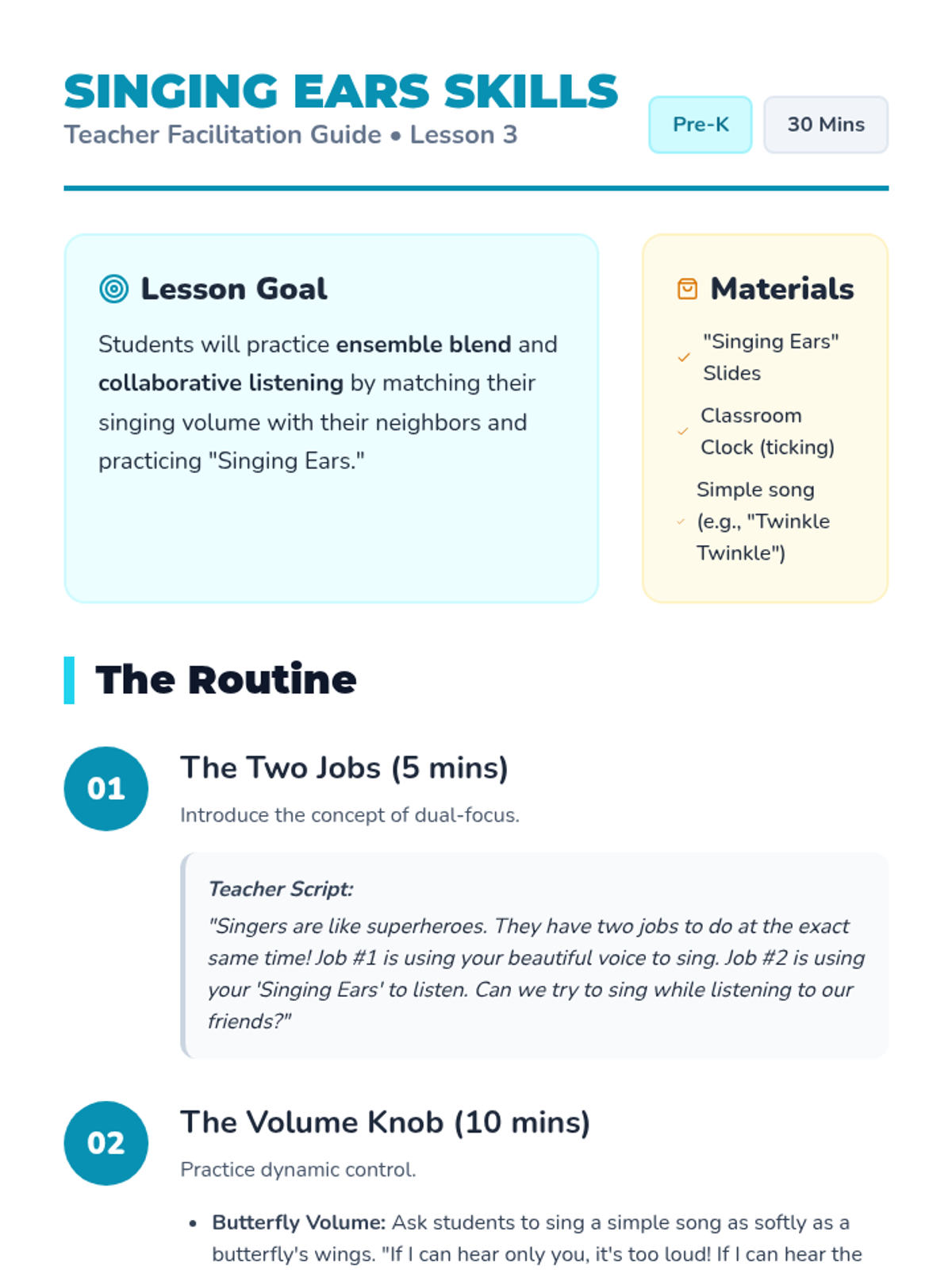
Focuses on ensemble blend and collaborative listening, teaching students to match their volume with their neighbors.
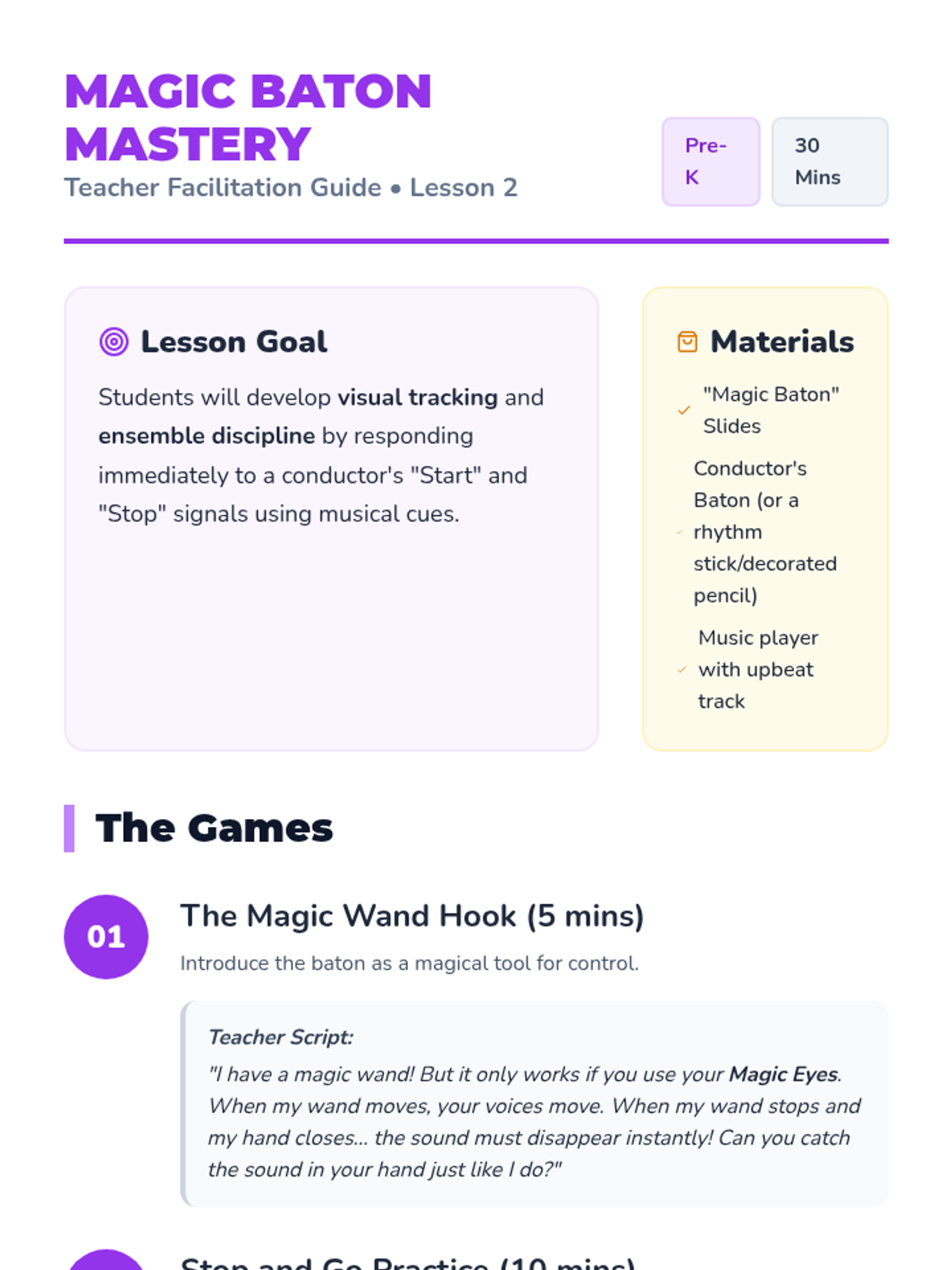
Students practice visual tracking and responding to a conductor's hand signals through 'Stop and Go' musical games.
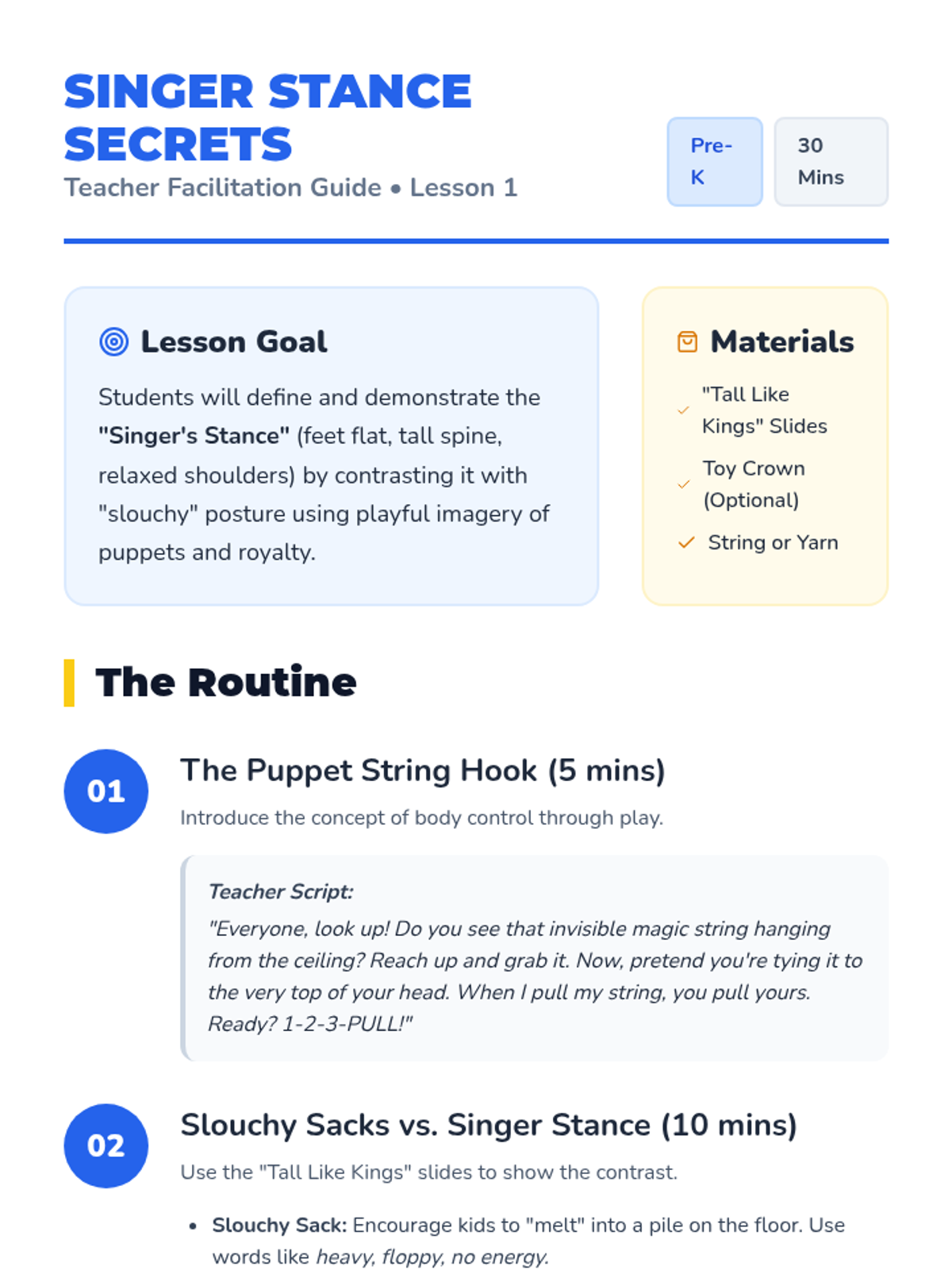
Students learn the 'Singer's Stance' using the imagery of puppets and royalty to develop body awareness and tall posture.
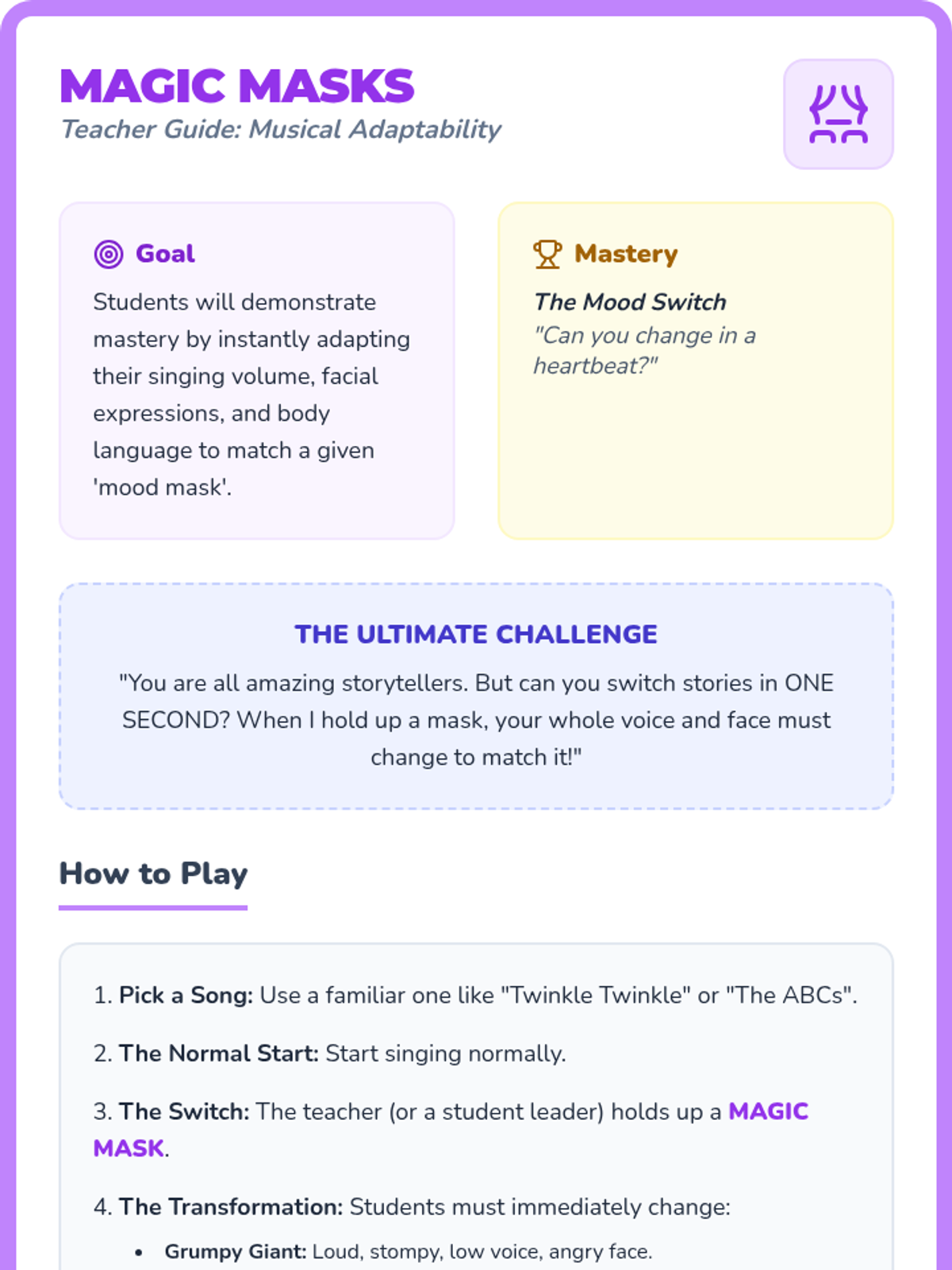
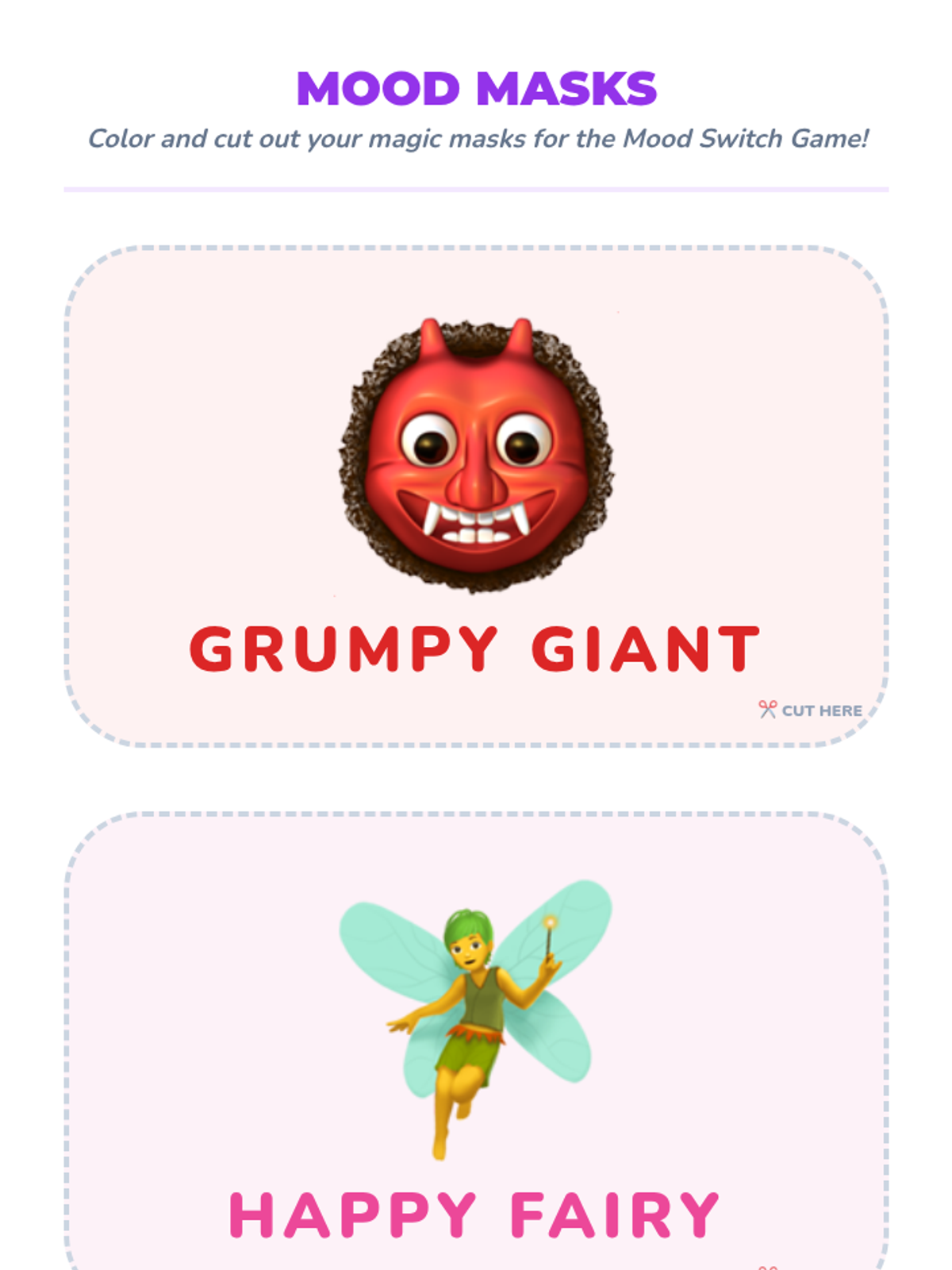
A culminating game where students must quickly adapt their singing style and facial expressions to match changing 'mood masks,' demonstrating mastery of vocal and visual expression.
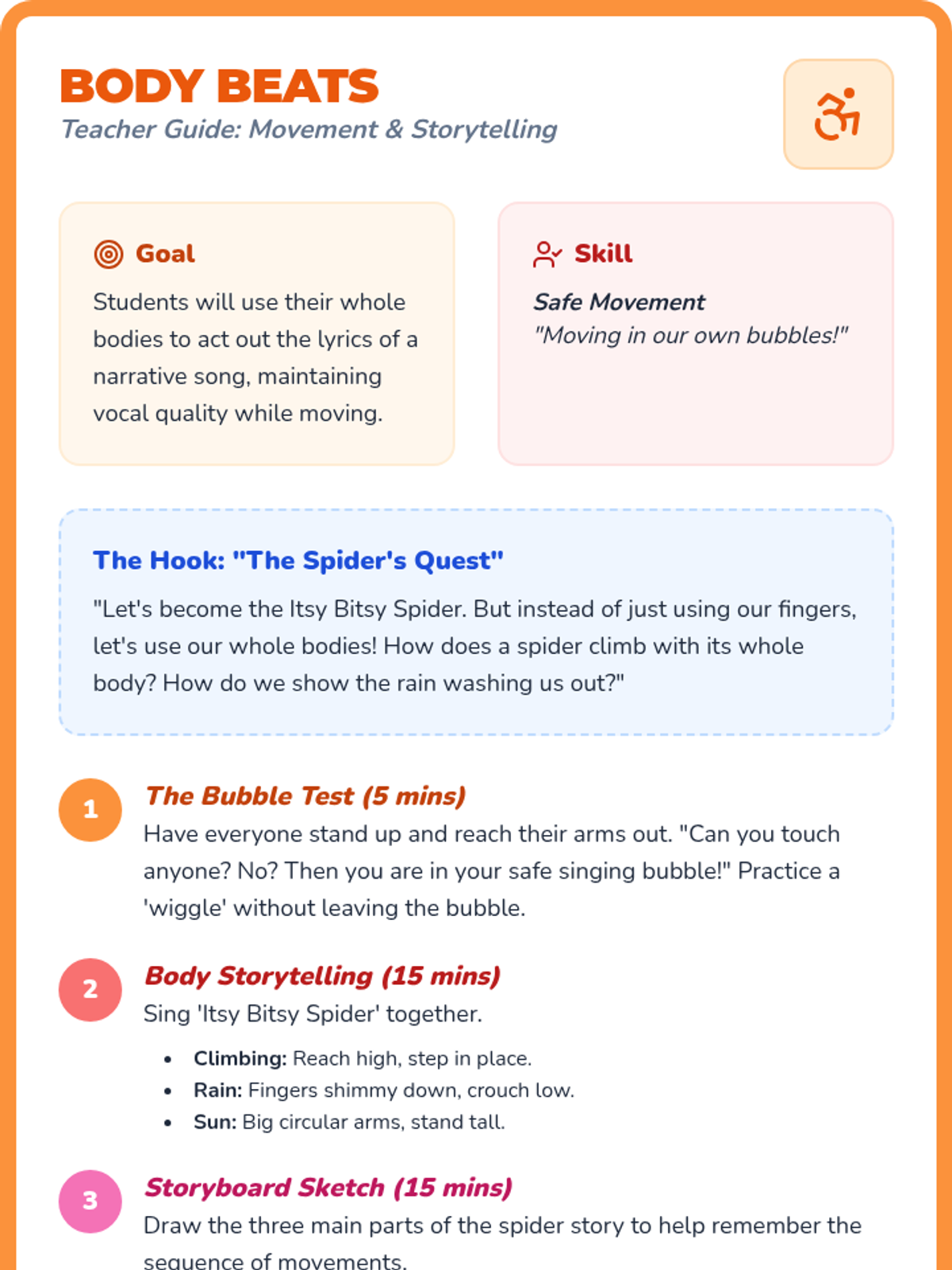
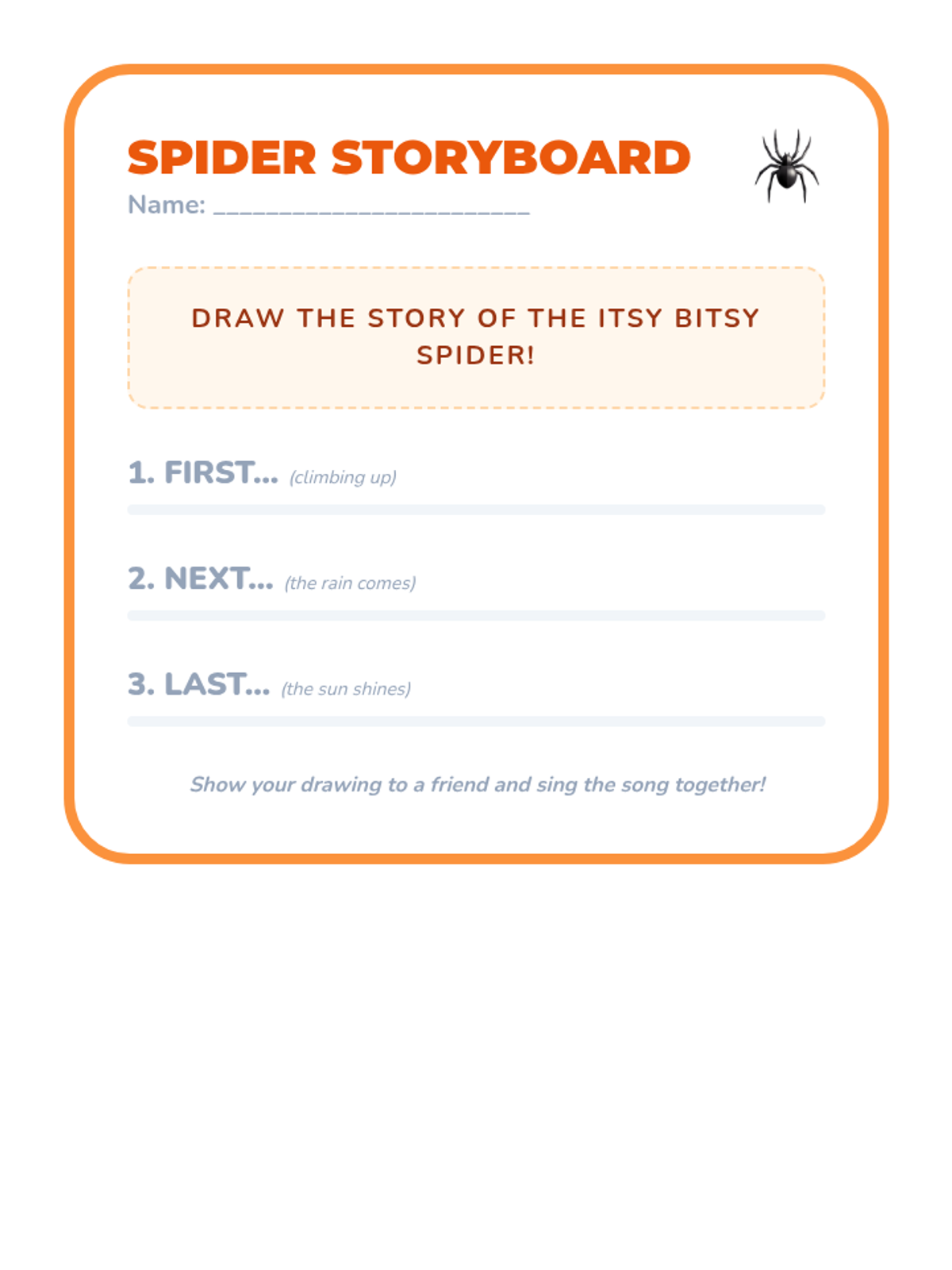
Students add movement and gestures to narrative songs, learning how to use their whole bodies to help tell the story while maintaining vocal performance.
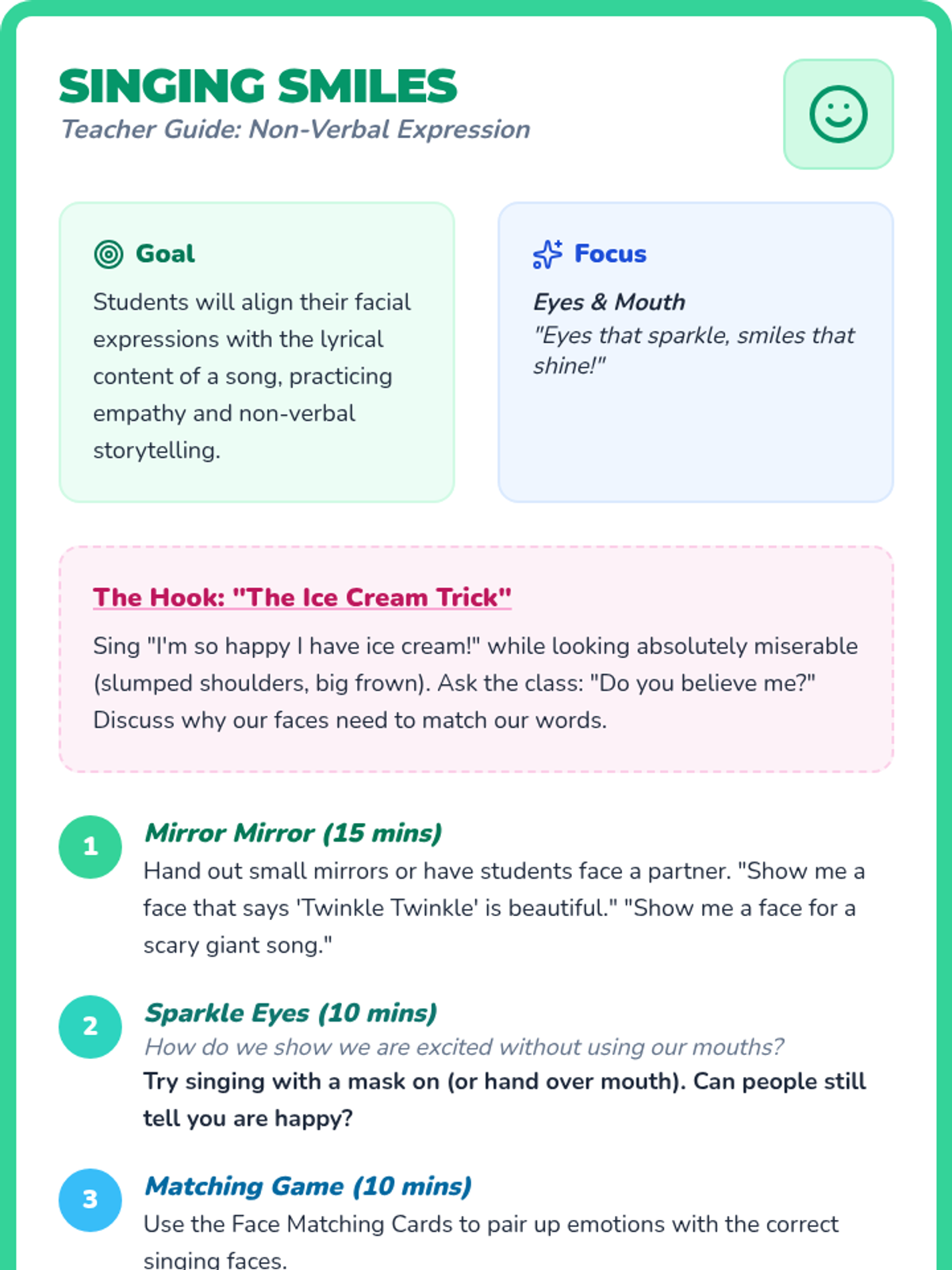
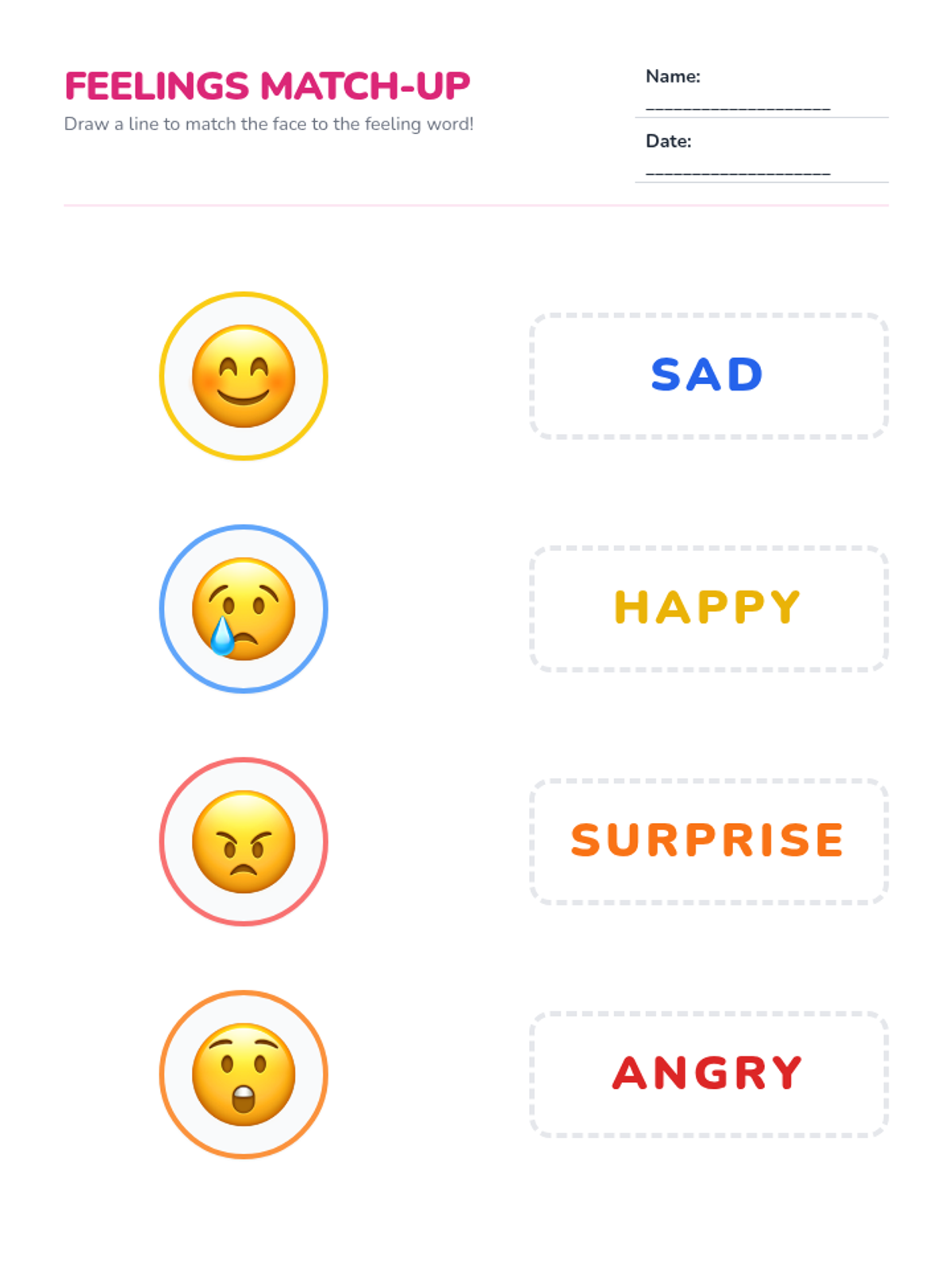
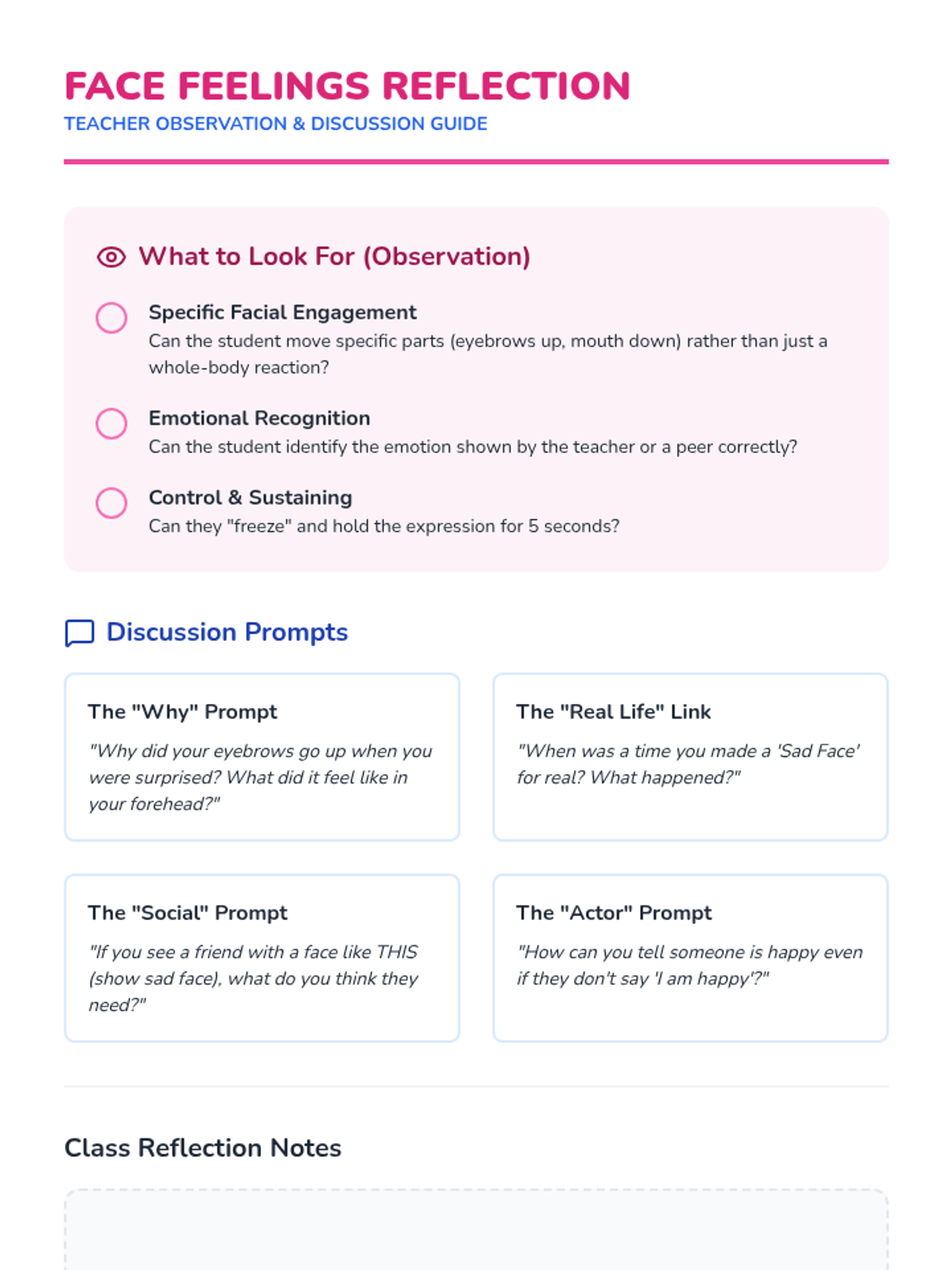
Focusing on non-verbal communication, students use mirrors and partner work to match their facial expressions to the mood of the song they are singing.
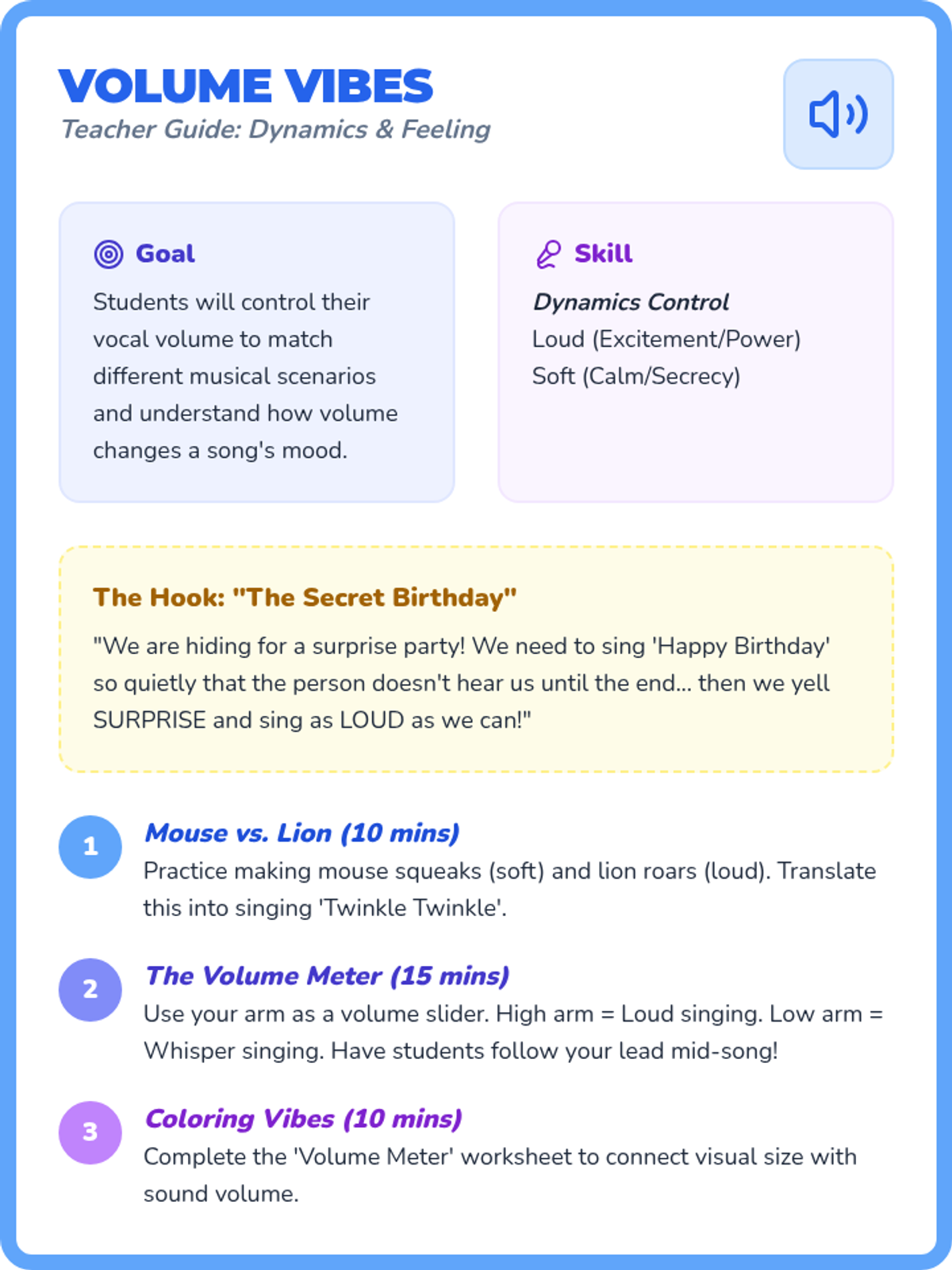
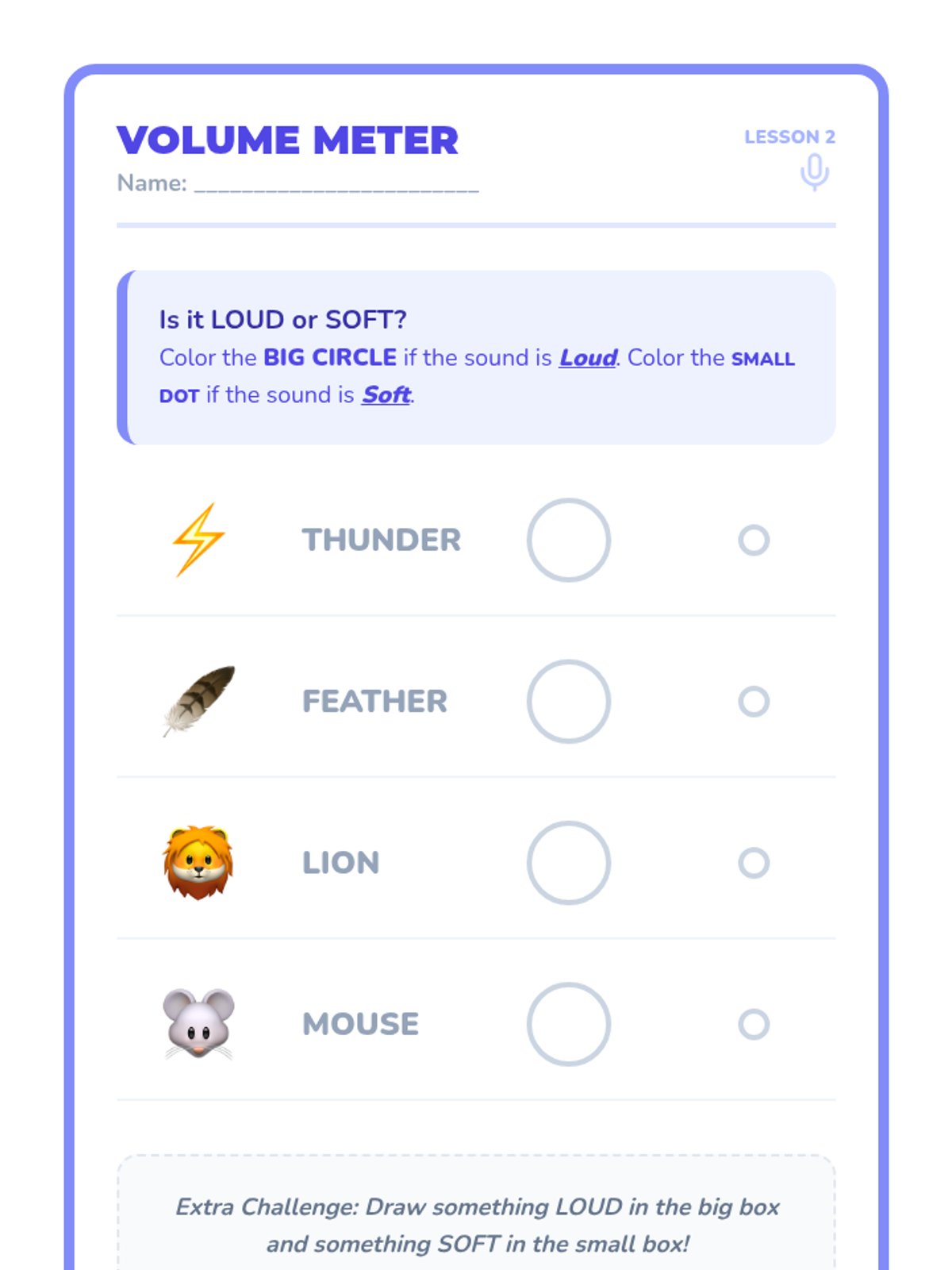
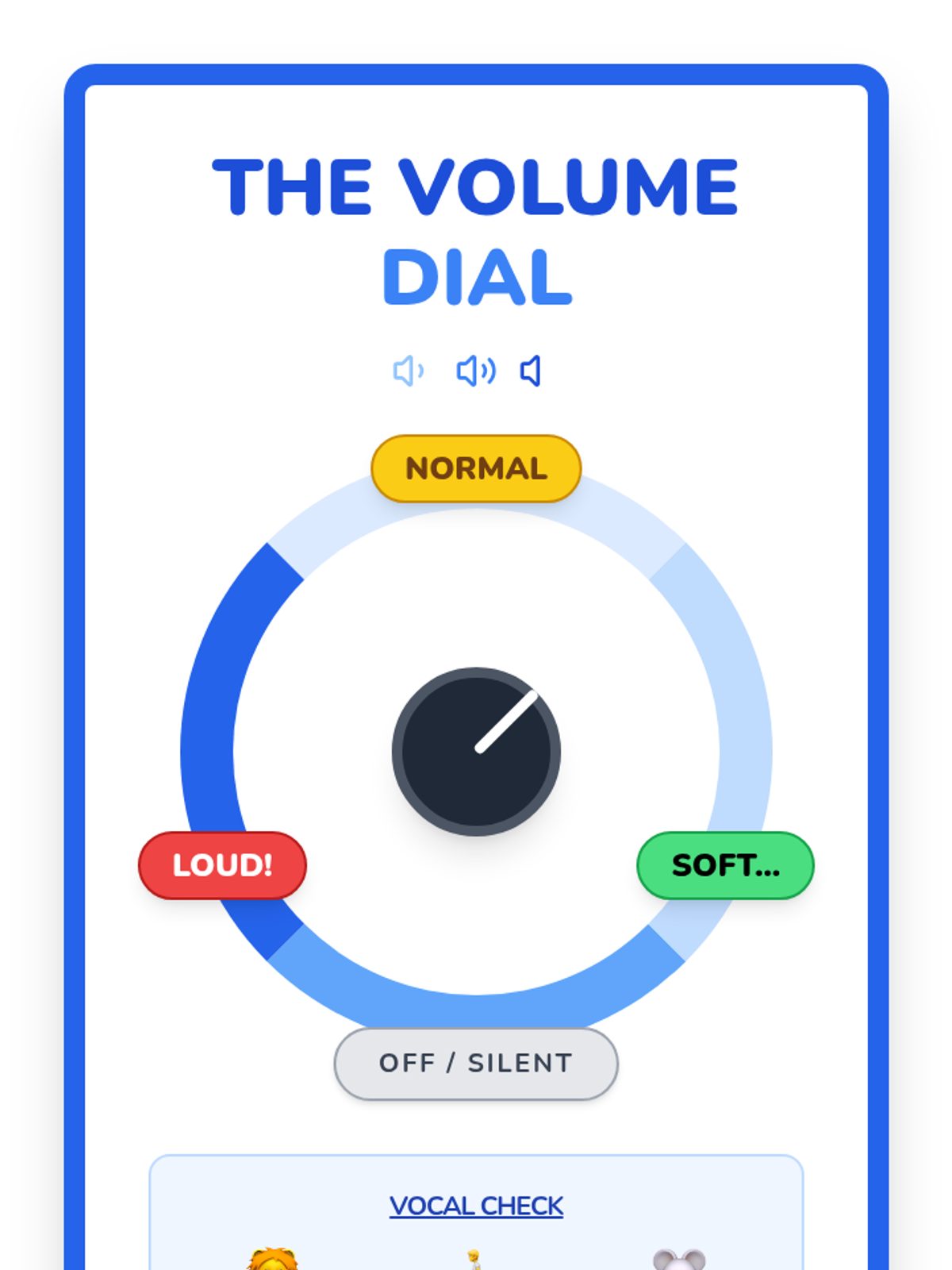
Introduction to dynamics (loud and soft) as a tool for expression. Students learn how changing their volume can turn a song into a quiet lullaby or an exciting celebration.
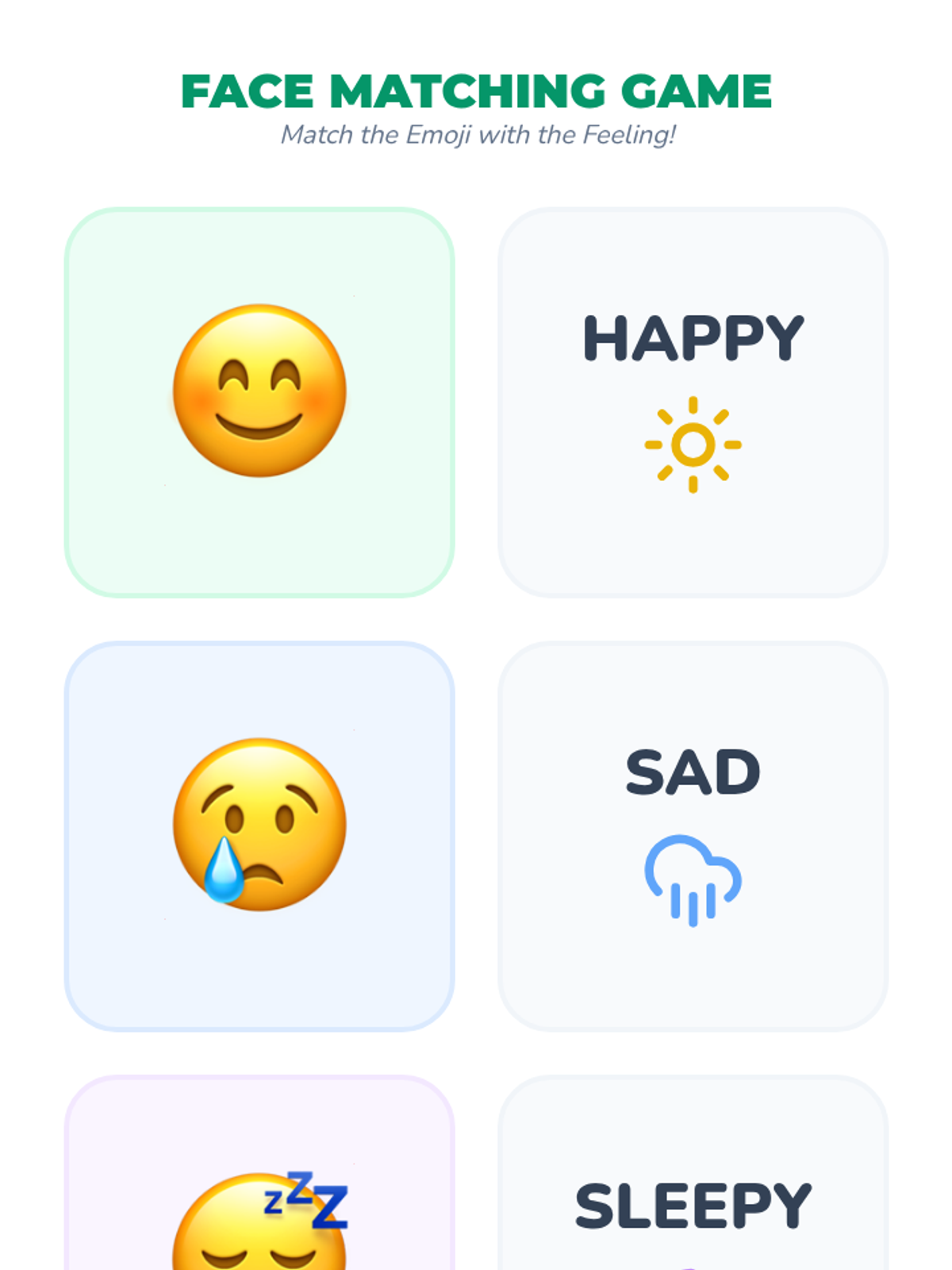
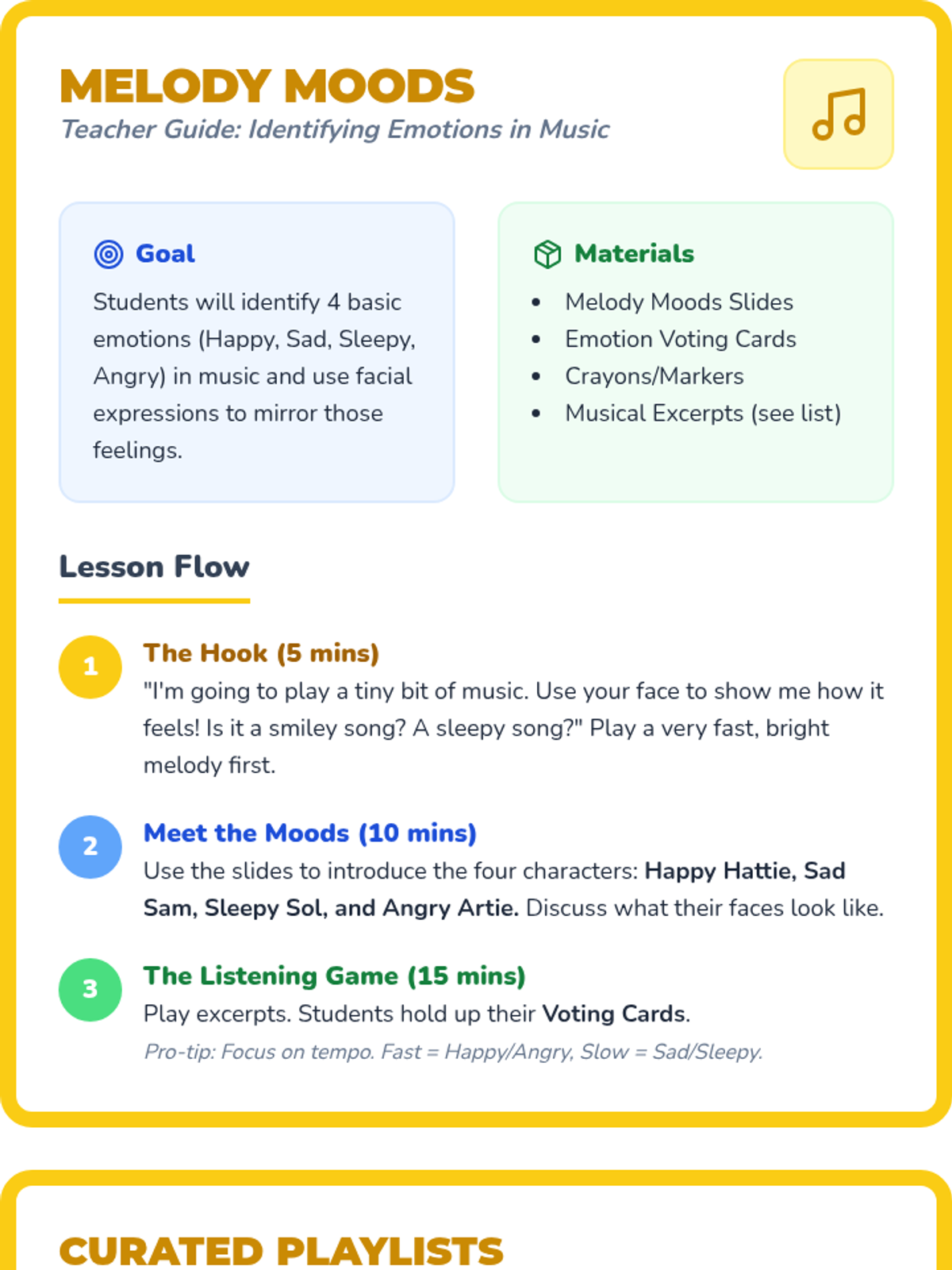
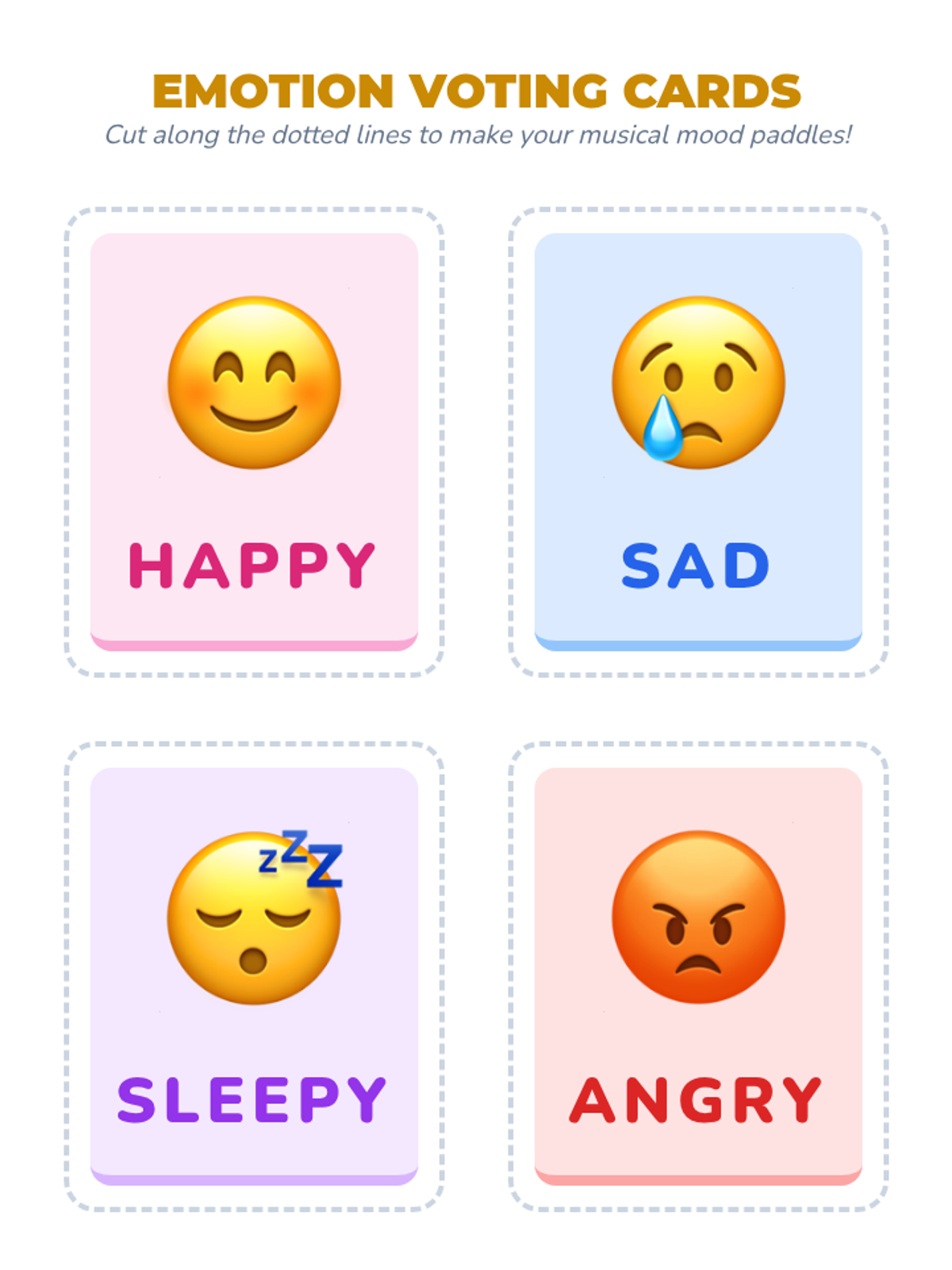
Students explore how different sounds and rhythms in music can make us feel happy, sad, sleepy, or angry. They practice active listening and use visual aids to identify musical emotions.
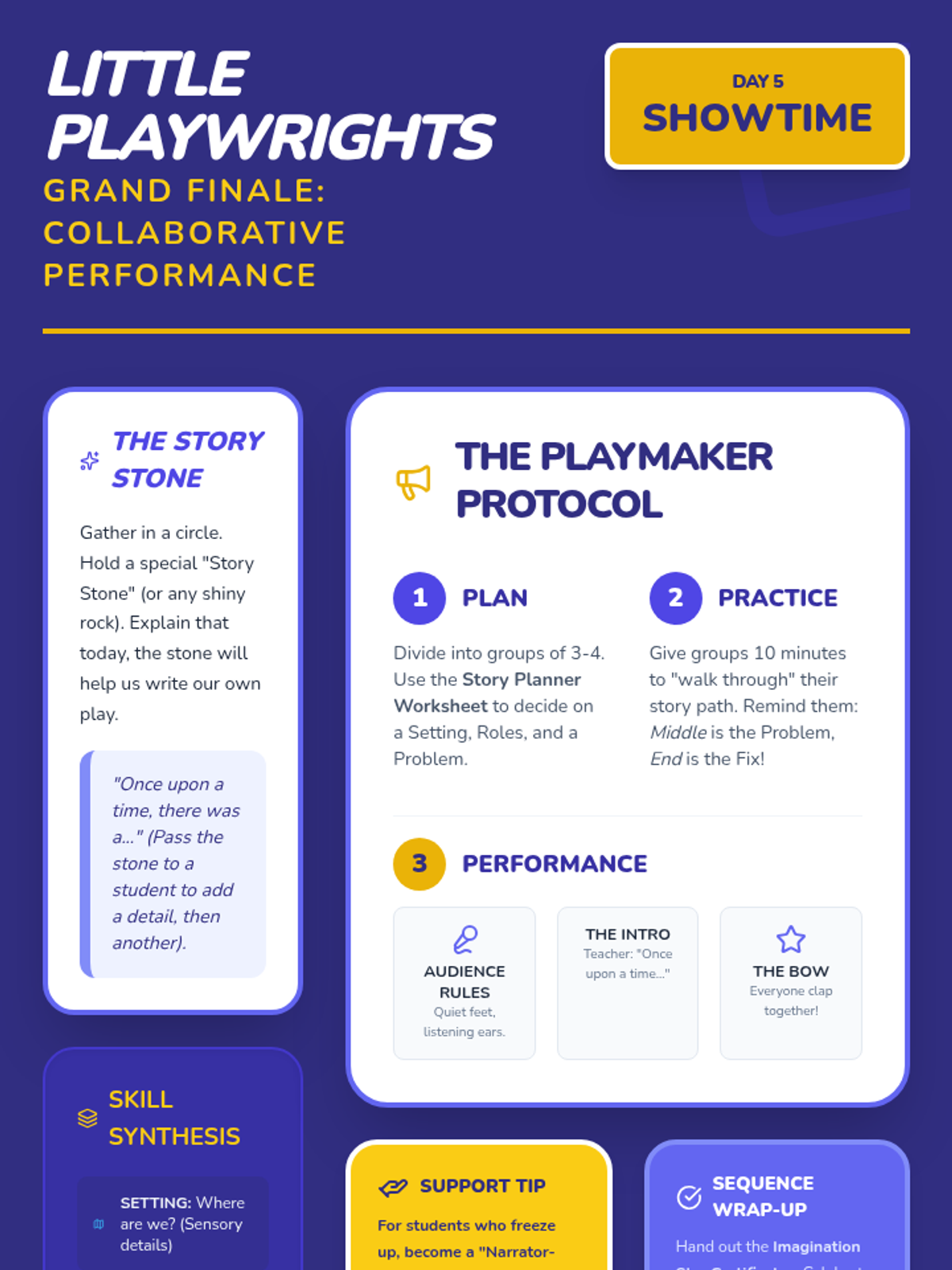
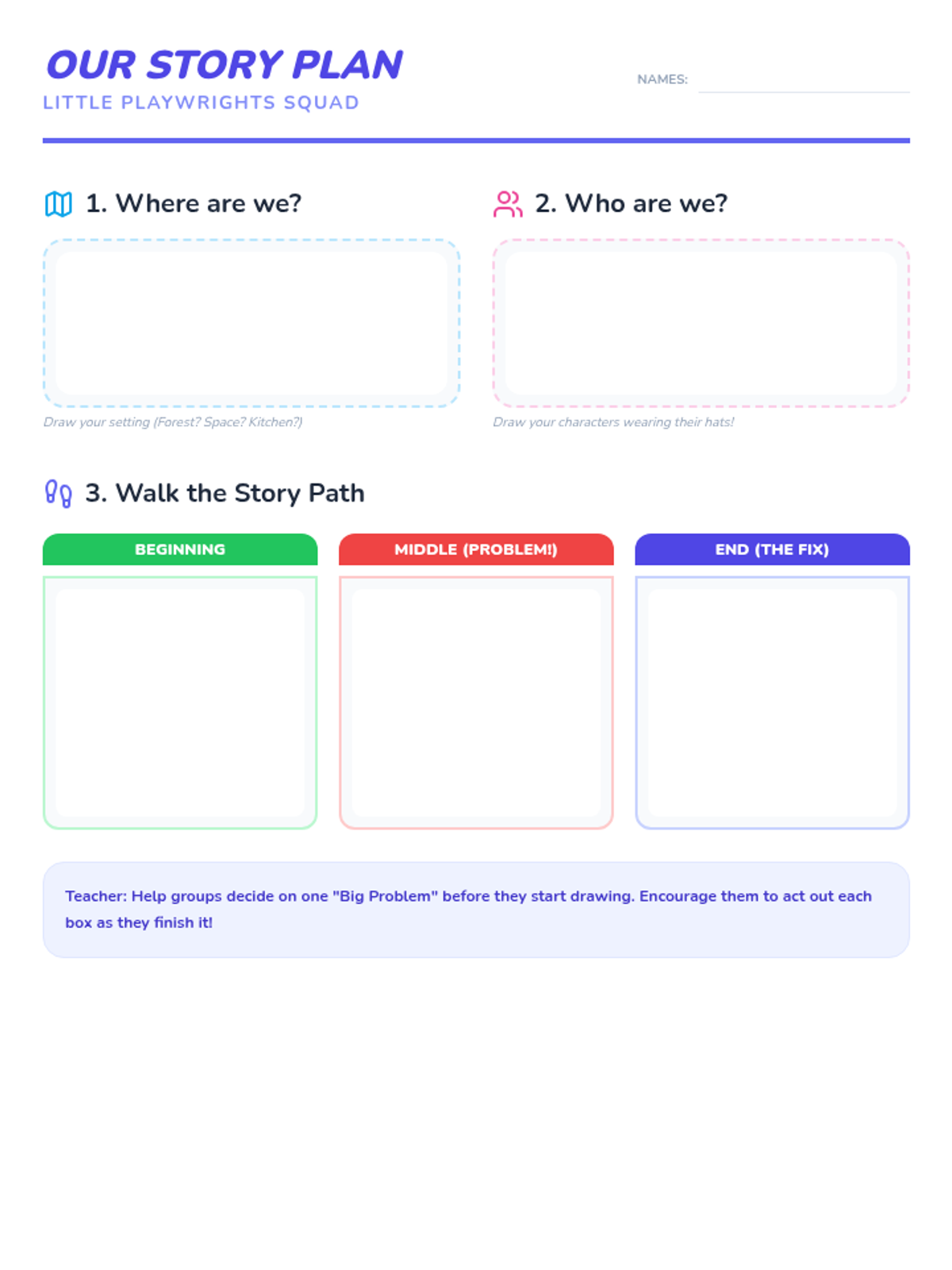
Groups of students plan and perform a short, original story based on a prompt, synthesizing all previously learned theater skills.
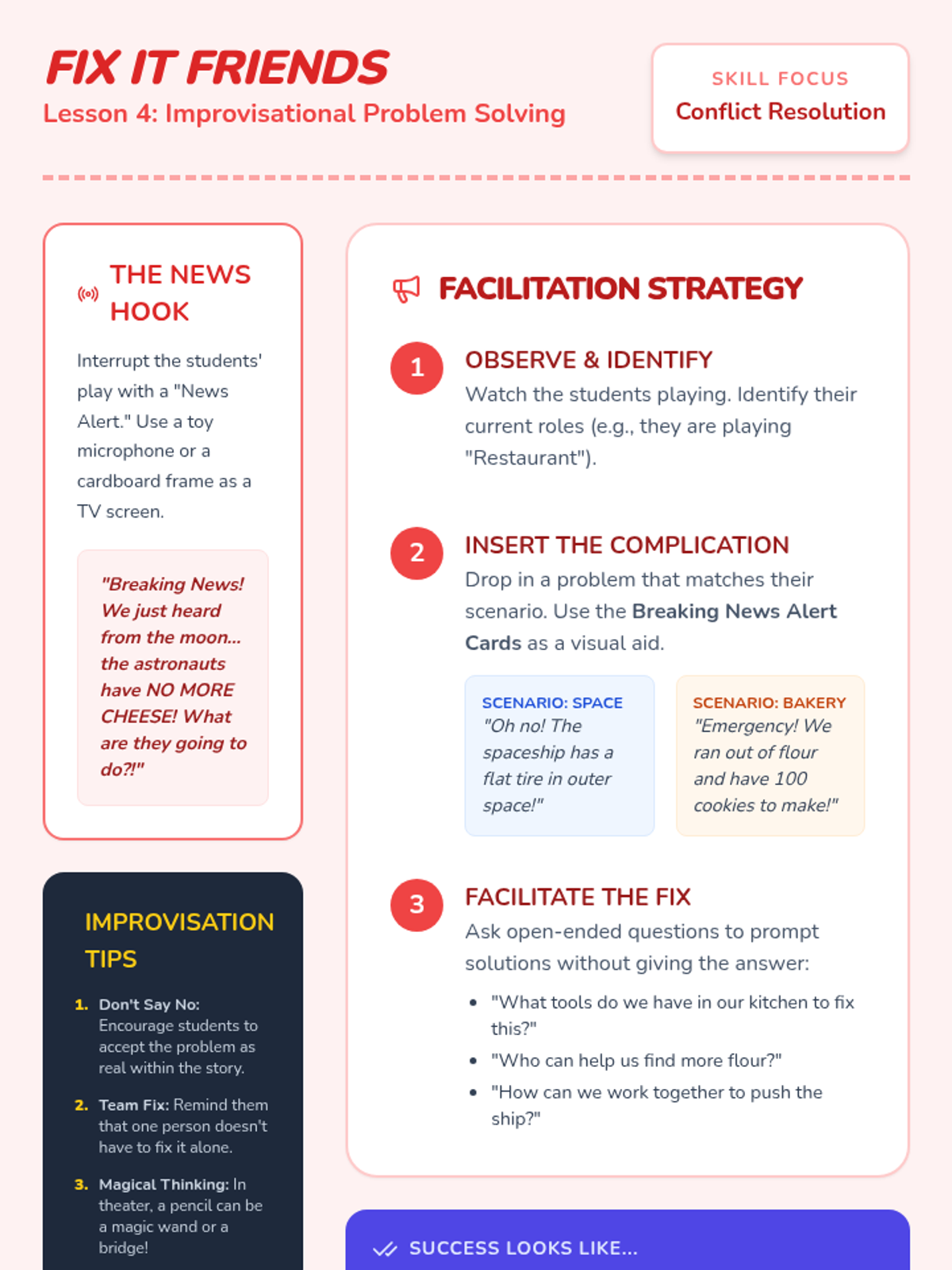
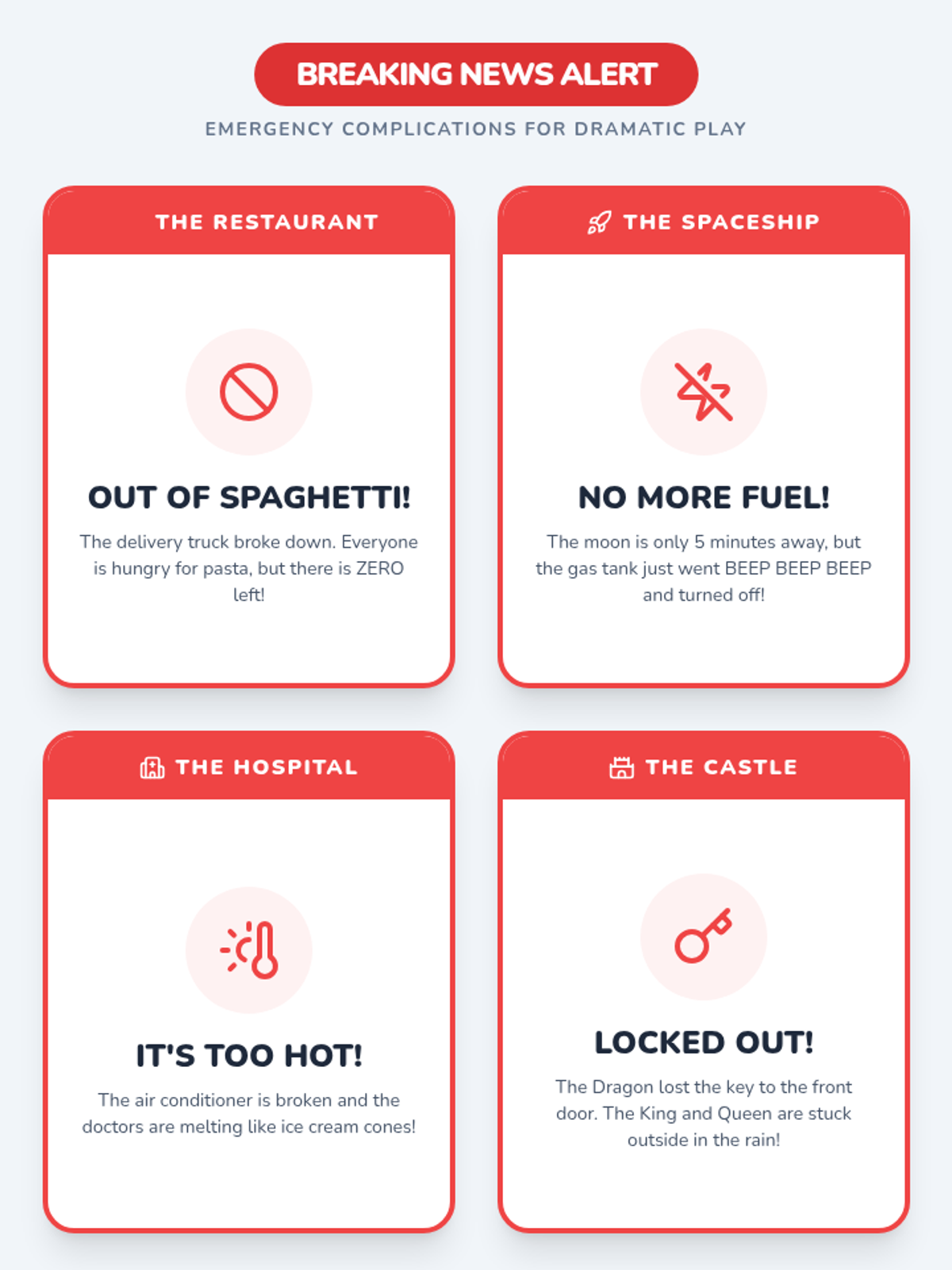
Students practice conflict resolution and critical thinking by improvising solutions to problems introduced during play.
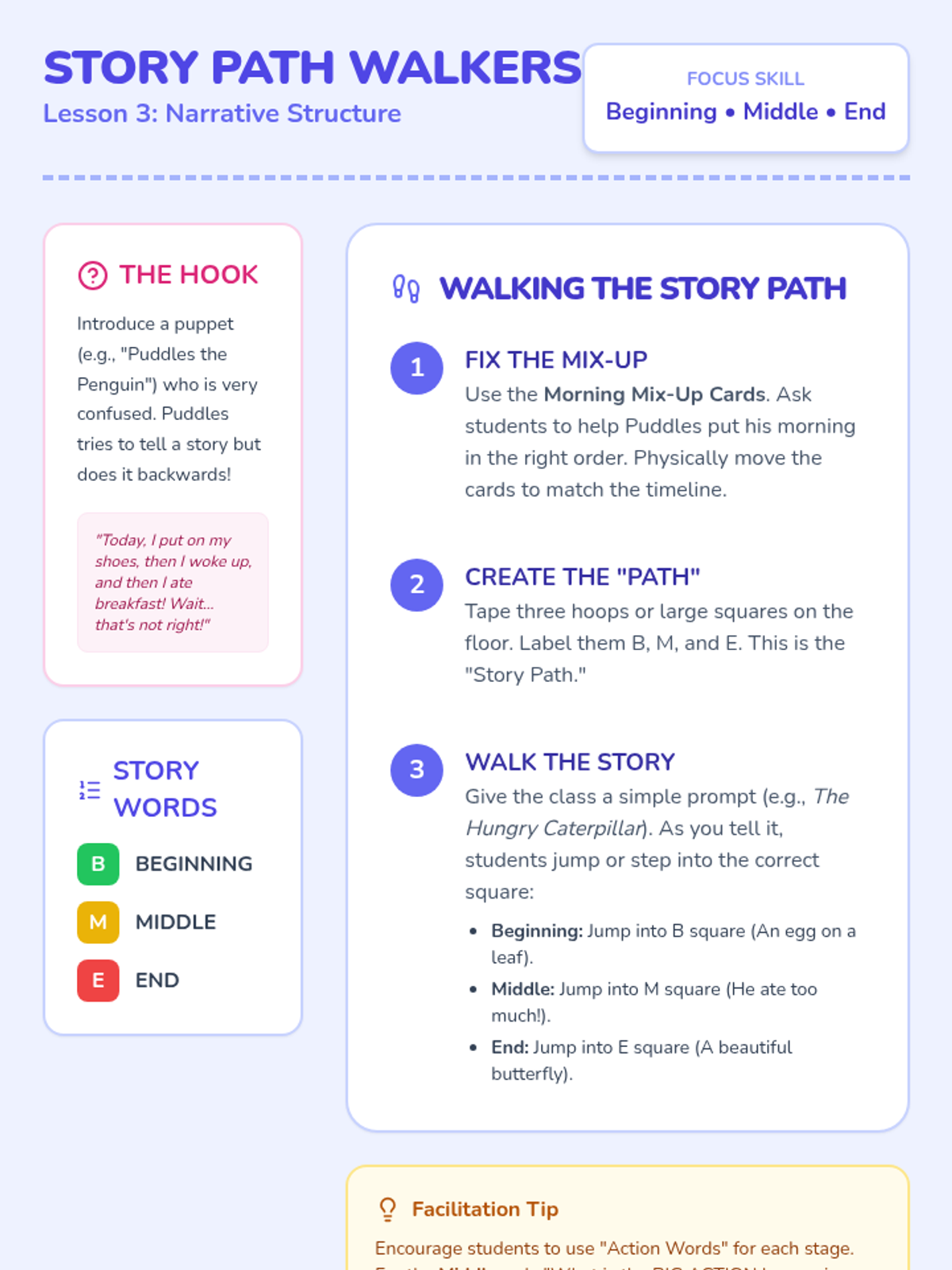
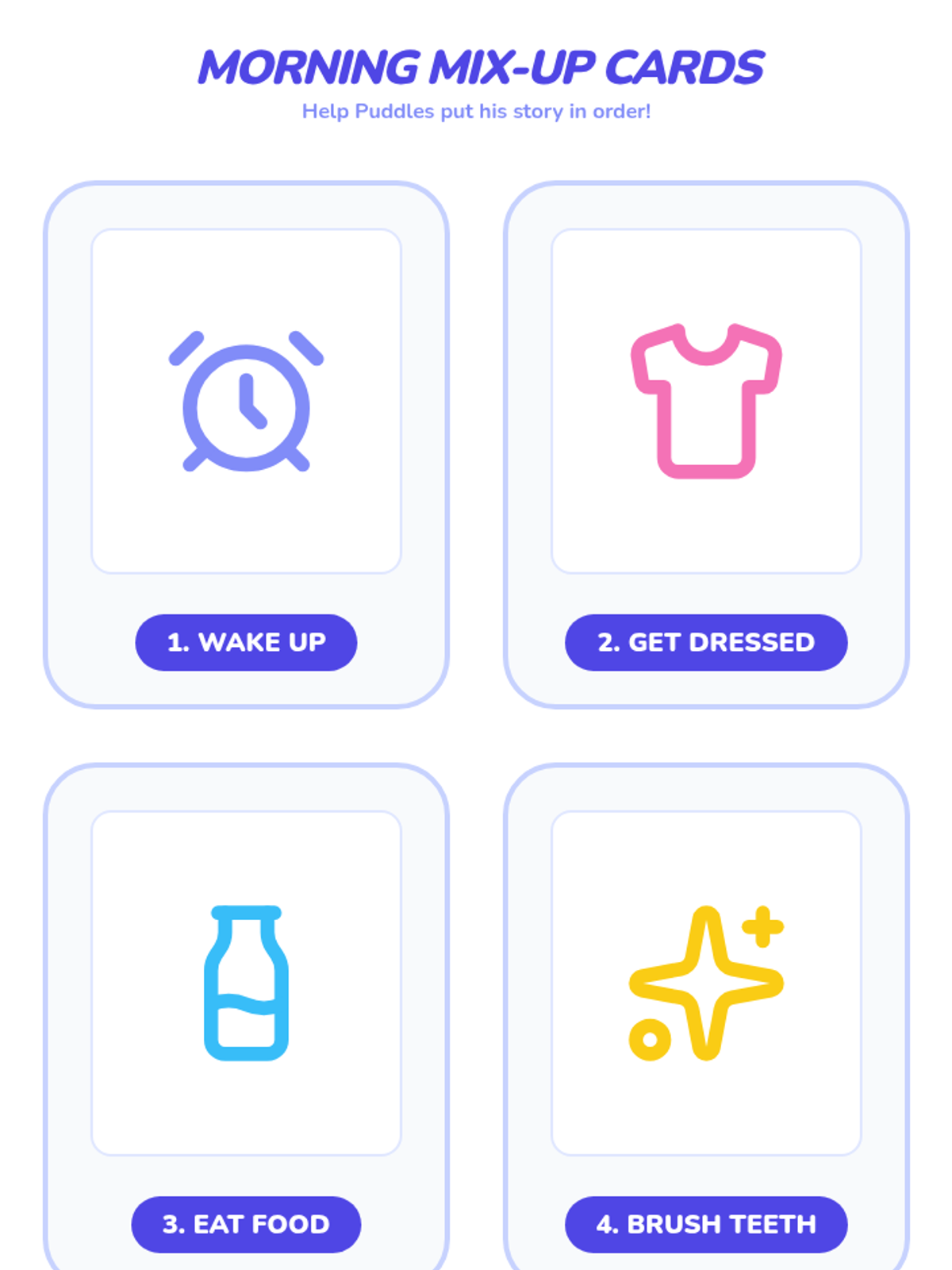
Students learn story sequencing (Beginning, Middle, End) through physical acting and helping a confused puppet.
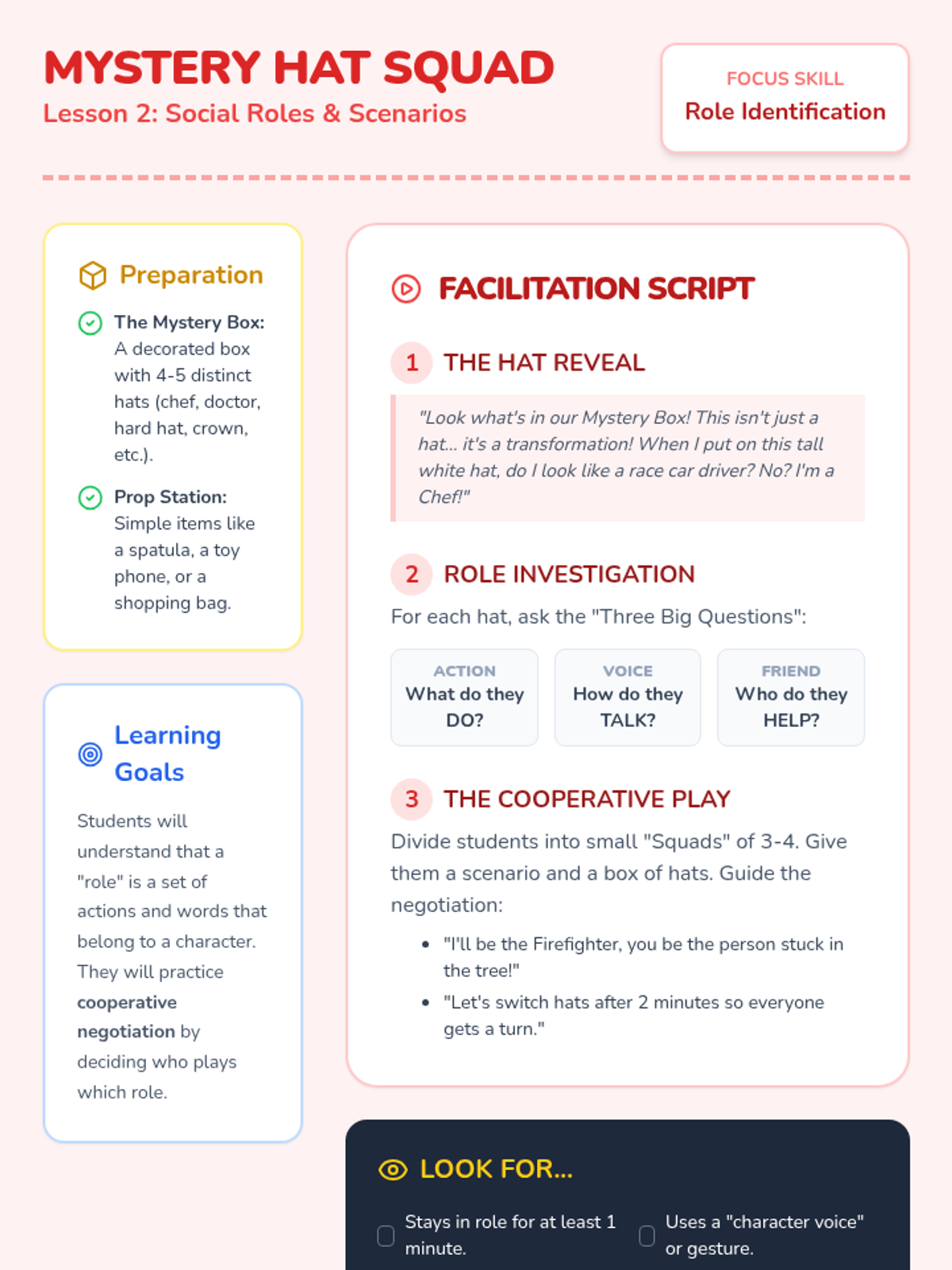
Students explore social roles and community scenarios by assigning jobs and practicing associated behaviors using a 'Mystery Box' of hats.
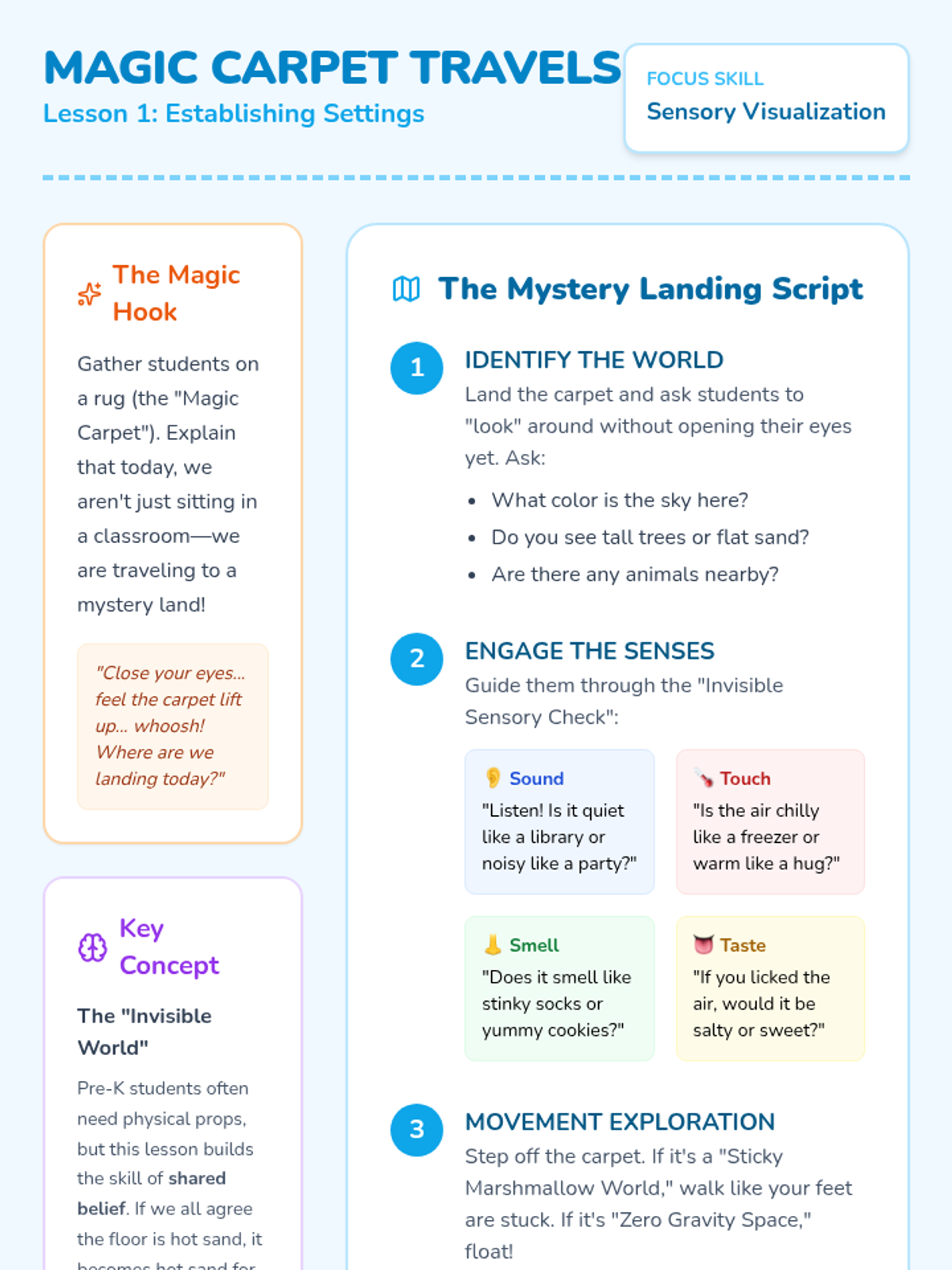
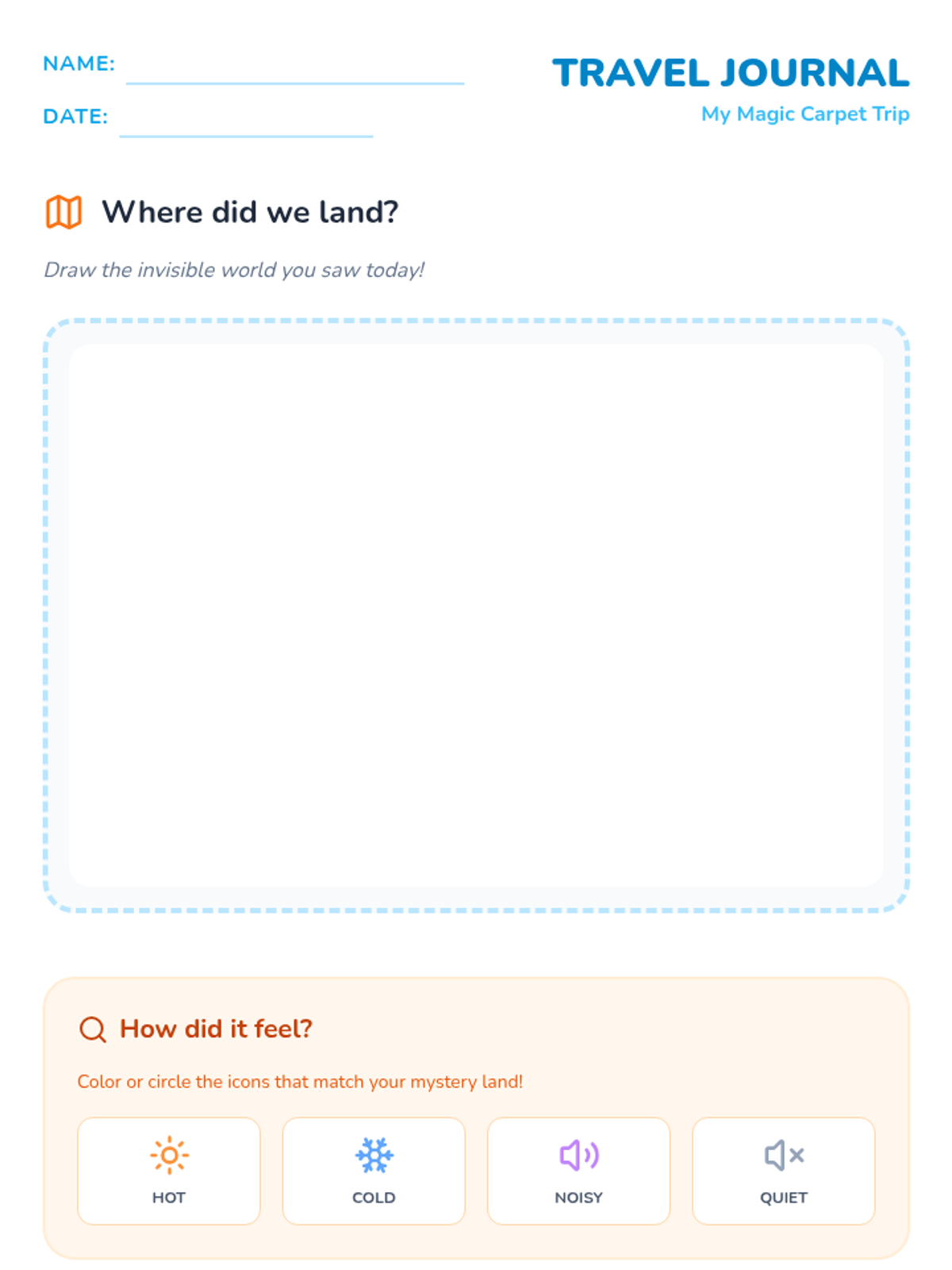
Students learn to visualize and describe a shared environment without physical sets using sensory prompts and a 'Magic Carpet' hook.
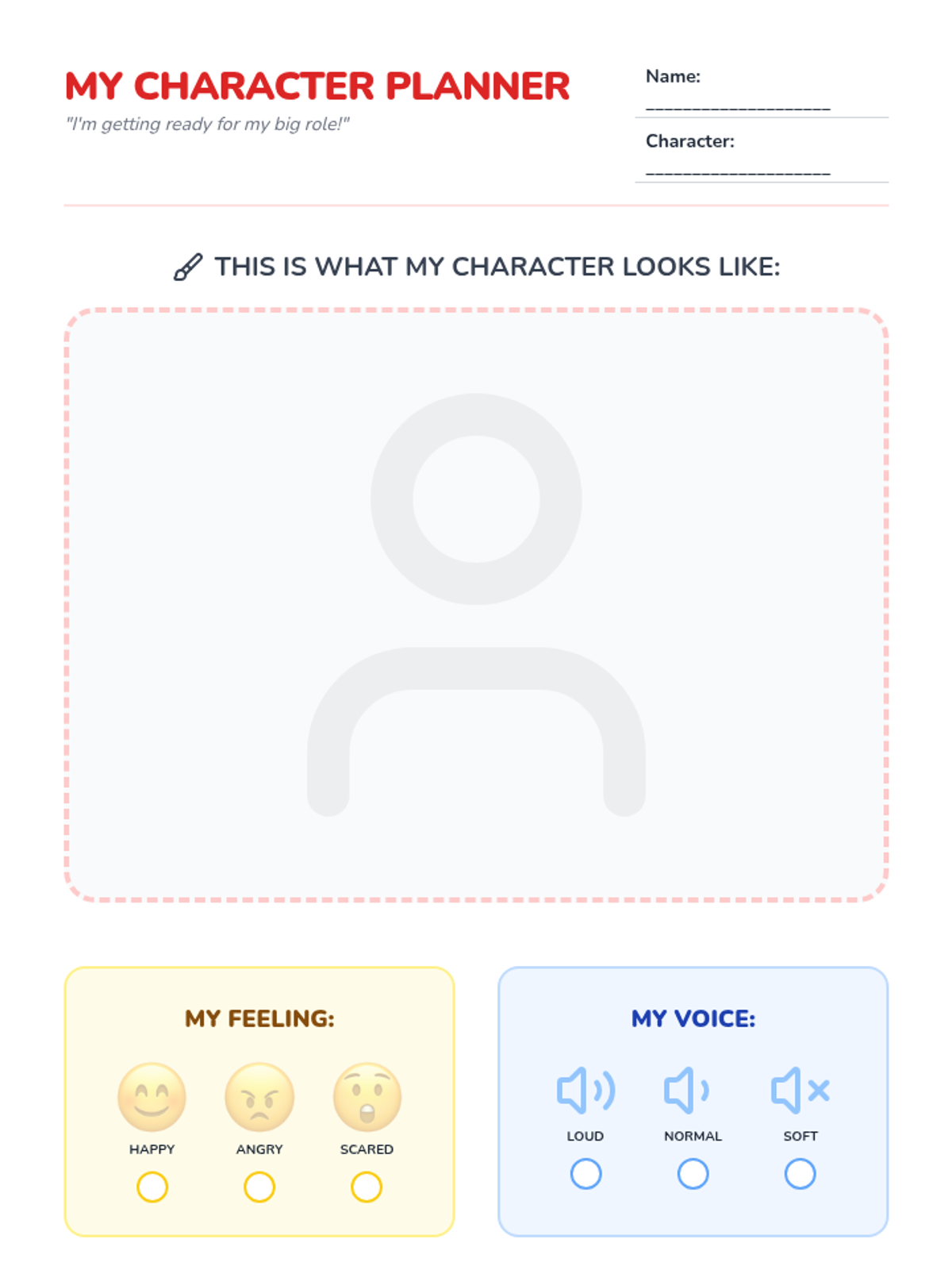
A culminating experience where students integrate movement, voice, and emotion to portray a complete character in a guided dramatic play scenario.
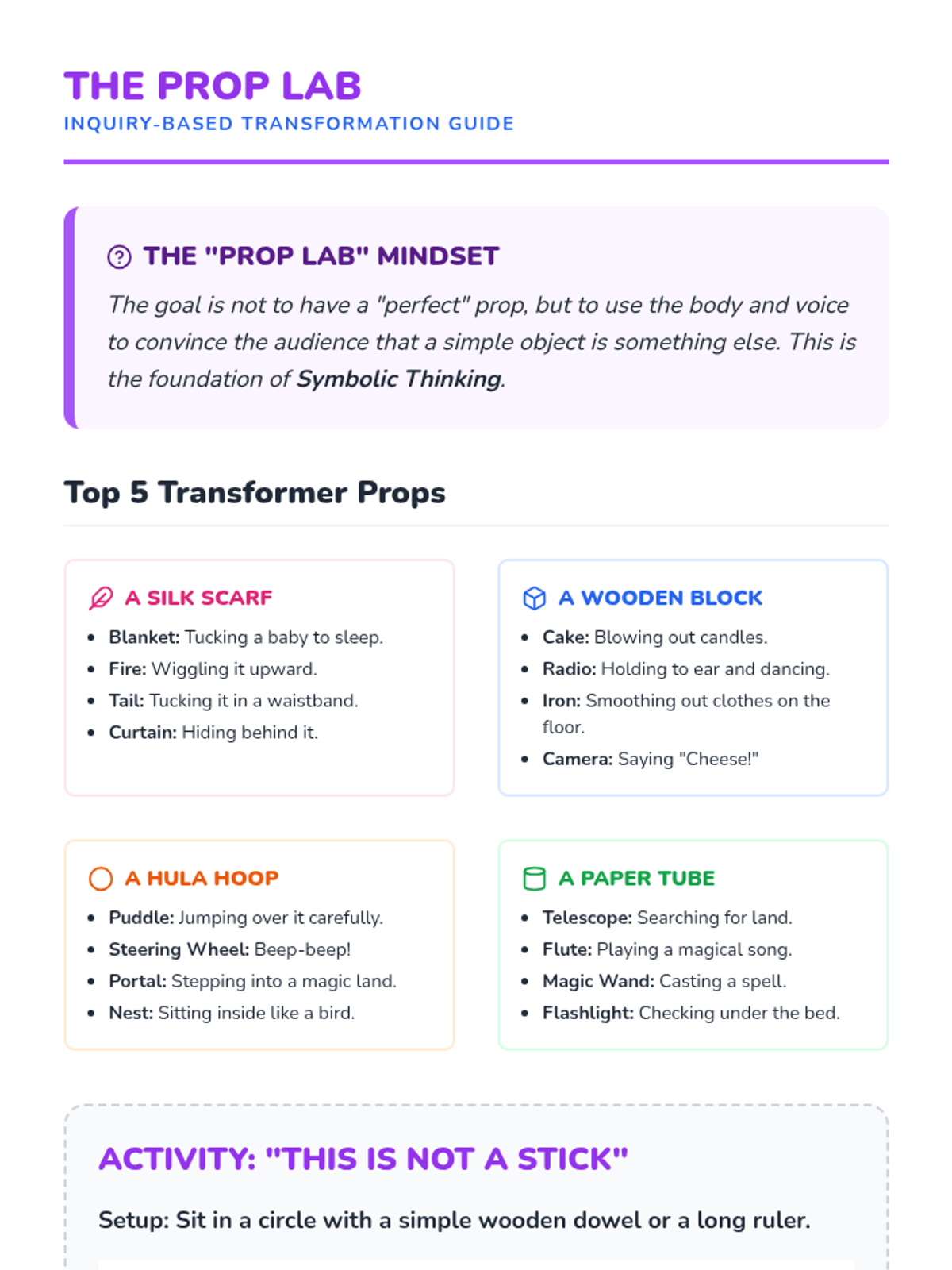
Introduces symbolic play by transforming everyday objects into props, fostering abstract thinking and imaginative context-building.
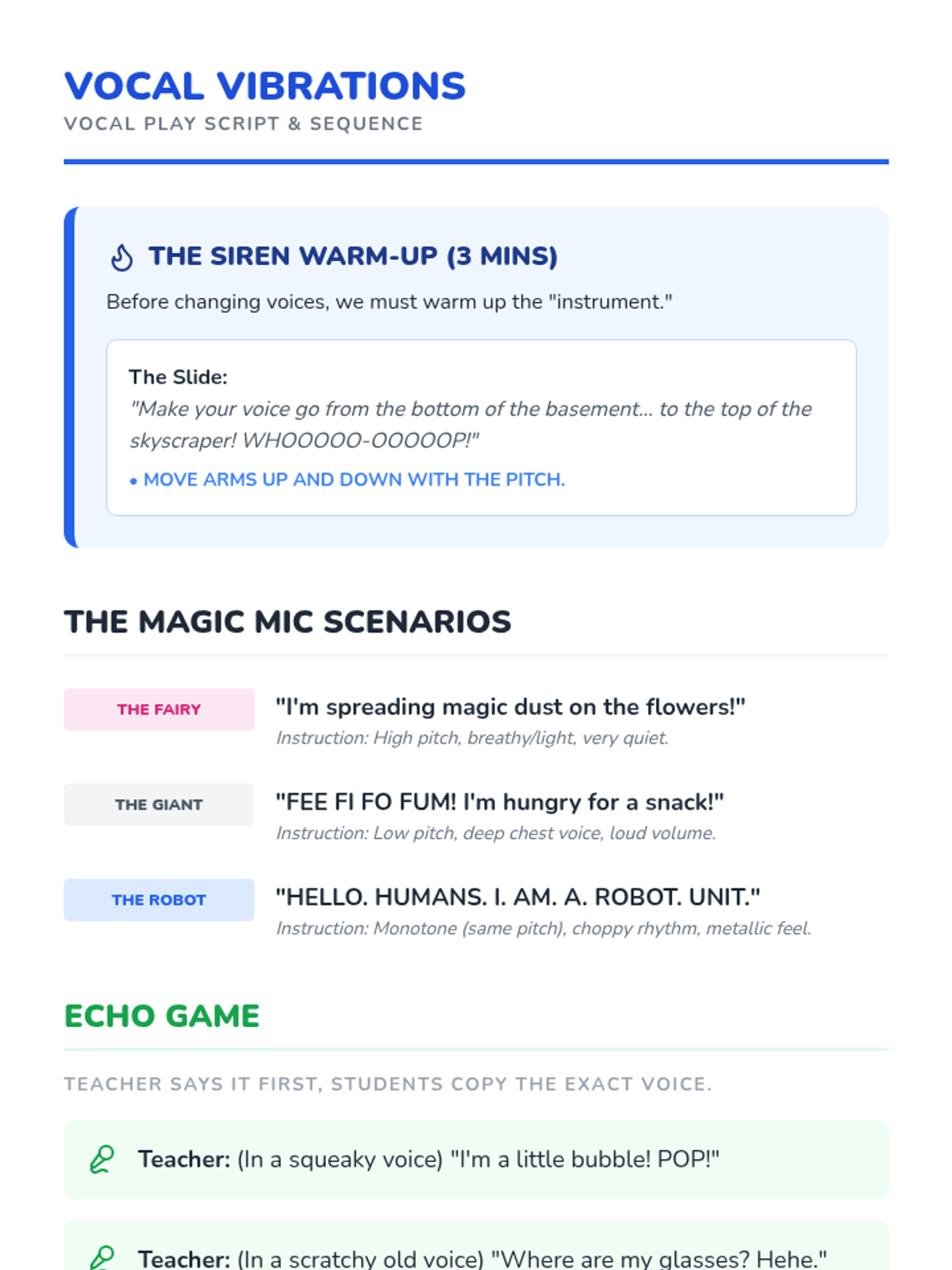
Explores how pitch, volume, and tone can change a character's identity, using vocal play to experiment with different sounds and voices.
Focuses on non-verbal communication through facial expressions, helping students identify and perform basic emotions like joy, sadness, and surprise.