Essential safety protocols, map reading, and compass navigation for wilderness environments. Strengthens group dynamics and problem-solving through structured outdoor team-building challenges.
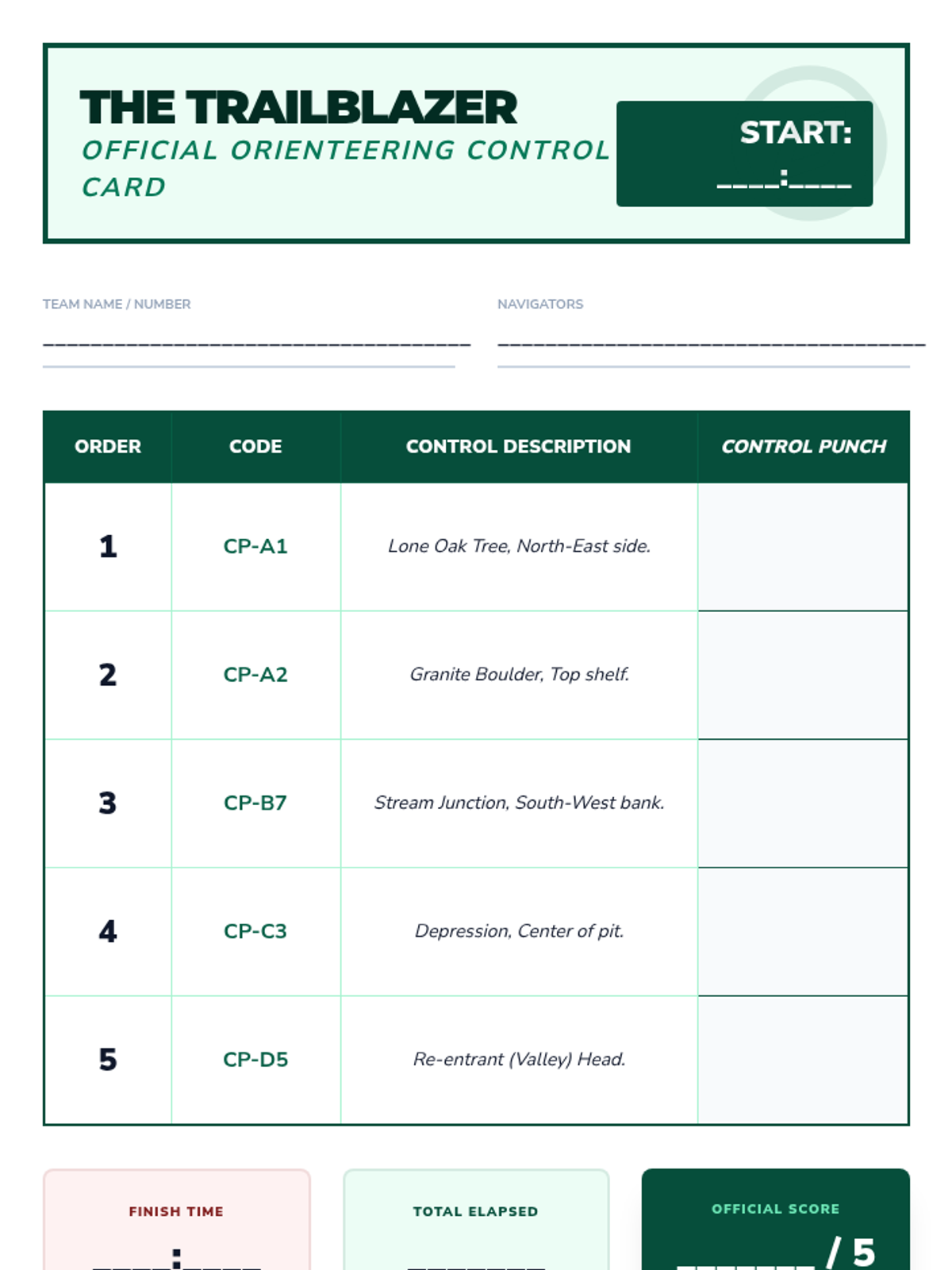
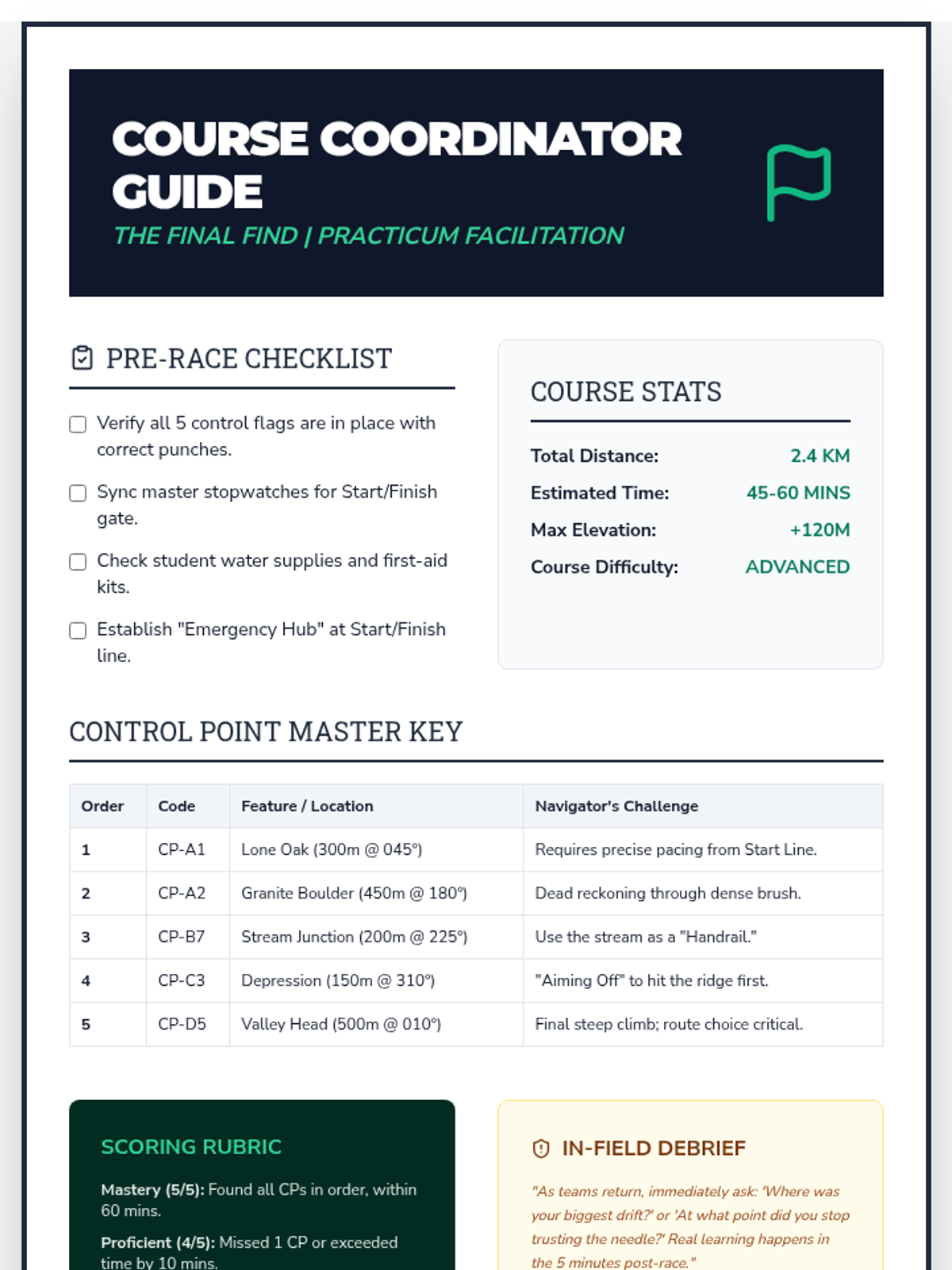
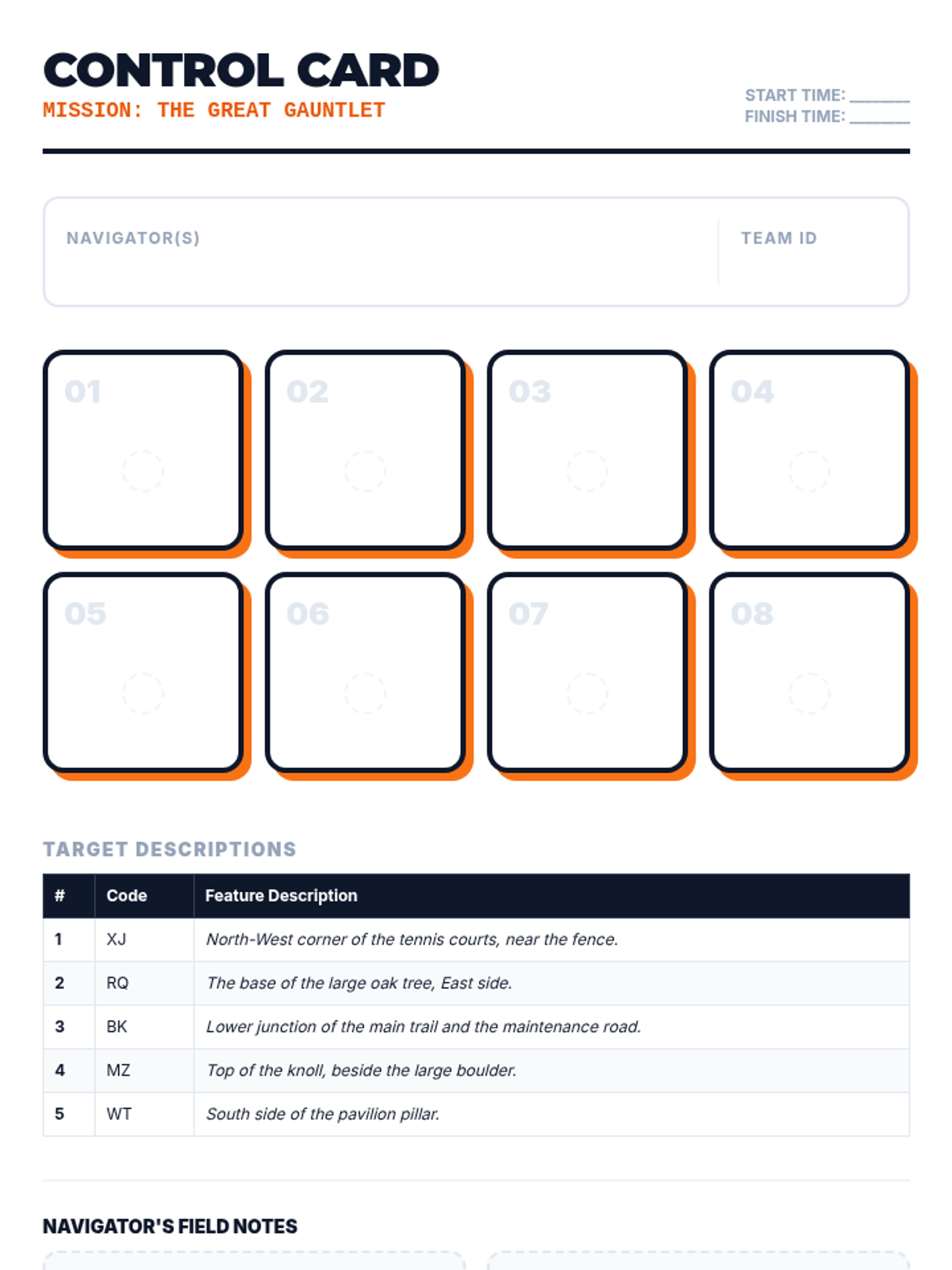
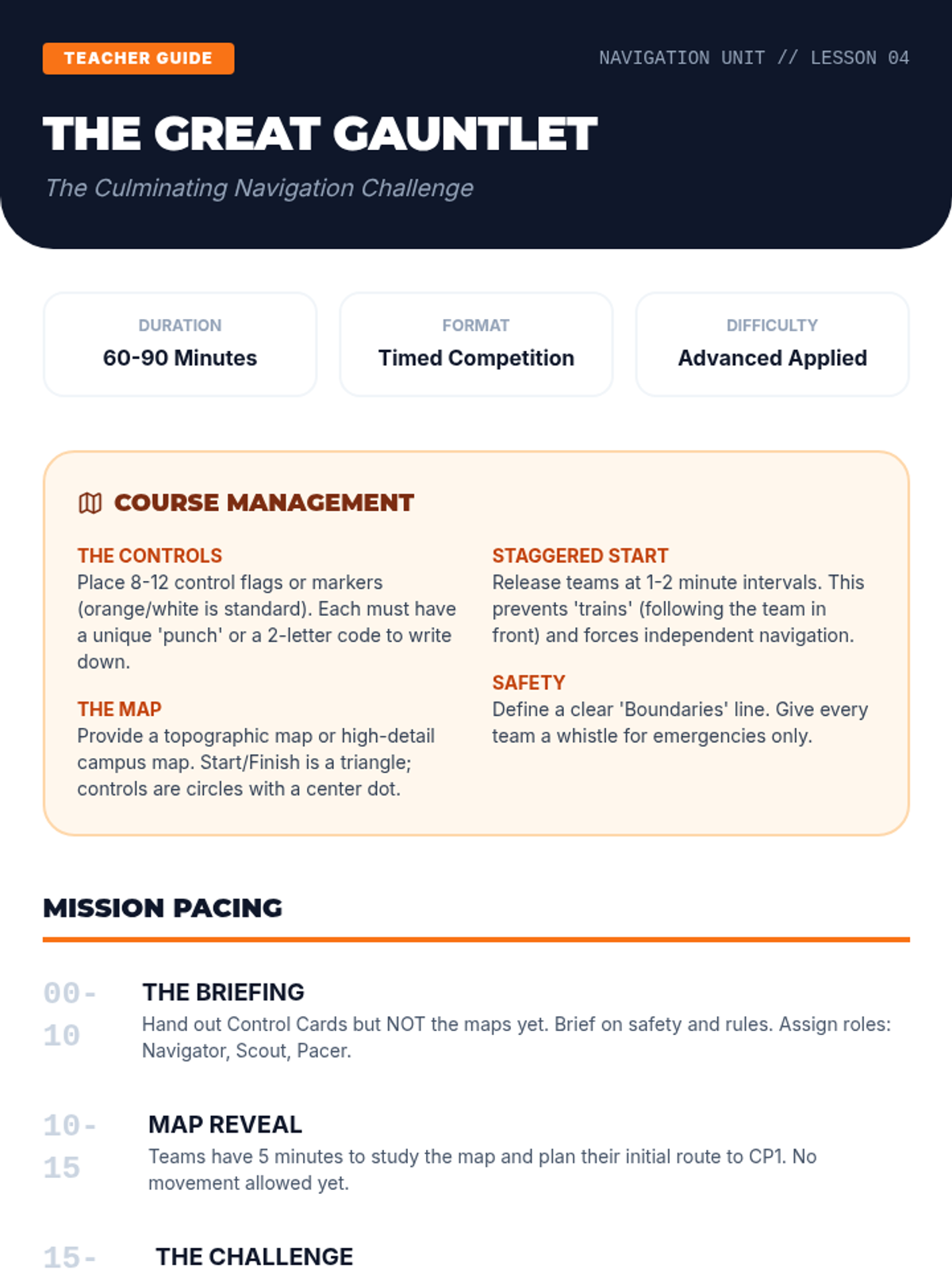
A culminating timed orienteering event where students navigate a complex course to find sequential control points.
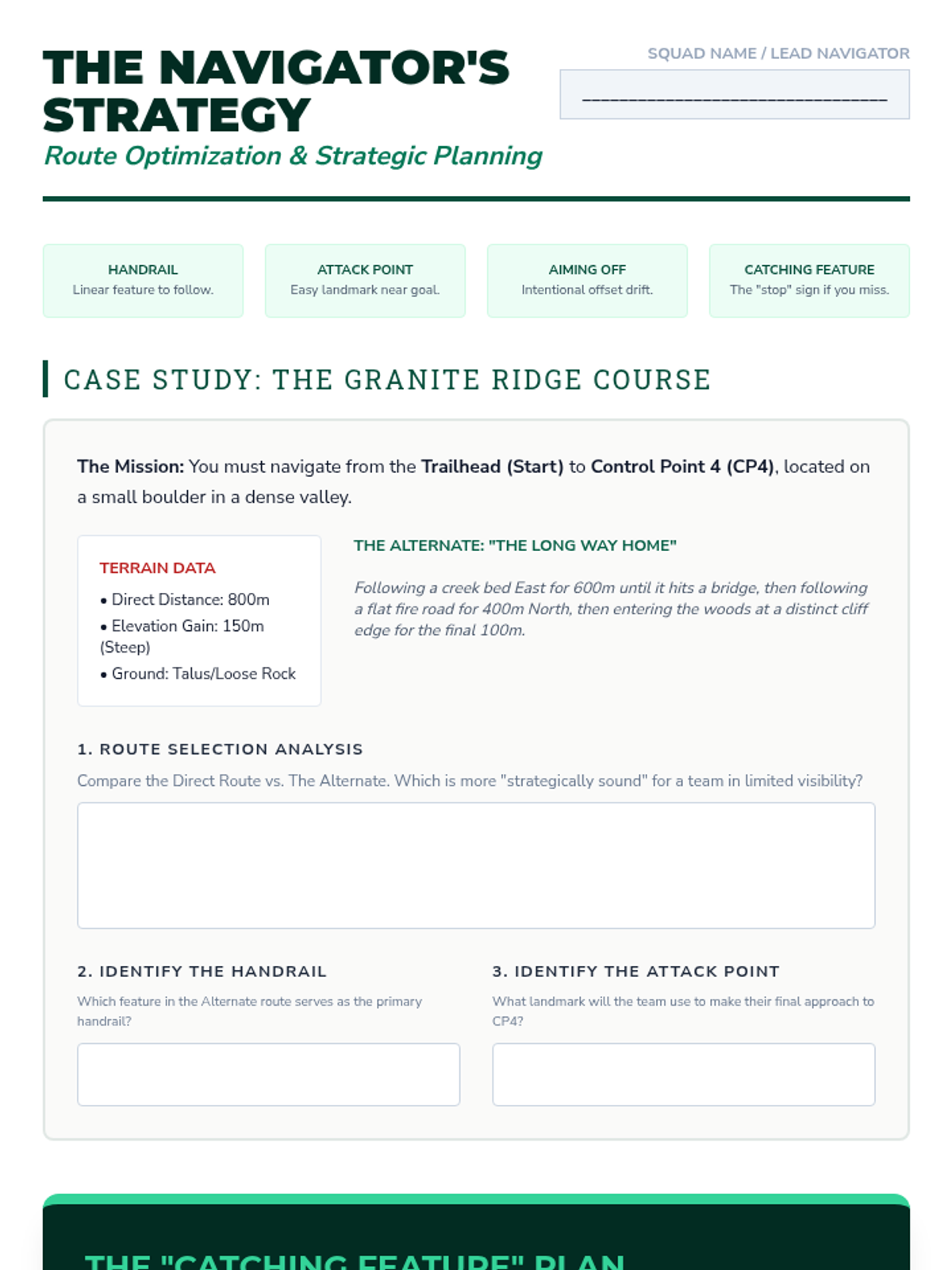
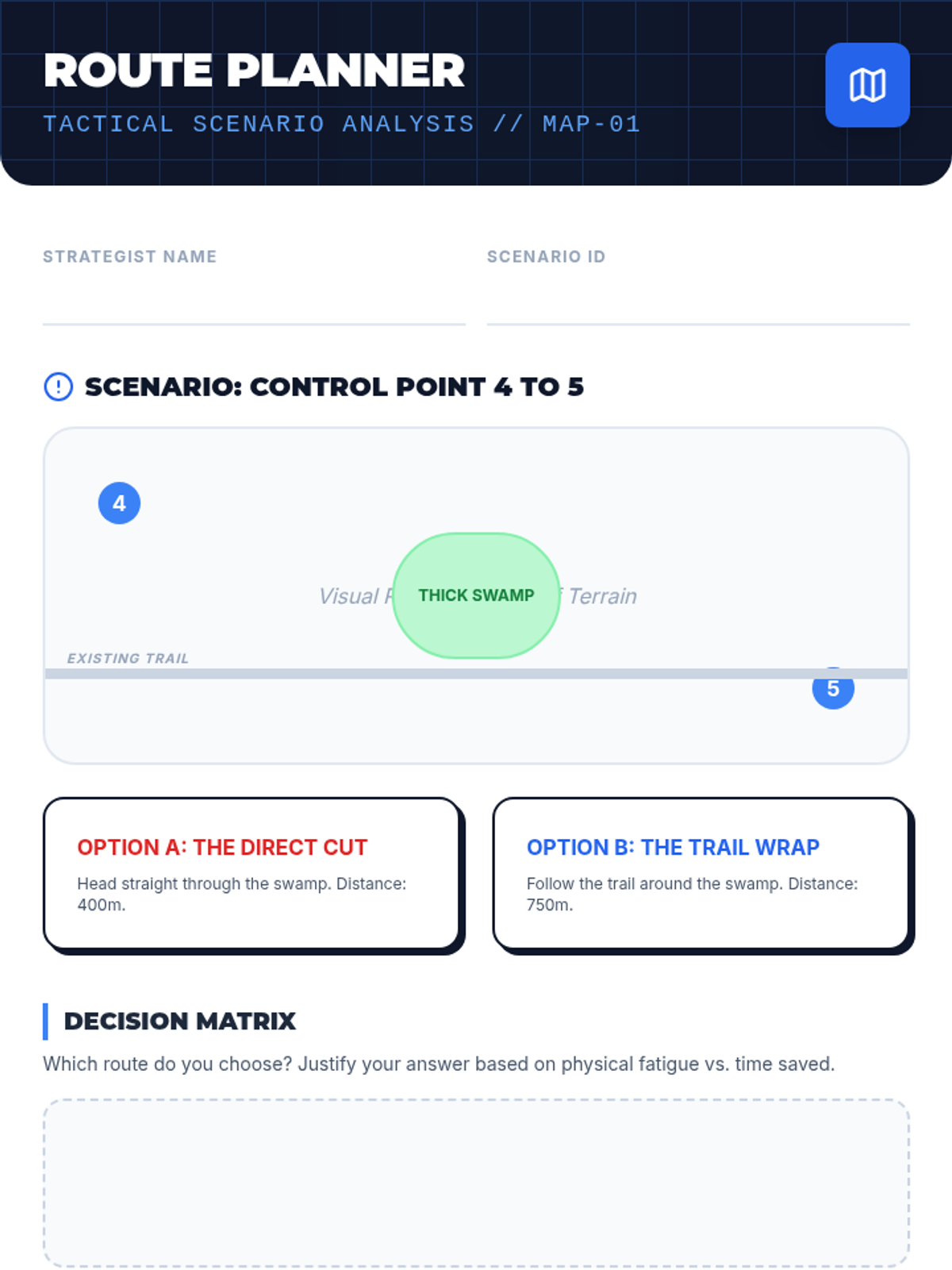
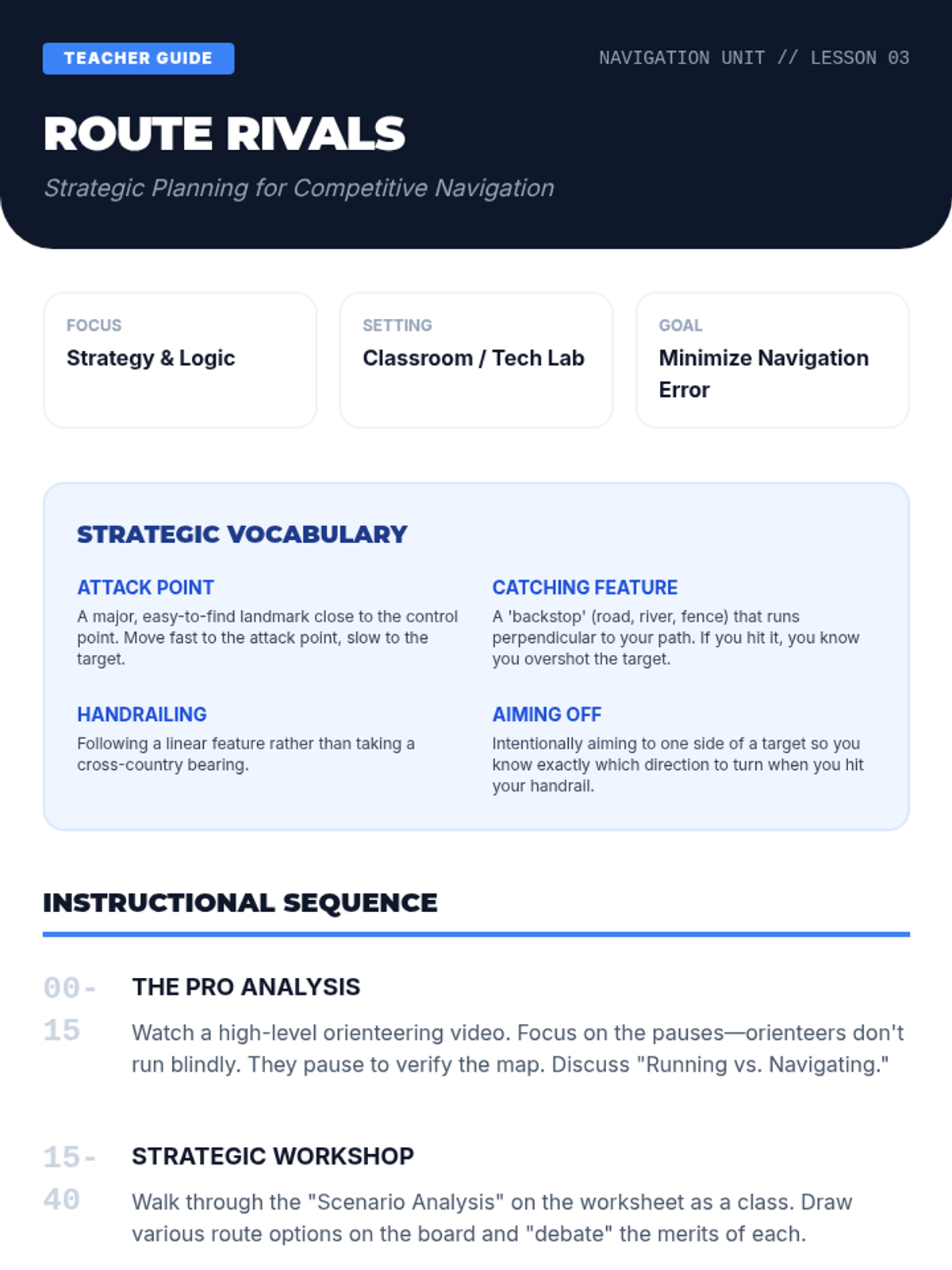
Students analyze terrain for strategic advantages using concepts like handrails, aiming off, and attack points.
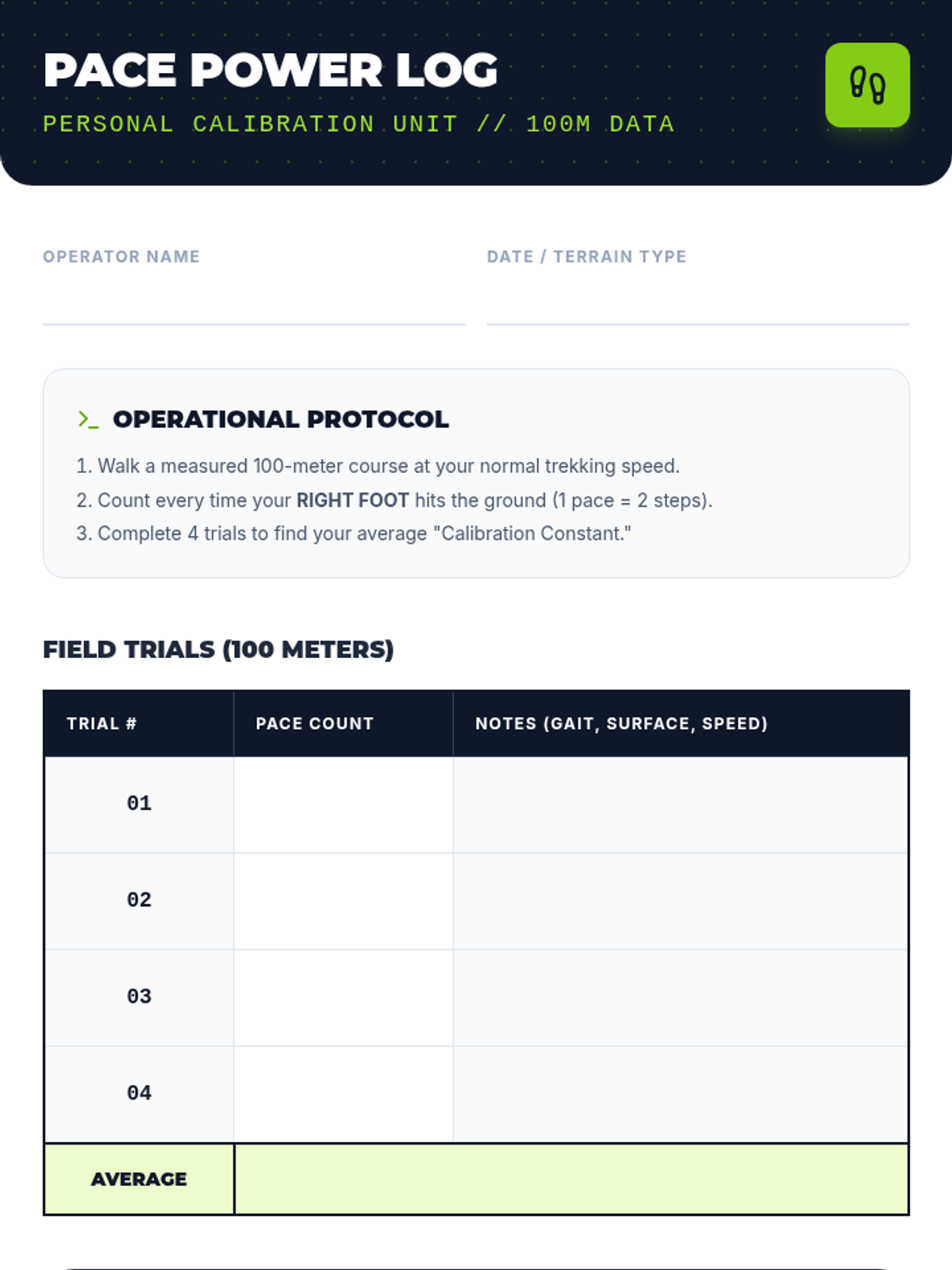
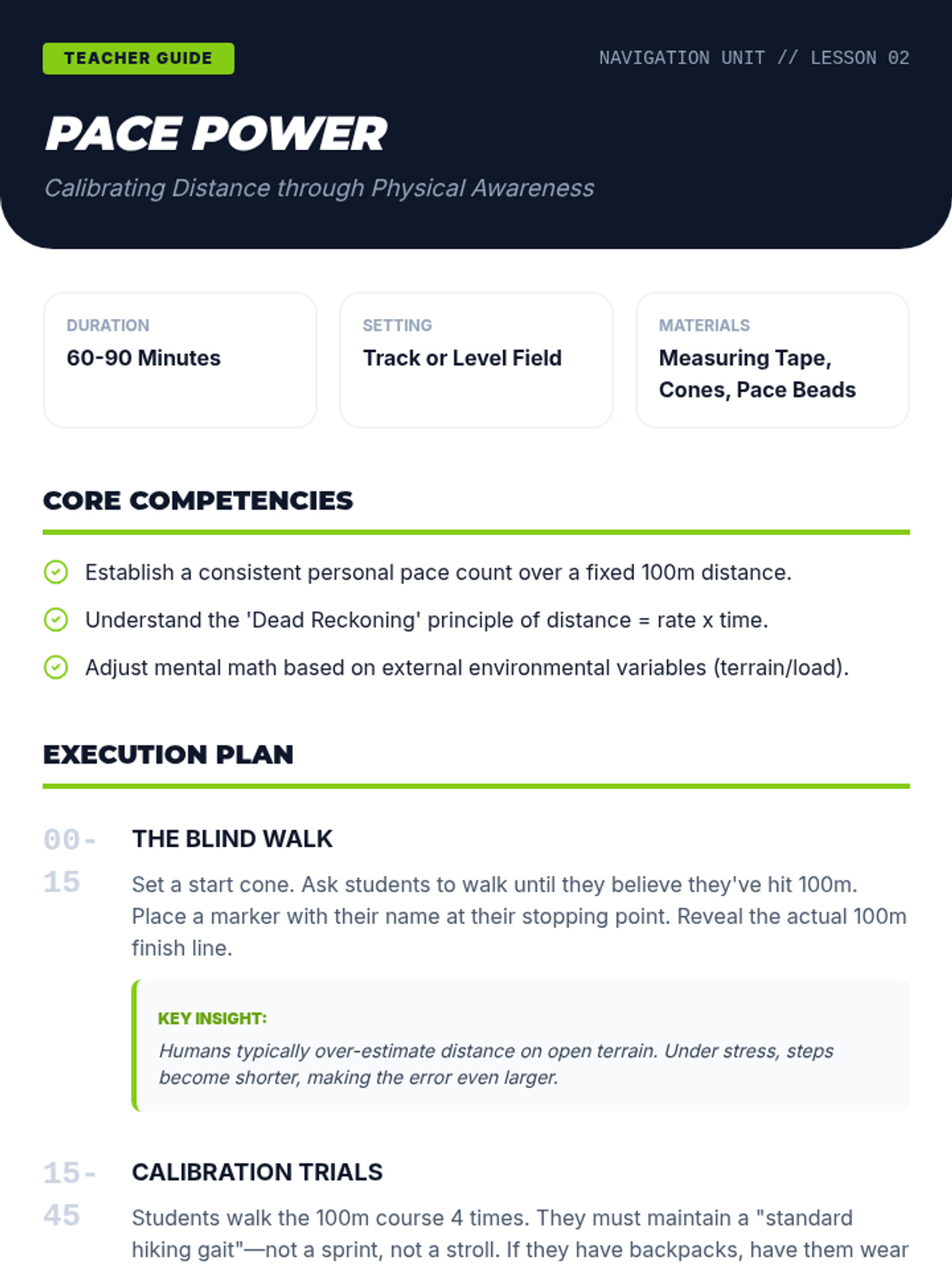
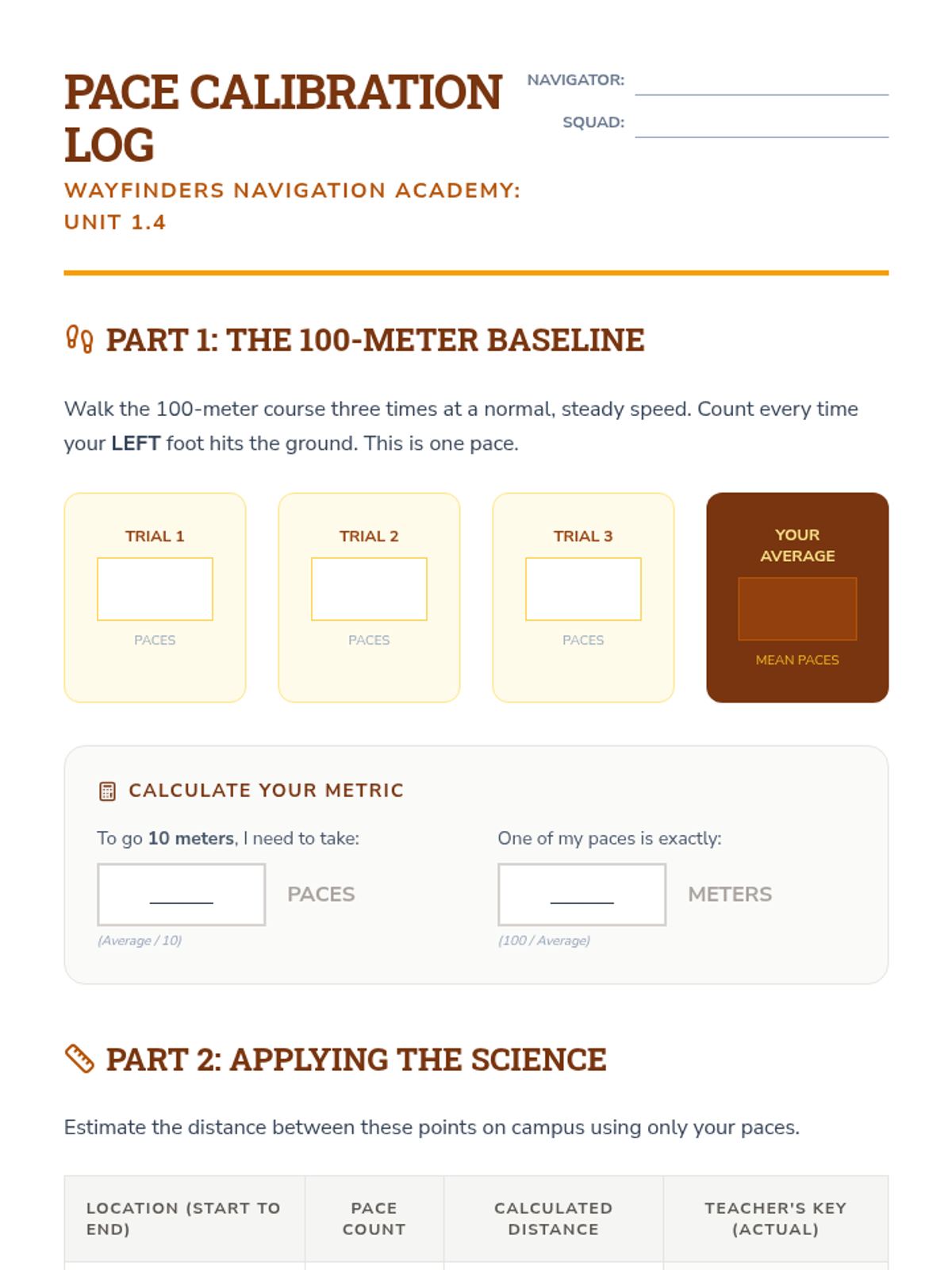
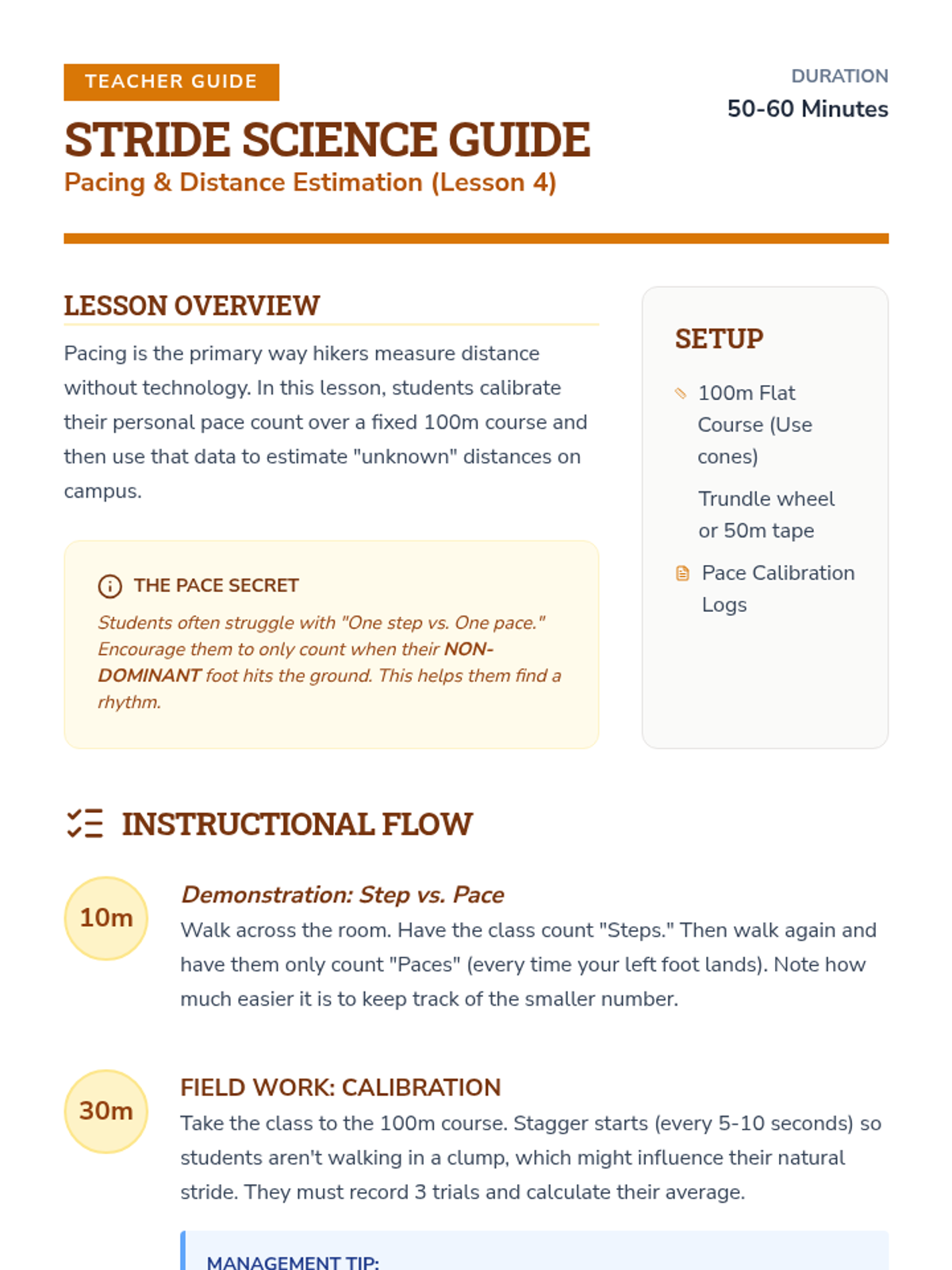
Students calculate their personal pace counts and apply dead reckoning to navigate without visual landmarks.
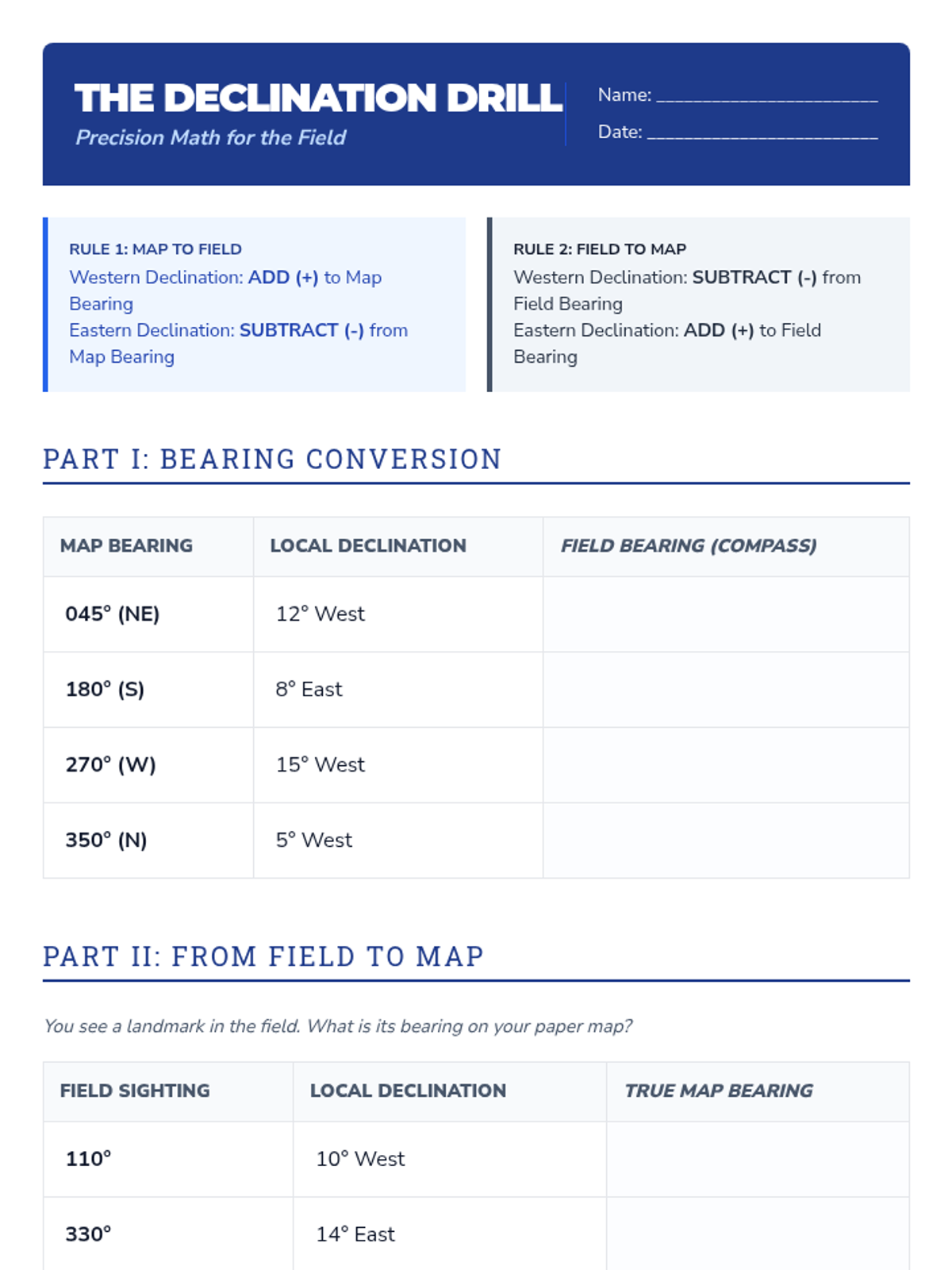
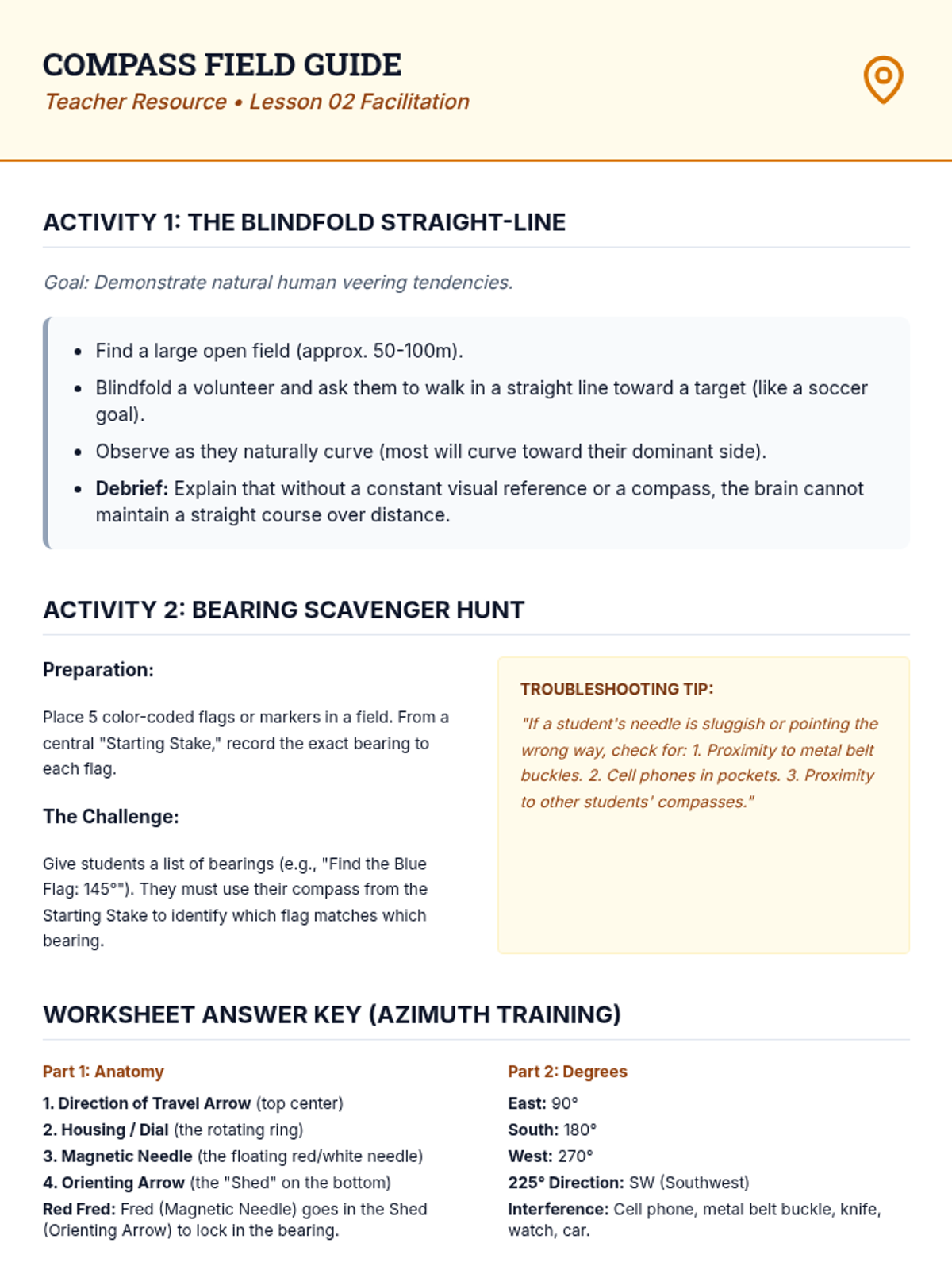
A technical workshop on using baseplate compasses, calculating bearings, and adjusting for magnetic declination.
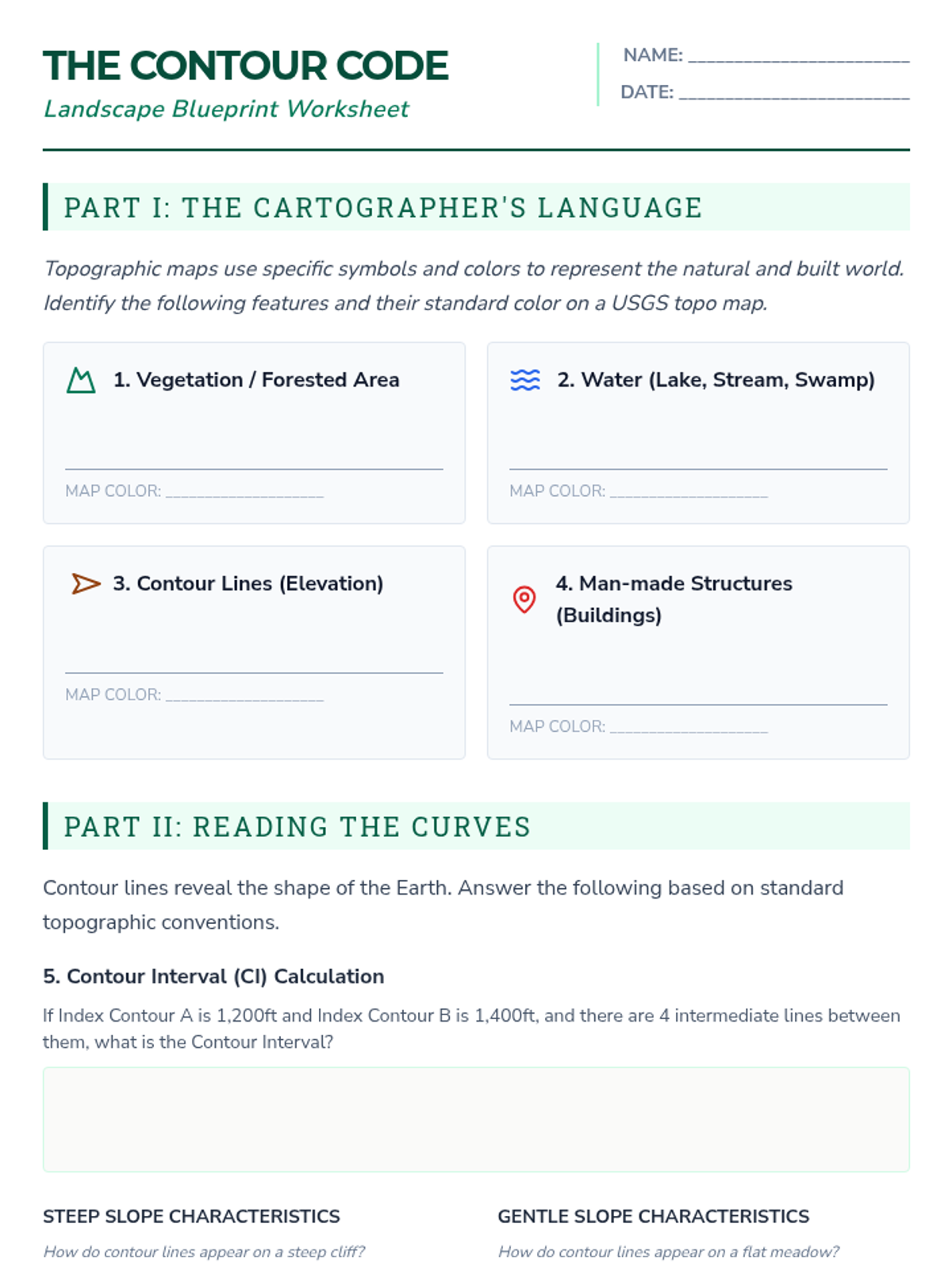
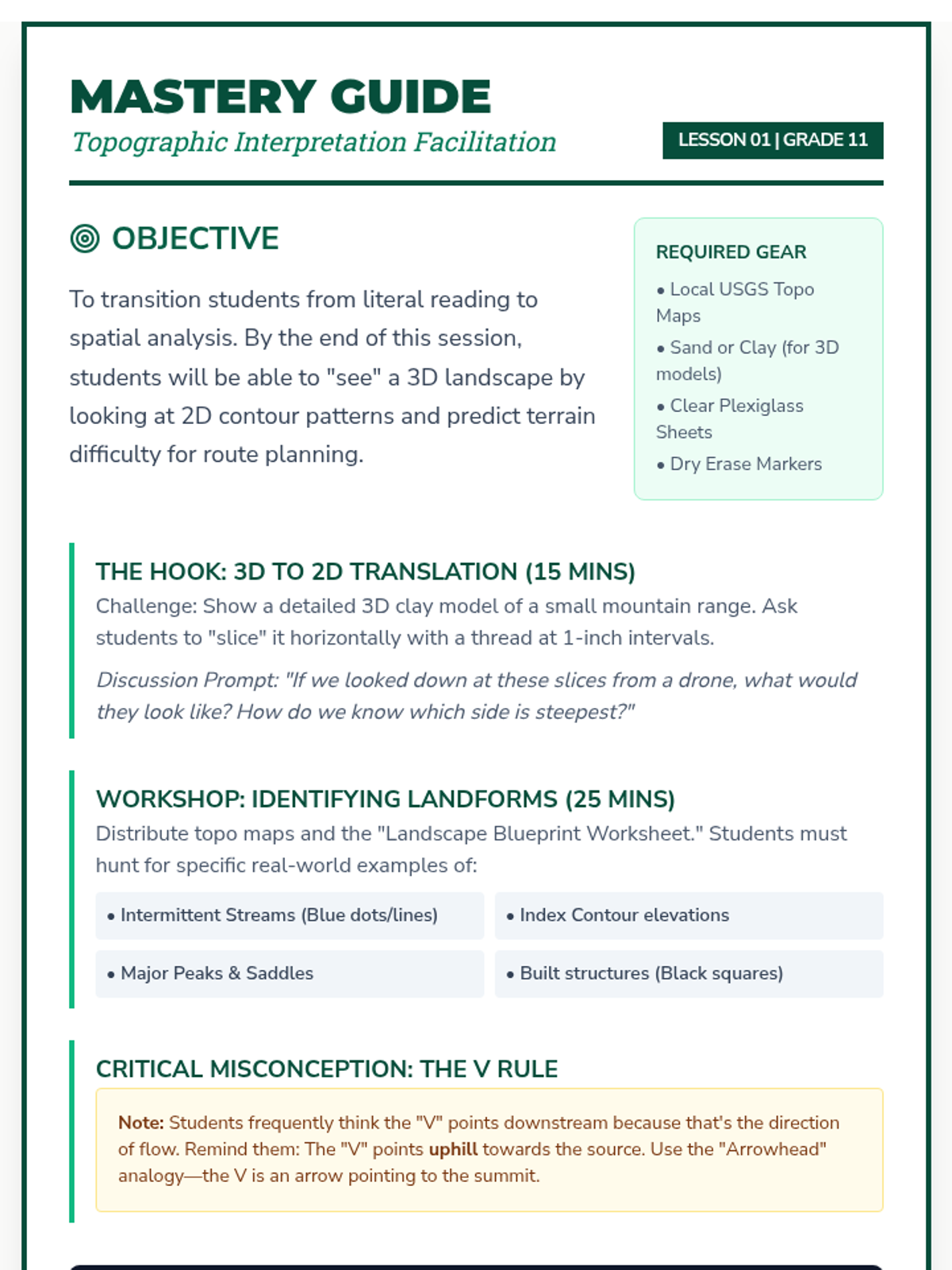
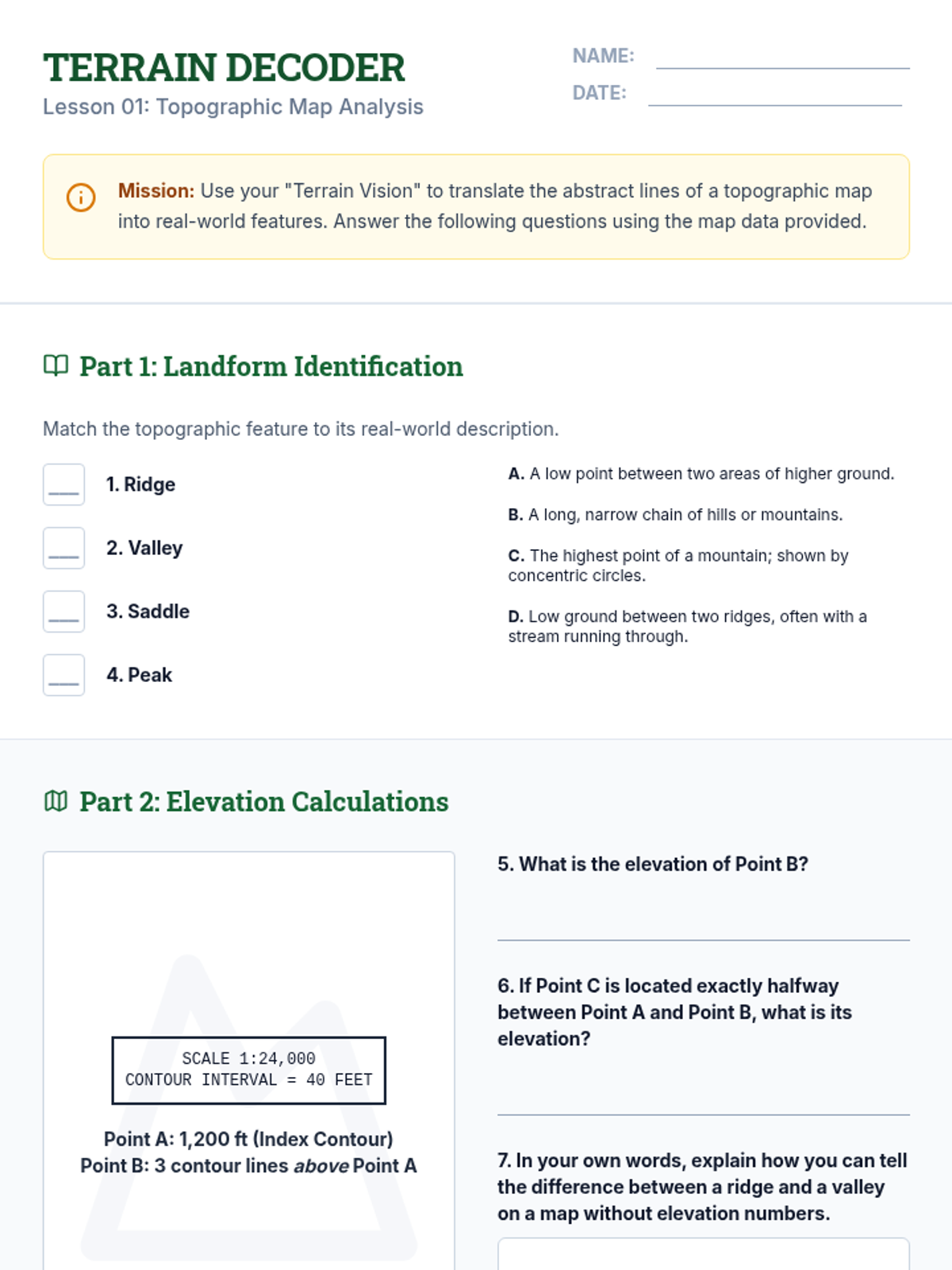
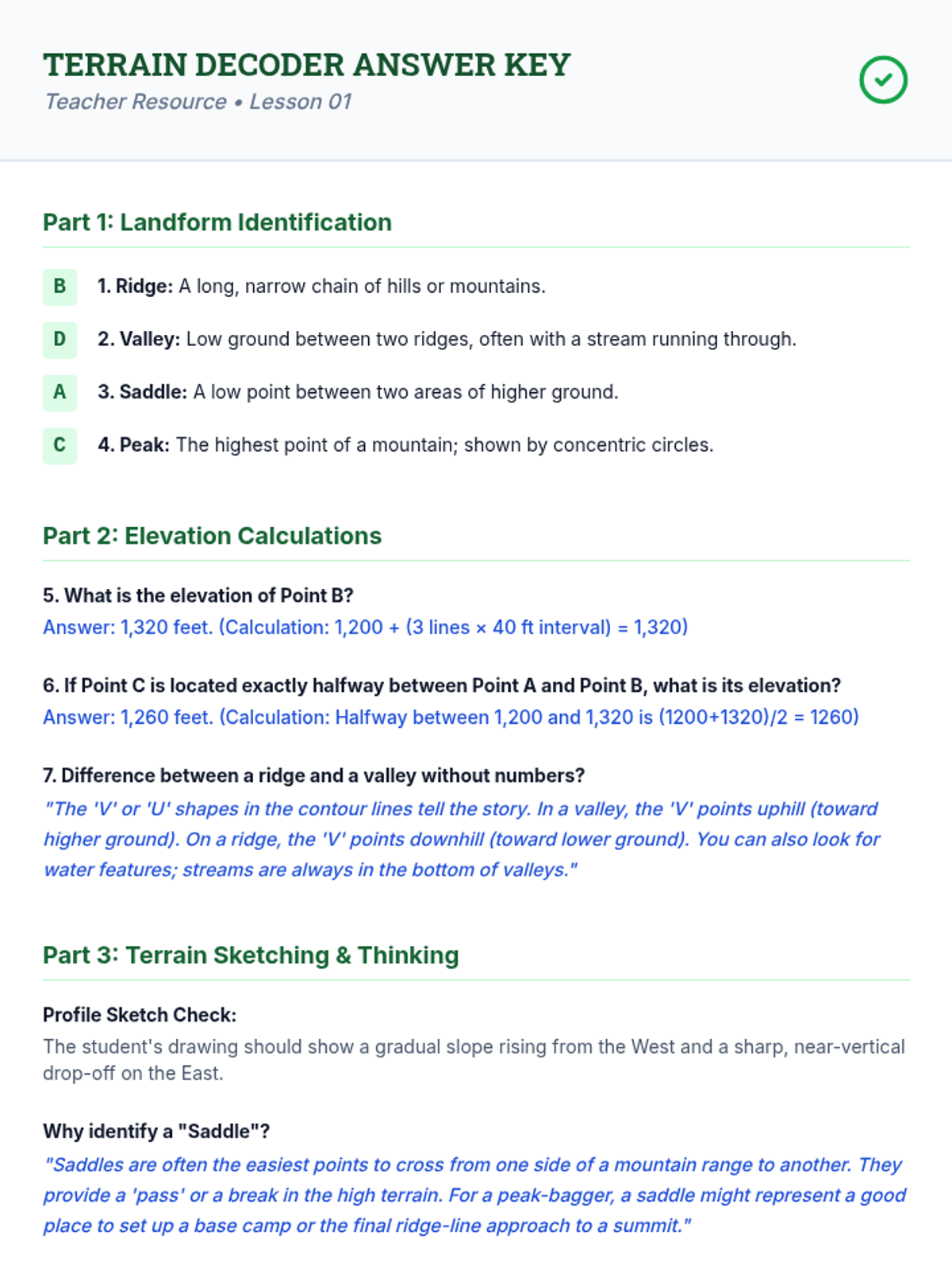
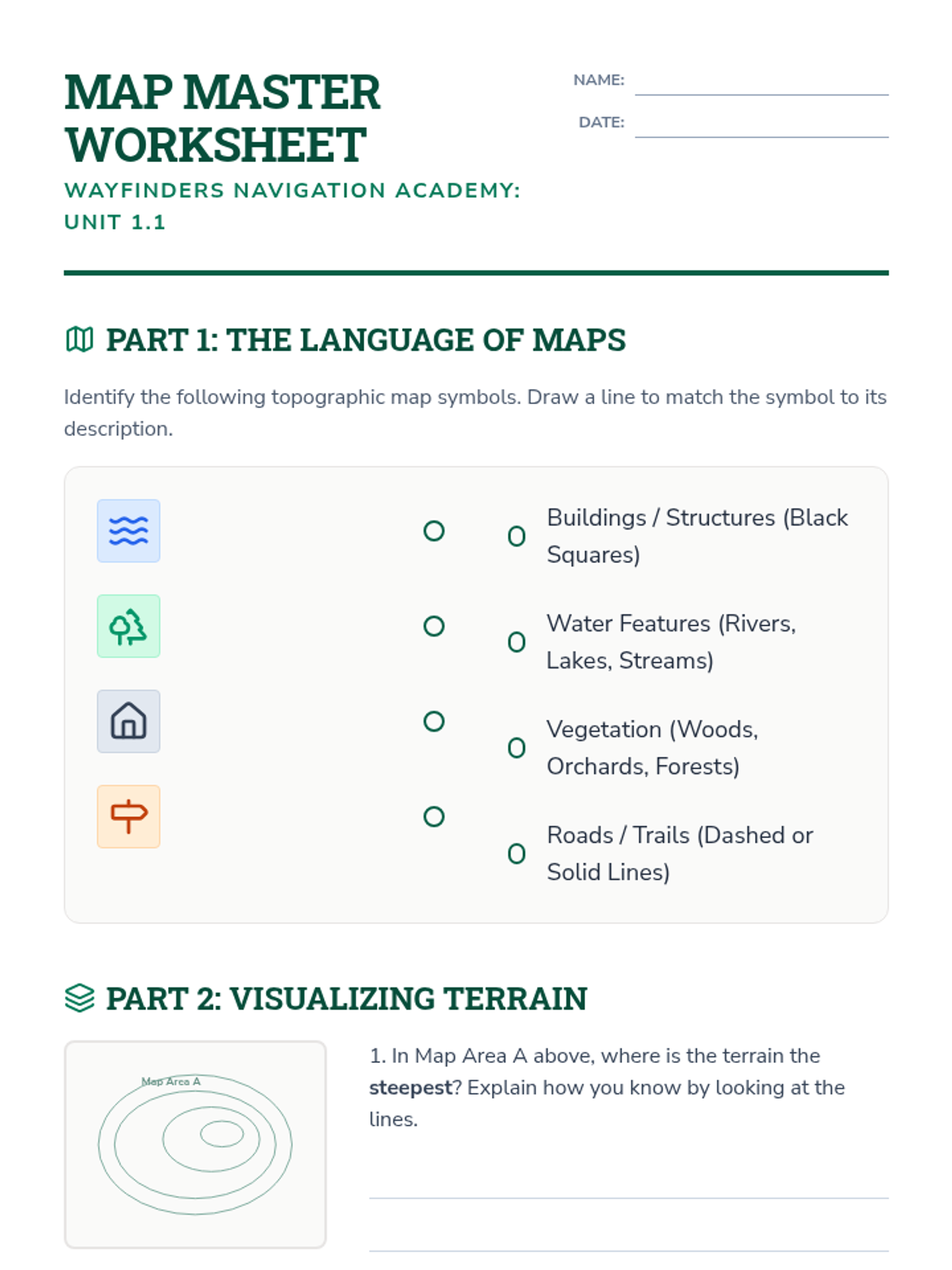
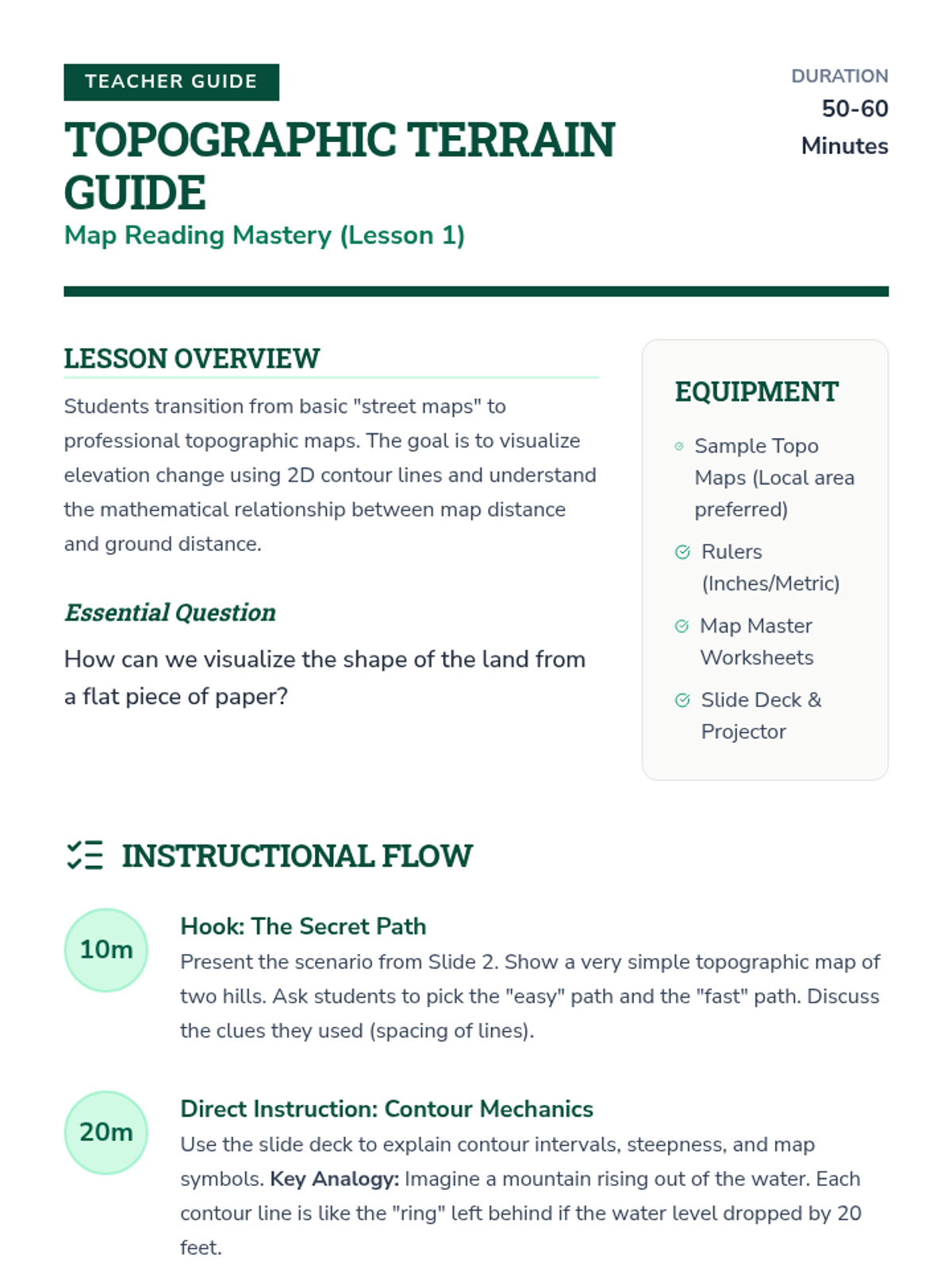
Students deconstruct topographic maps, visualizing 3D terrain from 2D contour lines and identifying key landscape features.
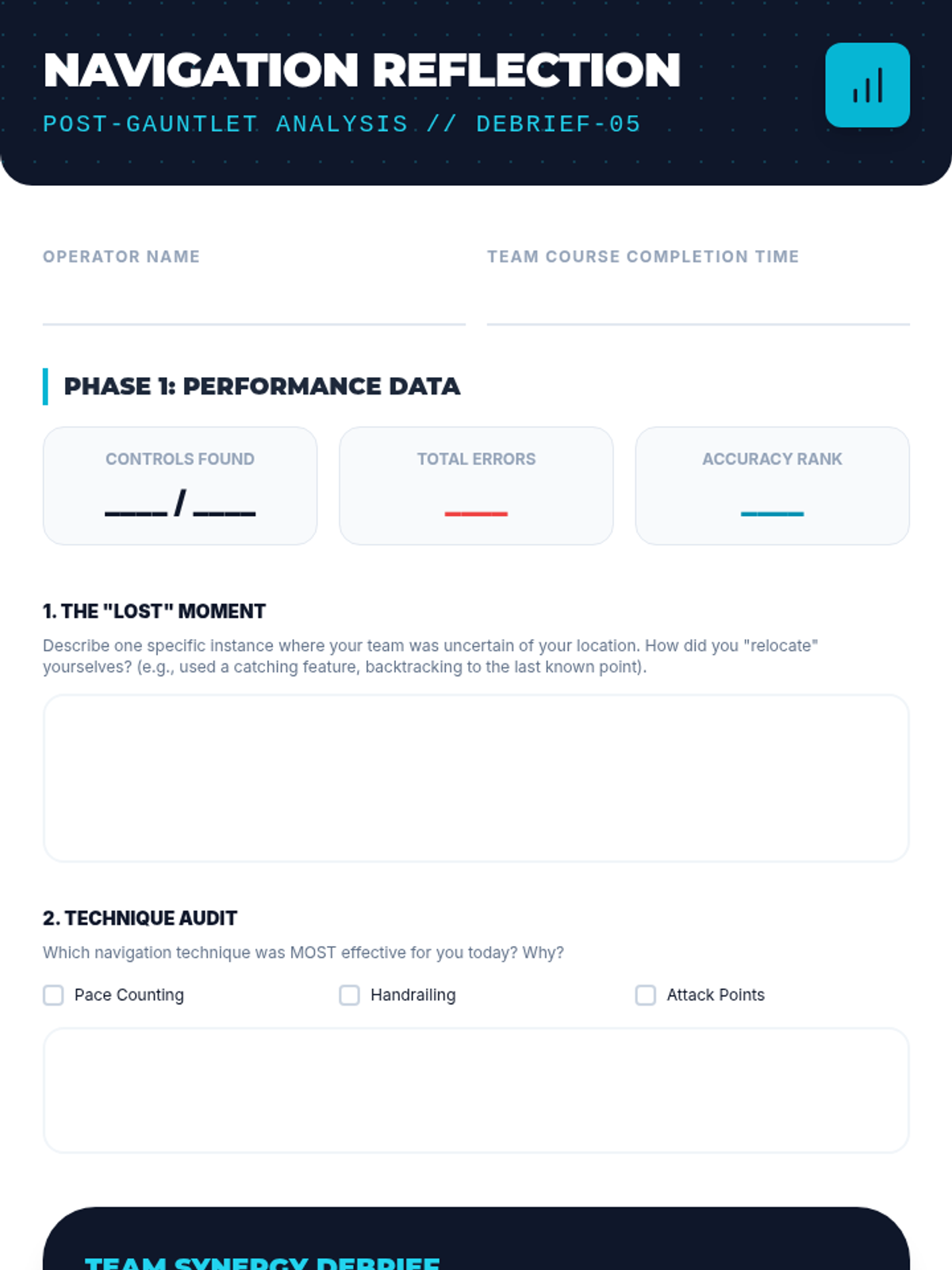
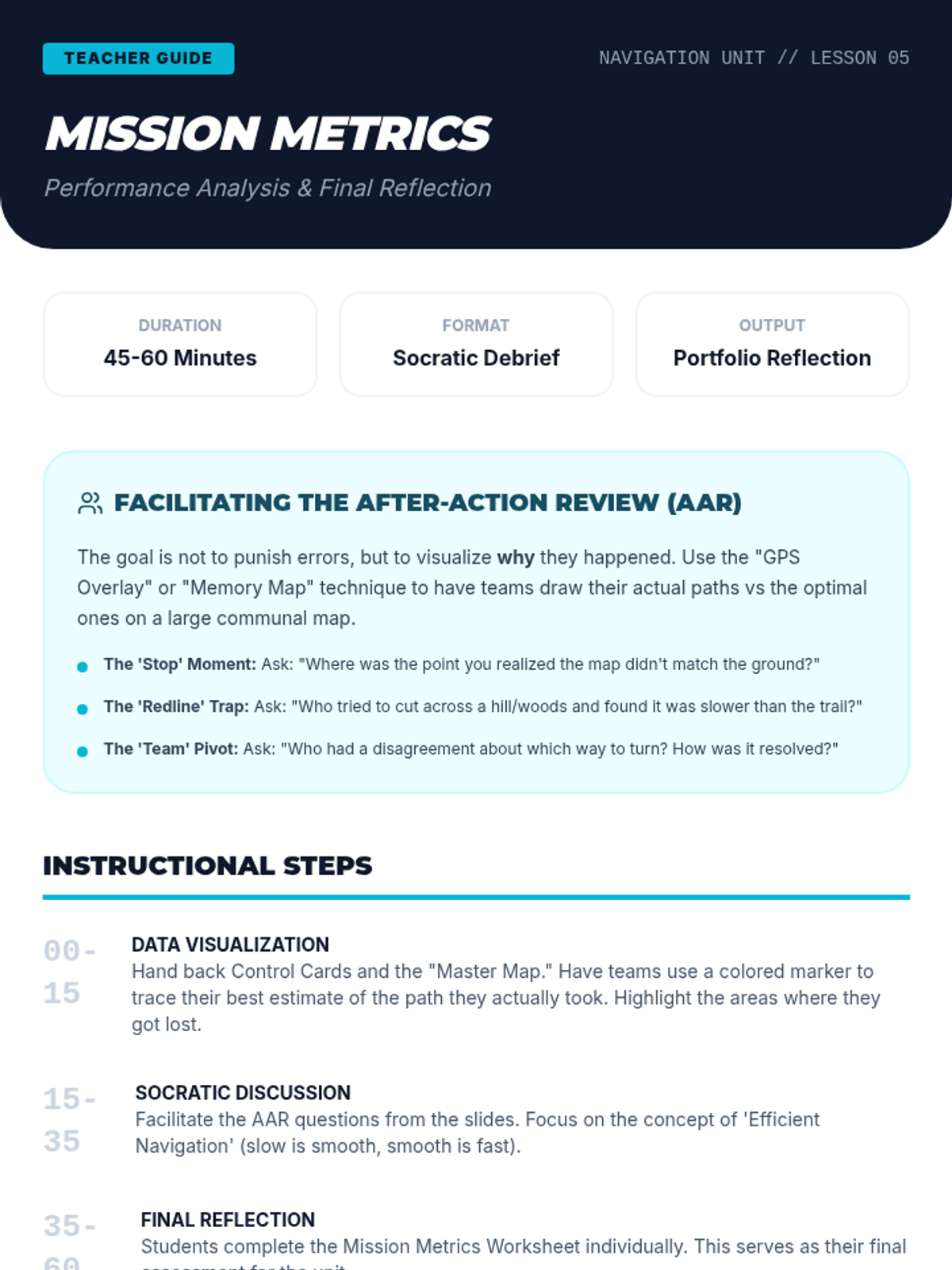
A reflective analysis of performance data and route choices to improve future navigational decision-making and teamwork.
A culminating physical and mental challenge where students navigate a timed course, applying all previously learned skills under pressure.
An introduction to competitive orienteering strategies, focusing on route choice, attack points, and catching features to optimize speed and accuracy.
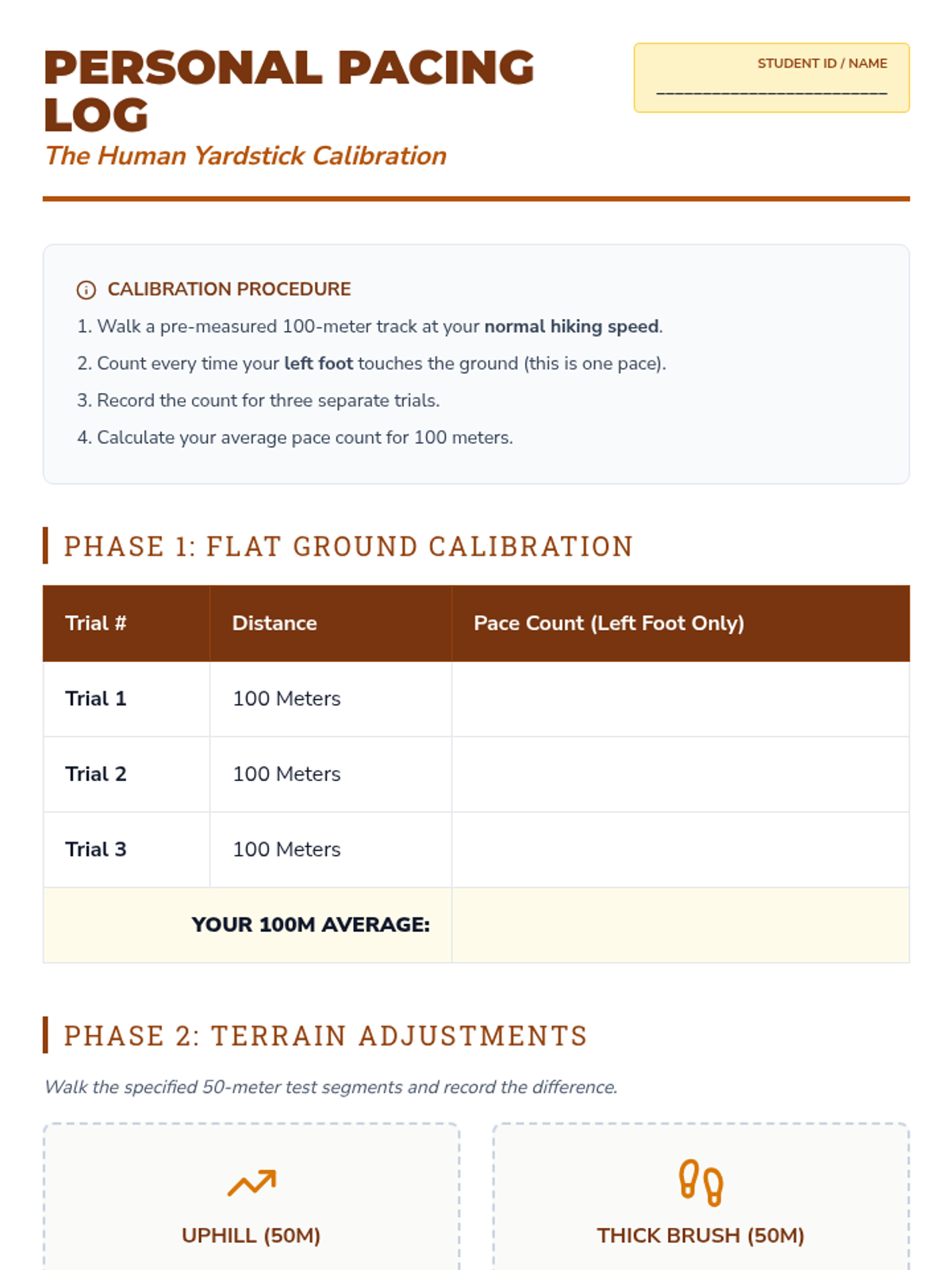
Students calibrate their personal pace count to estimate distance over varied terrain, a vital skill for dead reckoning and precise navigation.
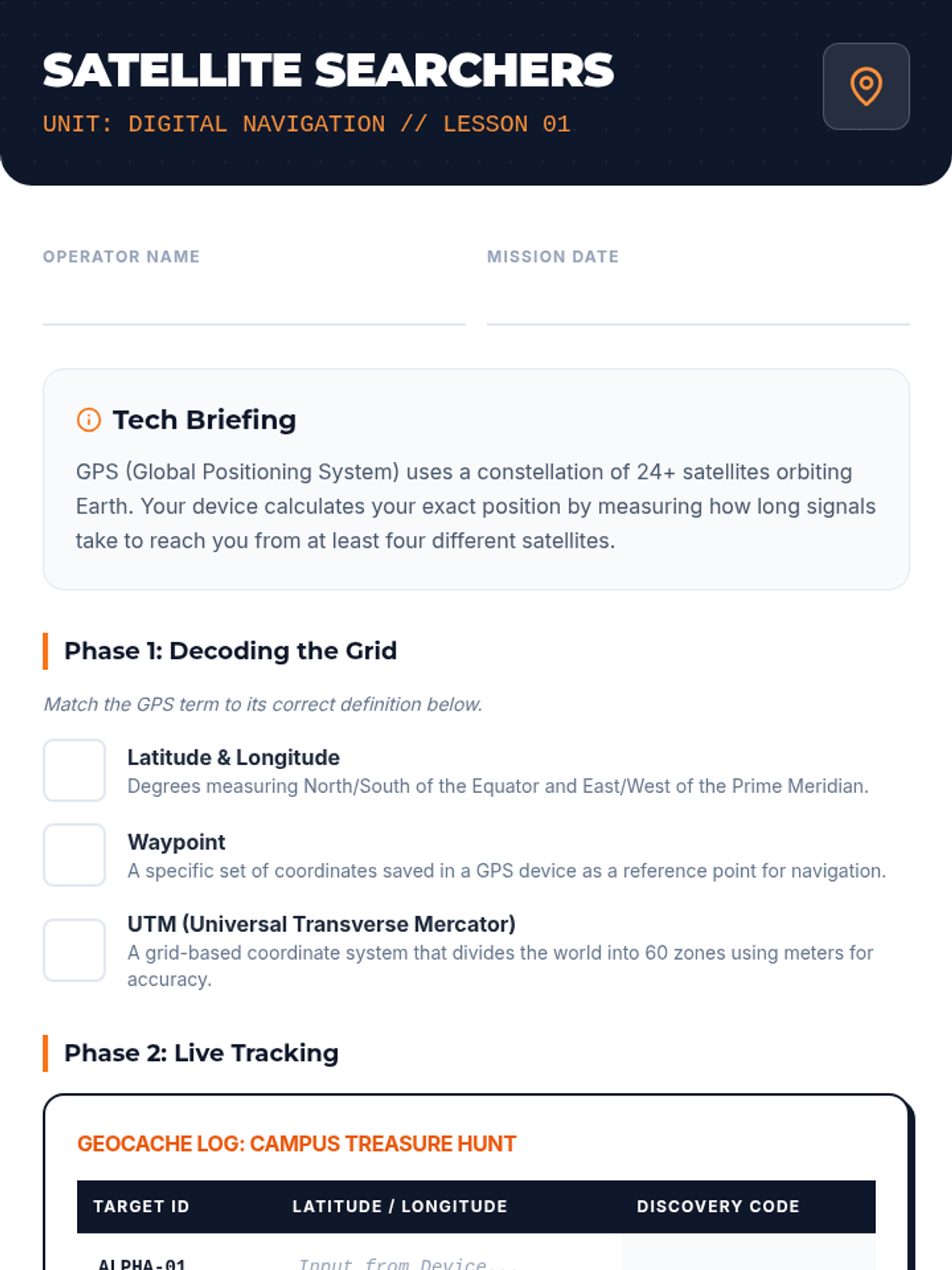
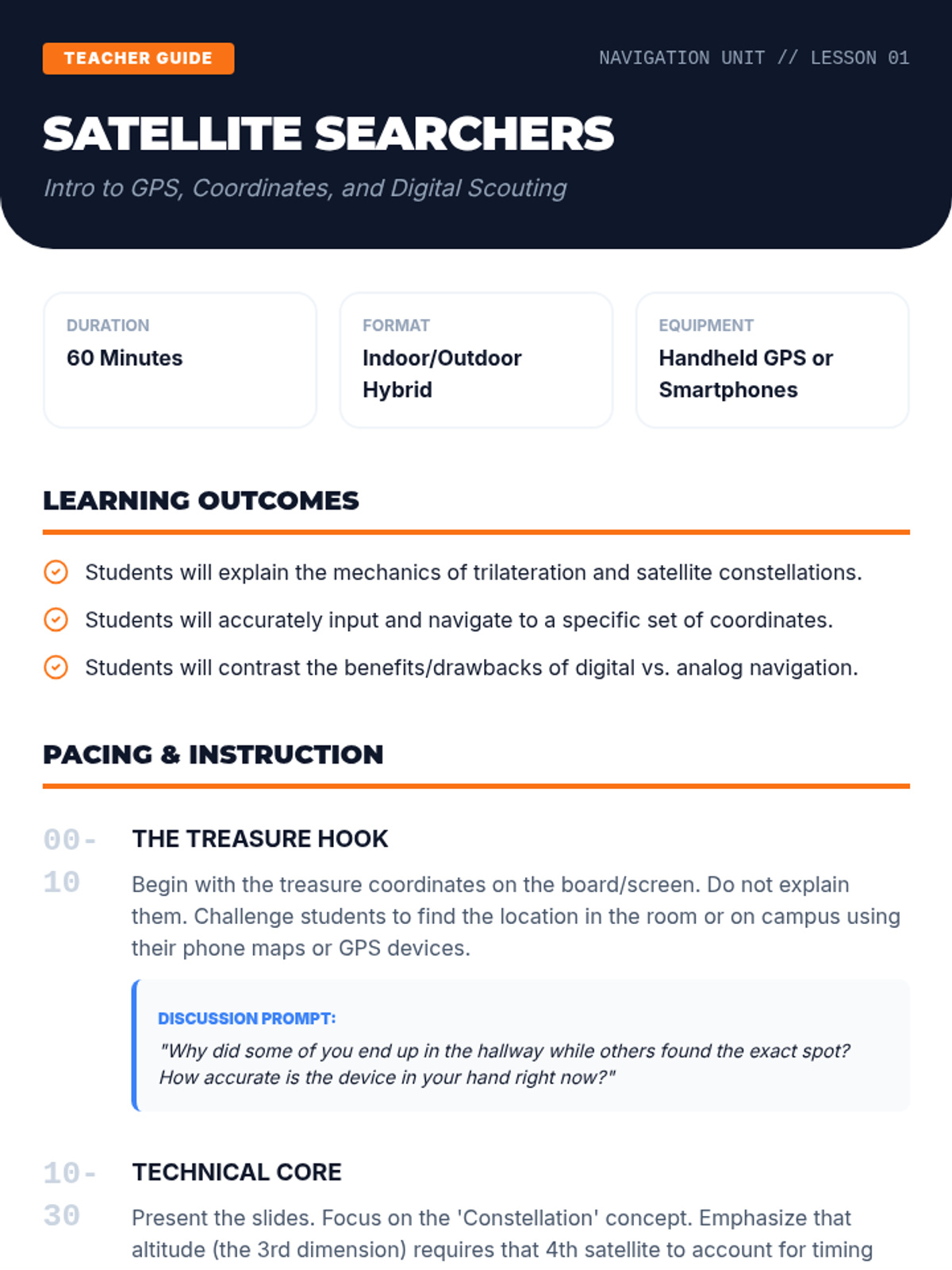
Students explore GPS technology, learning to interpret coordinates and manage waypoints while understanding the relationship between satellite tech and traditional map skills.
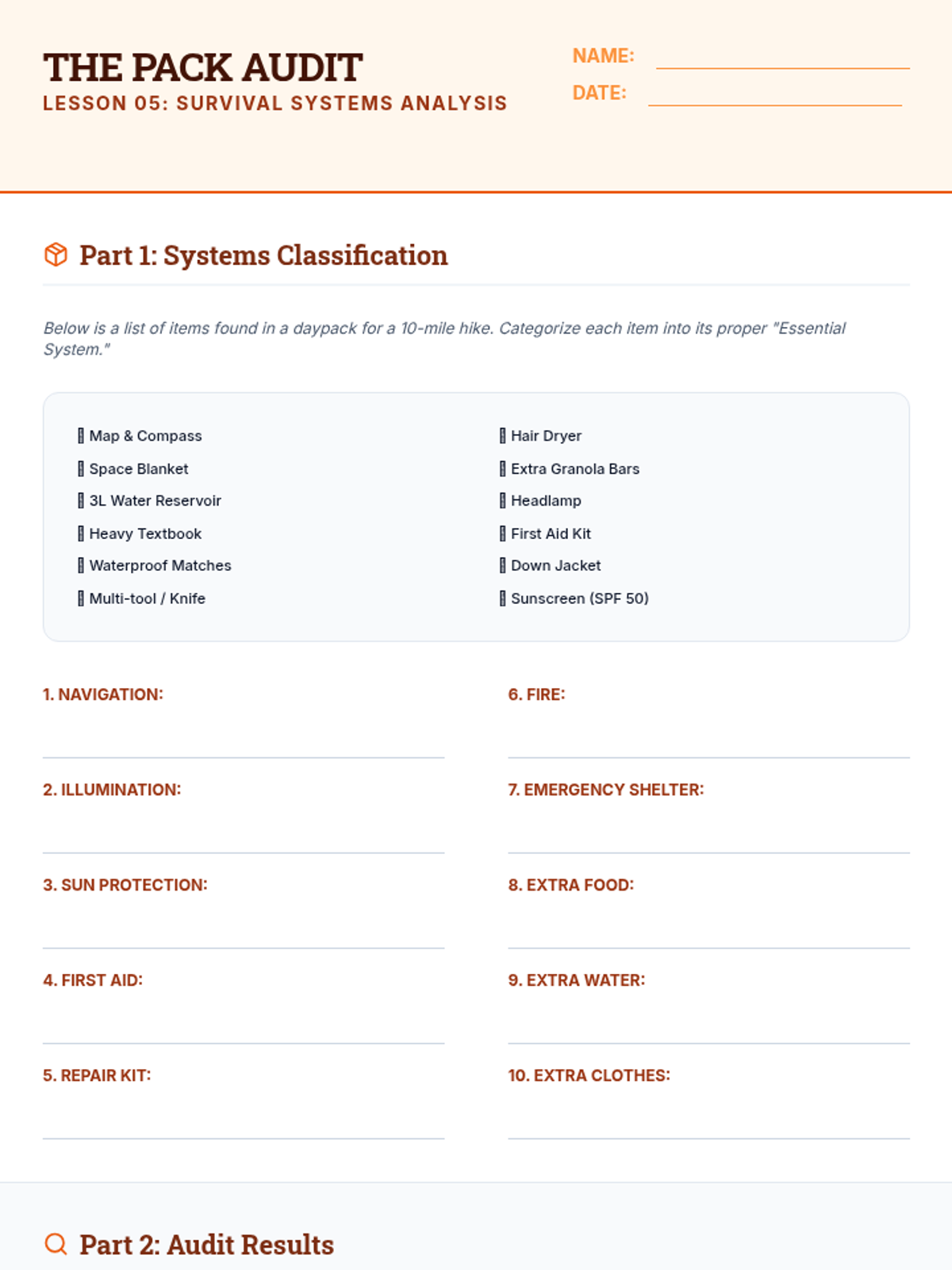
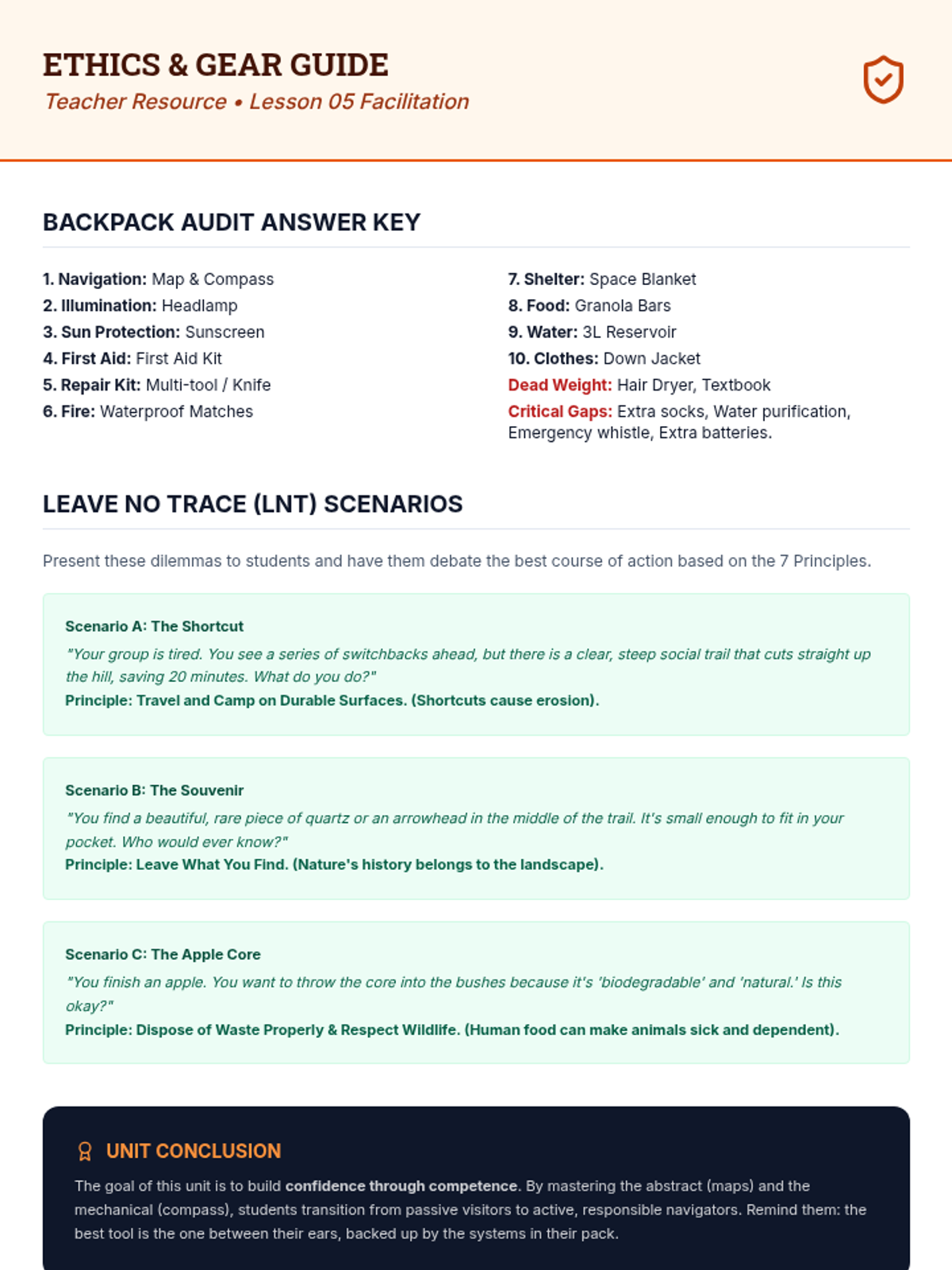
Essential gear for wilderness safety and the ethics of Leave No Trace principles.
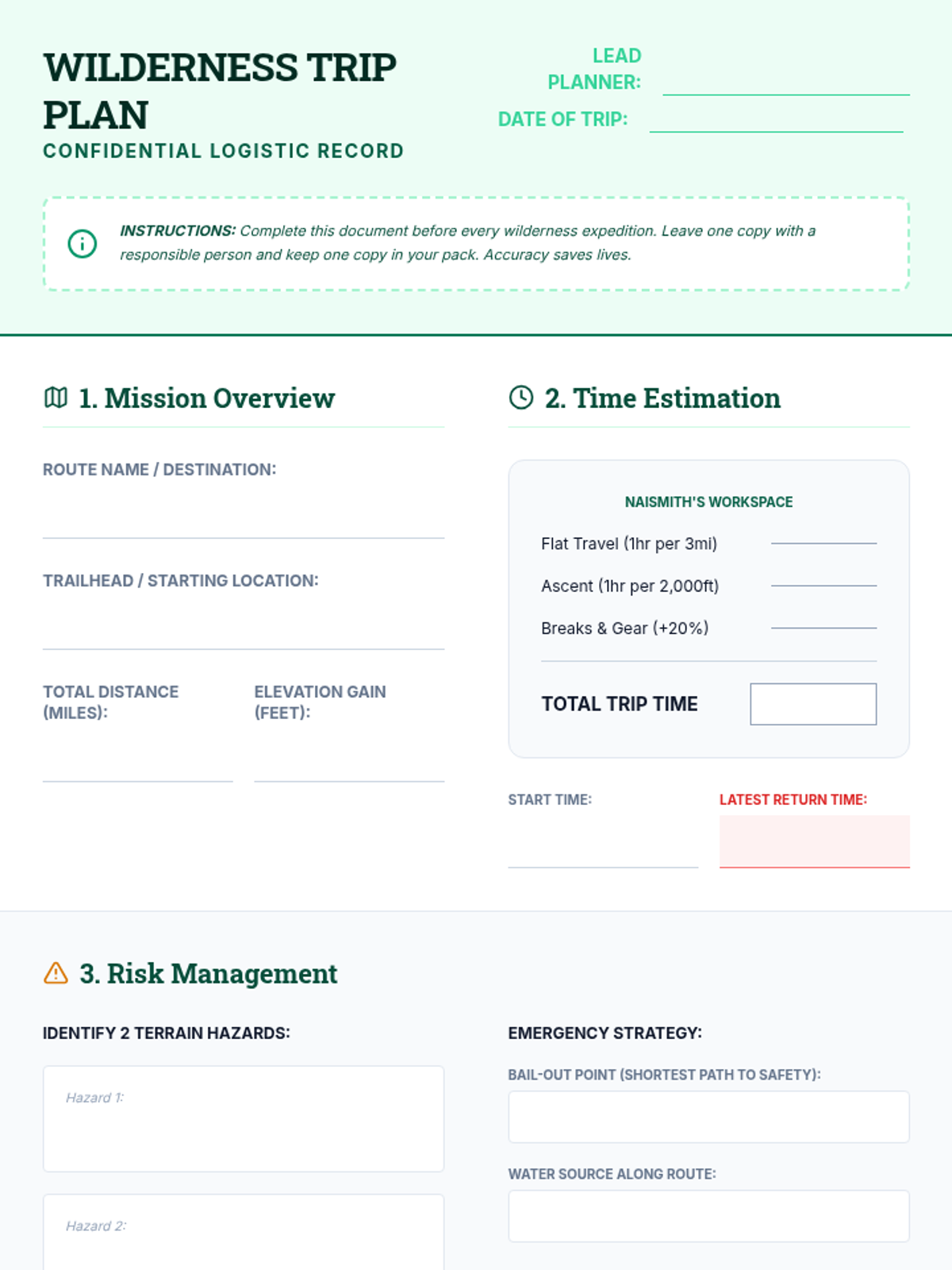
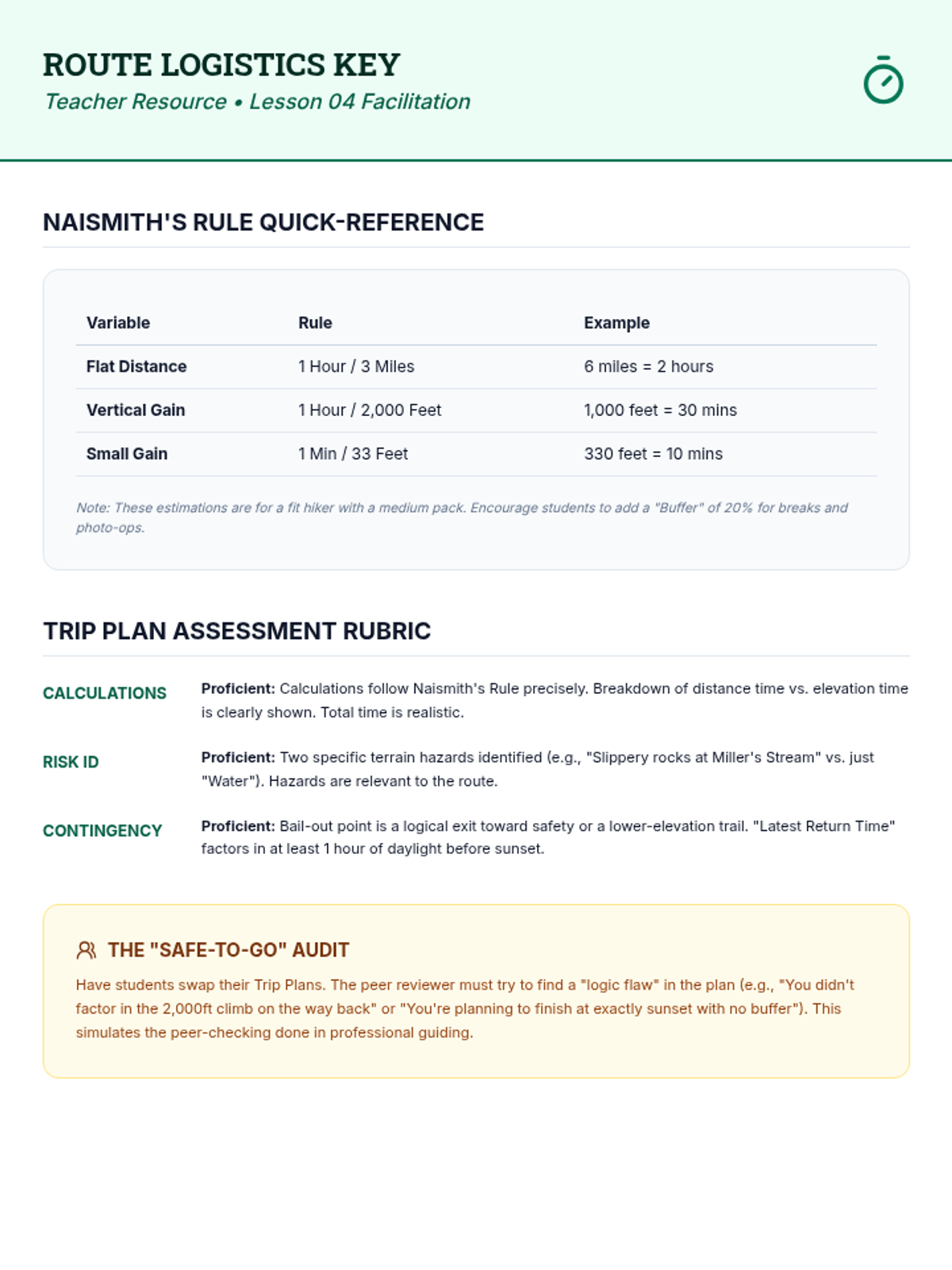
Logistical planning using Naismith's Rule to calculate travel time and assessing route risks.
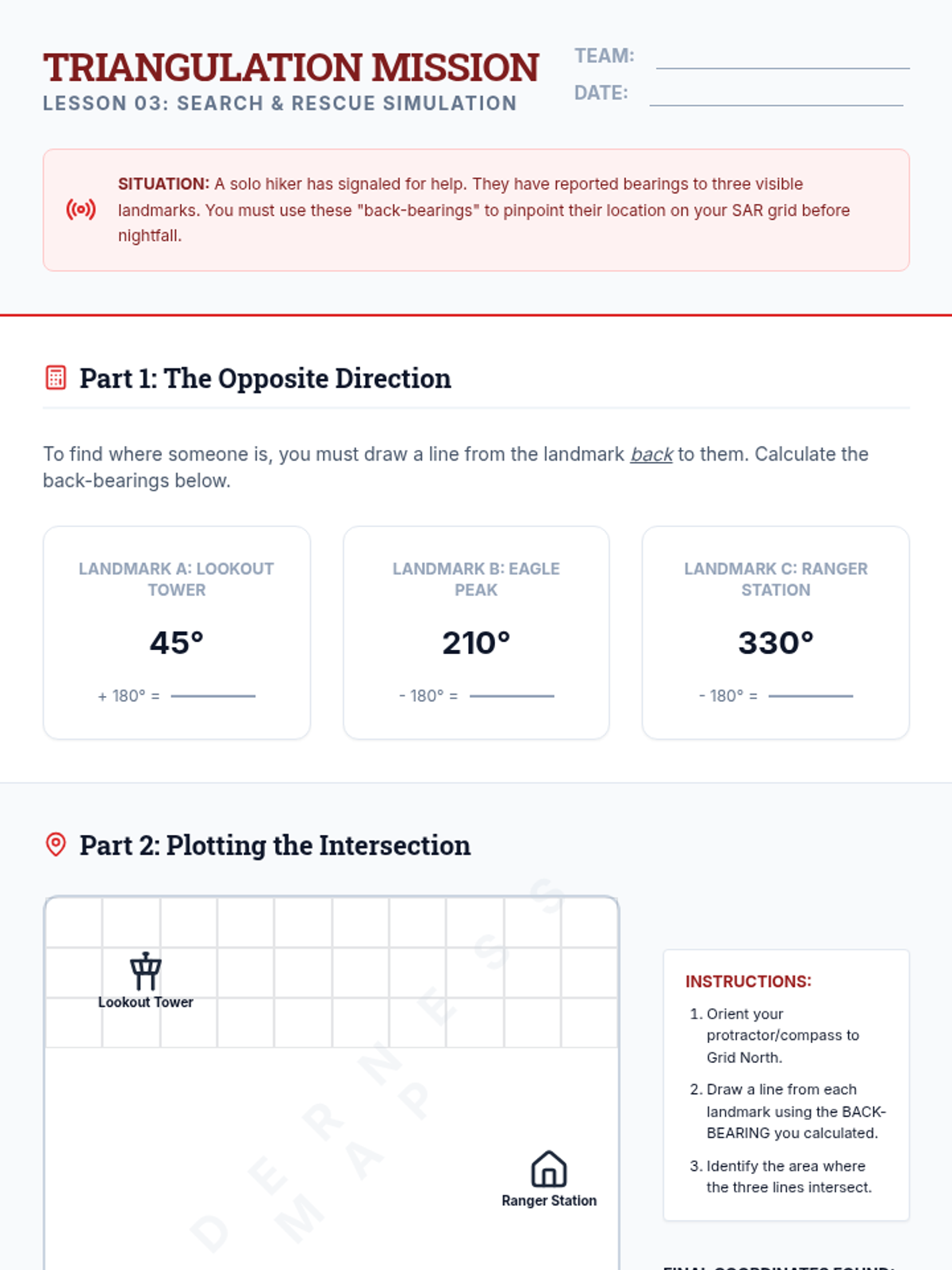
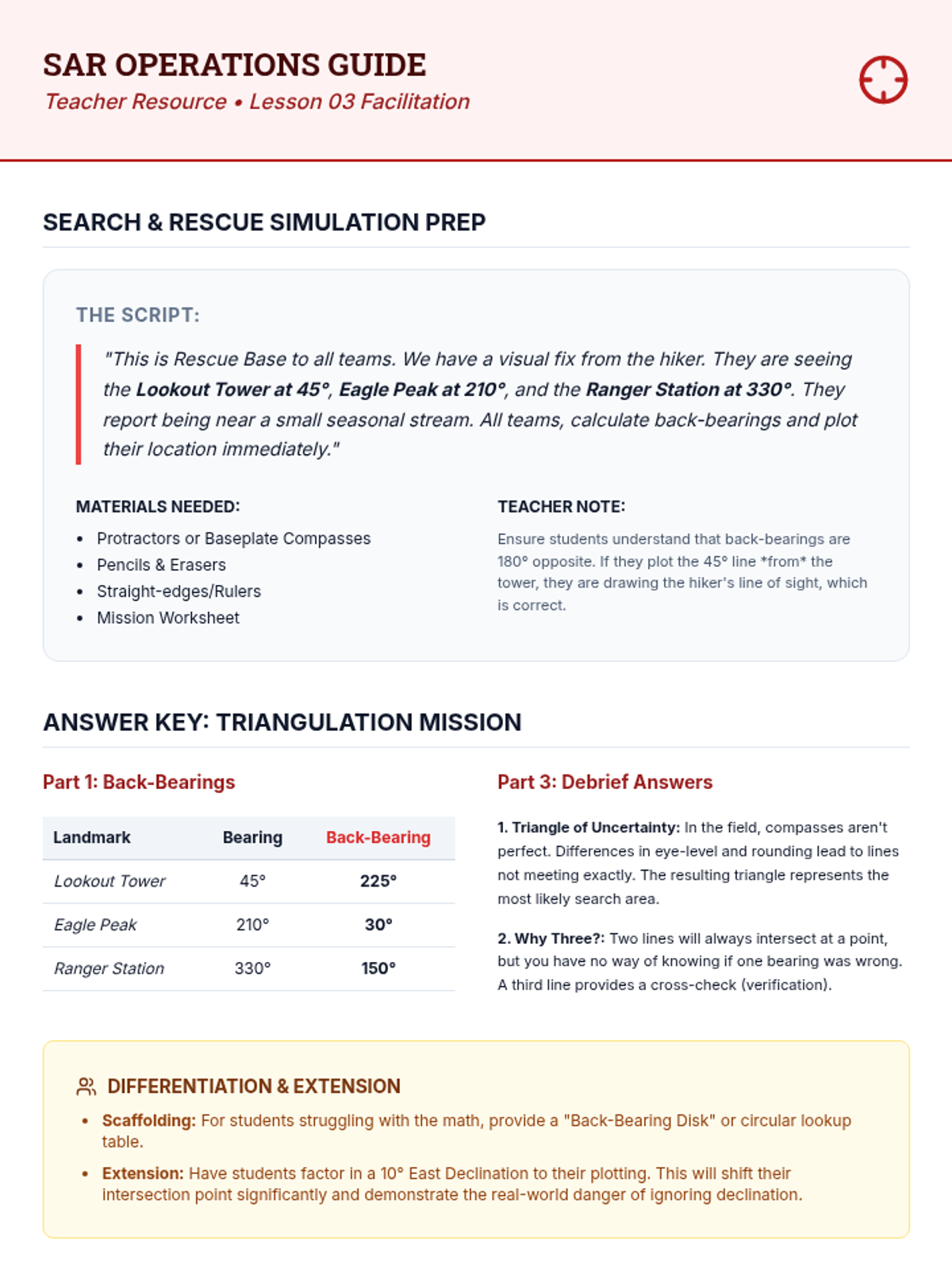
Integrating map and compass skills to pinpoint an unknown location using back-bearings and triangulation.
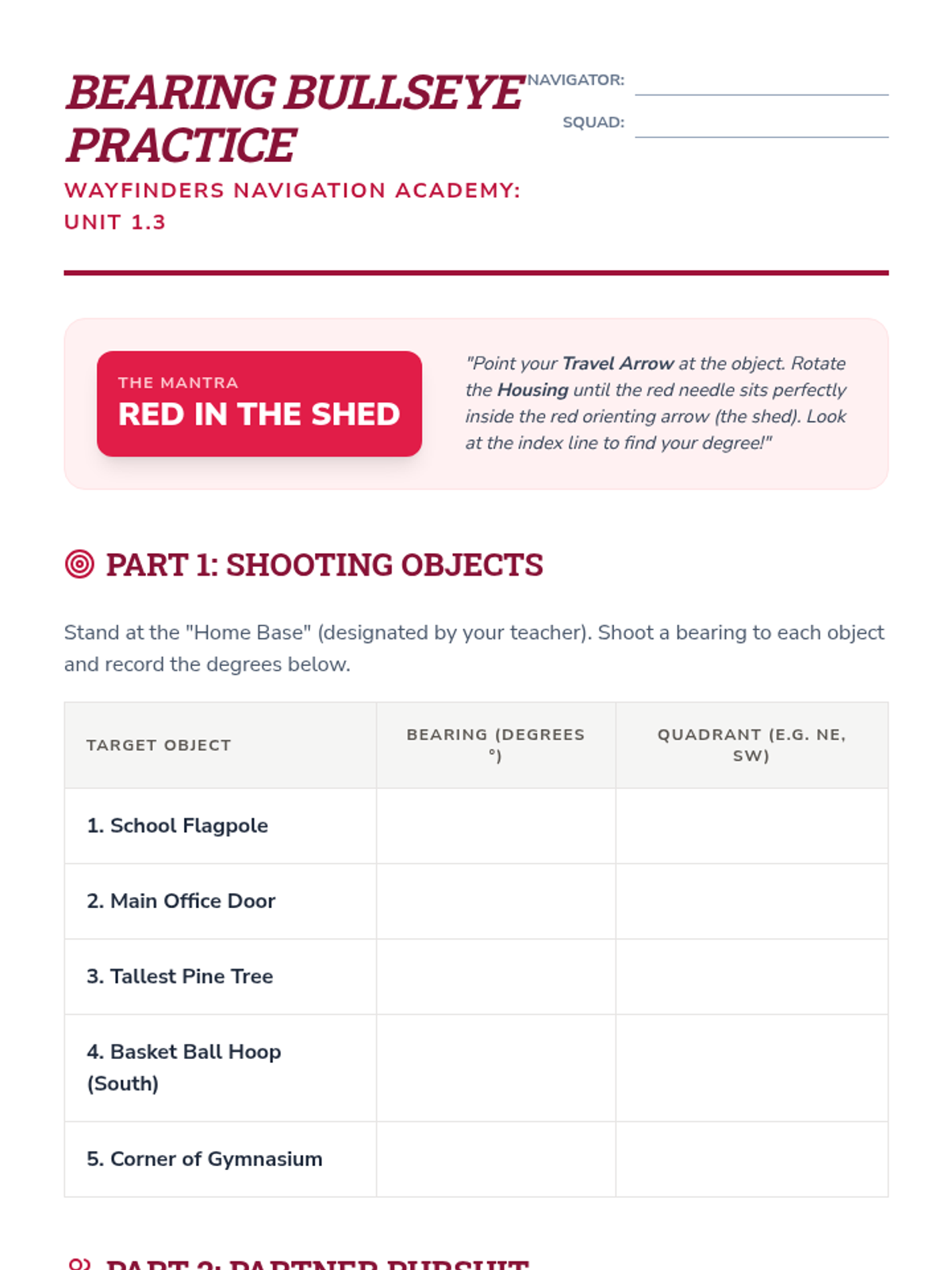
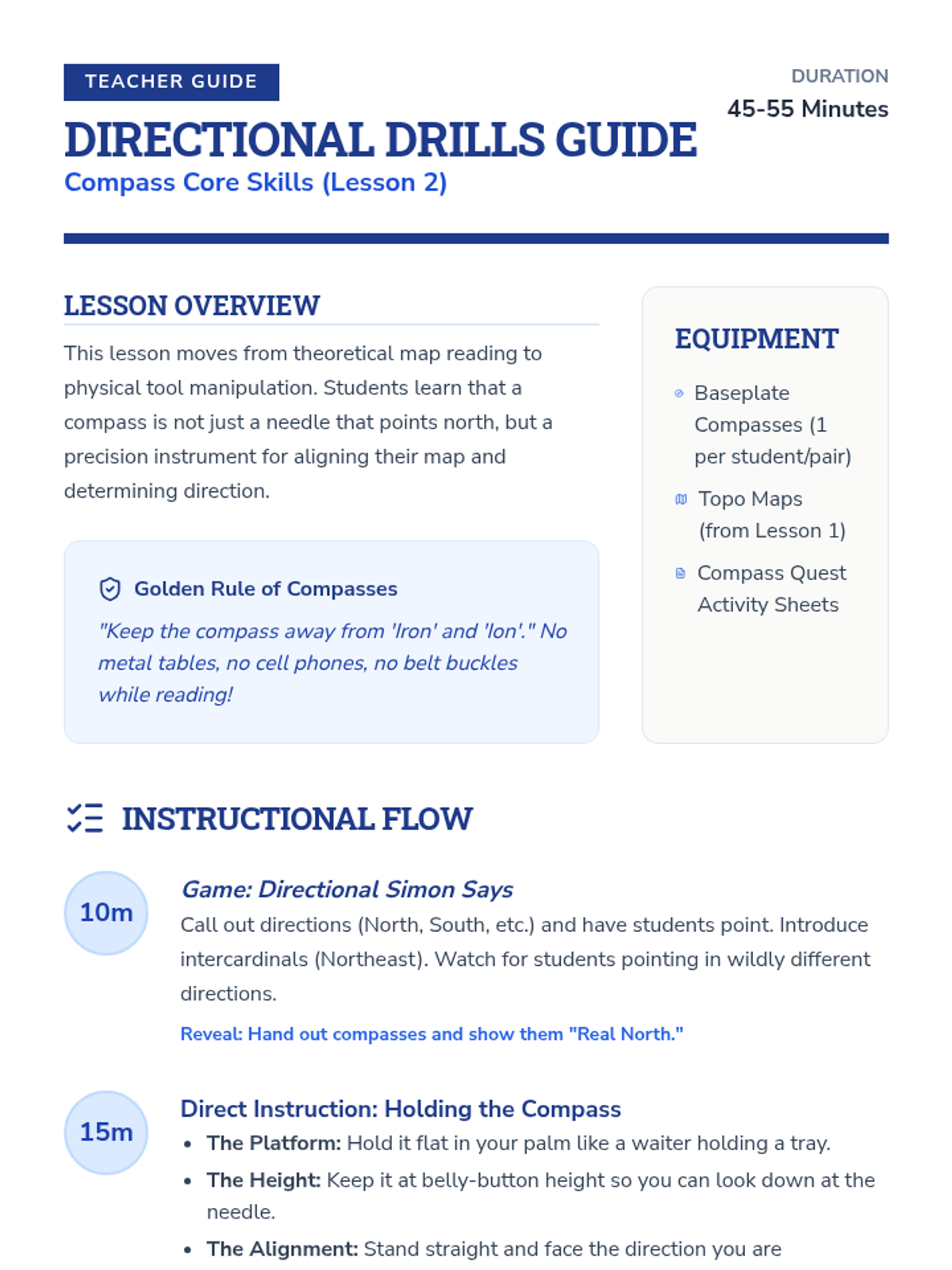
Introduction to the baseplate compass, magnetic declination, and the process of shooting and following bearings.
Students learn to translate 2D contour lines into 3D visualizations, identifying ridges, valleys, and peaks.
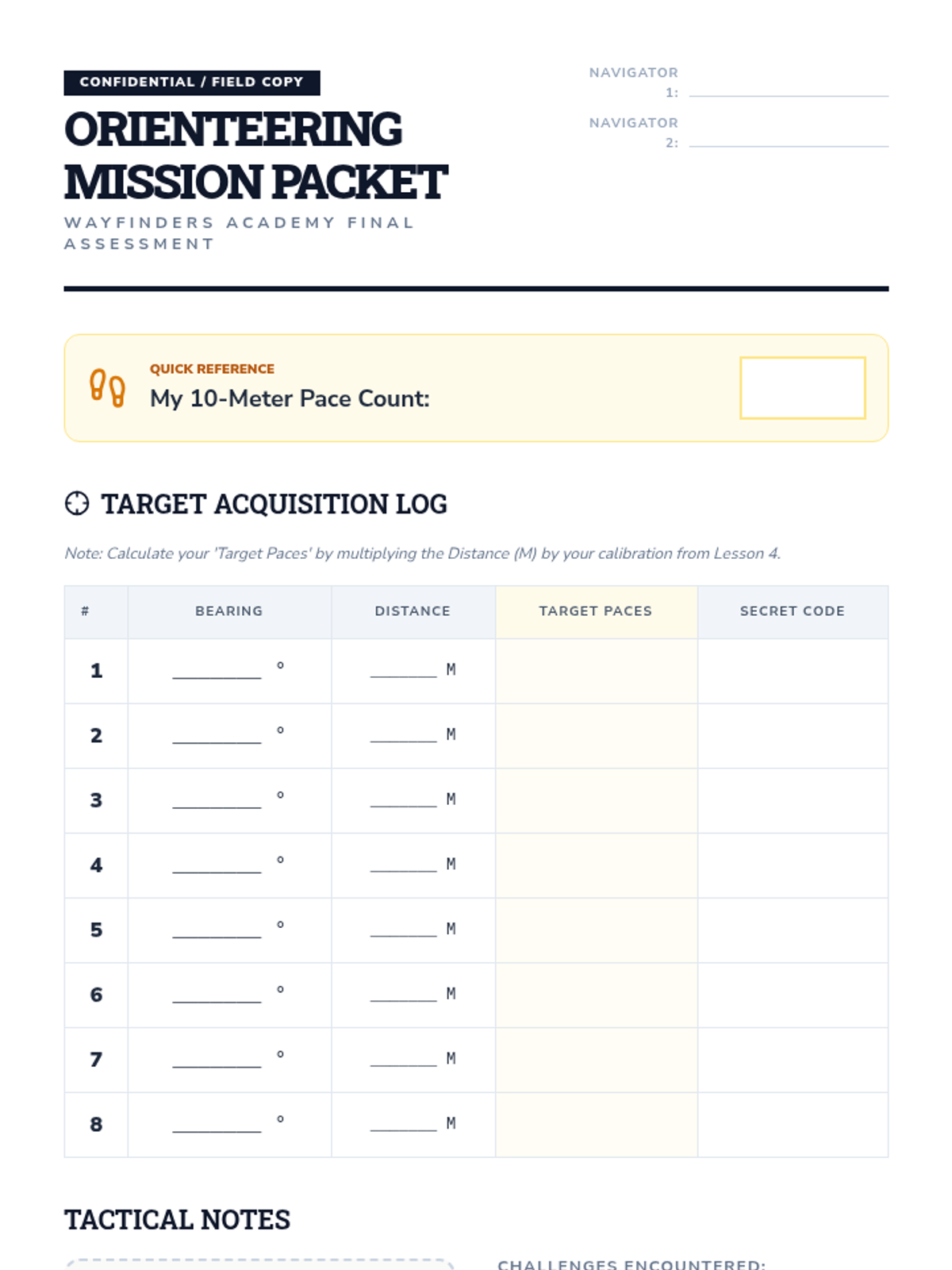
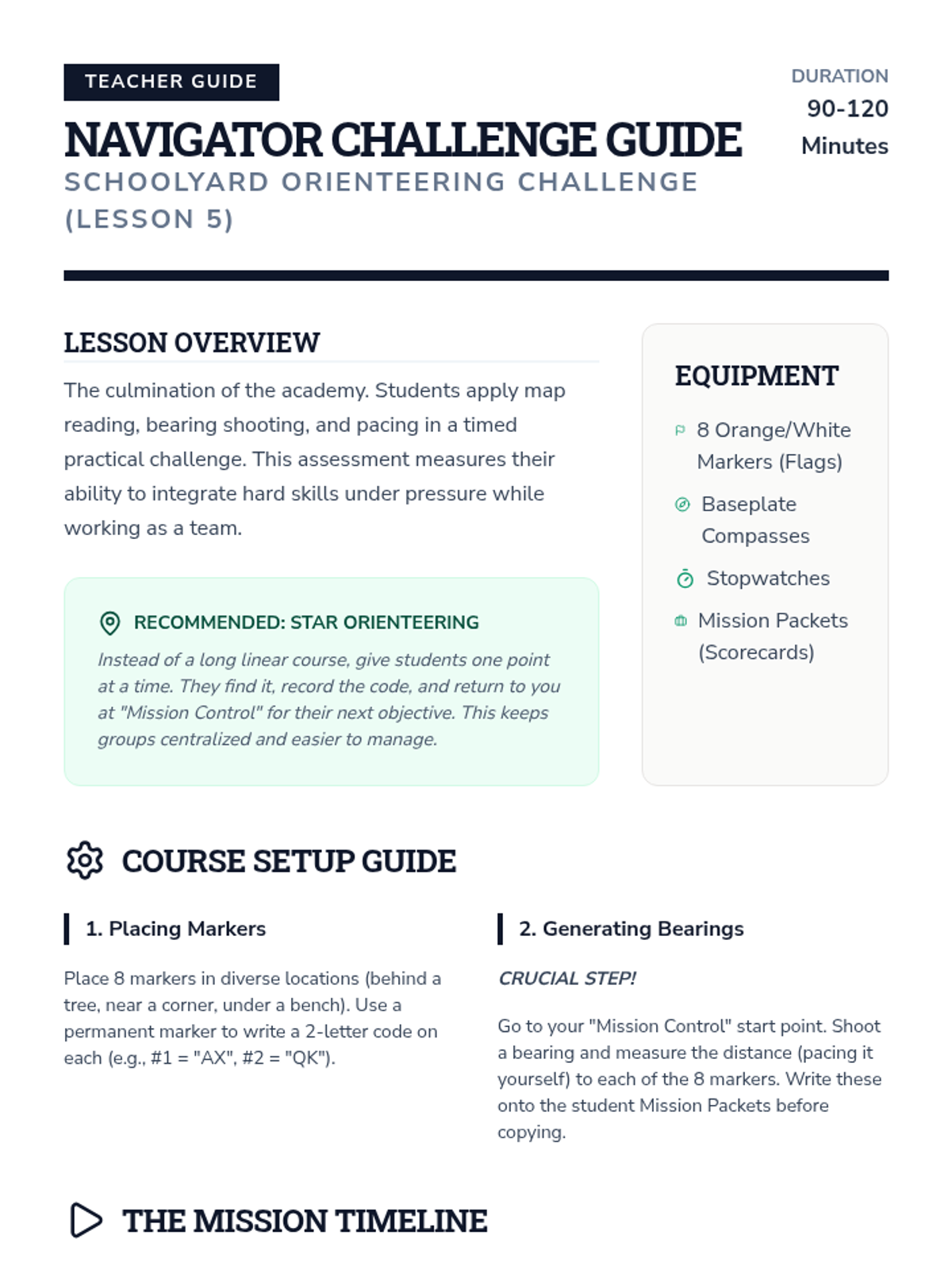
A final challenge where students apply all learned skills to complete a timed schoolyard orienteering course.
Learners calibrate their personal pace count to measure distances accurately on foot.
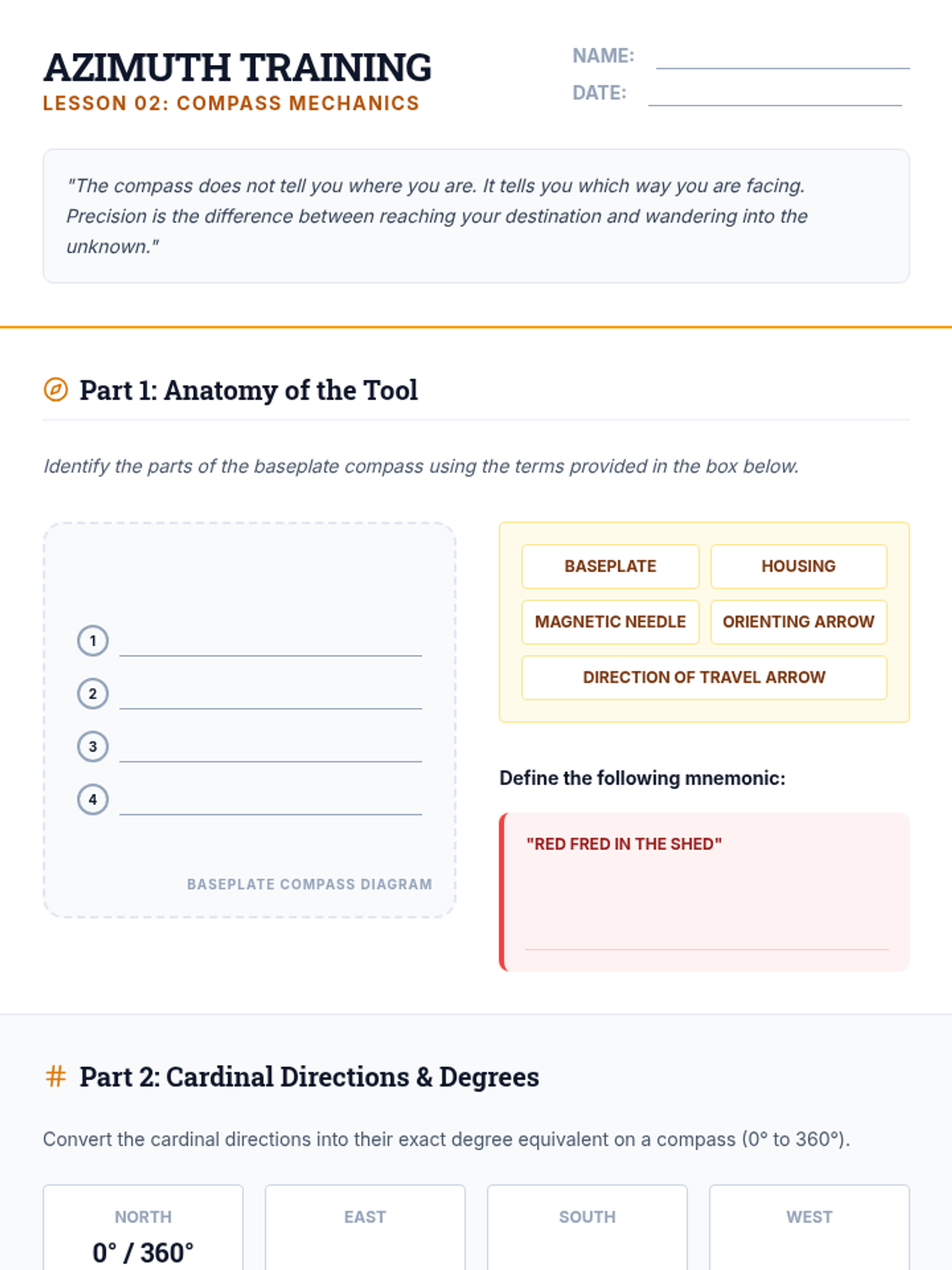
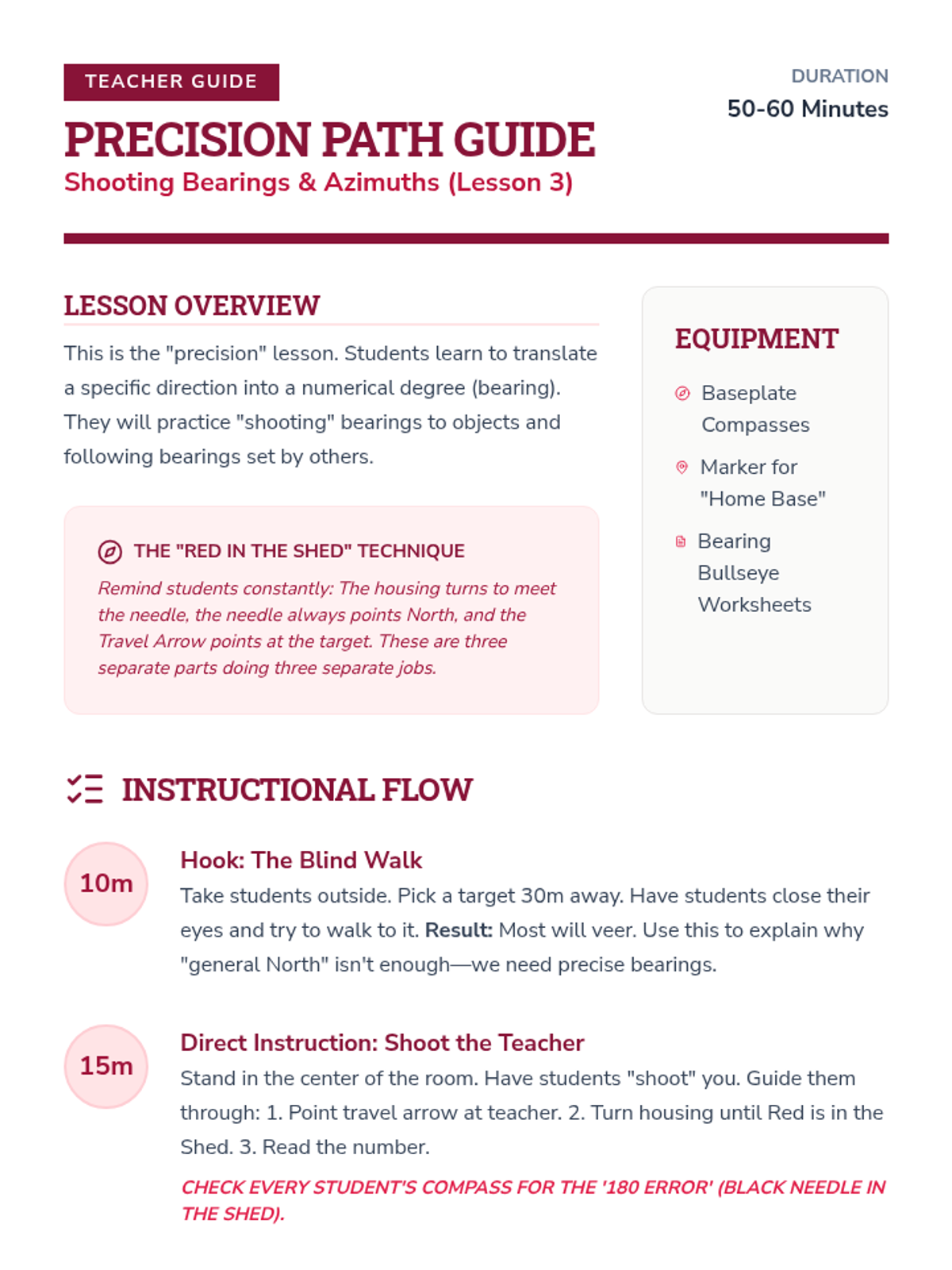
Students learn the 'Red in the Shed' technique to shoot bearings and follow a precise line of travel.
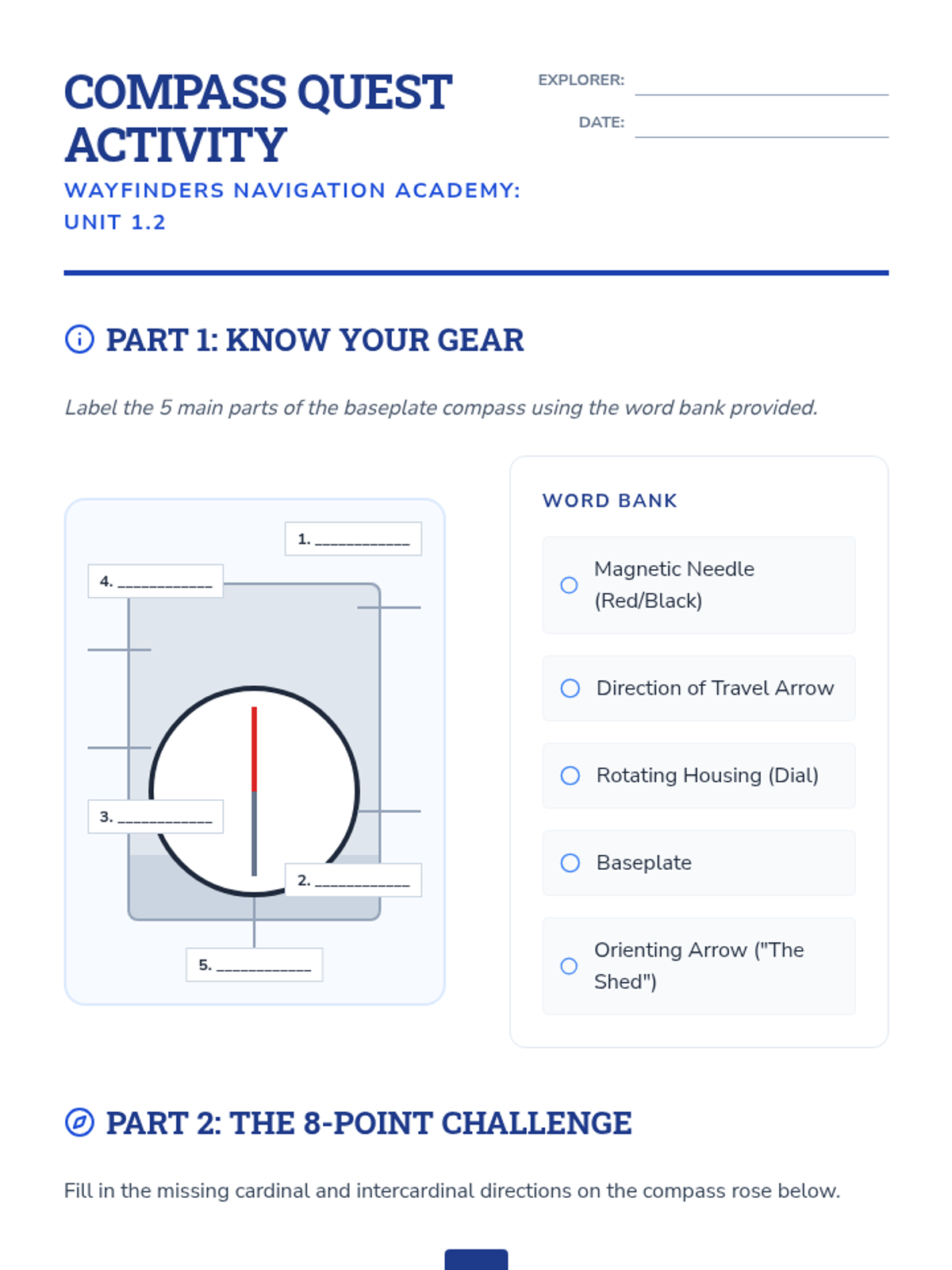
This lesson covers the parts of a baseplate compass, cardinal directions, and how to orient a map to North.
Students explore topographic maps, identifying legends, scales, and contour lines to visualize terrain and calculate distances.
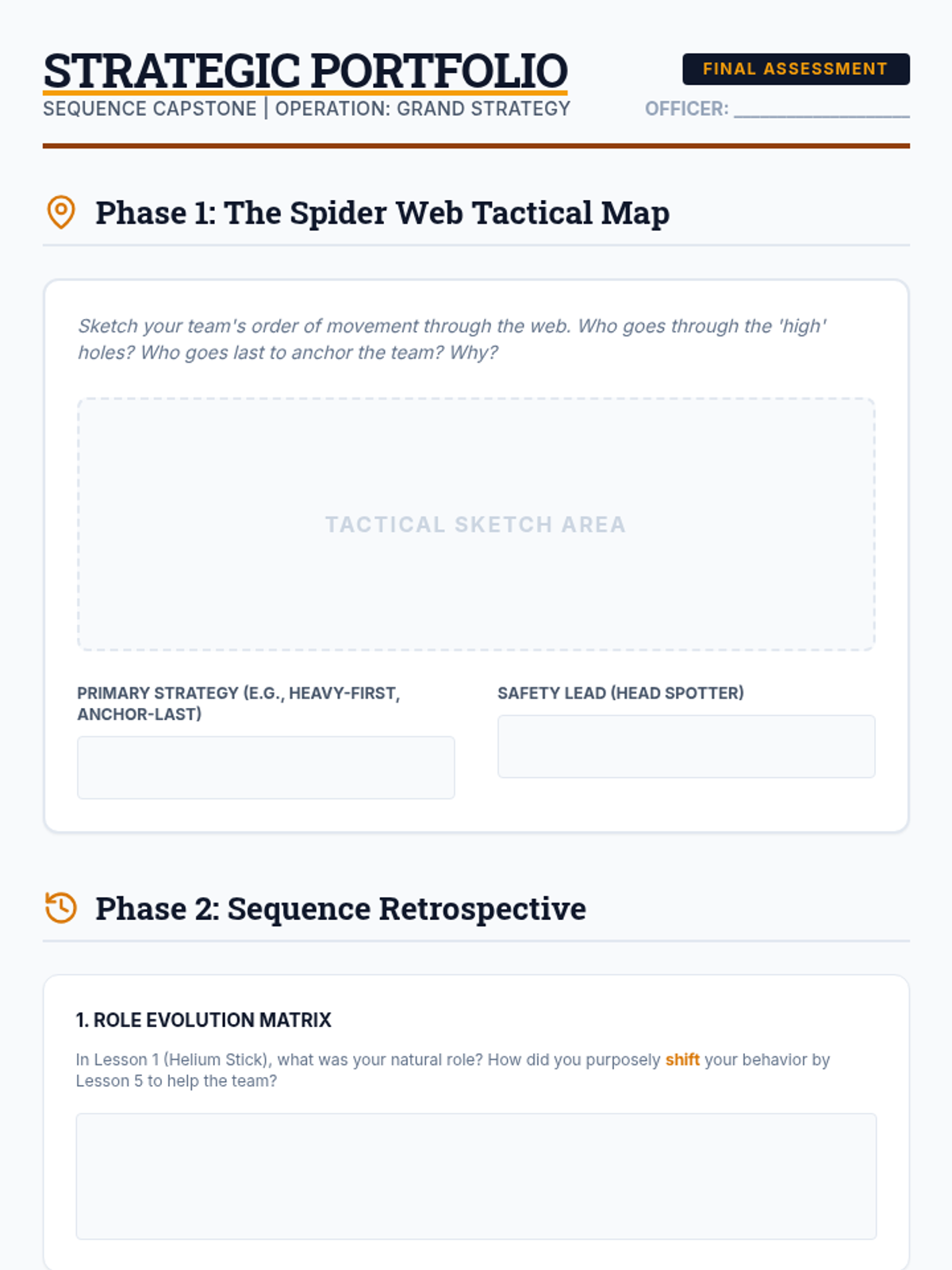
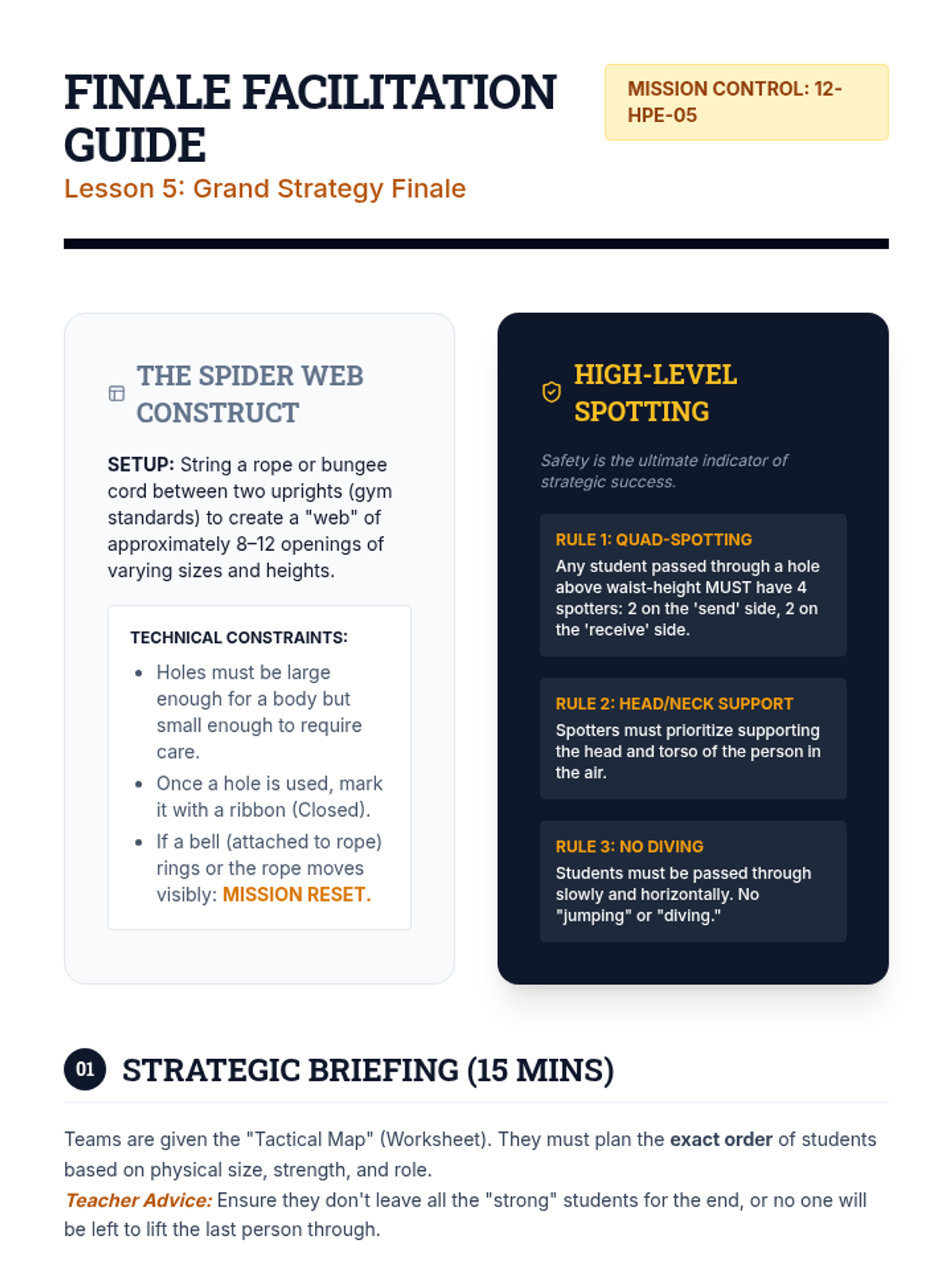
A culminating 'Spider Web' challenge that integrates all previous skills in planning, spotting, and safety management.
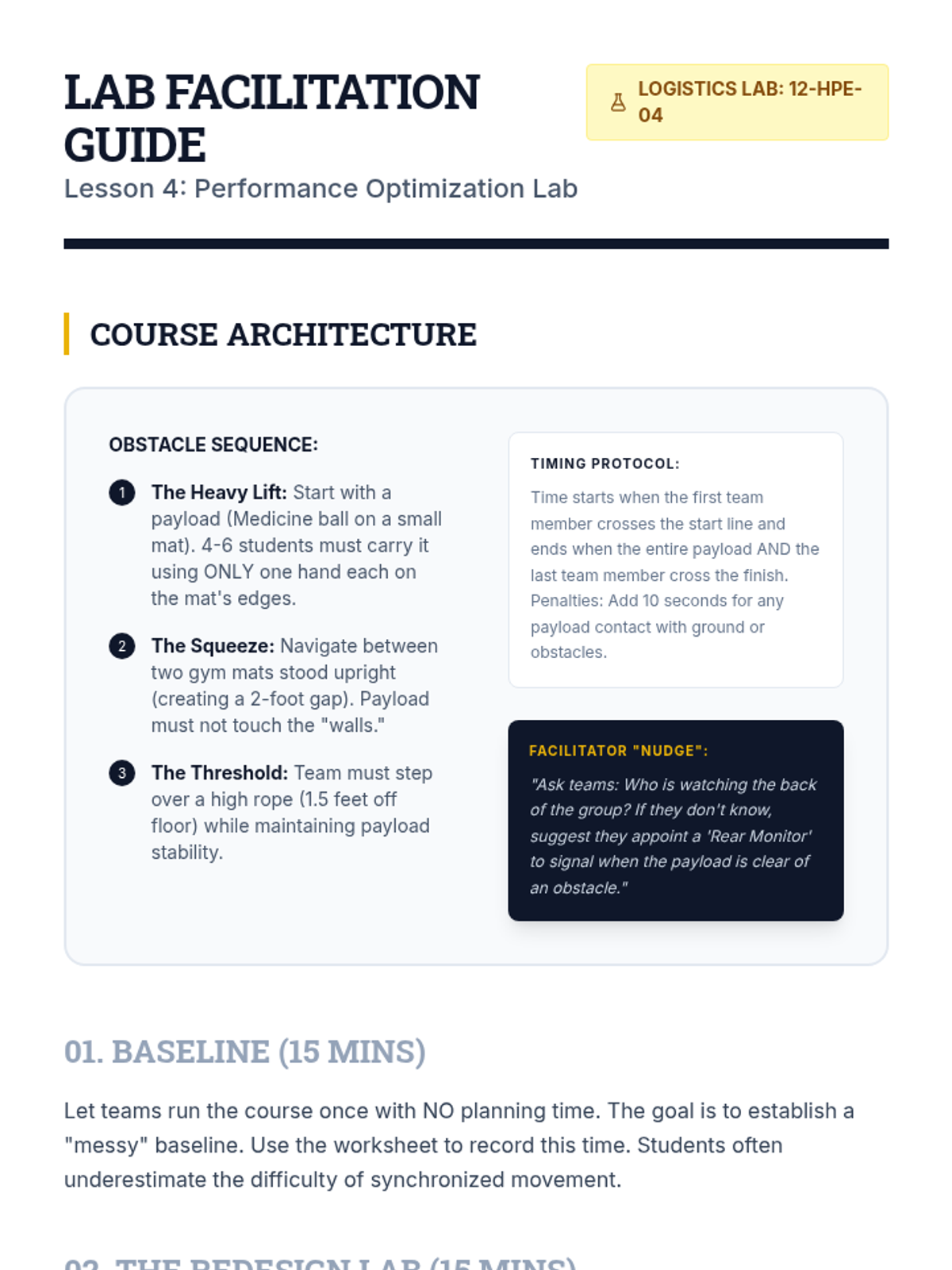
Applying logistics principles, teams use an iterative design cycle to optimize their performance in a synchronized movement course.
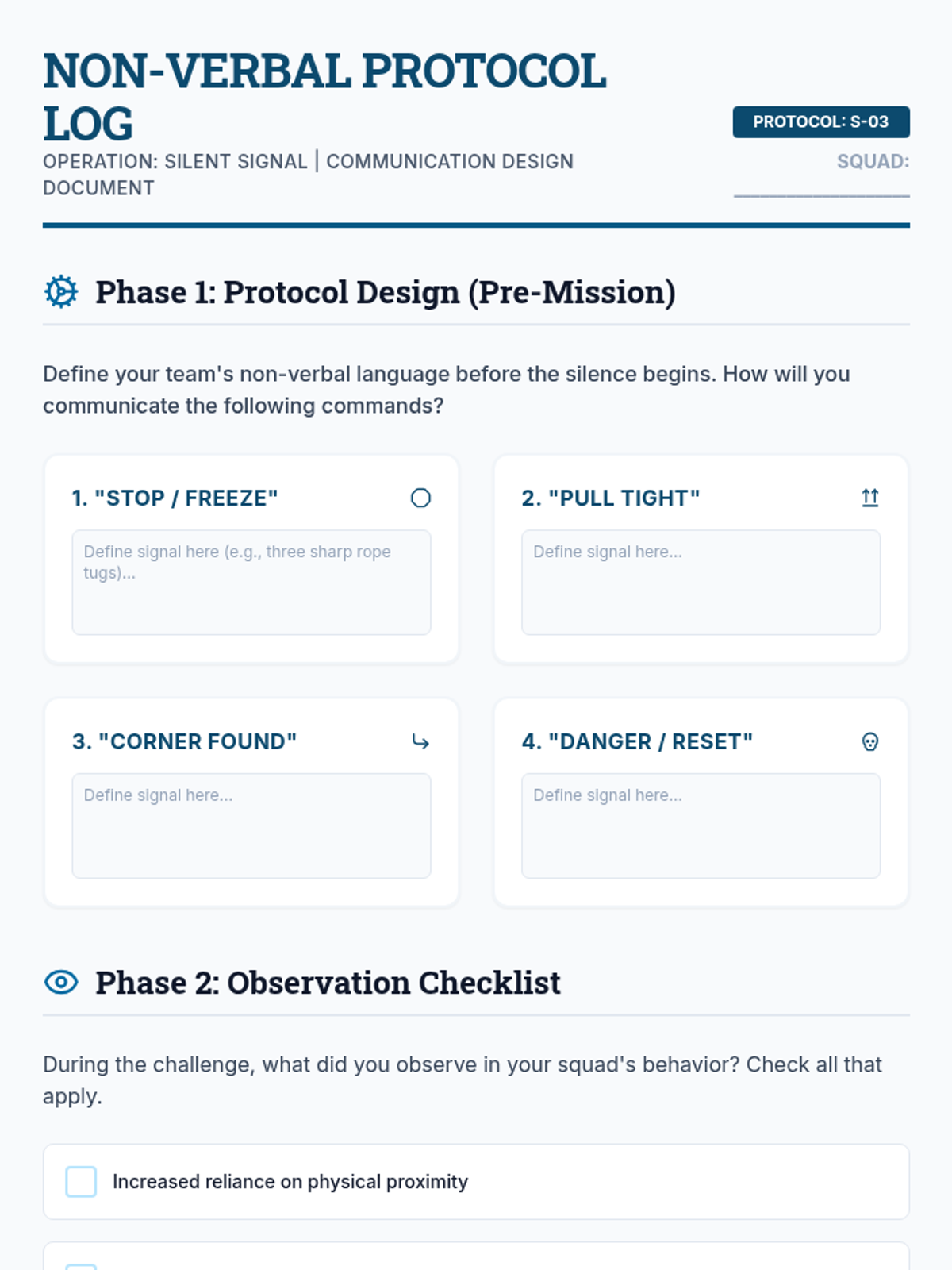
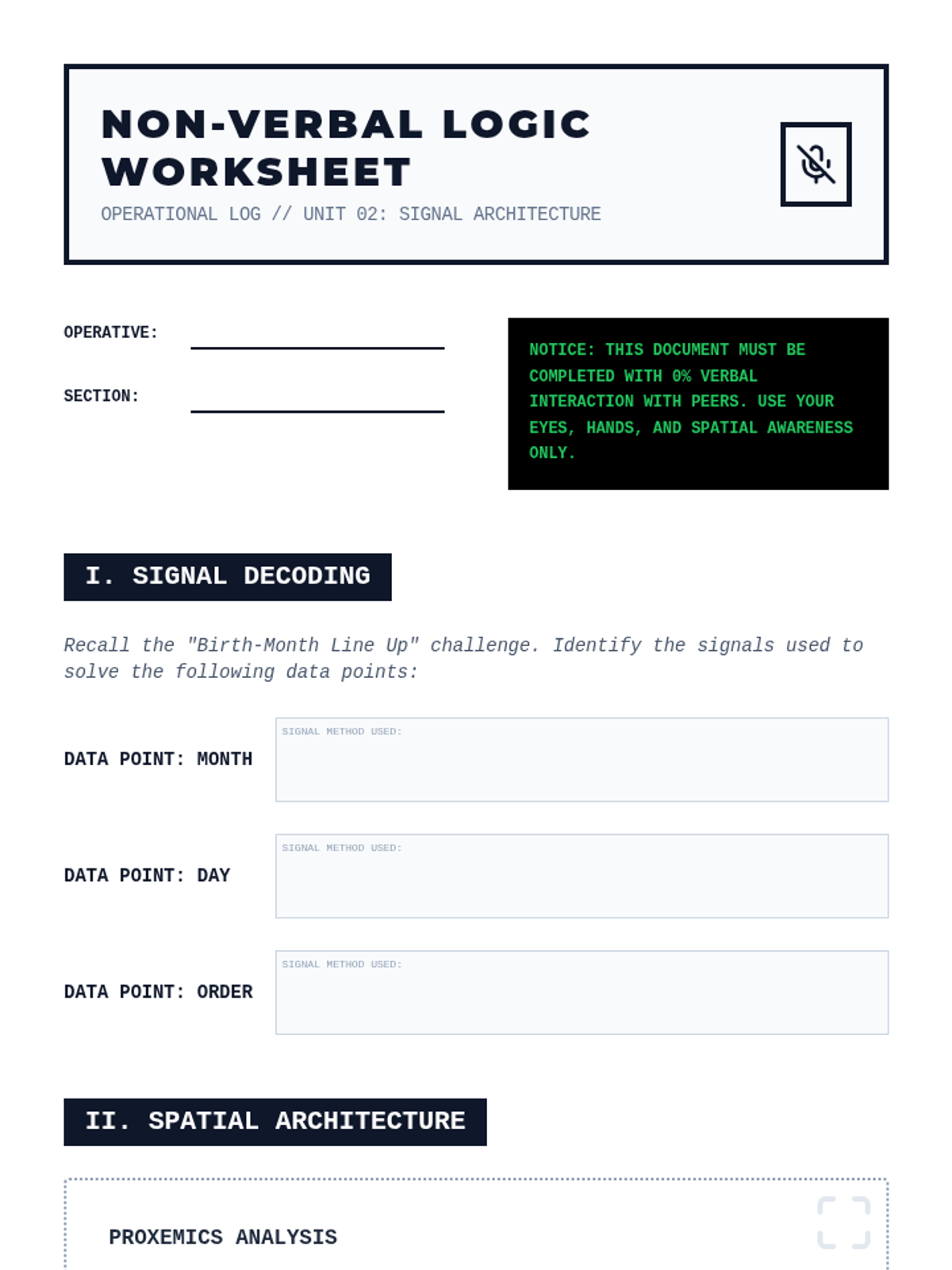
Teams develop non-verbal communication protocols to solve complex spatial and chronological challenges without speaking.
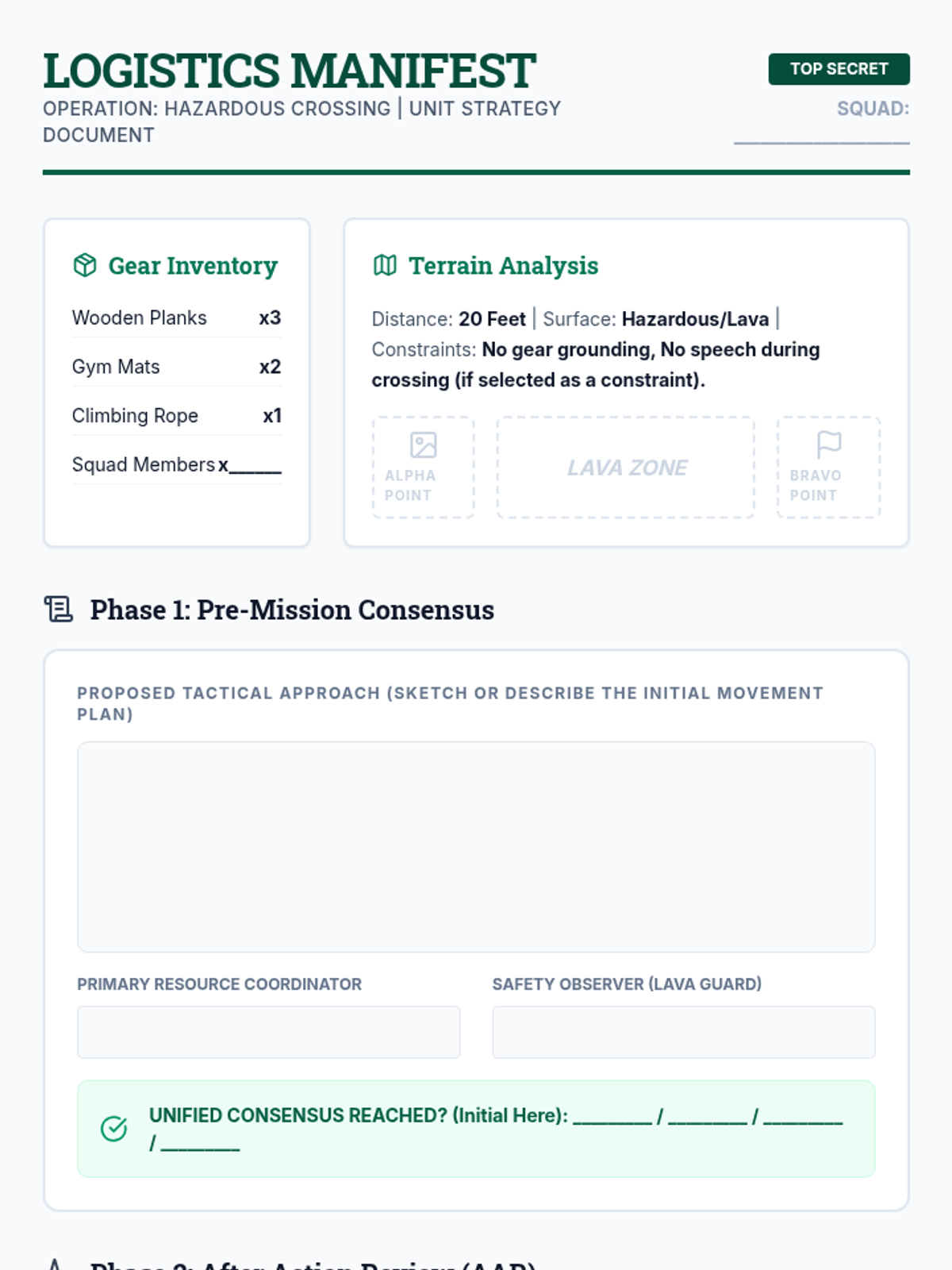
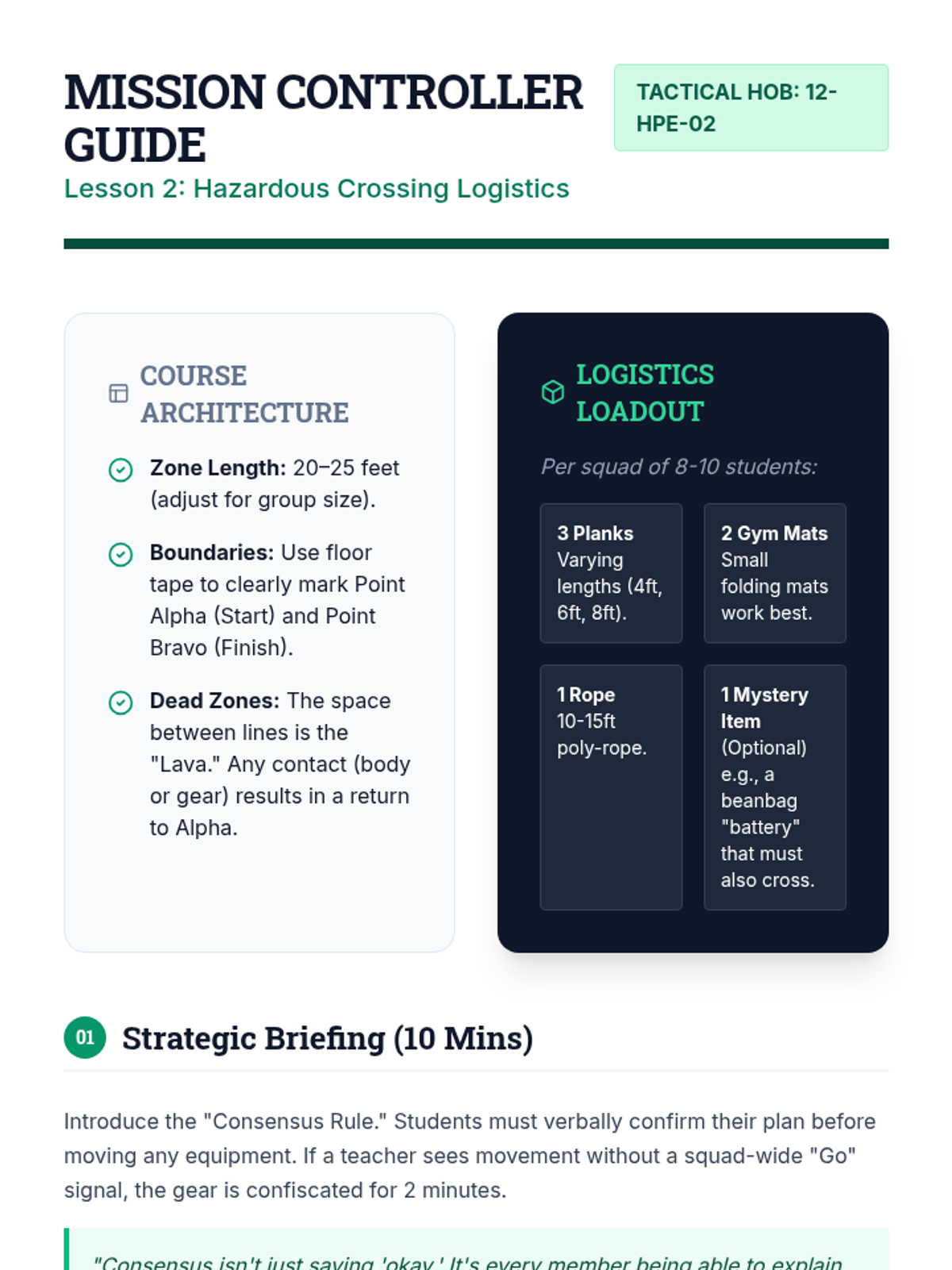
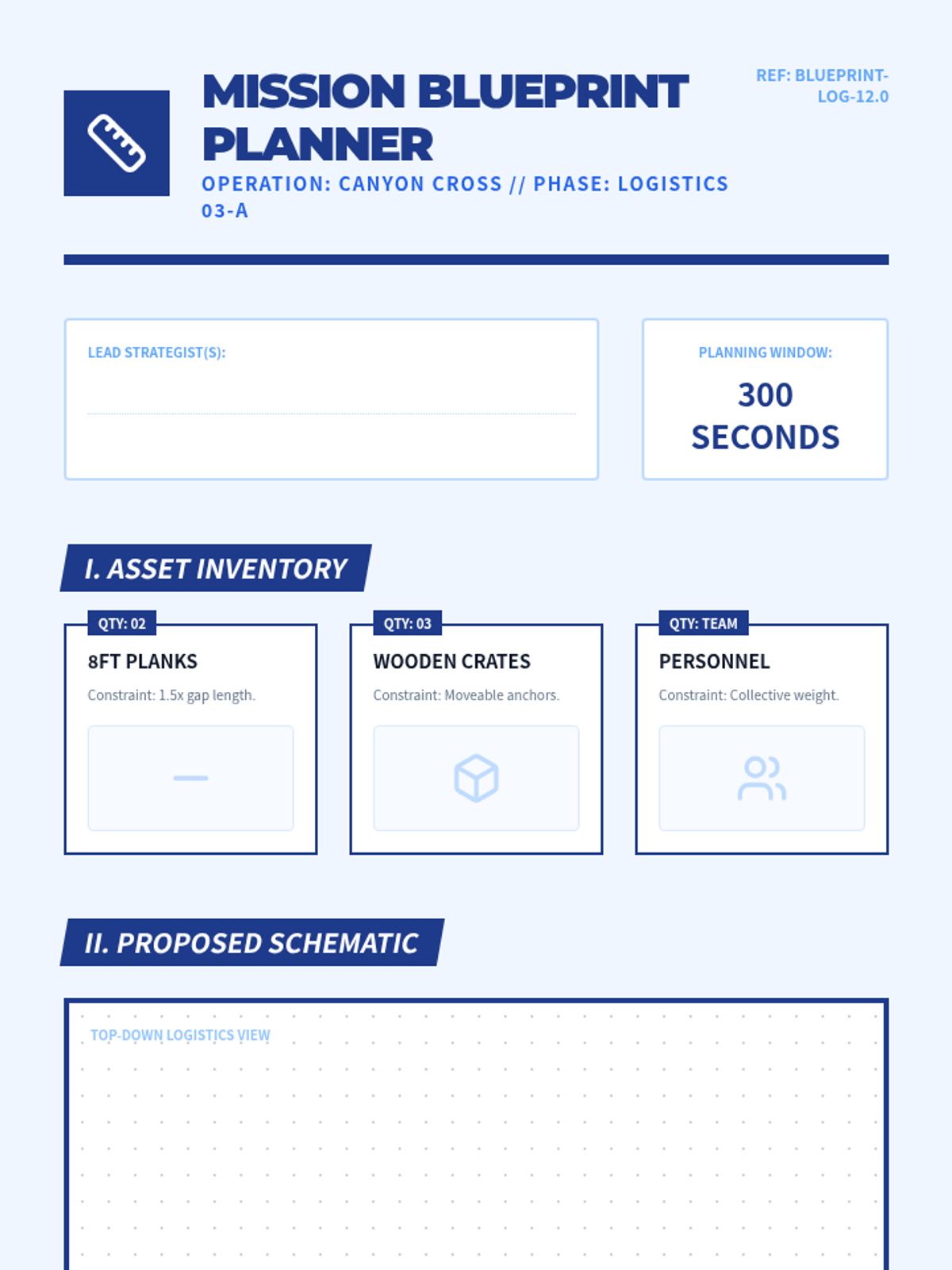
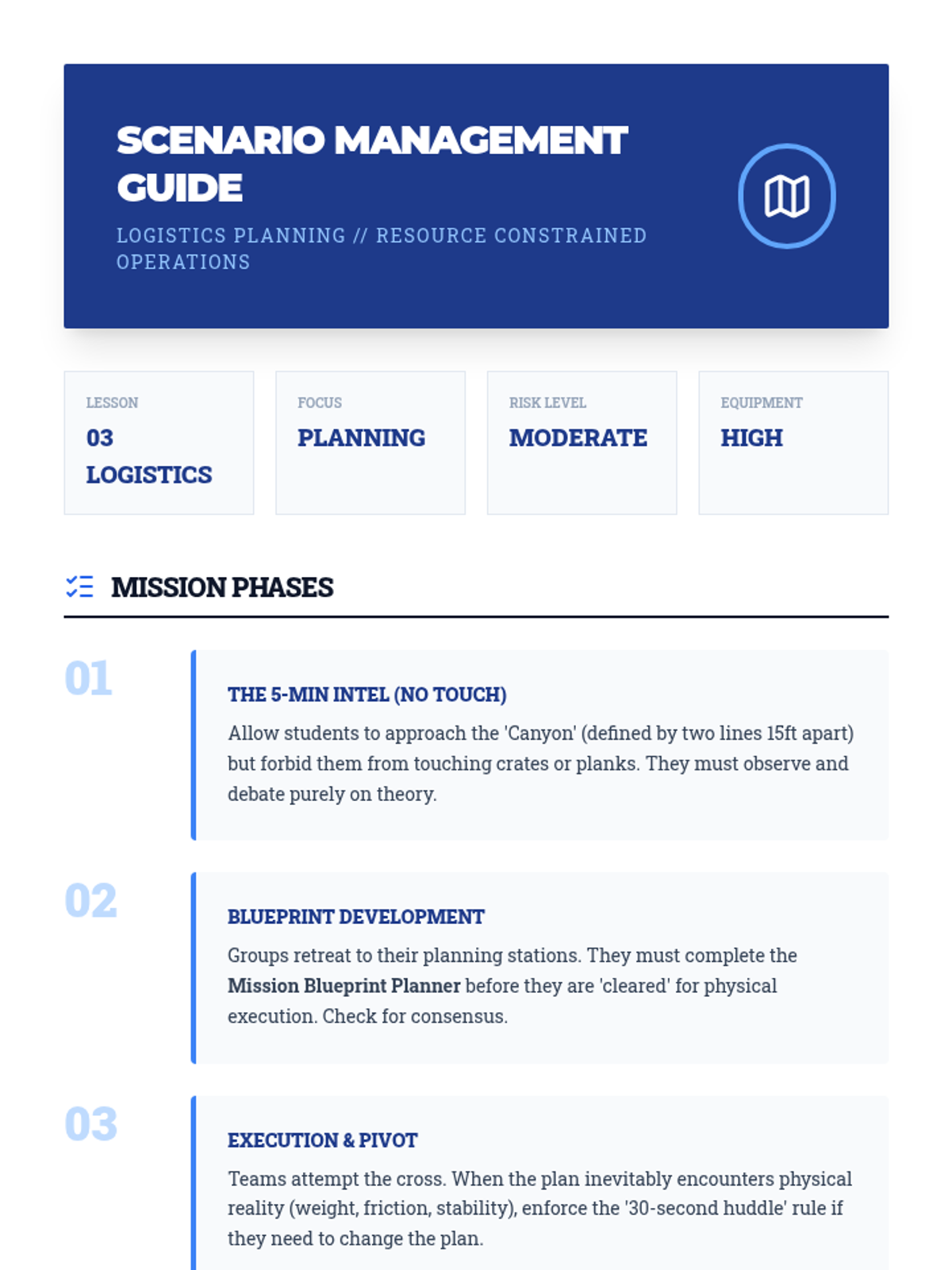
Groups navigate a hazardous area crossing using limited props, focusing on consensus-building and efficient resource allocation.
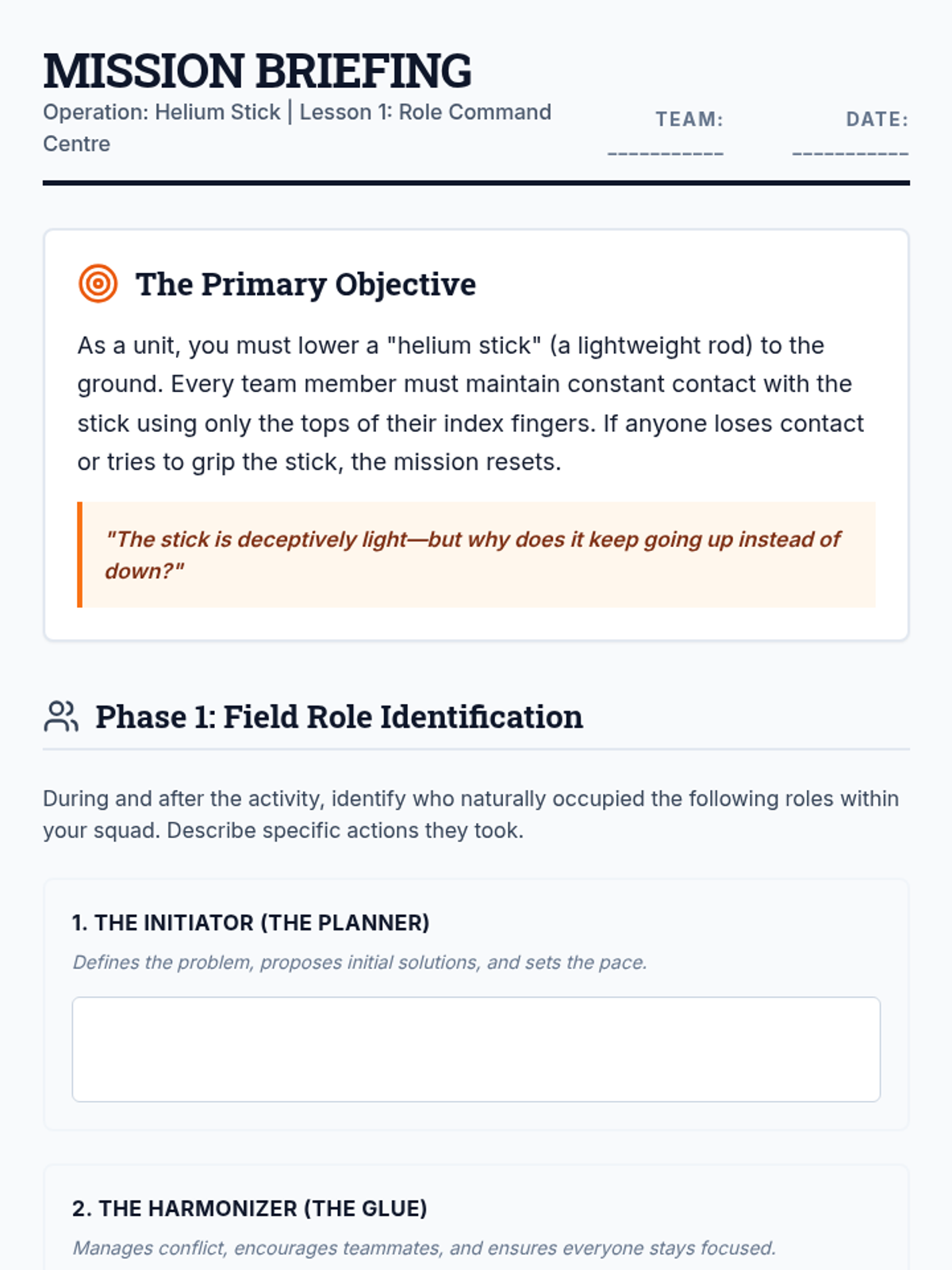
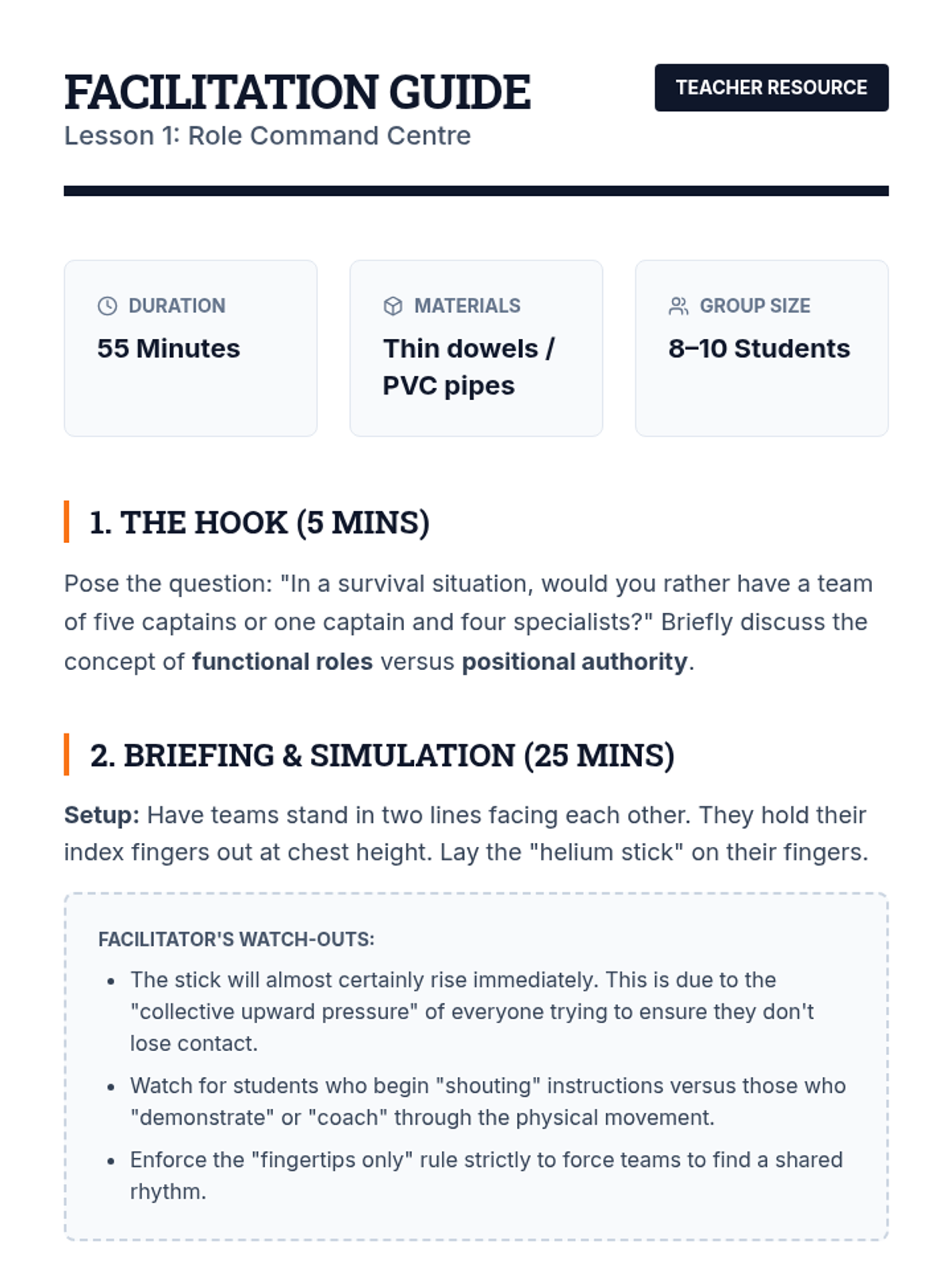
Students identify natural leadership tendencies and group roles through the Helium Stick challenge and analyze their impact on team cohesion.
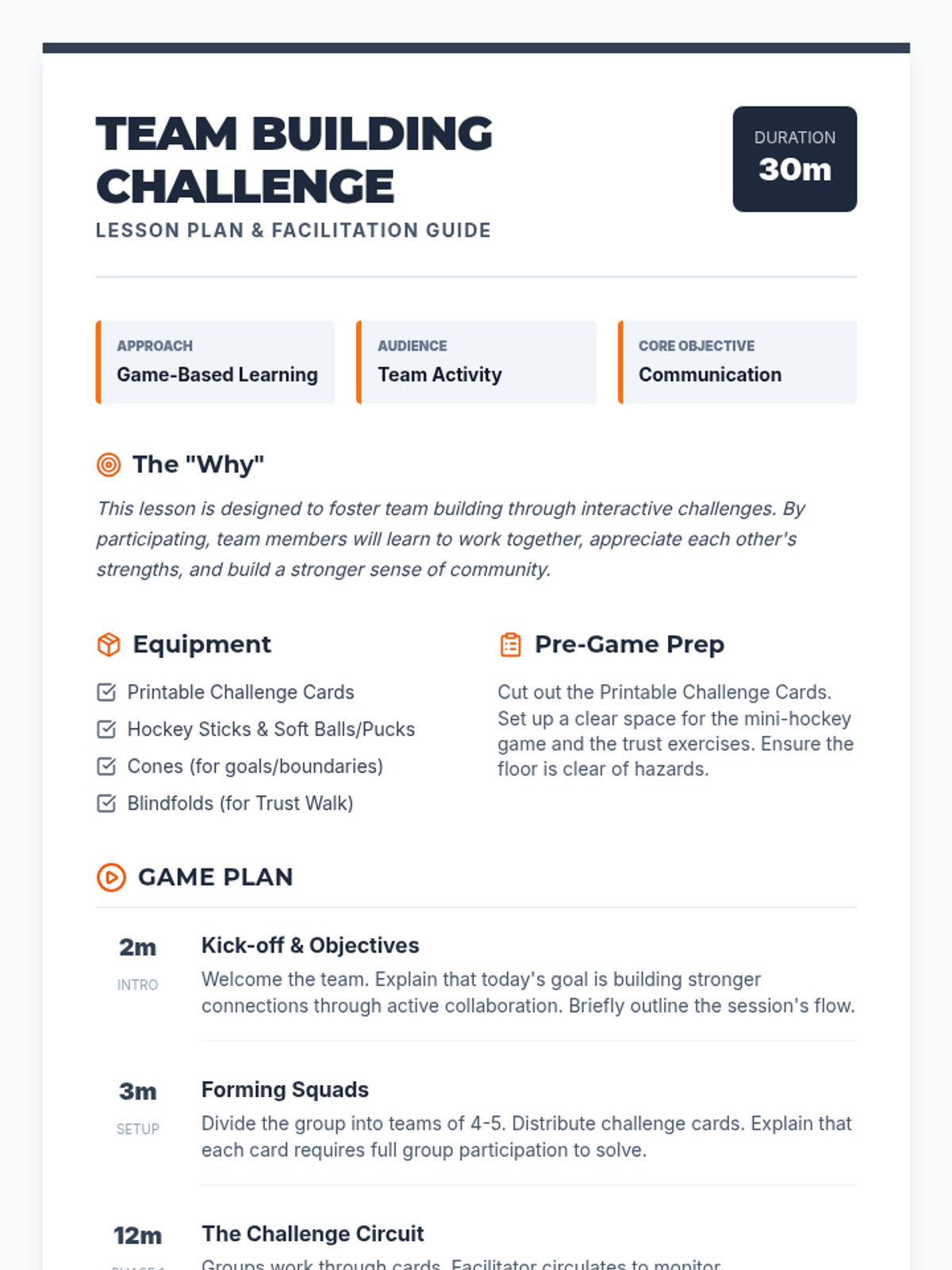
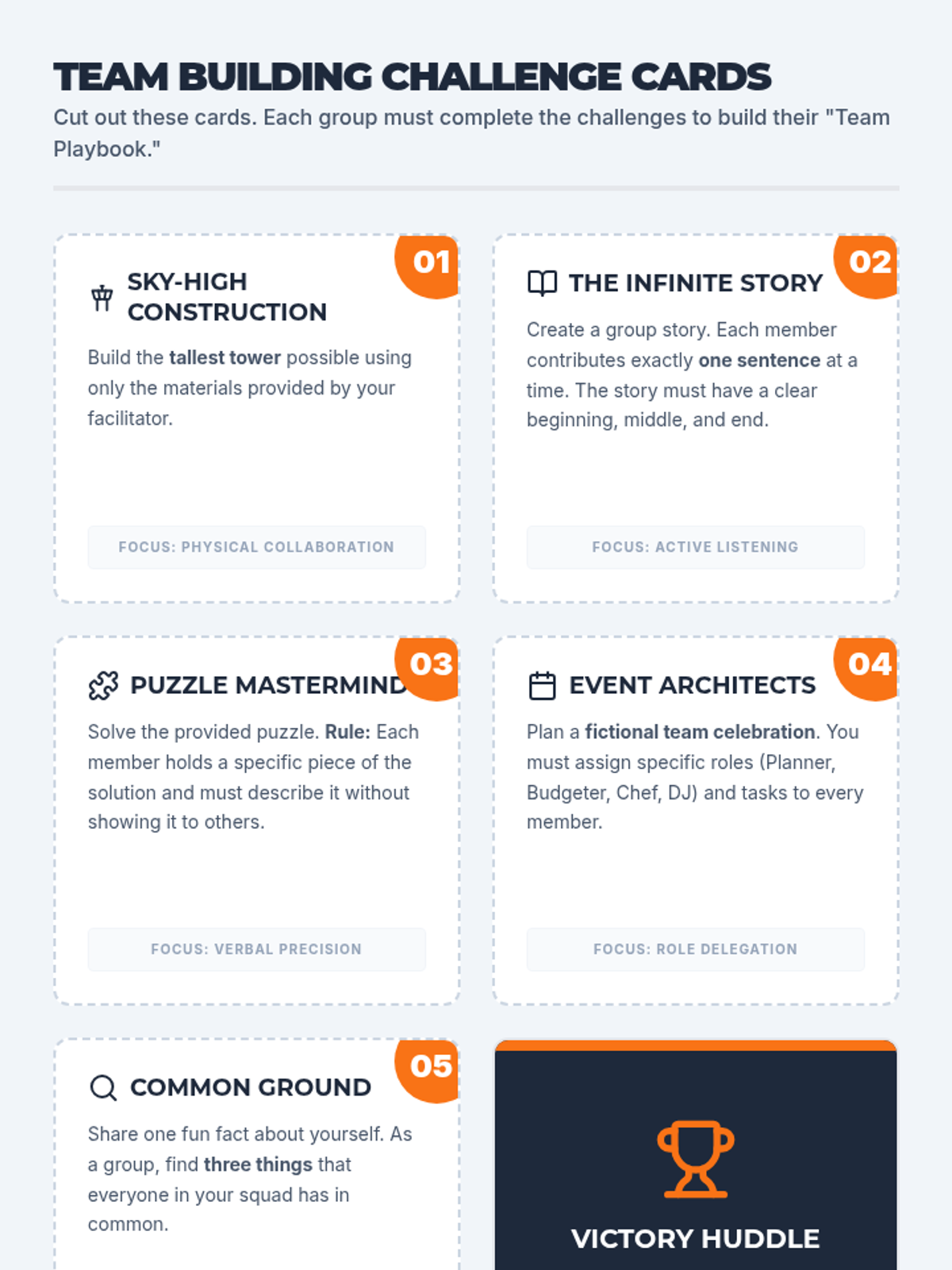
A high-energy team-building lesson focused on communication, trust, and collaboration through interactive challenges and a hockey-themed strategy game.
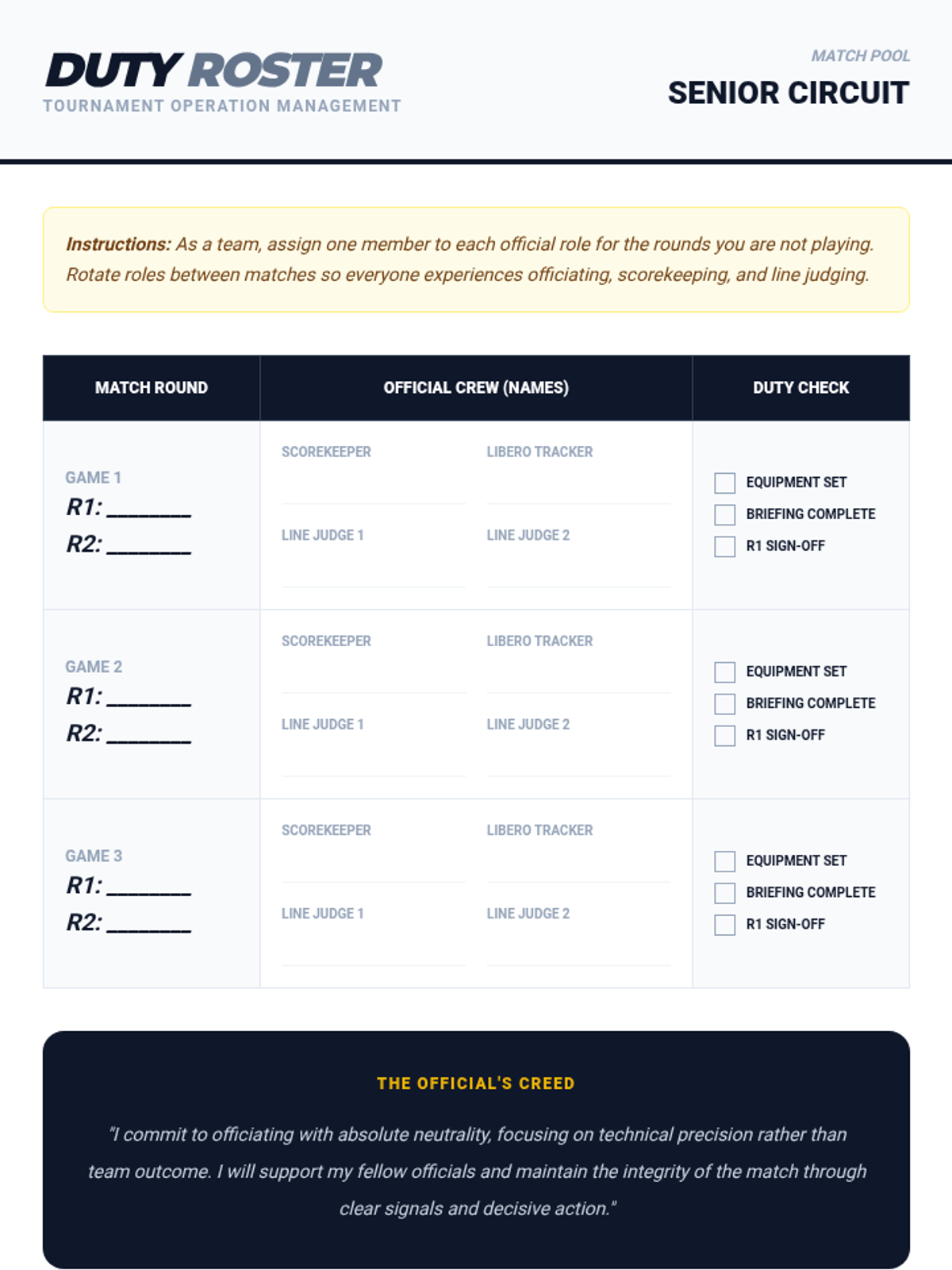
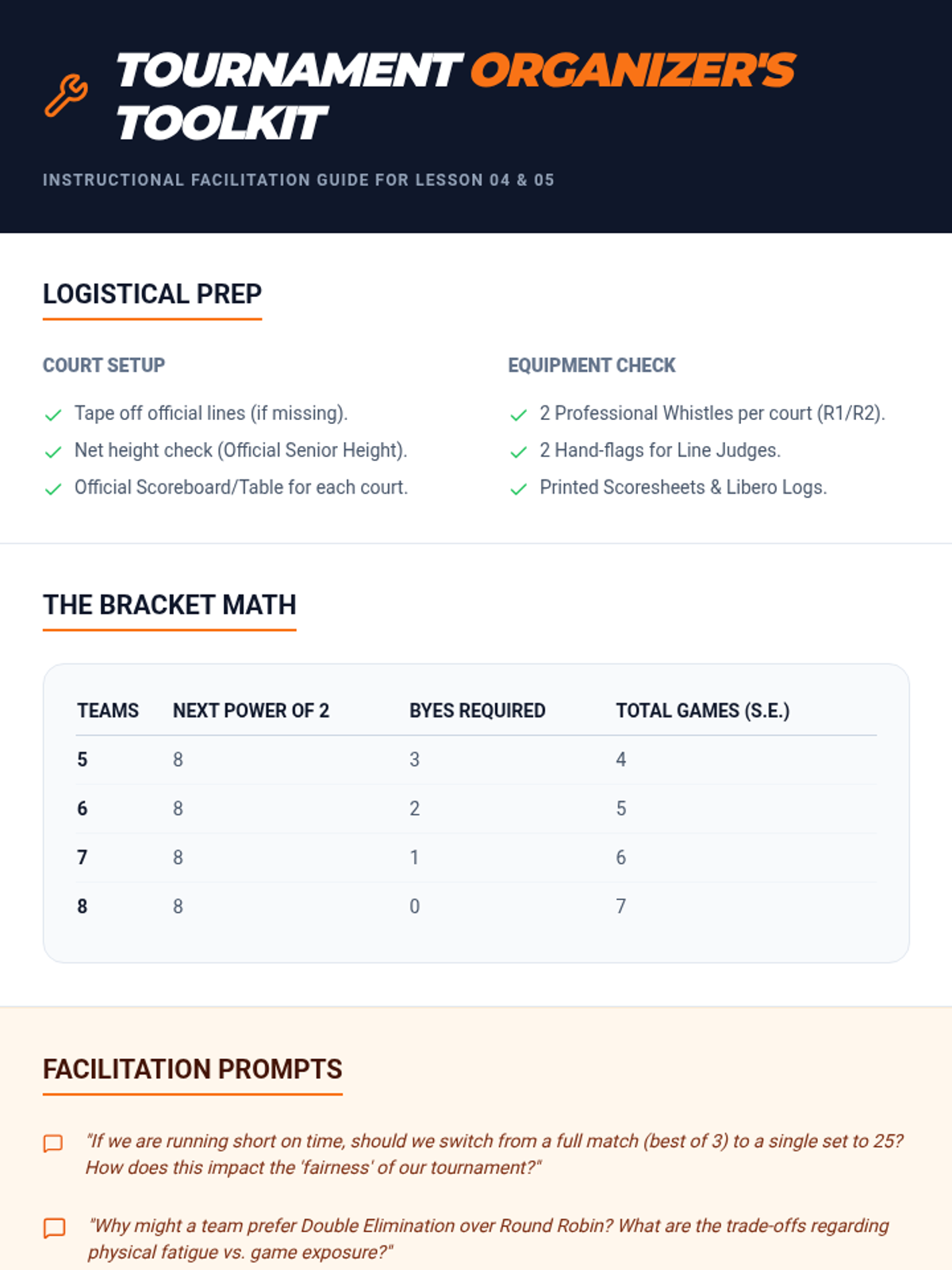
The culmination of the unit where students manage and compete in a full-scale volleyball tournament, rotating through all official roles.
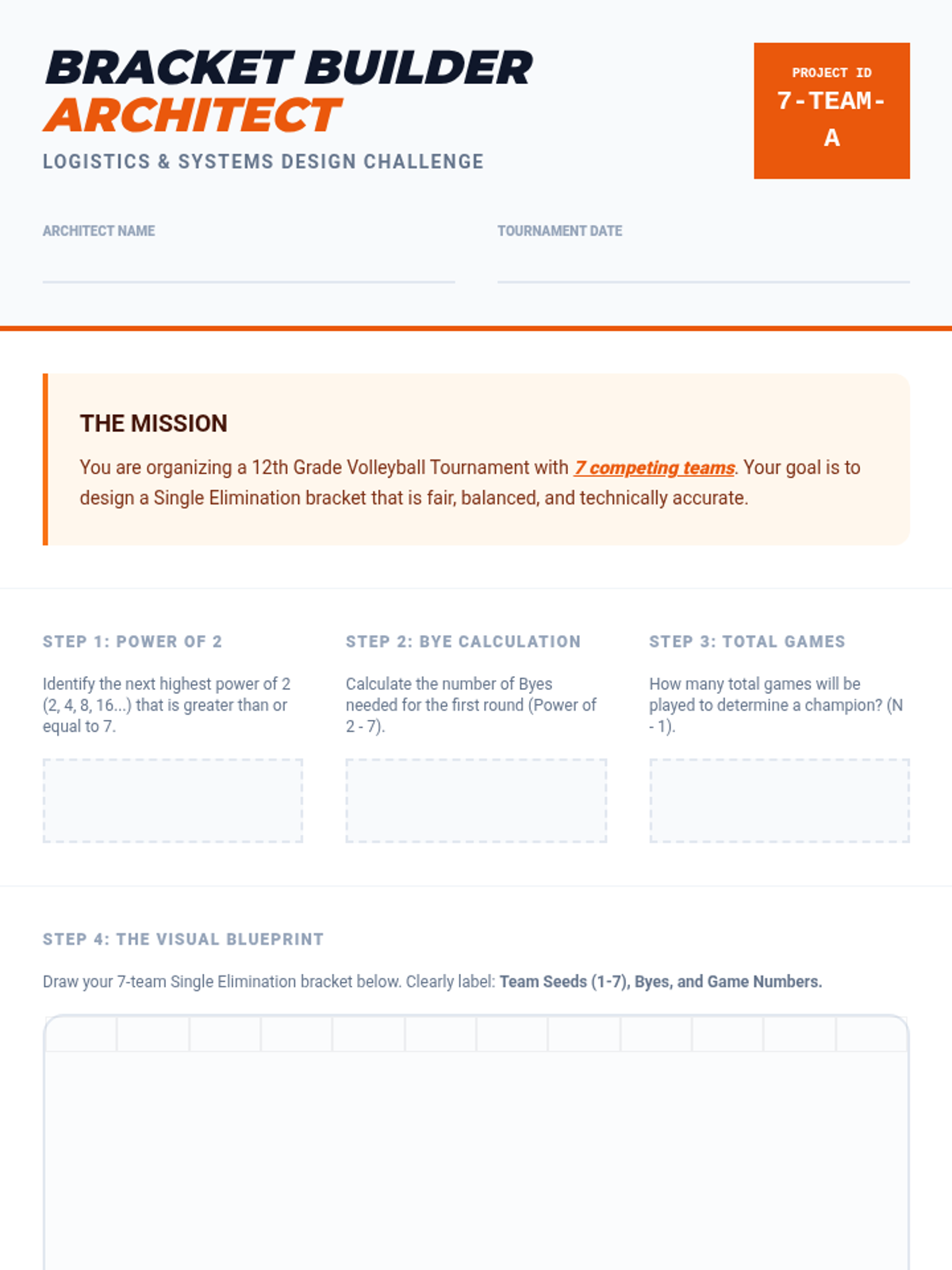
Students explore different tournament structures, including seeding strategies and bracket organization for various team counts.
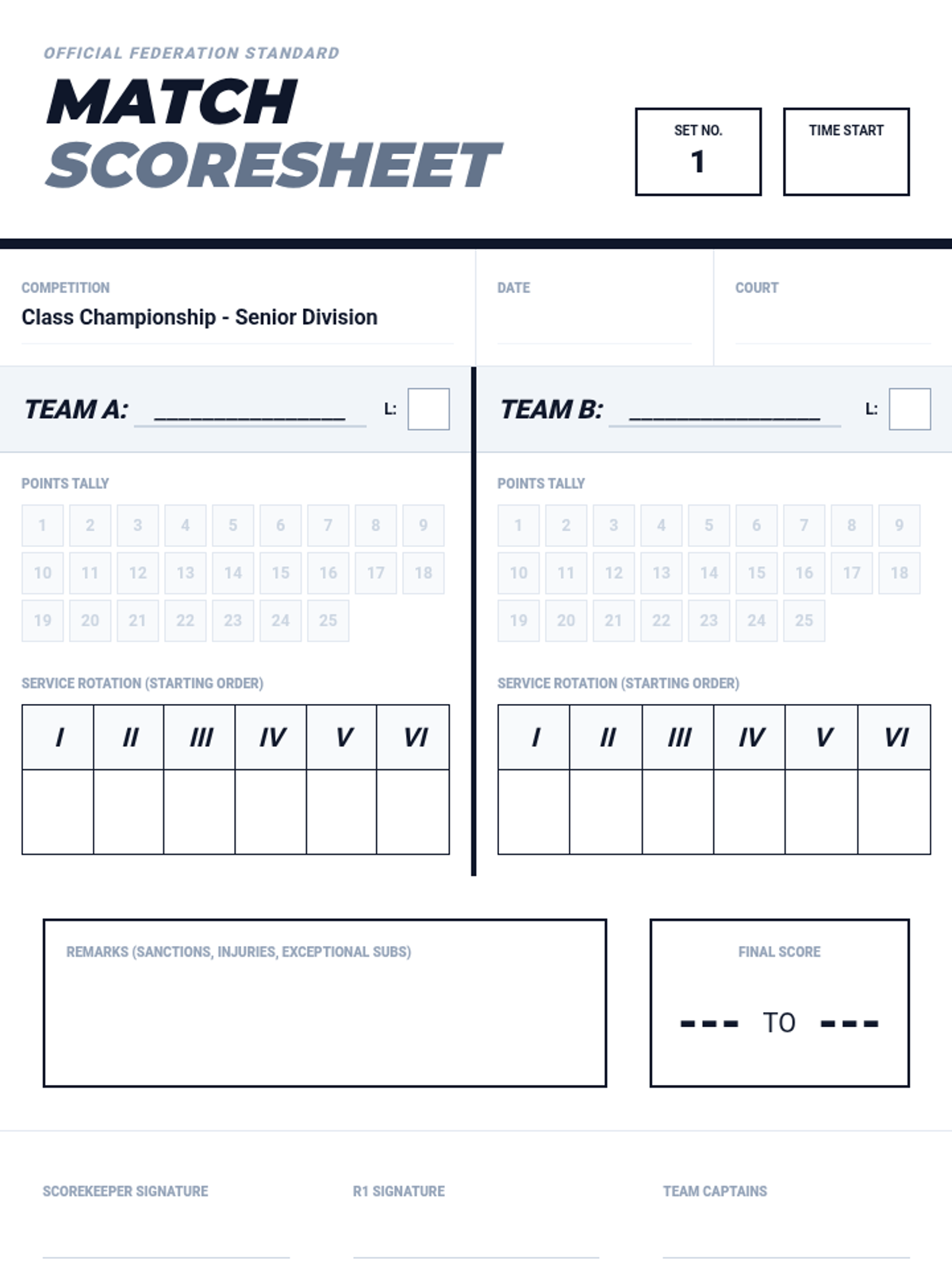
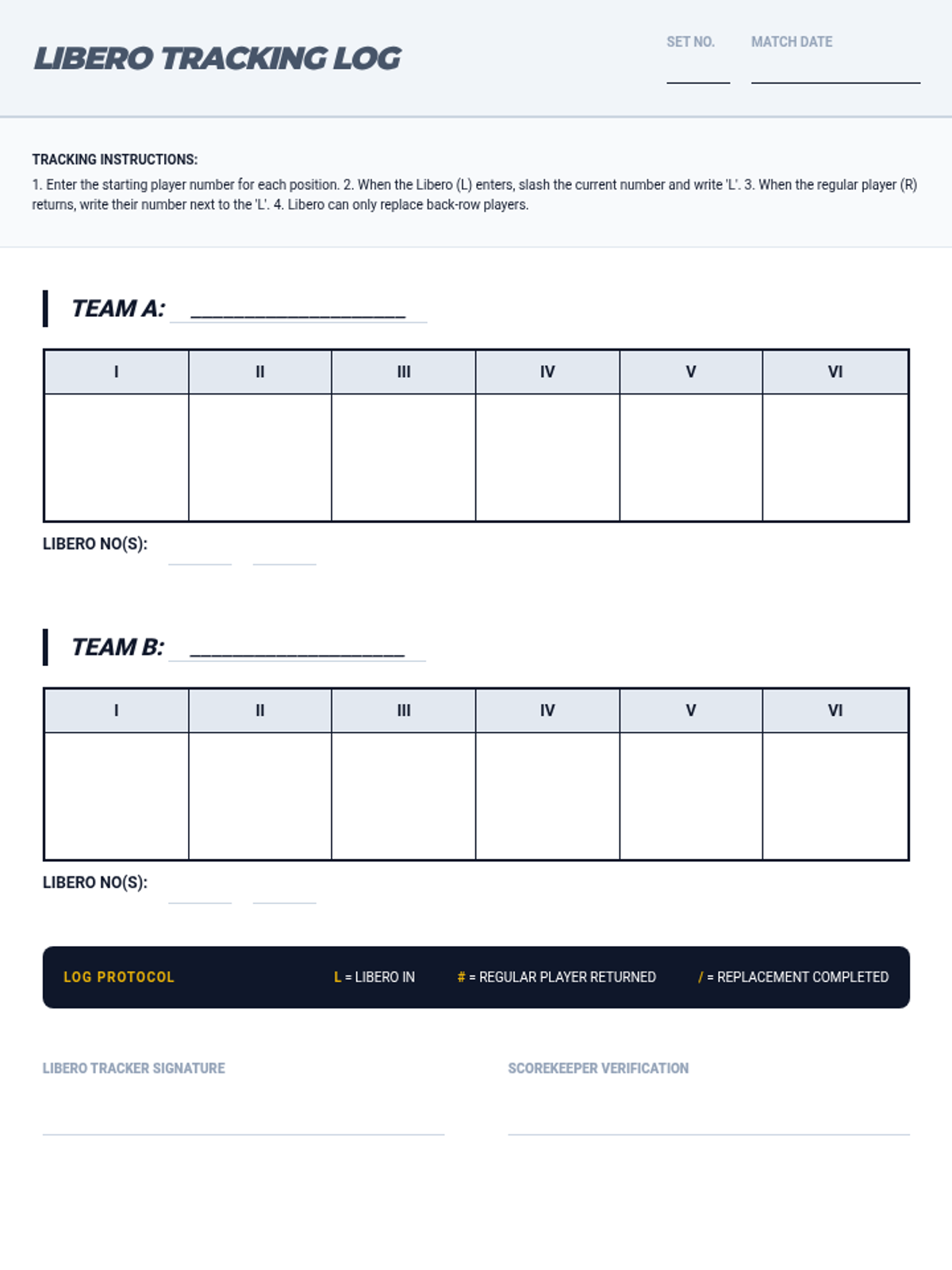
A technical lesson on the nuances of official scorekeeping and libero tracking, ensuring accuracy in high-stakes competitive play.
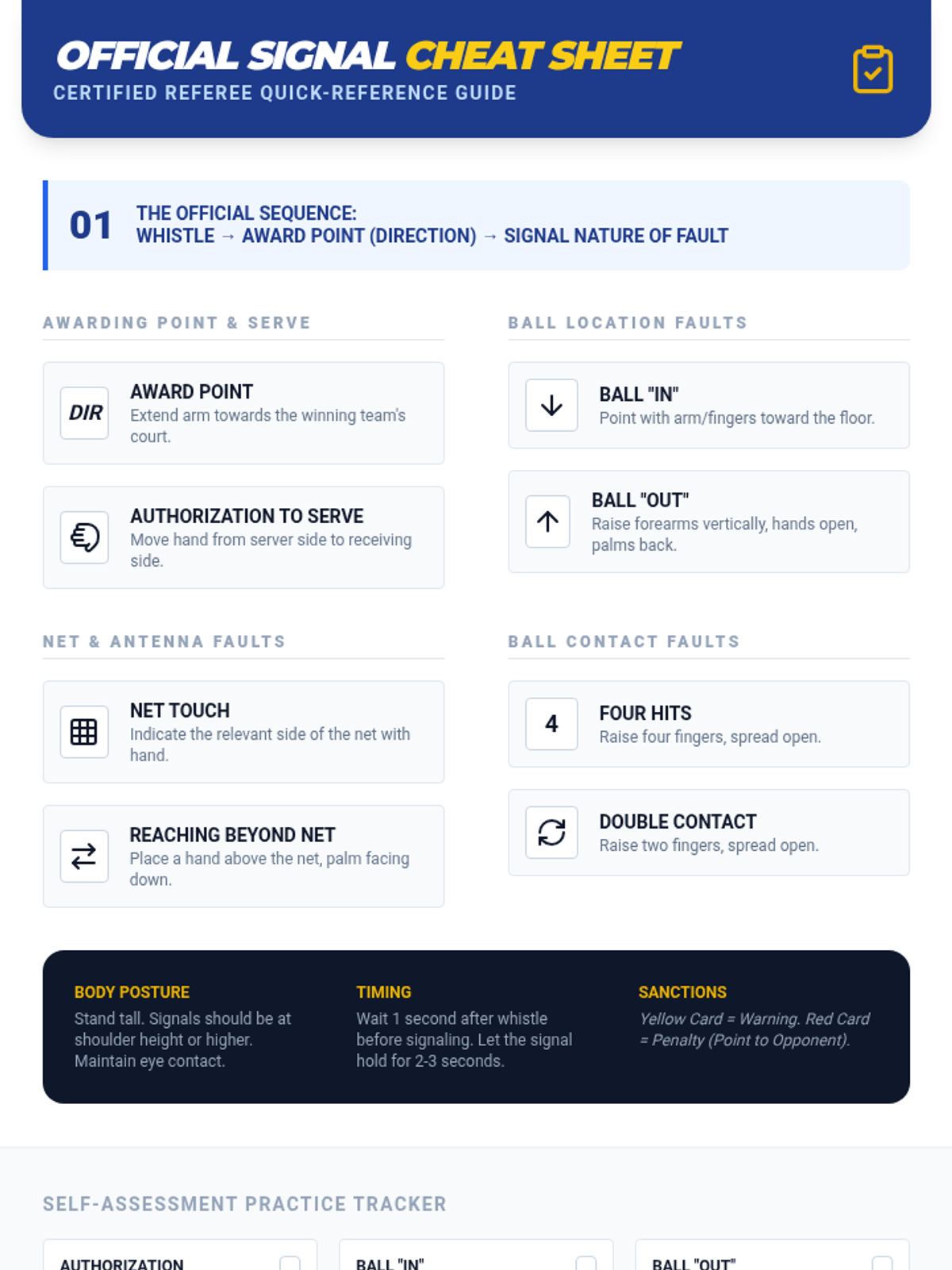
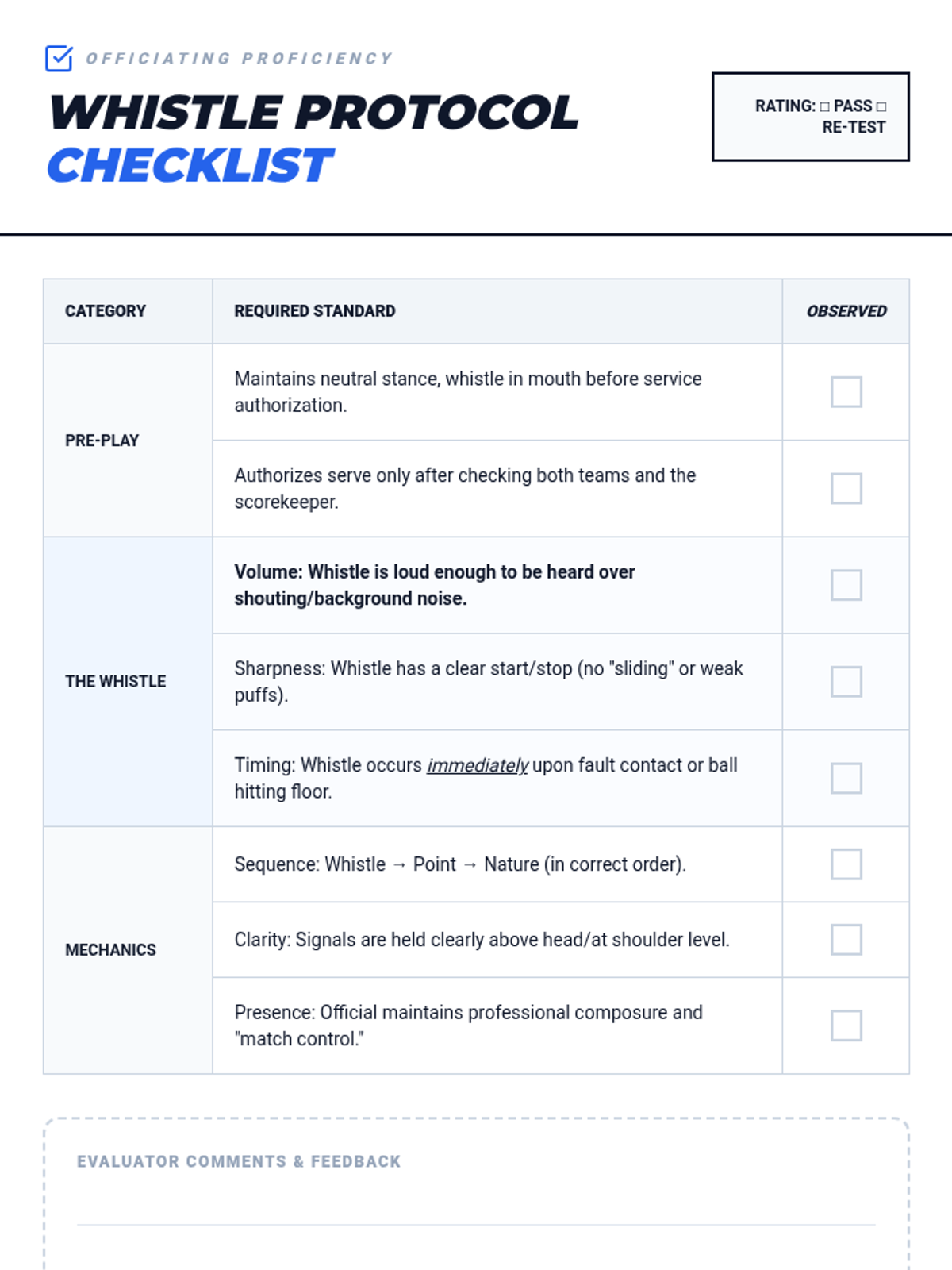
A practical workshop on official volleyball hand signals, whistle mechanics, and the professional protocol for R1 and R2 referees.
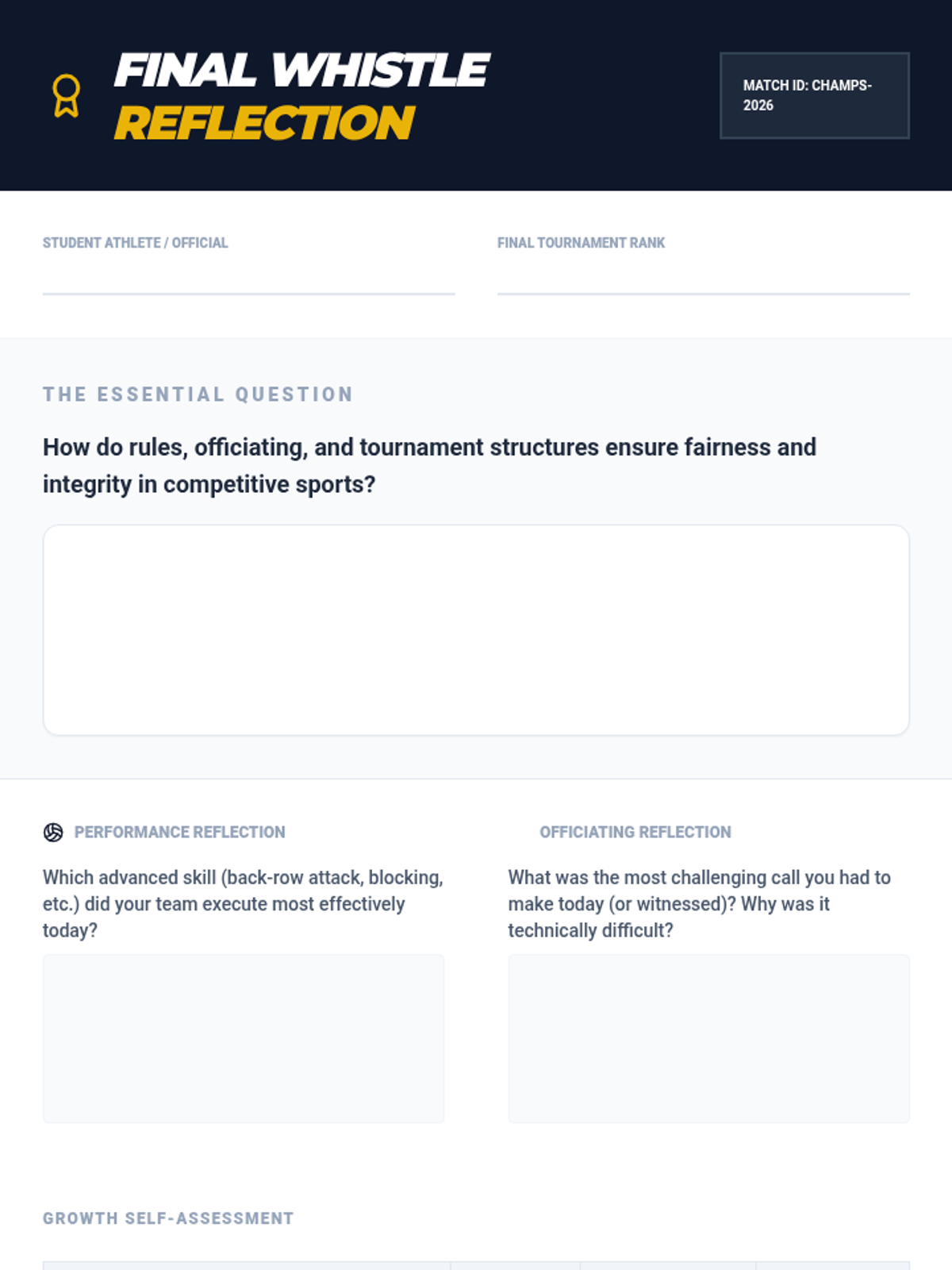
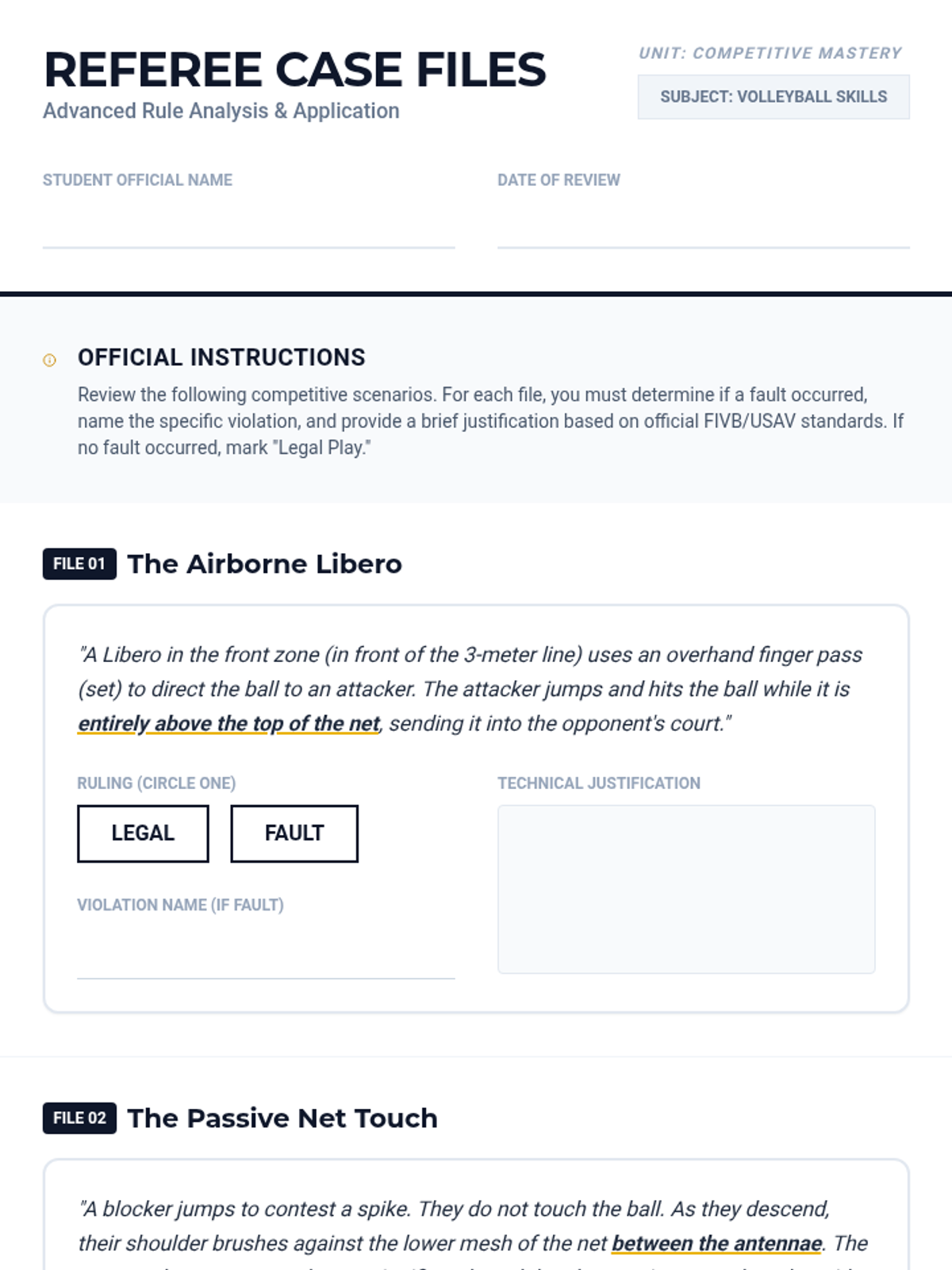
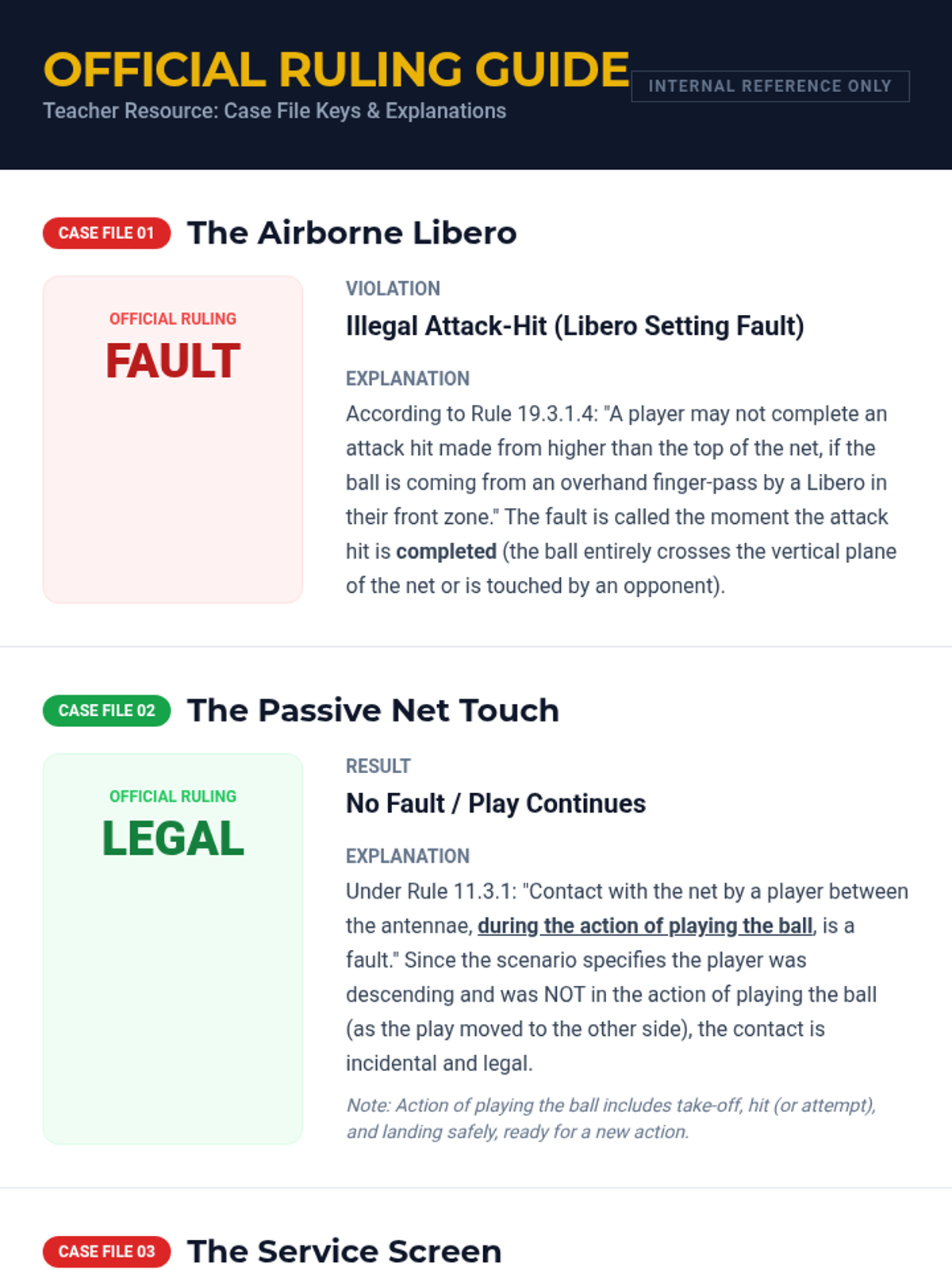
Students analyze complex volleyball rules through case studies and video-style scenarios, focusing on back-row attacks, rotation faults, and net violations.
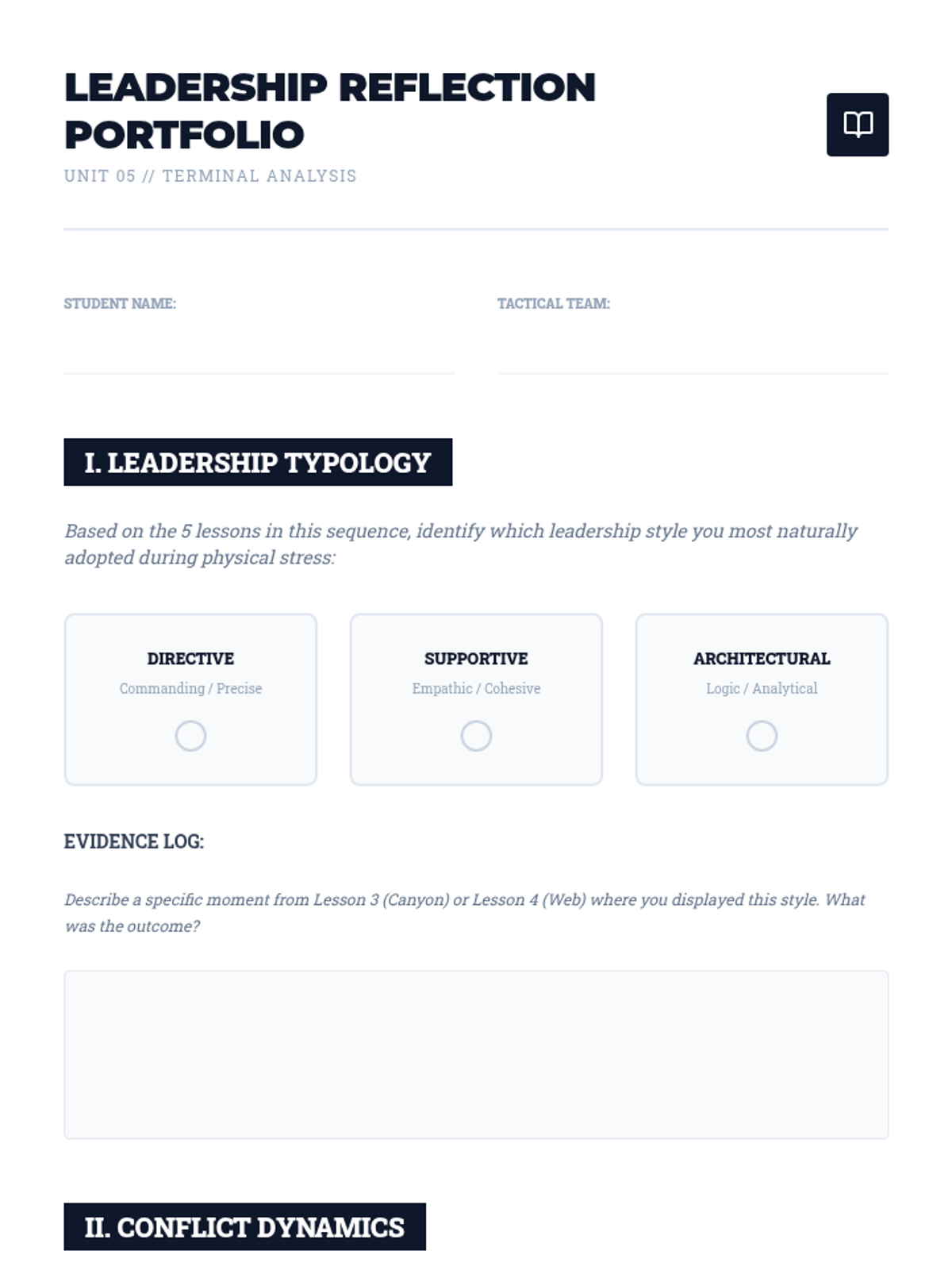
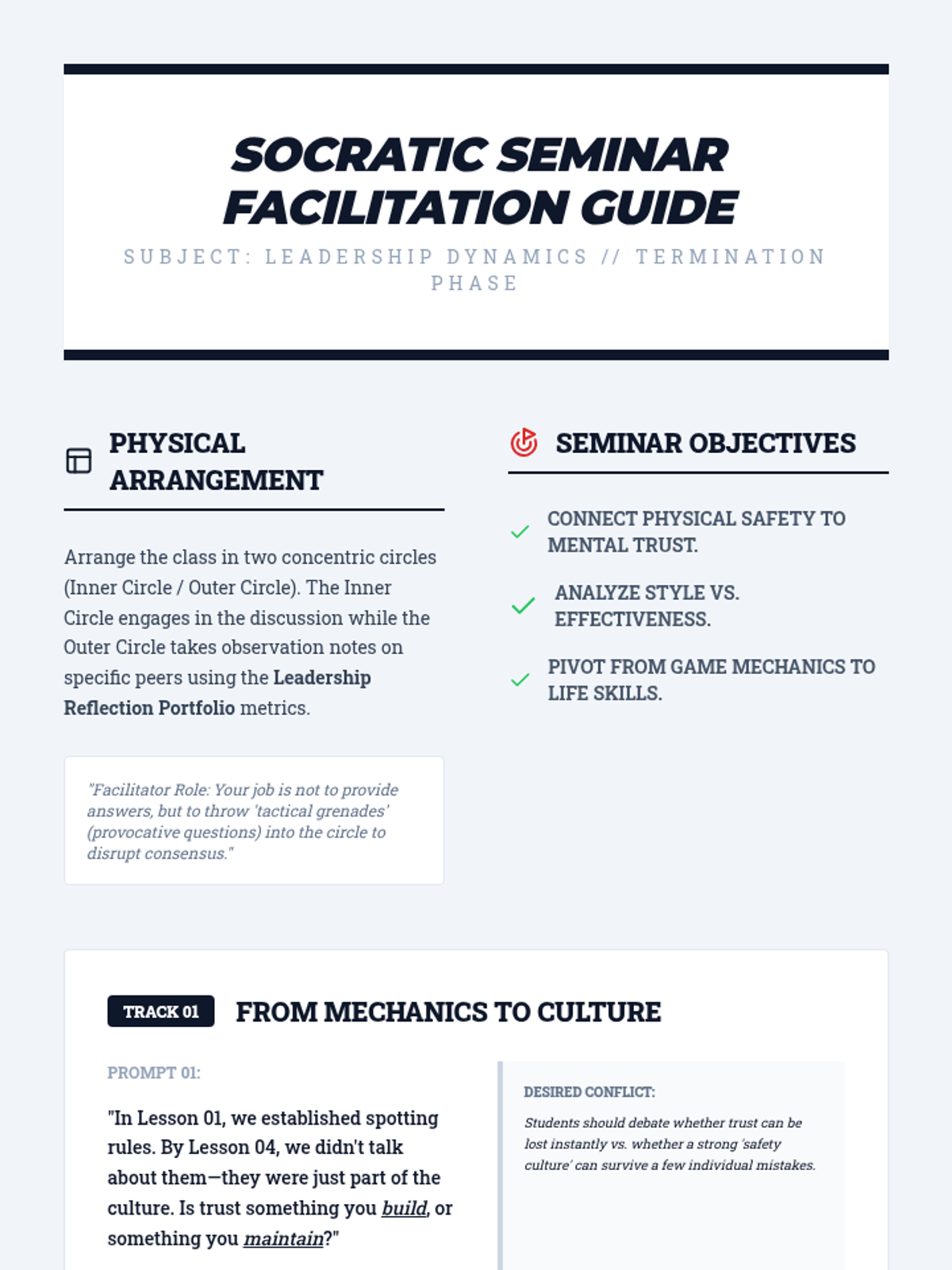
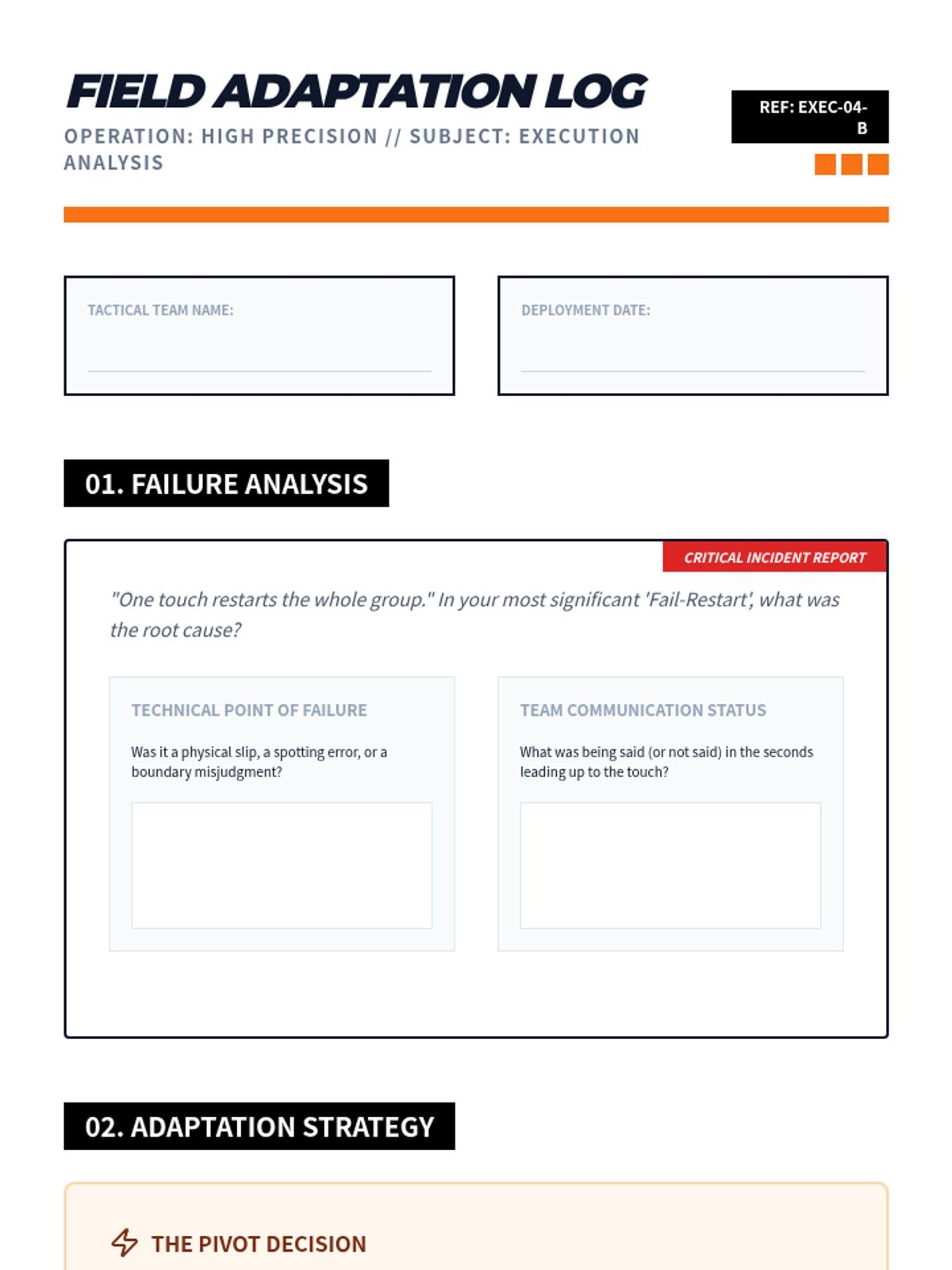
A deep-dive debrief and Socratic seminar analyzing leadership styles, conflict resolution, and performance data from previous challenges.
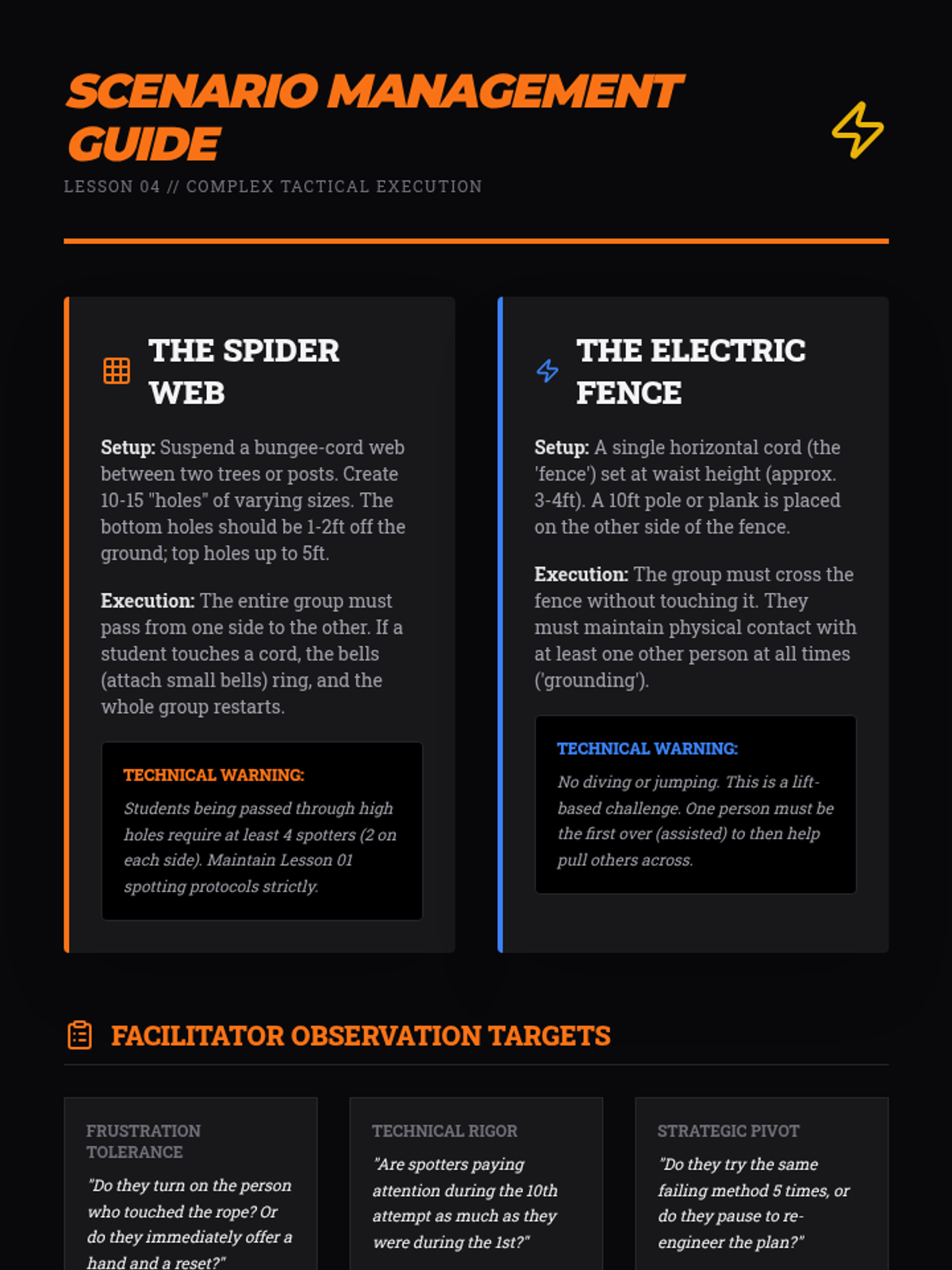
Execution of high-complexity cooperative games like 'The Spider Web' or 'The Electric Fence' with a focus on real-time adaptation.
Groups analyze physical puzzles and allocate limited resources to solve 'impossible' object retrieval or traversal scenarios.
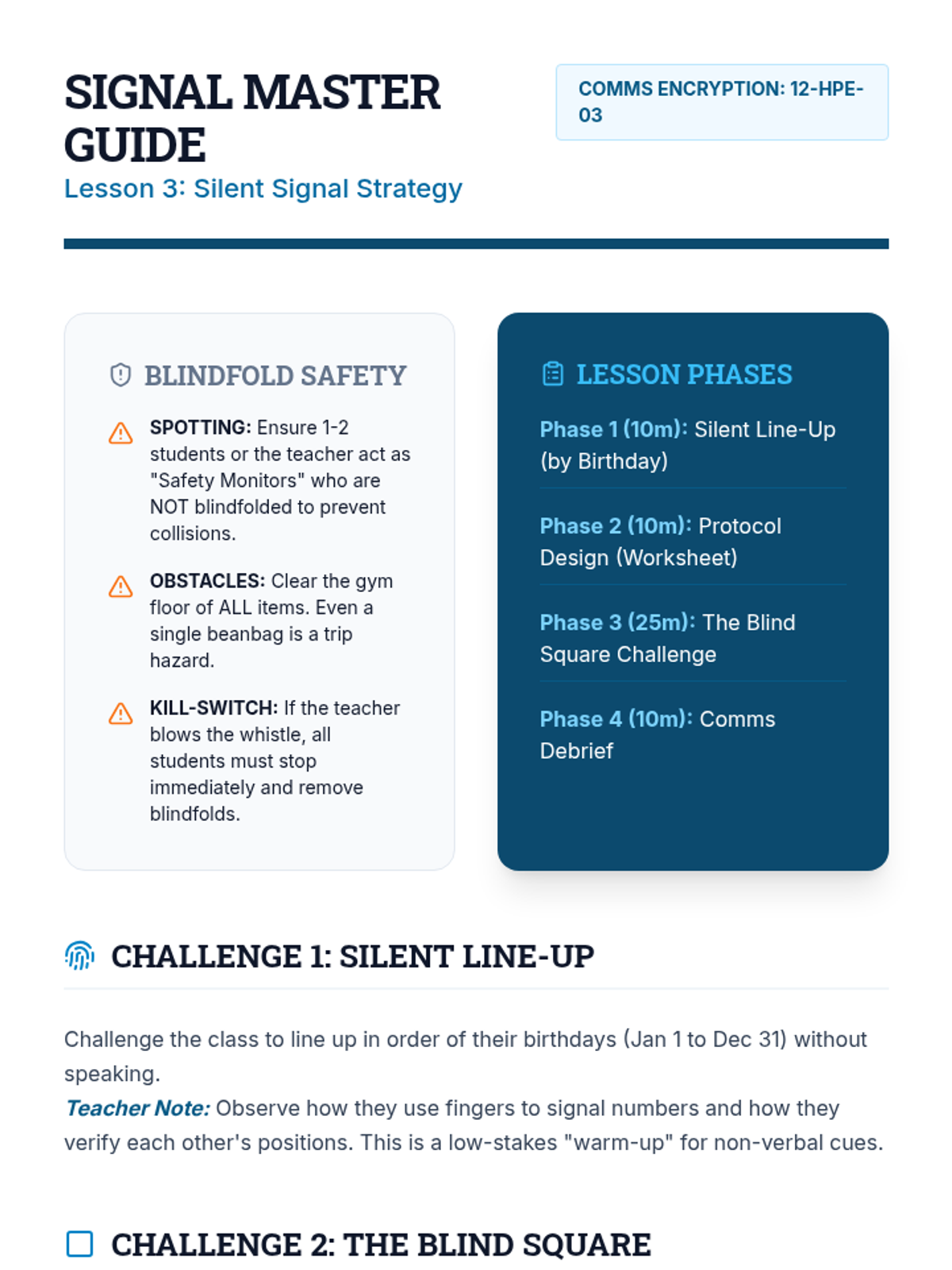
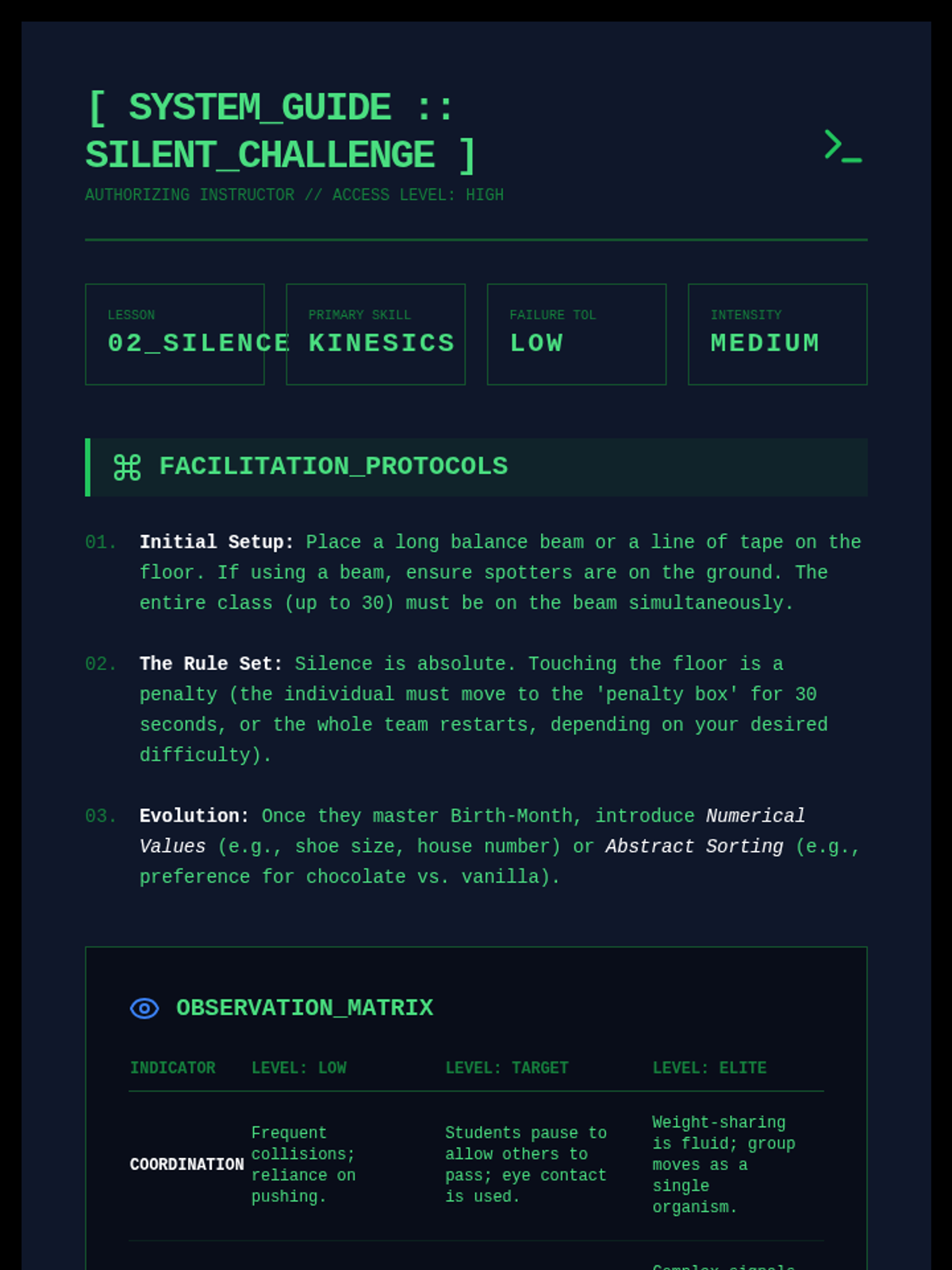
Challenges students to coordinate group movement without verbal communication, emphasizing body language and situational awareness.
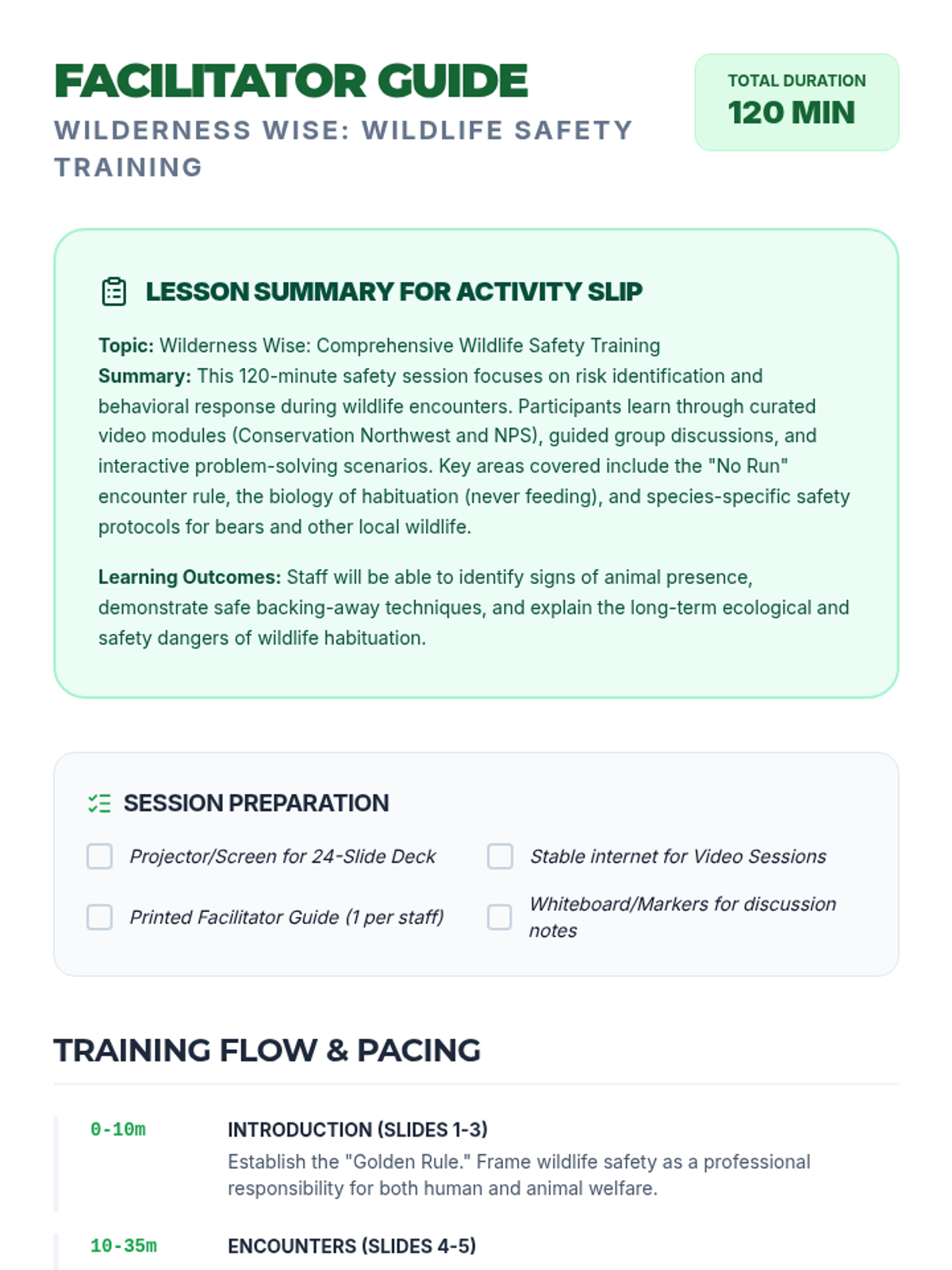
A comprehensive 120-minute safety training session focused on identifying wildlife risks, recognizing safe behaviors, and responding correctly to animal encounters. This lesson equips participants with practical skills to protect both themselves and local wildlife.