Essential grammar structures, high-frequency vocabulary, and foundational literacy skills. Equips learners with basic speaking and listening abilities for everyday interactions and introductory text comprehension.
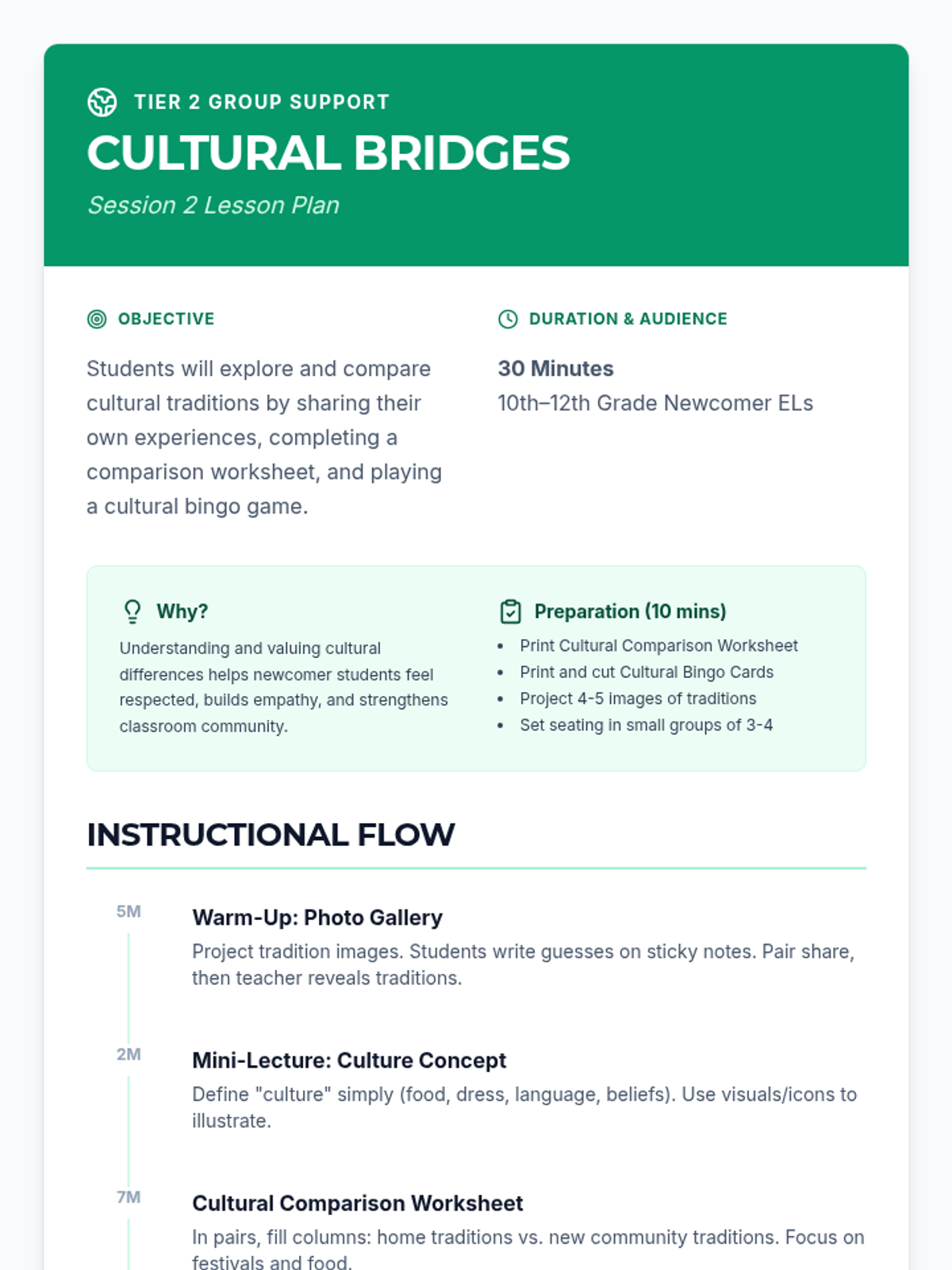
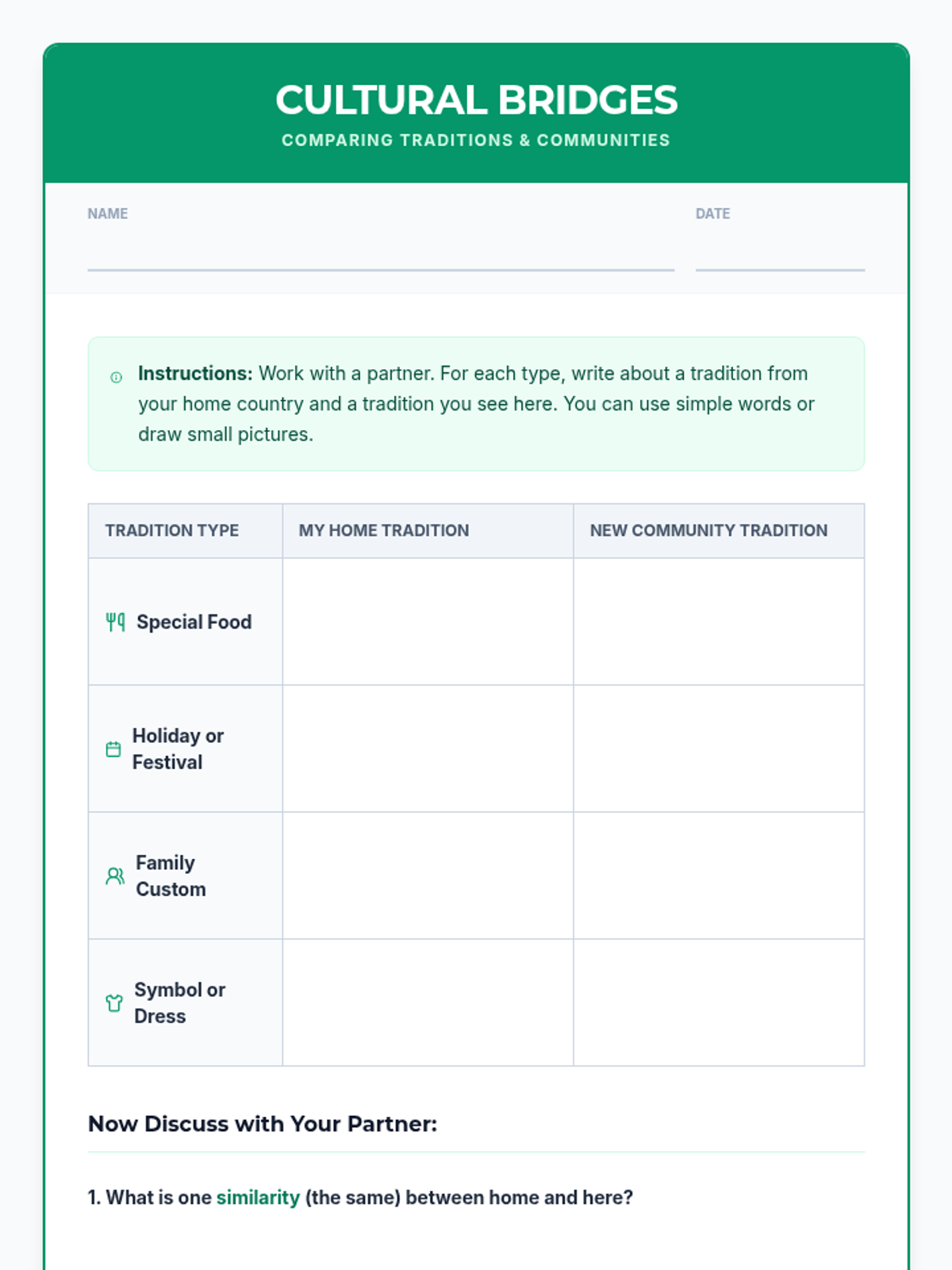
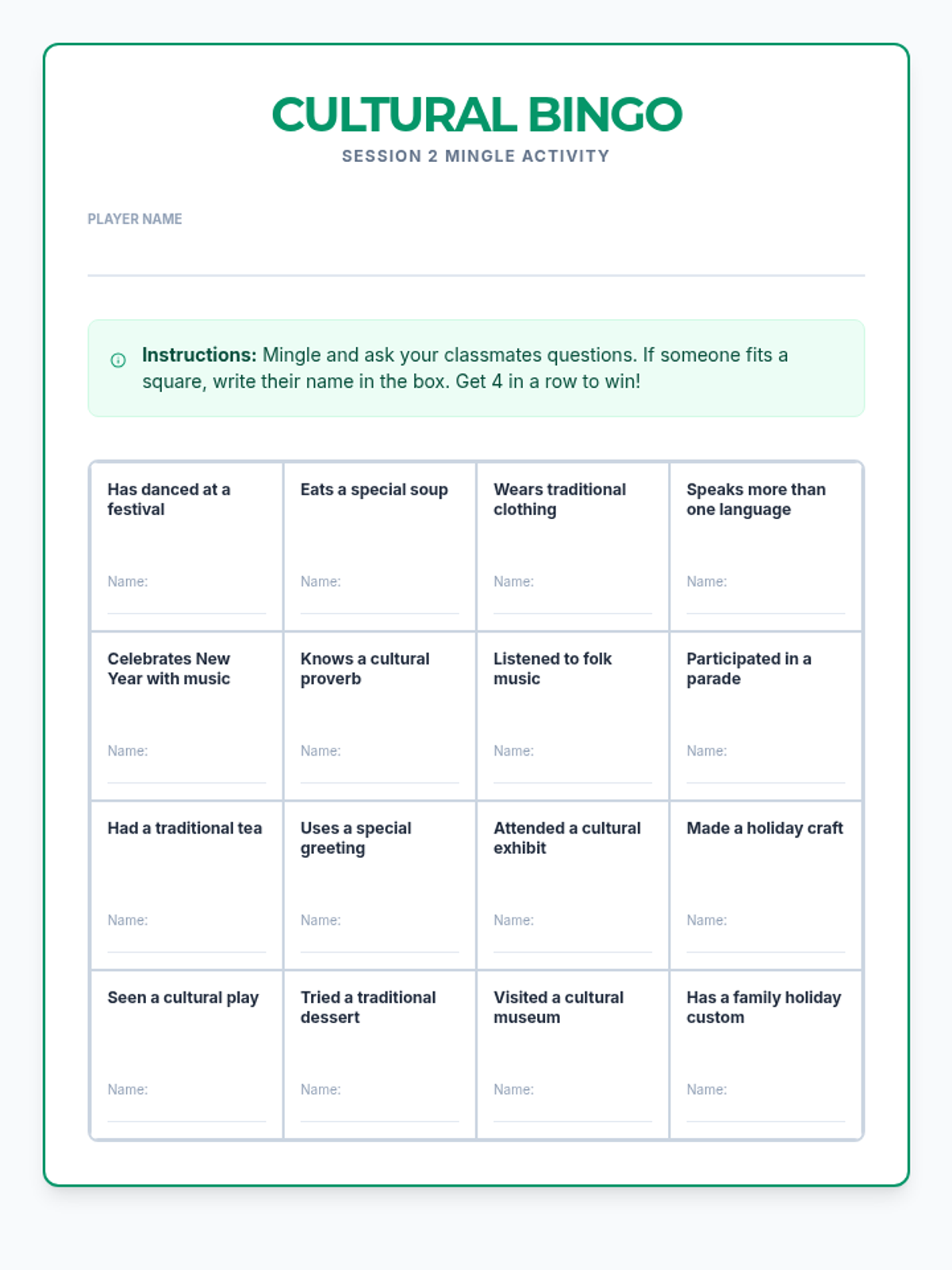
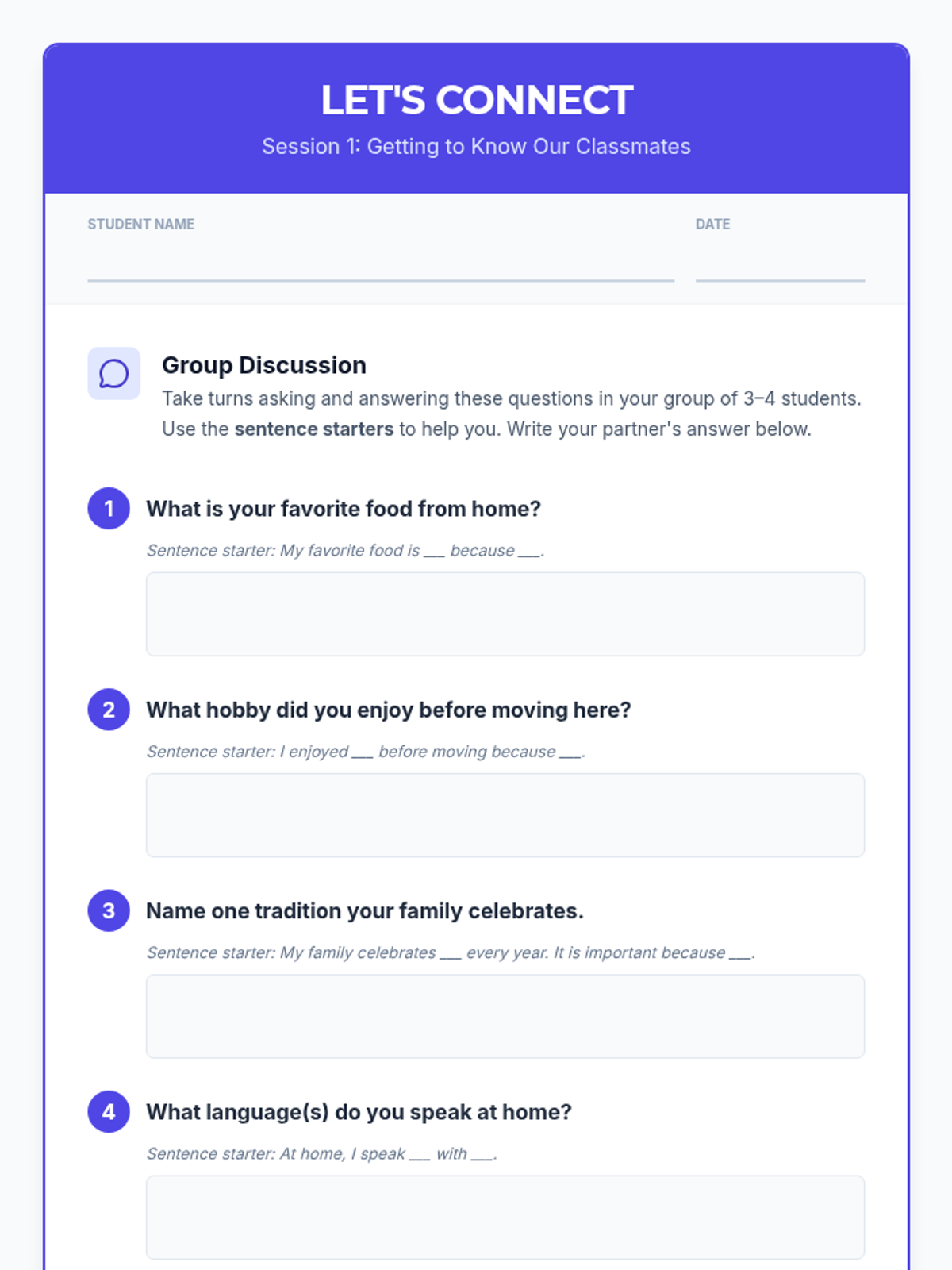
Students explore cultural traditions through photos, comparisons, and bingo games to foster mutual respect and empathy.
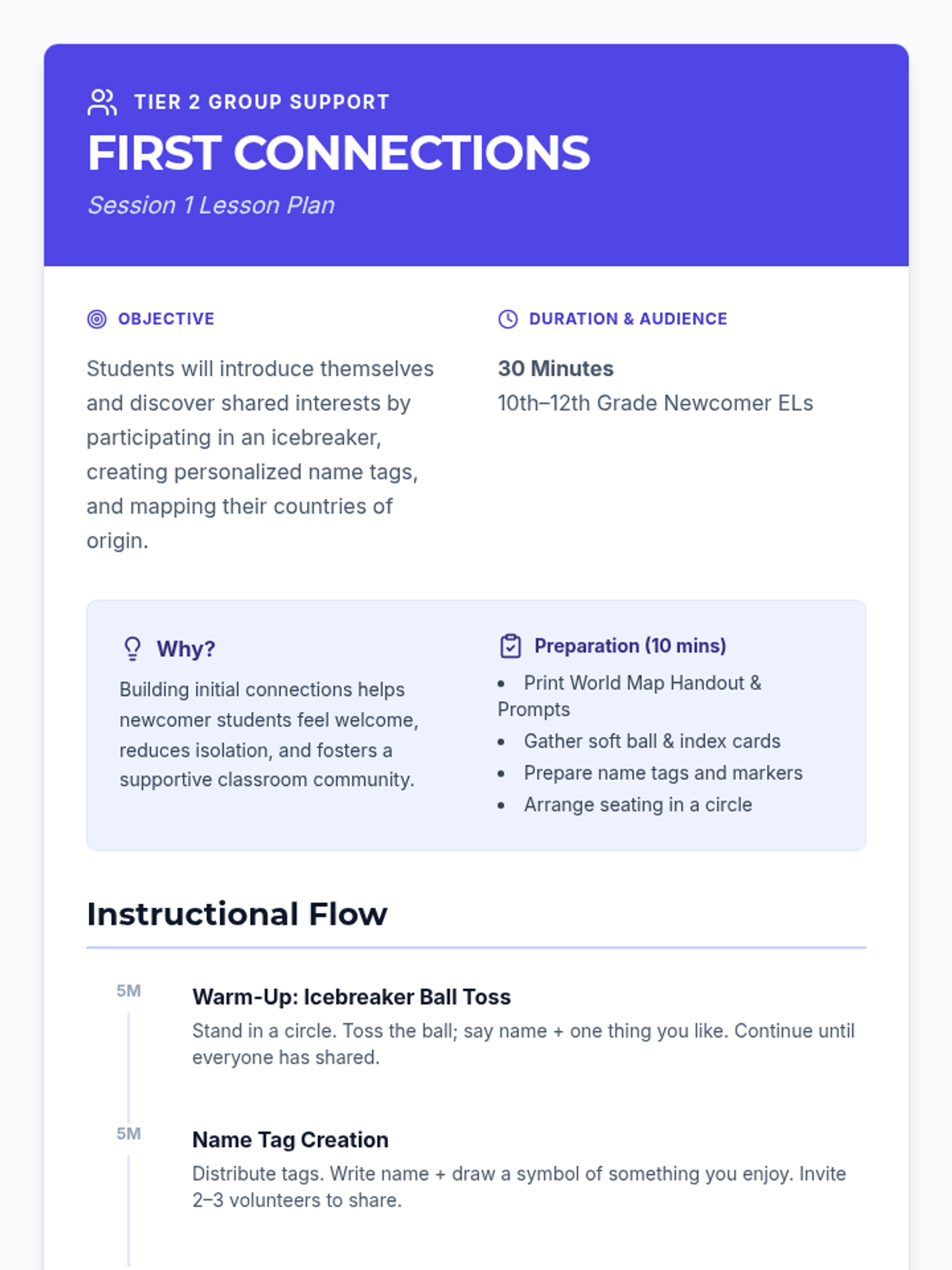
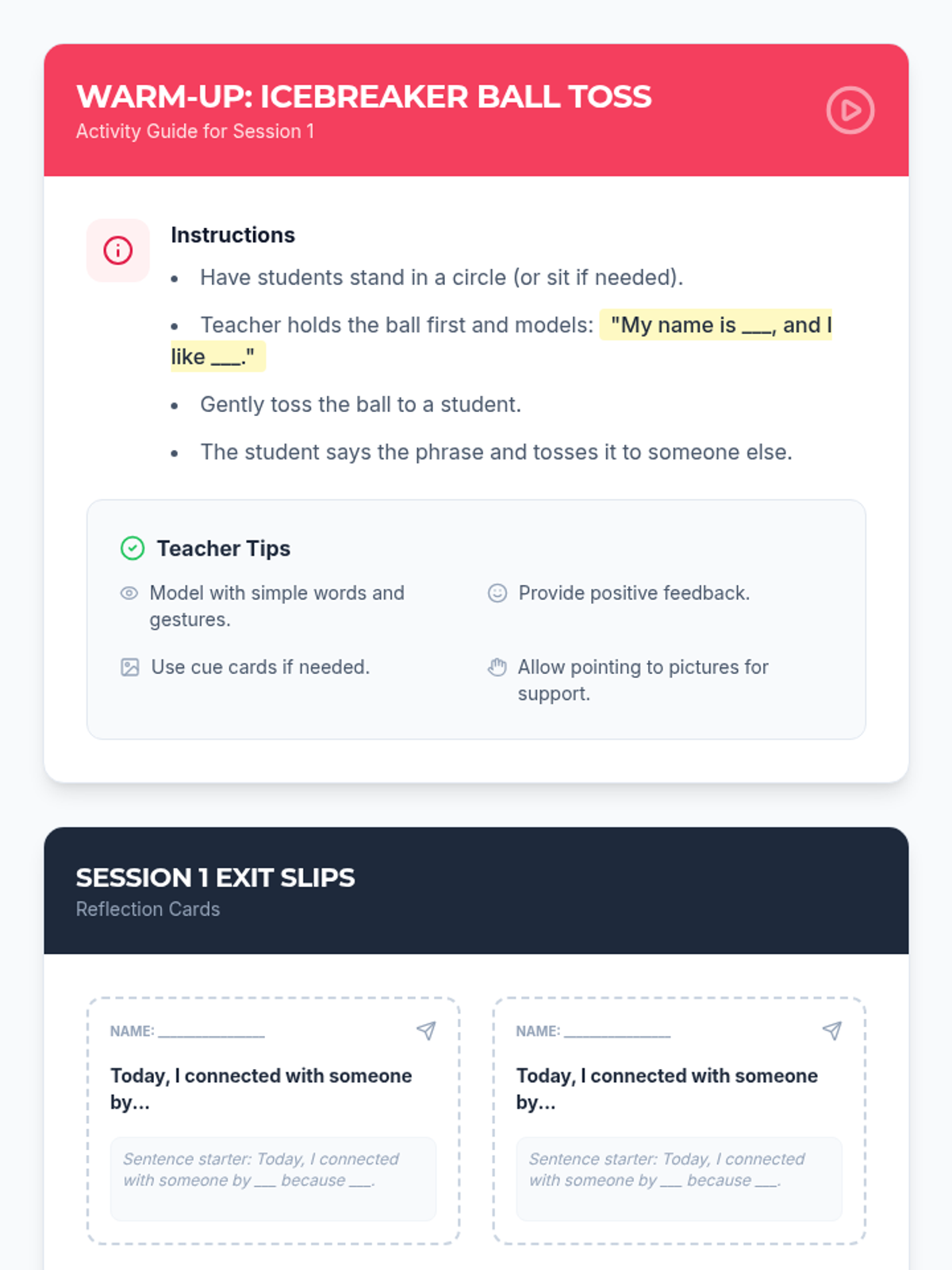
Focuses on initial introductions, personal interests, and mapping countries of origin to build a shared sense of community.
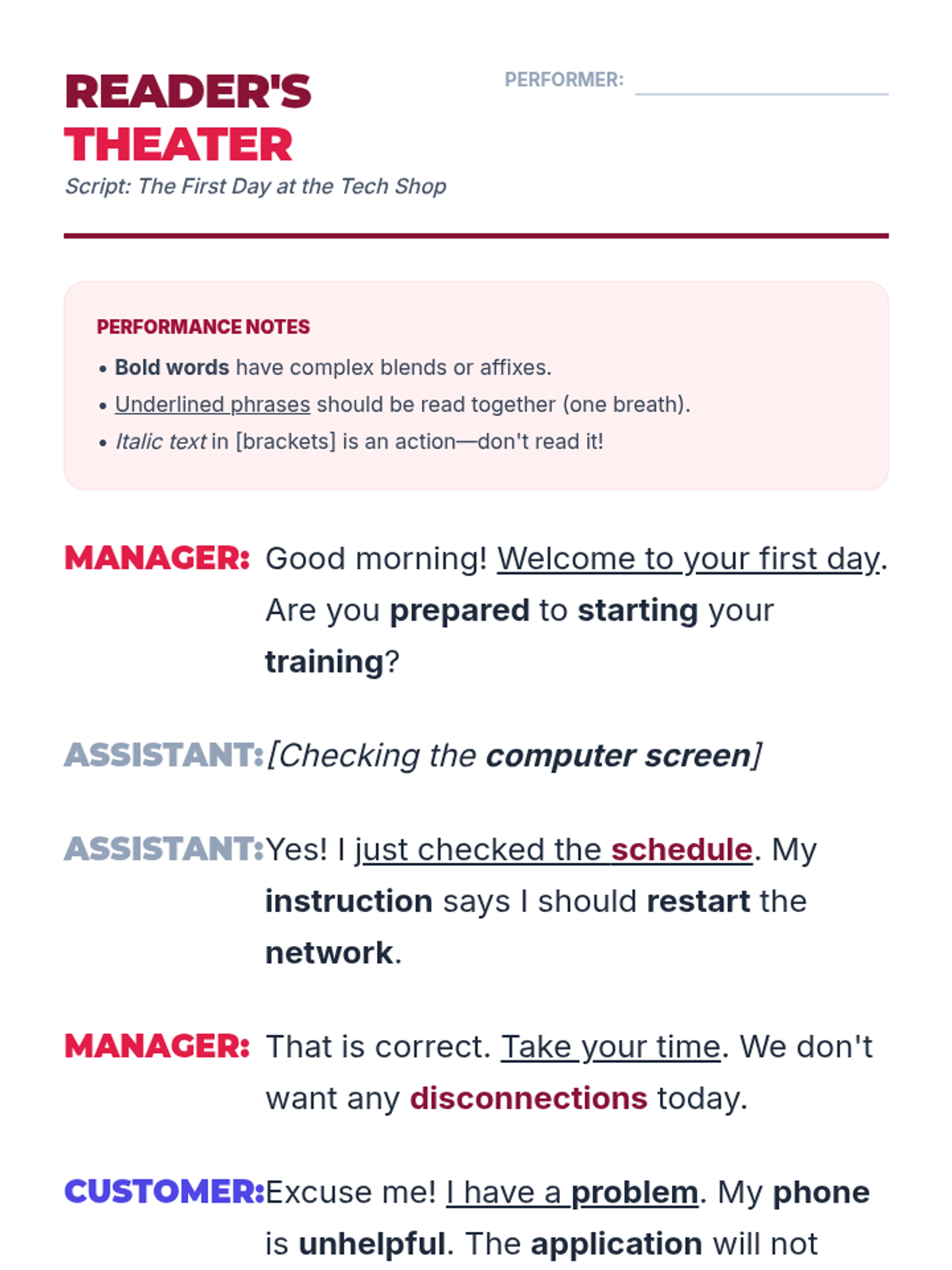
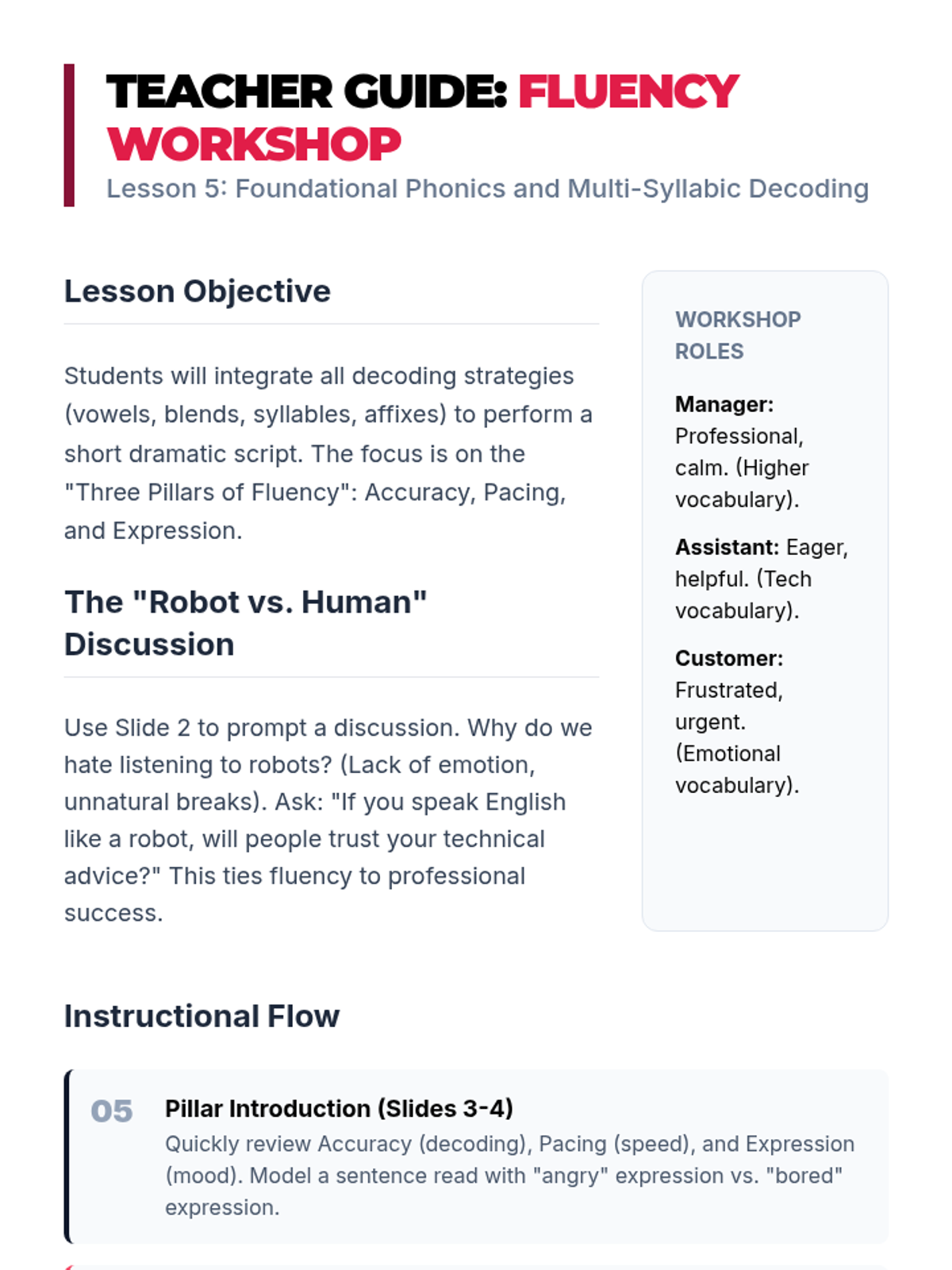
Students apply all decoding strategies by performing a short script centered on a high school scenario. The focus shifts from decoding individual words to reading phrases with appropriate pacing and intonation.
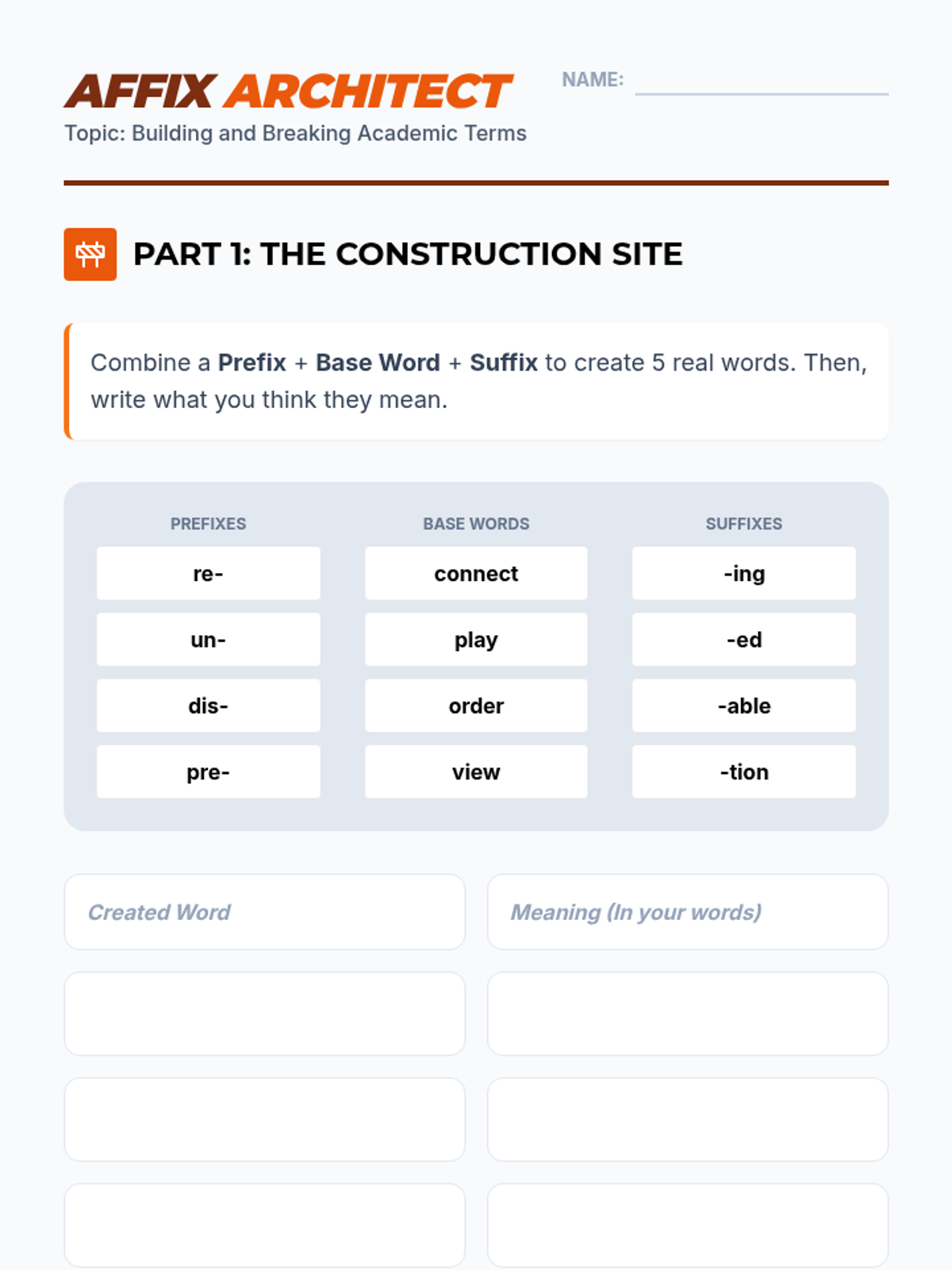
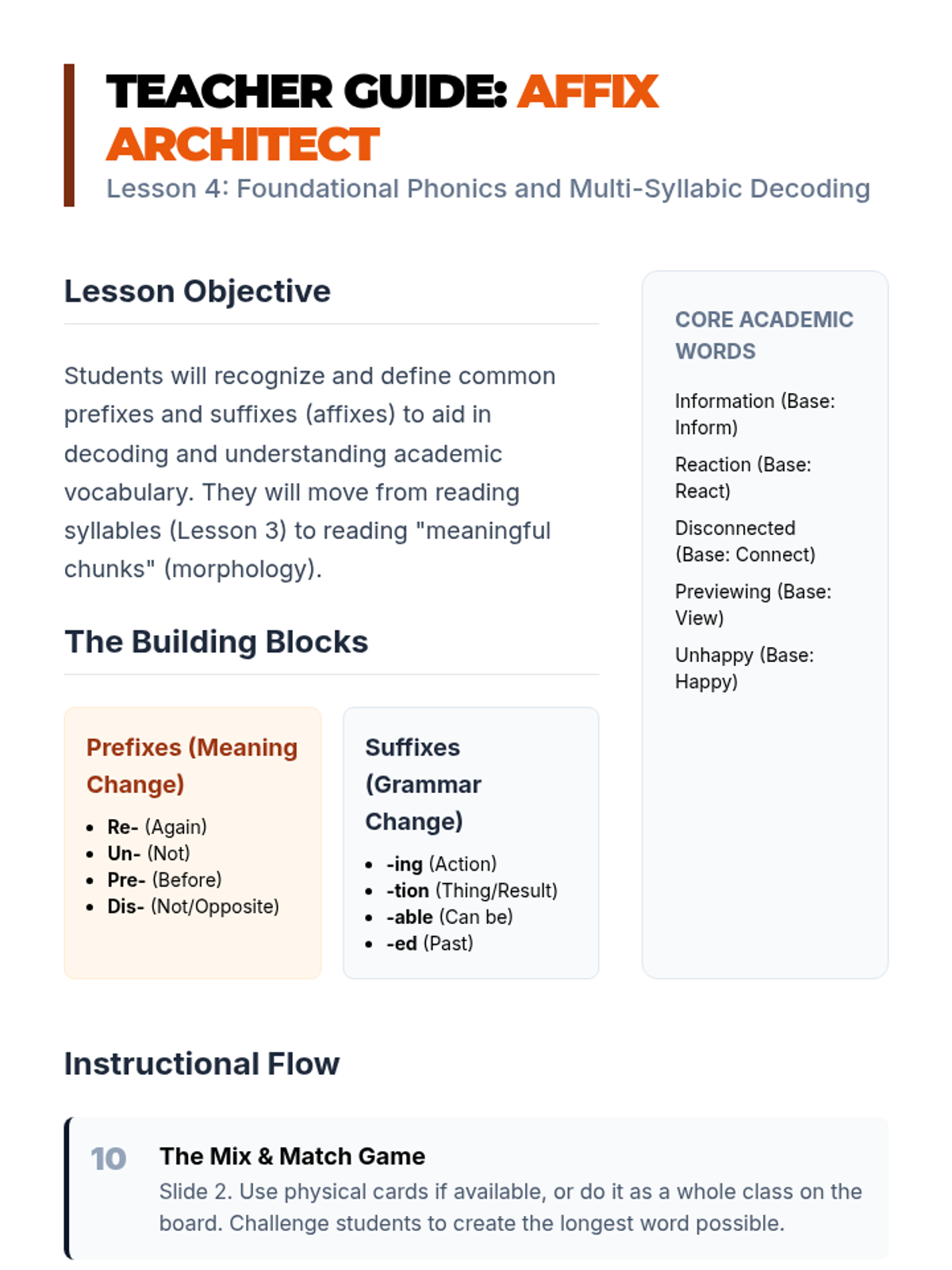
This lesson introduces common affixes (un-, re-, -ing, -tion) that alter word meaning and part of speech. Students engage in word-building activities to see how base words transform, aiding both recognition and comprehension of academic terms.
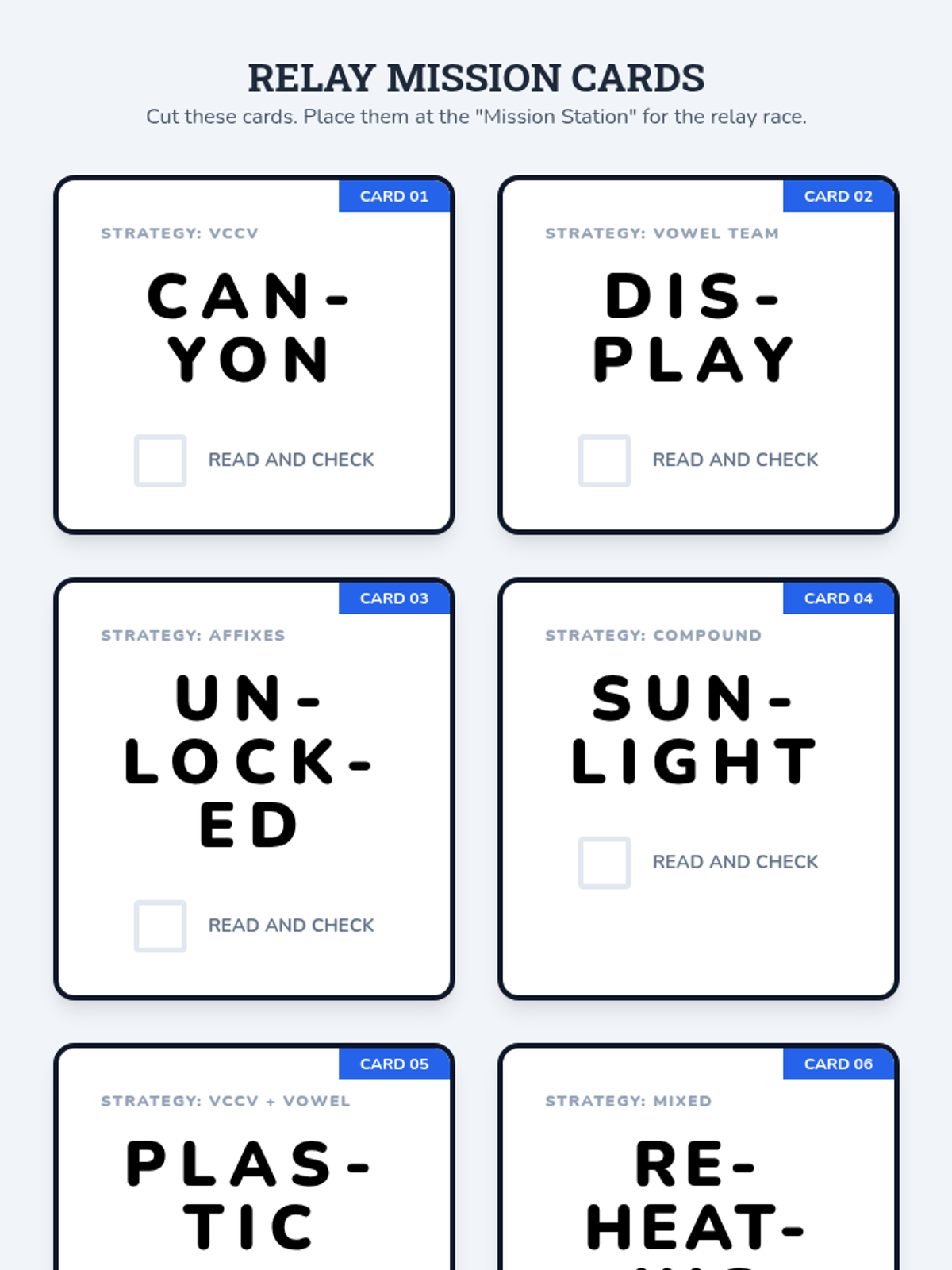
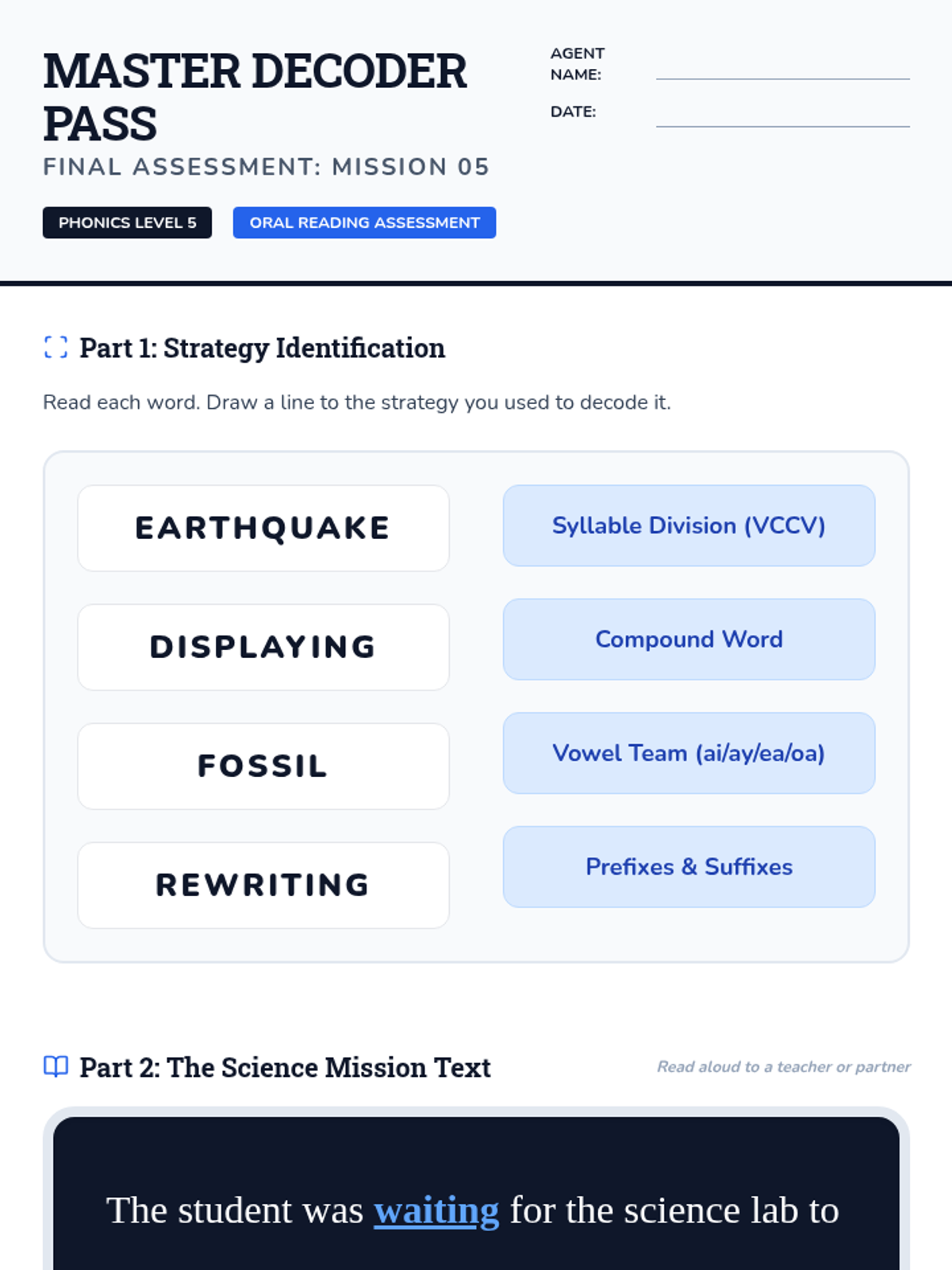
A cumulative review where students apply all decoding strategies in a relay race and oral reading assessment.
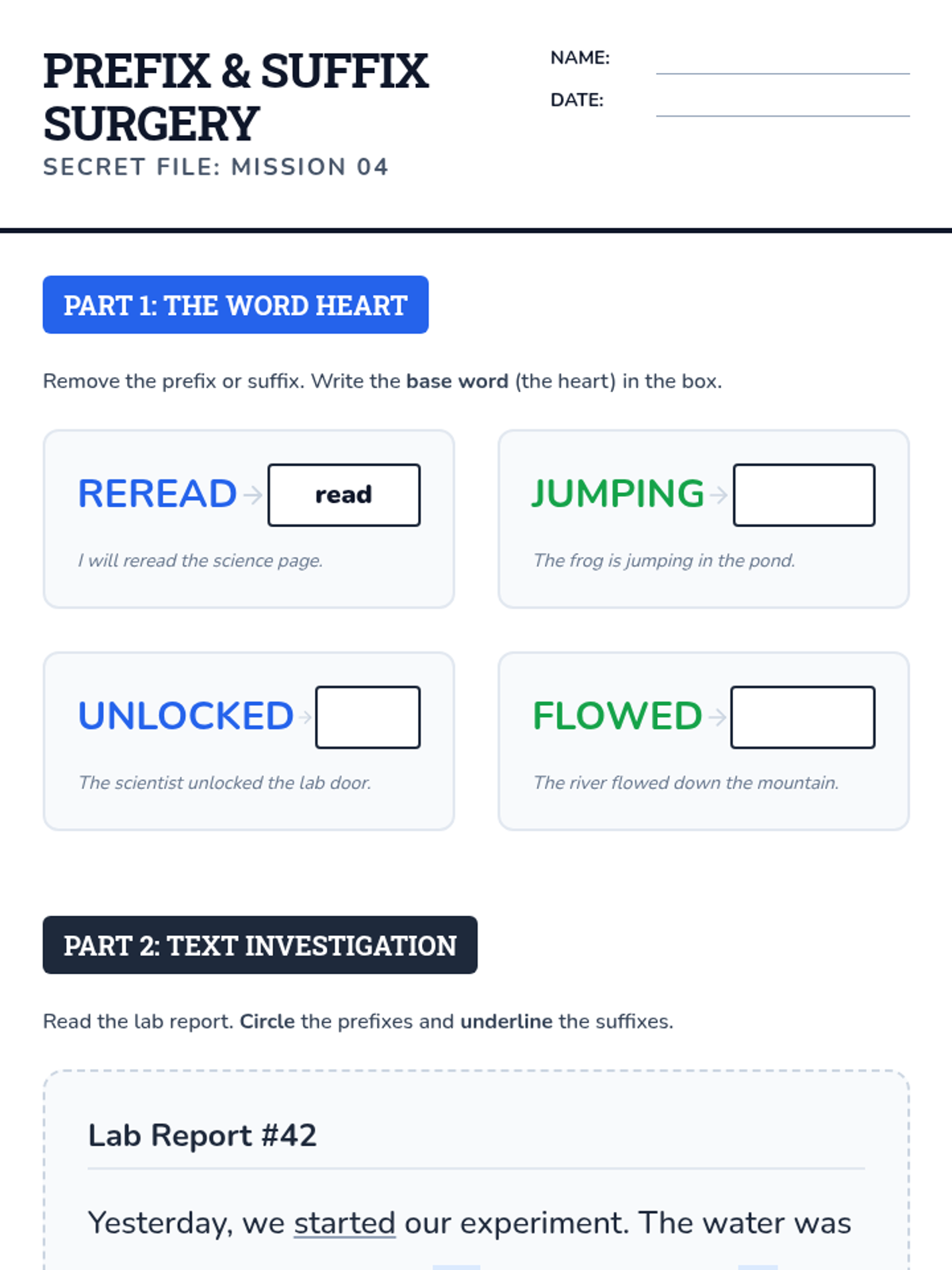
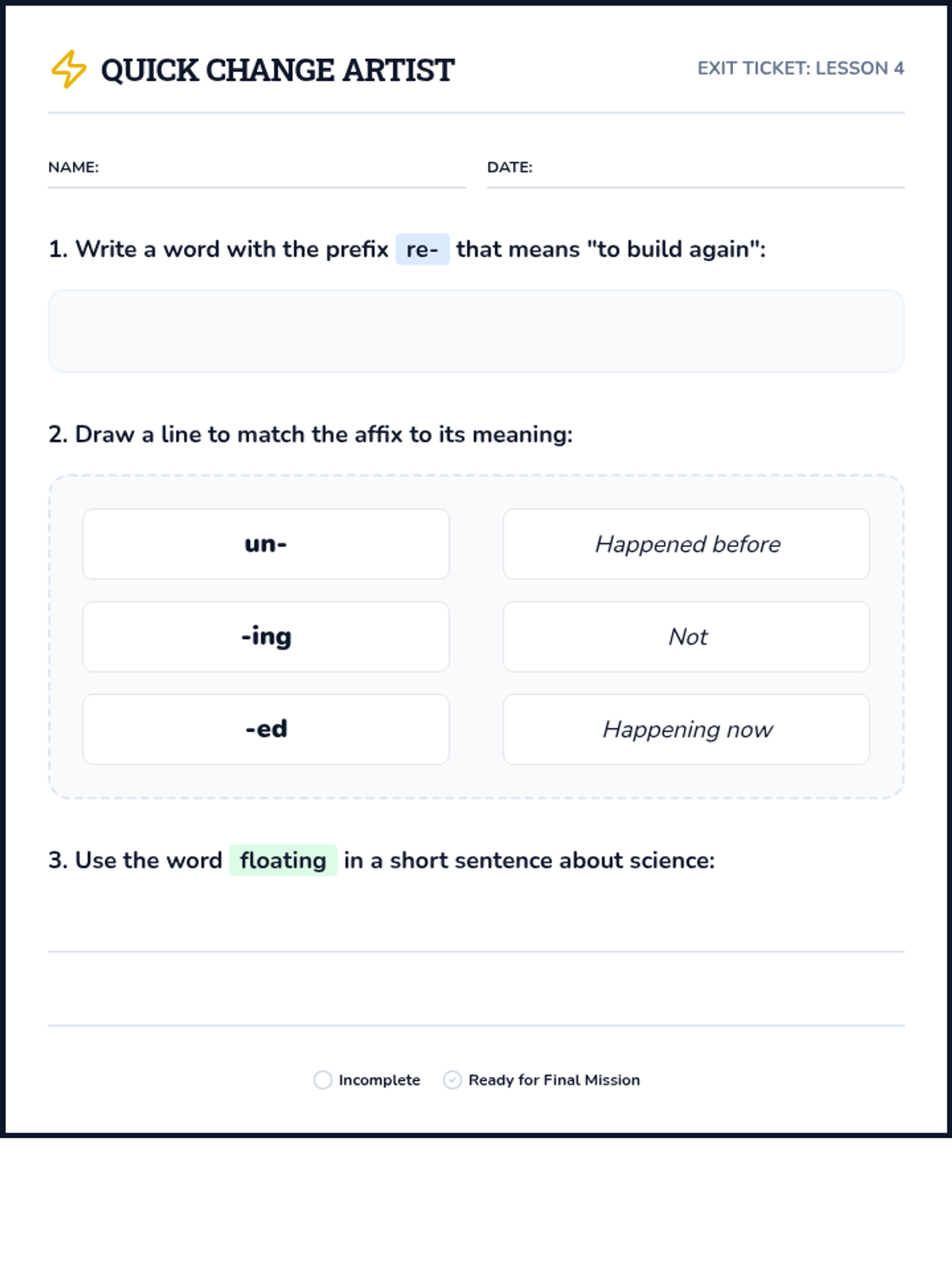
Identifying common prefixes and suffixes (un-, re-, -ing, -ed) to decode and understand the meaning of new words.
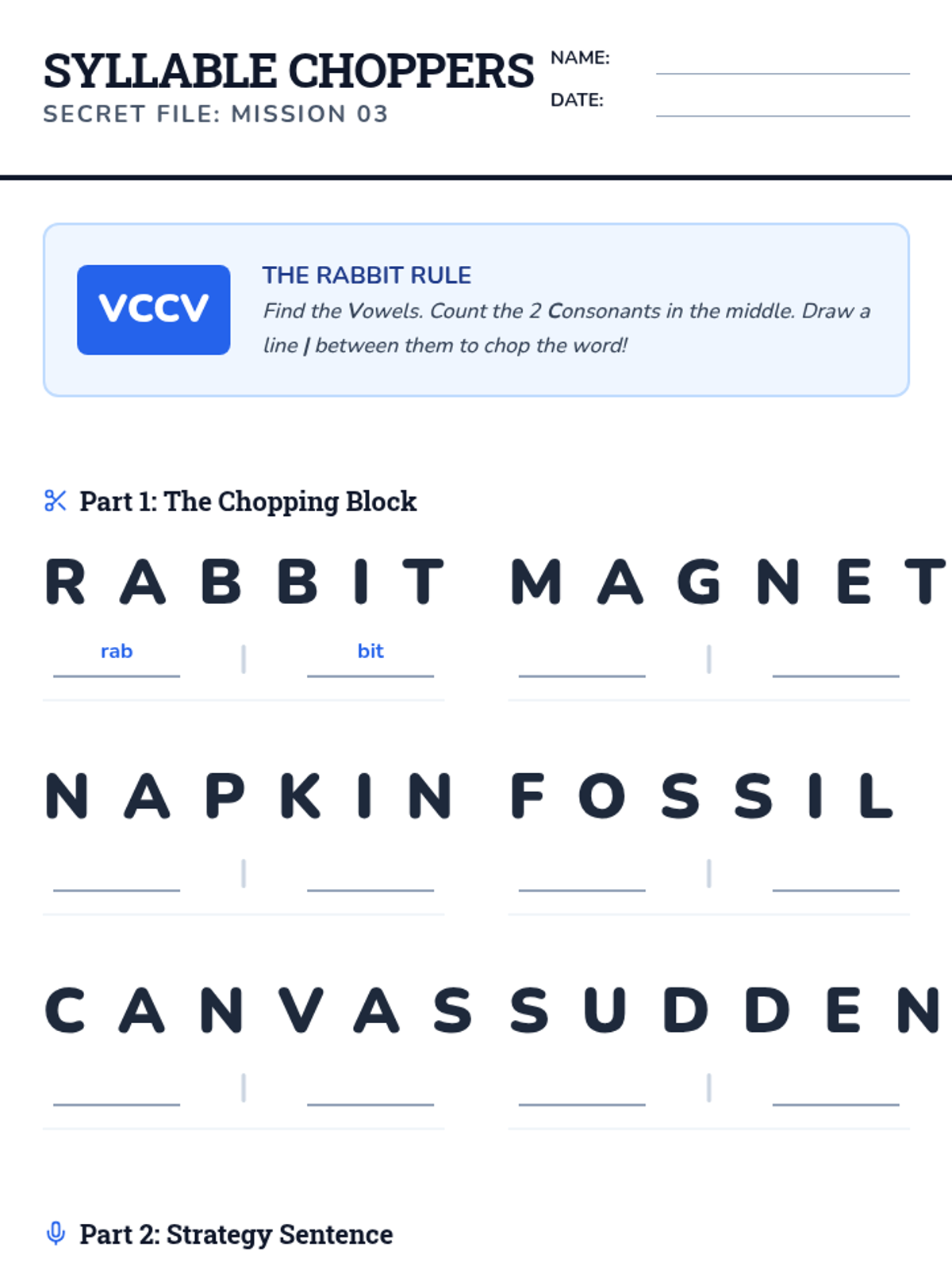
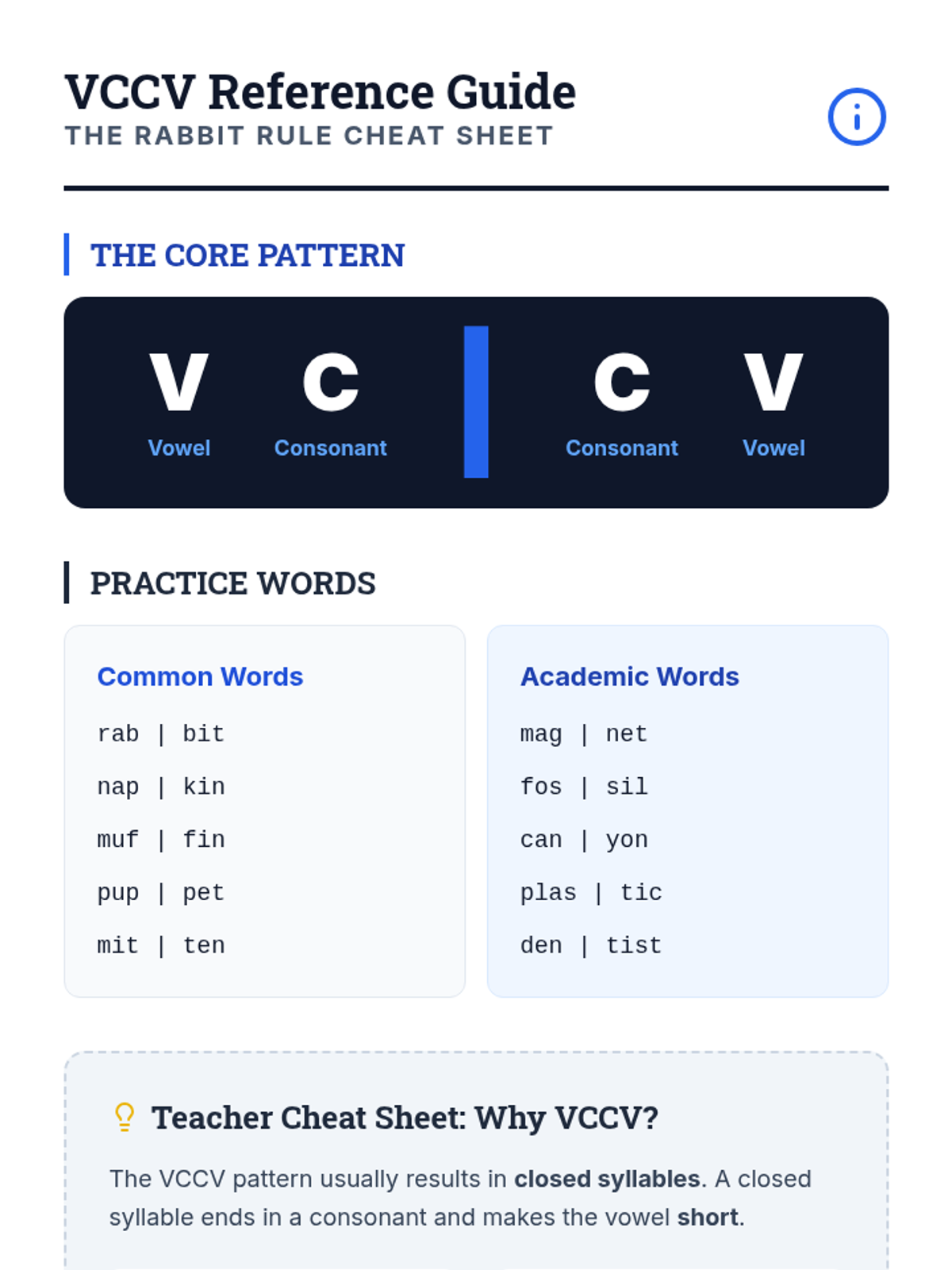
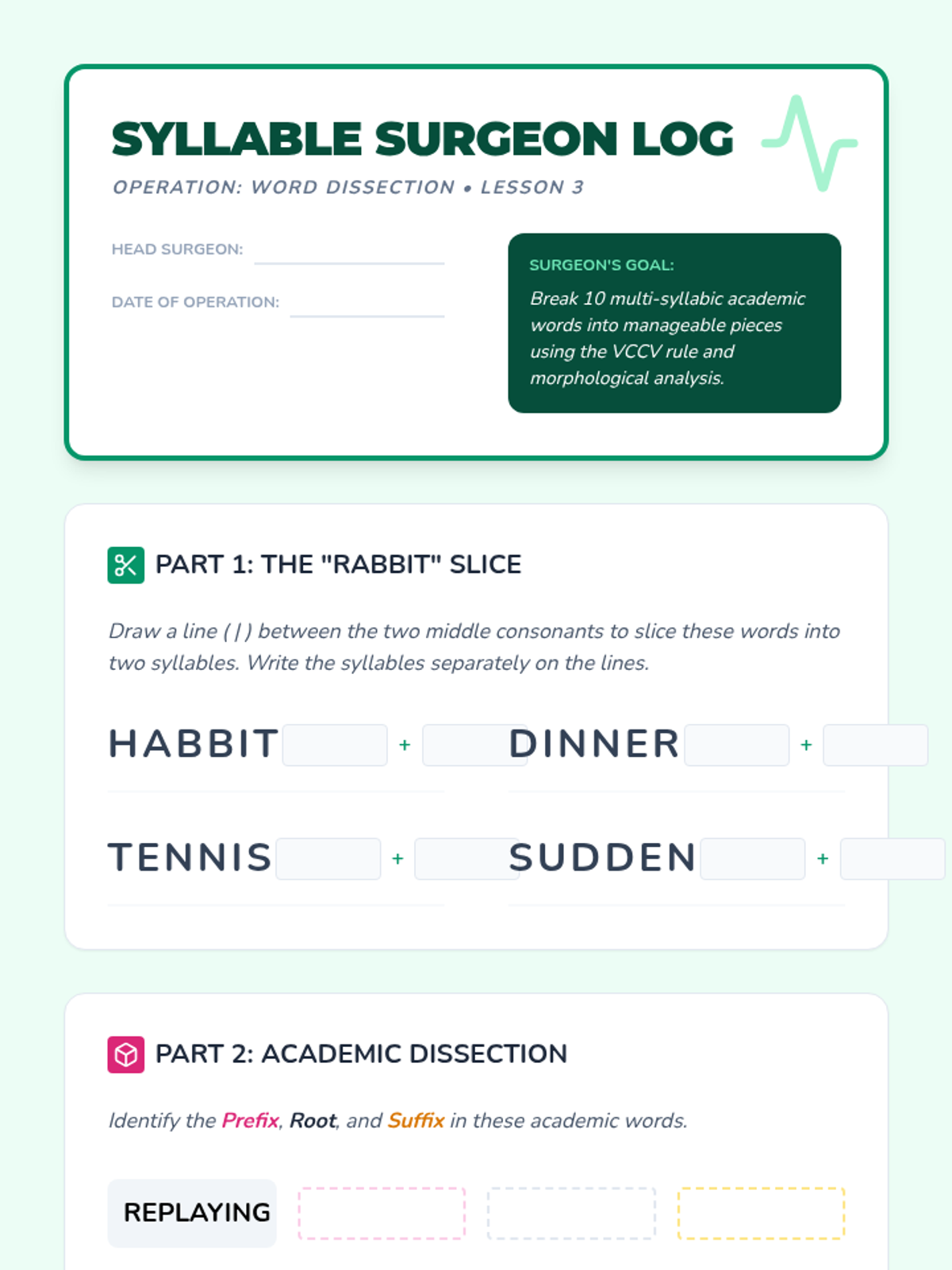
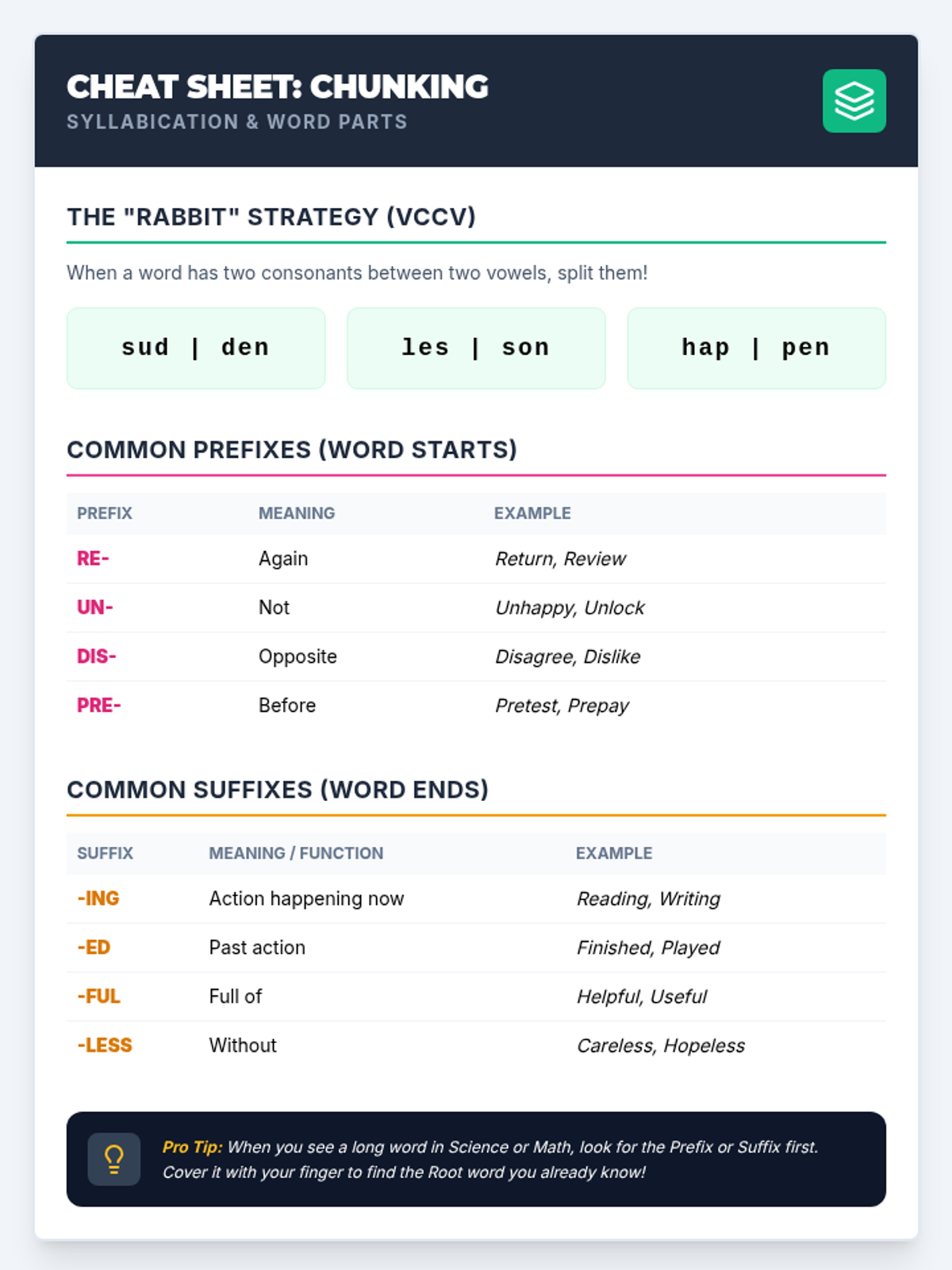
Introduction to the Vowel-Consonant-Consonant-Vowel (VCCV) syllable division pattern using the 'chopping' strategy.
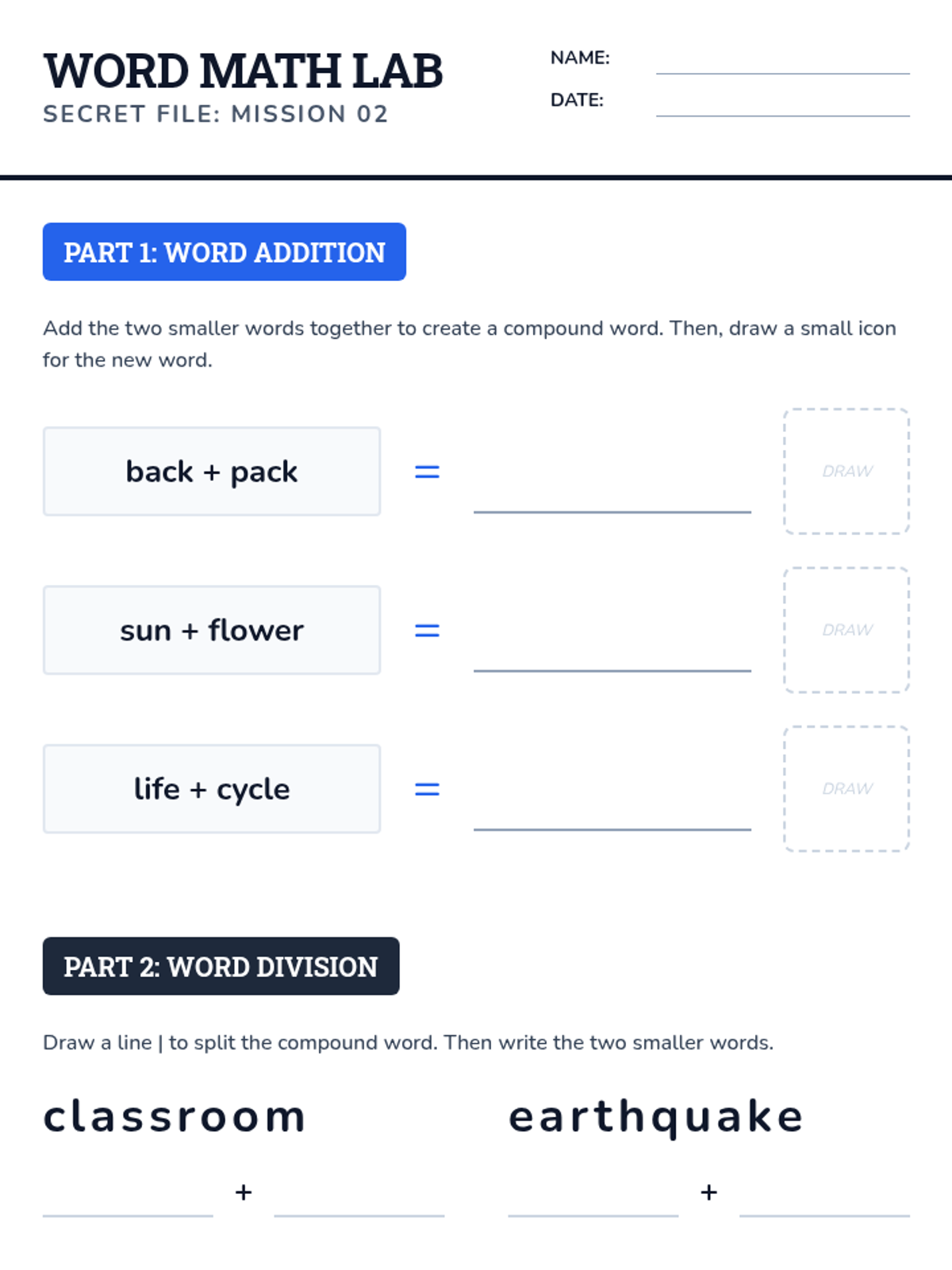
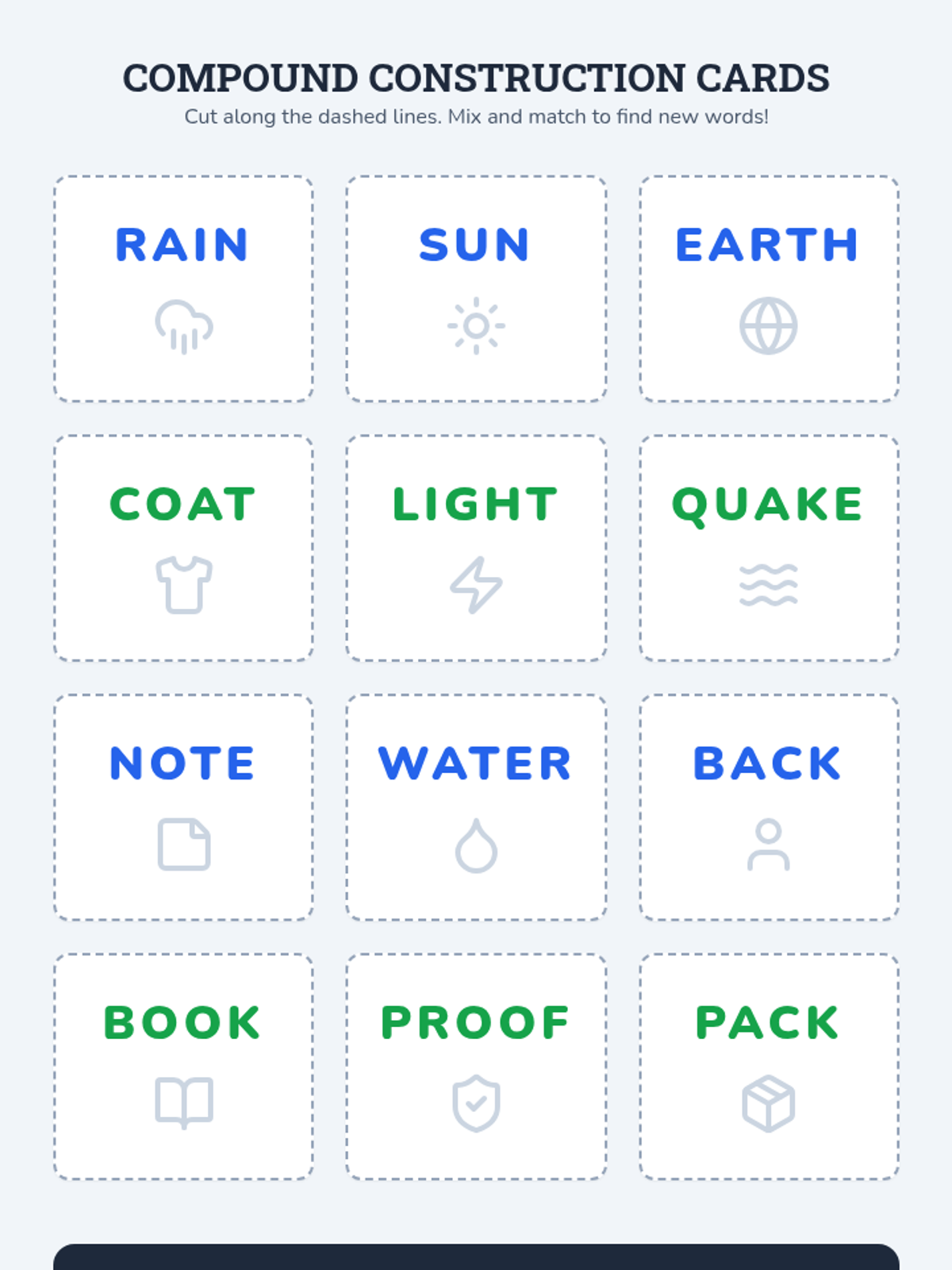
Learners identify and split compound words into smaller root words to understand meaning and improve reading fluency.
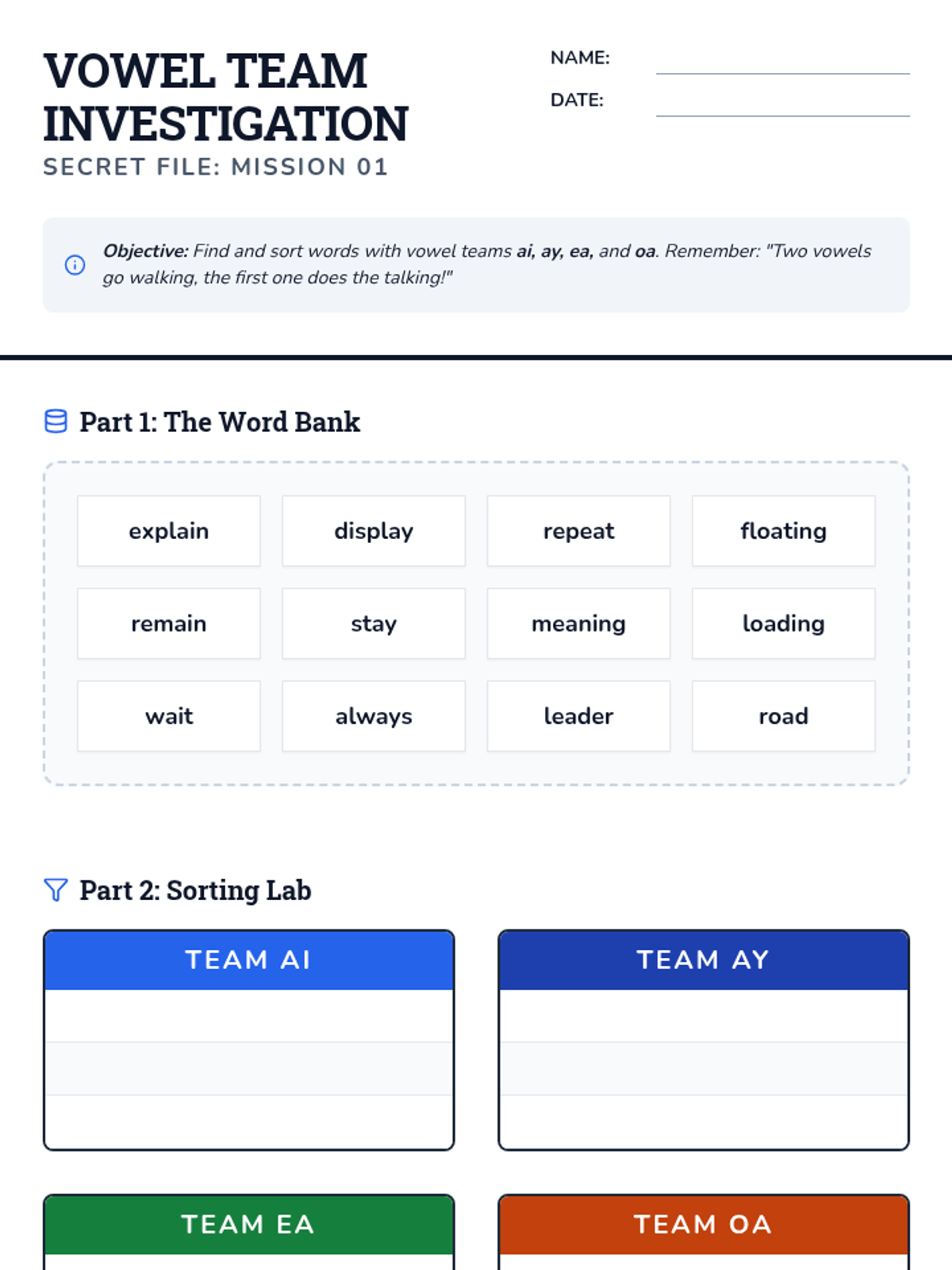
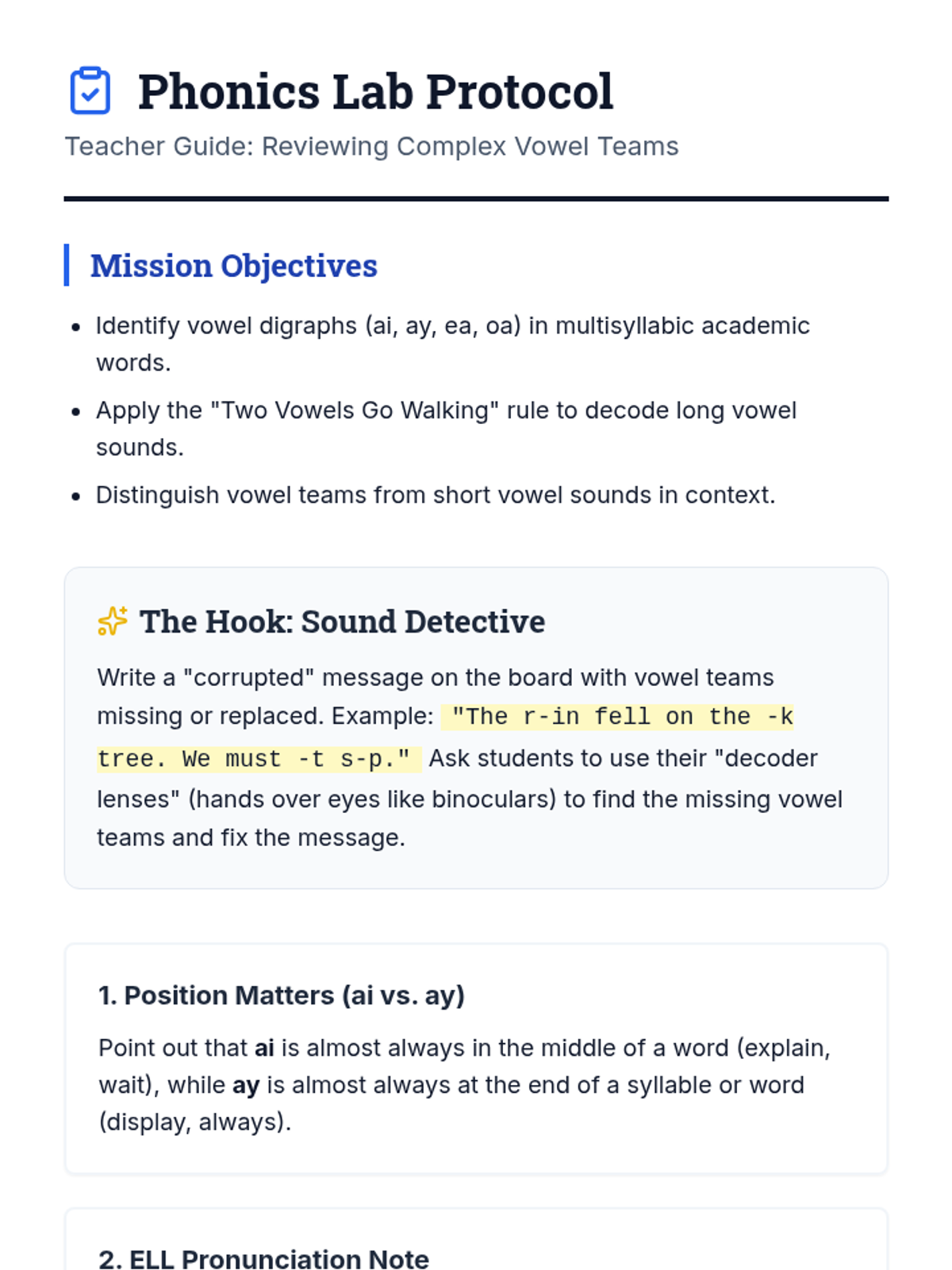
Students review common vowel digraphs (ea, oa, ai, ay) using academic vocabulary and identify long vowel patterns in context.
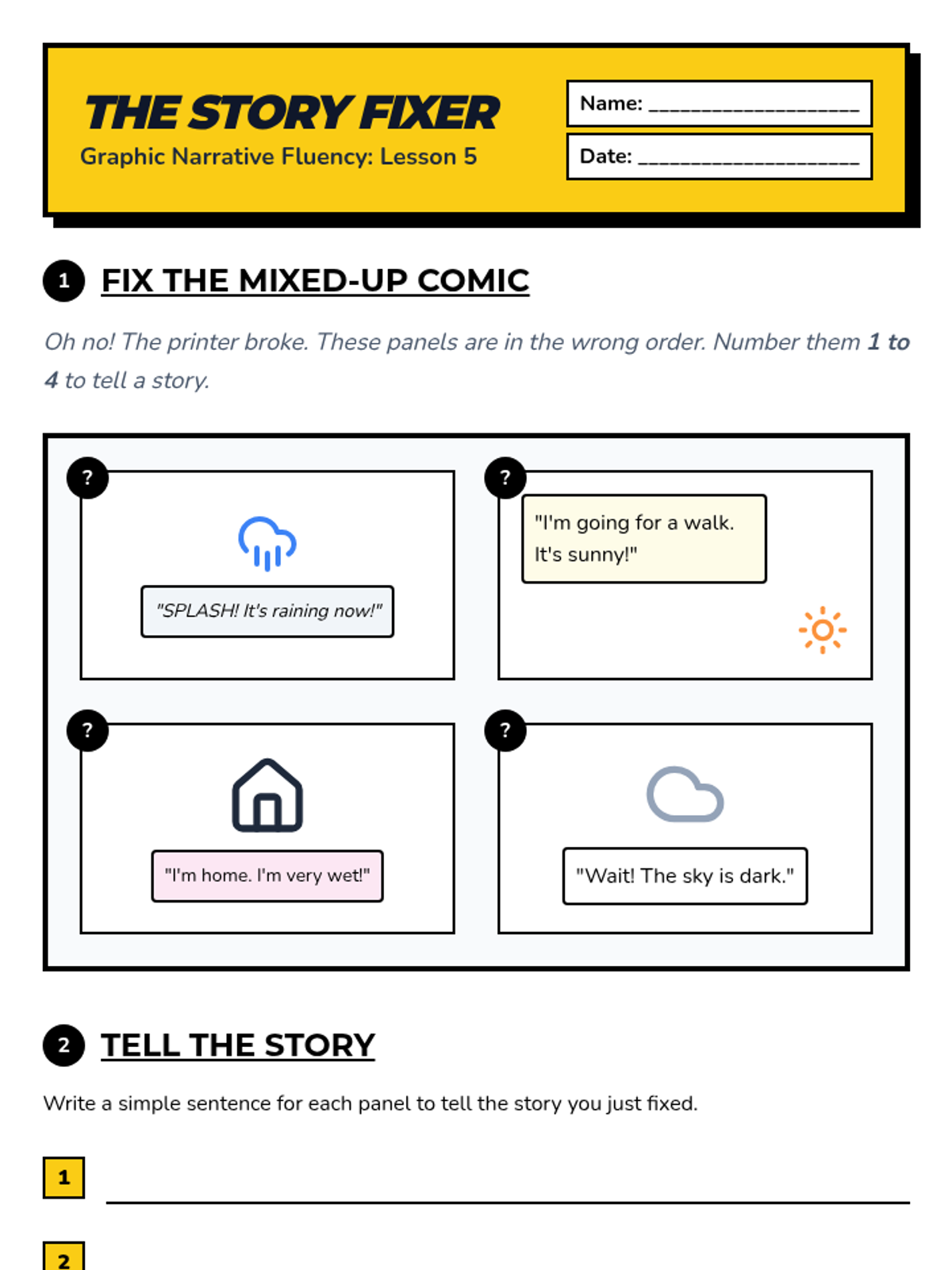
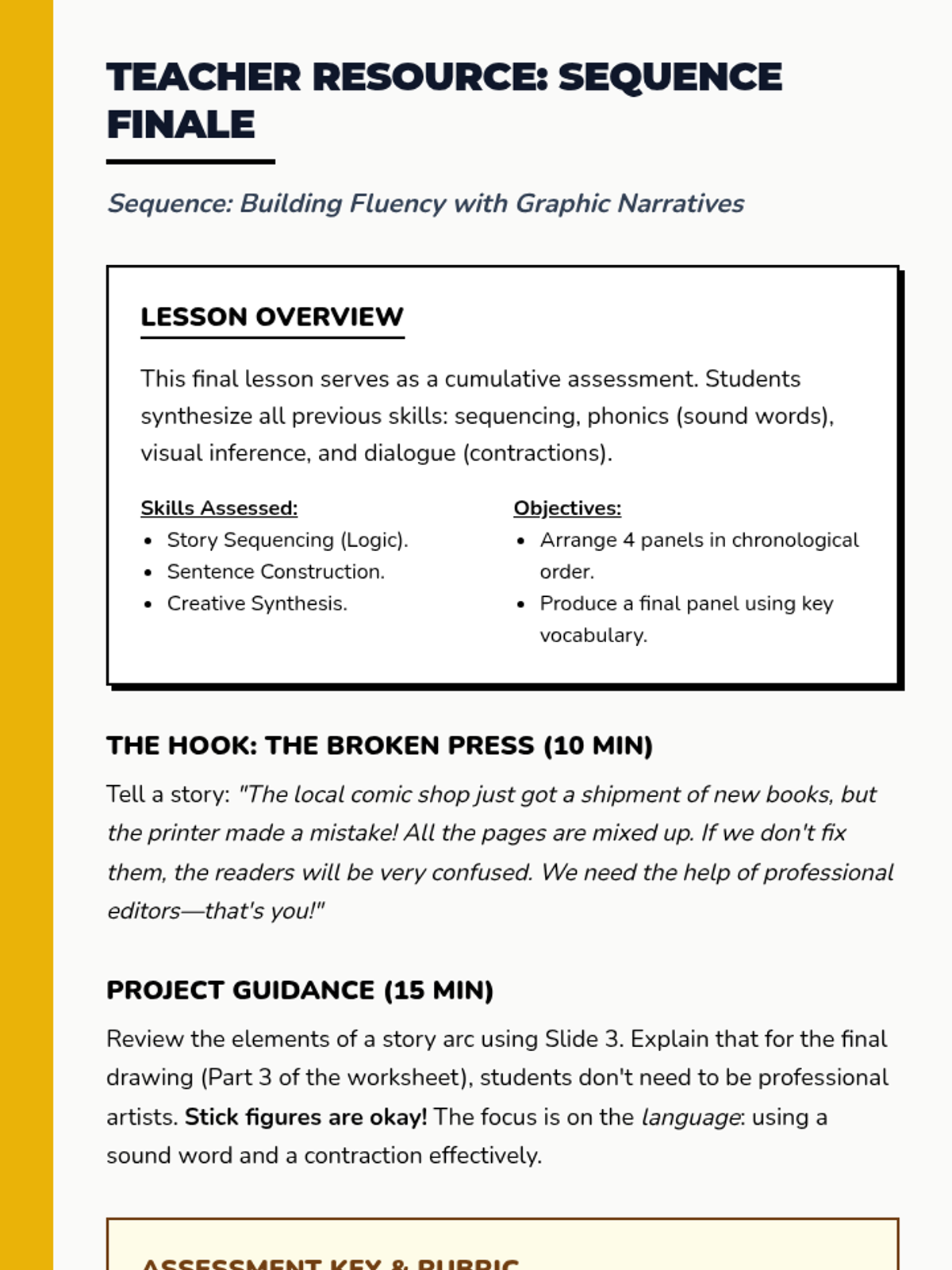
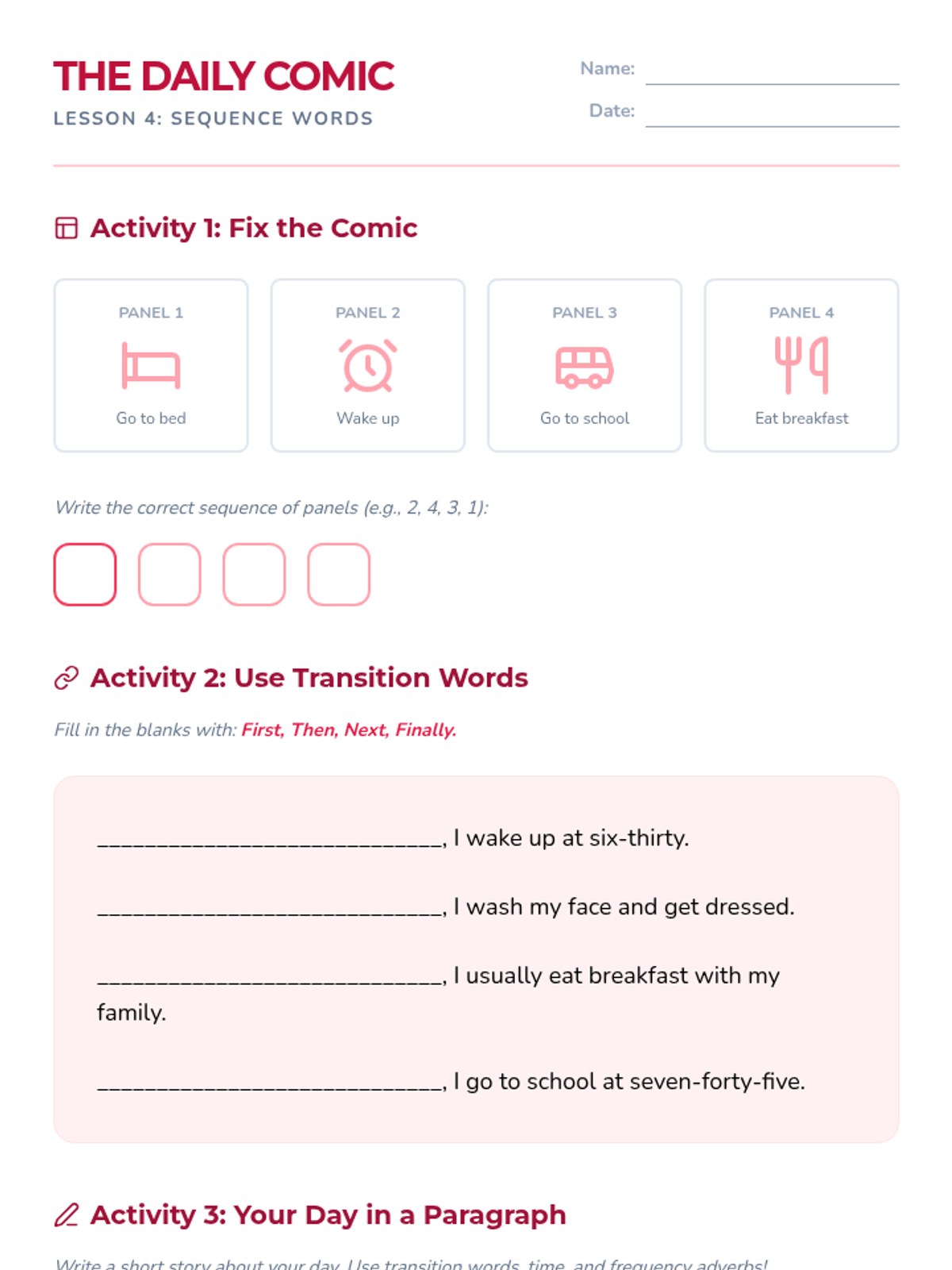
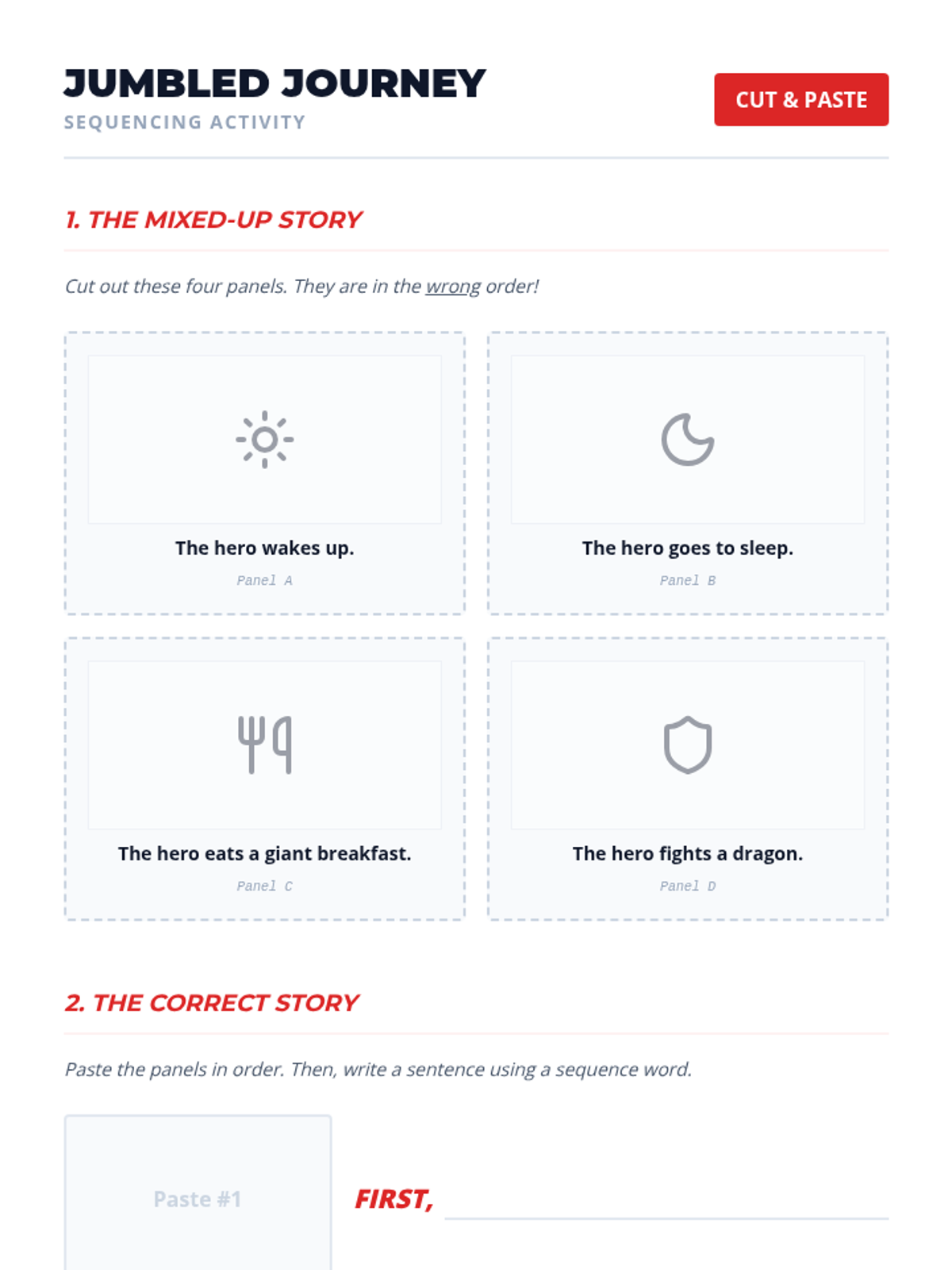
Students synthesize their learning by sequencing a jumbled comic strip and writing simple narrative bridges.
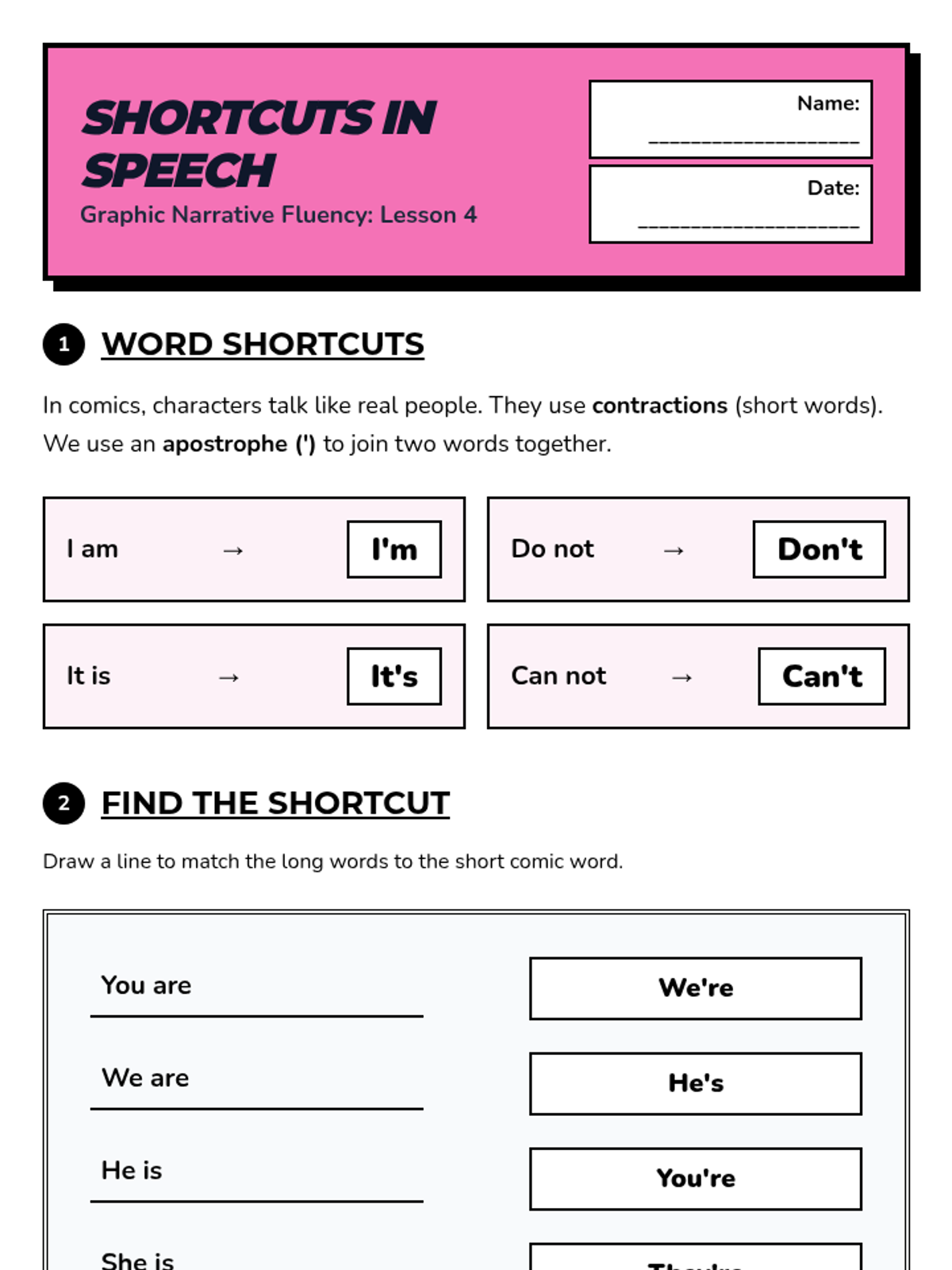
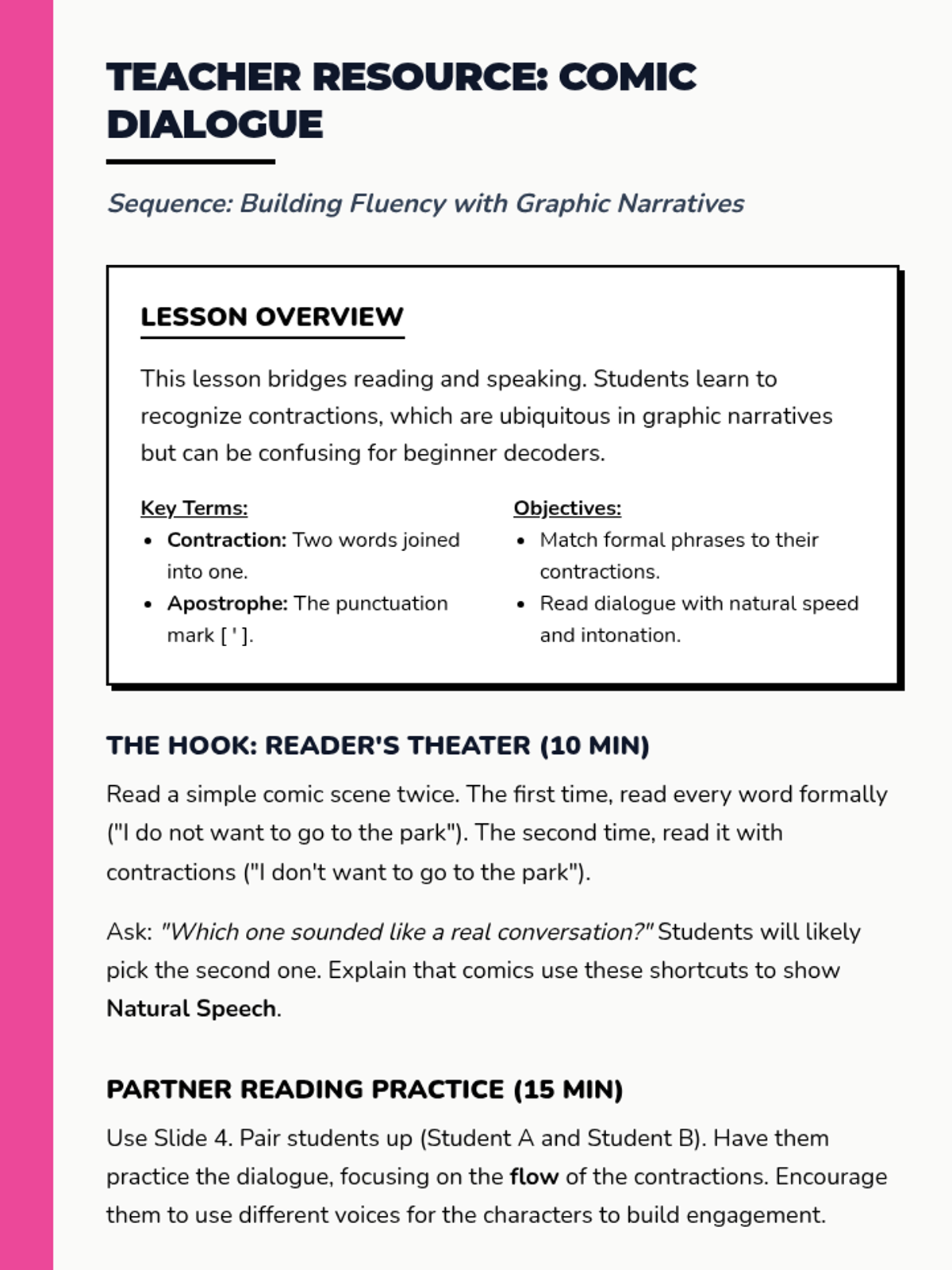
Focuses on reading natural dialogue and mastering common contractions through partner reading and script practice.
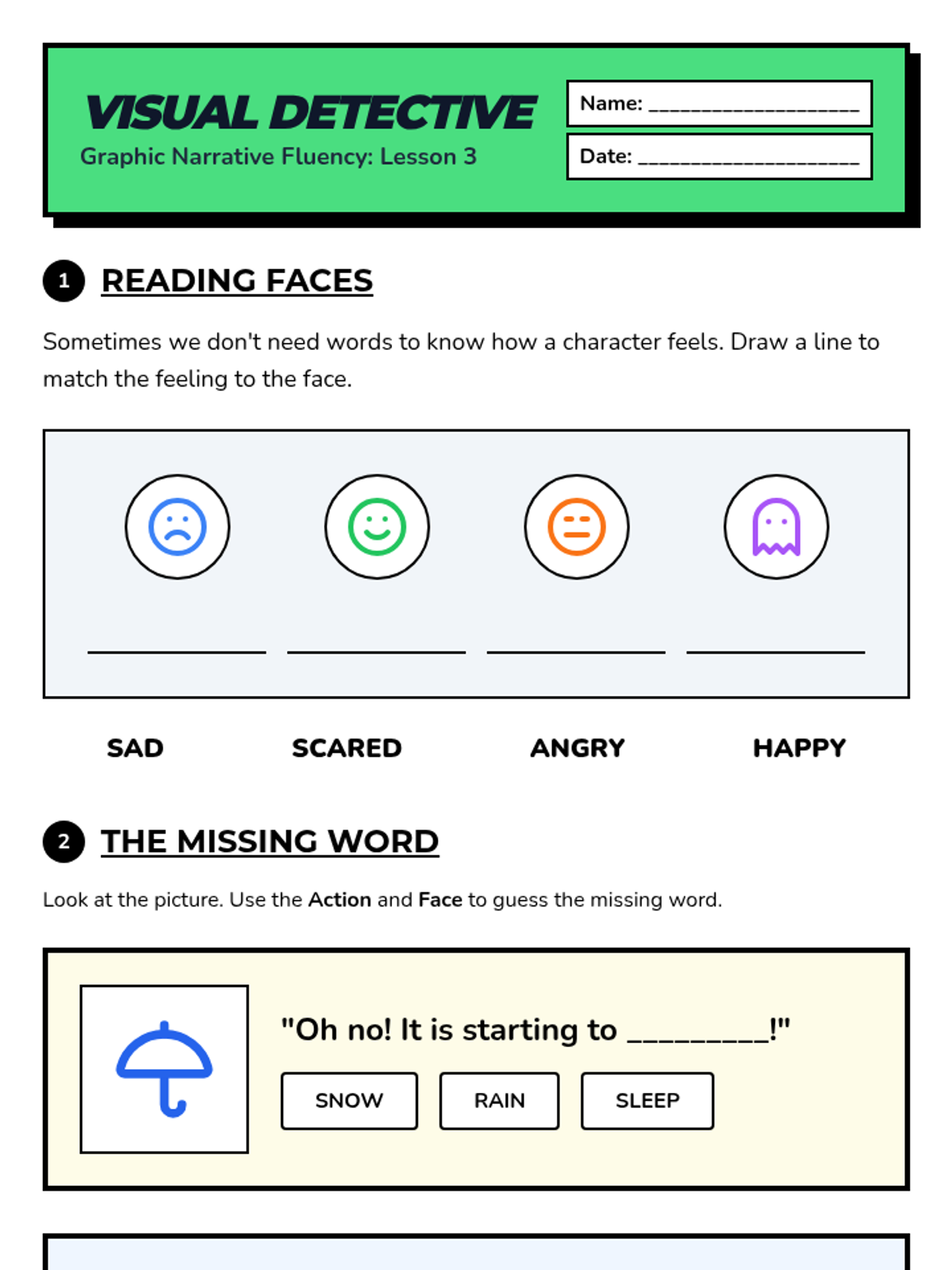
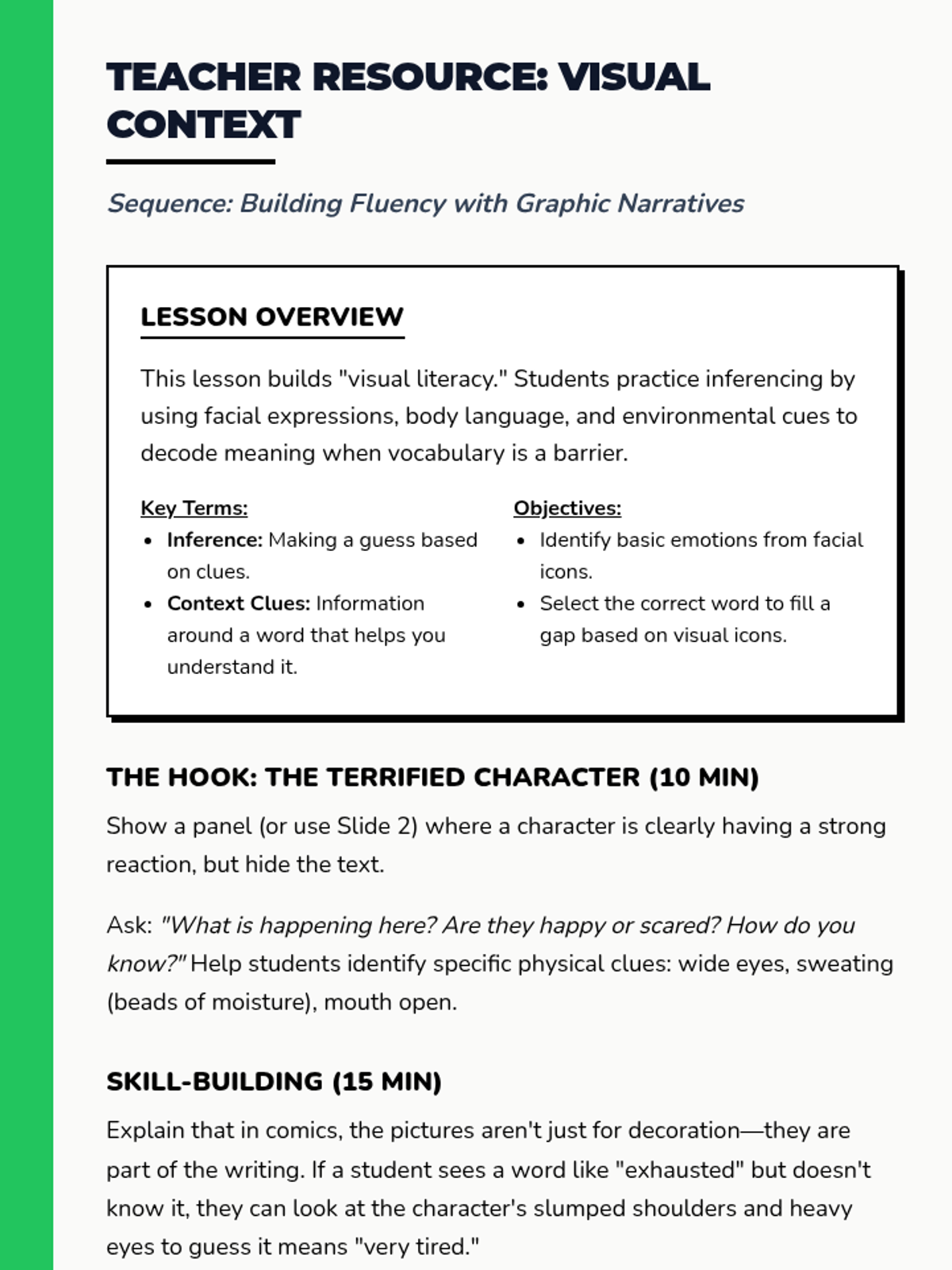
Students use facial expressions and visual action to infer the meaning of unknown or missing words in a narrative.
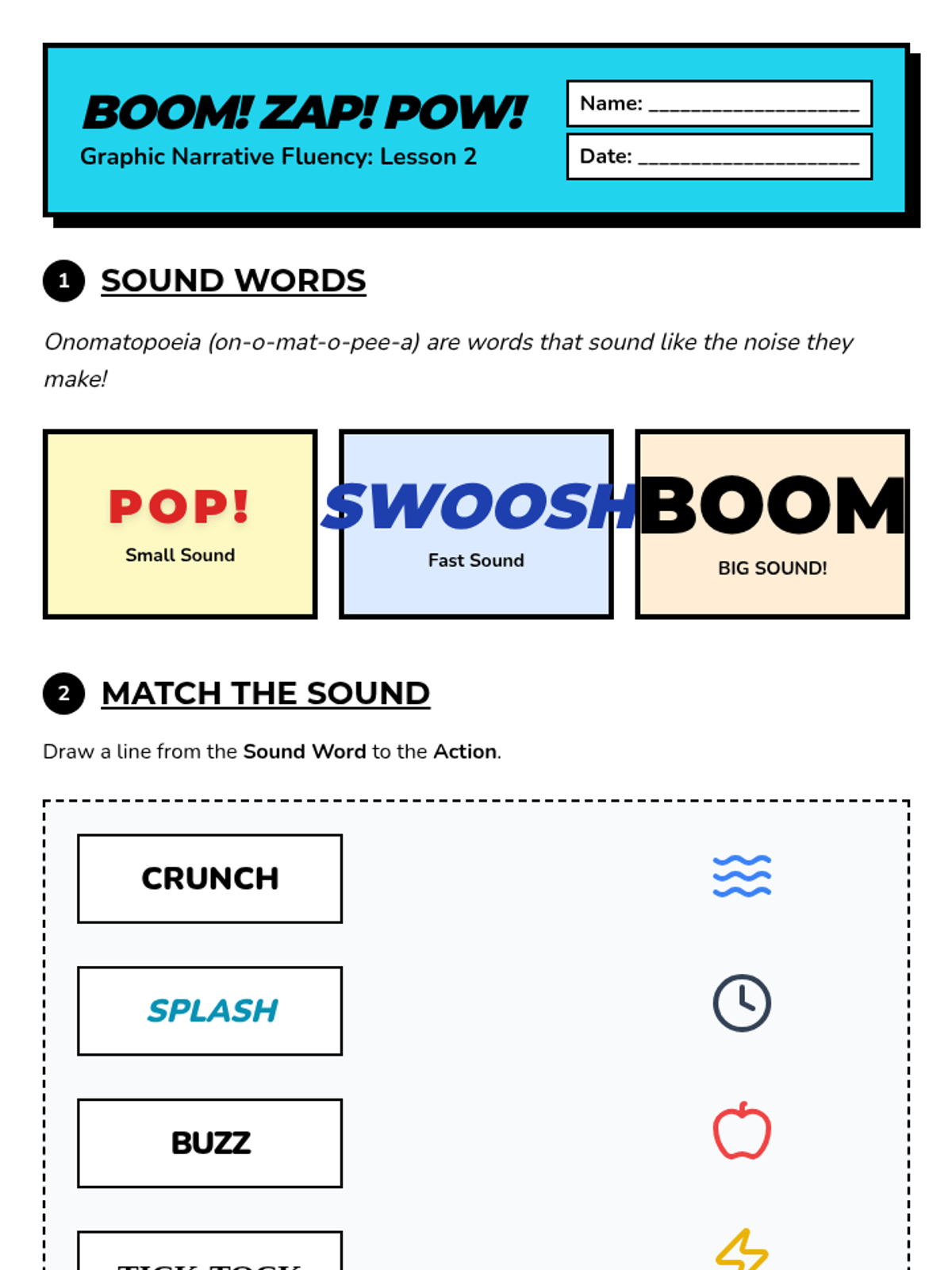
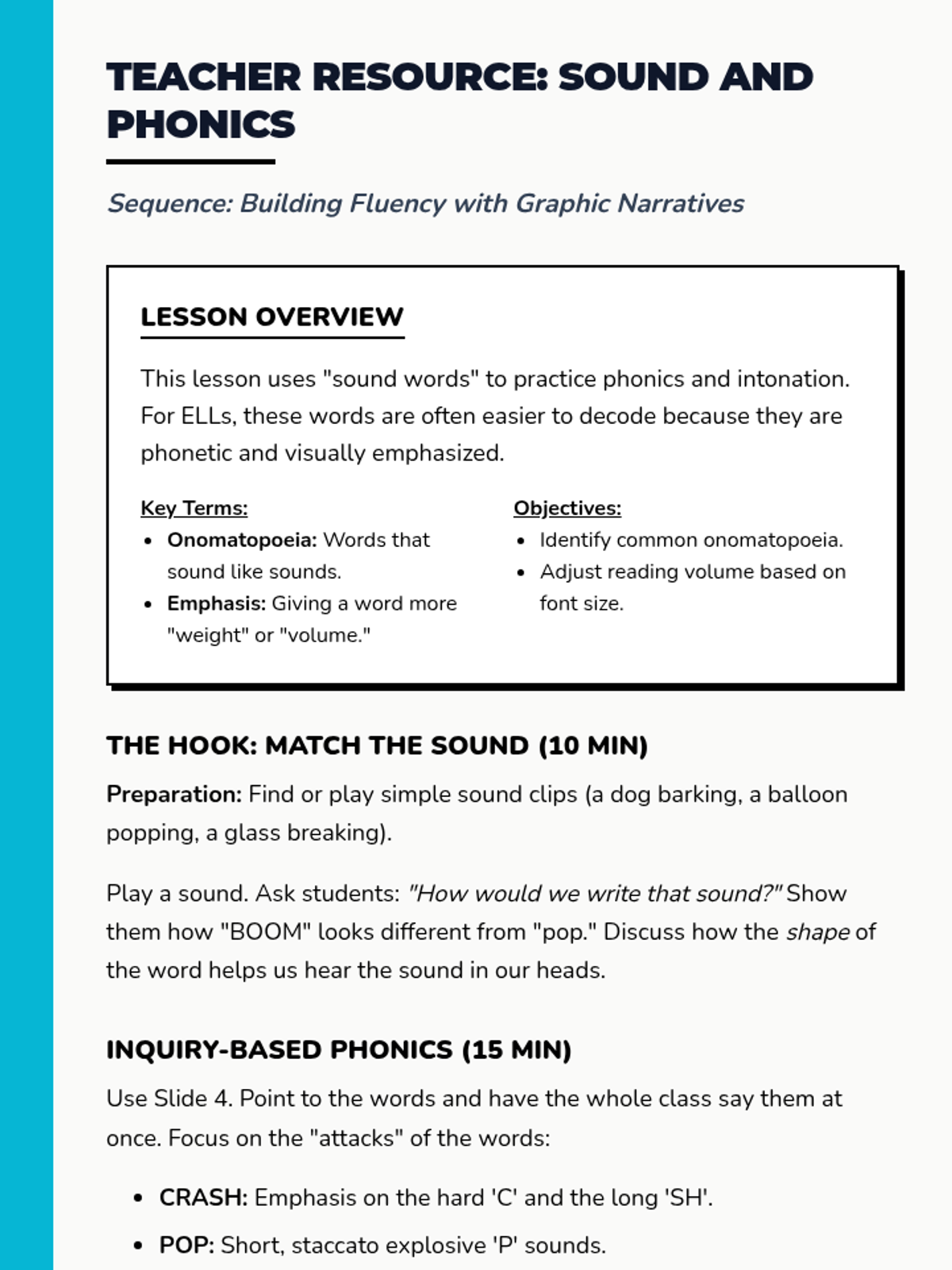
Learners explore phonics through onomatopoeia, analyzing how font size and style convey volume and emphasis.
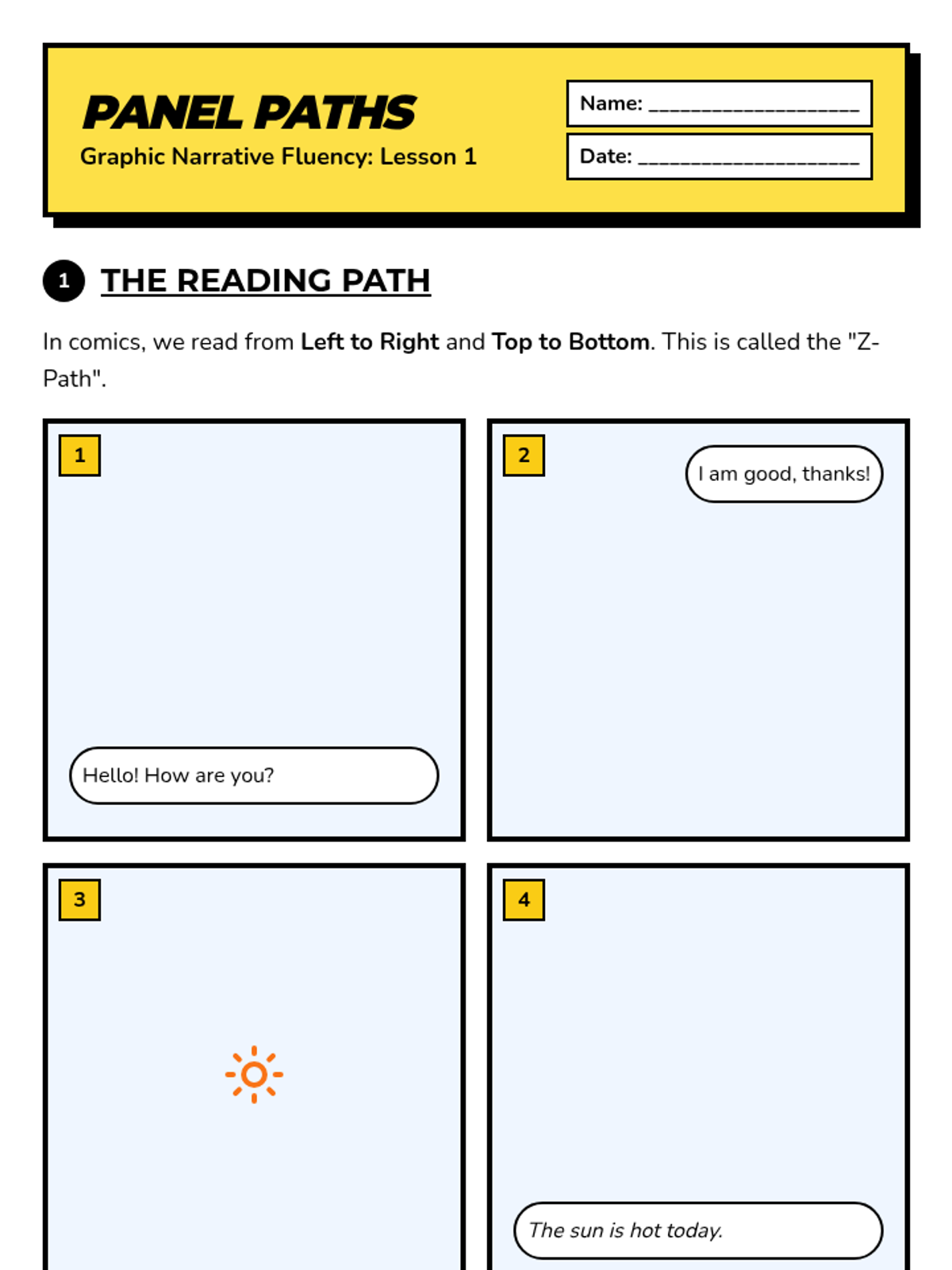
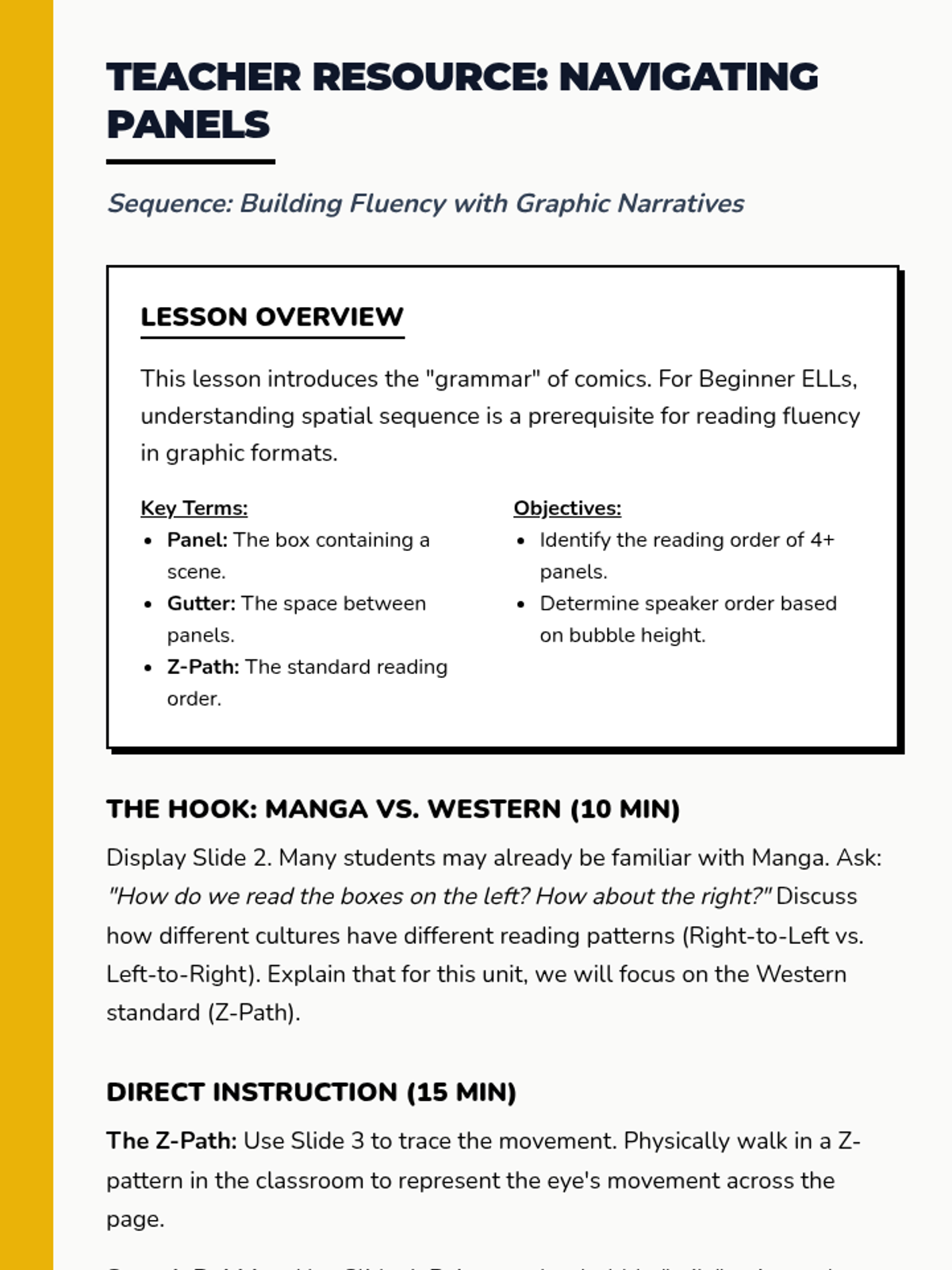
Students learn the mechanics of reading comics: left-to-right, top-to-bottom, and identifying speaker order in speech bubbles.
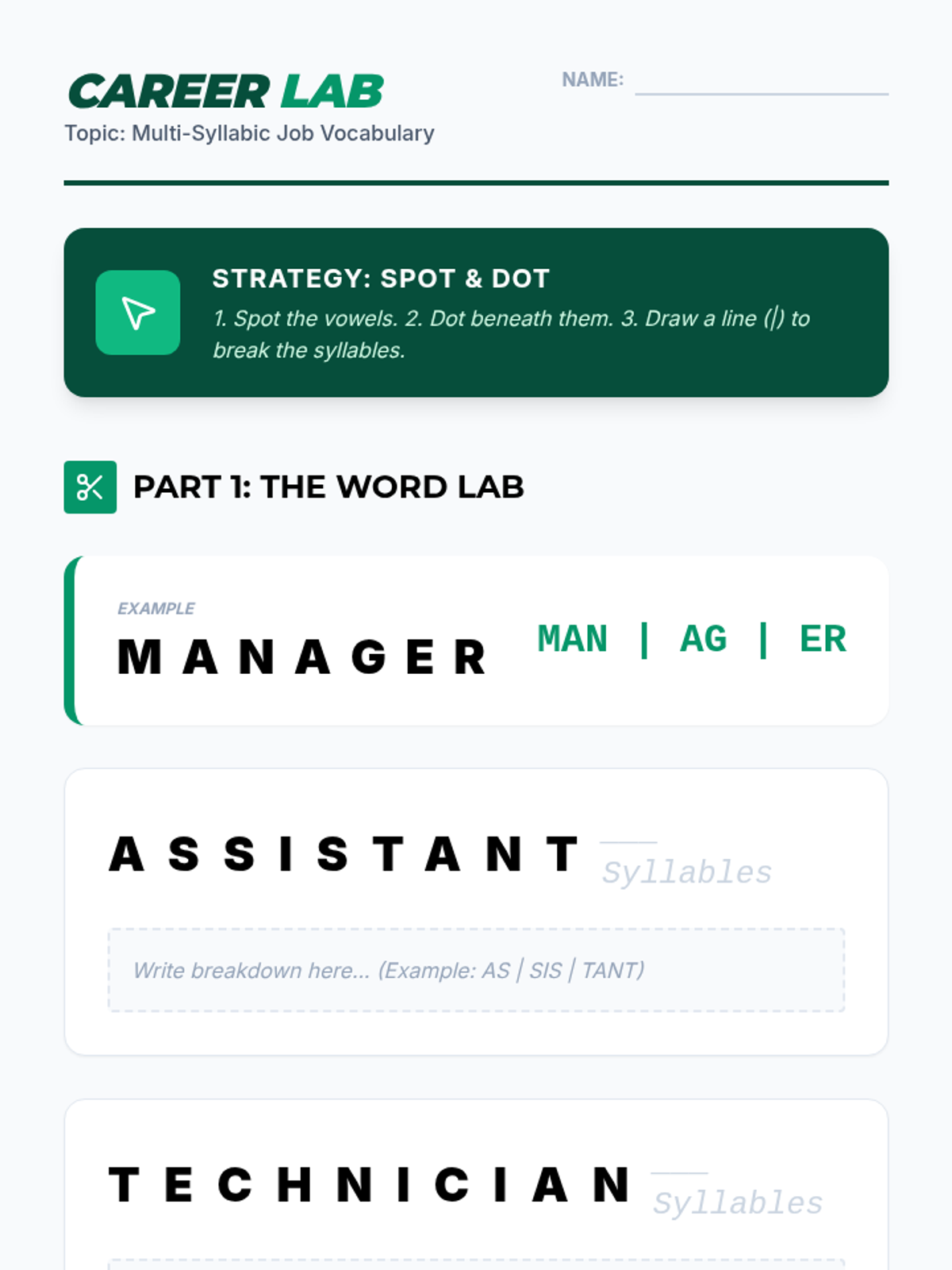
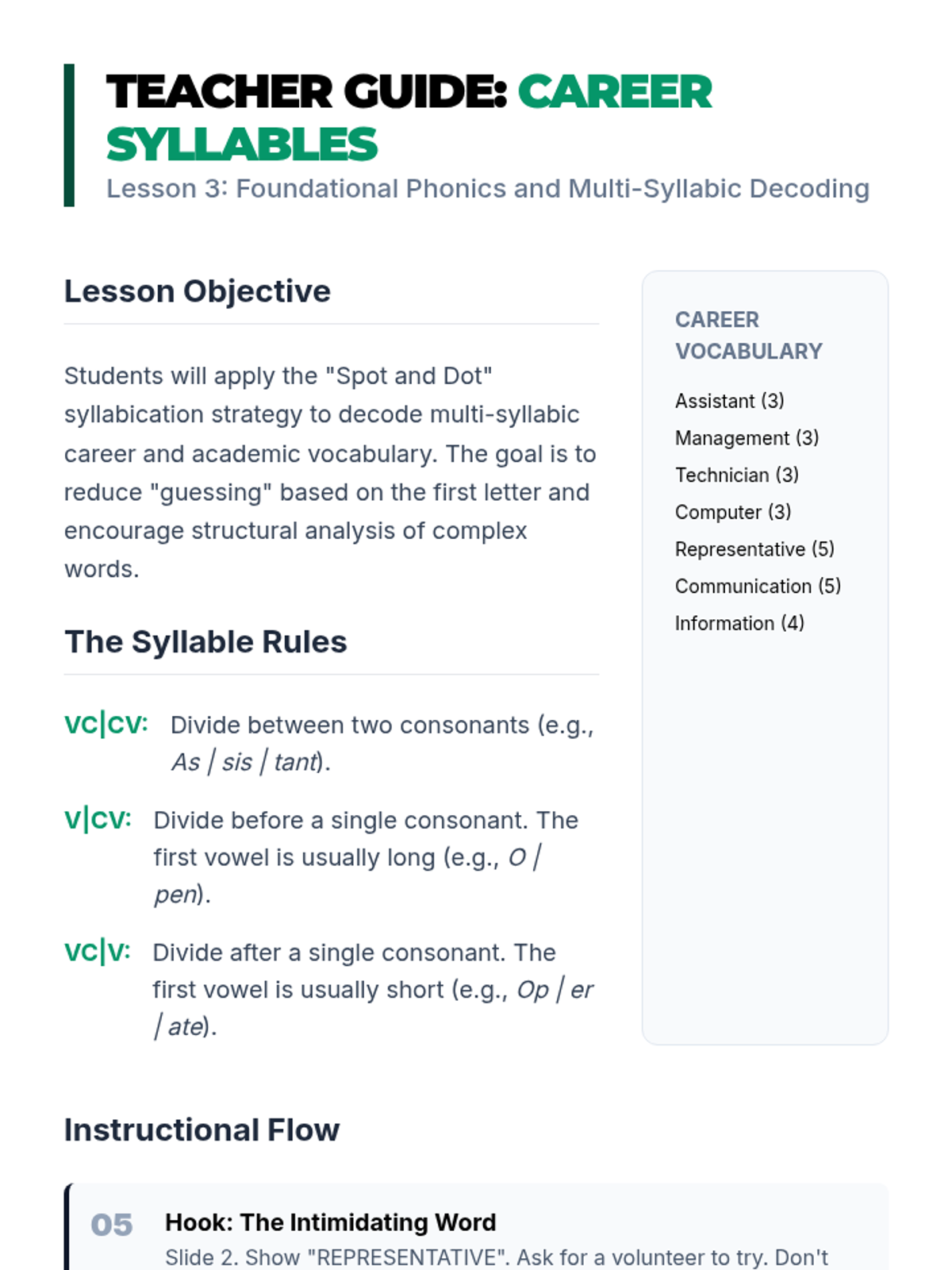
Students learn to break down longer words into manageable syllables using the 'spot and dot' vowel method. They practice applying this strategy to words related to future careers and job applications.
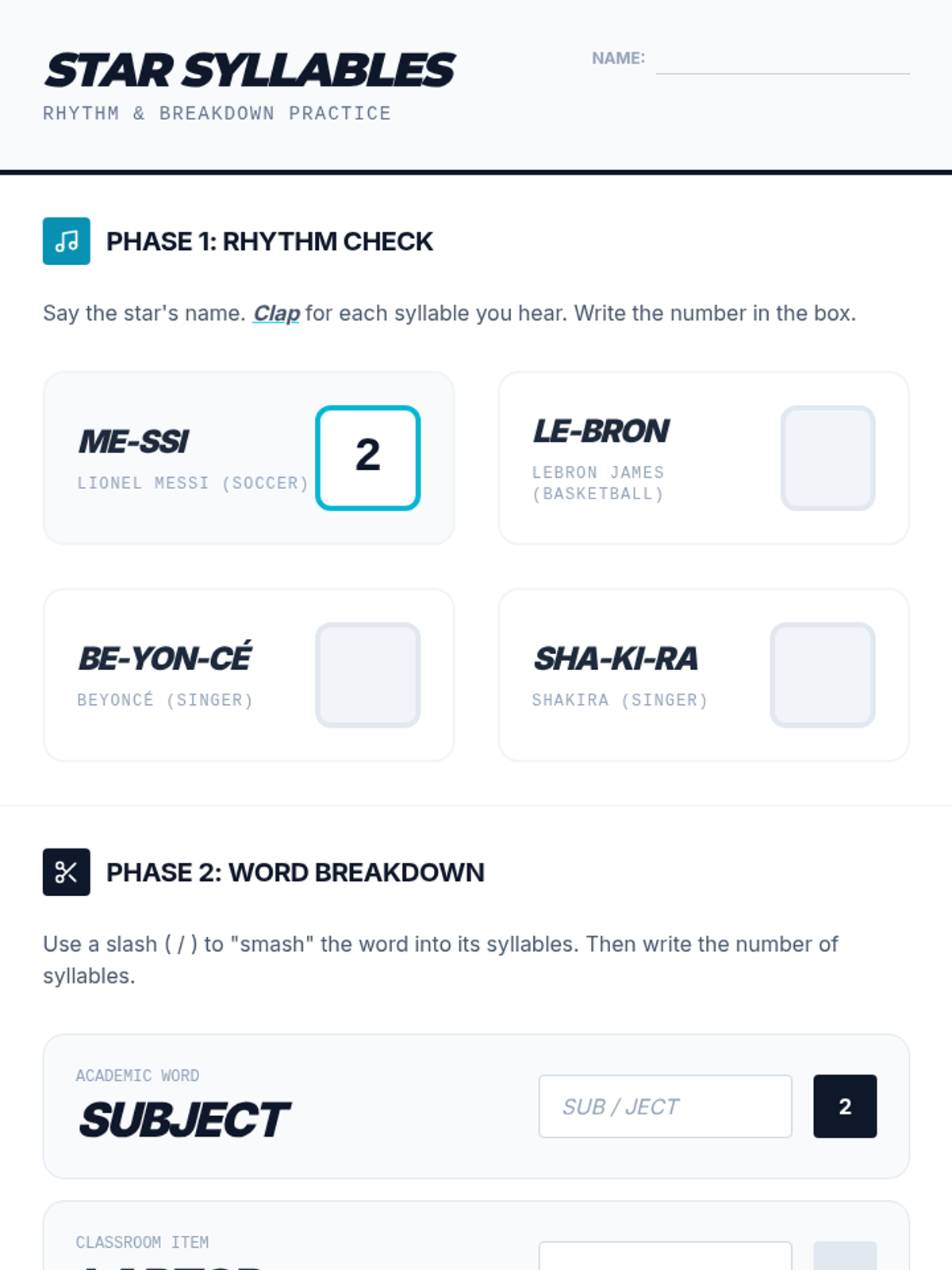
Students learn basic syllabication rules to tackle longer words, such as 'sub-ject' or 'con-test'. The lesson focuses on identifying vowel centers to determine the number of syllables.
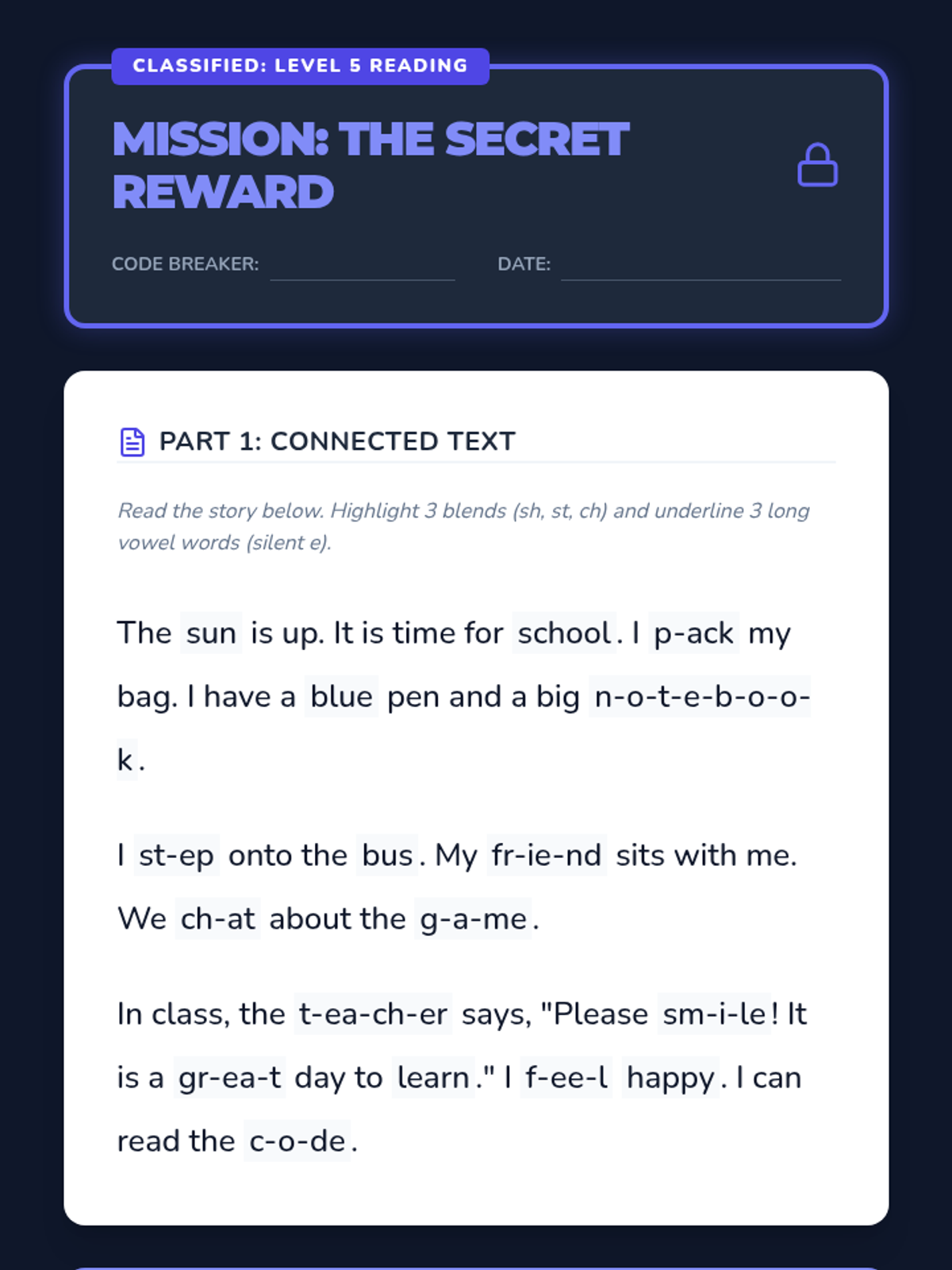
Students apply their decoding skills to read connected text about student life and decode a 'secret message' to demonstrate mastery.
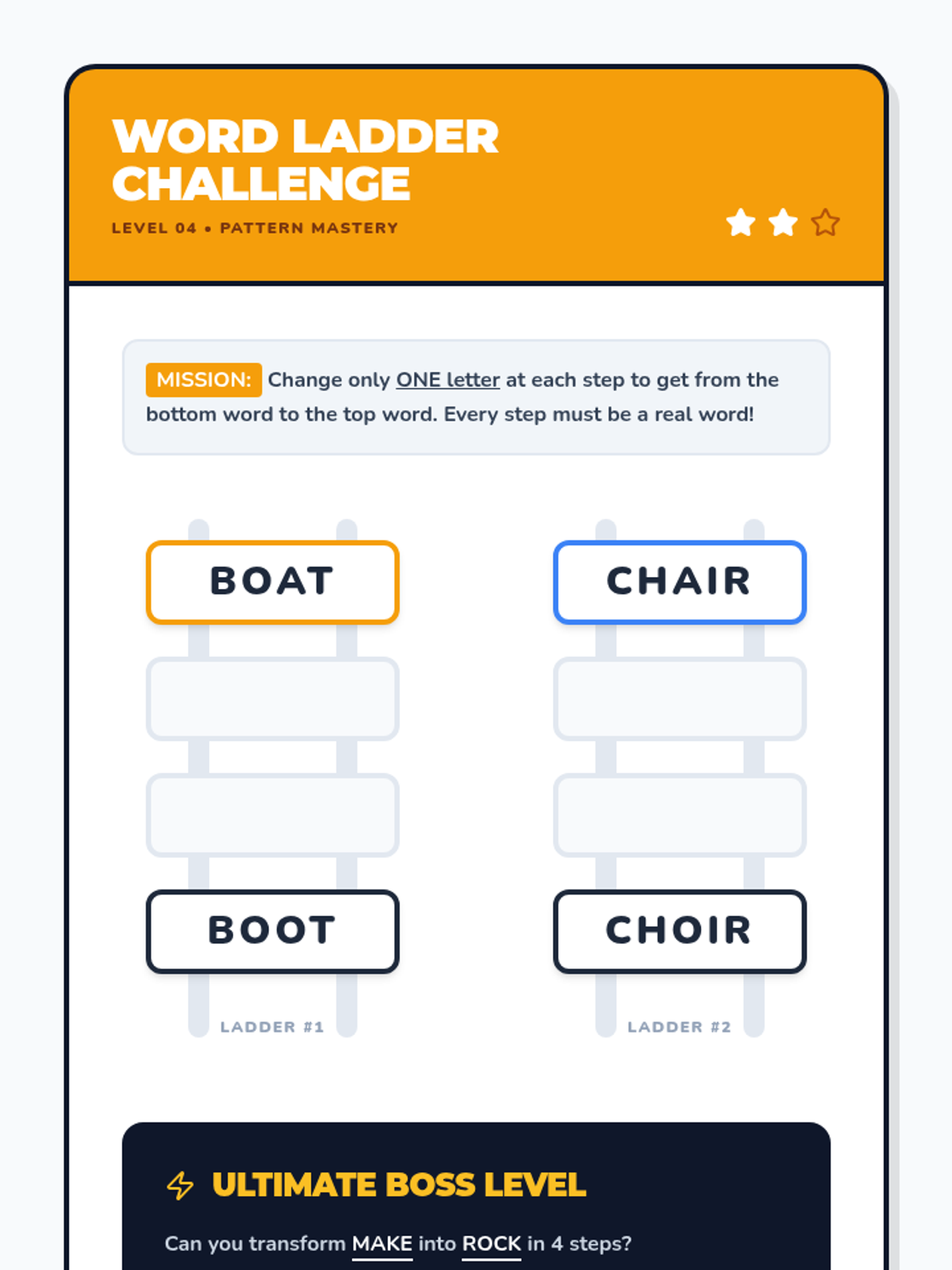
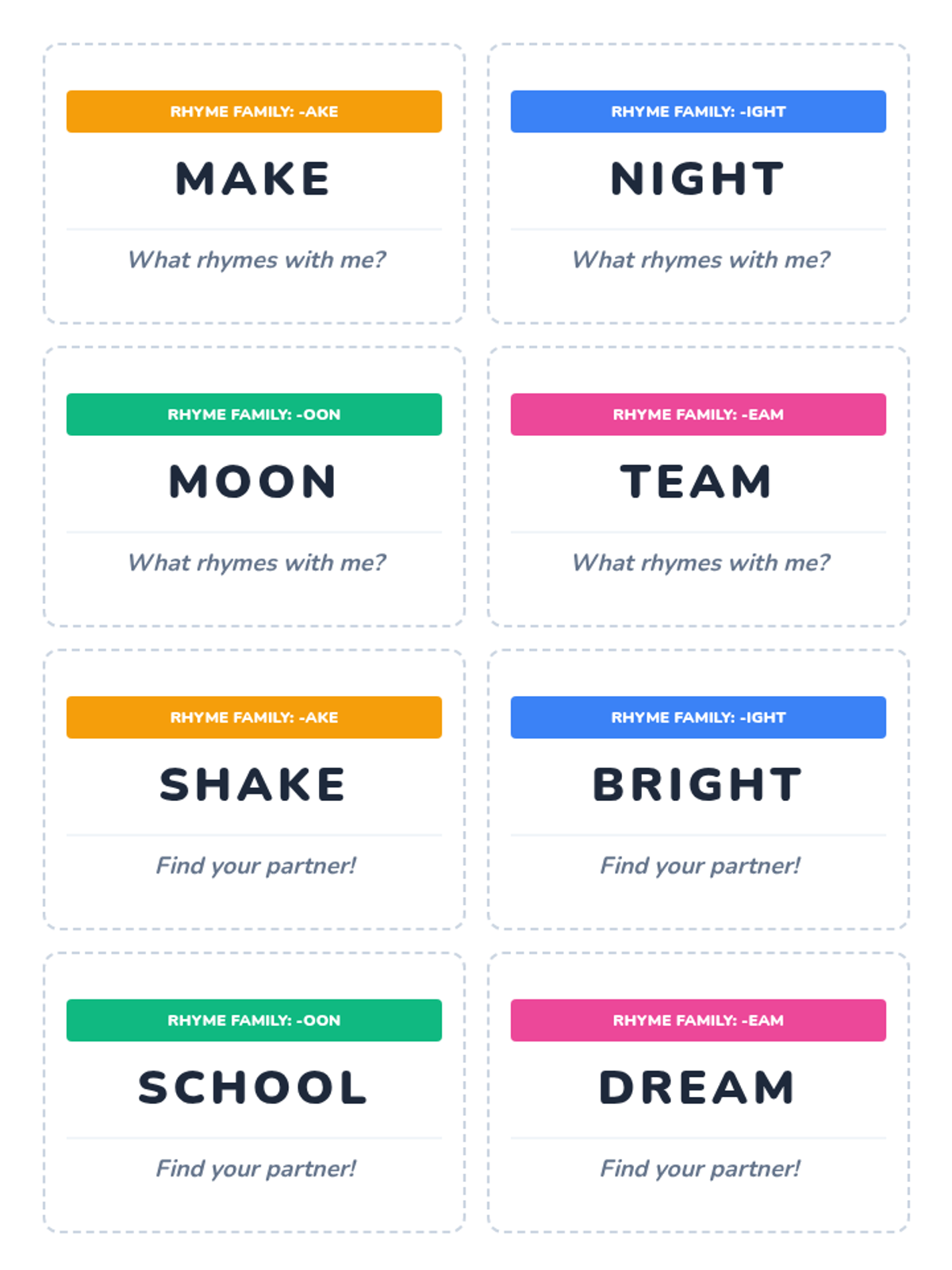
Explores word families and rhyming patterns to improve decoding speed. Students use word ladders to practice phoneme manipulation.
Focuses on breaking multi-syllabic academic words into manageable parts using common prefixes, suffixes, and syllabication rules.
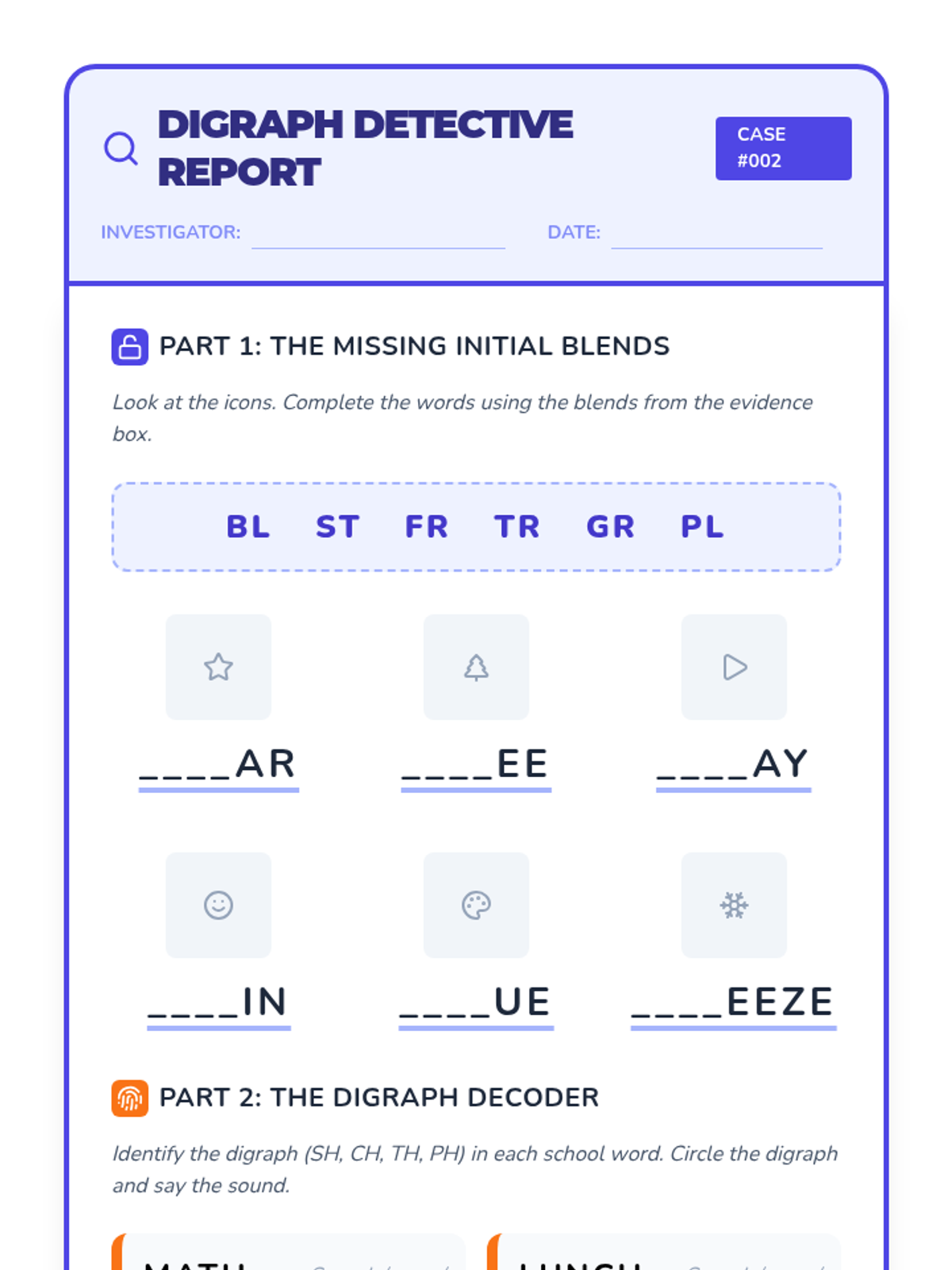
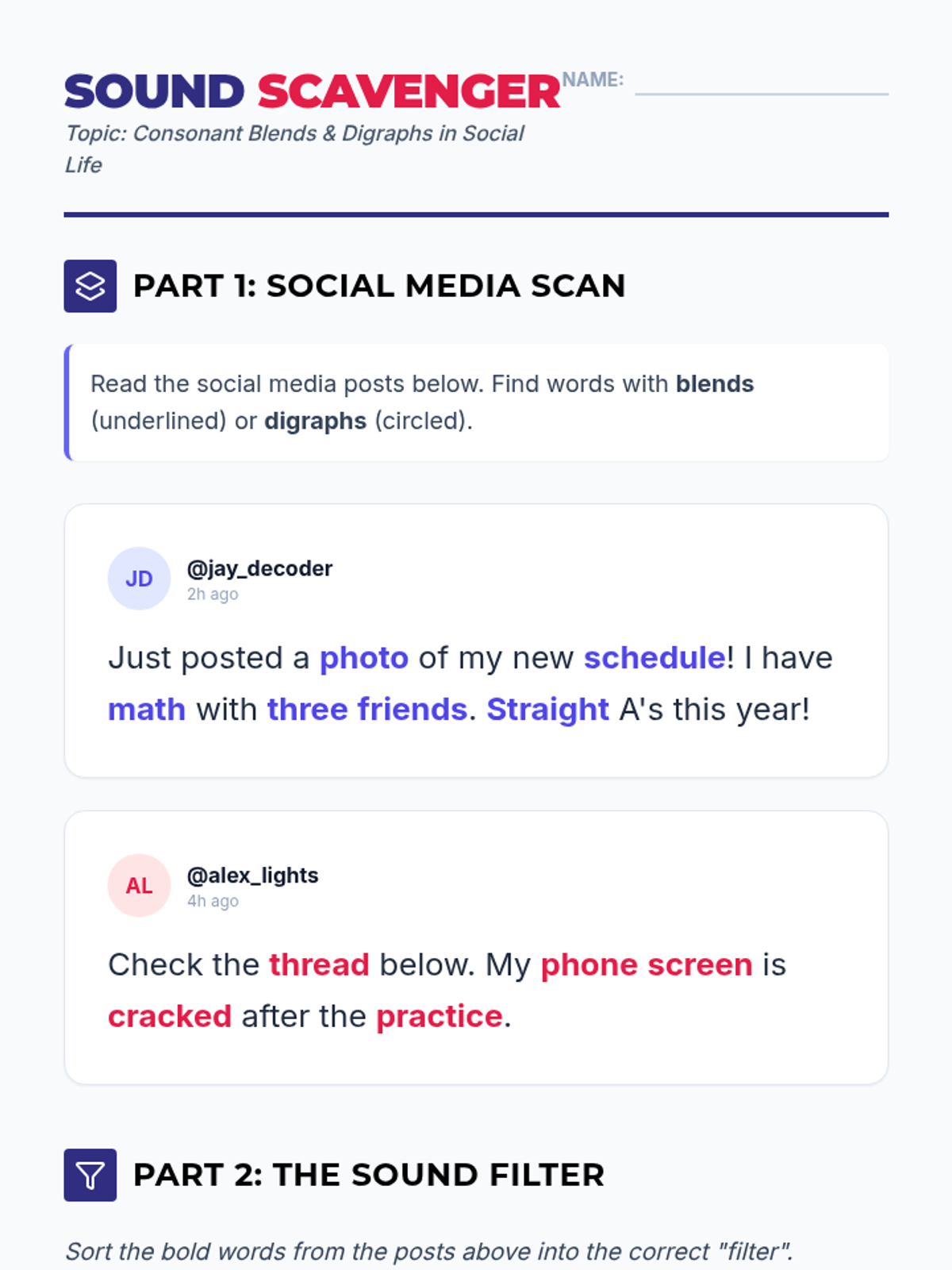
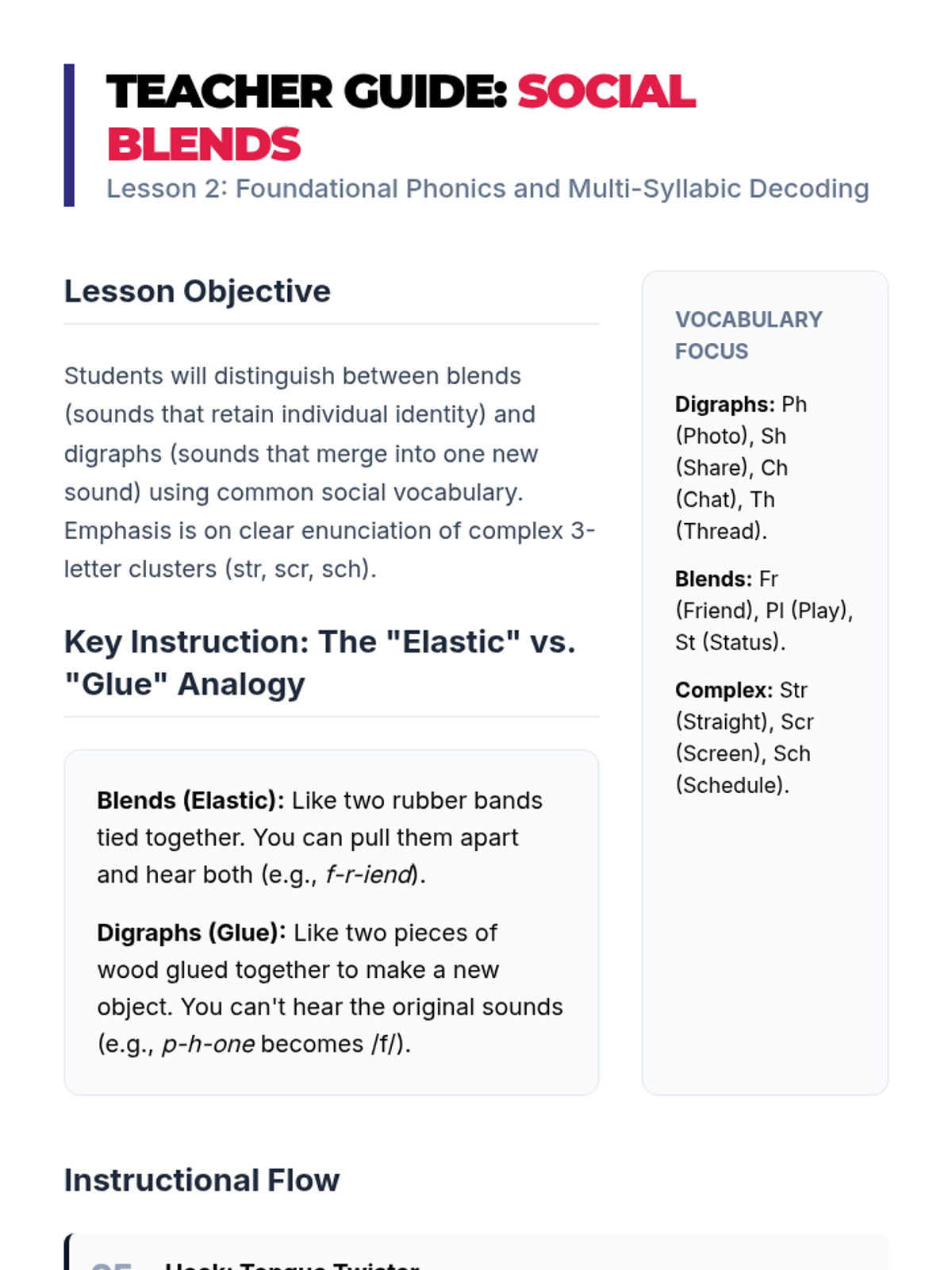
Learners investigate initial and final consonant blends and digraphs found in high-frequency teen vocabulary. Features oral practice and word-building activities.
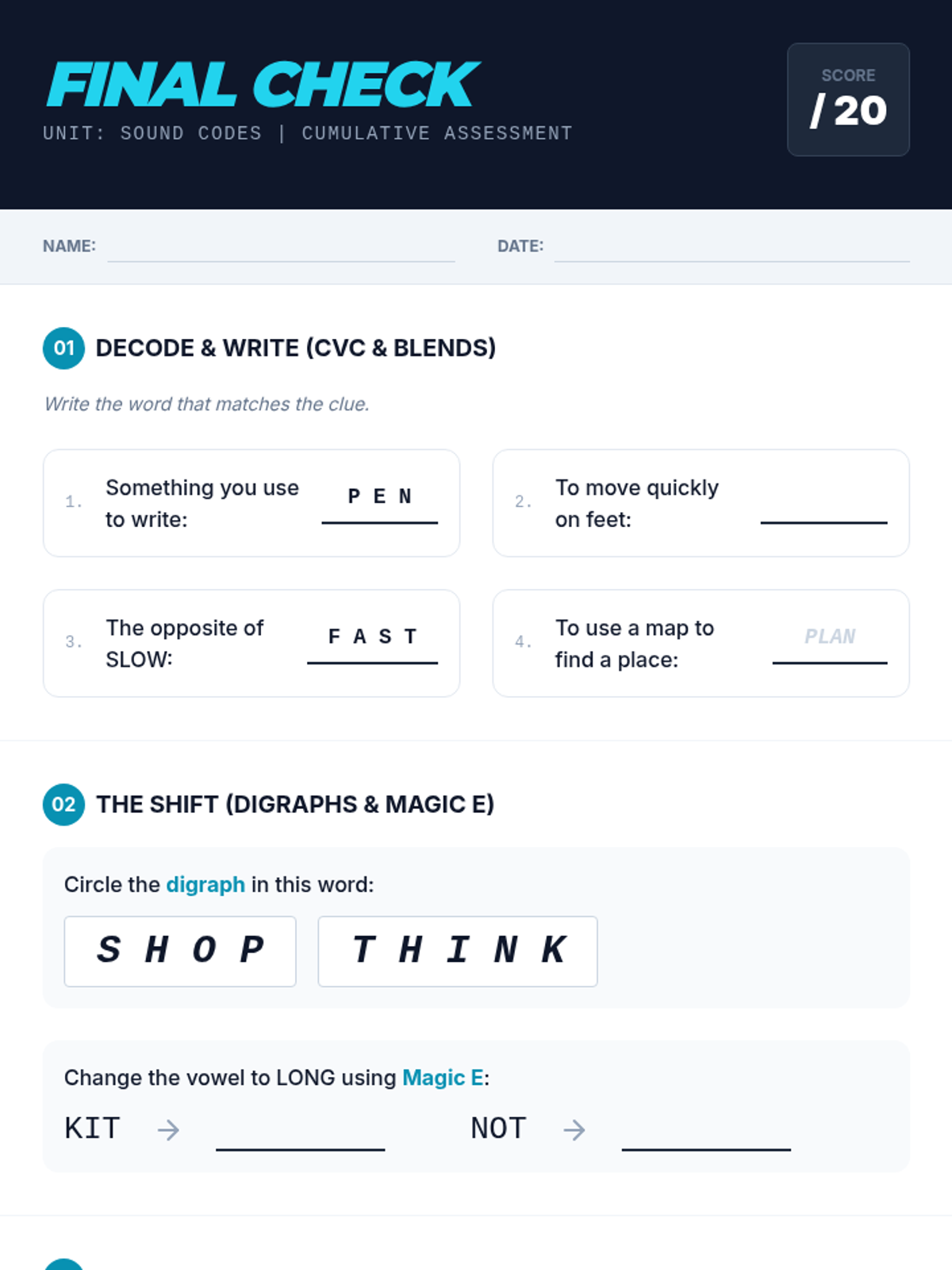
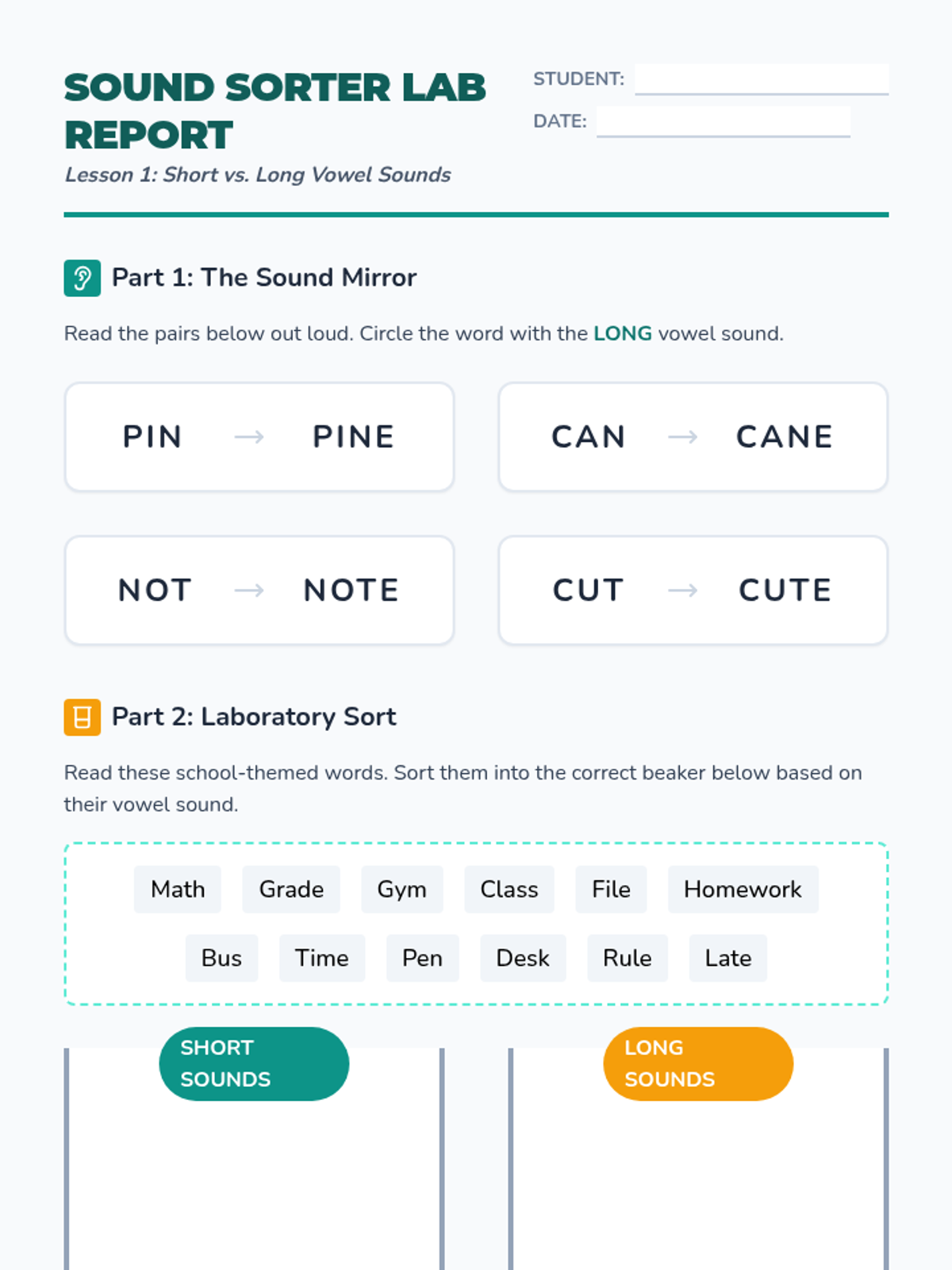
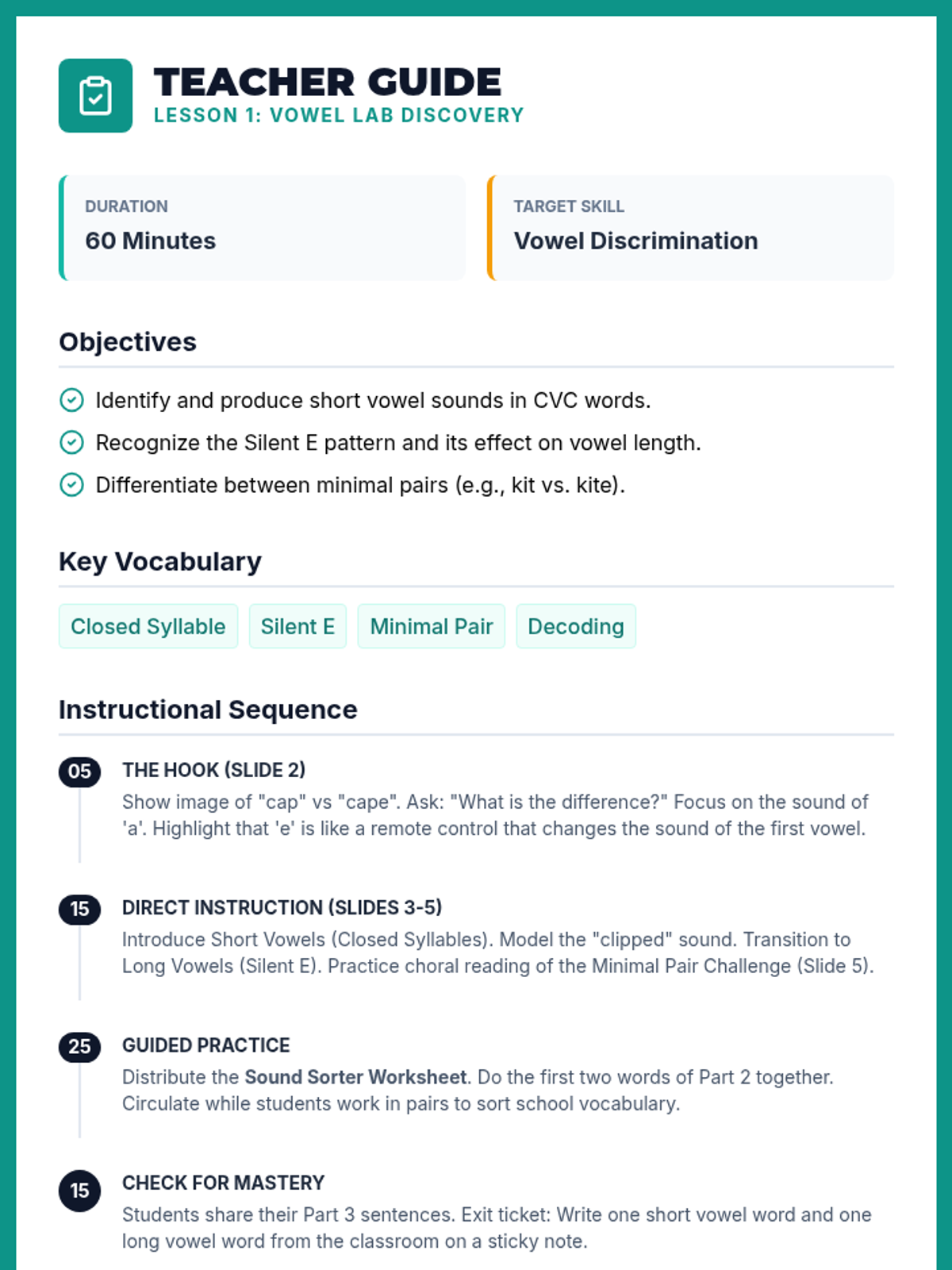
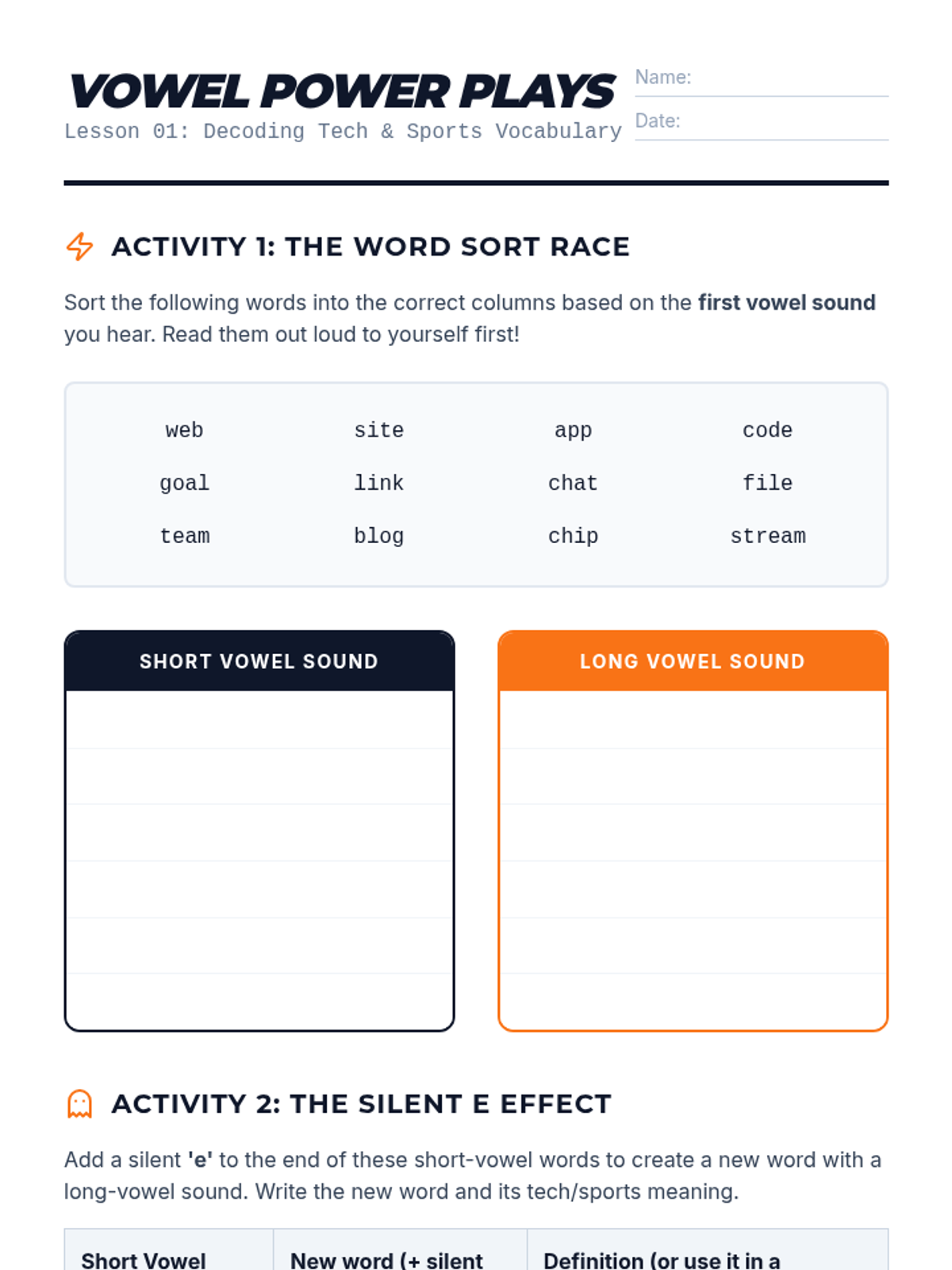
Students distinguish between short and long vowel sounds using school-related vocabulary and minimal pairs. Focuses on the 'silent e' pattern and vowel discrimination in reading.
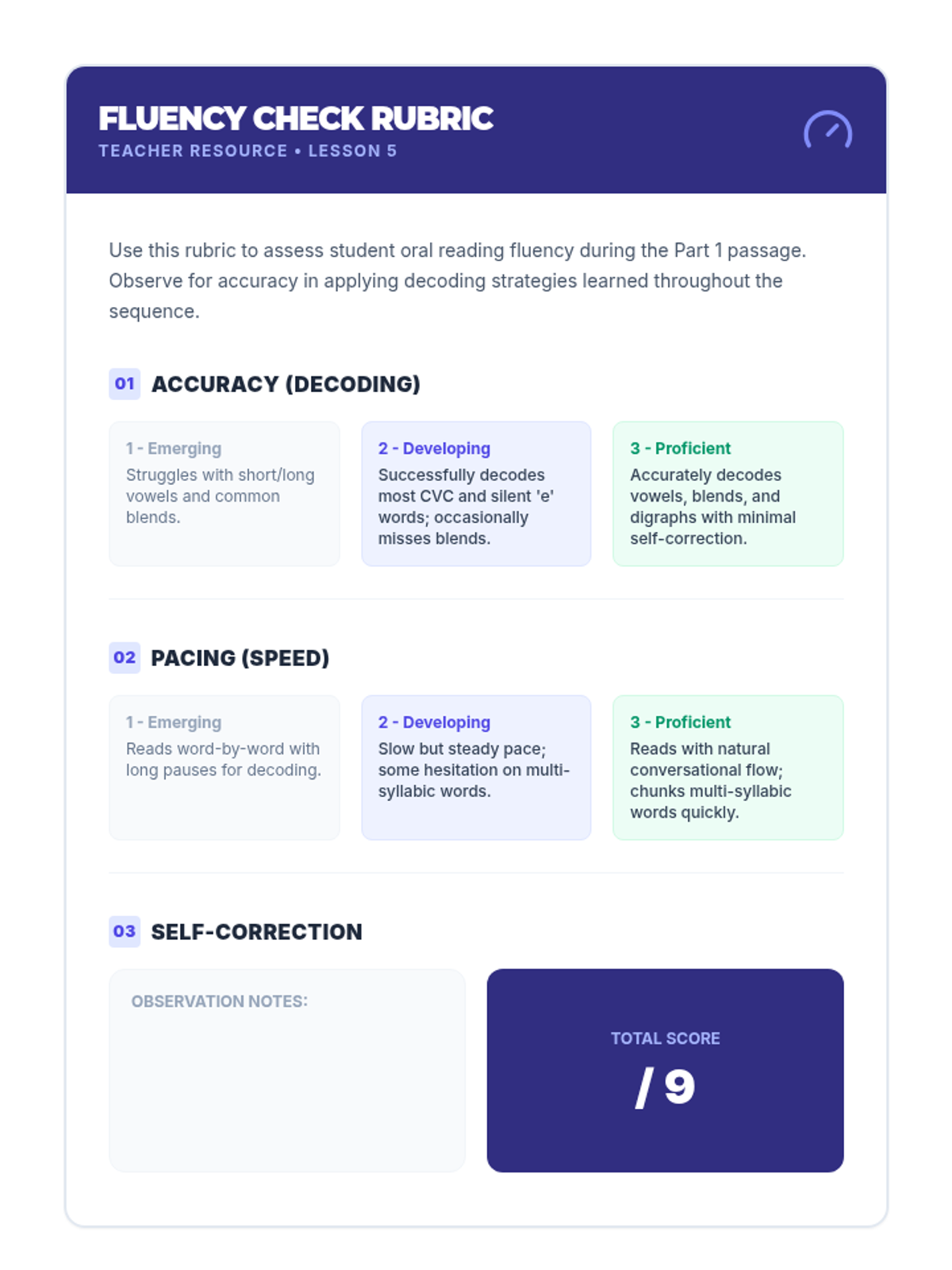
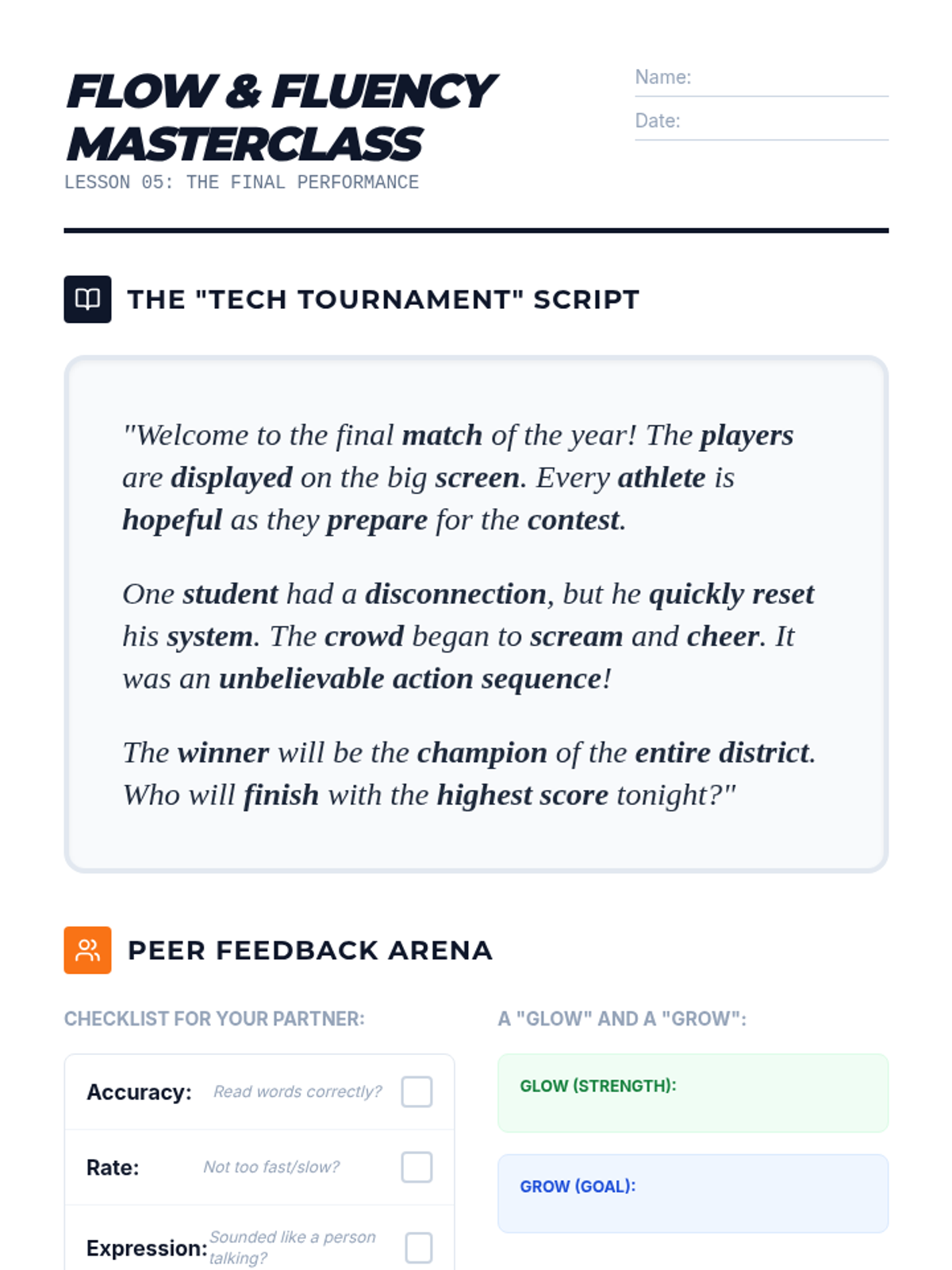
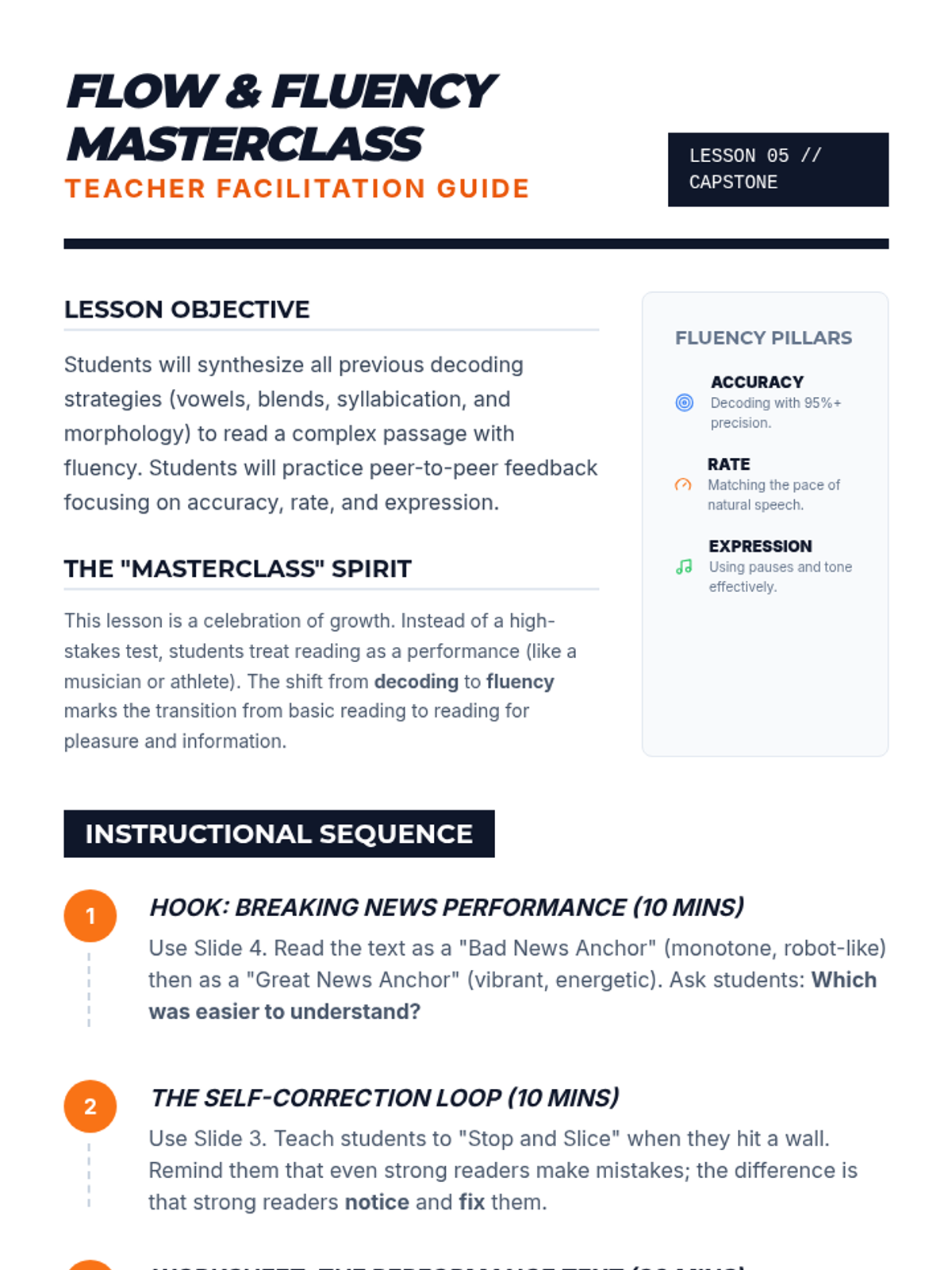
Culminating fluency practice using decodable passages and peer feedback, focusing on reading rate, accuracy, and self-correction strategies.
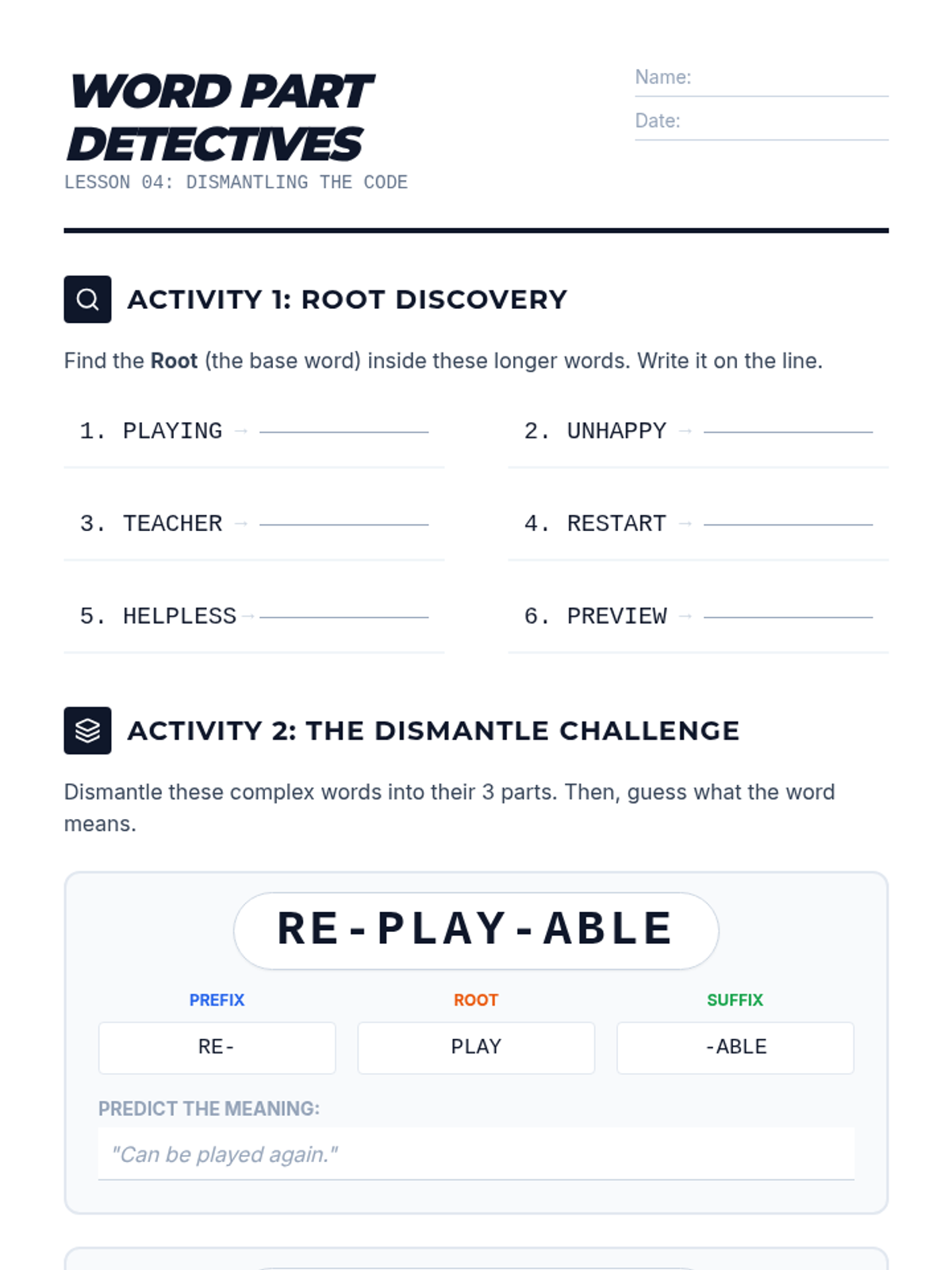
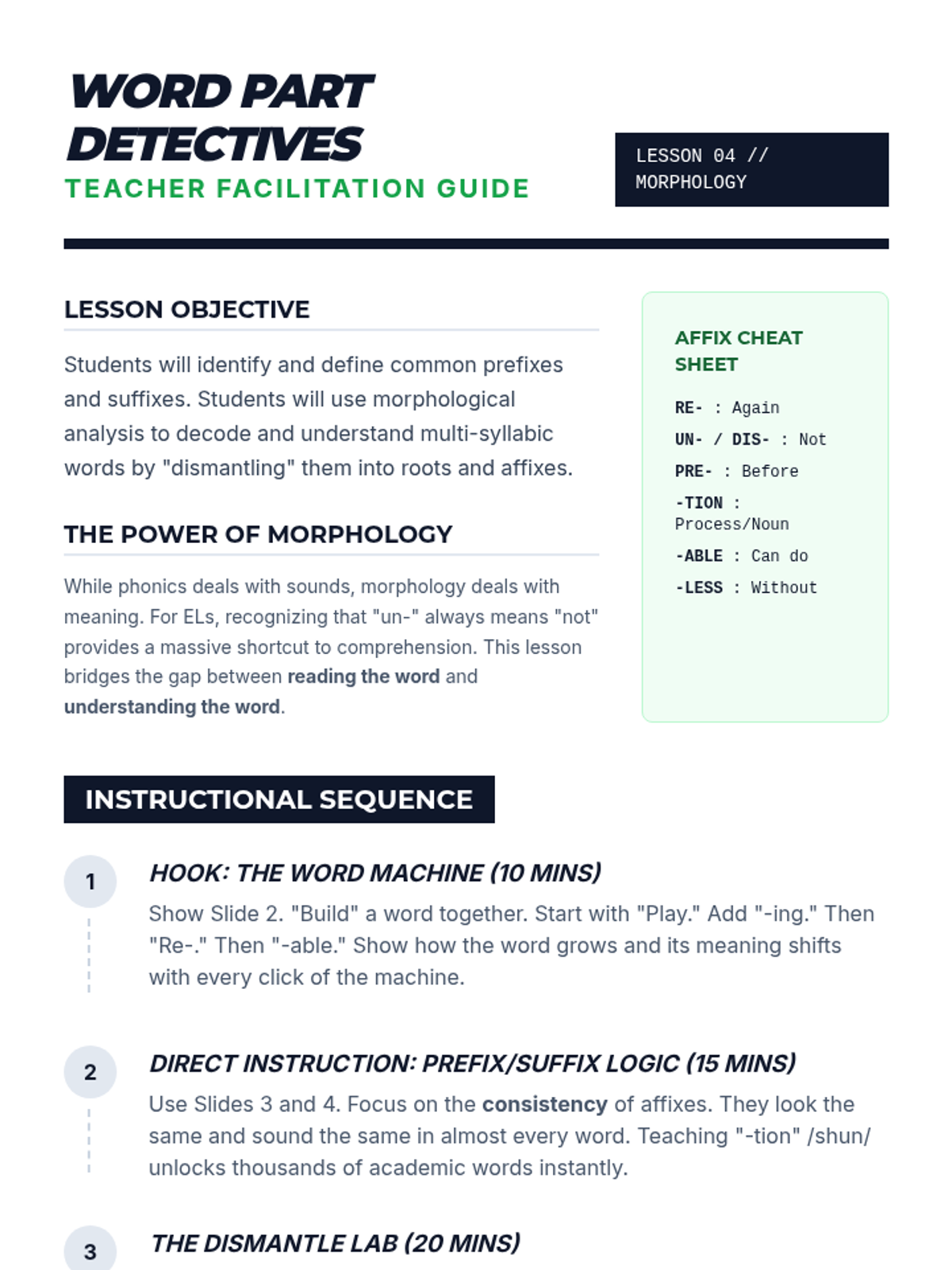
Explores prefixes and suffixes as keys to decoding, where students dismantle complex words into roots to understand both pronunciation and meaning.
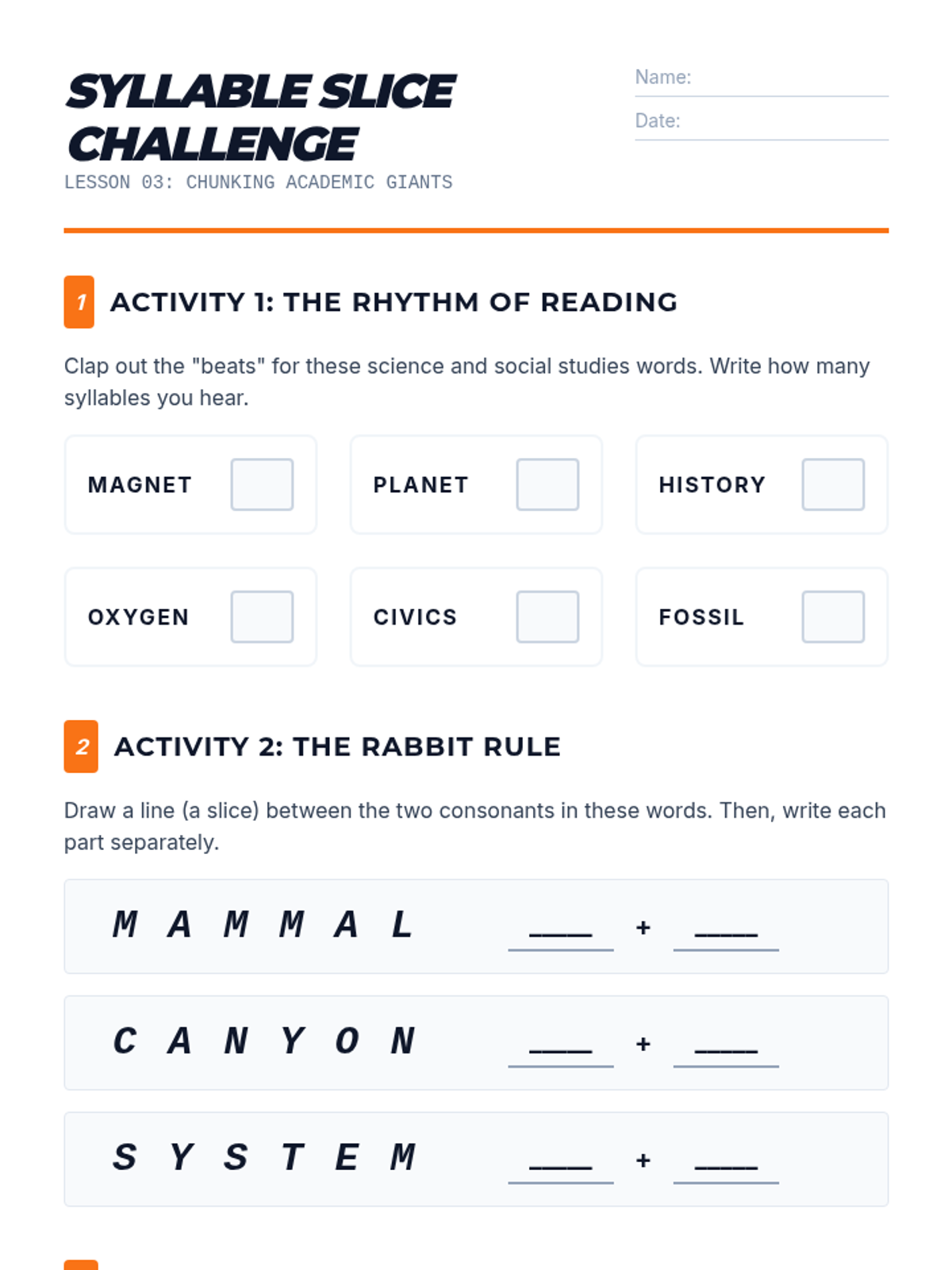
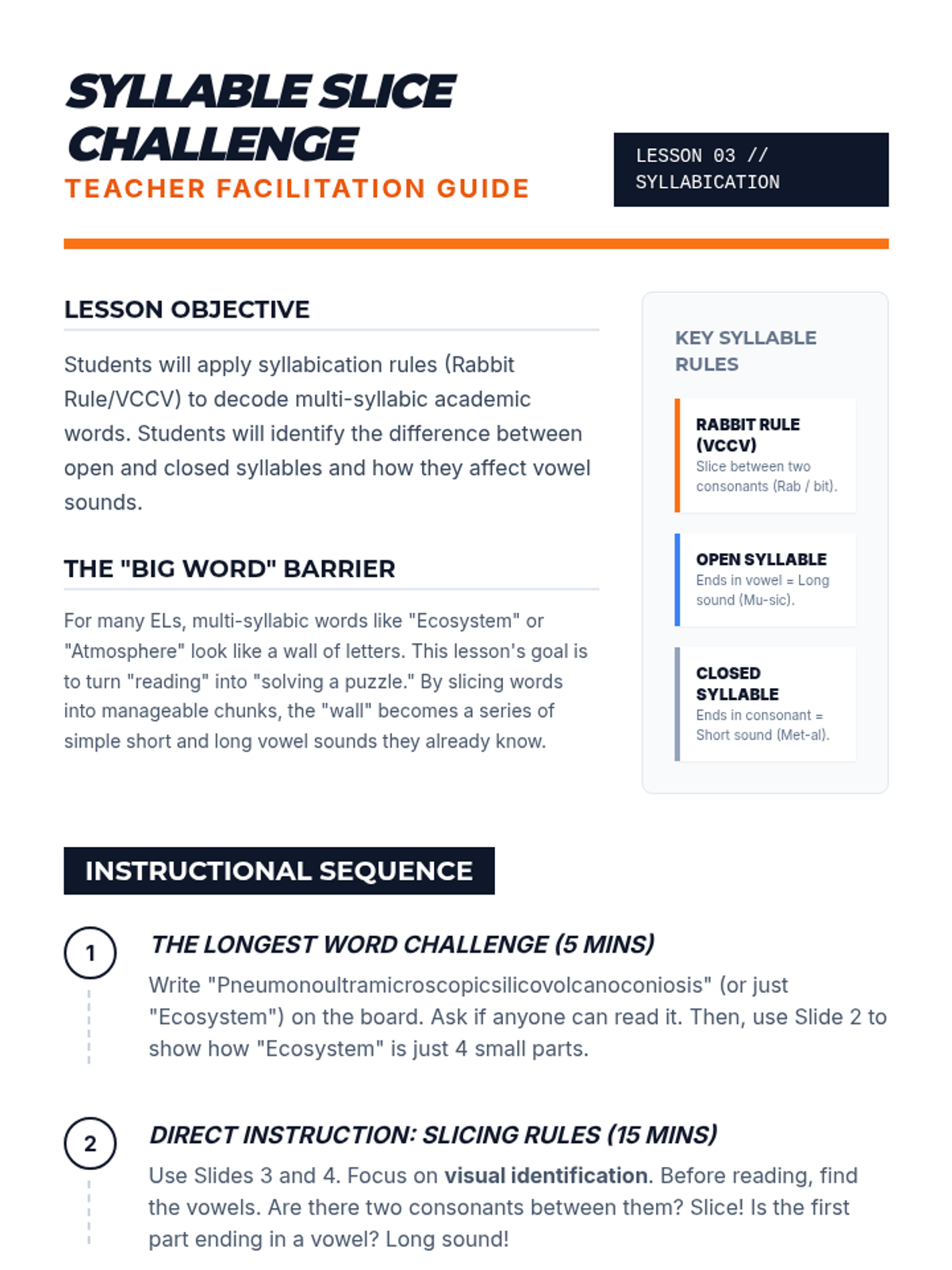
Introduces syllabication strategies including open and closed syllables to help students decode multi-syllabic academic words from science and social studies.
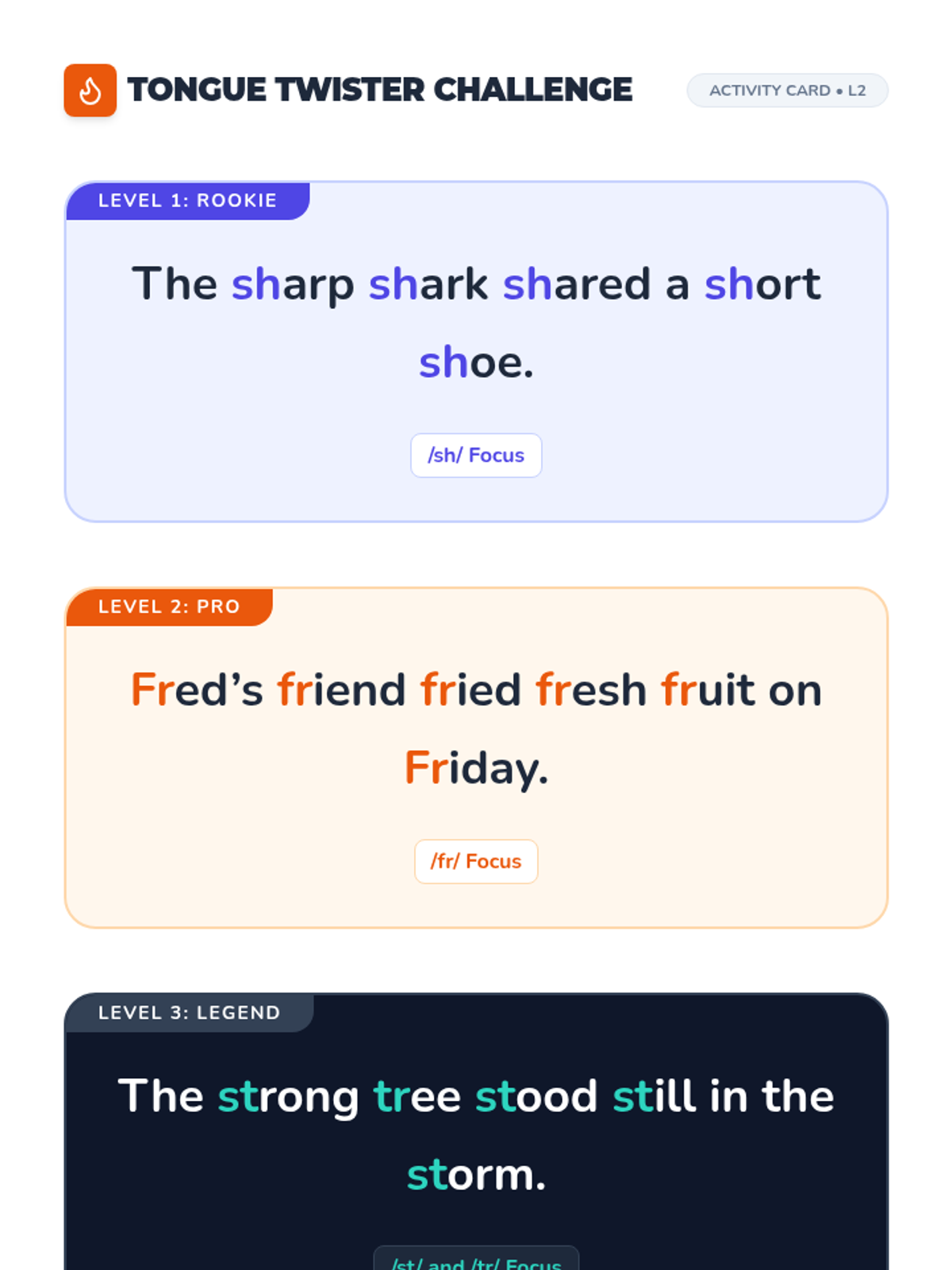
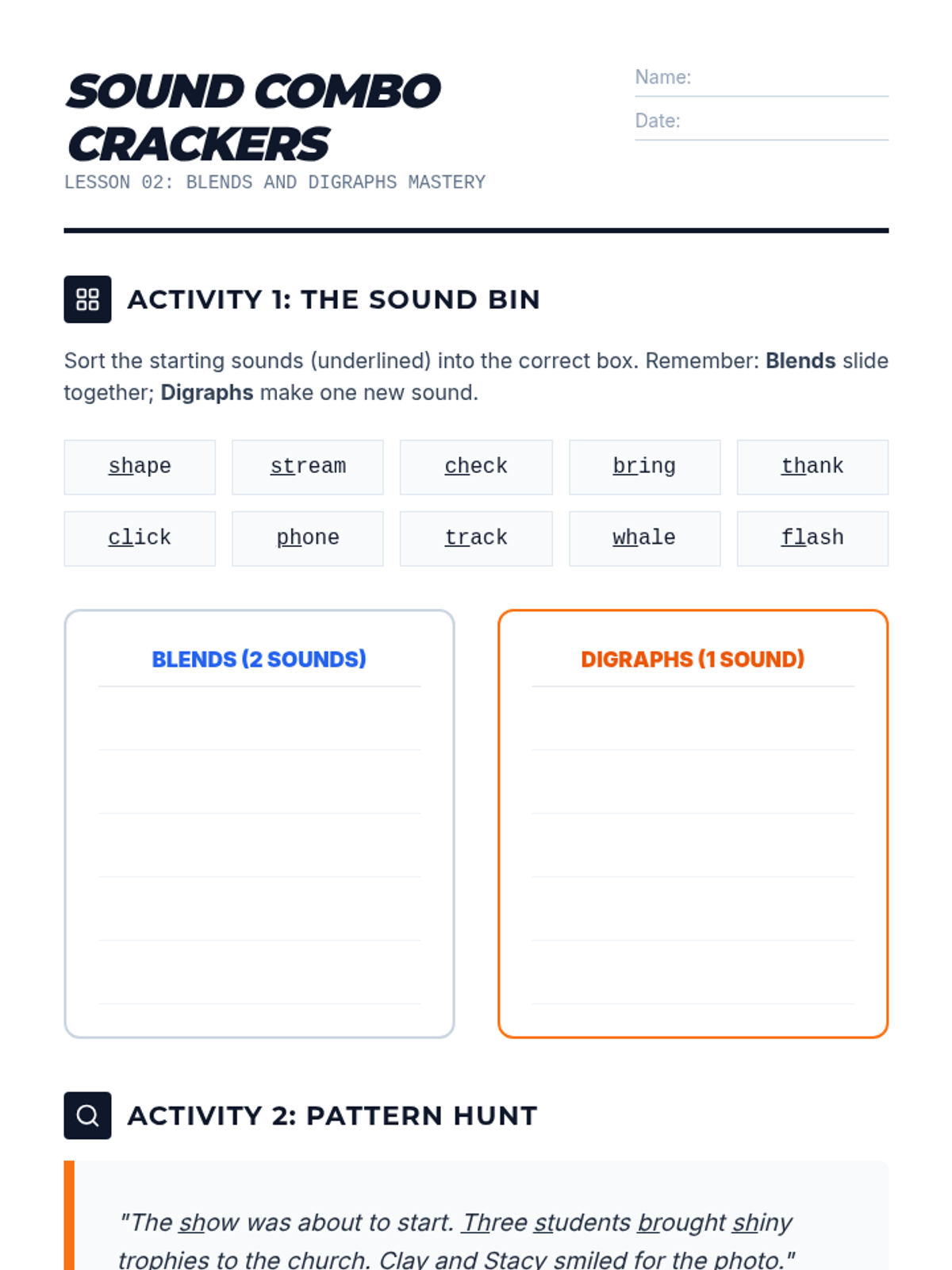
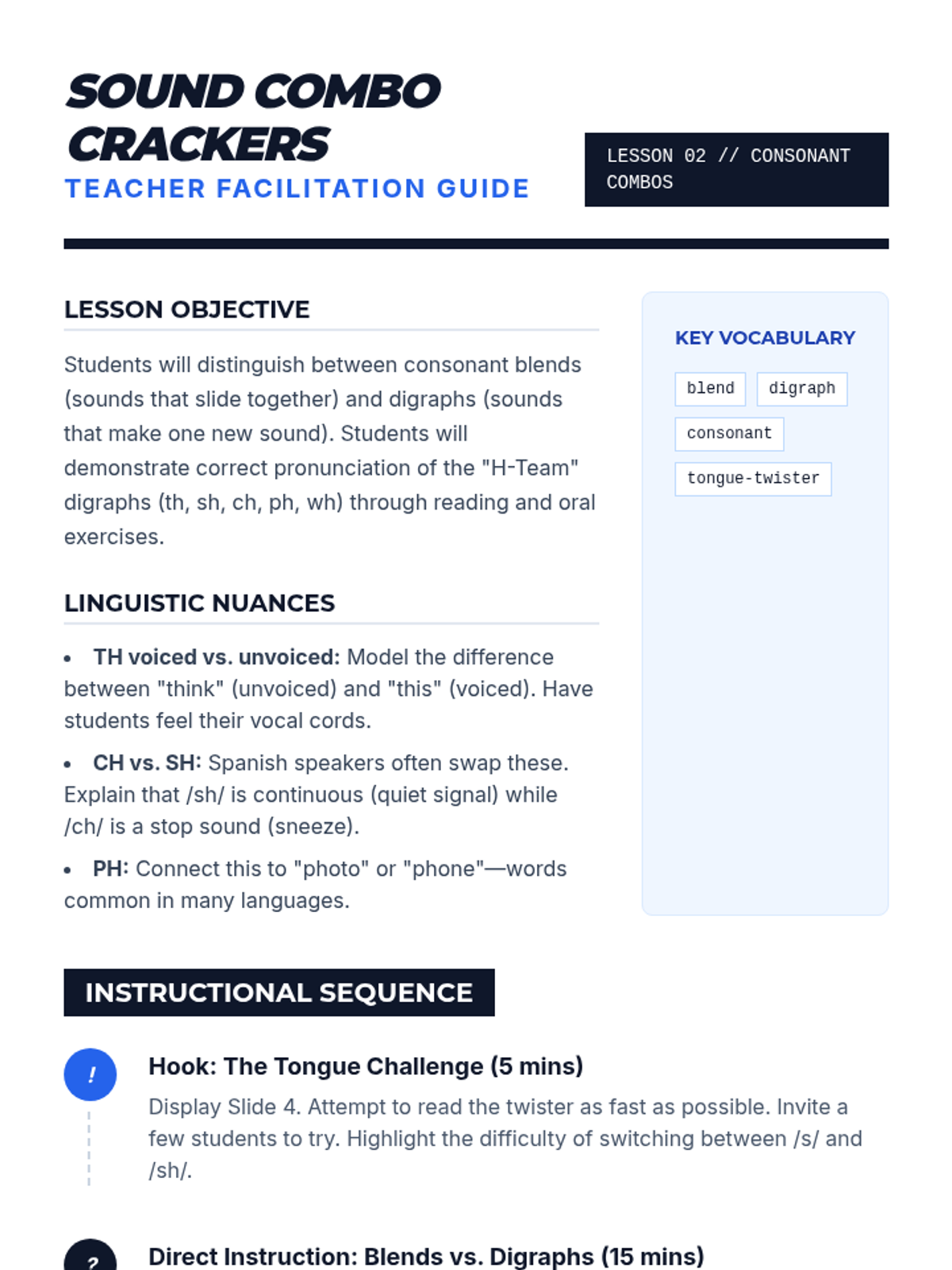
Focuses on common consonant blends and digraphs in everyday English, with students identifying patterns in text and practicing pronunciation through tongue twisters.
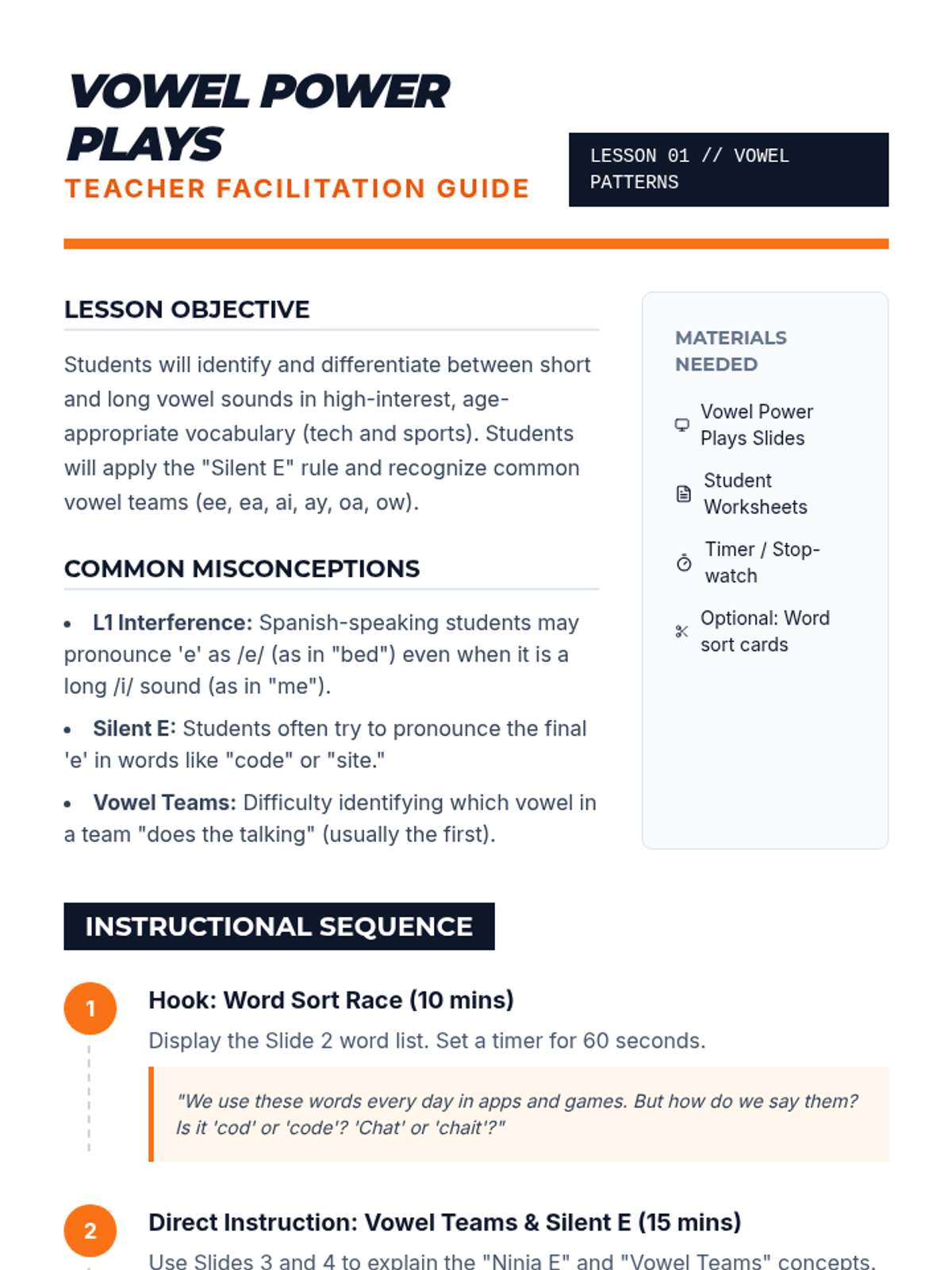
Students master short and long vowel sounds using vocabulary related to sports, tech, and school life, identifying vowel teams through interactive word sorts.
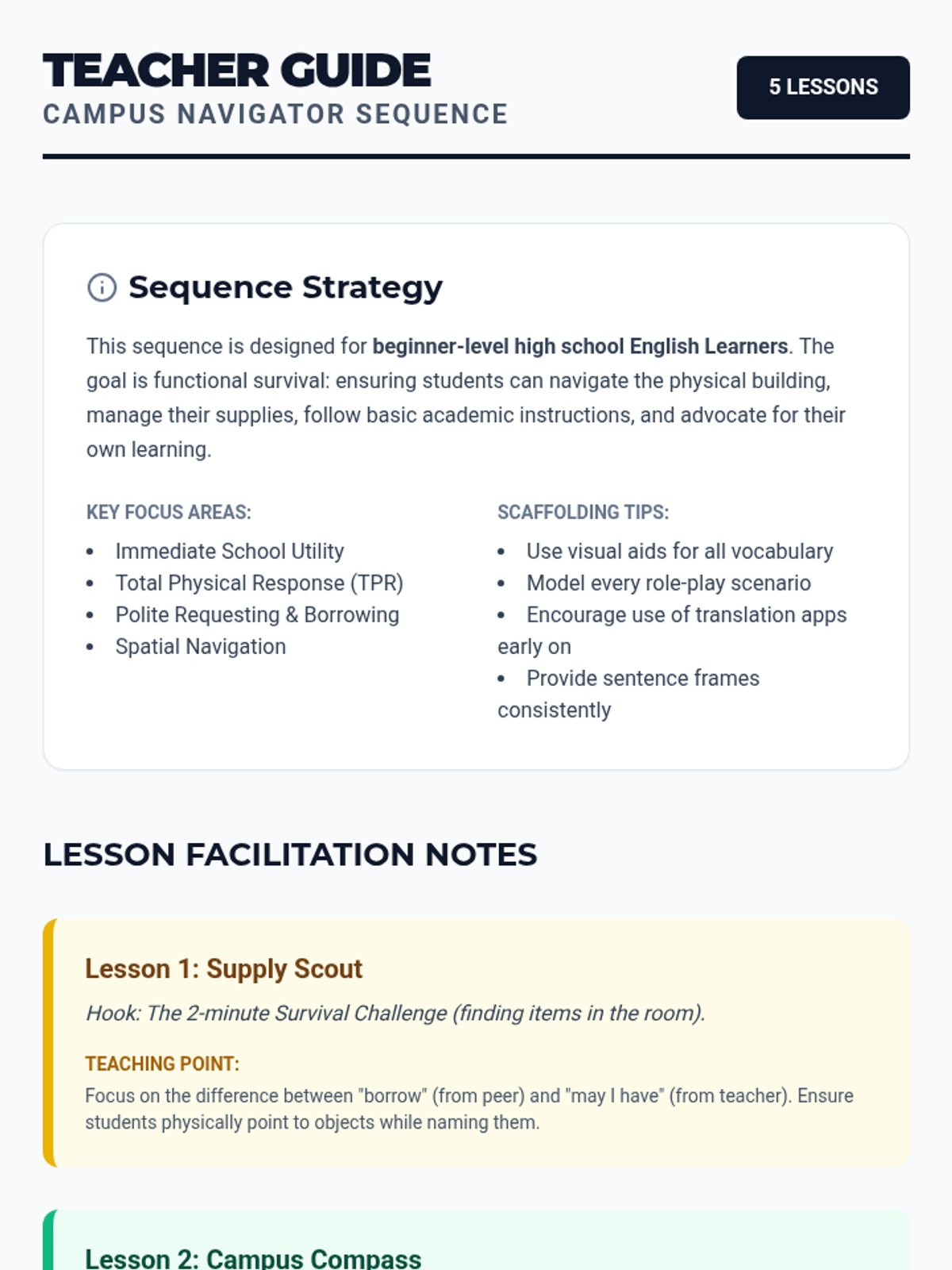
Comprehensive facilitation guides, pacing tips, and teaching strategies for the Campus Navigator sequence.
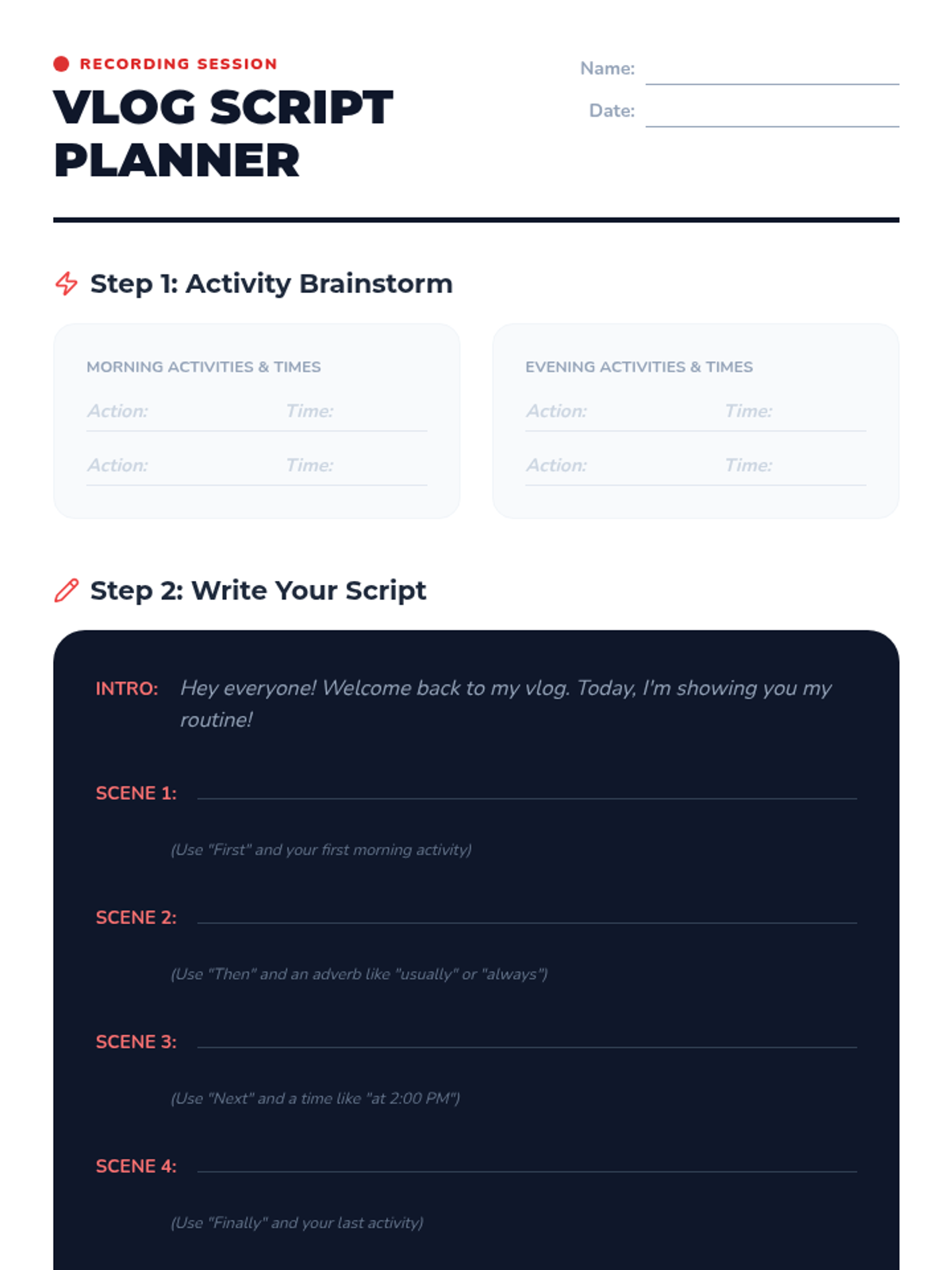
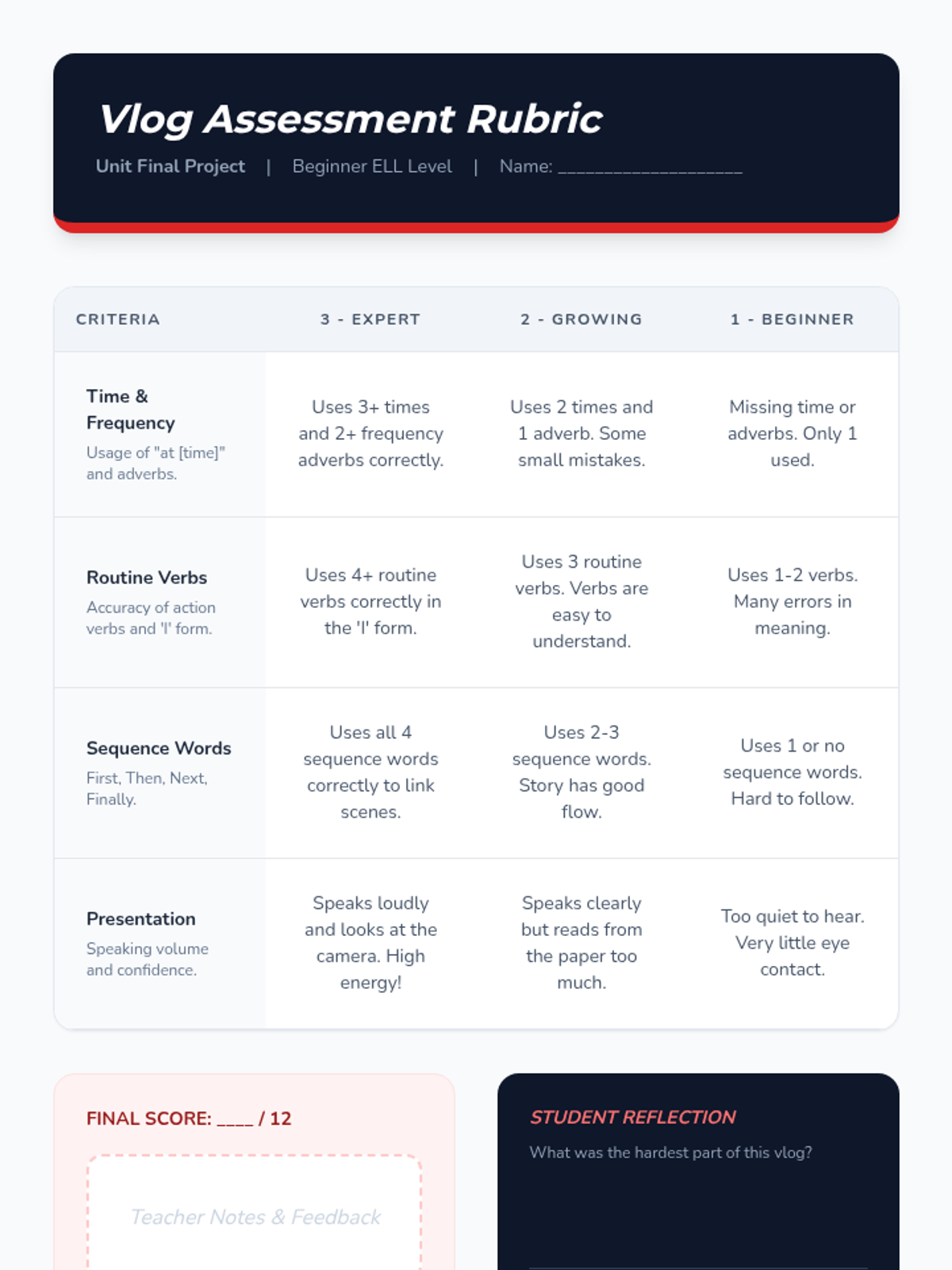
A summative project where students script and present a 'vlog' entry about their routine, integrating all skills from the unit.
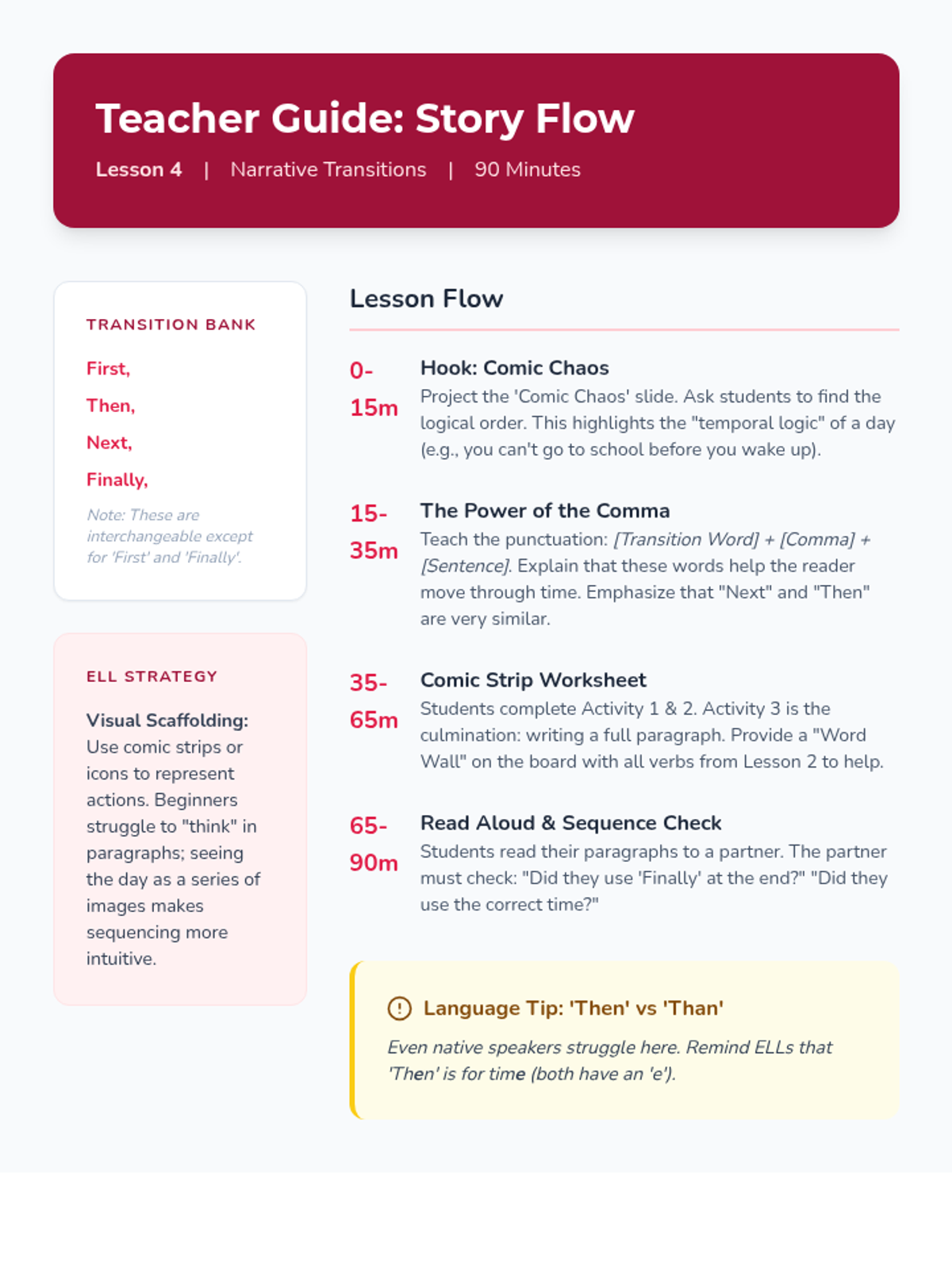
Students learn transition words to sequence events and practice creating coherent narratives from scrambled sentences or comic strips.
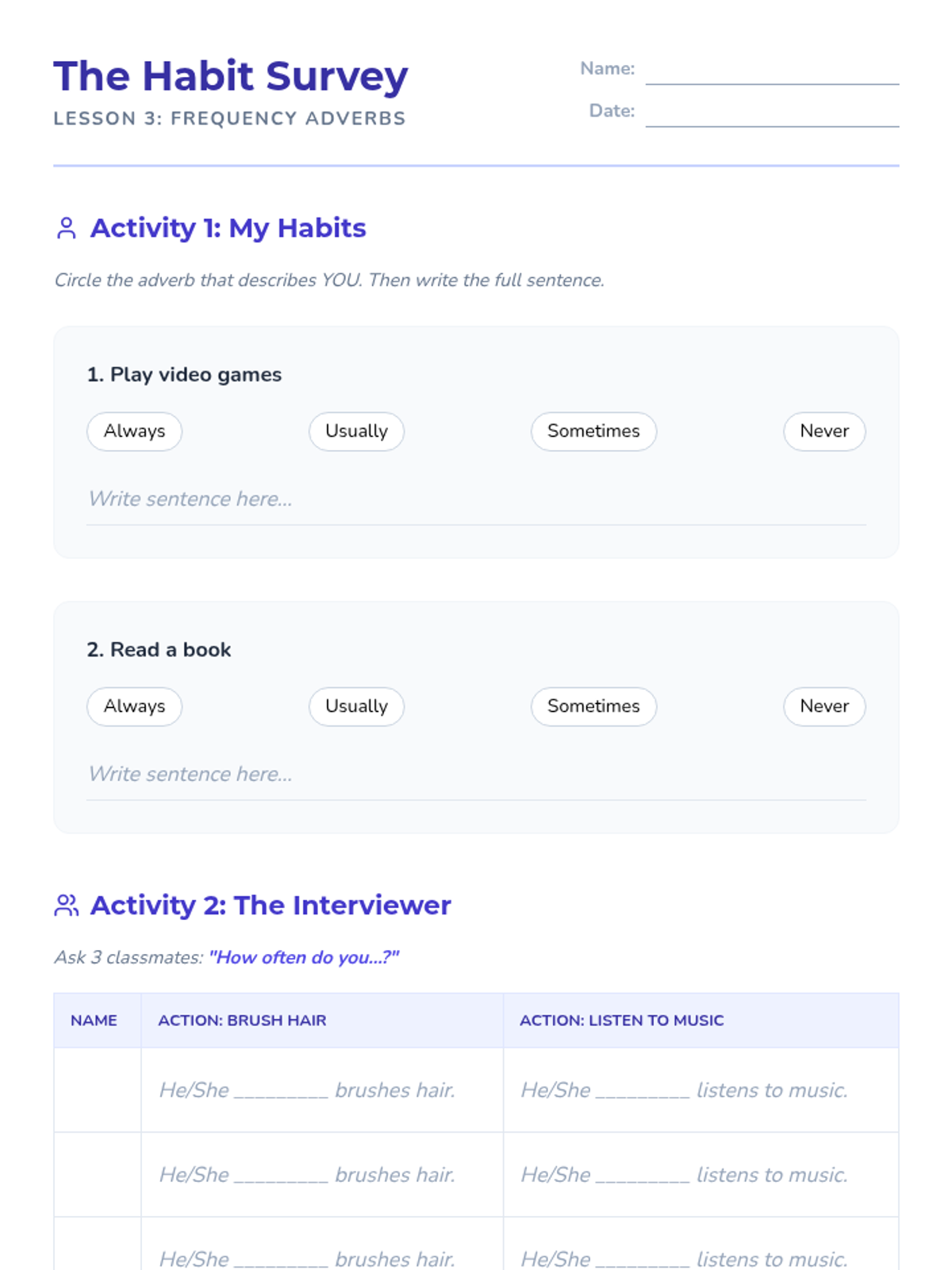
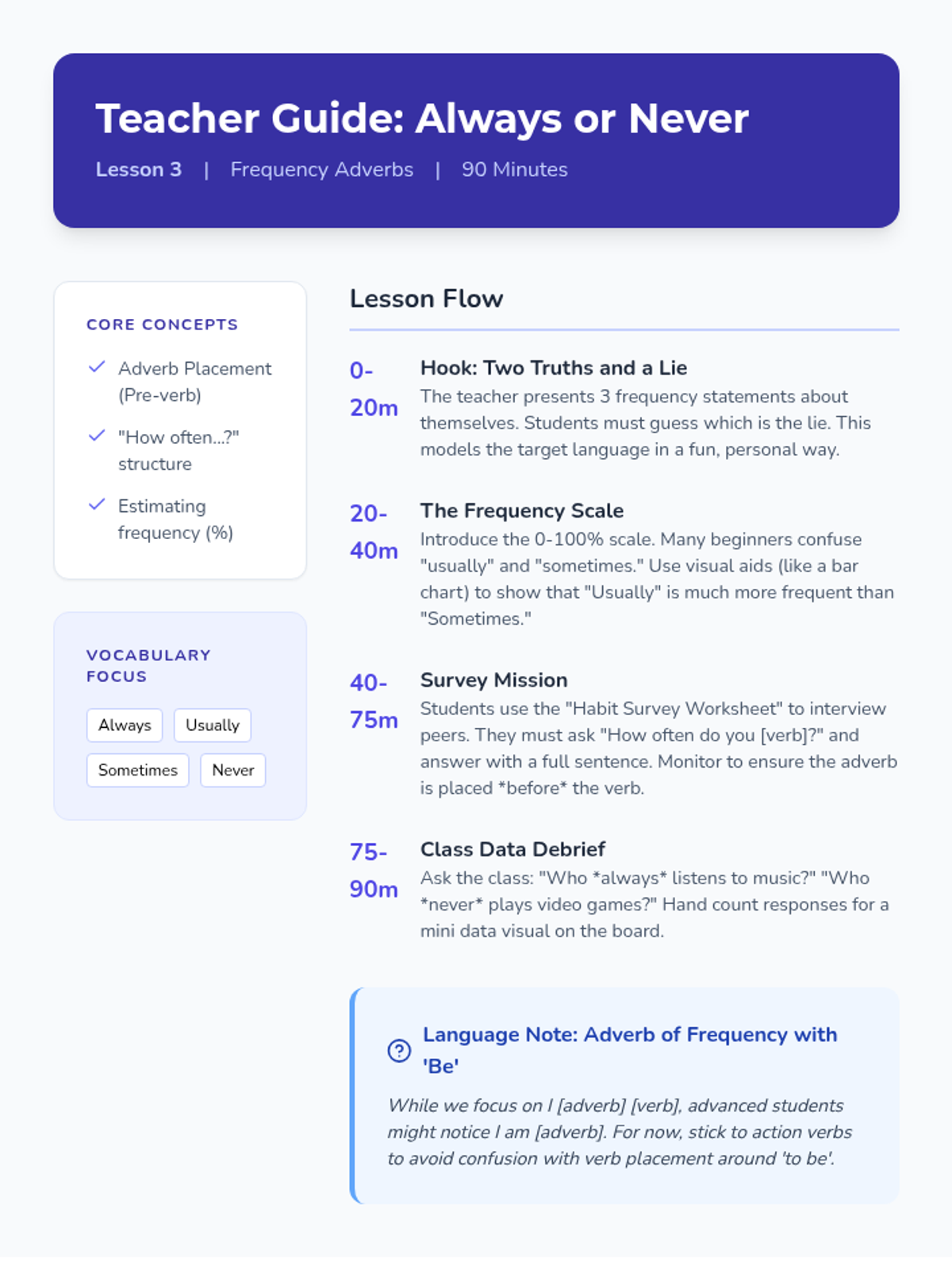
Students learn to quantify habits using frequency adverbs and conduct a class survey to practice placement and usage.
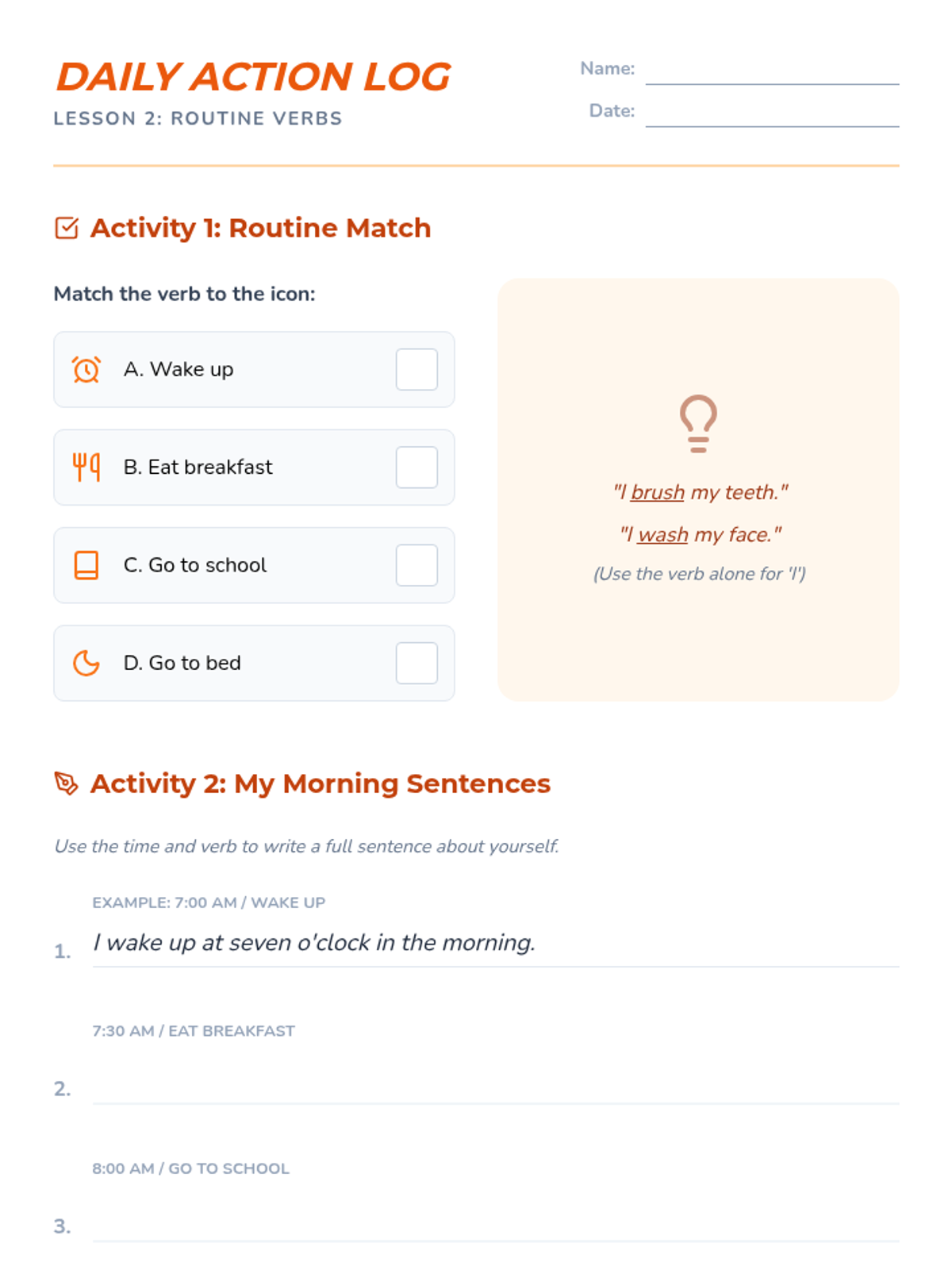
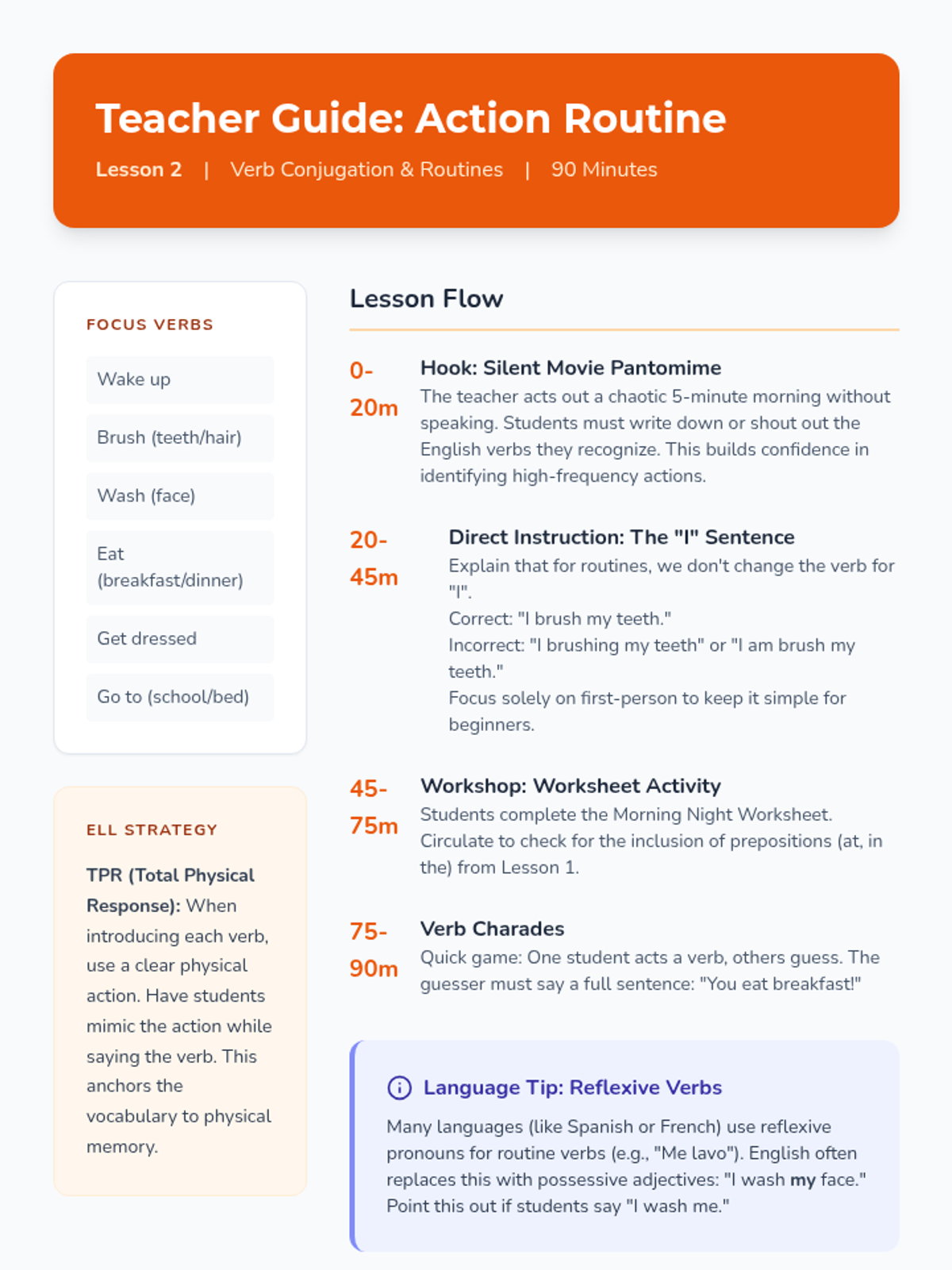
Vocabulary for hygiene and preparation routines is introduced through pantomime and high-frequency verb conjugation in the first person.
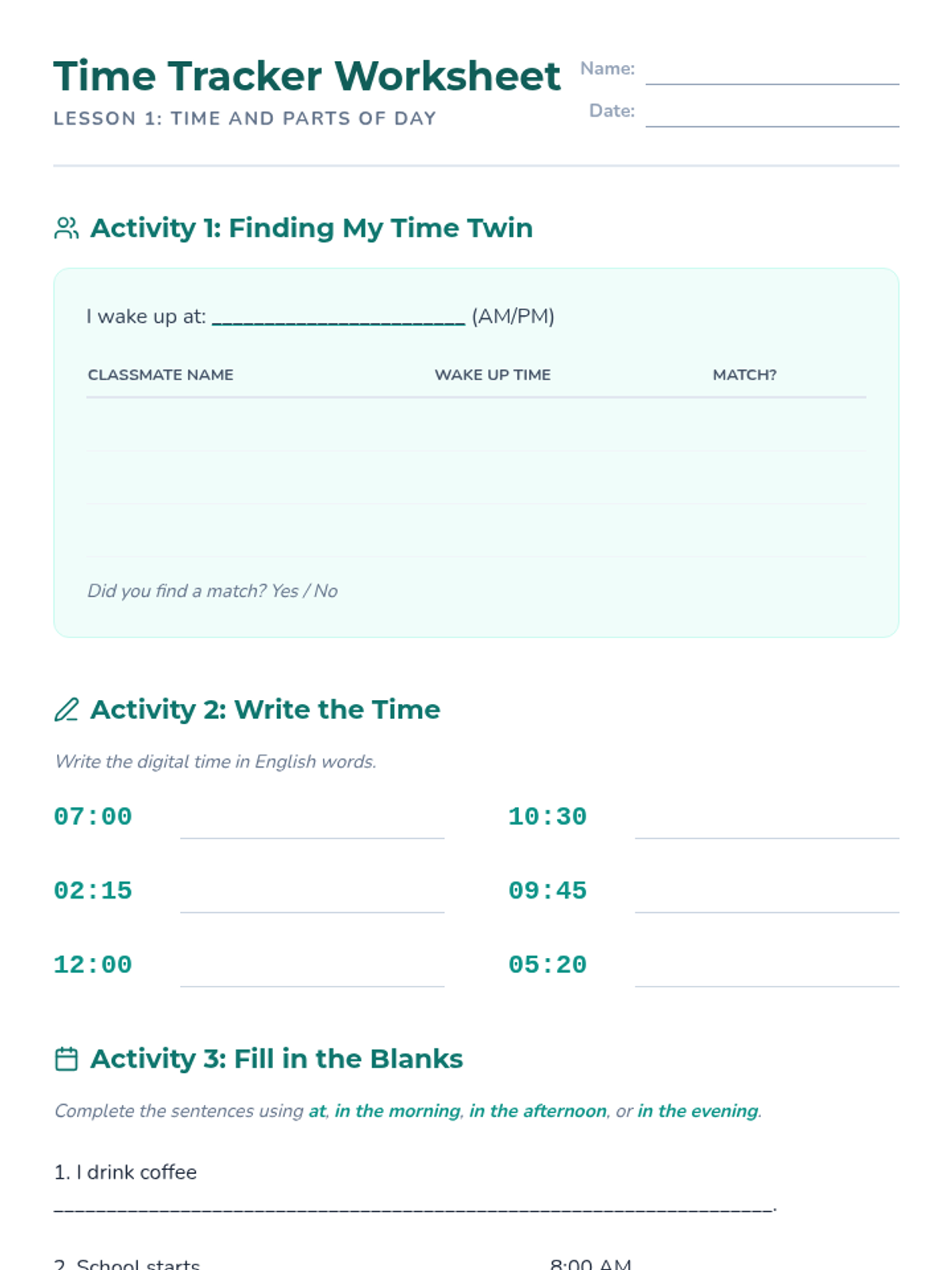
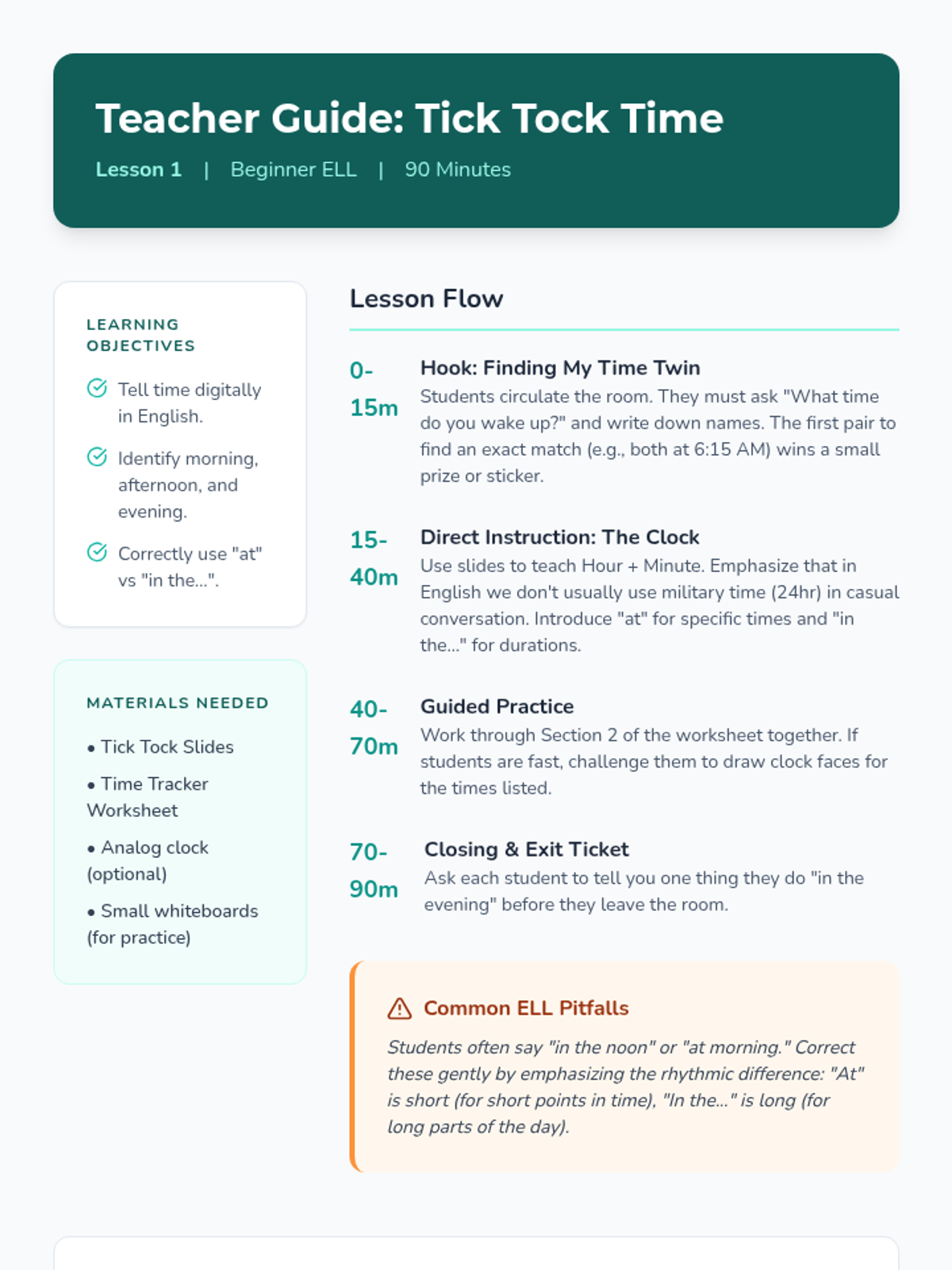
Students master telling time (analog and digital) and vocabulary for parts of the day (morning, afternoon, evening), establishing the temporal framework for daily narratives.
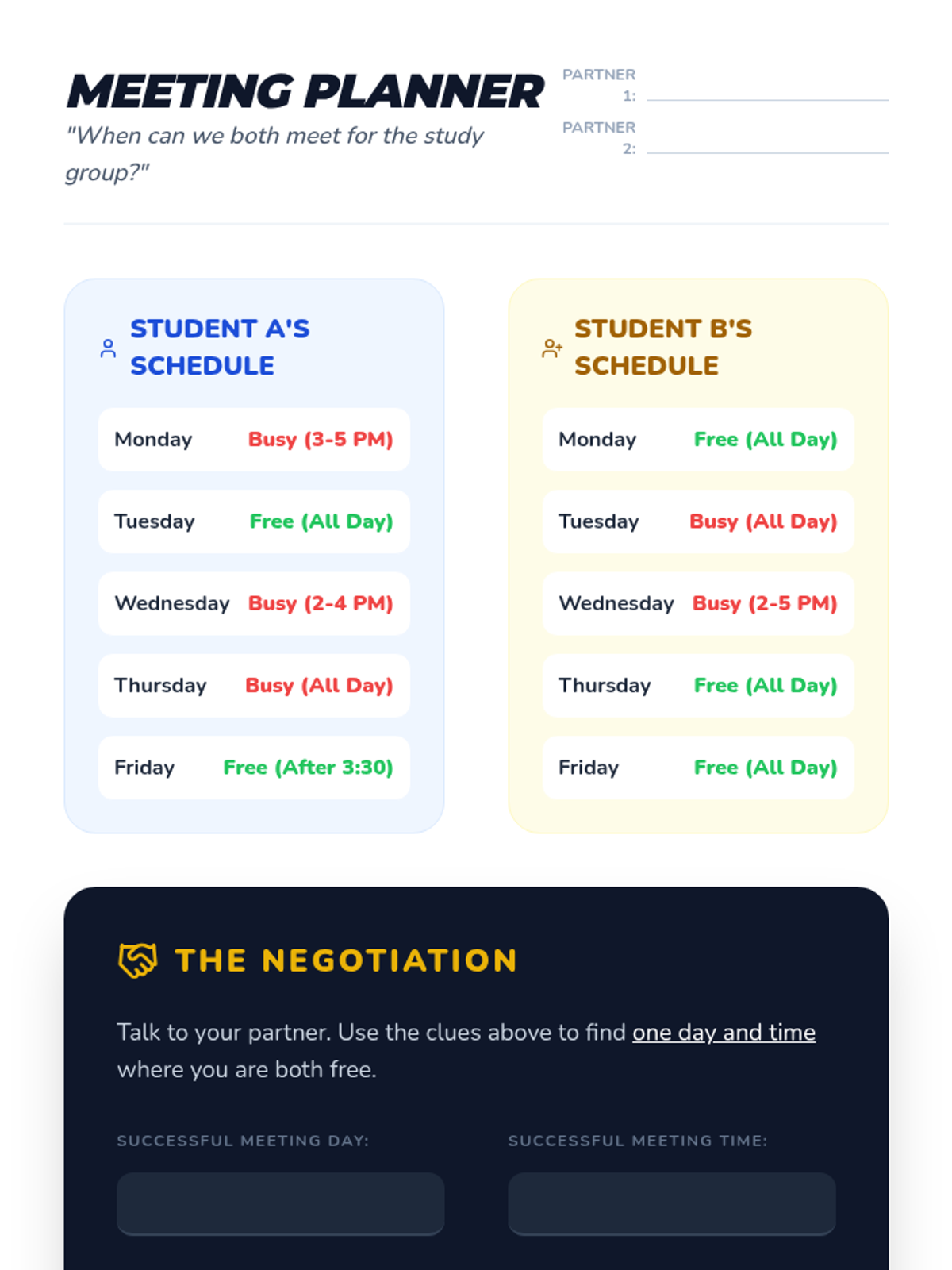
Integration of all sequence concepts as students negotiate shared free time across complex weekly calendars.
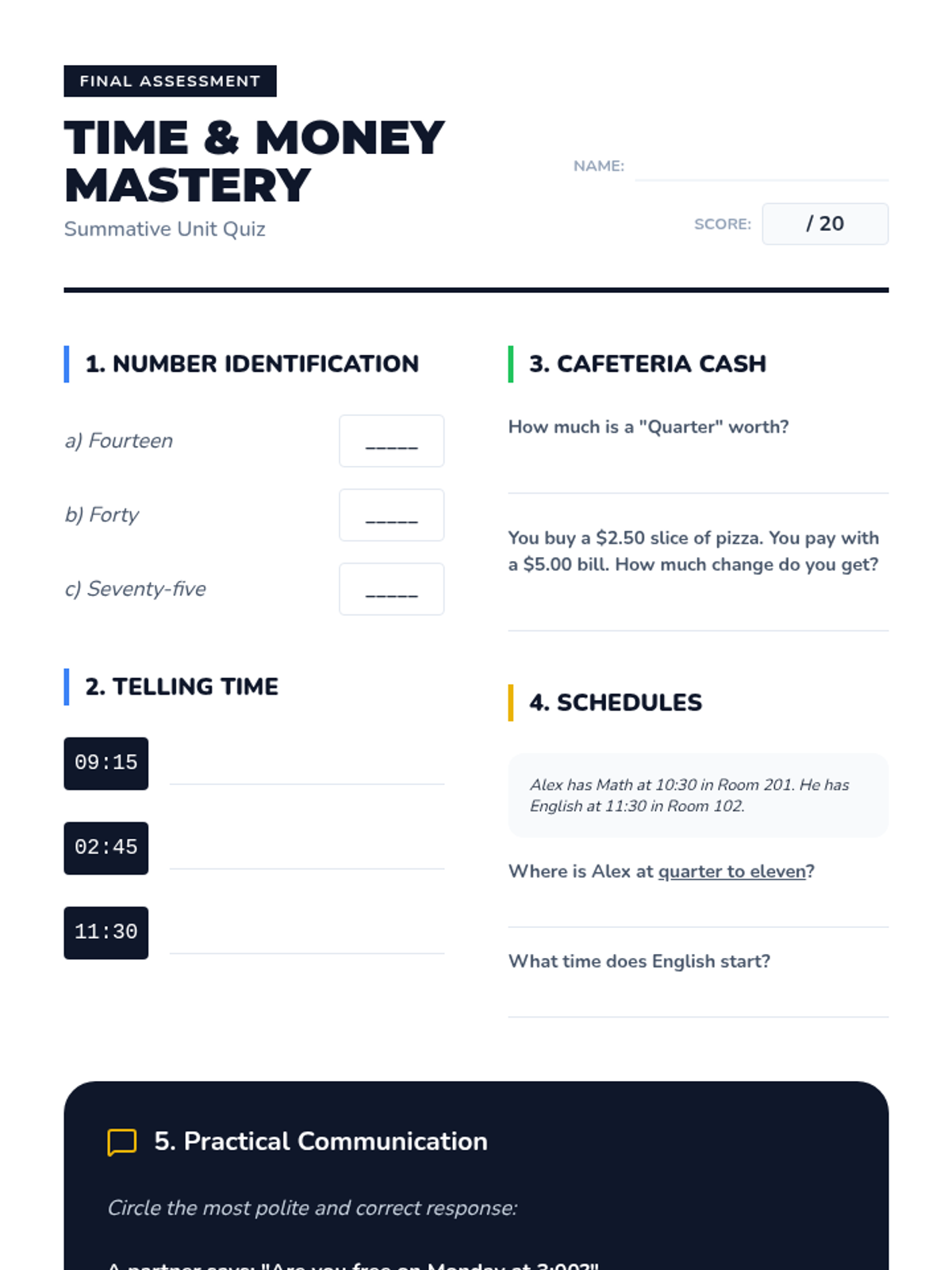
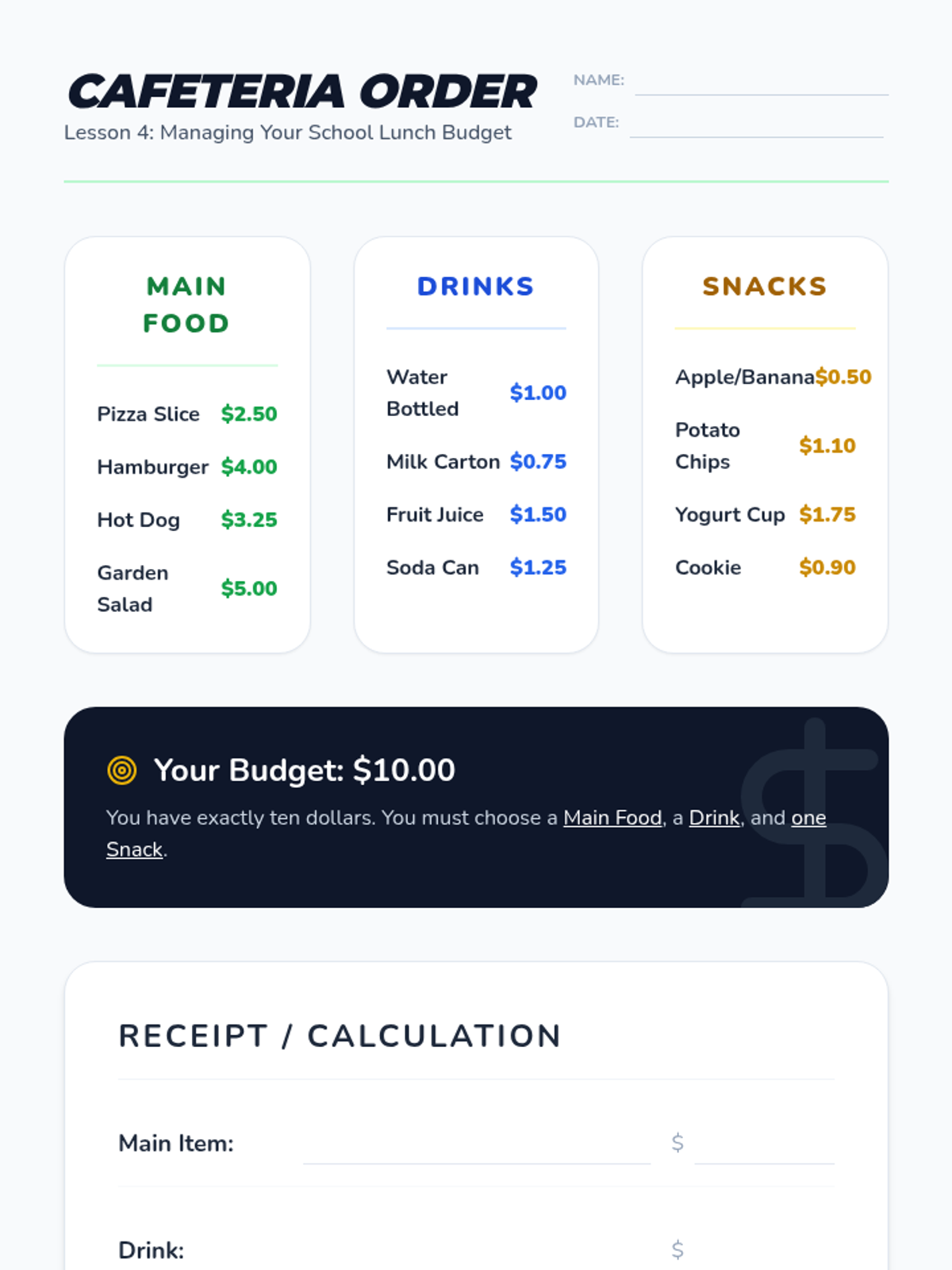
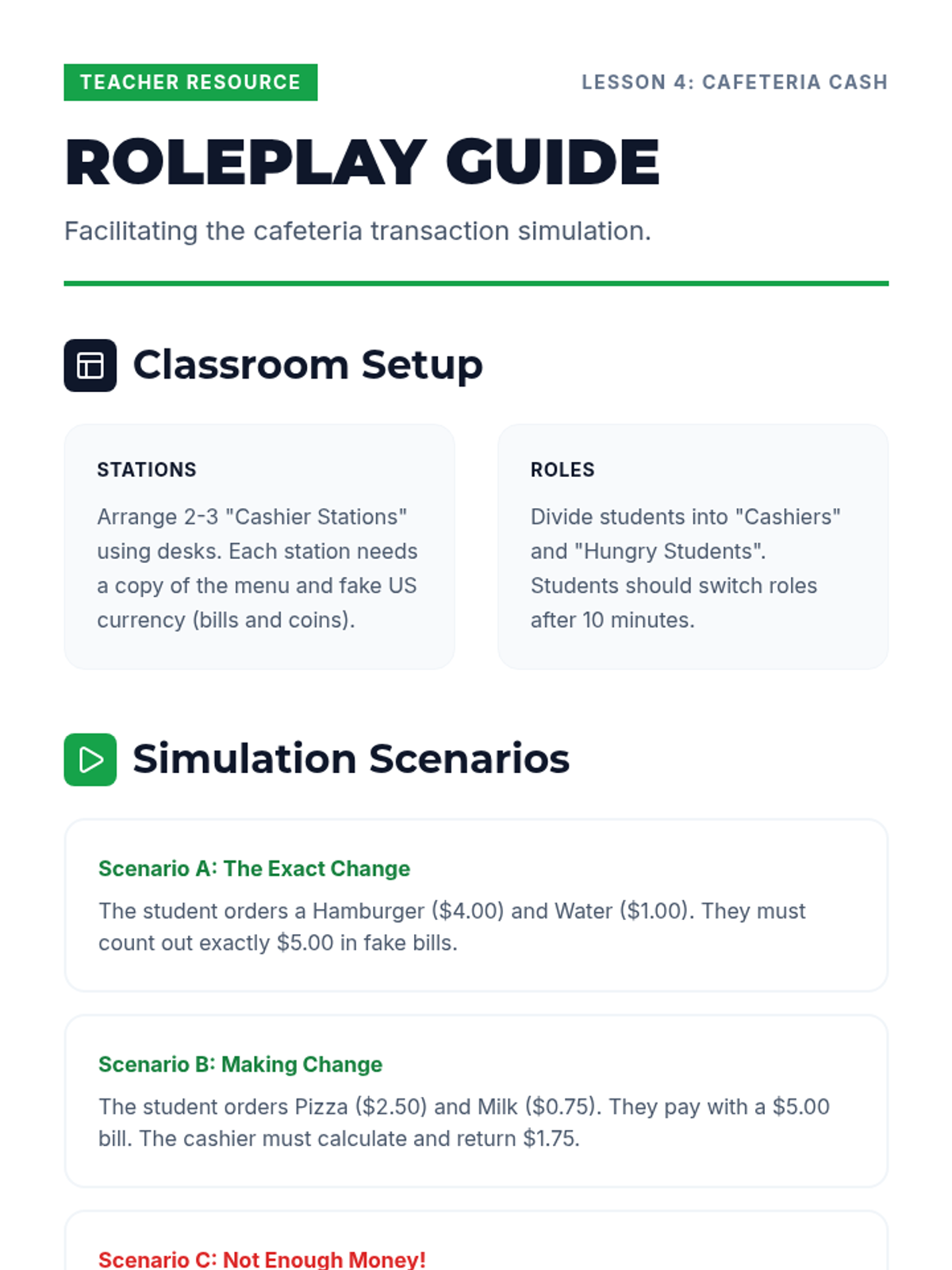
A simulation-based lesson on US currency, prices, and making change in a high-pressure school cafeteria environment.
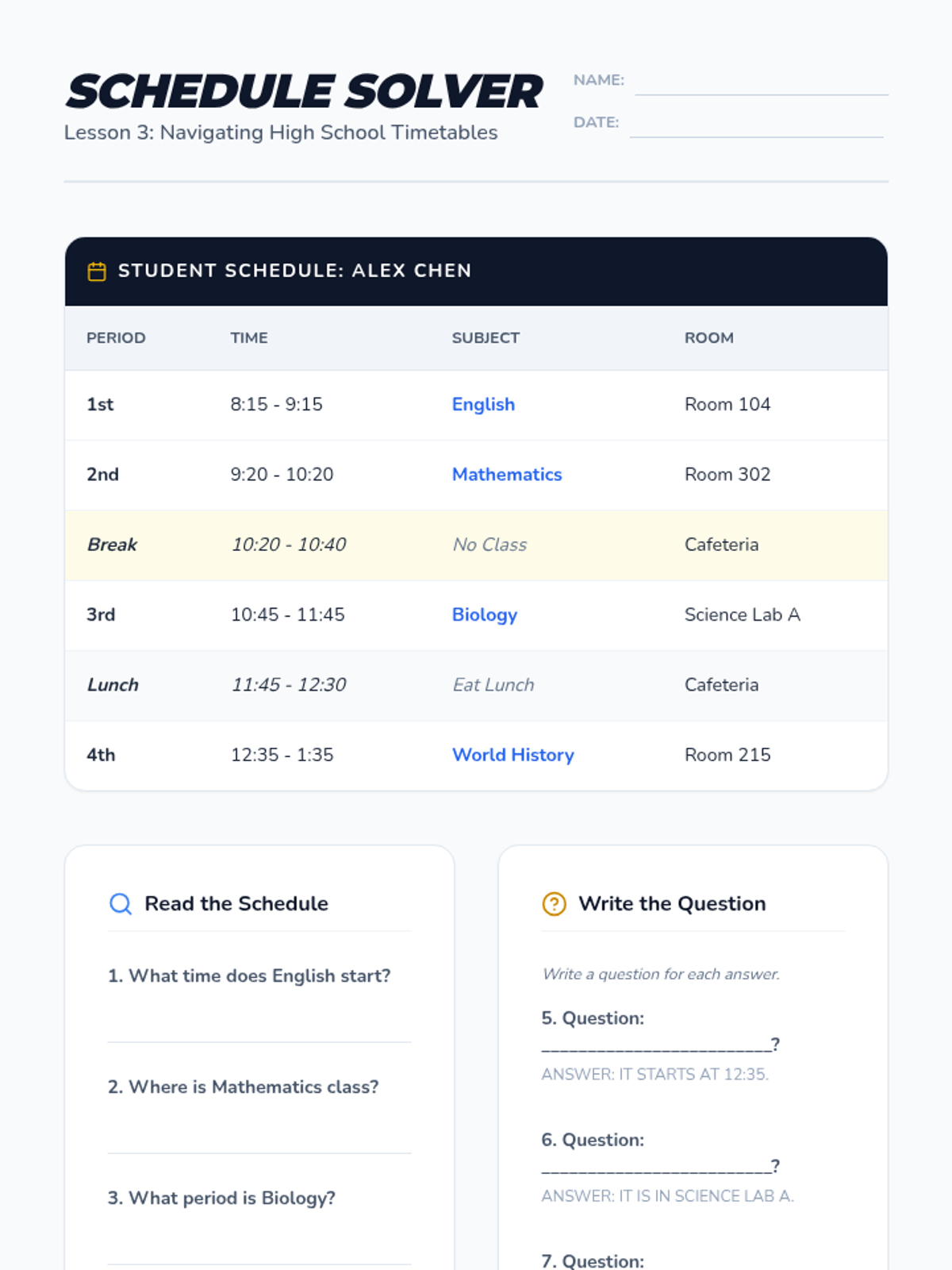
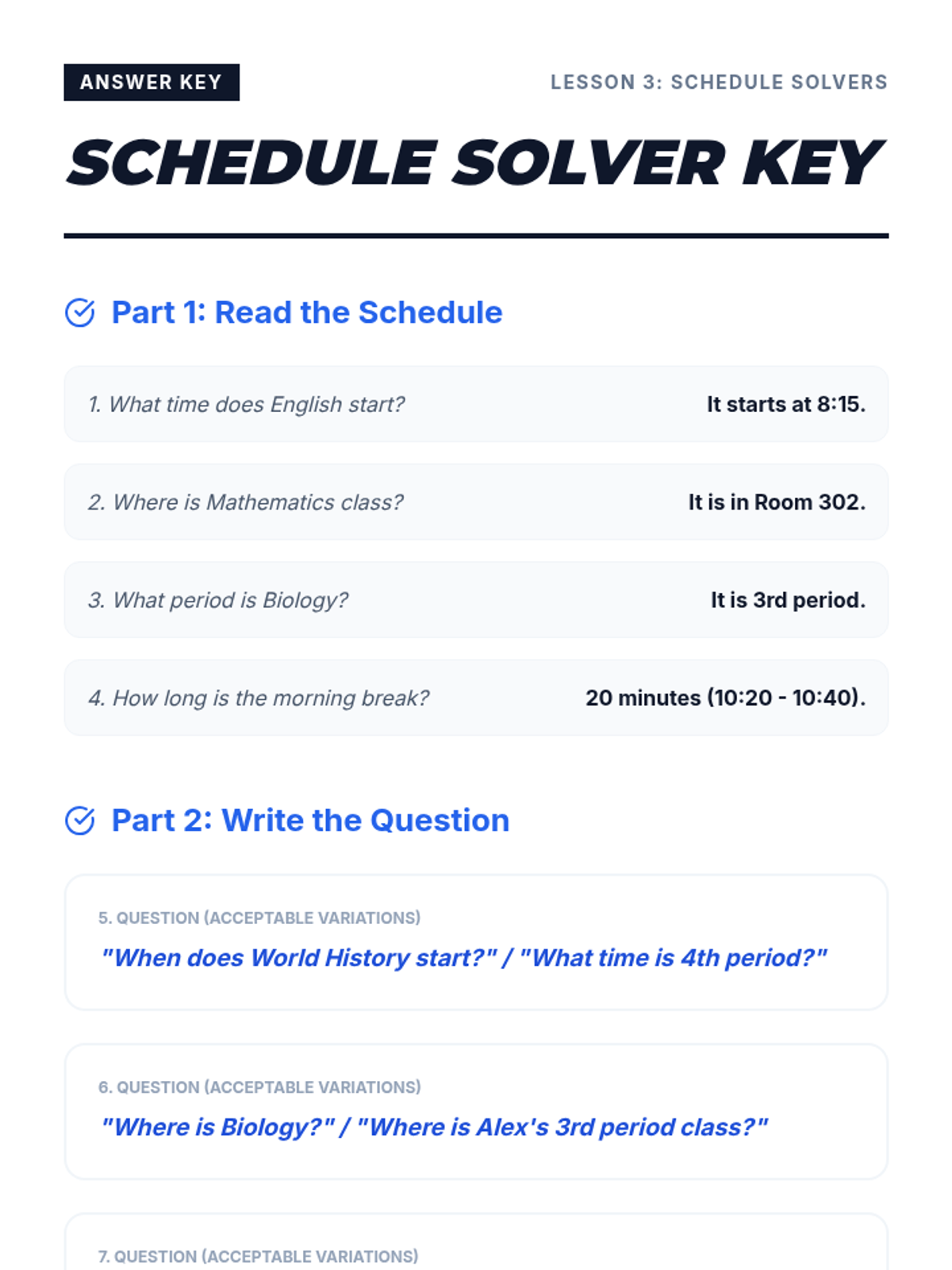
Students practice reading complex high school schedules and using interrogative forms to find their way around campus.
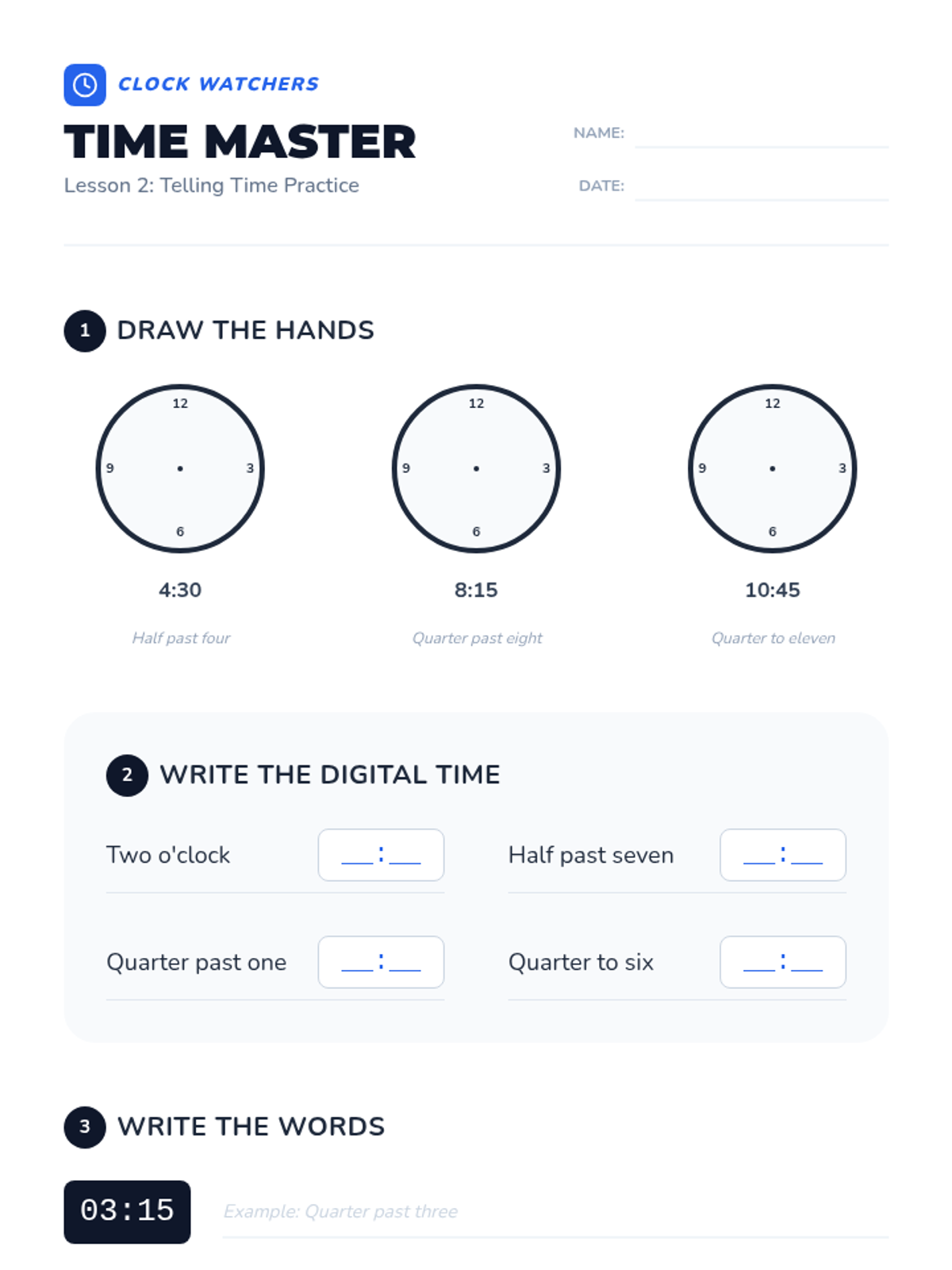
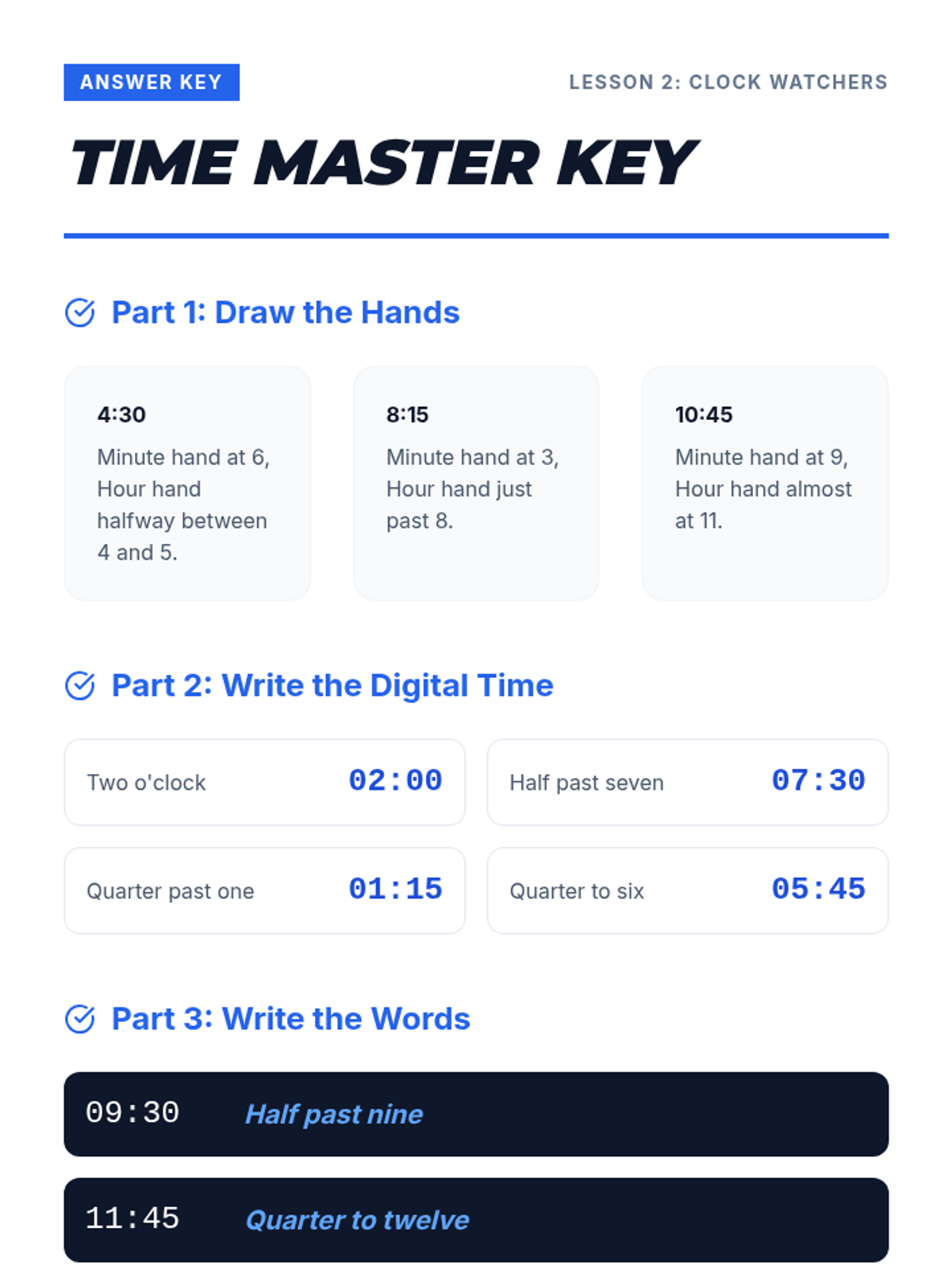
Teaching students to read analog and digital clocks using 'past', 'to', and 'quarter' terminology within a school day context.
Learners identify and pronounce complex consonant clusters found in high-school level social vocabulary (e.g., 'schedule', 'phone', 'friend'). Includes guided practice and enunciation work.
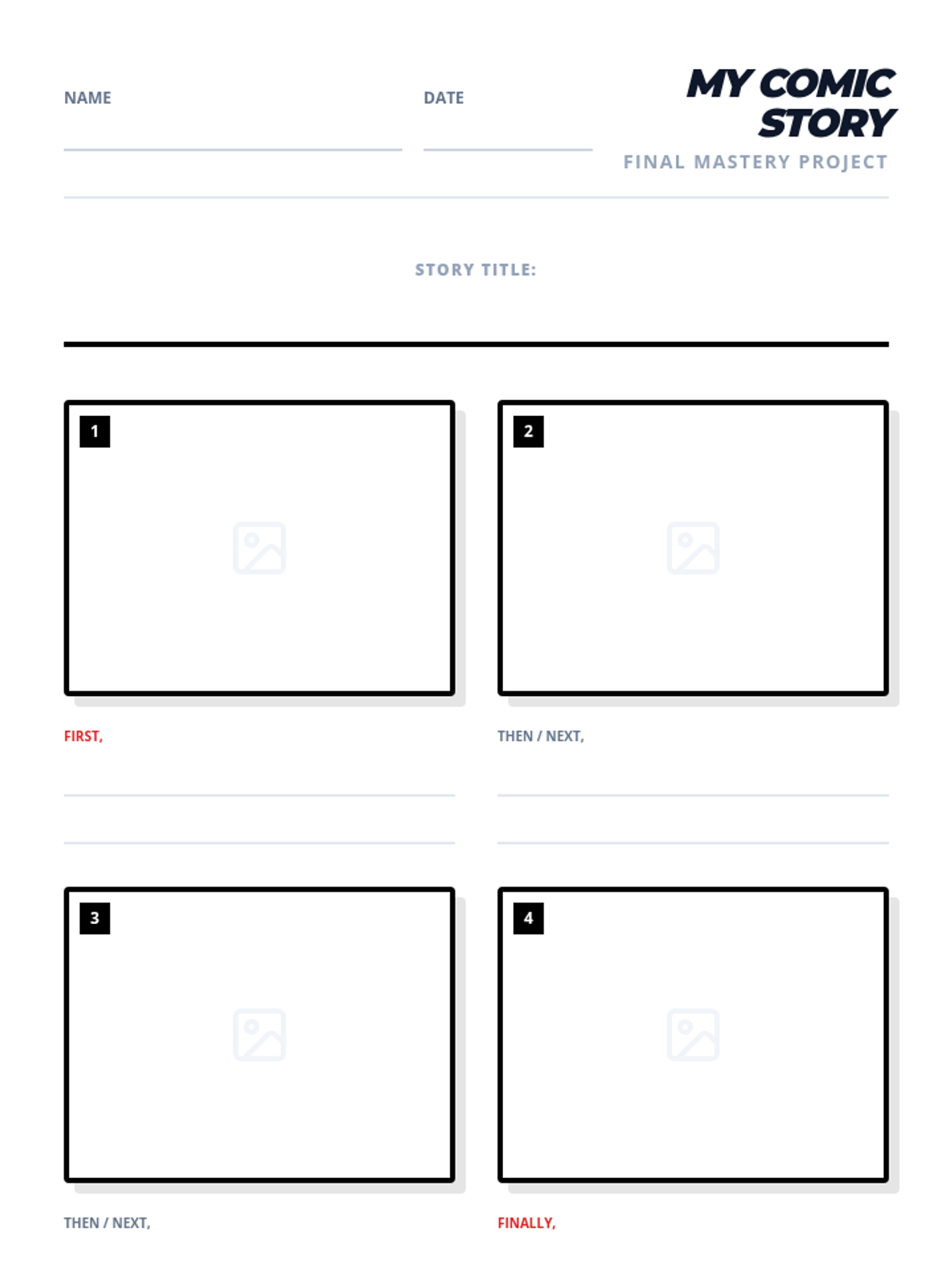
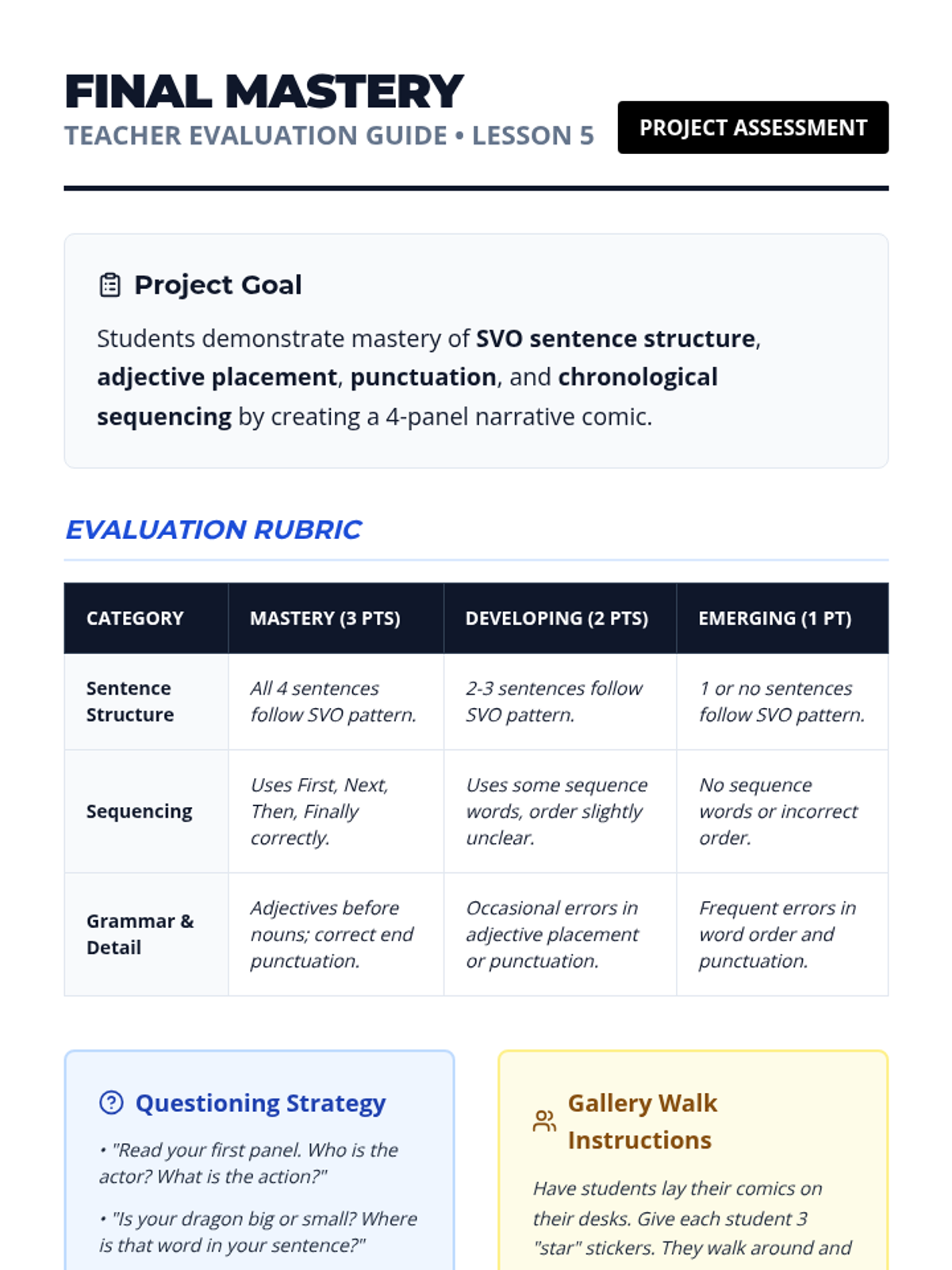
In this culminating project, students synthesize their learning by creating a 4-panel comic strip that uses correct sentence structure, dialogue, and sequencing.
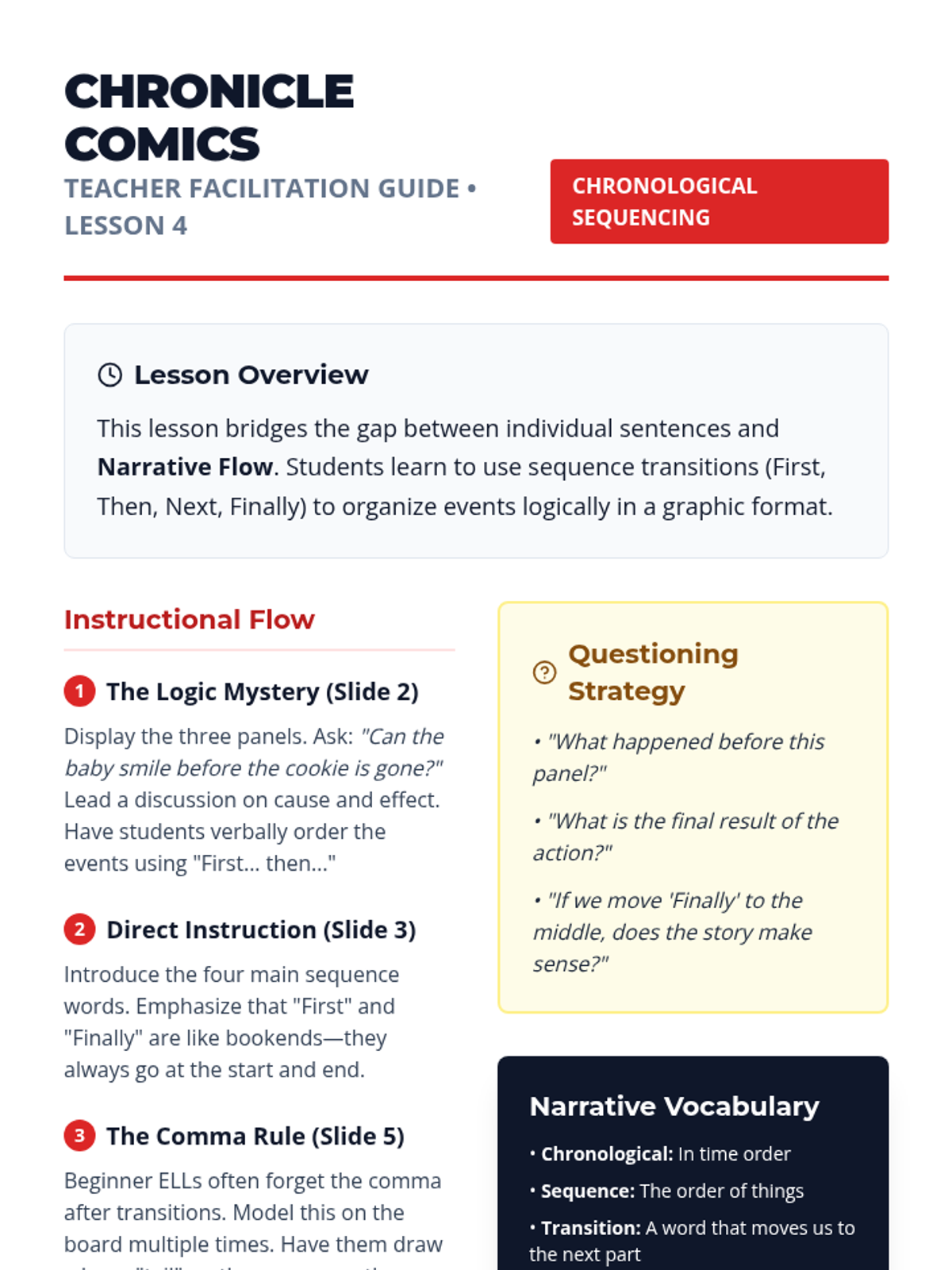
Using jumbled comic panels, students practice chronological sequencing words like 'first', 'then', and 'finally' to build logical narrative structures.
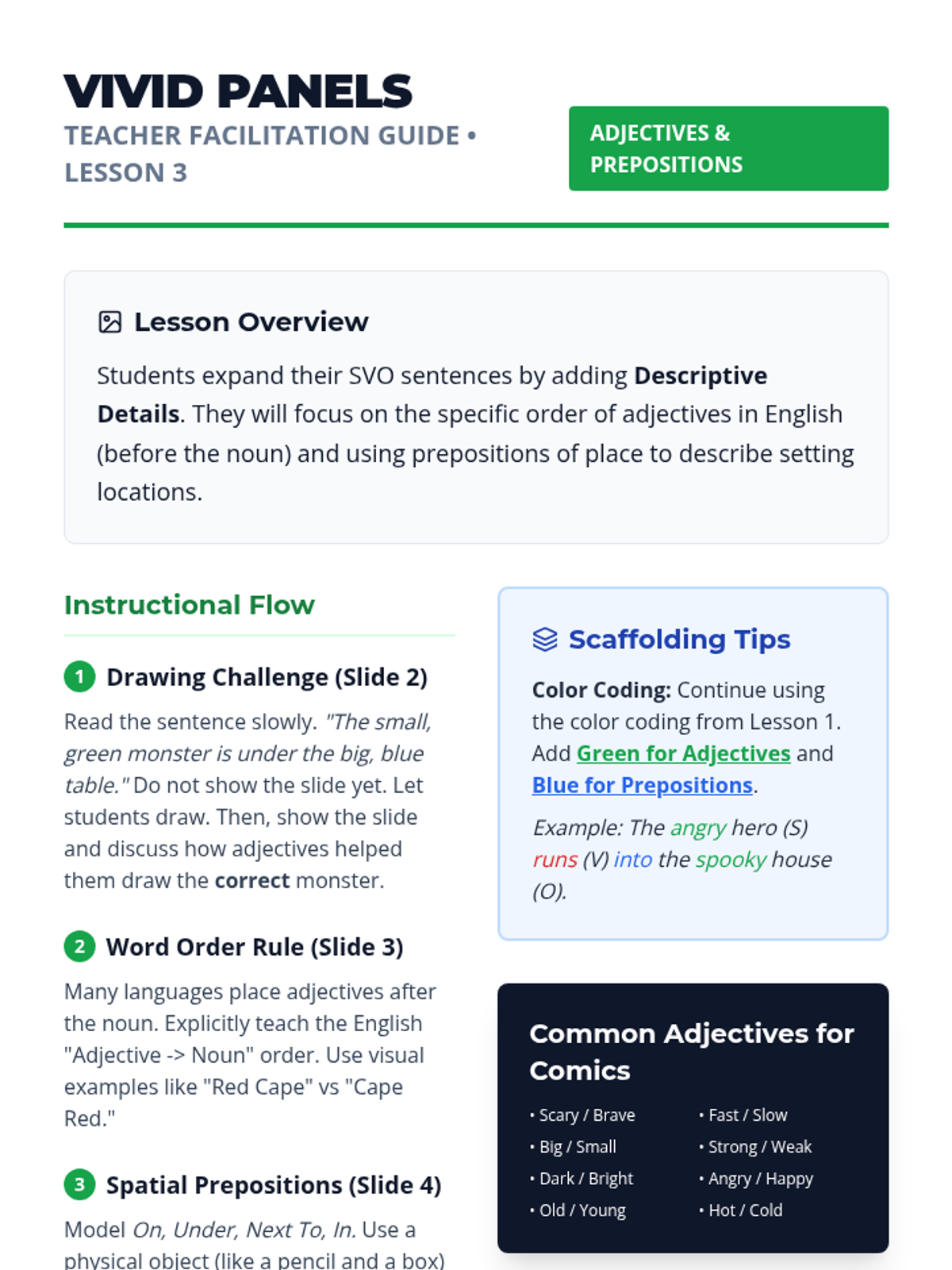
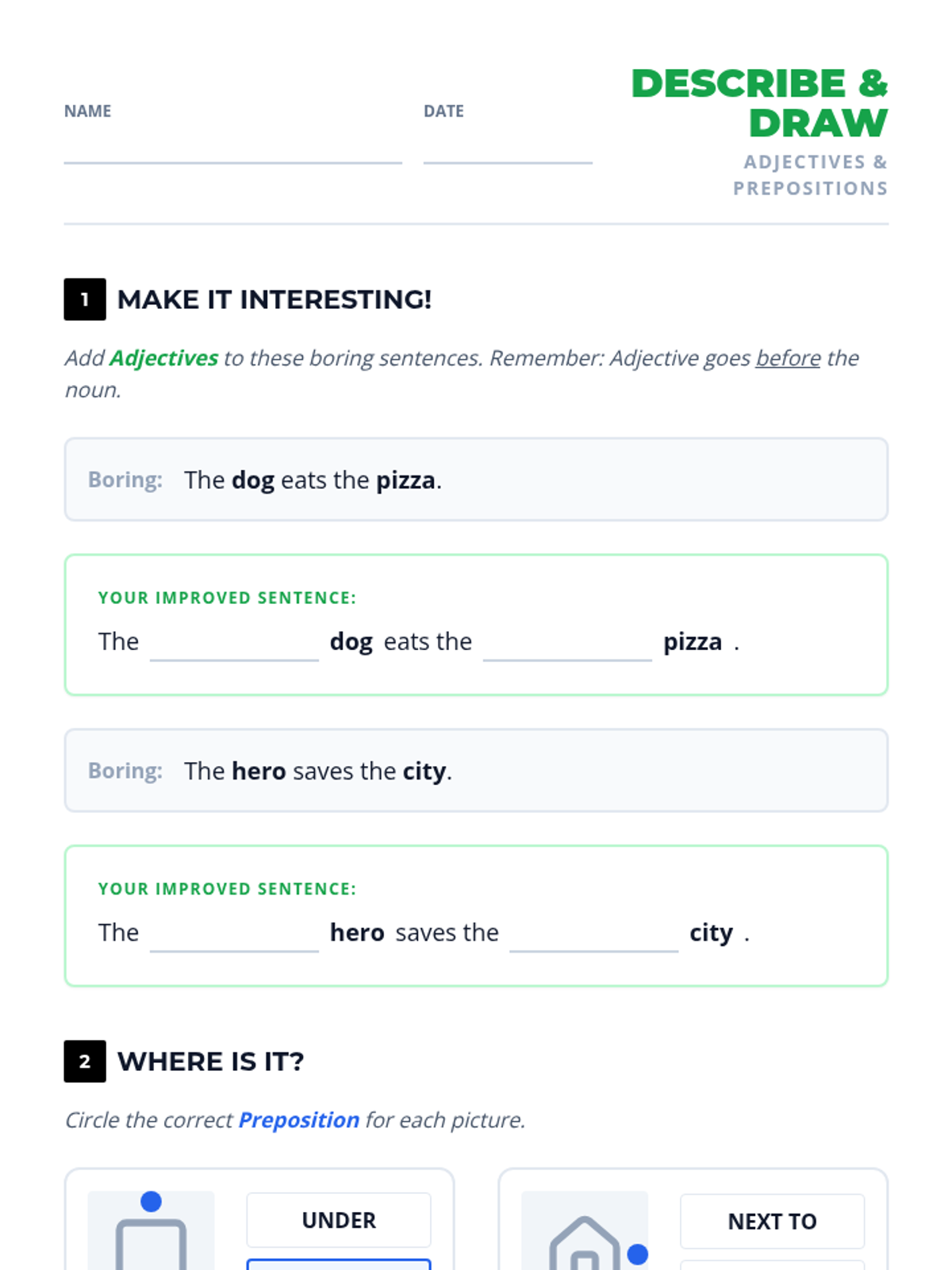
Students use adjectives and prepositions to describe graphic settings and characters, learning the correct placement of descriptive words in English sentences.
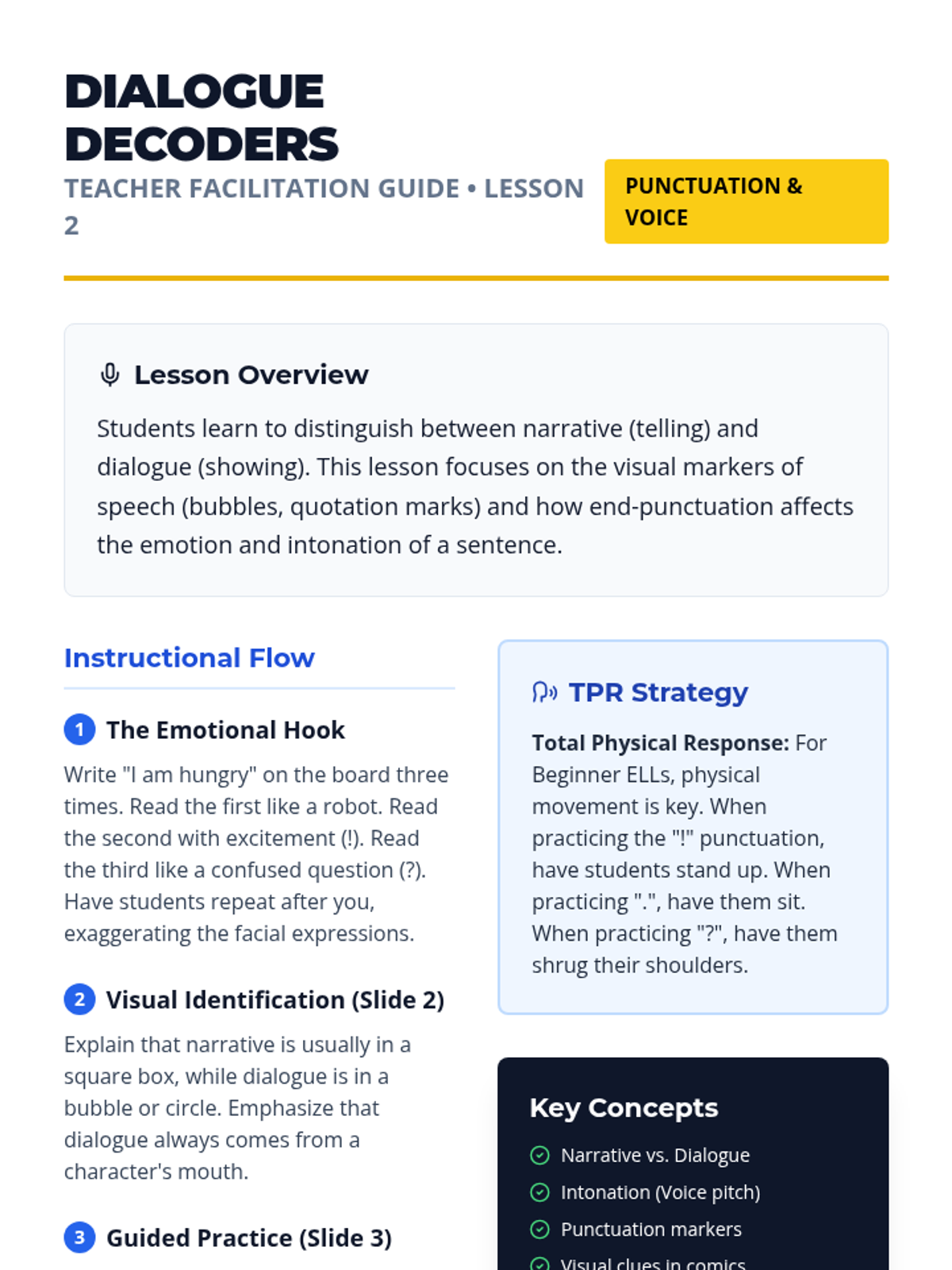
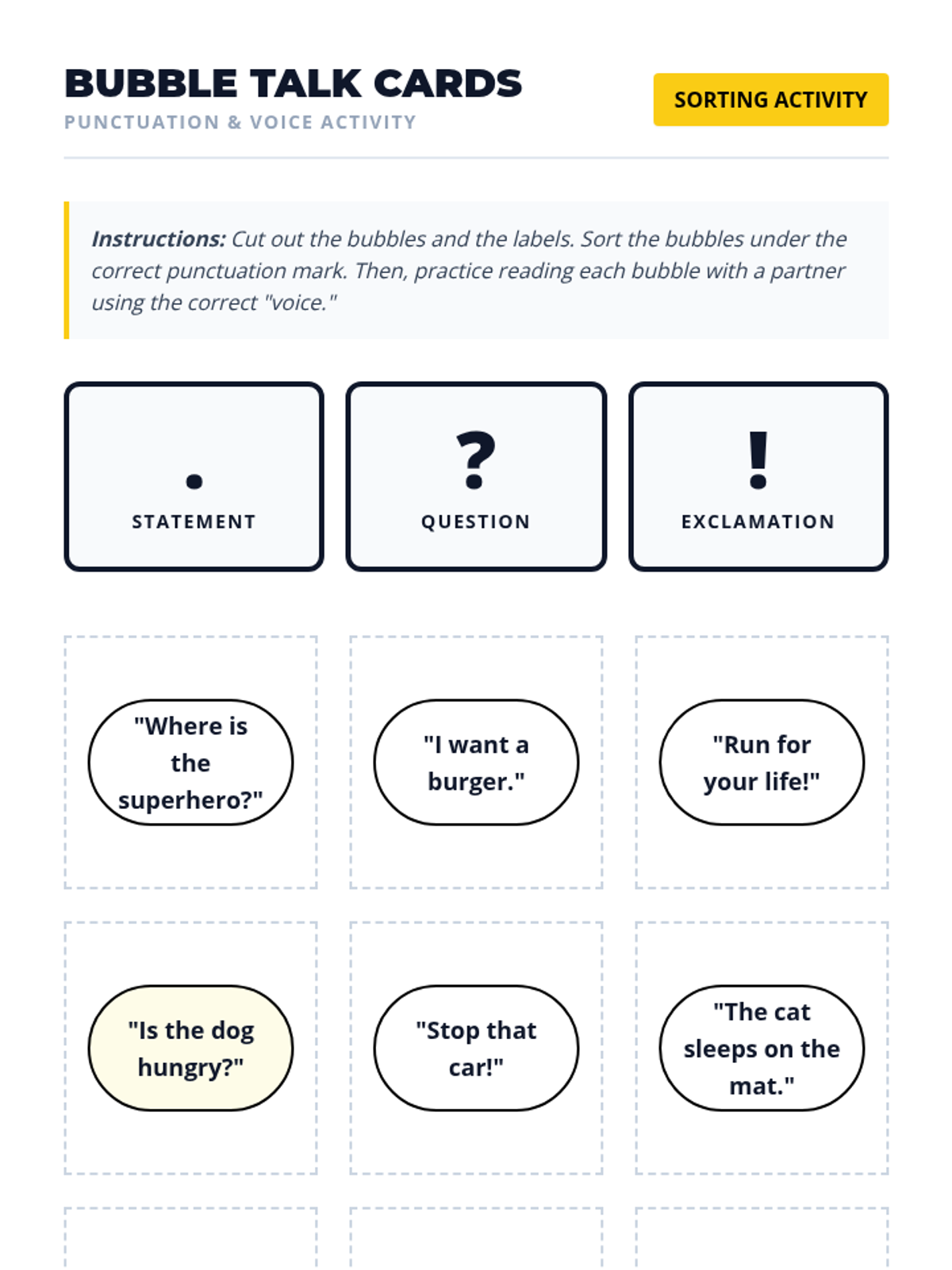
Learners distinguish between narrative text and dialogue, focusing on how punctuation marks in speech bubbles indicate intonation and sentence intent.
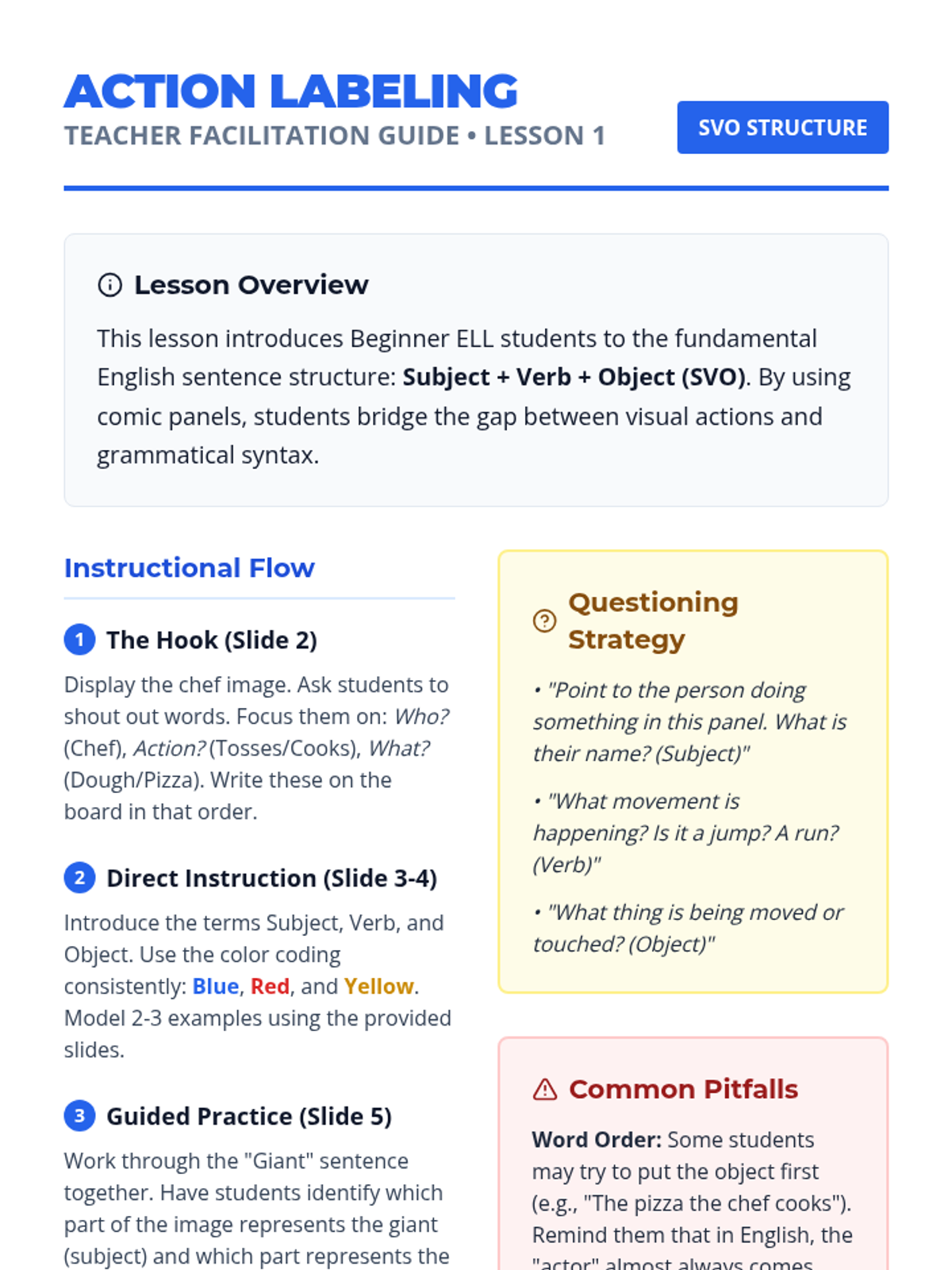
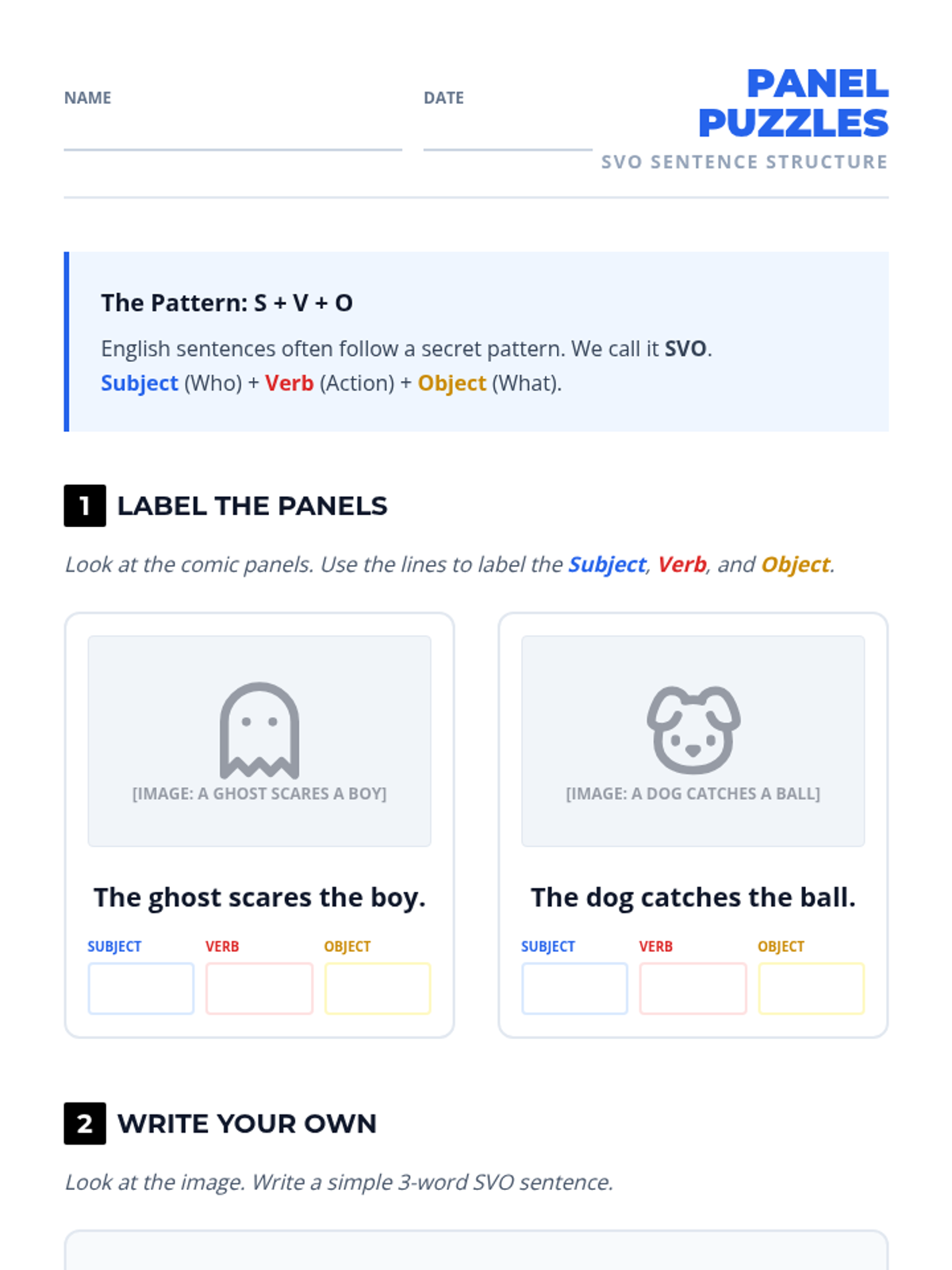
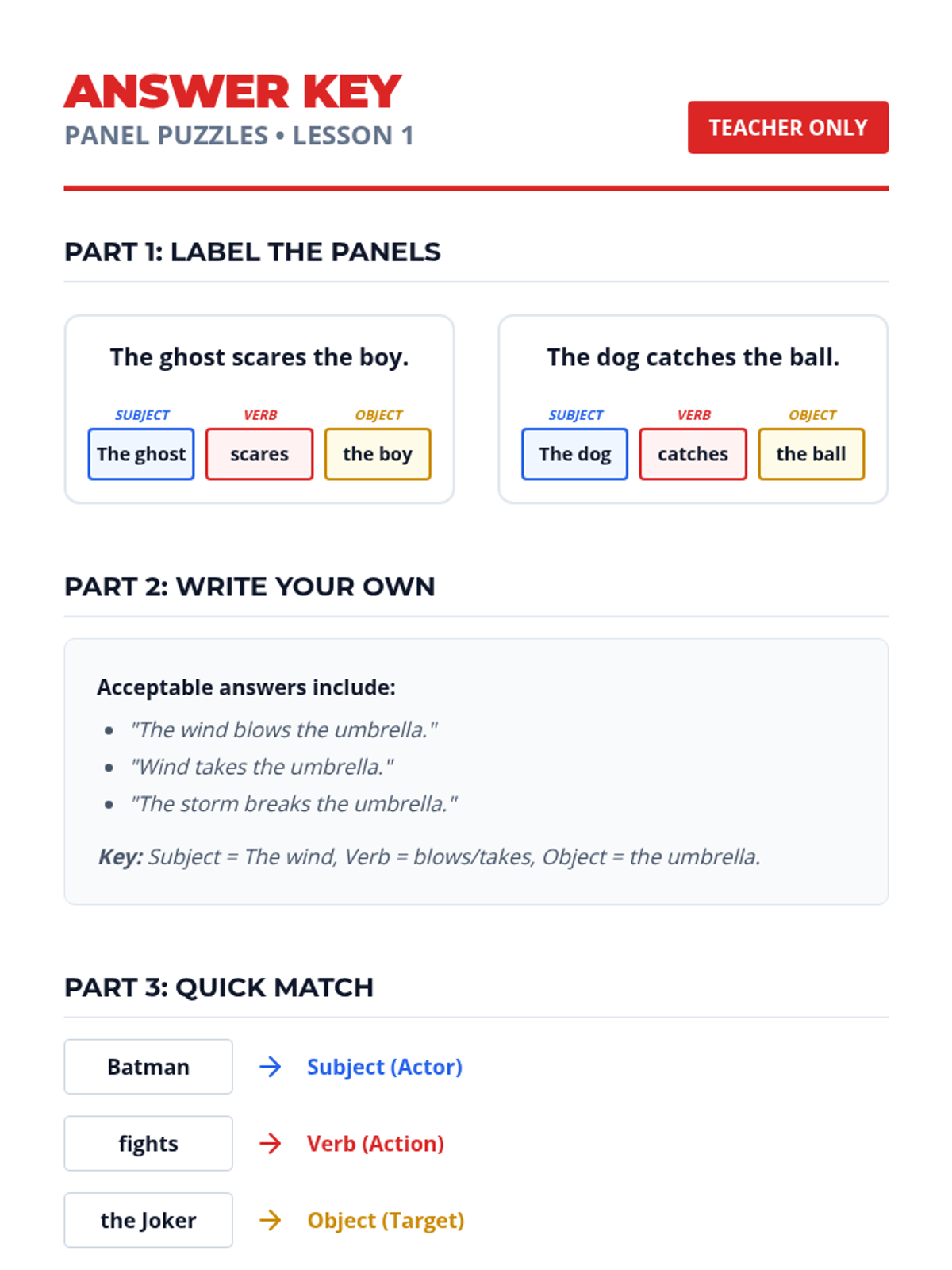
Students identify Subject-Verb-Object (SVO) patterns using comic panels as visual anchors, reinforcing core English syntax through labeling and matching activities.
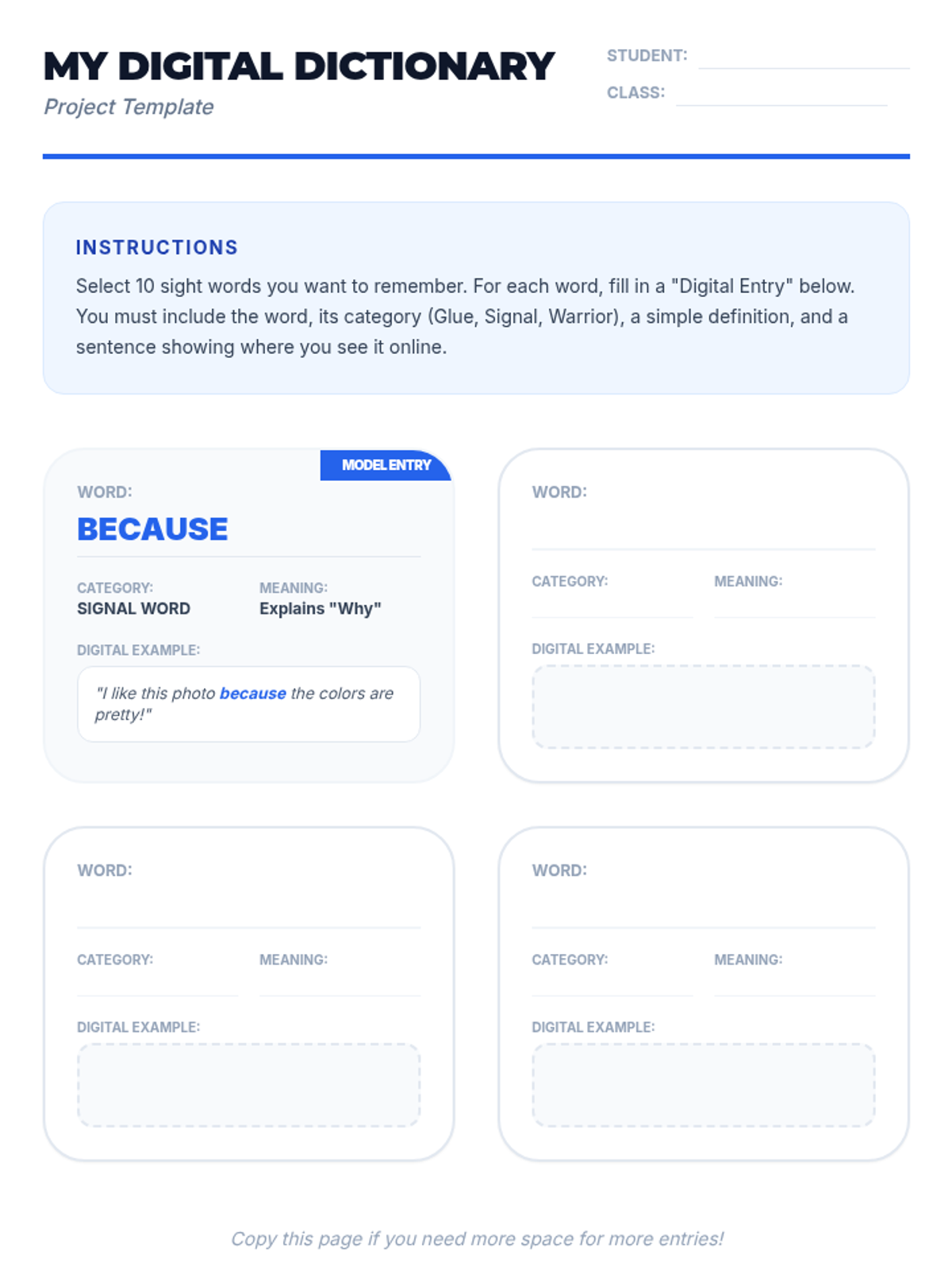
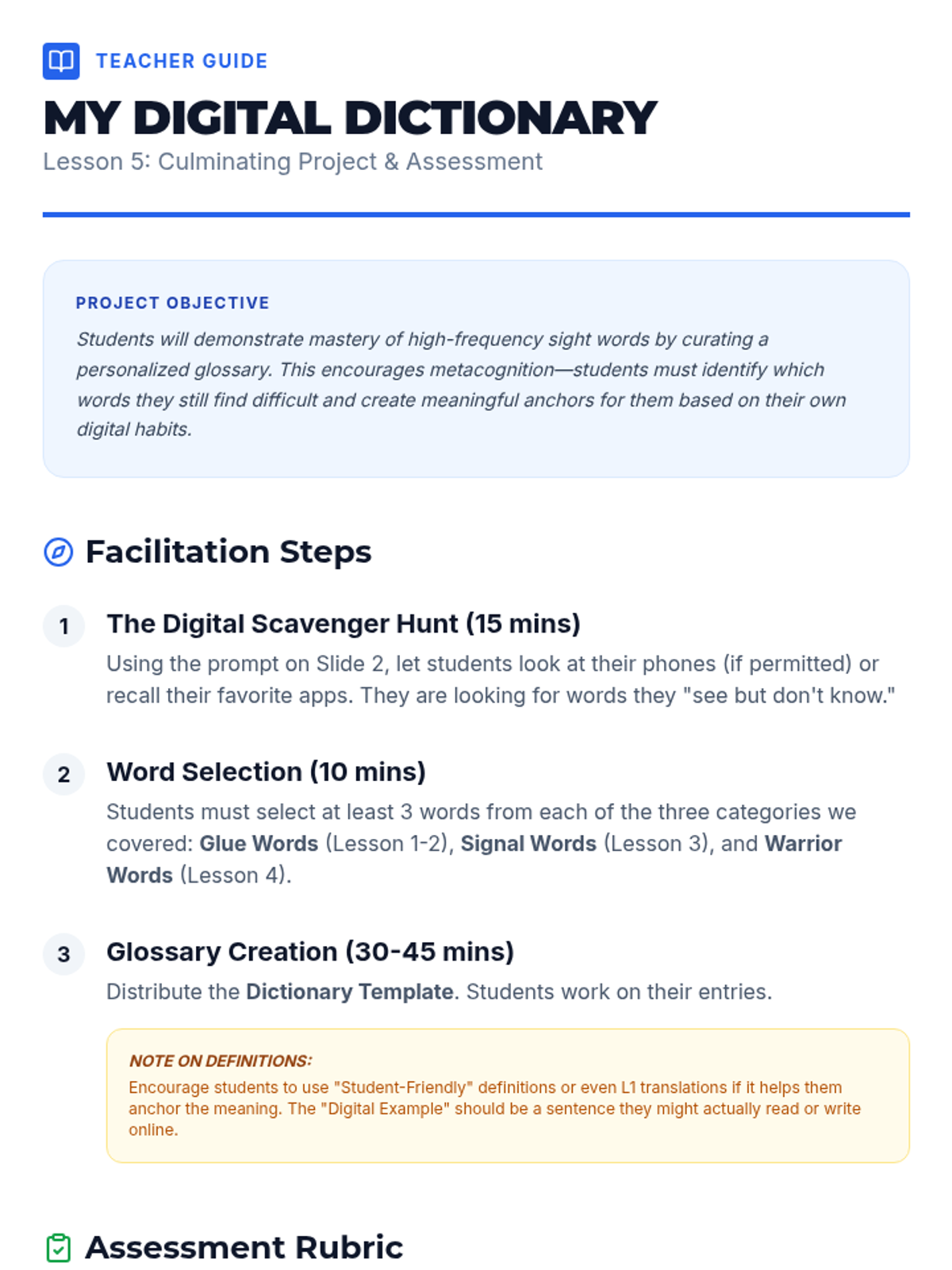
Students create a personalized digital glossary of sight words they encounter most in their personal digital lives.
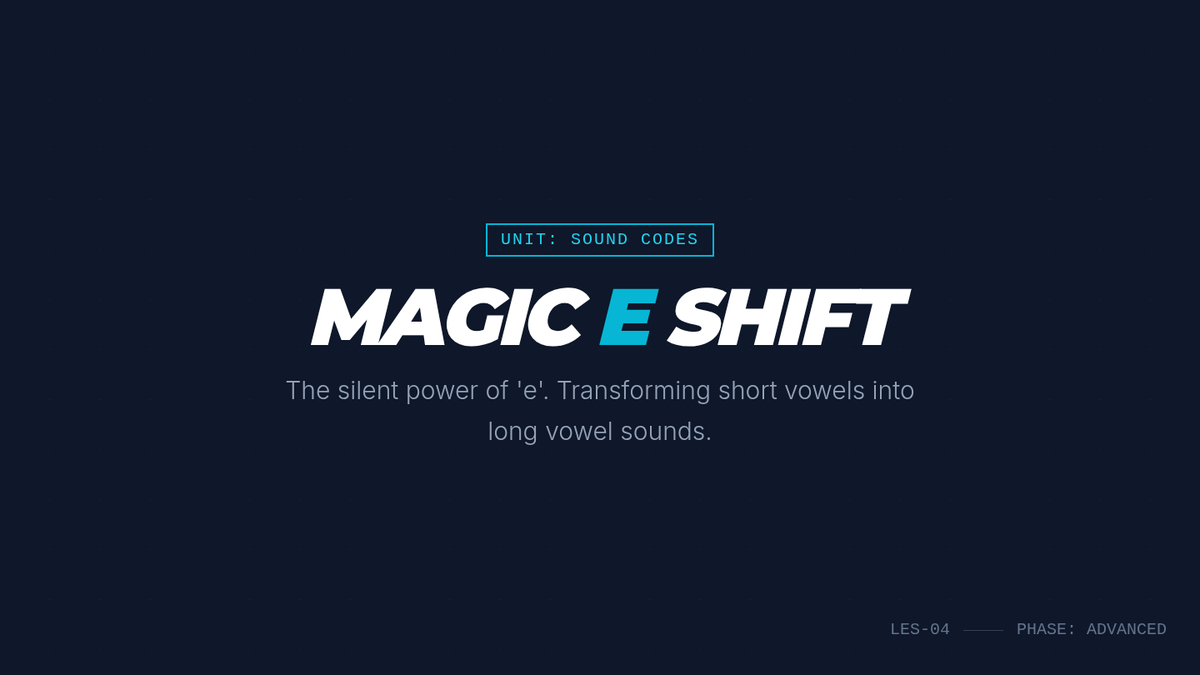
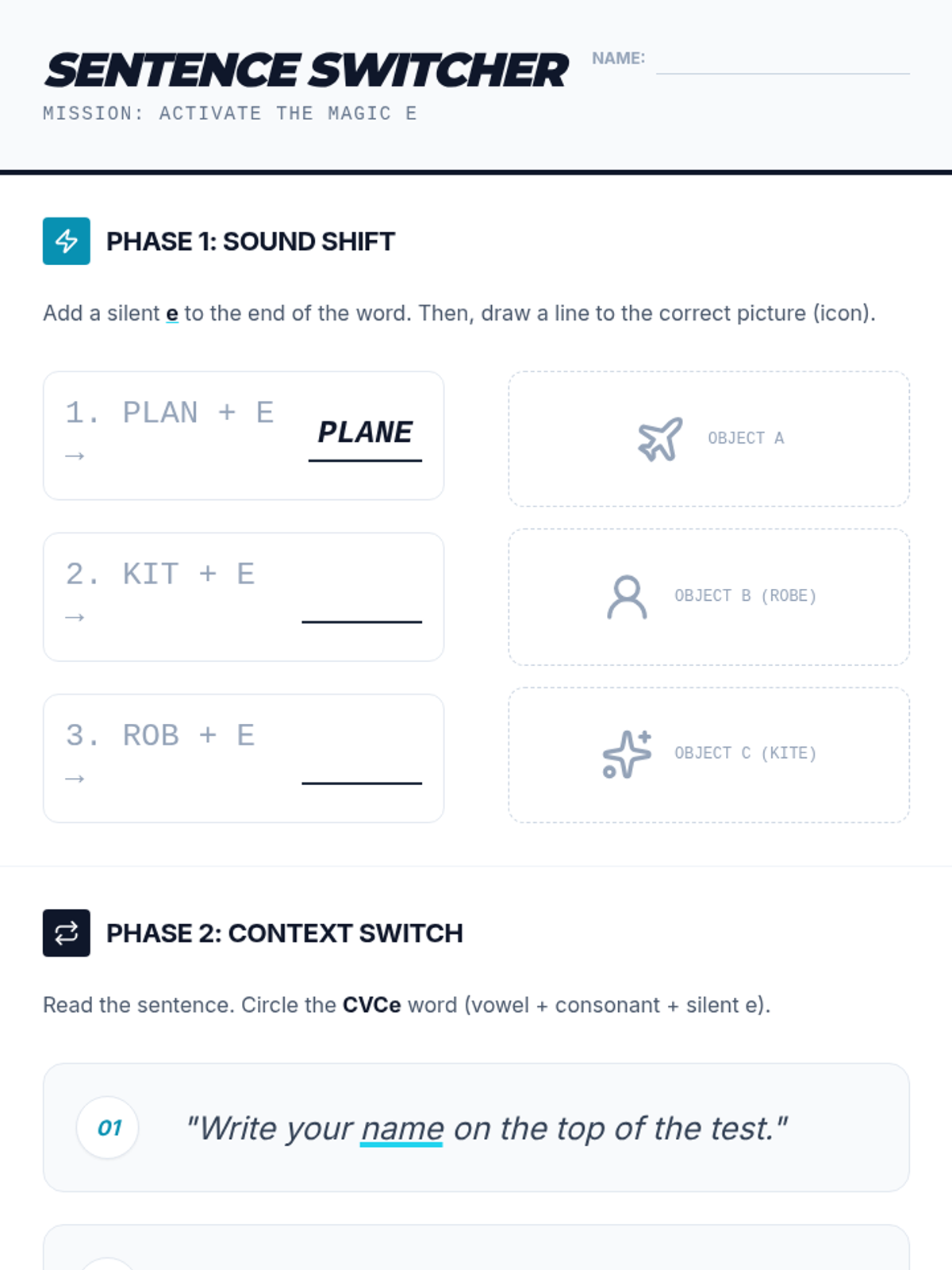
This lesson introduces the CVCe pattern, teaching students how the silent 'e' changes vowel sounds. Students transform short vowel words into long vowel words and read them in simple sentences.
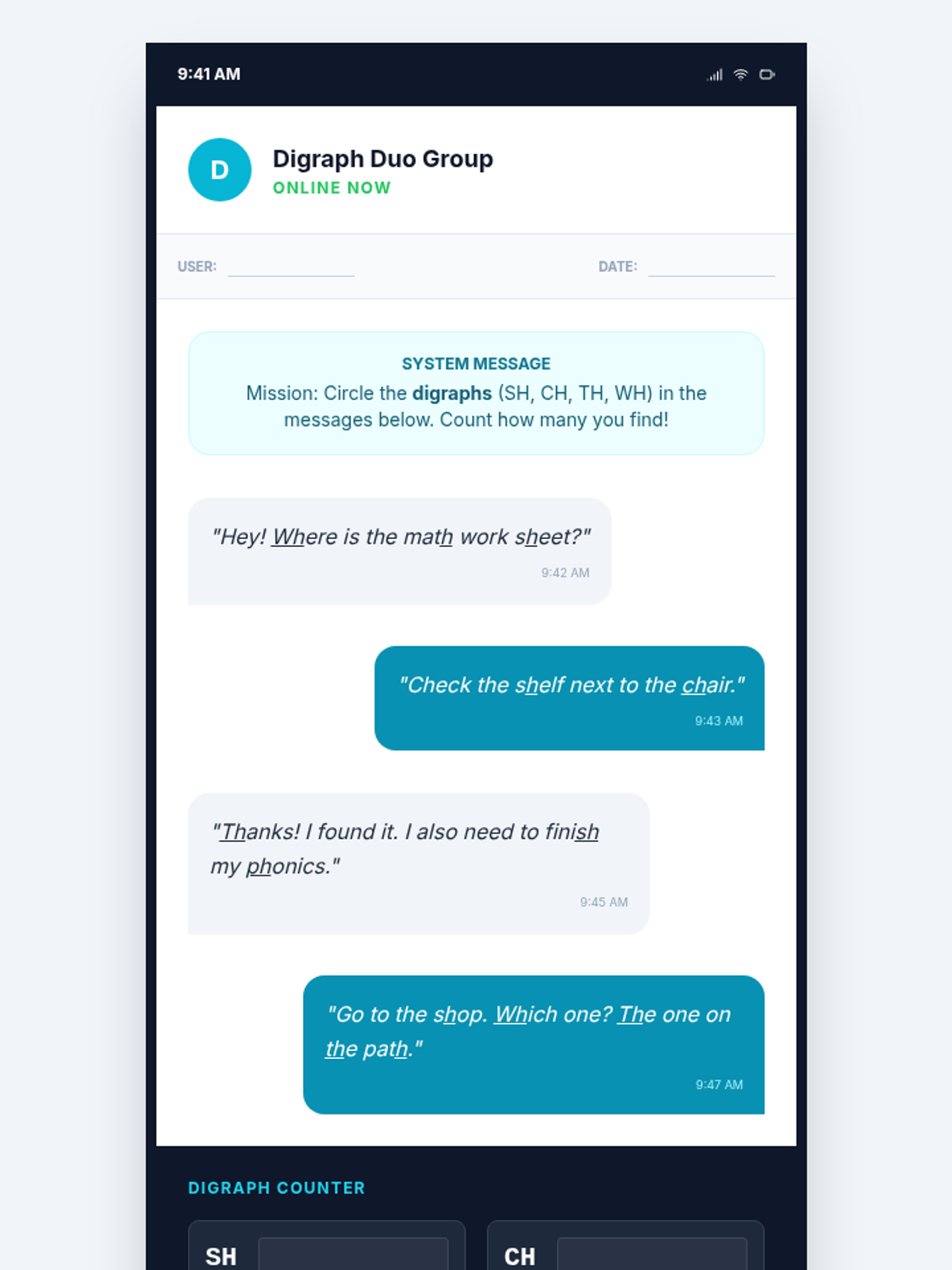
Students distinguish between blends and digraphs (sh, ch, th, wh, ph), learning that two letters can make one unique sound. They practice locating these sounds in text messages and dialogue scripts.
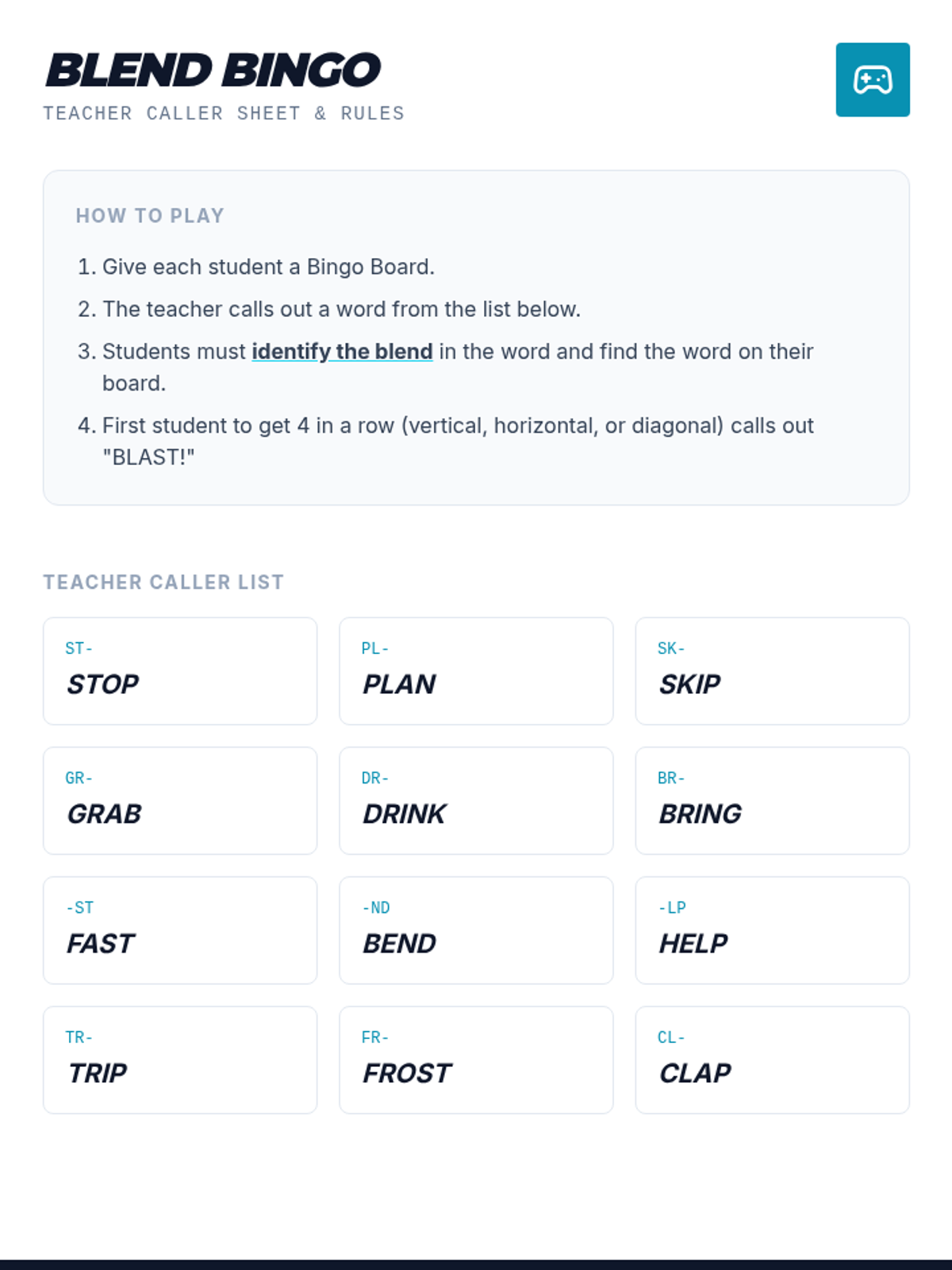
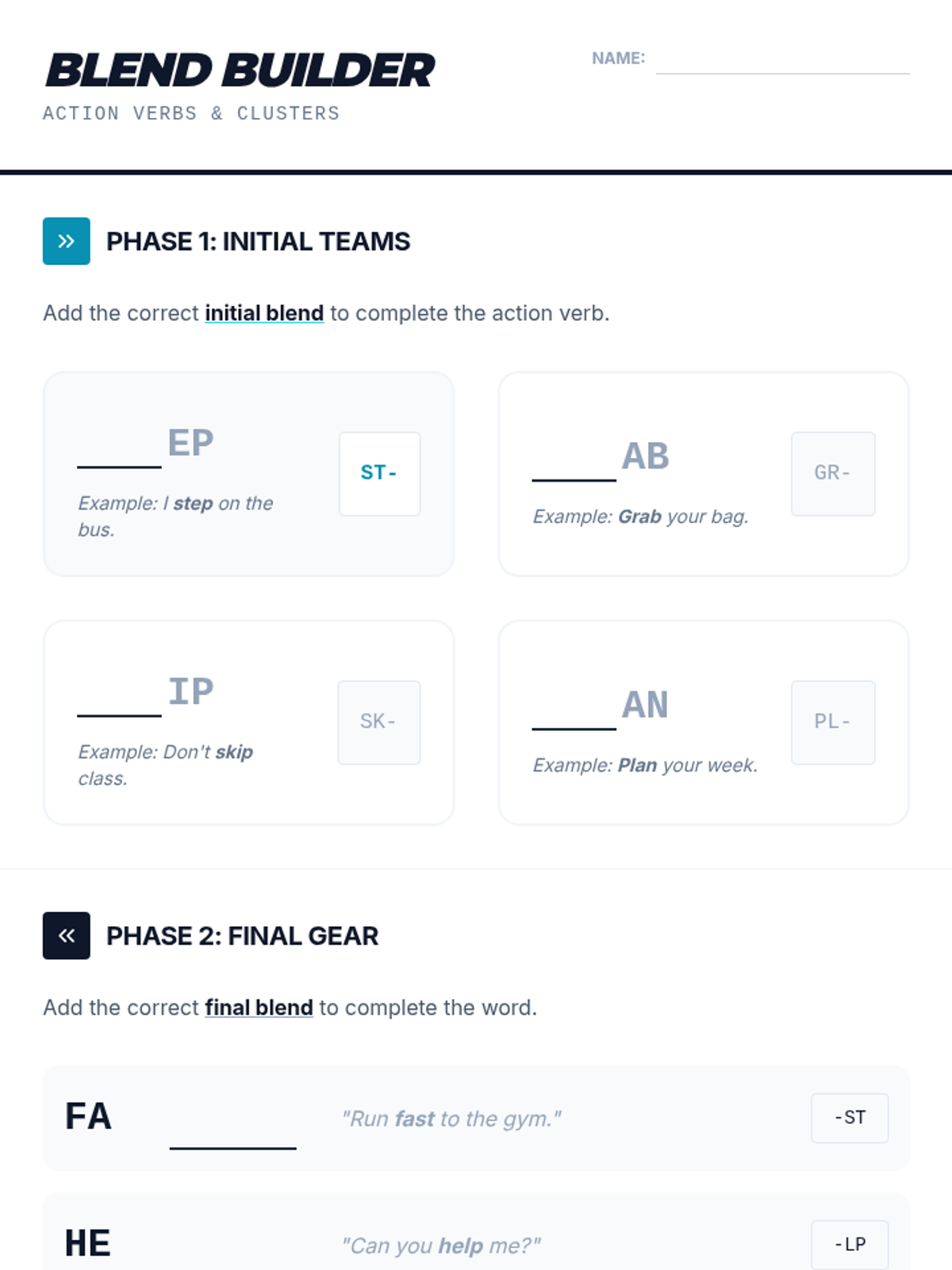
Learners identify and pronounce initial and final consonant blends in common action verbs and nouns. The lesson utilizes choral reading to build confidence in articulating complex sound combinations.
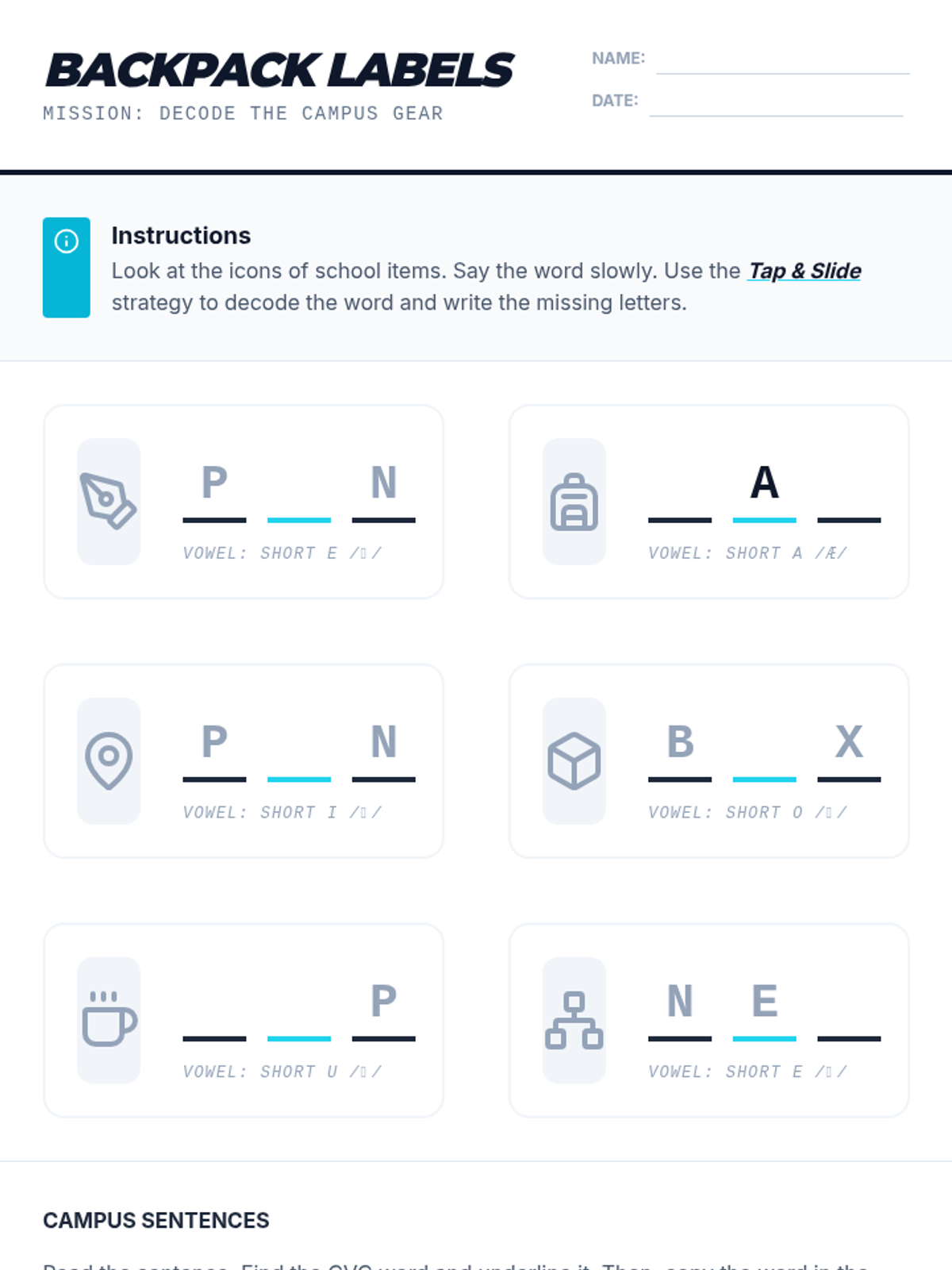
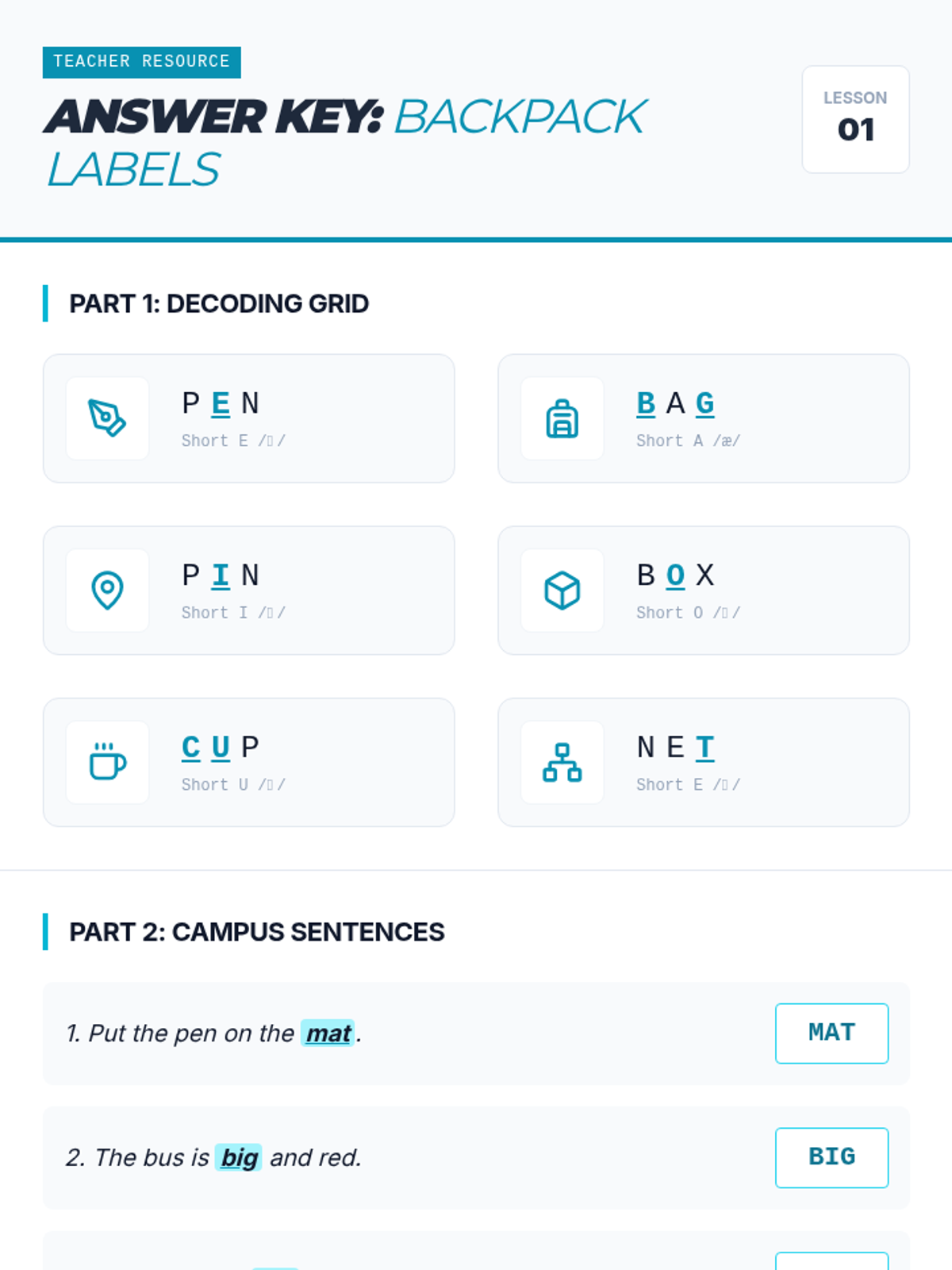
Students review consonant and short vowel sounds using images of classroom objects and school settings. They practice decoding CVC (consonant-vowel-consonant) words relevant to their immediate environment.
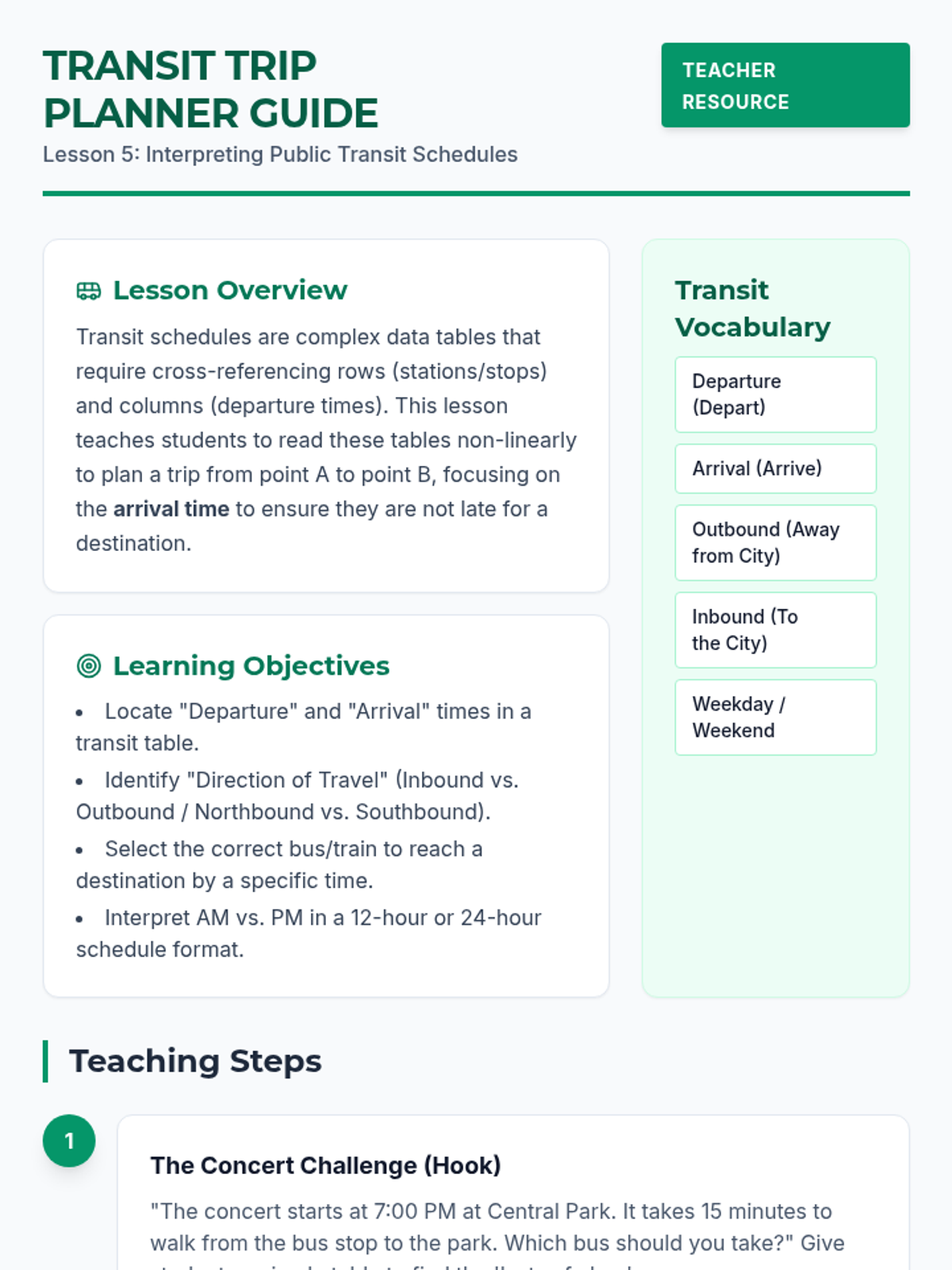
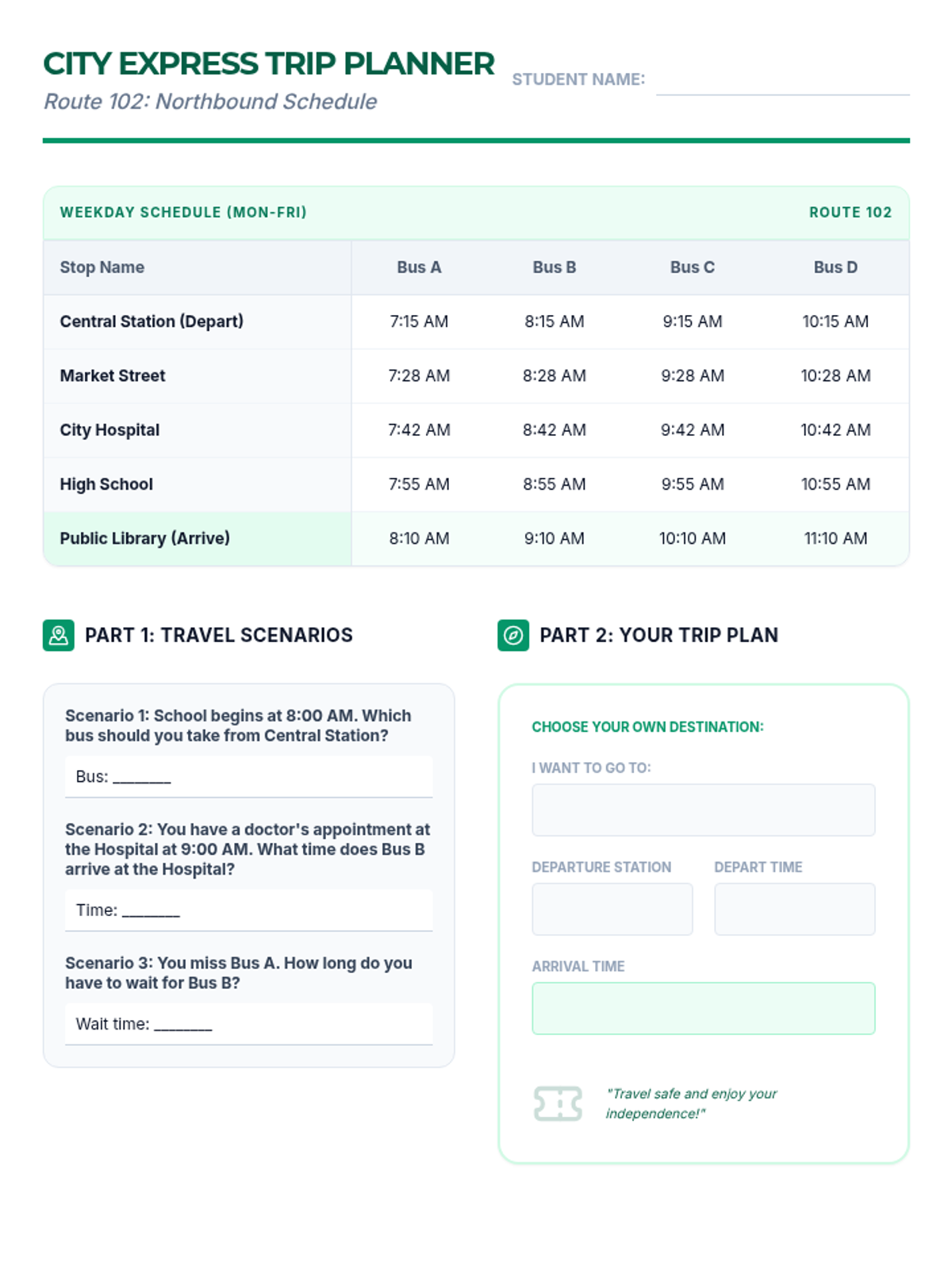
Students learn to interpret complex data tables in public transit schedules to plan a cross-city trip, focusing on arrival and departure times.