Lenny LearningLenny
Create
Explore
Workspace
LoginSign up
MathEnglish Language ArtsScience & EngineeringSocial StudiesGlobal LanguagesHealth & Physical EducationSpecial EducationCounseling & Life SkillsArts & CreativityESL
Lenny LearningLenny
Lenny Learning
About
Training
Pricing
Support
Contact
© 2026 Lenny Learning Inc.

Financial Literacy

SequencesLessonsMaterialsVideos
  1. Counseling & Life Skills

Financial Literacy

SequencesLessonsMaterialsVideos

Budgeting, saving, and investment strategies alongside practical skills for managing credit, taxes, and banking. Addresses insurance needs, employment income, and major purchase decisions to support comprehensive long-term financial planning.

Credit and DebtCredit scores, interest rates, and strategic loan repayment. Addresses debt-to-income ratios and the impact of borrowing on long-term financial stability.
TaxesFederal and state income tax systems, filing procedures, and common deductions or credits. Equips learners with practical skills for reading tax forms and understanding payroll withholdings.
Financial PlanningBudgeting frameworks, retirement saving strategies, and risk management through insurance. Equips learners with tools to create comprehensive personal financial roadmaps.
Video
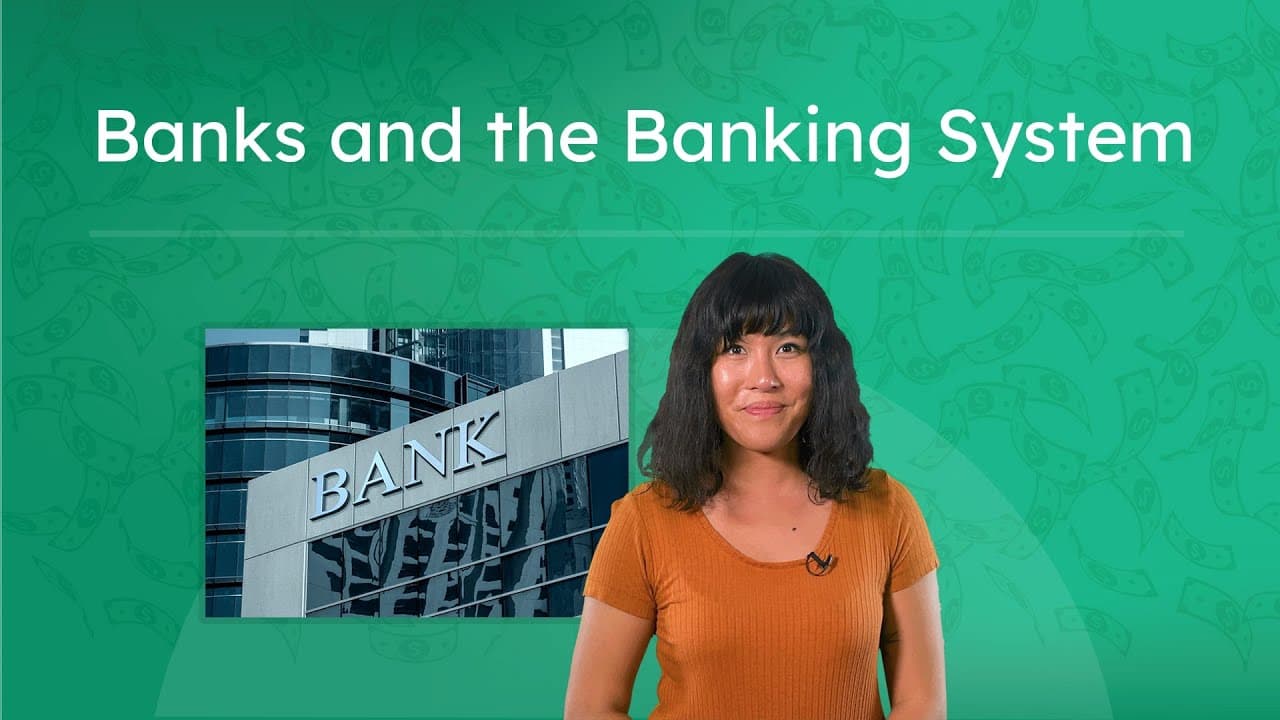
How Banks Keep Our Money Safe and Help It Grow

How Banks Keep Our Money Safe and Help It Grow

This video provides a comprehensive and engaging introduction to how the banking system works, moving from the basic concept of storing money to the complex roles banks play in the global economy. It begins by challenging viewers to imagine a cash-only existence, highlighting the risks and inconveniences of storing wealth under a mattress versus the security of a bank vault. The narrator explains fundamental concepts such as deposits, the difference between checking and savings accounts, and the critical role of the FDIC in maintaining public trust by insuring deposits up to $250,000.

Miacademy & MiaPrep Learning ChannelMiacademy & MiaPrep Learning Channel

8mins 57s

Counseling & Life SkillsSelf-AwarenessBasic Emotion RecognitionComplex Emotion IdentificationEmotional Nuance & Mixed FeelingsBuilding Positive Self-ImageRecognizing Strengths & Growth AreasAccurate Self-AssessmentPersonal Values IdentificationCultural & Individual Identity ExplorationValues-Based Decision MakingSelf-ManagementStop-and-Think StrategiesDelaying GratificationIndependent Impulse ManagementIdentifying Stress TriggersShort-Term Goal SettingSMART Goals DevelopmentGoal Monitoring & AdjustmentBuilding Perseverance & ResilienceInternal Motivation DevelopmentComprehensive Stress Reduction PlanningSocial AwarenessRecognizing Others' FeelingsDemonstrating EmpathyRespecting Individual DifferencesUnderstanding Cultural DiversityComplex Empathetic ResponsesMultiple Viewpoint ConsiderationMulti-Perspective AnalysisChallenging Stereotypes & BiasRelationship SkillsActive ListeningClear Verbal & Nonverbal CommunicationBuilding Positive FriendshipsWorking Cooperatively in GroupsCommunicating Personal BoundariesRespecting Others' BoundariesAssertive ExpressionPeaceful Problem-SolvingContributing to Team GoalsComplex Conflict NavigationMediation & NegotiationHealthy Romantic RelationshipsResponsible Decision-MakingDaily Problem IdentificationBrainstorming Multiple SolutionsEvaluating Pros & ConsRecognizing Risks & ConsequencesApplying Ethical FrameworksInformed Risk-Benefit DecisionsRoot Cause AnalysisMindfulnessMindful BreathingBody Scan MeditationDaily Mindfulness ApplicationDaily Self-Care RoutinesBalancing Life DemandsAdvocating for Wellness NeedsMental Health SupportUnderstanding Anxiety SymptomsWorry Management StrategiesProgressive Muscle RelaxationRecognizing Depression SignsBuilding Mood-Supporting RoutinesBehavioral Activation for MoodUnderstanding Grief StagesHealthy Grief CopingCreative Expression of LossBehavioral SupportDaily Check-In ProceduresDaily Goal Setting & ReviewRecognizing Escalation Warning SignsRequesting Breaks & SupportSelf-Calming During DistressUnderstanding Positive ReinforcementToken Economy ImplementationBehavior Chart TrackingAnalyzing Behavior PatternsIdentifying Antecedents & ConsequencesDetermining Behavior FunctionFunction-Based InterventionsIndividualized Behavior ContractsData-Driven Behavior AdjustmentTherapeutic ApproachesThoughts-Feelings-Behaviors ConnectionRecognizing Thinking PatternsChallenging Negative ThoughtsPositive Self-Talk PracticeThought Record TrackingAdvanced Cognitive RestructuringComprehensive CBT PlansBehavioral Activation TechniquesBuilding Positive ExperiencesExposure Hierarchies for AnxietyPresent-Moment AwarenessNon-Judgmental ObservationSelf-Soothing & DistractionComplex Emotion LabelingReducing Emotional Vulnerability (PLEASE)DEAR MAN CommunicationGIVE Skills for RelationshipsFAST Skills for Self-RespectRadical Acceptance PracticeCrisis Survival Skills (TIPP)Understanding Trauma EffectsTrauma Responses & TriggersIdentifying Trauma FeelingsGrounding TechniquesRegulation During Trauma DistressSafe Place VisualizationProcessing Through NarrativeDeveloping Trauma StoryPersonalized Safety PlanningGroup SupportTurn-Taking & SharingGroup Conversation SkillsSharing in Supportive EnvironmentLearning from Similar ChallengesBuilding Community & BelongingNavigating Peer RelationshipsGroup Skill PracticeGroup Mental Health EducationStress & Anxiety UnderstandingCrisis Support & SafetyKnowing When to Seek HelpIdentifying Mental Health CrisesGrounding During CrisisUsing Crisis HotlinesBuilding Support NetworksAccessing Mental Health ResourcesWarning Signs & Coping StrategiesDeveloping Personal Safety PlansUnderstanding Suicide Warning SignsGatekeeper Skills for PeersDigital LiteracySocial MediaTechnology BasicsProductivity ToolsInternet and Online ResearchWeb Design and PublishingDigital CitizenshipOnline Safety and PrivacyEmerging TechnologiesFinancial LiteracyMaking Financial DecisionsBanking and AccountsConsumer SkillsSaving and InvestingCredit and DebtEmployment and IncomeTaxesInsuranceMajor PurchasesEconomic ConceptsFinancial PlanningCollege & Post-Secondary PlanningCareer ExplorationUnderstanding Post-Secondary OptionsCollege Research & SelectionAdmission RequirementsCollege Application ProcessPersonal Statement WritingFAFSA CompletionScholarship Search & ApplicationsUnderstanding Student LoansContinuing Education PlanningInterview PreparationResearching EmployersCommon Interview QuestionsSTAR Method ResponsesProfessional Interview PresenceVirtual Interview SkillsInterview Follow-UpJob Search SkillsUnderstanding Job PostingsEffective Job Search StrategiesNetworking for OpportunitiesResume Writing BasicsAction Verbs & AchievementsTailoring Resumes to JobsCover Letter WritingProfessional ReferencesProfessional CommunicationBusiness Email EtiquettePhone & Voicemail ProfessionalismMeeting ParticipationPresentation SkillsProfessional Work EthicTime Management & ProductivityTeamwork & CollaborationAdaptability & FlexibilityProblem-Solving at WorkConstructive FeedbackWorkplace RightsUnderstanding Employment LawsPay & Benefits UnderstandingWorkplace SafetyAnti-Discrimination & Harassment
No videos found
There are no videos available for this topic yet.
Video
How to Save Time and Money on College Tuition Using CLEP Exams

How to Save Time and Money on College Tuition Using CLEP Exams

This educational video addresses one of the most significant barriers to higher education: the immense cost of both tuition and time. The narrator guides viewers through a practical financial analysis of college attendance, breaking down the costs per credit hour at public versus private universities and highlighting often-overlooked expenses like commuting, housing, and textbooks. Beyond financial costs, the video introduces the concept of "opportunity cost" regarding time, asking students to consider the hundreds of hours spent in lectures and commuting that could be saved. The core solution presented is the College-Level Examination Program (CLEP), a credit-by-examination program that allows students to earn college credit for what they already know. The video details how taking a single standardized test costing under $100 can replace a semester-long course costing thousands. It compares the efficiency of spending two weeks studying for an exam versus four months sitting in a classroom, offering a compelling argument for alternative pathways to credit acquisition. This resource is highly valuable for high school upperclassmen, current college students, and school counselors. It serves as an excellent tool for lessons on financial literacy, college planning, and economics. Teachers can use this video to spark discussions about the return on investment for higher education and to assign practical research projects where students investigate the credit-transfer policies of their prospective universities.

The Organic Chemistry TutorThe Organic Chemistry Tutor

6mins 1s

Video
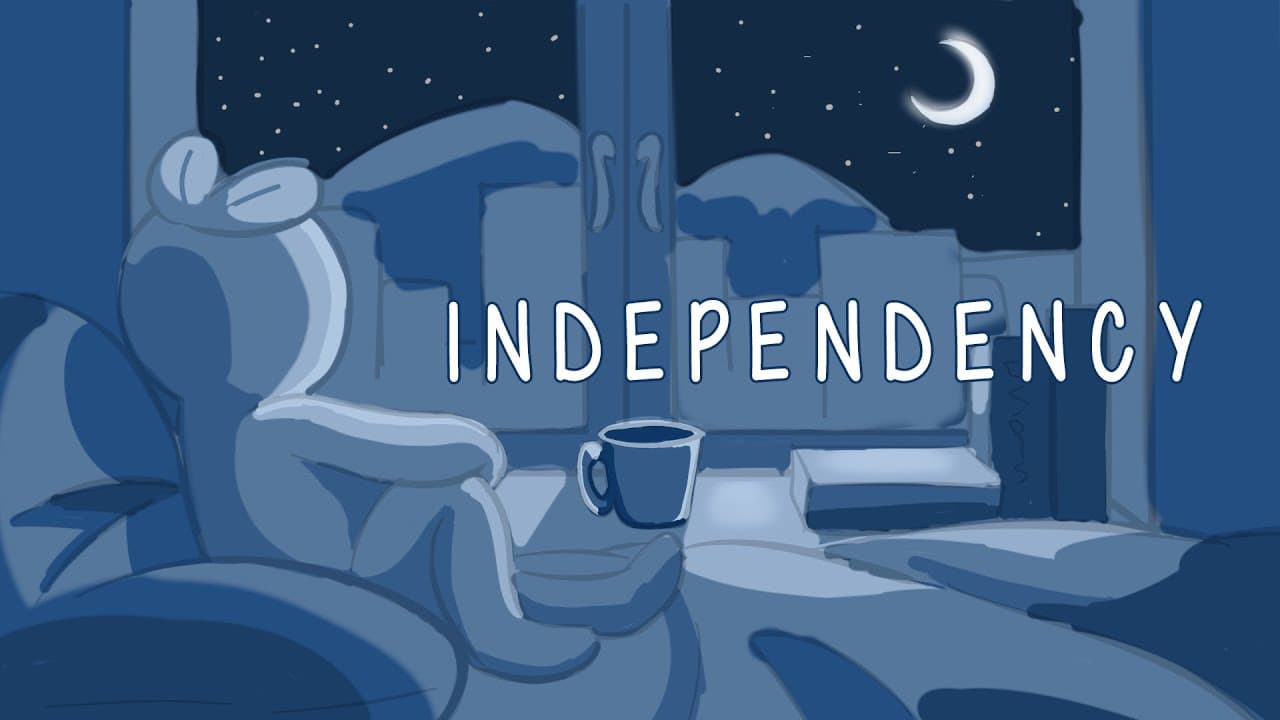
5 Signs You're An Independent Person

5 Signs You're An Independent Person

This animated video explores the concept of personal independence, breaking it down into five key behavioral indicators. It frames independence not just as living alone or paying bills, but as a holistic developmental milestone involving emotional maturity, financial responsibility, and resilience. The video uses the signature 'Psych2Go' character to guide viewers through relatable scenarios like fixing a leaky sink, grocery shopping, and dealing with criticism in the workplace. The content delves into themes of self-sufficiency, problem-solving, financial literacy, and emotional autonomy. It distinguishes between healthy independence (solving problems yourself but asking for help when needed) and isolation. It also emphasizes the importance of resilience when help isn't available and the maturity required to accept constructive criticism without letting others' opinions dictate one's self-worth. For educators, this video serves as an excellent resource for social-emotional learning (SEL) and life skills curriculums. It provides a structured way to discuss the transition from childhood dependence to adult autonomy. It can spark meaningful classroom discussions about what it really means to "grow up," how to handle failure, and the balance between self-reliance and community support.

Psych2GoPsych2Go

3mins 59s