Essential grammar structures, high-frequency vocabulary, and foundational literacy skills. Equips learners with basic speaking and listening abilities for everyday interactions and introductory text comprehension.
A Kindergarten sequence focused on the phonological rules for using indefinite articles 'a' and 'an' through phonemic awareness, sorting games, and oral practice.
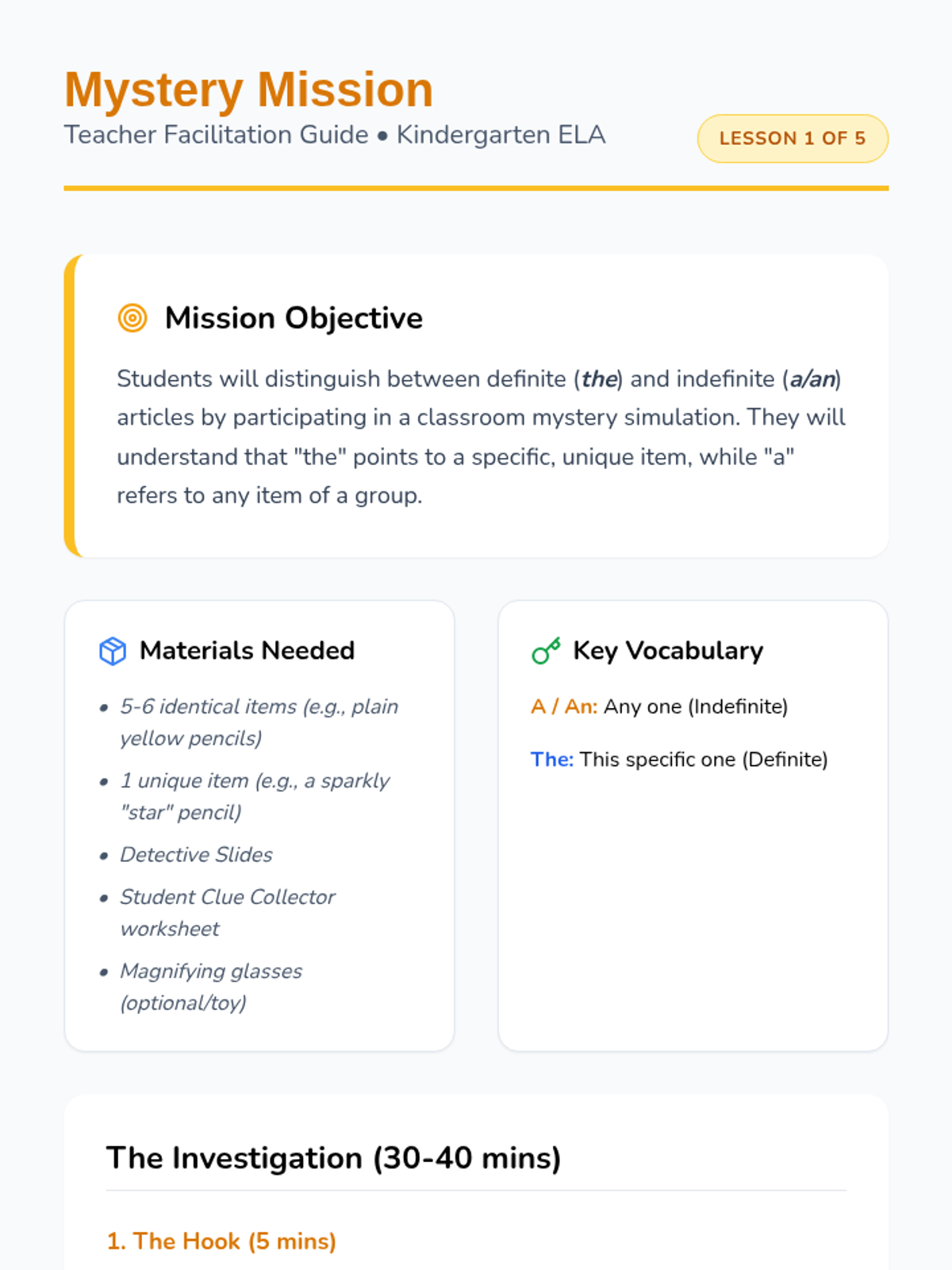
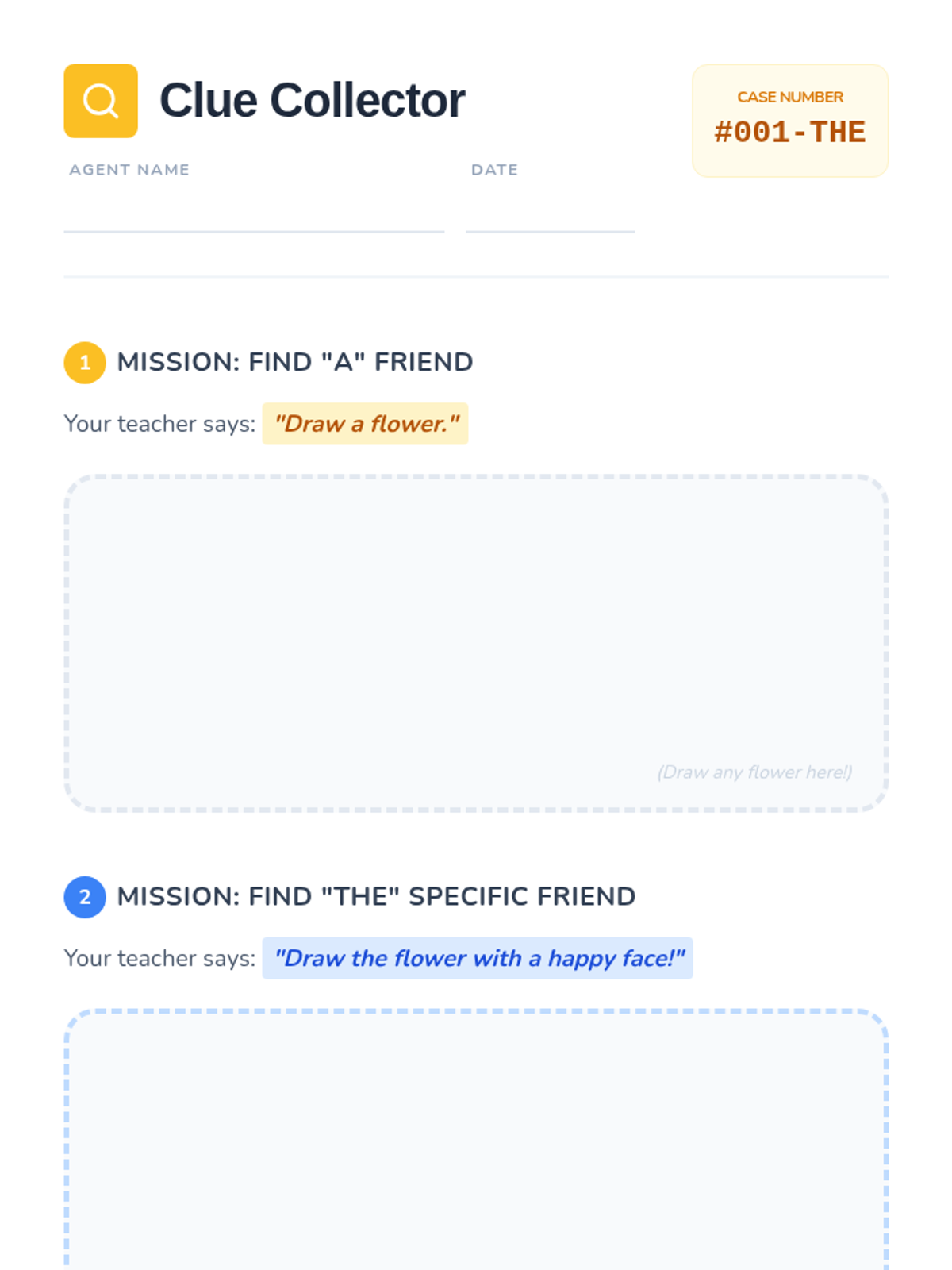
A Kindergarten ELA sequence exploring the semantic difference between definite ('the') and indefinite ('a/an') articles through inquiry-based scenarios and storytelling.
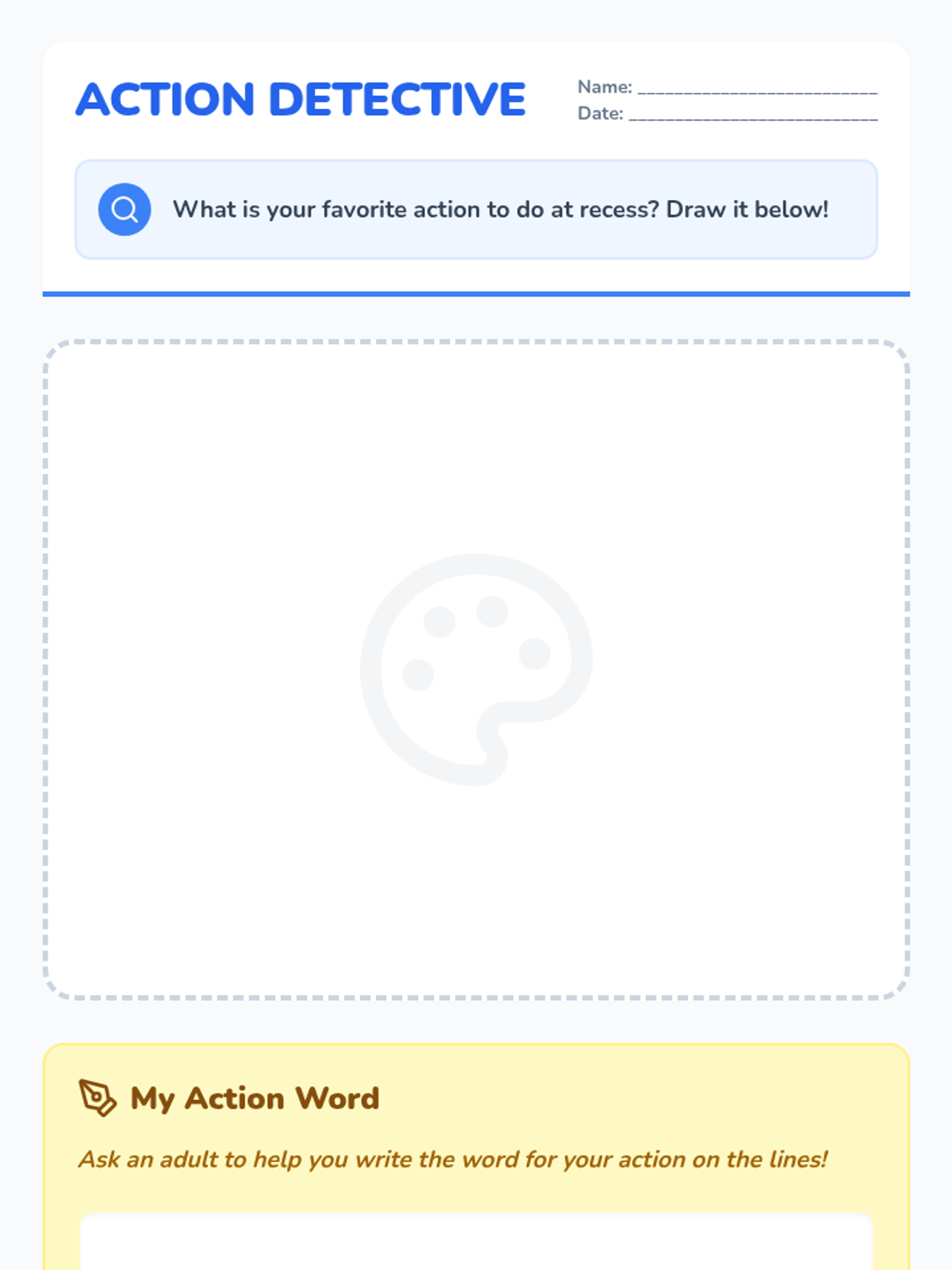
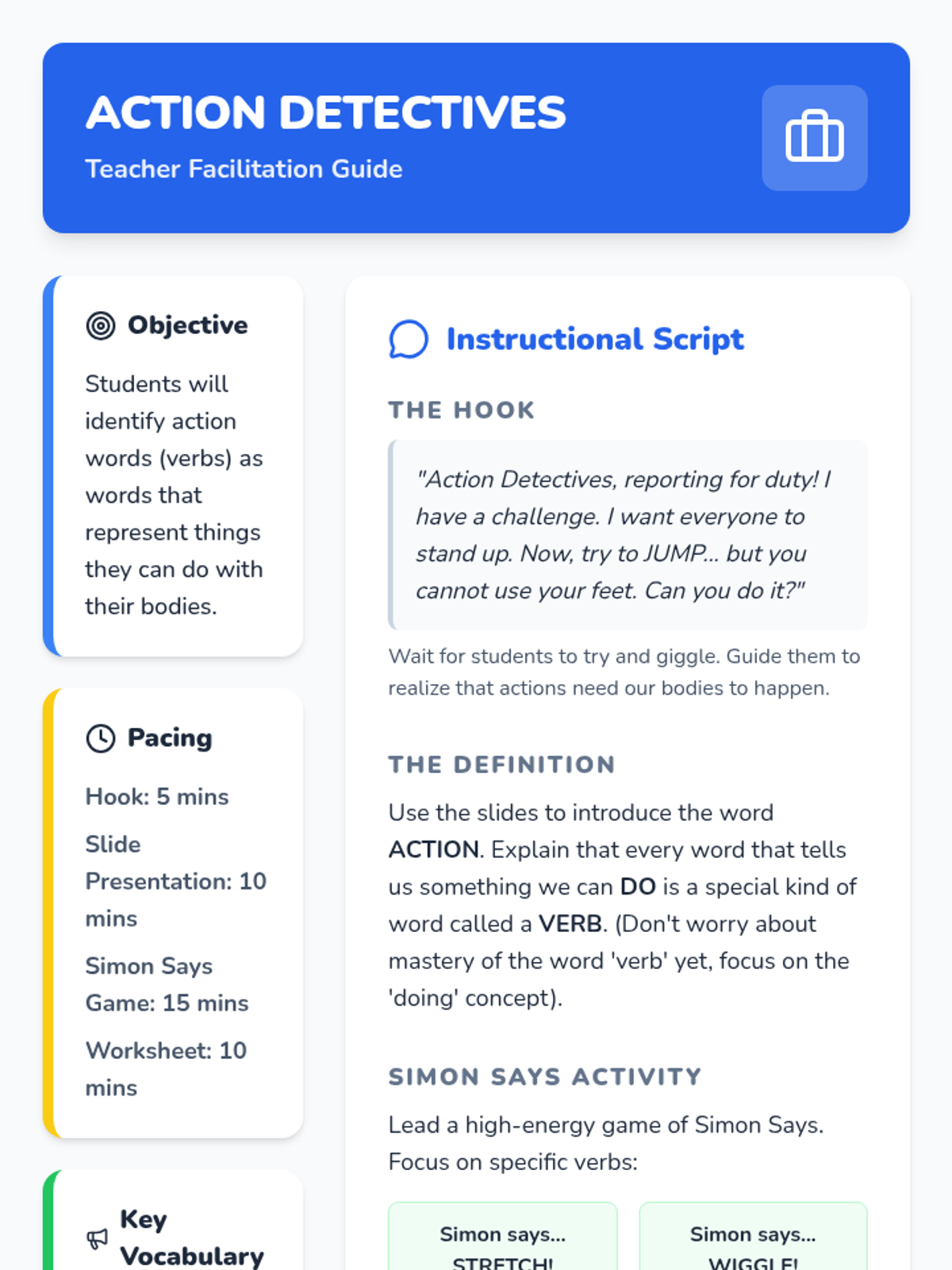
This Kindergarten sequence introduces simple past and present verb tenses through physical movement, oral language practice, and visual sorting. Students will learn to identify action words, distinguish between 'now' and 'before', and use the '-ed' ending to describe past events.
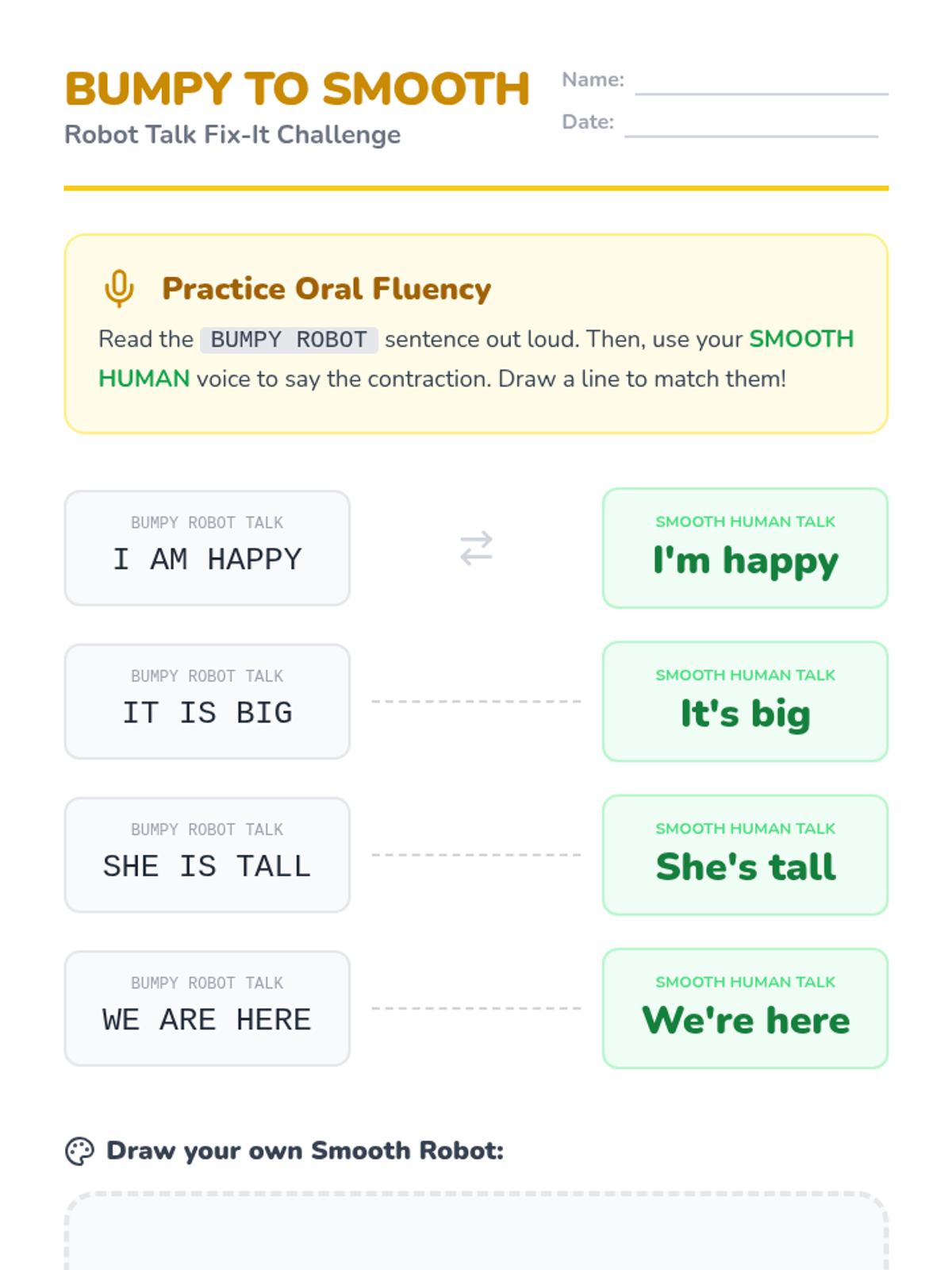
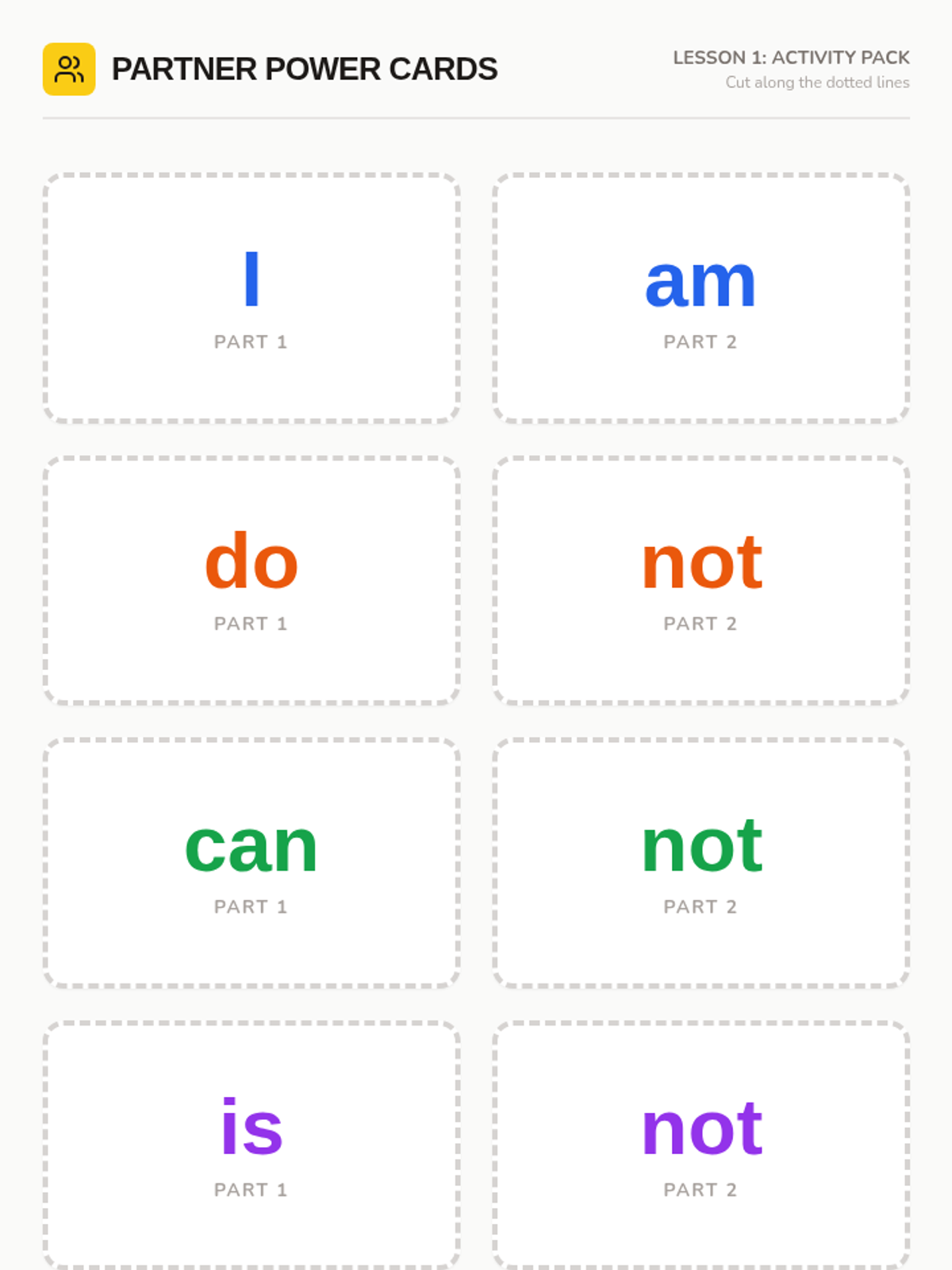
A Kindergarten ELA sequence focused on distinguishing and using contractions to improve reading fluency and oral expression. Students move from 'Robot Talk' to 'Smooth Talk' through interactive games, story hunts, and book-making.
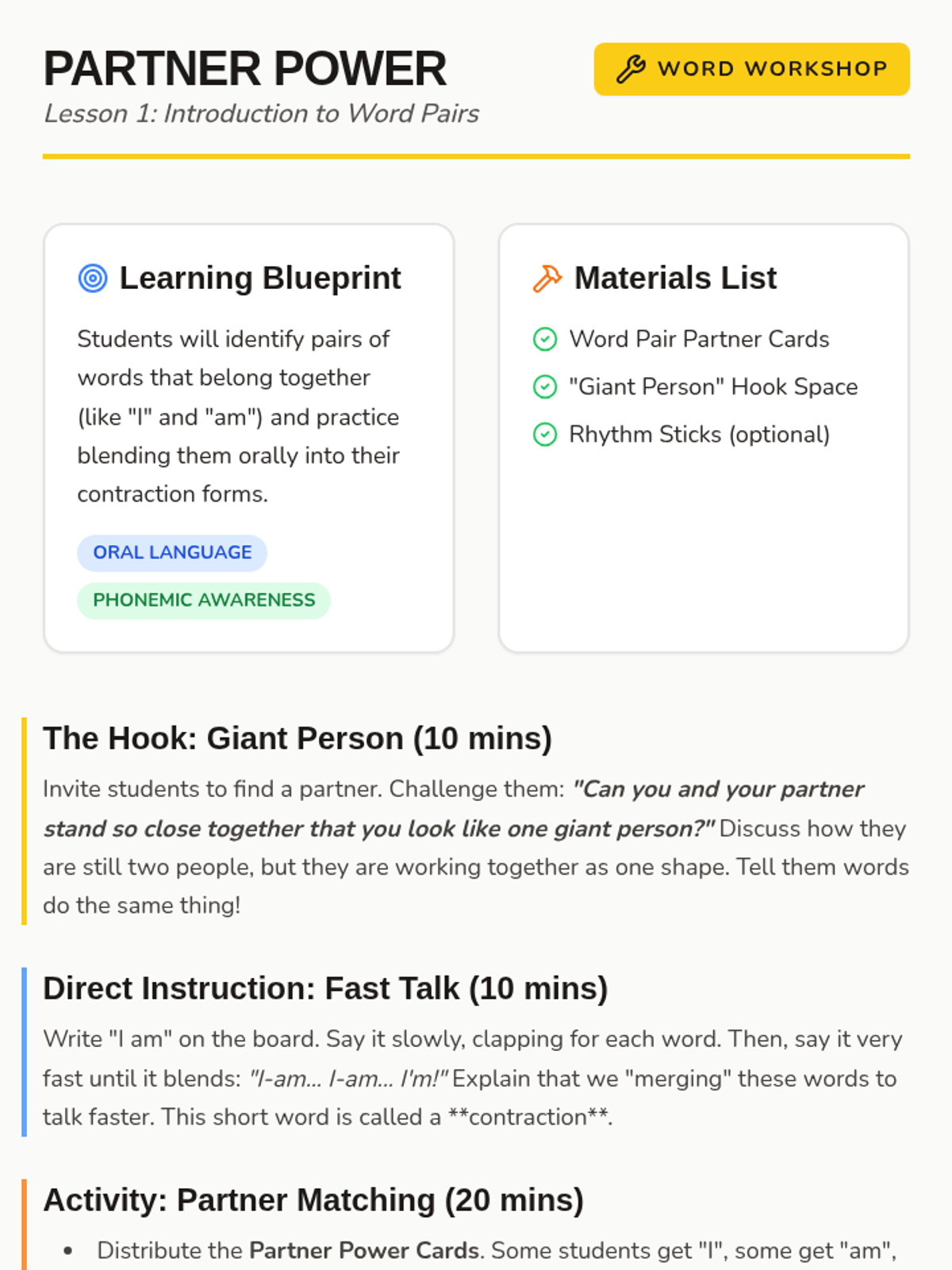
A Kindergarten sequence focused on the kinesthetic and visual understanding of contractions as word mergers. Students use physical manipulatives like accordion strips, building blocks, and rubber bands to visualize how two words become one shorter word.
A Kindergarten sequence focused on comparative adjectives and suffixes (-er, -est) through hands-on exploration of size, weight, and length. Students learn to describe relationships between objects using precise grammar and attribute sorting.
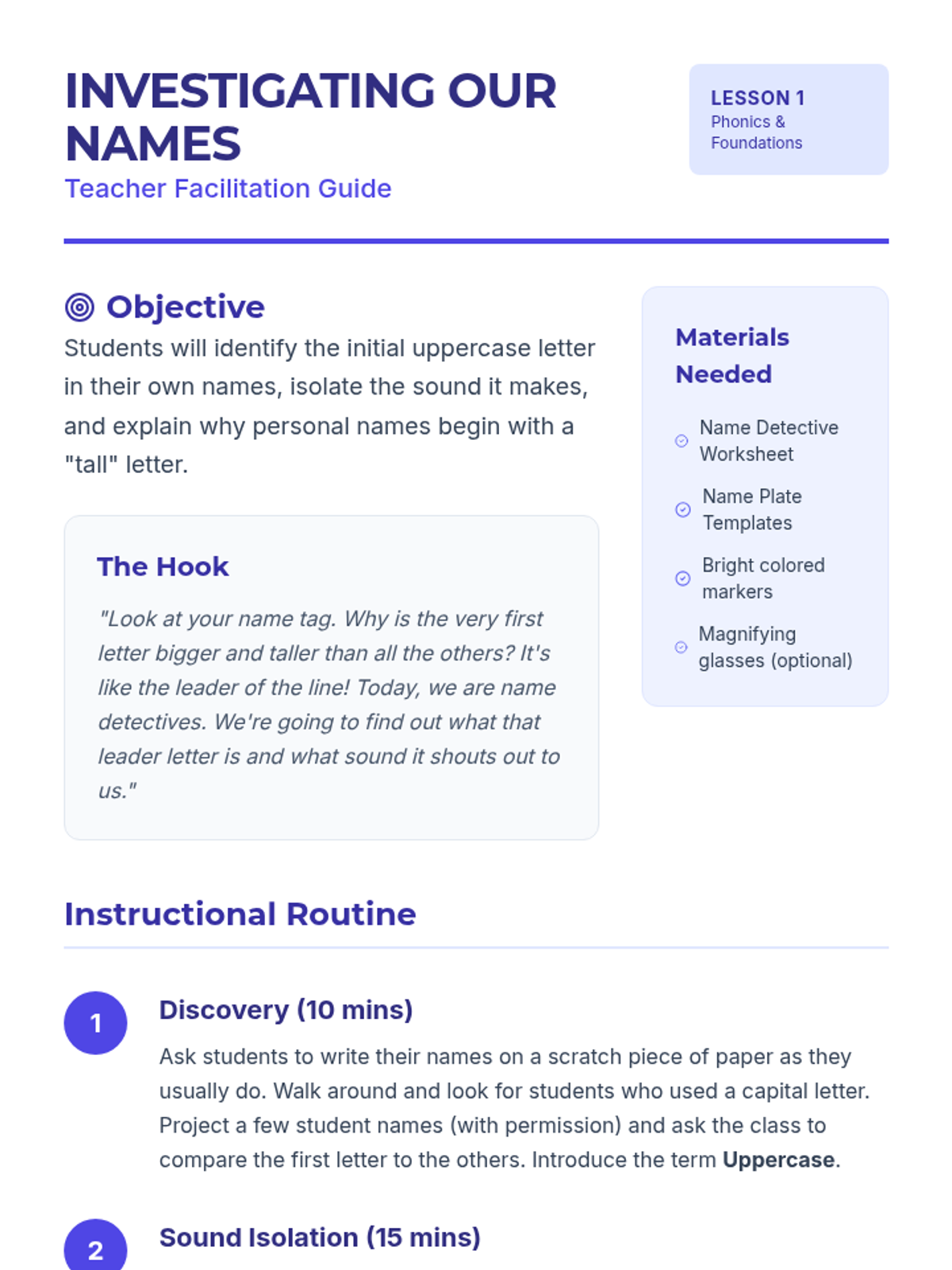
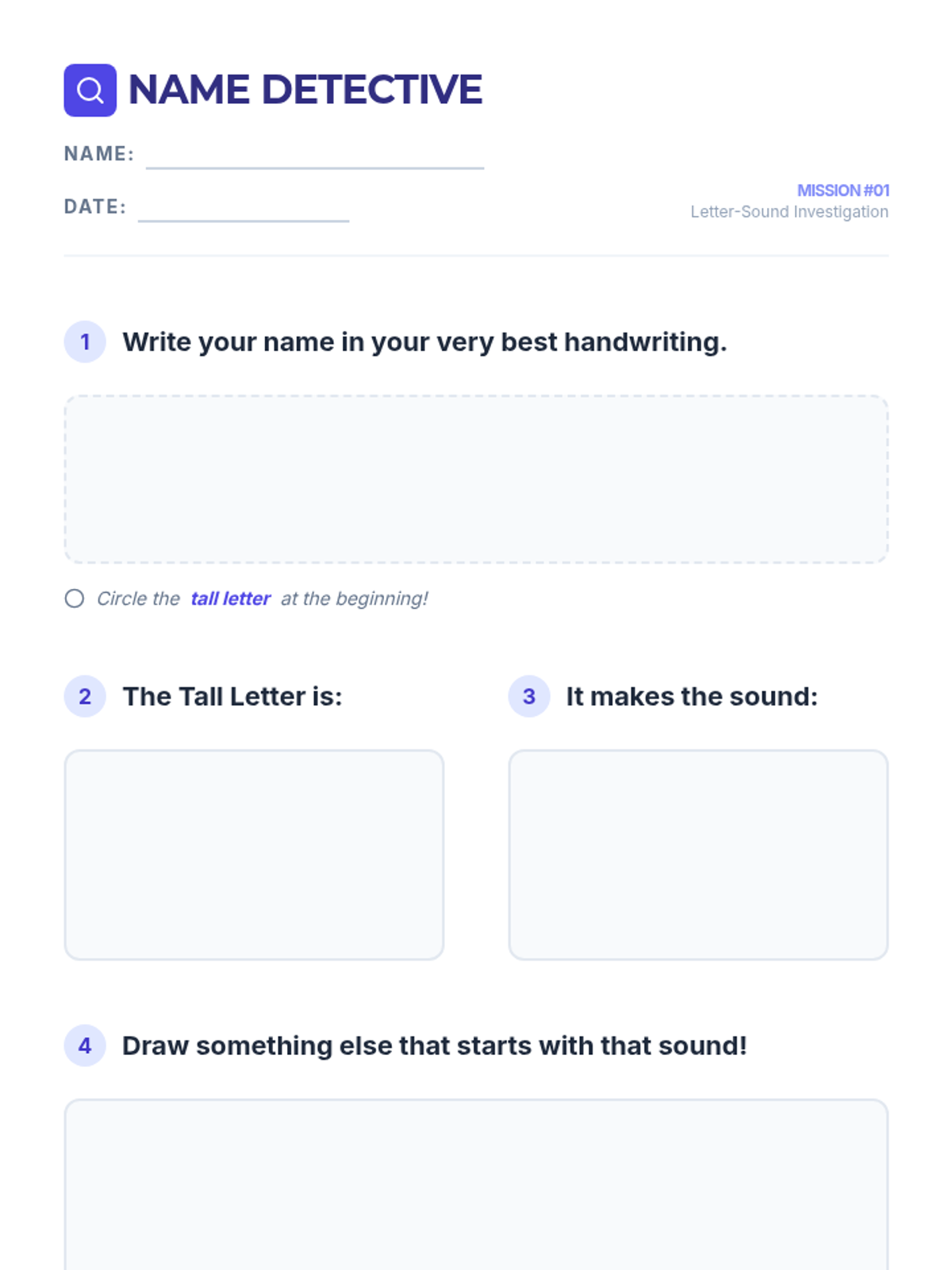
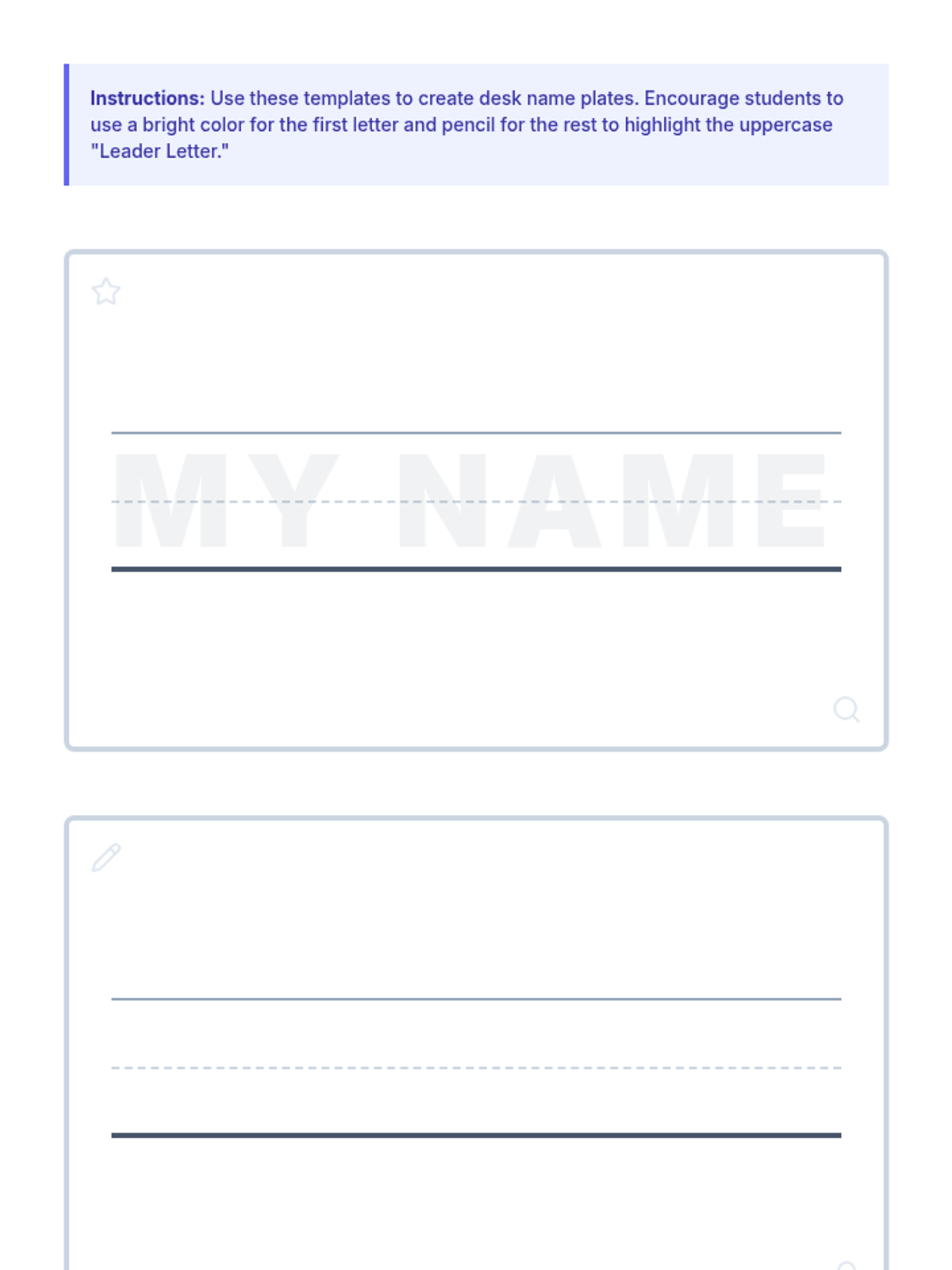
This inquiry-based sequence explores uppercase letters within the context of names, environmental print, and sentence structure. Students act as 'Letter Detectives' to discover the roles of capital letters and their corresponding sounds in real-world texts.
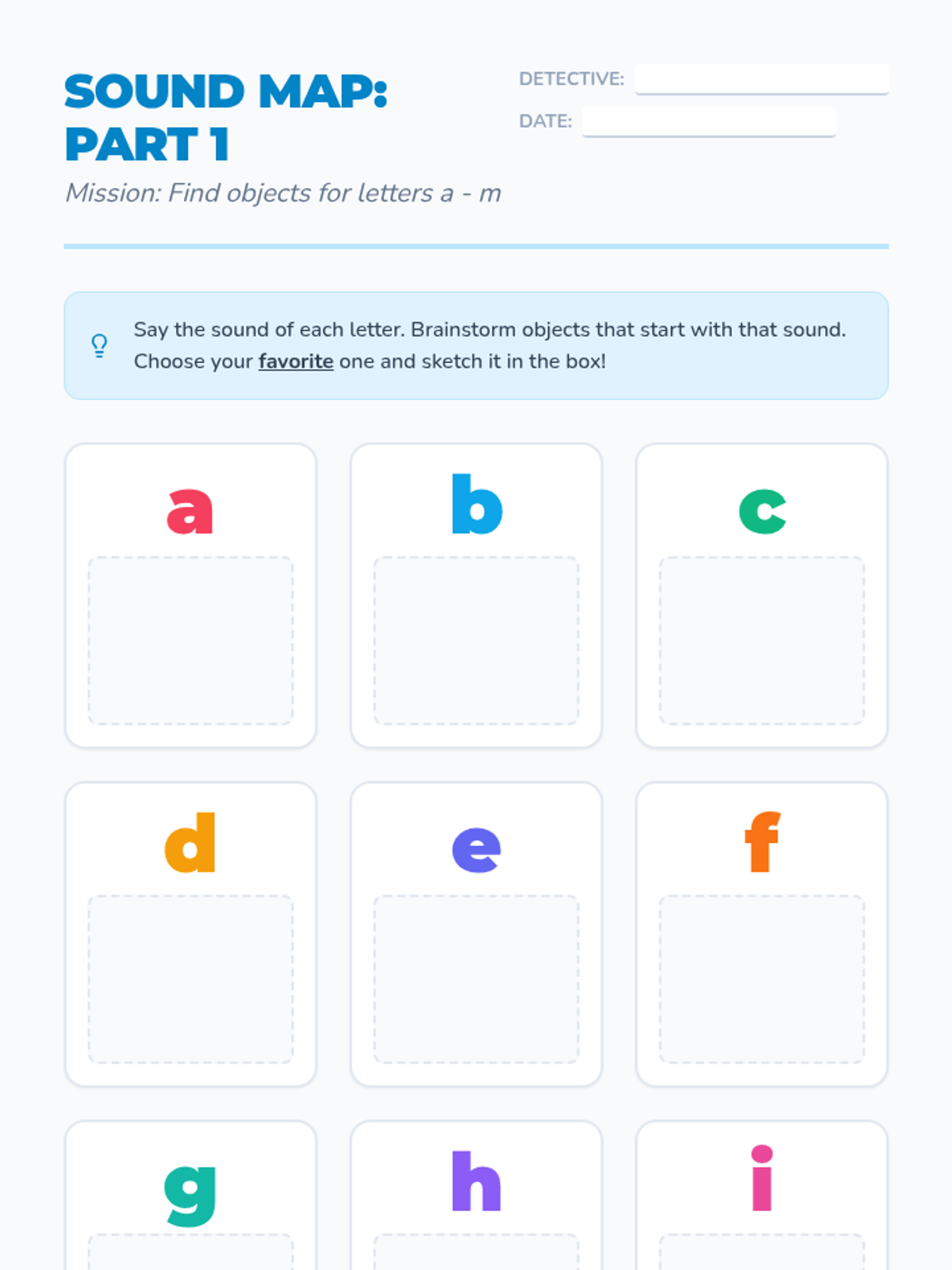
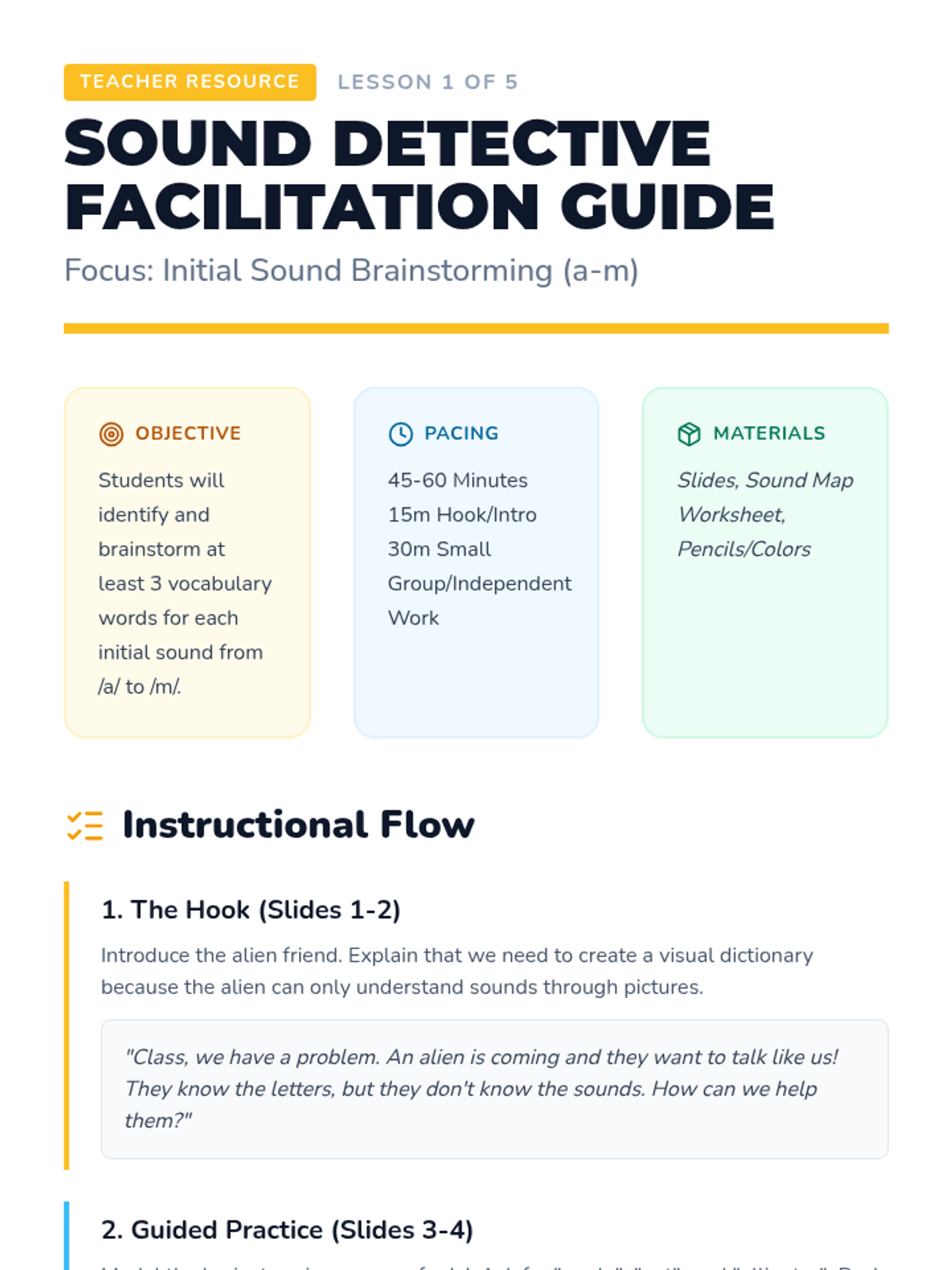
Students embark on a collaborative project to create a class-wide Picture Sound Dictionary, focusing on lowercase letter-sound associations, vocabulary development, and handwriting. This sequence moves from initial sound exploration and brainstorming to artistic illustration and final publication.
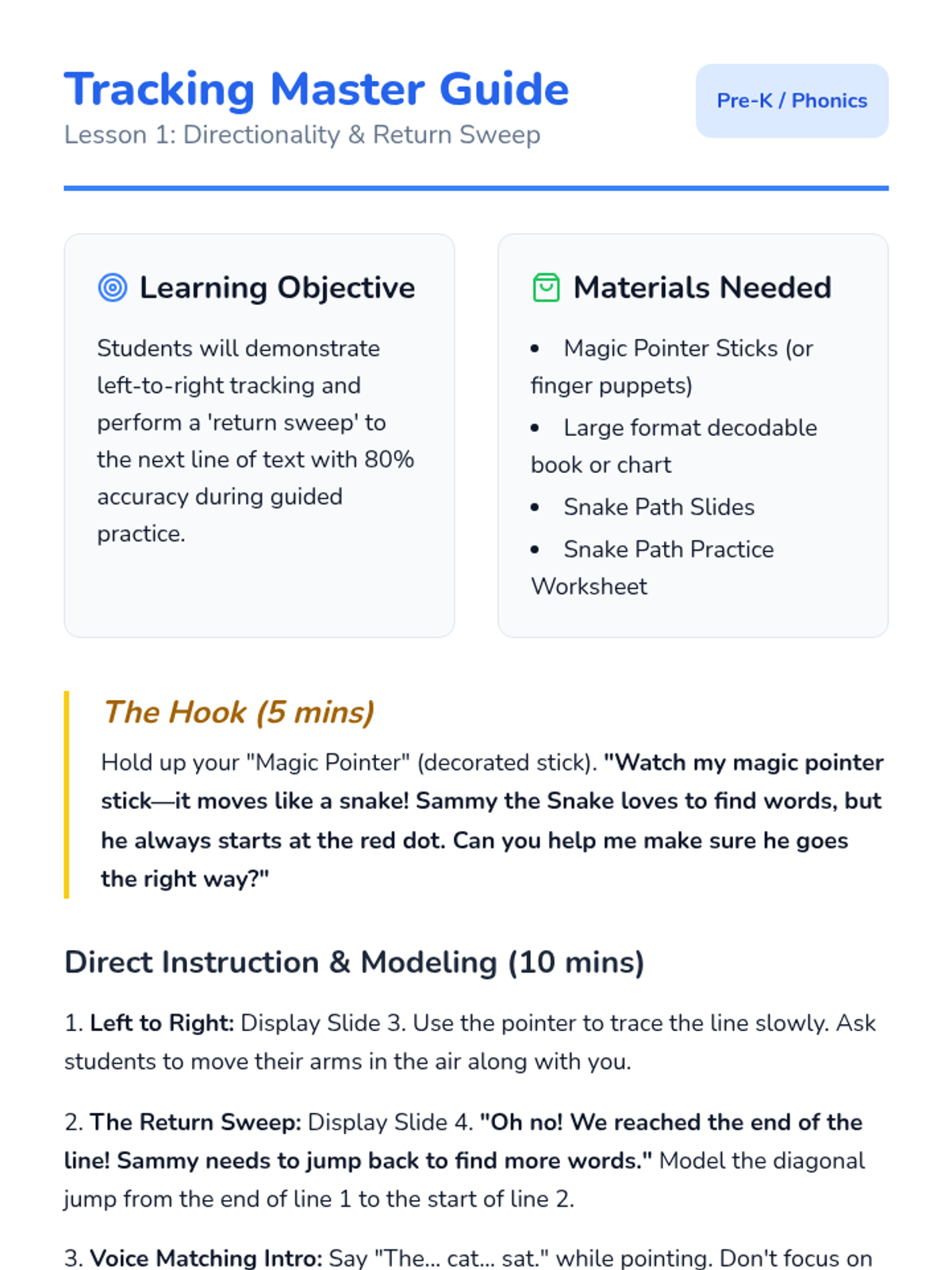
A comprehensive Pre-K sequence focused on teaching print awareness, directionality, and tracking using decodable text foundations. Students transition from teacher-led modeling to independent tracking through engaging, multisensory activities.
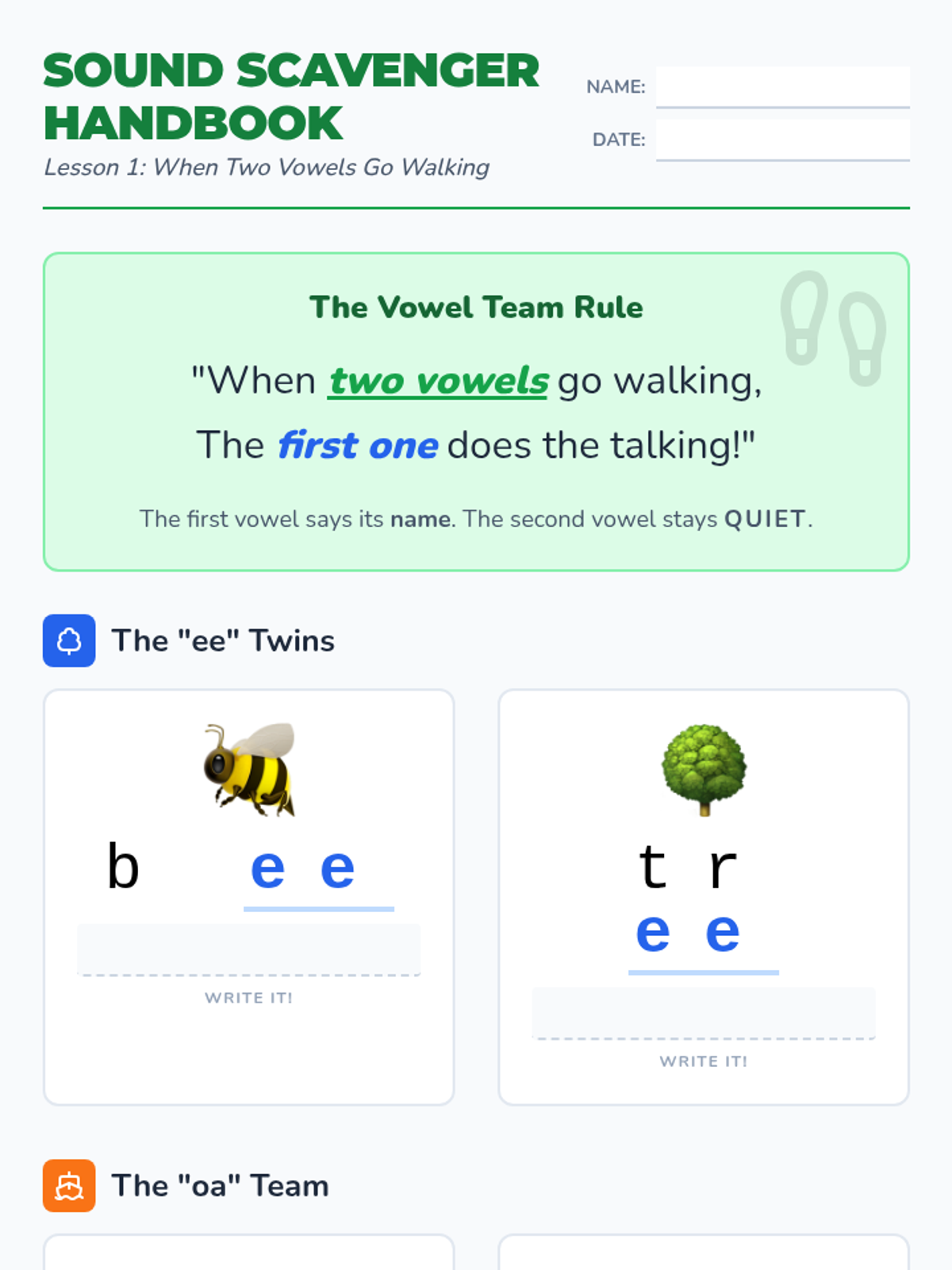
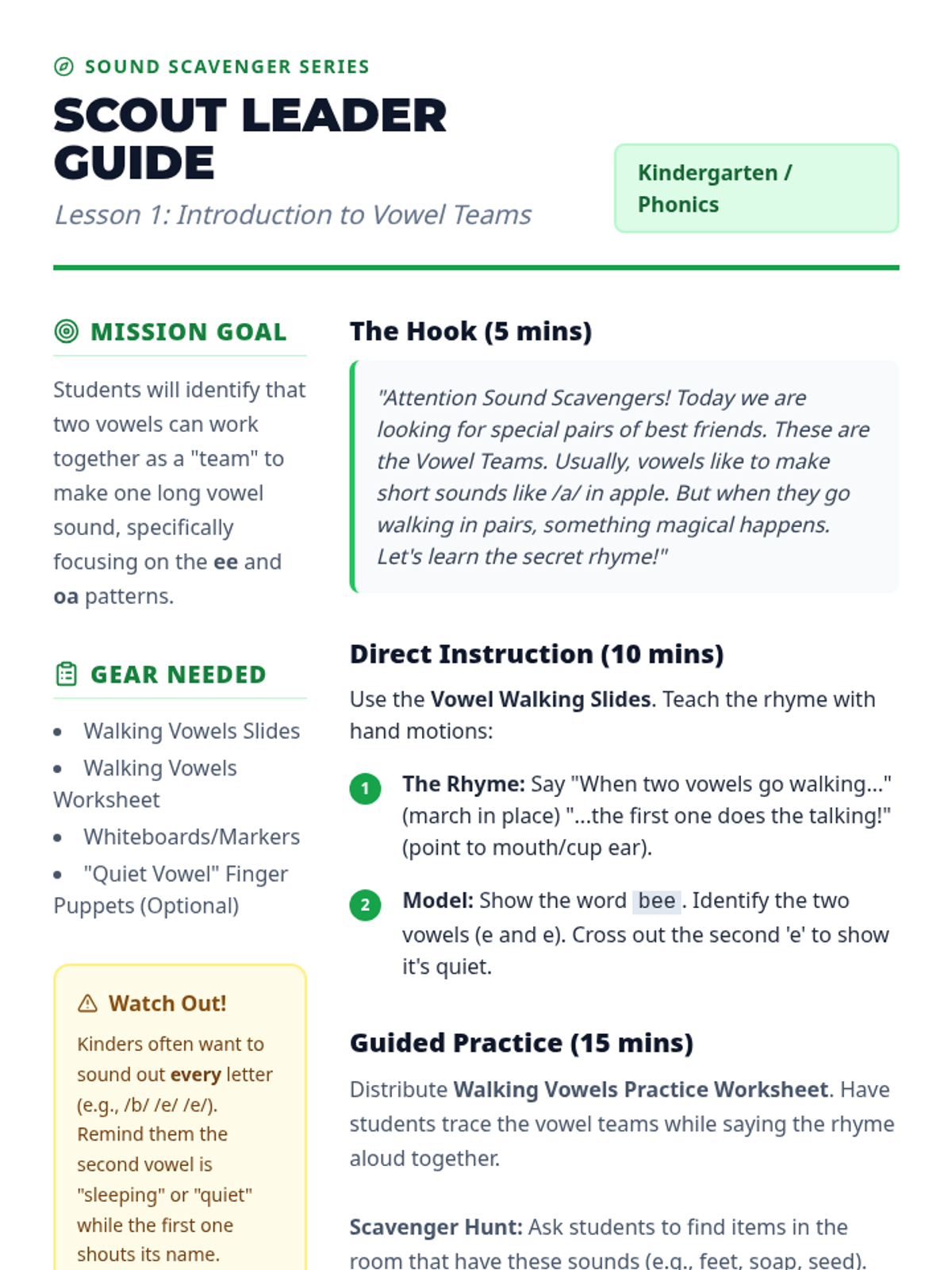
A Kindergarten phonics sequence focusing on vowel teams (ee, ea, ai, ay, oa) using the 'Sound Scavengers' theme and the classic 'walking vowels' rhyme to help students decode long vowel sounds in teams.
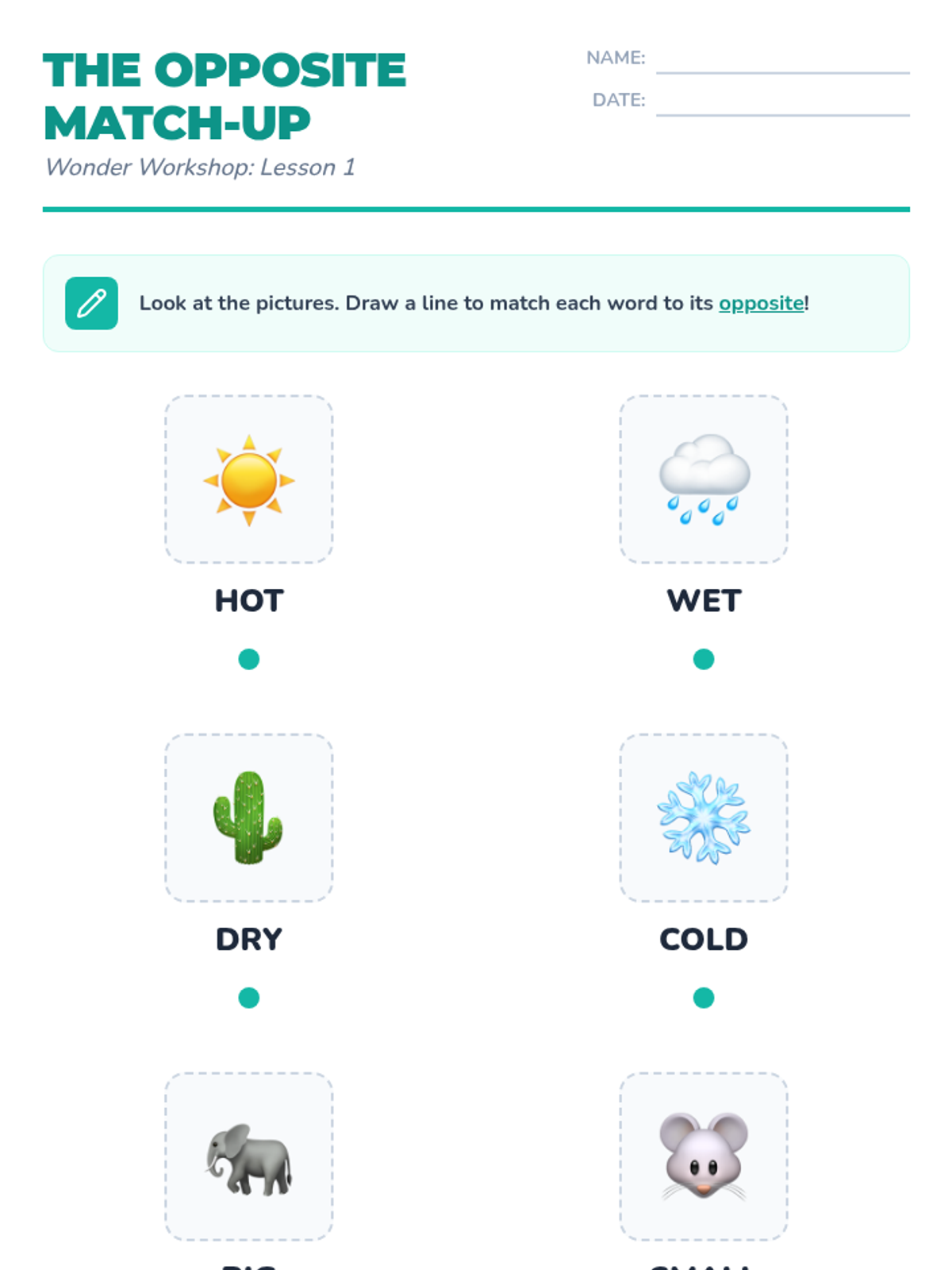
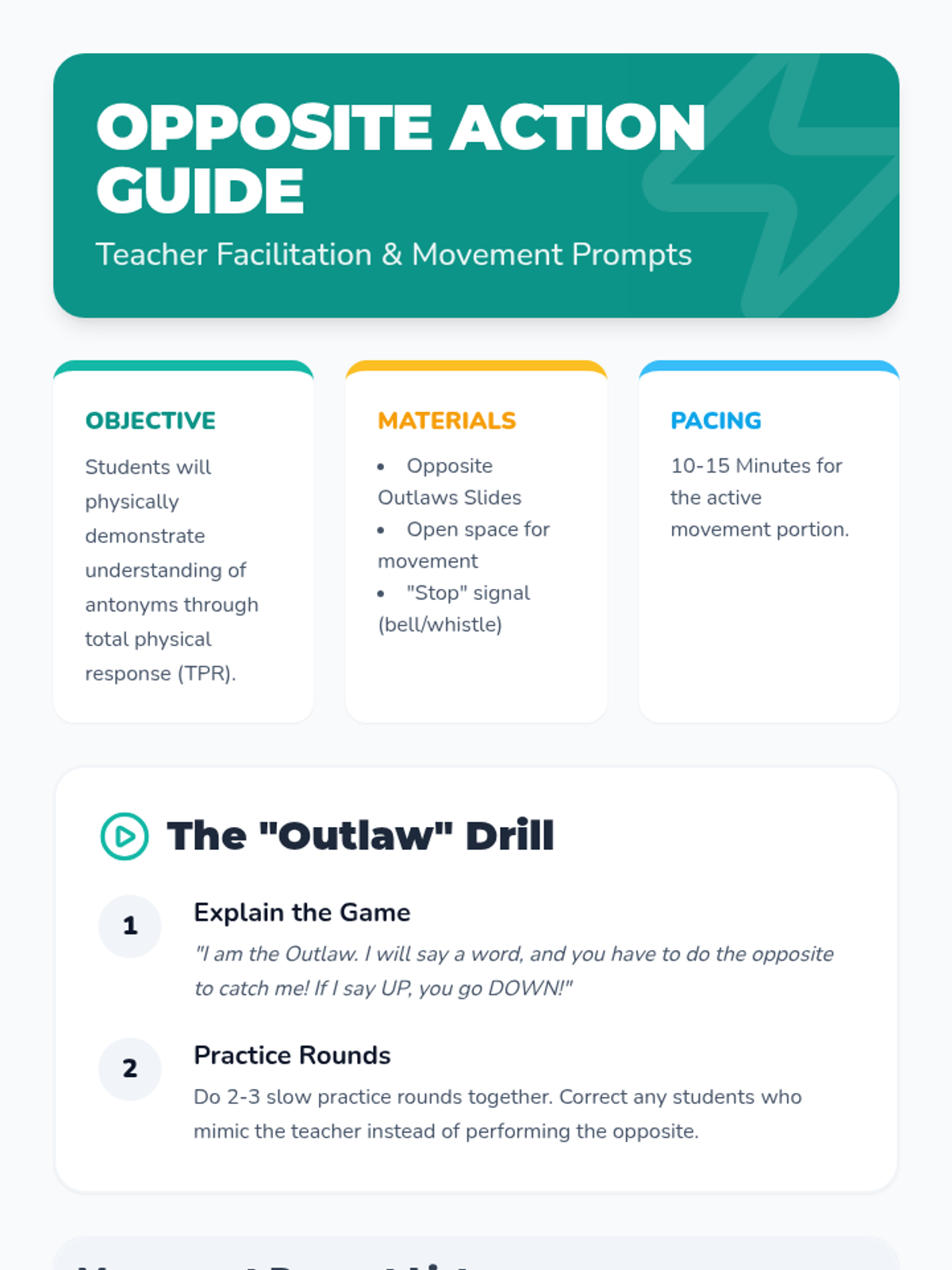
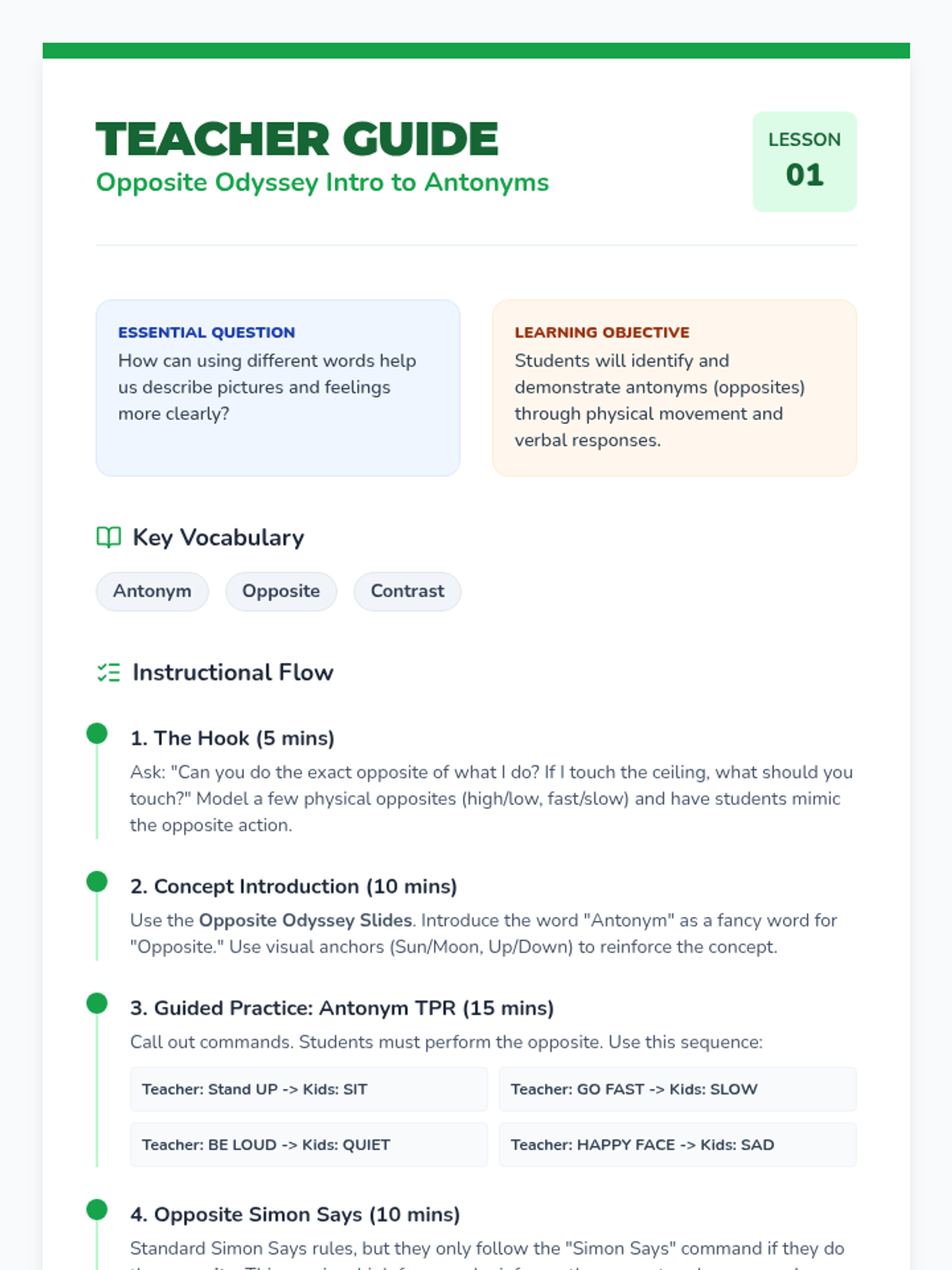
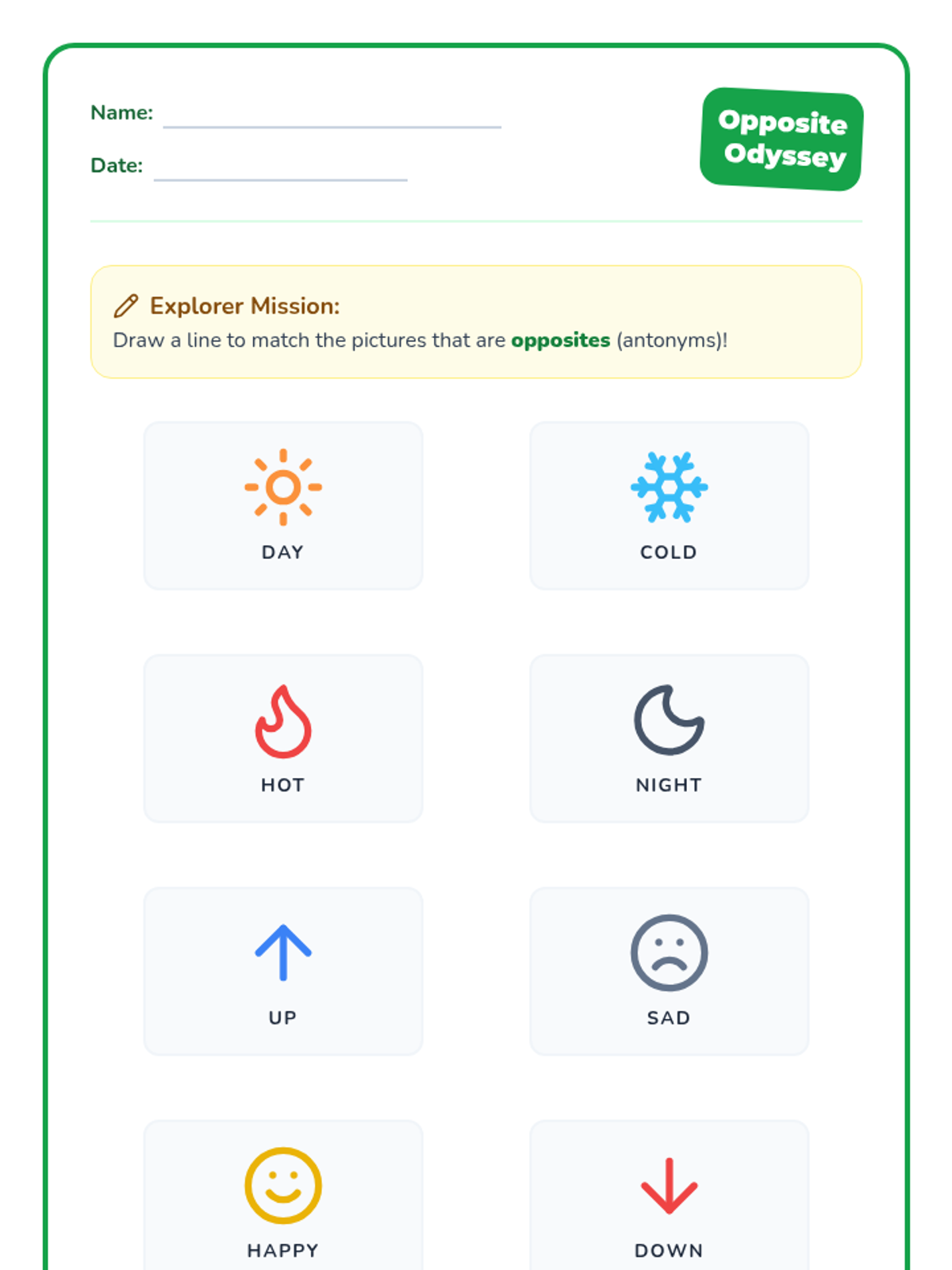
This kindergarten sequence introduces word relationships through play, visuals, and movement. Students explore antonyms (opposites) kinesthetically and visually, then transition to synonyms (same meanings) using emotions and size descriptions, culminating in a creative story retelling application.
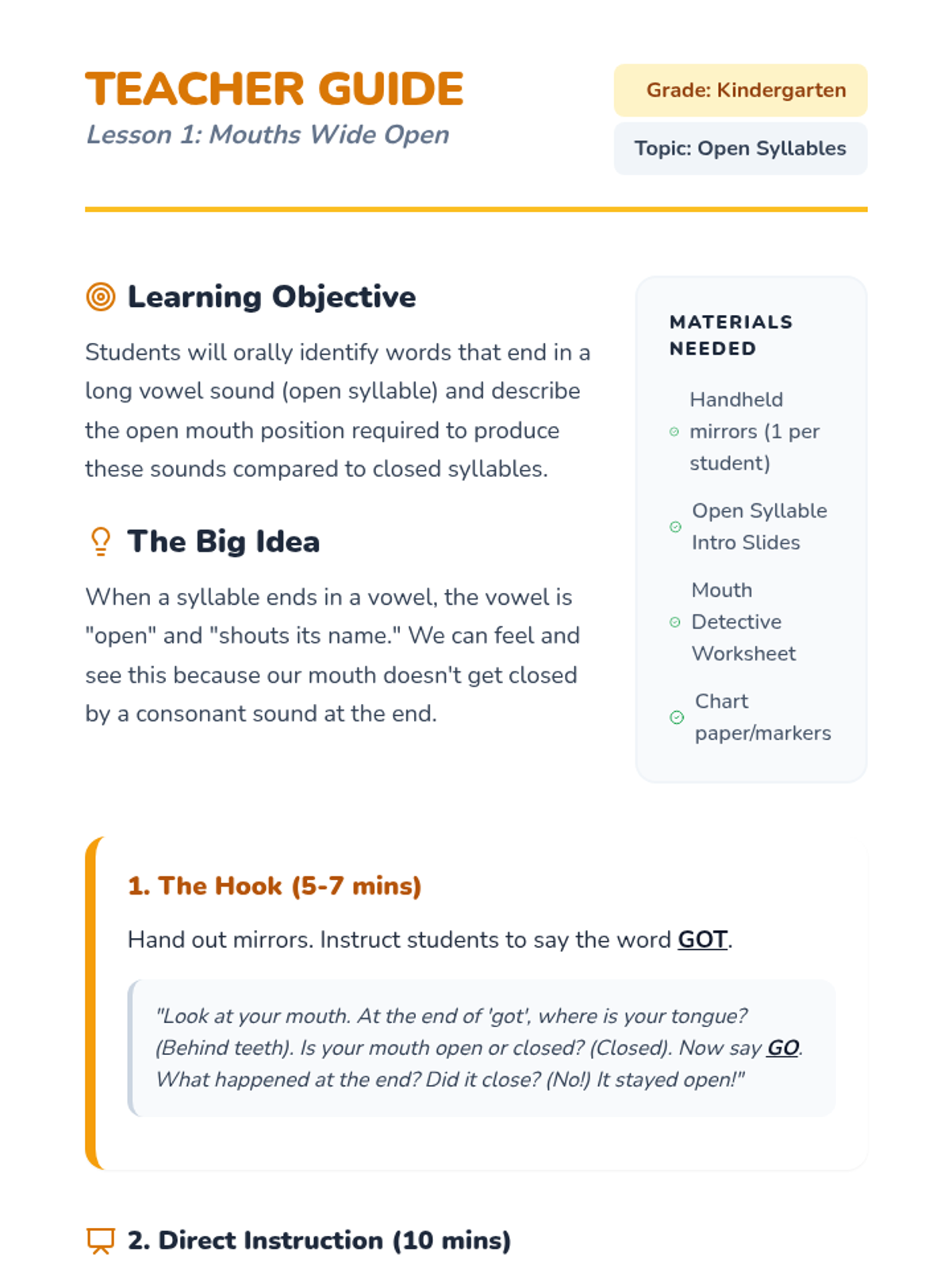
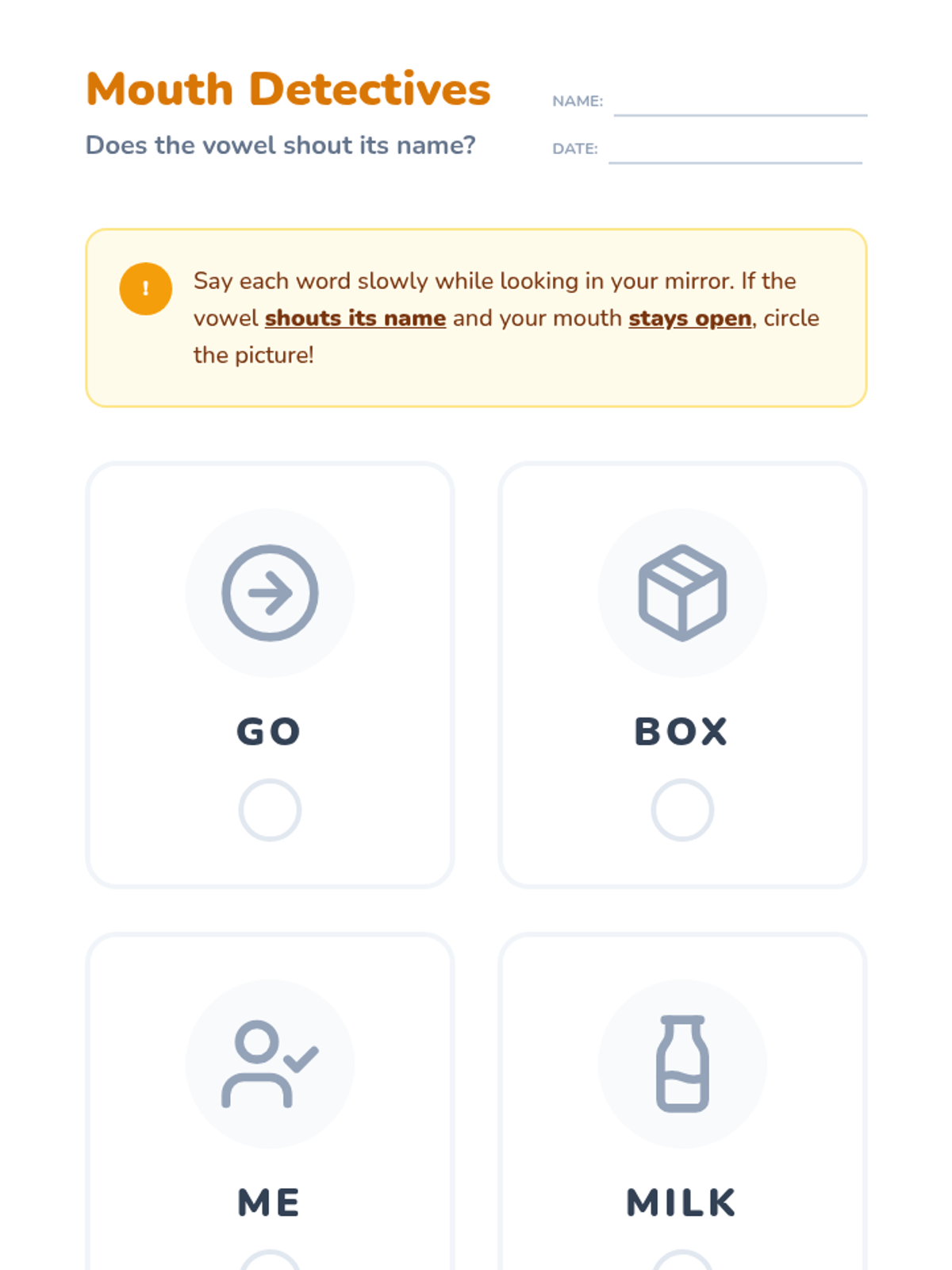
A Kindergarten phonics sequence focusing on open syllables (go, me, hi). Students learn to identify the 'open' mouth shape of long vowel sounds and map these sounds to letters in high-frequency words through sorting, mapping, and games.
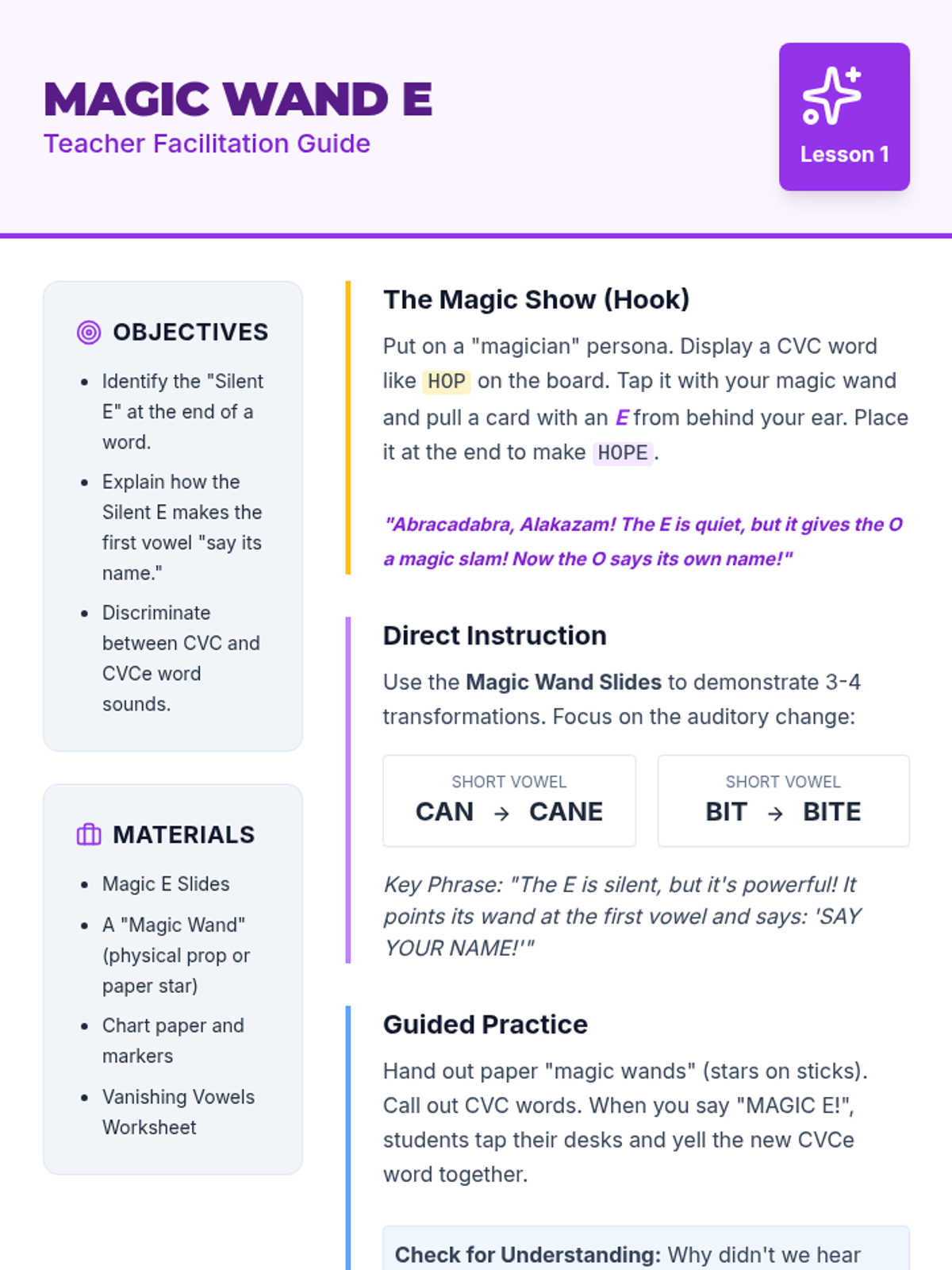
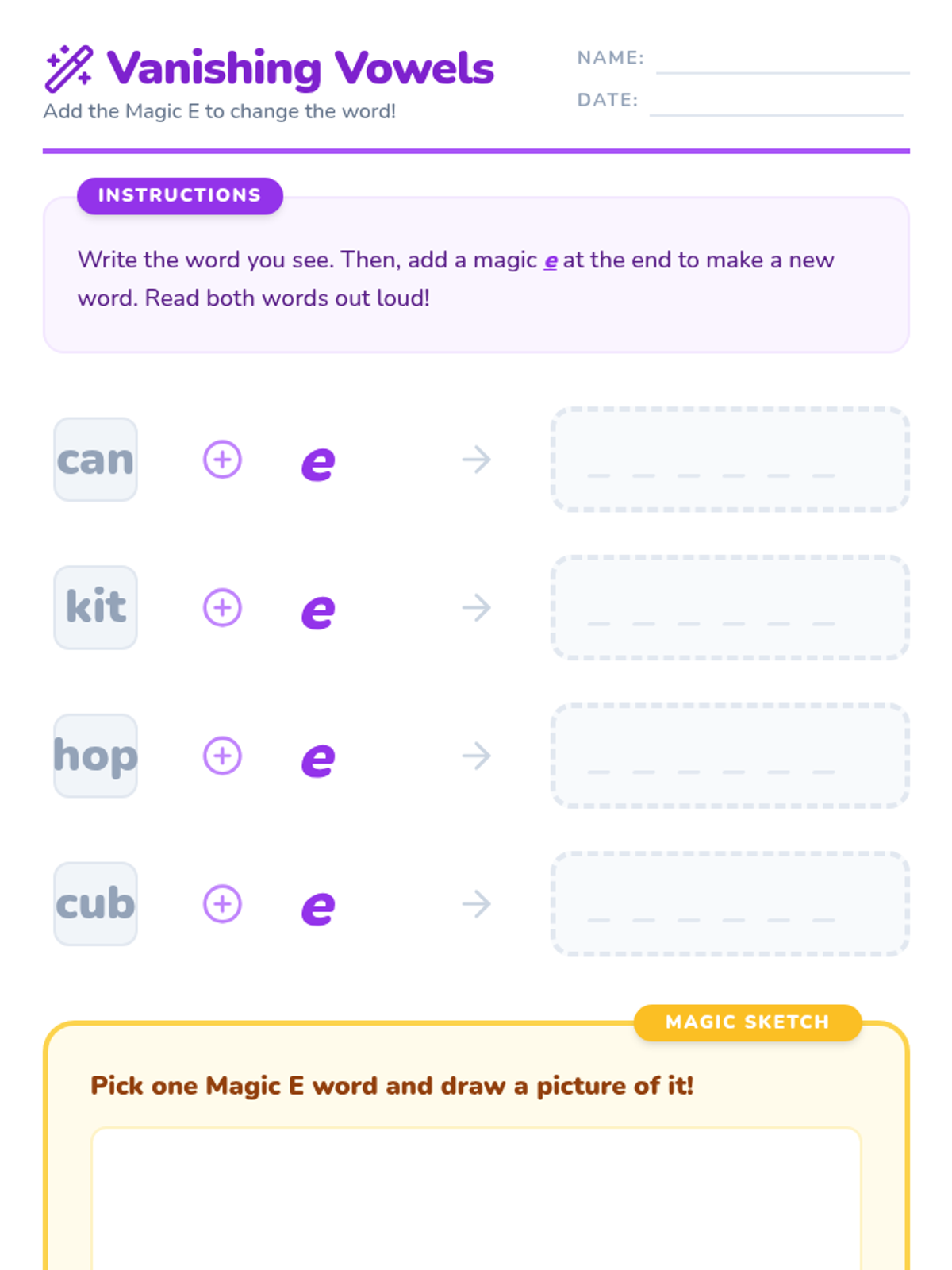
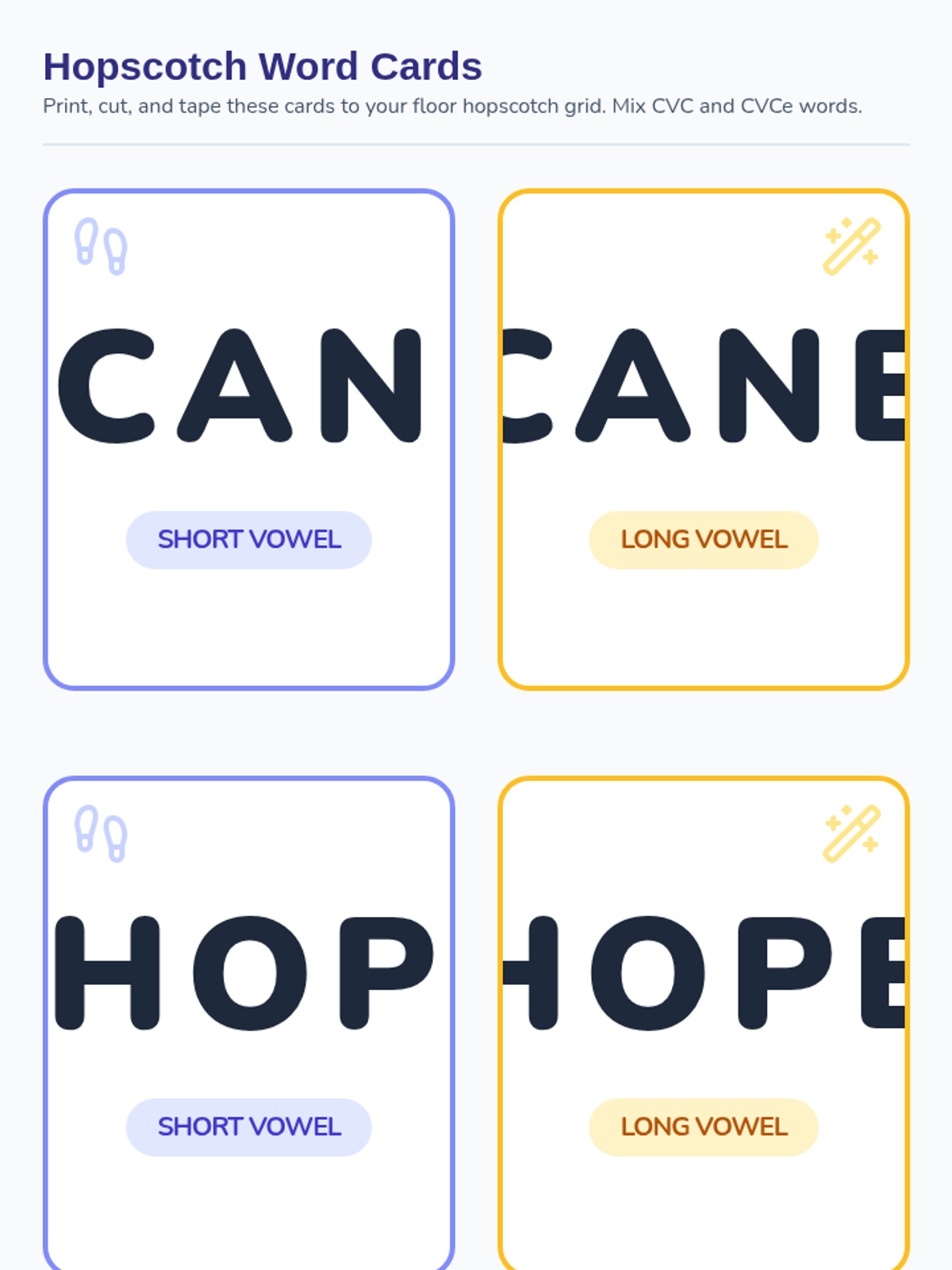
A Kindergarten sequence introducing the Silent E rule (CVCe pattern). Students learn to distinguish short and long vowel sounds, apply the 'Magic E' mechanic to transform words, and decode a_e, i_e, o_e, and u_e patterns through interactive games and hands-on practice.
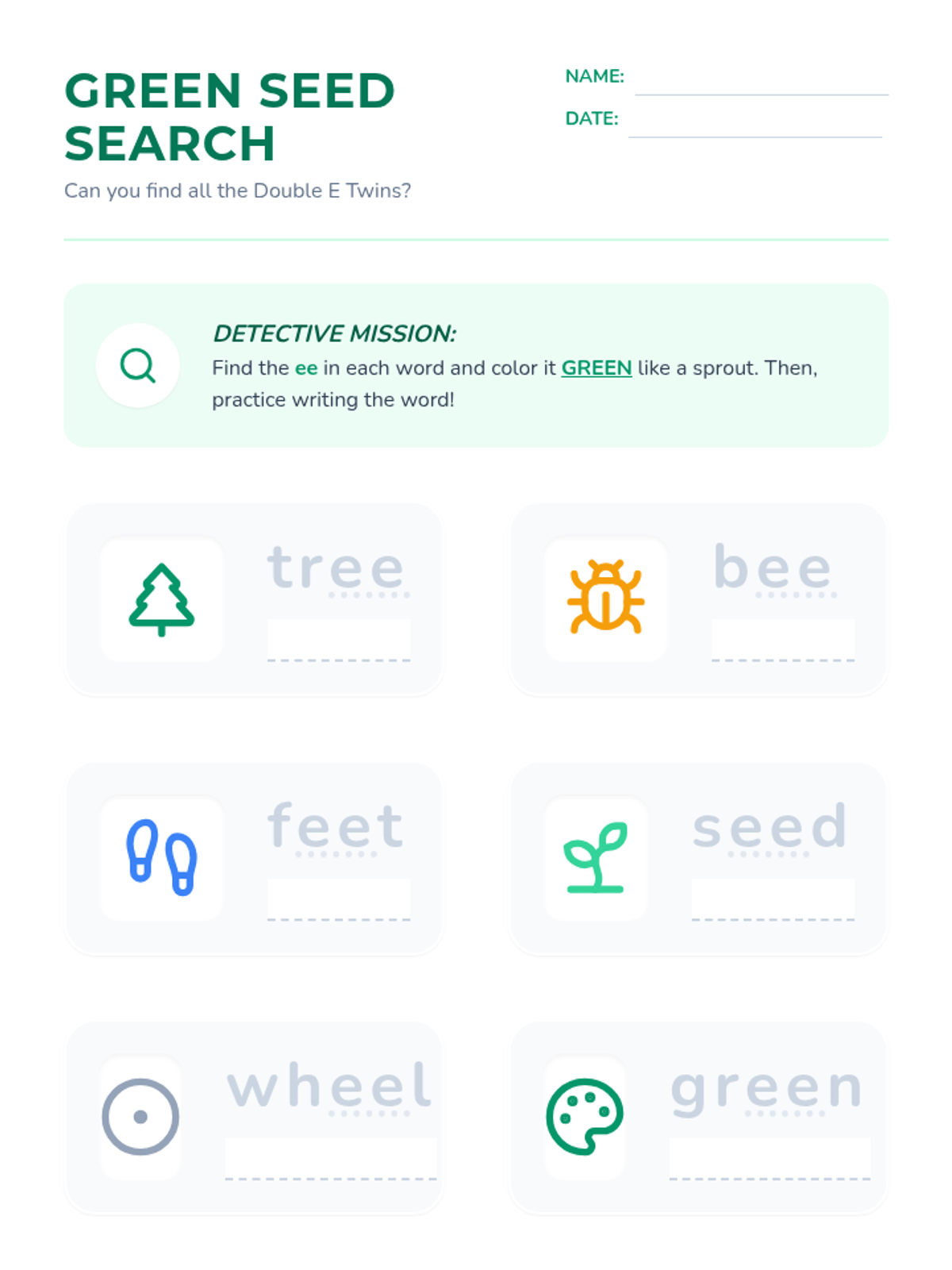
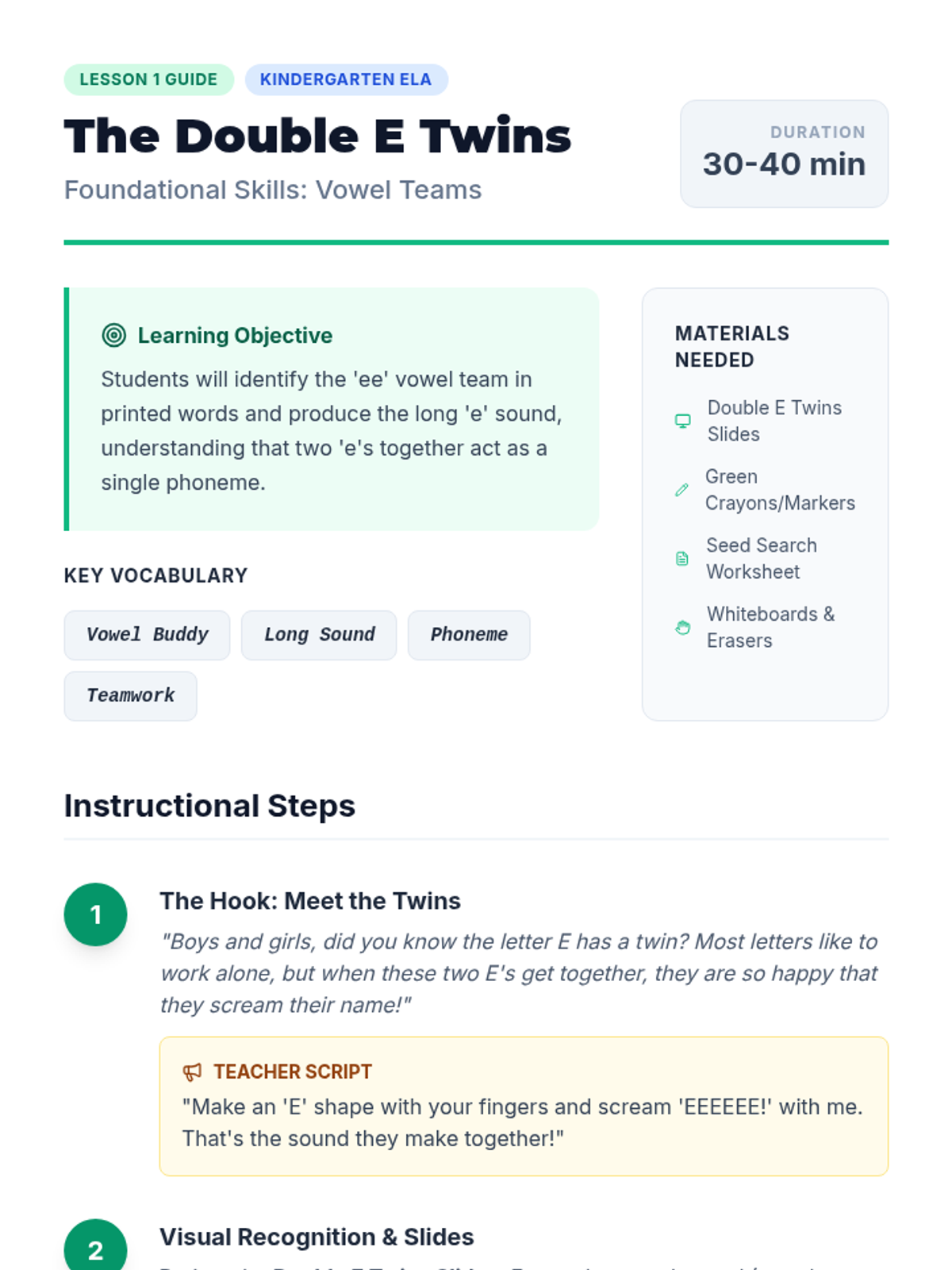
This Kindergarten ELA sequence introduces common vowel team patterns ('ee', 'ea', 'ai', 'ay') using a 'Vowel Buddies' theme. Students move from basic recognition of the double 'e' to blending and reading these patterns in decodable texts.
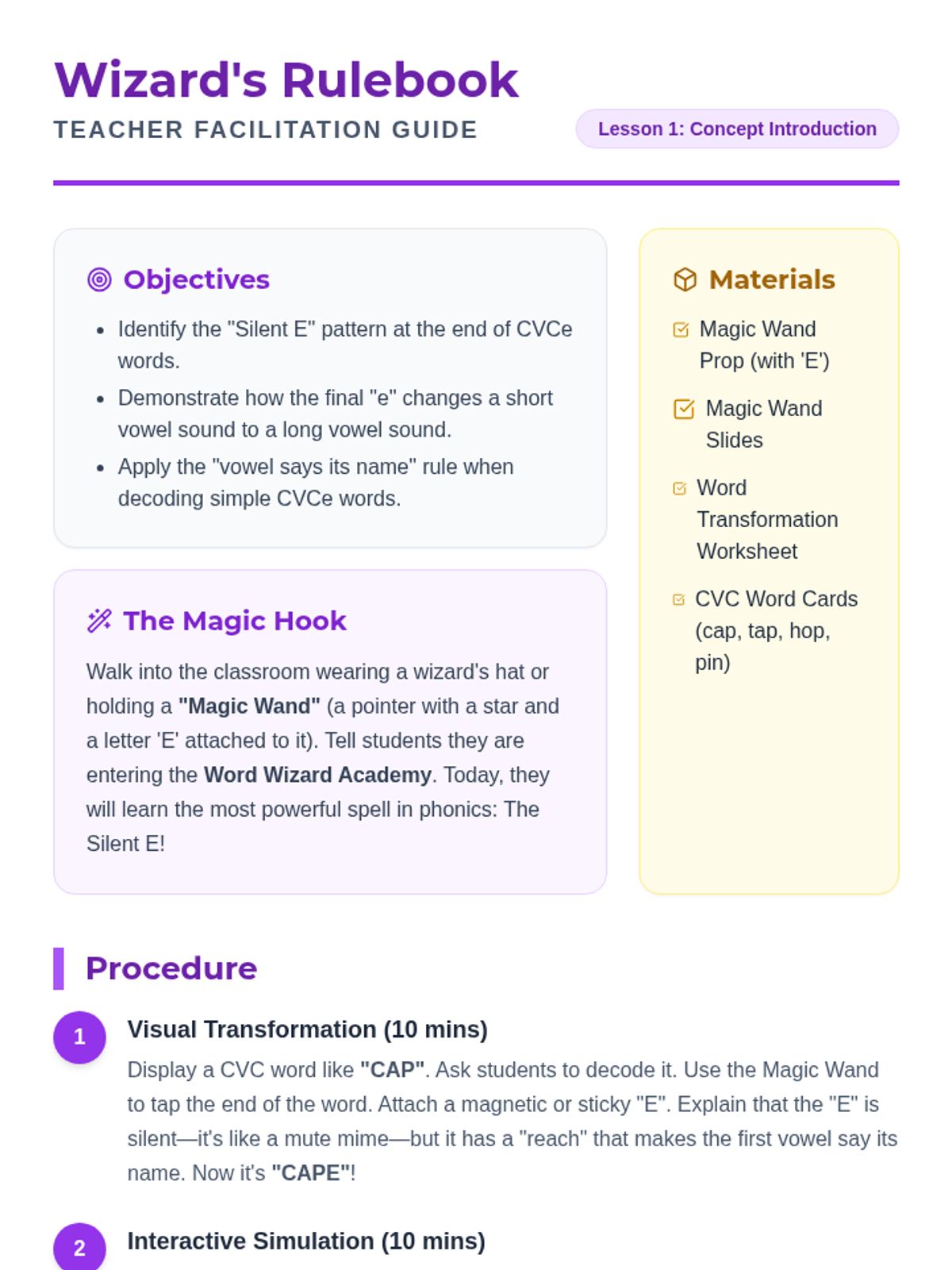
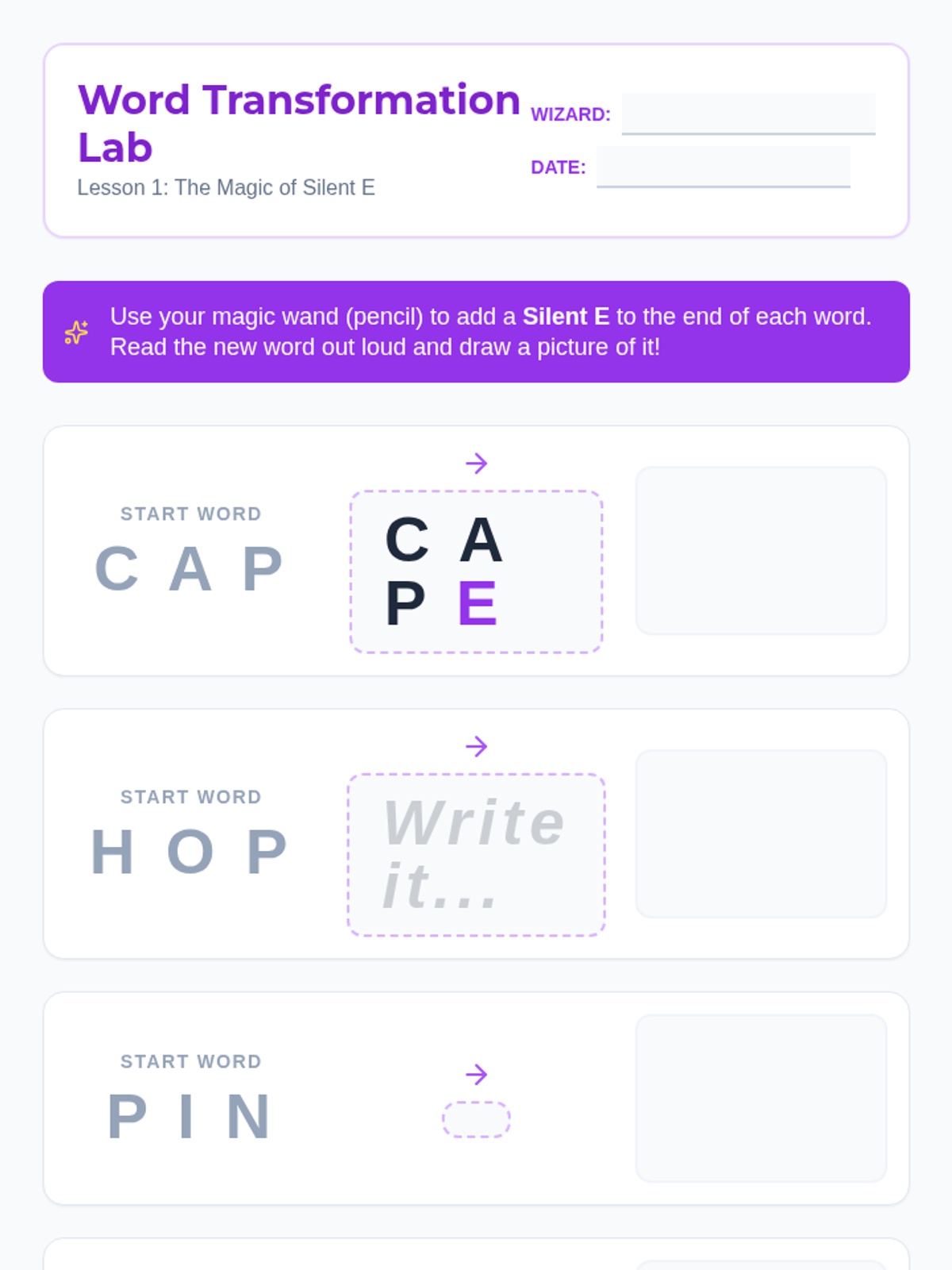
Students explore the 'Silent E' (CVCe) rule through a 'Word Wizard' theme, transforming short vowel words into long vowel words. The sequence covers concept introduction, specific vowel patterns (a, i, o, u), fluency practice, and creative writing application.
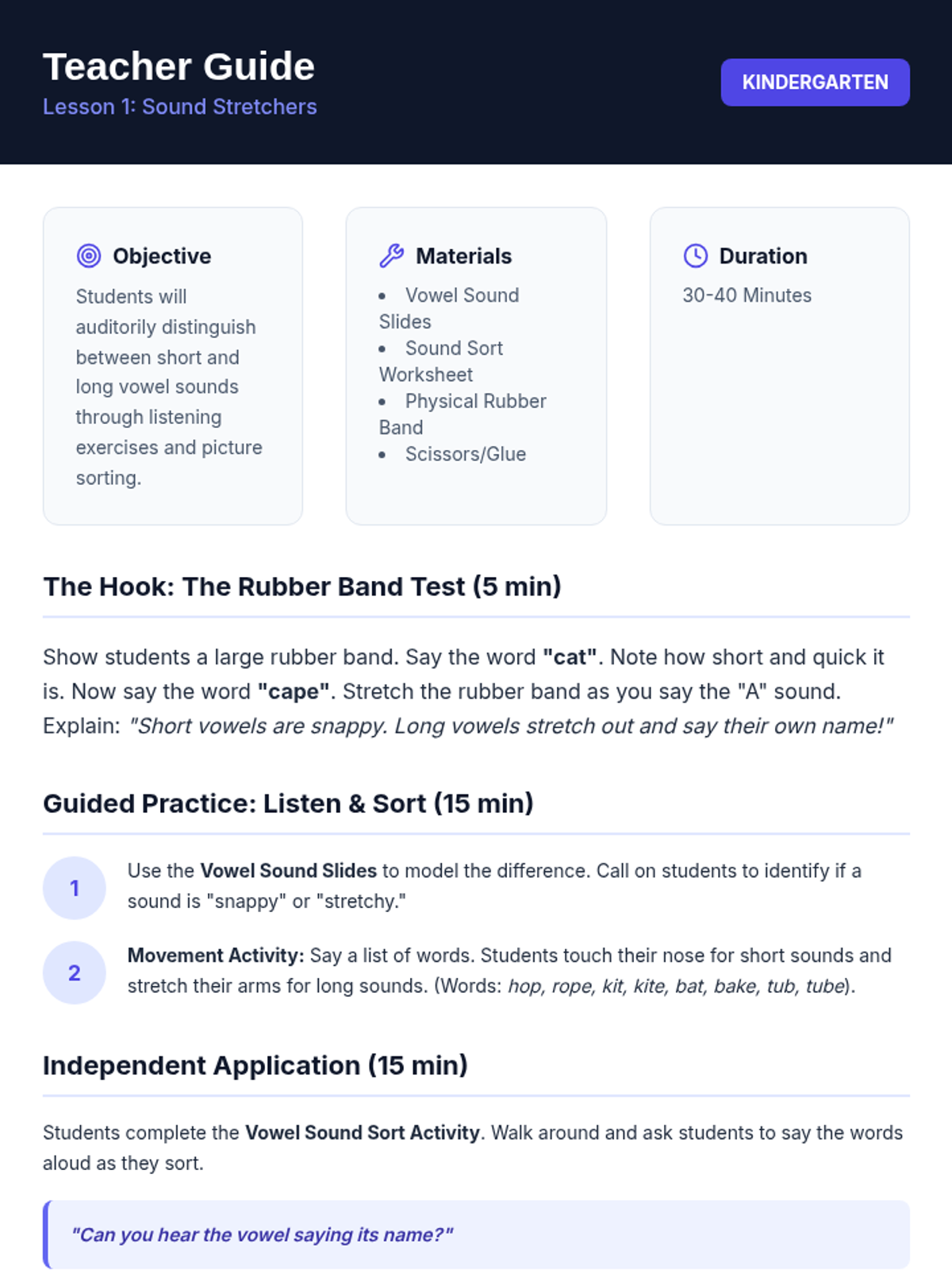
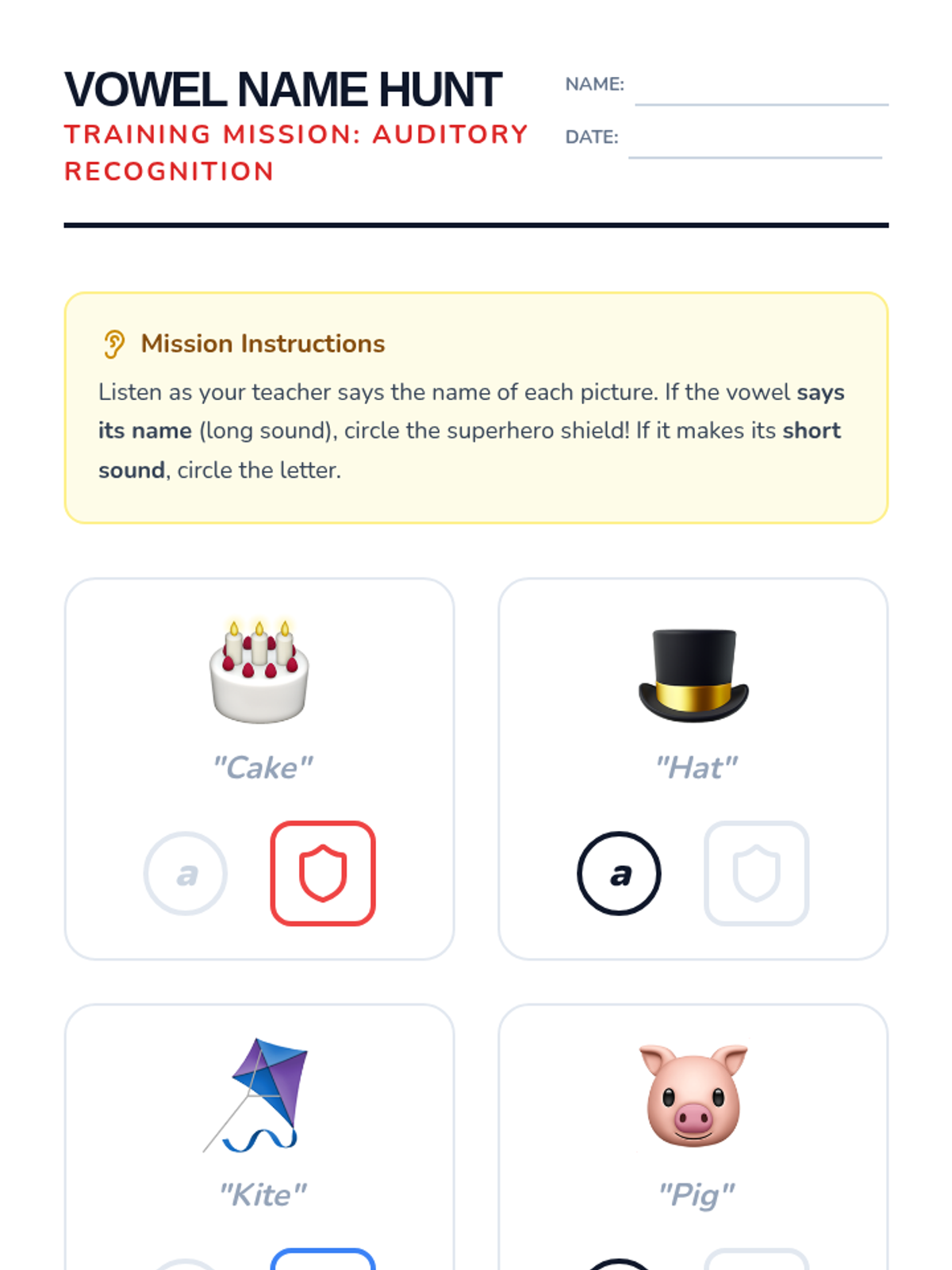
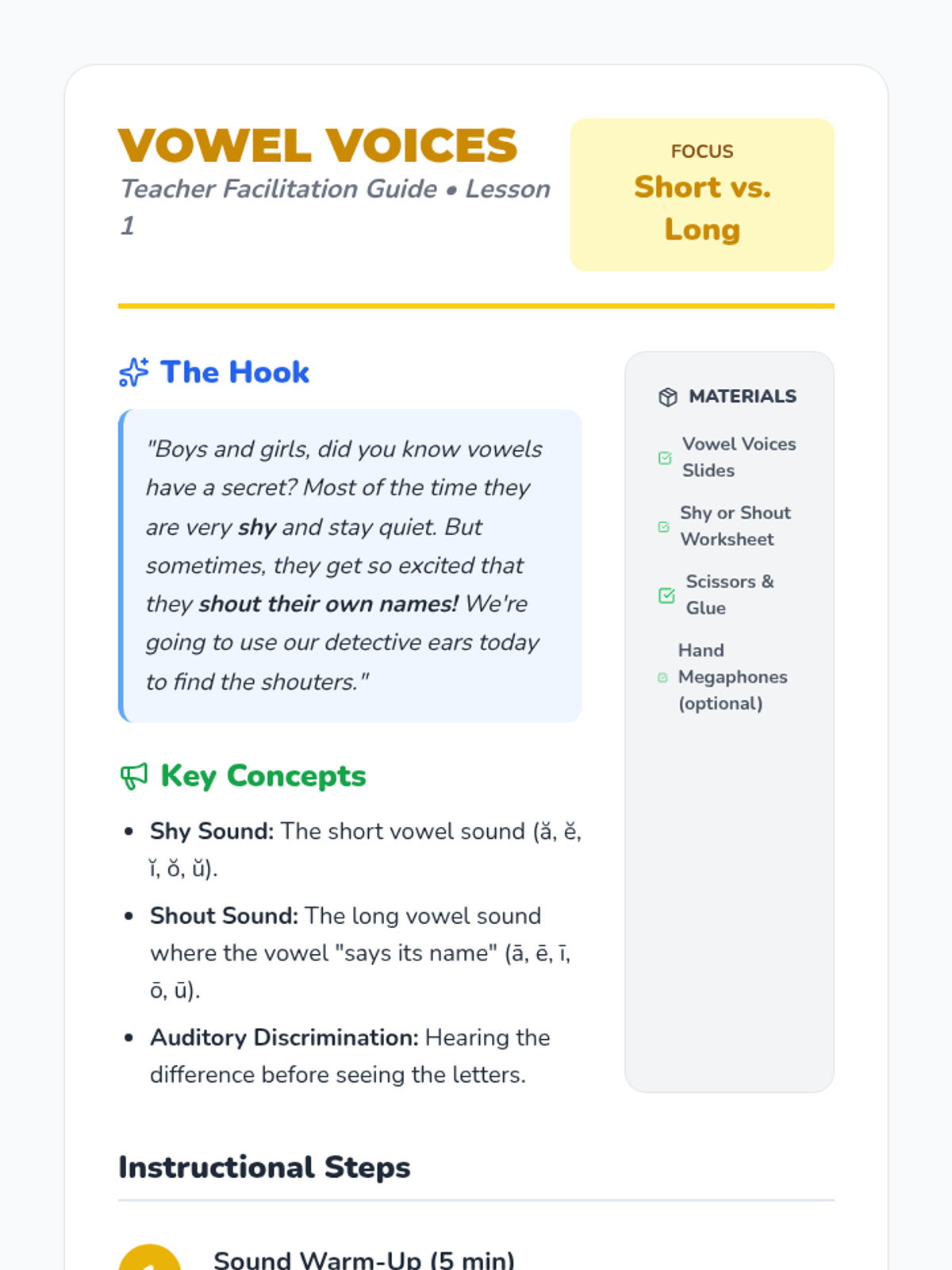
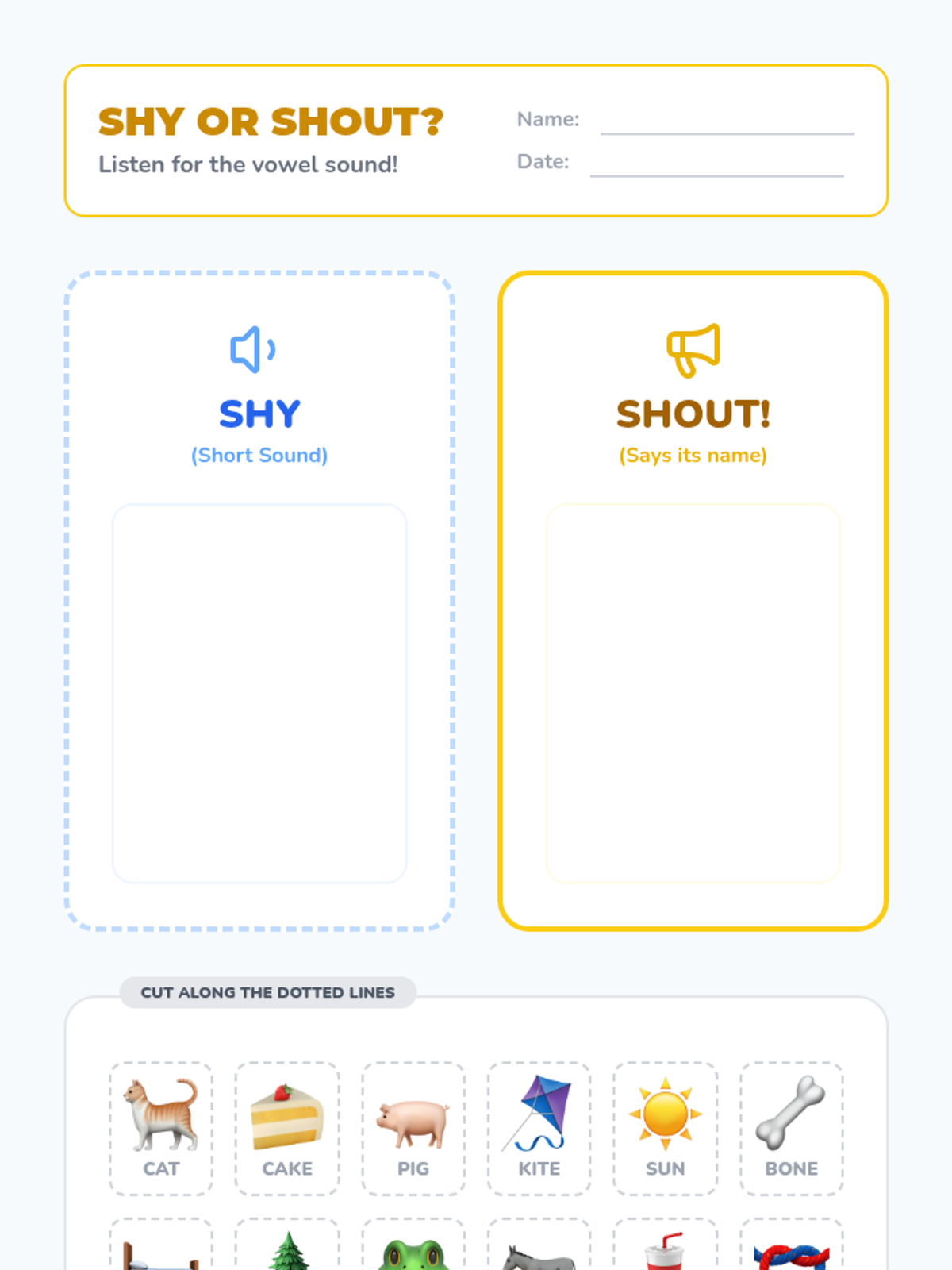
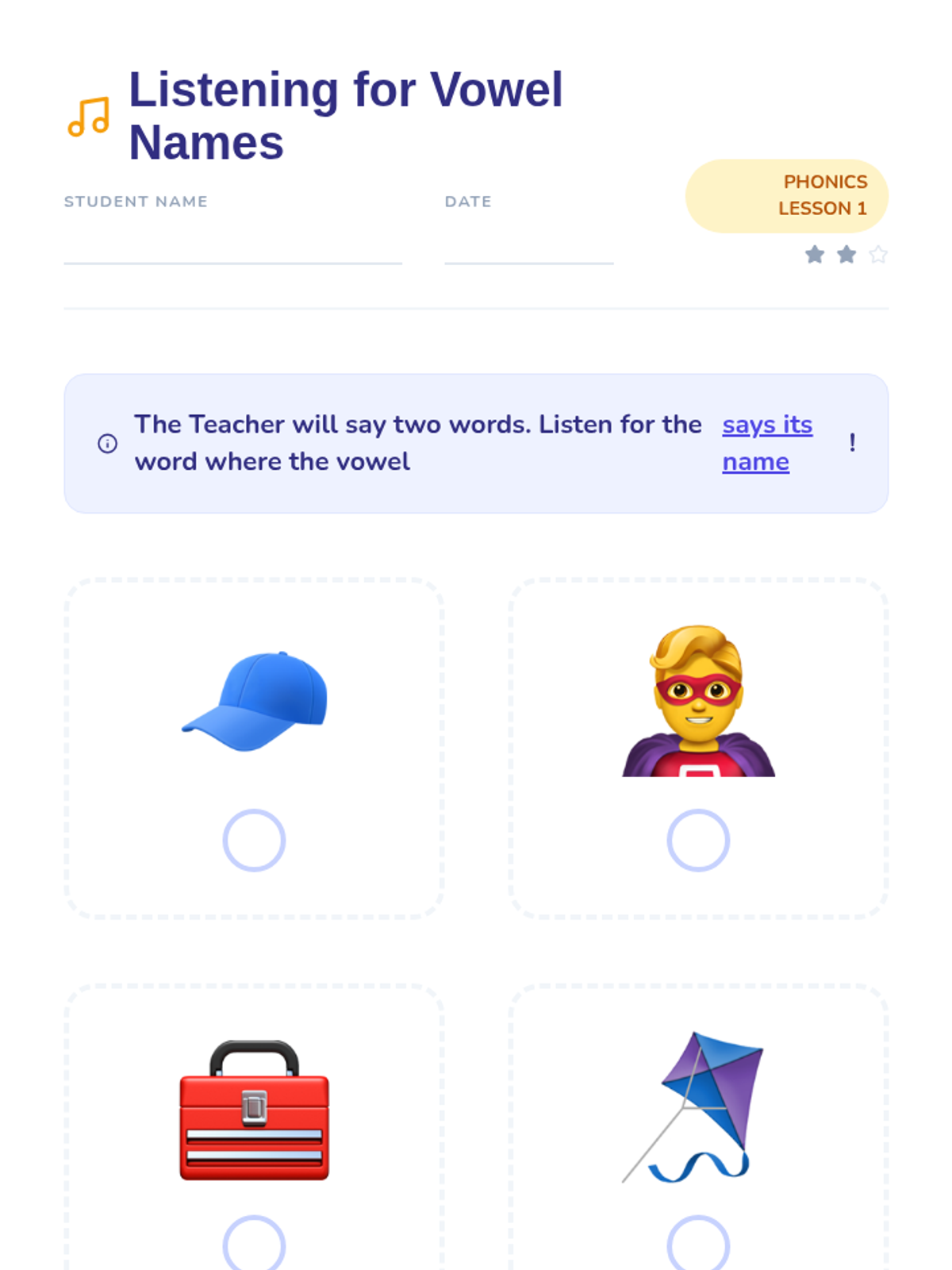
This Kindergarten ELA sequence introduces students to long vowel sounds and the 'Silent E' (CVCe) rule through an inquiry-based superhero and magic theme. Students move from auditory recognition of vowels 'saying their names' to decoding and writing CVCe words.
A systematic introduction to the five short vowel sounds for Kindergarten students, focusing on mouth formation, auditory discrimination, blending, and segmenting CVC words through a multisensory 'Sound Safari' theme.
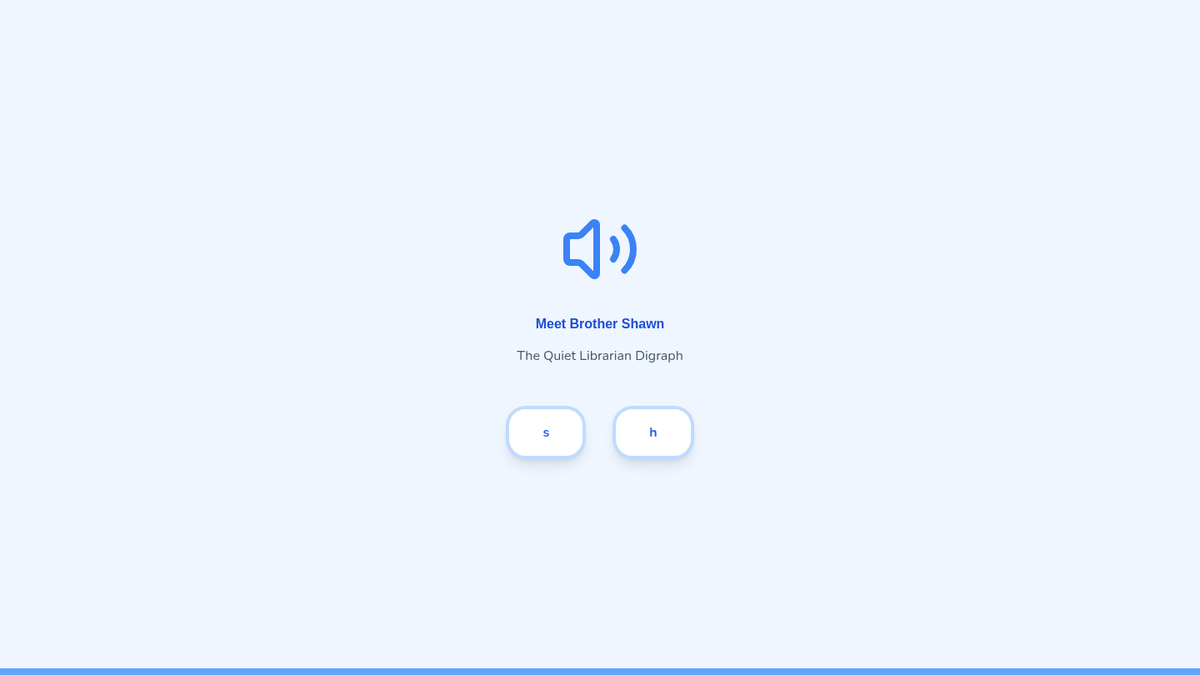
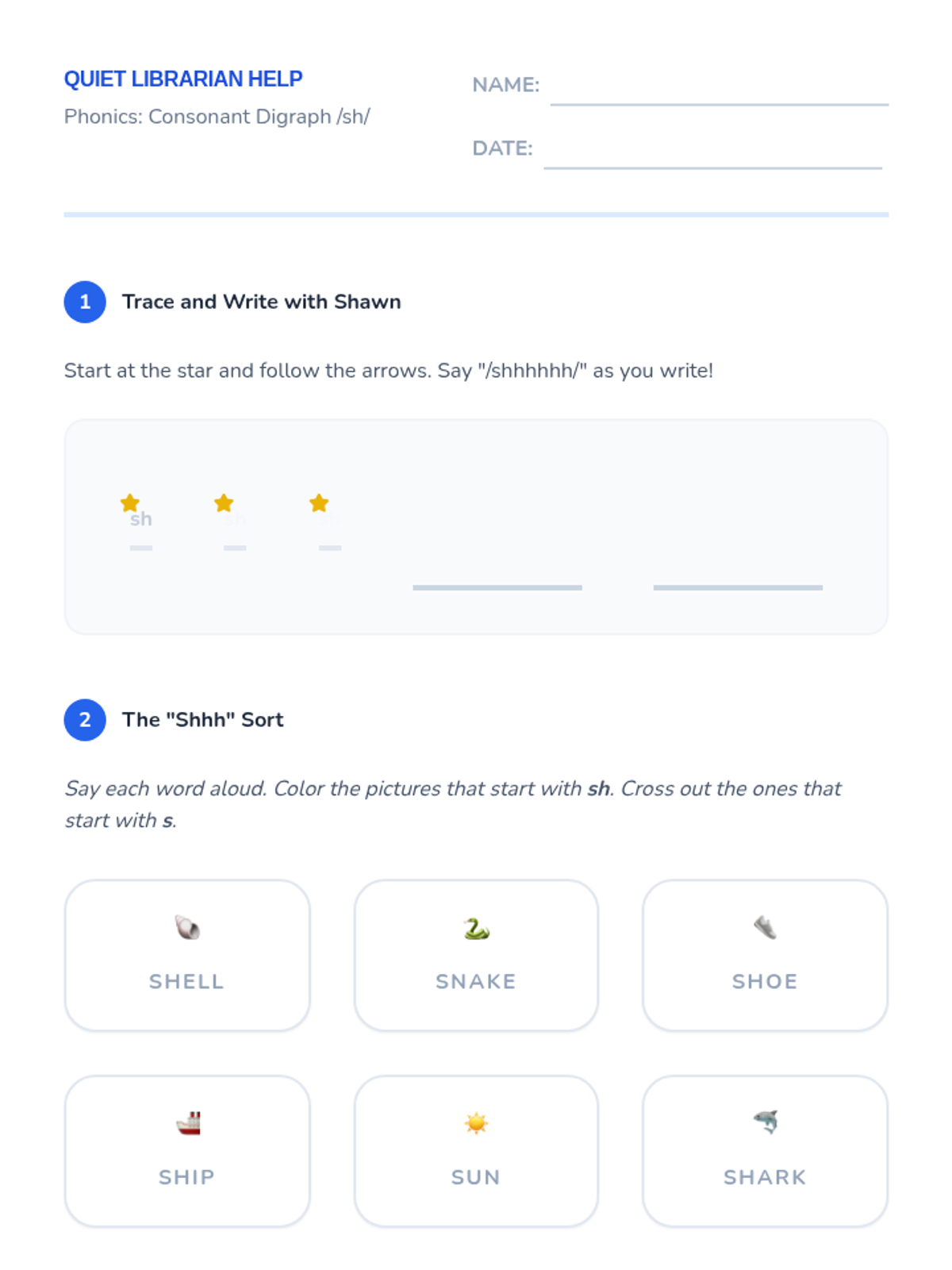
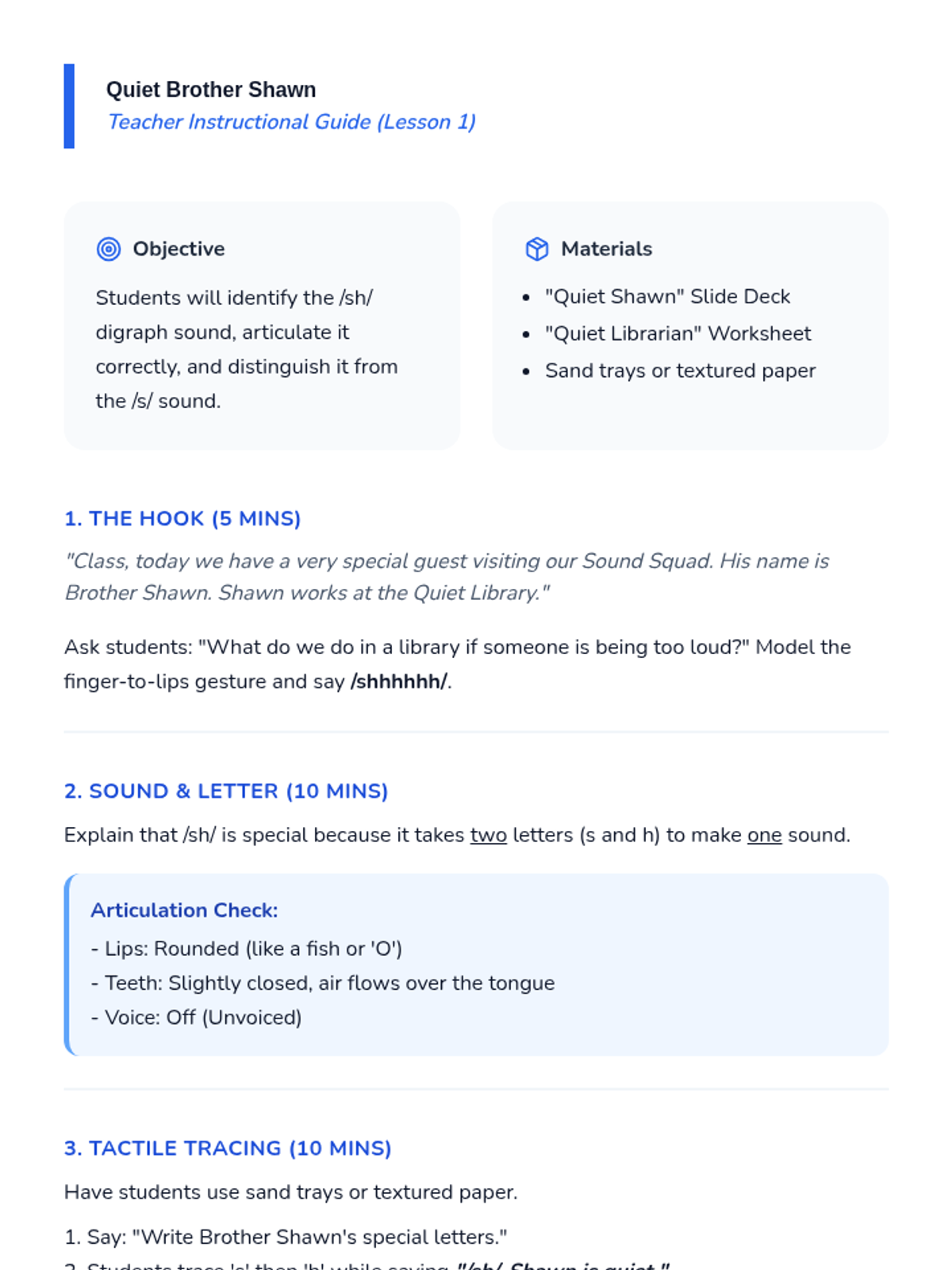
This Kindergarten ELA sequence introduces students to consonant digraphs (sh, ch, th, wh) through the 'H-Brothers' narrative. Students move from auditory awareness to visual recognition and decoding in context using multisensory activities.
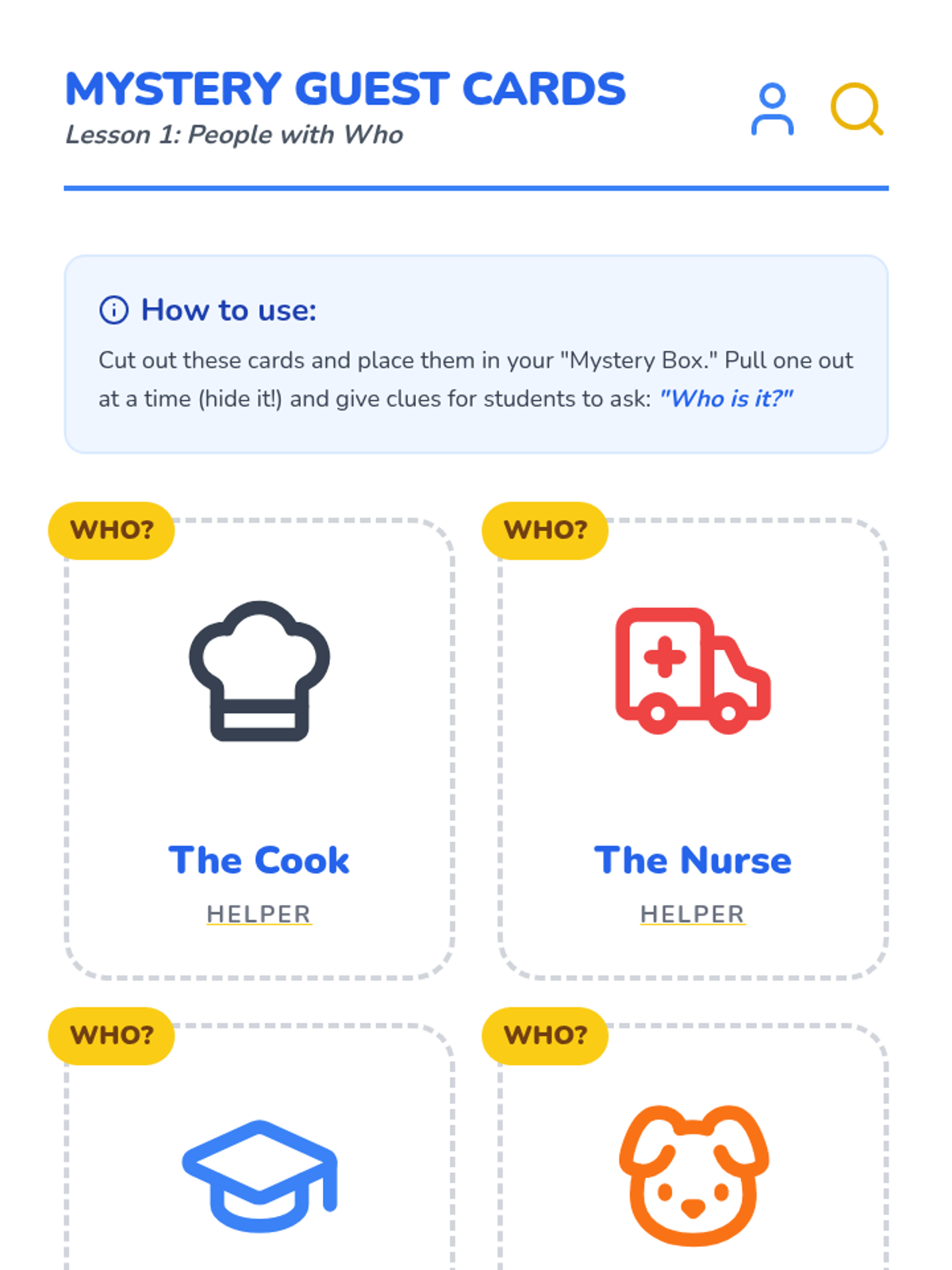
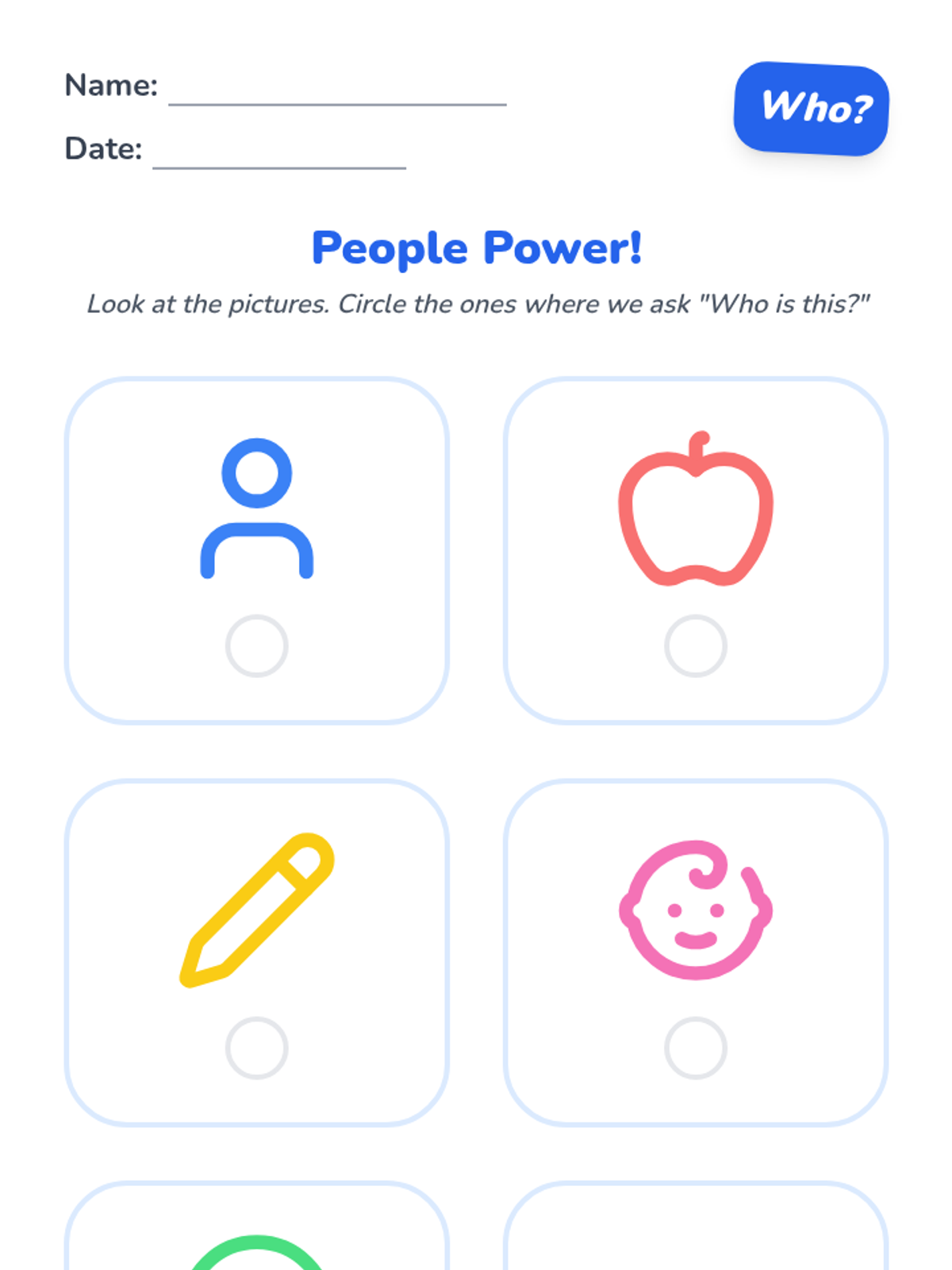
This sequence introduces Pre-K students to 'Who' and 'What' through interactive play, sorting, and dialogue, helping them distinguish between people and objects.
A Kindergarten phonics sequence focusing on the 'Silent E' (CVCe) pattern, bridging auditory recognition and reading through visual transformations and hands-on activities.
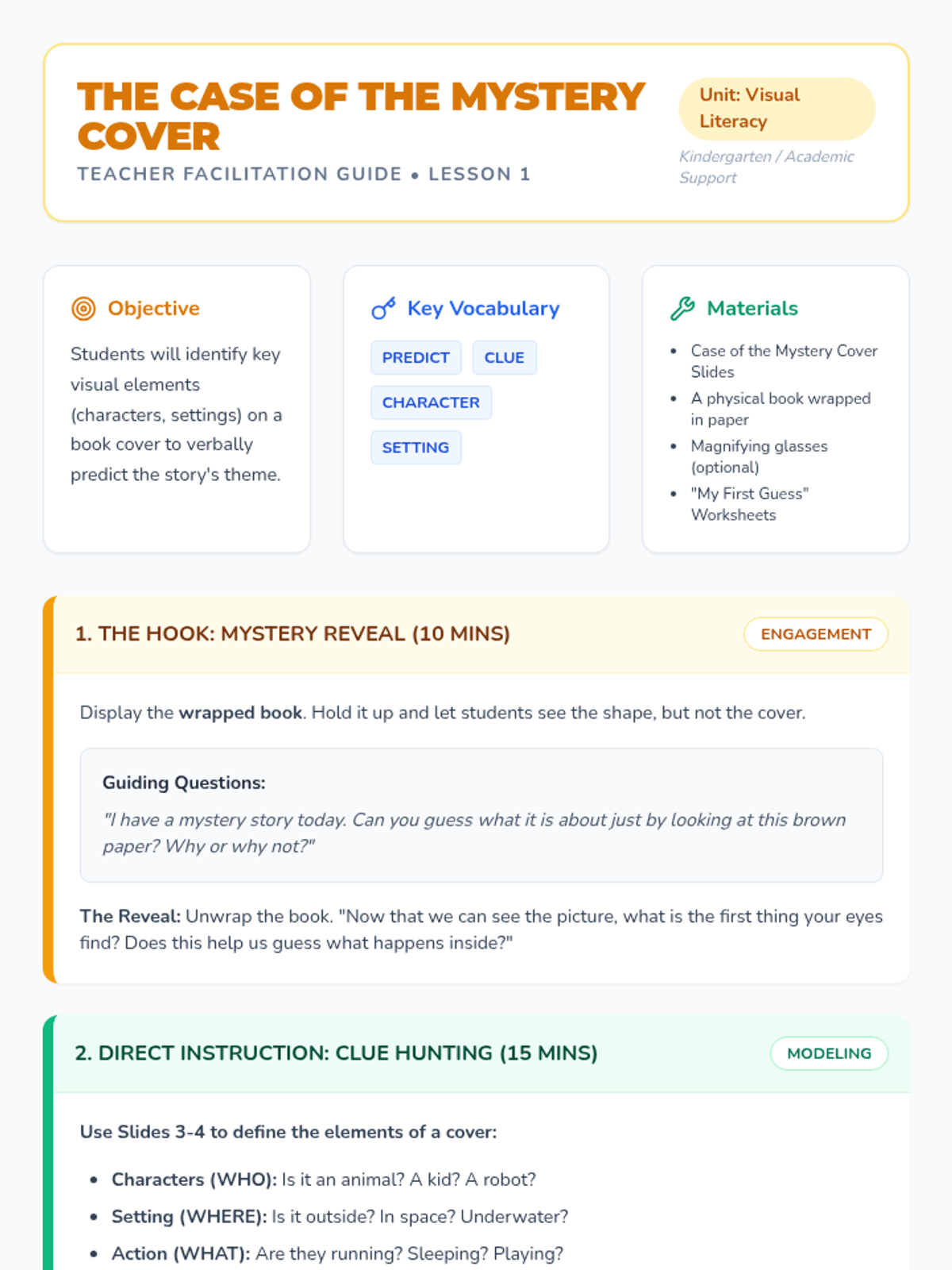
A Kindergarten sequence focused on visual literacy to teach prediction and inference. Students use picture clues from book covers and wordless stories to anticipate what happens next, developing critical thinking and observation skills through a 'Picture Detective' theme.
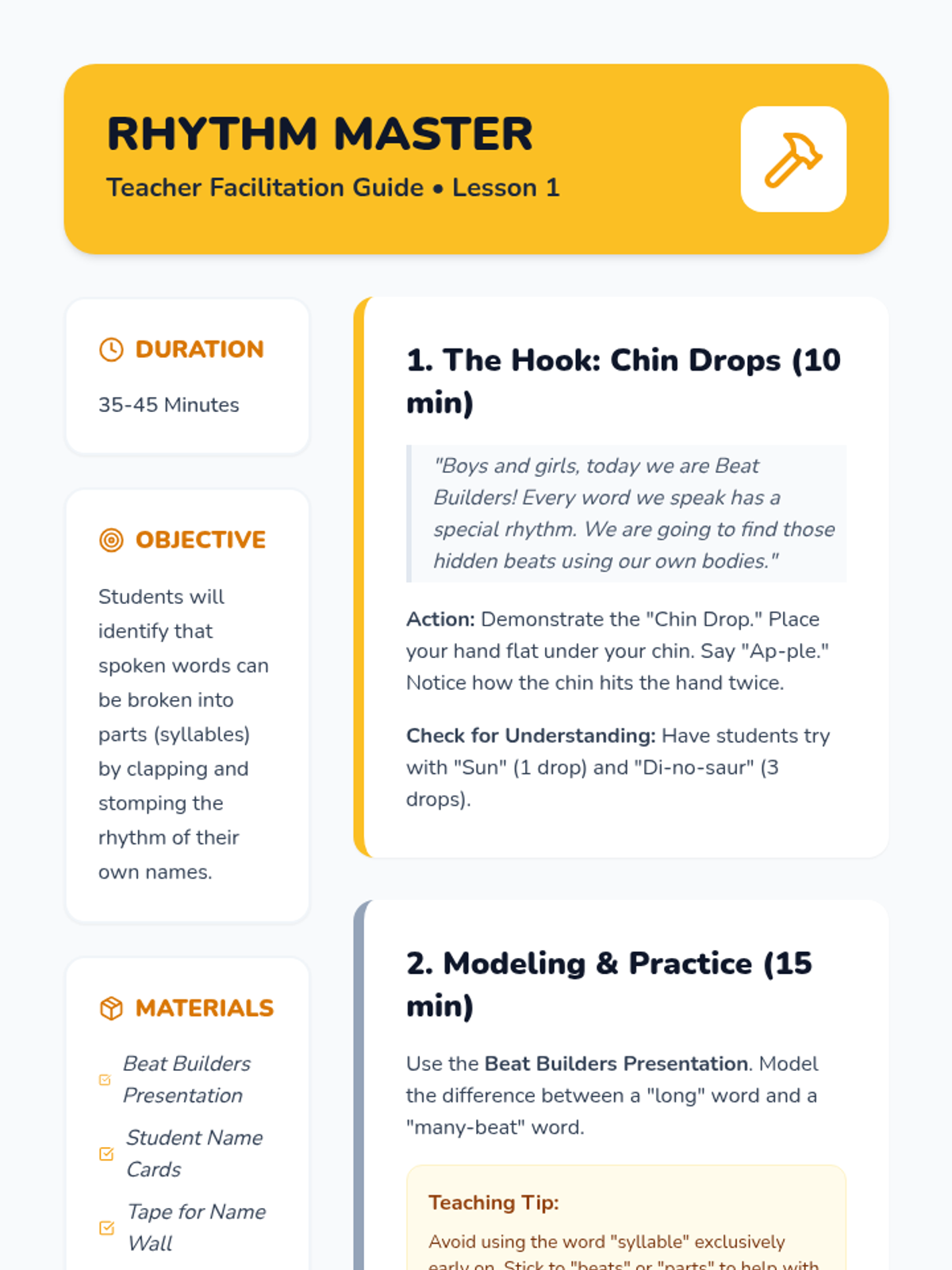
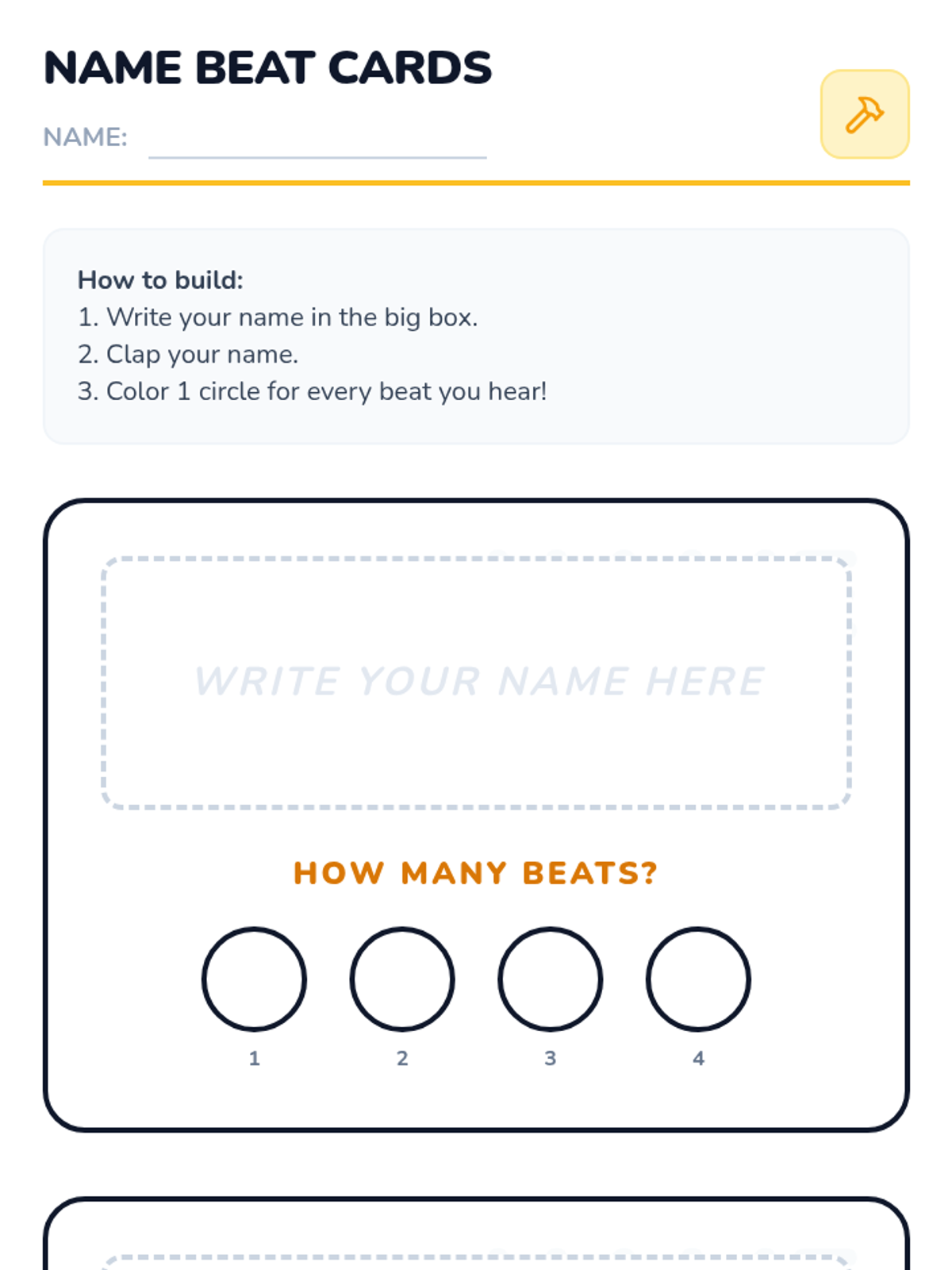
A Kindergarten phonological awareness sequence focused on auditory syllable segmentation. Students learn to hear, count, and manipulate word parts through movement, games, and tactile activities, moving from simple names to complex compound words.
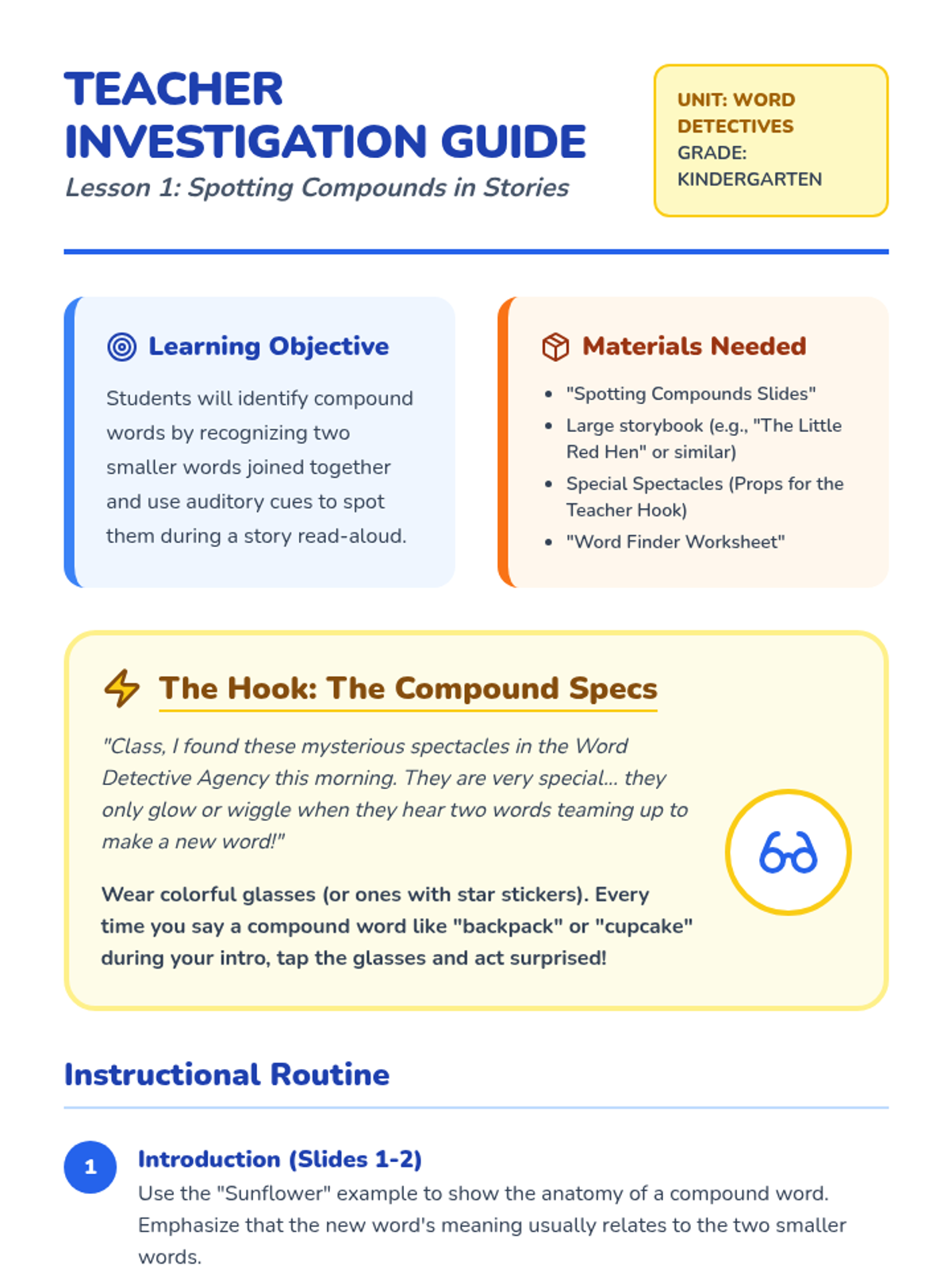
A Kindergarten ELA sequence exploring compound words through literature, dramatization, and context clues. Students investigate how two small words join together to create new meanings within stories.
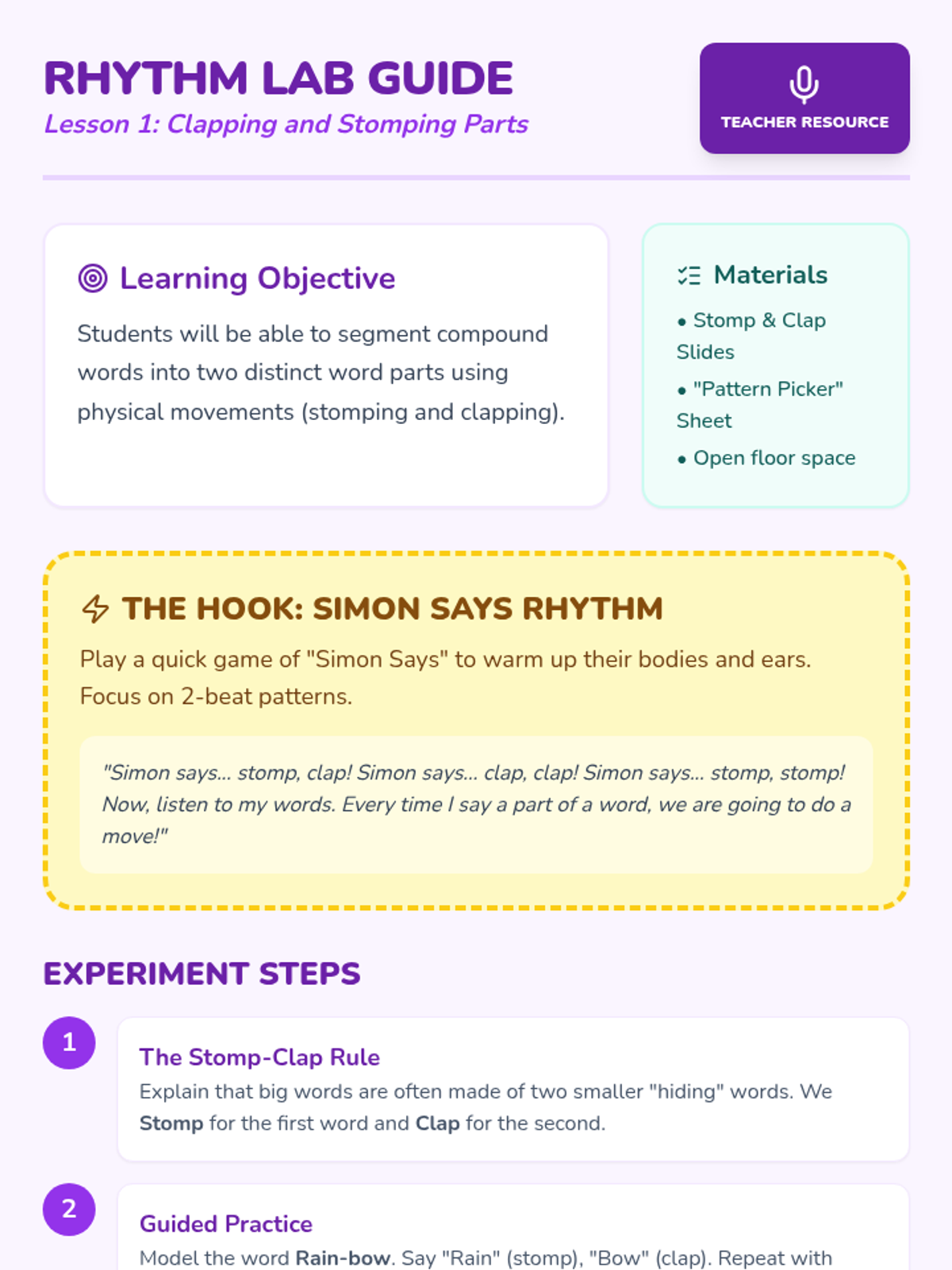
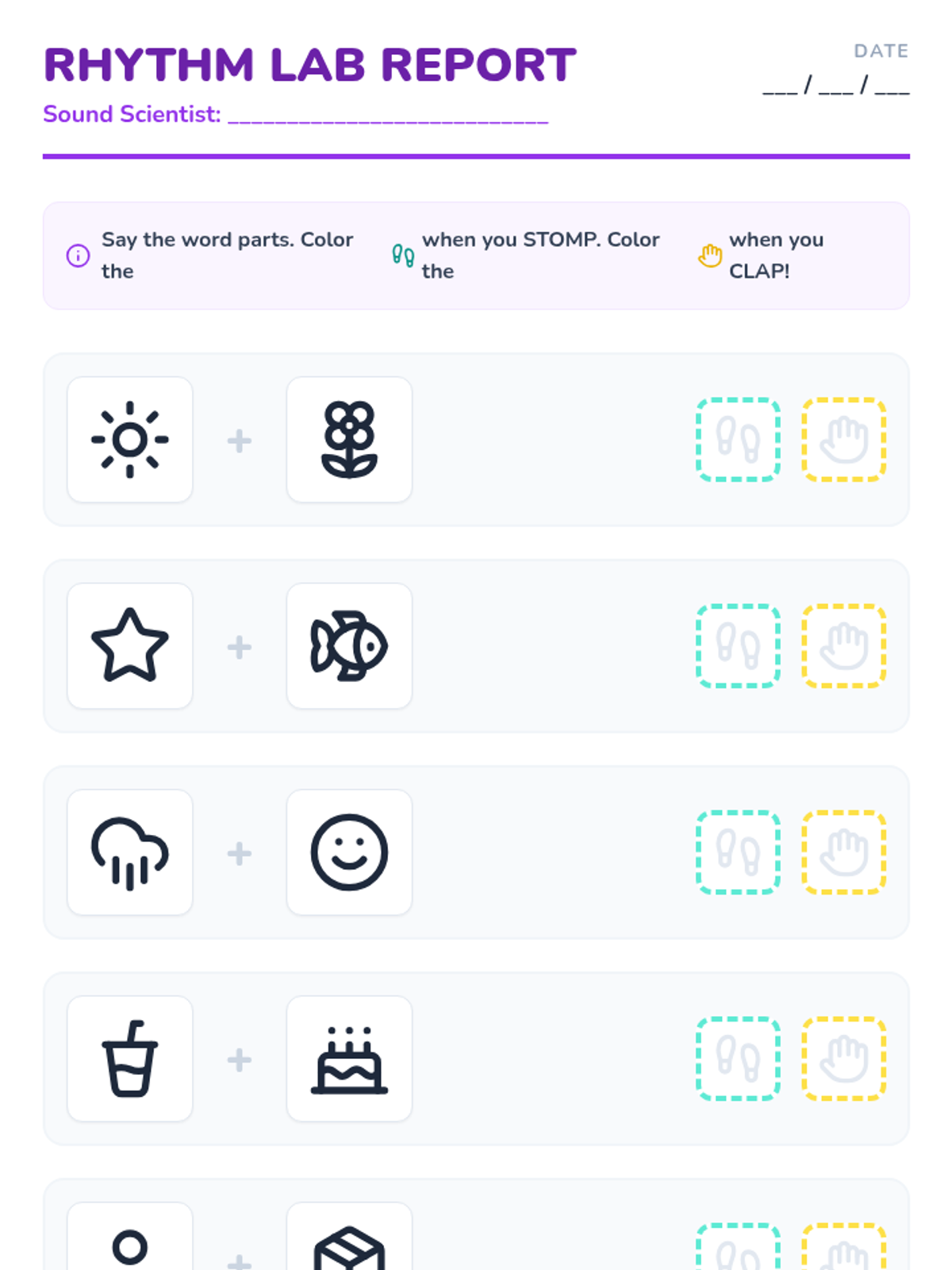
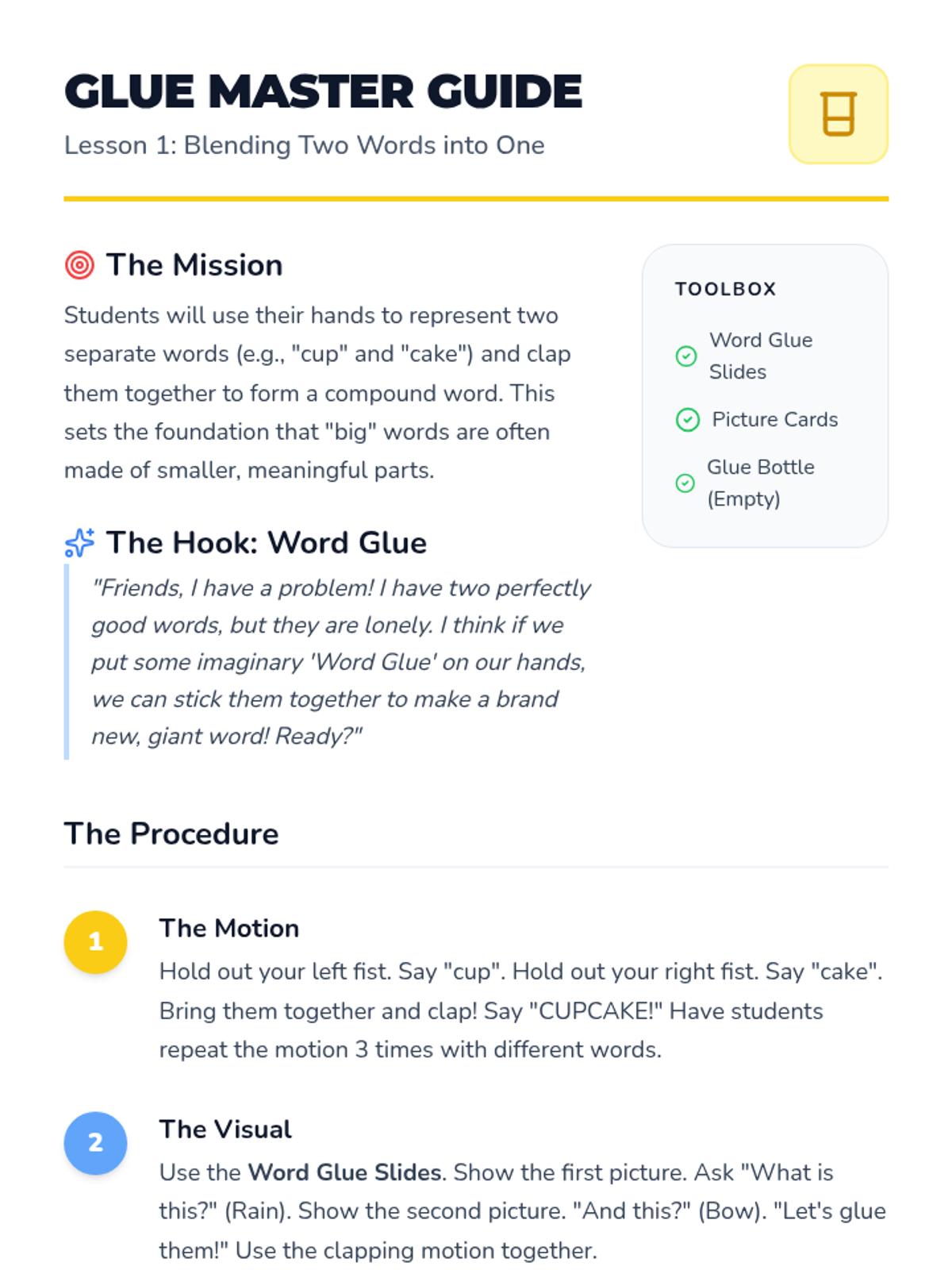
A Kindergarten ELA sequence focusing on the auditory segmentation, blending, and manipulation of compound words. Through kinetic movement, role-play, and auditory games, students develop phonological awareness skills essential for later decoding and spelling.
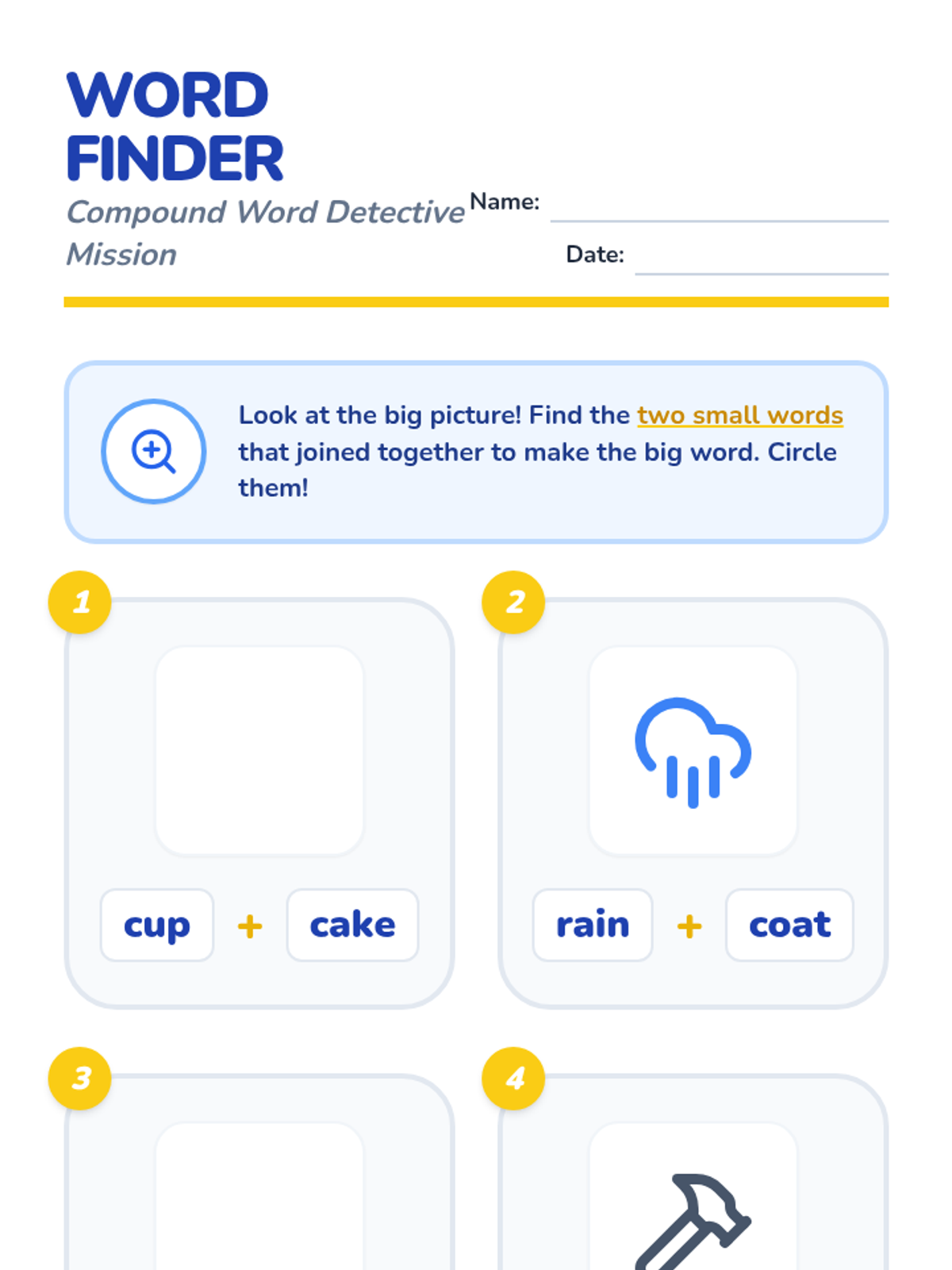
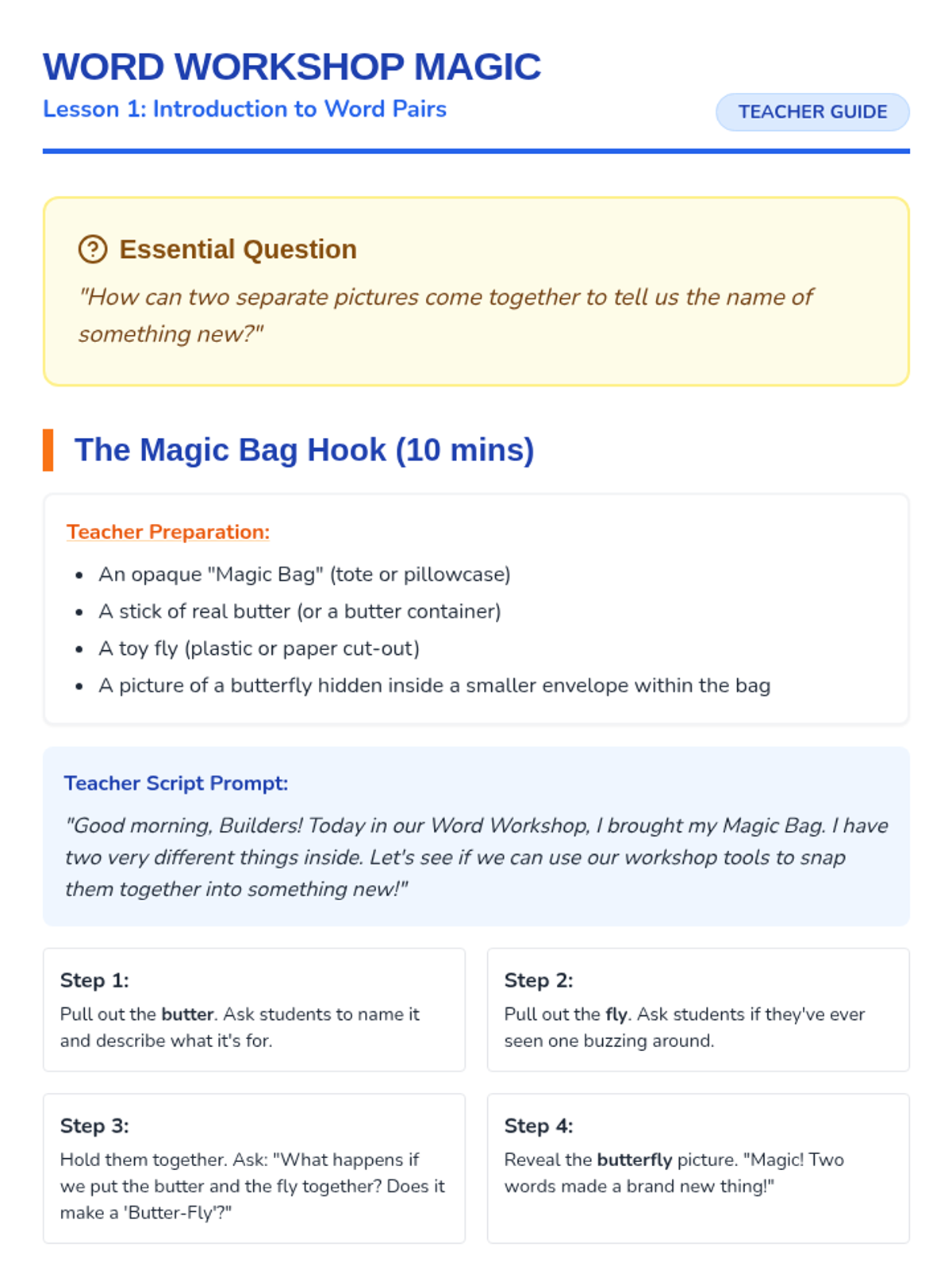
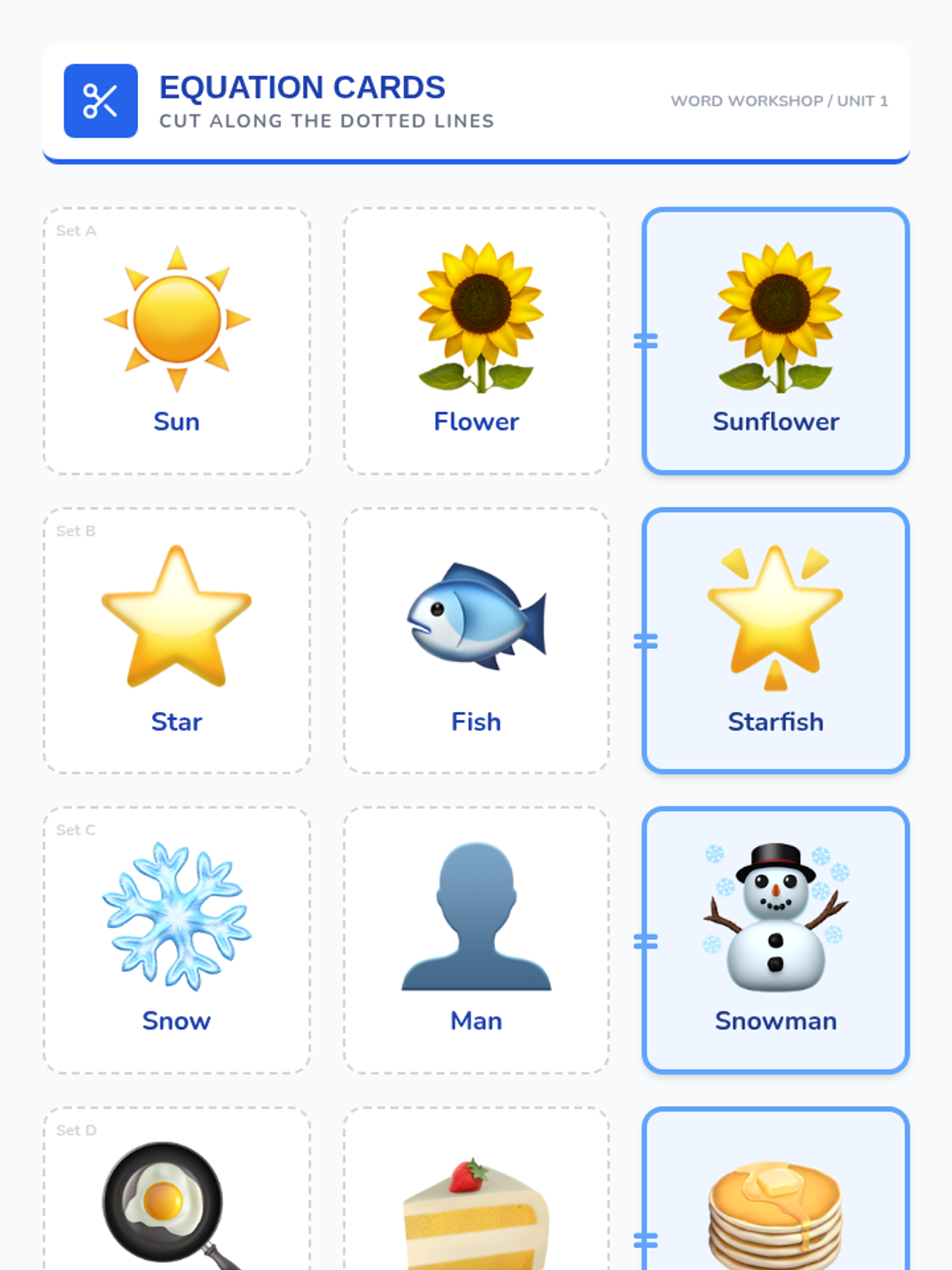
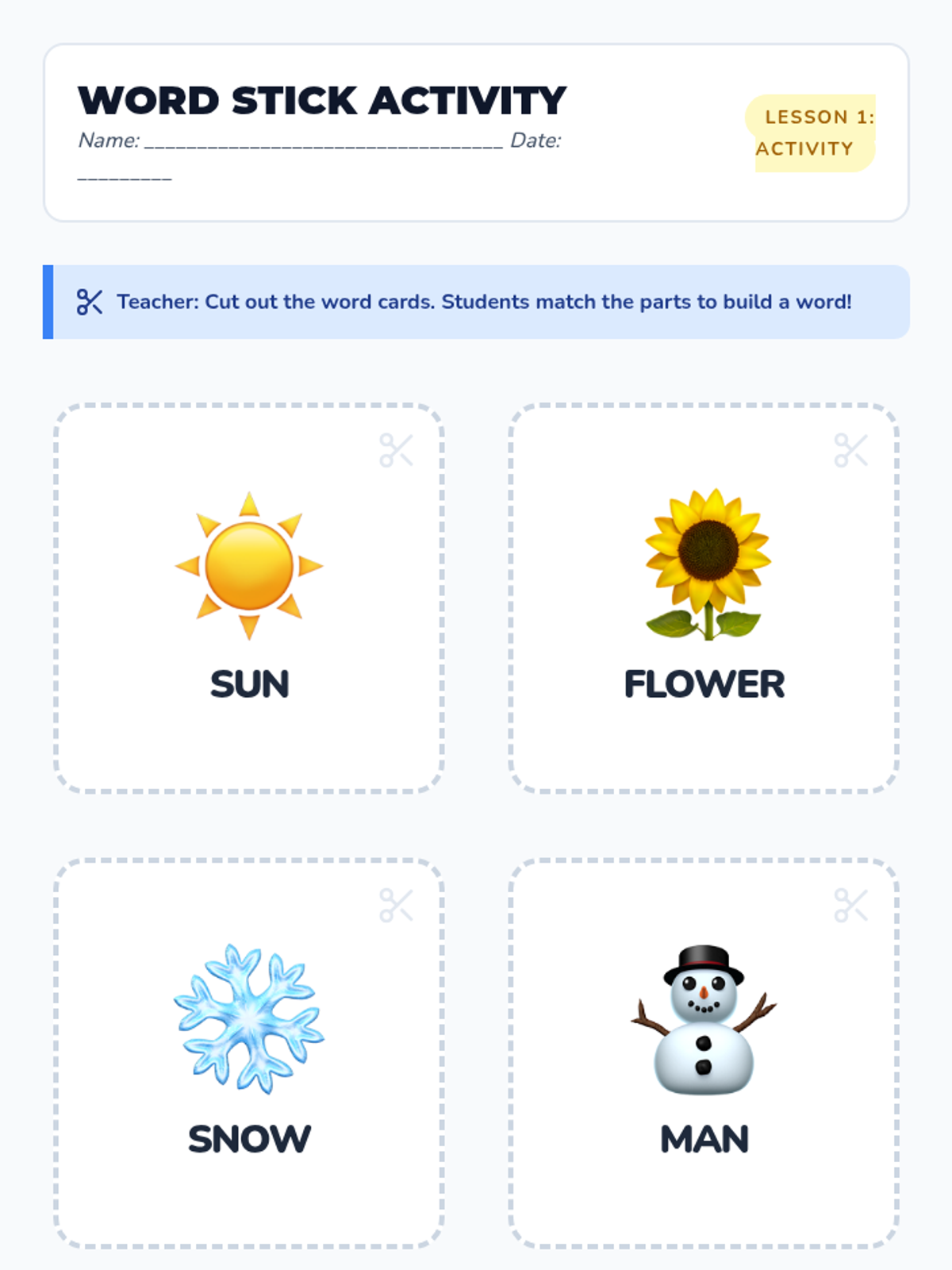
This Kindergarten sequence introduces compound words using strong visual cues and hands-on activities. Students progress from recognizing picture pairs to building their own 'word equations' through games and sorting exercises.
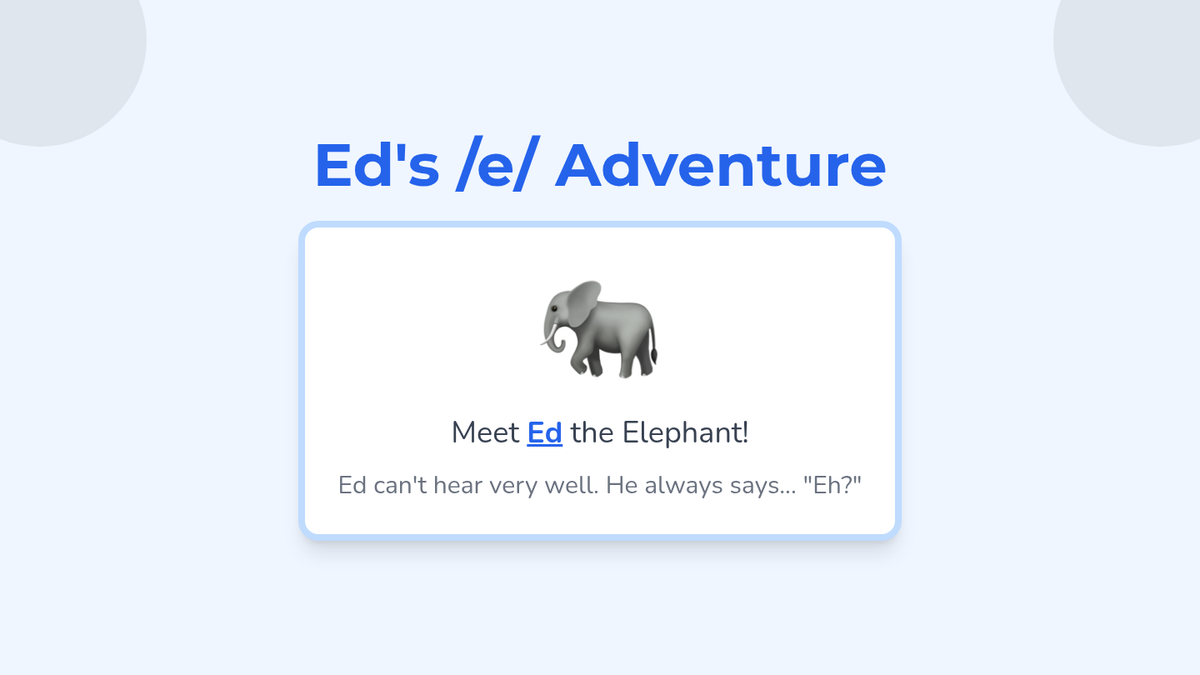
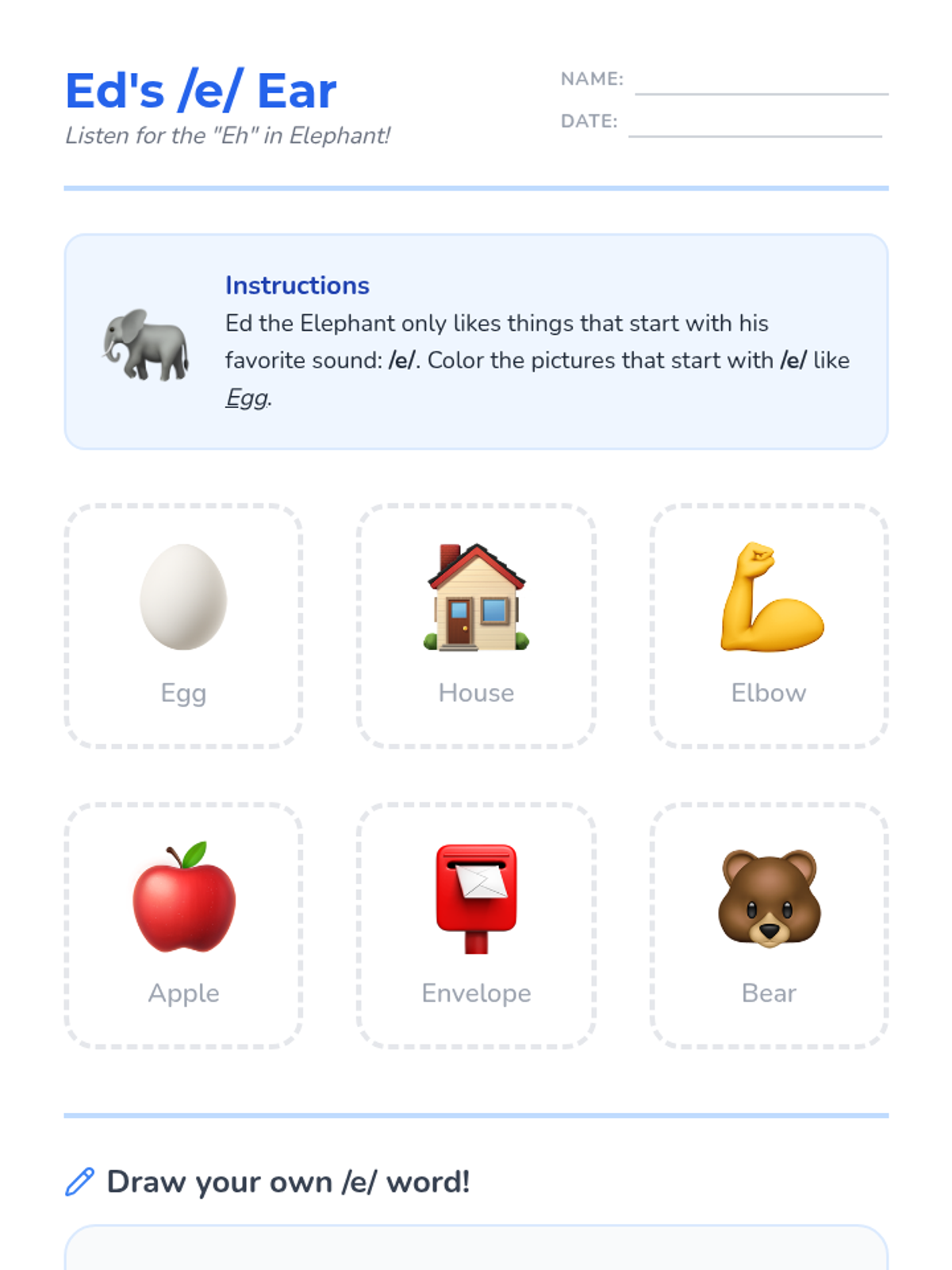
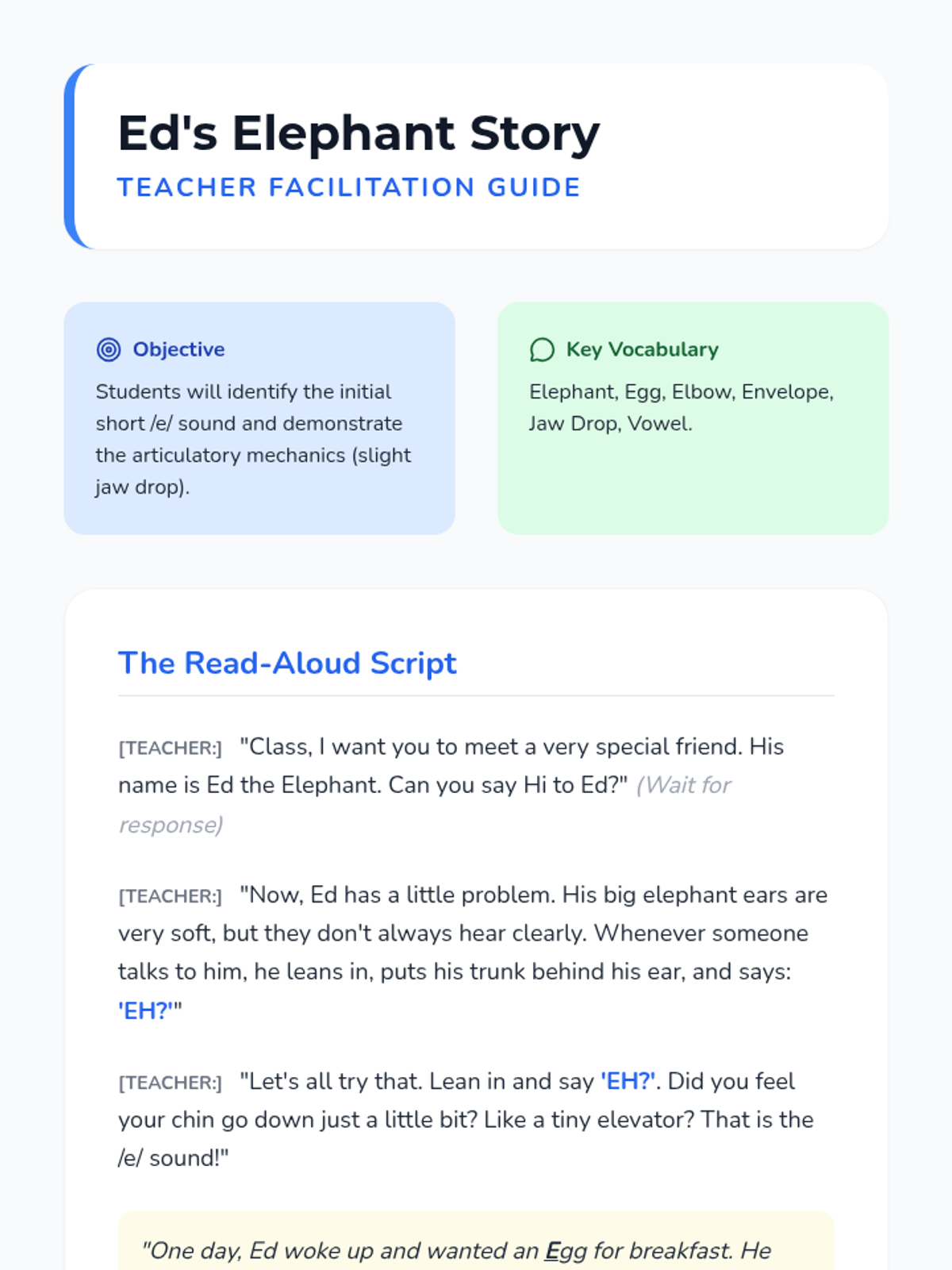
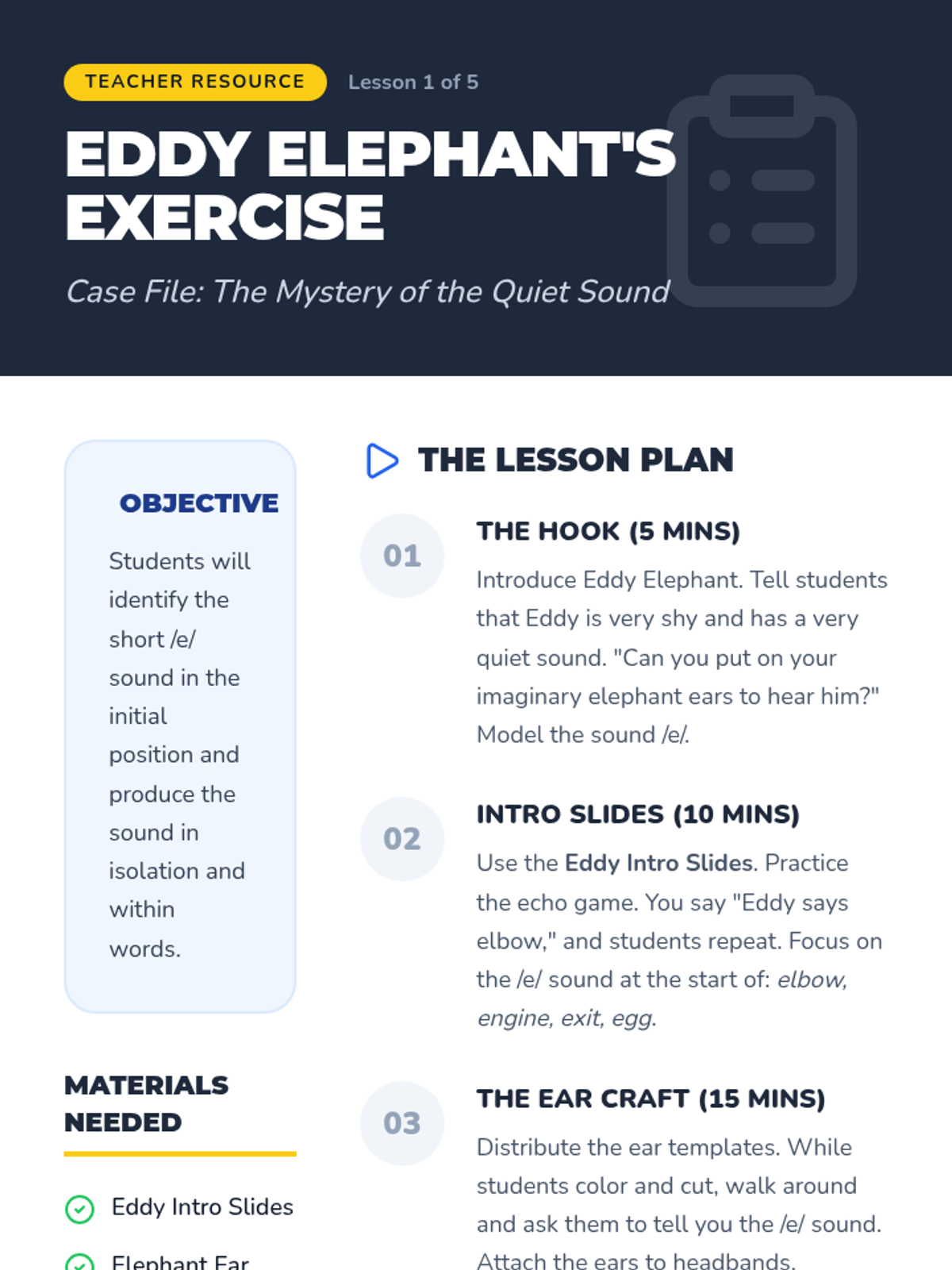
A comprehensive Pre-K sequence focused on mastering the short /e/ sound and distinguishing it from other vowels. Includes articulatory practice, minimal pair discrimination, word family exploration, and a final certification showcase.
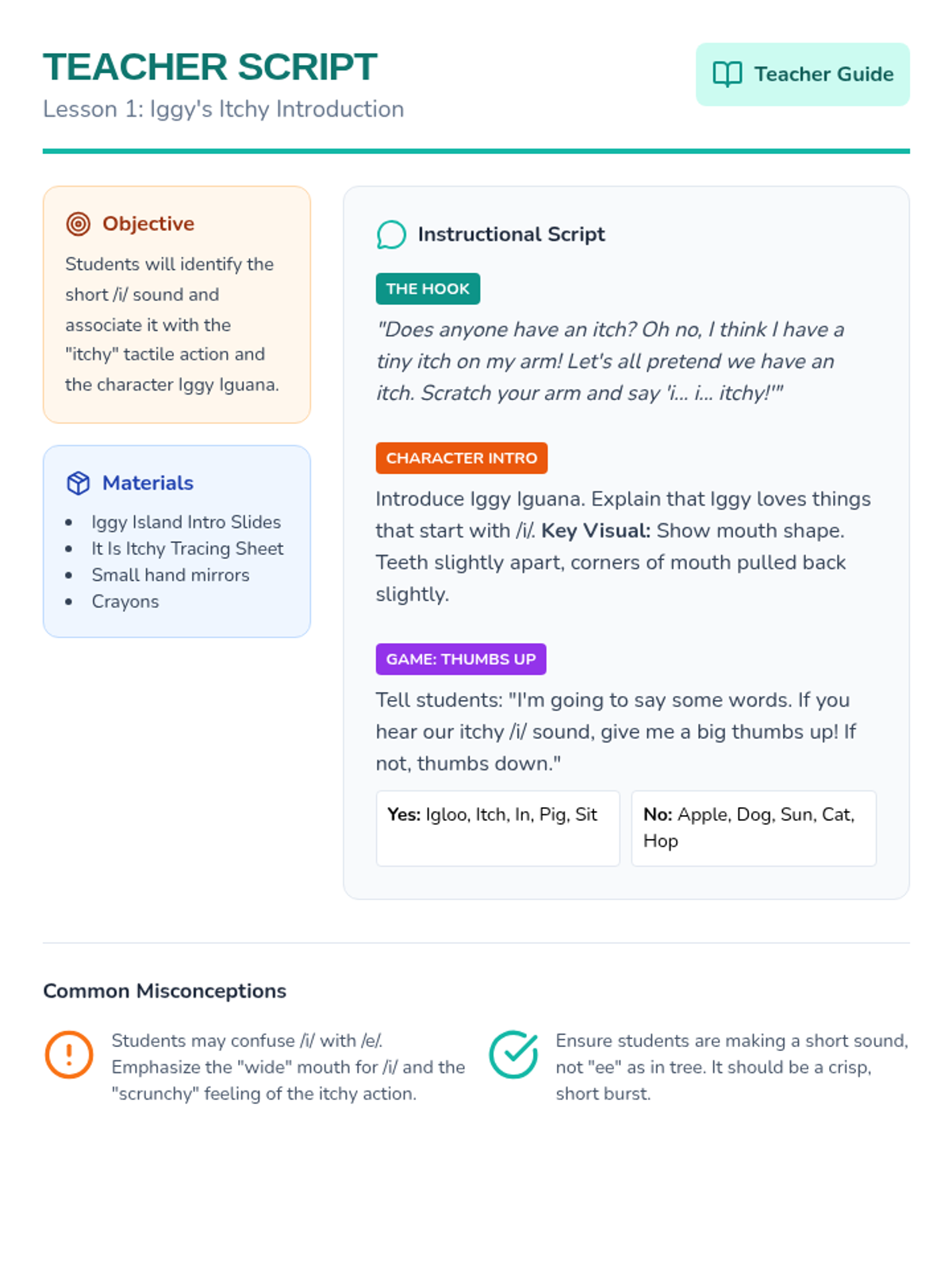
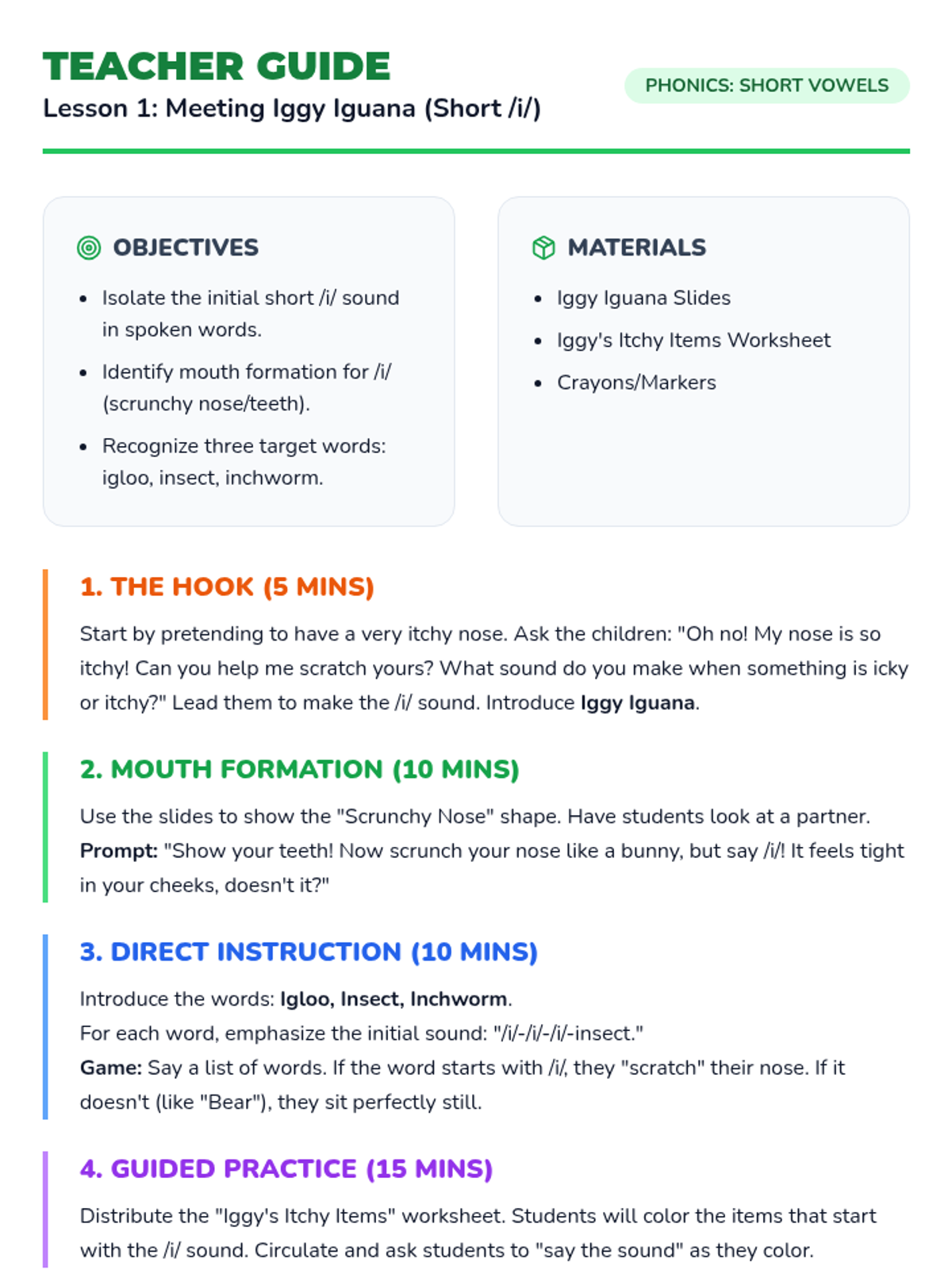
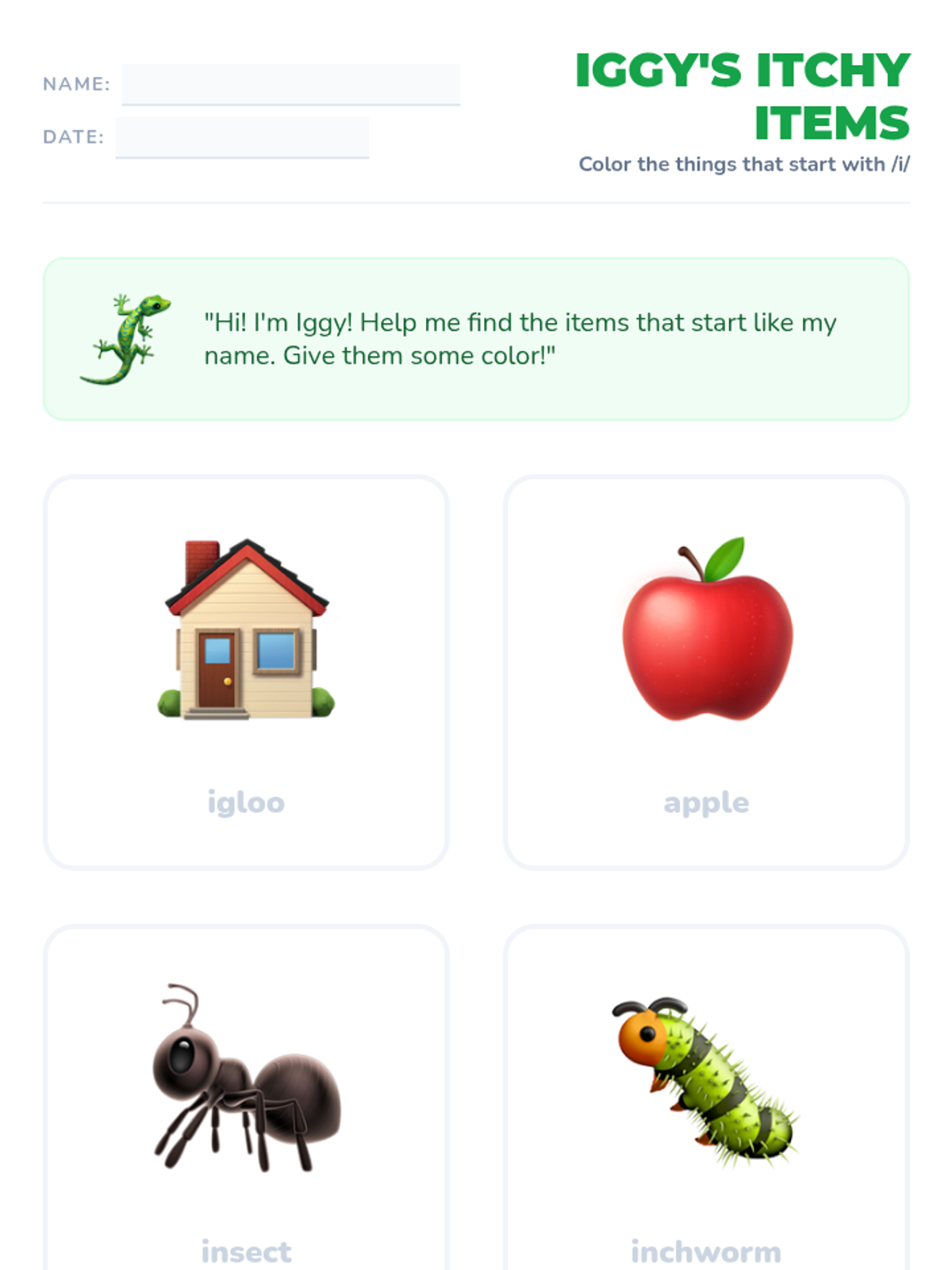
A game-based phonics sequence for Pre-K students focused on discriminating and blending the short /i/ sound using the 'Iggy Iguana' character and 'itchy' tactile cues.
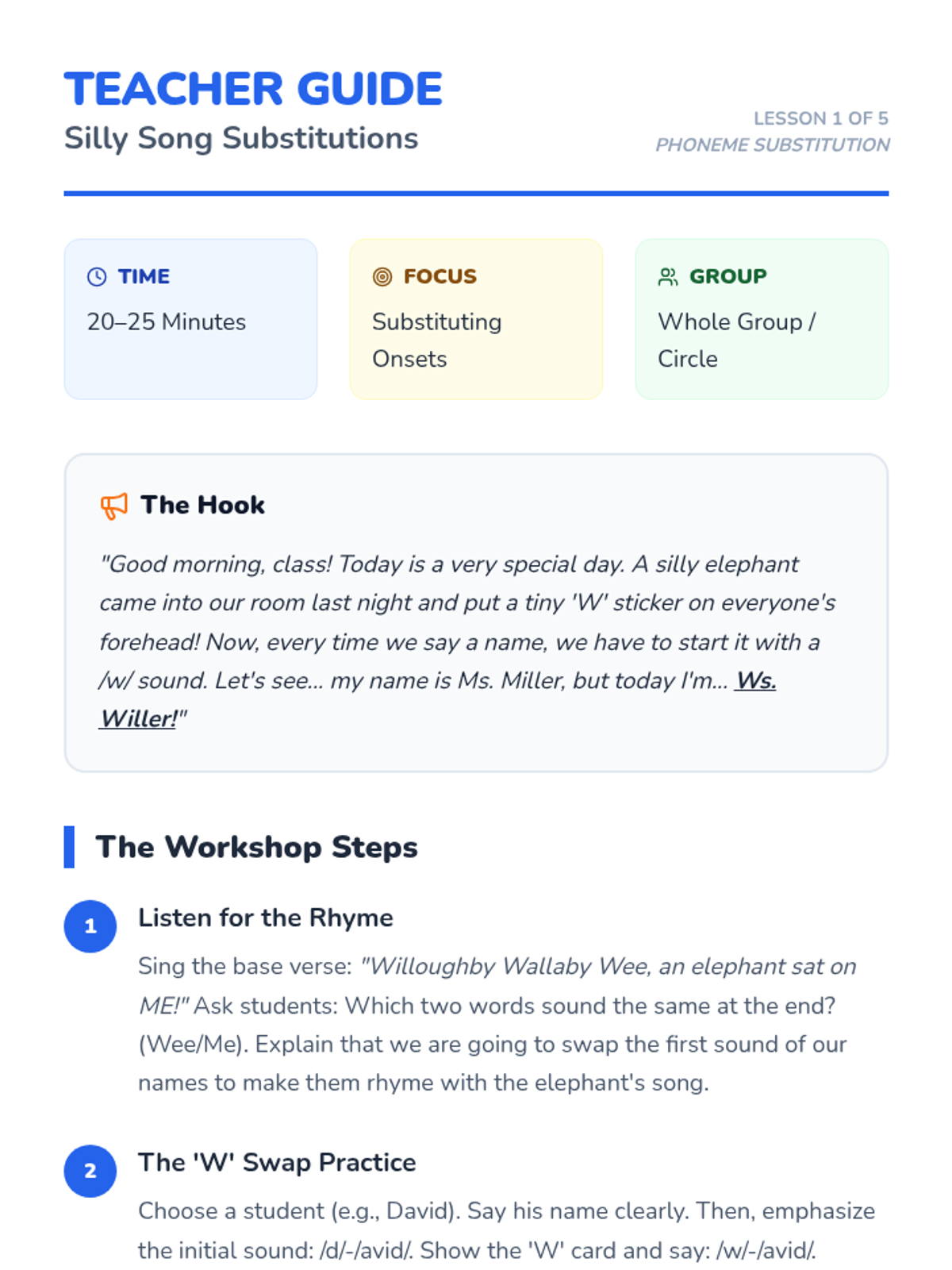
A Pre-K sequence focused on phoneme substitution, teaching students to swap initial sounds to create new rhyming words through songs, games, and storytelling.
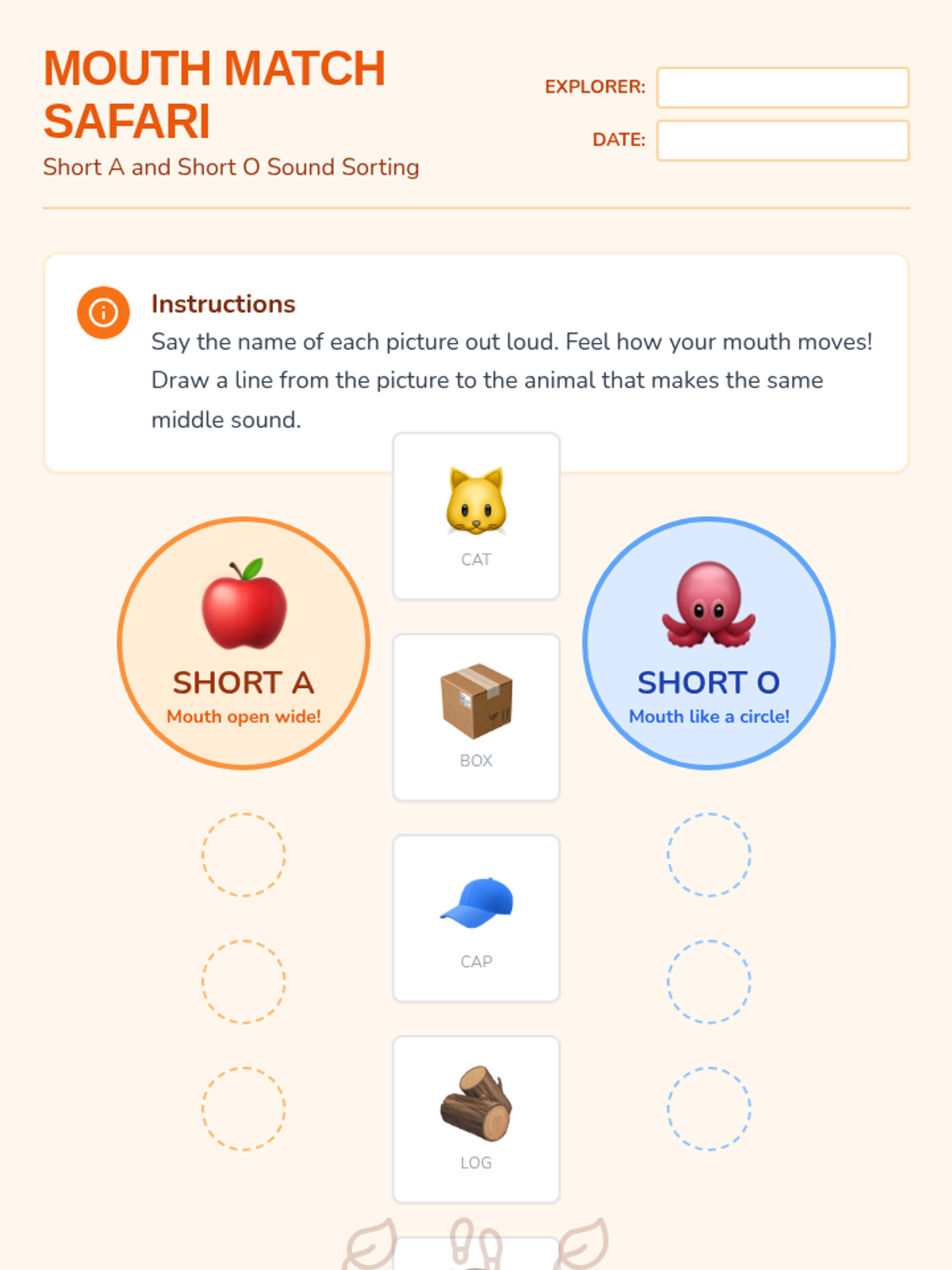
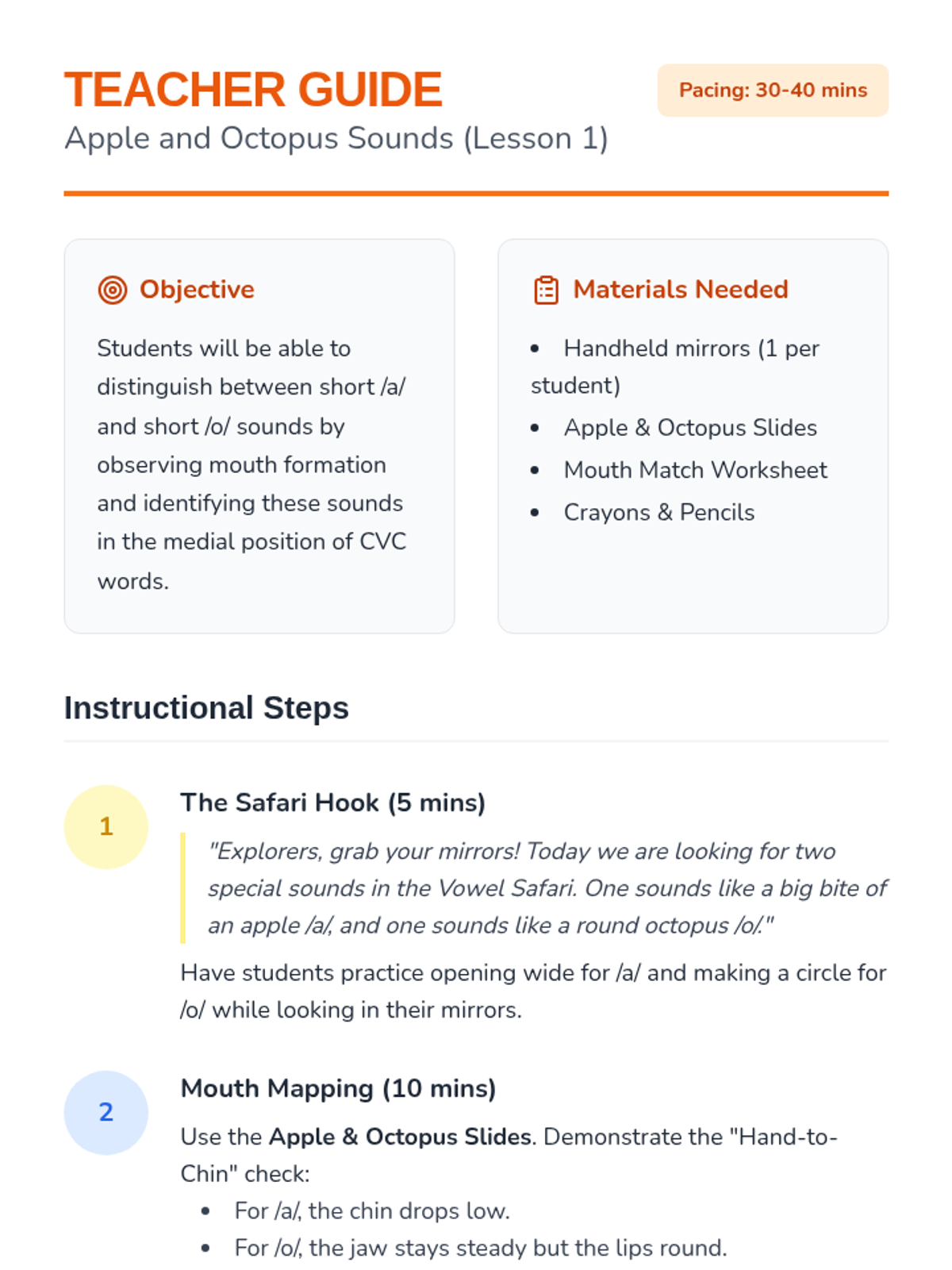
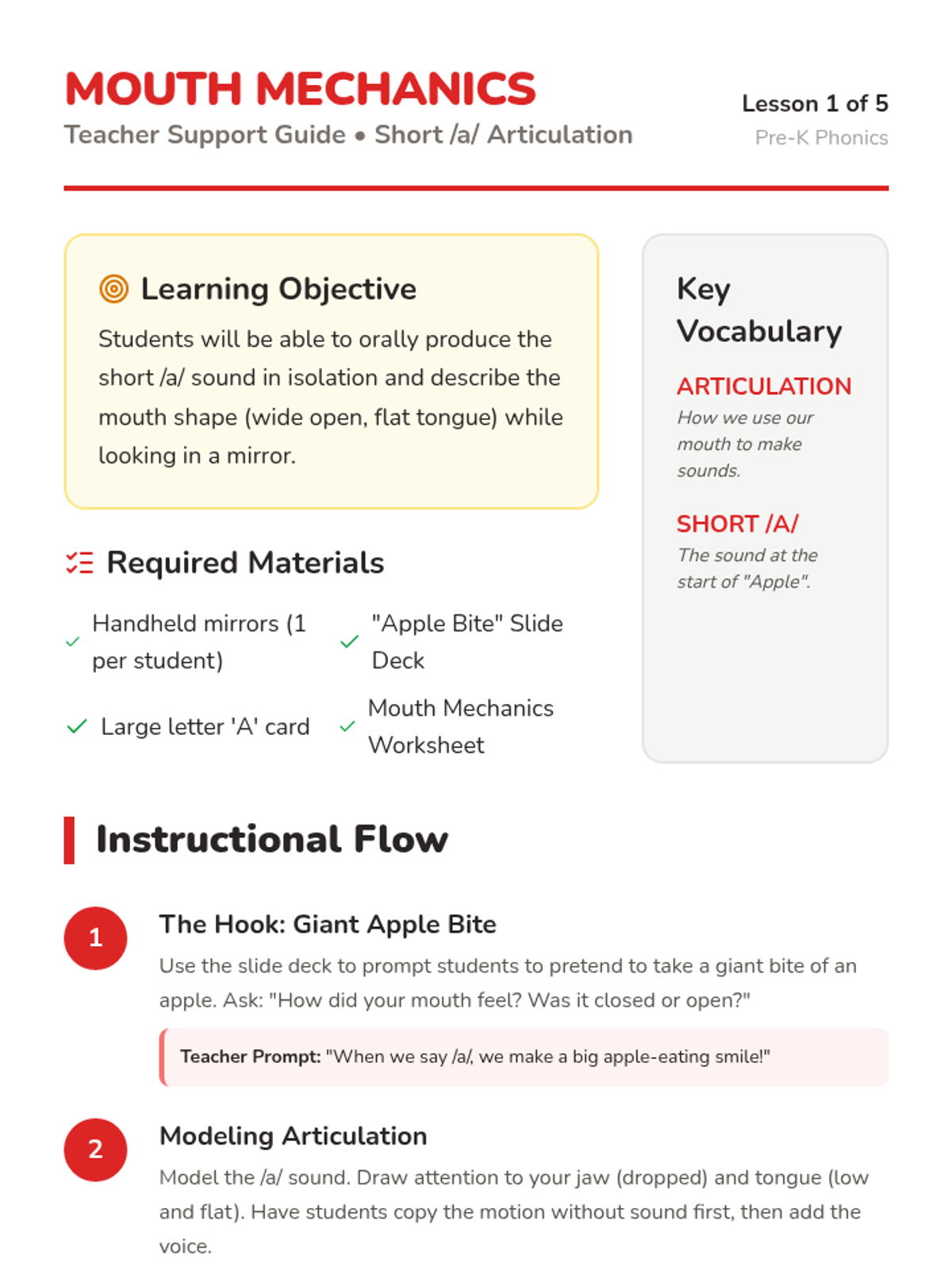
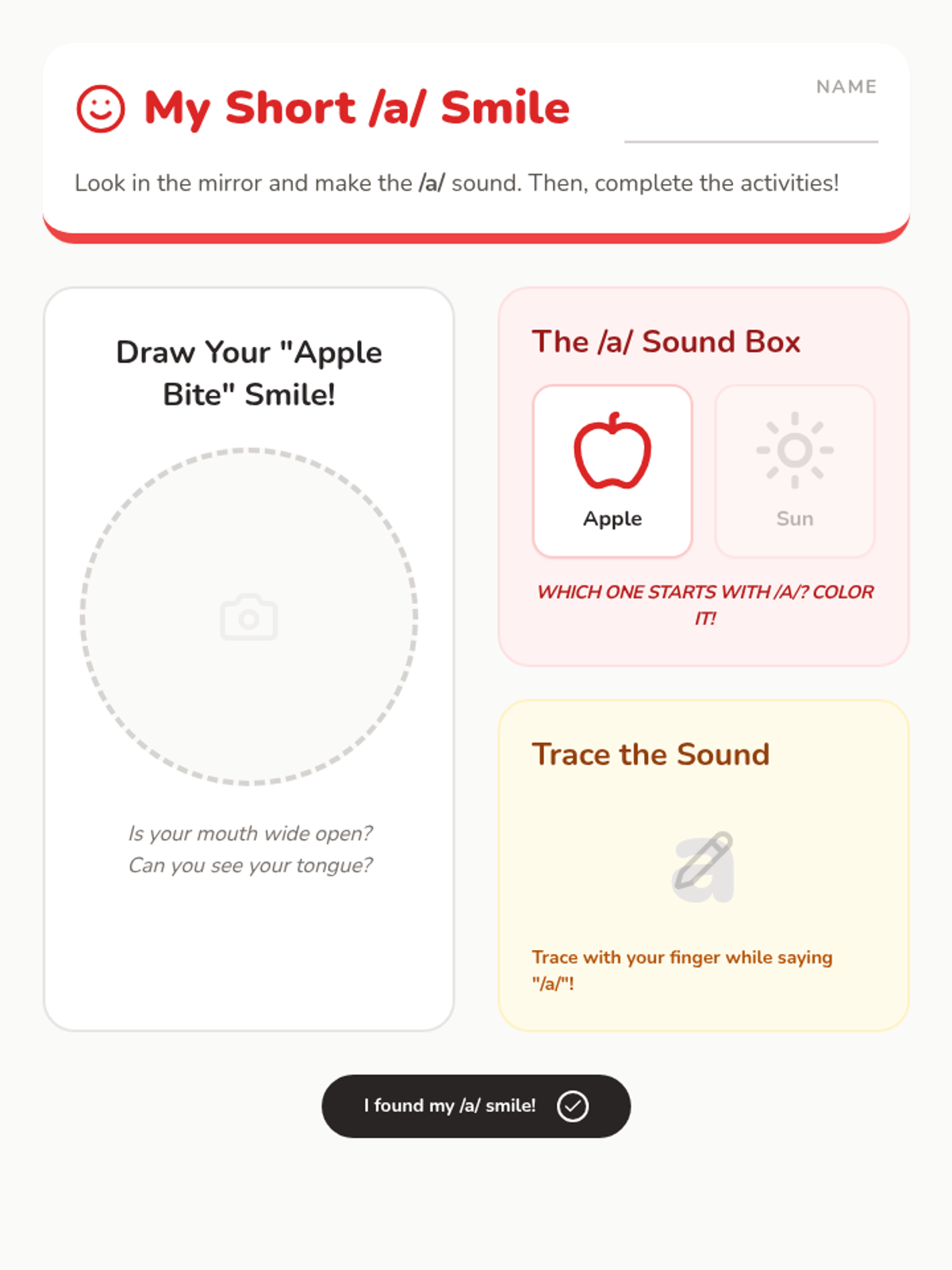
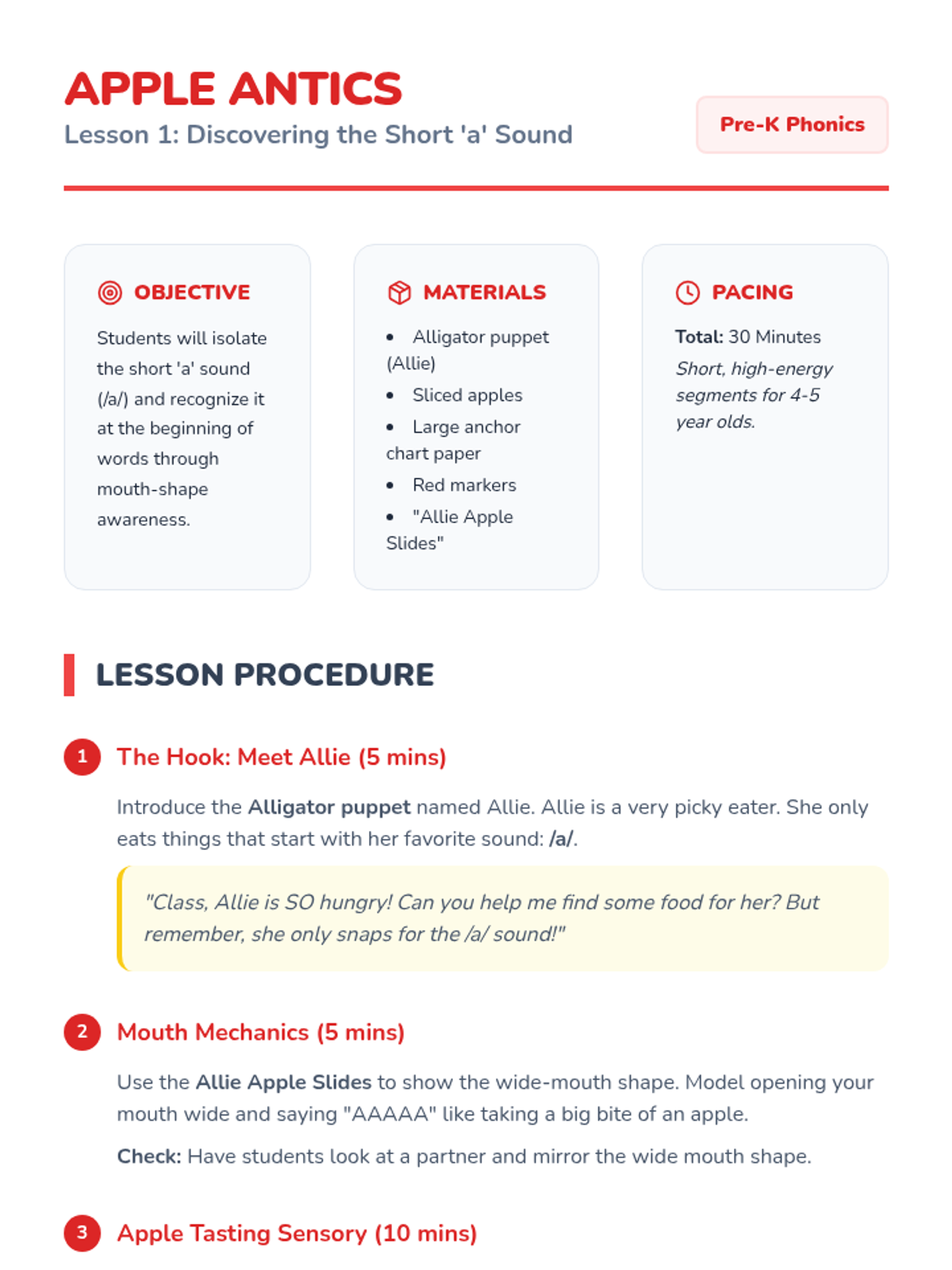
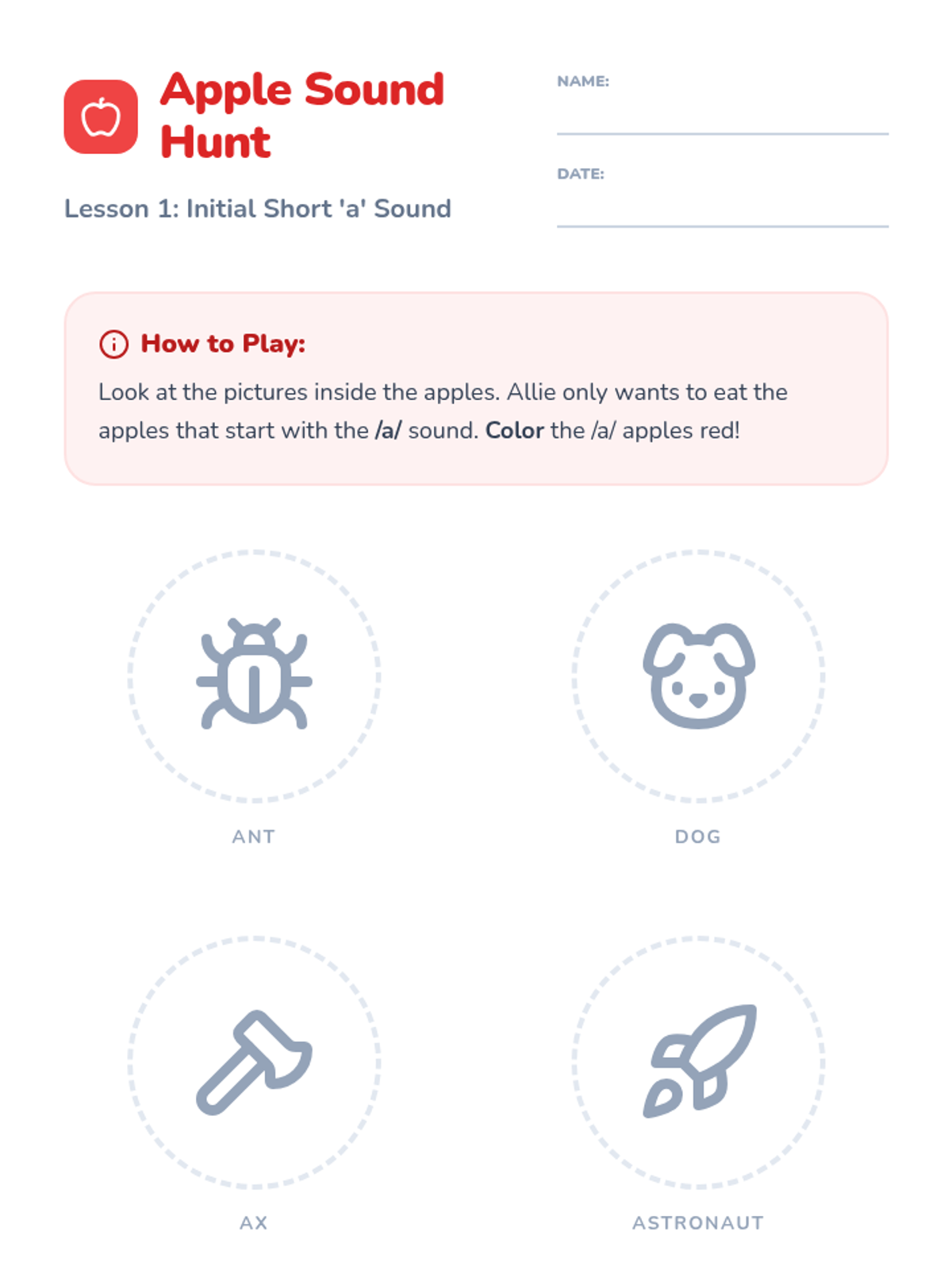
A comprehensive Pre-K sequence focused on phonemic awareness and articulation of the short /a/ sound. Students explore mouth mechanics, isolate initial and medial sounds, and practice oral blending through multi-sensory activities.
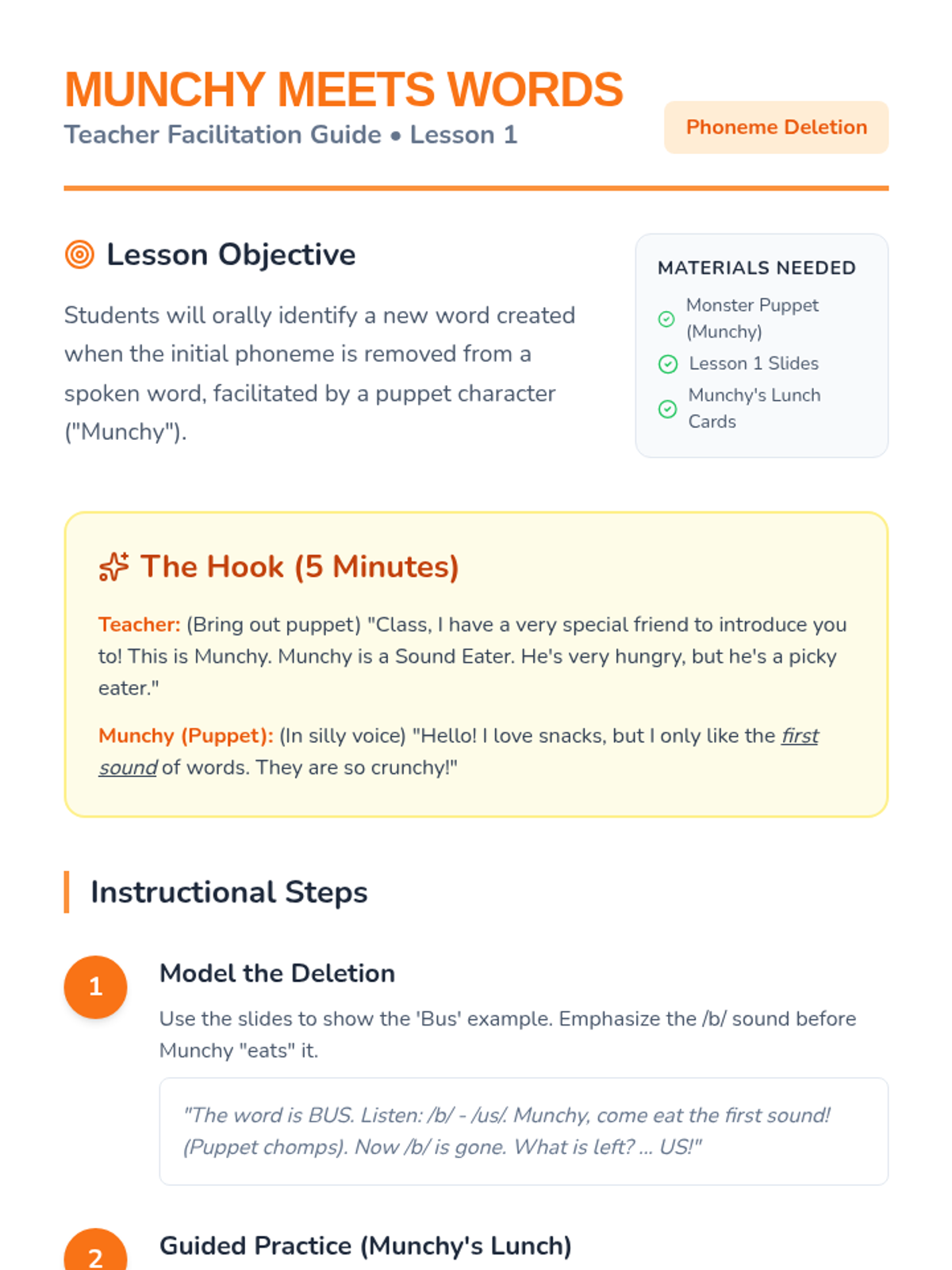
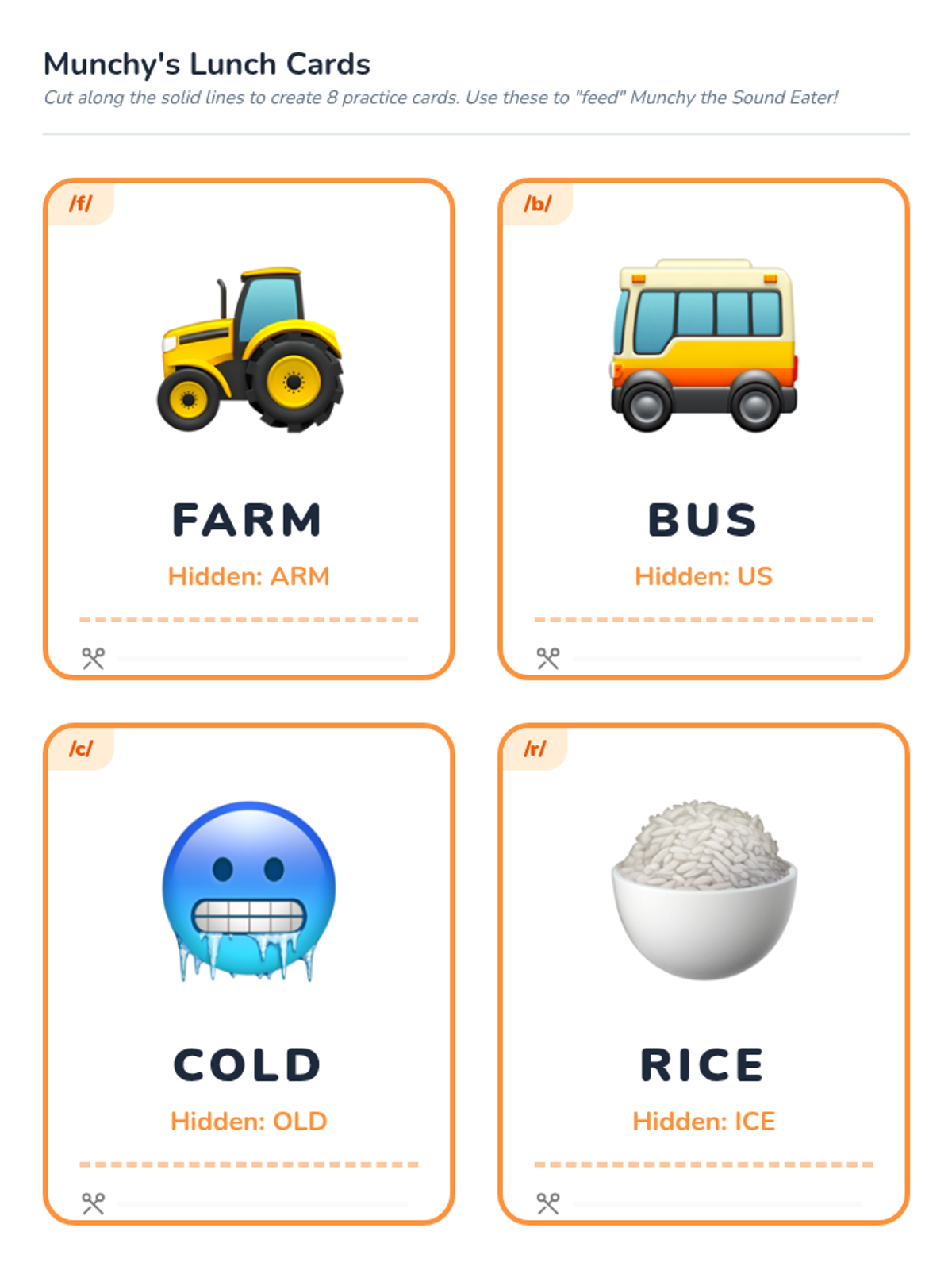
A Pre-K phonemic awareness unit where students learn to delete the initial phoneme of spoken words to find 'hidden' words, guided by a puppet character named Munchy.
A magical journey into the world of sounds where Pre-K students learn to isolate and add initial phonemes to create new words through play, movement, and hands-on activities.
A foundational phonological awareness unit for Pre-K students focused on compound words. Students learn to blend, segment, delete, and substitute word parts using hands-on manipulatives, movement, and visual supports.
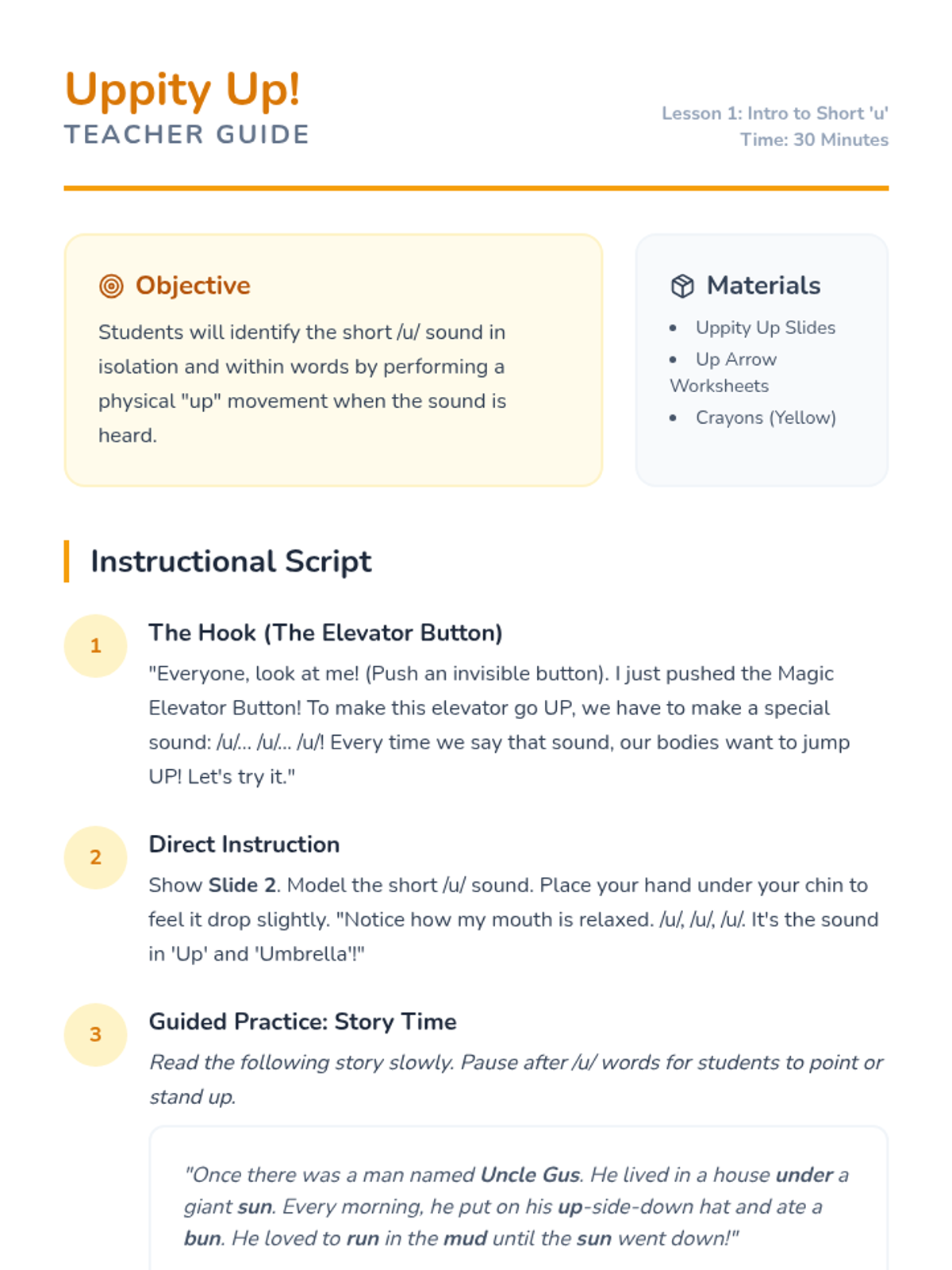
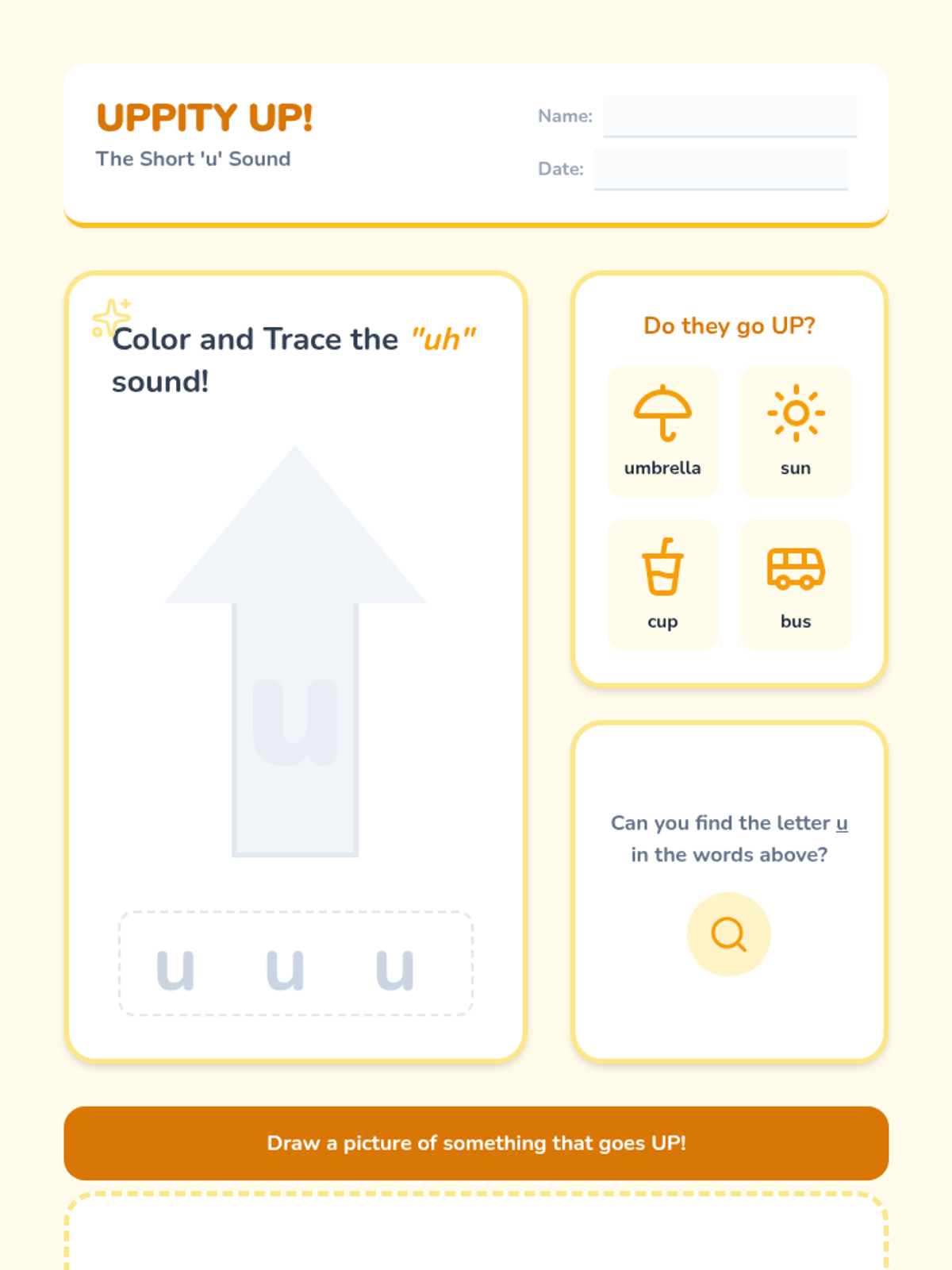
A kinesthetic Pre-K sequence that teaches the short 'u' sound through physical movement, games, and sensory play. Students connect the phoneme to actions like jumping, running, and tugging, anchoring auditory learning in muscle memory.
A sensory-rich phonics sequence for Pre-K students focusing on the short 'a' sound. Students move from sound isolation and mouth-shape awareness to identifying the sound in initial and medial positions, building basic blending skills through play-based activities.
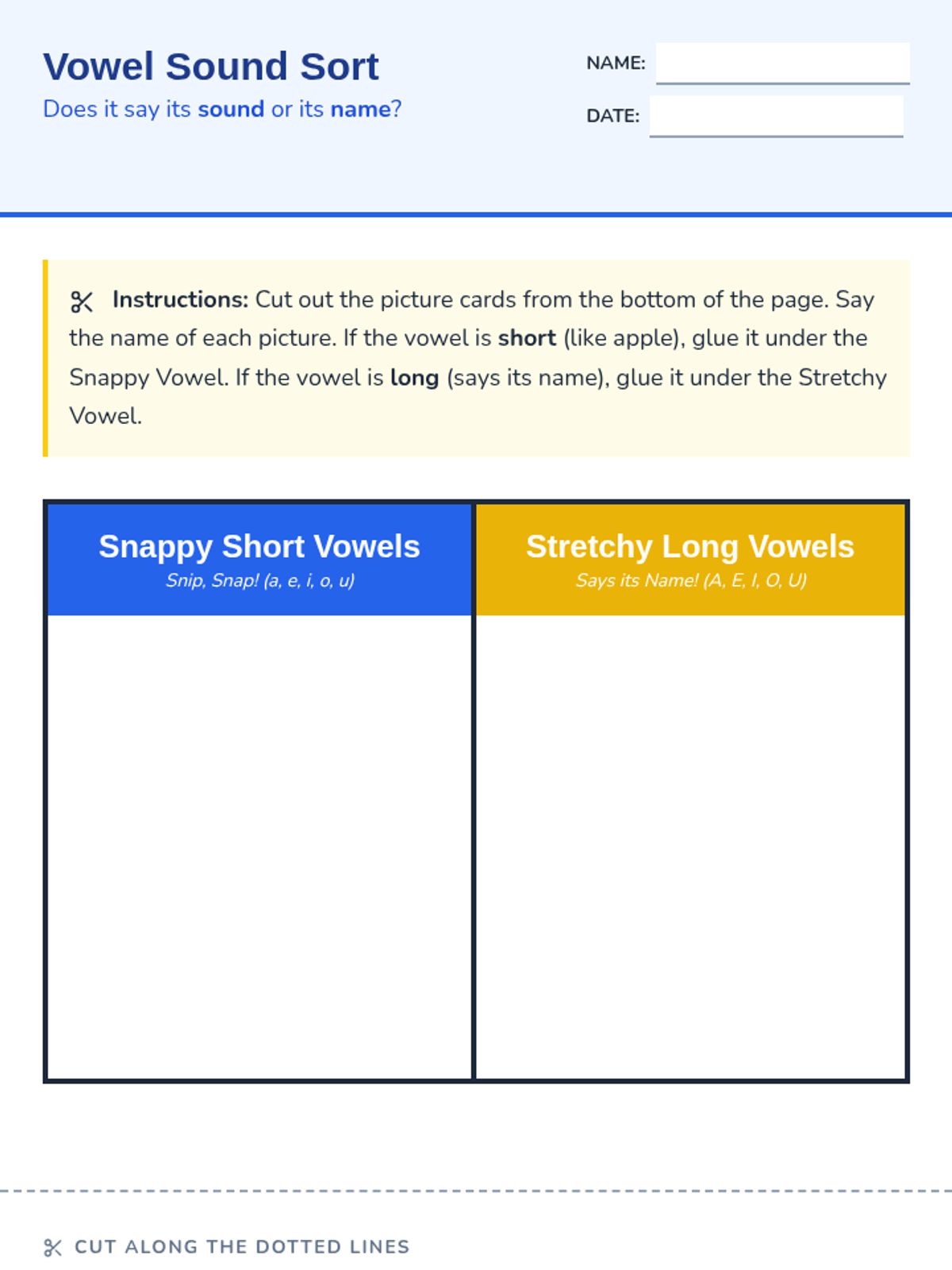
A Kindergarten phonics sequence focusing on the difference between open and closed syllables. Students learn the 'Open Door' metaphor to understand why vowels sometimes shout their own names (long sounds) versus making their short sounds.
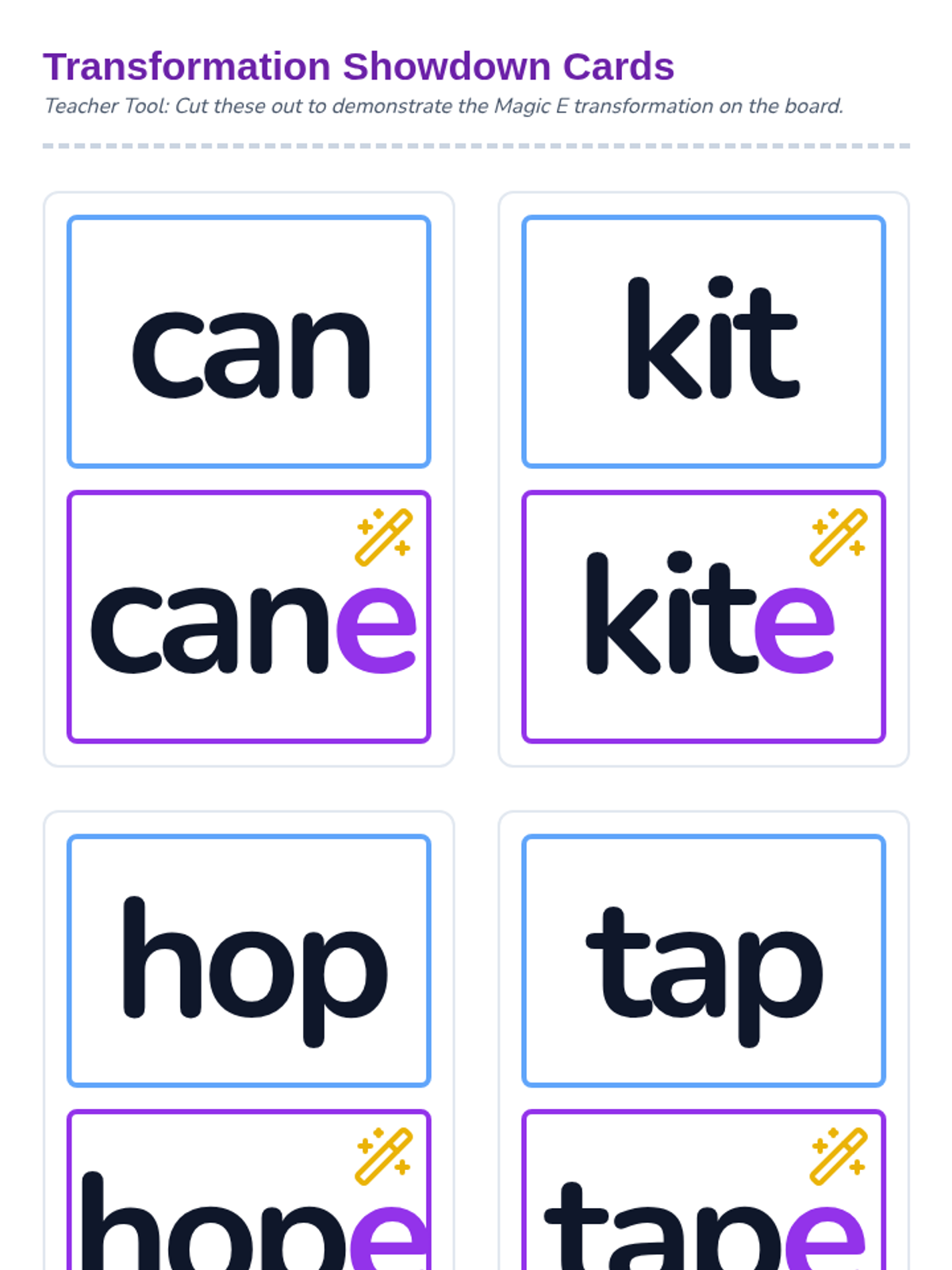
A Kindergarten phonics sequence introducing the Silent E (CVCe) syllable pattern through a 'Magic E' narrative. Students explore how the addition of a silent 'e' transforms vowel sounds from short to long through storytelling, hands-on manipulation, and writing.
A Kindergarten phonics sequence focusing on closed syllables and short vowels. Students learn that 'guardian' consonants make vowels short through the 'Closed Door' concept, building and decoding CVC words.
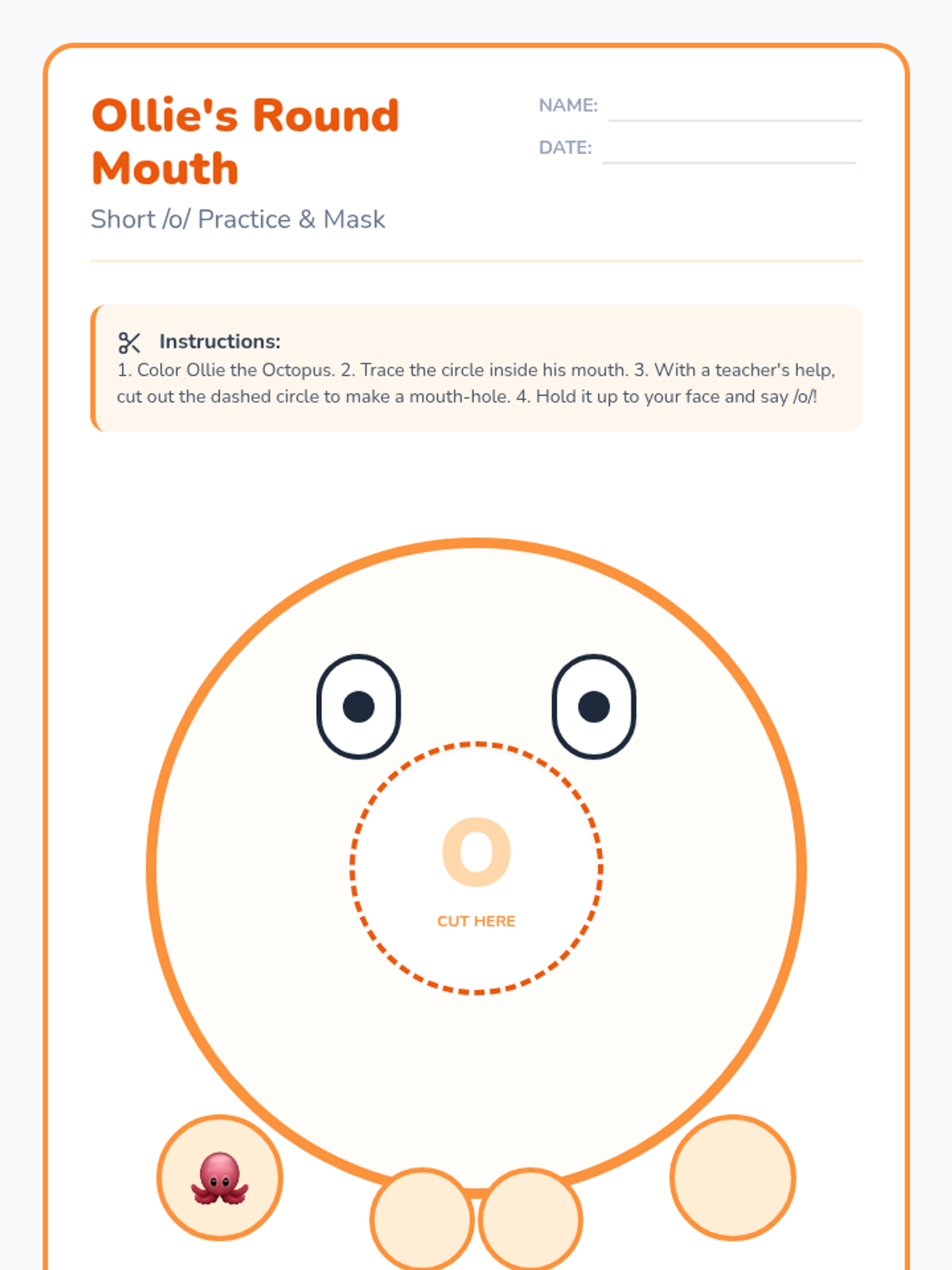
A Pre-K phonics sequence focusing on the short /o/ sound through sensory play, rhyming, and creative crafts. Students learn mouth formation, identify medial vowel sounds, and distinguish /o/ from other vowels.
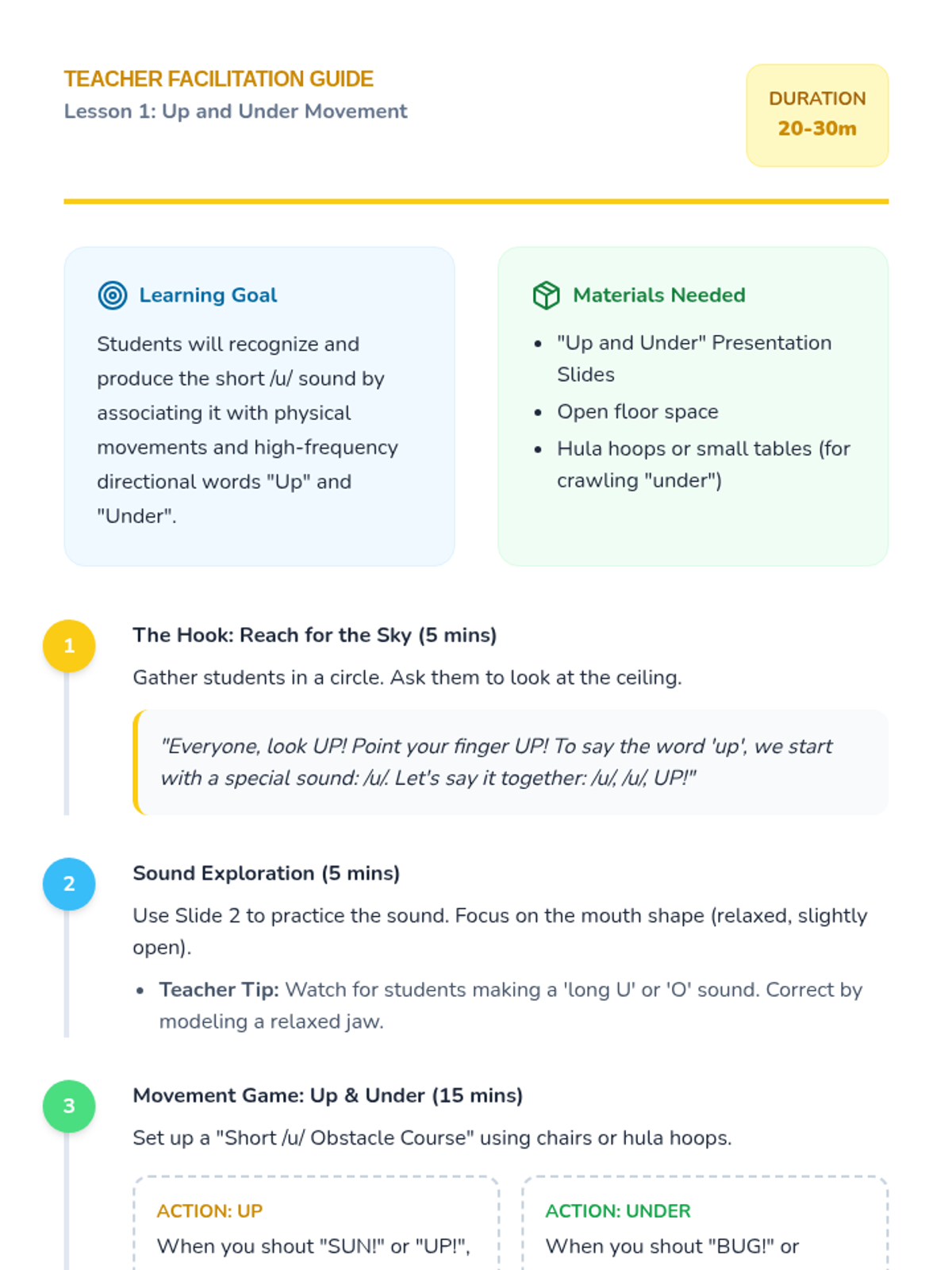
A kinesthetic phonics sequence for Pre-K students focusing on the short /u/ sound. Through movement, games, and creative projects, students link the /u/ phoneme to physical actions like pointing 'up' and crawling 'under' while mastering CVC segmentation.
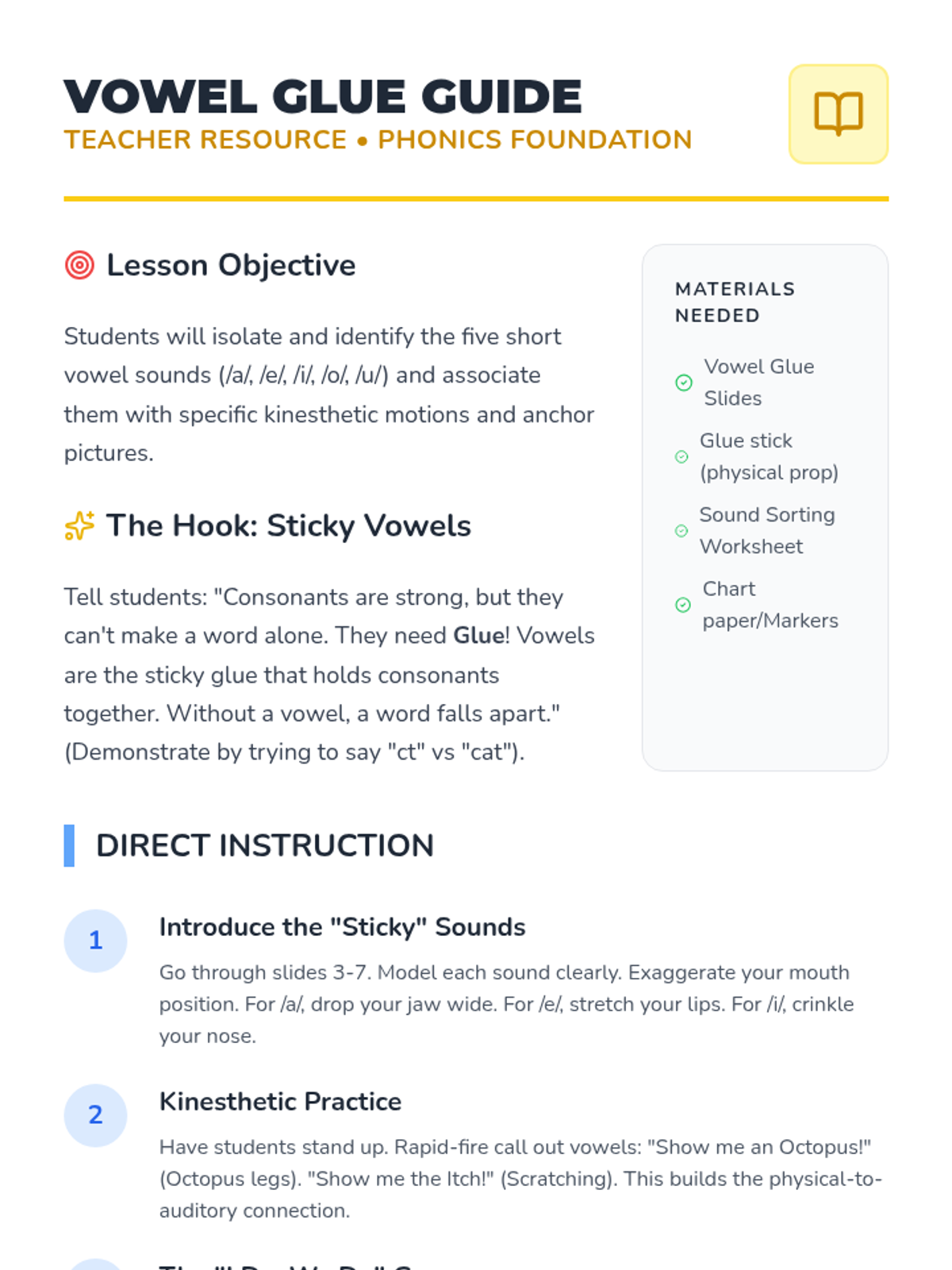
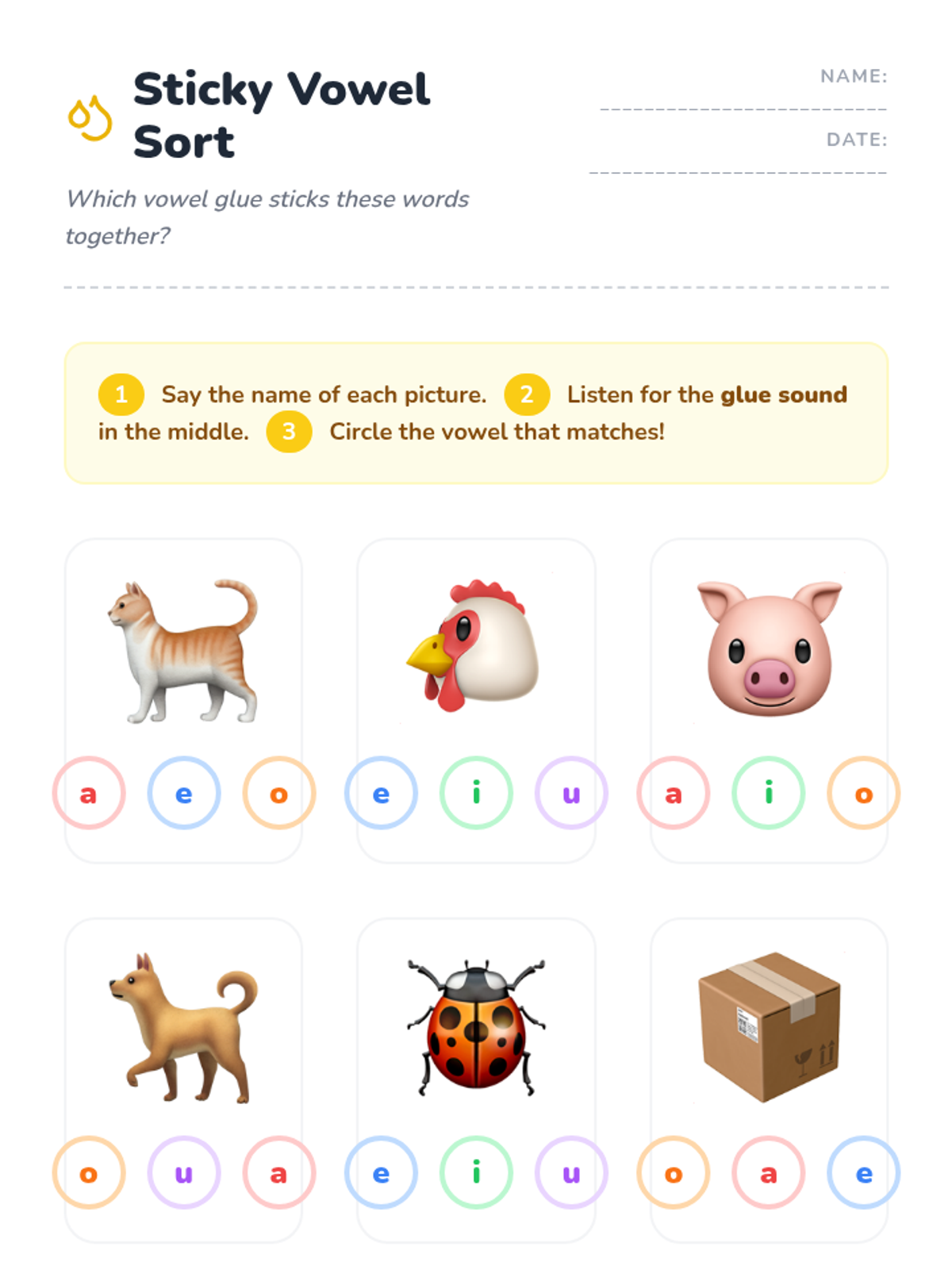
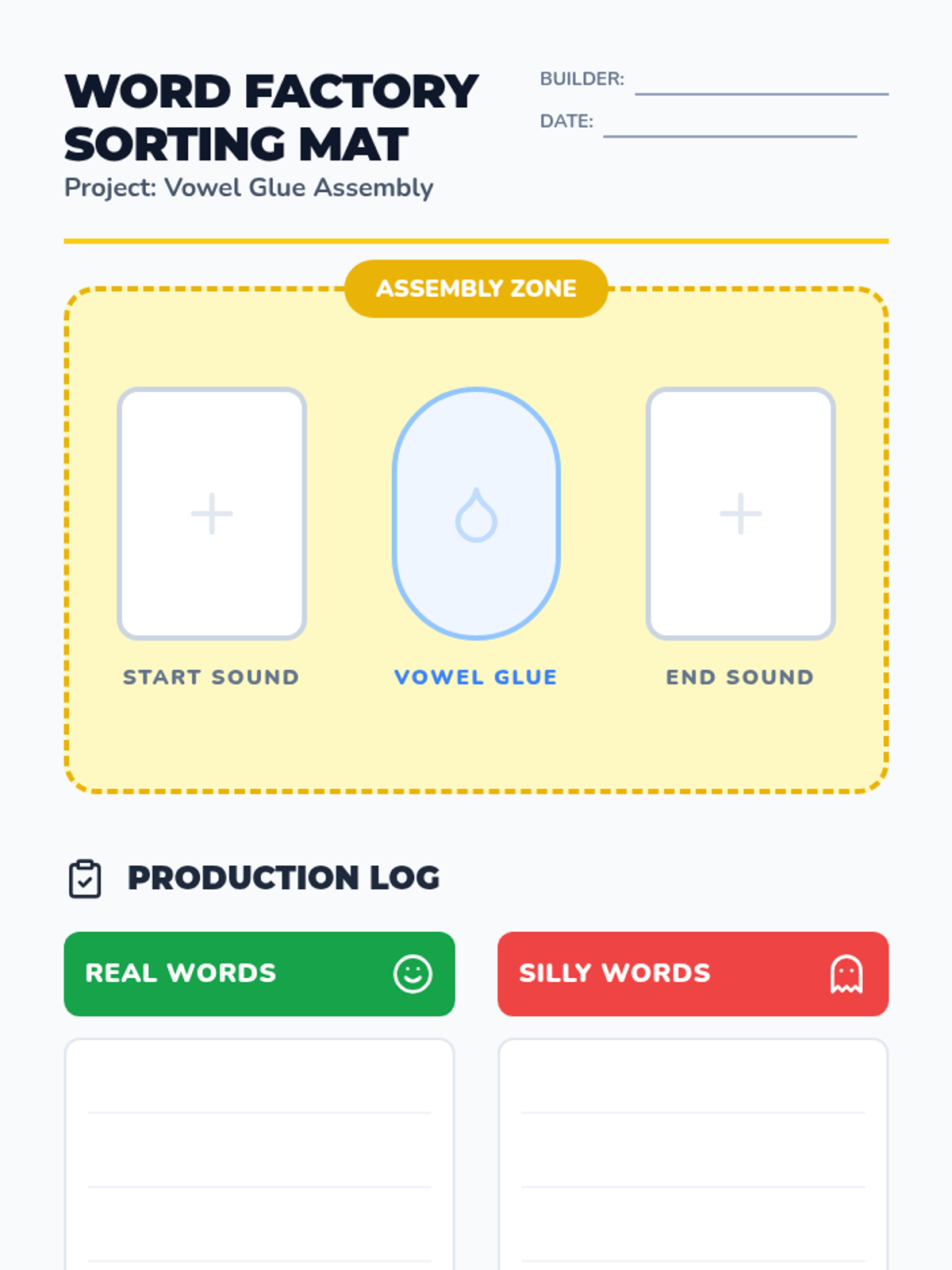
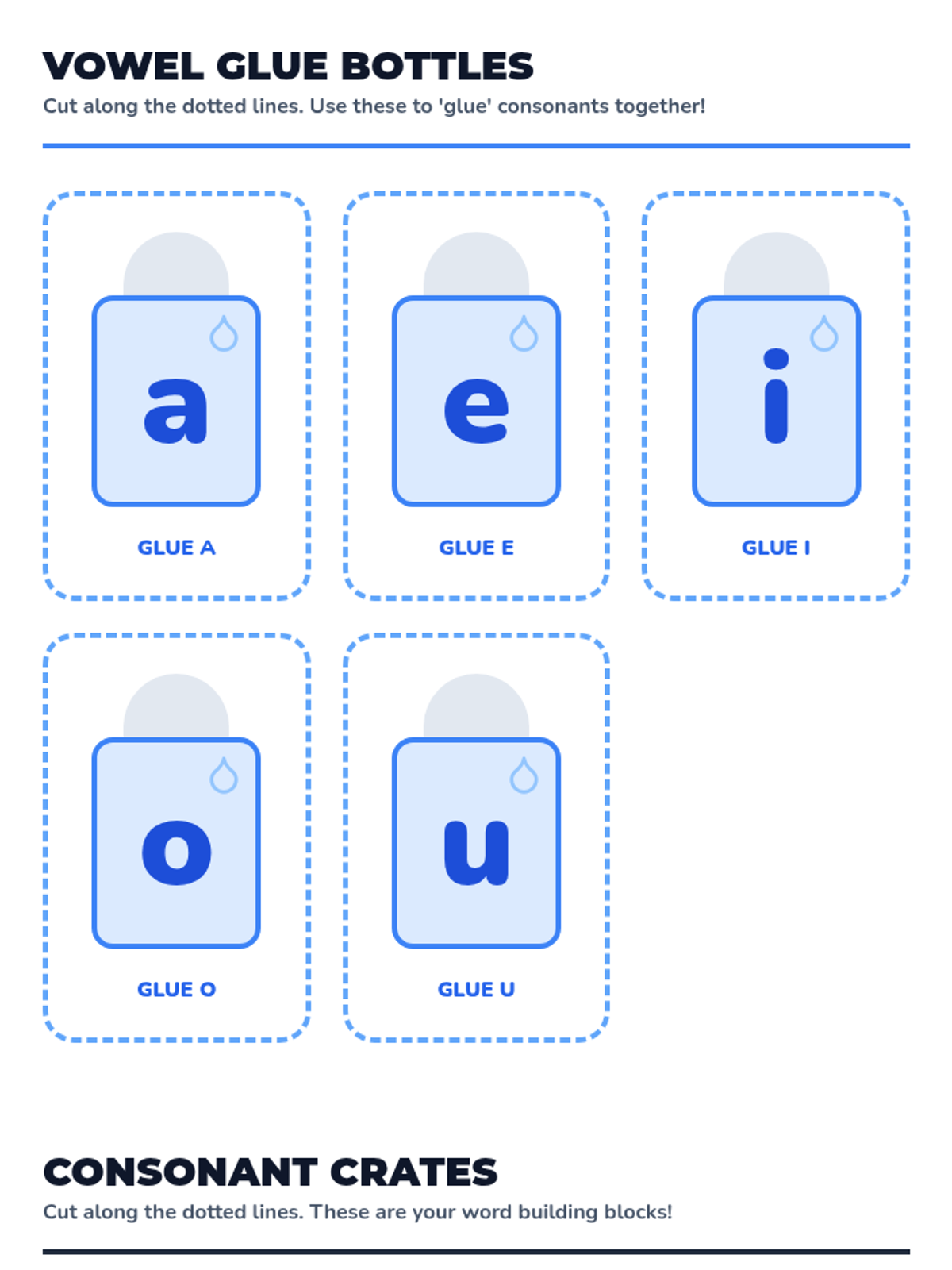
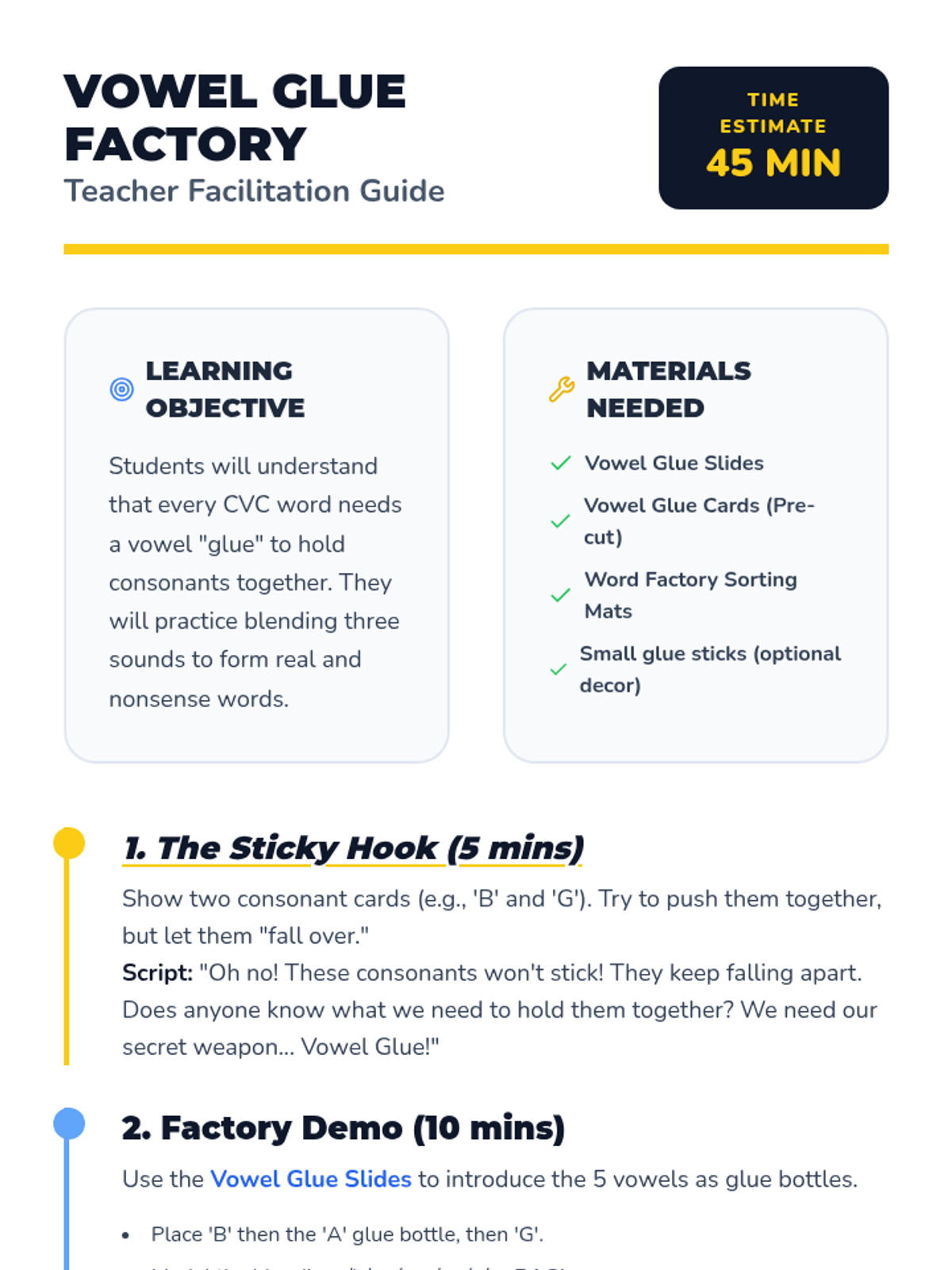
This sequence focuses on blending CVC words by treating vowels as the 'glue' that holds consonants together. Through hands-on workshop-style activities, students learn phonemic blending and segmentation in an engaging, construction-themed environment.
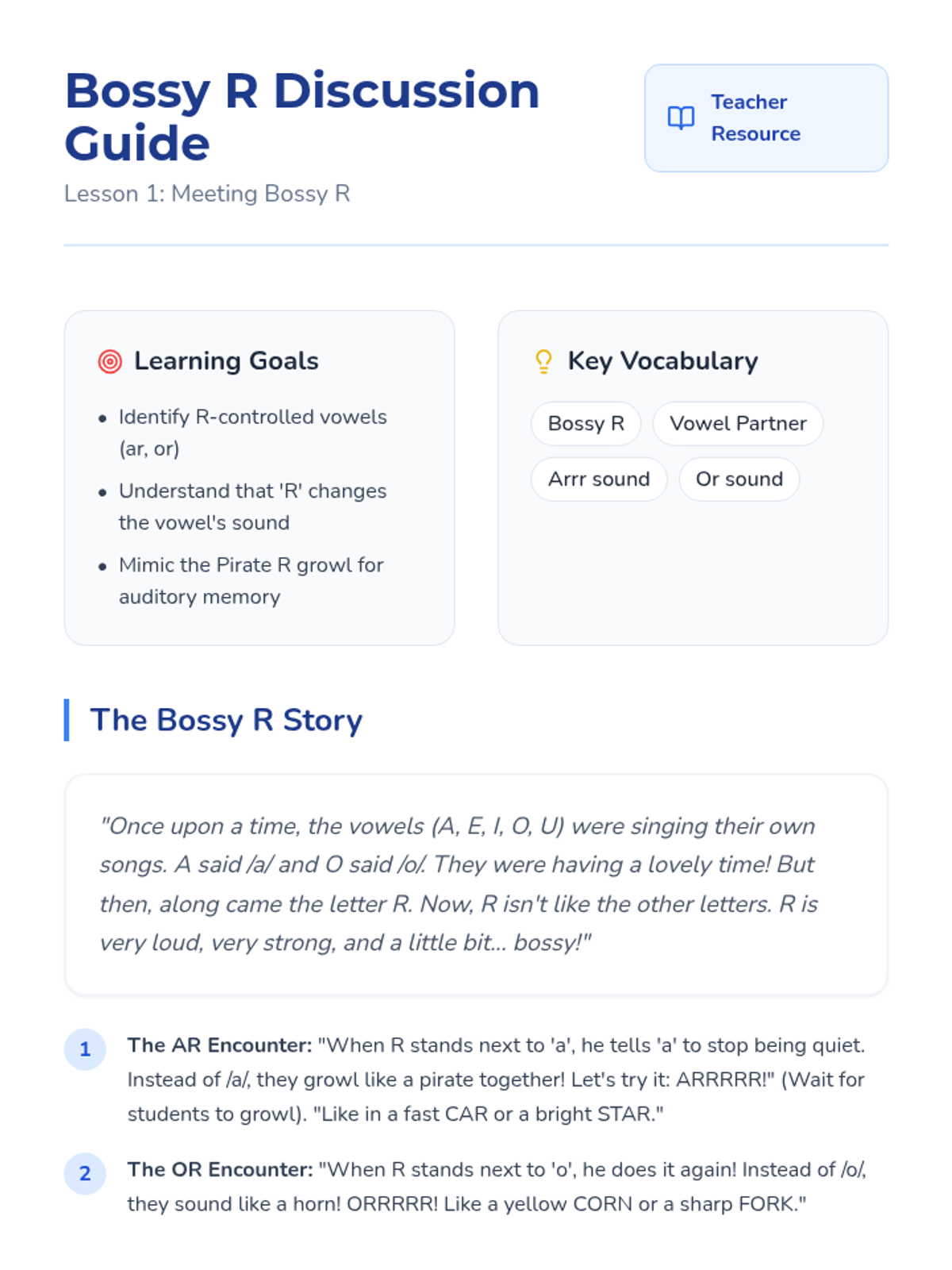
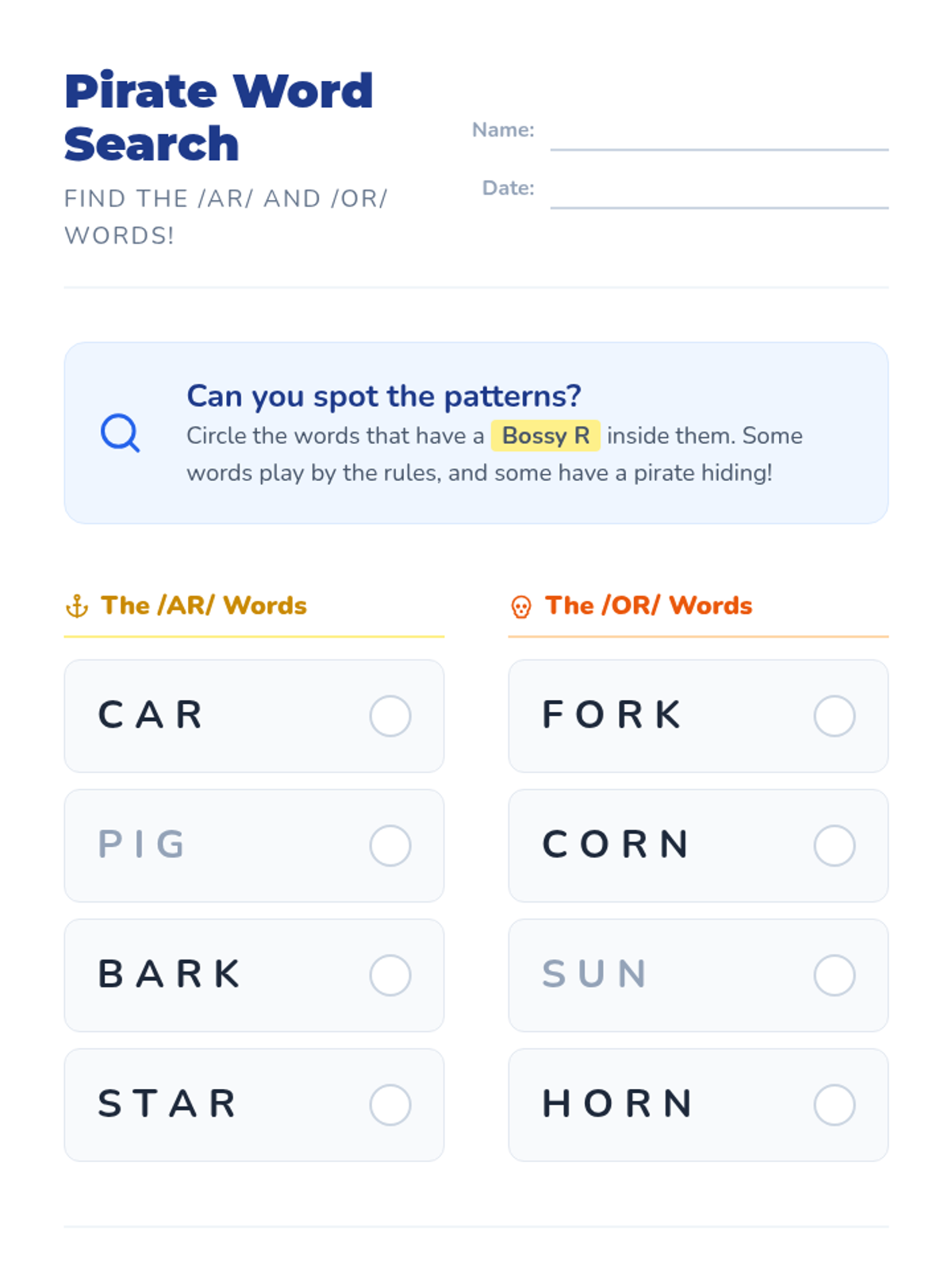
A Kindergarten sequence introducing 'Bossy R' and 'Vowel Teams' through pattern recognition and multisensory activities. Students learn to identify when letters work together to create unique sounds.
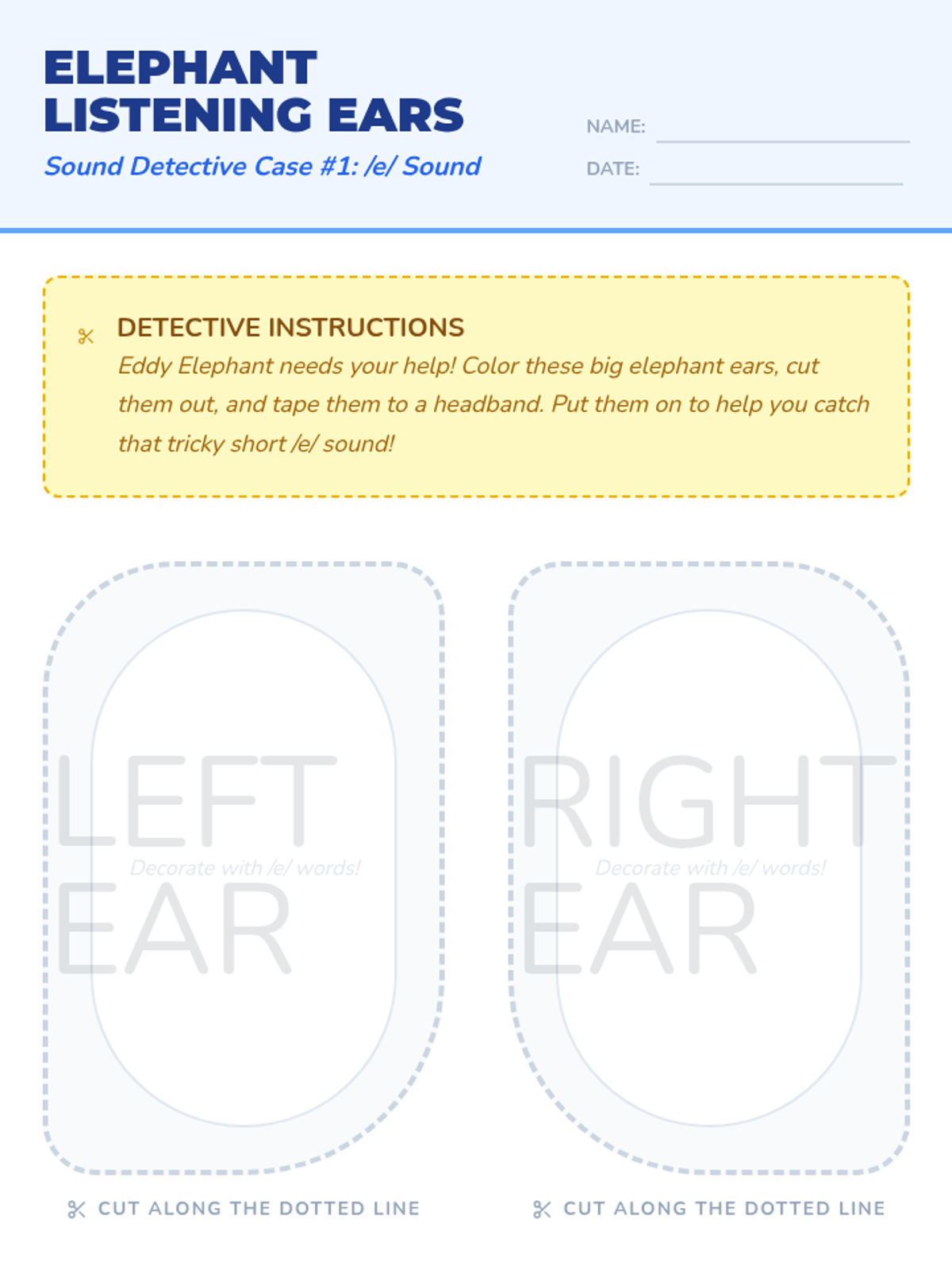
A phonics sequence for Pre-K students focusing on the short 'e' vowel sound through storytelling, games, and auditory discrimination activities using a Sound Detective theme.
This phonics sequence for Pre-K students focuses on discriminating between the short 'i' and short 'o' sounds through multi-sensory and game-based activities. It uses animal mascots (Iggy Iguana and Ollie Octopus) and mouth formation cues to help students distinguish these frequently confused vowel sounds.
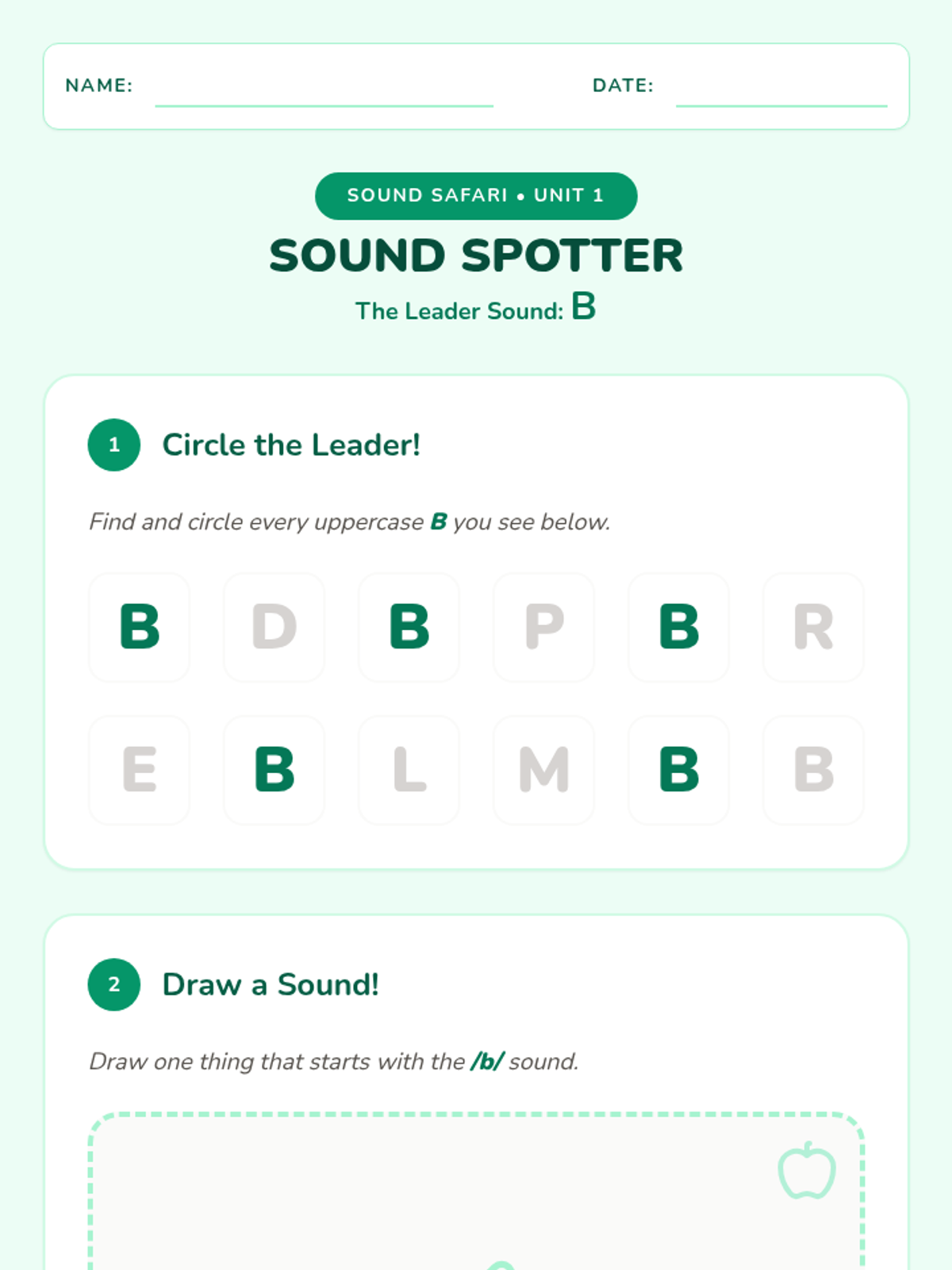
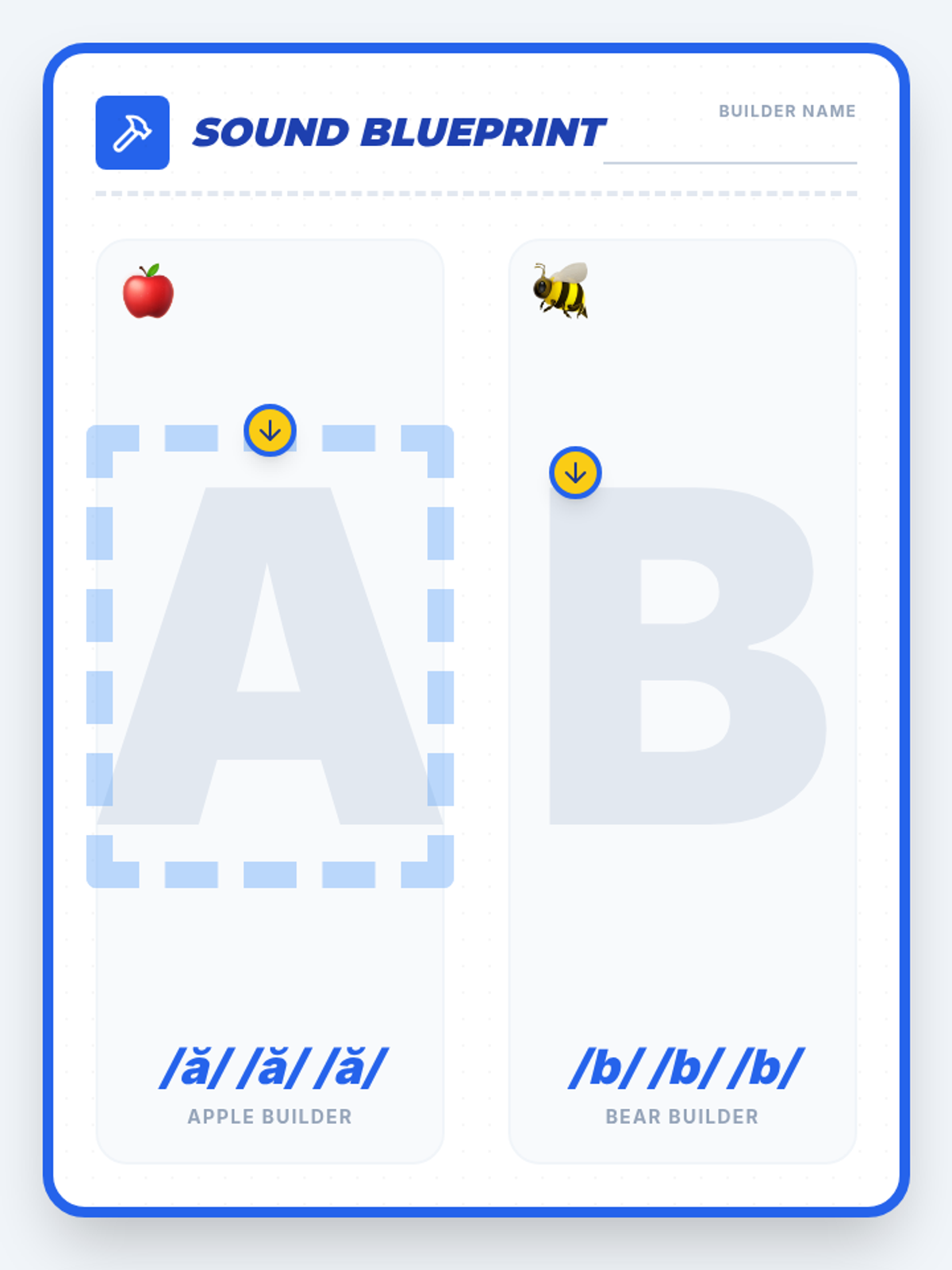
A Kindergarten Phonics sequence focused on auditory discrimination and initial sound identification, mapping sounds to uppercase letter representations through storytelling, games, and creative play.
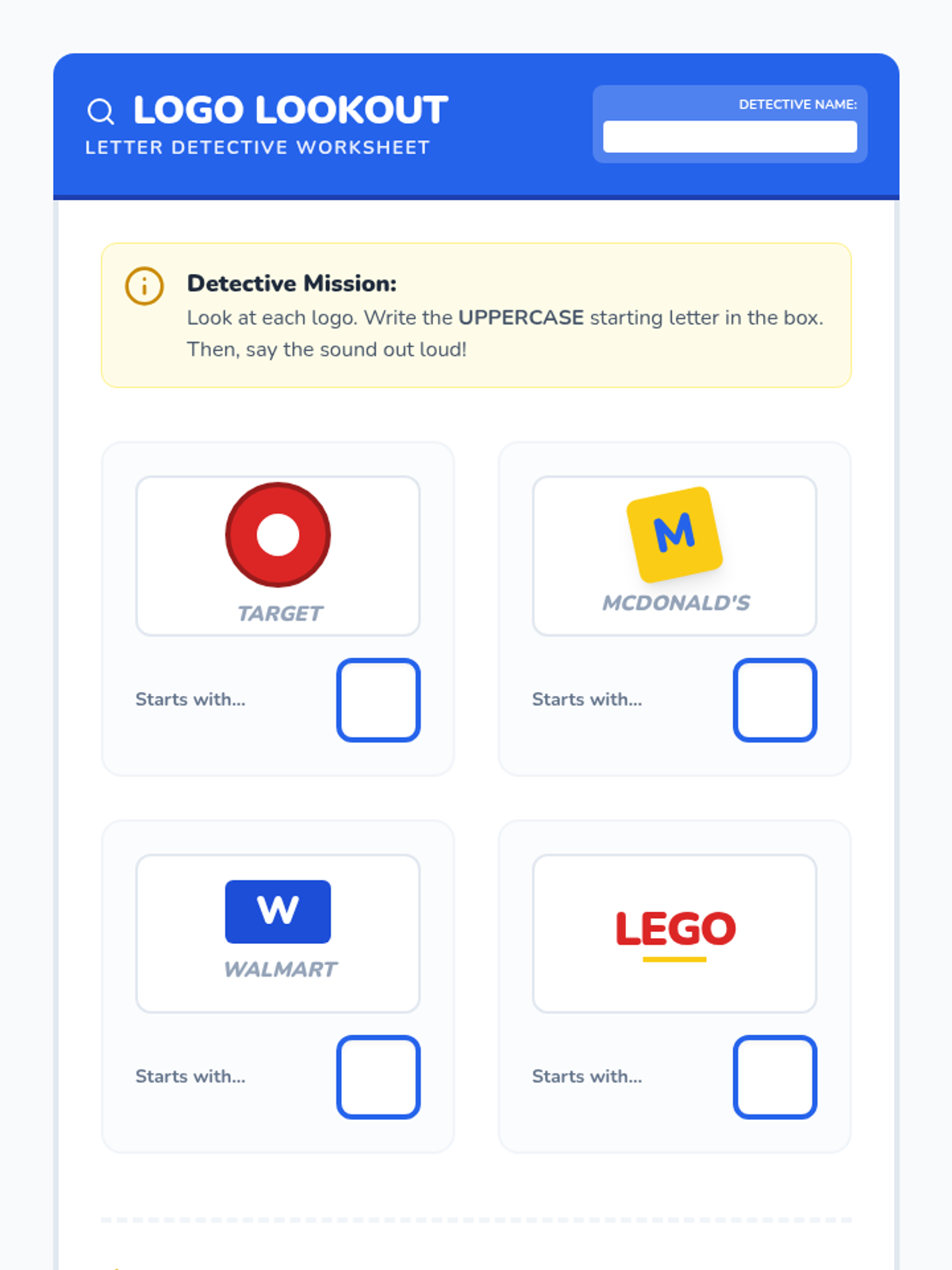
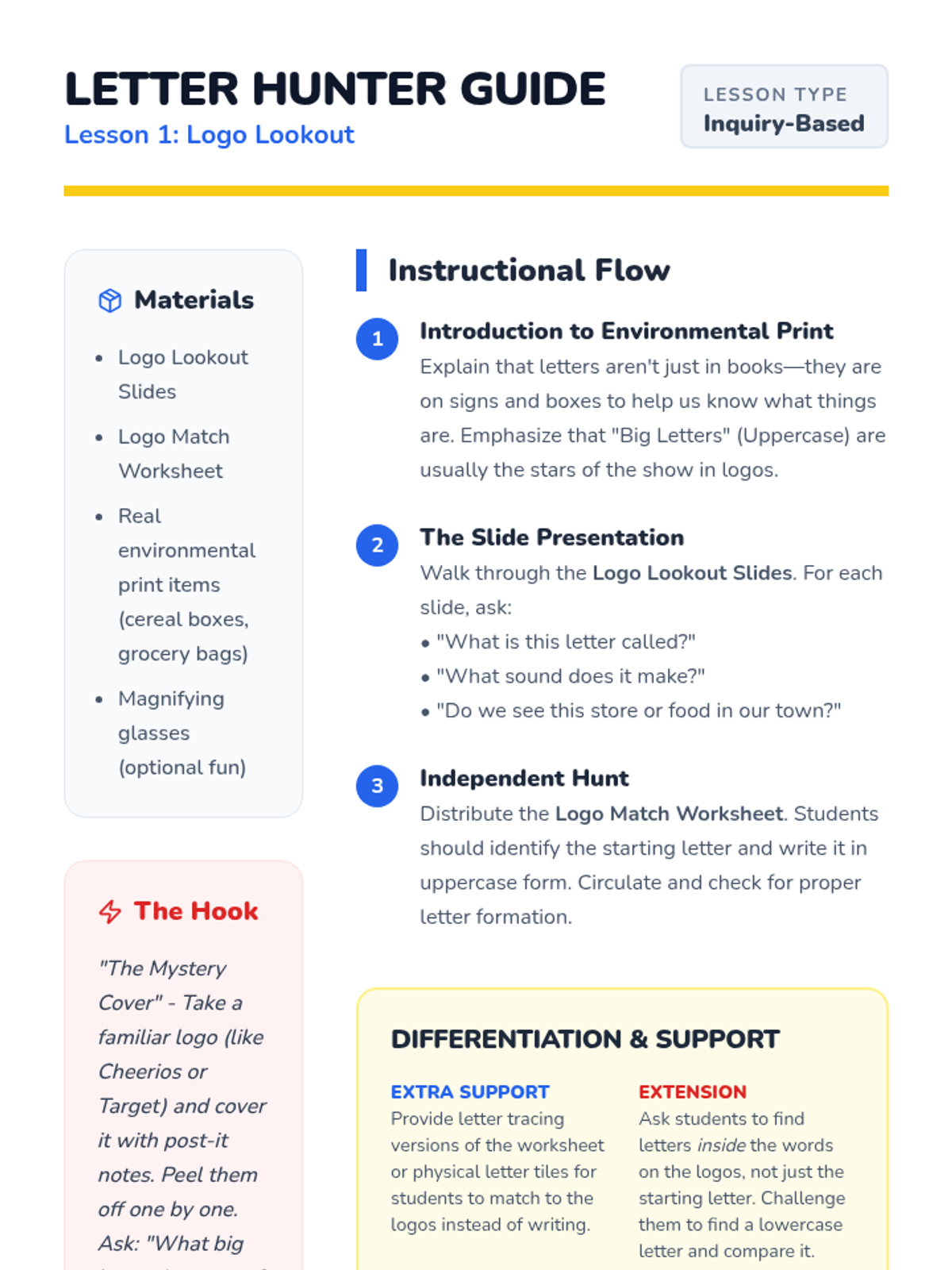
An inquiry-based ELA sequence for Kindergarten that uses environmental print (logos, signs, labels) to teach uppercase letter-sound associations. Students become 'Letter Detectives' exploring the world's text to understand that big letters have specific sounds.
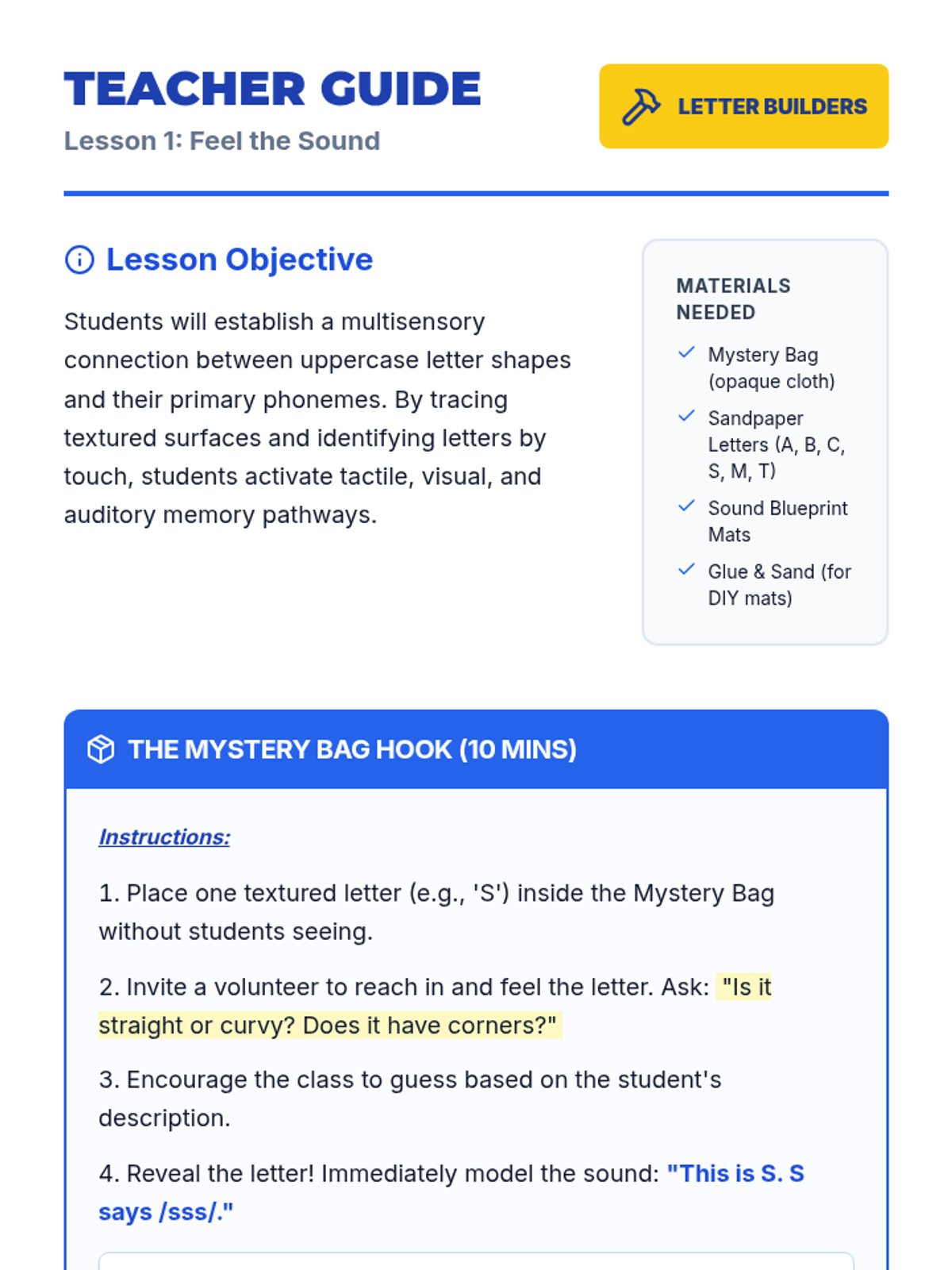
A Kindergarten ELA sequence focused on the tactile and kinesthetic formation of uppercase letters to reinforce sound associations. Students move from tracing to constructing letters using manipulatives, solidifying their understanding of letter shapes while practicing phonemes.
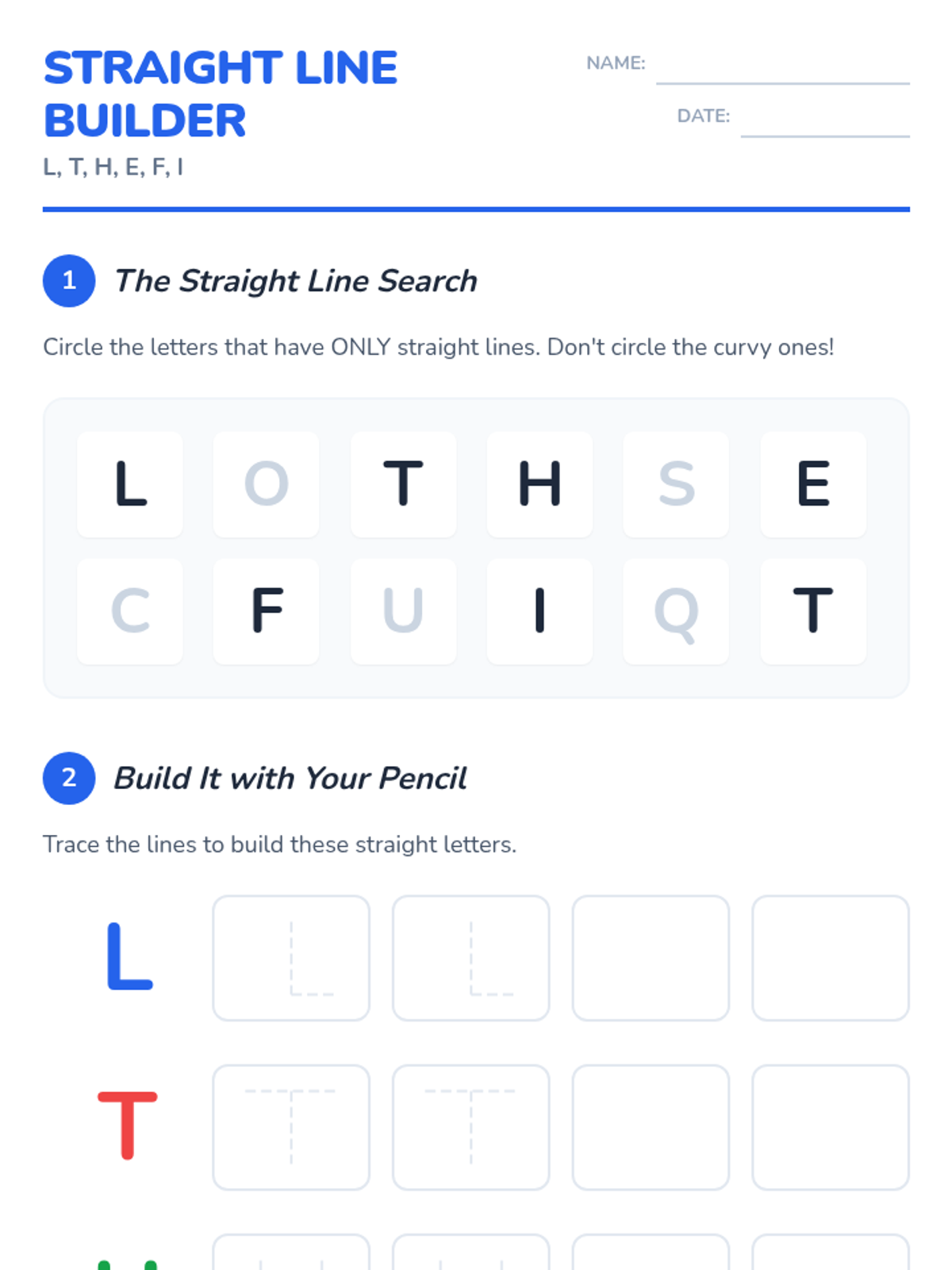
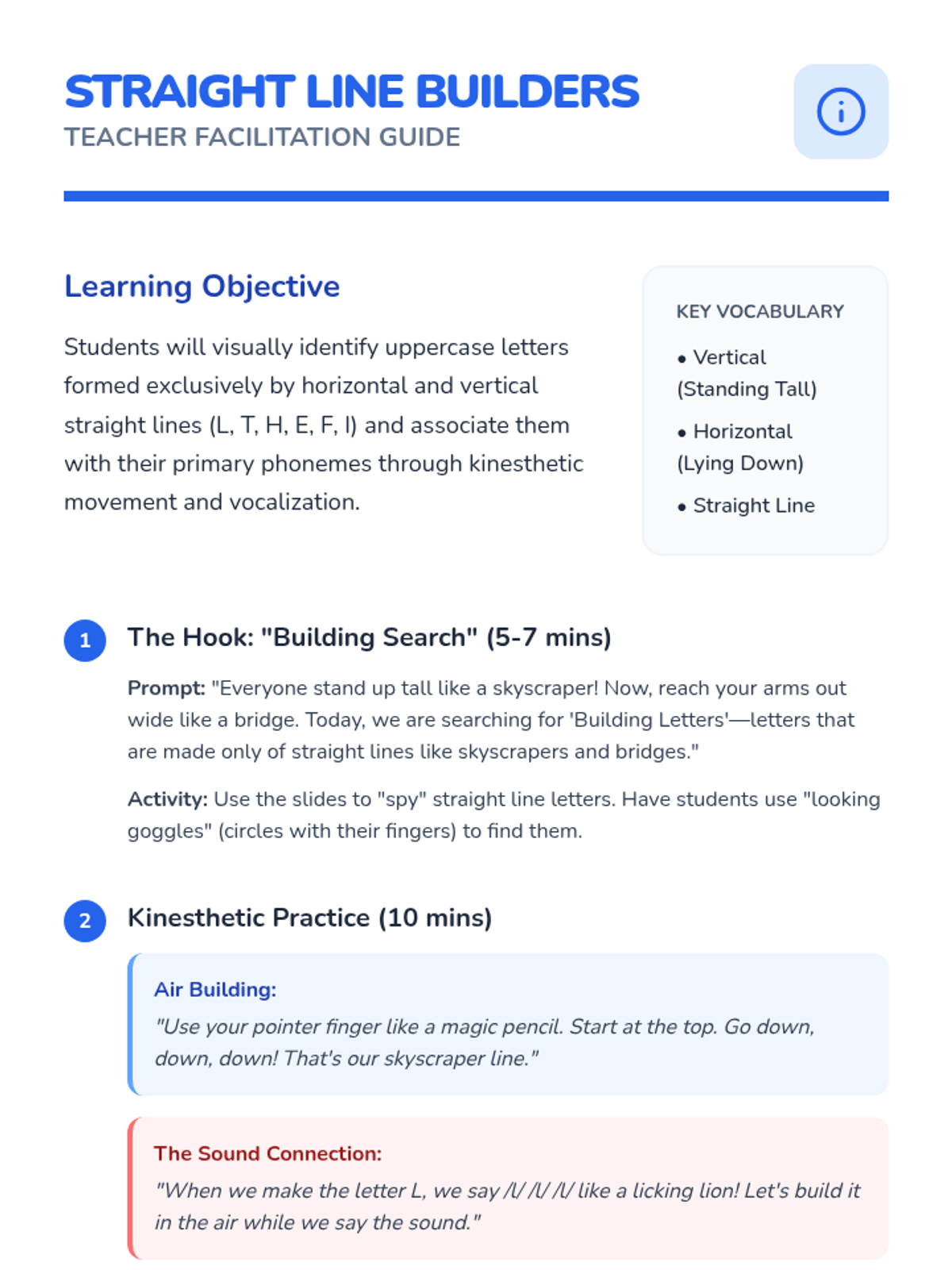
This sequence introduces Pre-K students to uppercase letters by categorizing them based on their shape features (straight lines vs. curves). Students develop visual discrimination and letter-sound correspondence through hands-on activities, sorting, and guided practice.
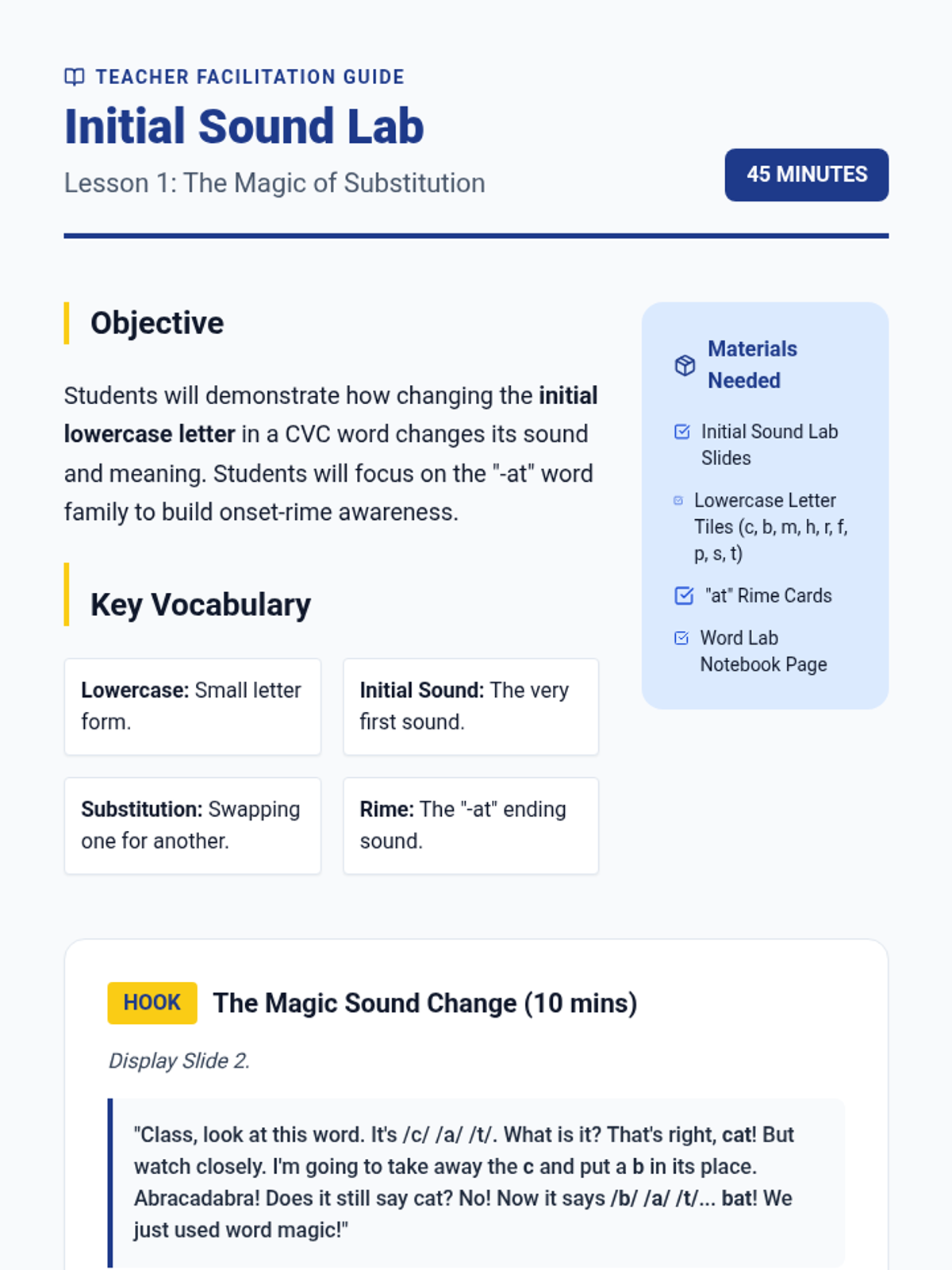
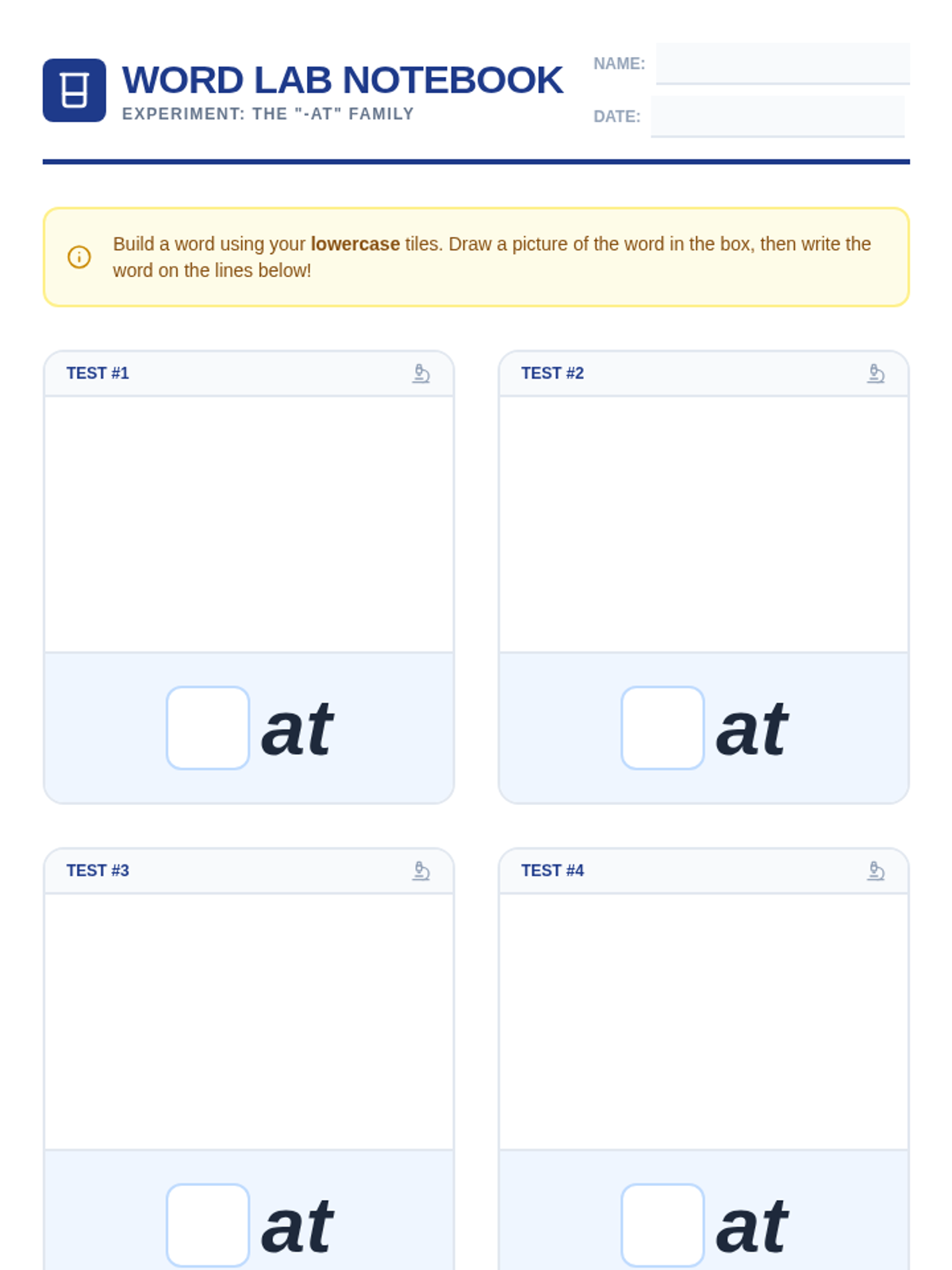
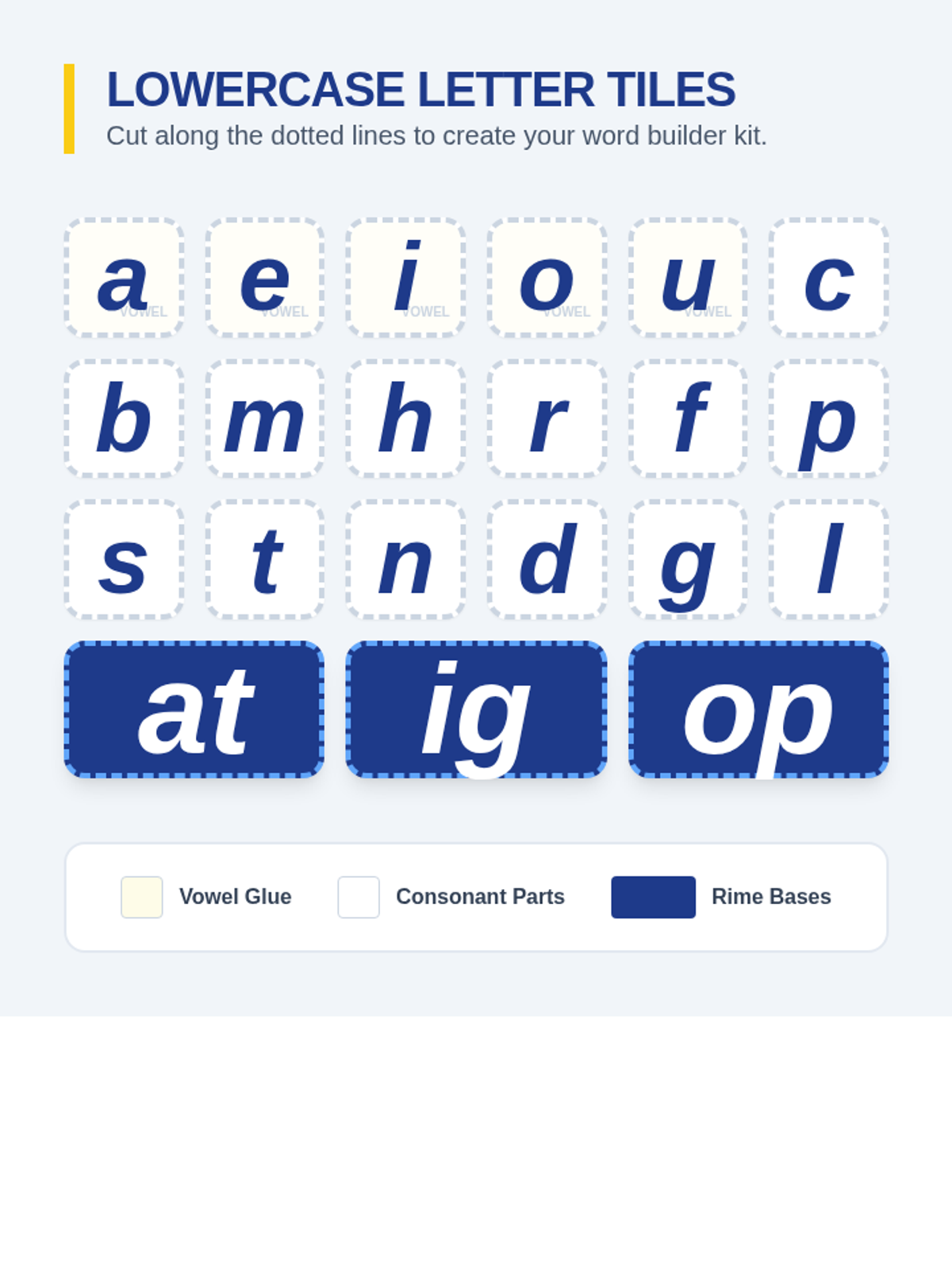
A comprehensive Kindergarten phonics sequence focusing on synthesizing lowercase letter-sounds to construct Consonant-Vowel-Consonant (CVC) words. Students progress from initial sound substitution to independent encoding through hands-on building and manipulation.
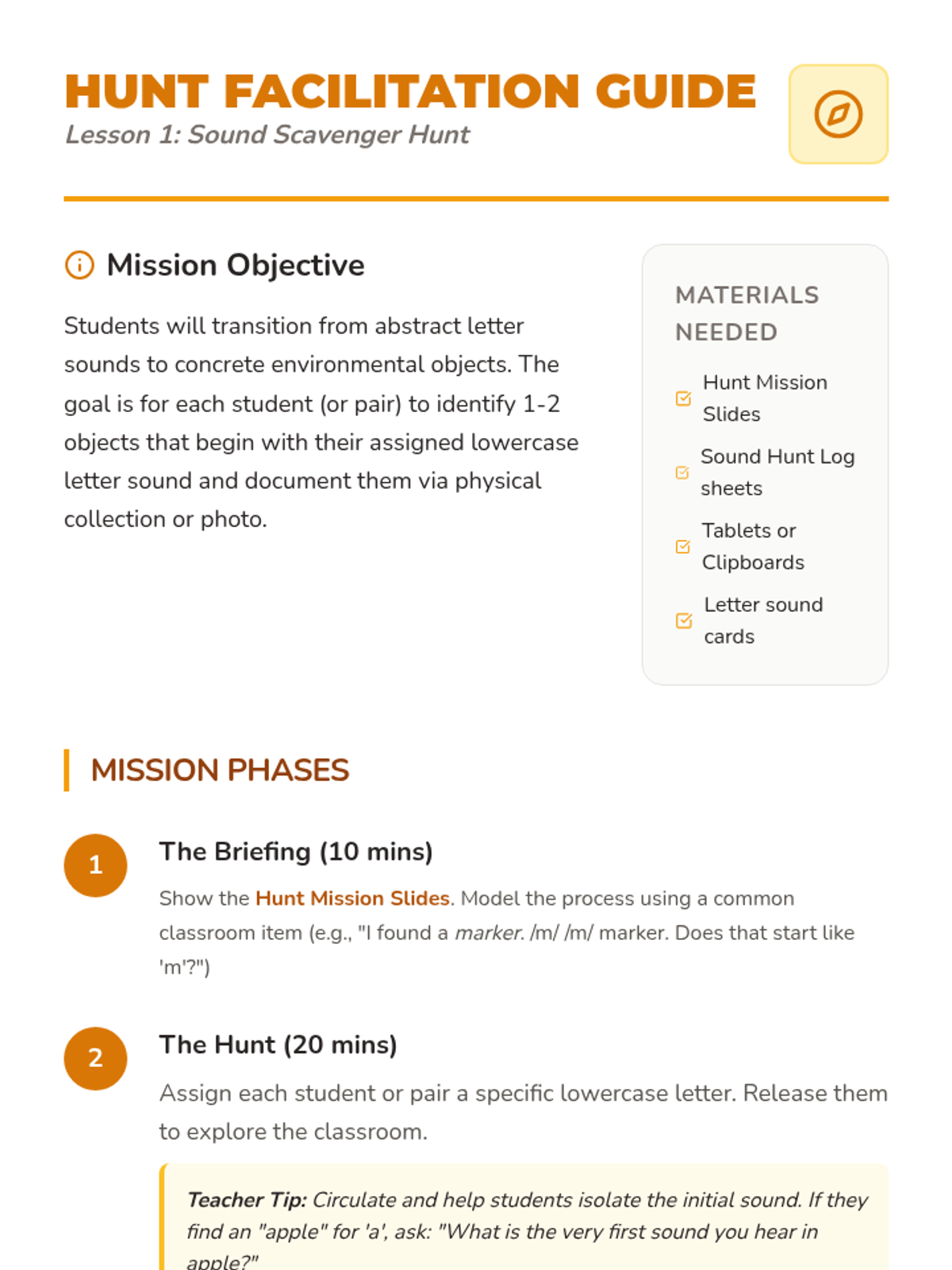
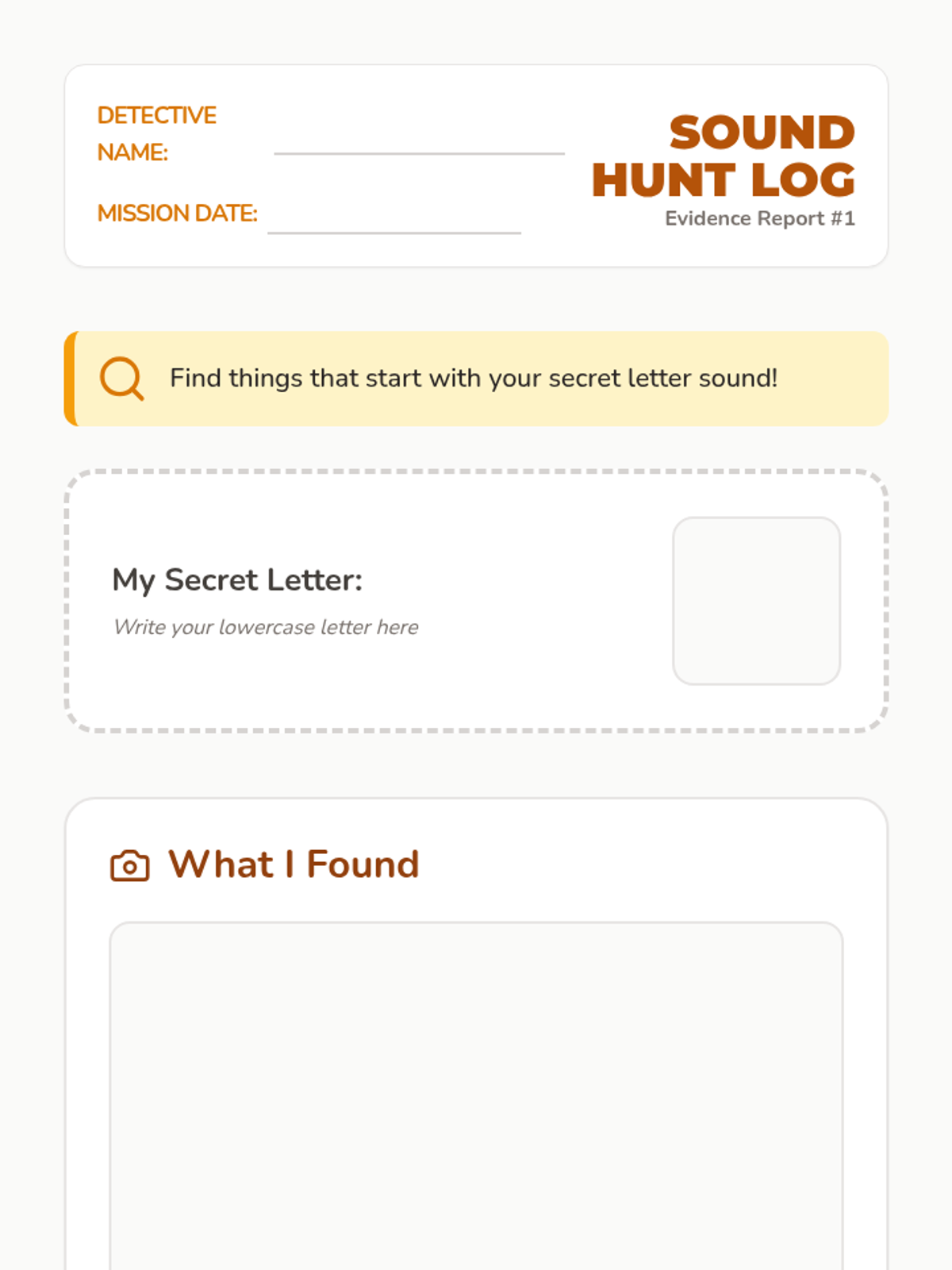
A kindergarten project-based sequence where students build a 'Living Lowercase Alphabet' by finding, drawing, and recording real-world objects that match initial letter sounds.
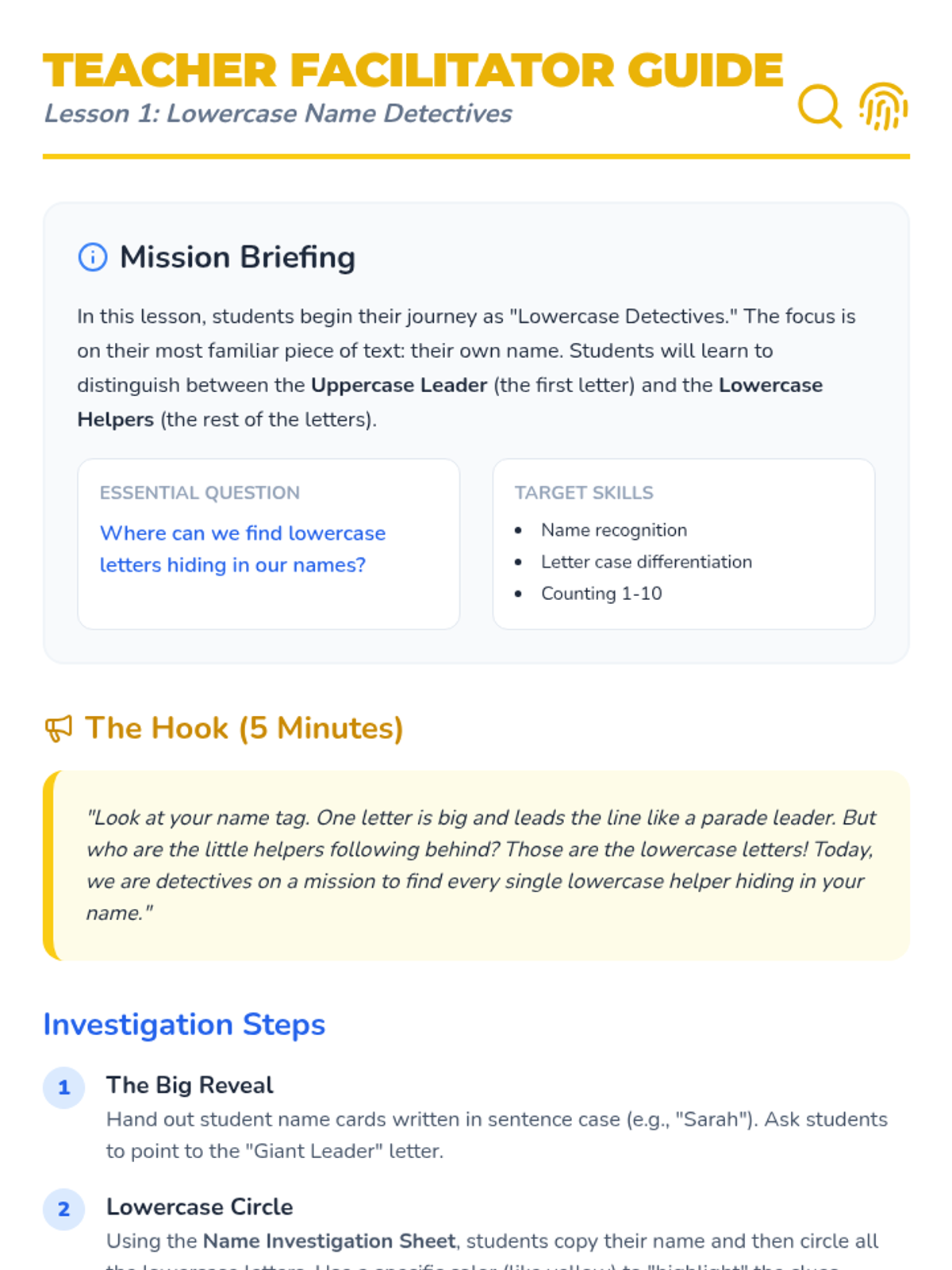
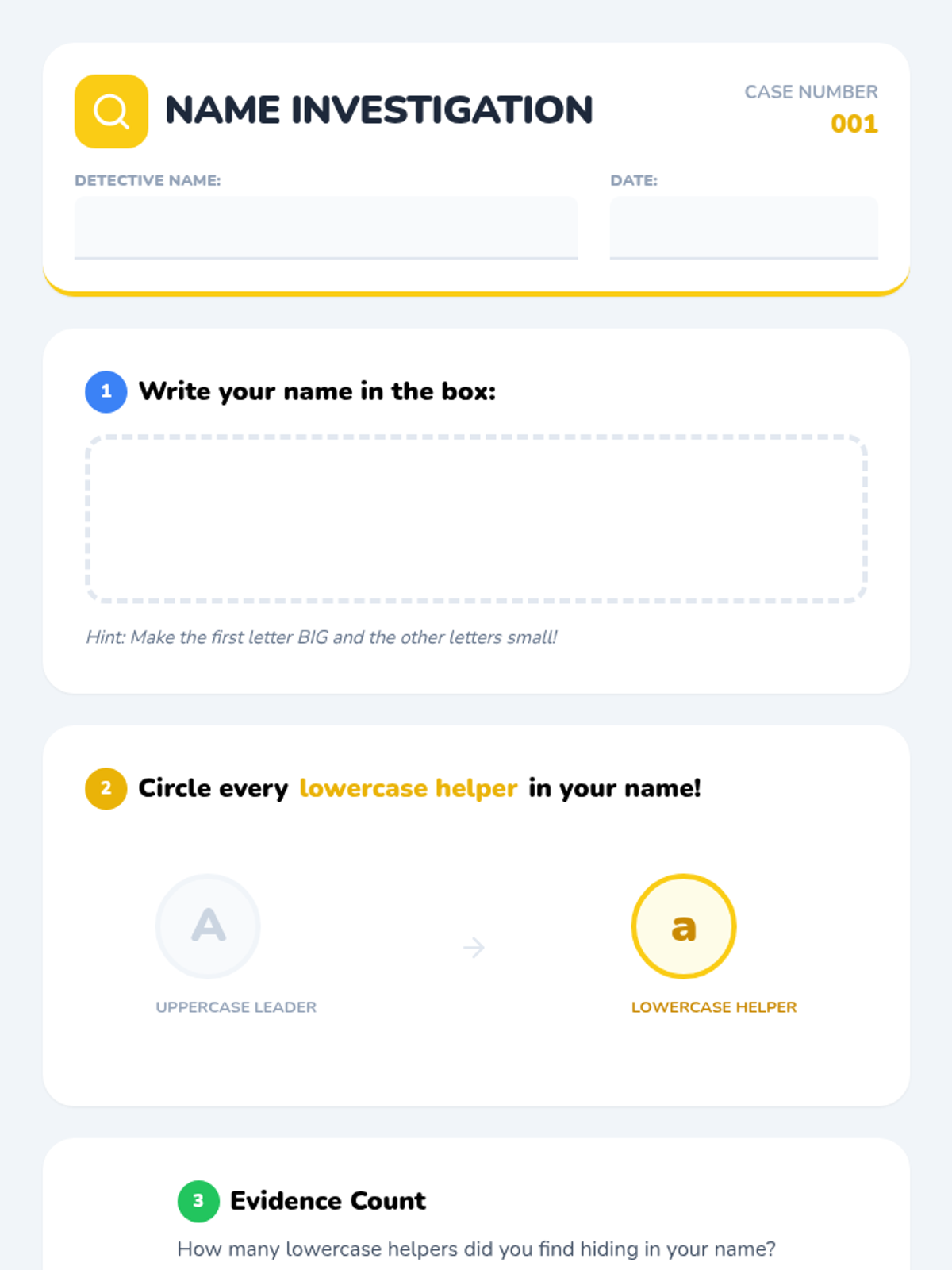
A project-based sequence for Pre-K students to identify lowercase letters in their daily environment, moving from their own names to classroom labels and community signs. Students transition from abstract symbol learning to concrete application, culminating in a class 'I Spy' book.
A game-based phonics sequence for Kindergarten students focusing on distinguishing short vowel sounds from long vowel sounds created by the 'Magic E'. Students engage in gross motor activities, scavenger hunts, and collaborative games to build decoding fluency.
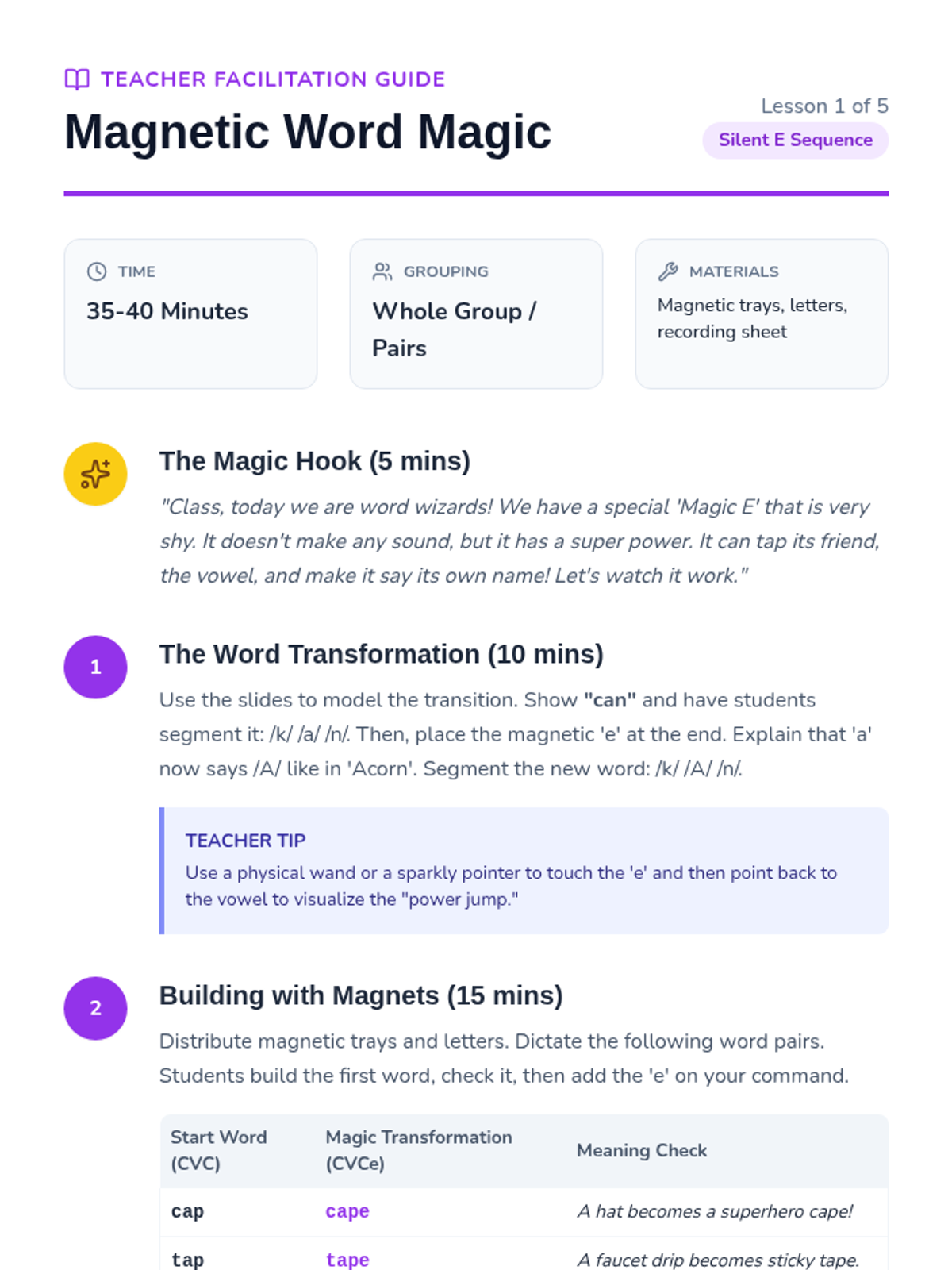
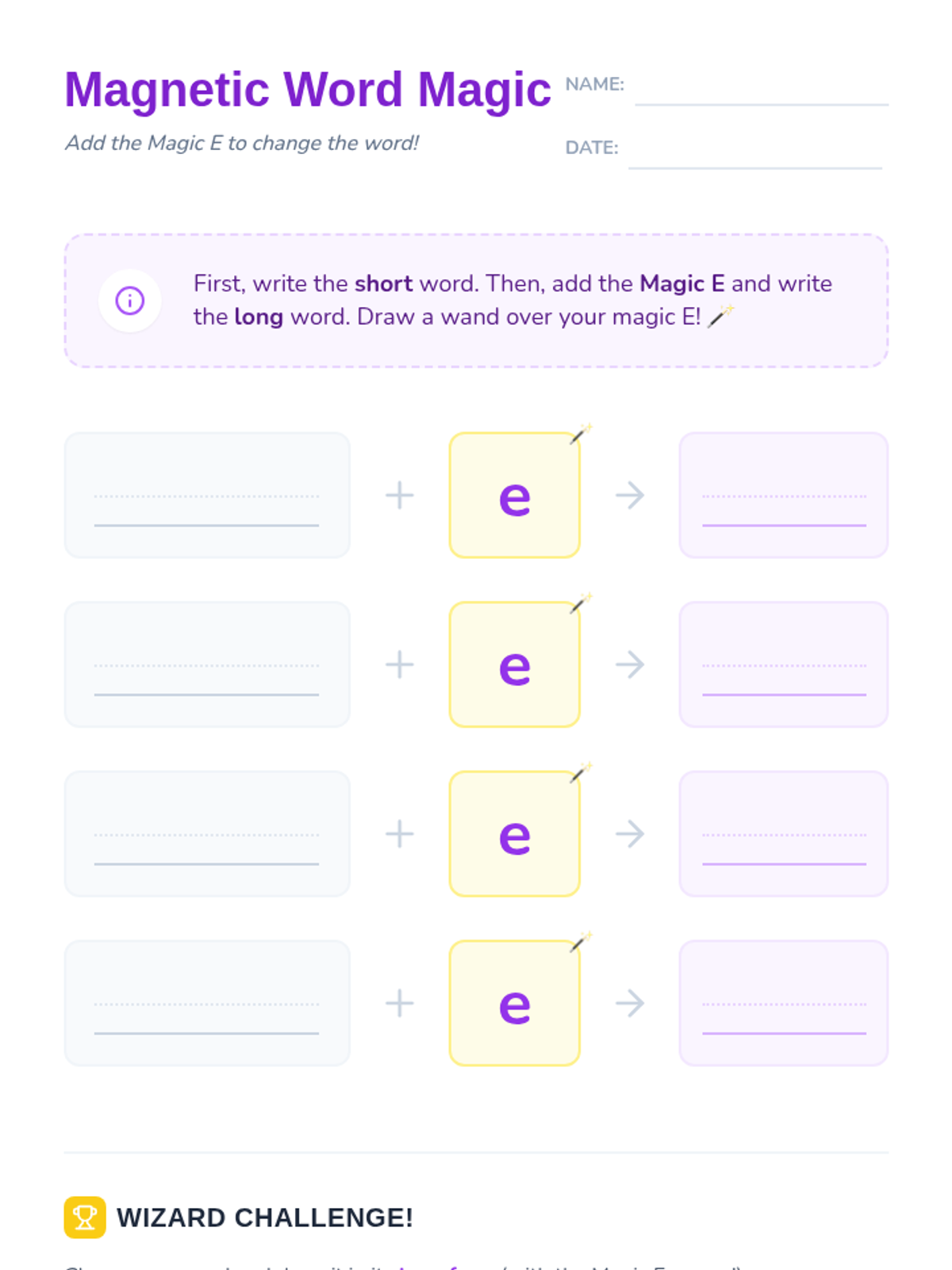
A hands-on kindergarten sequence focused on encoding and spelling CVCe words. Students use manipulatives like magnets, clay, and paper sliders to transform short vowel sounds into long vowel sounds by adding a 'silent e'.
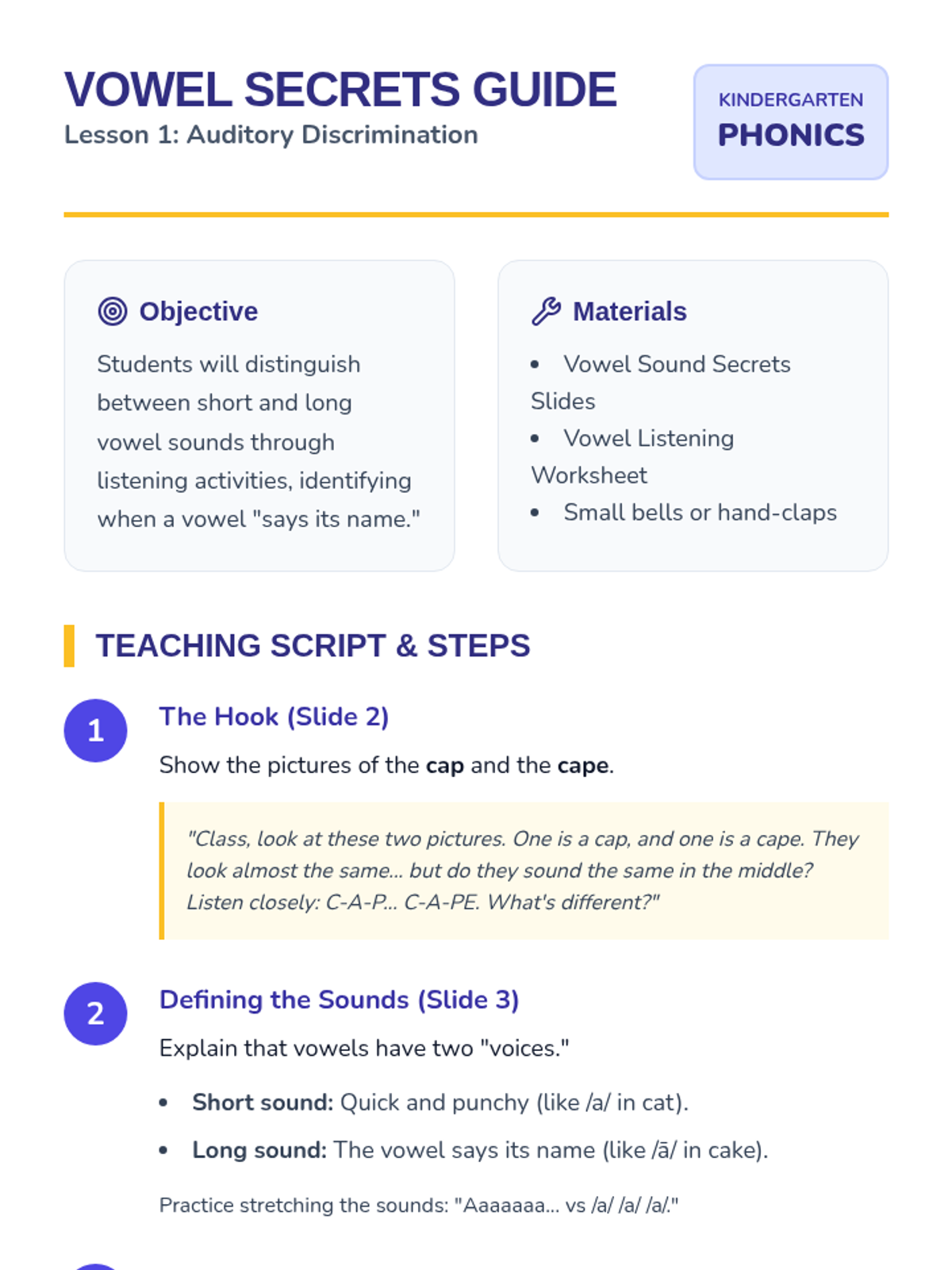
A Kindergarten phonics sequence focusing on the 'Silent E' (Magic E) pattern. Students progress from auditory discrimination of vowel sounds to identifying and applying the Magic E rule to transform CVC words into CVCe words.