Complex grammar structures, idiomatic expressions, and phrasal verbs. Strengthens reading and listening comprehension while building conversational fluency for varied social and professional settings.
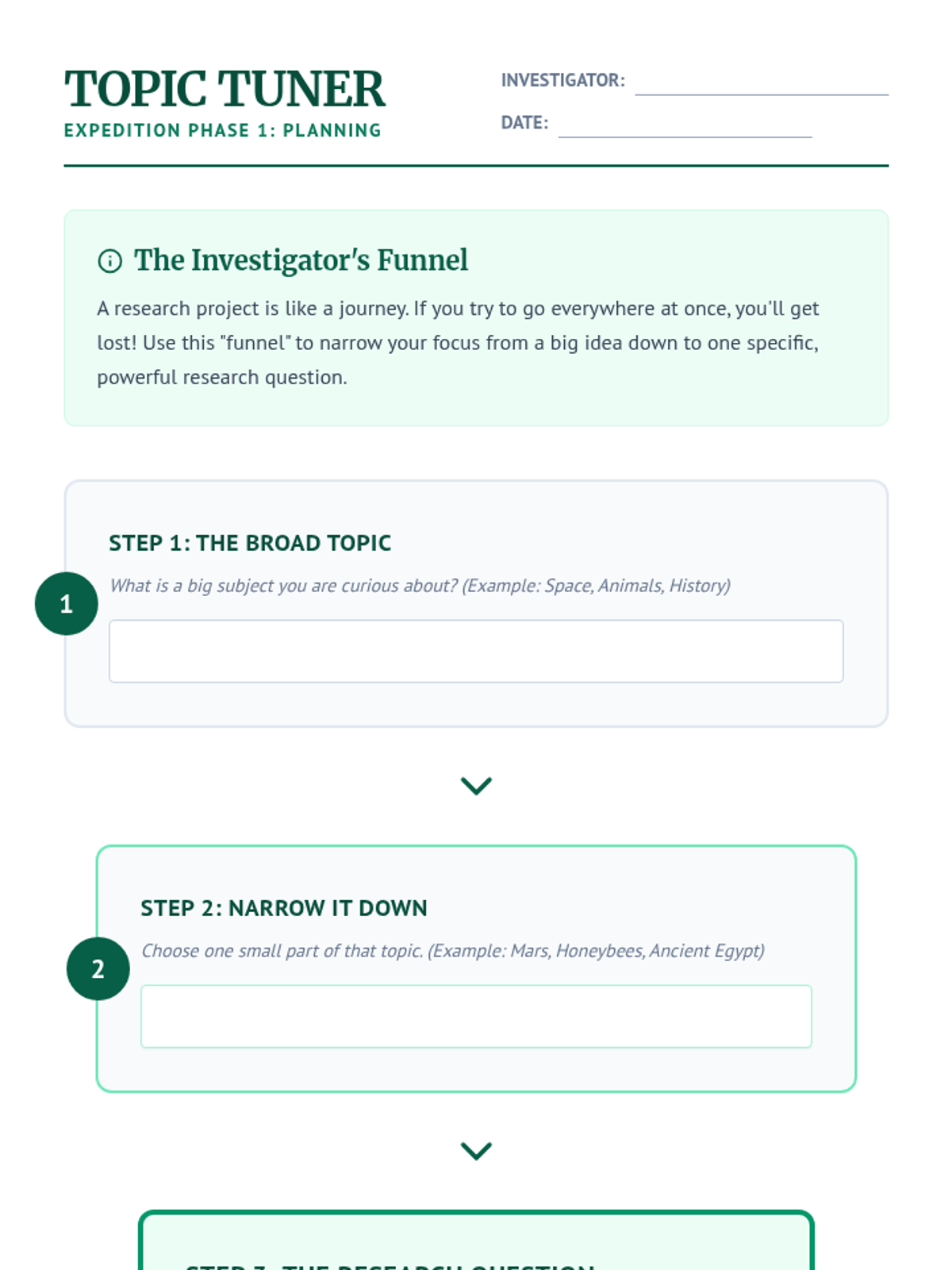
A comprehensive 5-lesson project-based sequence for 5th Grade ESL students to master the research cycle, from questioning to final publication. Students develop academic English skills through searching, evaluating, and synthesizing information on a chosen topic.
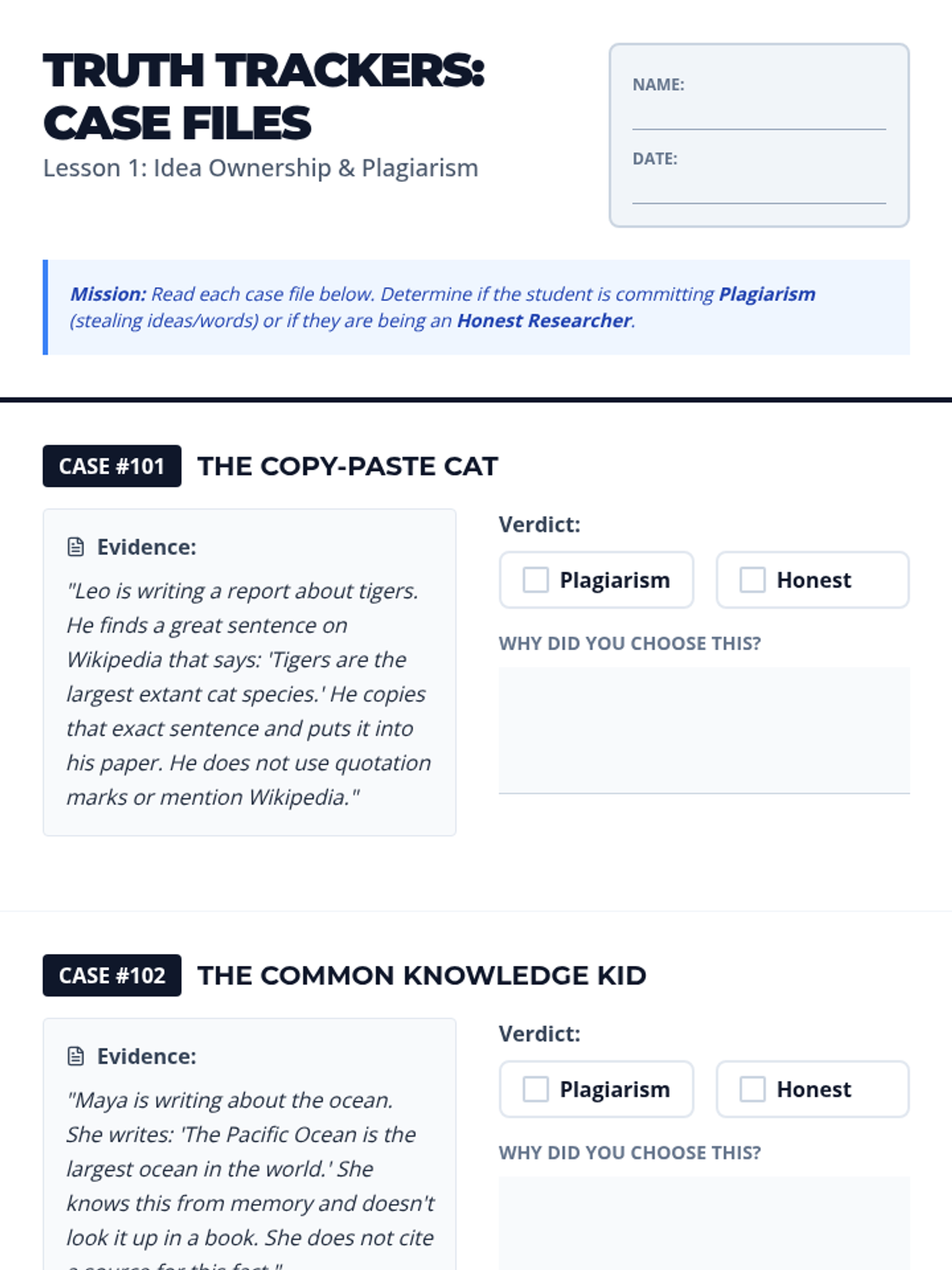
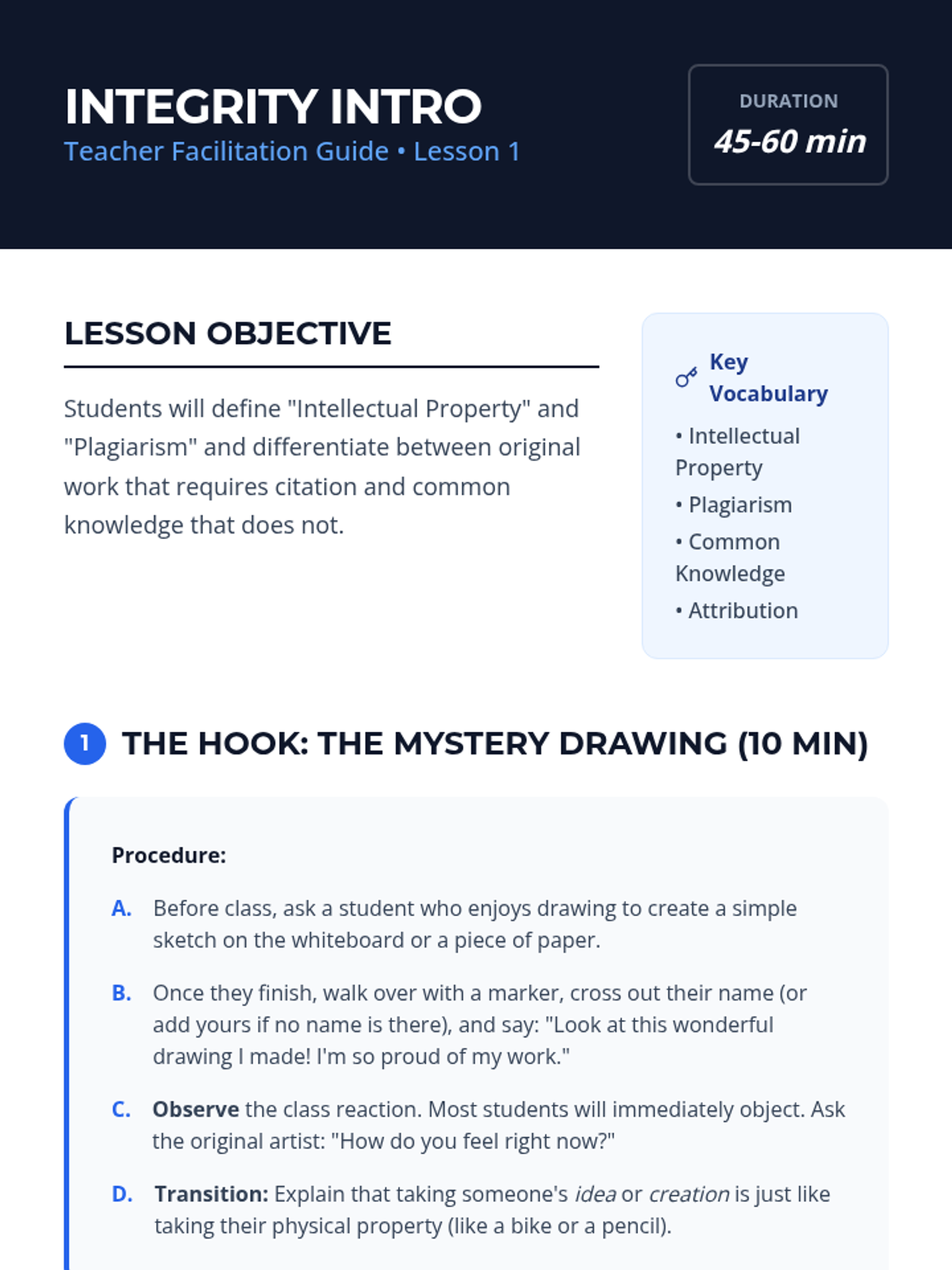
A 5-lesson sequence for 5th-grade ESL students focused on the ethics and mechanics of academic research. Students learn to distinguish between intellectual property and common knowledge, master the art of quoting and paraphrasing, and create simplified citations and bibliographies to maintain academic integrity.
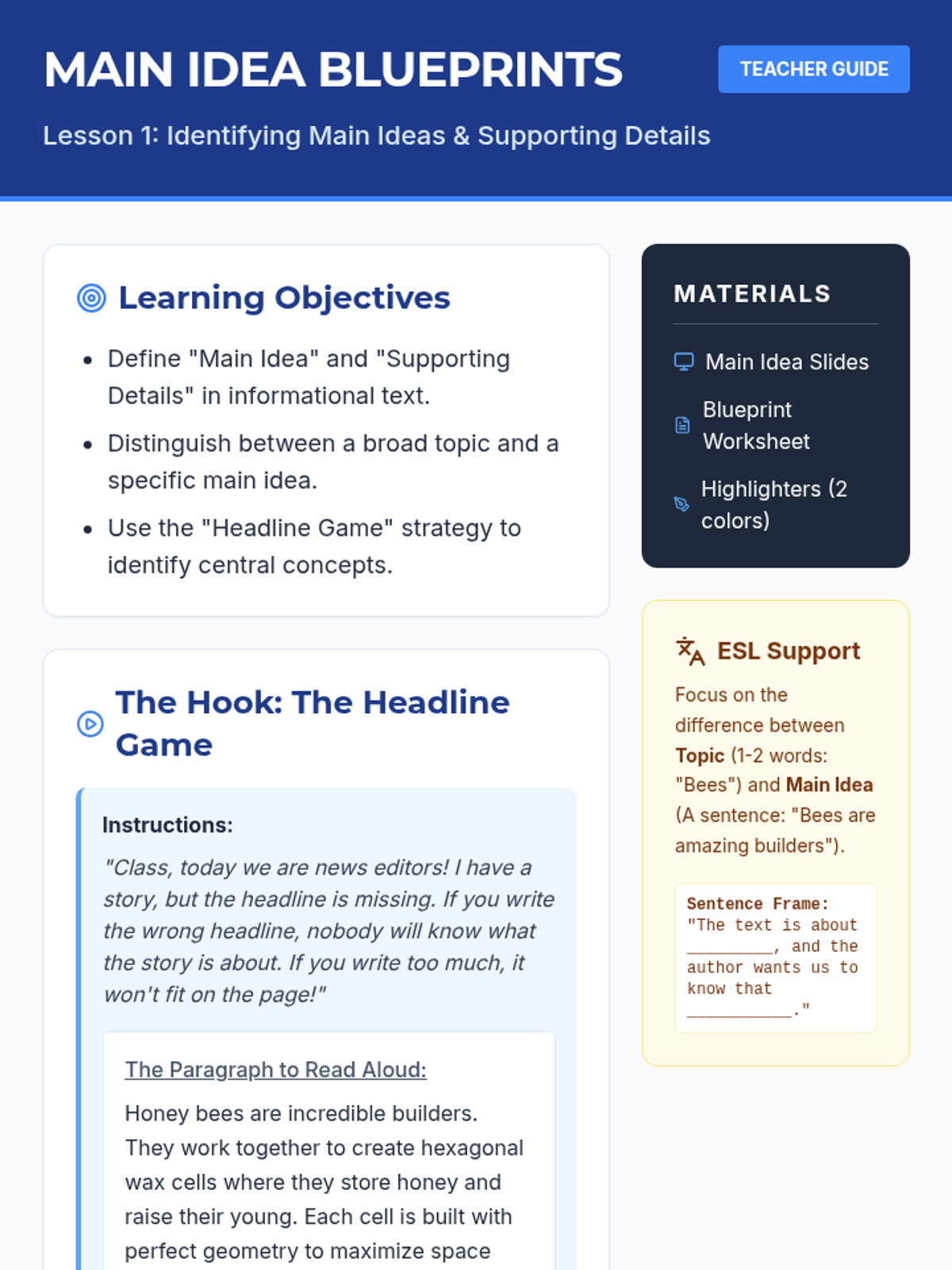
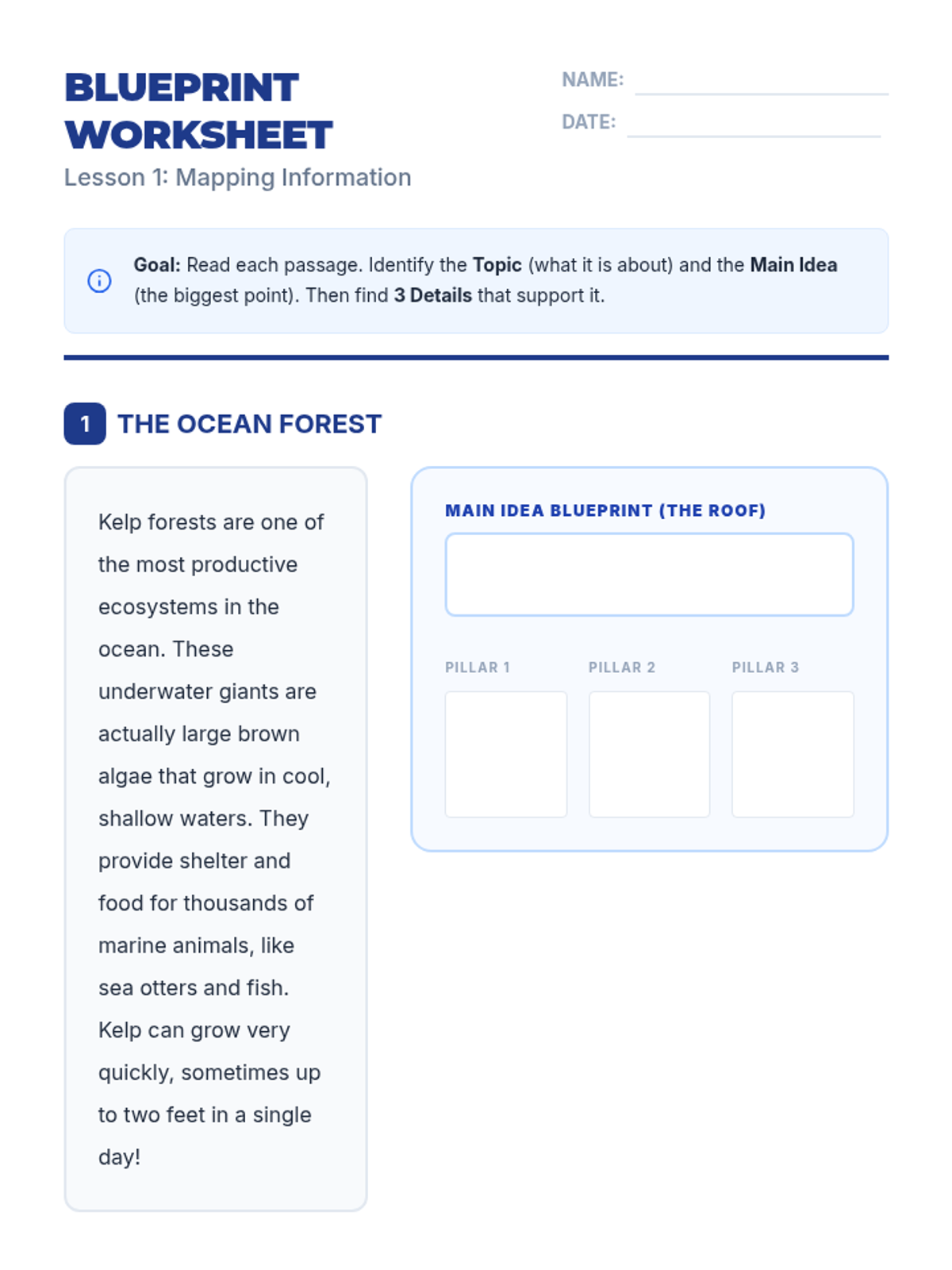
A 5-lesson sequence for 5th Grade ESL students focused on developing academic English skills through paraphrasing and synthesizing information. Students progress from identifying main ideas to drafting complete summary reports using multiple sources and formal attribution.
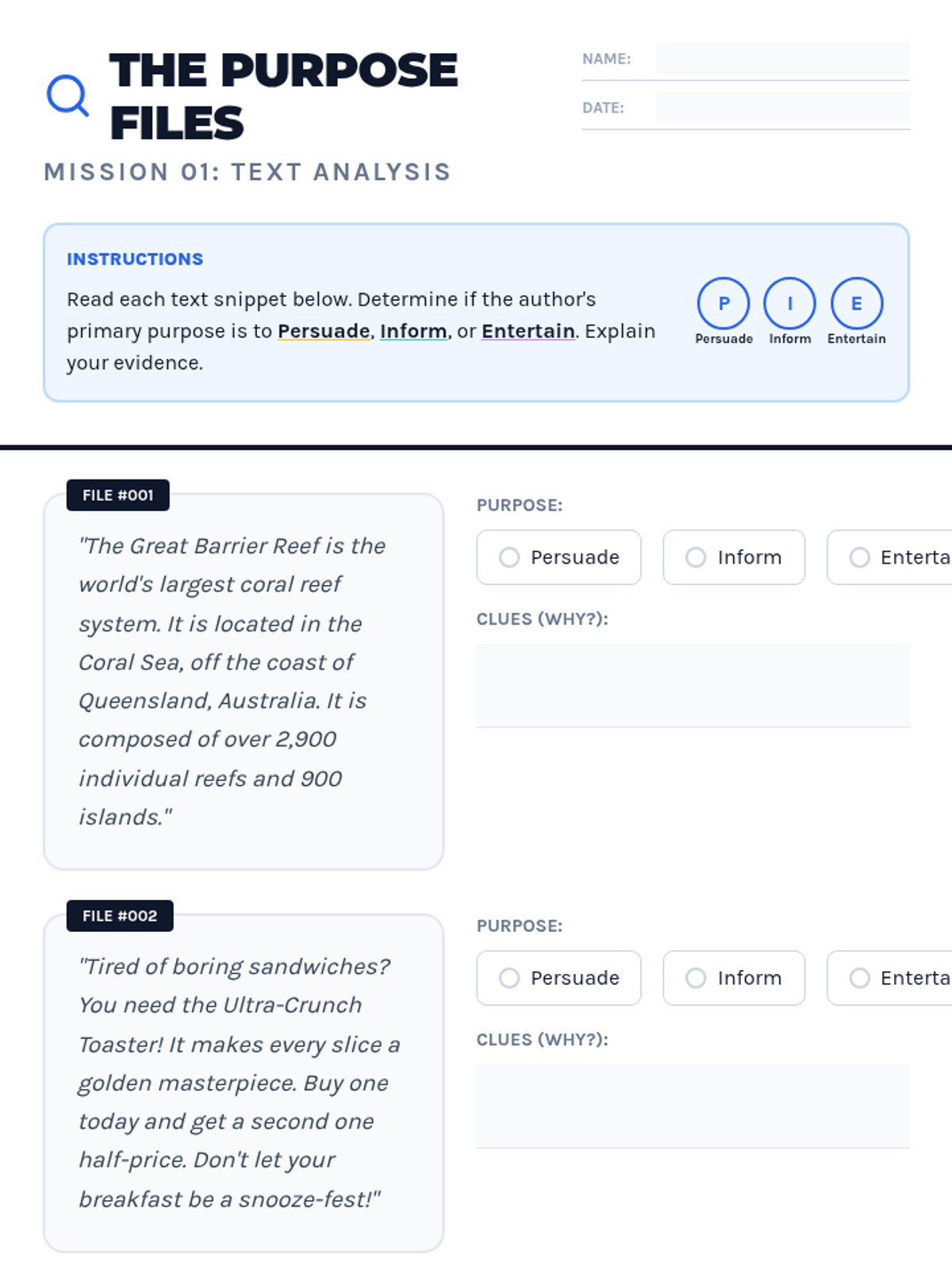
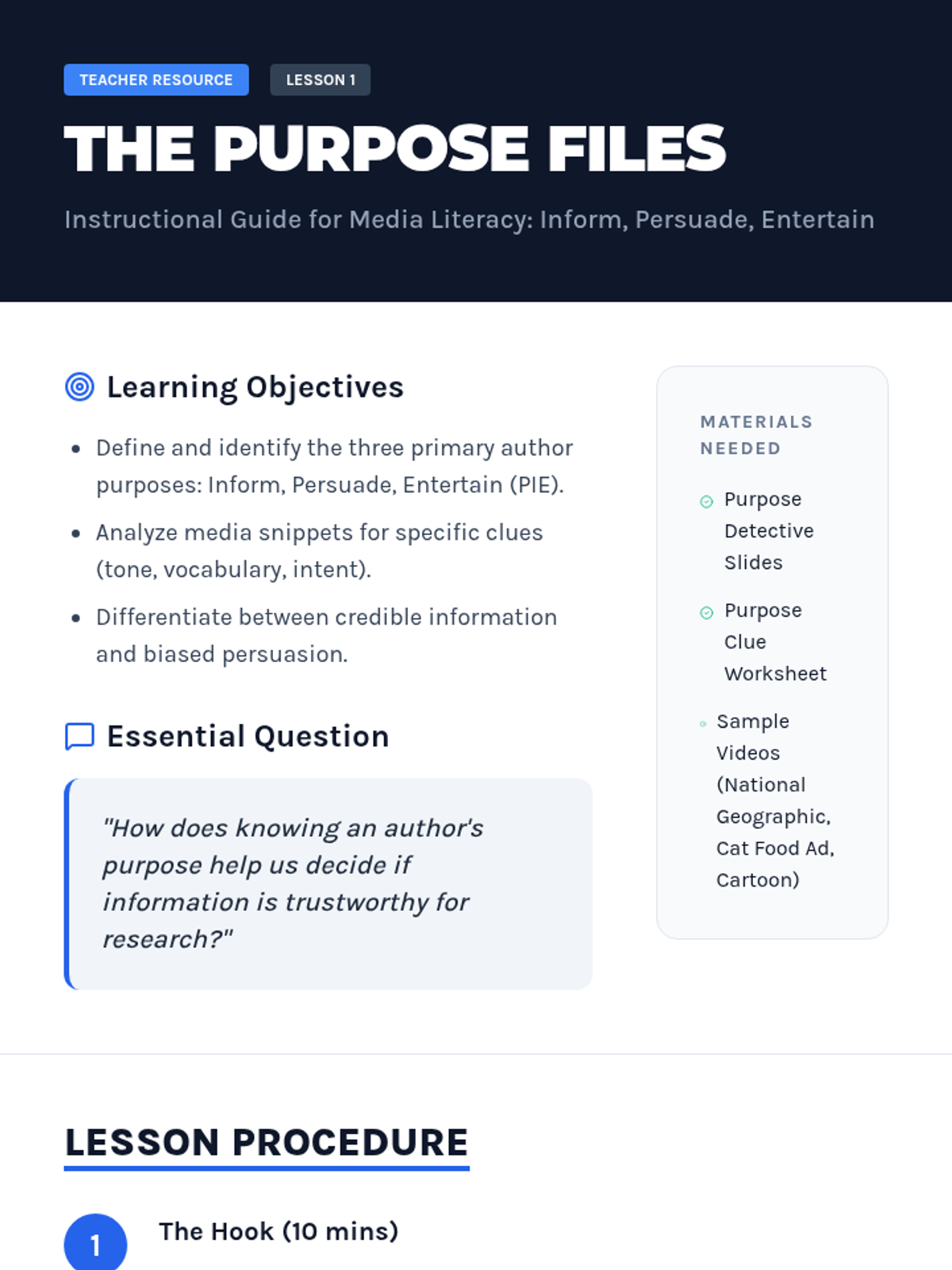
A 5-lesson sequence for 5th-grade ESL students to develop media literacy and research skills. Students learn to distinguish author purpose, evaluate website credibility using the 5 W's, identify bias, and corroborate information across multiple sources.
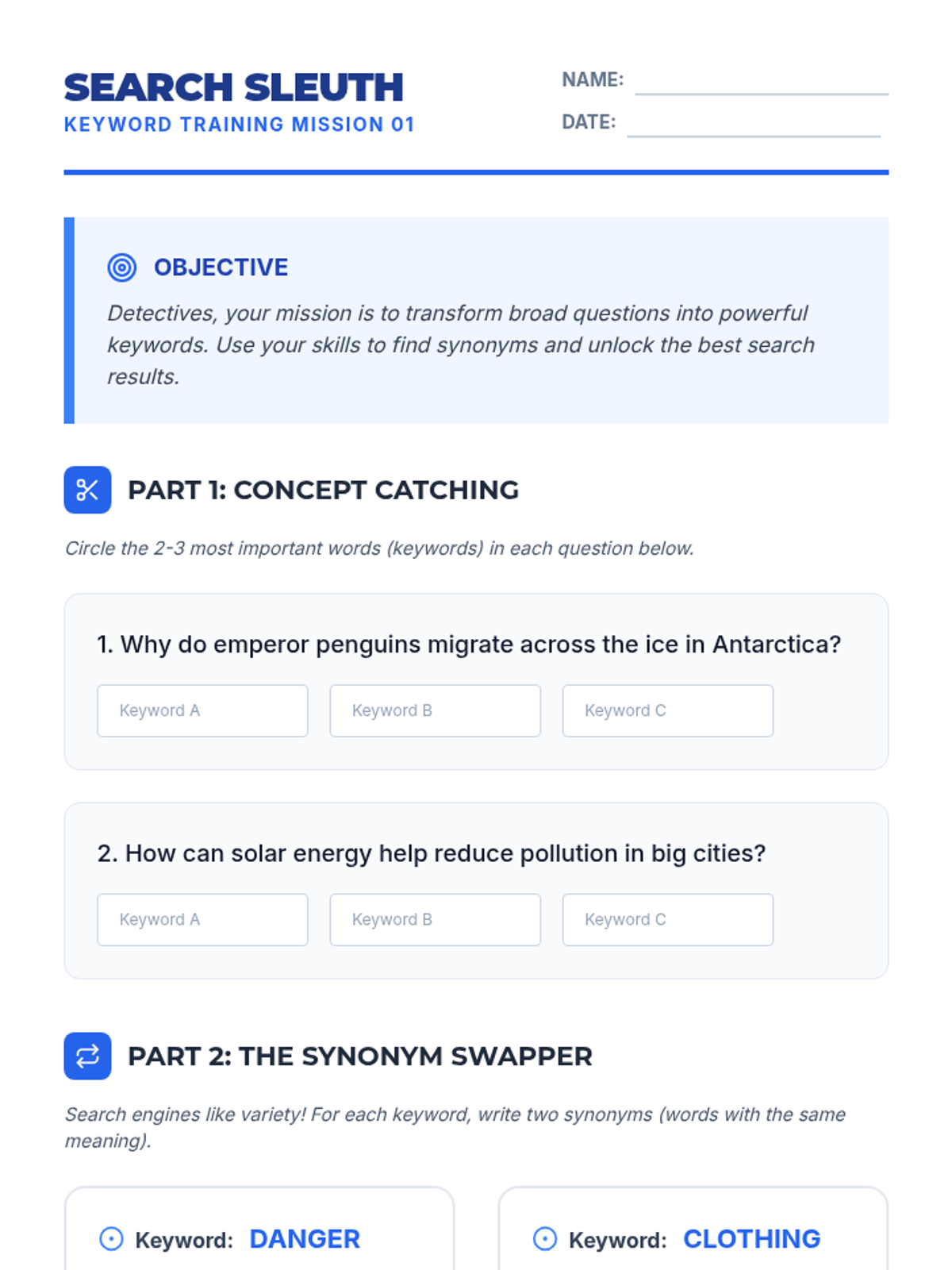
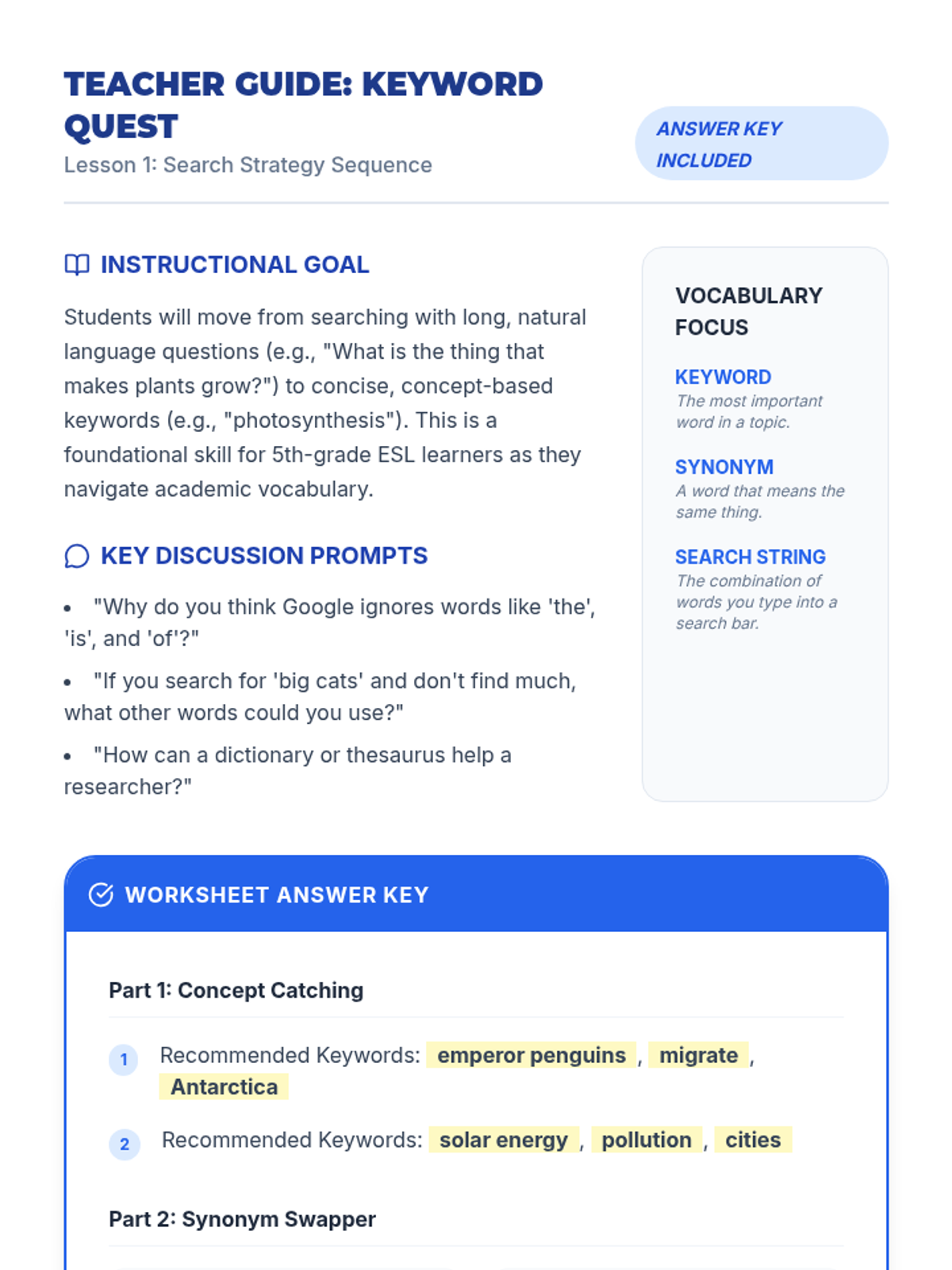
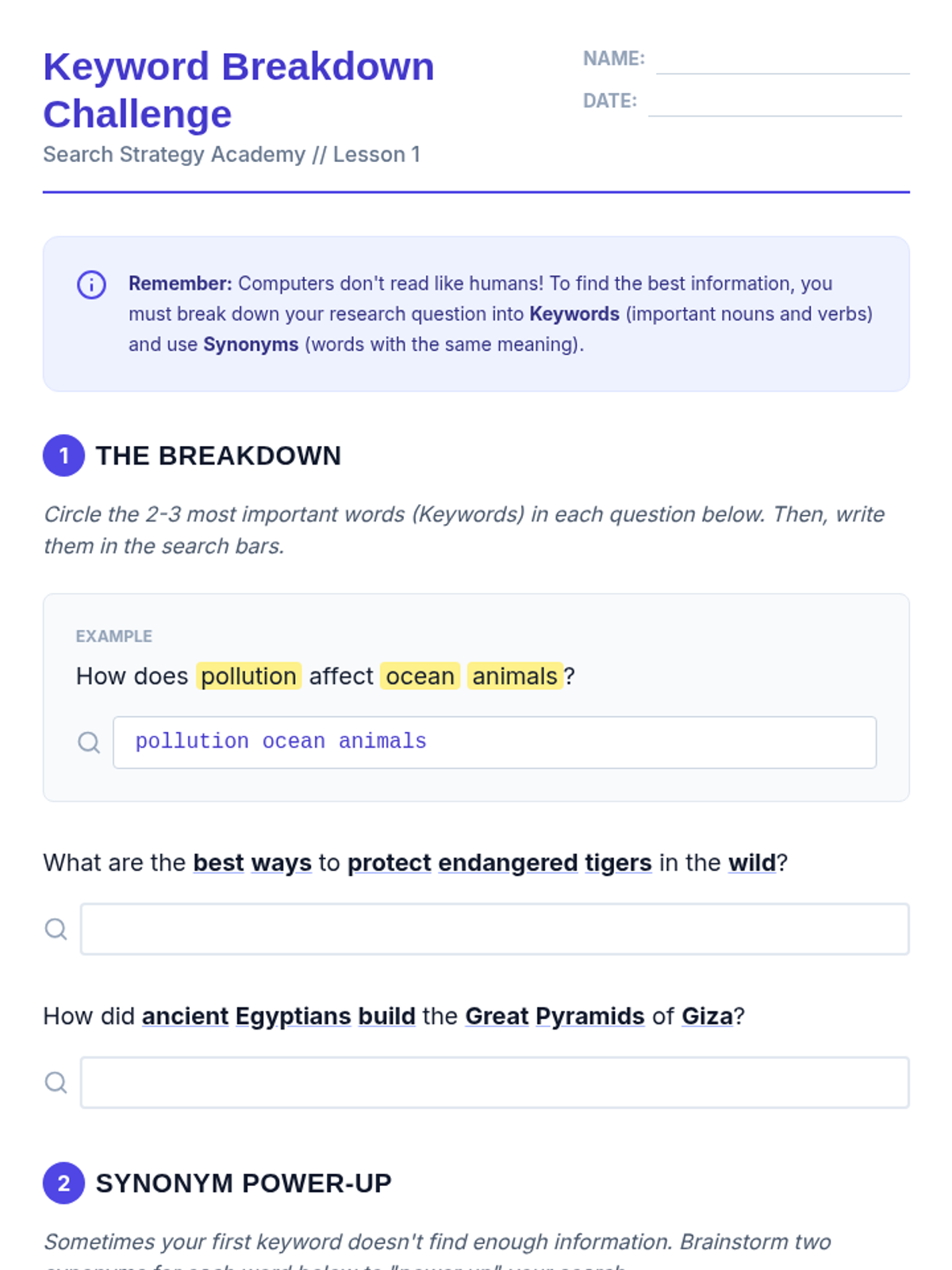
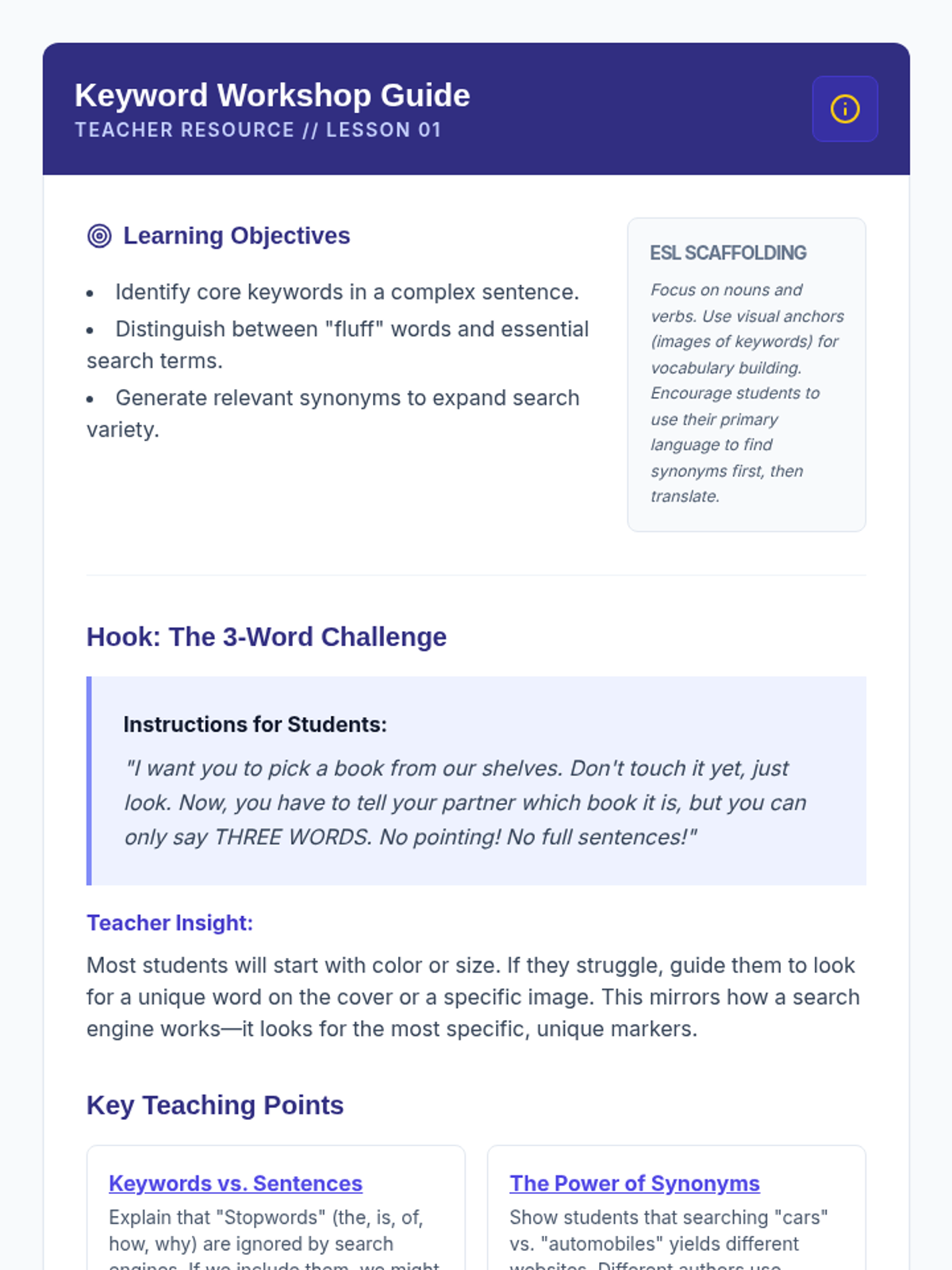
A 5-lesson sequence for 5th Grade ESL students focused on the mechanics of finding information. Students move from basic keyword generation to using Boolean operators, navigating text features, utilizing academic databases, and refining failed searches to become efficient digital researchers.
A 5-lesson unit for 6th-grade ESL students focused on transforming search habits from natural language questions to strategic keyword and Boolean operator techniques. Students move from basic vocabulary brainstorming to navigating academic databases and skimming snippets for relevance.
A comprehensive workshop-style sequence for 4th Grade ESL students to master academic research skills. Students progress from navigating text features to note-taking, paraphrasing, summarizing, and ultimately synthesizing information from multiple sources while avoiding plagiarism.
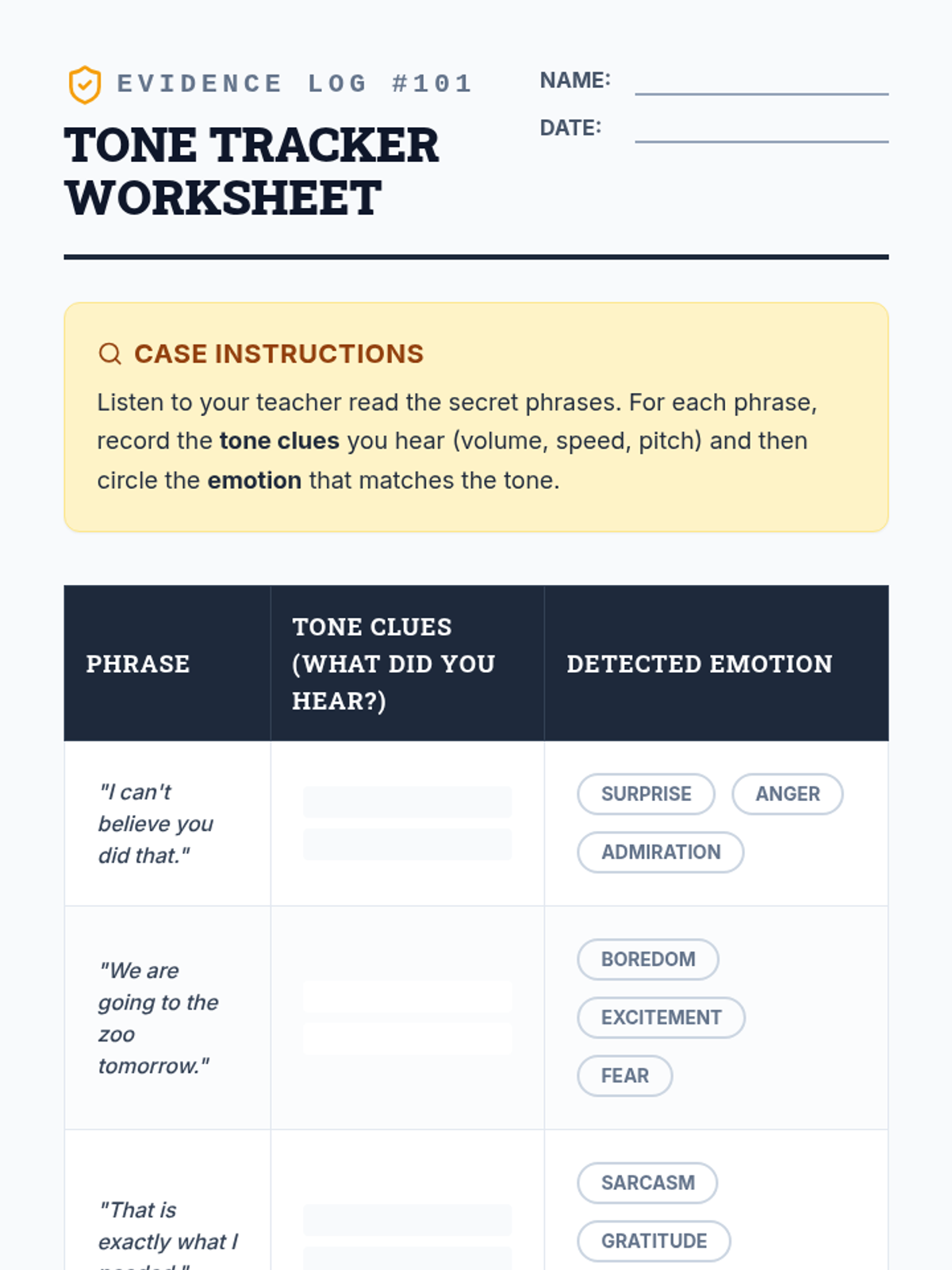
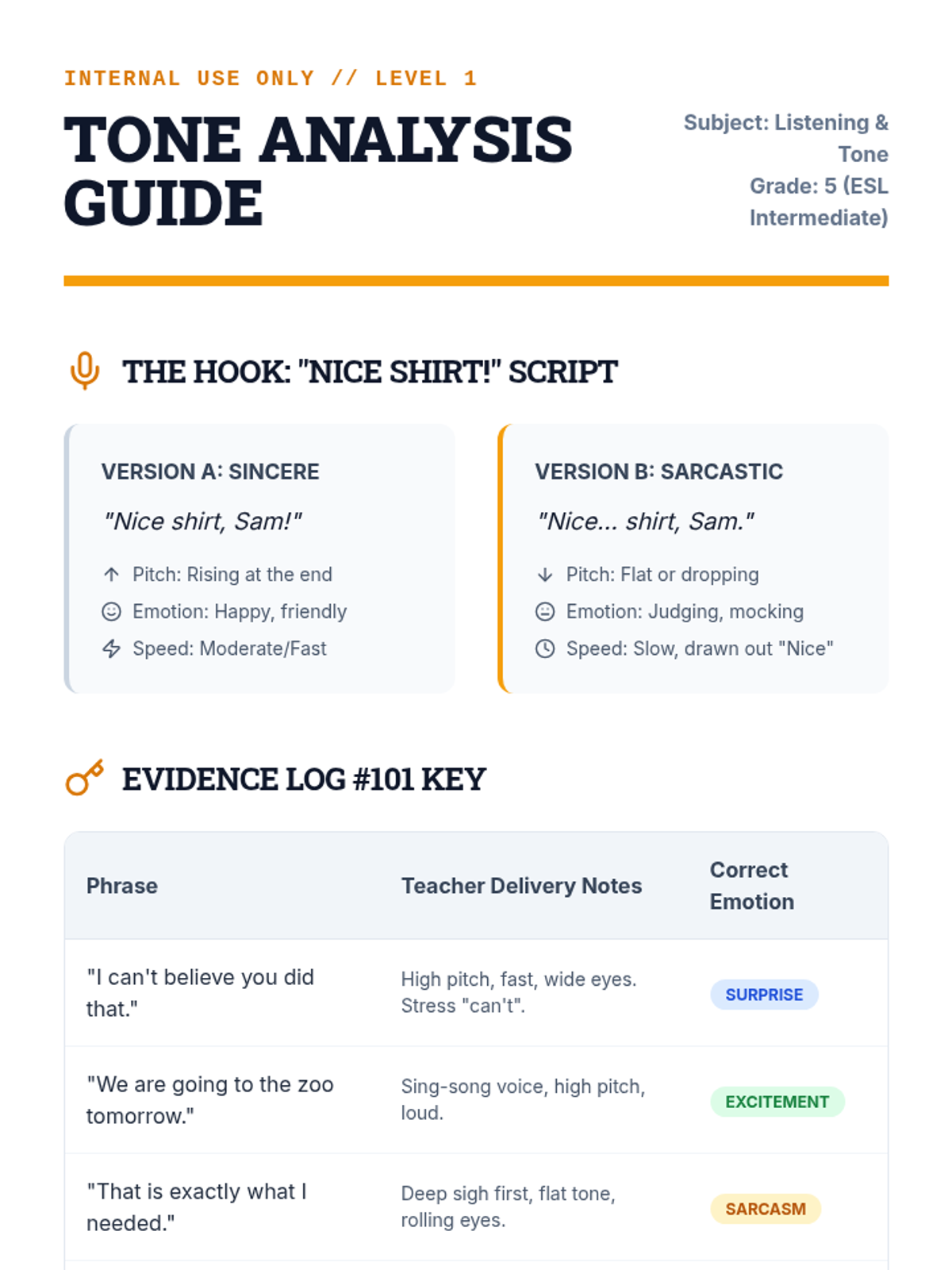
An intermediate ESL sequence where students act as 'communication detectives' to analyze tone, idioms, exaggeration, and speaker intent in spoken English. The sequence culminates in a mystery simulation requiring students to synthesize all listening skills to solve a case.
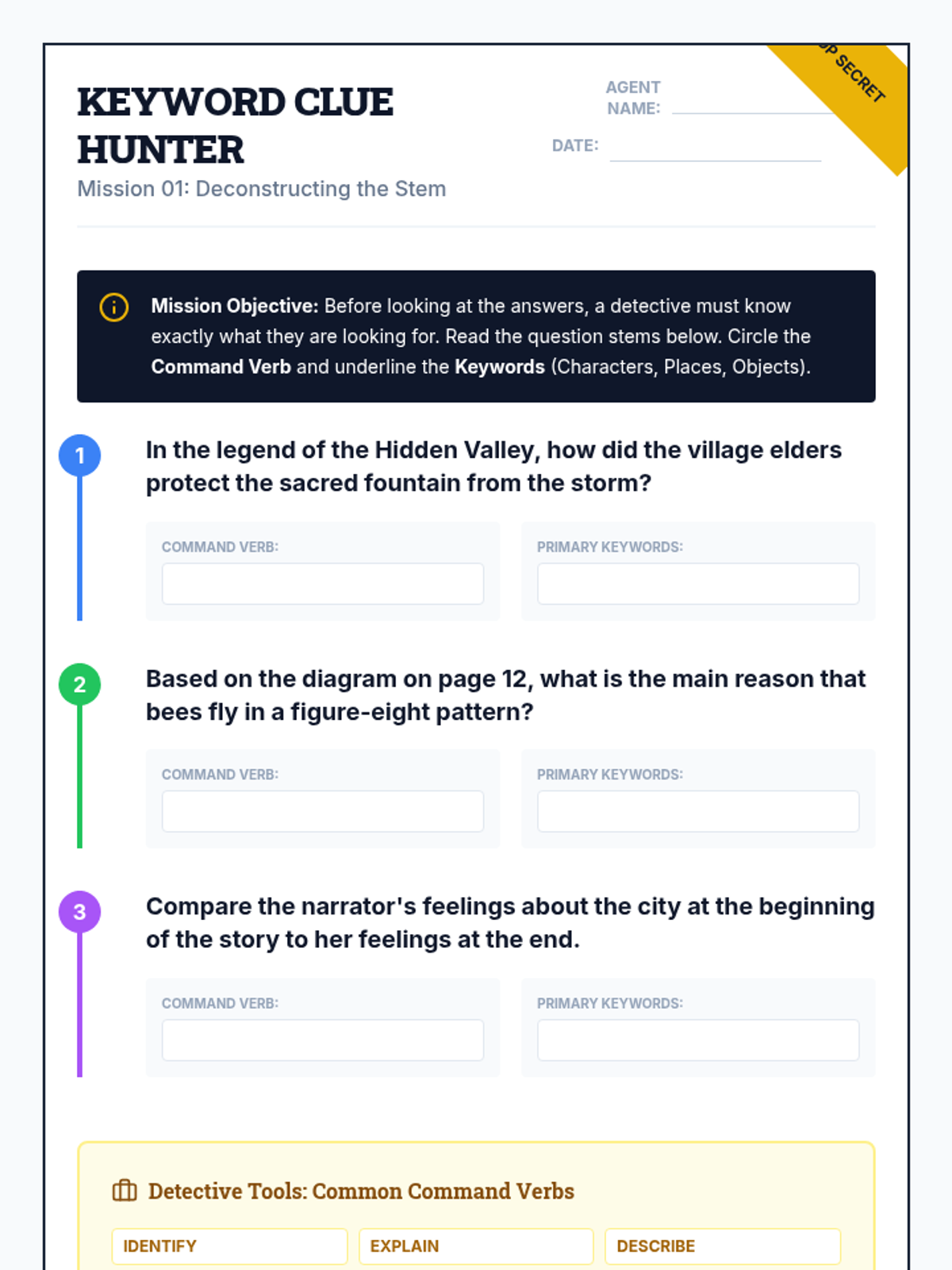
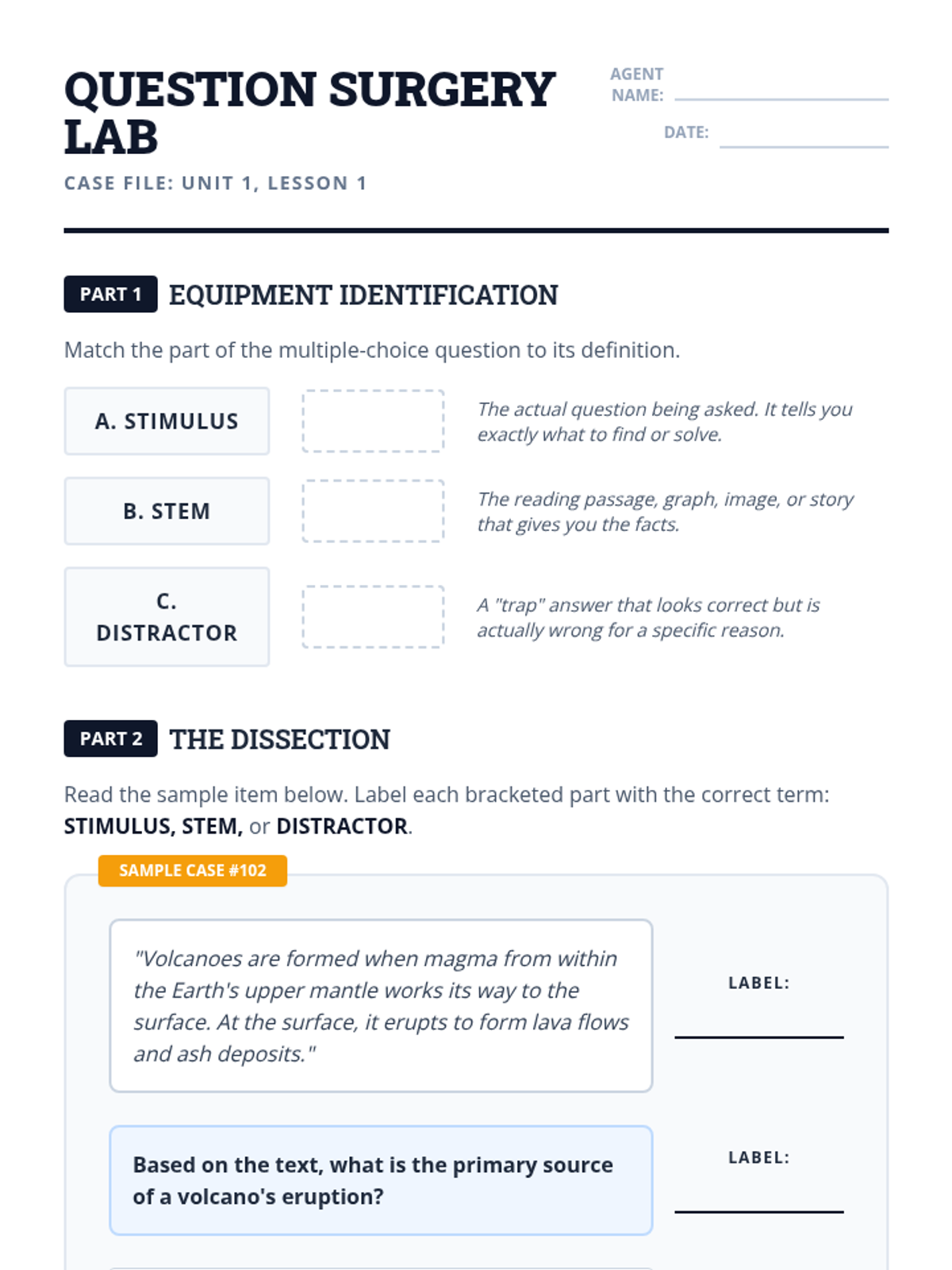
A comprehensive unit for 5th-grade ESL students designed to build test-taking literacy by teaching them to act as 'Question Detectives.' Students learn to deconstruct question stems, identify specific distractor types, apply elimination strategies, and differentiate between good and best answers to master multiple-choice assessments.
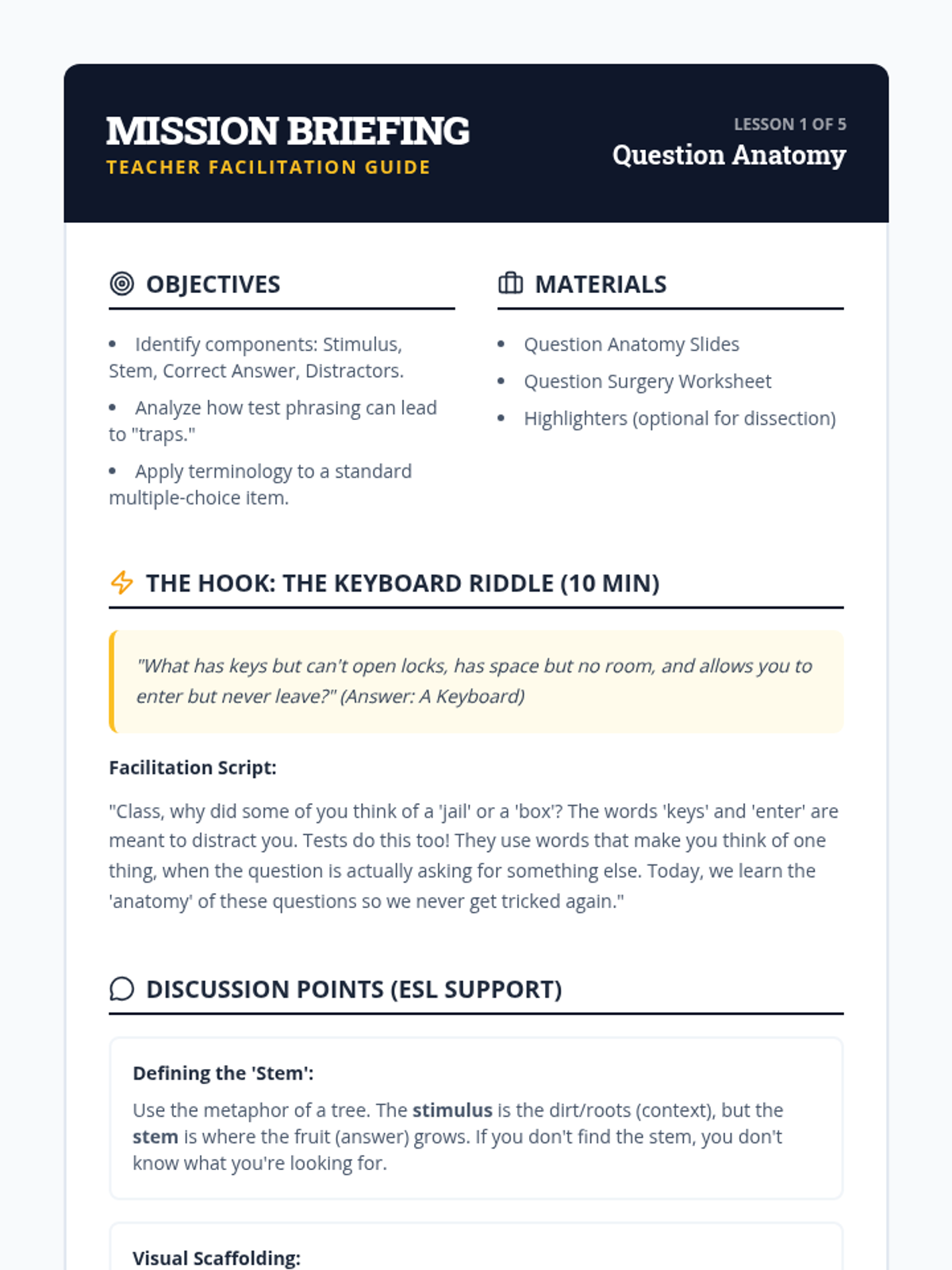
This sequence targets the analytical skills required to dismantle multiple-choice questions for 7th Grade ESL learners. Students move from understanding the anatomy of a question to identifying common logical fallacies and 'trap' answers, utilizing game-based learning and deductive reasoning.
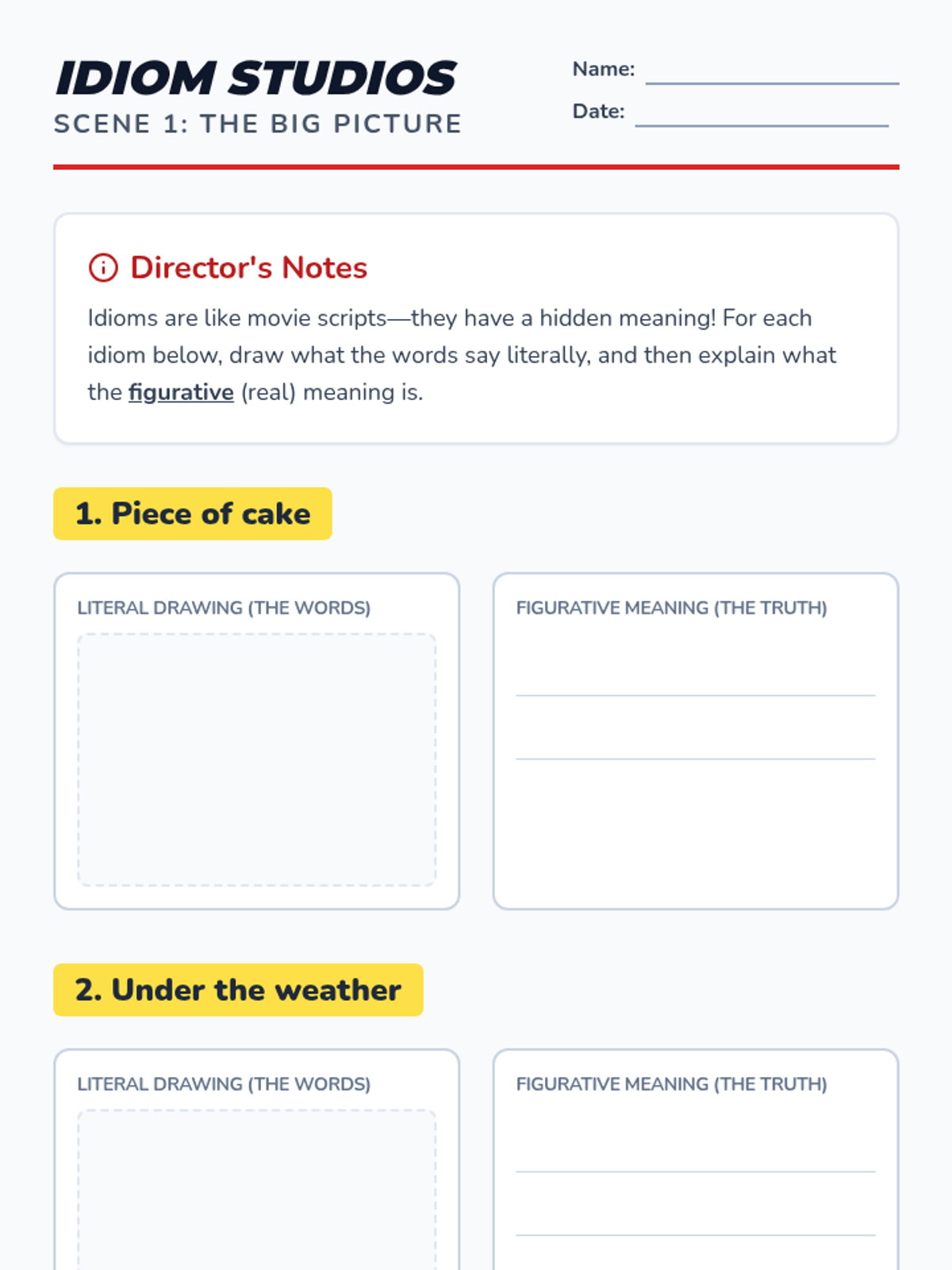
A 5-lesson unit for intermediate ESL students to master English idioms through visualization, categorization, and narrative performance. Students transition from understanding literal vs. figurative meanings to performing original skits that use idioms naturally.
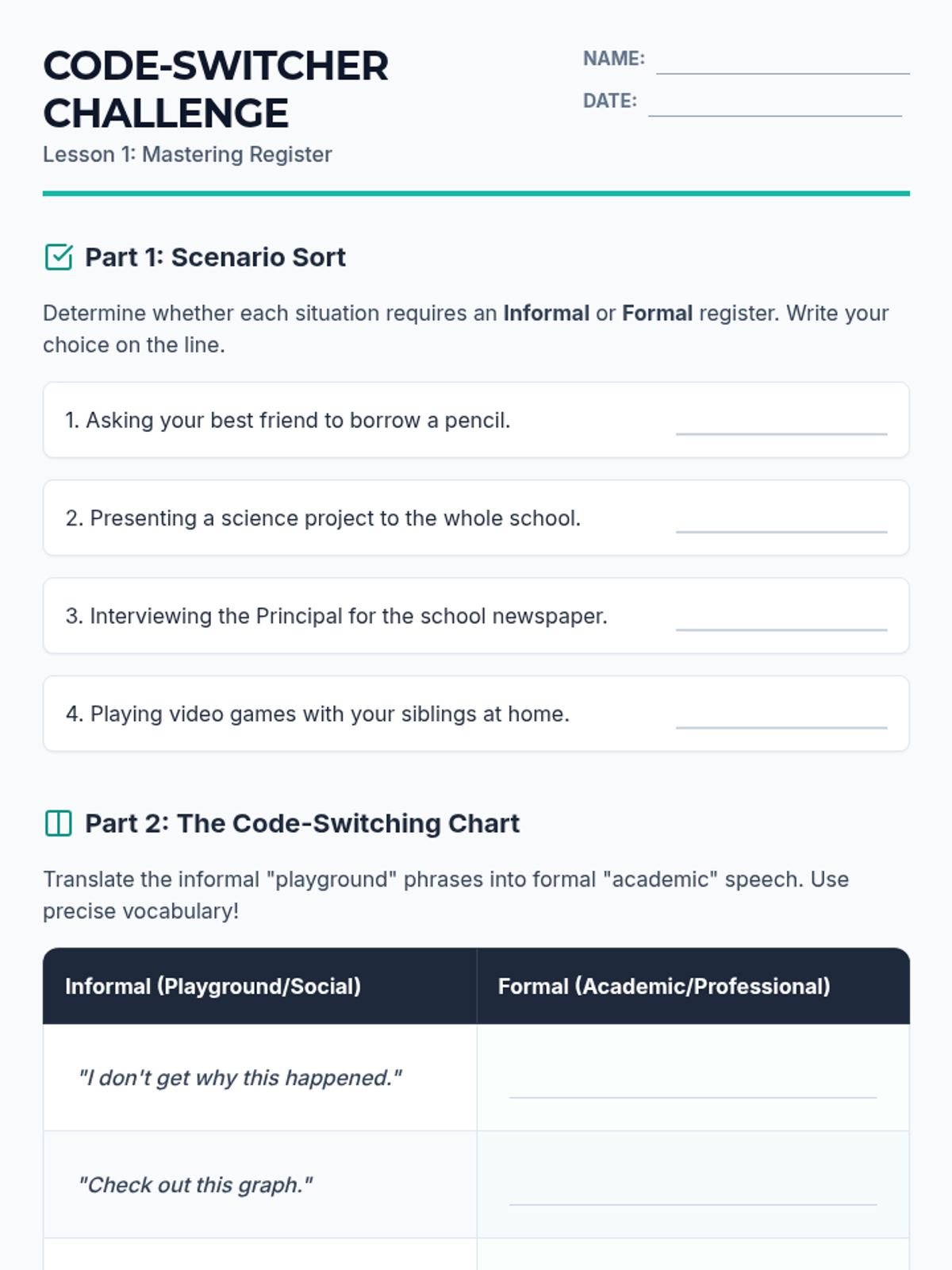
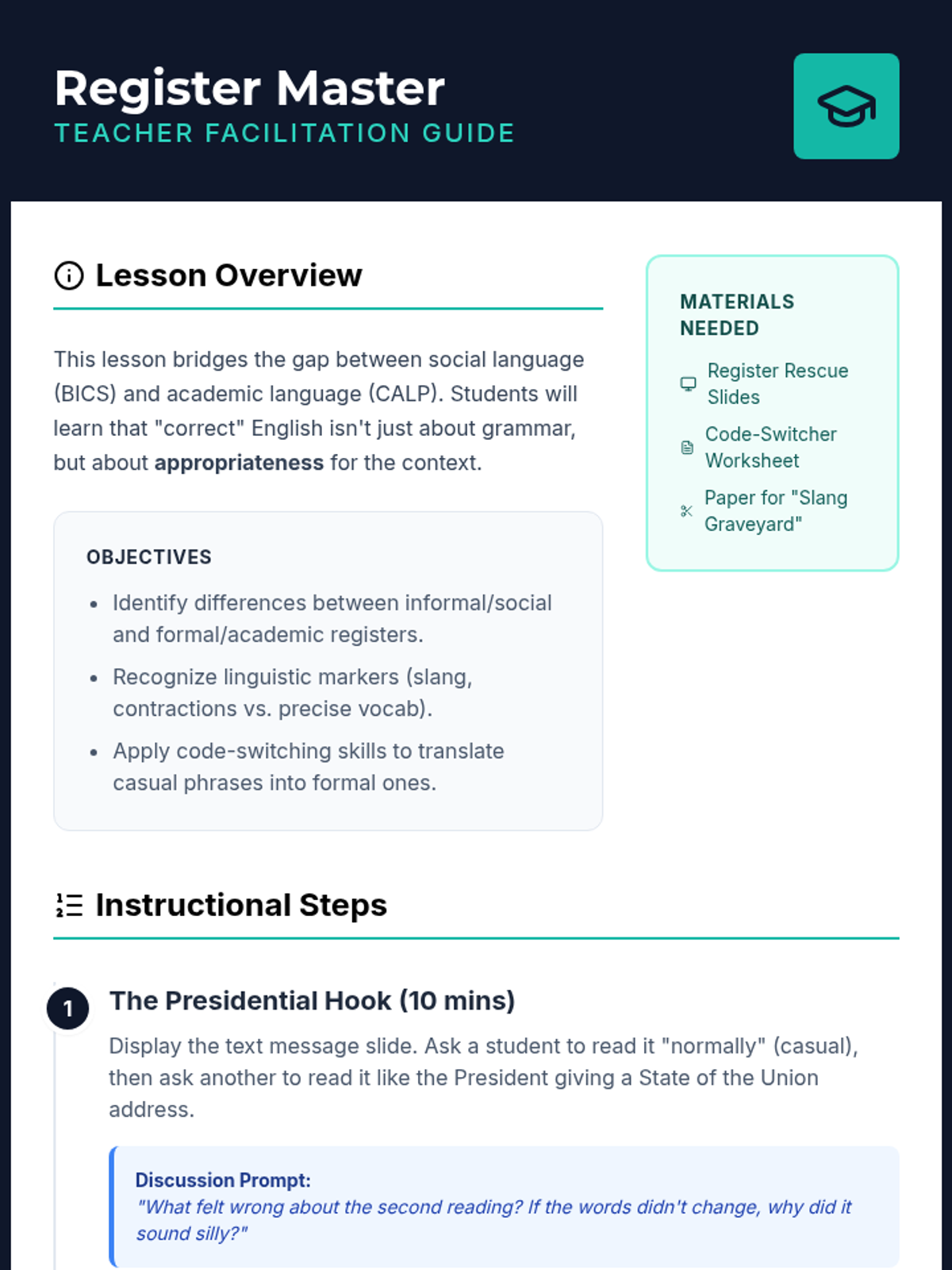
A sequence for 5th-grade intermediate ESL students focused on transitioning from social conversation to formal academic speaking through register awareness, complex sentence structures, and structured oral argumentation.
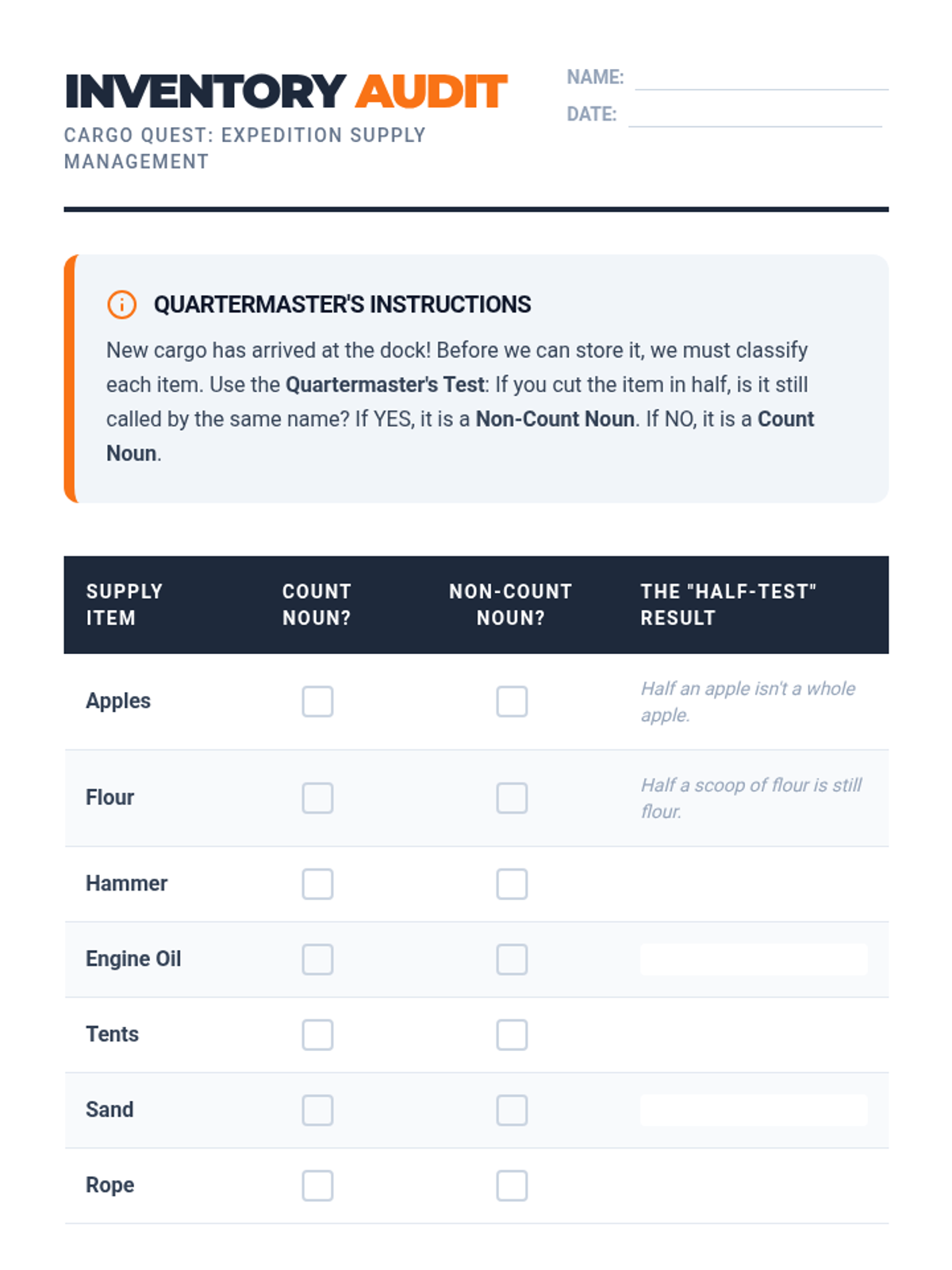
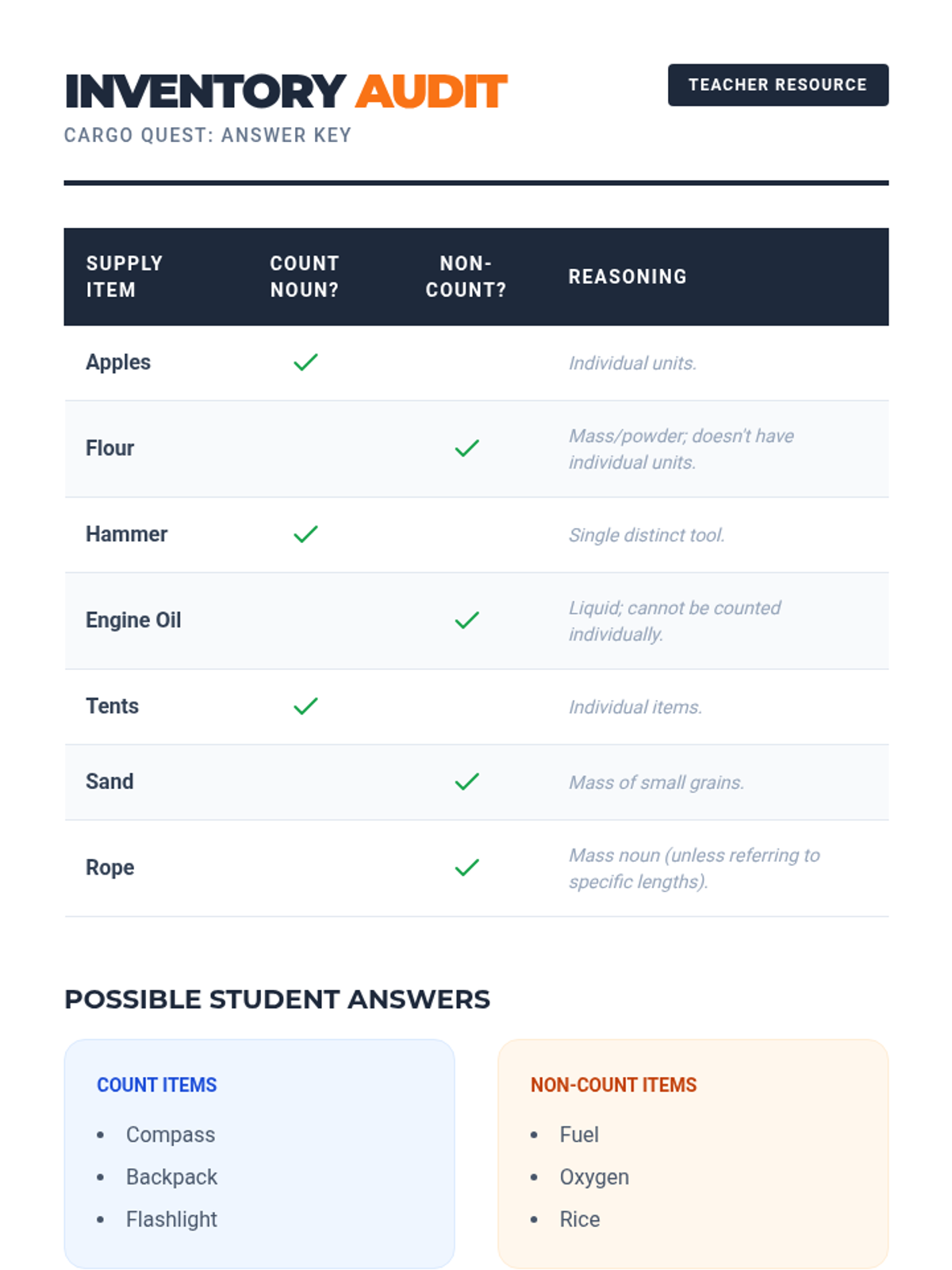
A game-based ELA sequence where 5th-grade students master the use of articles (a, an, the, and null) by distinguishing between count and non-count nouns through the lens of supply management and inventory logistics.
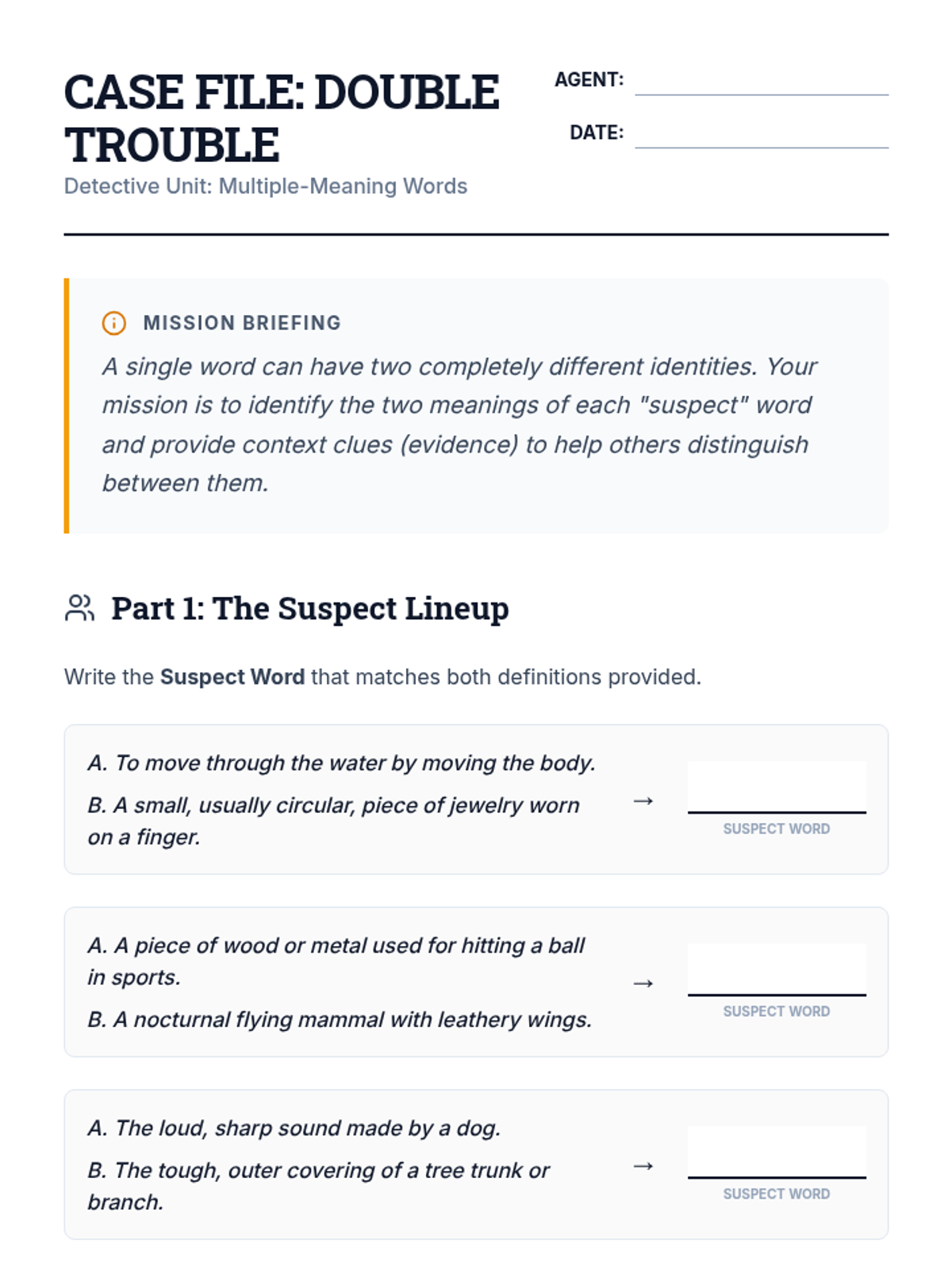
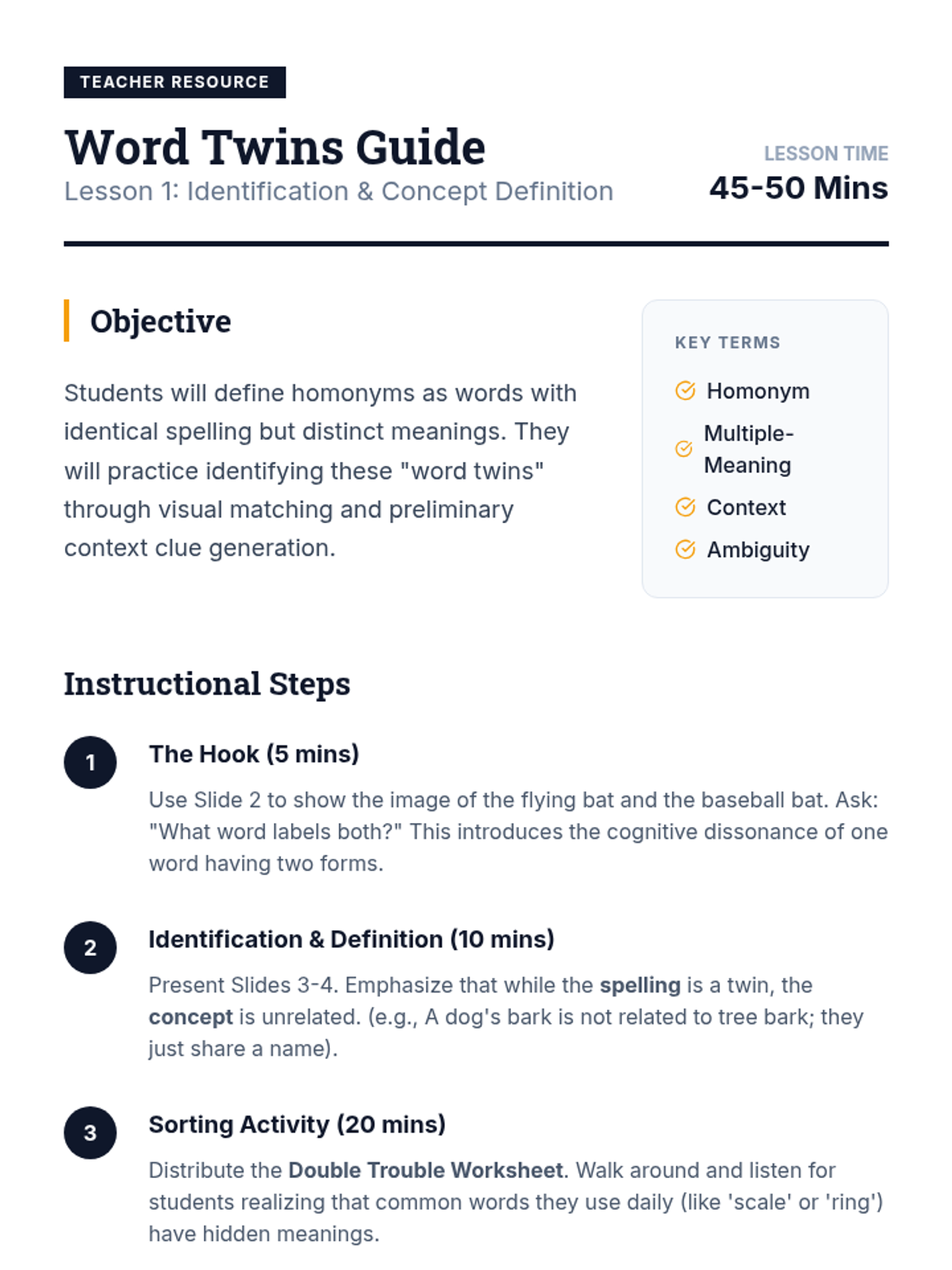
This sequence focuses on the critical reading skill of using context clues to determine the meaning of homonyms (words with the same spelling but different meanings). Students progress from identifying simple multiple-meaning words to analyzing heteronyms and using dictionary entries to navigate linguistic ambiguity.
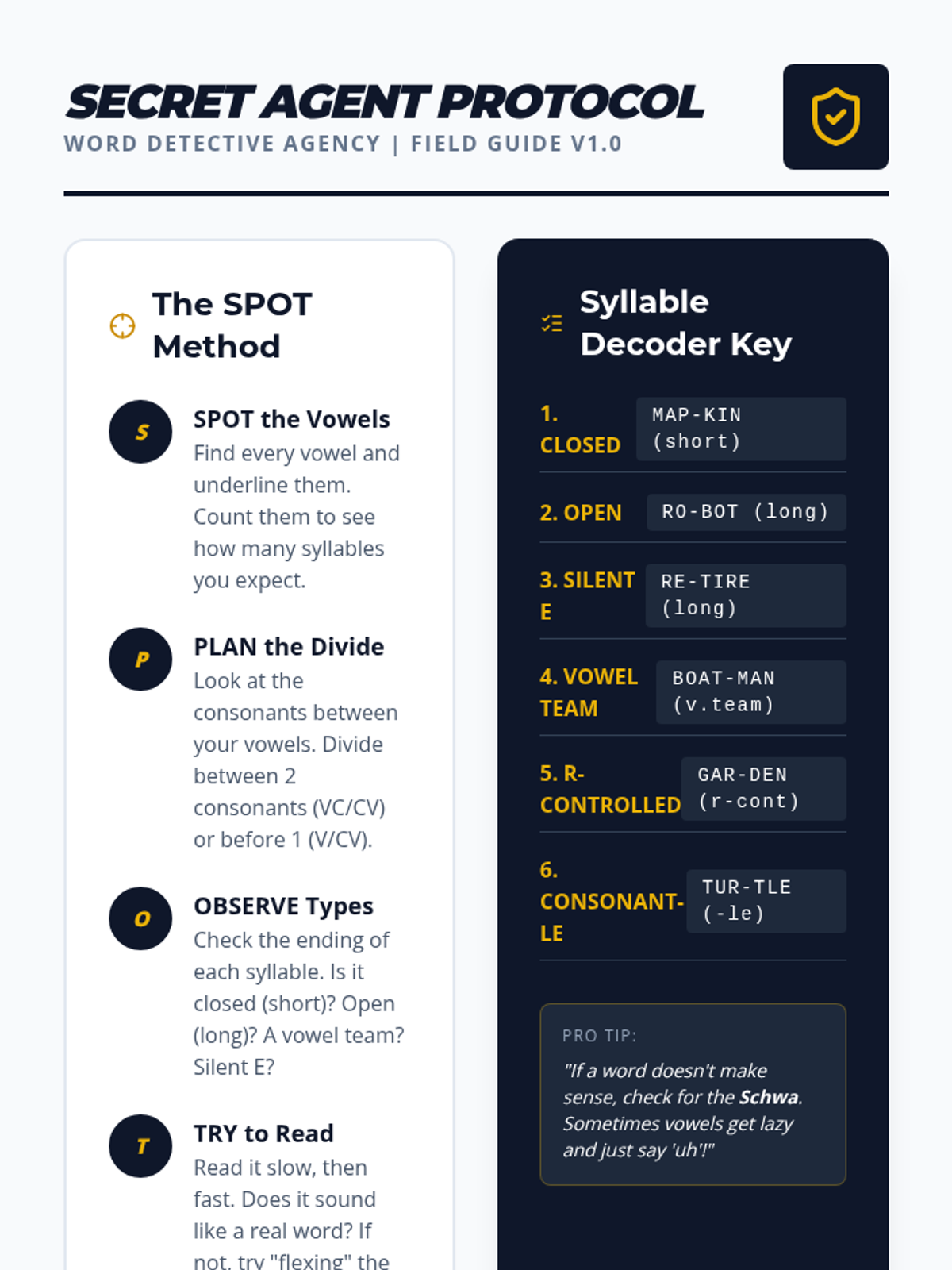
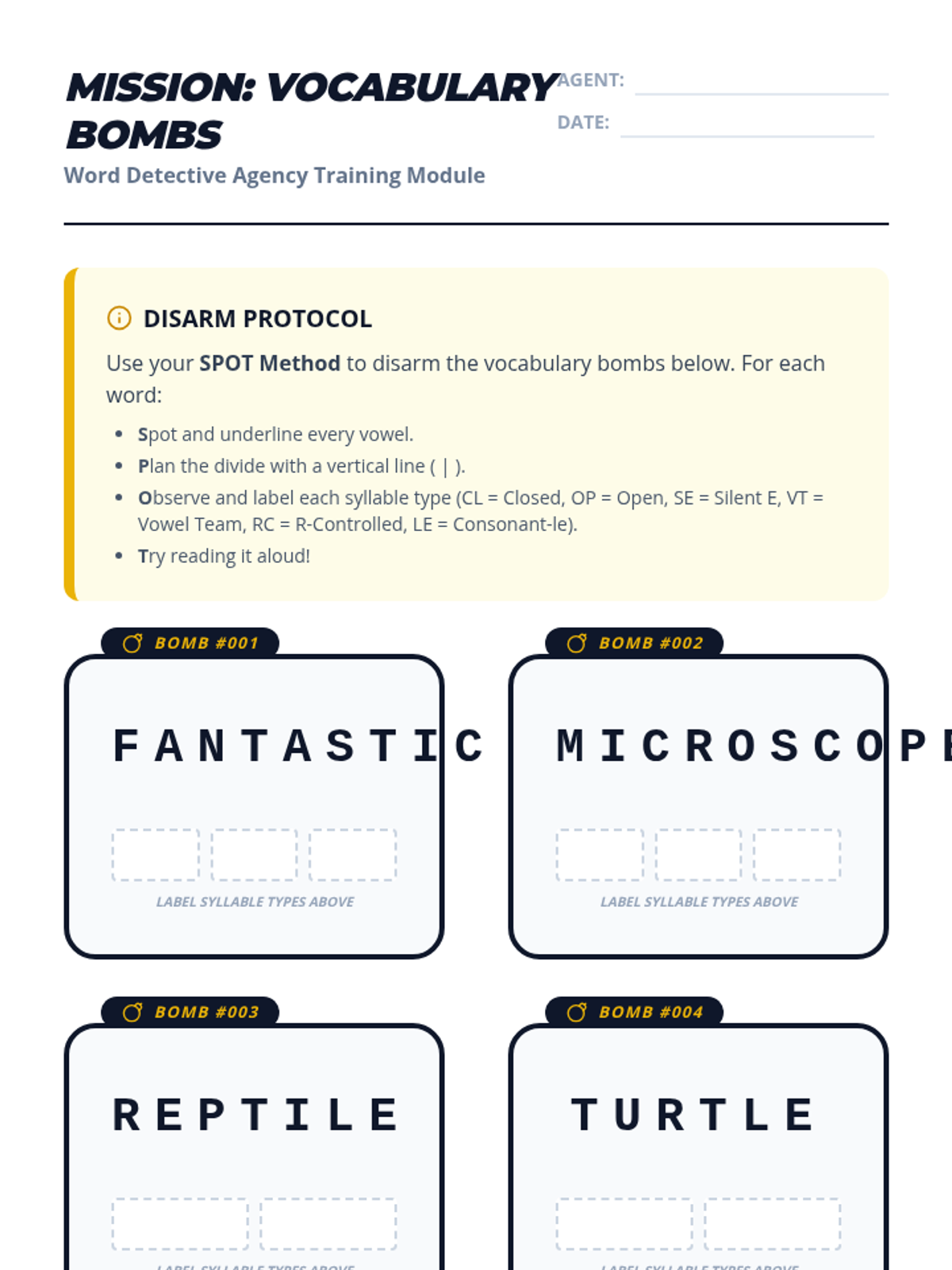
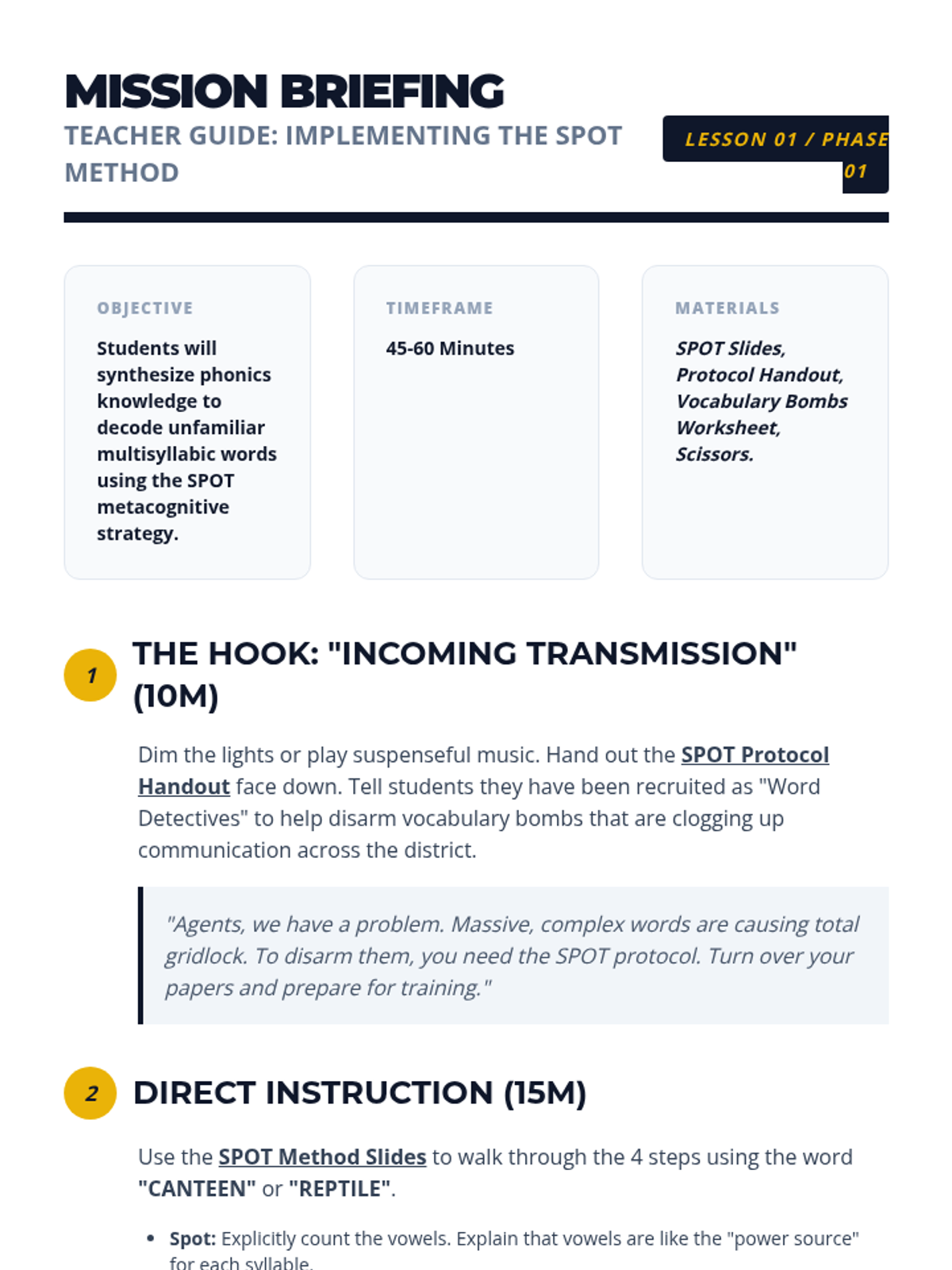
A comprehensive 4th-grade sequence that moves students from basic syllable recognition to the strategic application of decoding skills in complex academic texts using the SPOT method, morphology, and schwa awareness.
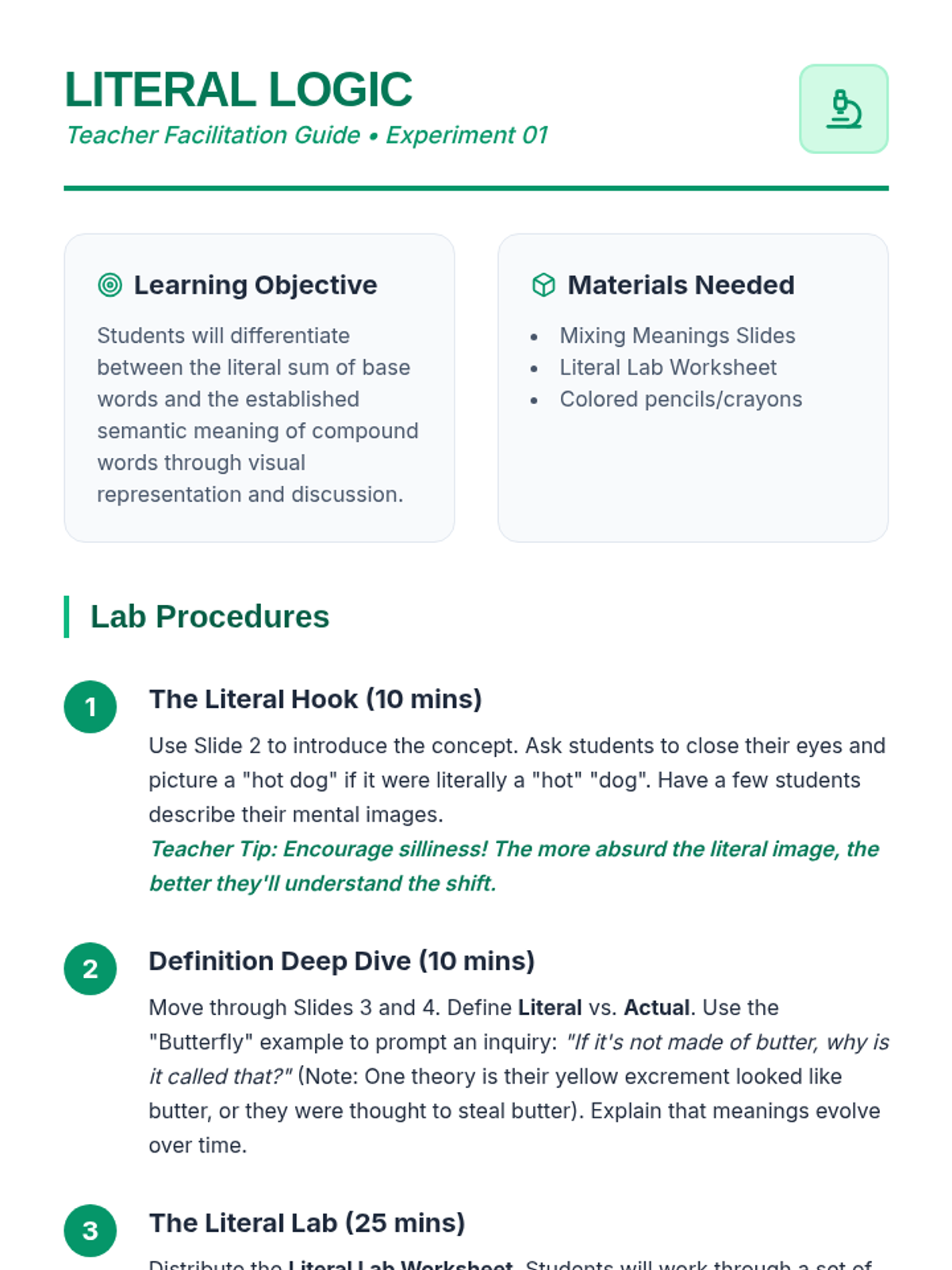
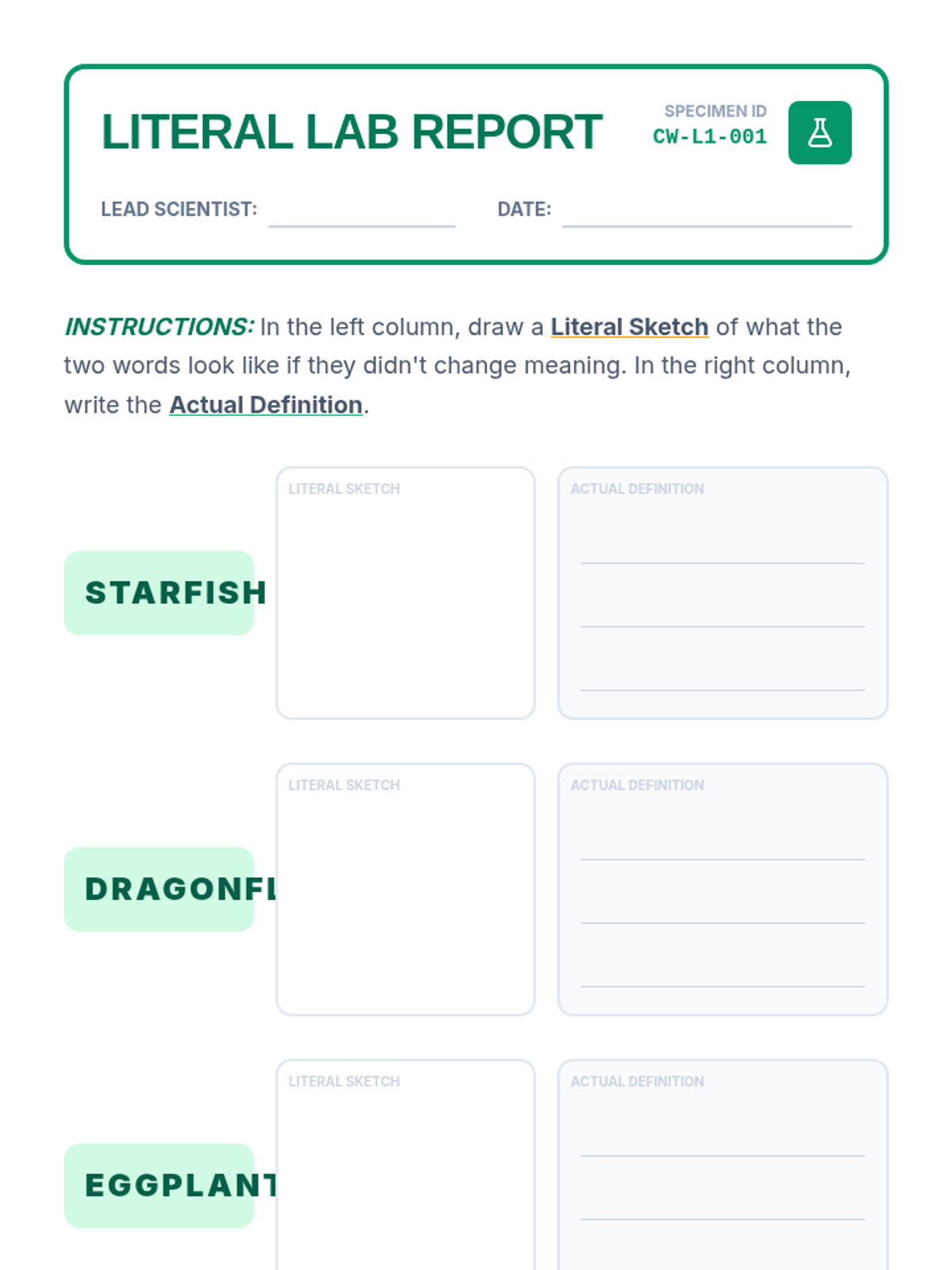
A 5-lesson inquiry into how compound words shift in meaning, comparing literal interpretations with actual definitions through a 'Word Lab' theme. Students explore transparent and opaque compounds, create riddles, and build semantic maps to understand language evolution.
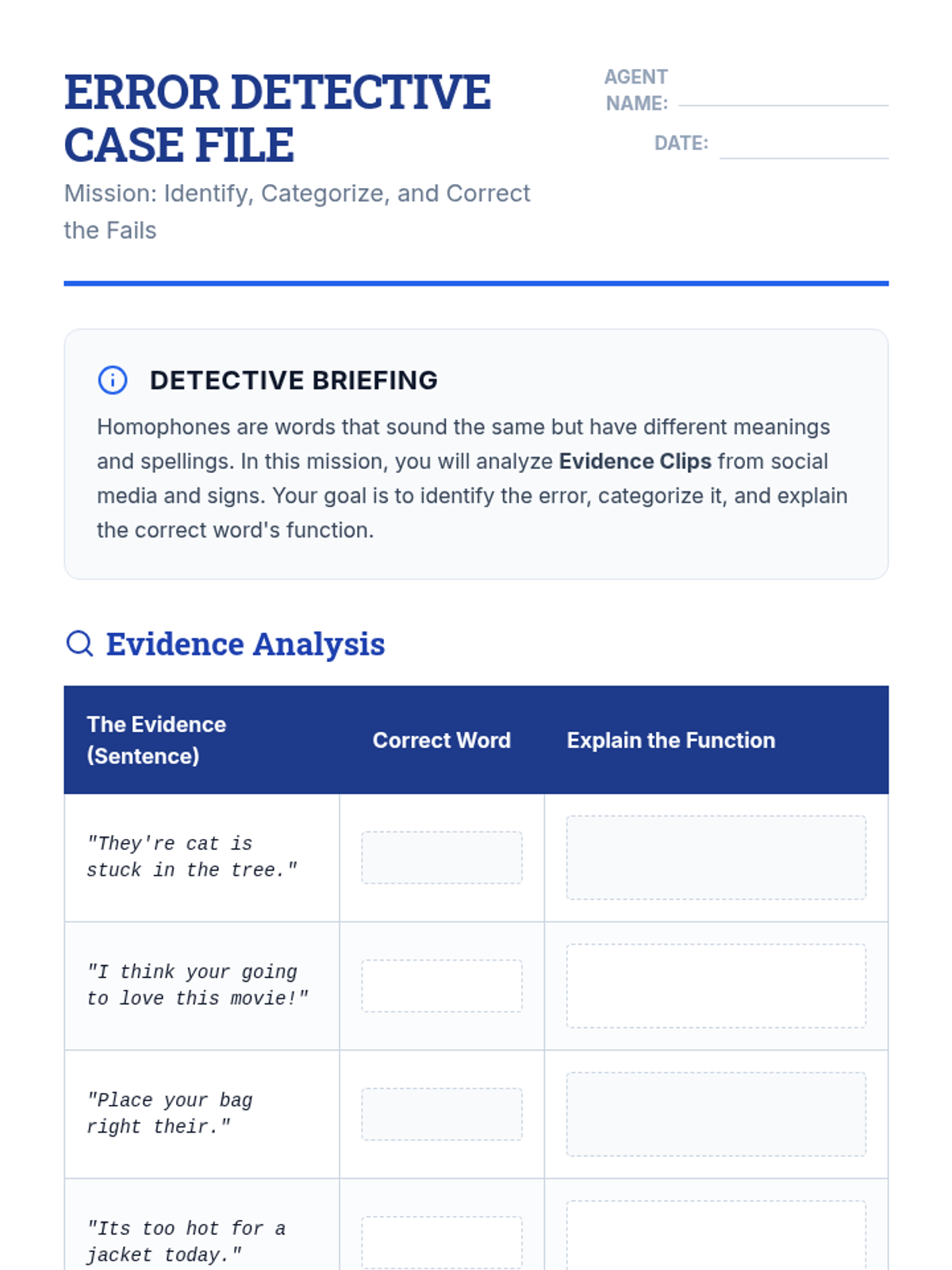
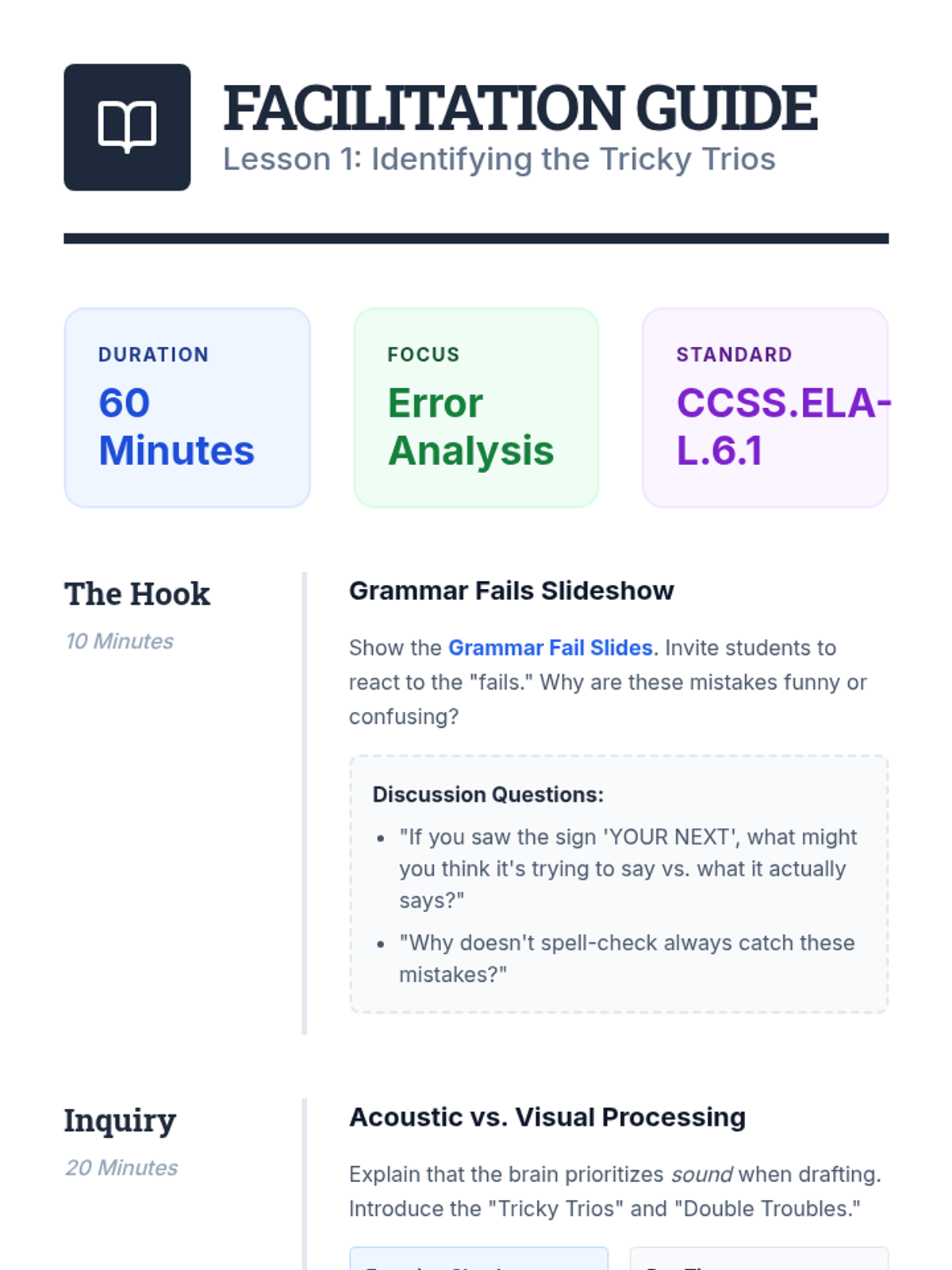
A 5-lesson sequence for 6th Grade students focused on mastering homophones through visual mnemonics, error analysis, and project-based design. Students move from identifying real-world grammar fails to creating their own visual dictionary of commonly confused words.
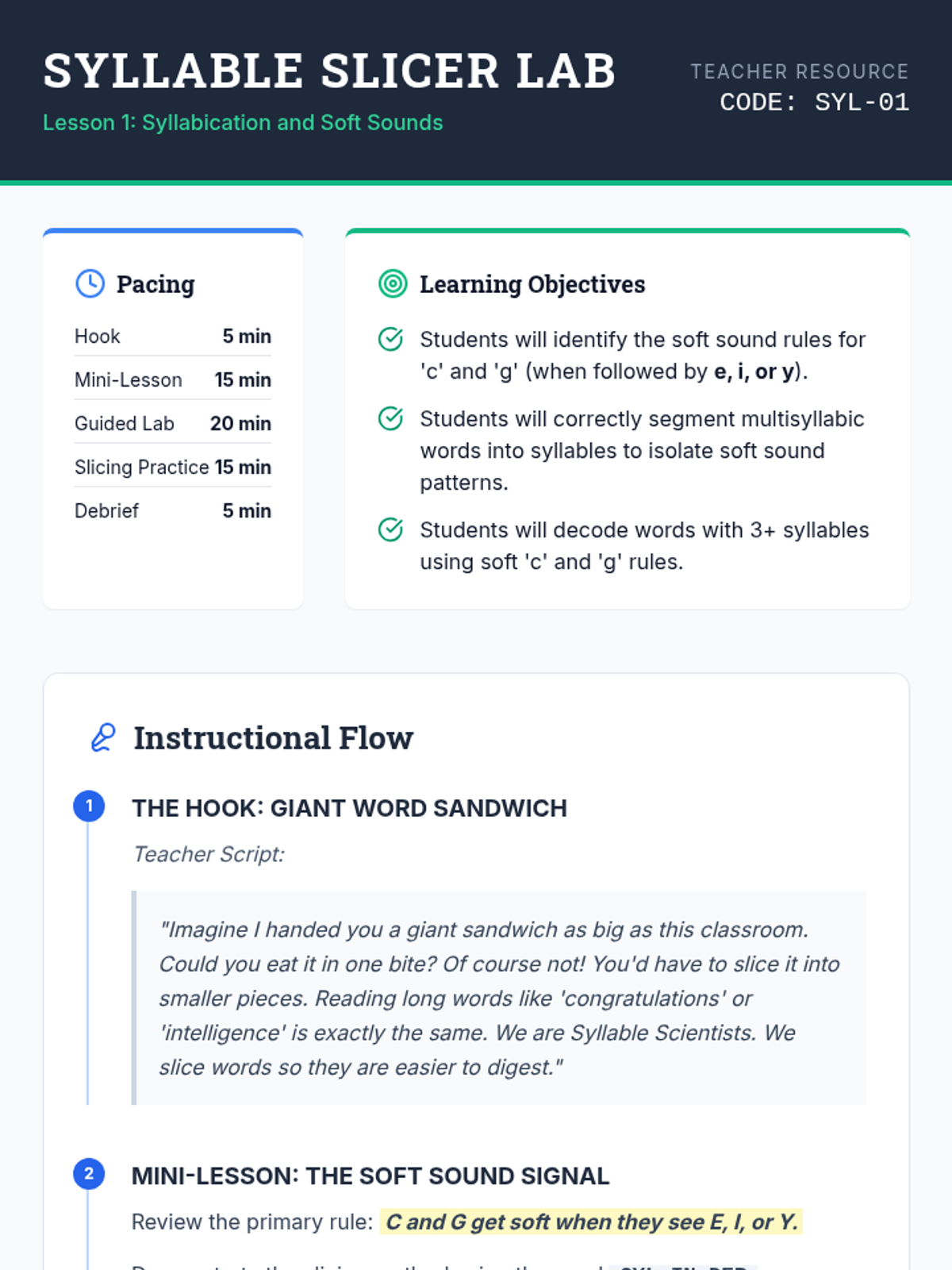
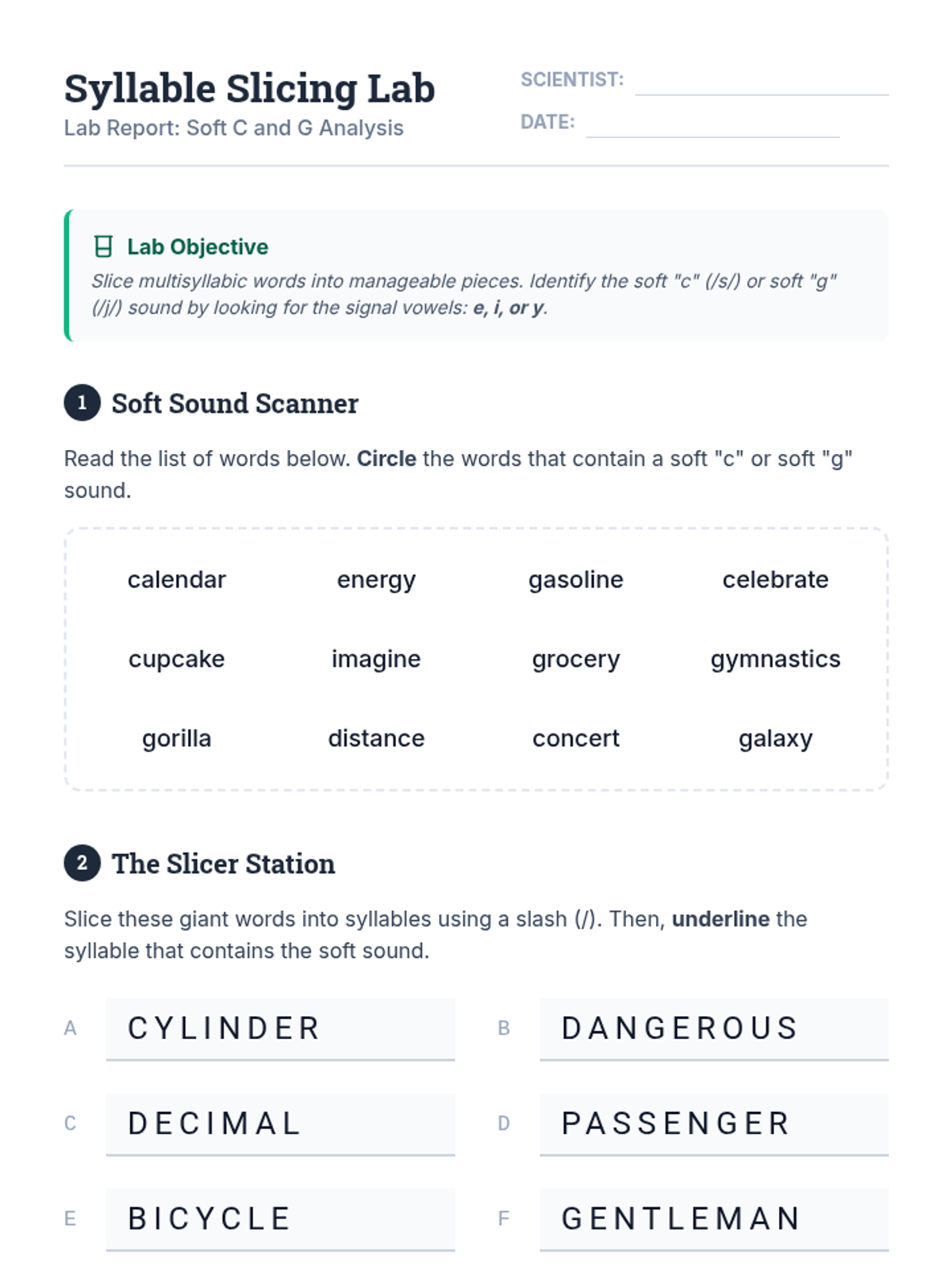
A comprehensive 3rd-grade sequence focused on soft 'c' and 'g' in multisyllabic words, morphological changes, and rule exceptions. Students progress from basic decoding to analyzing academic vocabulary and editing complex texts.
A comprehensive 5th-grade sequence that moves students from basic syllable division patterns to flexible morphological analysis. Students investigate how word structure influences pronunciation and develop strategies for decoding complex, multi-syllabic vocabulary in authentic texts.
This sequence focuses on strengthening 5th-grade students' ability to decode complex, multisyllabic words by reviewing and applying the six syllable types. Students progress from closed and open syllables to vowel teams, r-controlled vowels, and consonant-le, culminating in the application of these skills to academic texts.
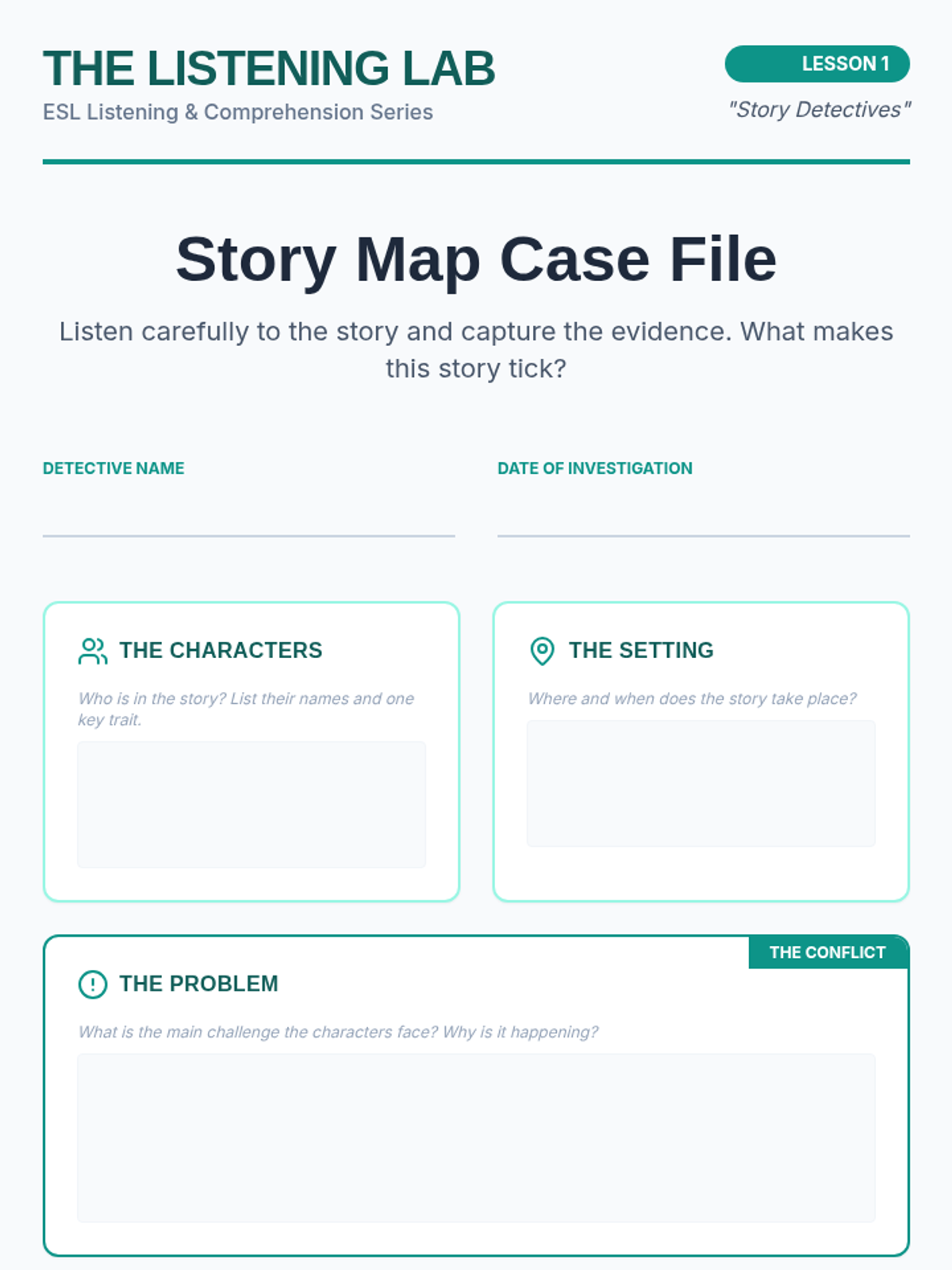
An ESL listening sequence for 5th-grade intermediate students focused on narrative comprehension through oral storytelling, podcasts, and auditory analysis. Students move from identifying basic story elements to evaluating complex themes and character motivations through spoken discourse.
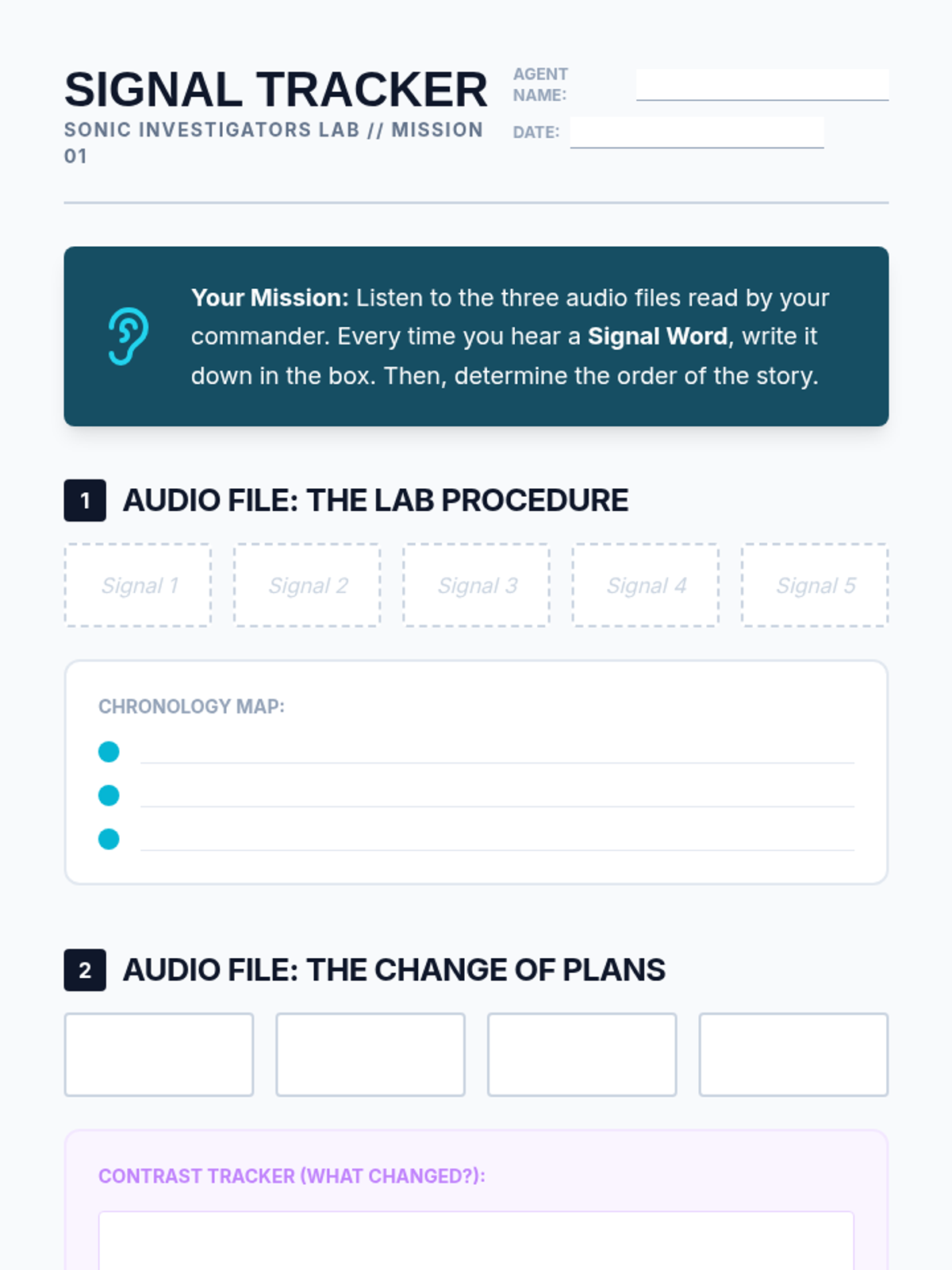
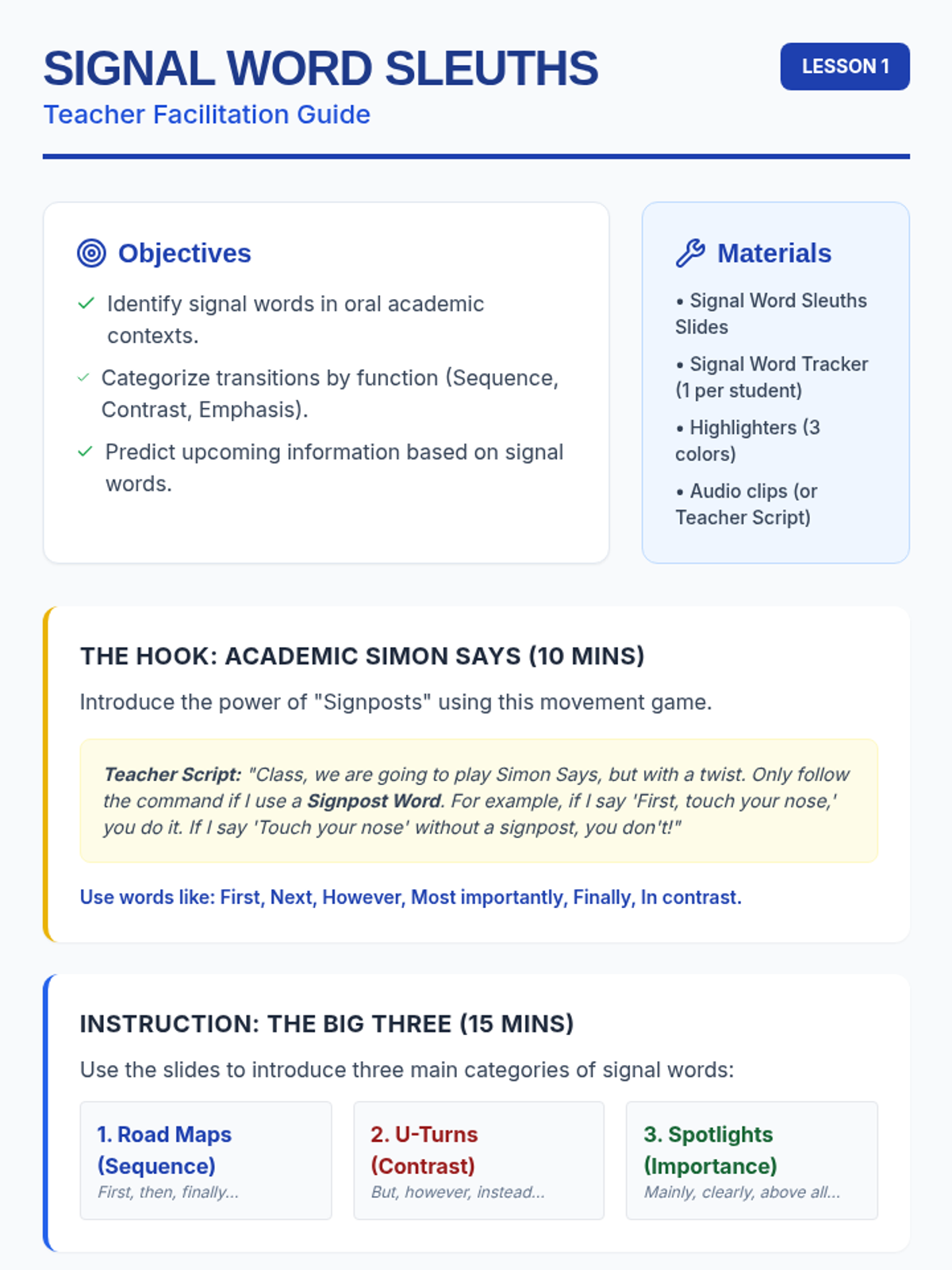
This 5th-grade ESL listening sequence focuses on academic readiness by training students to decode complex, multi-step instructions and academic lectures. Students will master signal words, spatial visualization, keyword note-taking, and natural speech reductions through a series of "Listening Agent" missions.
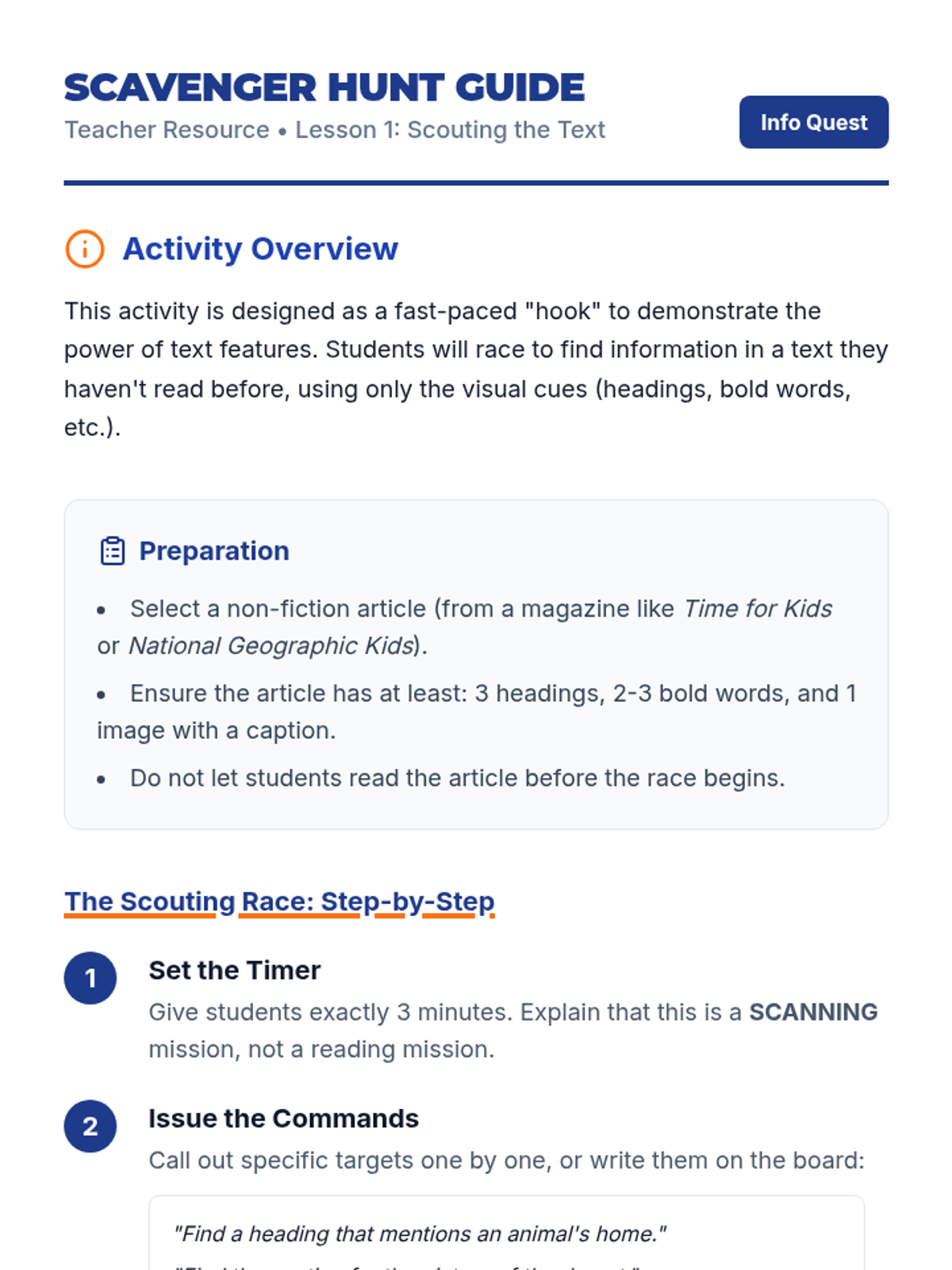
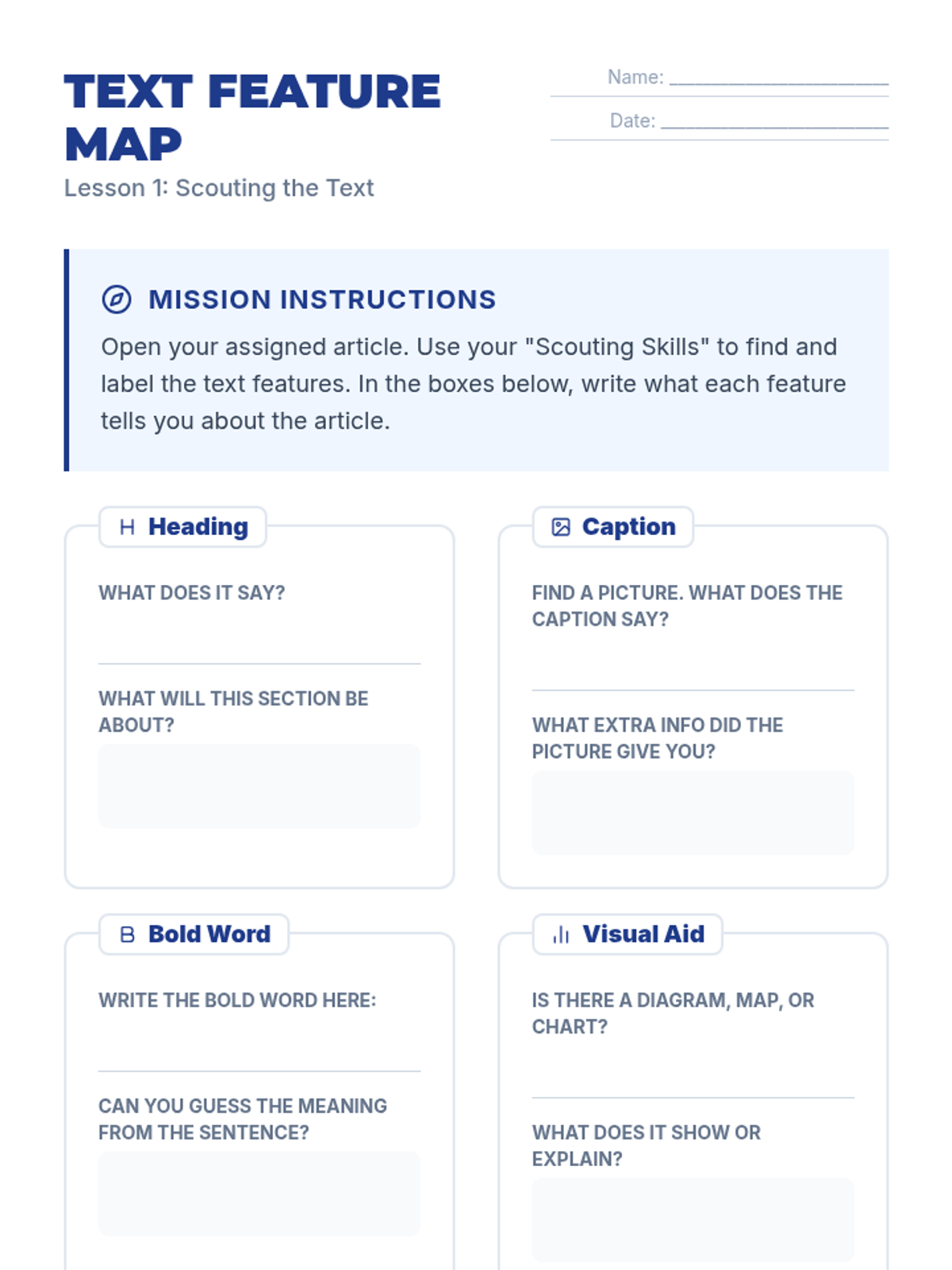
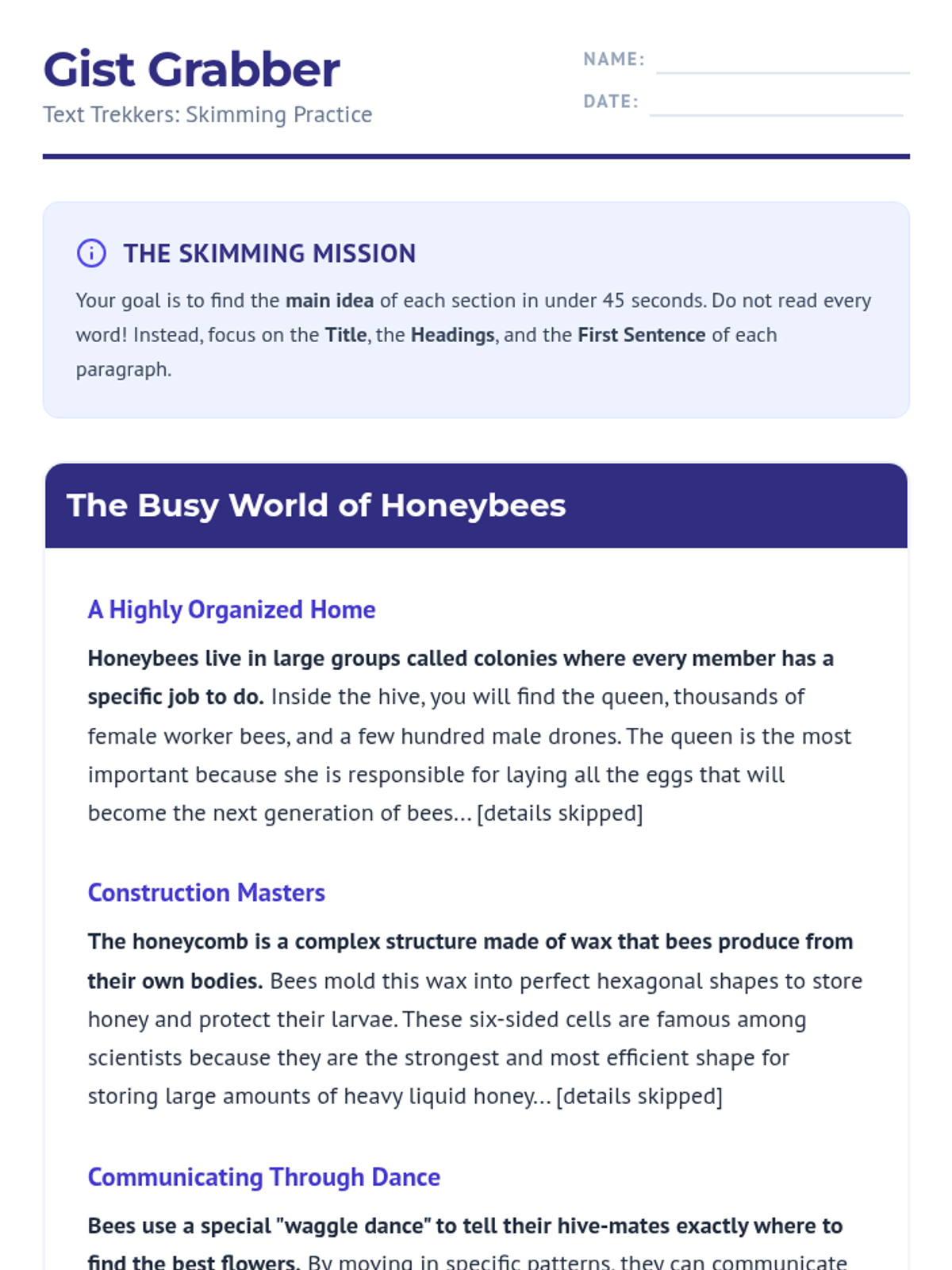
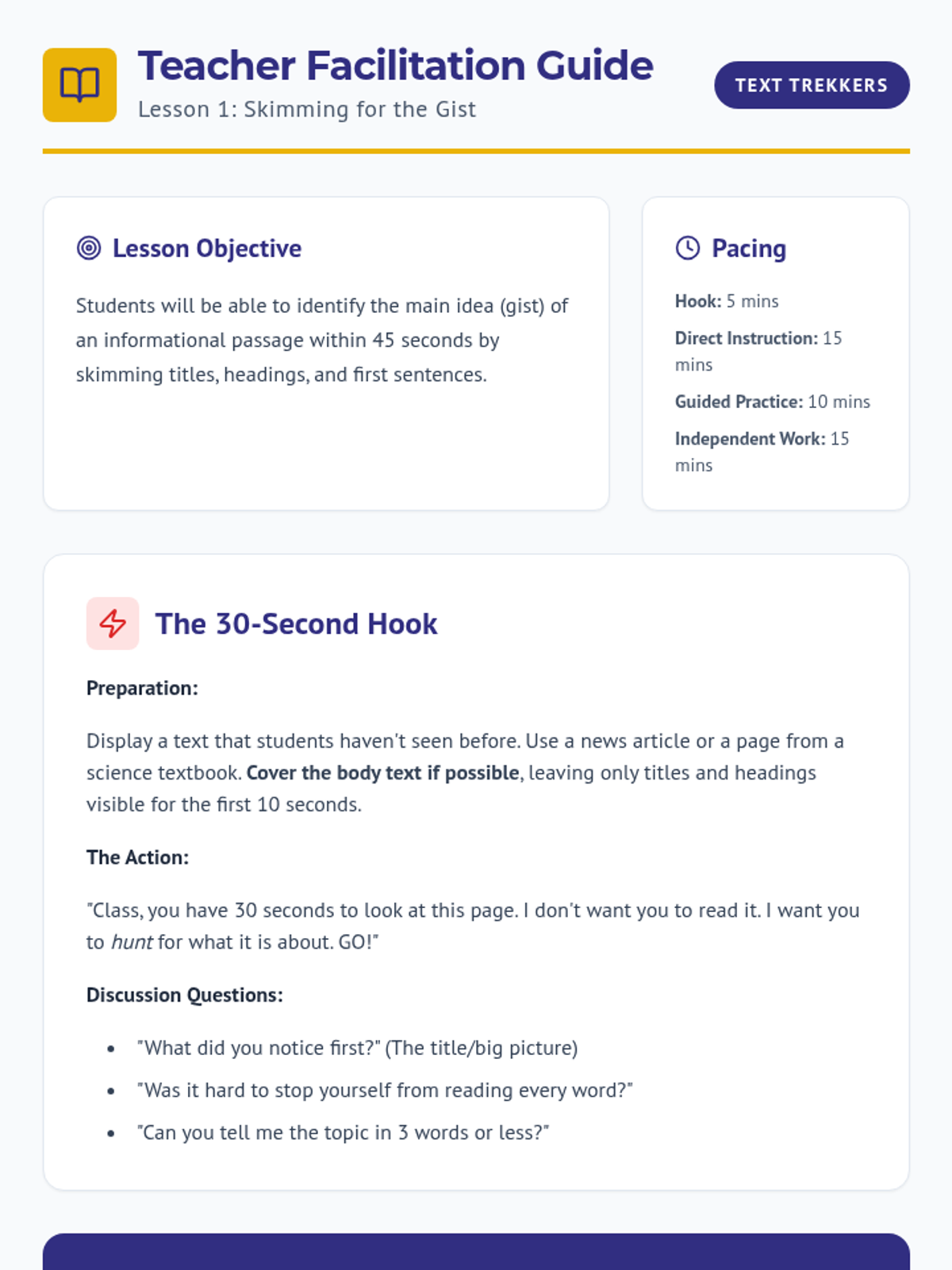
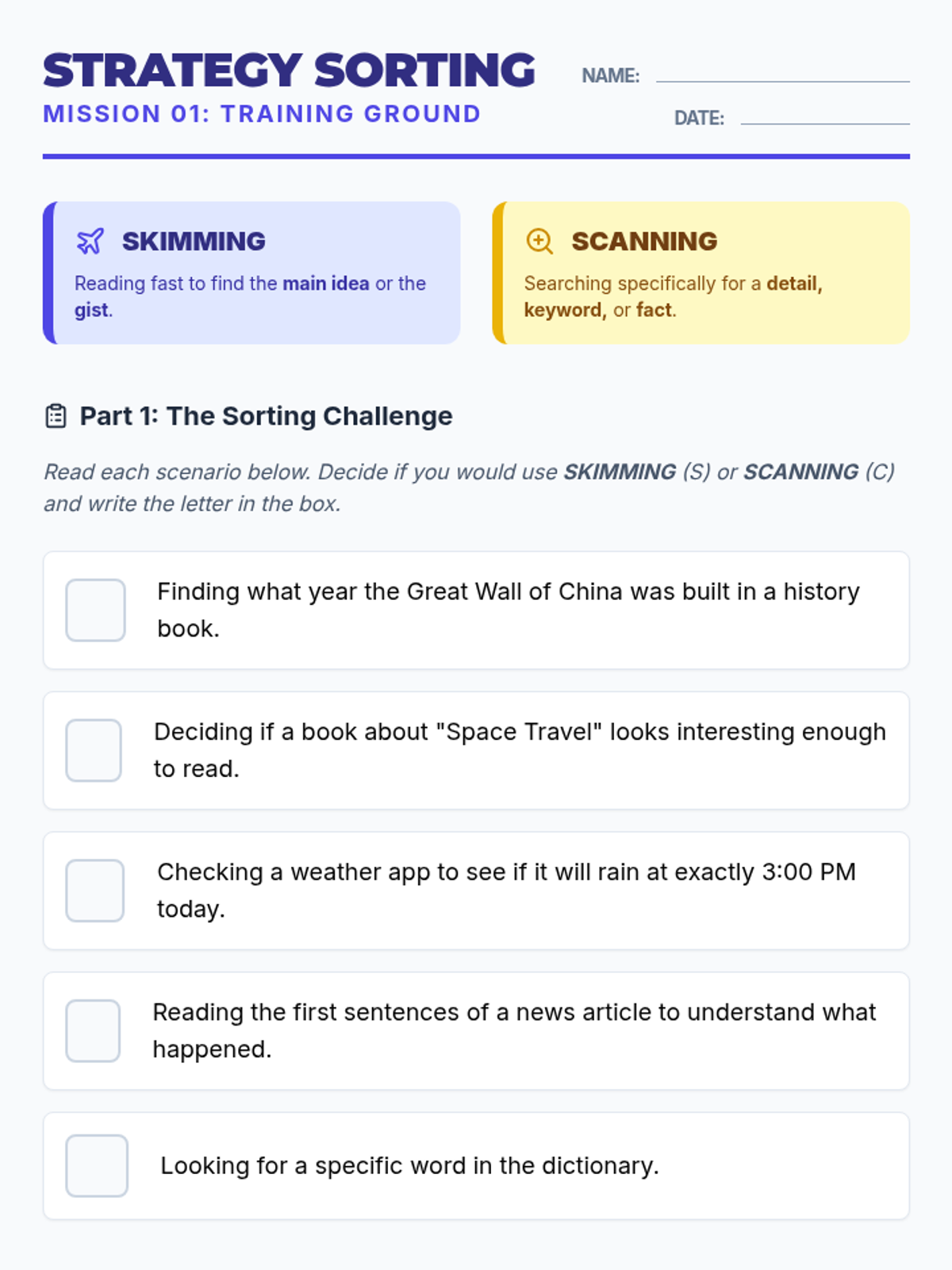
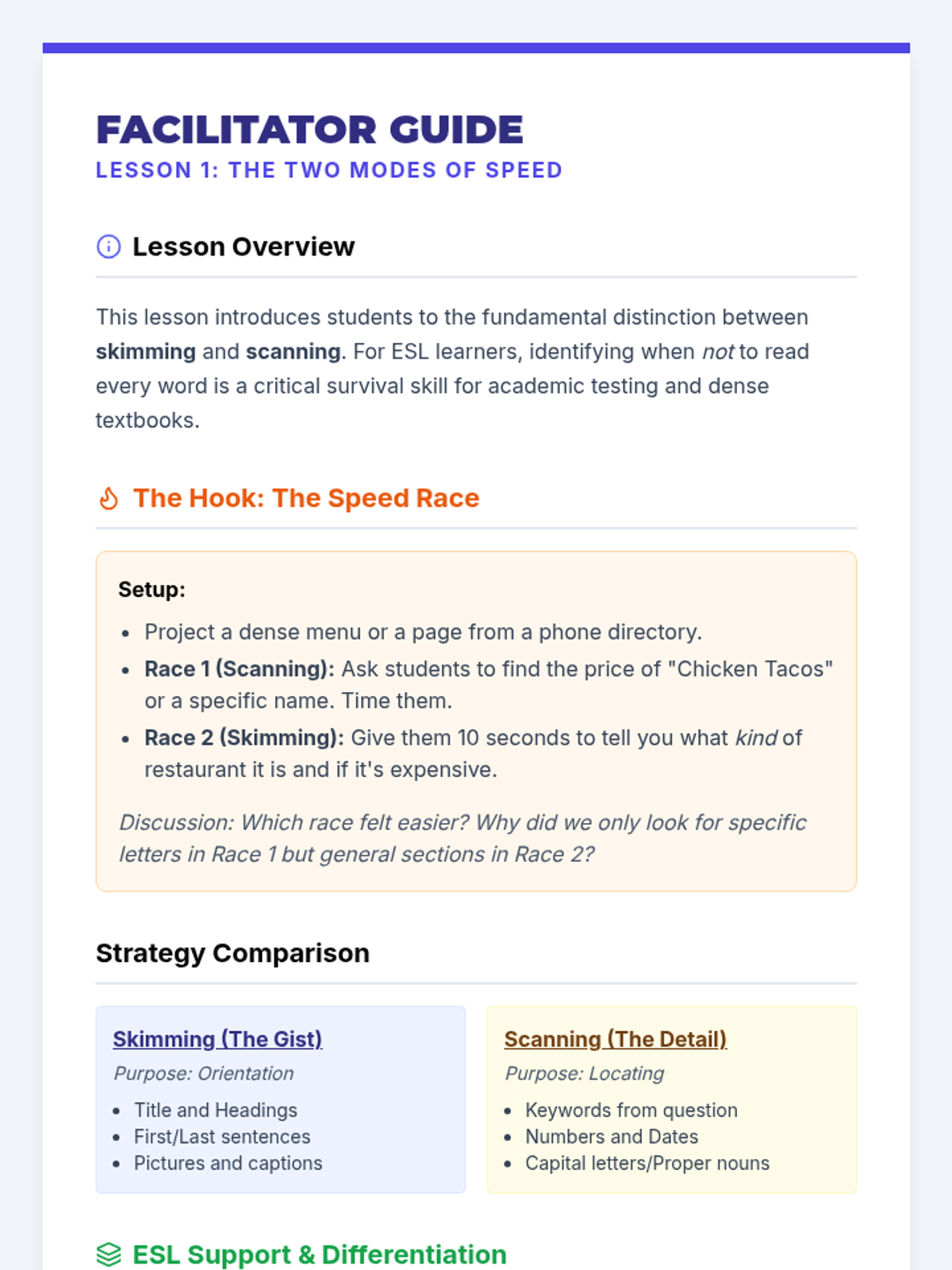
This sequence teaches 5th-grade ESL students how to navigate informational texts efficiently using skimming and scanning strategies. Students will move from understanding the big picture to locating specific keywords and using text features to answer test-style questions under time pressure.
This sequence teaches 6th-grade ESL students the essential test-taking strategies of skimming and scanning. Through a 'Speed Scout' academy theme, students learn to navigate academic texts efficiently, identifying when to look for the 'gist' versus specific details to save time and improve accuracy on standardized tests.
A comprehensive sequence for 5th-grade ESL students to master academic listening, two-column note-taking, paraphrasing, synthesis, and active recall study strategies. Students build a 'Toolkit' of skills to navigate upper elementary and middle school academic requirements.
A comprehensive 5-lesson sequence designed for 5th-grade English Language Learners to master academic listening skills. Students will learn to identify signal words, distinguish main ideas from details, predict content, and use clarification strategies to succeed in academic settings.
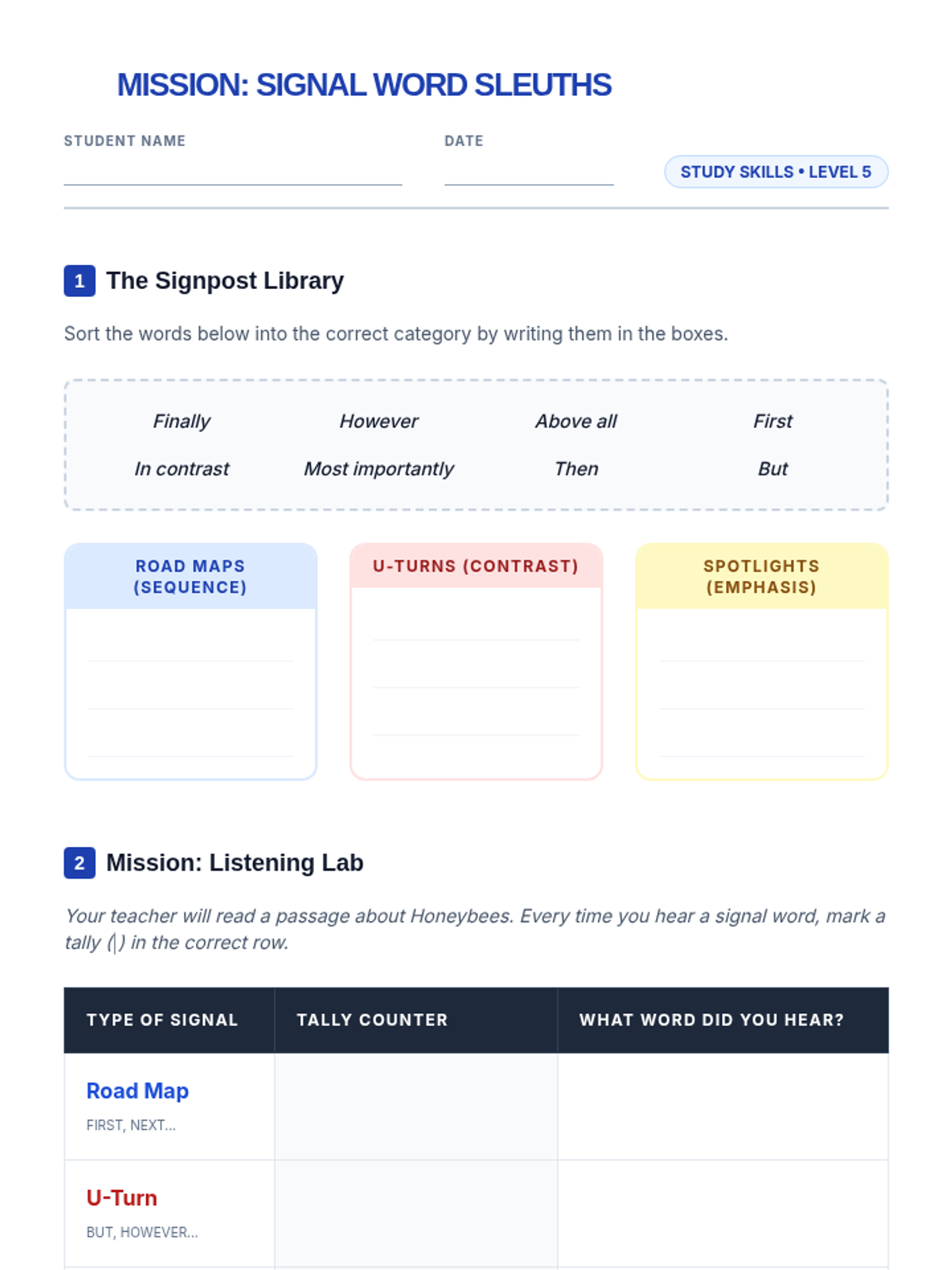
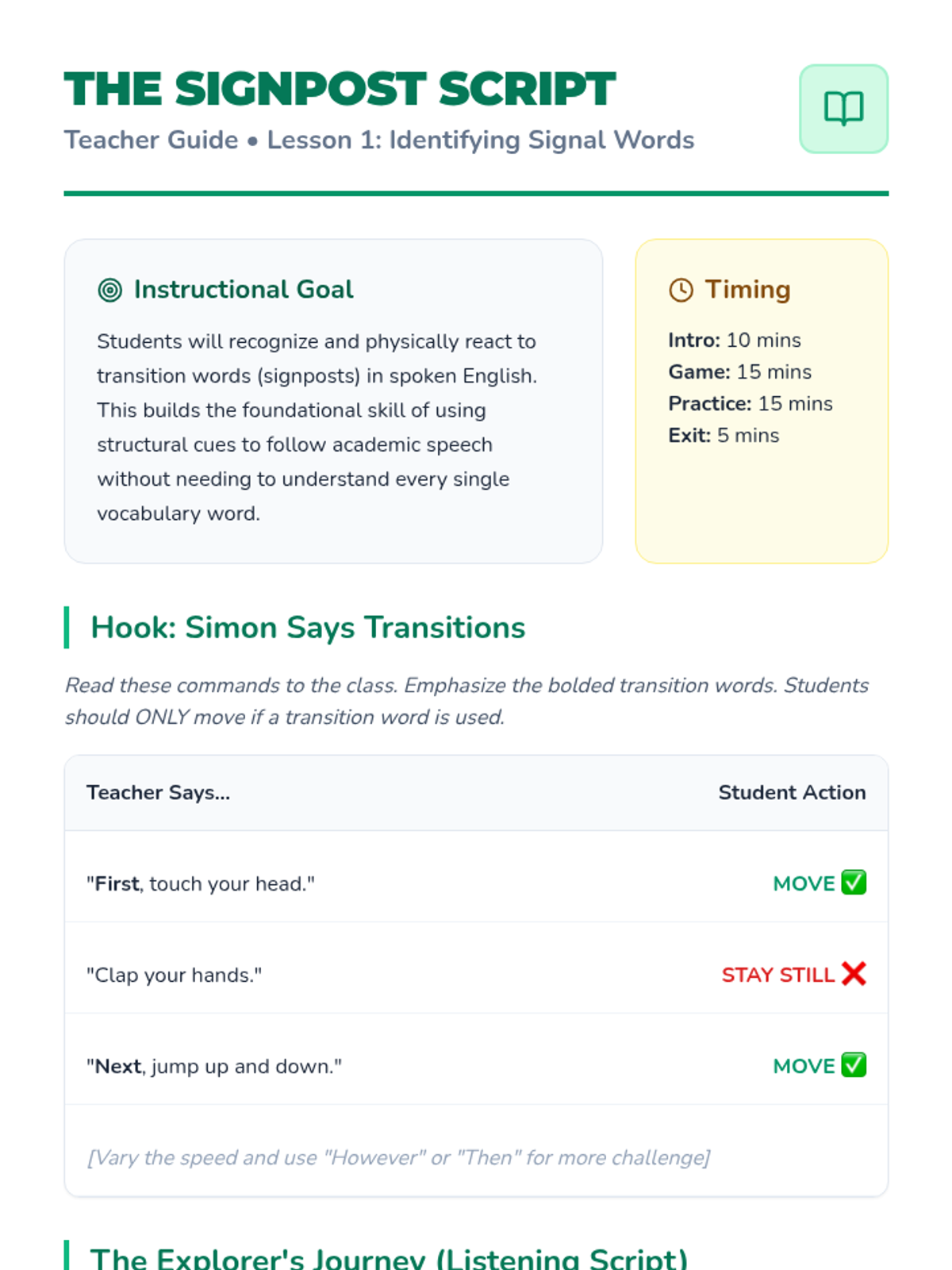
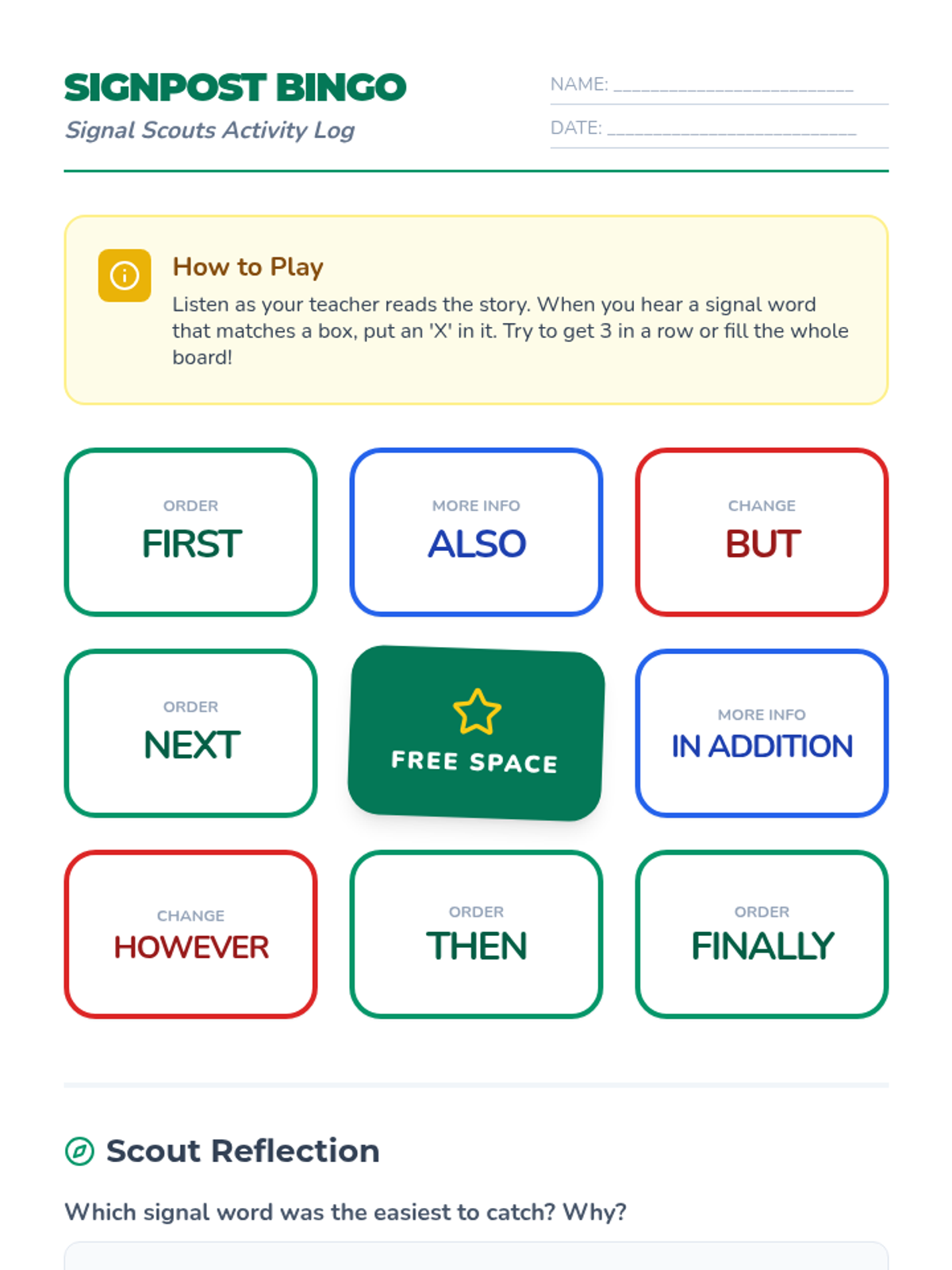
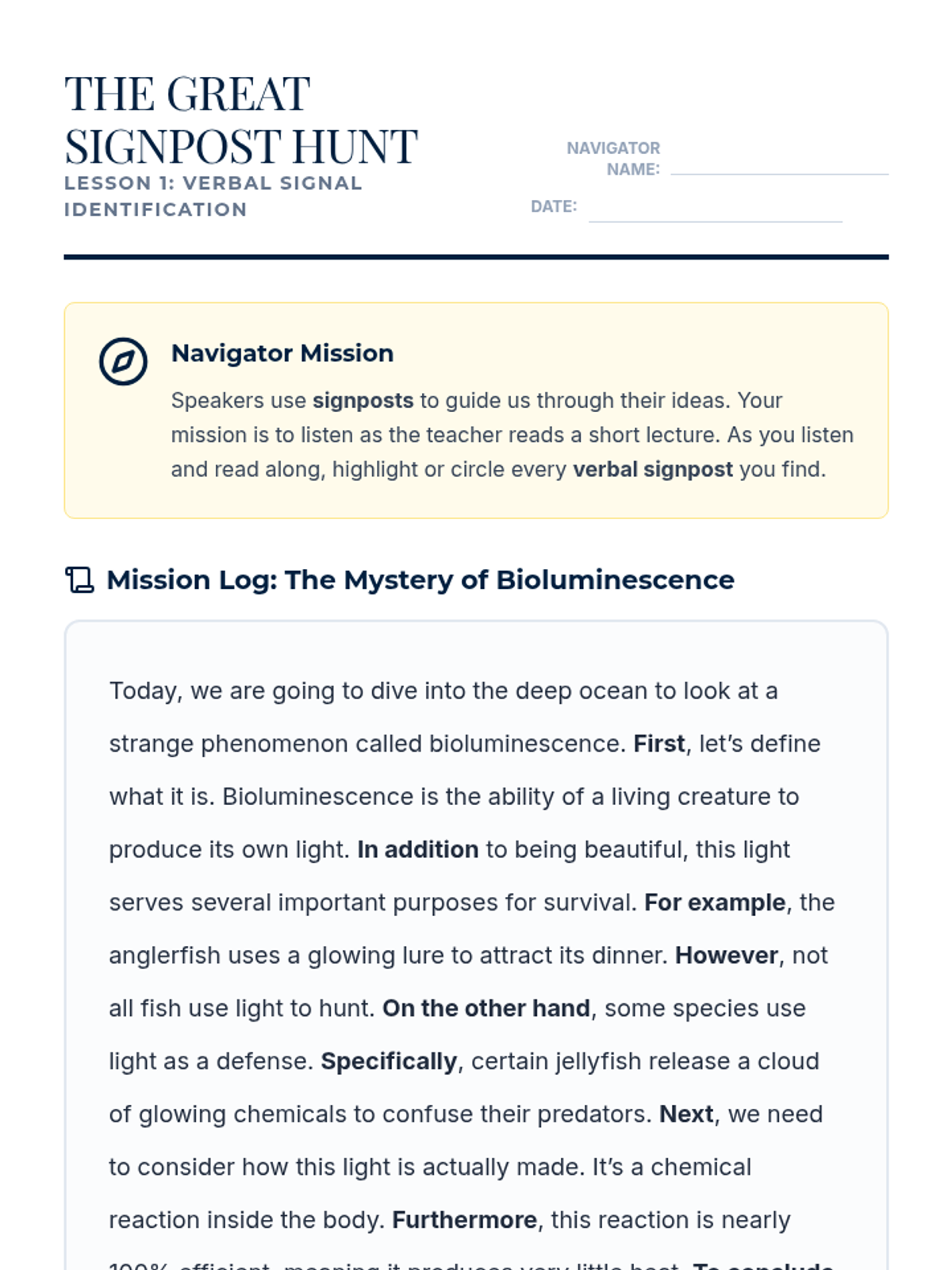
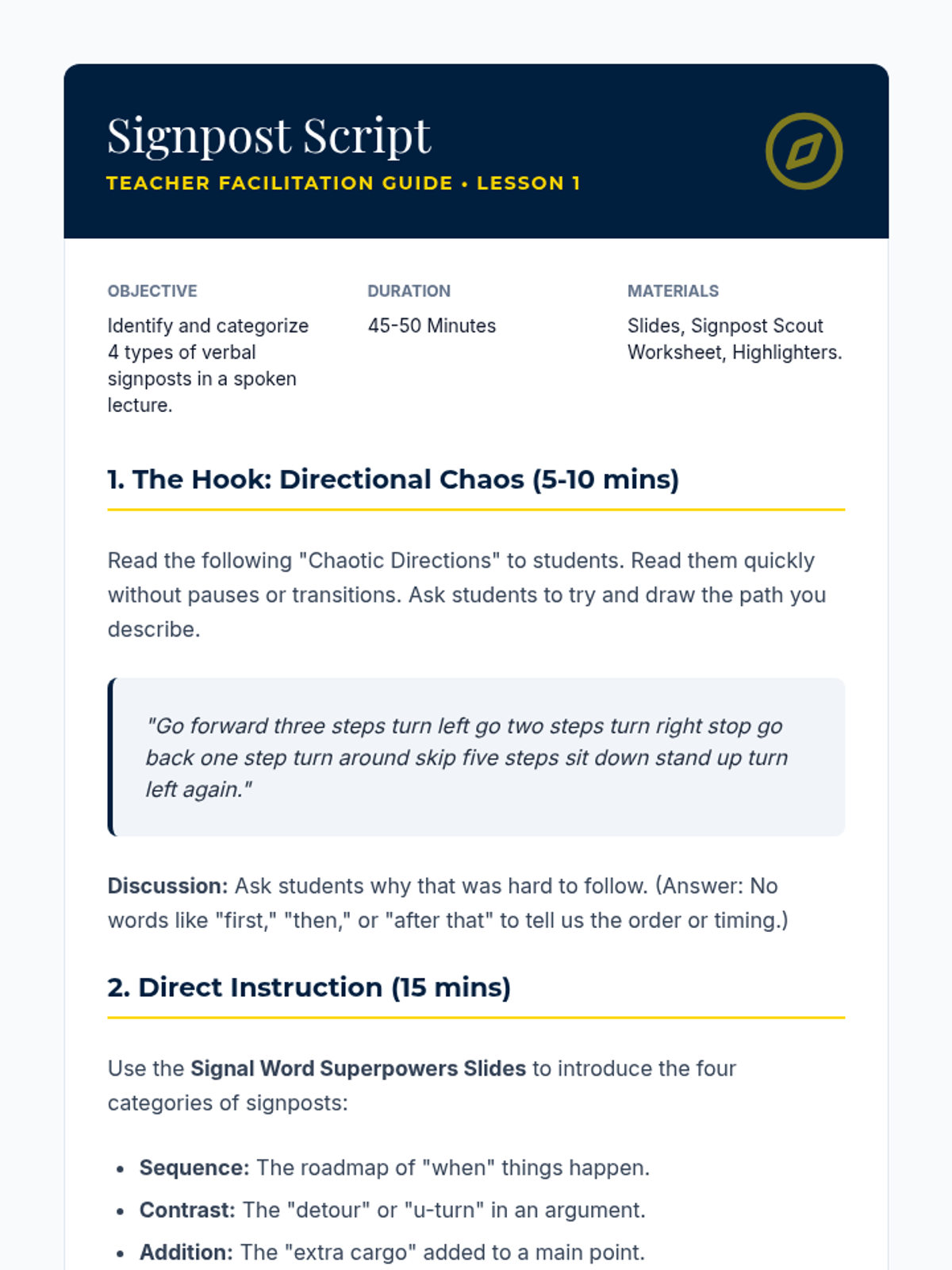
This sequence trains students to navigate academic lectures by identifying verbal signposts, emphasis markers, and structural cues. Through simulations and hands-on activities, students develop the ability to predict information flow and synthesize spoken content.
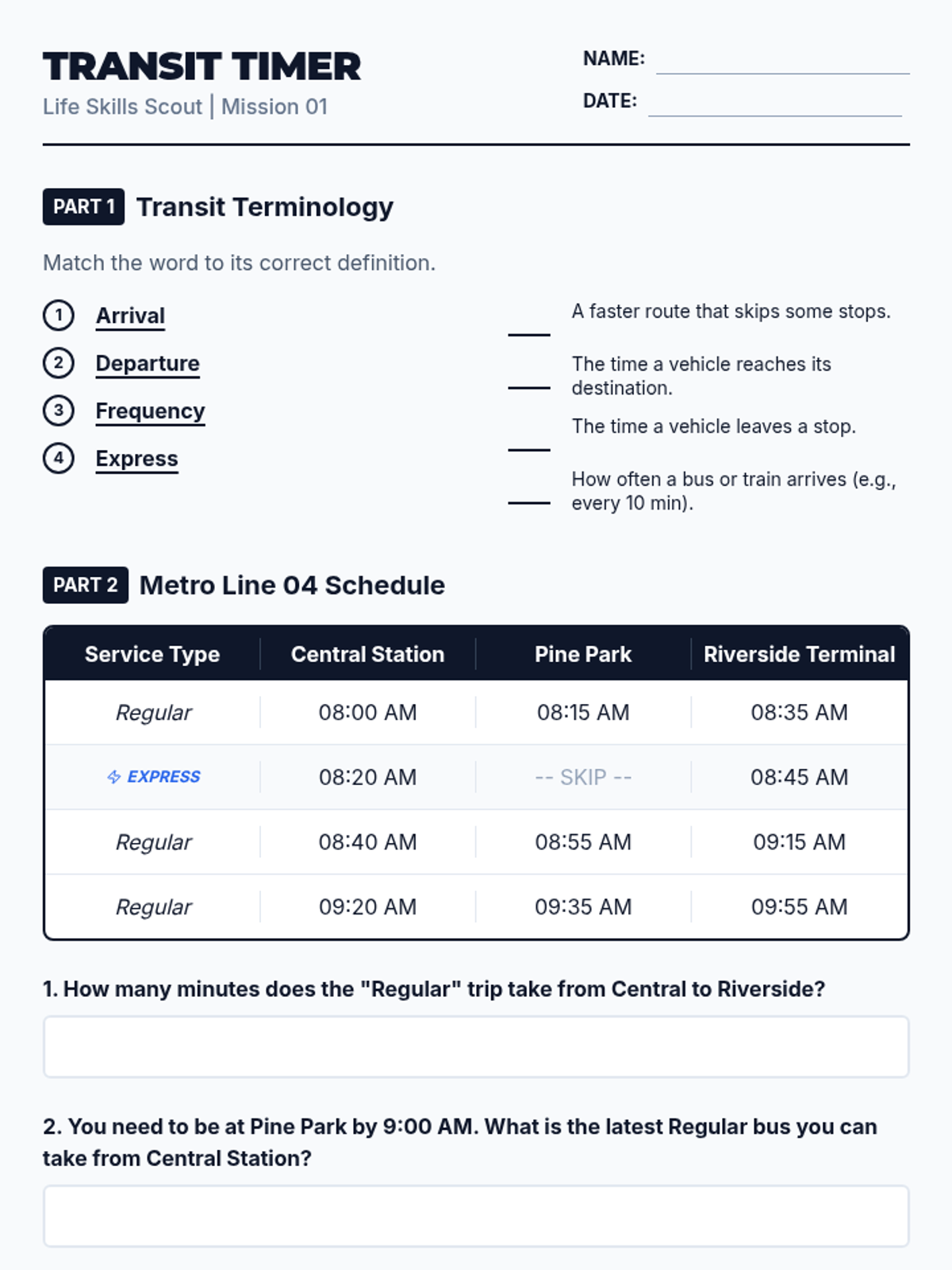
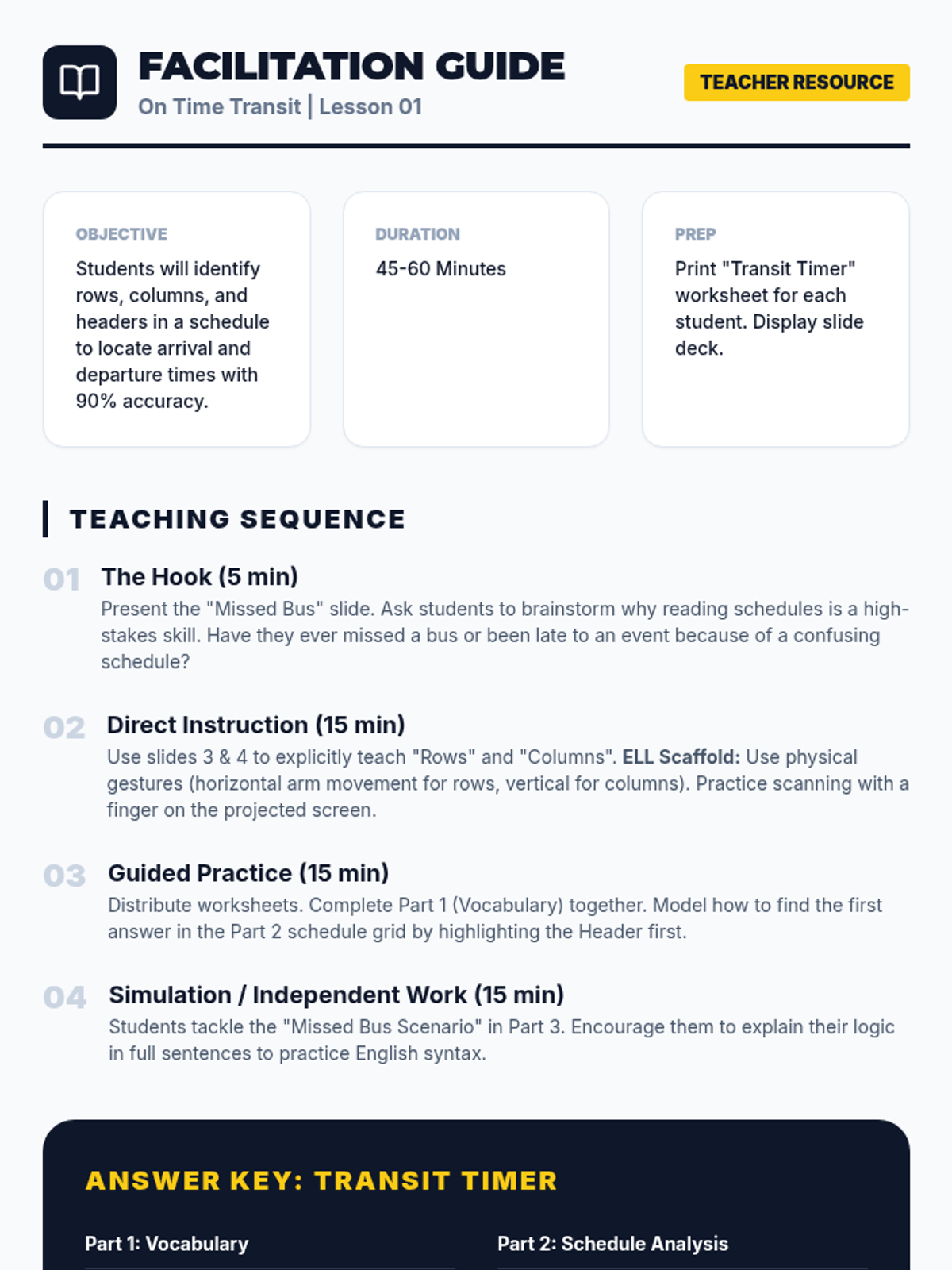
A functional literacy unit for intermediate English learners that focuses on reading schedules, menus, maps, and digital communications through real-world simulations. Students develop practical skills to navigate everyday information efficiently and accurately.
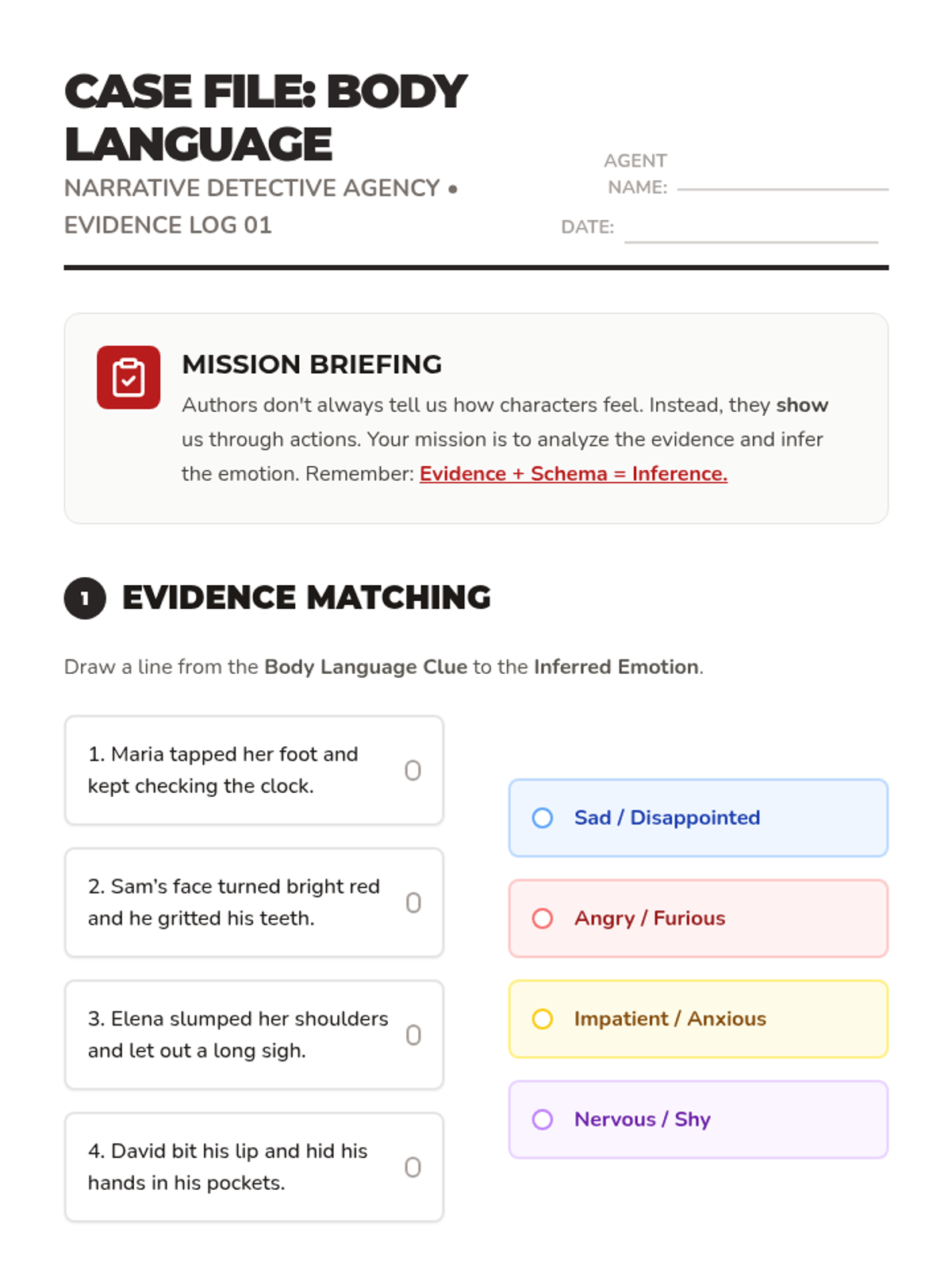
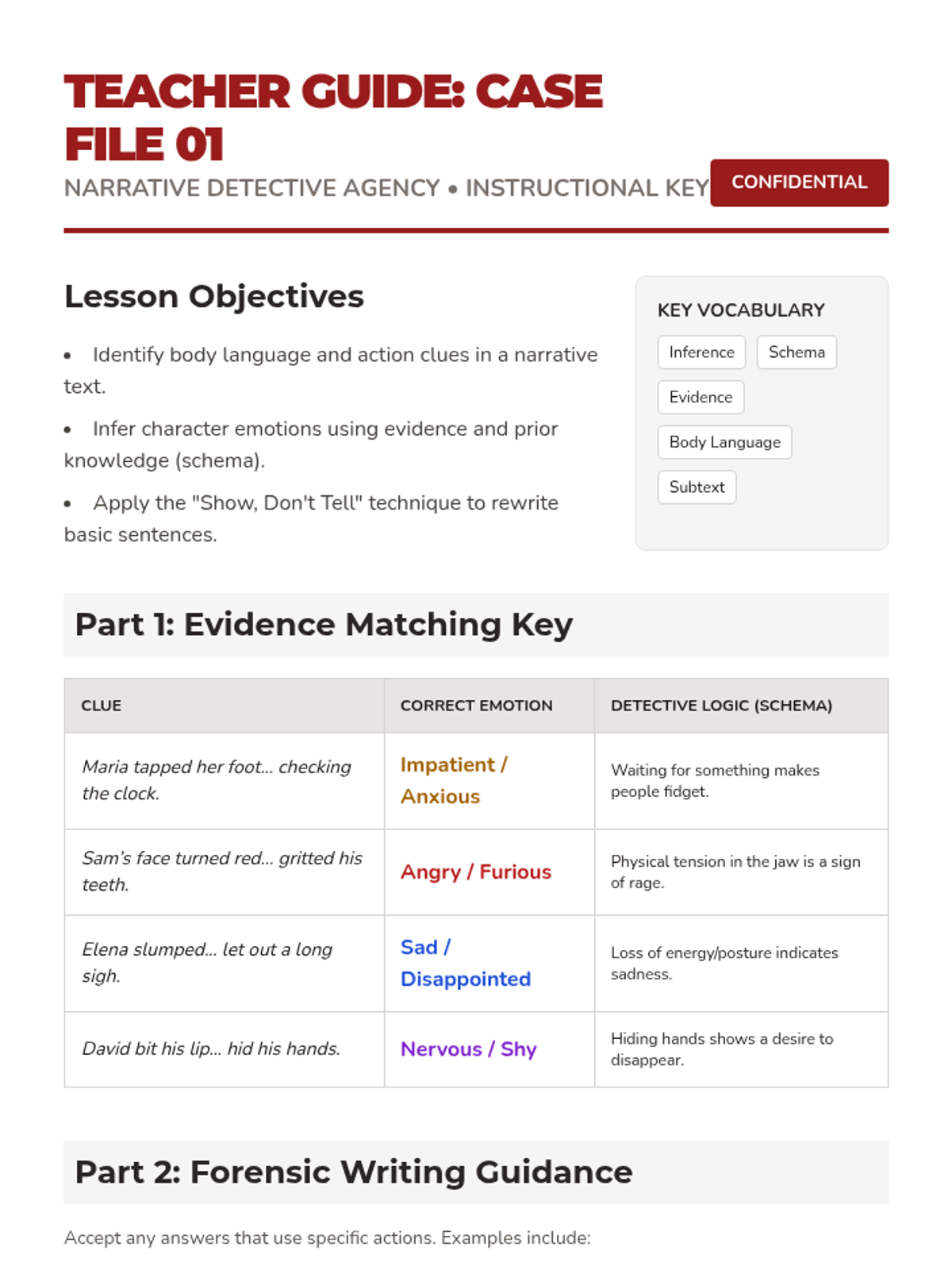
A comprehensive reading comprehension unit for 5th-grade ELL students focused on inferring character motivations, subtext, and narrative tone using a detective agency theme. Students act as 'Narrative Detectives' to uncover hidden meanings in fiction through body language, dialogue, and word choice.
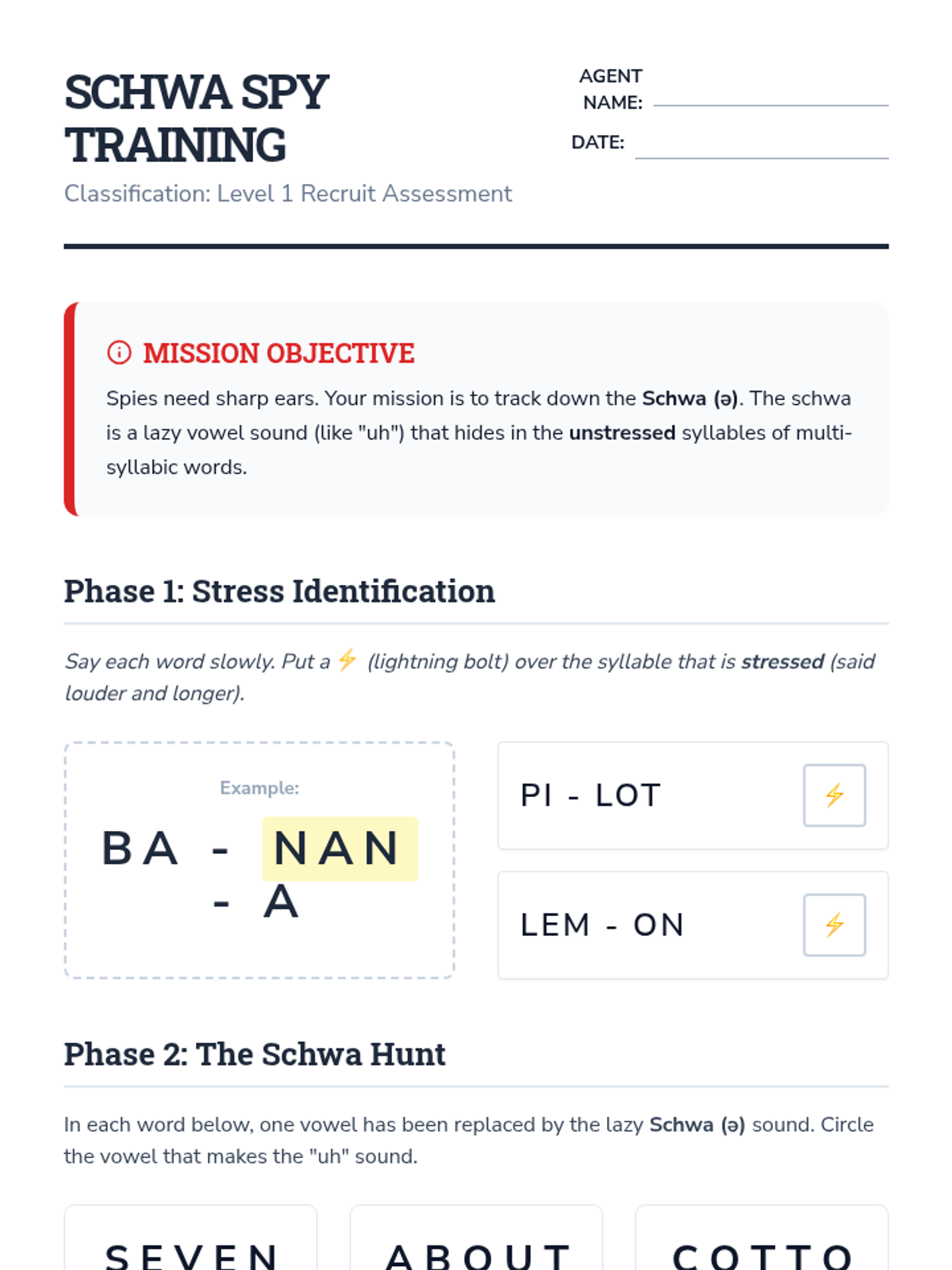
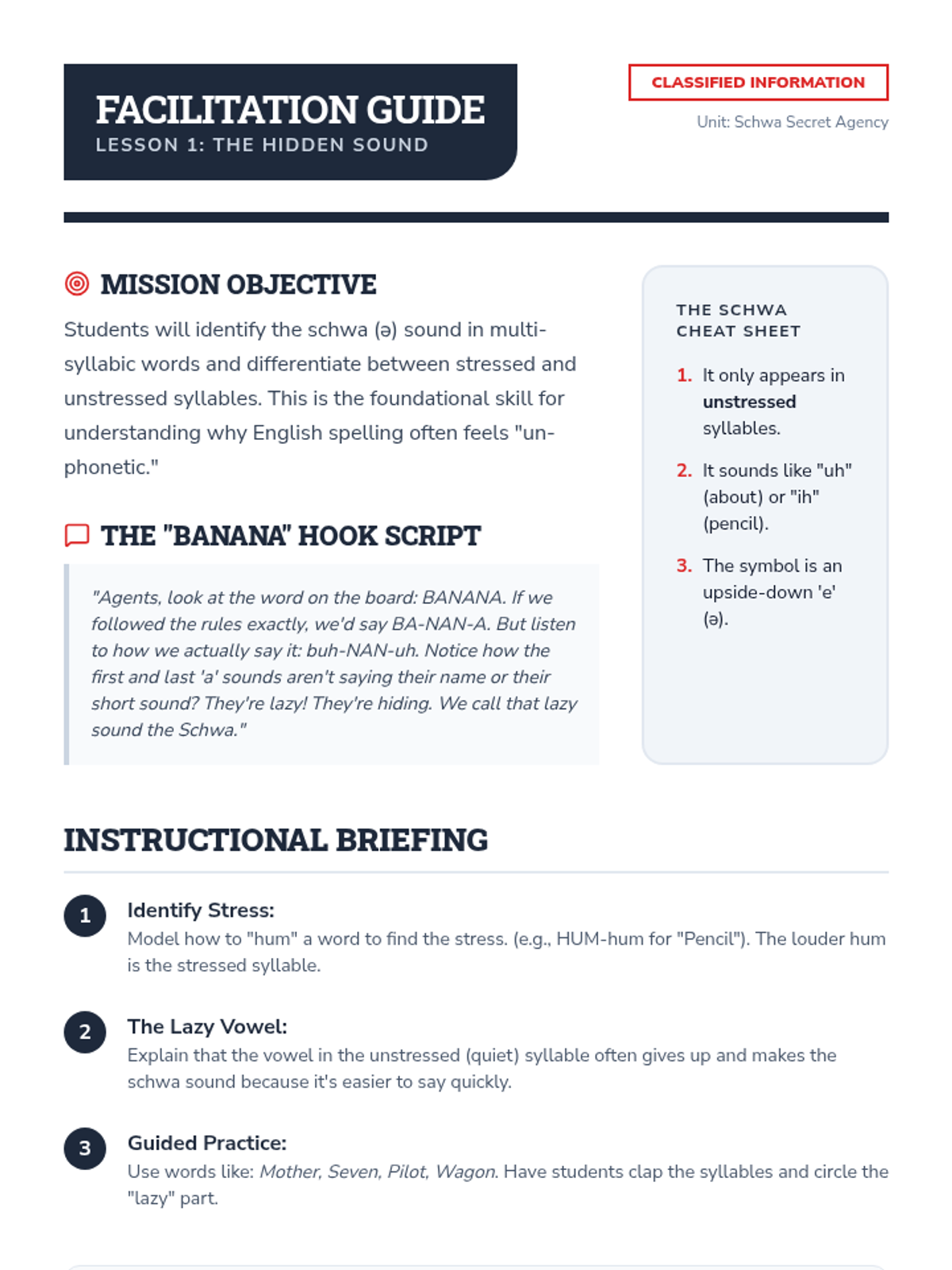
A 5th-grade spelling sequence focused on mastering the schwa sound and unstressed syllables through detective-themed strategies and morphological connections.
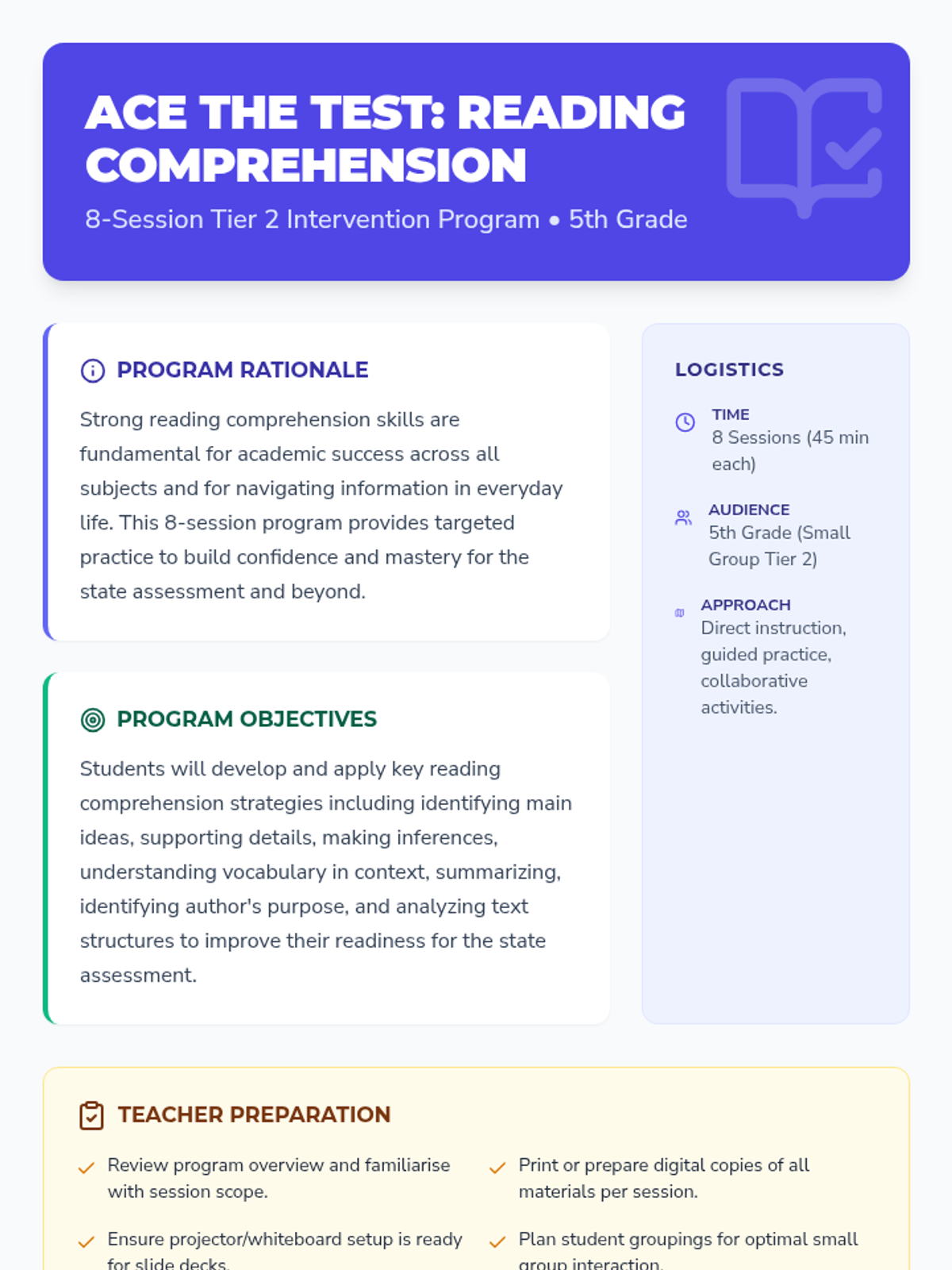
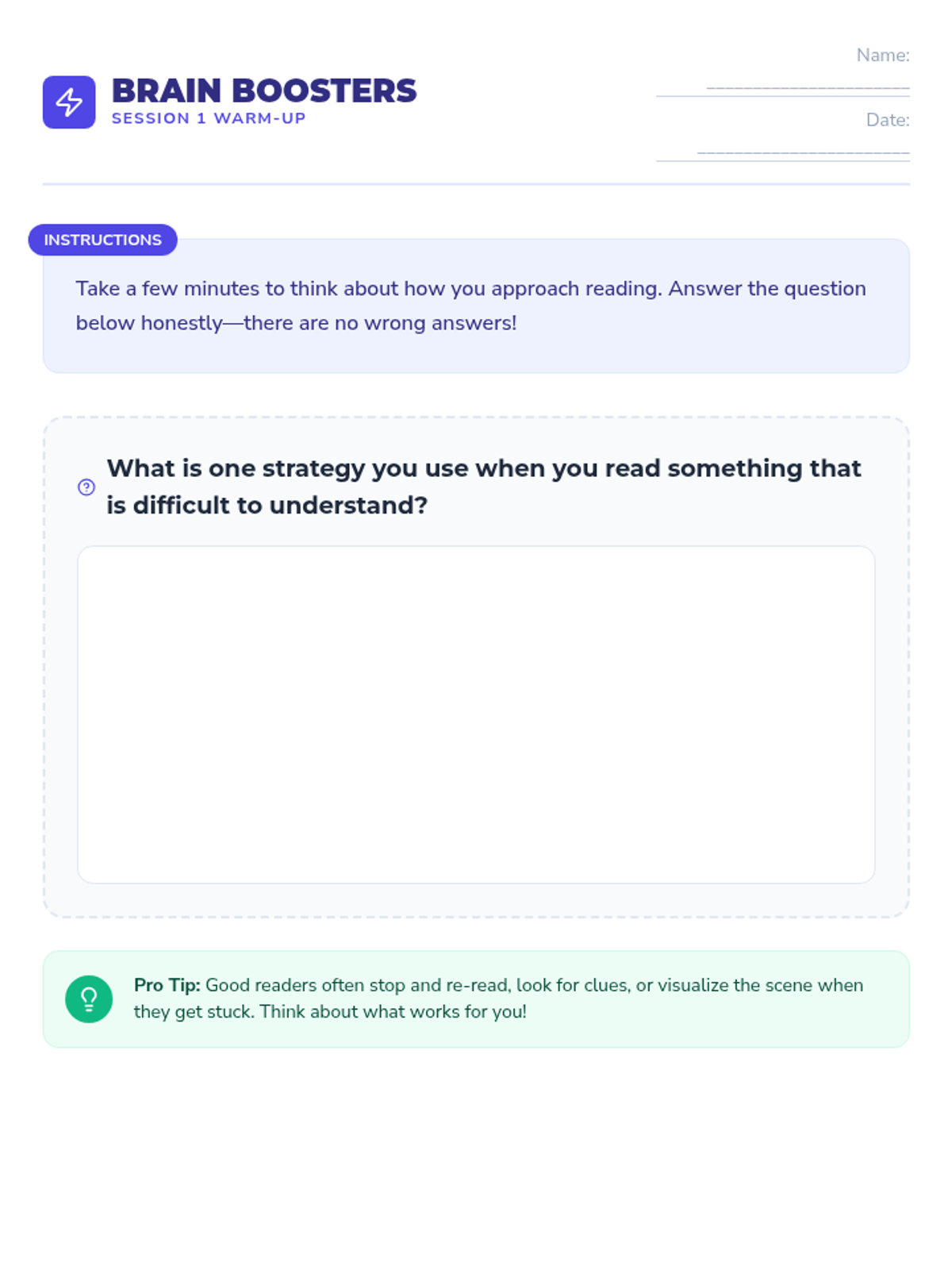
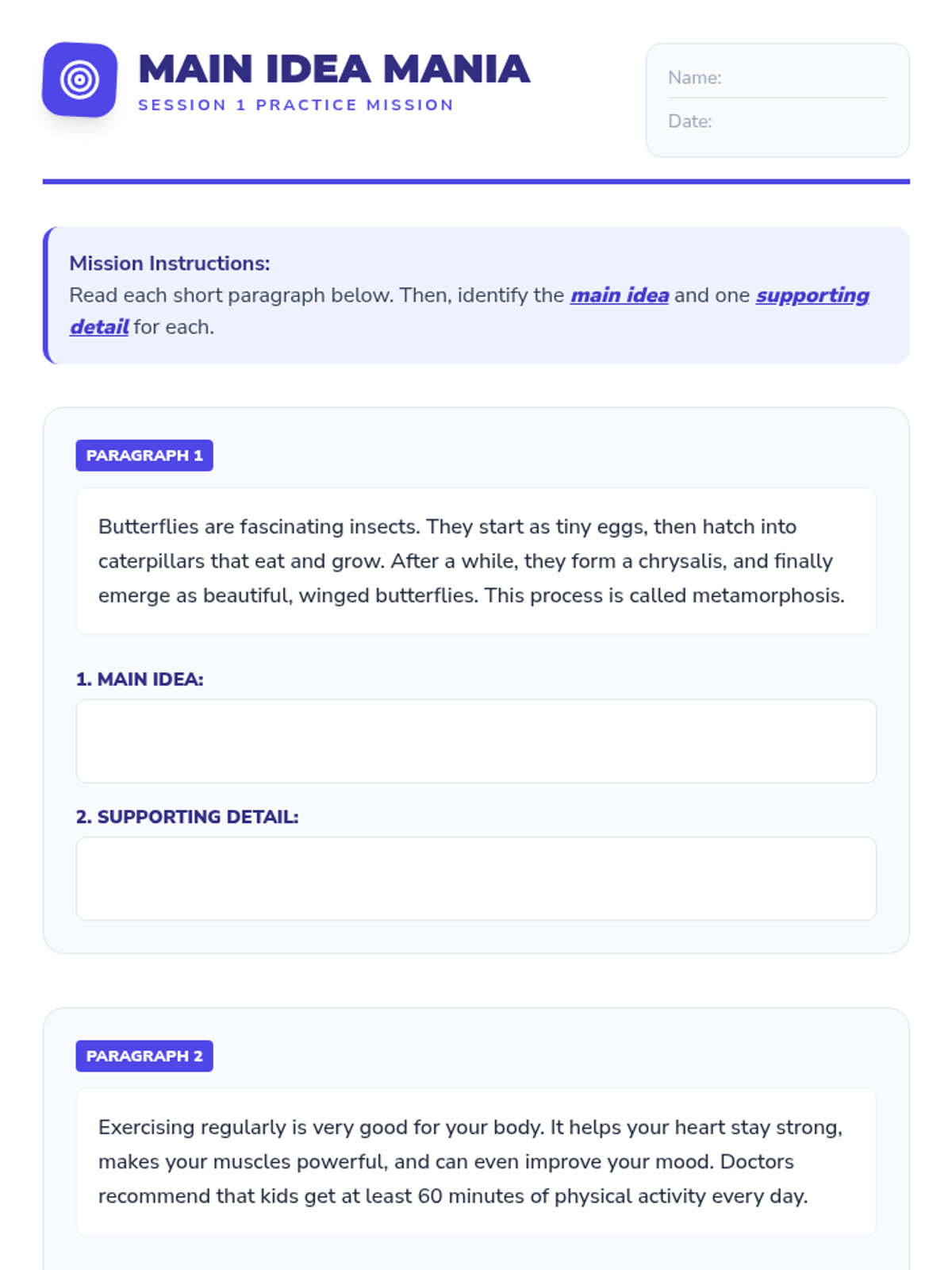
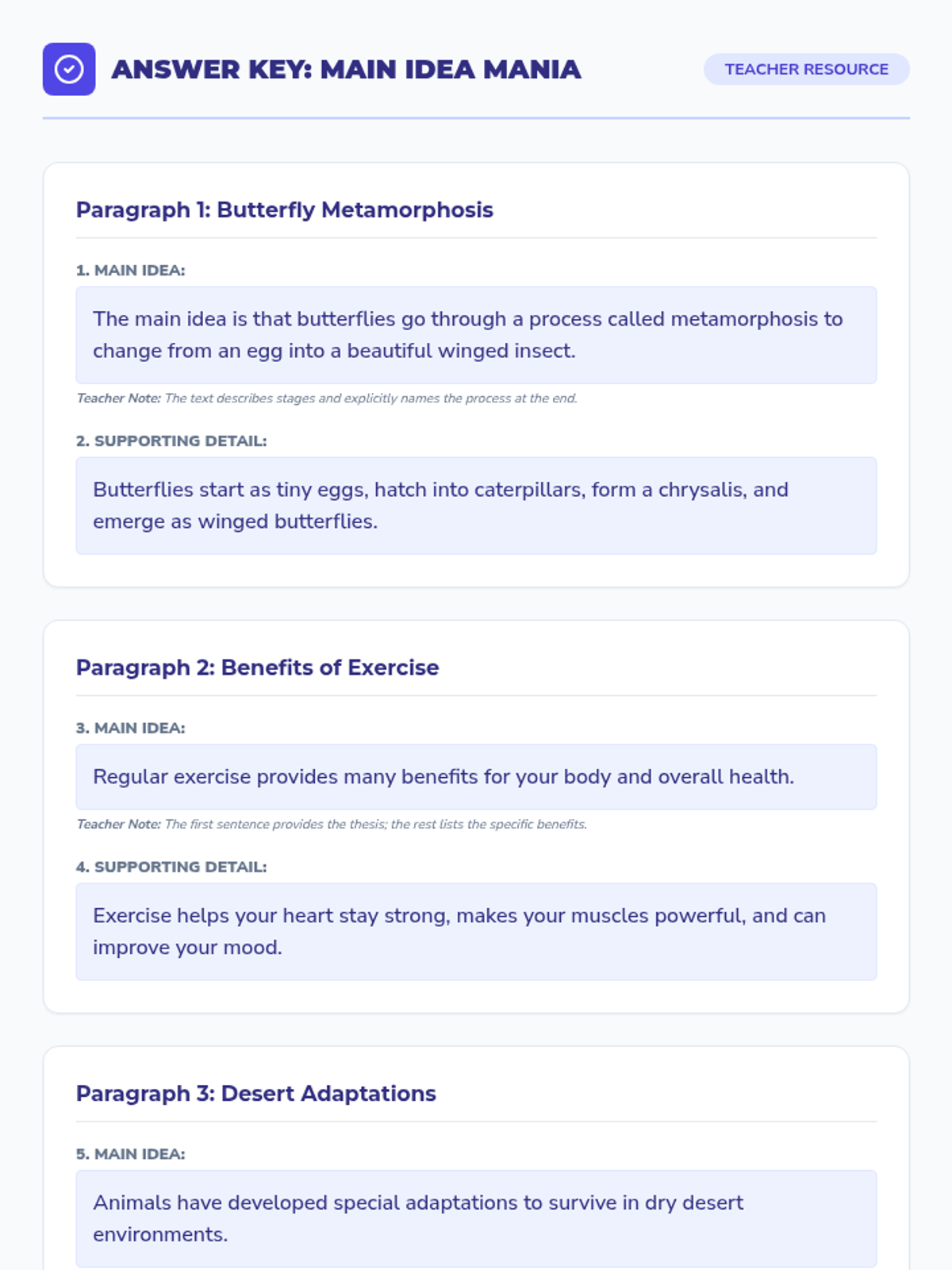
An 8-session Tier 2 intervention program designed to help 5th-grade students master essential reading comprehension strategies like main idea, inferences, and text structure to succeed on state assessments.
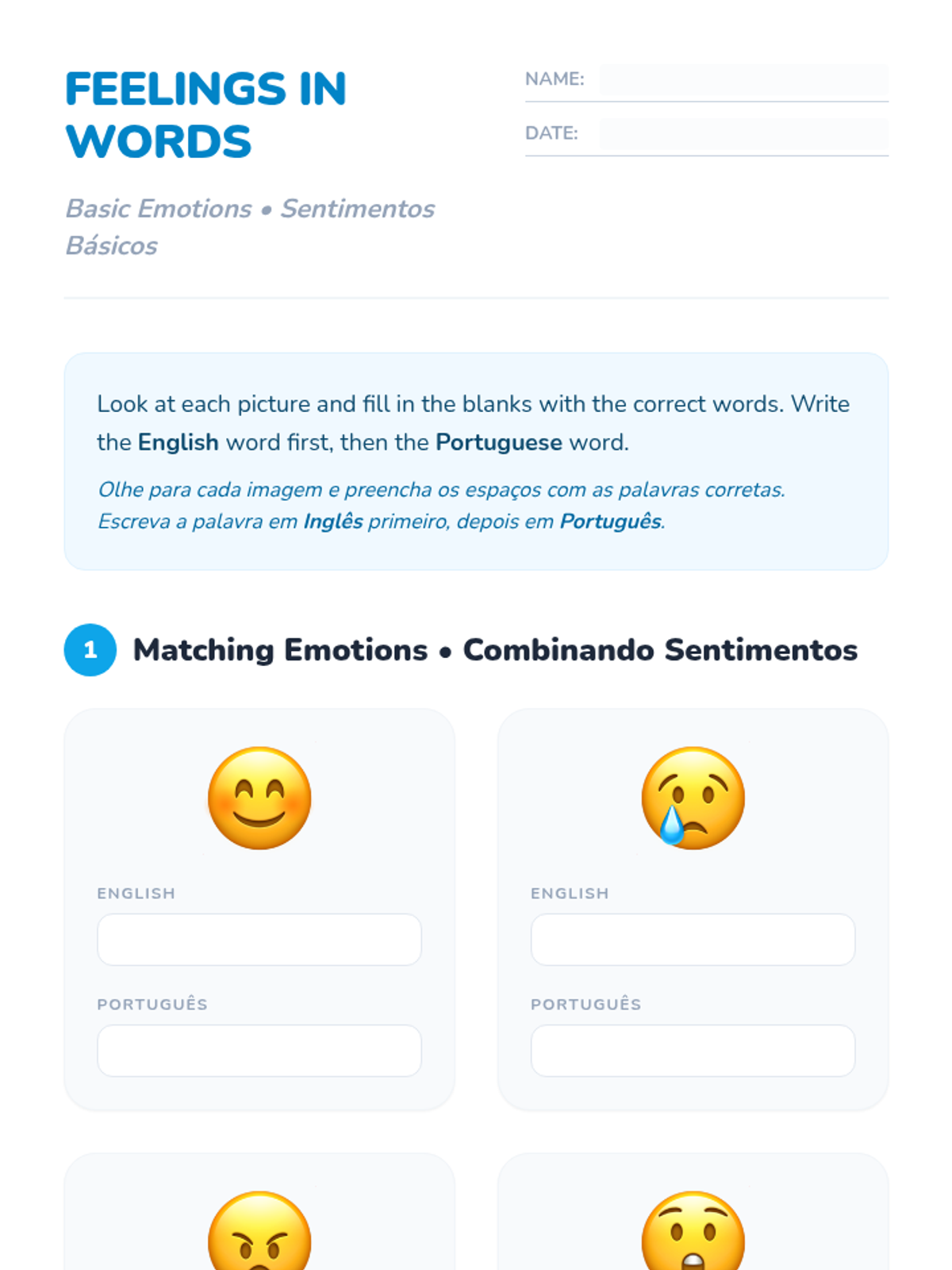
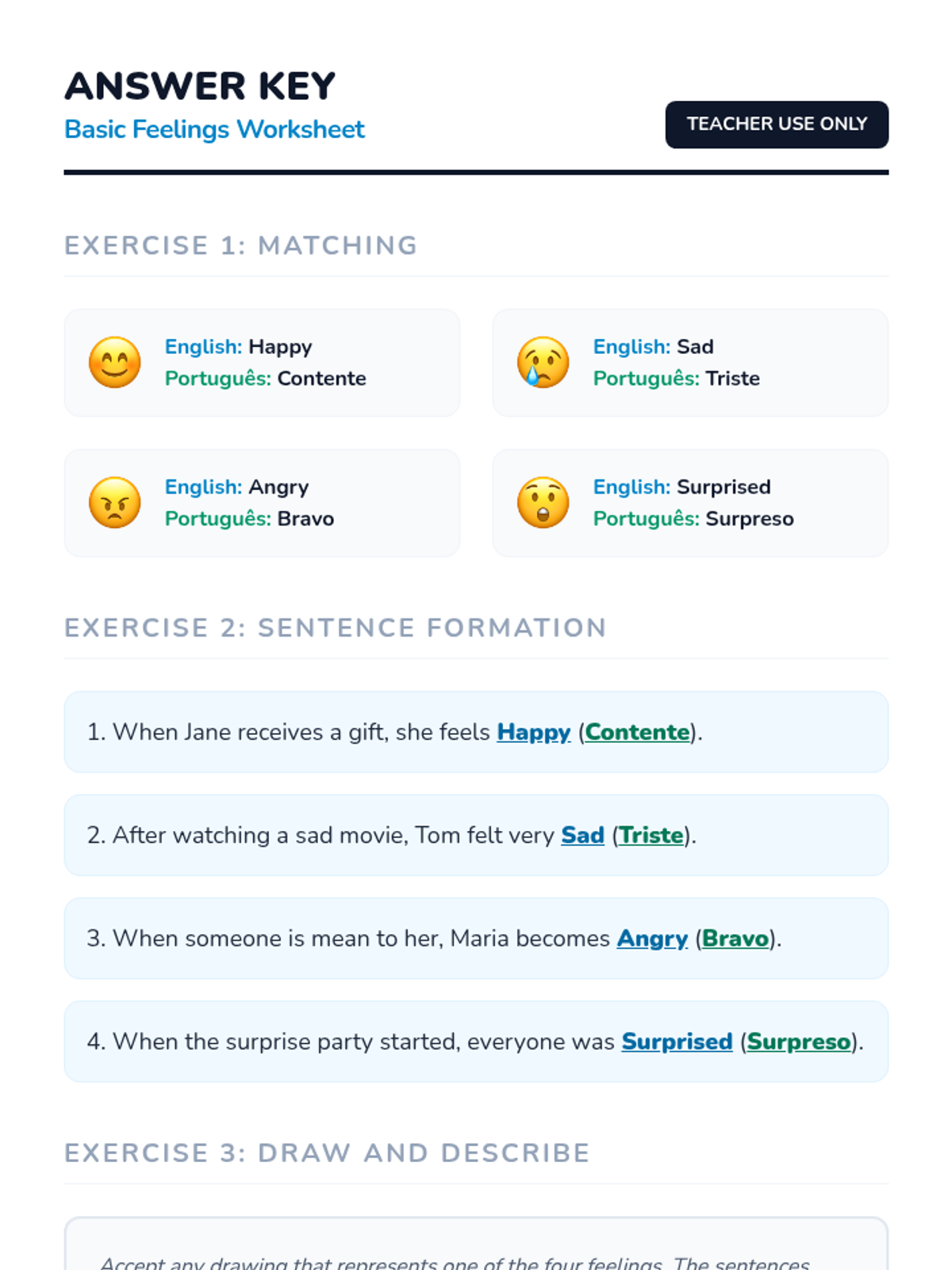
A bilingual sequence designed for ELL students with autism to develop emotional literacy in both English and Portuguese, moving from basic to complex feelings.
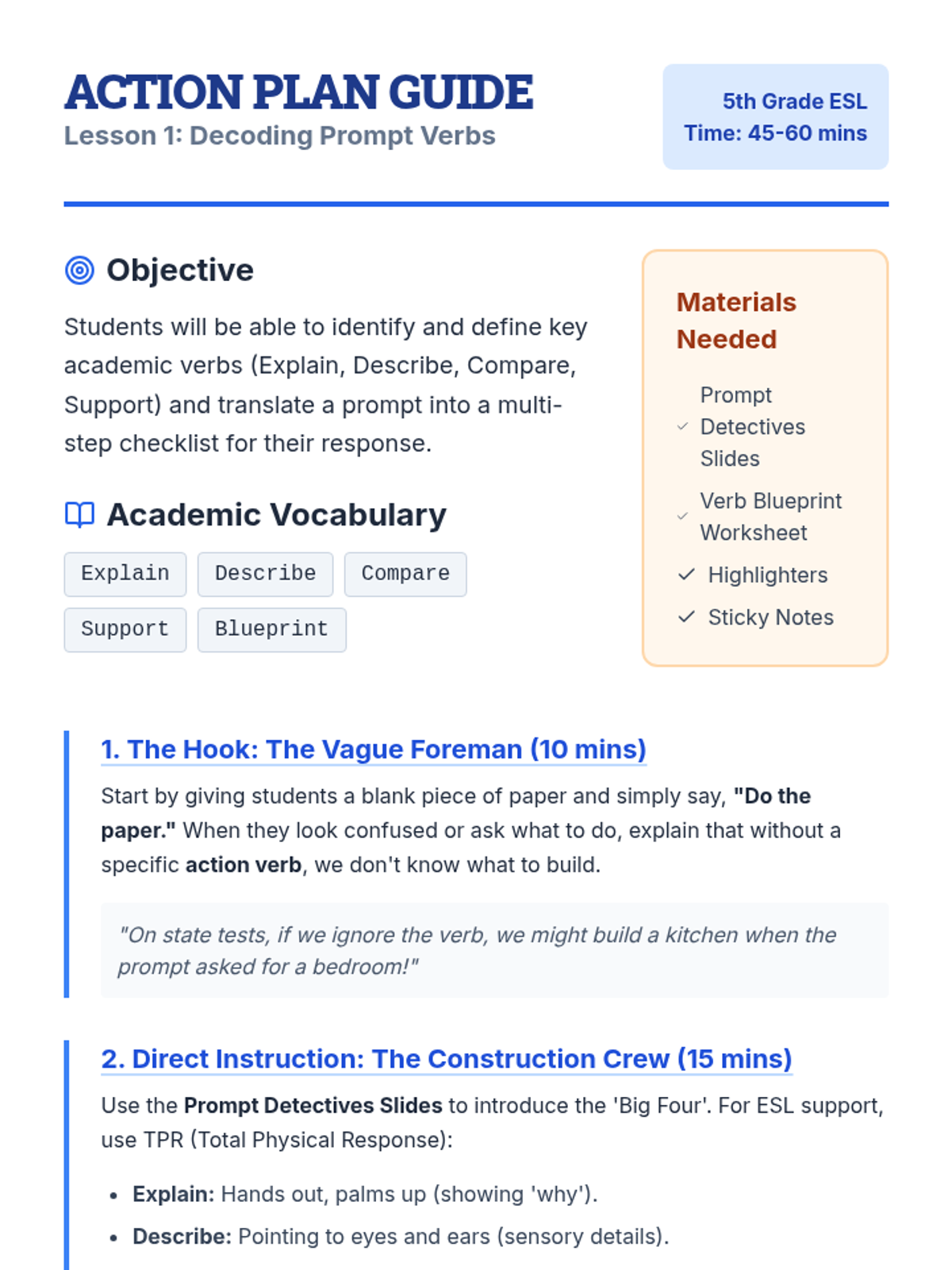
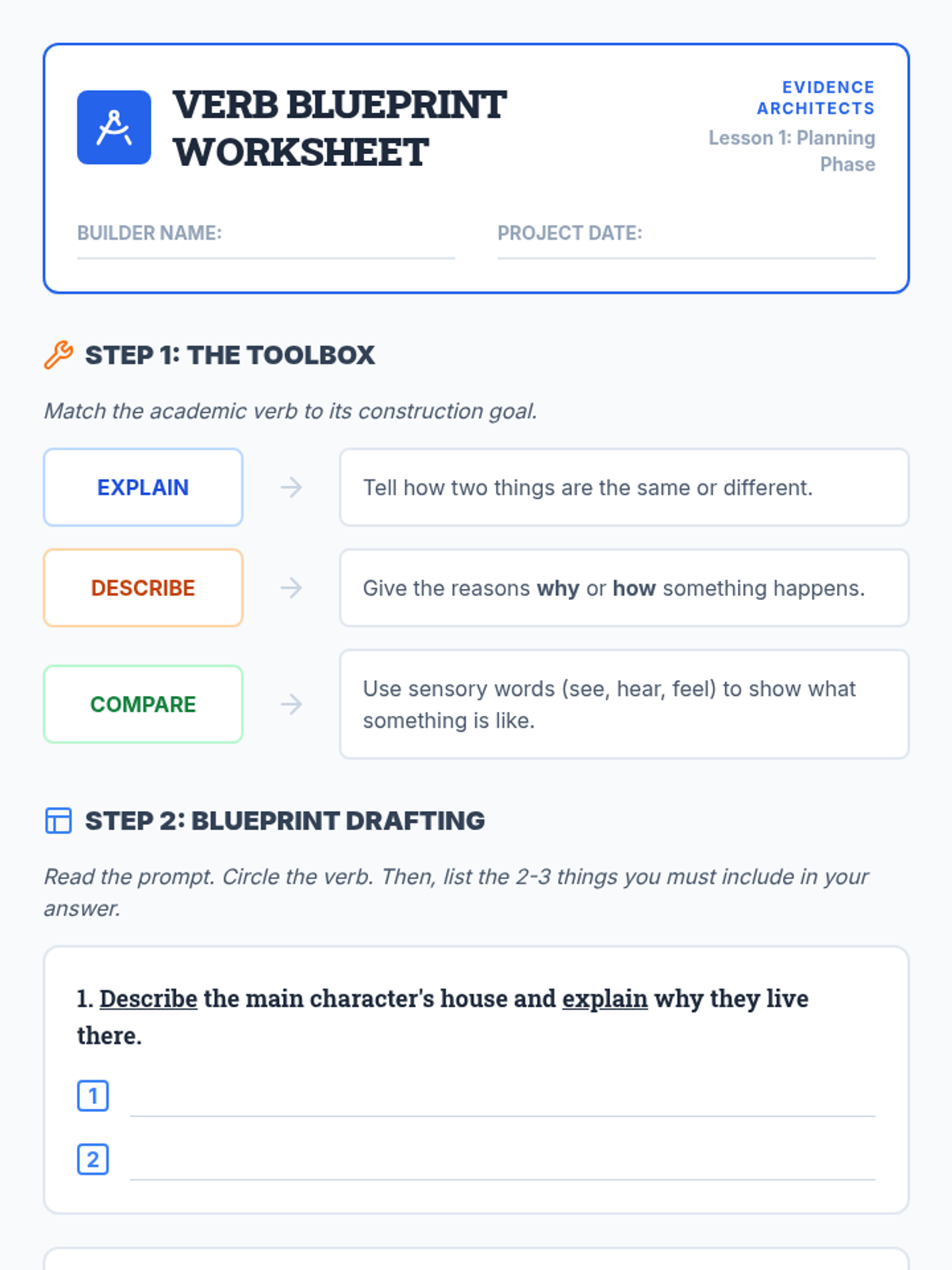
A 5-lesson sequence for 5th-grade ESL students focused on the R.A.C.E. strategy for constructing high-scoring, evidence-based written responses on academic assessments. Students progress from decoding prompt verbs to mastering restatement, evidence citation, and explanation through a 'blueprint and construction' theme.
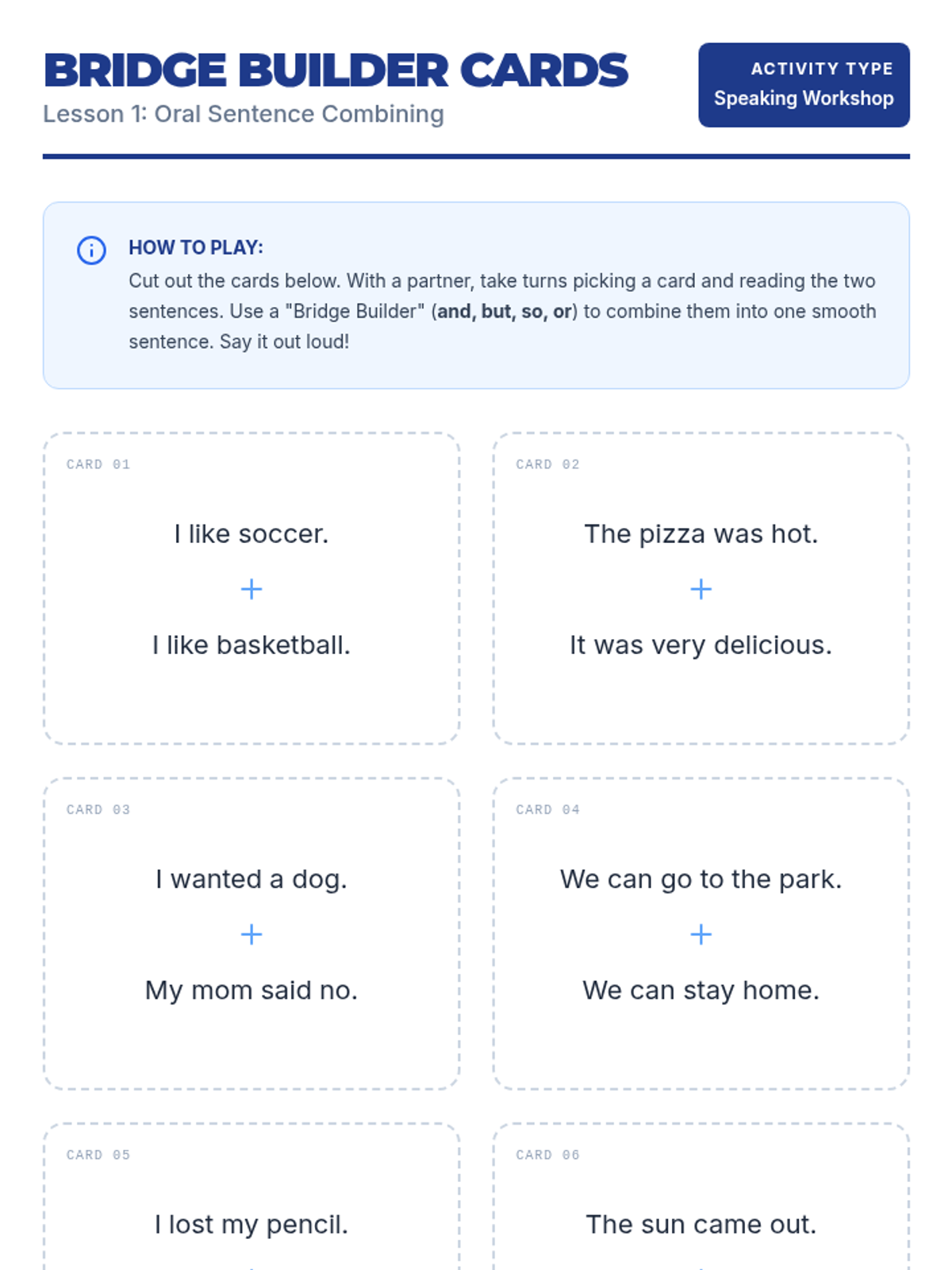
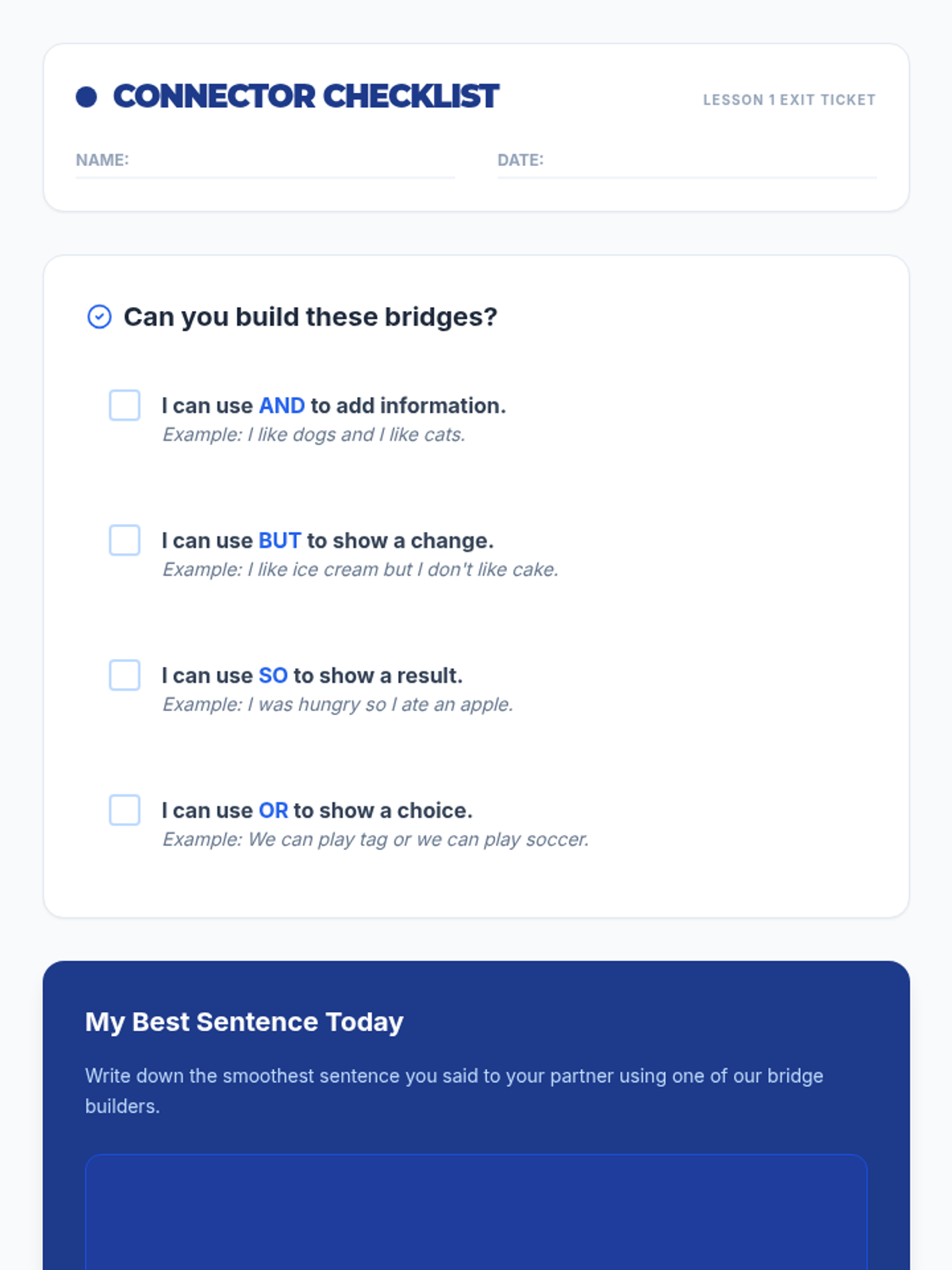
A sequence for intermediate ESL students to master complex sentence structures in oral storytelling. Students transition from choppy, simple sentences to fluid narratives using conjunctions, transitions, and relative clauses.
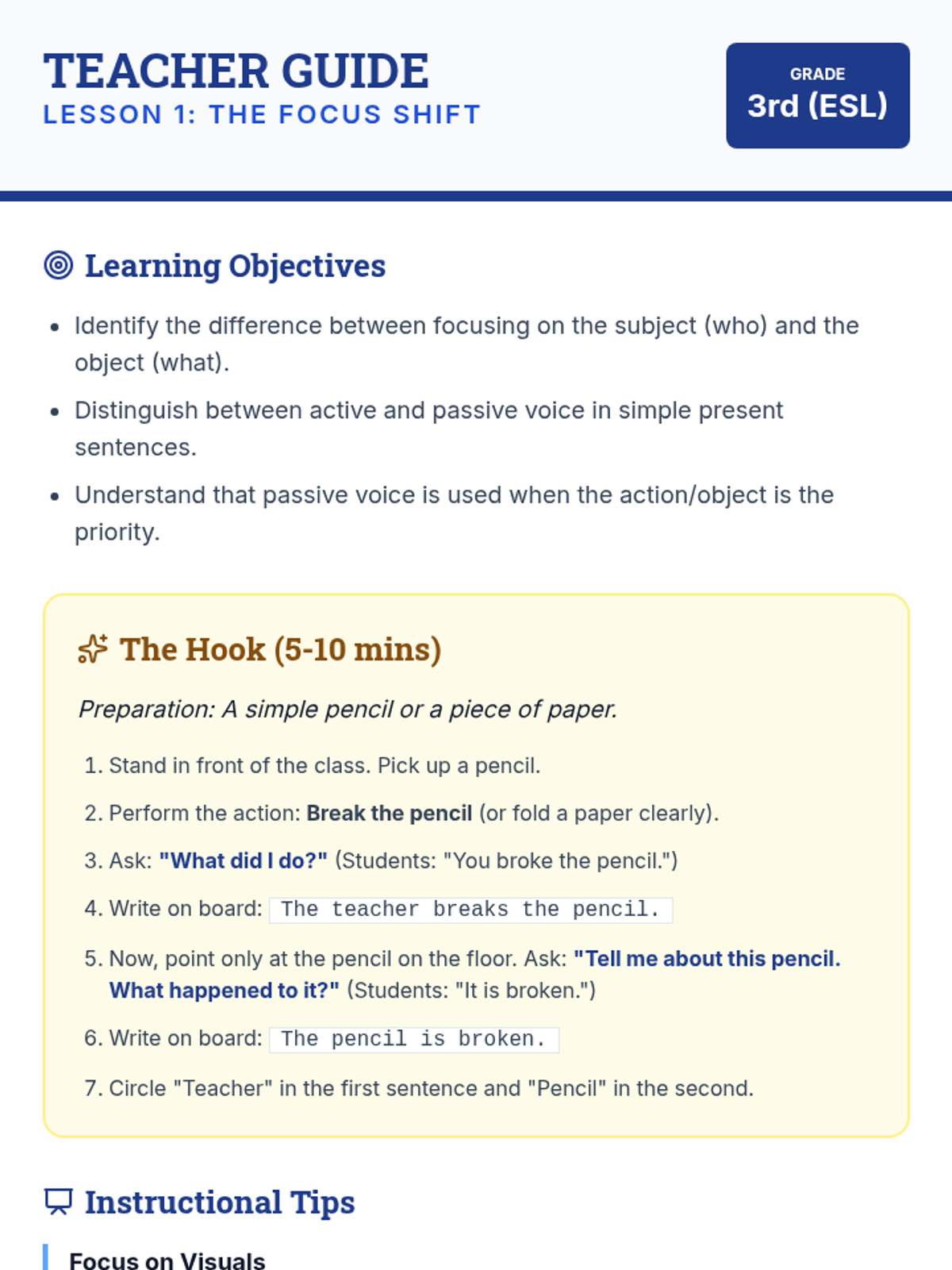
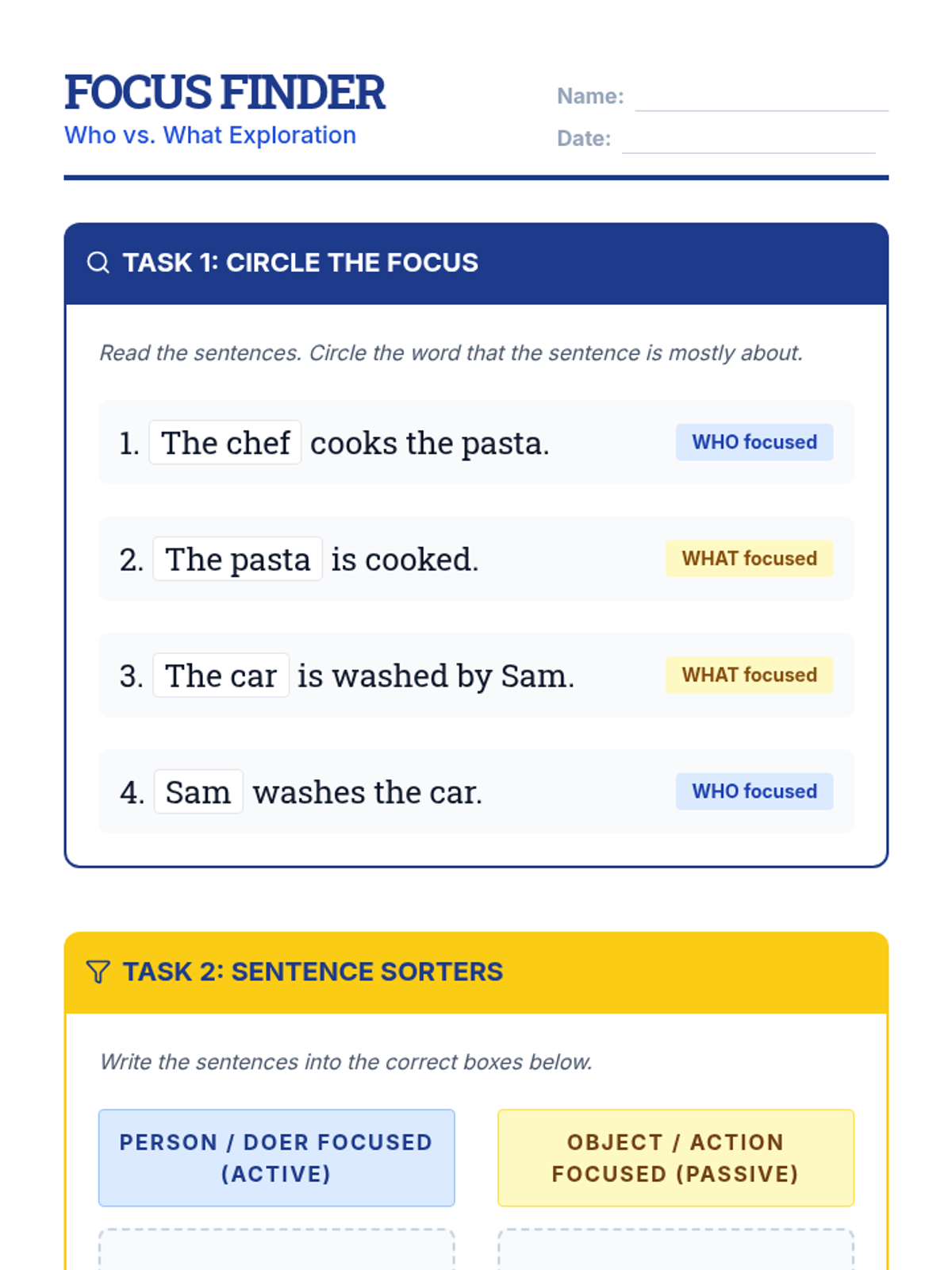
A 5-lesson sequence for 3rd-grade ESL students to master the Simple Present Passive voice through the lens of industrial processes and 'How It's Made' storytelling. Students move from noticing focus shifts to creating their own illustrated process guides.
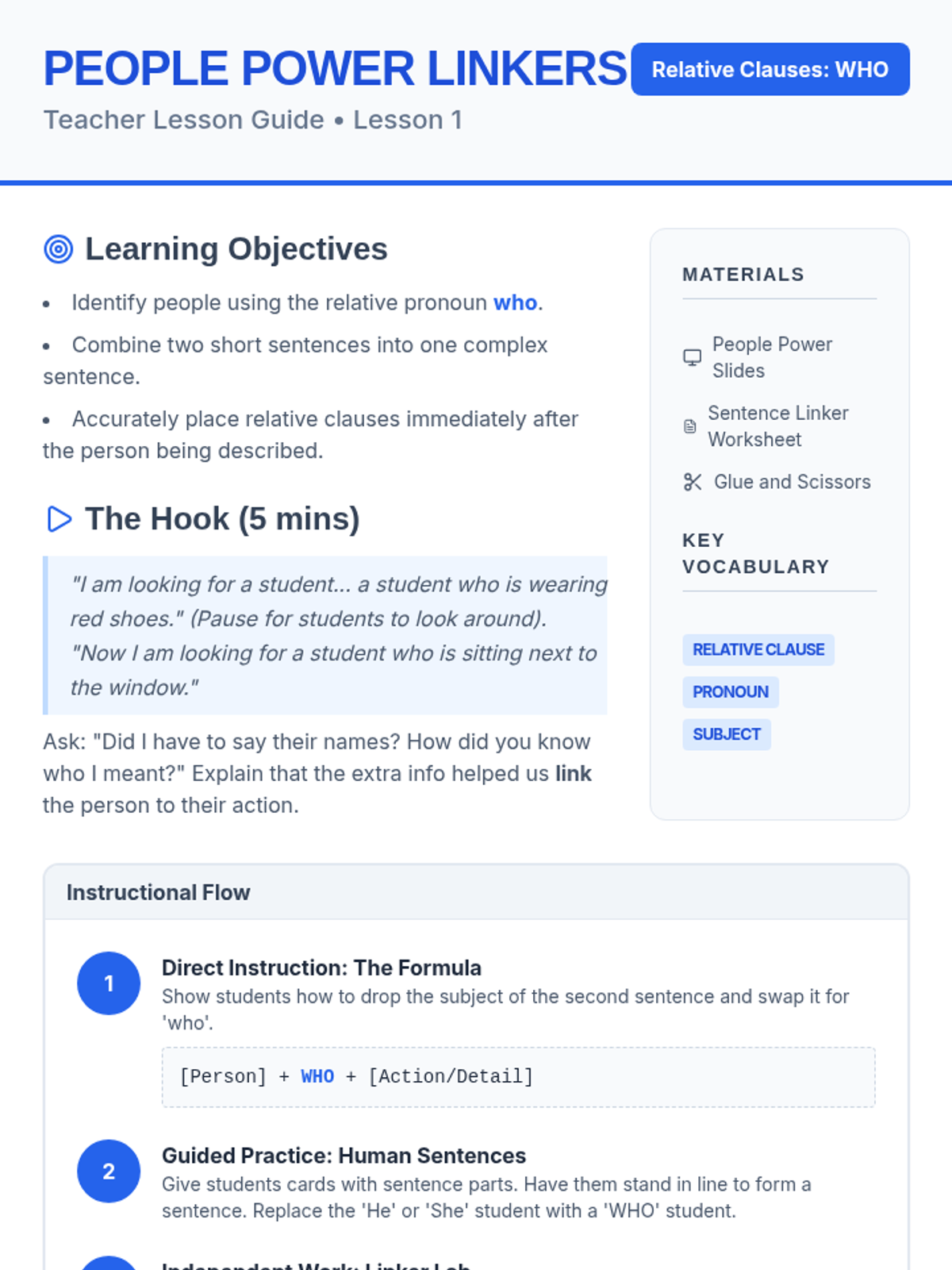
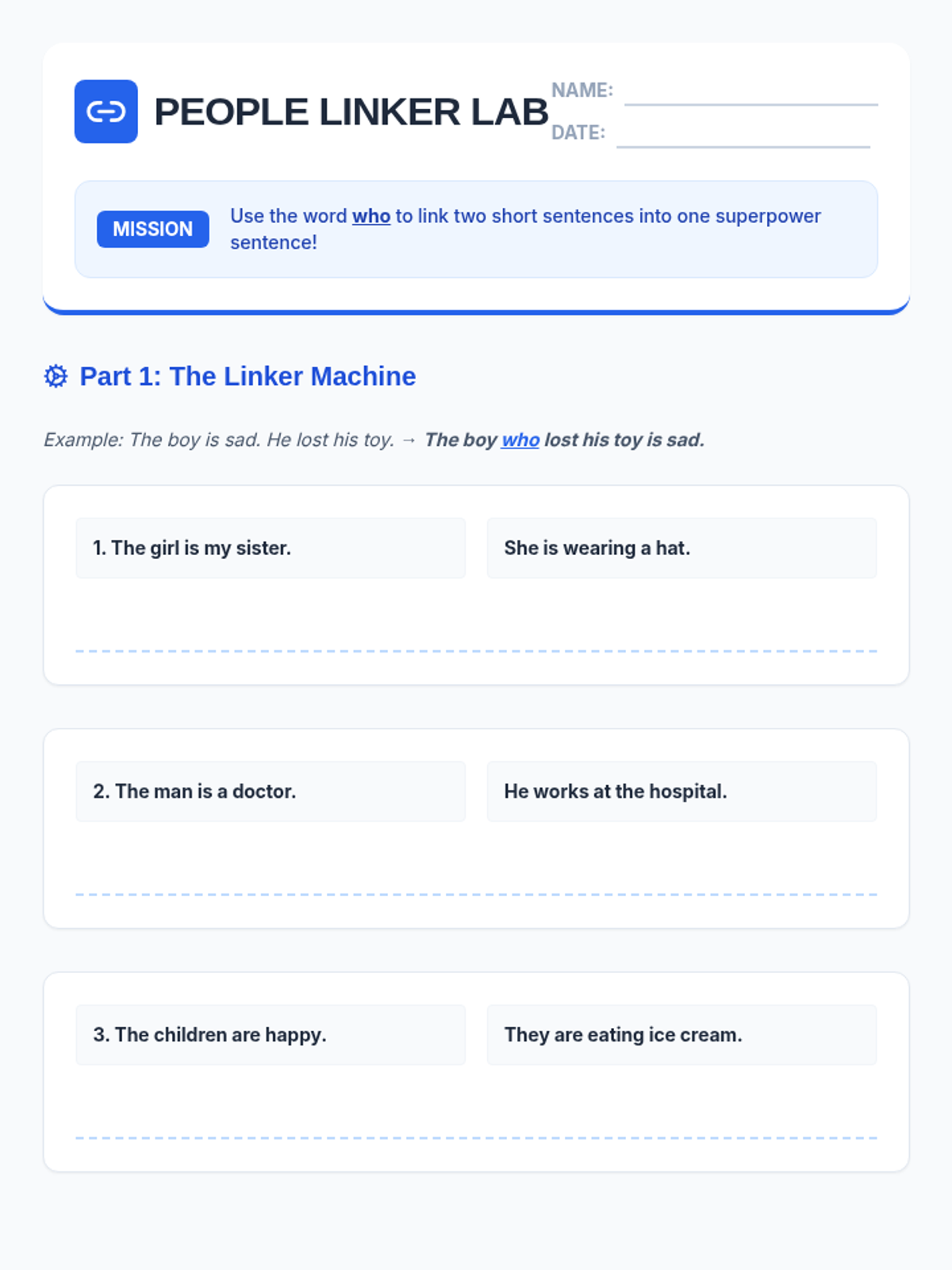
This sequence strengthens sentence complexity by introducing Relative Clauses with 'who', 'which', and 'that'. Students move beyond simple sentences to compound descriptions that identify specific people or objects through games and creative writing.
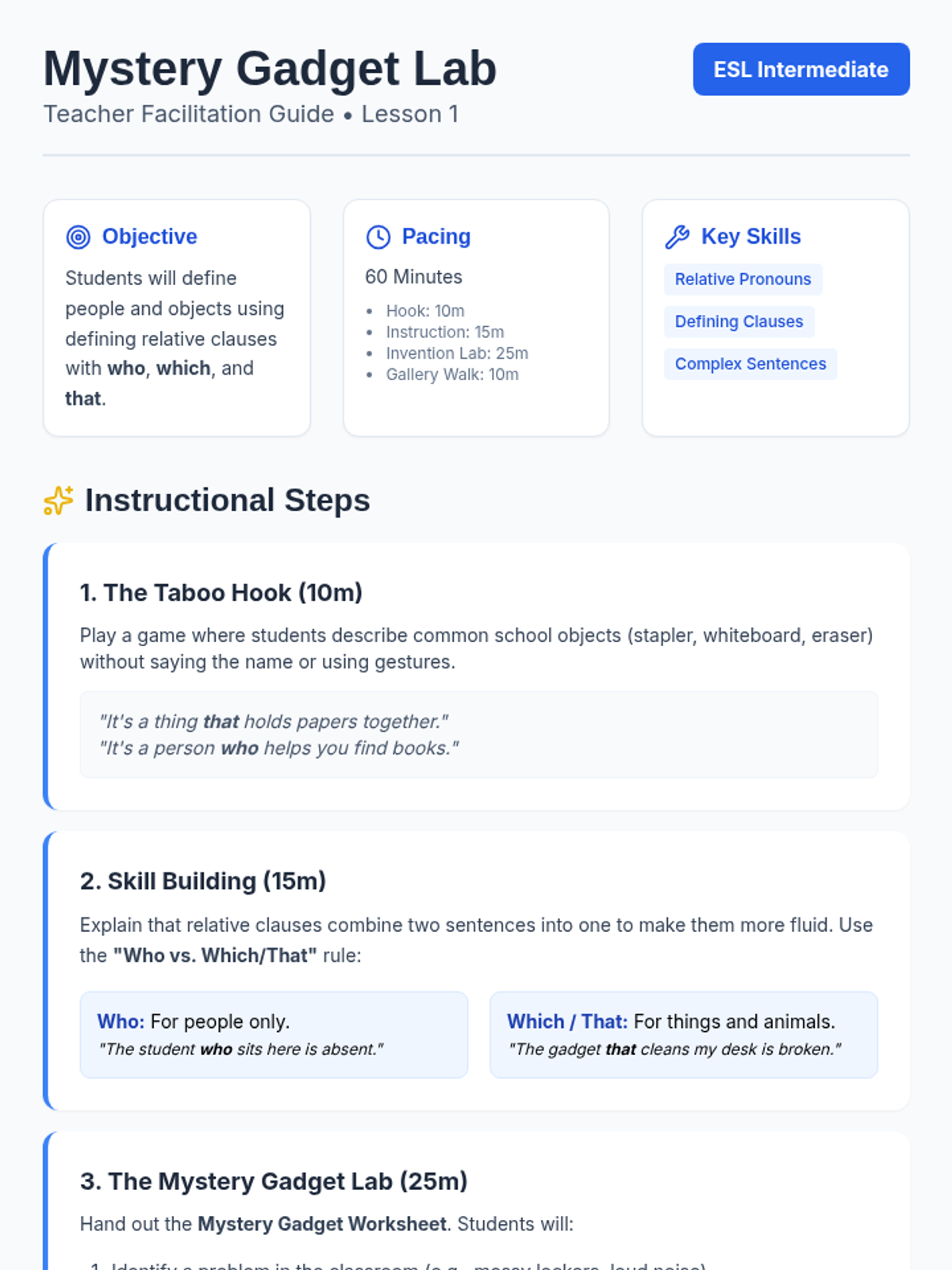
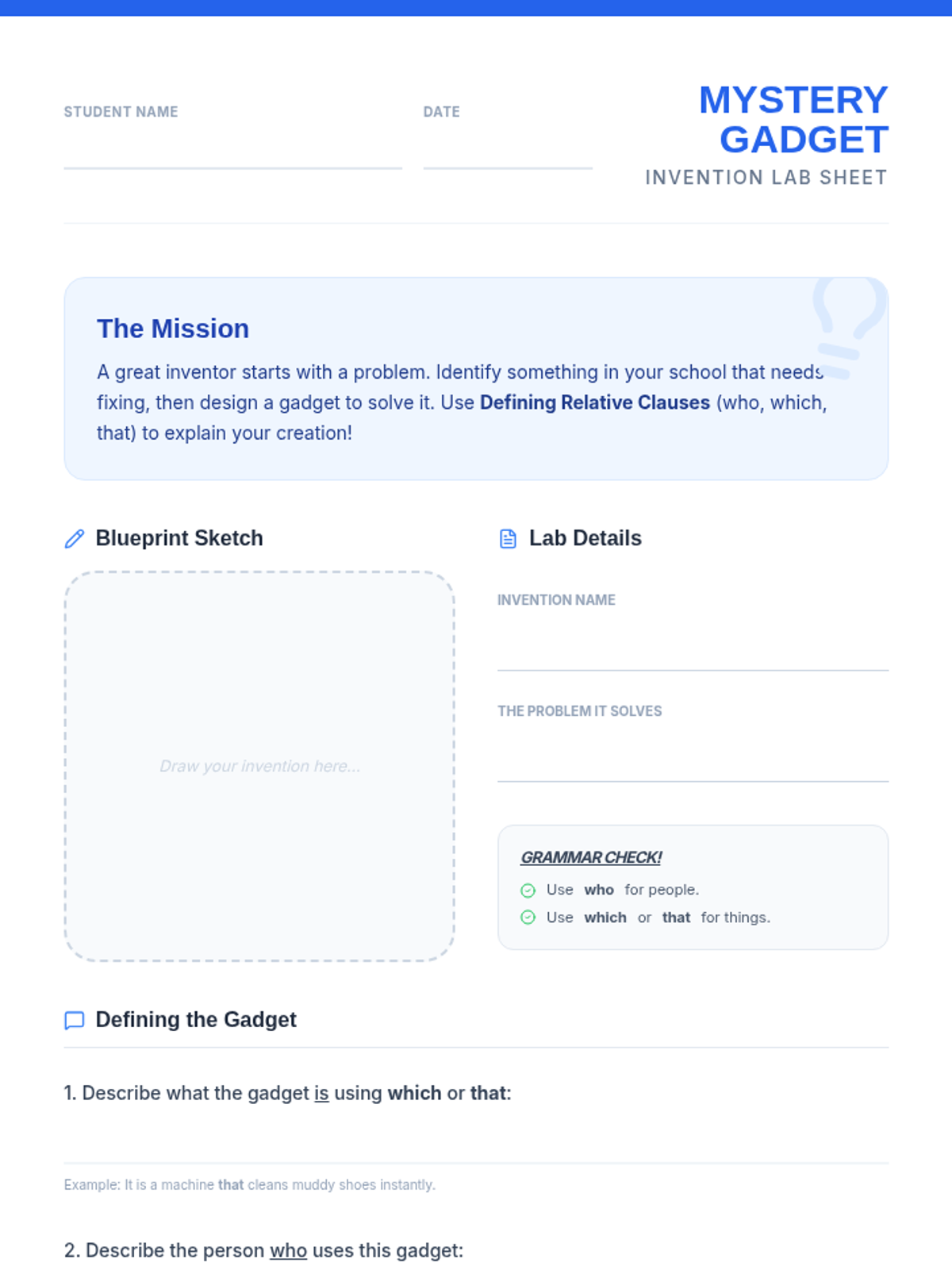
A grammar-focused ESL sequence where students use relative clauses and conditionals to design and pitch inventions for a 'School of the Future.' Students move from defining objects to predicting outcomes and hypothesizing wild improvements.
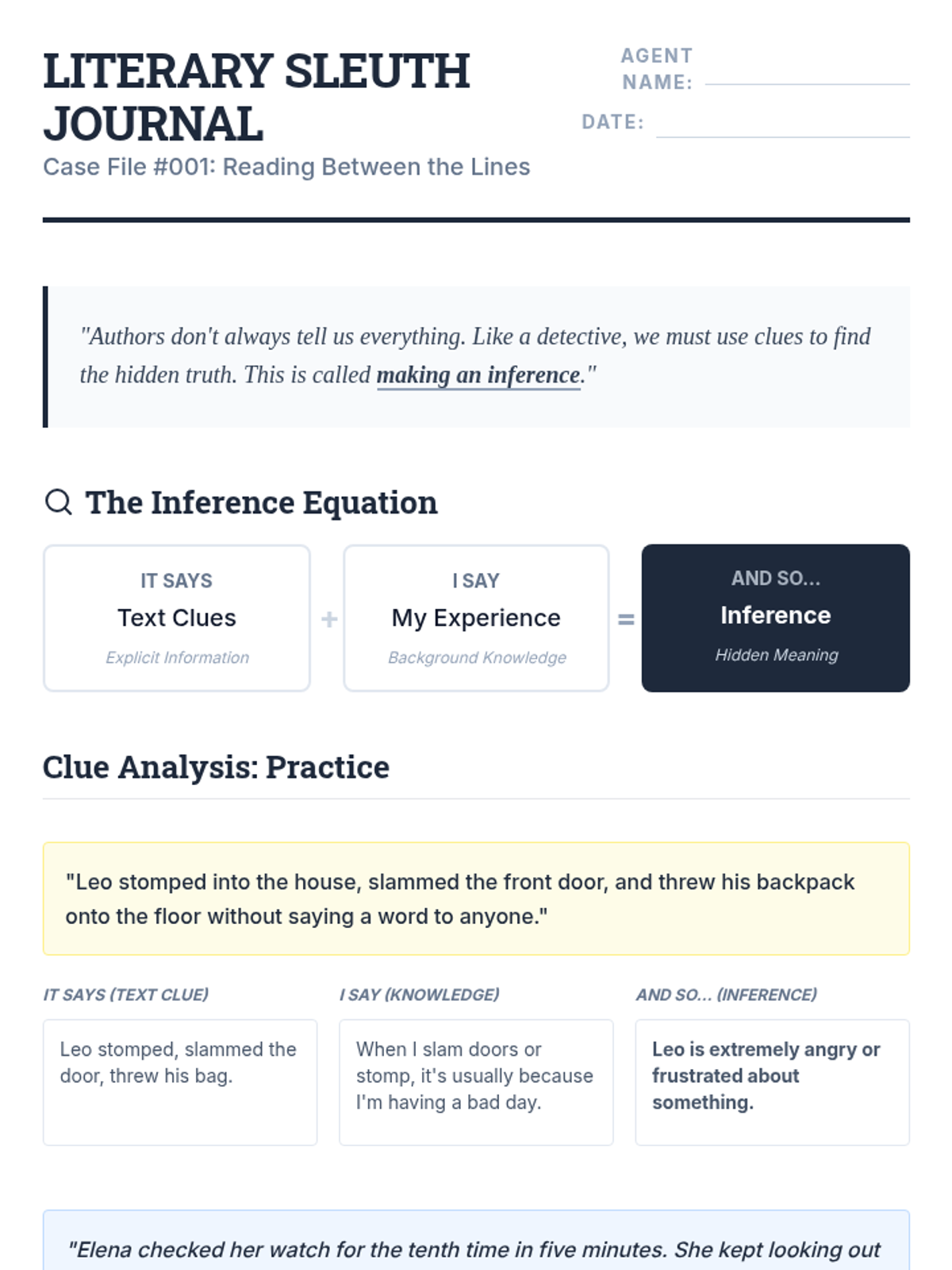
This sequence guides Intermediate ELL students through narrative fiction analysis, focusing on the shift from literal comprehension to deep inference and tone evaluation. Through a 'Literary Sleuth' theme, students develop strategies to decode hidden meanings, analyze character motivations, and engage in academic discussions using textual evidence.
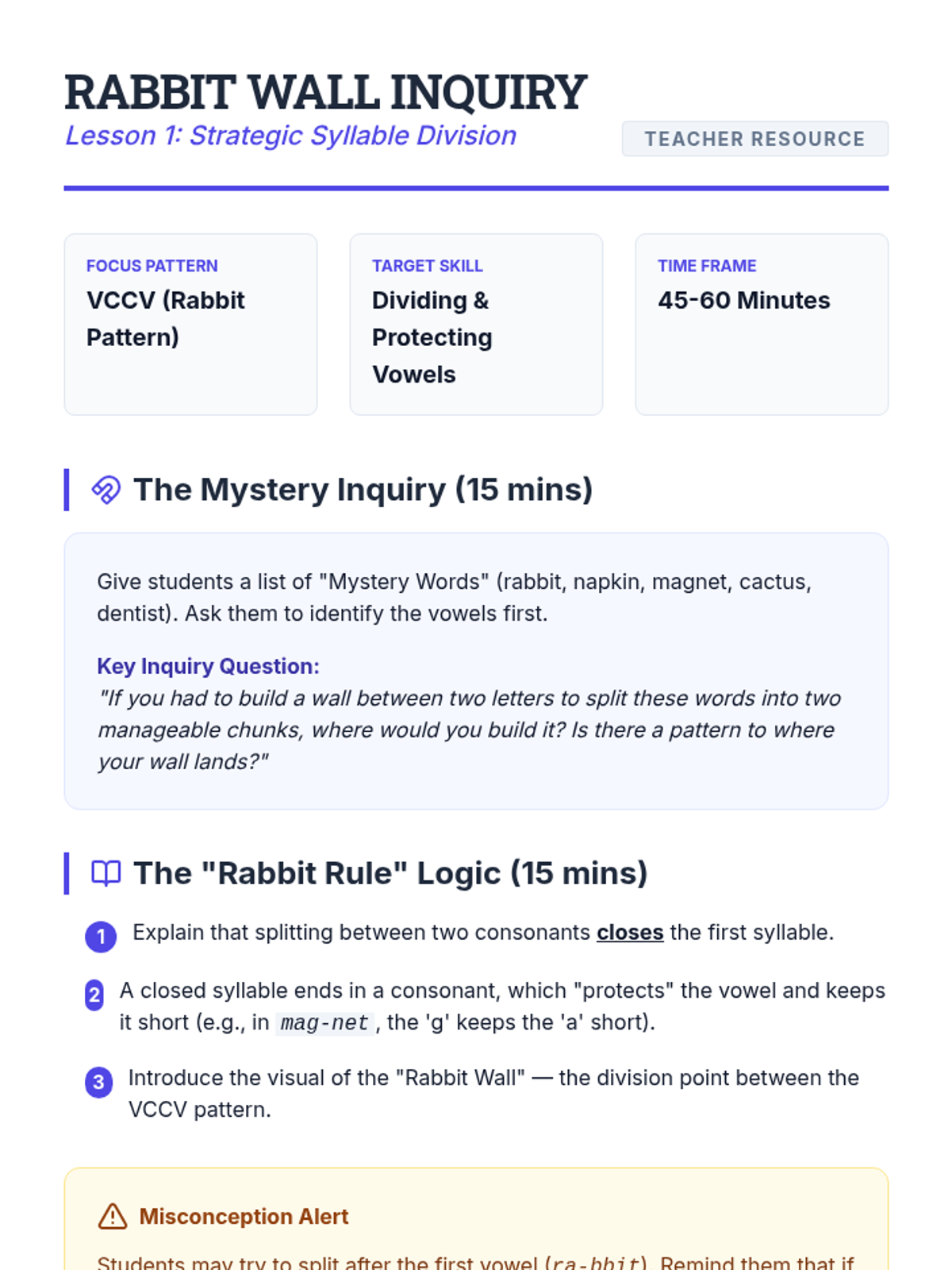
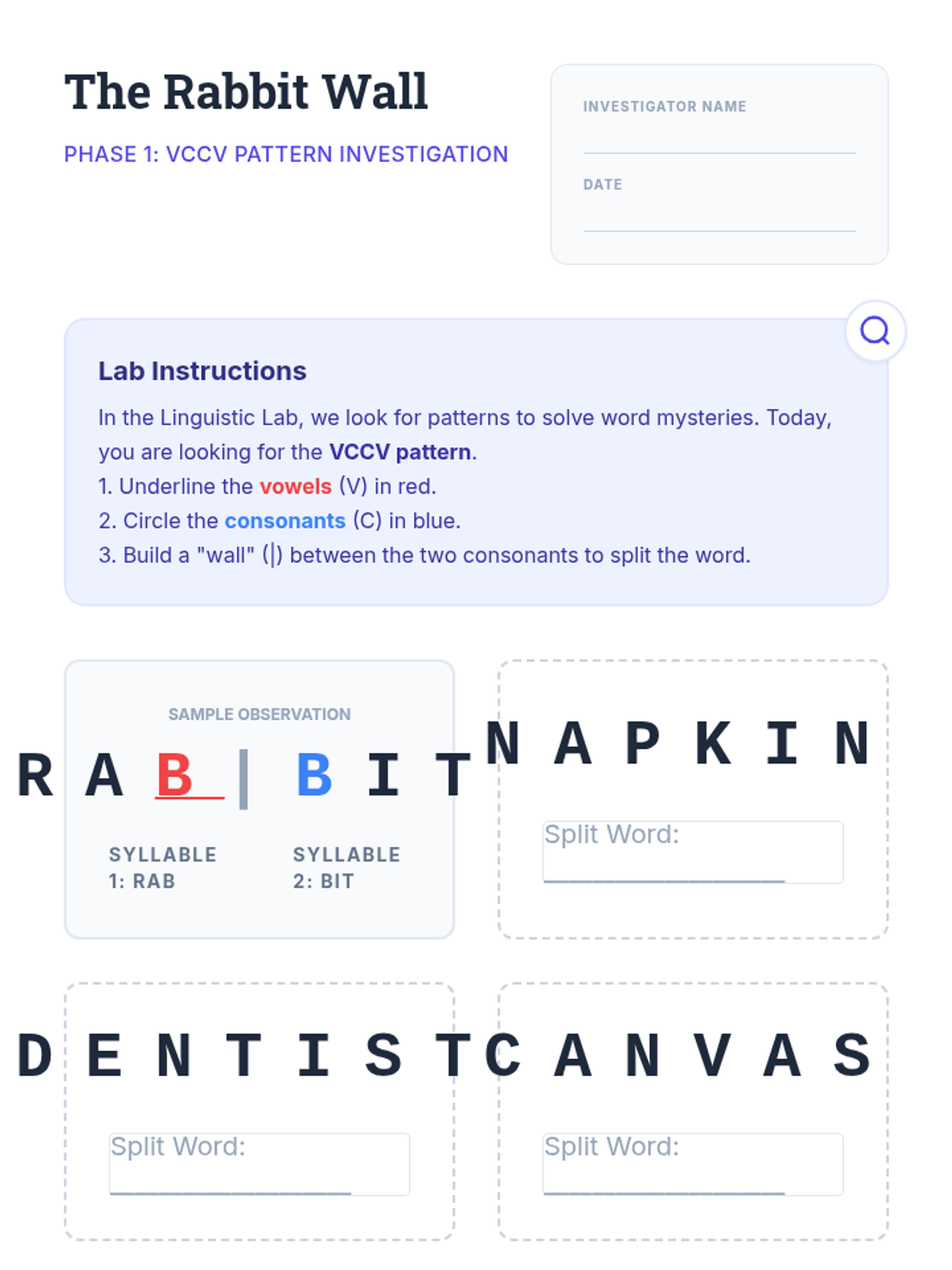
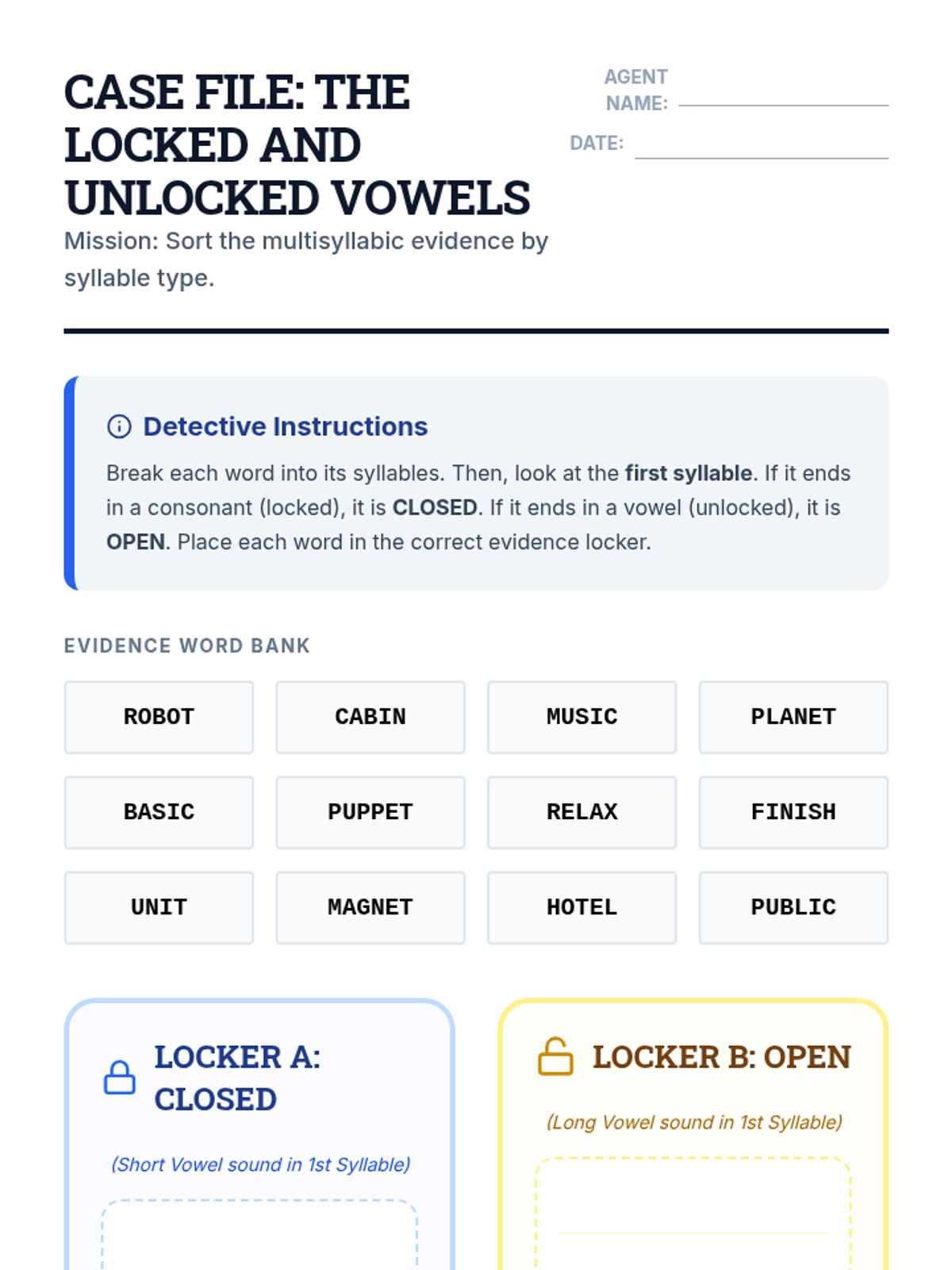
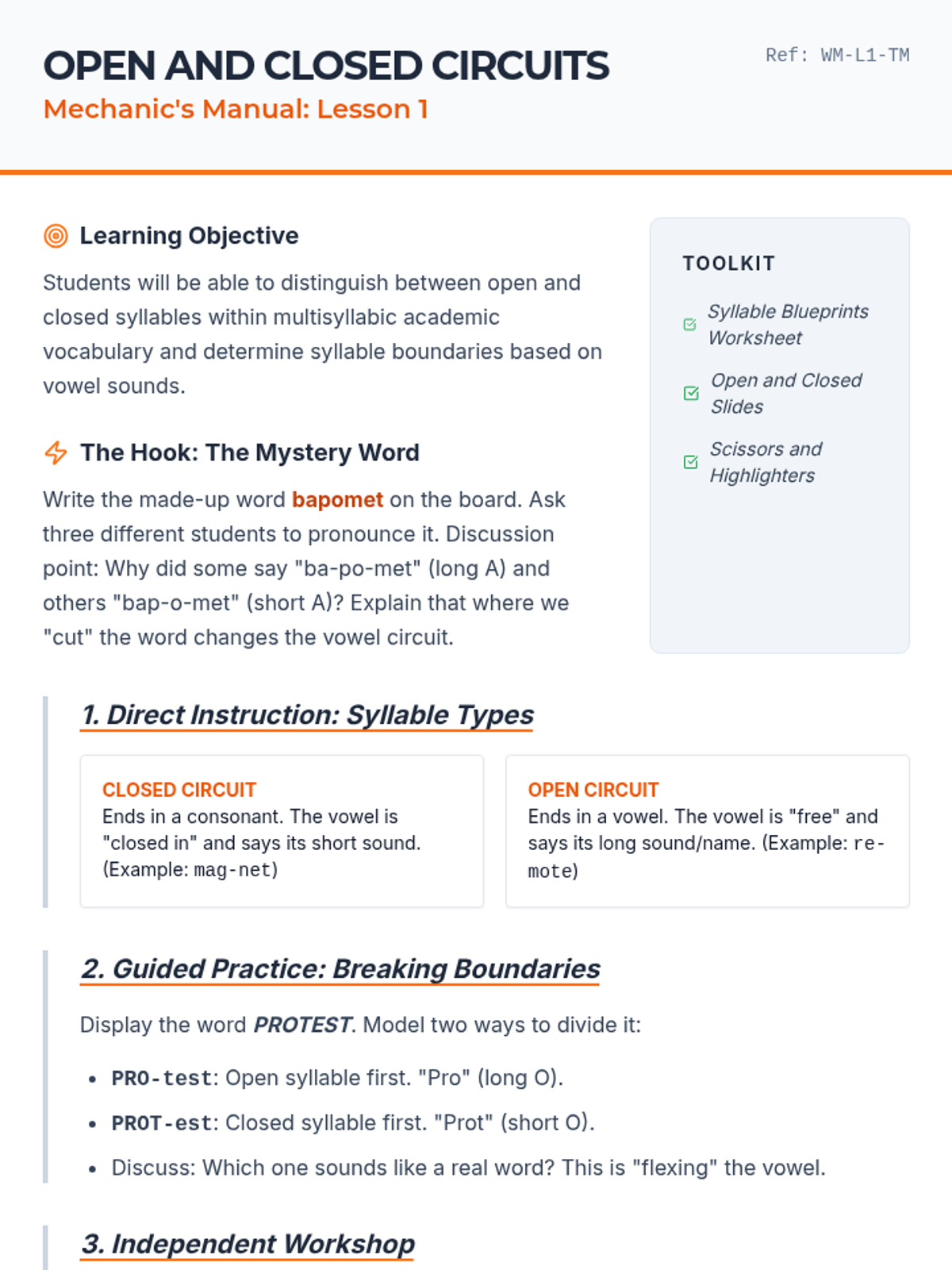
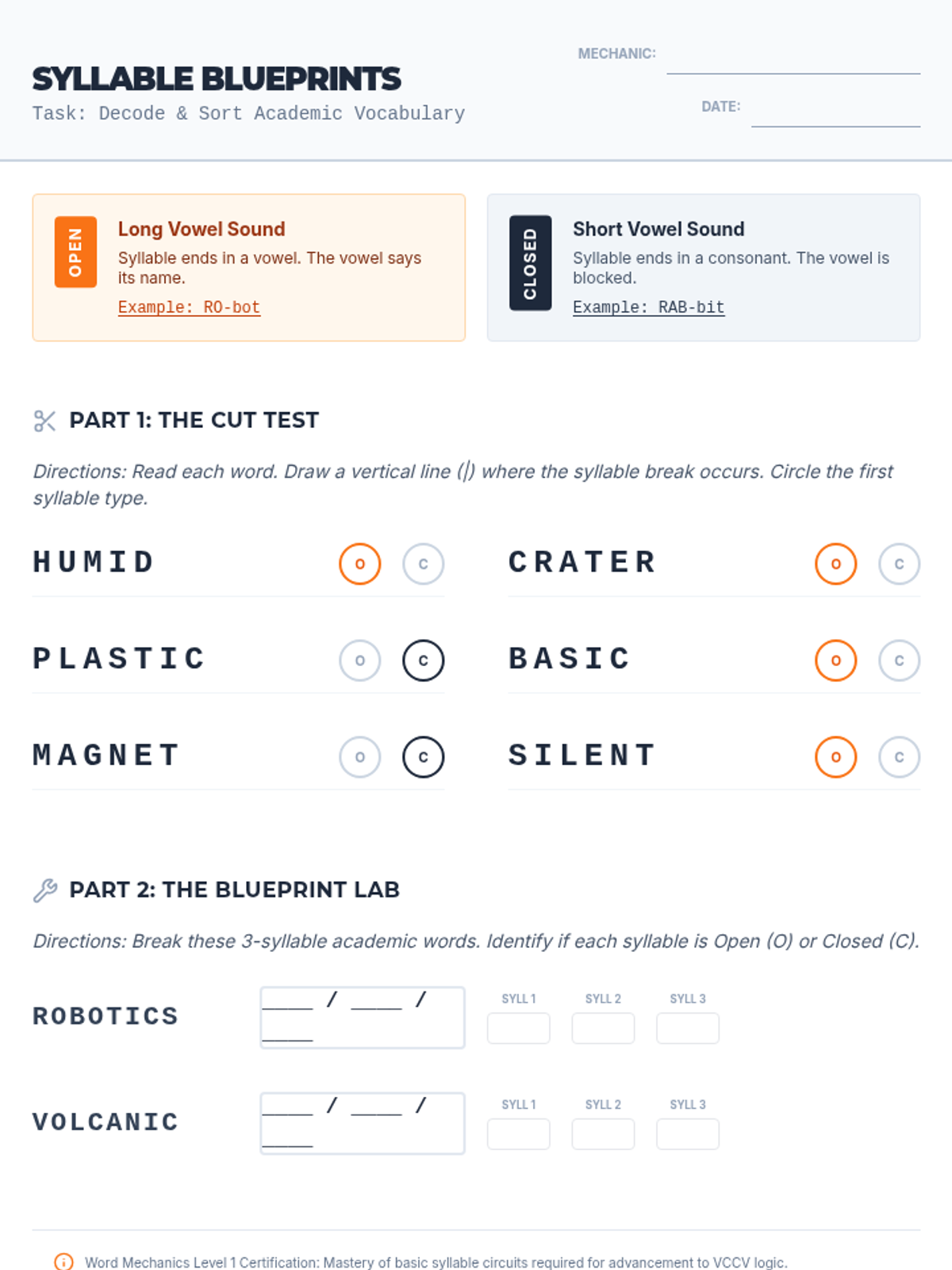
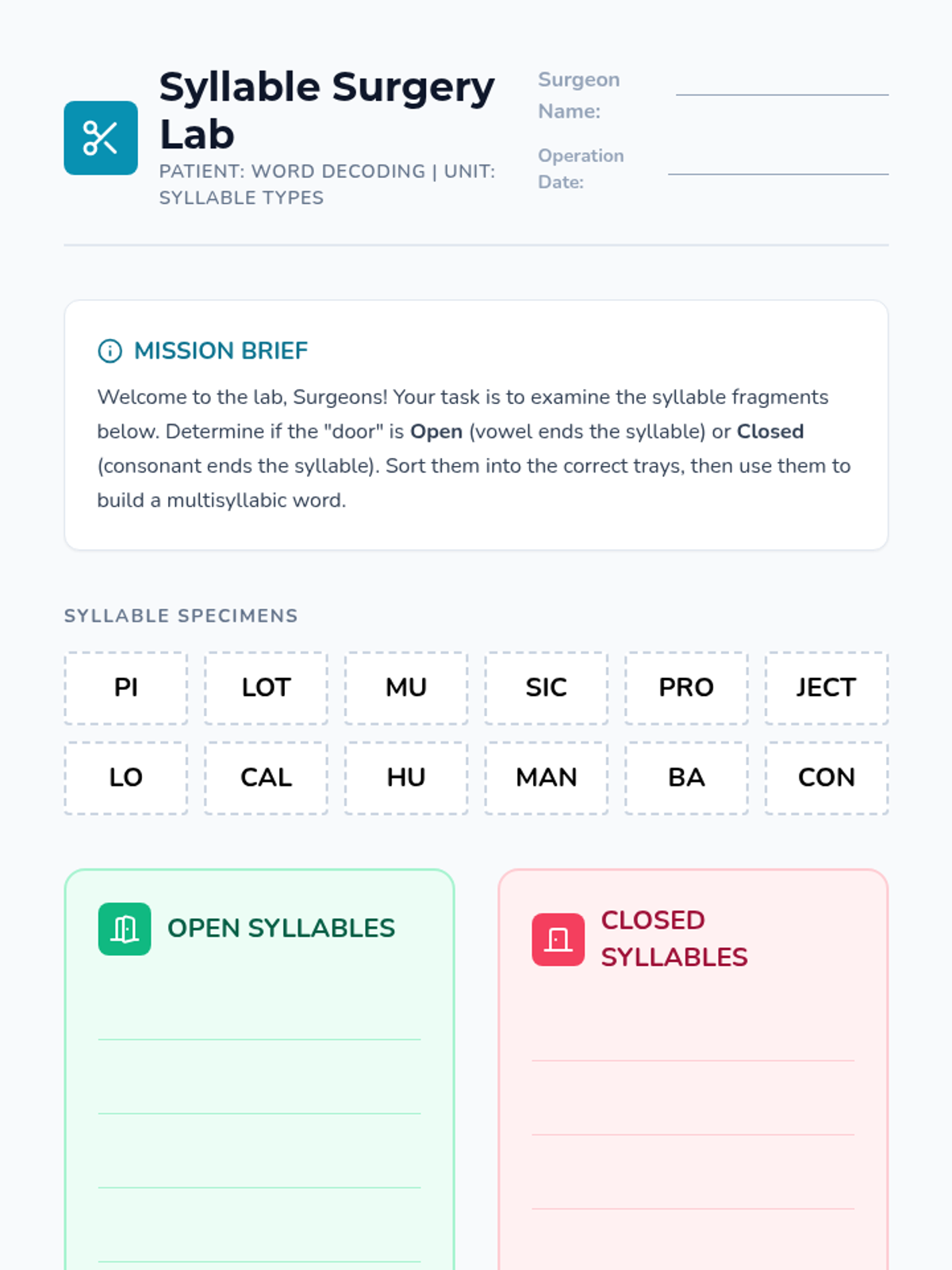
A 5th-grade phonics and reading foundations sequence focused on decoding multisyllabic academic vocabulary using syllable division rules. Students progress from identifying open and closed syllables to mastering VCCV/VCV patterns, vowel teams, r-controlled vowels, and final stable syllables.
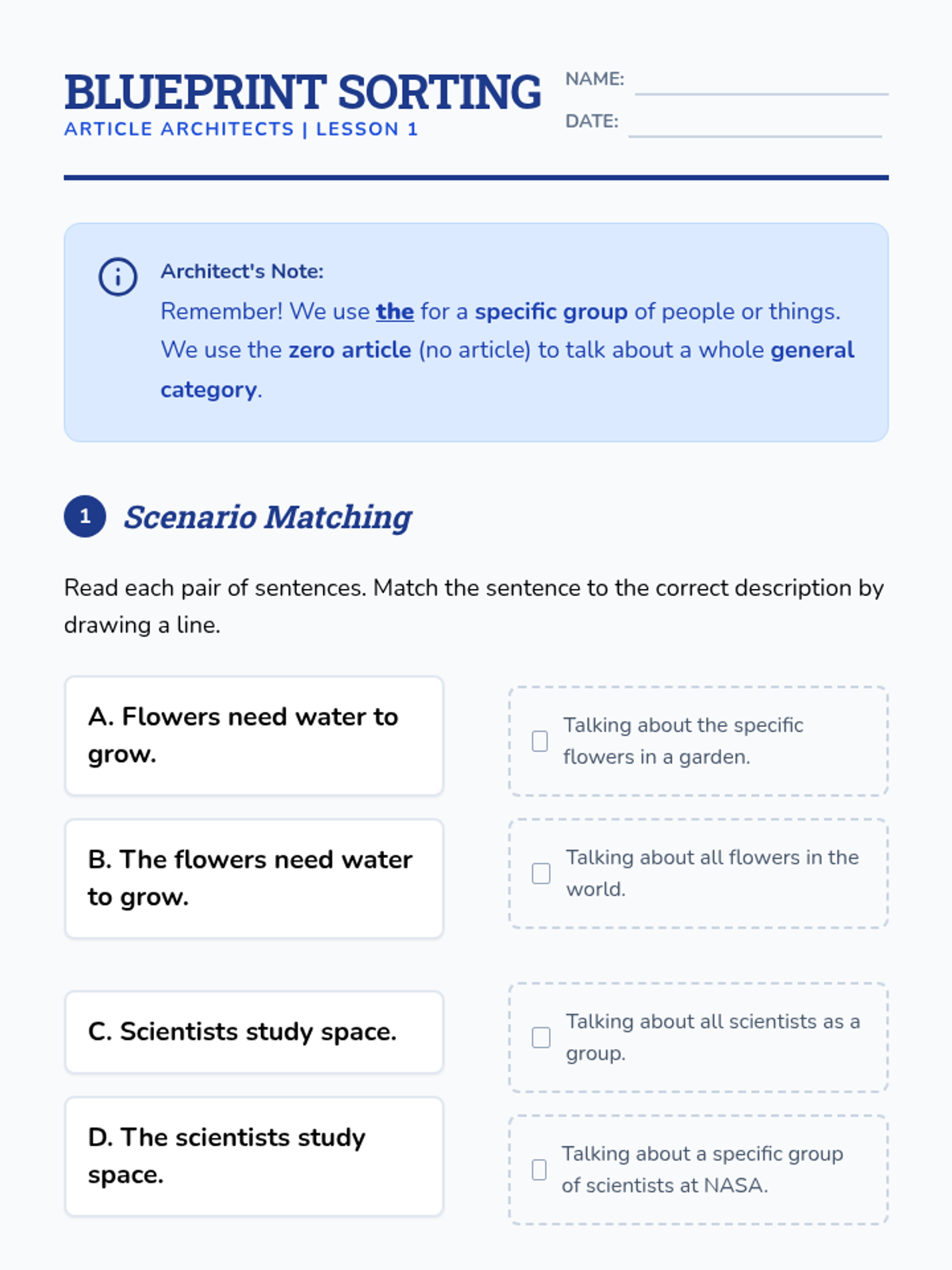
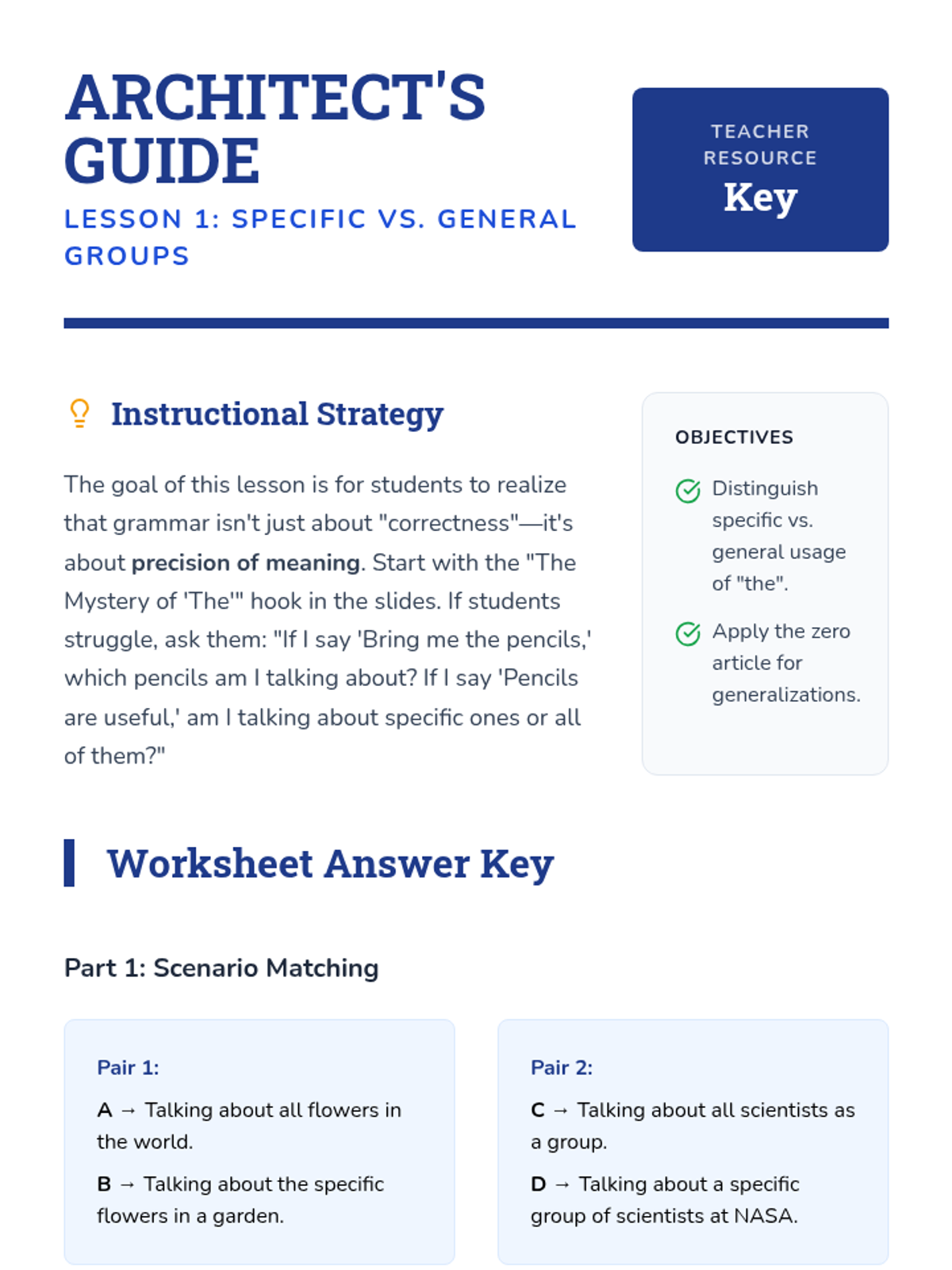
This sequence explores the 'Zero Article'—the grammatical rule of omitting articles for generalizations and abstract concepts. Students will learn to distinguish between specific groups and general categories, understand abstract noun usage, and apply these rules to improve the flow and impact of their writing.
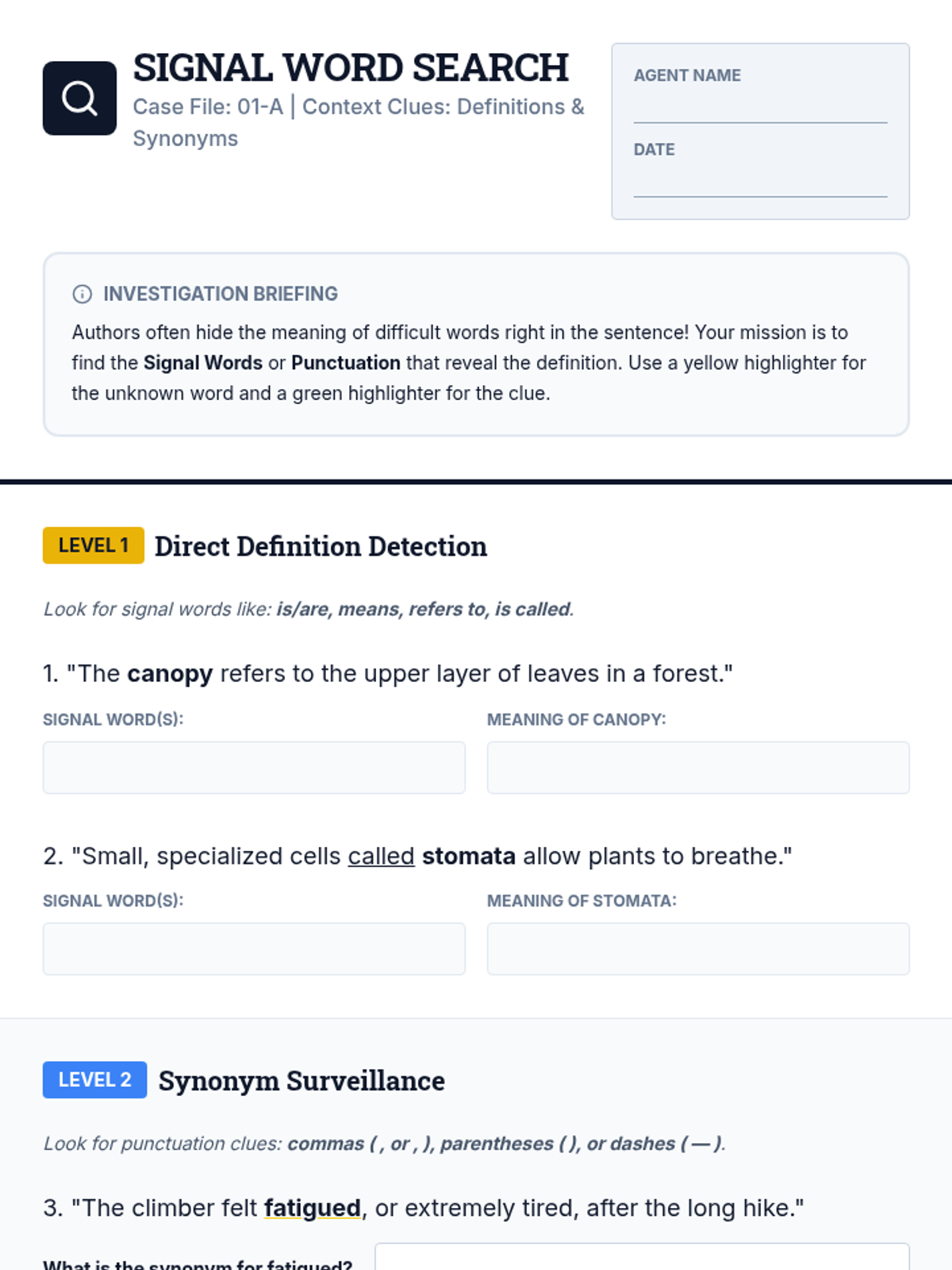
A comprehensive sequence for 5th-grade ELL students to master vocabulary acquisition through context clues and morphological analysis, framed as a detective investigation.
A game-based sequence for 5th graders focused on decoding and encoding multisyllabic words by identifying syllable types and division patterns. Students transition from recognizing patterns to mastering complex word spelling through collaborative and competitive activities.