Essential grammar structures, high-frequency vocabulary, and foundational literacy skills. Equips learners with basic speaking and listening abilities for everyday interactions and introductory text comprehension.
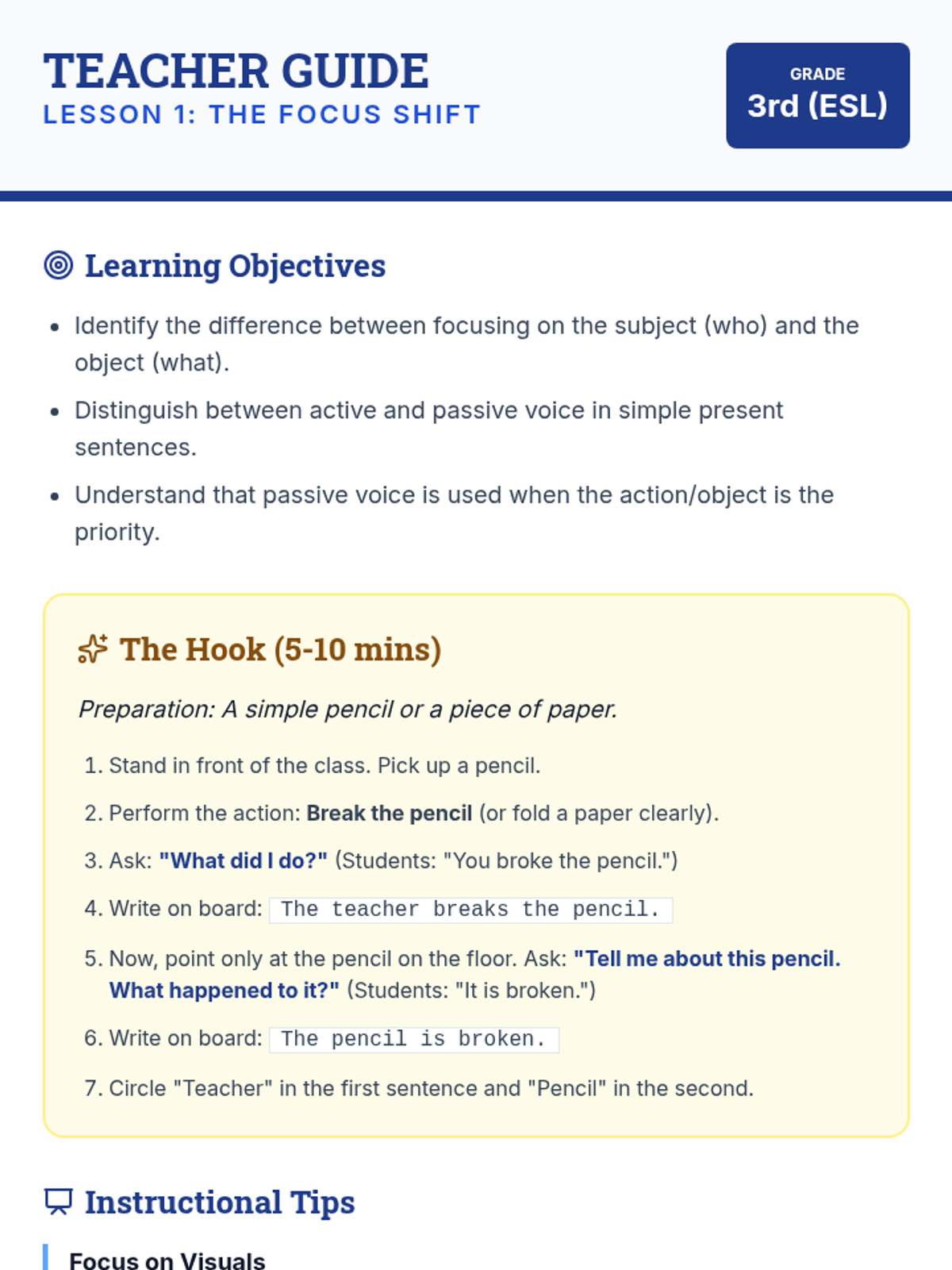
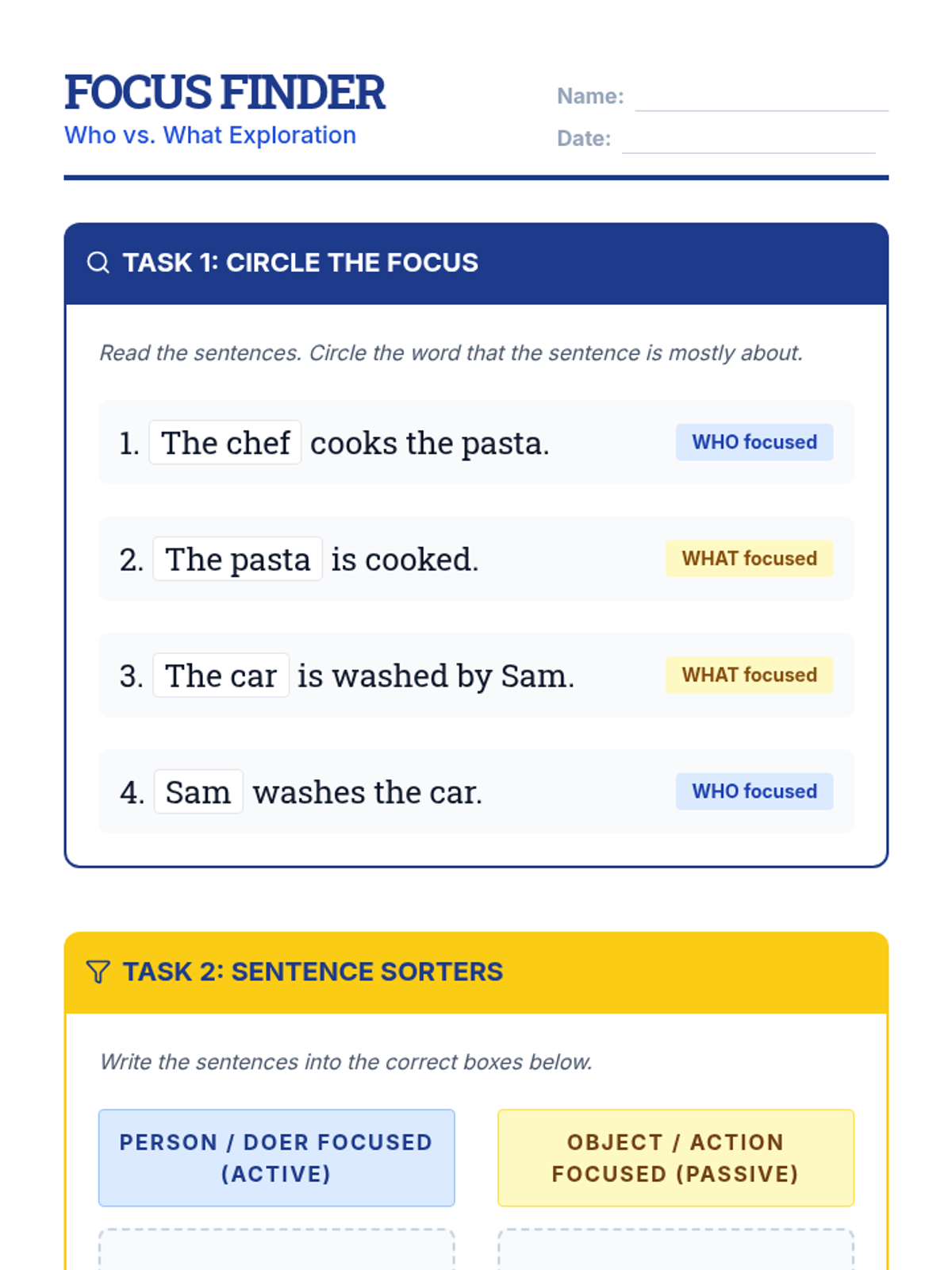
A 5-lesson sequence for 3rd-grade ESL students to master the Simple Present Passive voice through the lens of industrial processes and 'How It's Made' storytelling. Students move from noticing focus shifts to creating their own illustrated process guides.
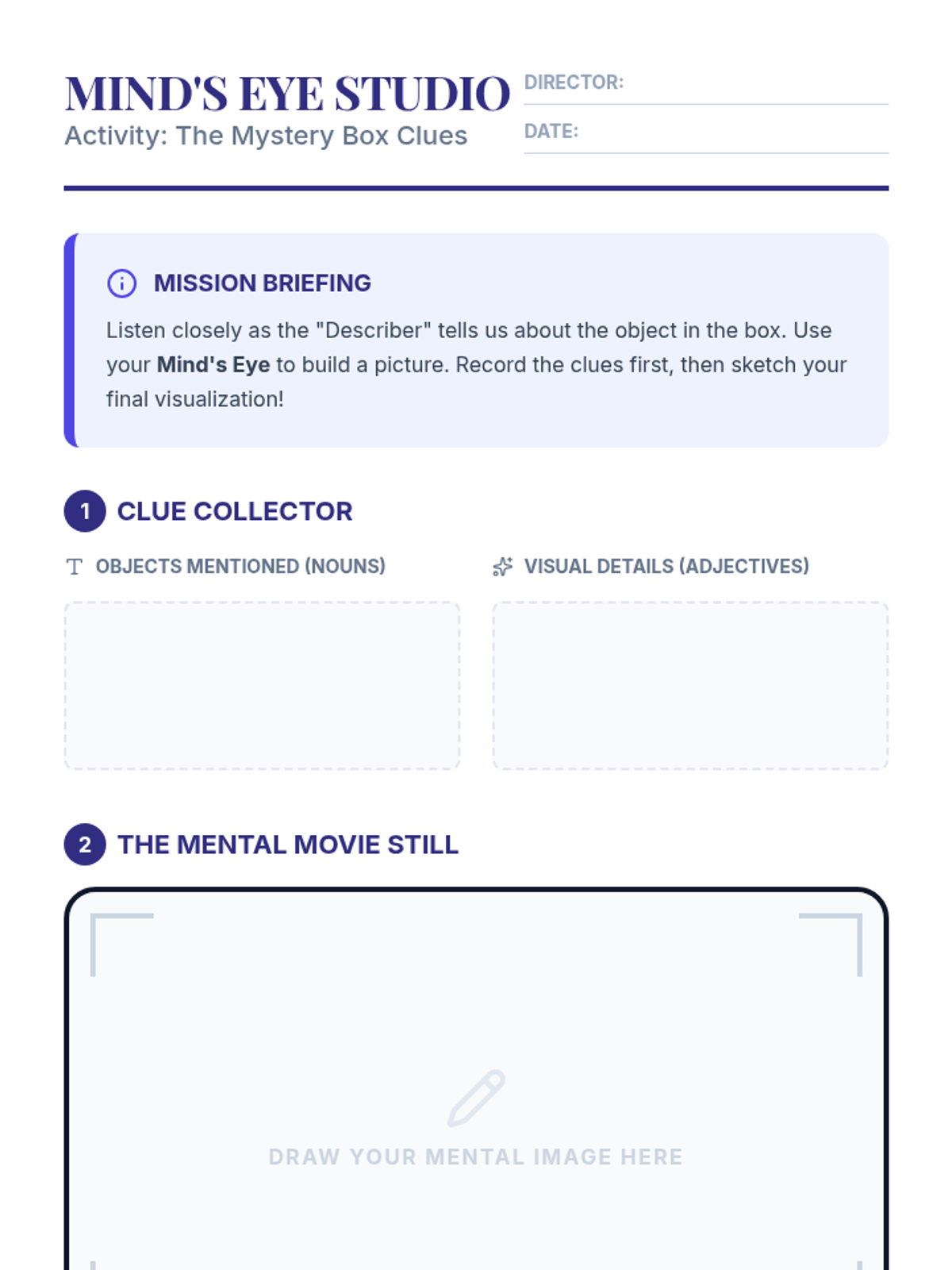
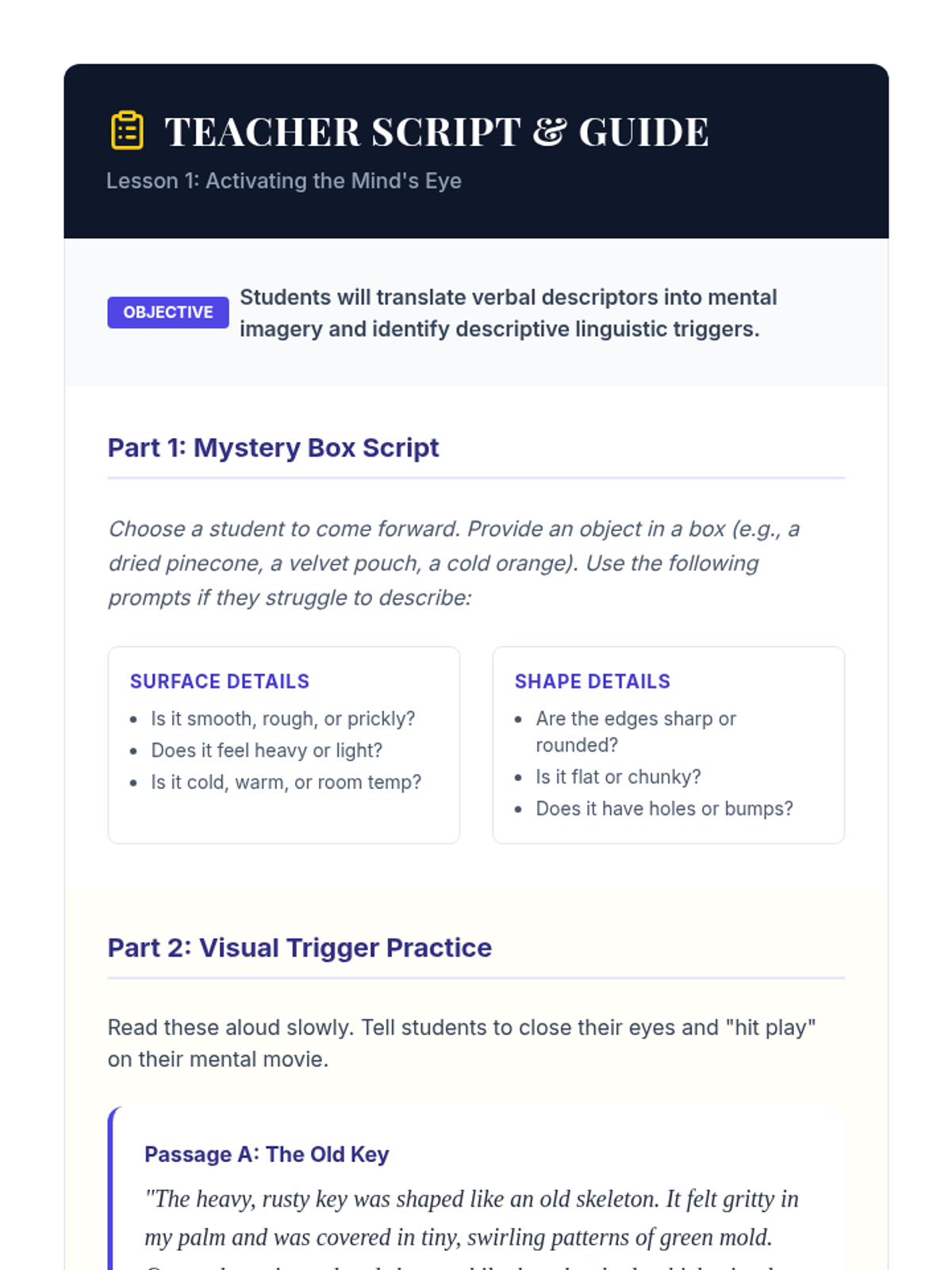
This 5th-grade sequence guides students through the 'Mind\'s Eye' technique, moving from simple object visualization to multi-sensory mental movies and storyboarding. It uses scaffolded workshops to build reading retention and comprehension for students requiring academic support.
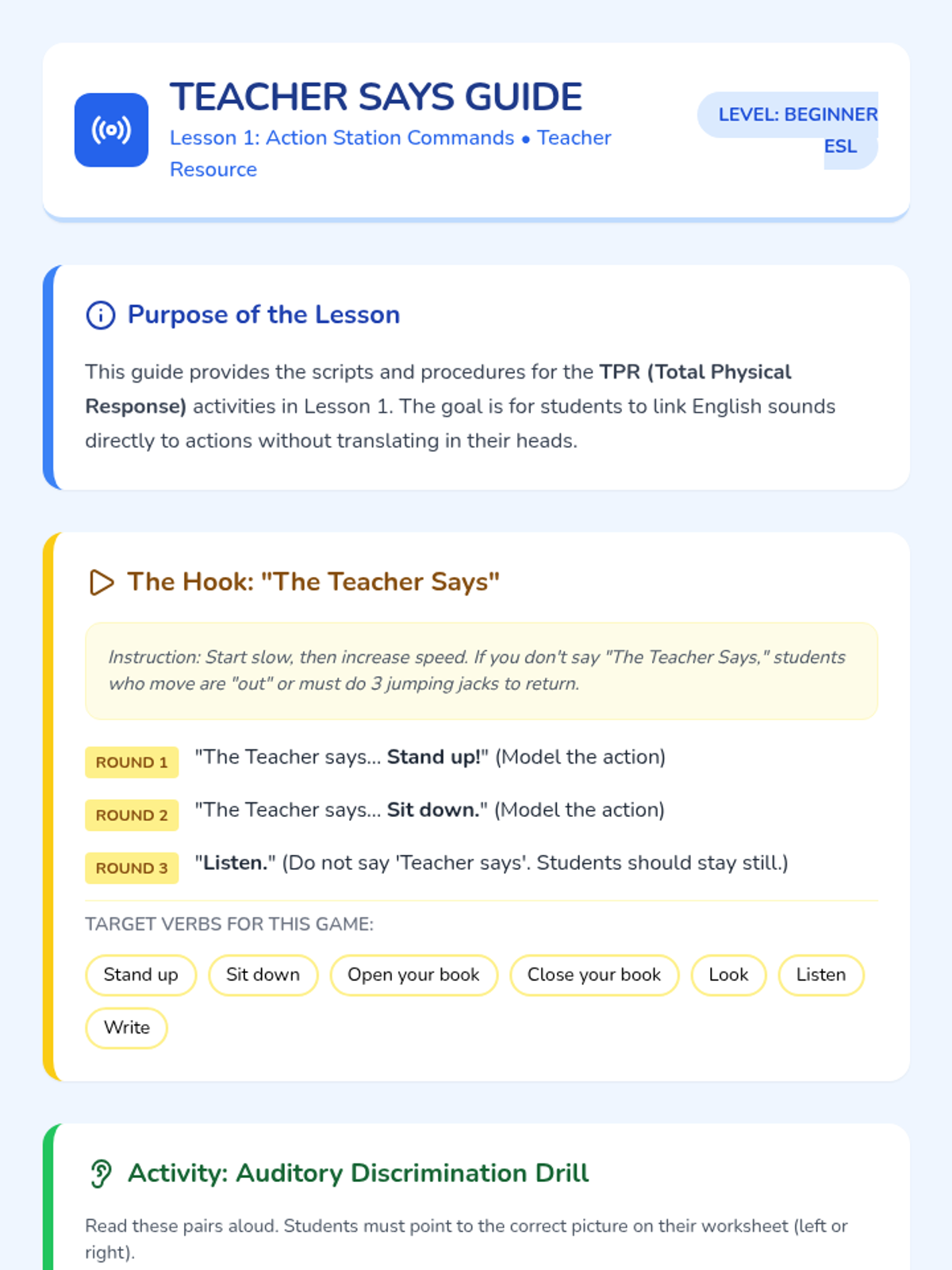
A comprehensive listening sequence for beginner ESL students to navigate their middle school environment. Students progress from basic classroom commands and object identification to mastering numbers, times, and social introductions through active listening simulations.
This sequence helps beginner ESL students develop essential listening skills for a middle school environment. It covers greetings, classroom supplies, teacher commands, schedules, and real-world school scenarios through interactive audio-based activities.
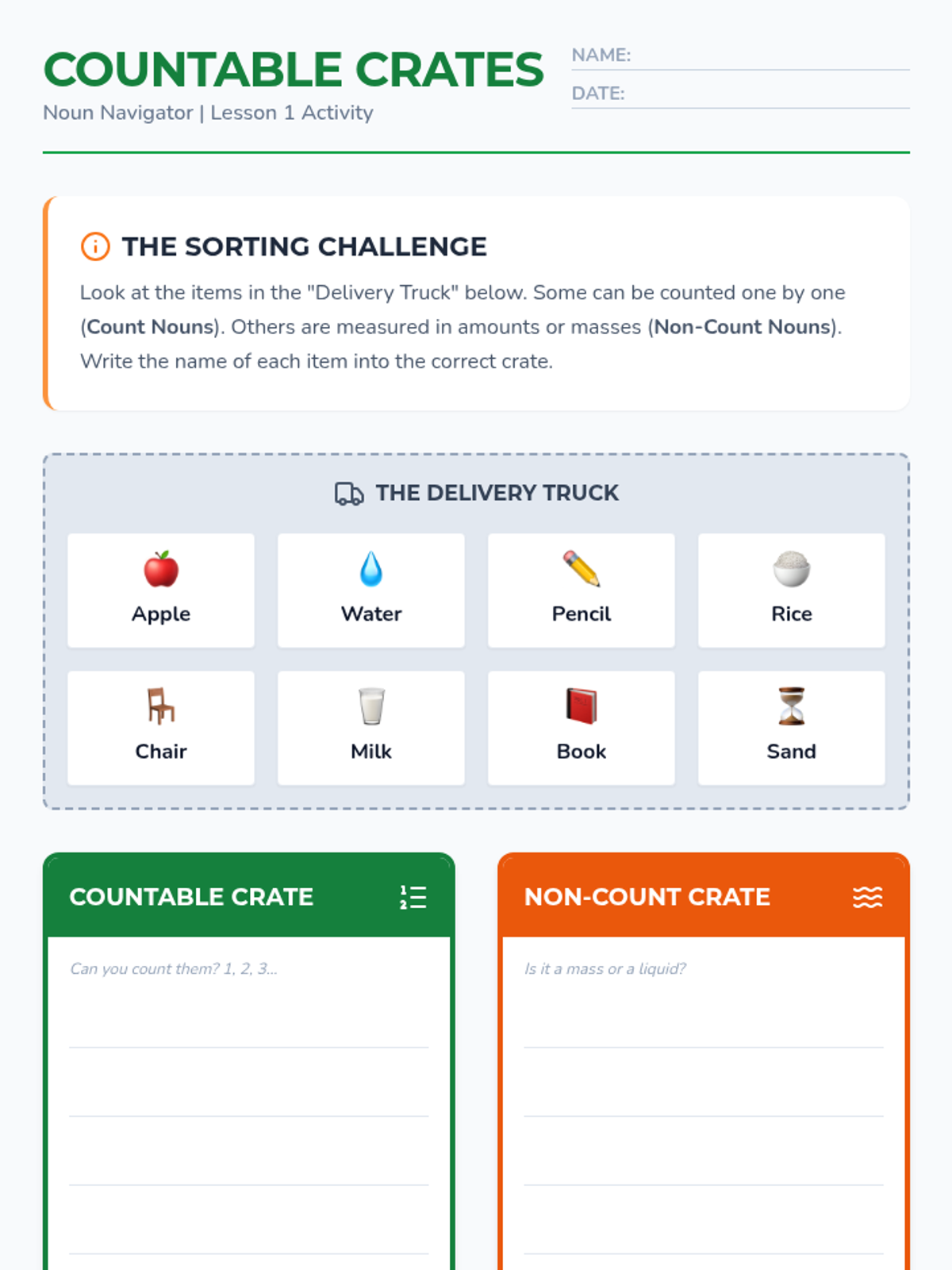
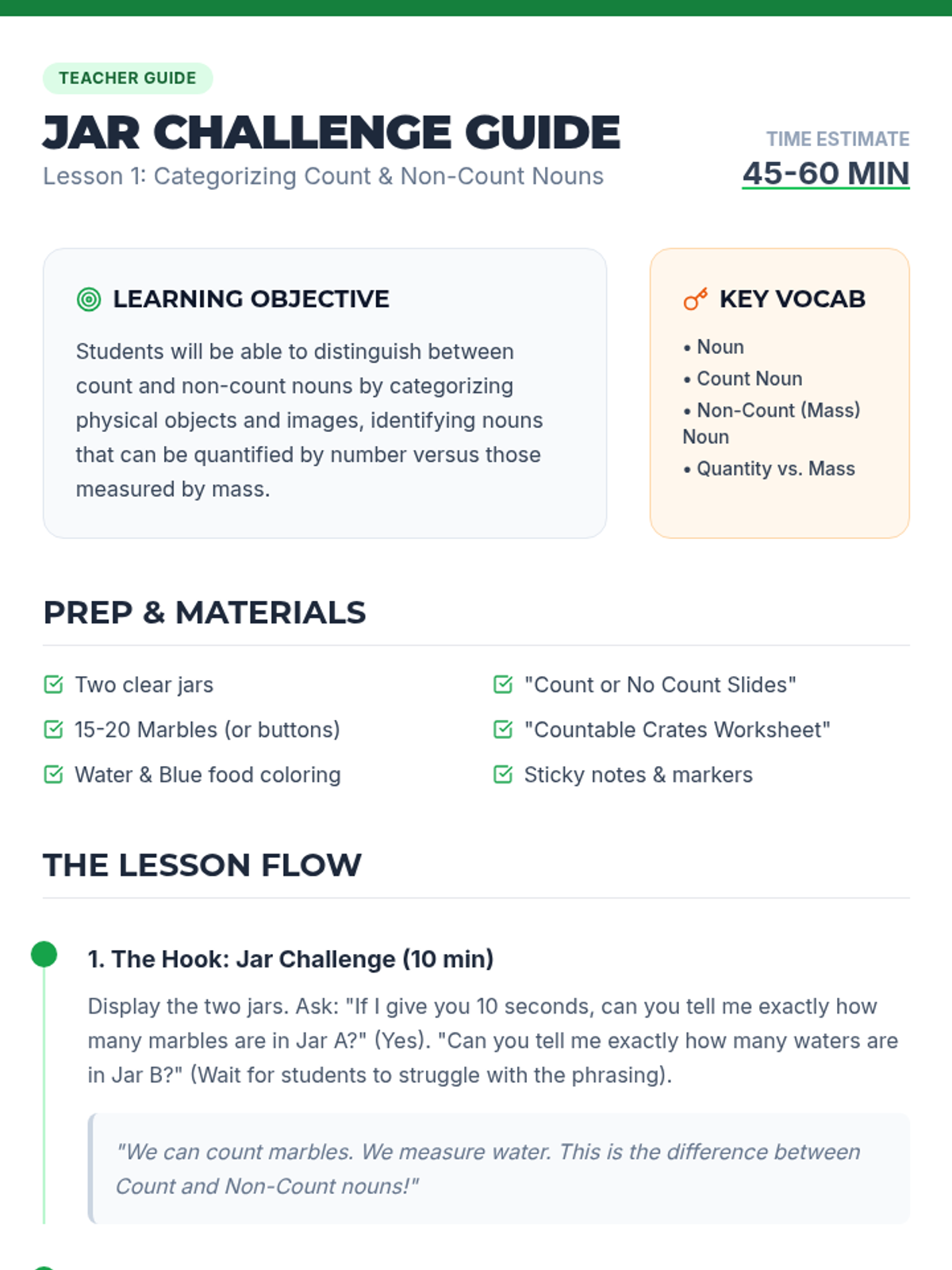
This sequence explores the relationship between articles and noun countability. Students distinguish between count and non-count nouns and learn the rules for using 'a', 'an', 'some', or no article, culminating in a market simulation.
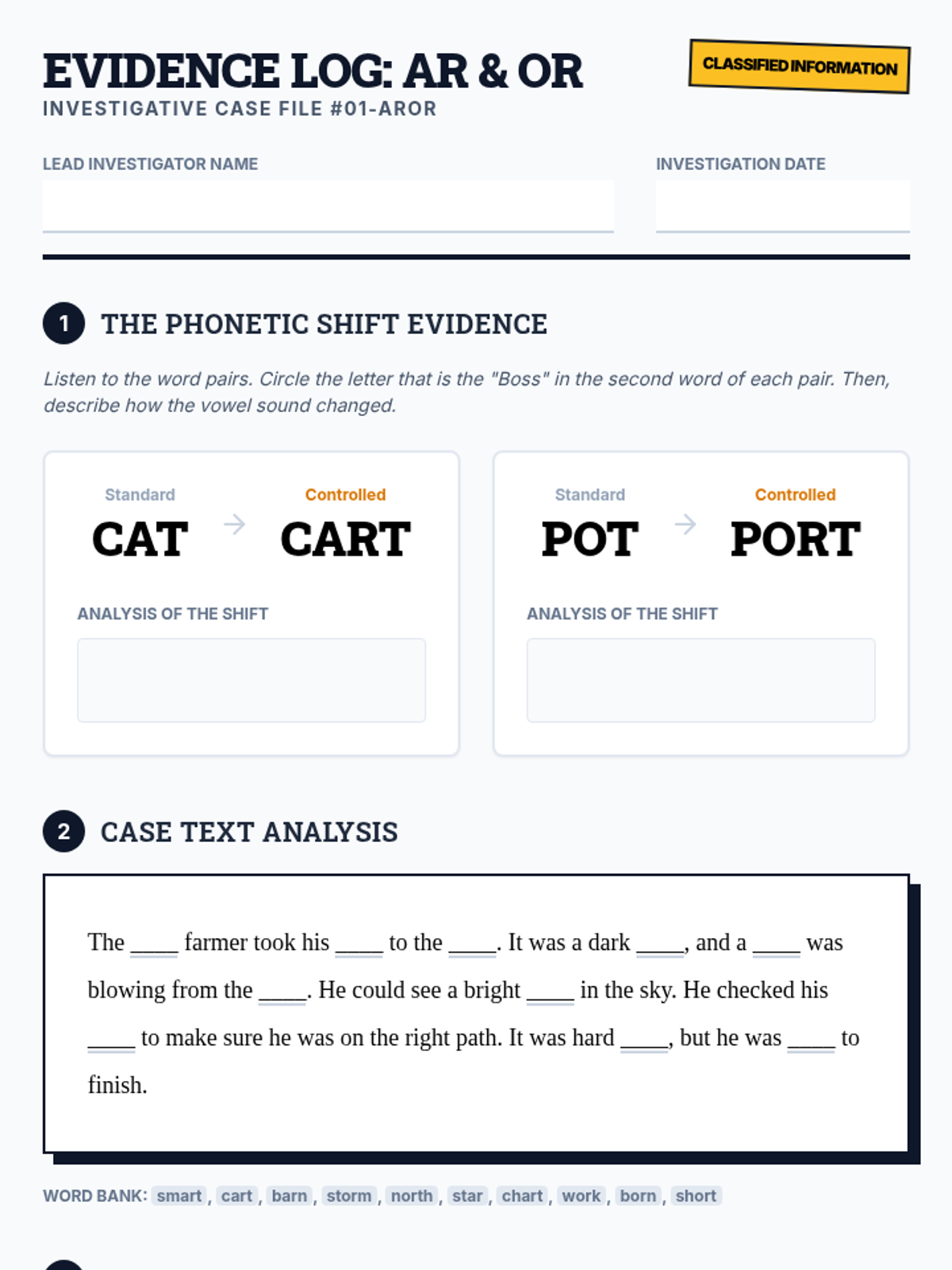
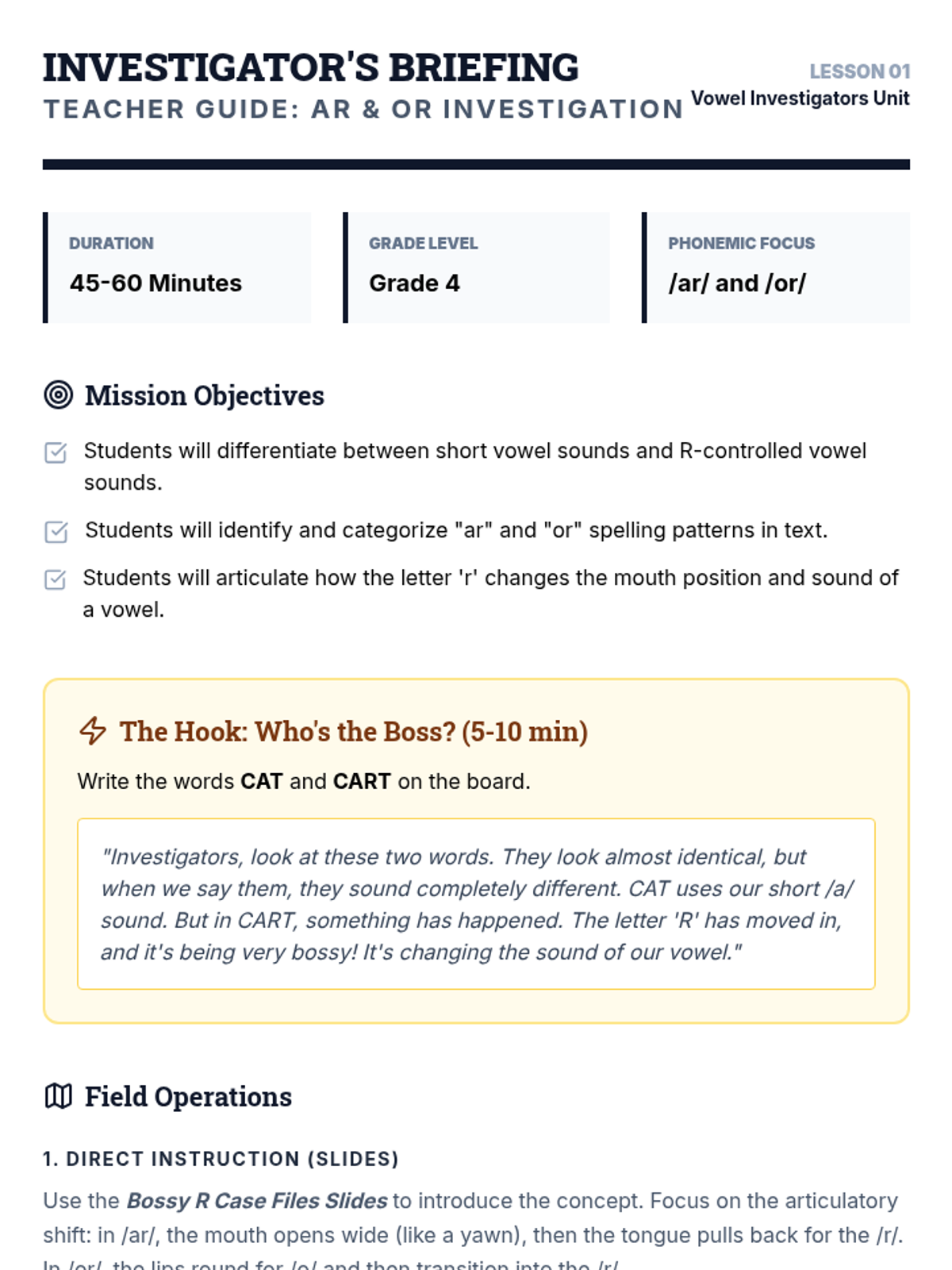
Students investigate the influence of the letter 'r' on preceding vowels, analyzing how it distorts standard vowel sounds to create new phonemes. Using an inquiry-based approach, the class acts as linguistic investigators to categorize 'bossy r' patterns and bridge into complex variations like 'air', 'ear', and 'ore'.
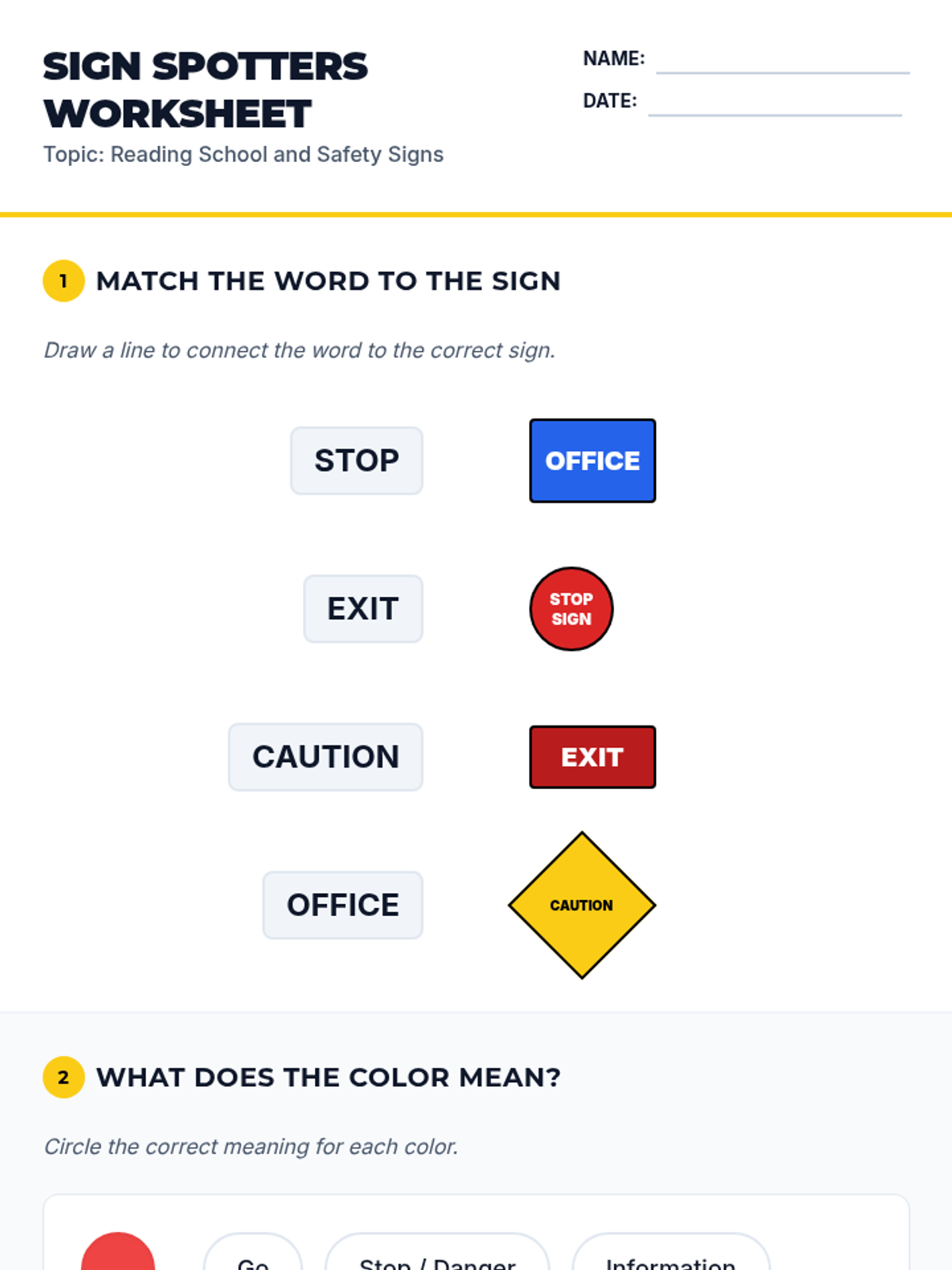
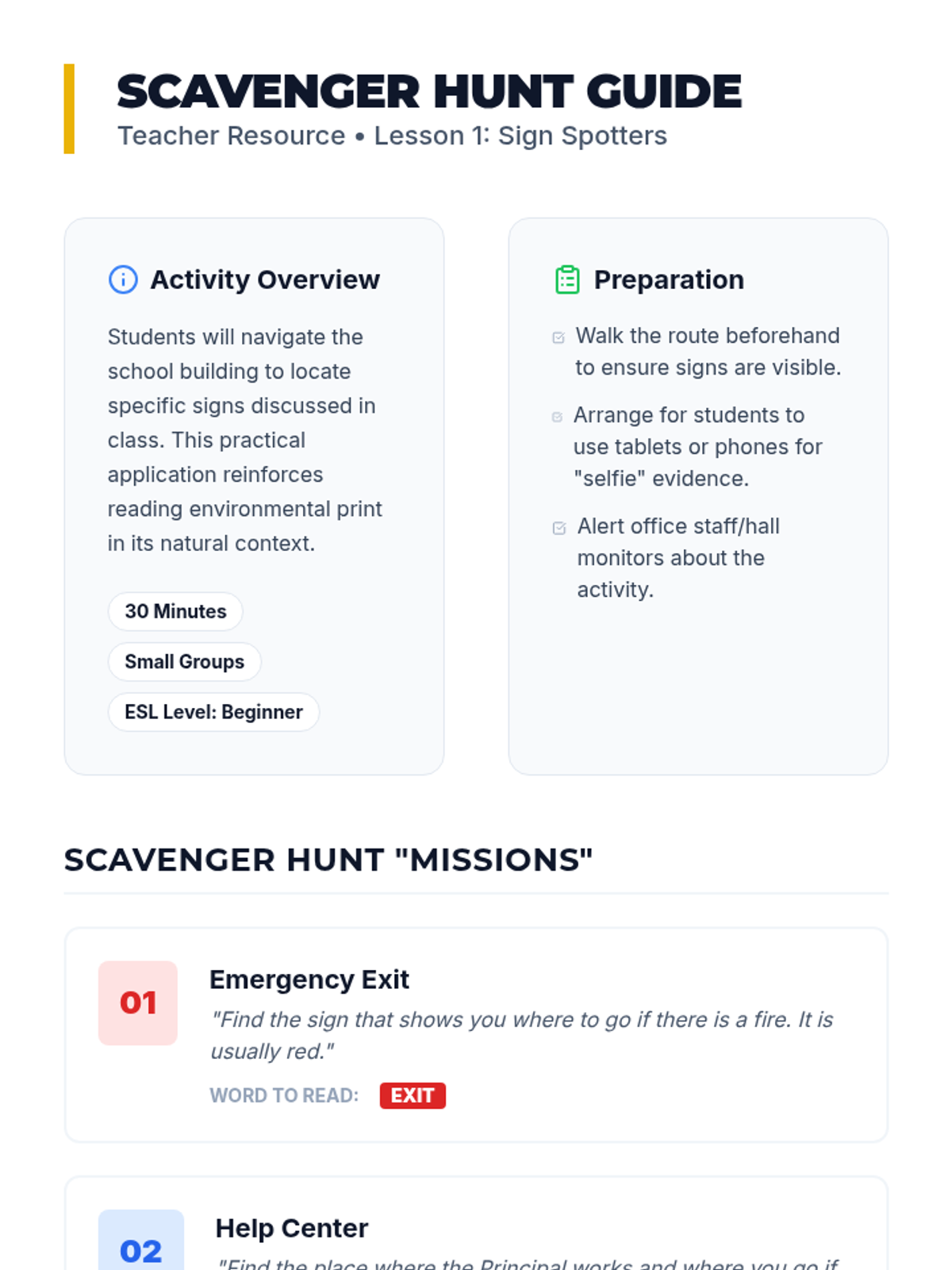
A 5-lesson survival English sequence for 5th-grade beginner ESL students, focusing on reading environmental print, schedules, menus, and maps to navigate real-world school and community scenarios.
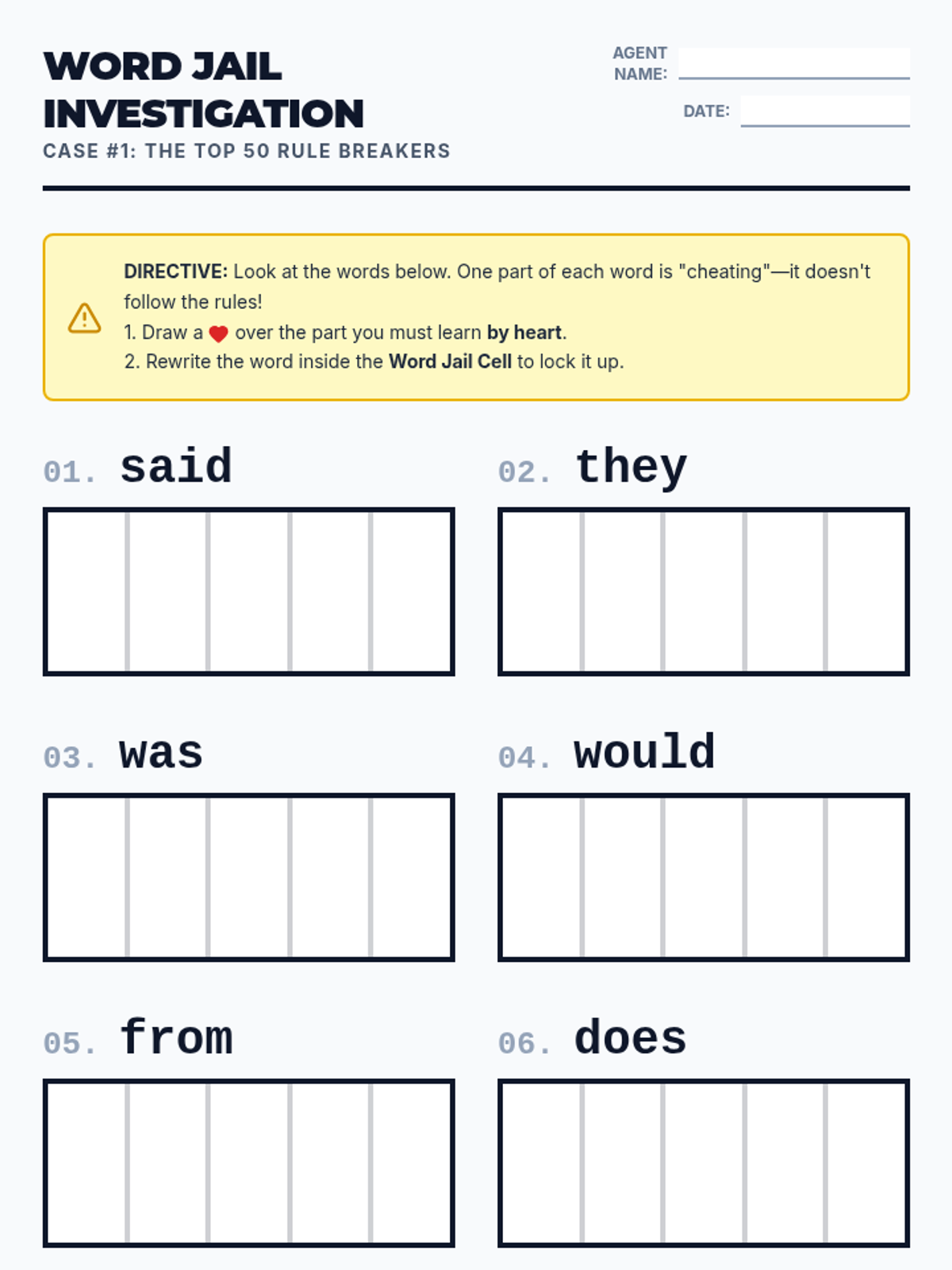
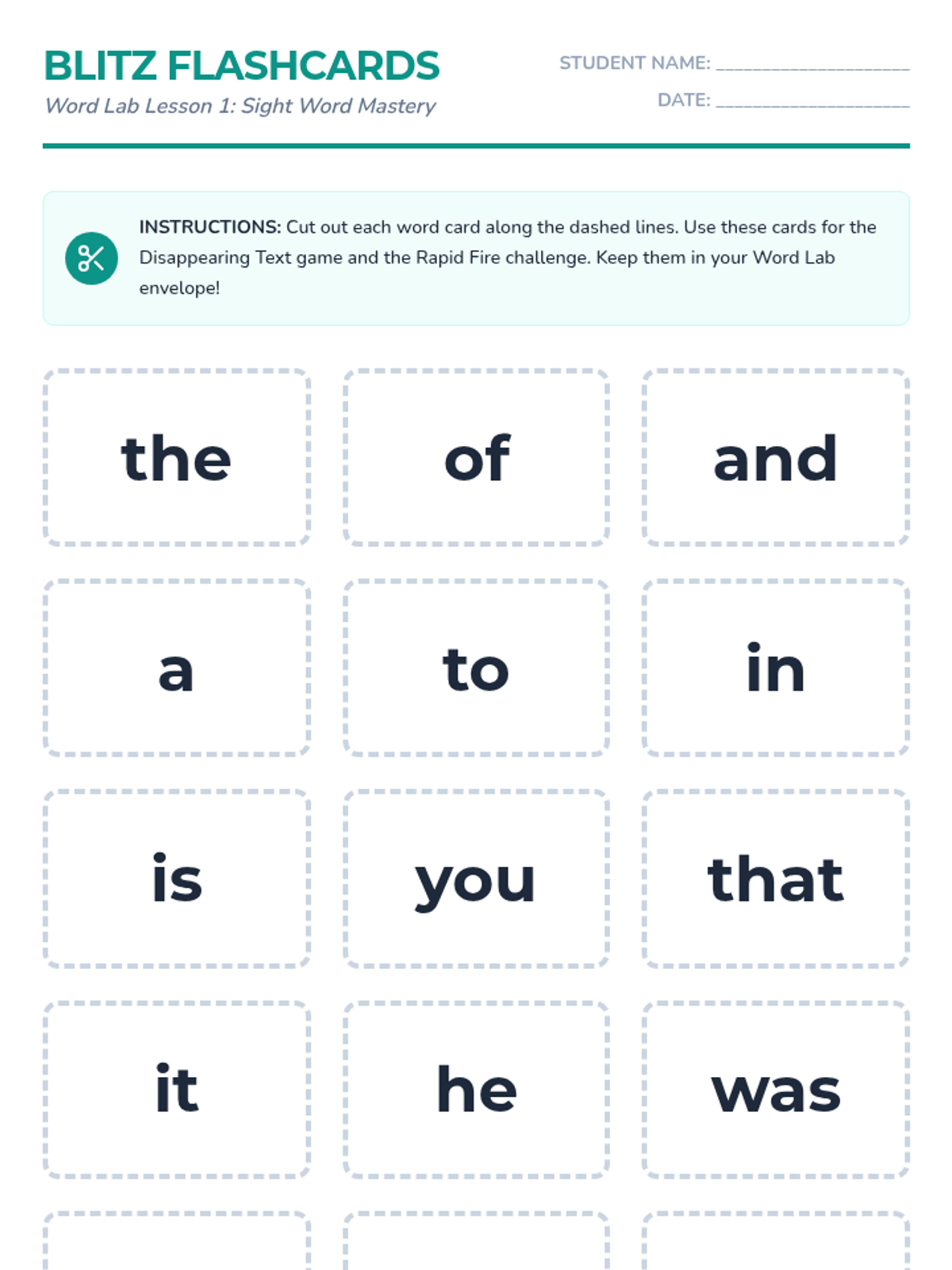
A 5-lesson sequence for 5th-grade beginner ELLs focused on mastering high-frequency sight words through visual memory, context, phrase fluency, games, and performance. Students transition from word recognition to expressive reading.
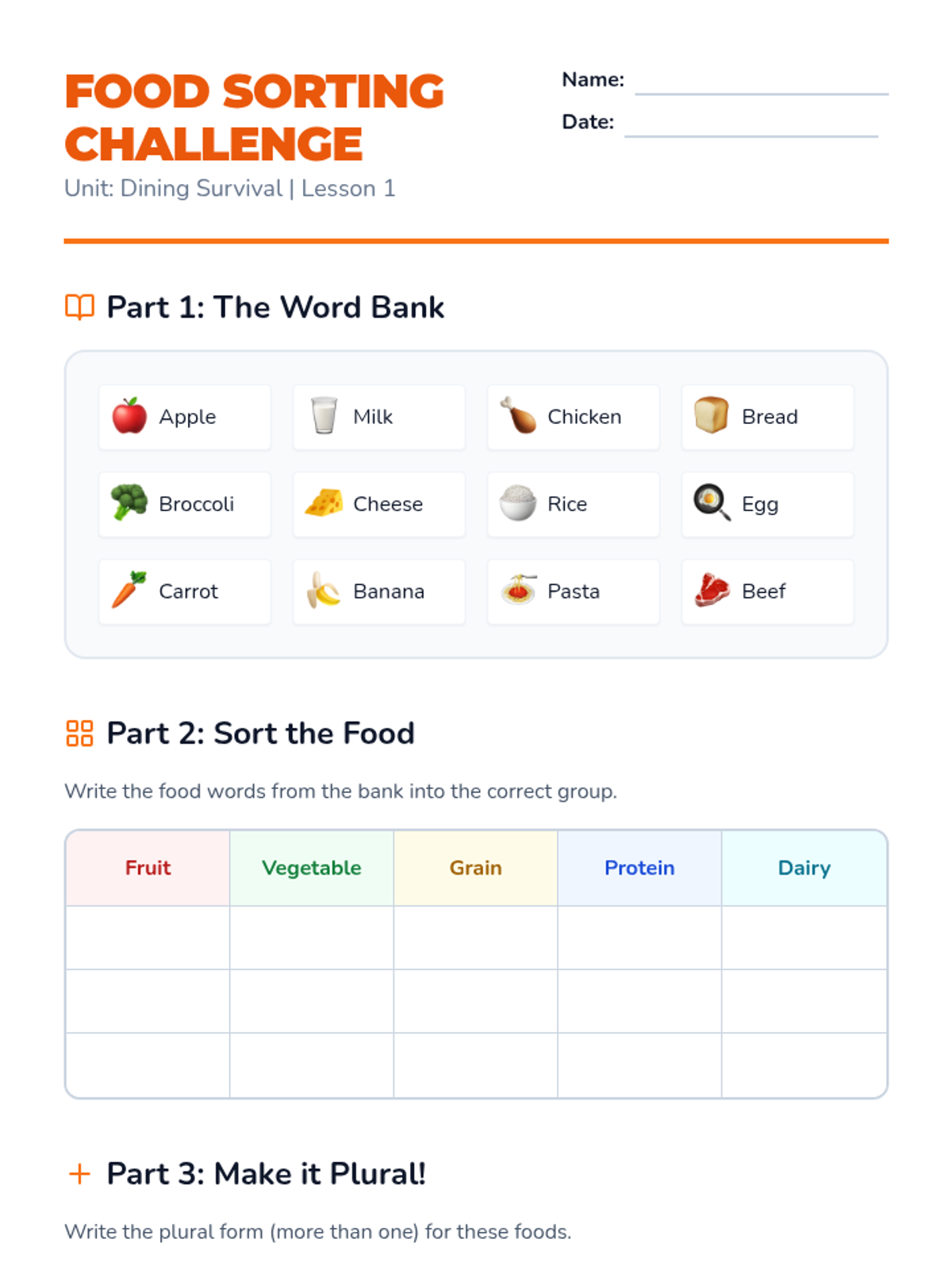
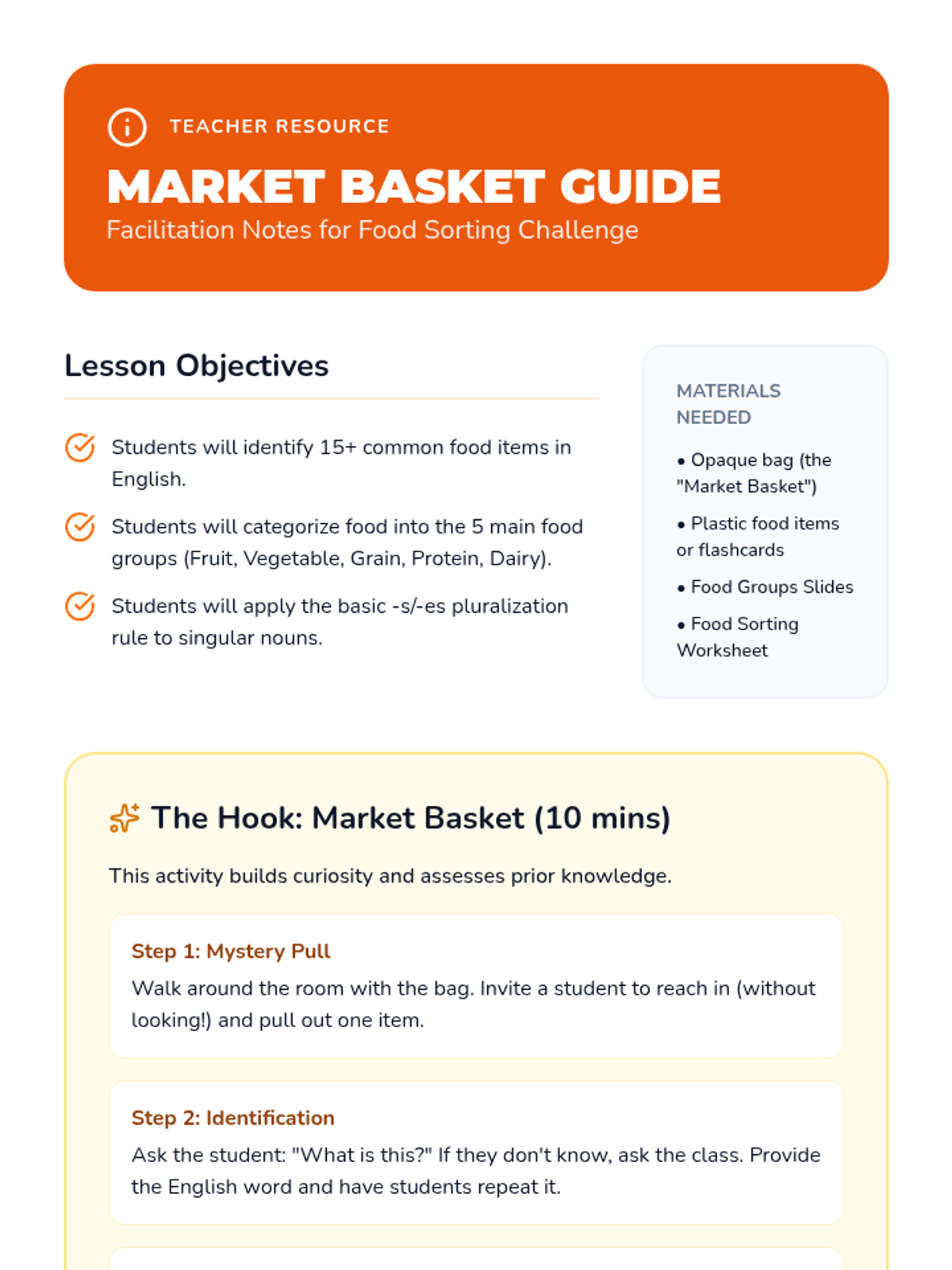
A 5-lesson sequence for beginner ESL students focused on food vocabulary and dining transactions, moving from basic identification to full-scale cafeteria simulations.
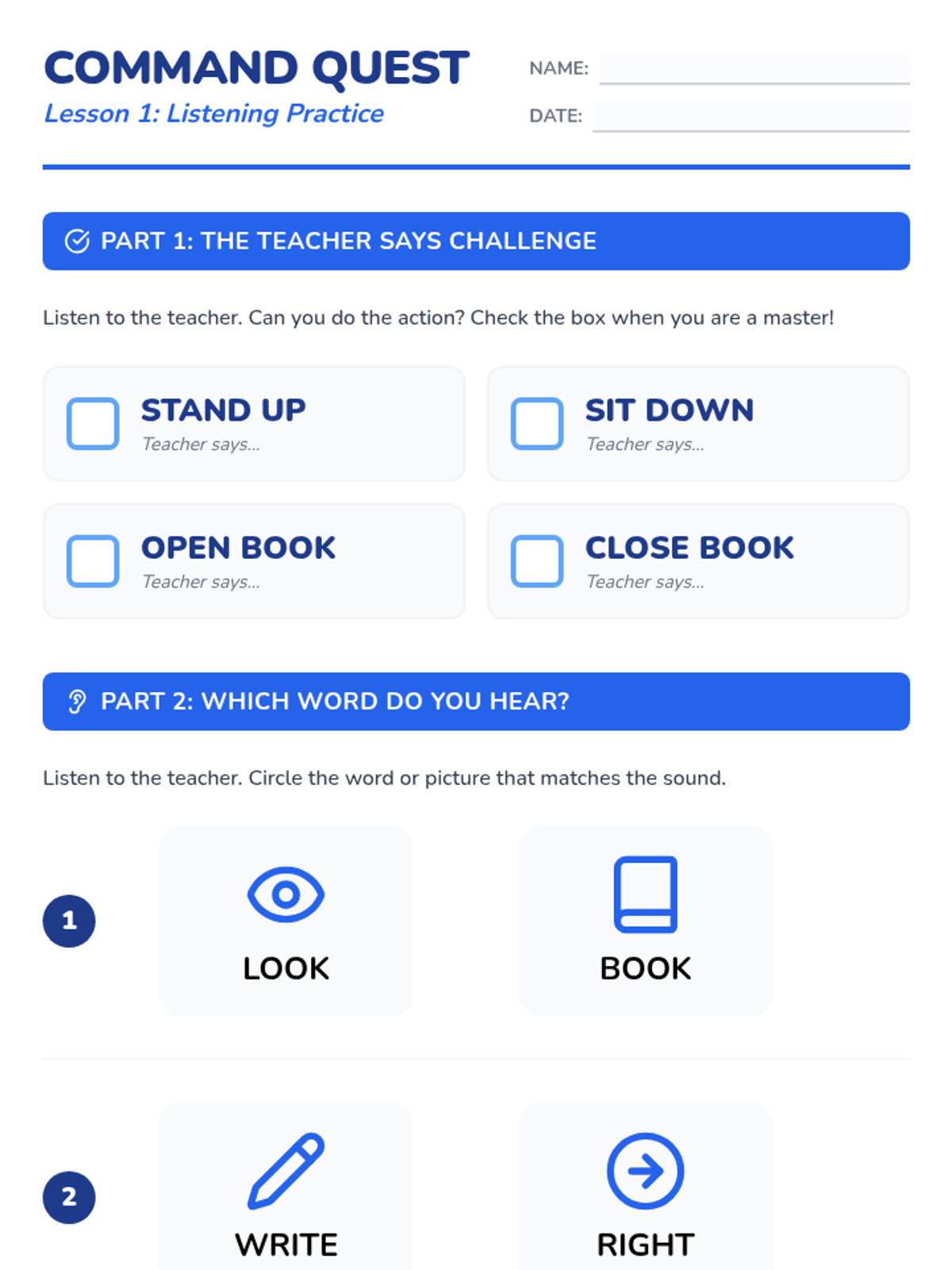
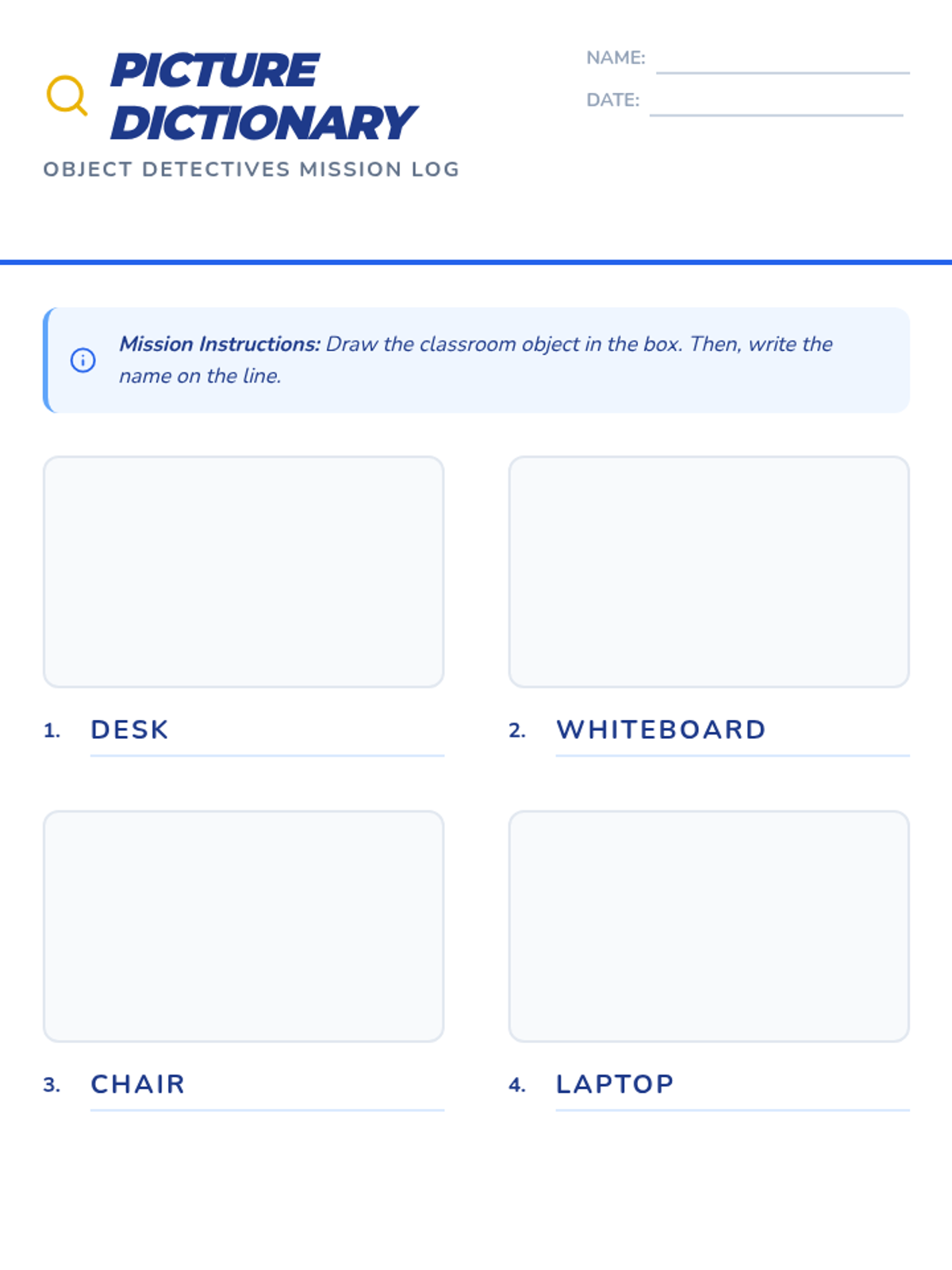
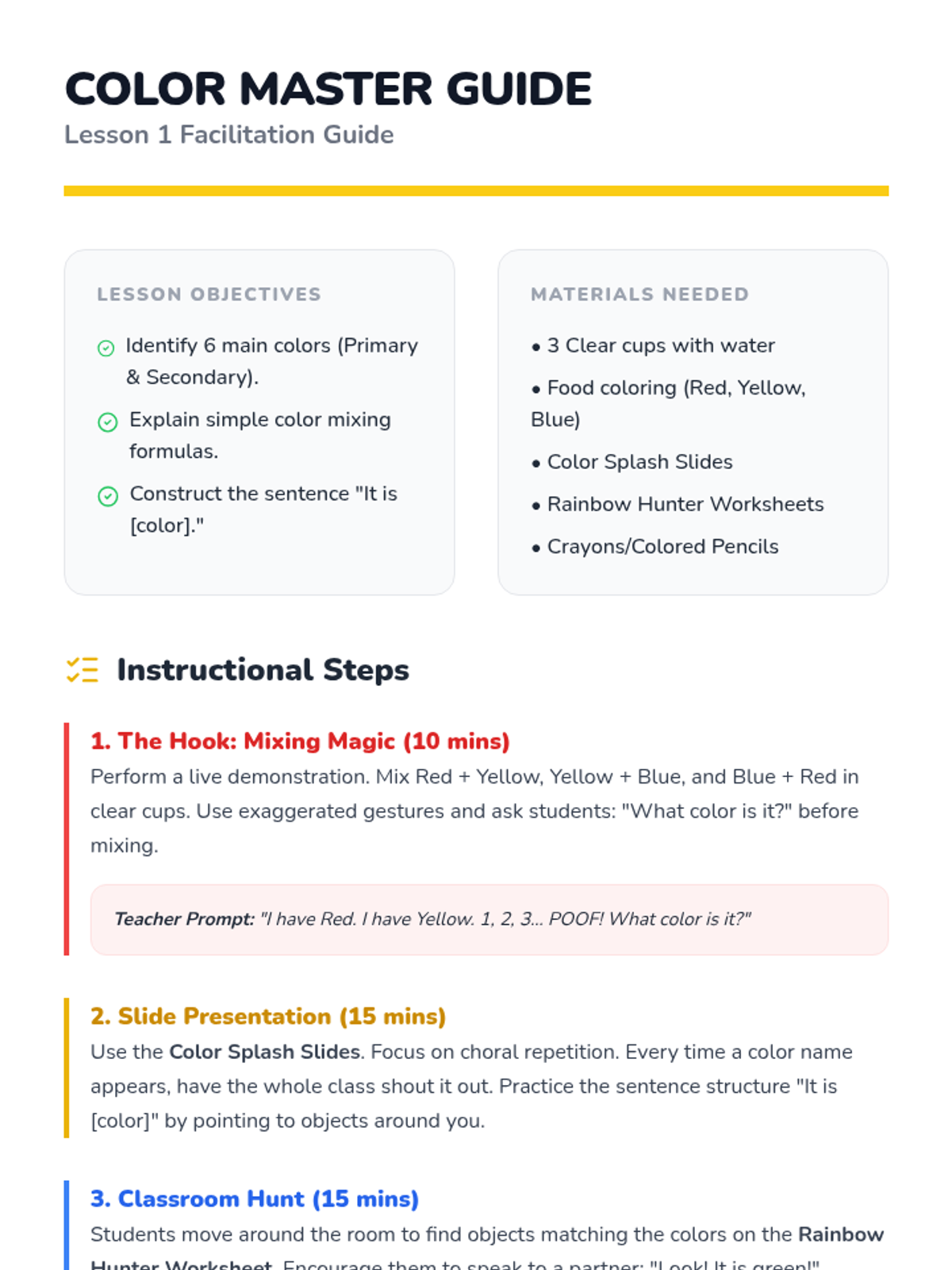
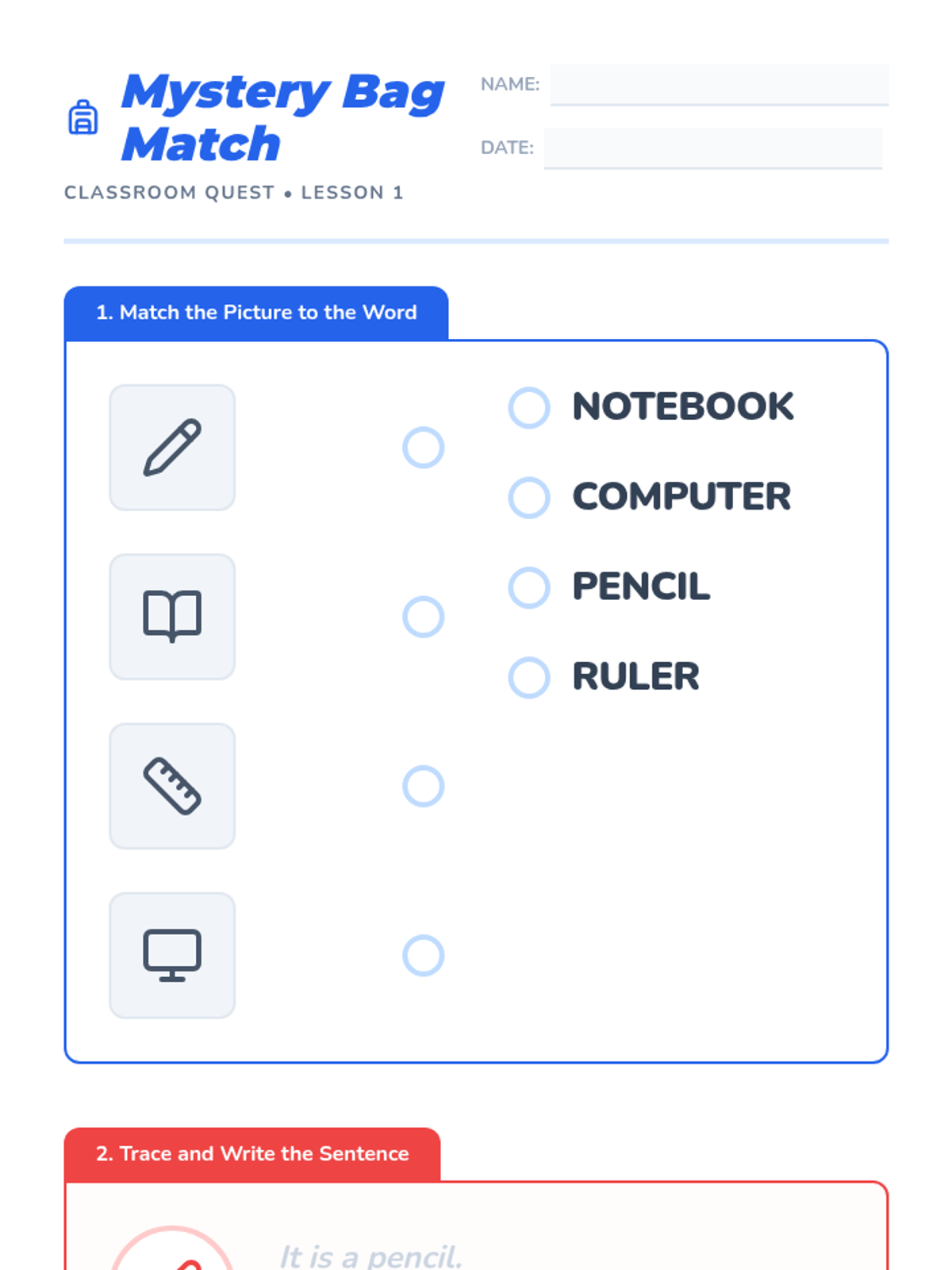
A 5-lesson unit for beginner English Language Learners (ELLs) focusing on classroom objects, instructional commands, colors, numbers, and prepositions. The sequence uses Total Physical Response (TPR) and gamified activities to build foundational vocabulary.
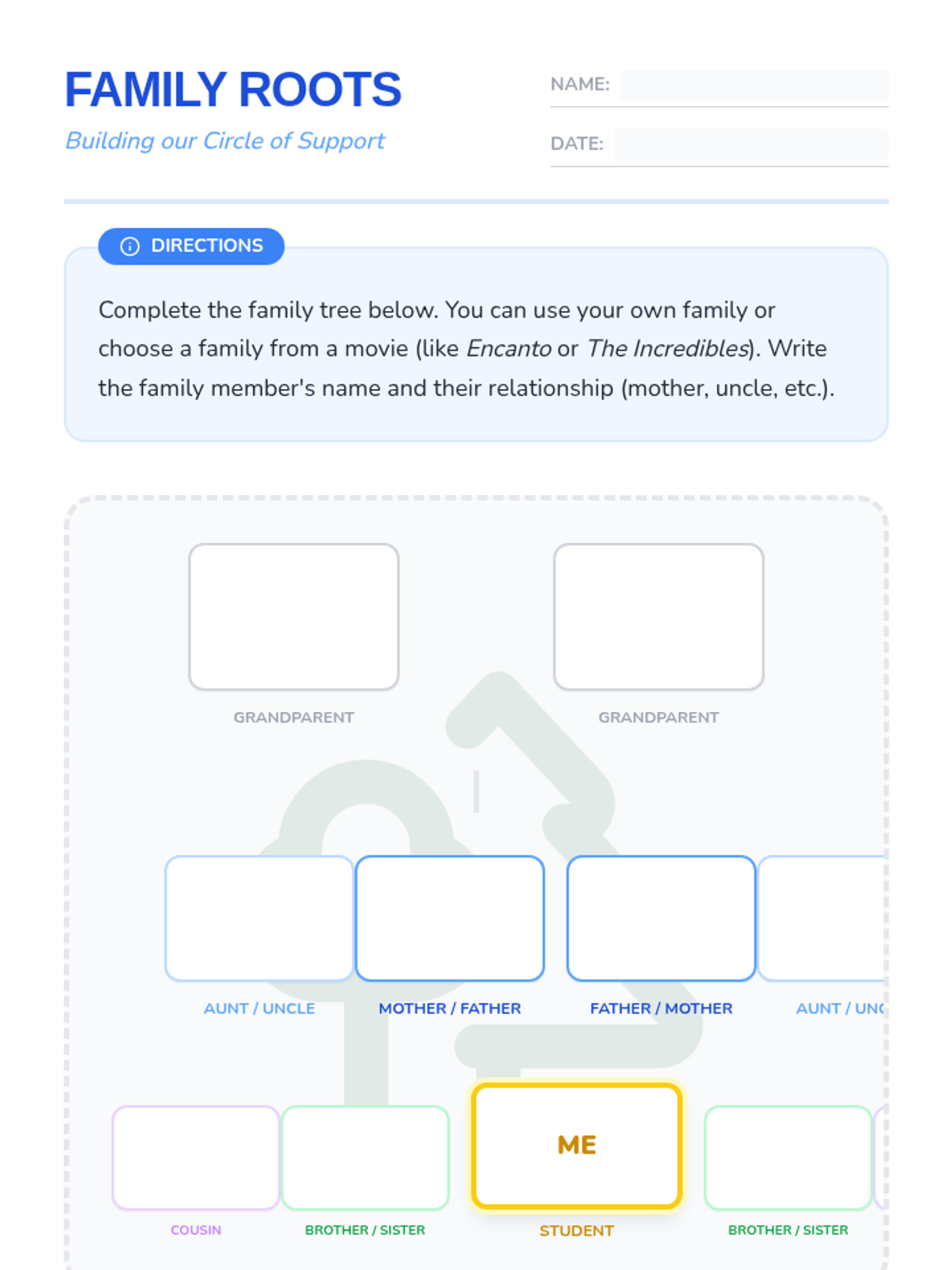
A 5th-grade beginner ESL sequence focused on identifying family members and describing physical and personality traits. Students build vocabulary and grammar skills to create a 'Circle of Support' project about important people in their lives.
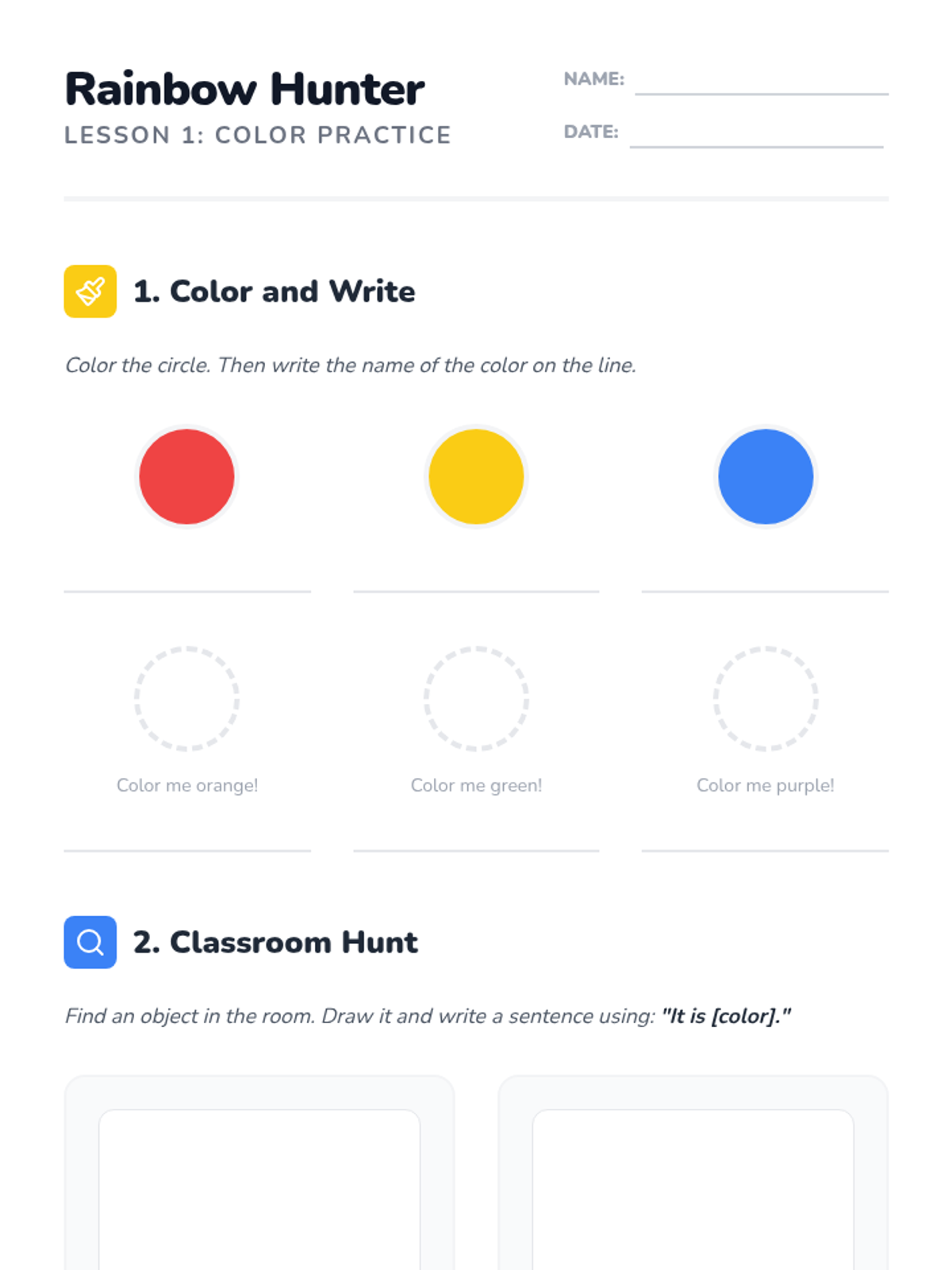
A 5-lesson sequence for beginner English Language Learners focused on describing the world using colors, numbers, shapes, and sizes. Students progress from basic attribute identification to constructing complex descriptive phrases, culminating in a creative 'Dream Shop' project.
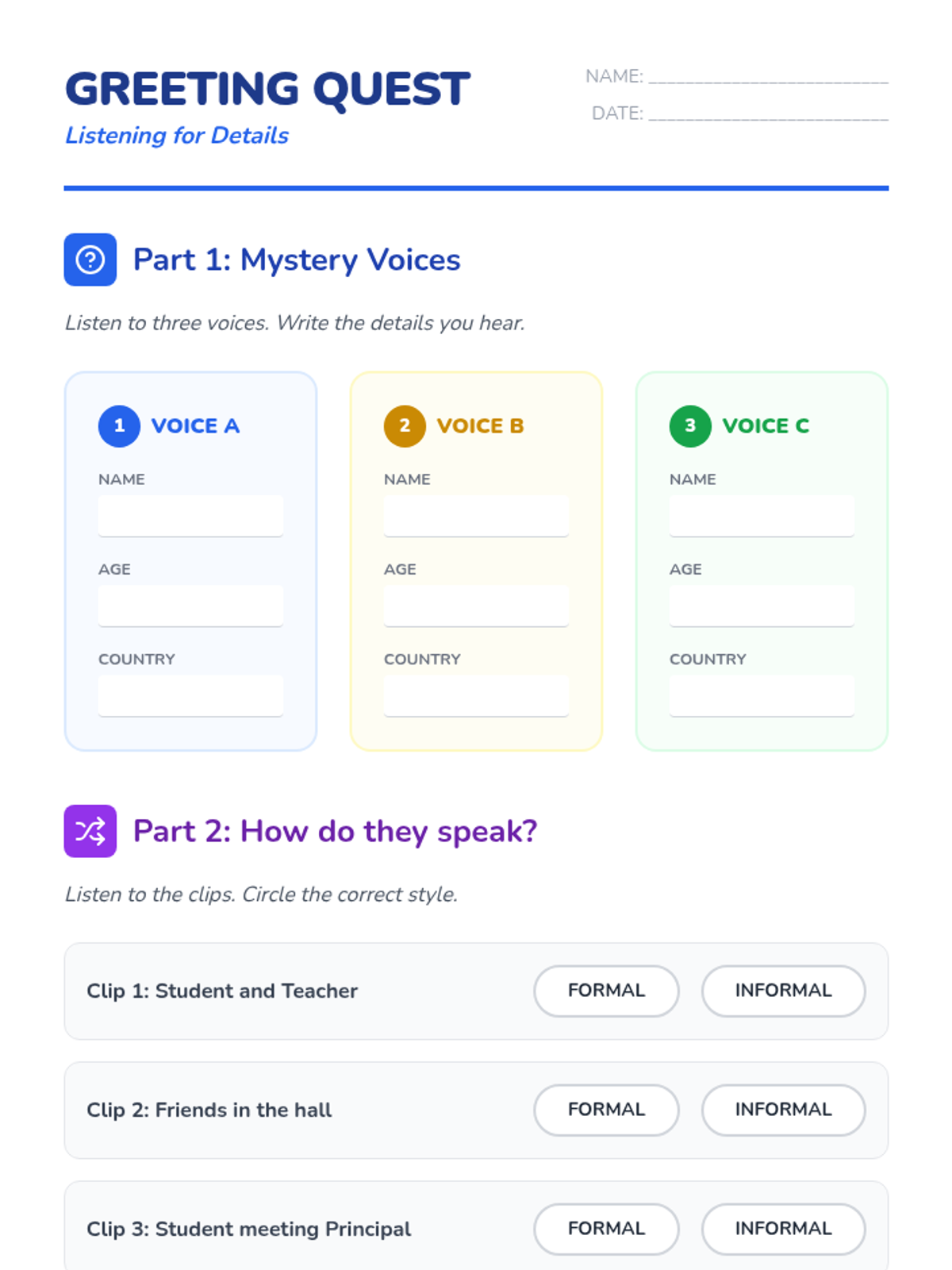
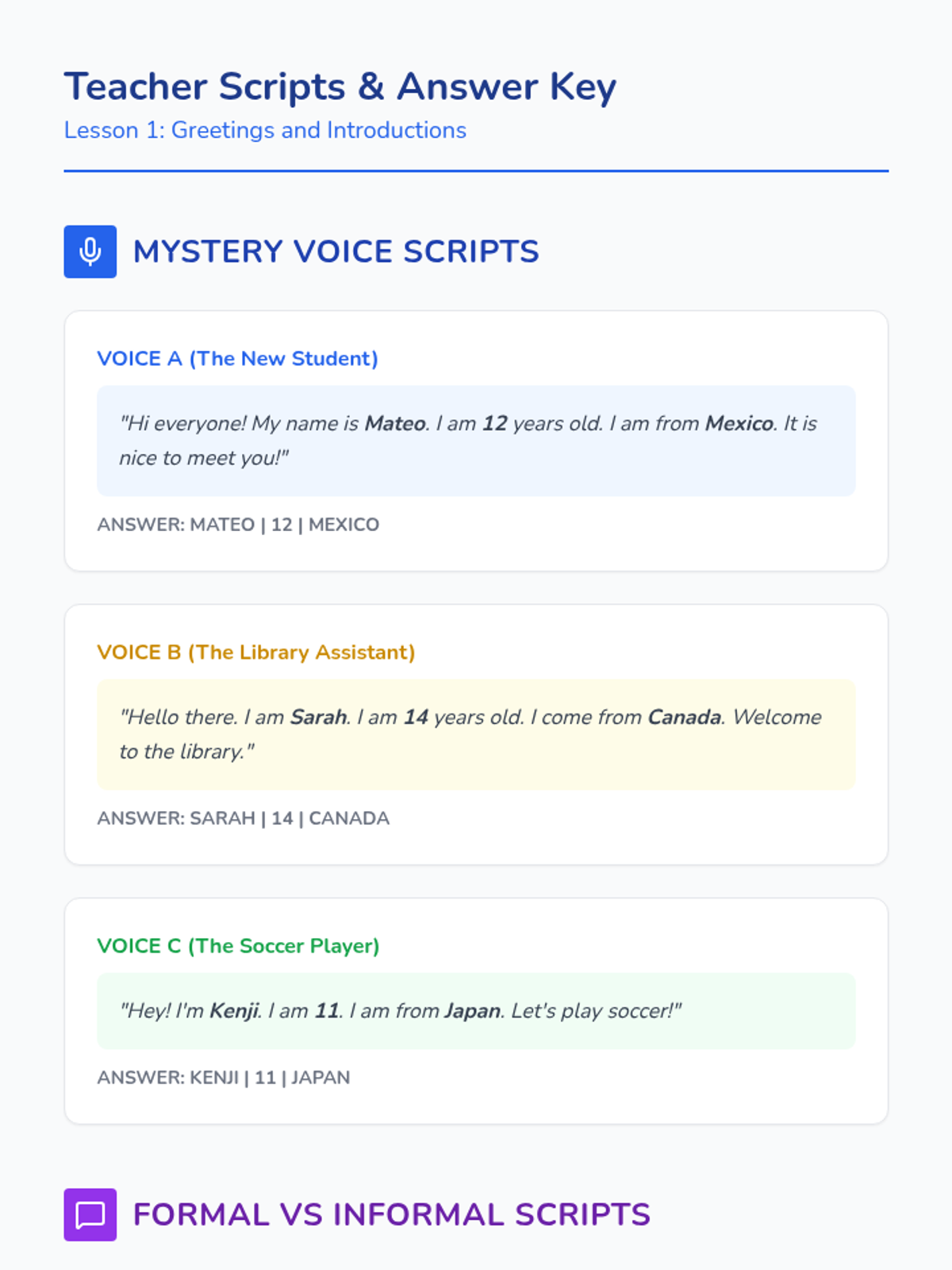
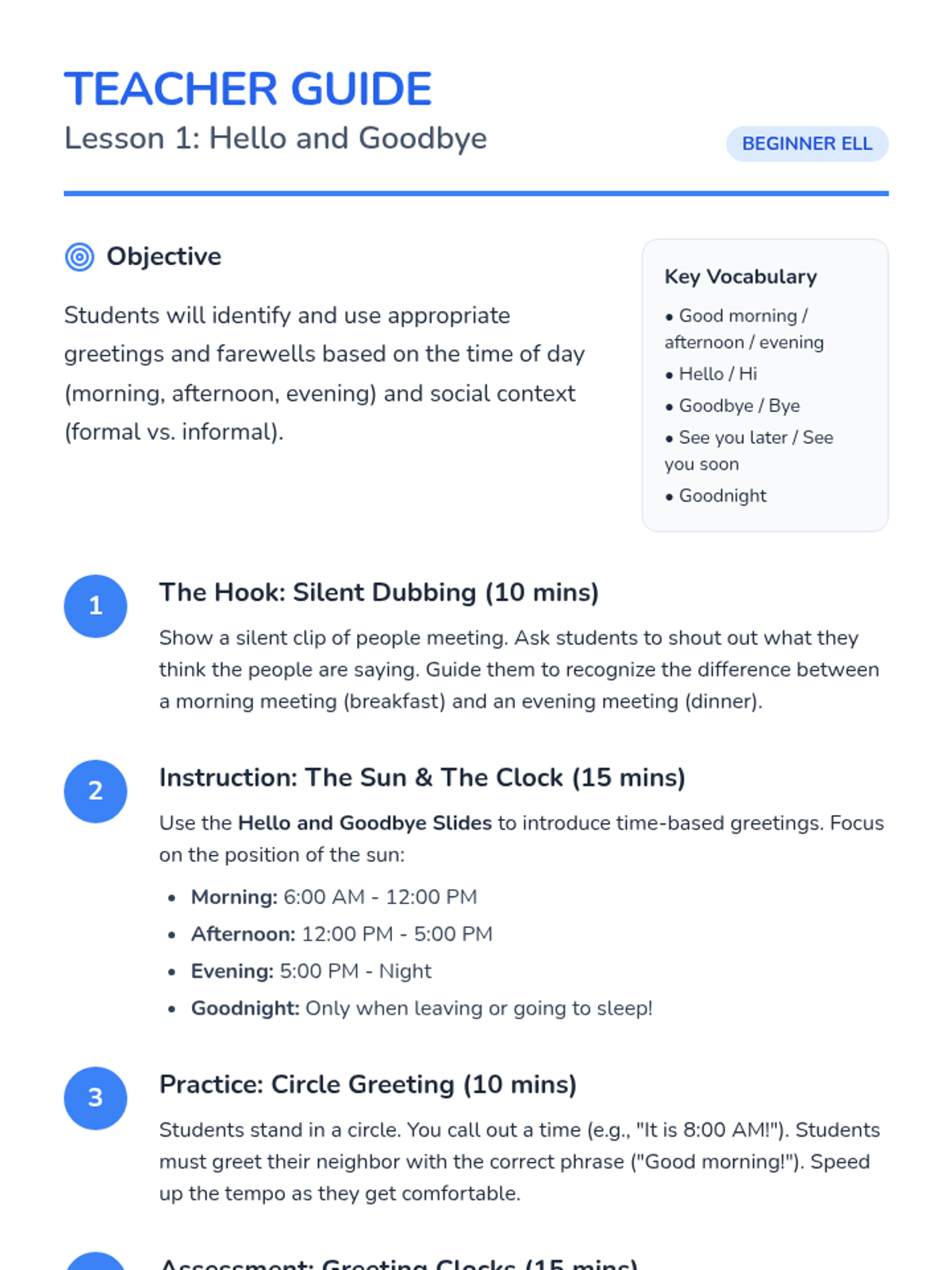
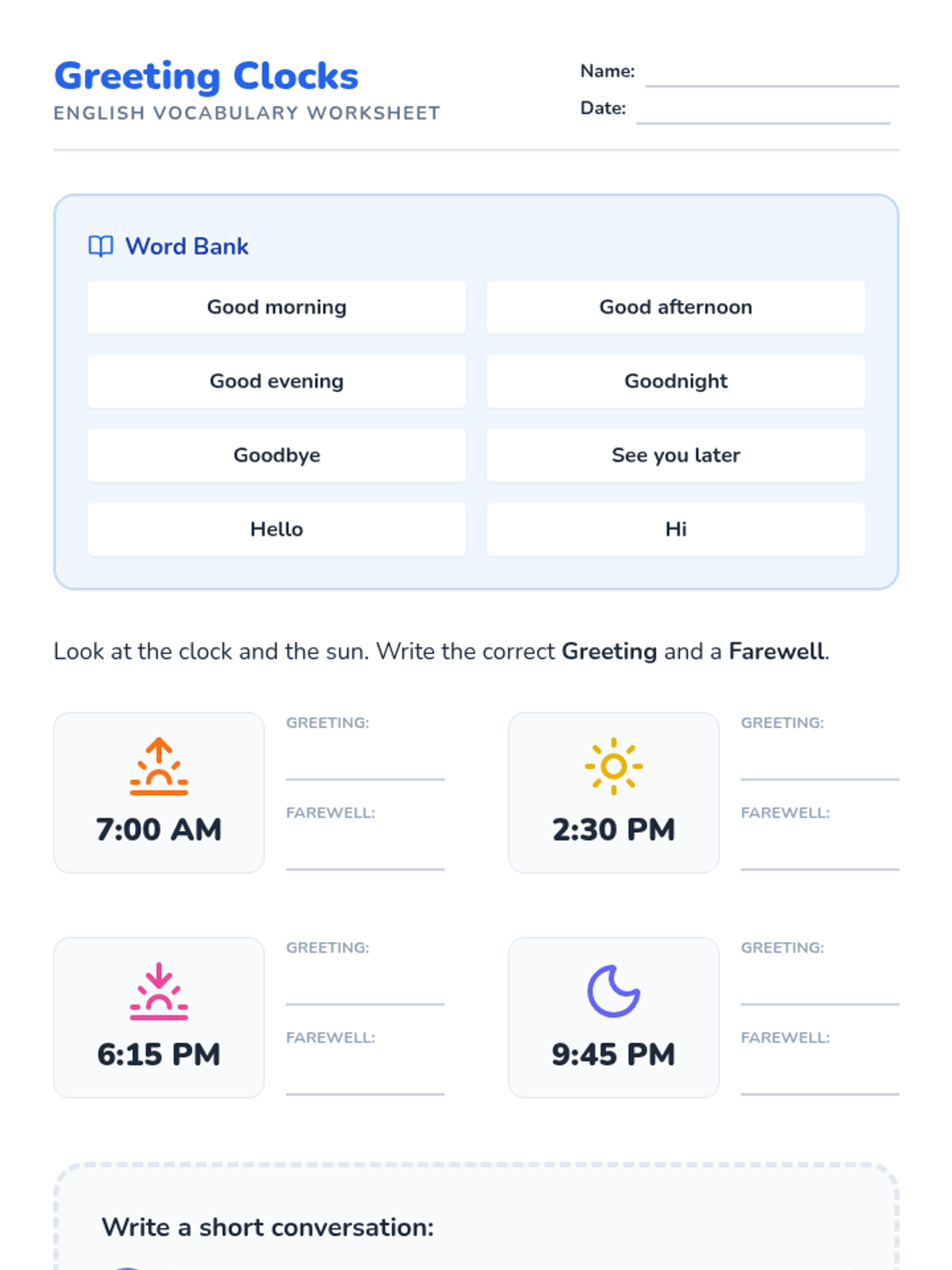
A 5th-grade ELL sequence focused on social greetings, introductions, expressing emotions, and polite interaction through role-play and communicative activities.
A 5-lesson sequence designed for beginner 5th Grade ELL students to master essential classroom vocabulary, teacher directives, and prepositional phrases, culminating in a classroom scavenger hunt.
A comprehensive unit for beginner English Language Learners to master basic classroom vocabulary, common furniture, imperative commands, and prepositions of place through hands-on, gamified activities.
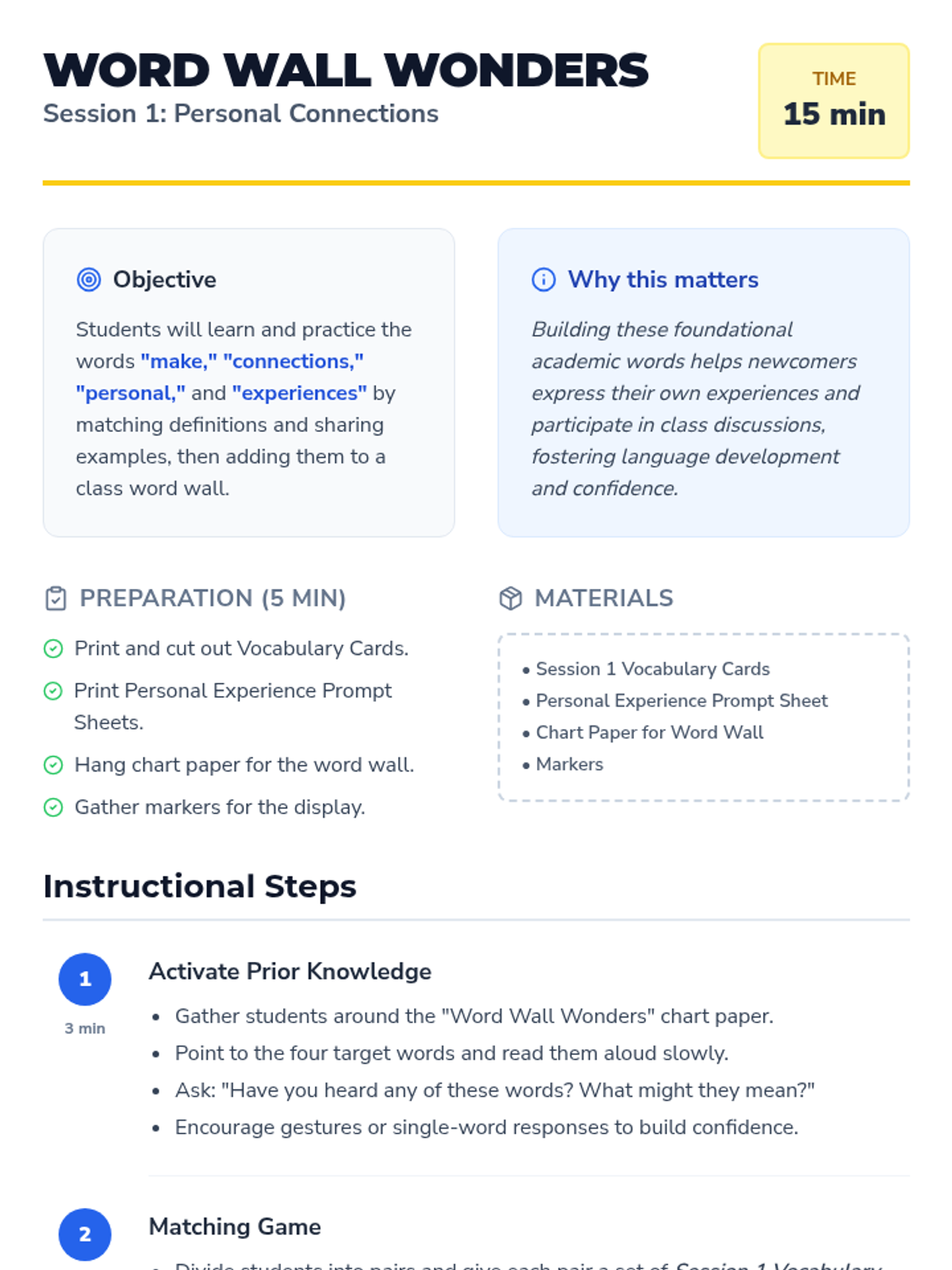
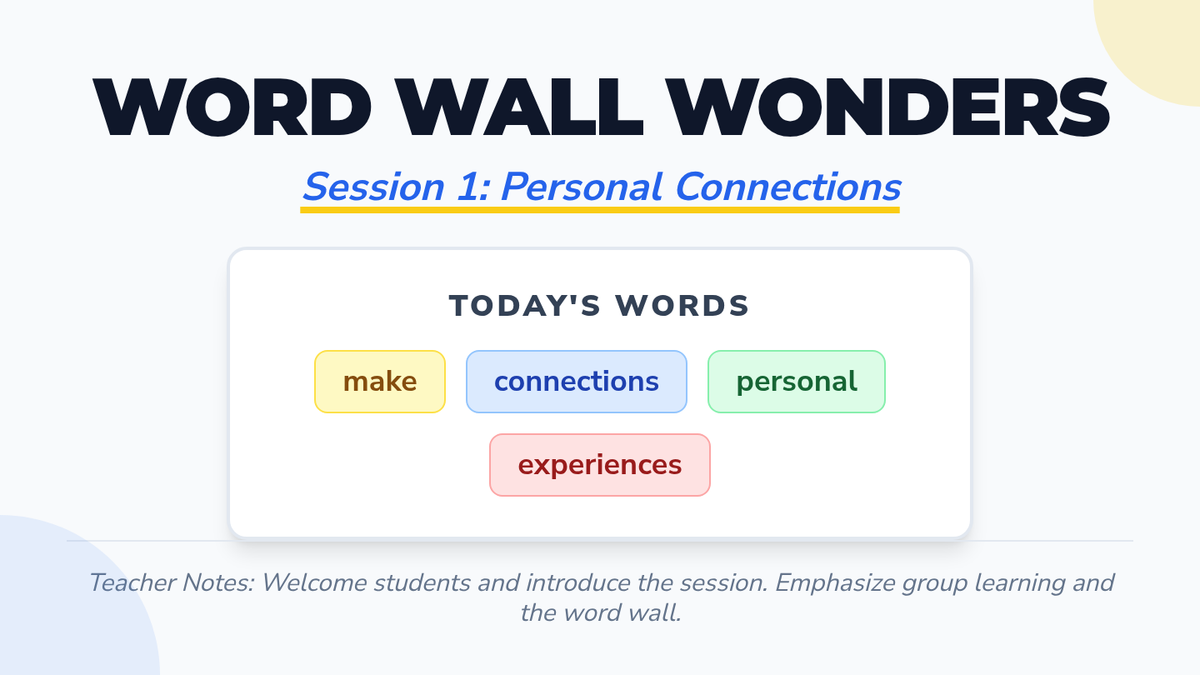
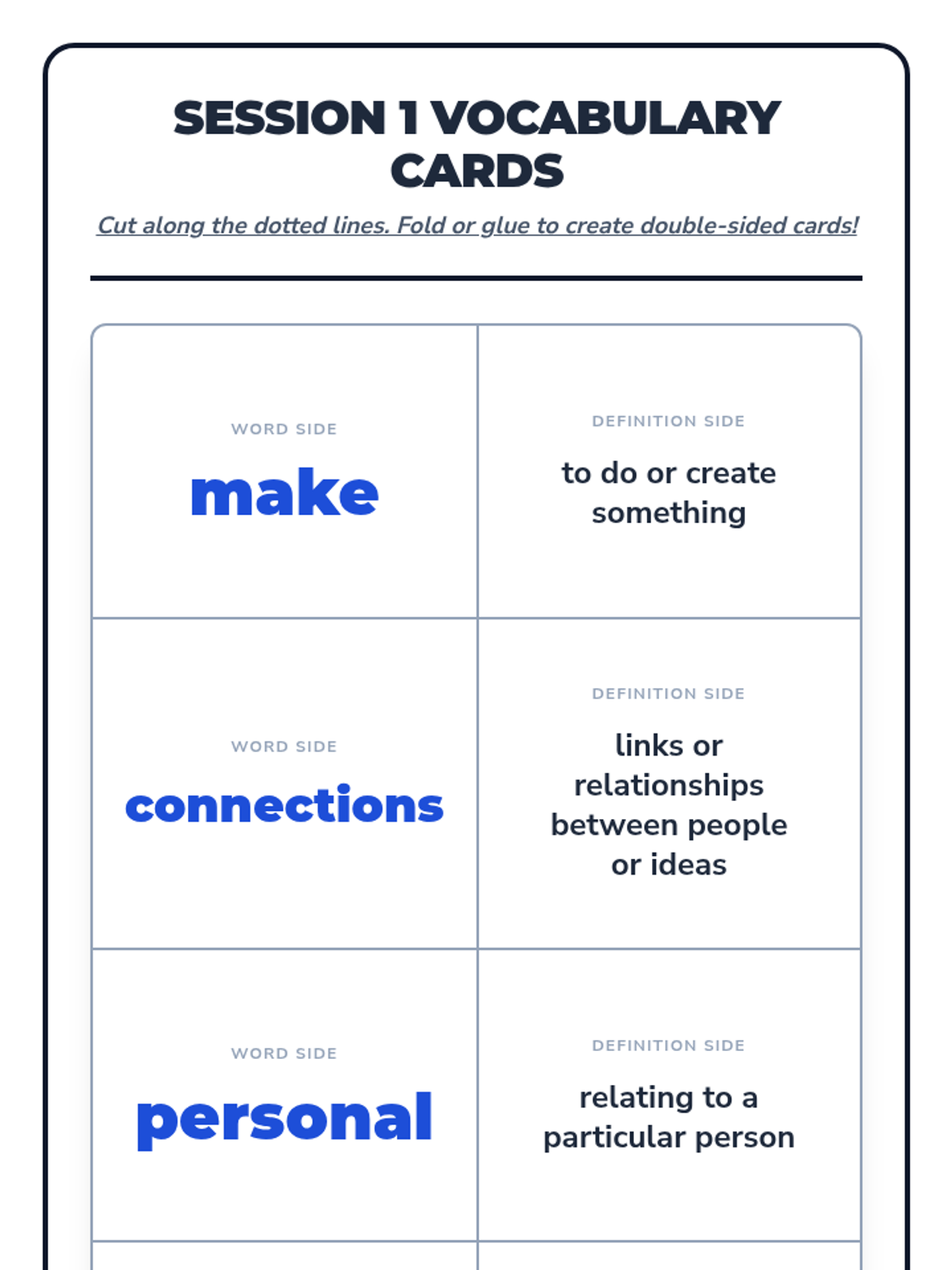
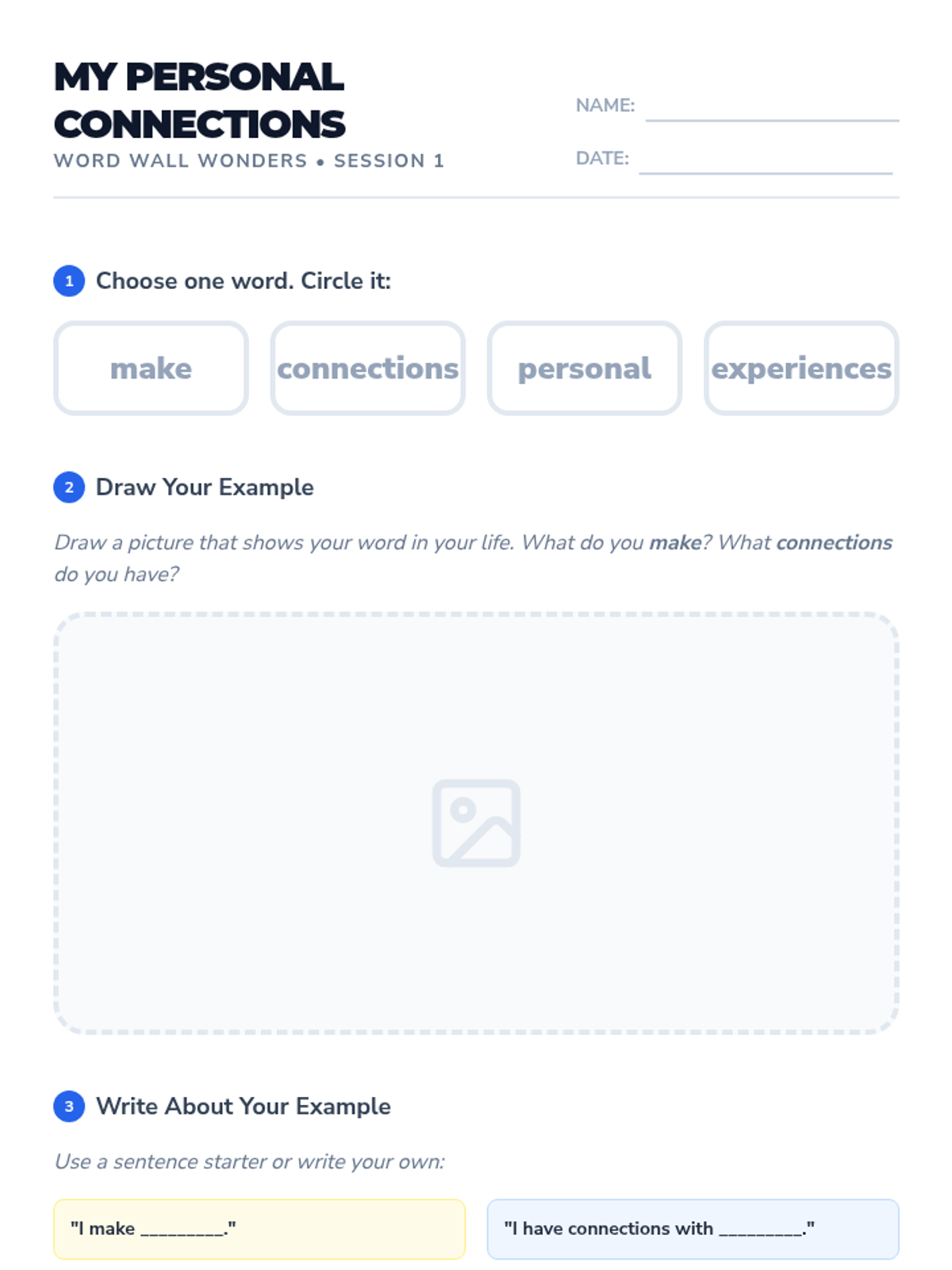
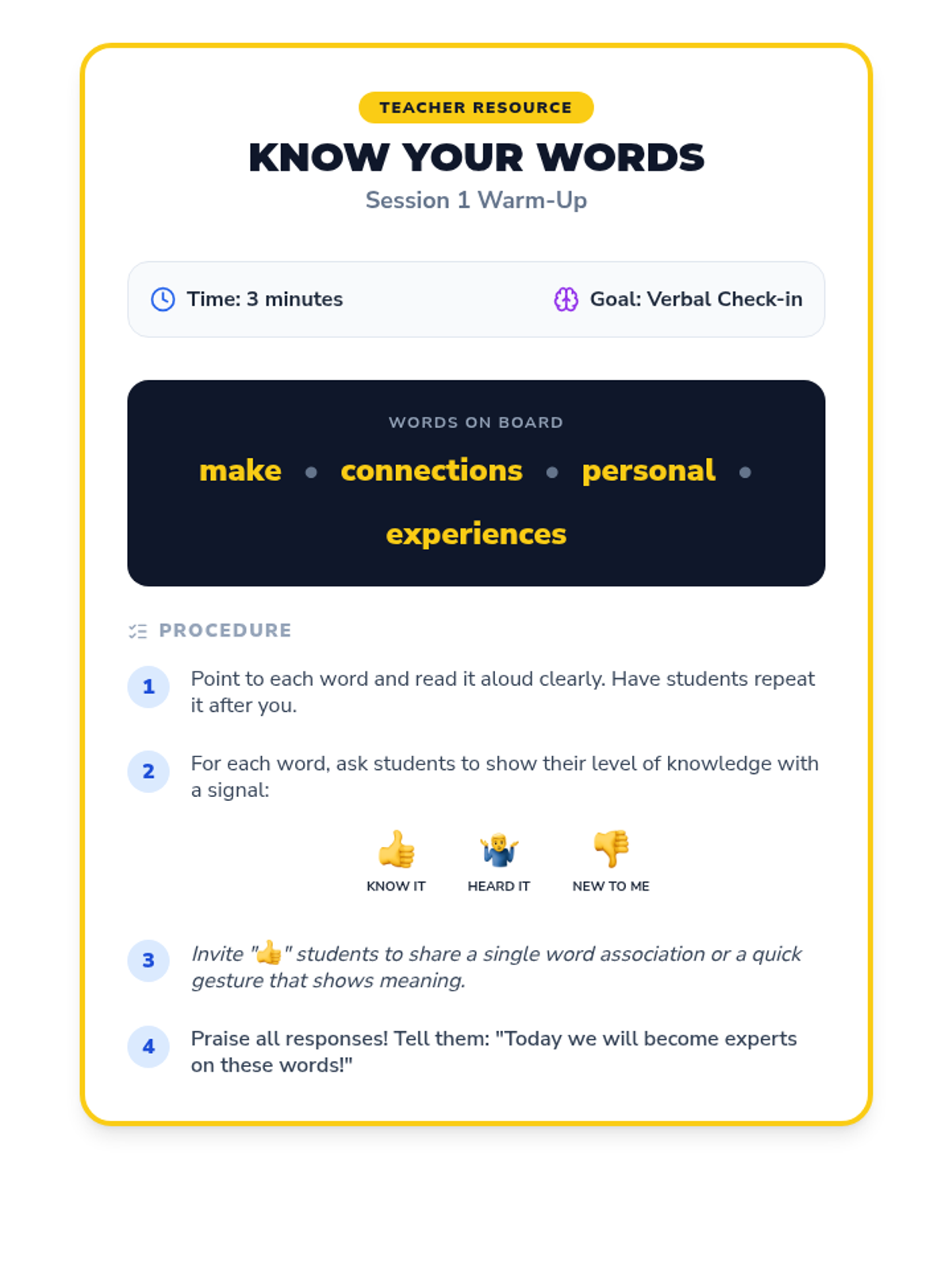
A 5-session academic vocabulary series for English Language Learners, using interactive strategies and a cumulative word wall to build linguistic confidence.
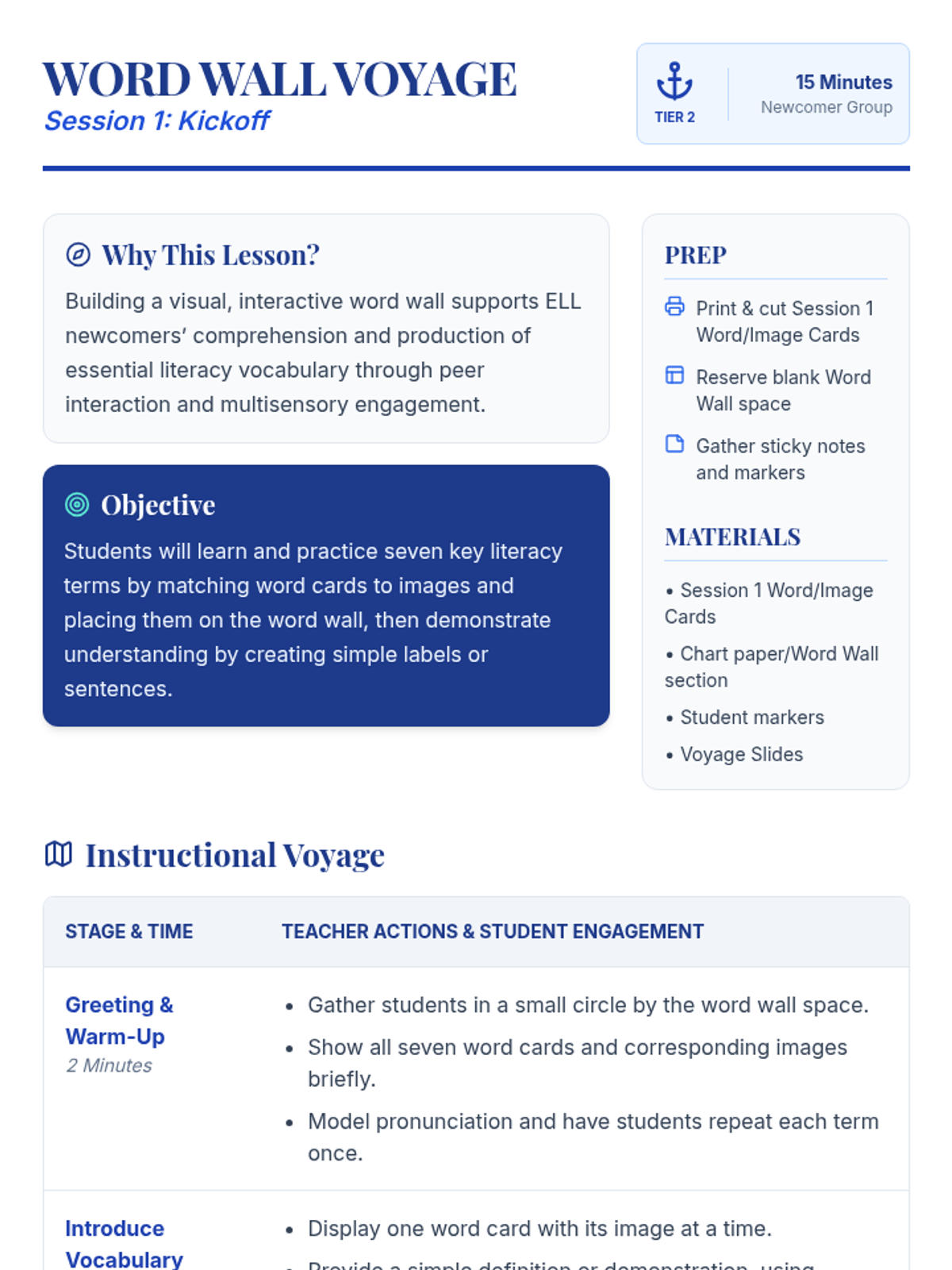
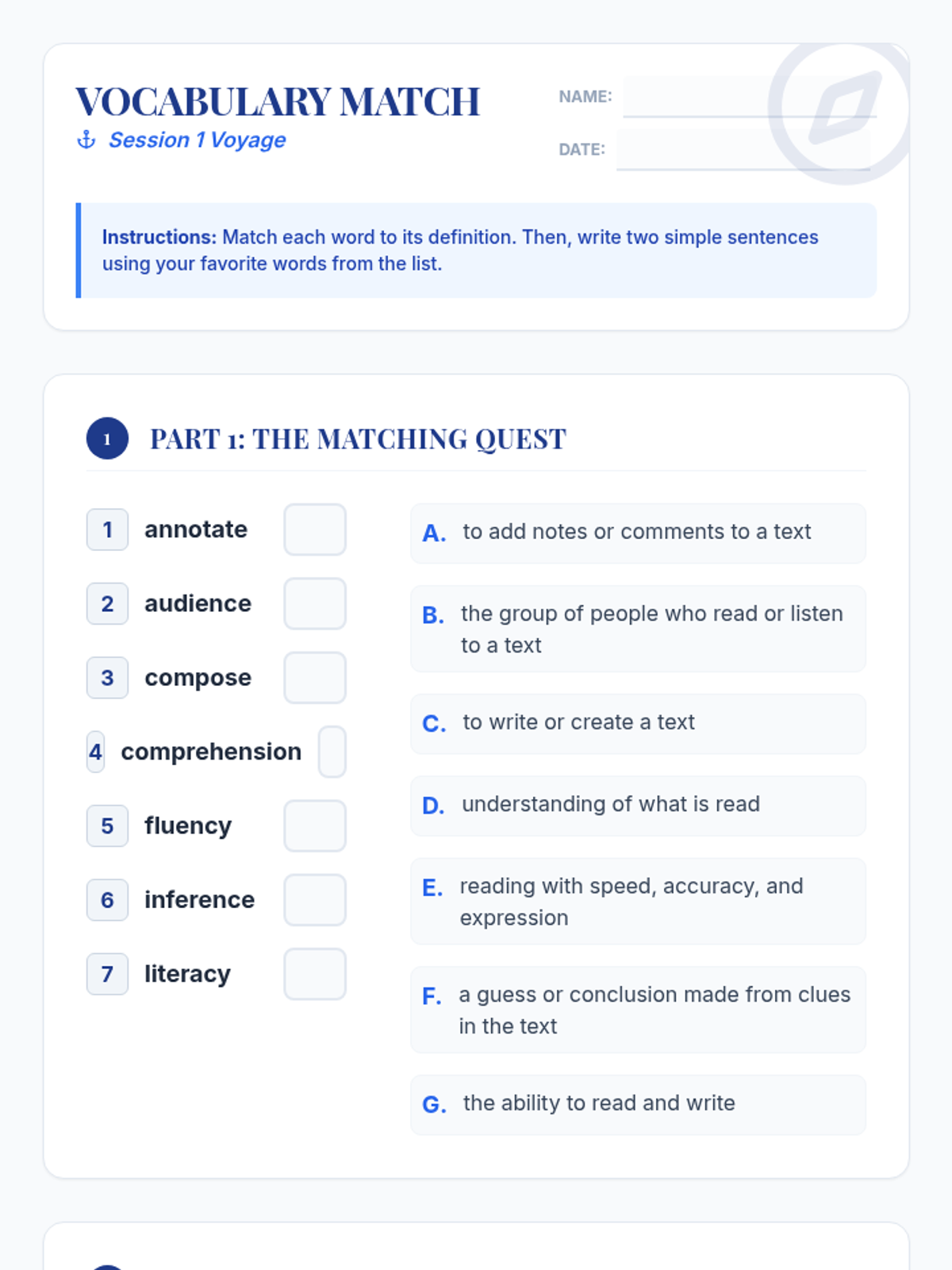
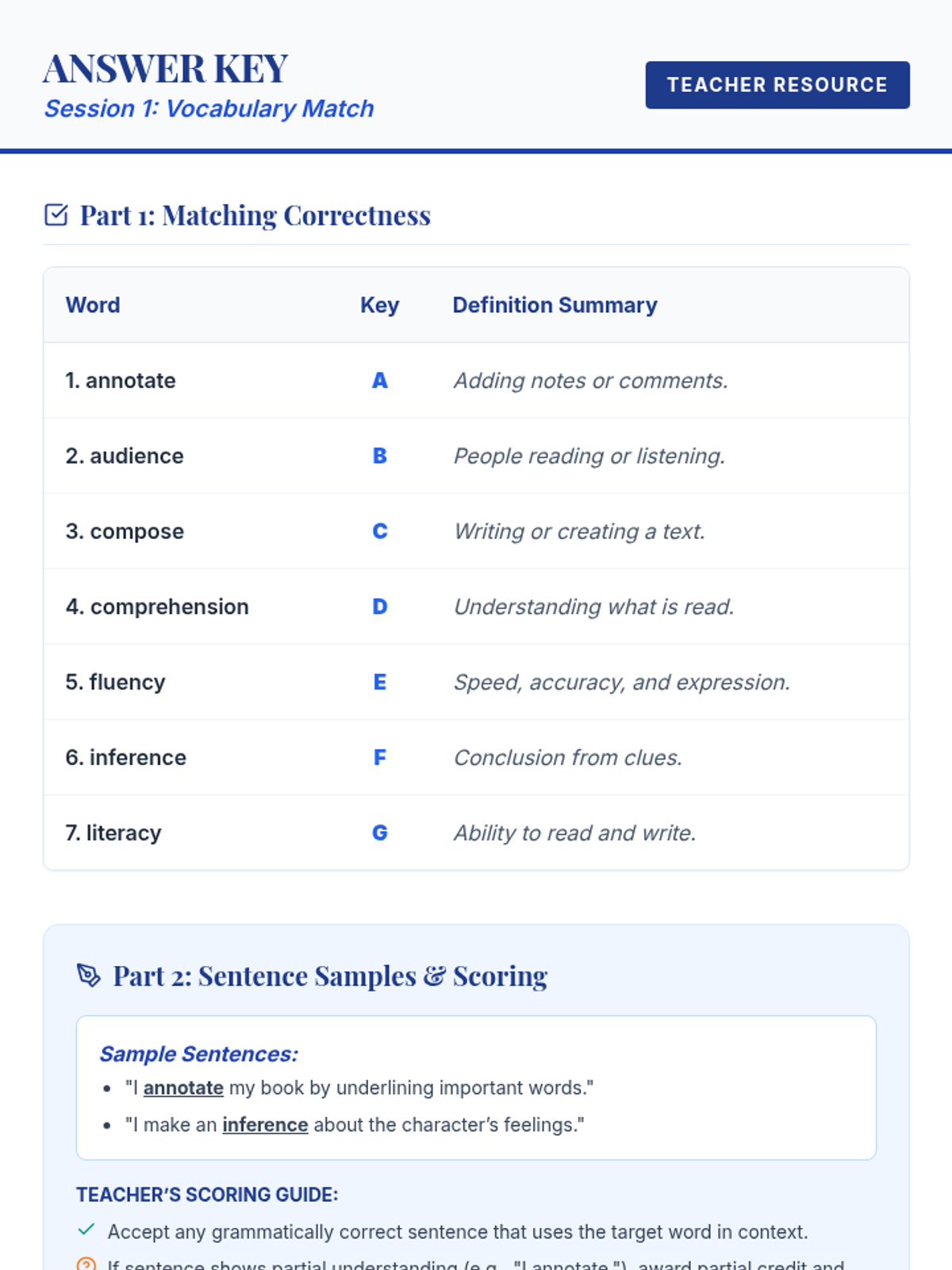
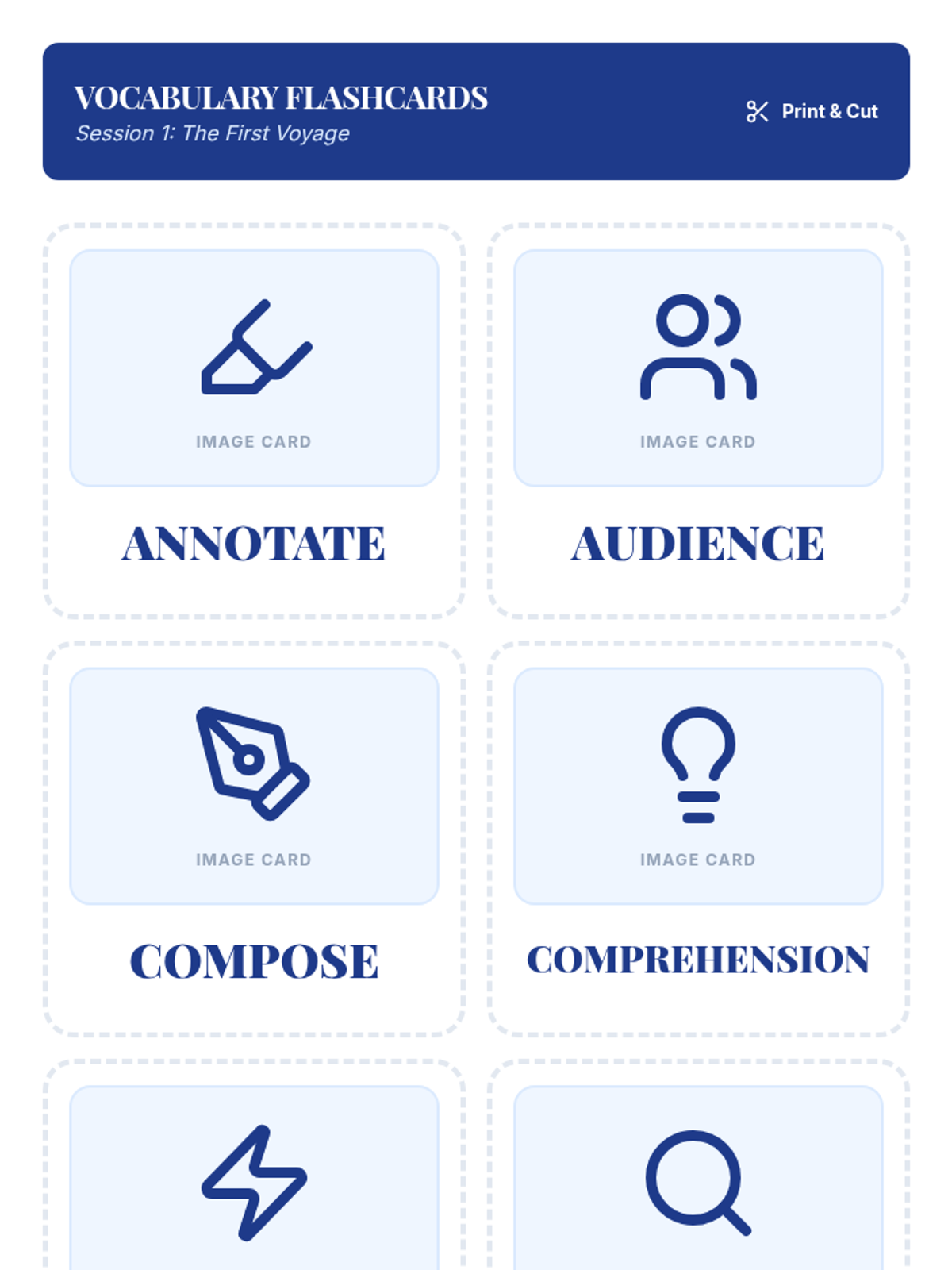
A 5-session vocabulary-building unit for ELL newcomers using a classroom word wall and nautical-themed activities to master key literacy terms.
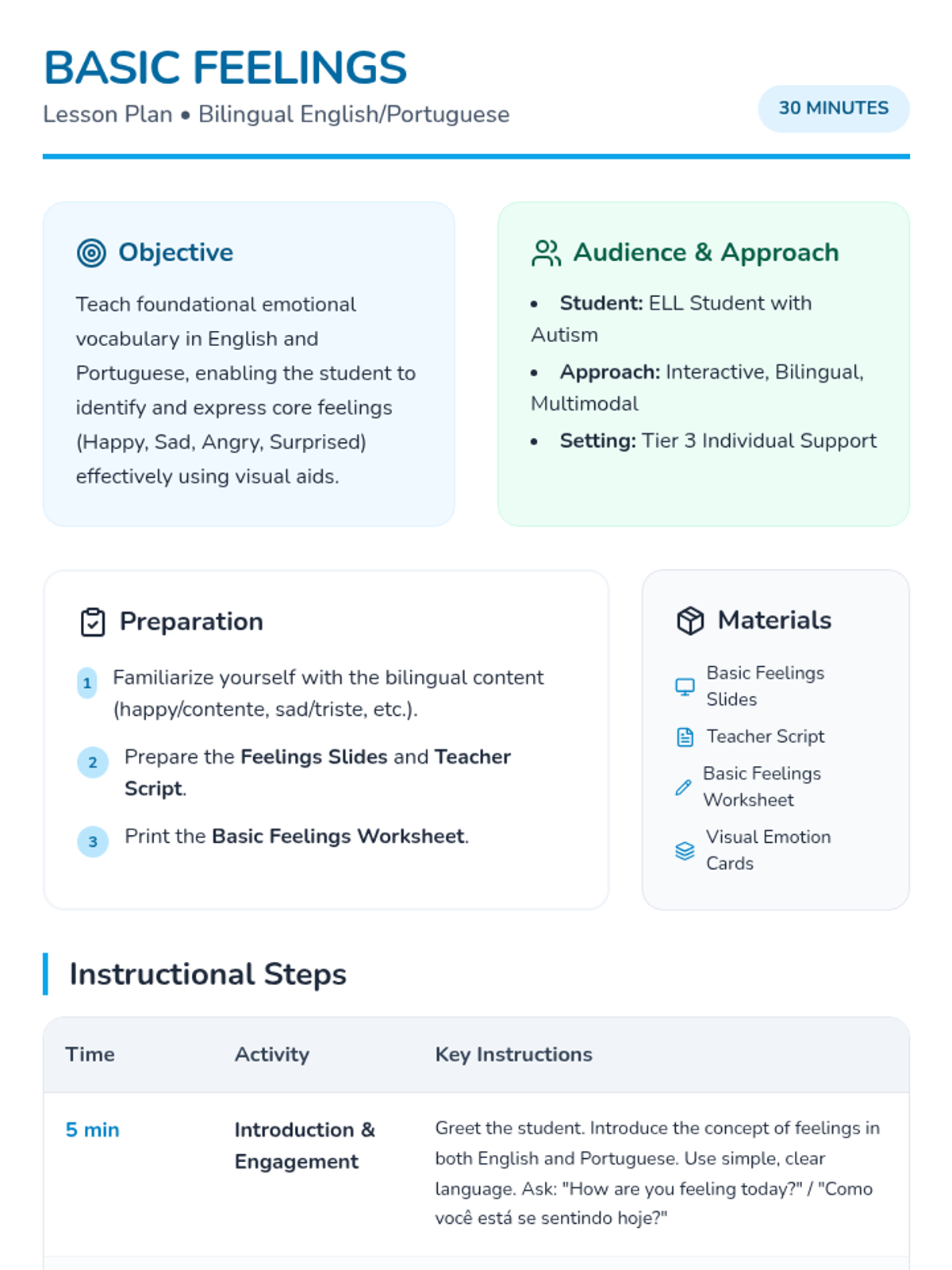
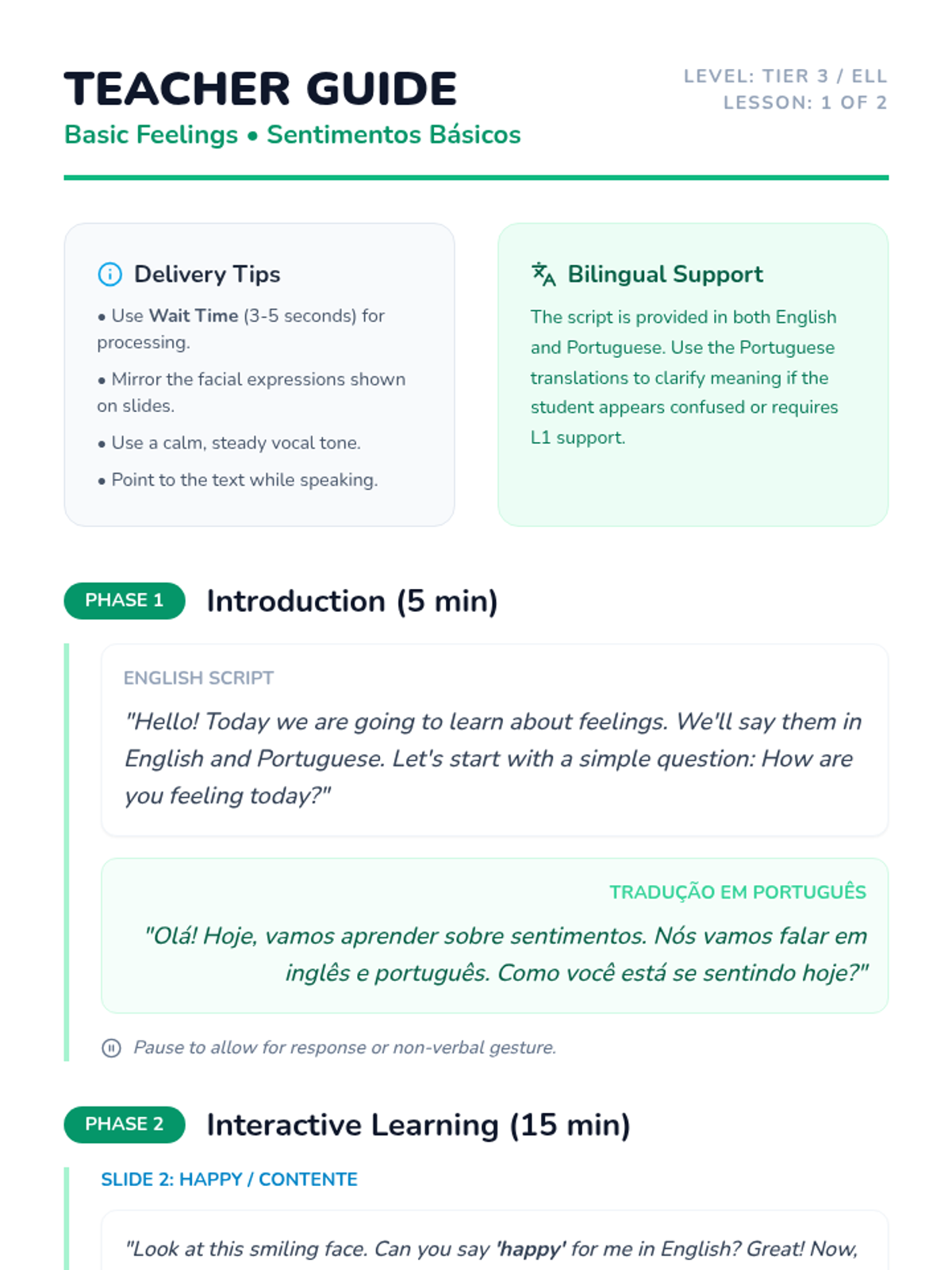
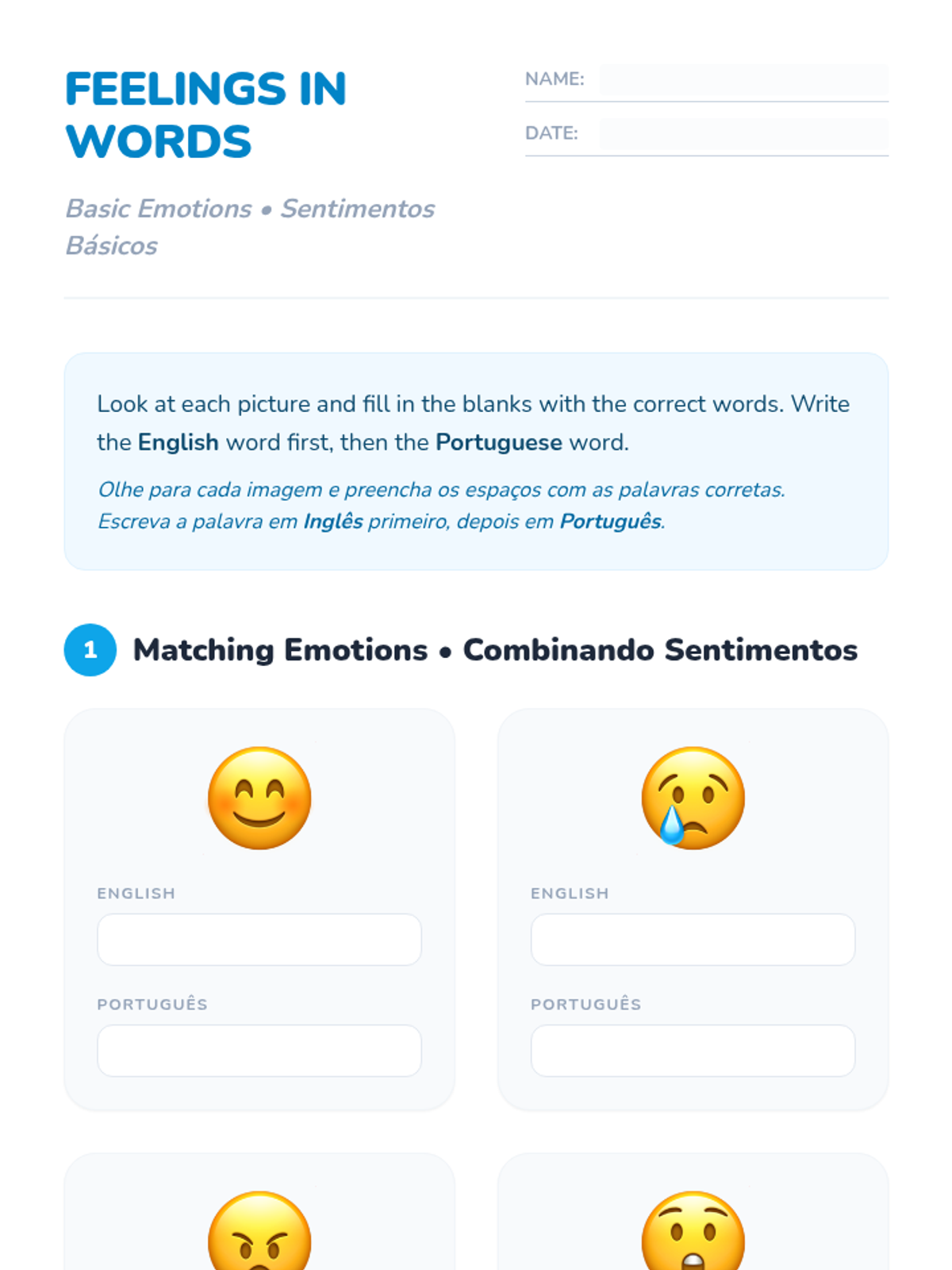
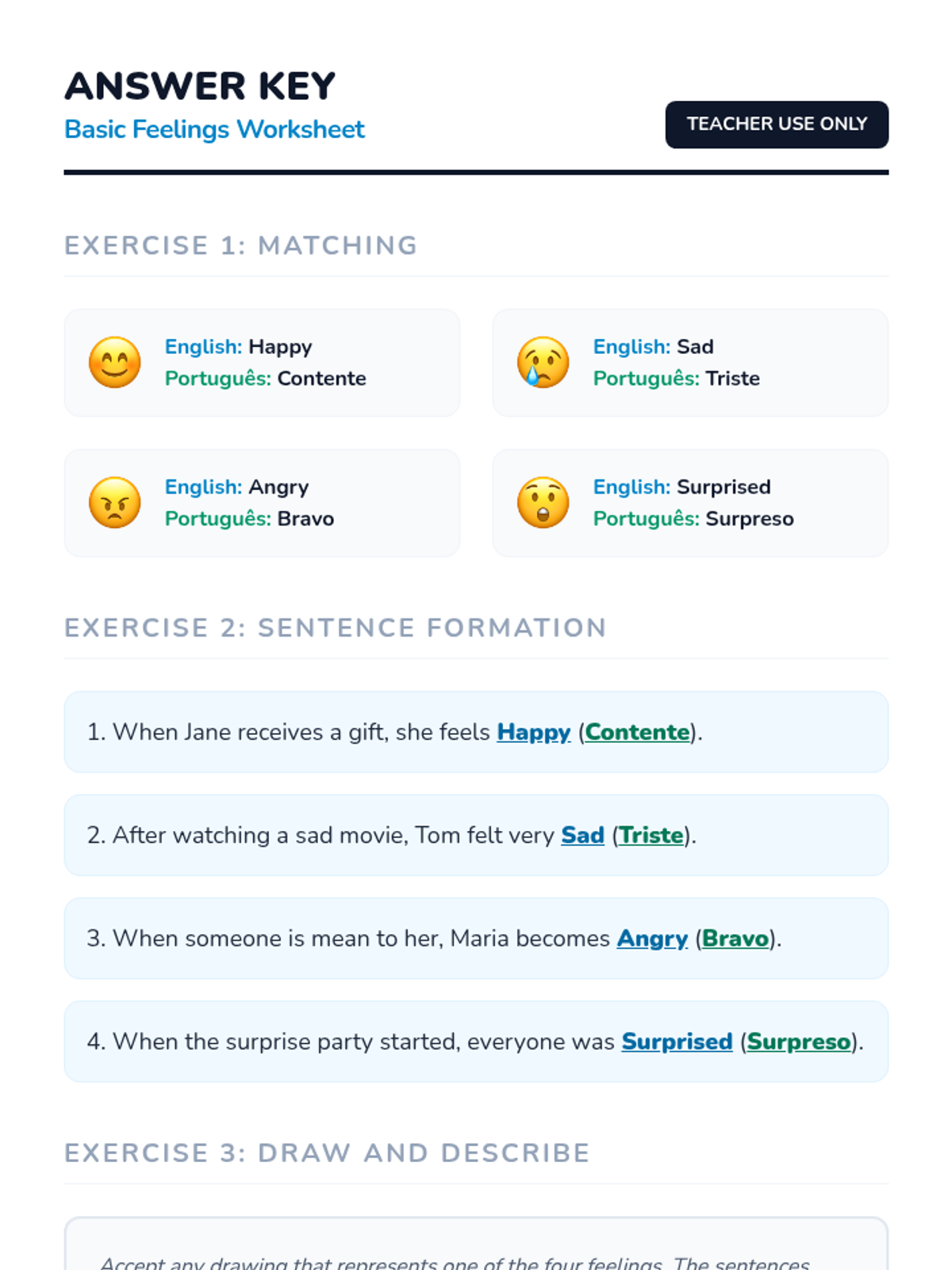
A bilingual sequence designed for ELL students with autism to develop emotional literacy in both English and Portuguese, moving from basic to complex feelings.
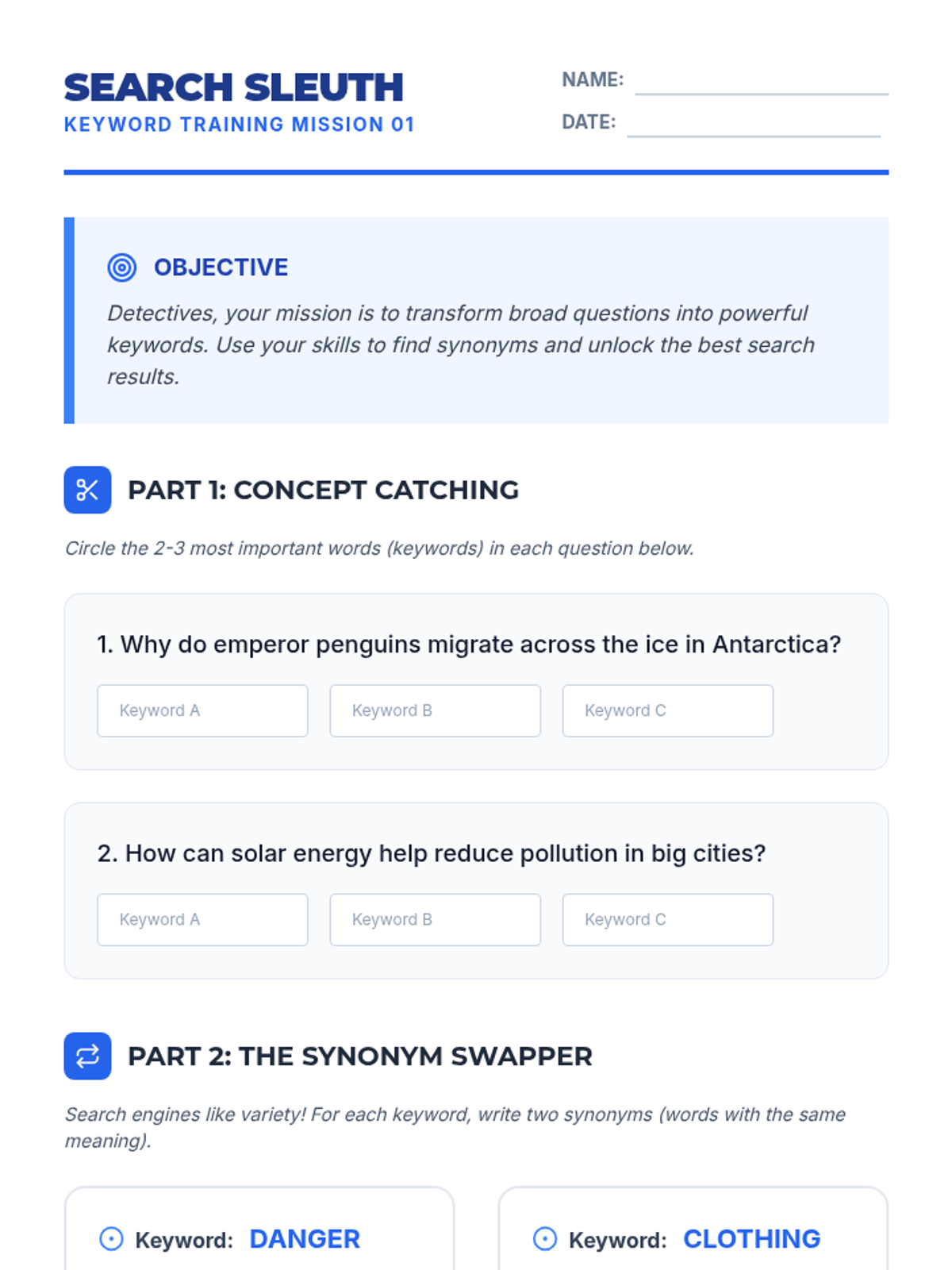
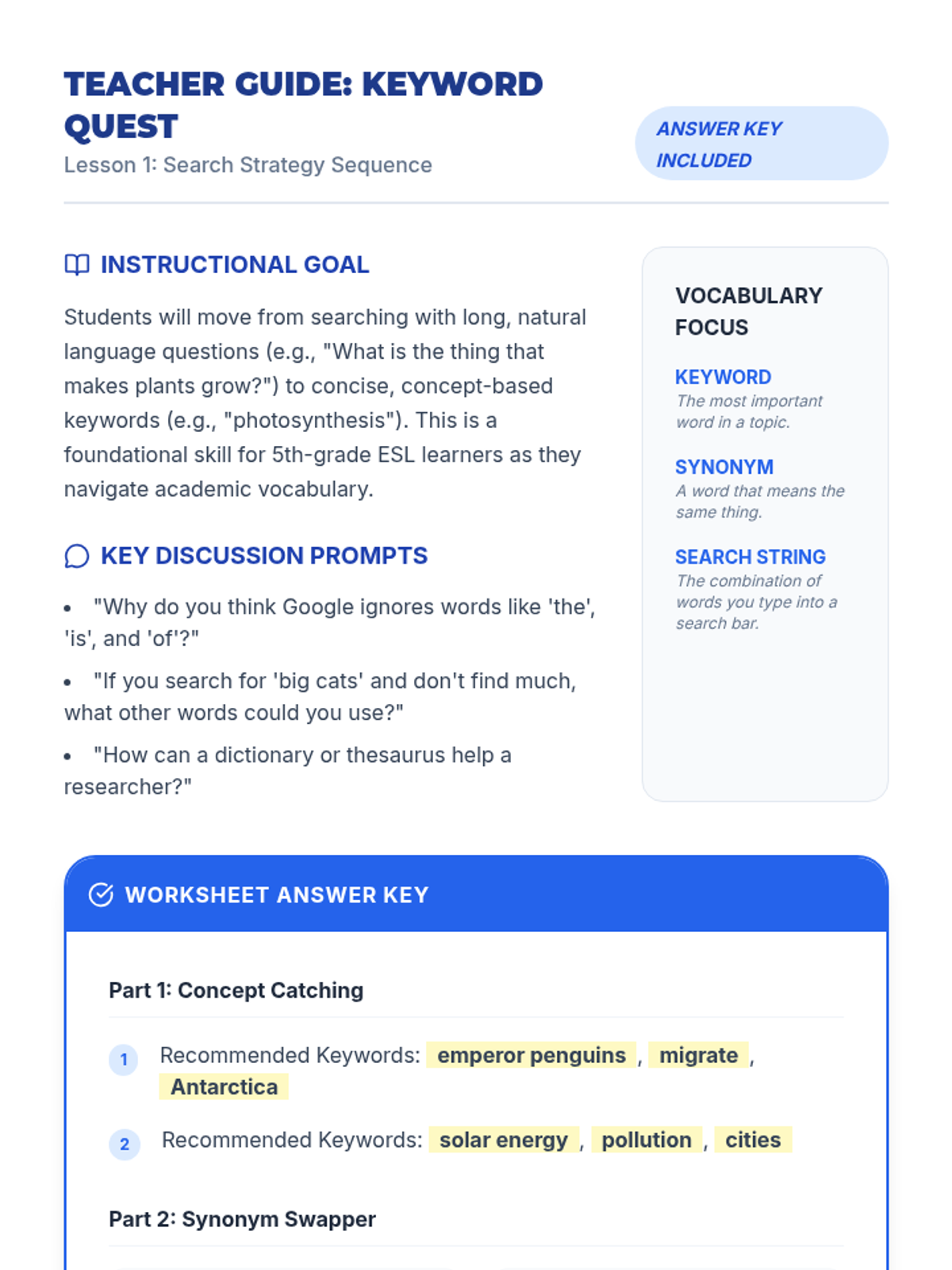
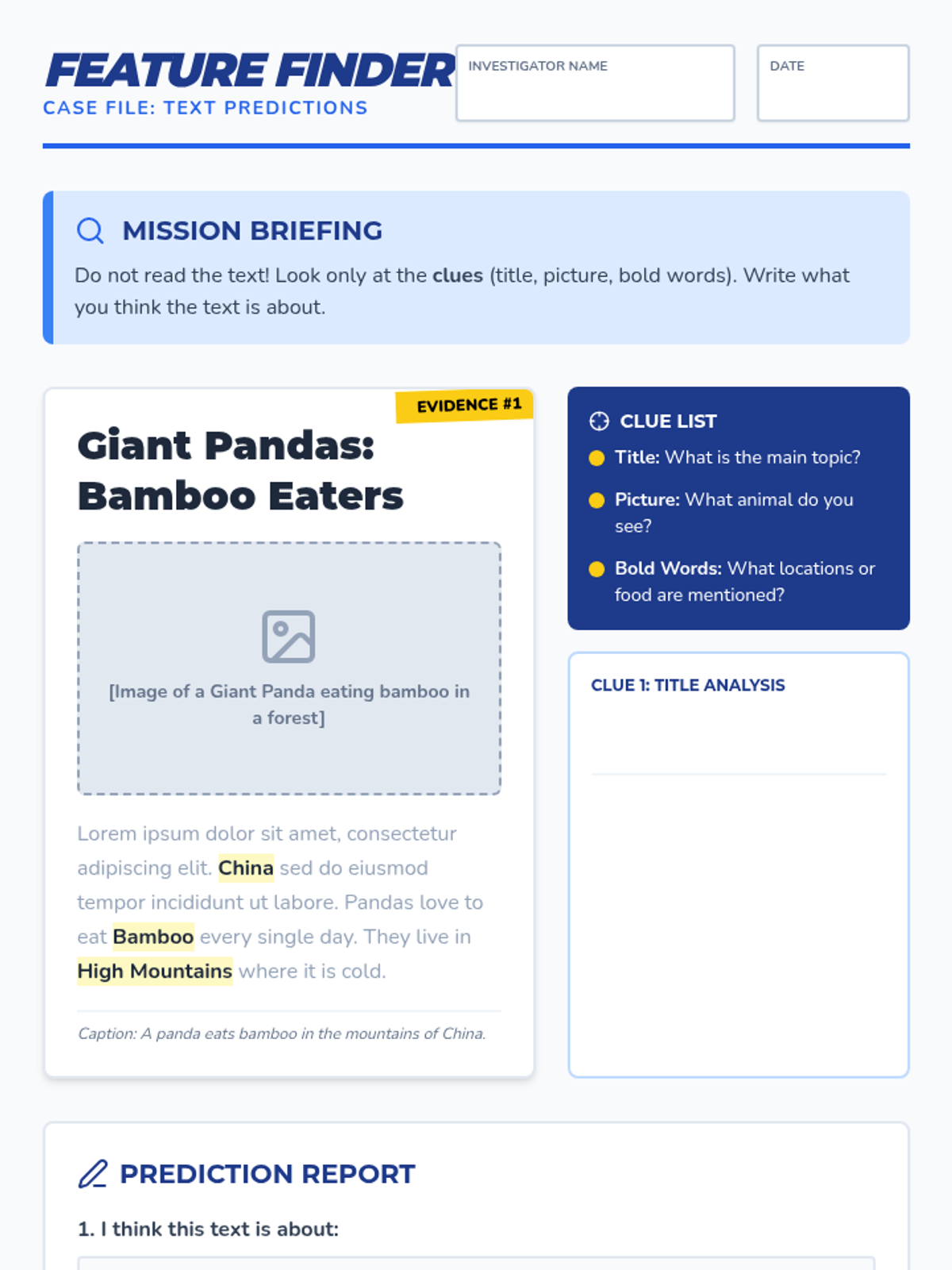
A 5-lesson sequence for 5th Grade ESL students focused on the mechanics of finding information. Students move from basic keyword generation to using Boolean operators, navigating text features, utilizing academic databases, and refining failed searches to become efficient digital researchers.
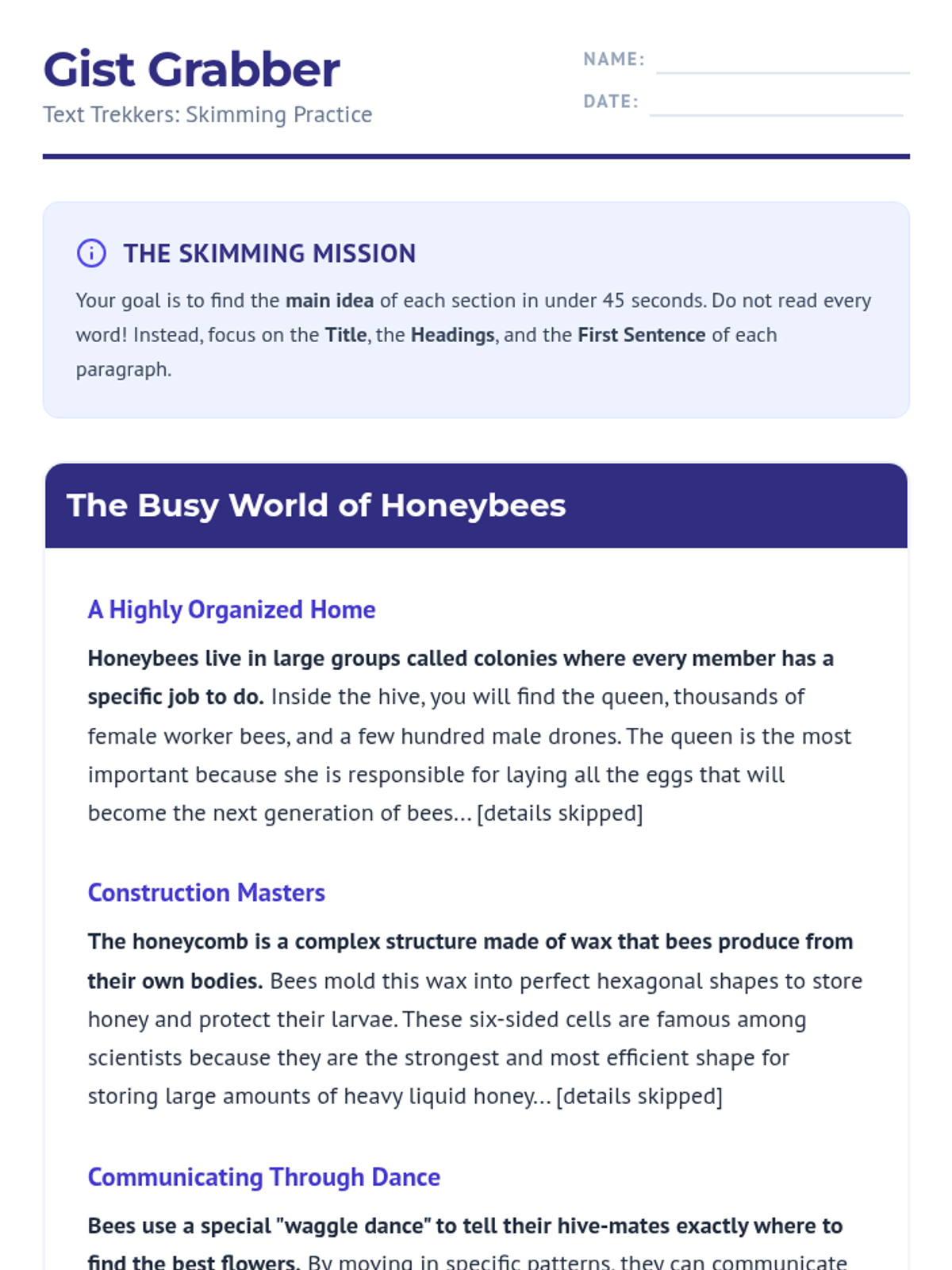
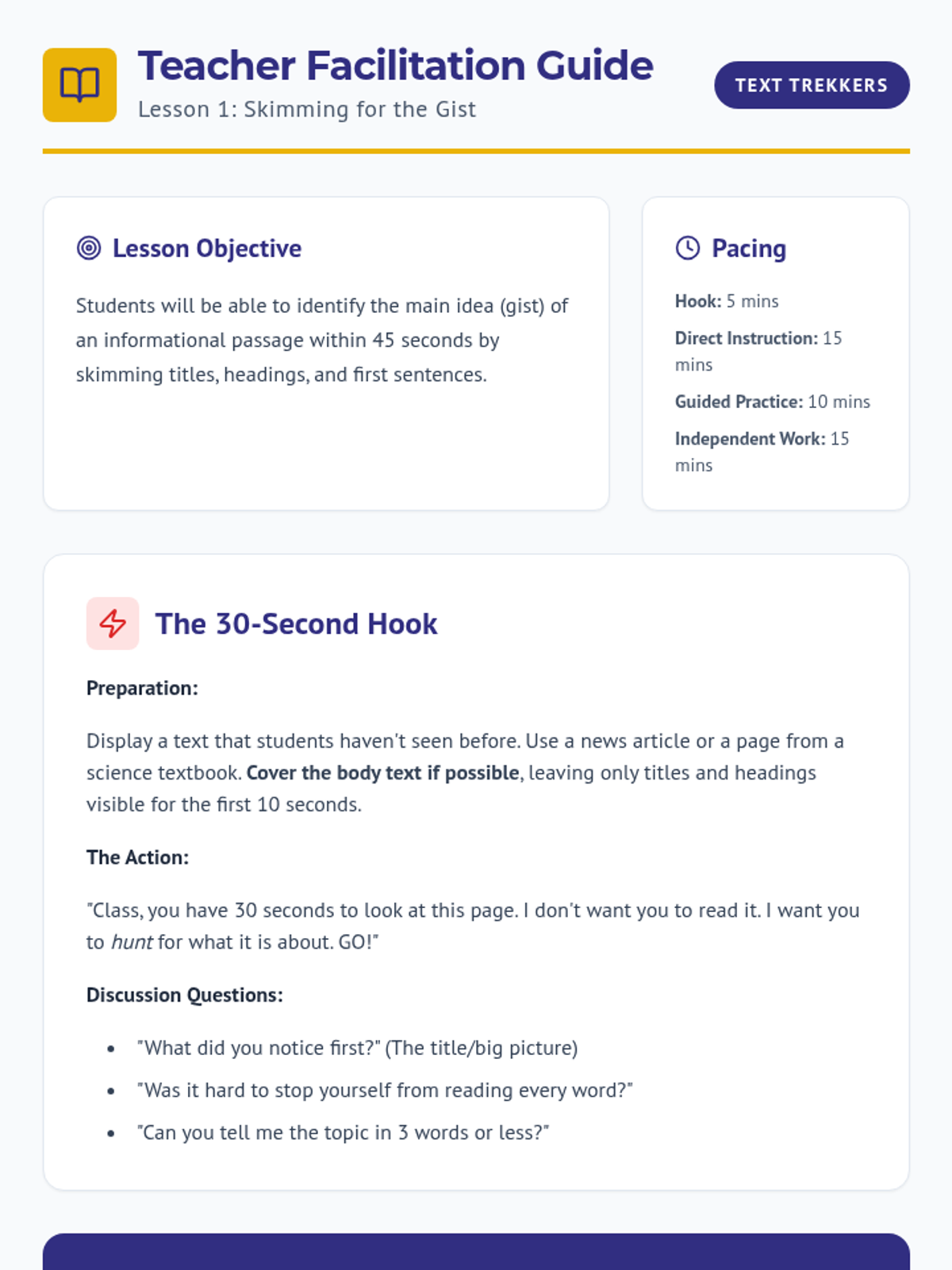
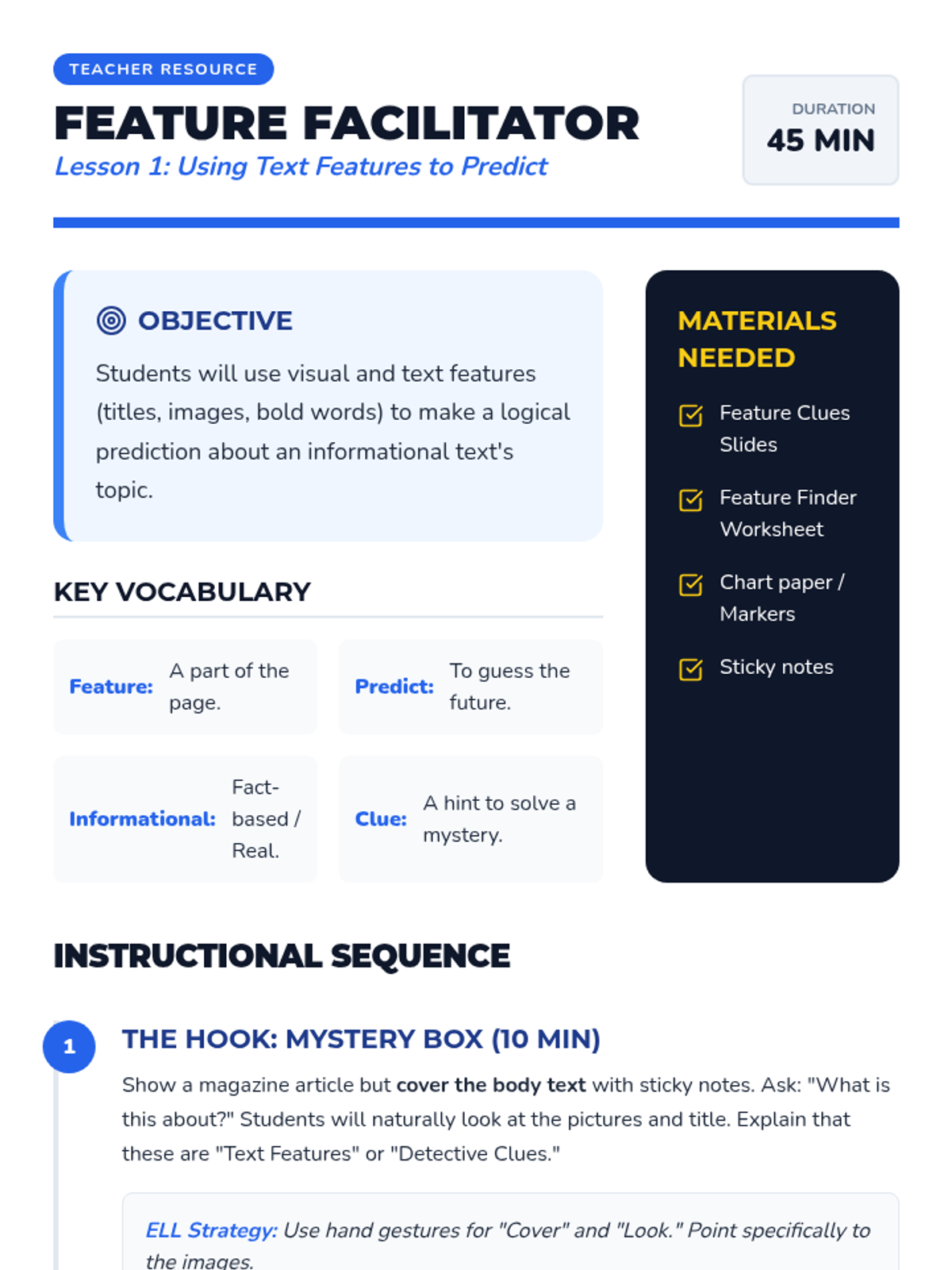
This sequence teaches 5th-grade ESL students how to navigate informational texts efficiently using skimming and scanning strategies. Students will move from understanding the big picture to locating specific keywords and using text features to answer test-style questions under time pressure.
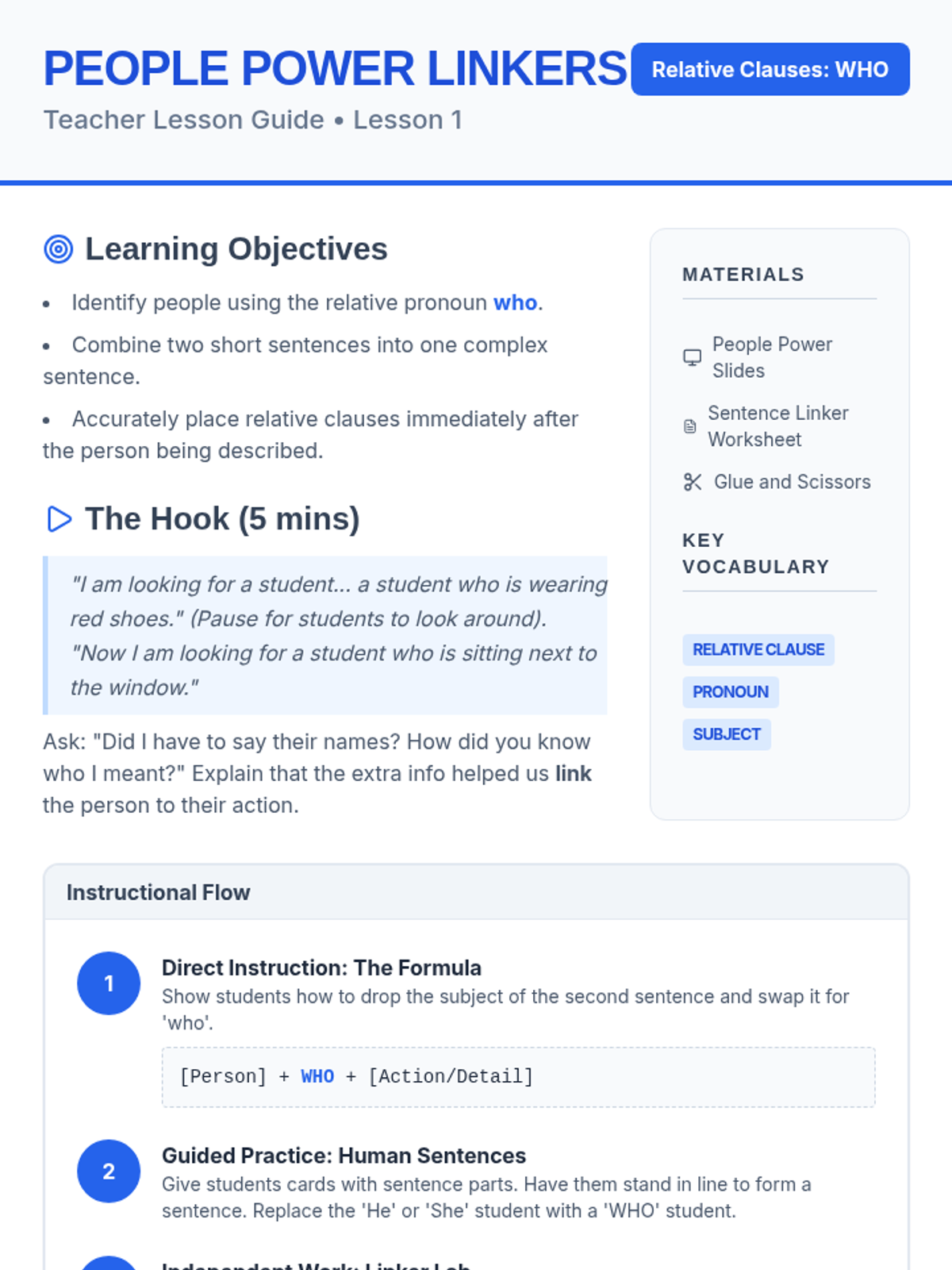
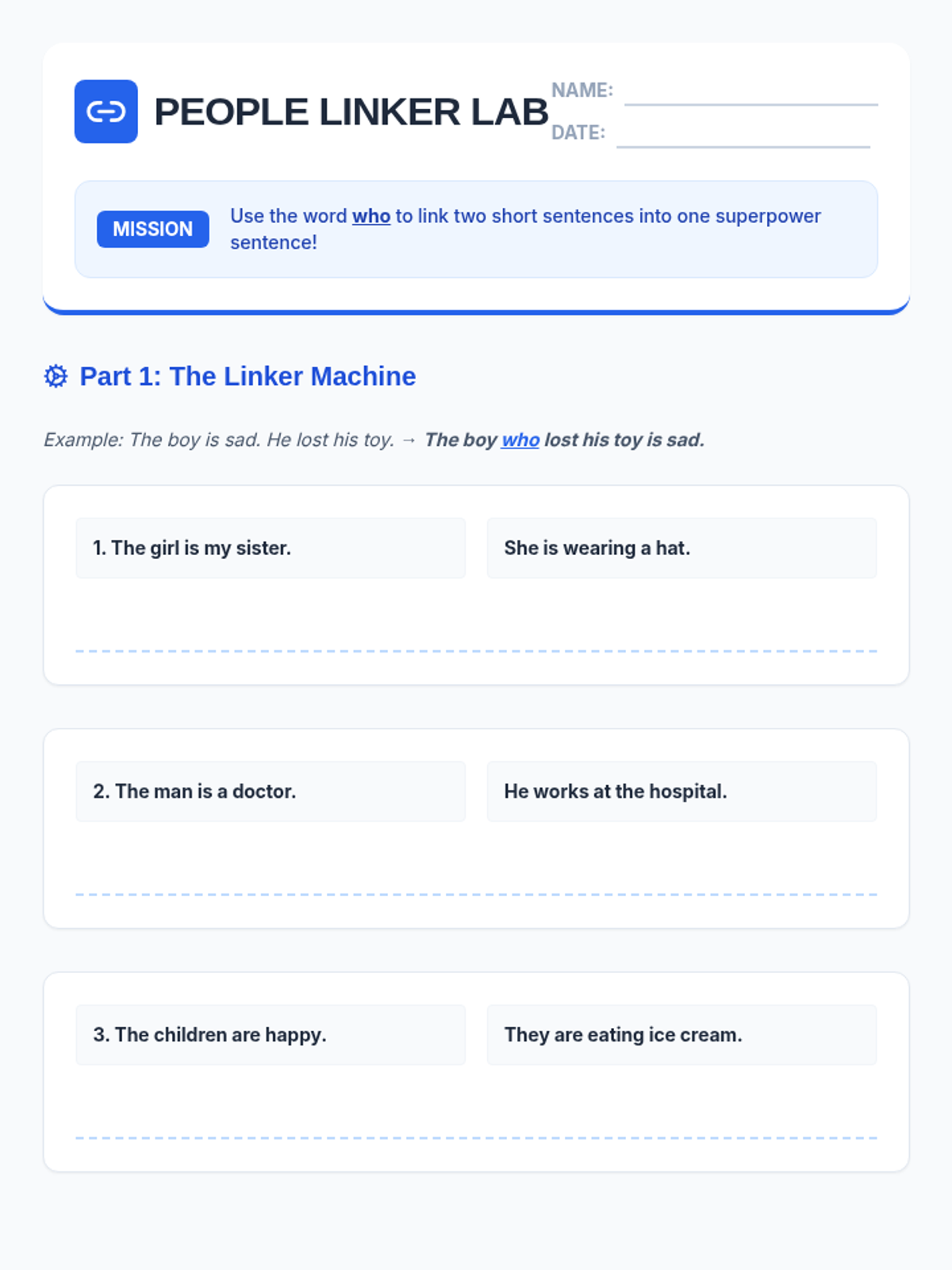
This sequence strengthens sentence complexity by introducing Relative Clauses with 'who', 'which', and 'that'. Students move beyond simple sentences to compound descriptions that identify specific people or objects through games and creative writing.
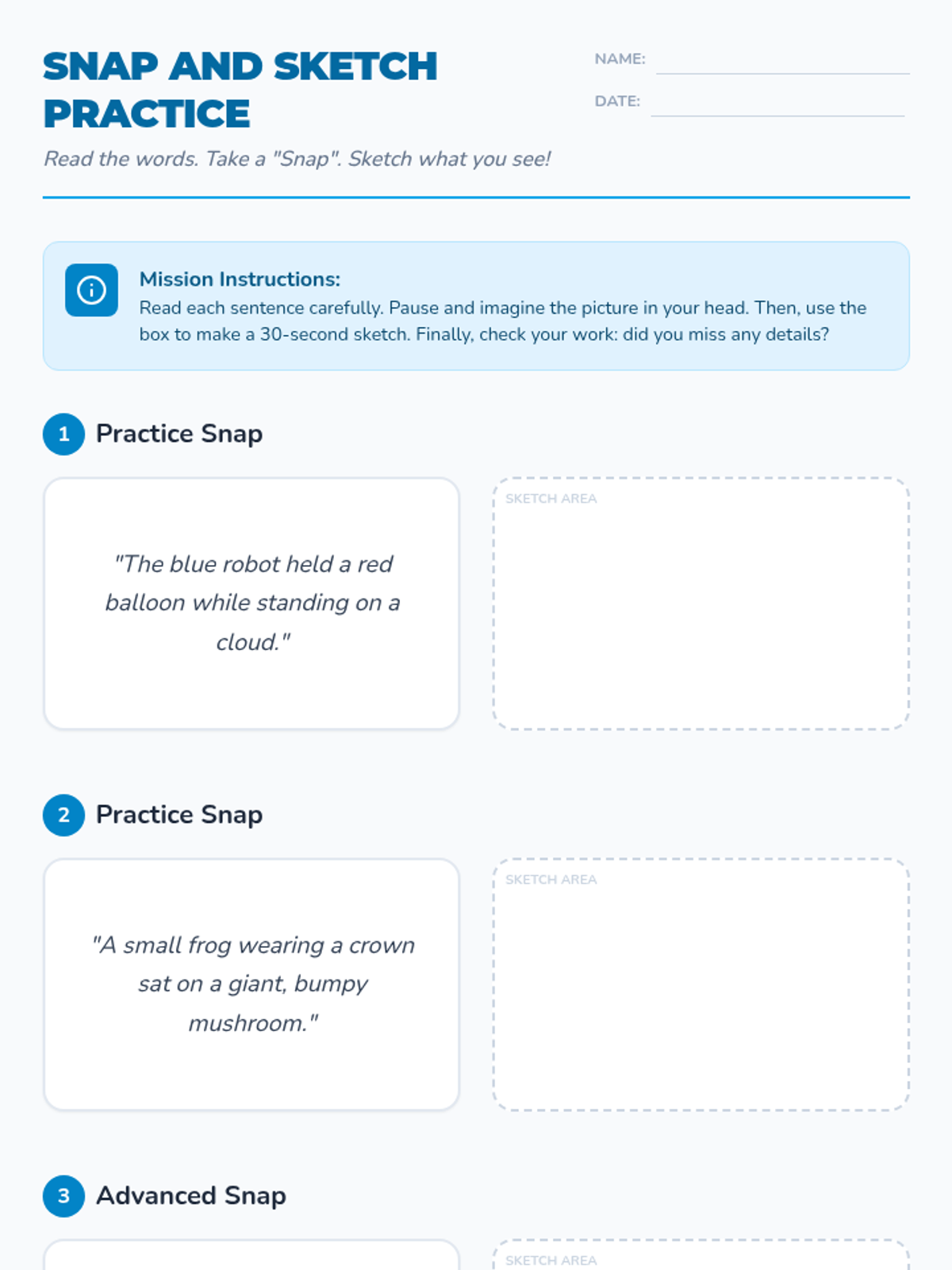
This sequence utilizes sketching as a concrete scaffold for students who struggle to hold images in their working memory. Known as 'Sketch-to-Stretch,' this approach allows students to externalize their thinking immediately after reading small chunks of text. By drawing what they read, students can self-monitor for understanding; if they cannot draw it, they likely did not comprehend it.
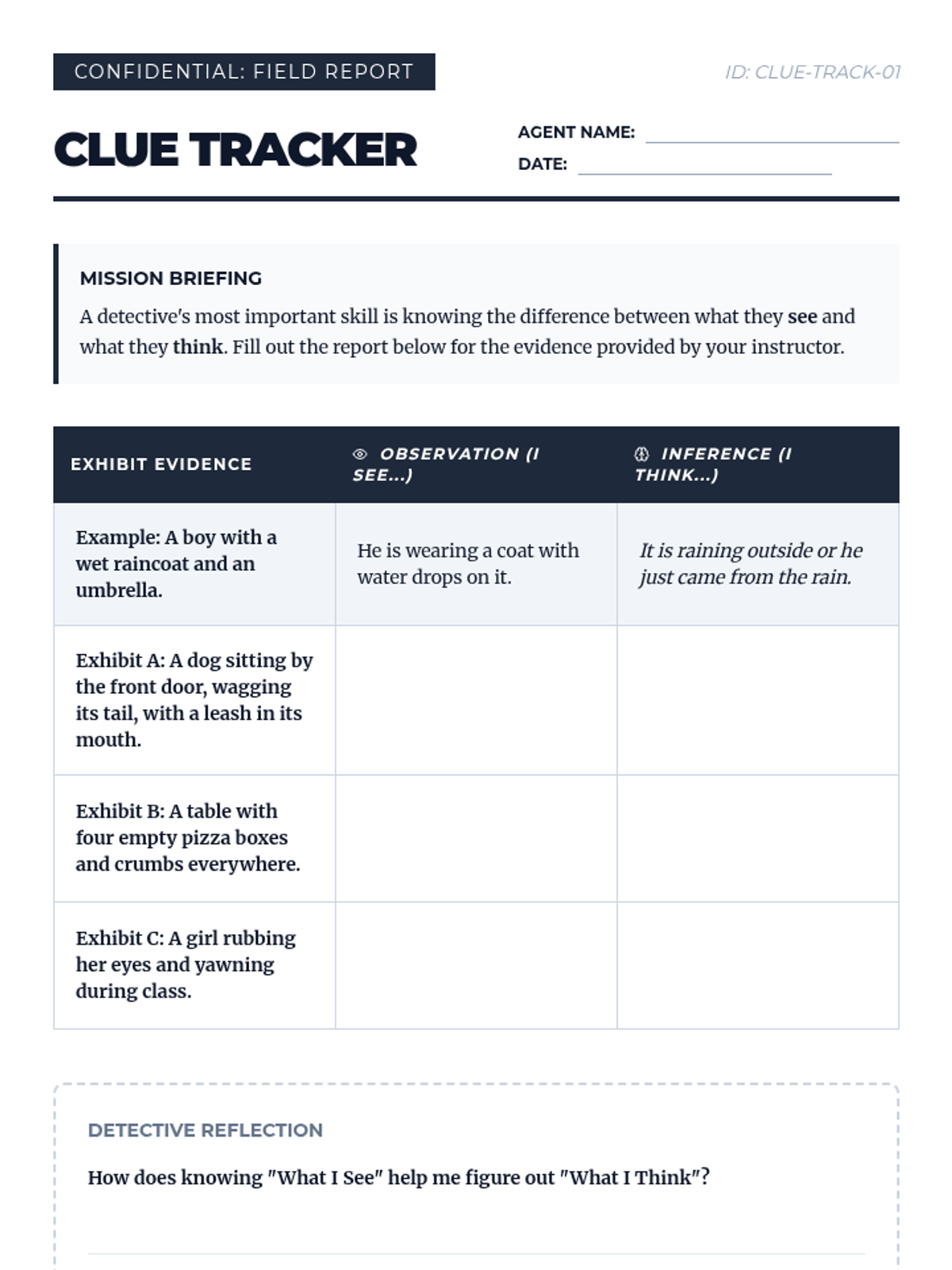
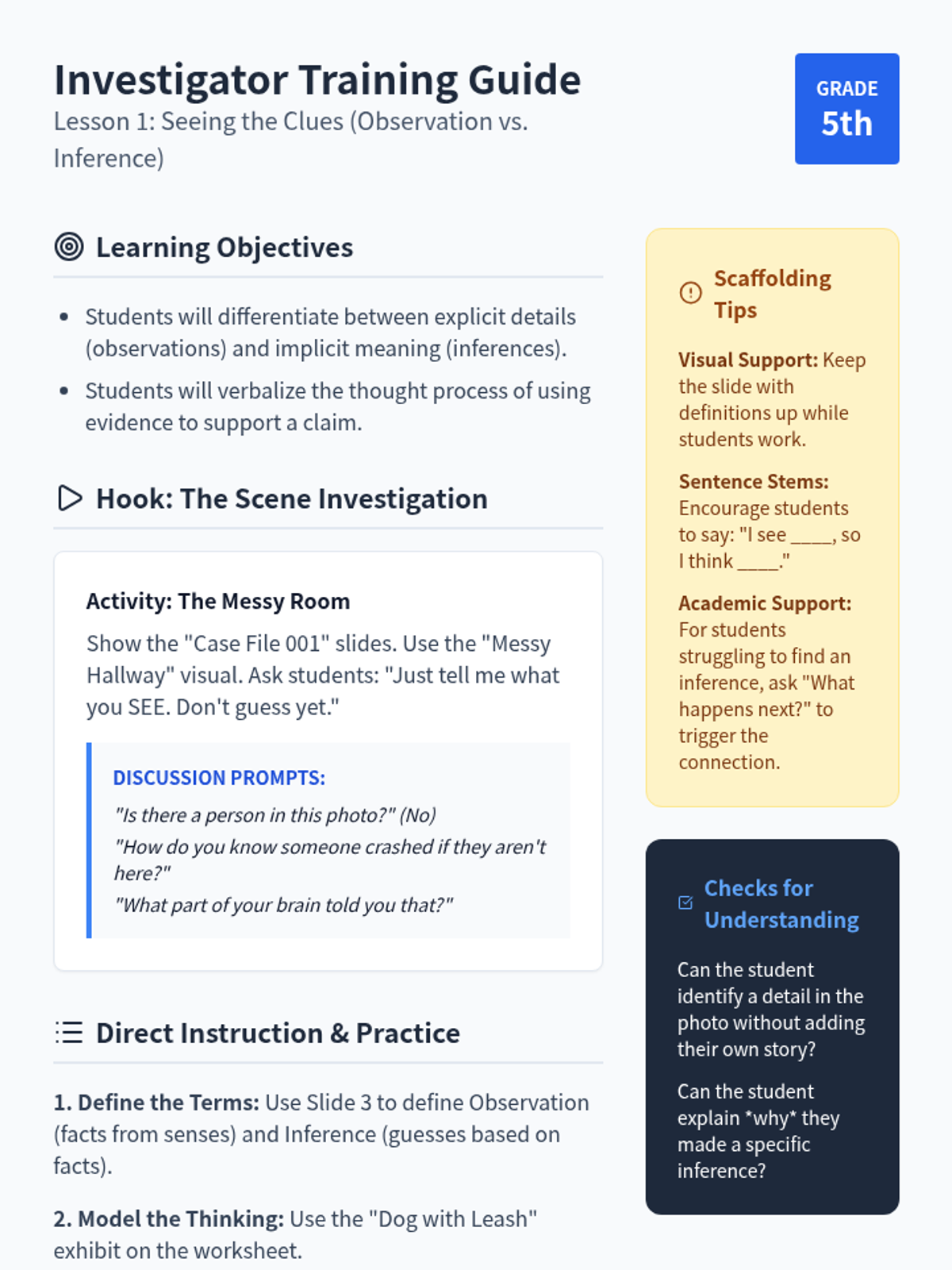
A 5-lesson sequence for 5th-grade academic support focused on mastering inferences through visual media, graphic organizers, and the 'Inference Equation.' Students transition from visual observations to text-based predictions.
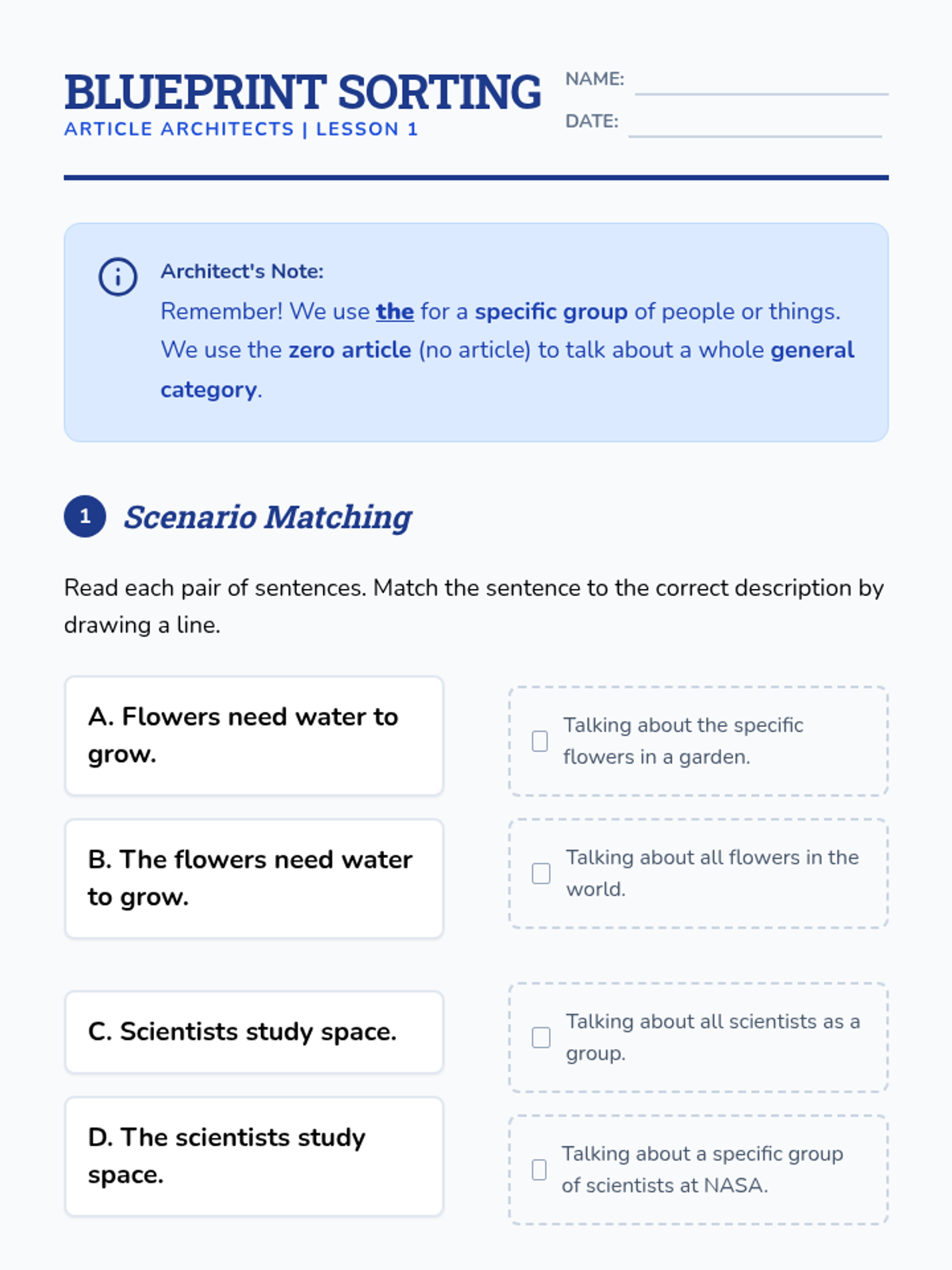
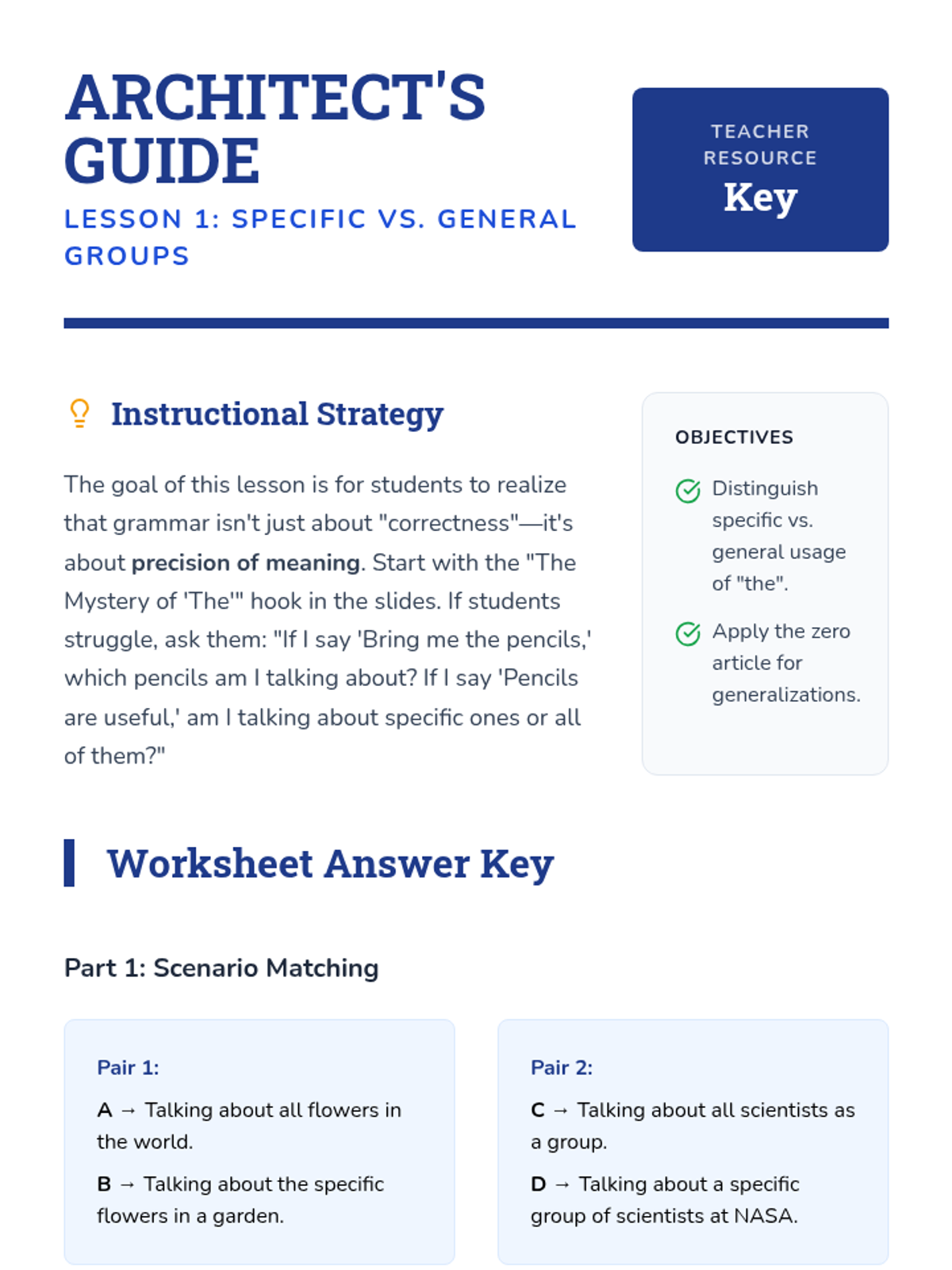
This sequence explores the 'Zero Article'—the grammatical rule of omitting articles for generalizations and abstract concepts. Students will learn to distinguish between specific groups and general categories, understand abstract noun usage, and apply these rules to improve the flow and impact of their writing.
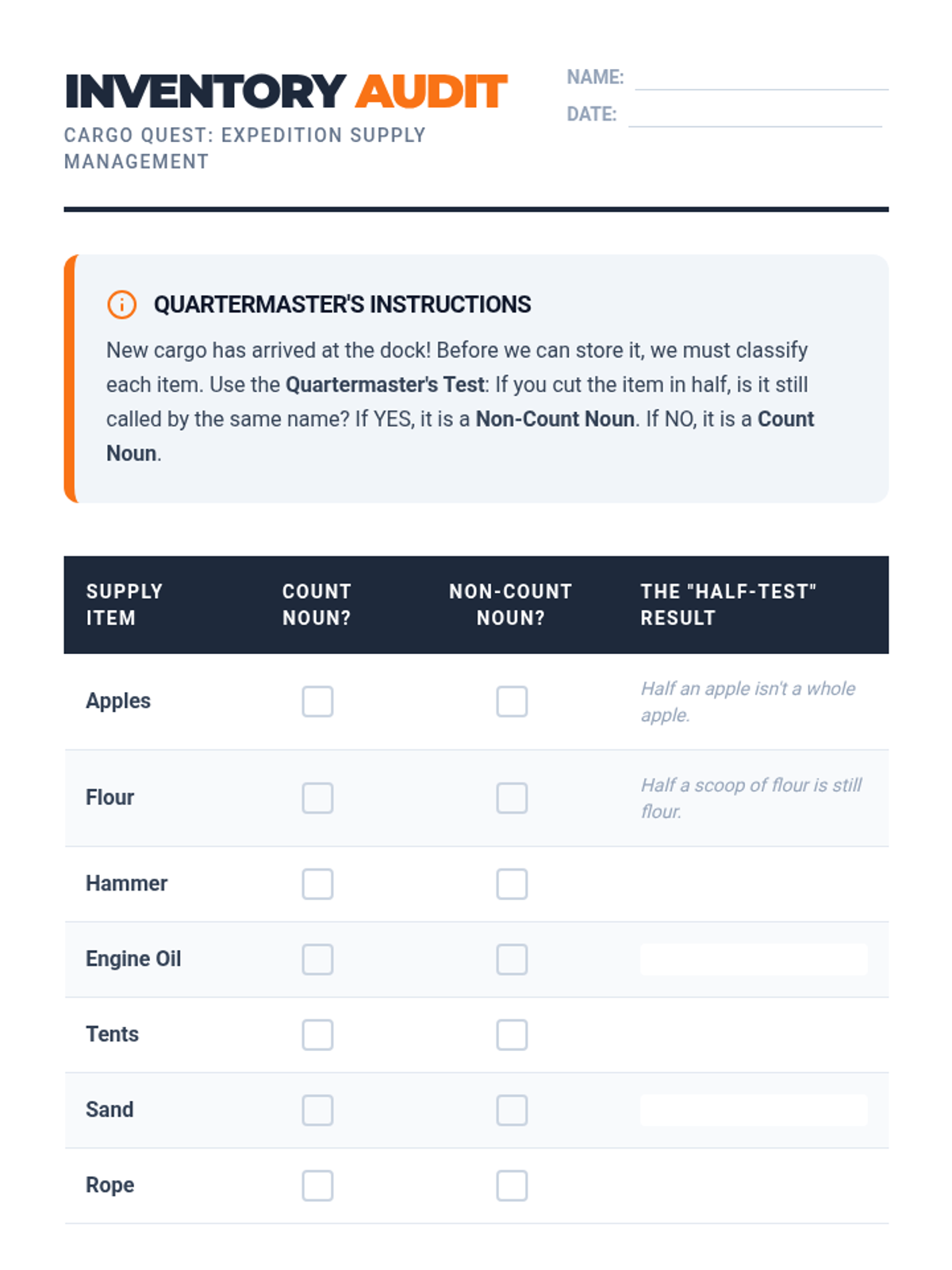
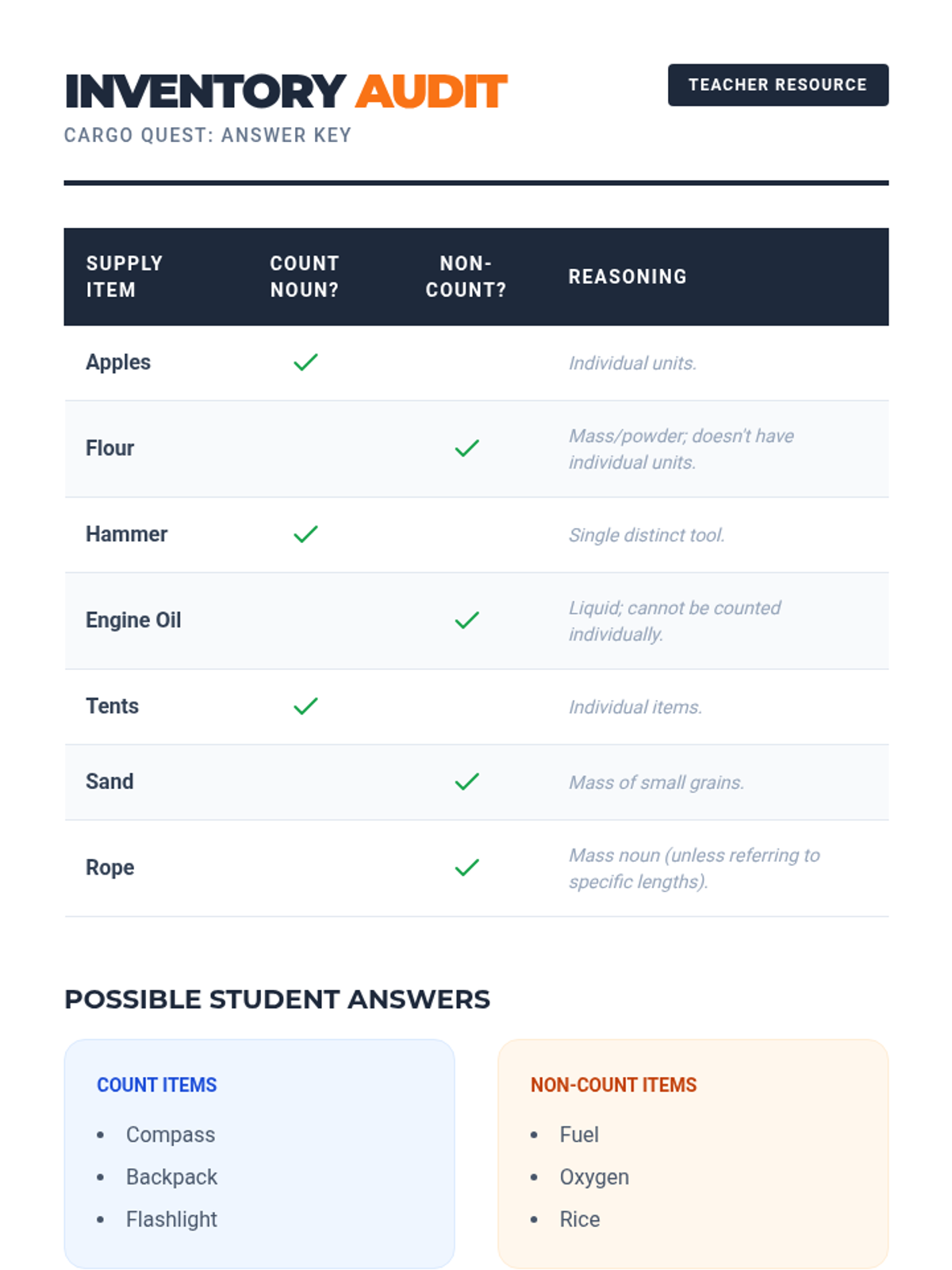
A game-based ELA sequence where 5th-grade students master the use of articles (a, an, the, and null) by distinguishing between count and non-count nouns through the lens of supply management and inventory logistics.
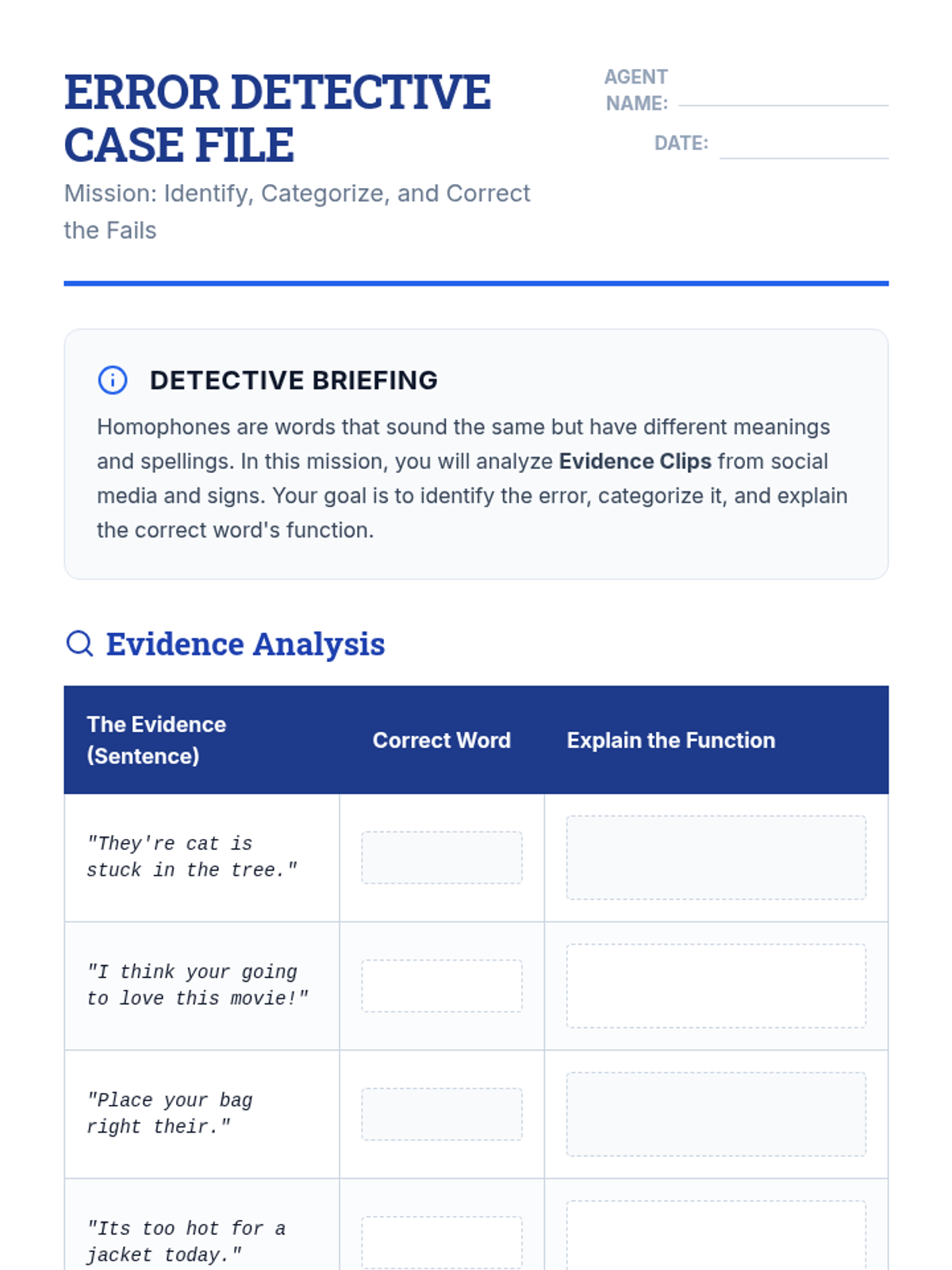
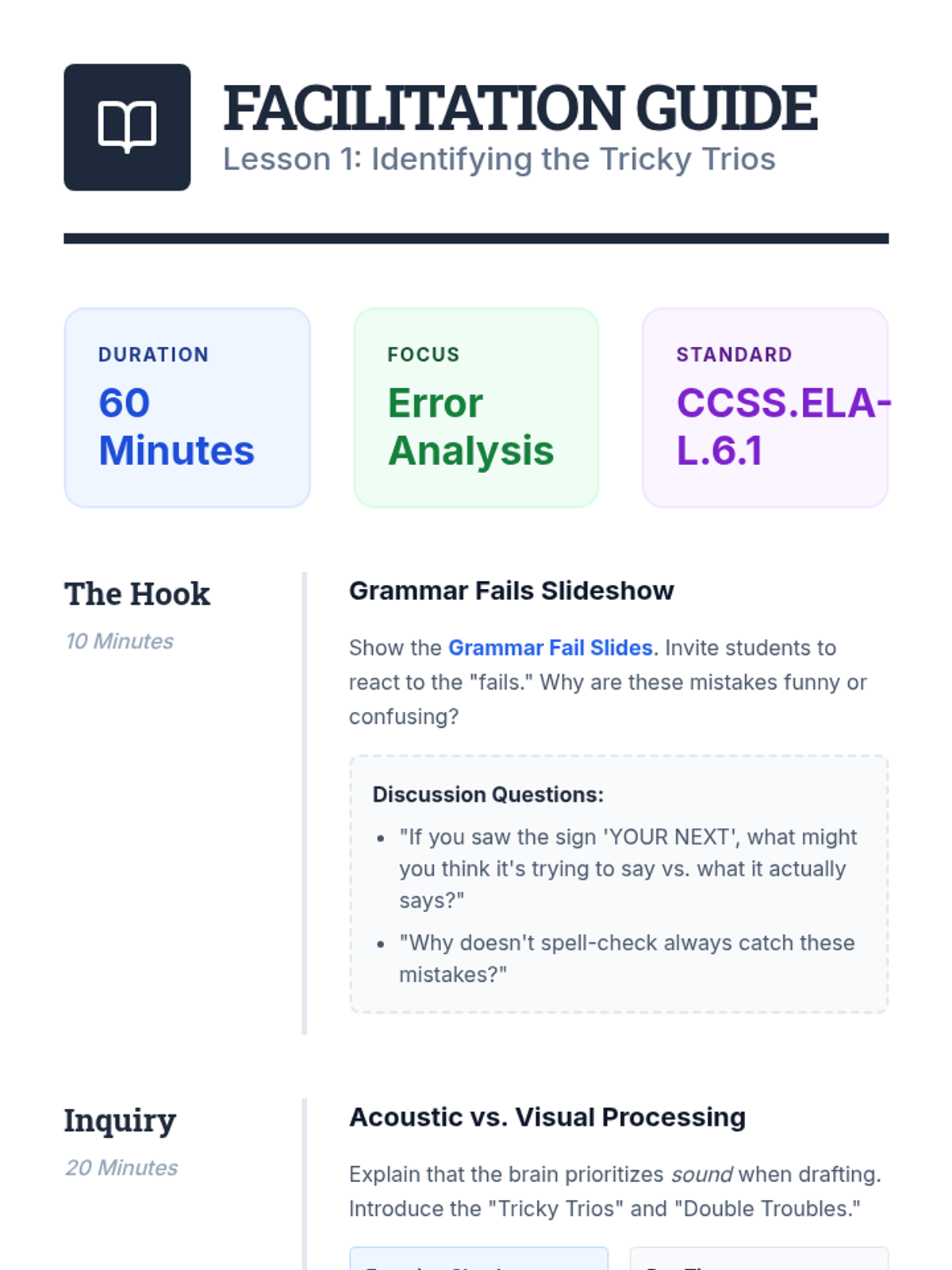
A 5-lesson sequence for 6th Grade students focused on mastering homophones through visual mnemonics, error analysis, and project-based design. Students move from identifying real-world grammar fails to creating their own visual dictionary of commonly confused words.
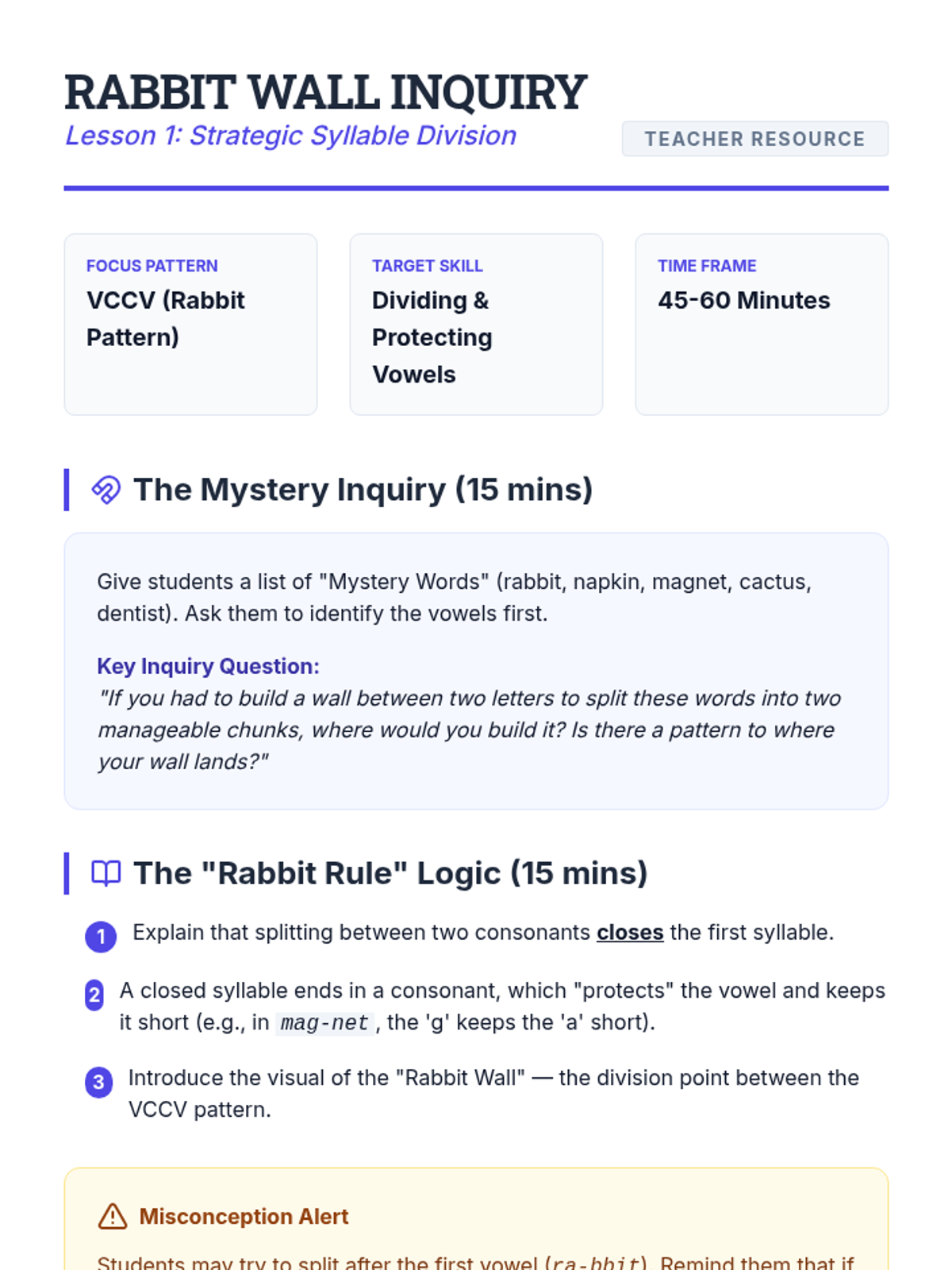
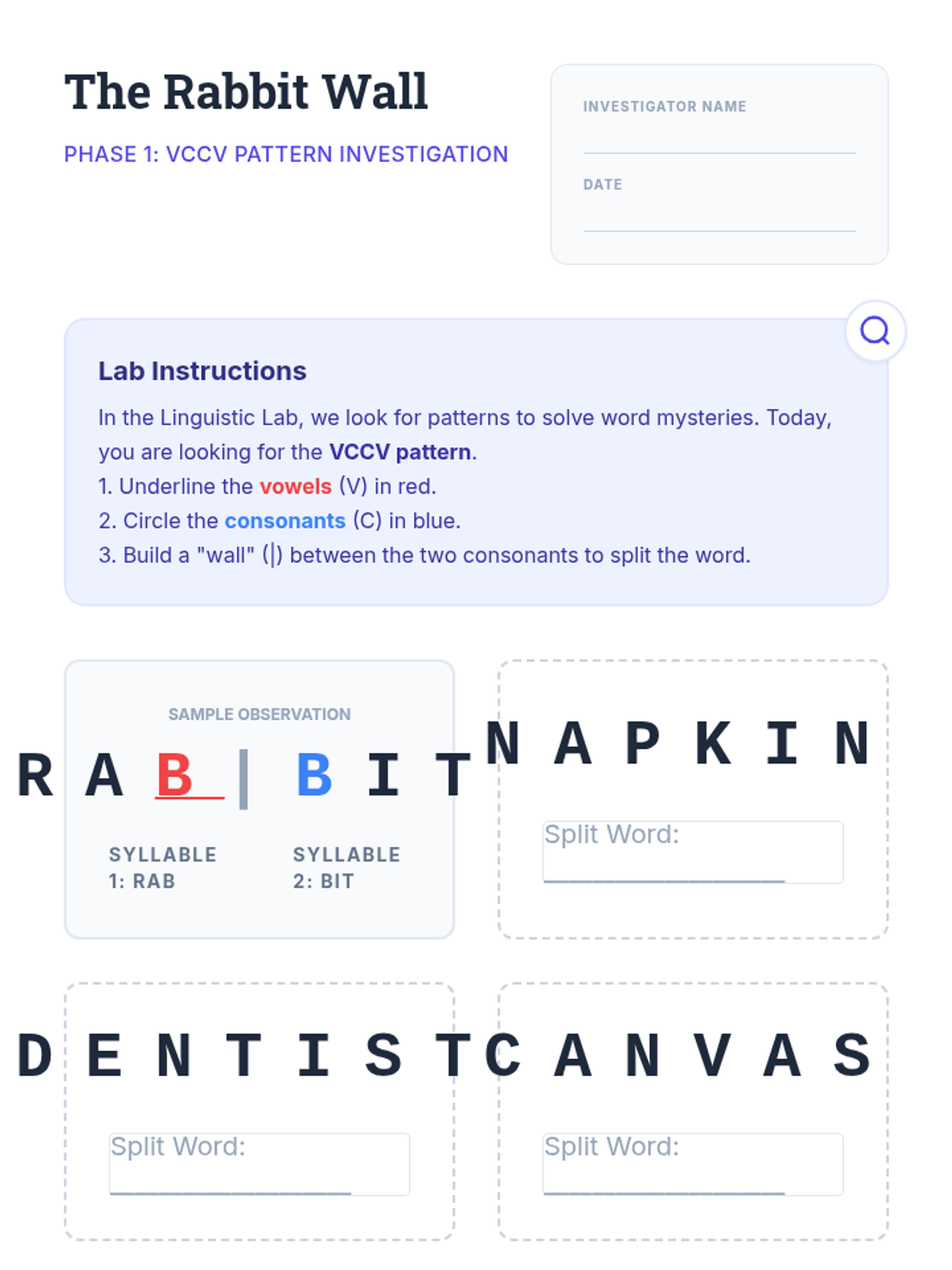
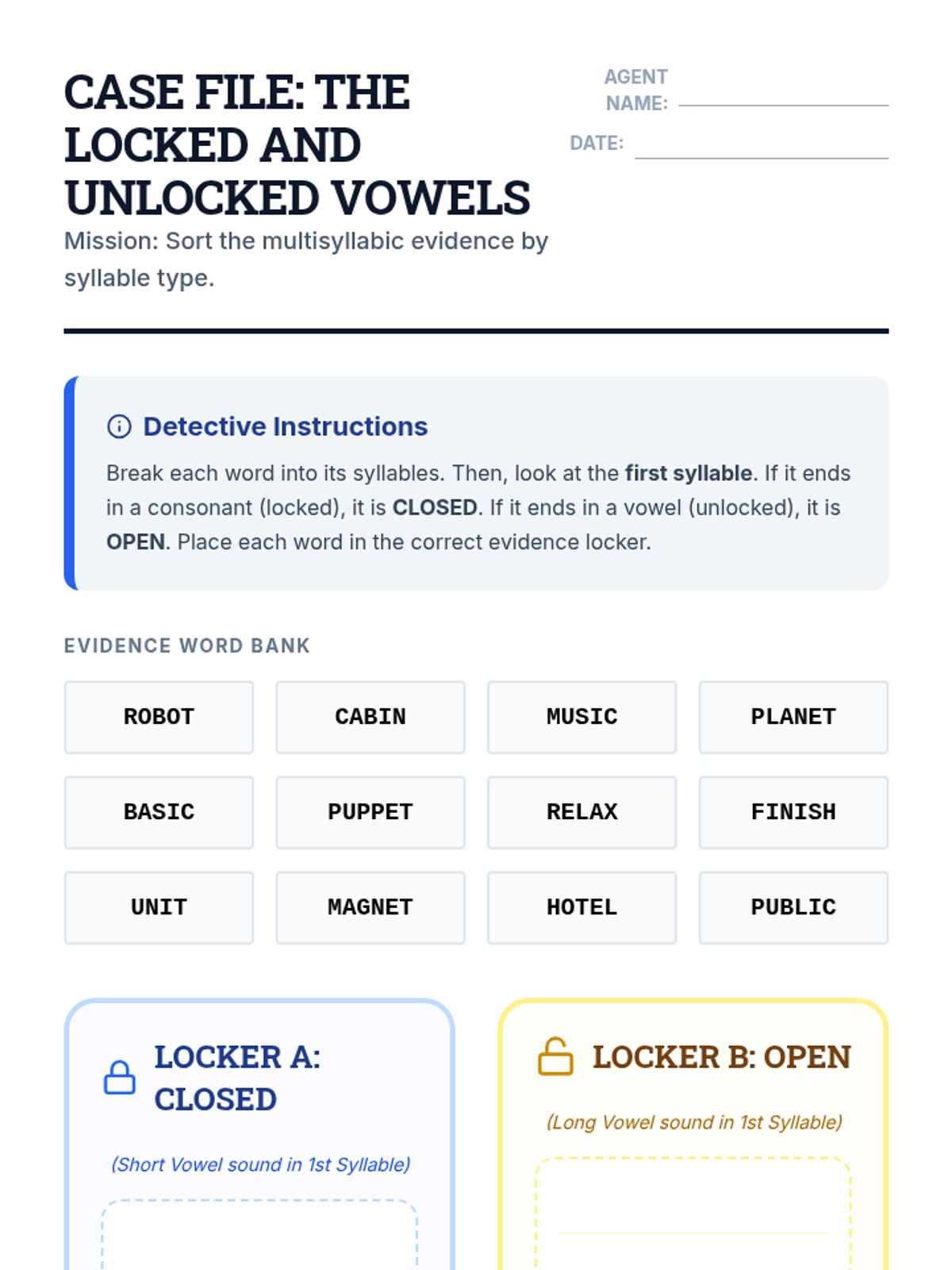
A comprehensive 5th-grade sequence that moves students from basic syllable division patterns to flexible morphological analysis. Students investigate how word structure influences pronunciation and develop strategies for decoding complex, multi-syllabic vocabulary in authentic texts.
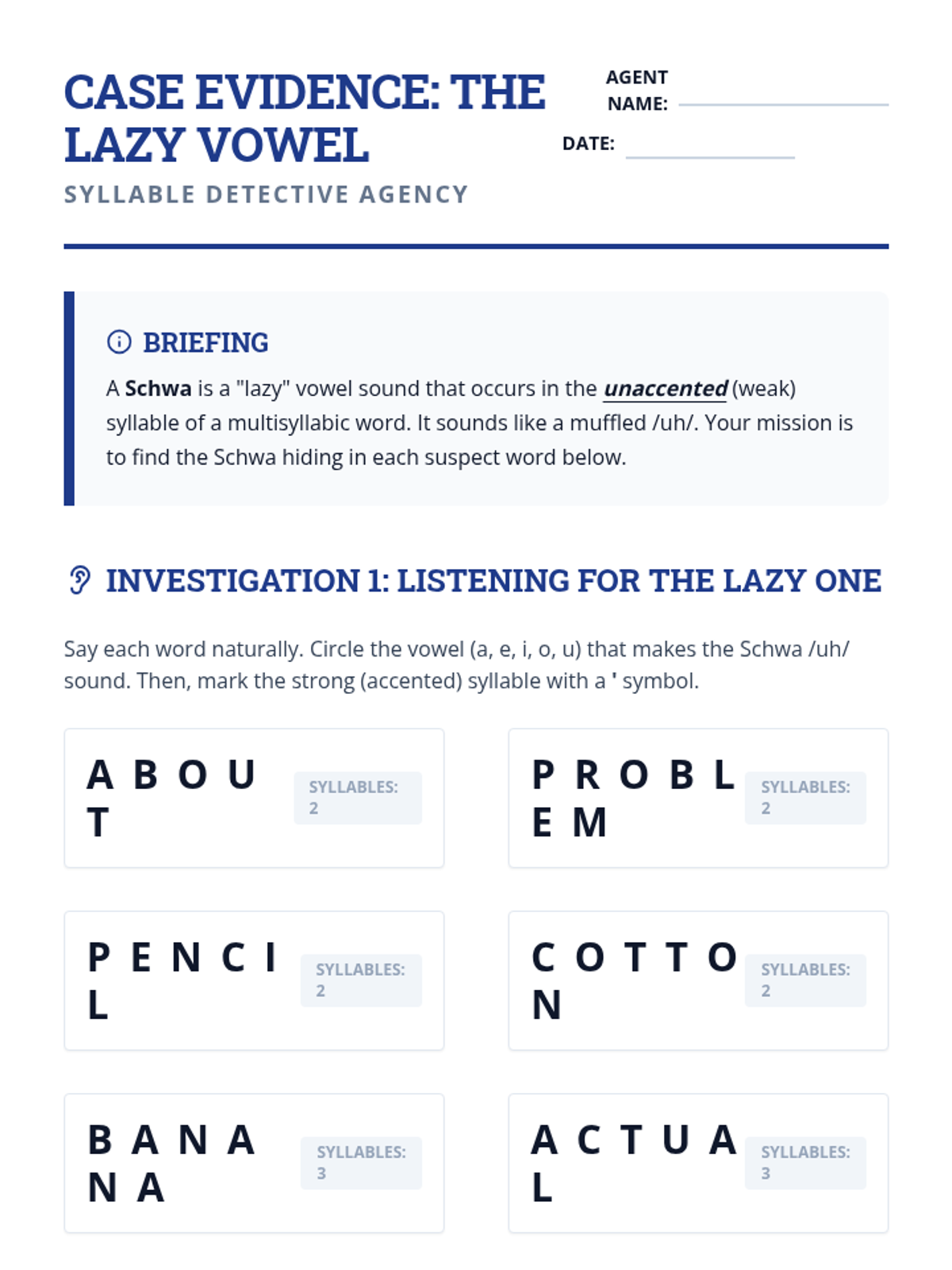
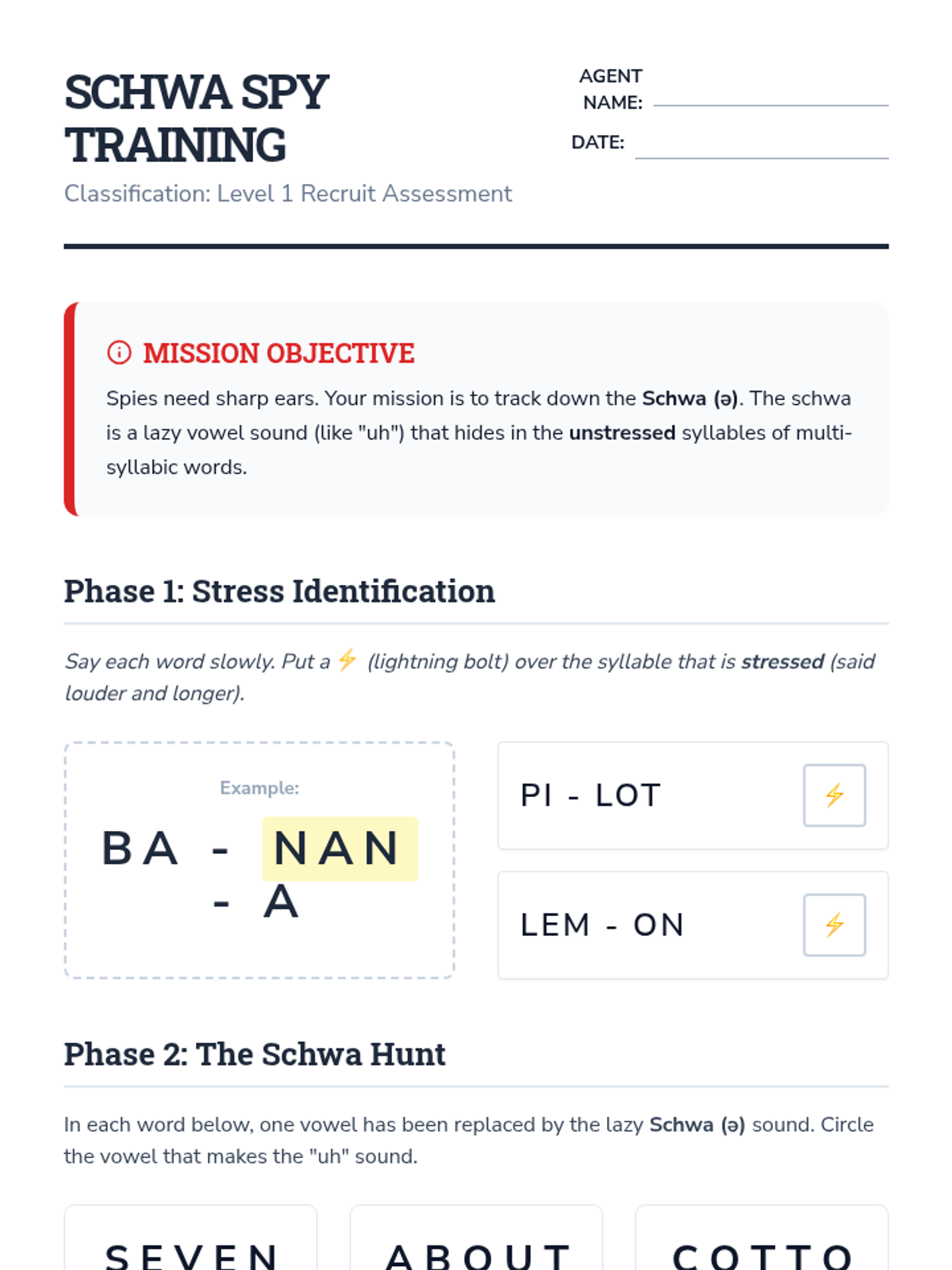
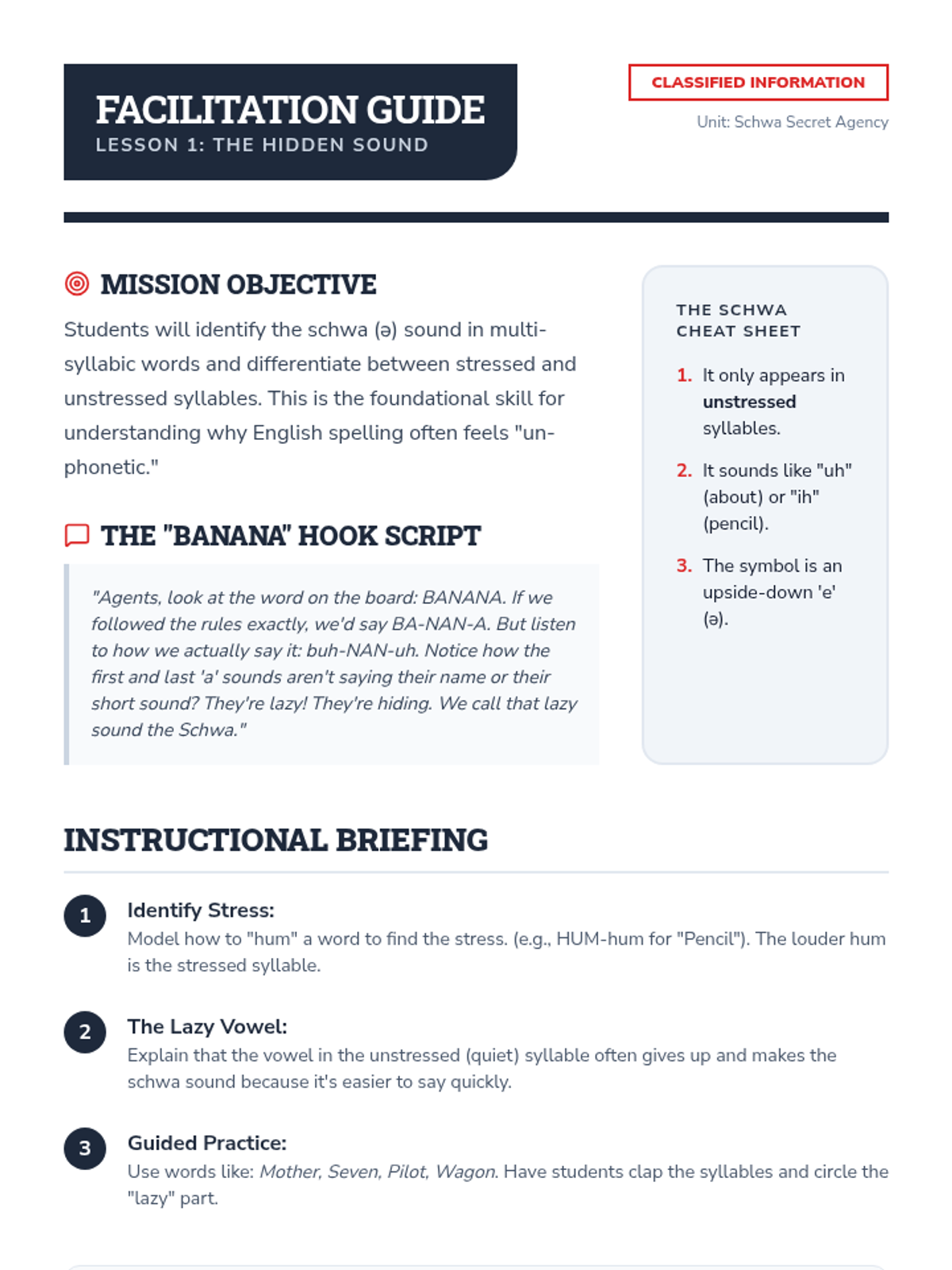
A comprehensive 5th-grade sequence exploring the Schwa sound and syllable stress. Students learn to identify the 'lazy vowel,' map stress patterns, and apply this knowledge to improve spelling and decoding of multisyllabic words.
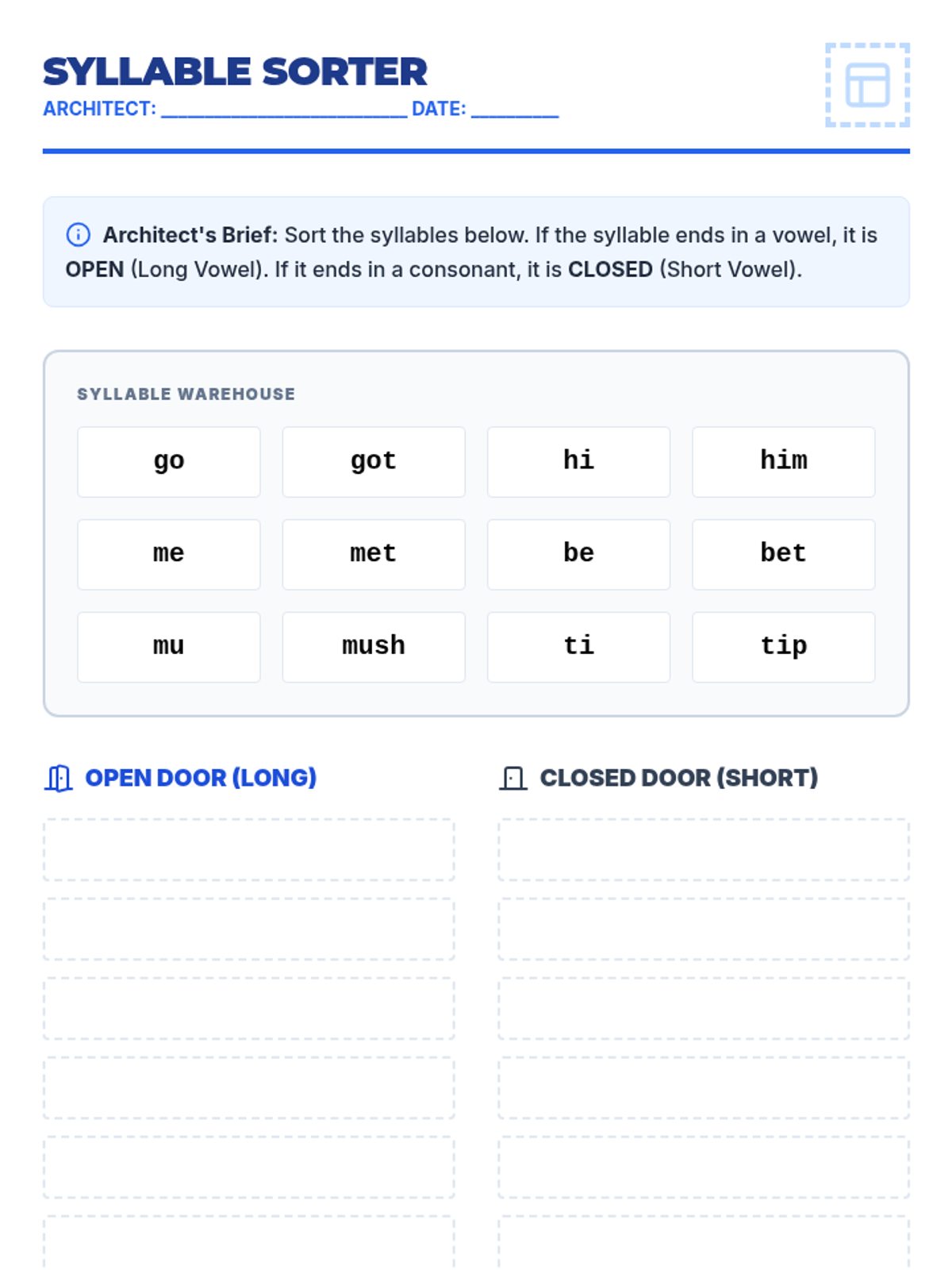
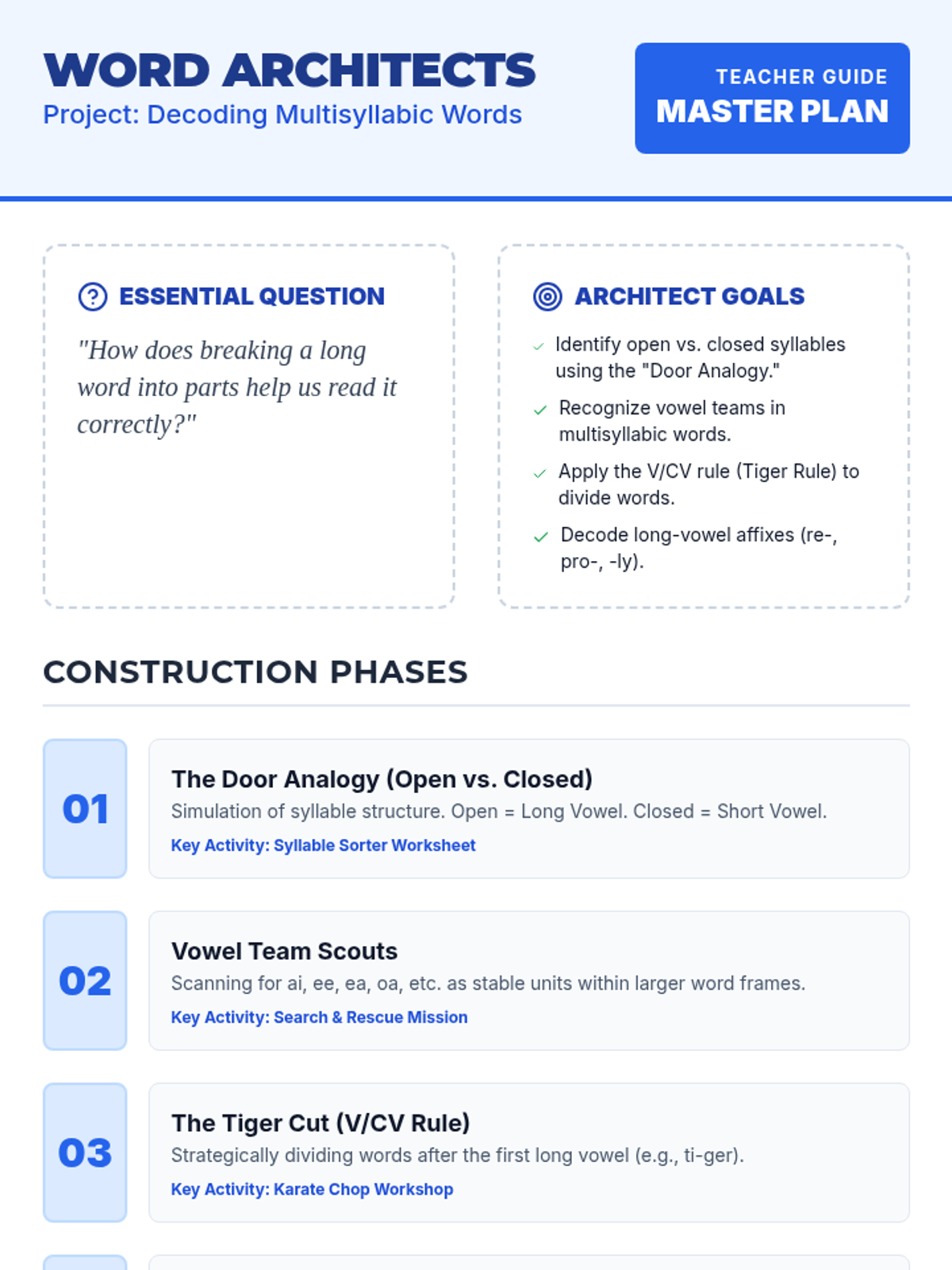
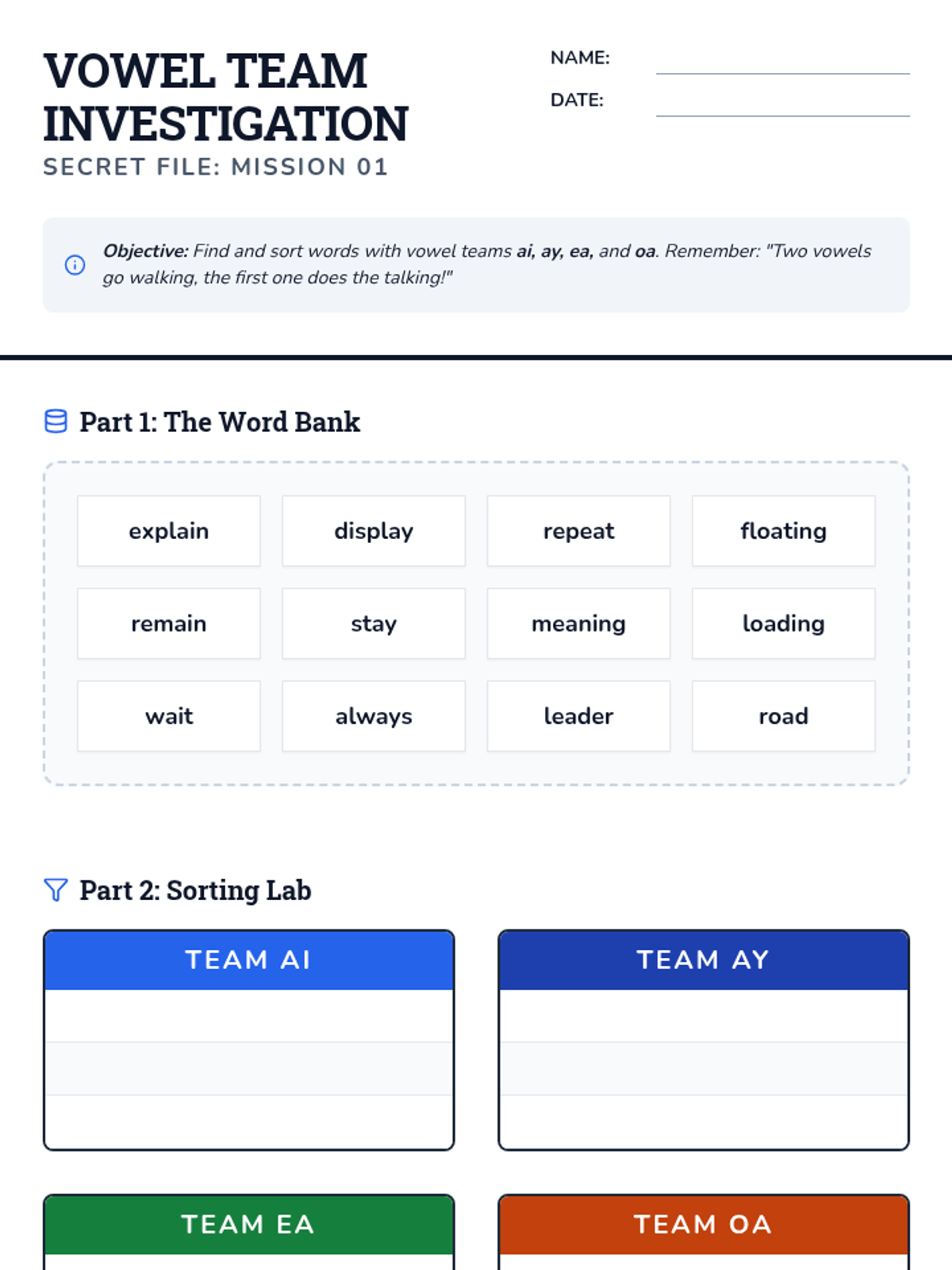
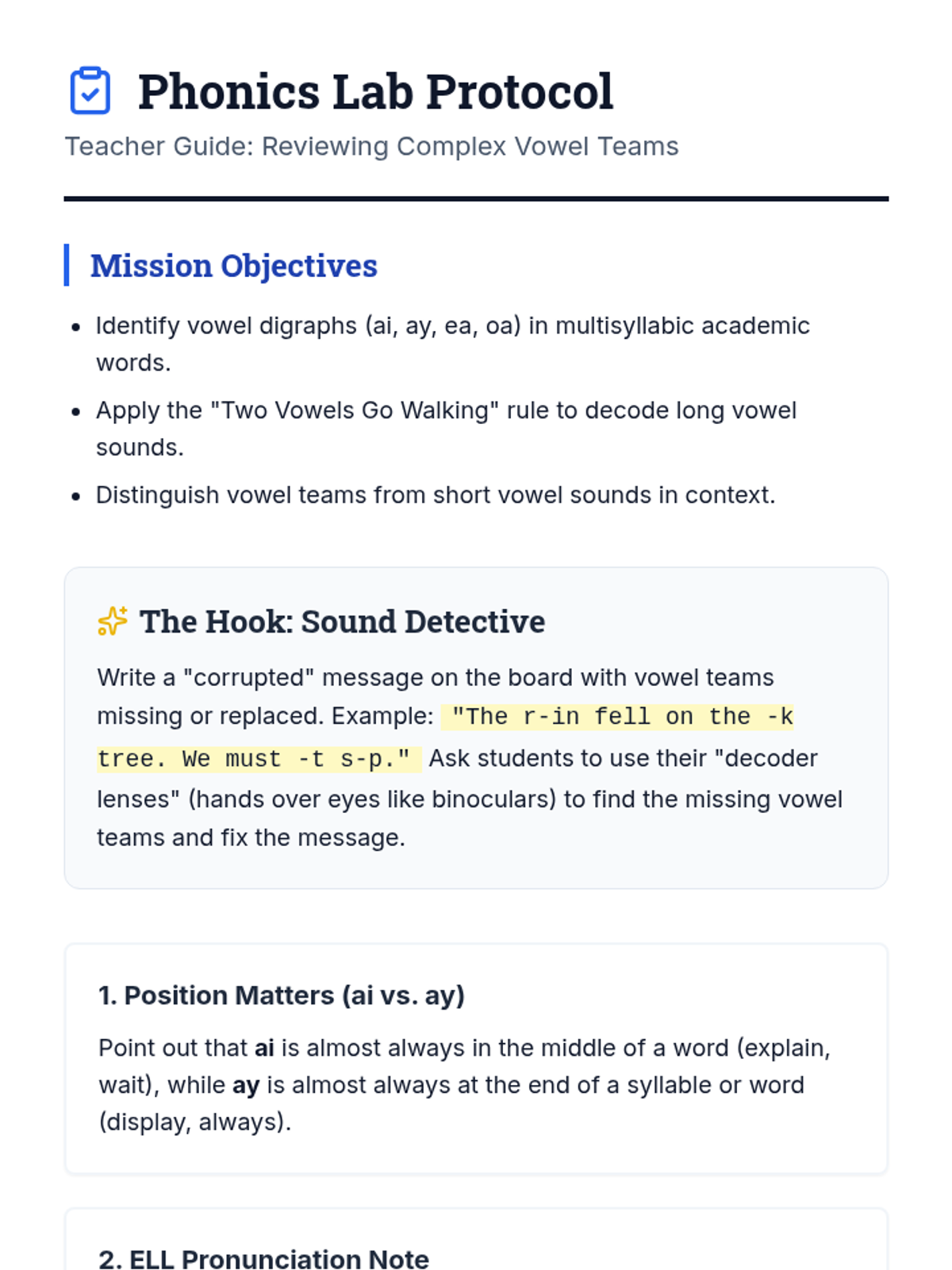
This simulation-based sequence treats students as 'Word Architects' who learn to construct and deconstruct multisyllabic words containing long vowels. The focus moves beyond one-syllable decoding to recognizing open syllables and vowel teams within longer, academic vocabulary.
A comprehensive sequence designed for 5th-grade beginner English Language Learners to master the art of extracting key details from informational texts. Through five progressive lessons, students learn to use text features, scan for keywords, apply the 5 Ws, sequence information, and create visual summaries to demonstrate comprehension.
A 5-lesson sequence for beginner English Language Learners focusing on sentence structure, punctuation, and descriptive expansion to improve reading comprehension and fluency.
A 5th-grade phonics sequence for beginner English learners focusing on decoding multisyllabic words using vowel teams, compound words, syllable division (VCCV), and affixes within academic contexts.
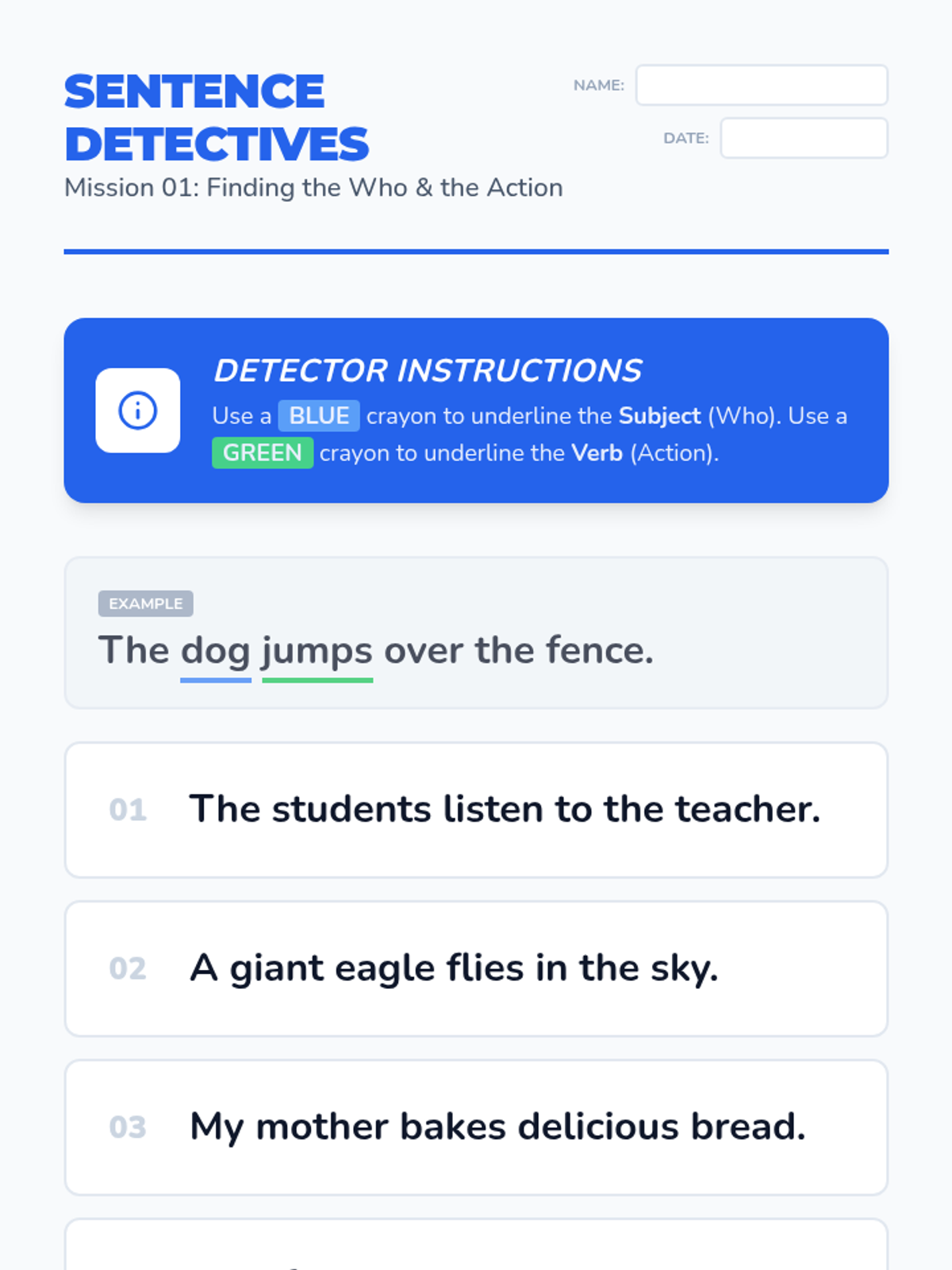
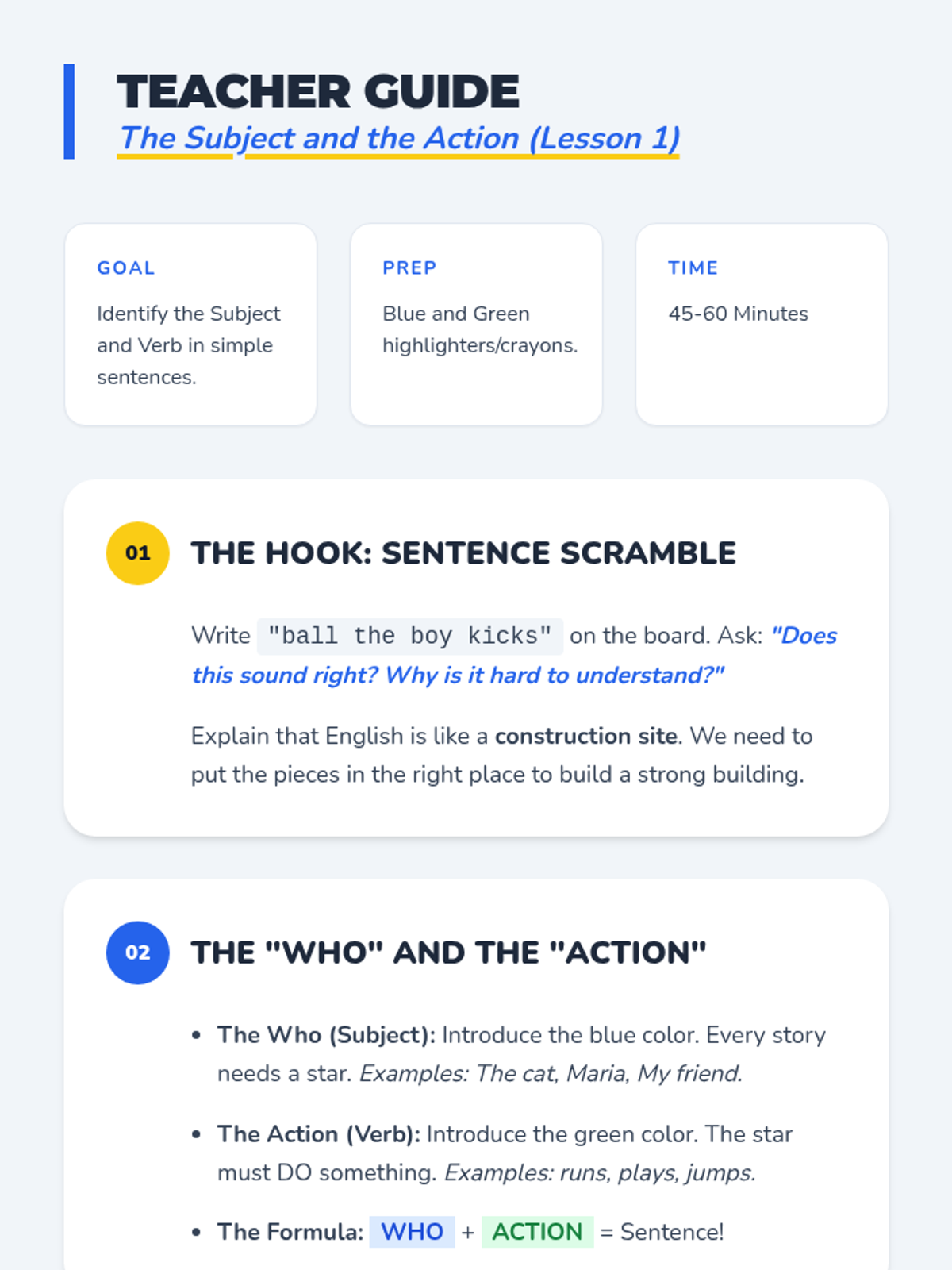
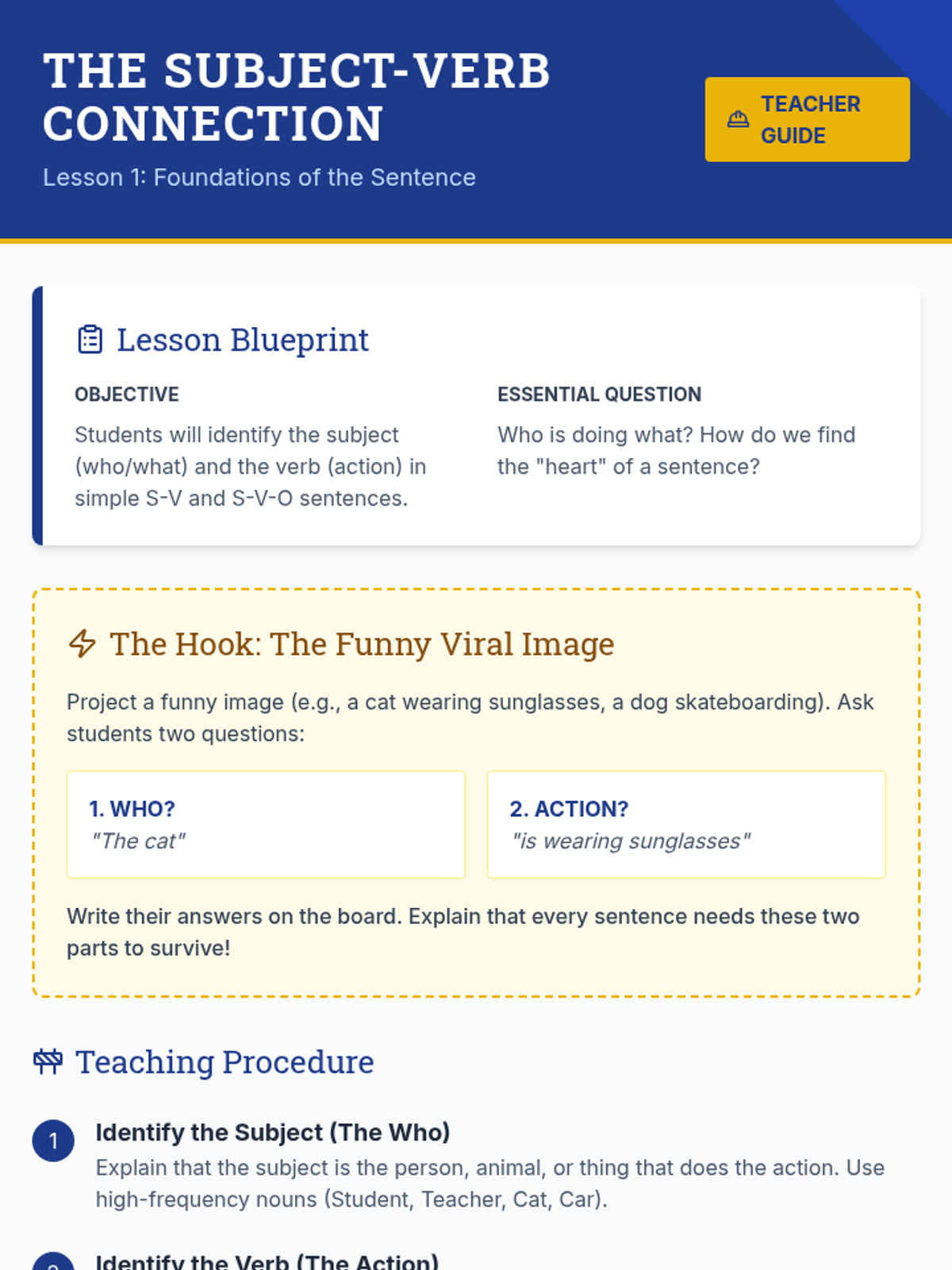
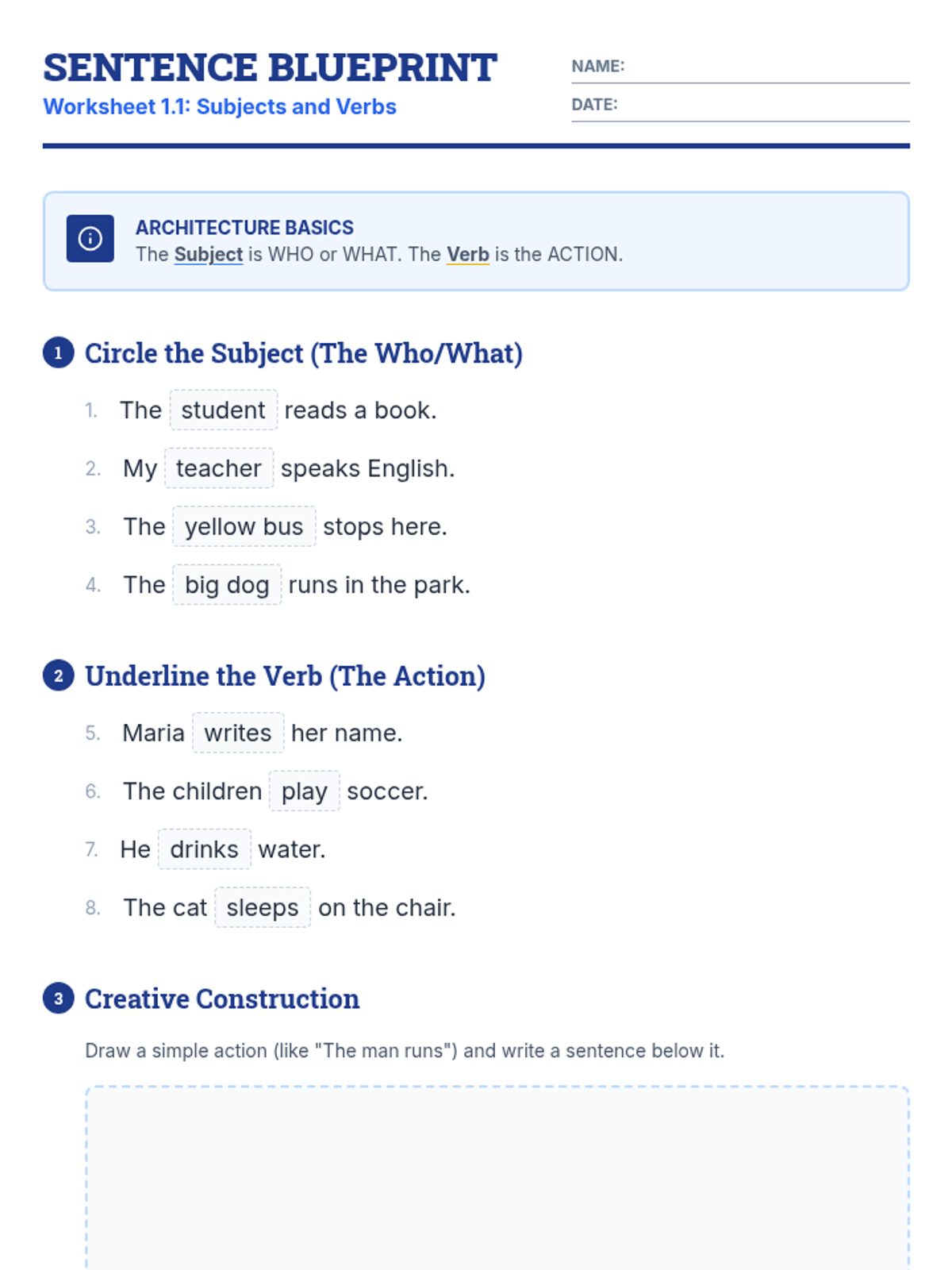
A comprehensive unit for beginner ELL students to master English sentence architecture, moving from basic Subject-Verb-Object patterns to descriptive expansion and compound structures.
A 7th-grade English Language Learning sequence focusing on mastering the top 300 high-frequency sight words through real-world 'survival English' contexts like schedules, text messages, and menus. Students transition from isolated word recognition to rapid contextual reading to build automaticity and cognitive fluency.
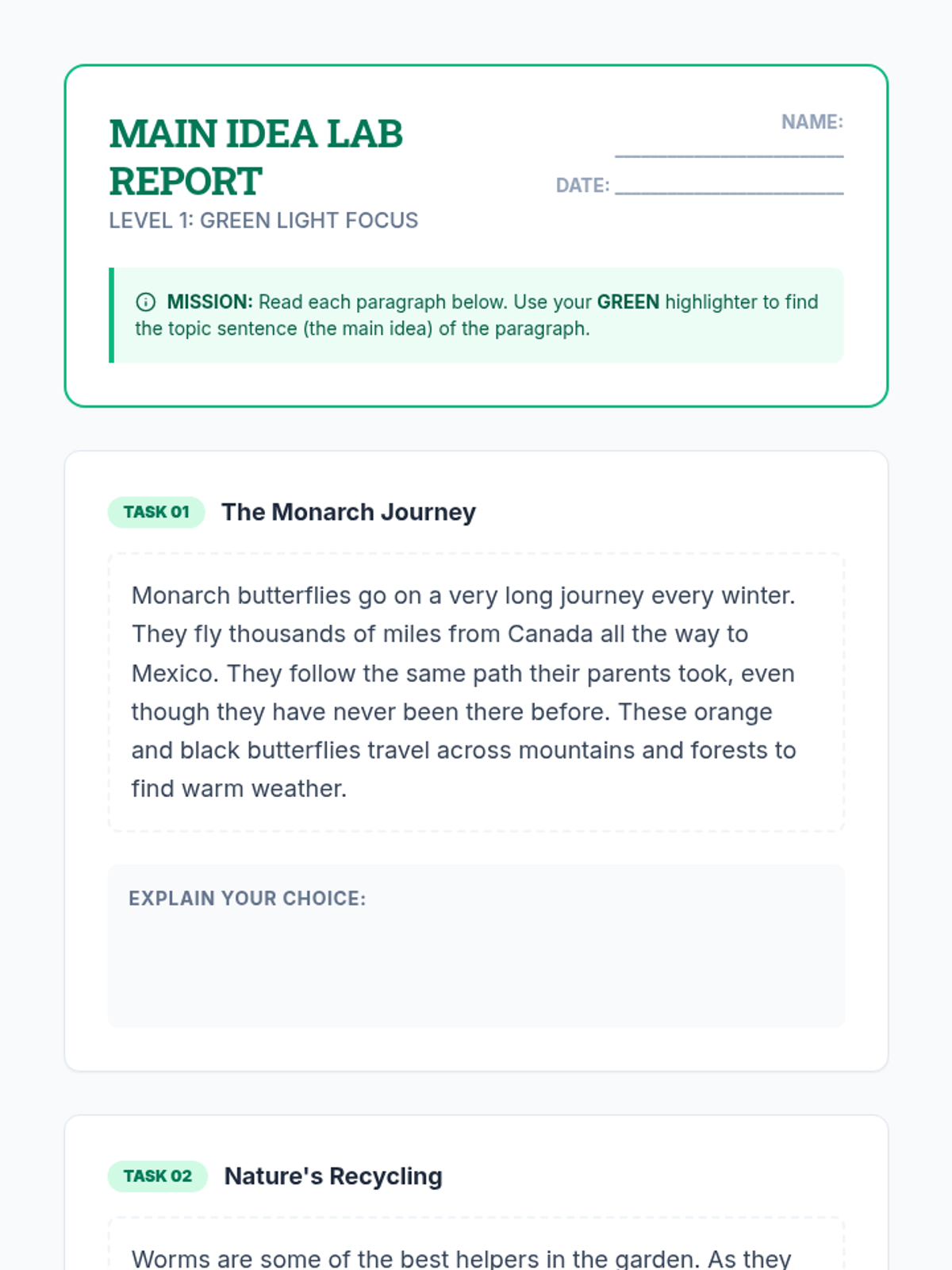
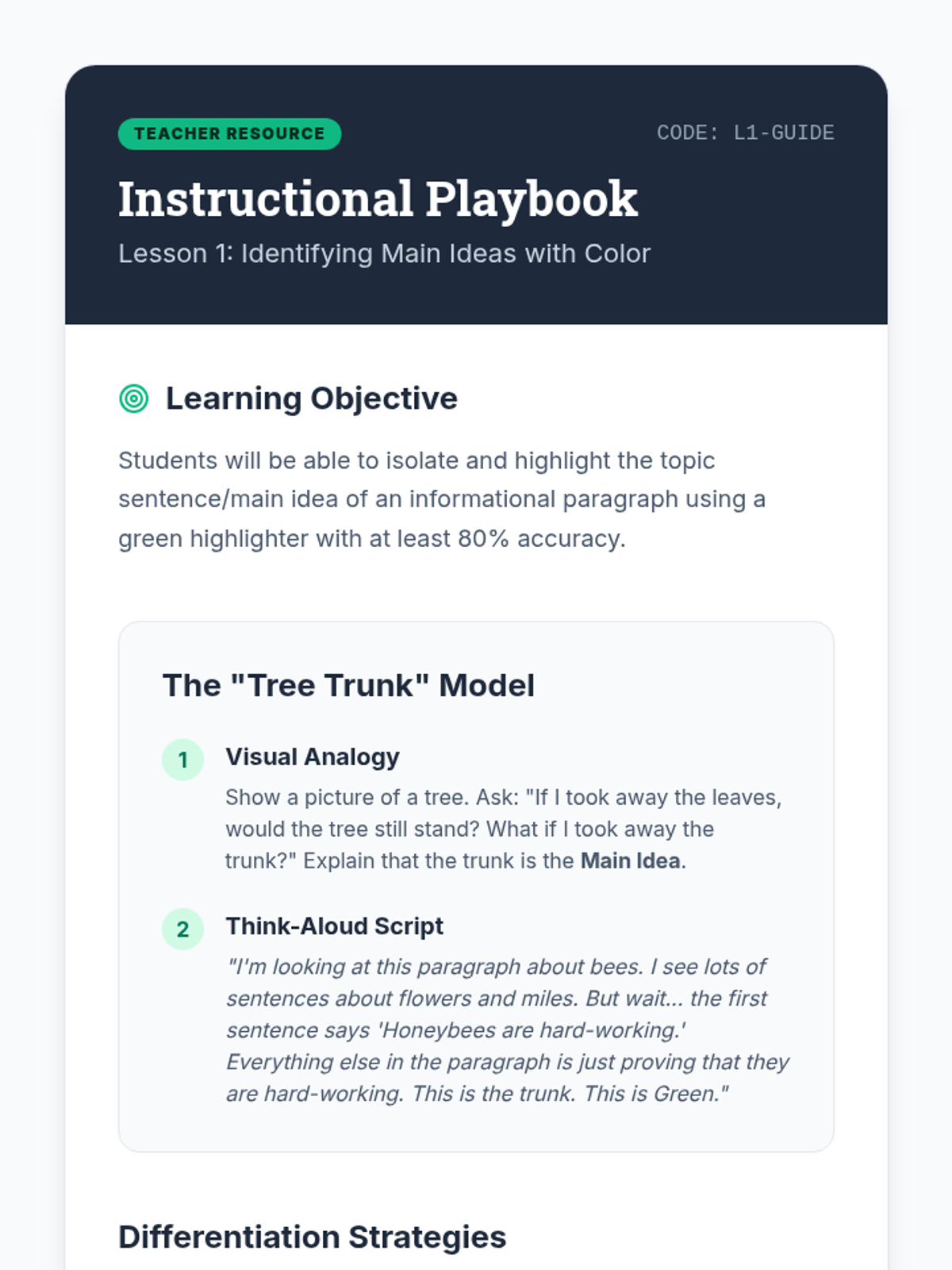
A multi-sensory, color-coded approach to reading comprehension. Students learn to systematically deconstruct informational texts using a tri-color system: green for main ideas, yellow for supporting details, and red for unknown vocabulary.
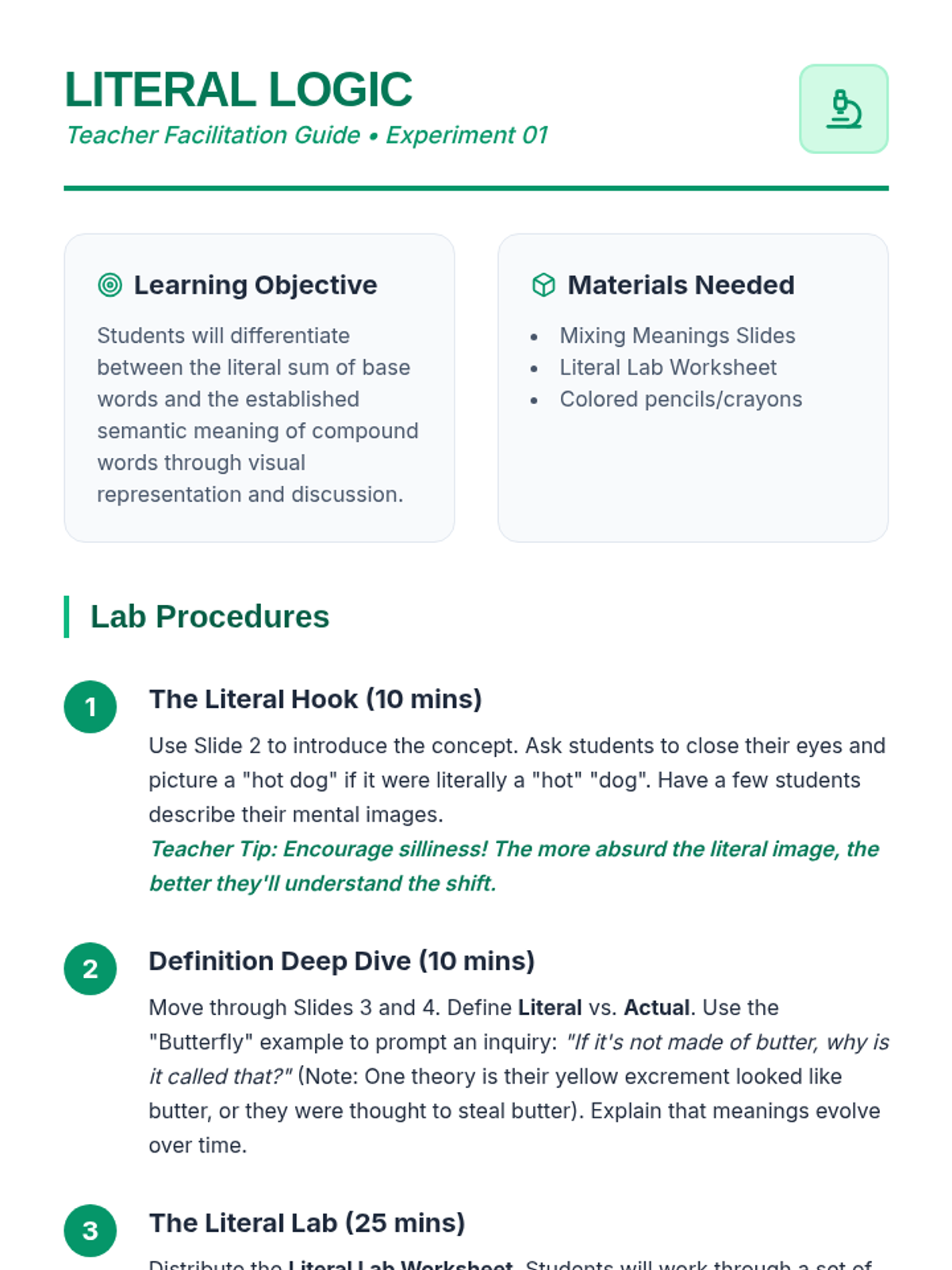
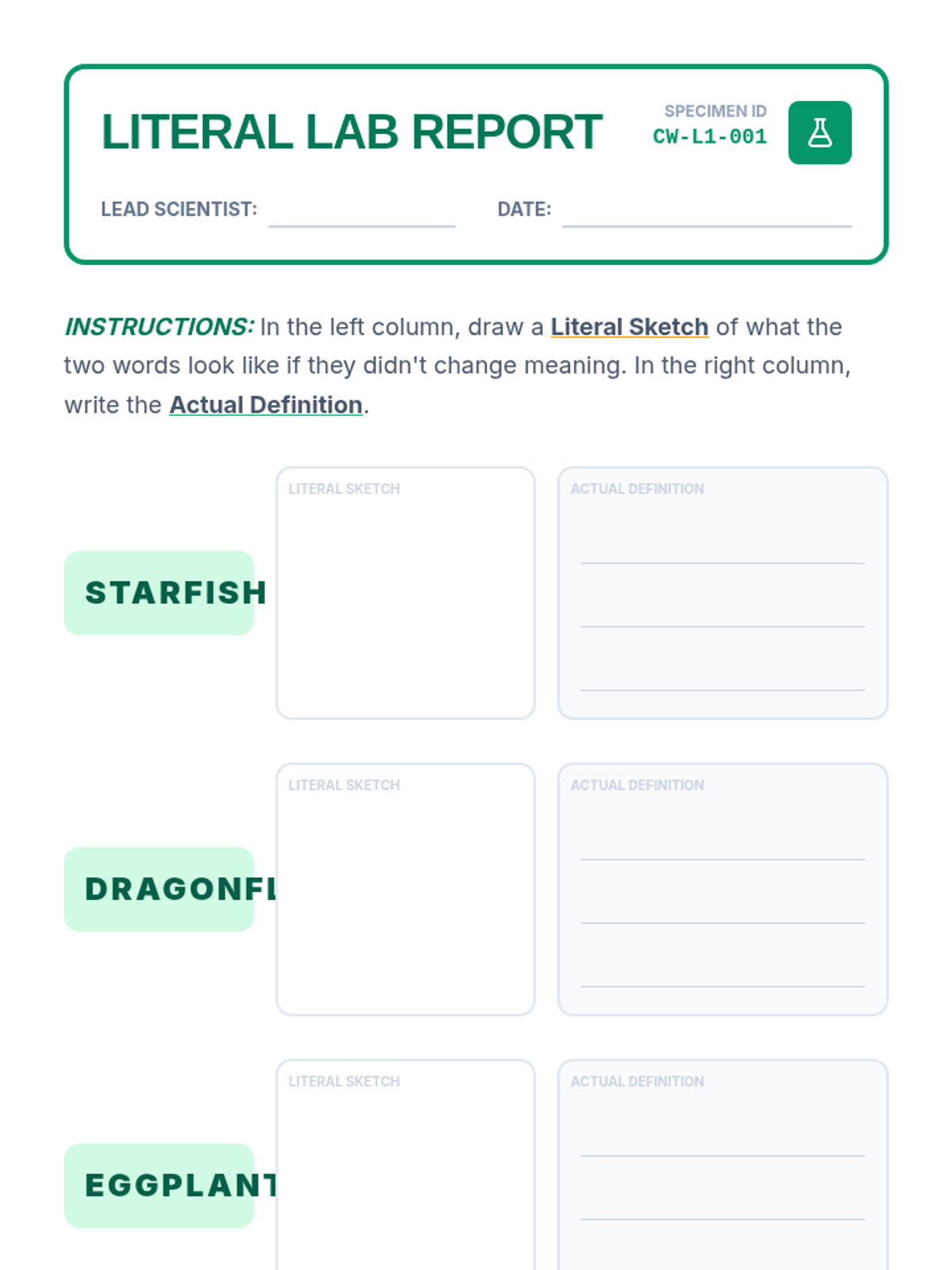
A 5-lesson inquiry into how compound words shift in meaning, comparing literal interpretations with actual definitions through a 'Word Lab' theme. Students explore transparent and opaque compounds, create riddles, and build semantic maps to understand language evolution.
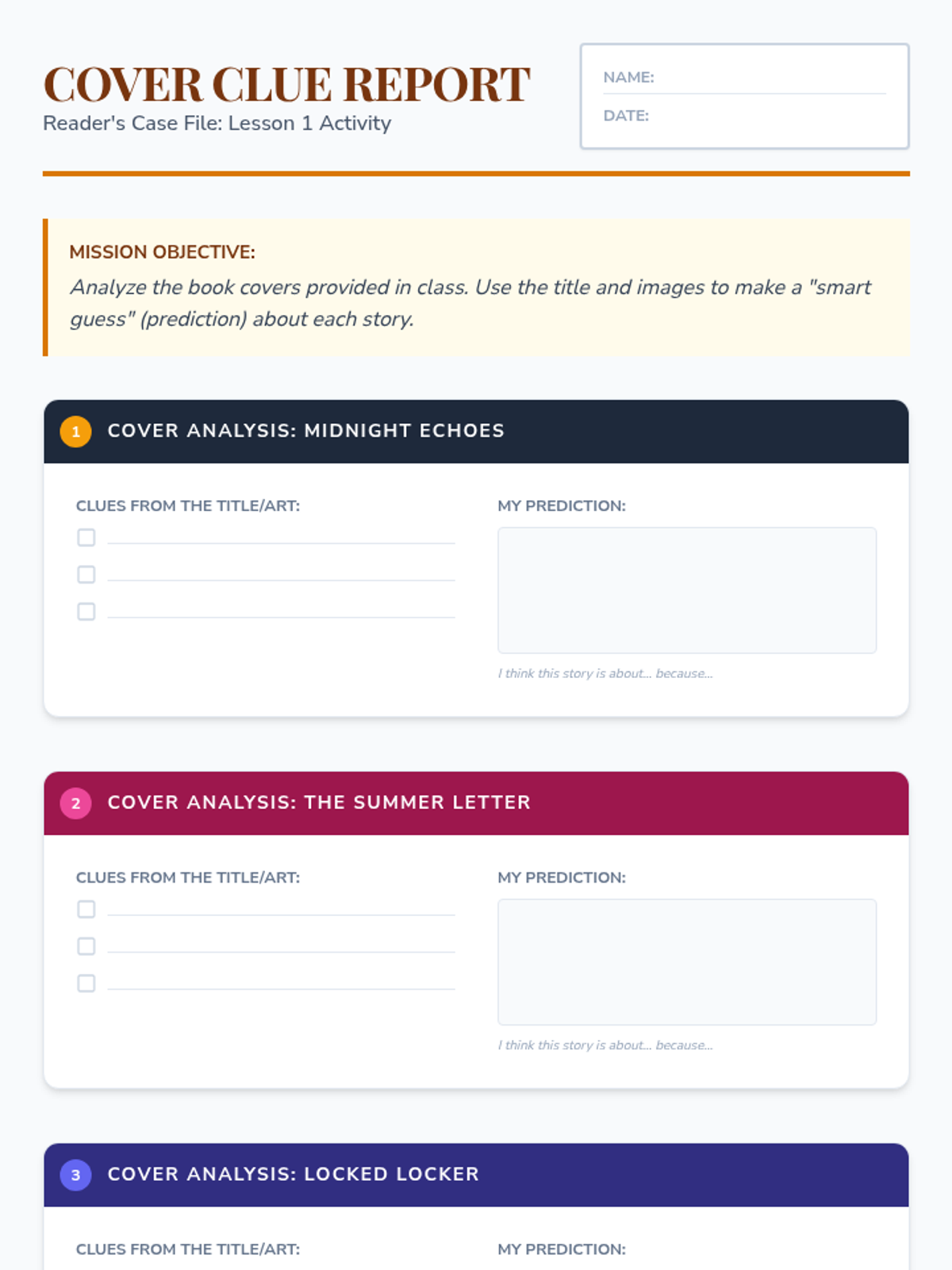
This sequence guides beginner English learners through reading strategies using Hi-Lo narratives. Students learn to predict, identify literary elements, use context clues, and summarize story arcs to build confidence and fluency.
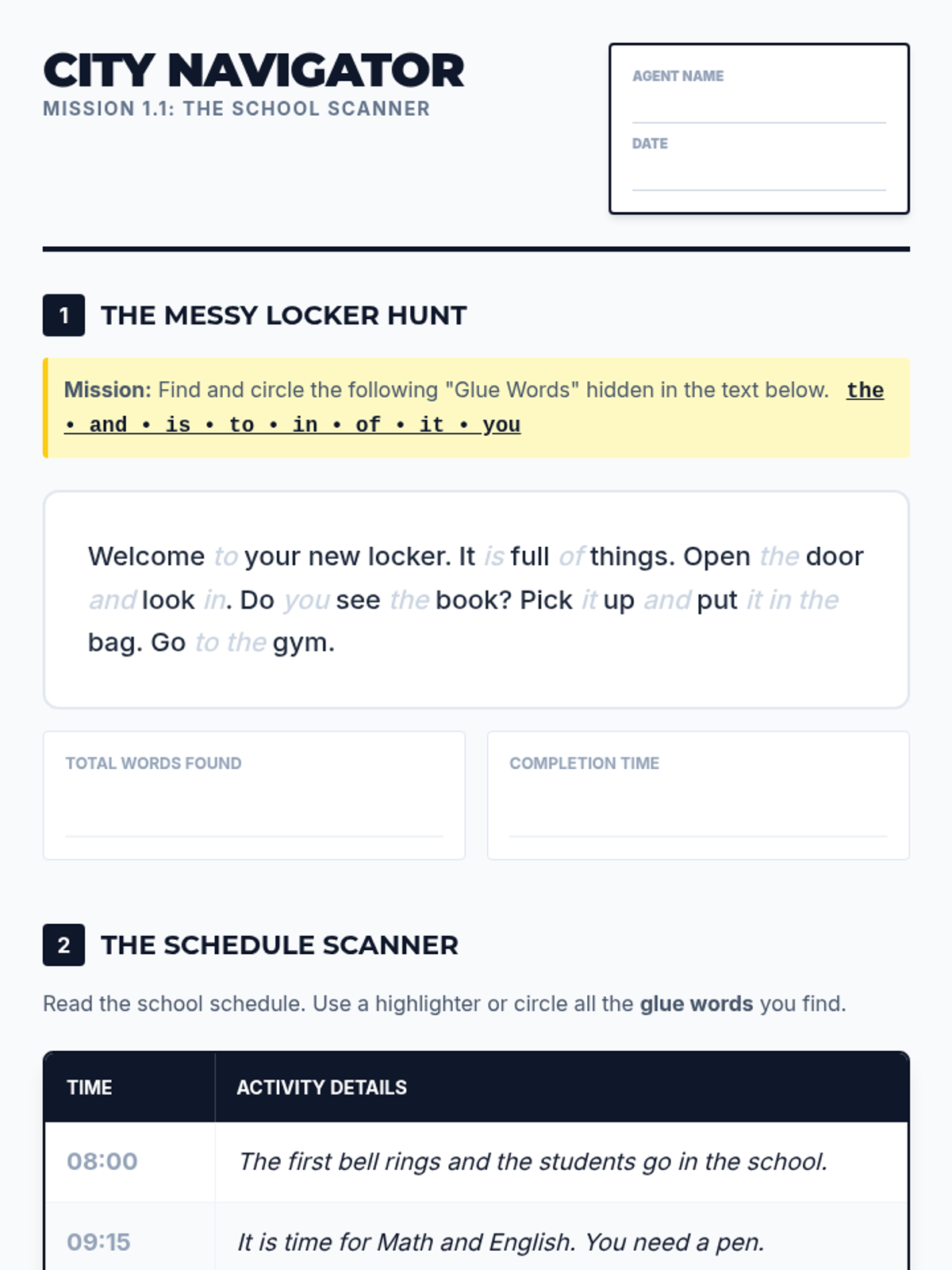
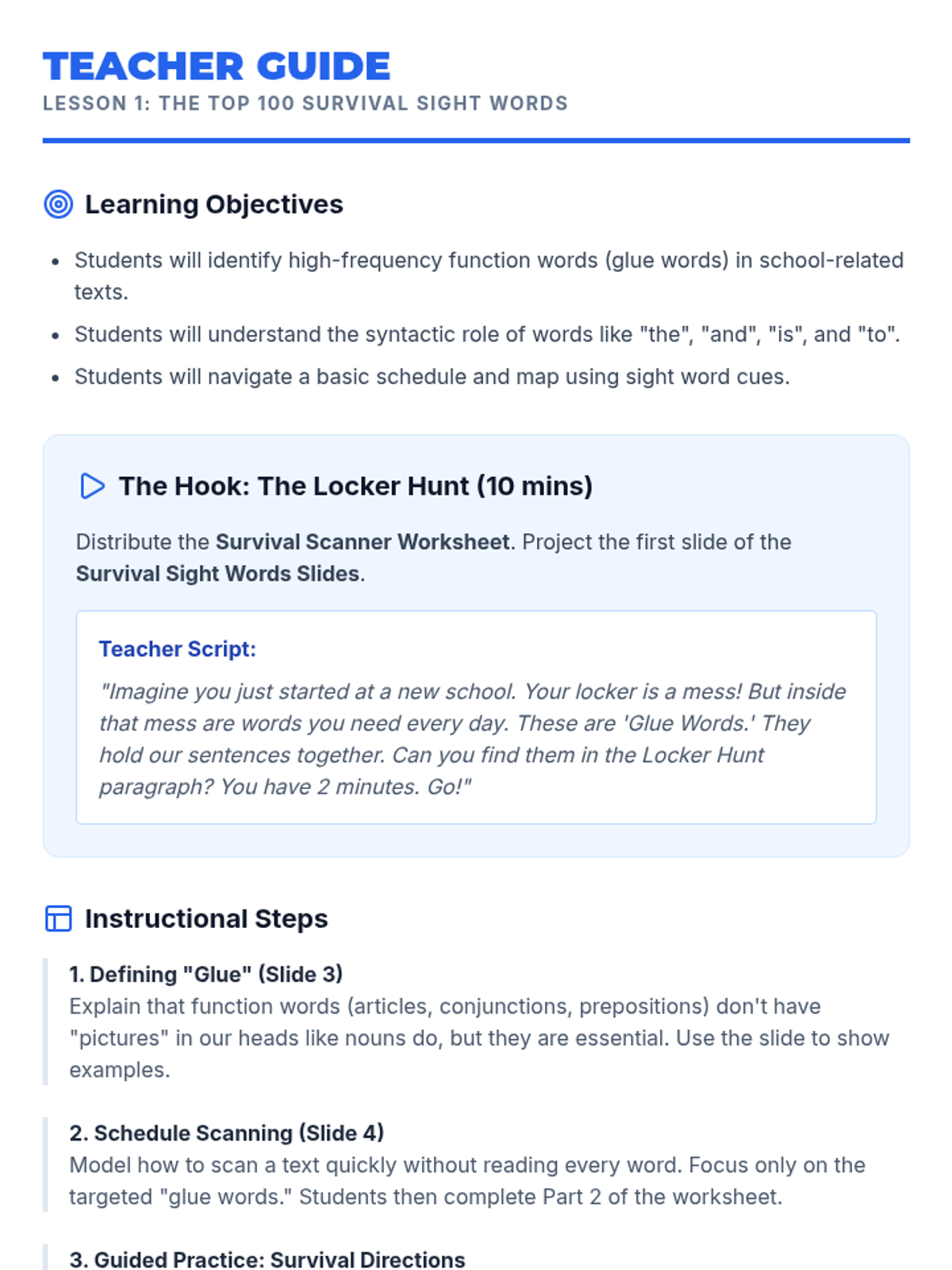
This sequence targets beginner EL students, focusing on the top 20 high-frequency 'glue' words. Students progress from rapid-fire recognition to physical sentence construction and creative story writing, building the foundation for reading fluency and syntactic understanding.
A 5th-grade spelling sequence focused on mastering the schwa sound and unstressed syllables through detective-themed strategies and morphological connections.
This sequence focuses on strengthening 5th-grade students' ability to decode complex, multisyllabic words by reviewing and applying the six syllable types. Students progress from closed and open syllables to vowel teams, r-controlled vowels, and consonant-le, culminating in the application of these skills to academic texts.
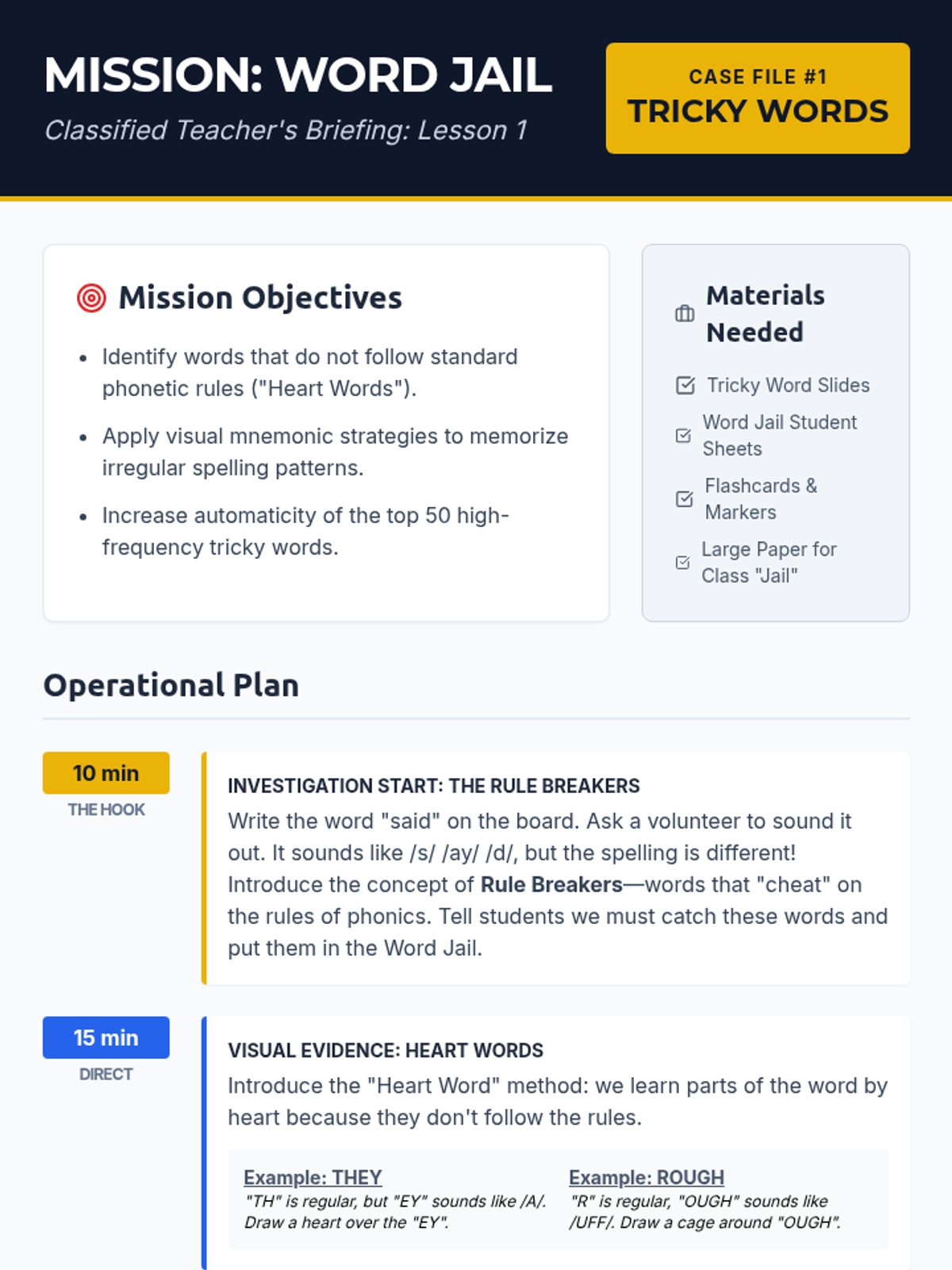
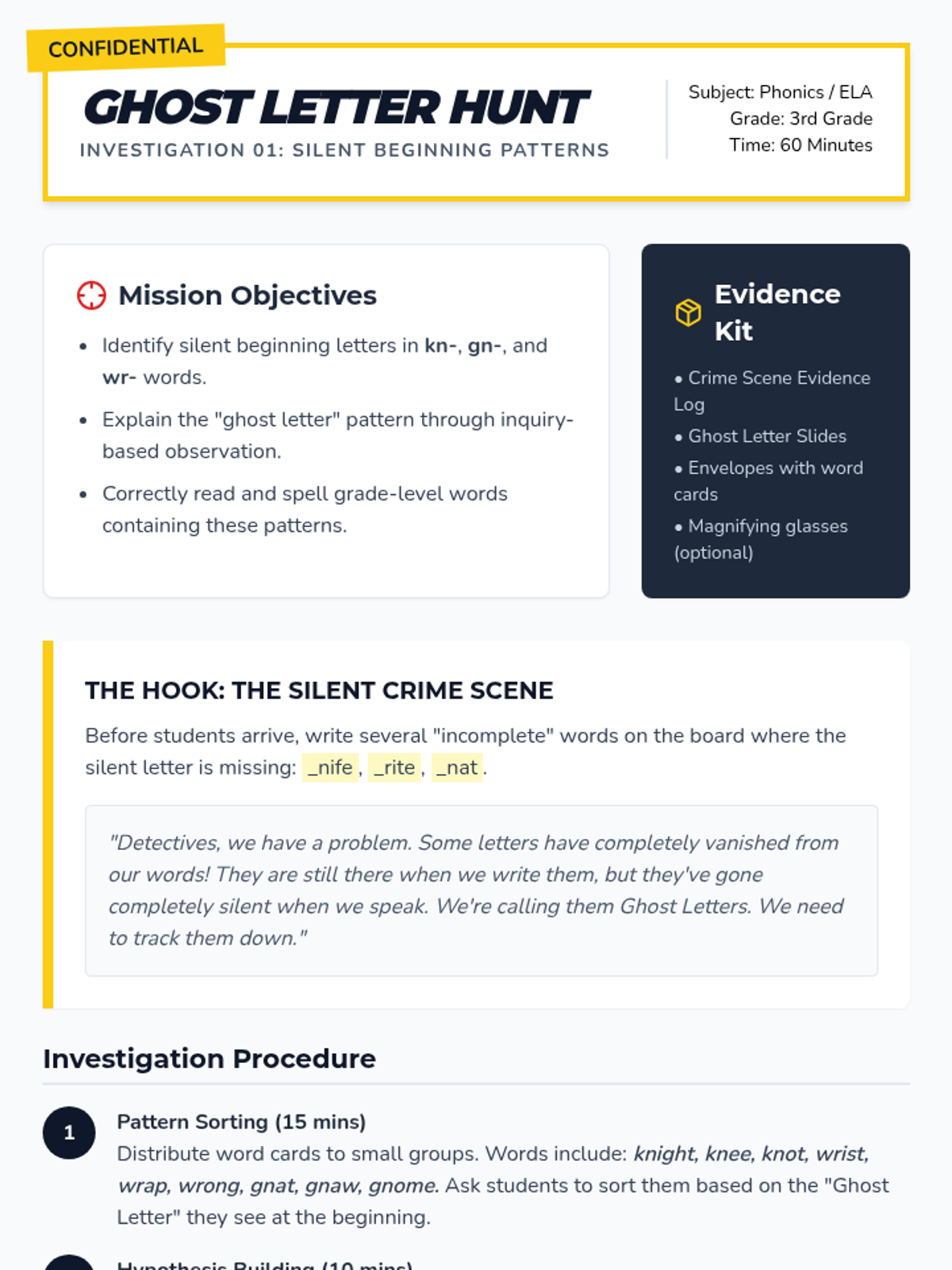
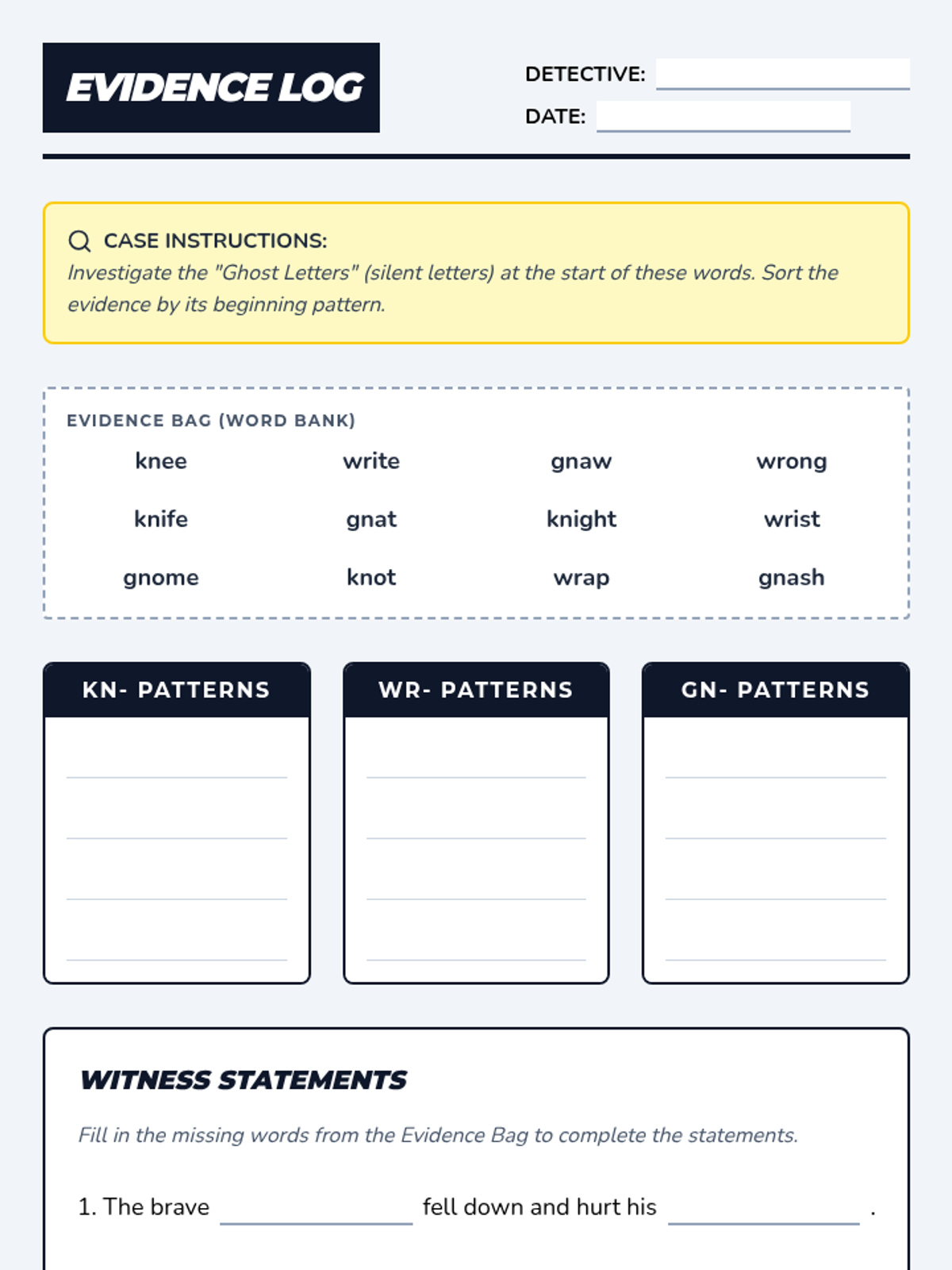
An inquiry-based exploration of 'rule-breaking' digraphs and silent letter combinations (ph, gh, kn, wr, gn, mb). Students act as 'Word Detectives' to investigate orthographic patterns, progressing from identification to contextual application and creative writing.