Complex grammar structures, idiomatic expressions, and phrasal verbs. Strengthens reading and listening comprehension while building conversational fluency for varied social and professional settings.
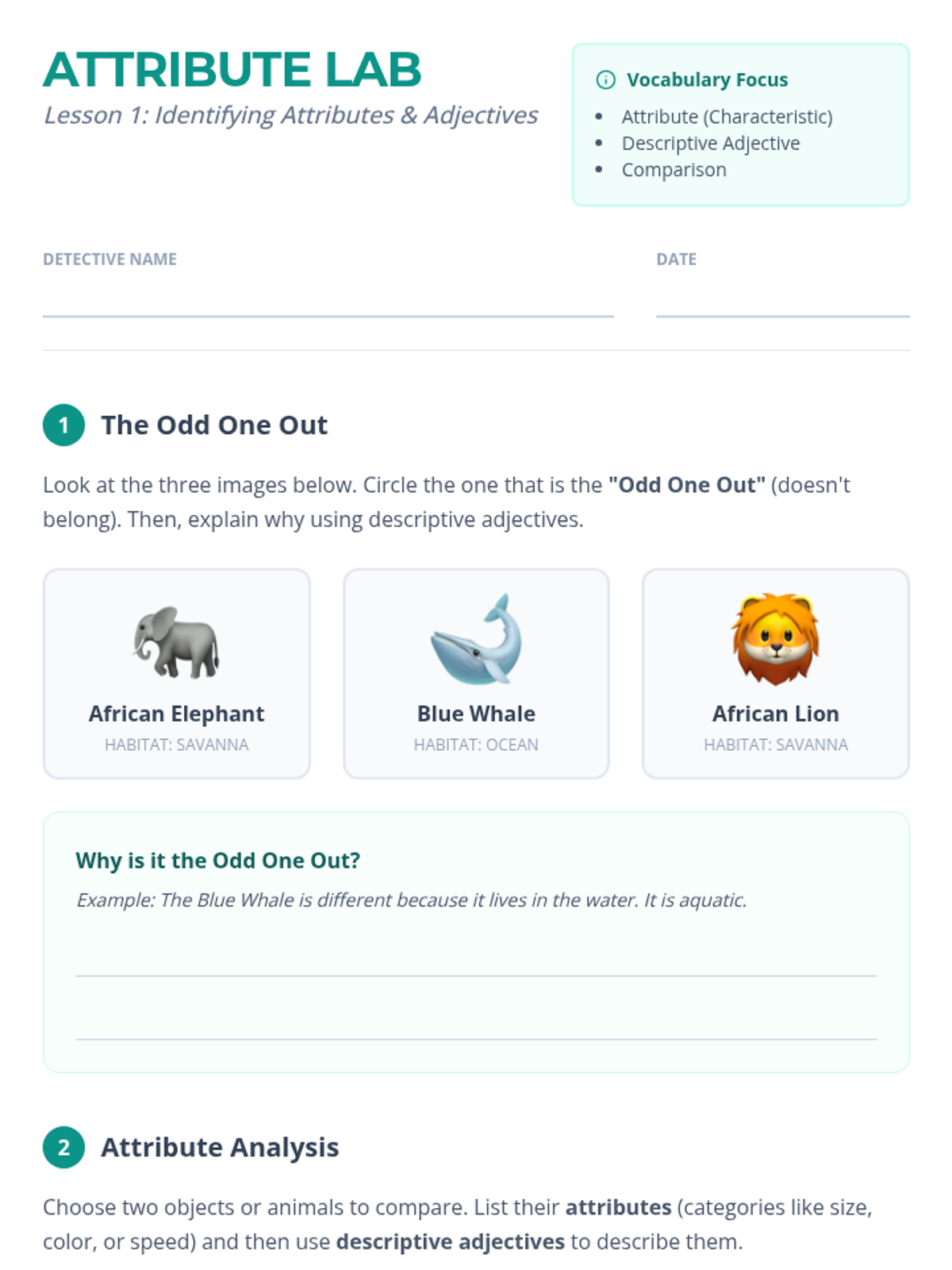
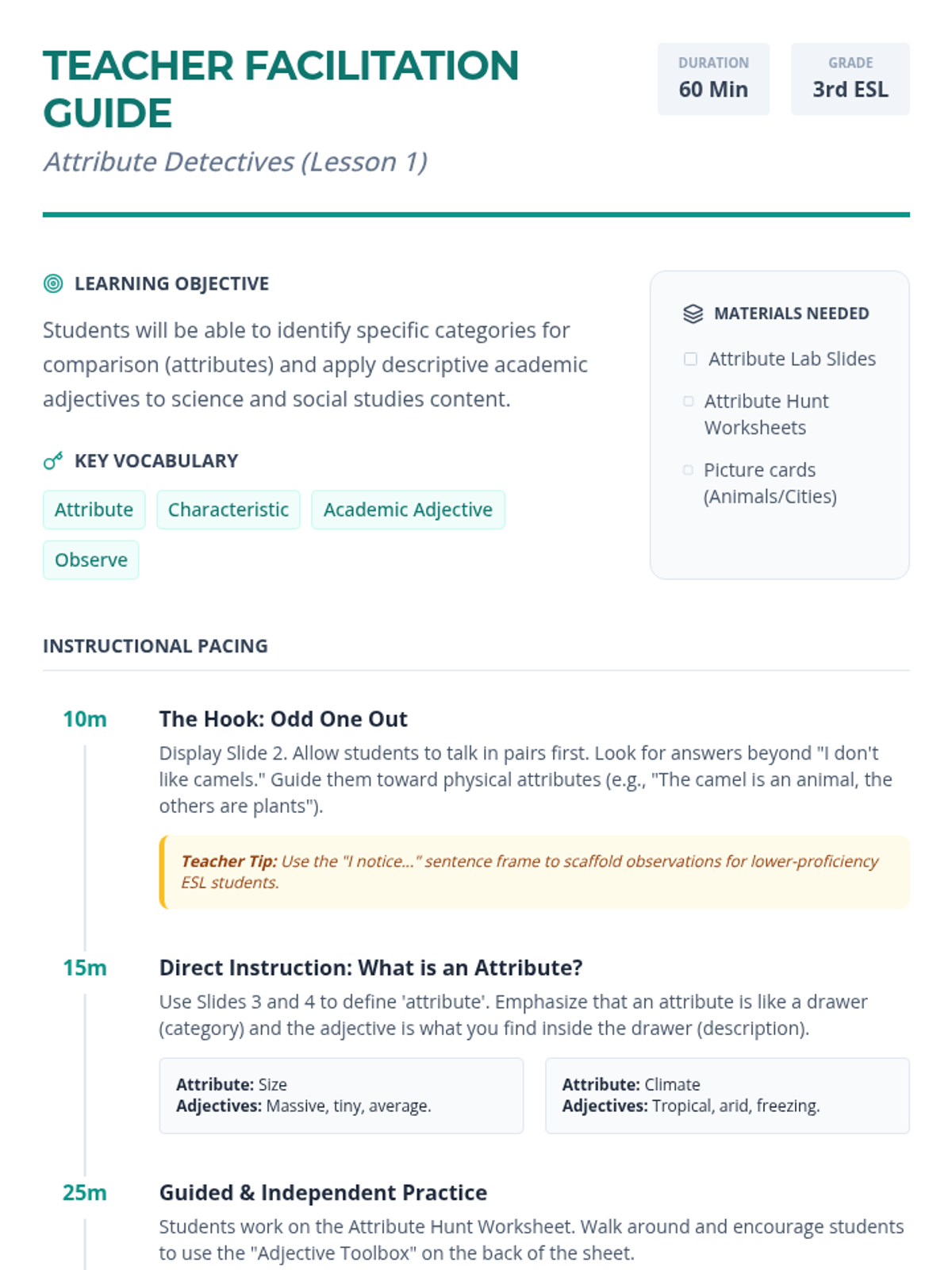
A comprehensive ESL sequence for 3rd graders focused on the language of comparative analysis. Students move from identifying attributes to constructing complex sentences and writing full comparative reports using content from science and social studies.
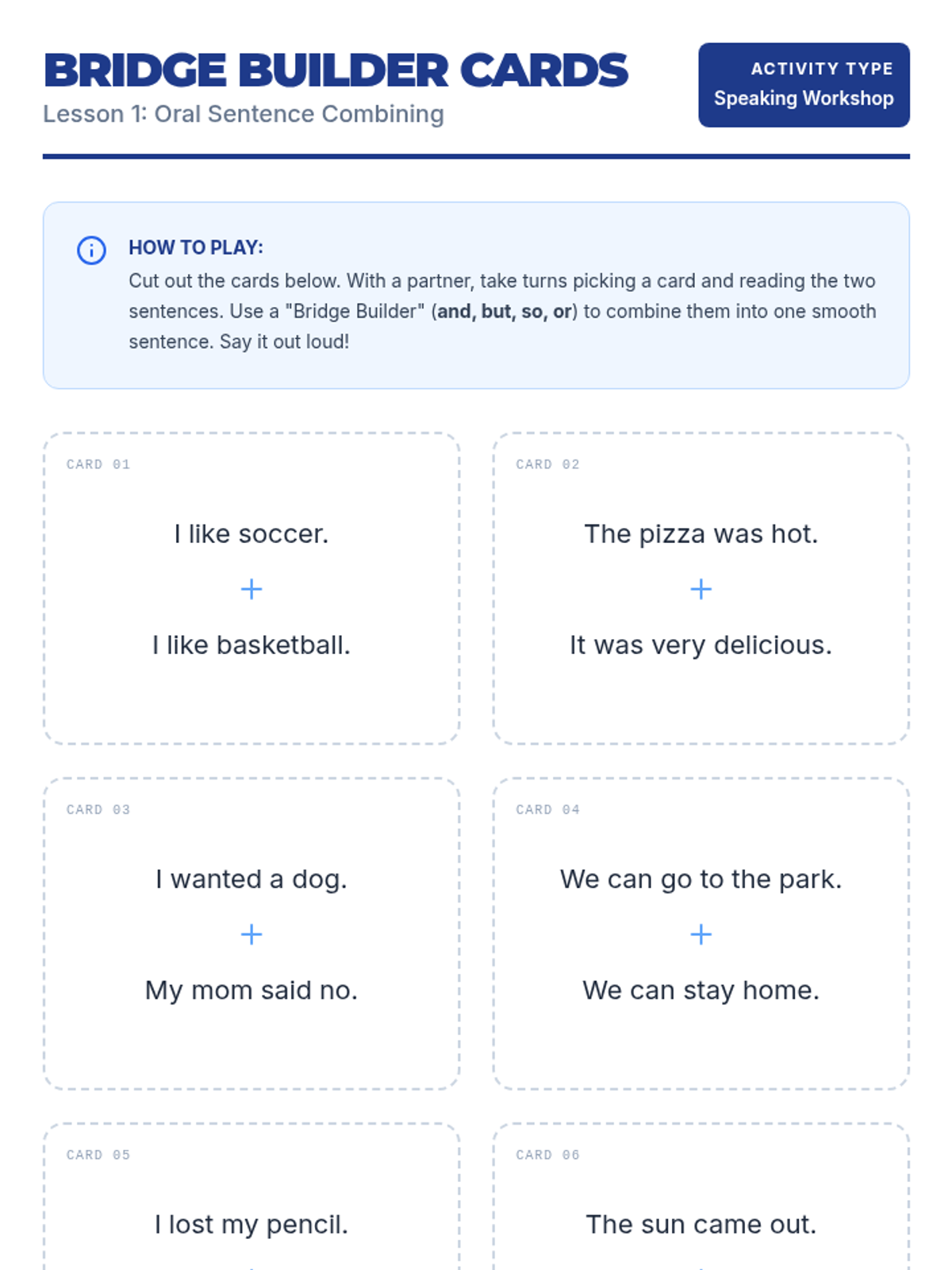
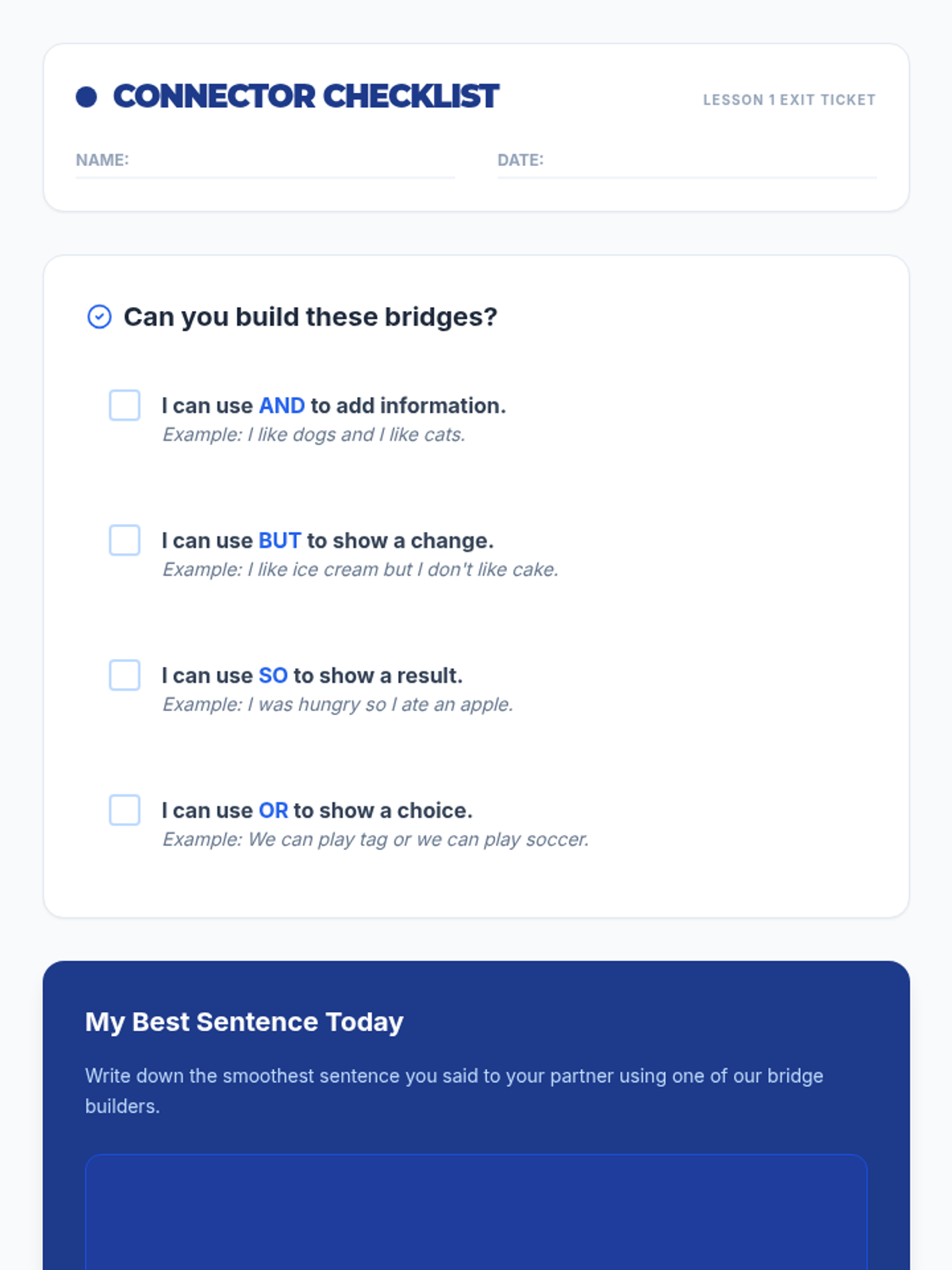
A sequence for intermediate ESL students to master complex sentence structures in oral storytelling. Students transition from choppy, simple sentences to fluid narratives using conjunctions, transitions, and relative clauses.
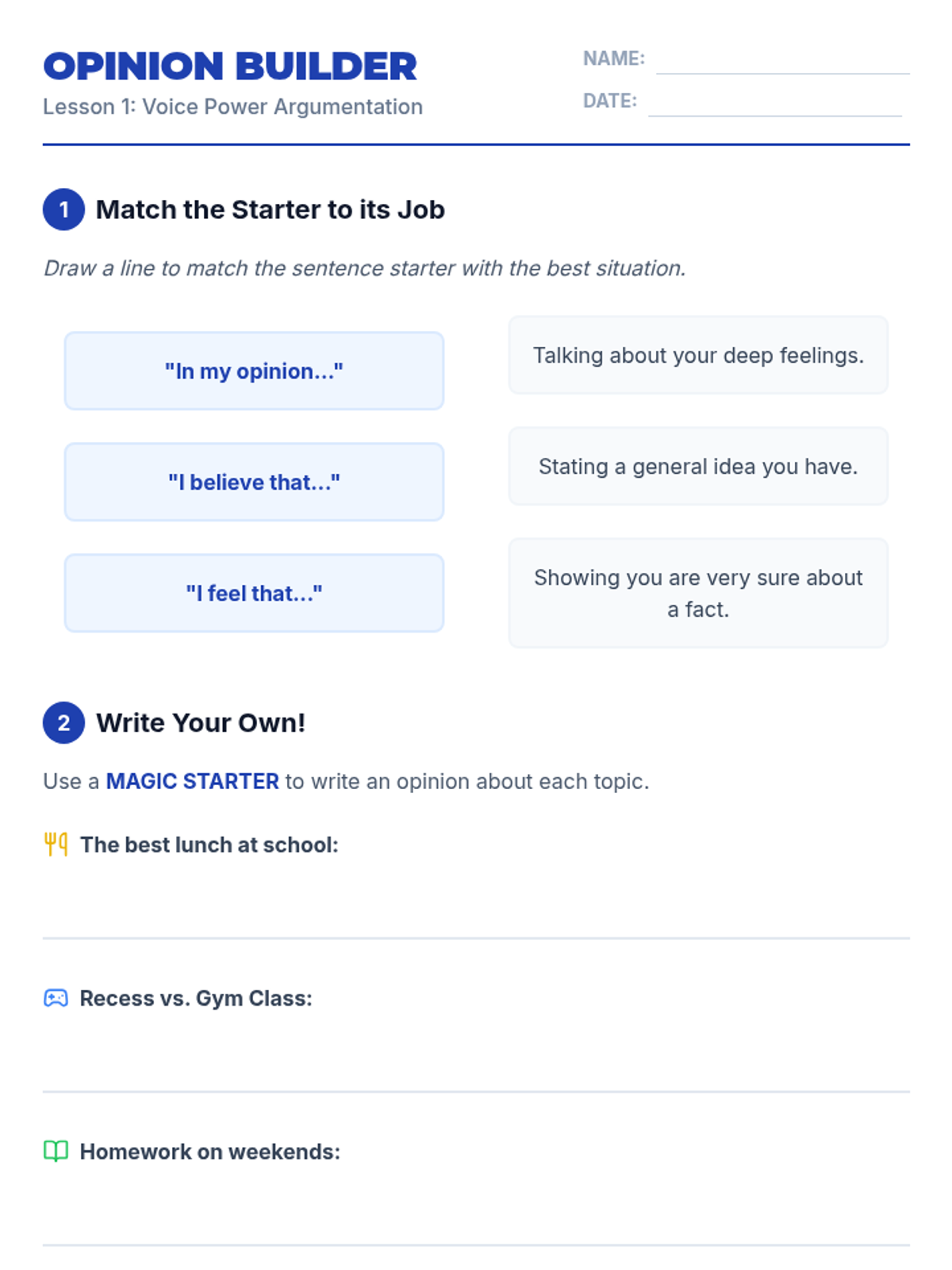
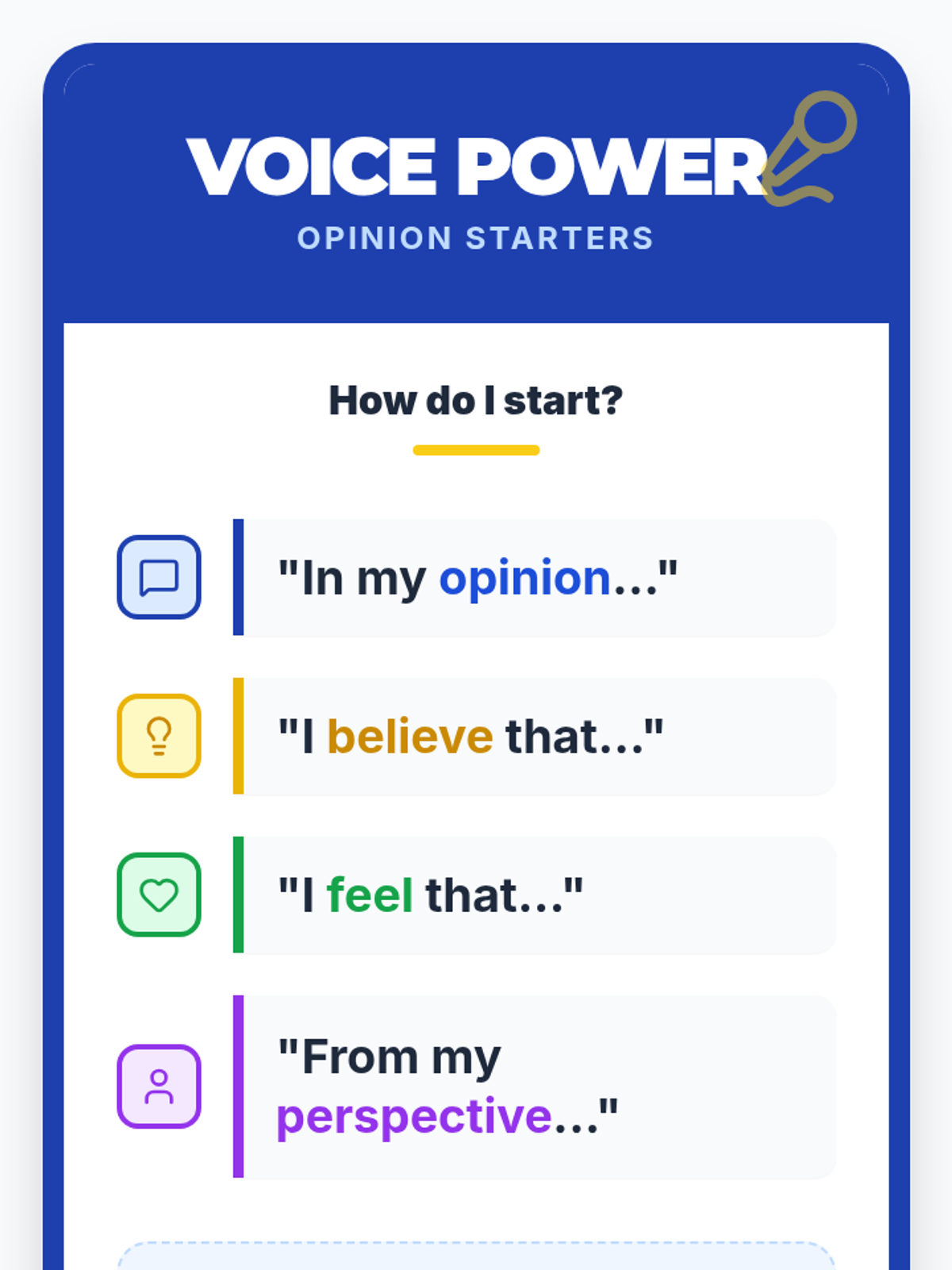
This sequence guides 3rd Grade ESL students through the process of forming opinions, justifying them with logic, and engaging in respectful debate using complex sentence structures.
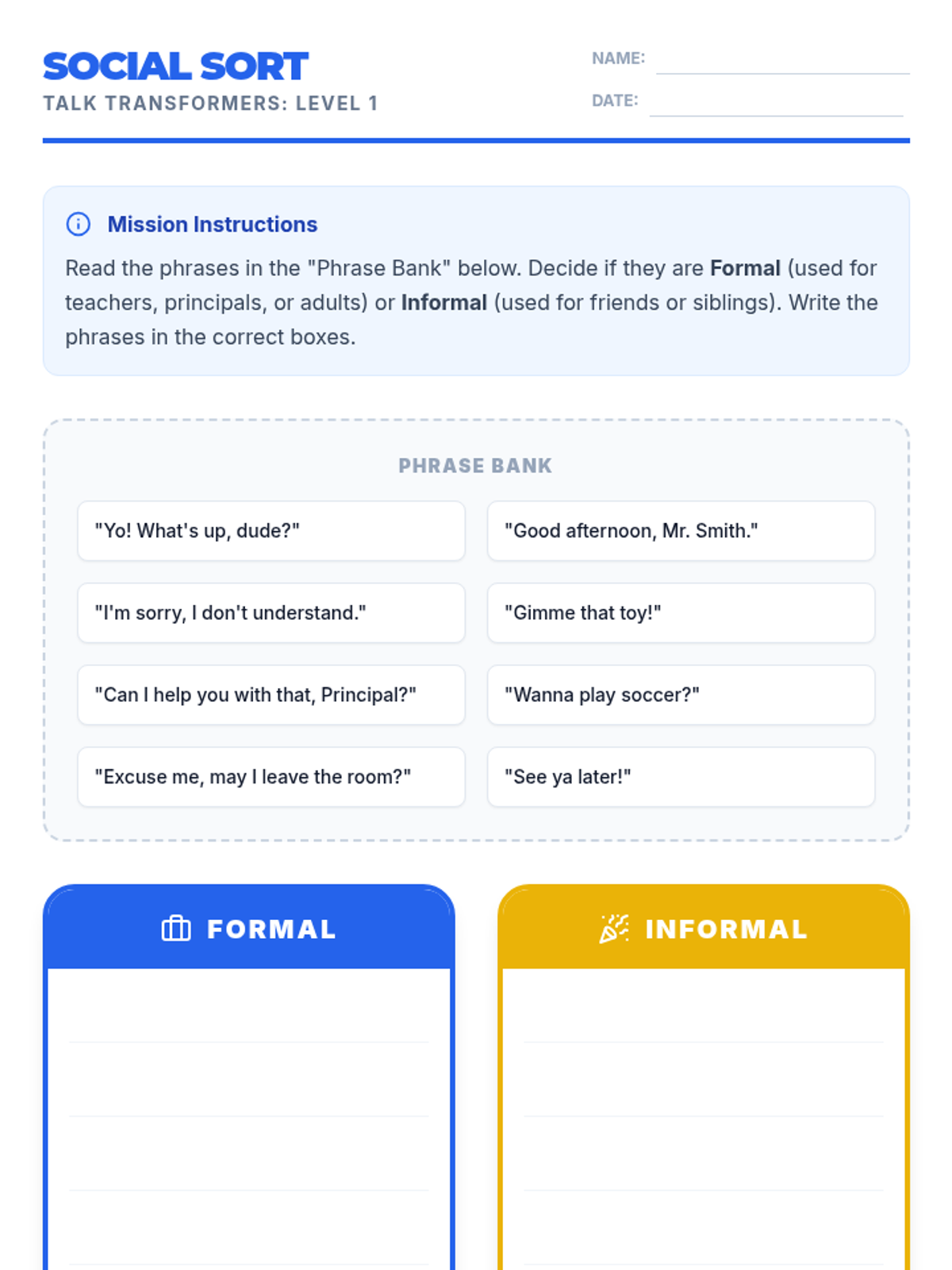
A 3rd Grade ESL sequence focused on register awareness, teaching students to adapt their speech between formal and informal contexts. Students explore audience, context, modal verbs for requests, social language, and apologies through interactive simulations and visual aids.
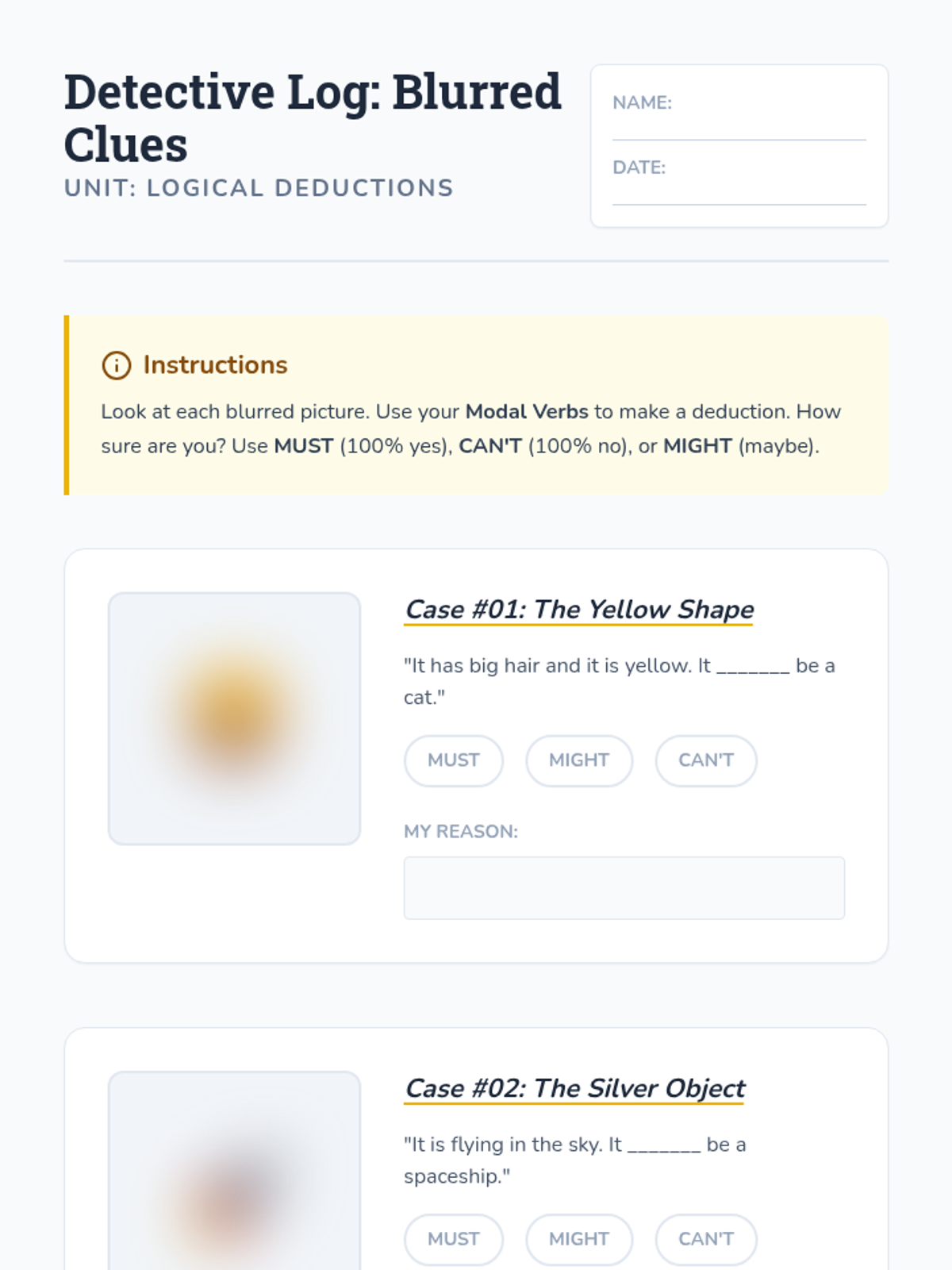
A 5-lesson ESL sequence for 3rd graders to master modal verbs of deduction (must, might, can't) through a fun detective-themed inquiry process. Students move from understanding degrees of certainty to solving a full-scale classroom mystery using logical reasoning.
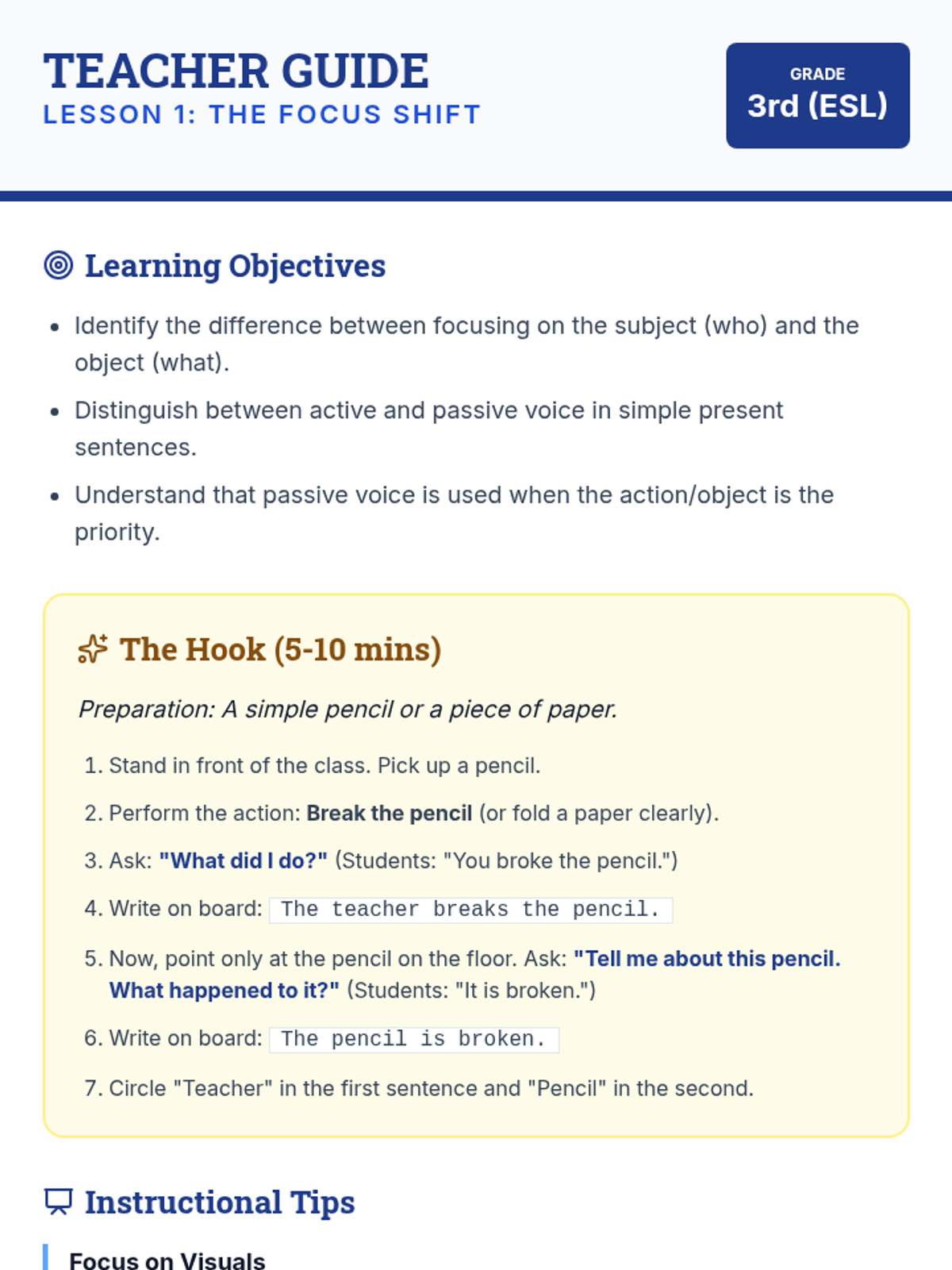
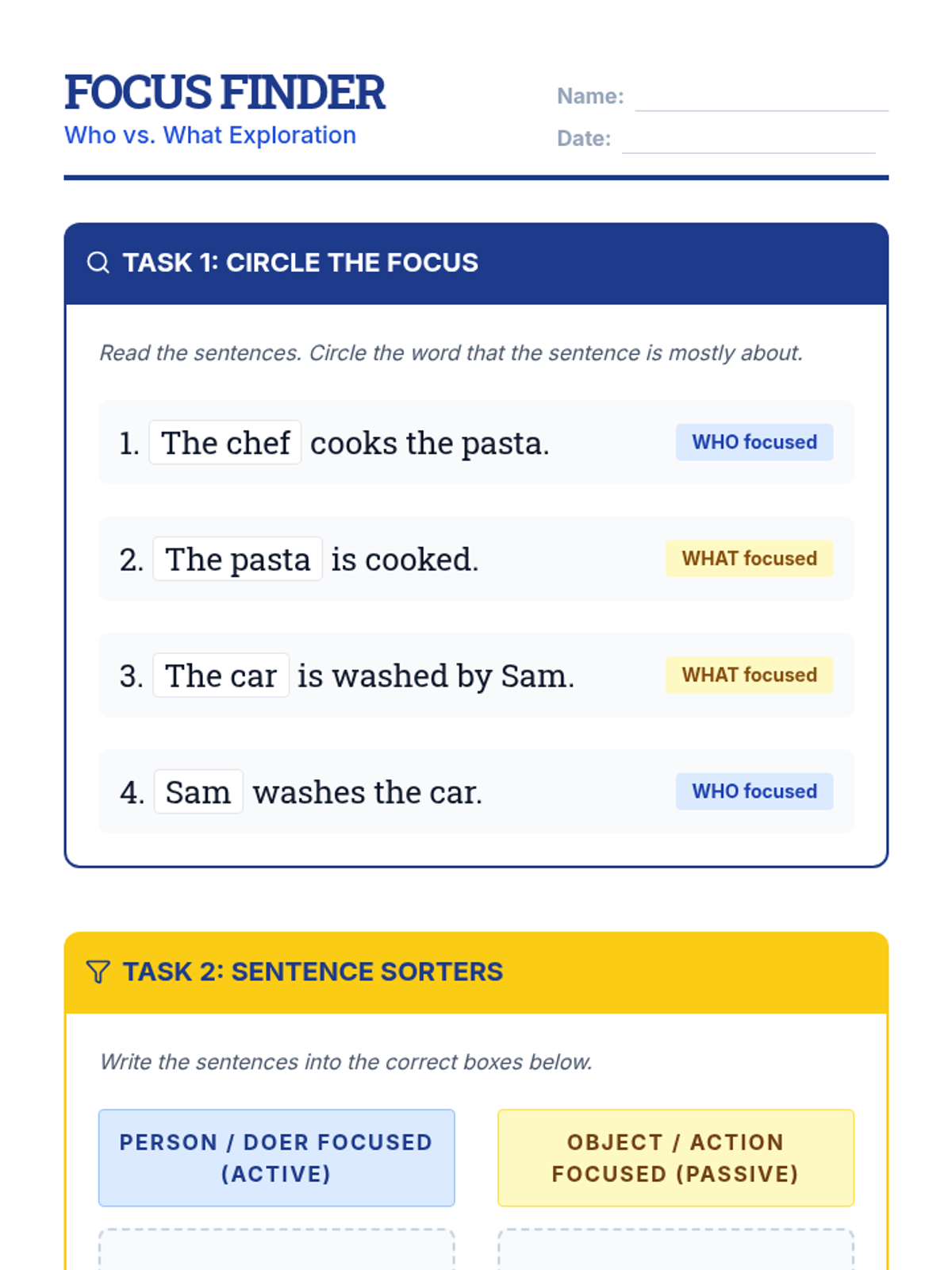
A 5-lesson sequence for 3rd-grade ESL students to master the Simple Present Passive voice through the lens of industrial processes and 'How It's Made' storytelling. Students move from noticing focus shifts to creating their own illustrated process guides.
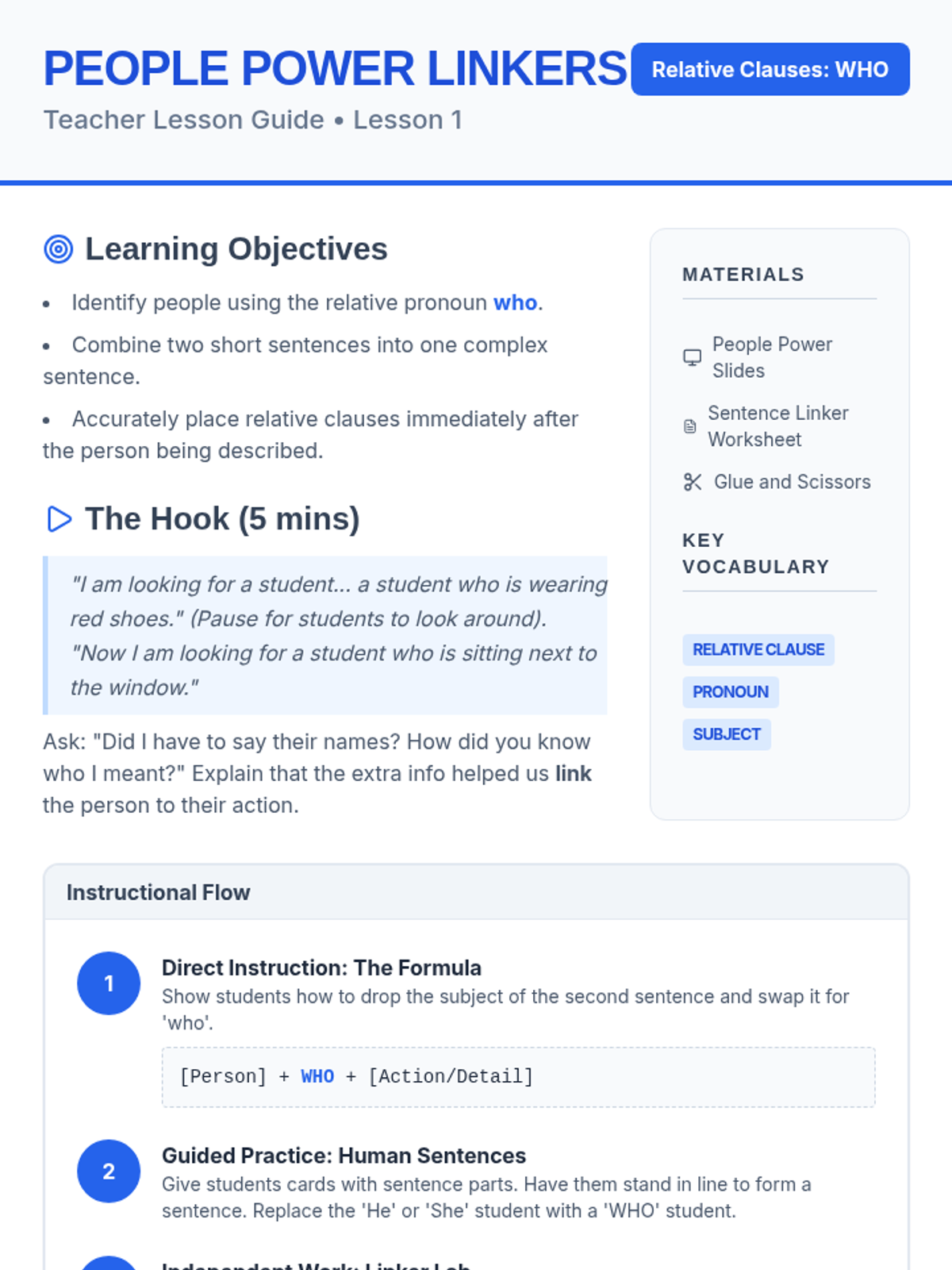
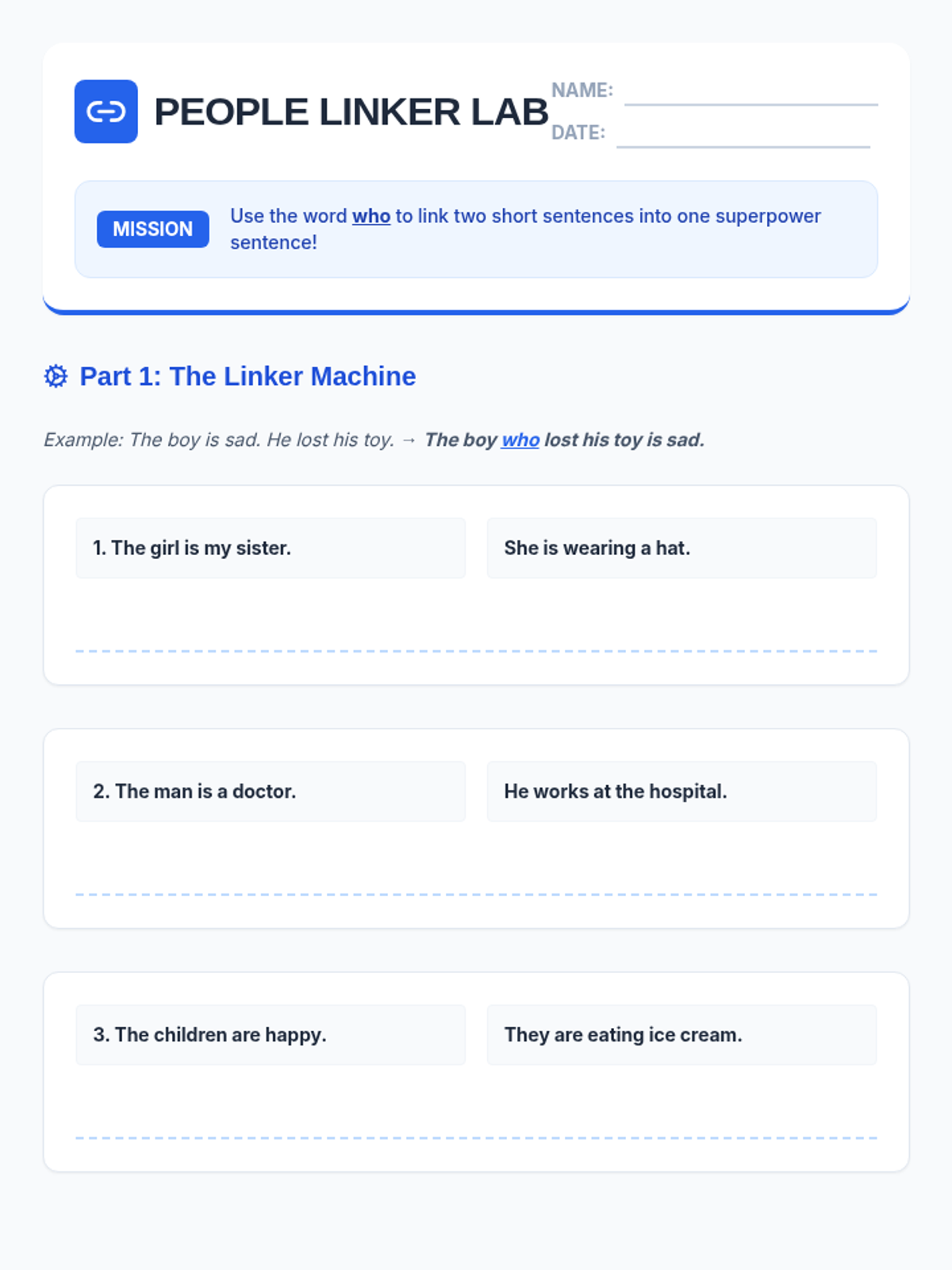
This sequence strengthens sentence complexity by introducing Relative Clauses with 'who', 'which', and 'that'. Students move beyond simple sentences to compound descriptions that identify specific people or objects through games and creative writing.
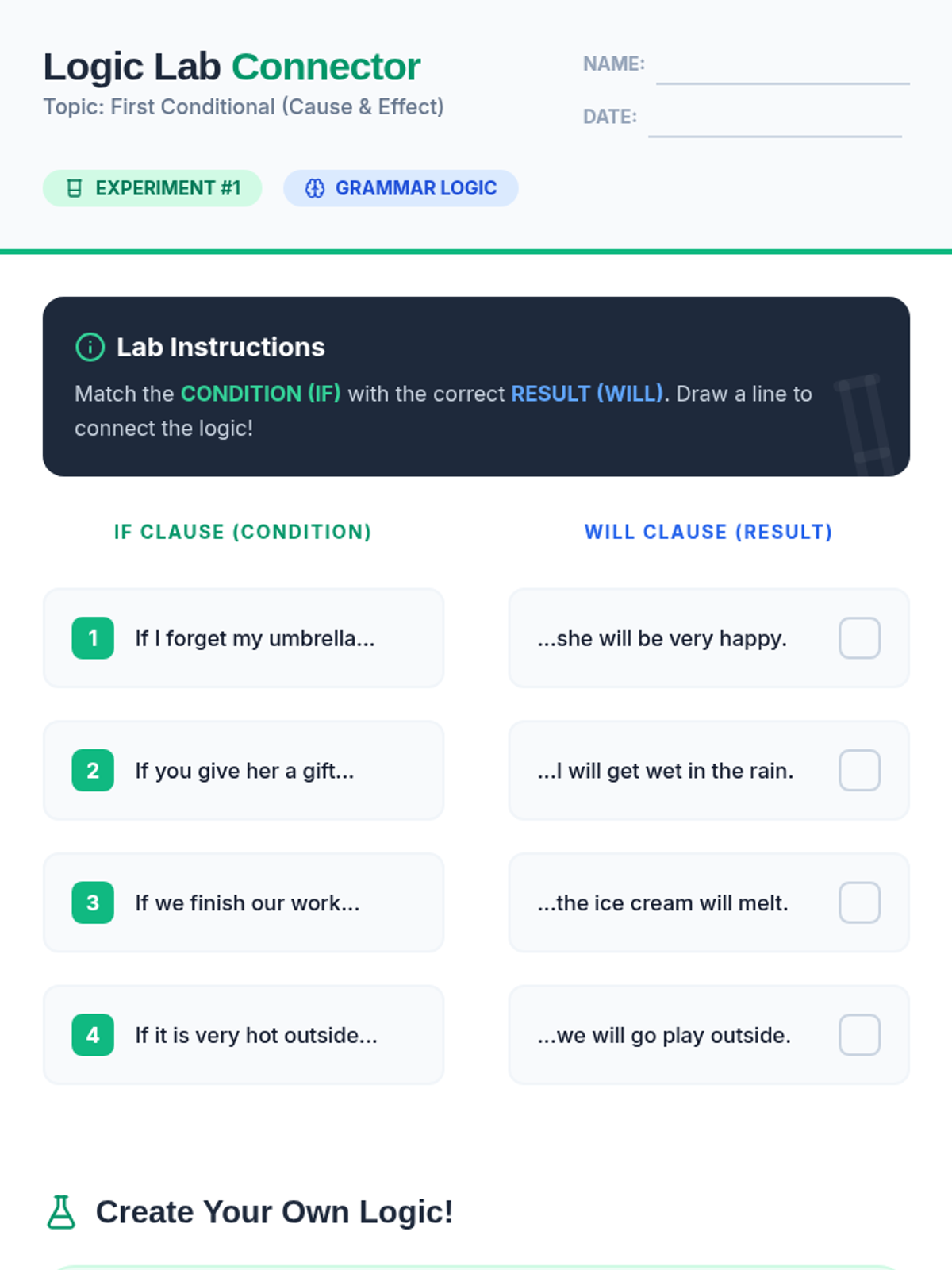
A 3rd-grade ESL sequence focused on the First Conditional ('If + Present Simple, will + Verb'). Students explore cause and effect through games, superstitions, and creative storytelling, culminating in a 'Choose Your Path' adventure project.
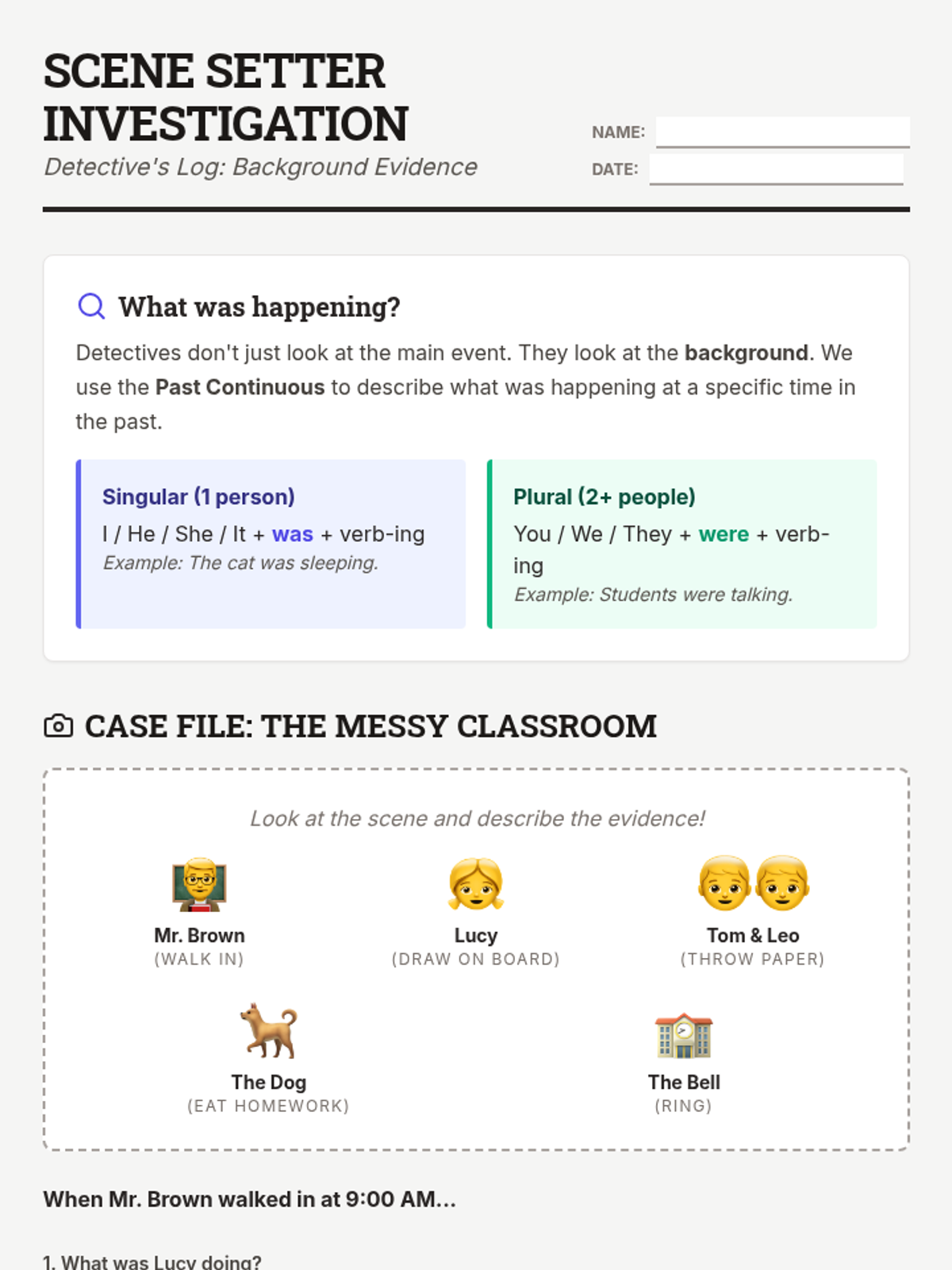
A narrative-focused sequence for 3rd Grade ESL students to master past continuous and simple past tenses through the lens of a detective investigating scenes and stories. Students move from describing background actions to narrating complex, interrupted events.
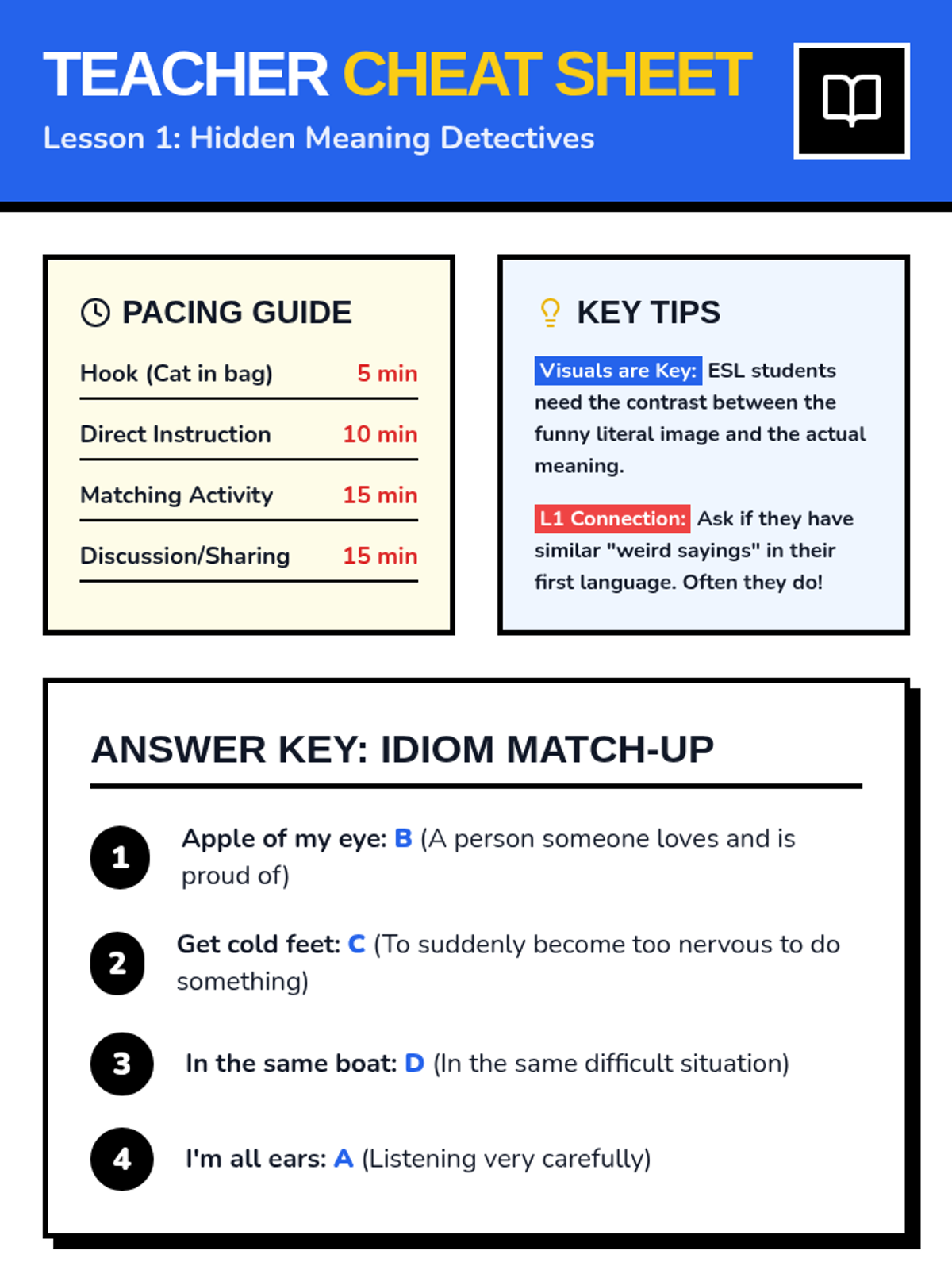
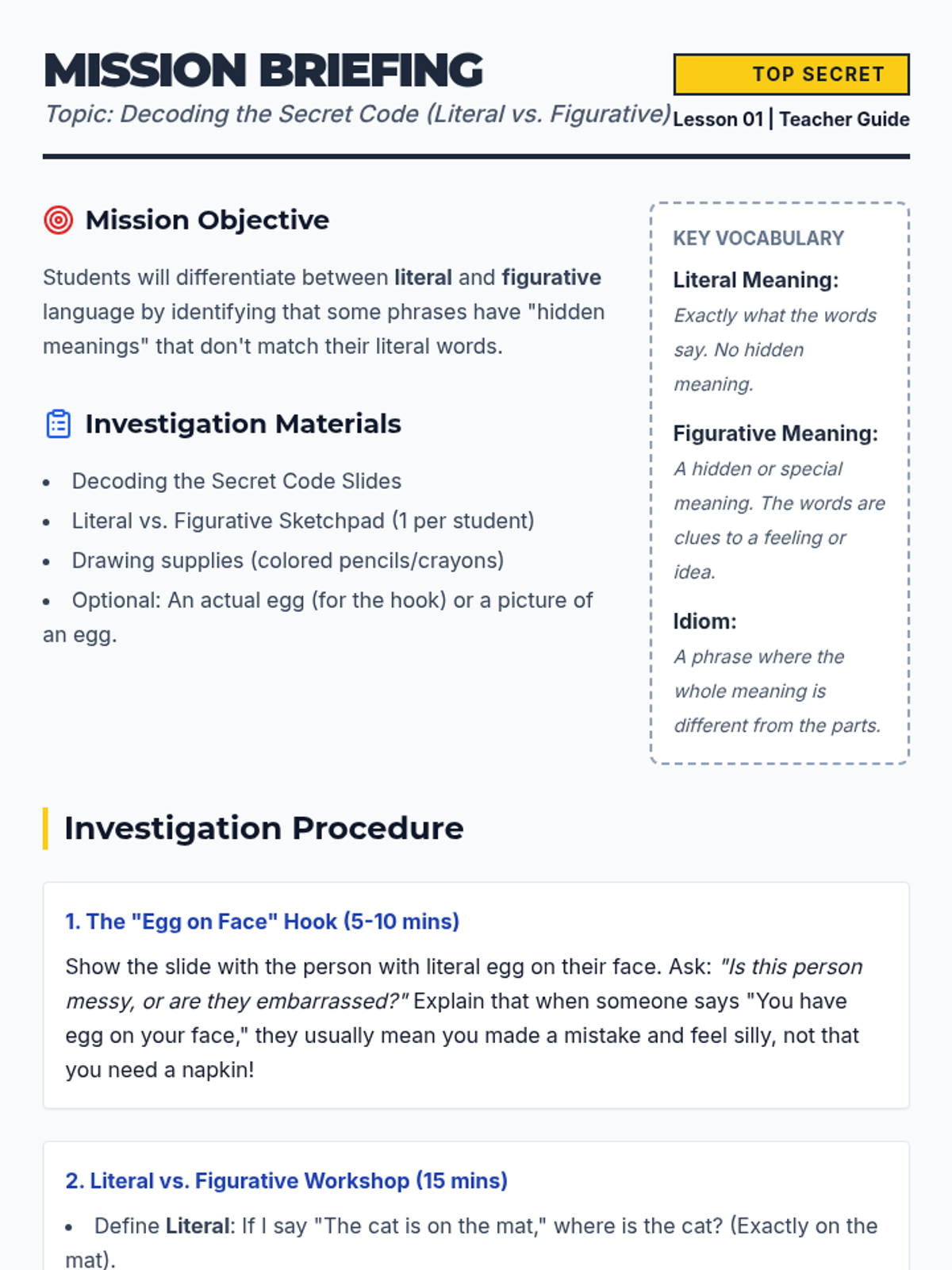
This 5-lesson sequence introduces 3rd-grade ESL students to common English idioms and phrasal verbs. Through a colorful, comic-book-inspired approach, students learn to distinguish between literal and figurative language, master verbs for daily routines, and use expressive phrases for emotions in social settings.
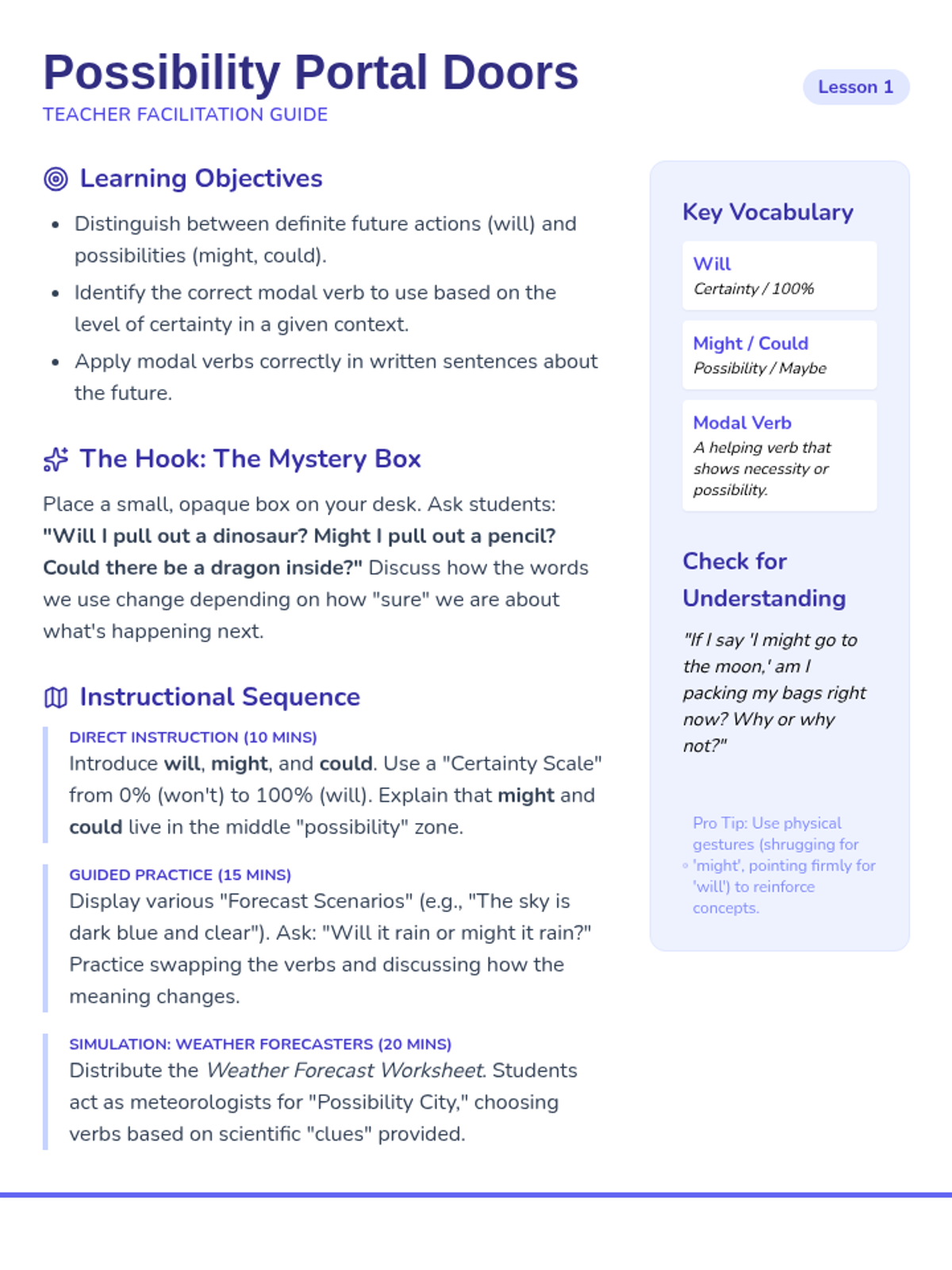
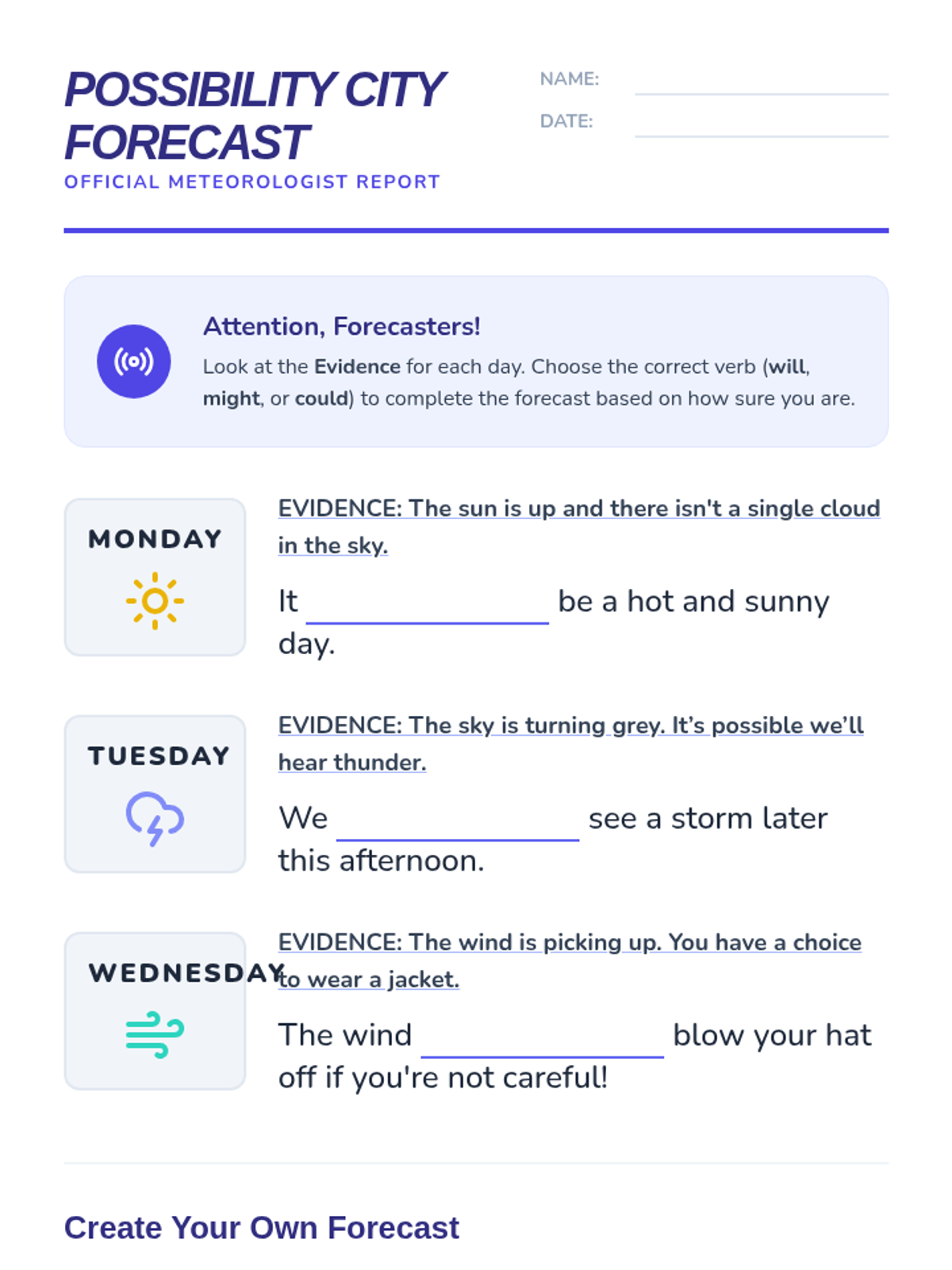
This 3rd-grade sequence introduces students to the nuances of verb usage for expressing conditions, wishes, and possibilities. Through five lessons, students move from understanding modal verbs like 'might' and 'could' to mastering conditional 'If/Then' structures and the subjunctive 'I wish I were,' culminating in a creative 'What If' narrative.
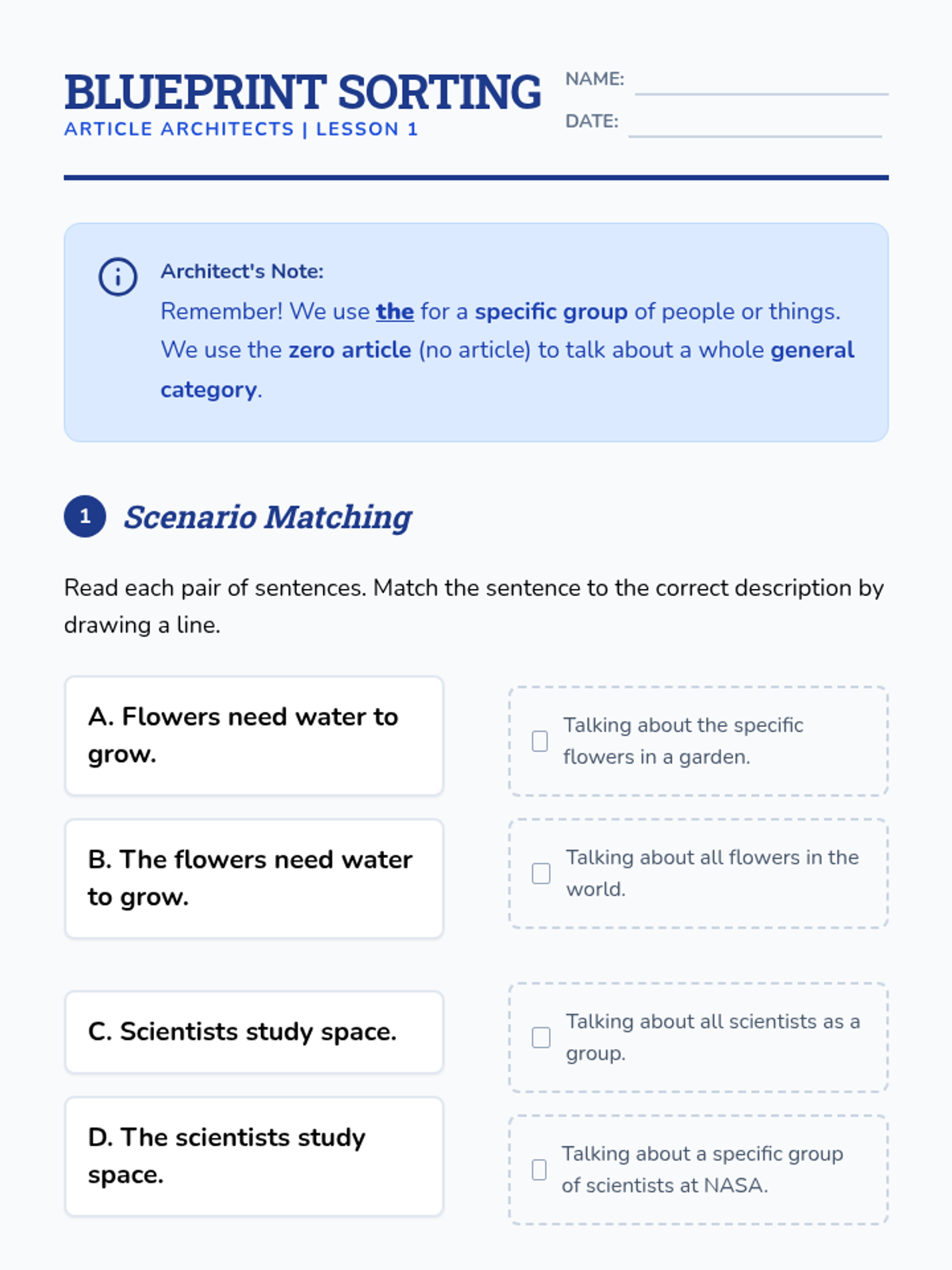
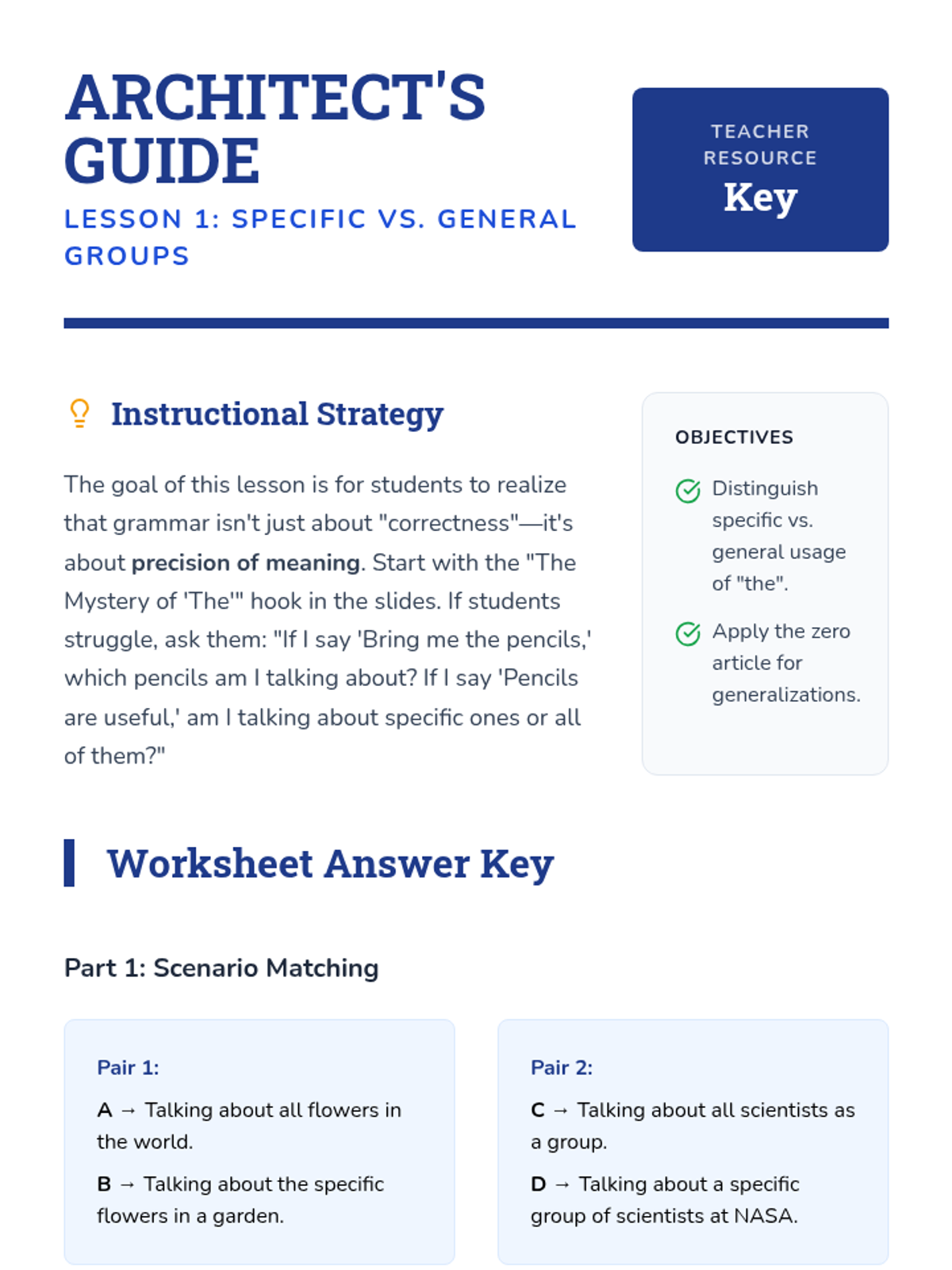
This sequence explores the 'Zero Article'—the grammatical rule of omitting articles for generalizations and abstract concepts. Students will learn to distinguish between specific groups and general categories, understand abstract noun usage, and apply these rules to improve the flow and impact of their writing.
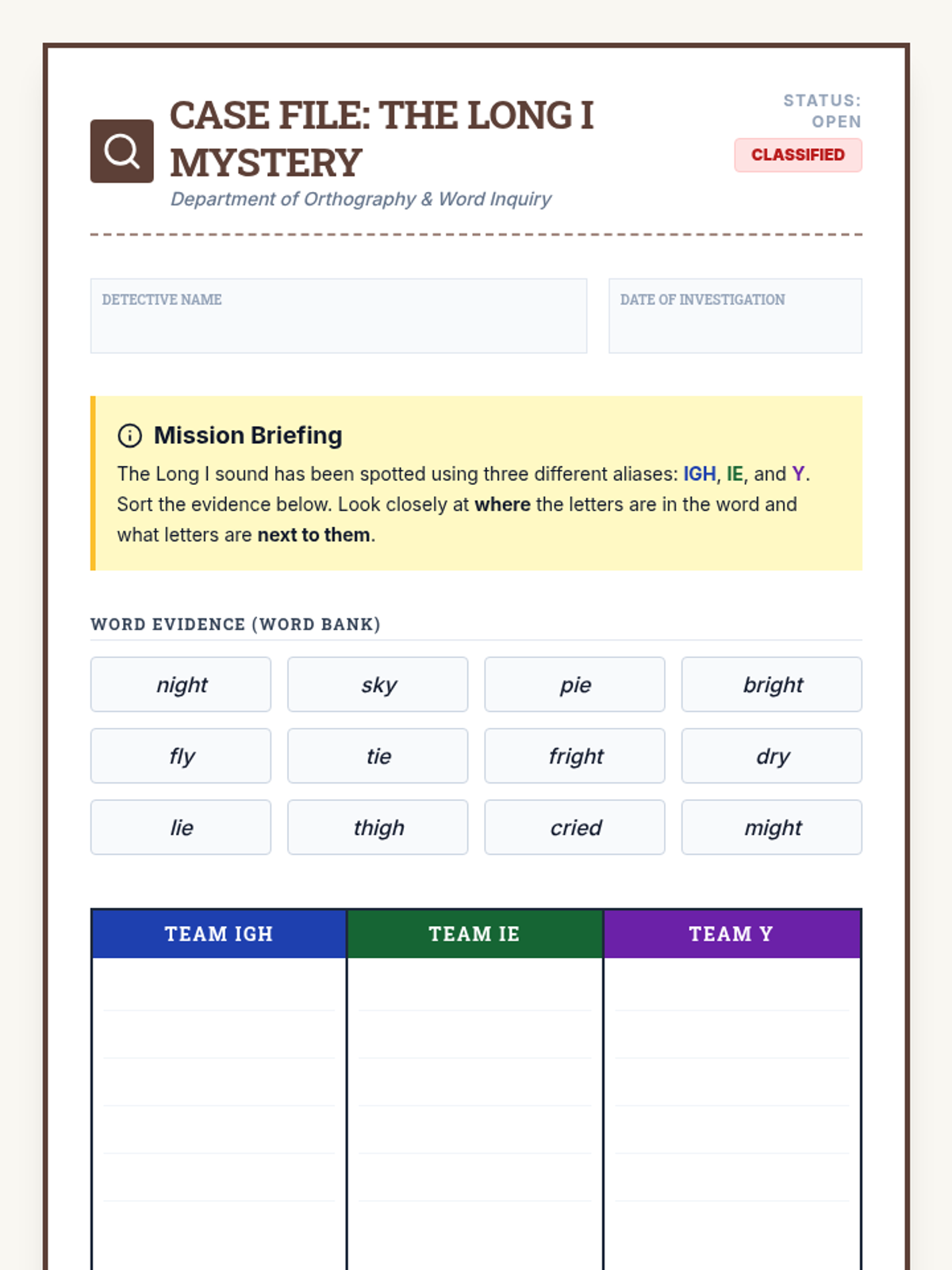
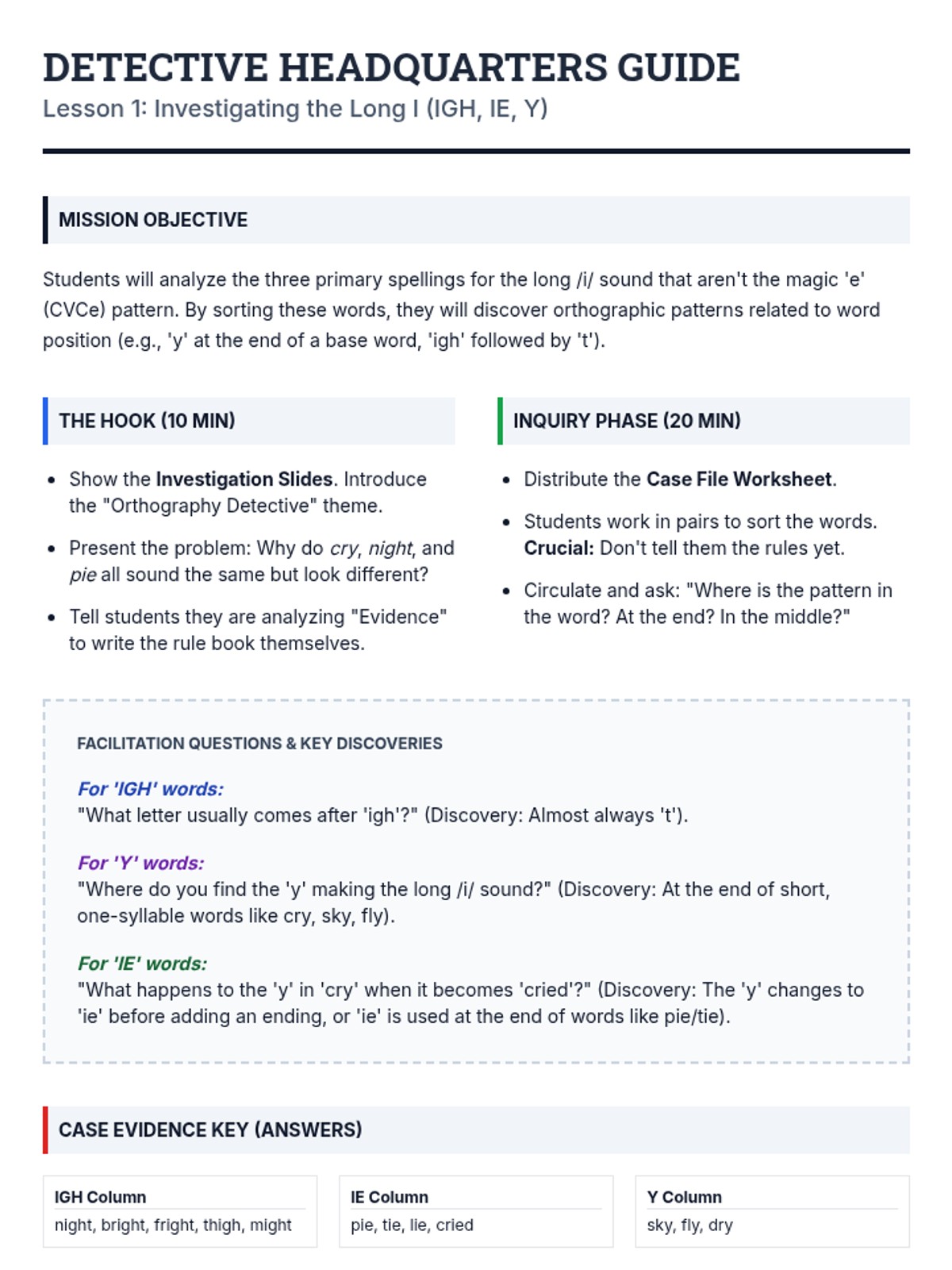
An inquiry-based phonics unit where 3rd-grade students act as 'Orthography Detectives' to investigate complex long vowel patterns, multisyllabic CVCe words, irregular 'oddballs', and the soft sounds of C and G. Students move from basic decoding to structural analysis, culminating in a collaborative classroom rule book.
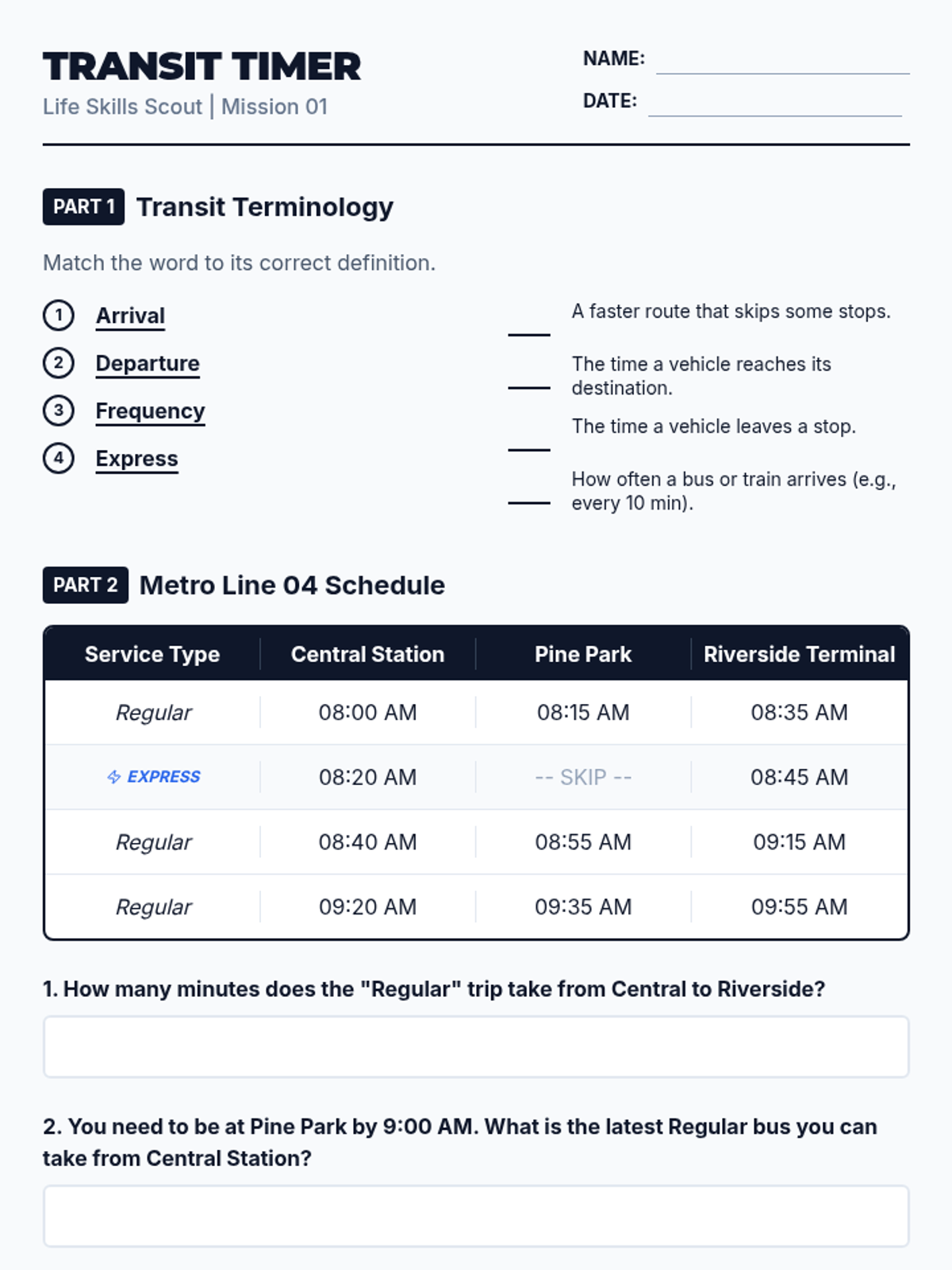
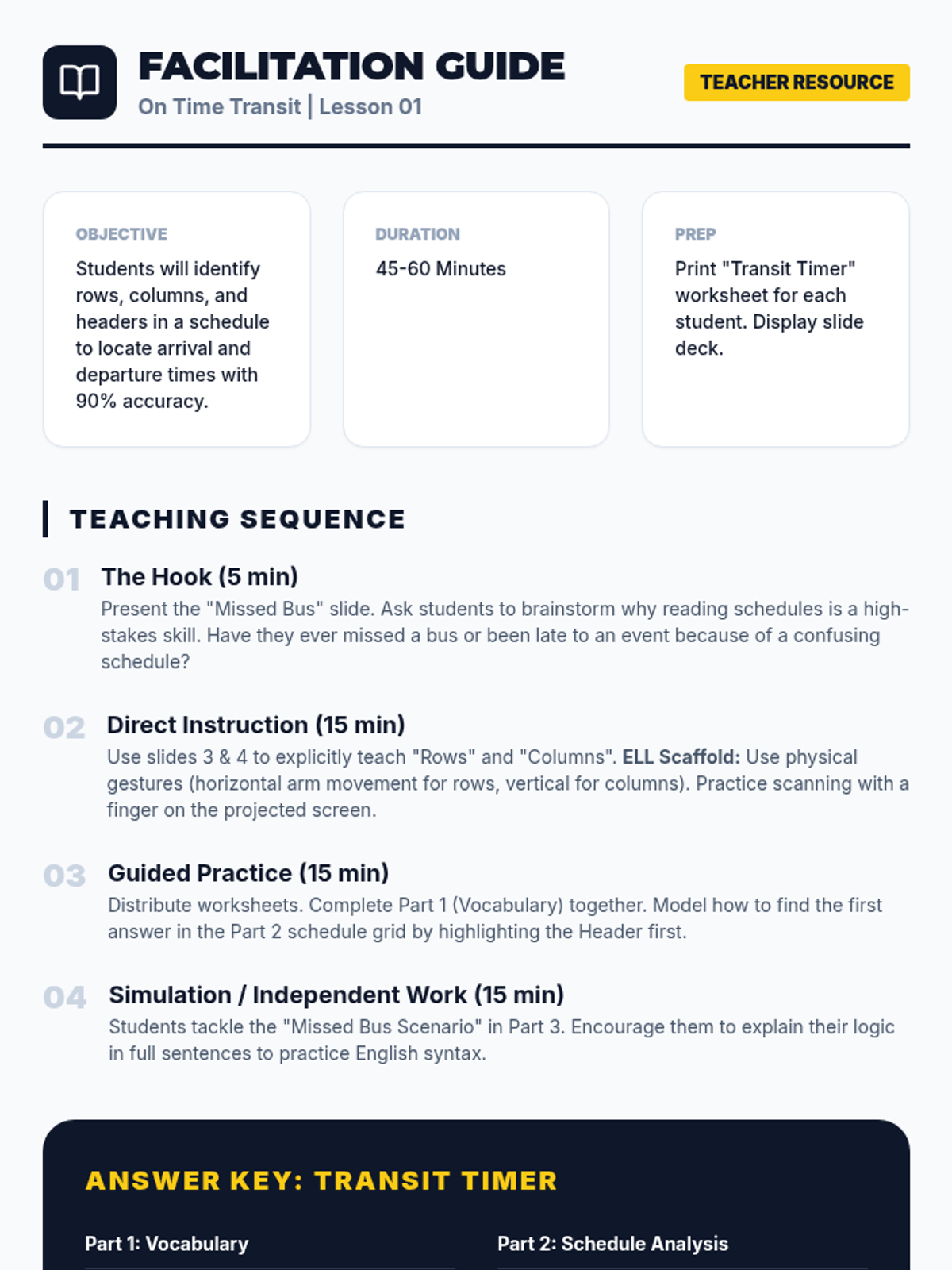
A functional literacy unit for intermediate English learners that focuses on reading schedules, menus, maps, and digital communications through real-world simulations. Students develop practical skills to navigate everyday information efficiently and accurately.
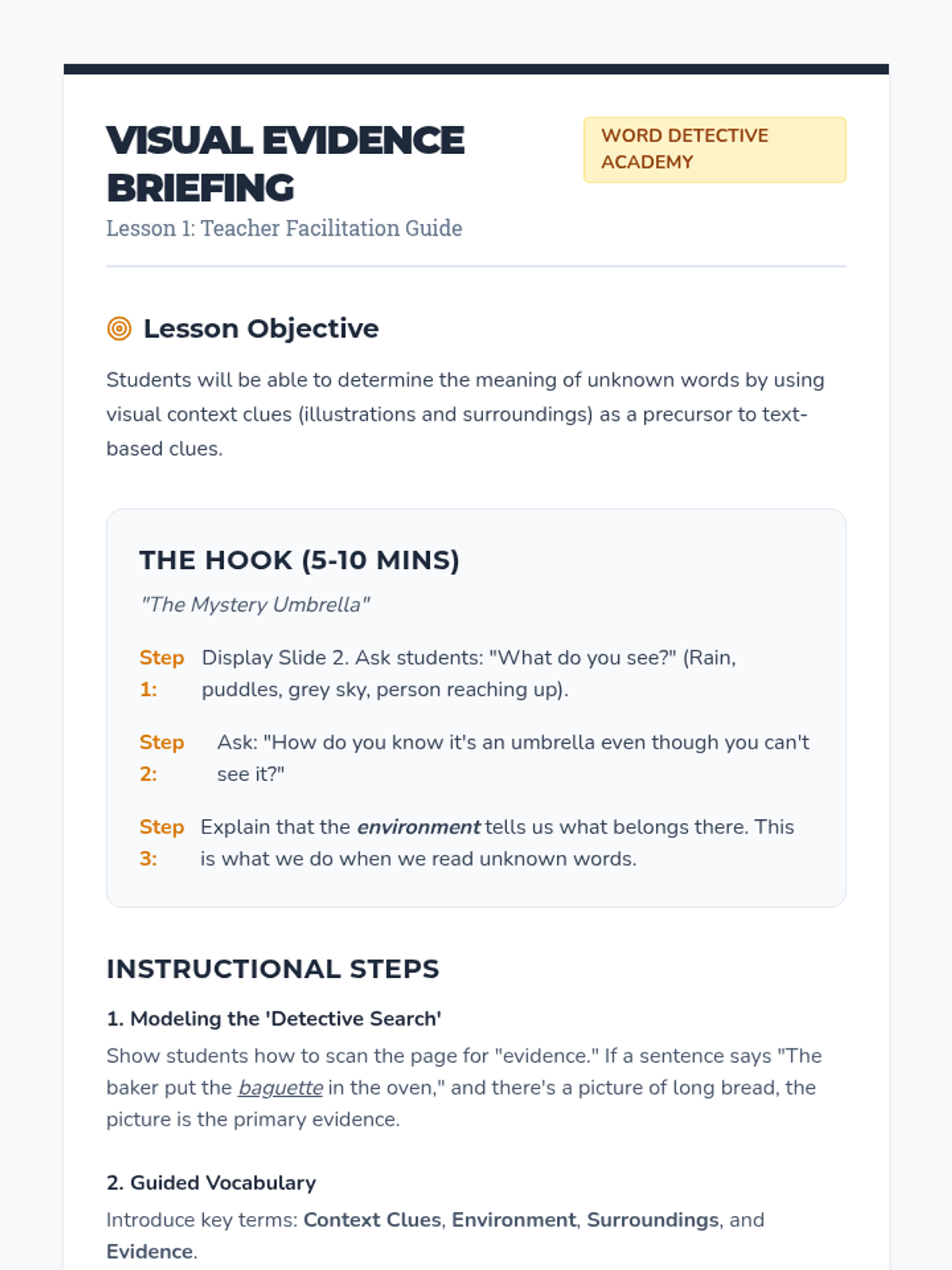
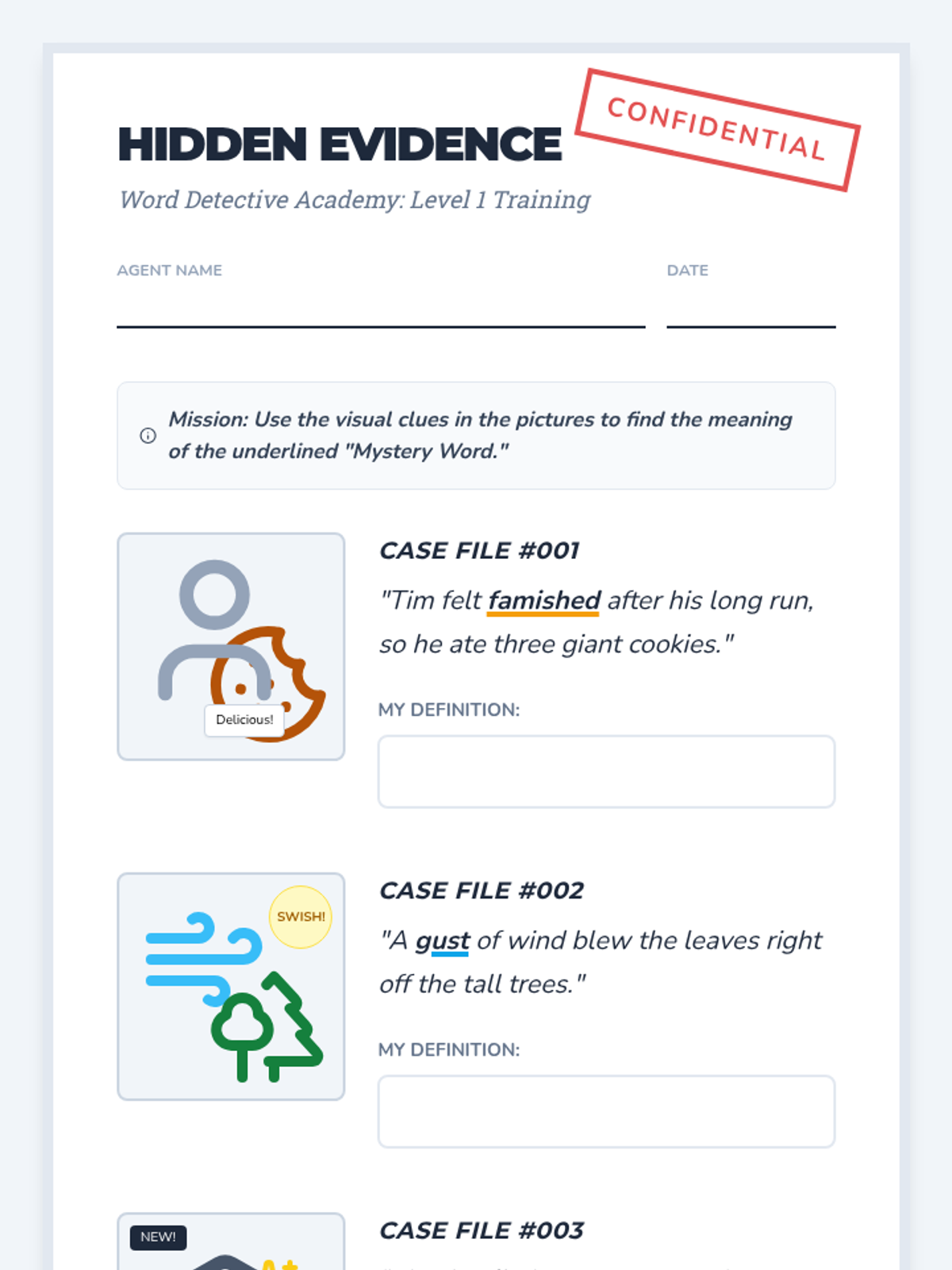
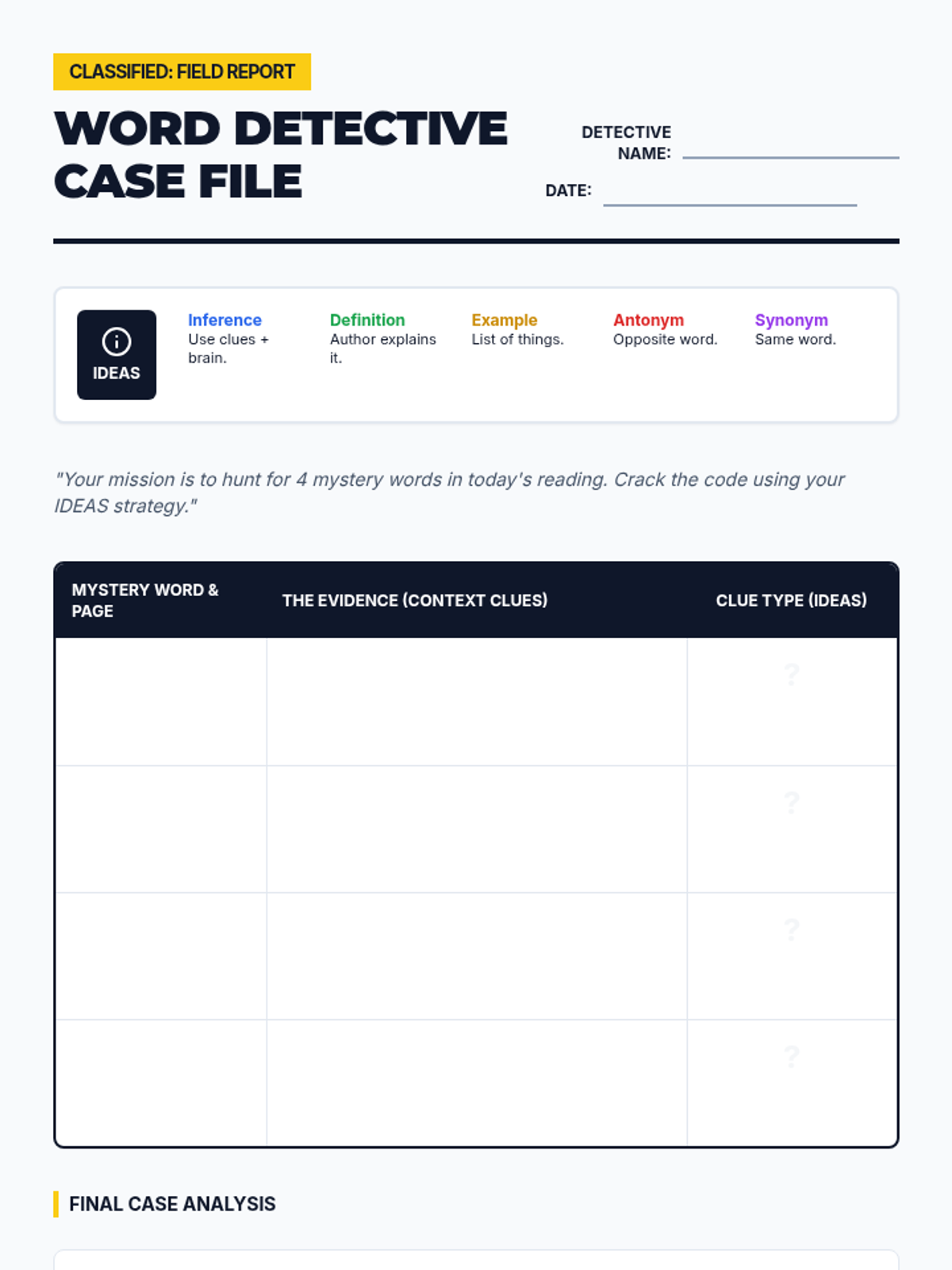
A comprehensive 3rd-grade English Language Learning sequence that uses a 'Word Detective' theme to teach students how to determine word meanings through context clues, including visual, synonym, antonym, definition, and example clues.
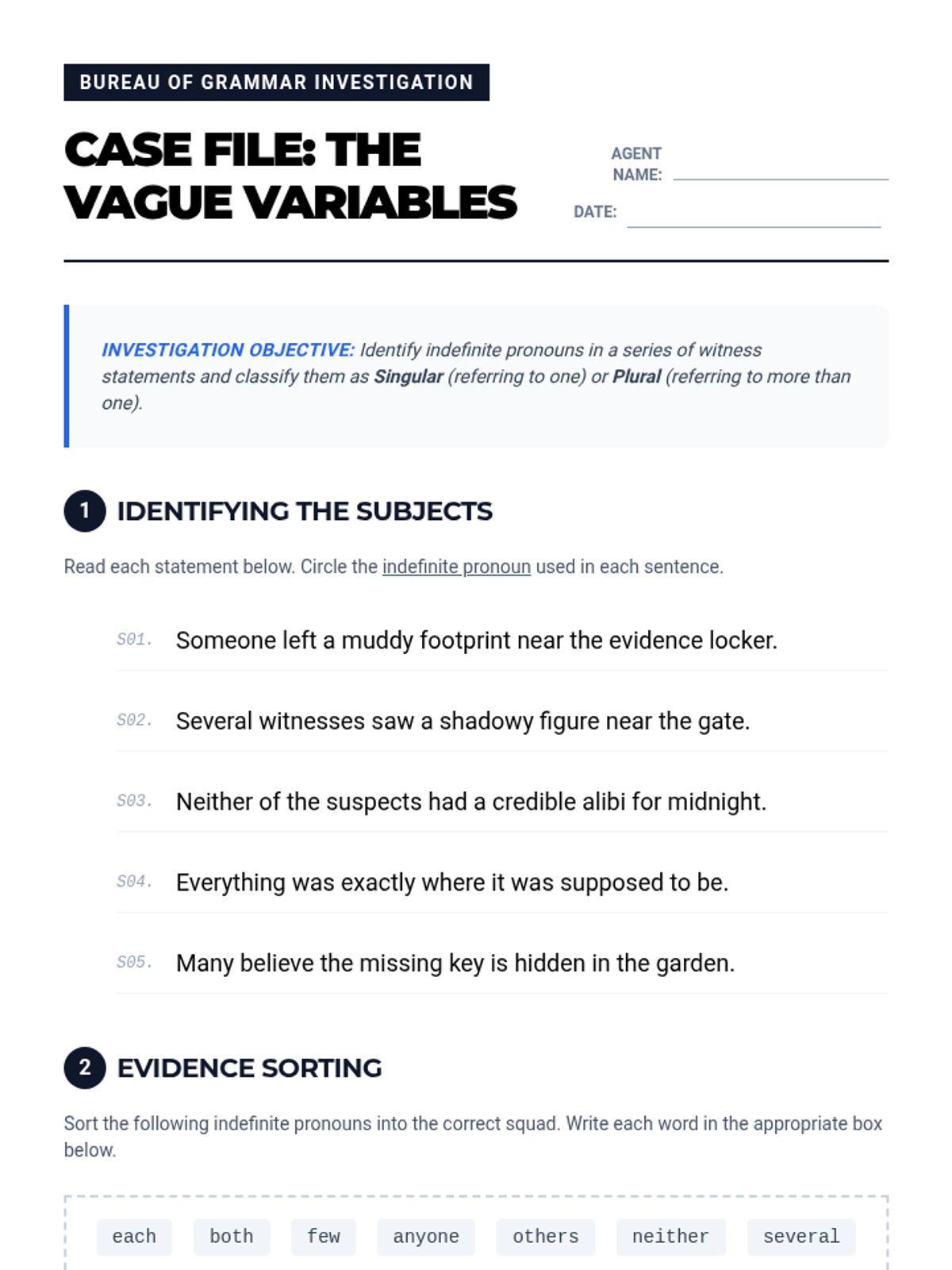
This sequence explores the nuances of indefinite pronouns, focusing on classification, singular/plural agreement, and variable pronouns based on context. Students apply these rules through investigative simulations and copy-editing tasks.
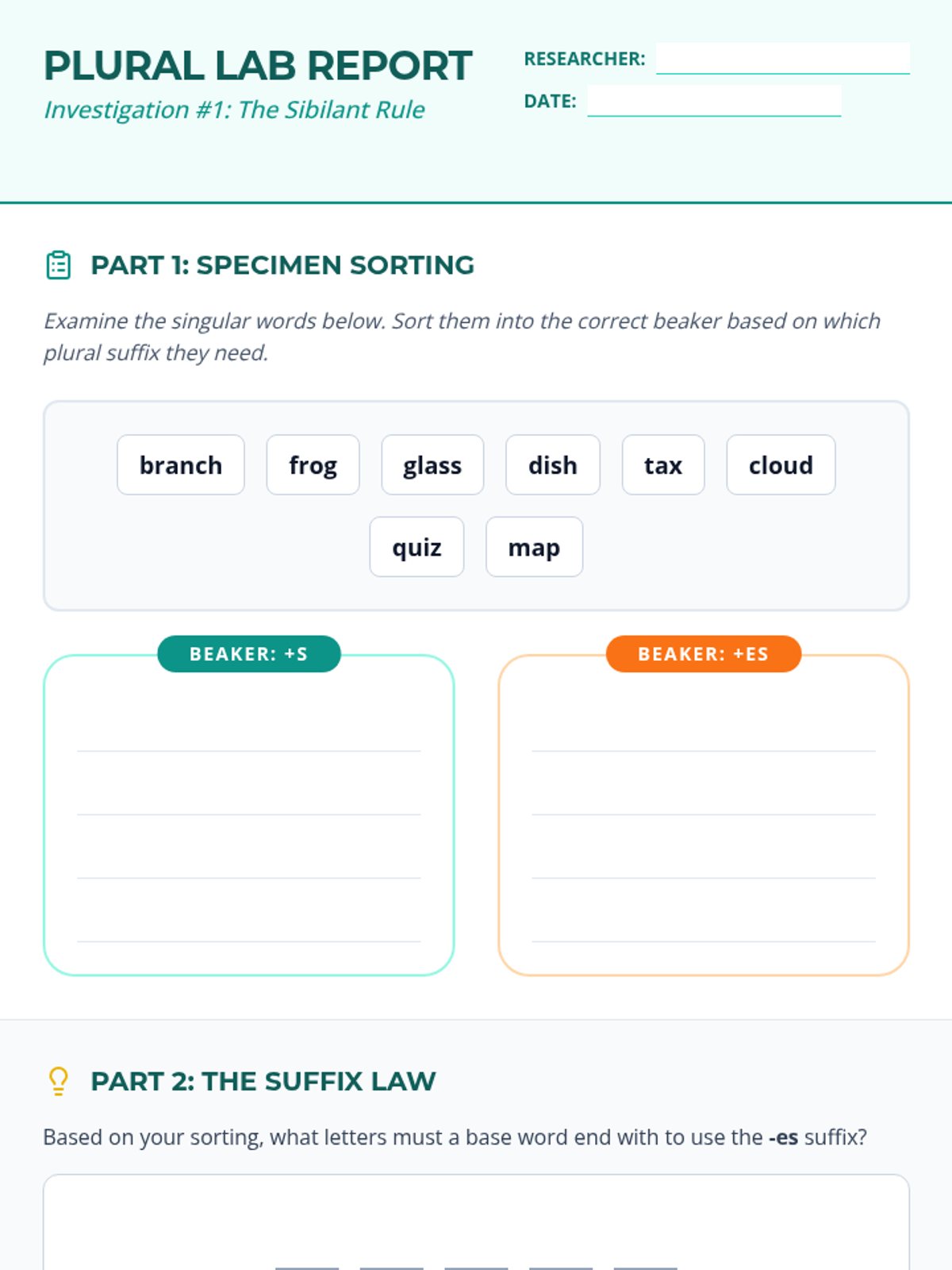
A comprehensive 3rd-grade spelling unit focusing on morphological awareness and suffix rules. Students use an inquiry-based approach to master pluralization, the Silent E Drop rule, the 1-1-1 Doubling rule, and the Y-to-I change, culminating in a systematic flowchart for spelling accuracy.
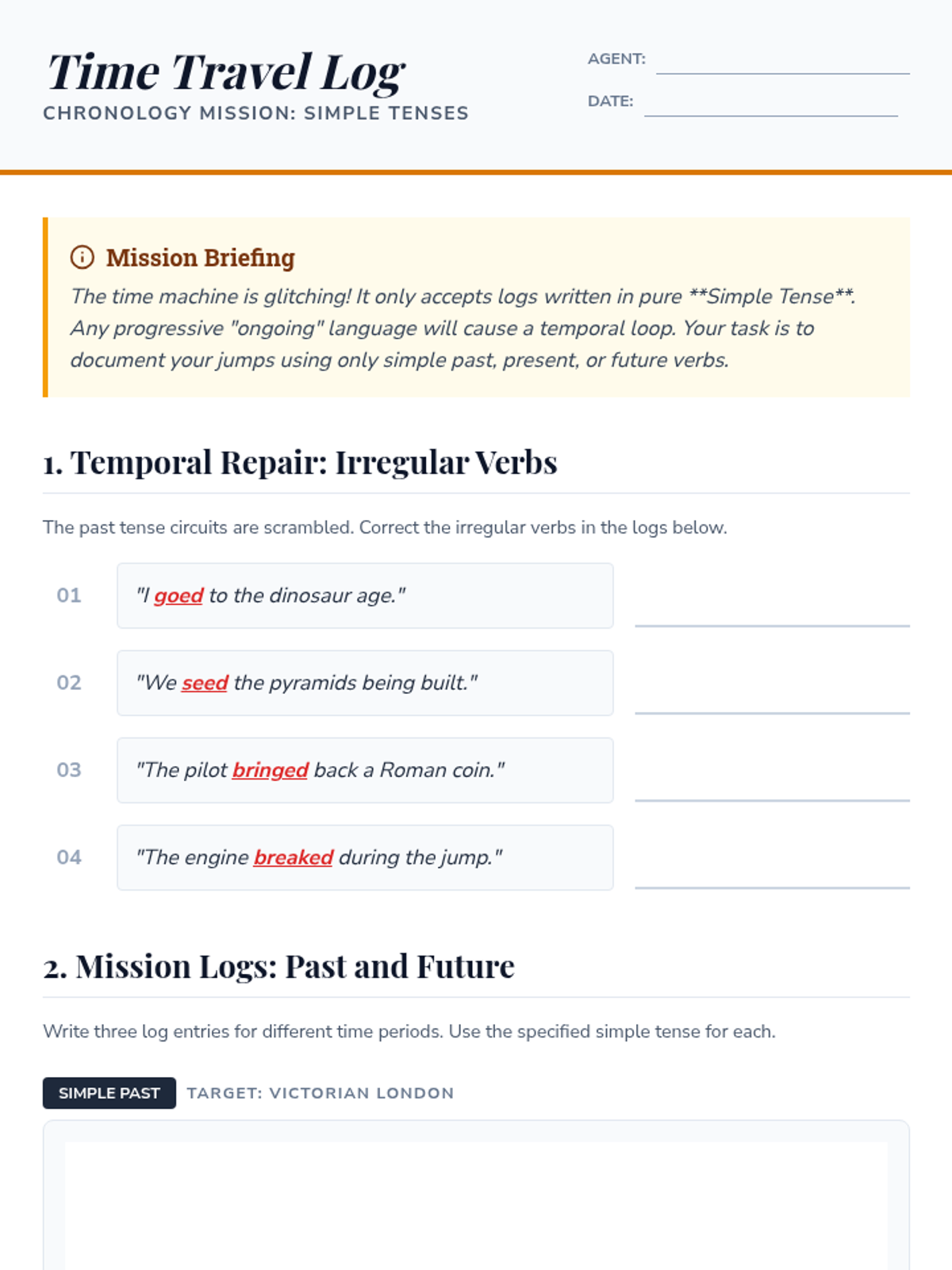
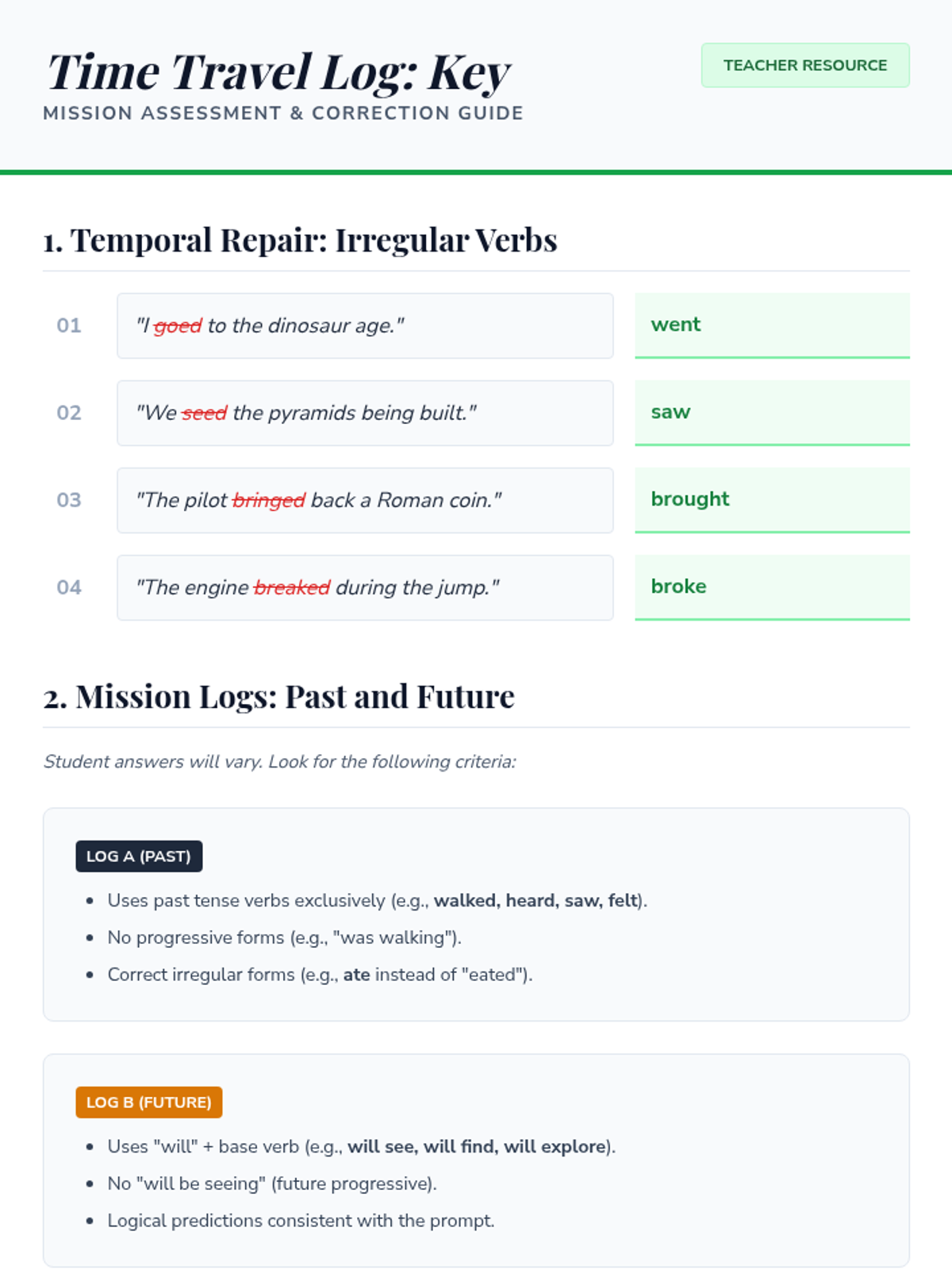
Students explore the concept of time in grammar by contrasting simple tenses with progressive forms. This sequence emphasizes the 'timeline' visual, helping students understand the specific nuances between an action that happens once (simple) versus one that is ongoing (progressive).
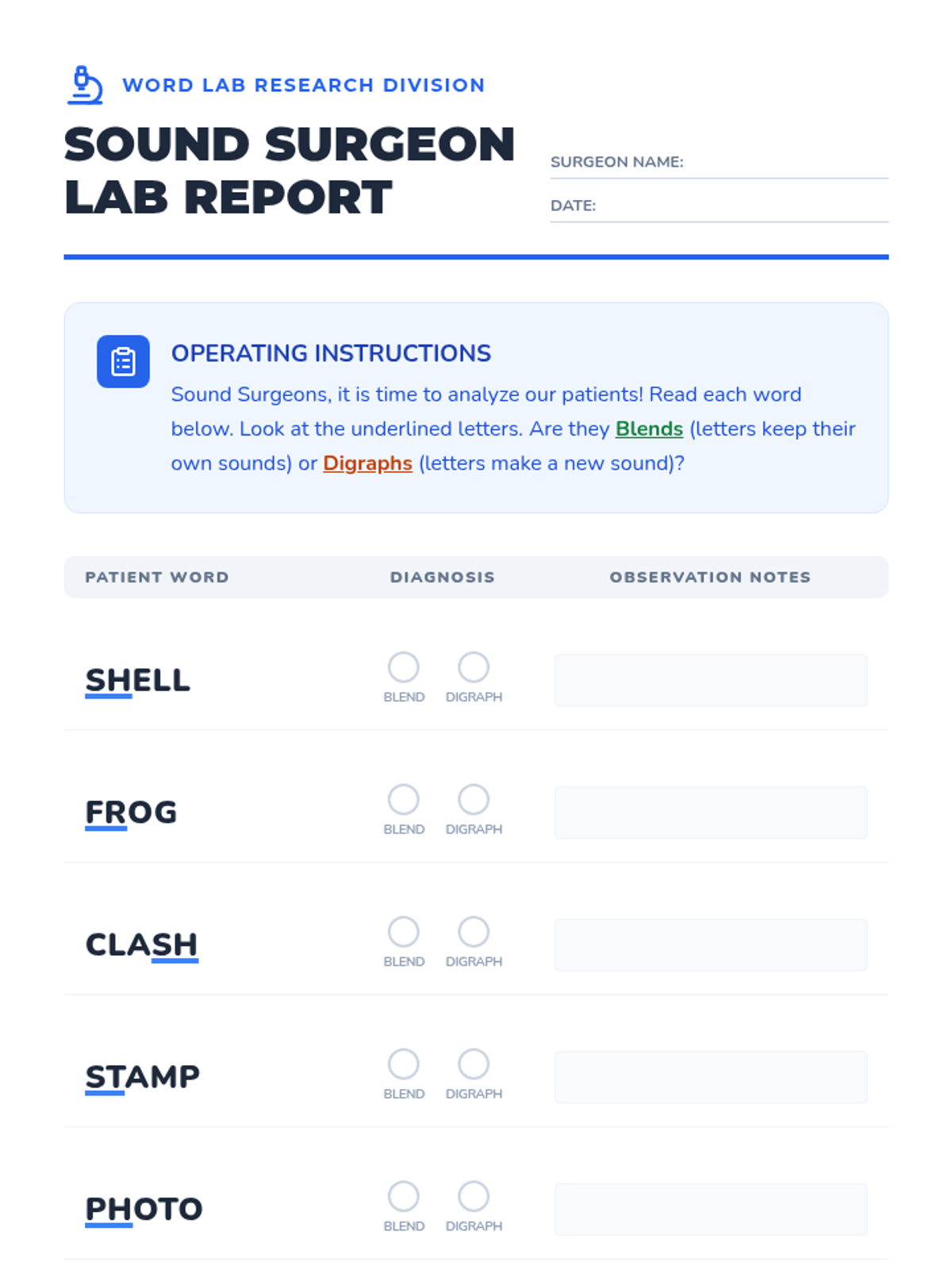
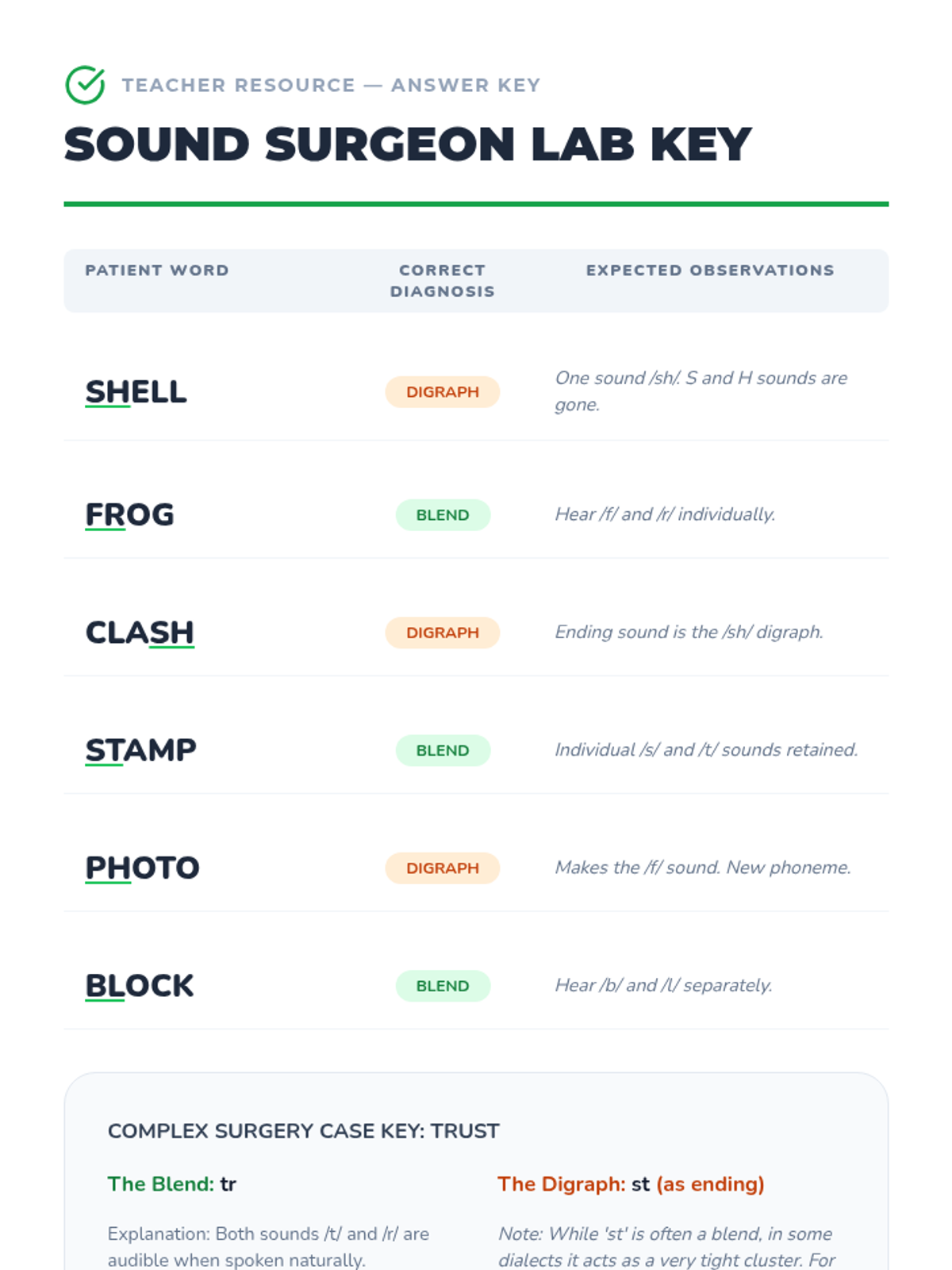
A comprehensive 3rd-grade phonics sequence focusing on the transition from basic consonant patterns to advanced blends, digraphs, and trigraphs within multisyllabic words. Students use a 'Word Lab' approach to dissect, analyze, and encode complex orthographic patterns, building decoding fluency and spelling accuracy.
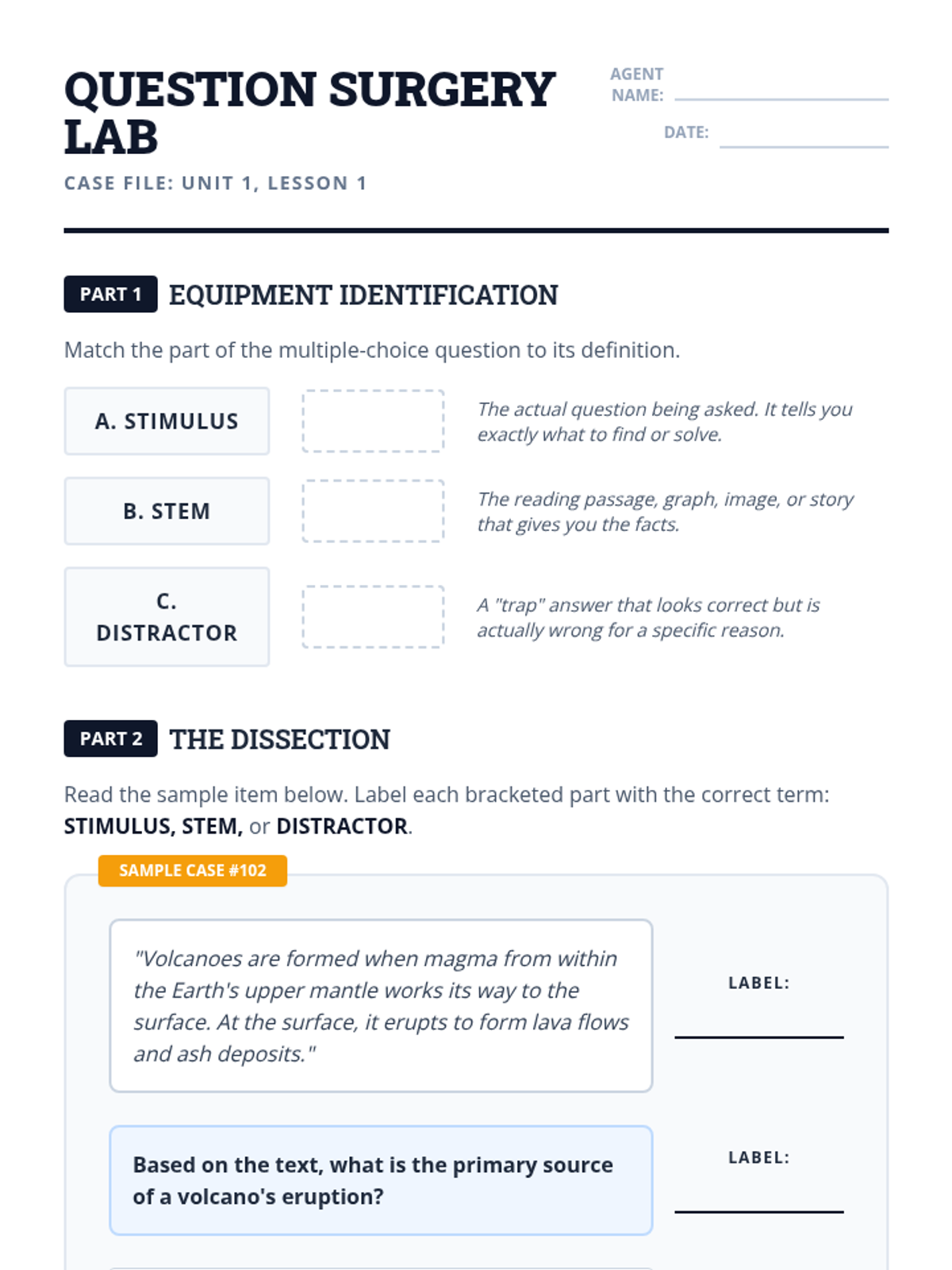
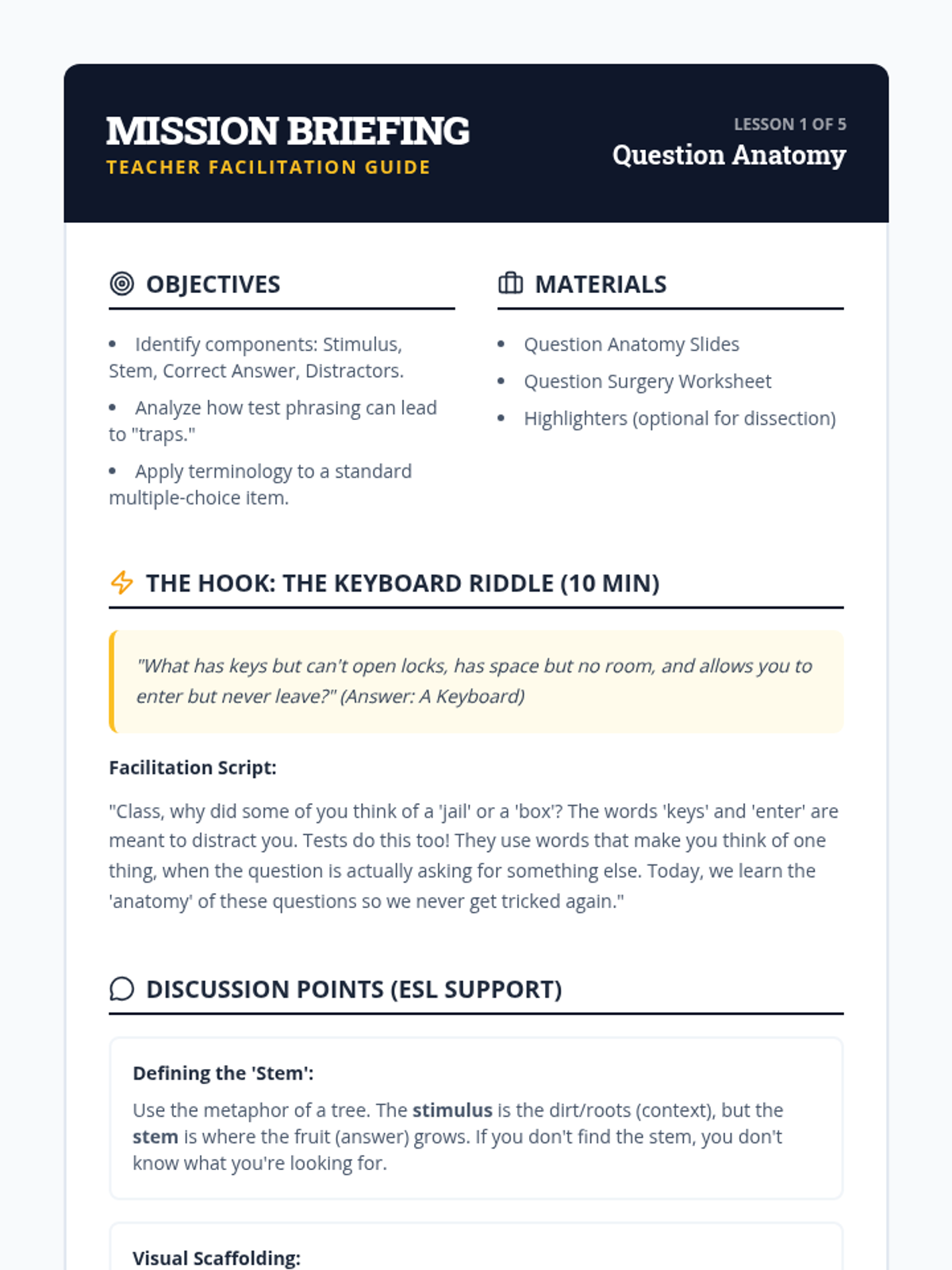
This sequence targets the analytical skills required to dismantle multiple-choice questions for 7th Grade ESL learners. Students move from understanding the anatomy of a question to identifying common logical fallacies and 'trap' answers, utilizing game-based learning and deductive reasoning.
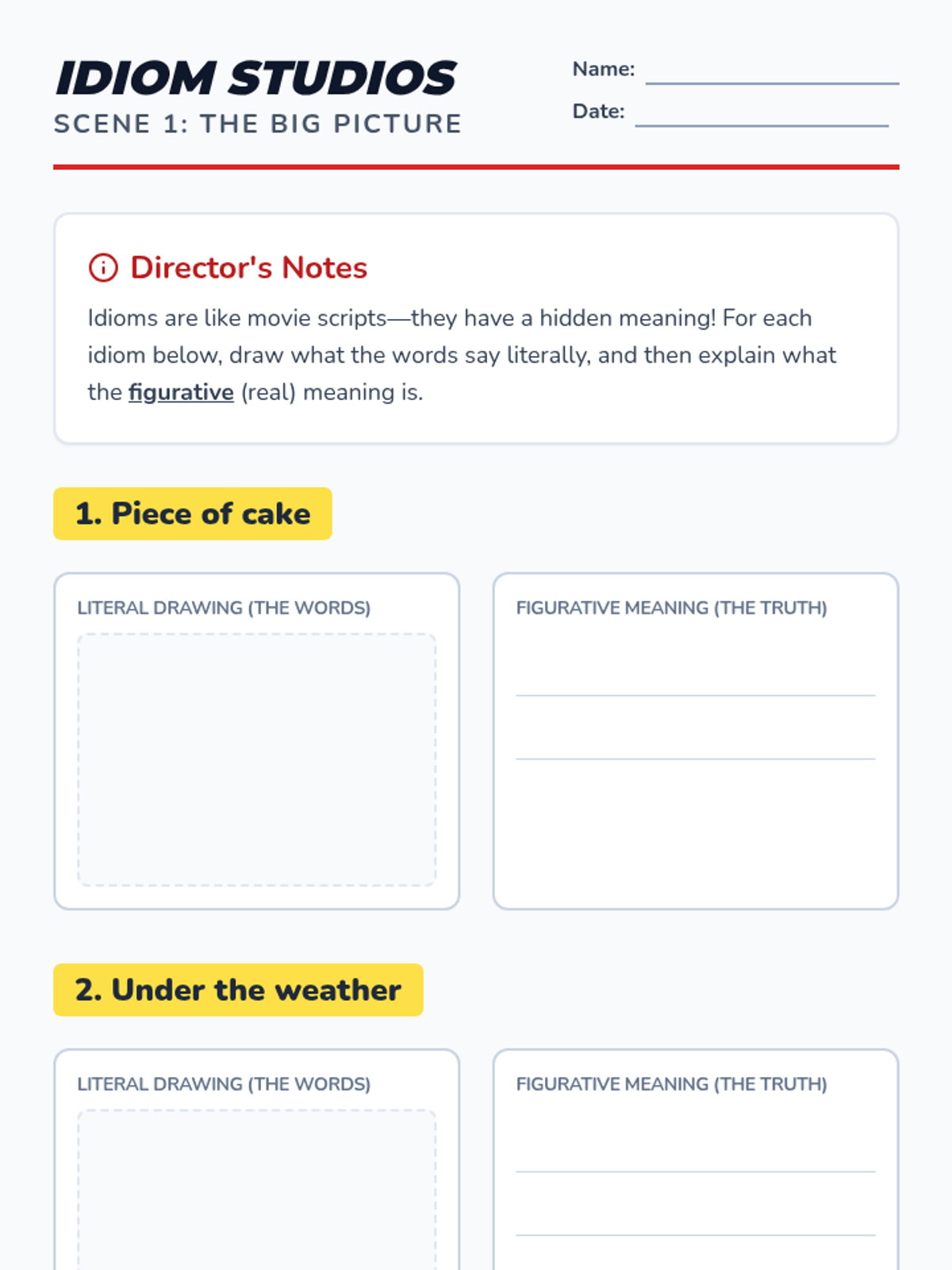
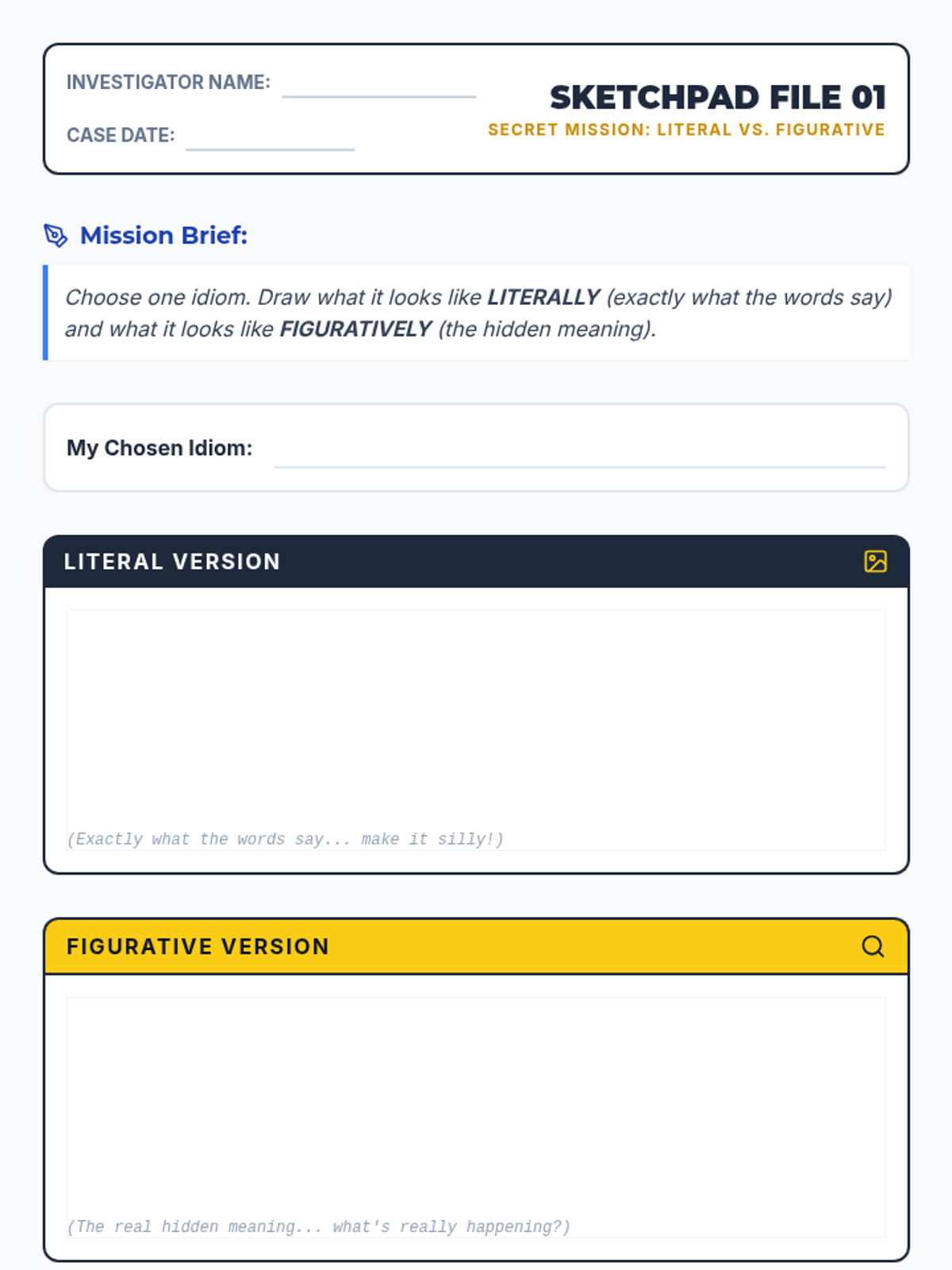
A 5-lesson unit for intermediate ESL students to master English idioms through visualization, categorization, and narrative performance. Students transition from understanding literal vs. figurative meanings to performing original skits that use idioms naturally.
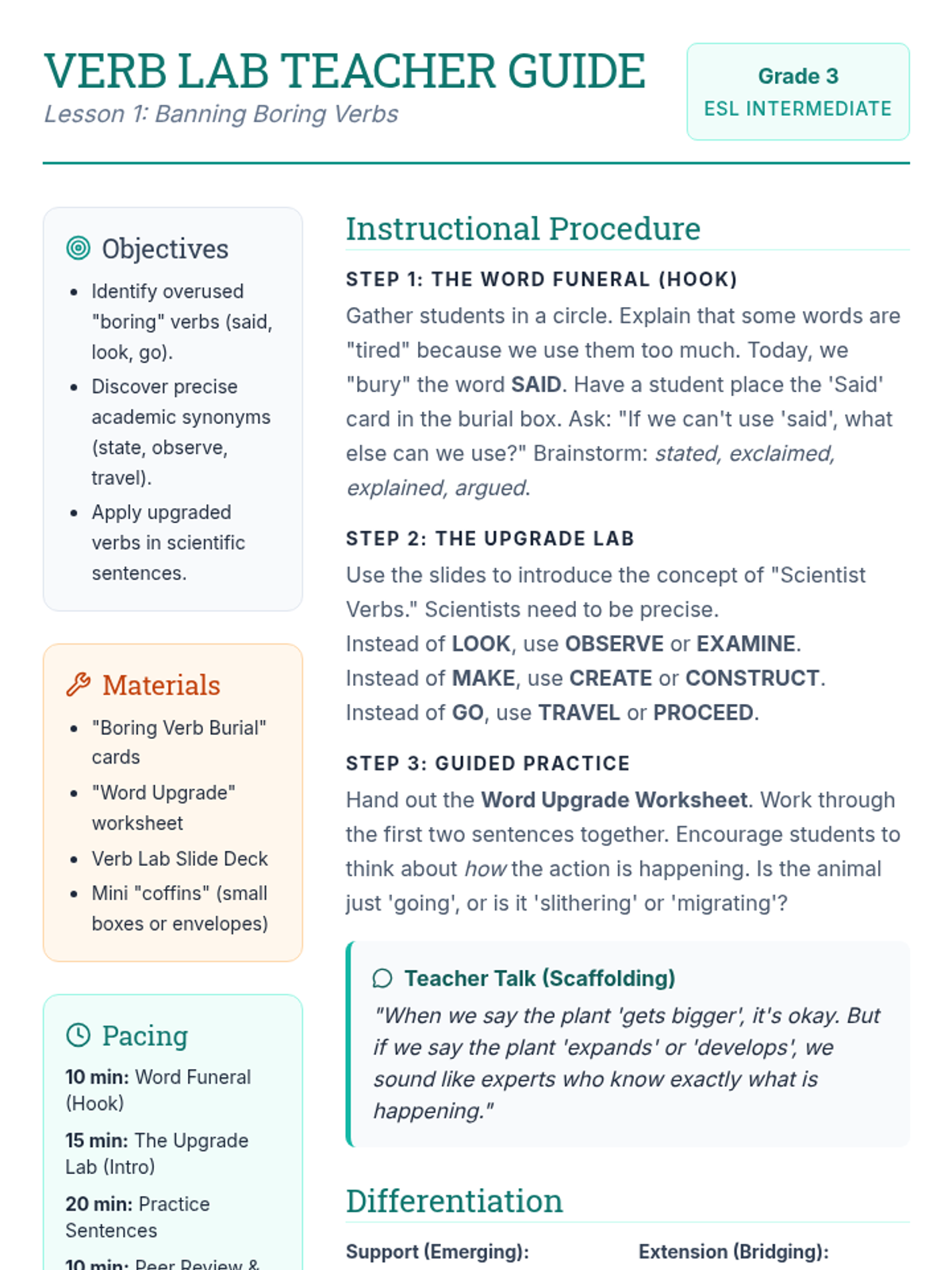
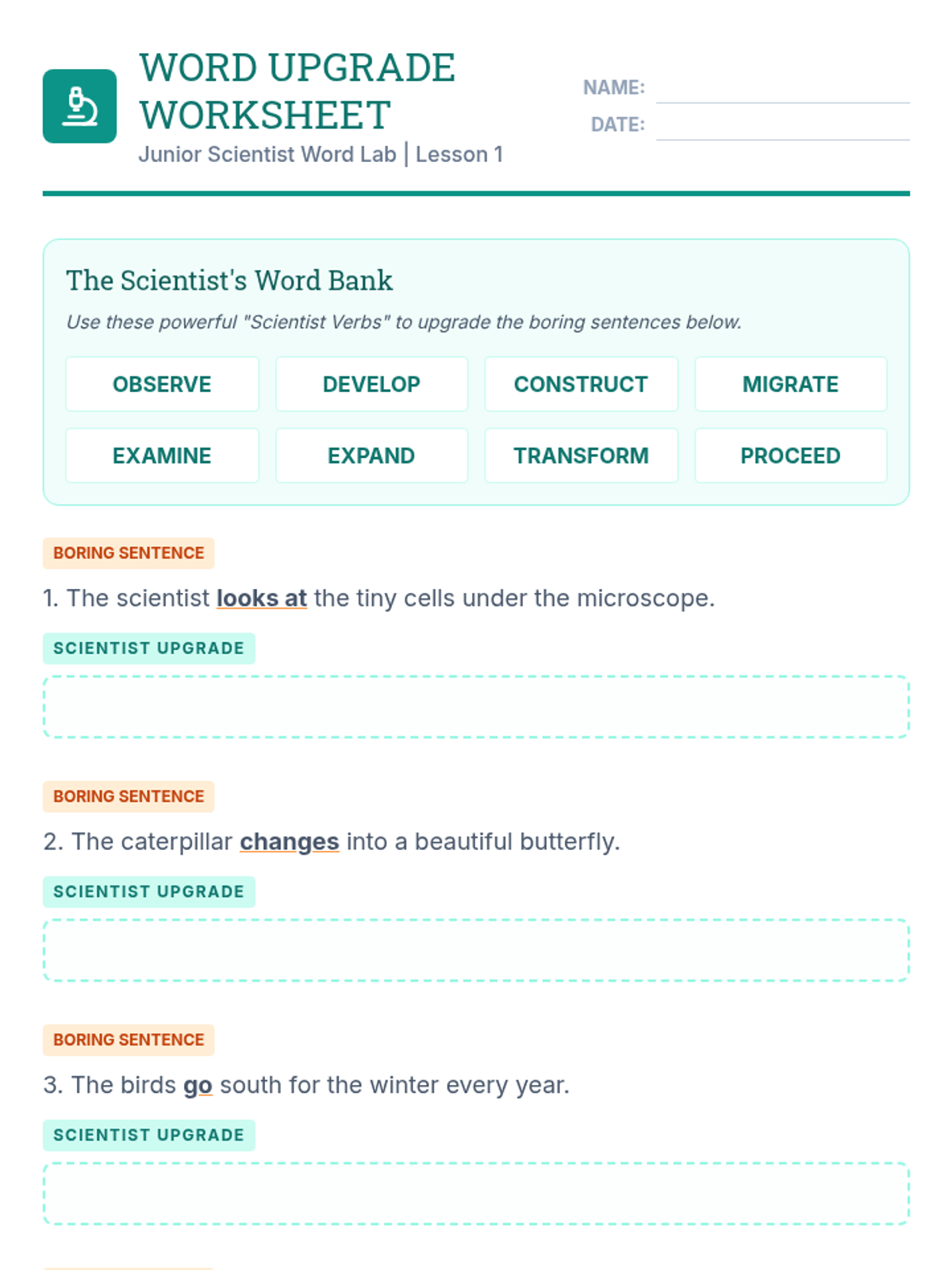
A 5-lesson sequence for 3rd Grade ESL students focusing on transitioning from basic social English to precise academic vocabulary and collocations used in science contexts. Students adopt the role of 'Junior Scientists' to learn verbs, adjectives, and transitions that enhance their descriptive and reporting skills.
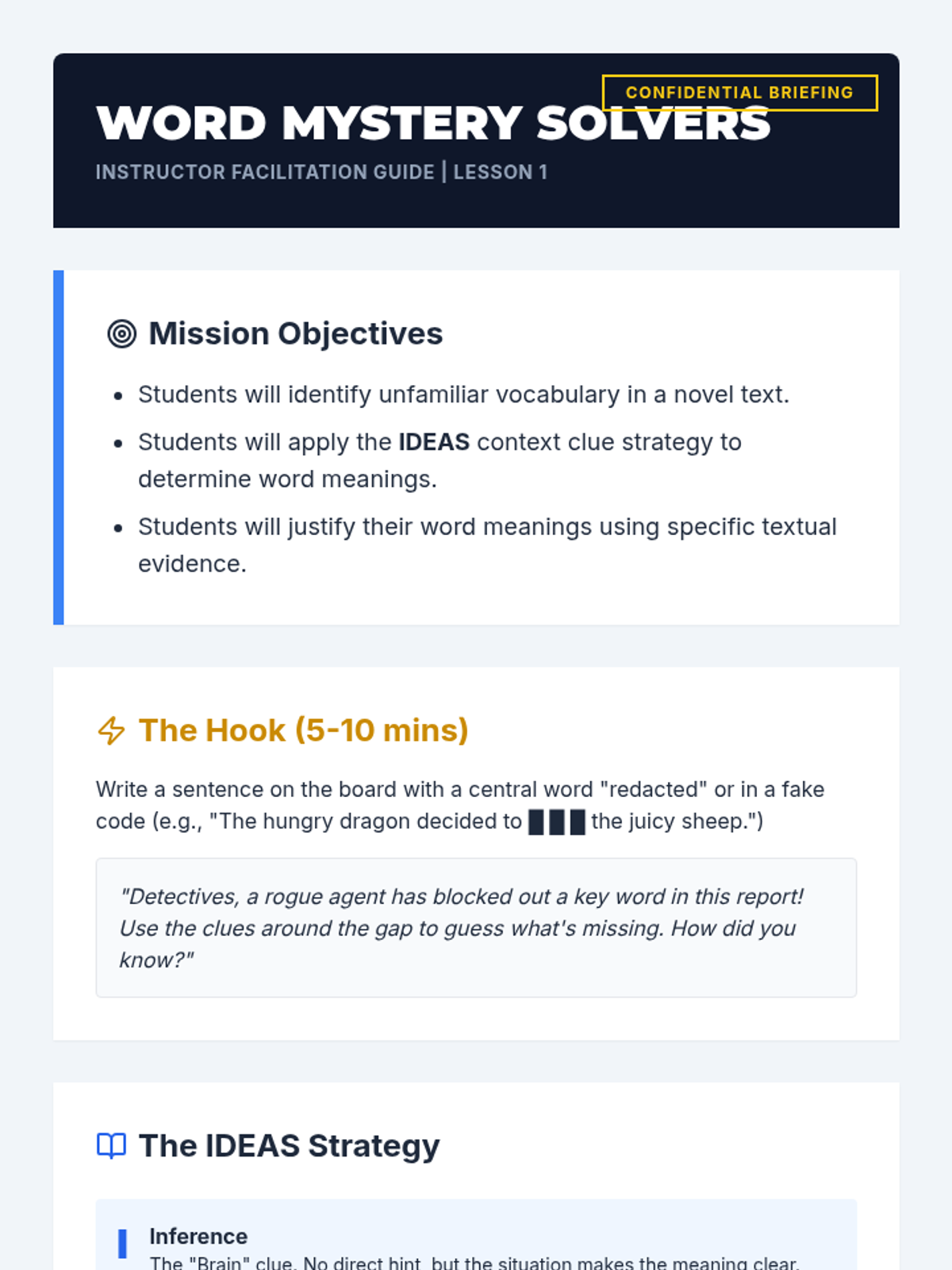
A 5-lesson sequence for 3rd grade focused on mastering context clues and figurative language (similes, metaphors, idioms) to enhance reading comprehension during novel studies.
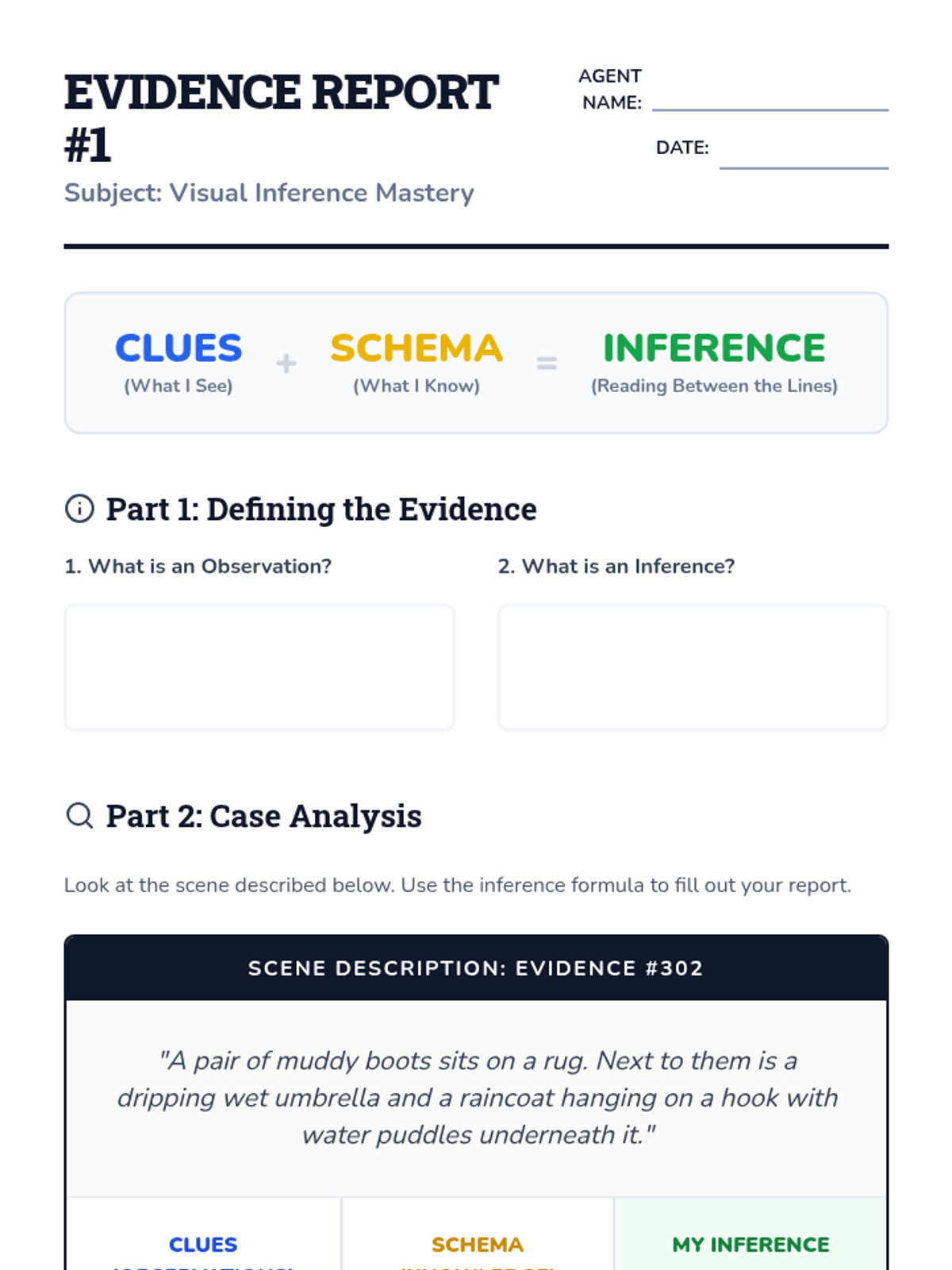
This sequence guides third-grade students through the process of 'reading between the lines' to uncover implicit meanings and central messages in fiction. Students will master the inference formula (Clues + Schema = Inference) and apply it to character analysis and theme identification.
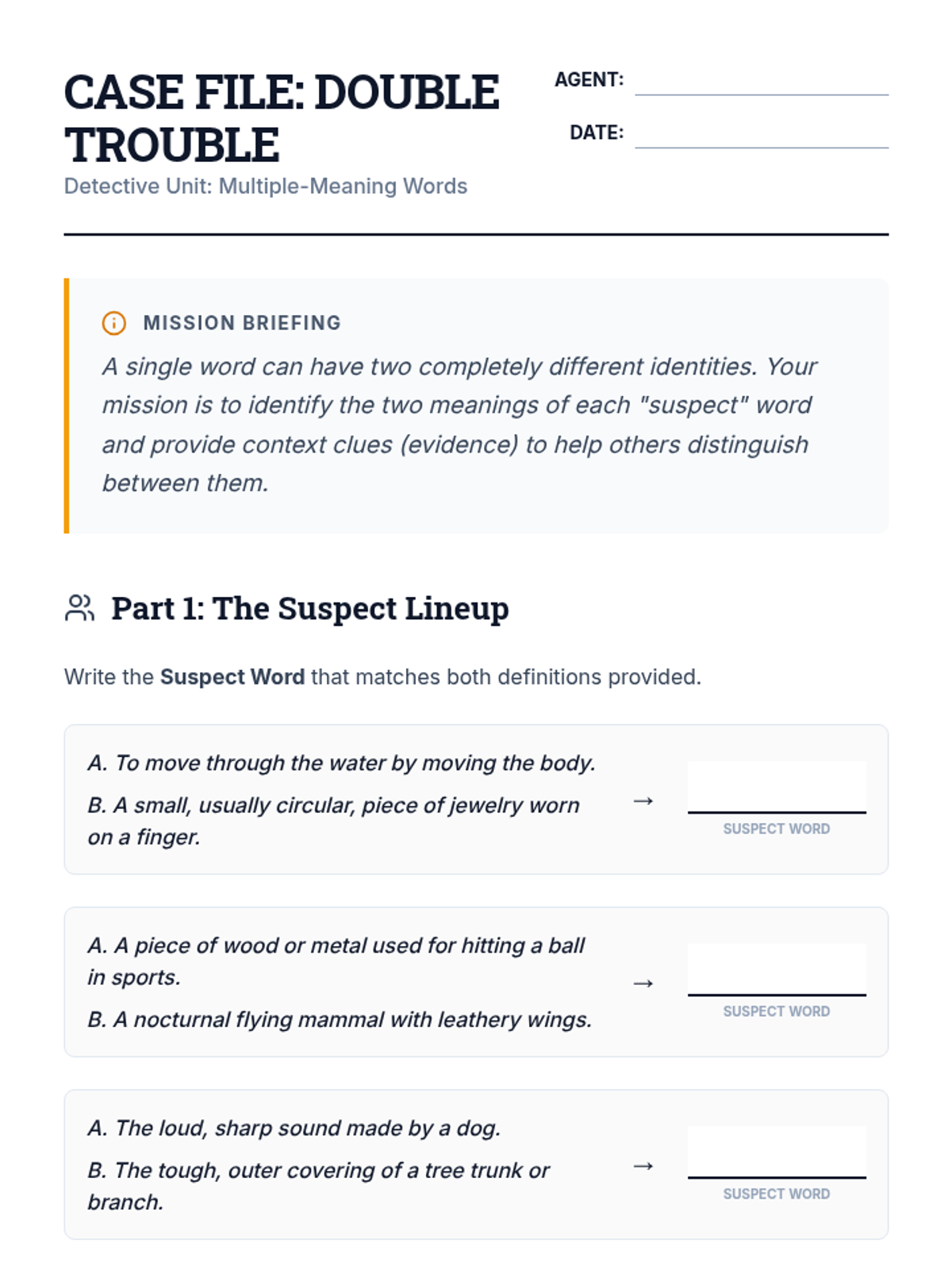
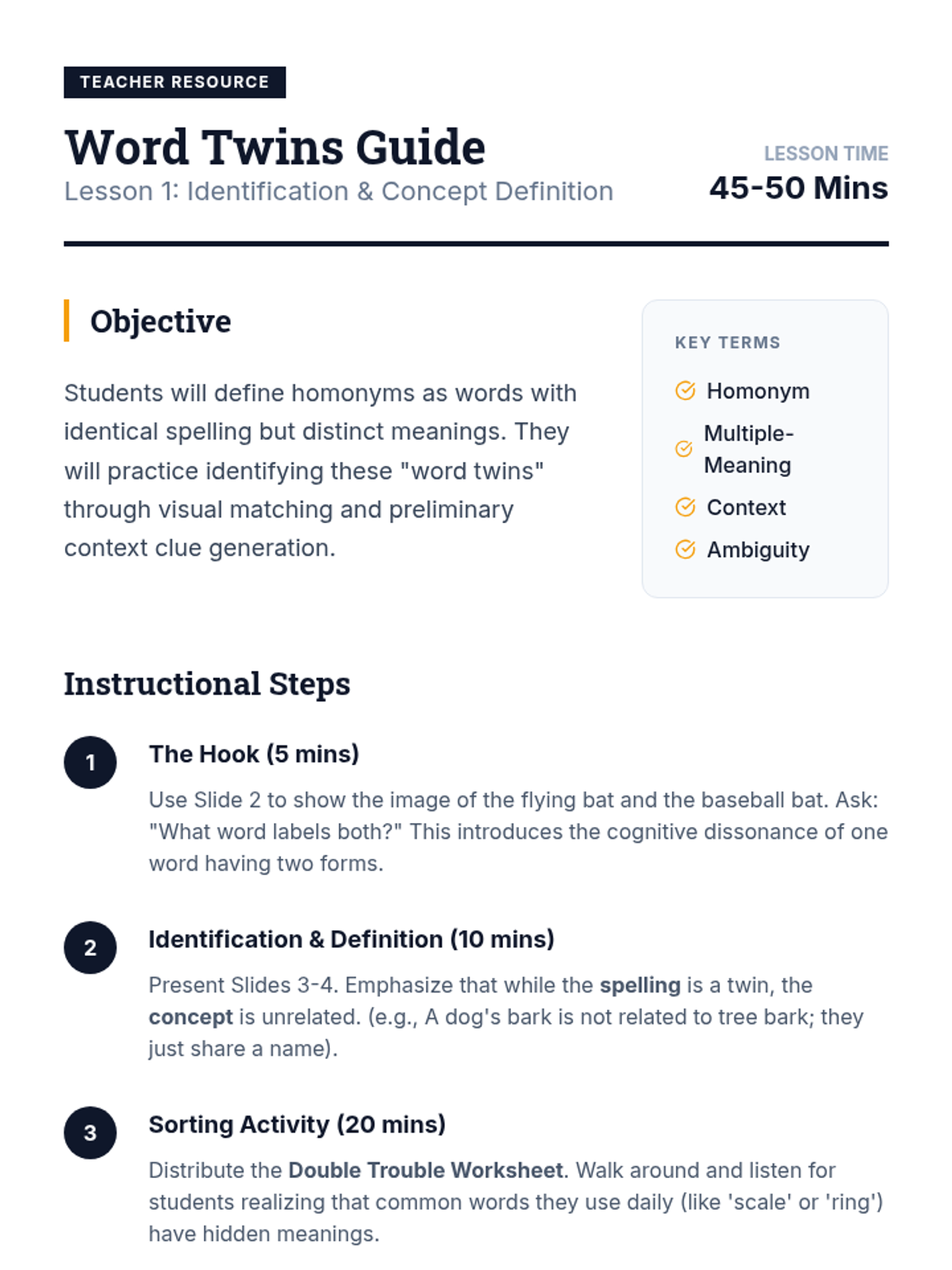
This sequence focuses on the critical reading skill of using context clues to determine the meaning of homonyms (words with the same spelling but different meanings). Students progress from identifying simple multiple-meaning words to analyzing heteronyms and using dictionary entries to navigate linguistic ambiguity.
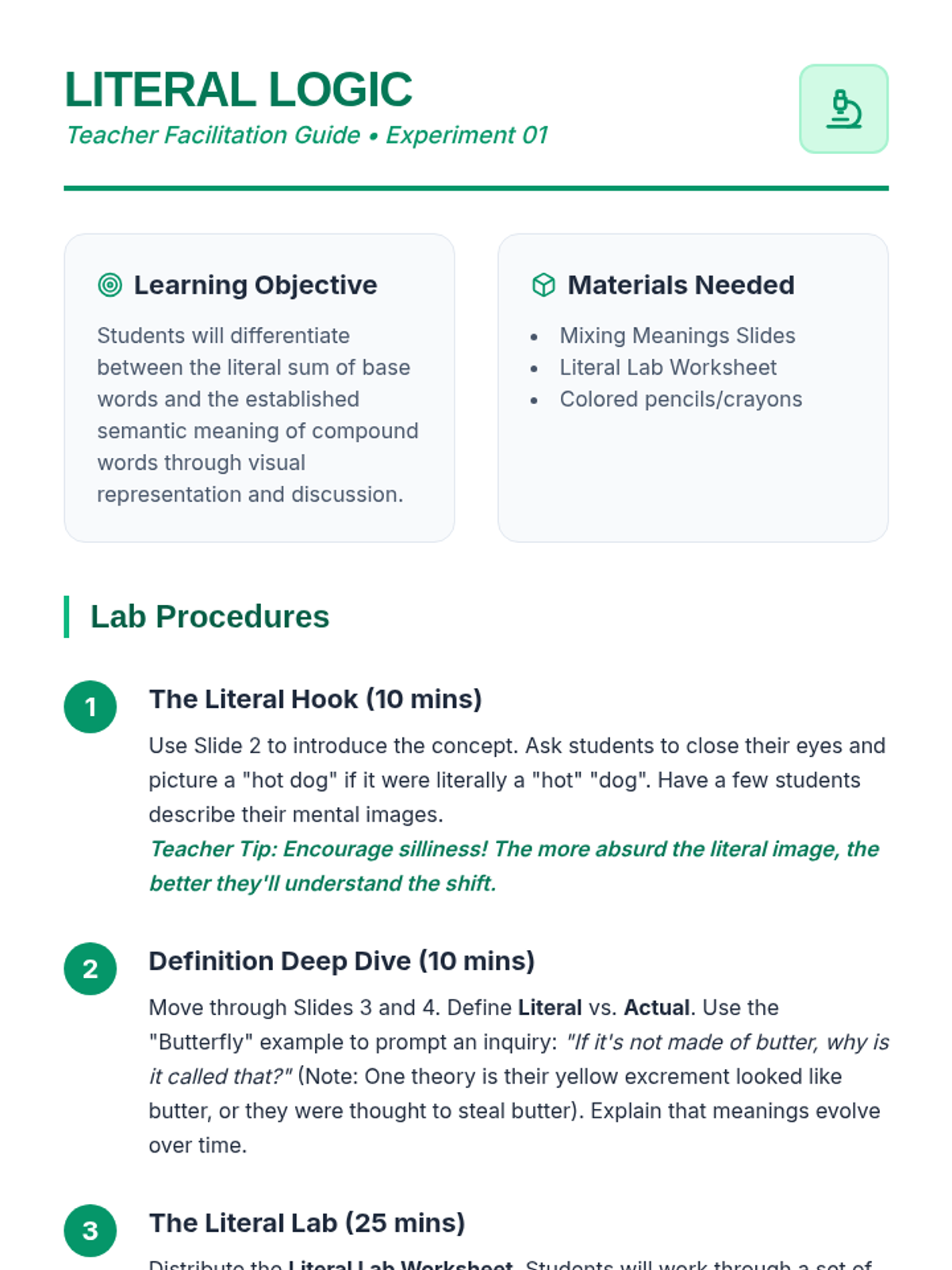
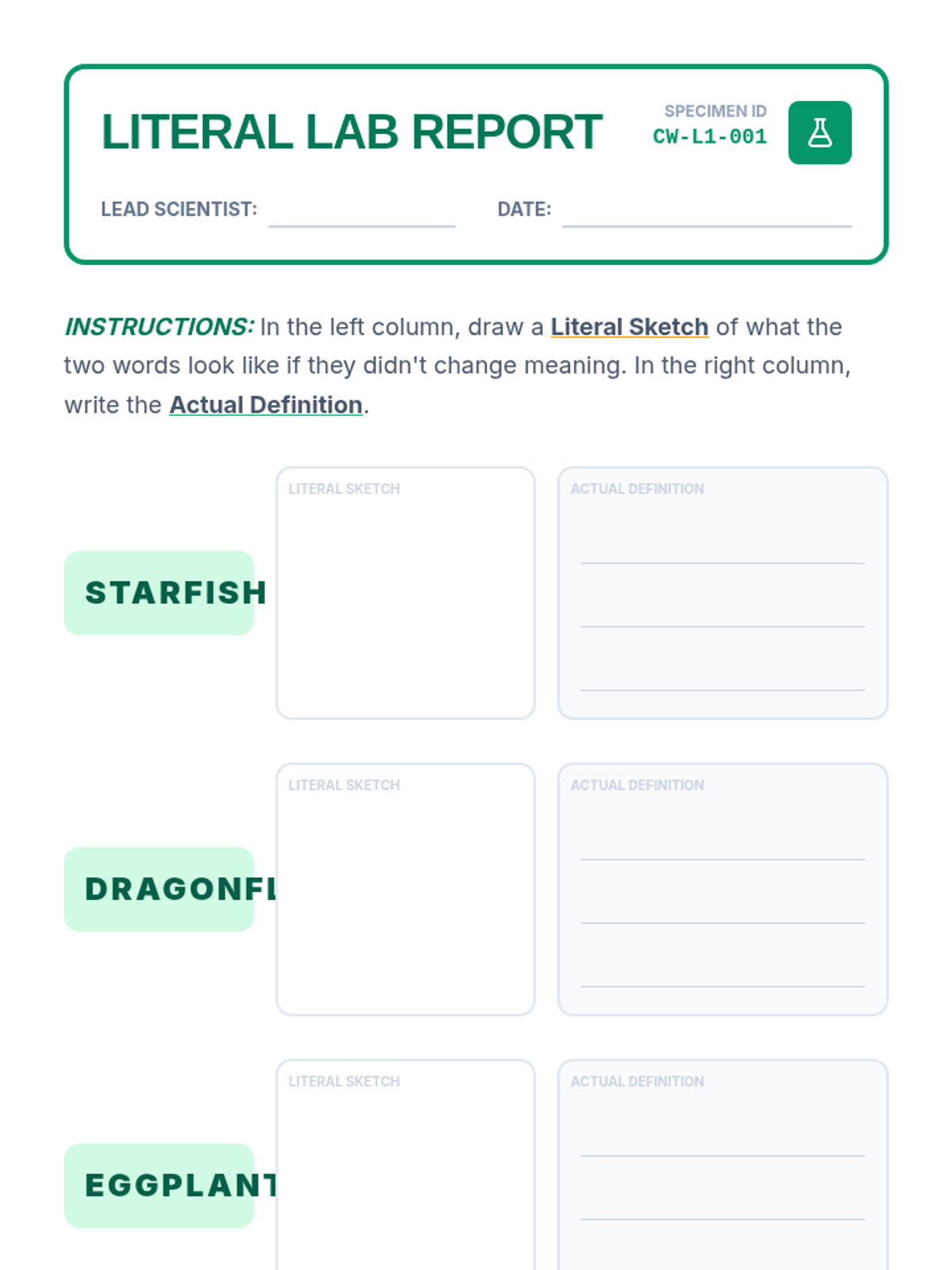
A 5-lesson inquiry into how compound words shift in meaning, comparing literal interpretations with actual definitions through a 'Word Lab' theme. Students explore transparent and opaque compounds, create riddles, and build semantic maps to understand language evolution.
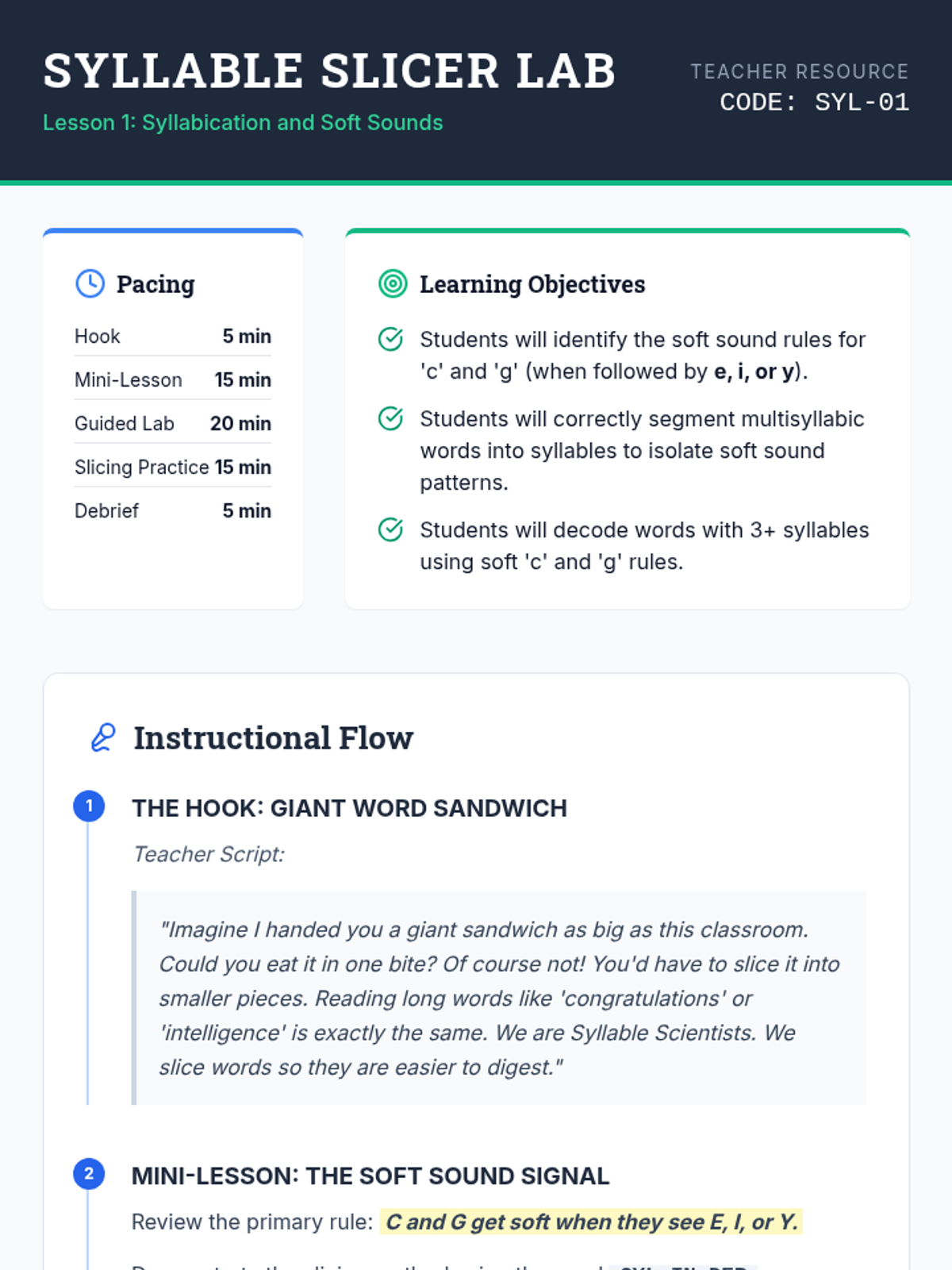
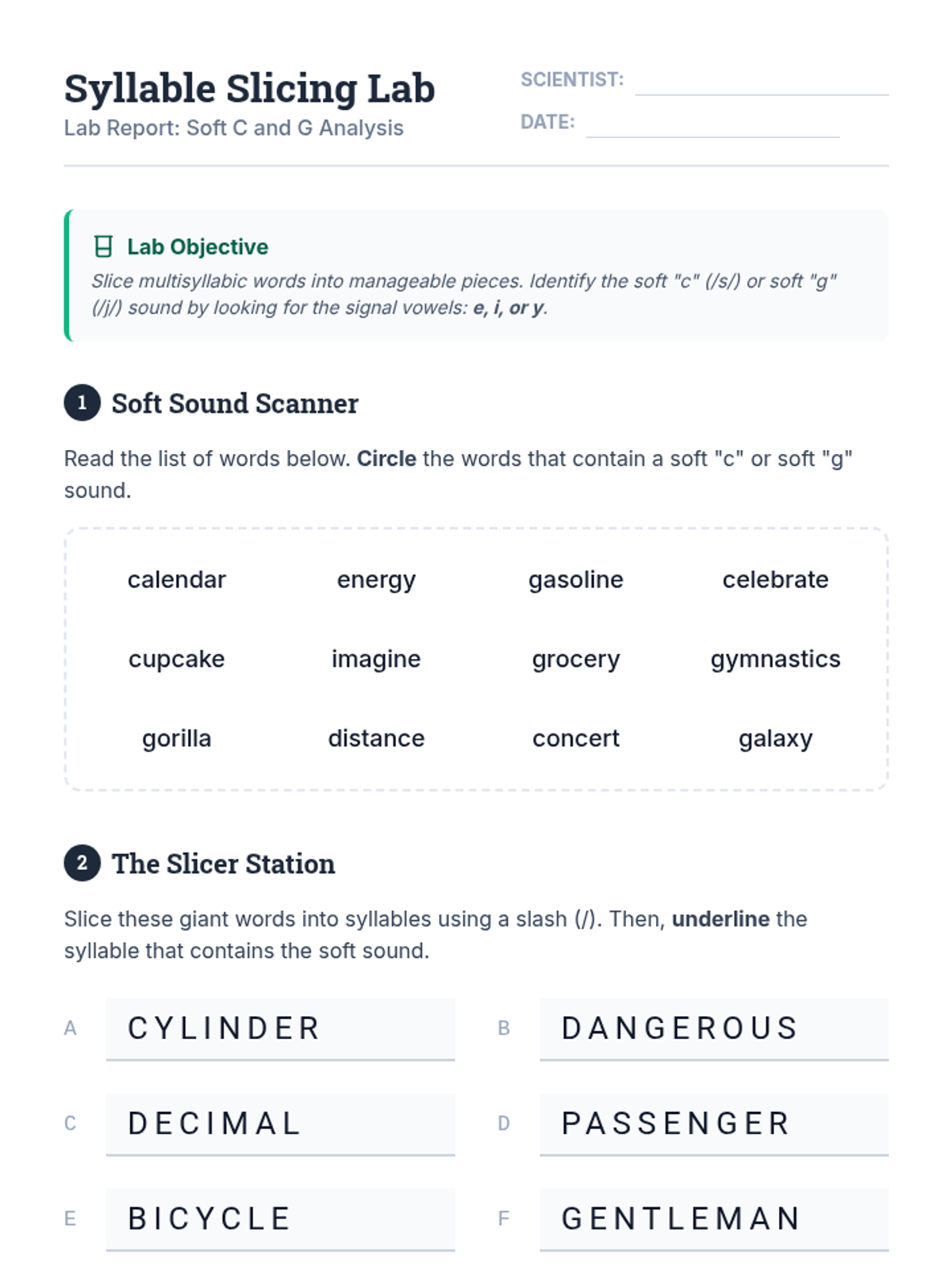
A comprehensive 3rd-grade sequence focused on soft 'c' and 'g' in multisyllabic words, morphological changes, and rule exceptions. Students progress from basic decoding to analyzing academic vocabulary and editing complex texts.
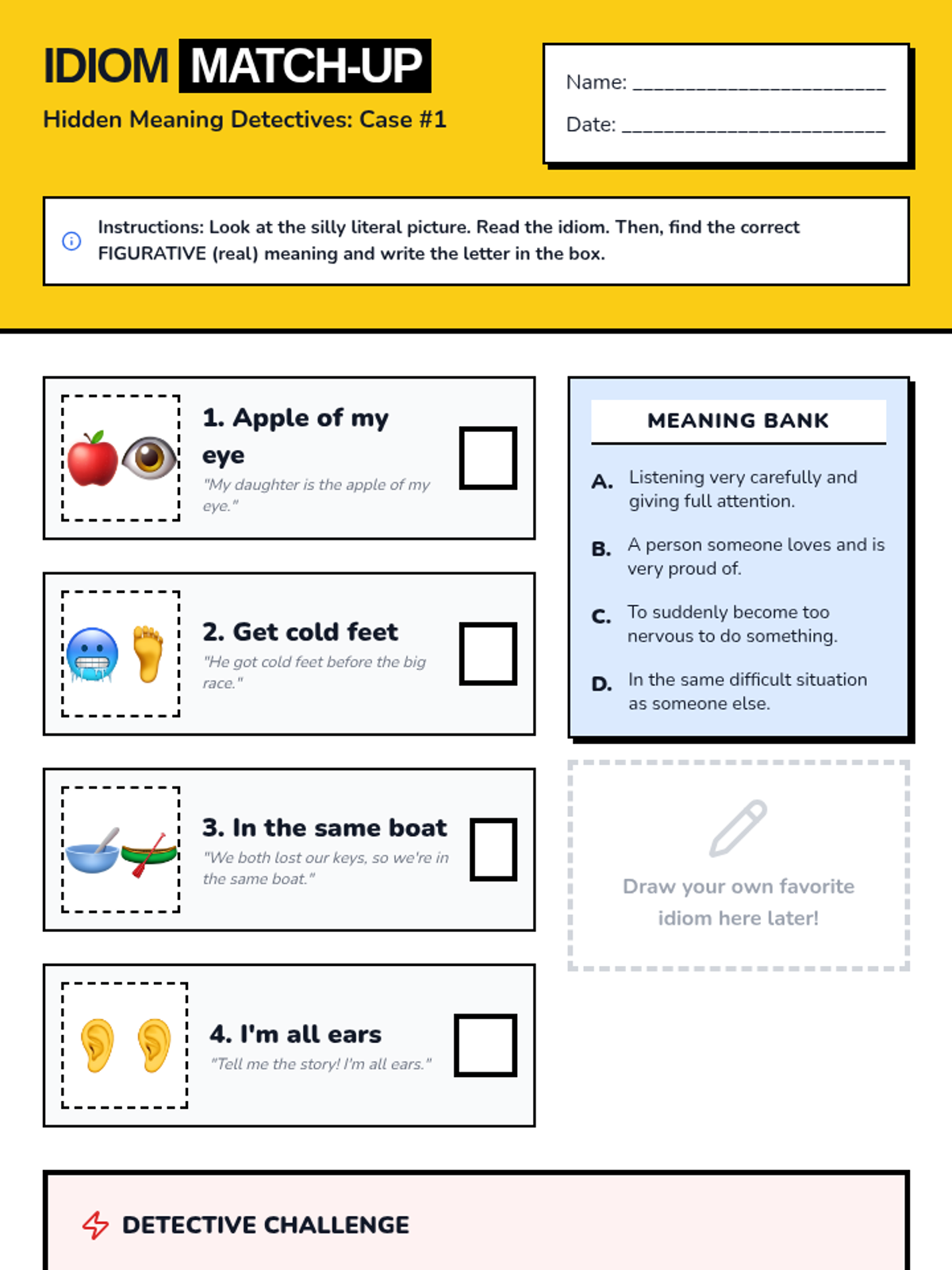
This sequence introduces 3rd-grade students to idioms and figurative language, focusing on the distinction between literal and figurative meanings to improve social communication and vocabulary. Students will use a detective-themed 'Idiom Investigator' framework to decode body-part and animal-based idioms through visualization, matching, and creative expression.
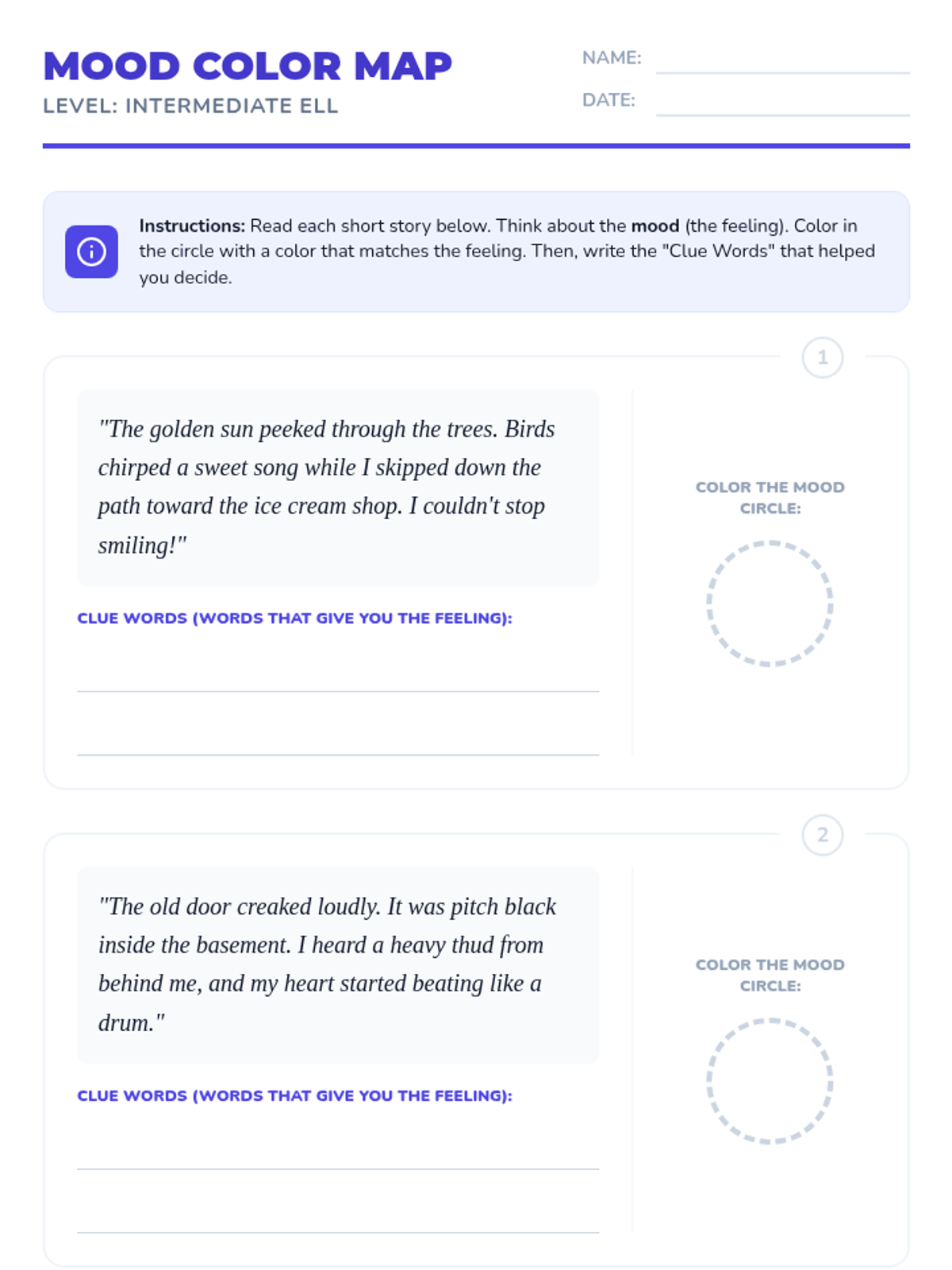
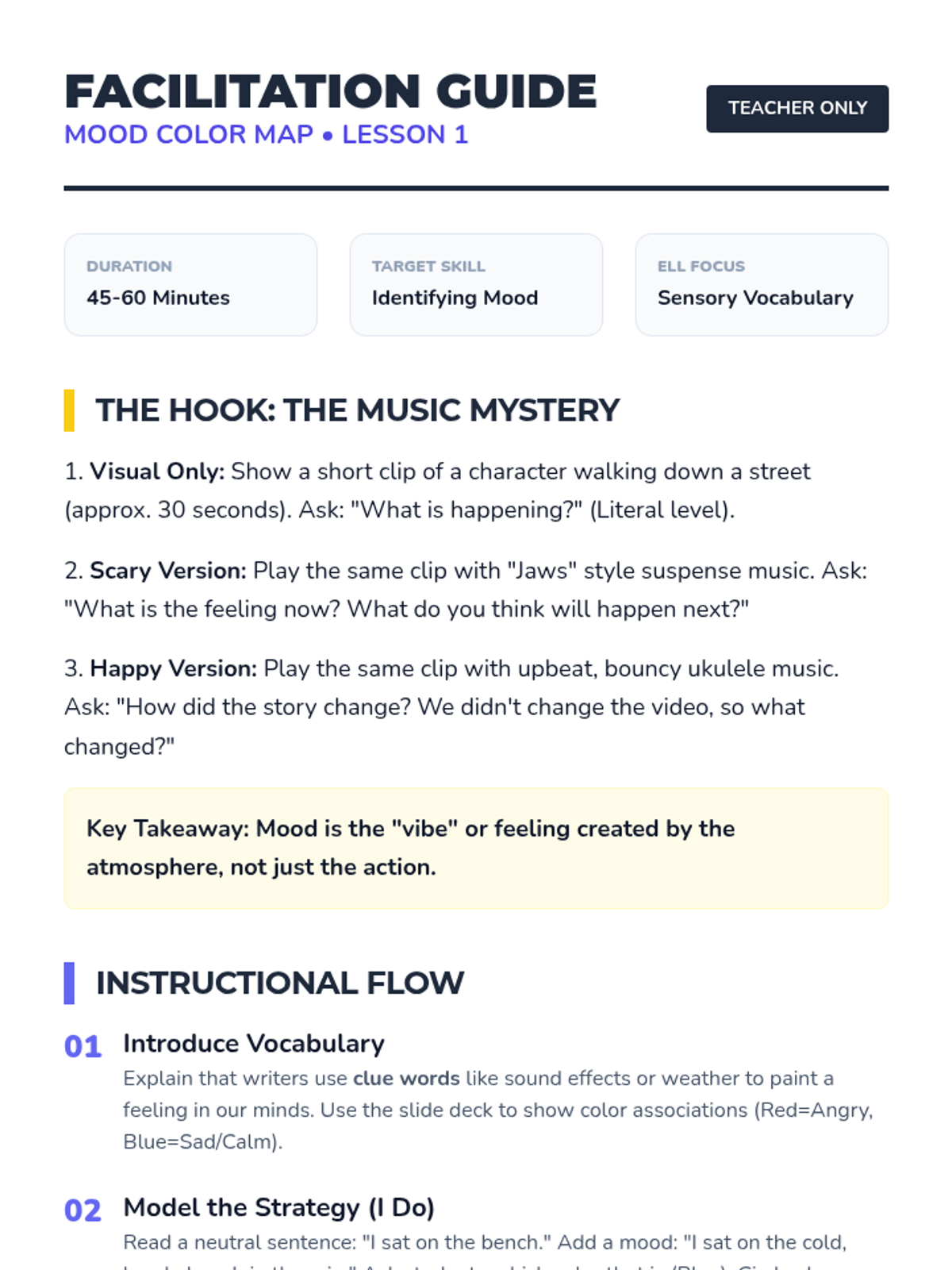
This sequence explores how word choice and perspective influence the tone and meaning of a text for intermediate 3rd Grade ELLs. Using concrete associations like color and sound, students learn to identify and manipulate mood, tone, and point of view.
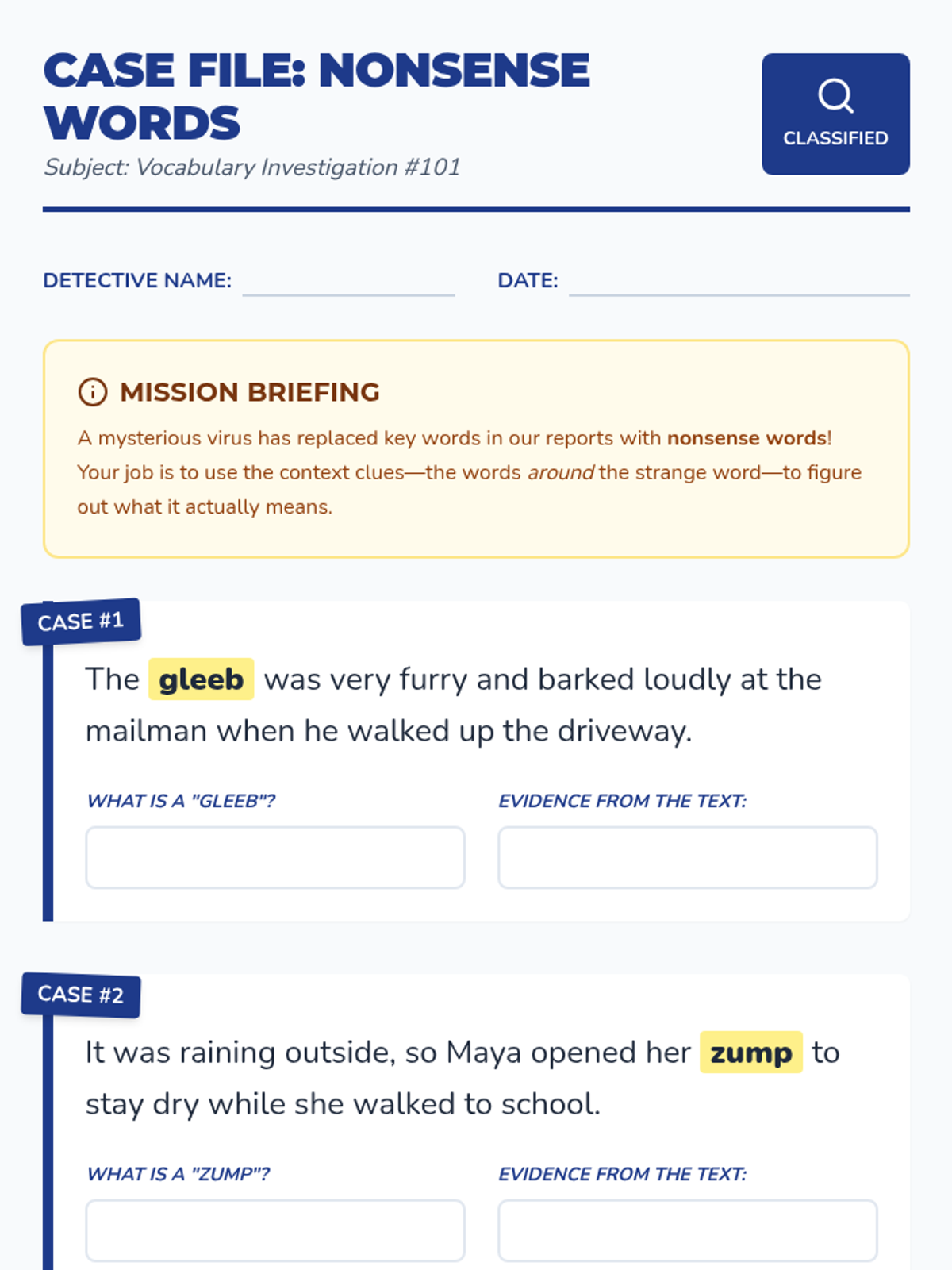
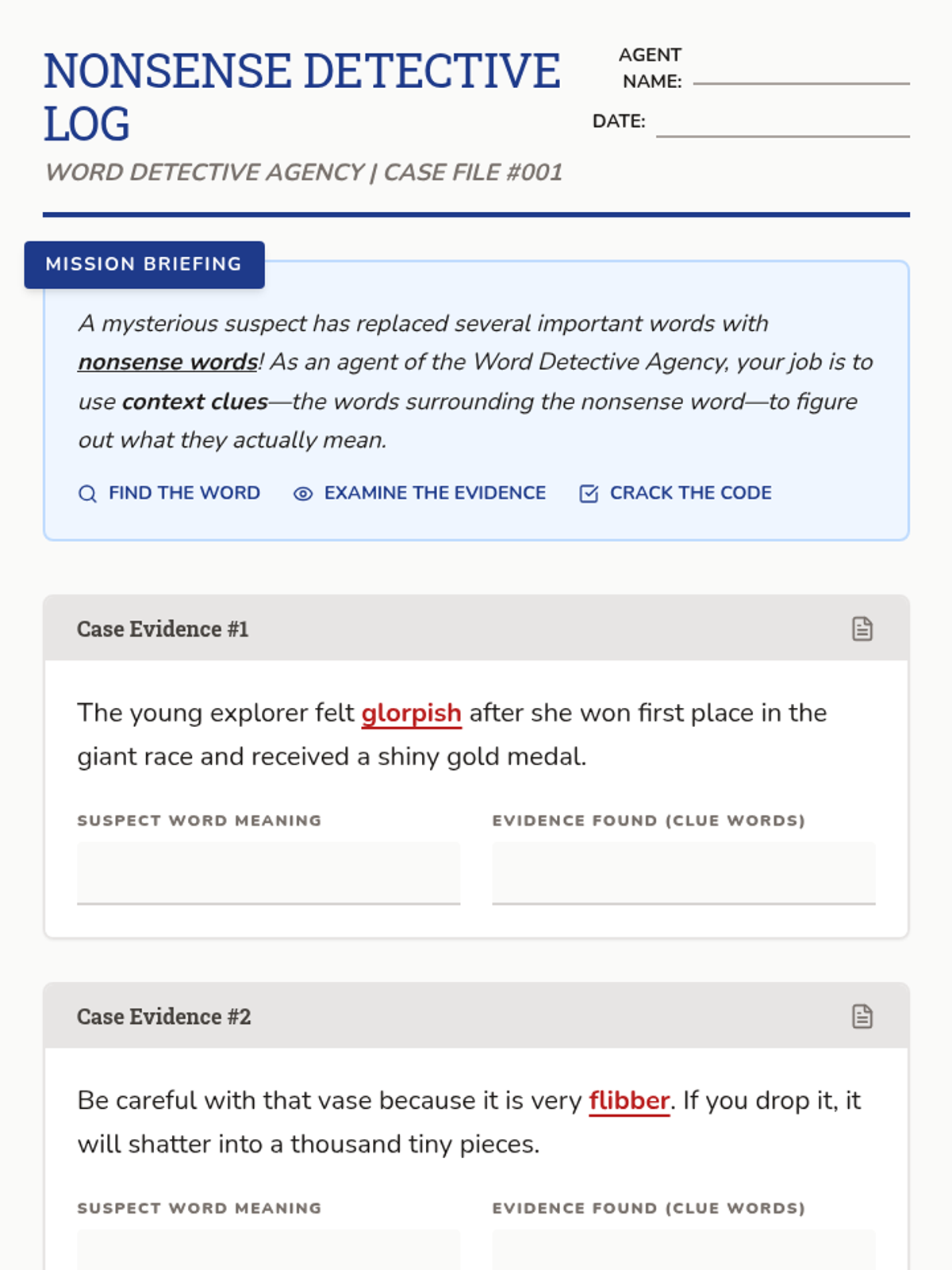
A game-based inquiry sequence where 3rd graders become vocabulary detectives. They progress from decoding nonsense words to mastering substitution and general inference strategies in narrative text, eventually crafting their own context clues.
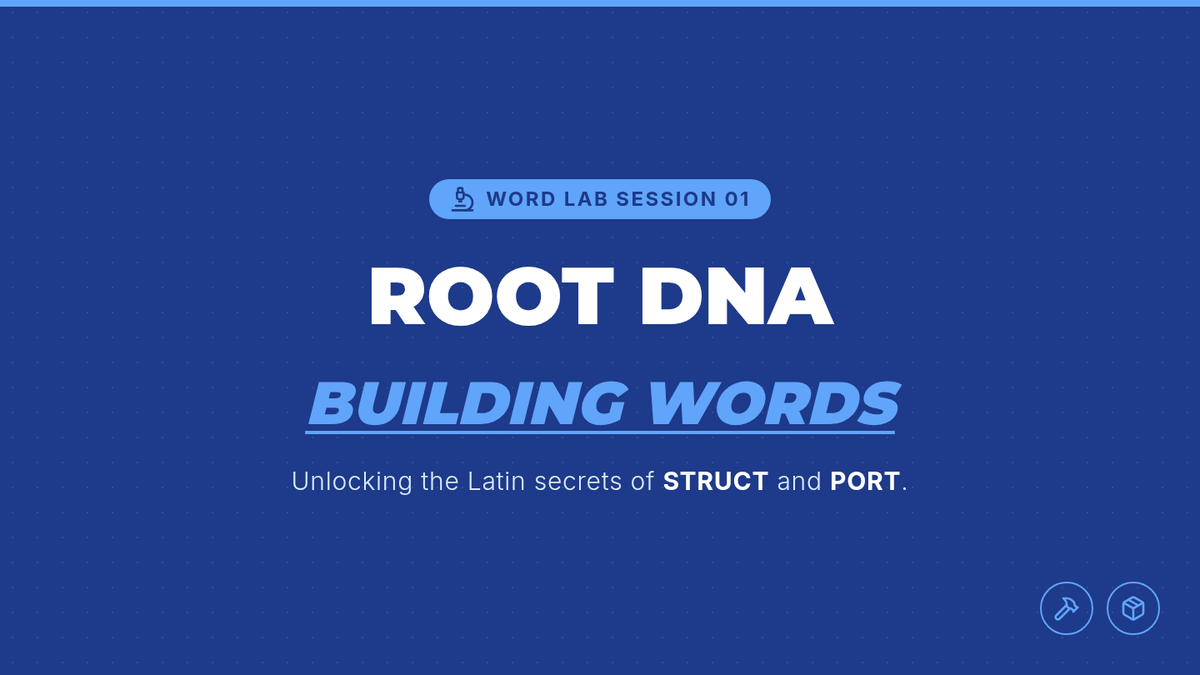
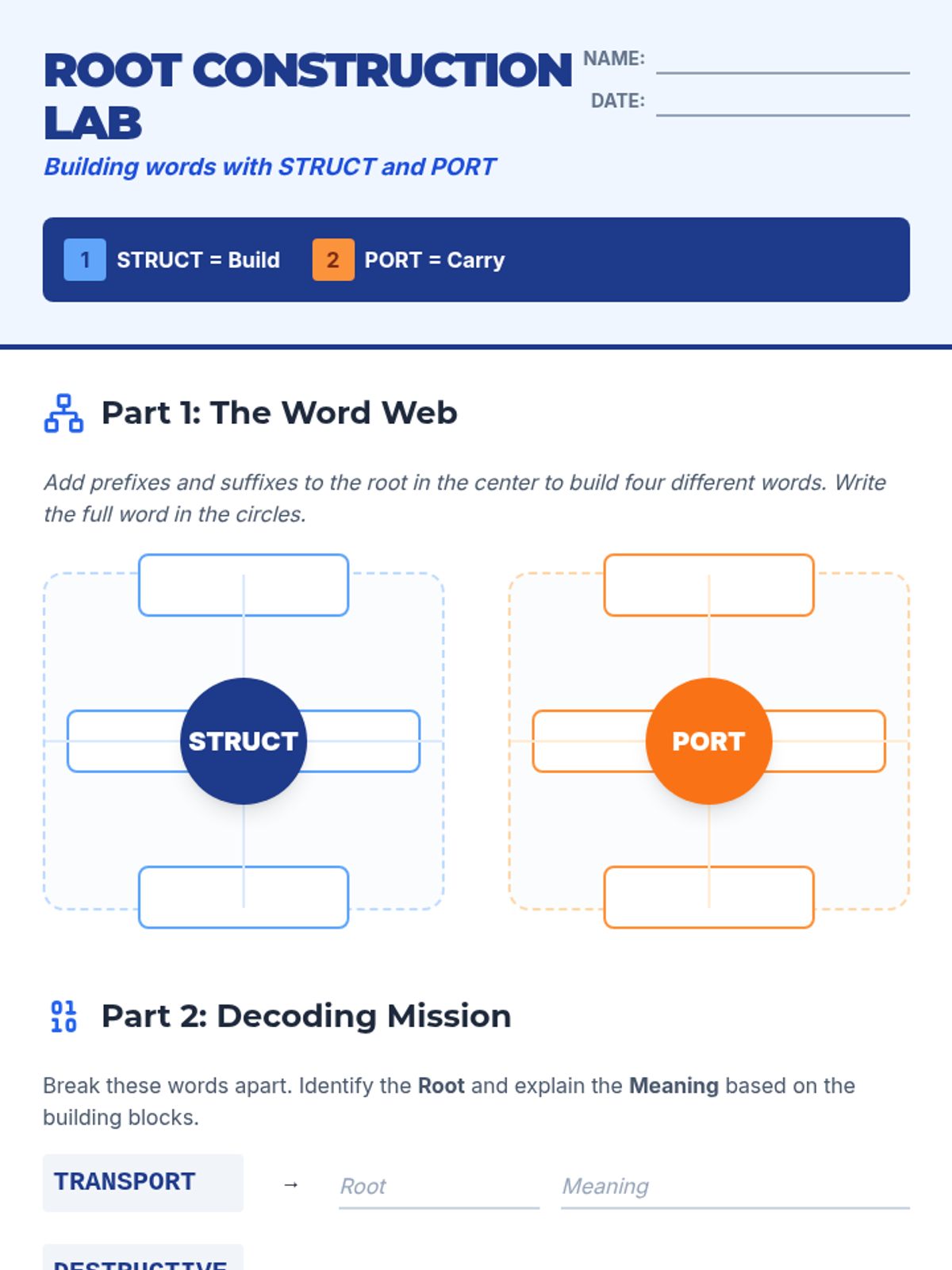
This sequence transforms spelling from rote memorization into a construction project. Students explore Greek and Latin roots (morphemes) as the 'DNA' of English vocabulary, learning to spell complex academic words by understanding their meaningful building blocks.
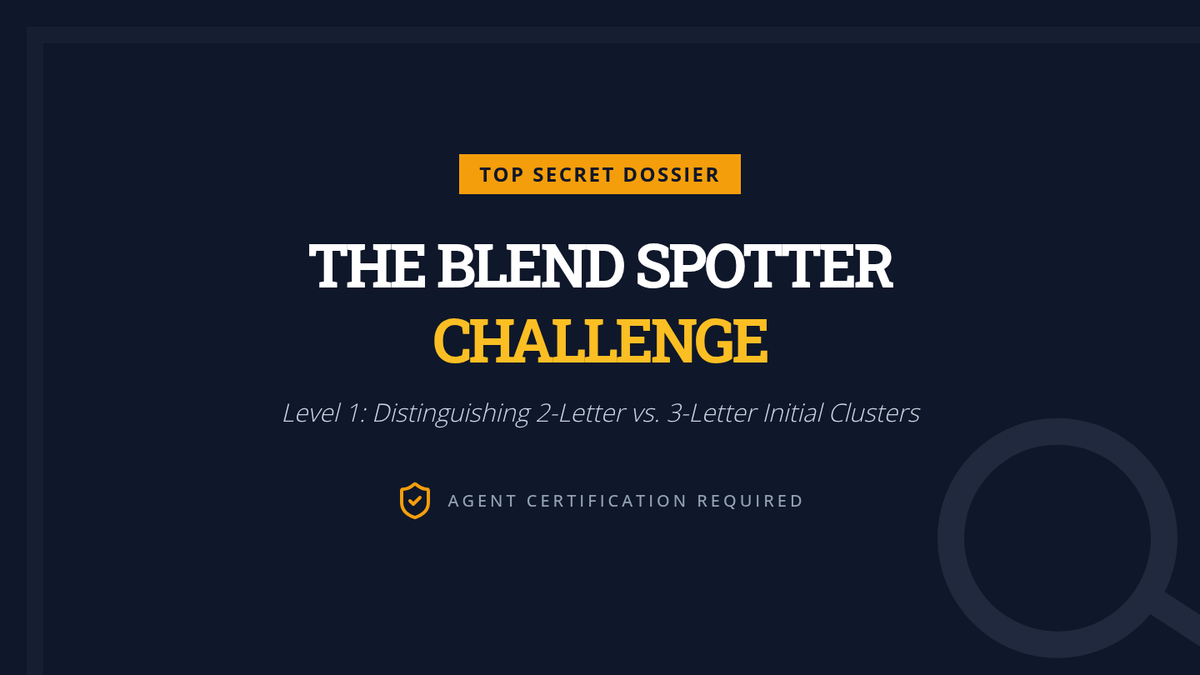
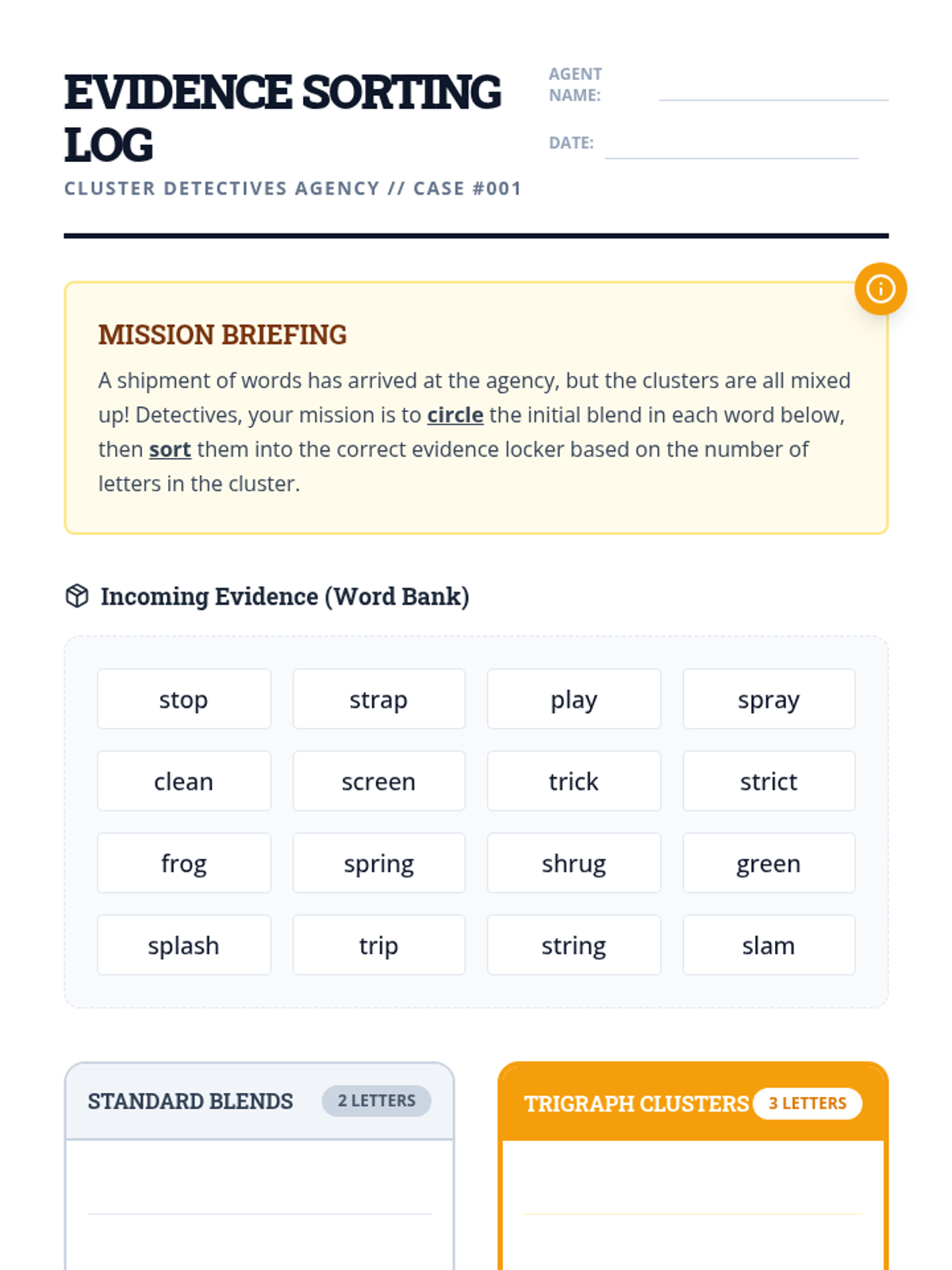
A comprehensive sequence for 3rd grade students to master complex consonant clusters, moving from 2-letter to 3-letter blends, multisyllabic word analysis, and final clusters through a 'Blend Detective' theme.
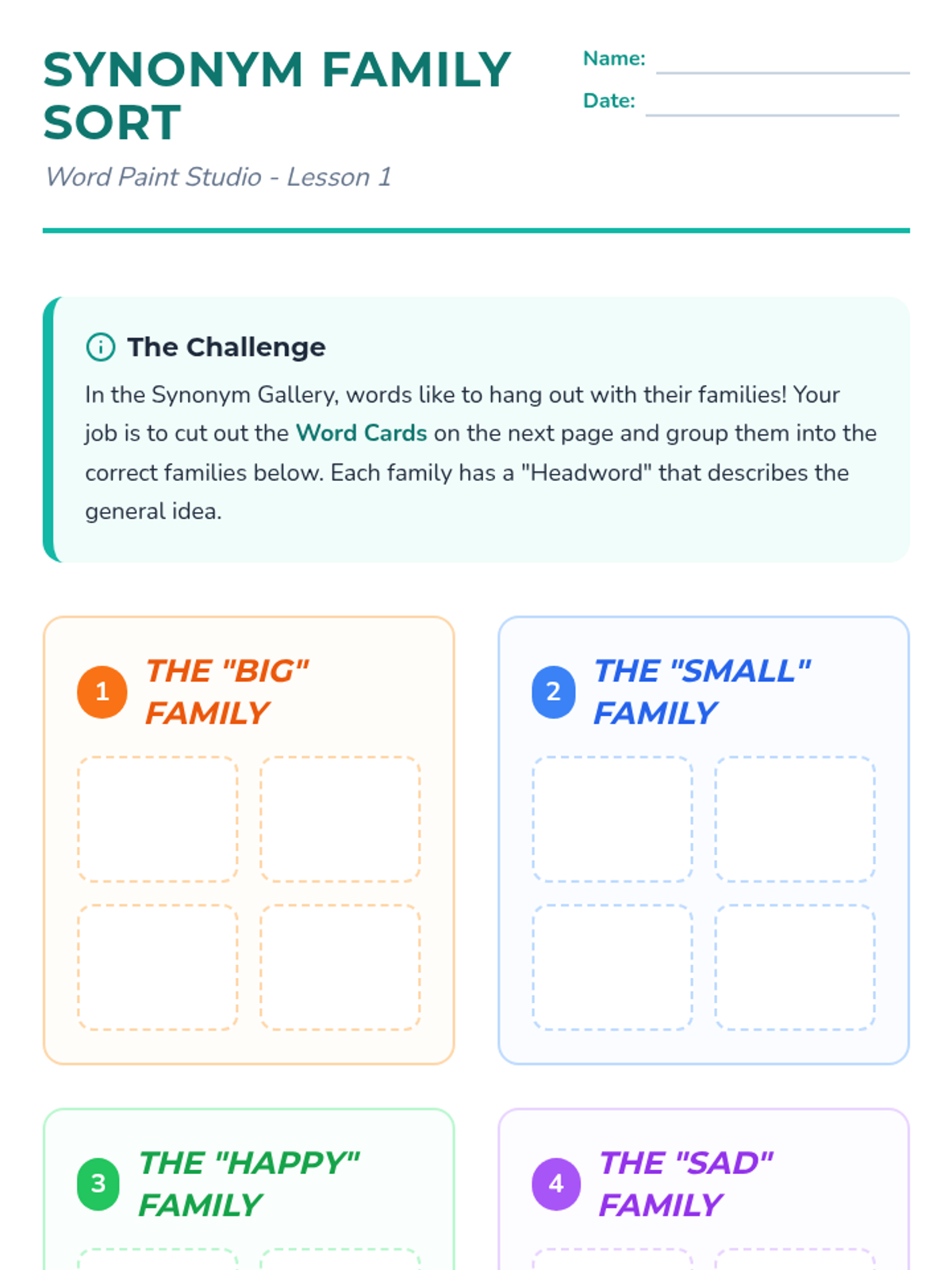
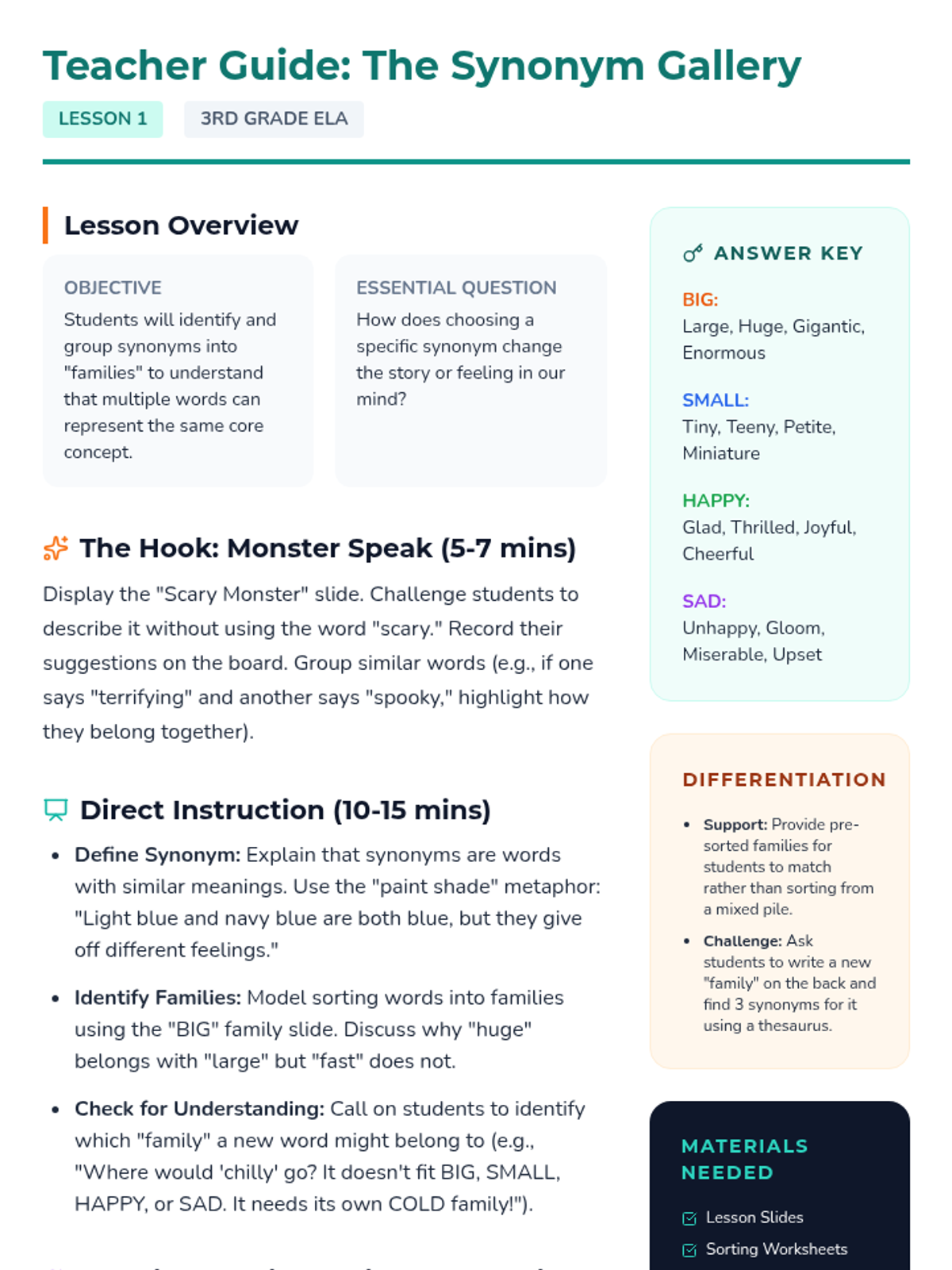
Students explore the subtleties of language by examining how related words carry different levels of intensity and emotion. They progress from grouping synonyms to ranking them on 'word thermometers' and revising text for precise, vivid communication.
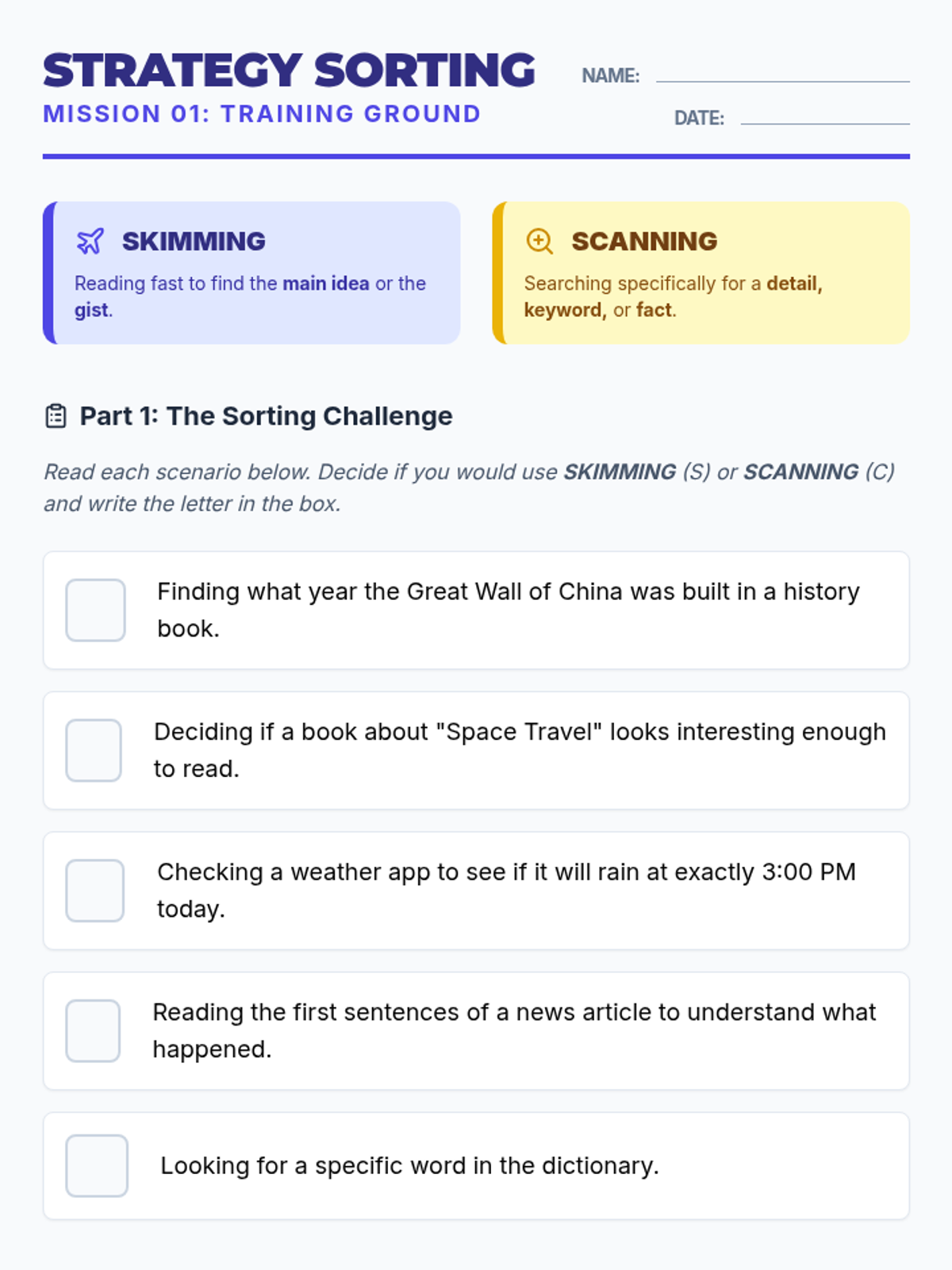
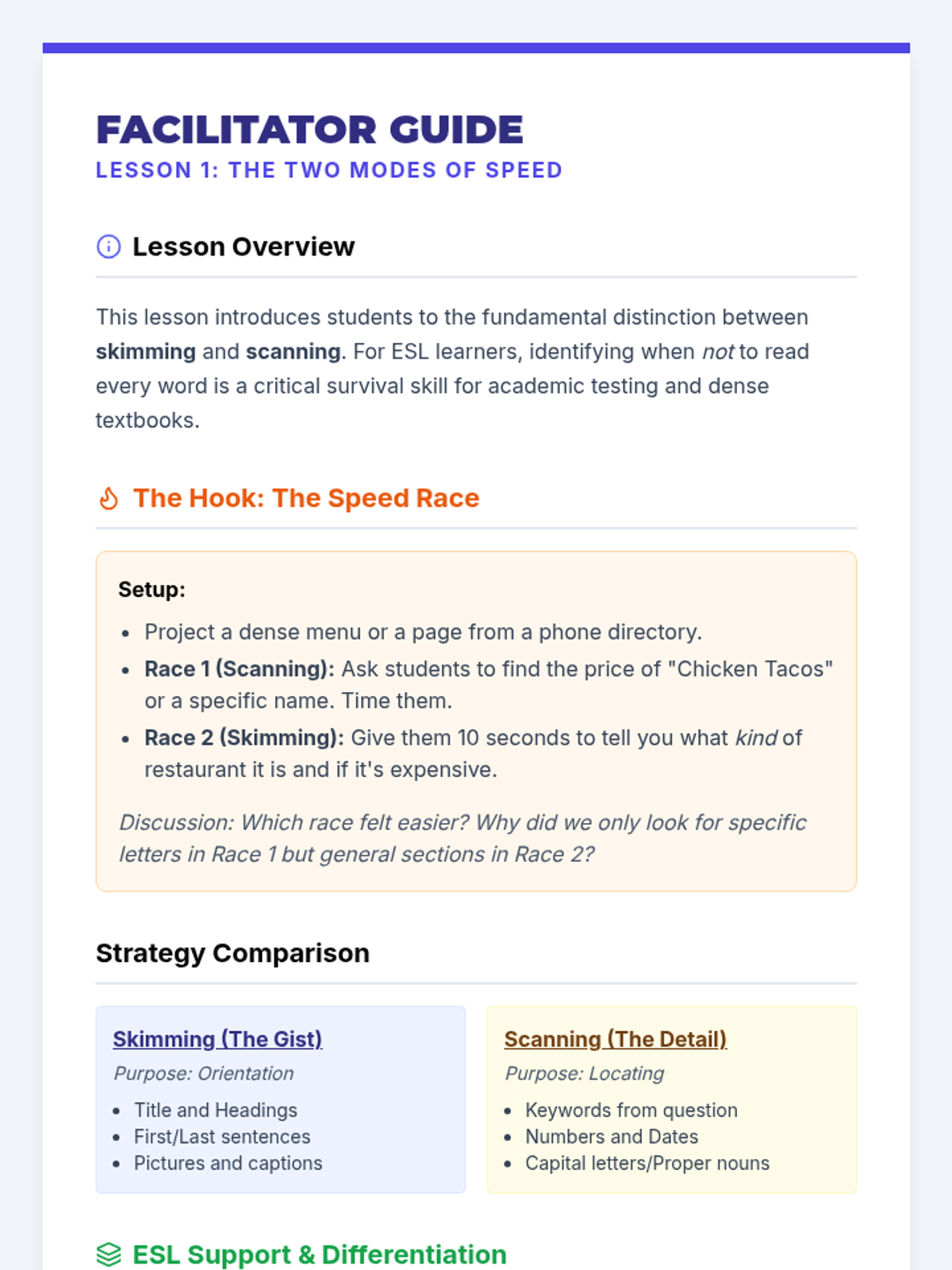
This sequence teaches 6th-grade ESL students the essential test-taking strategies of skimming and scanning. Through a 'Speed Scout' academy theme, students learn to navigate academic texts efficiently, identifying when to look for the 'gist' versus specific details to save time and improve accuracy on standardized tests.
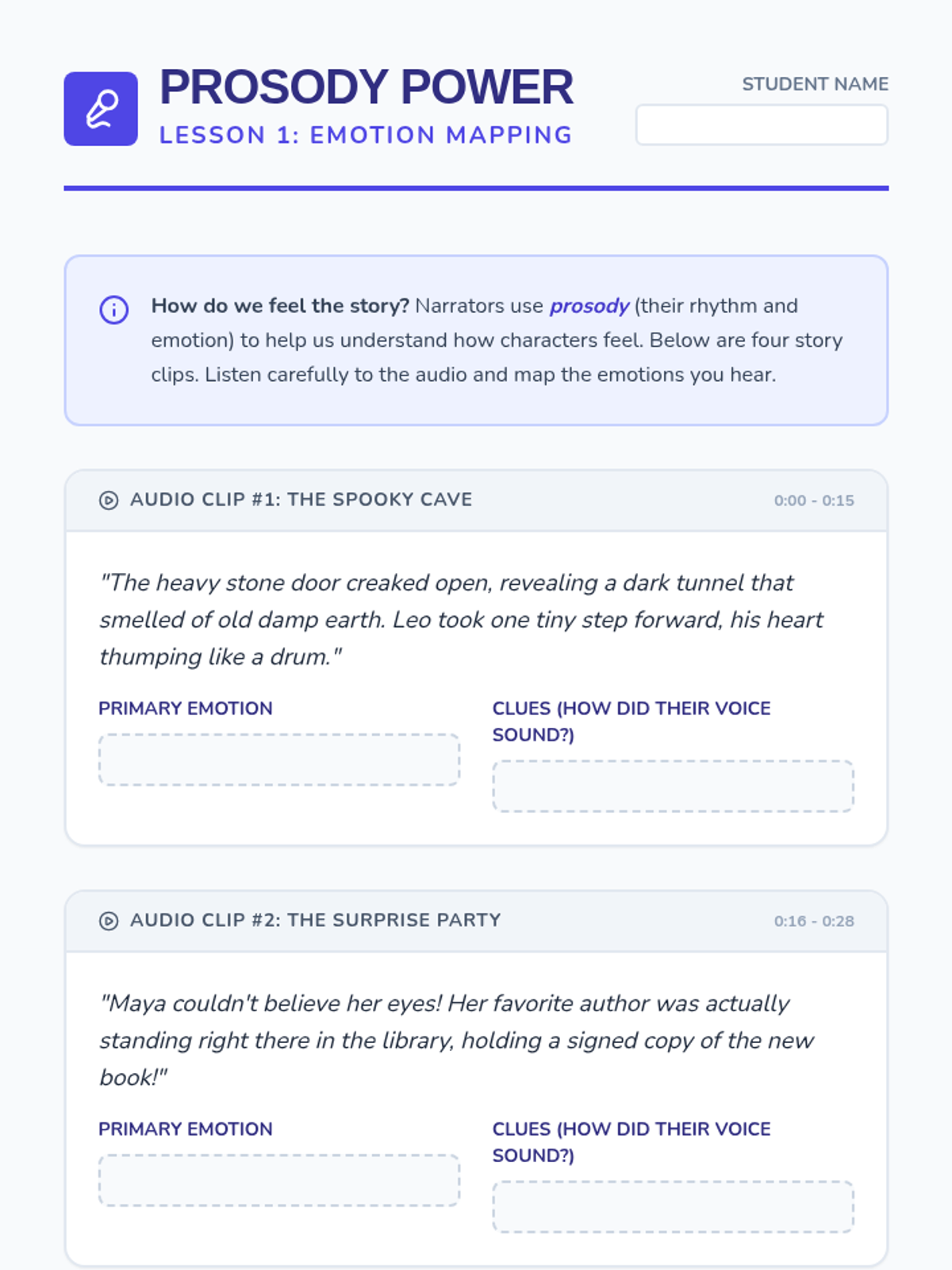
This sequence uses read-along technology to help 3rd graders bridge the gap between word recognition and expressive reading. Students analyze how narrators use pacing, tone, and pitch, practicing 'shadow reading' to internalize proper phrasing before producing their own recorded narrations.
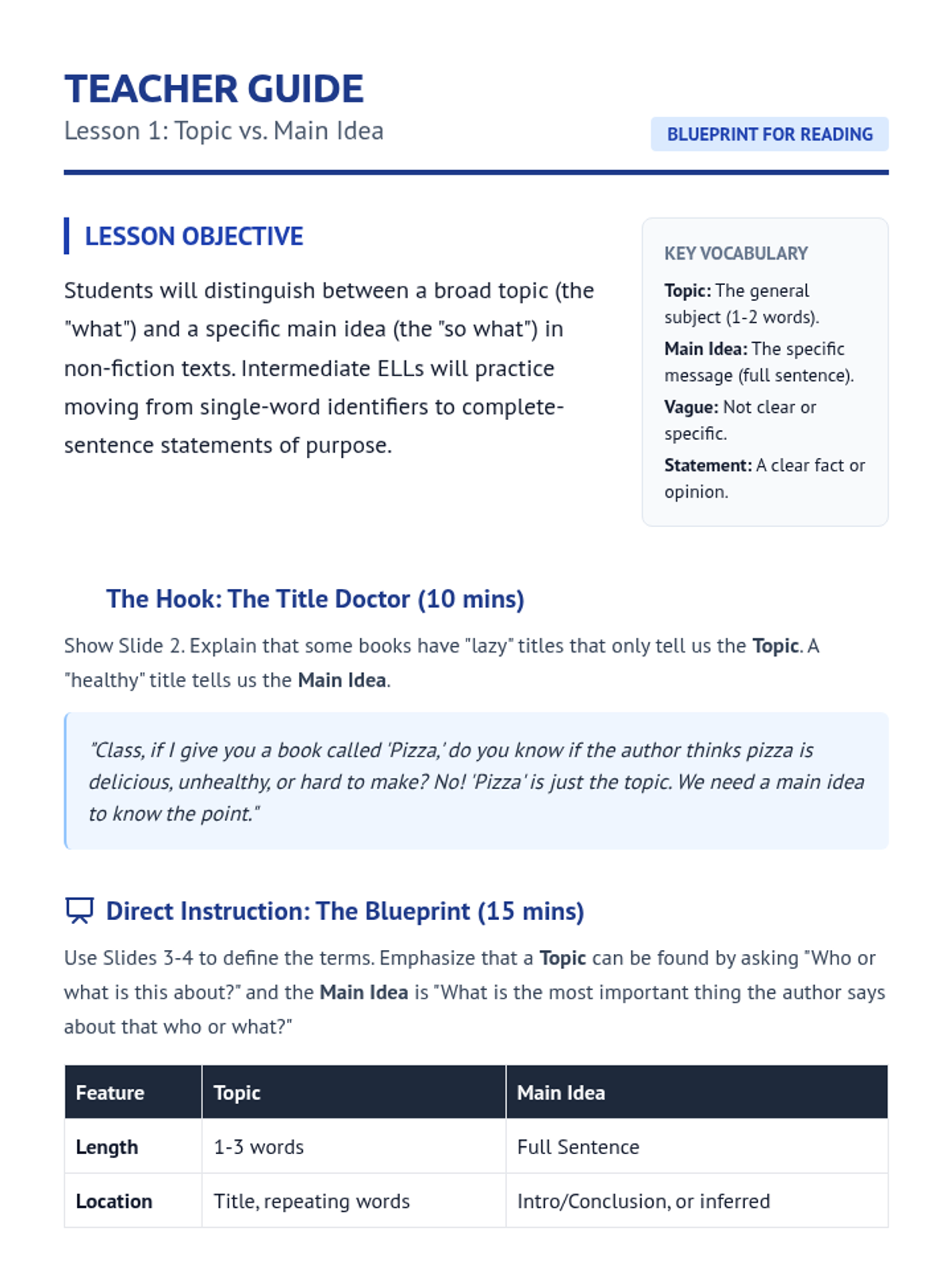
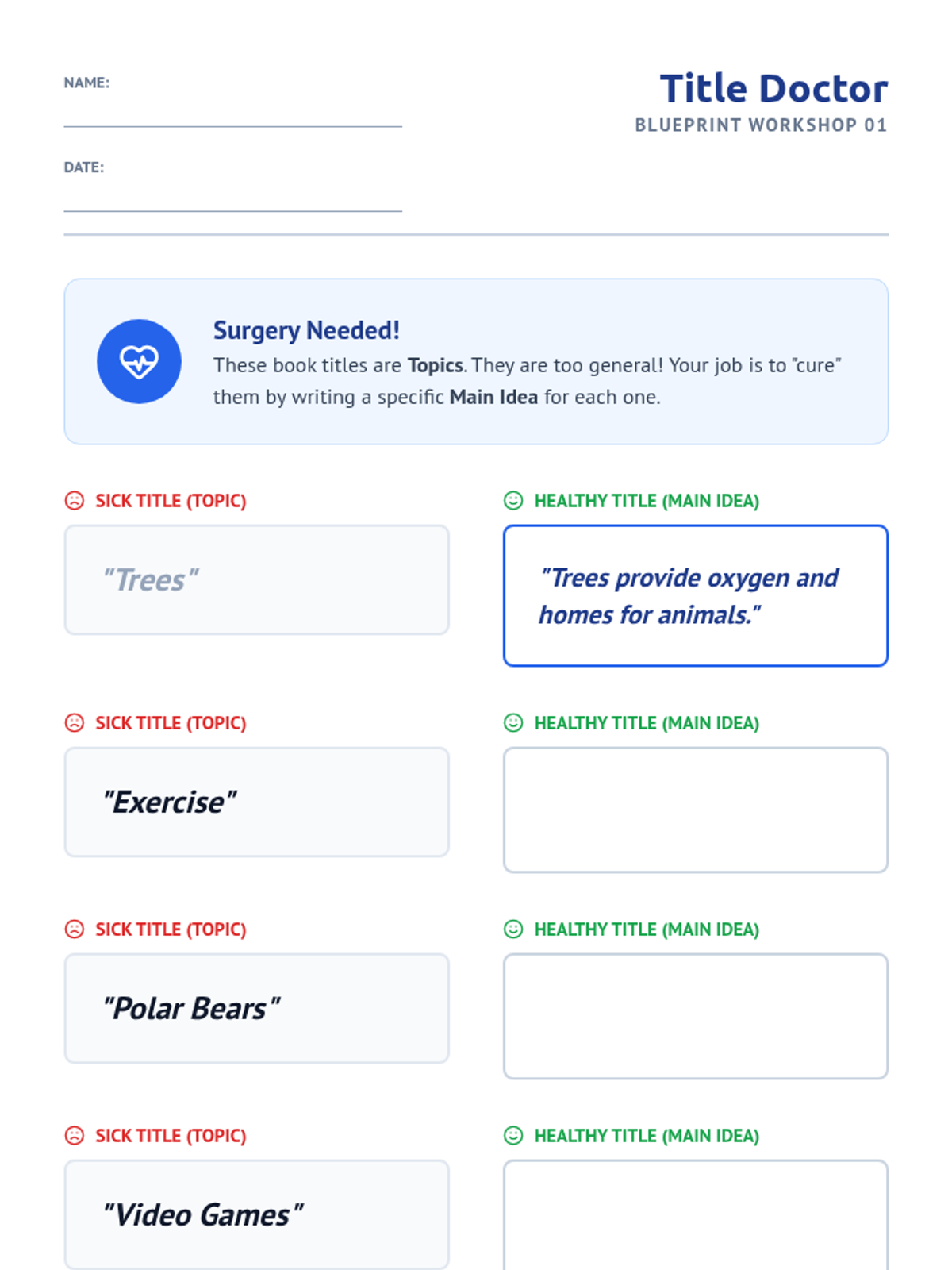
This sequence focuses on the hierarchy of information within non-fiction texts for intermediate ELLs. Students learn to distinguish between topics, main ideas, and supporting details using visual analogies and structured frameworks.
Students become independent readers by learning to identify and utilize four specific types of context clues: definitions, synonyms, antonyms, and examples. The sequence moves from inquiry-based nonsense word investigation to a final project where students author their own clue-rich sentences.