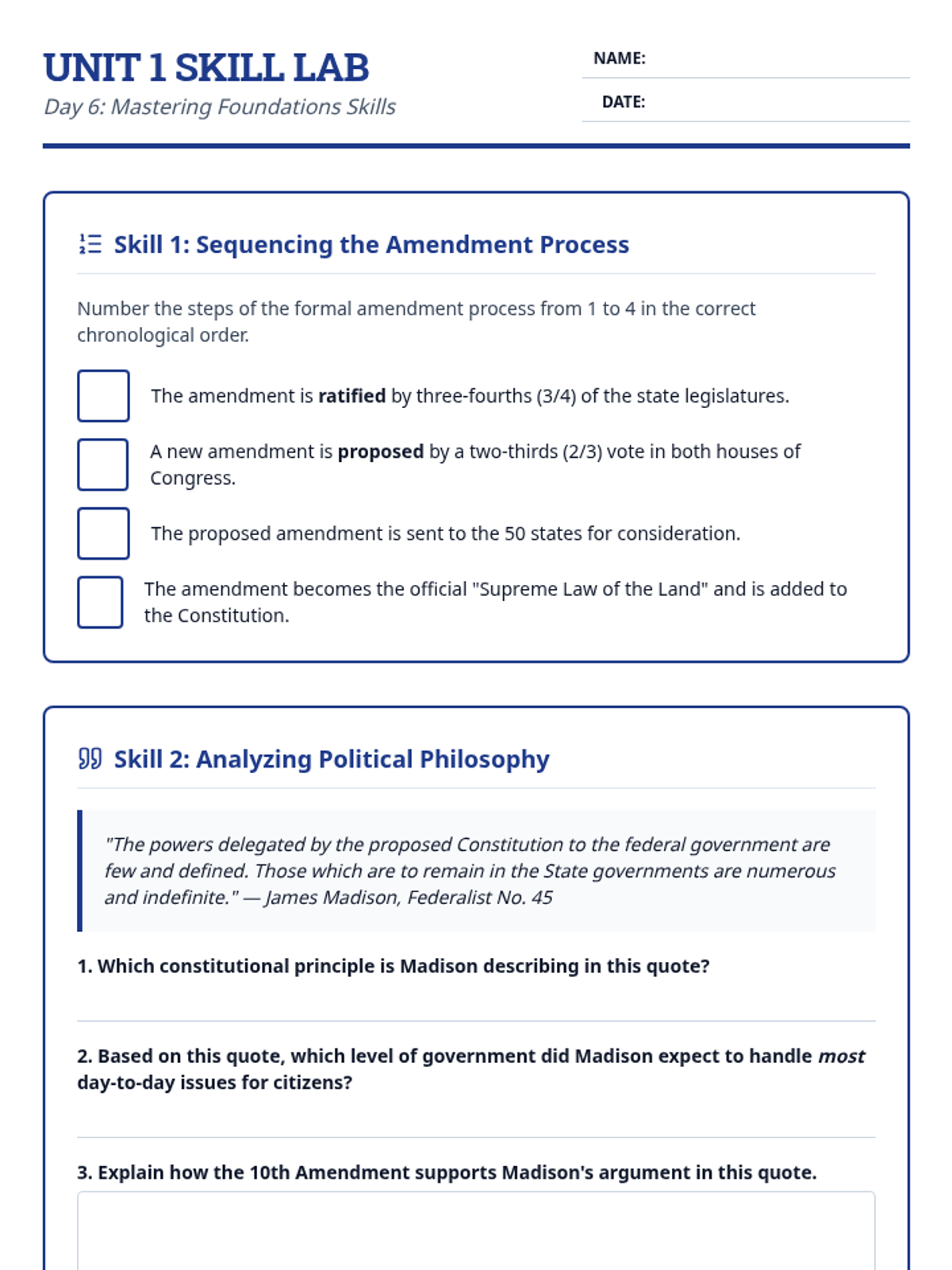
Analytical frameworks for interpreting history, geography, and civic information. Equips learners with tools for chronological sequencing, map literacy, and critical evaluation of primary and secondary sources.
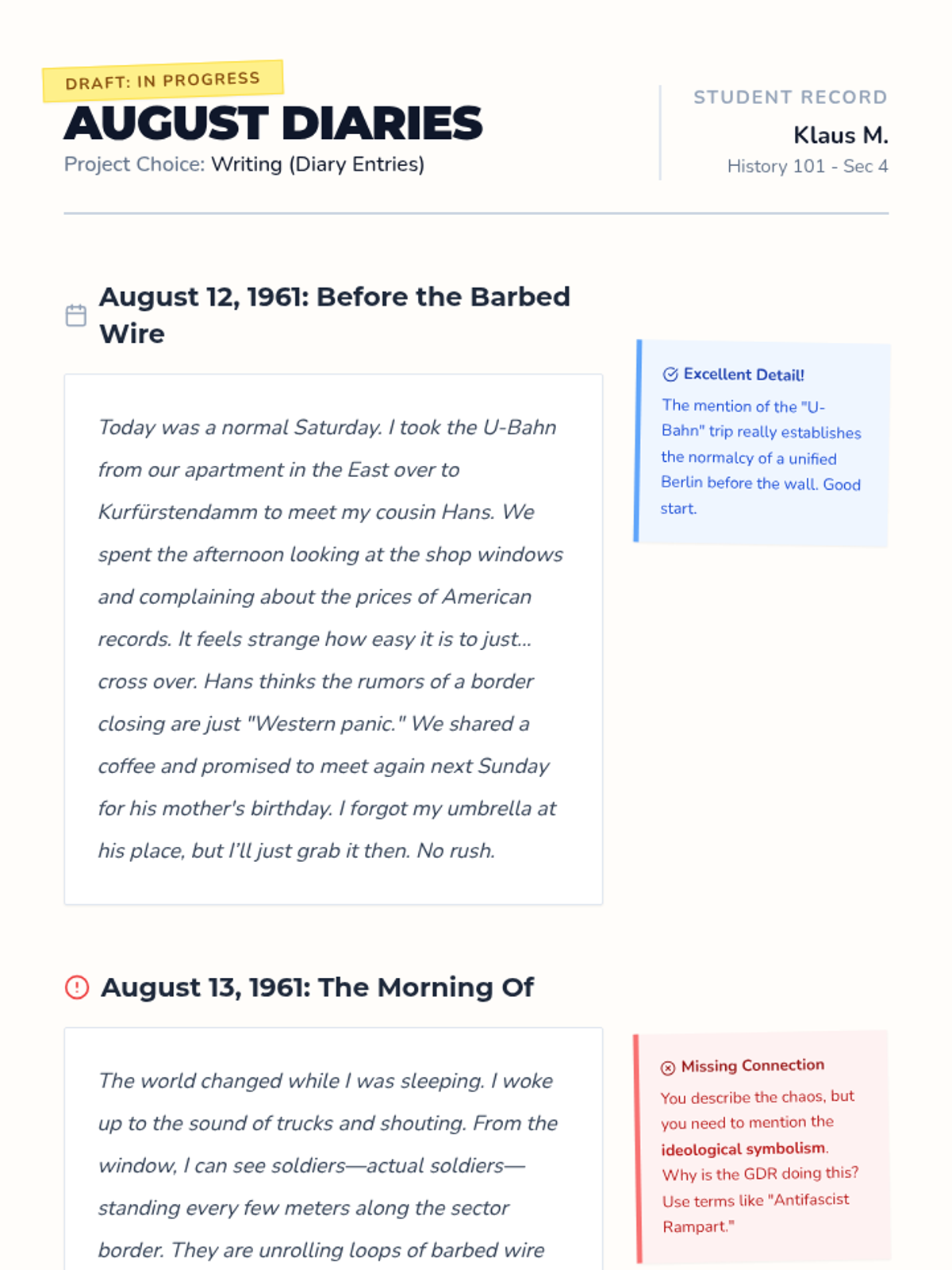
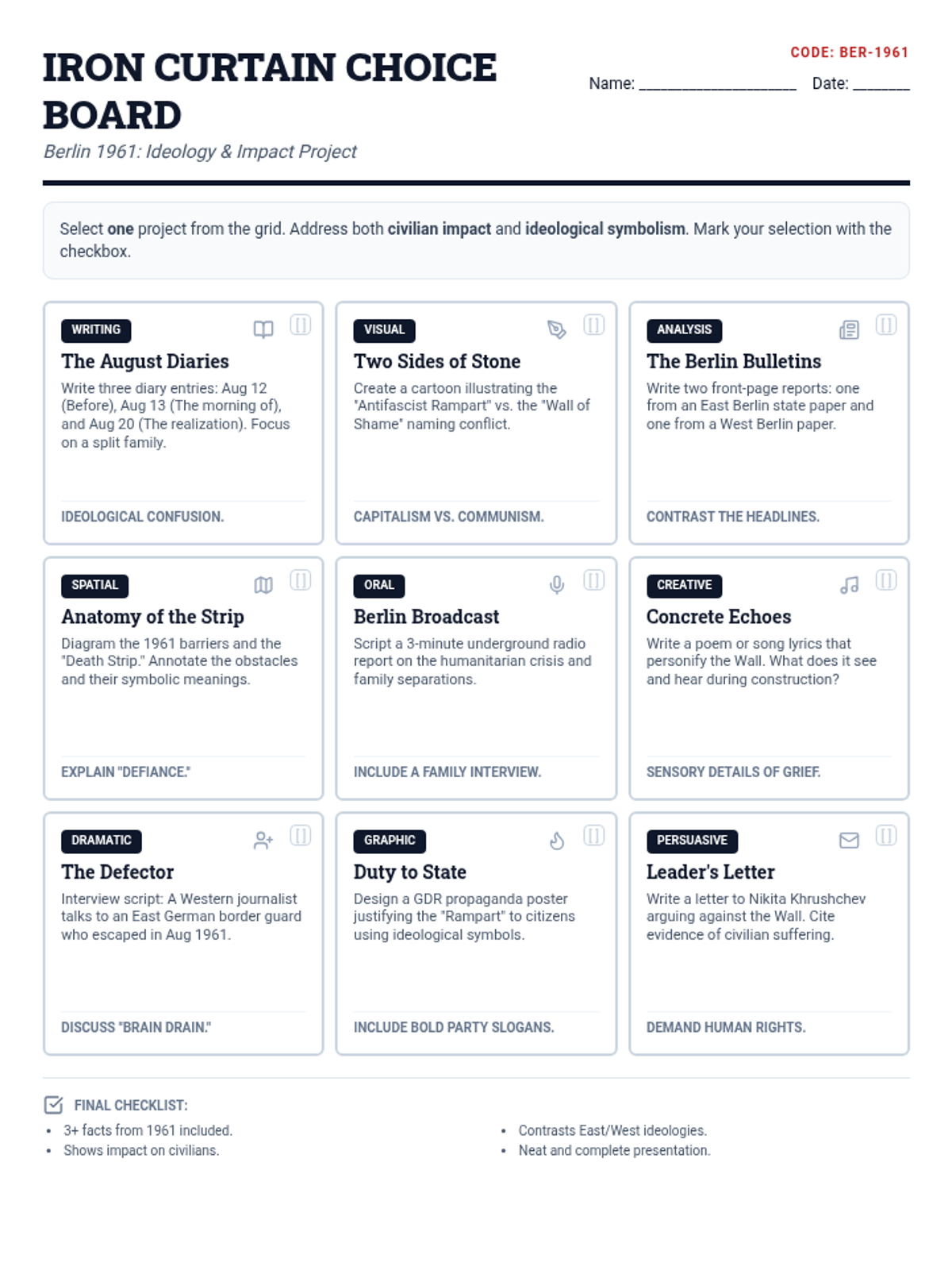
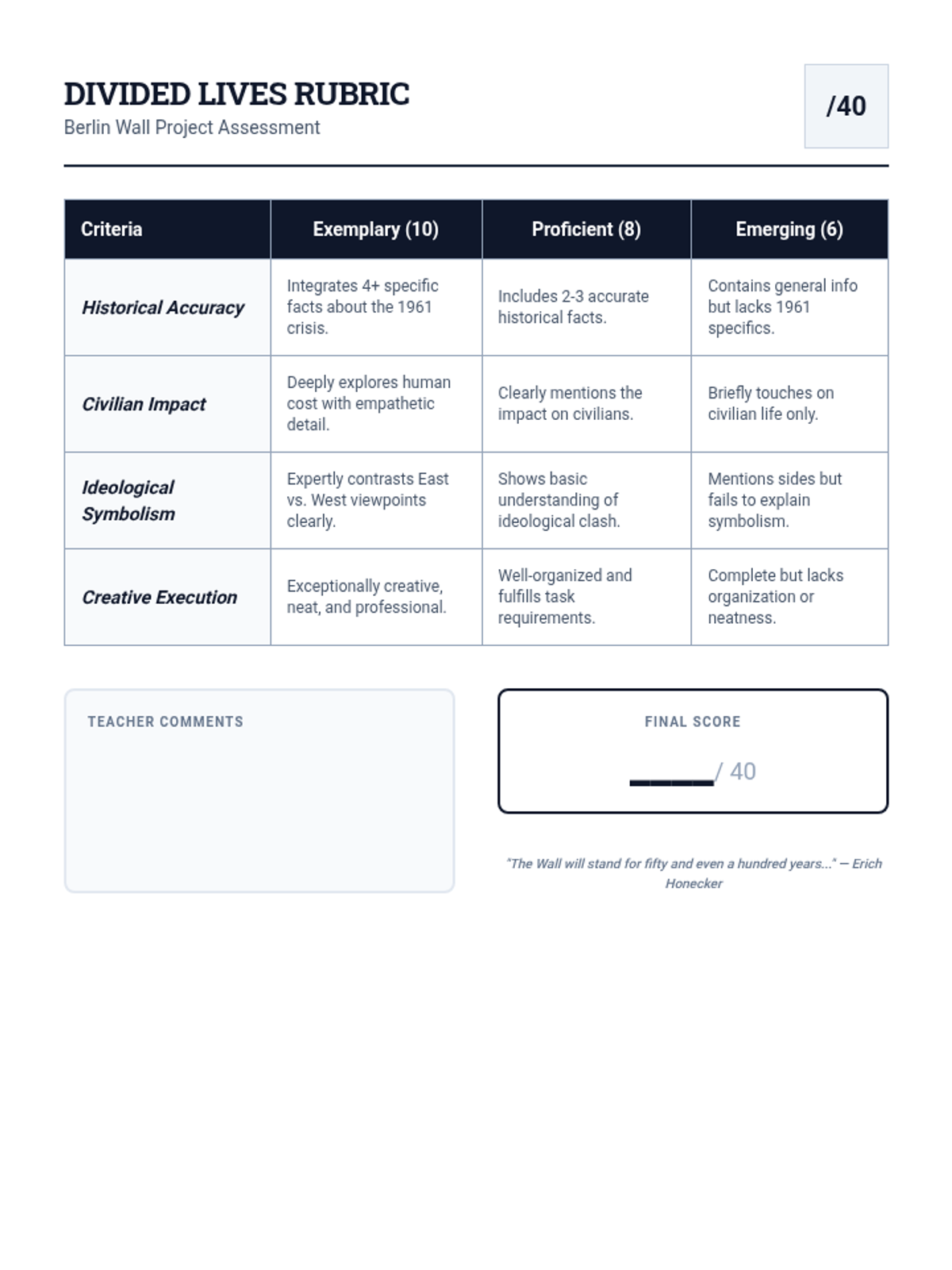
A comprehensive project-based unit exploring the construction of the Berlin Wall in 1961, its devastating impact on German civilians, and its role as a powerful symbol of Cold War ideological conflict.
A full-year curriculum of daily warm-ups and exit tickets for 11th Grade US History, spanning from 1877 to the present day, designed for visual impact and student engagement.
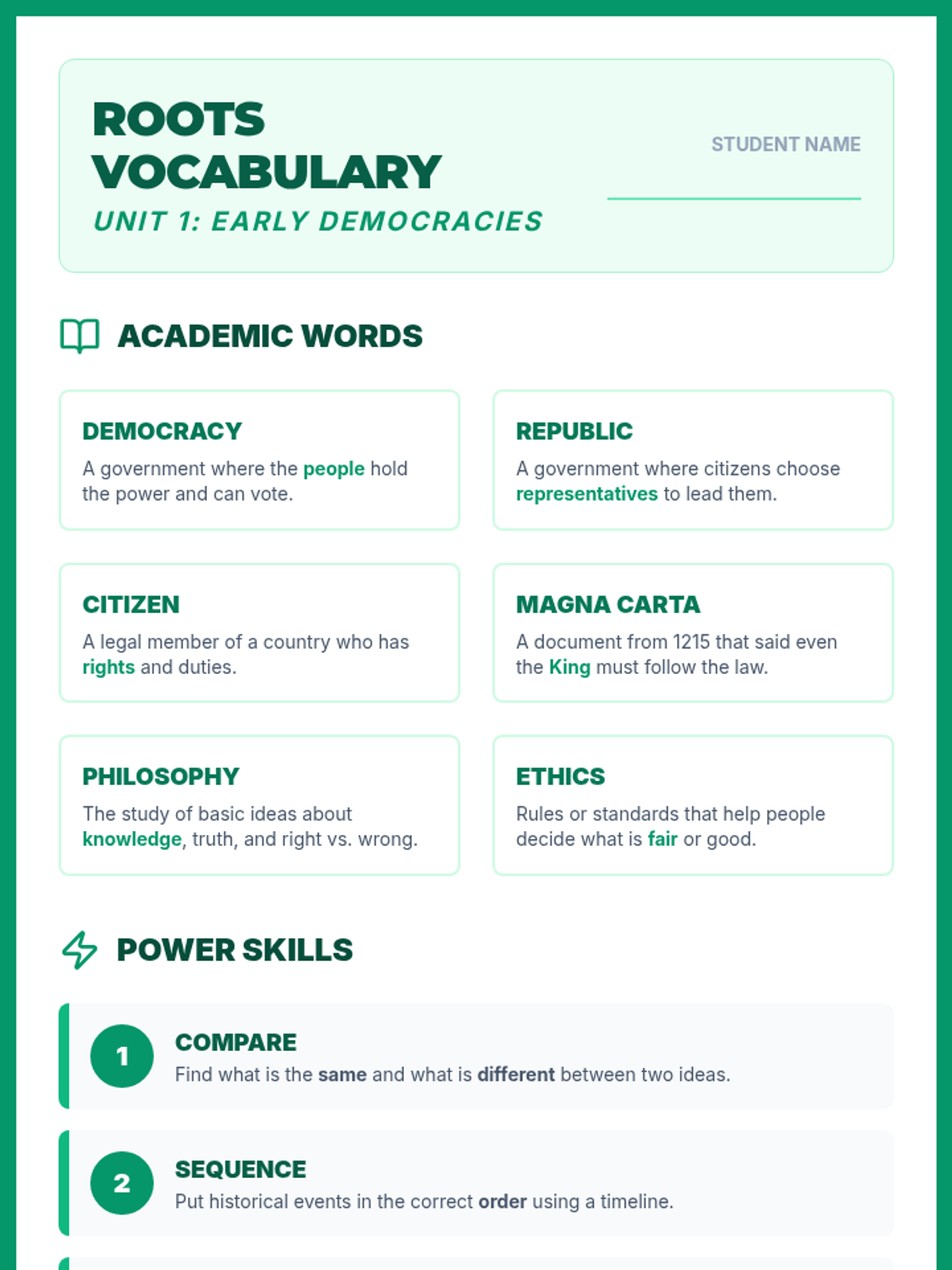
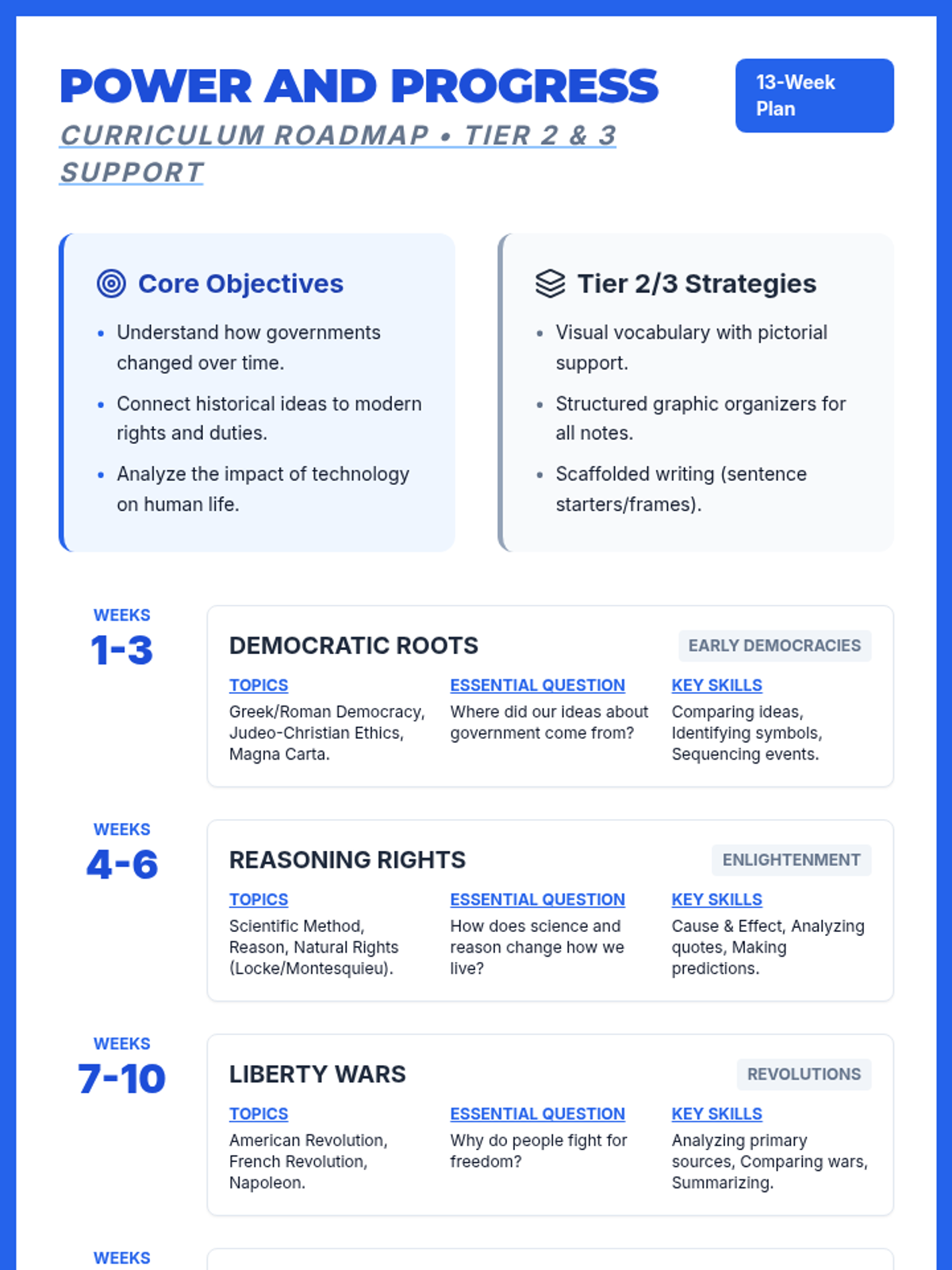
A modified World Studies 2 curriculum for Tier 2 and 3 special education students, focusing on the evolution of power, rights, and technology from early democracies through the Industrial Revolution.
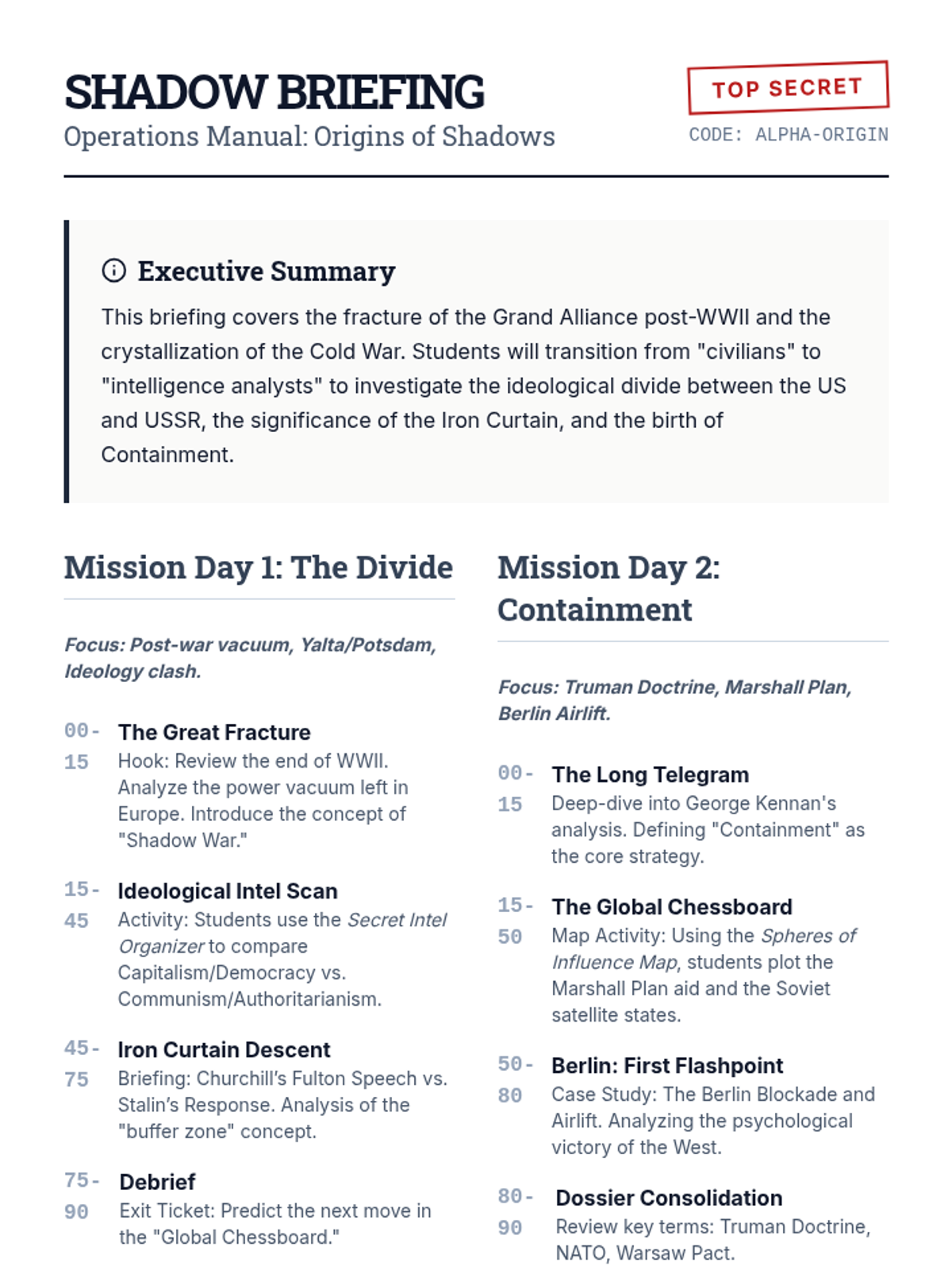
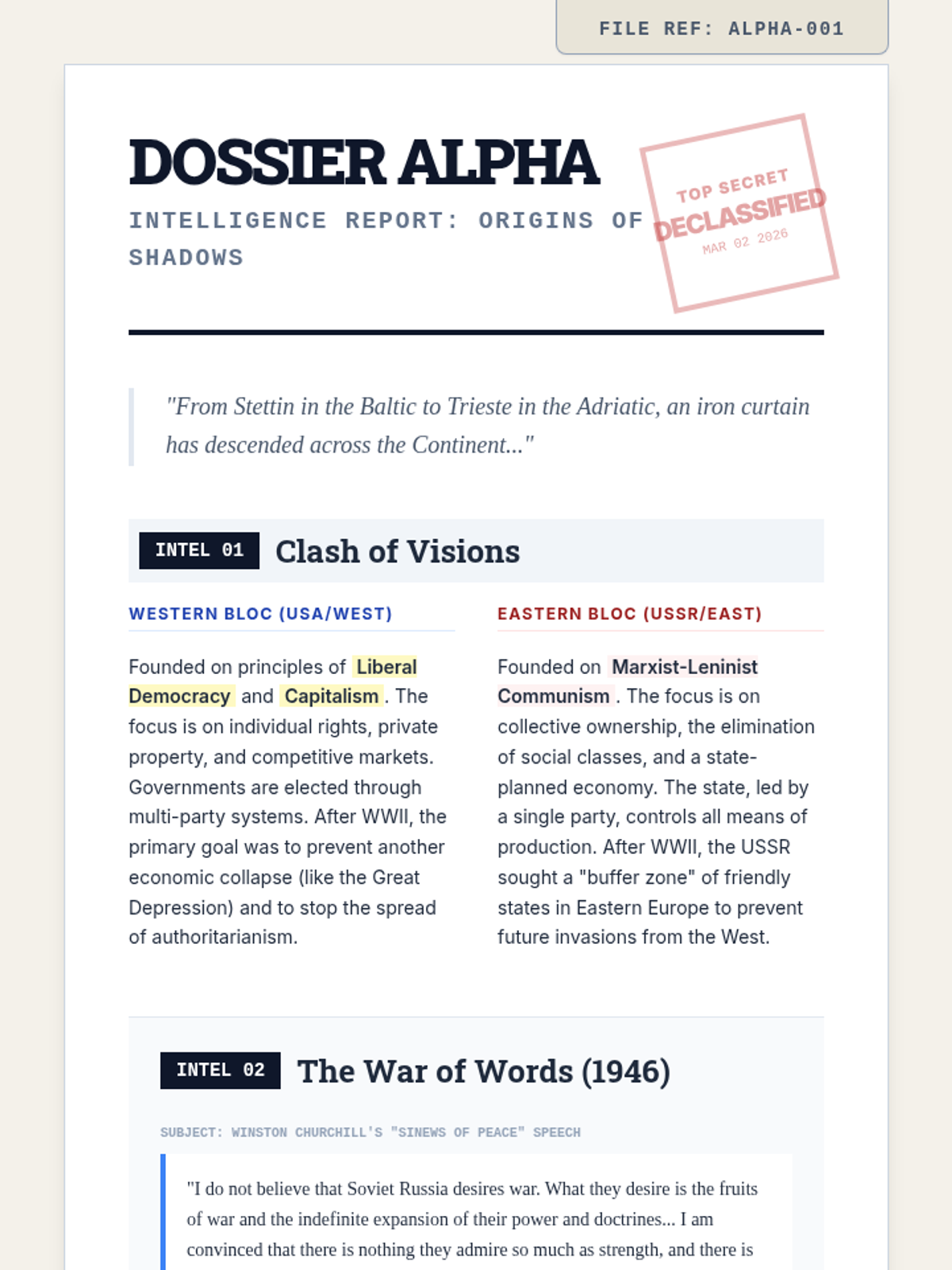
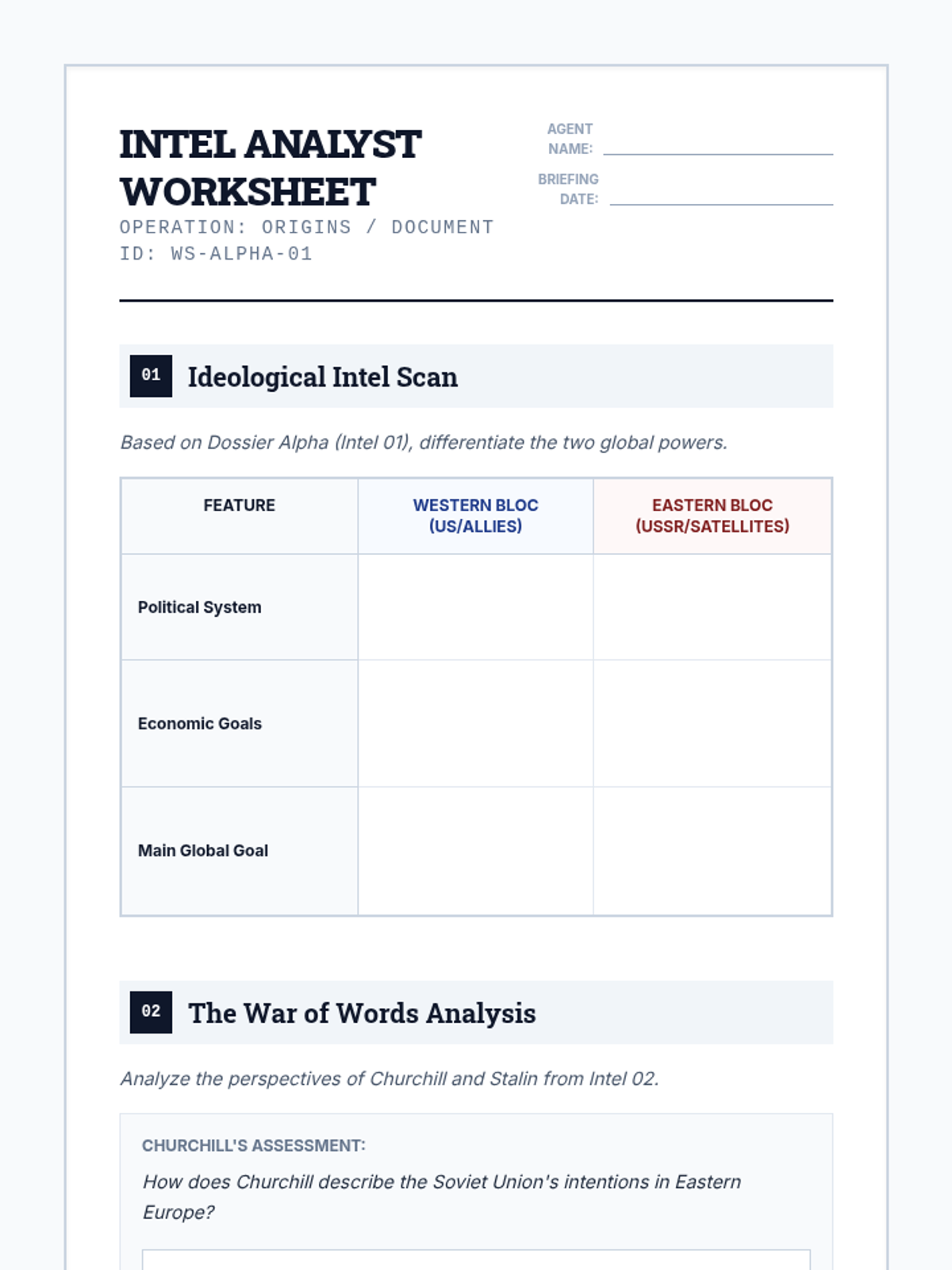
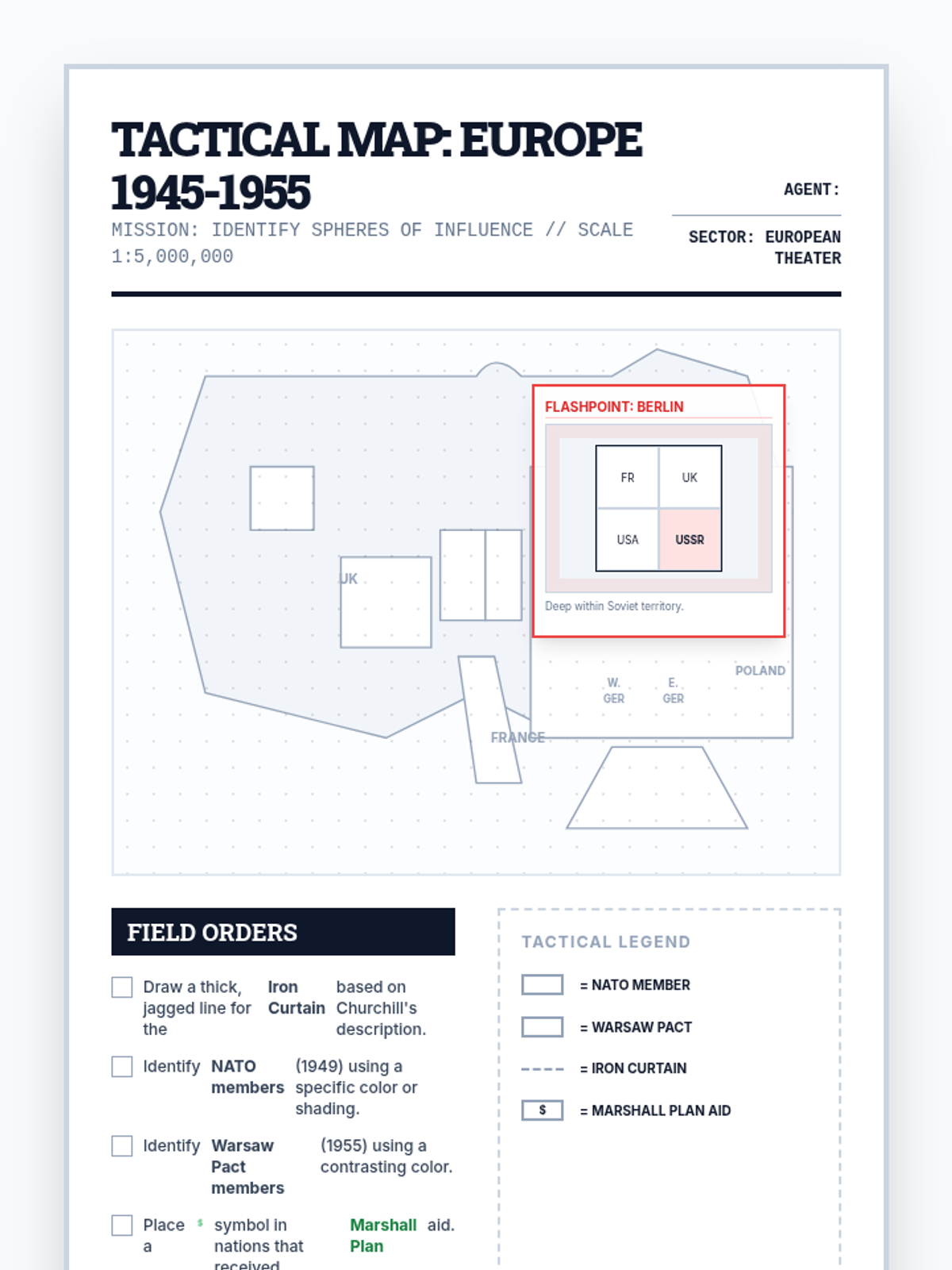
An immersive unit on the Cold War, styled as a series of declassified intelligence briefings exploring the global struggle for power between 1945 and 1991.
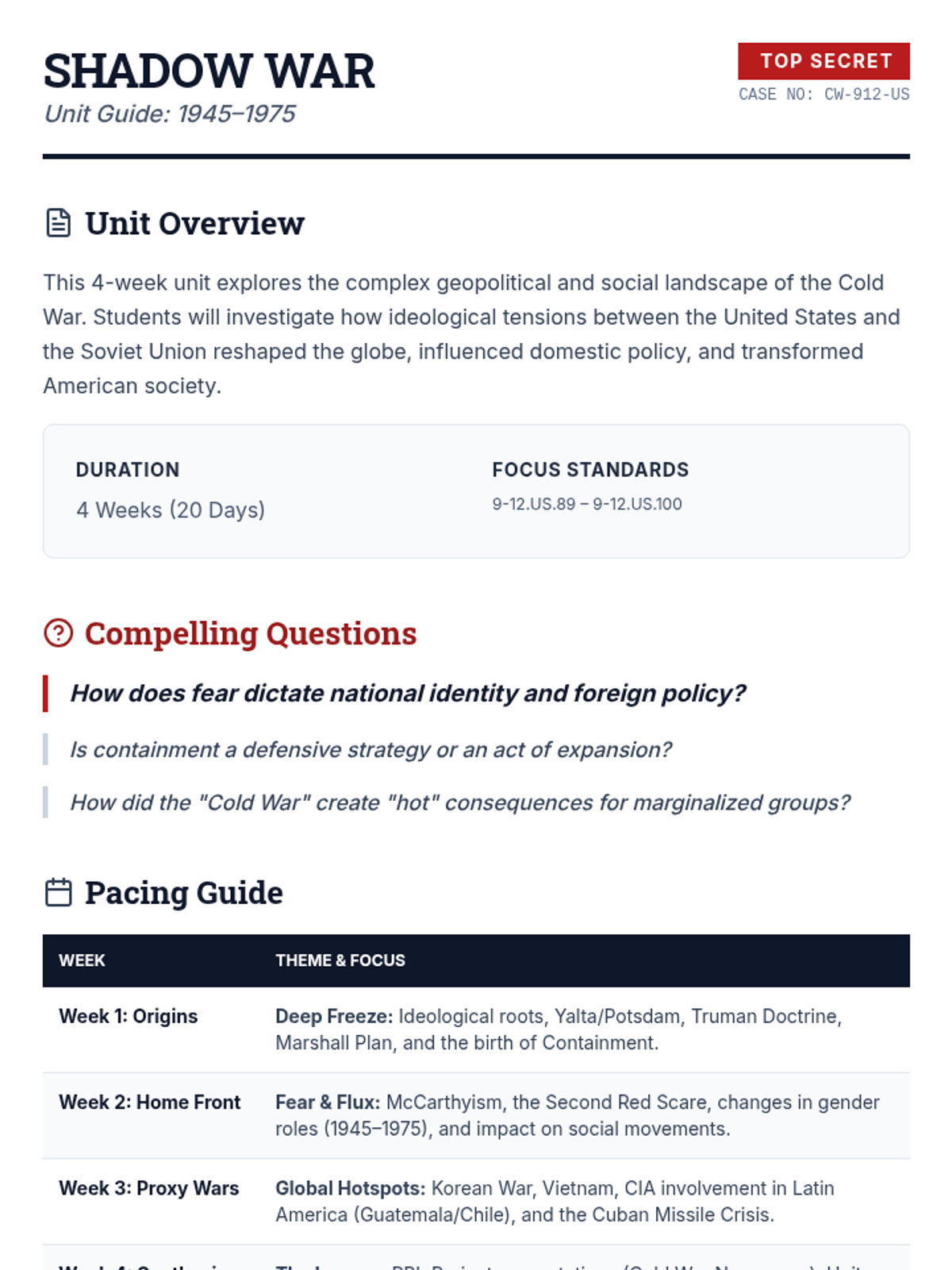
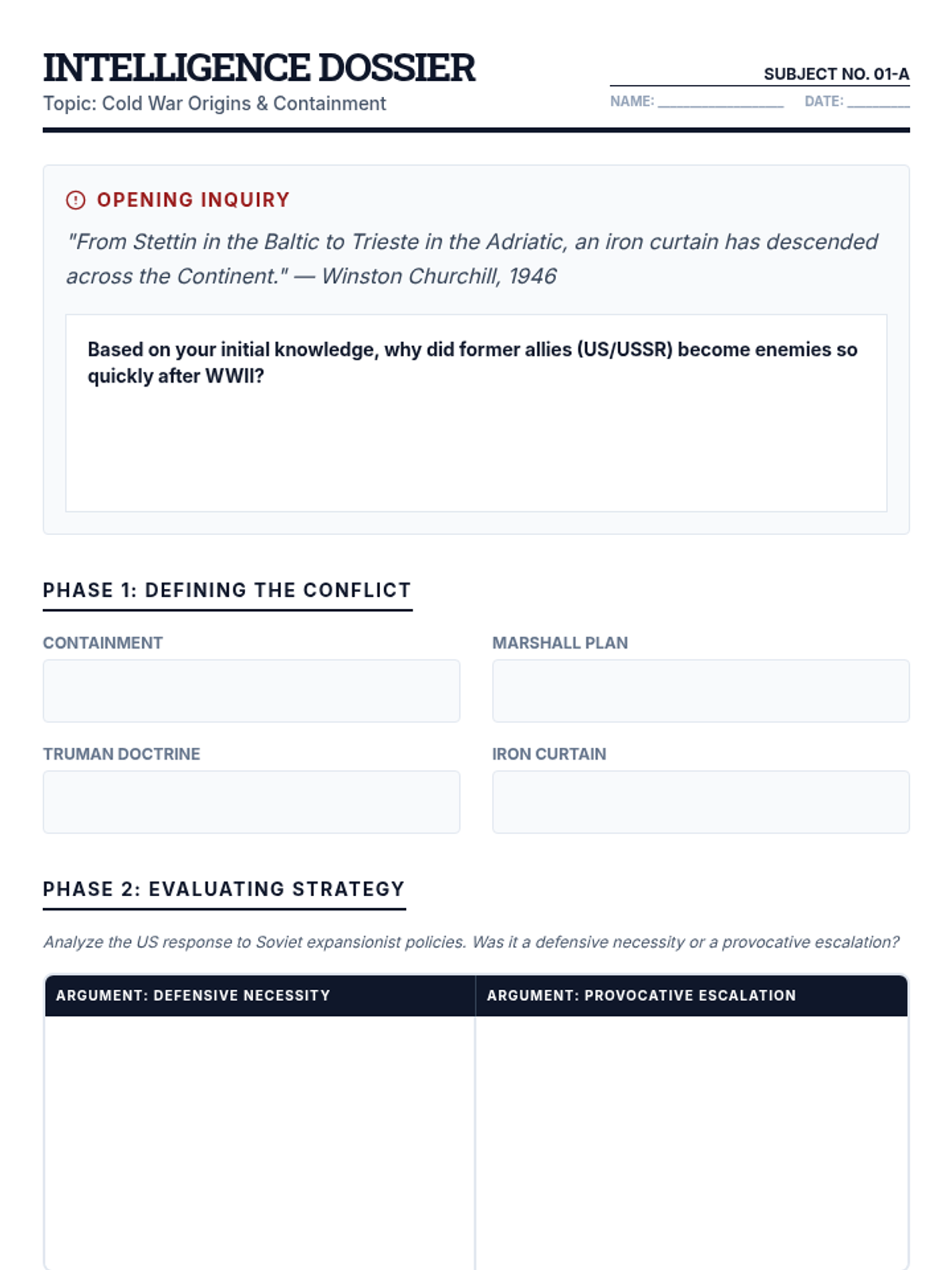
A comprehensive 4-week high school unit exploring the Cold War's origins, domestic impact, and global proxy conflicts through the lens of 'Classified Dossiers.' Students analyze the ideology of containment, the Red Scare, and the CIA's role in international affairs while investigating how the era shaped gender roles and social movements.
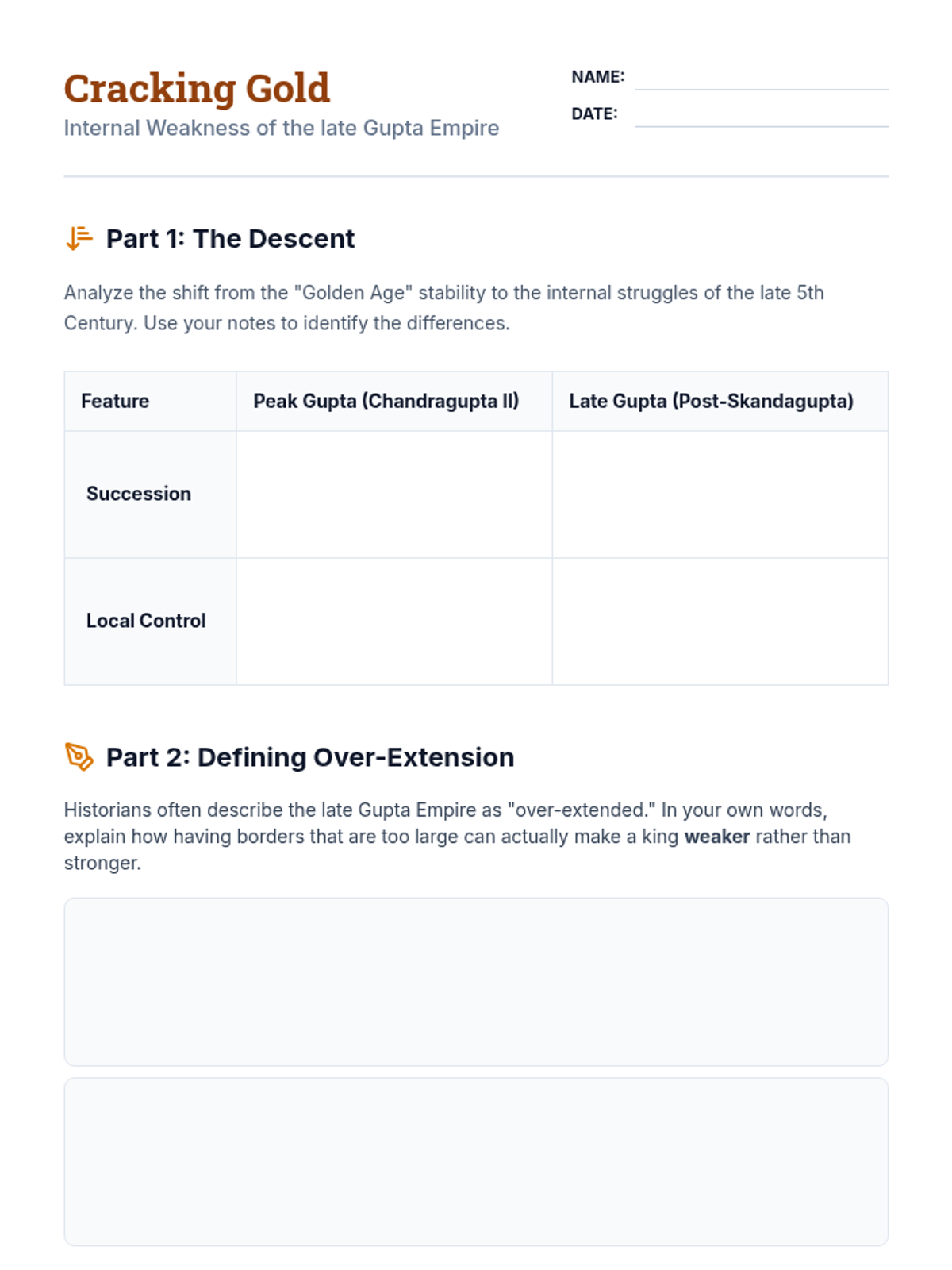
A 5-day unit exploring the multi-faceted decline of the Gupta Empire, from internal structural weaknesses to the devastating Huna invasions and economic collapse.
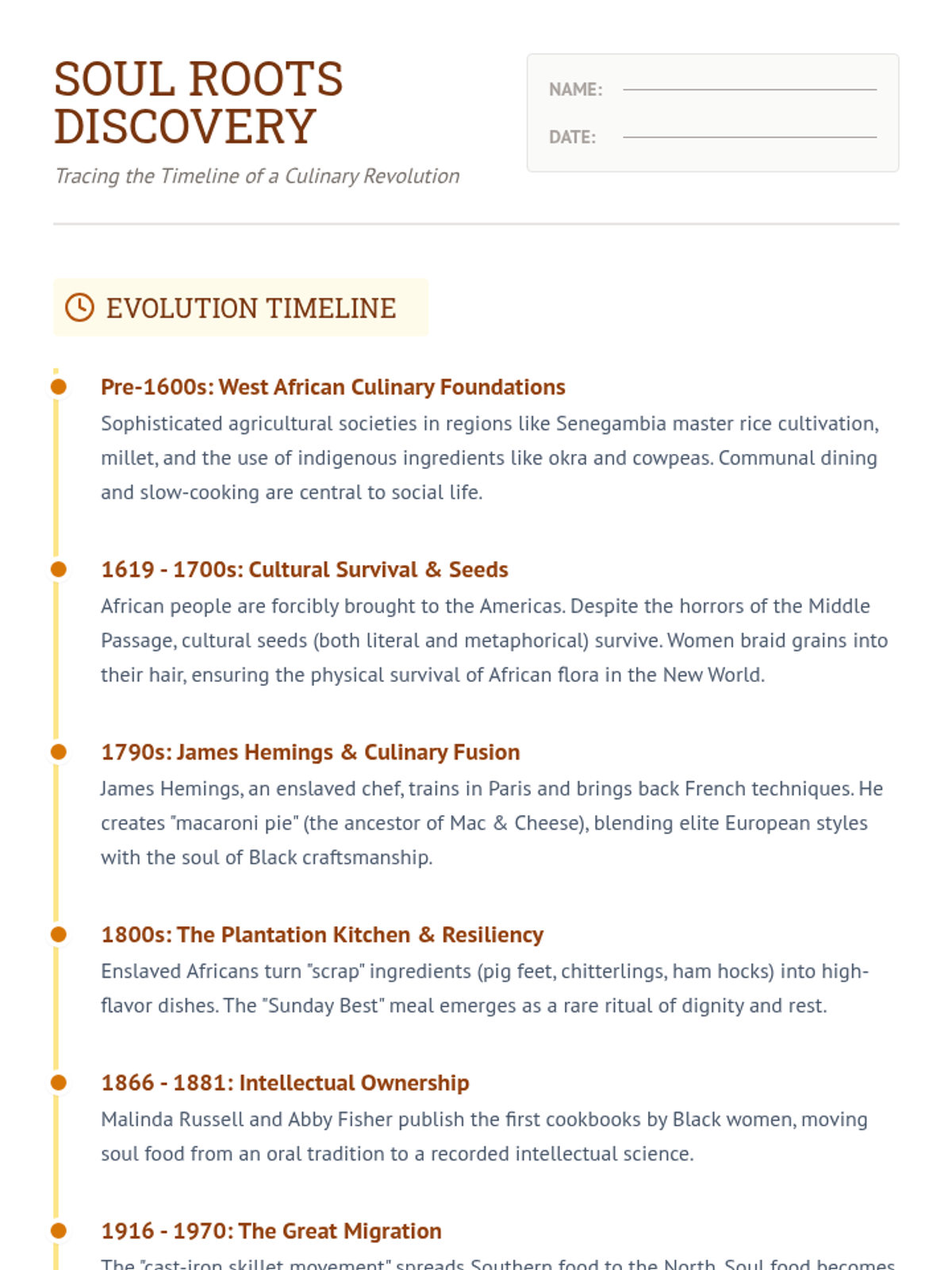
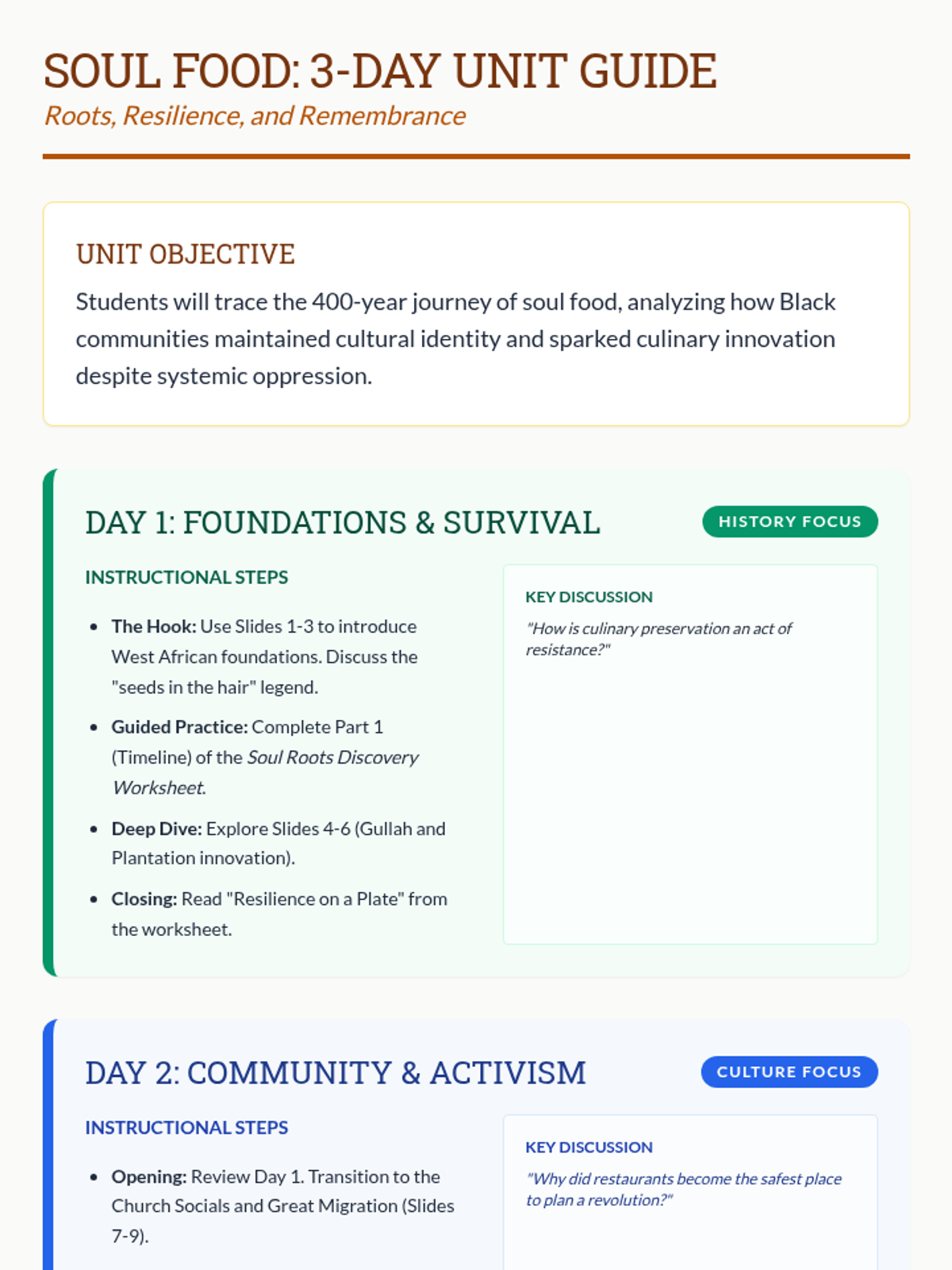
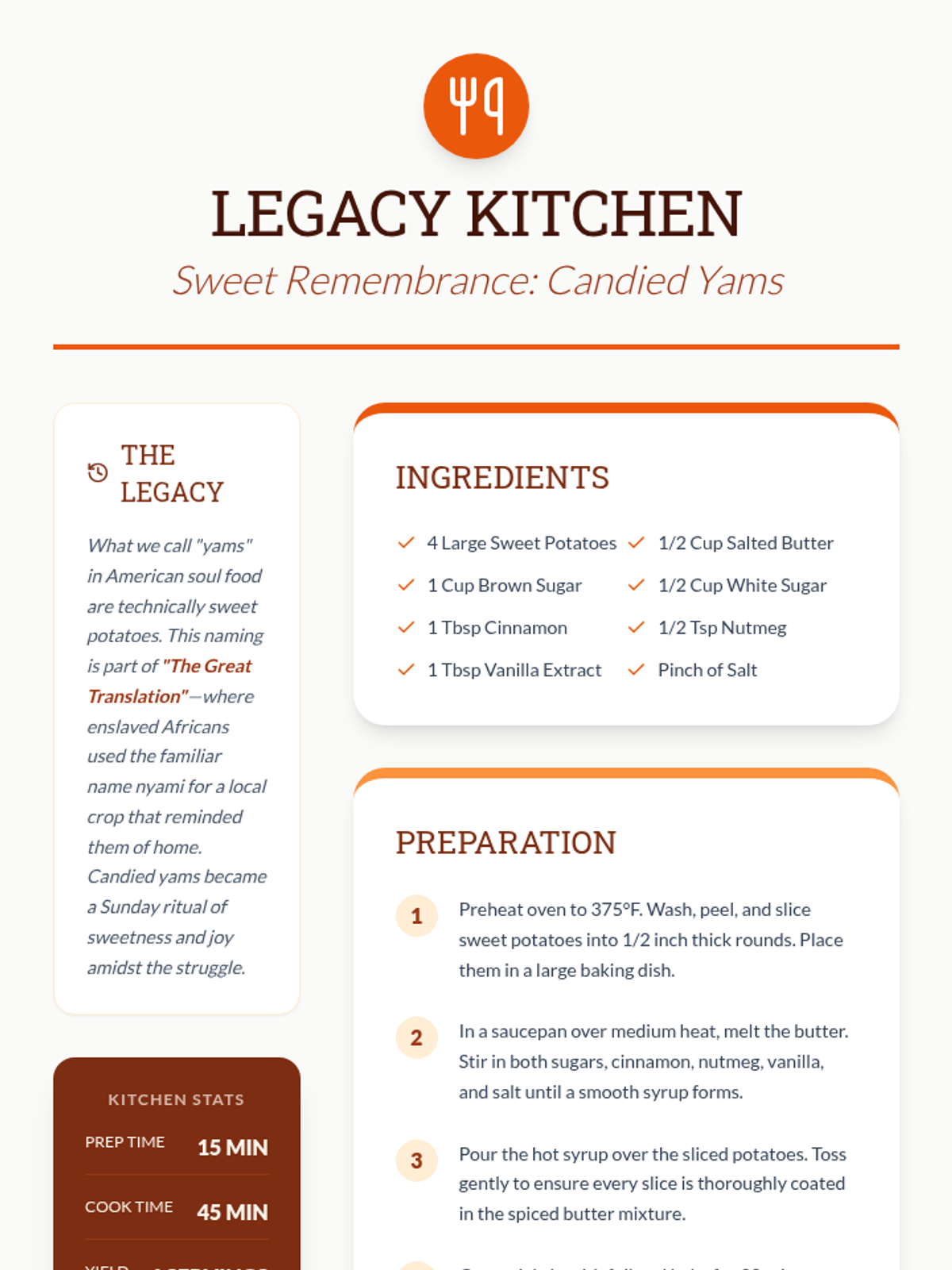
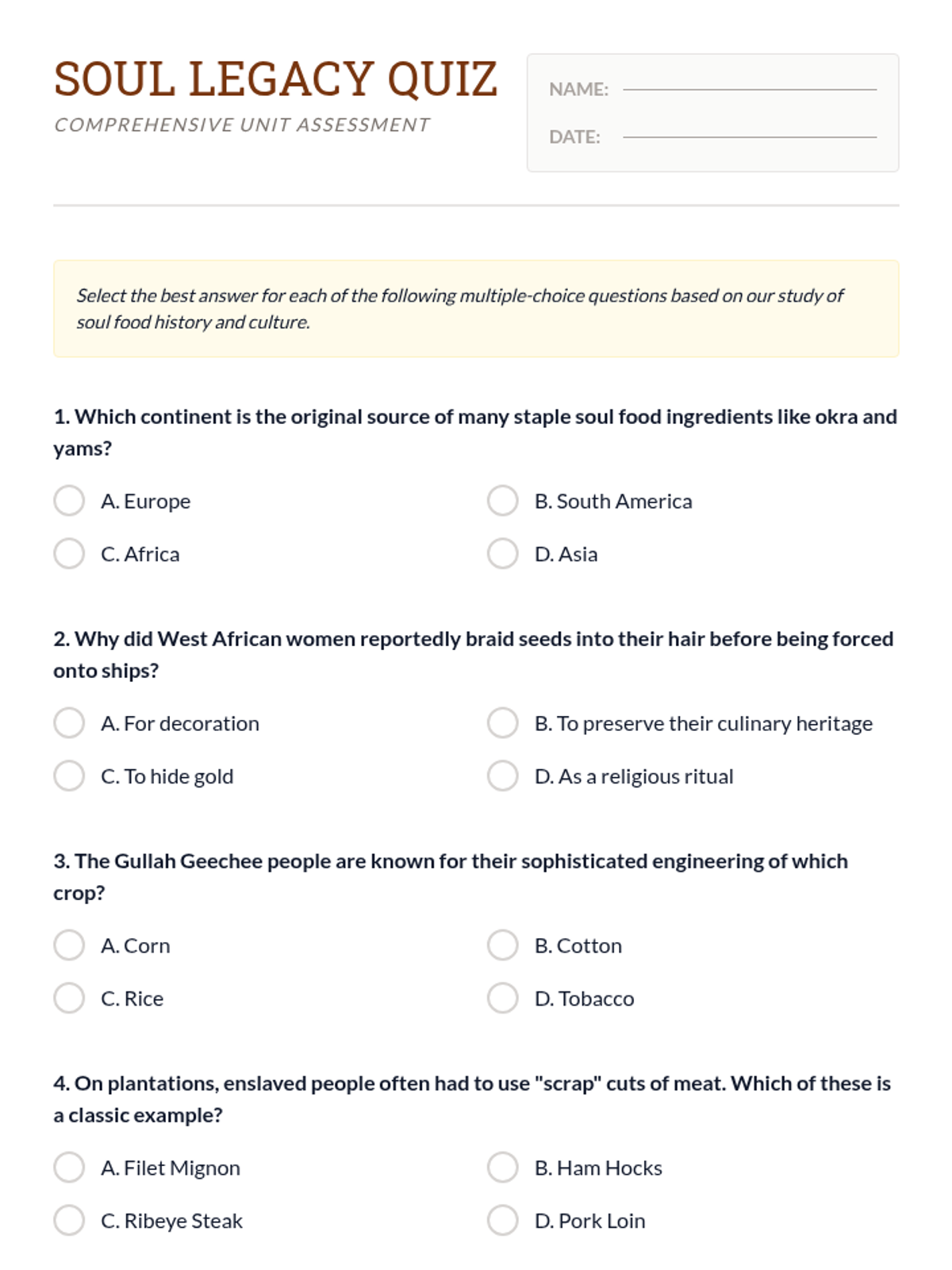
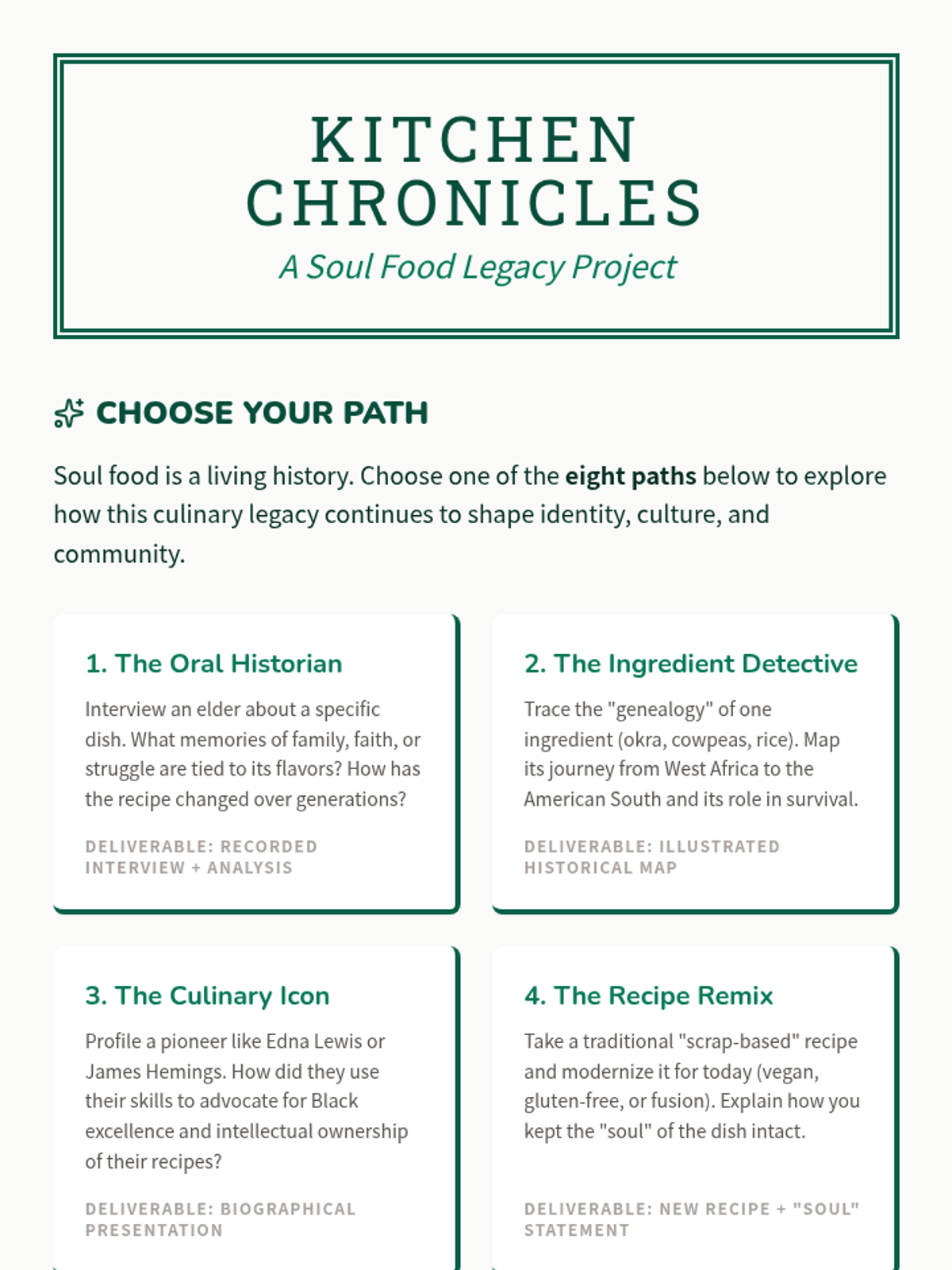
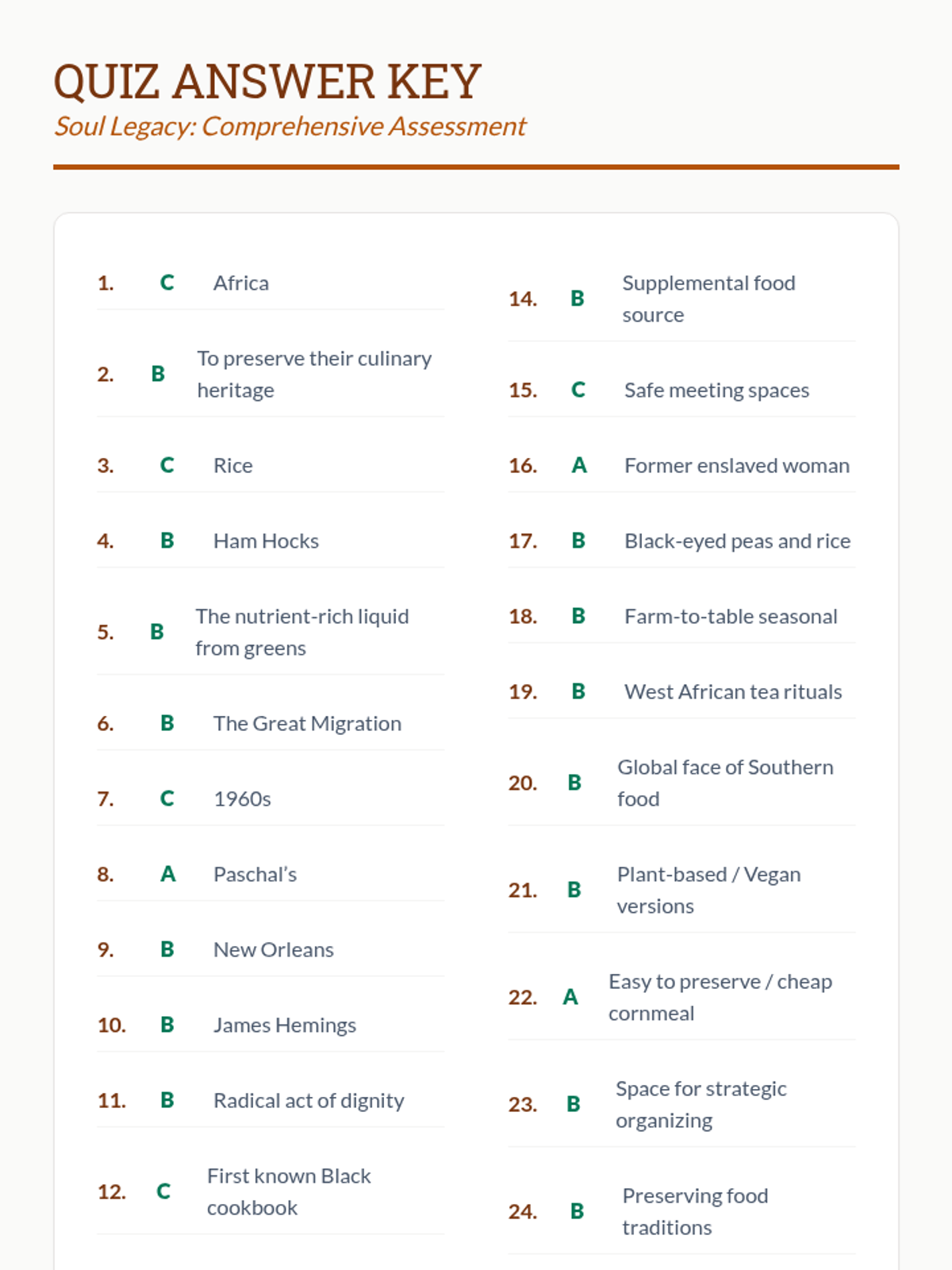
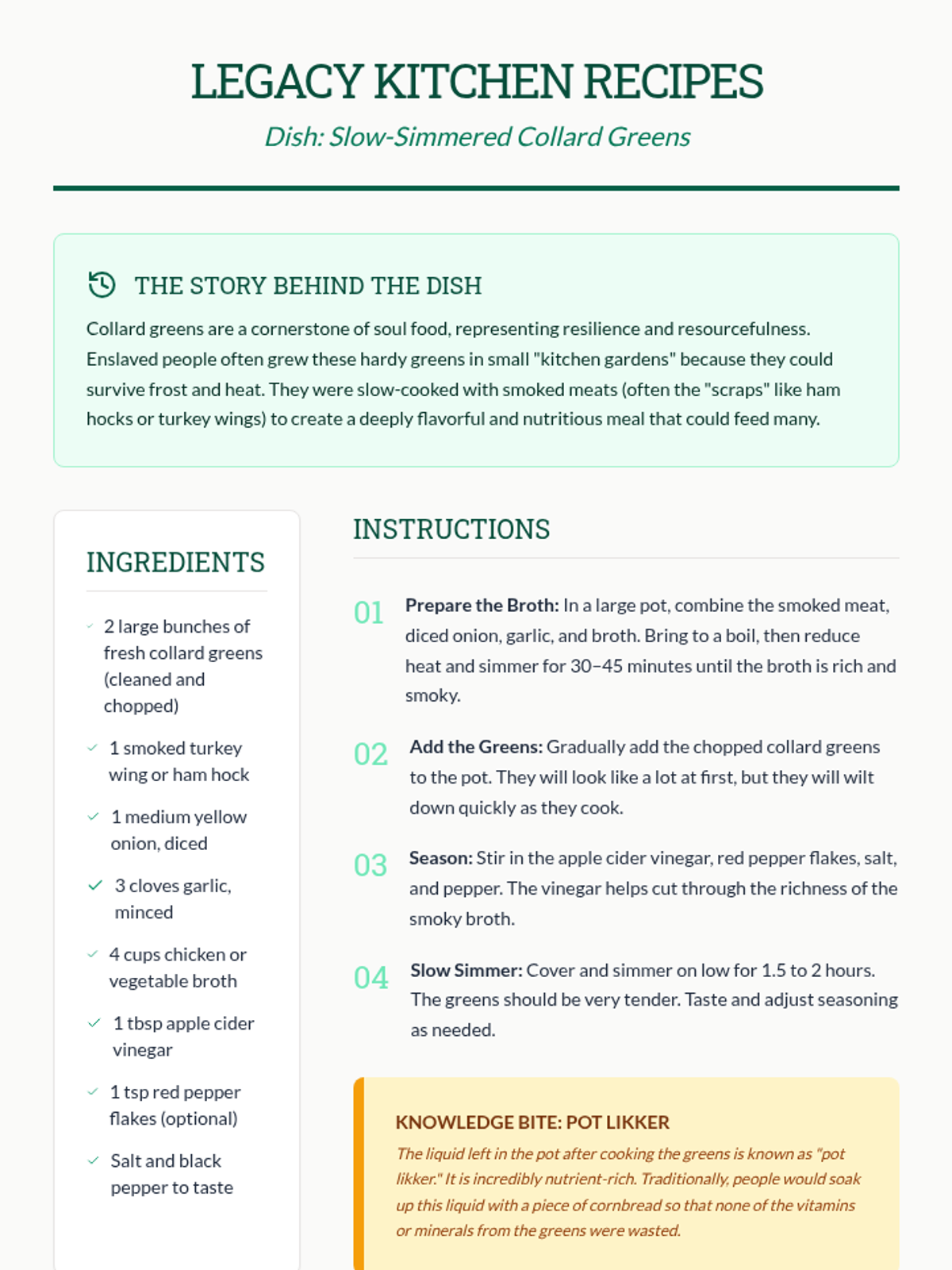
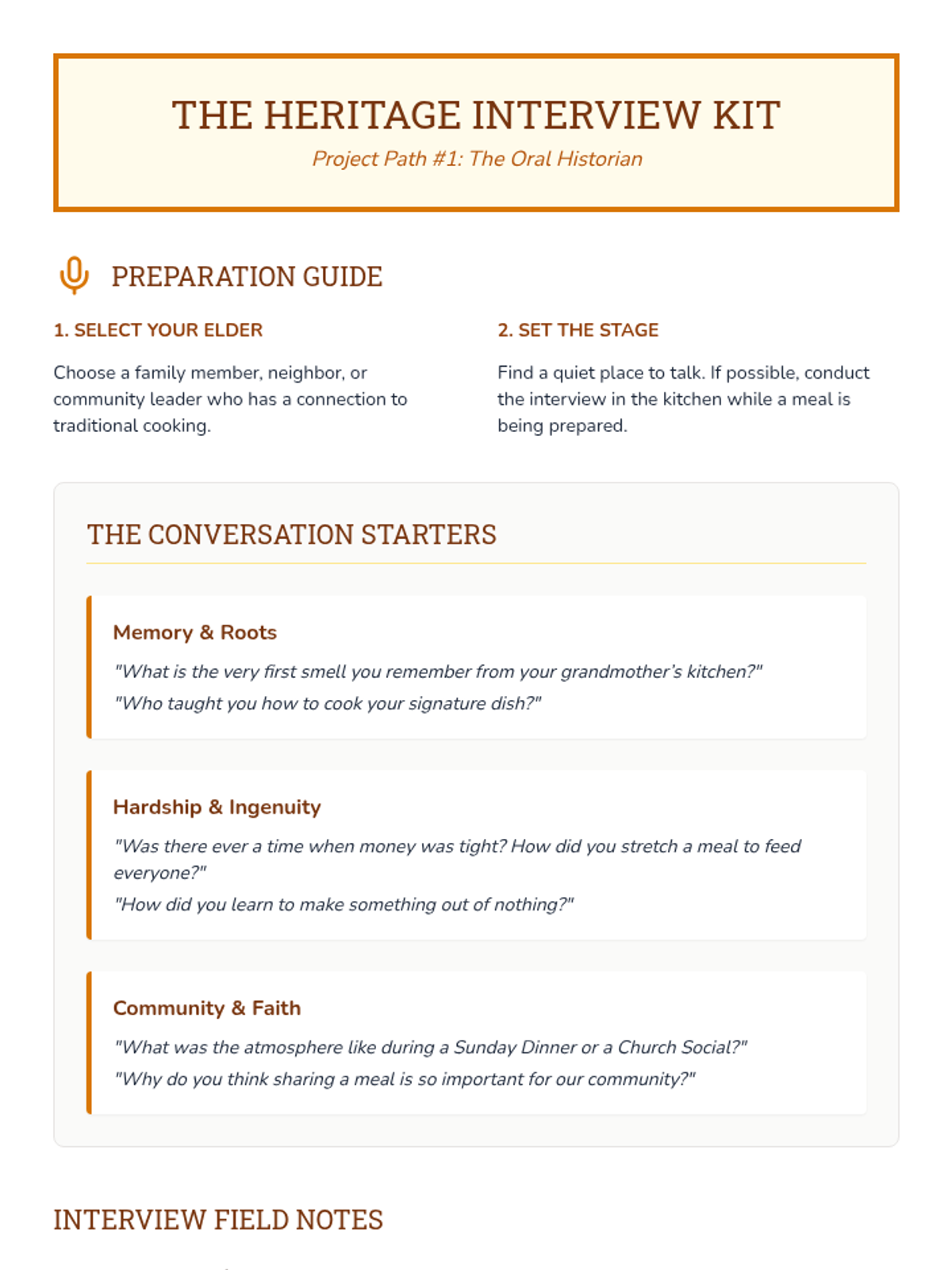
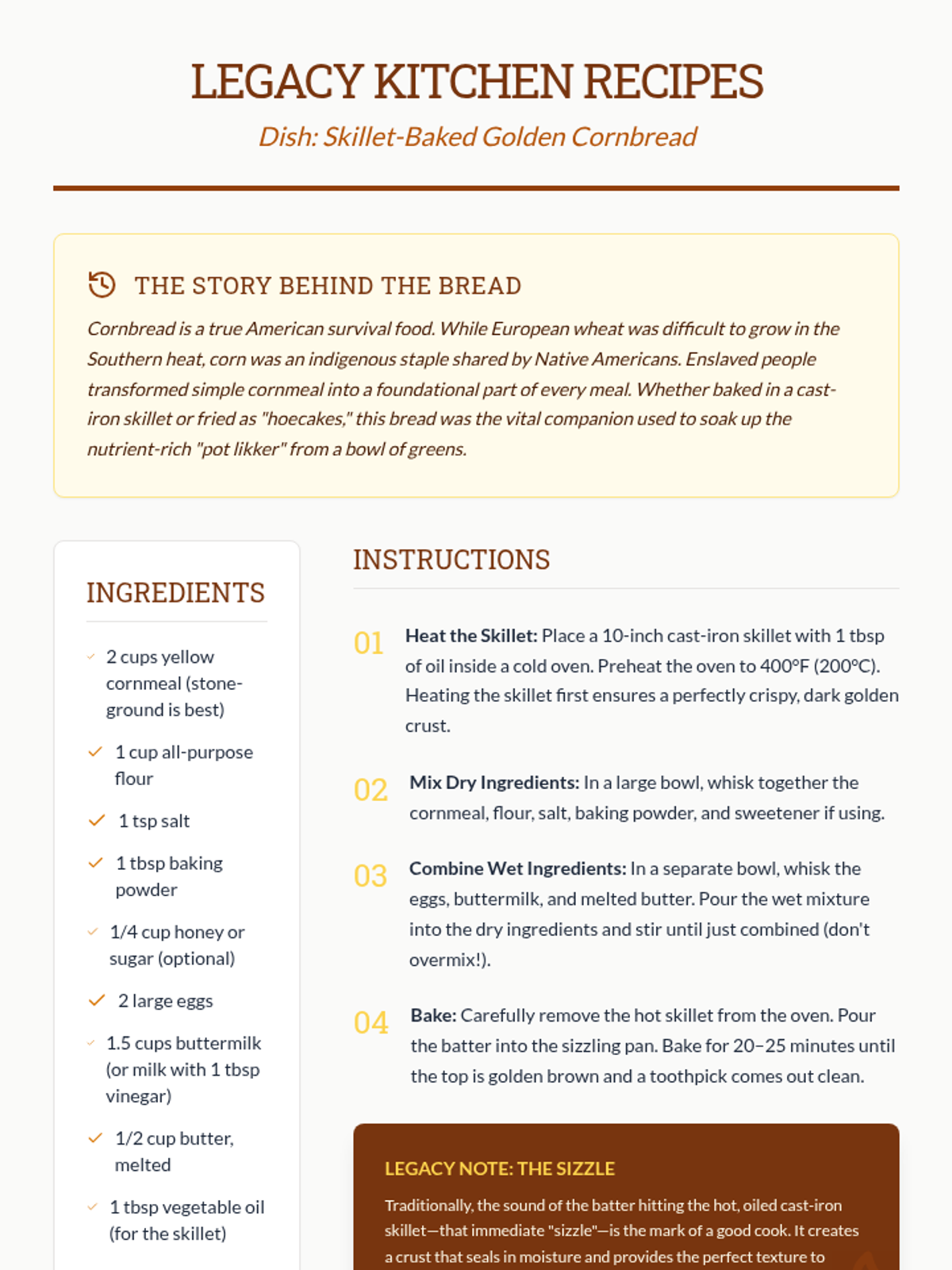
A comprehensive sequence exploring the deep roots, cultural resilience, and global impact of Black Soul Food.
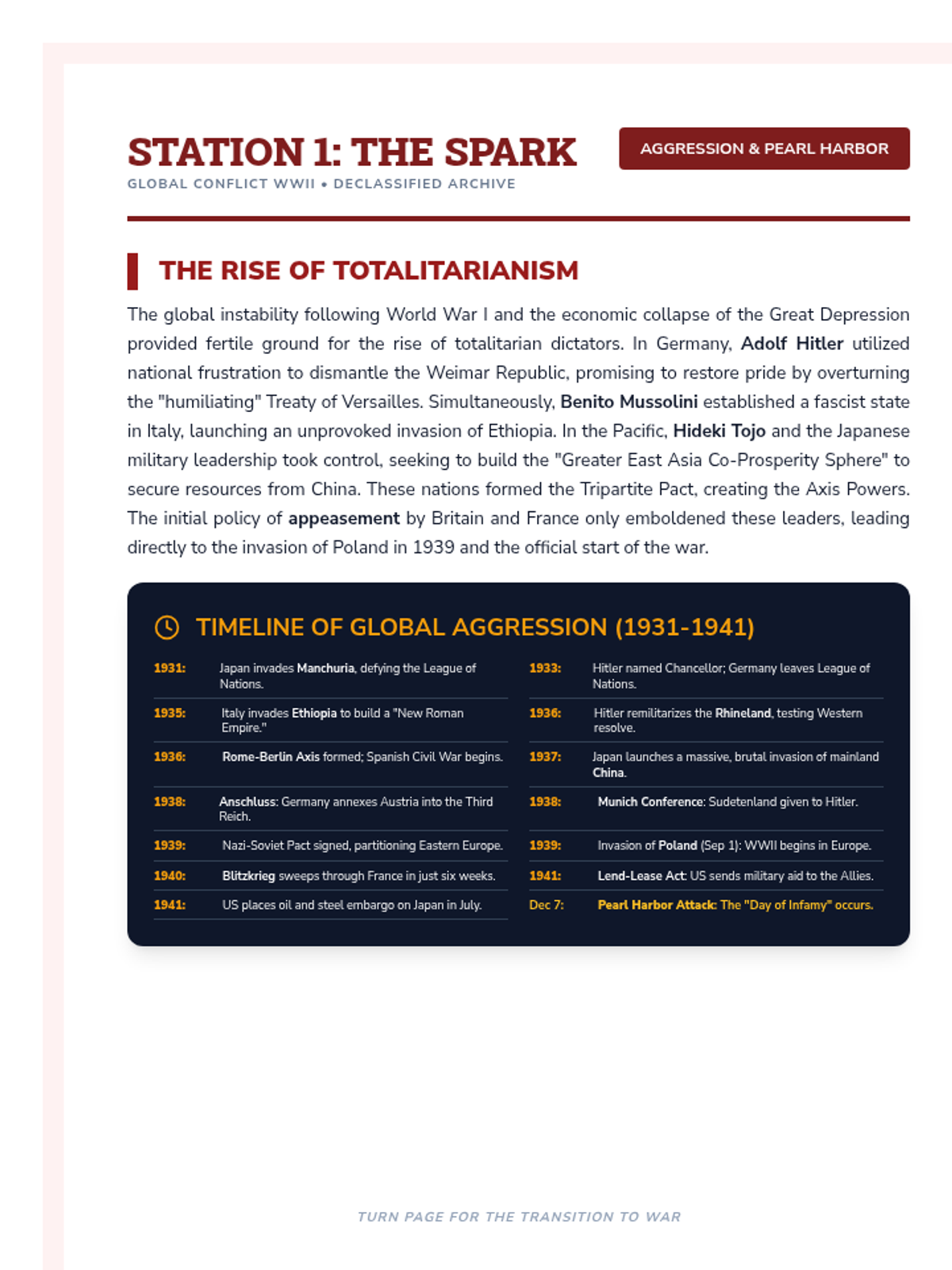
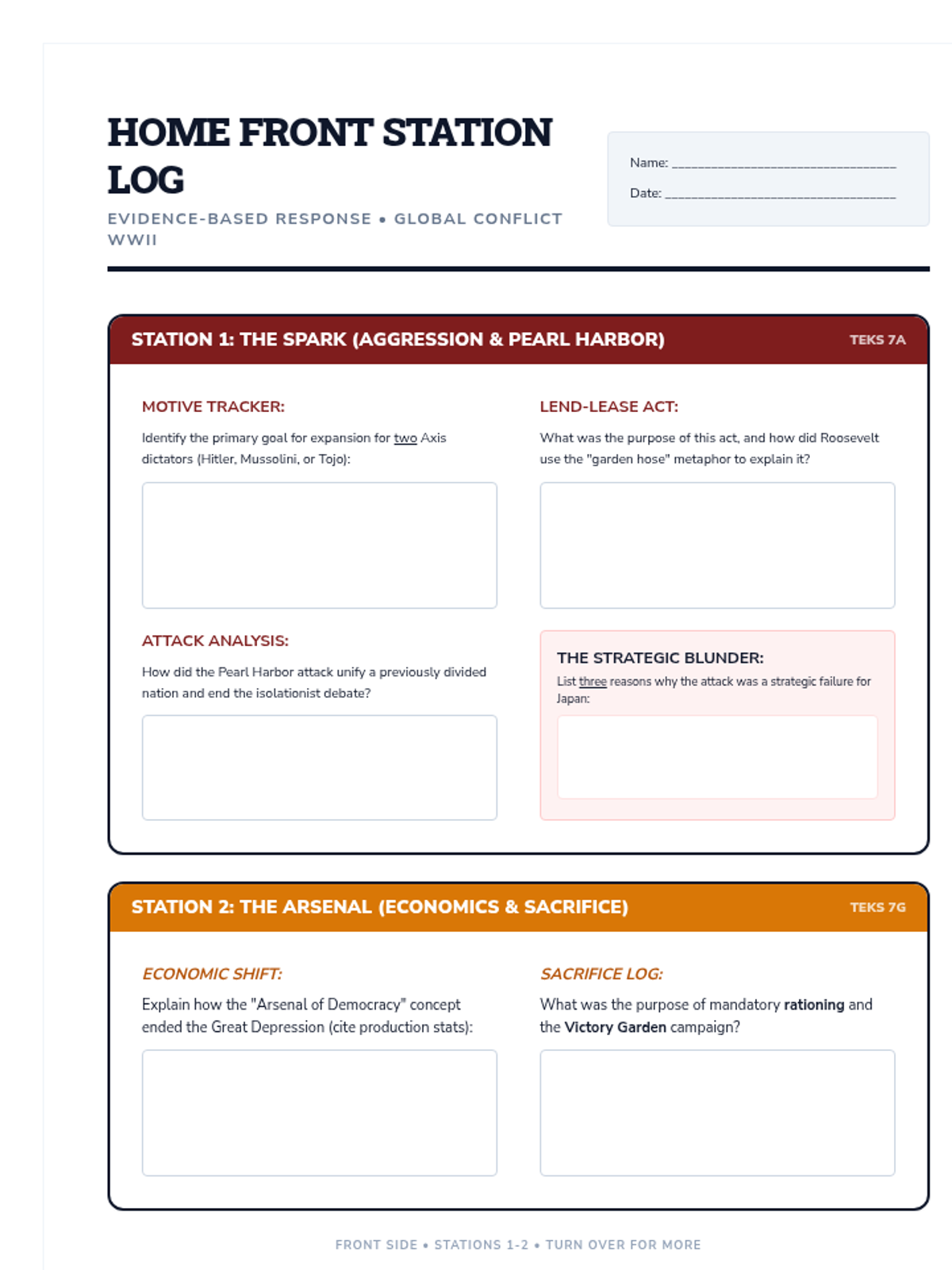
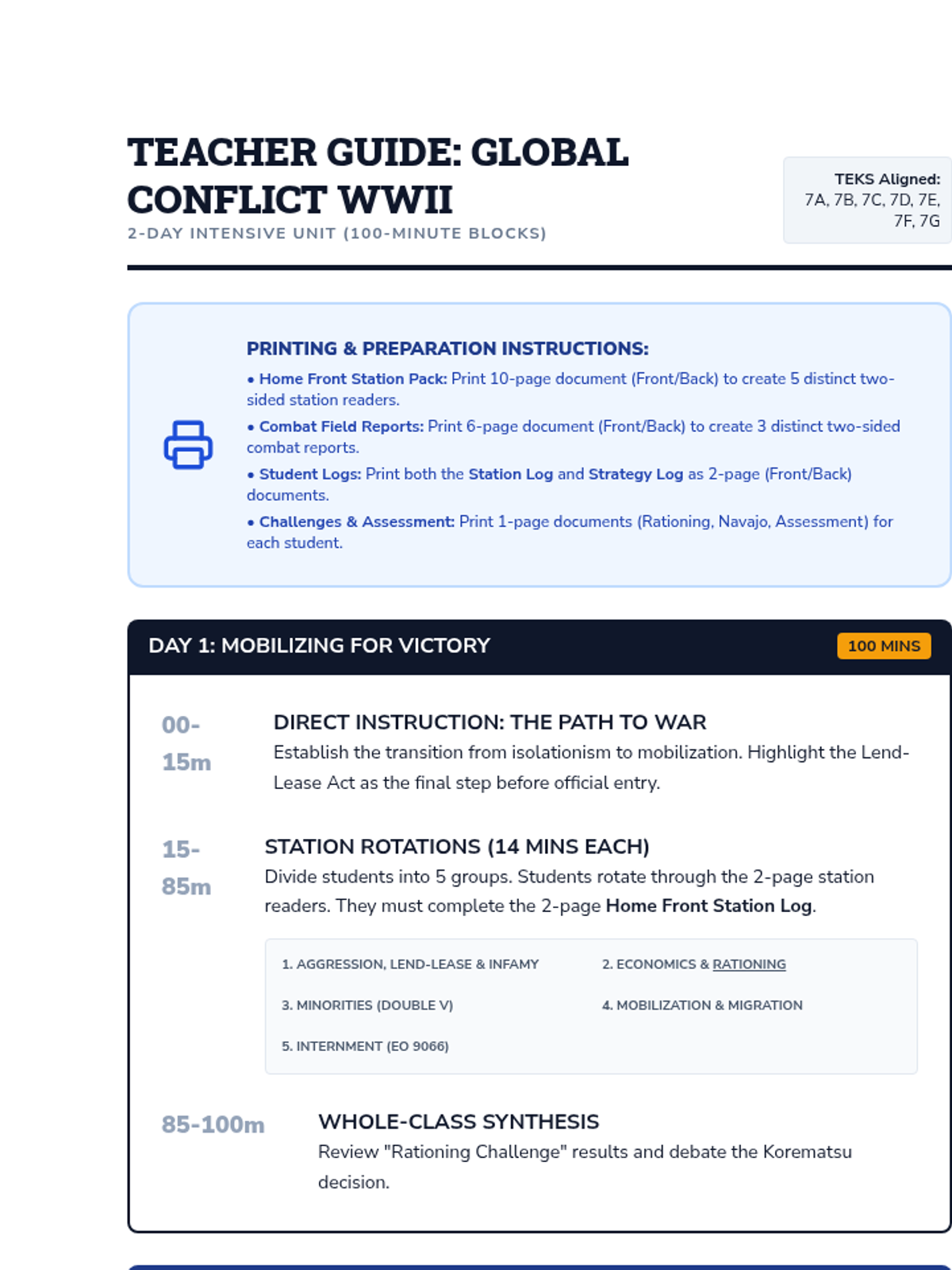
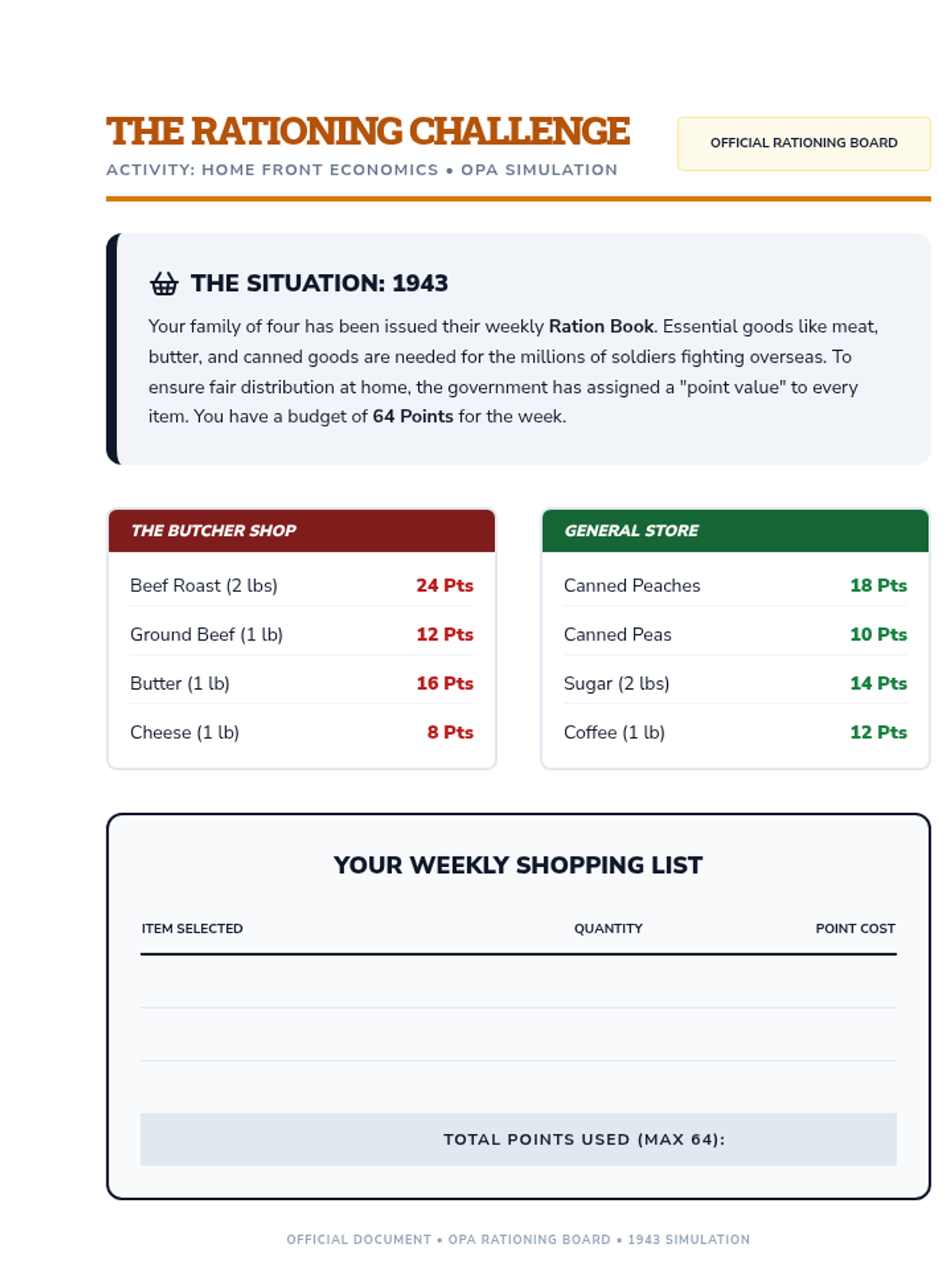
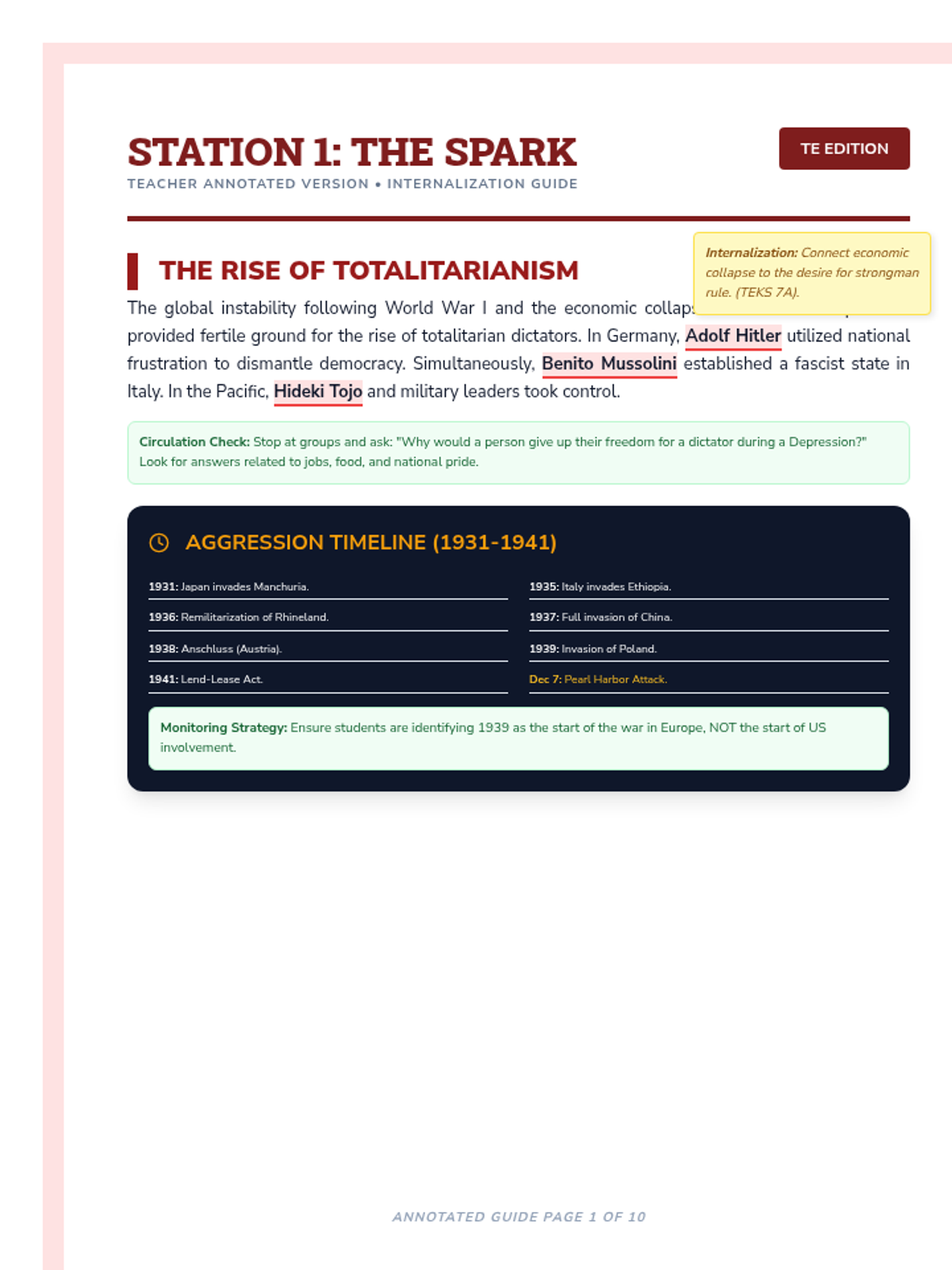
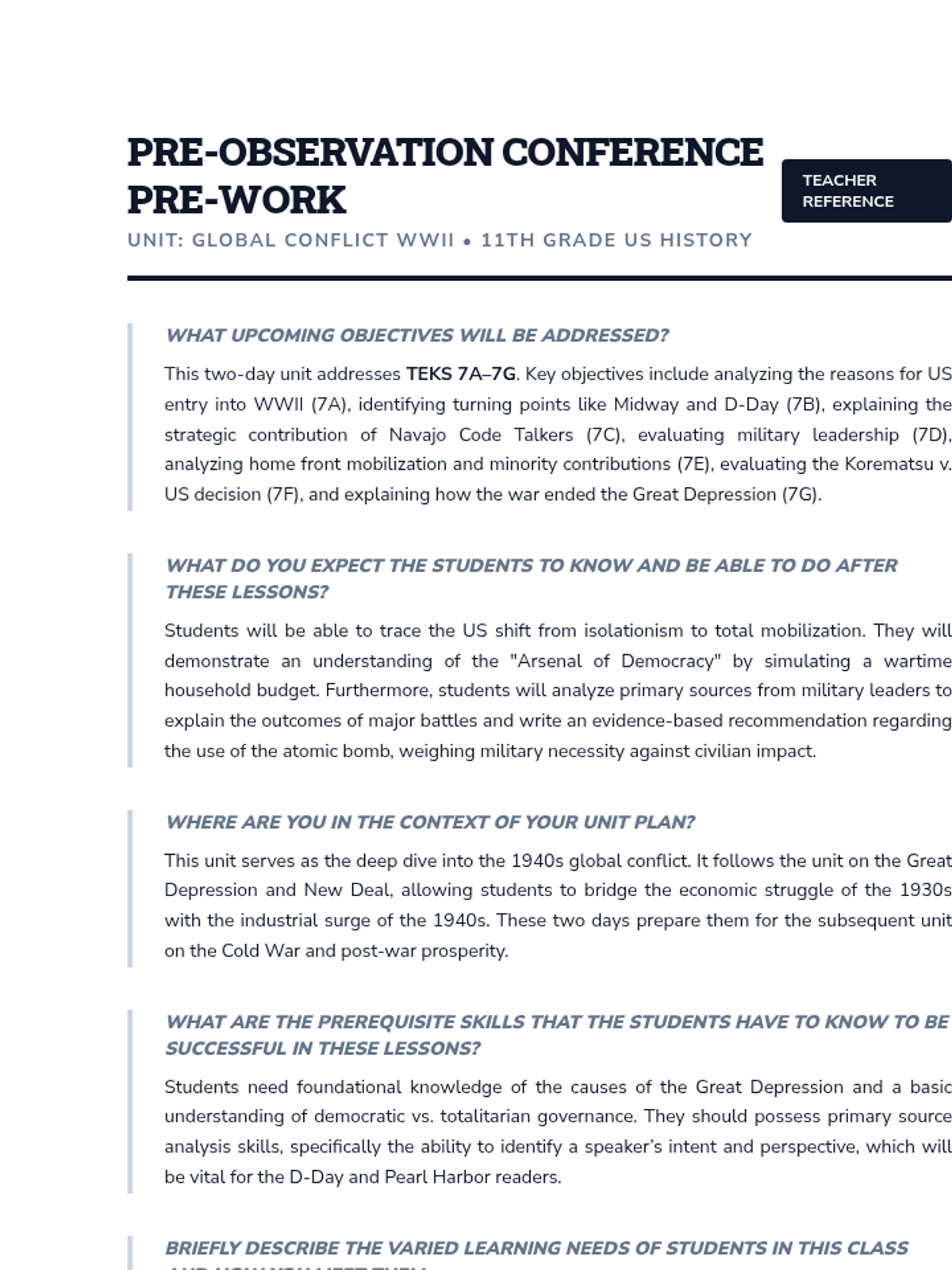
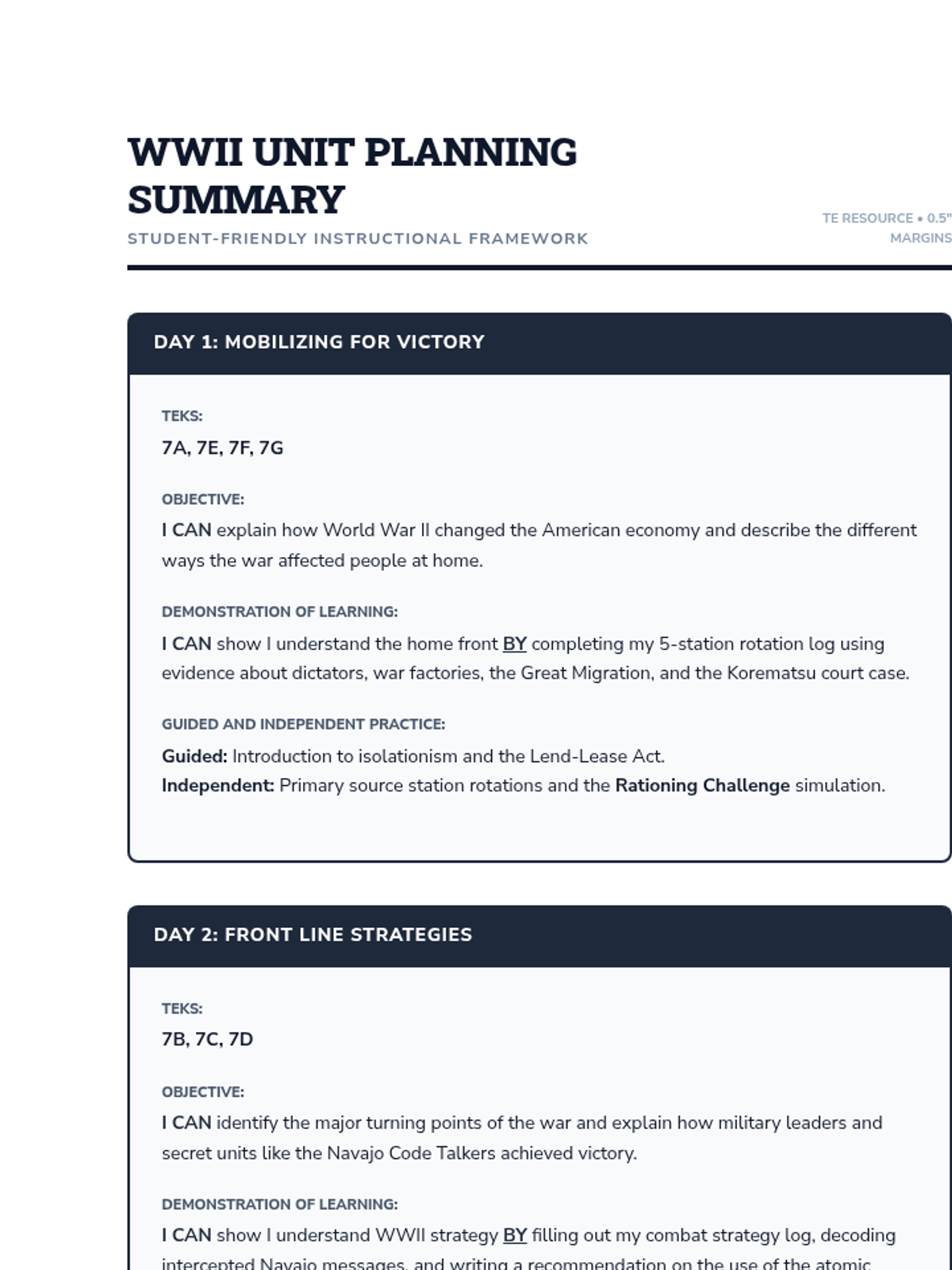
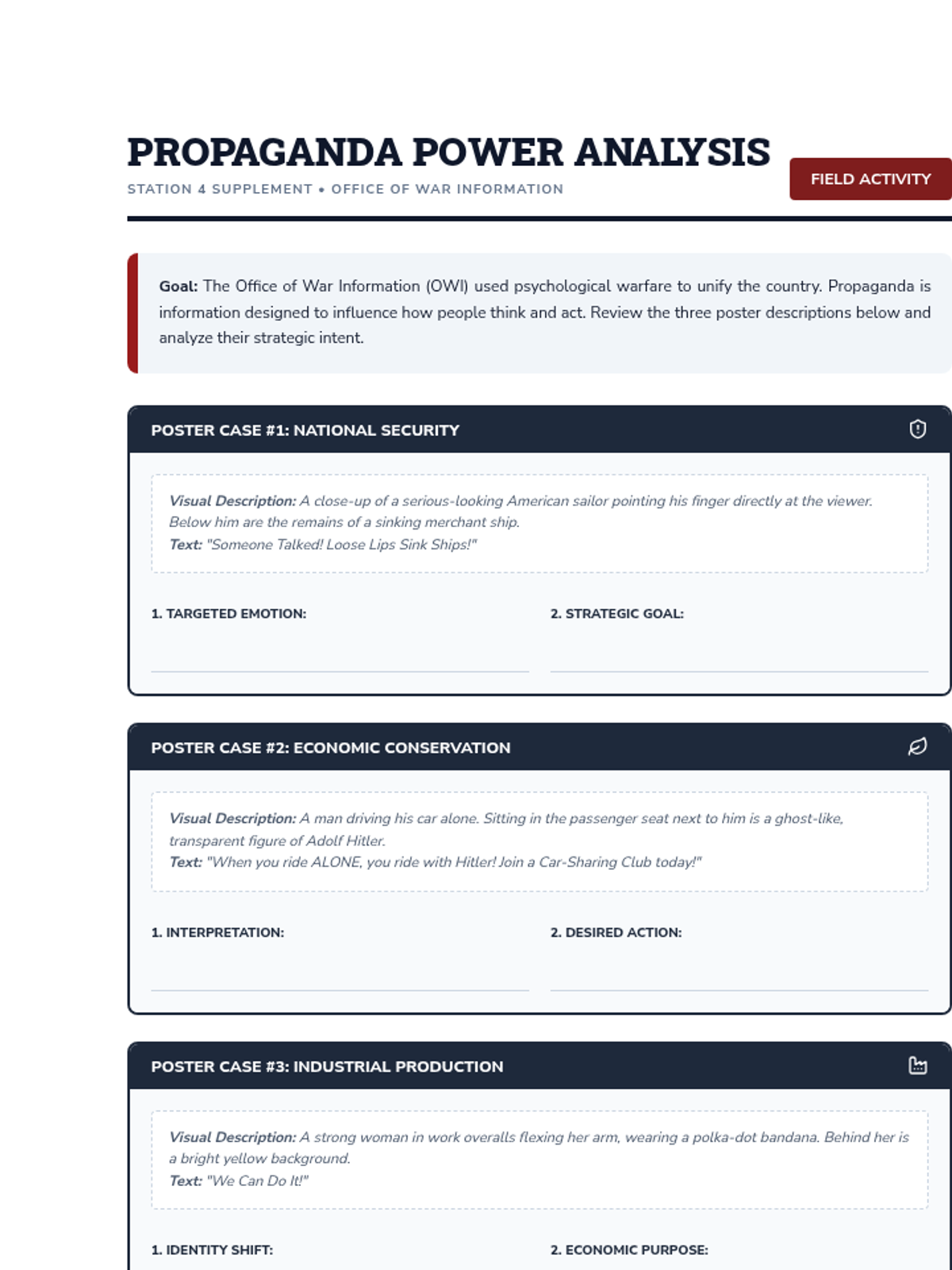
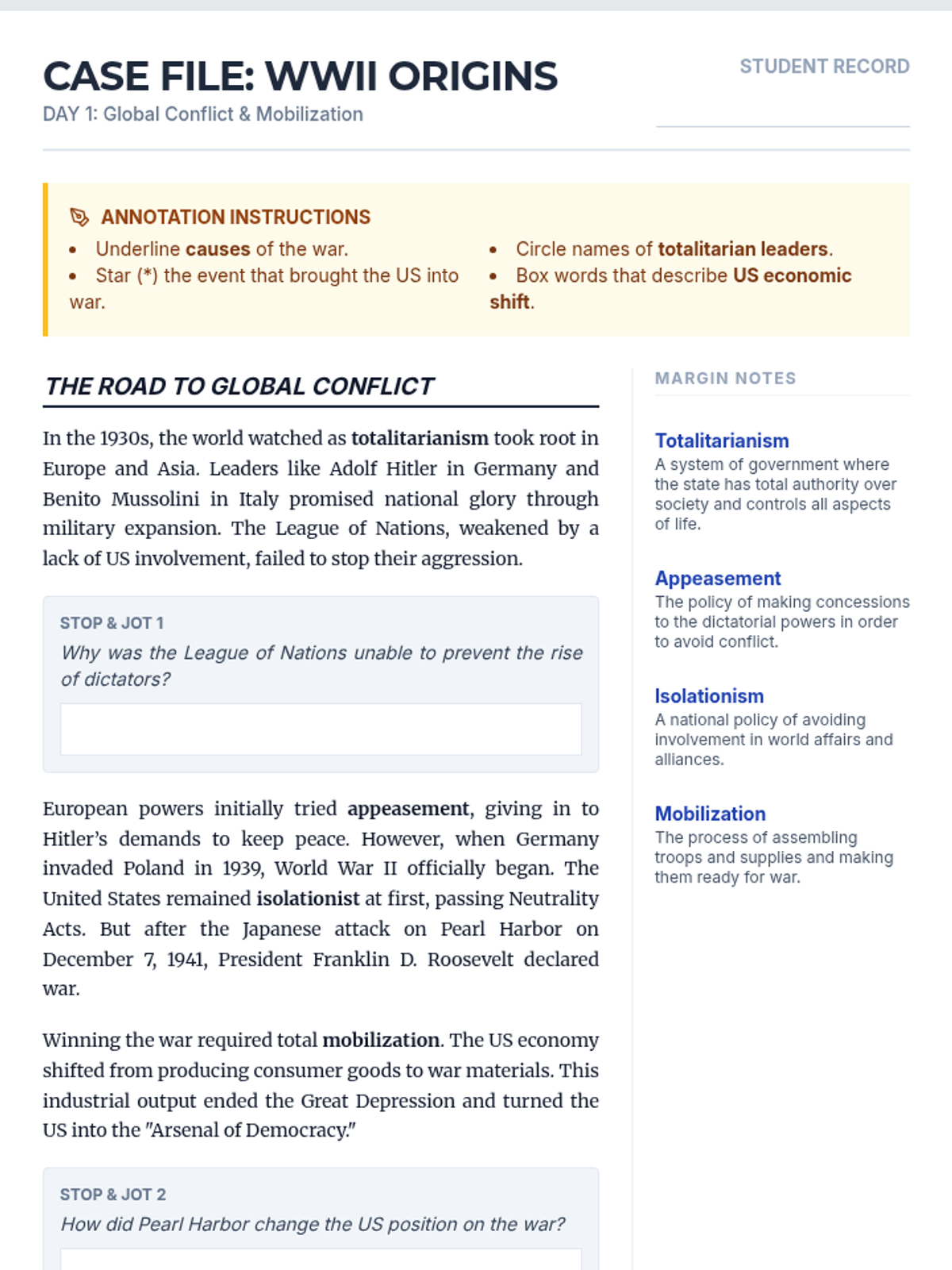
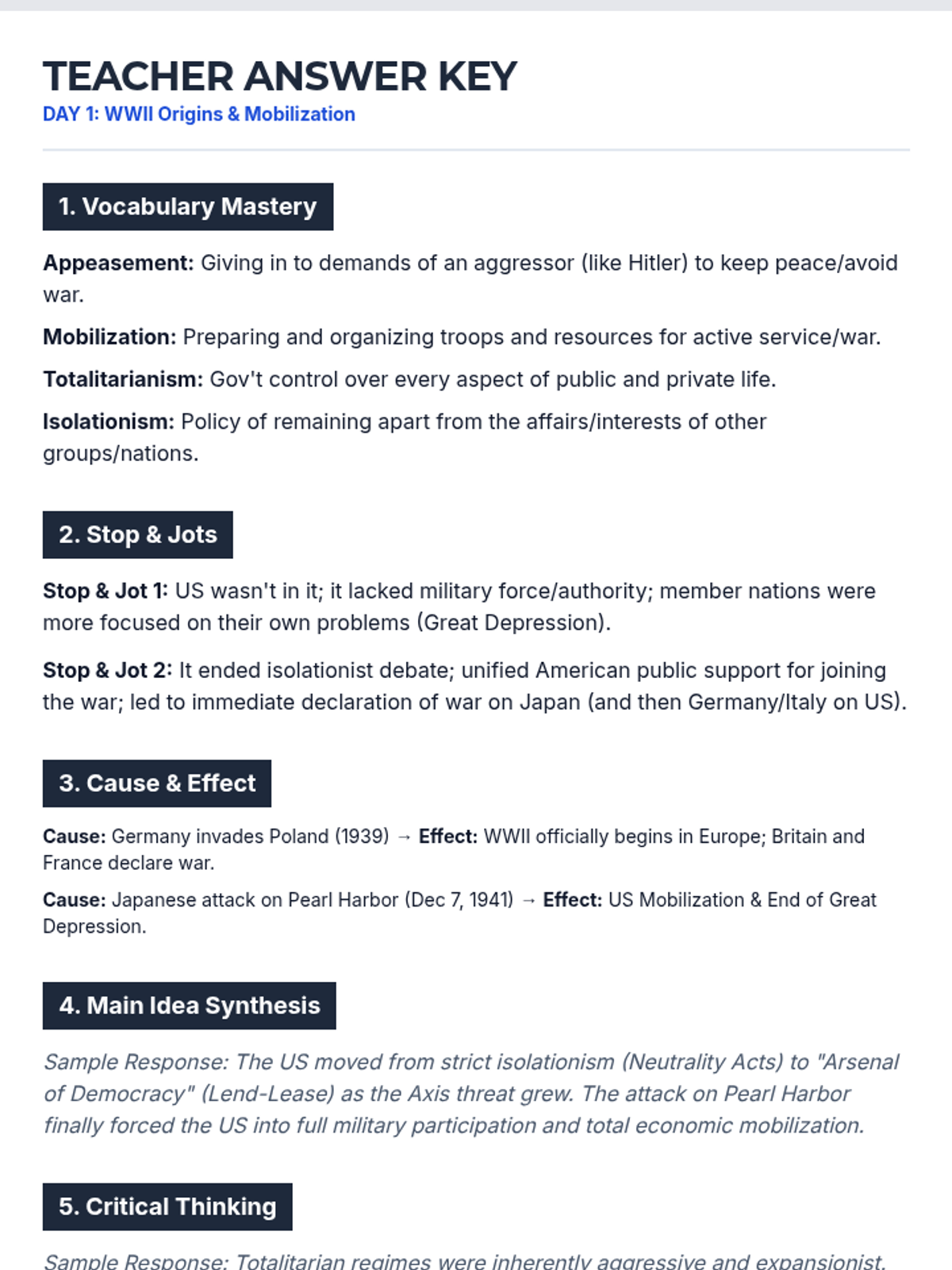
A comprehensive 2-day unit covering World War II for 11th Grade US History, aligned with TEKS. It focuses on the transition from isolationism to total war, the home front experience, major turning points in both the European and Pacific theaters, and the strategic decisions that ended the conflict.
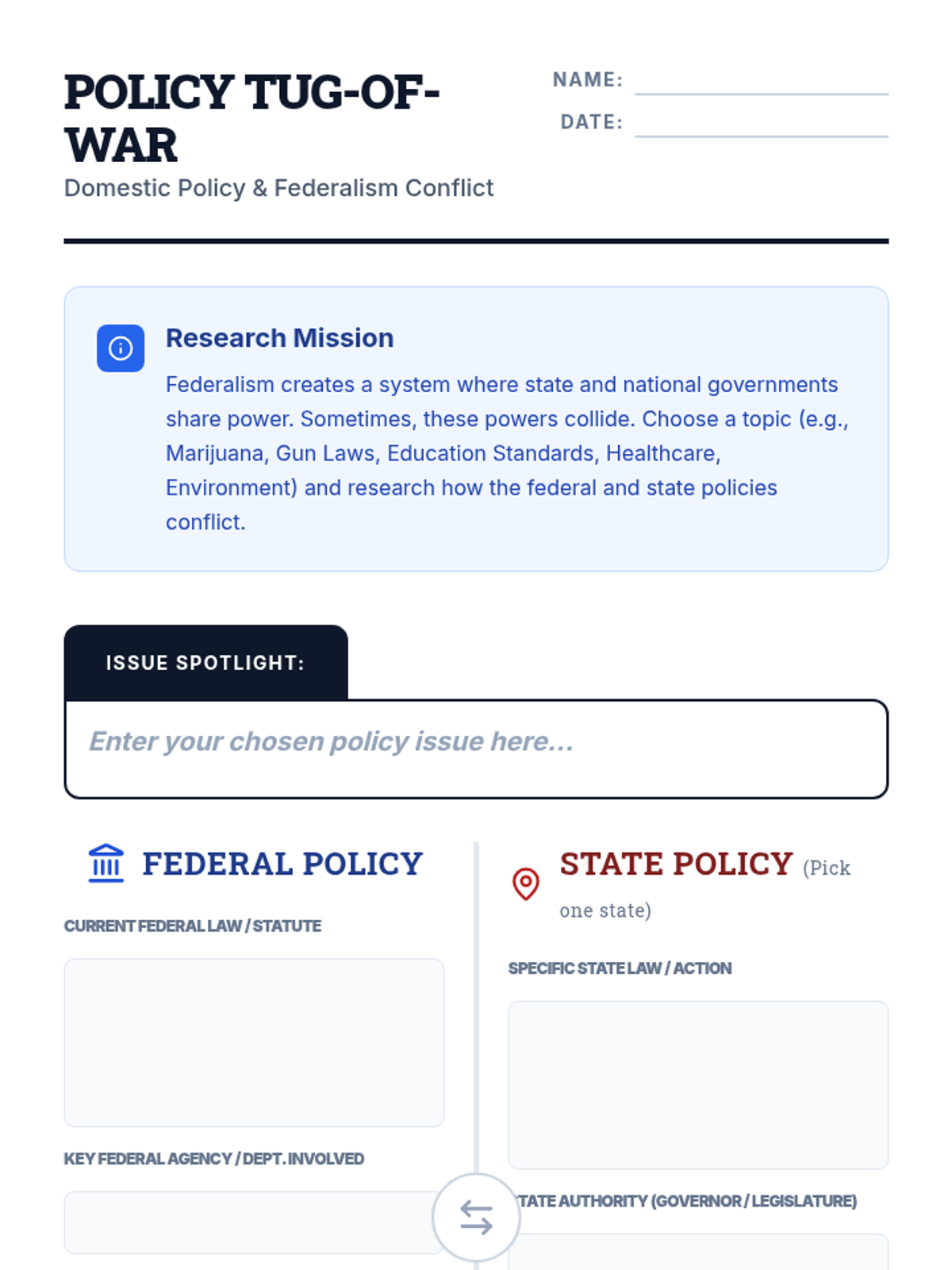
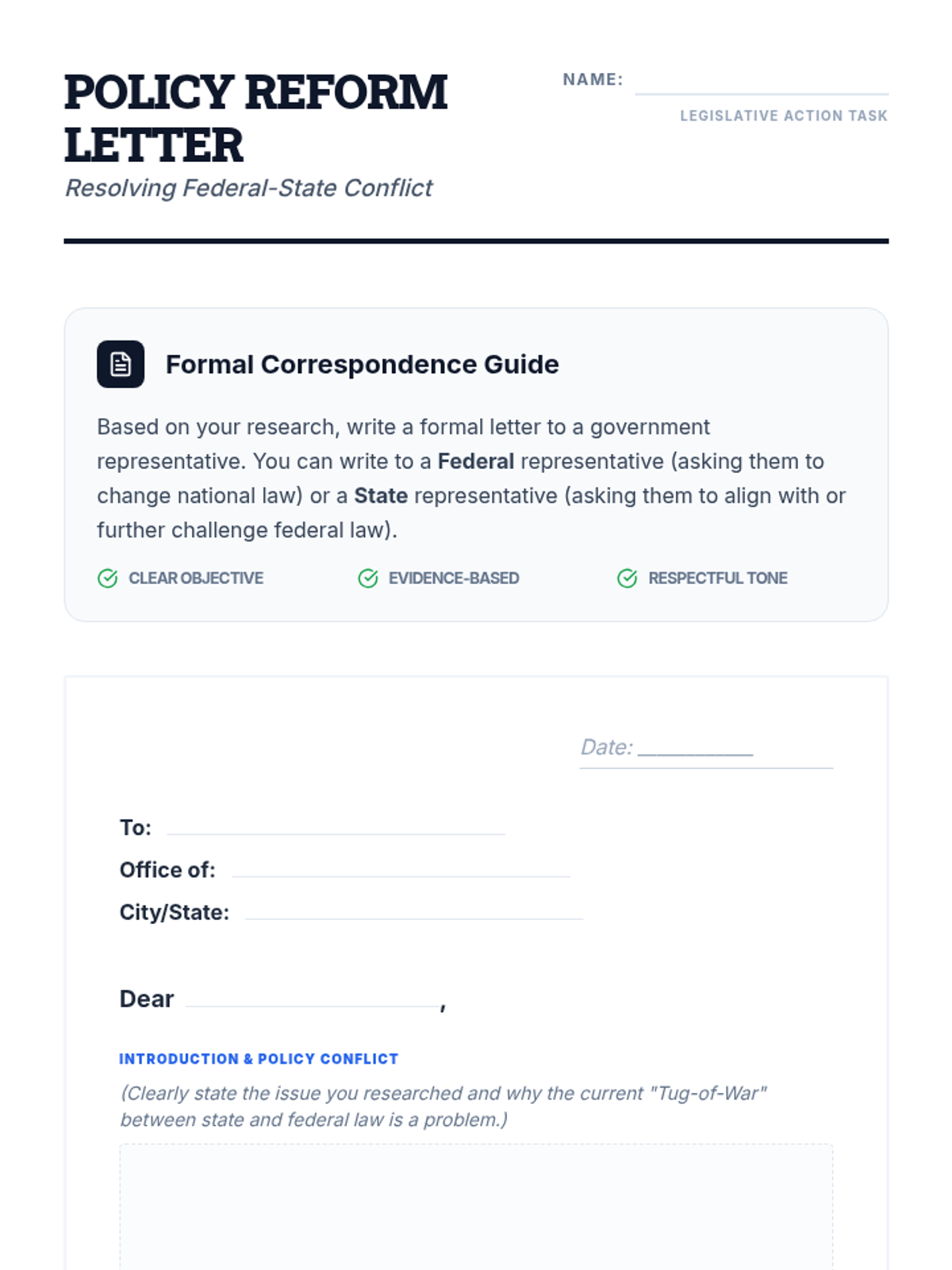
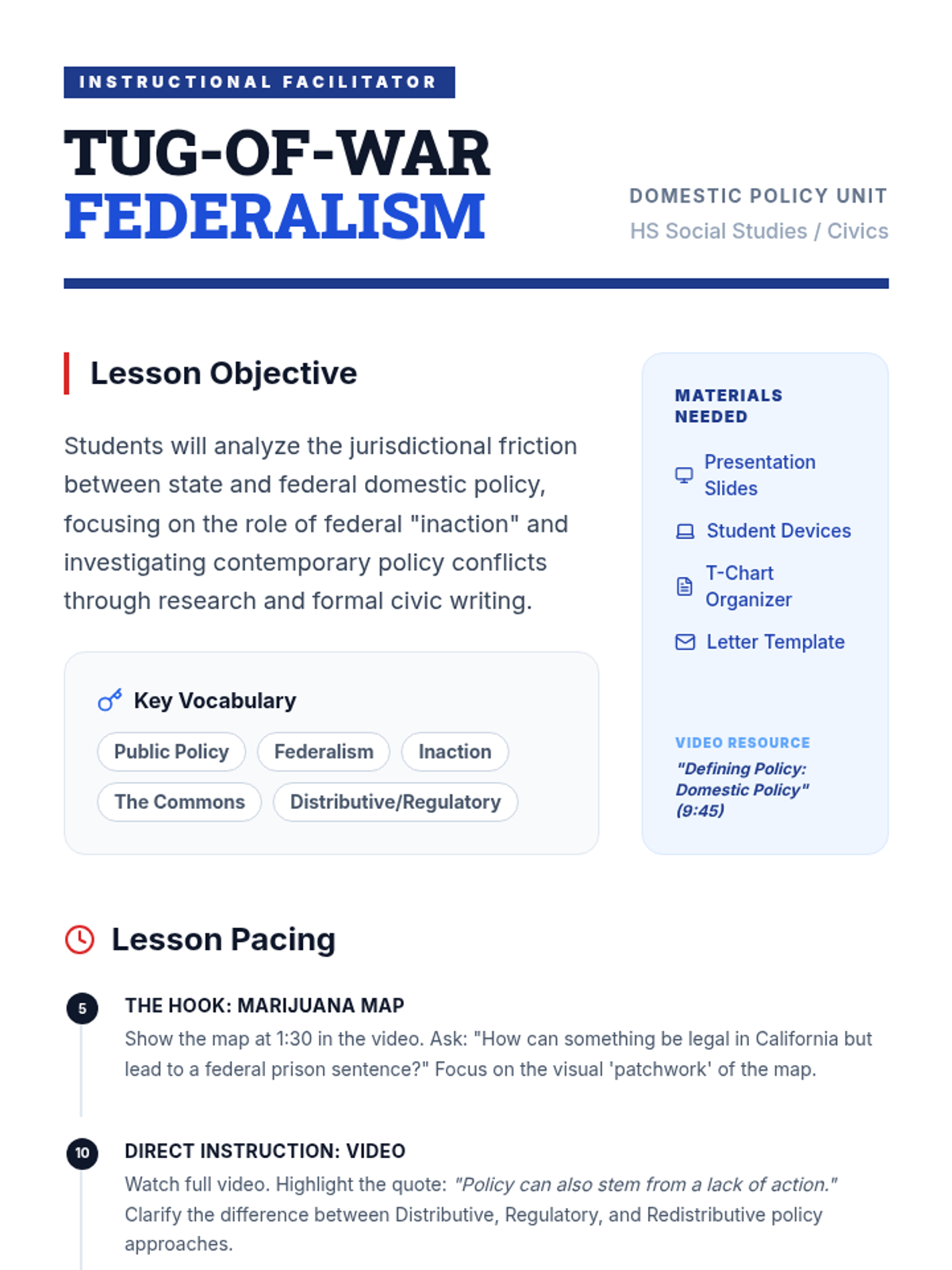
A high school social studies sequence focused on the dynamics of domestic policy, federalism, and the 'tug-of-war' between state and federal jurisdictions. Students explore how policy is created, categorized, and contested in the American system.
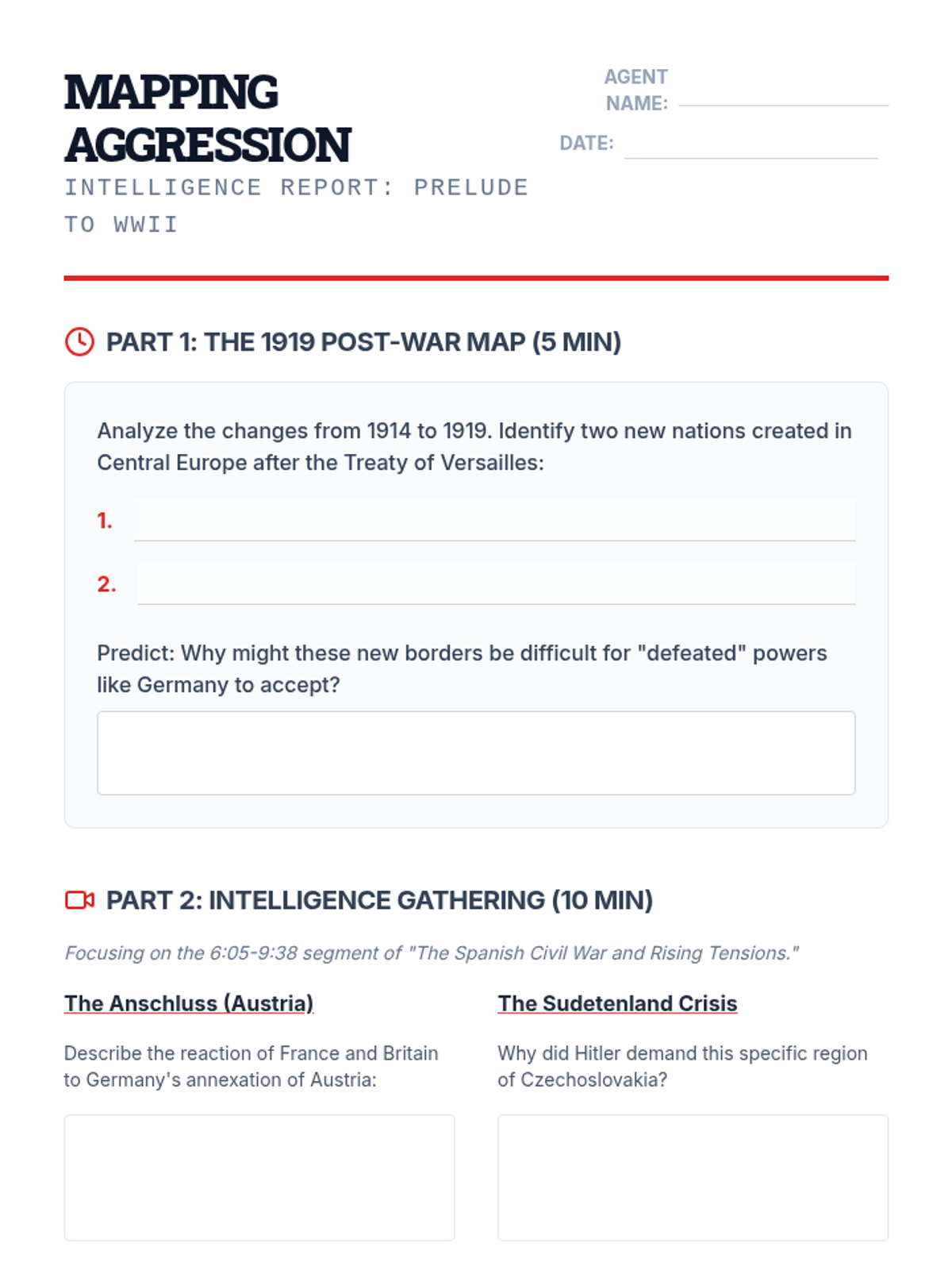
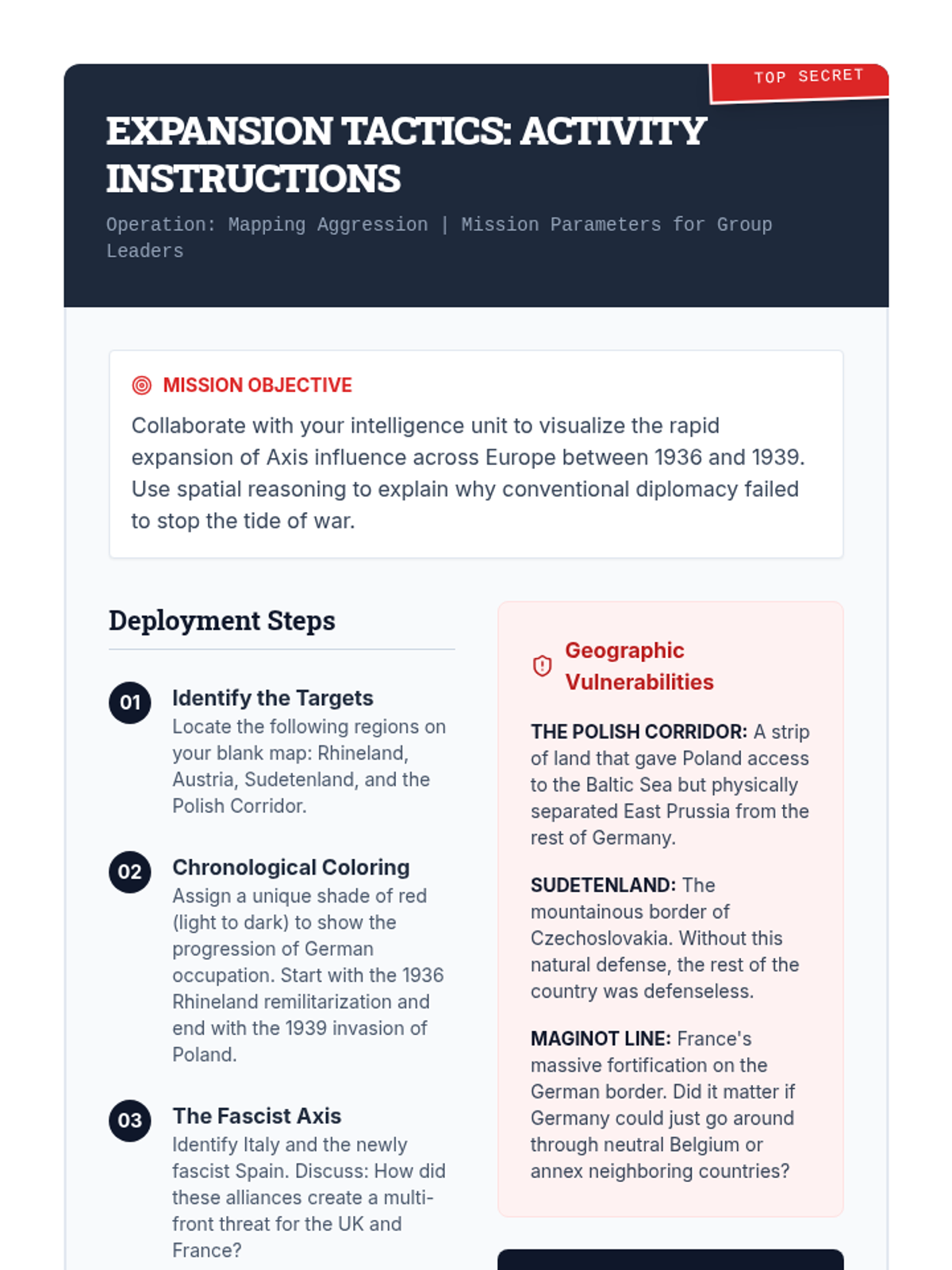
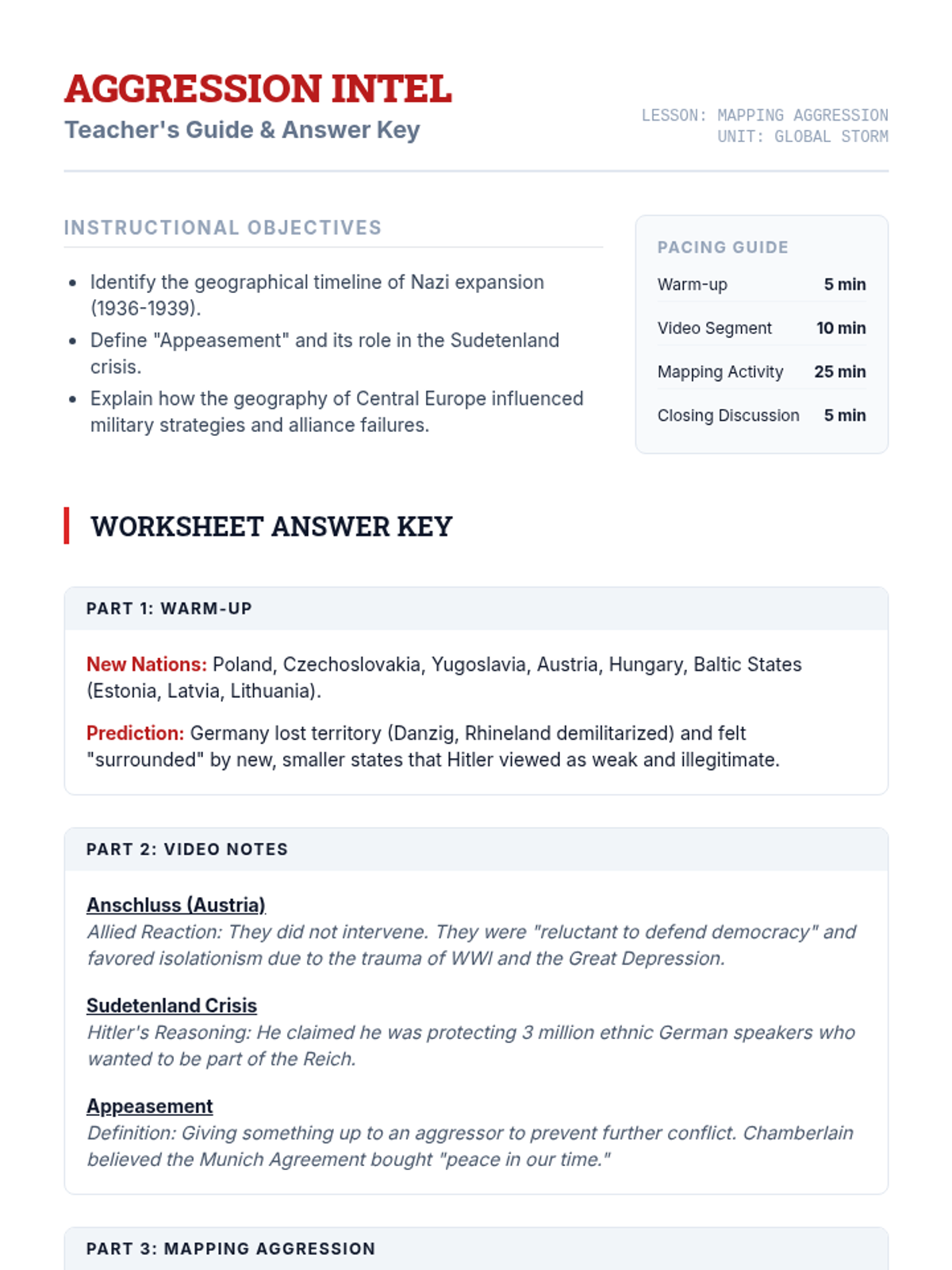
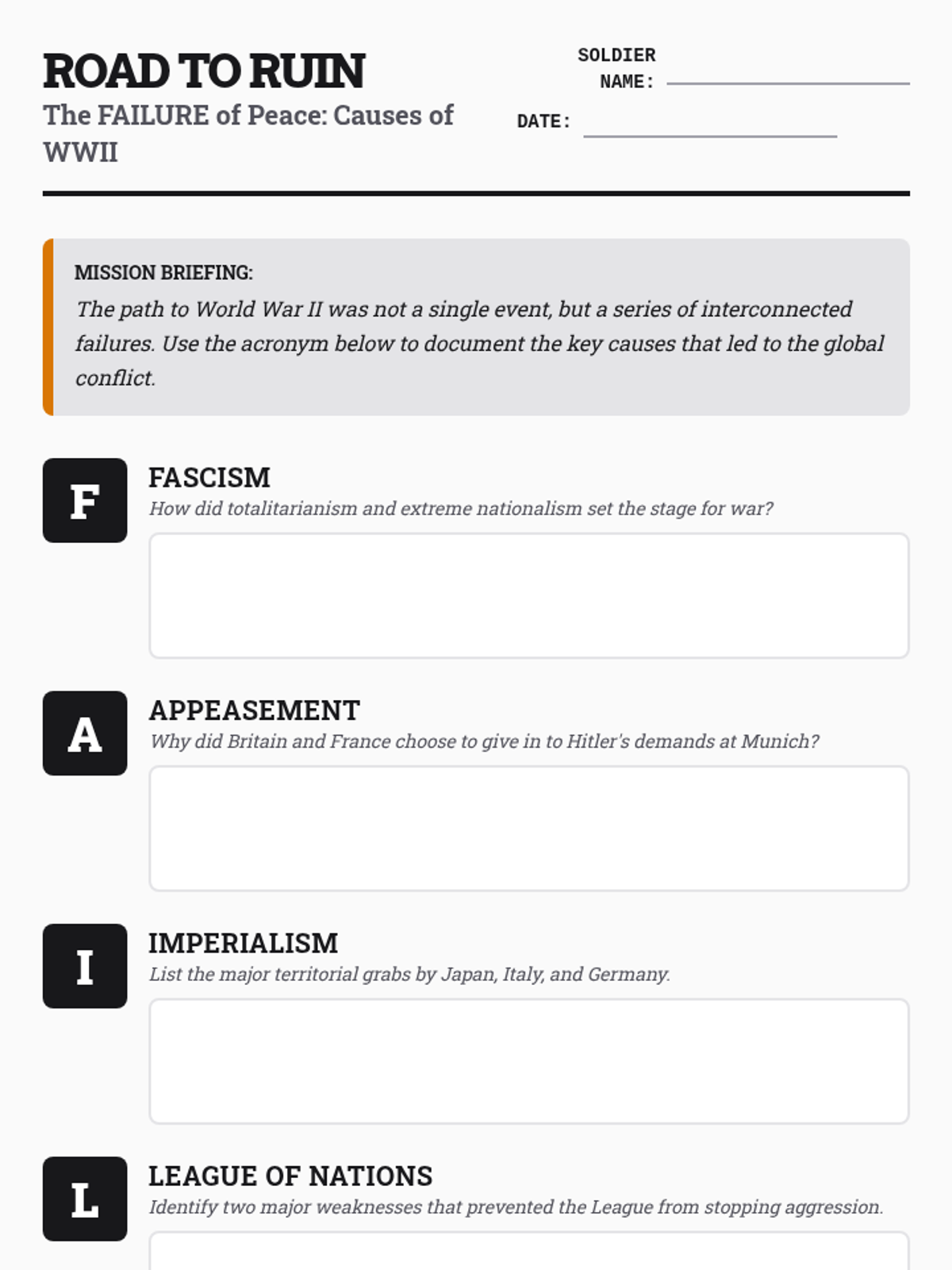
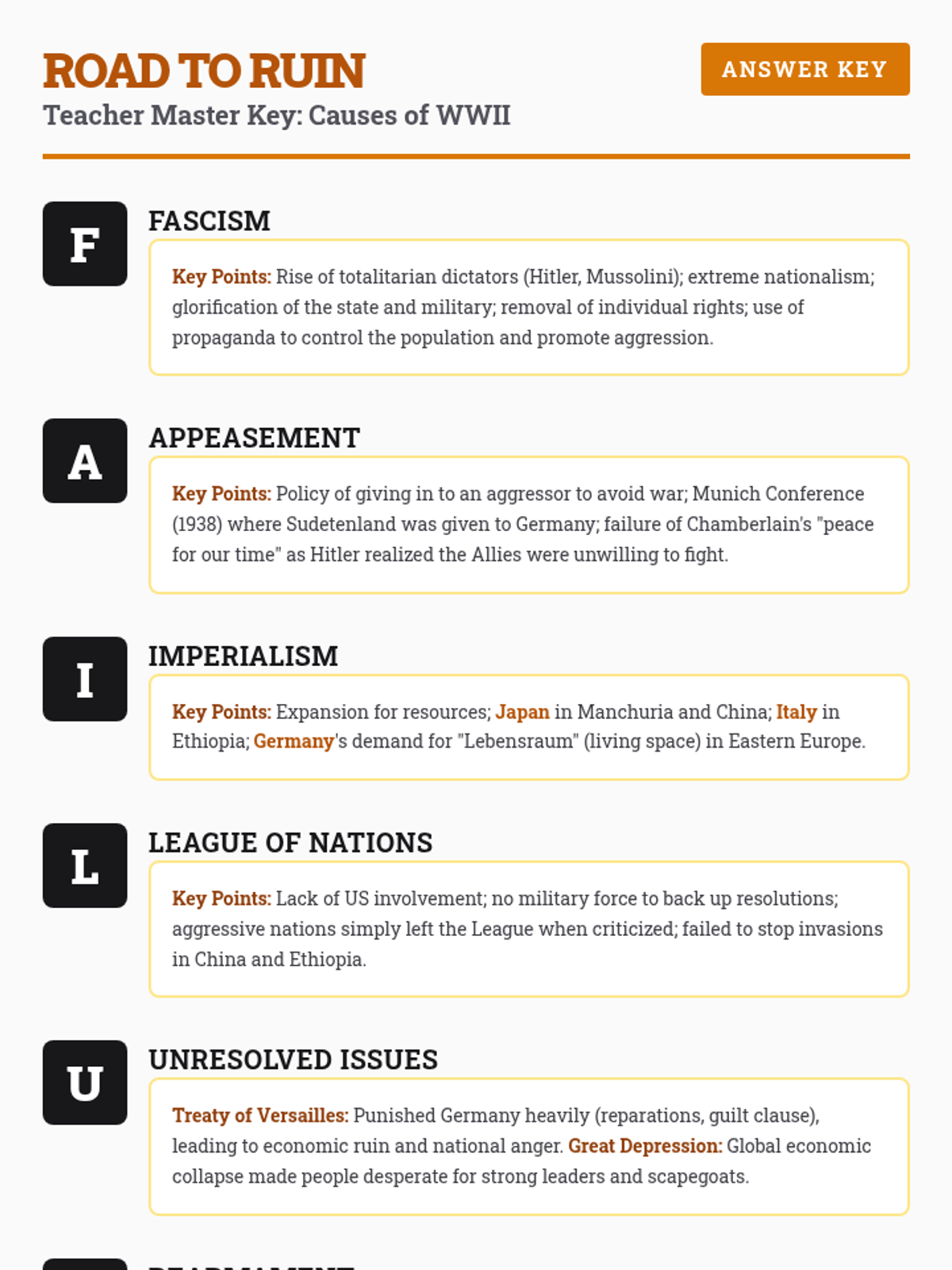
A comprehensive unit exploring the geopolitical shifts, ideological conflicts, and strategic failures that led the world into the Second World War.
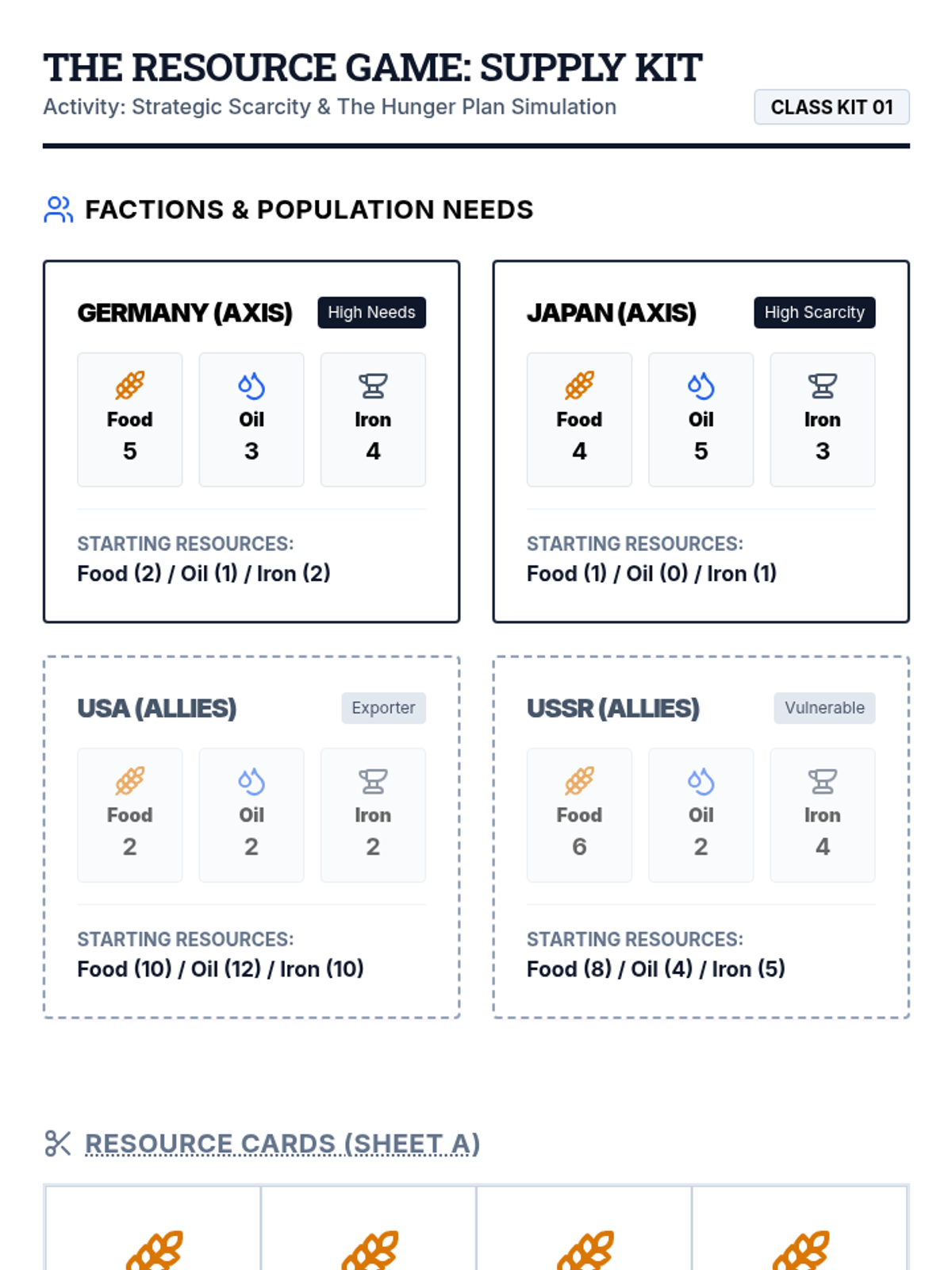
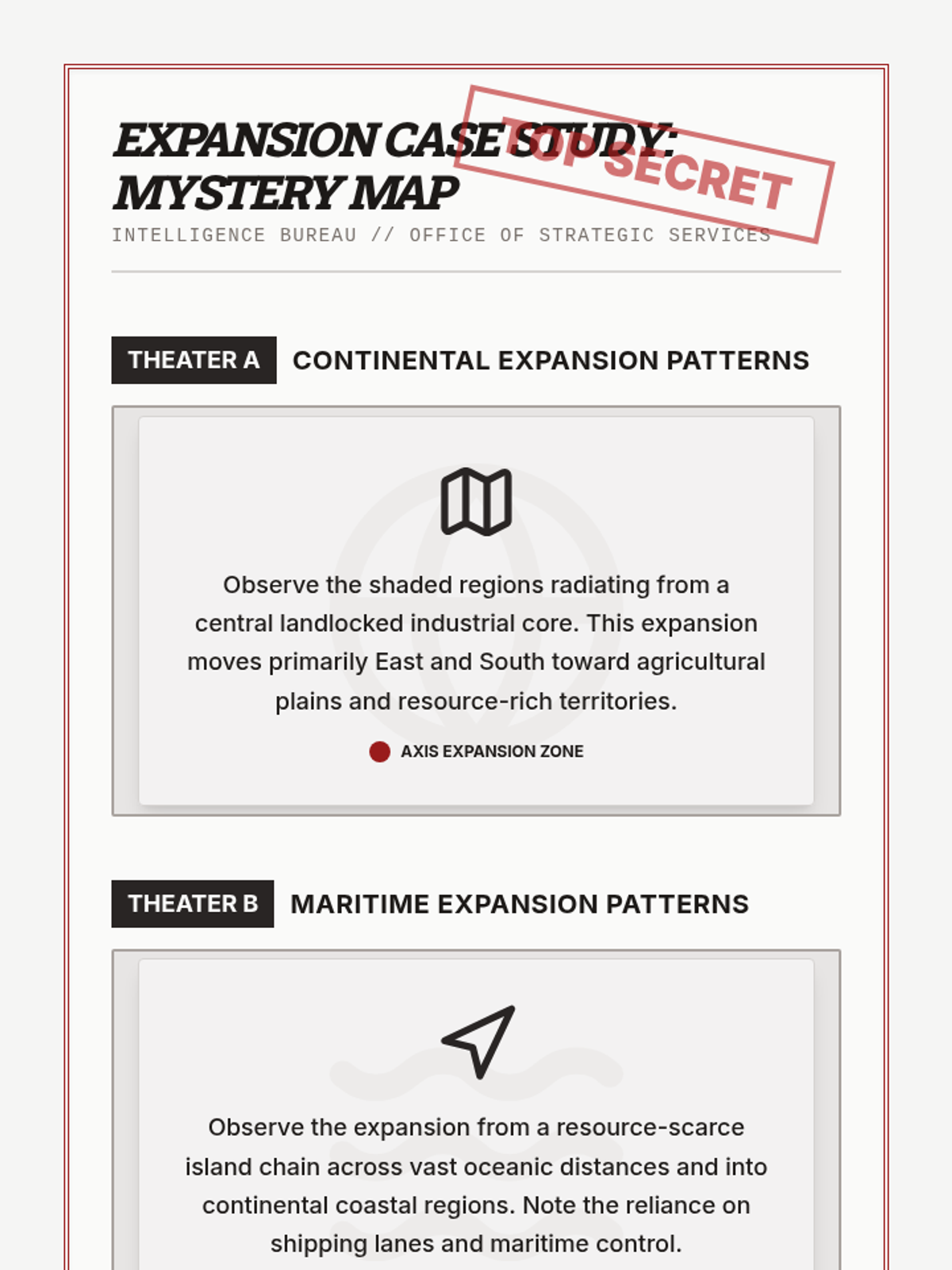
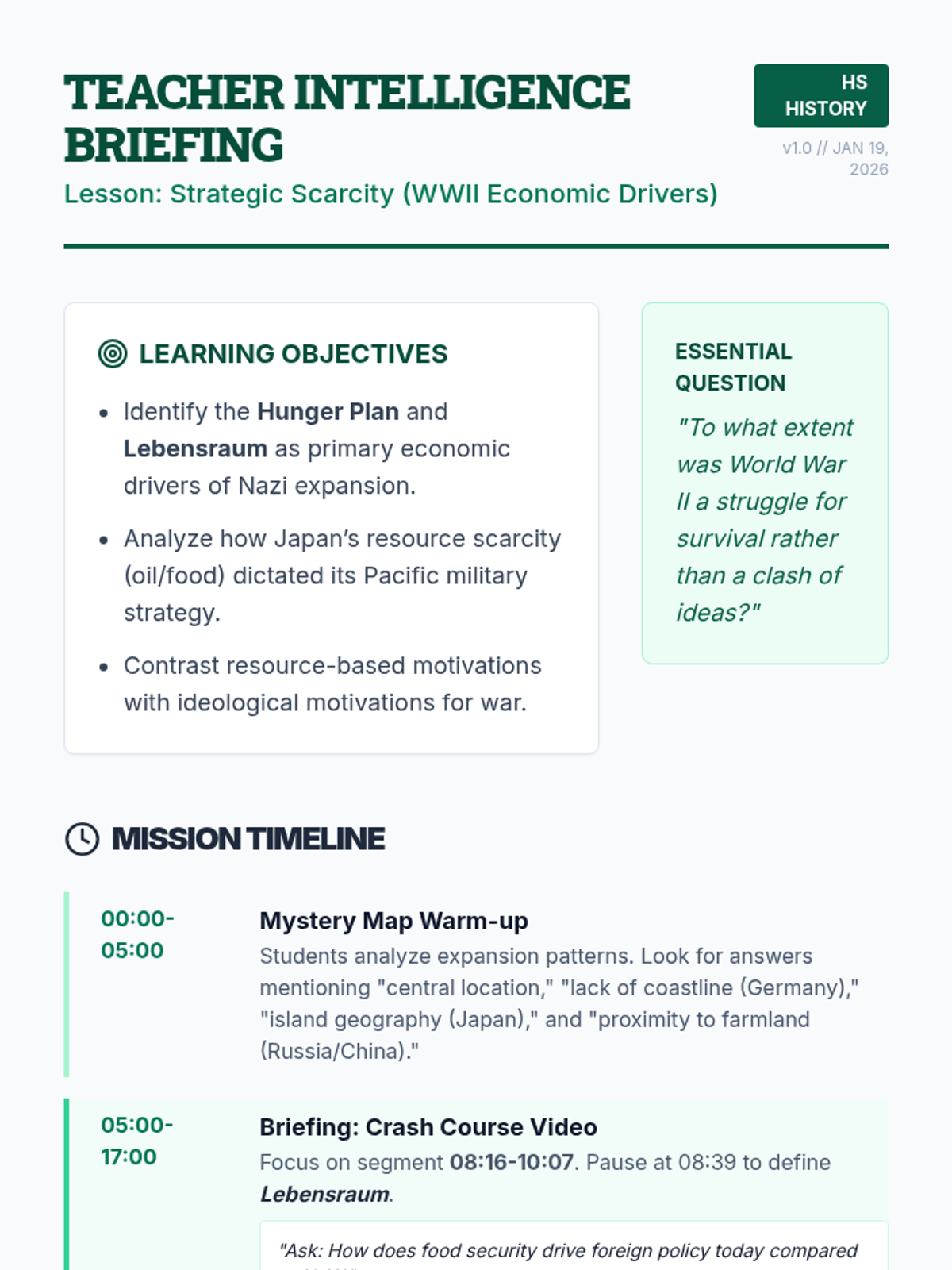
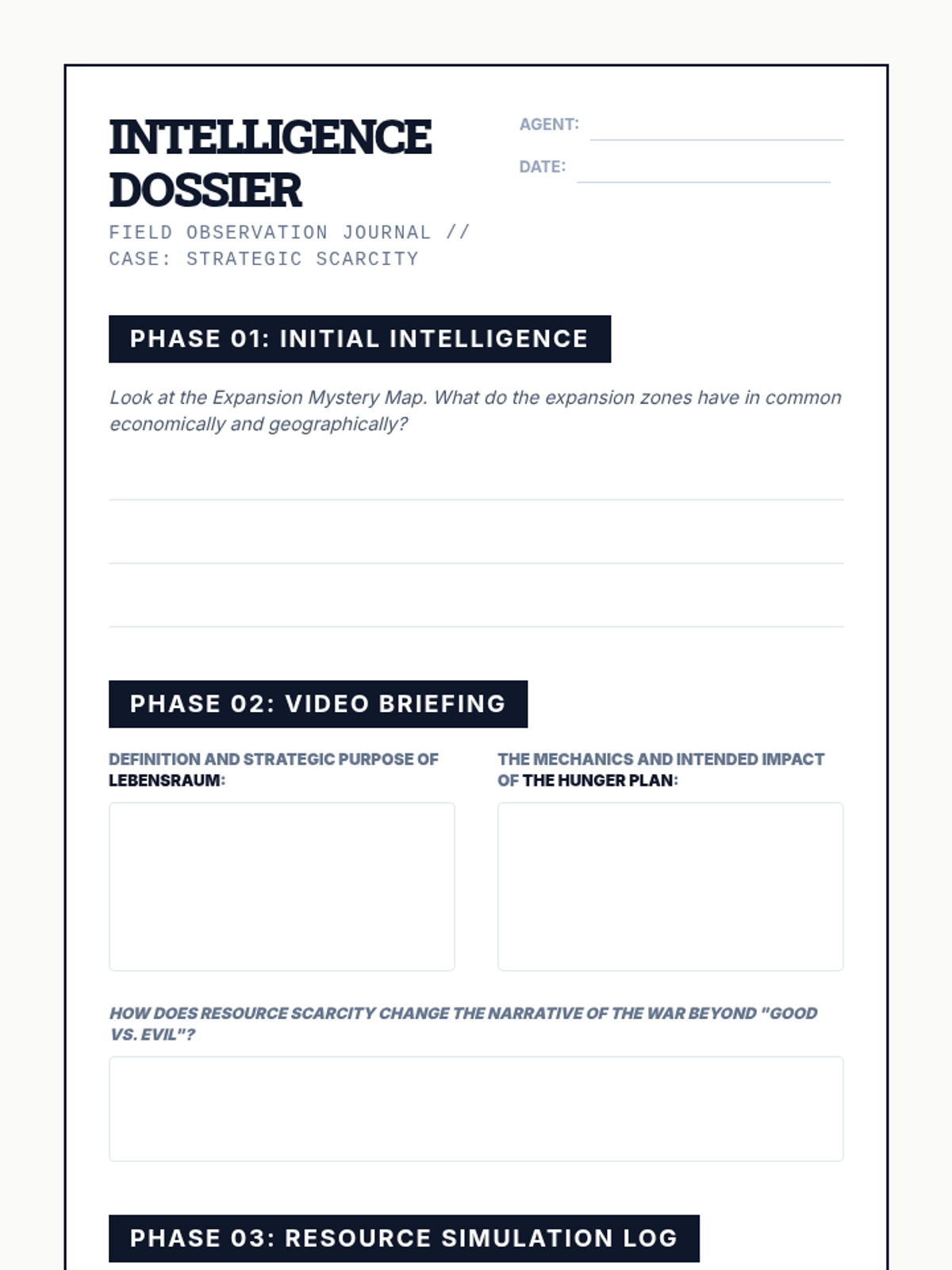
A high school history unit exploring the underlying economic and resource-driven motivations of World War II, moving beyond purely ideological narratives to understand the role of scarcity and expansionism.
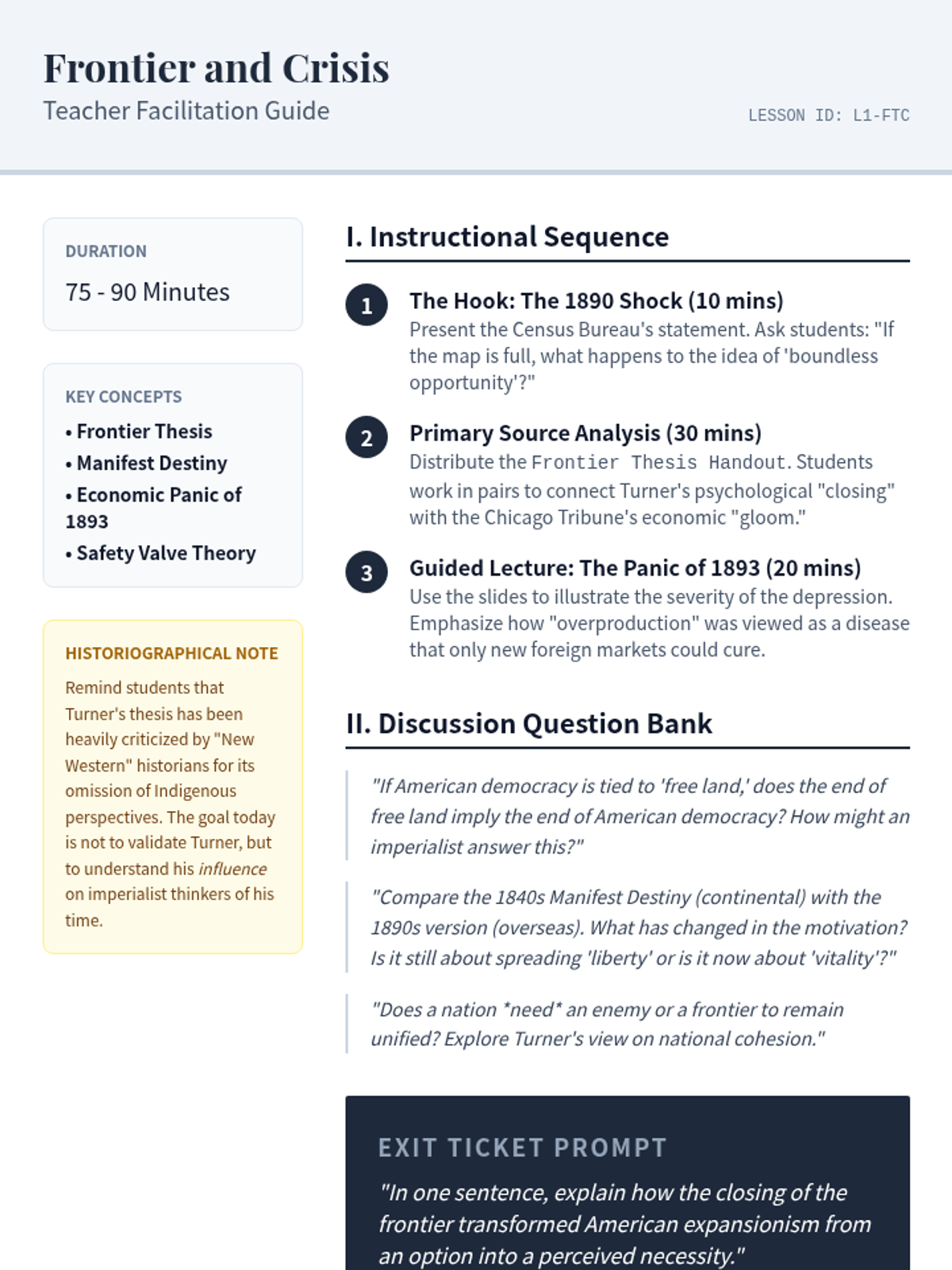
An academic exploration of the intellectual and social frameworks justifying late 19th-century US expansionism, focusing on the Frontier Thesis, naval strategy, and racial ideology.
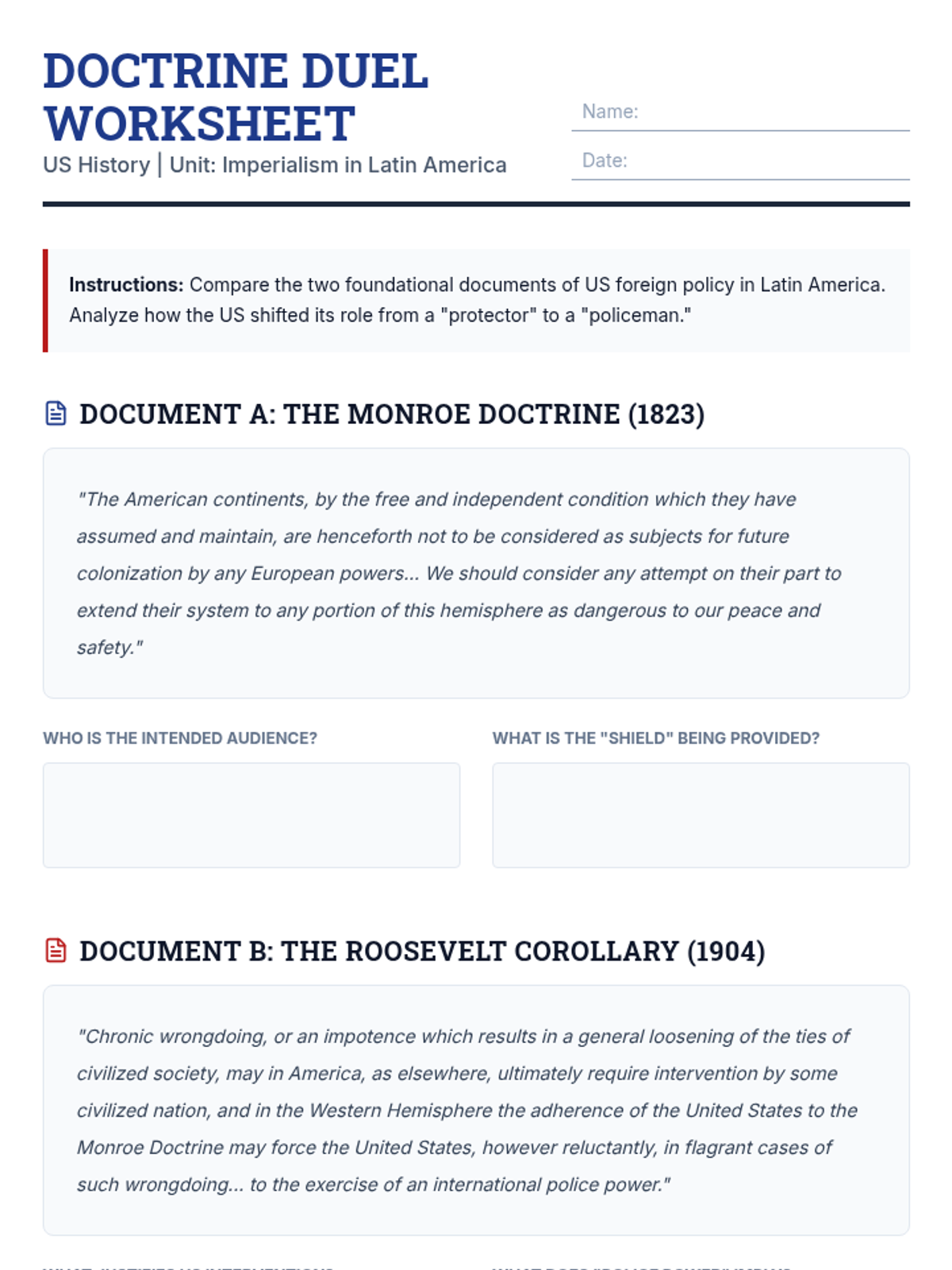
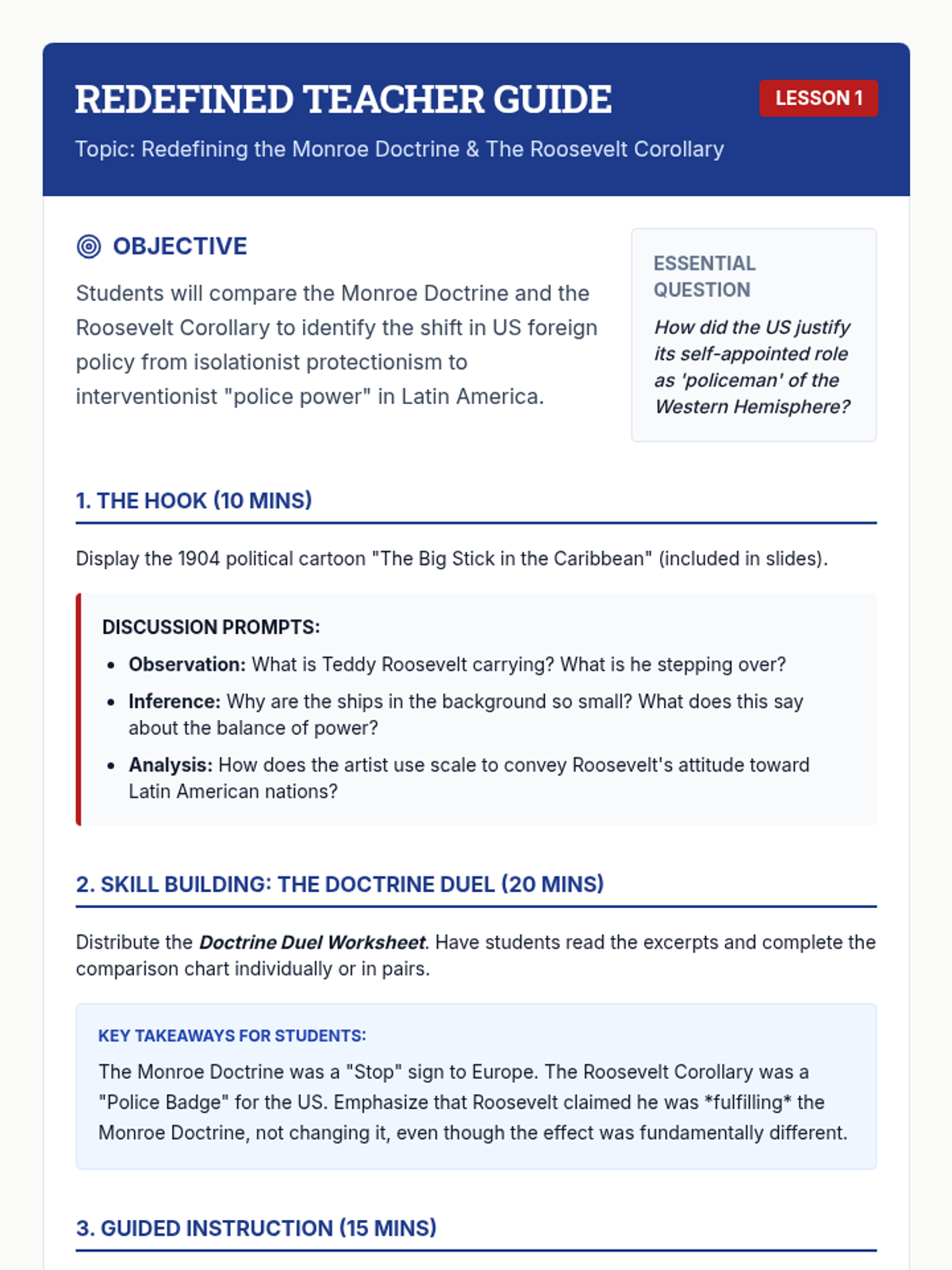
A 5-lesson unit exploring US foreign policy in Latin America from the late 19th to early 20th century, focusing on the shift from protectionism to interventionism through the Big Stick, Dollar, and Moral Diplomacy models.
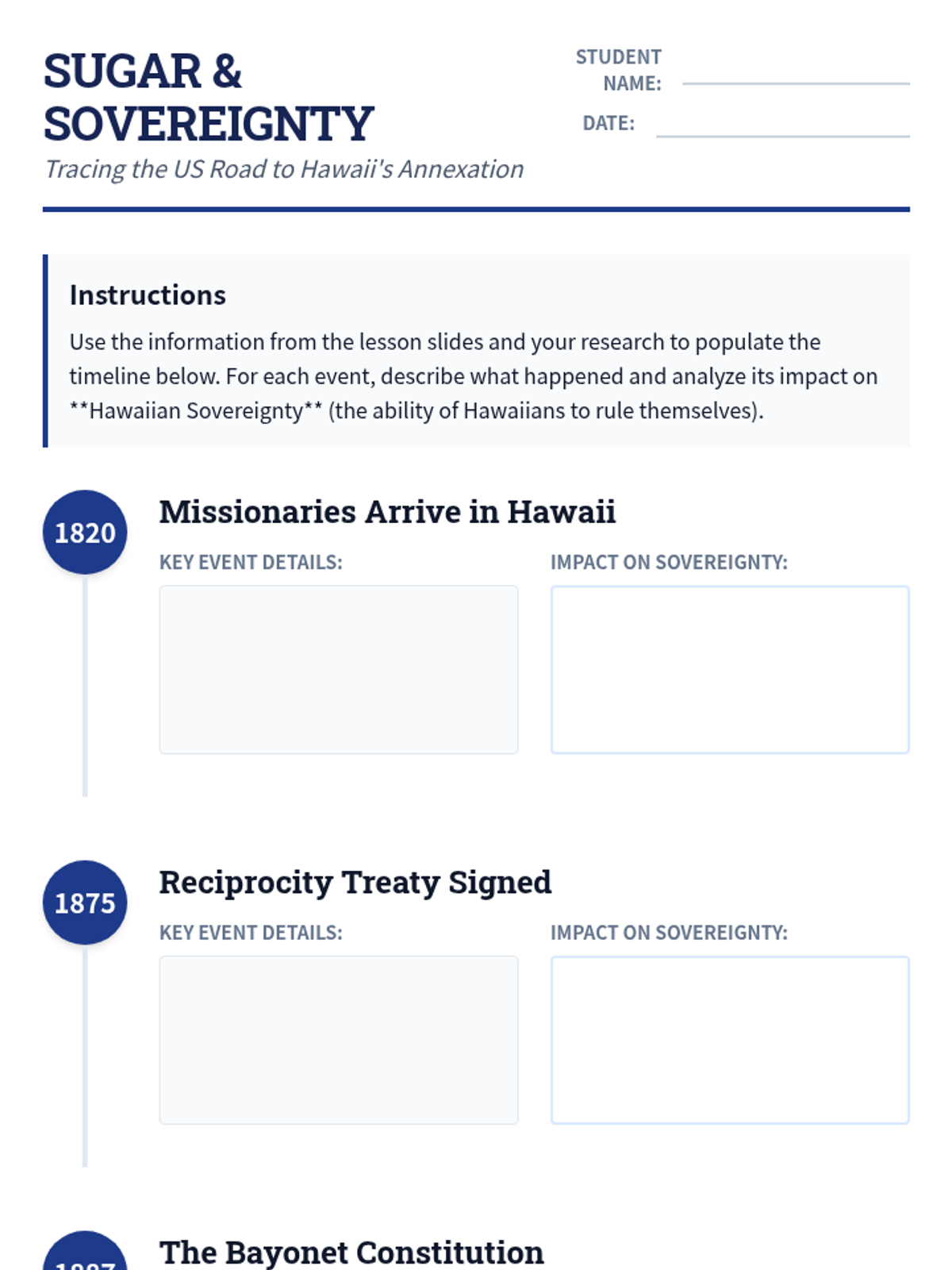
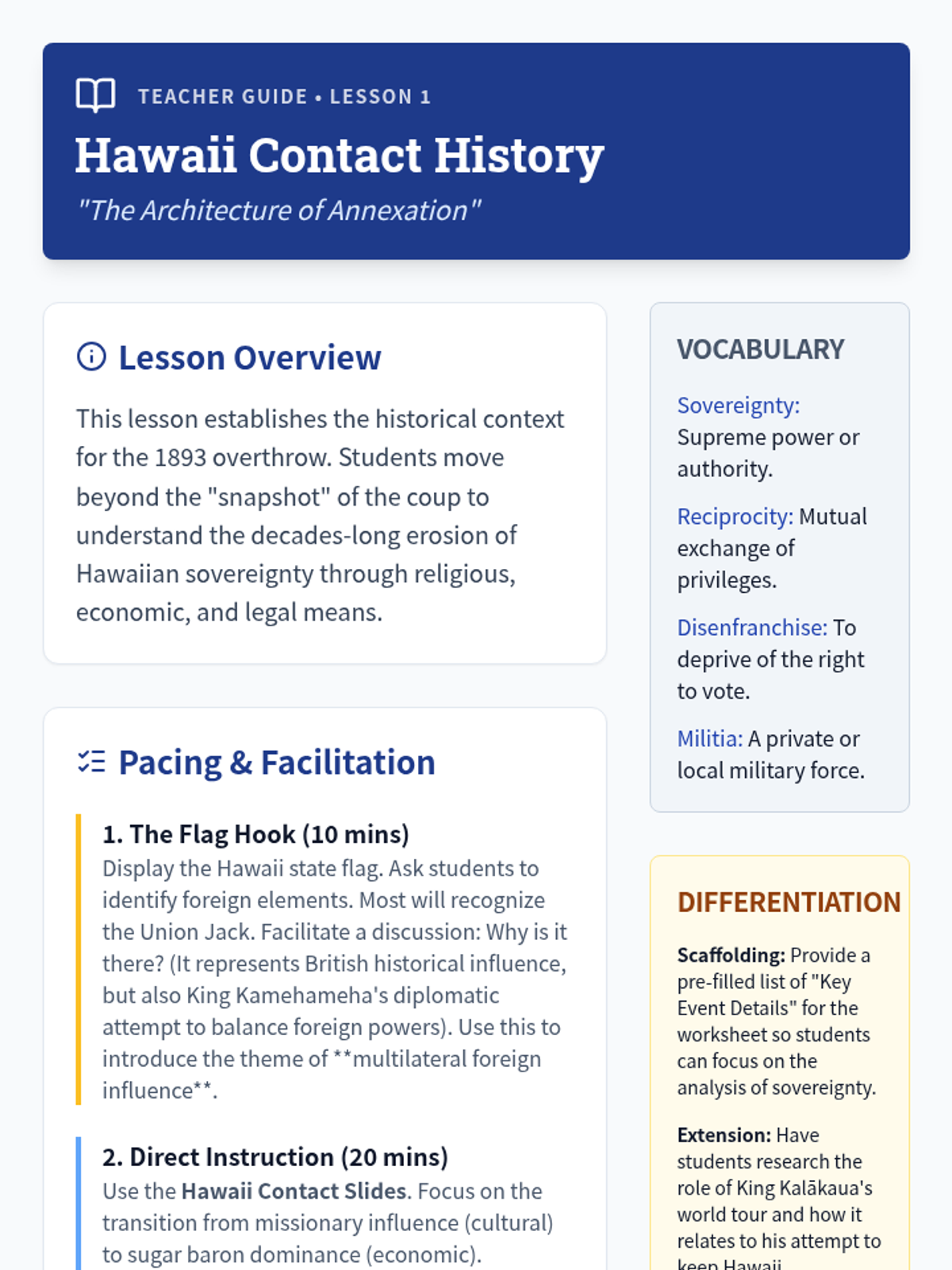
A deep-dive case study into the annexation of Hawaii, exploring the collision of indigenous sovereignty, missionary influence, and corporate interests. Students analyze the transition from a recognized sovereign monarchy to a US territory, evaluating the ethical and political implications of imperialism.
A project-based exploration of US expansion in the Pacific, focusing on the annexation of Hawaii and the Open Door Policy in China. Students analyze the role of corporate interests, diplomatic maneuvering, and the resistance of local populations to understand the mechanics of American imperialism.
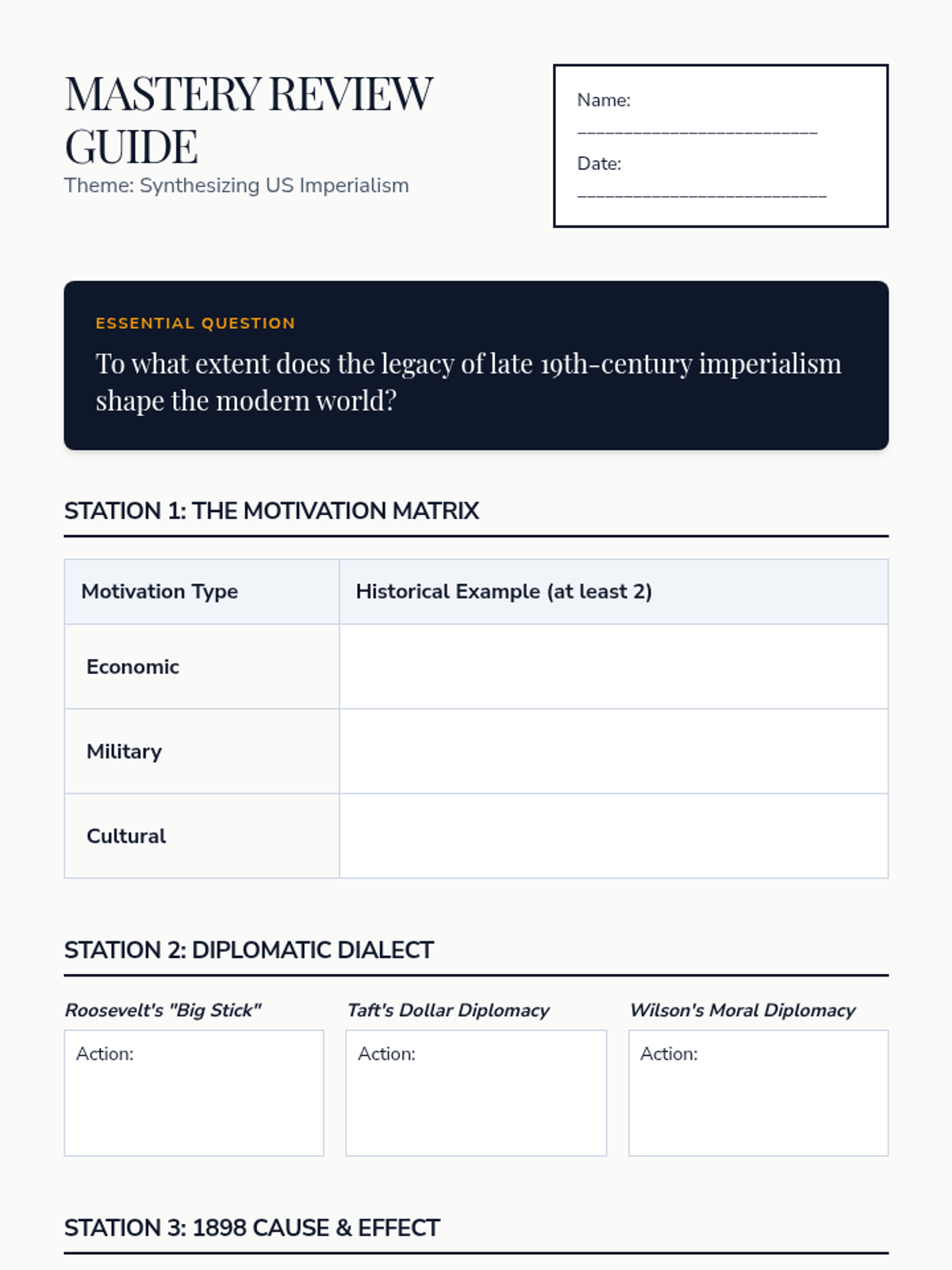
Students evaluate the lasting legacy of US Imperialism through a project-based inquiry. They synthesize historical knowledge to create museum exhibits connecting 19th-century events to modern geopolitical realities.
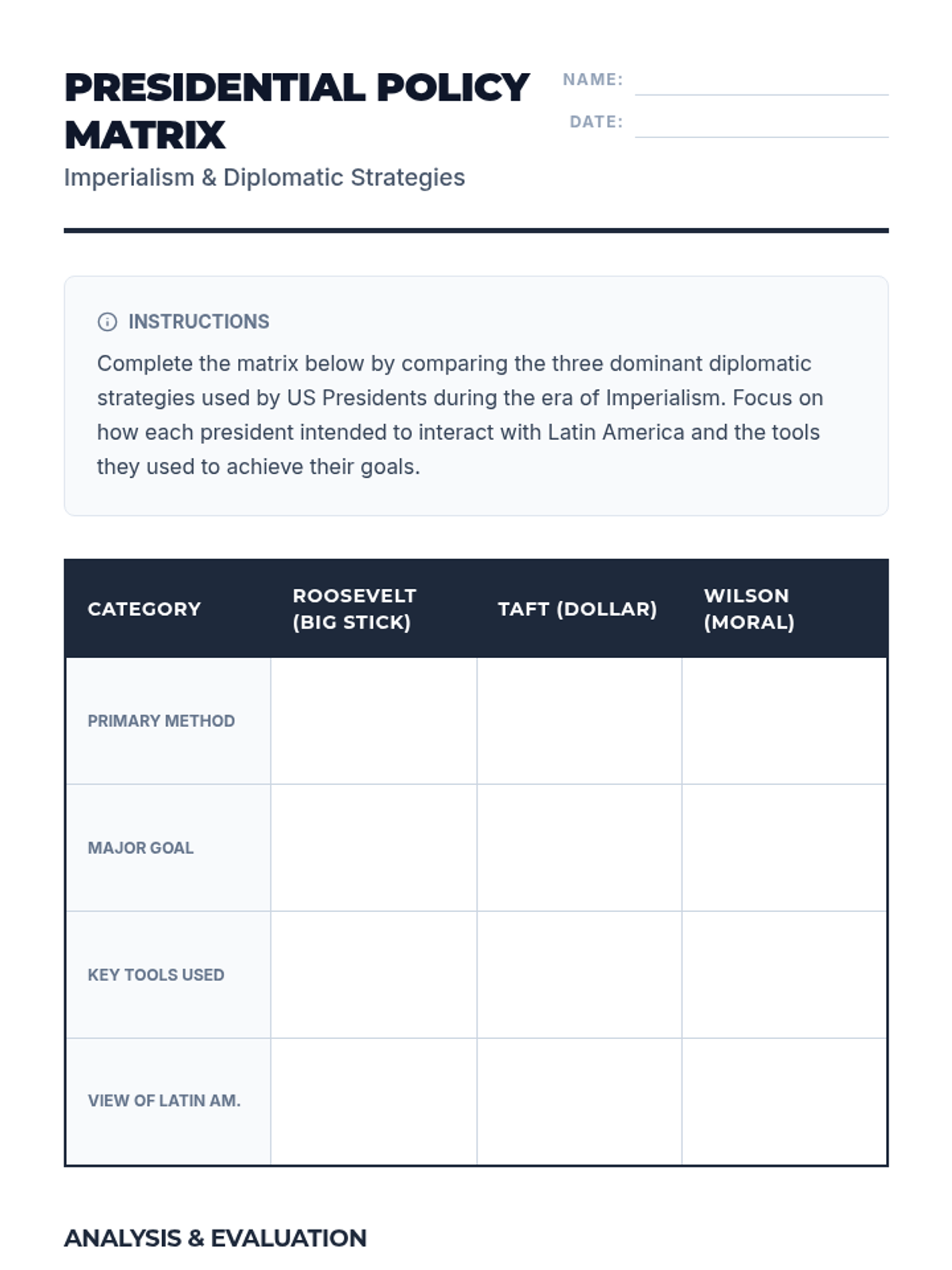
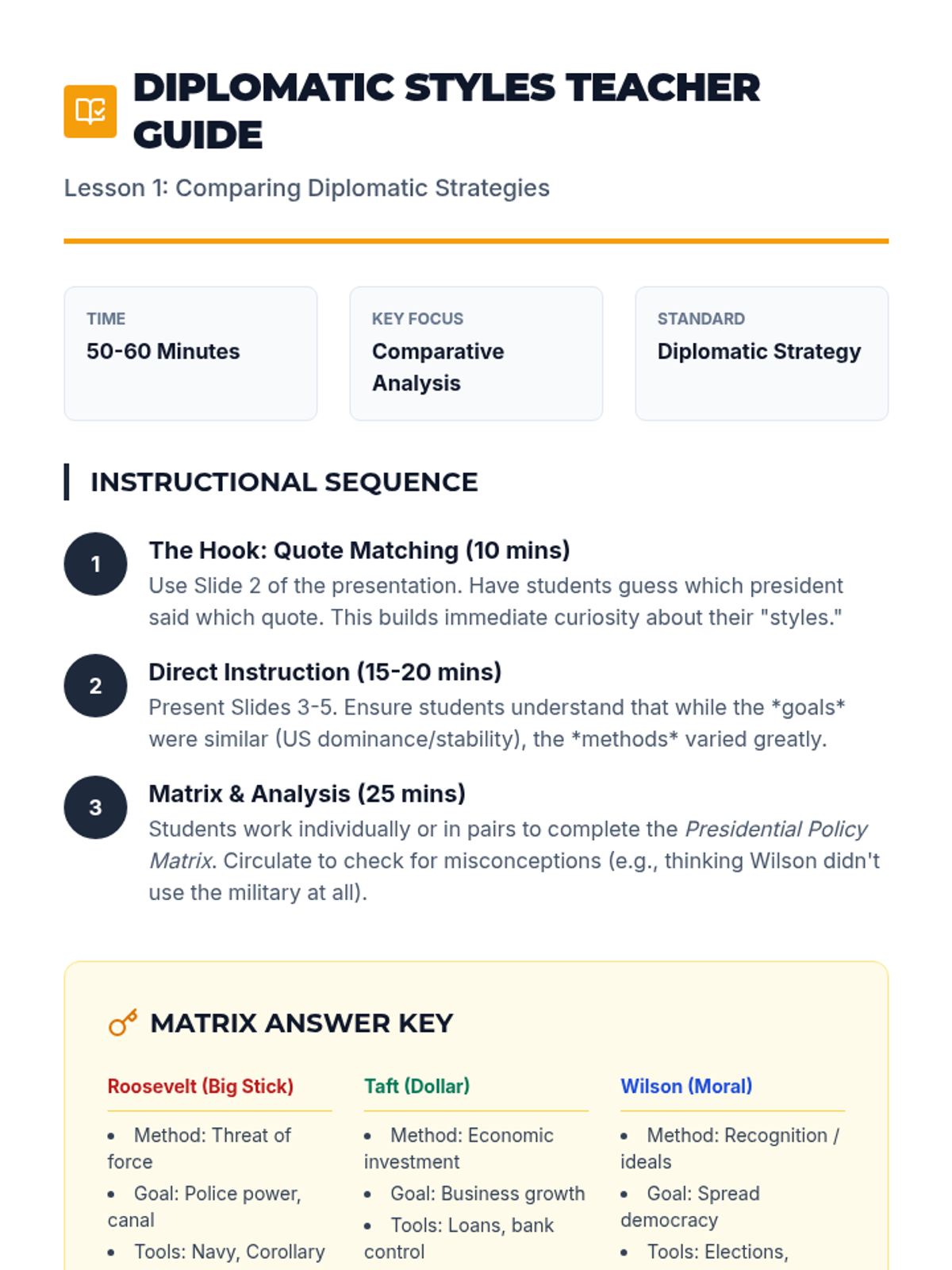
This sequence examines US intervention in Latin America through the lens of diplomatic strategy and presidential foreign policy. Students analyze the 'Big Stick,' 'Dollar,' and 'Moral' diplomacies, simulate the Panama Canal acquisition, and evaluate the long-term impacts of US hegemony.
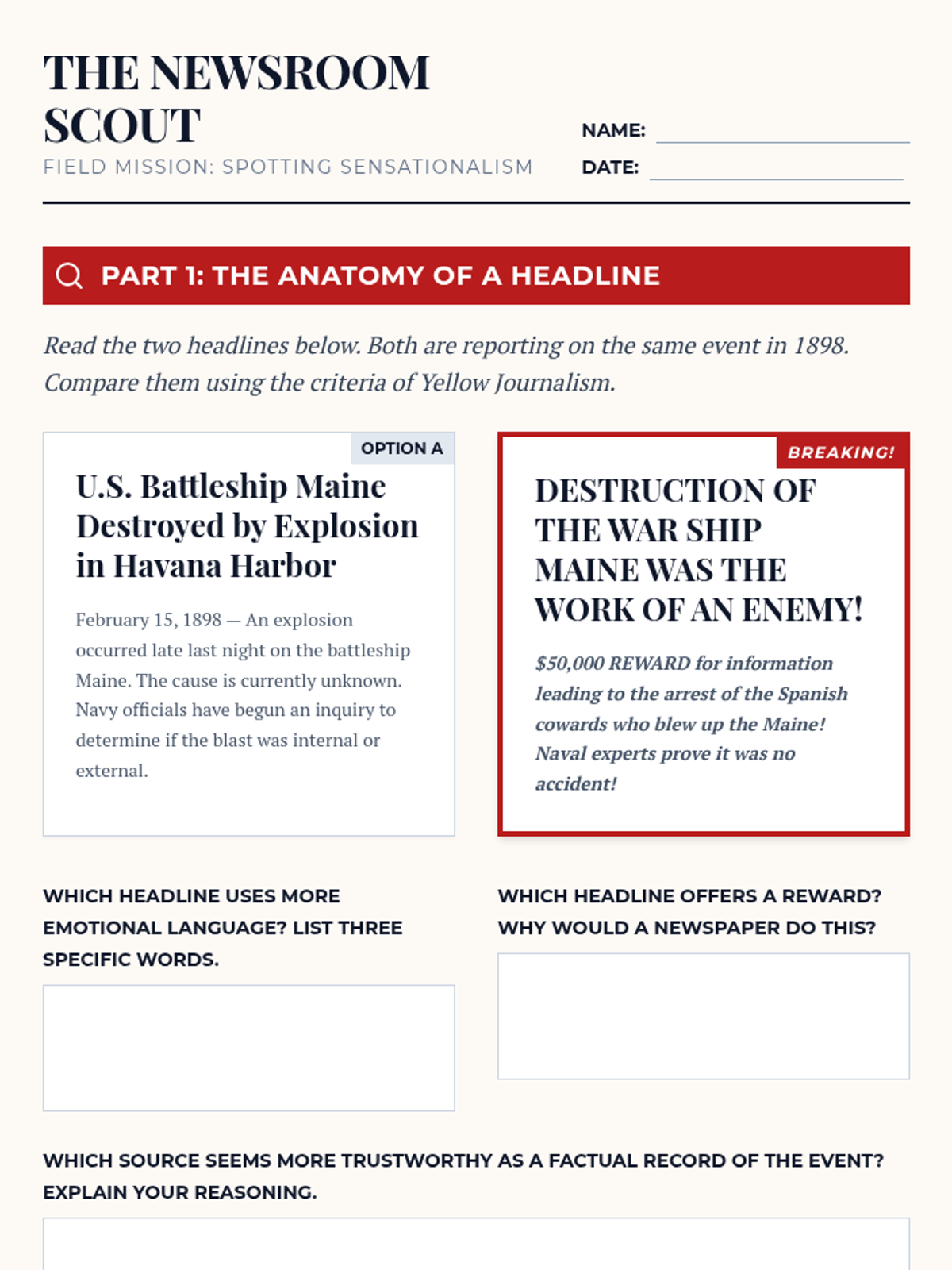
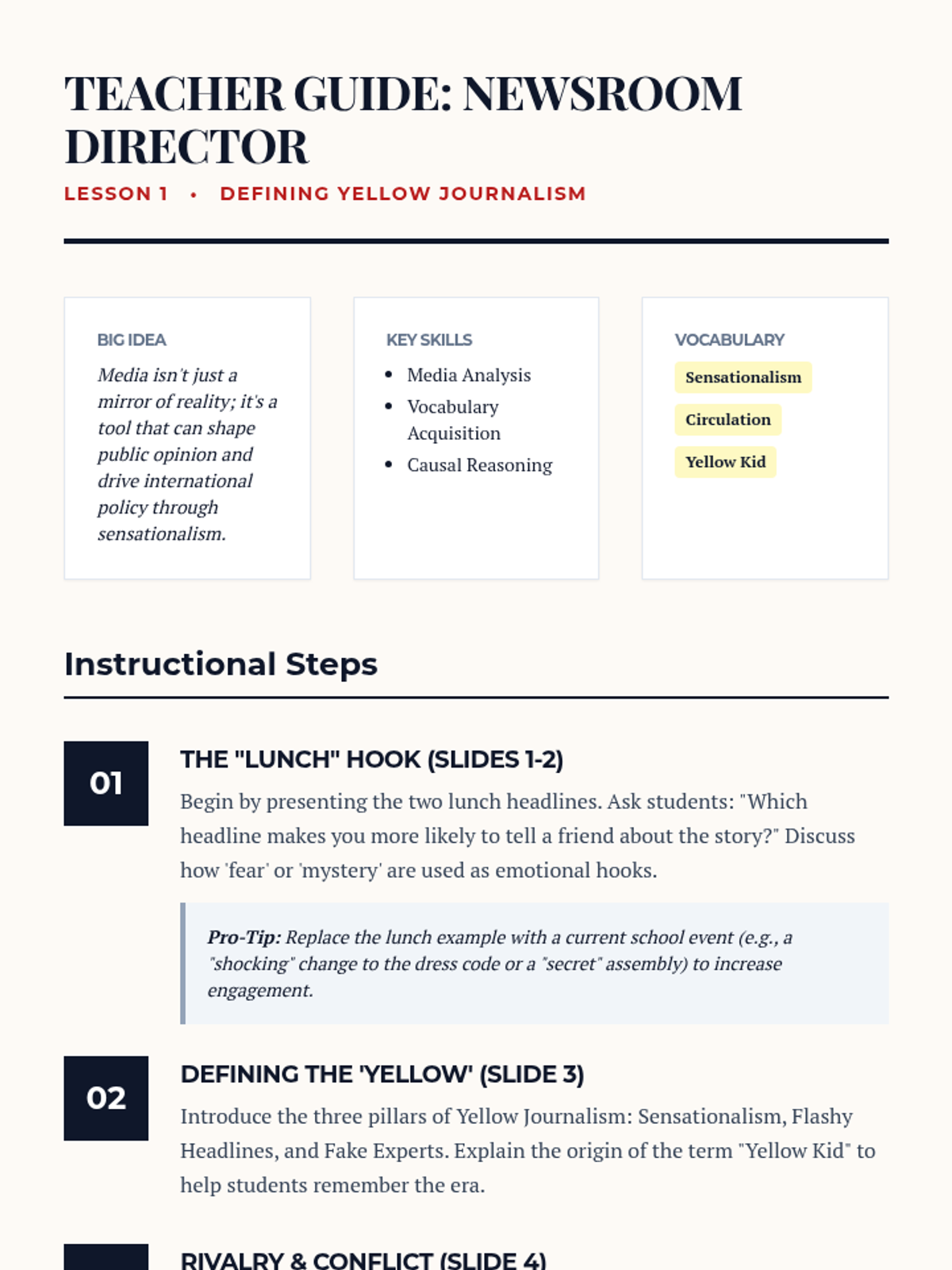
This sequence investigates the role of media and public opinion in the outbreak of the Spanish-American War. Students act as historians and media critics, examining how 'Yellow Journalism' influenced the American entry into the conflict, from the sinking of the USS Maine to modern media parallels.
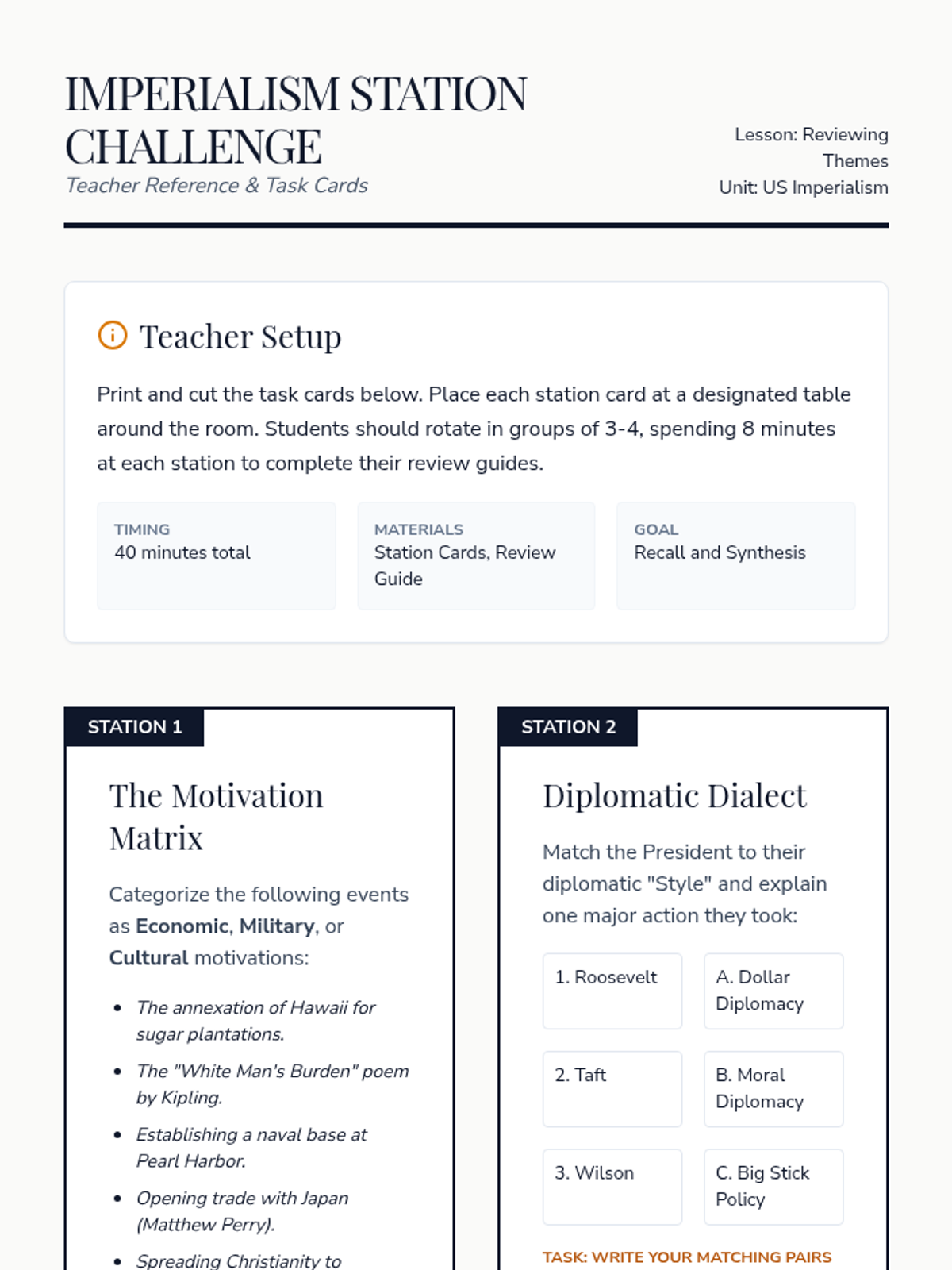
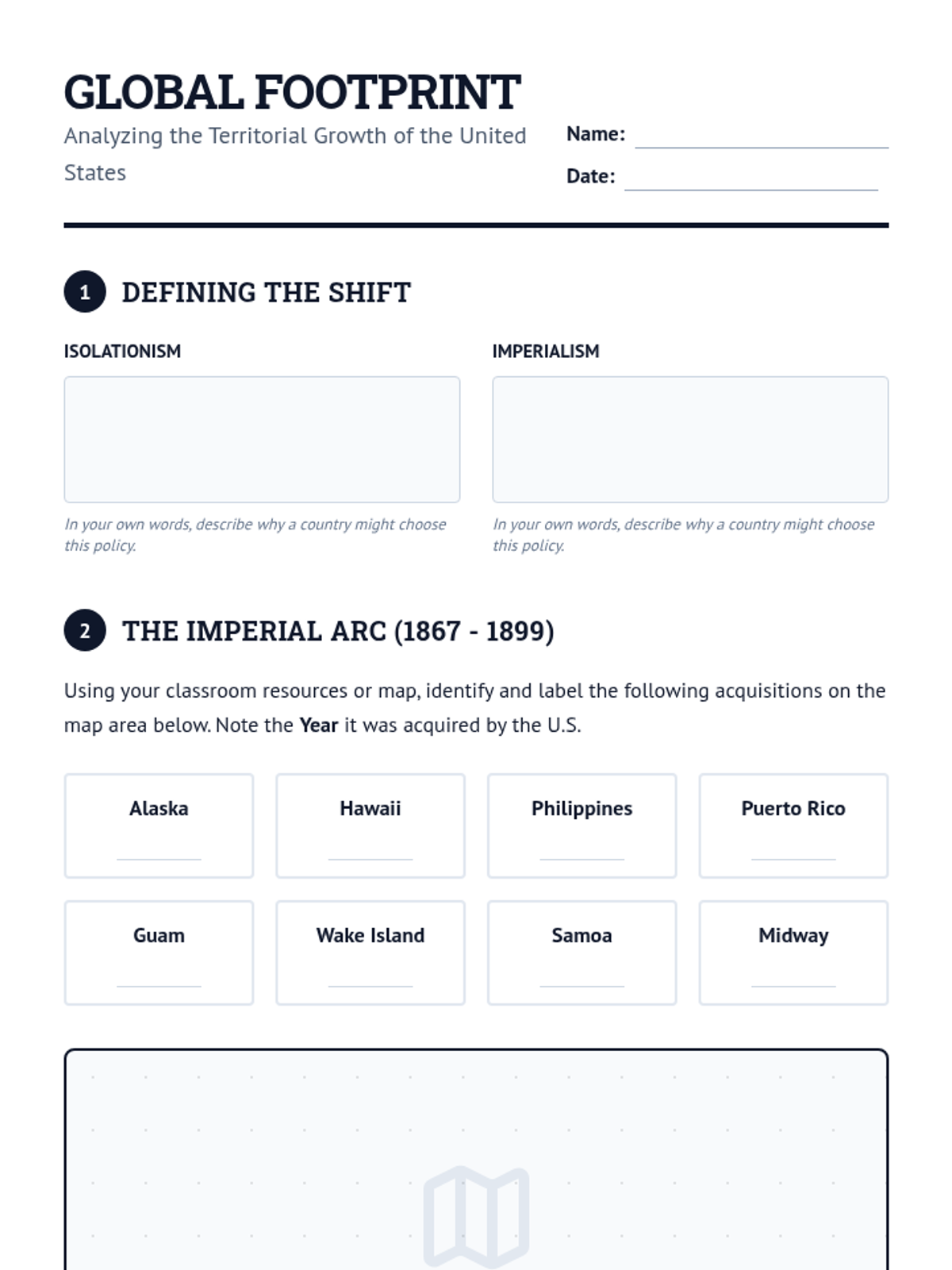
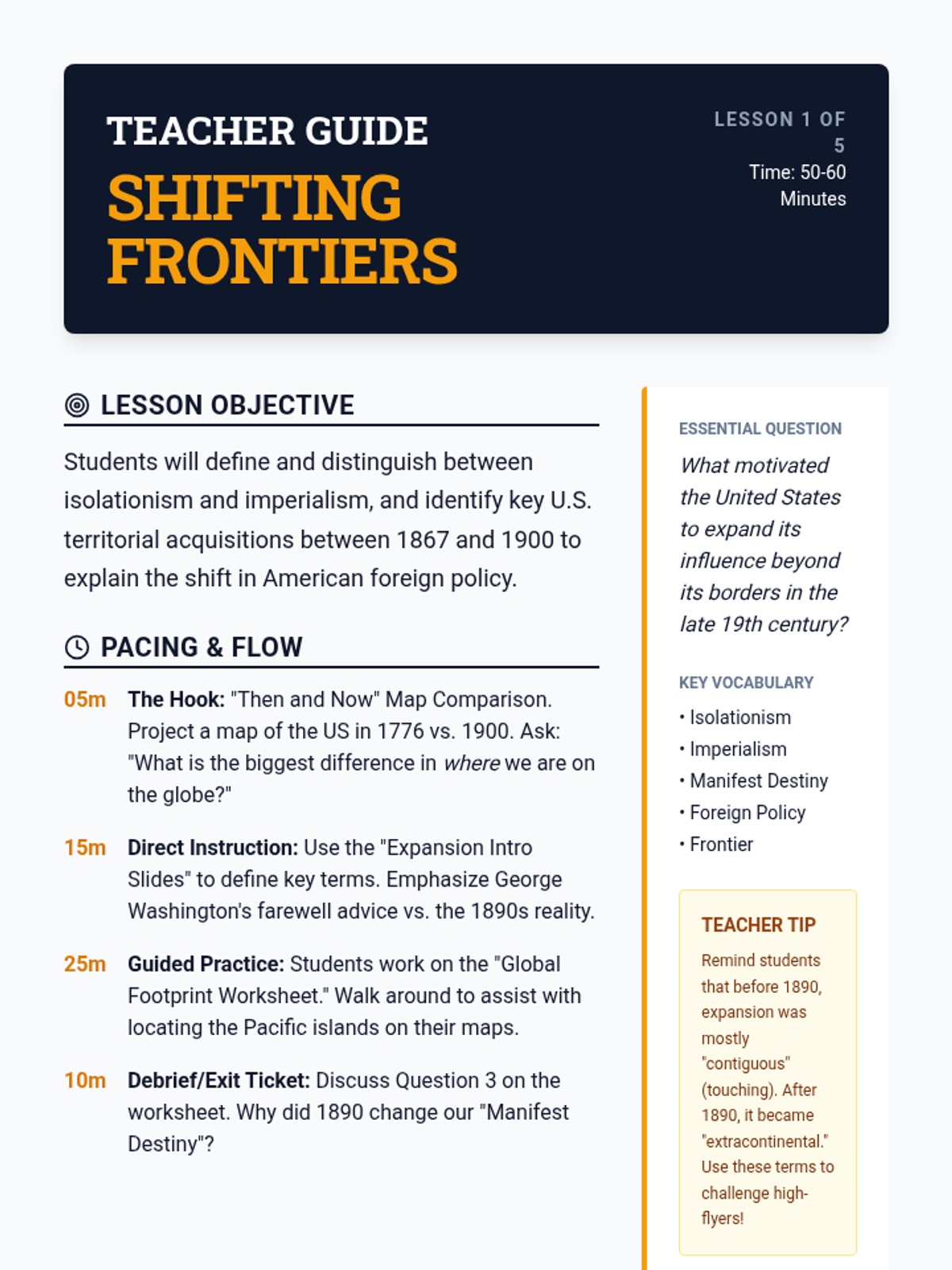
This sequence guides students through the fundamental shift in United States foreign policy during the late 19th century, moving from isolationism to expansionism. Students investigate the tripartite motivations of economic growth, military strategy, and cultural ideology that drove American imperialism through primary source analysis and mapping activities.
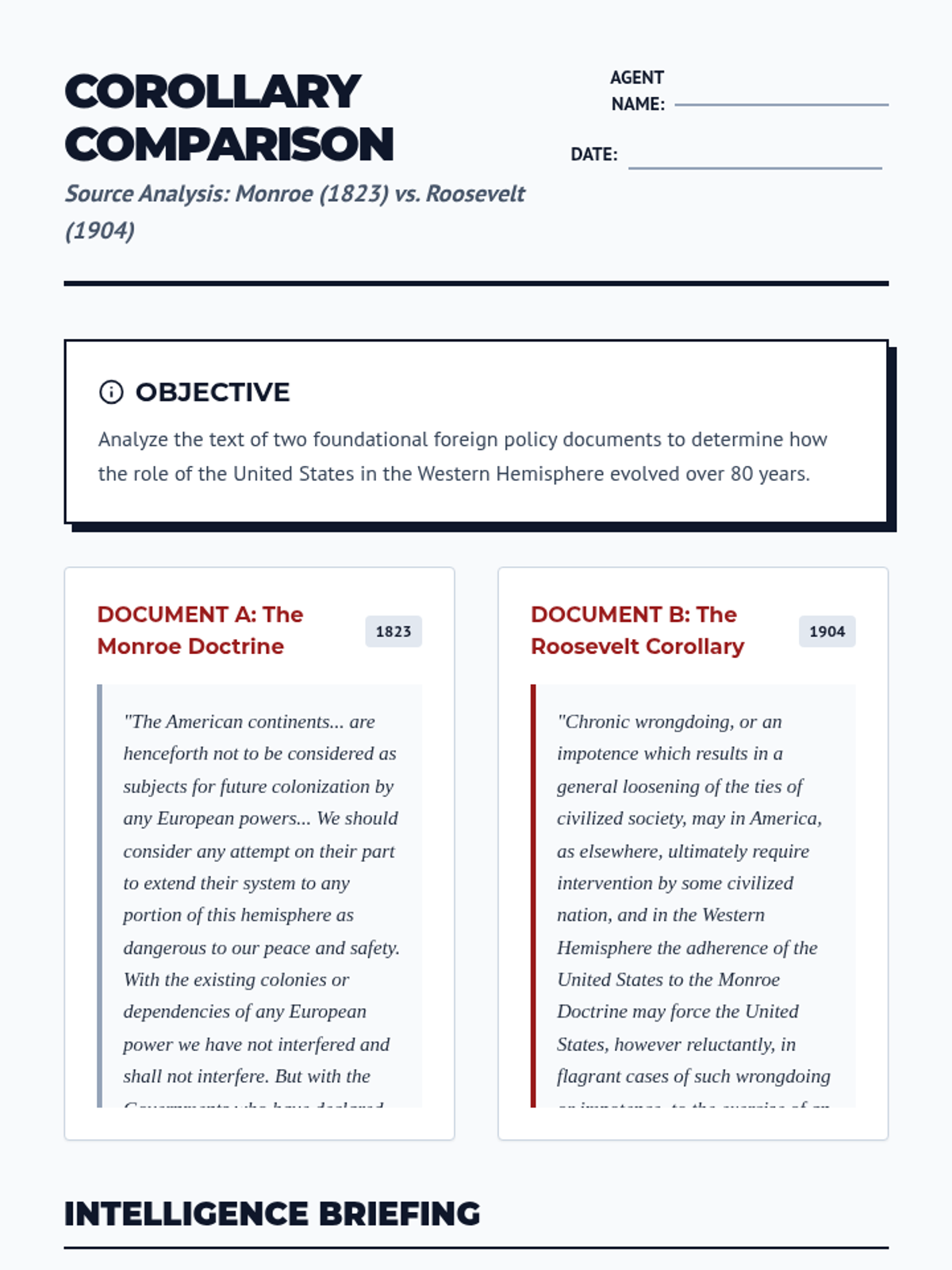
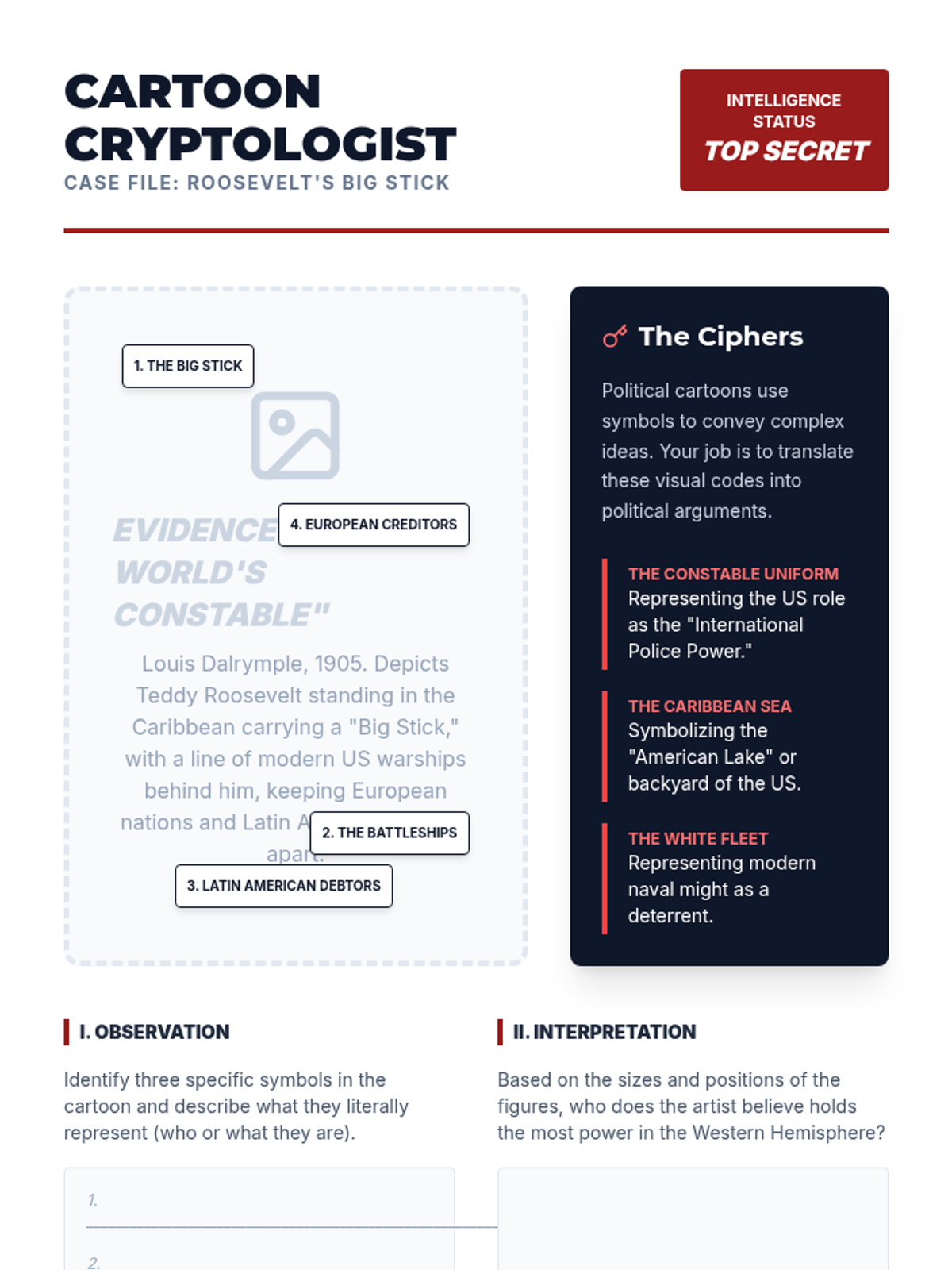
A comprehensive exploration of US interventionism in Latin America during the early 20th century, focusing on the evolution of foreign policy from the Roosevelt Corollary to Wilson's Moral Diplomacy. Students analyze primary sources, political cartoons, and economic data to evaluate the impact of American hegemony.
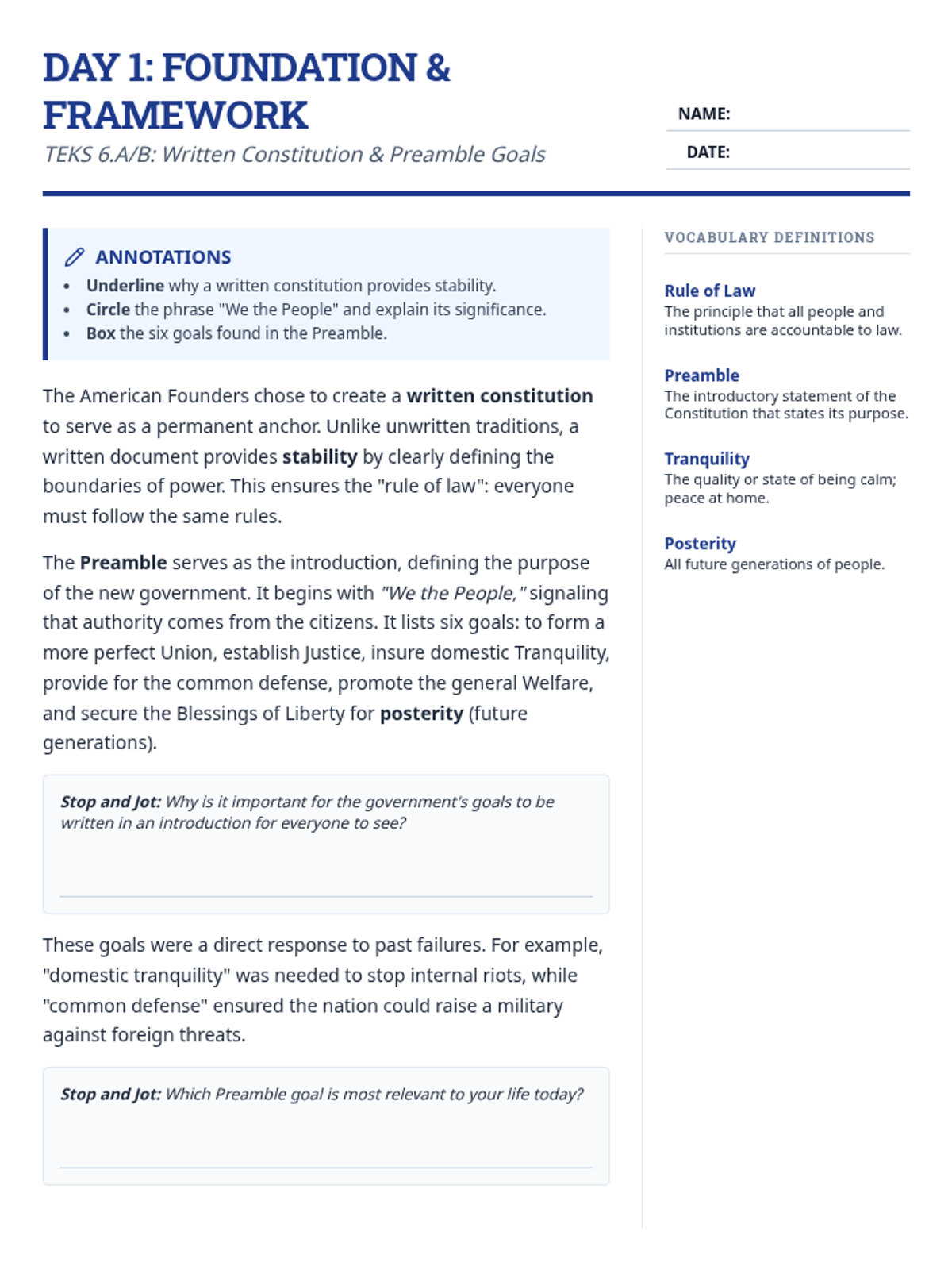
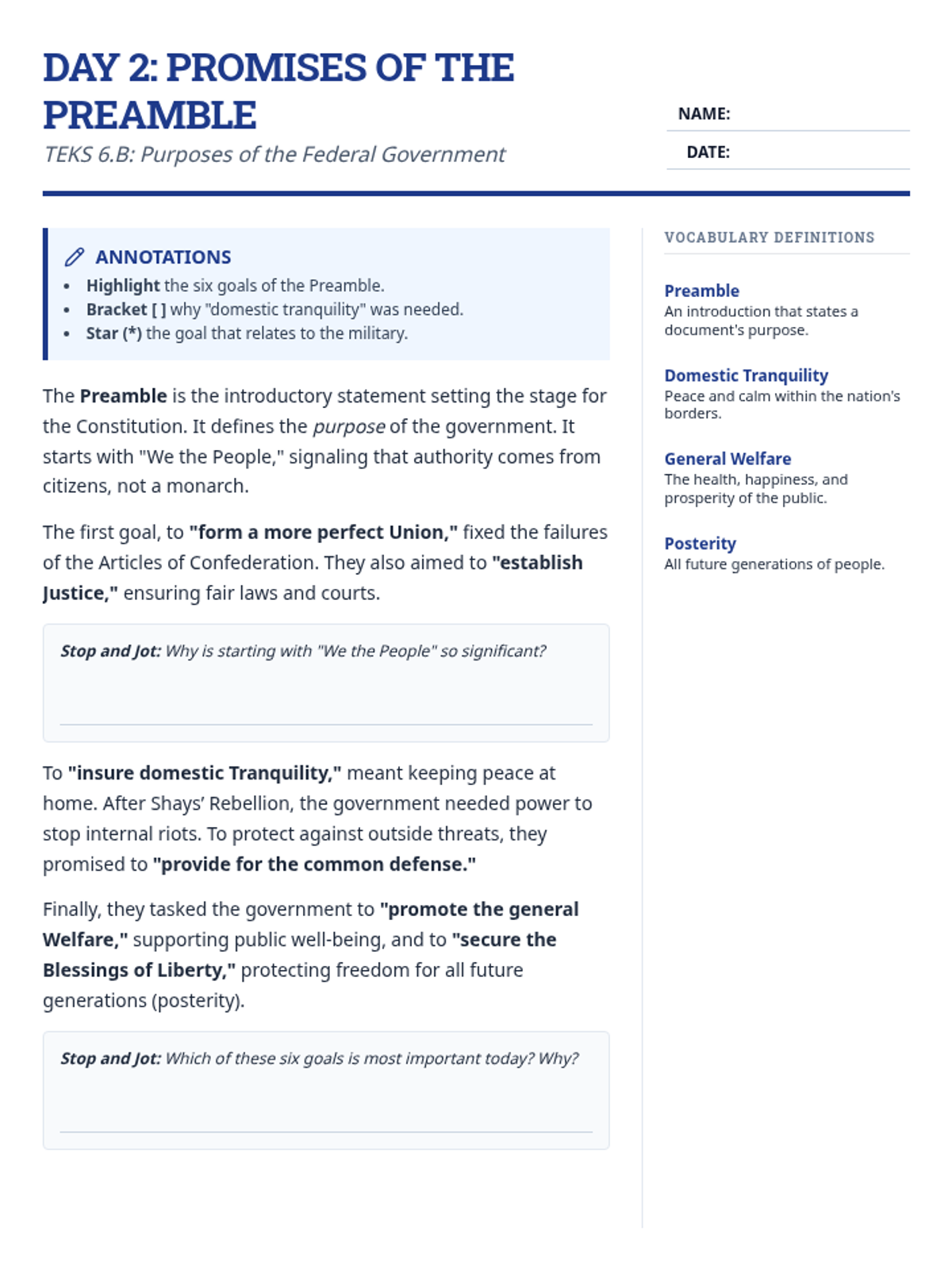
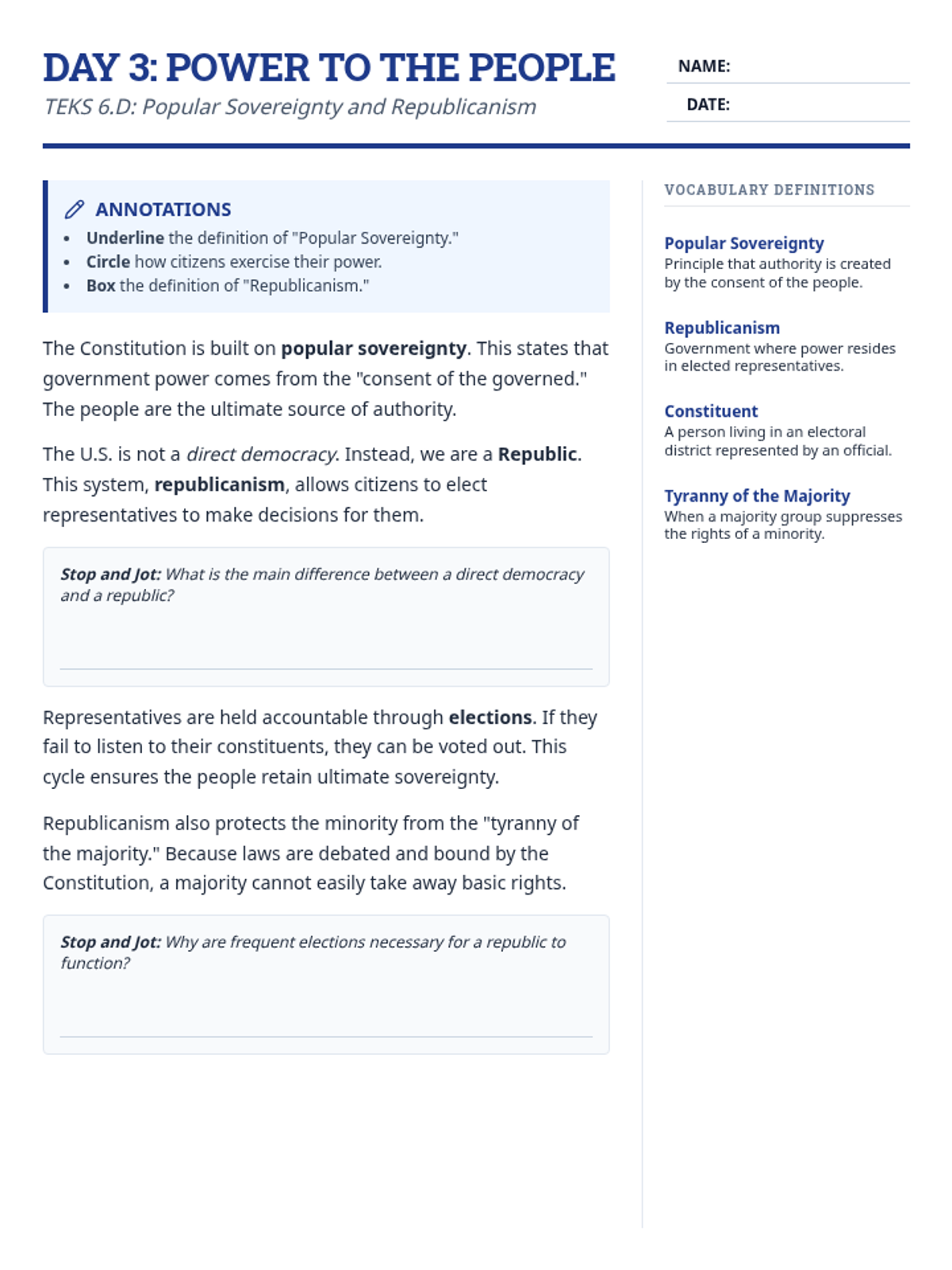
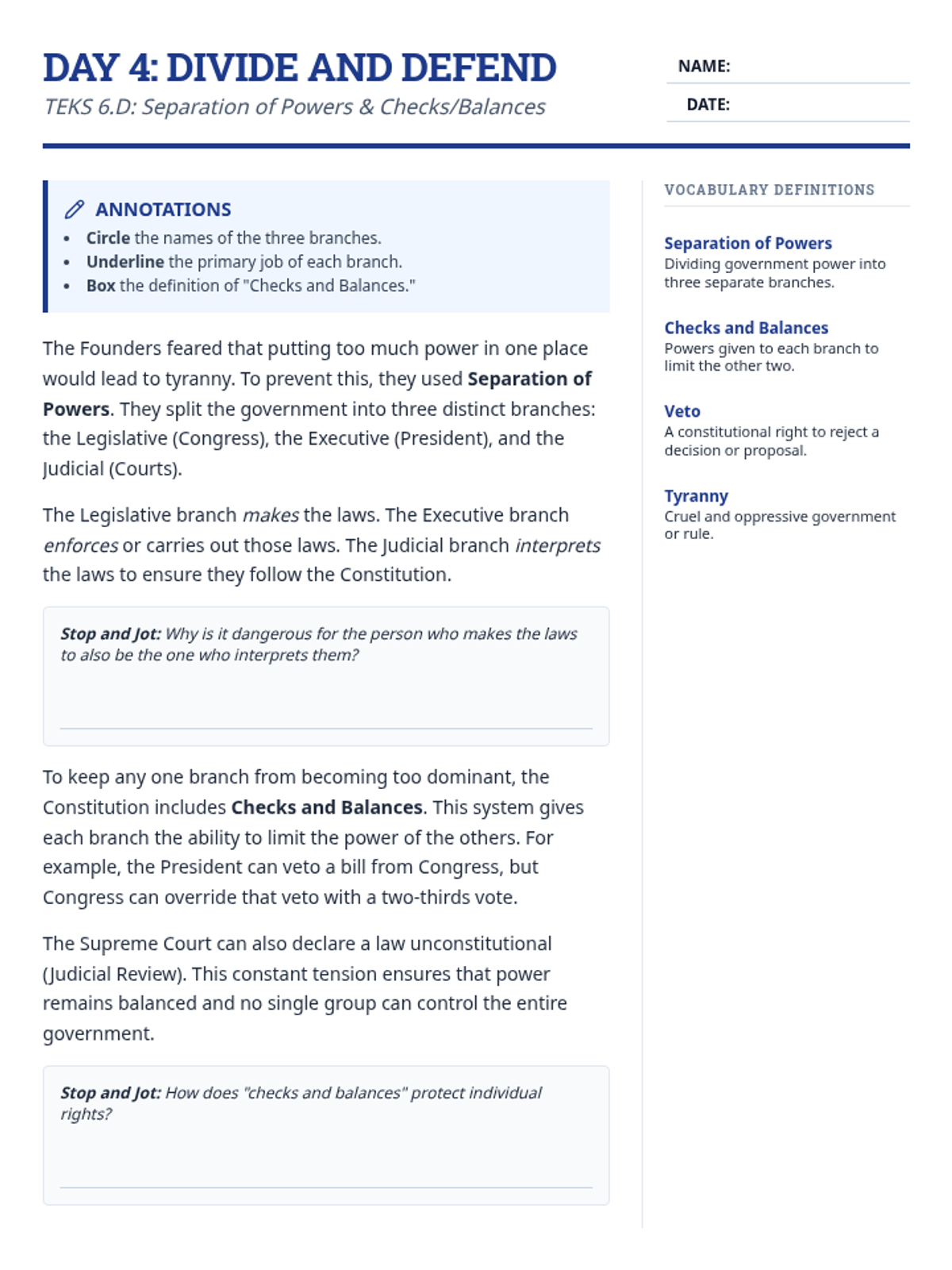
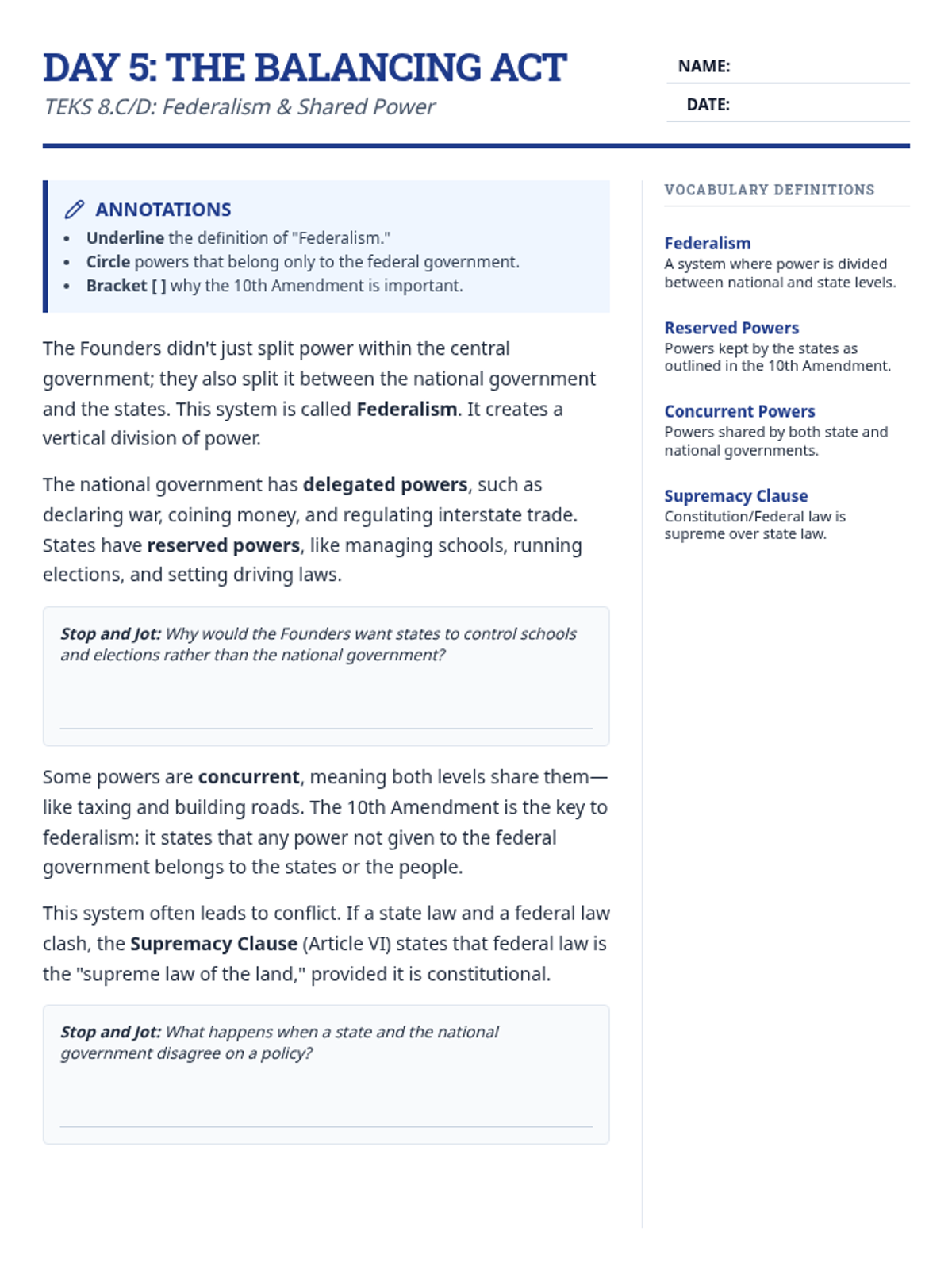
An 18-day remediation program for high school Government students focusing on the U.S. Constitution, the three branches of government, and the Bill of Rights. Each day features a structured reading passage with embedded vocabulary, annotation tasks, and a comprehensive review worksheet.
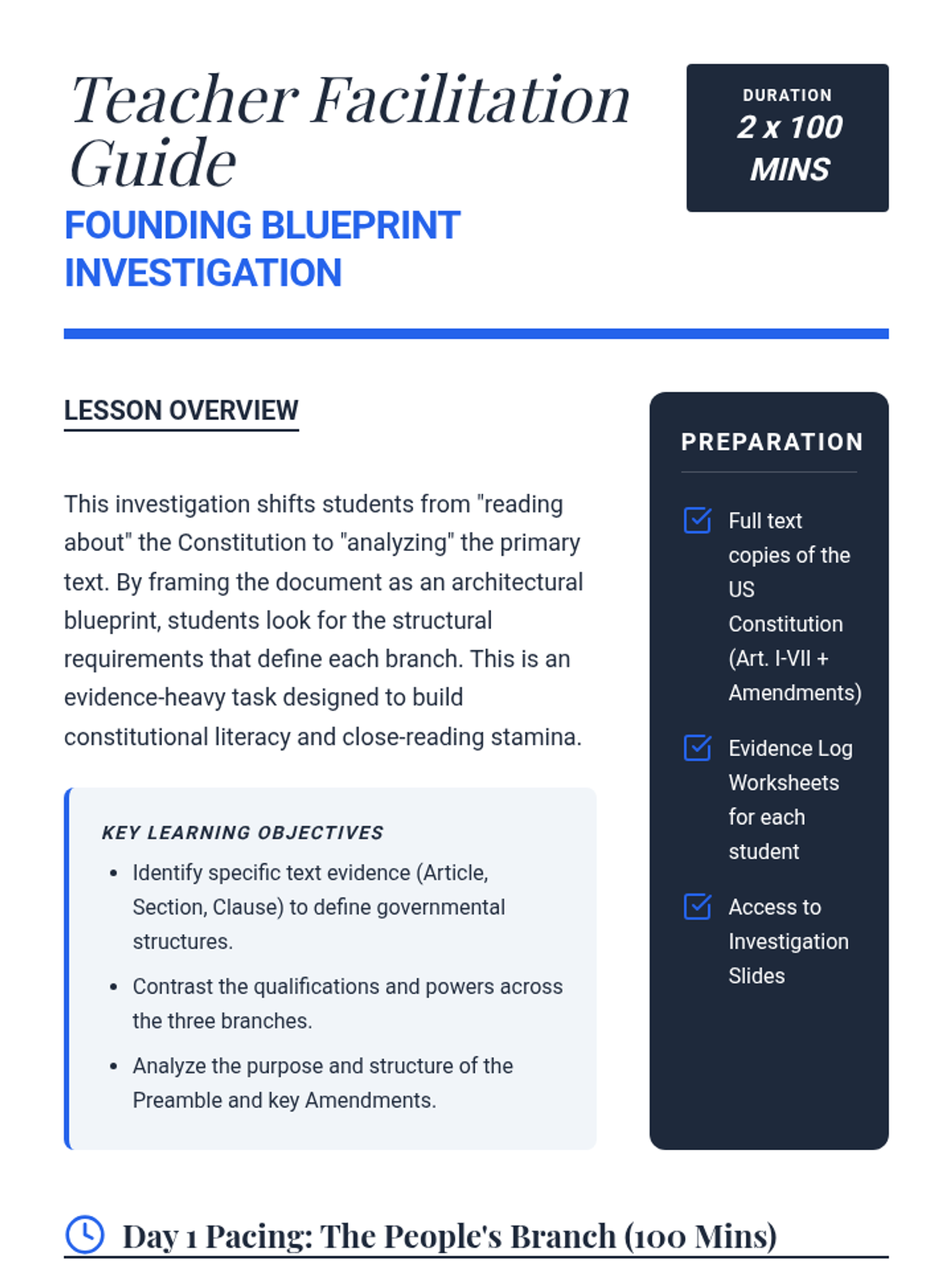
A comprehensive unit exploring the foundational structures of American government through the lens of the US Constitution.
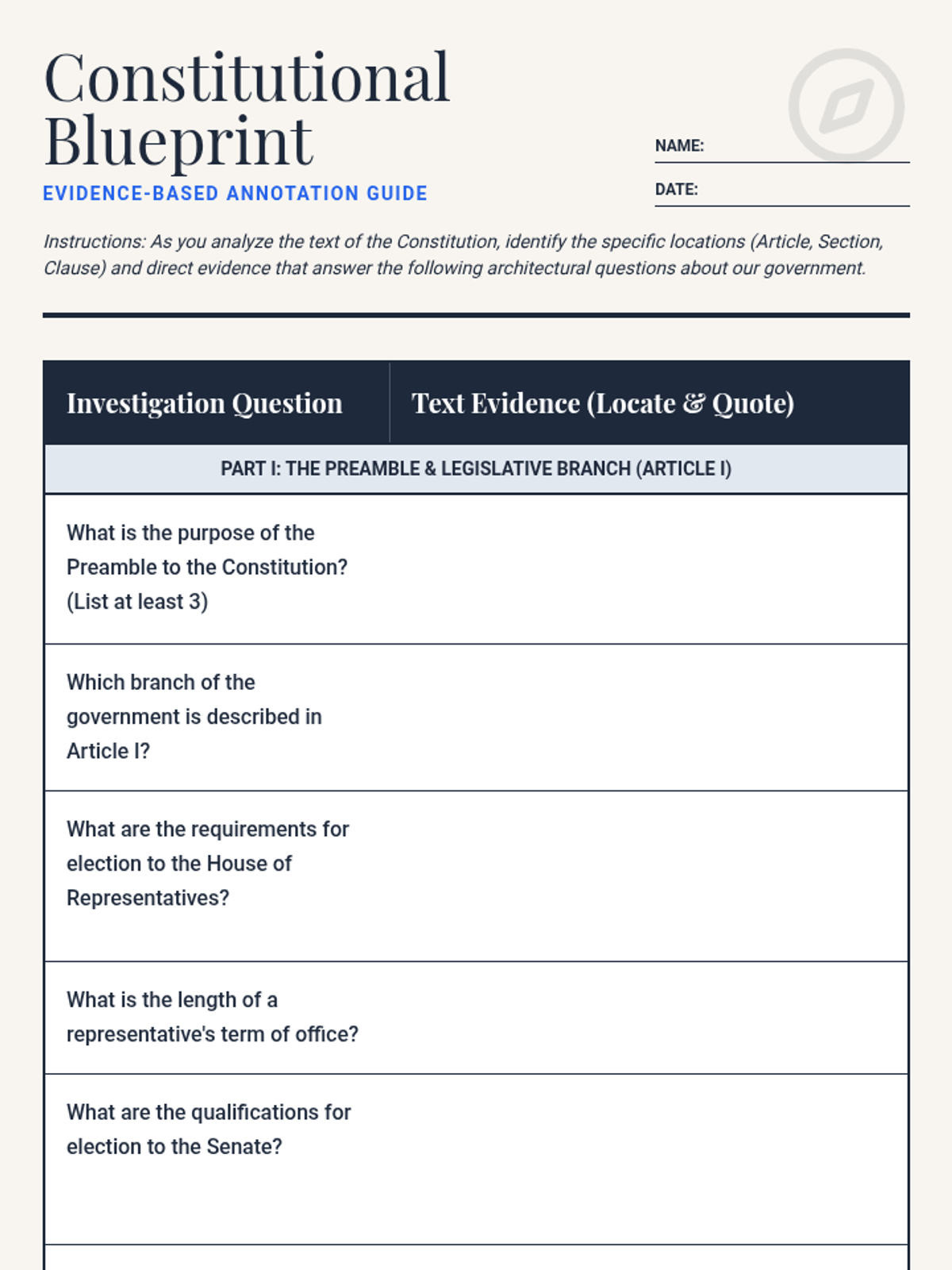
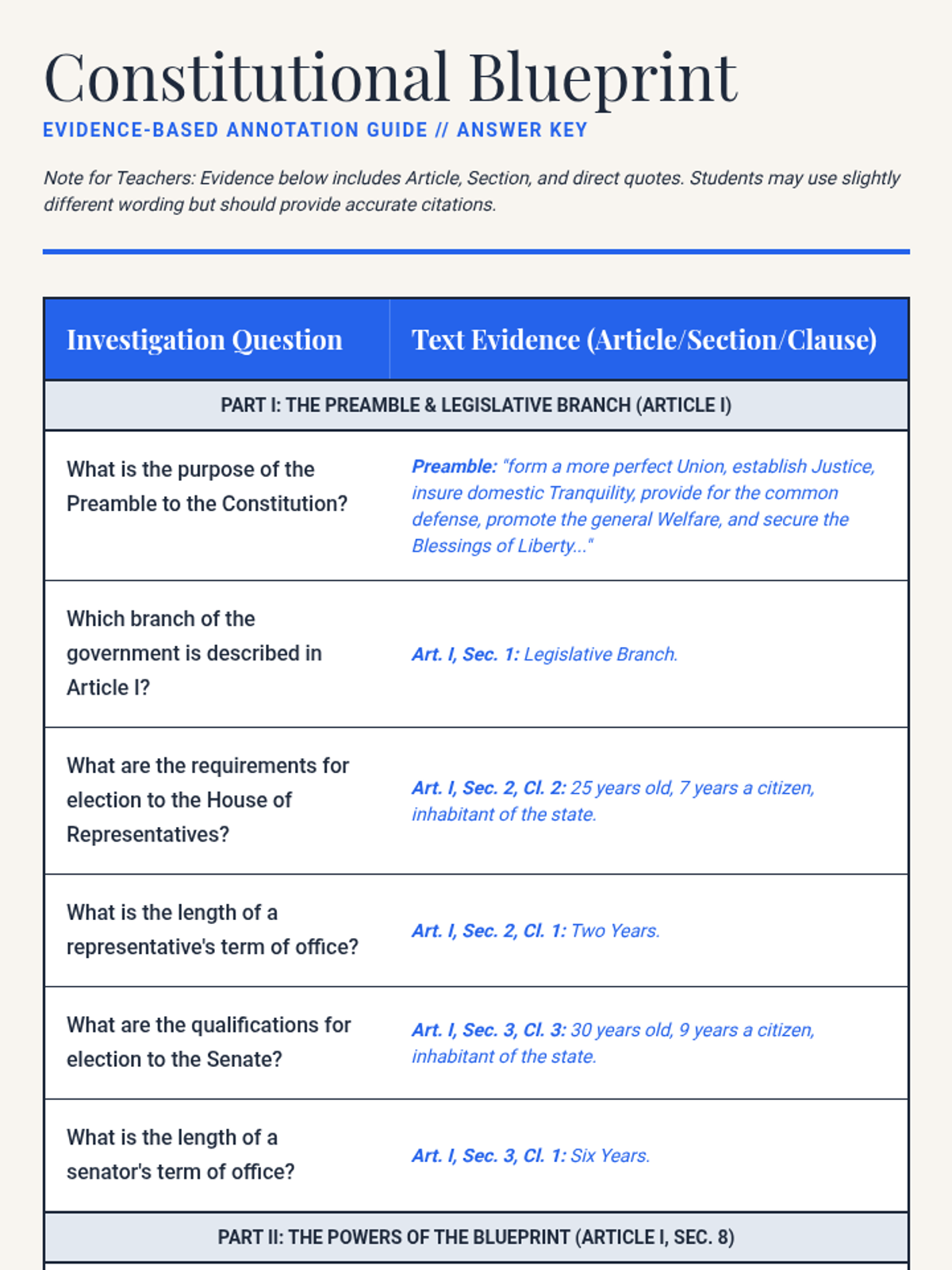
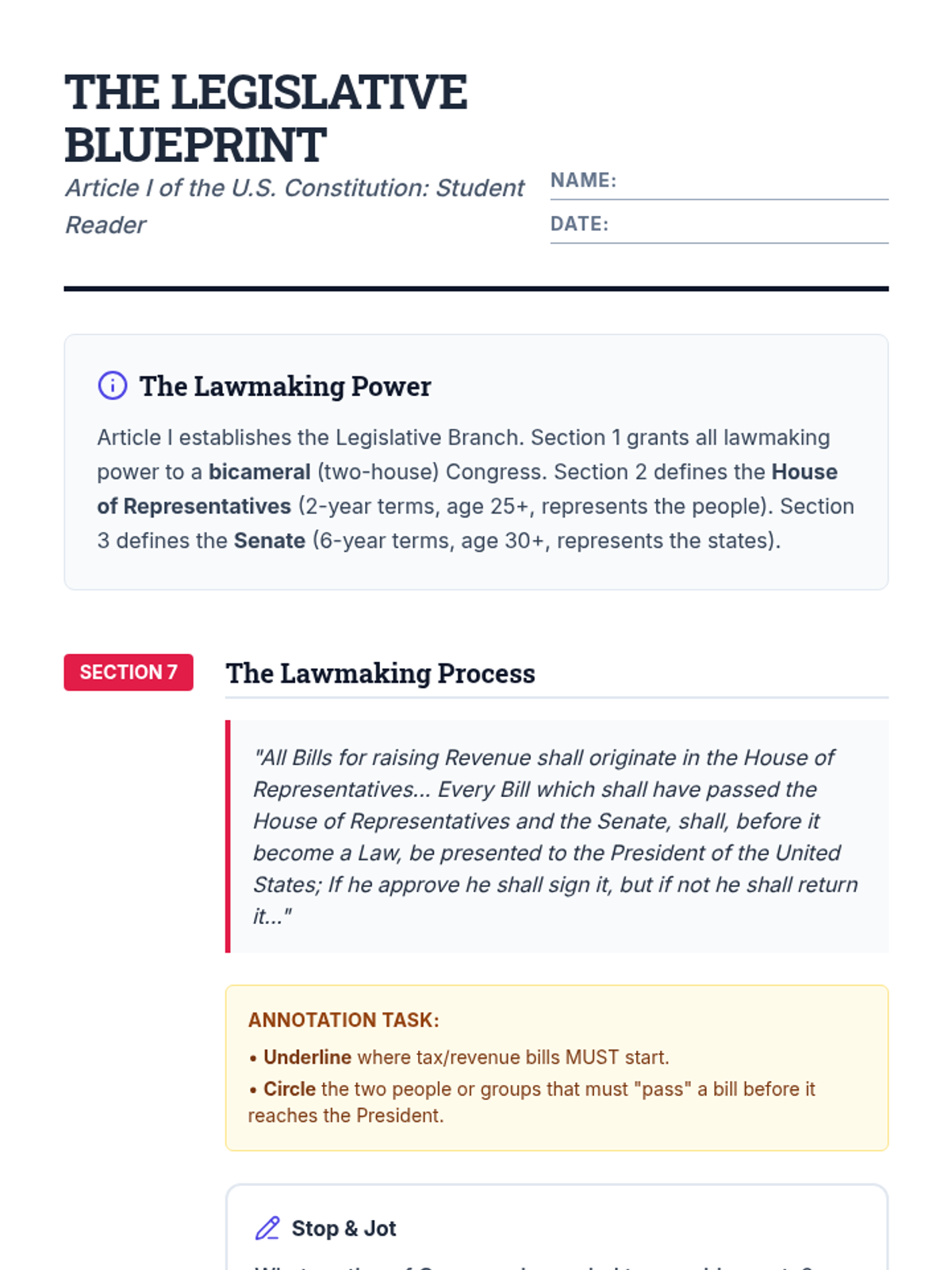
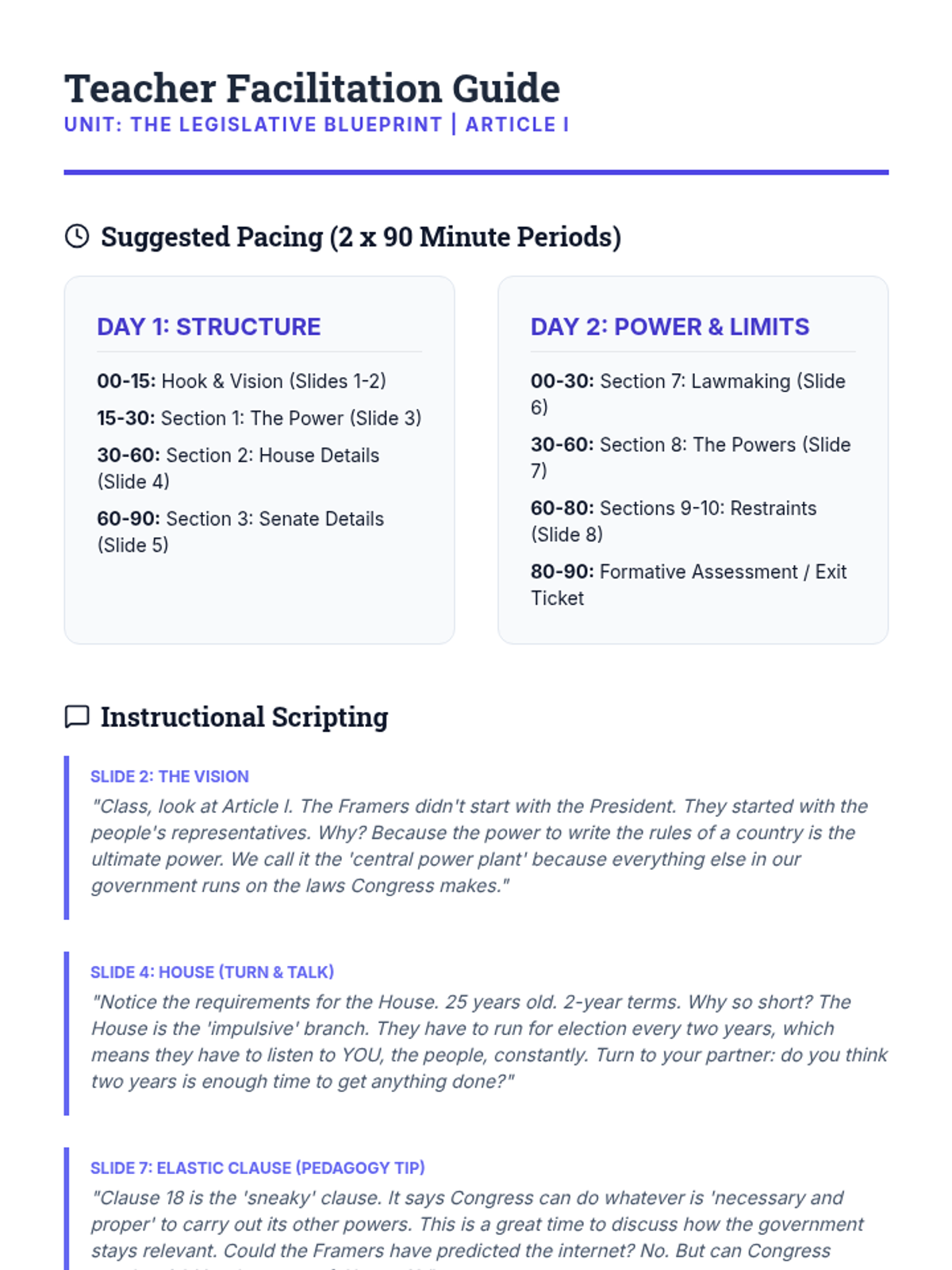
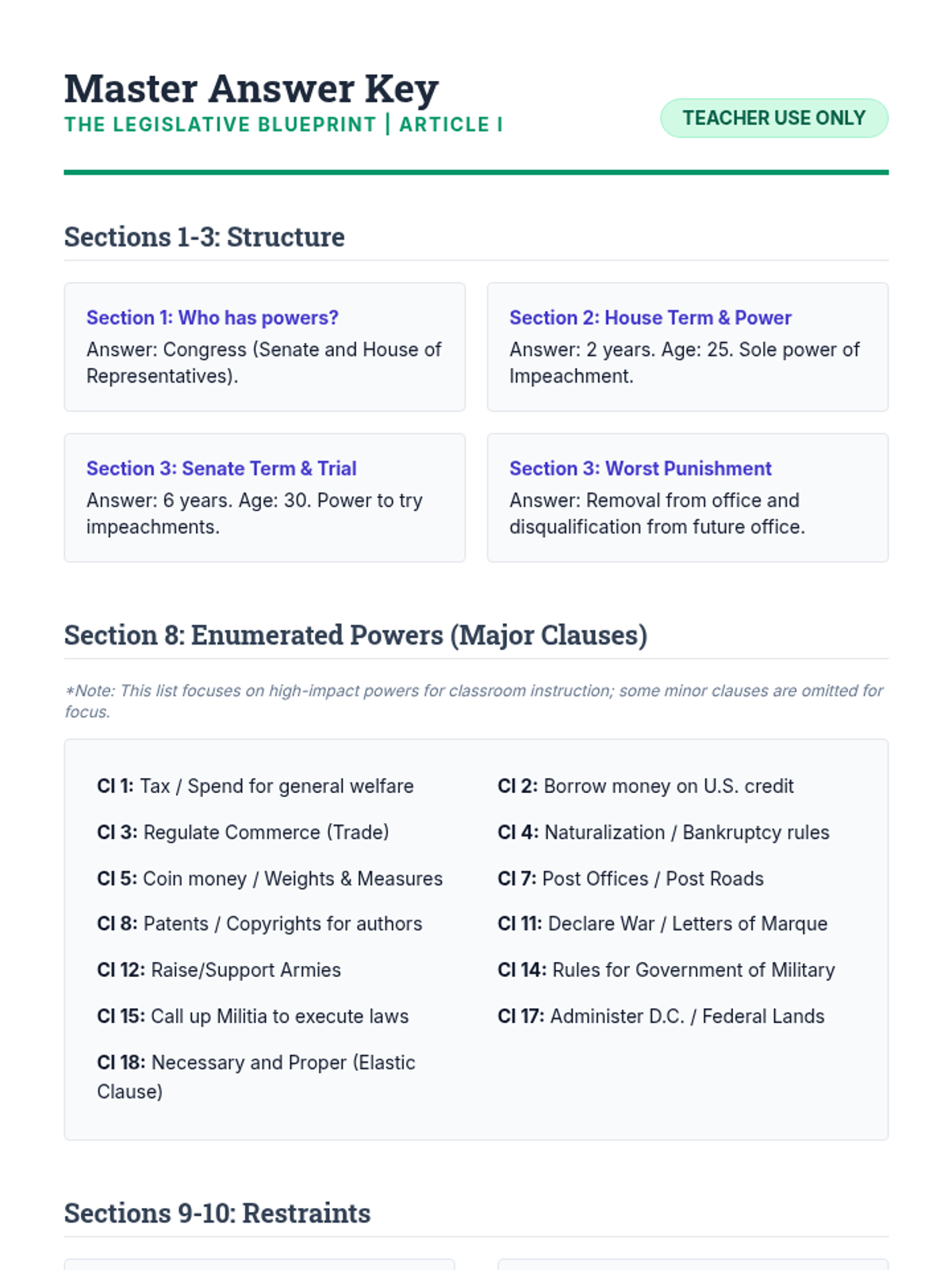
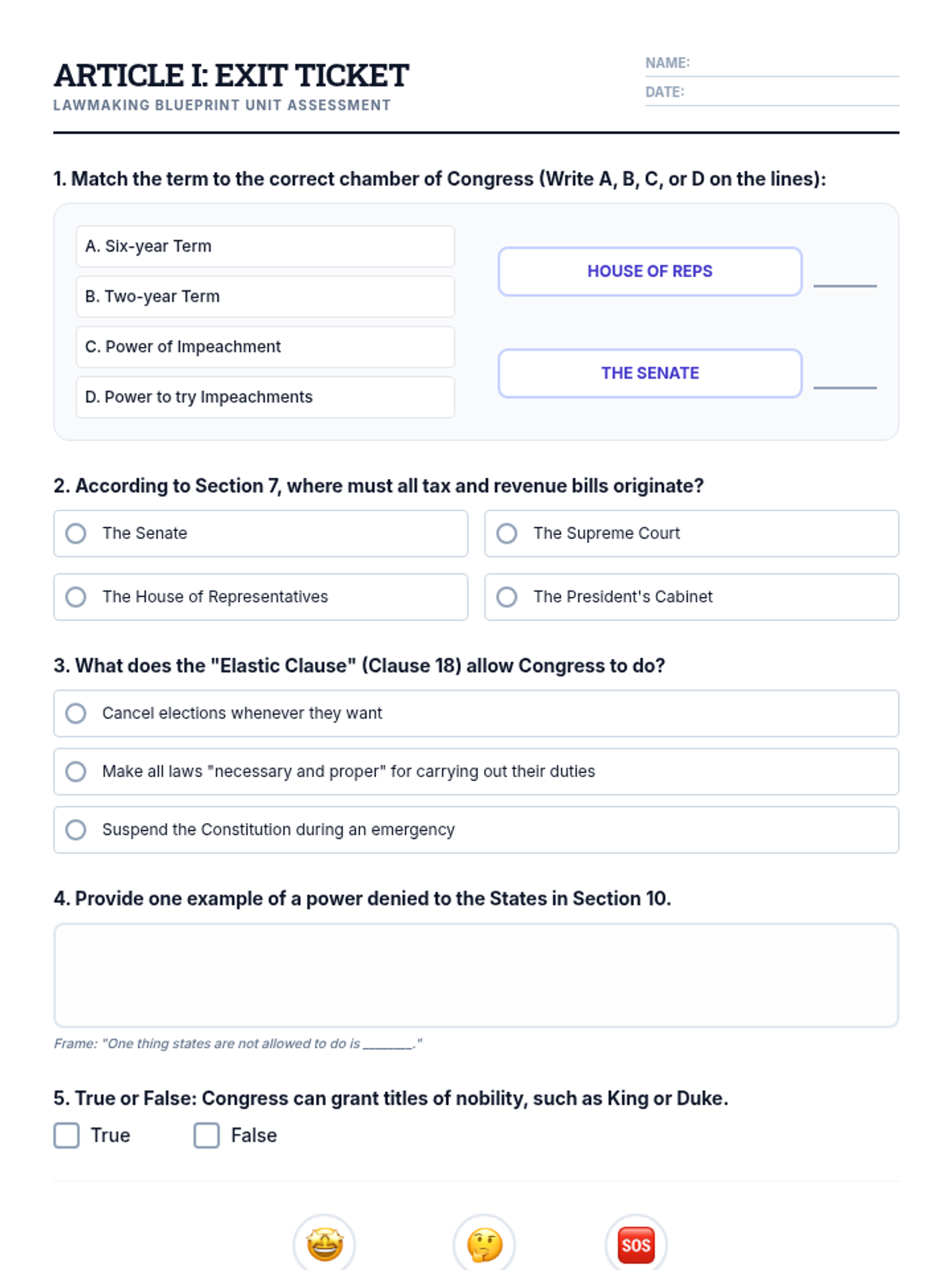
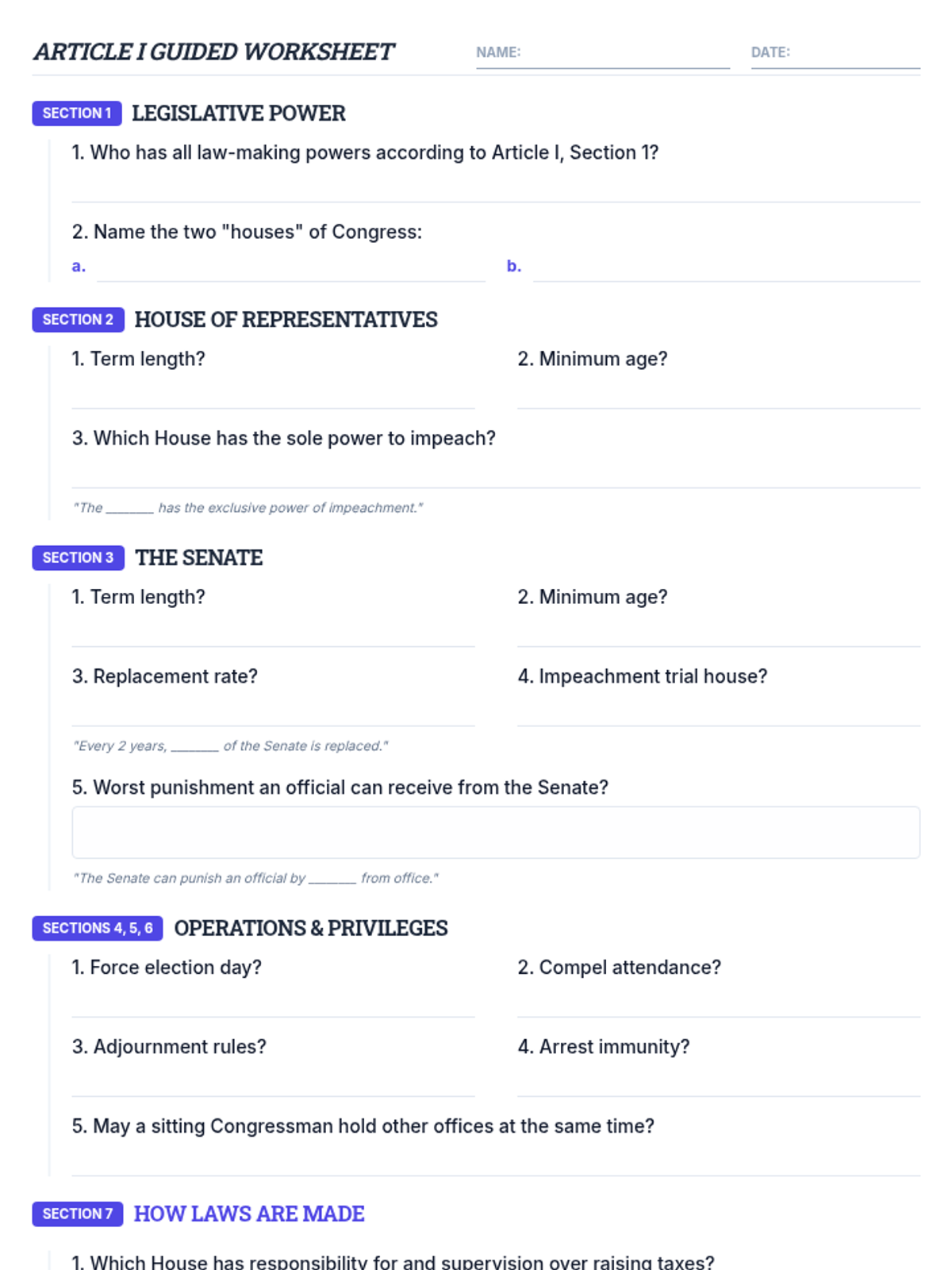
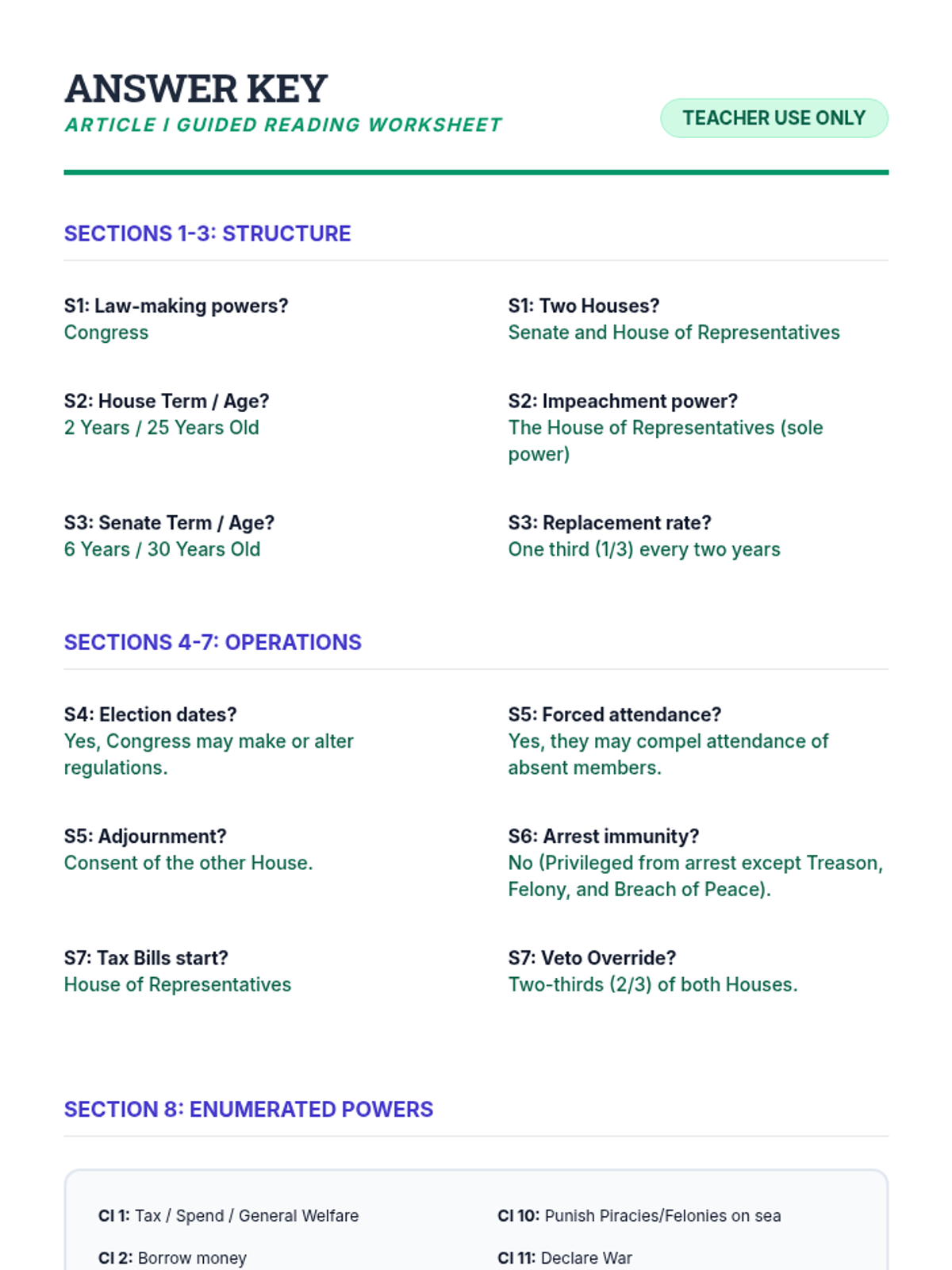
A comprehensive exploration of Article I of the U.S. Constitution, covering the structure, powers, and limitations of the Legislative Branch through deep text analysis and structured discussion.
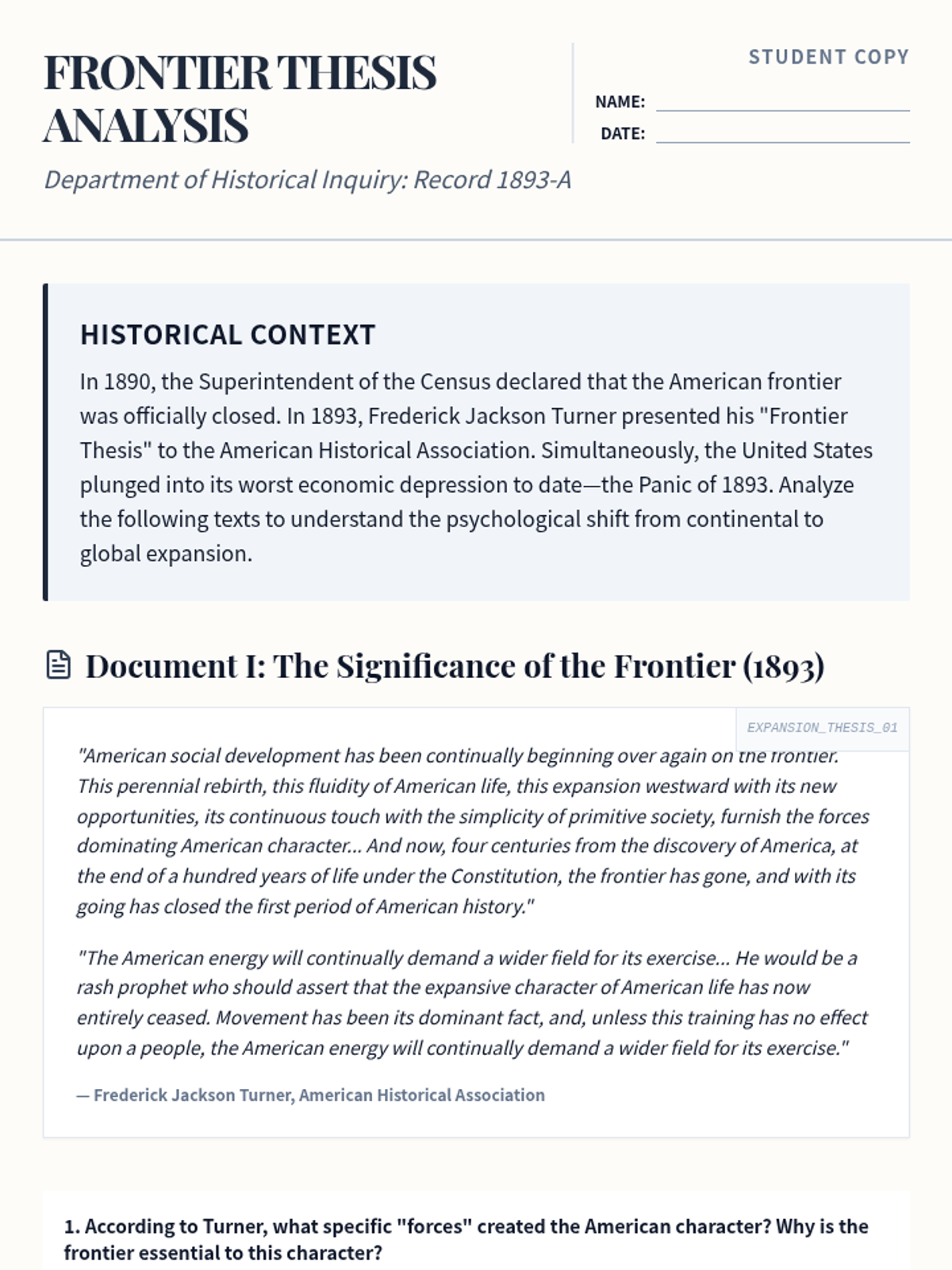
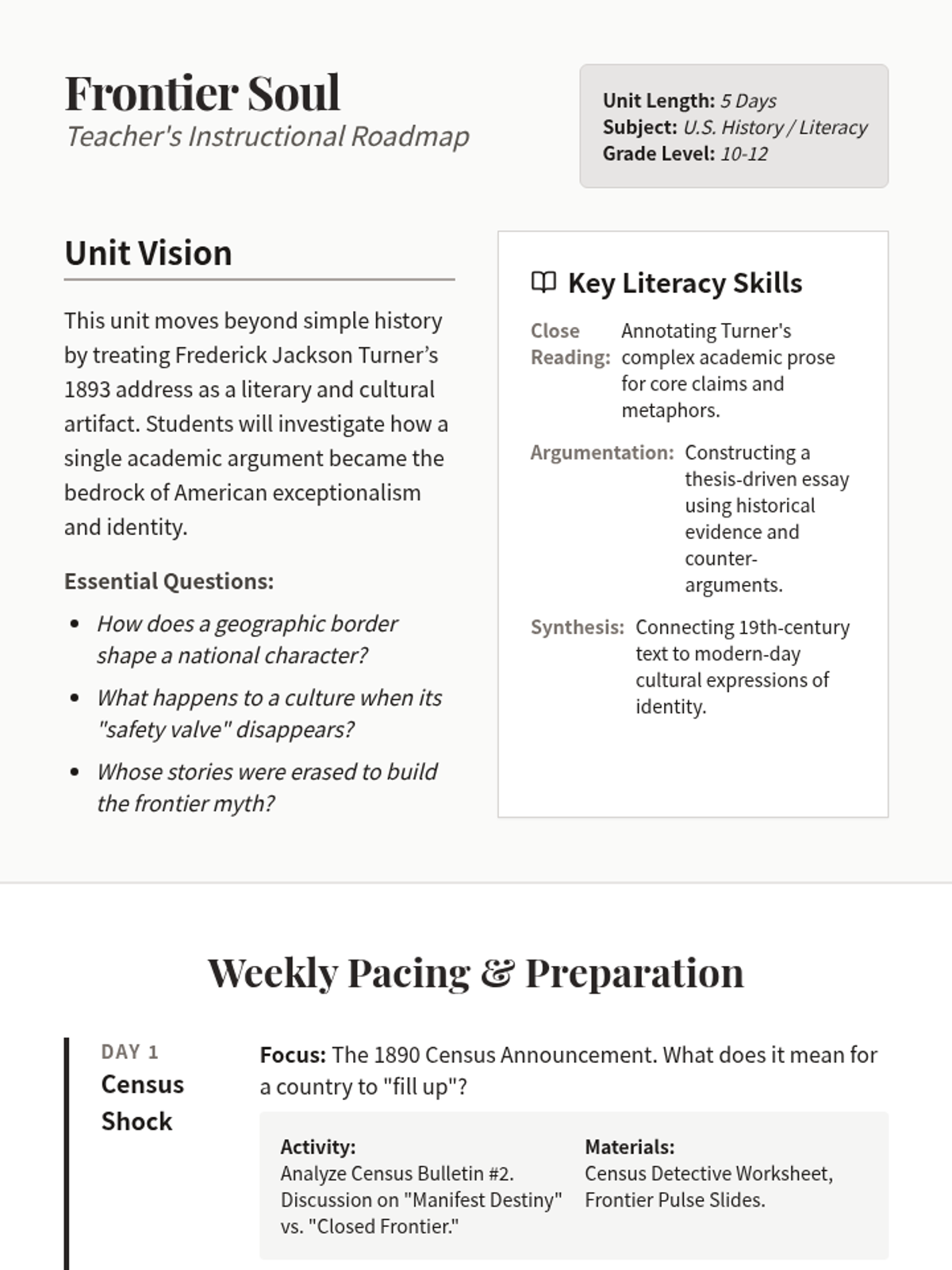
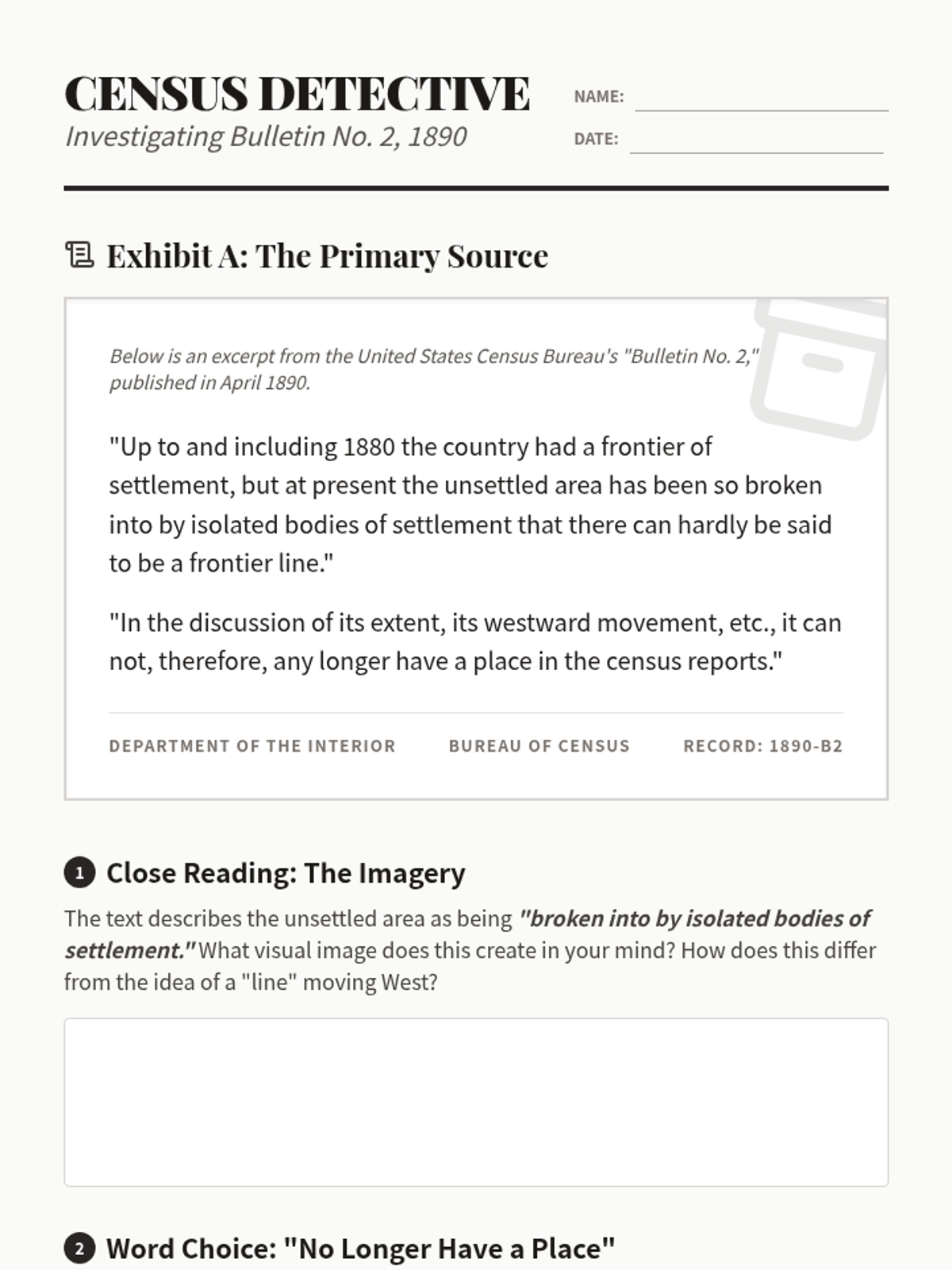
A weeklong exploration of Frederick Jackson Turner's Frontier Thesis, focusing on close reading, historical analysis, and the construction of American national identity. Students will engage with primary sources to understand how the concept of the frontier shaped democratic ideals, individualistic traits, and the exclusion of diverse perspectives.
An 8-day US History remediation packet covering WWII, the Cold War, Civil Rights, and Vietnam, designed for 11th-grade students preparing for STAAR testing. Each day includes intensive reading with embedded vocabulary, active annotation guides, and a skill-based review worksheet.
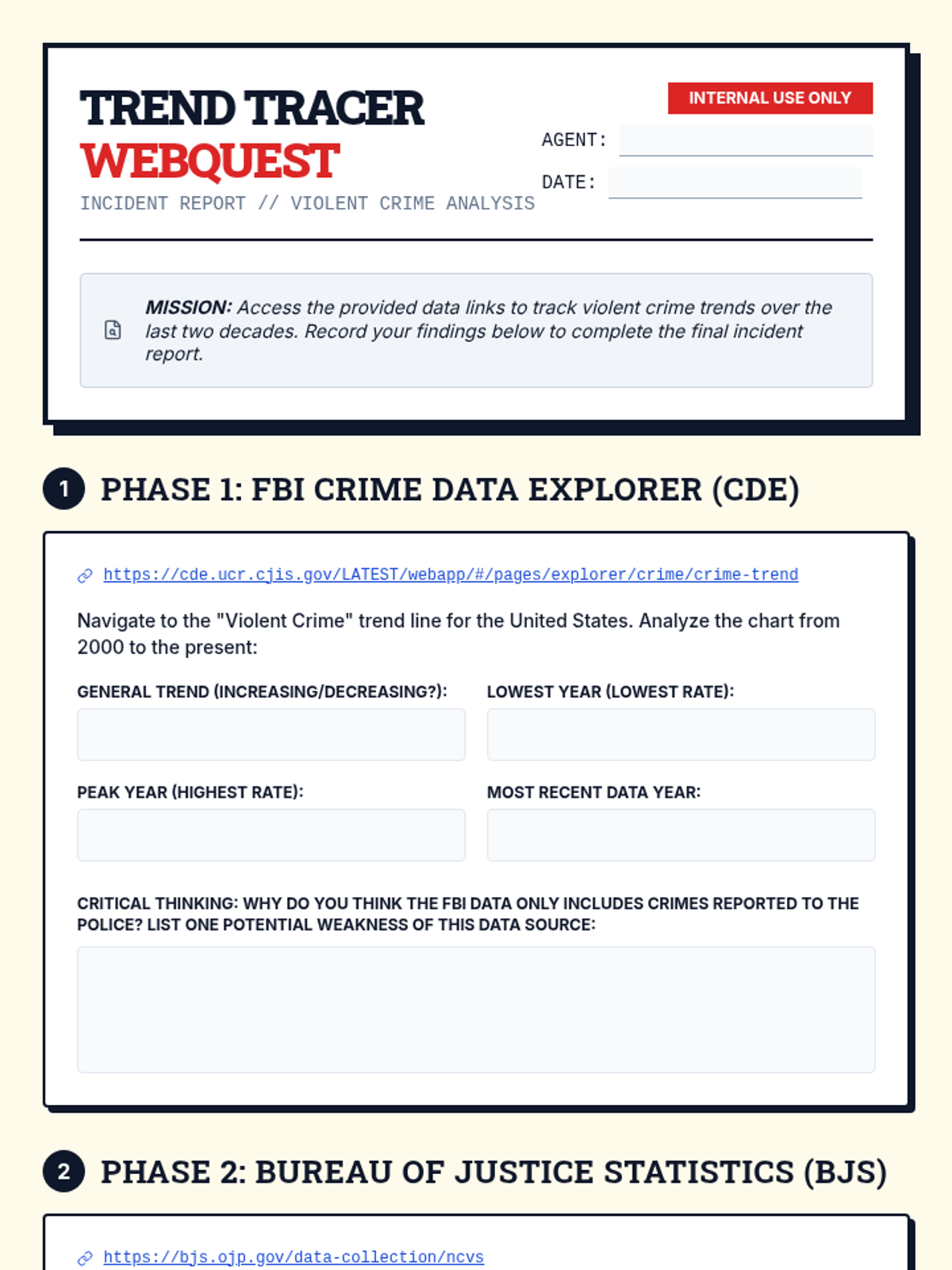
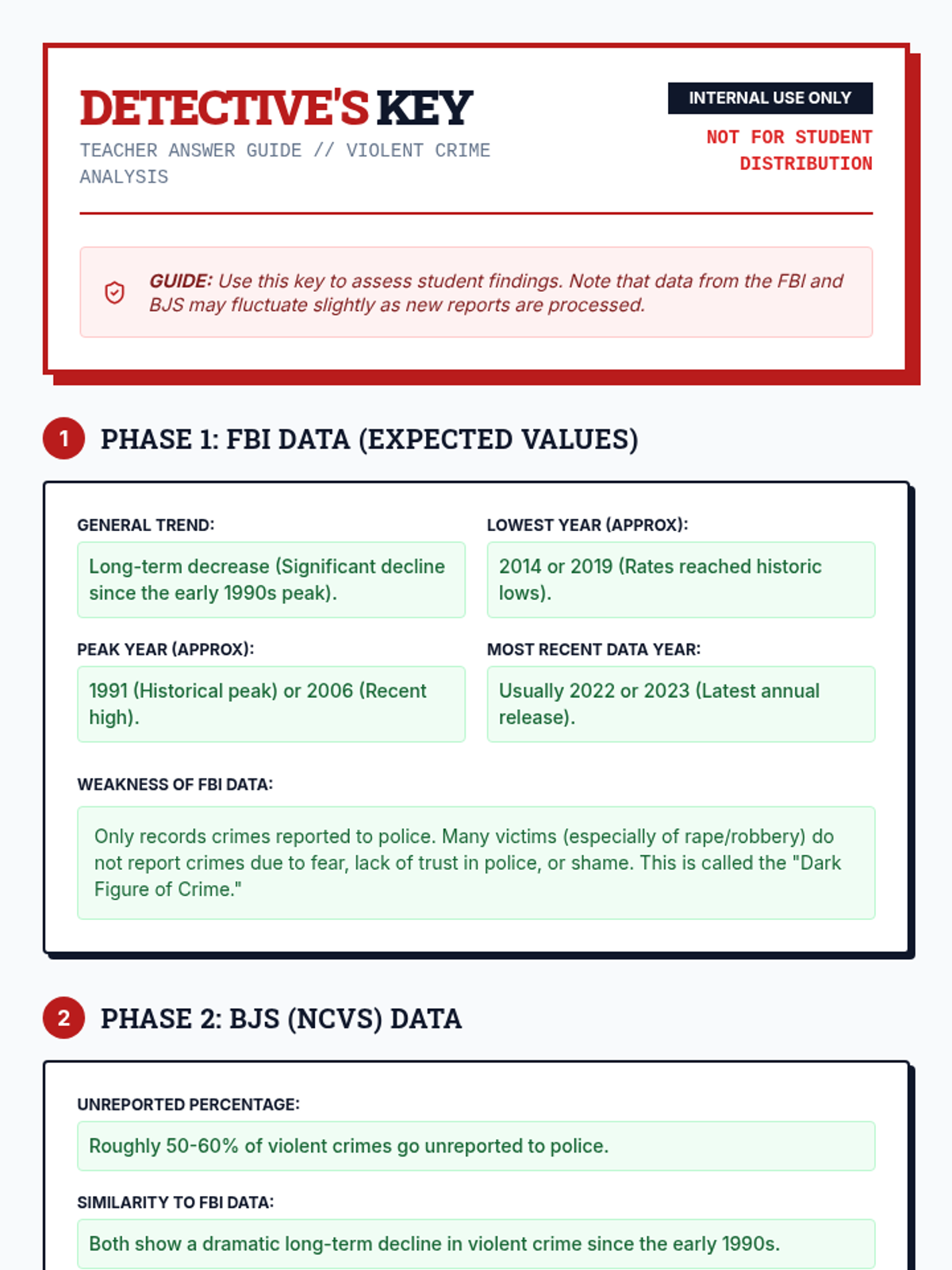
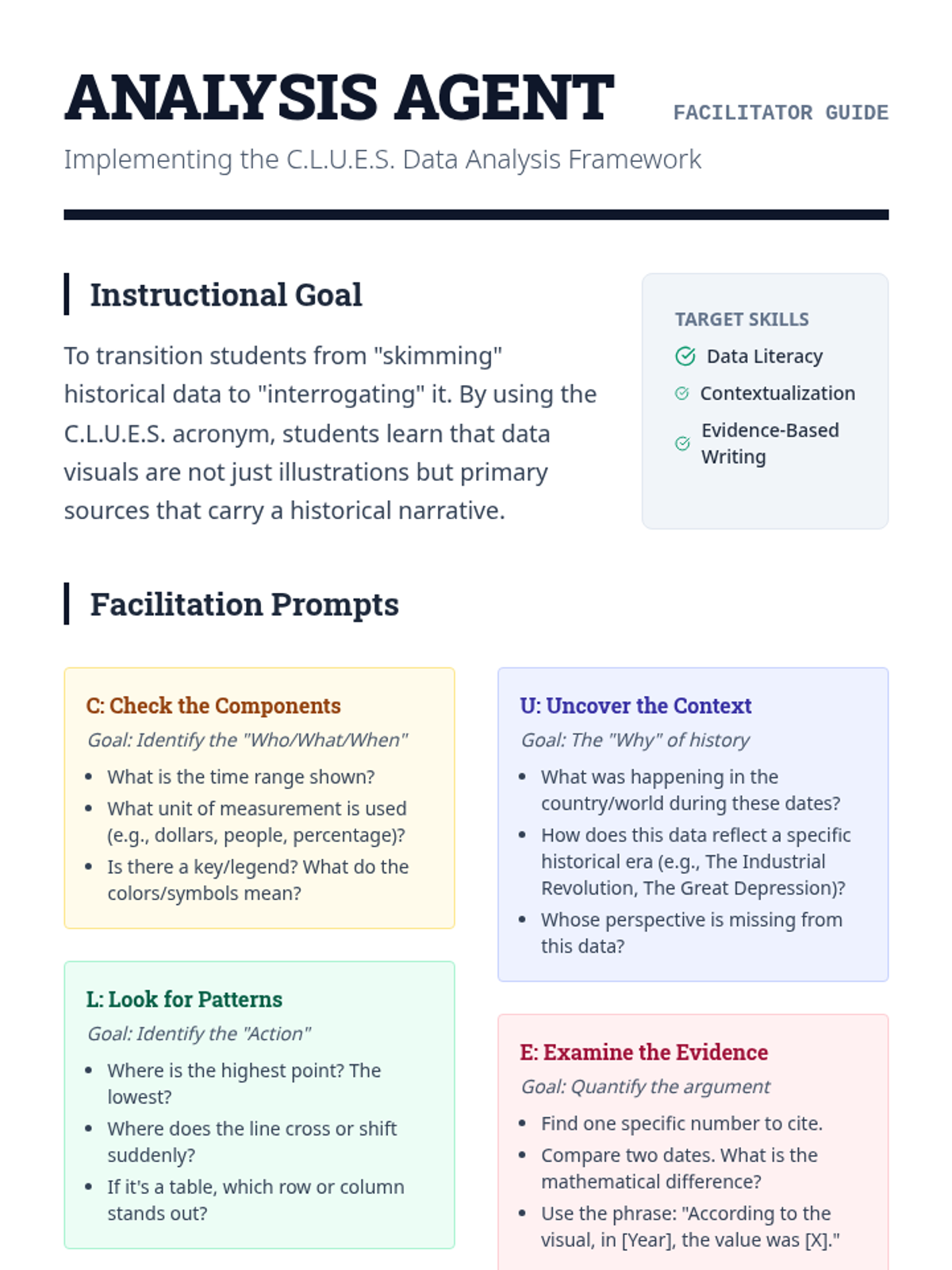
A comprehensive sequence focused on developing data literacy through the analysis of United States crime statistics. Students progress from national trend analysis to specific state and local investigations using primary data sources.
A comprehensive curriculum covering financial literacy, economic principles, and civic systems through historical case studies, ethical dilemmas, and real-world simulations.
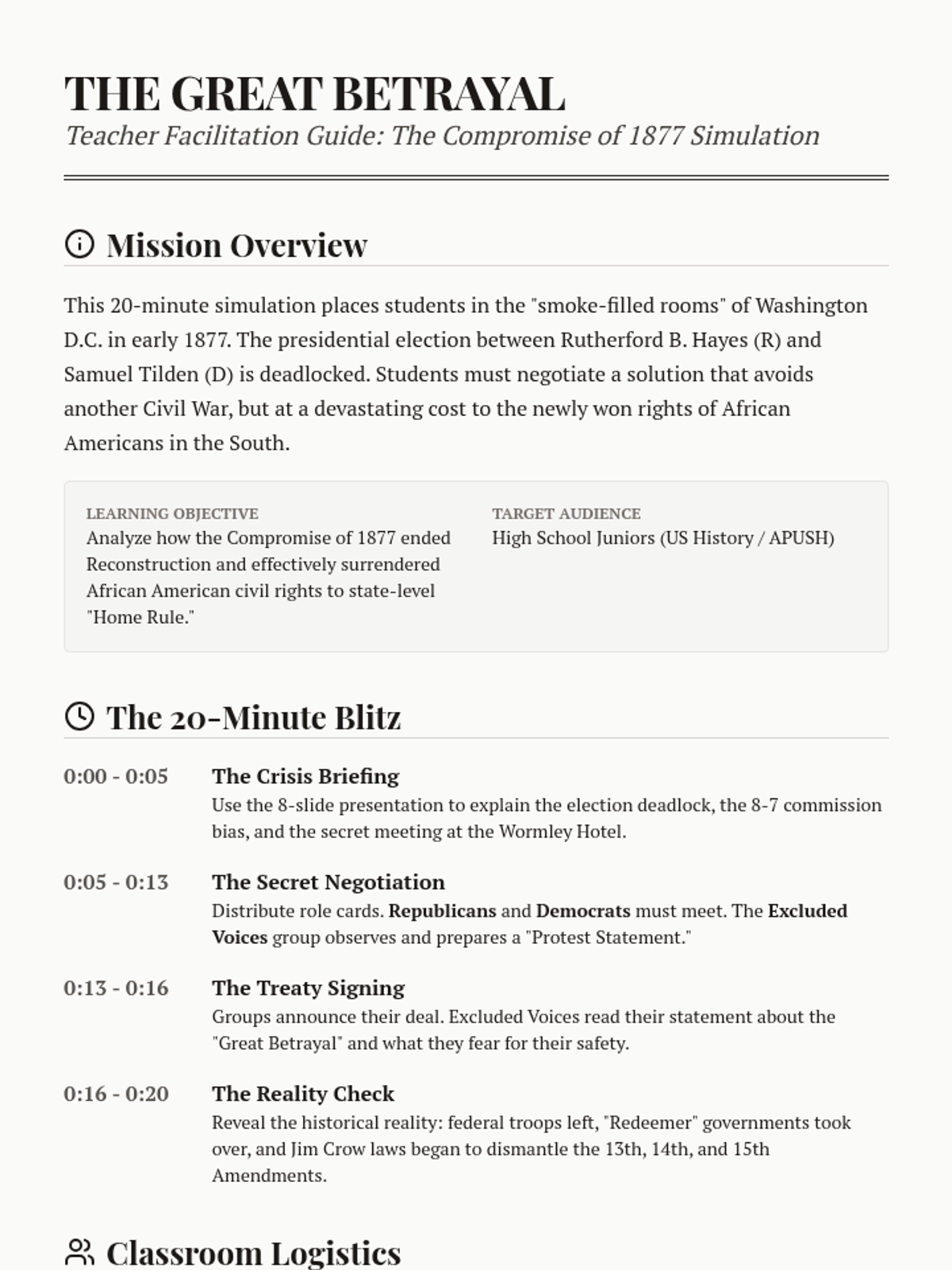
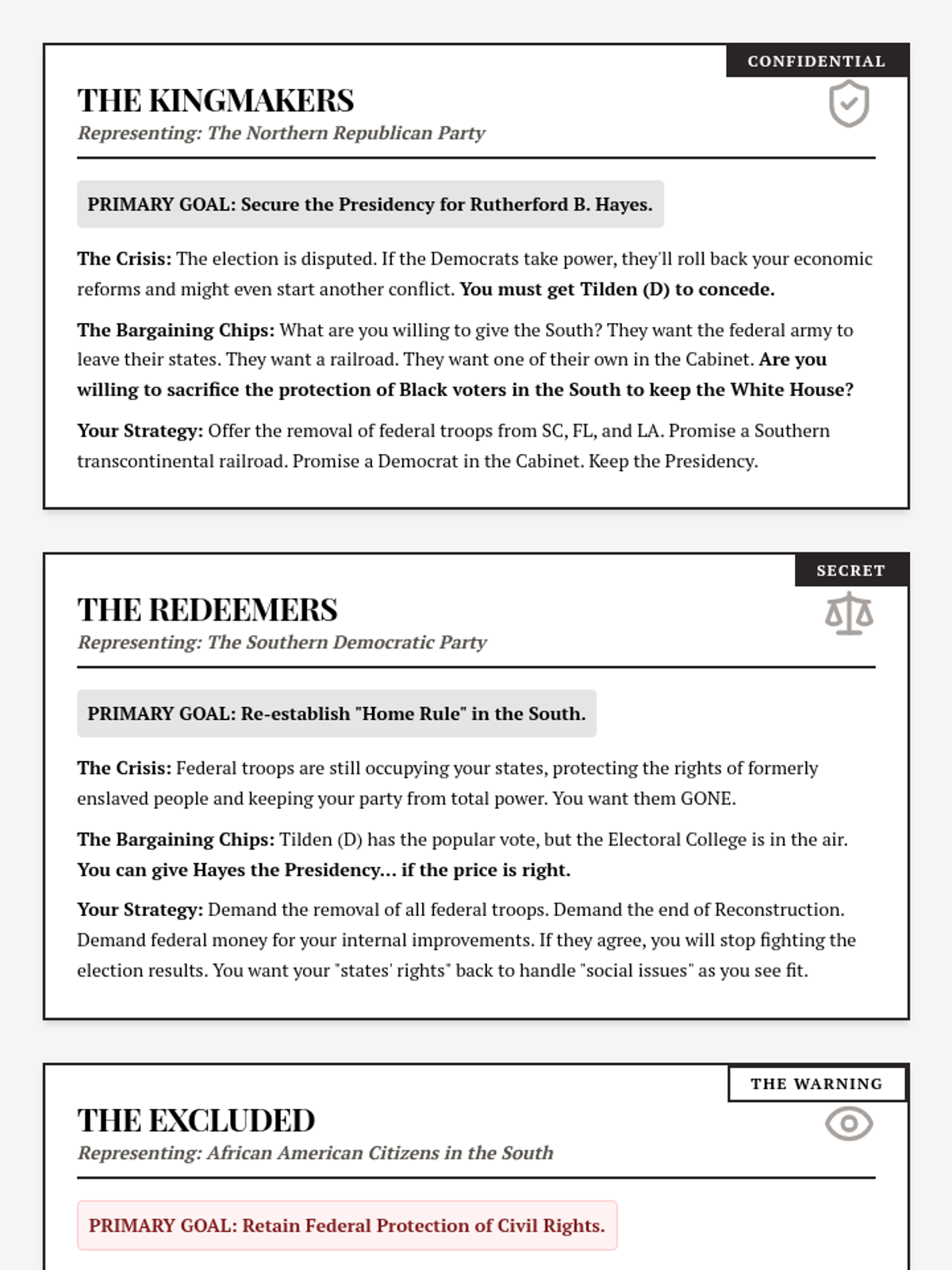
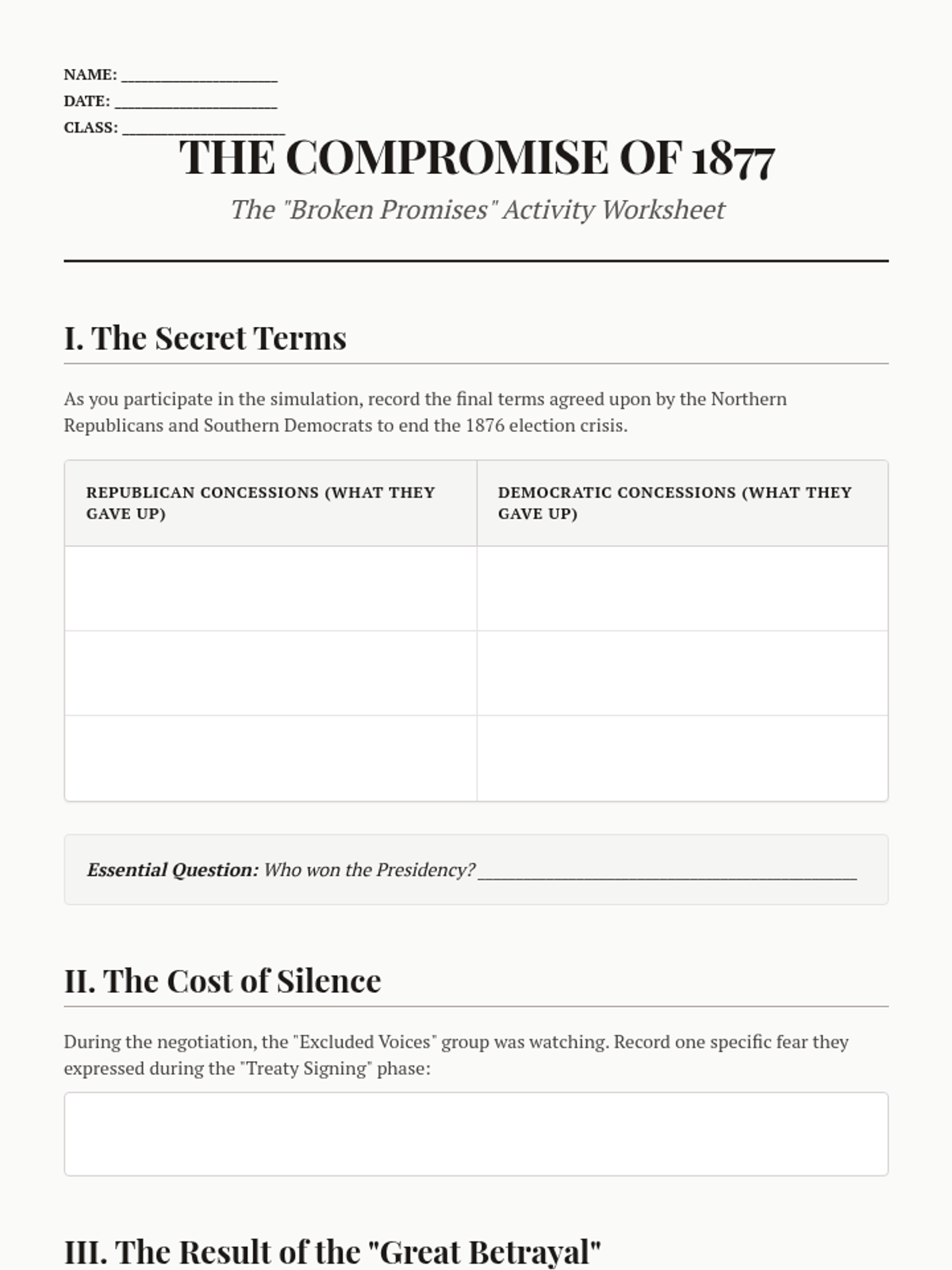
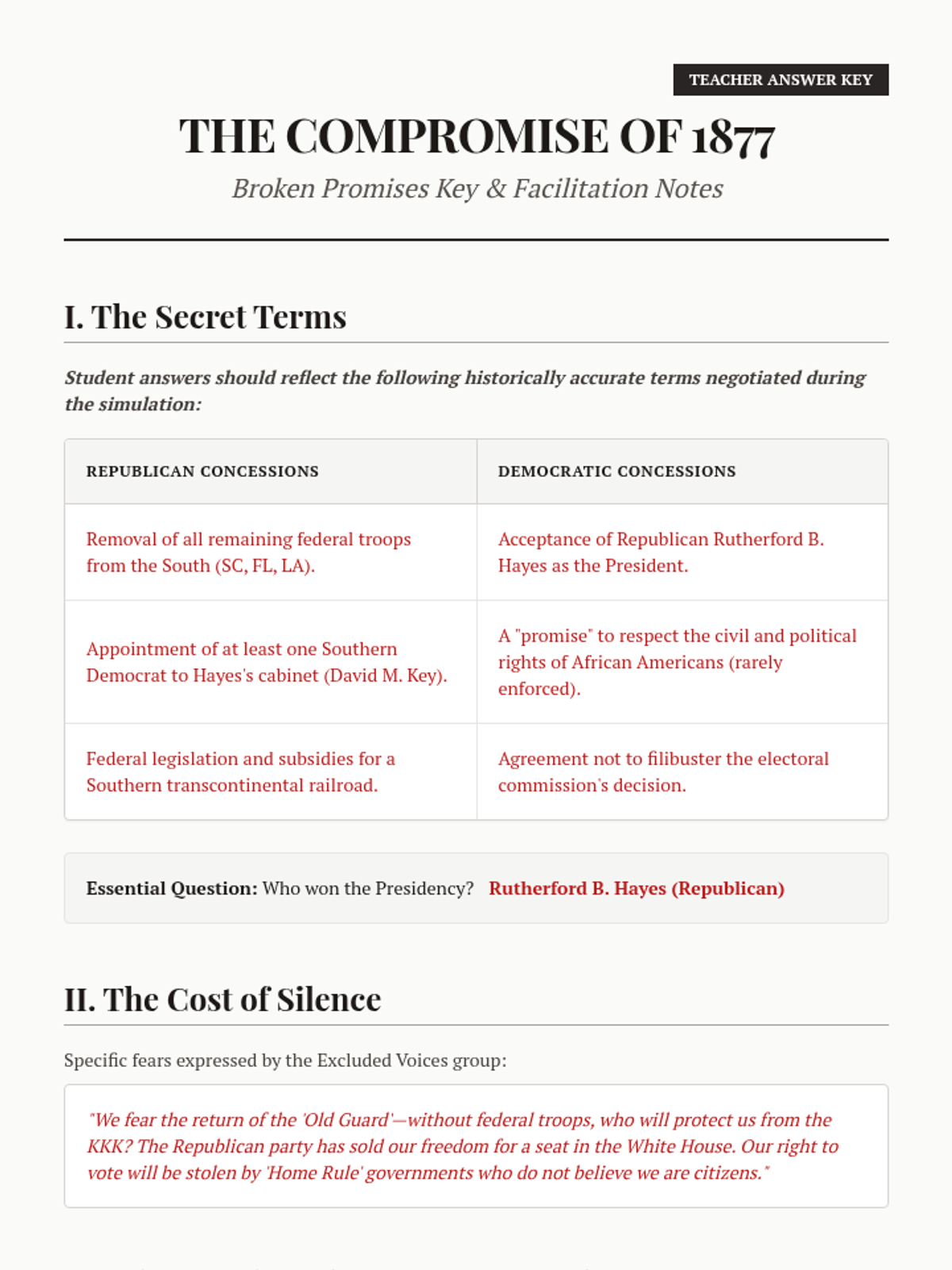
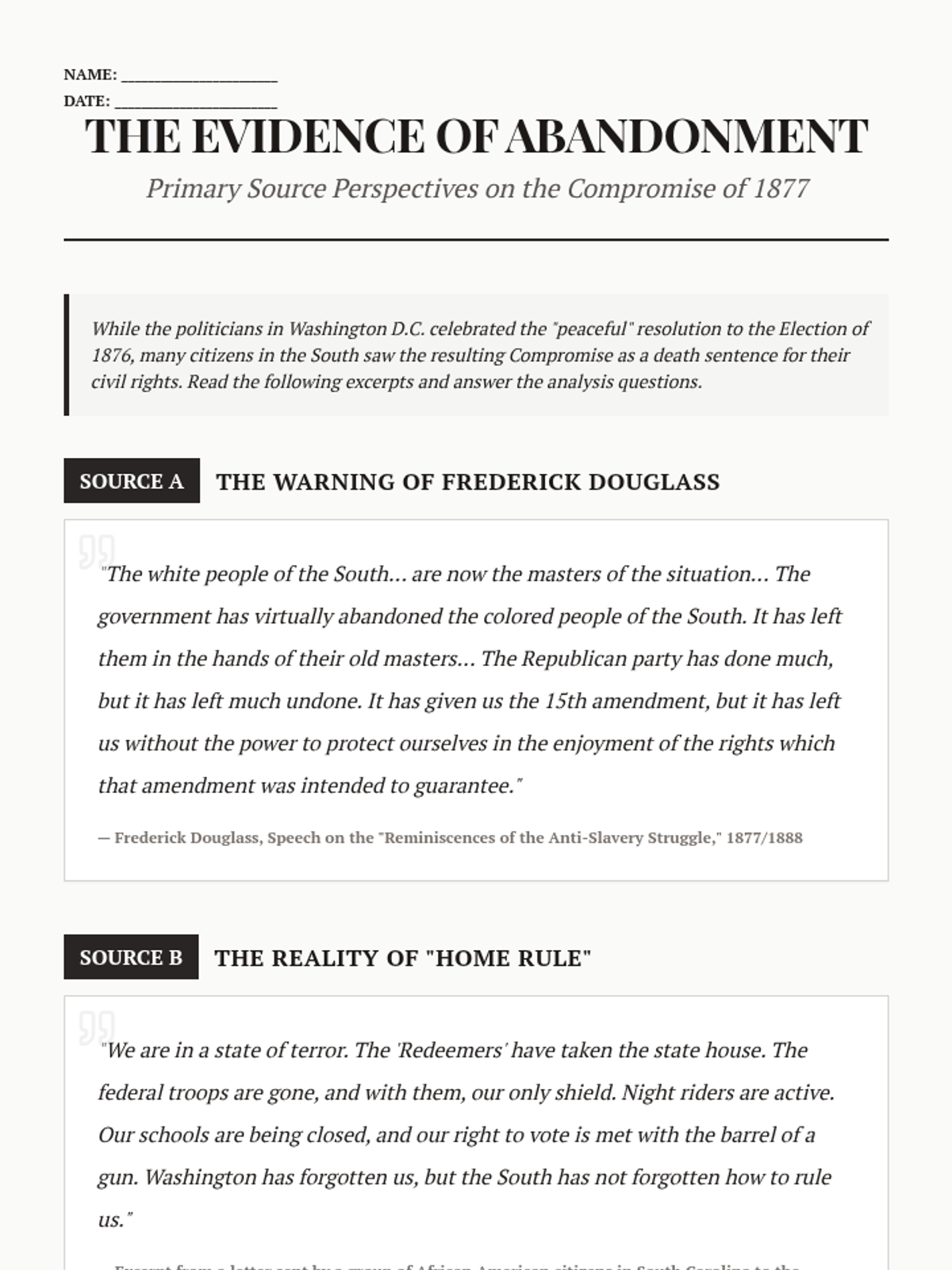
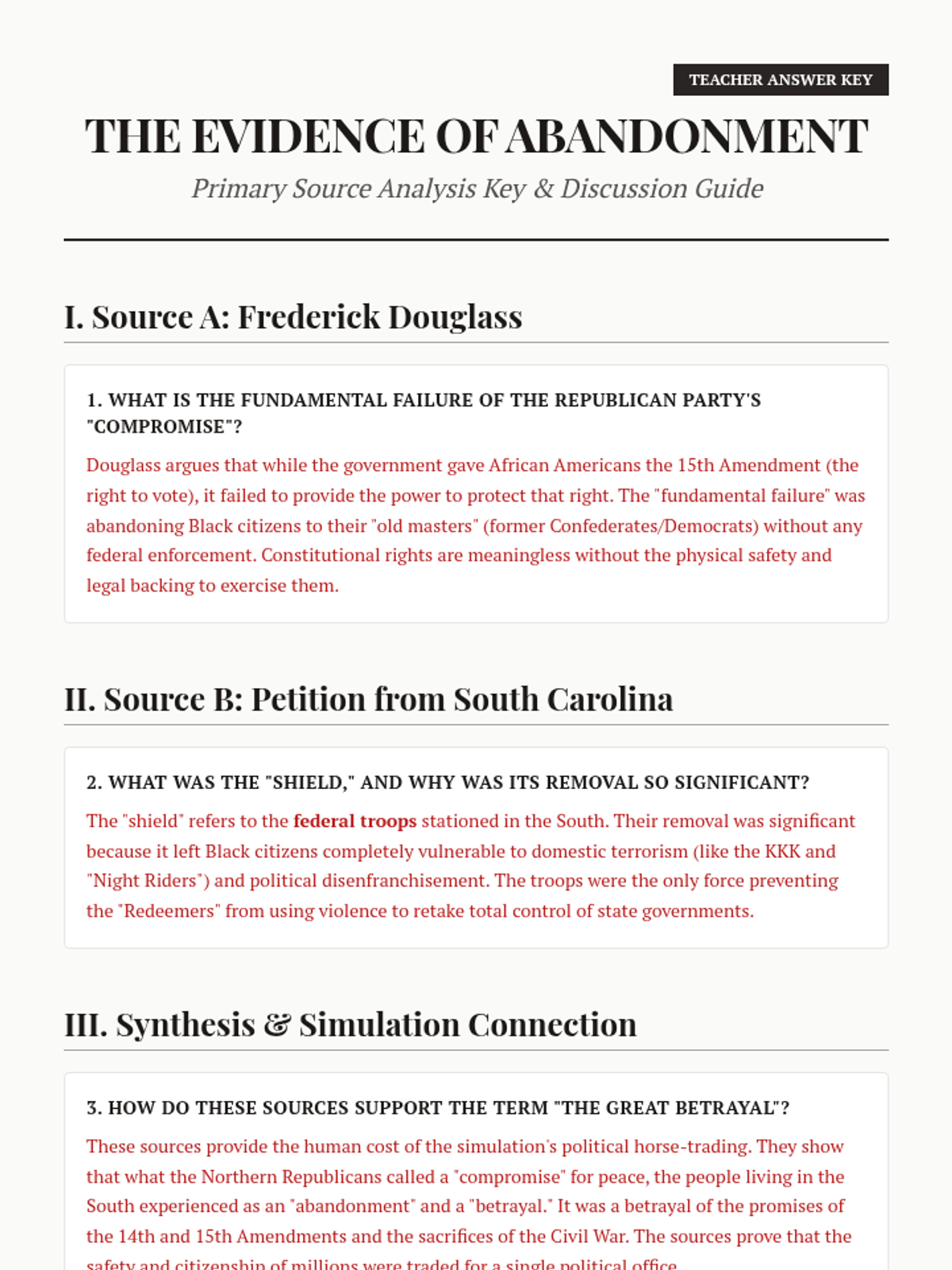
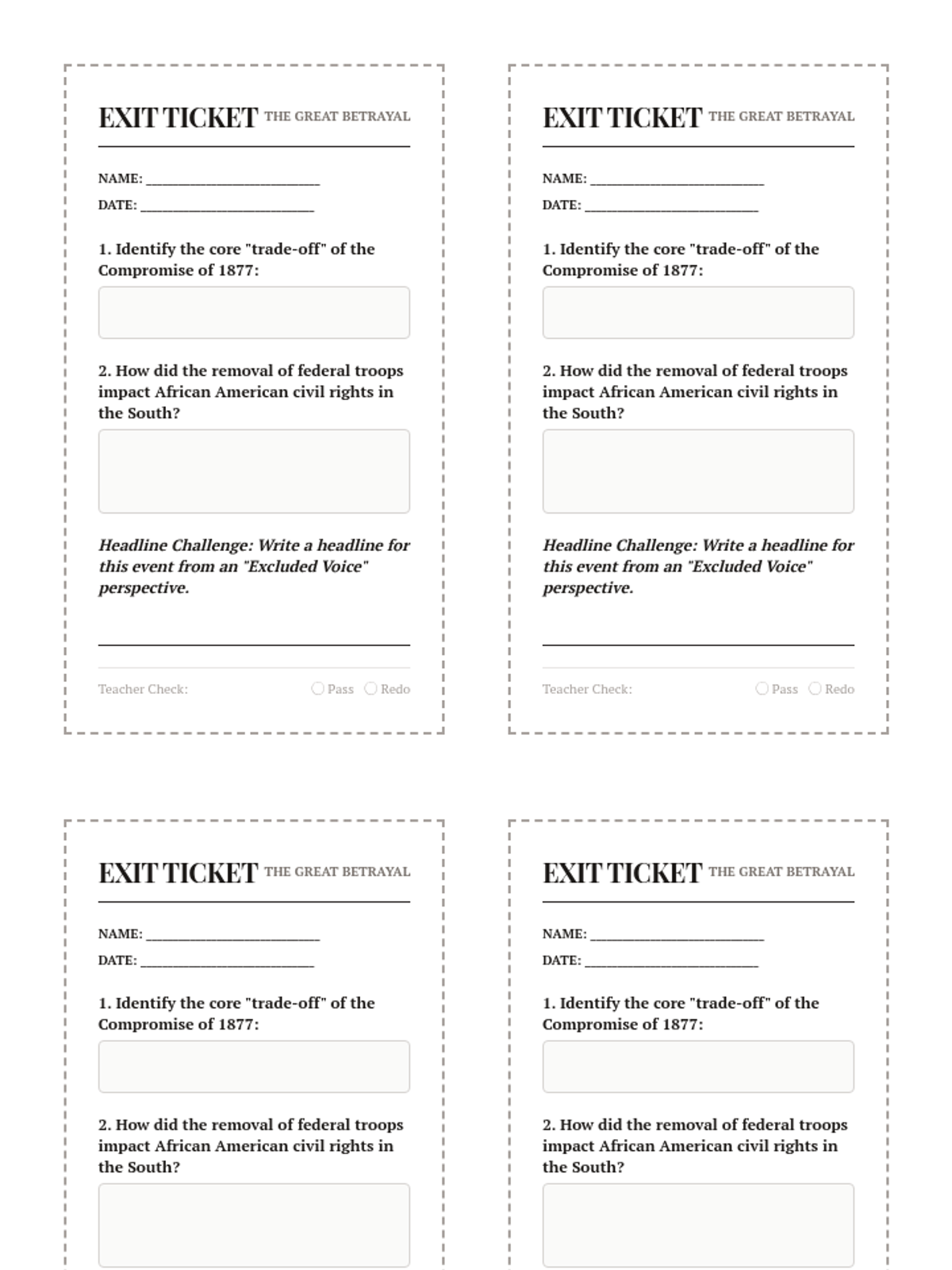
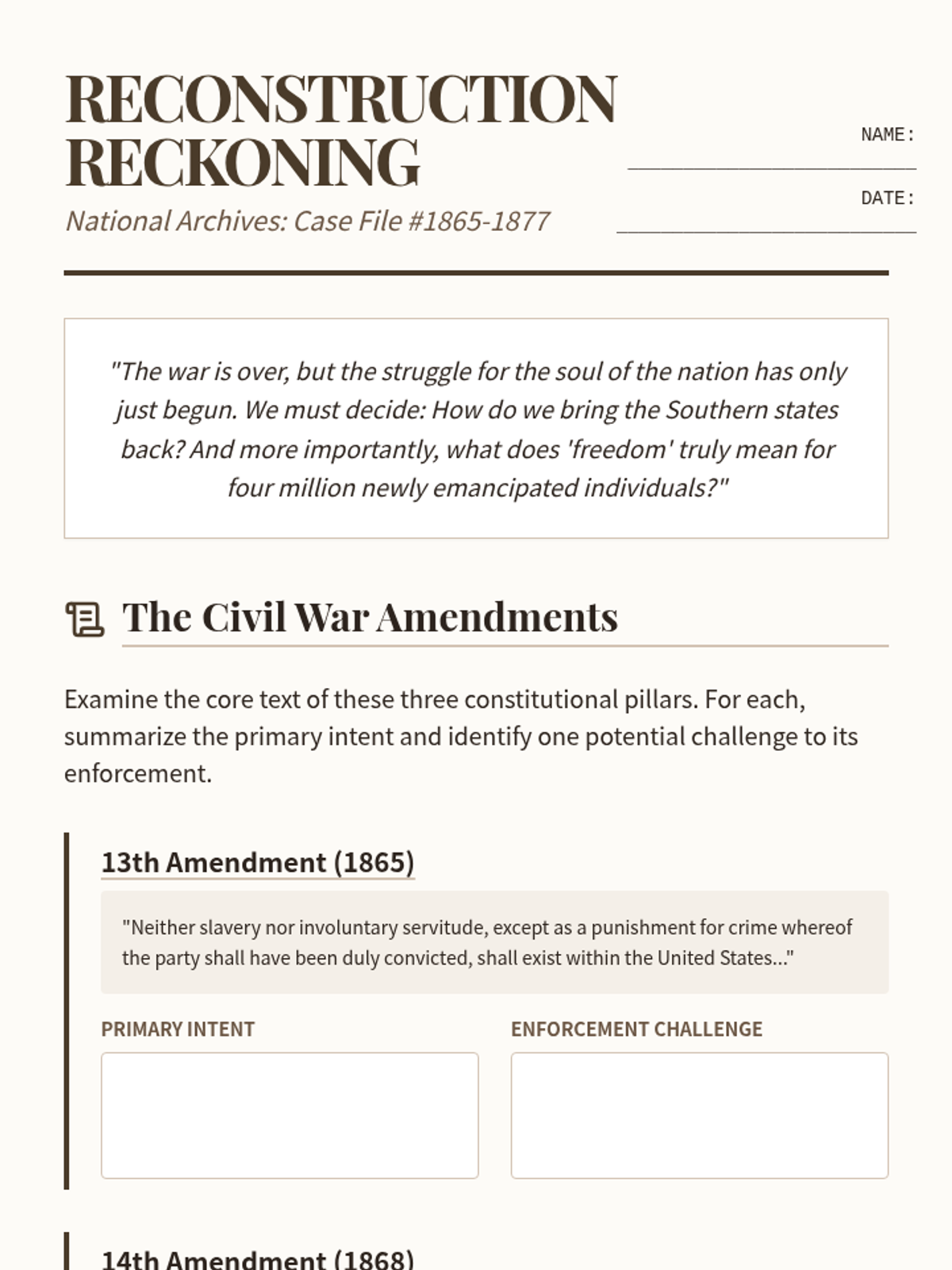
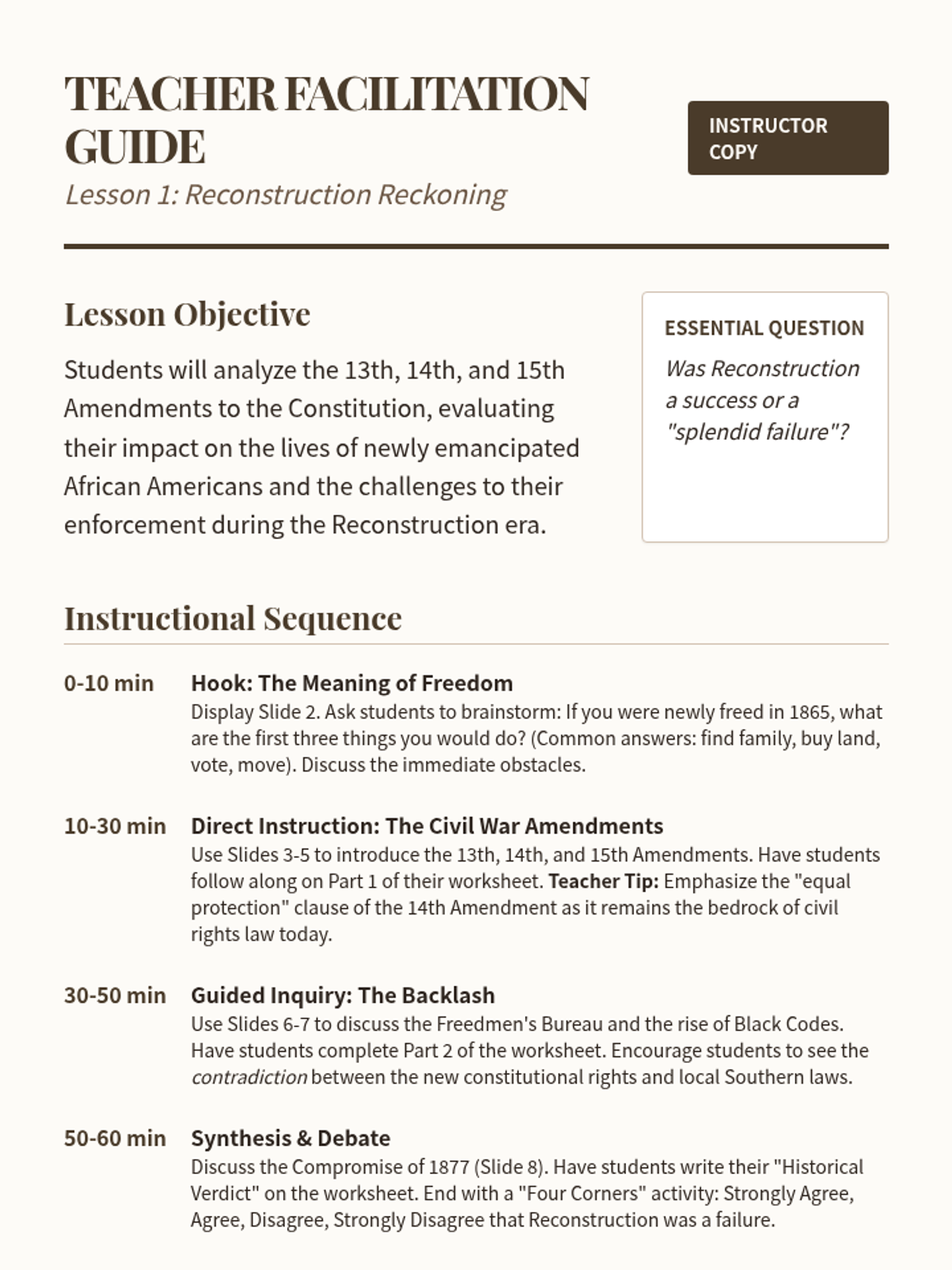
This sequence explores the aftermath of the Compromise of 1877, detailing the systematic dismantling of Reconstruction-era progress and the establishment of the Jim Crow South. Students analyze the political, social, and legal mechanisms used to disenfranchise African Americans.
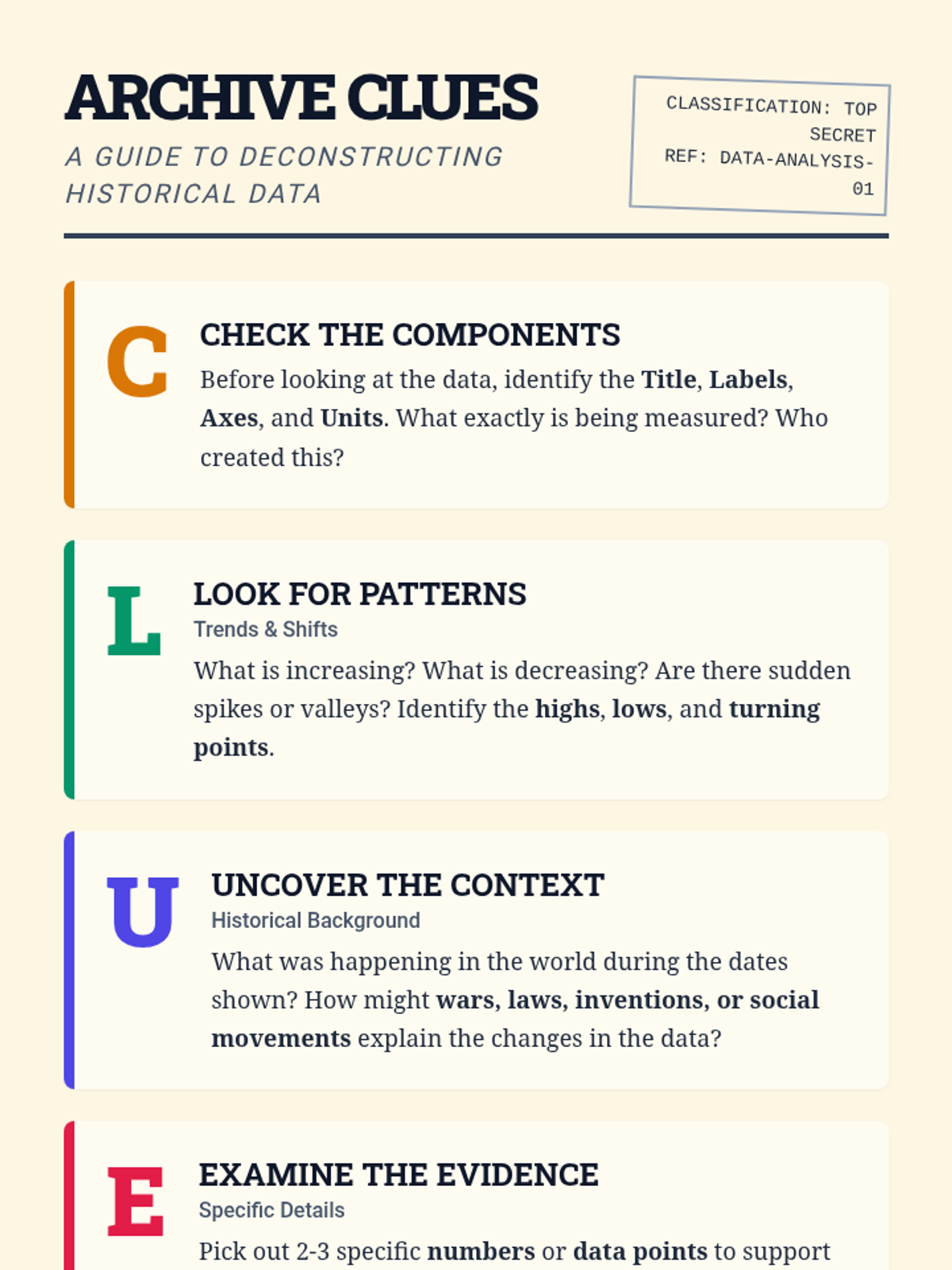
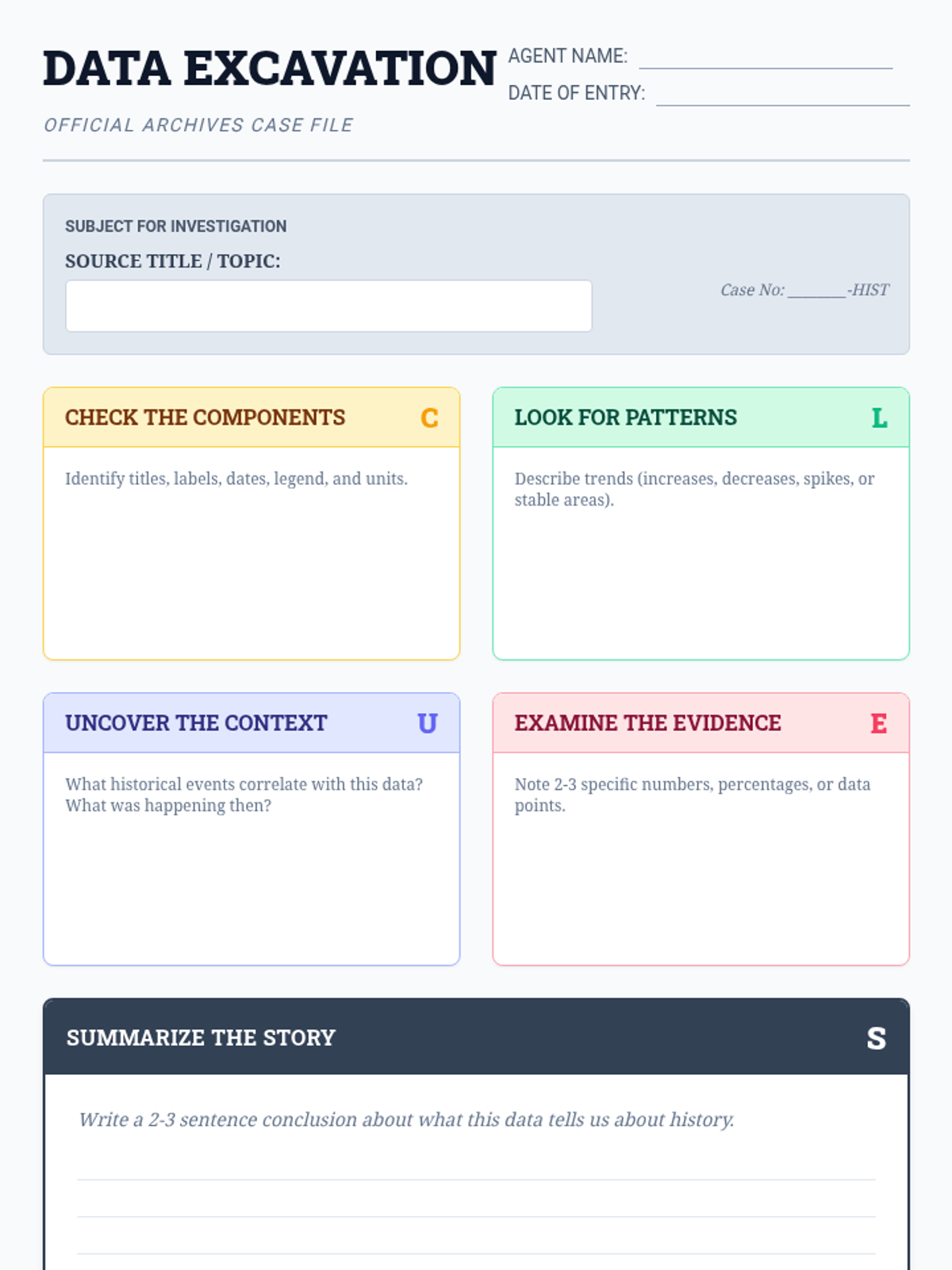
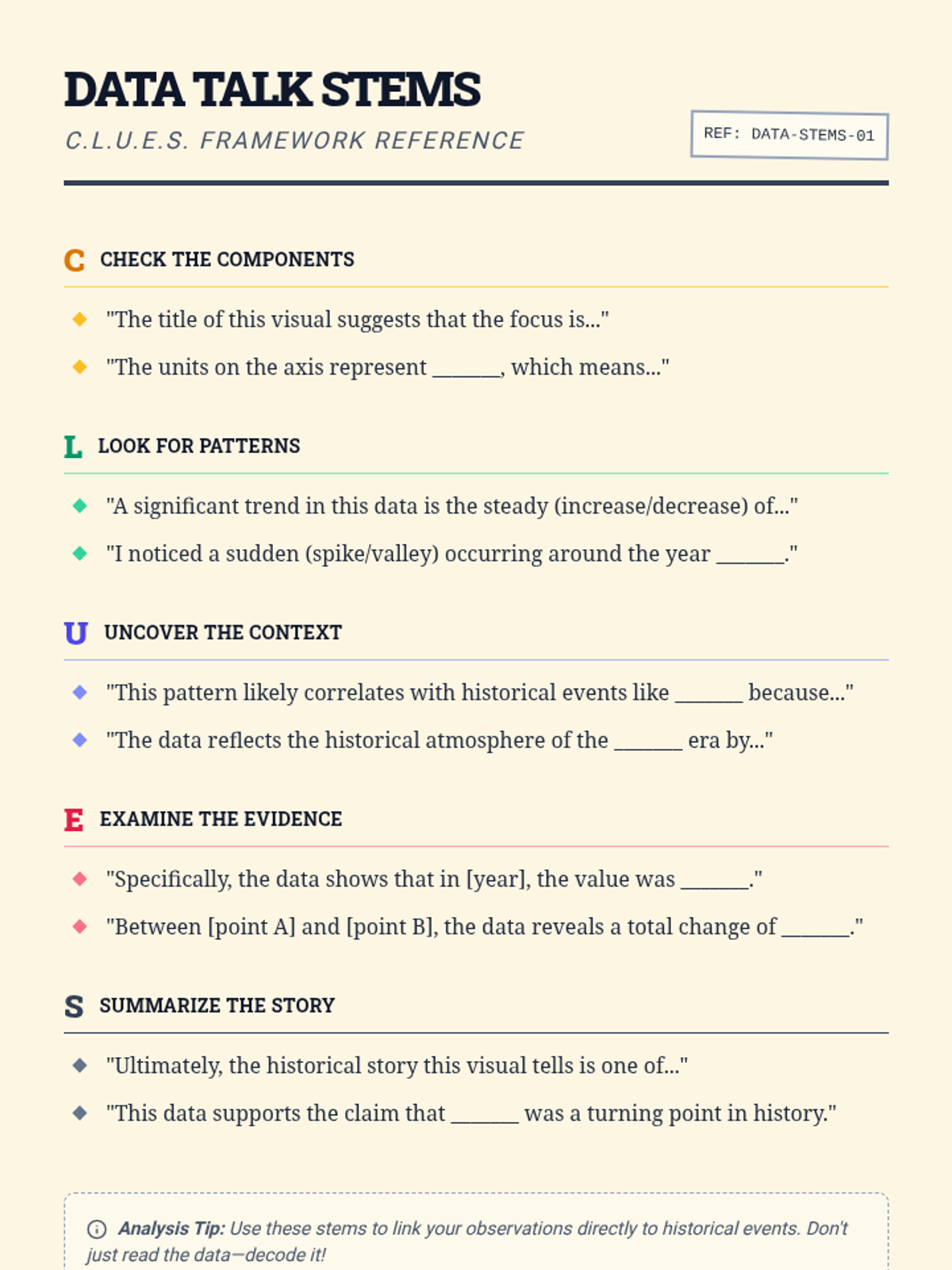
A series of lessons designed to turn students into historical investigators by providing structured frameworks for analyzing visual data and written primary sources.
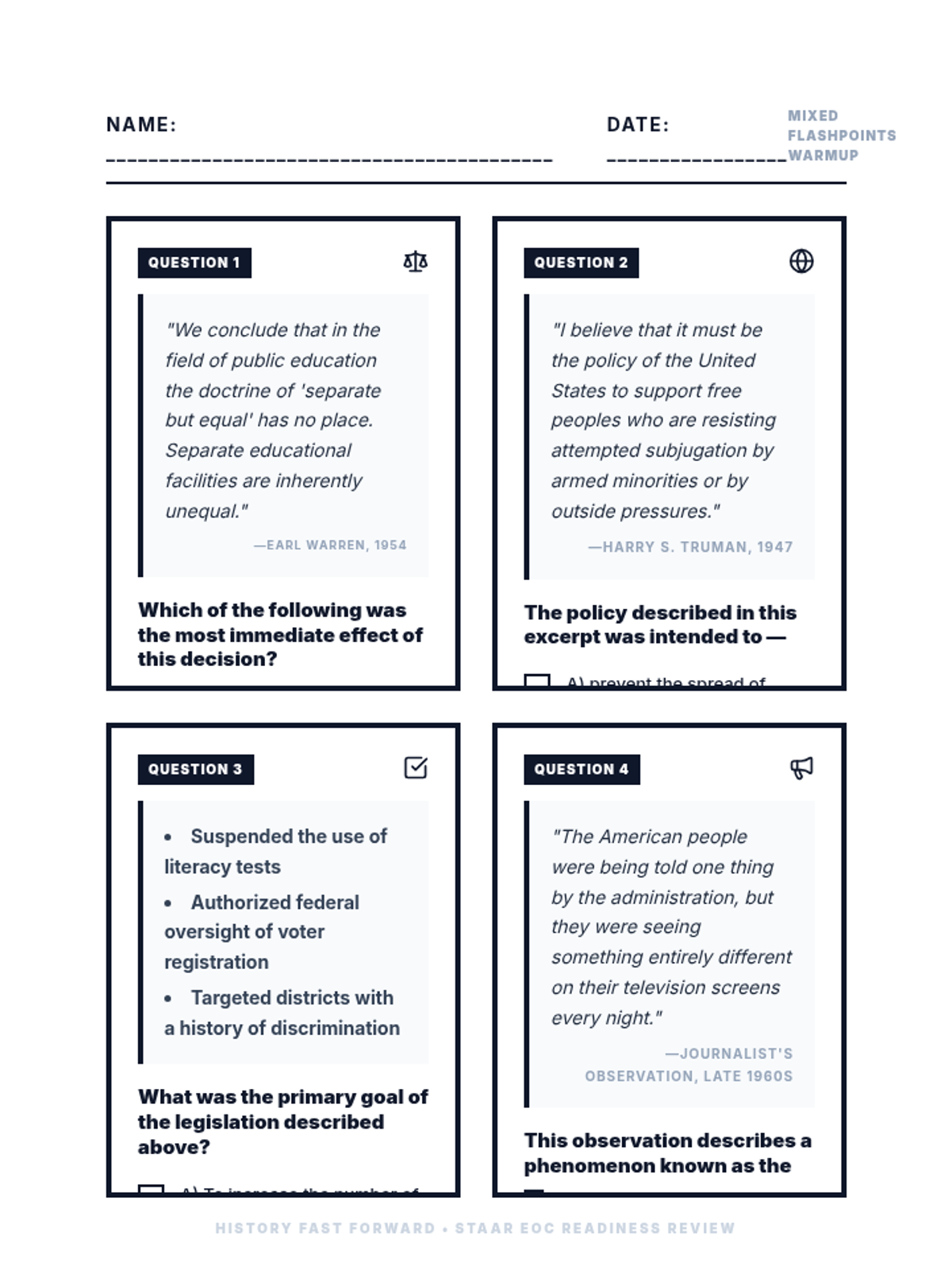
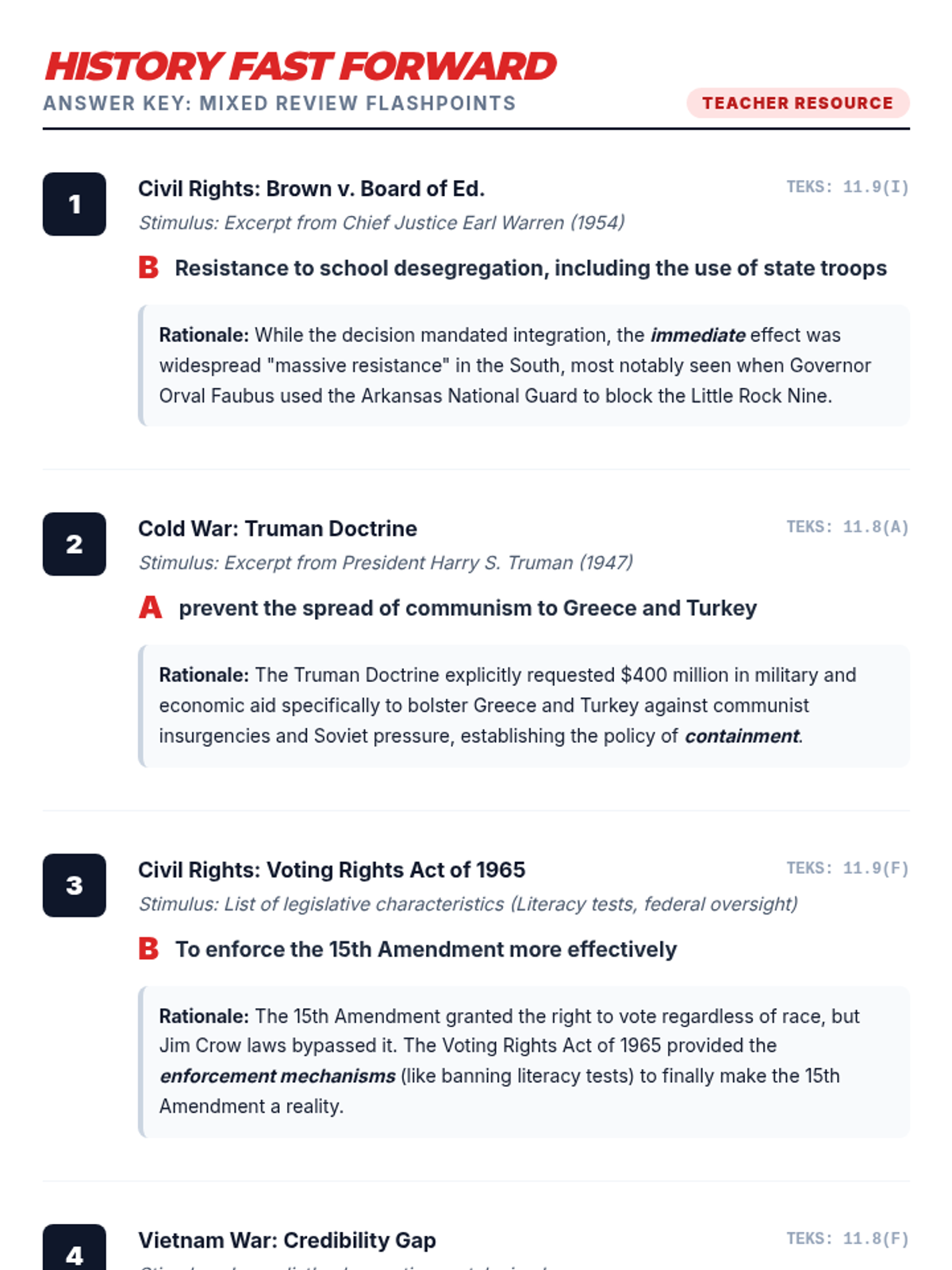
A collection of high-leverage US History warm-ups designed to prepare students for the STAAR EOC through stimulus-based practice and quick-hit review.
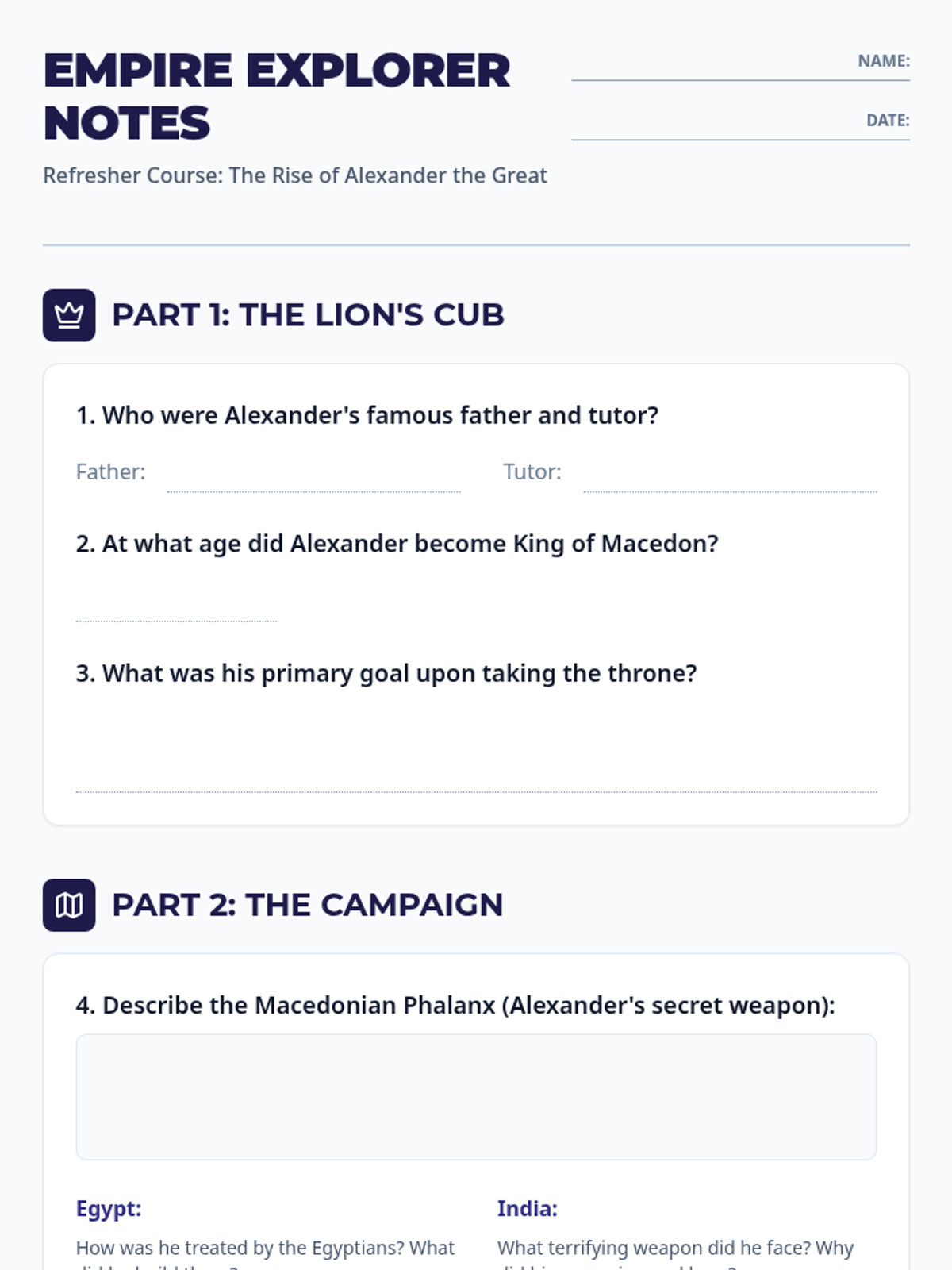
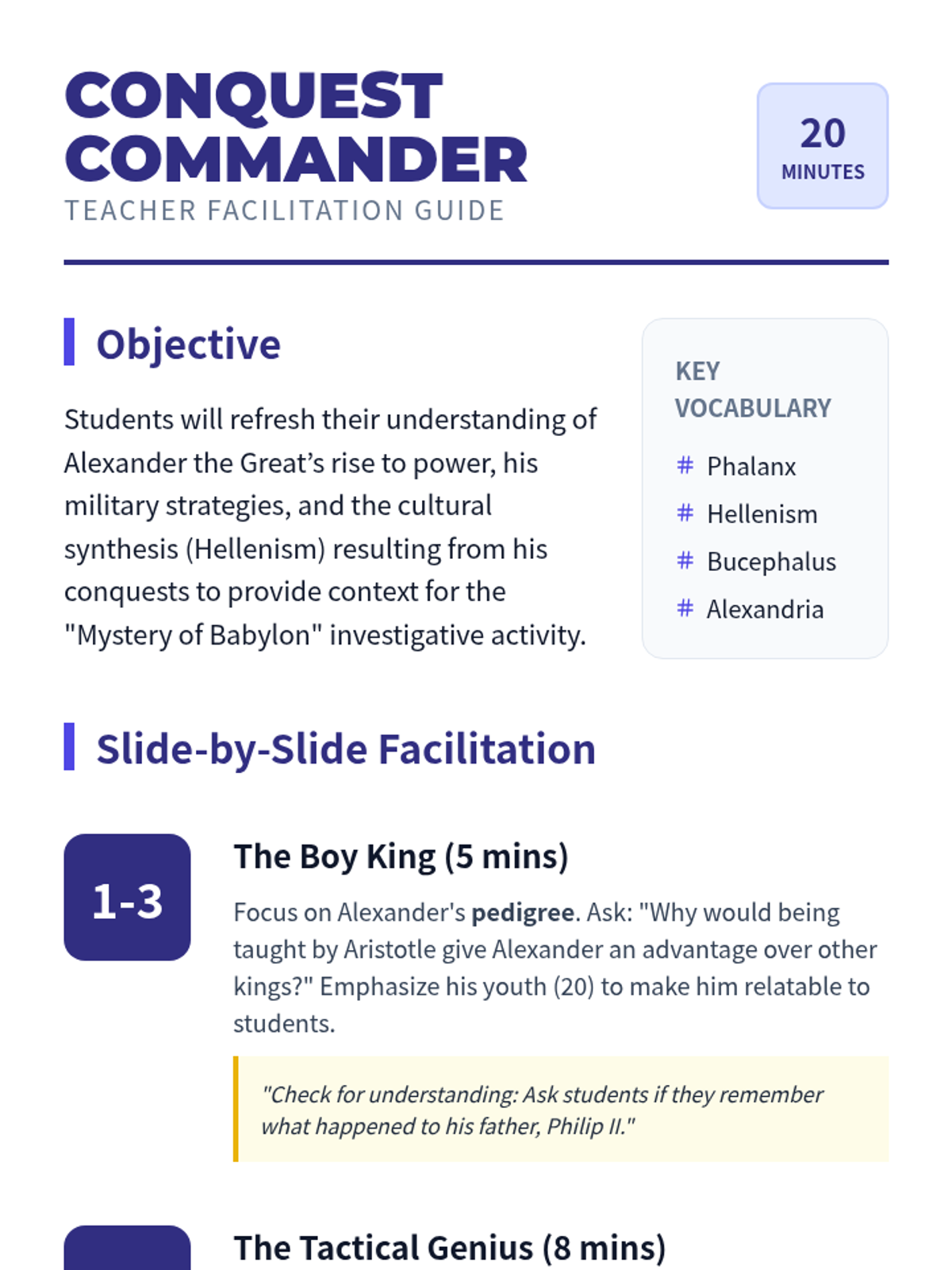
A comprehensive unit on the life, conquests, and lasting impact of Alexander the Great, featuring instructional refreshers, investigative mysteries, and critical source analysis.
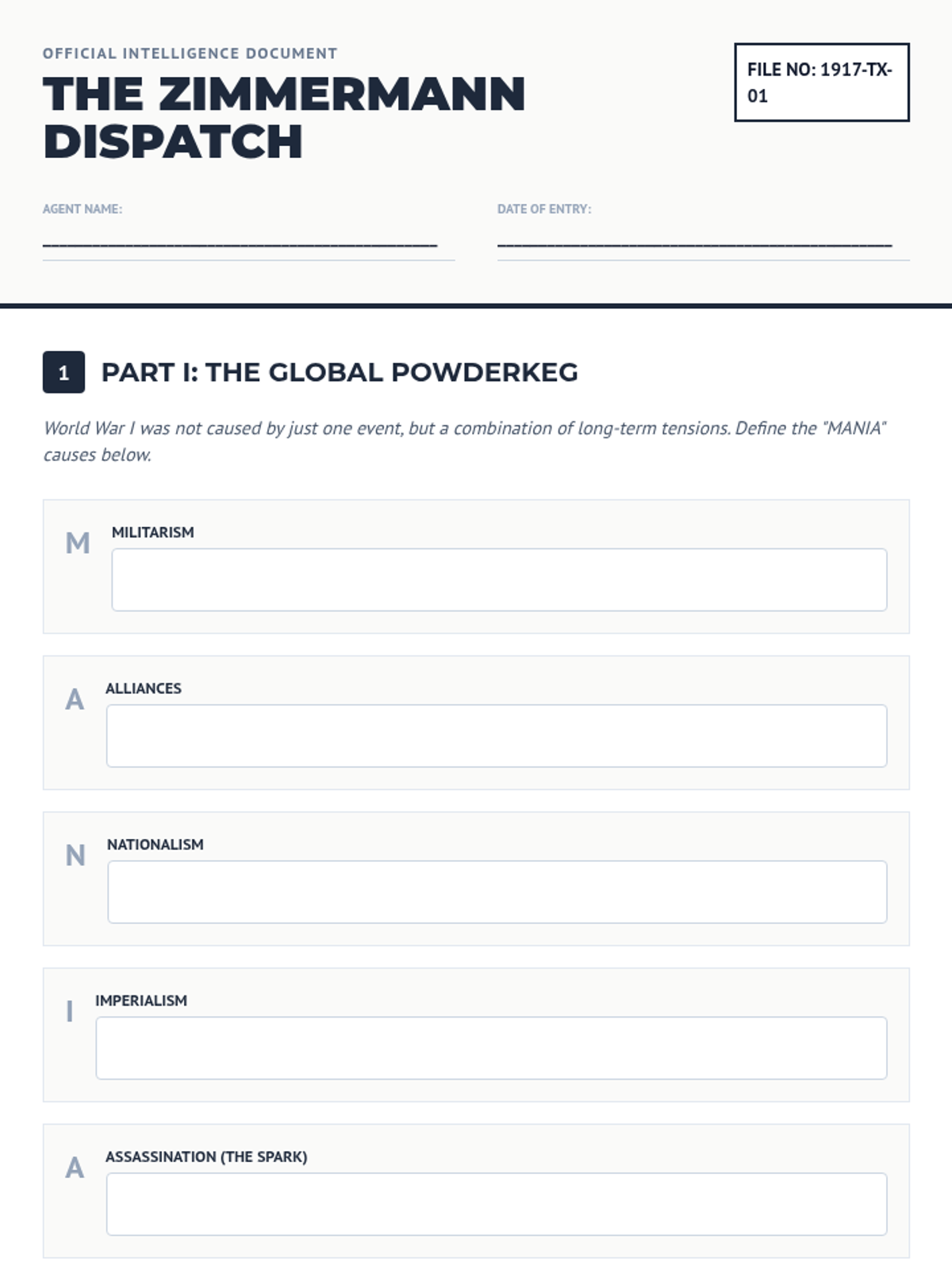
A comprehensive multi-day unit exploring World War I through a Texas lens, covering global causes, revolutionary military technology, the significant contributions of Texans, and the complex aftermath of the war.
A comprehensive journey through United States history from the aftermath of the Civil War to the contemporary era, exploring the social, political, and economic shifts that shaped the modern nation.
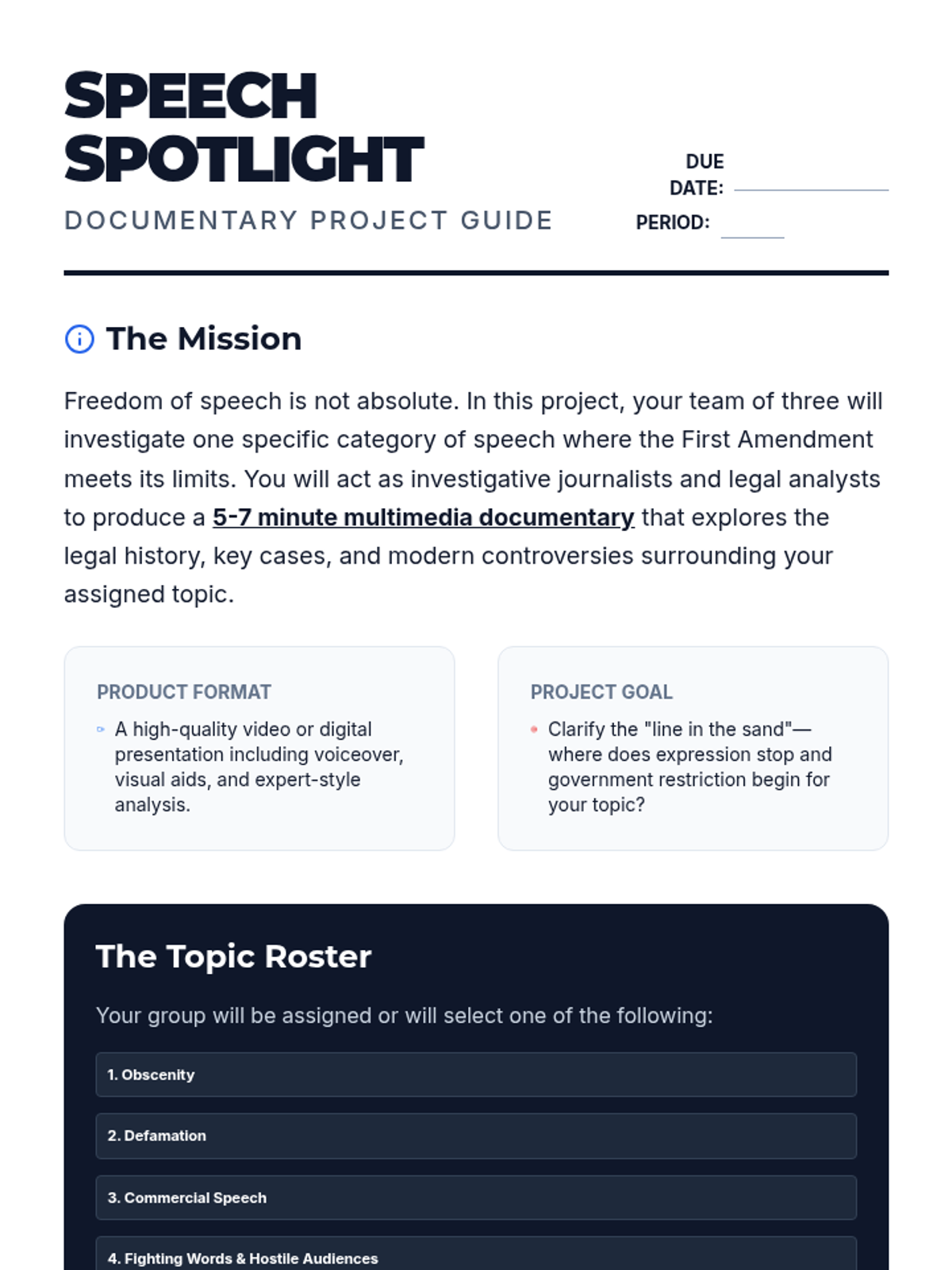
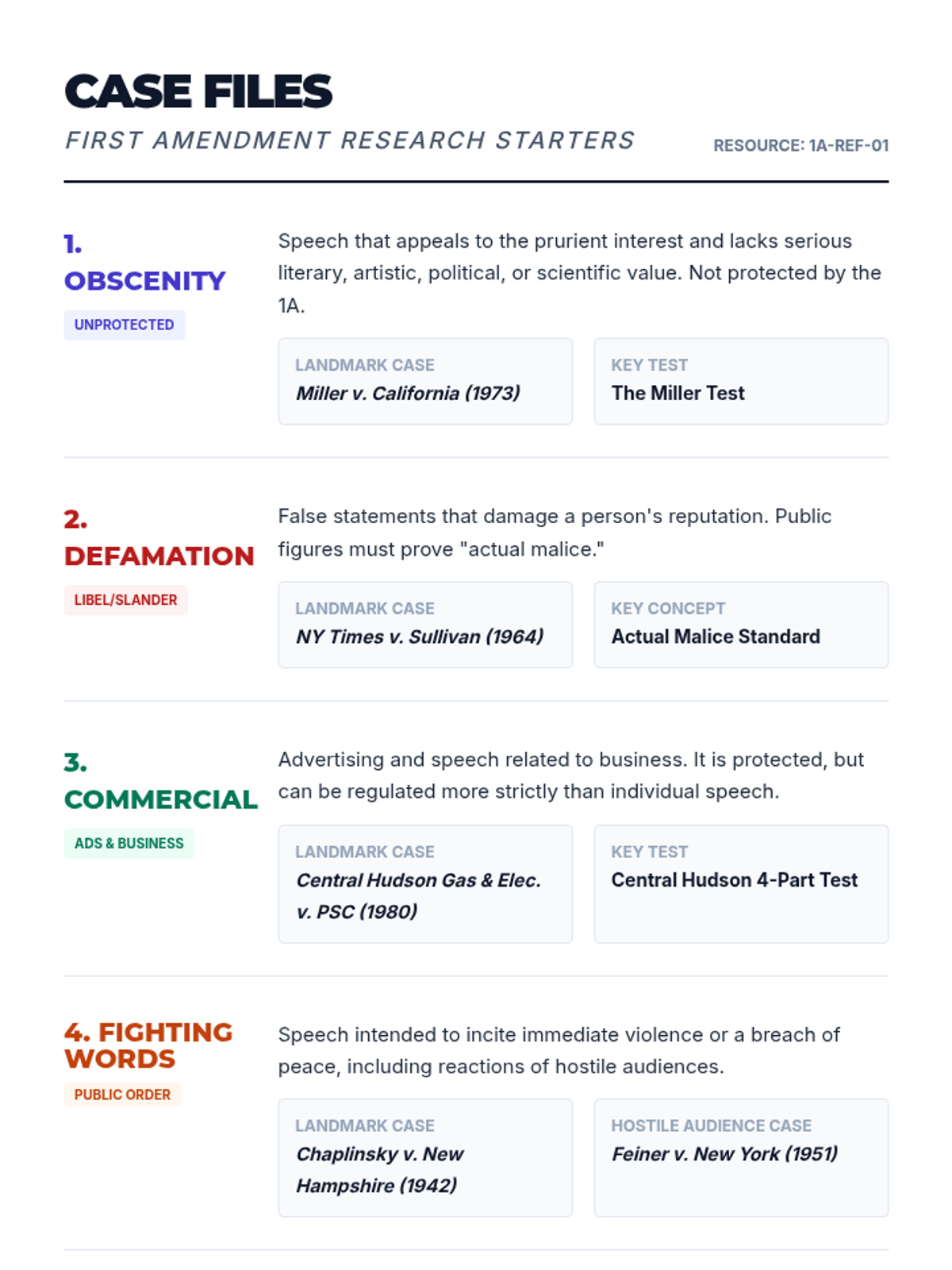
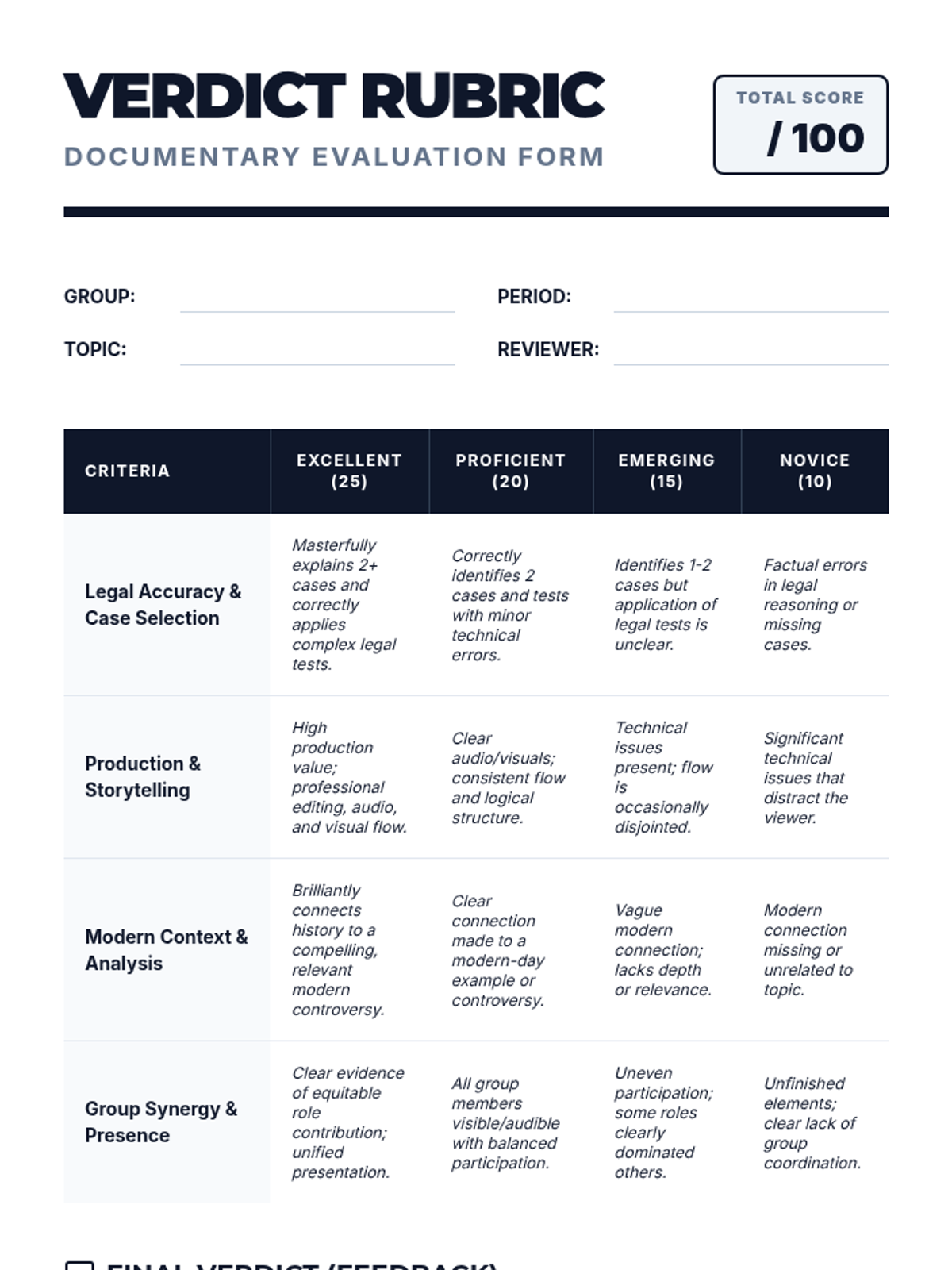
An in-depth exploration of First Amendment law, focusing on the tension between individual liberty and the public good through various categories of restricted speech.
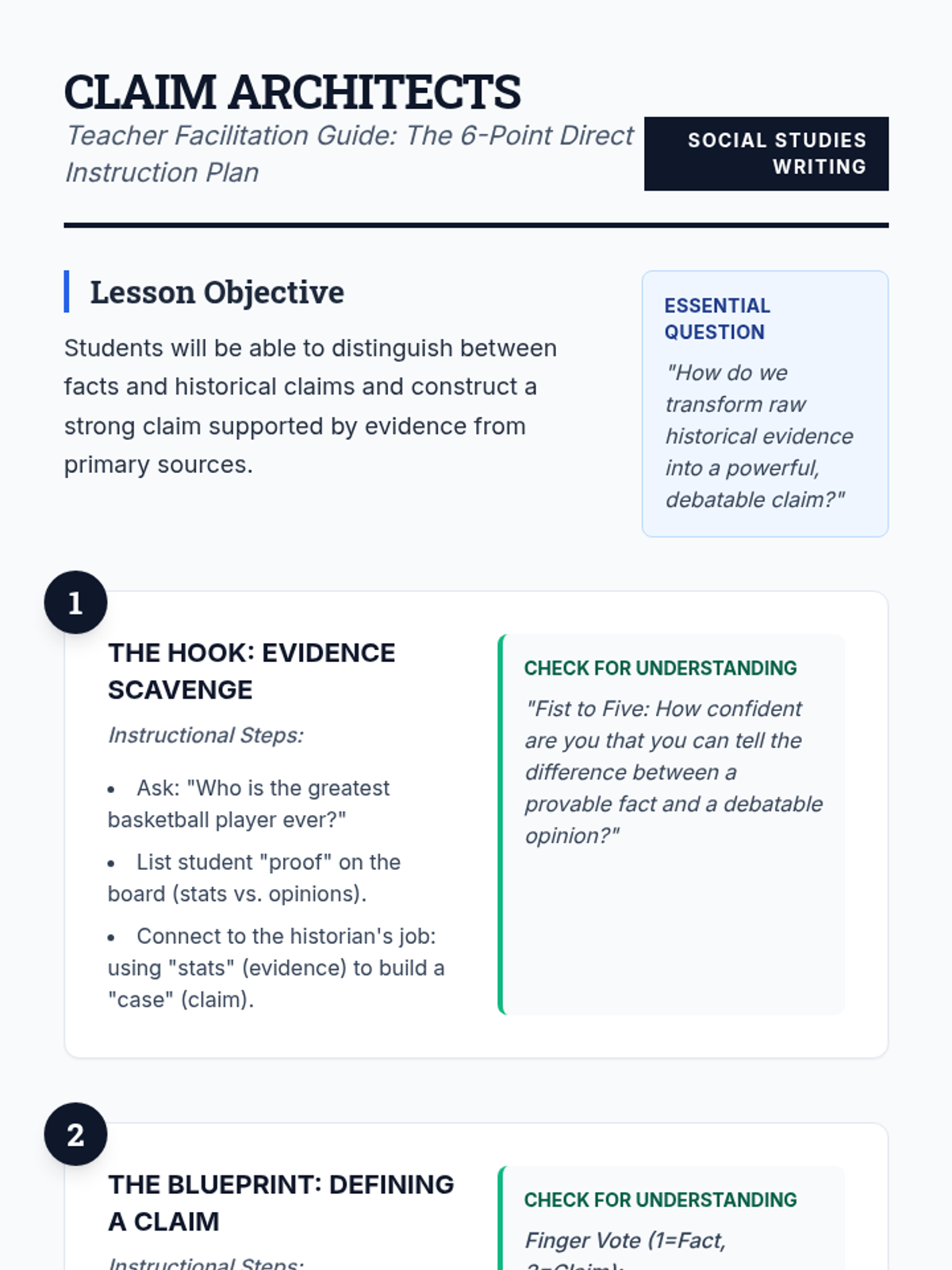
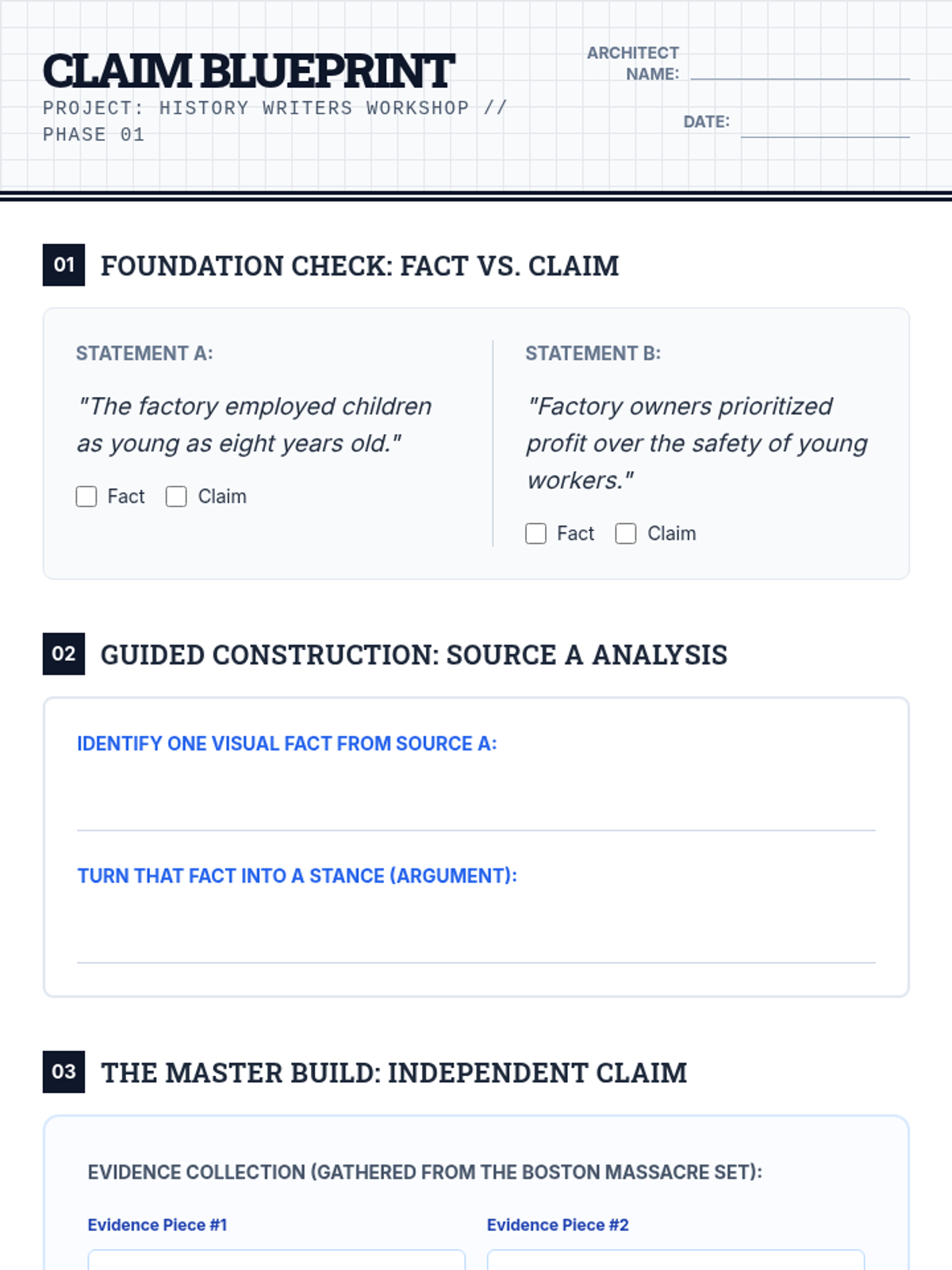
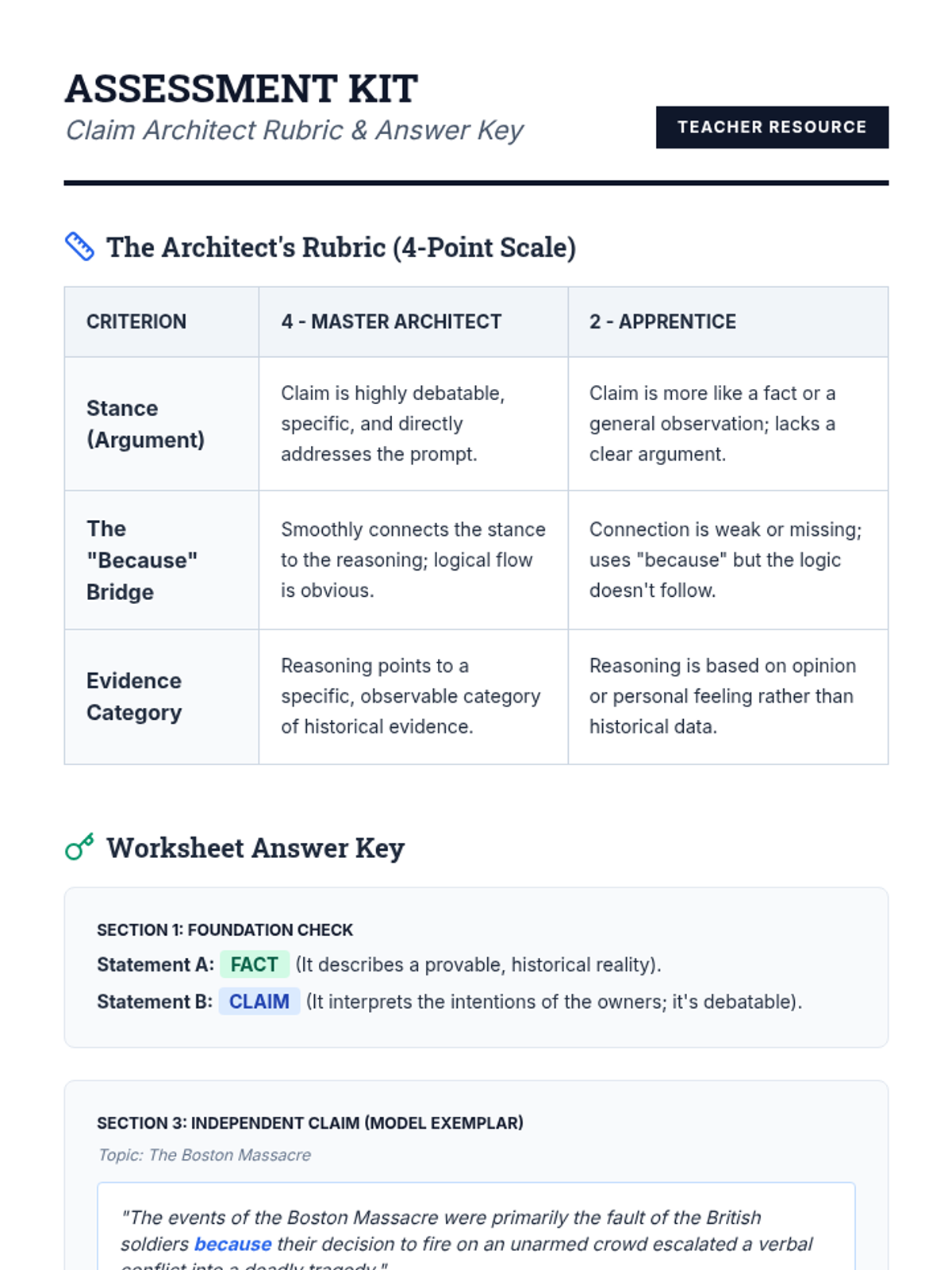
A series of lessons designed to improve historical writing skills, focusing on evidence analysis, claim construction, and argumentative structure.
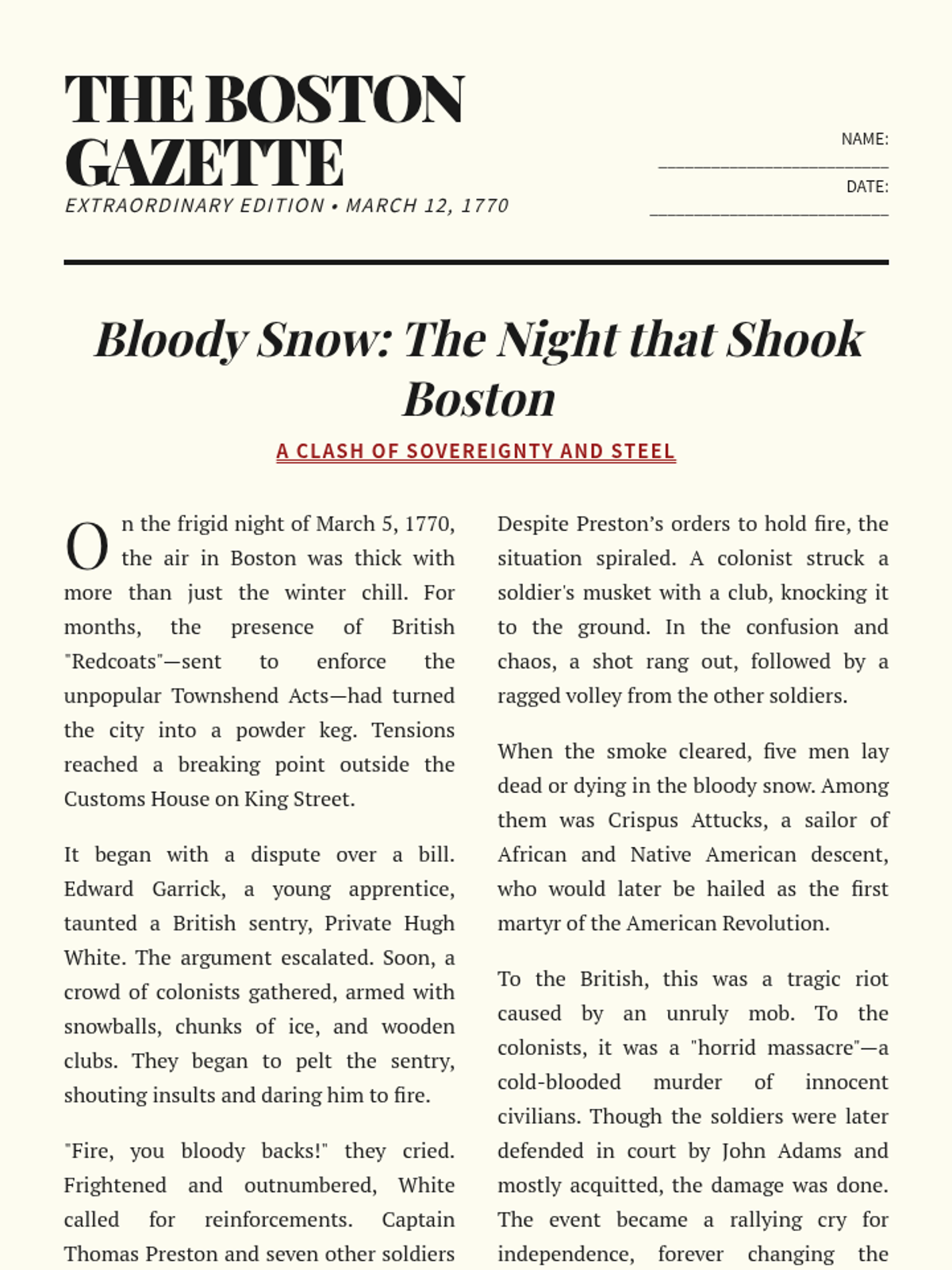
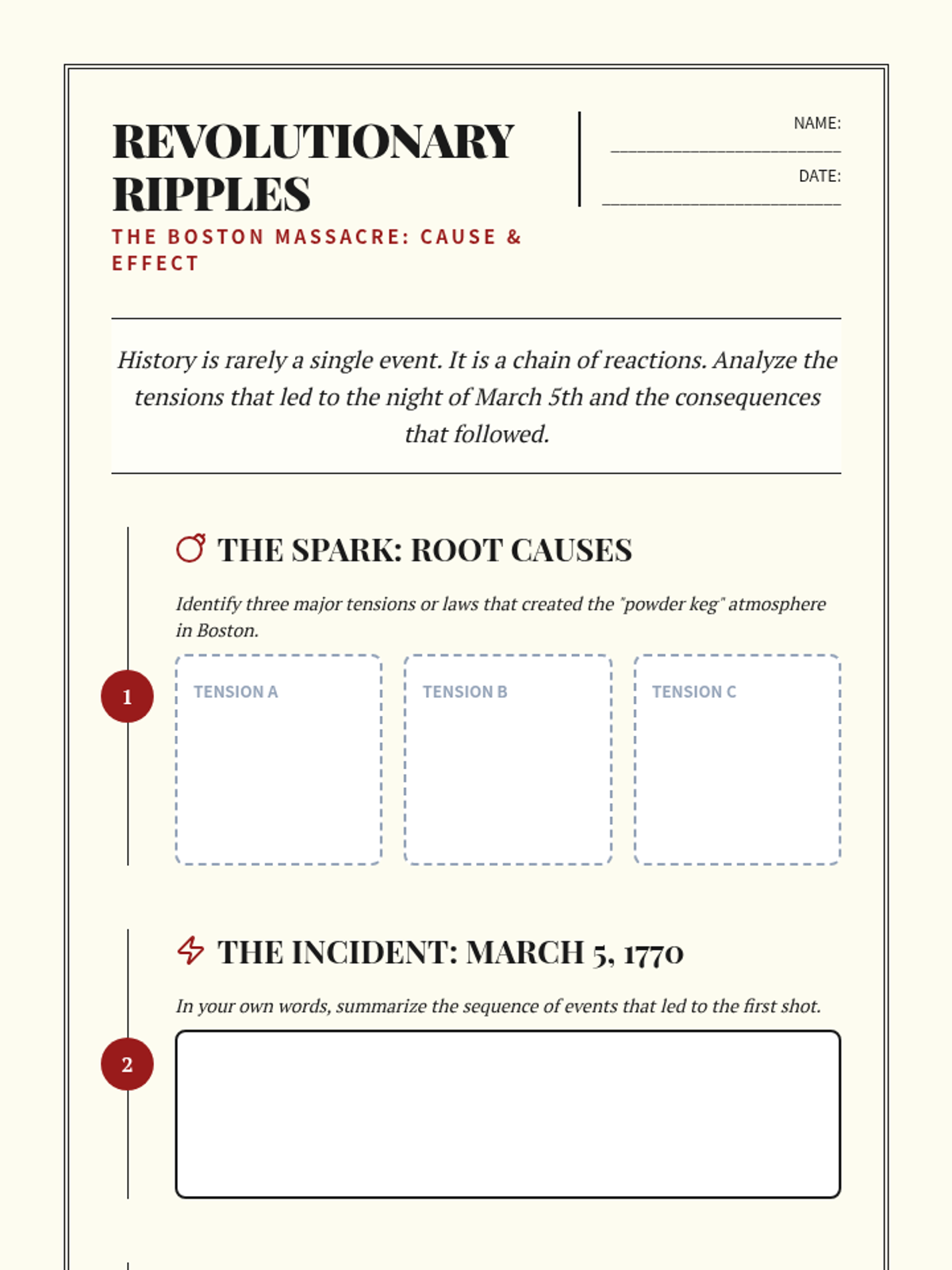
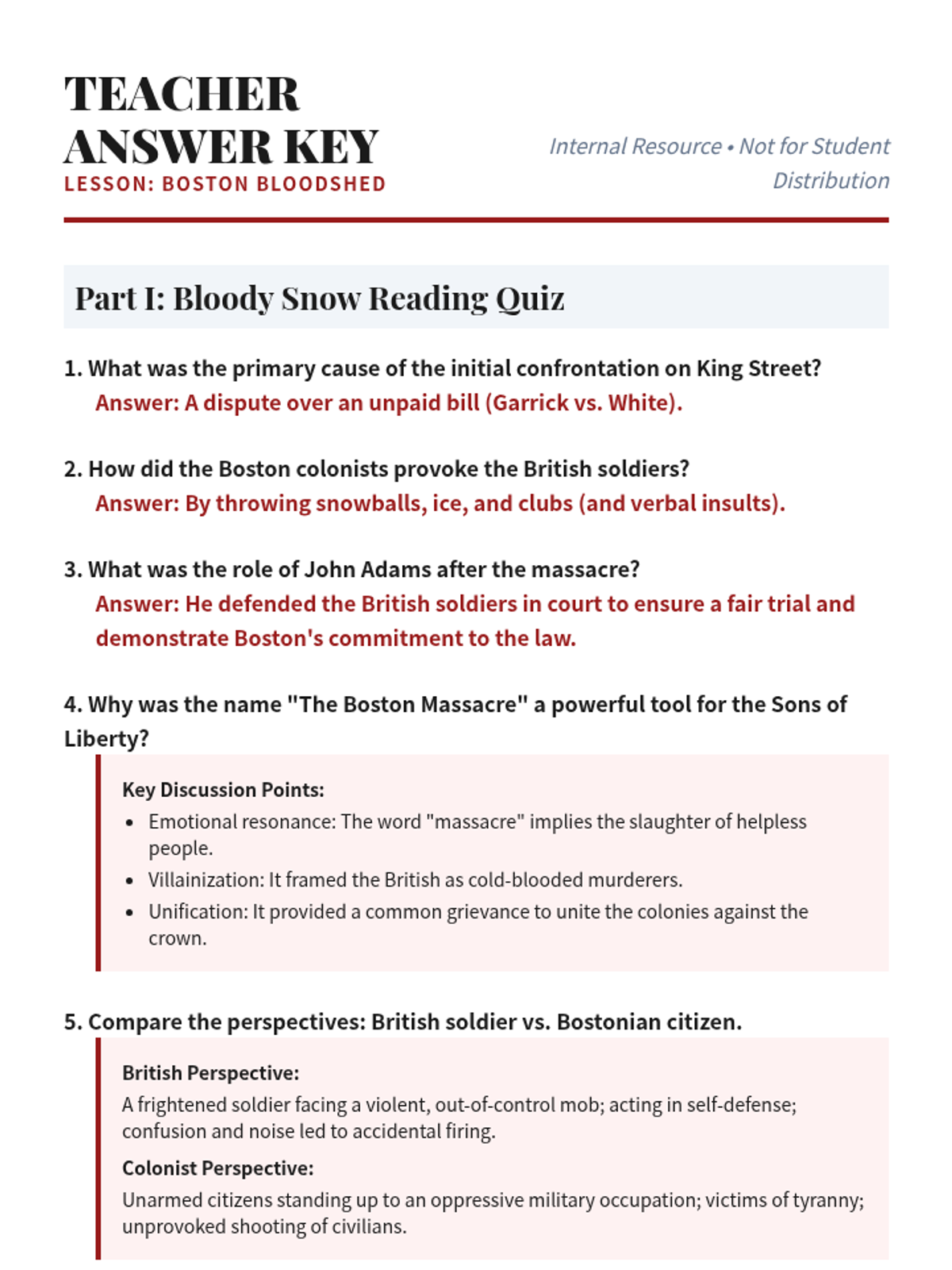
A series of lessons exploring the escalating tensions in the American colonies leading up to the Revolutionary War, focusing on key events, influential figures, and the power of colonial media.
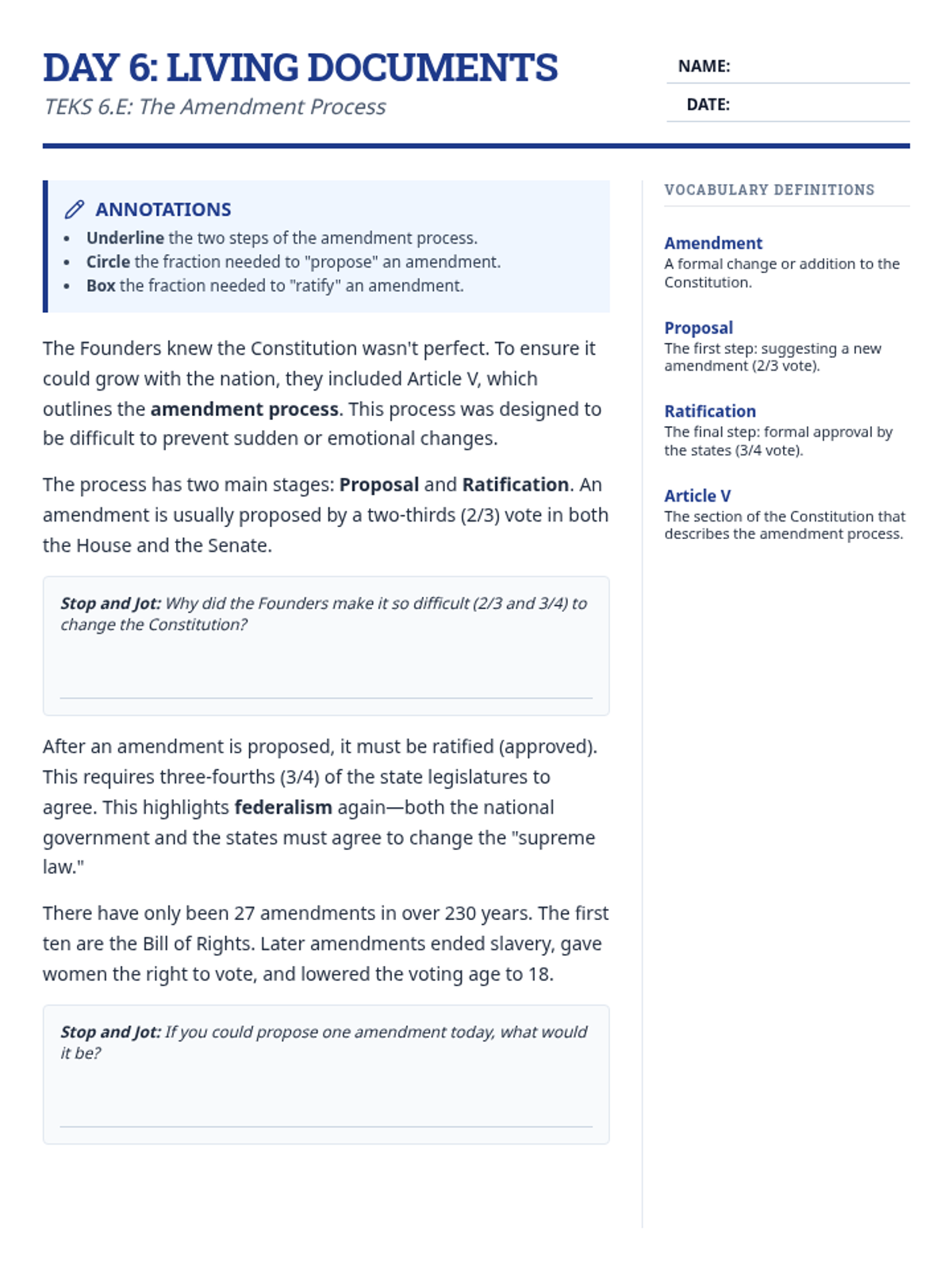
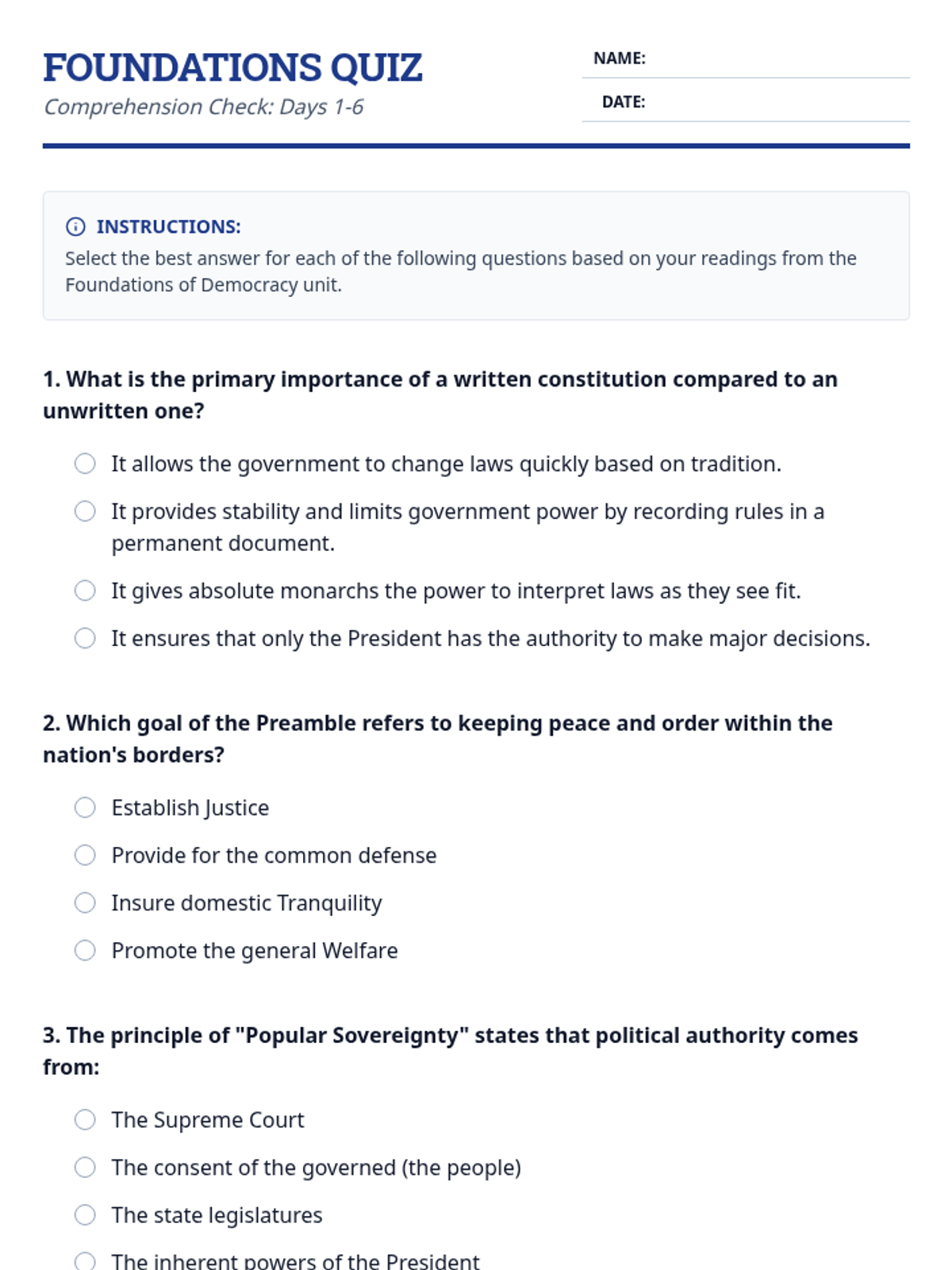
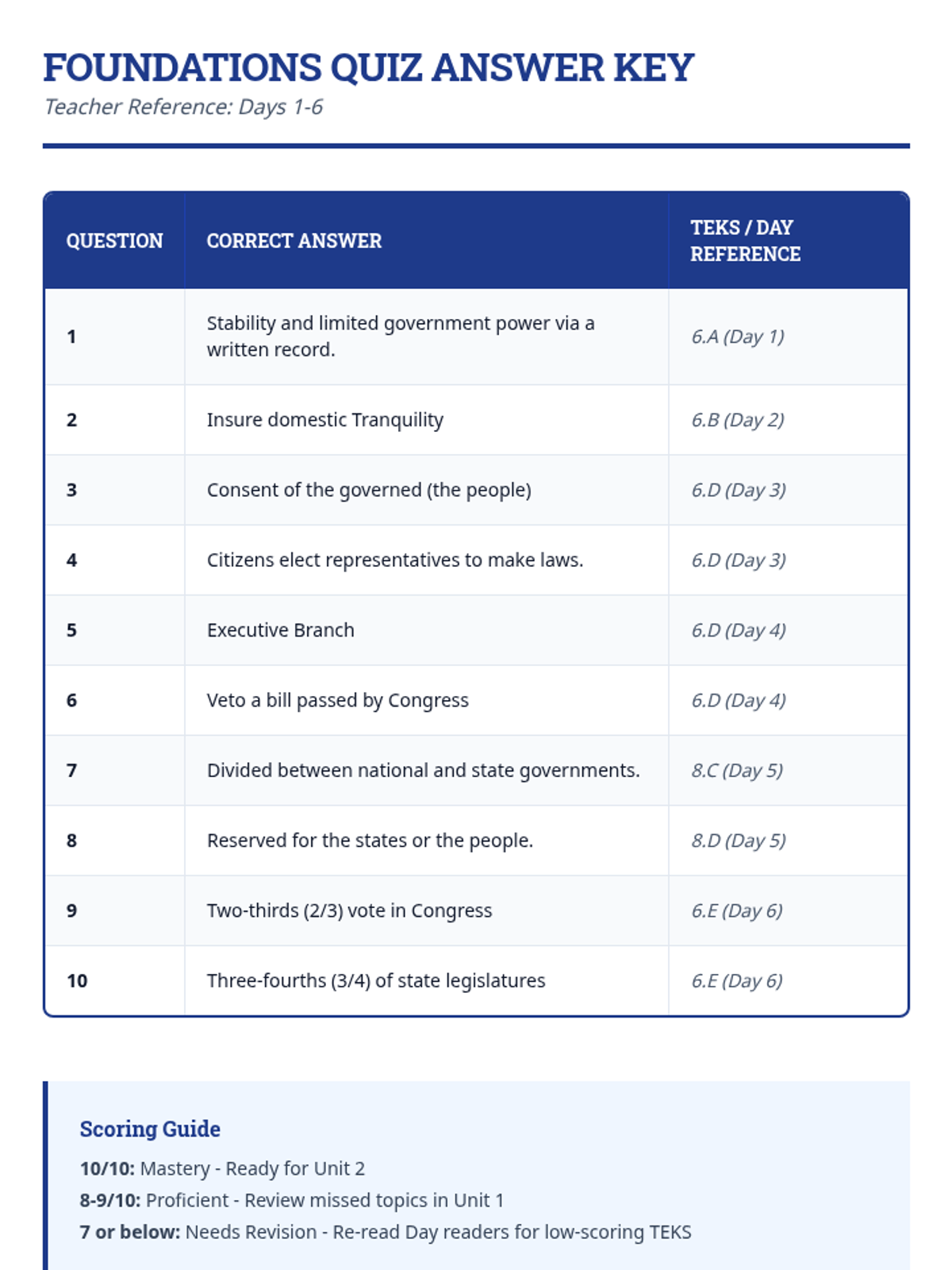
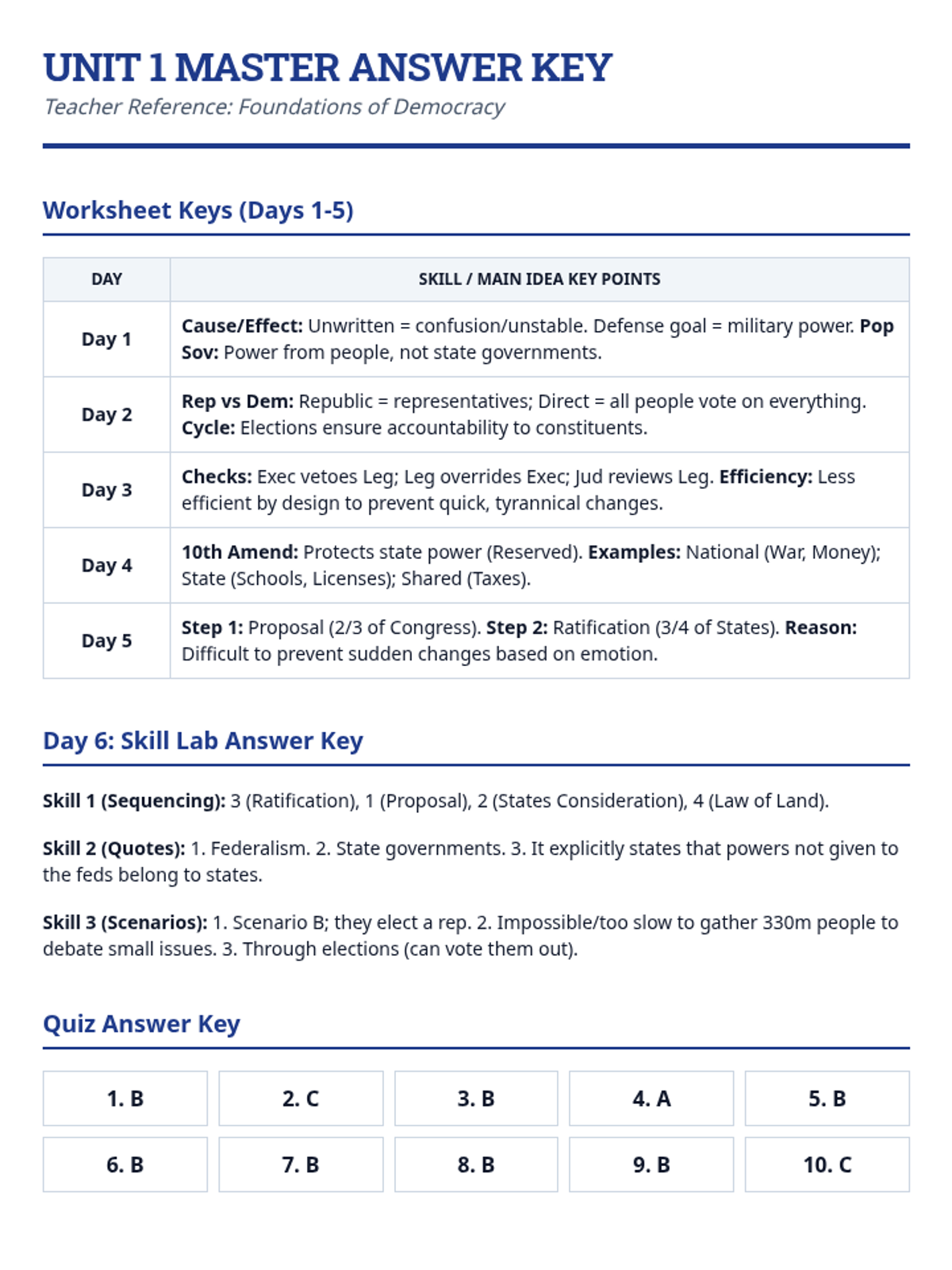
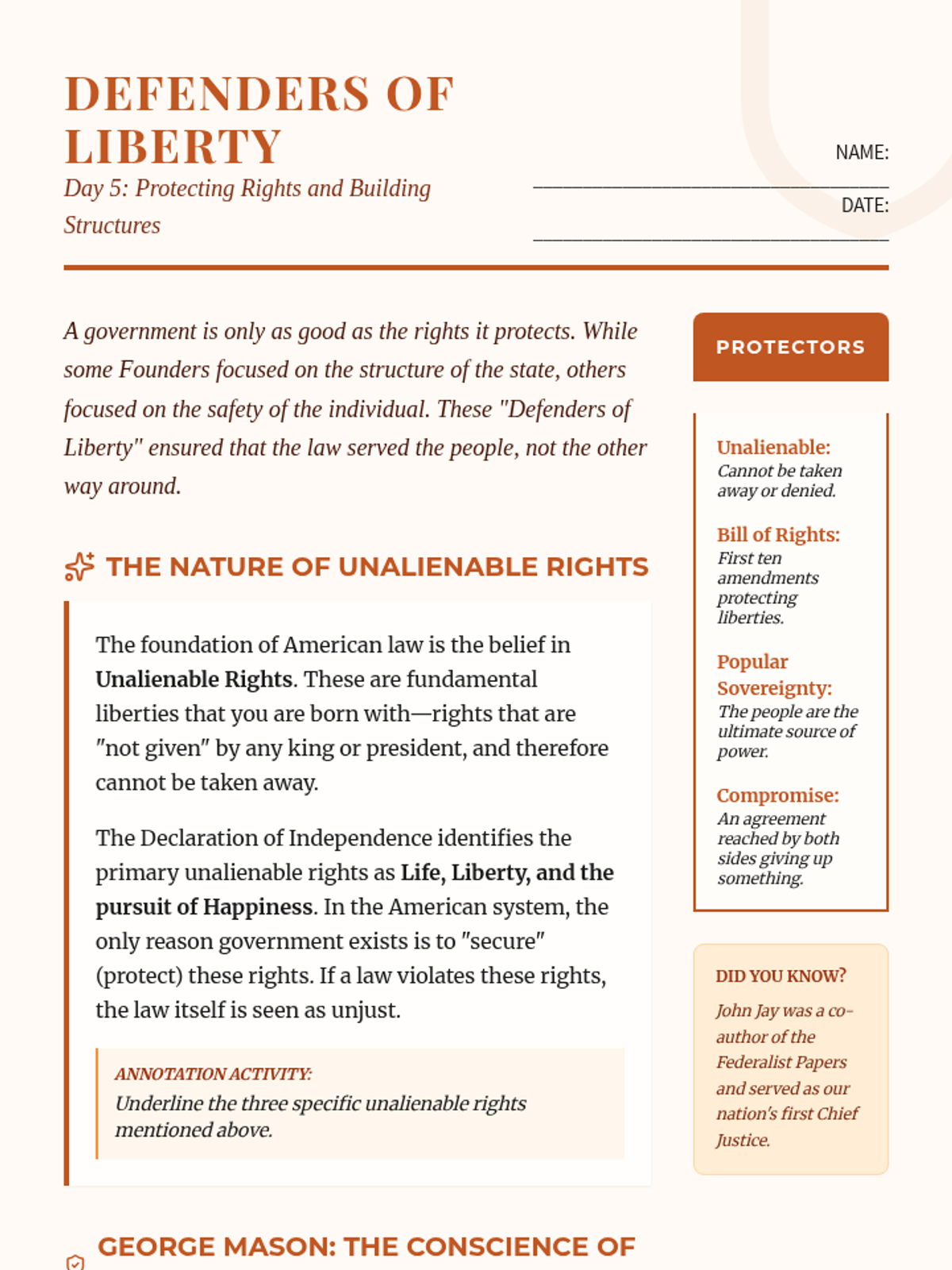
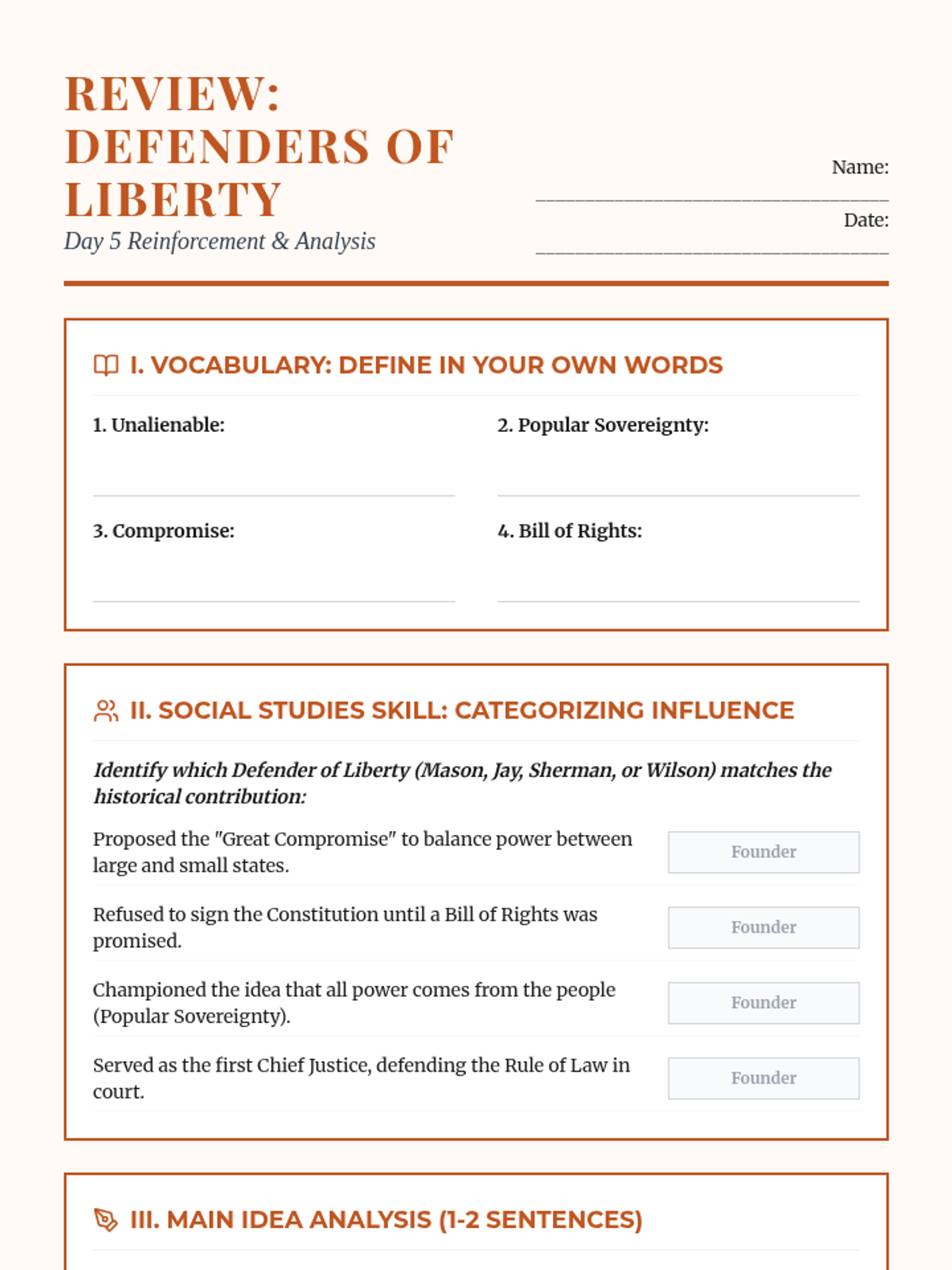
A 7-day comprehensive remediation sequence focused on the philosophical, historical, and individual foundations of American government. Designed for students needing mastery of TEKS 1 and 12B, the unit features structured readers, skill-building worksheets, and a cumulative assessment.
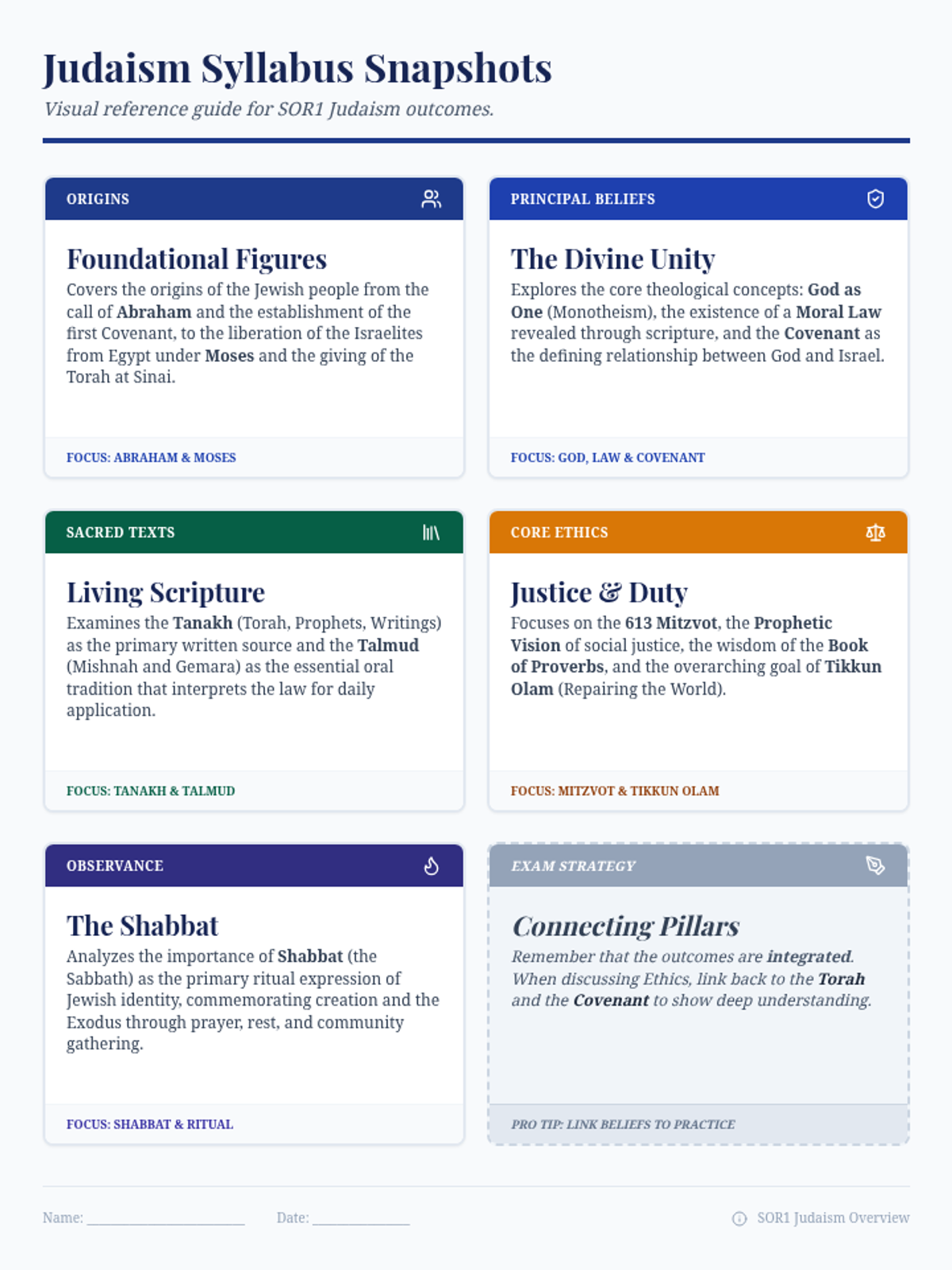
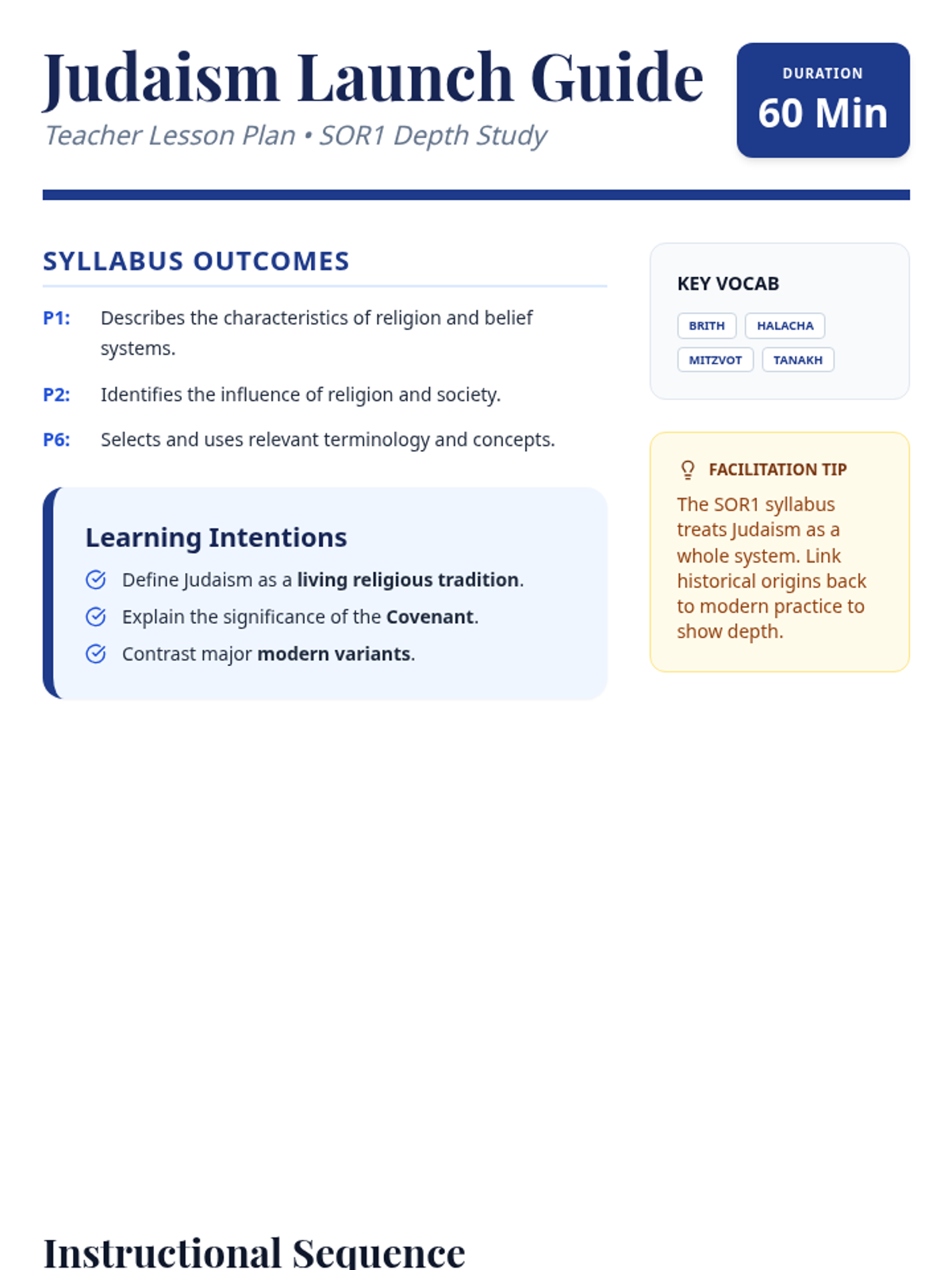
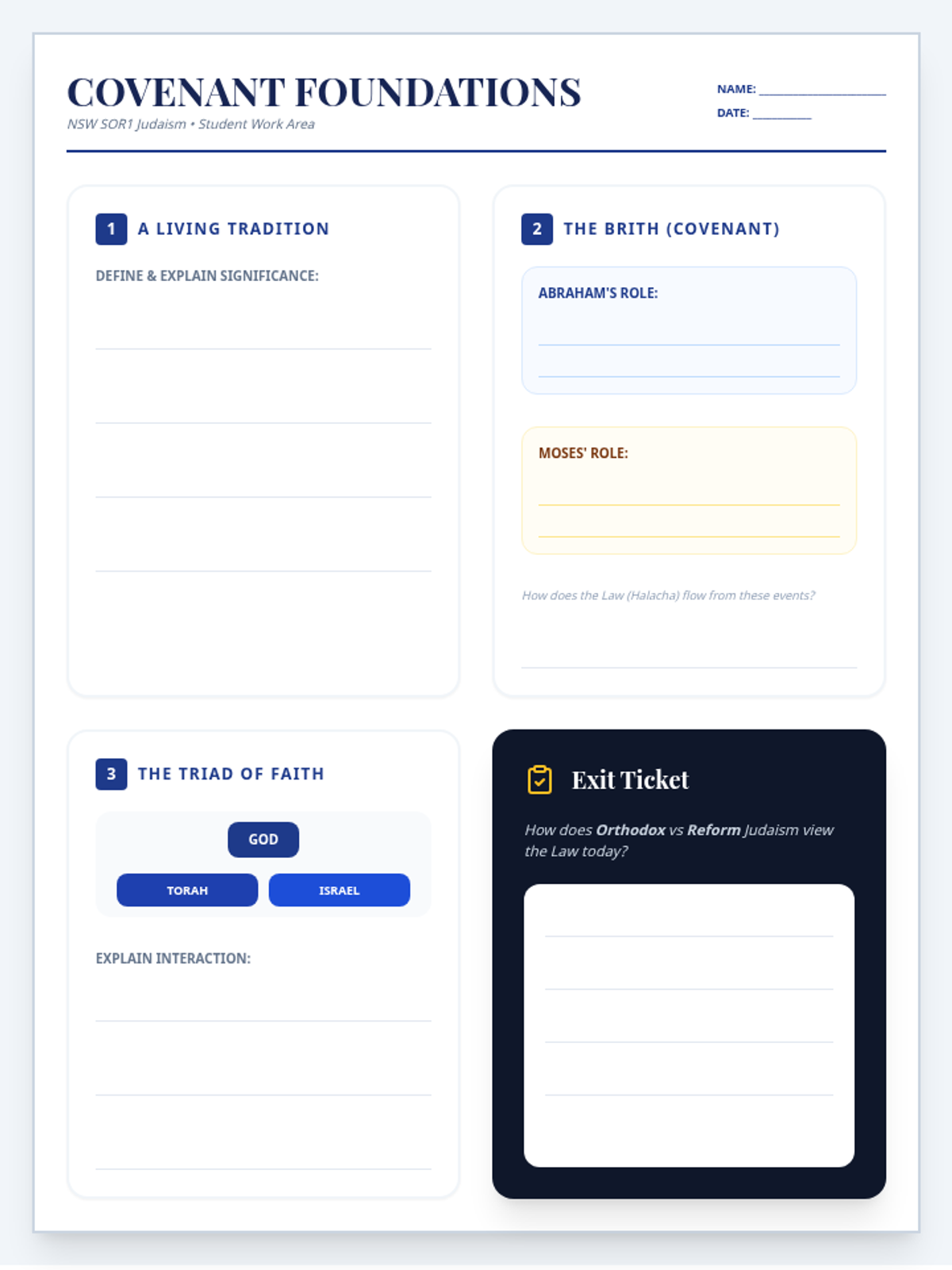
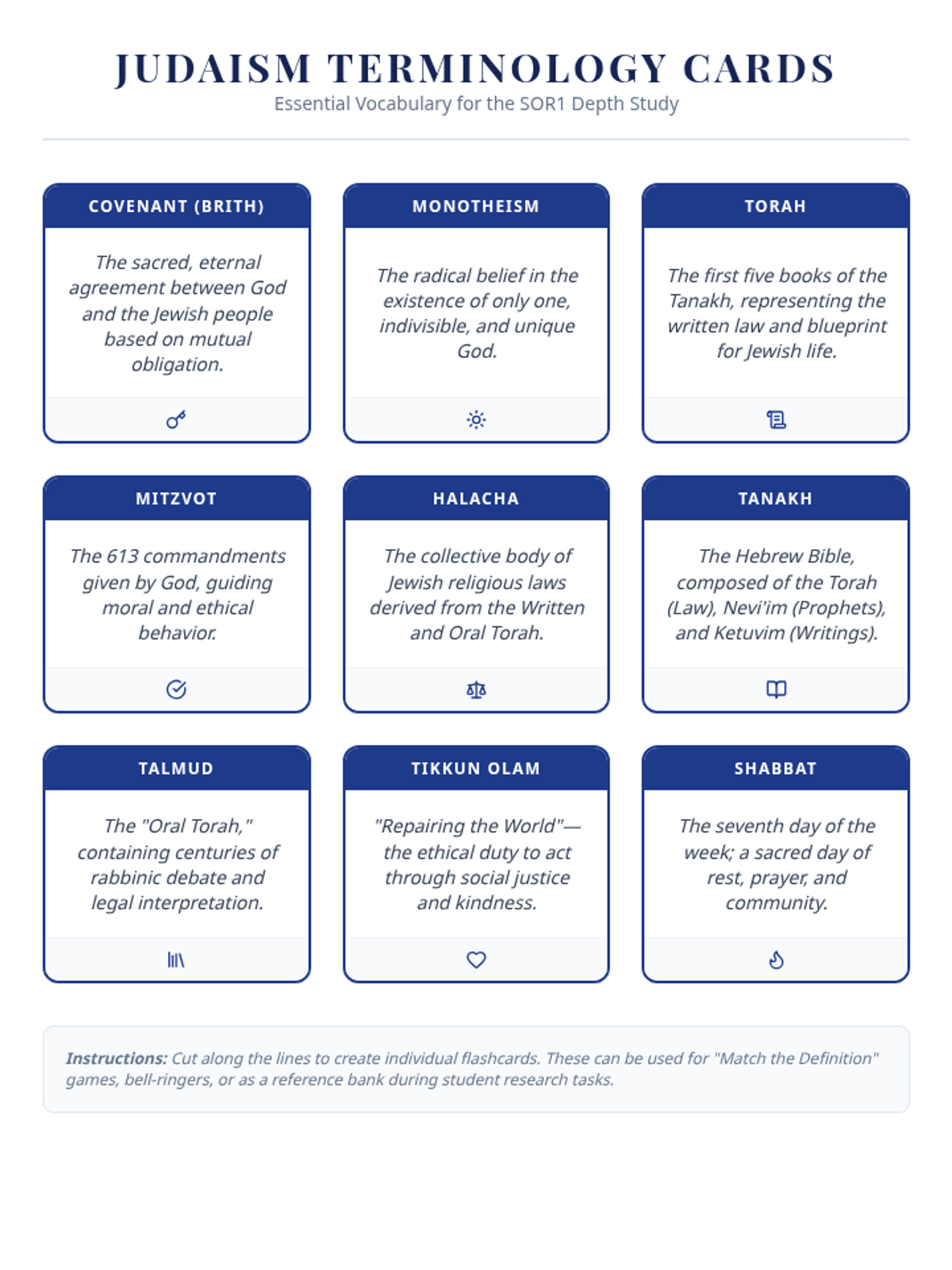
A complete series of lessons for the NSW Studies of Religion 1 Judaism Depth Study, covering Origins, Principal Beliefs, Sacred Texts, Ethics, and Observance.
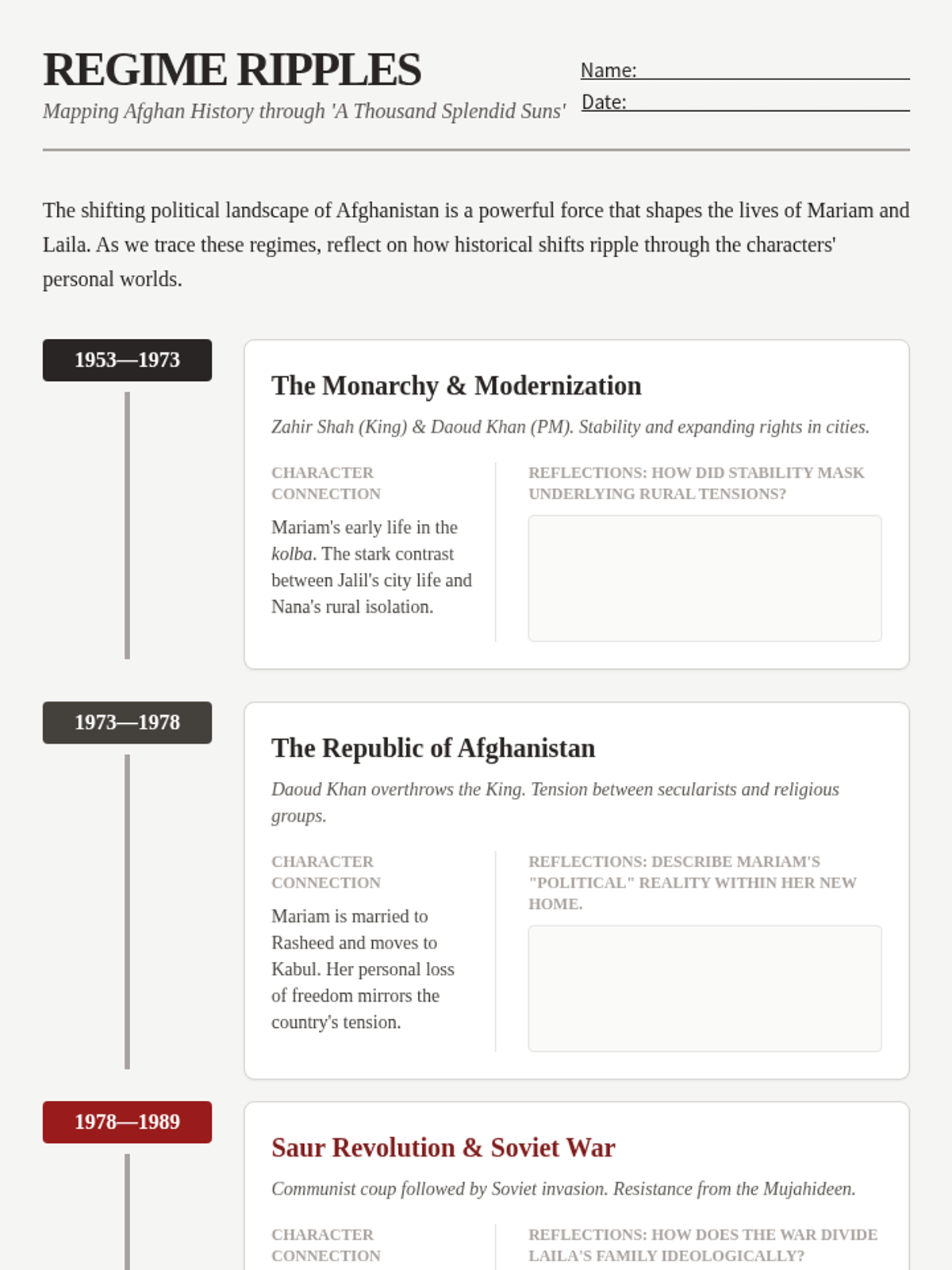
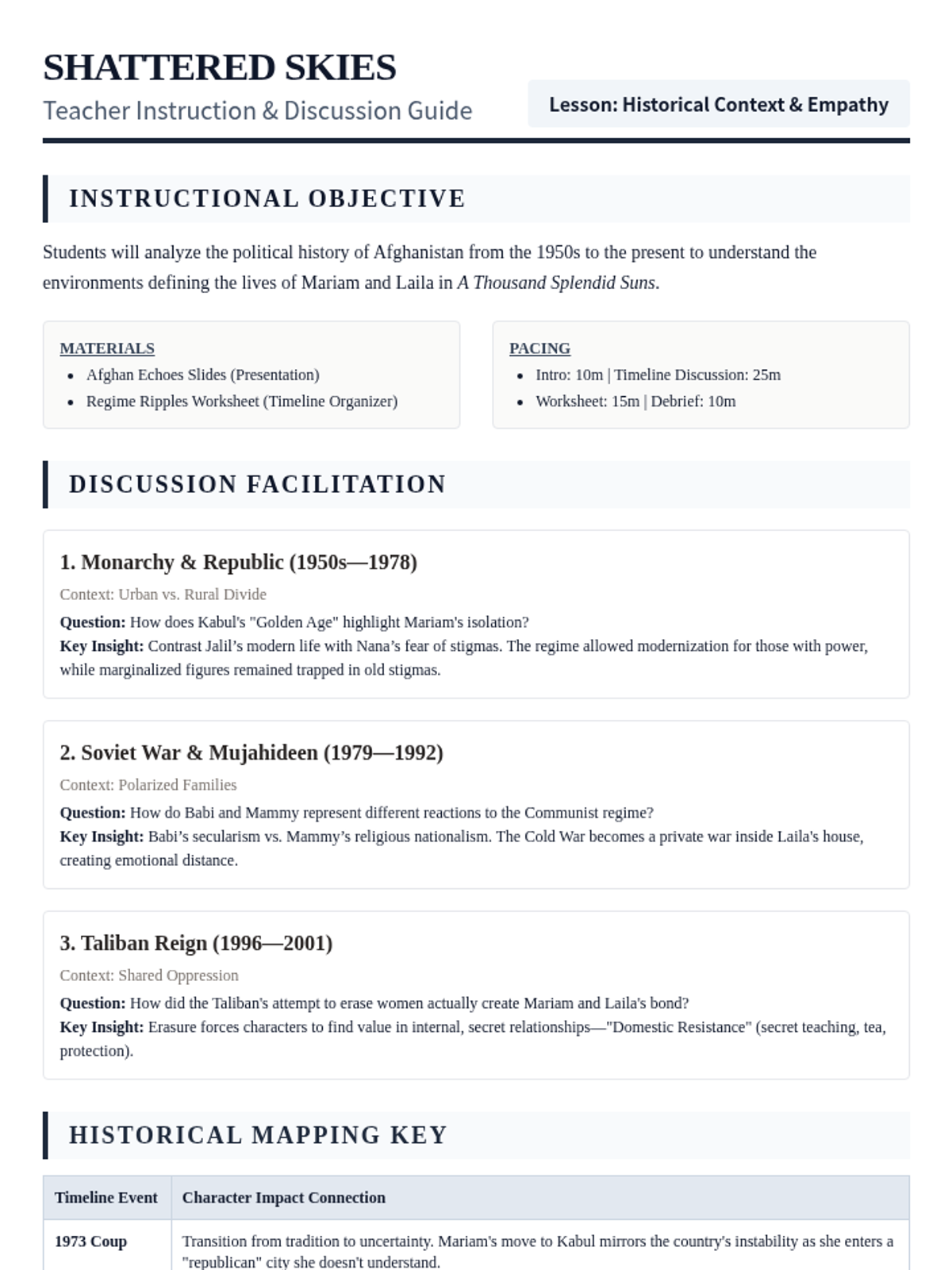
A comprehensive historical background unit designed to contextualize the events of 'A Thousand Splendid Suns', focusing on the political shifts in Afghanistan and their impact on women's lives and character motivations.
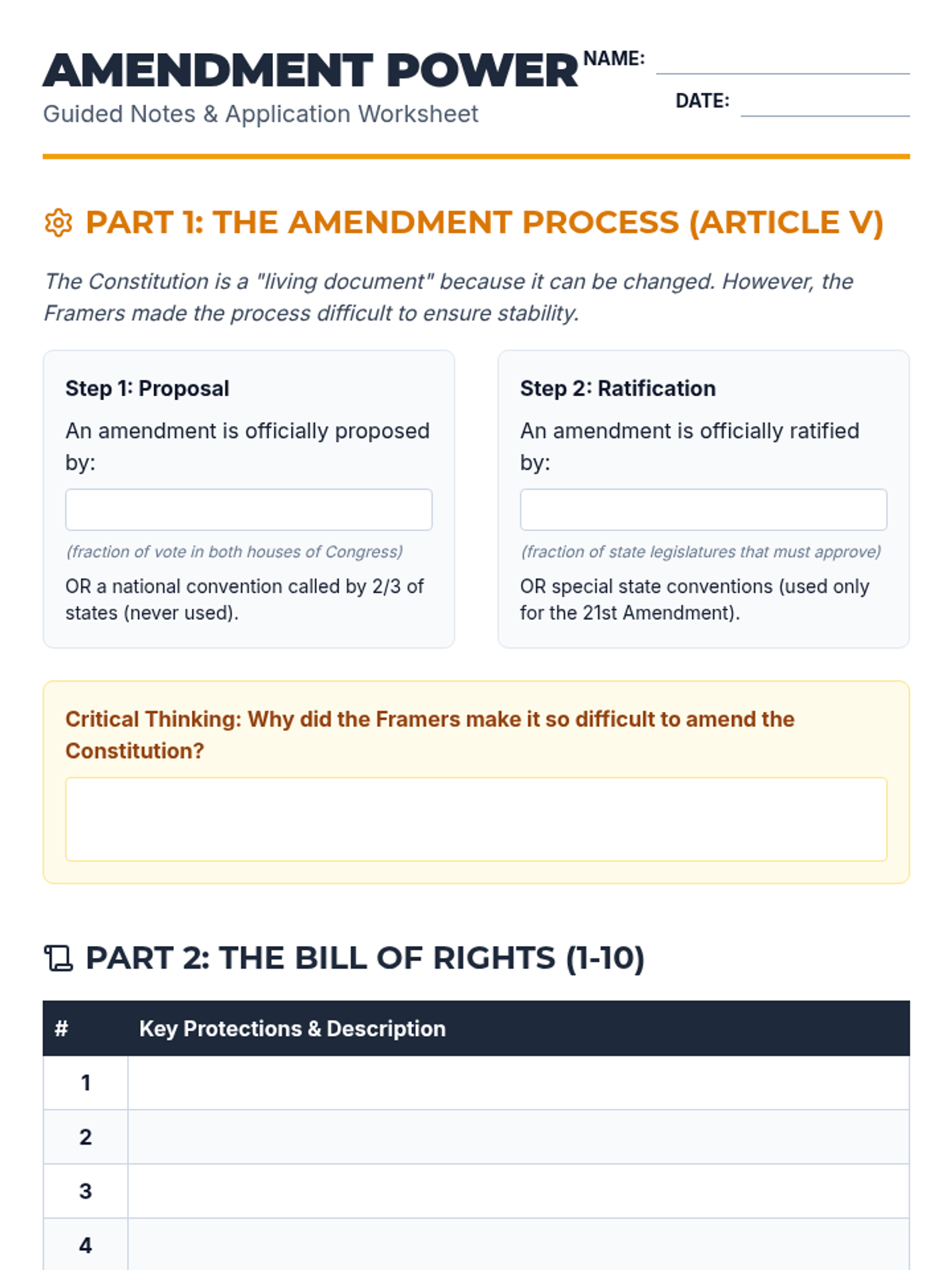
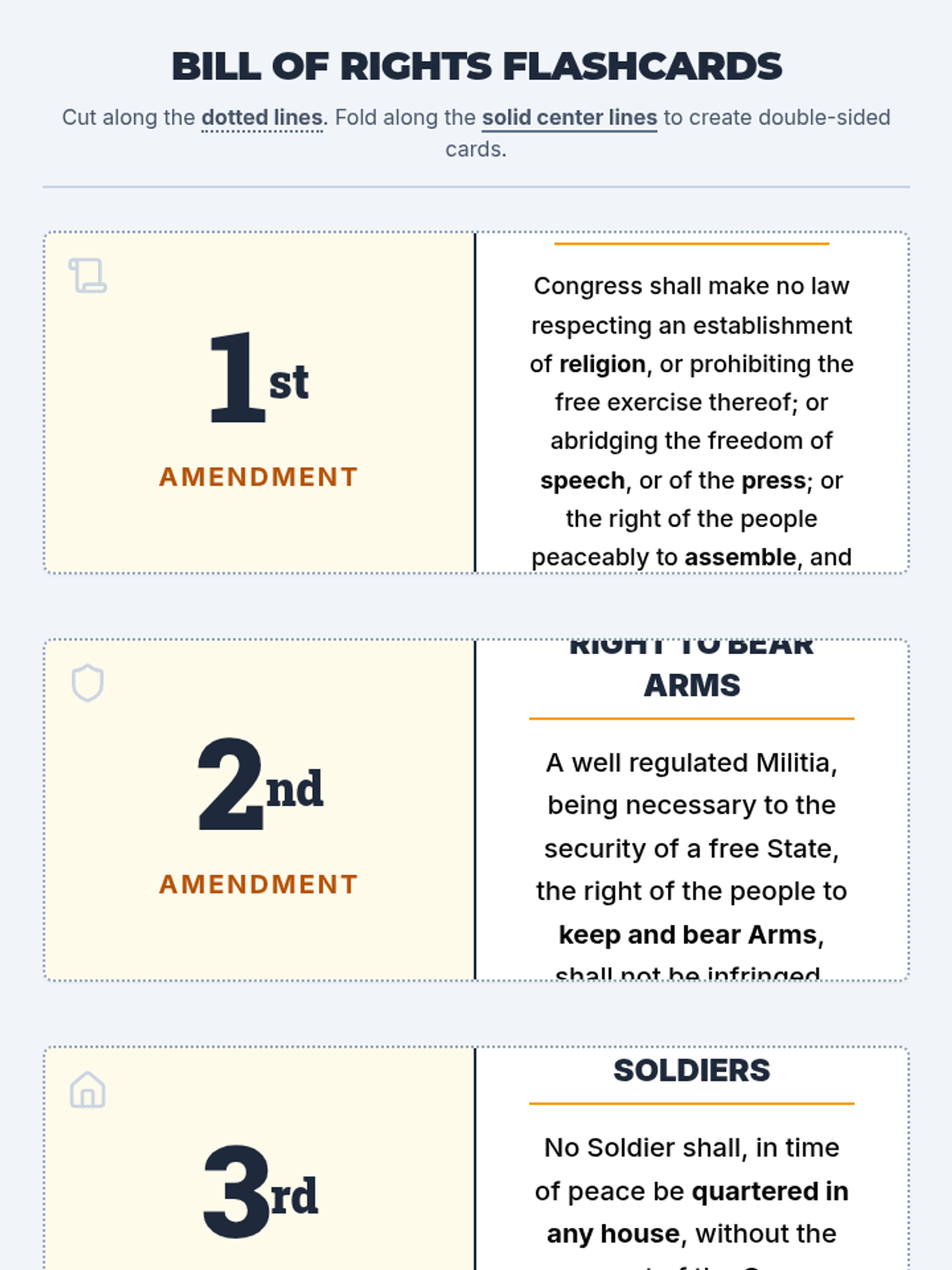
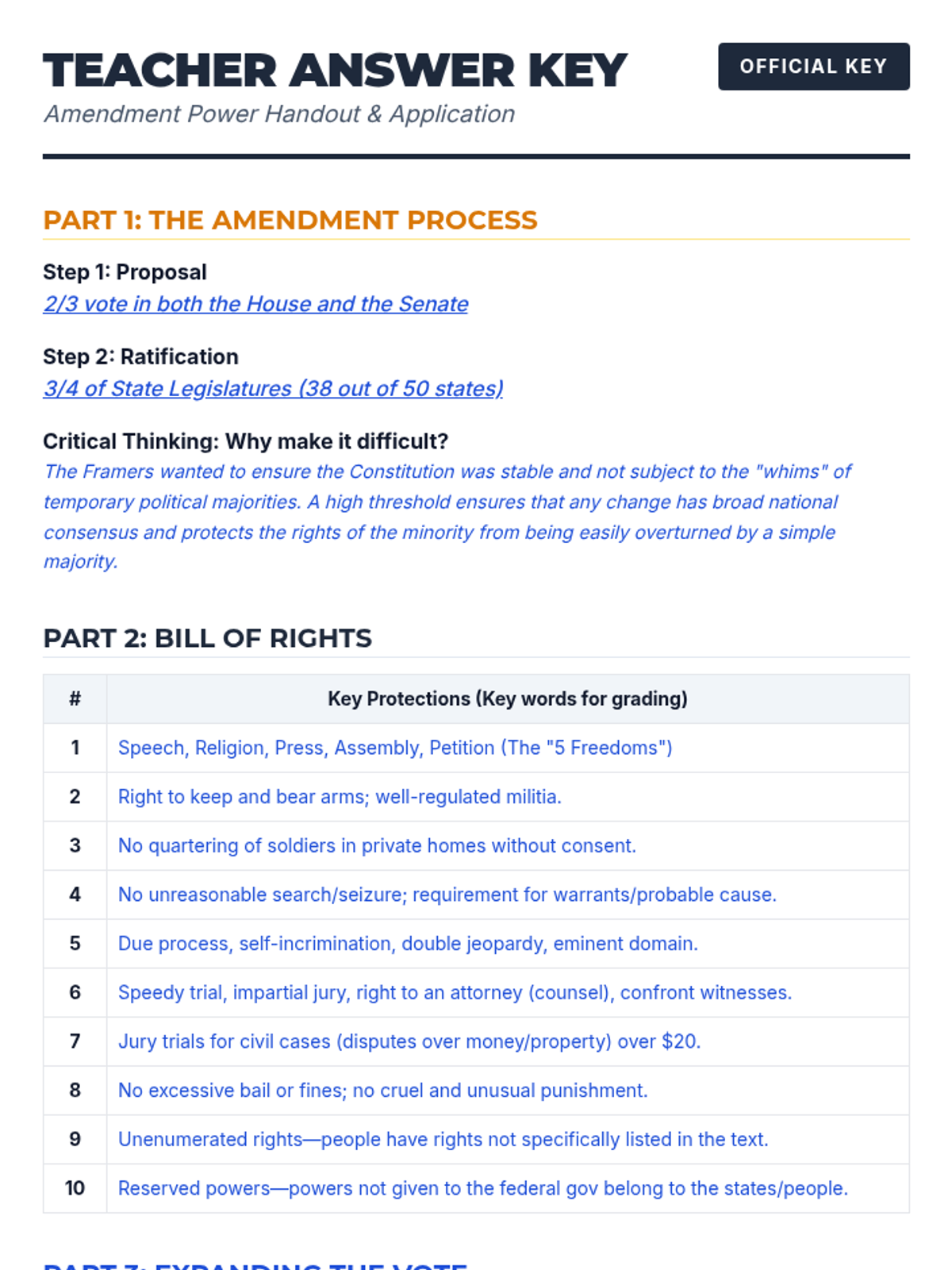
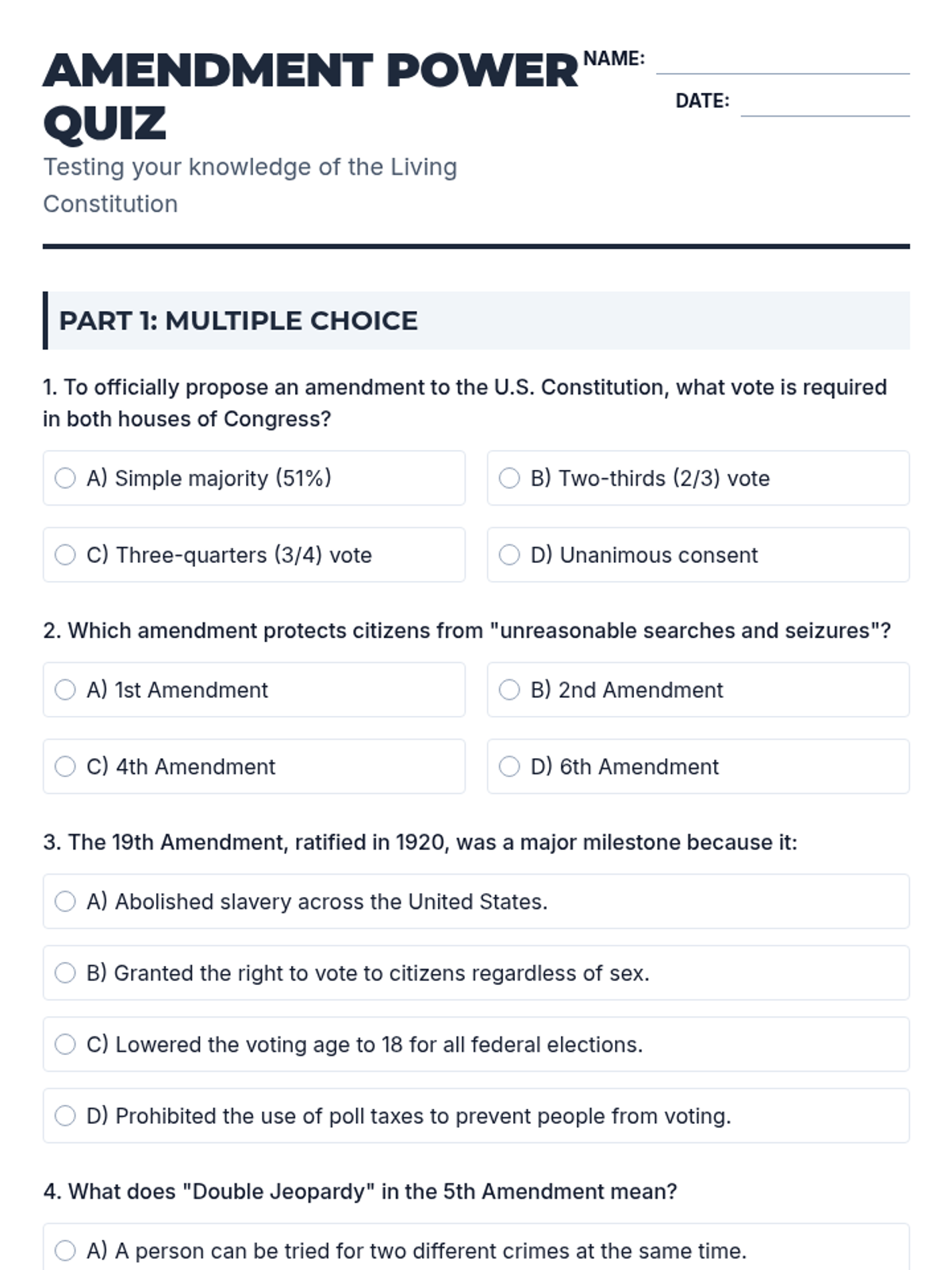
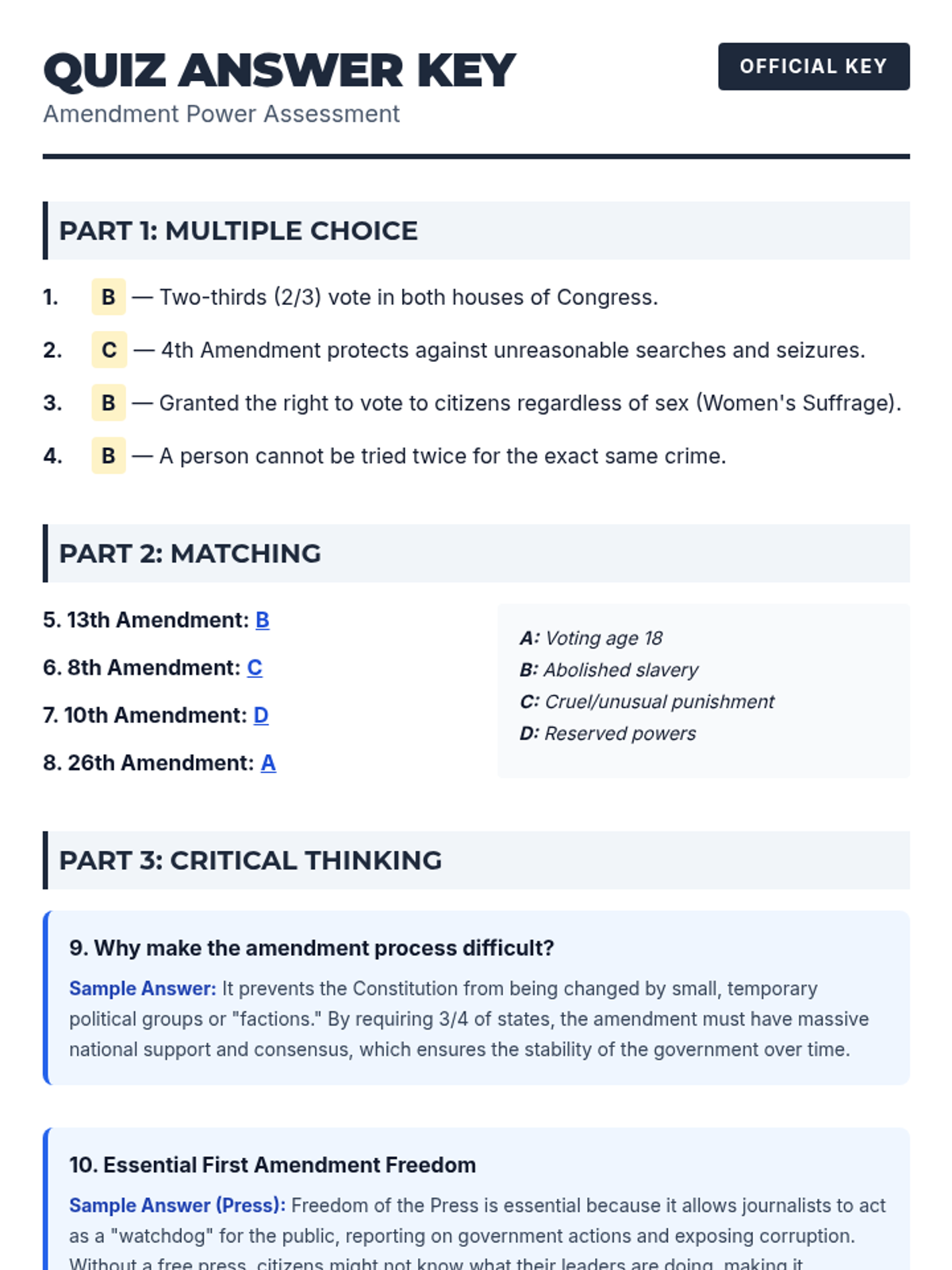
A deep dive into the foundations of American government, covering the evolution of constitutional amendments and the structure and power of the judicial system.
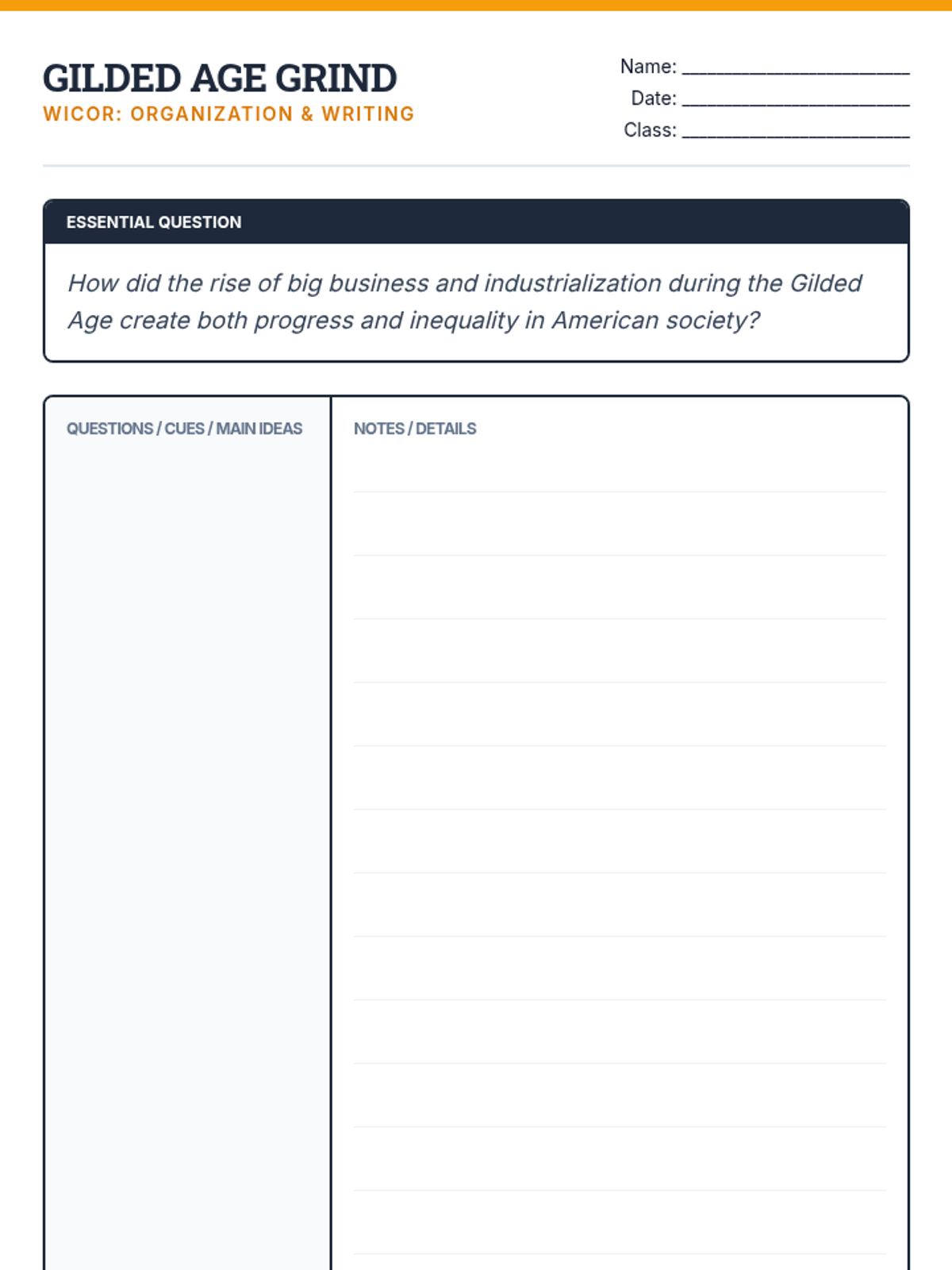
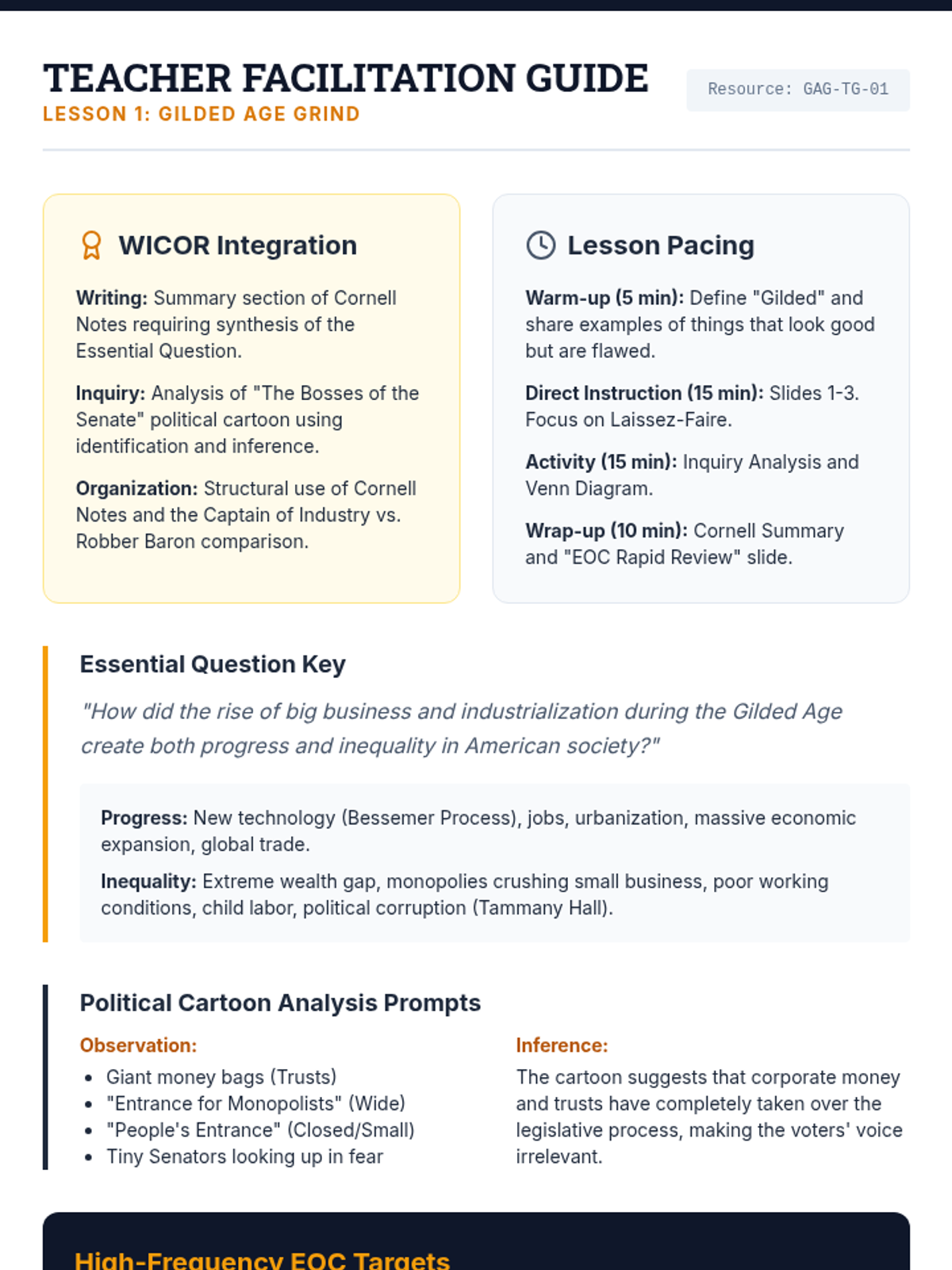
A comprehensive US History EOC review sequence designed for AVID classrooms, utilizing WICOR strategies to master key eras from the Gilded Age through modern turning points.
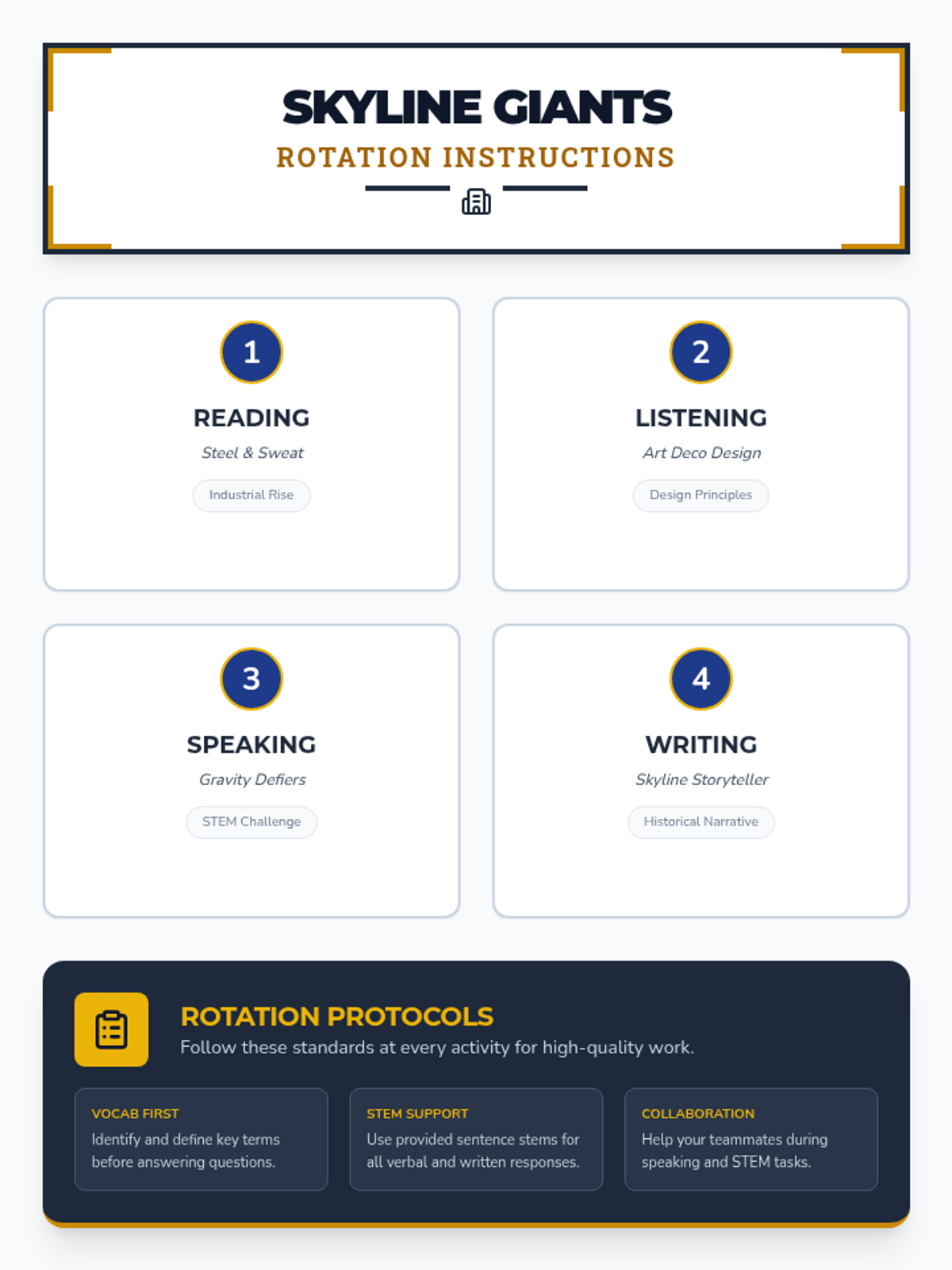
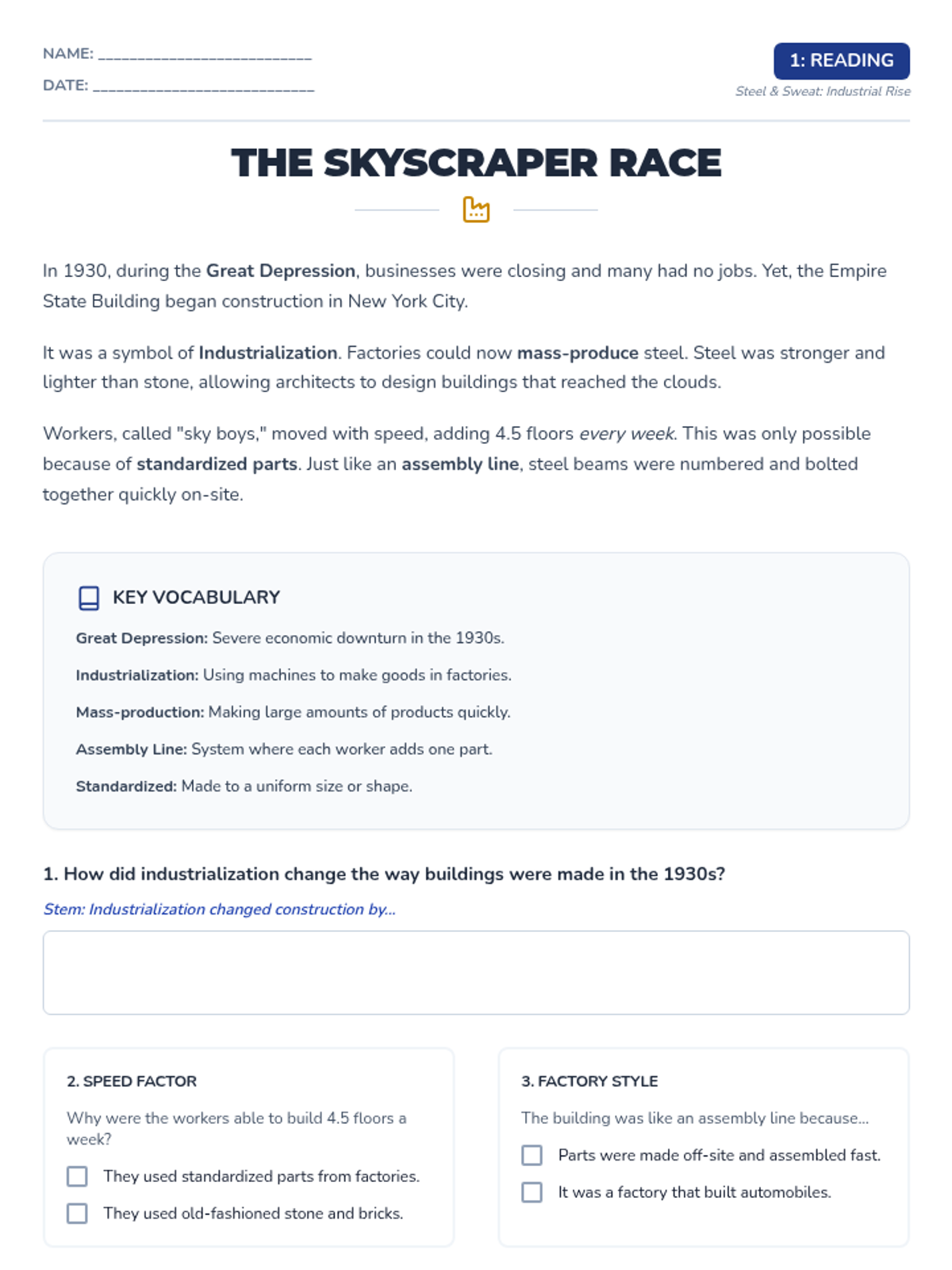
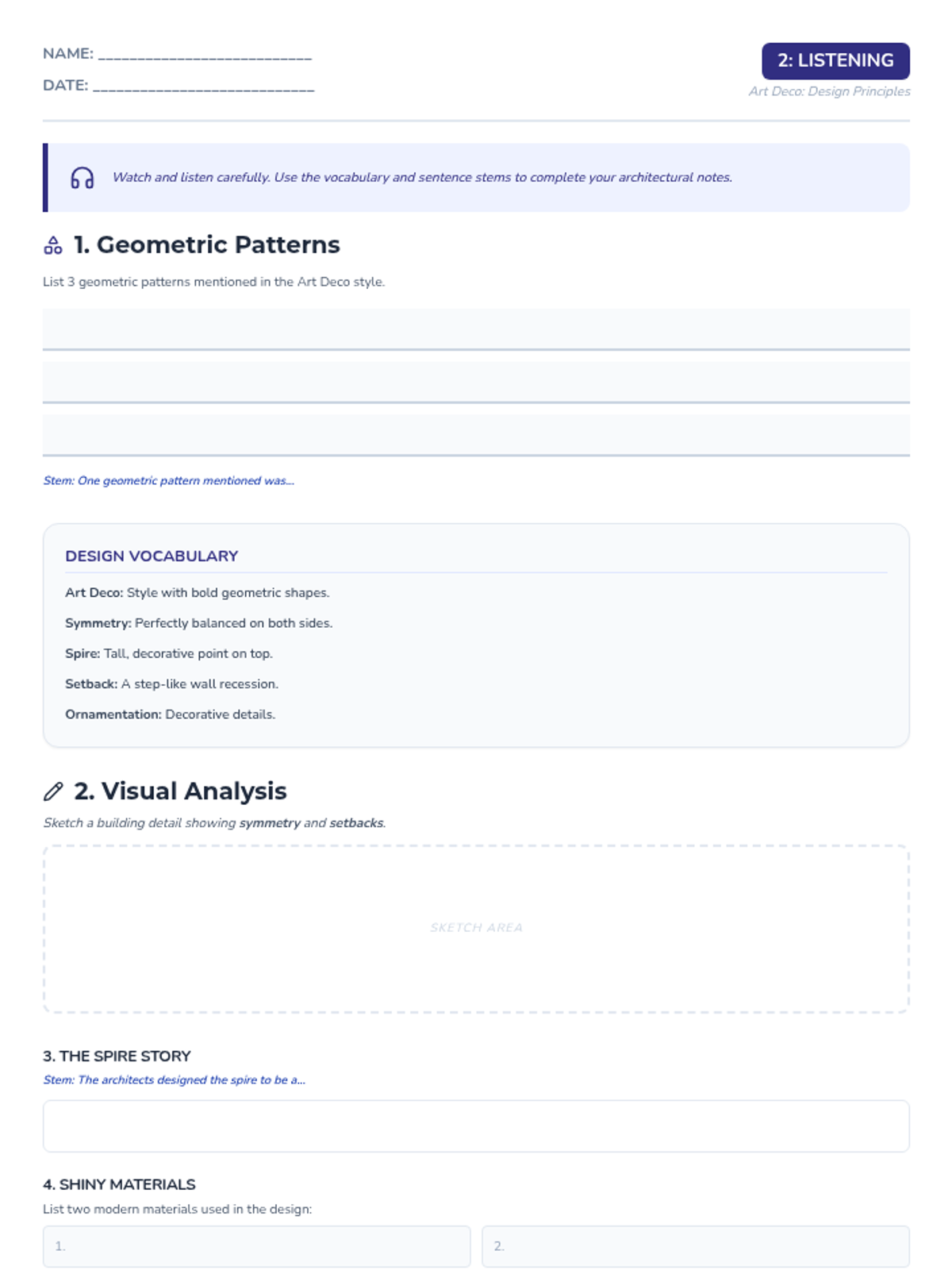
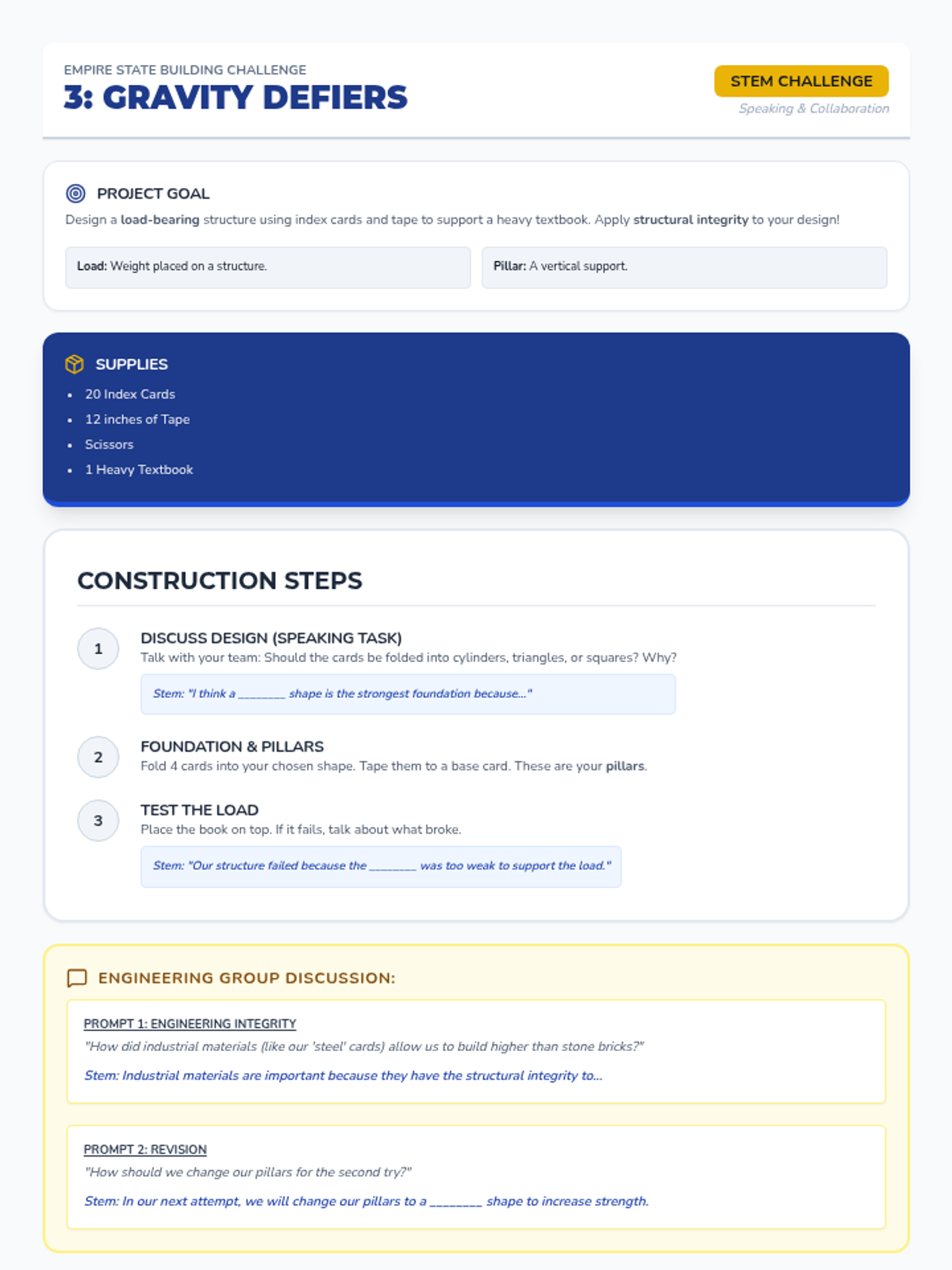
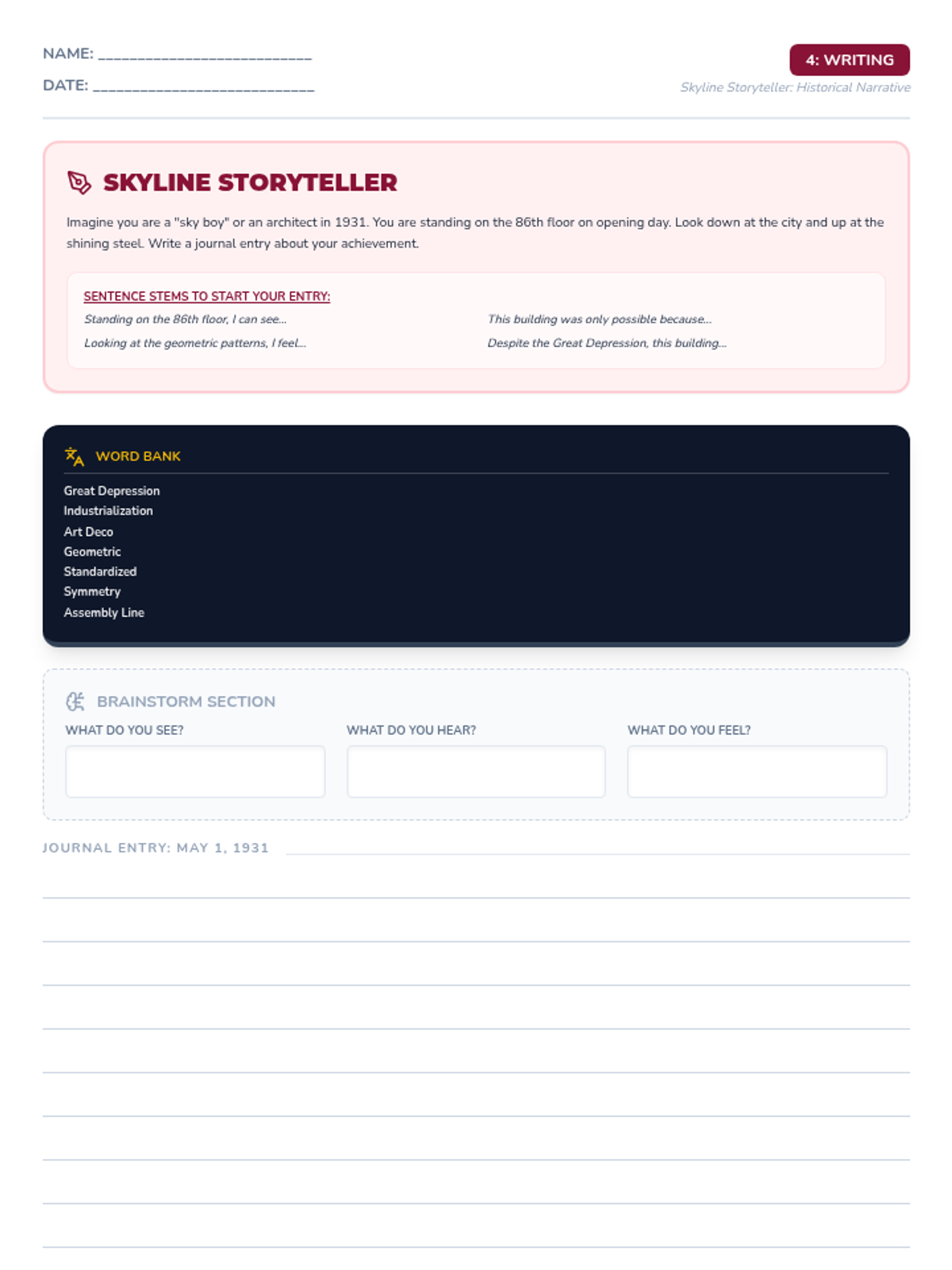
A comprehensive unit exploring the intersection of industrial innovation and architectural design through the iconic lens of the Empire State Building. Students analyze the socio-economic impacts of the Great Depression on construction and the geometric principles of Art Deco style.
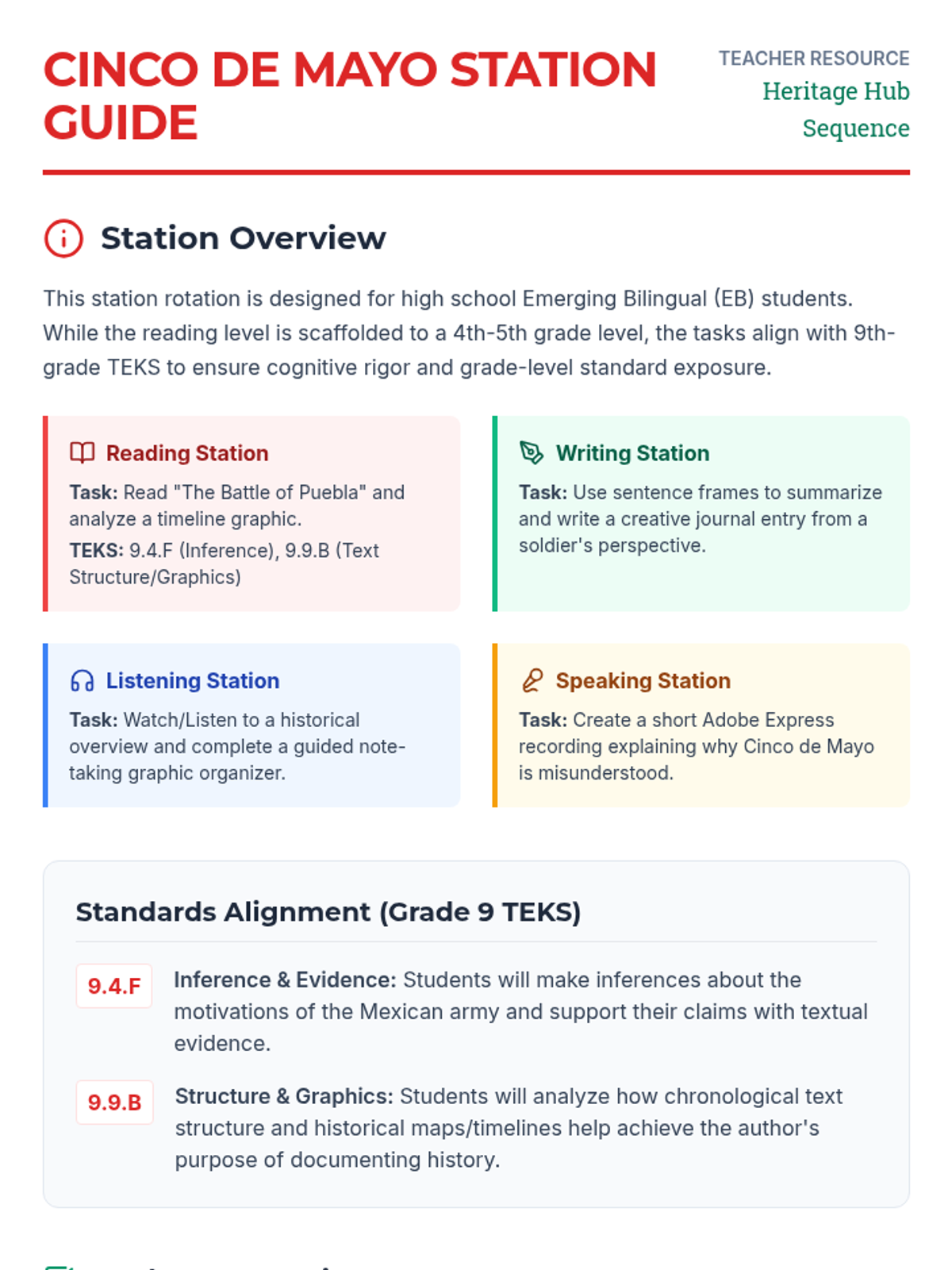
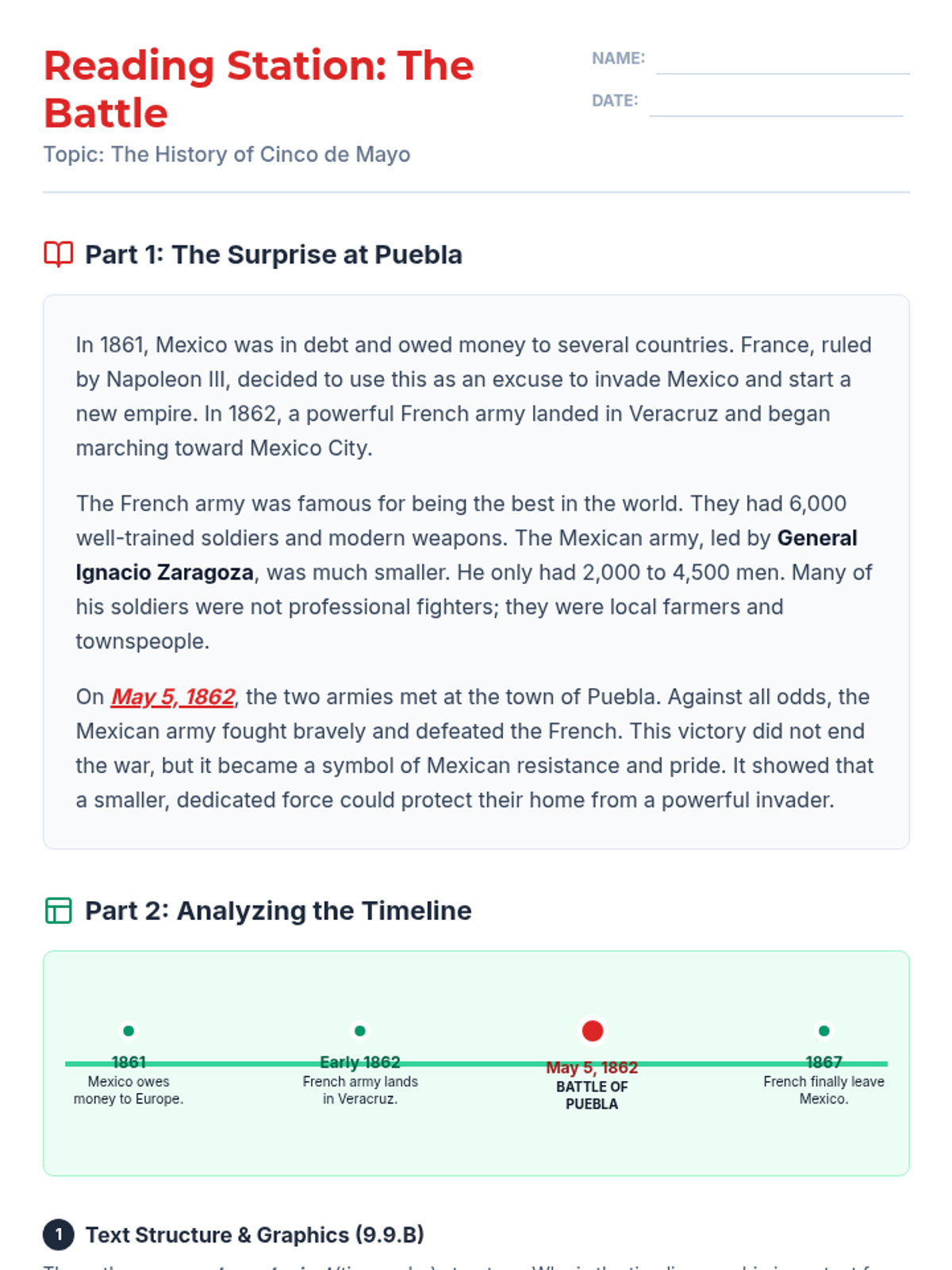
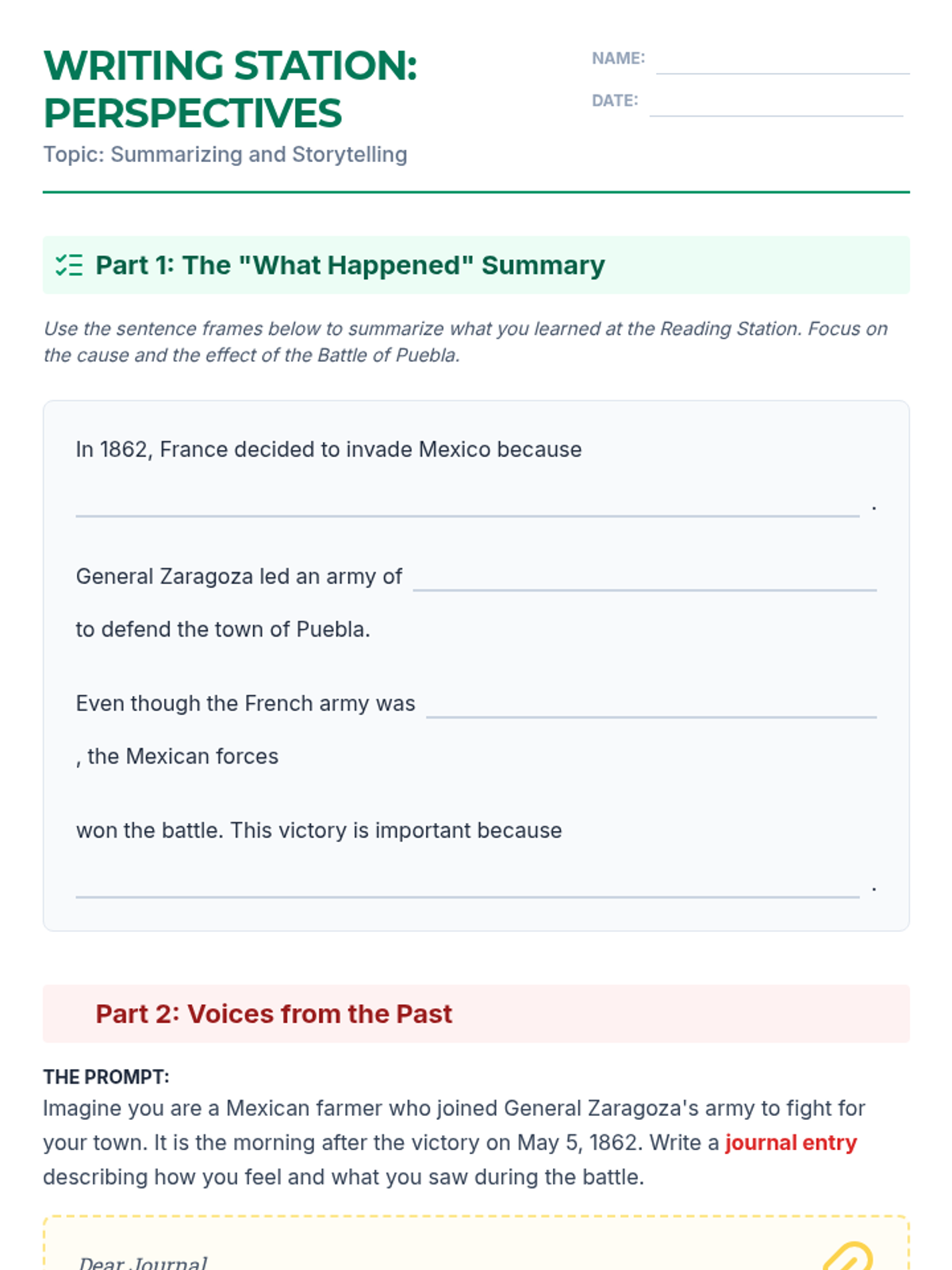
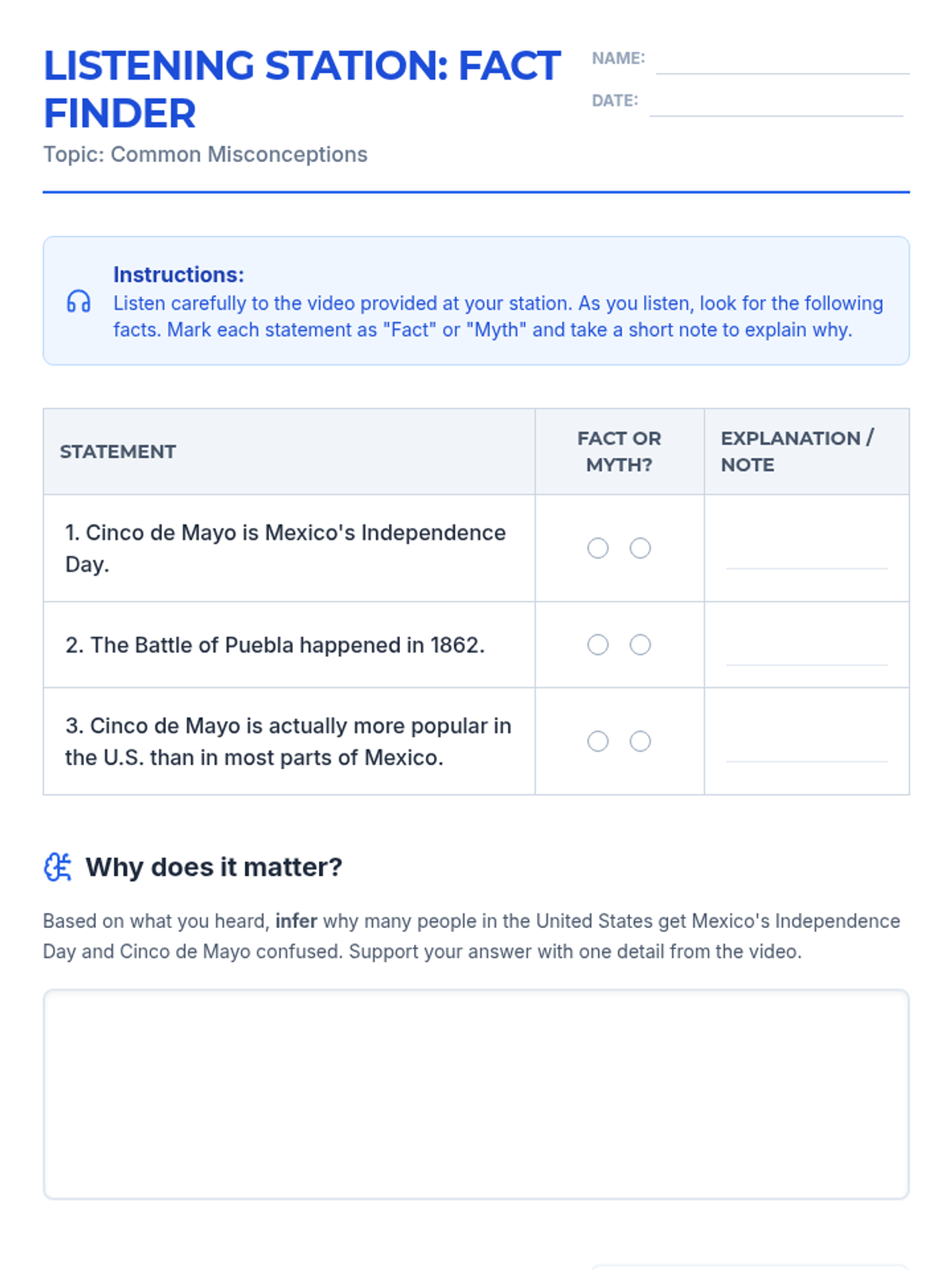
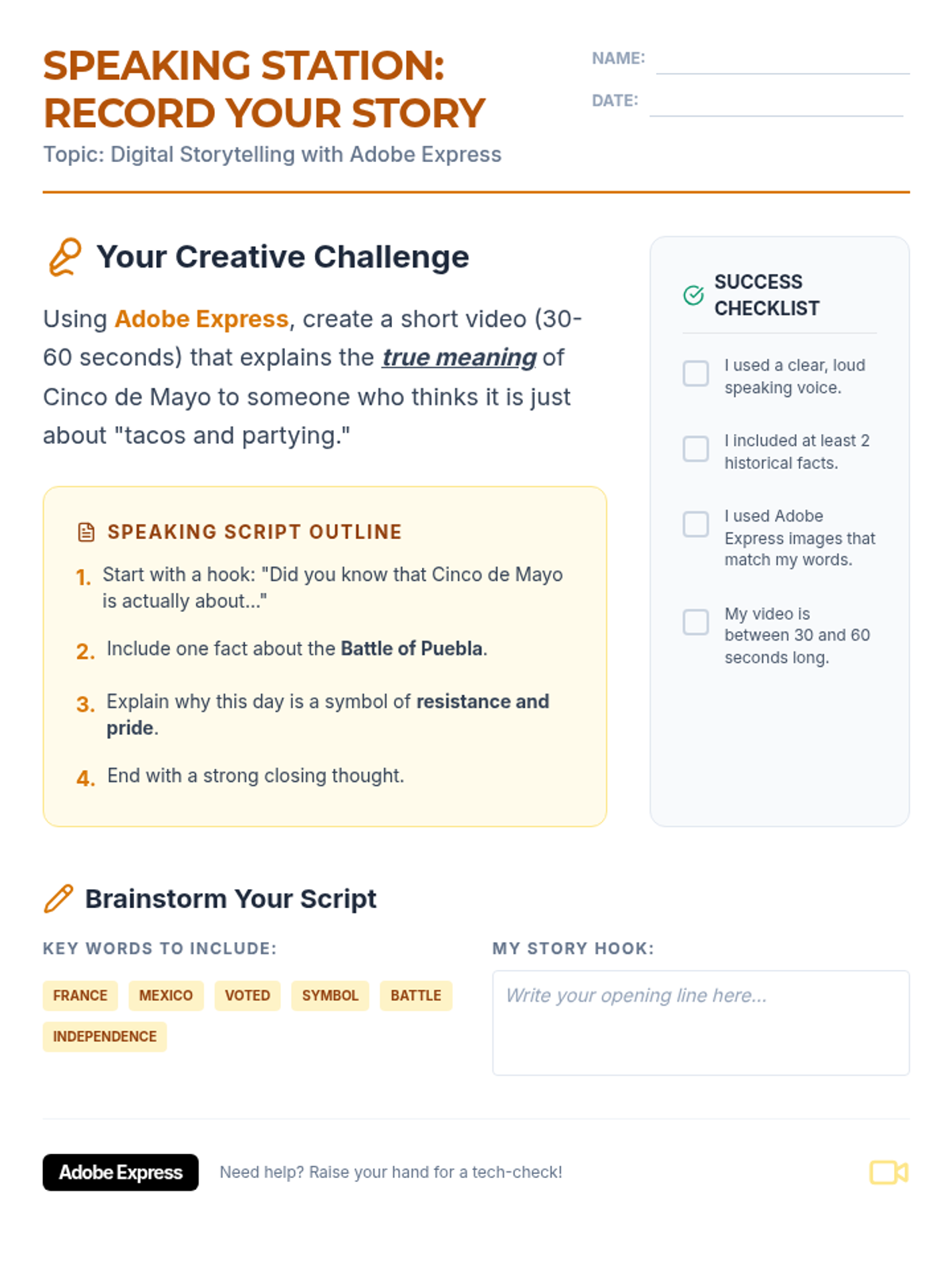
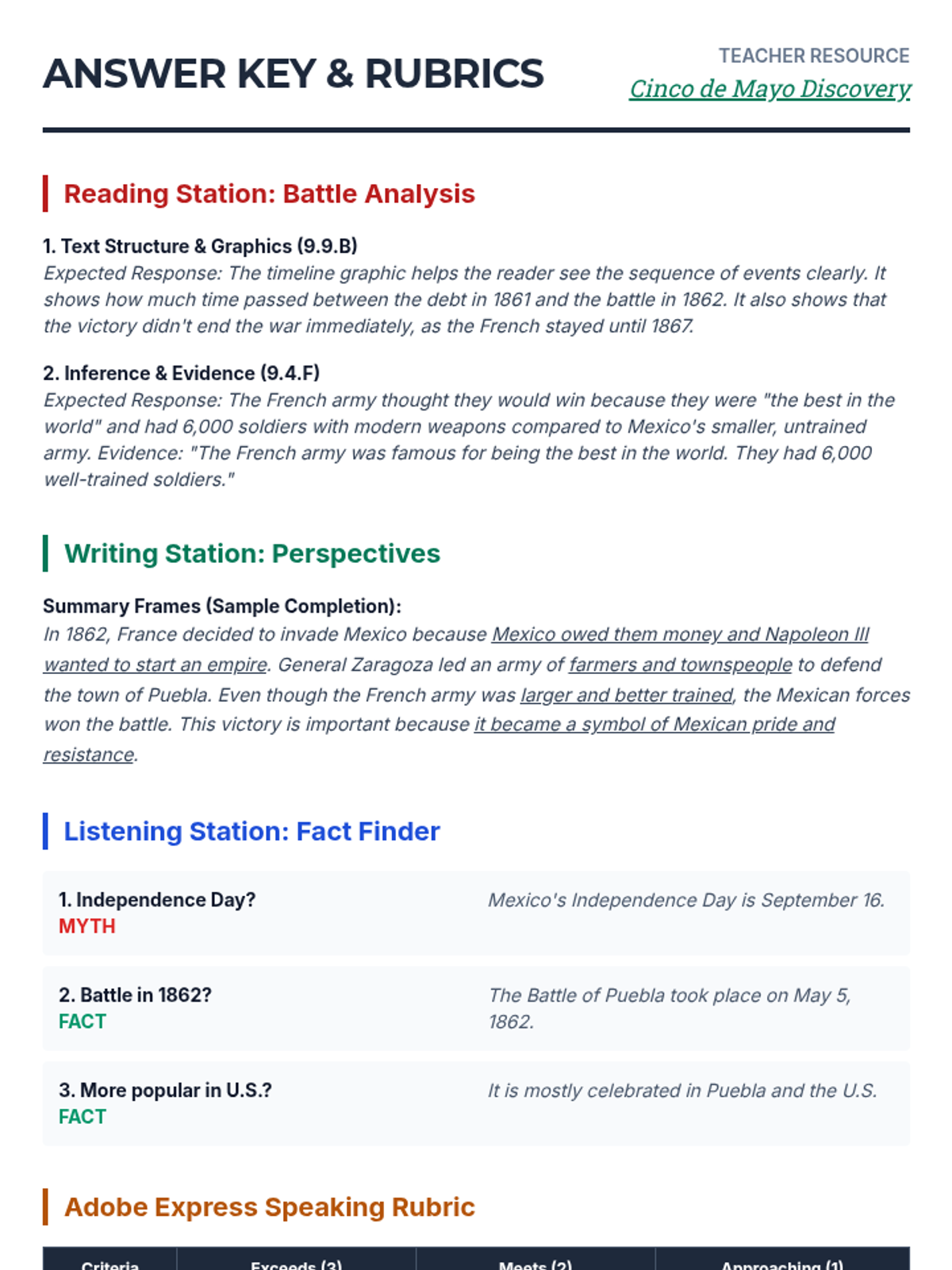
A series of four interactive stations designed for high school emerging bilingual students to explore the history and significance of Cinco de Mayo through reading, writing, listening, and speaking. The materials focus on 9th-grade TEKS (Inference and Text Structure) while maintaining a 4th-5th grade reading level for accessibility.
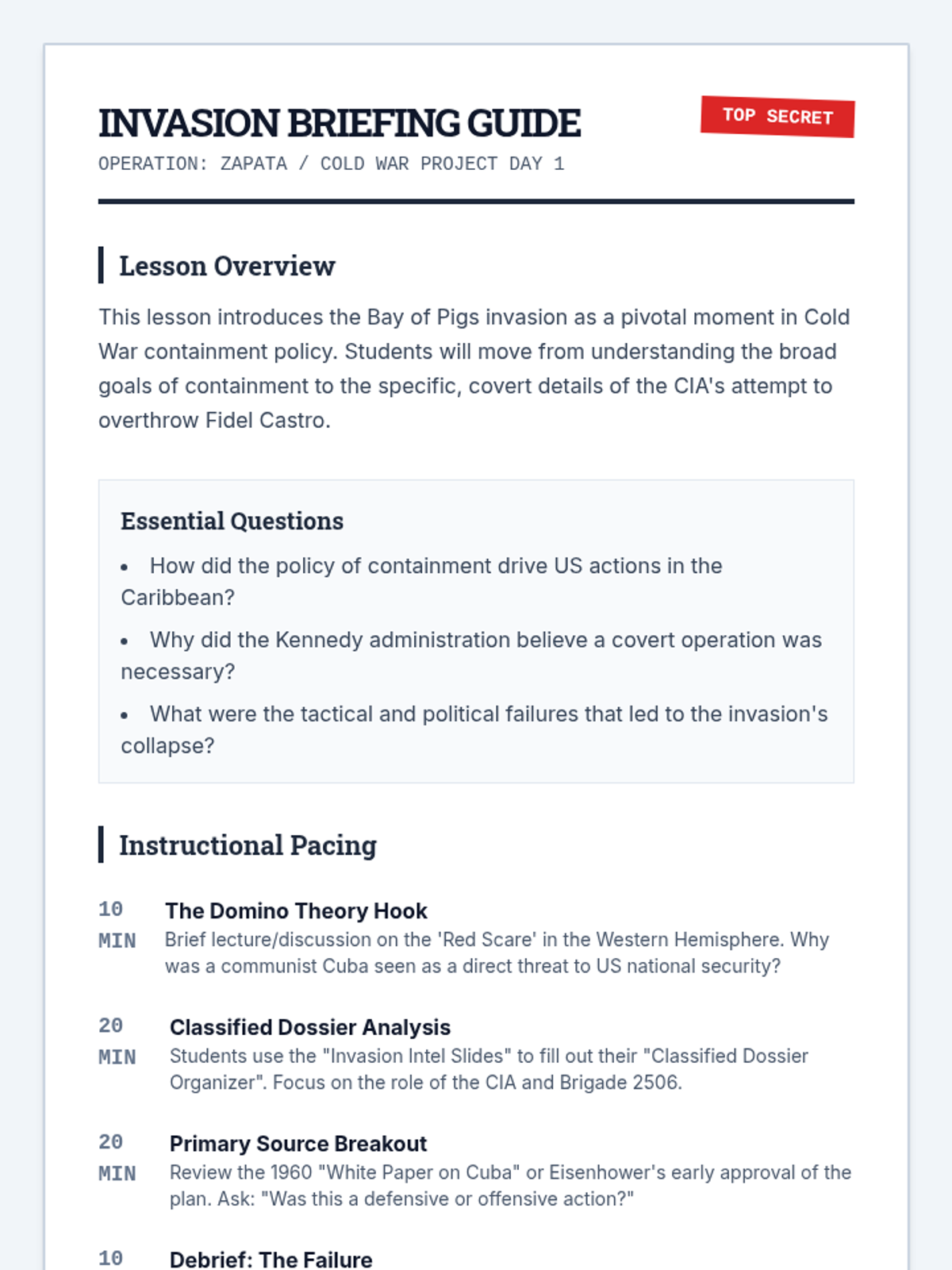
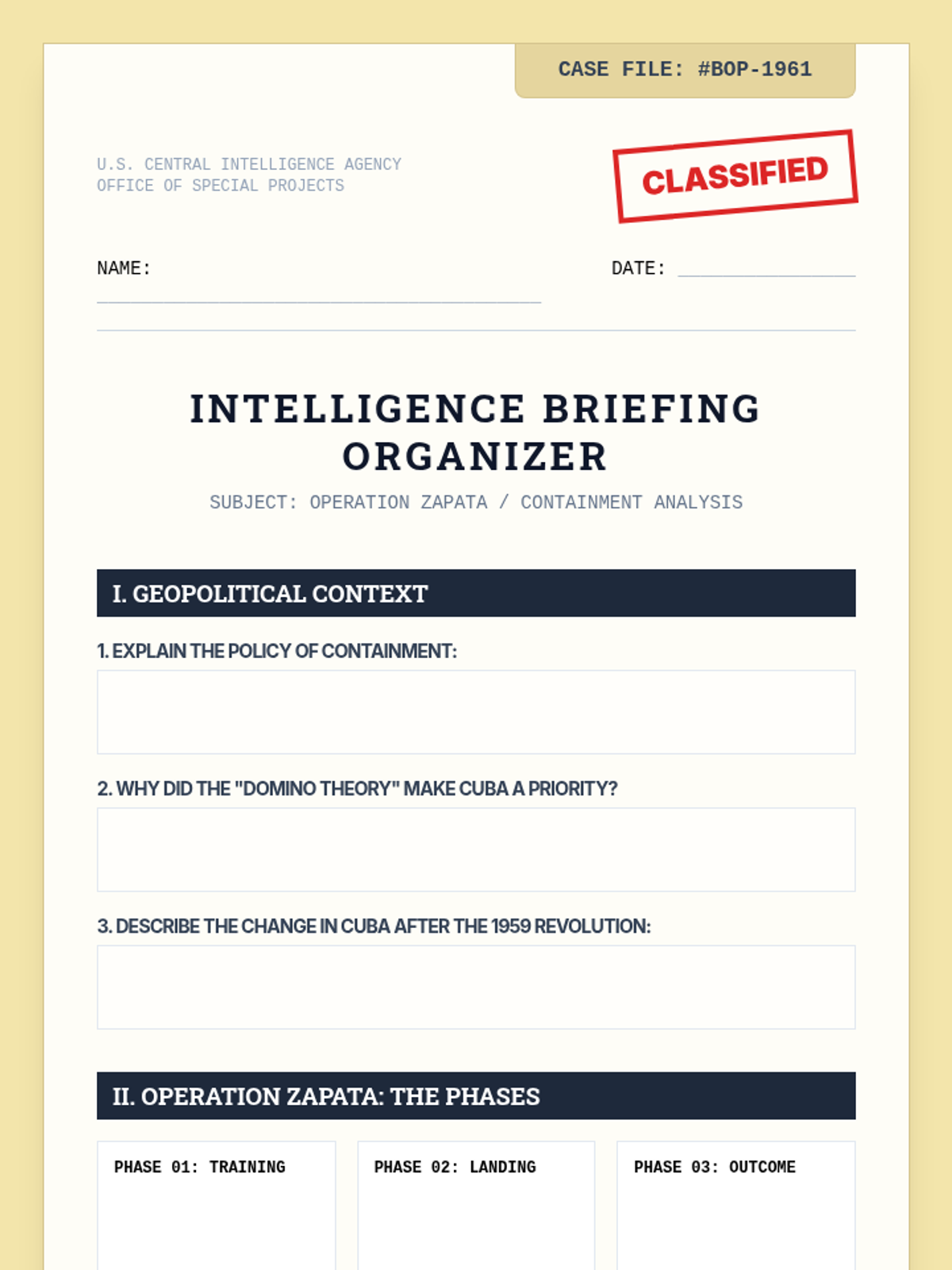
A two-day historical simulation and project focused on the Bay of Pigs invasion, Cold War containment strategies, and multi-perspective journalism. Students analyze primary sources and government documents to create a 1961 newspaper report.
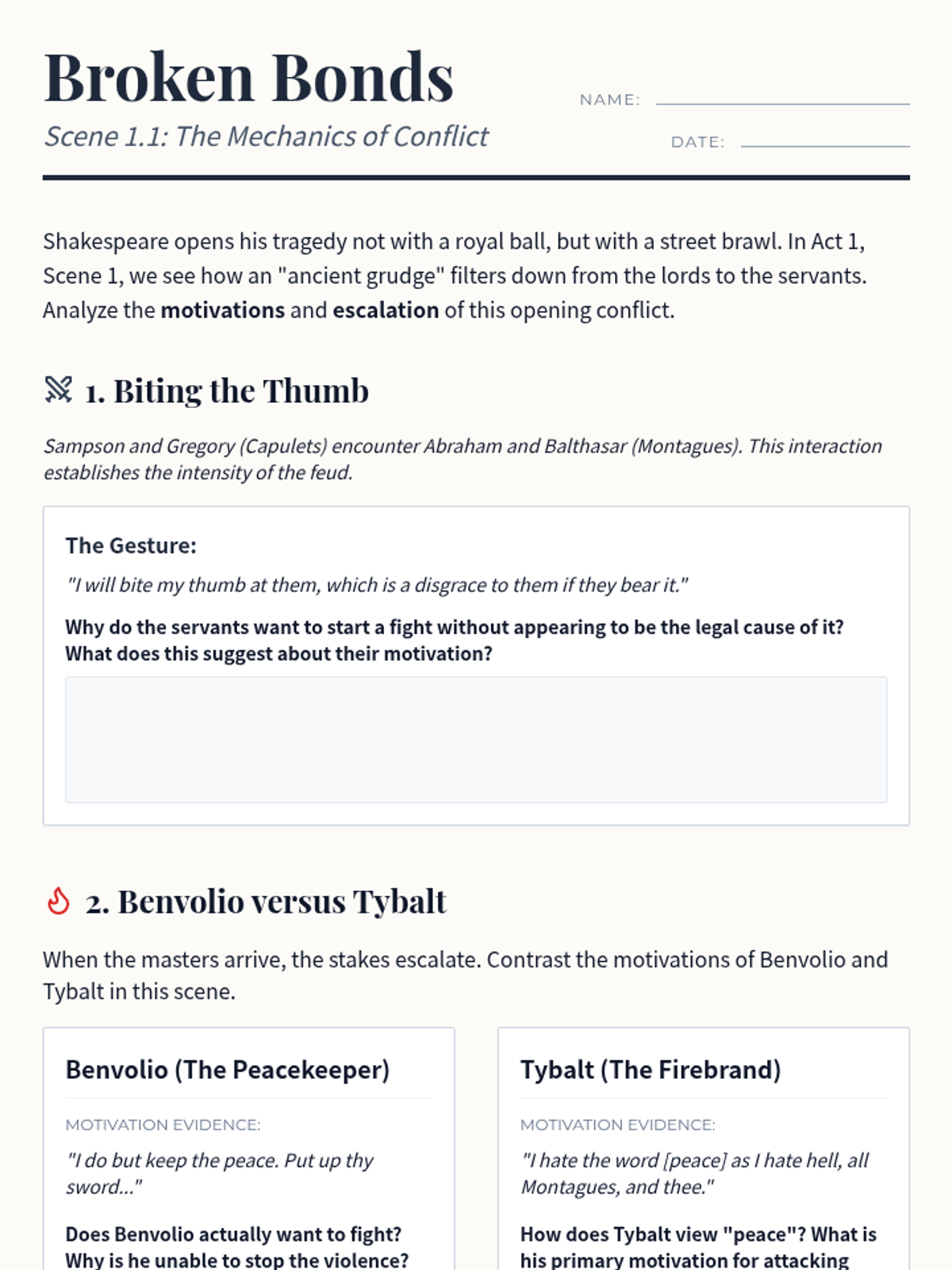
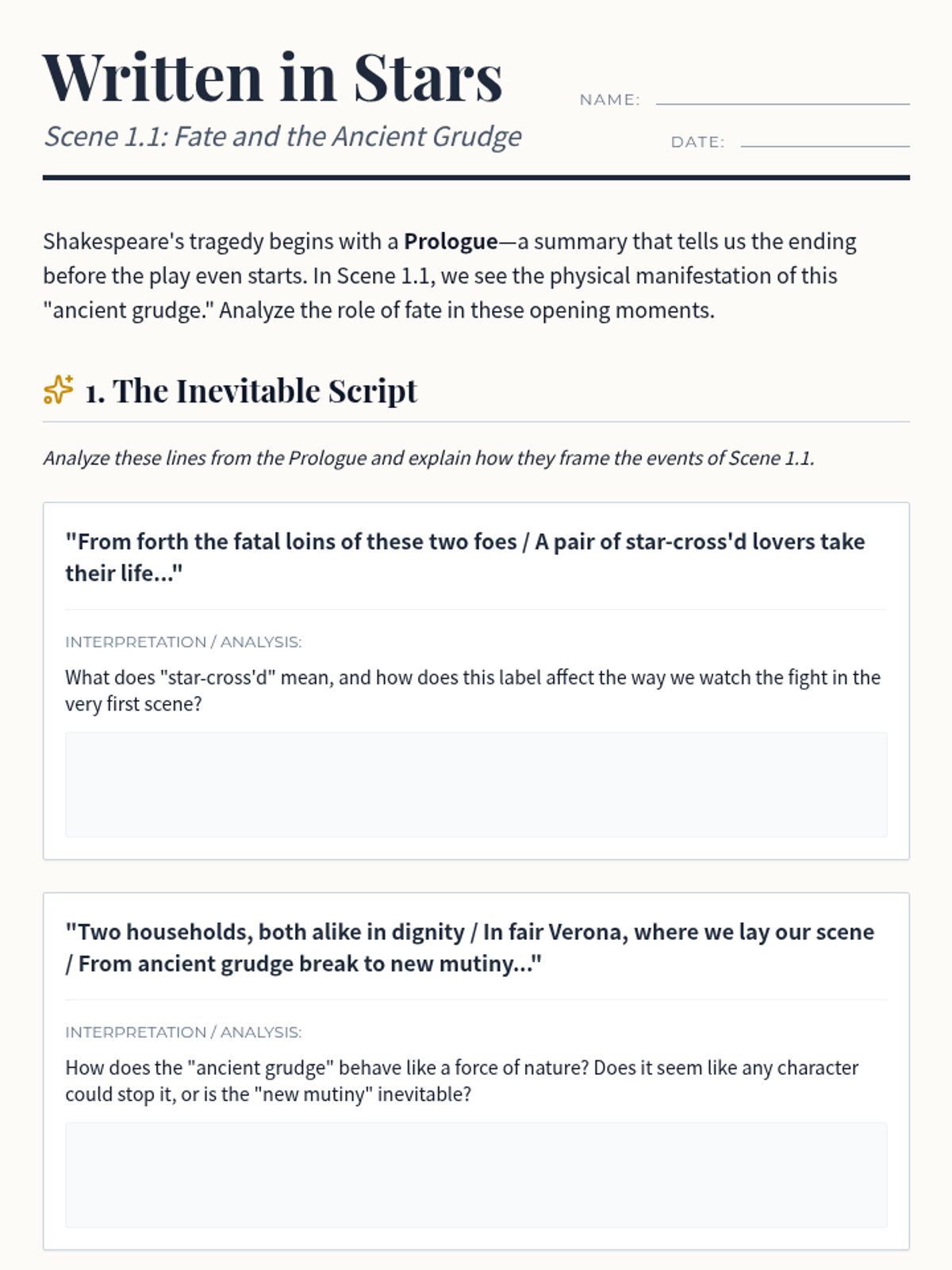
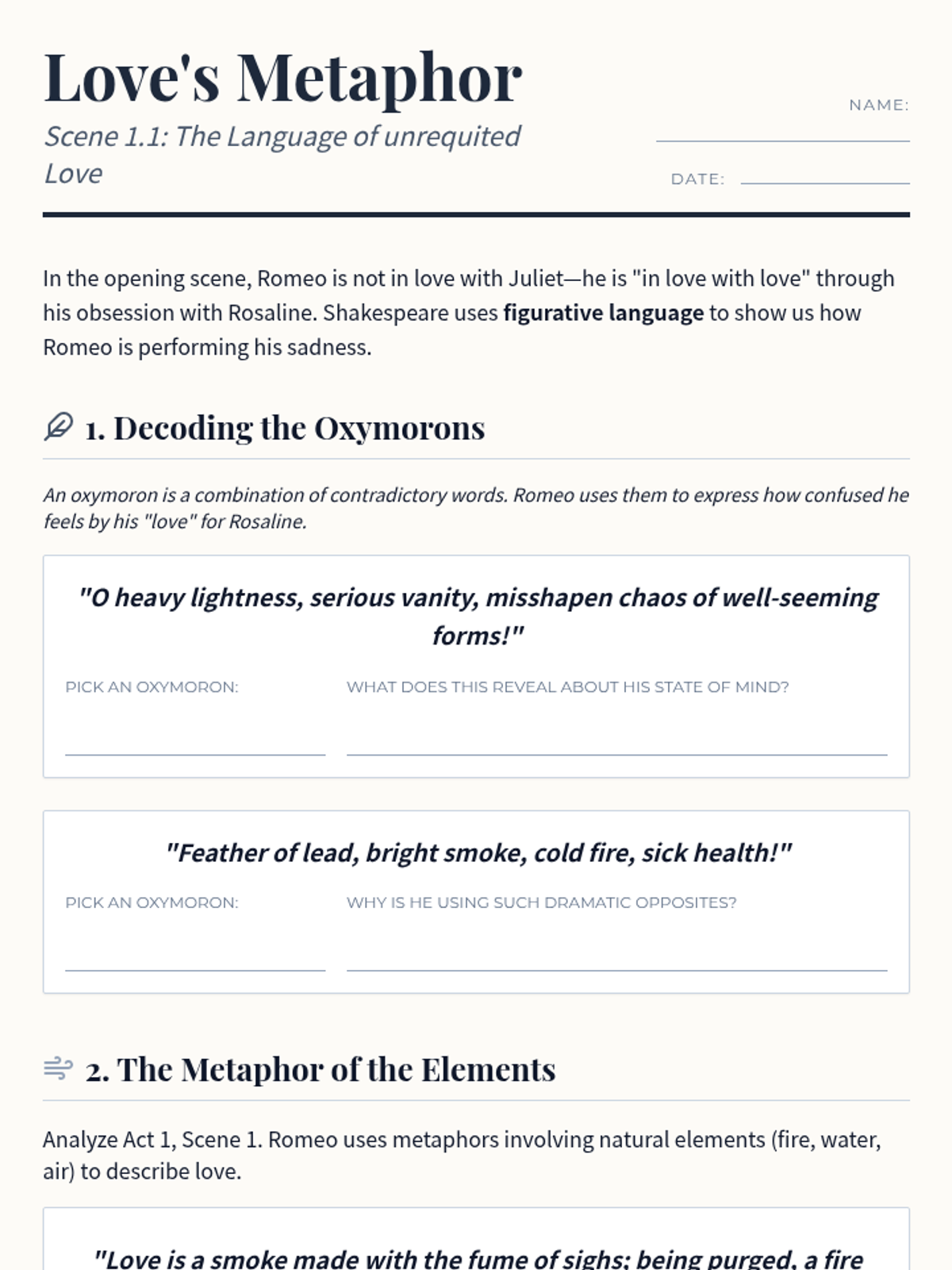
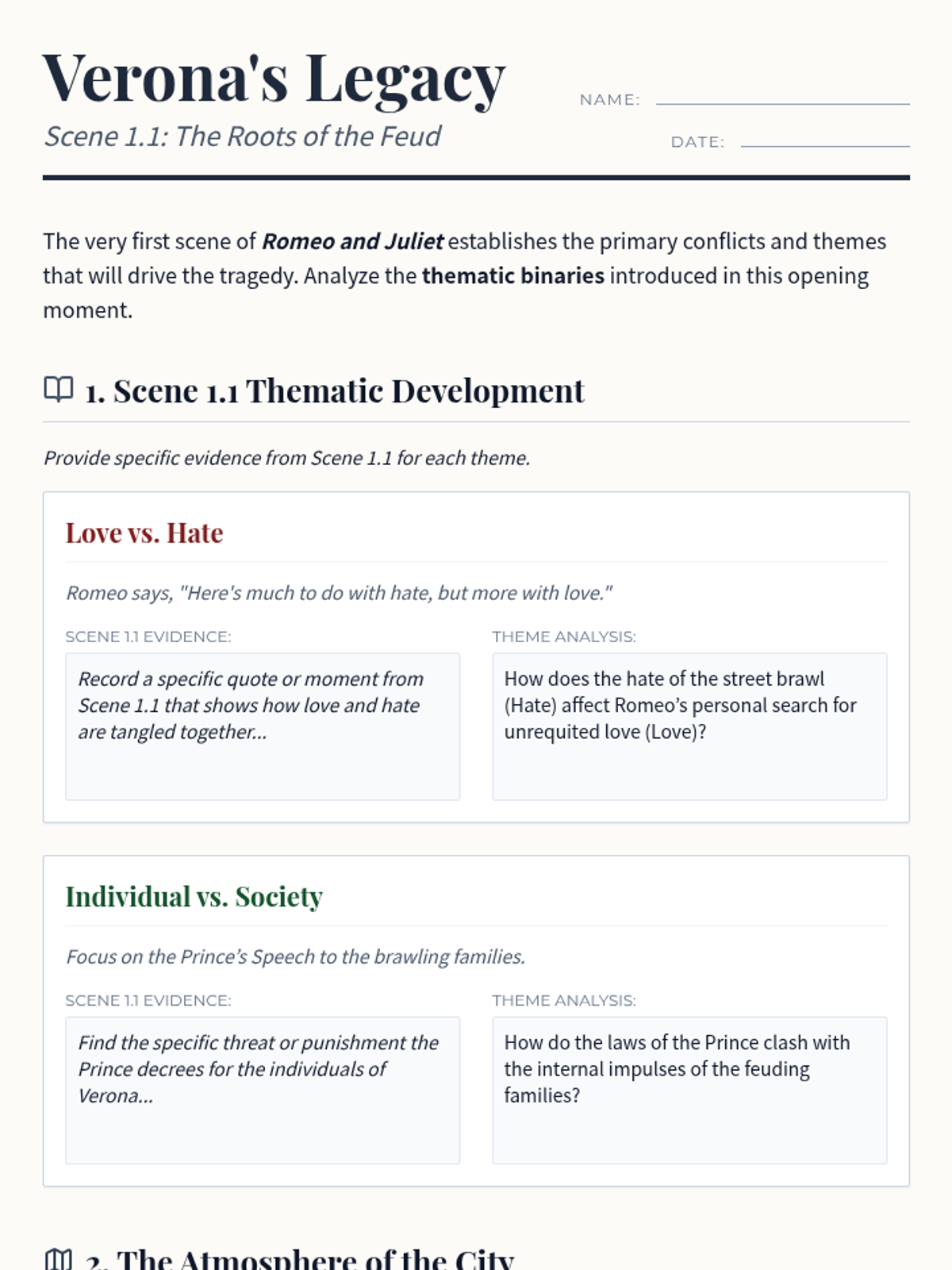
A comprehensive deep-dive into Shakespeare's Romeo and Juliet, focusing on Act 1. Students will analyze character dynamics, the tension between destiny and choice, and the rich poetic language of the play across individual scenes.
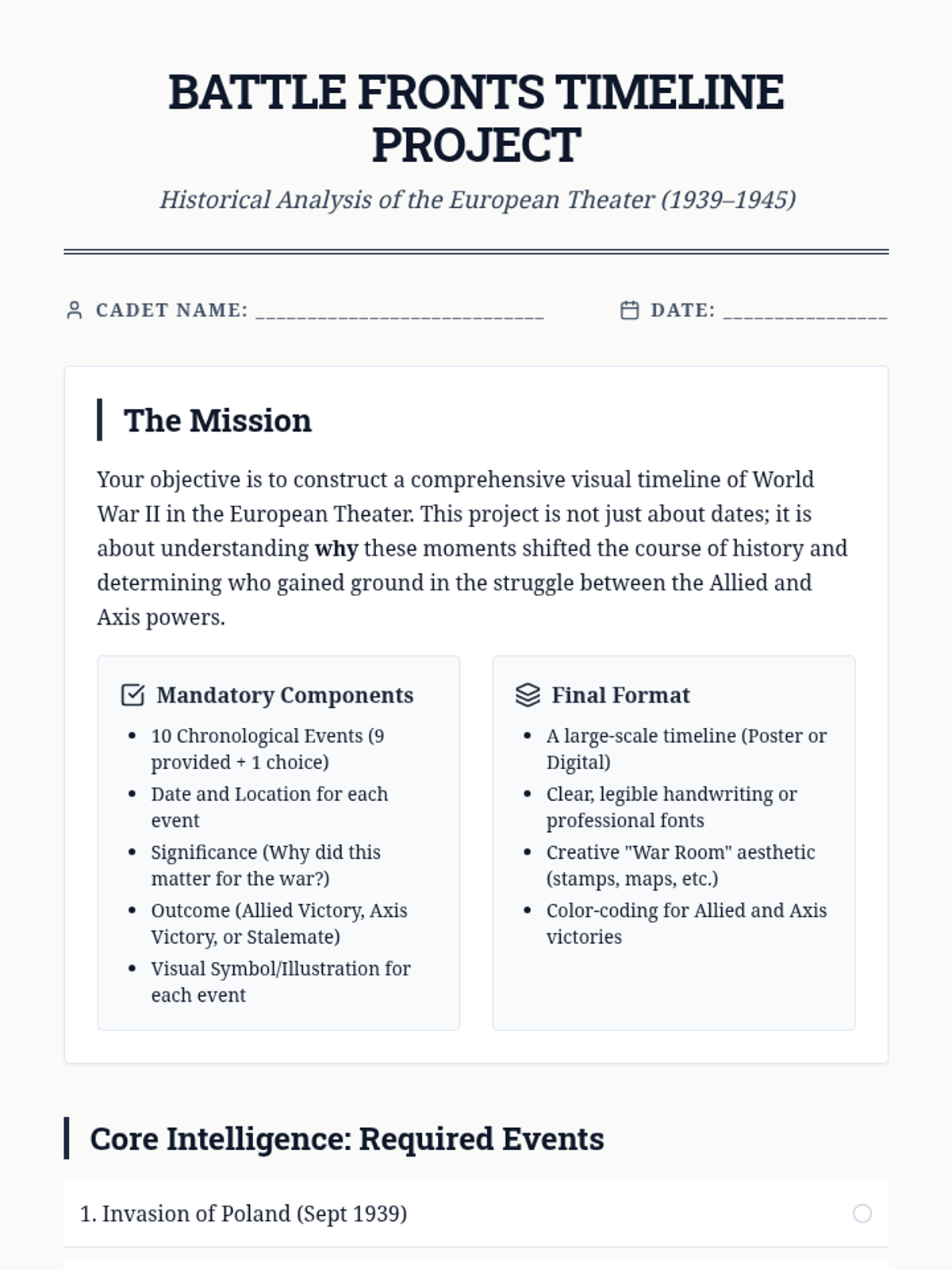
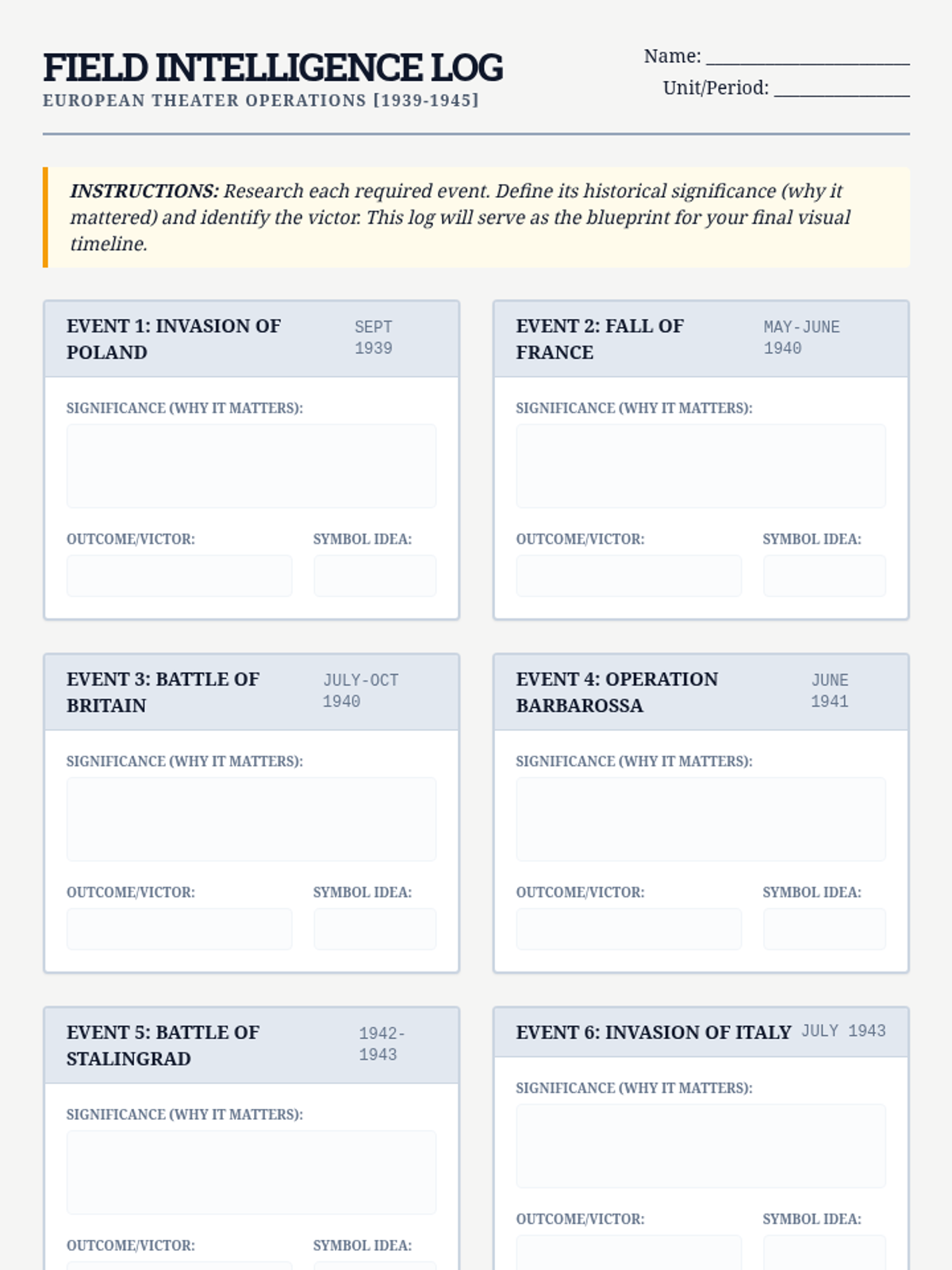
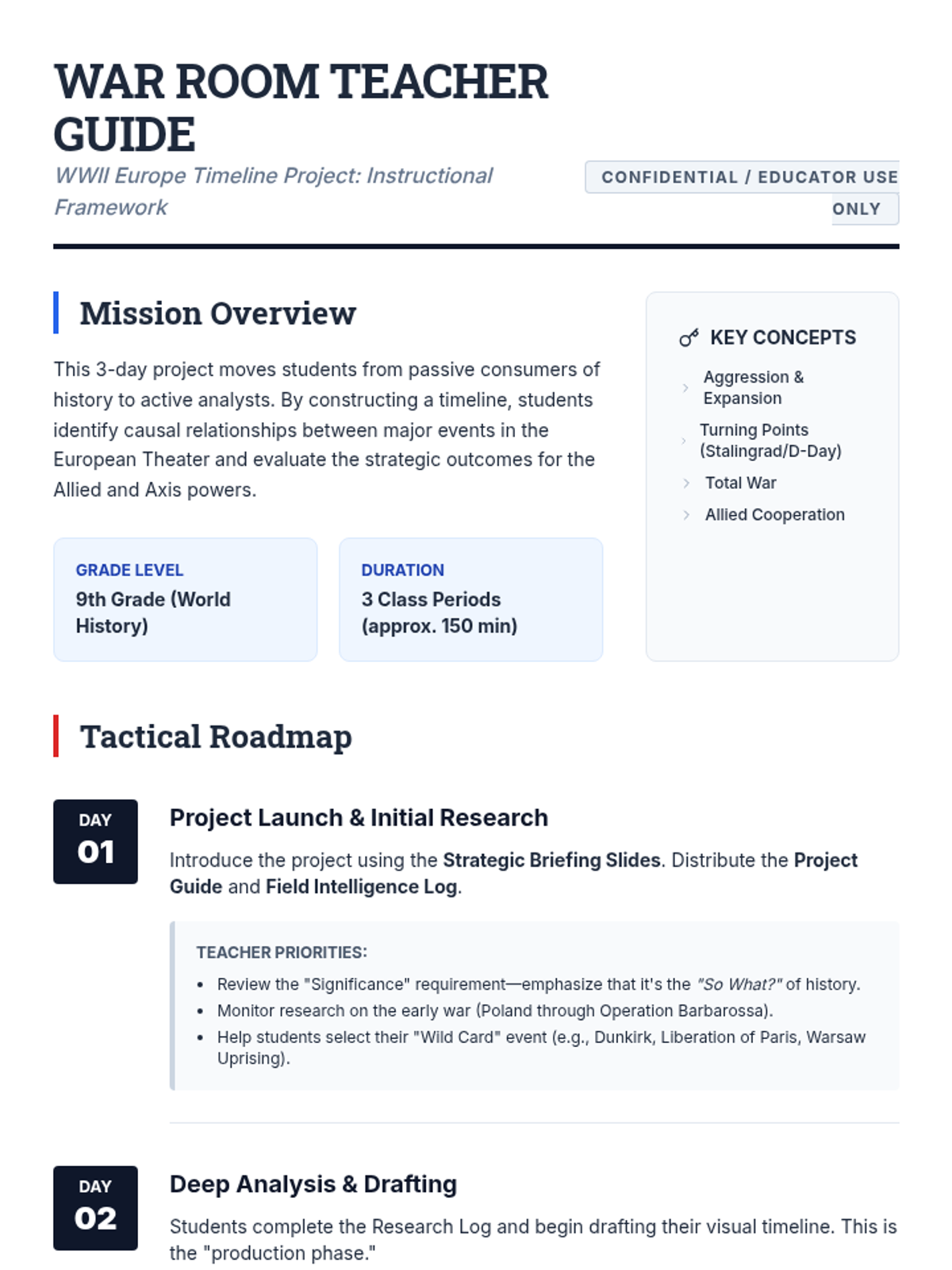
A 3-day project where students research and create a visual timeline of the major military and political events in the European Theater of WWII, analyzing significance and outcomes.
A comprehensive look at the origins and early stages of World War II, from global systemic failures to the specific regional reasons for Australian involvement.
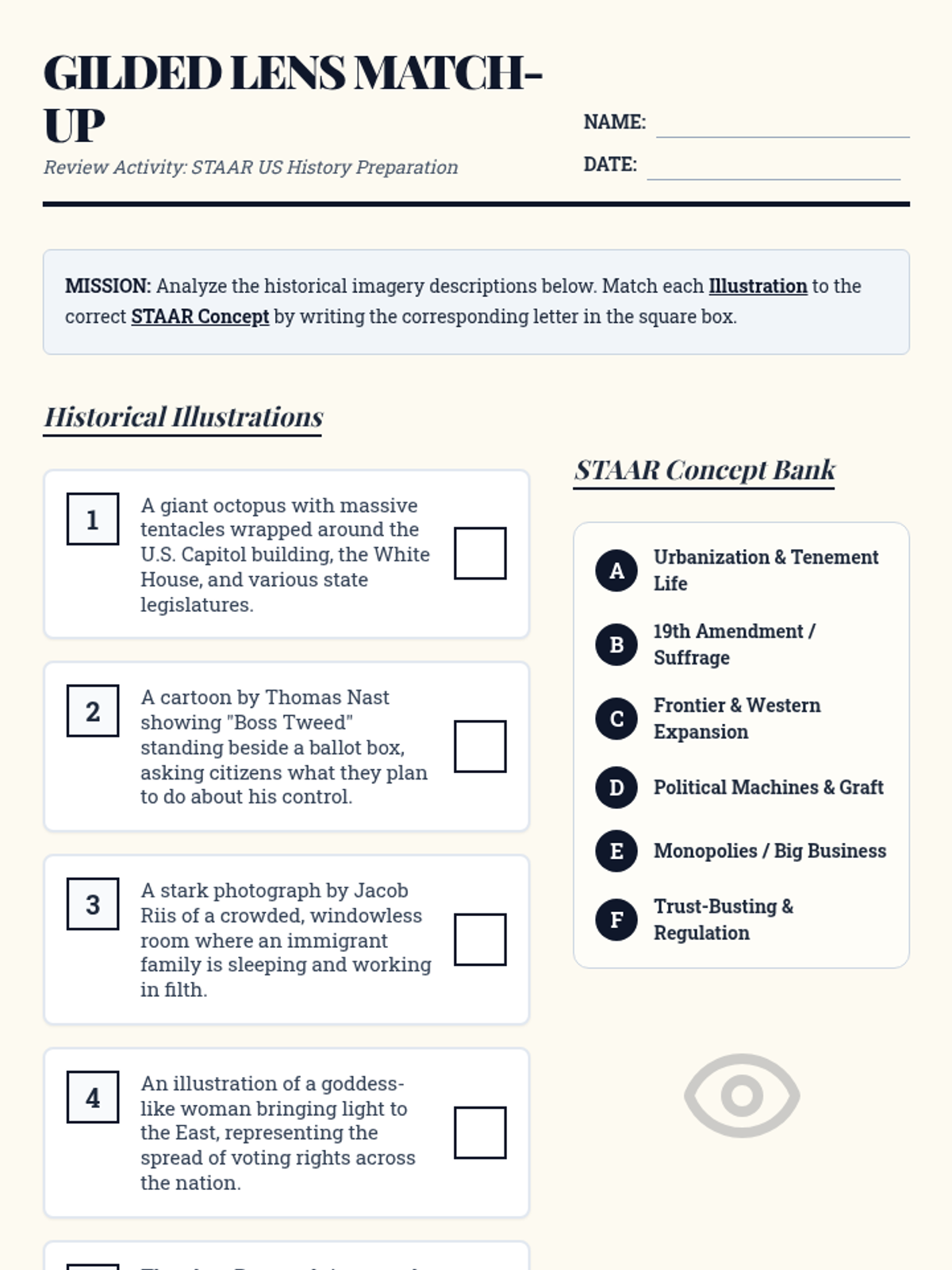
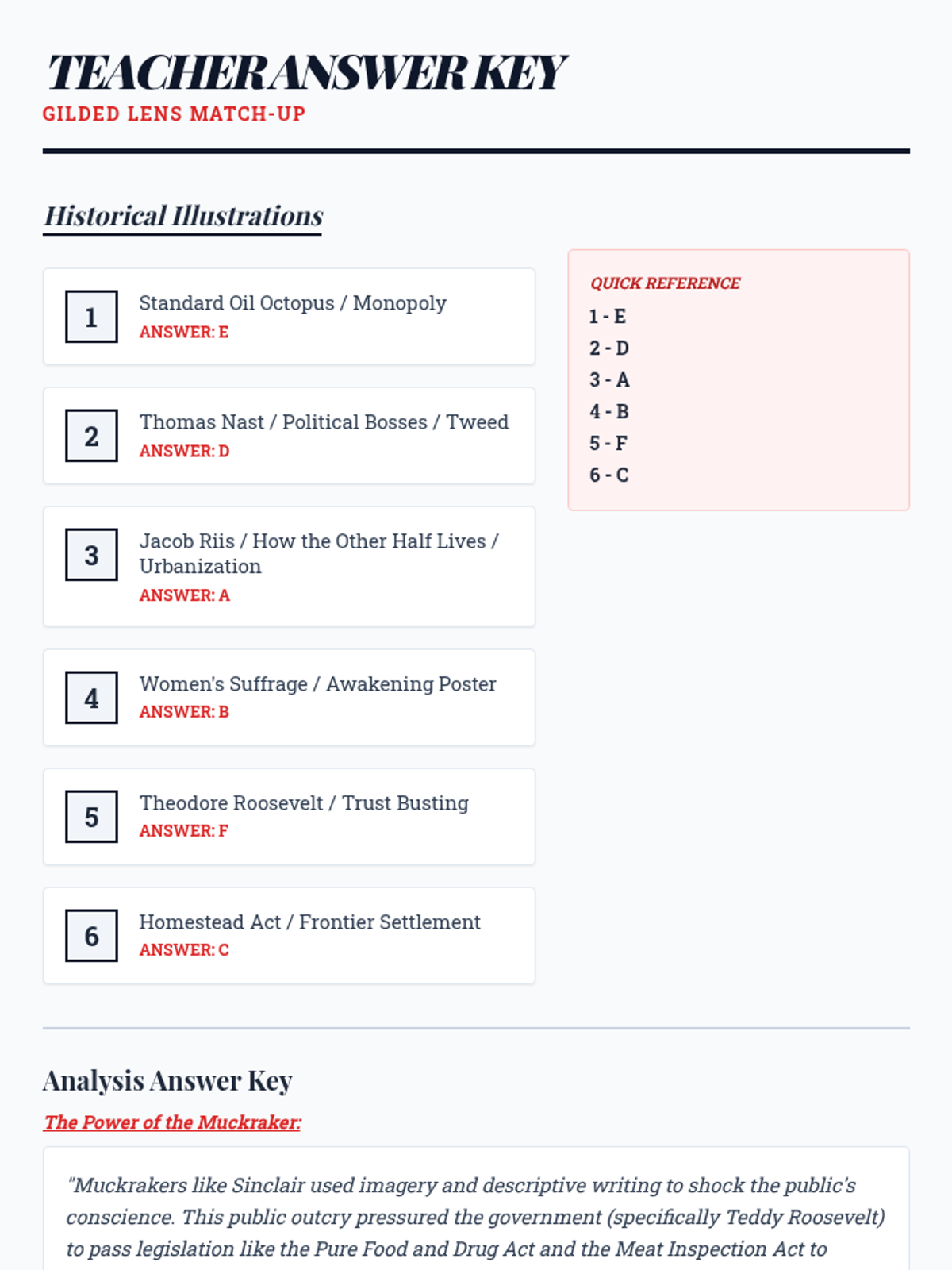
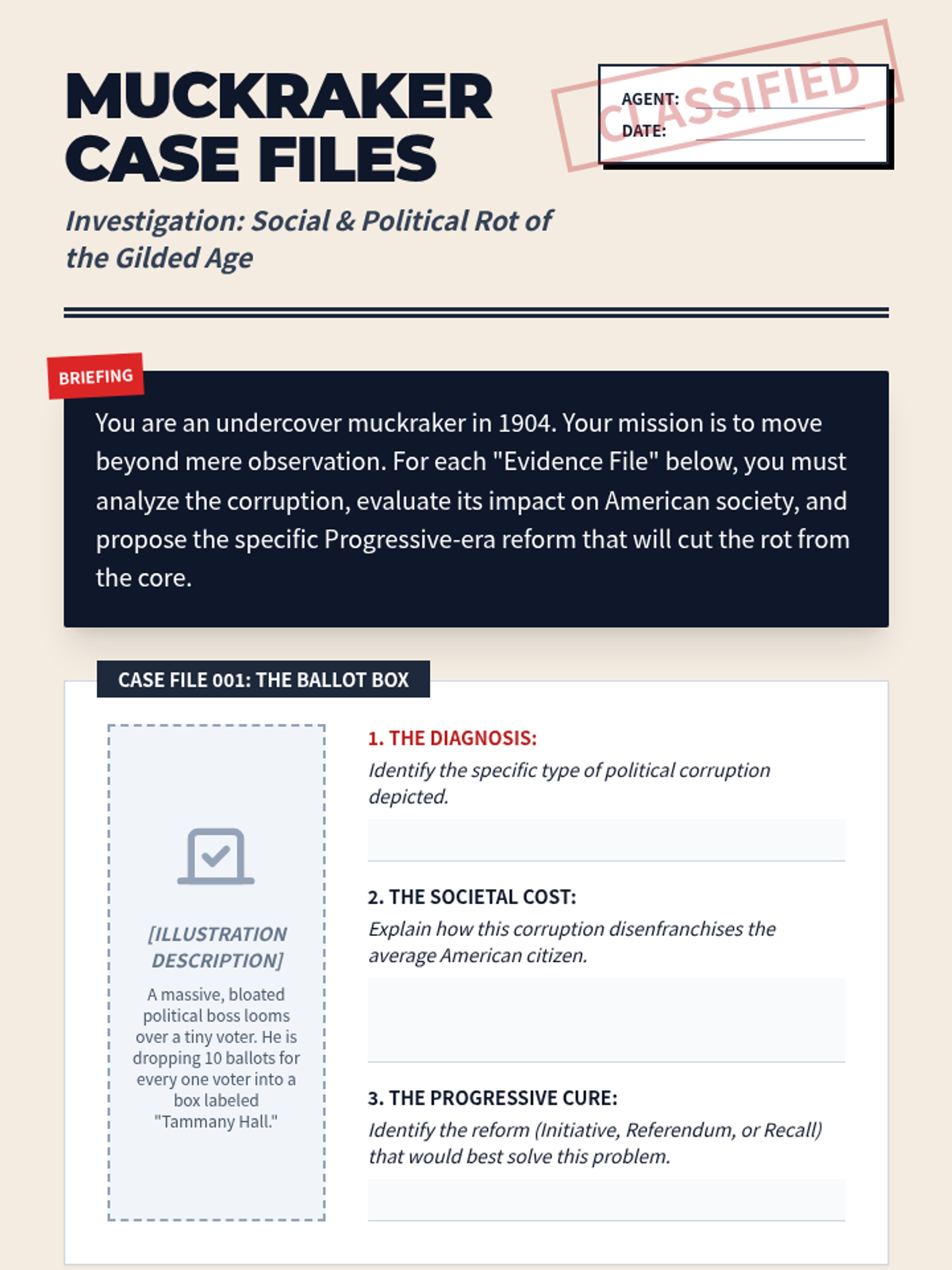
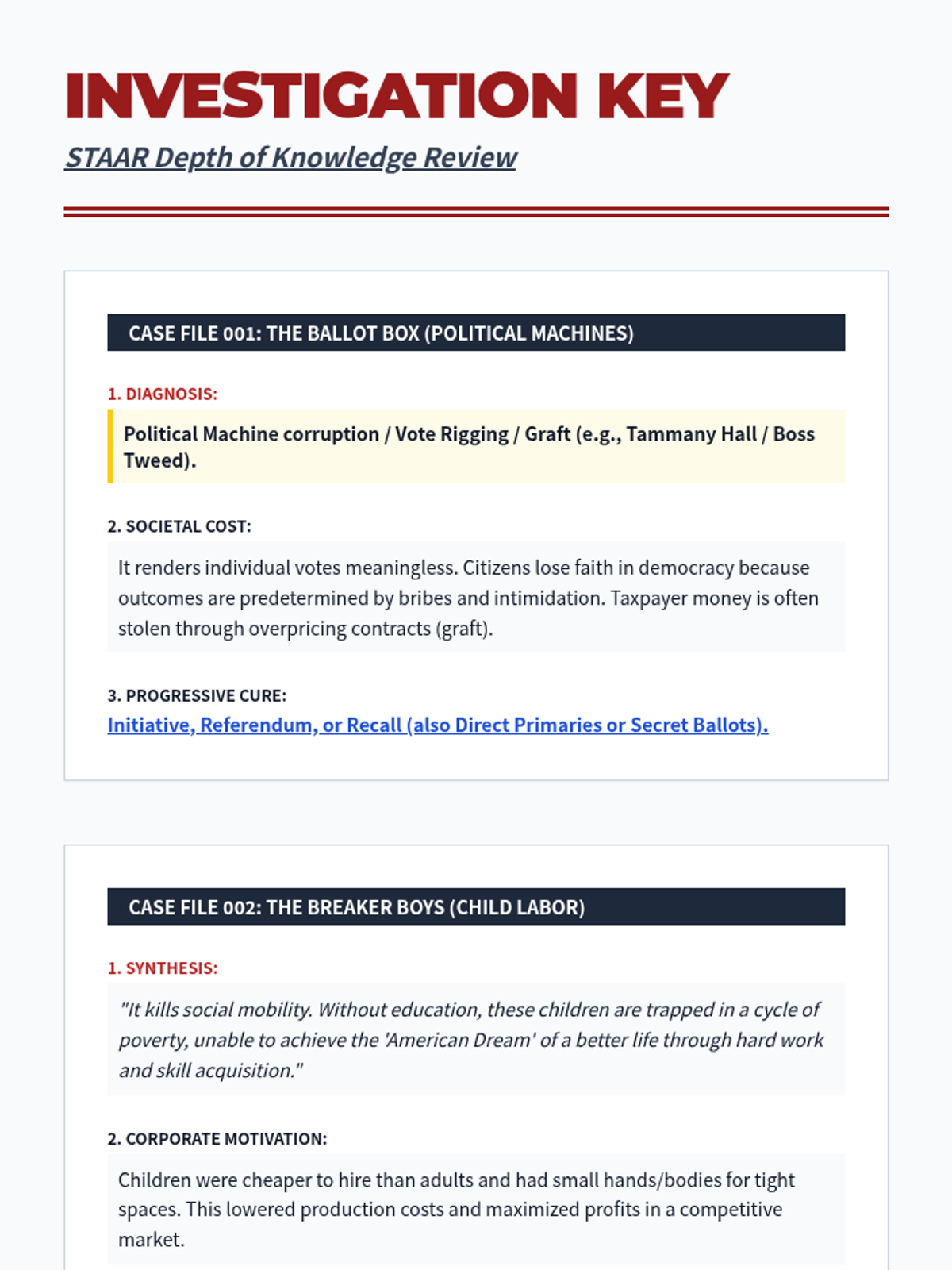
A comprehensive review sequence focusing on the Gilded Age and Progressive Era through the analysis of historical imagery and political cartoons, specifically designed for Texas STAAR preparation.