Fundamental notation, instrumental proficiency, and vocal techniques across various genres. Connects historical analysis with original composition and creative performance skills.
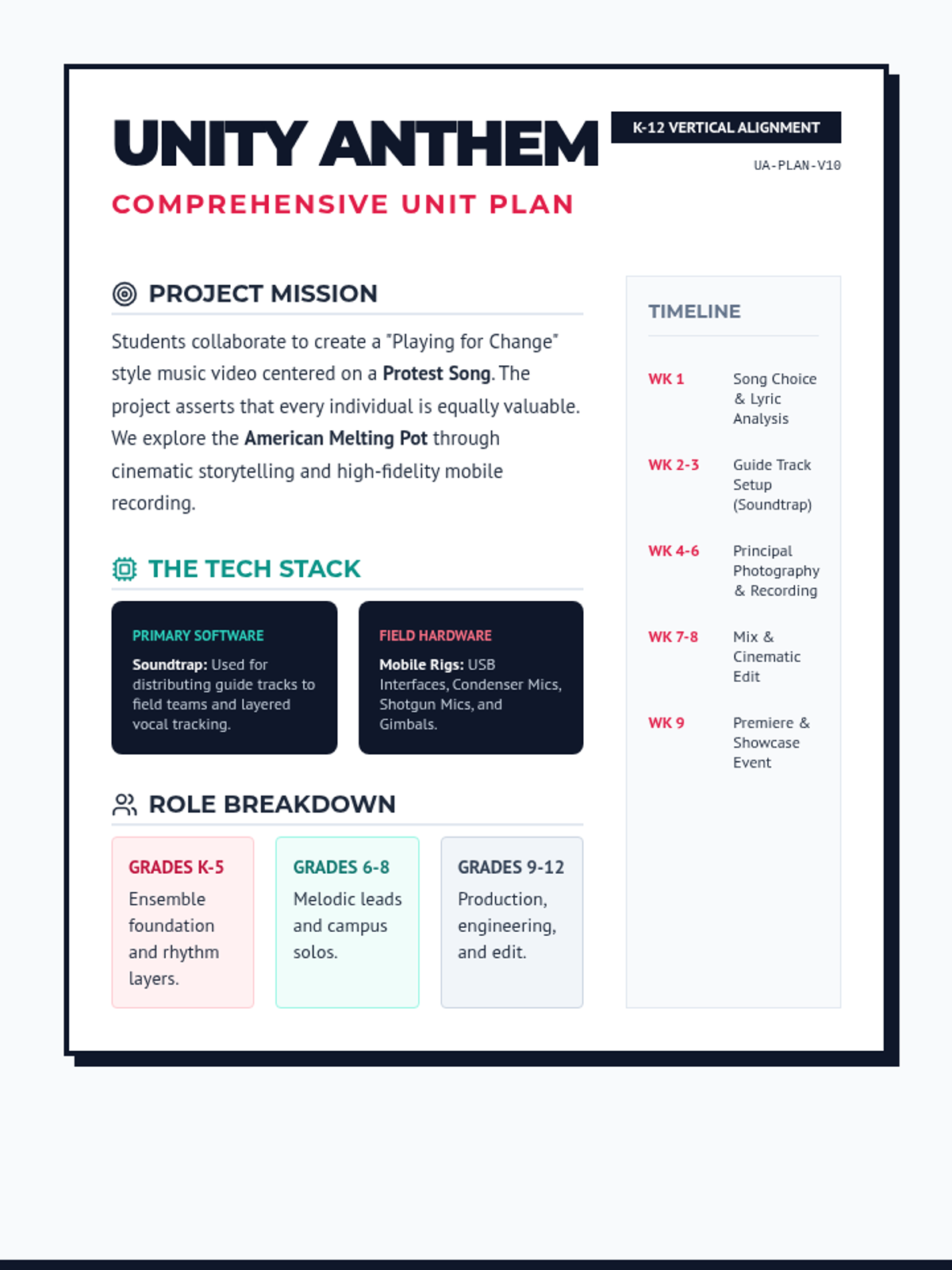
A K-12 collaborative music video project where students across all grade levels work together to produce a 'Playing for Change' style cover of a protest song centered on equality and cultural identity. High school students lead production, while K-8 students provide the musical and visual heart of the performance.
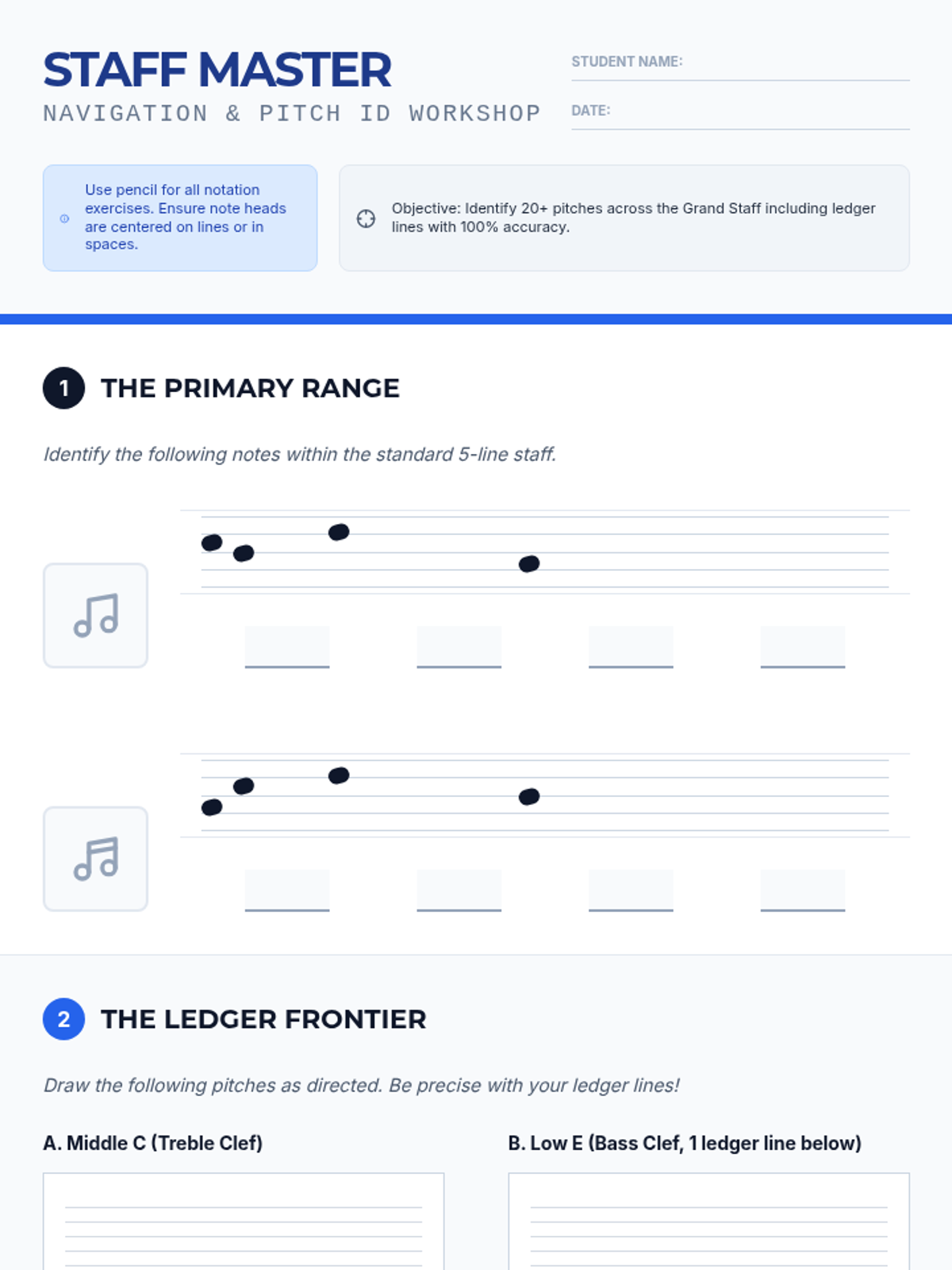
An inquiry-based journey into the logic of pitch organization, covering the Grand Staff, major scale construction, the Circle of Fifths, relative minors, and sight-singing applications. Students use a 'decoding' lens to master the patterns that govern tonal music.
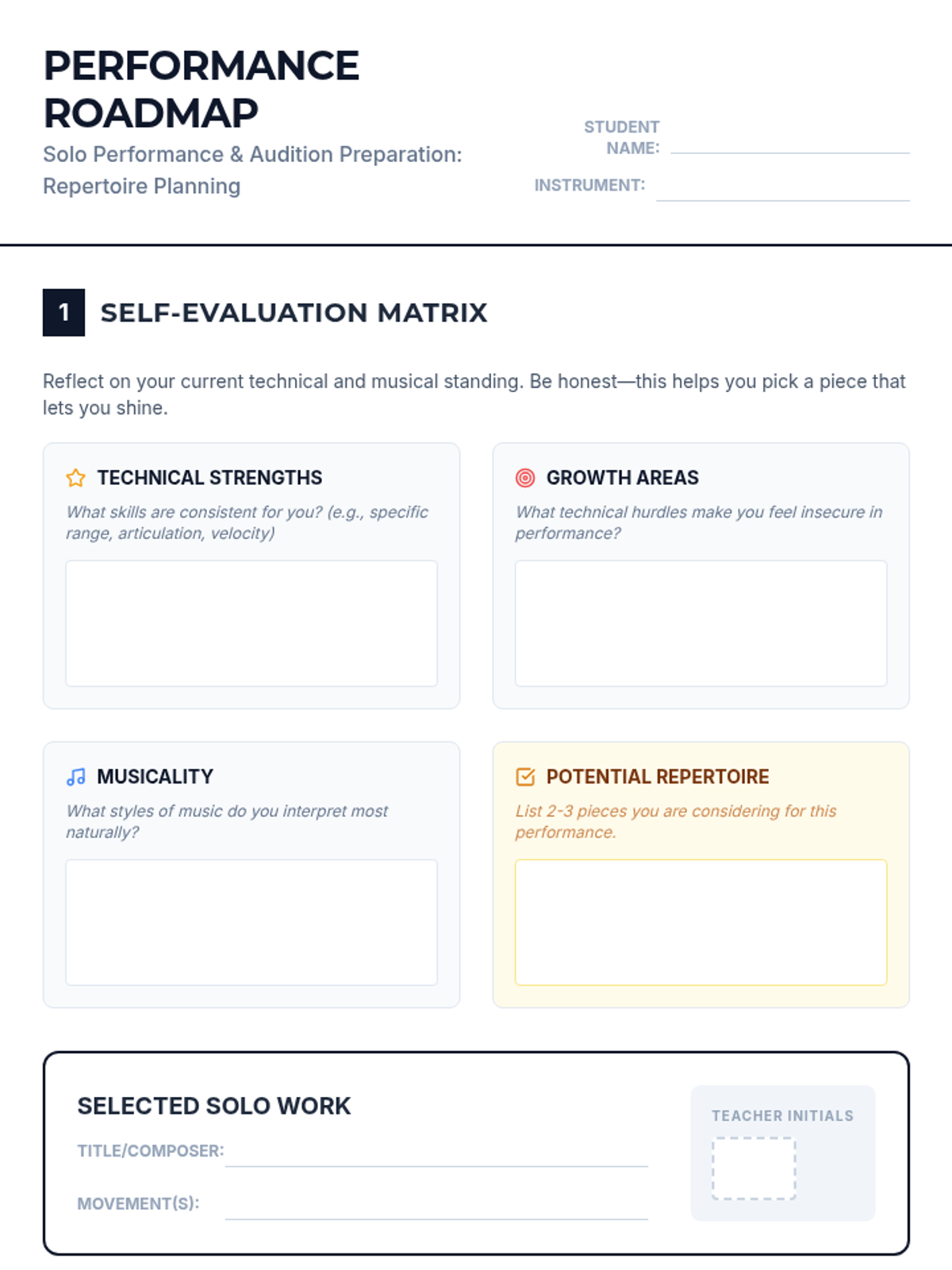
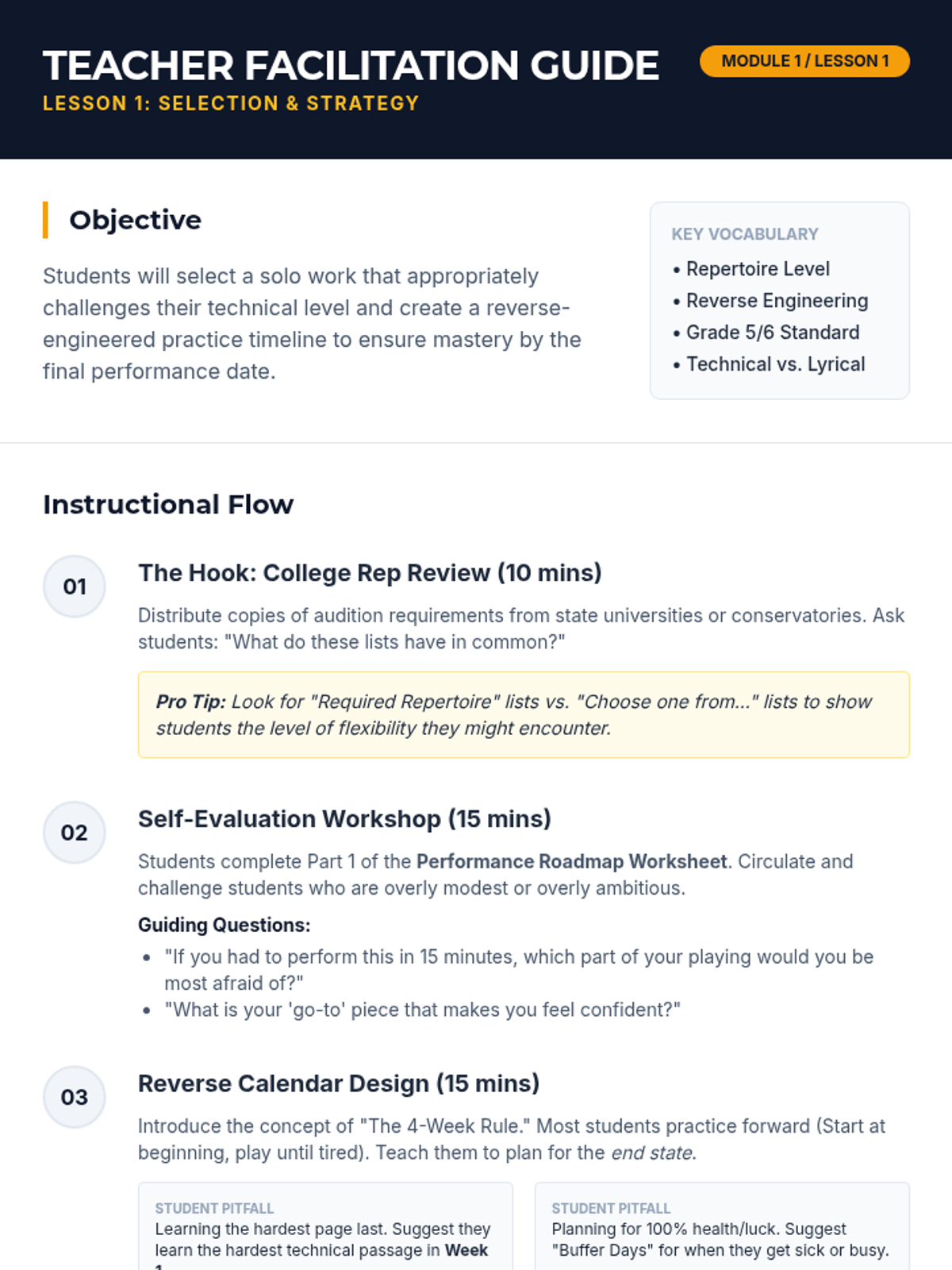
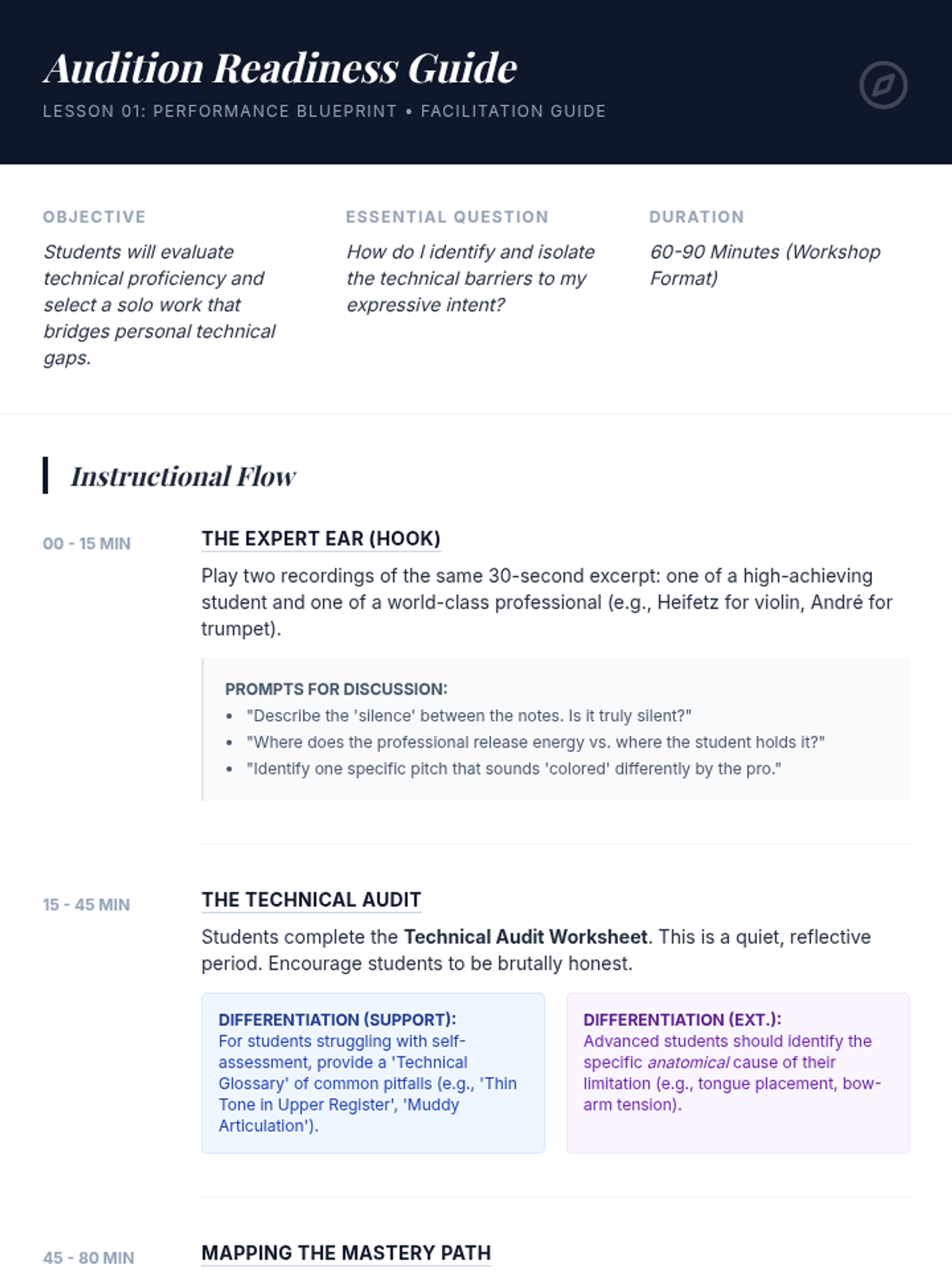
A comprehensive sequence for 11th-grade instrumentalists to master the technical, logistical, and psychological demands of solo performance and auditions. Students move from repertoire selection and deliberate practice planning to stage etiquette and peer-reviewed mock auditions, culminating in a polished final performance.
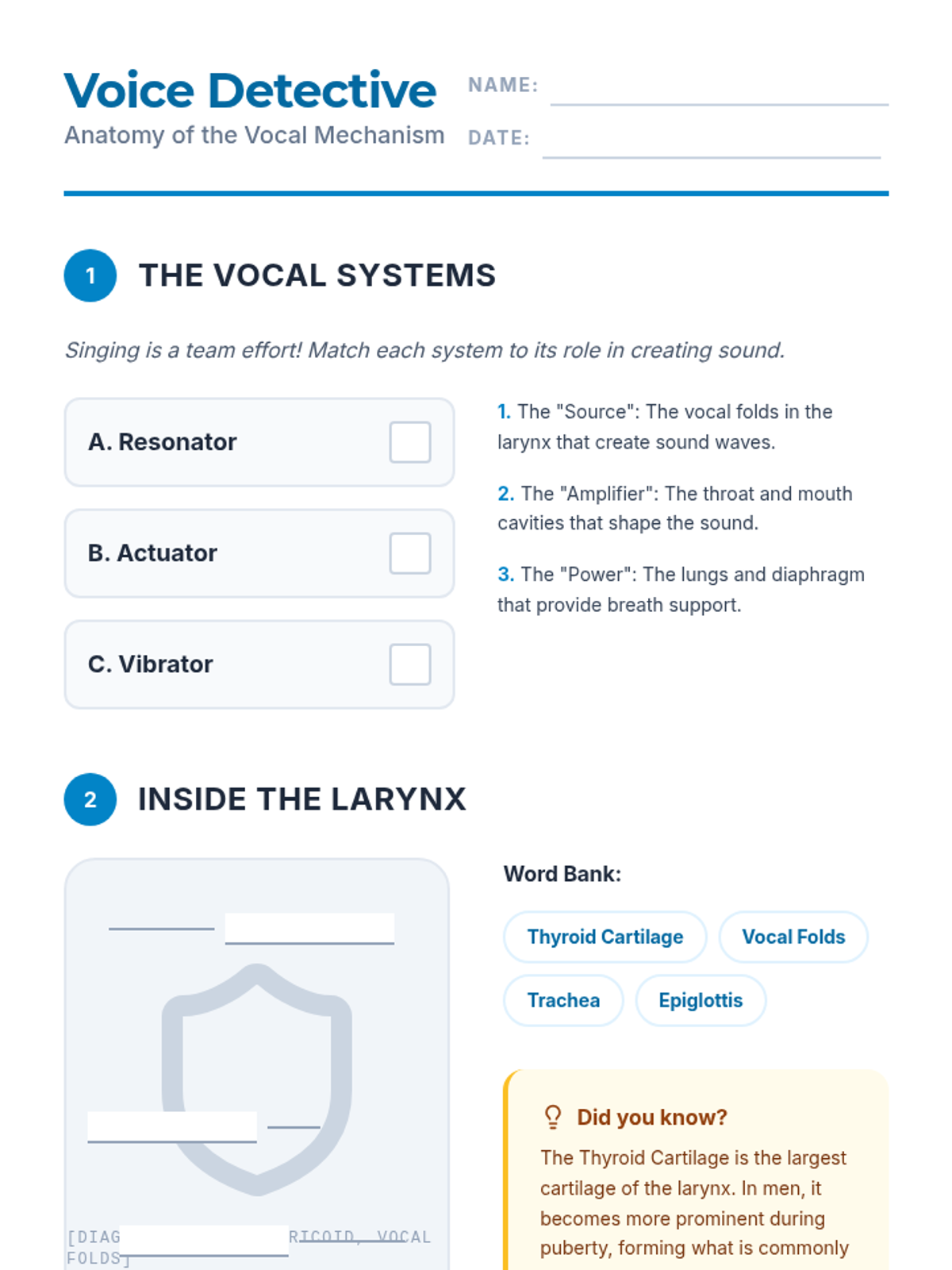
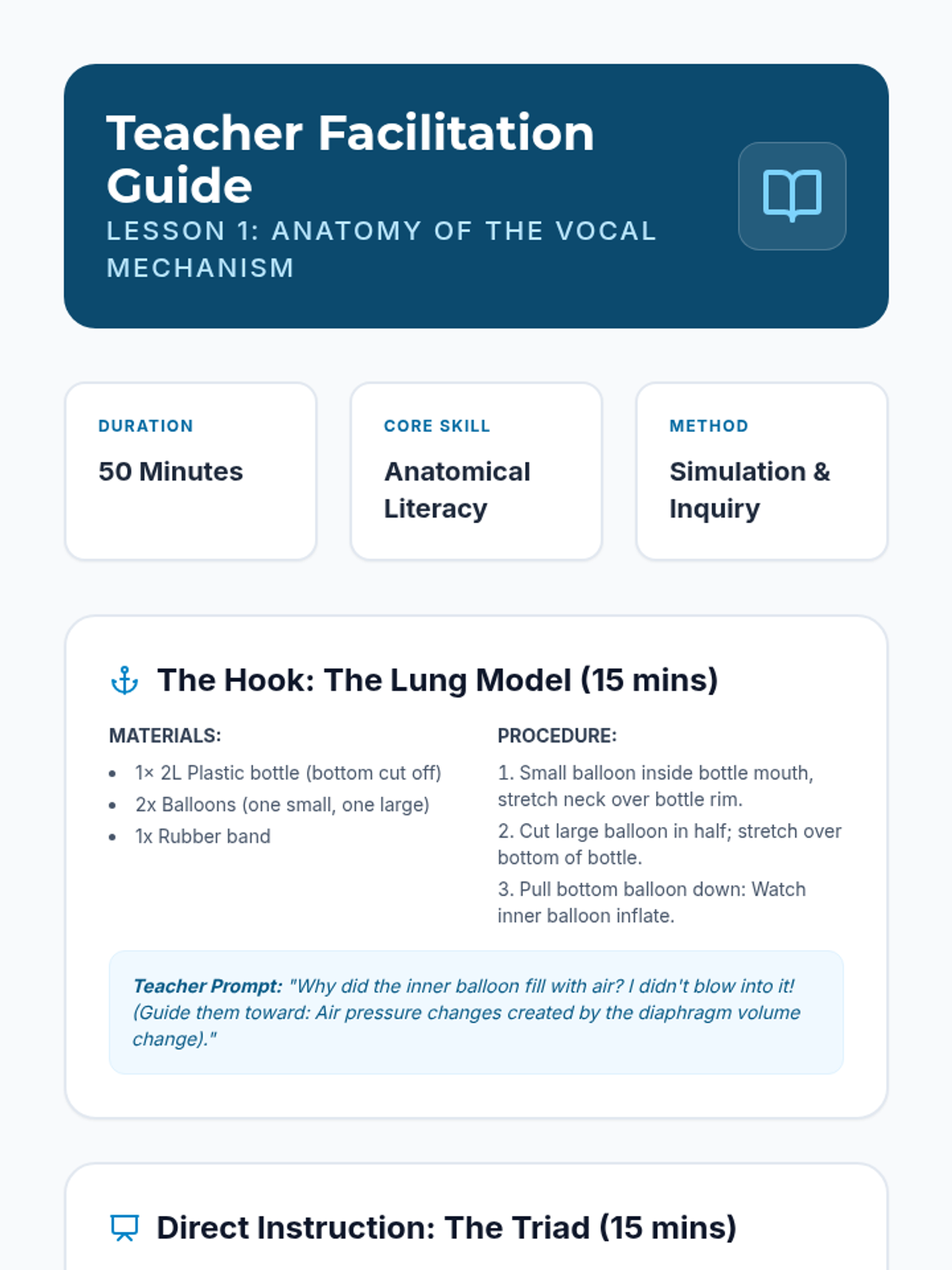
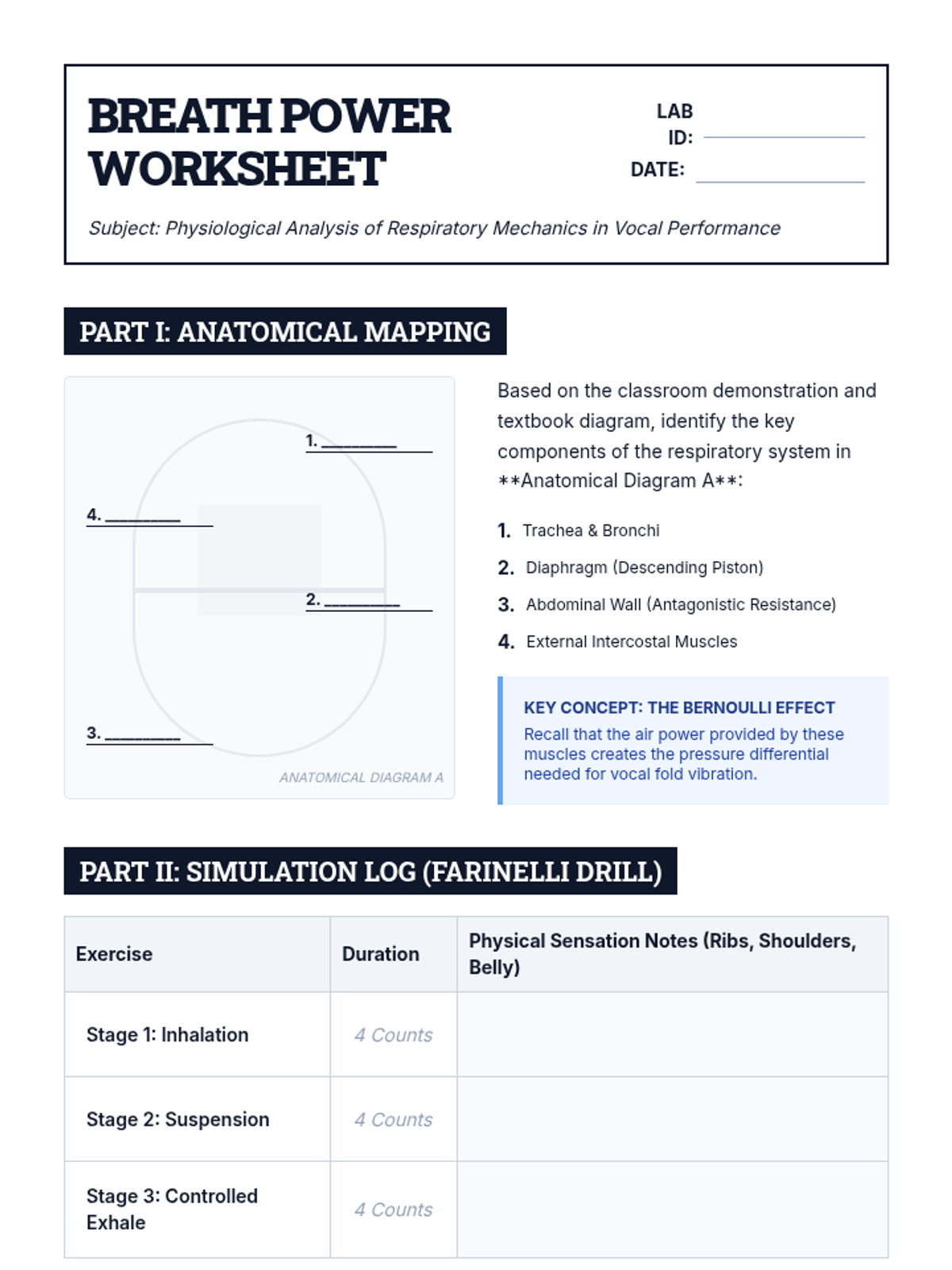
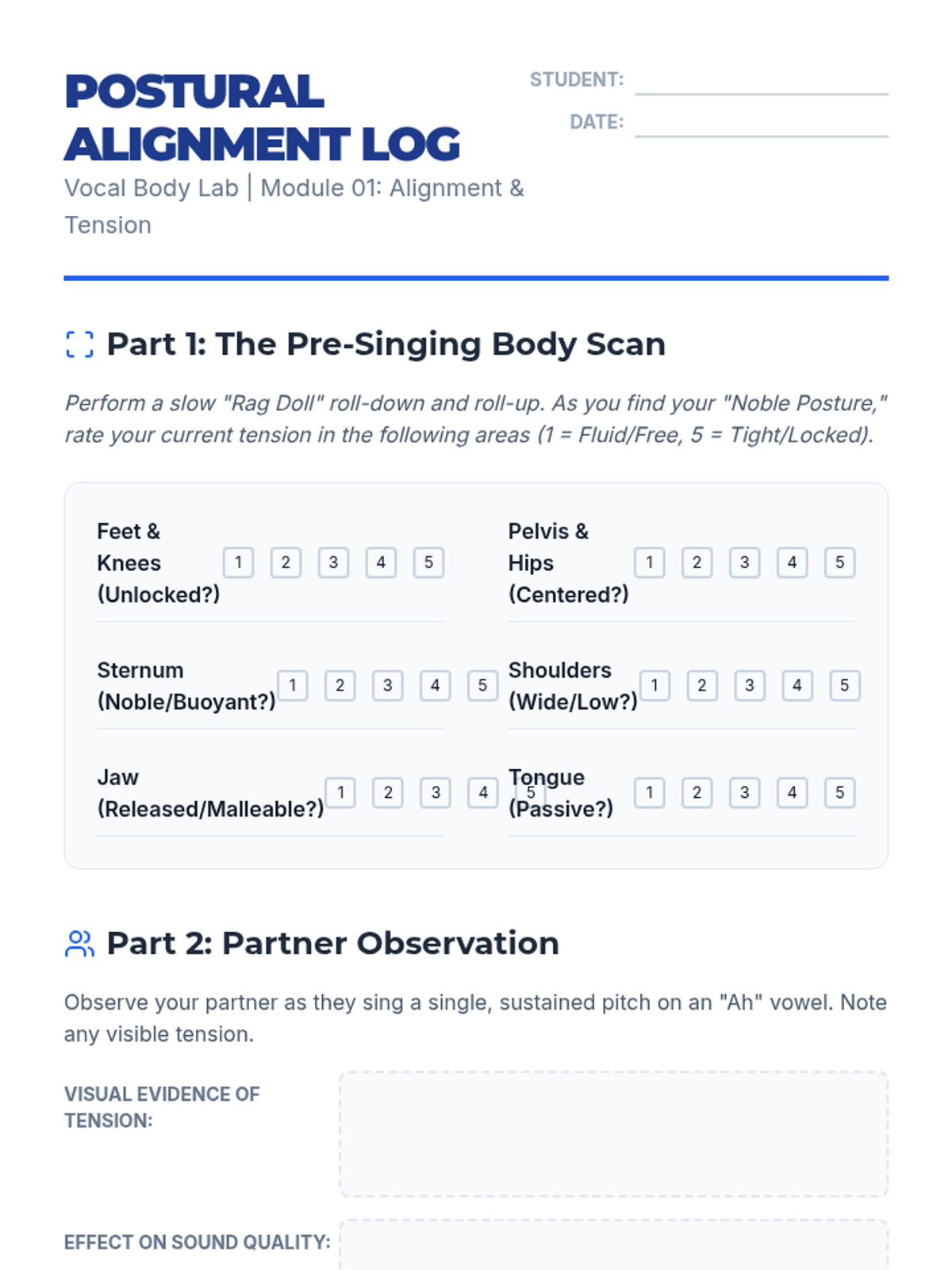
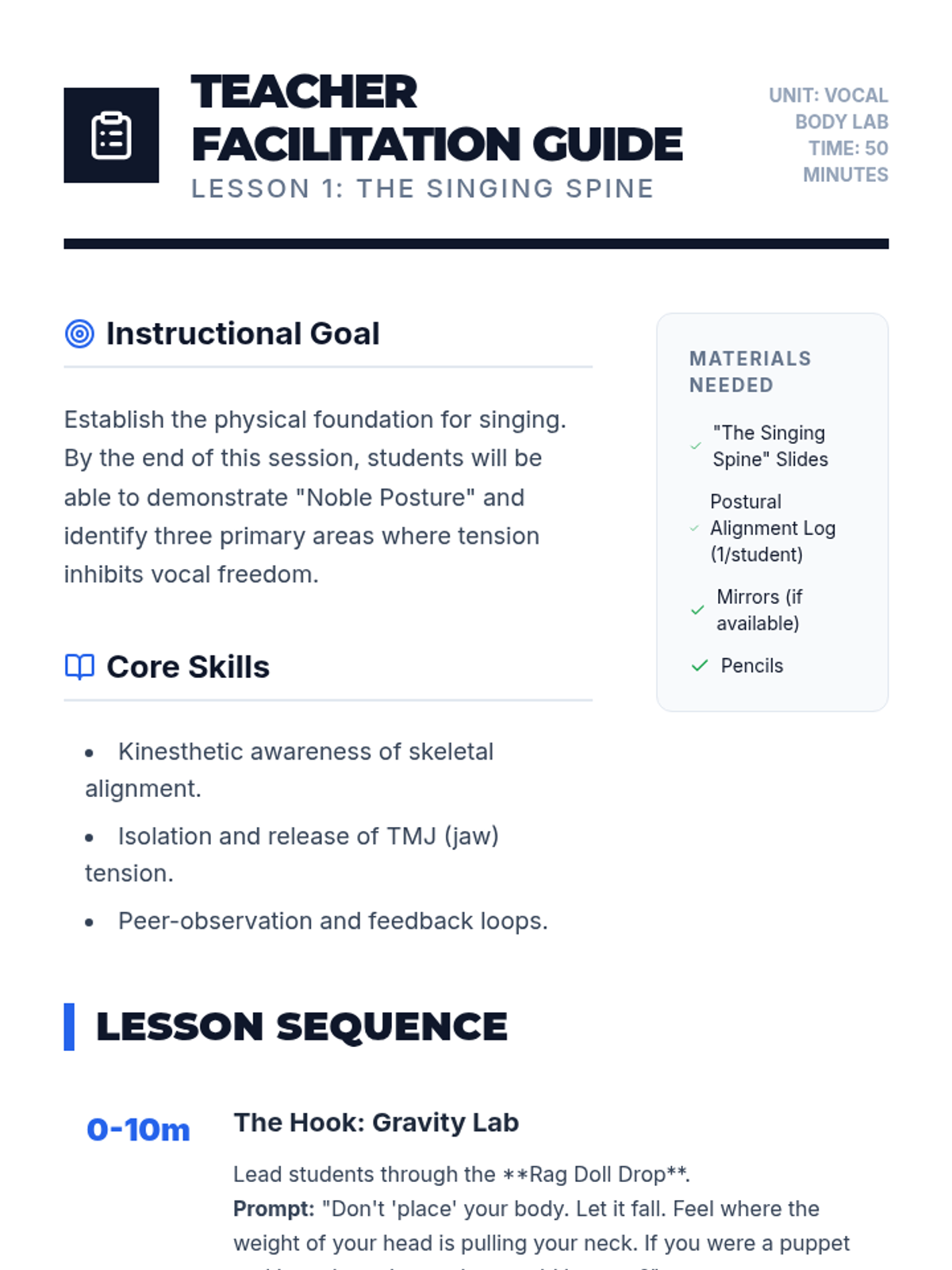
This sequence establishes the physiological foundation of singing by exploring the mechanics of the voice as an instrument. Students move from anatomical identification to practical application of posture and breath management, specifically addressing the needs of the changing adolescent voice.
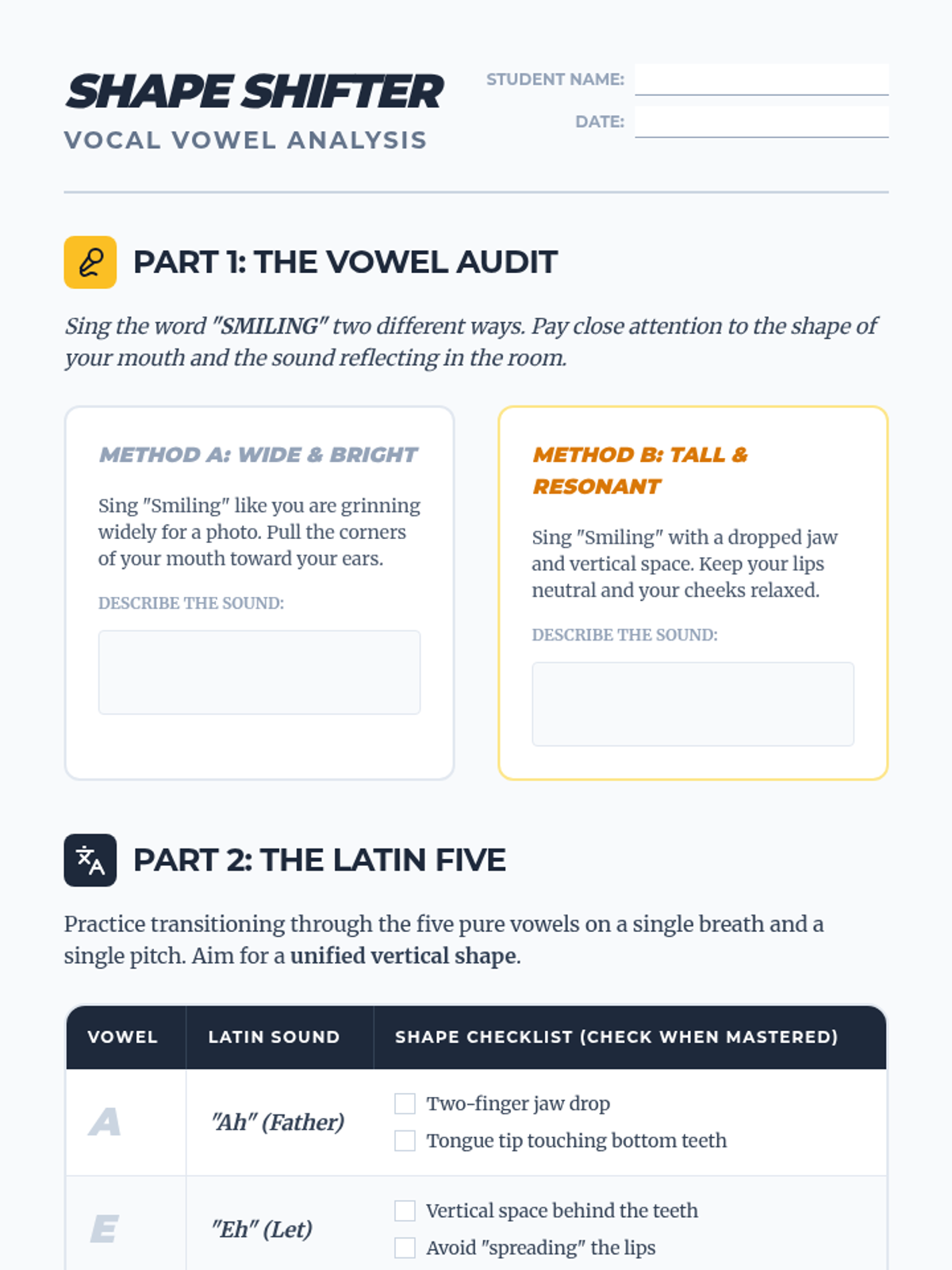
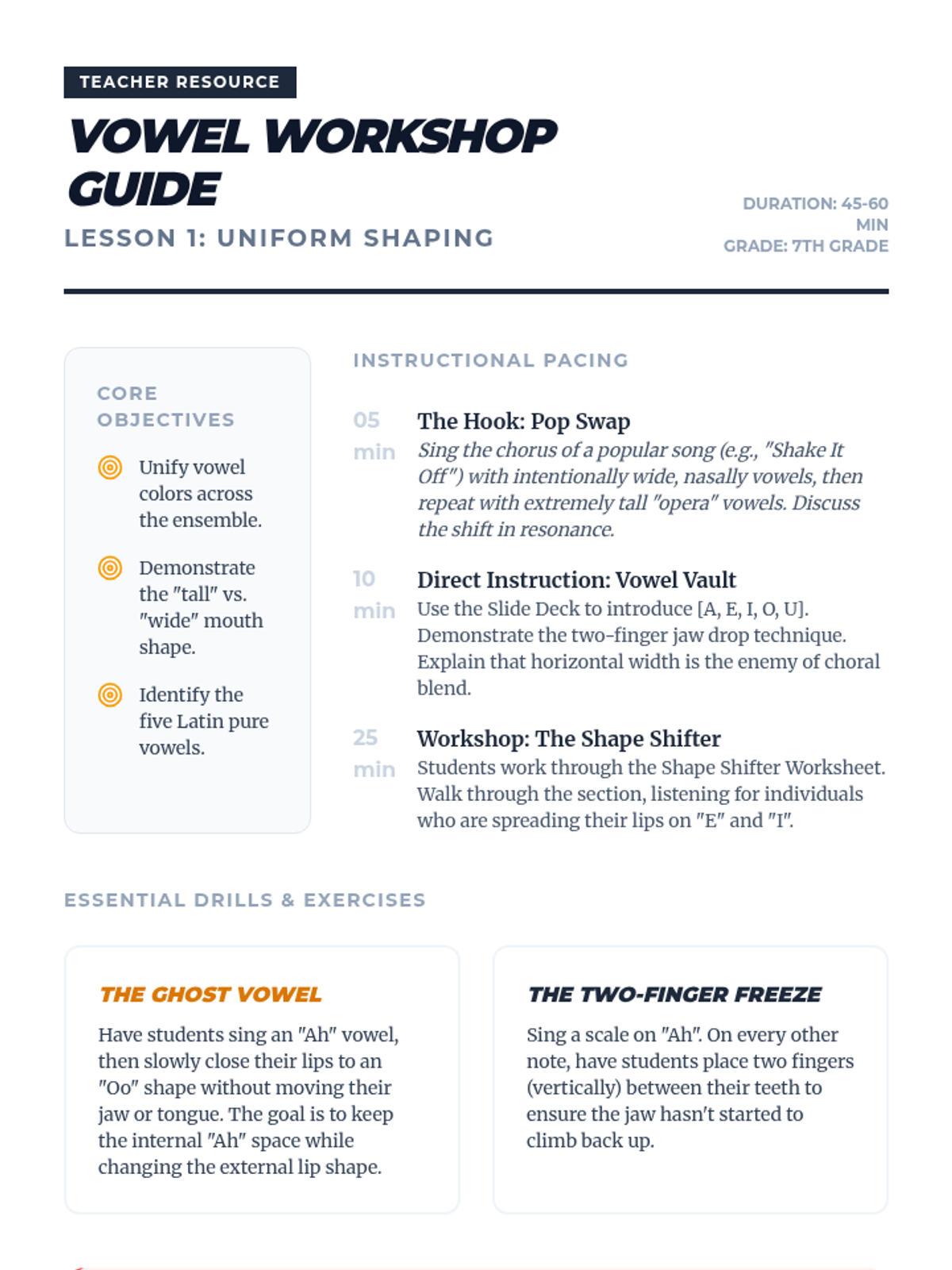
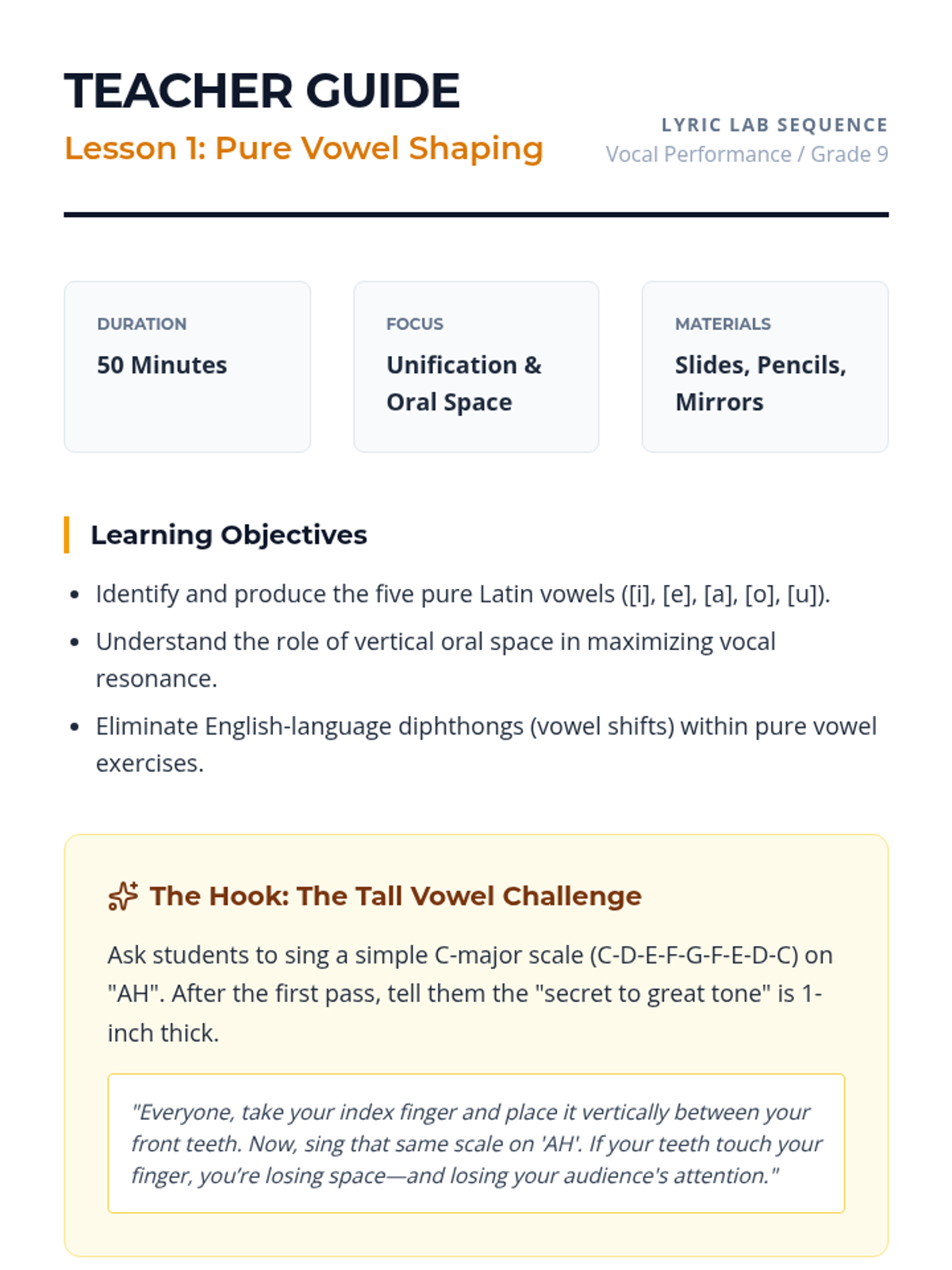
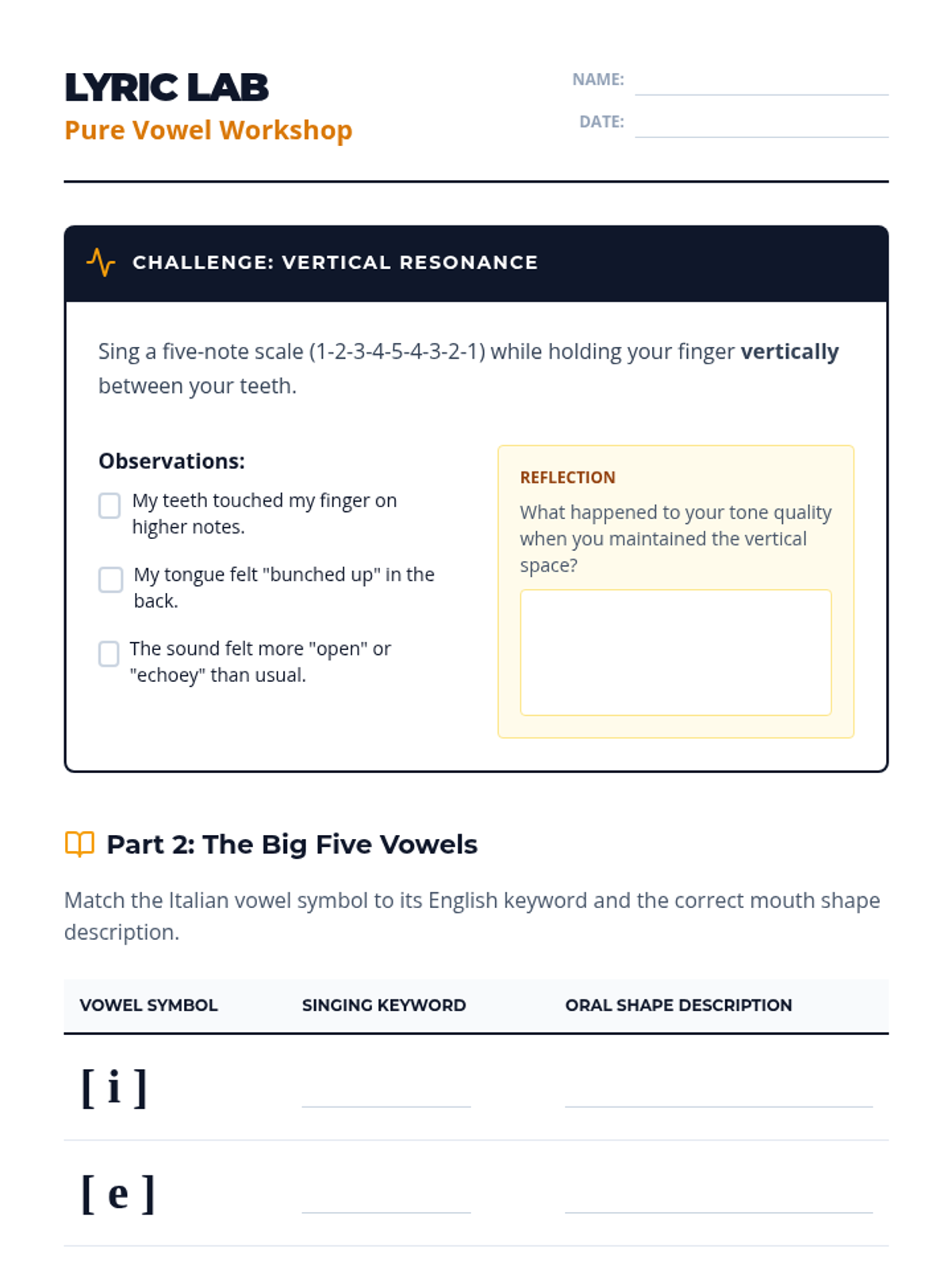
A comprehensive unit for middle school vocalists focusing on the technical aspects of vocal clarity, from Italian vowel shapes to stylistic diction across genres. students will master vowel unification, consonant energy, diphthong resolution, and legato phrasing.
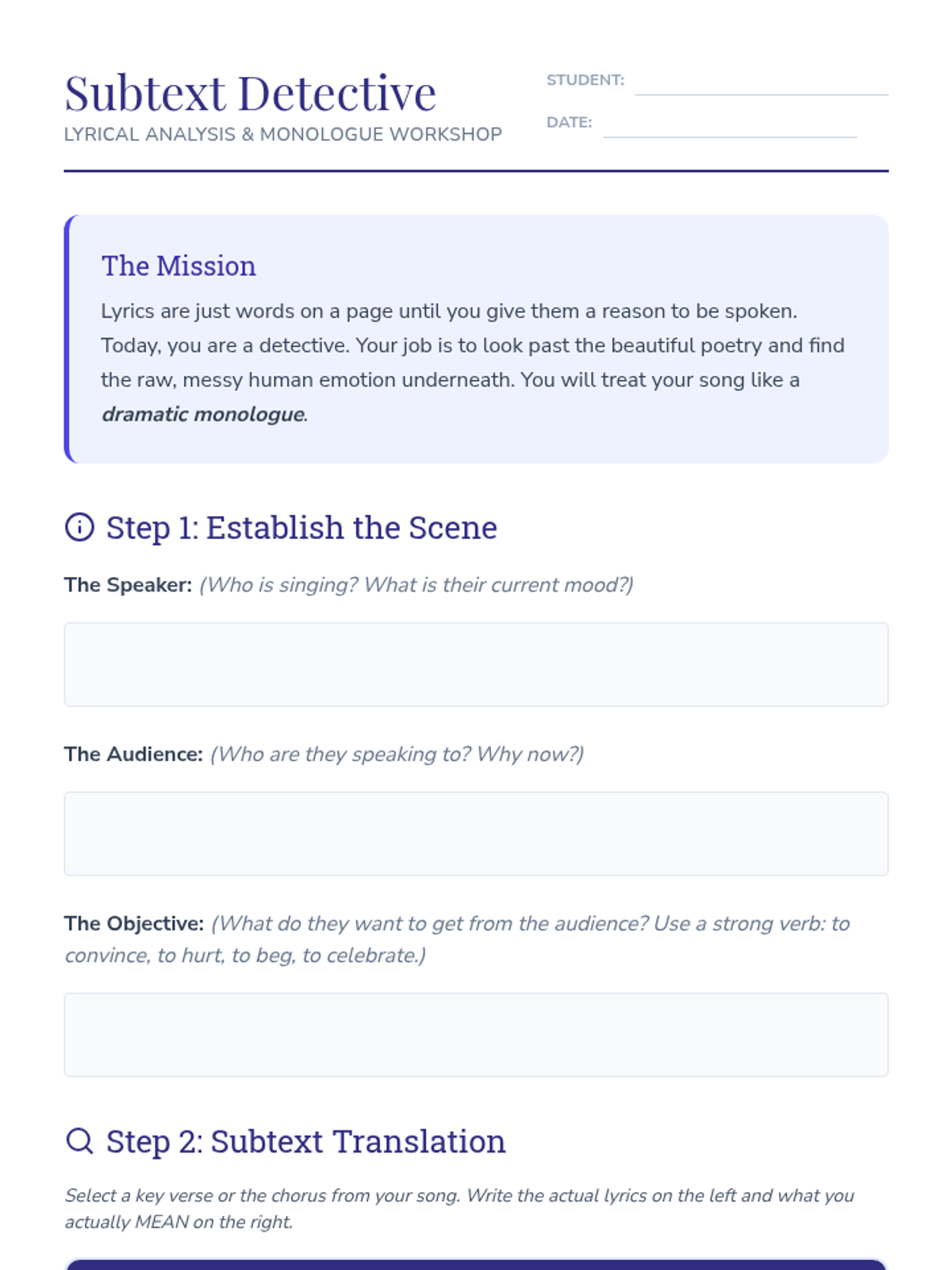
A comprehensive vocal performance sequence that teaches students to move beyond notes and rhythms to become vocal 'actors.' Students analyze subtext, master expressive diction, map musical phrasing, and explore tone color to deliver emotionally authentic performances.
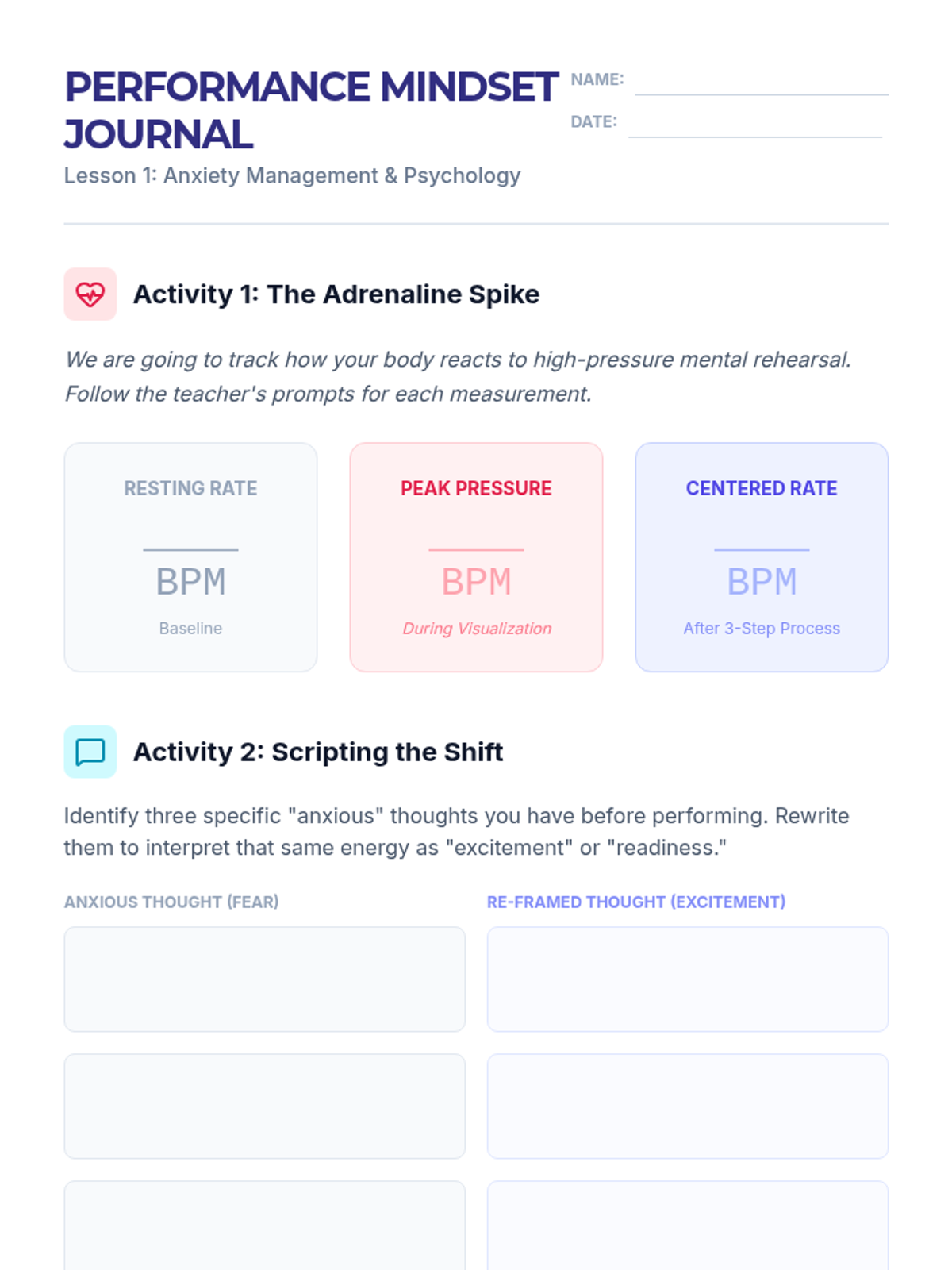
A comprehensive 11th-grade sequence focusing on the psychological and physical aspects of vocal performance. Students learn to manage stage fright, master non-verbal communication, and navigate professional audition environments.
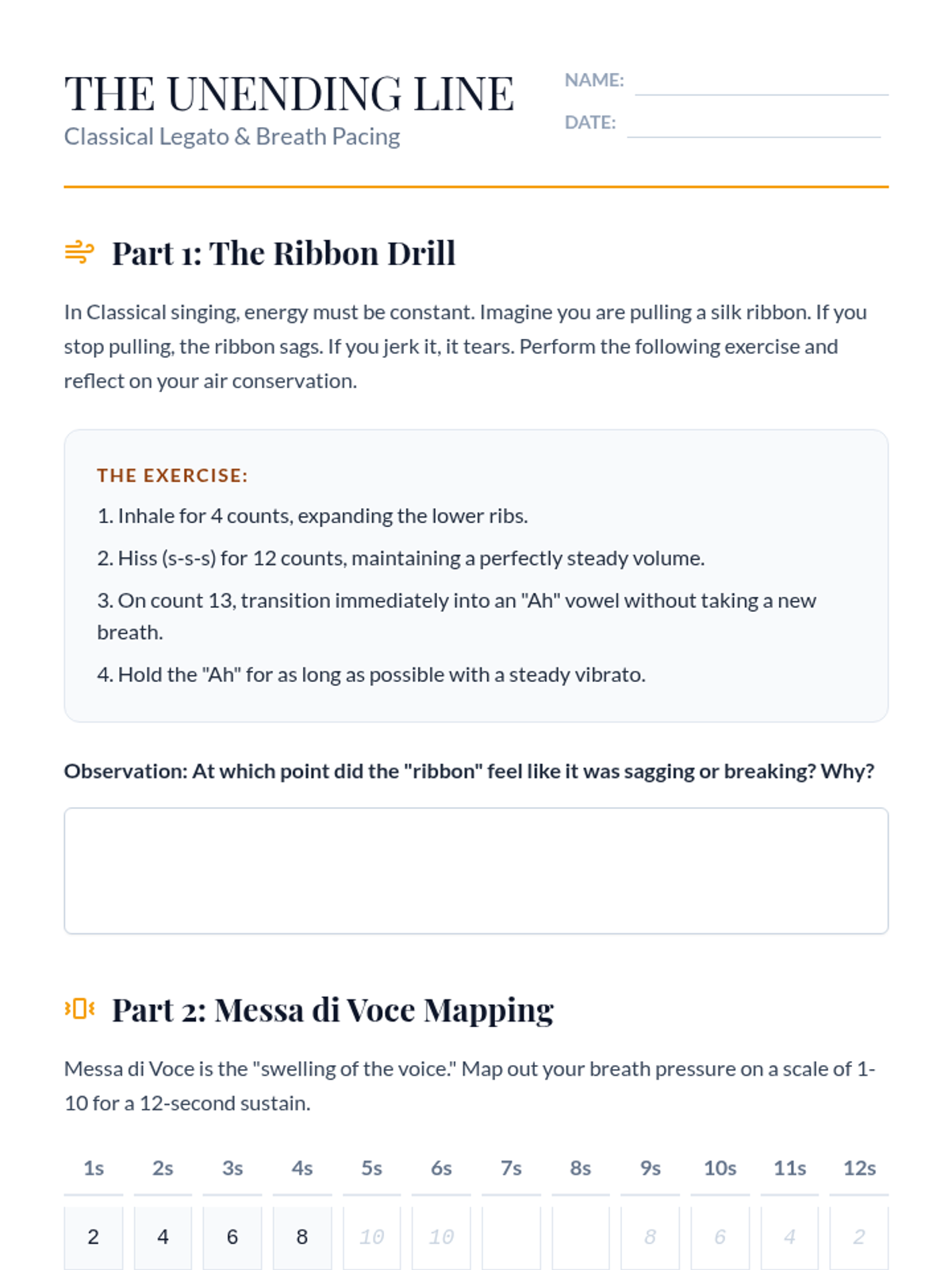
This sequence explores how vocalists adapt phrasing, tone, and technique across Classical, Jazz, Musical Theater, and Pop/Rock genres to create authentic and compelling performances.
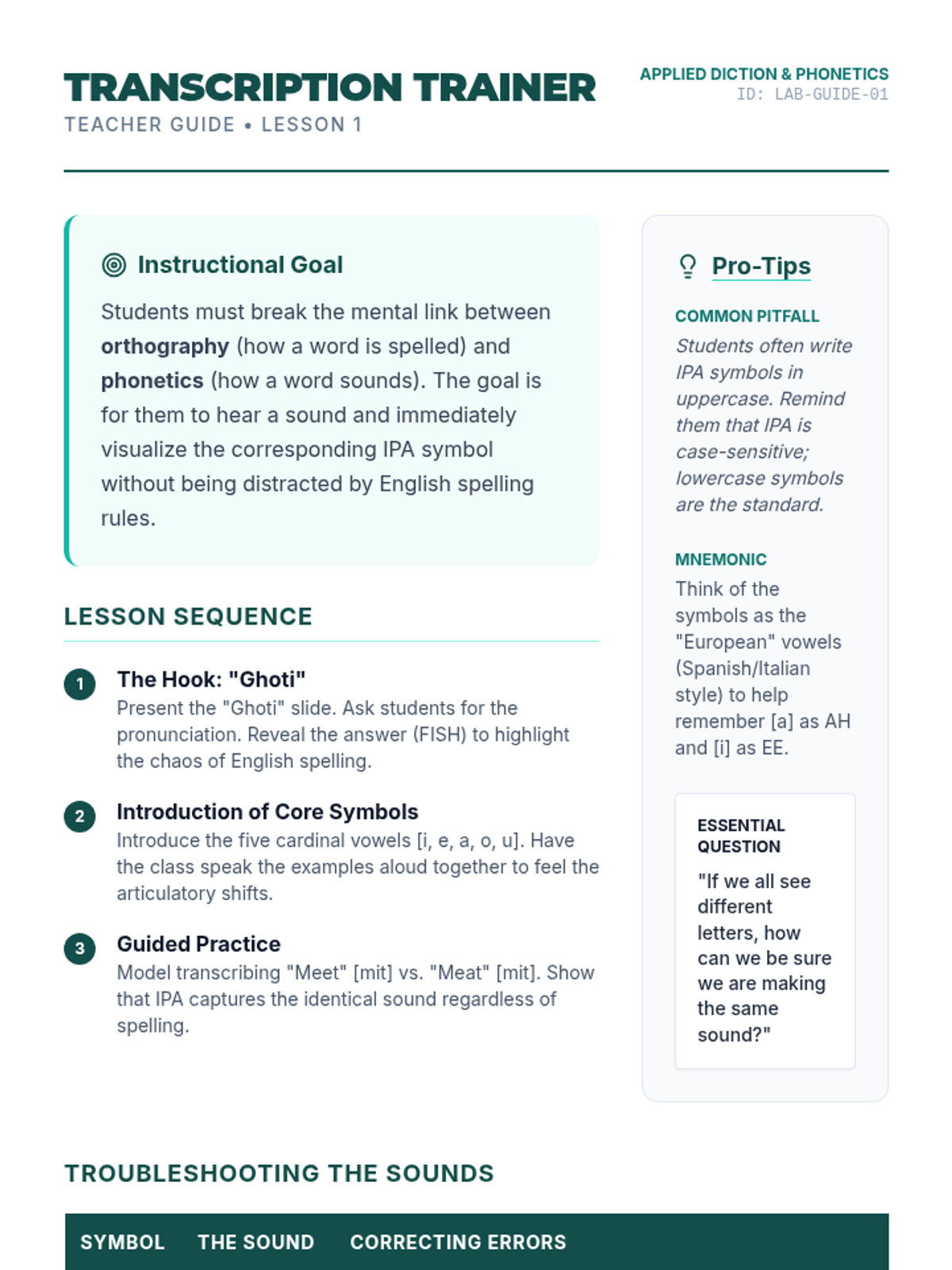
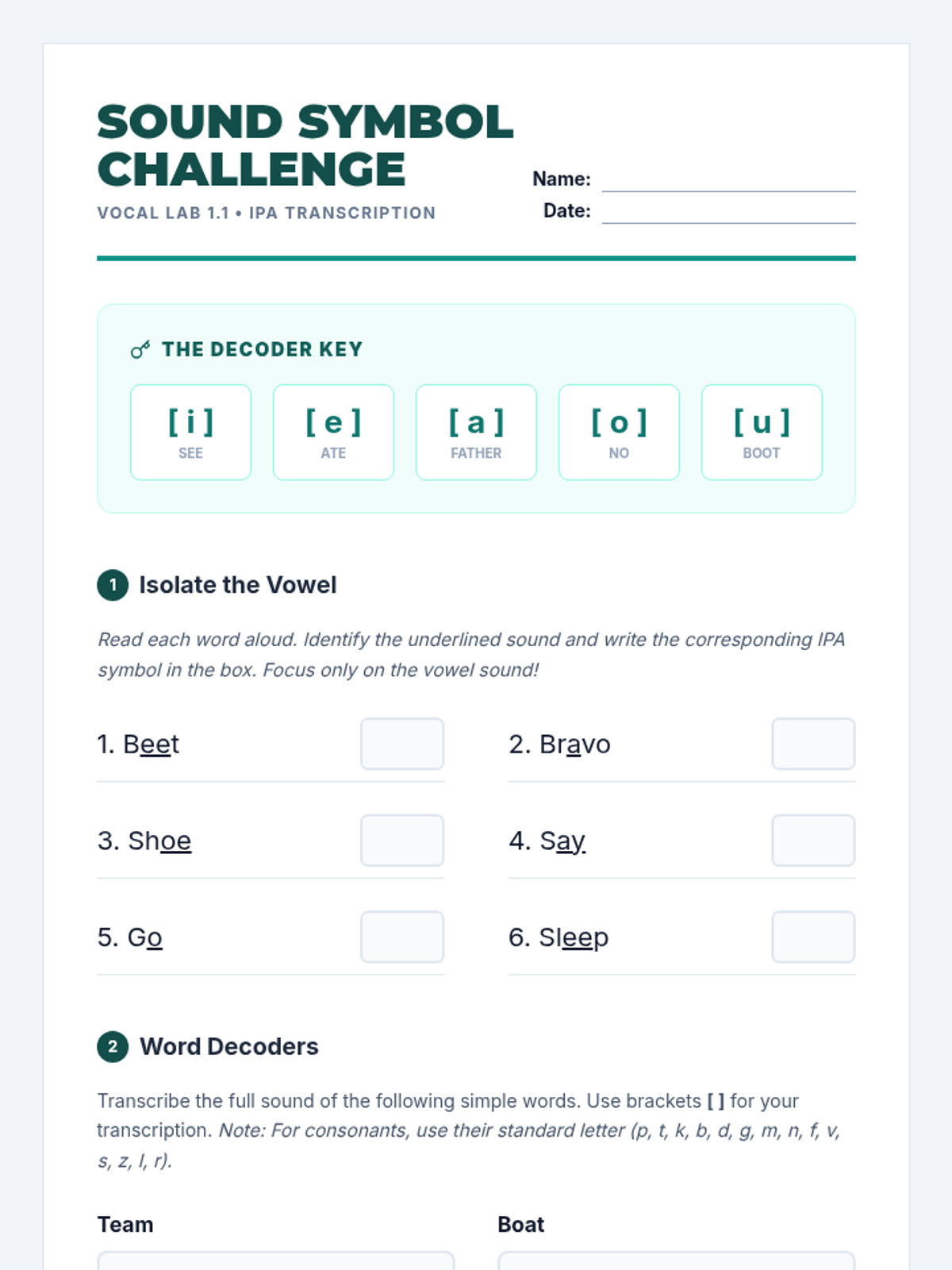
A comprehensive vocal diction sequence for high school singers, focusing on the International Phonetic Alphabet (IPA) to achieve clarity and stylistic authenticity across English, Italian, and contemporary musical genres.
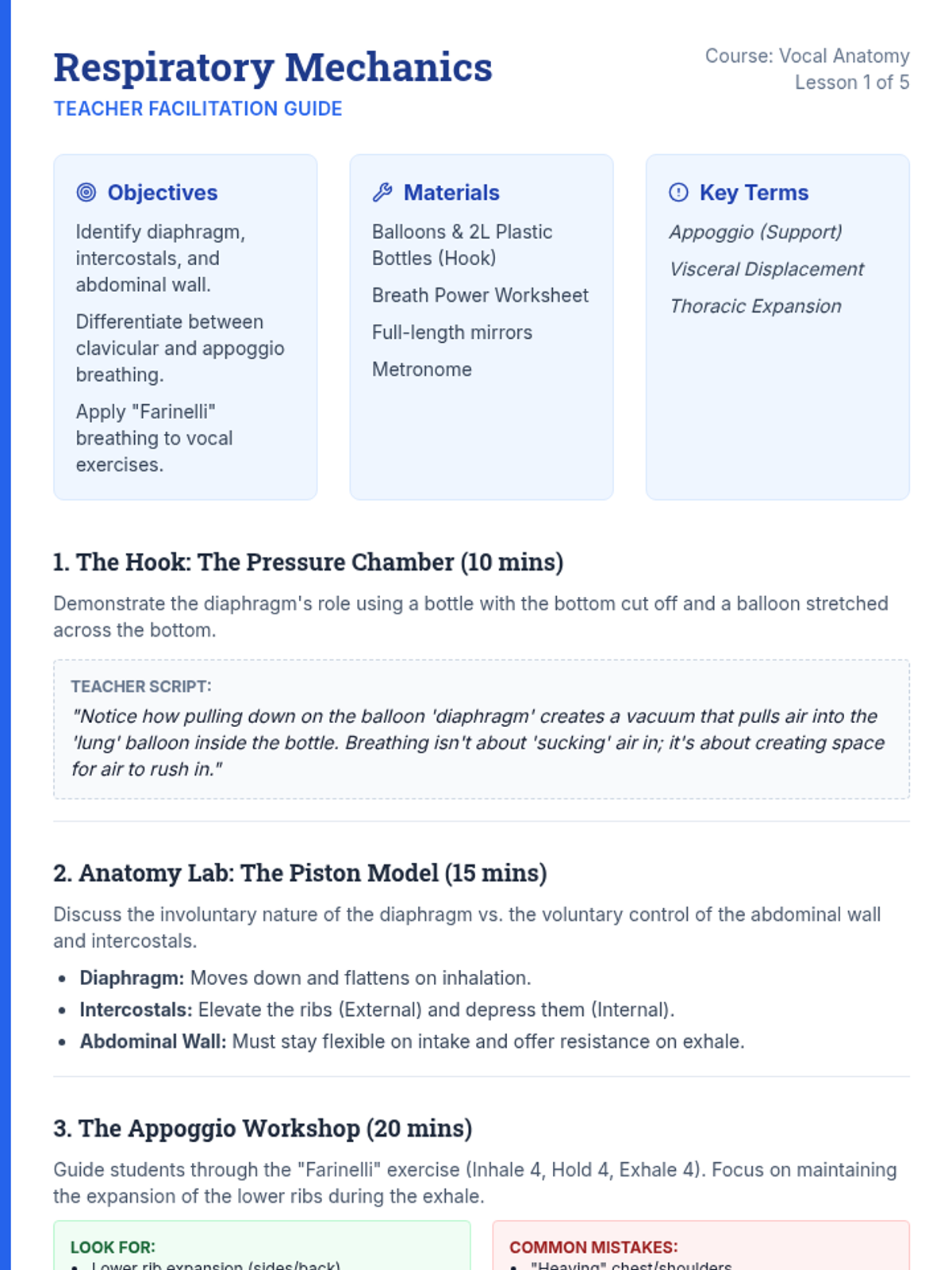
A comprehensive 11th-grade music sequence that demystifies the biological mechanics of the human voice. Students progress from understanding respiratory power to phonation, resonance, and registration, culminating in a personalized vocal health and maintenance plan.
A comprehensive unit for high school singers focused on the physiological foundations of vocal performance, covering posture, breath support, phonation, resonance, and long-term vocal health.
A comprehensive unit for high school vocalists on the mechanics of clear diction, focusing on vowel unification, consonant precision, and the International Phonetic Alphabet (IPA). Students move from fundamental oral shaping to complex rapid text delivery.
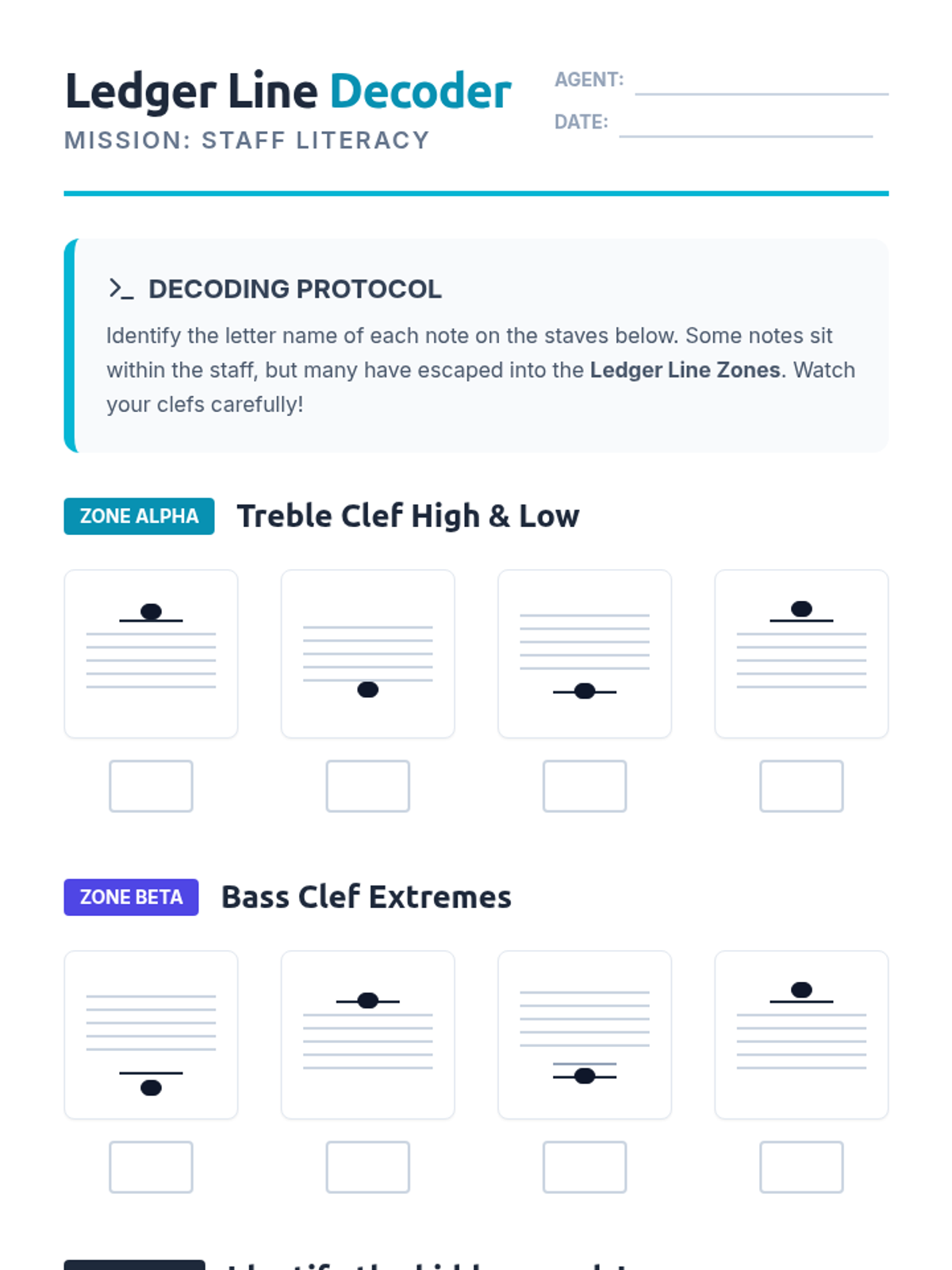
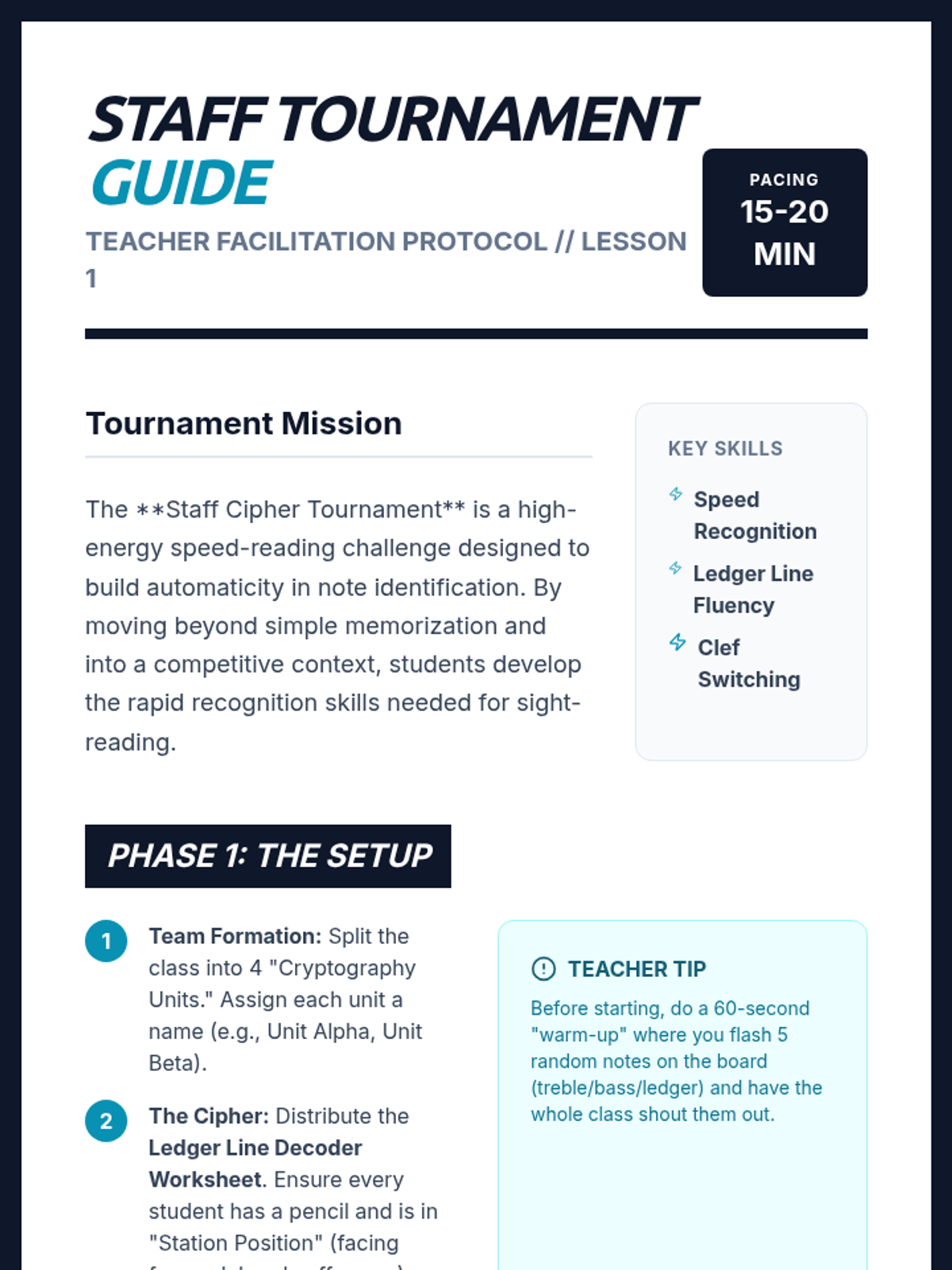
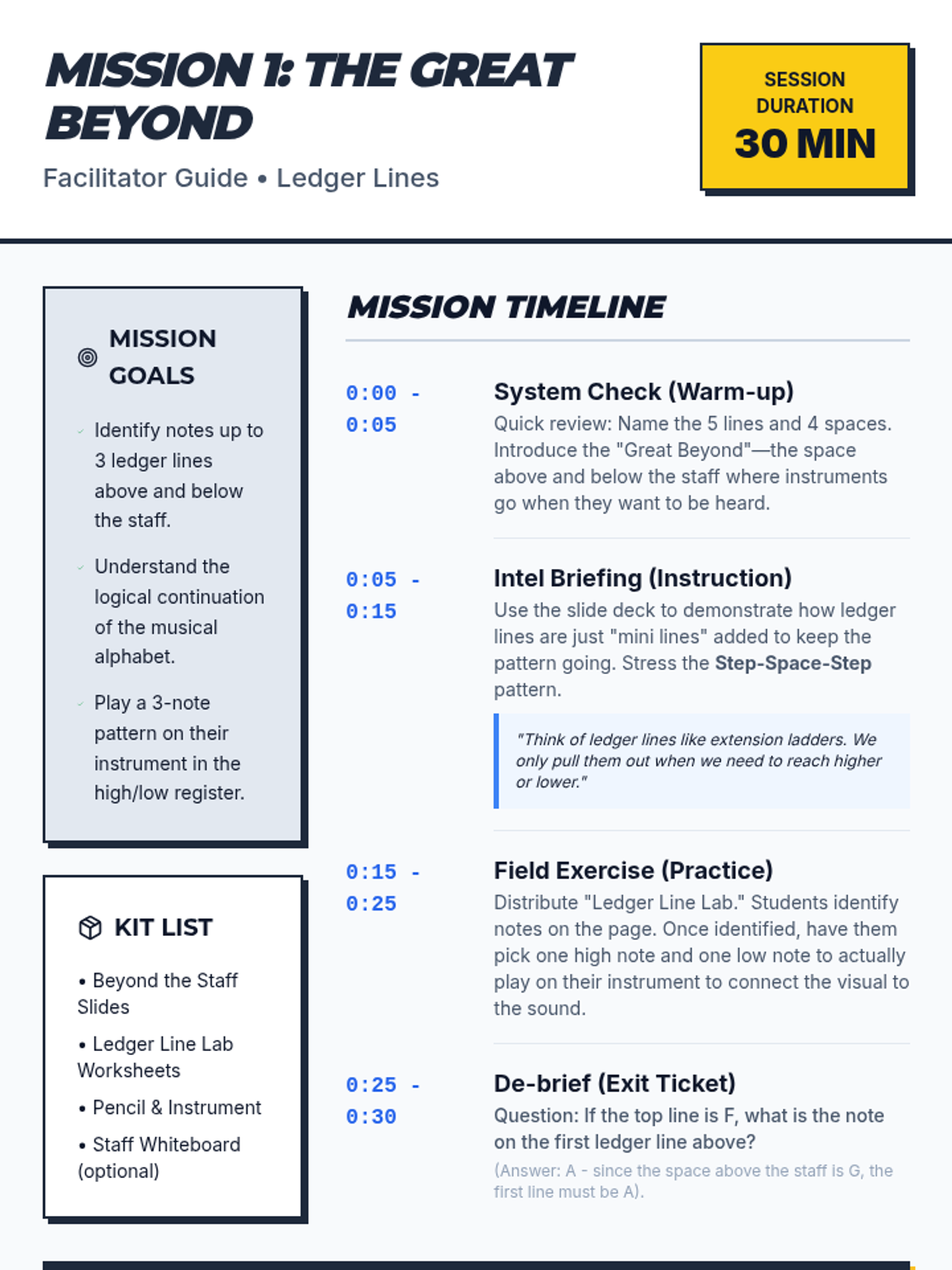
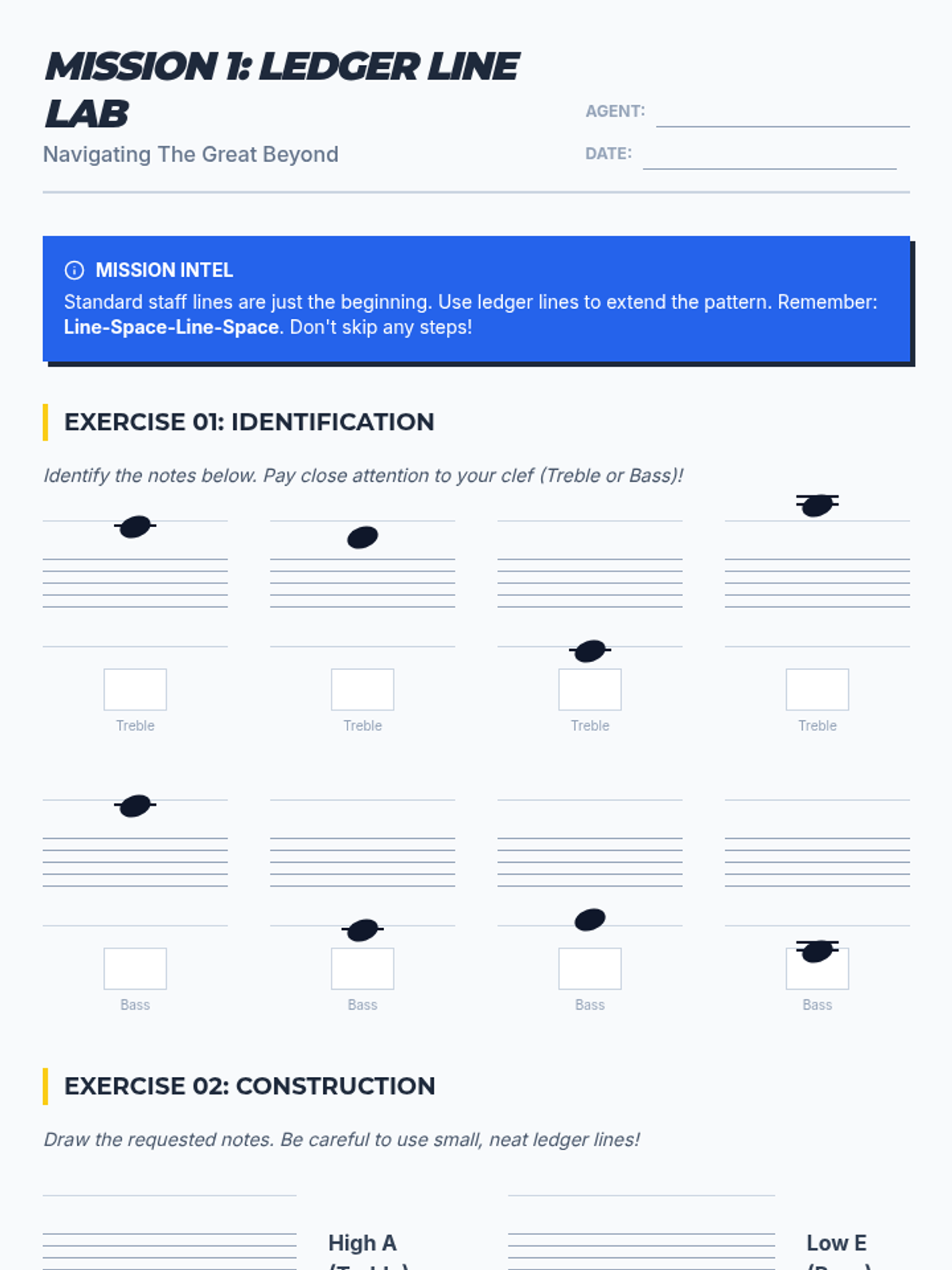
An 8-week intensive for band students to level up their music literacy, moving from basic note identification to fluently reading complex scores. Students will master ledger lines, key signatures, navigation markings, and ensemble sight-reading through a "Music Mission Control" theme.
A comprehensive music technology unit where middle and high school students master digital audio production and collaborate to produce a multi-grade showcase concert, bridging the gap between classroom creation and public performance.
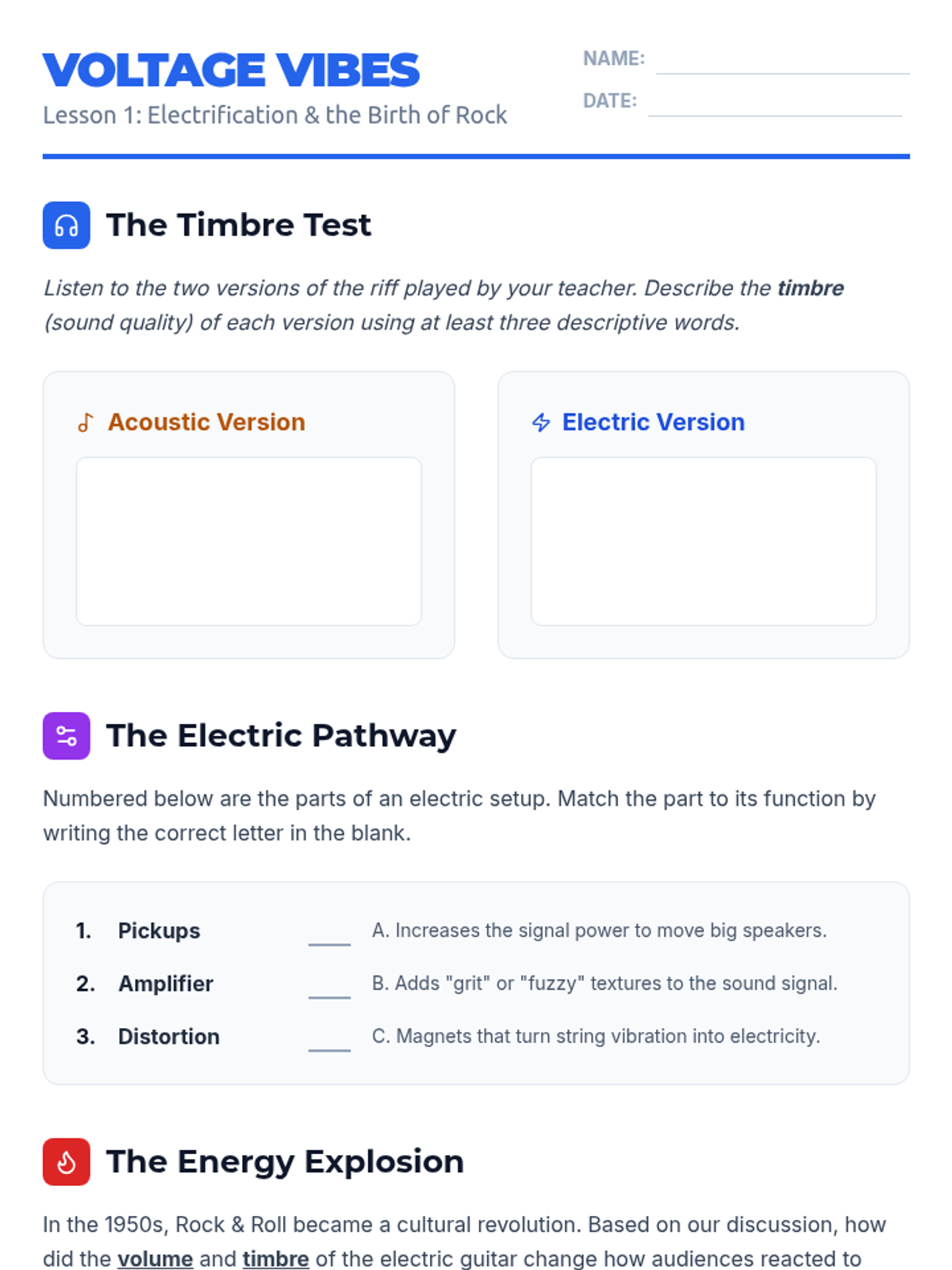
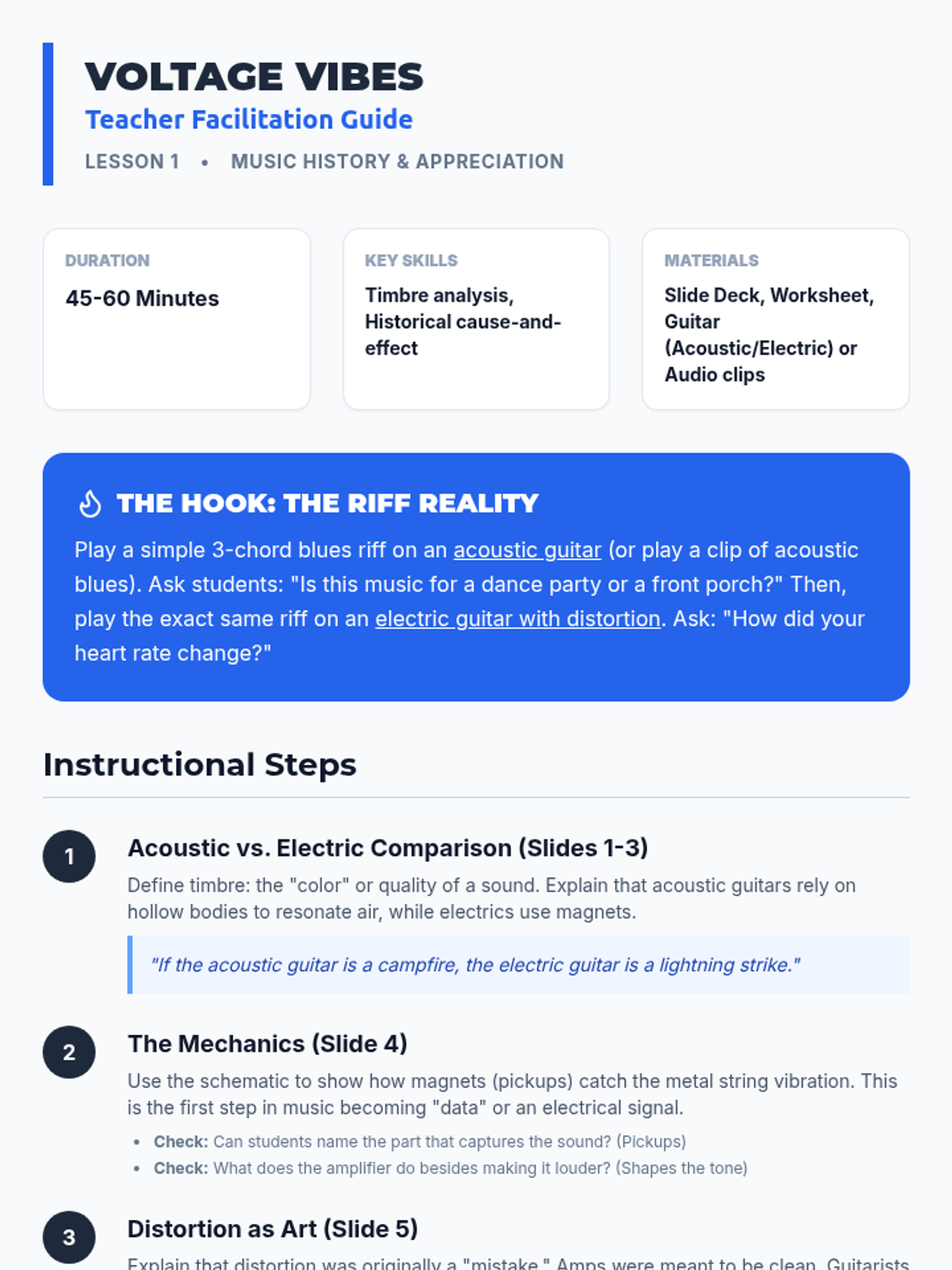
This sequence investigates how the technological explosion of the 20th and 21st centuries, from the electric guitar to AI, redefined music genres and creation. Students analyze production techniques, listen for layers, and explore the concept of technology as a musical instrument.
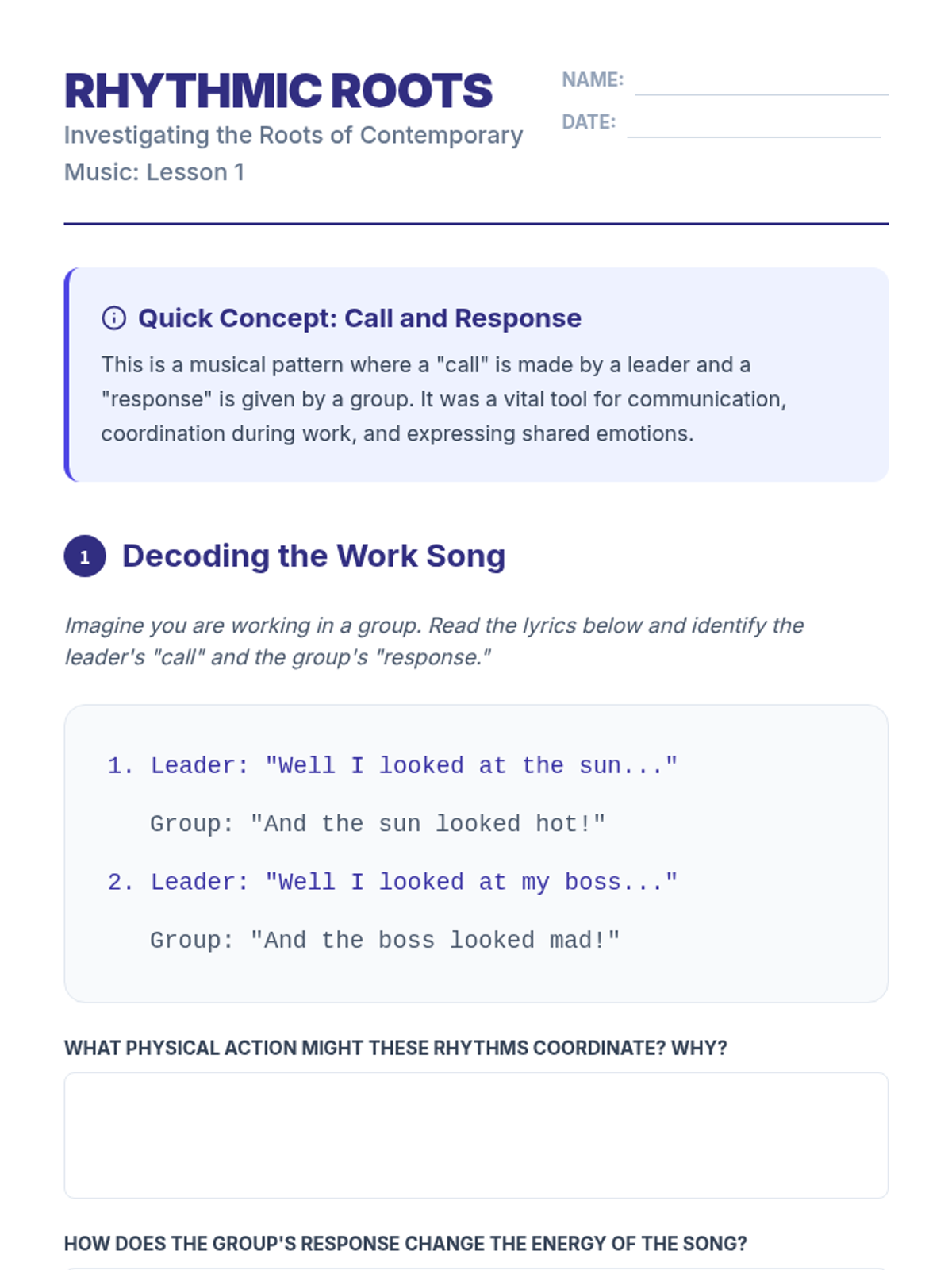
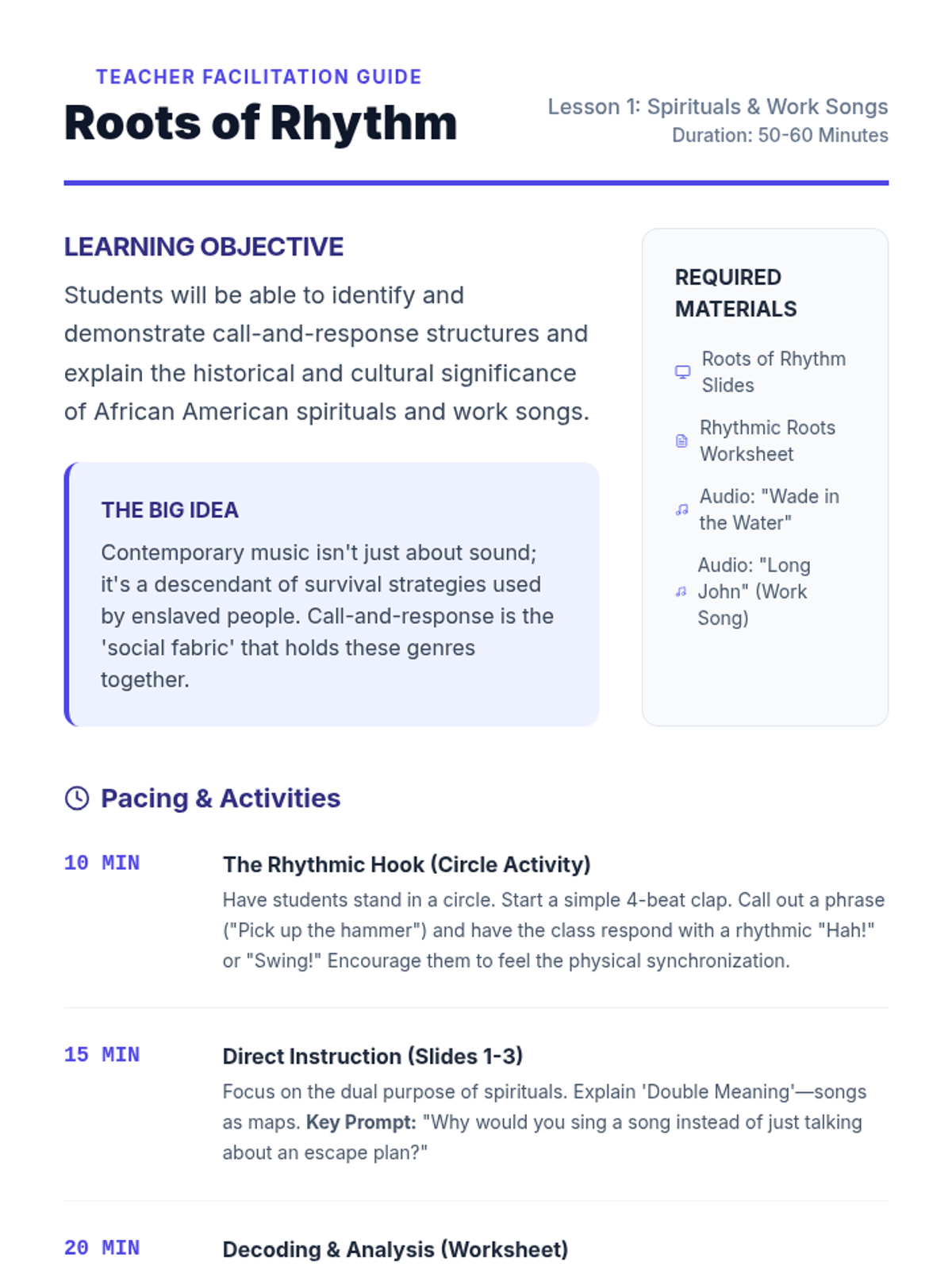
This sequence traces the evolution of contemporary music from 19th-century African American spirituals through the development of the Blues, Jazz, and Rock & Roll. Students investigate how cultural exchange, technology, and social struggles shaped the sounds we listen to today, culminating in a musical genealogy project.
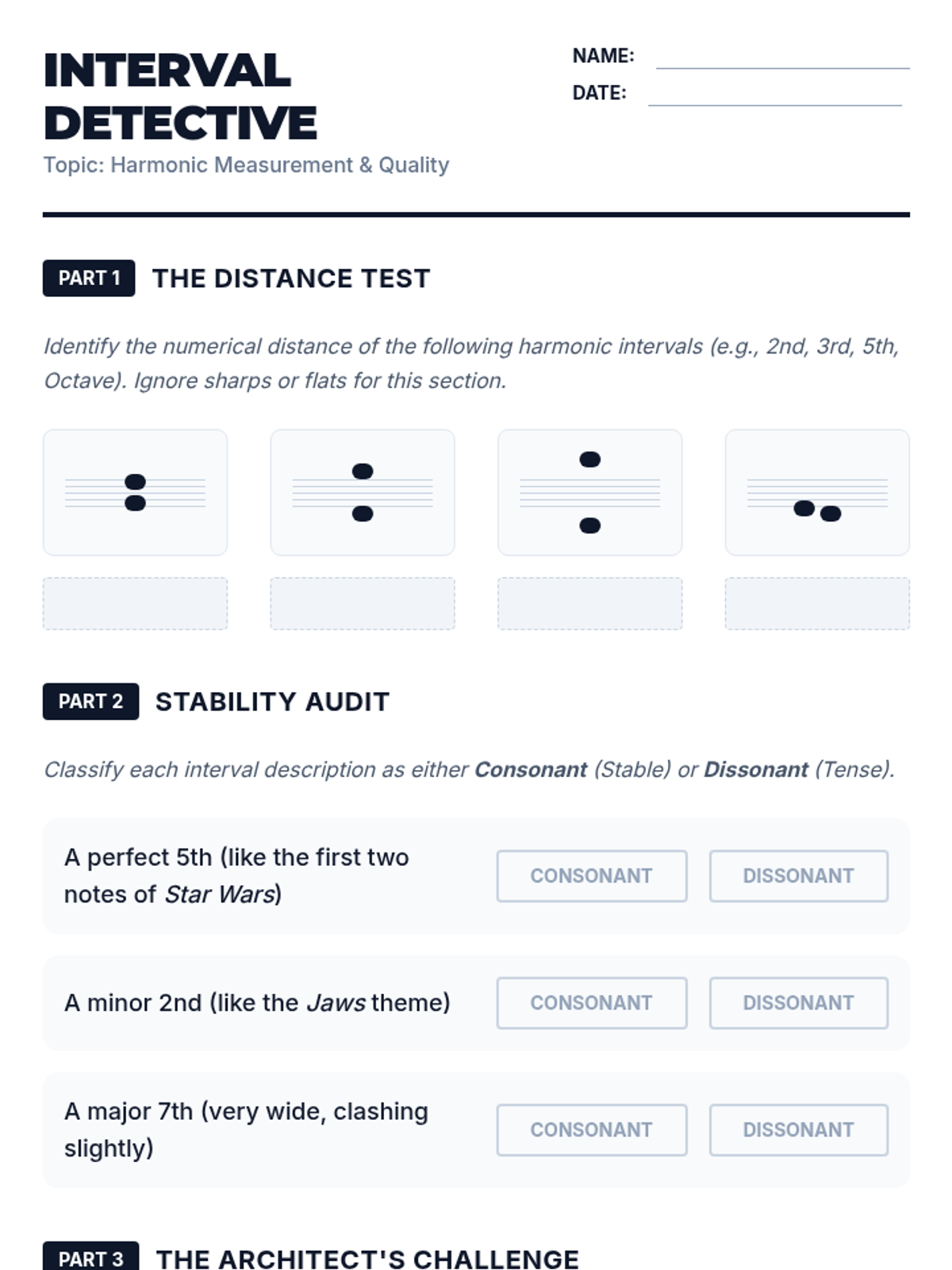
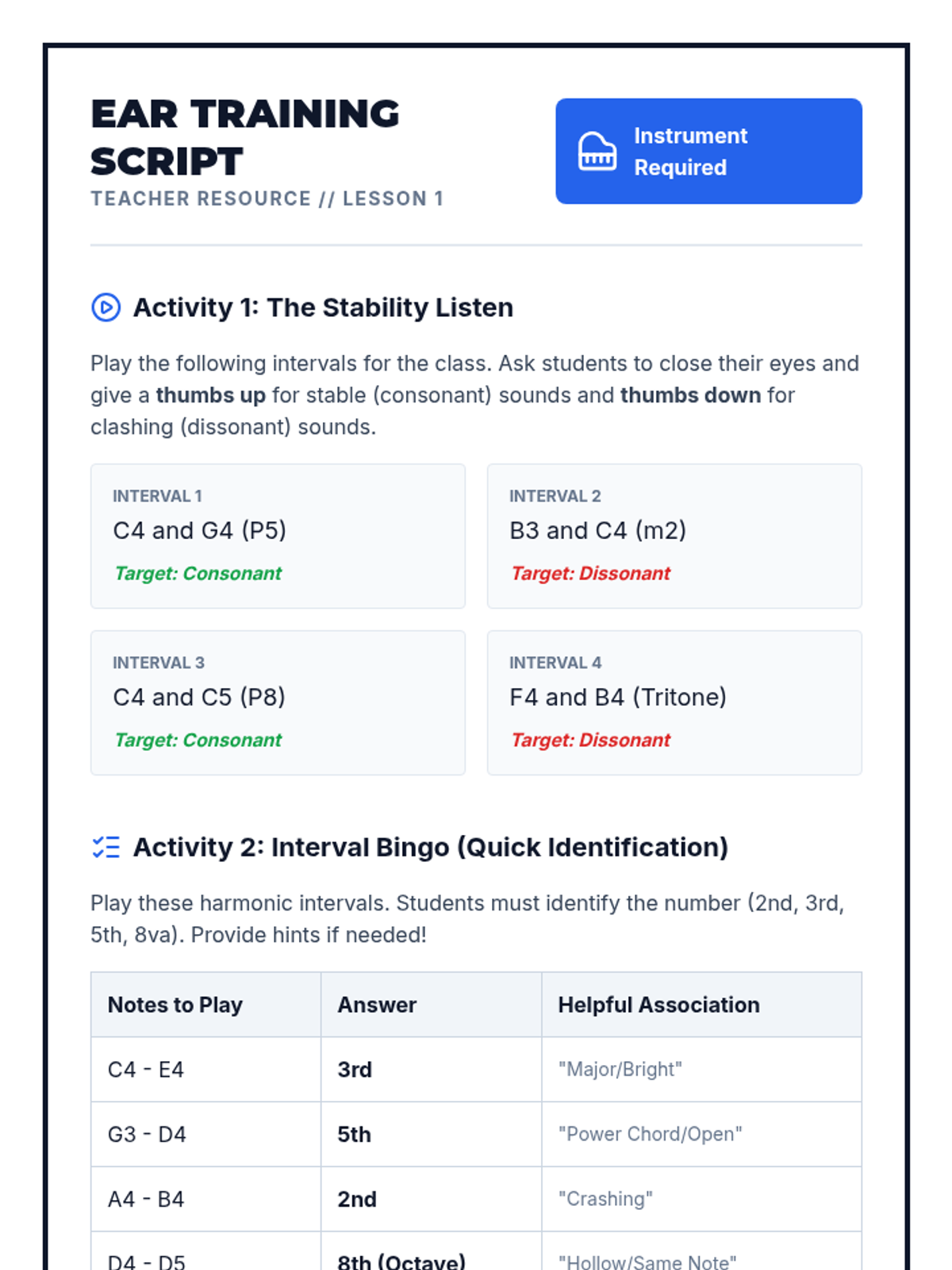
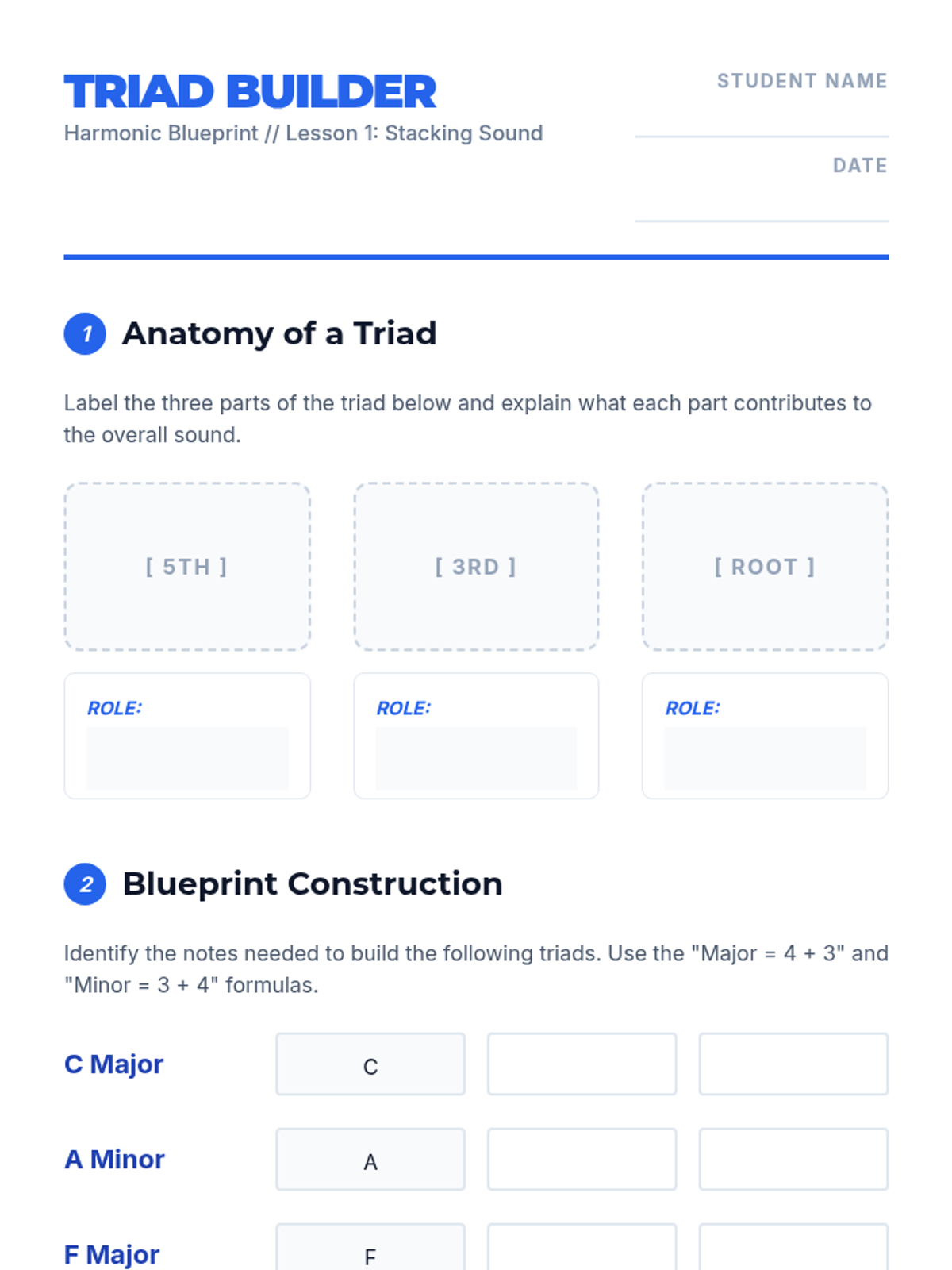
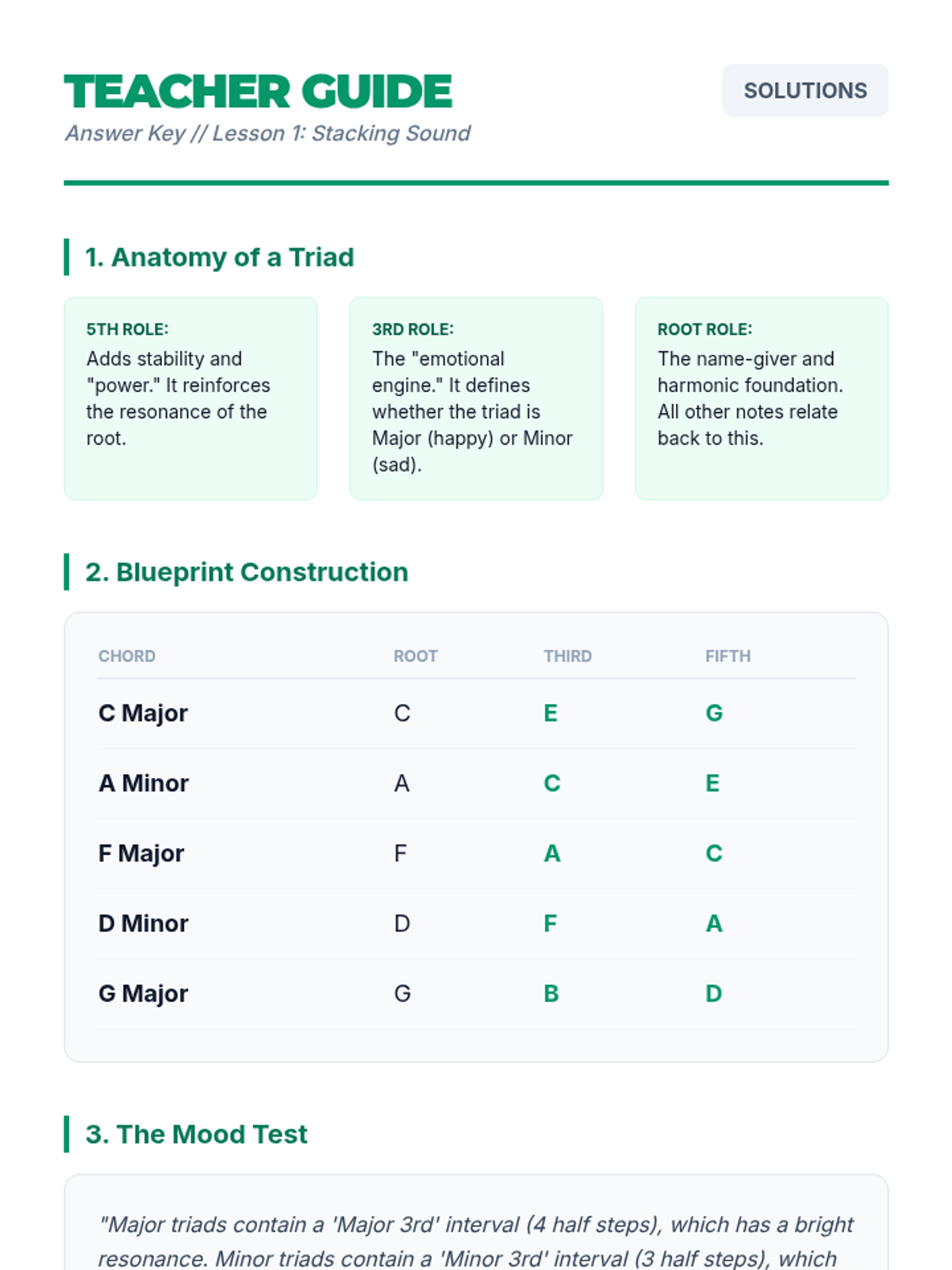
This sequence transitions students from linear melody to vertical harmony, exploring how chords are constructed and sequenced. Students analyze harmonic structures from basic intervals to full progressions in popular music.
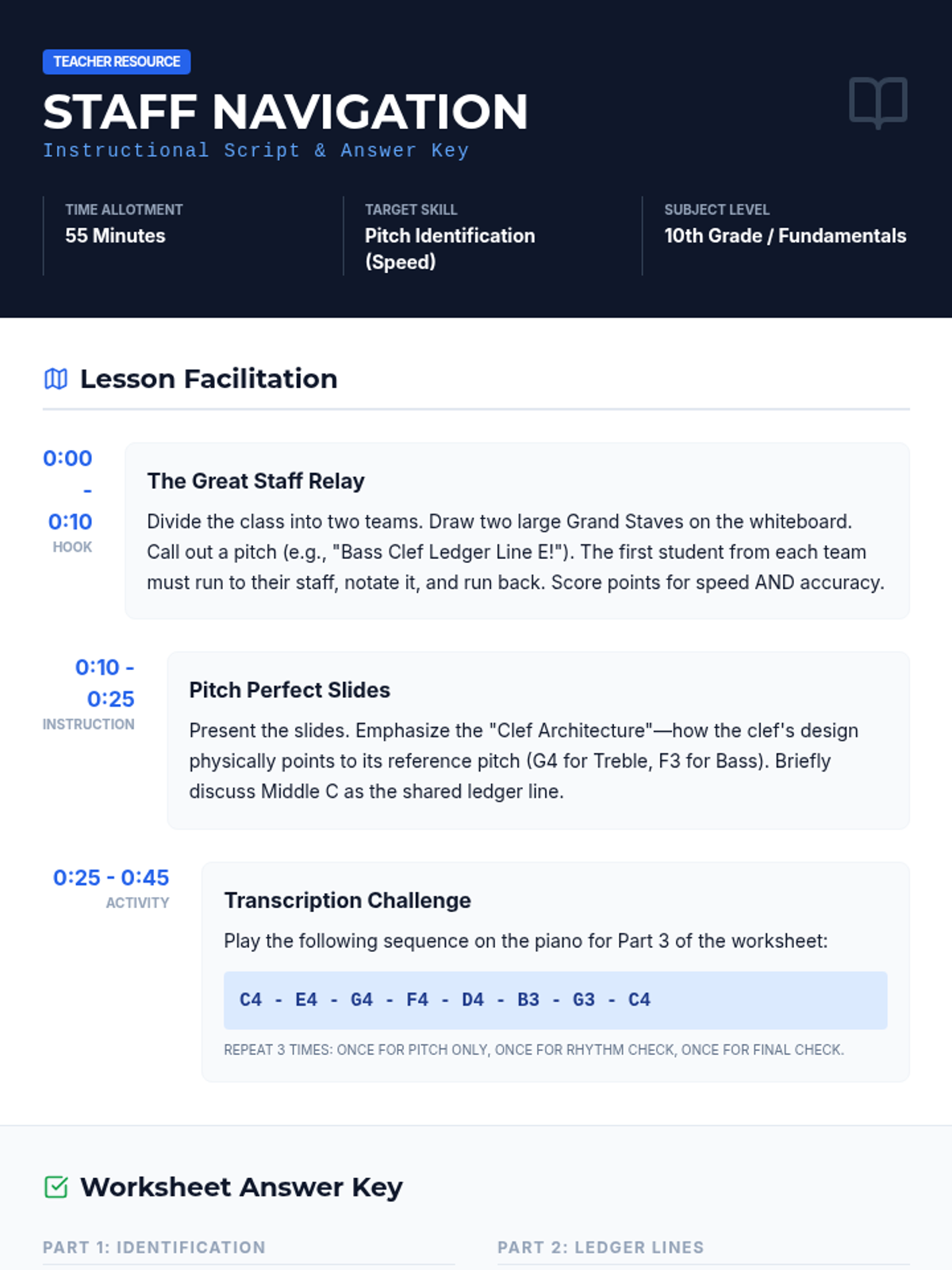
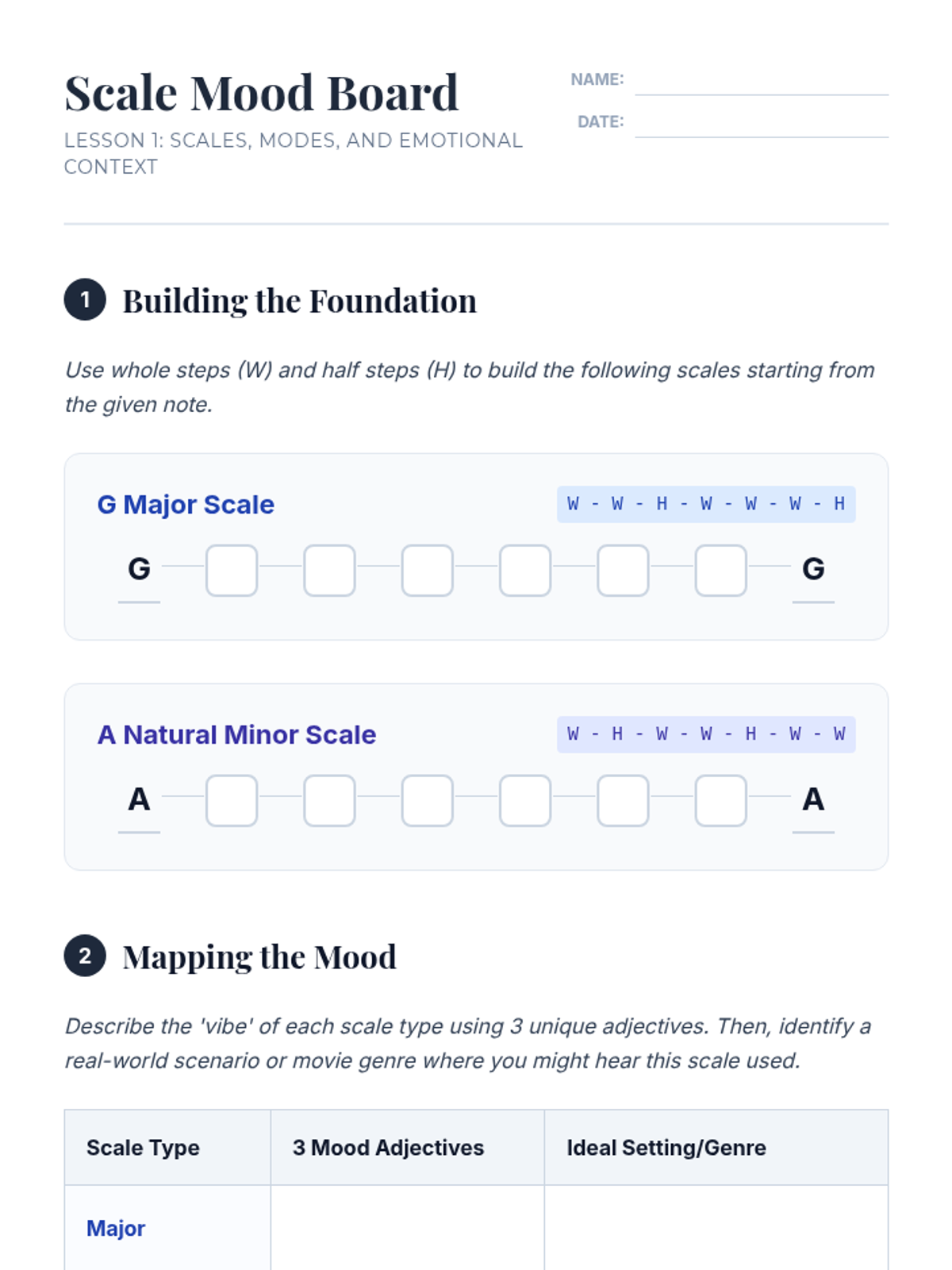
This sequence explores the organization of pitch into scales, intervals, and chords, treating music theory as a logical language. Students will progress from staff navigation to full Roman numeral analysis of diatonic progressions.
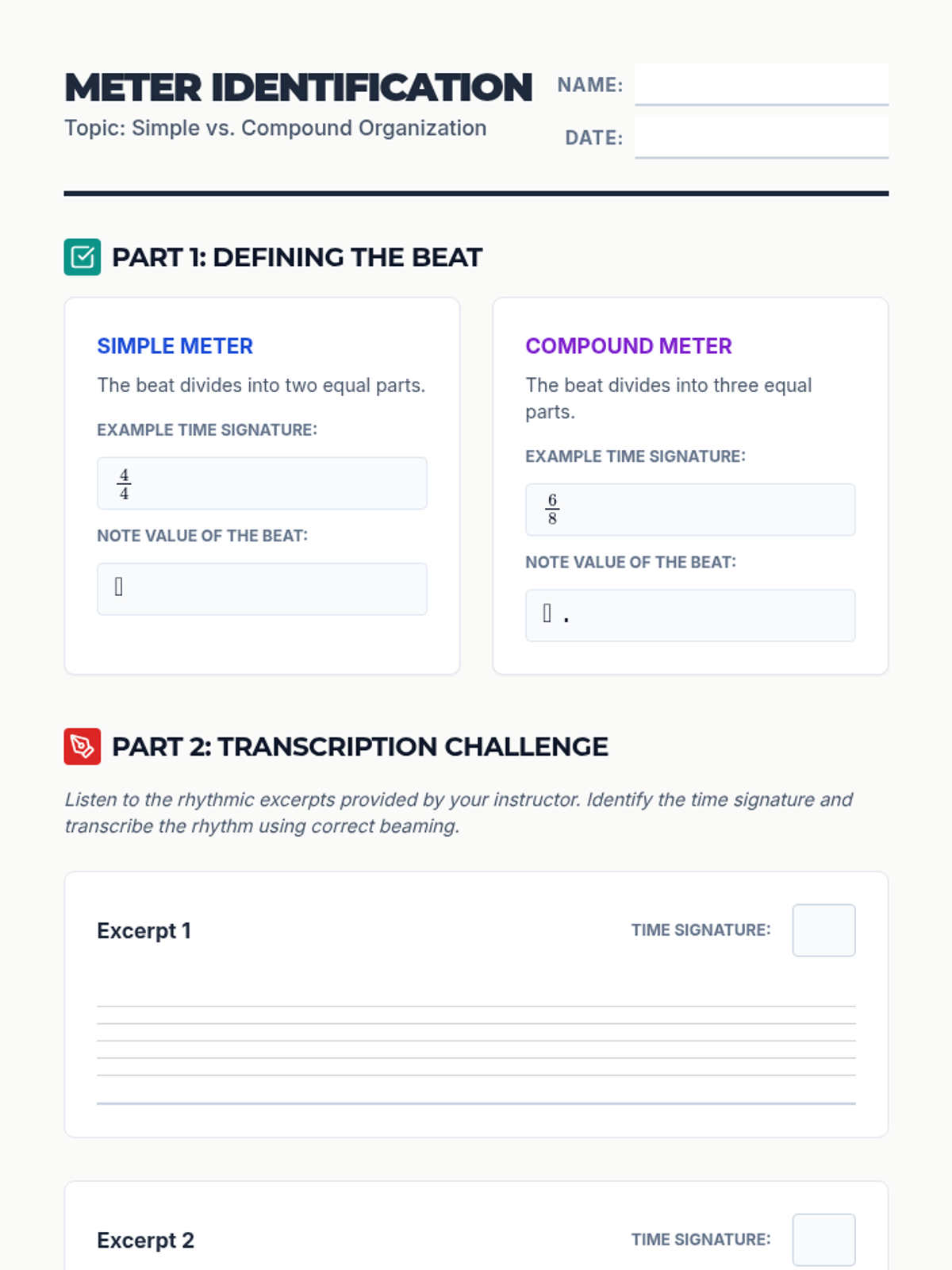
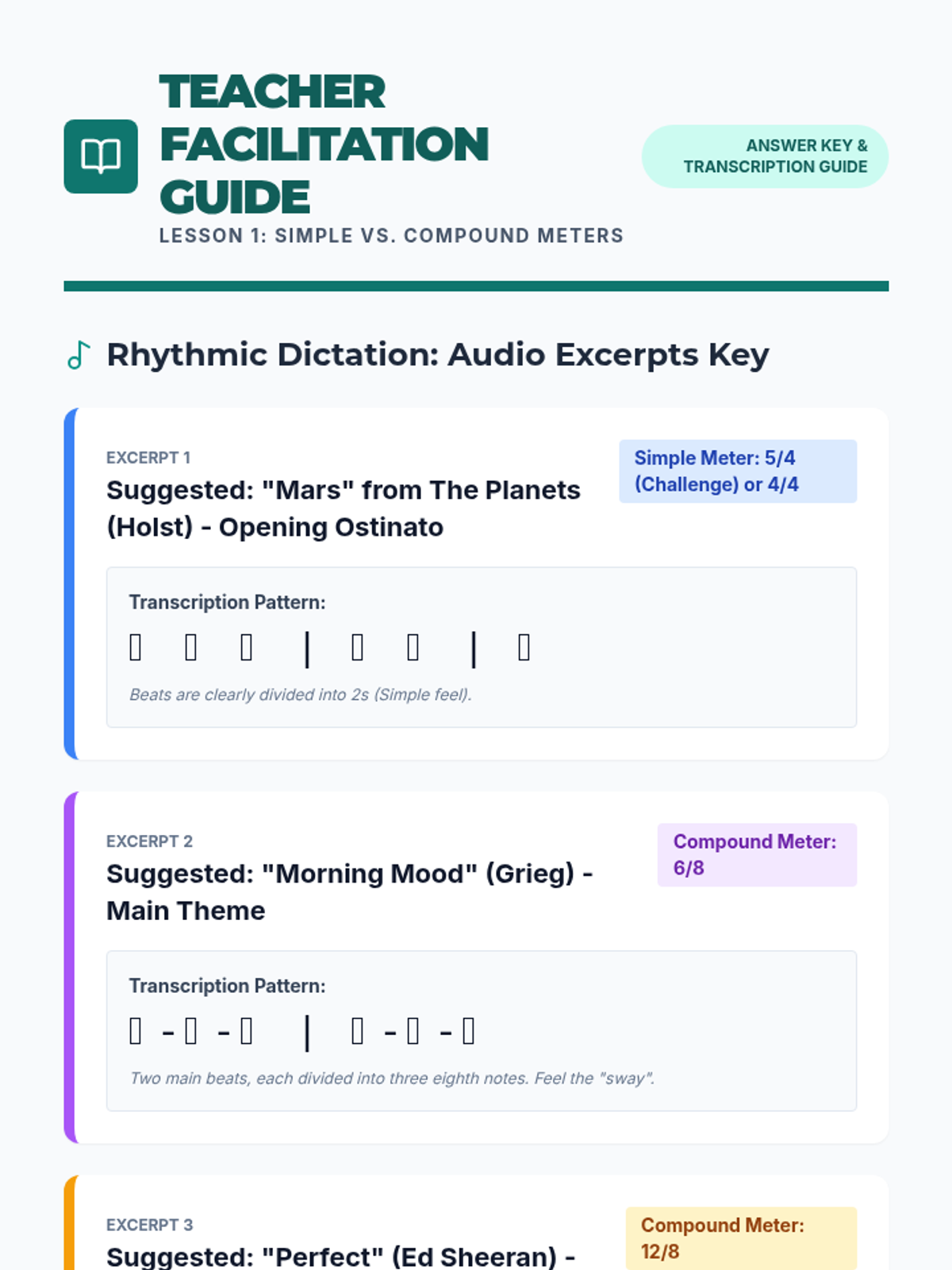
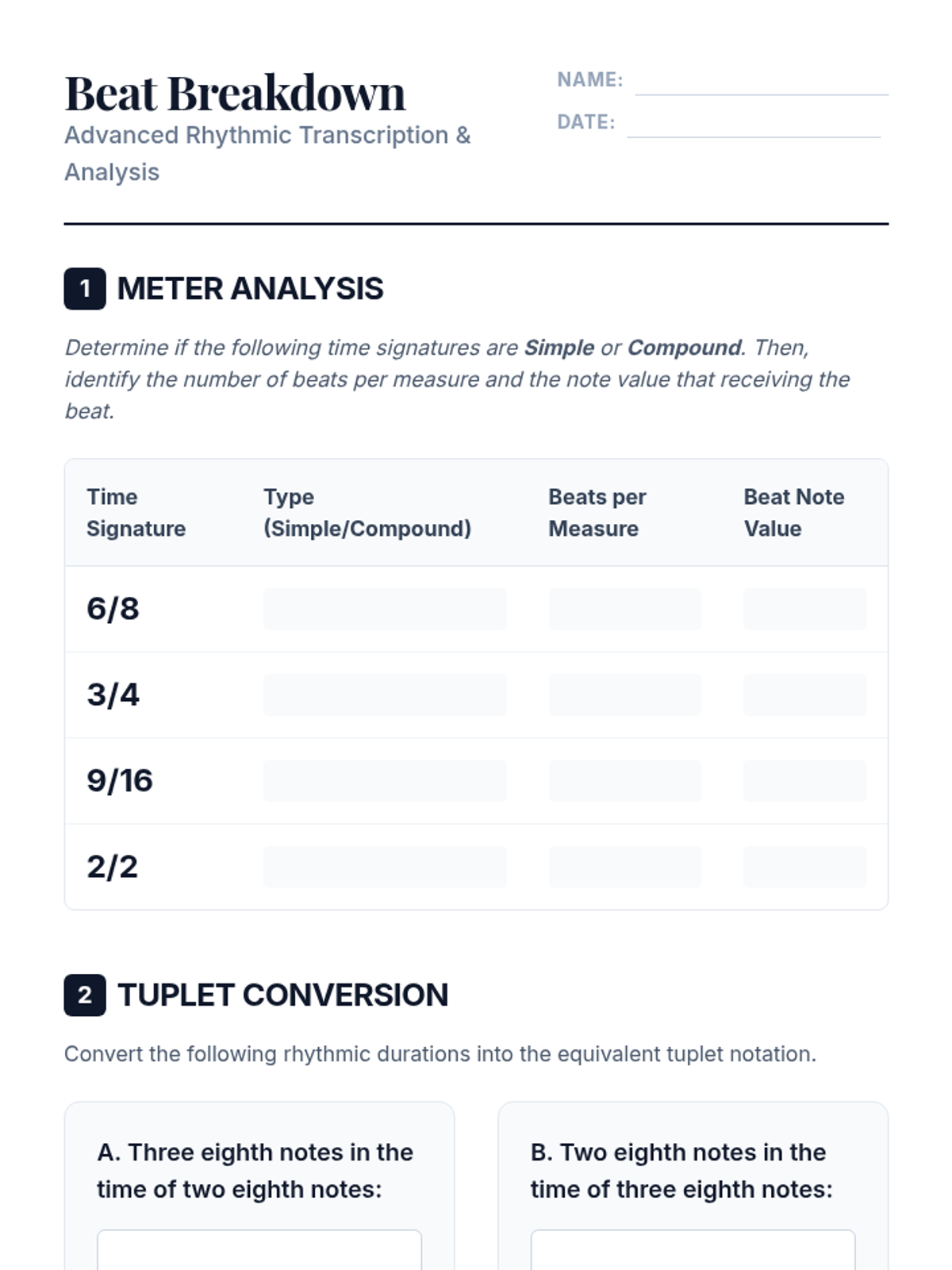
A comprehensive high school music theory sequence focused on advanced rhythmic notation, metric organization, and the transition from simple to complex time signatures. Students will analyze, transcribe, and compose music using syncopation, tuplets, and asymmetrical meters.
A comprehensive high school music theory sequence covering advanced rhythm, intervals, scales, chord construction, and functional harmony. Students move from basic notation to harmonic analysis and phrase composition.
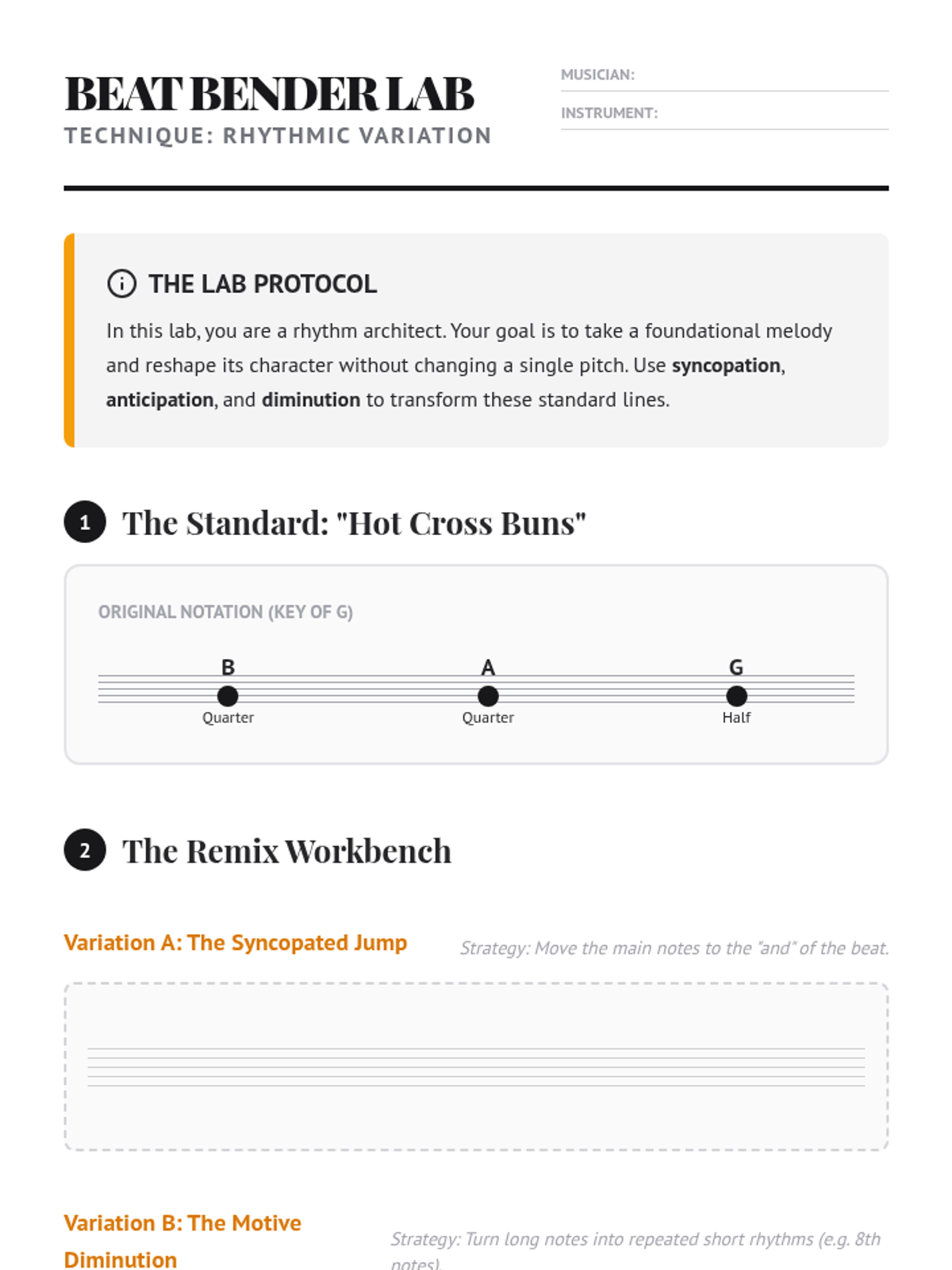
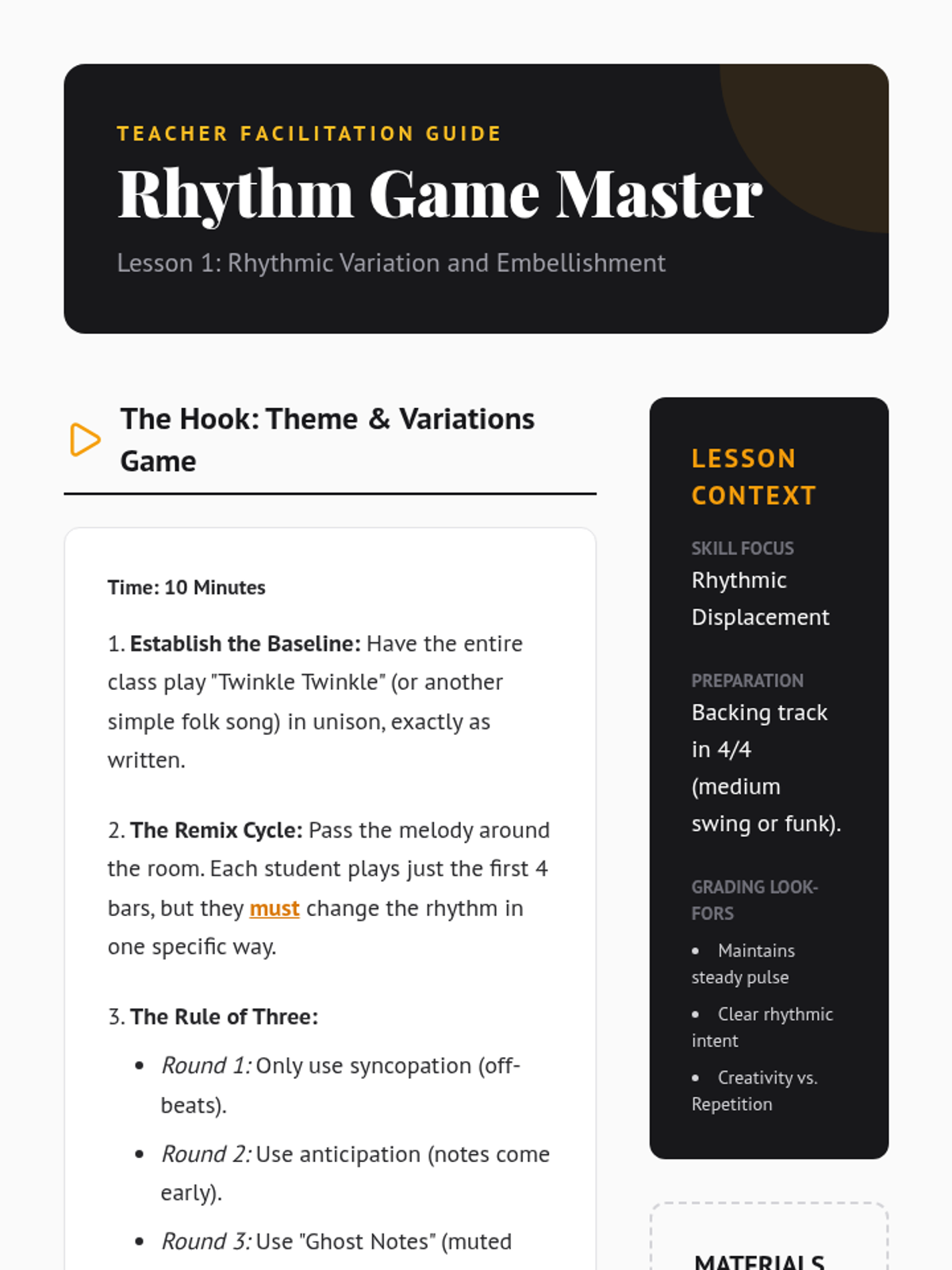
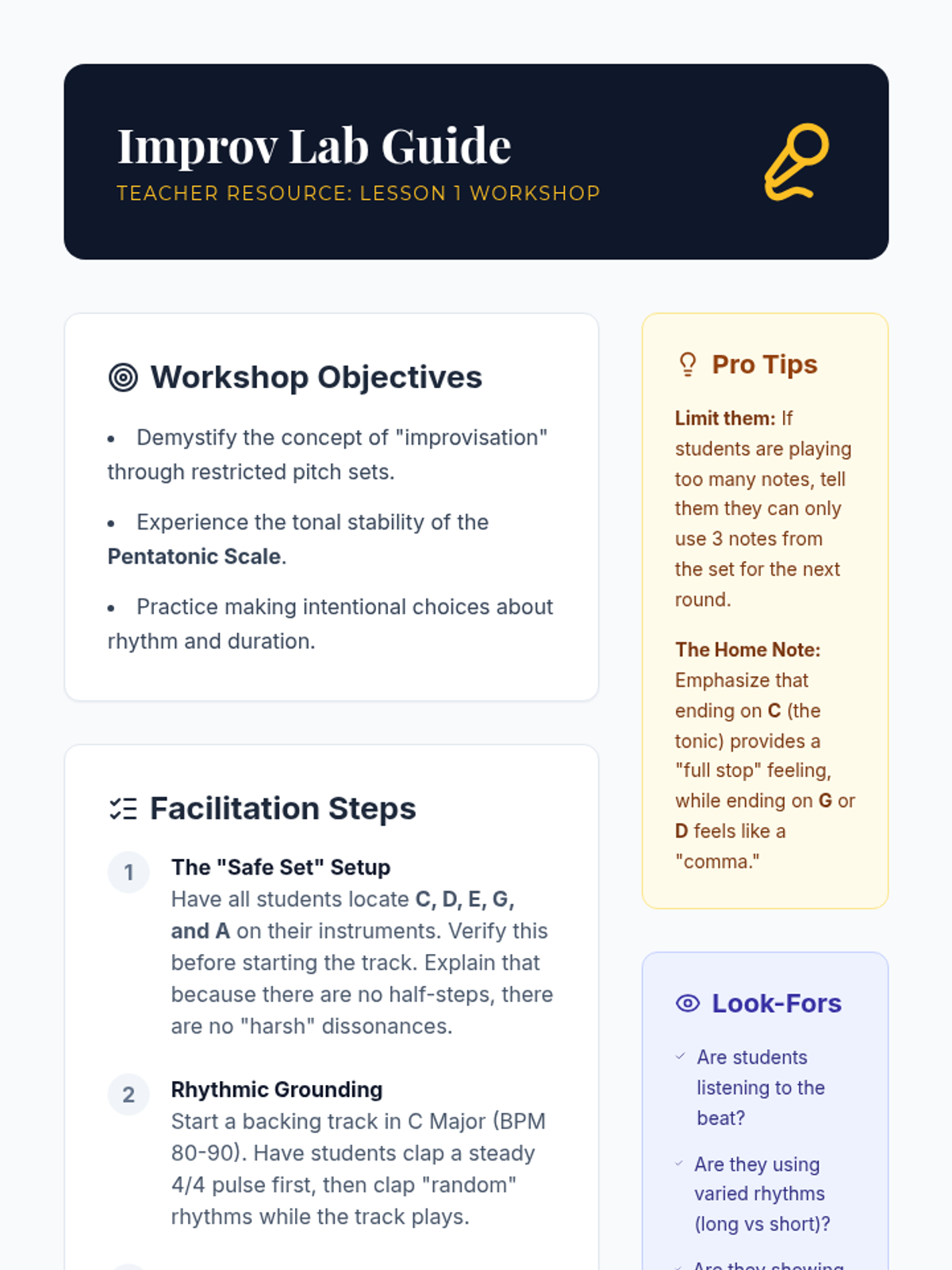
A comprehensive 5-lesson sequence for 11th-grade instrumentalists focused on transitioning from sheet music reading to creative melodic improvisation. Students progress from rhythmic variation to using pentatonic scales, harmonic guide tones, and structural soloing over a blues progression.
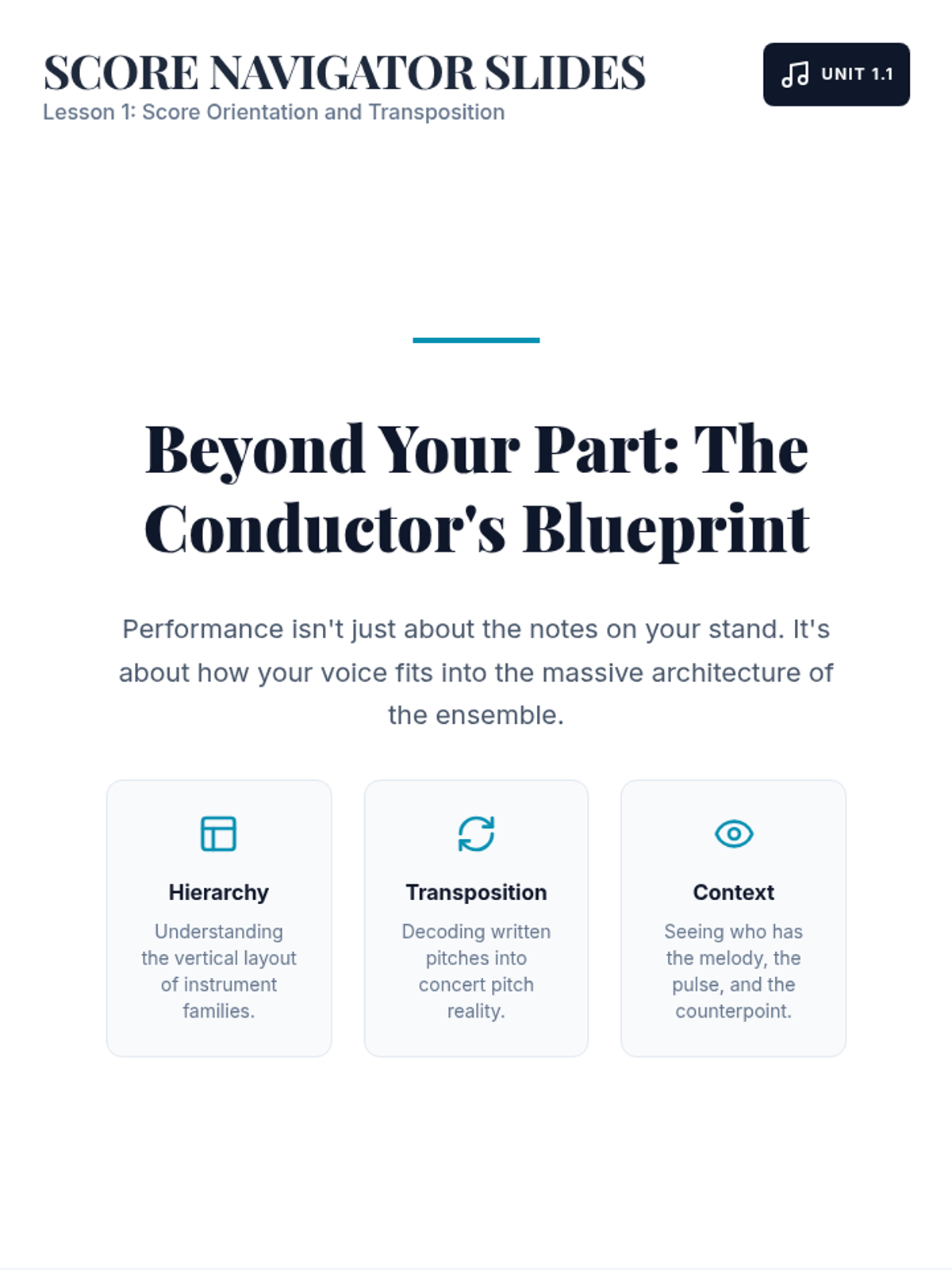
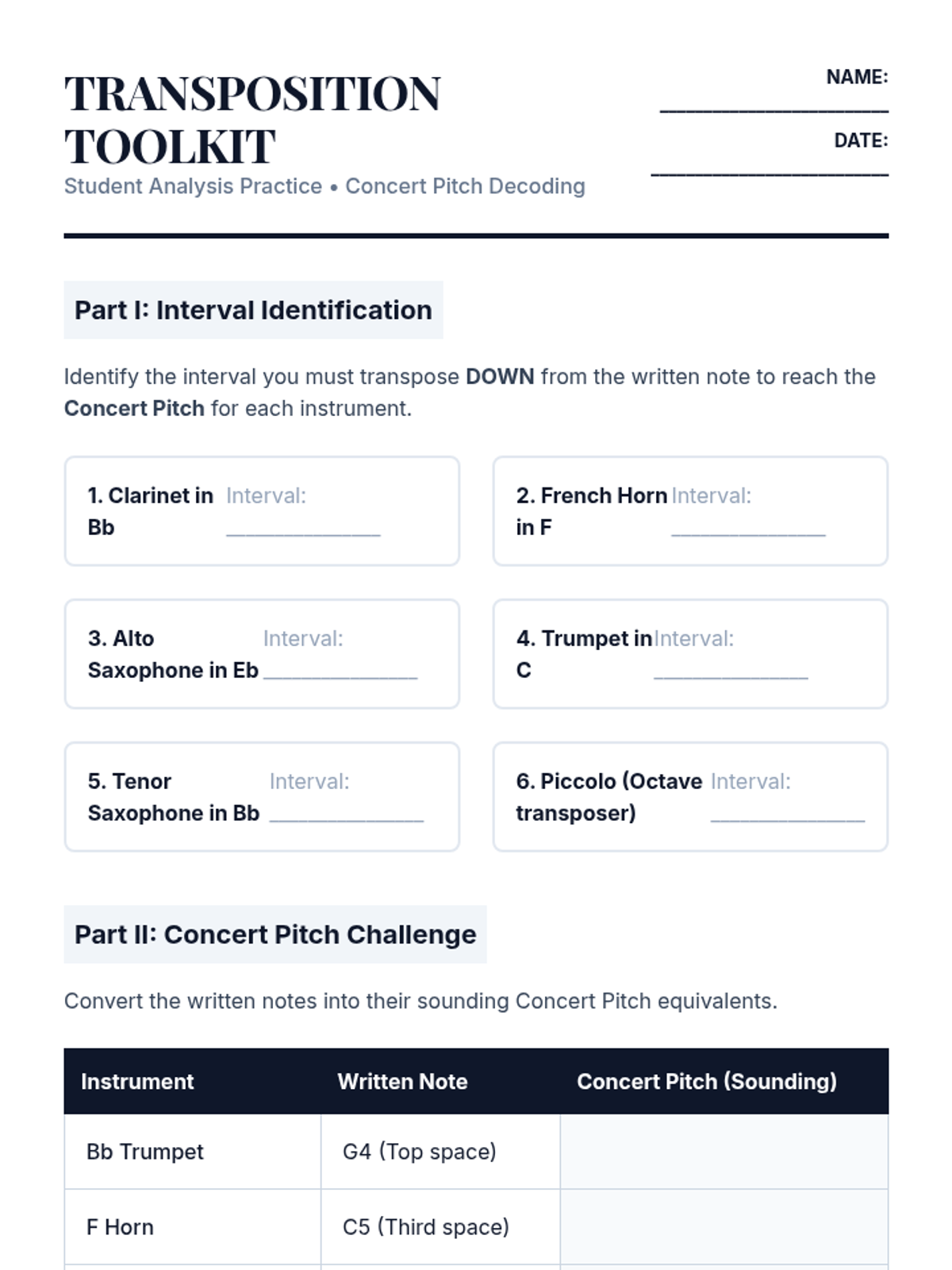
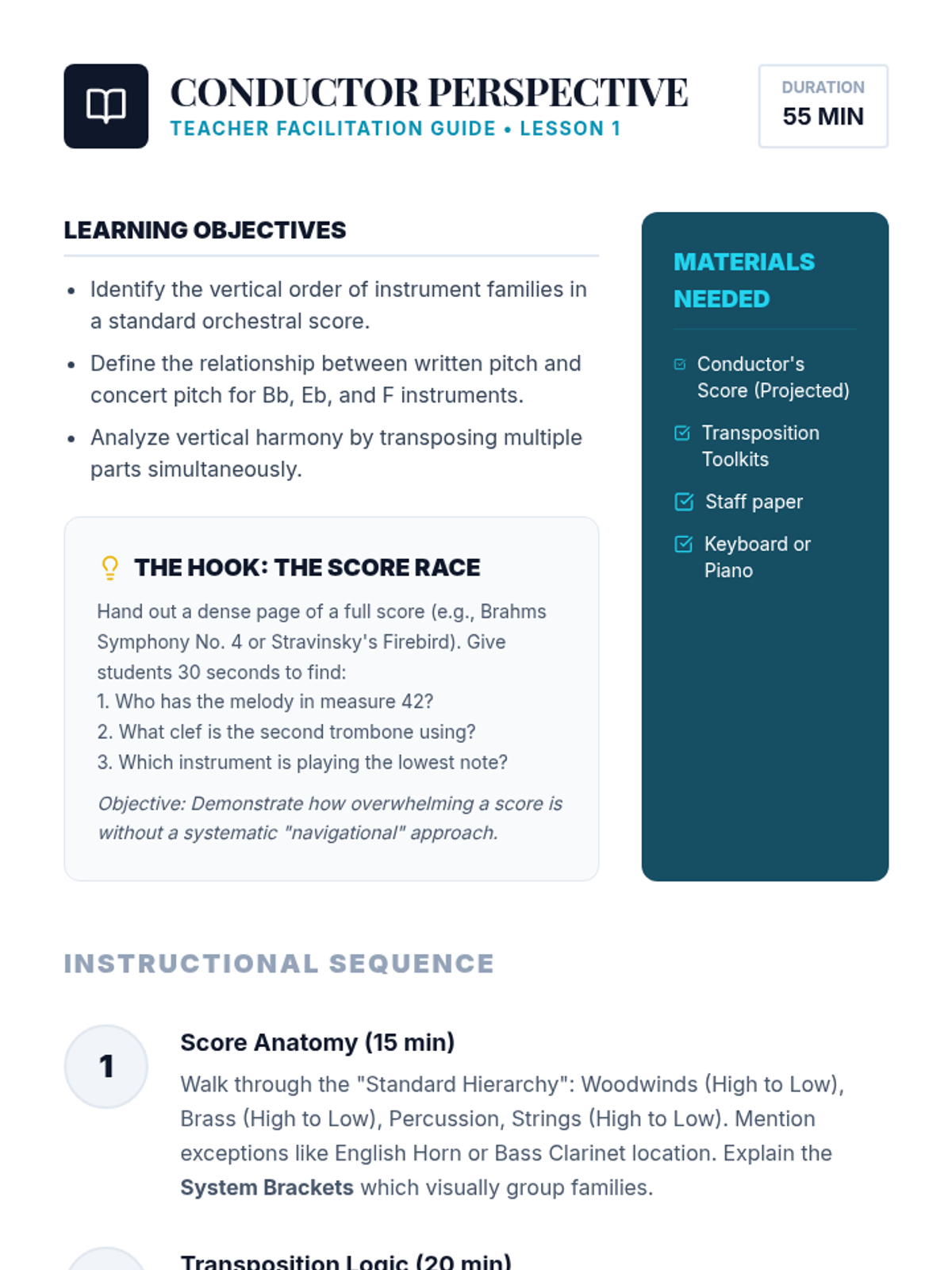
A comprehensive 11th-grade music sequence that teaches students how to analyze full conductor scores for structural, harmonic, and historical insights to improve their instrumental performance. Students move from technical transposition skills to artistic interpretation through detailed score annotation.
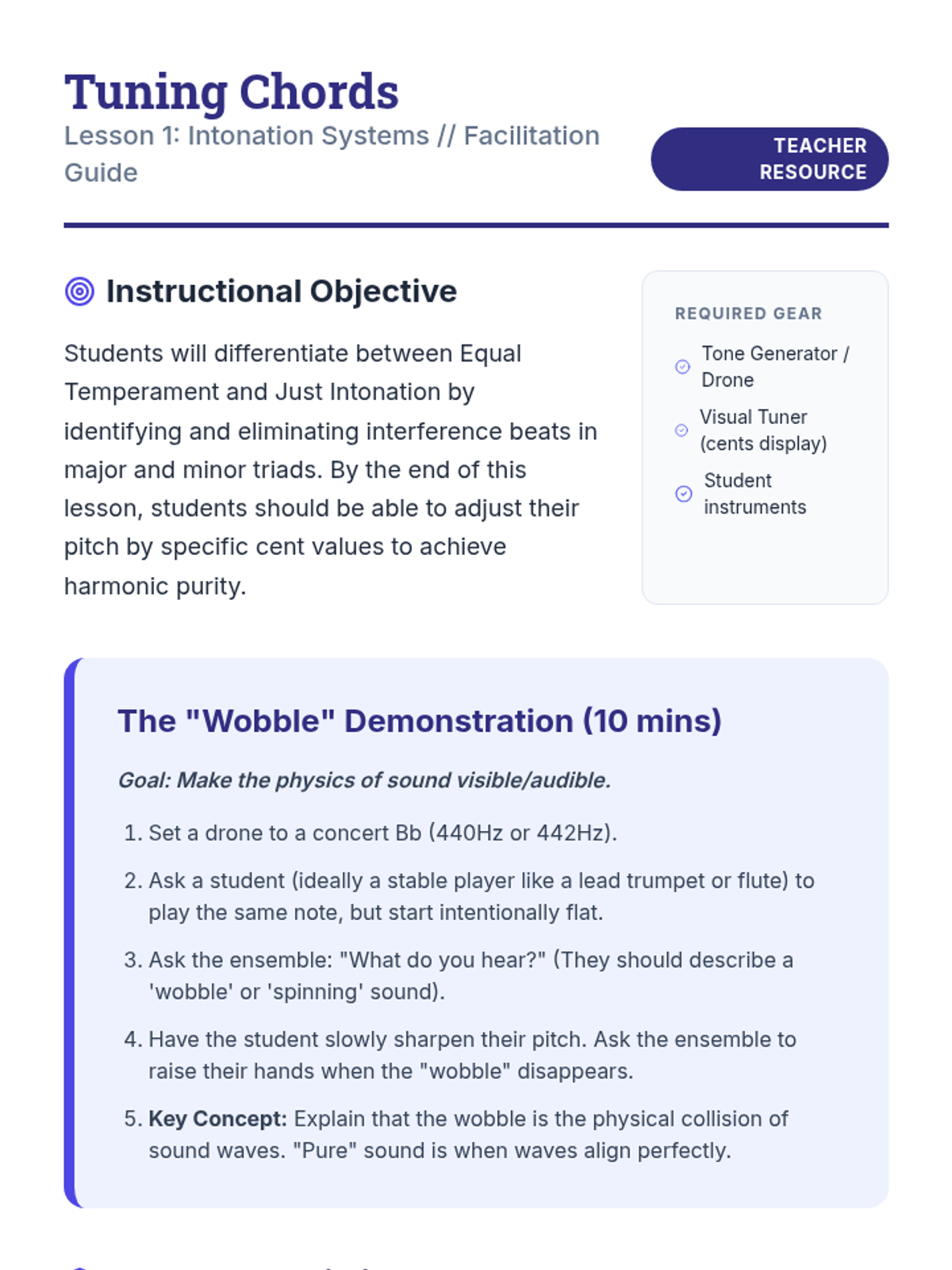
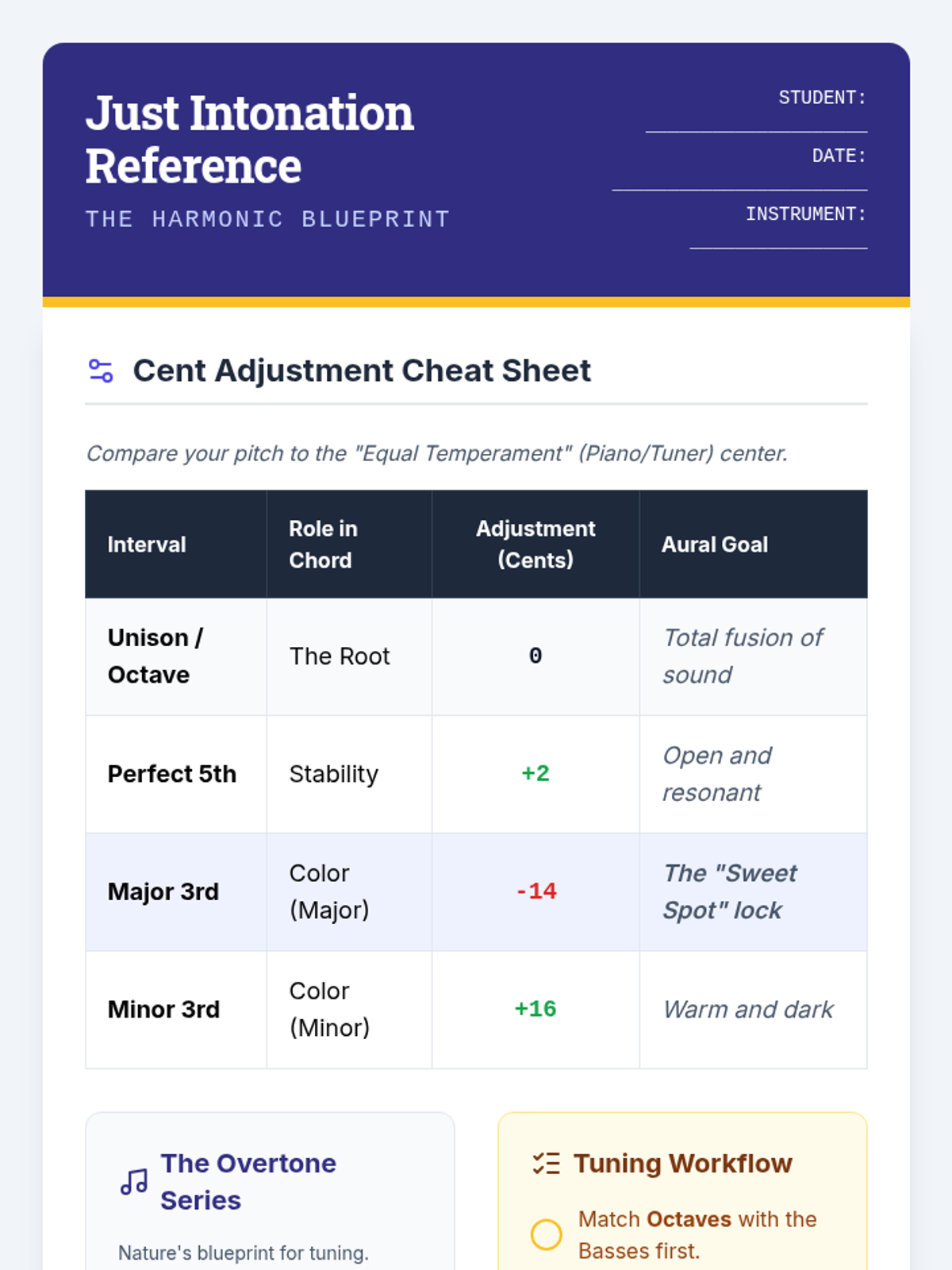
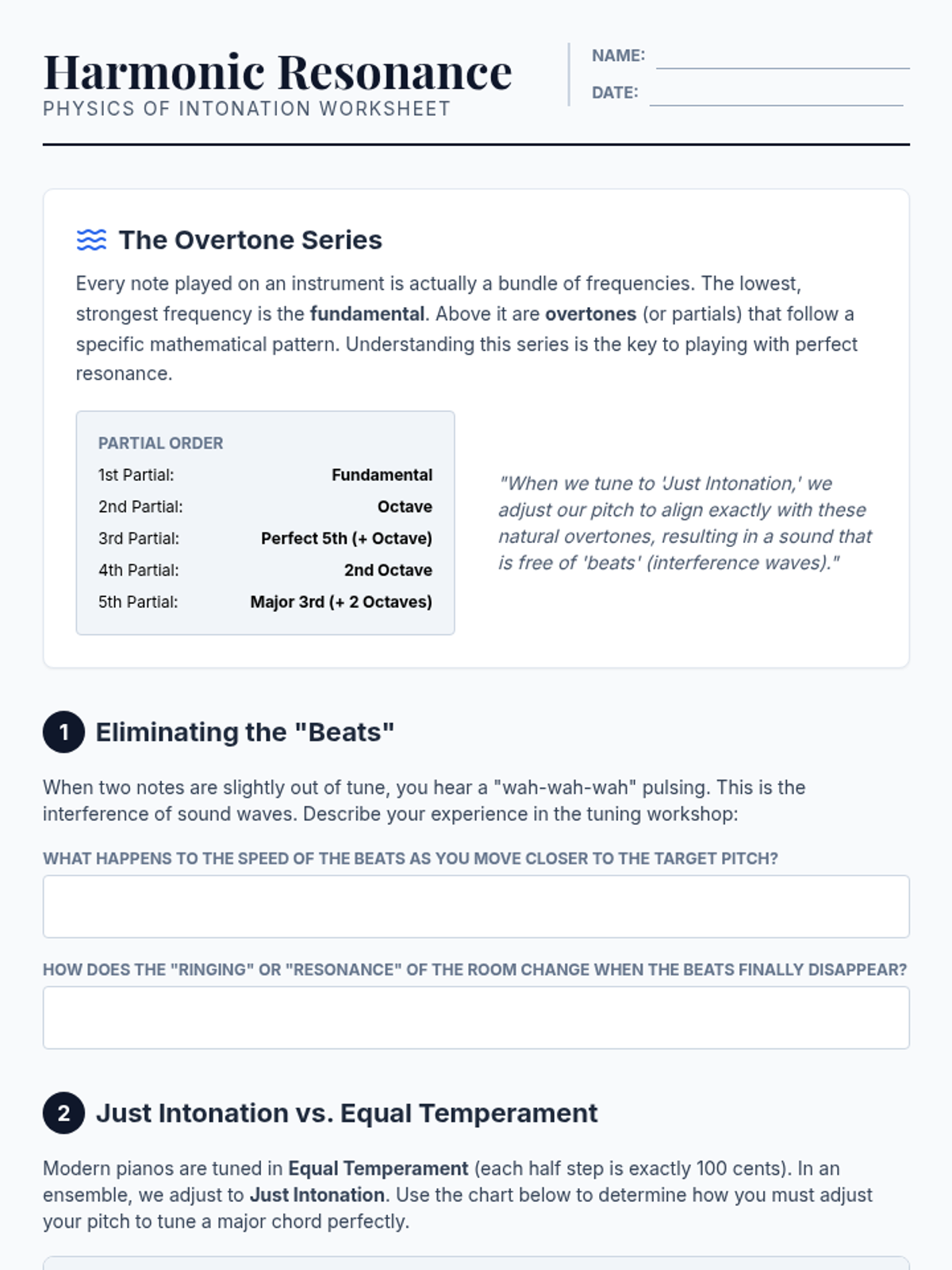
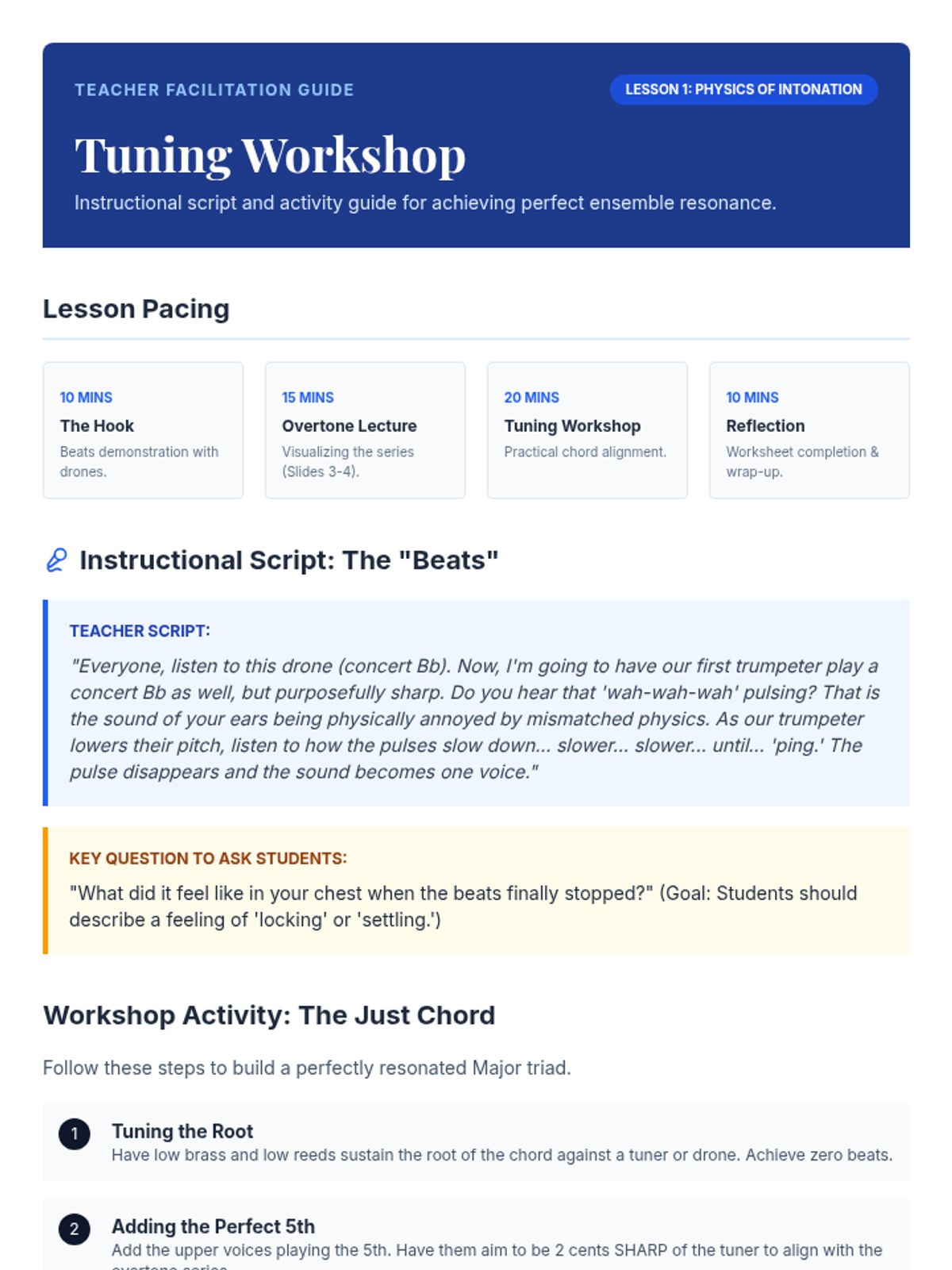
This sequence guides 11th-grade instrumentalists from individual technical proficiency to advanced ensemble cohesion. Students explore the physics of intonation, the mathematics of complex rhythms, and the artistry of non-verbal communication to create a unified 'professional' sound.
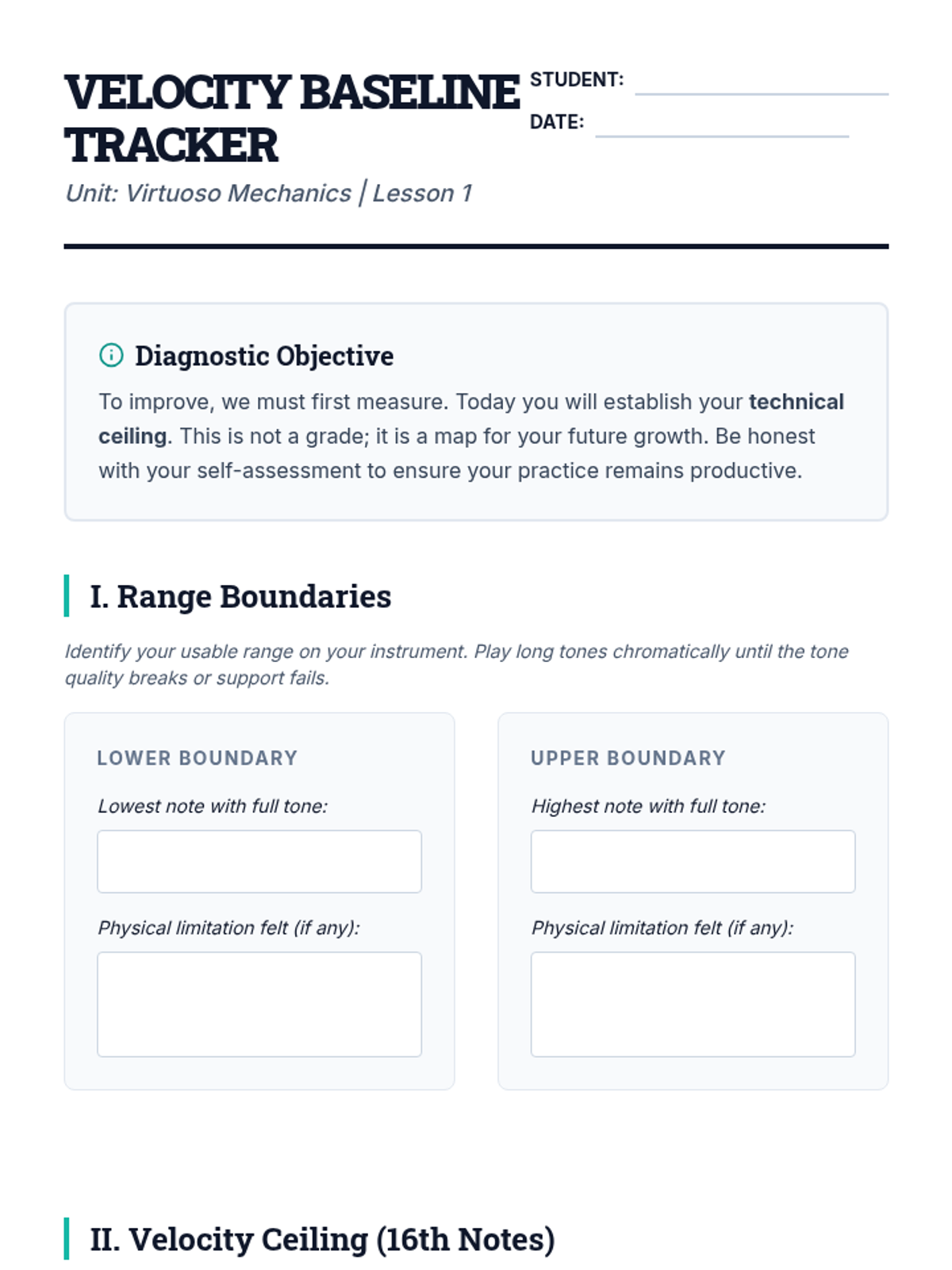
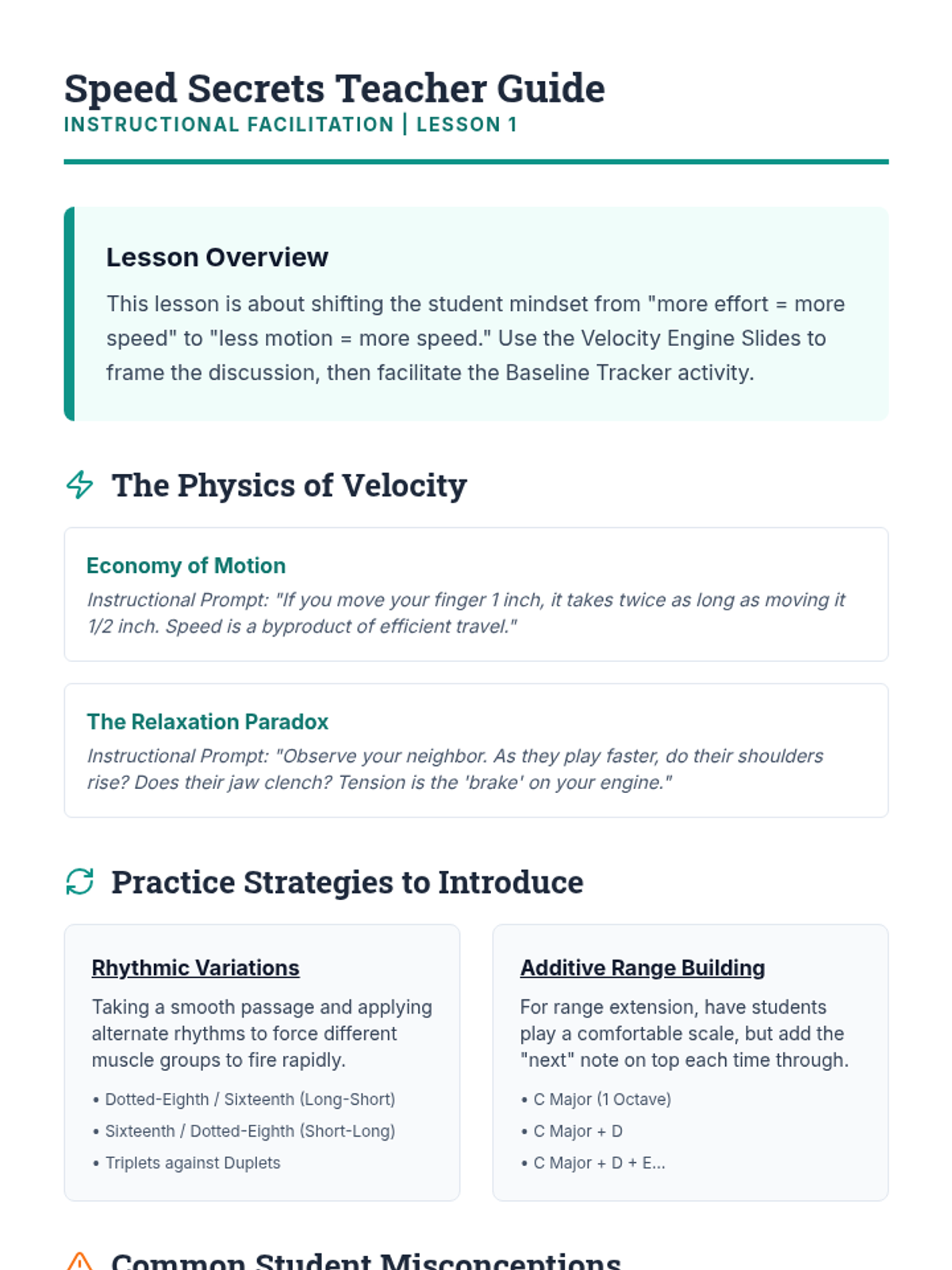
A comprehensive 11th-grade instrumental music unit focused on technical mastery. Students explore the mechanics of speed and articulation, progressing from baseline diagnostics to advanced instrument-specific techniques and culminating in a performance-based assessment of a technical etude.
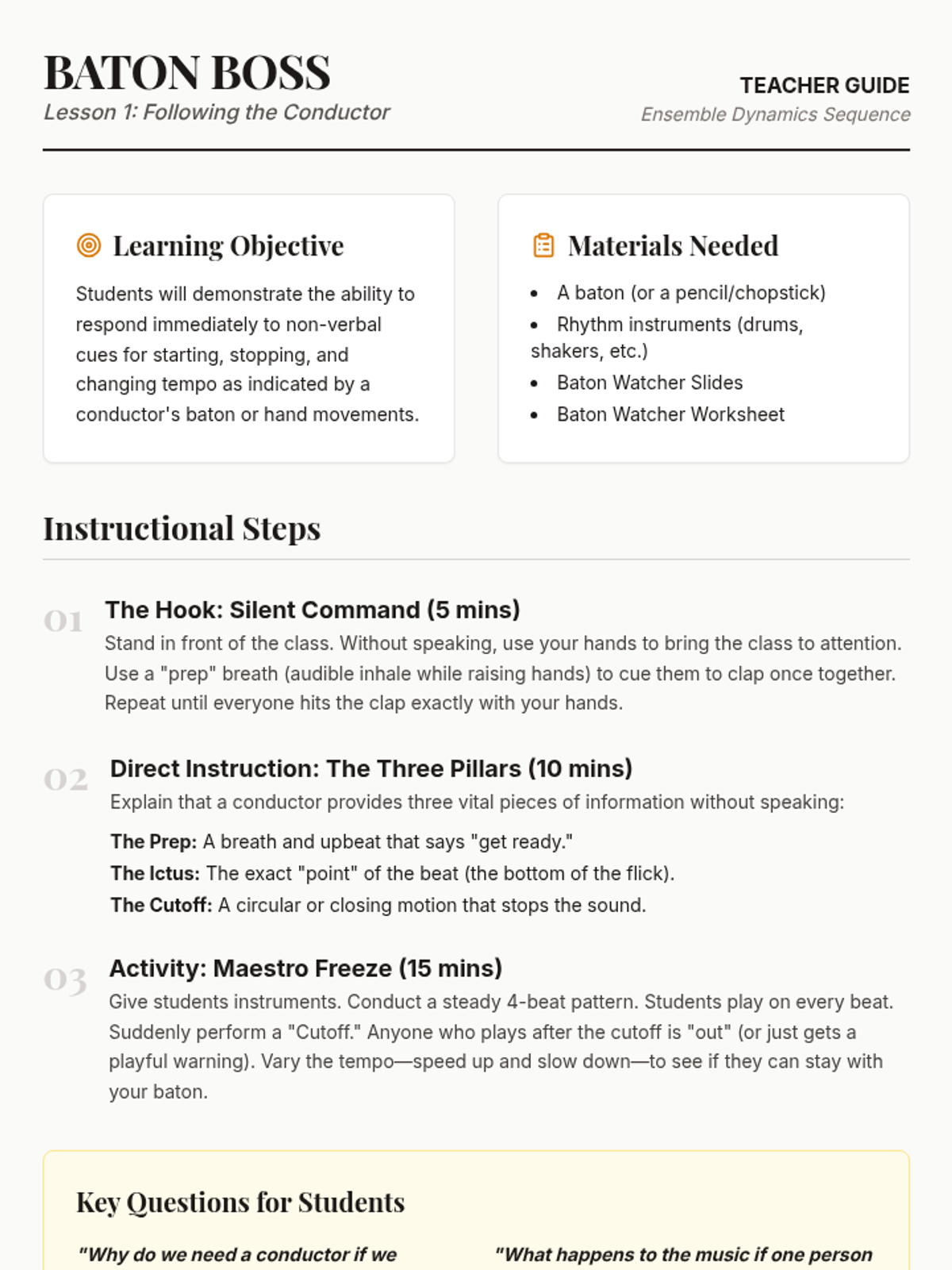
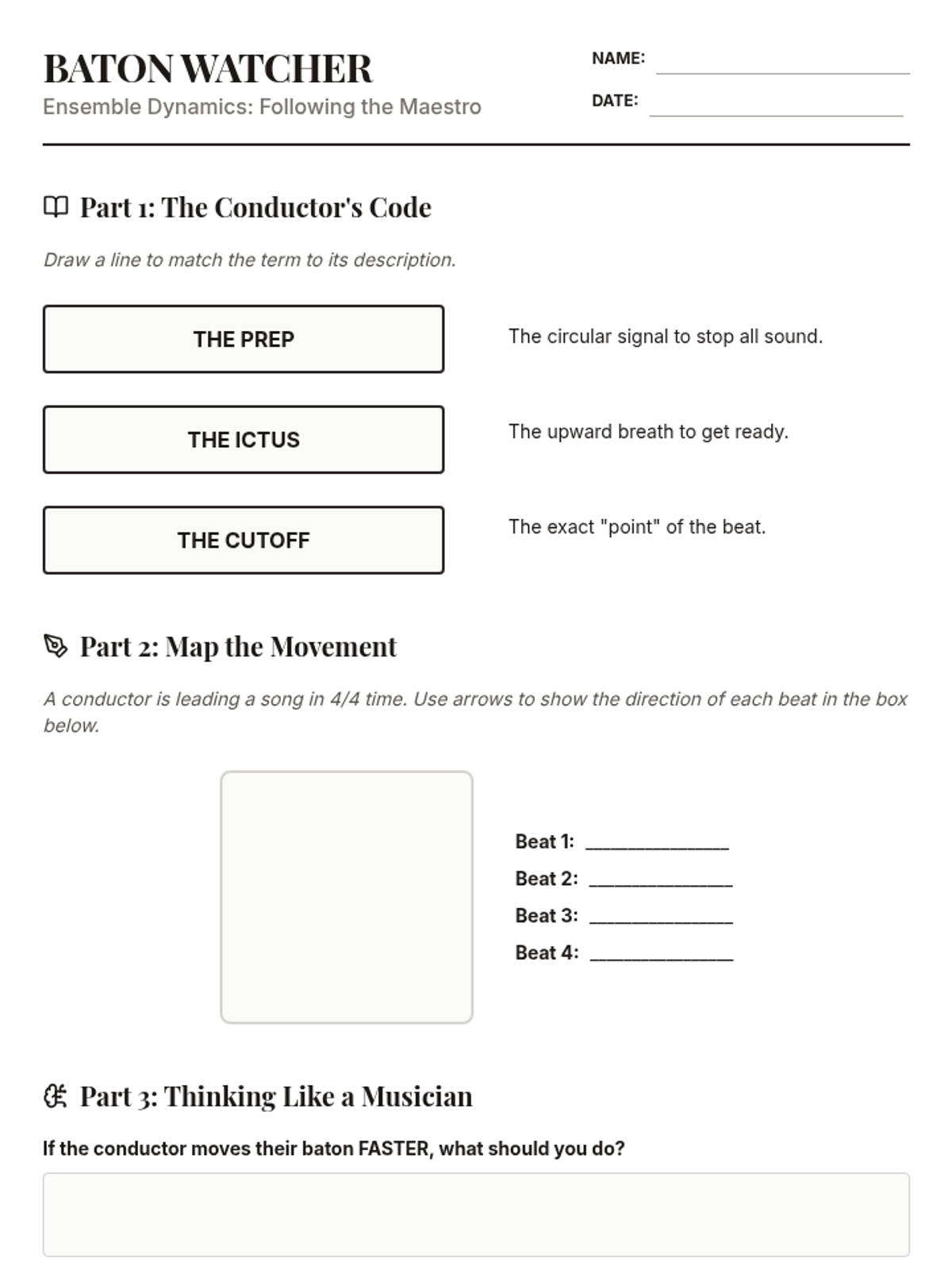
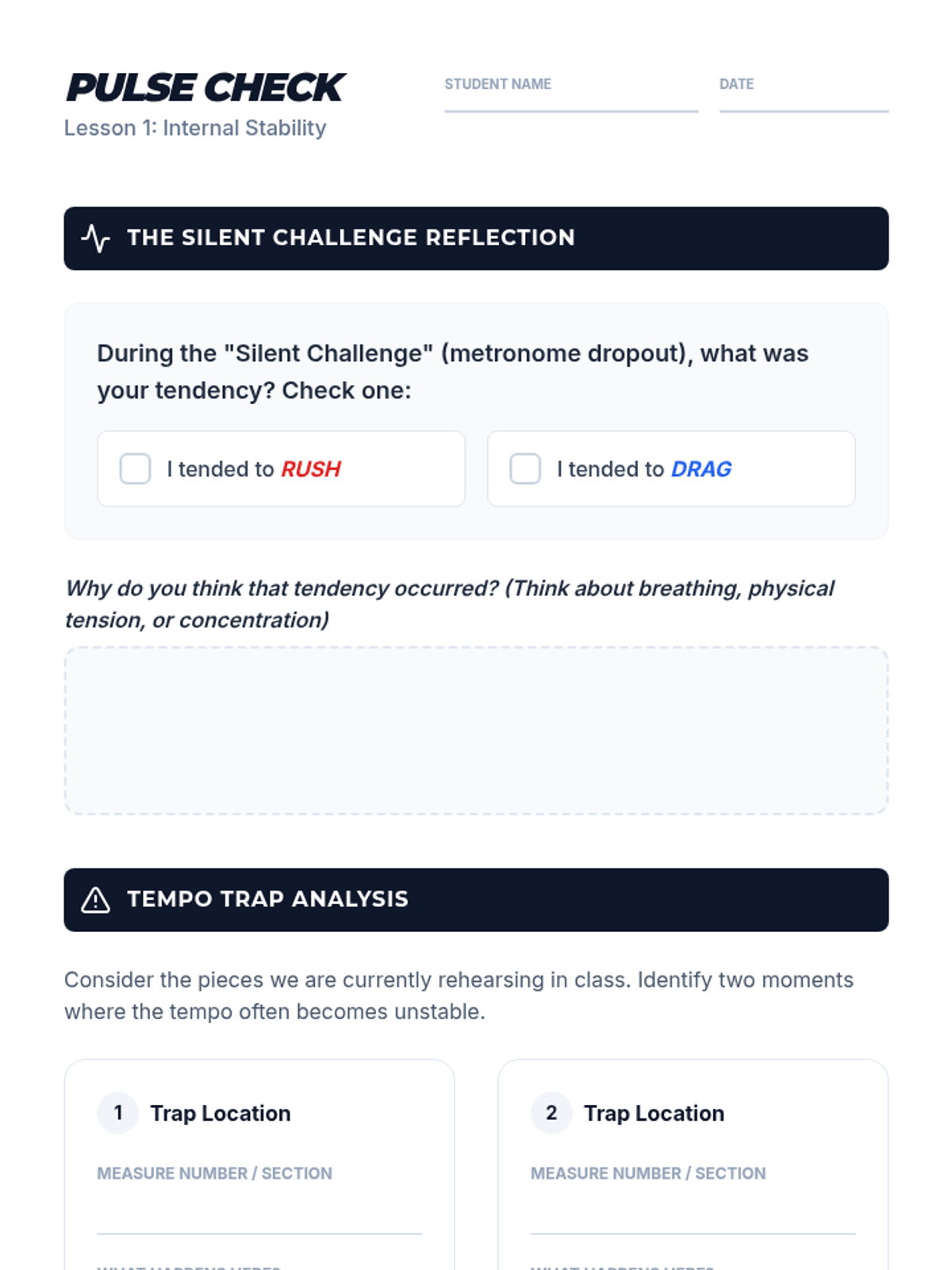
This sequence explores how musicians work together as an ensemble, focusing on conducting cues, dynamic control, balance, and tempo maintenance. Students transition from following a leader to collaborating in small independent groups.
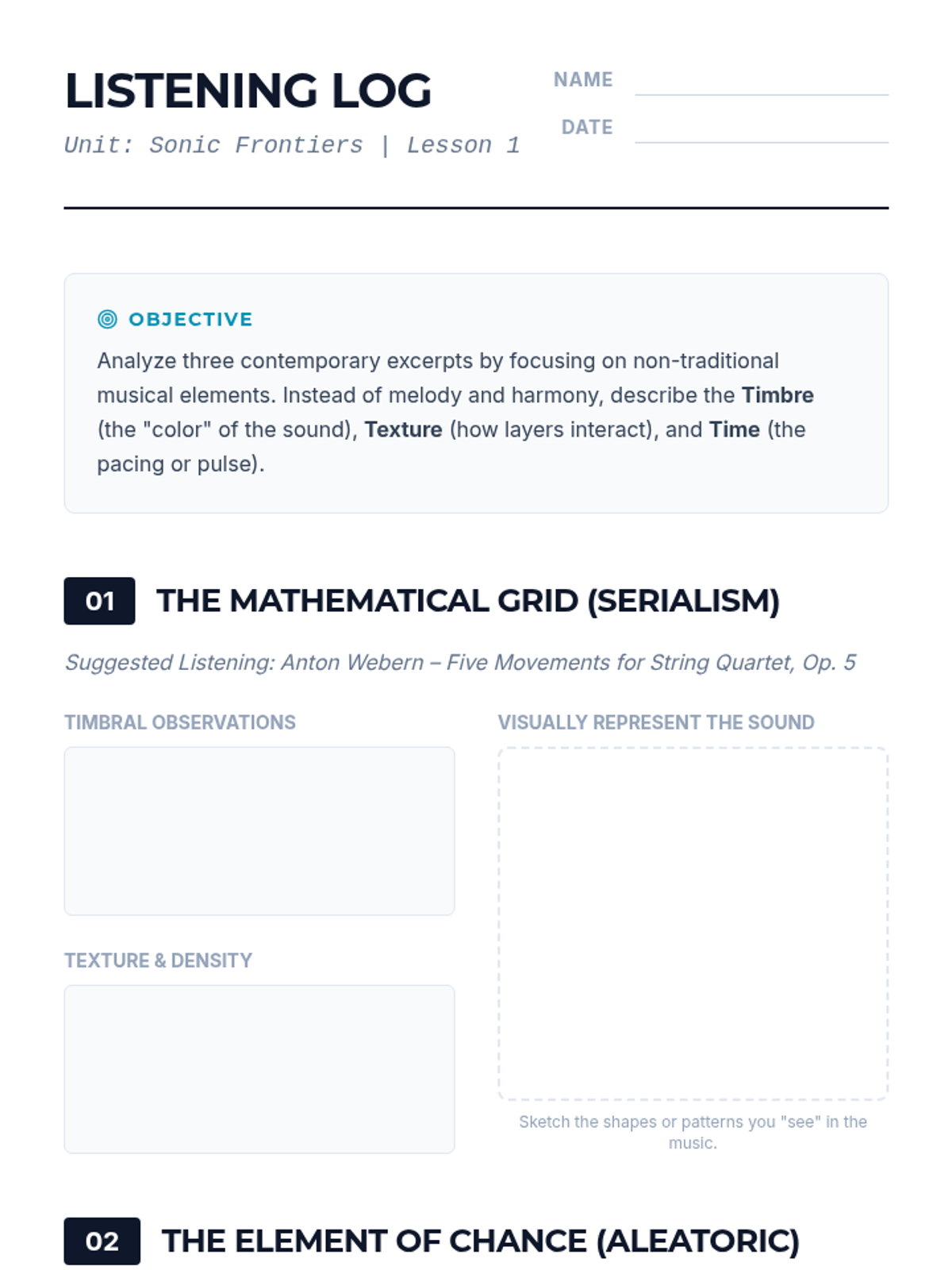
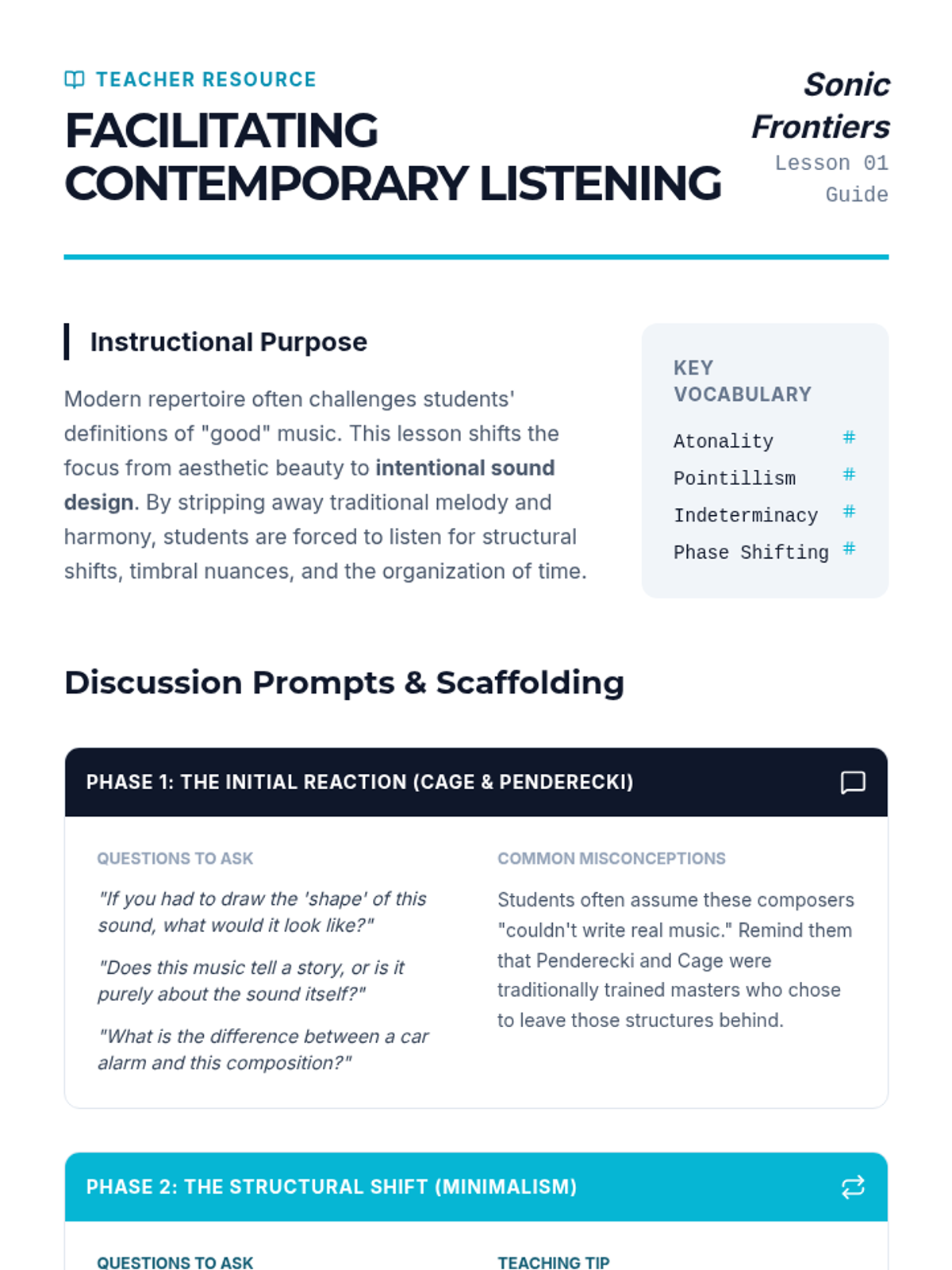
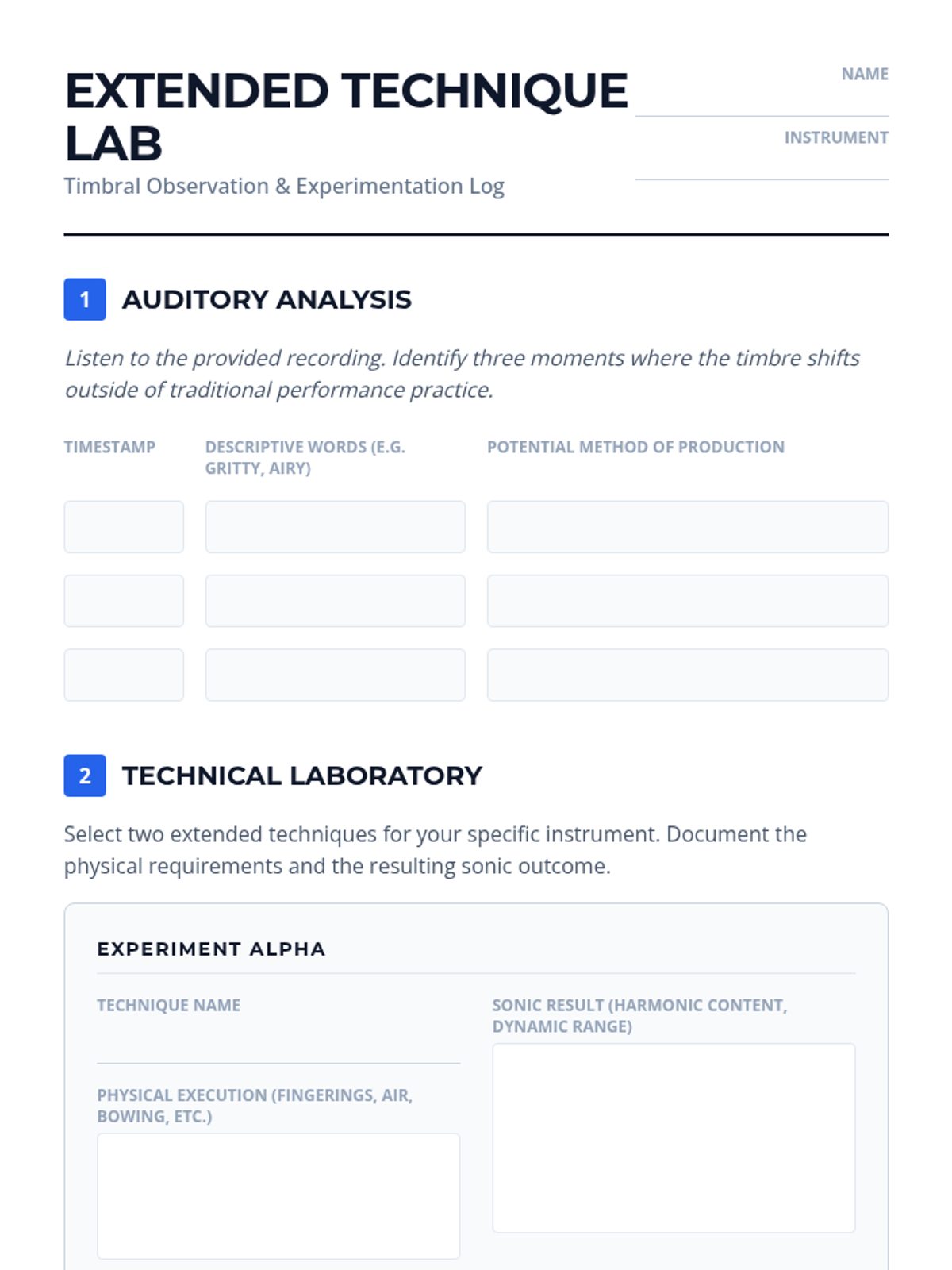
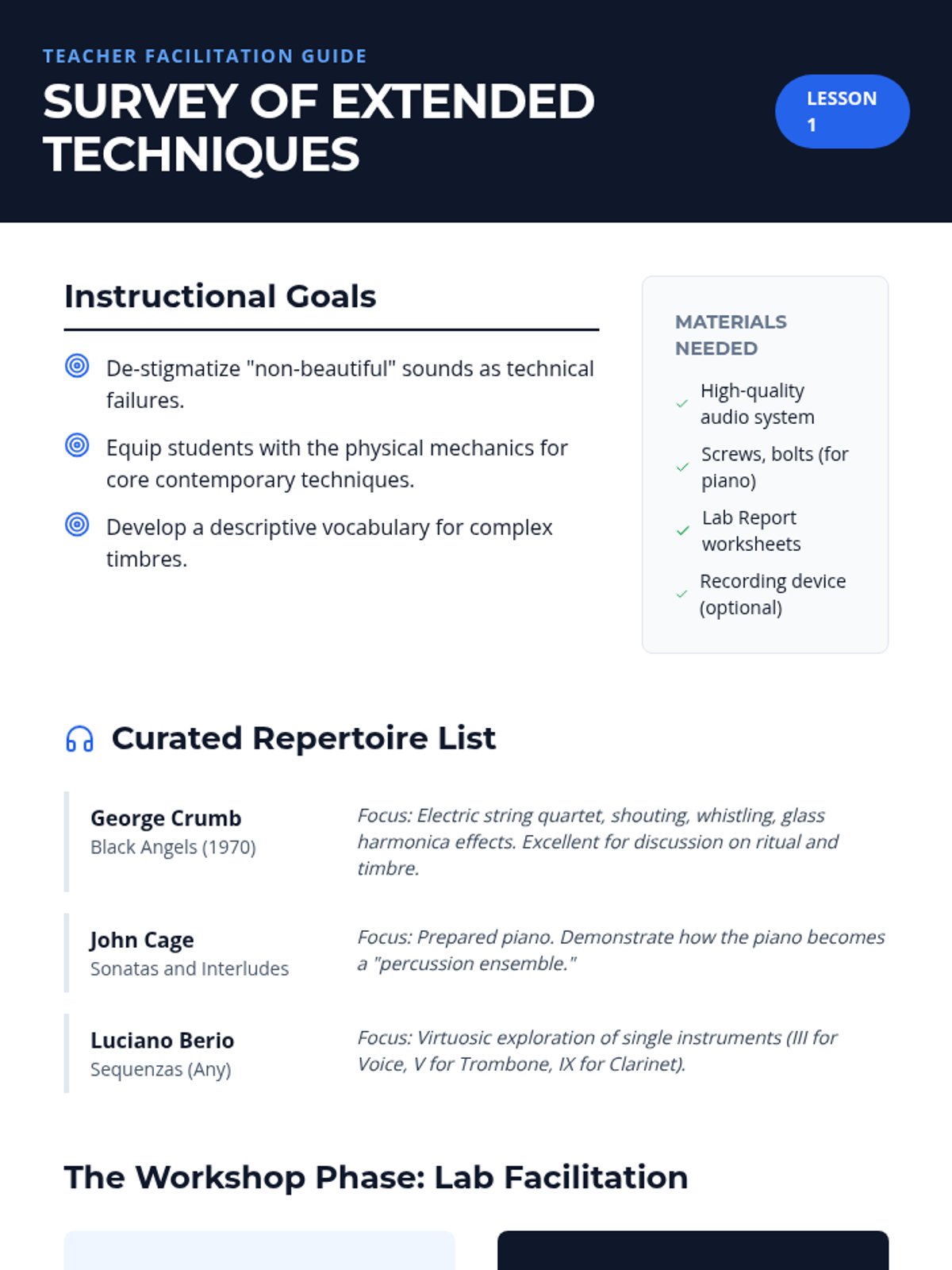
Students explore the evolution of instrumental music into the 20th and 21st centuries, focusing on non-traditional notation and extended techniques. The sequence covers major movements like serialism and minimalism, practical workshops on multiphonics and percussive effects, and project-based work with graphic scores.
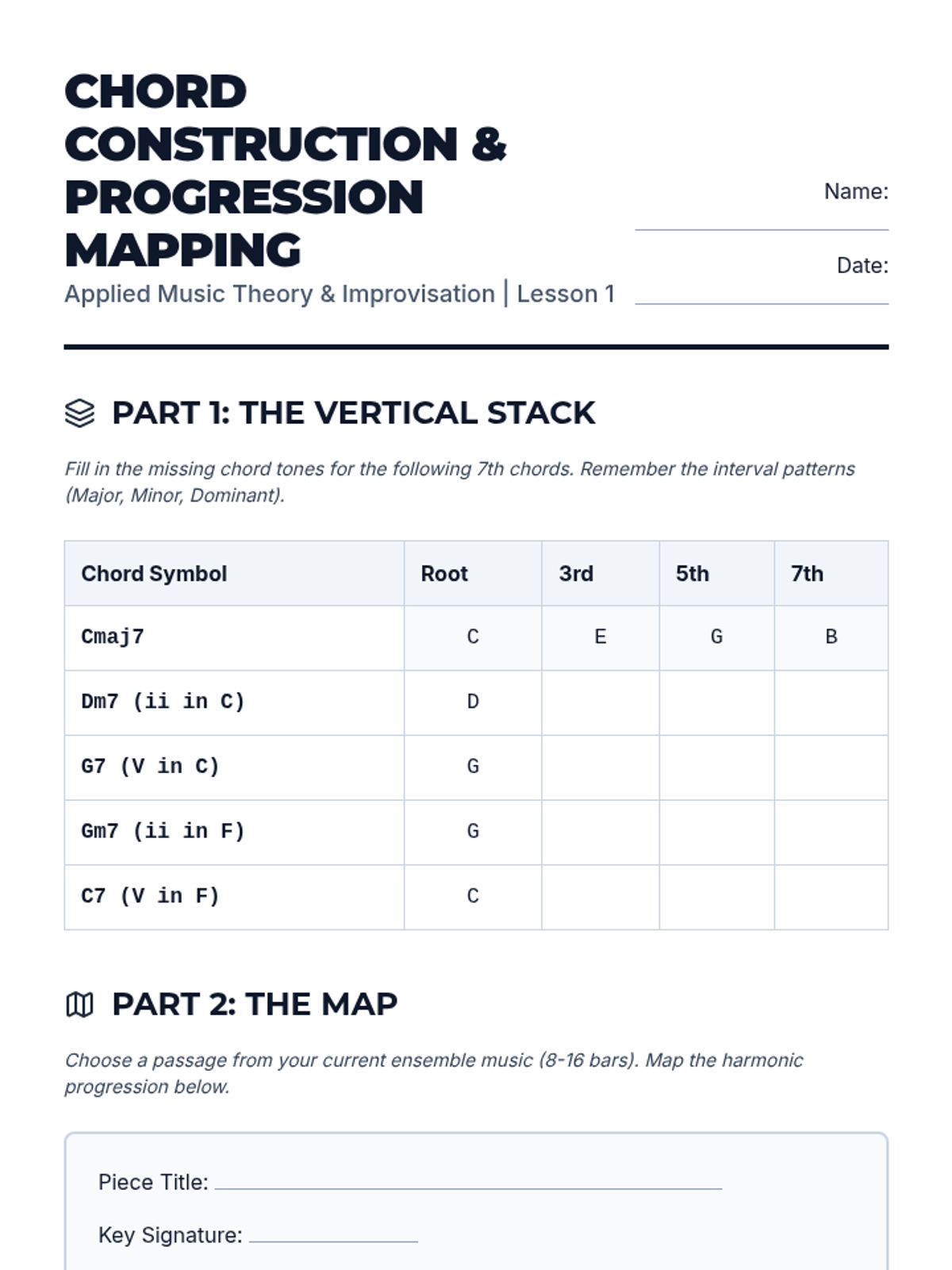
A high school sequence that bridges music theory and instrumental performance through improvisation. Students move from analyzing harmonic structures to spontaneously creating melodic content using modes, guide tones, and stylistic embellishments.
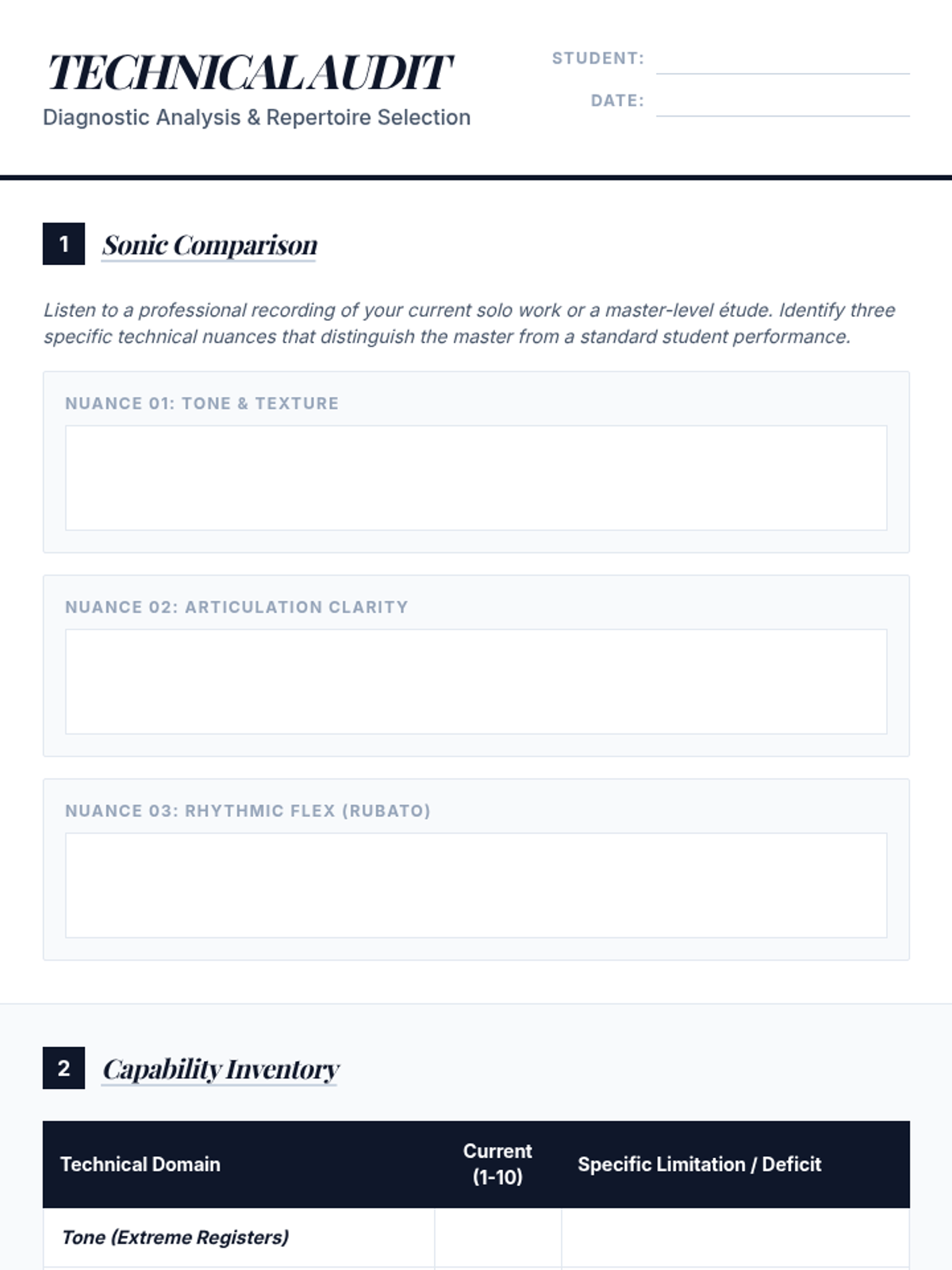
A comprehensive 5-lesson sequence designed for advanced high school musicians to bridge the gap between technical mechanics and expressive artistry. Students engage in self-diagnostic analysis, master technical strategies for tone and velocity, and conclude with a professional-style mock audition.
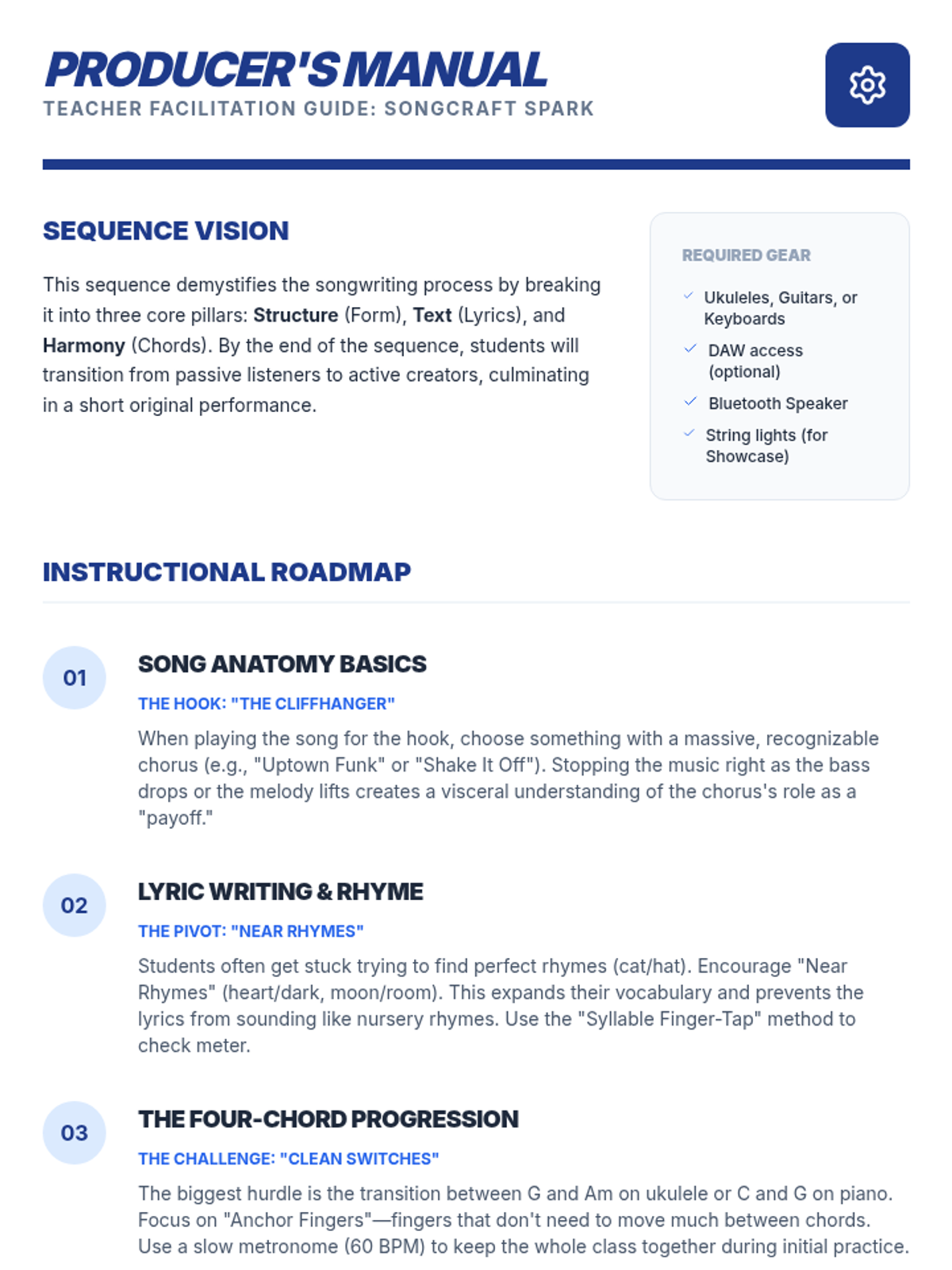
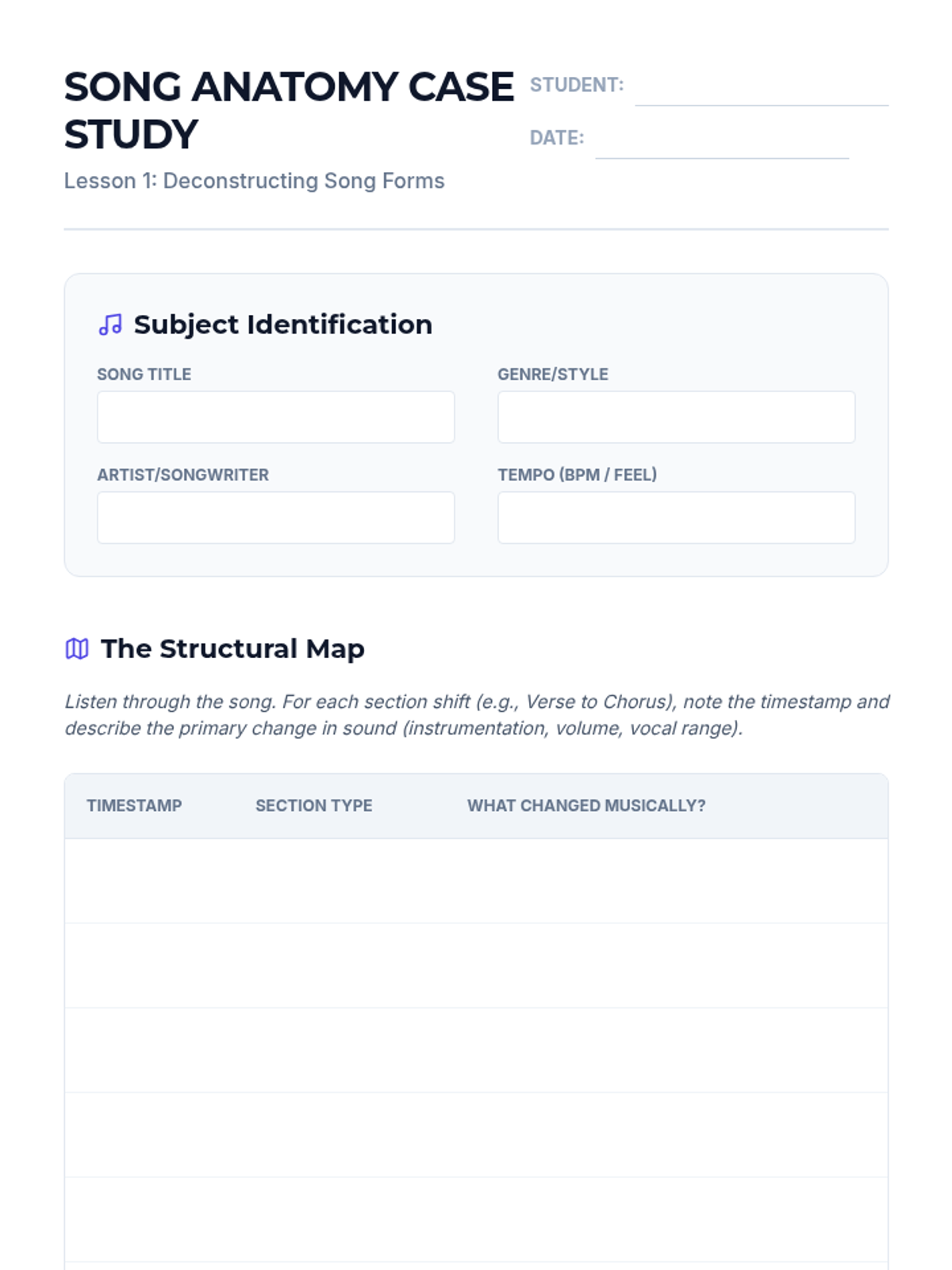
Students journey through the process of songwriting, from deconstructing popular forms to composing original lyrics and harmonic progressions. The sequence culminates in a live or recorded showcase of original student work, emphasizing the synergy between words and music.
This sequence immerses students in the complexities of 20th and 21st-century music, expanding their technical palette through extended techniques and non-standard graphic notation. Students bridge historical practice with avant-garde experimentation, culminating in a contemporary performance workshop.
A comprehensive 5-lesson sequence for 9th-grade instrumental music students, focusing on the transition from individual proficiency to collective ensemble responsibilities through the lens of balance, blend, and articulation.
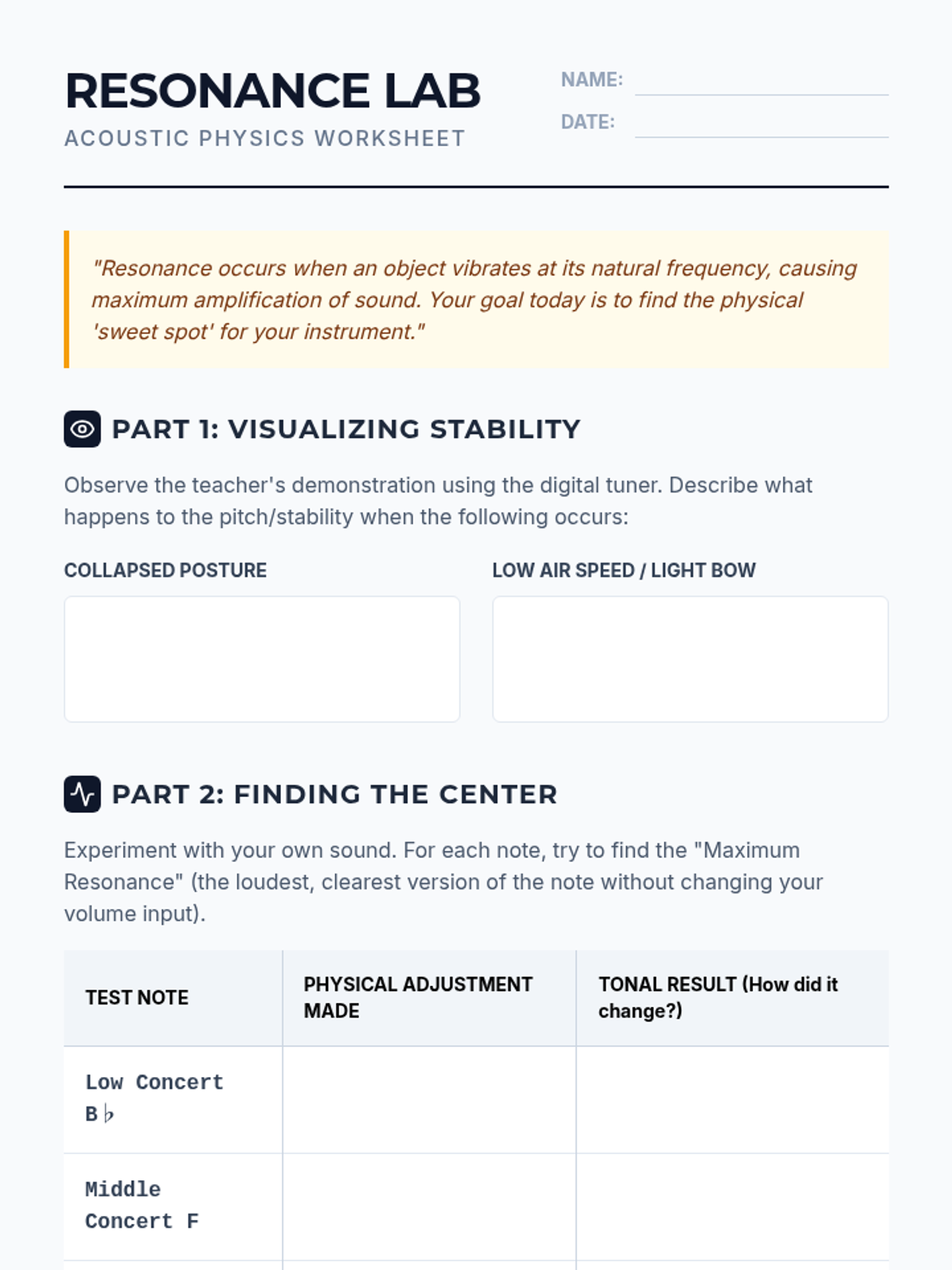
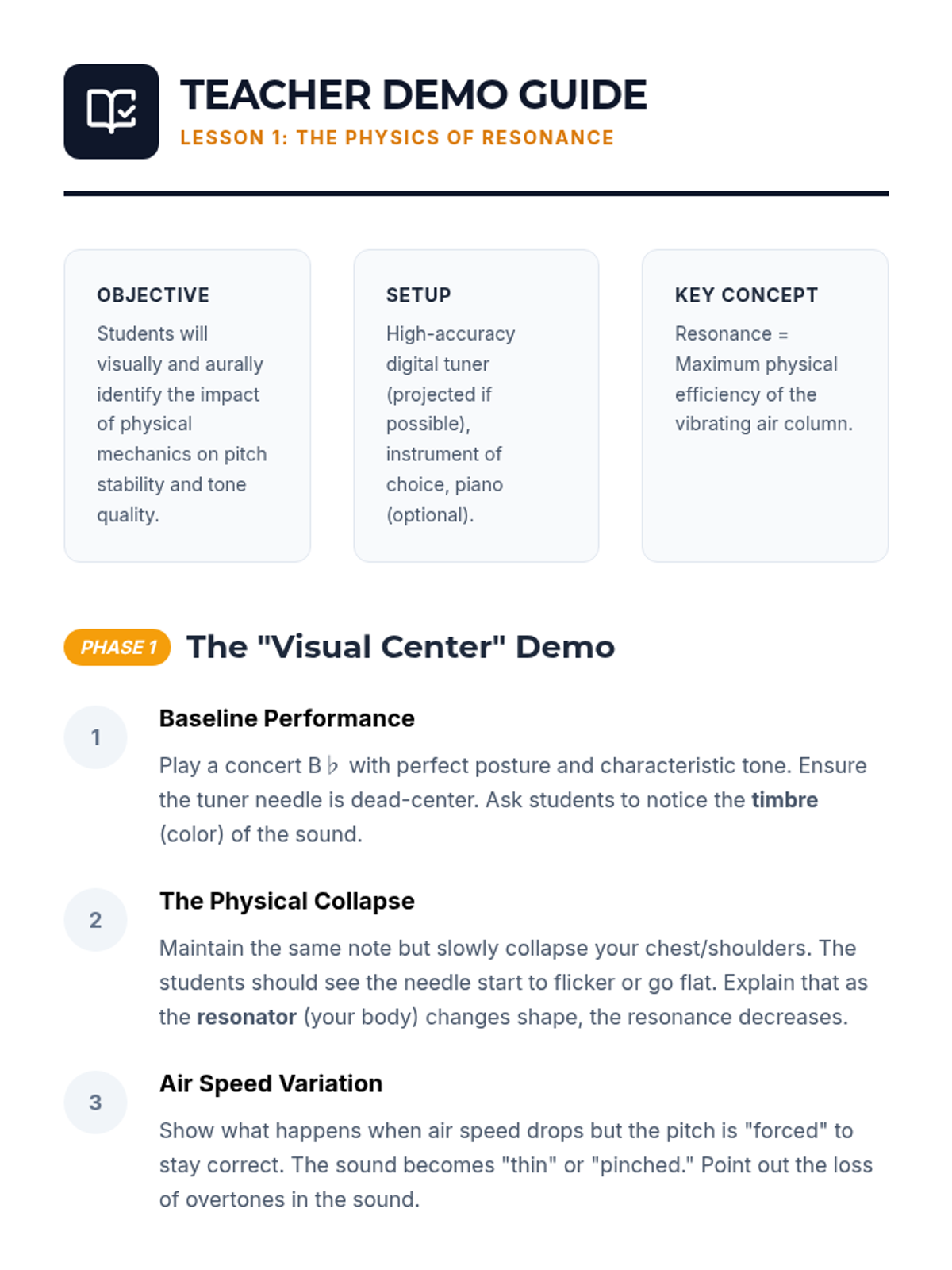
A deep dive into the physics of sound and the mechanical techniques required for characteristic tone and precise intonation in instrumental performance for 9th-grade musicians.
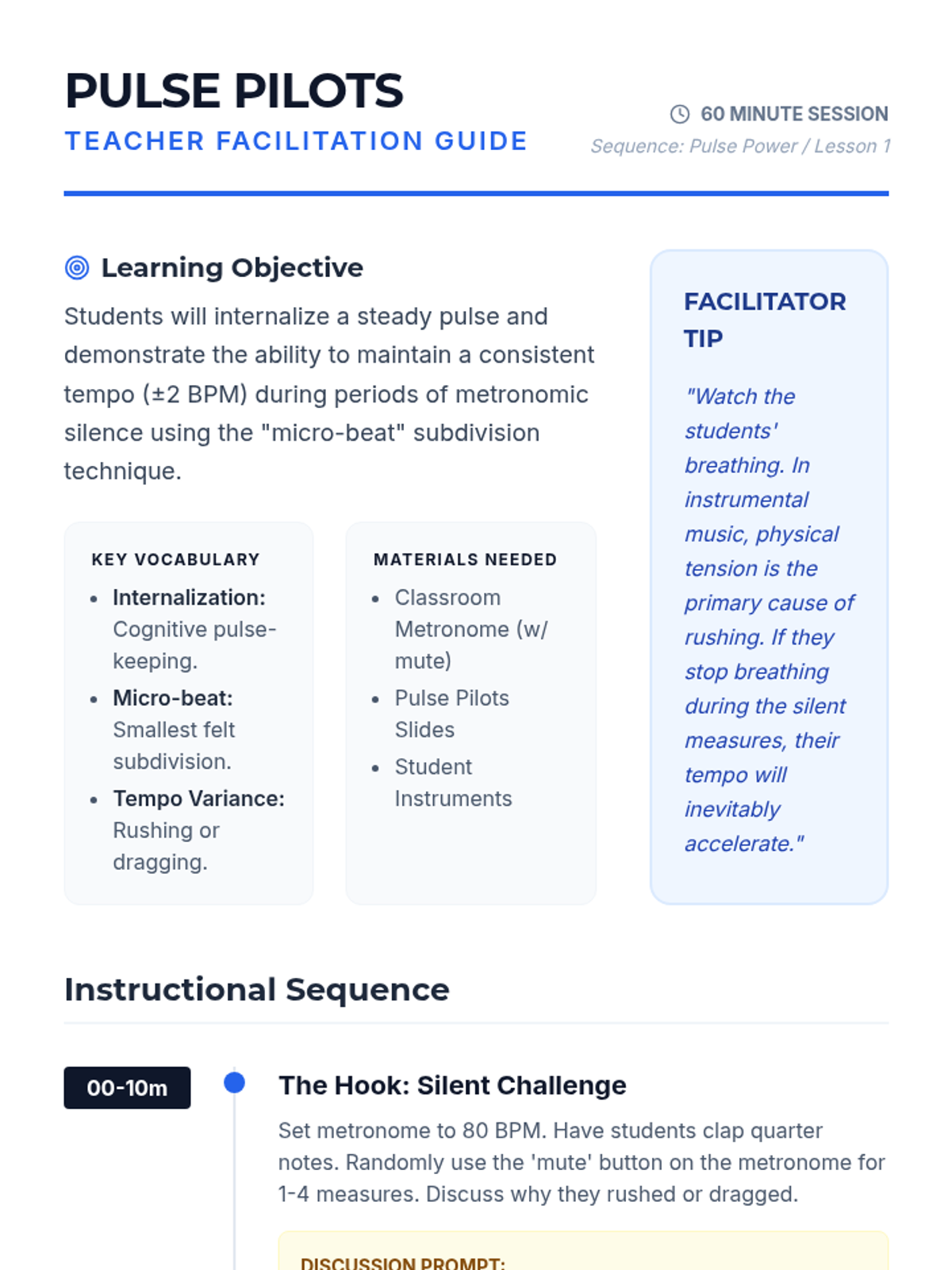
A comprehensive sequence for 9th-grade instrumentalists focused on internalizing pulse and mastering complex rhythmic subdivisions, including syncopation and mixed meters. Students progress from basic timekeeping to reading and performing Grade 3/4 level rhythmic literature.
Students bridge the gap between technical accuracy and artistic performance by studying phrasing, dynamics, and historical style. This sequence empowers musicians to make independent artistic decisions and understand the 'why' behind musical notation.
This sequence guides high school instrumentalists from individual technical proficiency to collective ensemble mastery. Students explore the scientific and artistic principles of intonation, balance, and blend to develop a professional unified sound.
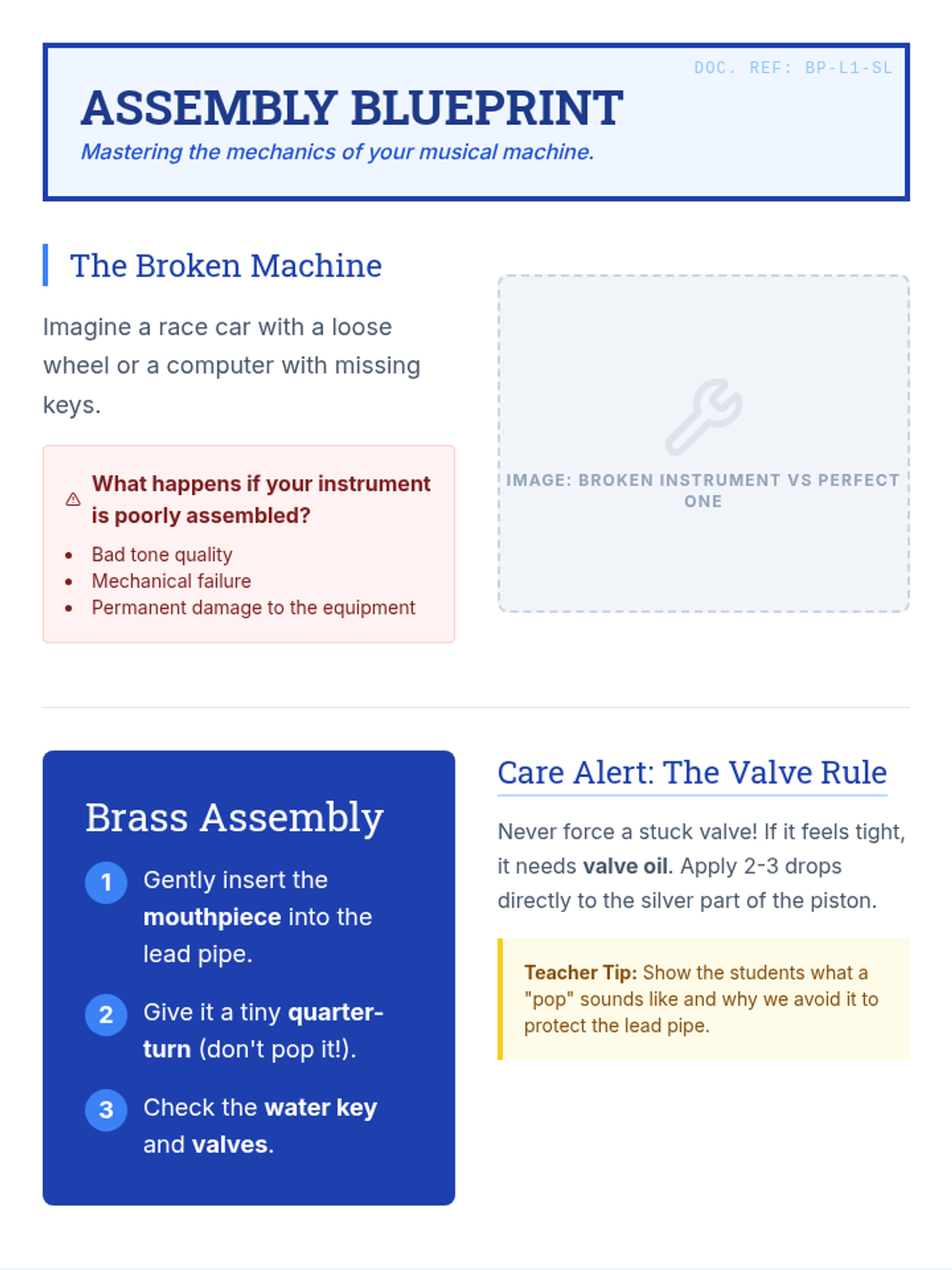
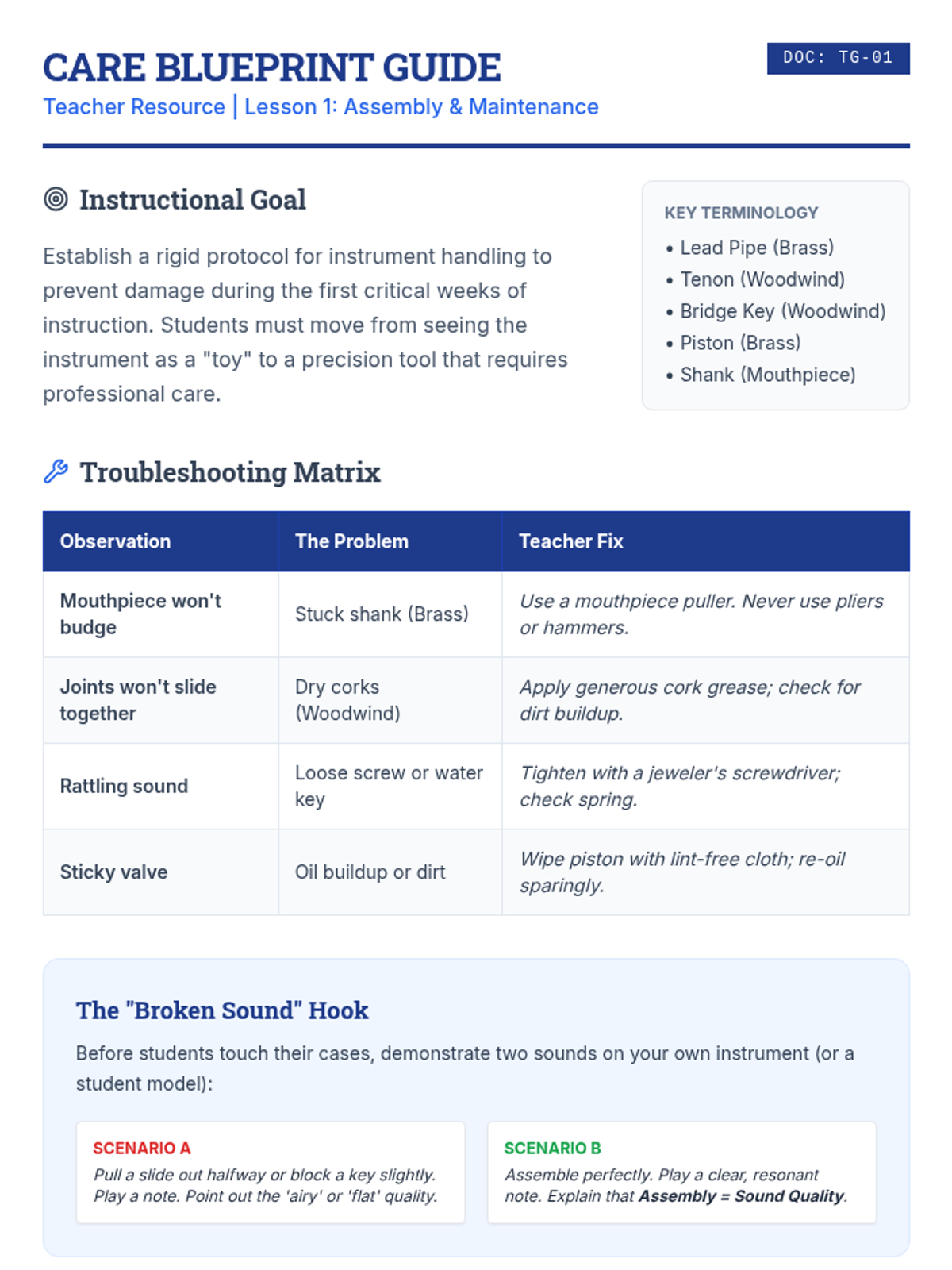
This foundational workshop for beginning instrumentalists focuses on the physical mechanics of playing, from assembly to tone production. Students master the physical techniques required to produce a characteristic sound on their specific instrument through hands-on practice and technical drills.
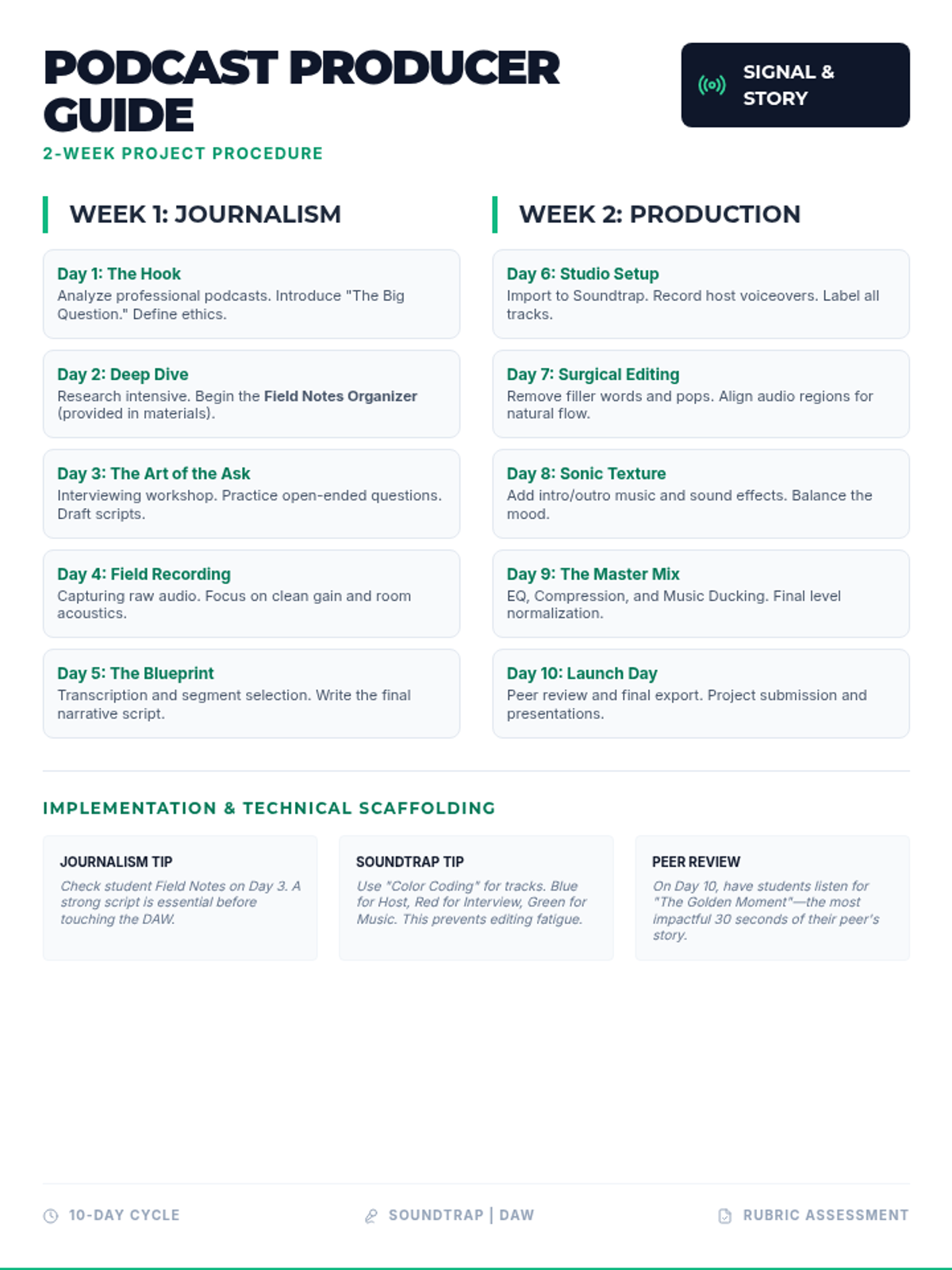
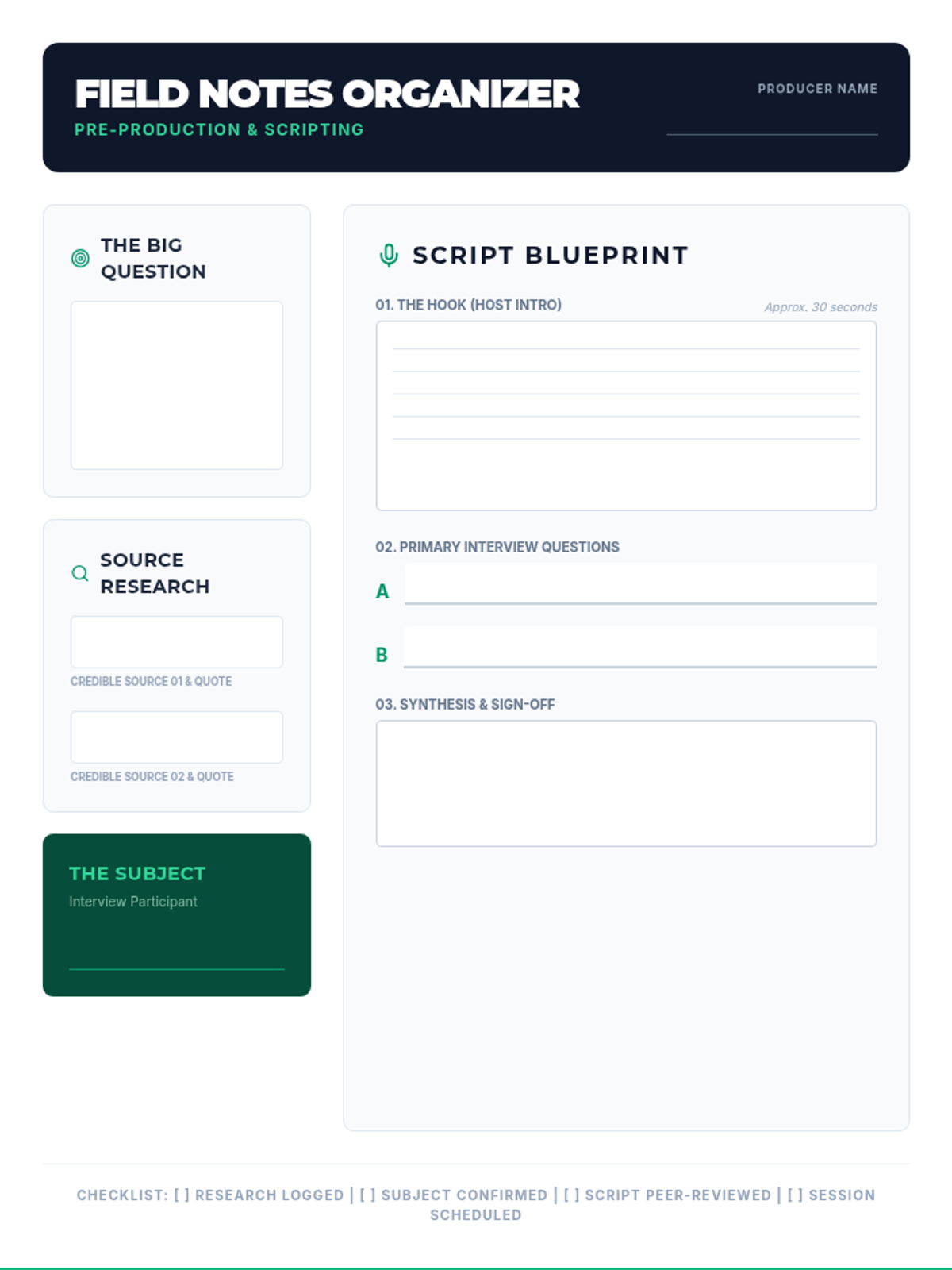
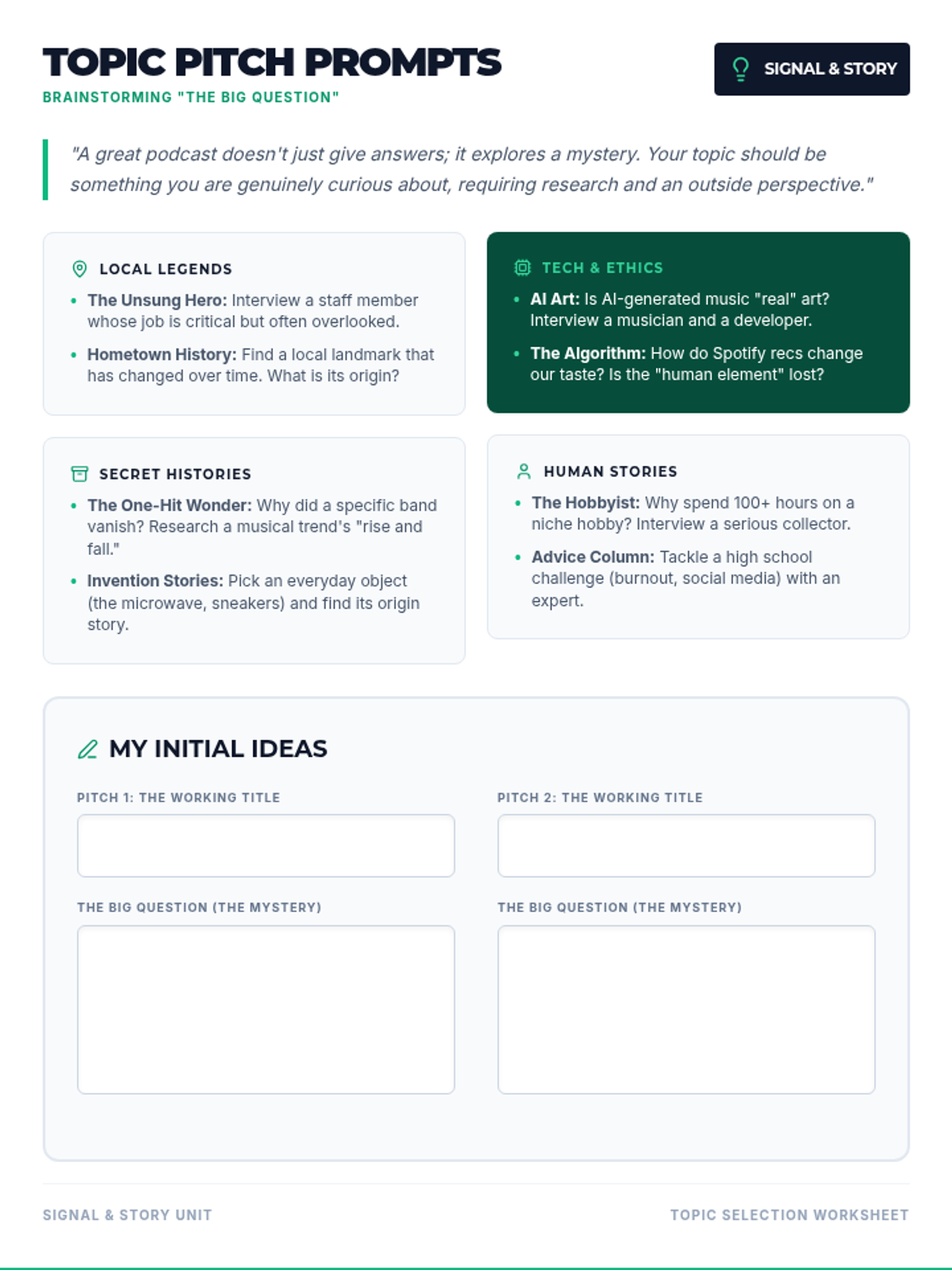
A 2-week comprehensive unit on podcast production, focusing on the intersection of journalistic research, interviewing, and technical audio mixing using Soundtrap. Students learn to craft compelling stories through sound while mastering professional digital audio workstation (DAW) workflows.
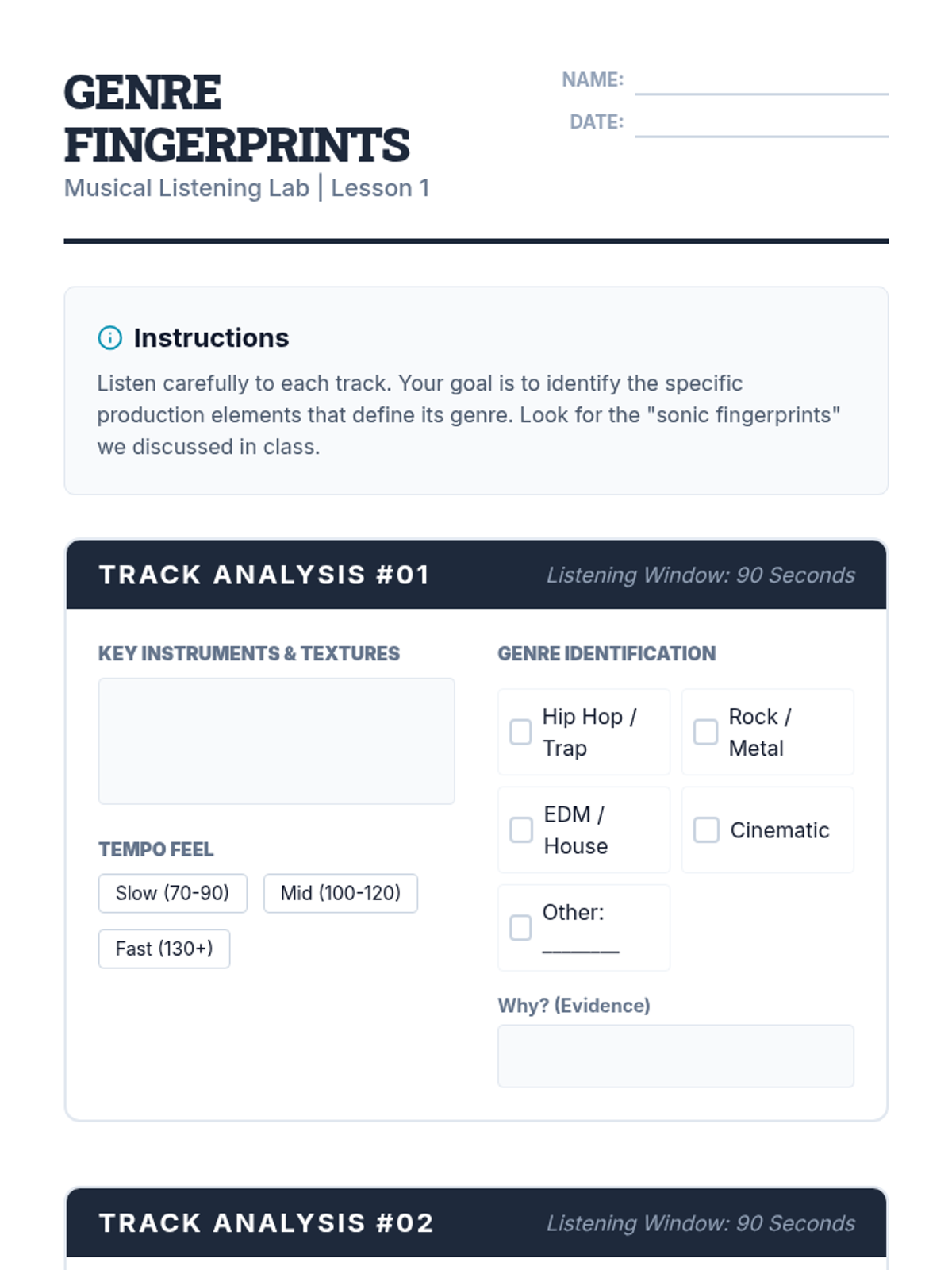
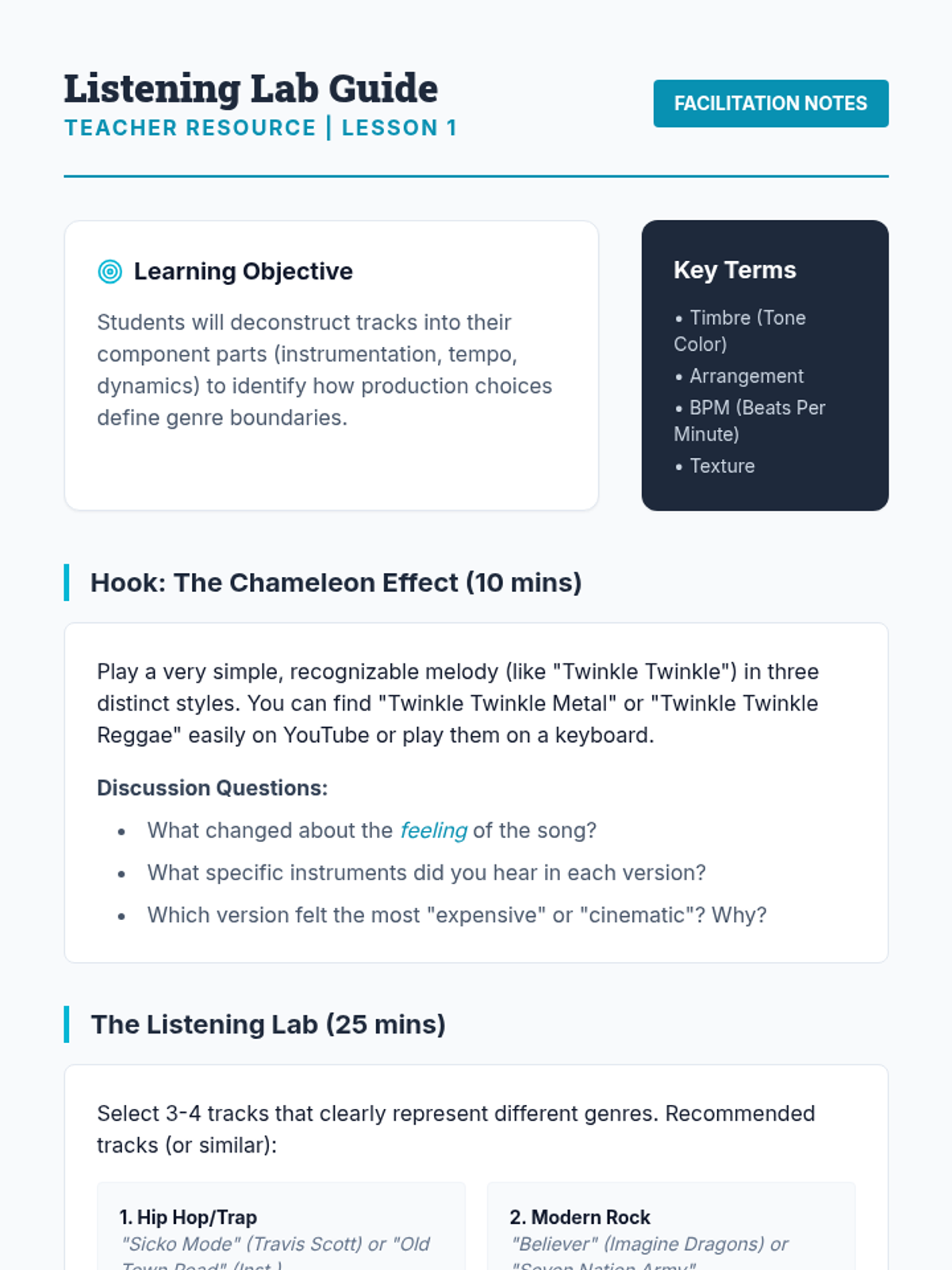
A 5-lesson sequence for 8th-grade music students focusing on musical arrangement, genre-based production, and the technical elements that define musical style. Students act as producers, transforming simple melodies into diverse genres like Hip Hop, Rock, and EDM.
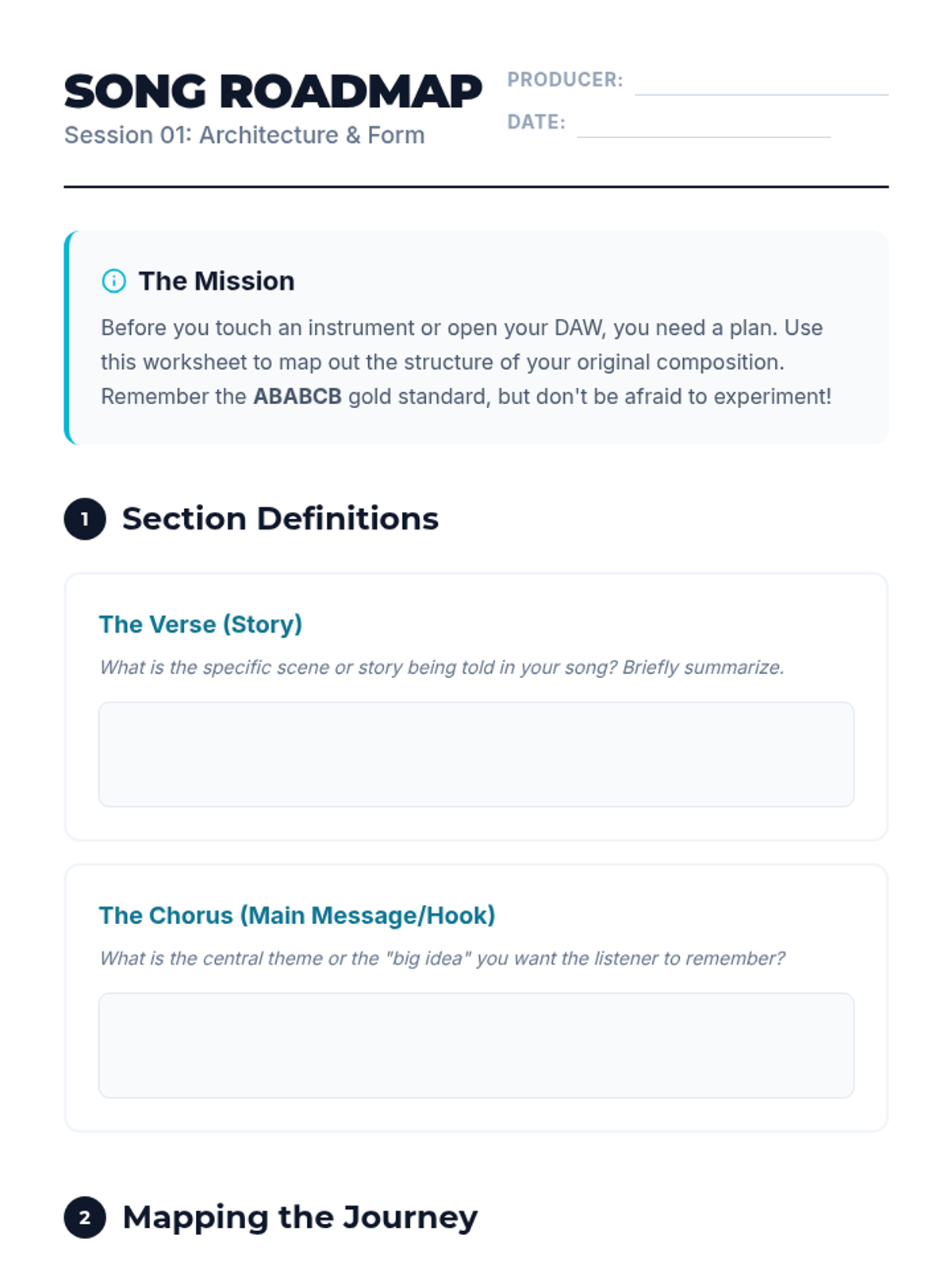
A comprehensive 5-lesson sequence for 8th-grade music students focusing on the architectural, creative, and technical aspects of songwriting, culminating in a final portfolio-ready composition.
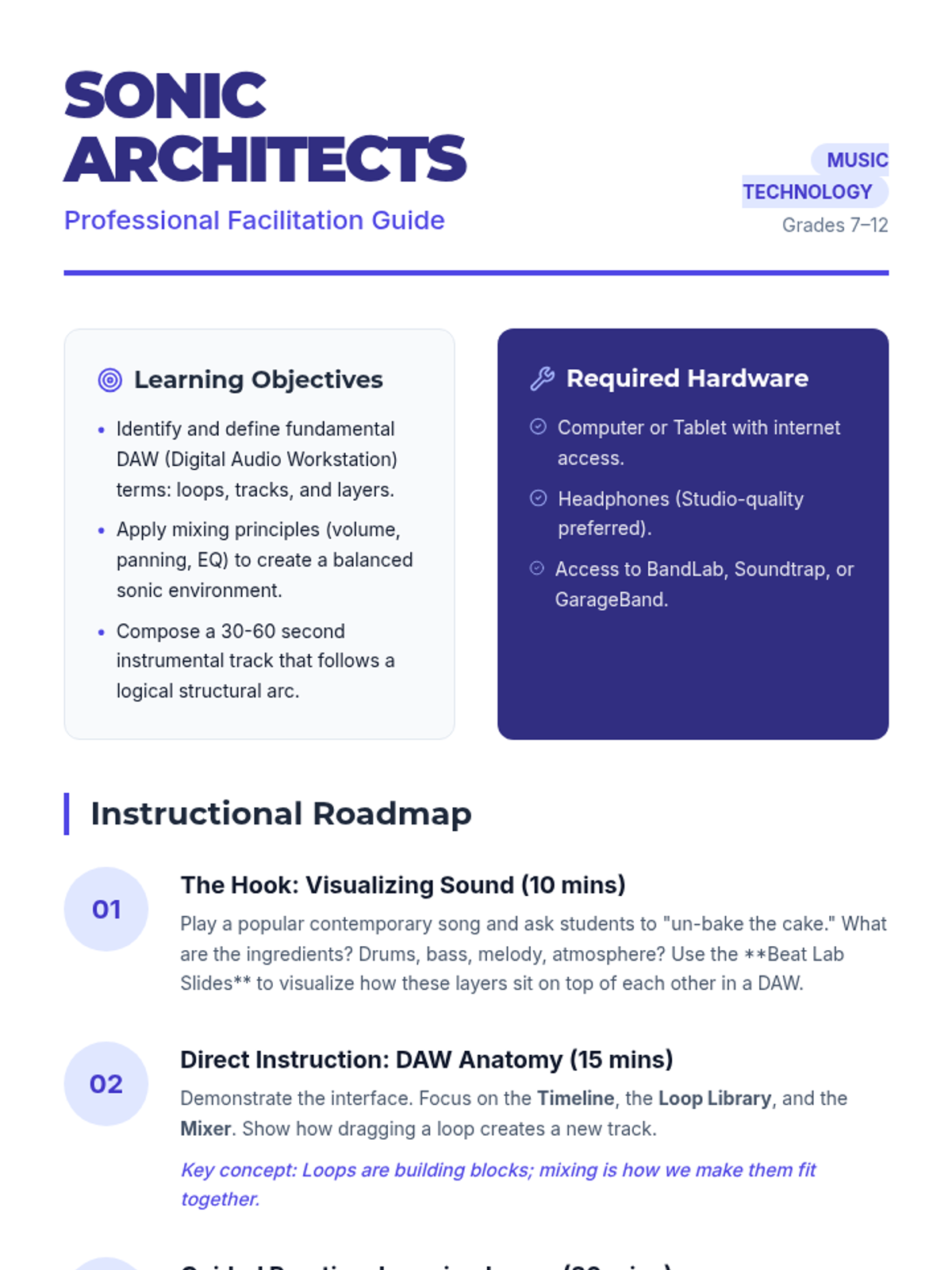
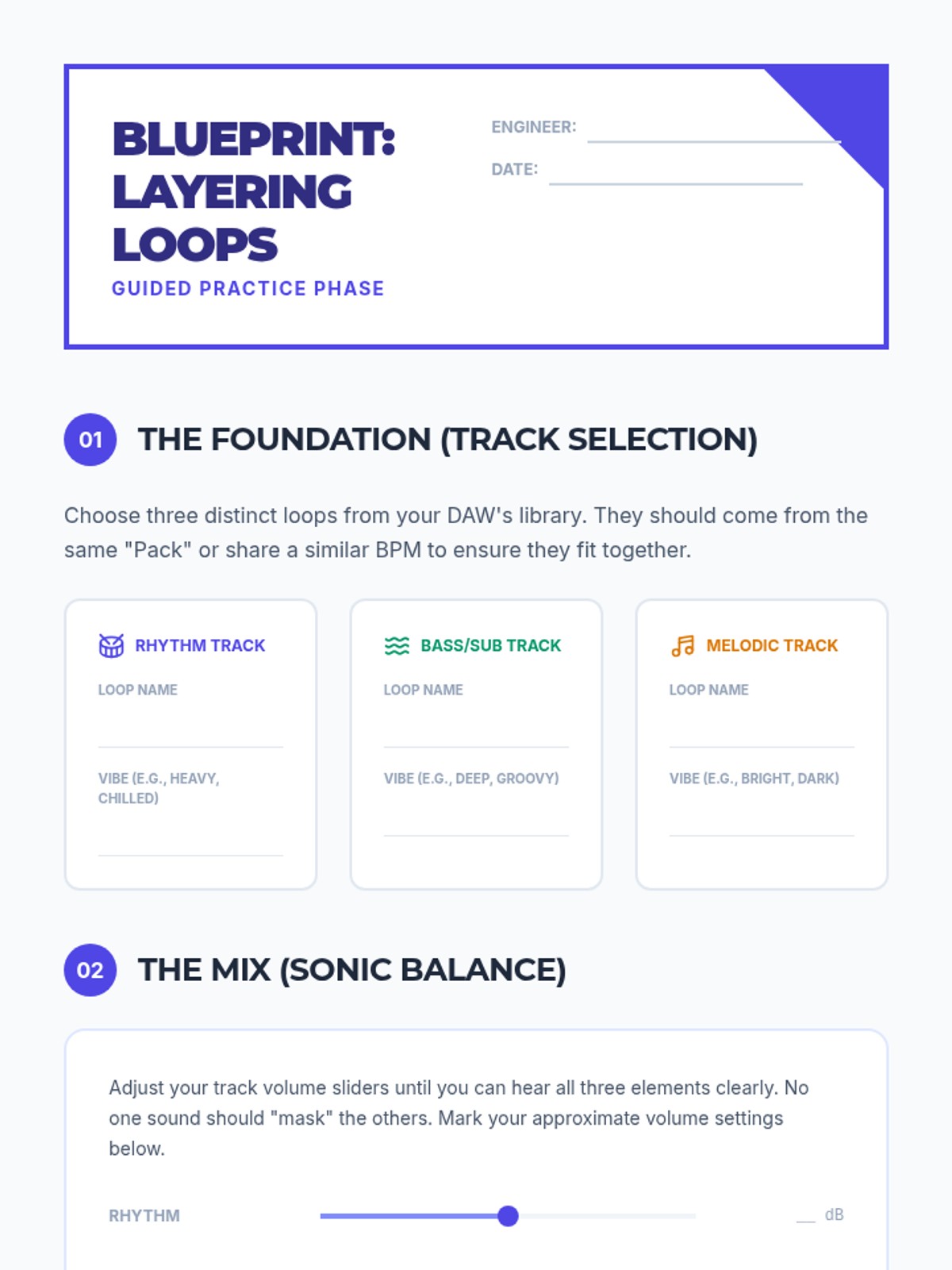
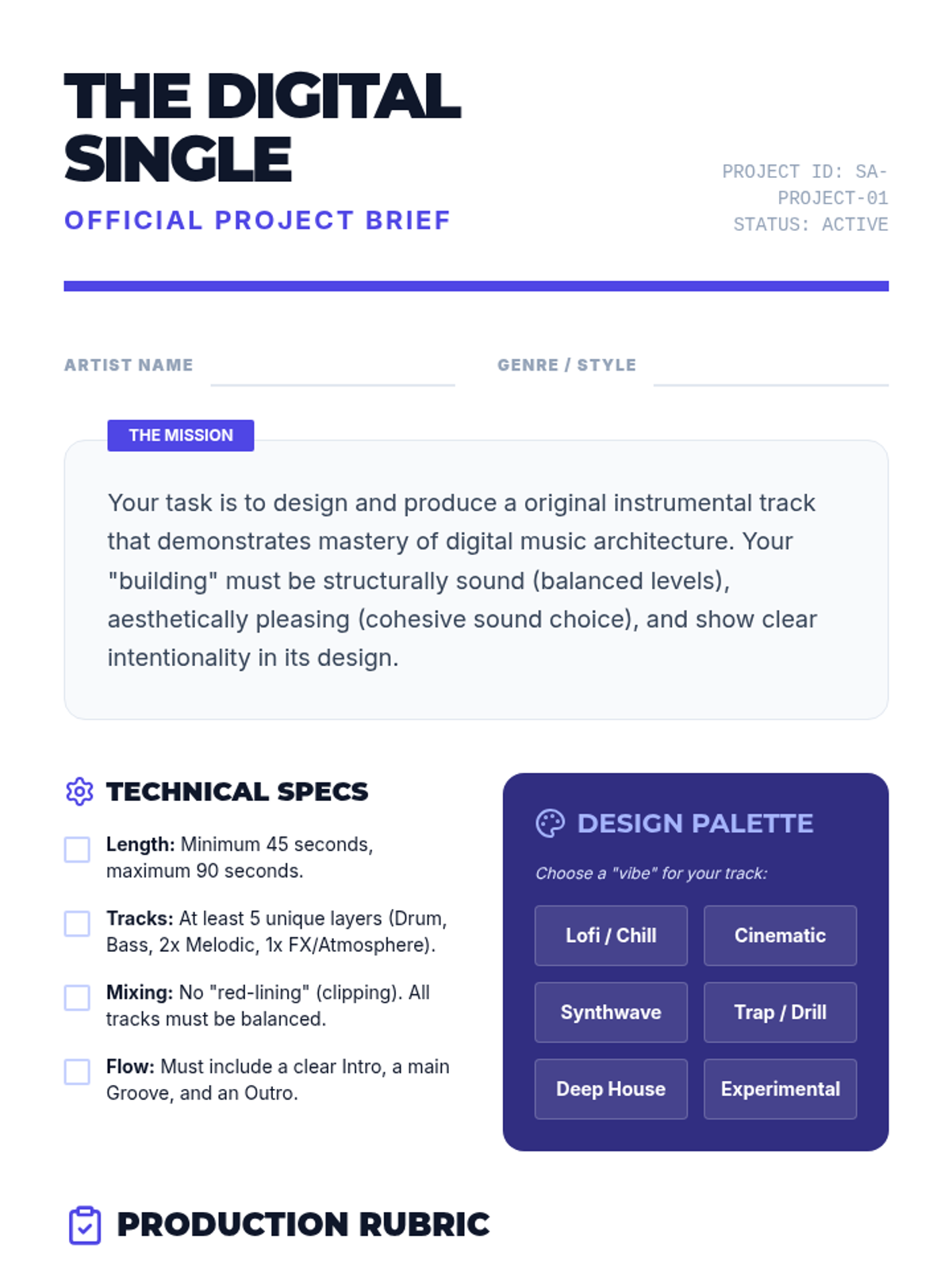
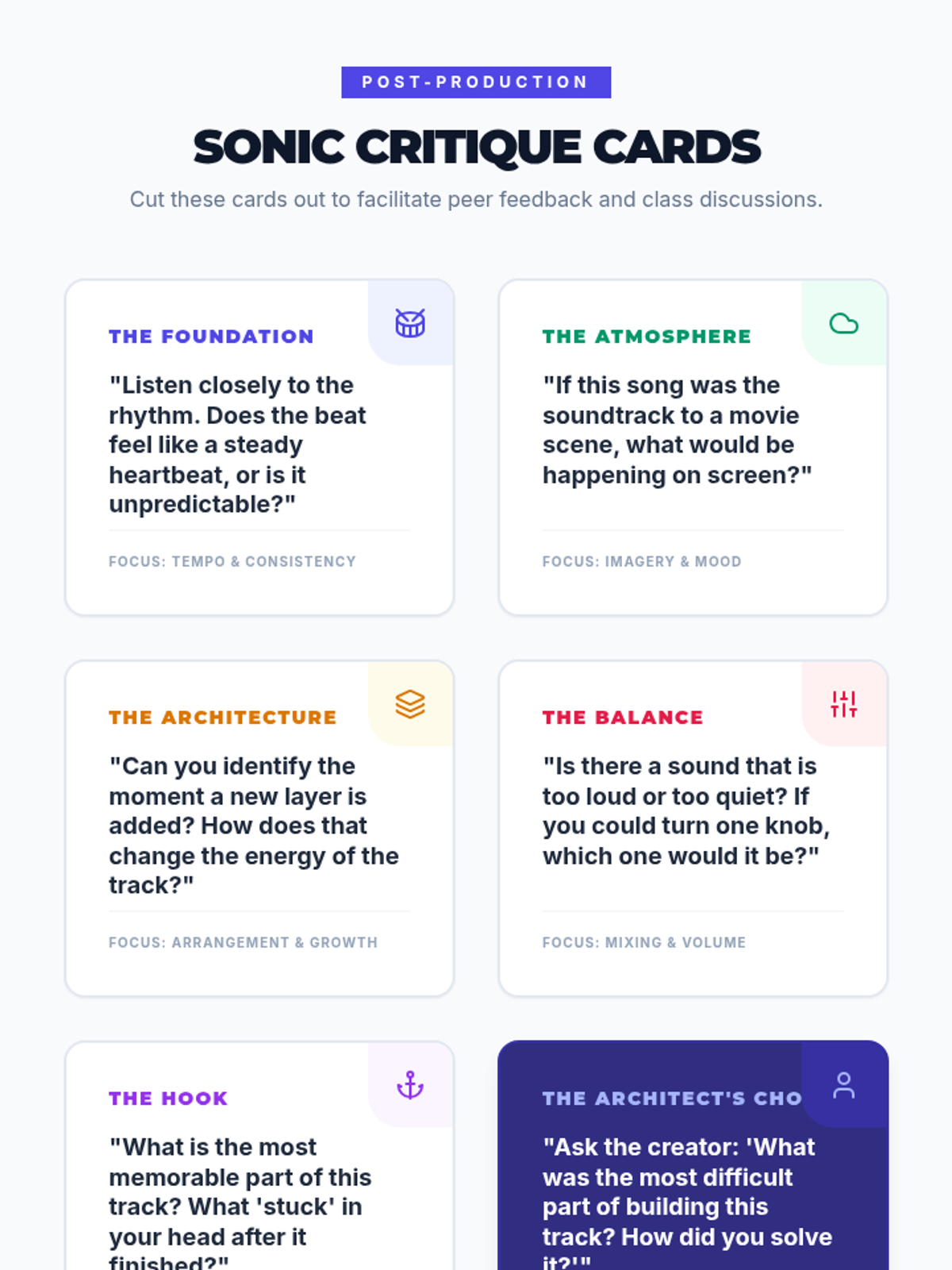
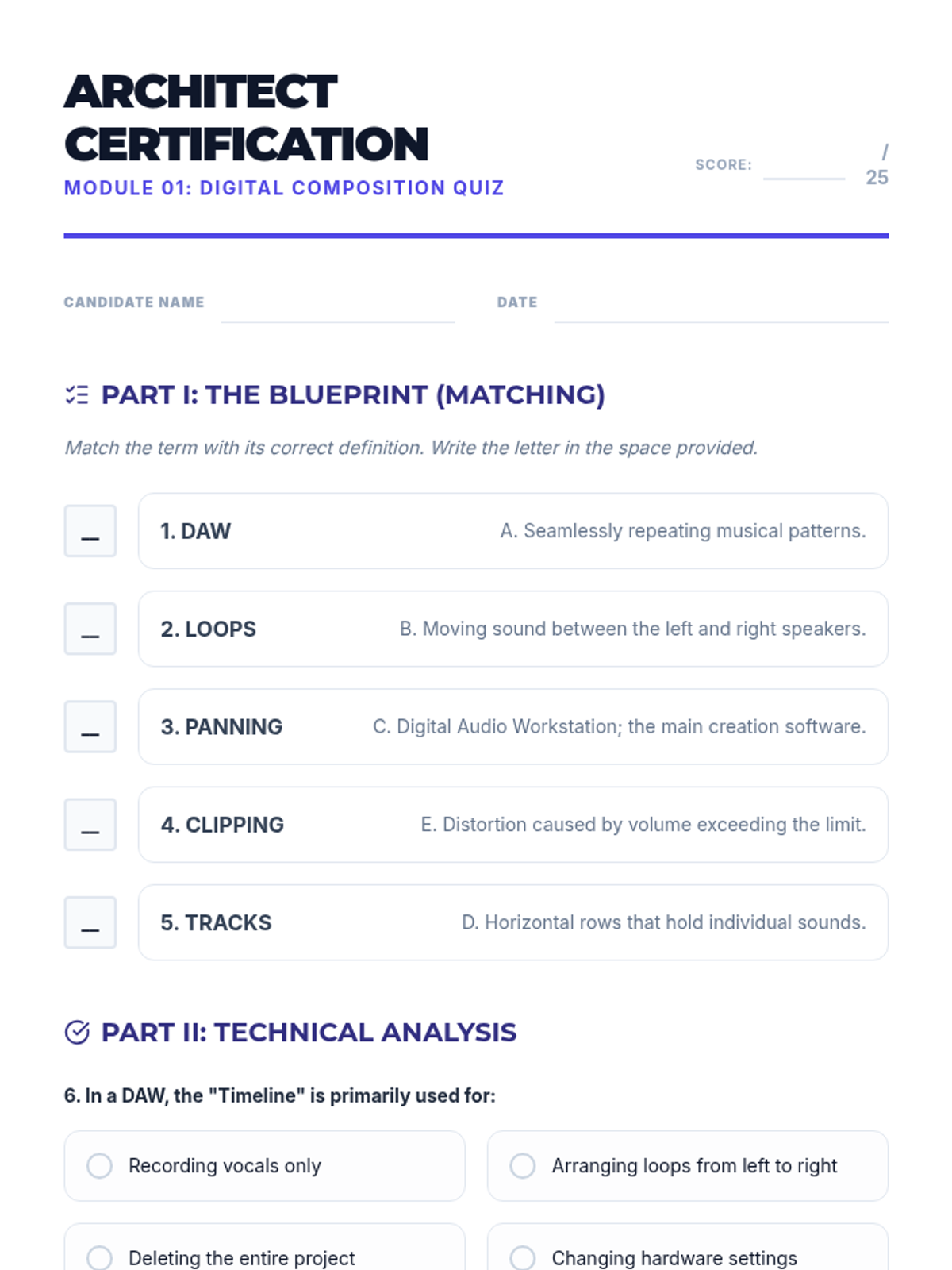
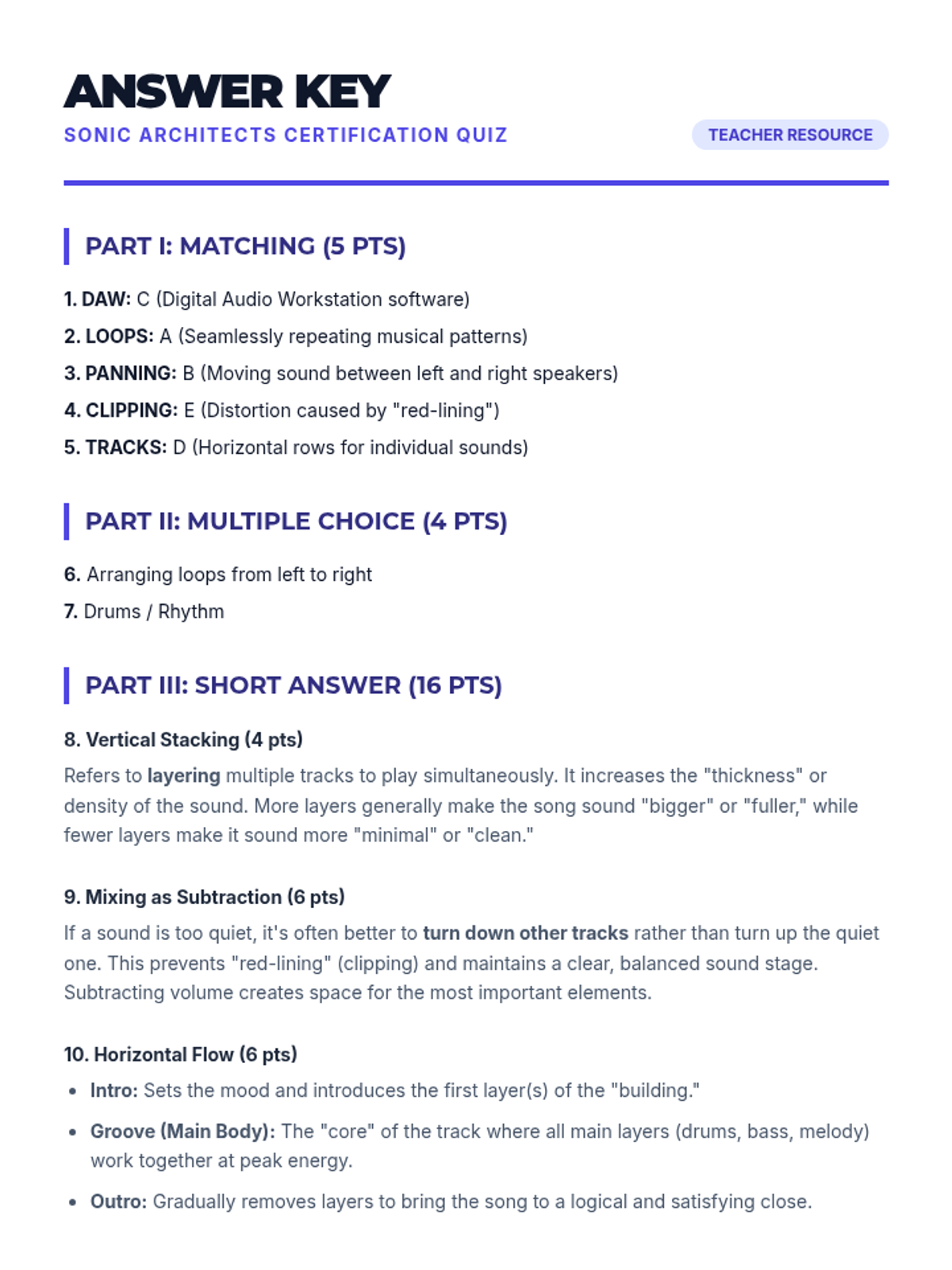
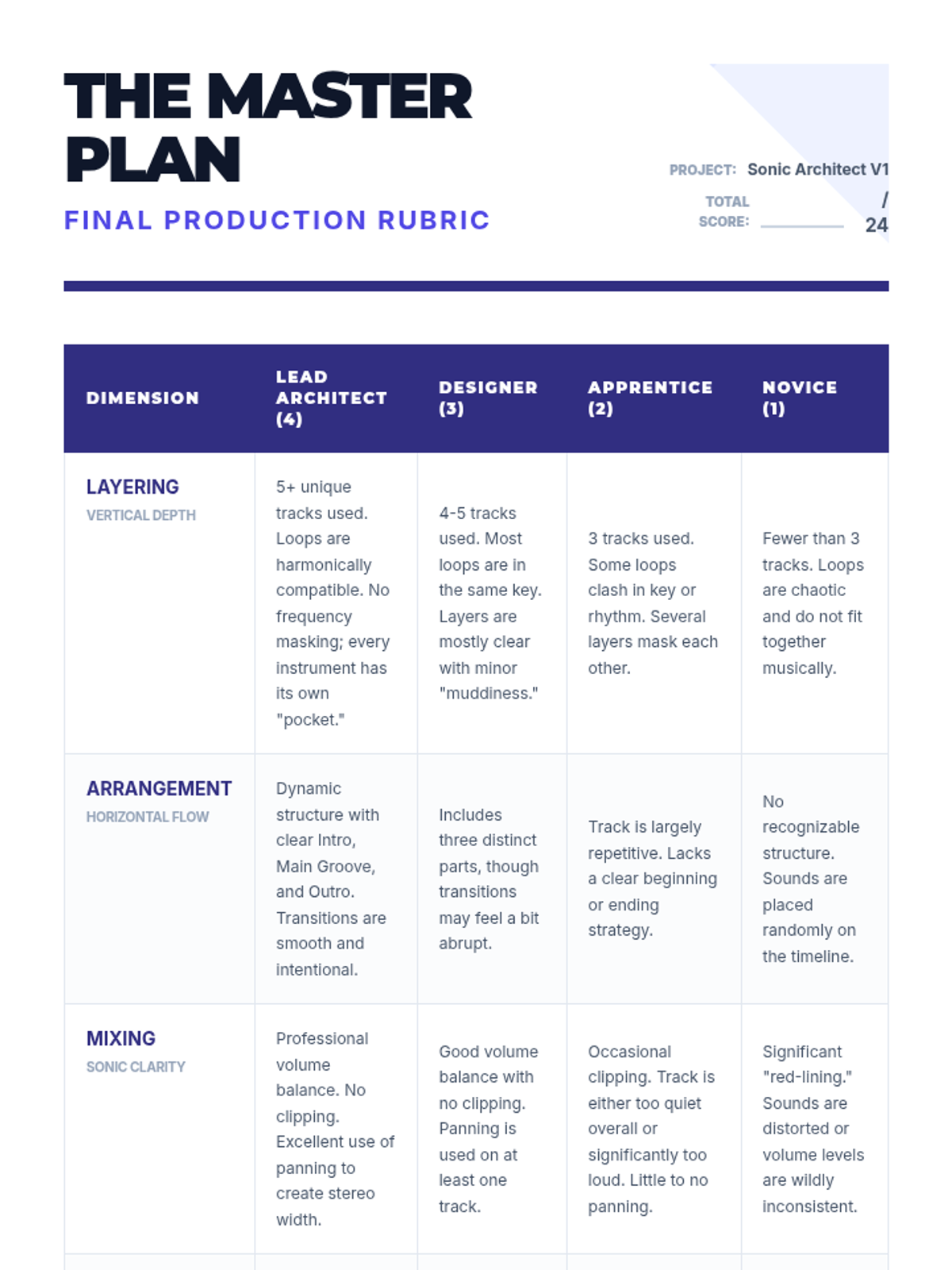
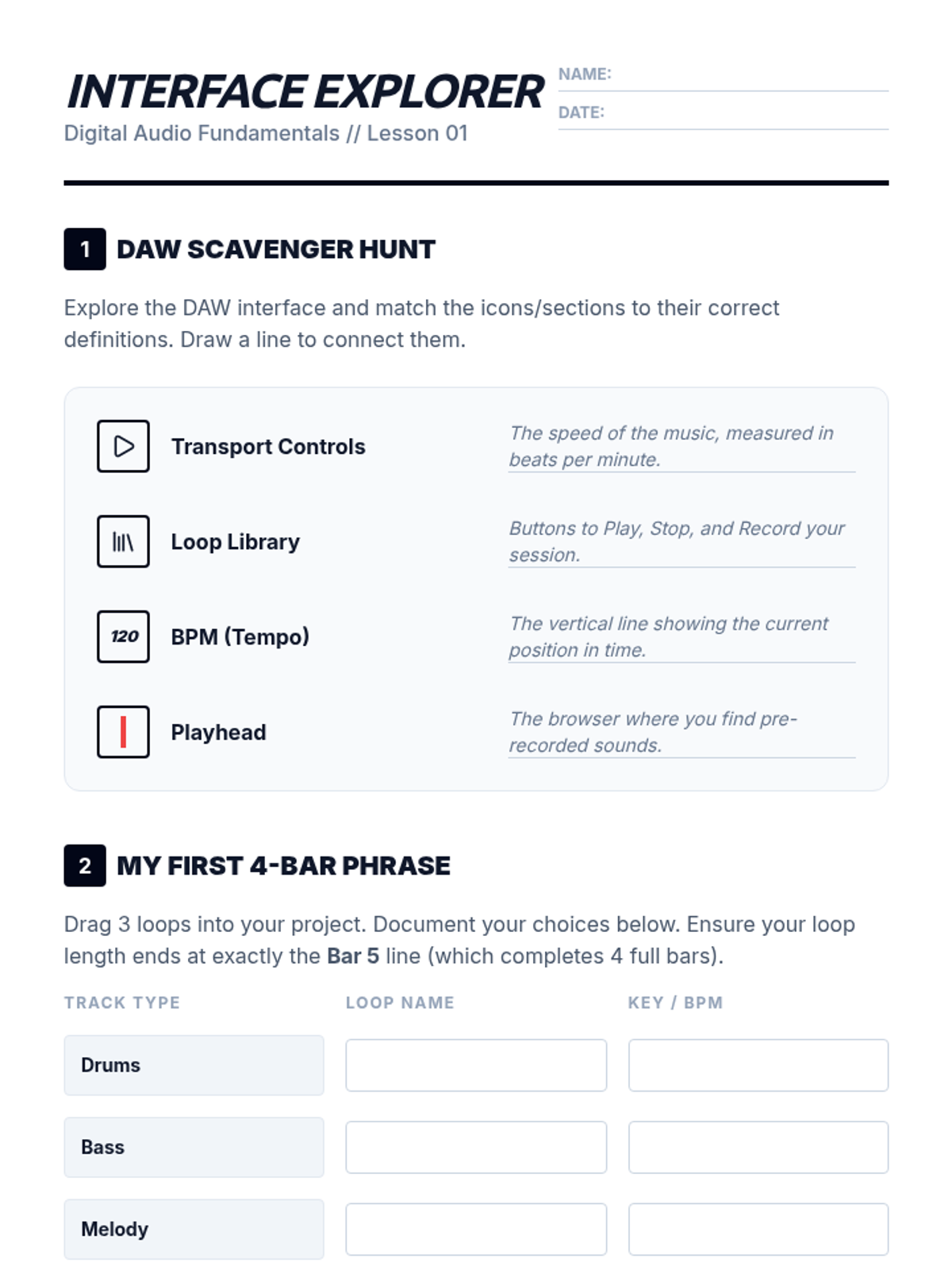
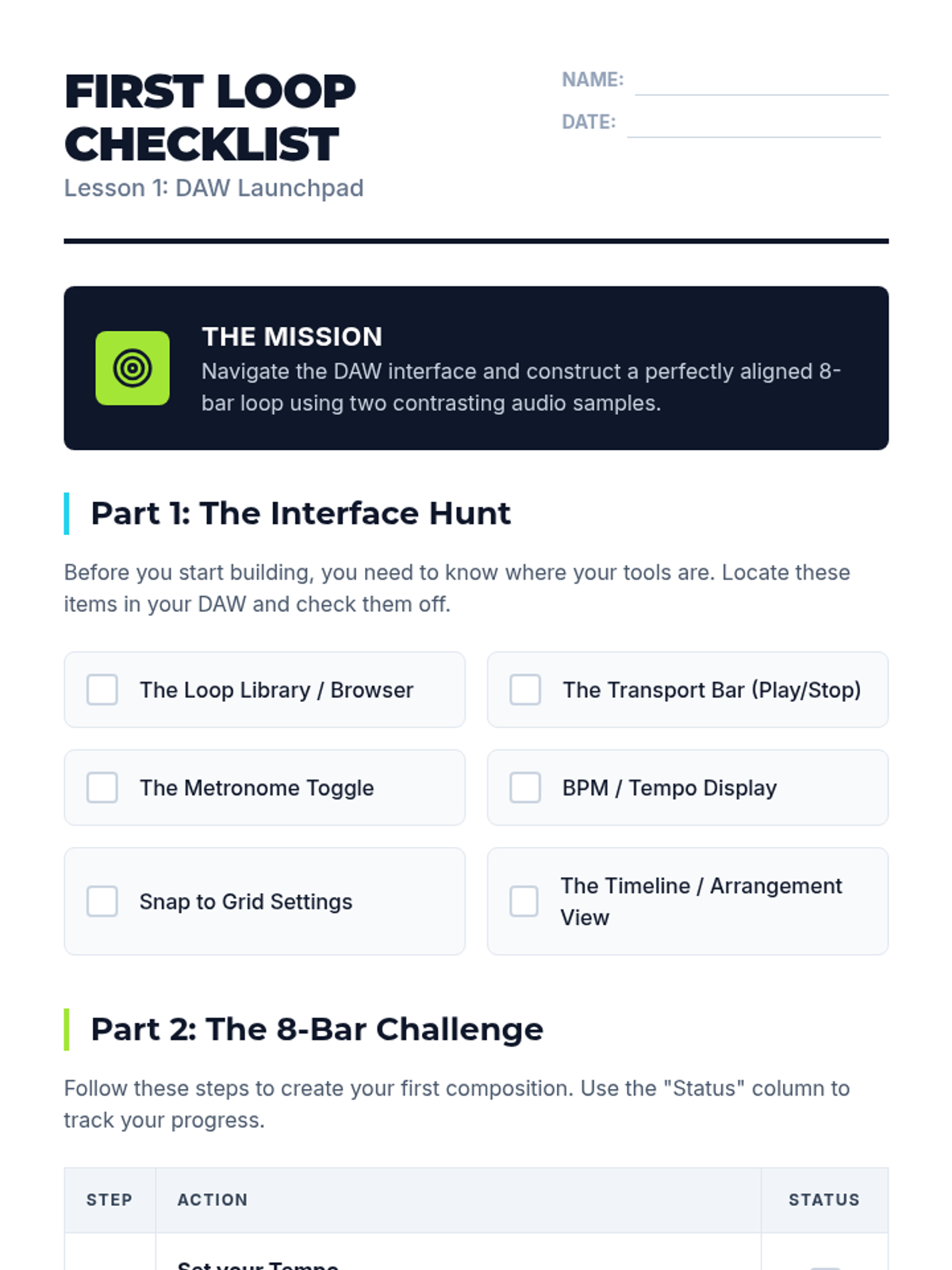
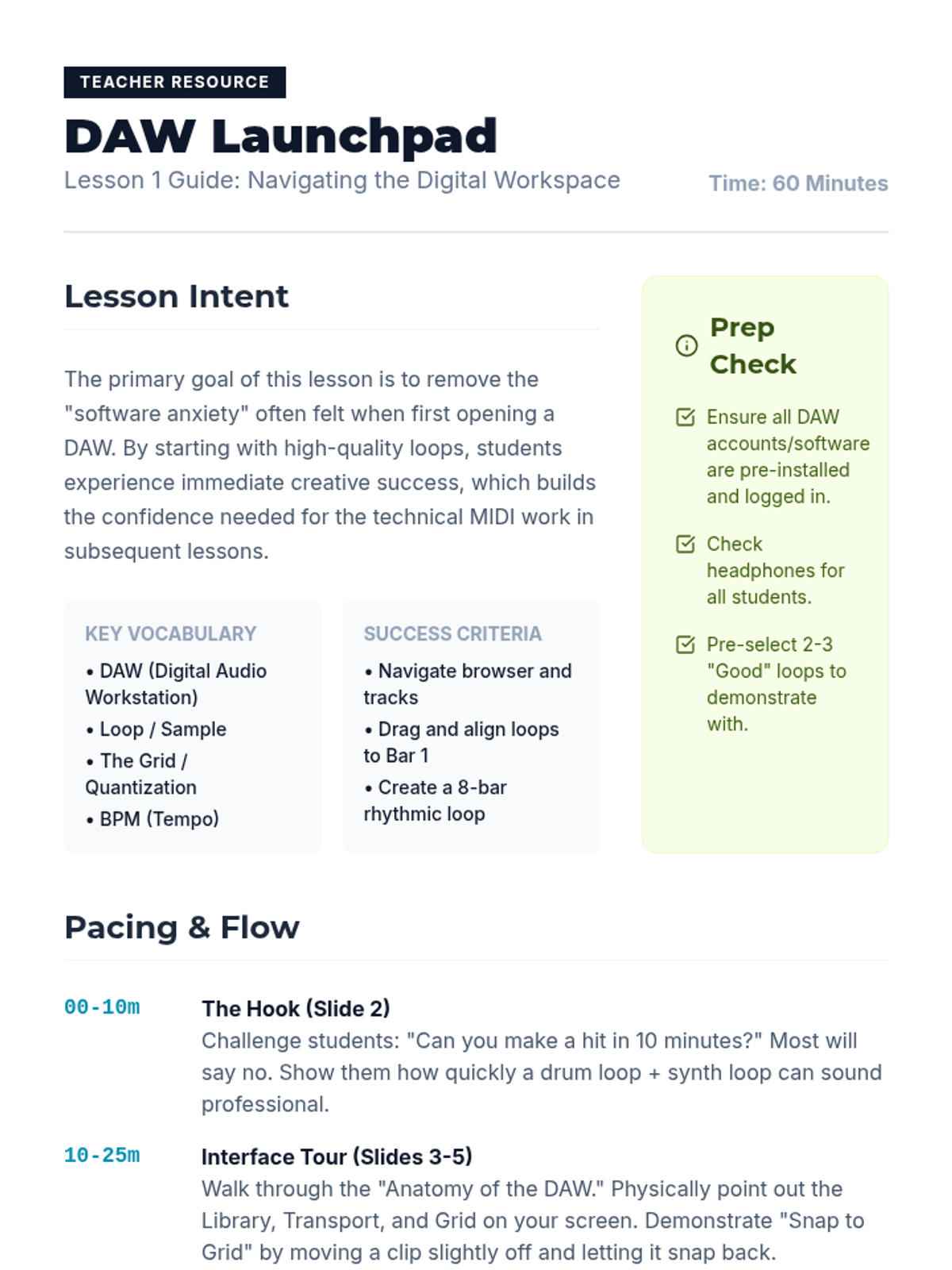
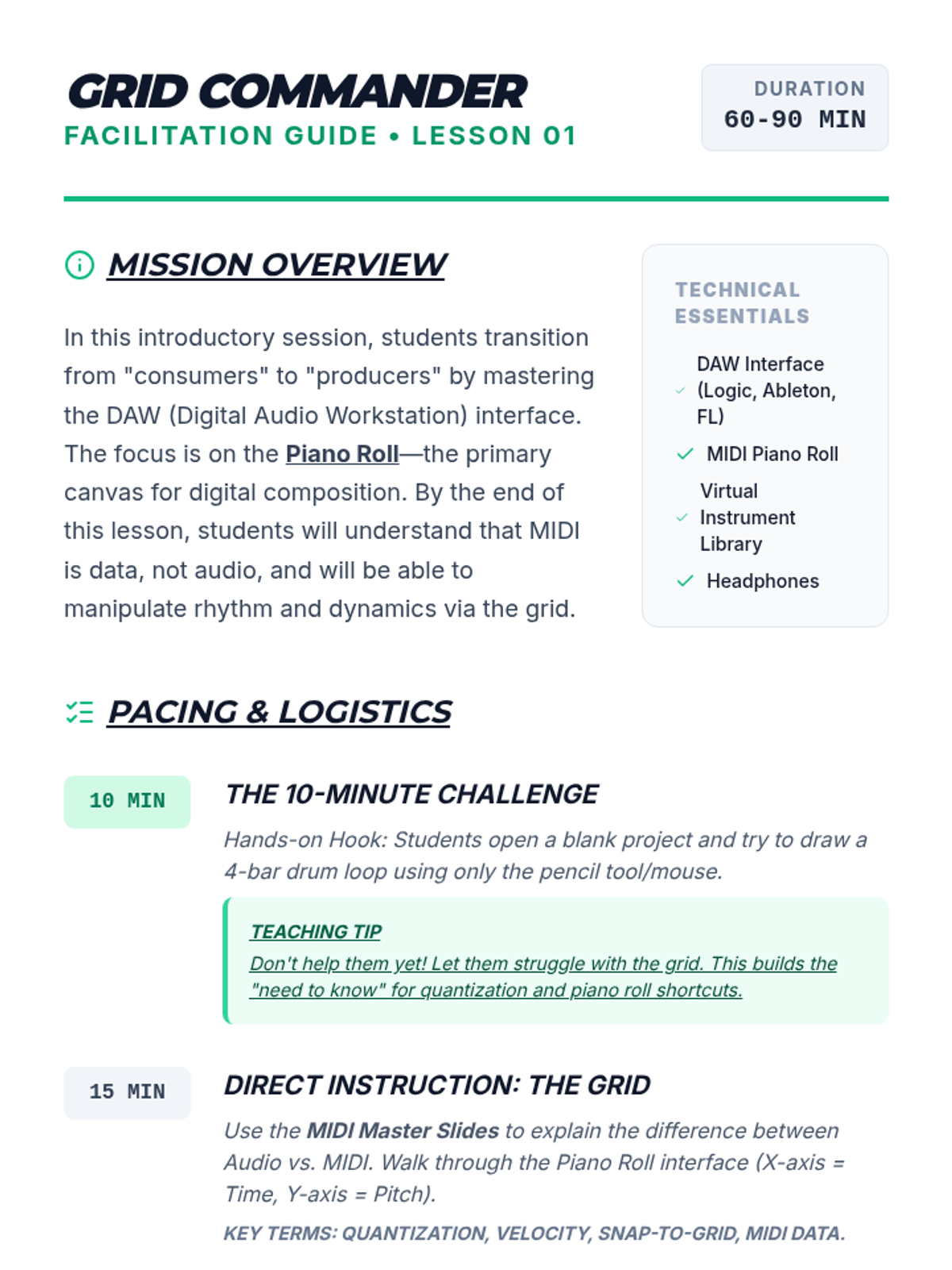
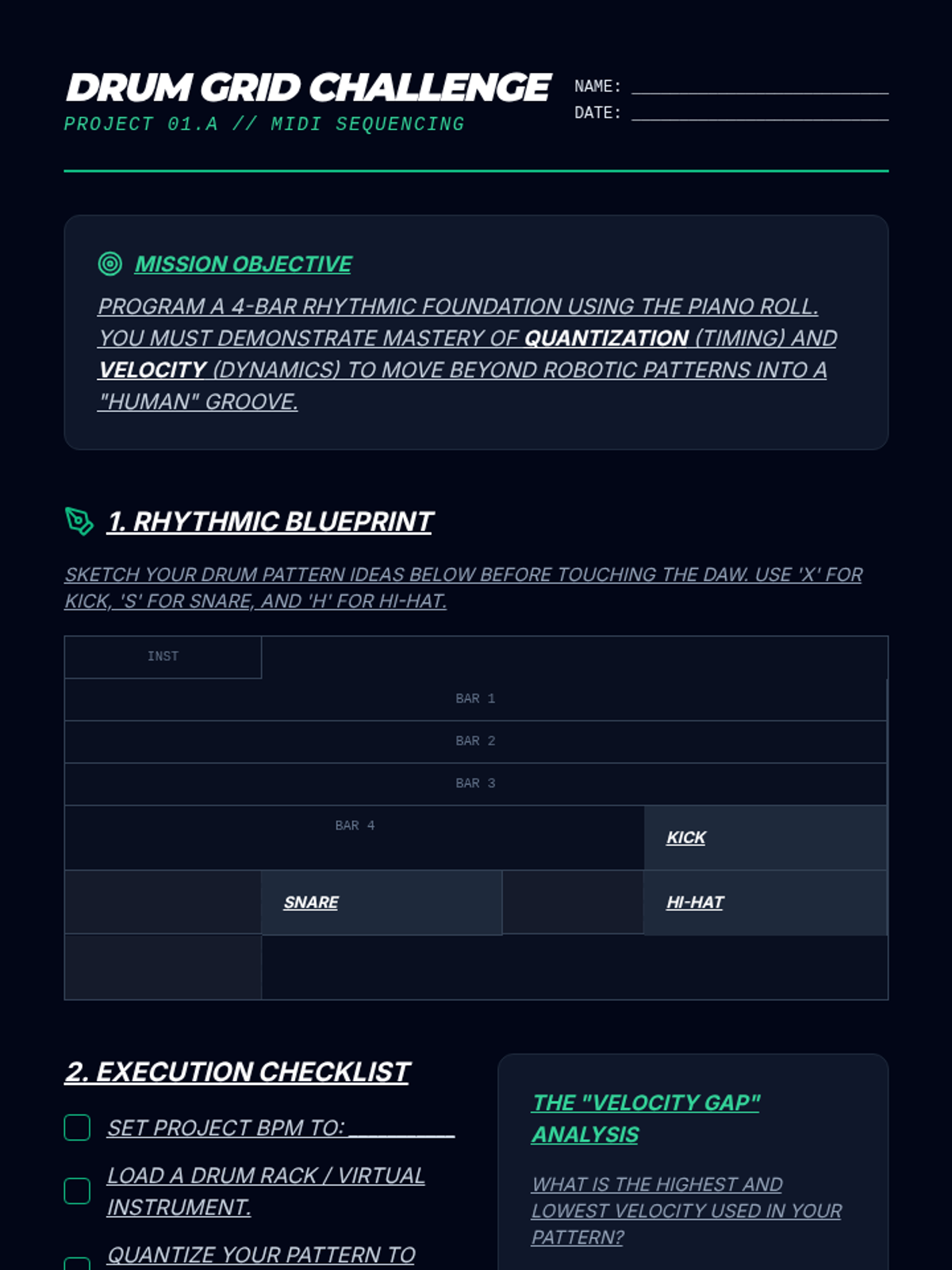
This sequence introduces students to digital music production, focusing on rhythmic construction within a Digital Audio Workstation (DAW). Students progress from basic interface navigation and loop sequencing to advanced techniques like syncopation, stereo panning, and arrangement, culminating in a polished multi-track drum composition.
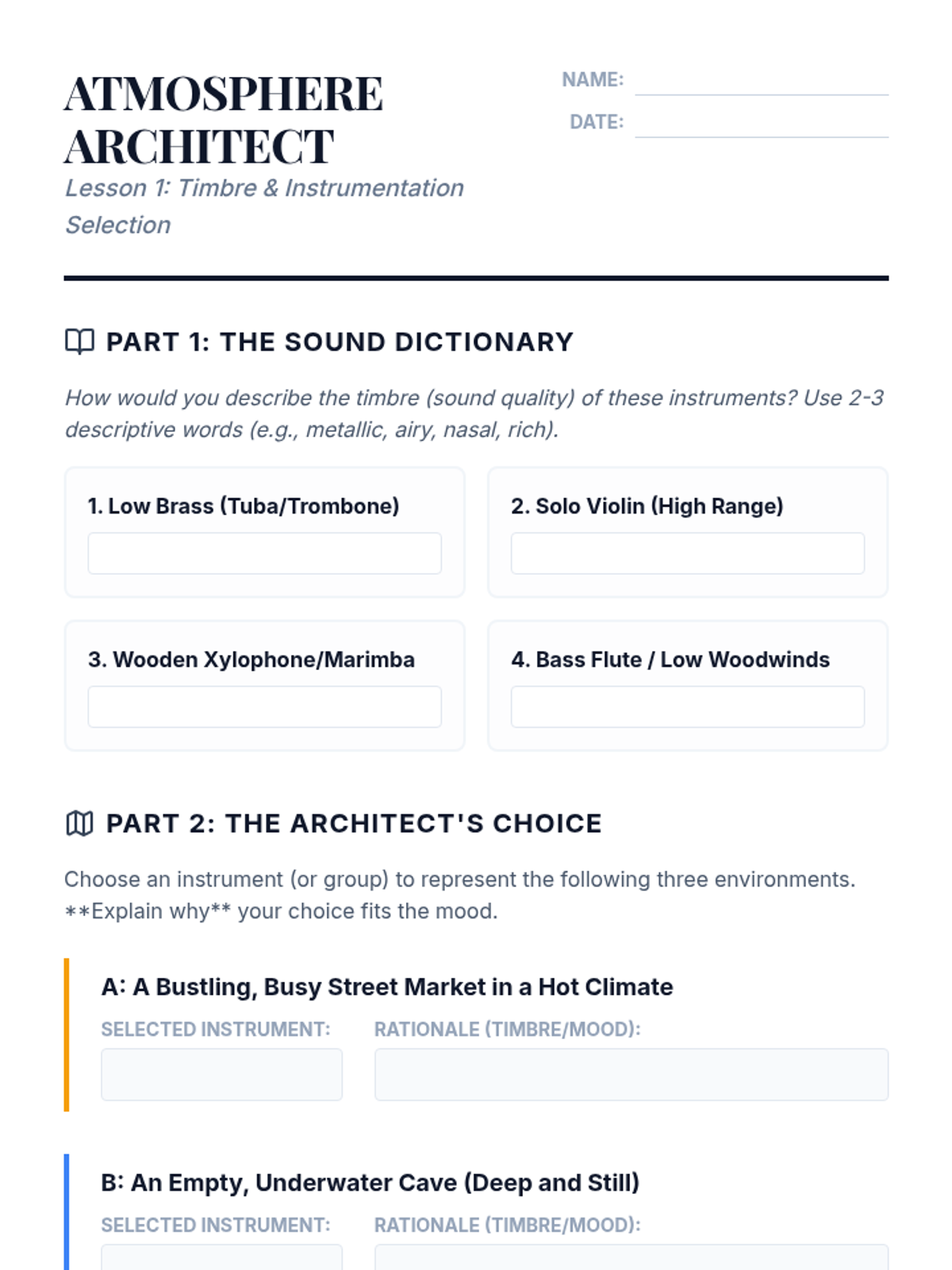
A high school music composition sequence where students act as film composers, exploring timbre, leitmotifs, synchronization, and underscore to support visual narratives.
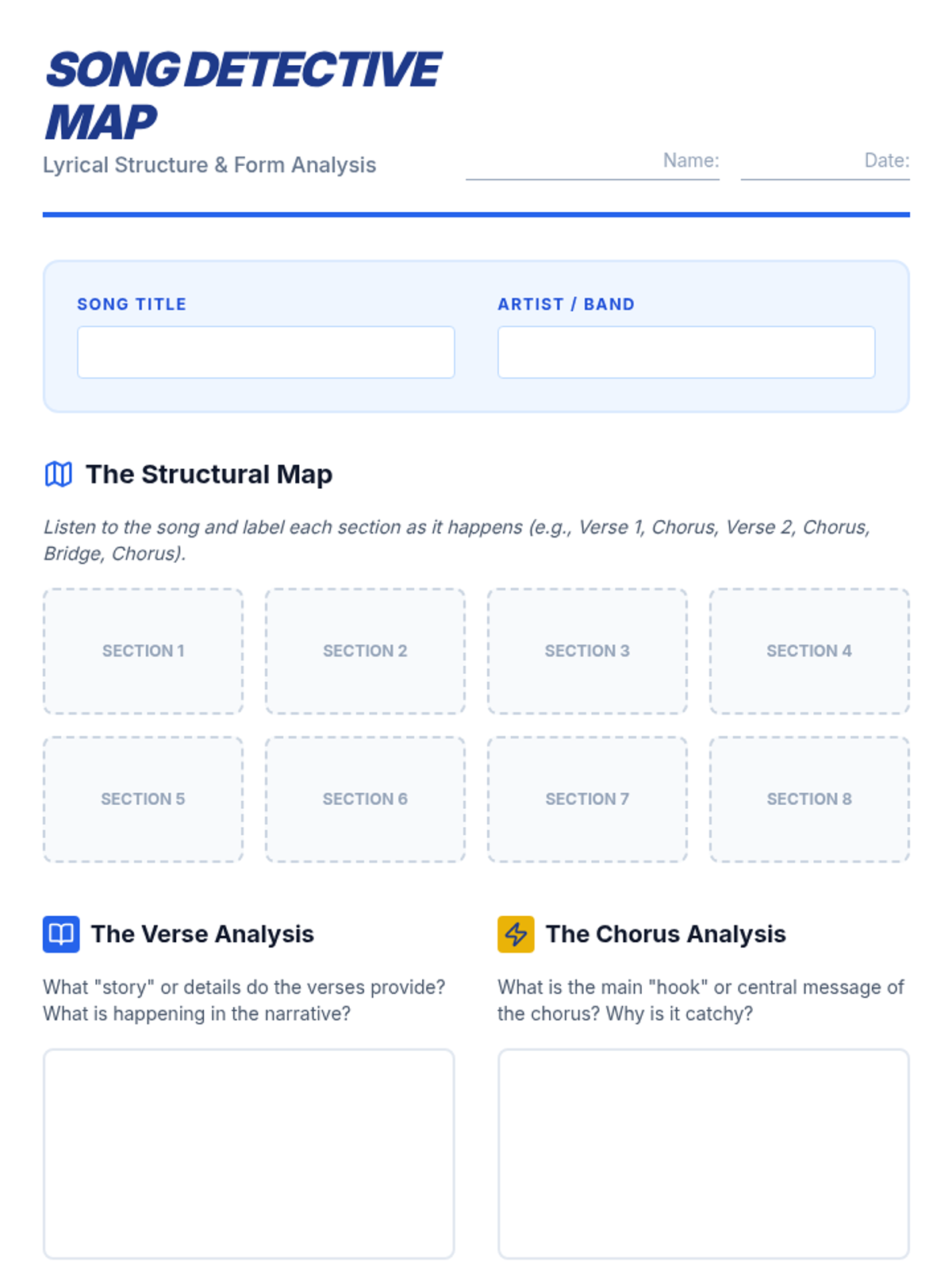
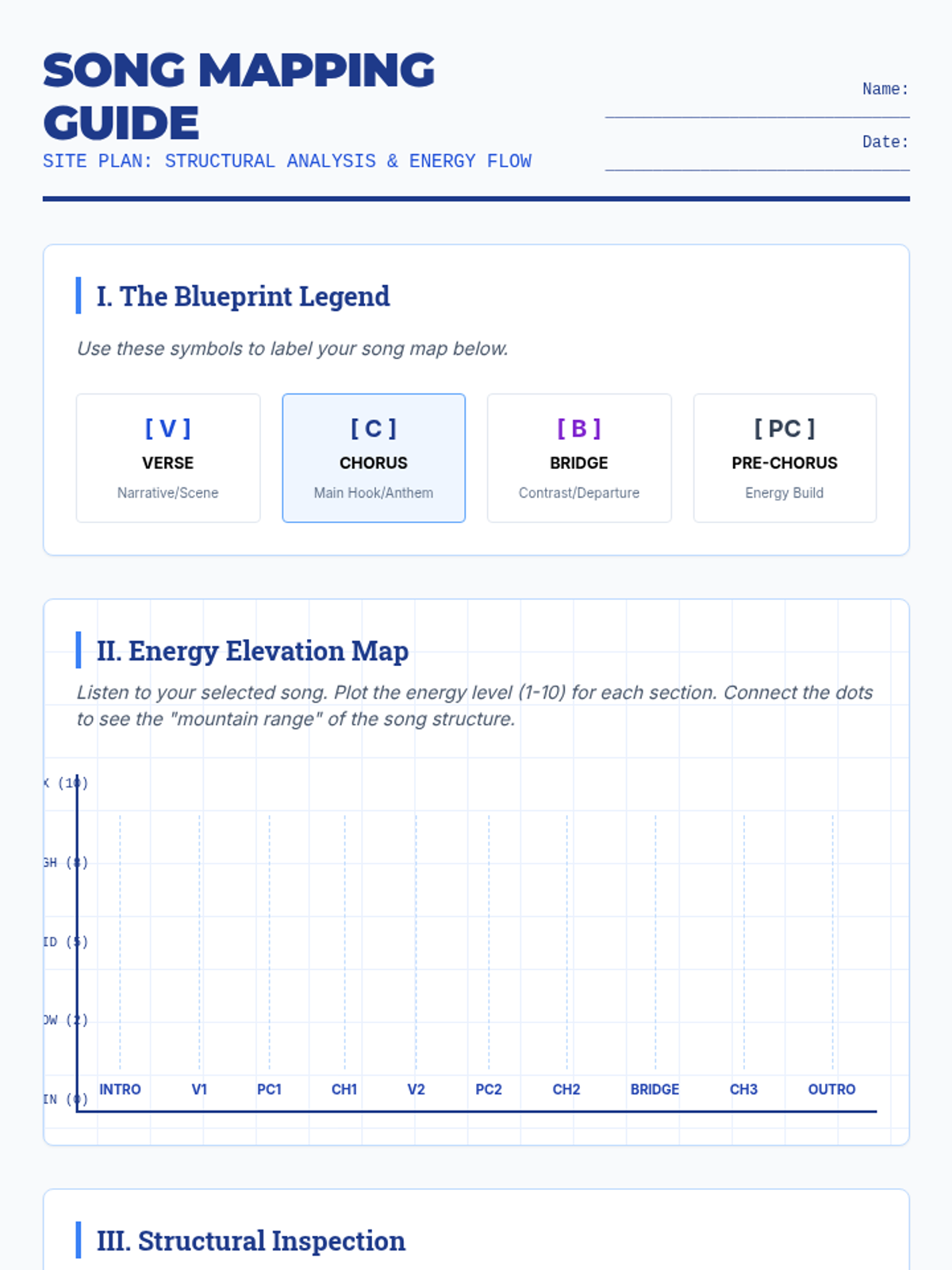
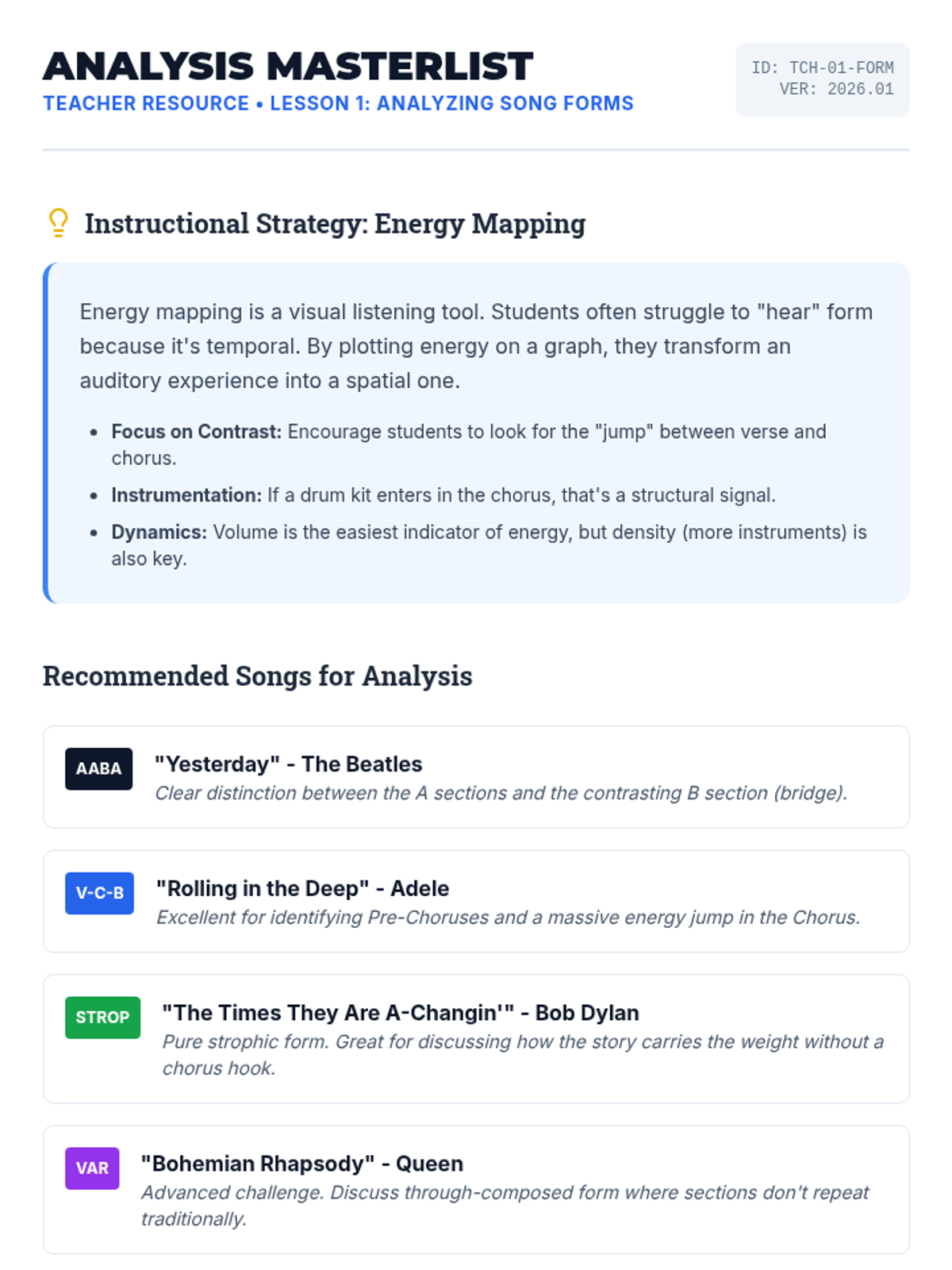
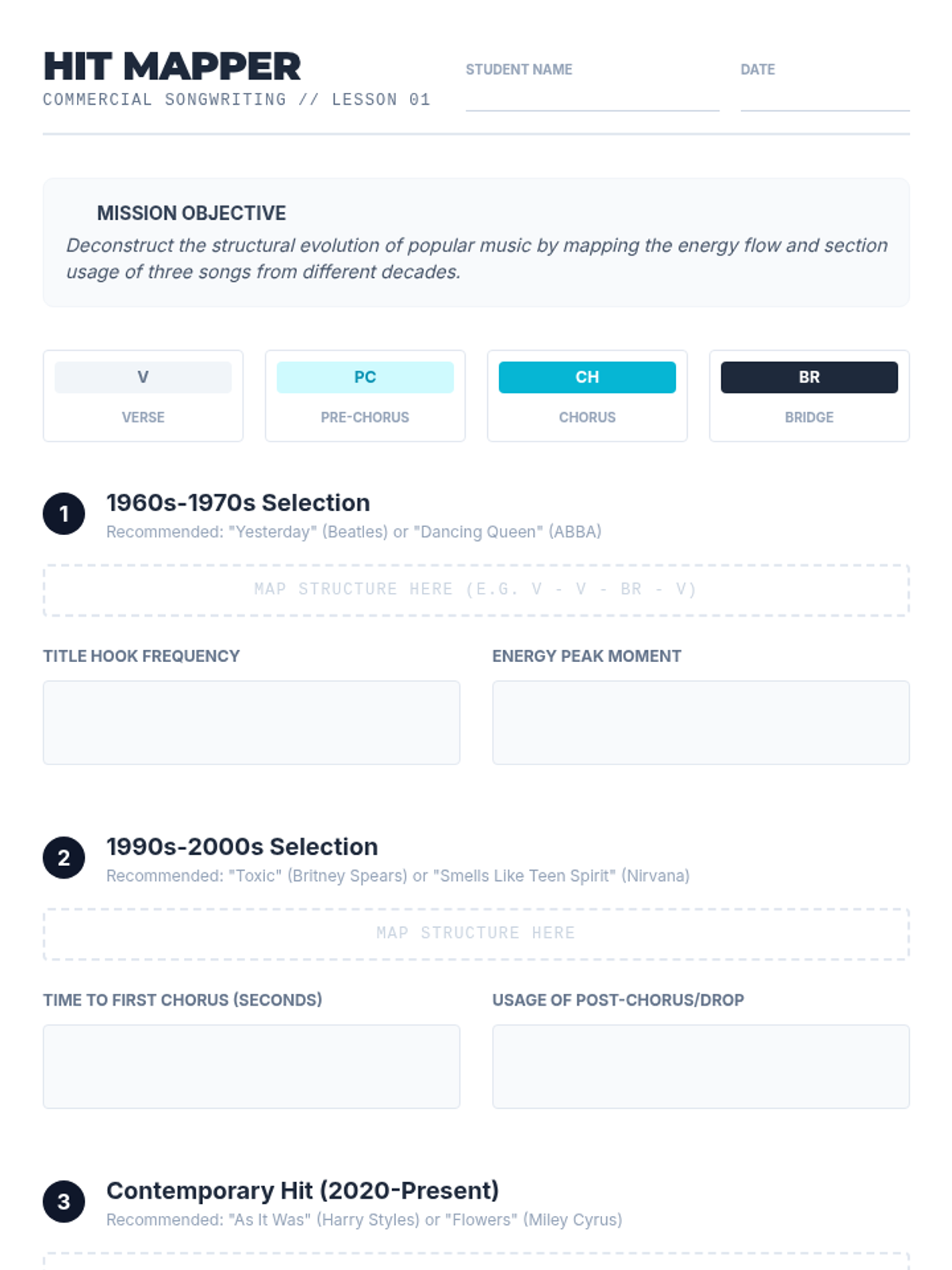
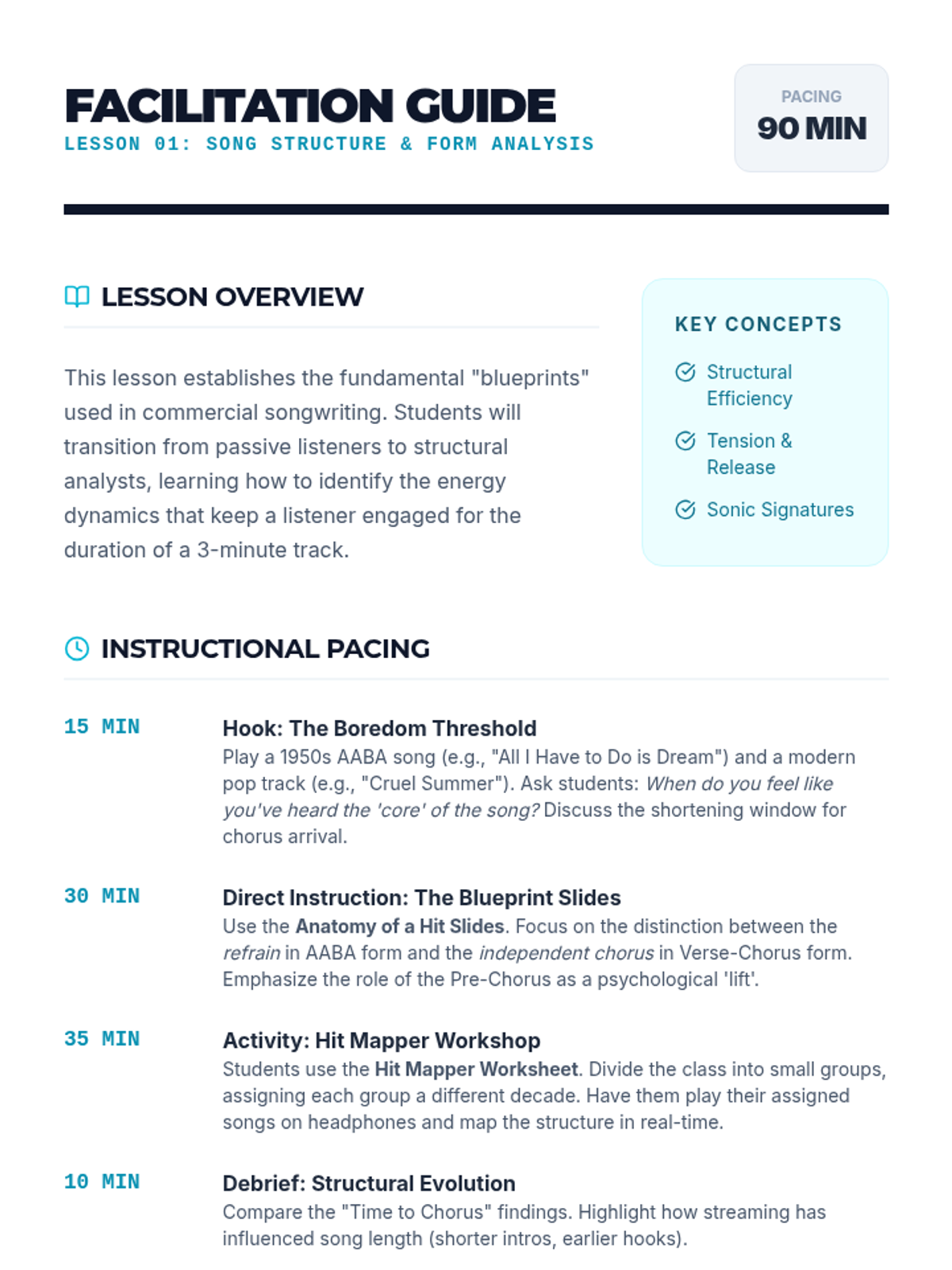
This sequence explores the architectural side of songwriting, focusing on how contemporary song structures (verse, chorus, bridge) and lyrical techniques work together to create emotional impact. Students will analyze existing blueprints, draft their own imagery-rich lyrics, and master the art of prosody to ensure their music and words flow perfectly together.
A comprehensive 9th-grade music composition sequence focused on the technical and expressive elements of melody, from basic scale construction to motifs, phrasing, and formal notation.
This sequence explores the mechanics of music theory, moving from building individual chords to understanding their functional relationships in pop and classical music. Students will analyze, identify, and eventually manipulate harmonic structures to change the emotional landscape of a melody.
A comprehensive introduction to digital music production focusing on DAW navigation, MIDI sequencing, rhythmic dynamics, and layering. Students progress from using loops to creating original, polished rhythmic compositions with complex percussion and bass interactions.
A comprehensive high school sequence on digital music production, covering MIDI, synthesis, sampling, effects, and mixing within a DAW environment. Students progress from technical foundations to creative composition.
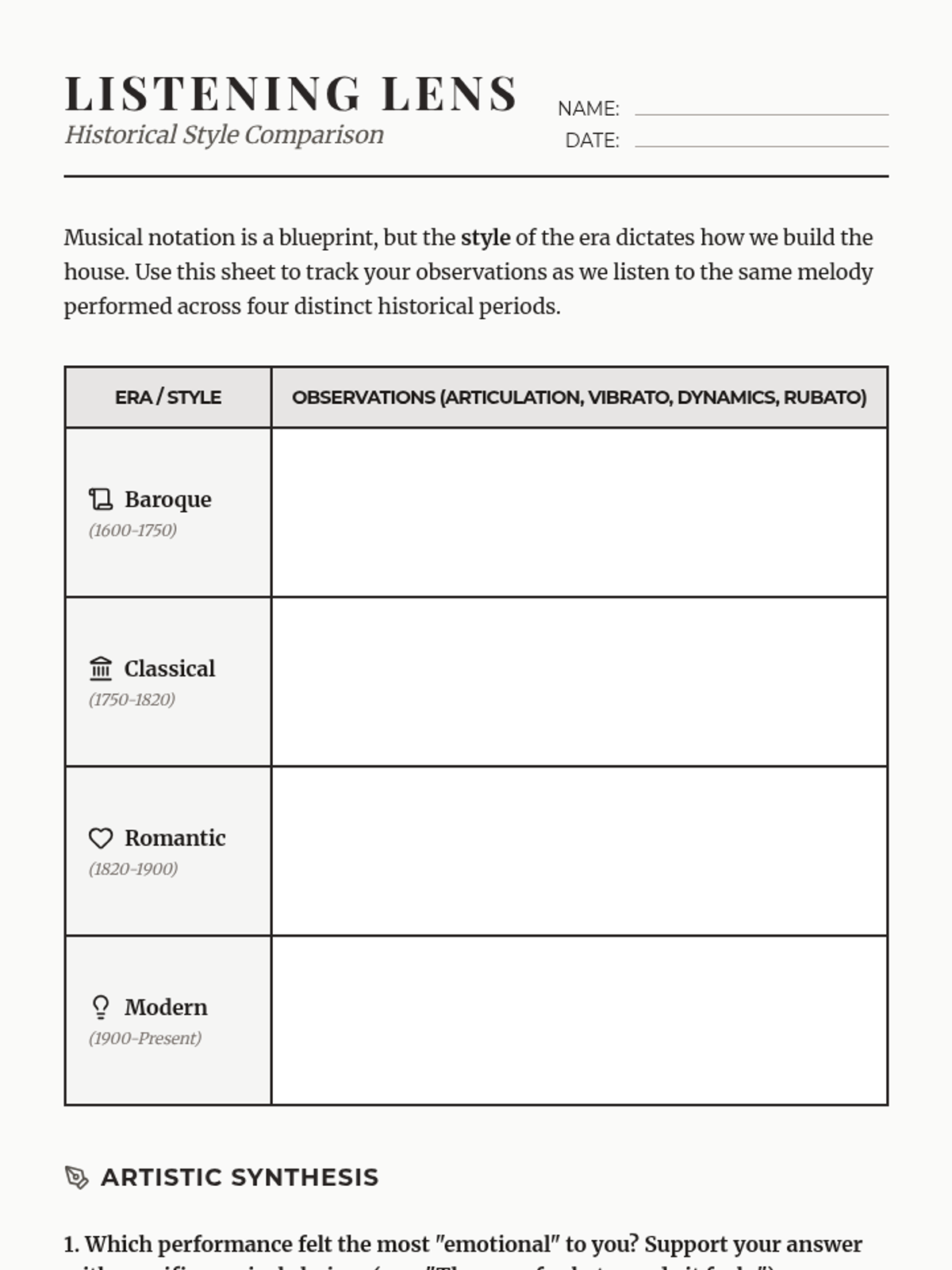
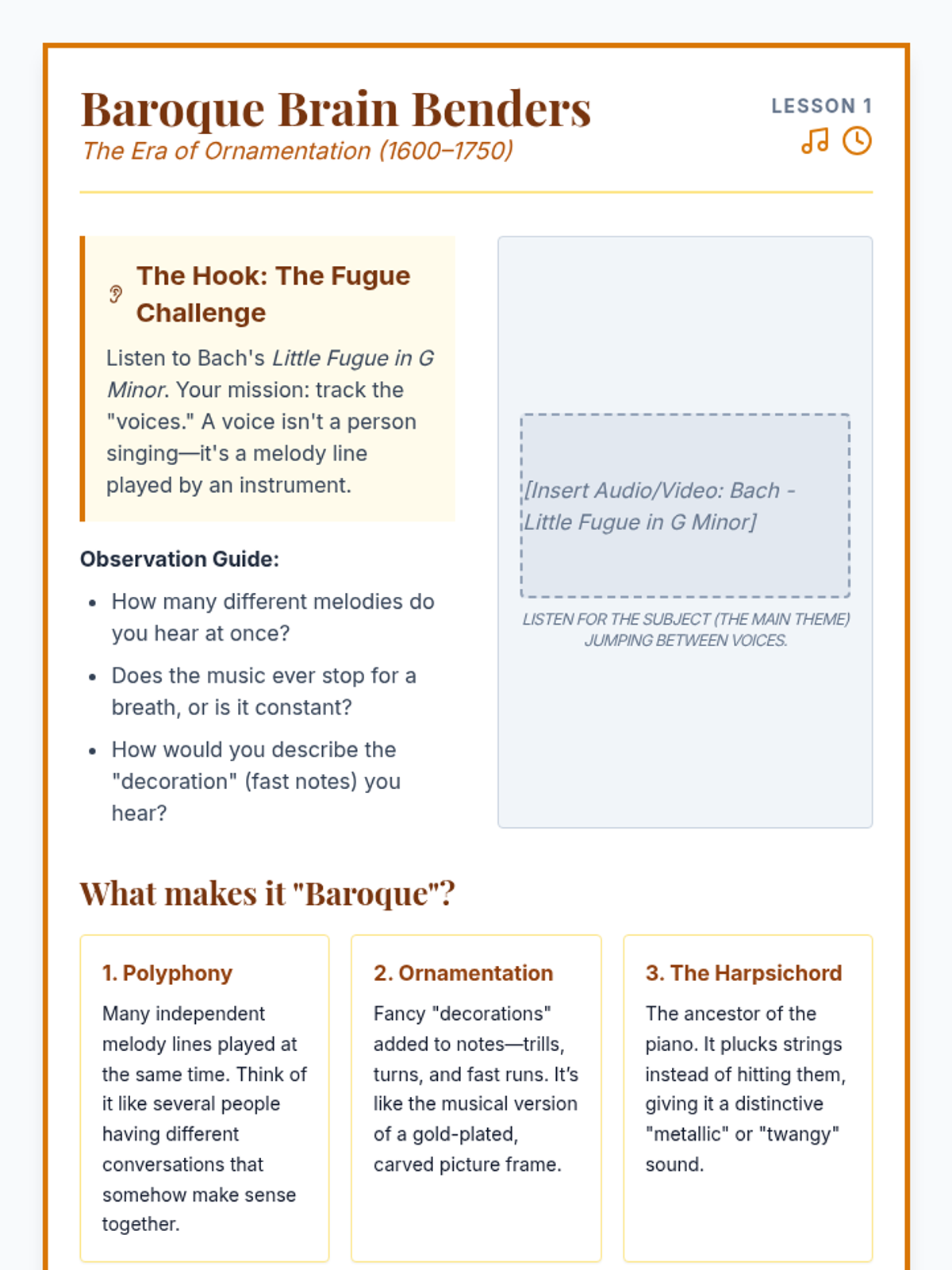
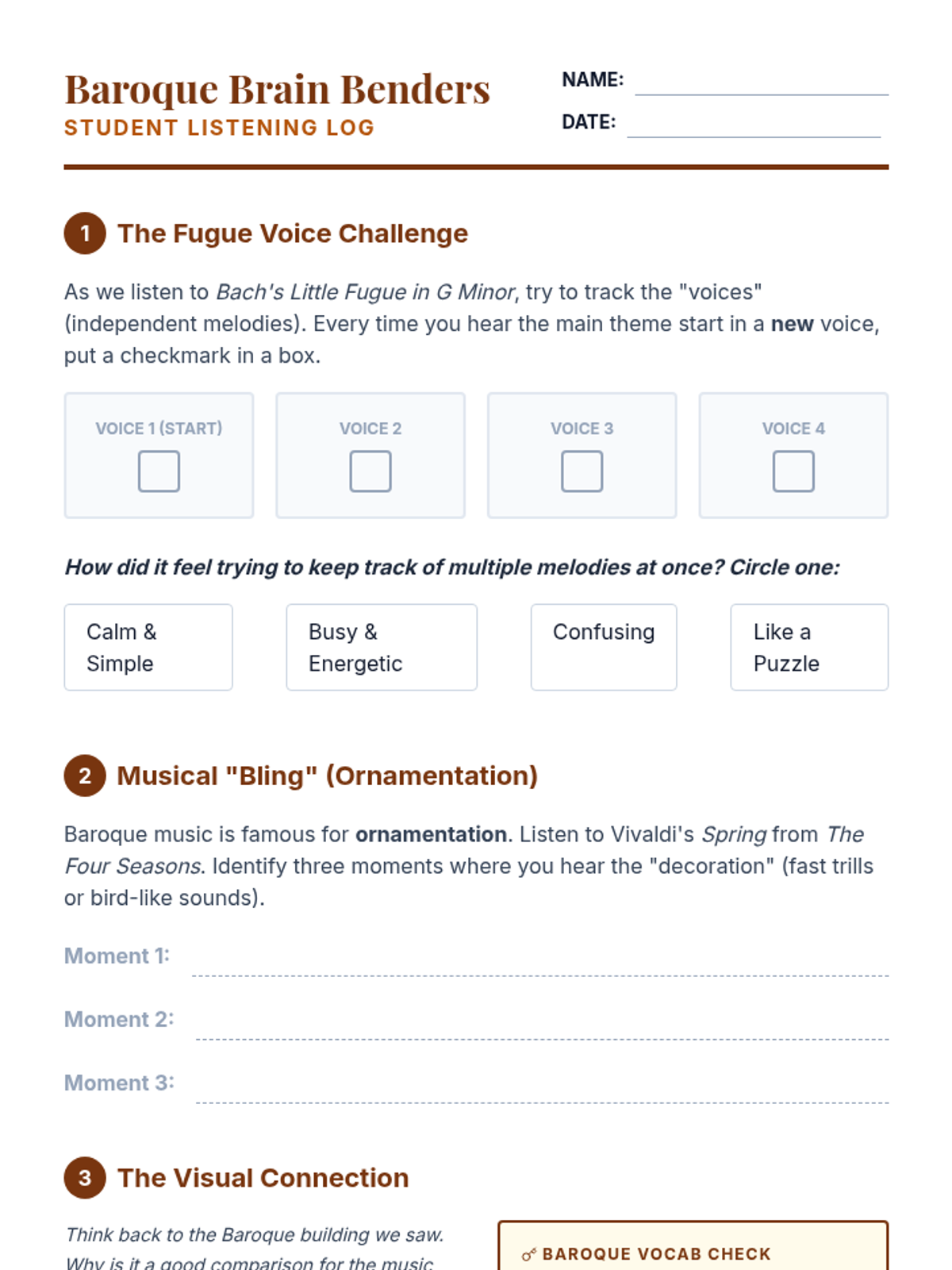
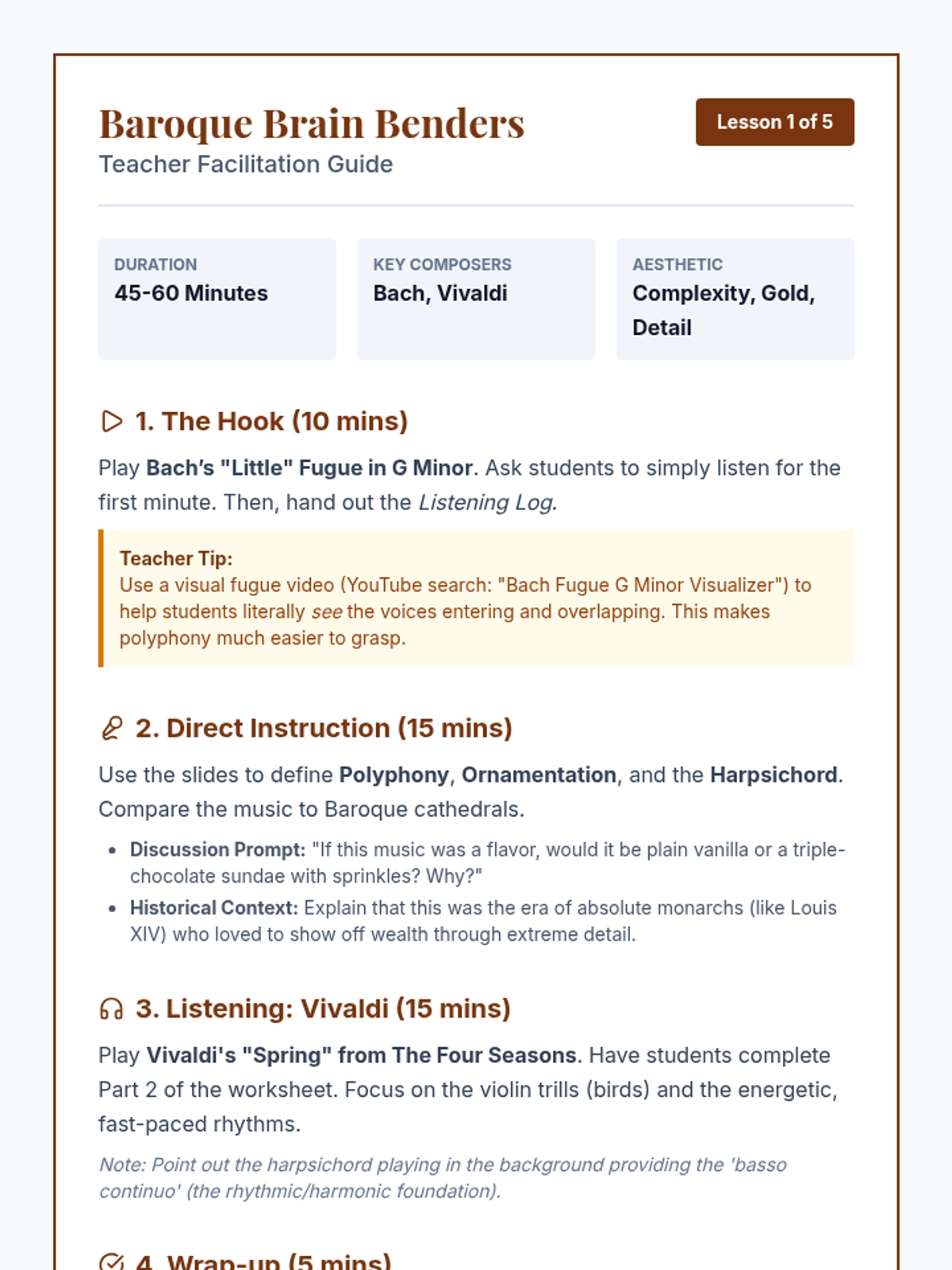
A chronological journey through the Baroque, Classical, Romantic, and Modern eras of Western Art Music, focusing on critical listening and historical context.
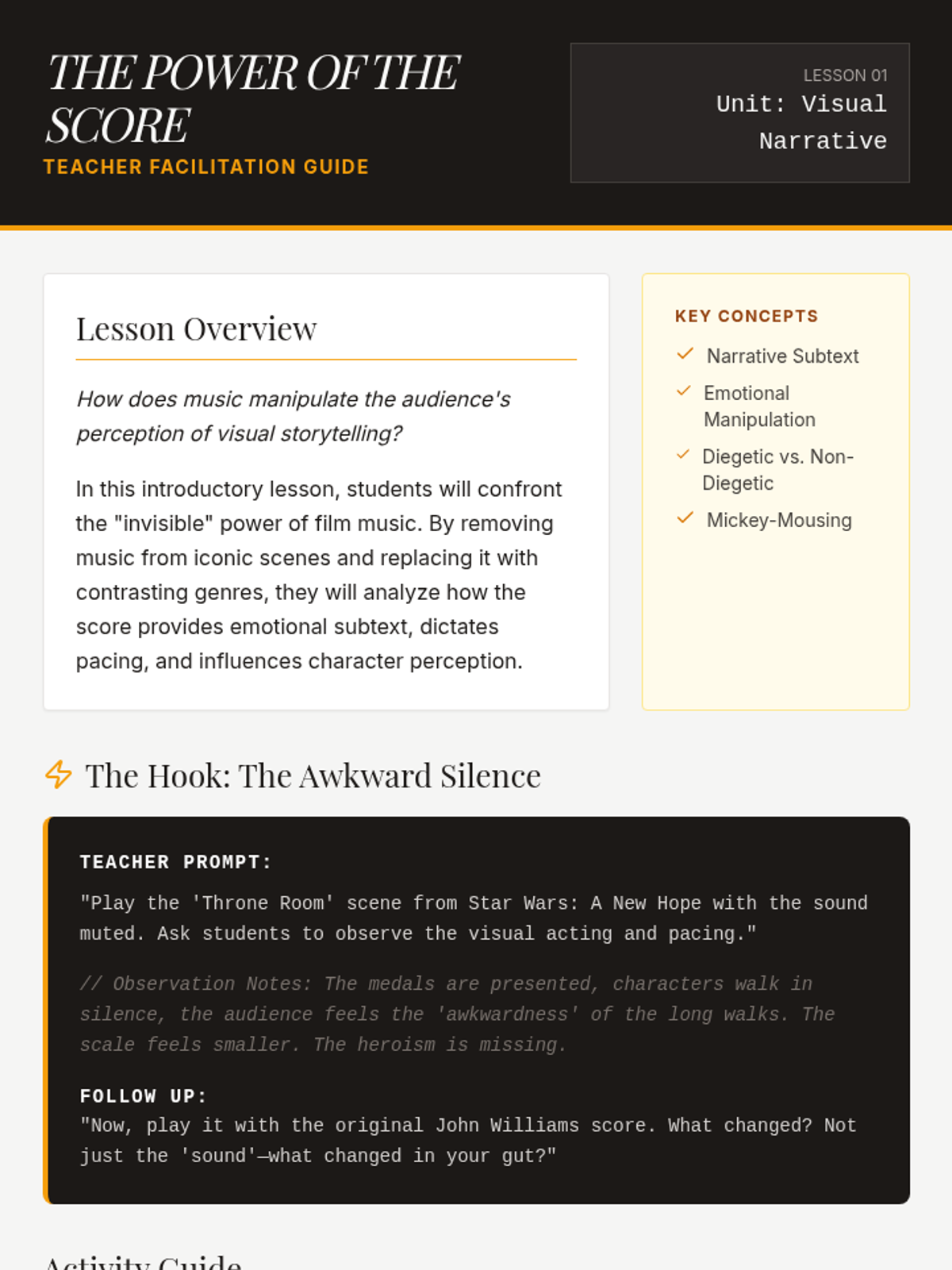
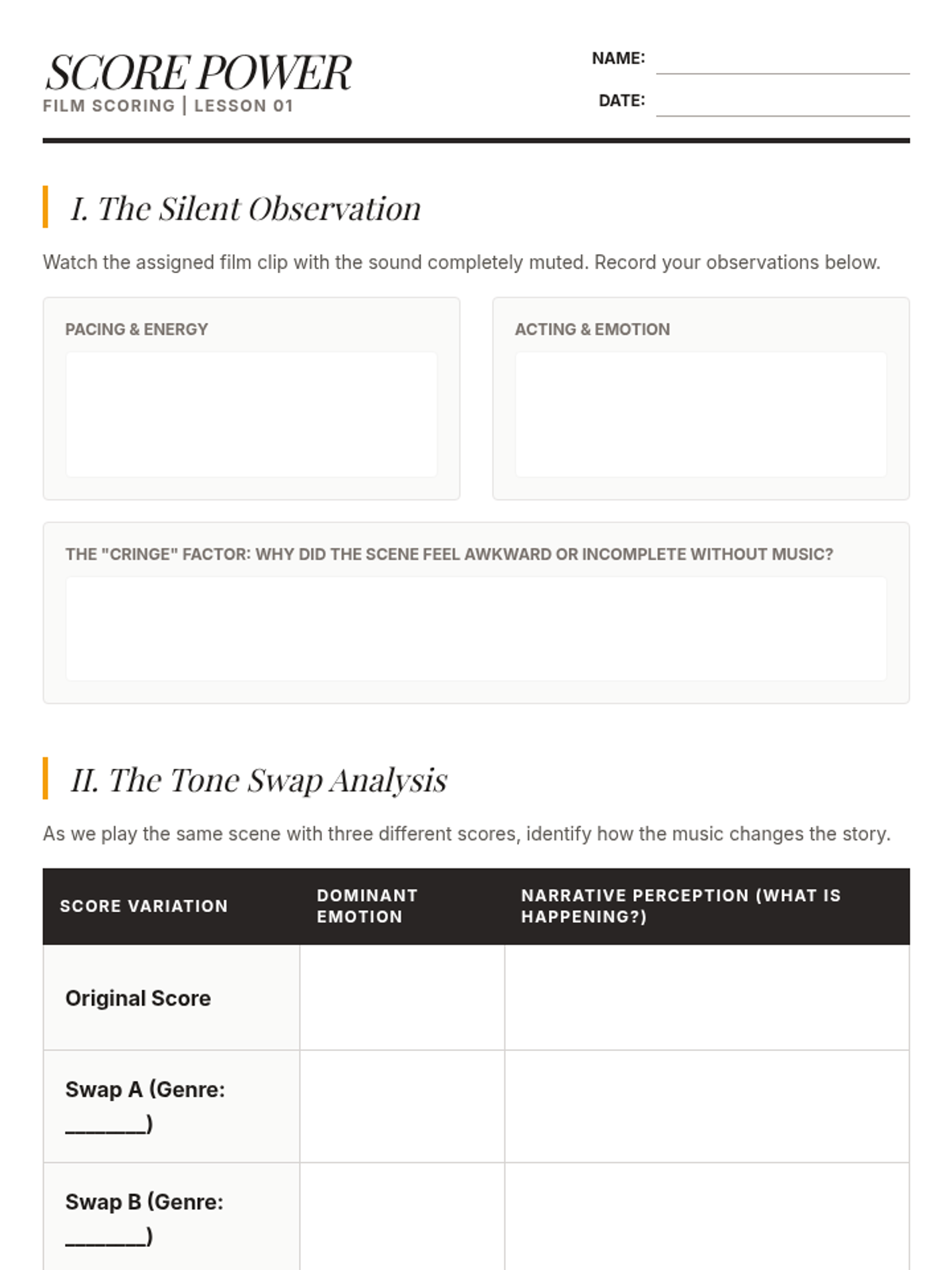
This sequence introduces students to the art of film scoring, focusing on how music influences emotional narrative. Students analyze case studies, create leitmotifs, explore orchestration, and practice synchronization before scoring their own short film clip.
An intensive 11th-grade songwriting sequence that guides students from structural analysis to lyrical prosody, hook creation, and the final polish of an original composition. Students explore the mechanics of hit songs and apply professional techniques to their own creative projects.
This sequence explores the mechanics of commercial songwriting, focusing on the structural patterns and lyrical techniques used in hit music. Students will move from analyzing song forms and prosody to crafting original hooks and bridges, culminating in a professional-style peer critique.
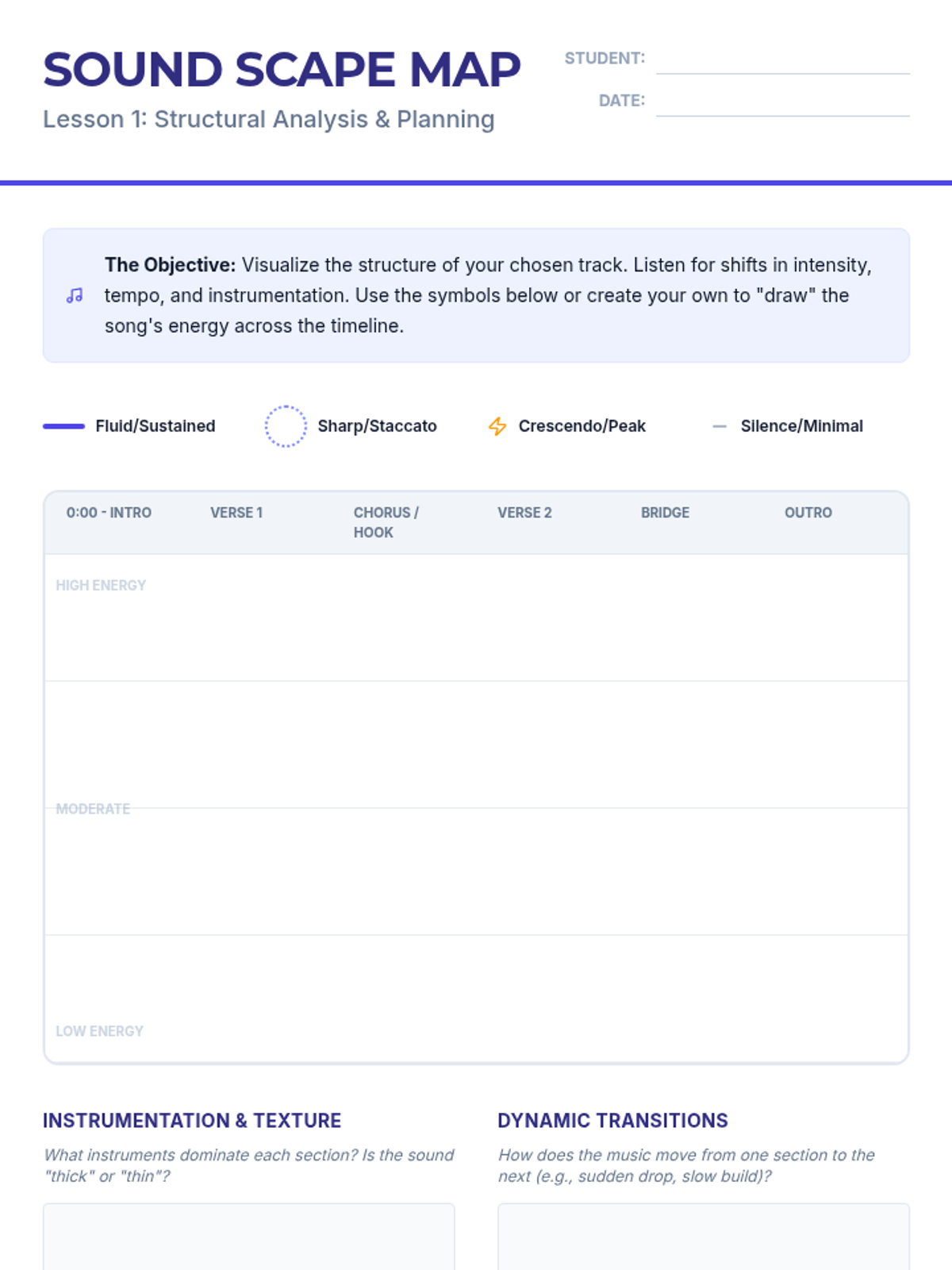
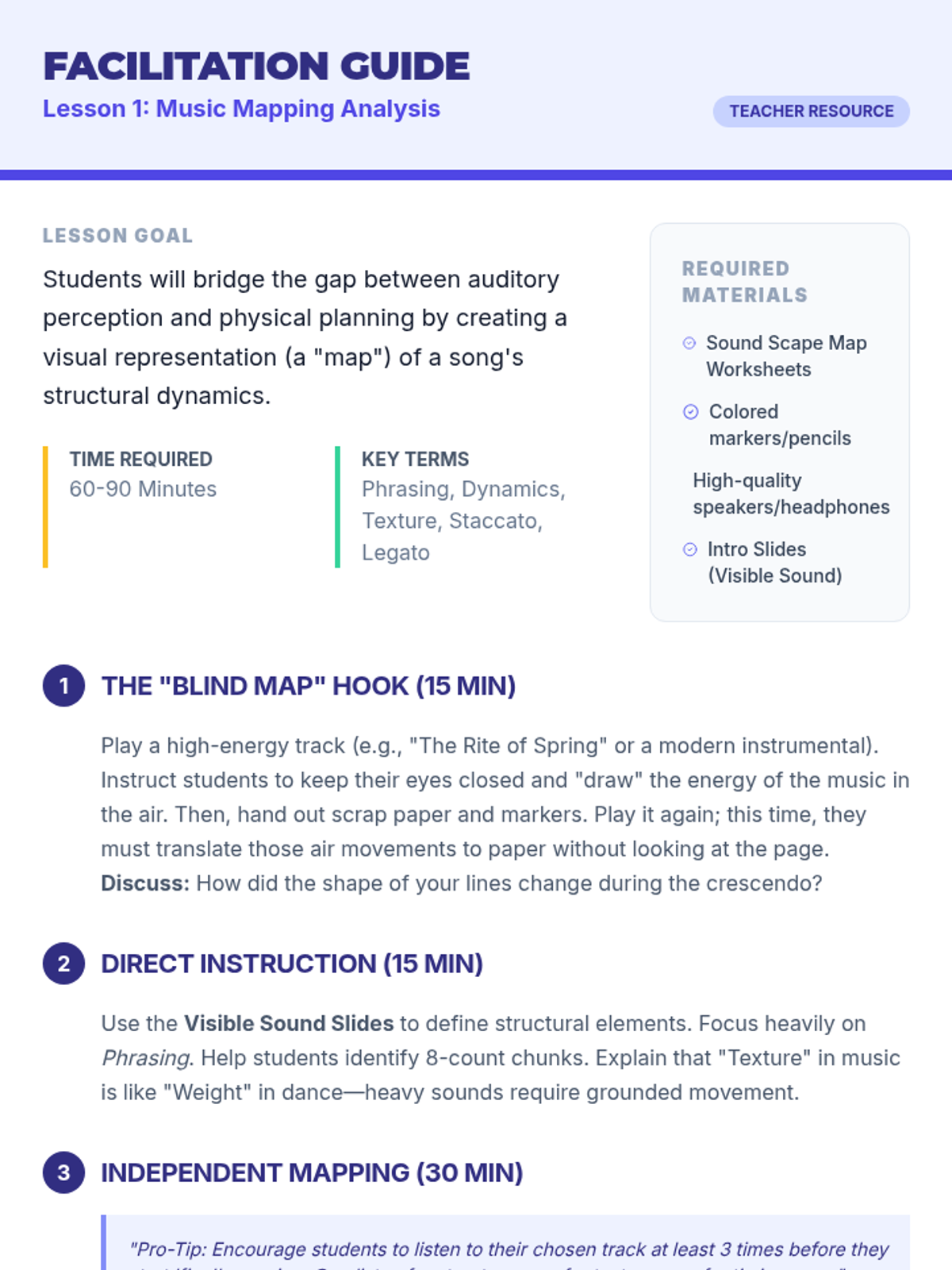
A project-based dance sequence for 11th grade focusing on the sophisticated relationship between musical structure and choreographic timing. Students move from analytical music mapping to creating complex choreographic works that utilize motifs, counterpoint, and intentional stillness.