Essential grammar structures, high-frequency vocabulary, and foundational literacy skills. Equips learners with basic speaking and listening abilities for everyday interactions and introductory text comprehension.
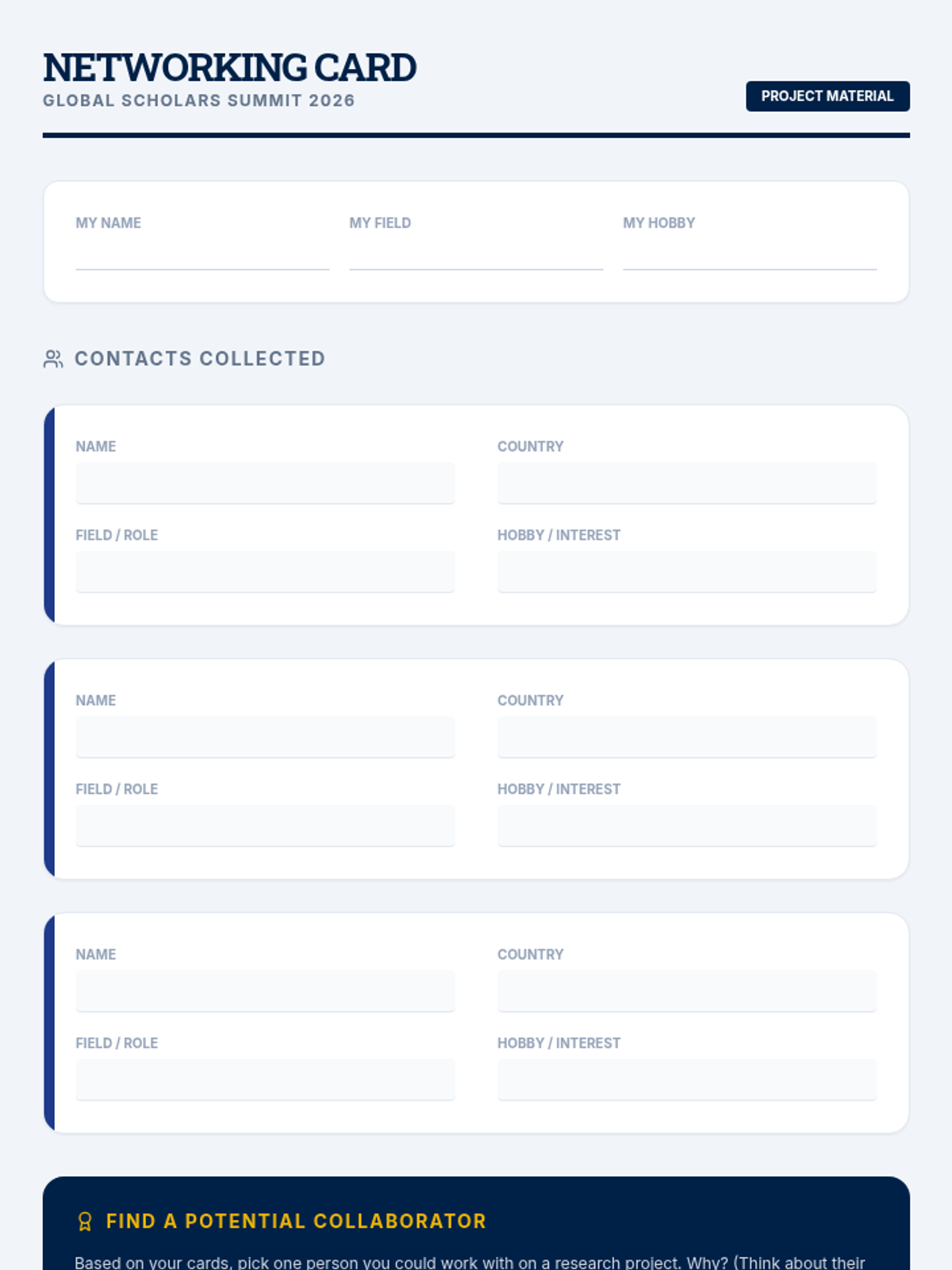
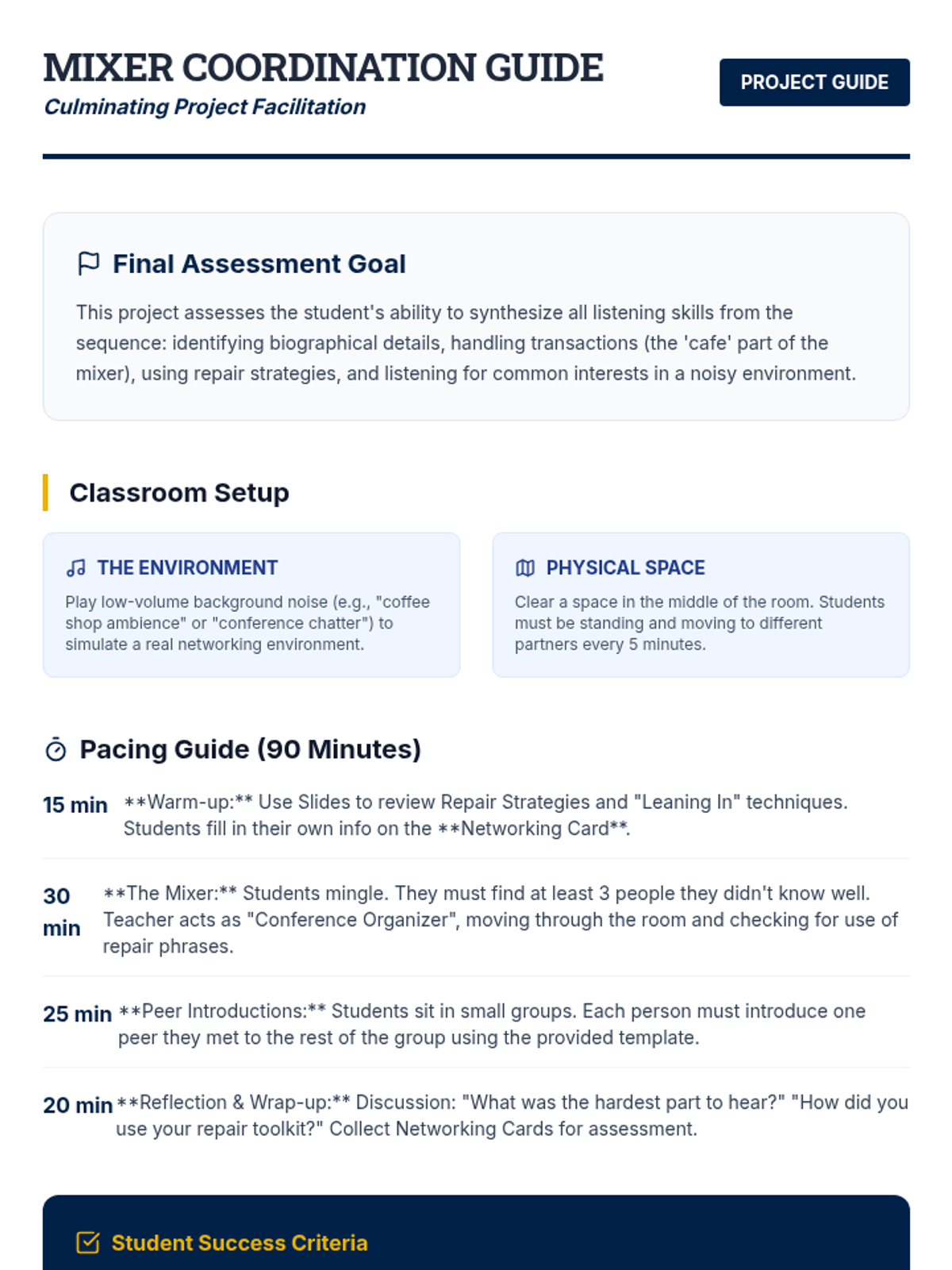
A culminating project where students mingle in a structured environment, synthesizing their listening skills to find collaborators and introduce peers.
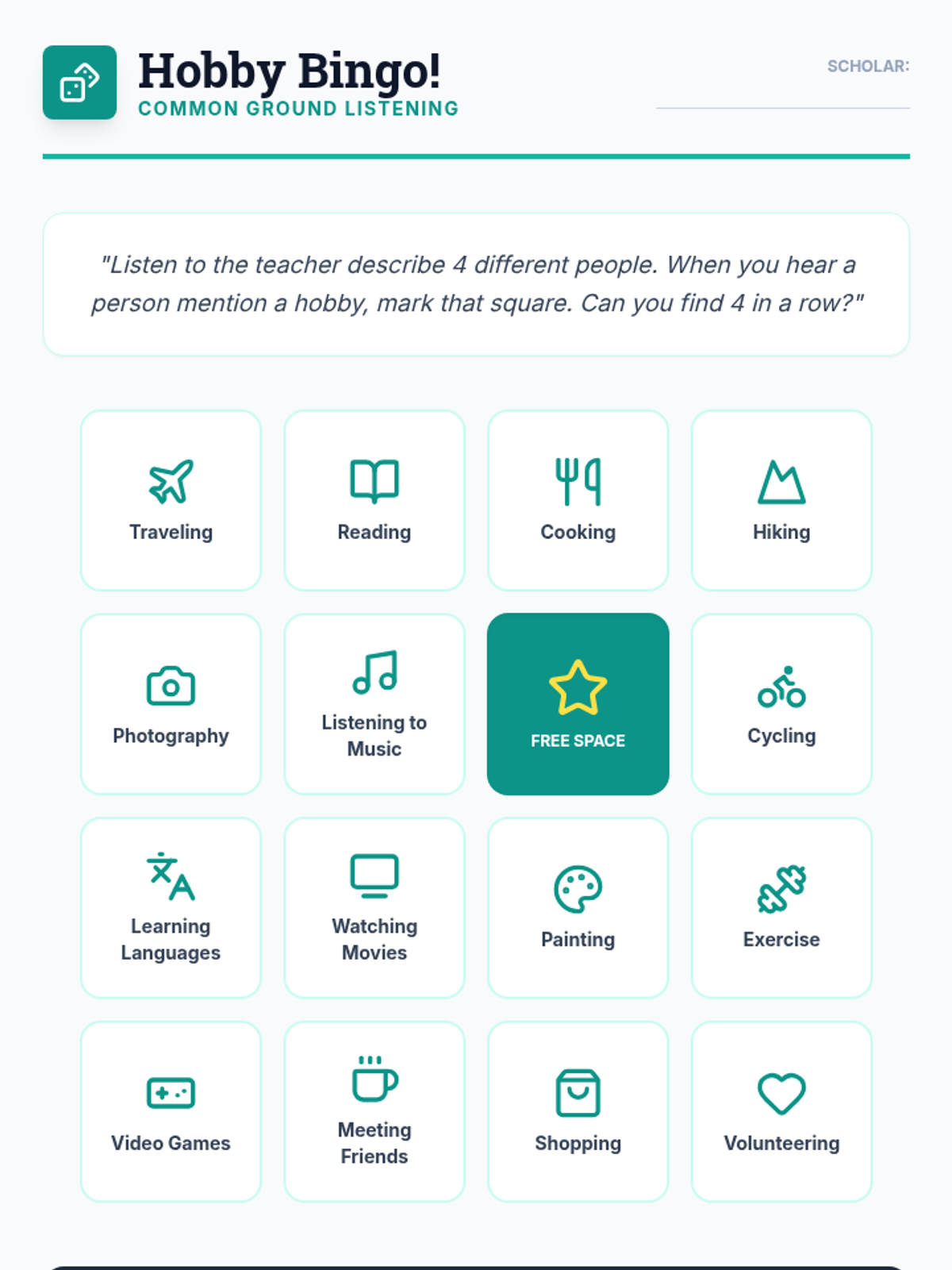
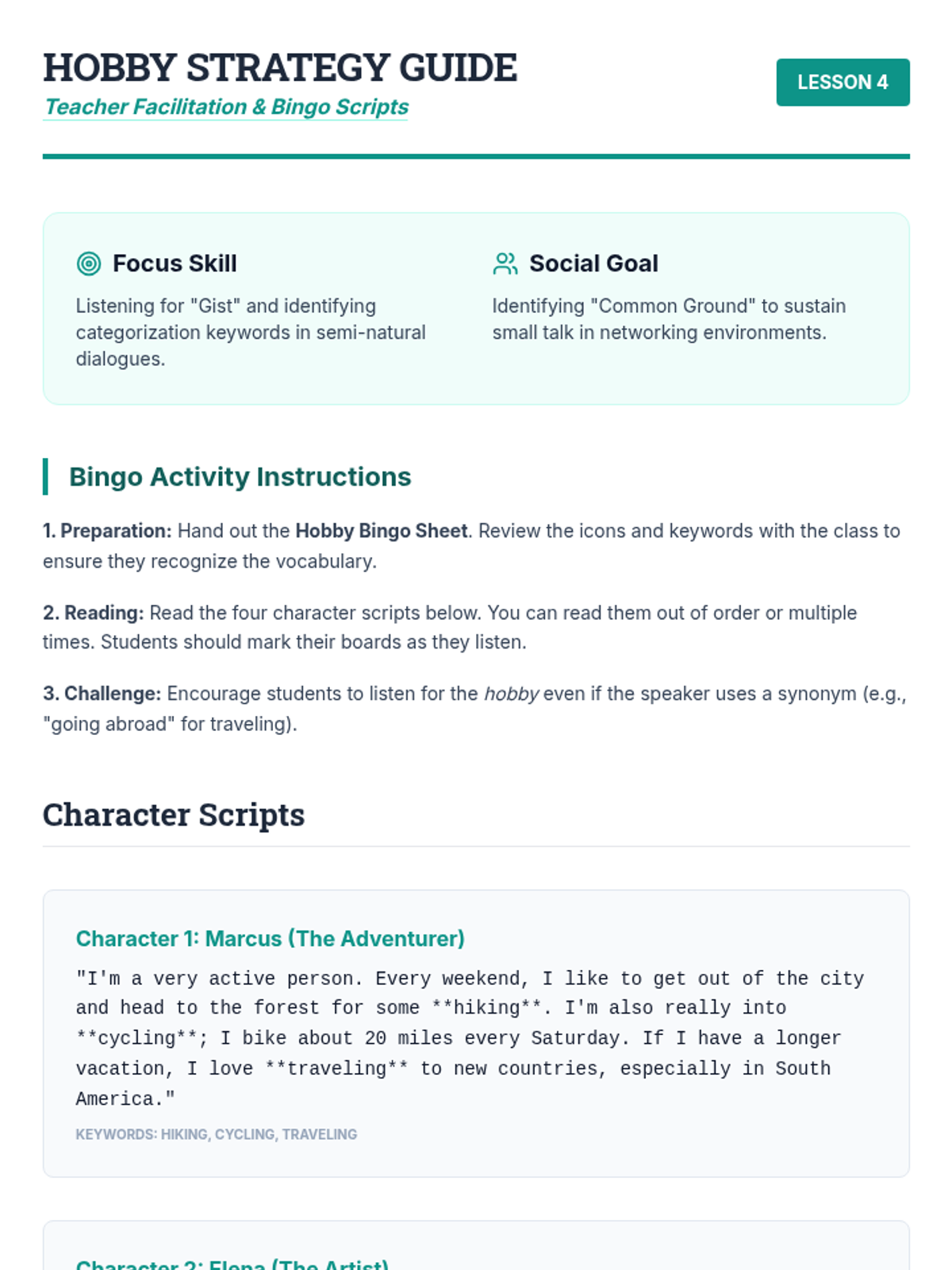
Students listen to dialogues about weekend plans and hobbies to identify common ground. The goal is to categorize vocabulary related to leisure and social bonding.
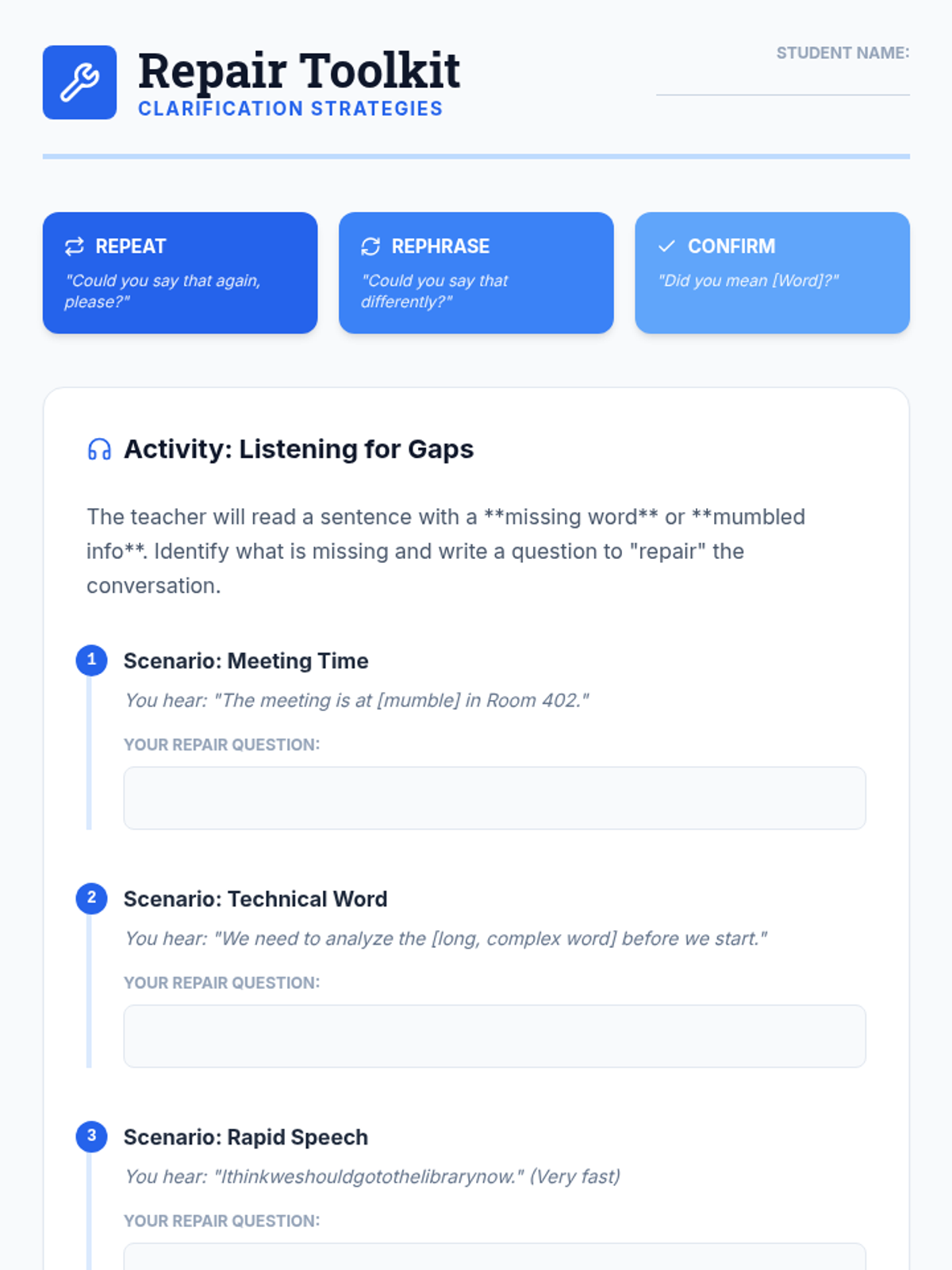
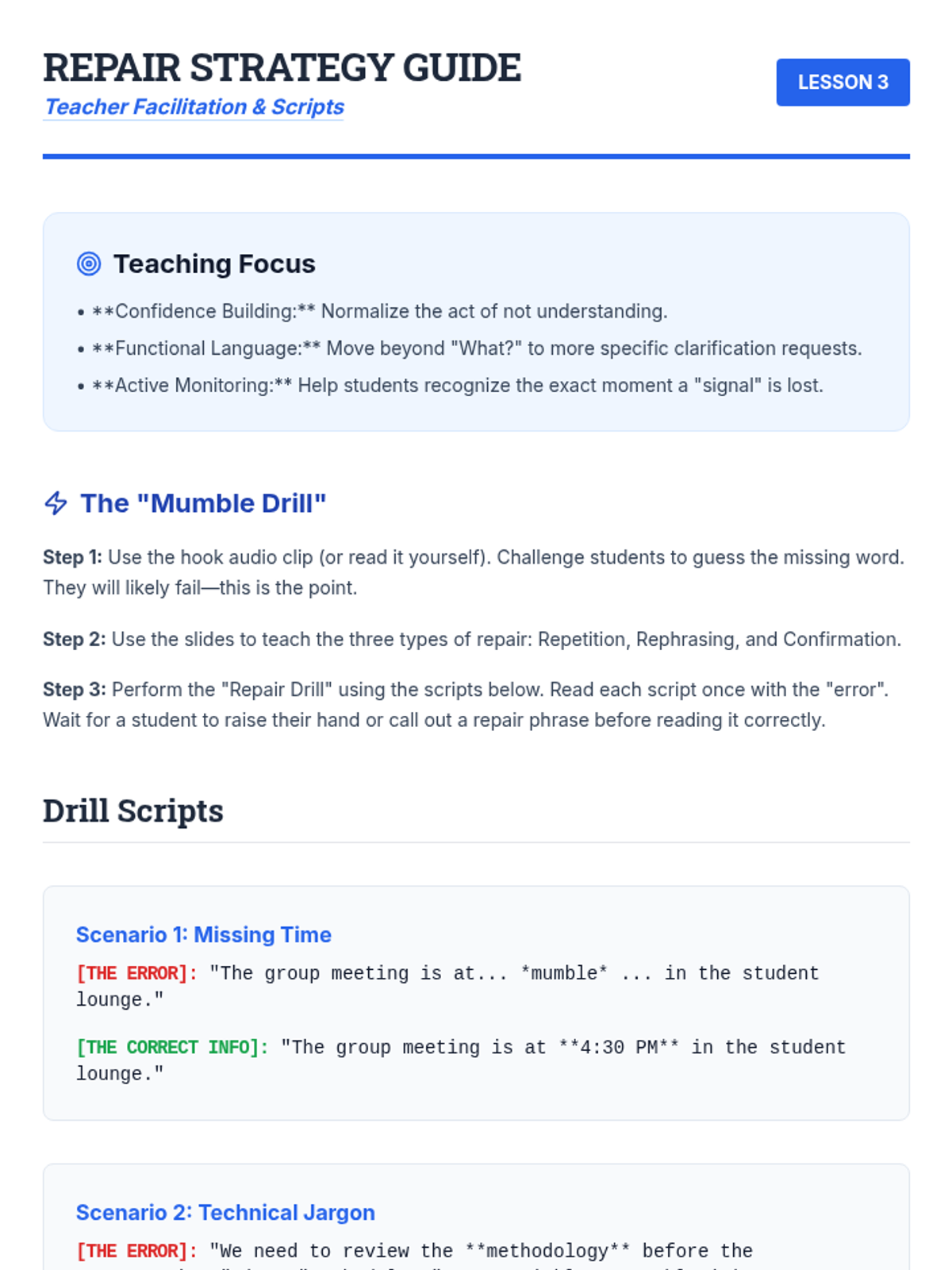
Students learn to recognize comprehension gaps and use clarification phrases. The lesson teaches how to listen for rephrasing and ask for repetition effectively.
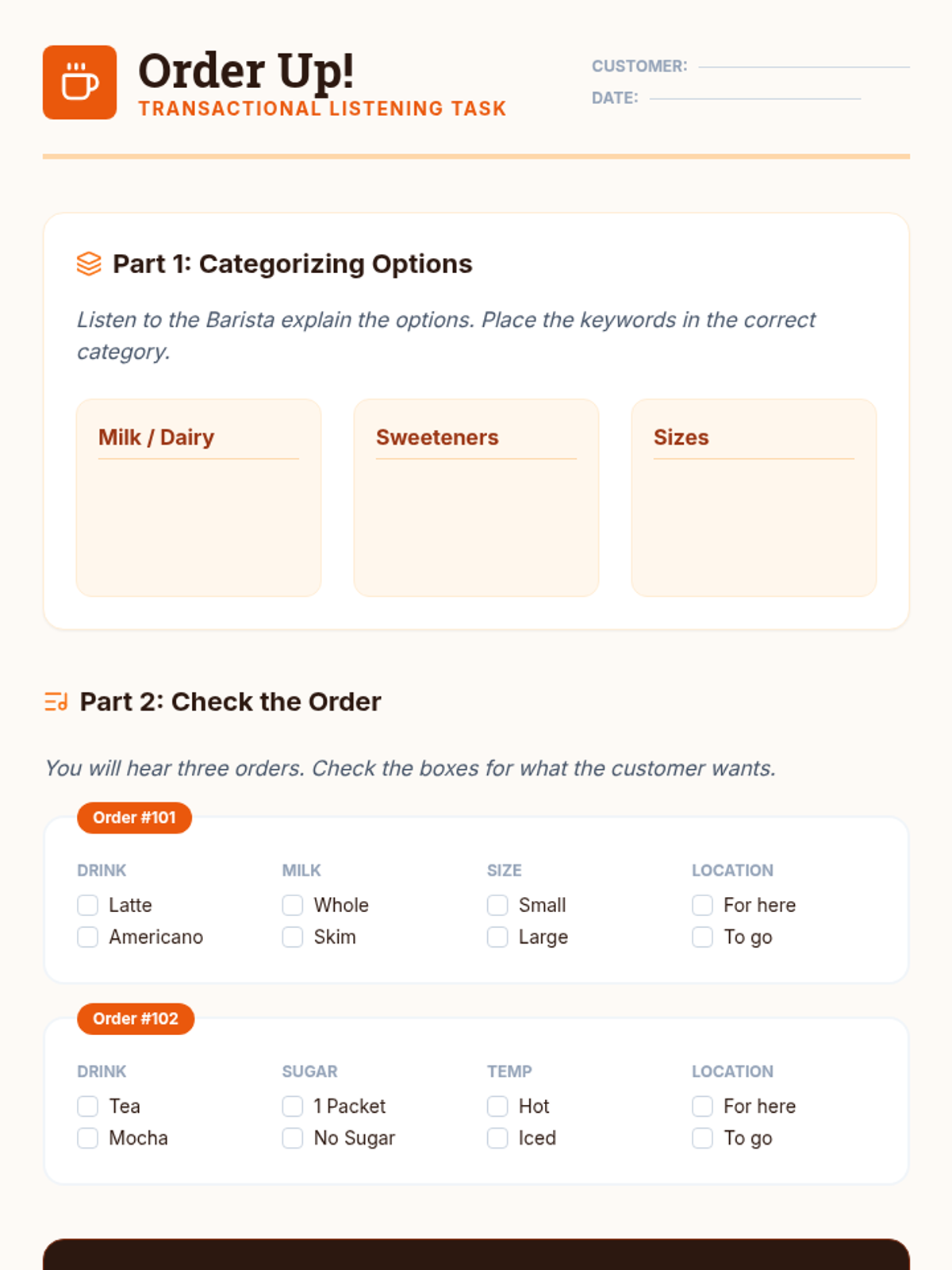
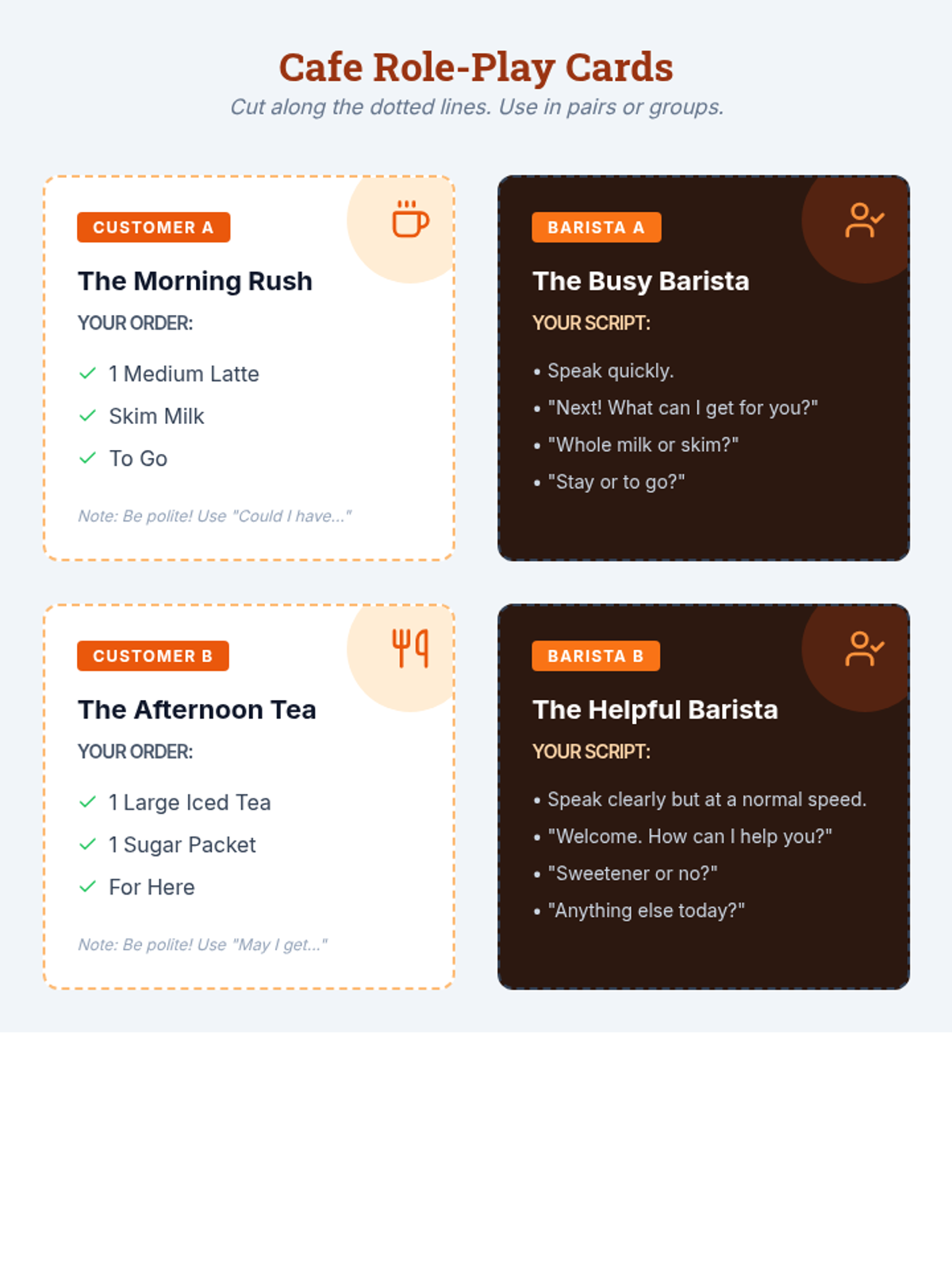
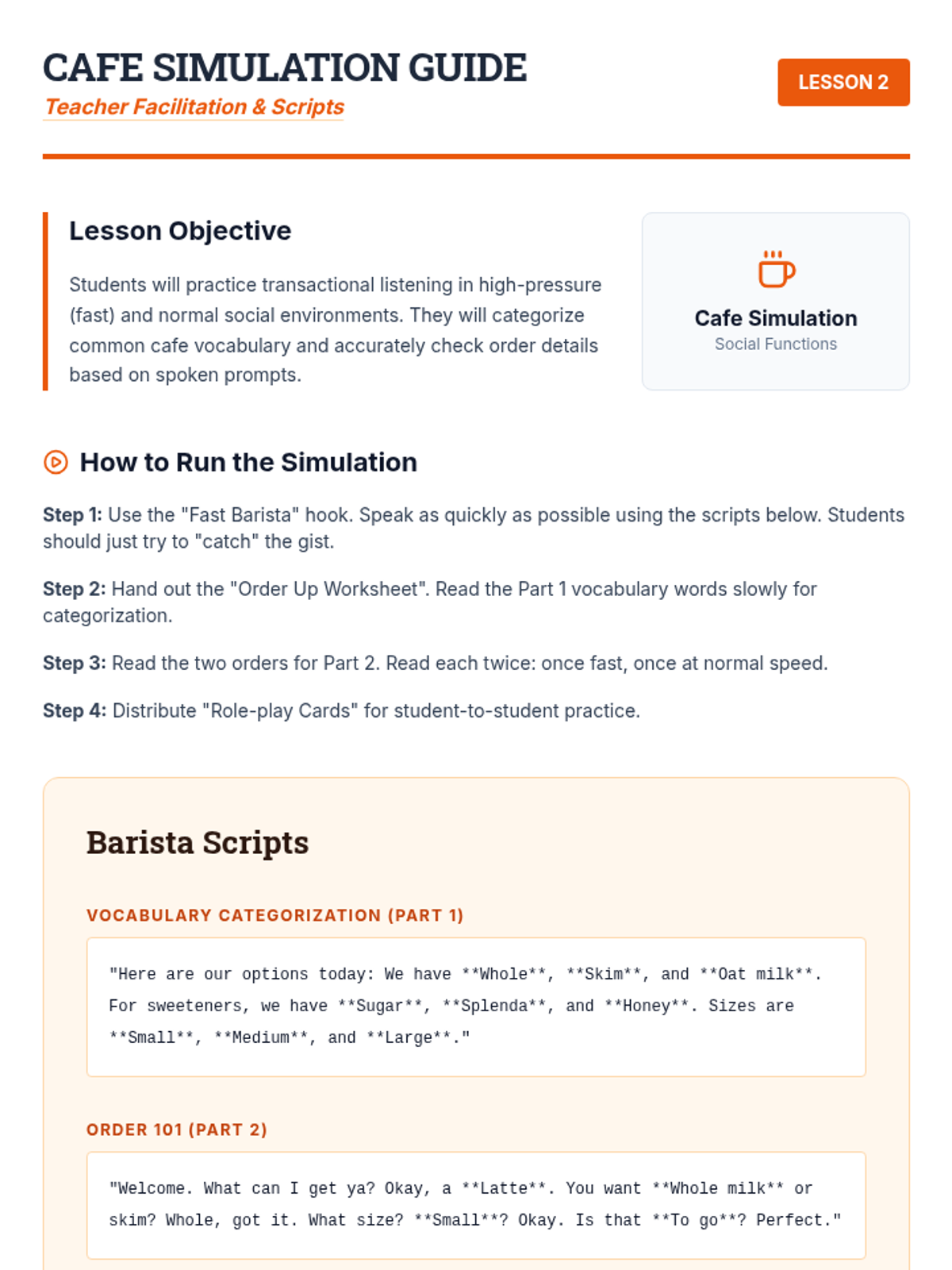
Focuses on transactional listening in cafes or libraries, practicing preferences and polite requests. Students simulate a barista-customer interaction to hone their ability to catch specific details in fast-paced speech.
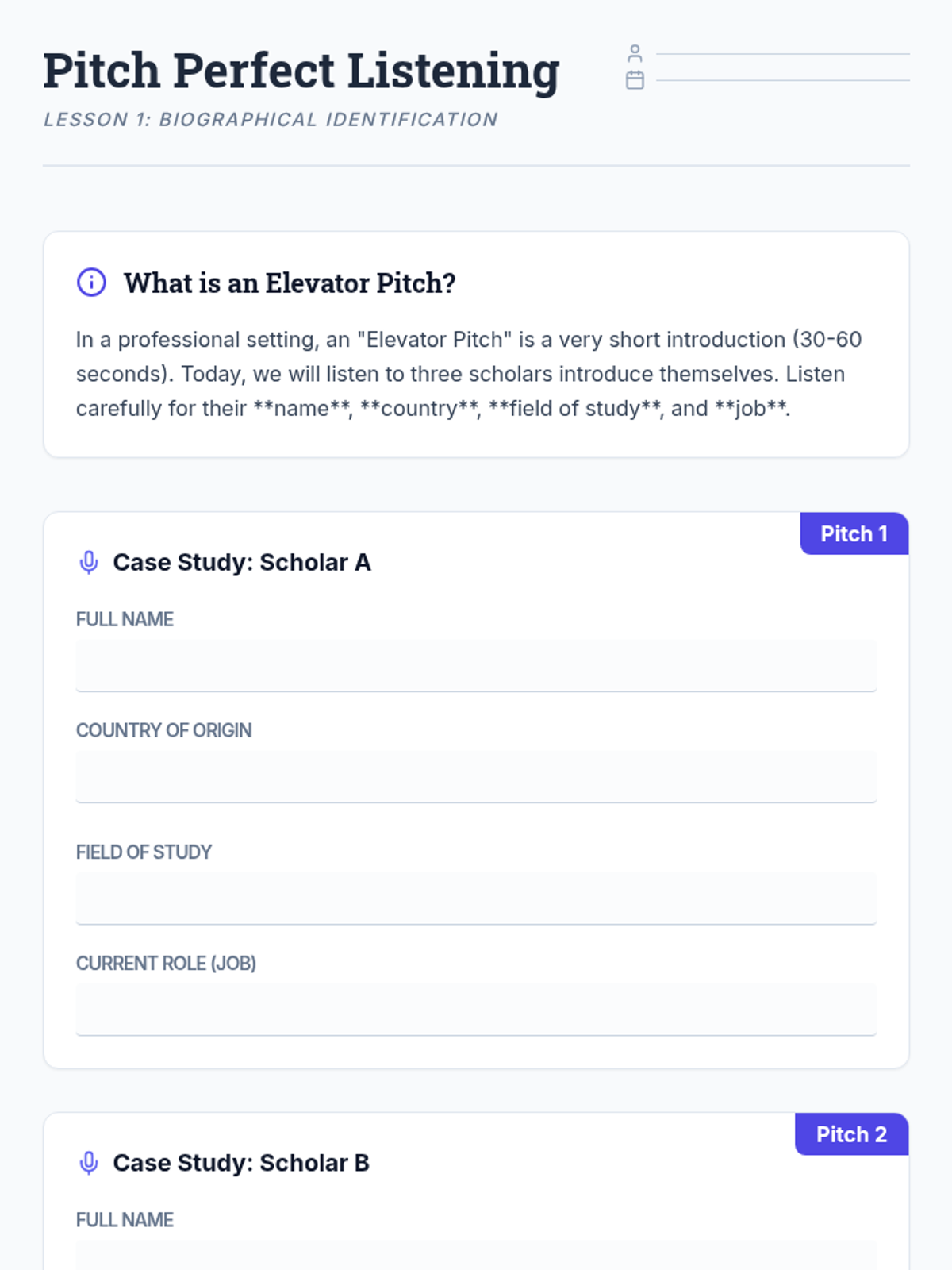
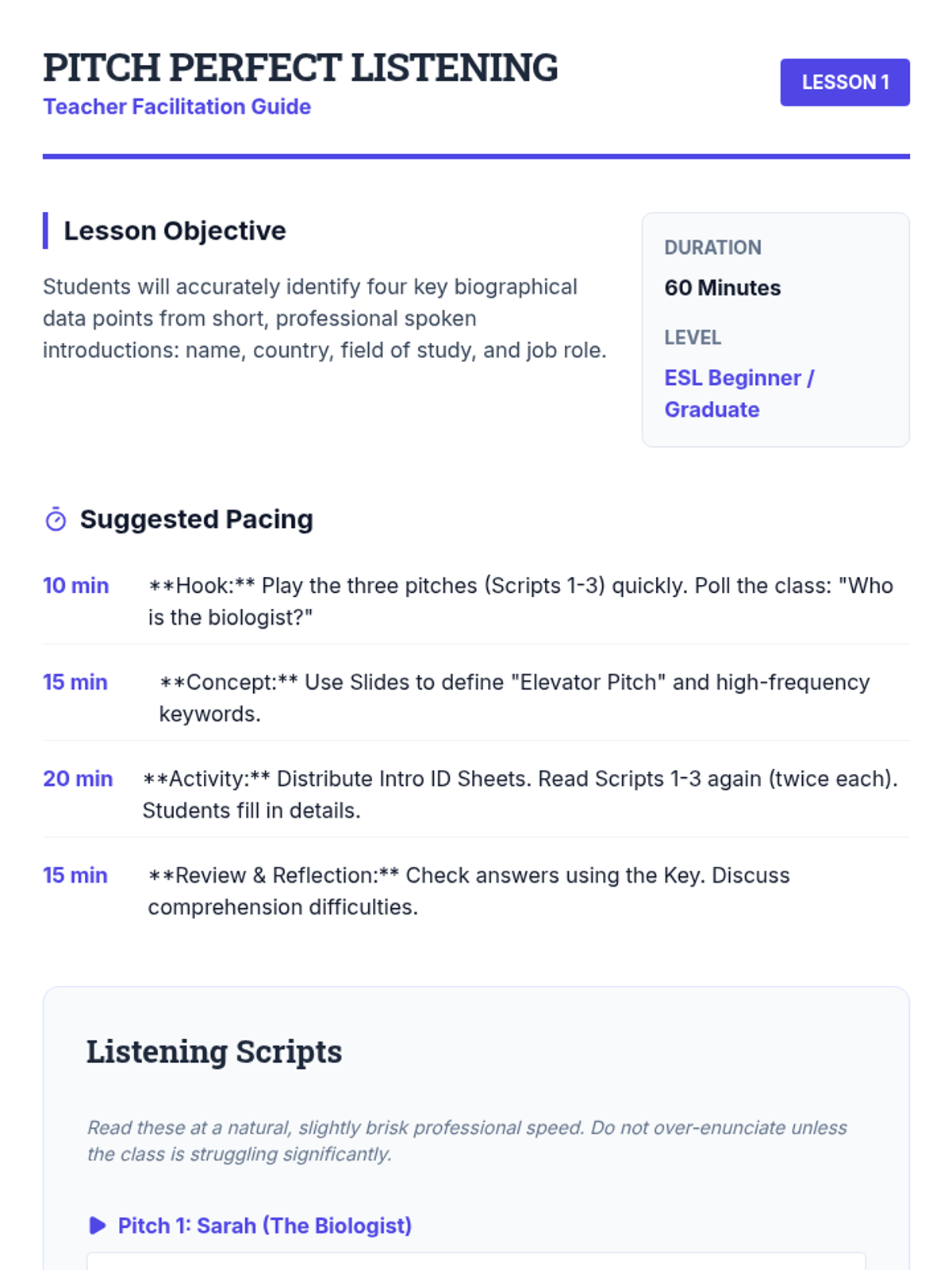
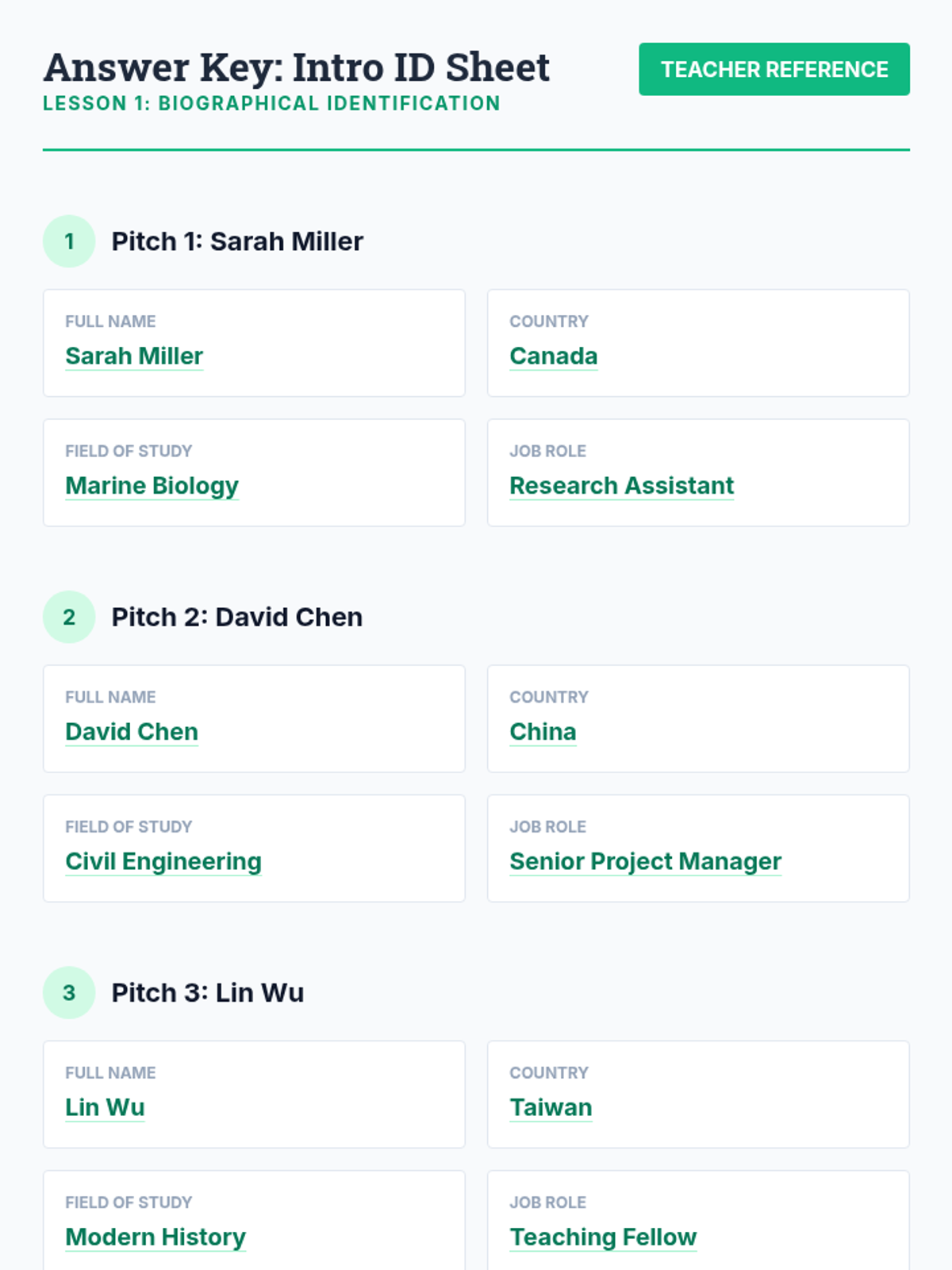
Students listen to short introductions to identify key biographical data like country, field of study, and profession. They analyze the structure of these introductions to prepare for their own professional interactions.
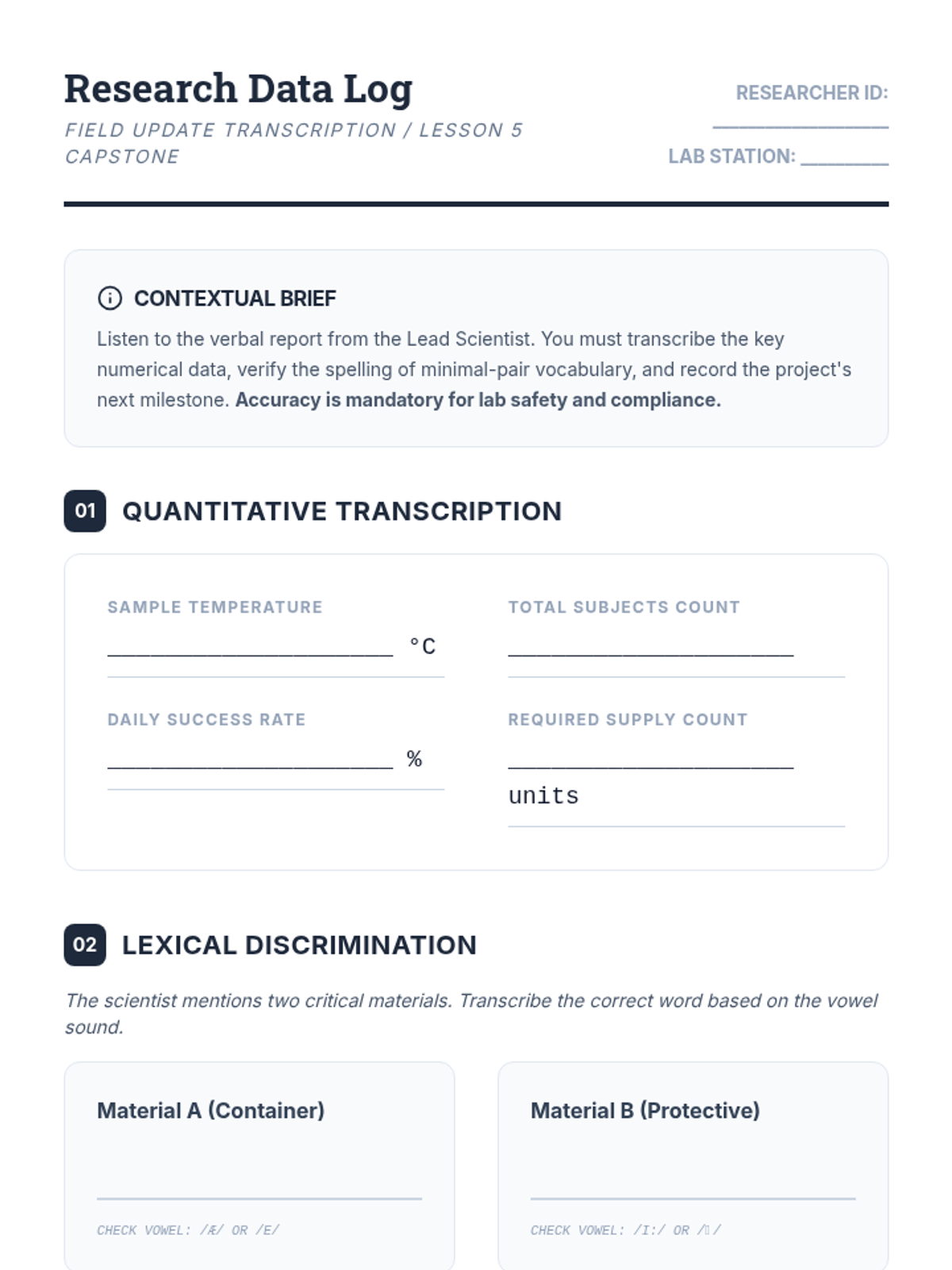
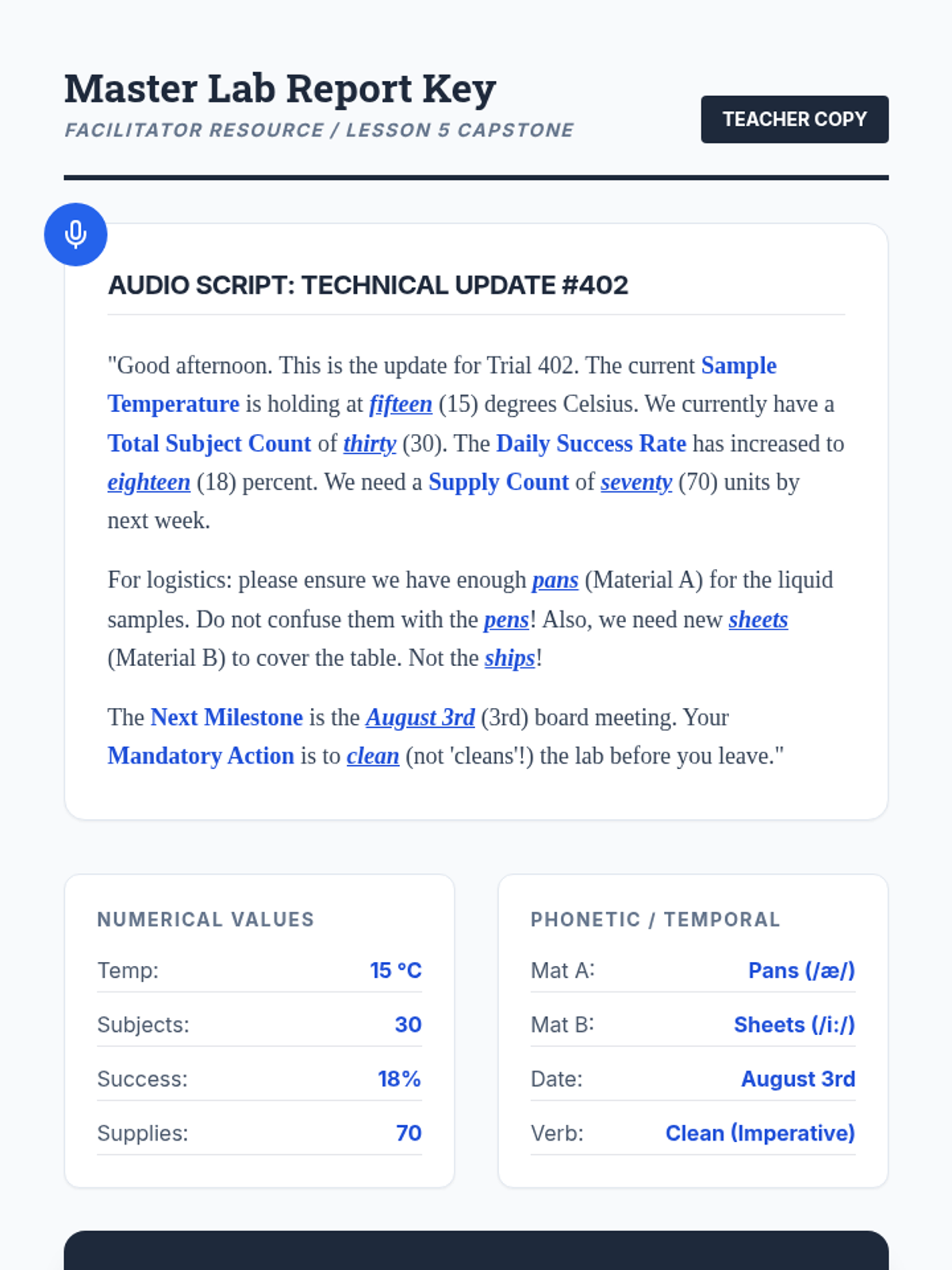
A capstone simulation where students transcribe key data points from a research summary into a structured format.
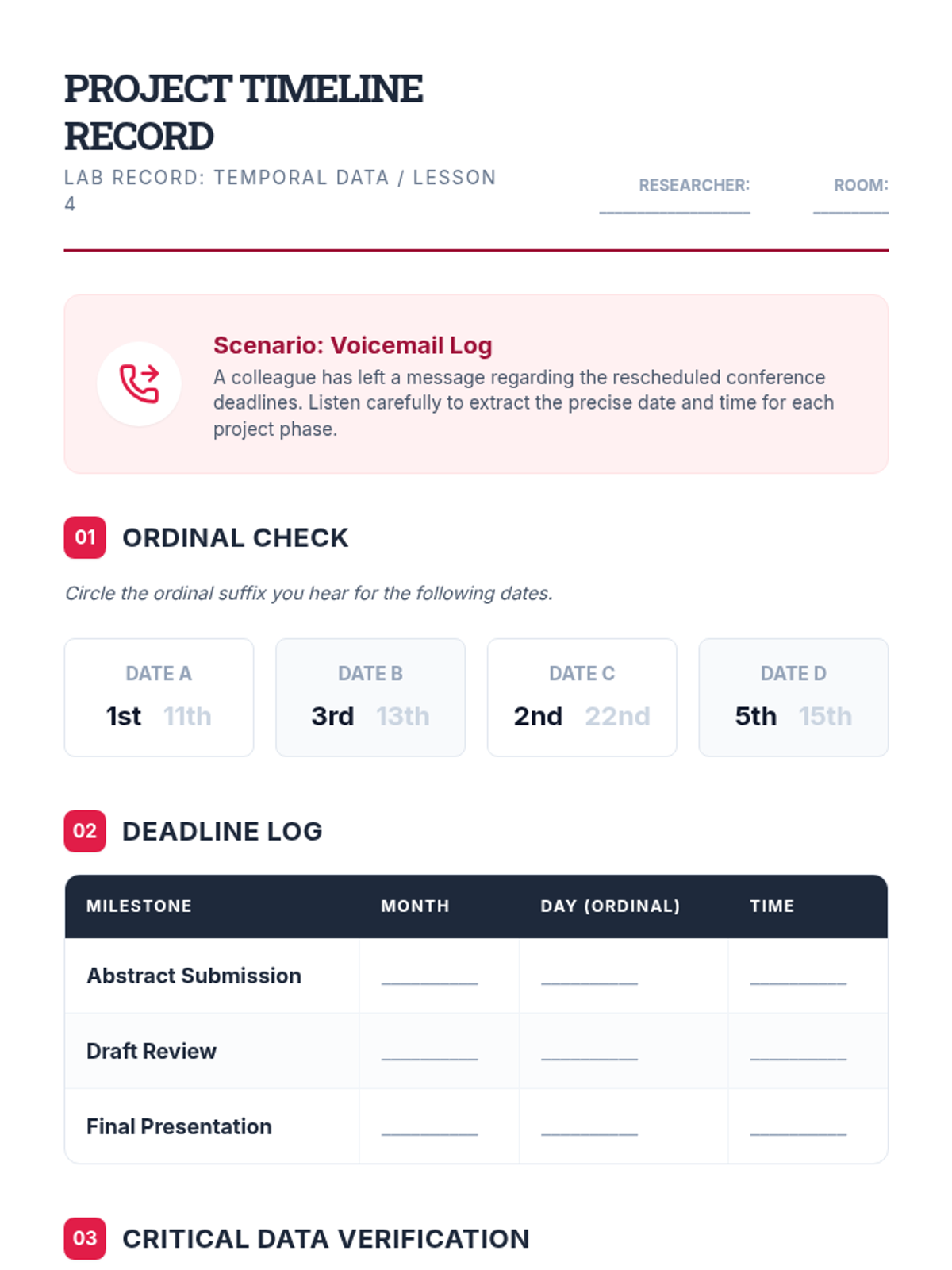
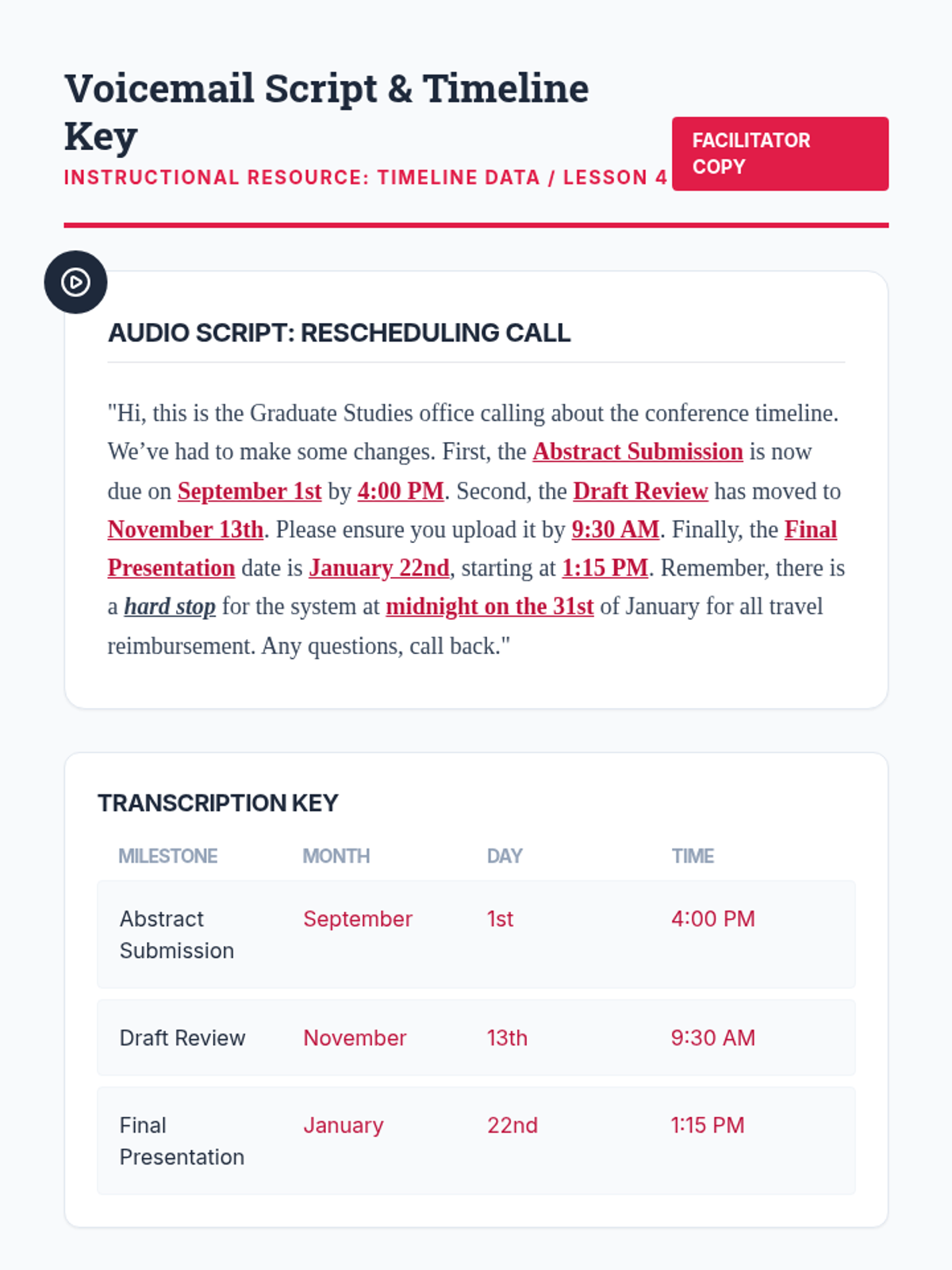
Focuses on recording dates, deadlines, and ordinal numbers within professional contexts like project timelines.
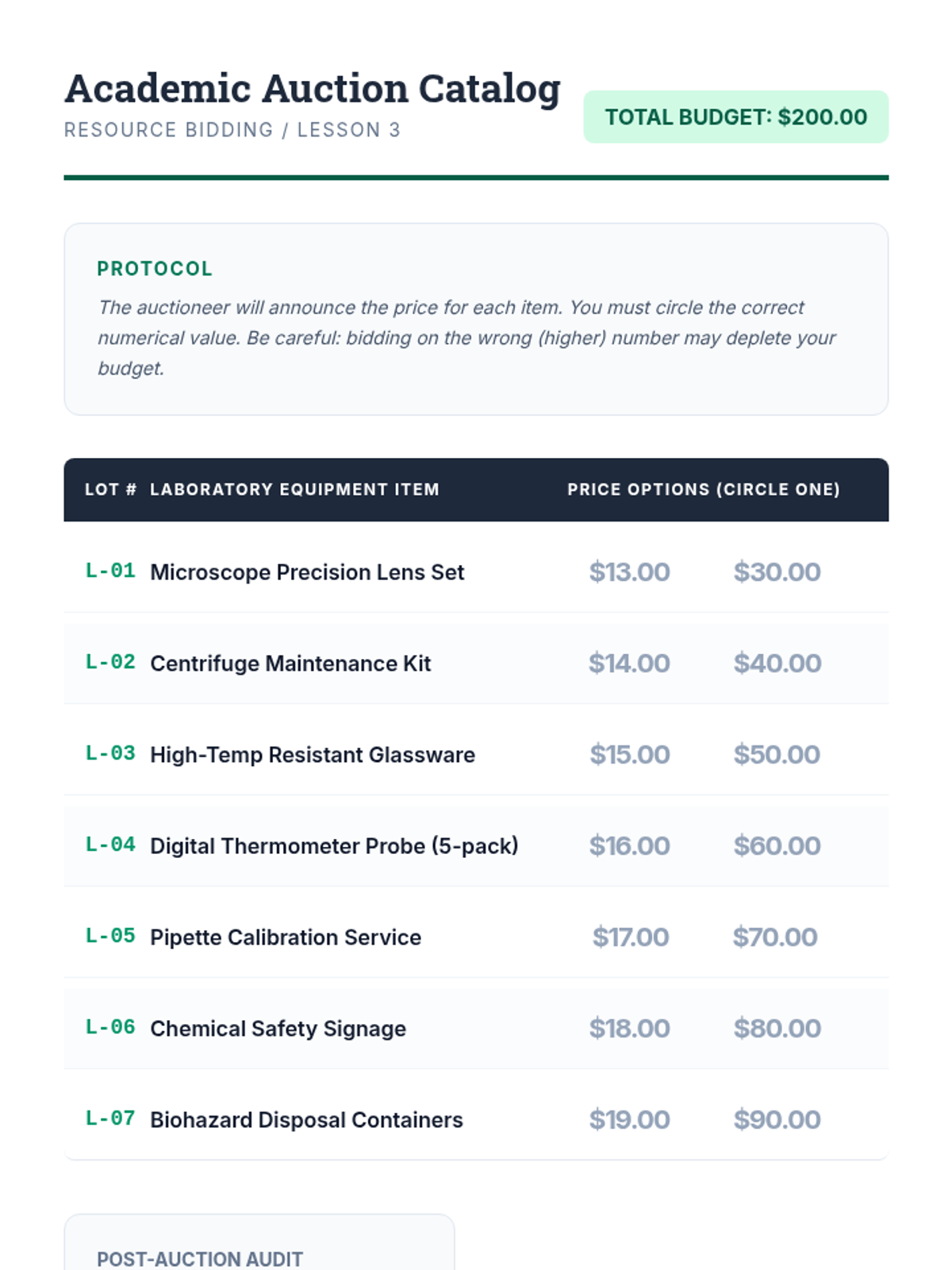
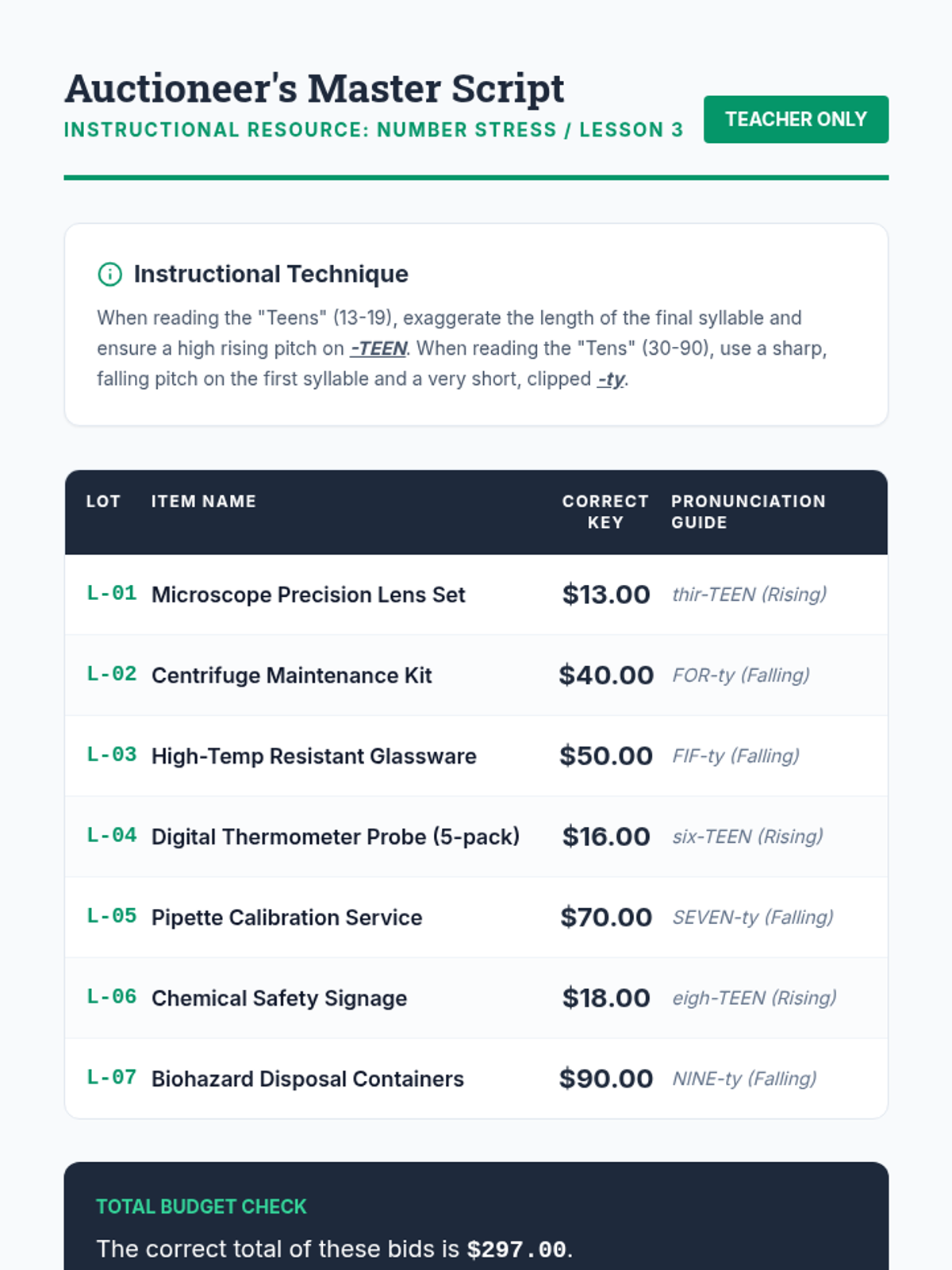
A high-stakes workshop on distinguishing 'teen' and 'ty' numbers through stress patterns and numerical data capture.
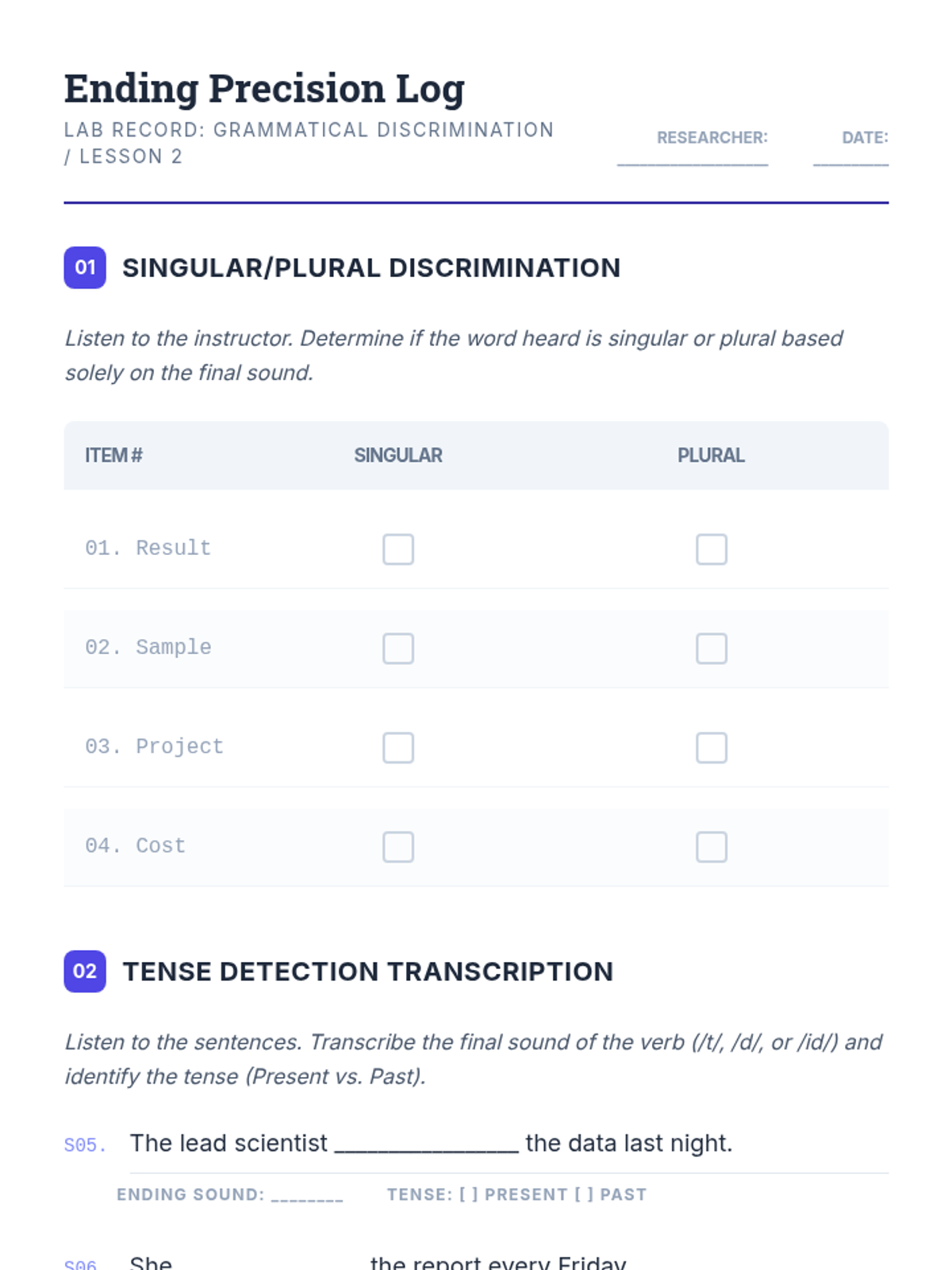
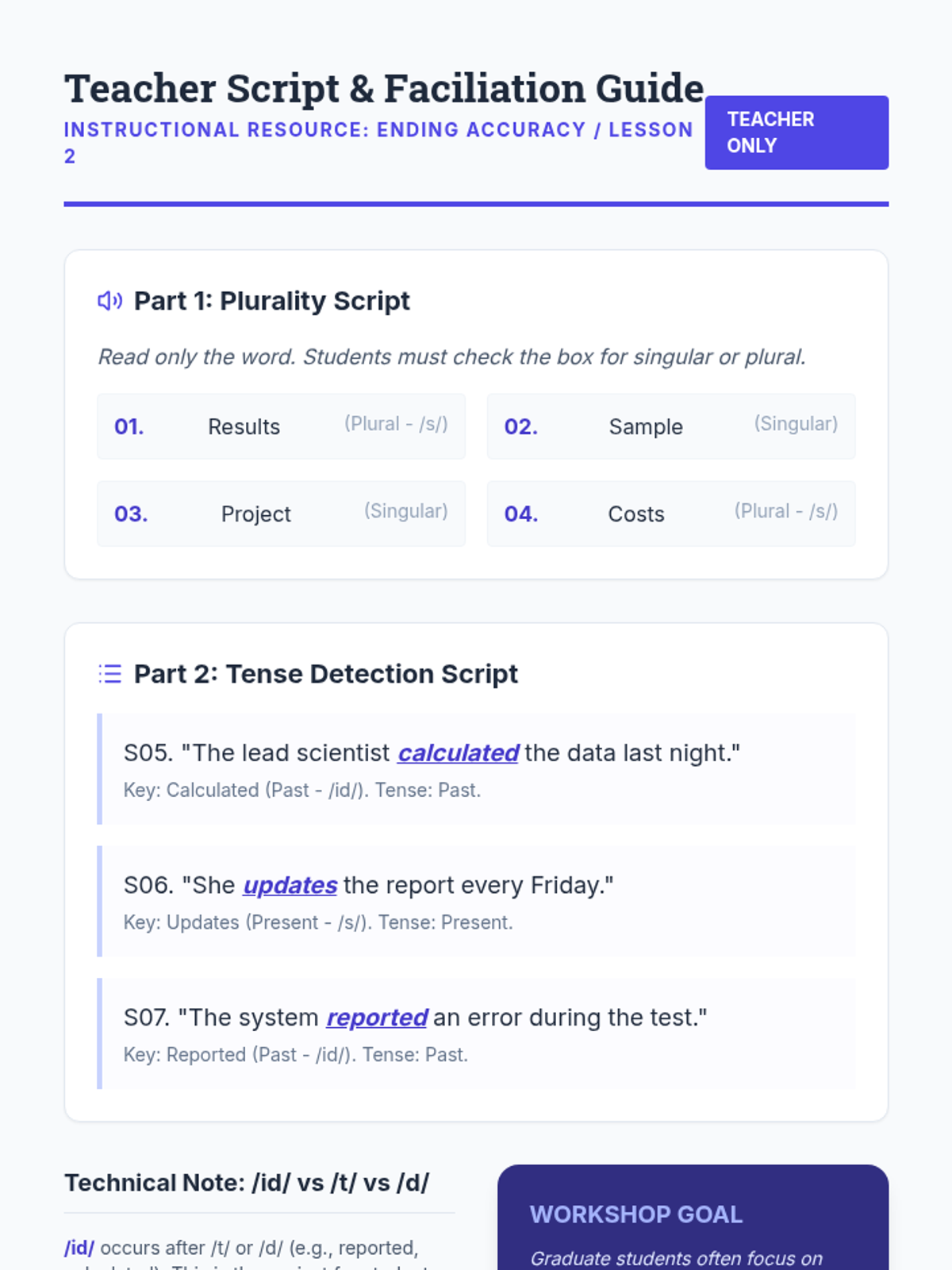
Focuses on identifying word endings (plurals and past tense markers) to ensure grammatical accuracy in auditory processing.
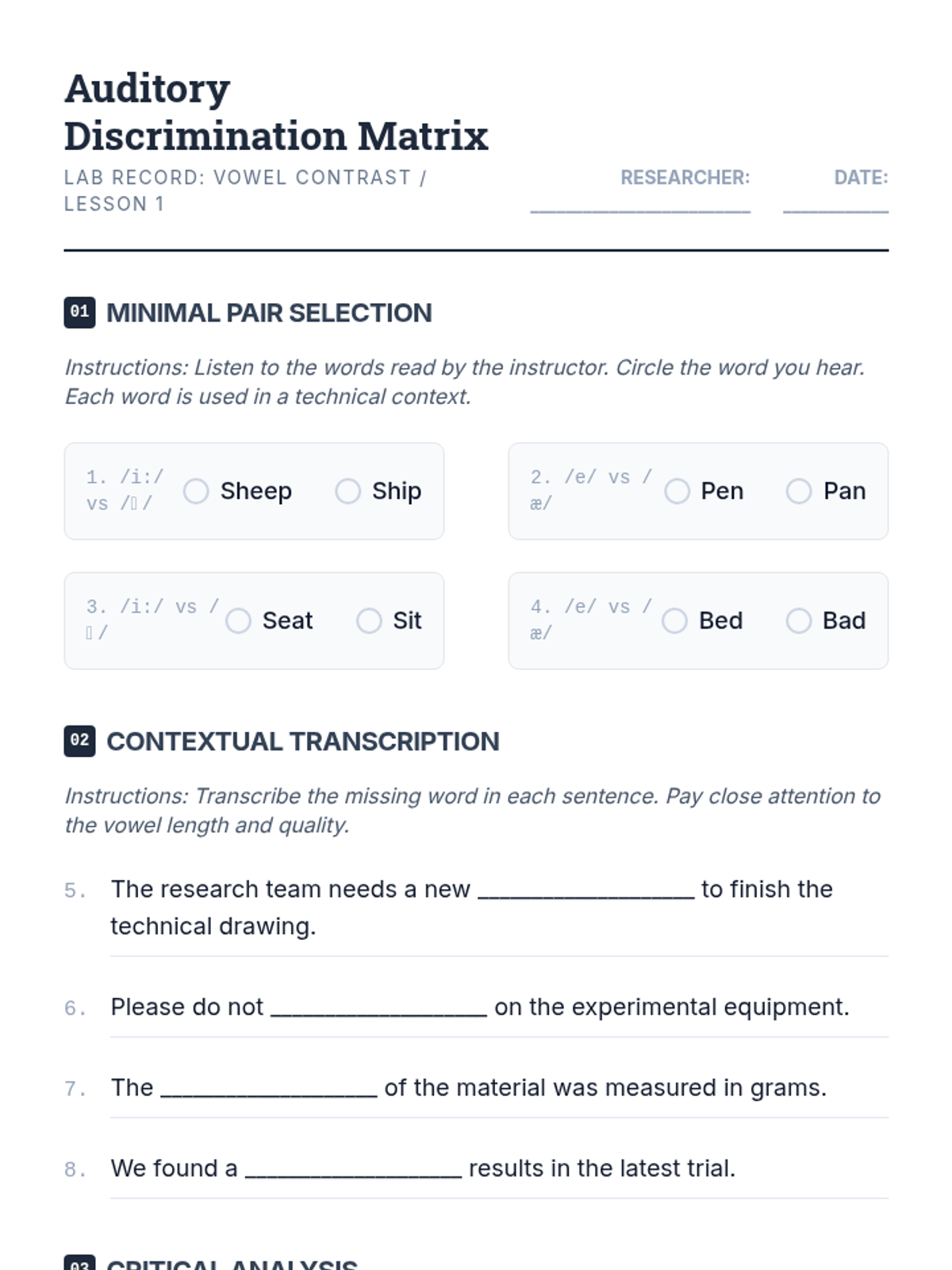
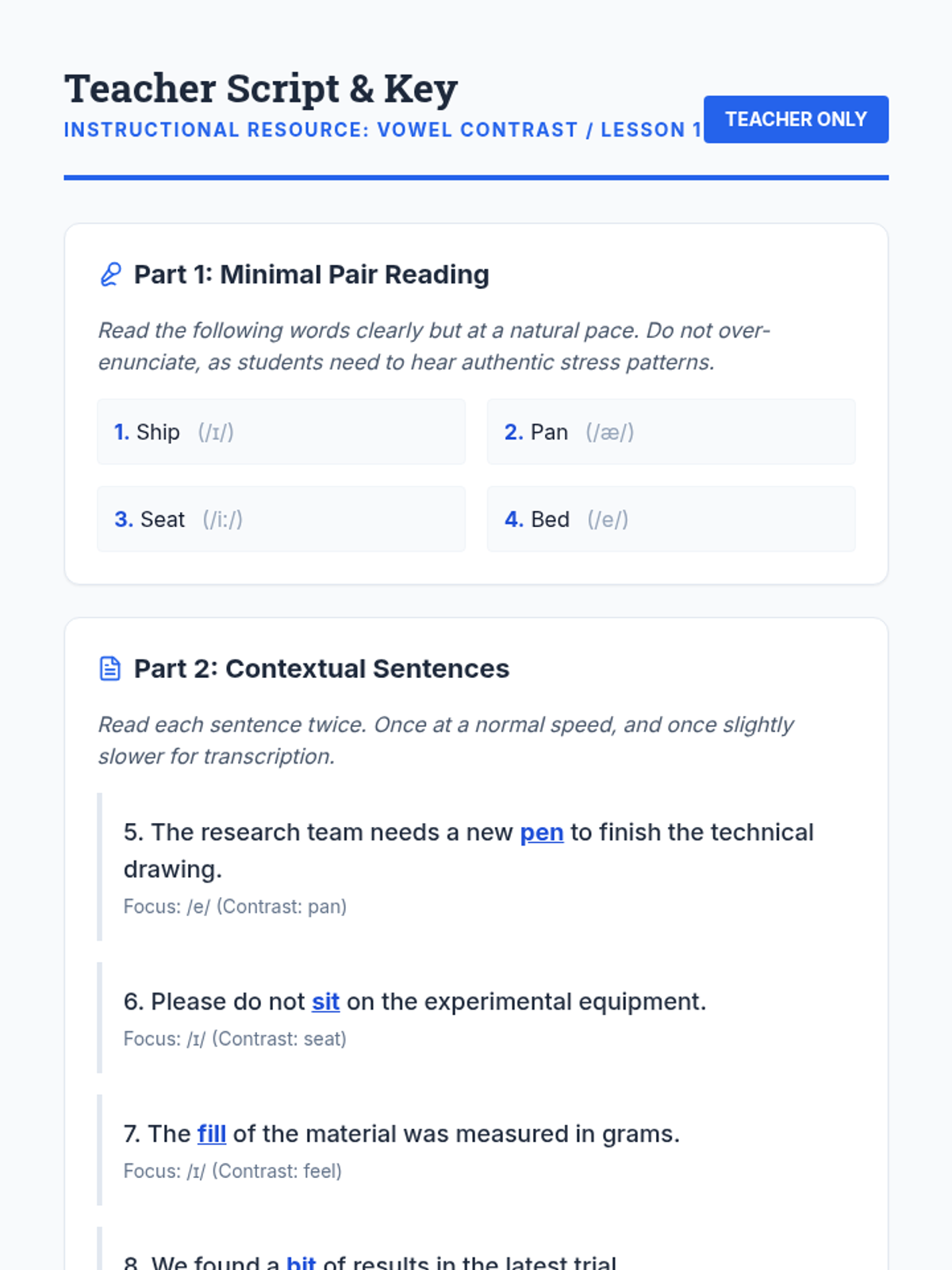
Students practice distinguishing between vowel minimal pairs that change word meaning, focusing on the precision required for academic discourse.
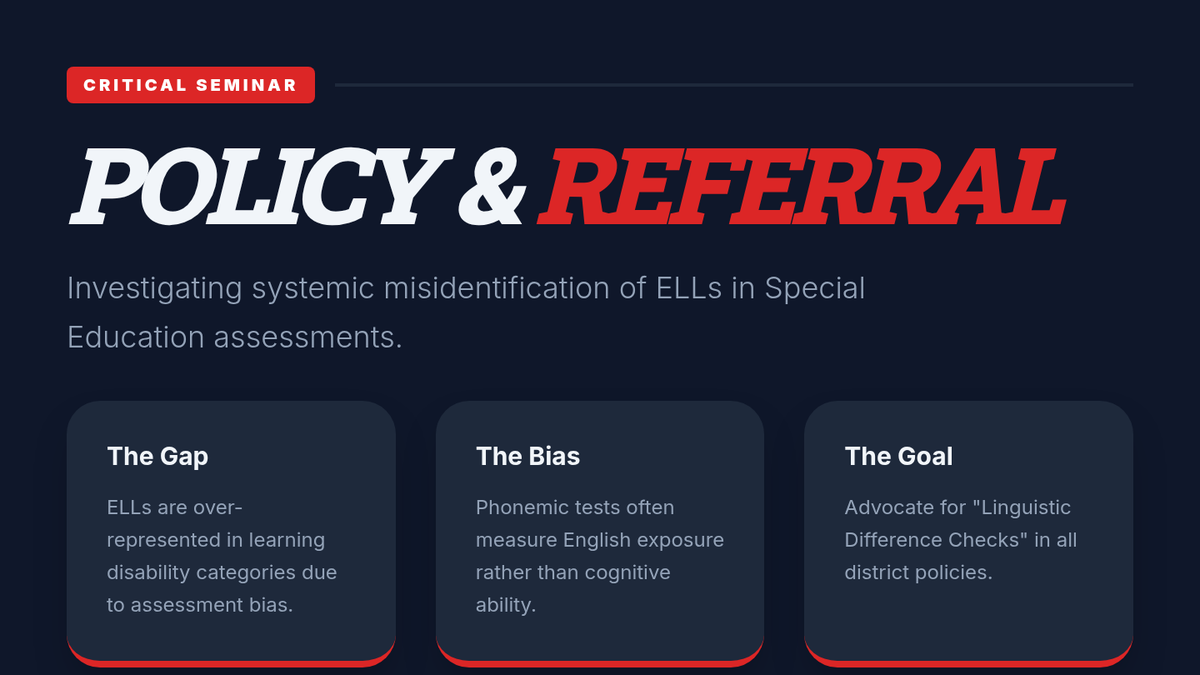
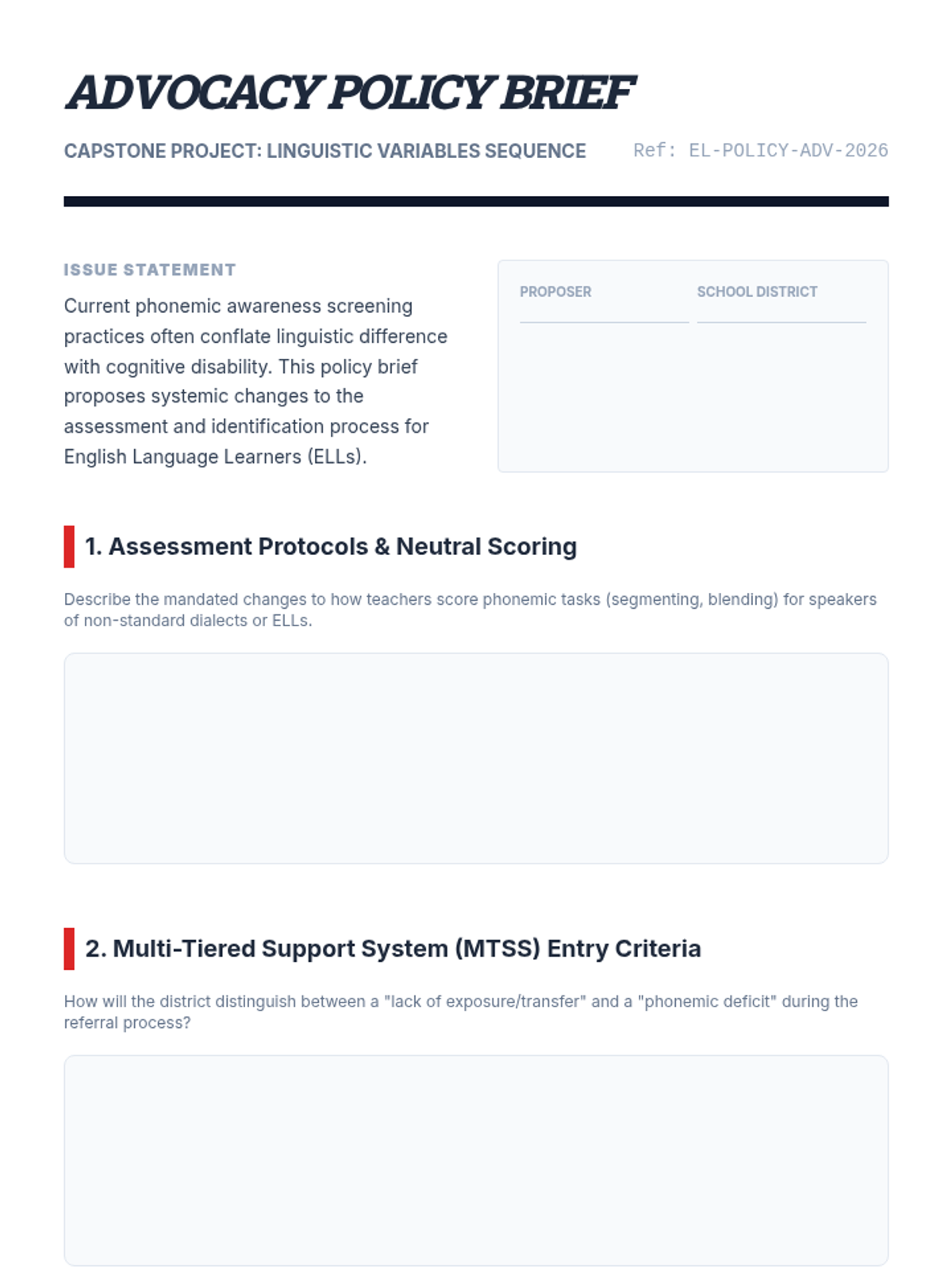
Examines systemic issues in identifying ELLs for special education and guides students in developing advocacy plans to address disproportionality in linguistically diverse settings.
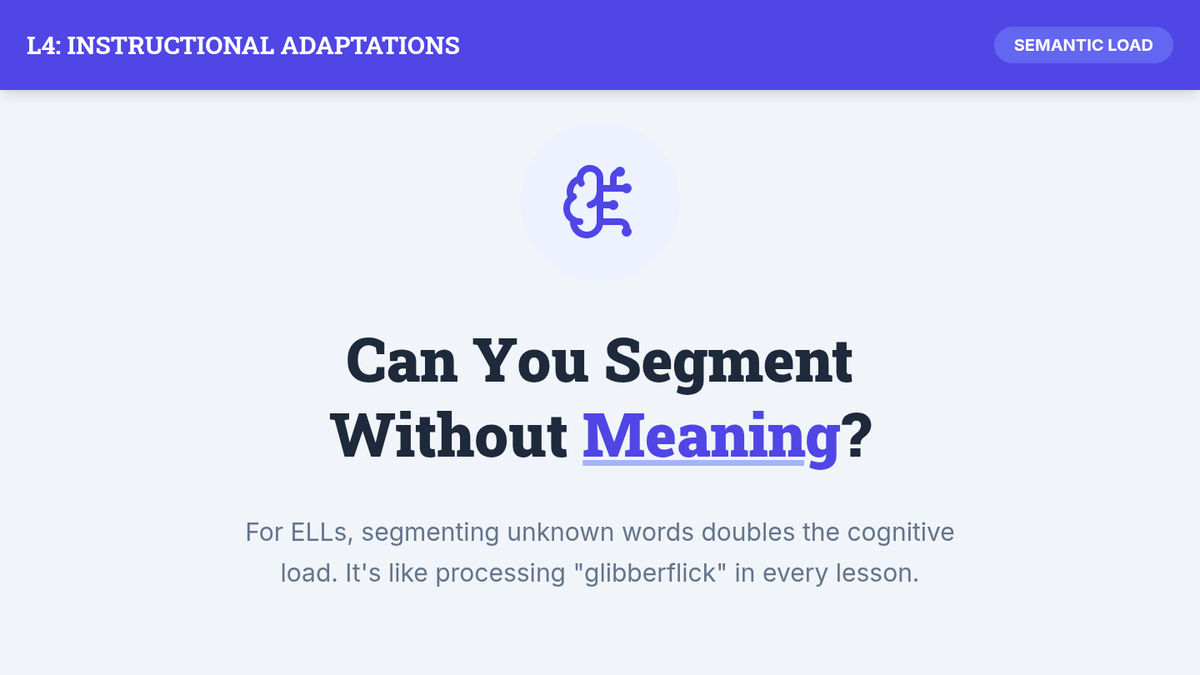
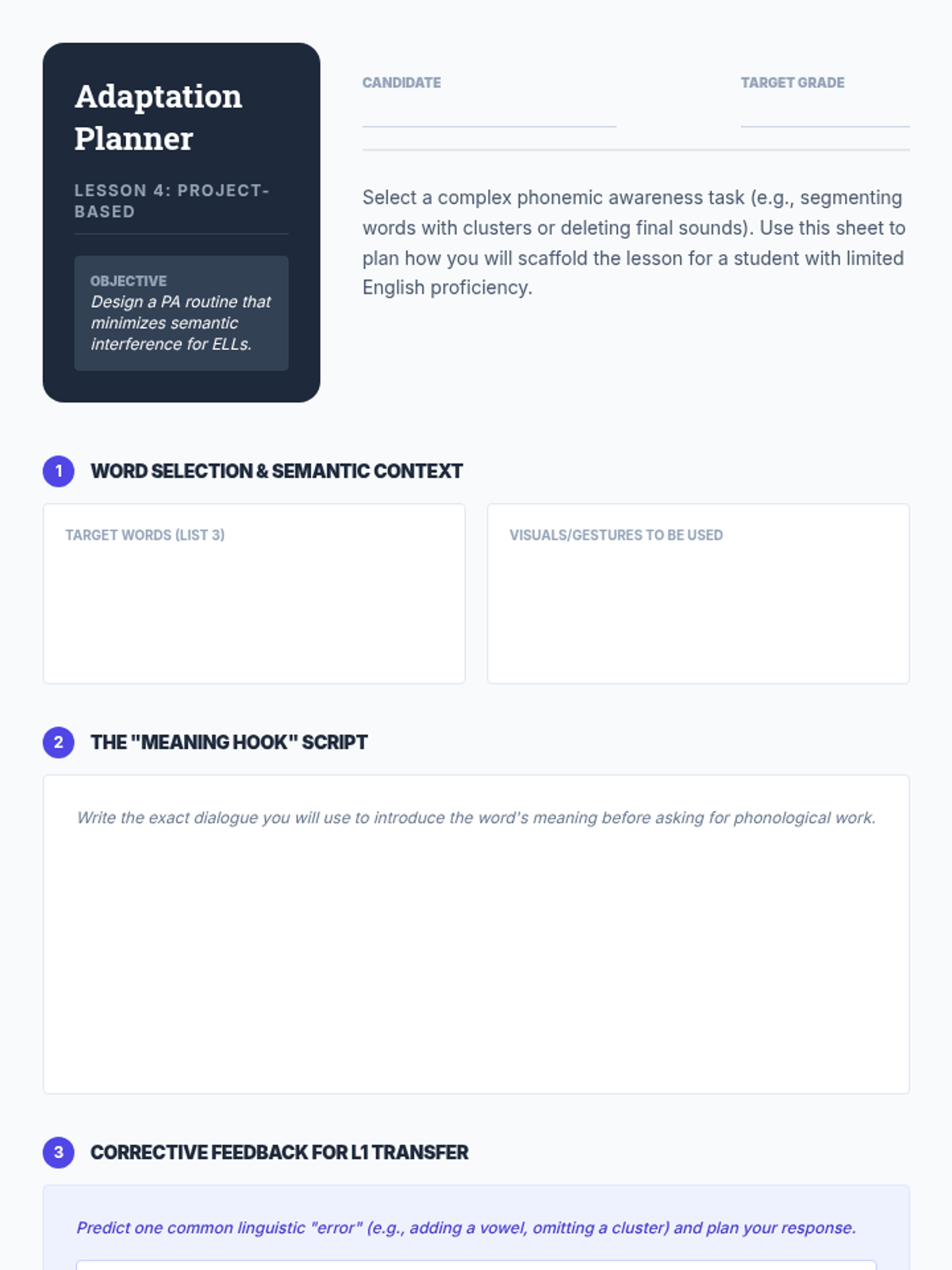
Focuses on designing sheltered phonemic awareness instruction that integrates vocabulary development, ensuring students understand word meanings before performing phonological tasks.
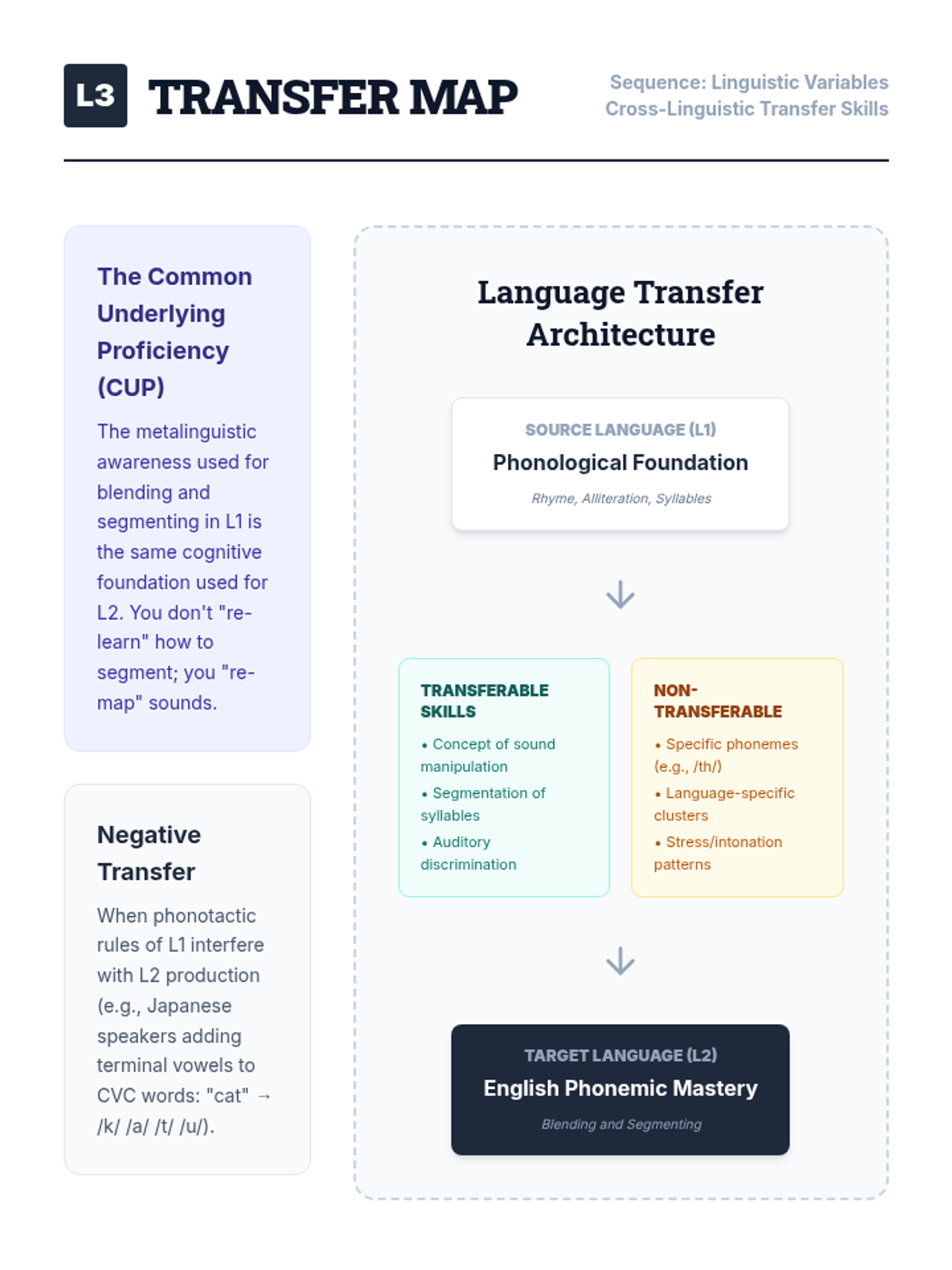
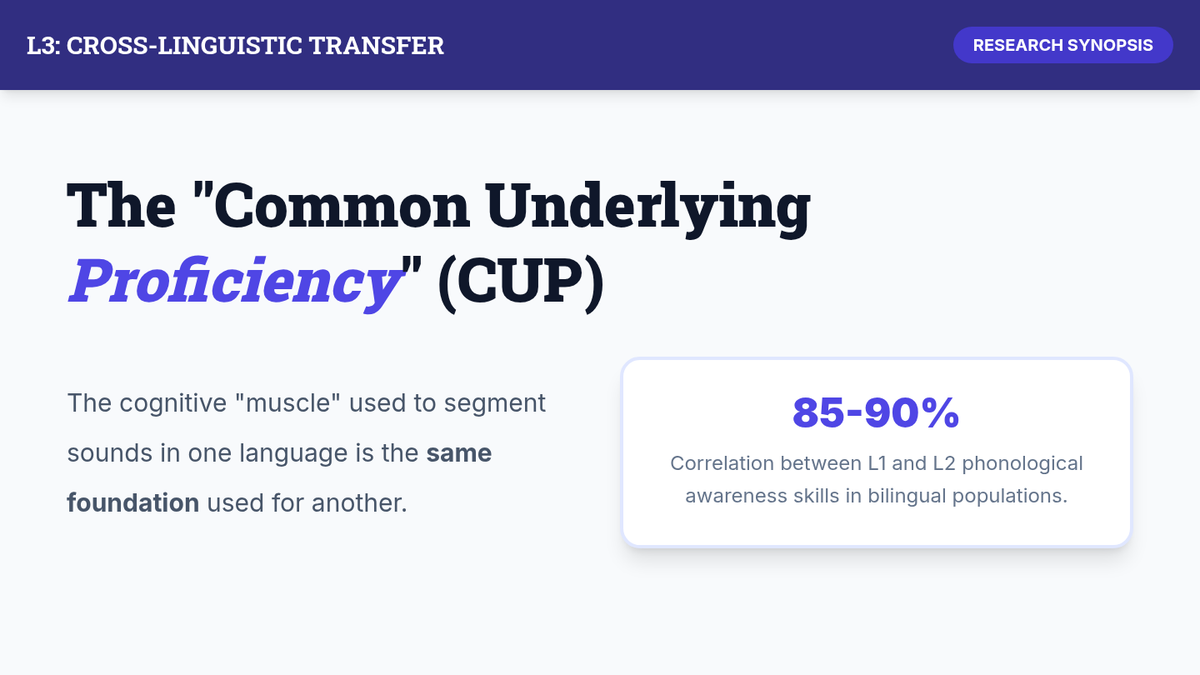
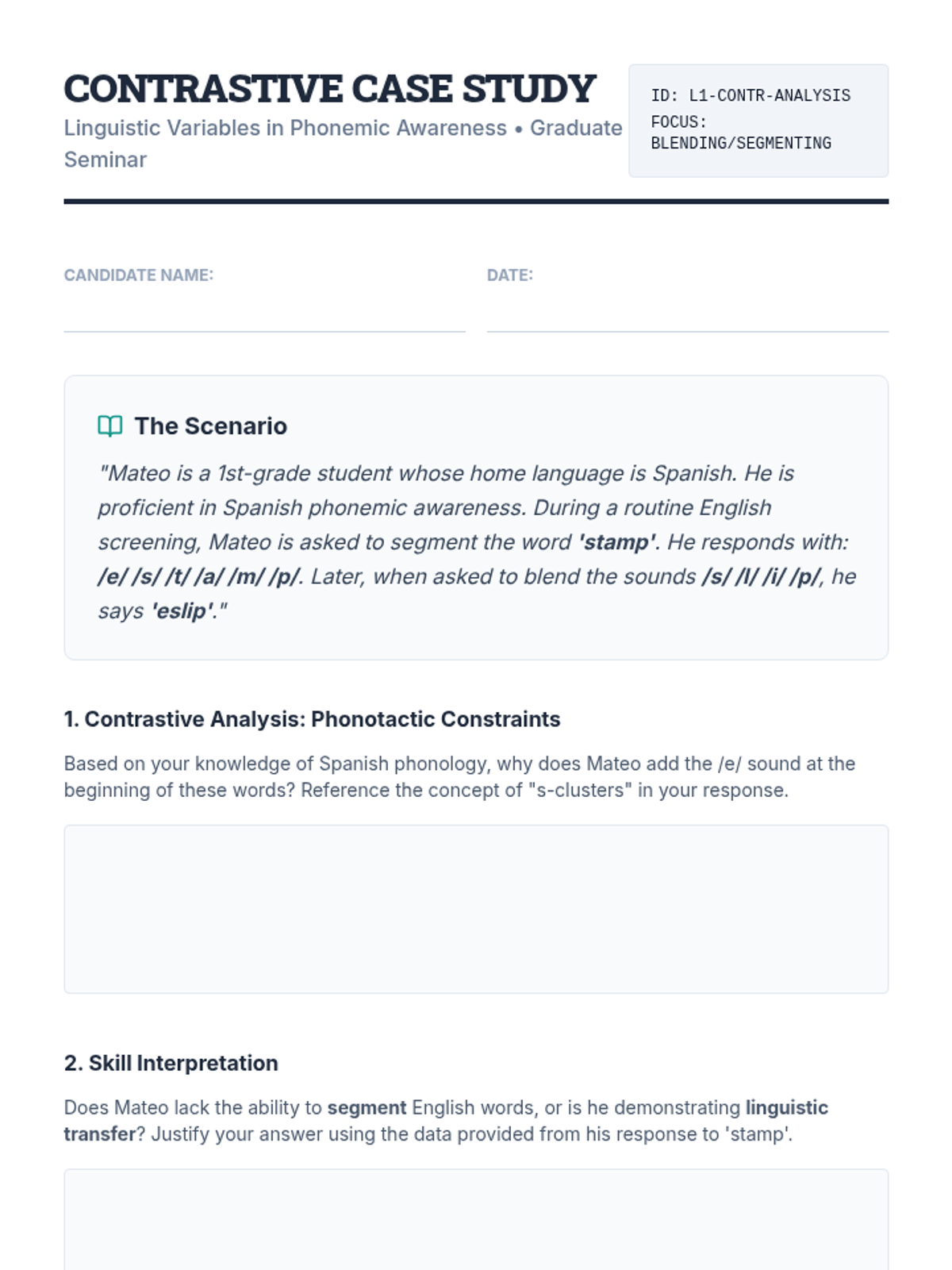
Reviews research on phonological awareness transfer between languages and focuses on leveraging L1 strengths to support English blending and segmenting skills.
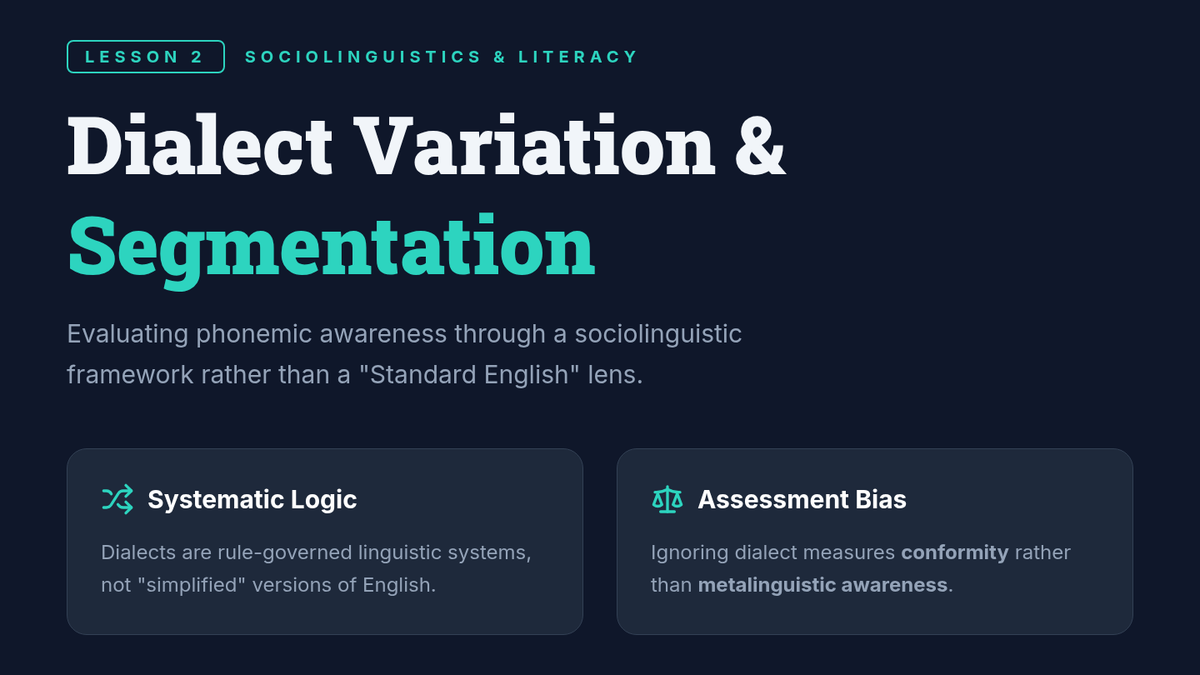
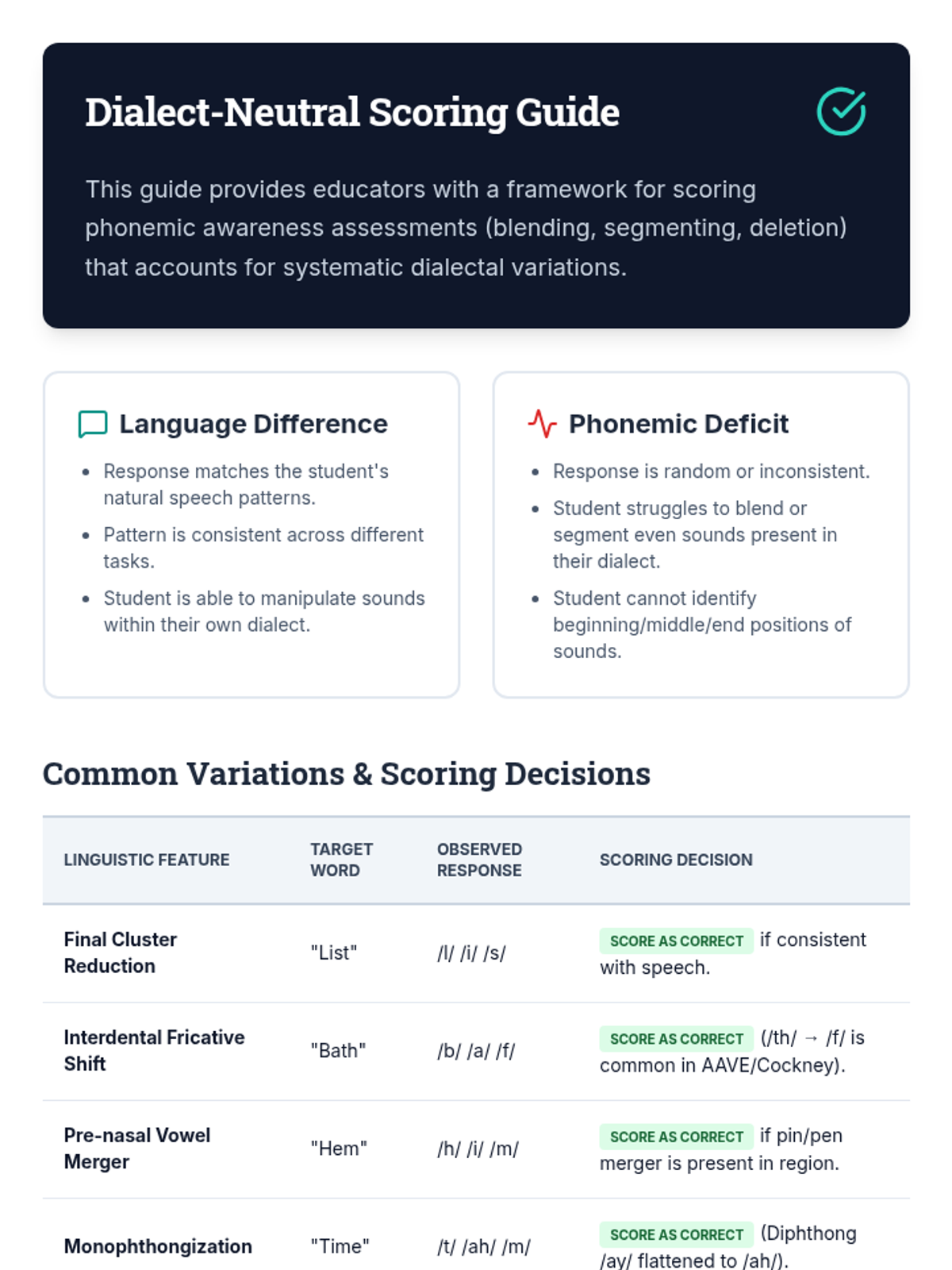
Explores how dialects like AAVE influence phonemic tasks and teaches students to score assessments with dialect-neutral criteria to ensure unbiased literacy instruction.
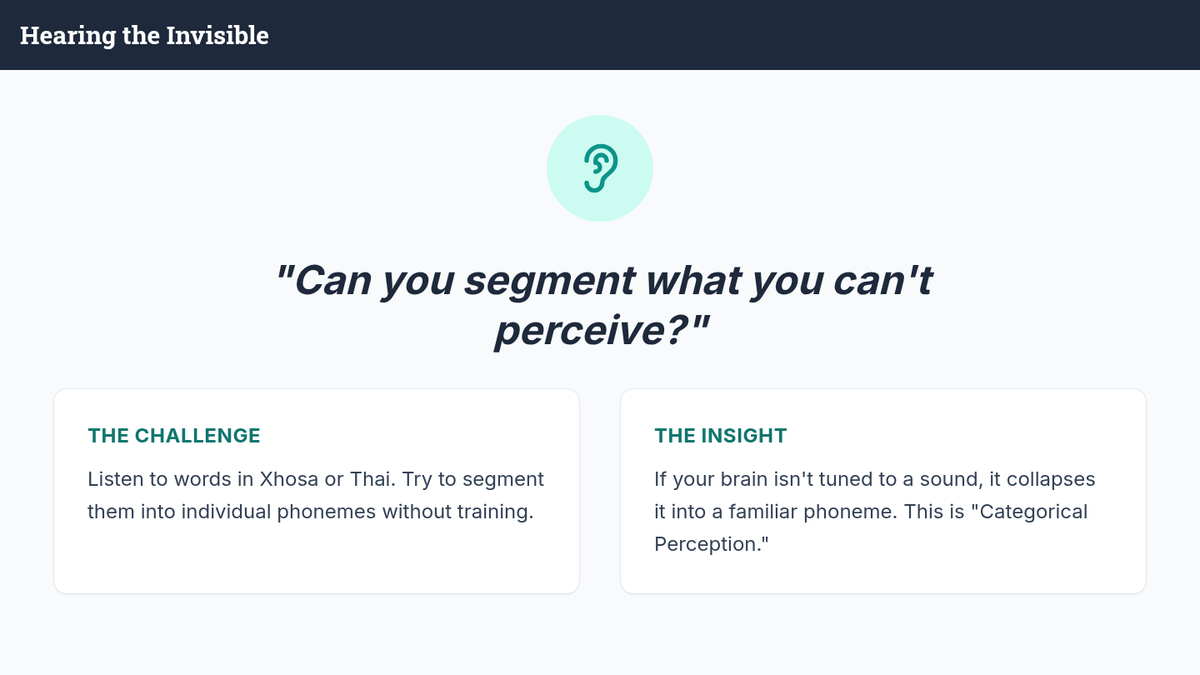
Students compare the phonemic inventories of English and other common languages (Spanish, Mandarin, Arabic) to predict specific blending and segmenting difficulties based on contrastive analysis.
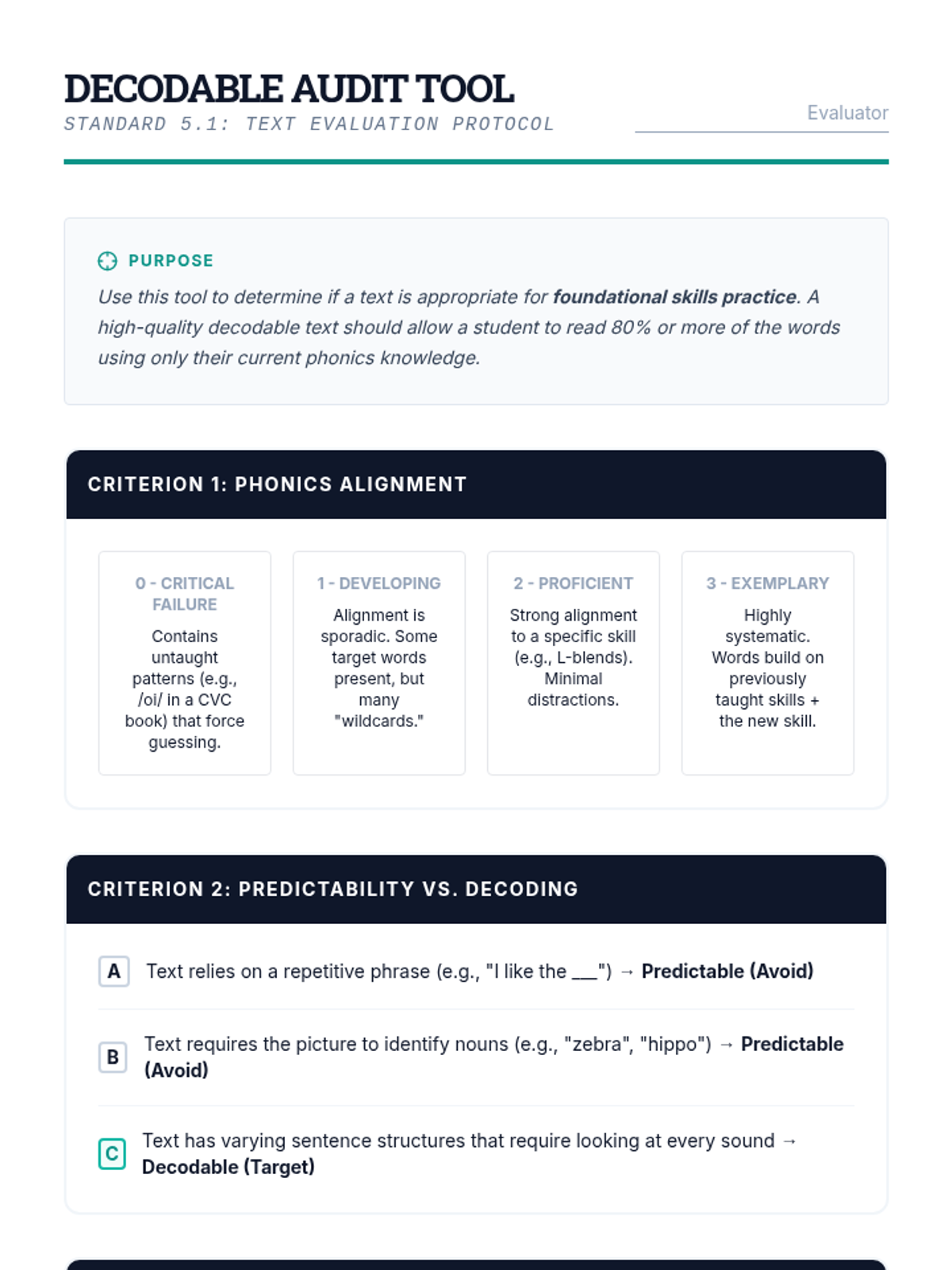
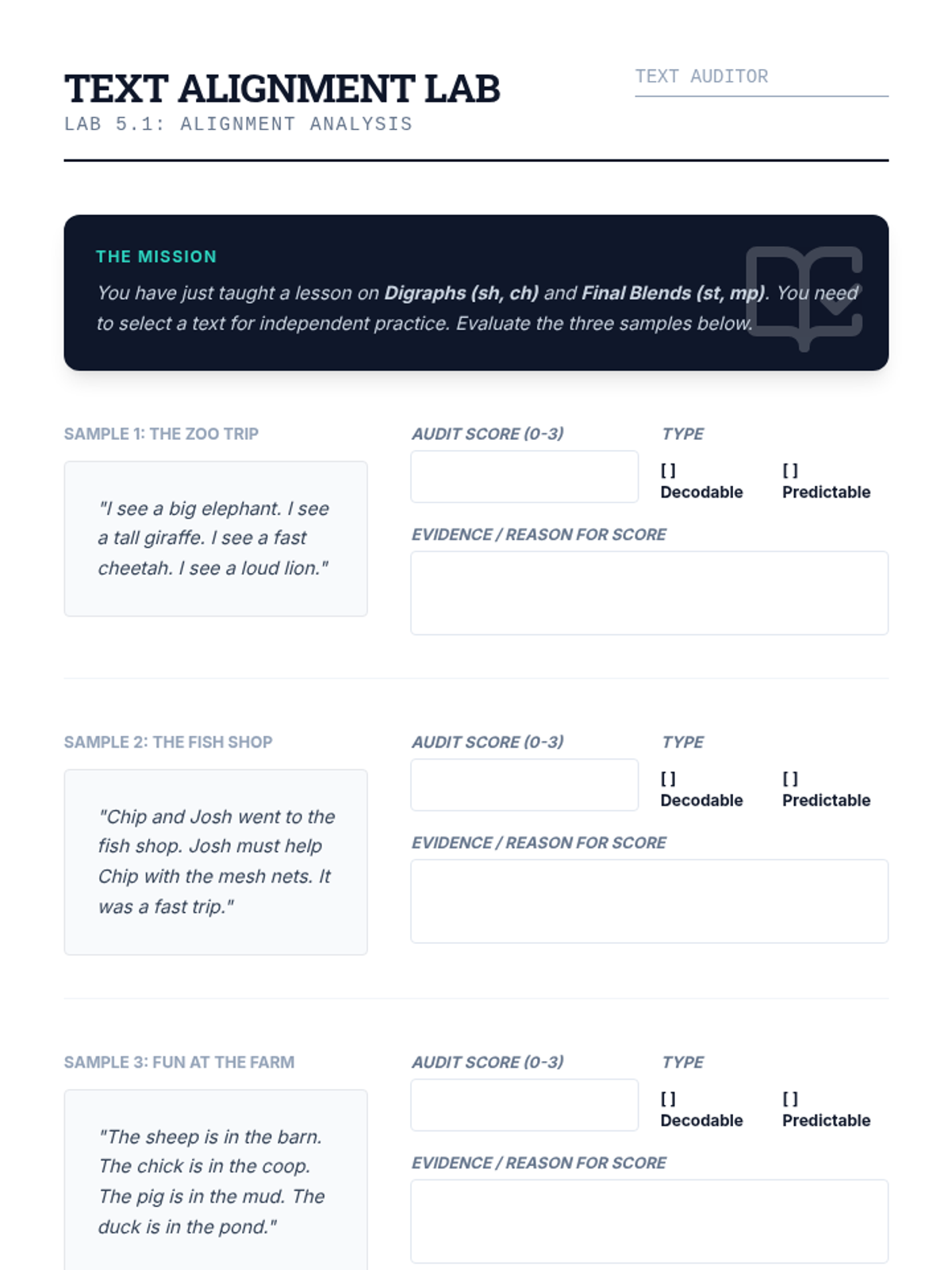
Students evaluate texts to distinguish between predictable and decodable readers, selecting resources that align with specific phonics skills.
Focuses on building advanced phonemic awareness through word chaining, specifically deleting or substituting sounds within consonant blends.
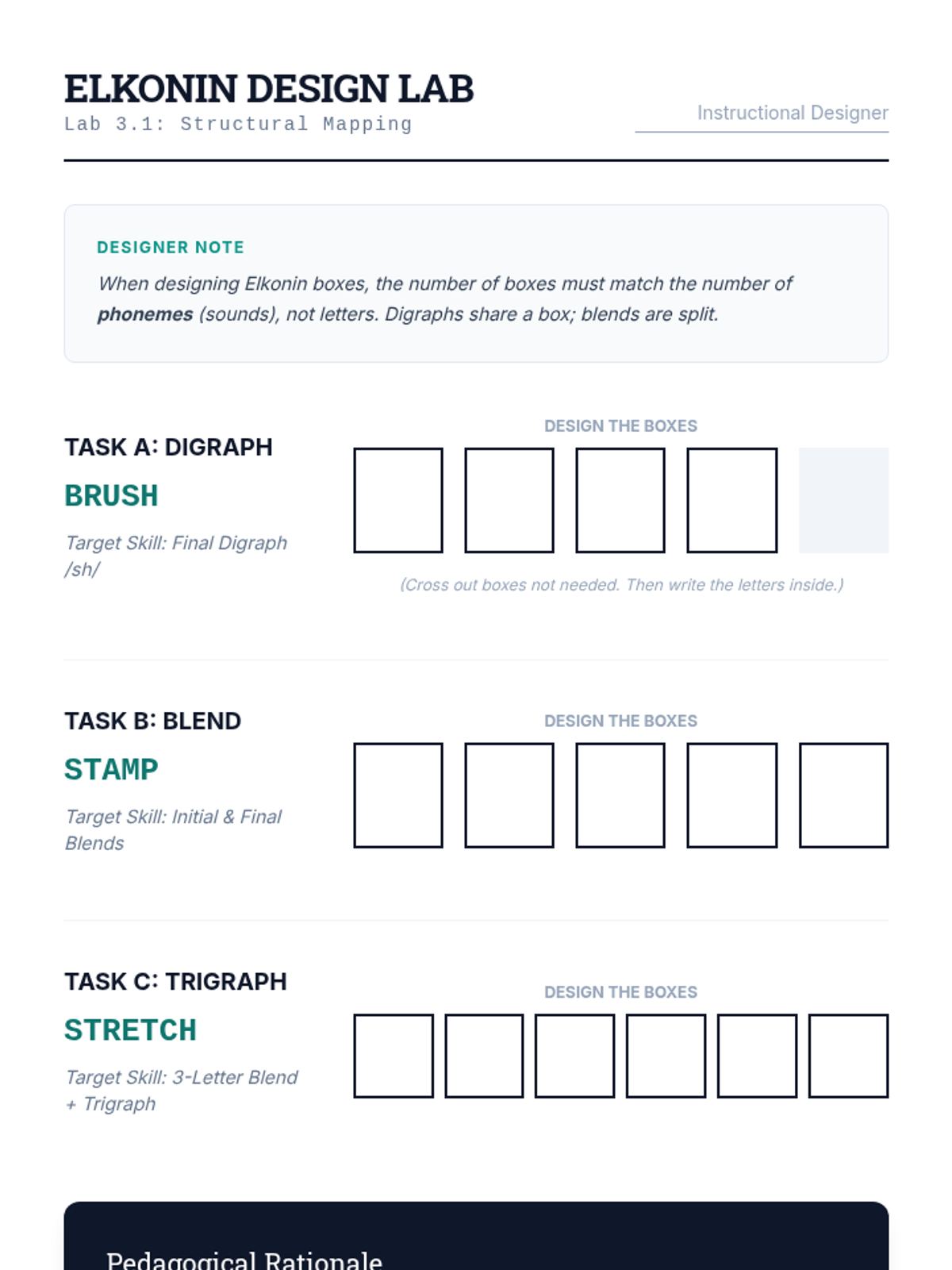
Students design Elkonin box exercises and 'tap it, map it, graph it' routines to facilitate the mental process of bonding sounds to letters.
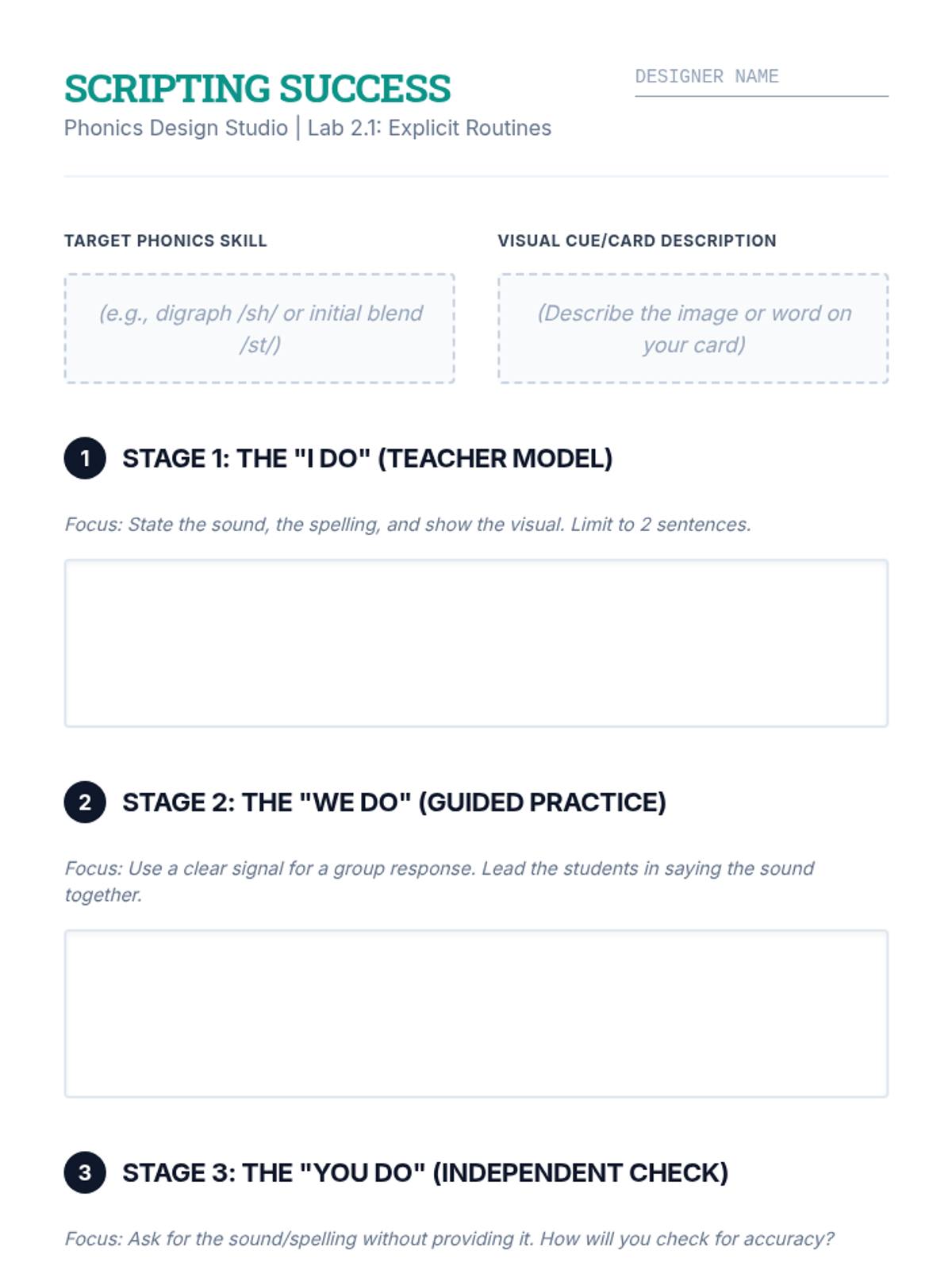
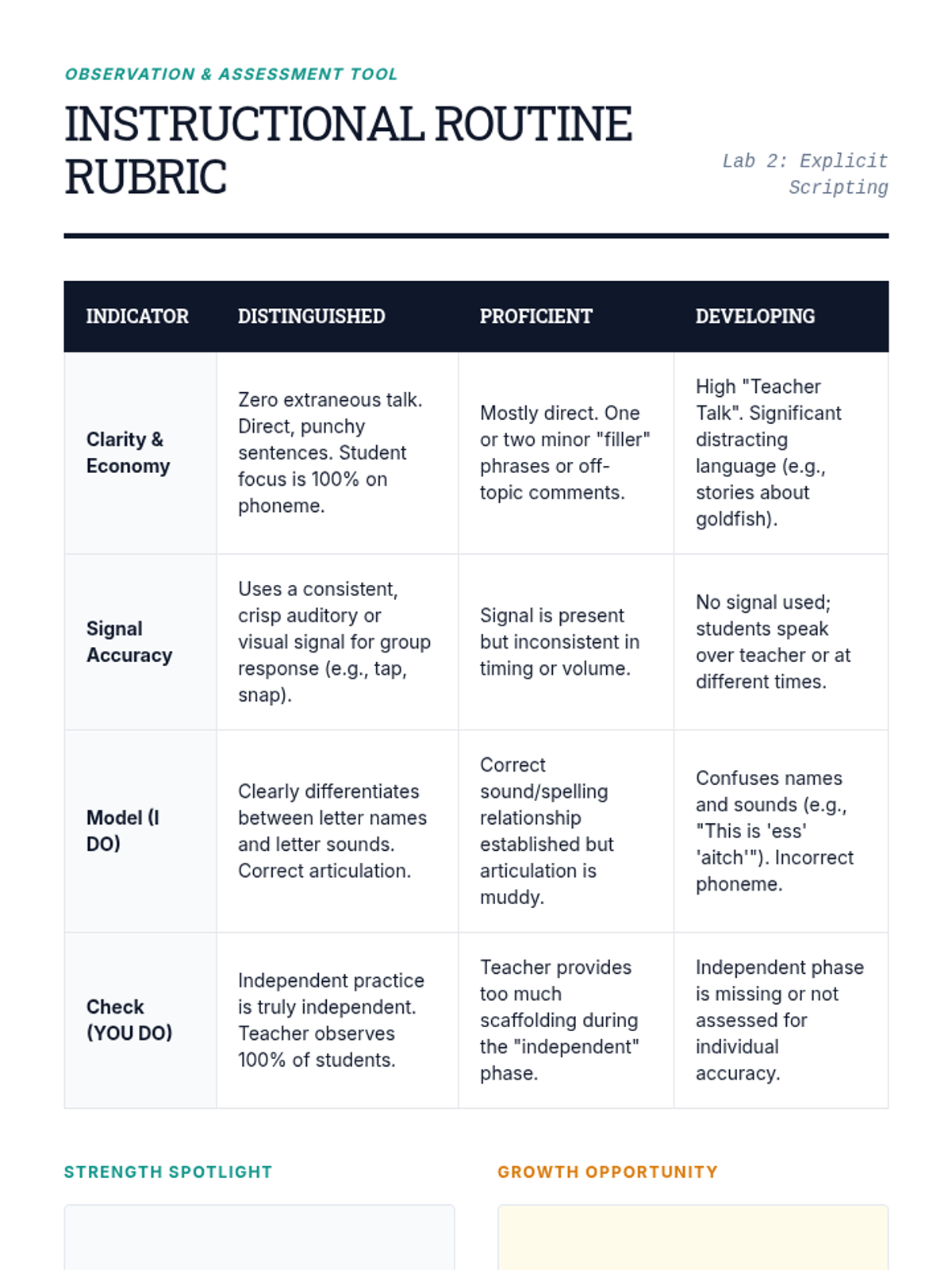
Modeling the 'I Do, We Do, You Do' framework for phonics, students practice scripting clear definitions and modeling decoding strategies without extraneous teacher talk.
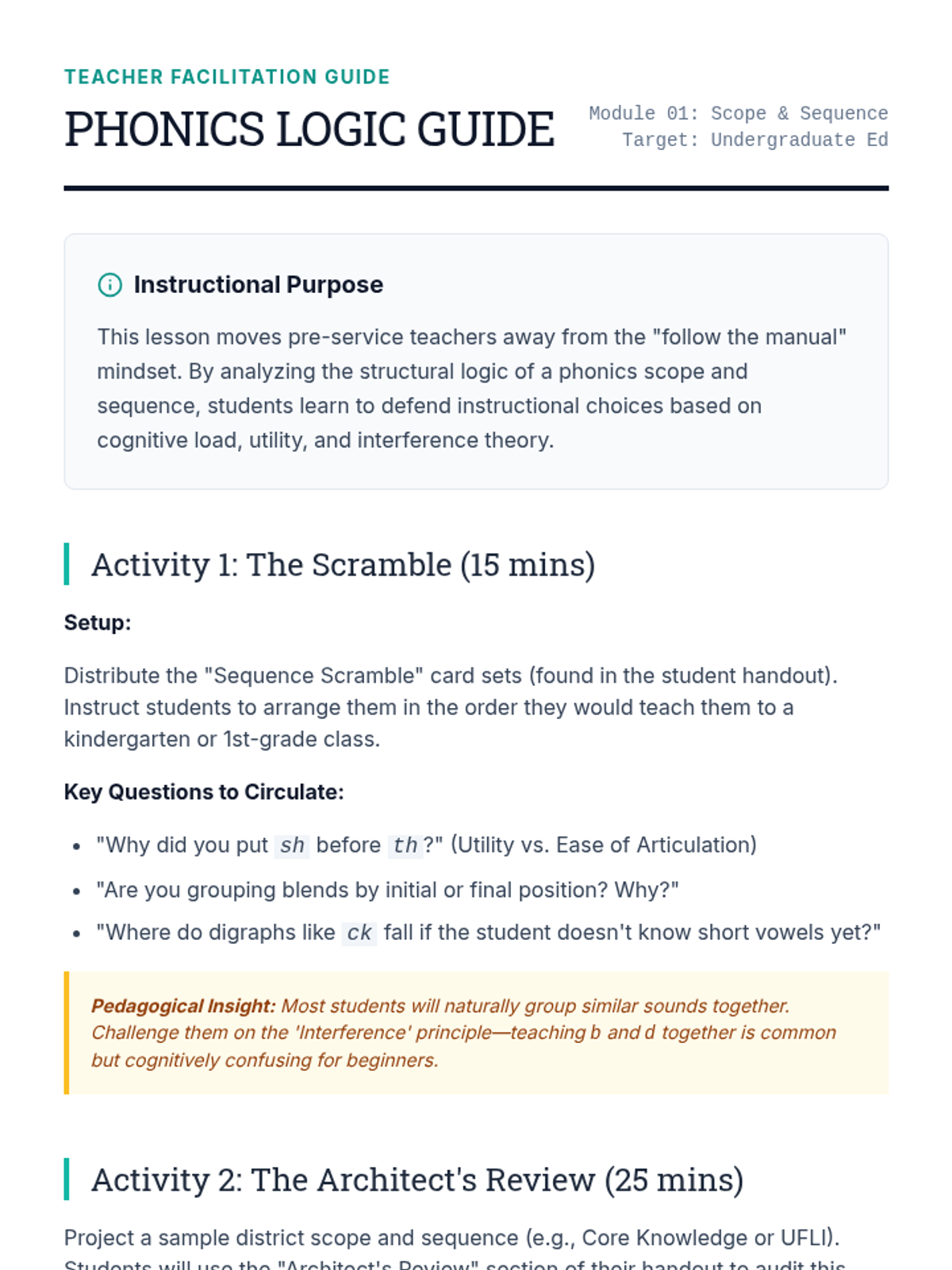
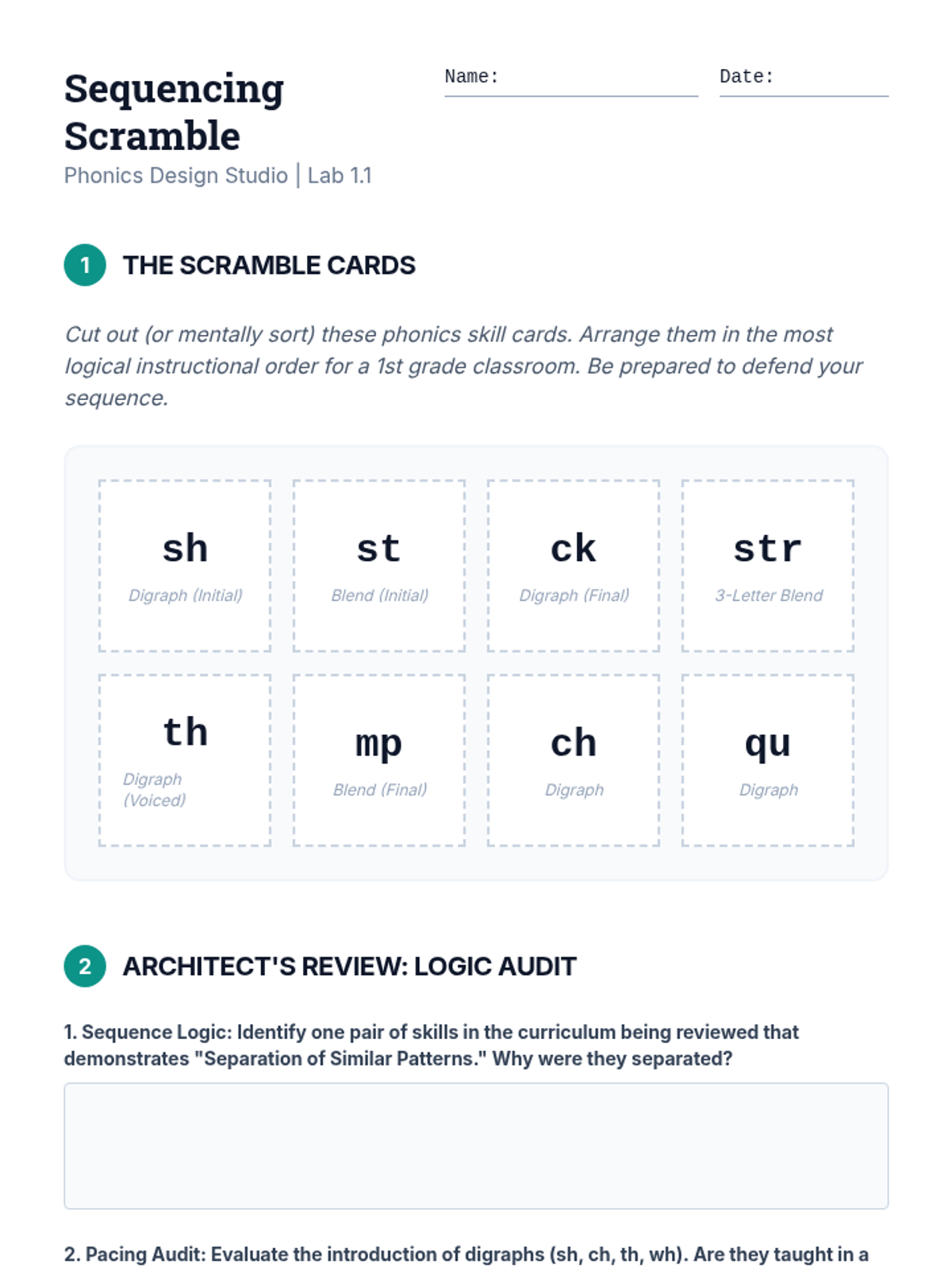
Students analyze curriculum models to determine the optimal order for introducing digraphs and blends, focusing on simple-to-complex logic and separating visually similar patterns.
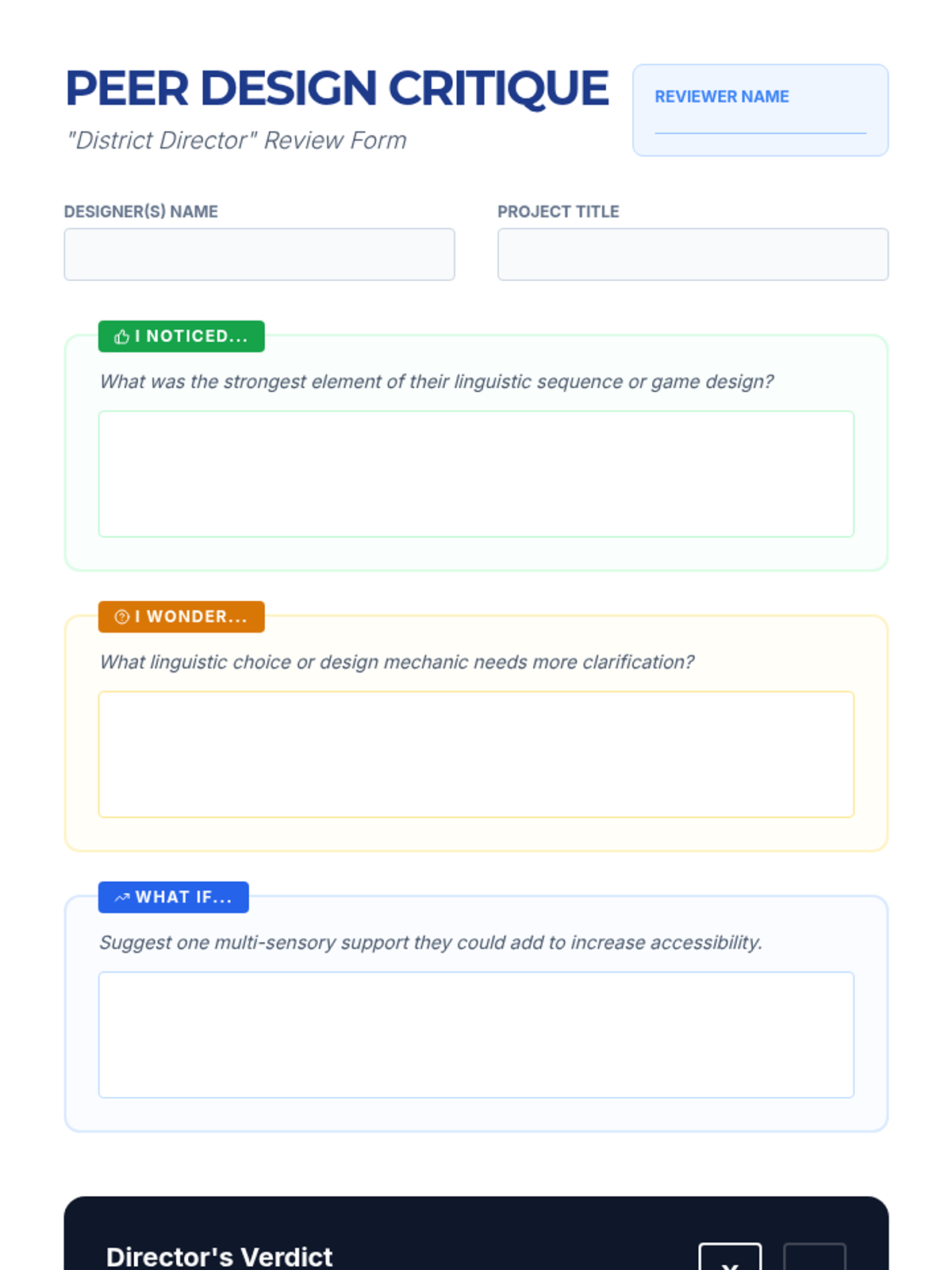
Students present their comprehensive curriculum packages in a pitch-style showcase and engage in peer review to evaluate logical flow and linguistic integrity.
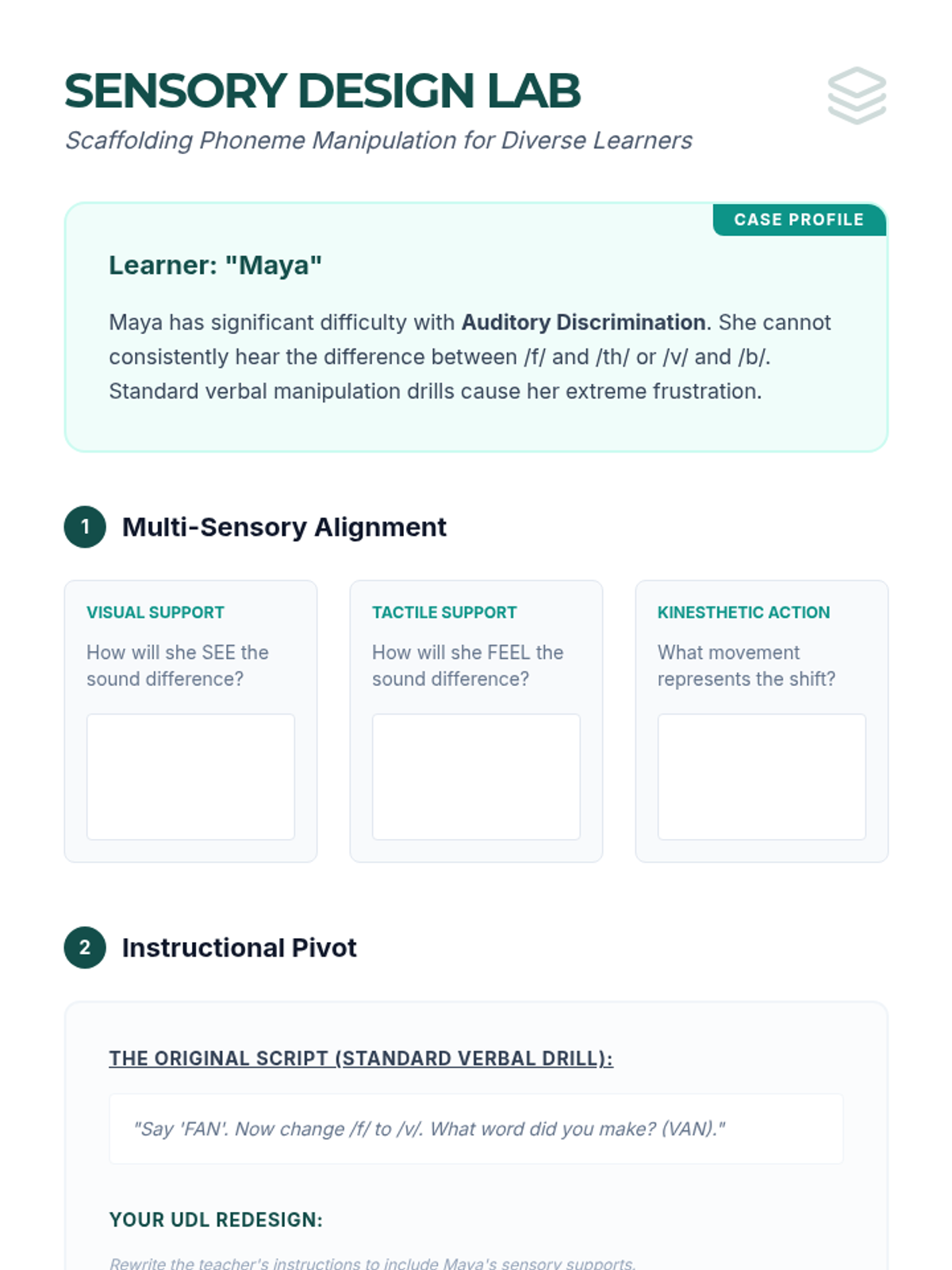
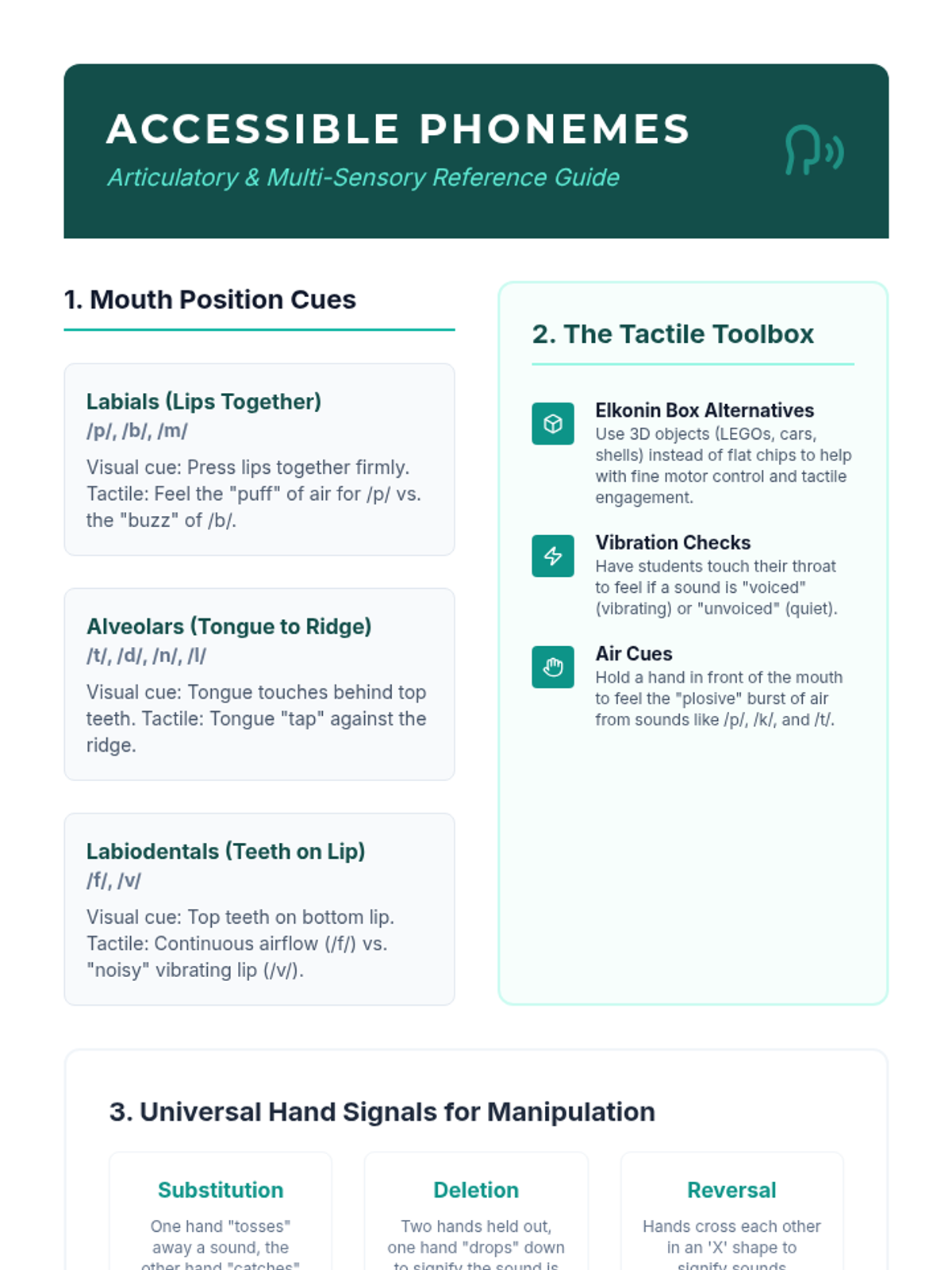
Students design multi-sensory supports and visual cues for diverse learners, applying UDL principles to phoneme manipulation instruction for students with varying needs.
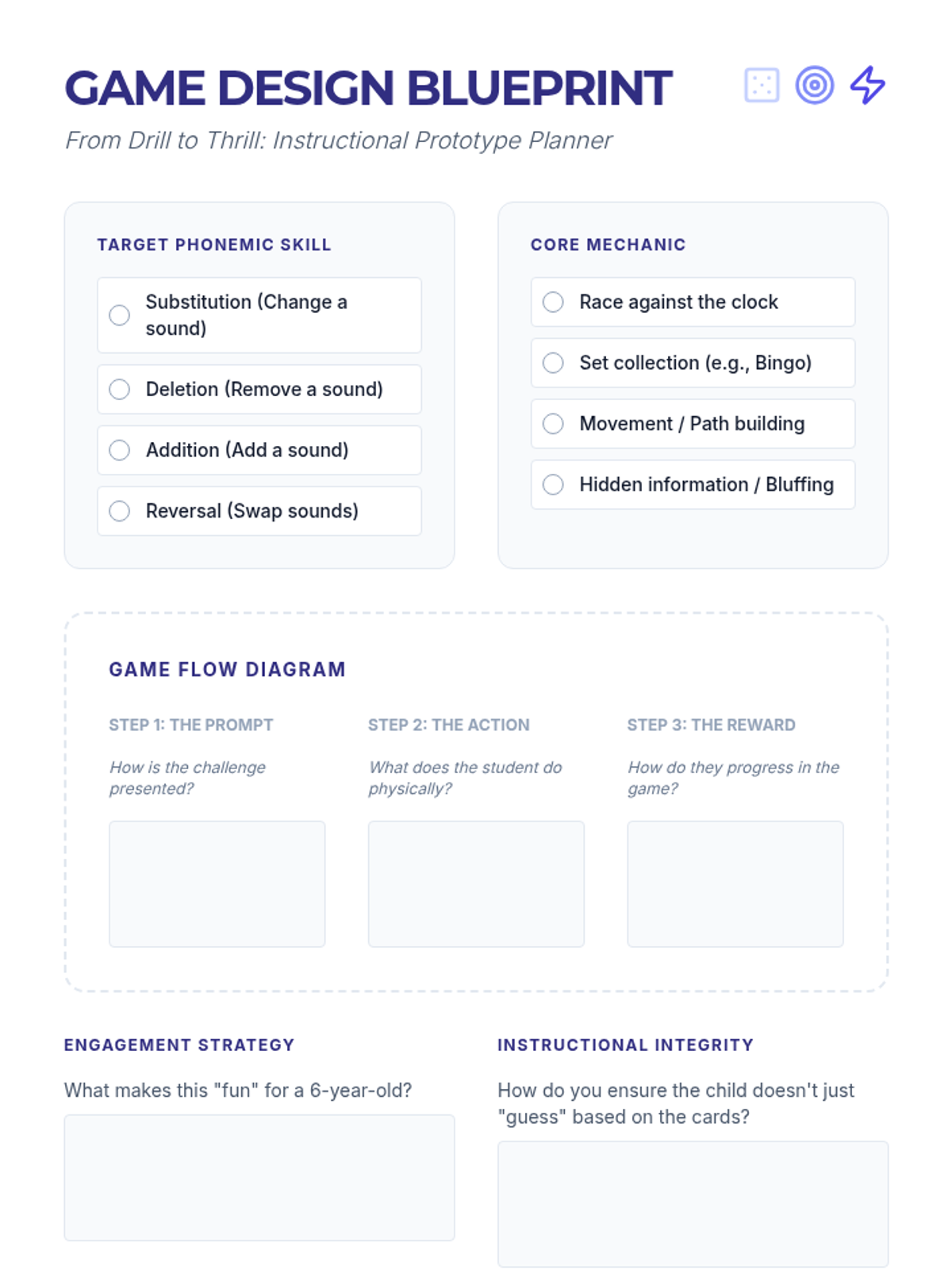
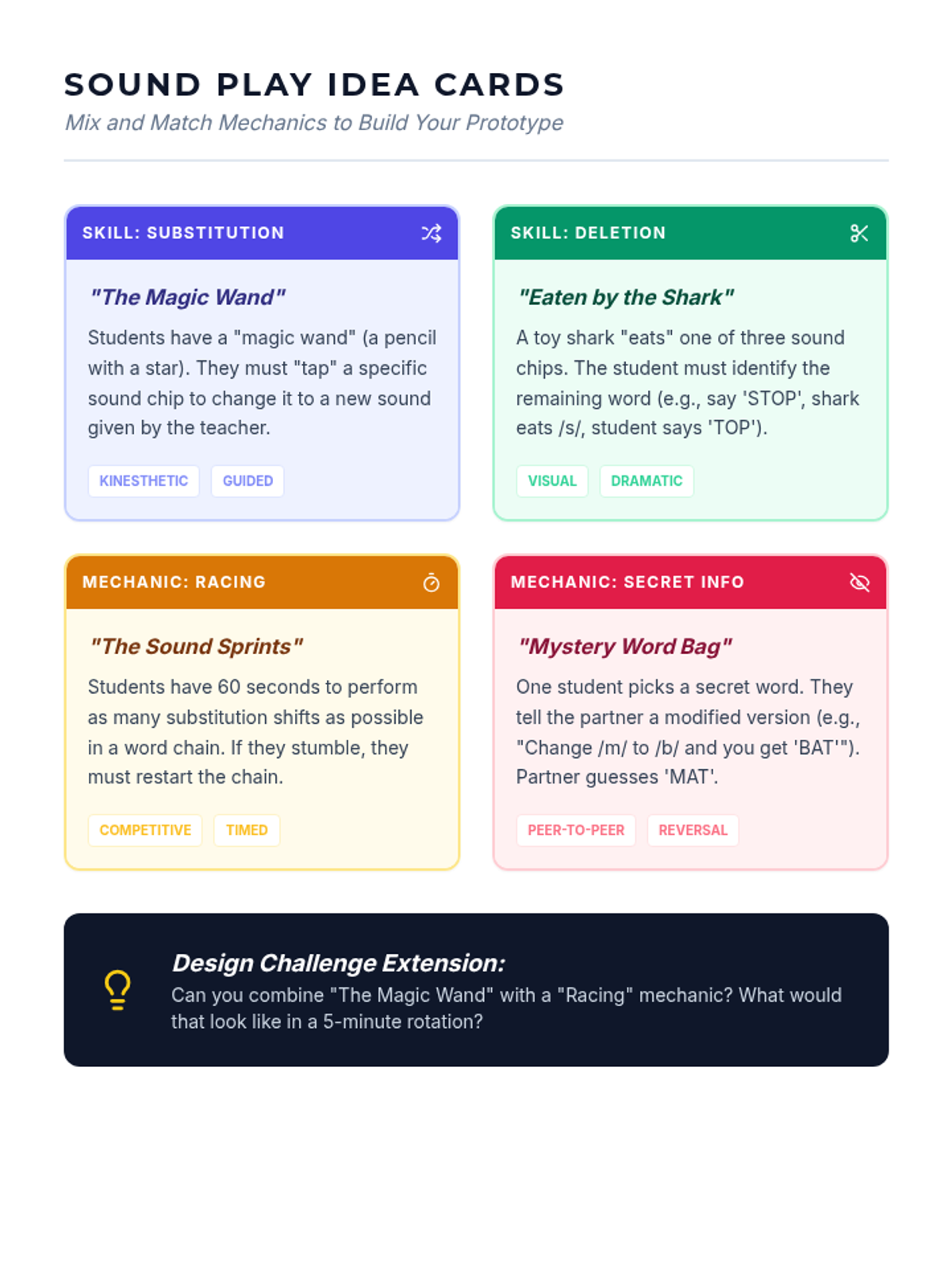
Participants apply game design principles to repetitive phonological drills, creating low-tech prototypes that maintain instructional focus while increasing engagement.
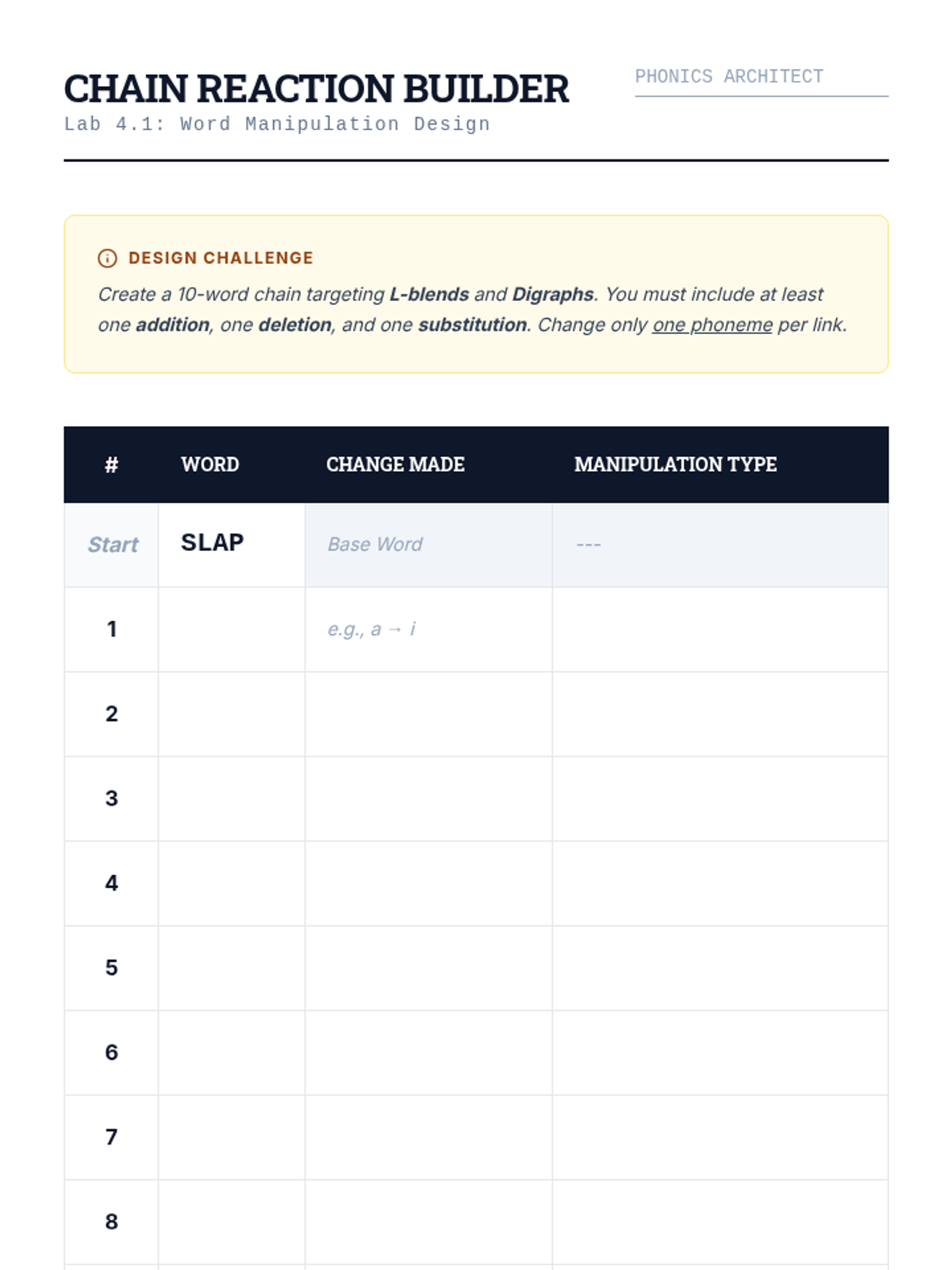
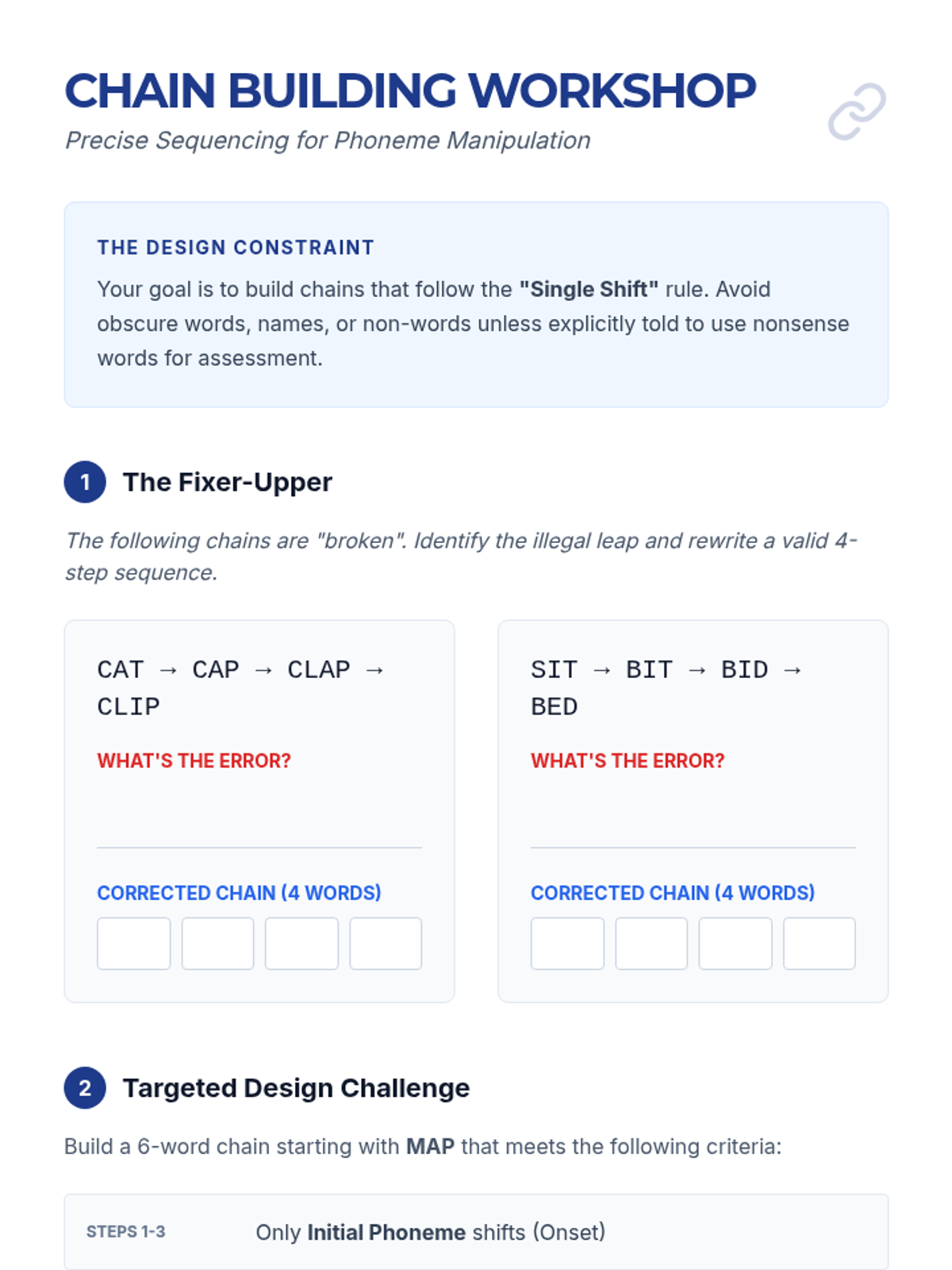
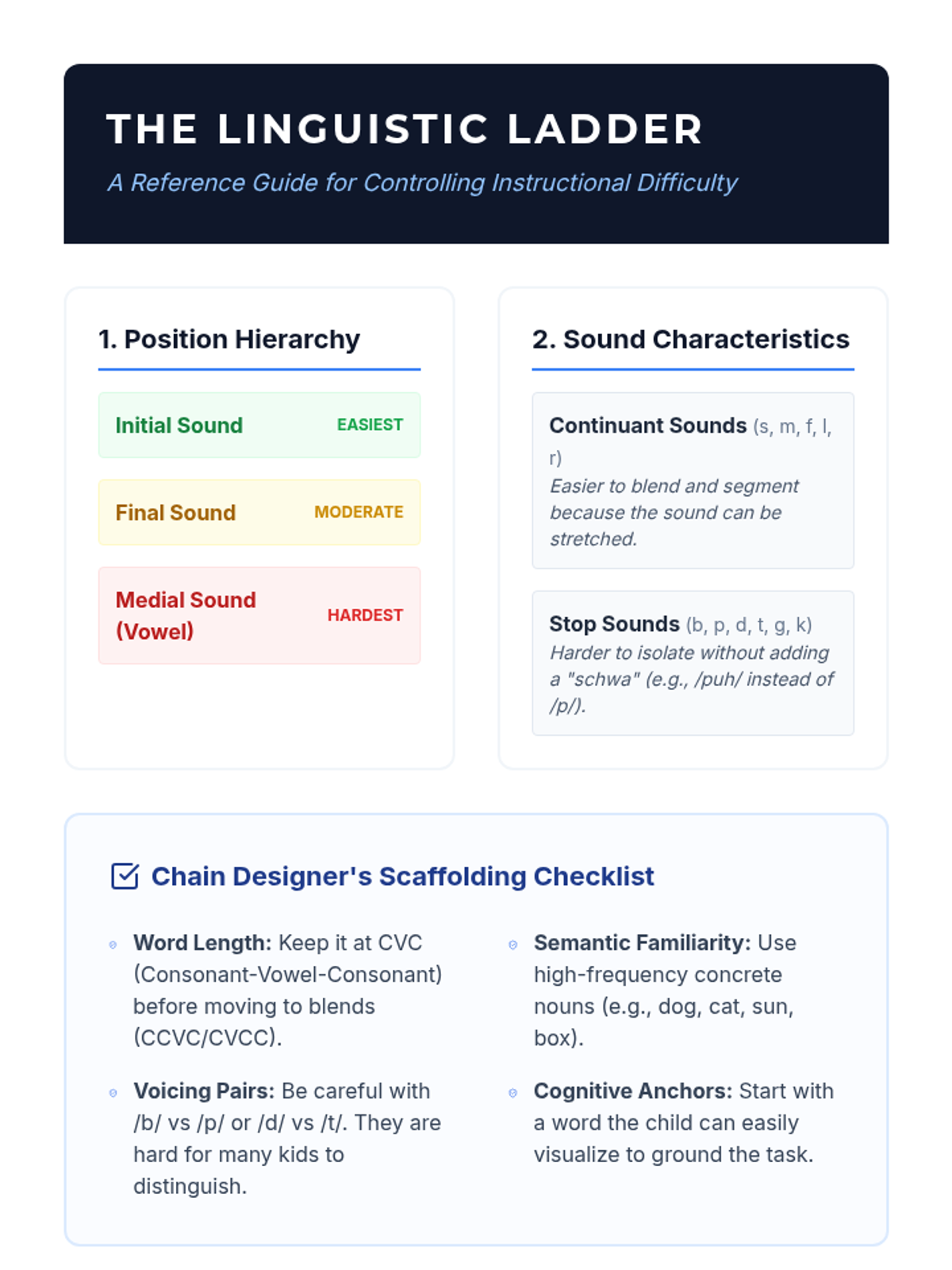
Students practice the precise skill of creating word chains, ensuring only one phoneme changes at a time. They analyze the linguistic complexity of phonemic shifts to protect the learner's cognitive load.
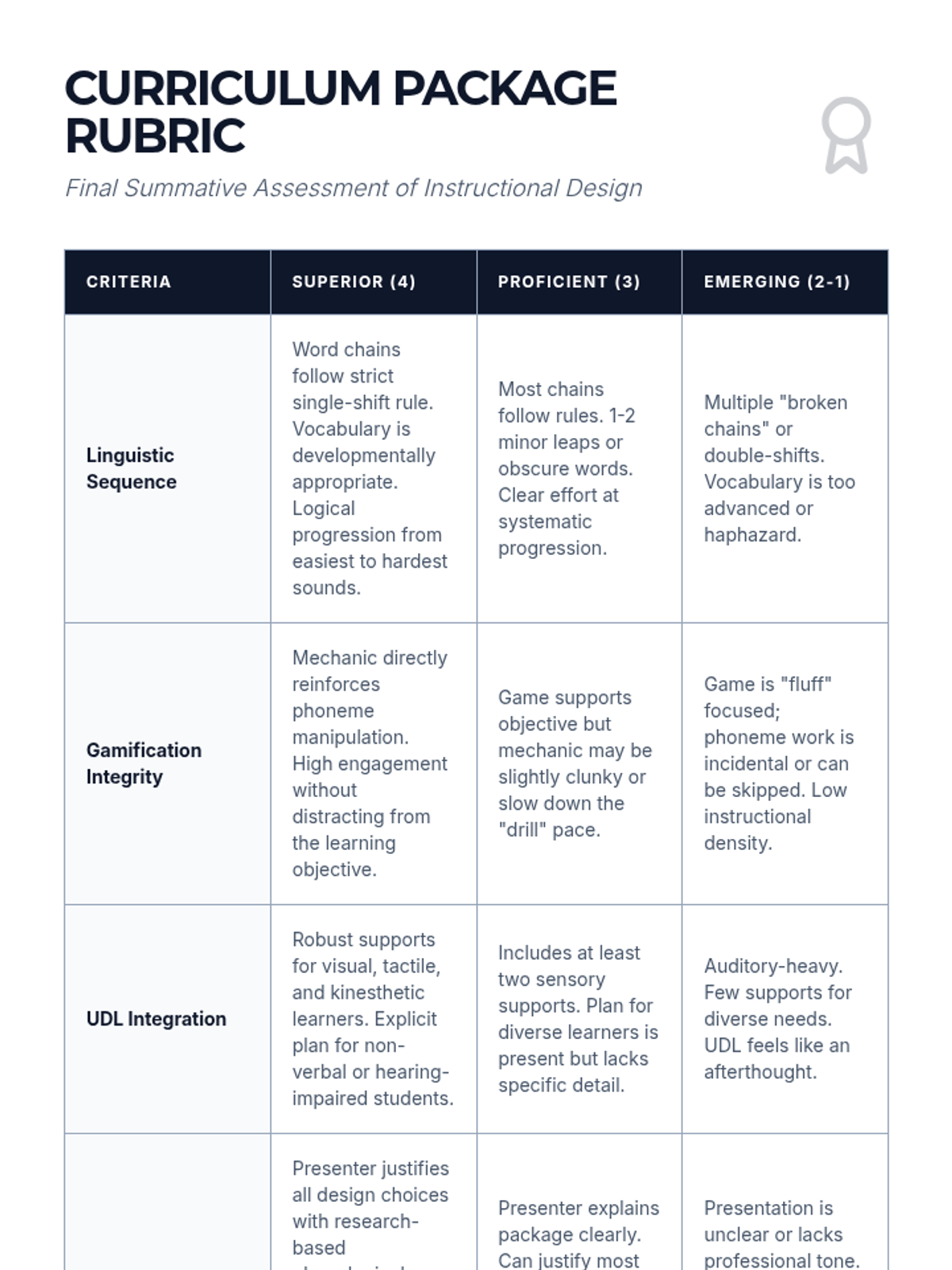
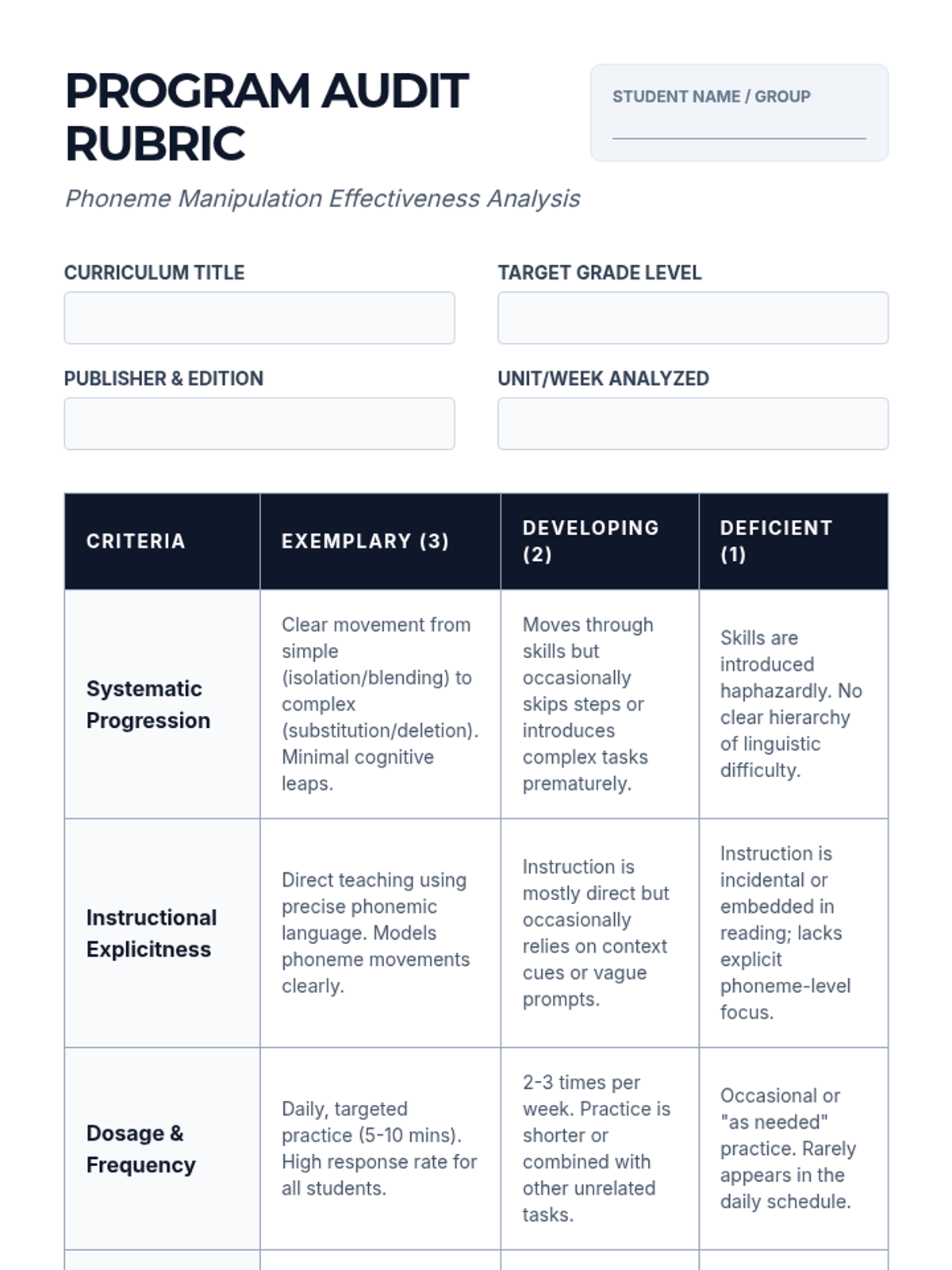
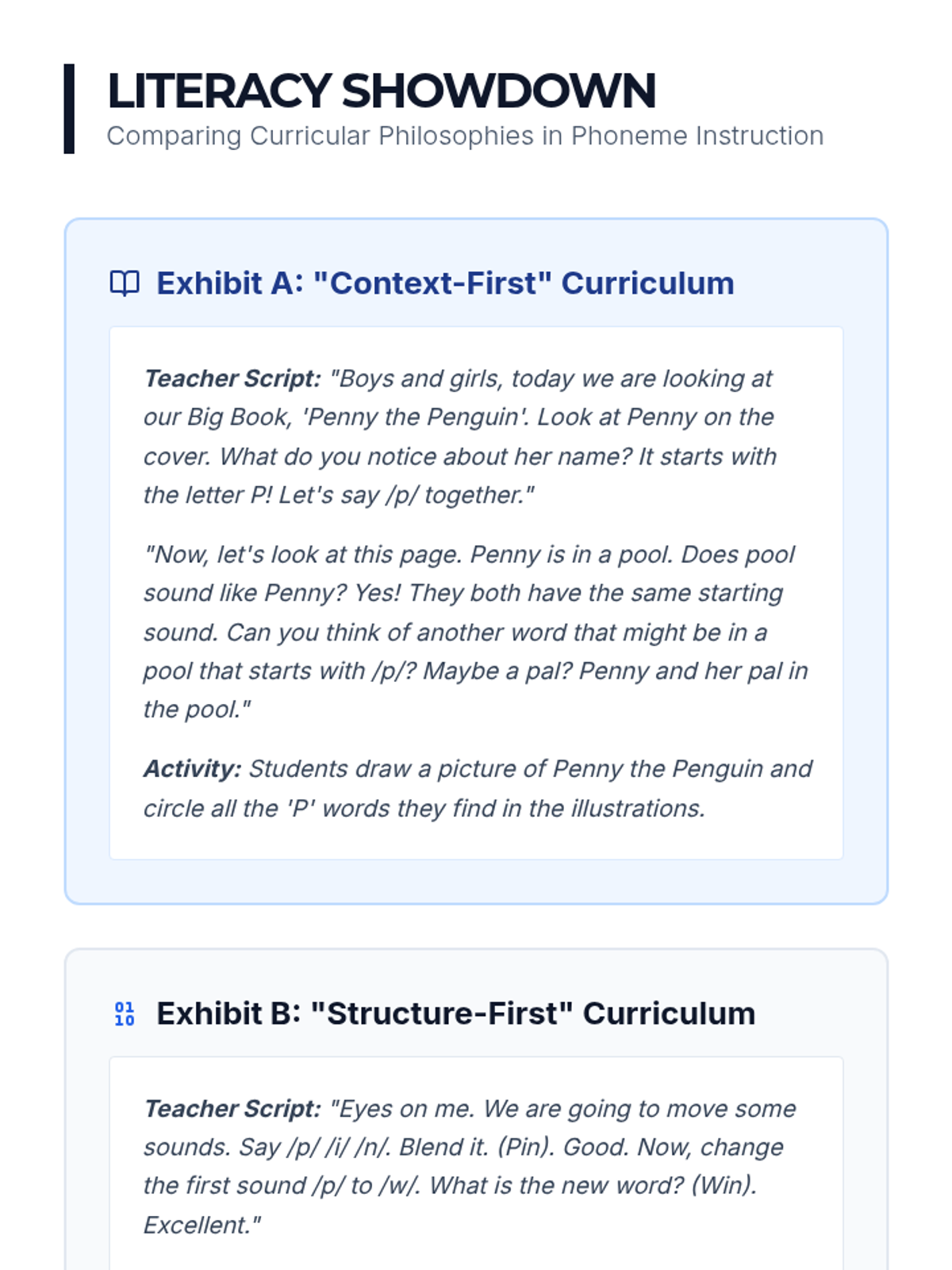
Students audit popular reading programs to evaluate their phoneme manipulation components using a research-based rubric. They compare balanced literacy and structured literacy approaches to identify instructional gaps.
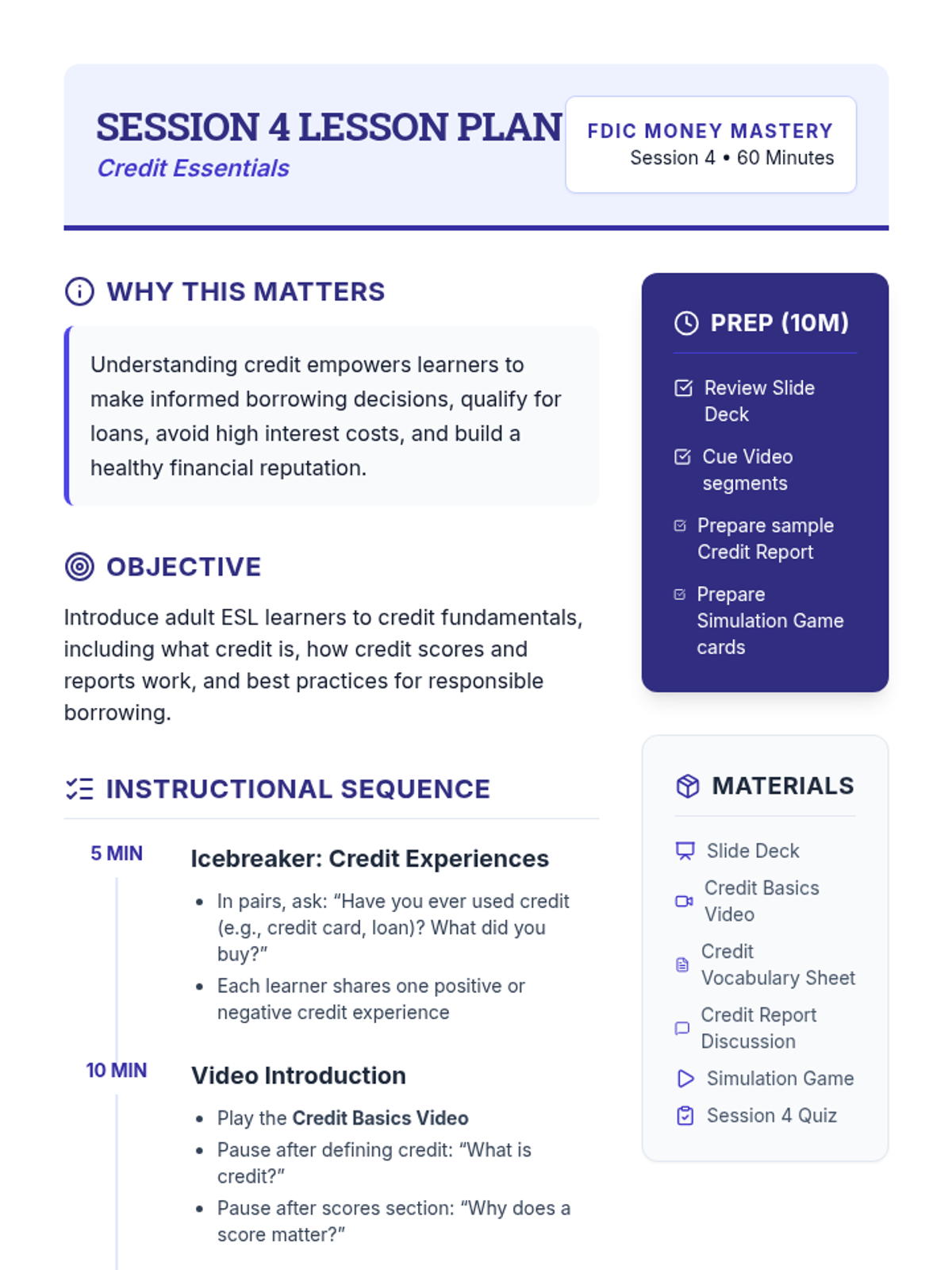
Learning the fundamentals of credit, including interest rates, APR, credit scores, and reading credit reports.
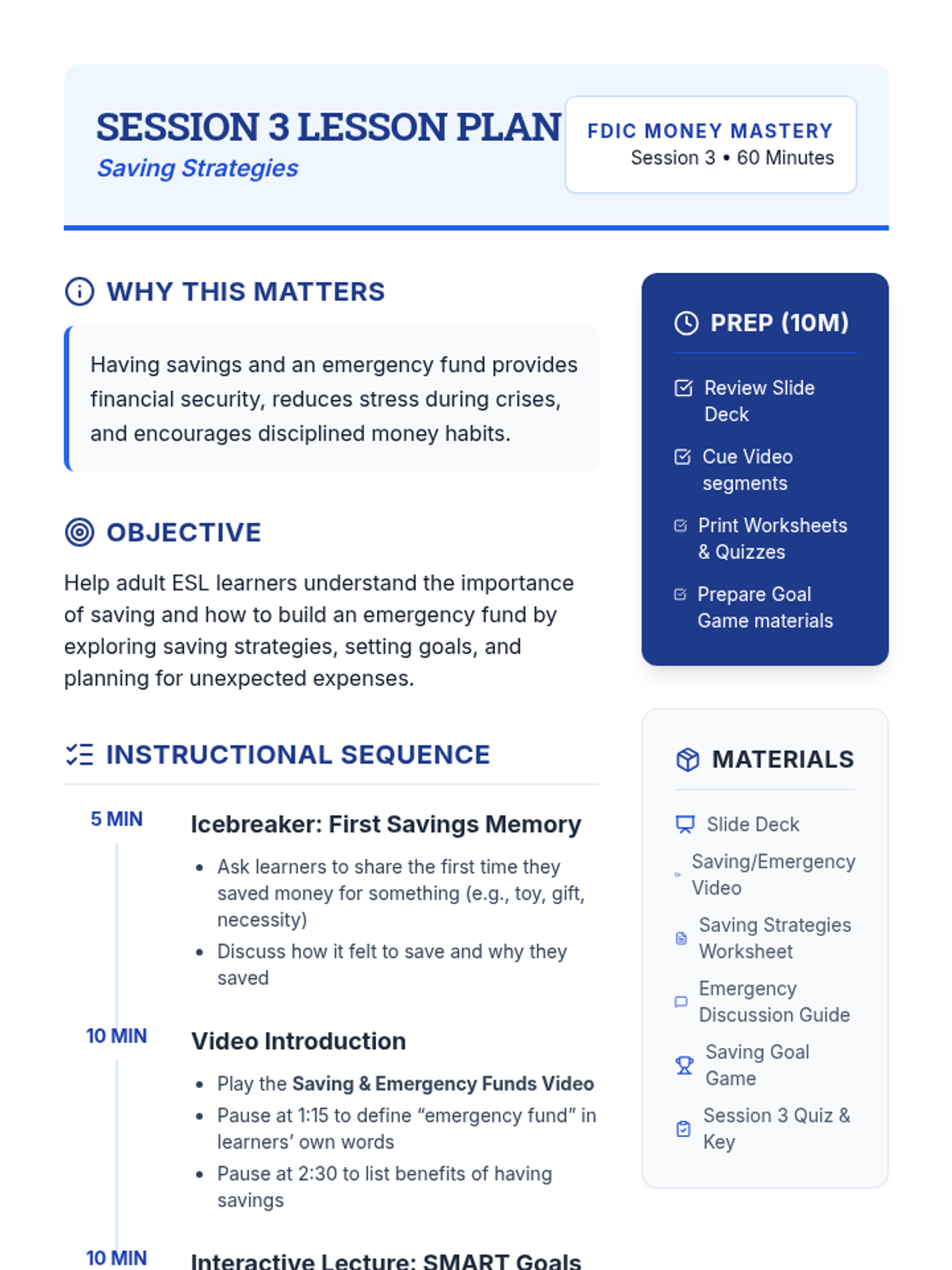
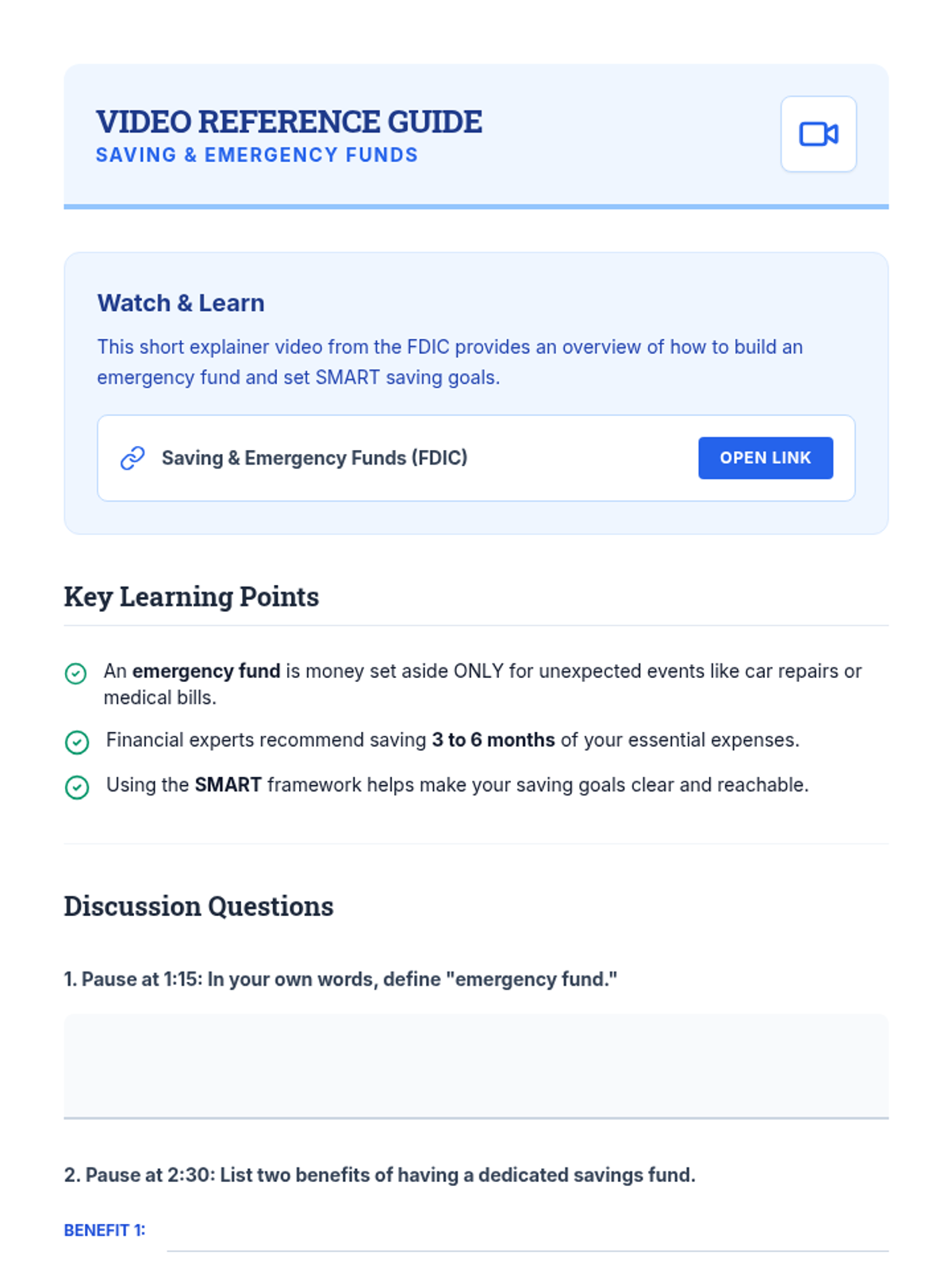
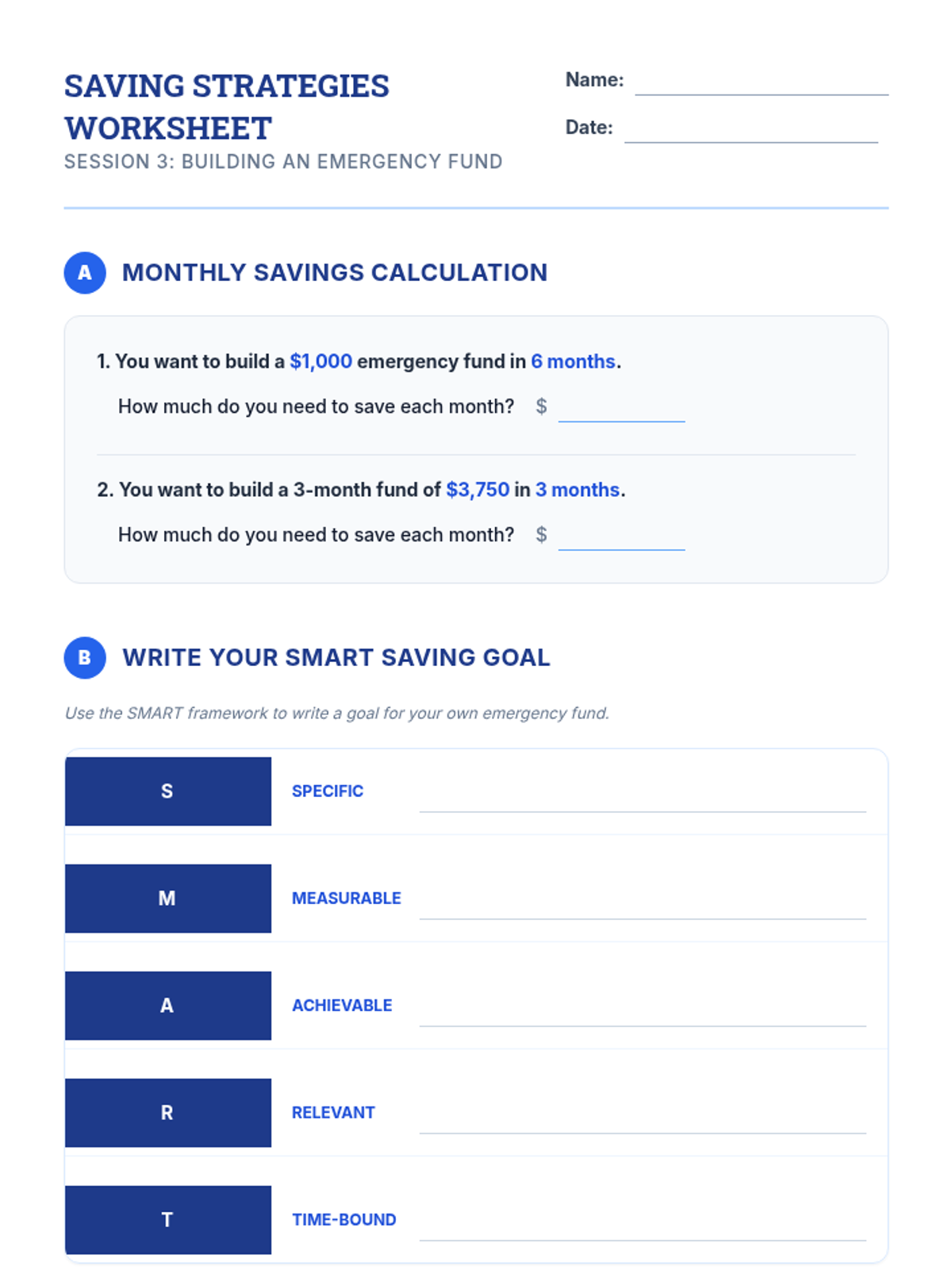
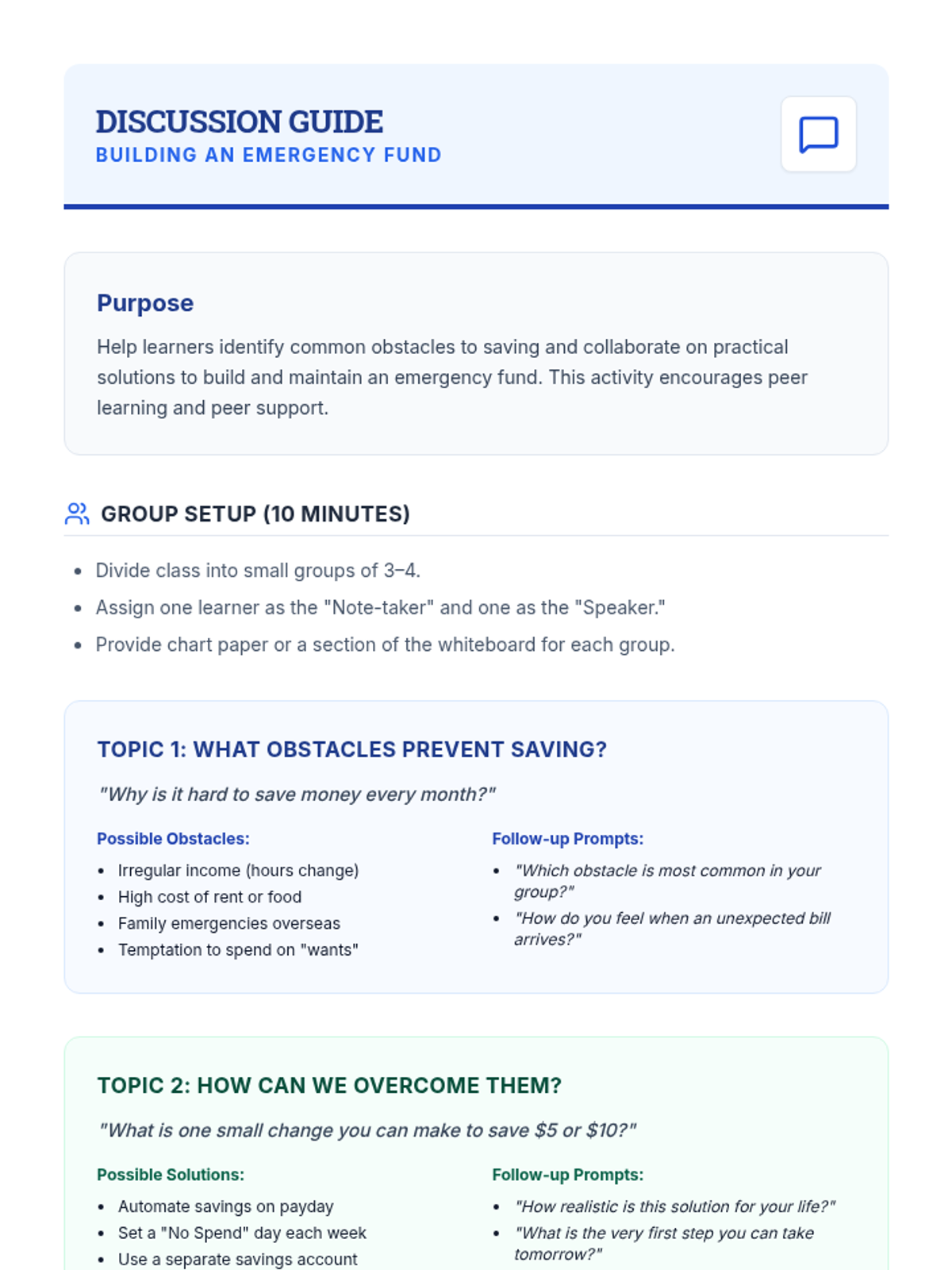
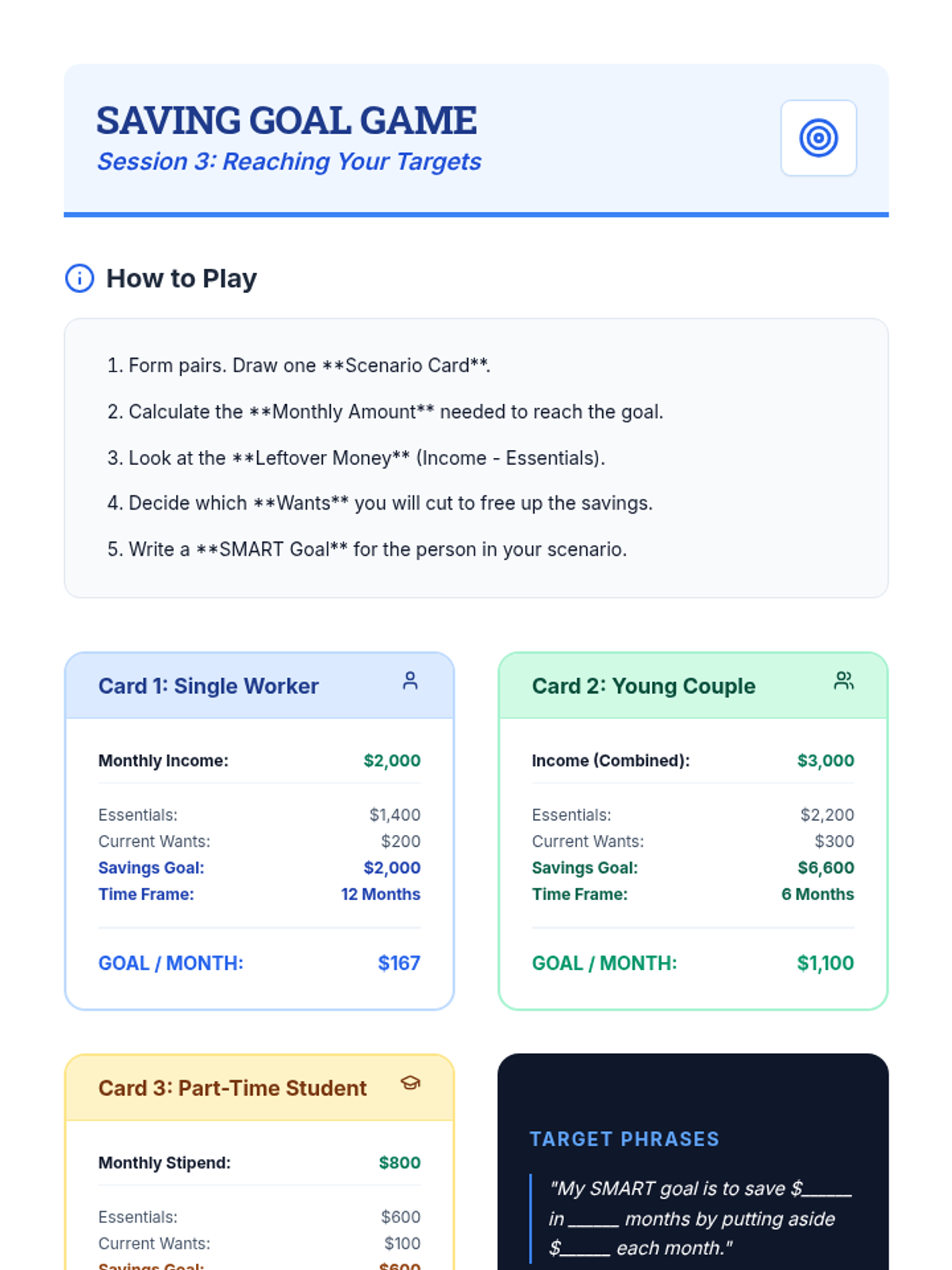
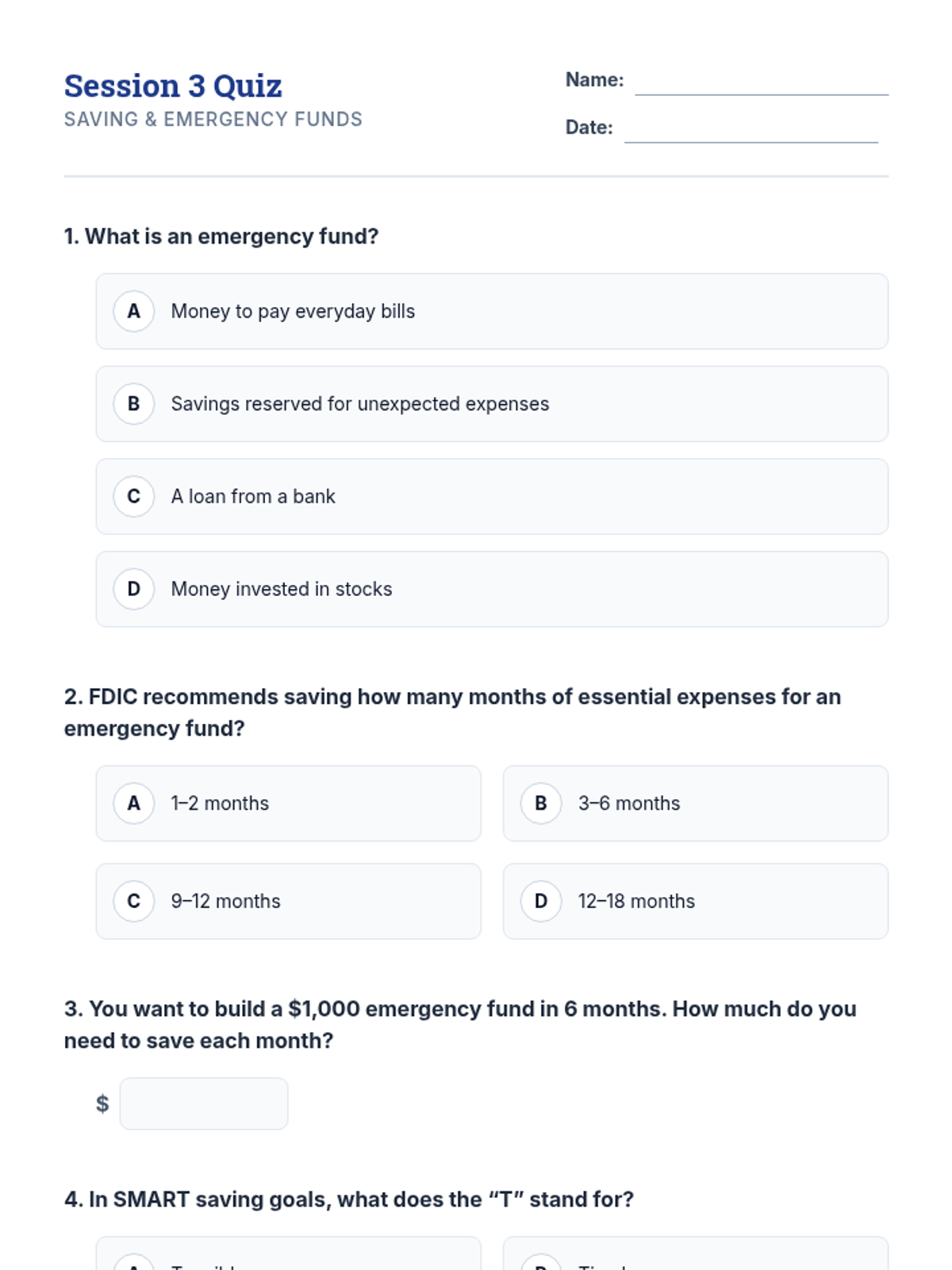
Exploring the importance of saving, building an emergency fund, and setting SMART saving goals.
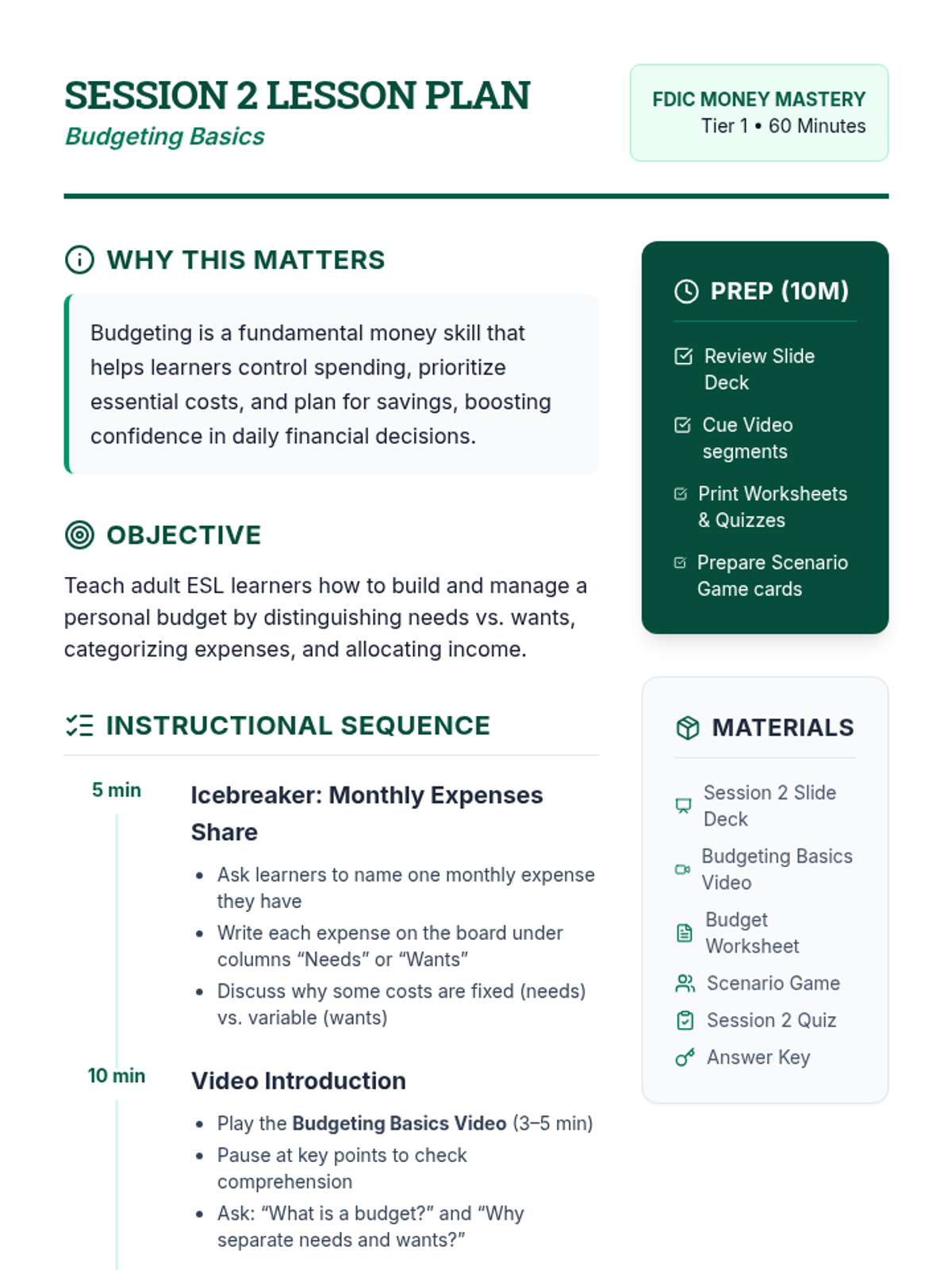
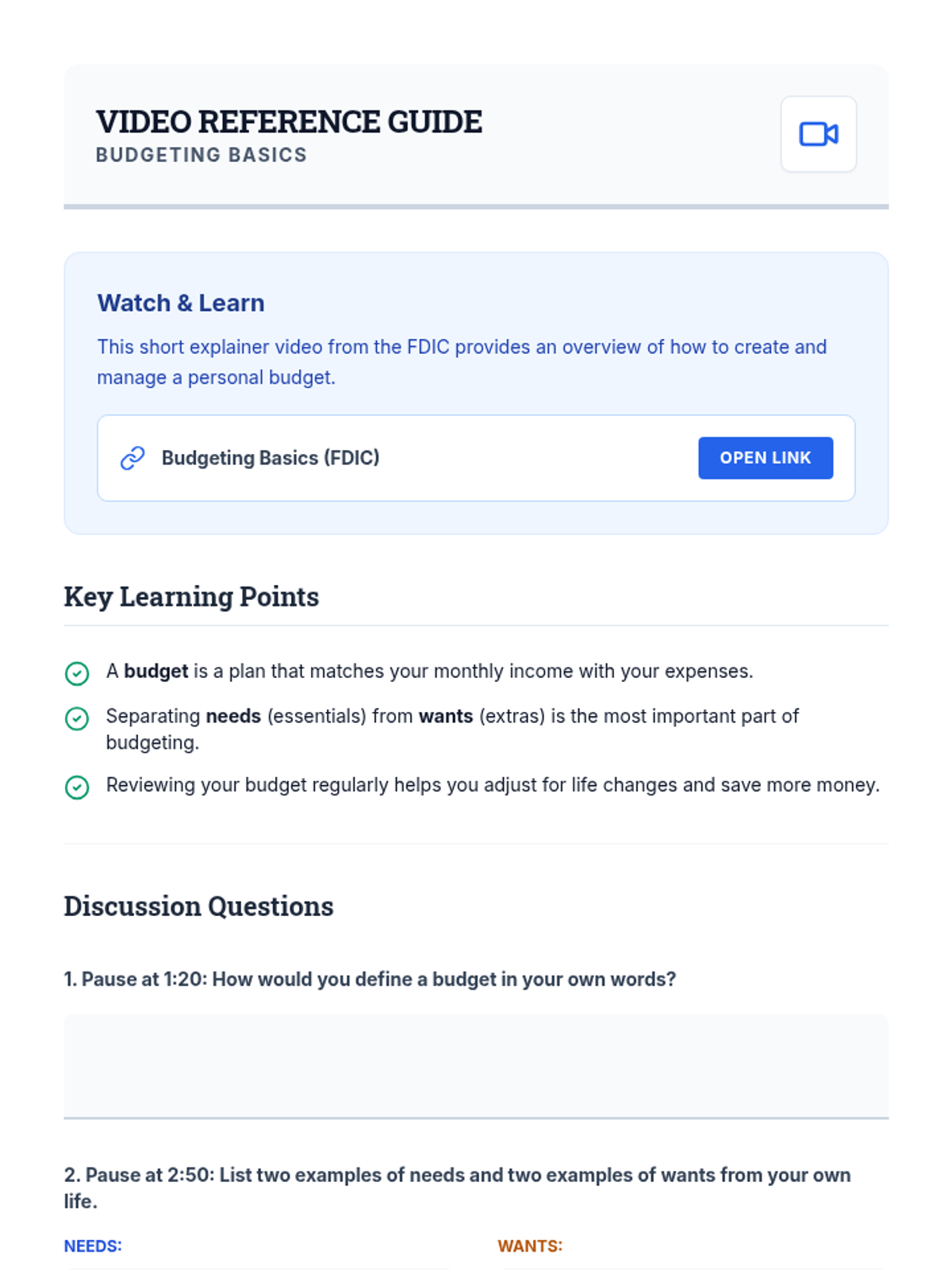
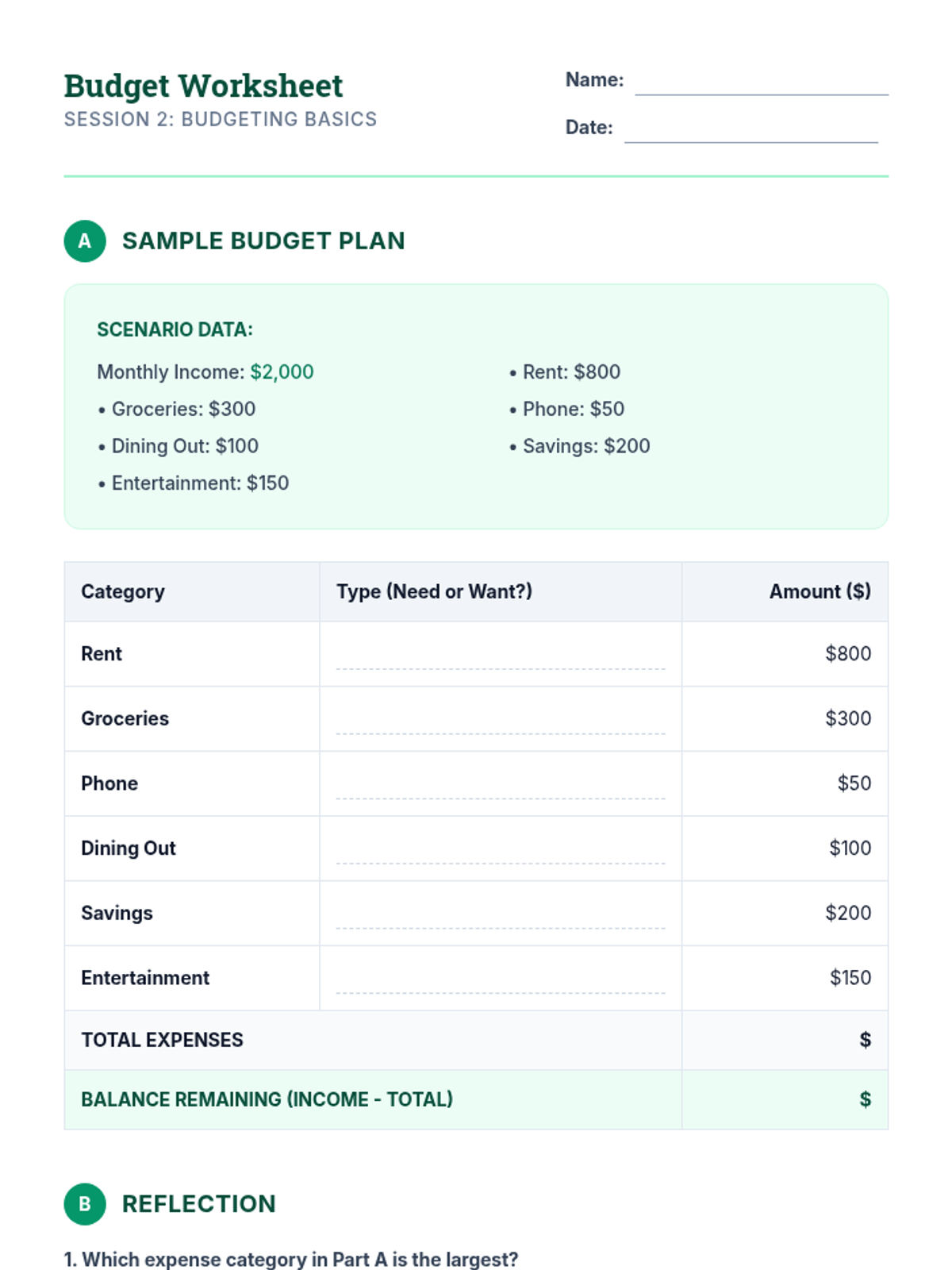
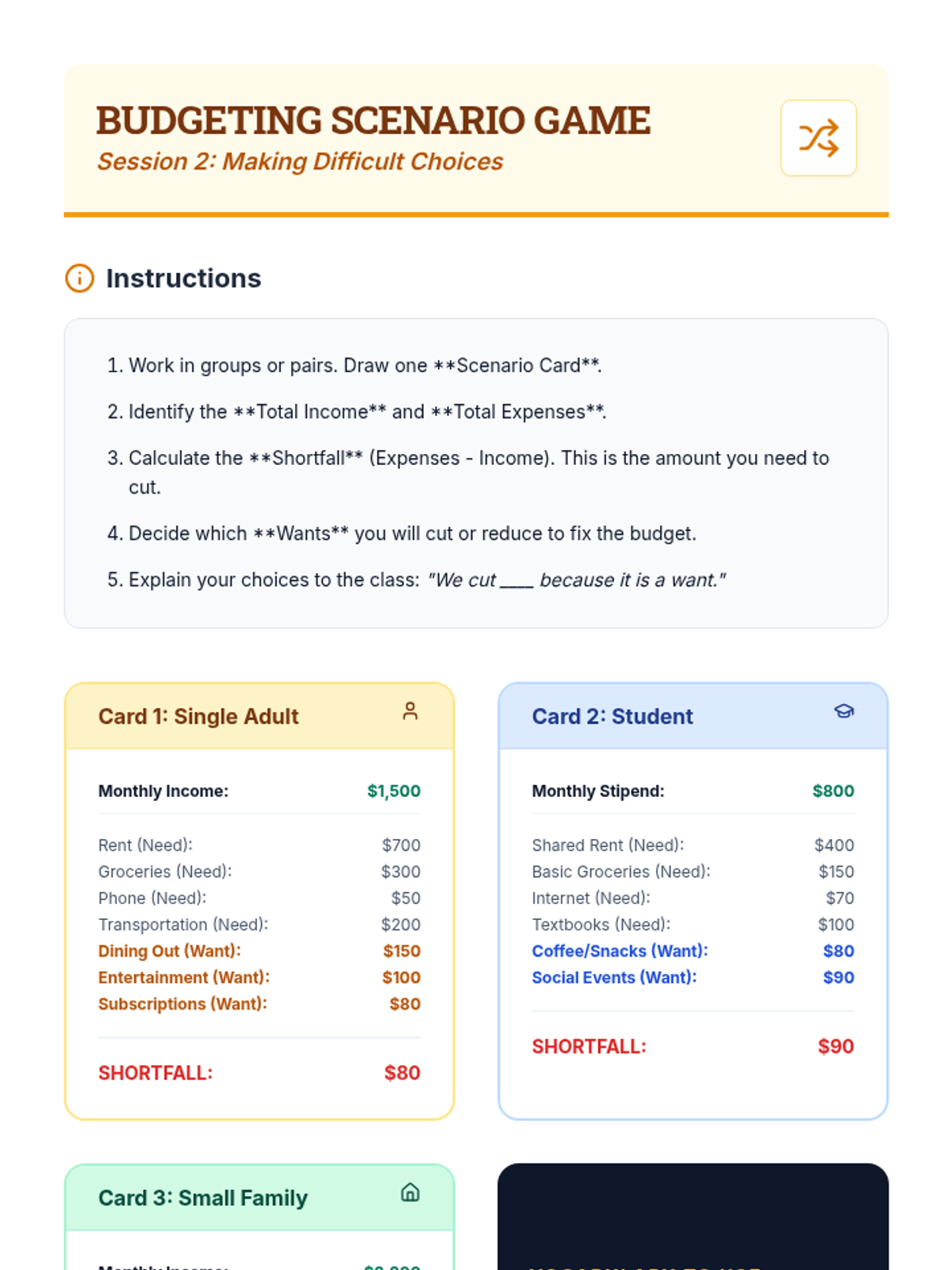
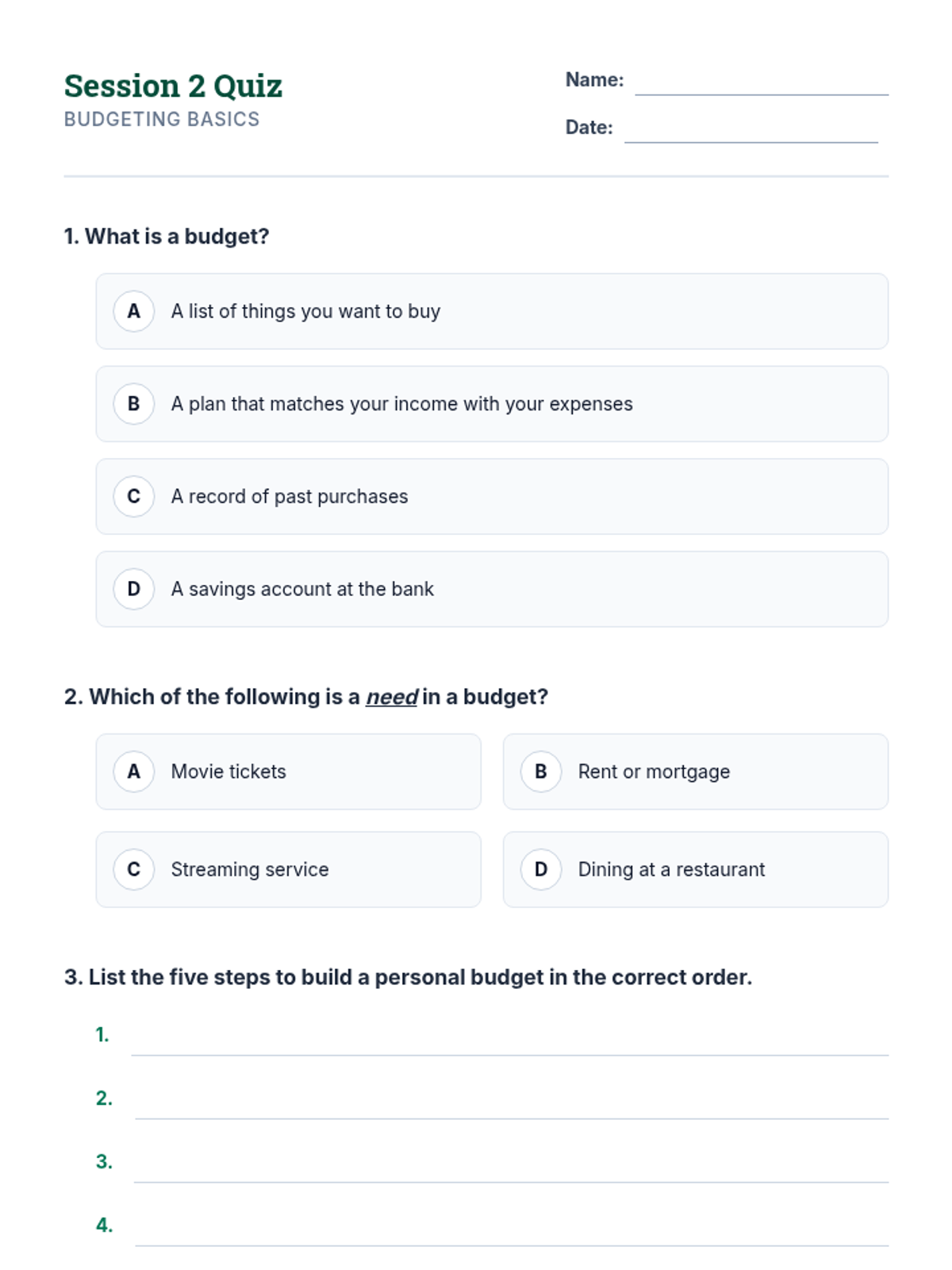
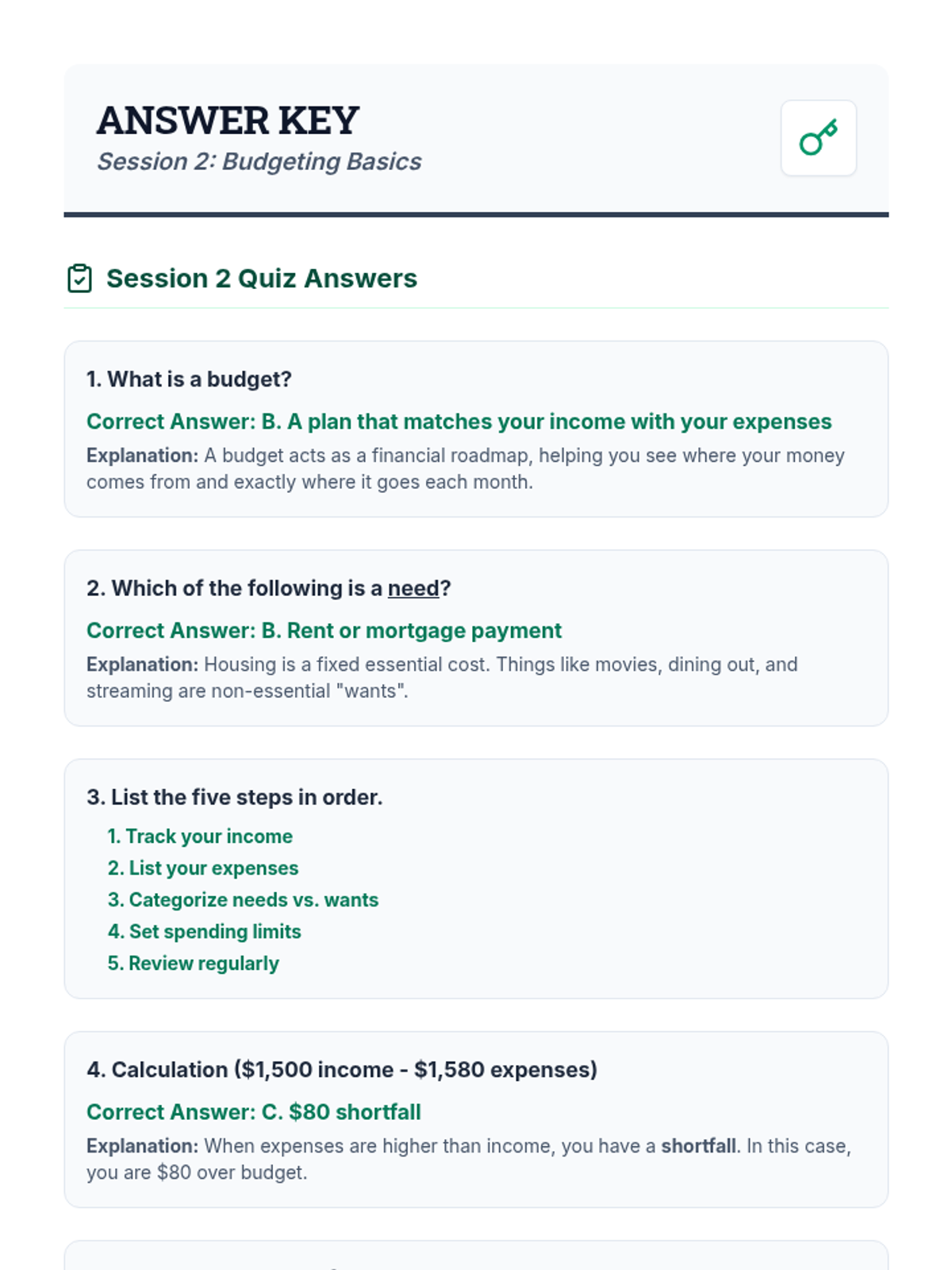
Understanding the purpose of a budget, distinguishing needs vs. wants, and following five steps to build a personal budget.
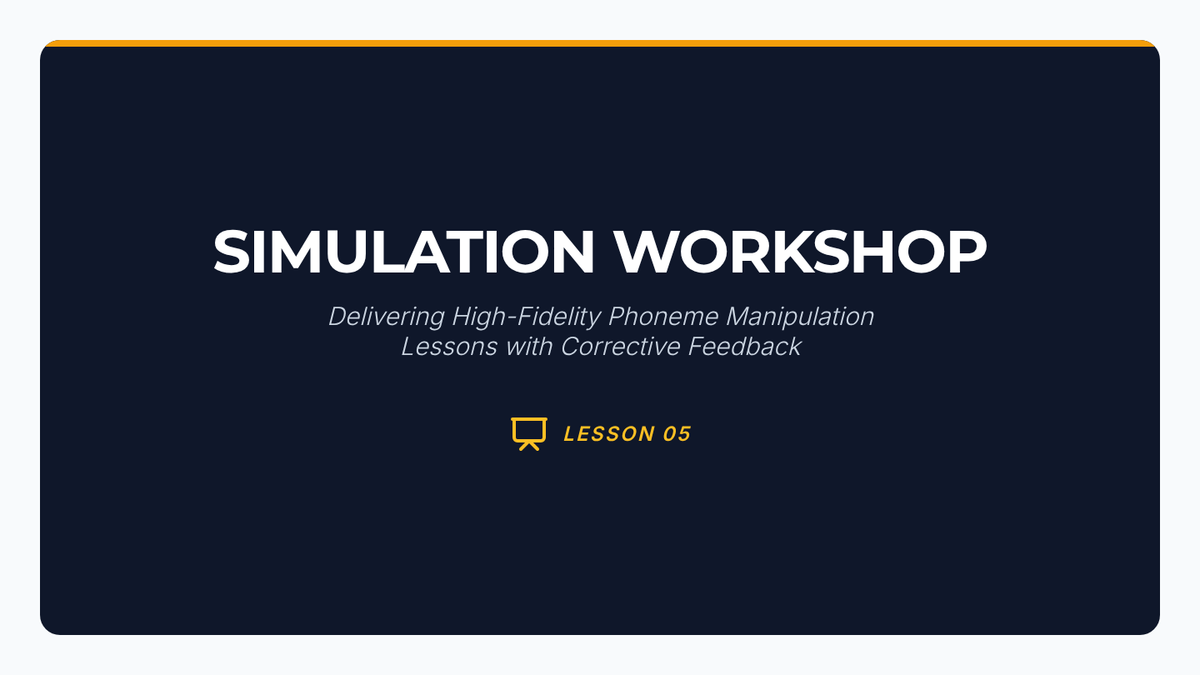
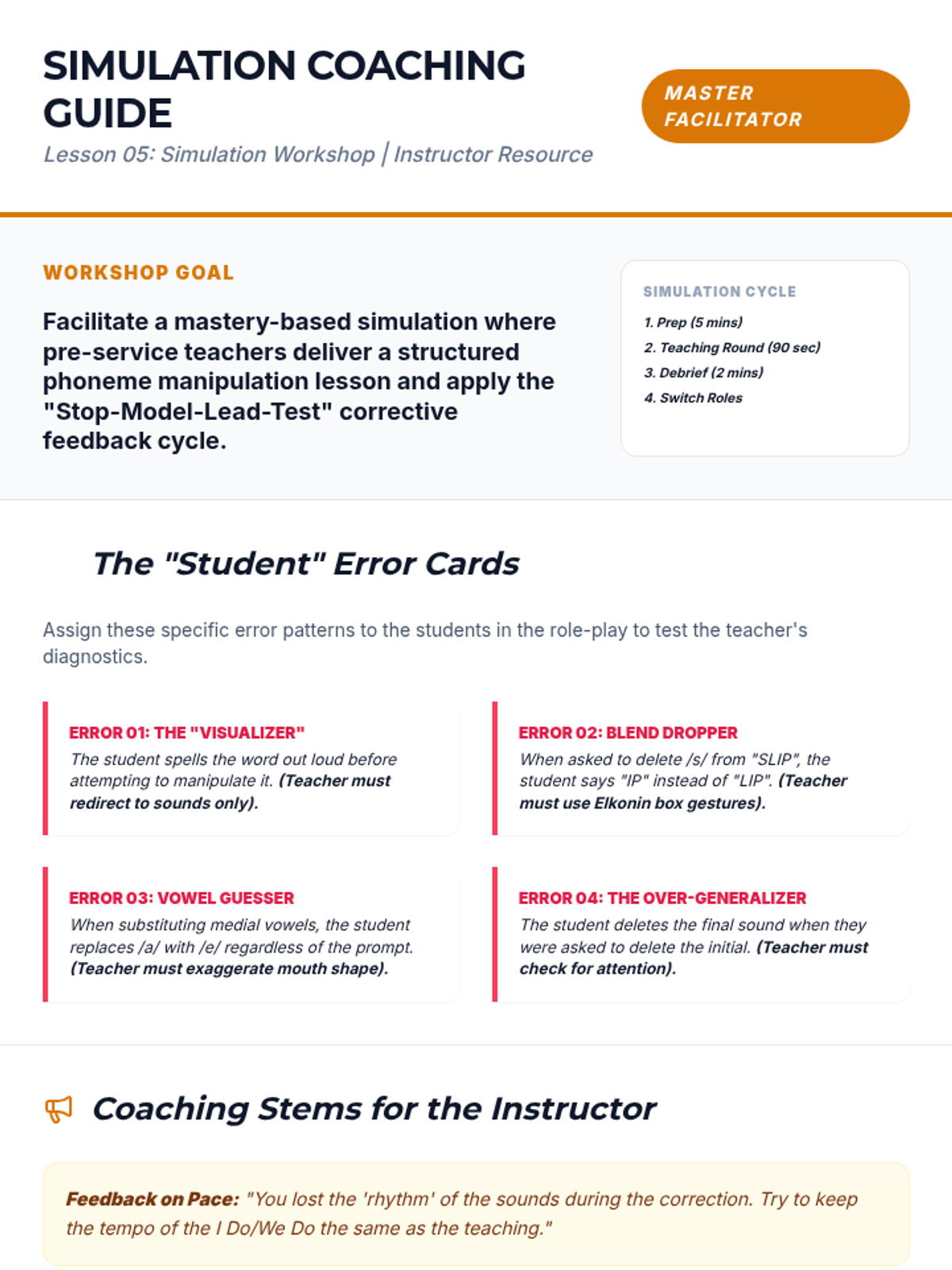
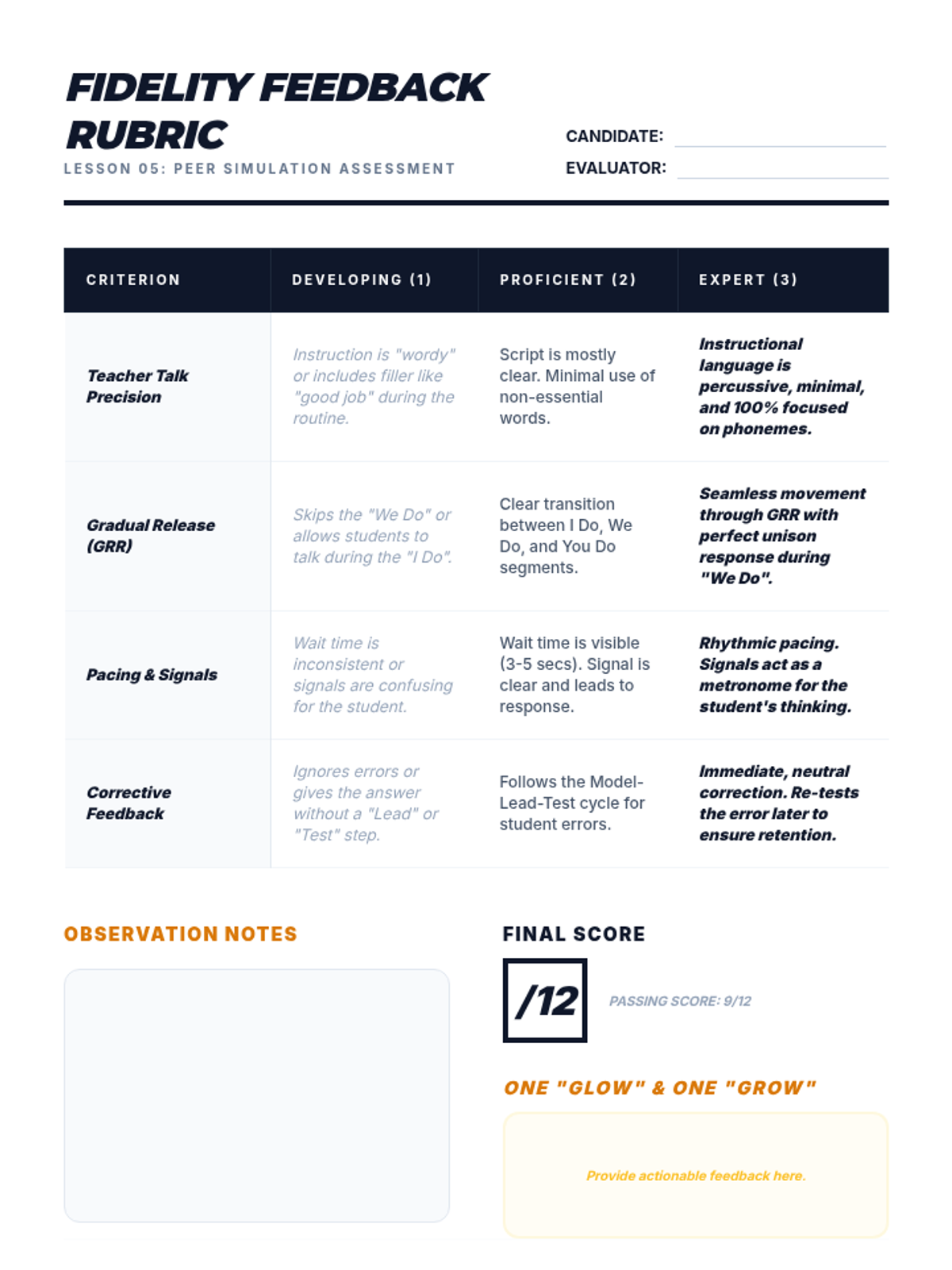
A culminating workshop where students deliver scripted lessons to peers role-playing common error patterns. Focus is on fidelity to evidence-based routines and the clarity of corrective feedback.
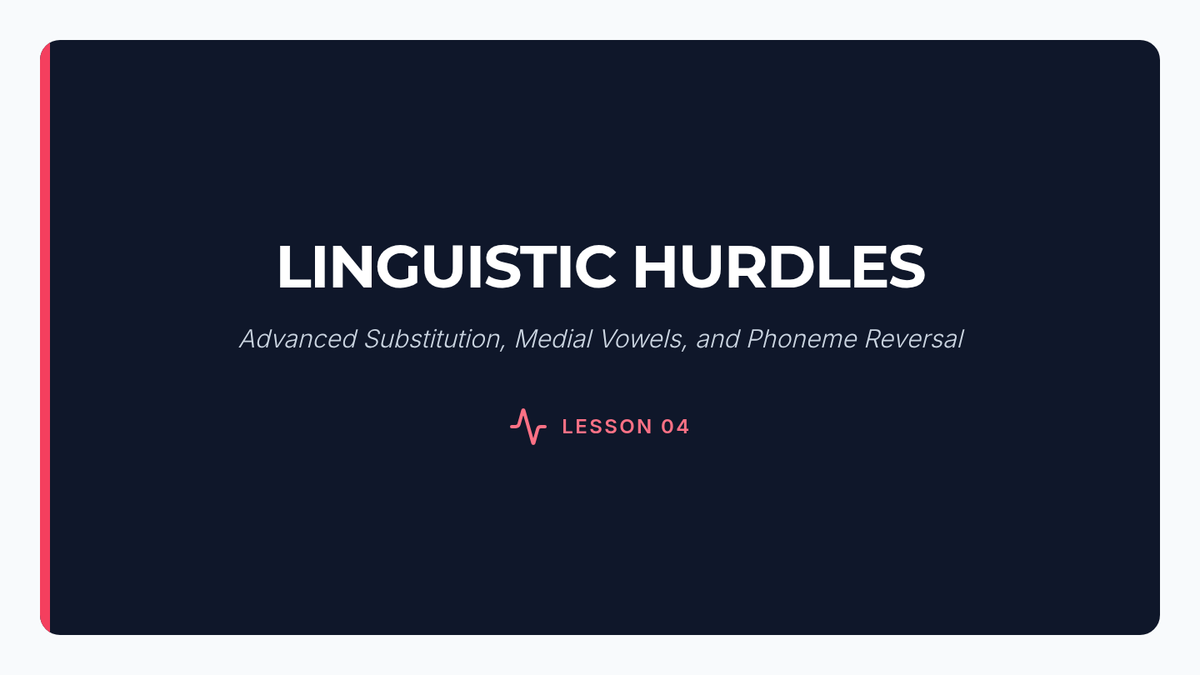
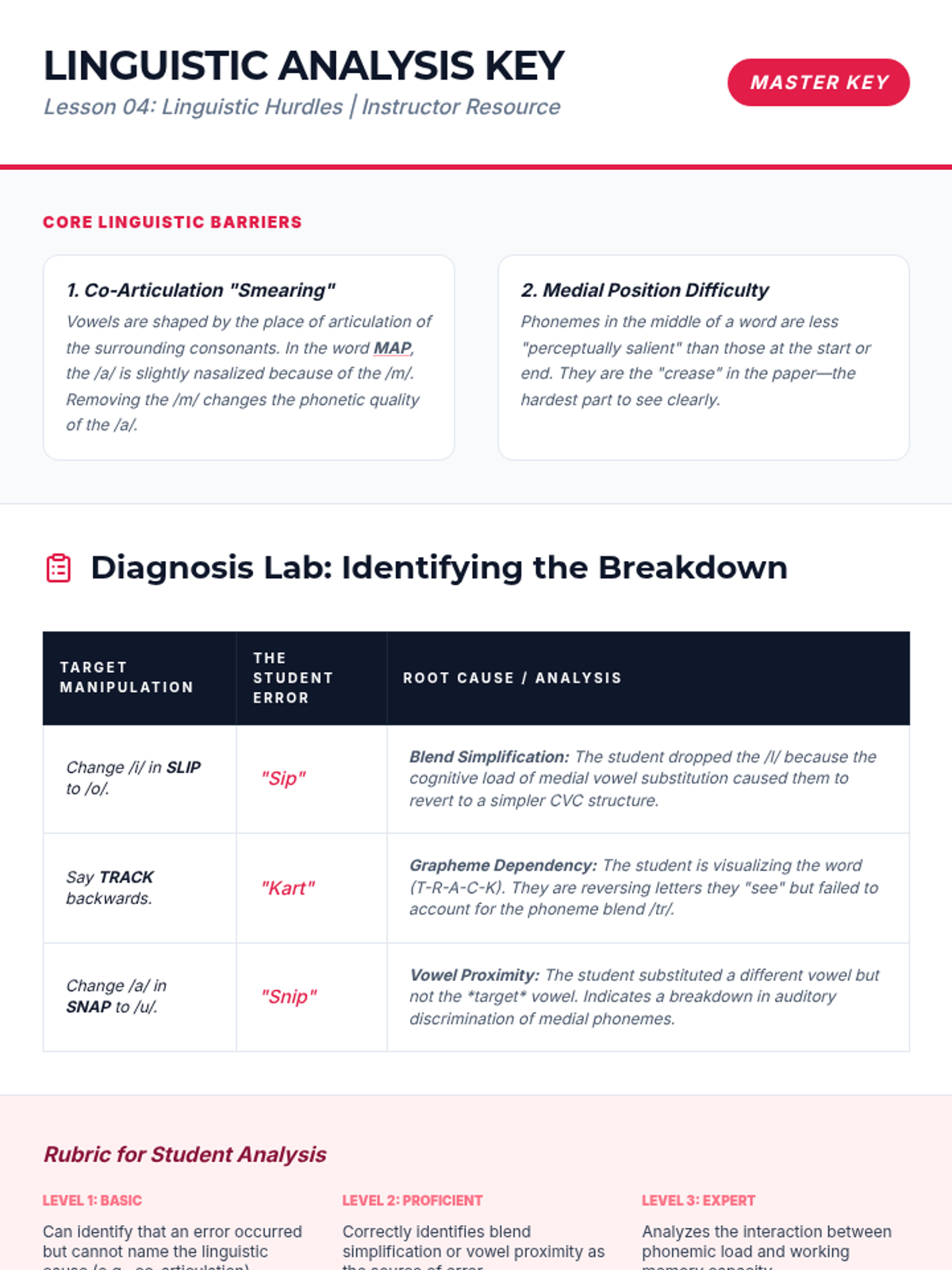
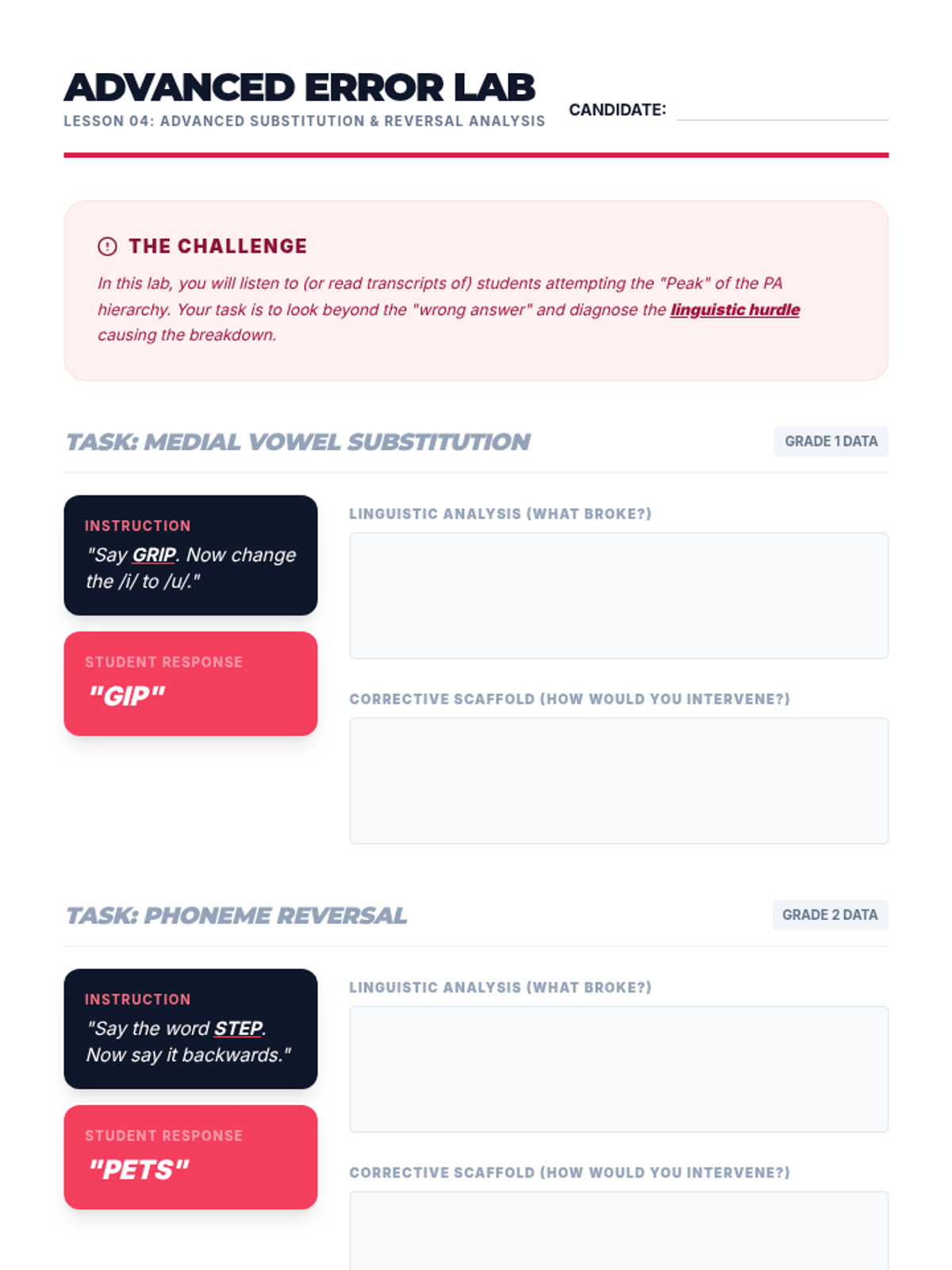
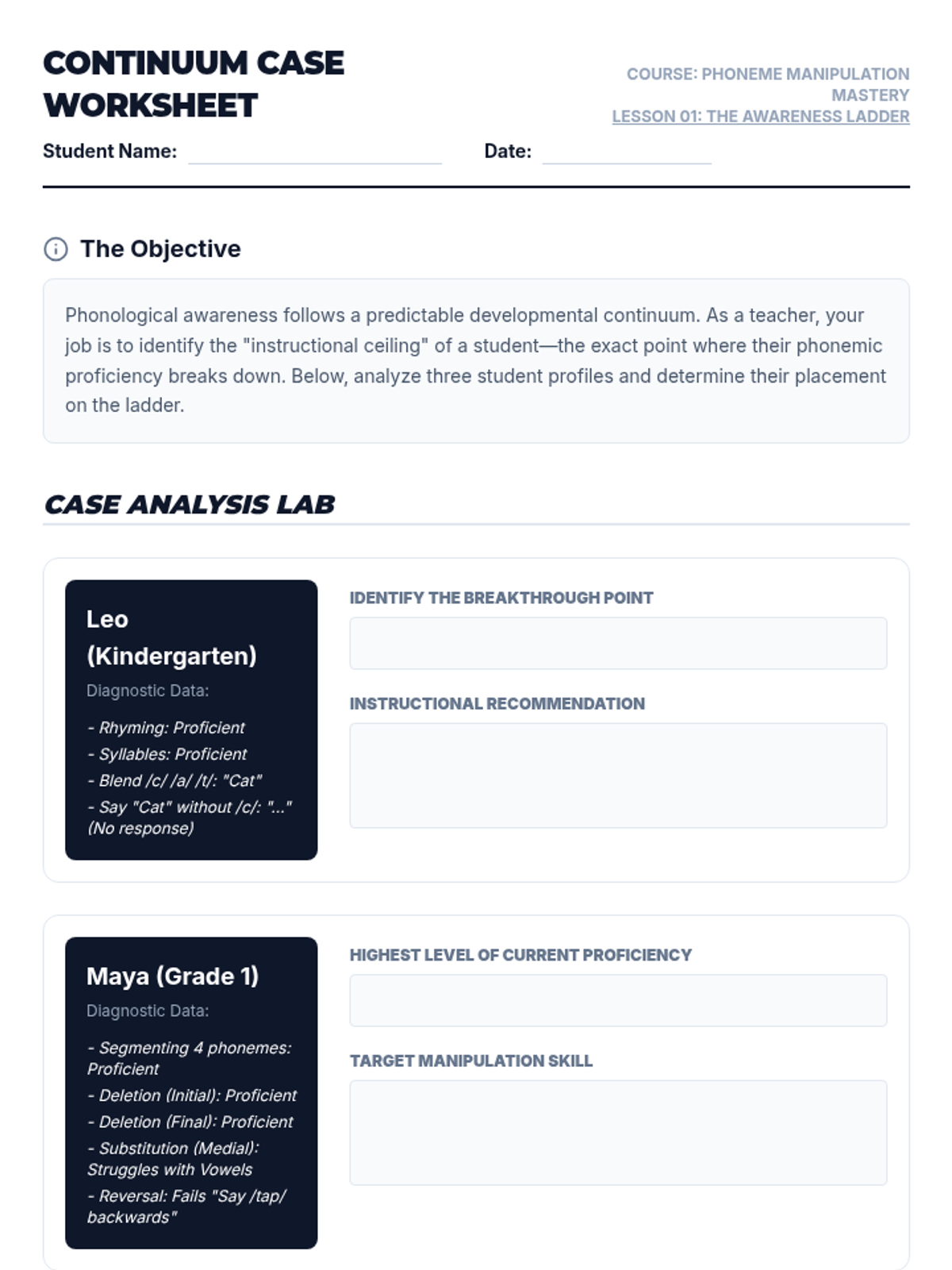
Participants tackle advanced skills: substituting medial vowels and reversing phonemes within blends. The lesson focuses on analyzing co-articulation and other linguistic hurdles that increase task difficulty.
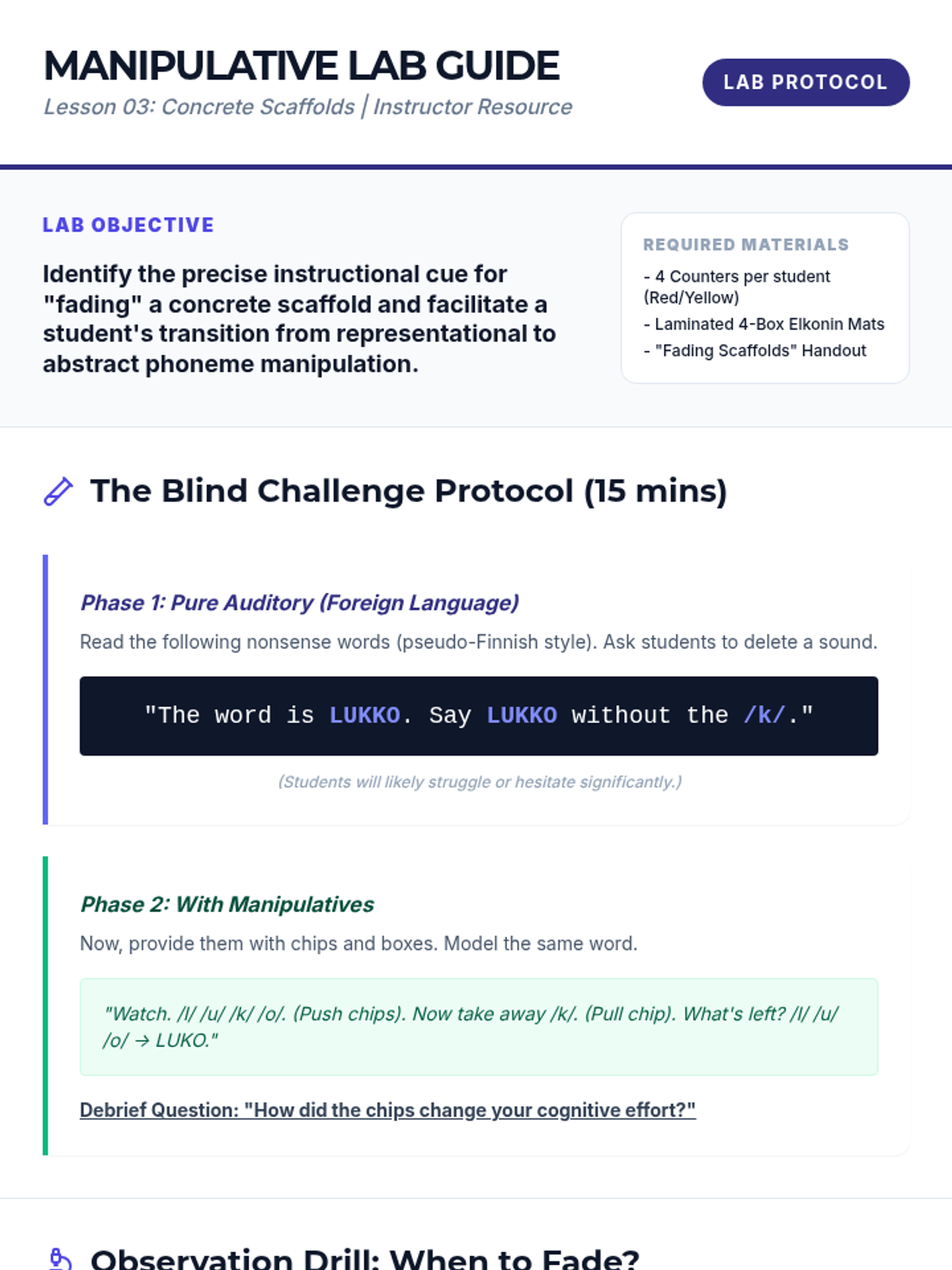
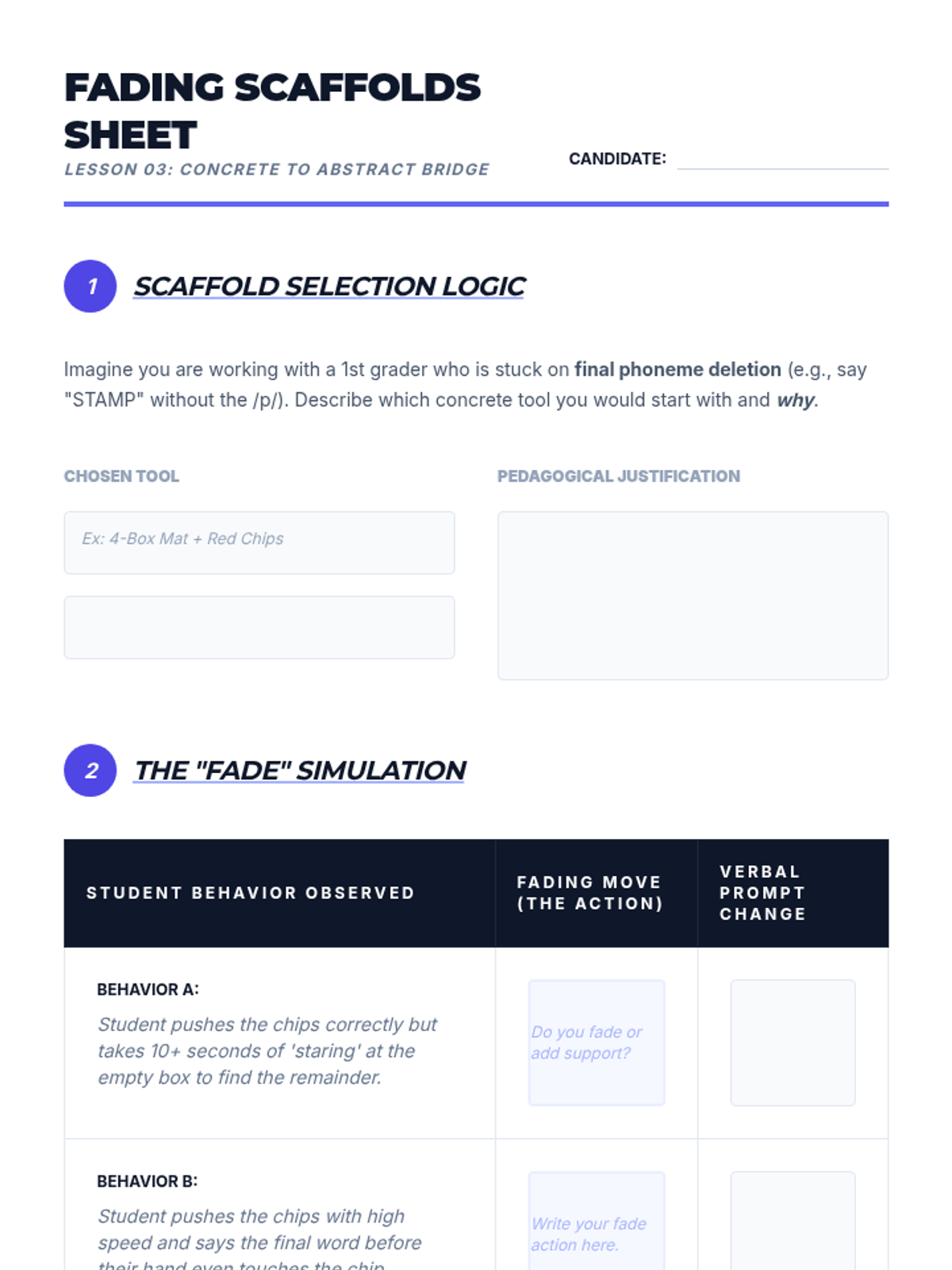
Explores the use of concrete representational tools, such as counters and Elkonin boxes, to support phoneme manipulation. Students practice strategies for fading these scaffolds as learners achieve proficiency.
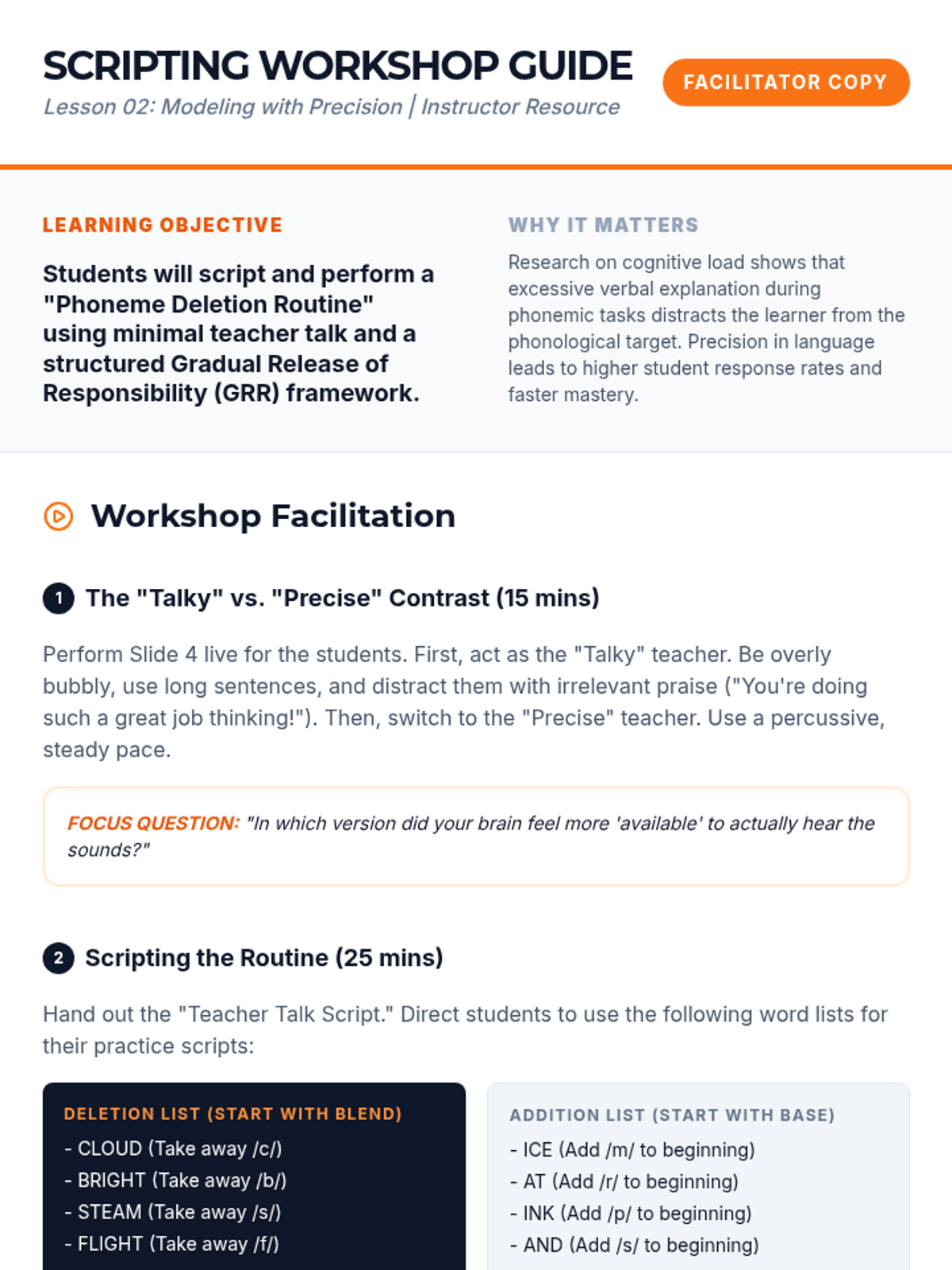
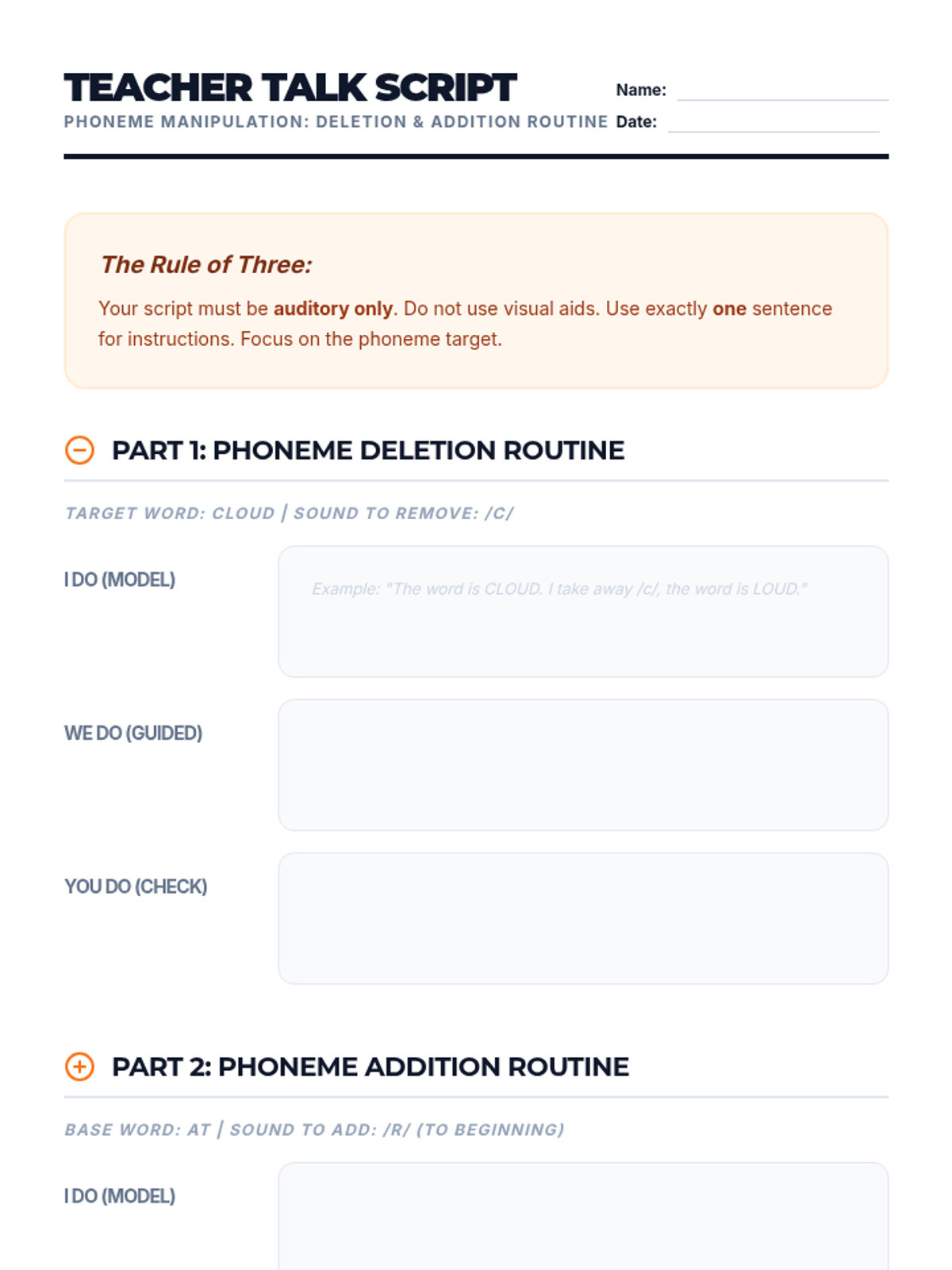
Focuses on the 'I Do, We Do, You Do' model for teaching phoneme deletion and addition. Students learn to script concise instructional language that minimizes teacher talk and maximizes student practice.
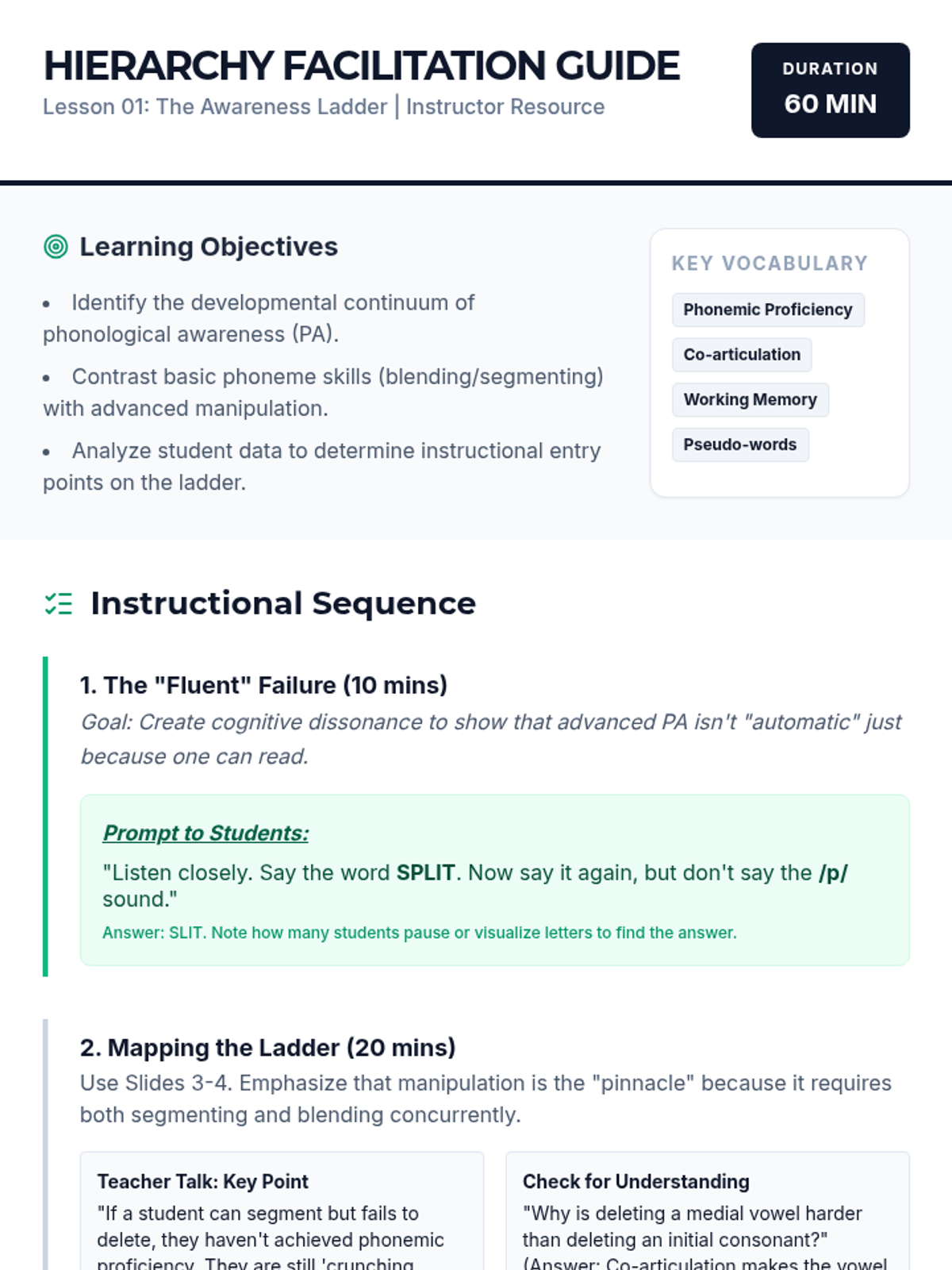
Students analyze the developmental continuum of phonological awareness, identifying the role of manipulation as the peak of phonological complexity. They examine case studies to understand how mastery of manipulation supports later decoding and encoding fluency.
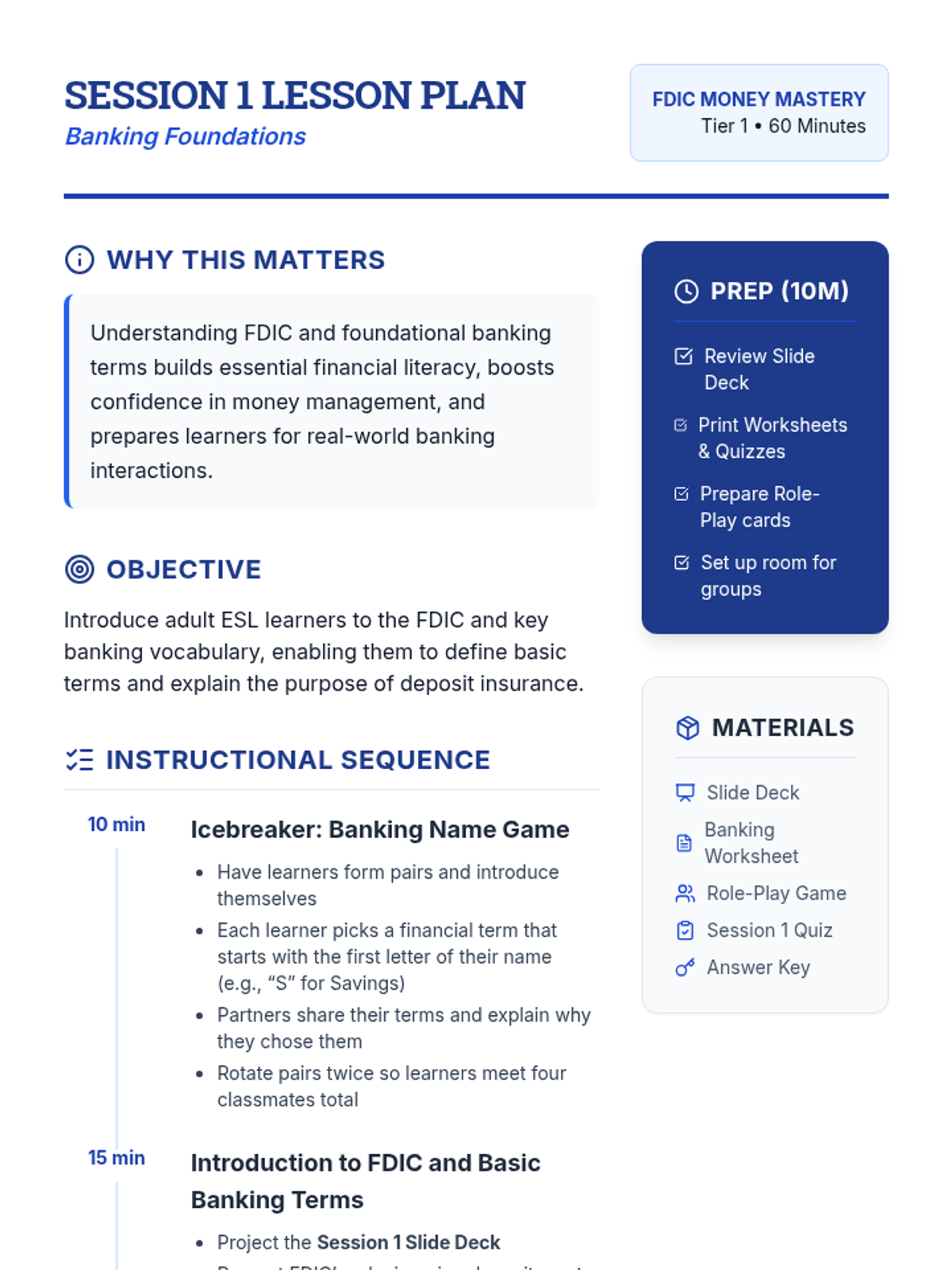
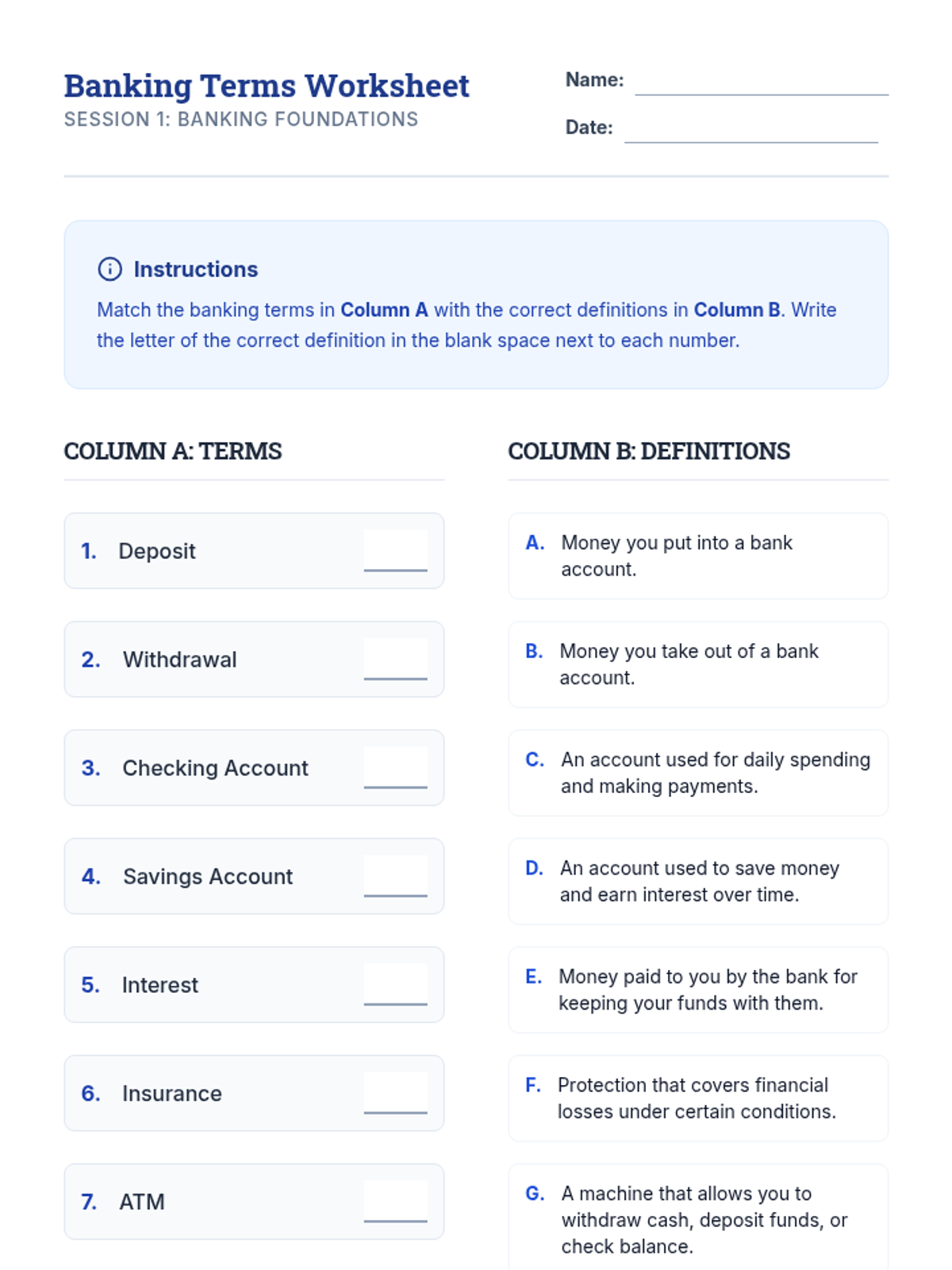
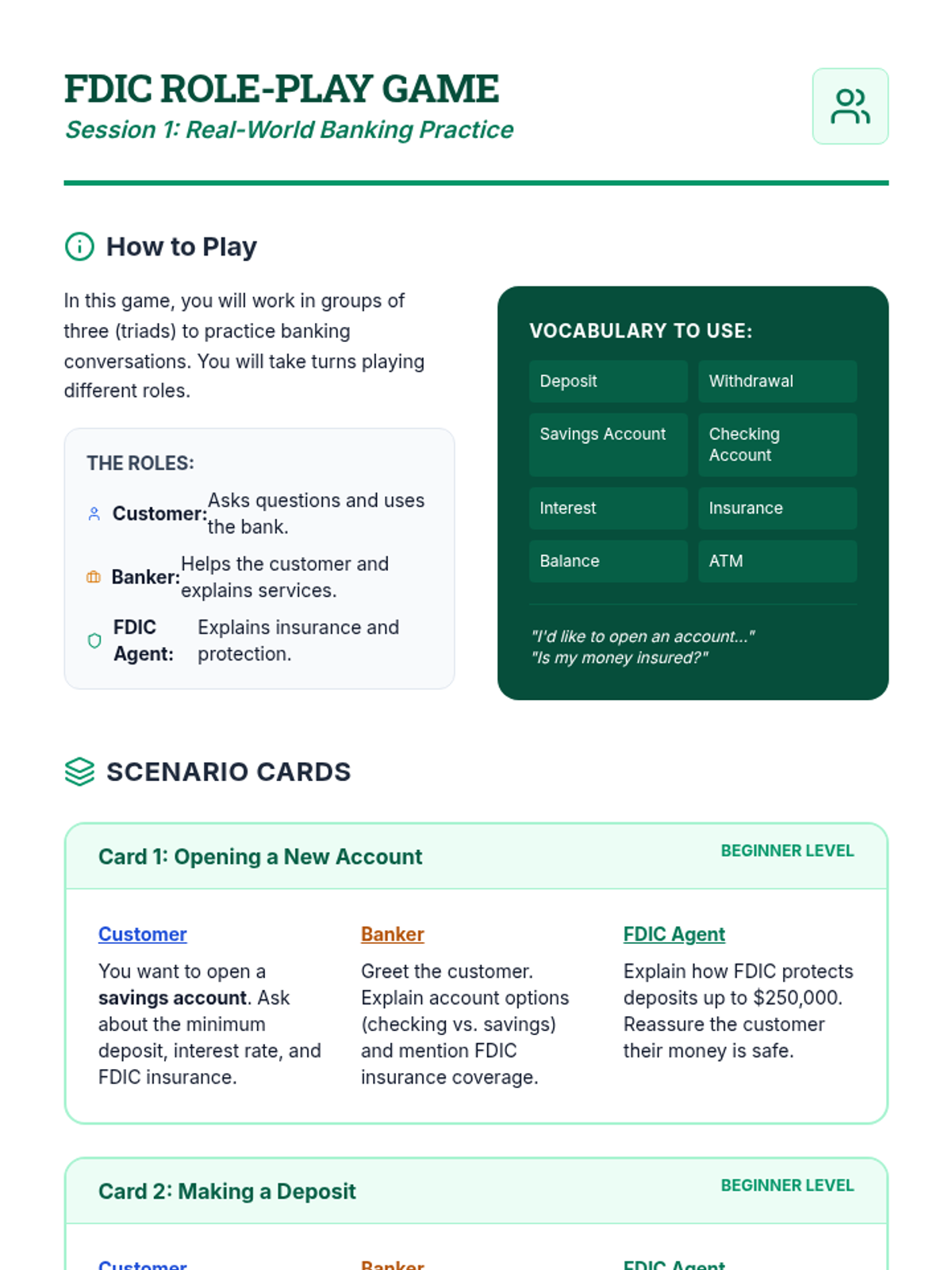
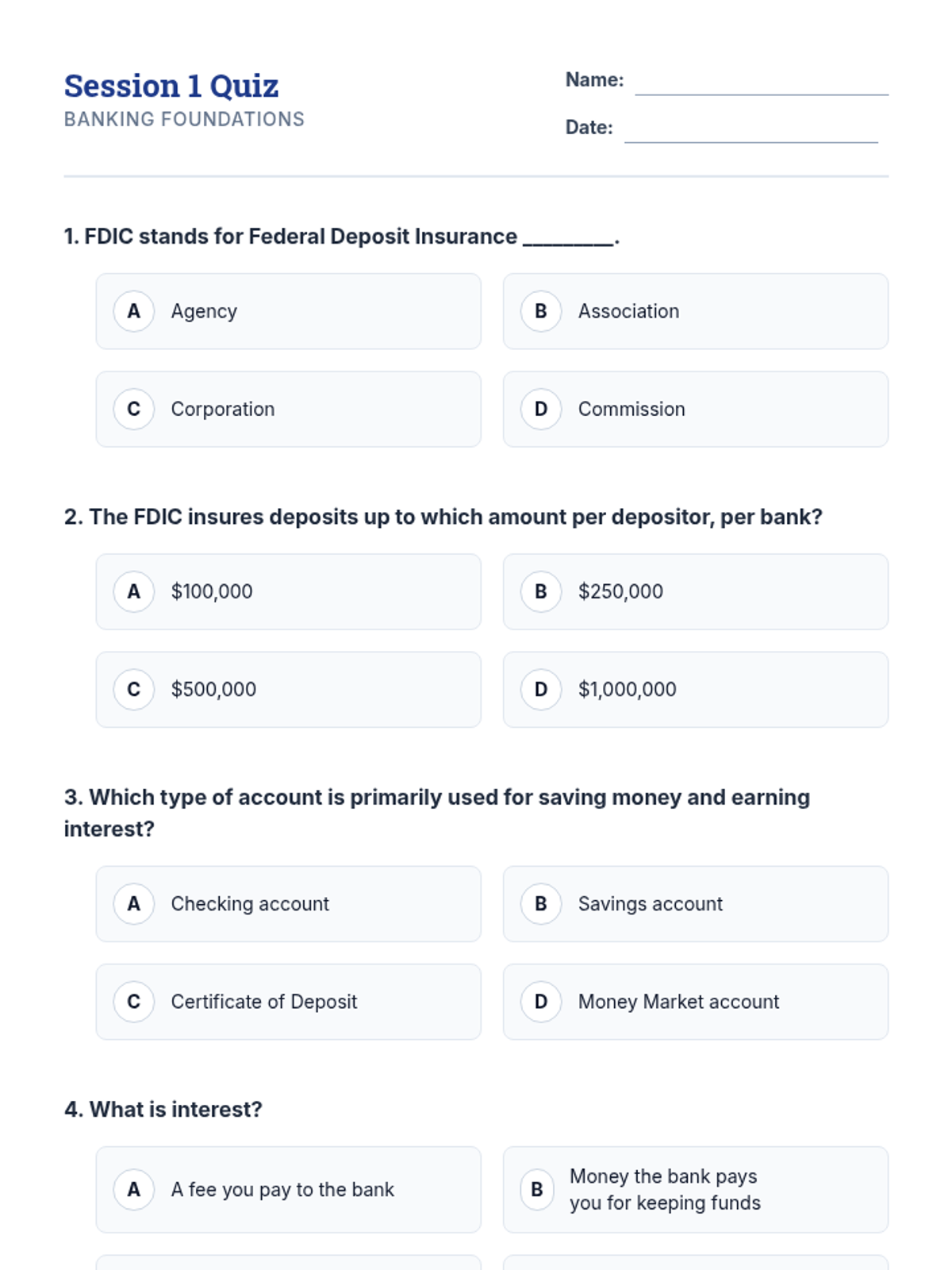
Introduction to the FDIC's role and basic banking vocabulary, including accounts, interest, and insurance.
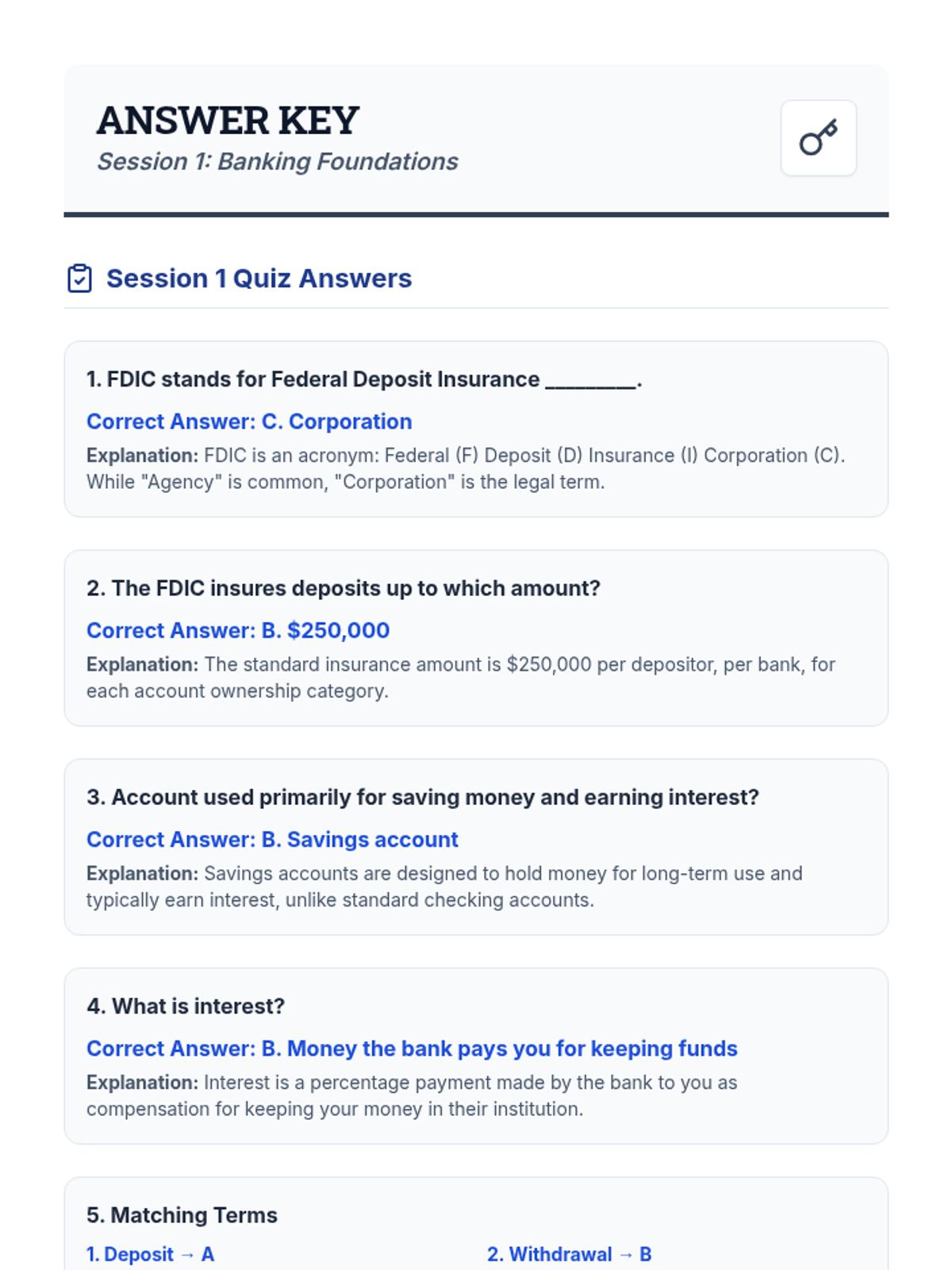
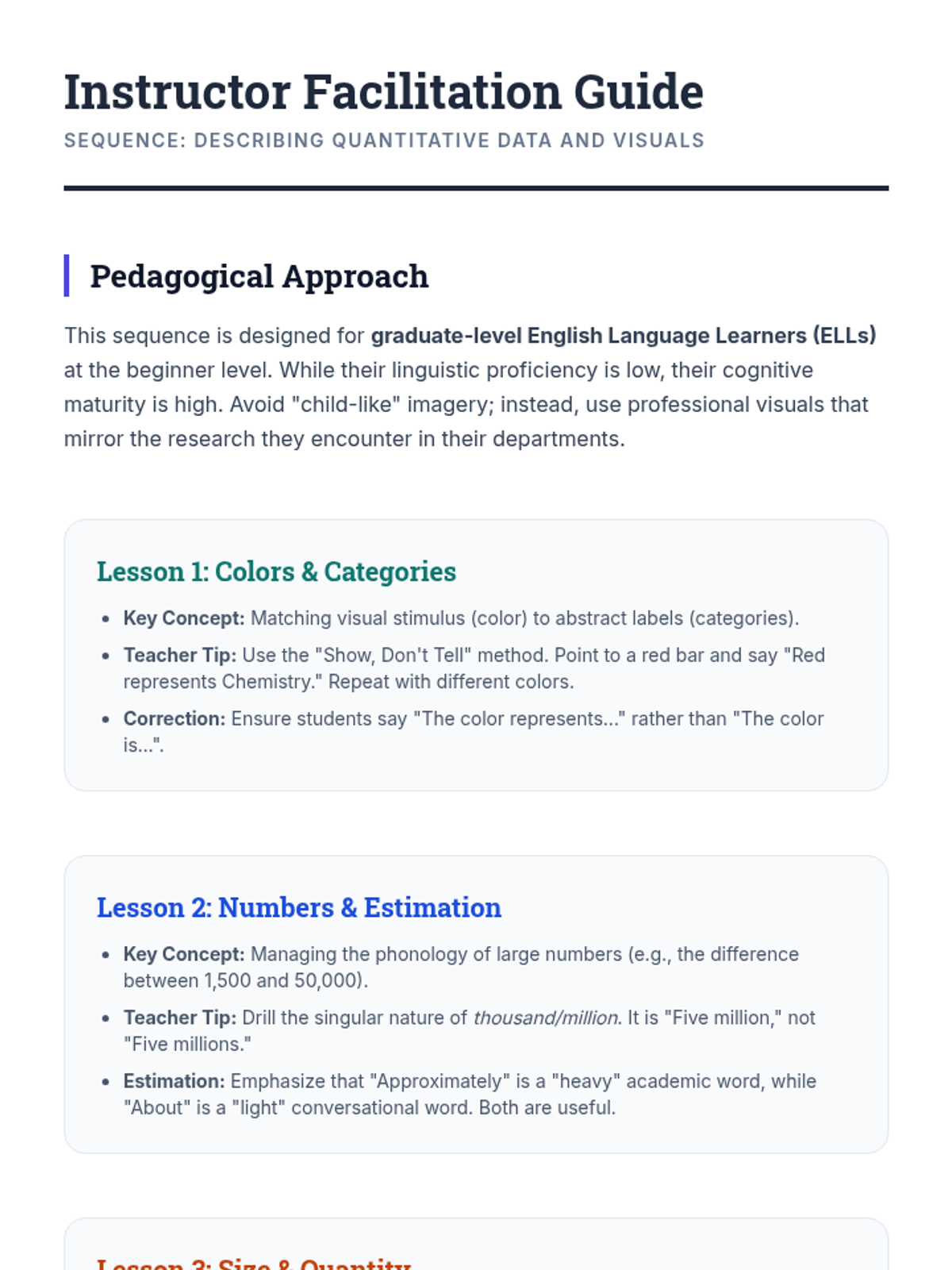
Sequence-wide instructor materials, including facilitation guides, answer keys, and pedagogical strategies.
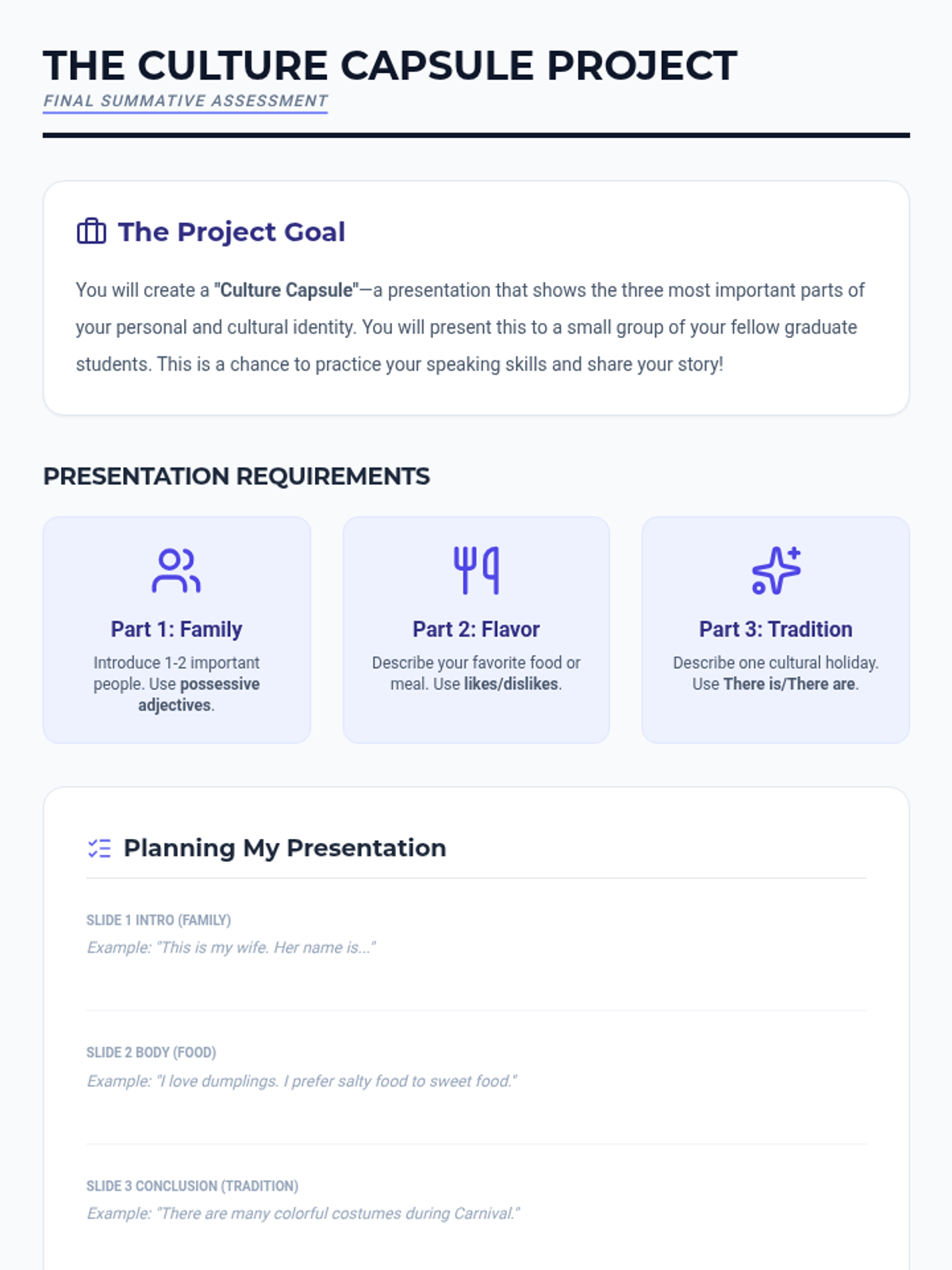
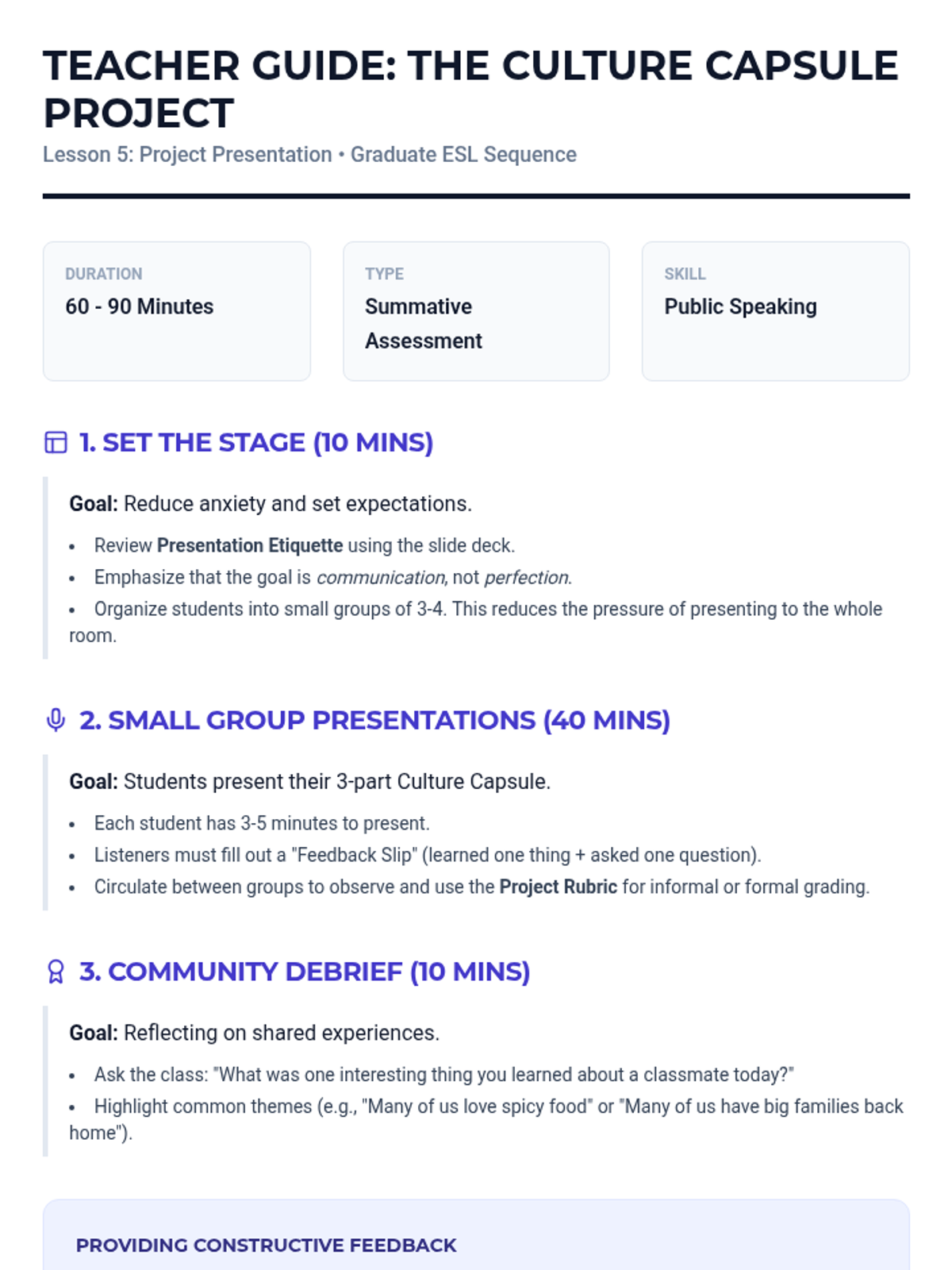
The capstone project where students present their personal 'Culture Capsule' covering family, food, and traditions to their peers.
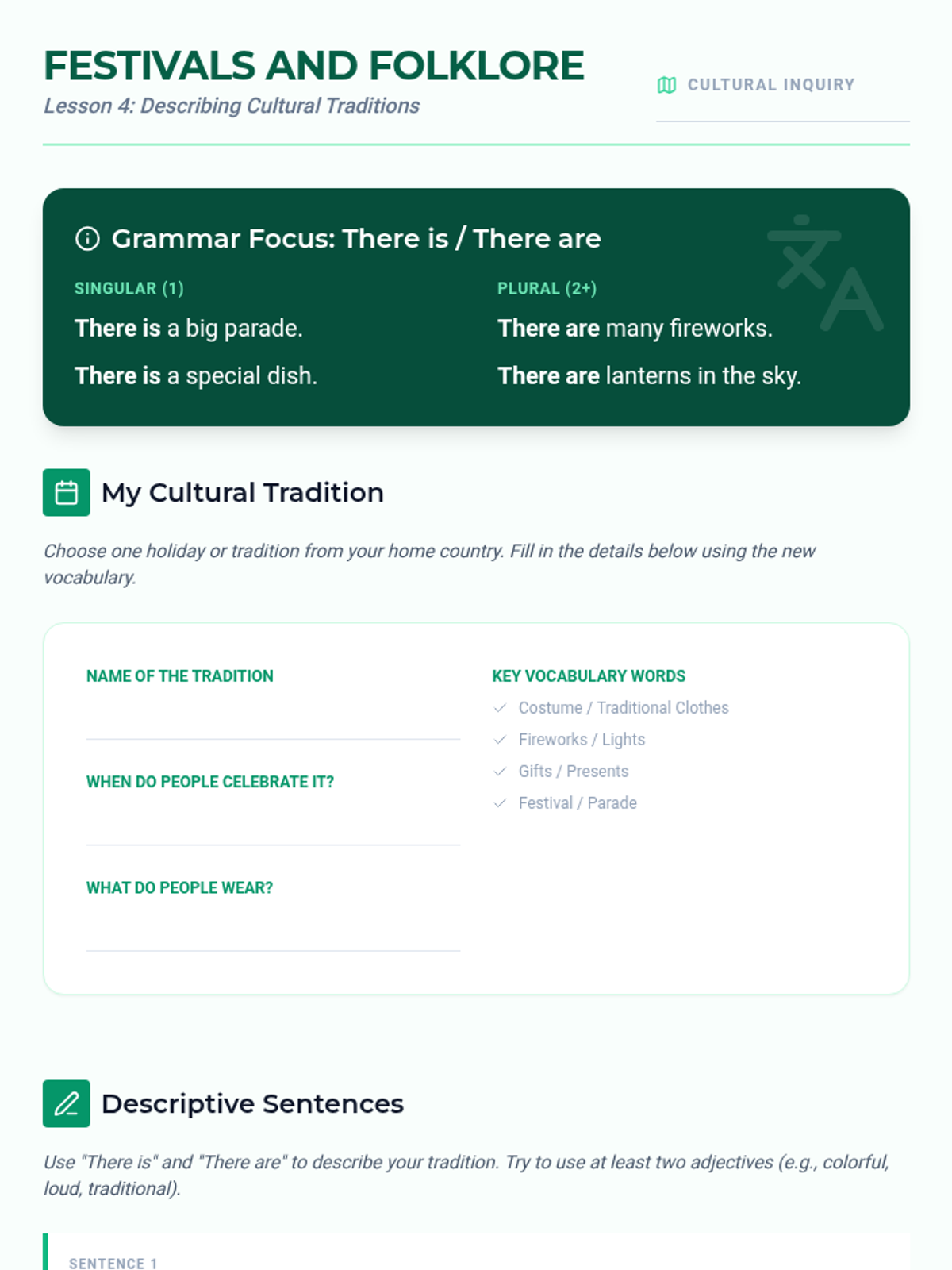
Learners acquire vocabulary for cultural celebrations and holidays, practicing 'There is/There are' for descriptive purposes.
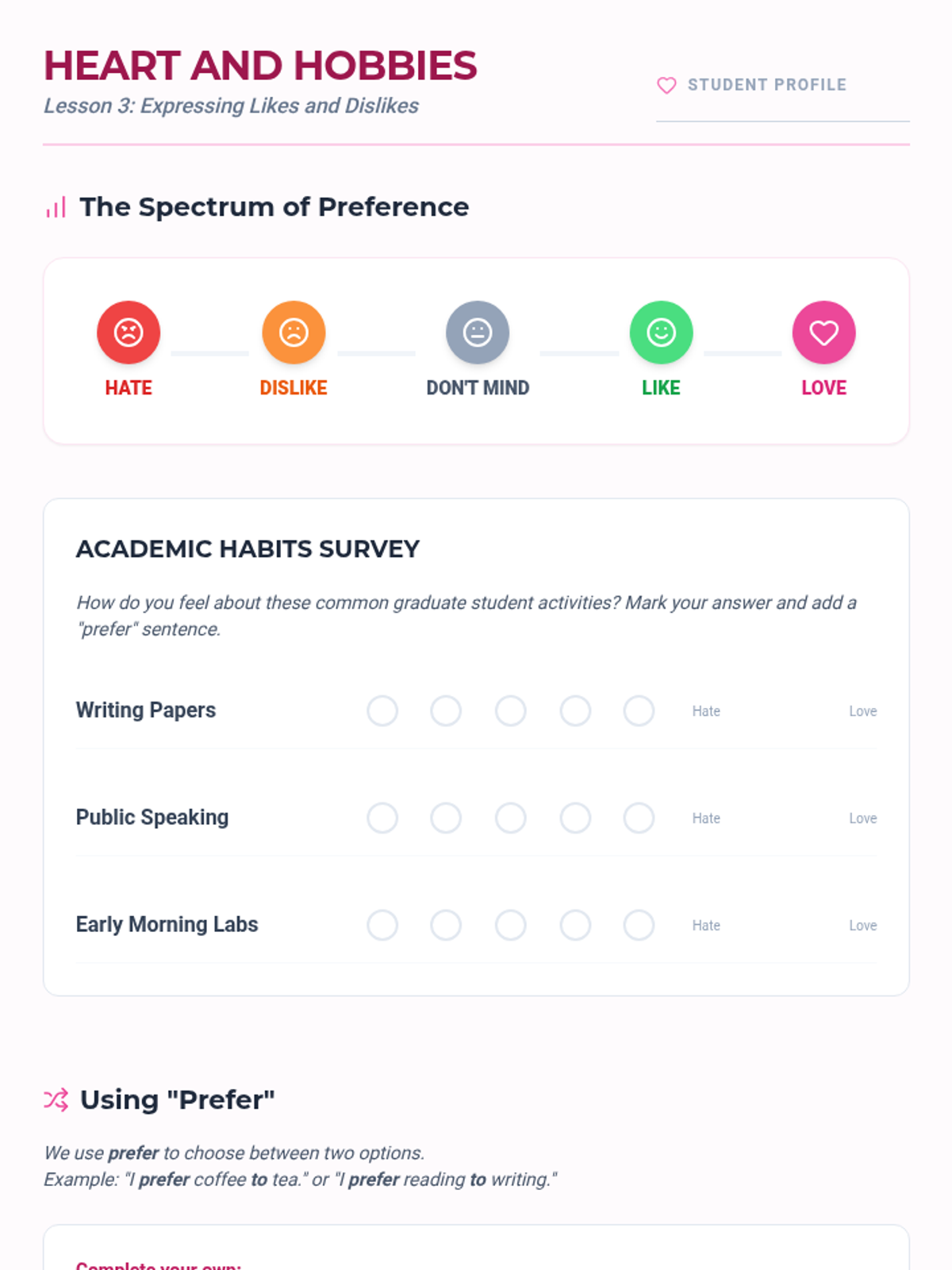
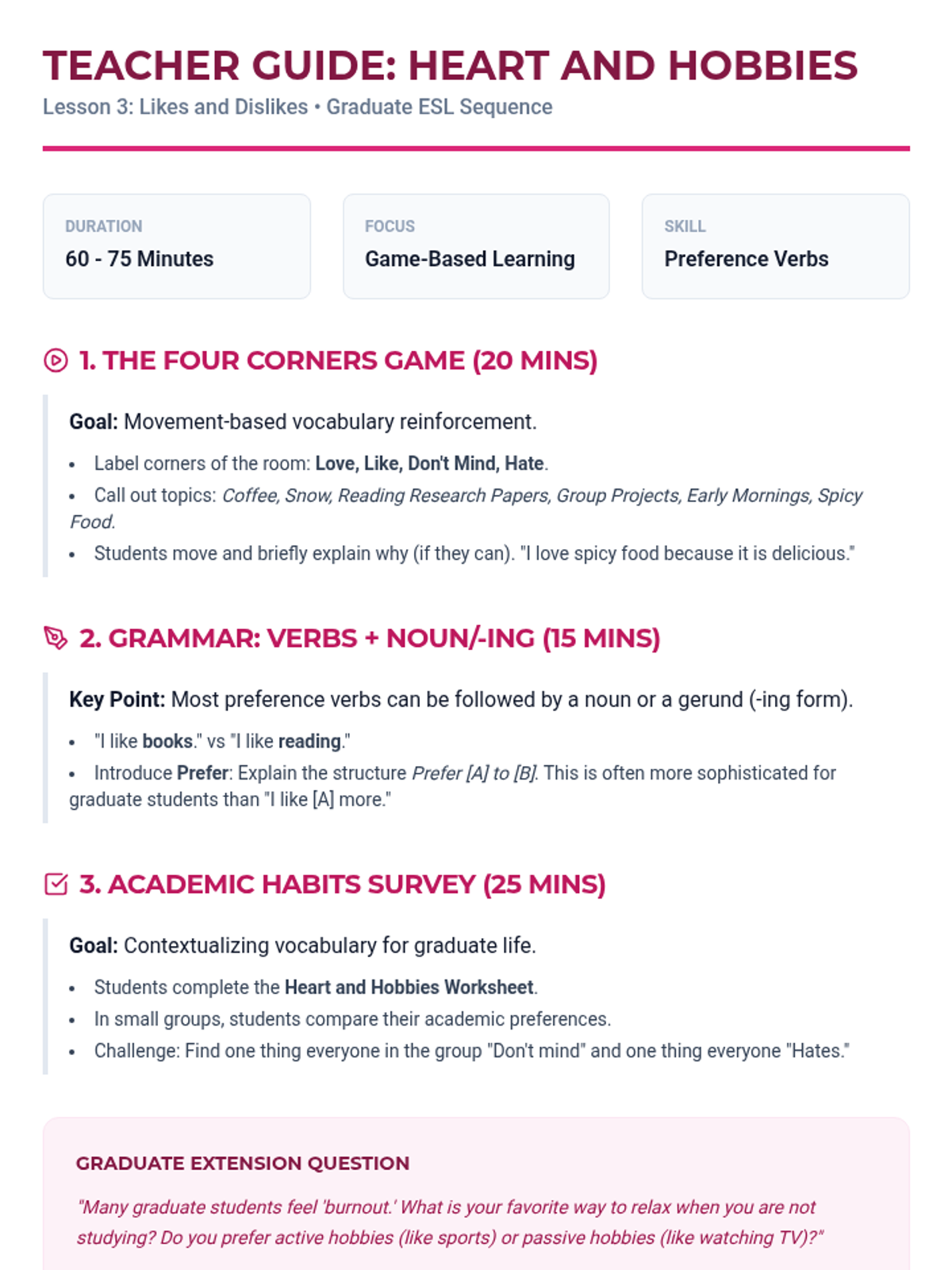
Students practice expressing personal preferences regarding food, hobbies, and academic habits using verbs like 'like' and 'prefer'.
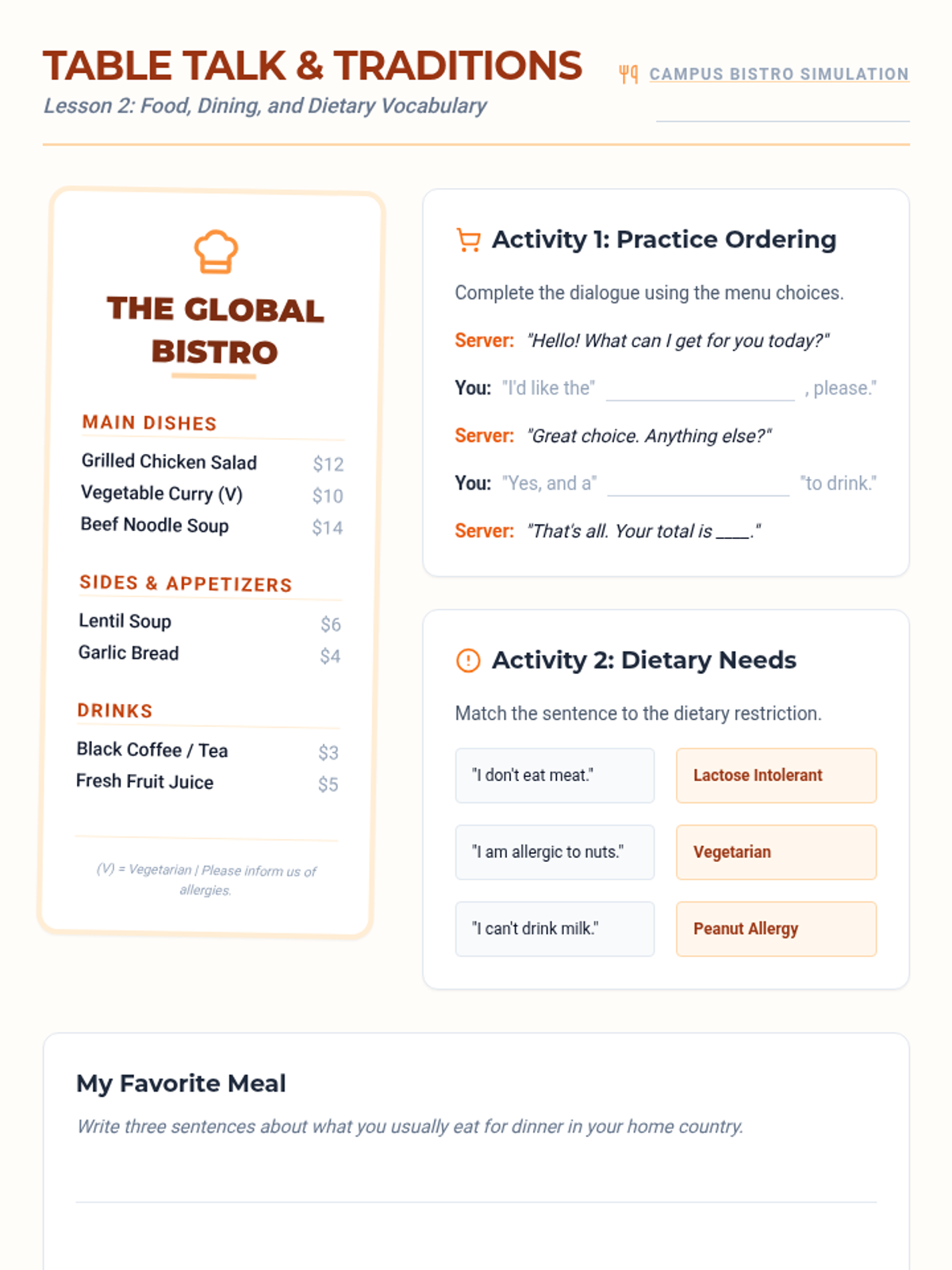
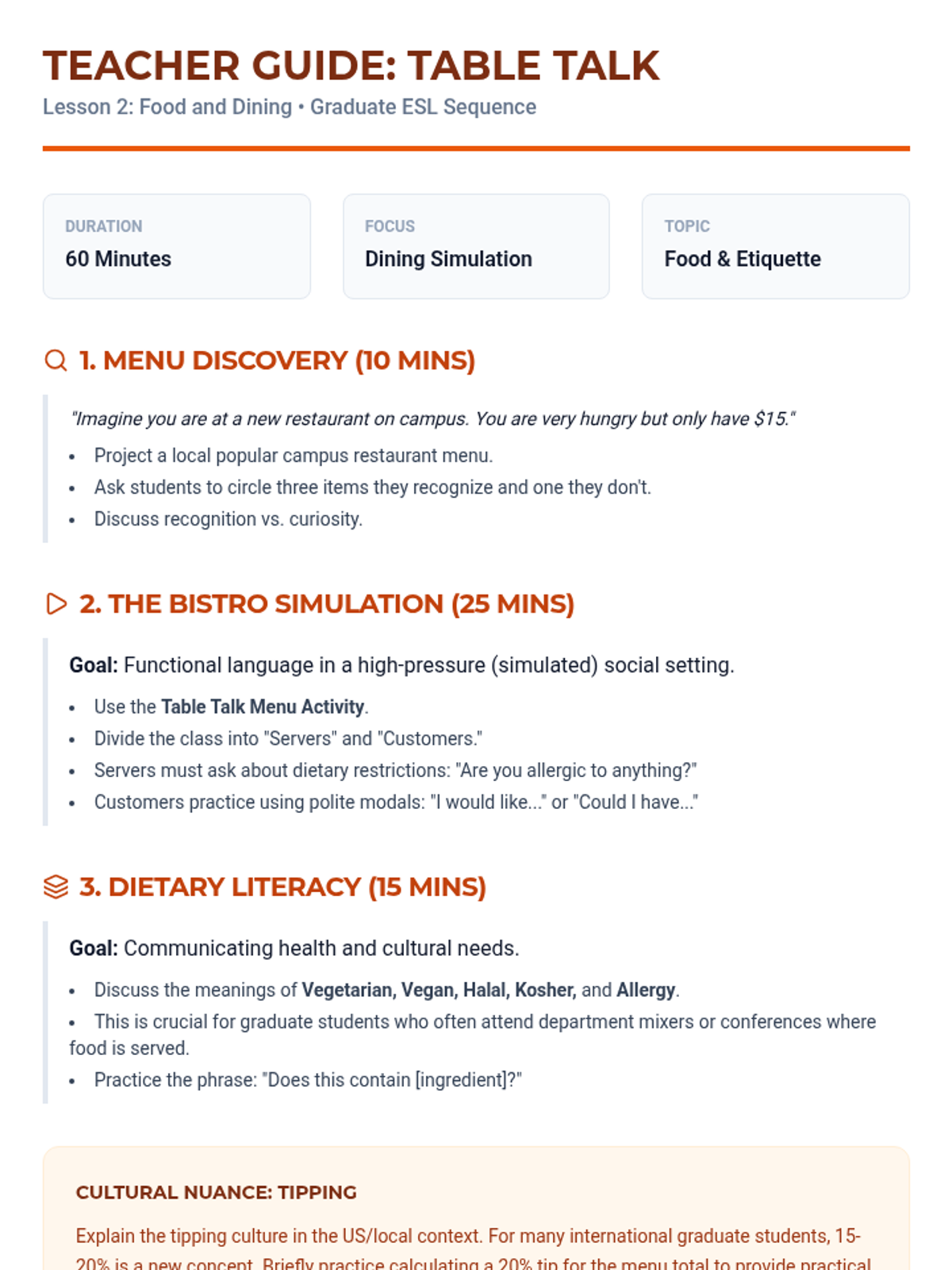
Essential vocabulary for social eating and dining etiquette, focusing on food groups and restaurant interactions.
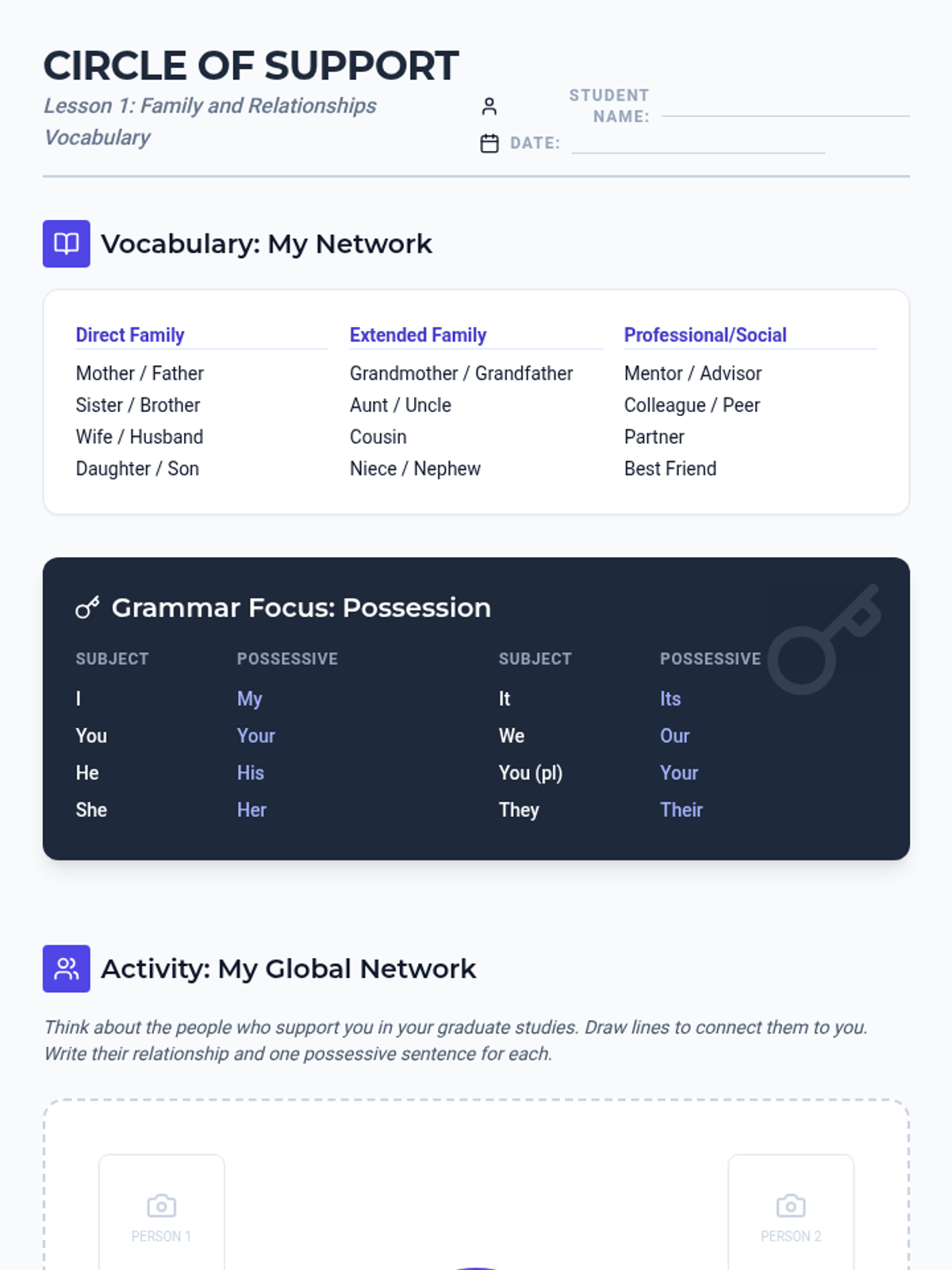
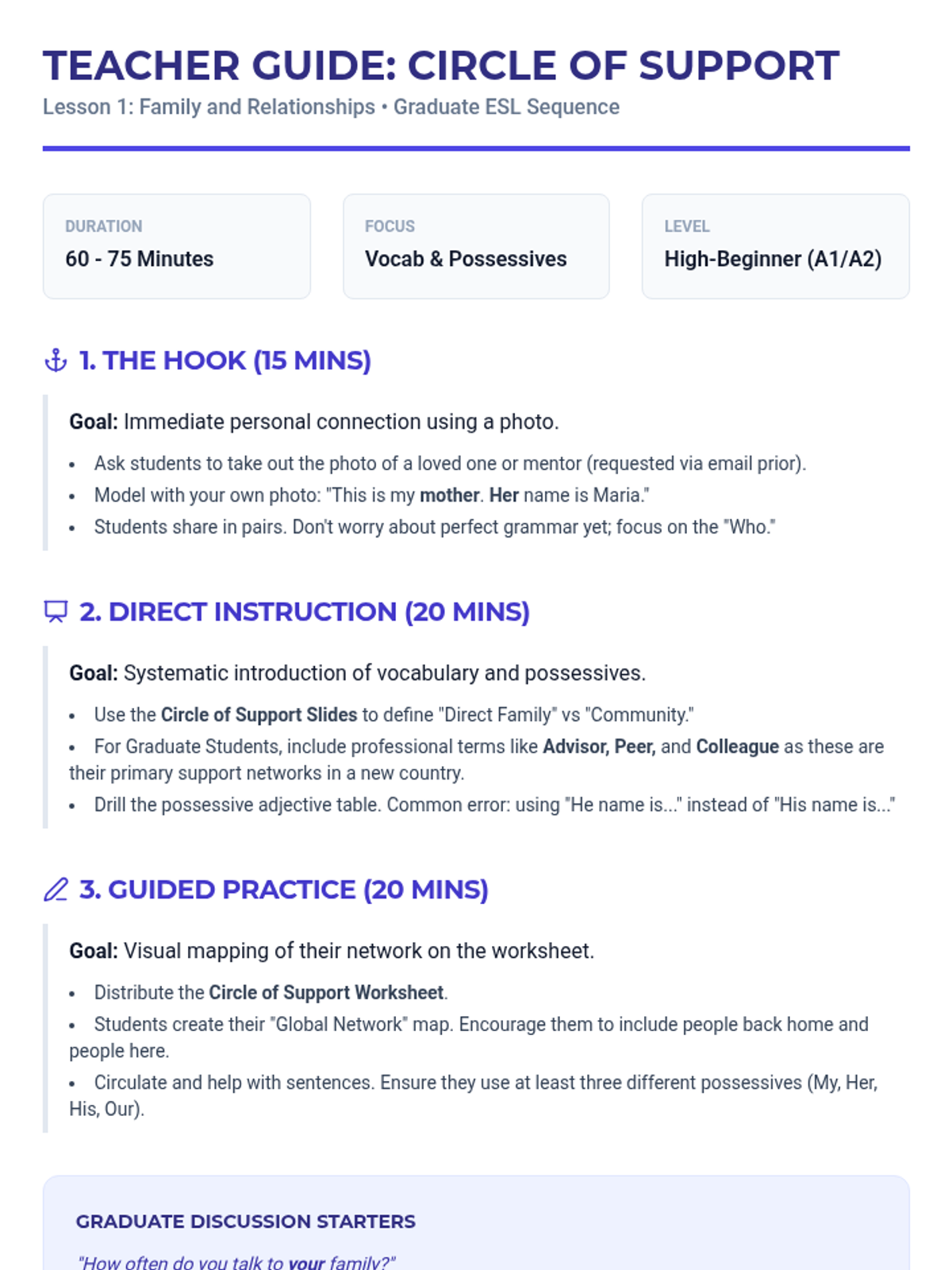
Students learn family and relationship vocabulary and practice possessive adjectives to describe their support networks and family structures.
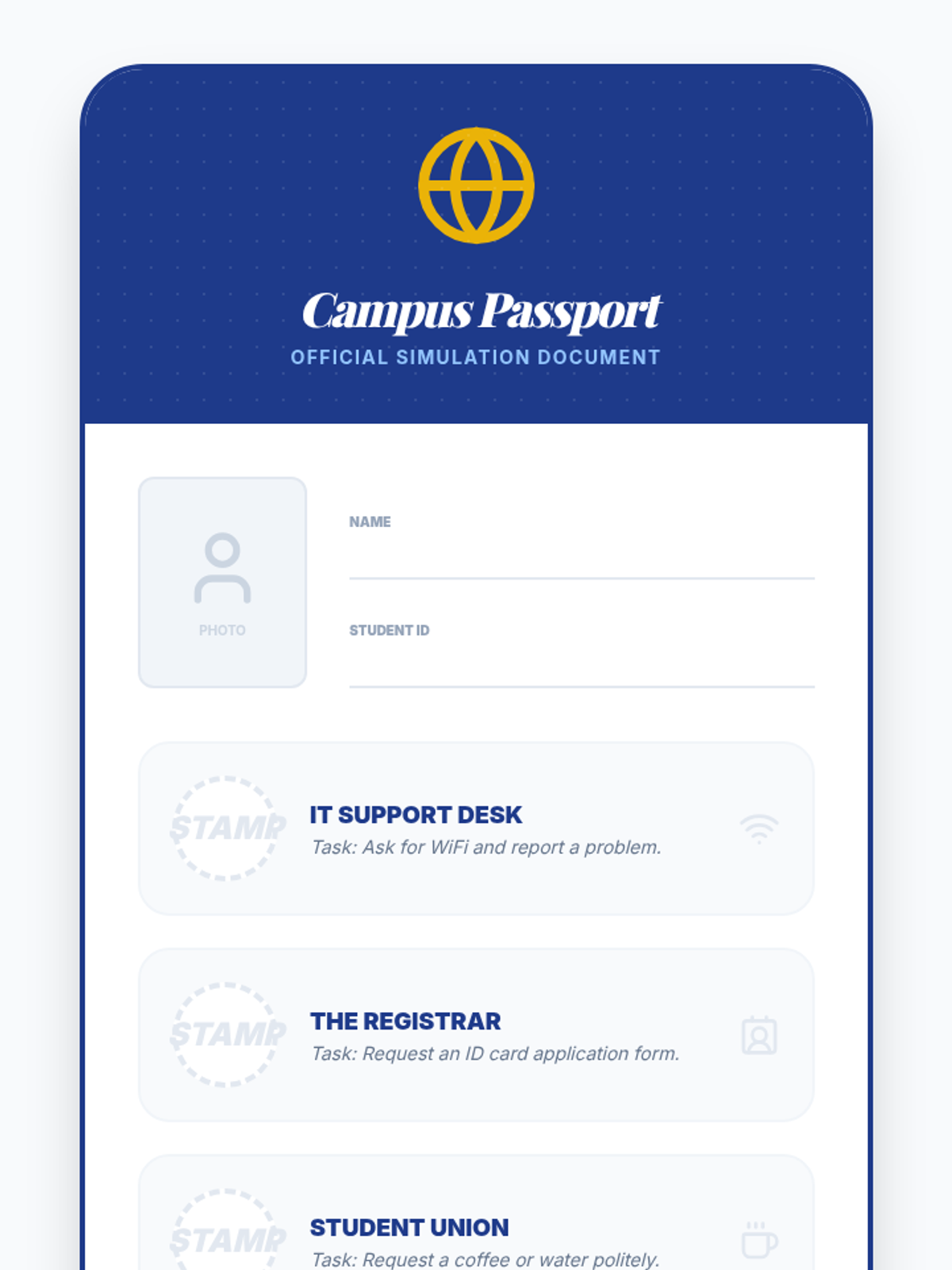
A culminating simulation where students rotate through various university 'offices' to complete transactions using their learned vocabulary and social skills.
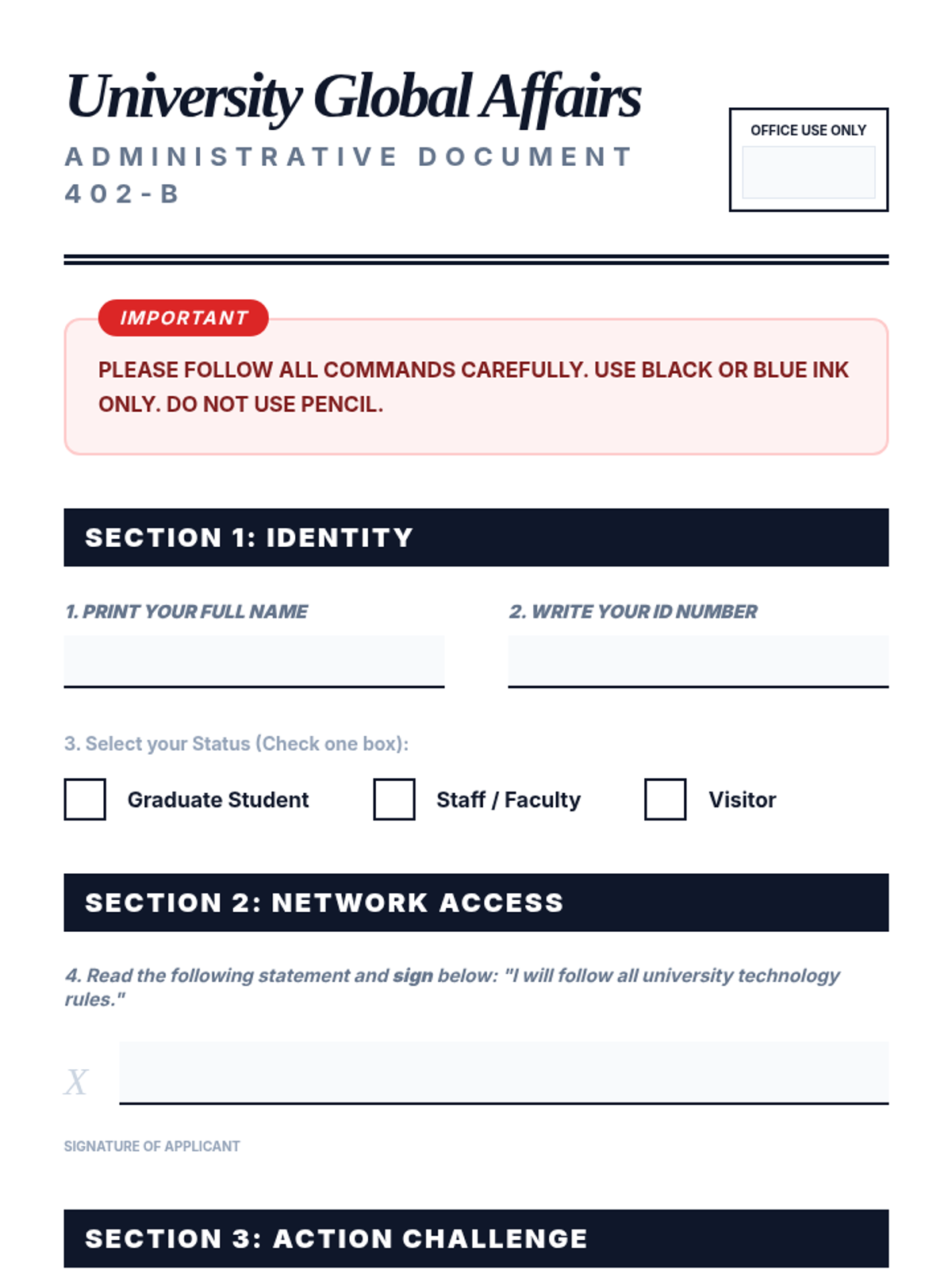
Explores imperative verbs used in administrative instructions. Students practice following multi-step directions and filling out sample forms.
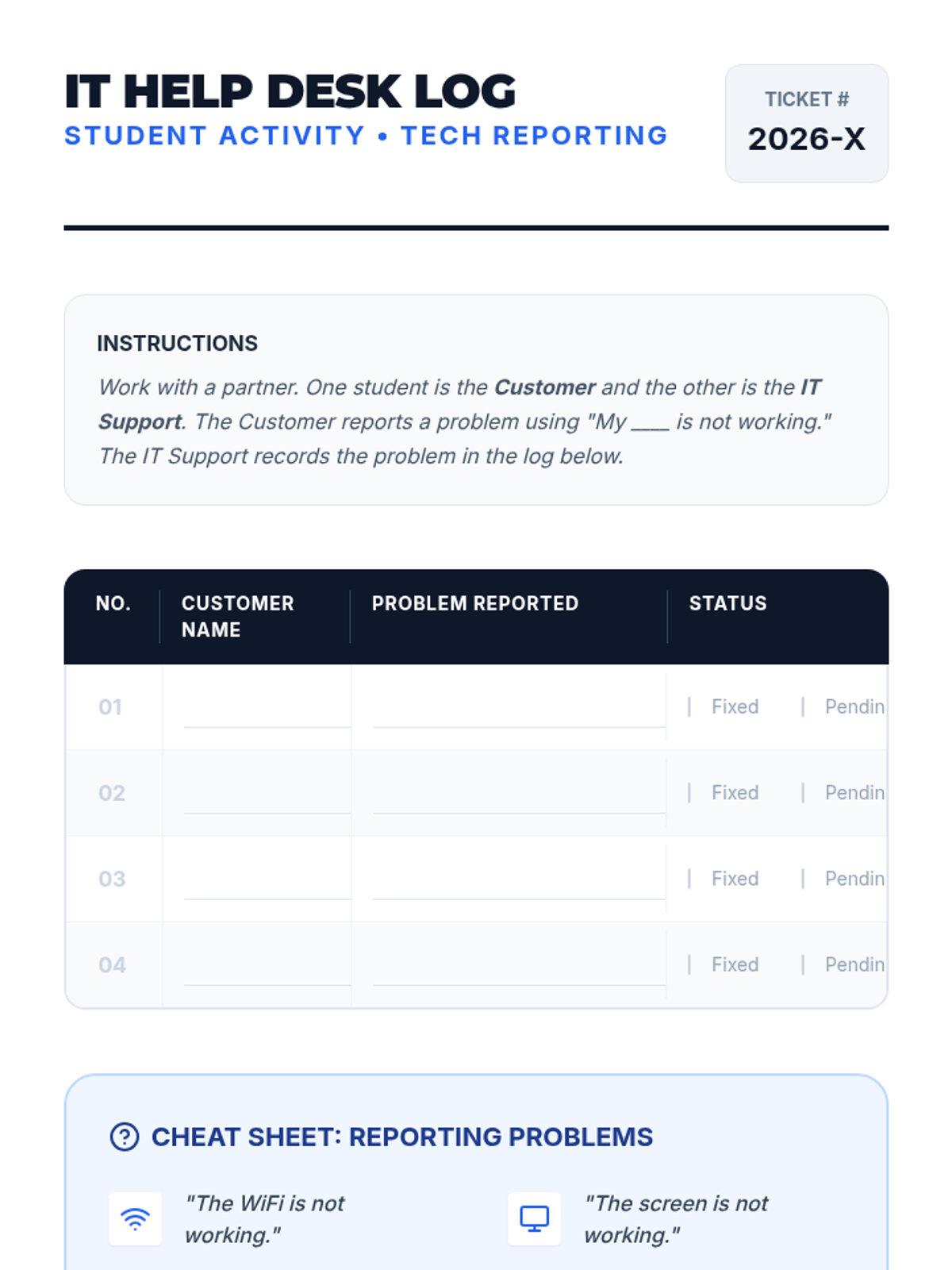
Focuses on technology-related vocabulary and simple phrases for reporting technical issues. Students practice asking for wifi and password information.