Essential grammar structures, high-frequency vocabulary, and foundational literacy skills. Equips learners with basic speaking and listening abilities for everyday interactions and introductory text comprehension.
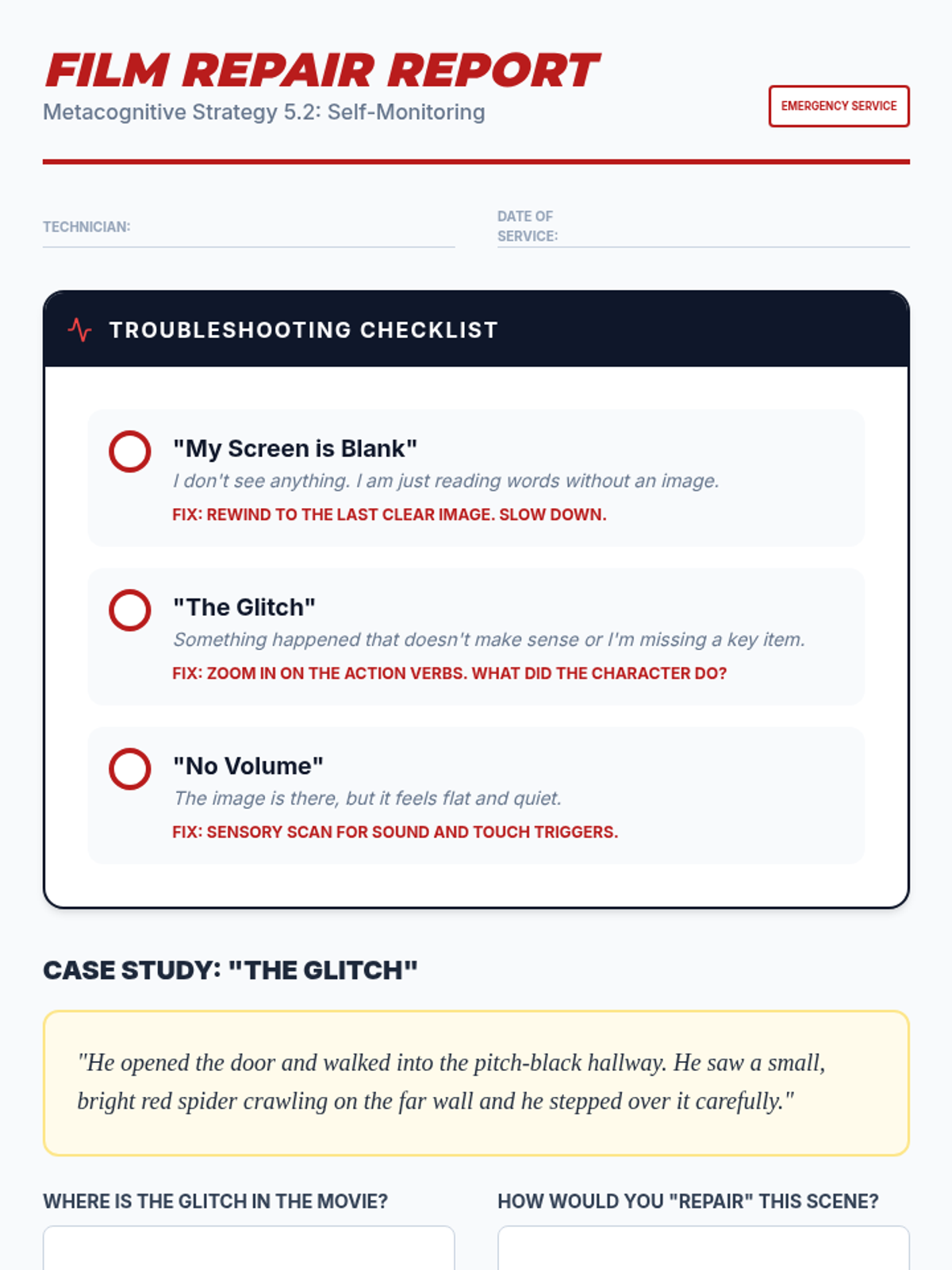
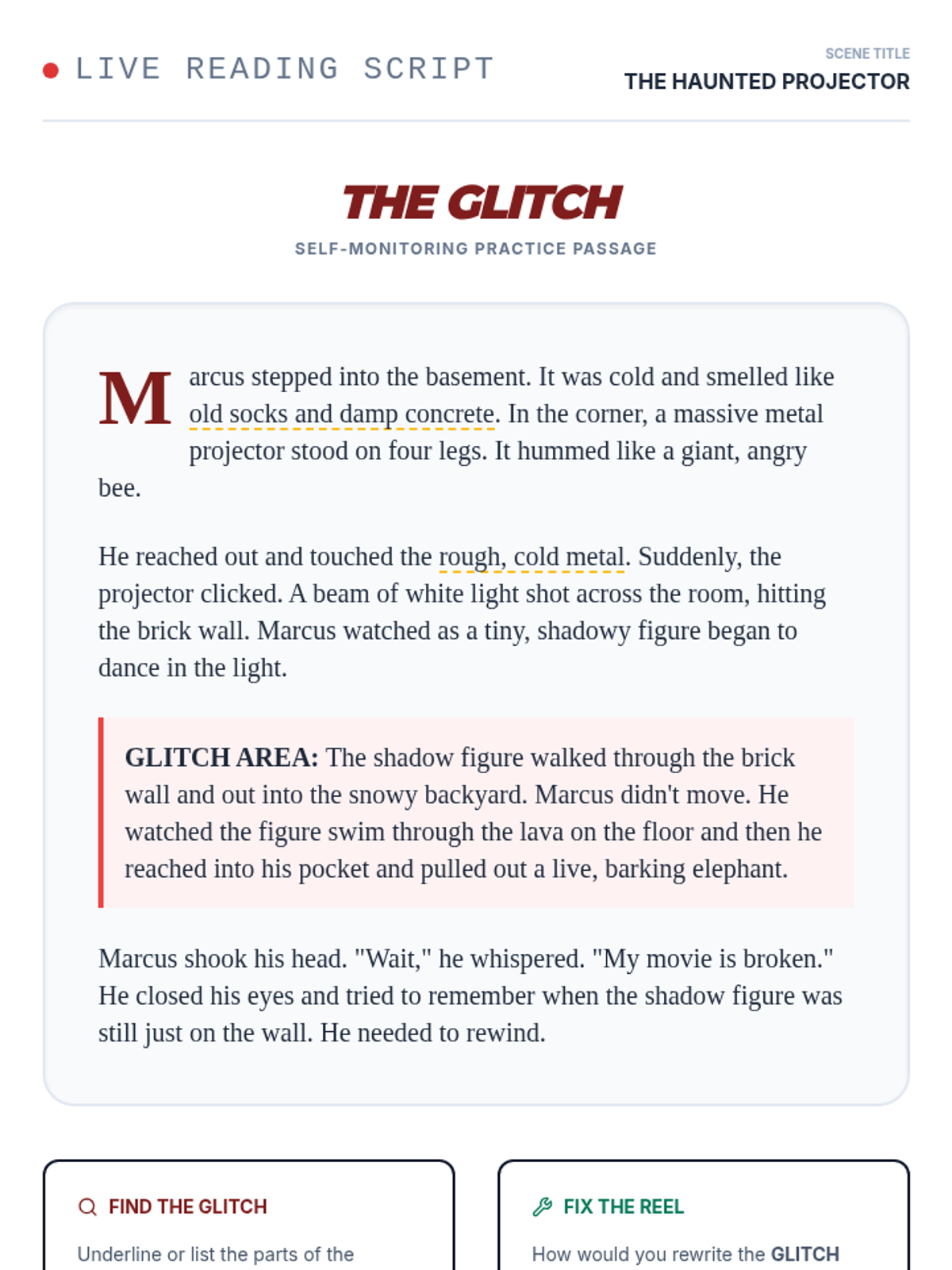
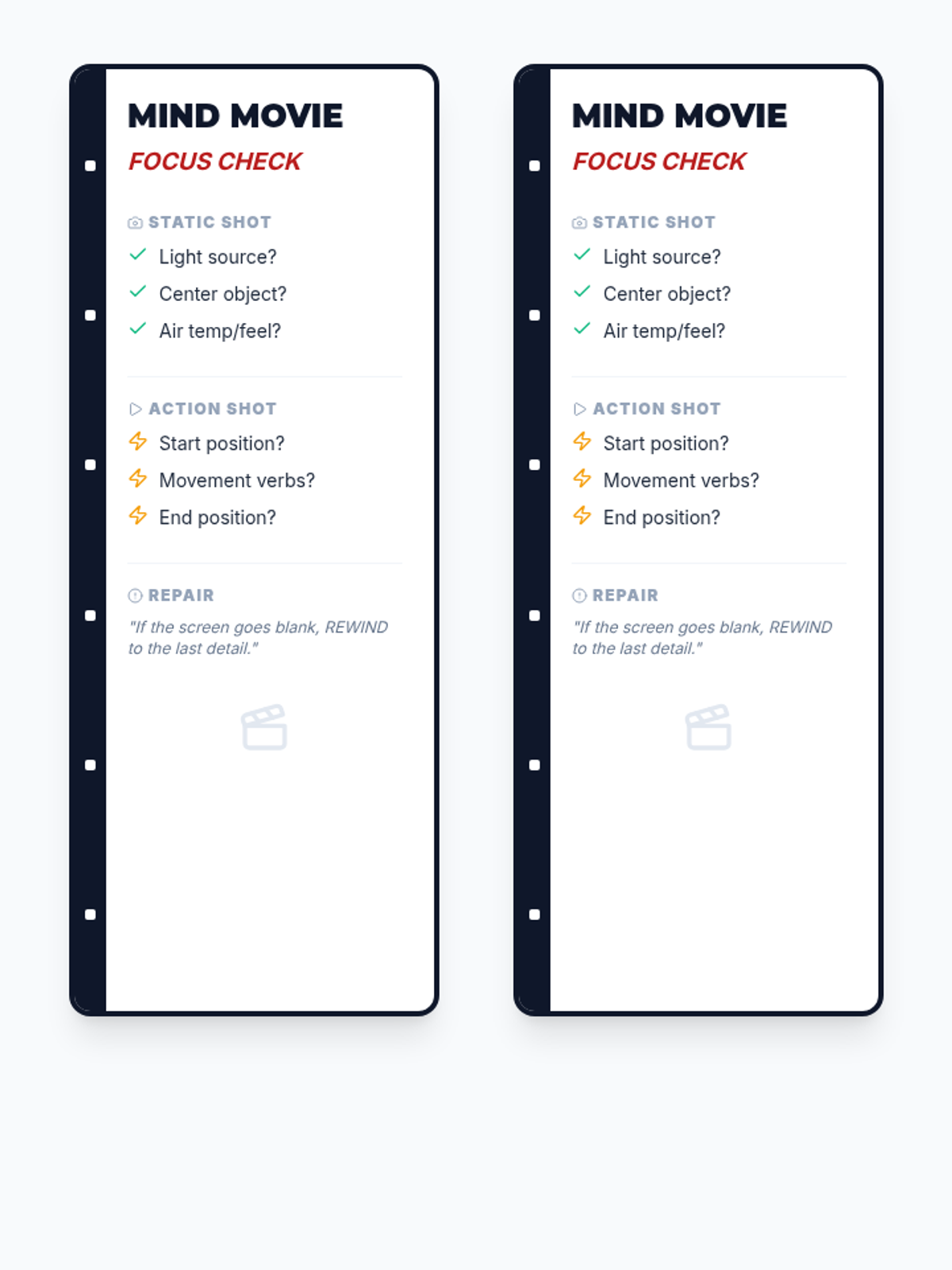
In this culminating lesson, students apply visualization strategies to a longer text. They identify points where their 'film broke' (comprehension failed) because they stopped visualizing, and practice re-reading to restore the image.
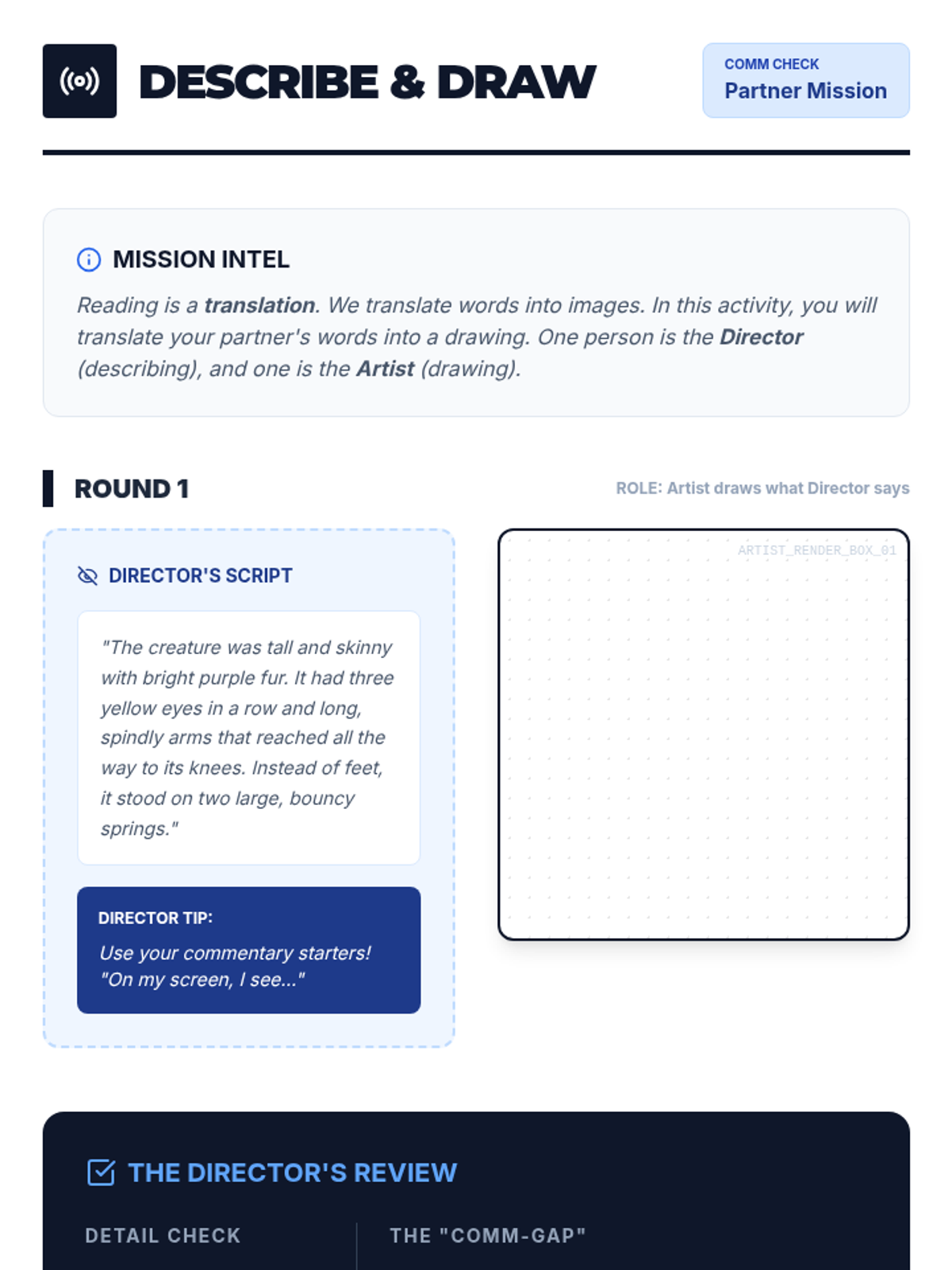
Students practice the strategy of 'Think-Alouds' where they pause reading to verbally describe what they see to a partner. This lesson focuses on accountability and checking that the mental image aligns with the text.
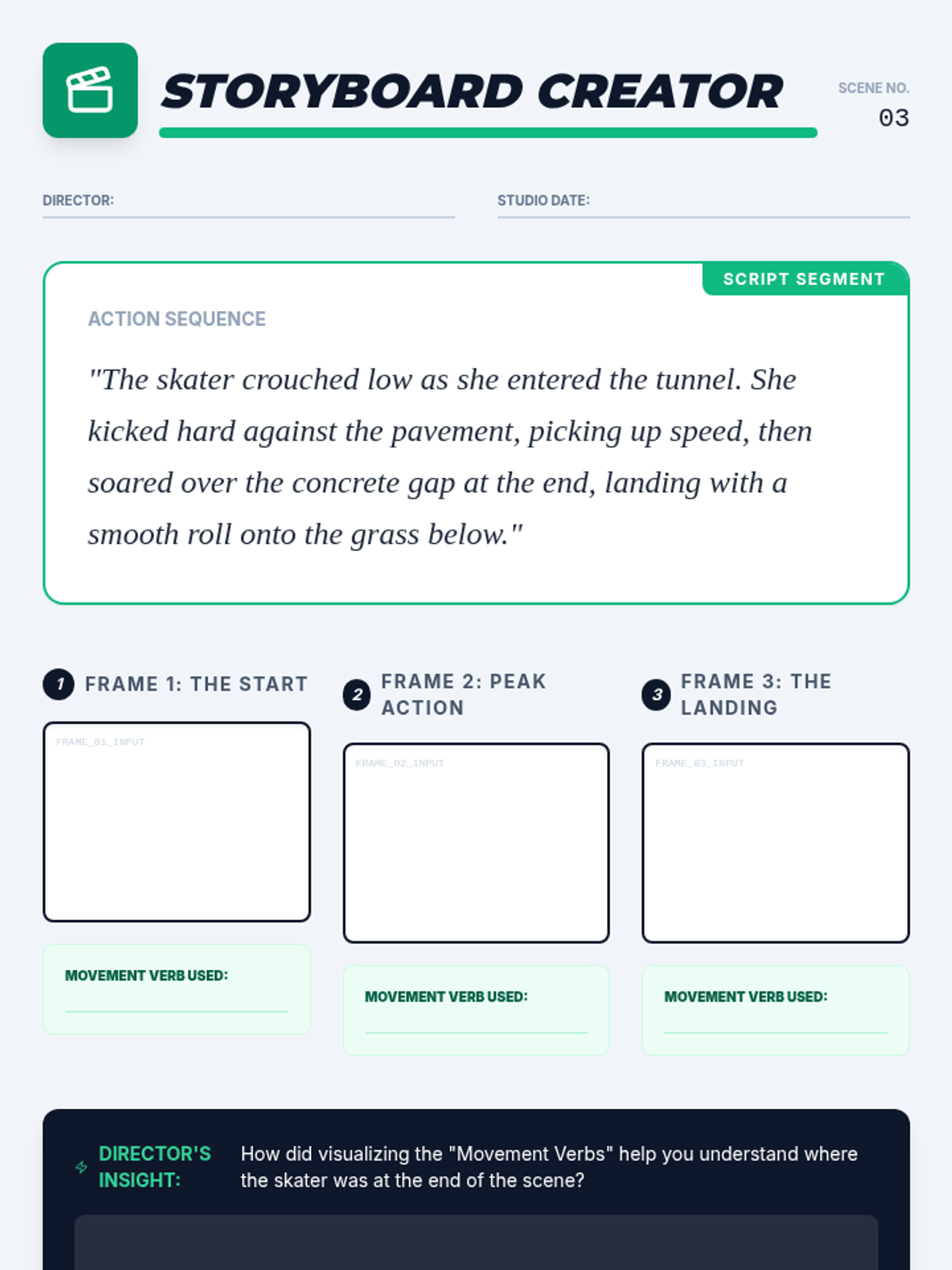
Students move from static images to visualizing action and movement. They will read dynamic scenes and practice 'pressing play' in their minds to track character movements and plot progression.
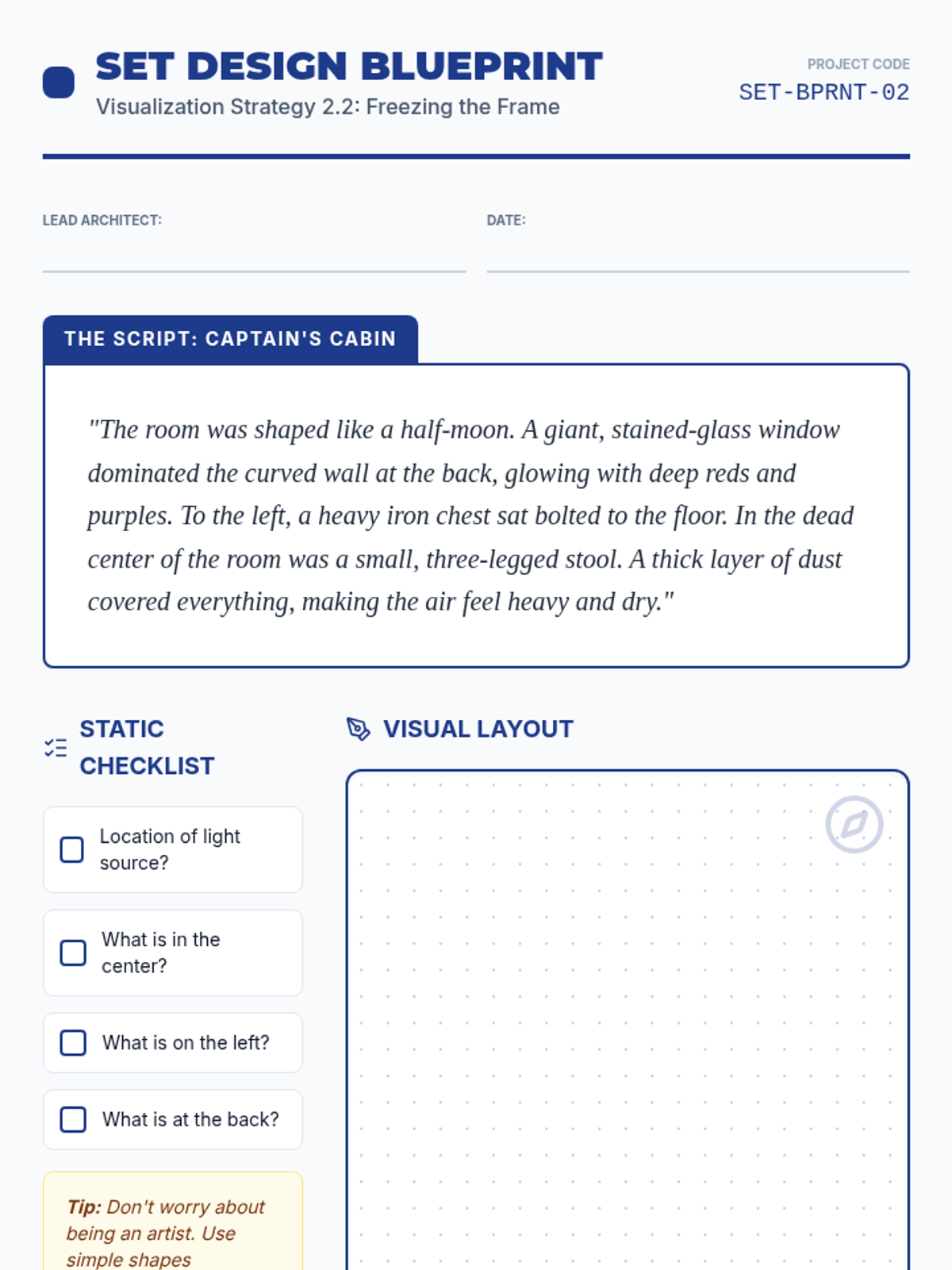
Focusing on setting descriptions, students practice freezing the action to build a detailed static mental picture. They will read a descriptive passage and complete a 'sensory checklist' to ensure their mental image is complete.
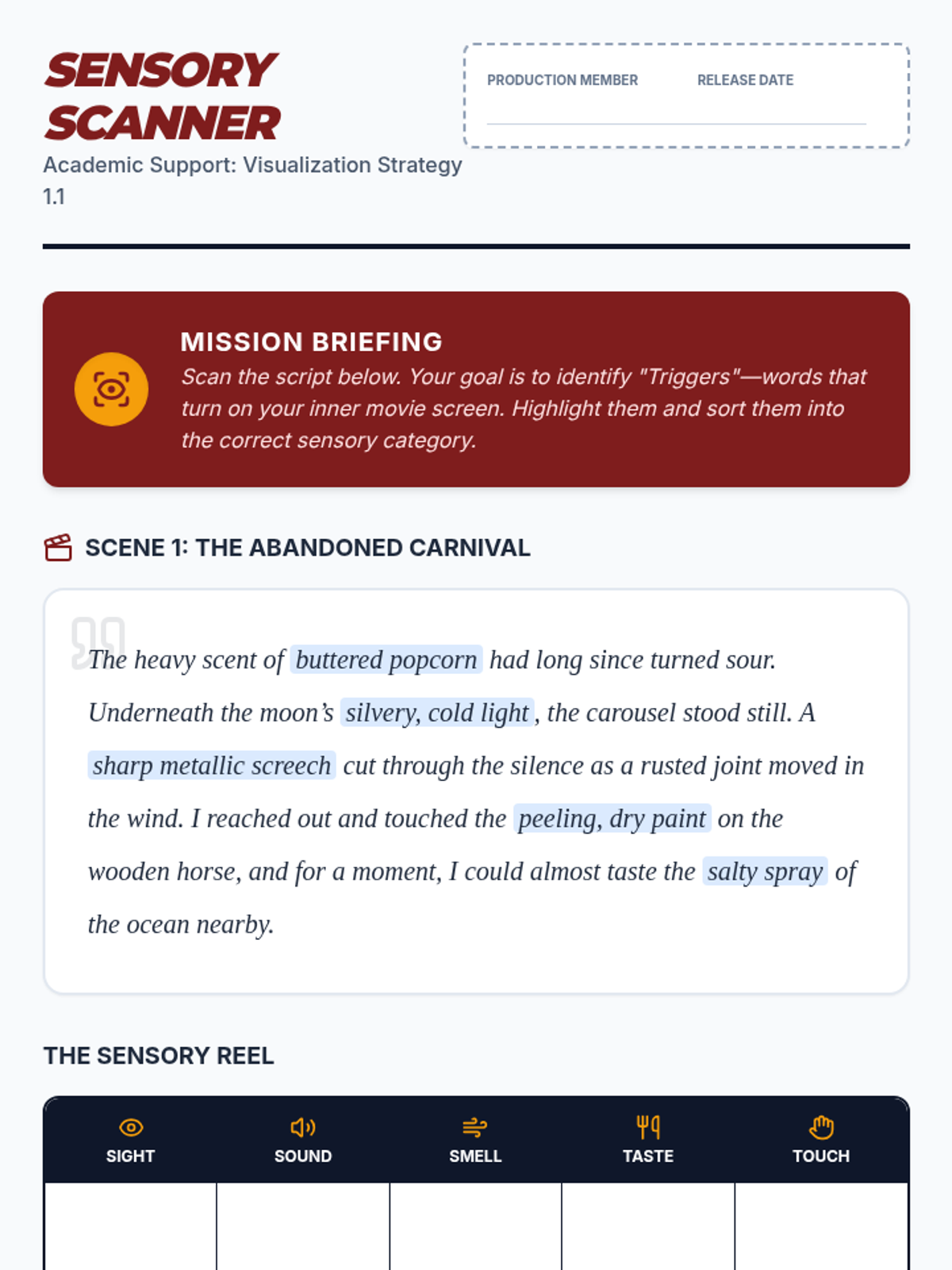
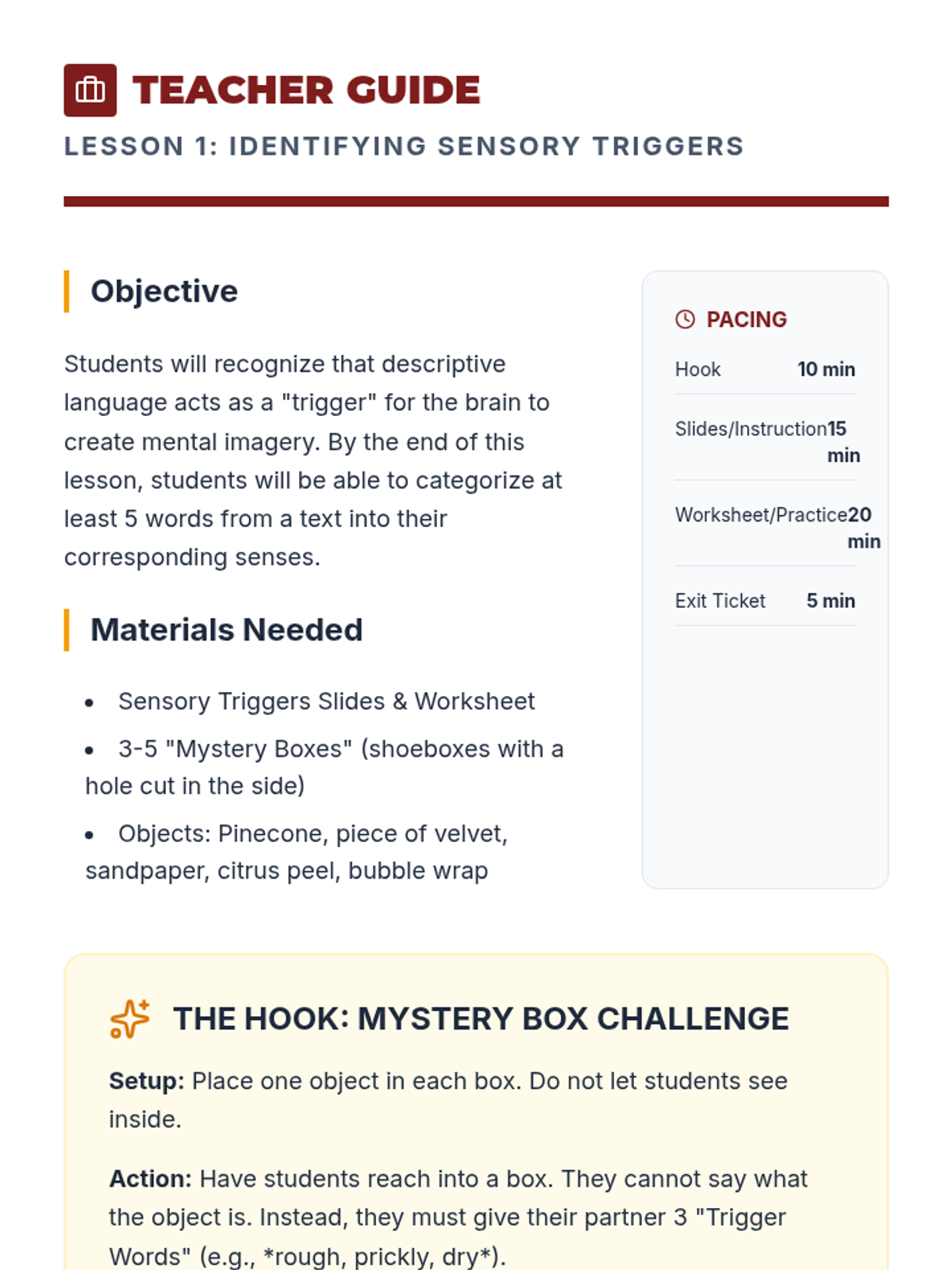
Students practice scanning short passages to highlight words that trigger specific senses (sight, sound, smell, touch, taste). They will categorize these words and discuss why the author chose them to convey a specific feeling or image.
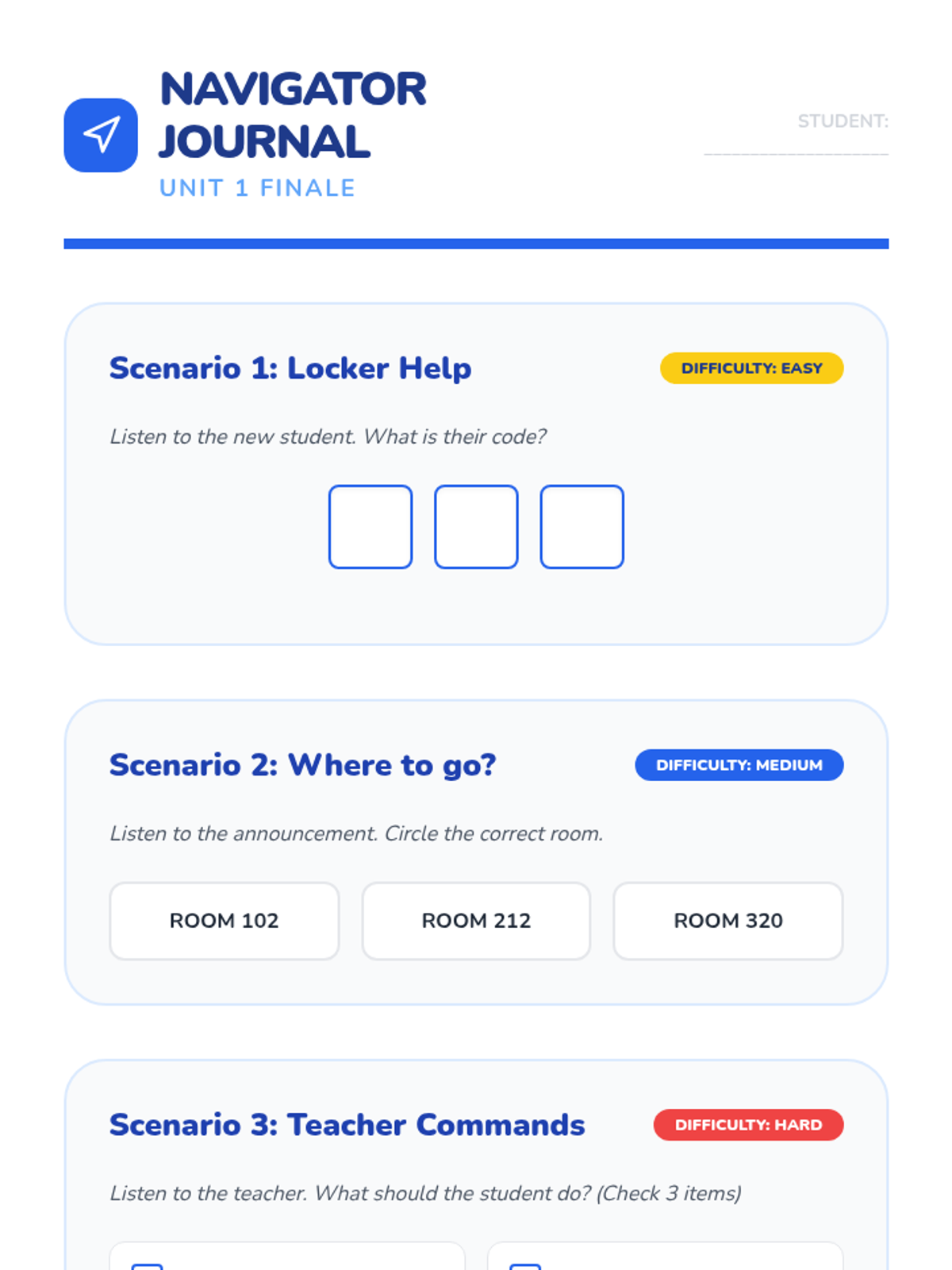
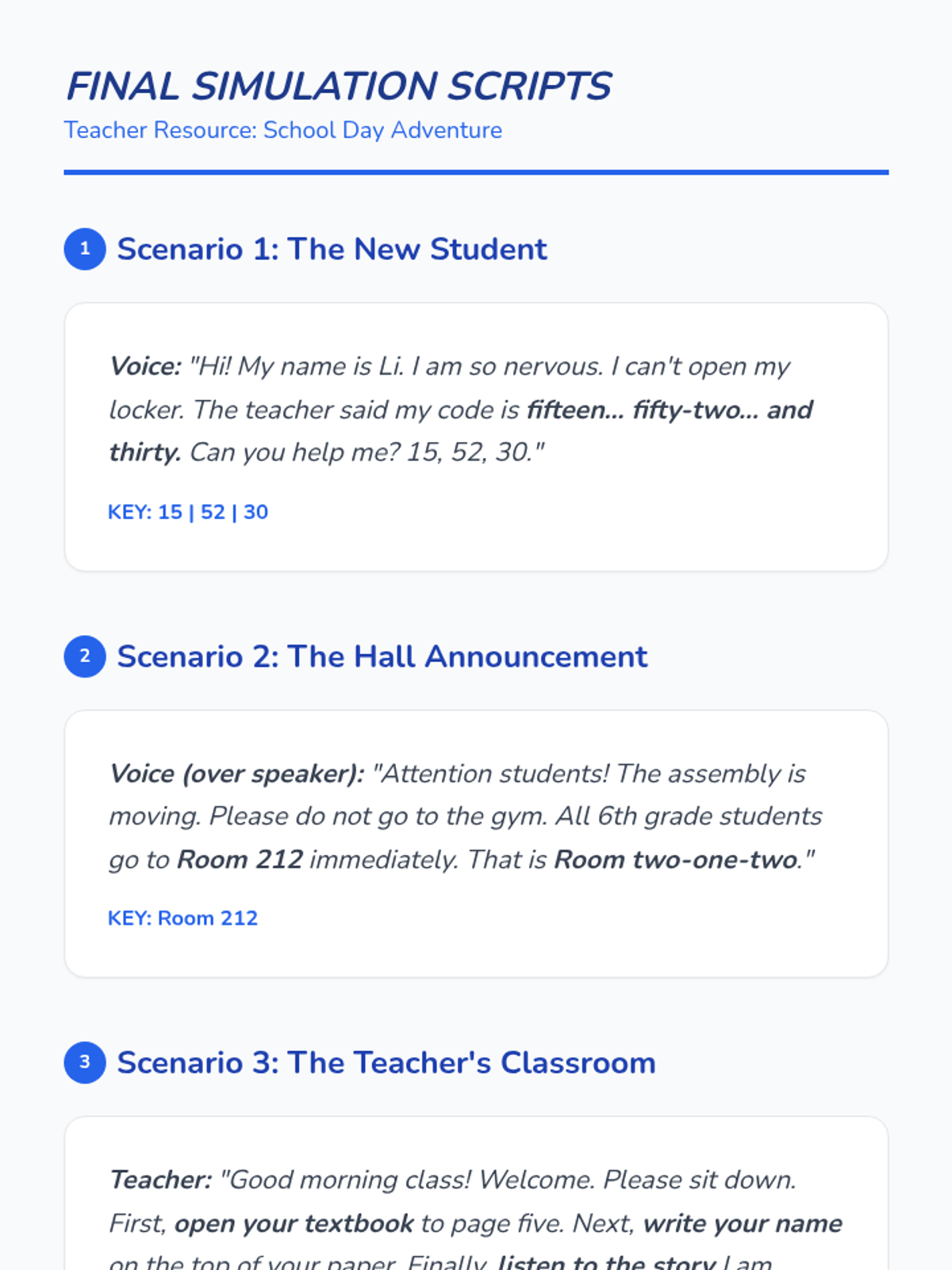
Students synthesize their learning by navigating a virtual audio adventure, making choices based on their understanding of dialogue and instructions throughout a simulated school day.
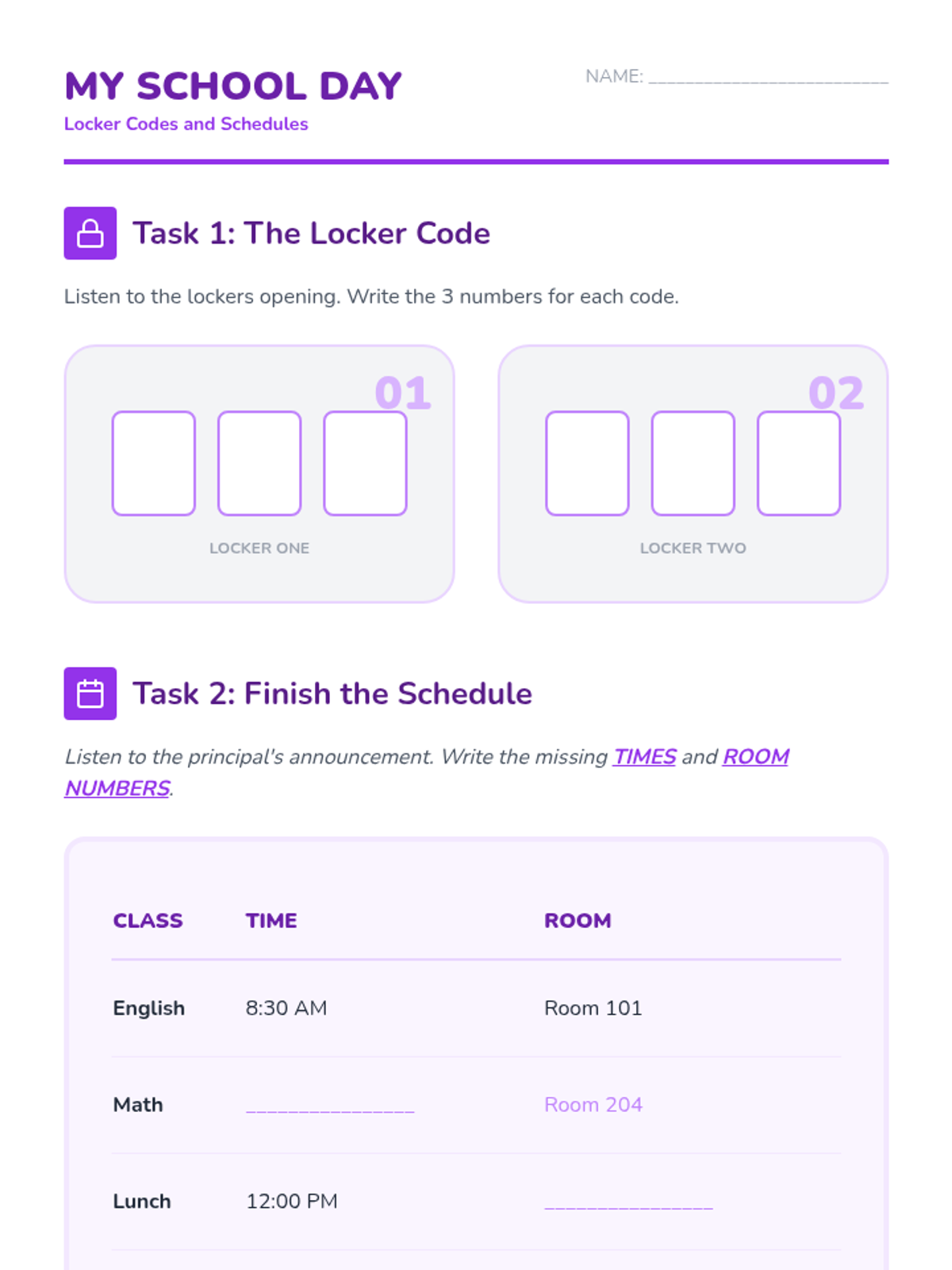
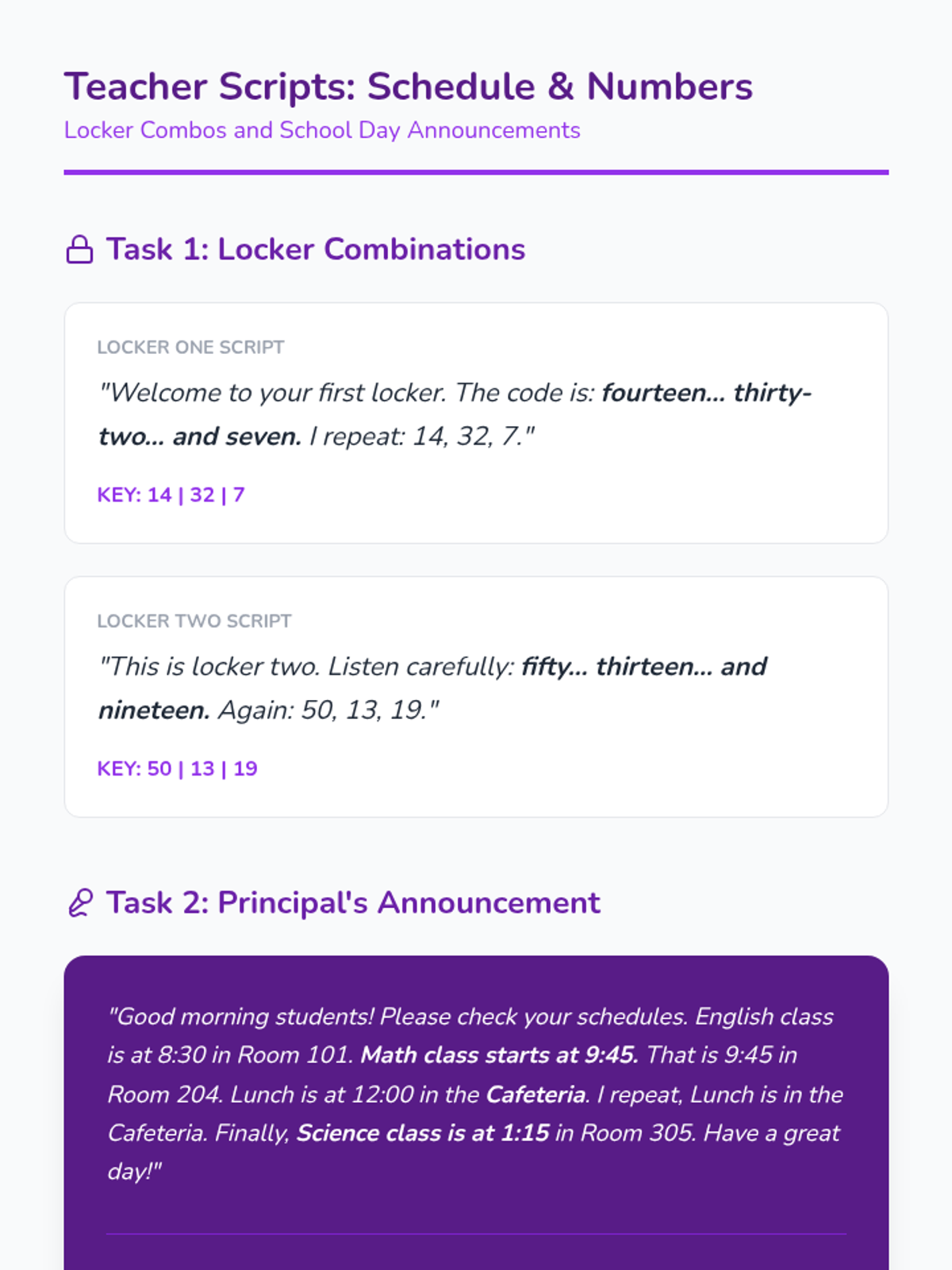
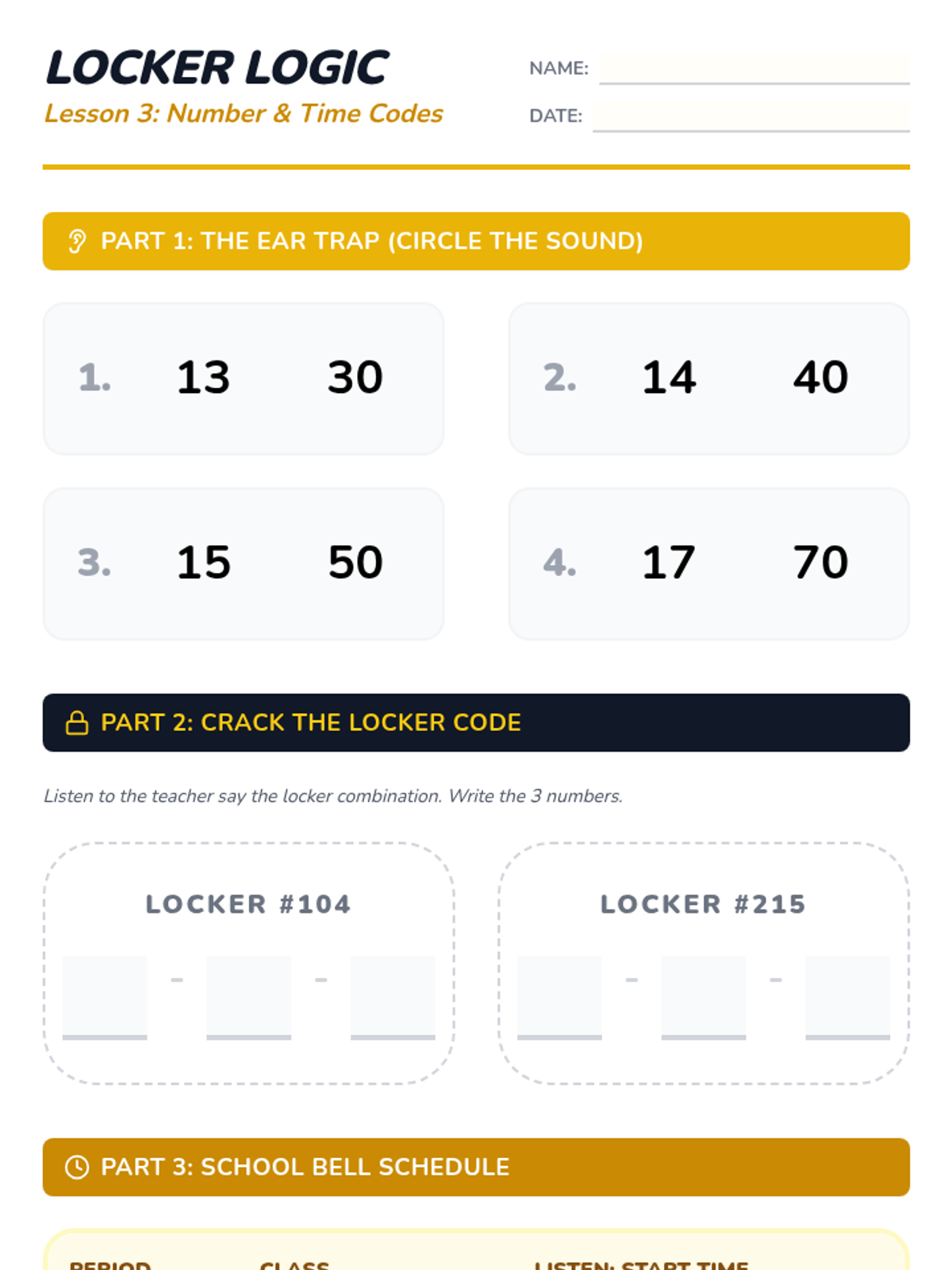
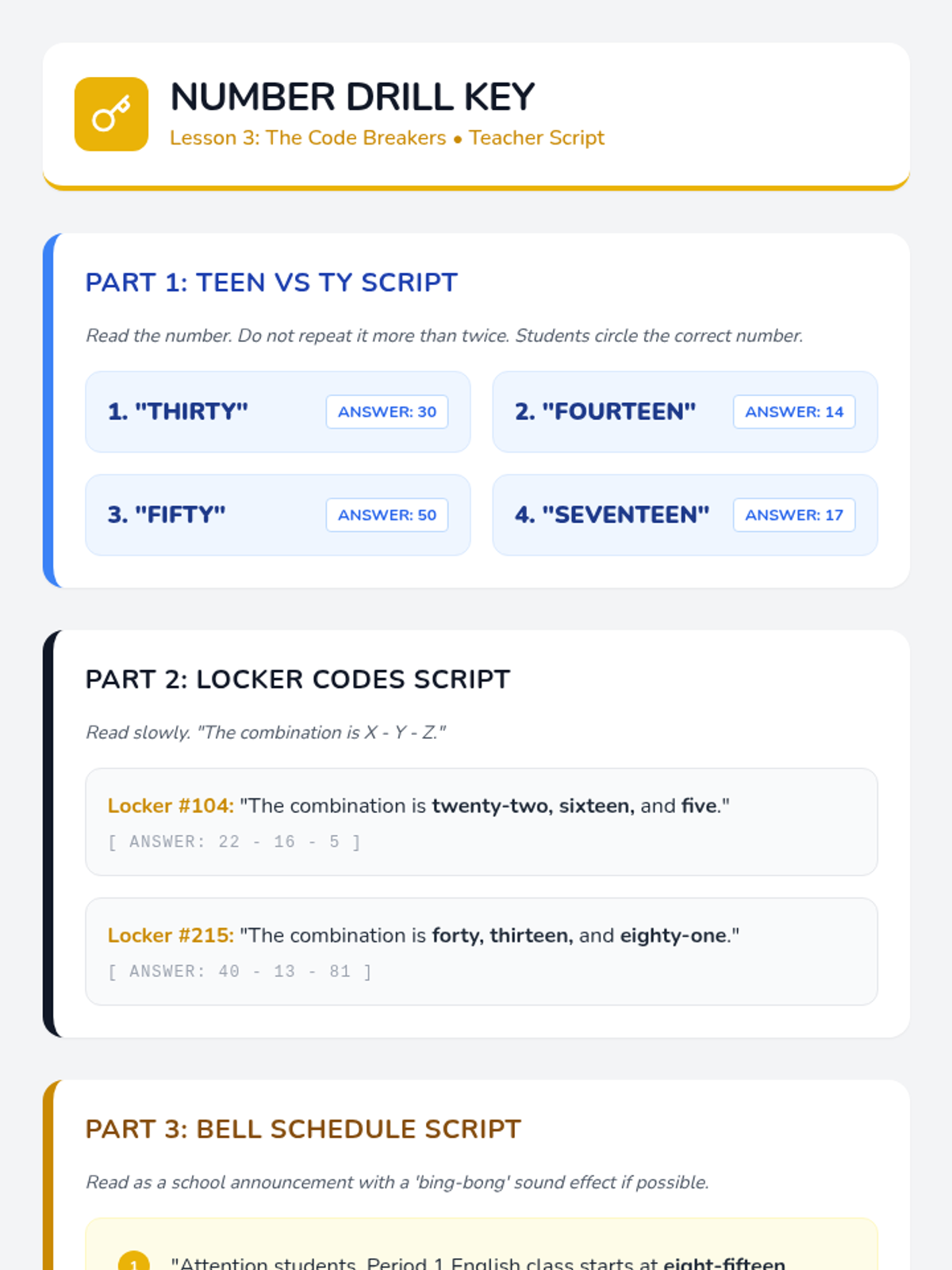
Students practice identifying numbers and time to understand class schedules and locker combinations, focusing on extracting specific data from spoken input.
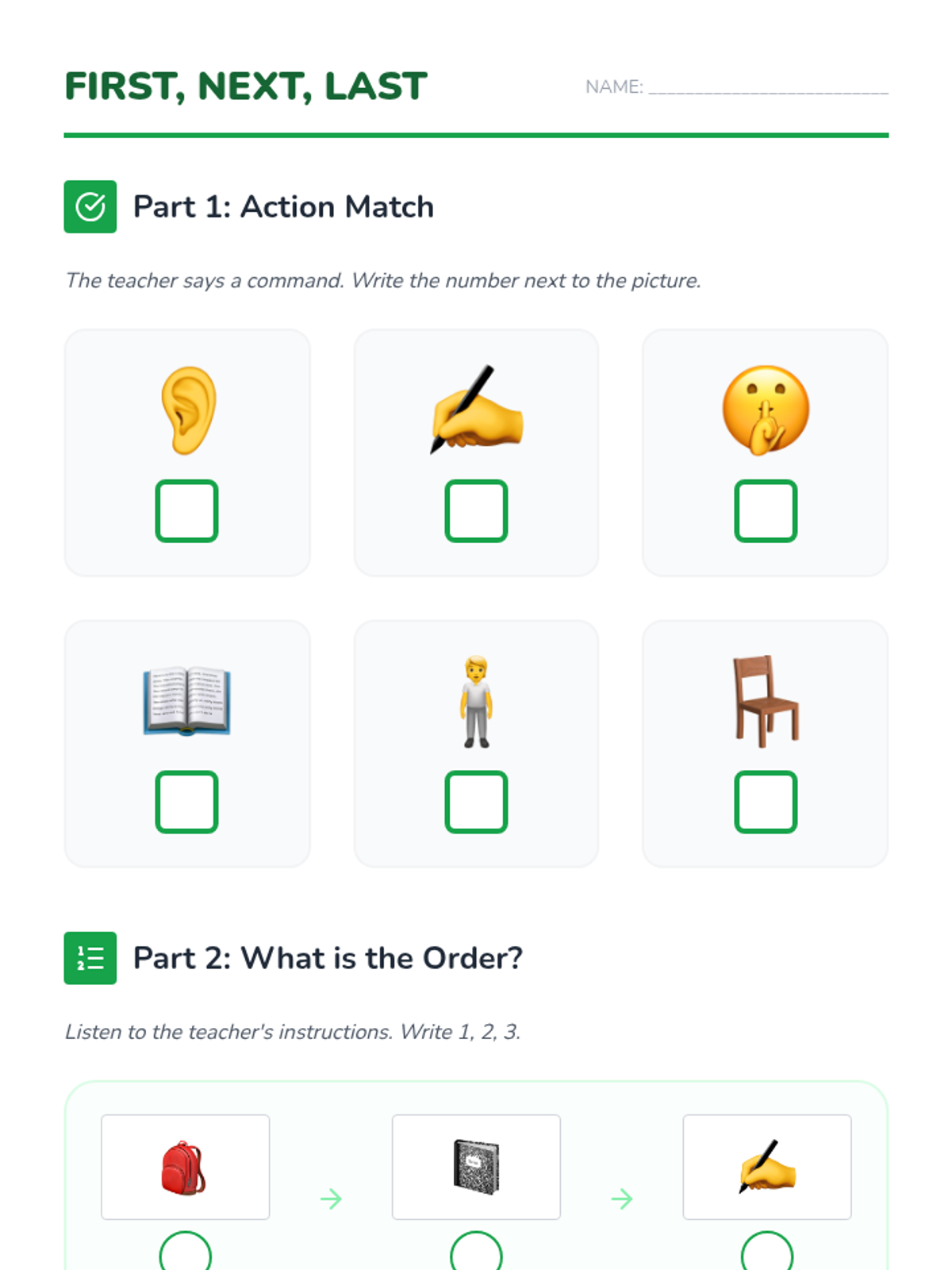
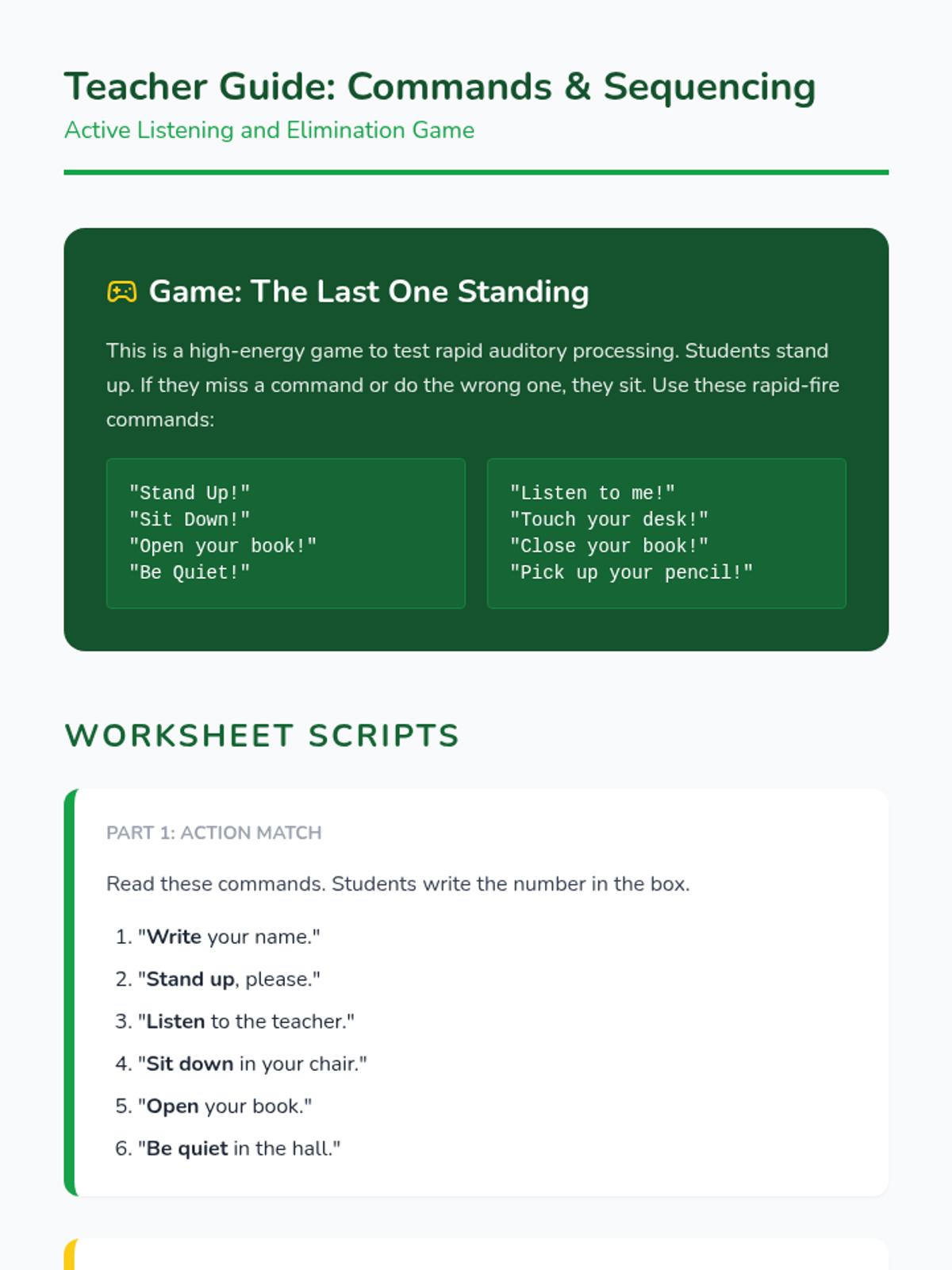
Students learn to recognize and respond to common instructional verbs used by teachers, practicing sequencing through visual-auditory matching.
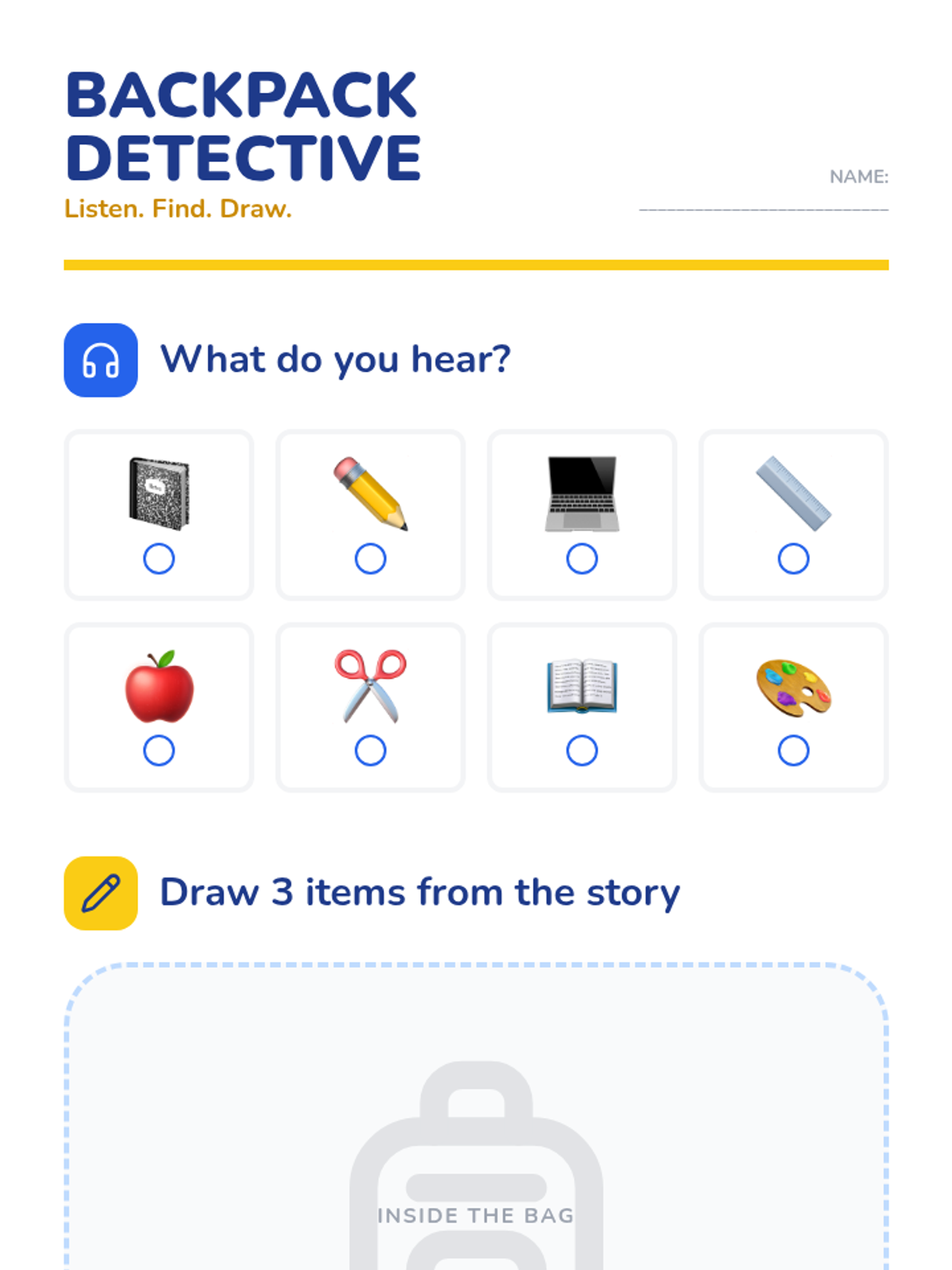
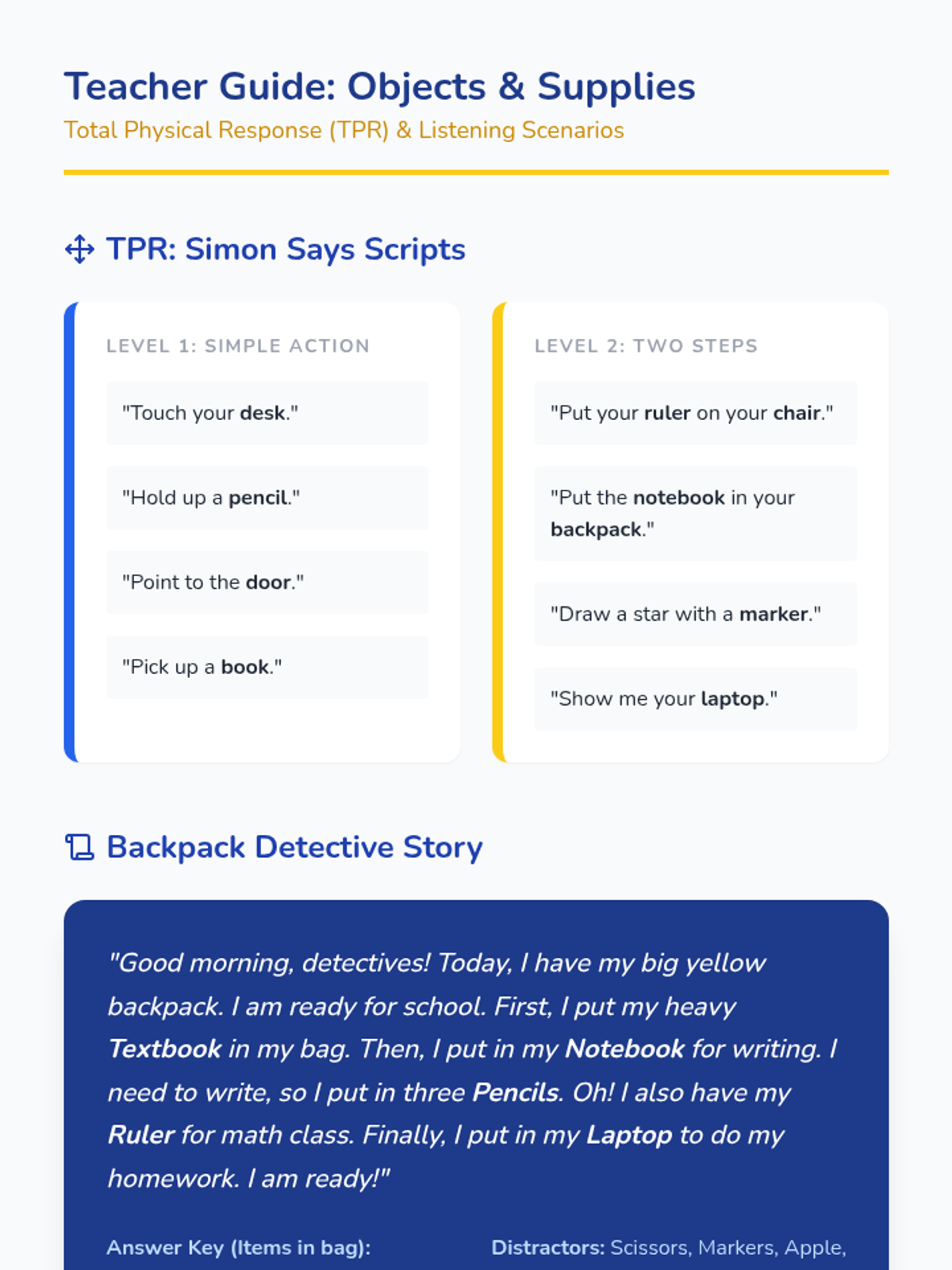
Students focus on physical classroom items, participating in TPR activities and a 'Backpack Detective' game to build auditory-visual associations.
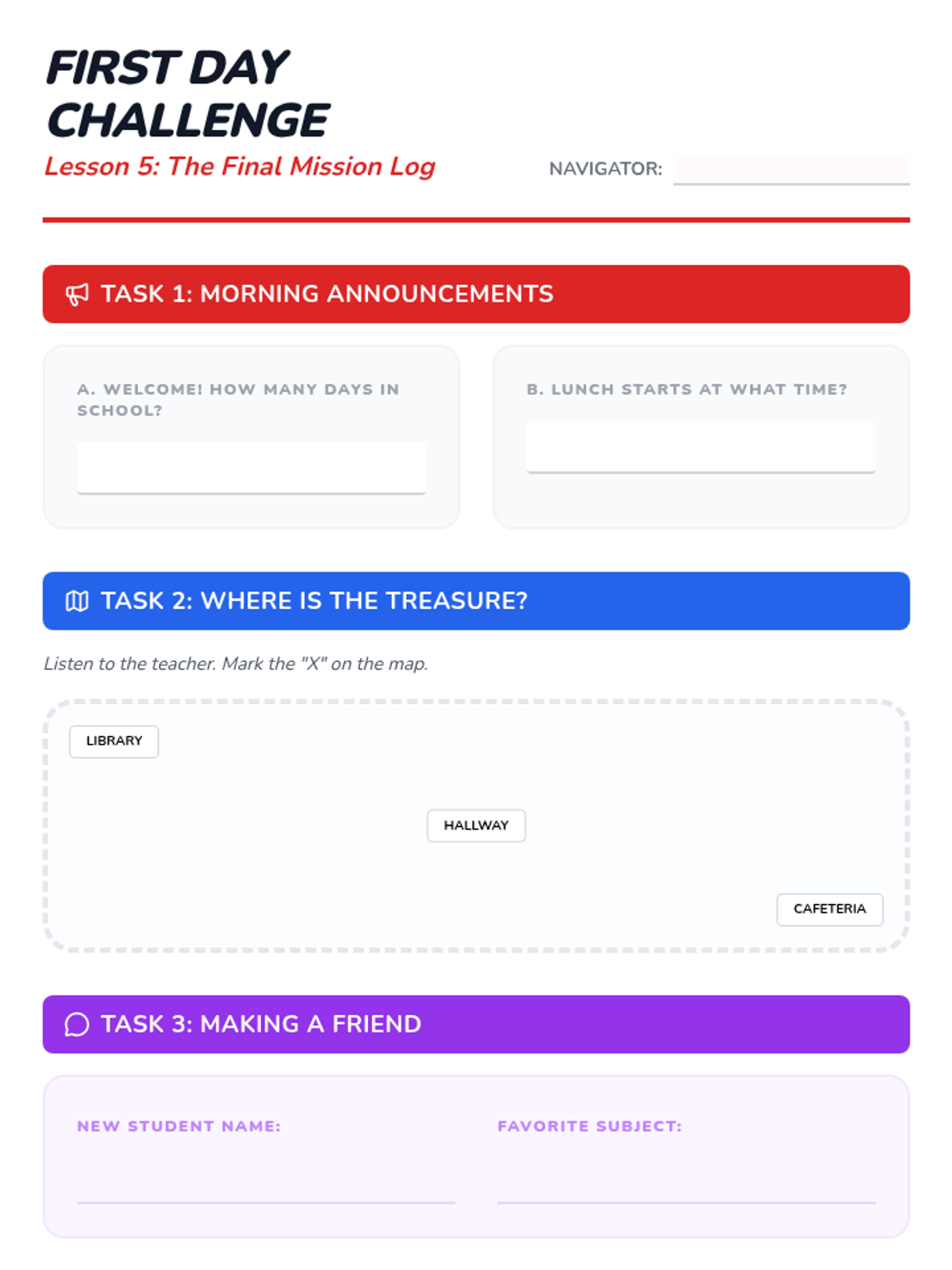
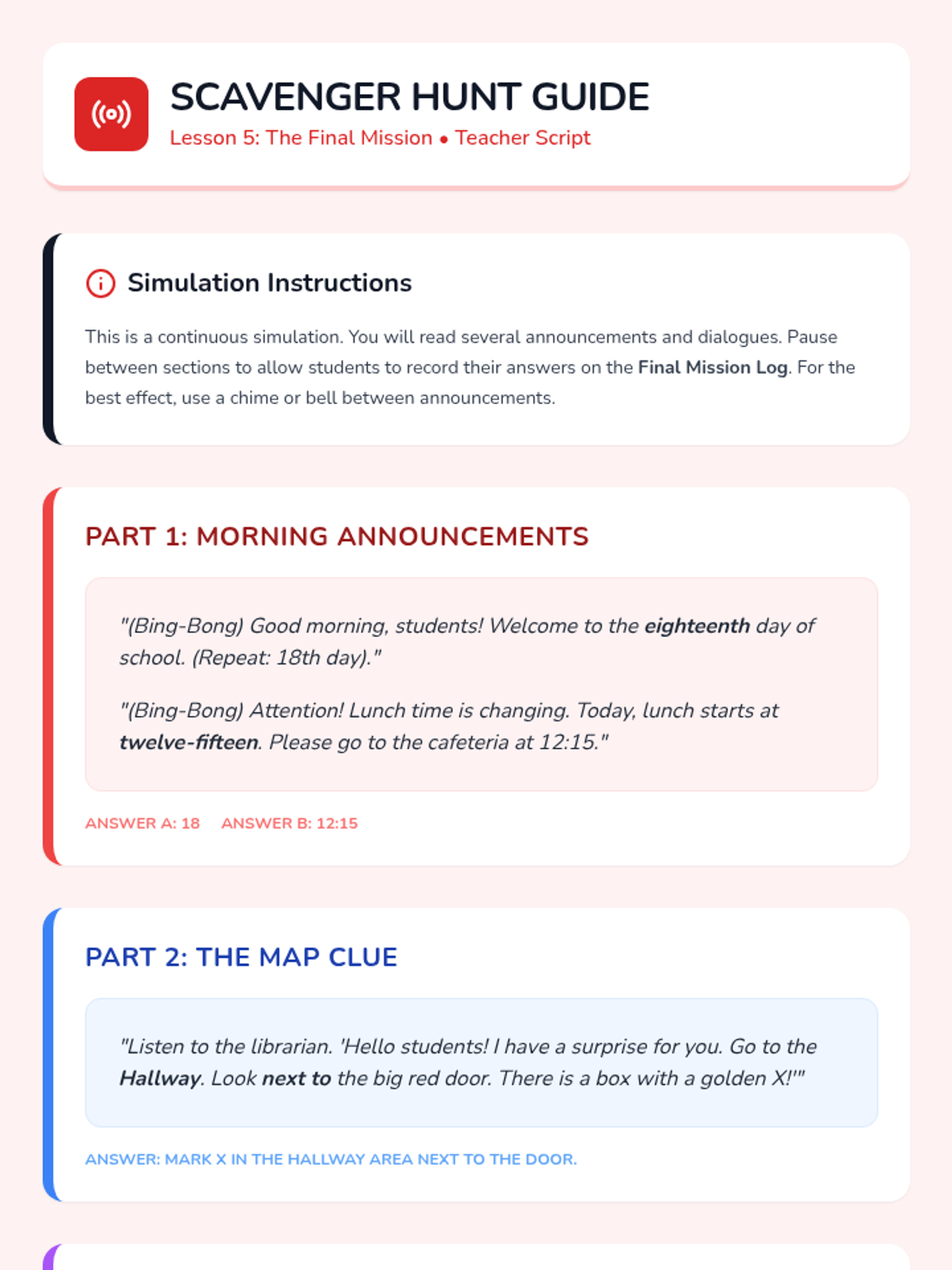
A culminating simulation where students synthesize all previous listening skills to navigate a virtual first day of school.
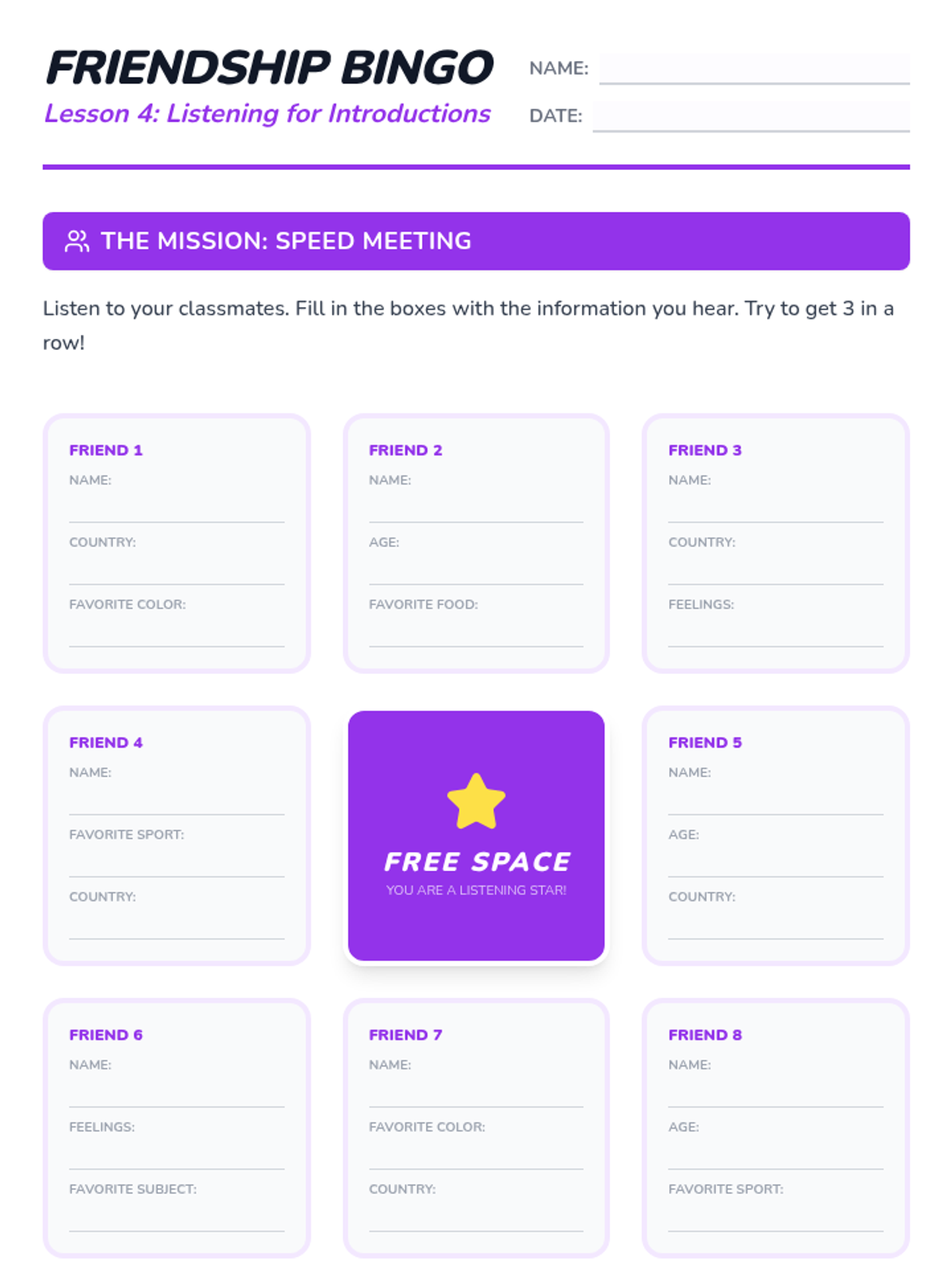
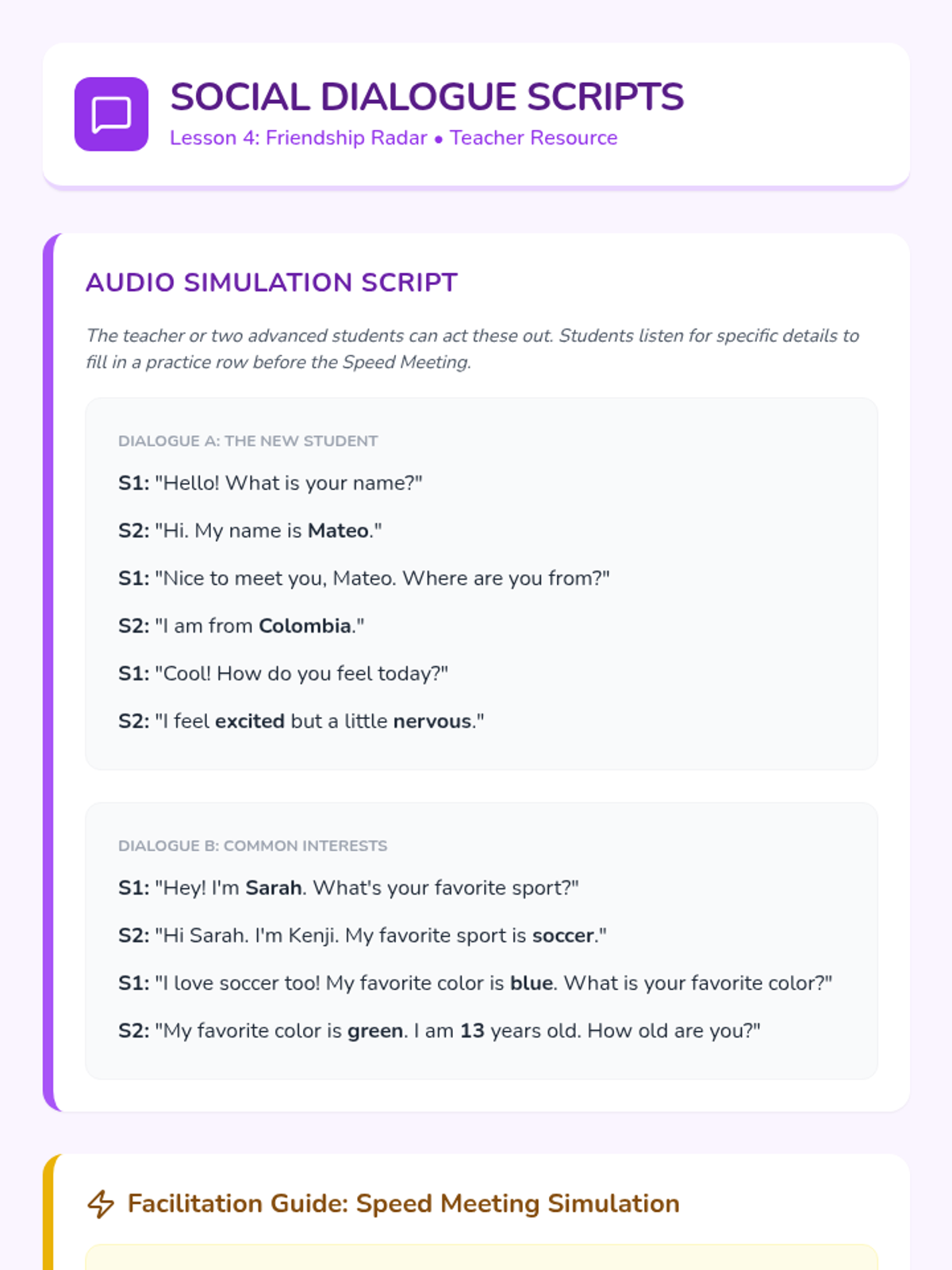
Students practice listening for key details in social greetings and personal introductions, focusing on 'Wh-' questions.
This lesson focuses on auditory discrimination of numbers (0-100), time-telling, and locker combinations.
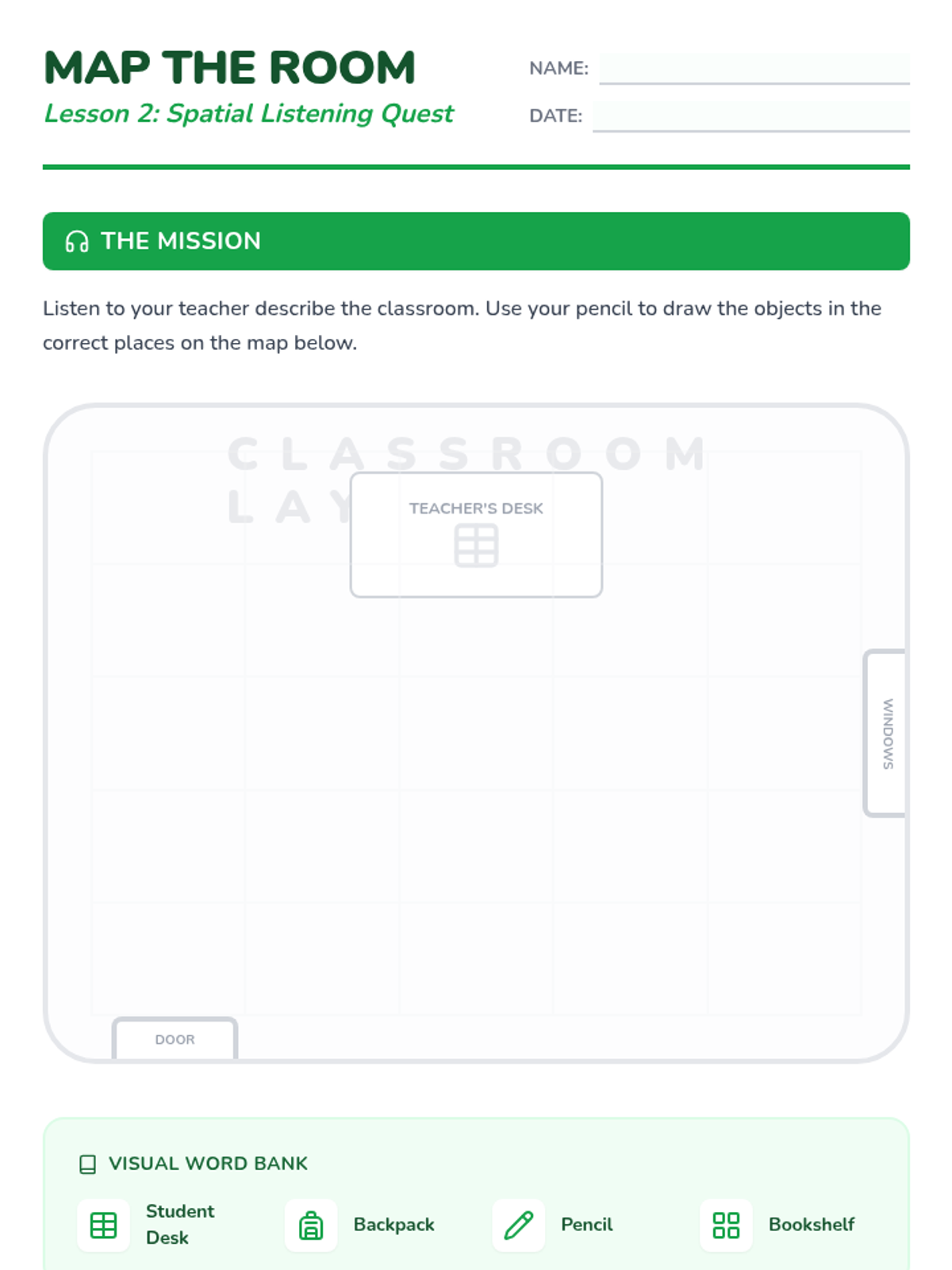
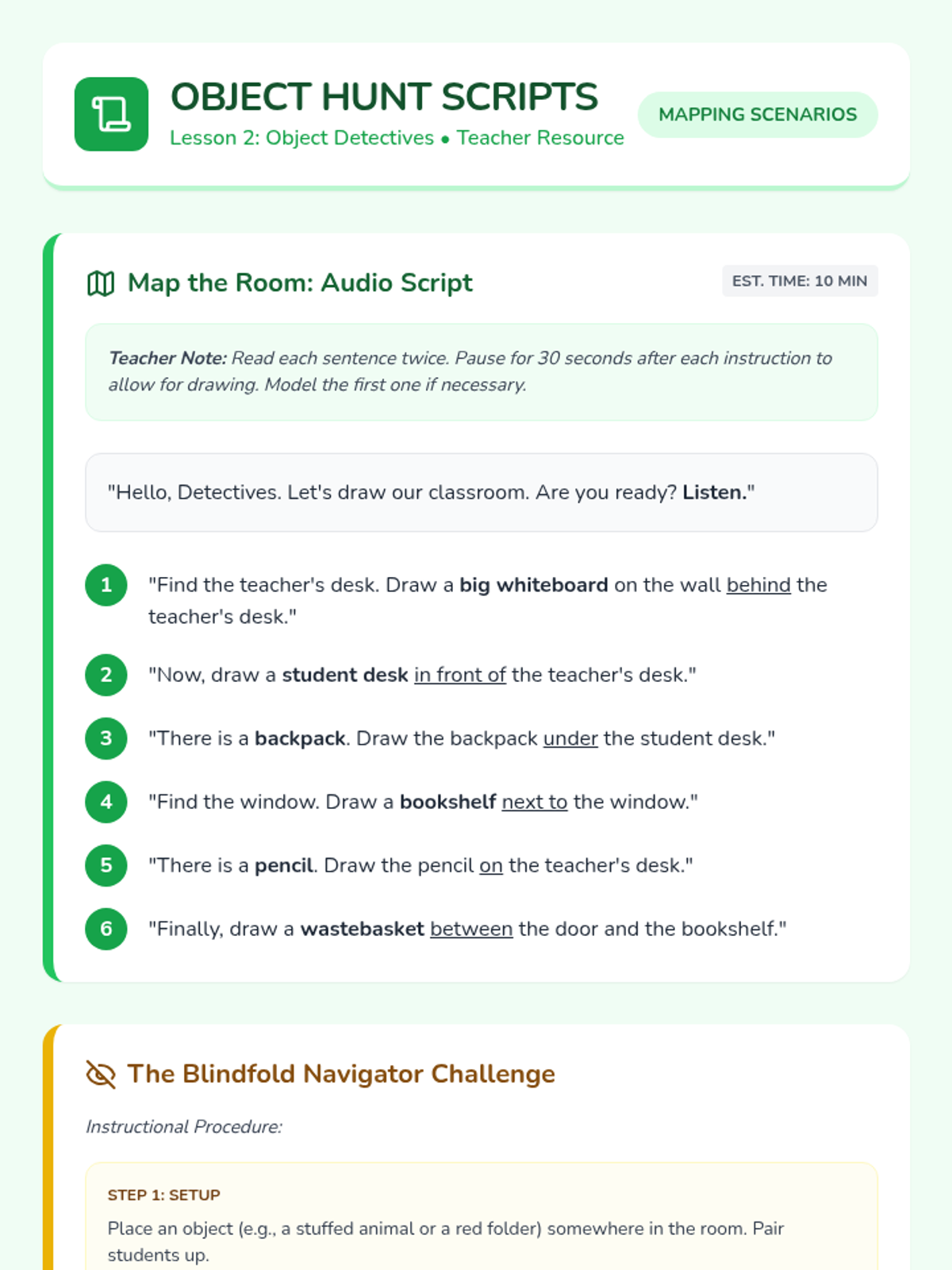
Learners identify common school objects and their locations using prepositions of place and spatial listening cues.
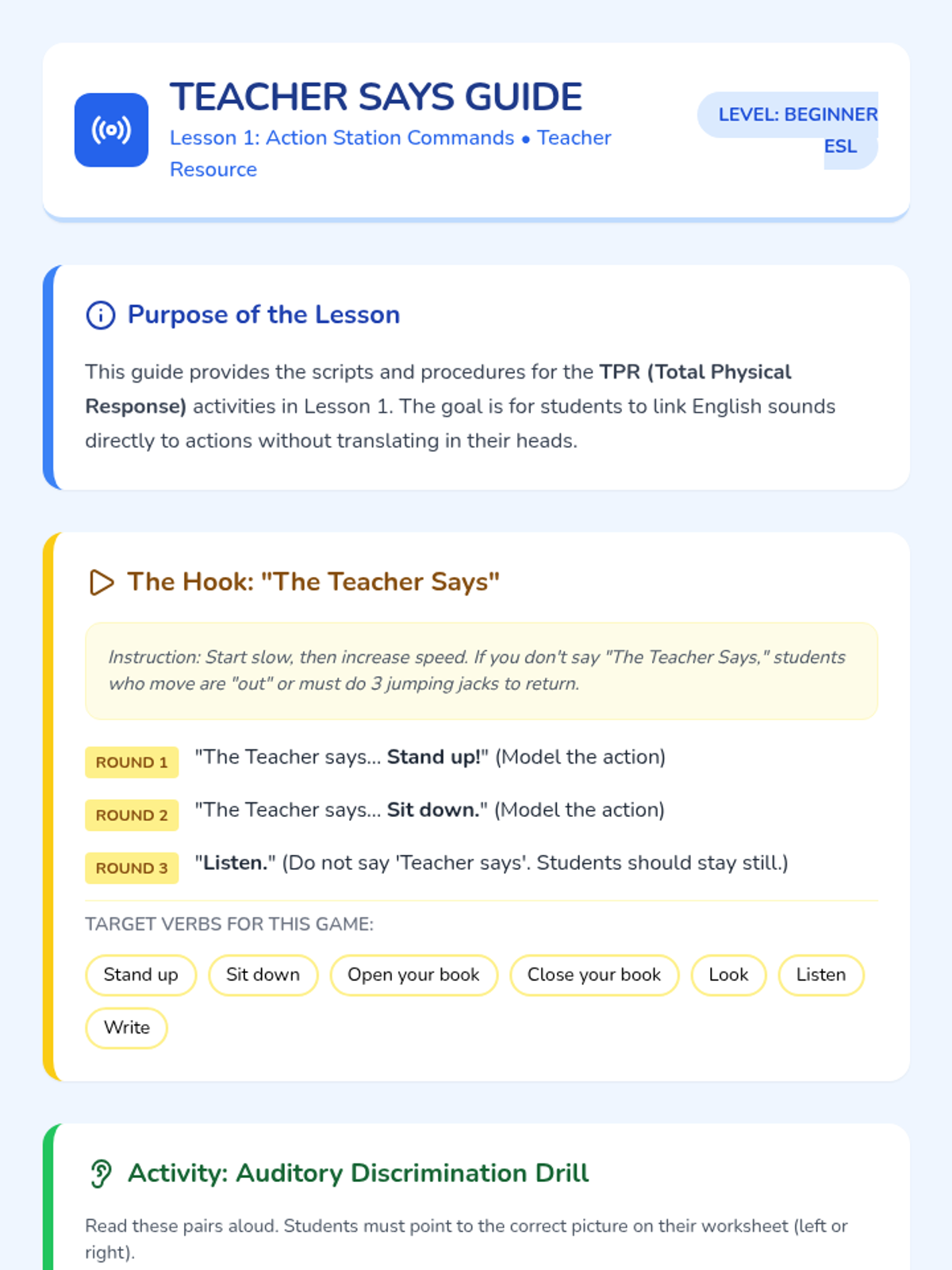
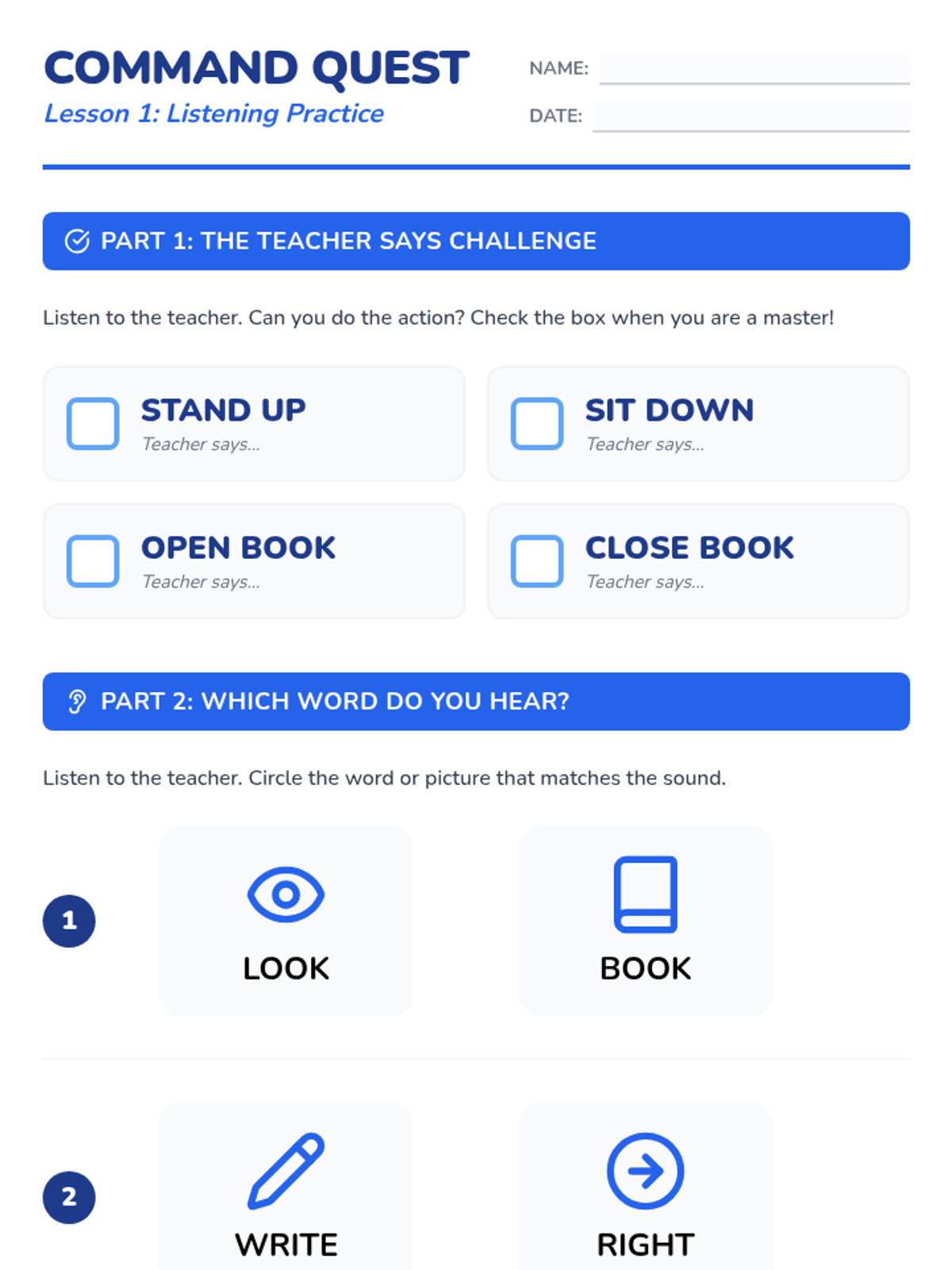
Students learn to recognize and respond to basic imperative verbs through high-energy Total Physical Response (TPR) activities and games.
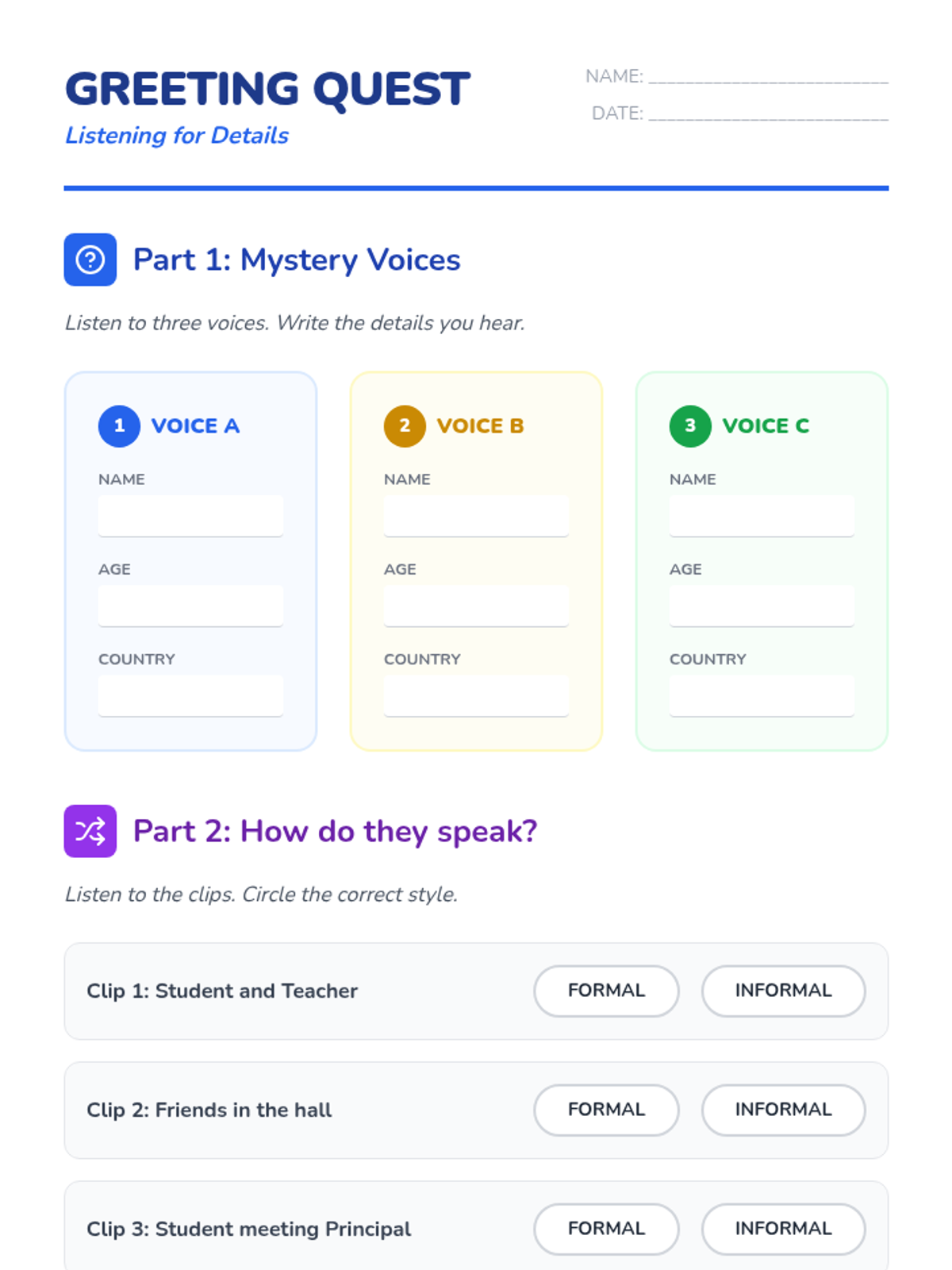
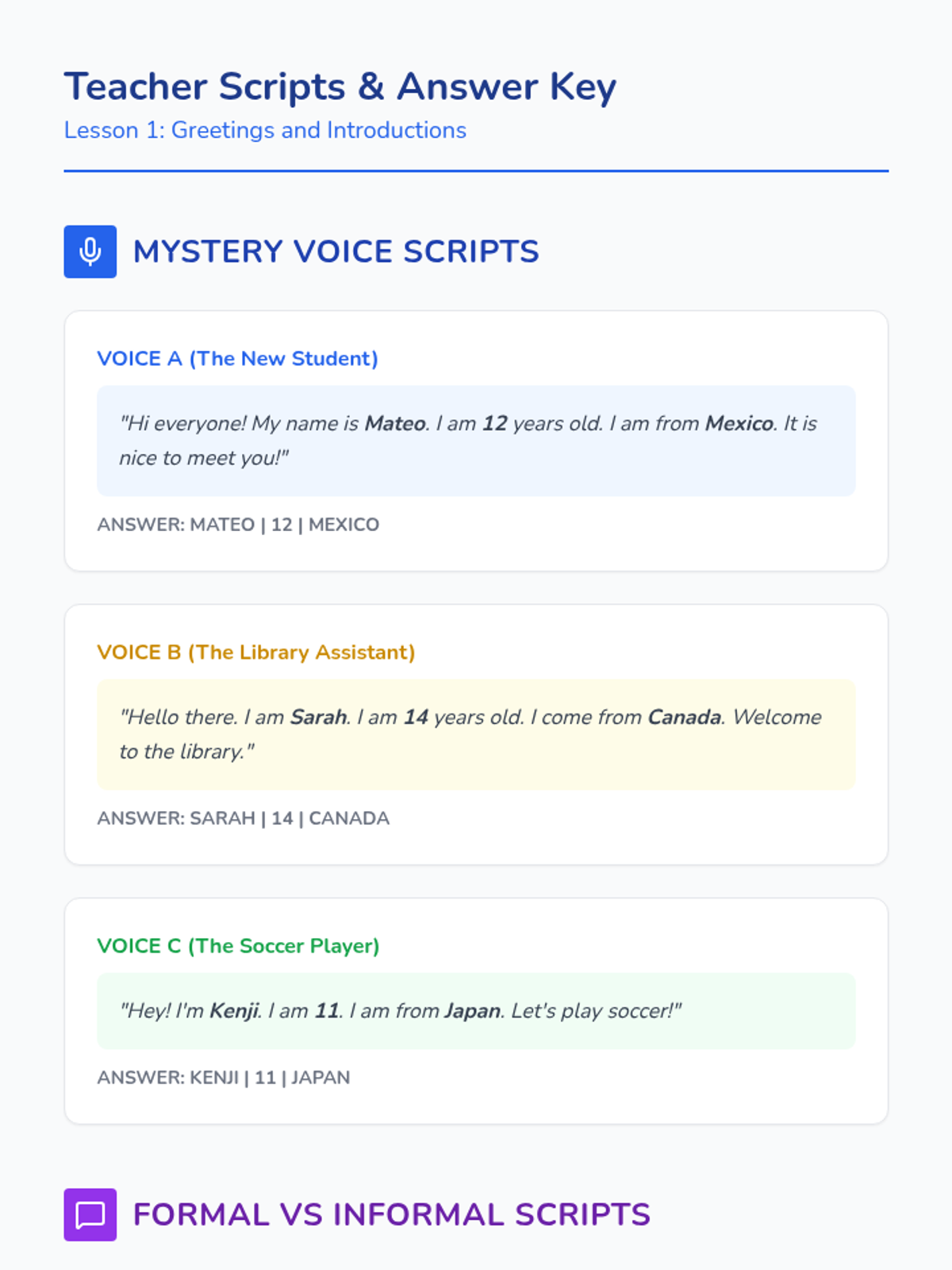
Students practice identifying names and personal details from spoken English, focusing on distinguishing between formal teacher-student greetings and informal peer-to-peer introductions.
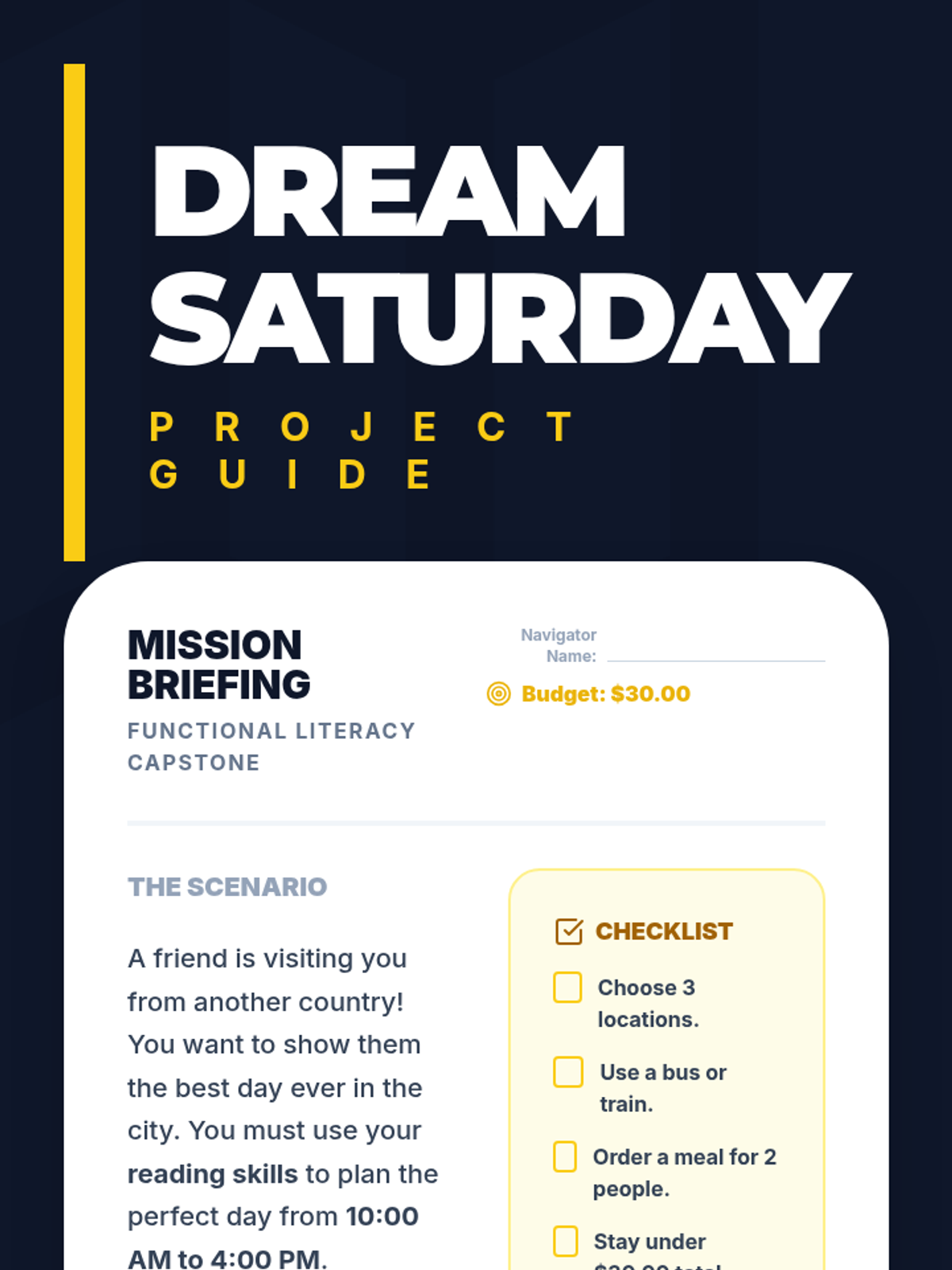
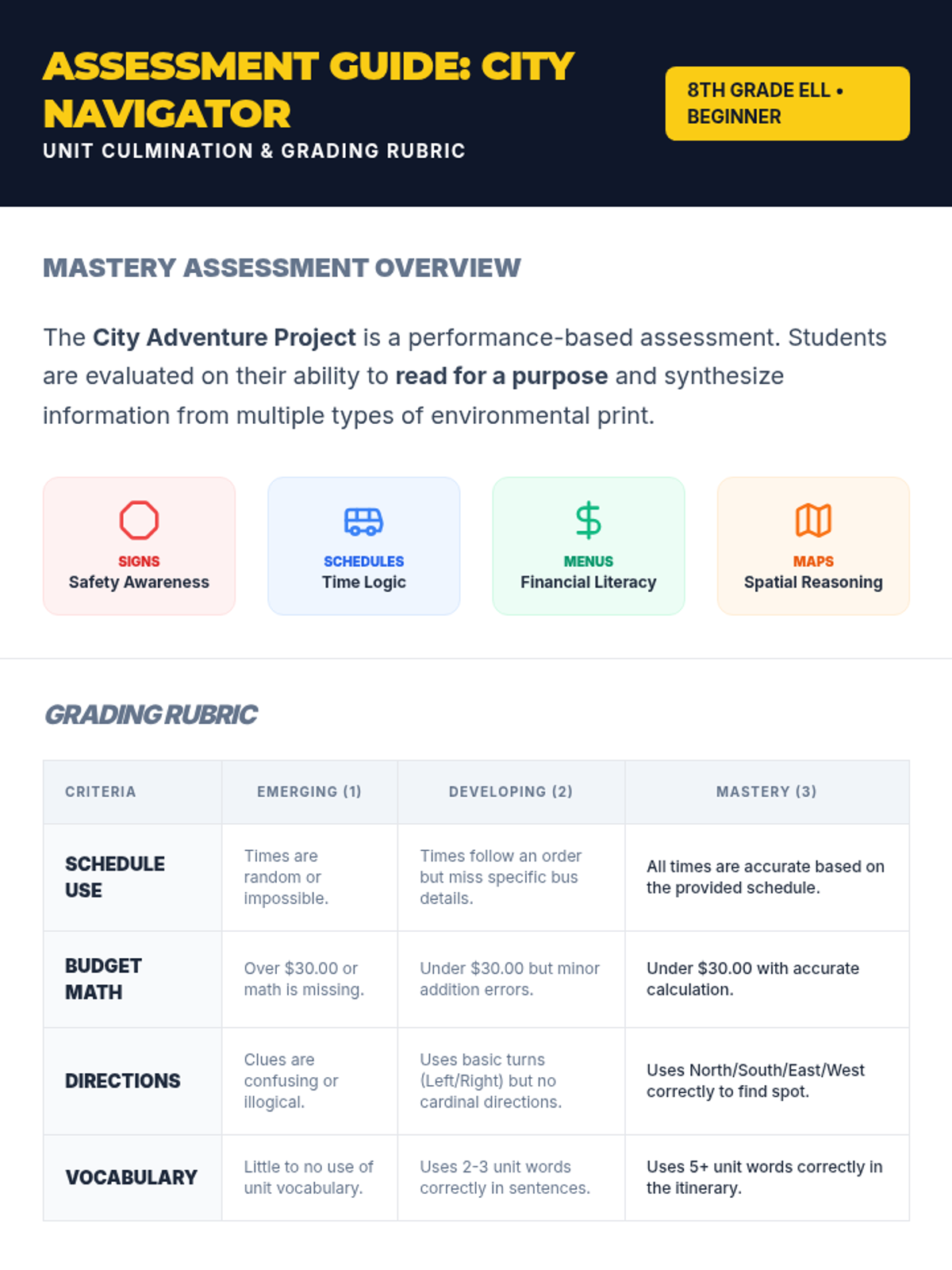
A culminating project where students plan a full day out, synthesizing skills from the previous four lessons.
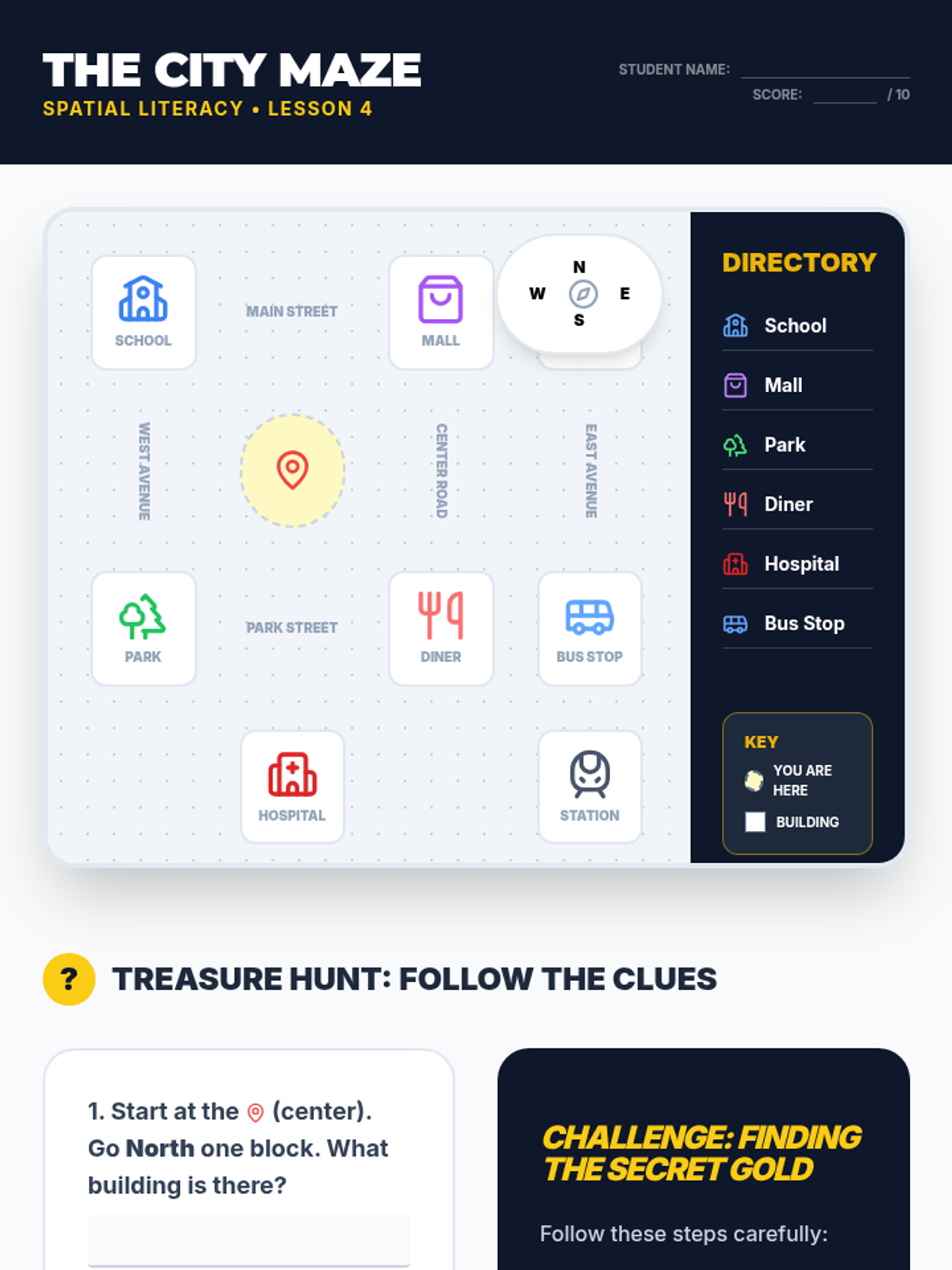
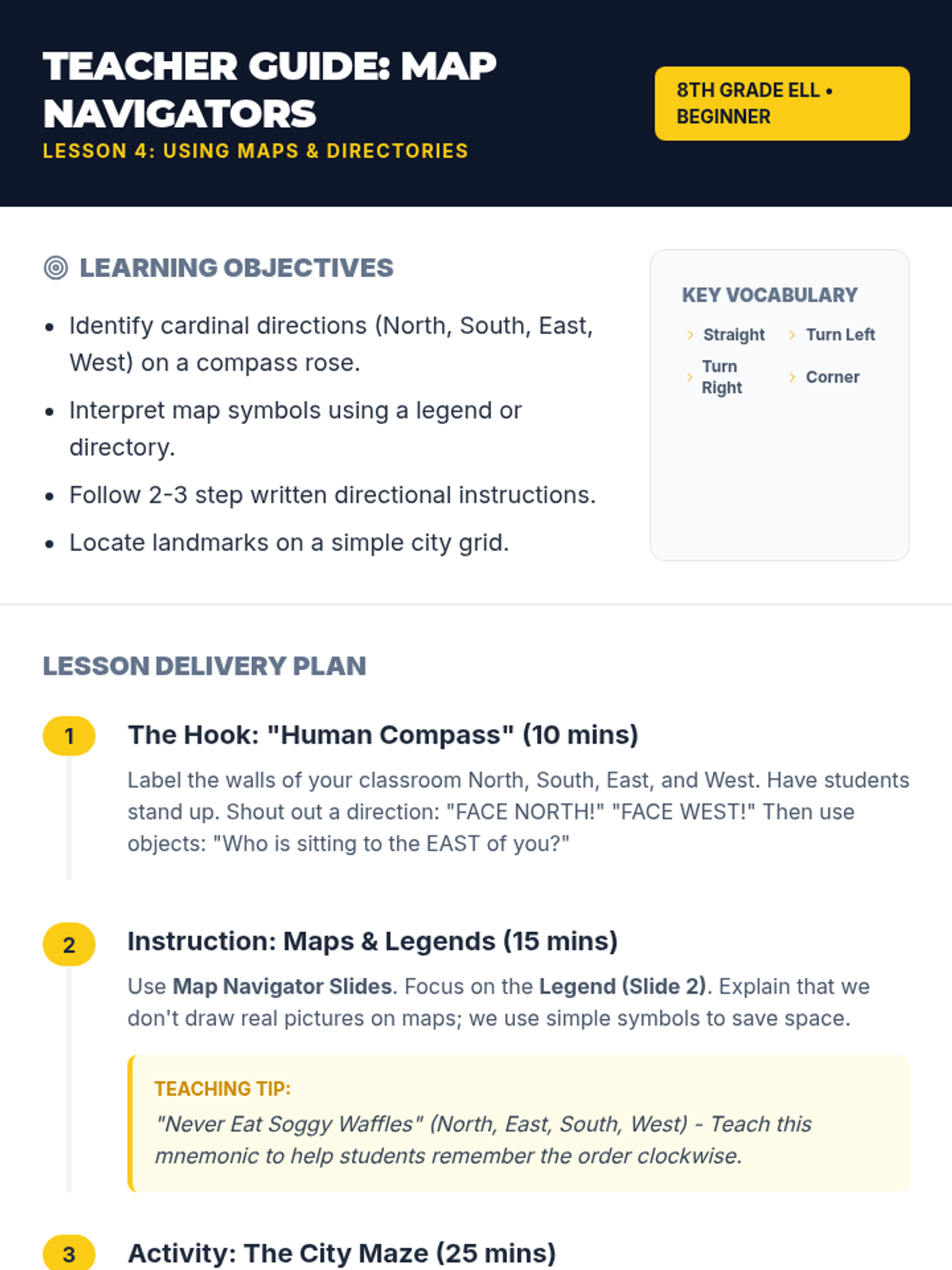
Students focus on spatial literacy, reading legends, and following written directions to find locations.
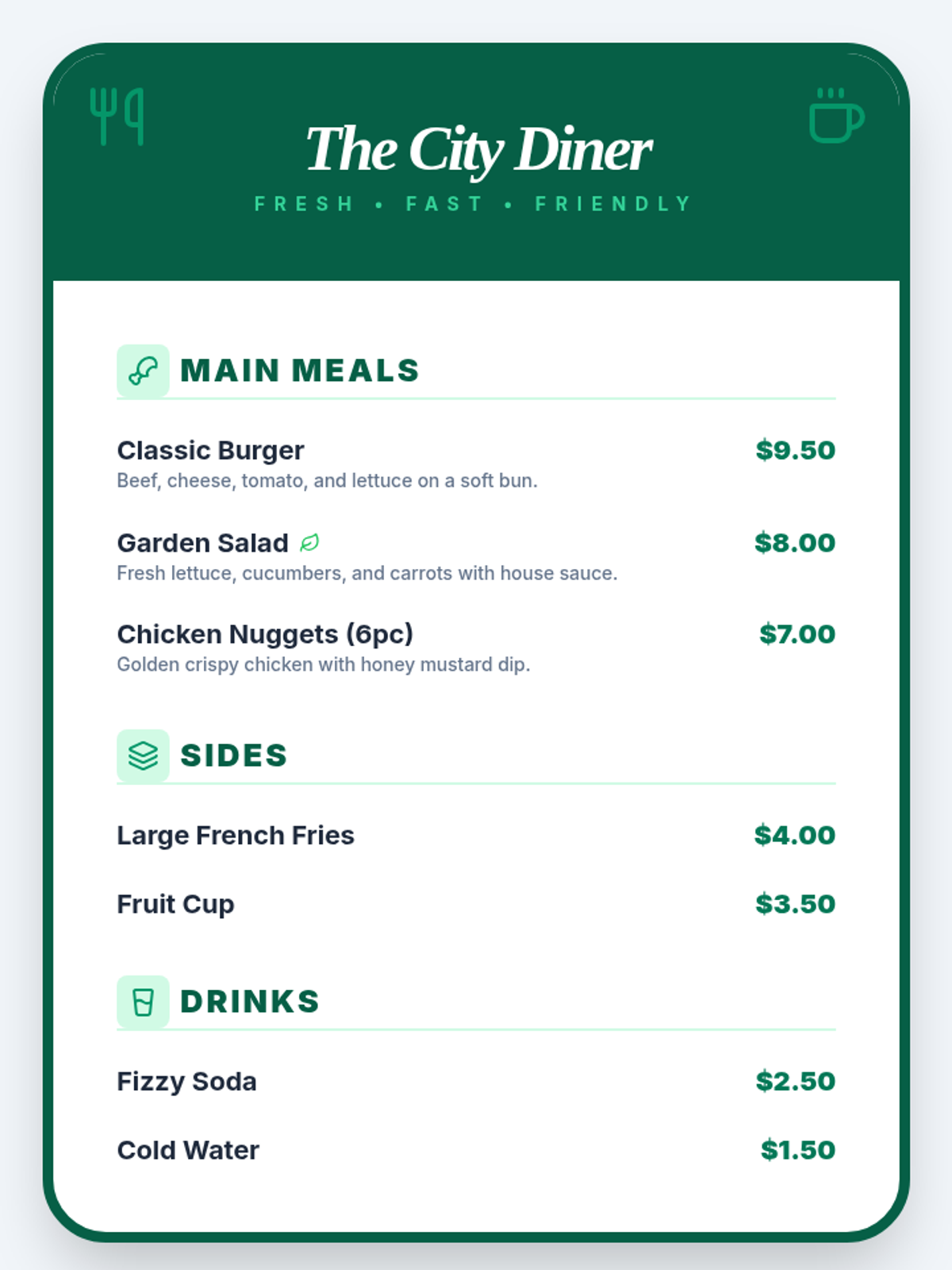
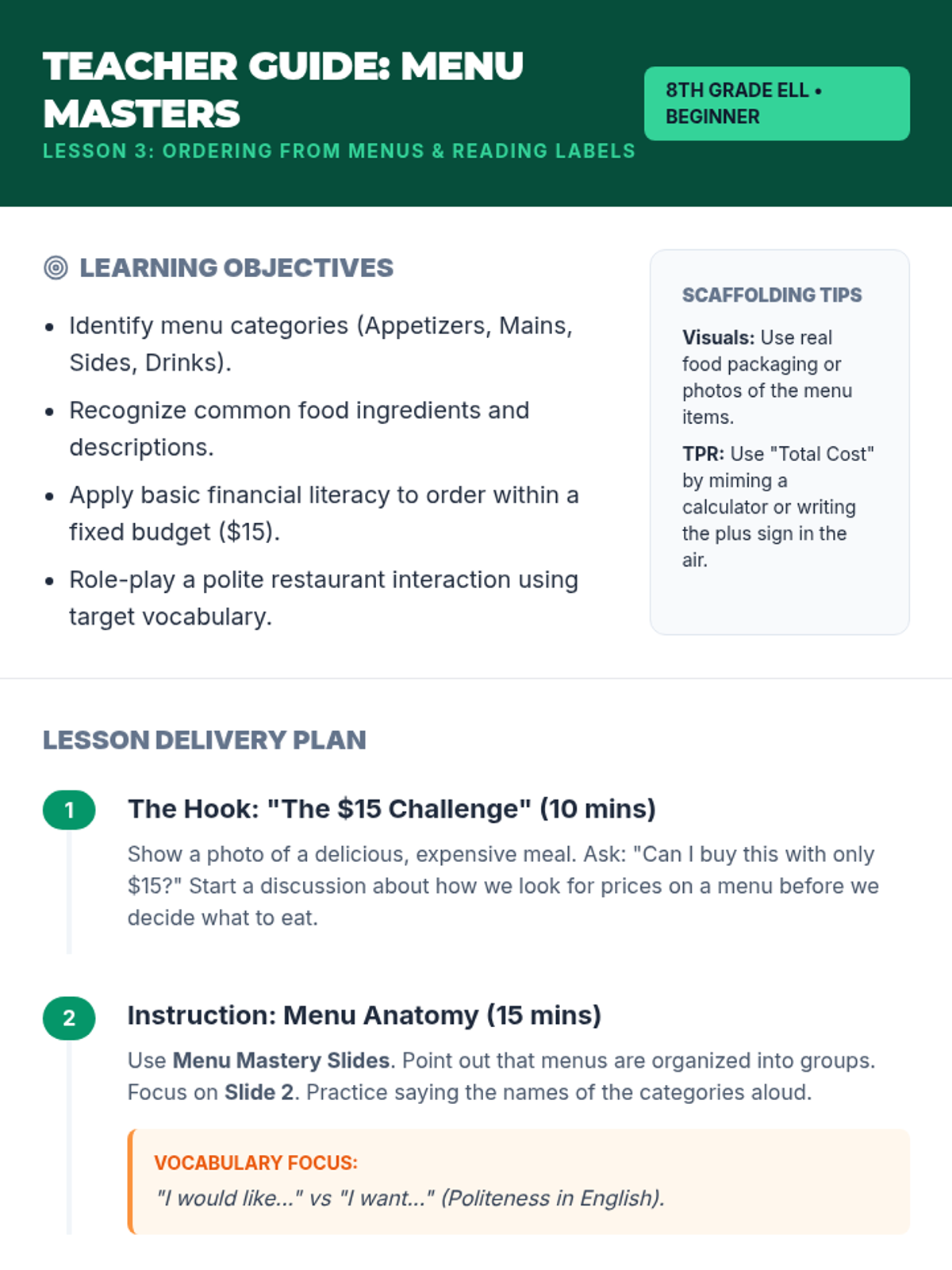
Students explore restaurant menus and food labels, role-playing ordering a meal within a budget.
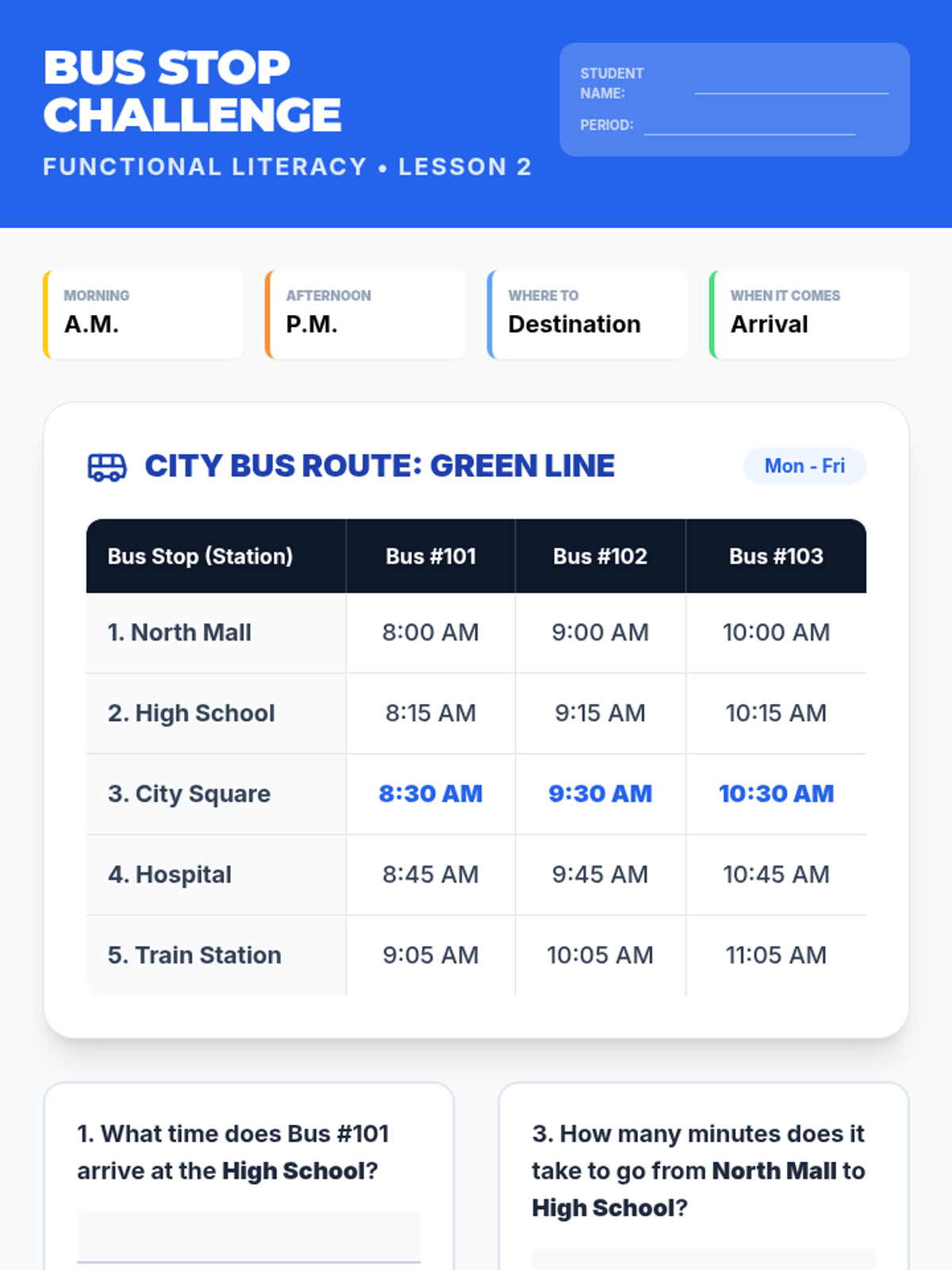
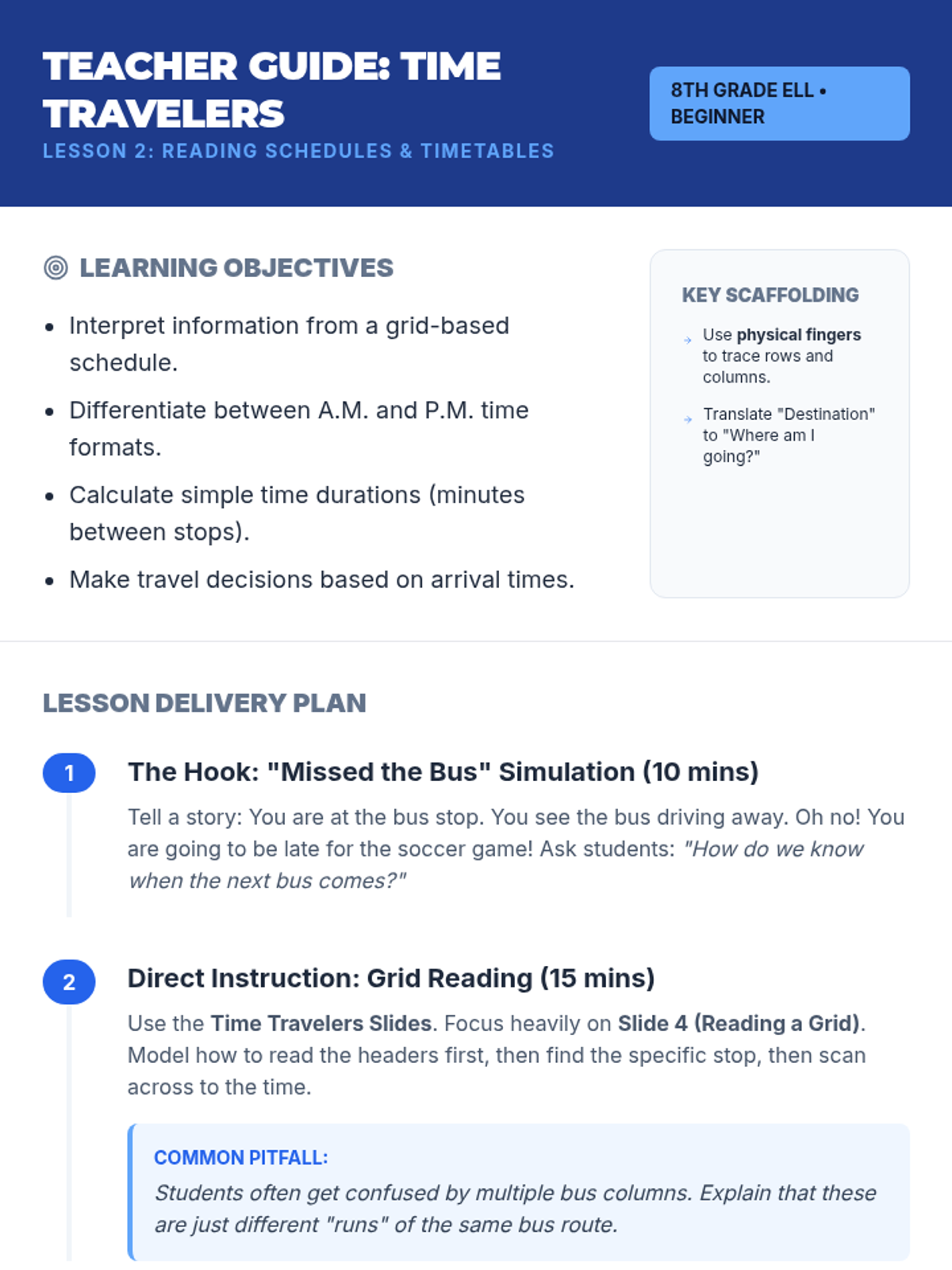
Learners analyze bus, train, and school schedules to answer questions about time and destination.
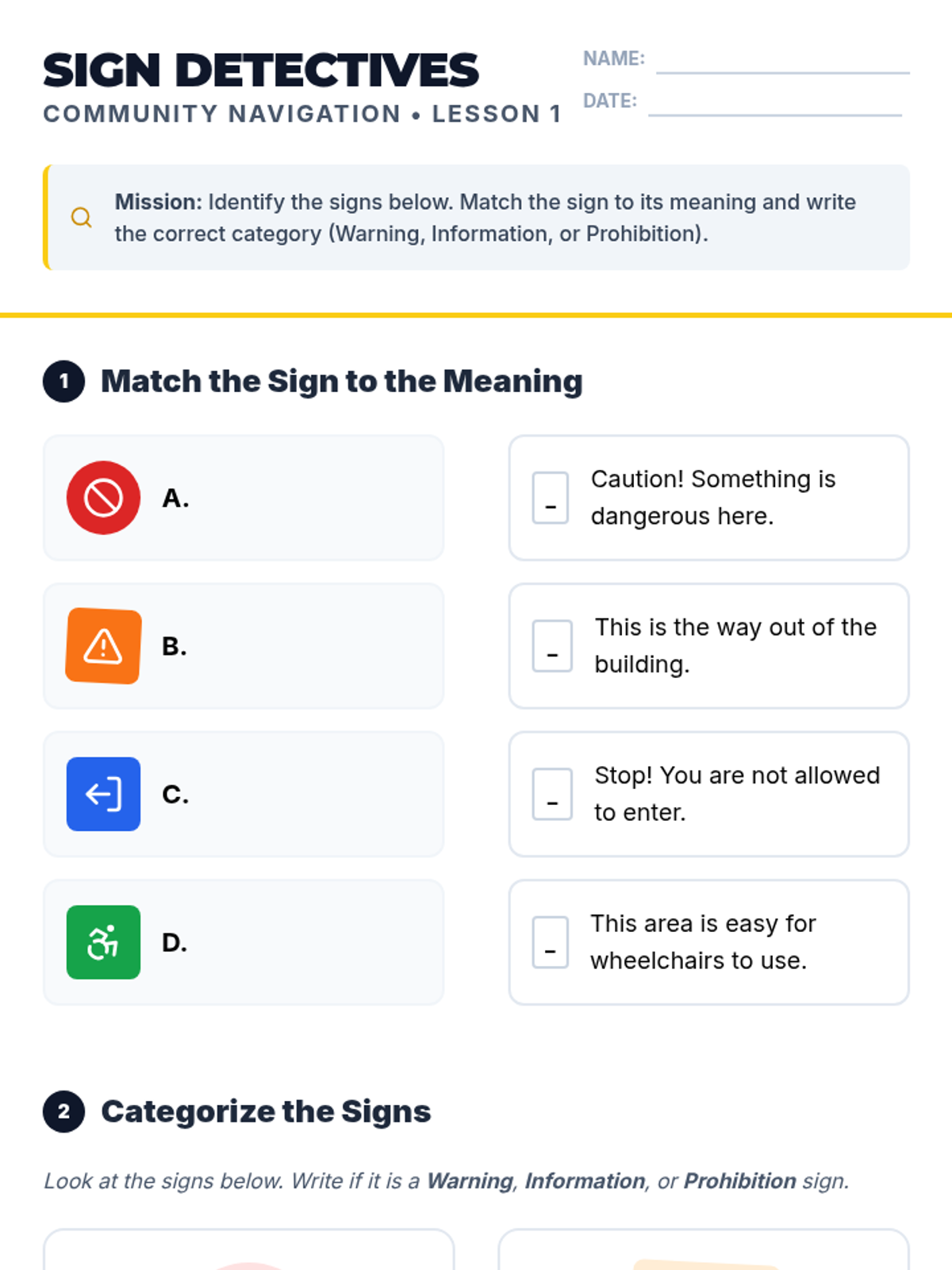
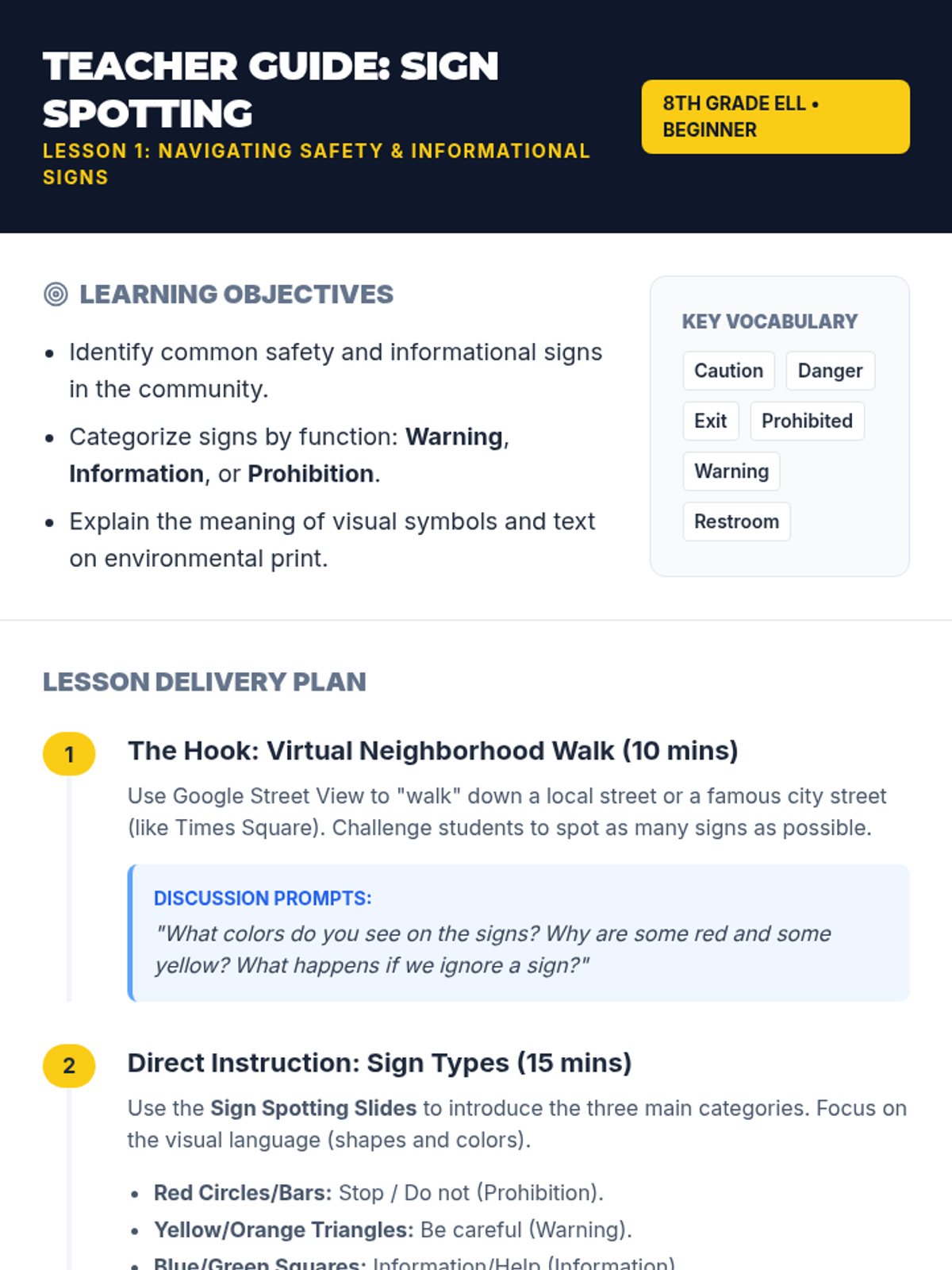
Students identify and interpret common community signs, categorizing them by function: warning, information, or prohibition.
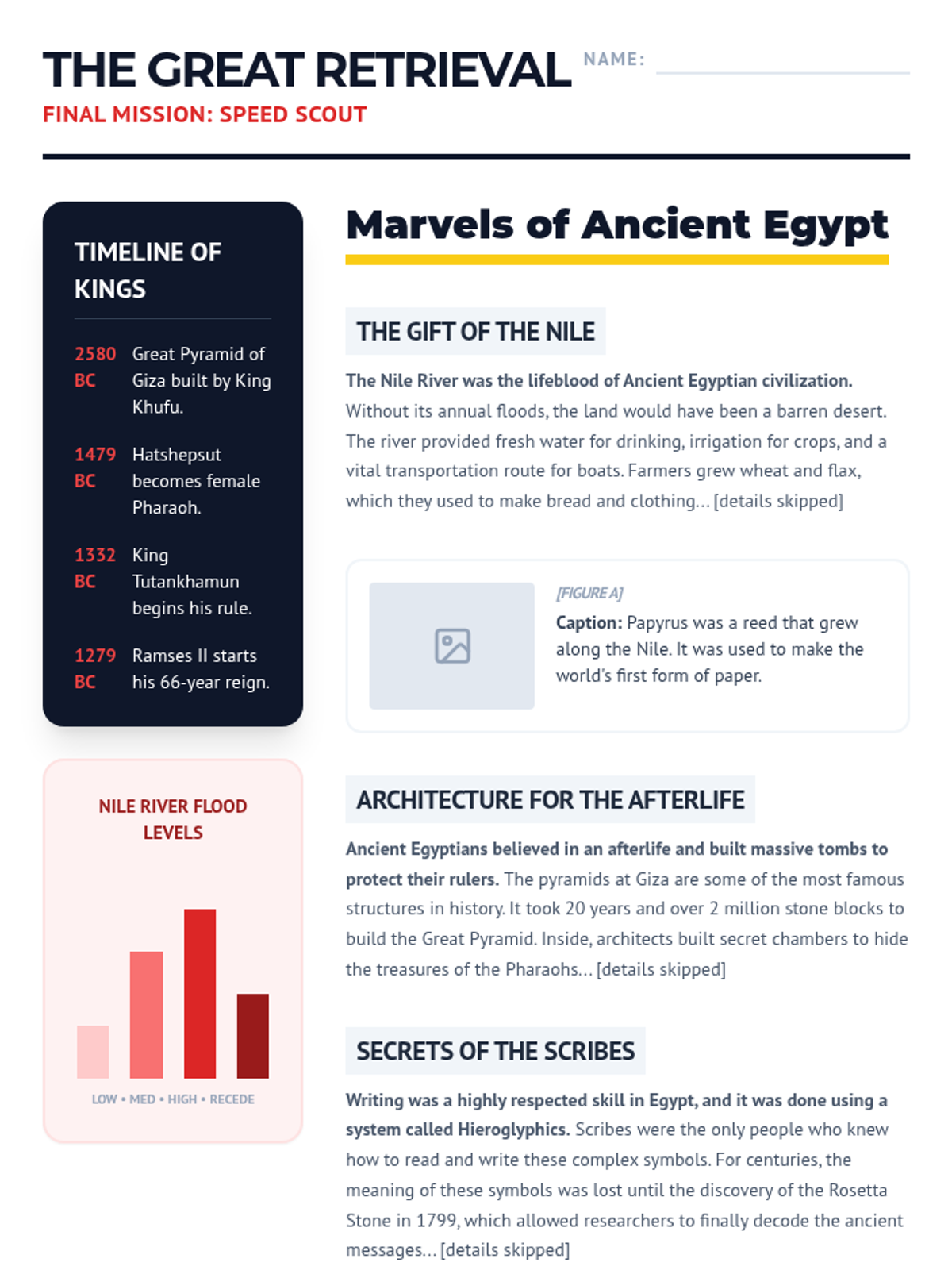
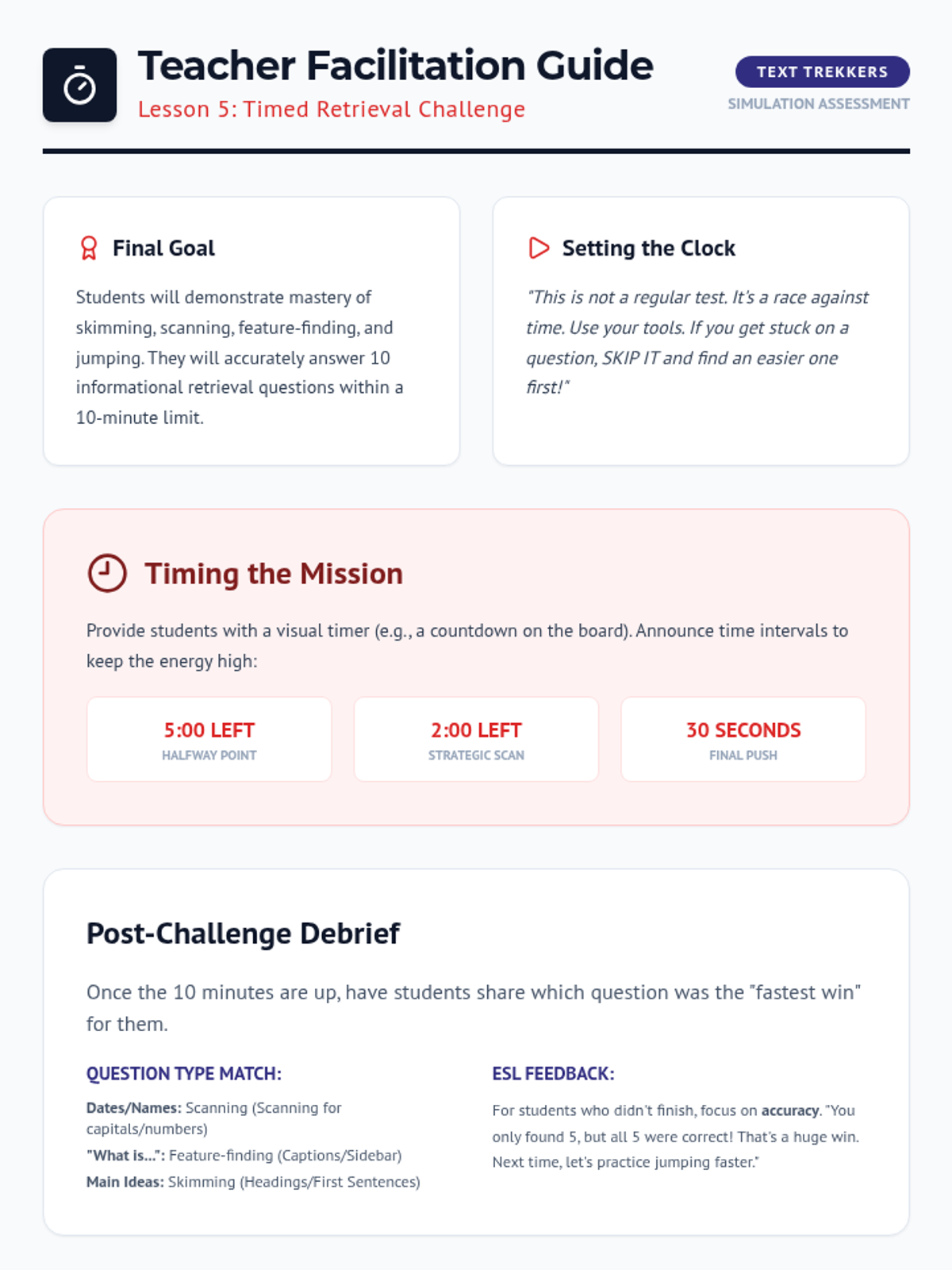
A culminating timed challenge where students apply all strategies to solve information retrieval tasks accurately and quickly.
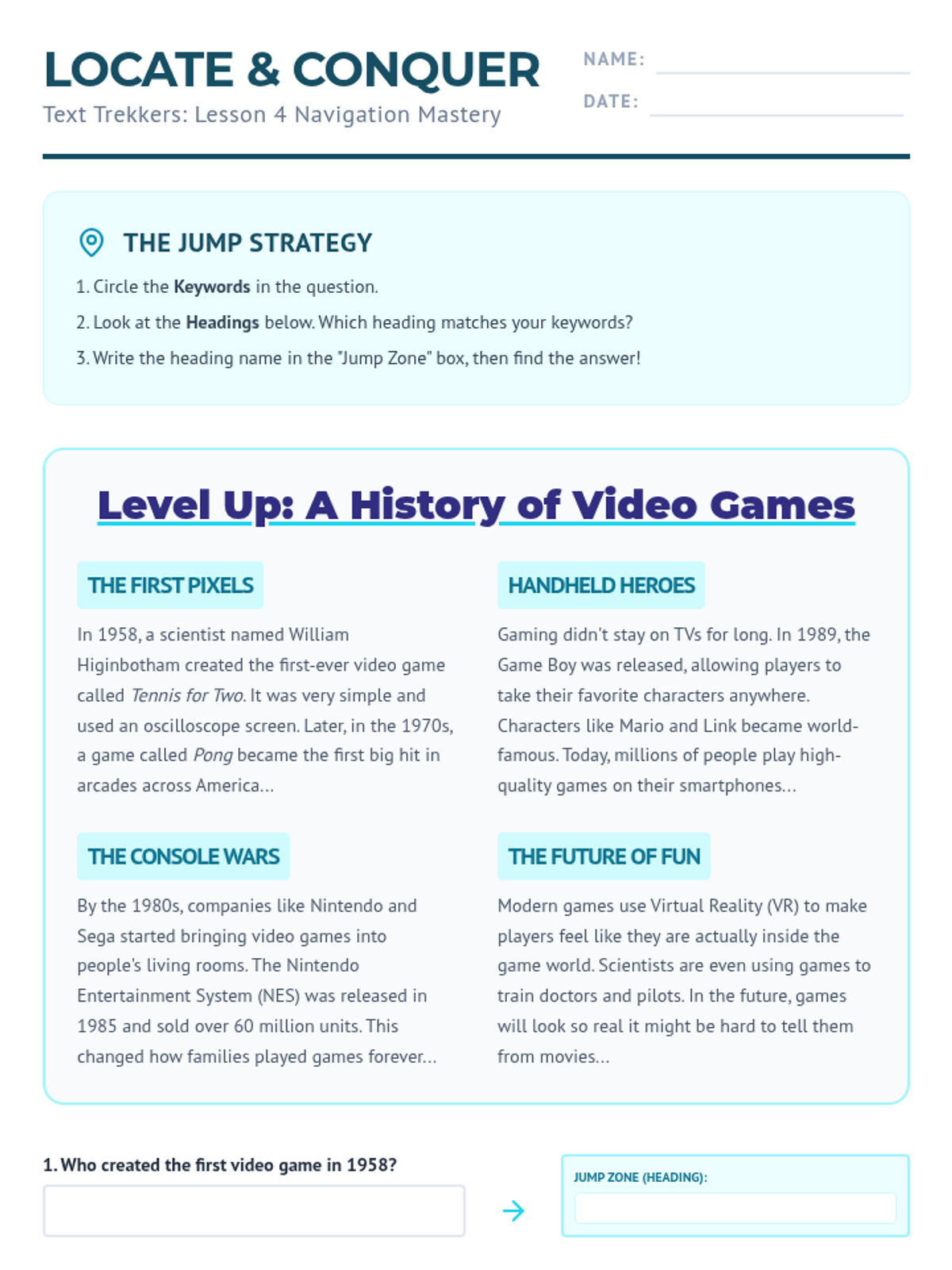
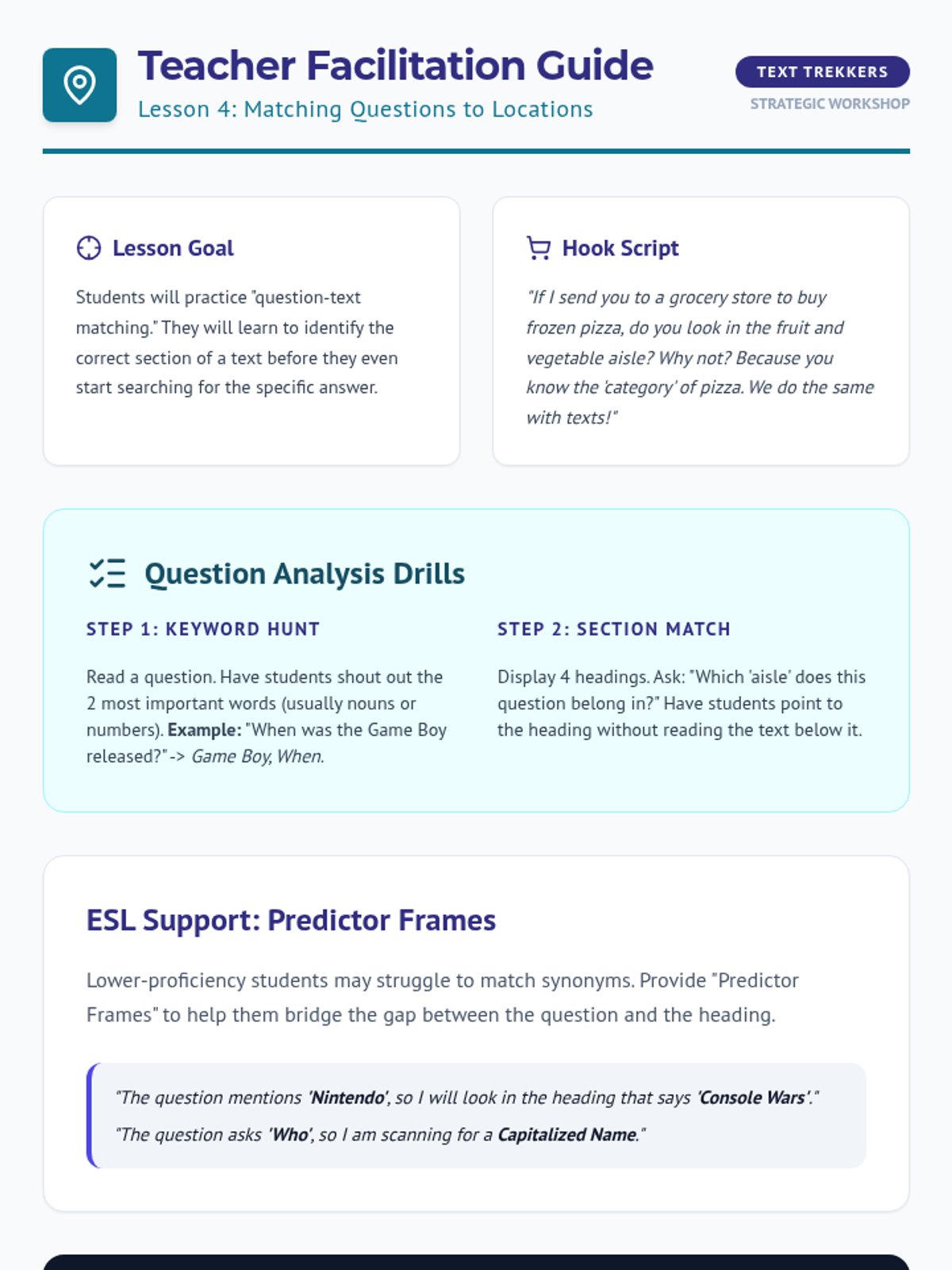
Students learn to predict where an answer is located based on the question type and structure of the text.
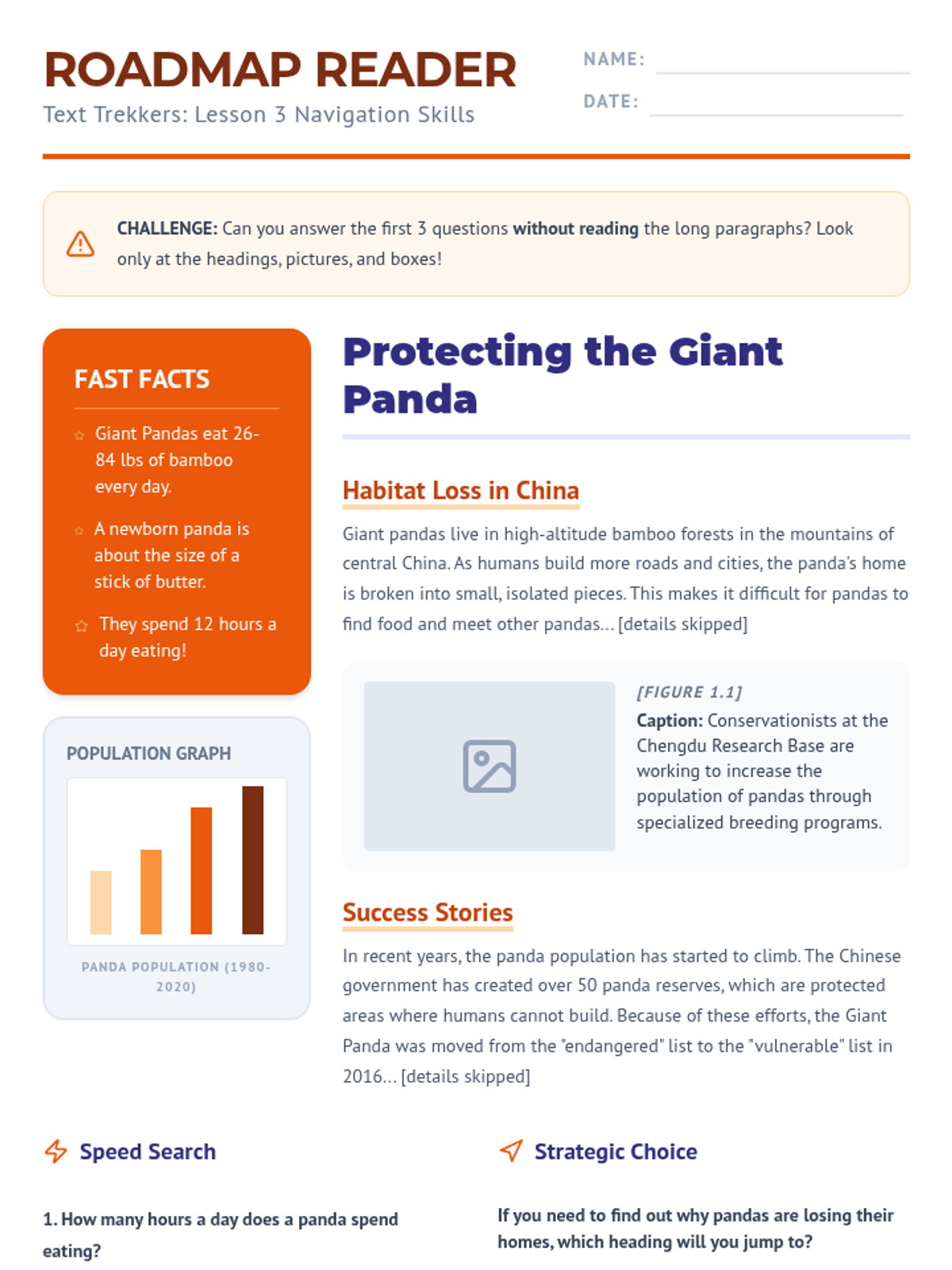
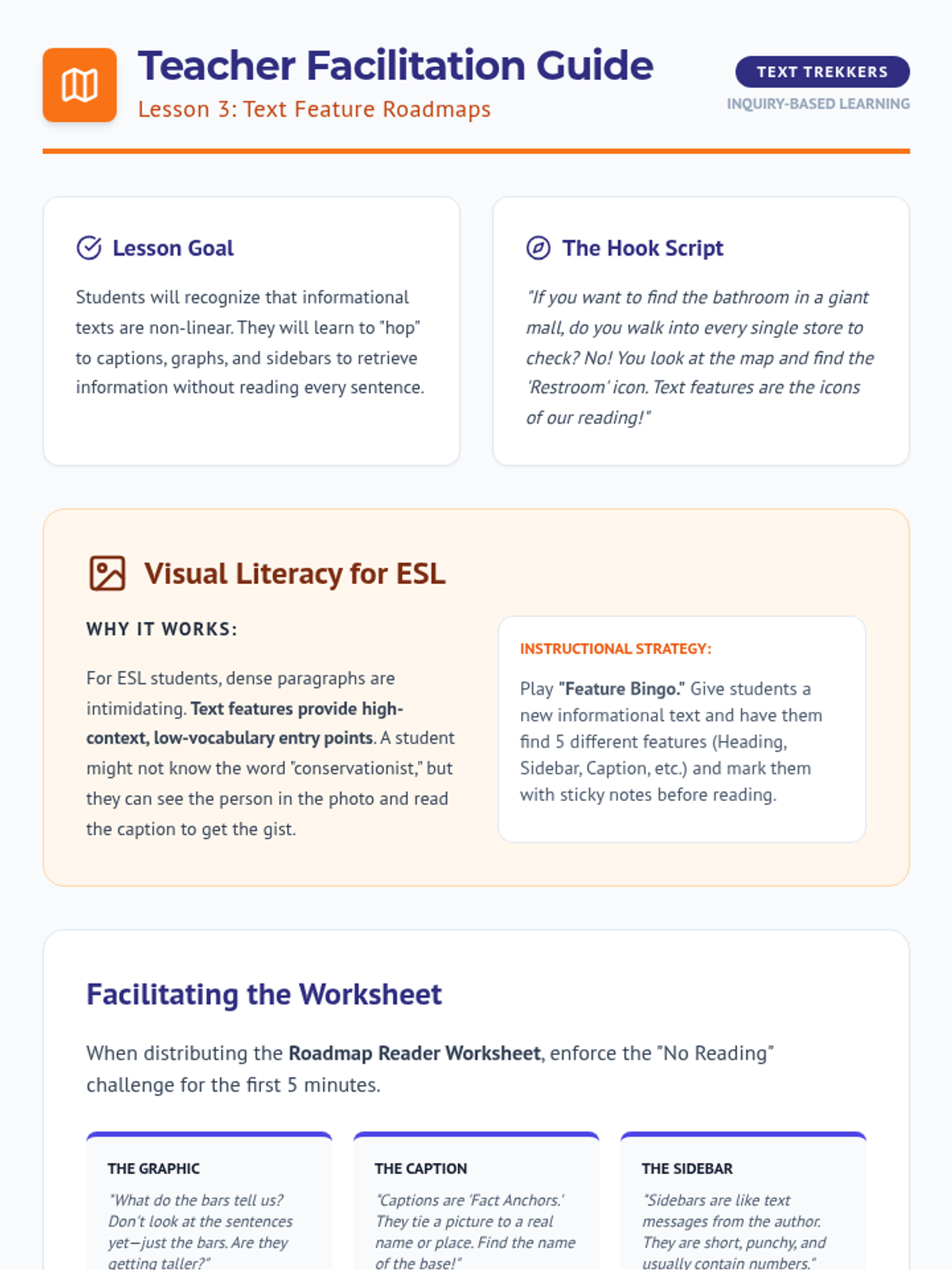
Students analyze how text features like captions, graphs, and bold words serve as navigation tools to find information rapidly.
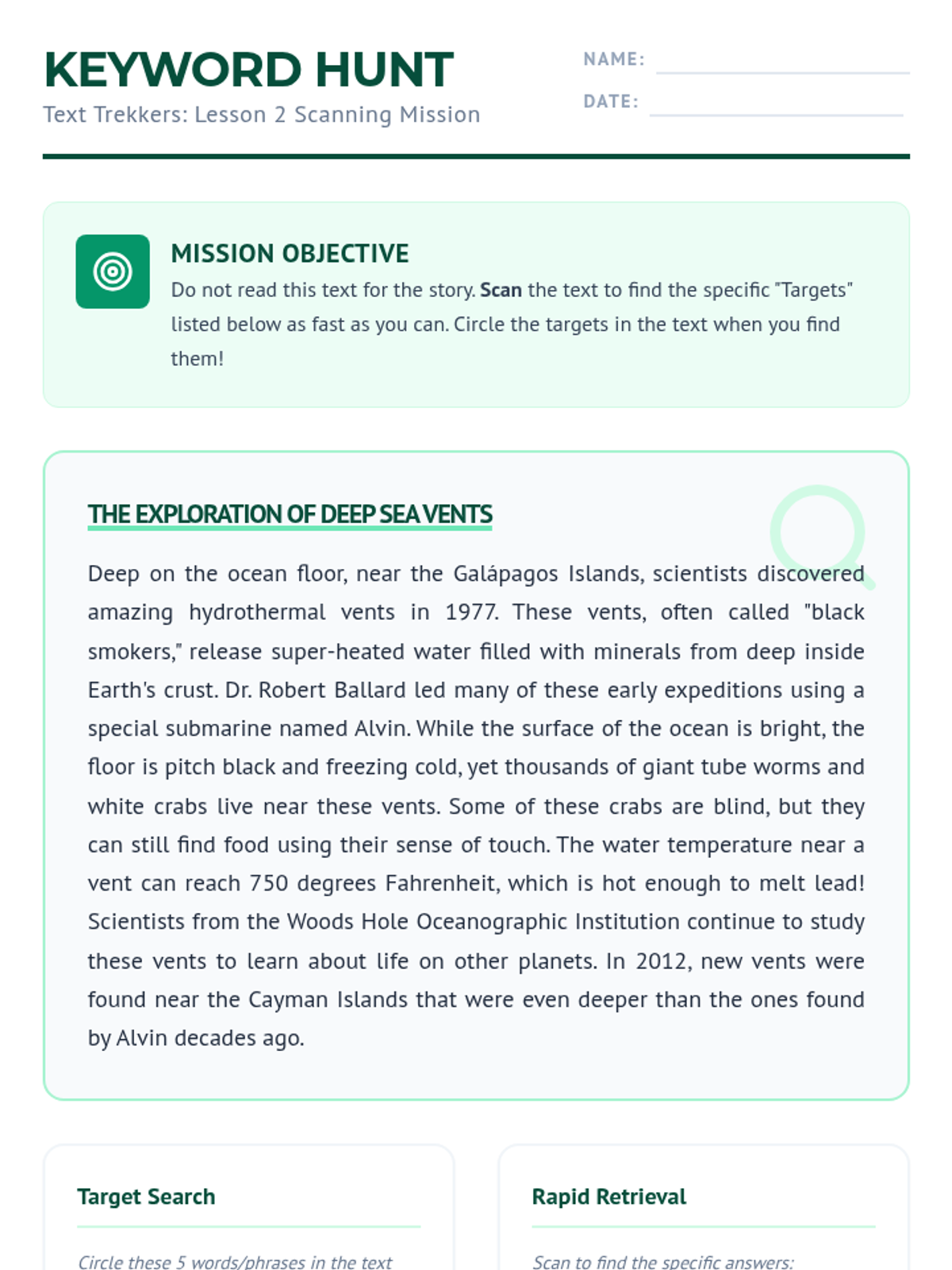
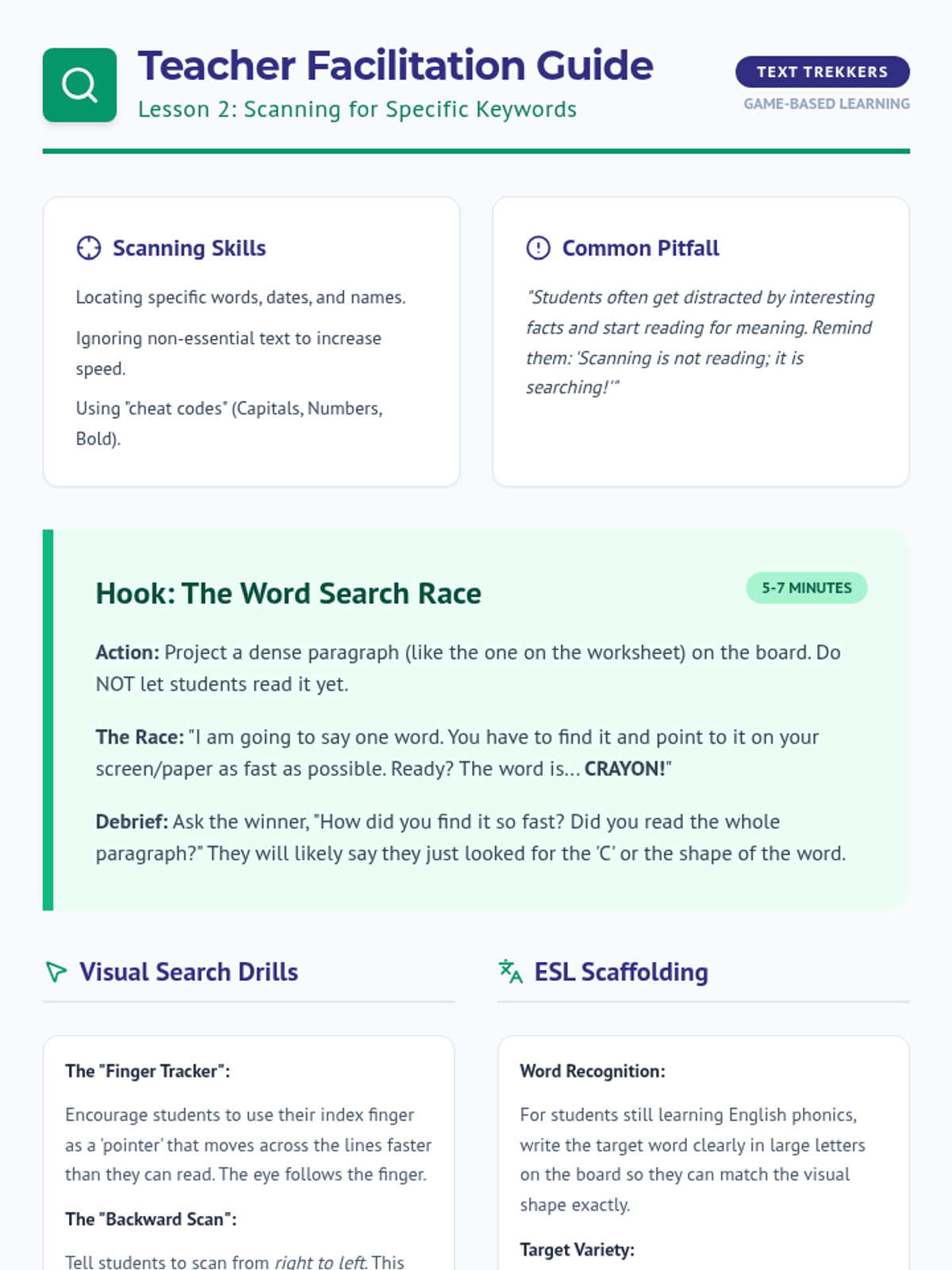
Students practice scanning—moving eyes quickly over text to find specific words, names, or numbers using visual search techniques.
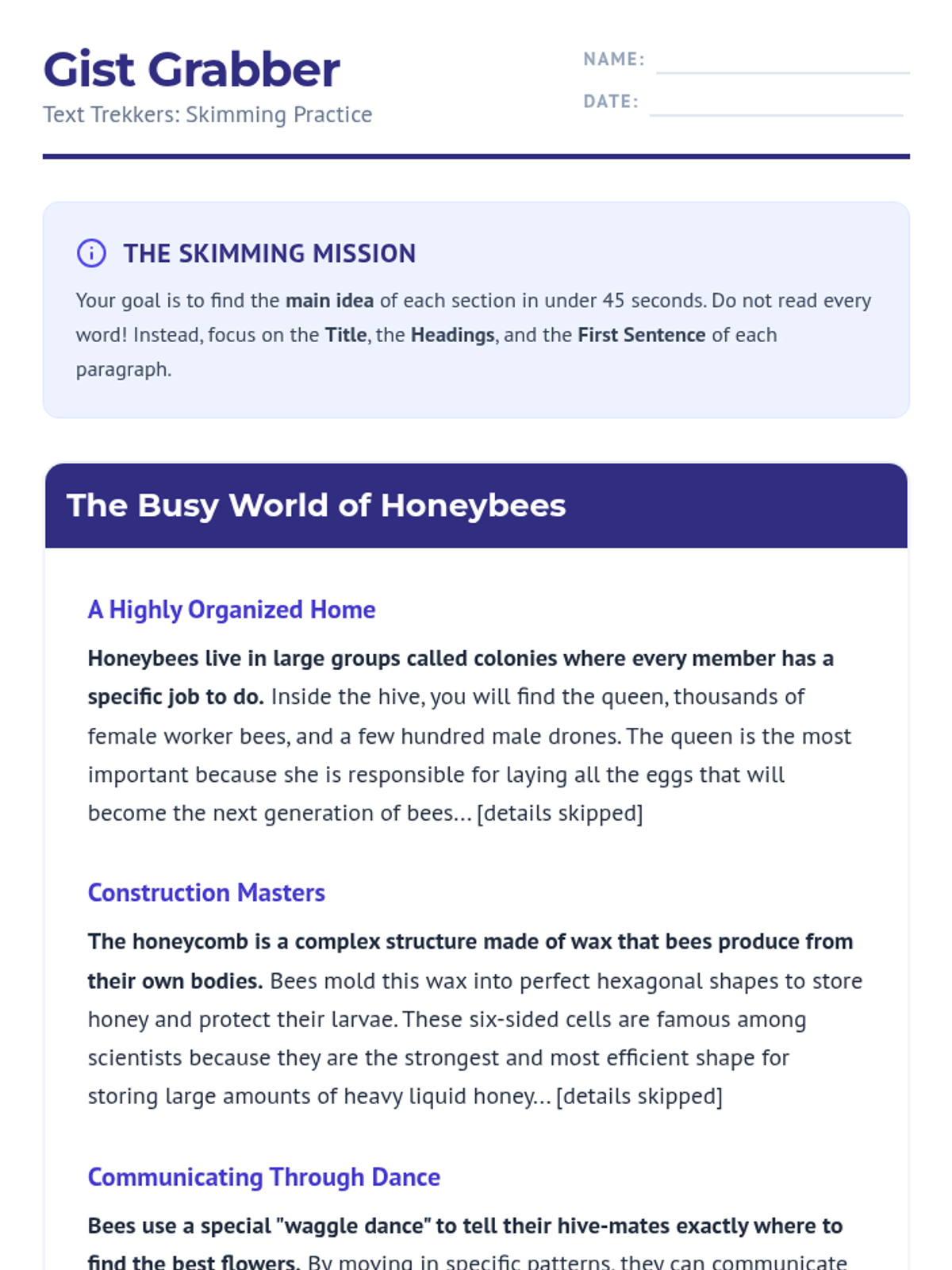
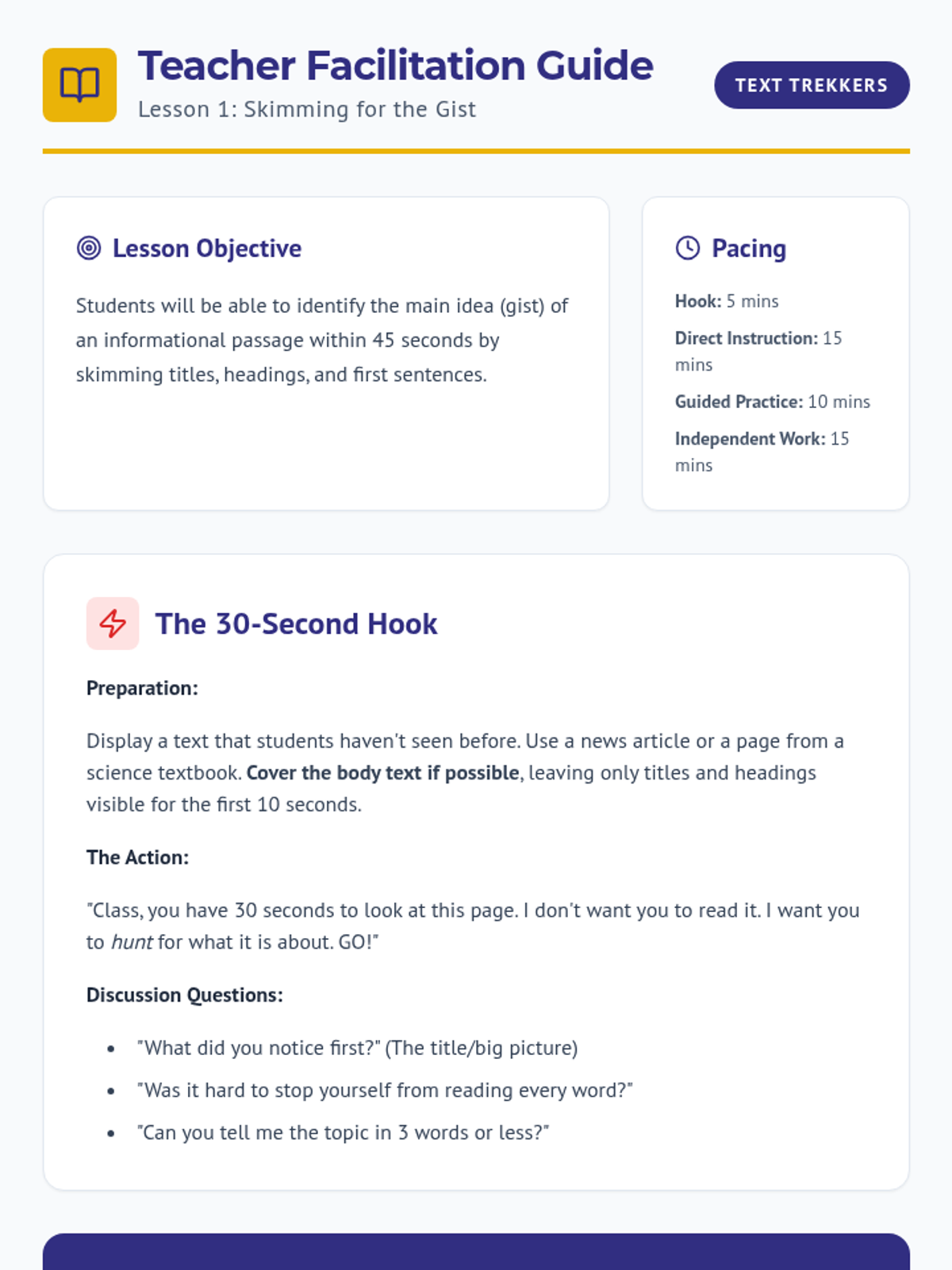
Students learn the technique of skimming to understand the main idea of a text quickly by focusing on titles, headings, and first sentences.
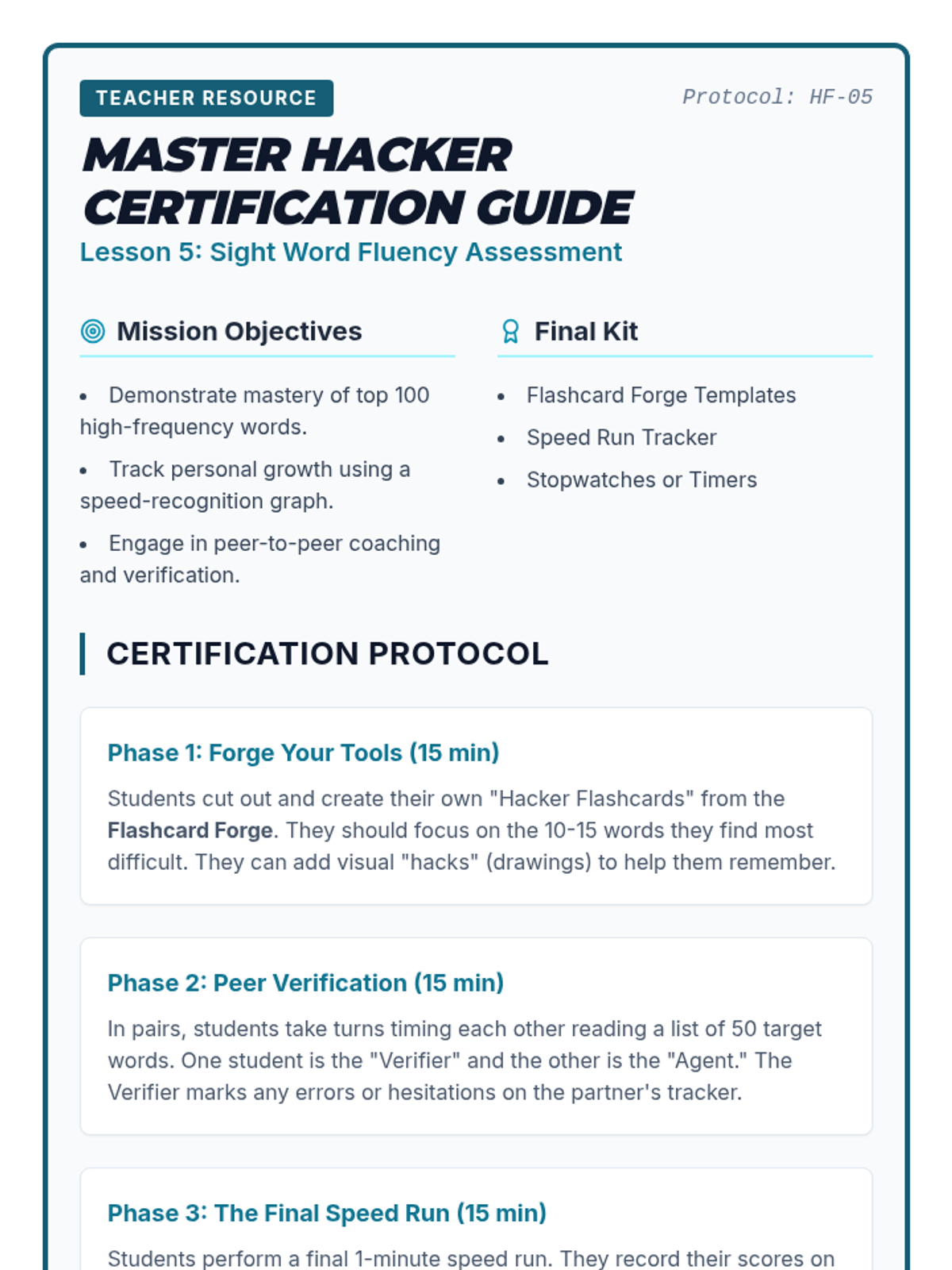
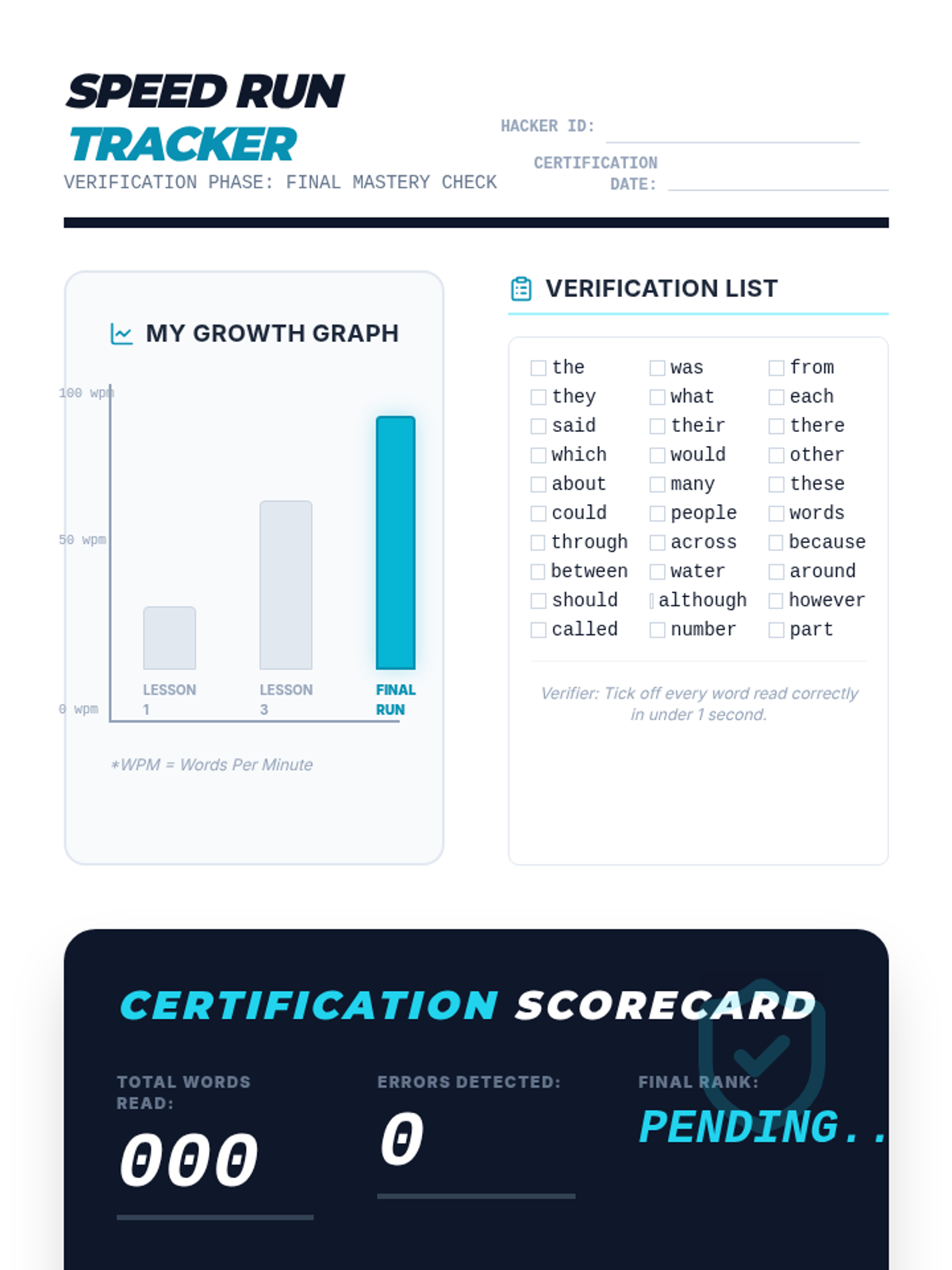
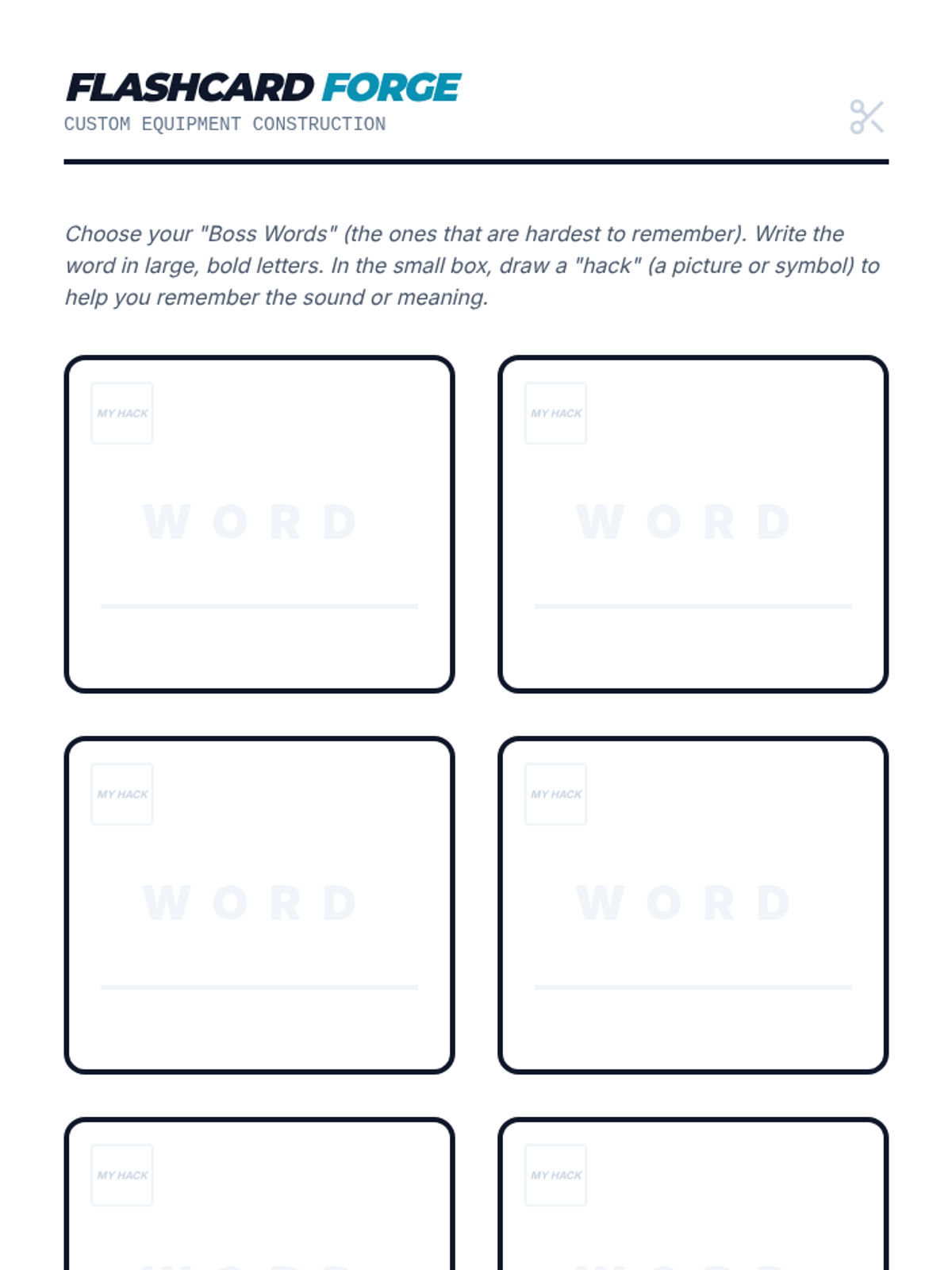
A final mastery check where students track their own progress using speed graphs and participate in peer-quizzing to demonstrate fluency.
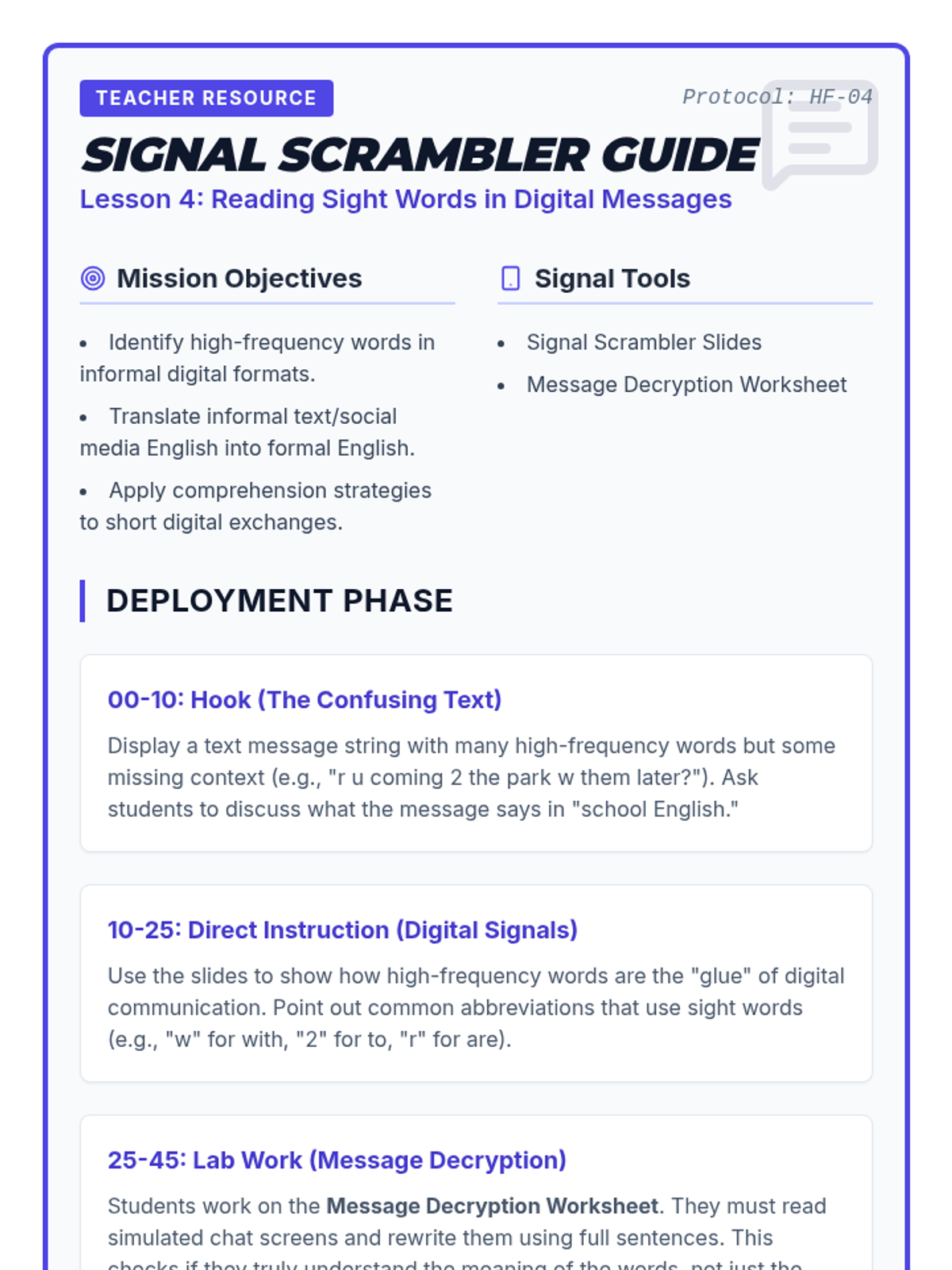
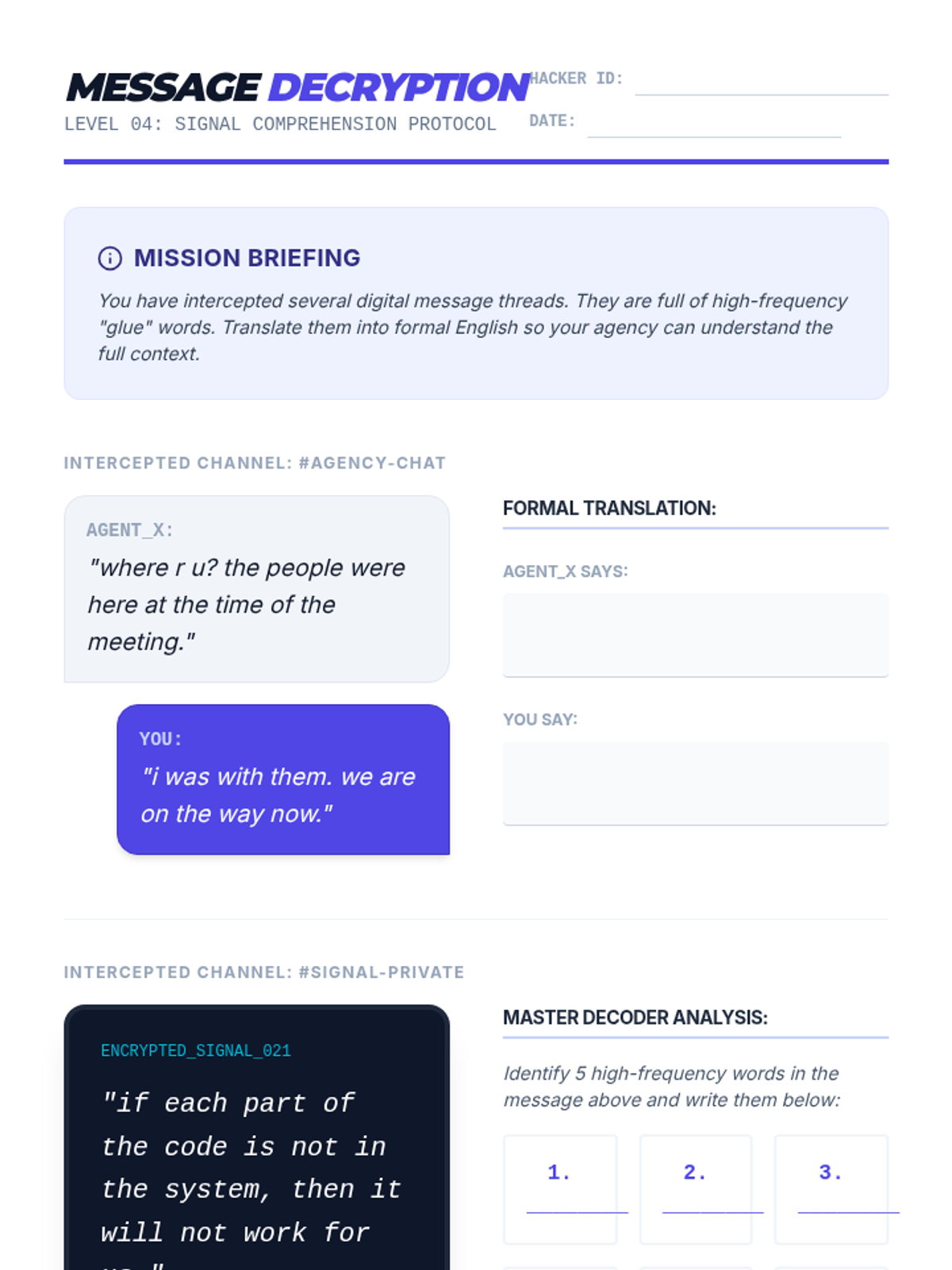
Students apply their skills to read and translate simulated social media and text messages, bridging the gap between isolated words and real-world digital communication.
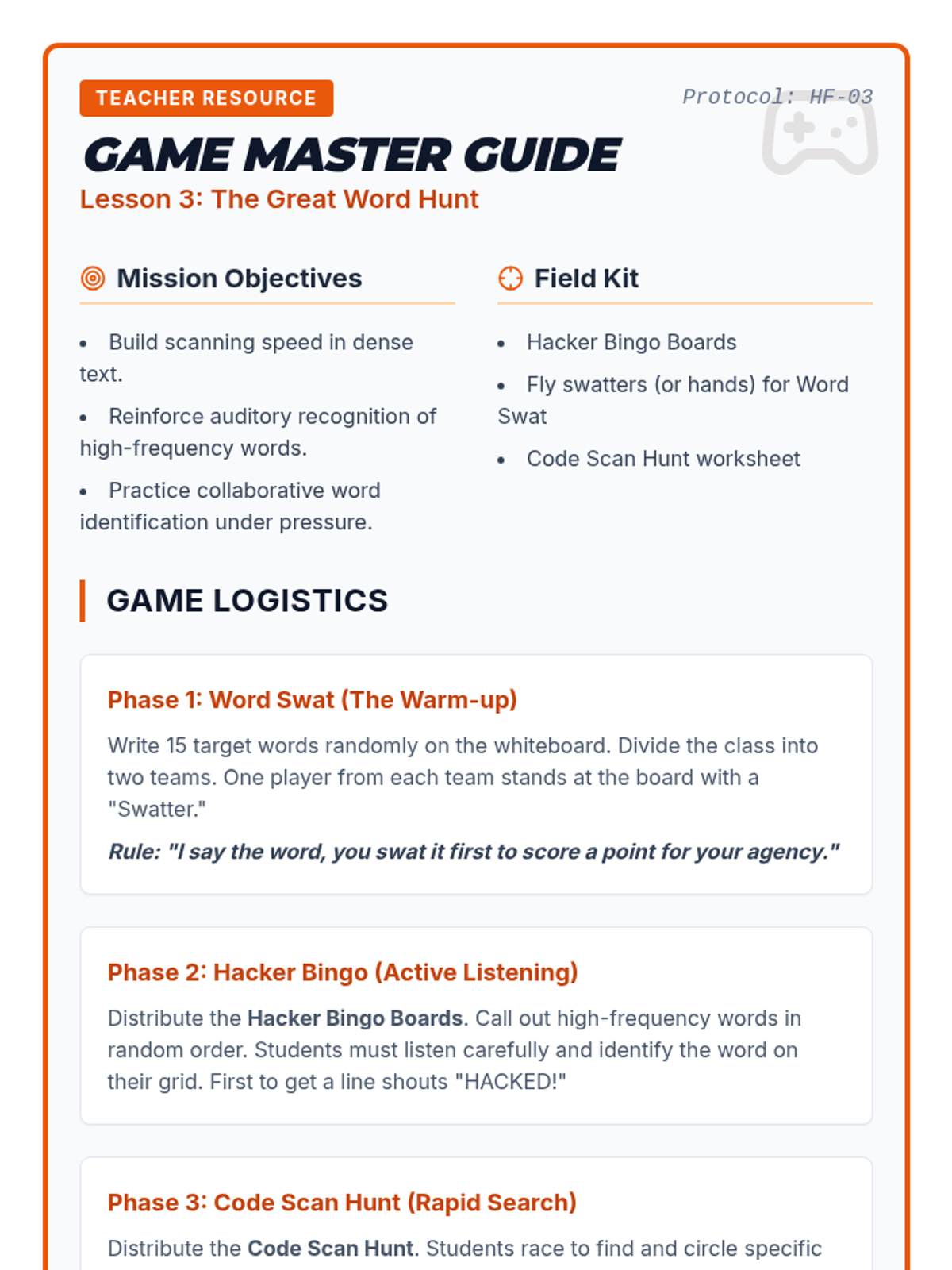
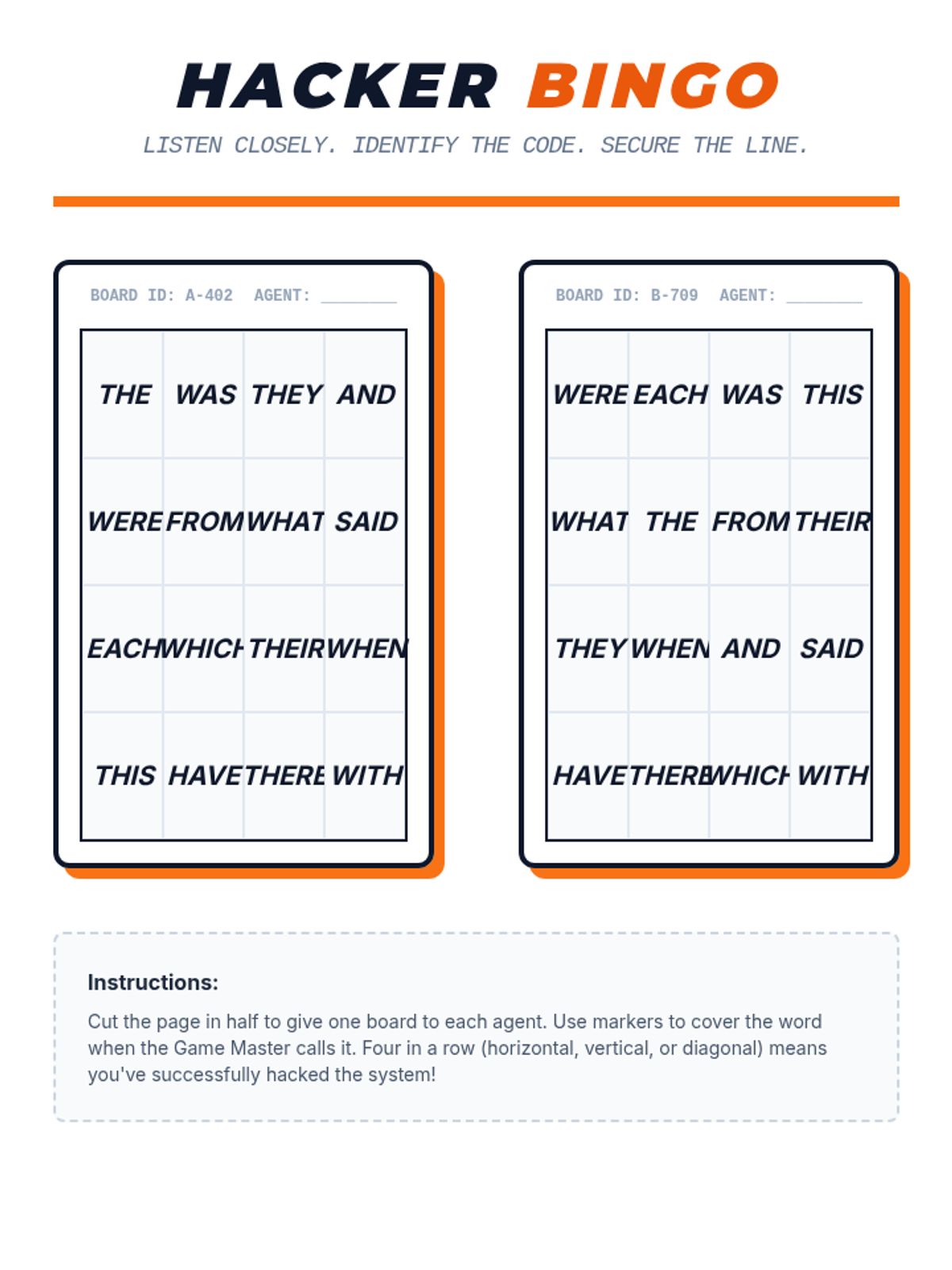
Reinforcement through movement and competition, featuring high-energy games like Word Swat and High-Frequency Bingo to build scanning speed.
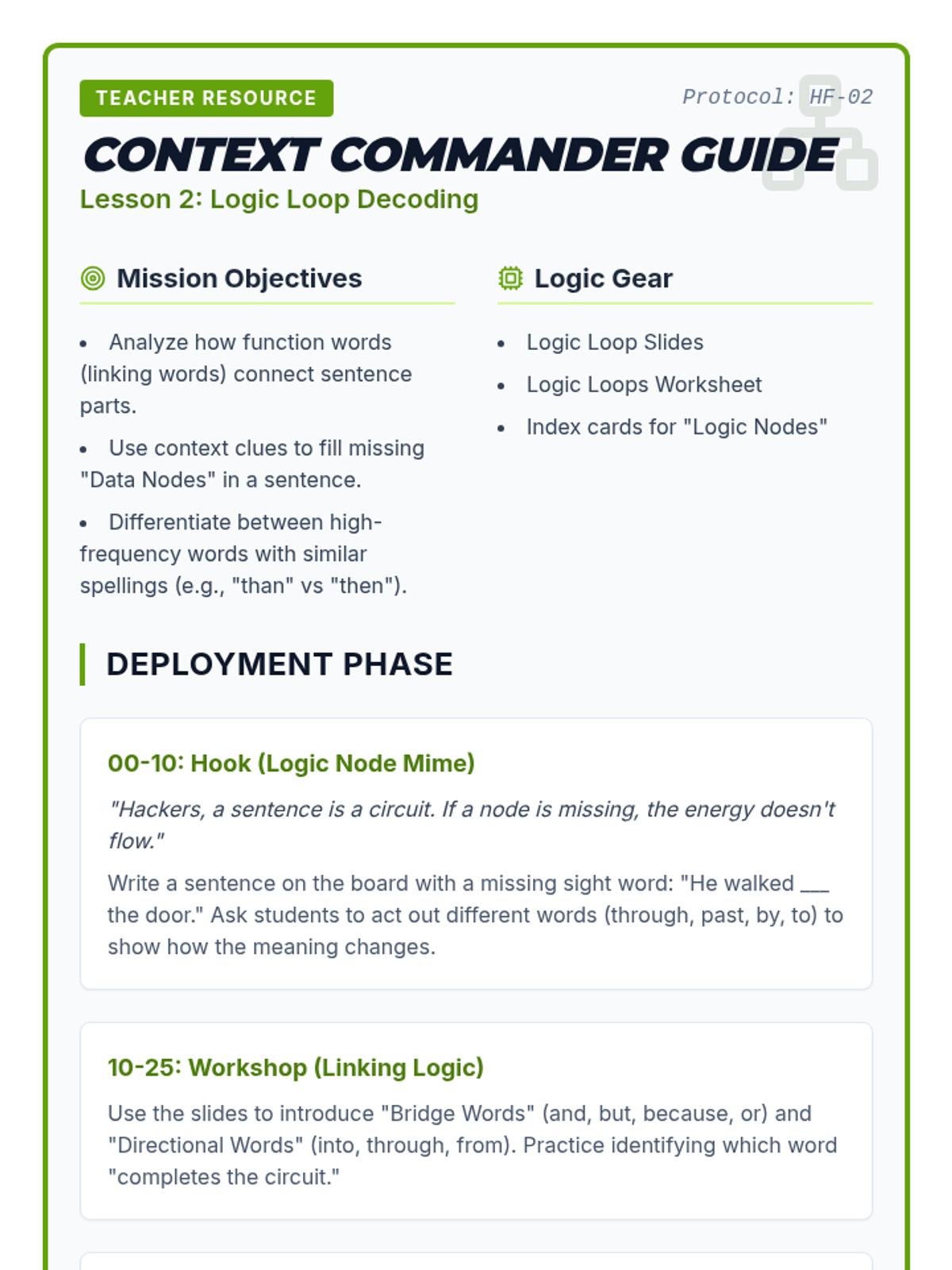
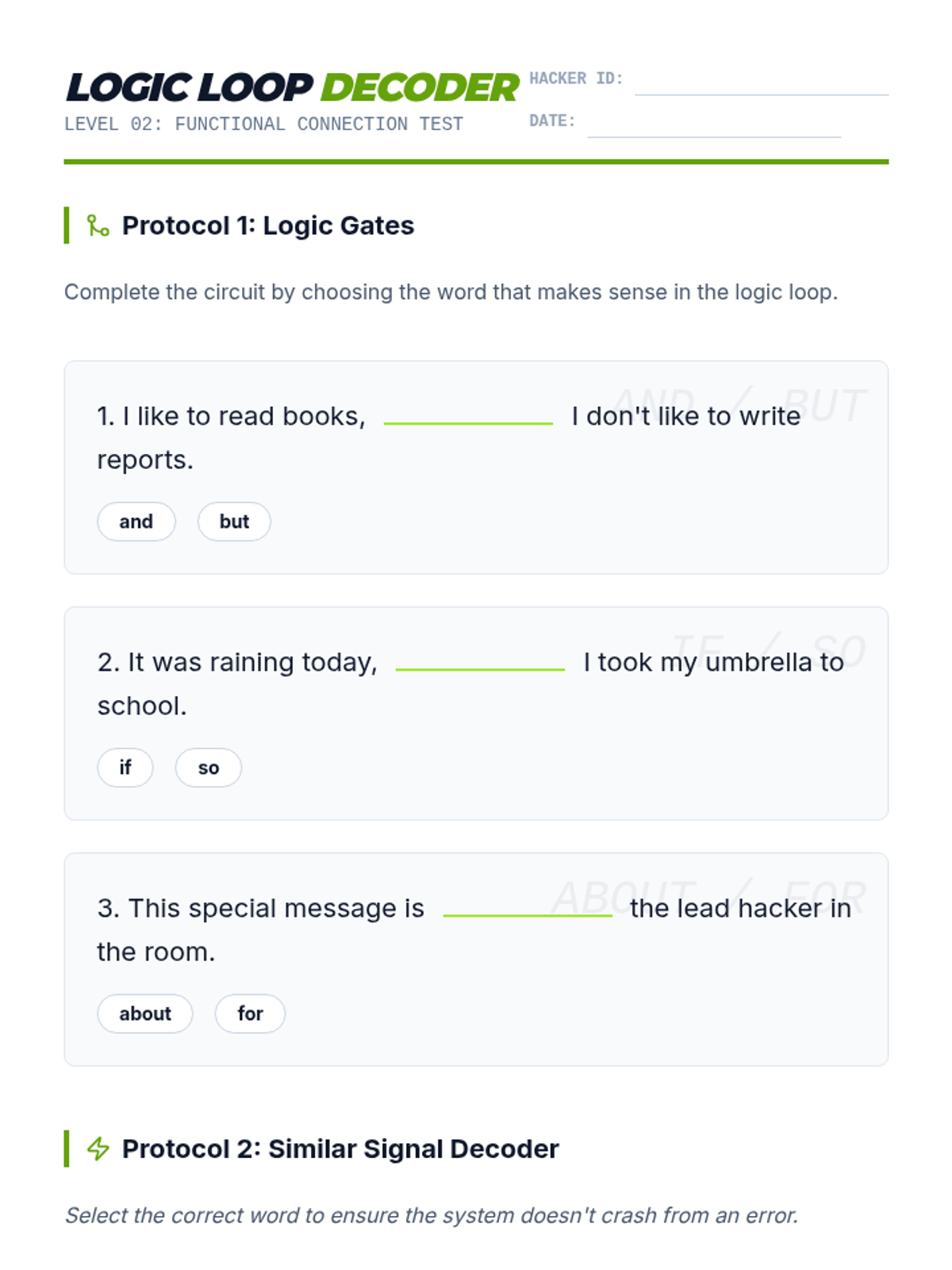
Learners analyze how common function words connect ideas within sentences and practice using context clues to identify missing sight words.
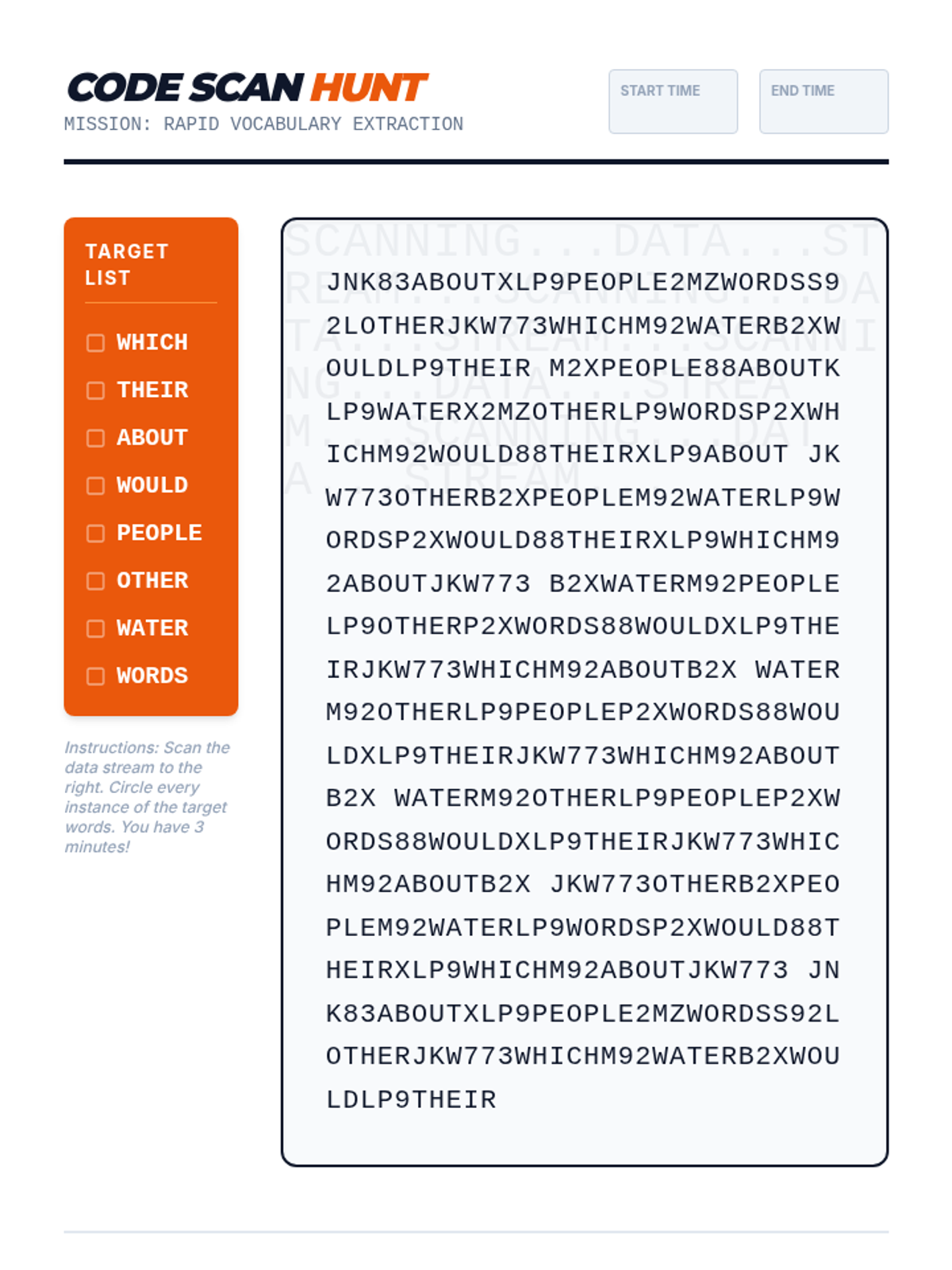
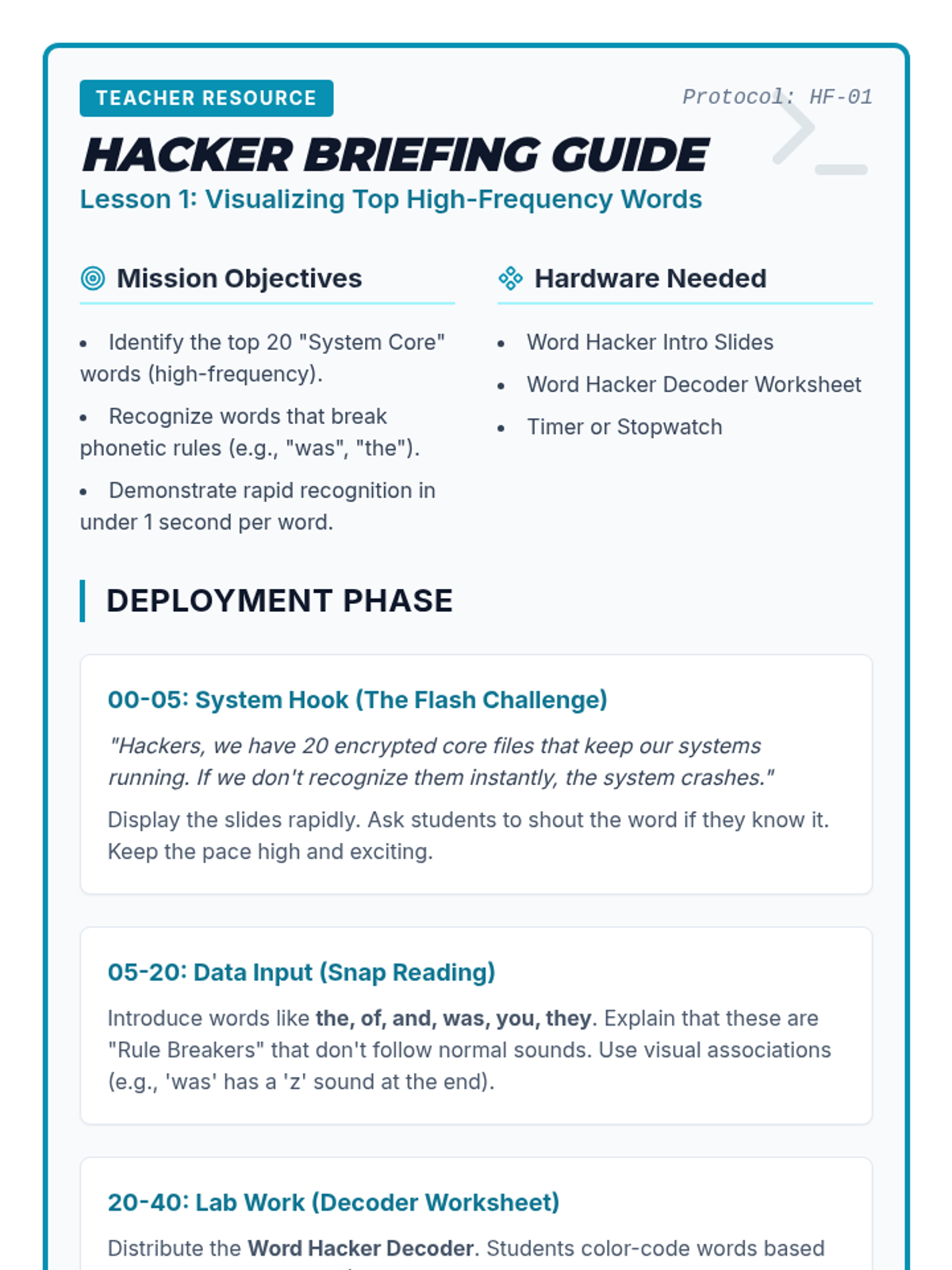
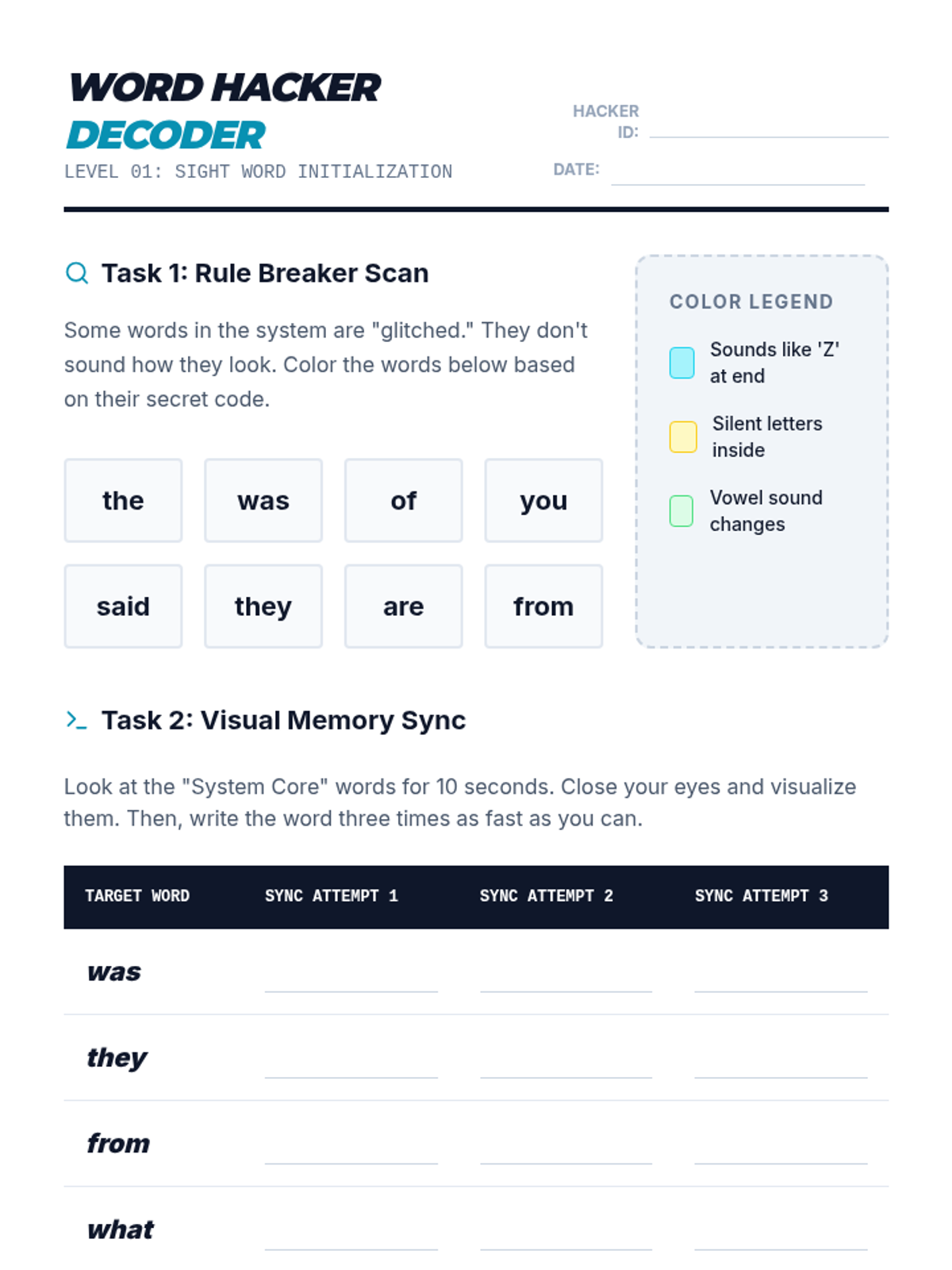
Students are introduced to the concept of 'high-frequency words' and practice rapid recognition through visual memory games and 'Snap Reading' drills.
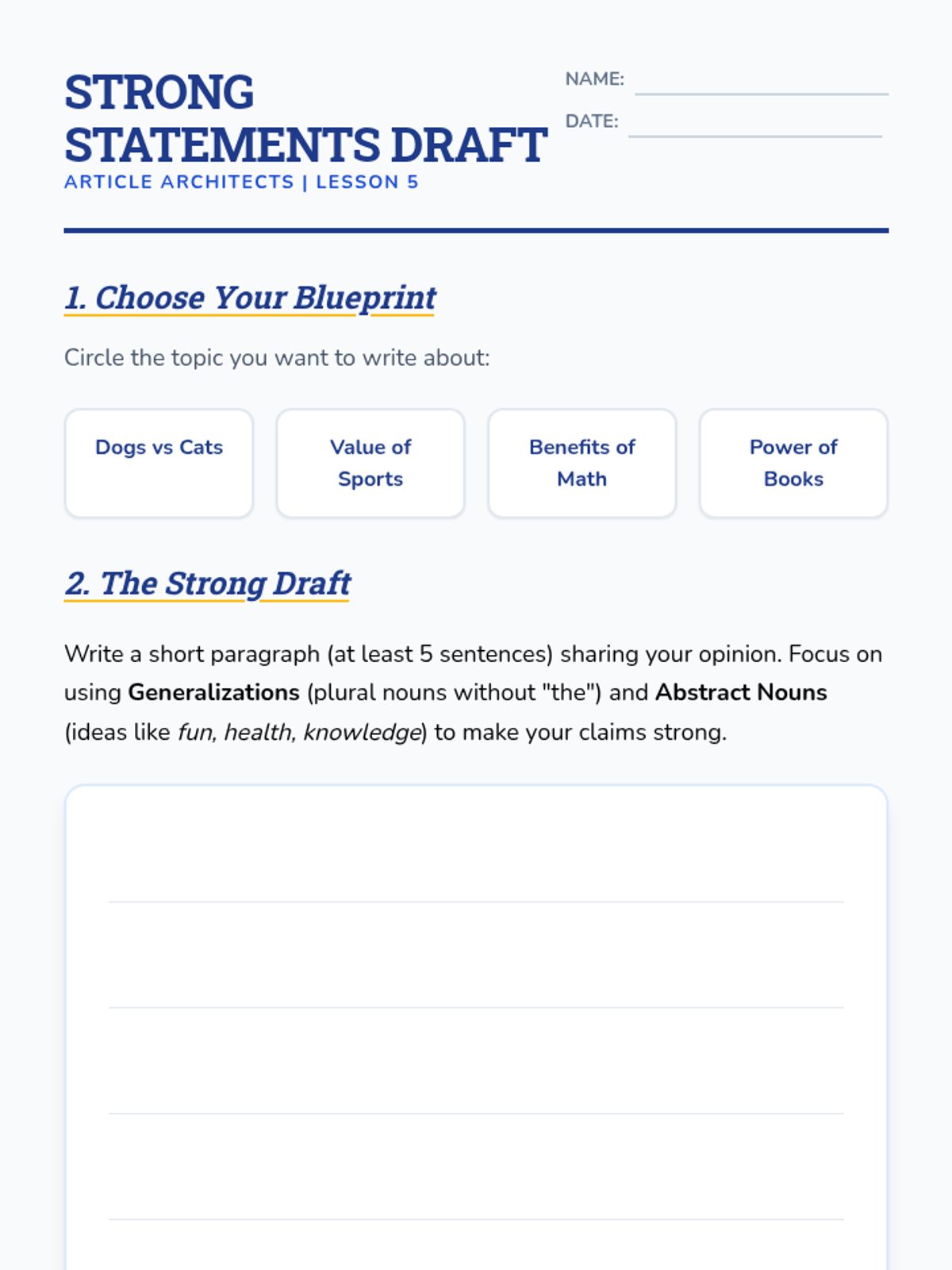
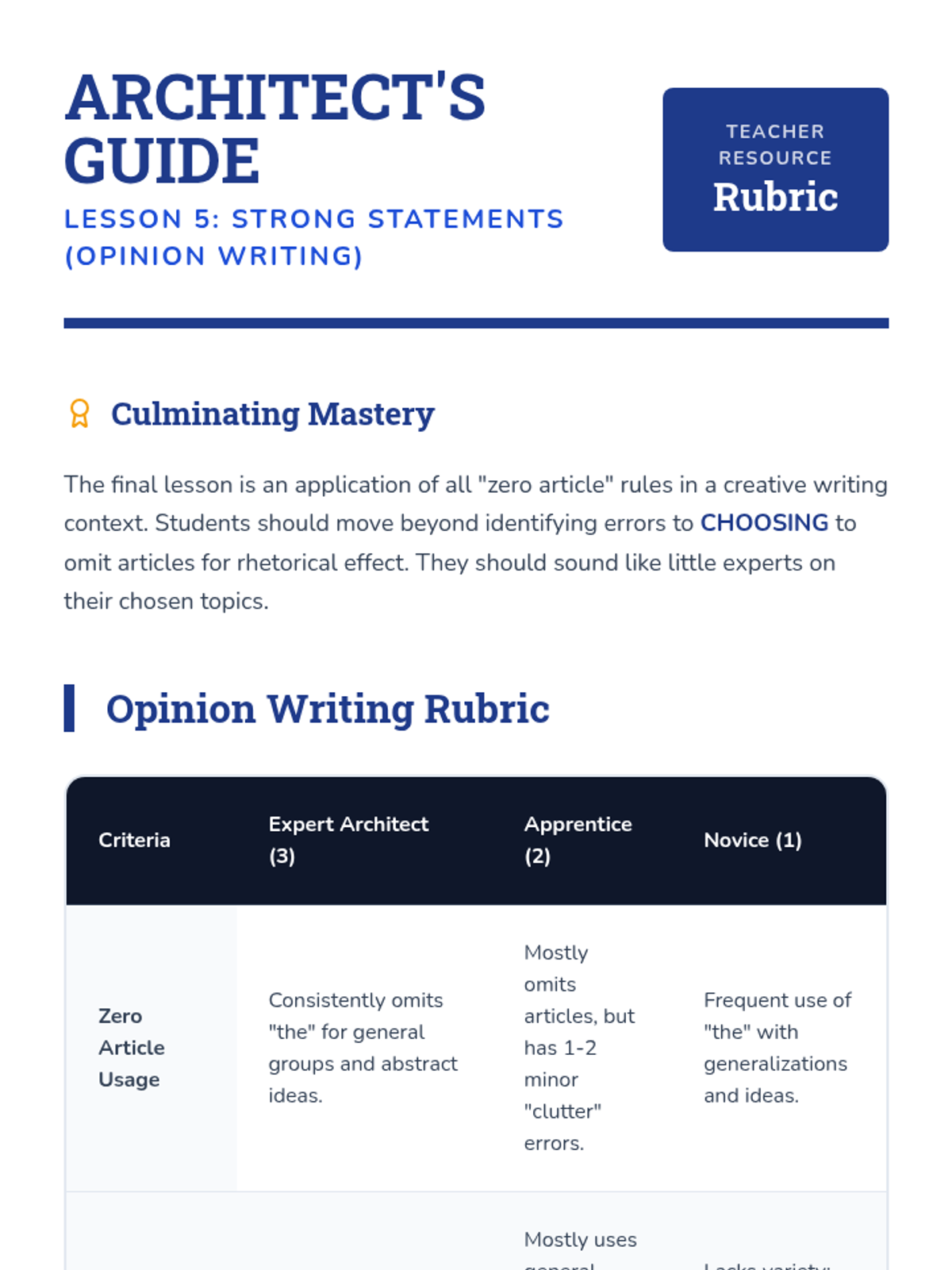
Applying zero article rules to write strong, generalized opinion statements about a chosen topic.
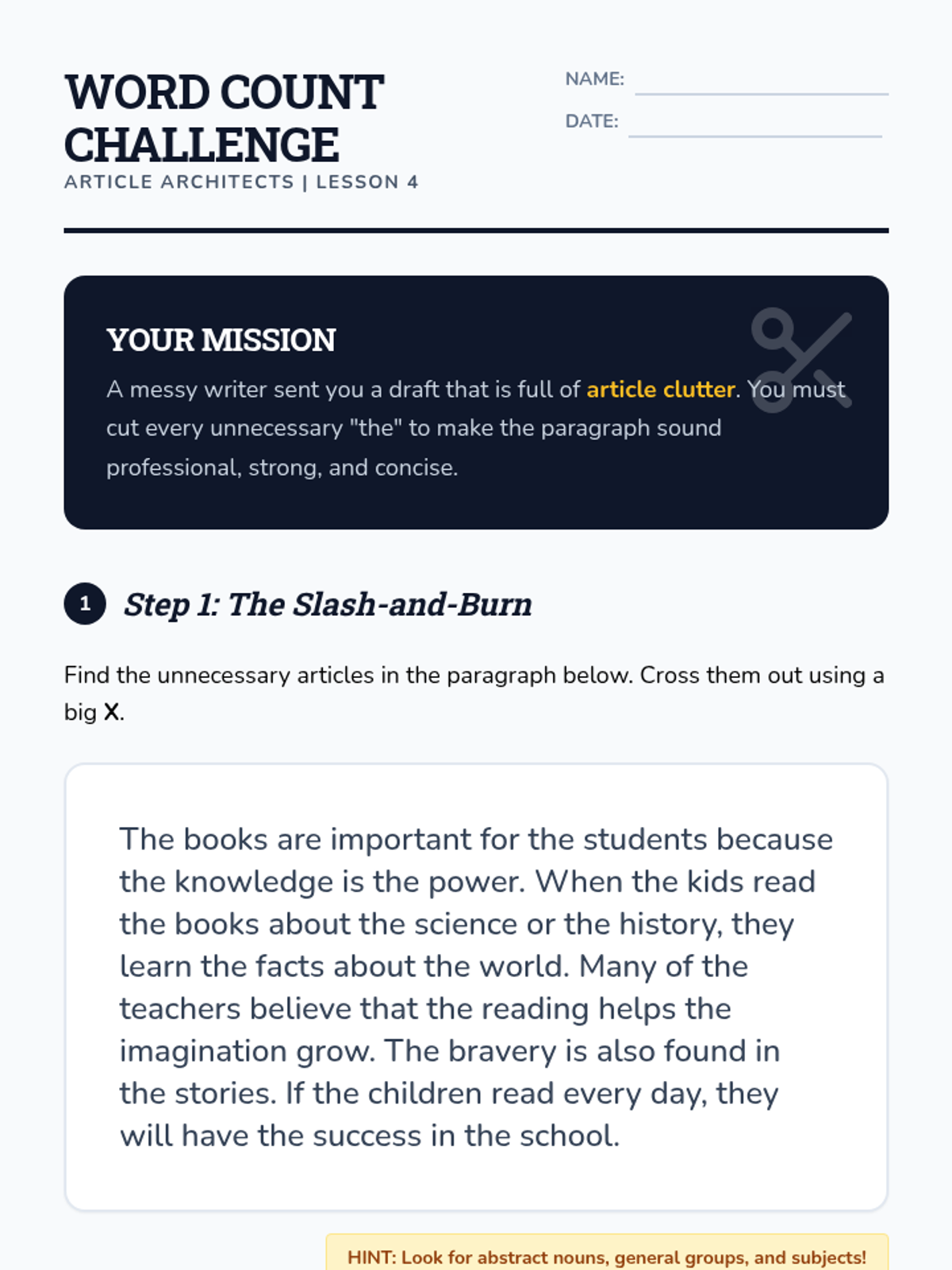
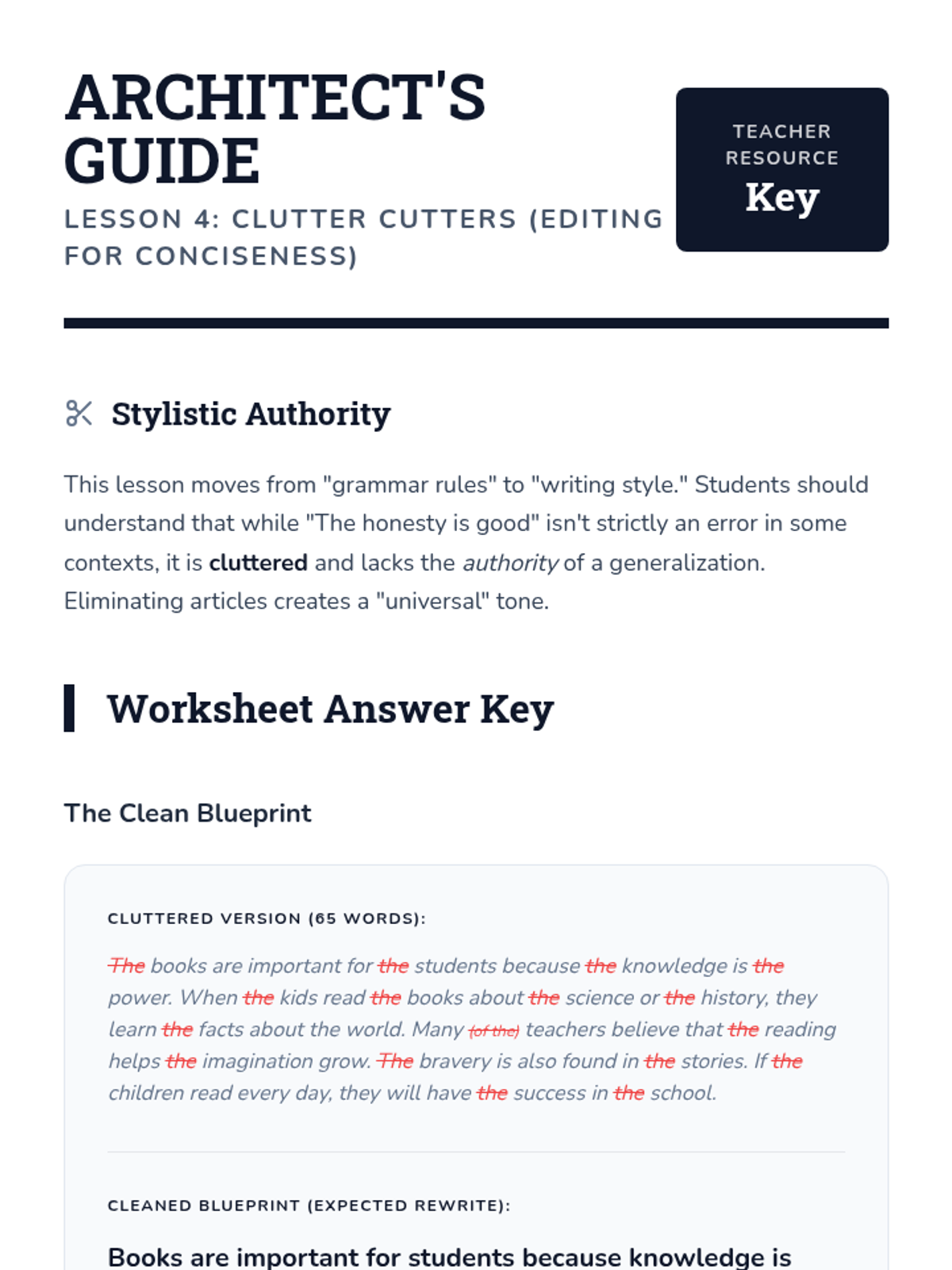
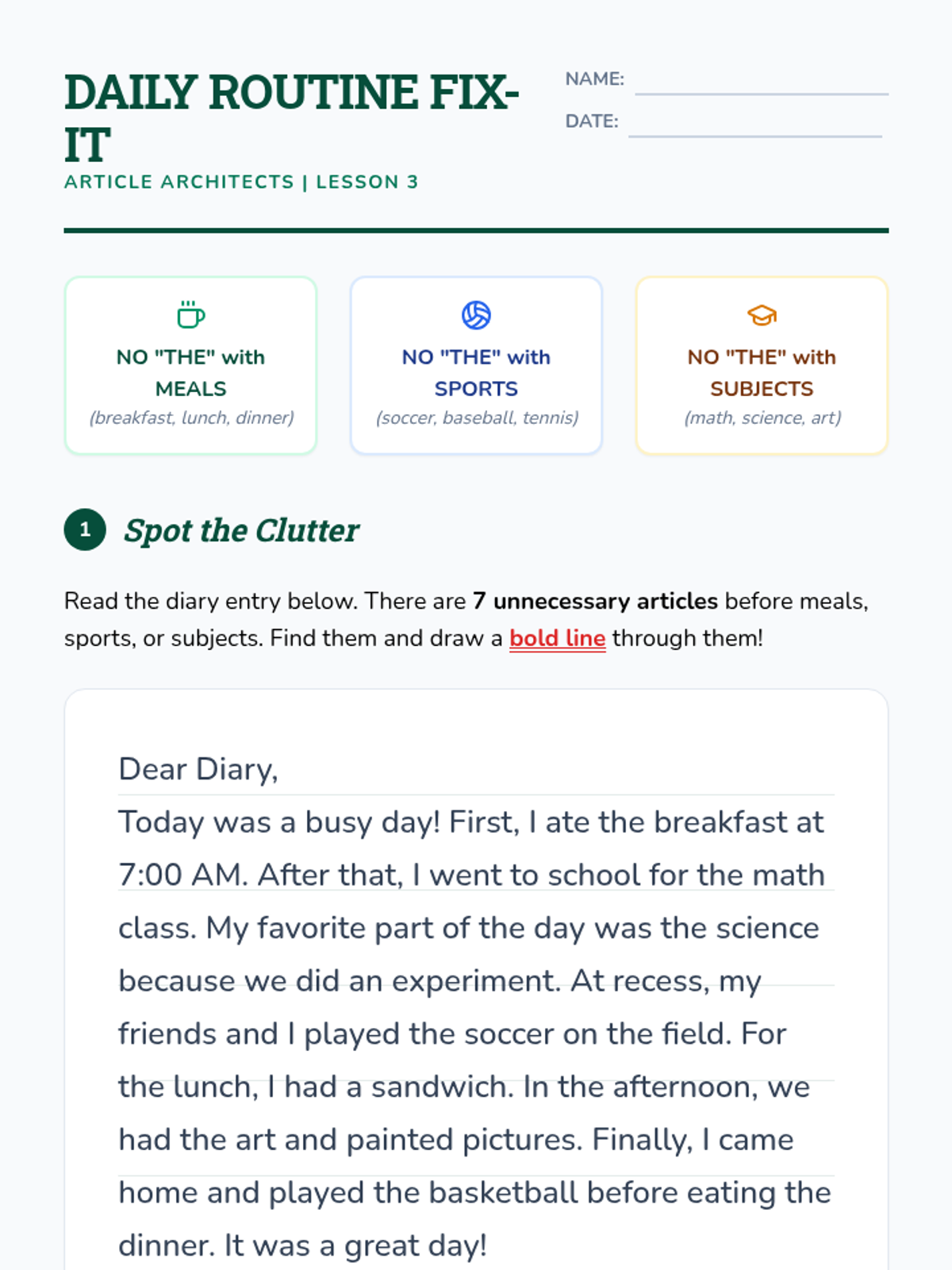
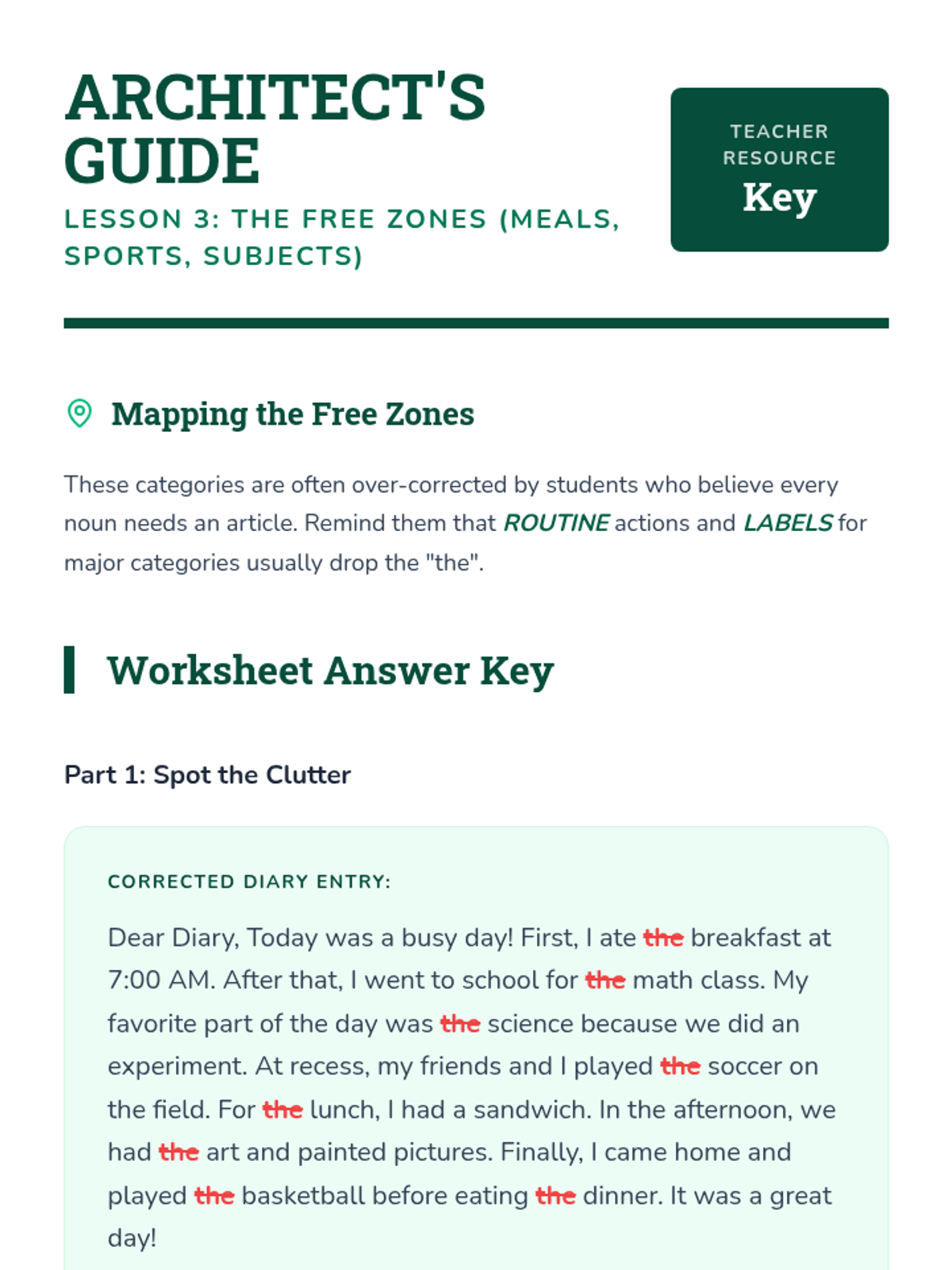
Students edit 'cluttered' text by removing unnecessary articles to improve conciseness and stylistic fluency.
Learning the specific categories (meals, sports, and school subjects) that naturally omit the definite article.
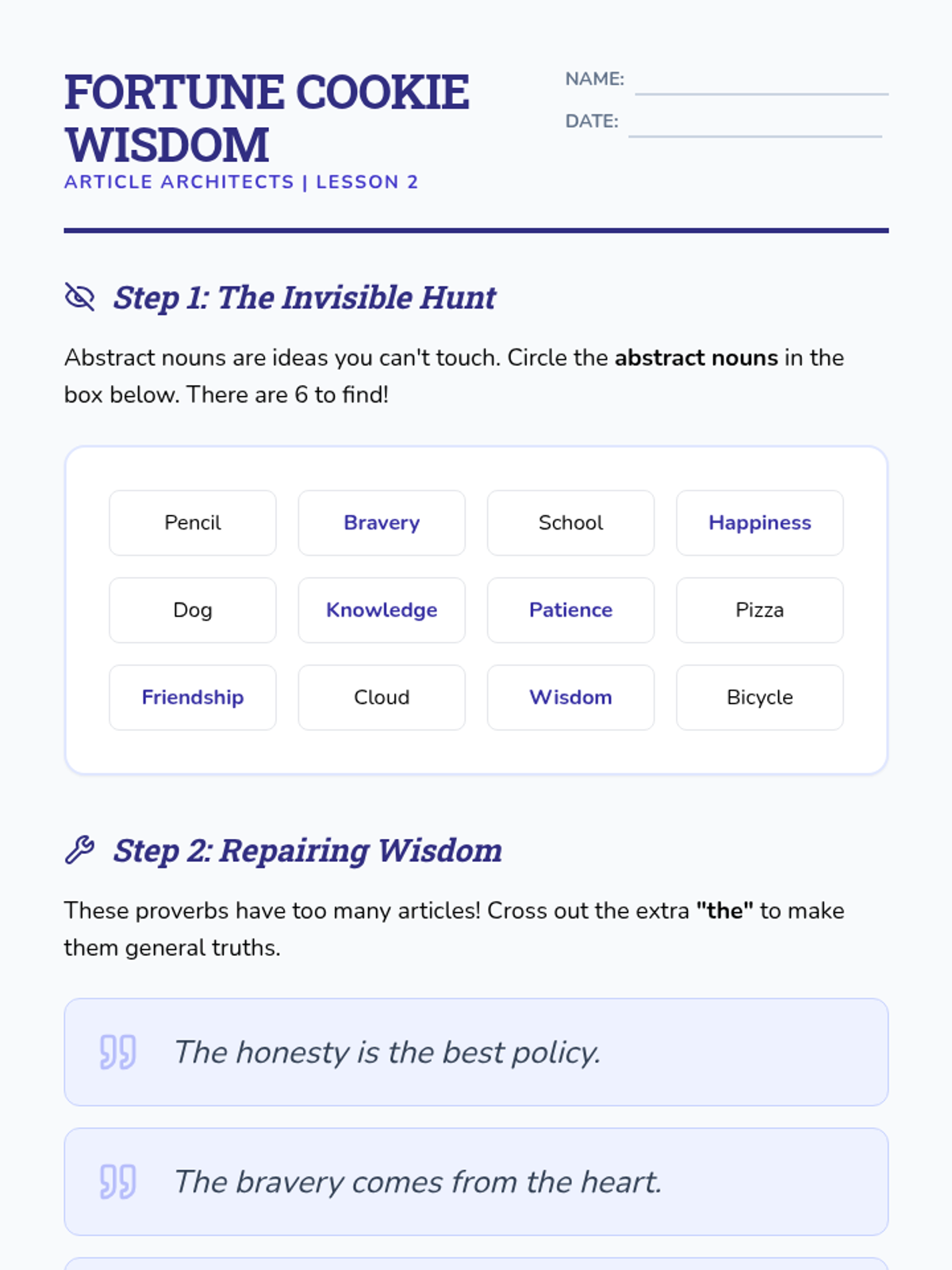
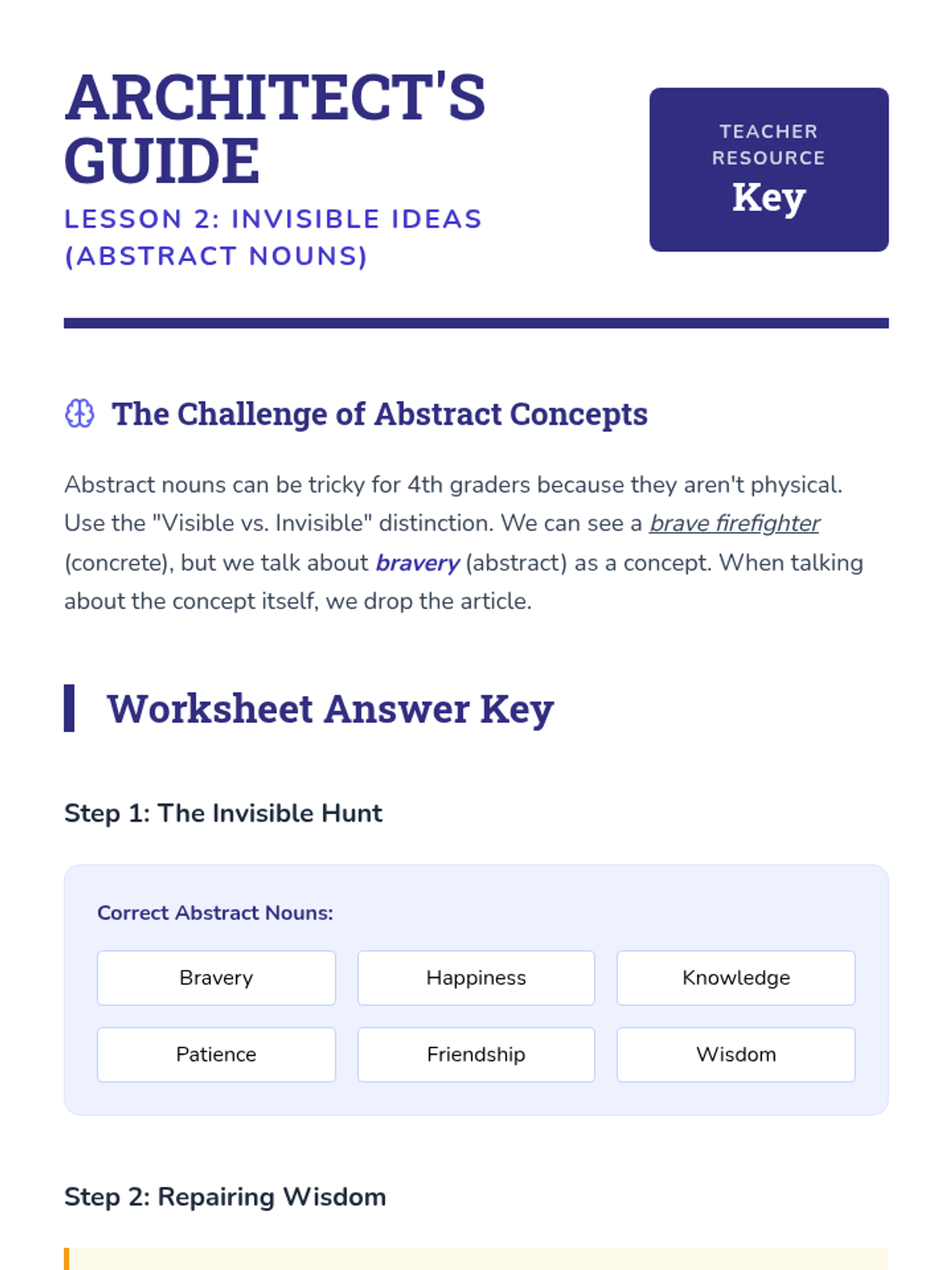
Exploring how abstract nouns like love, bravery, and patience typically use the zero article when discussed in general.
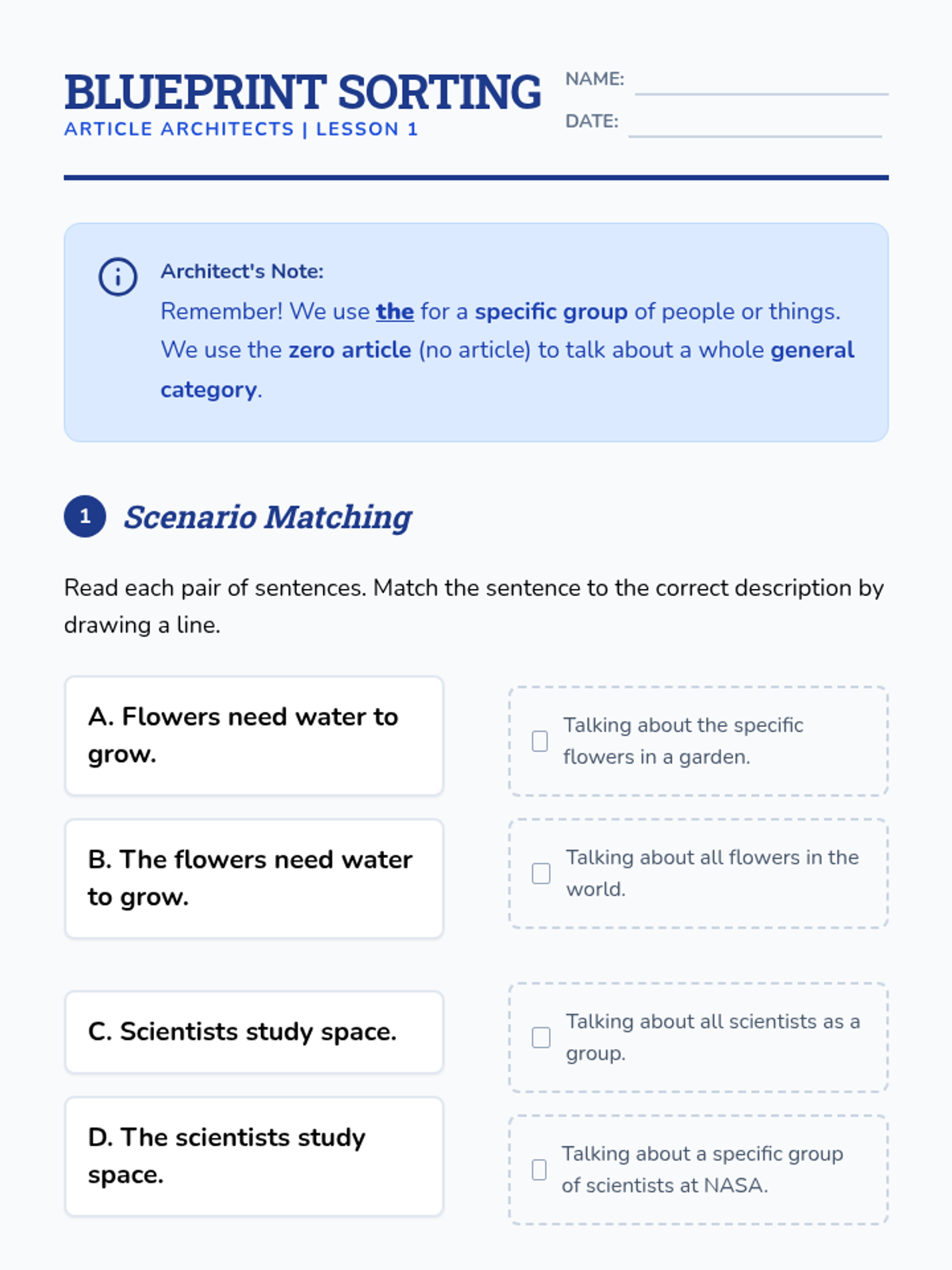
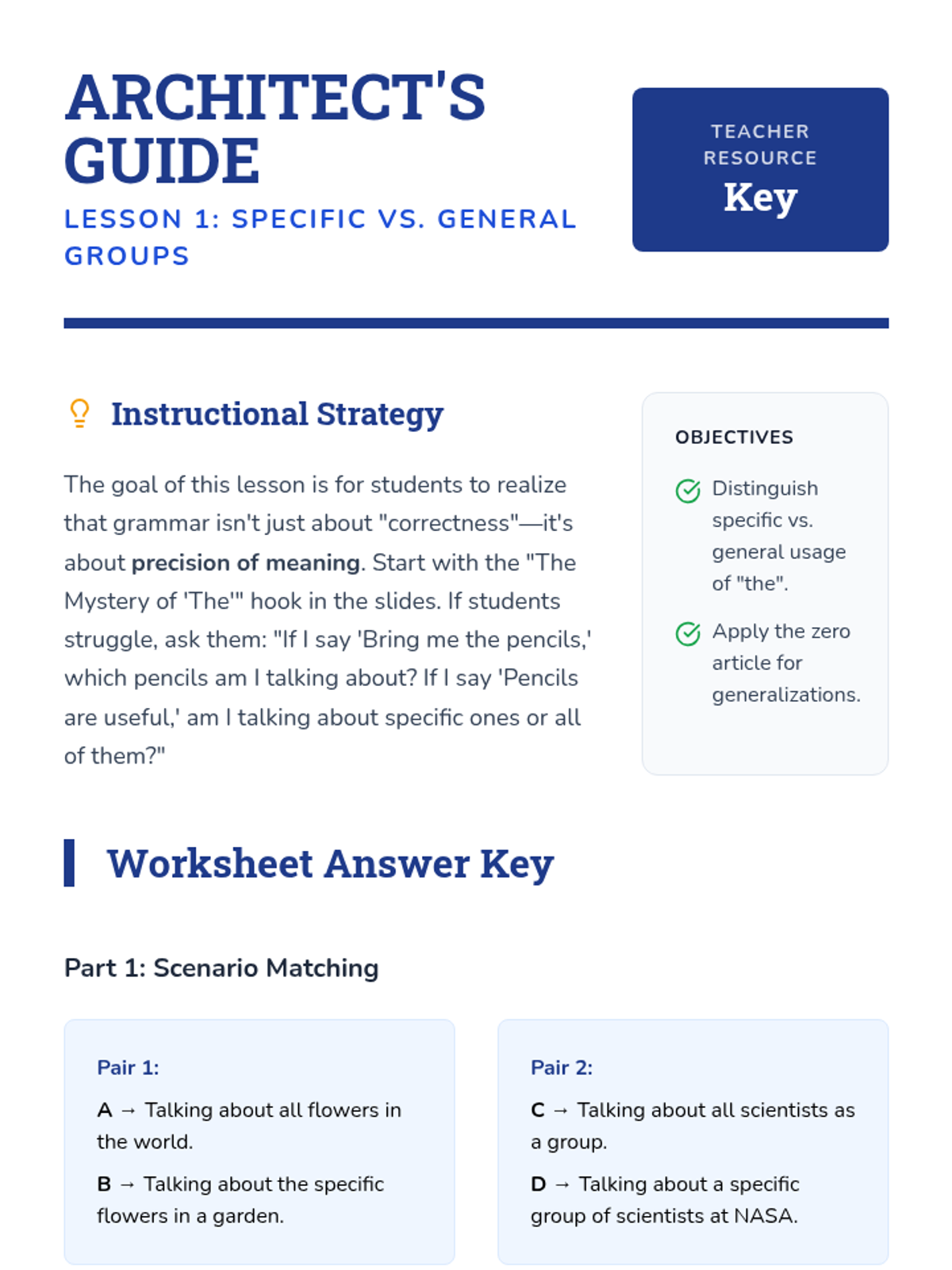
Students compare sentences with and without 'the' to understand how articles change a sentence from specific to general.
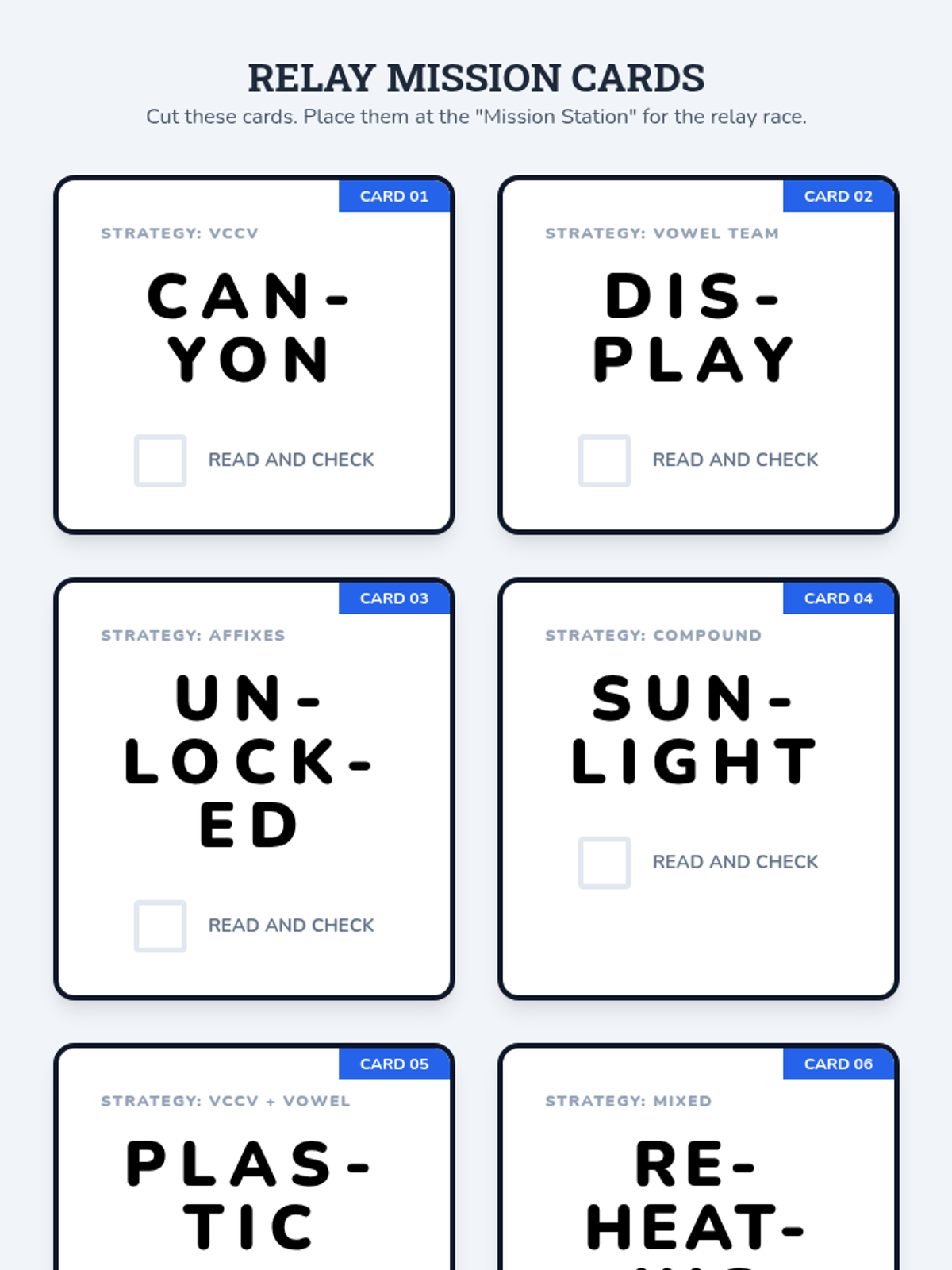
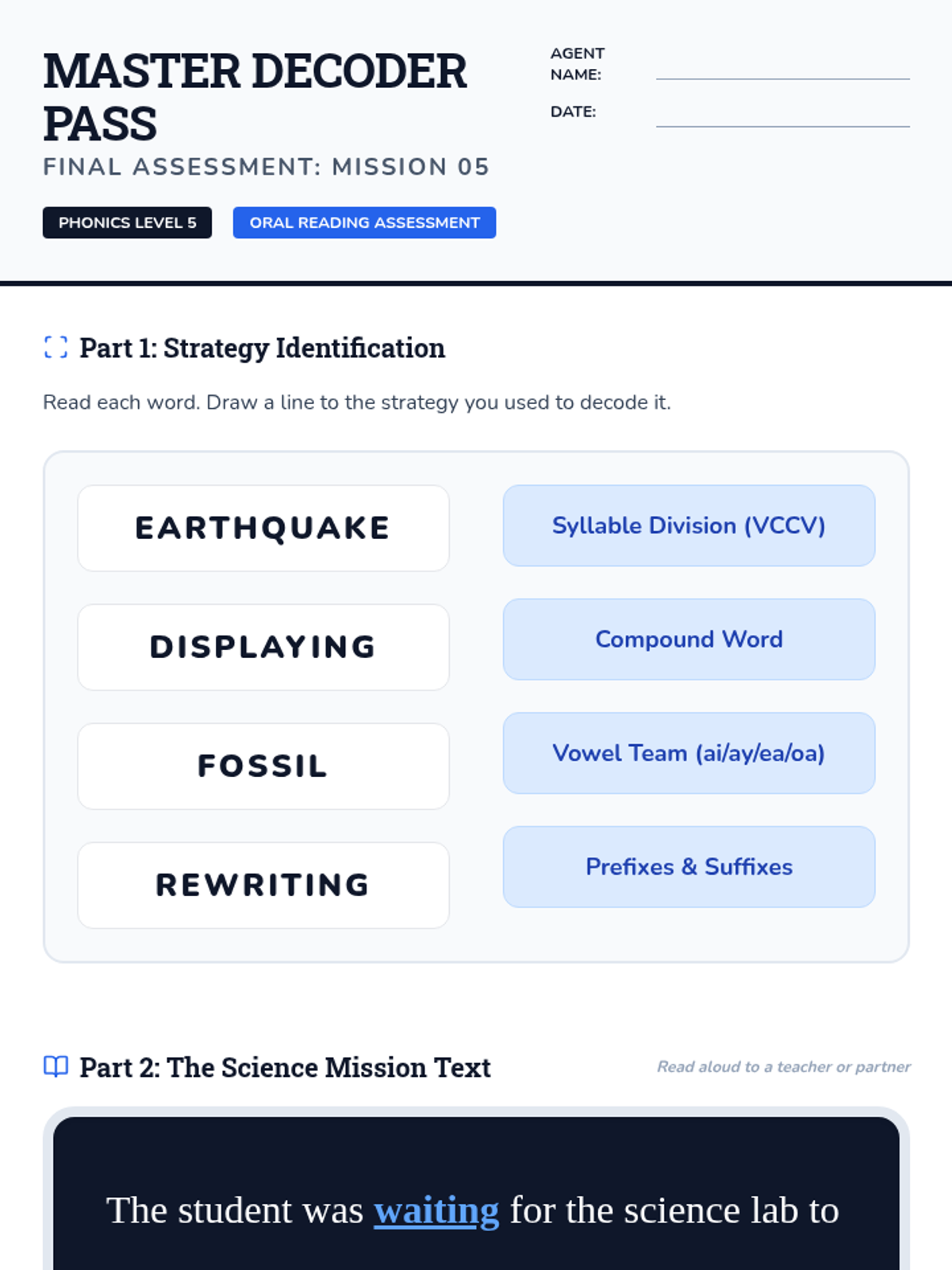
A cumulative review where students apply all decoding strategies in a relay race and oral reading assessment.
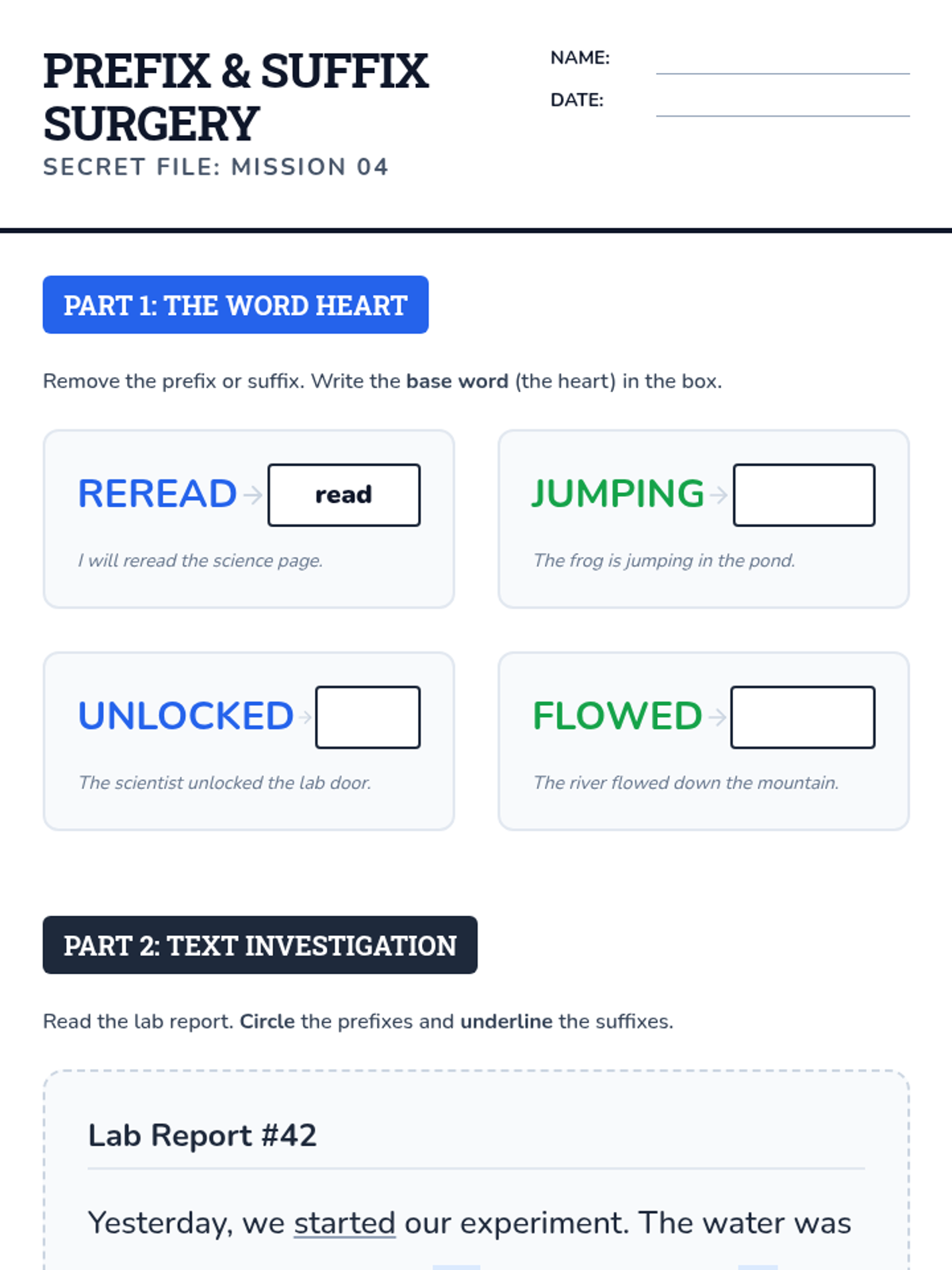
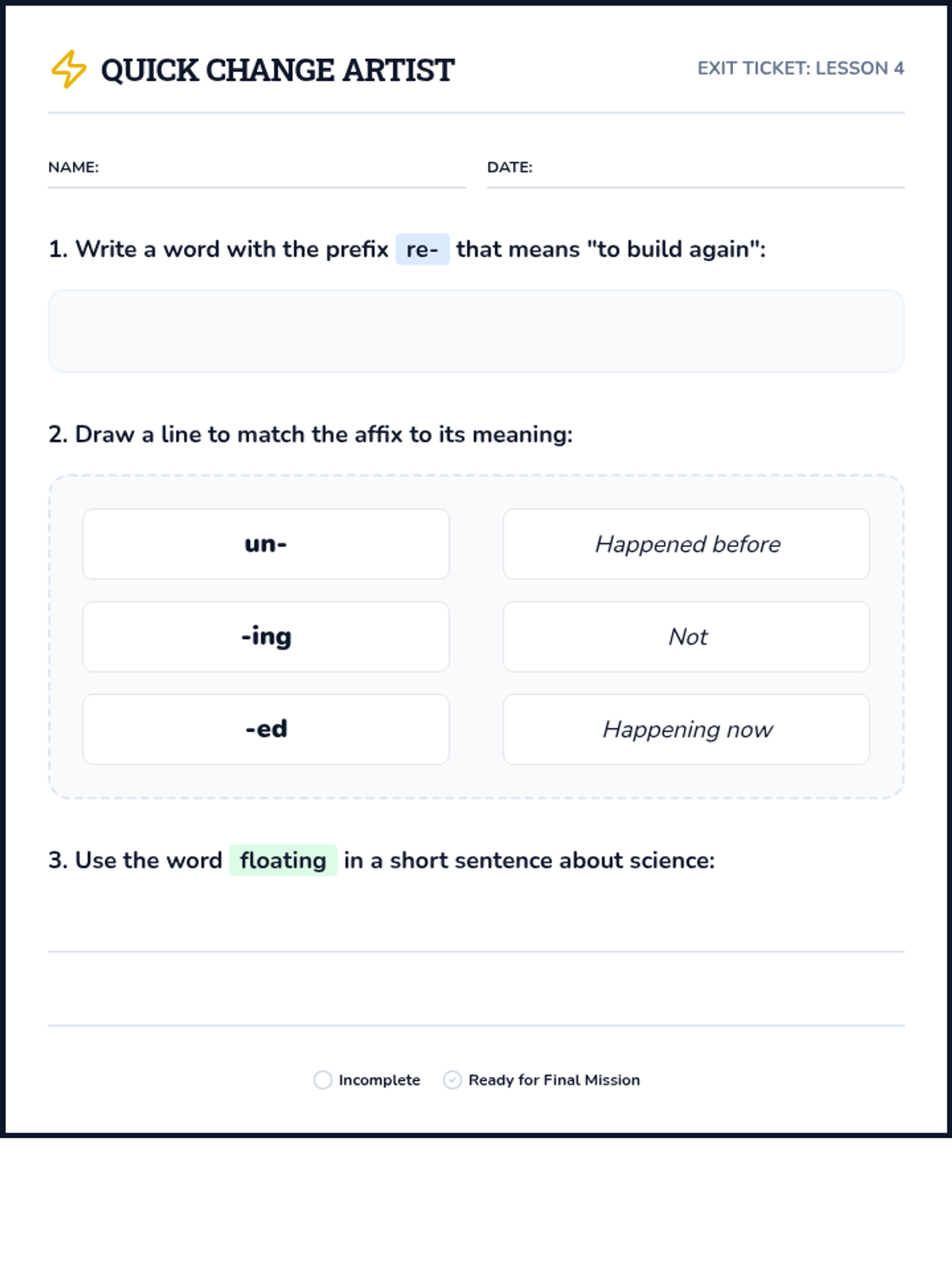
Identifying common prefixes and suffixes (un-, re-, -ing, -ed) to decode and understand the meaning of new words.
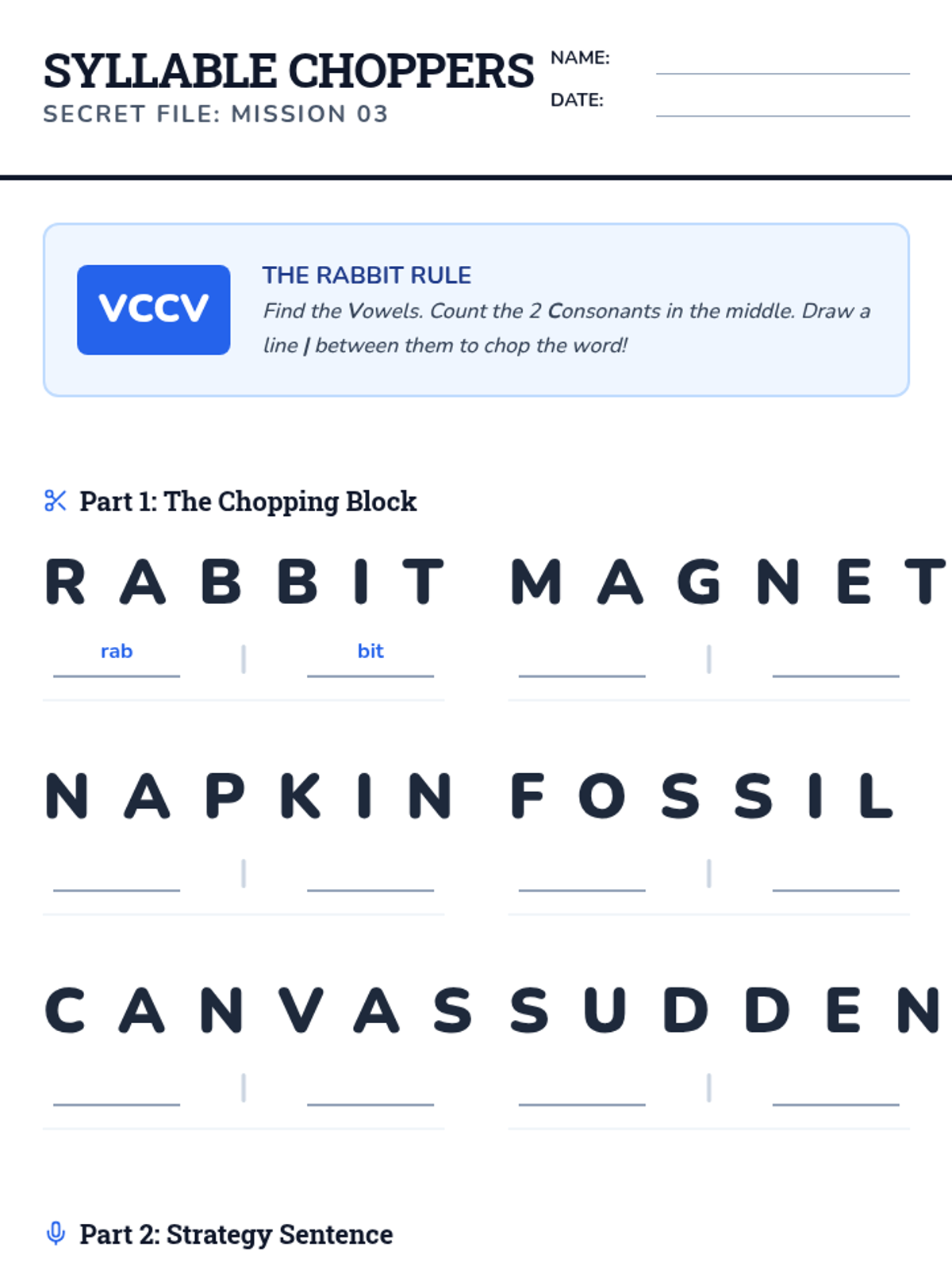
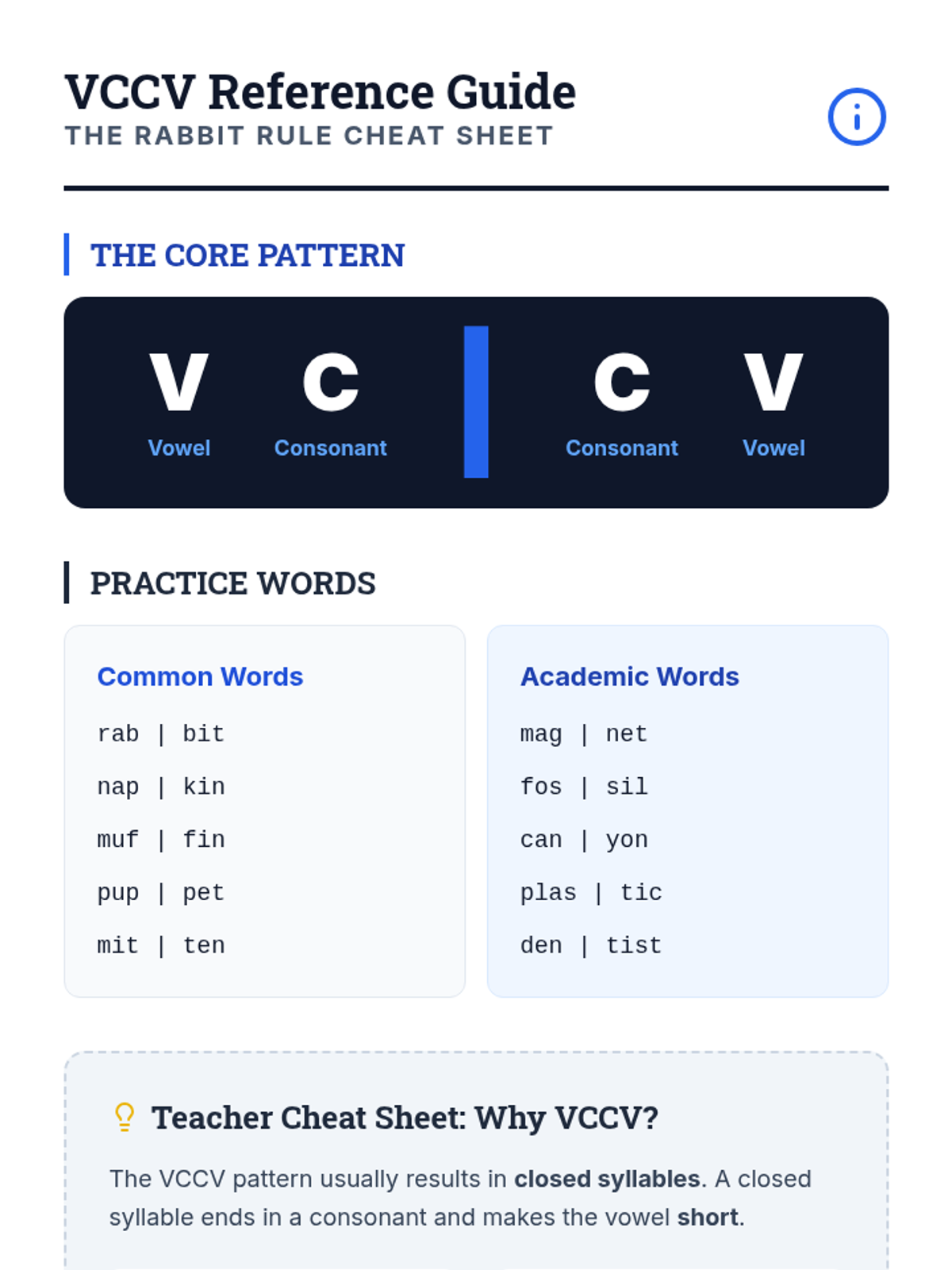
Introduction to the Vowel-Consonant-Consonant-Vowel (VCCV) syllable division pattern using the 'chopping' strategy.
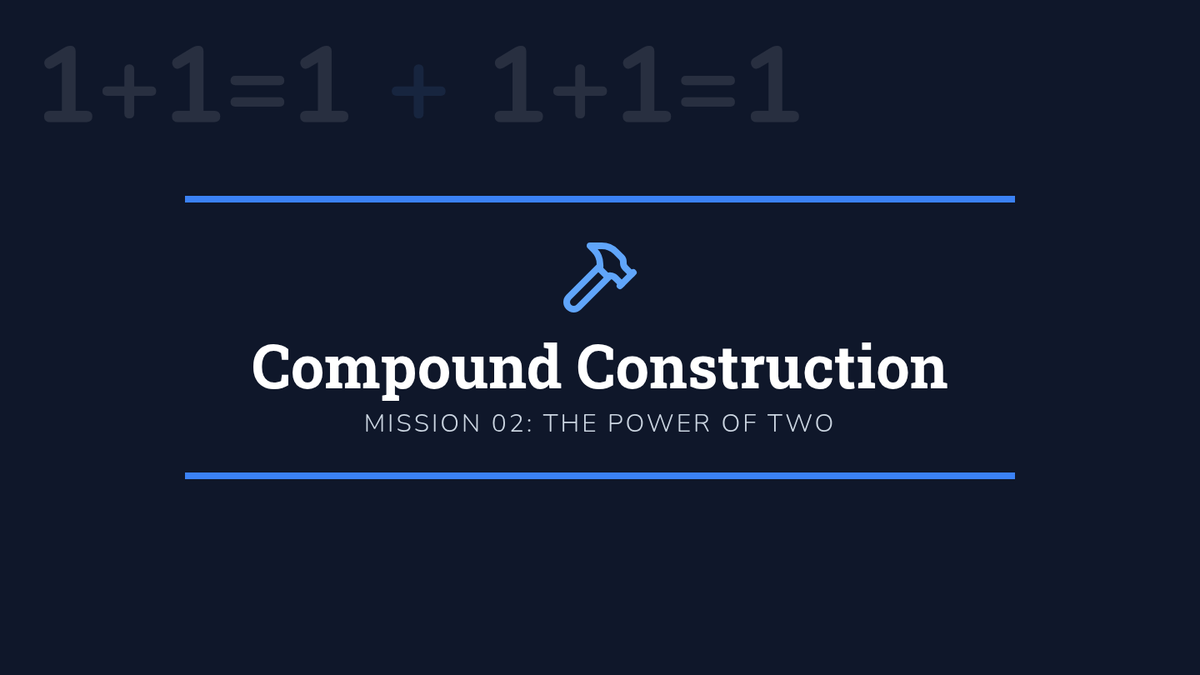
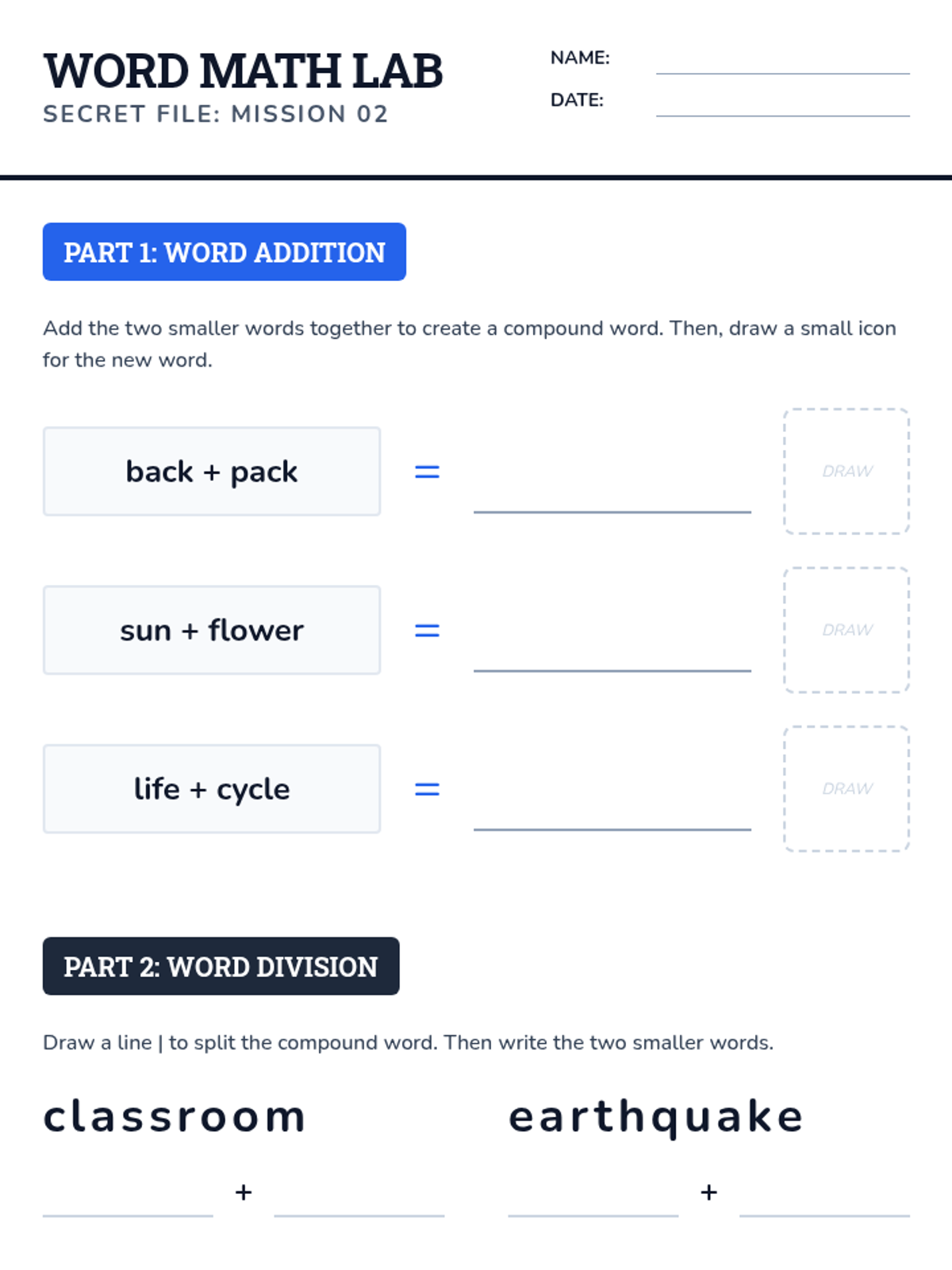
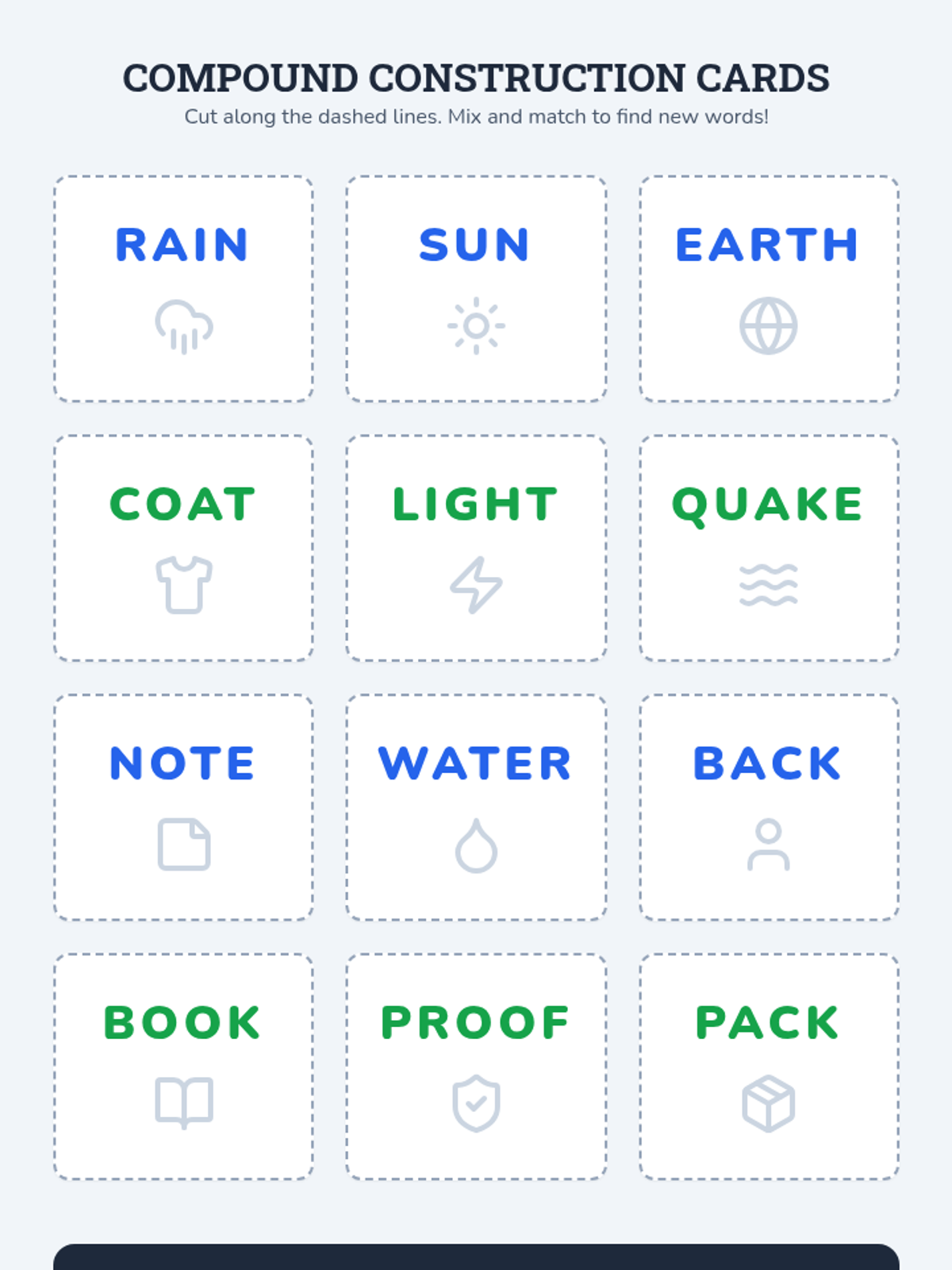
Learners identify and split compound words into smaller root words to understand meaning and improve reading fluency.
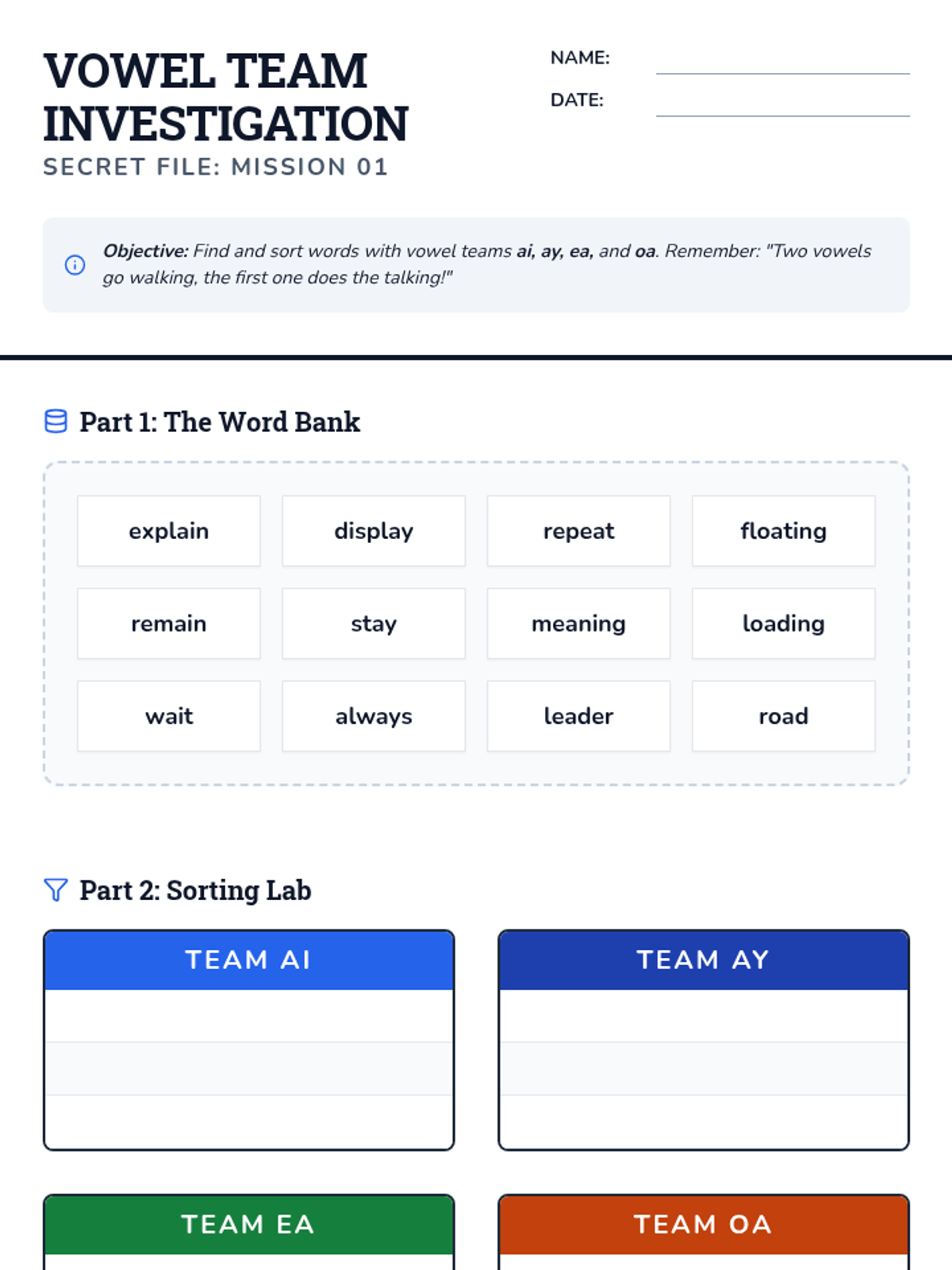
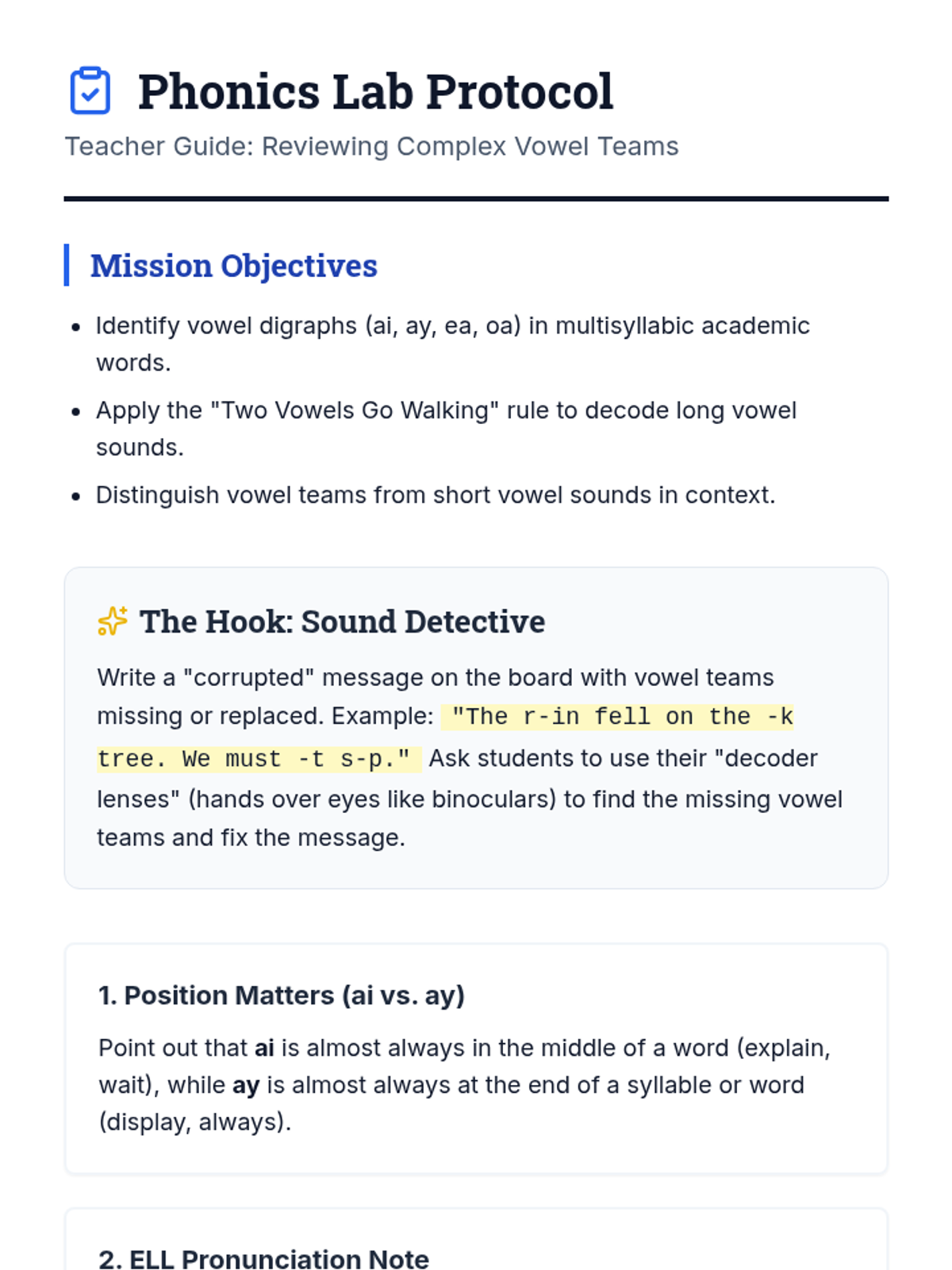
Students review common vowel digraphs (ea, oa, ai, ay) using academic vocabulary and identify long vowel patterns in context.