Essential grammar structures, high-frequency vocabulary, and foundational literacy skills. Equips learners with basic speaking and listening abilities for everyday interactions and introductory text comprehension.
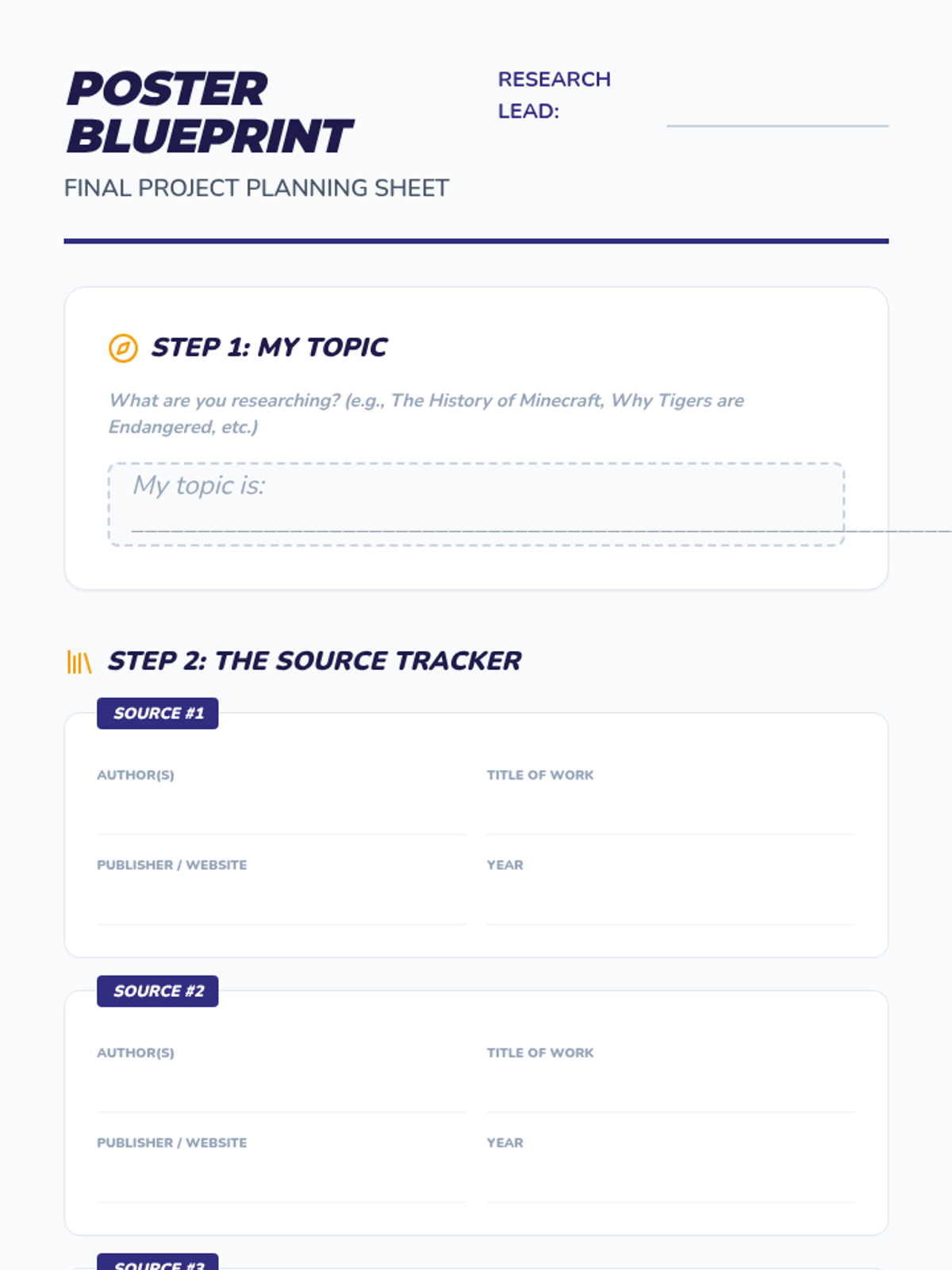
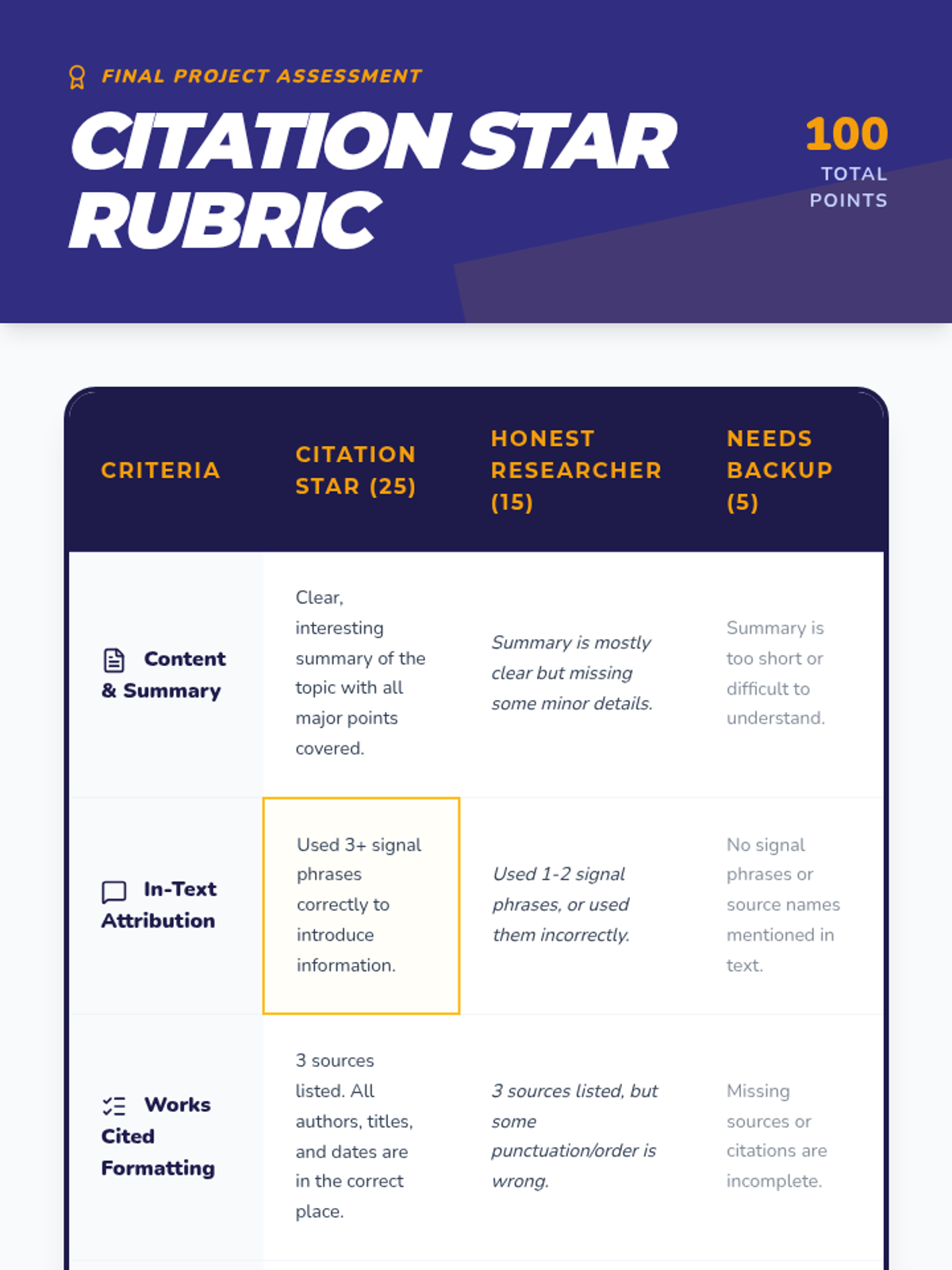
In this final project-based lesson, students synthesize their learning by creating a "Research Credits" poster. They select a topic of interest, find three sources, summarize key information, and produce a perfectly formatted Works Cited section.
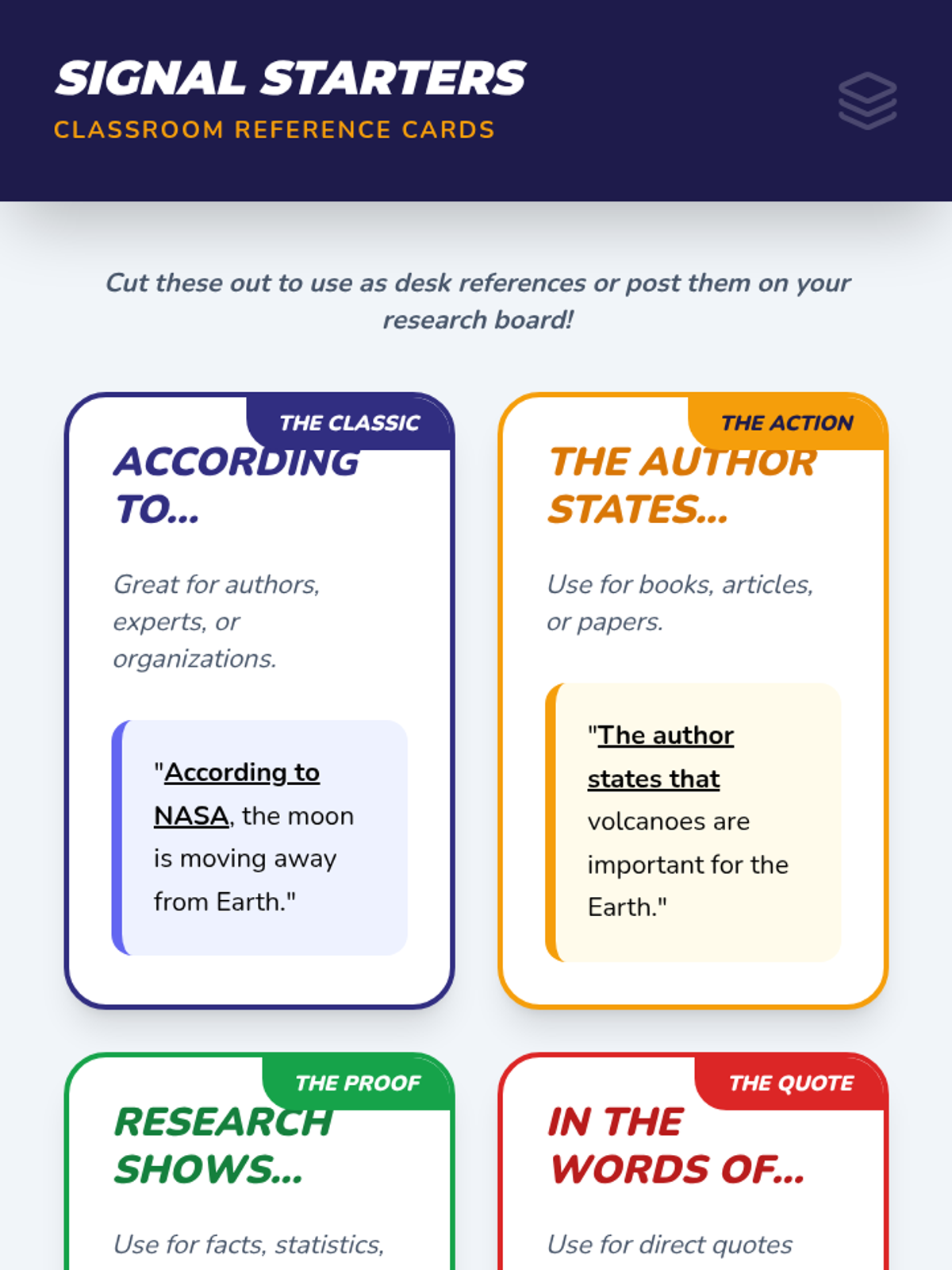
Students learn the mechanics of in-text attribution, practicing how to introduce sources using "signal phrases" (e.g., 'According to...'). They understand how to bridge the gap between their own ideas and those of external experts.
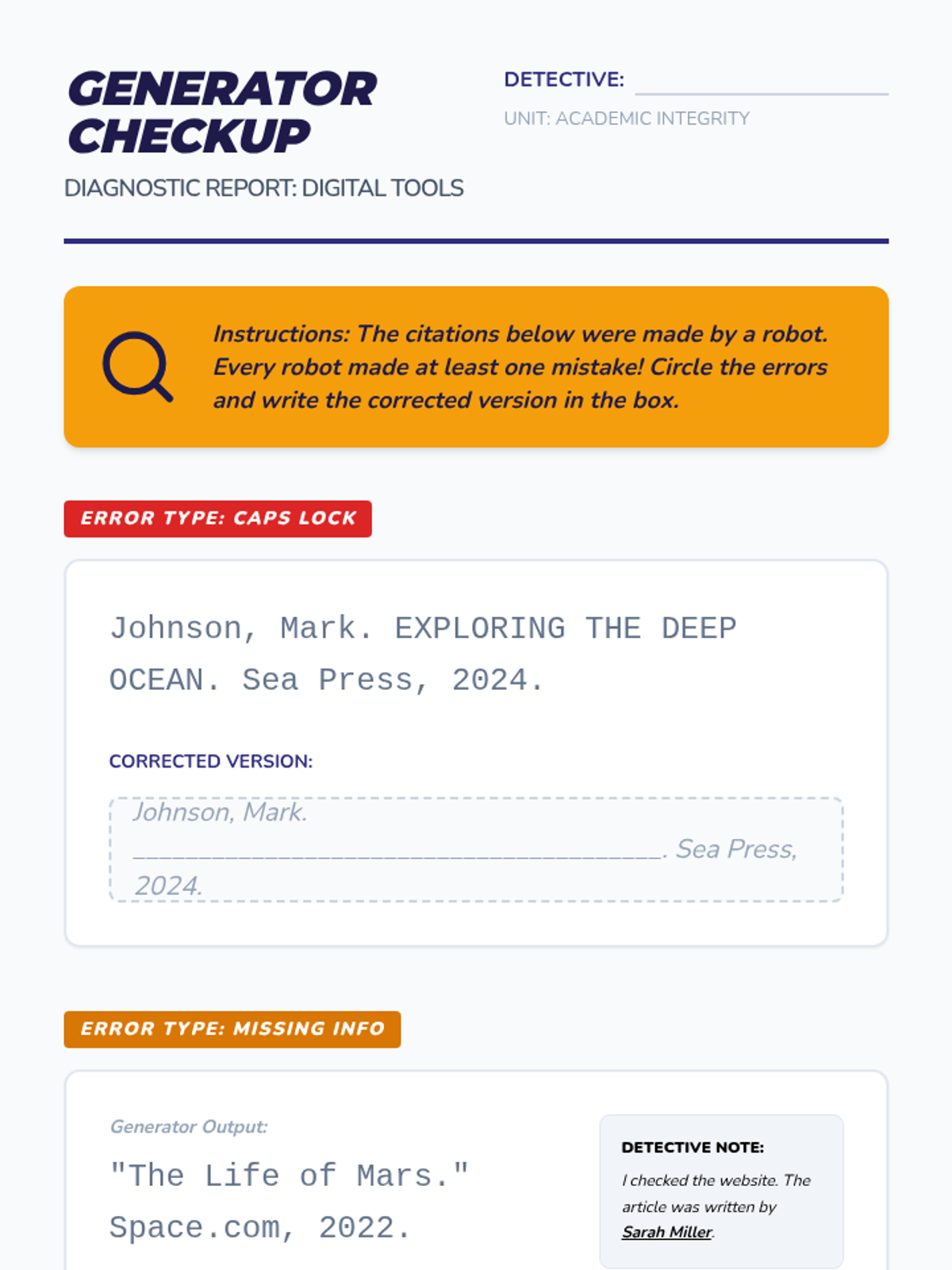
Students learn the benefits and risks of using digital citation tools. This lesson focuses on identifying common machine errors, such as capitalization issues and missing data, and emphasizes student accountability for final accuracy.
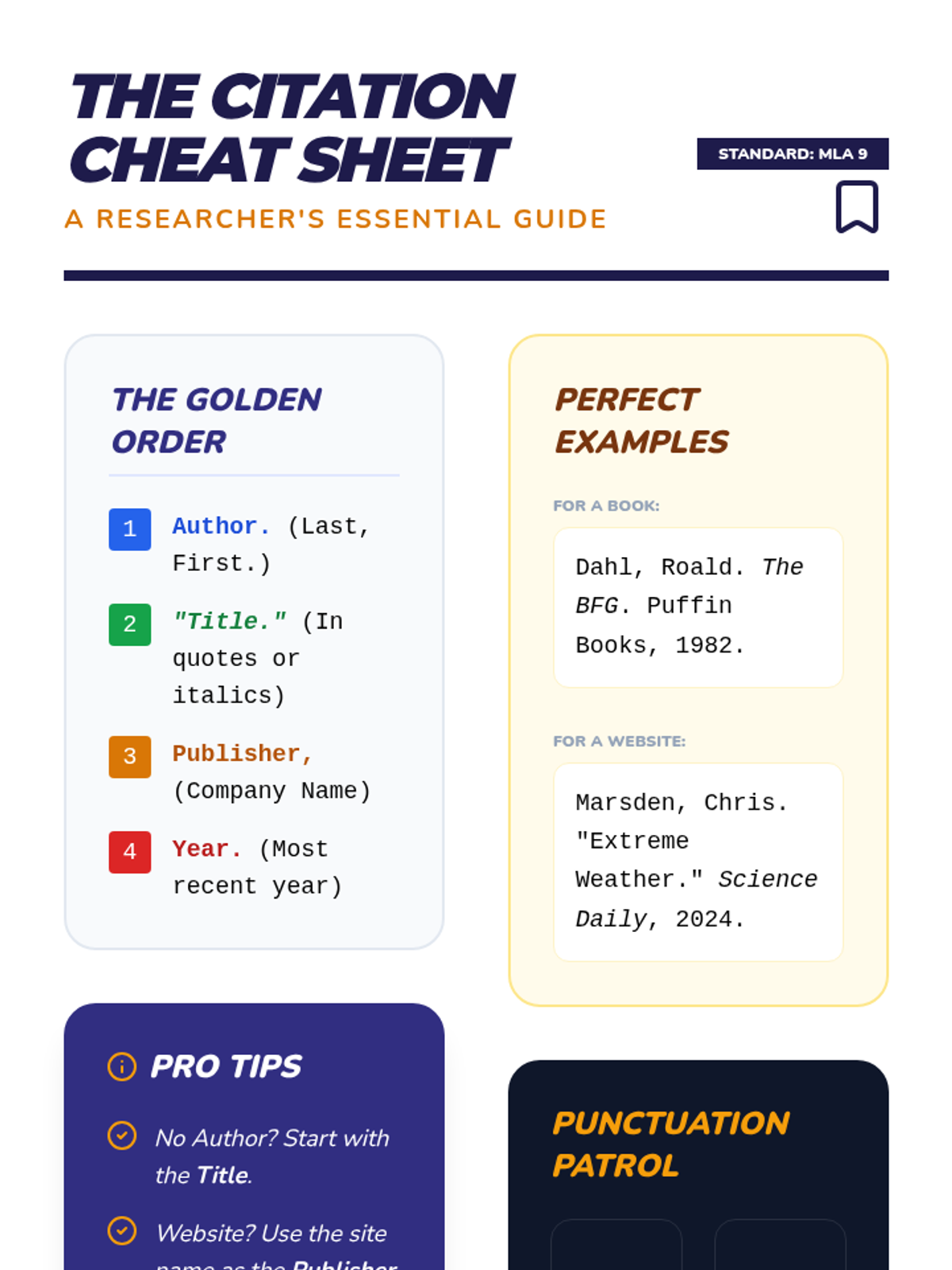
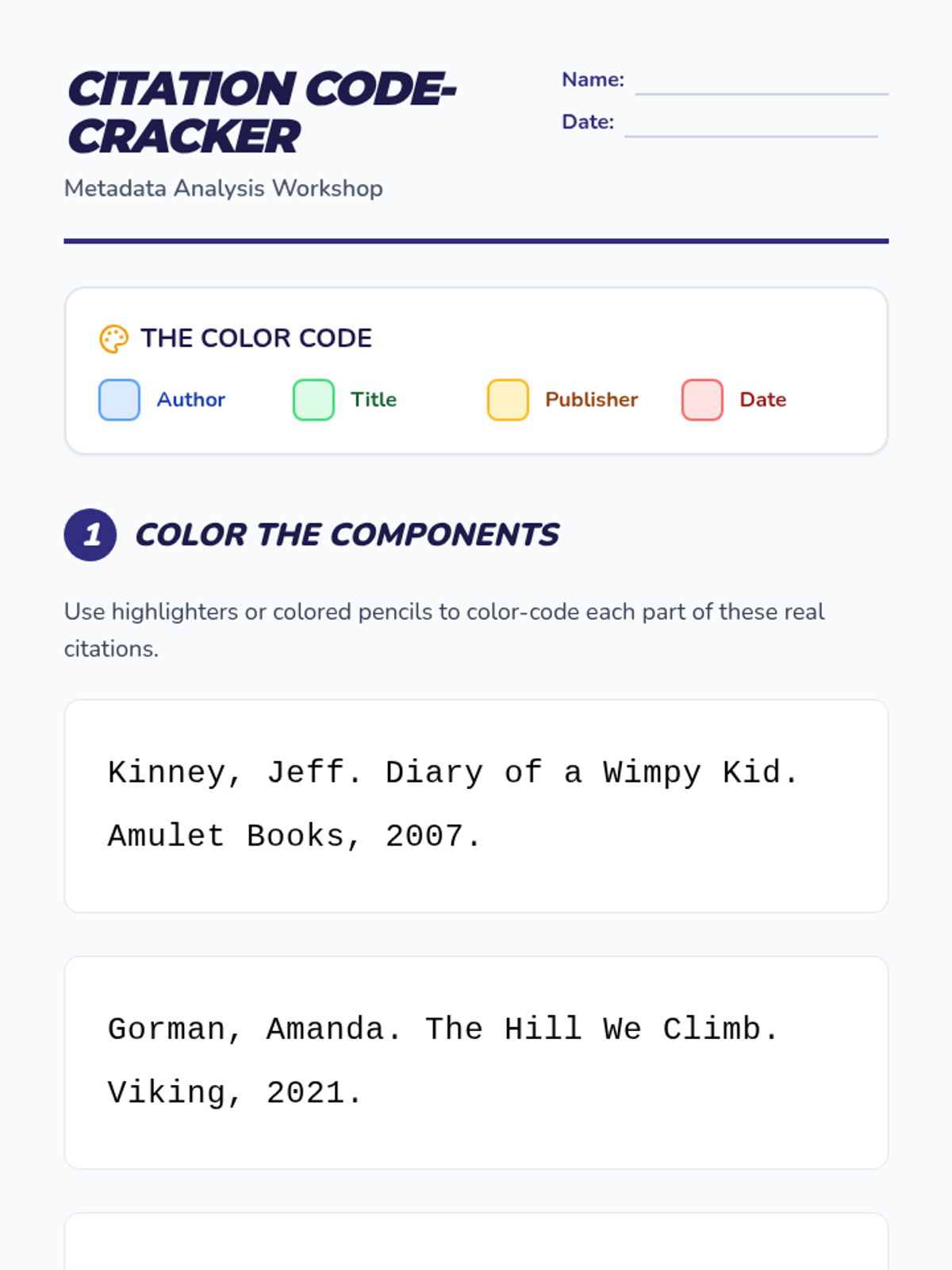
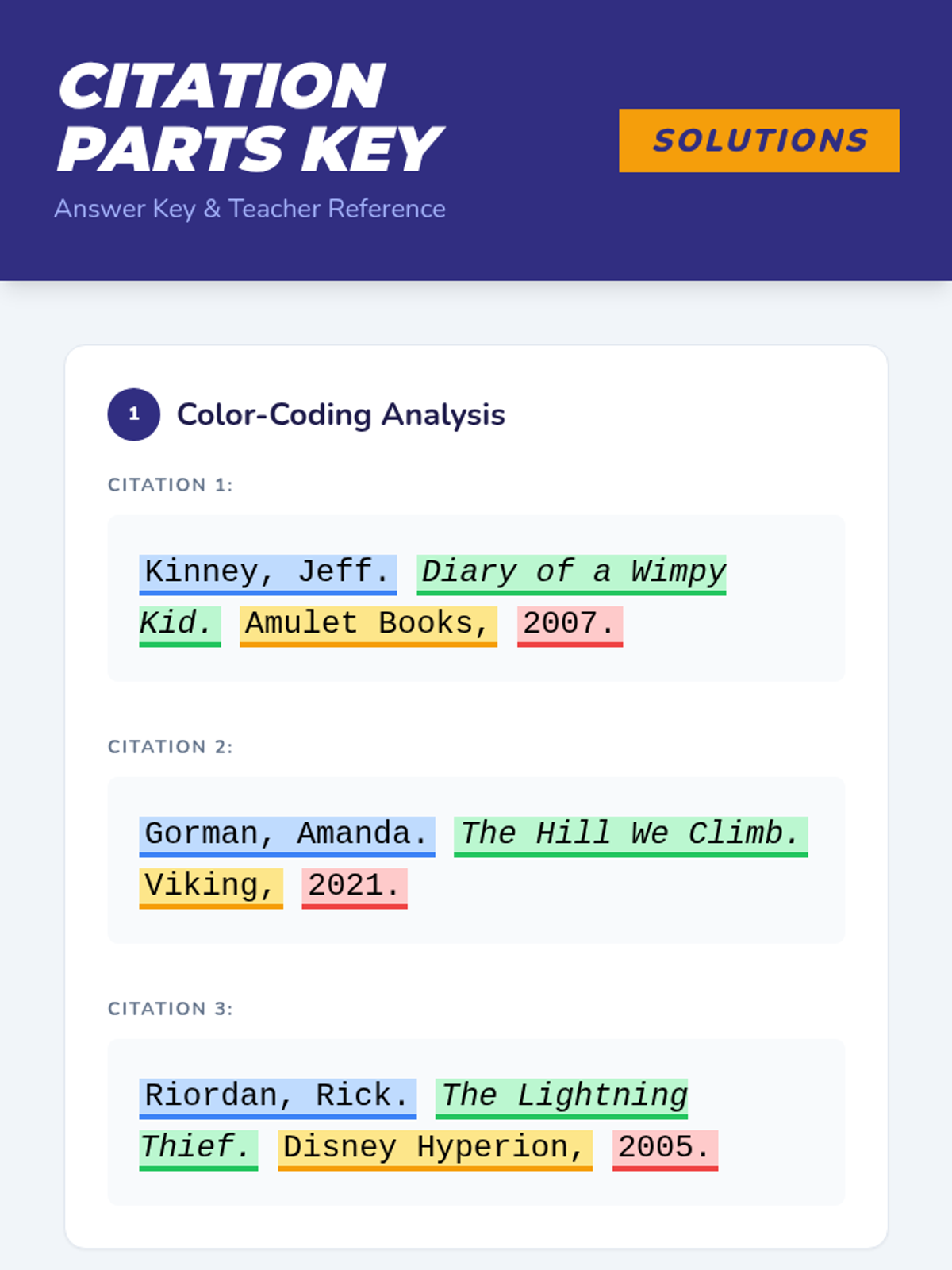
Students learn to identify and format the four core elements of an MLA citation: Author, Title, Publisher, and Date. They use color-coding to demystify the punctuation and structure of citations.
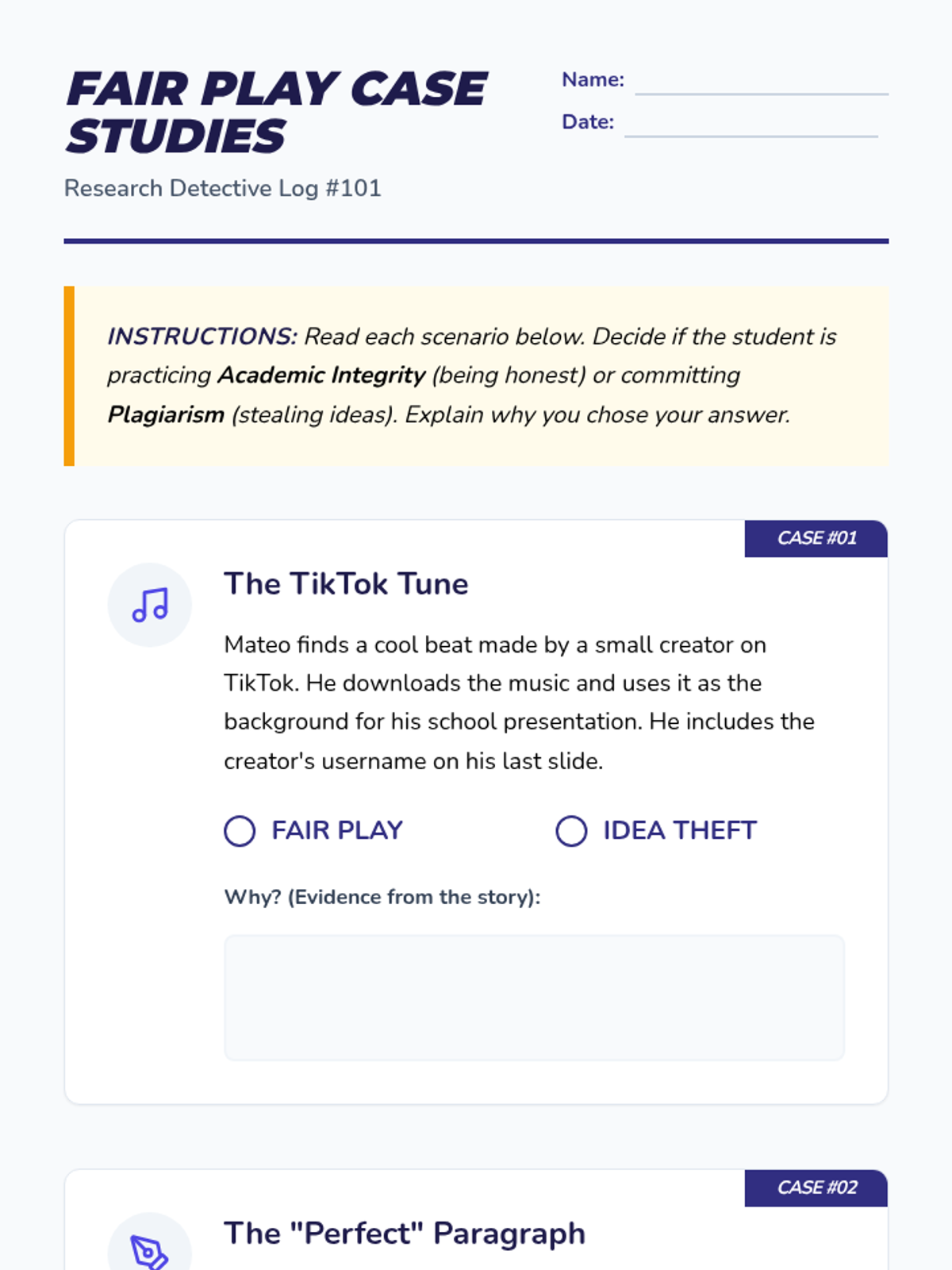
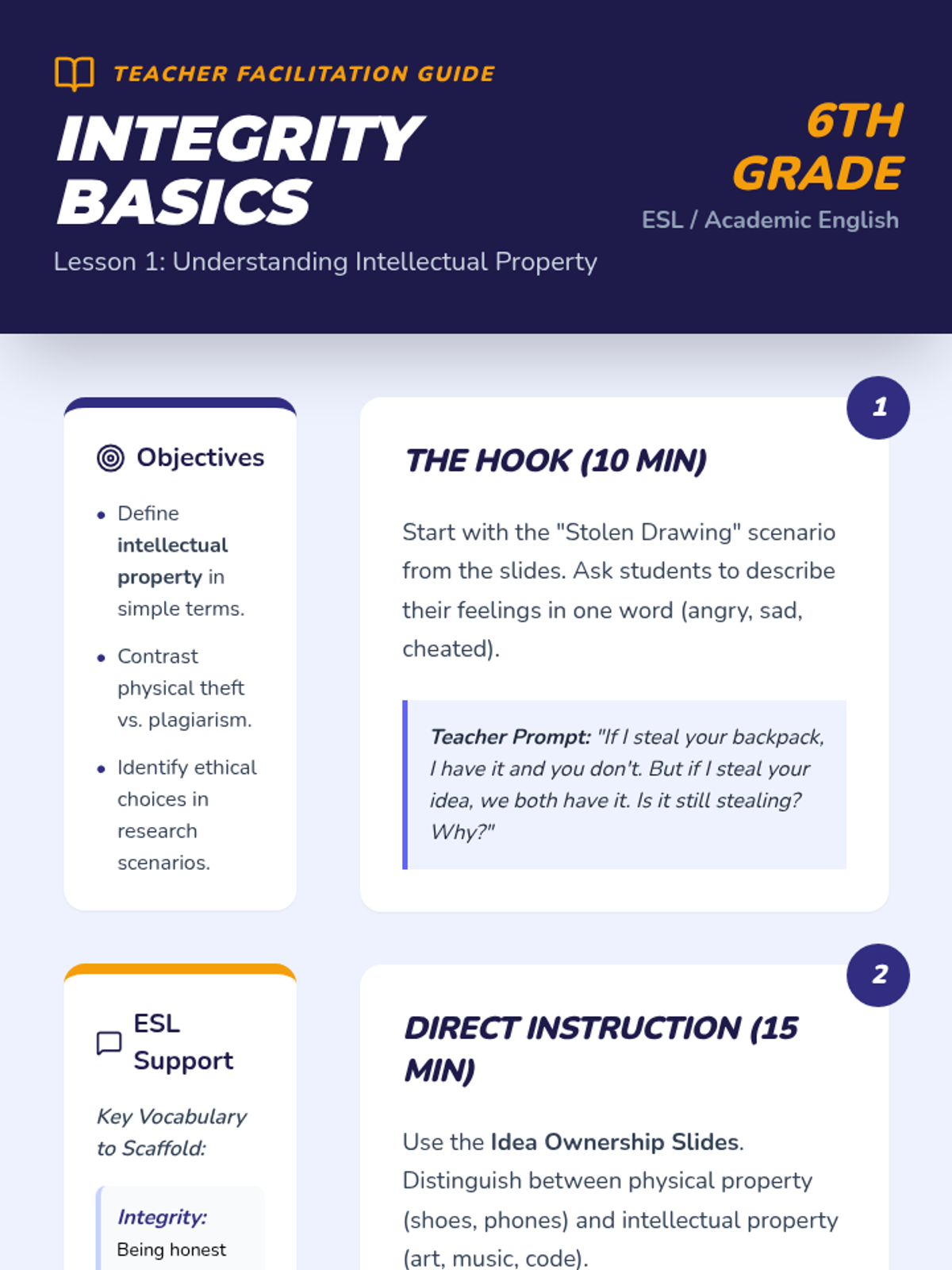
Students explore the concept of intellectual property and ownership of ideas. They discuss why creators deserve credit and how stealing ideas differs from stealing physical objects.
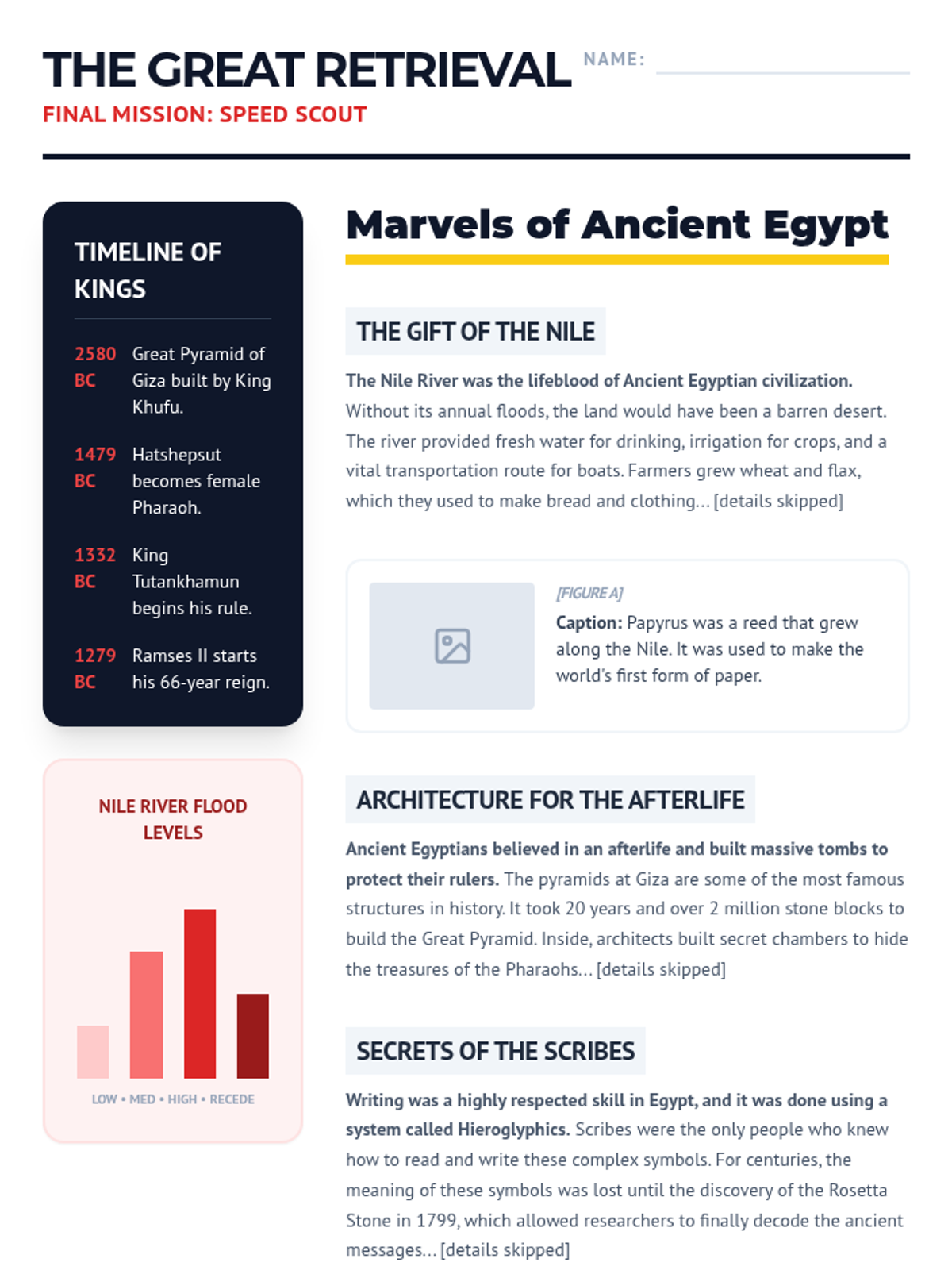
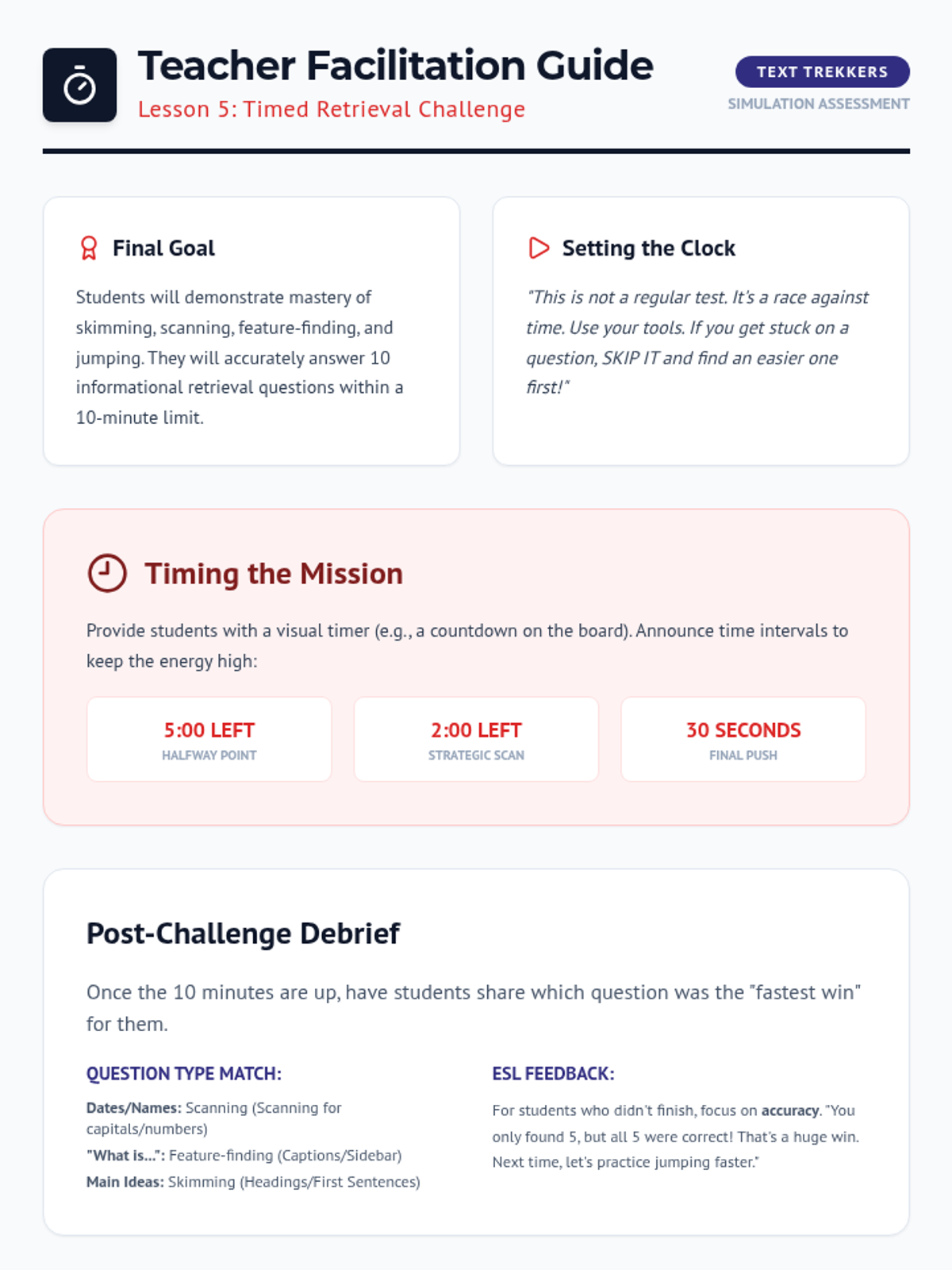
A culminating timed challenge where students apply all strategies to solve information retrieval tasks accurately and quickly.
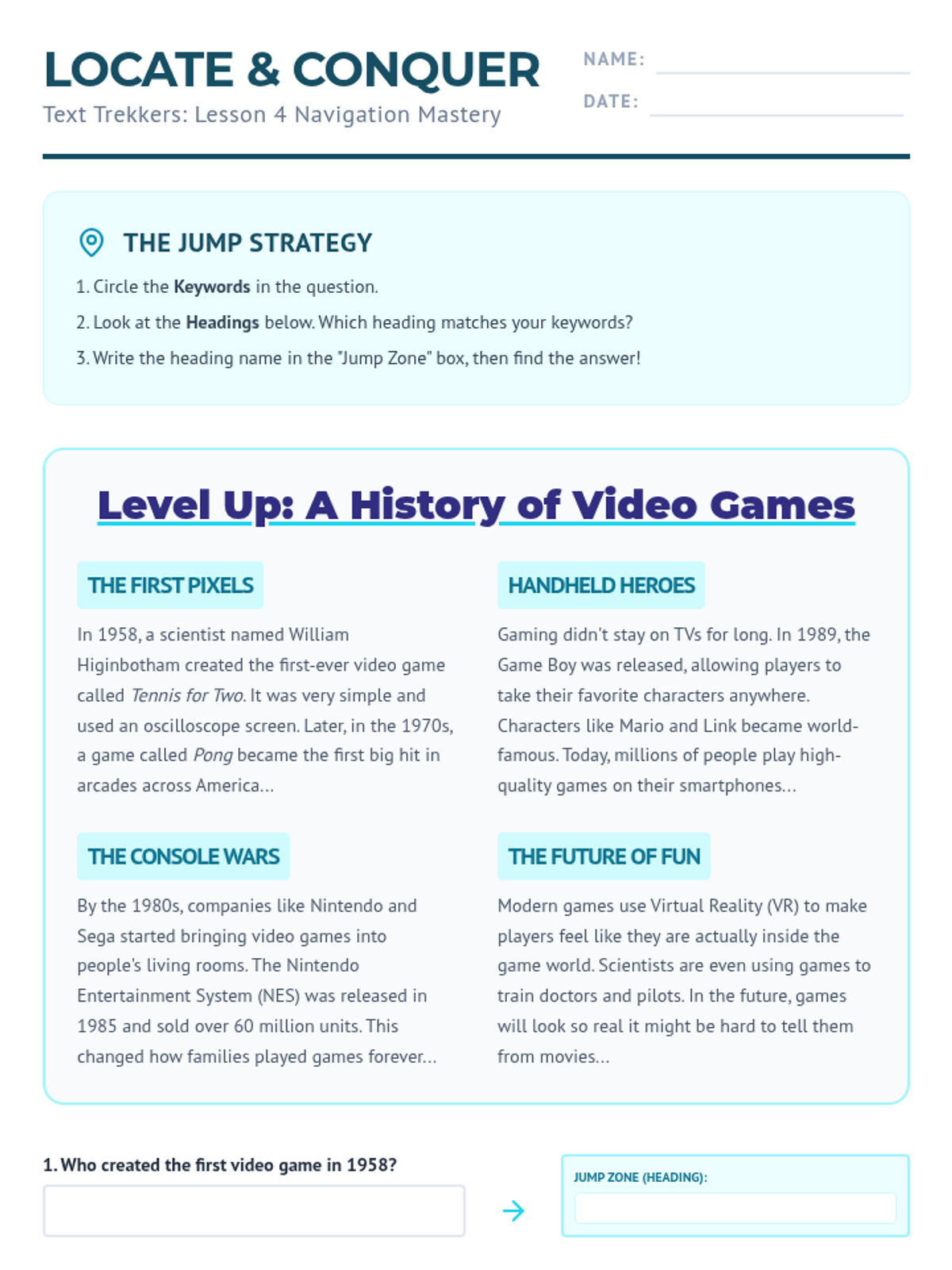
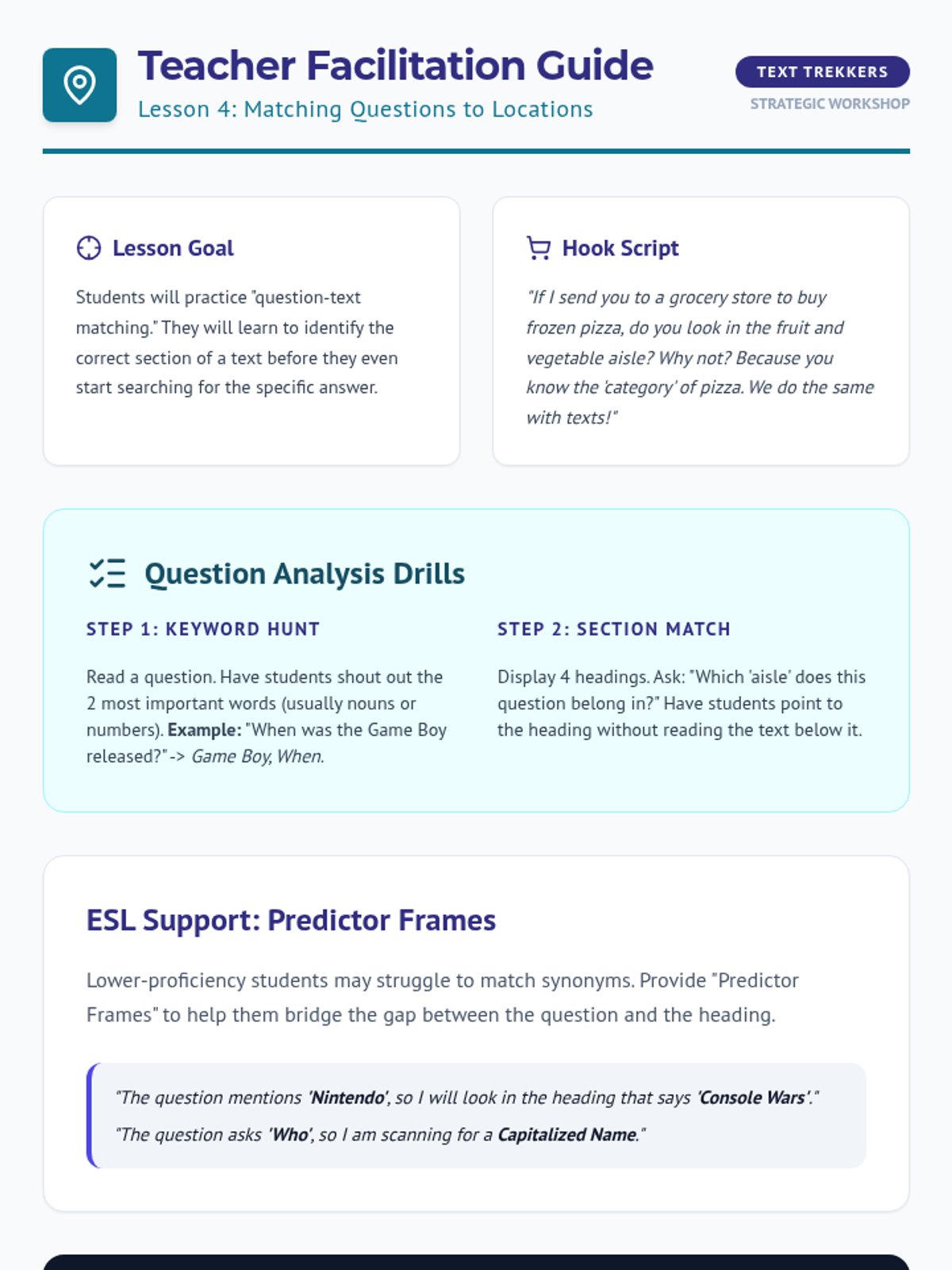
Students learn to predict where an answer is located based on the question type and structure of the text.
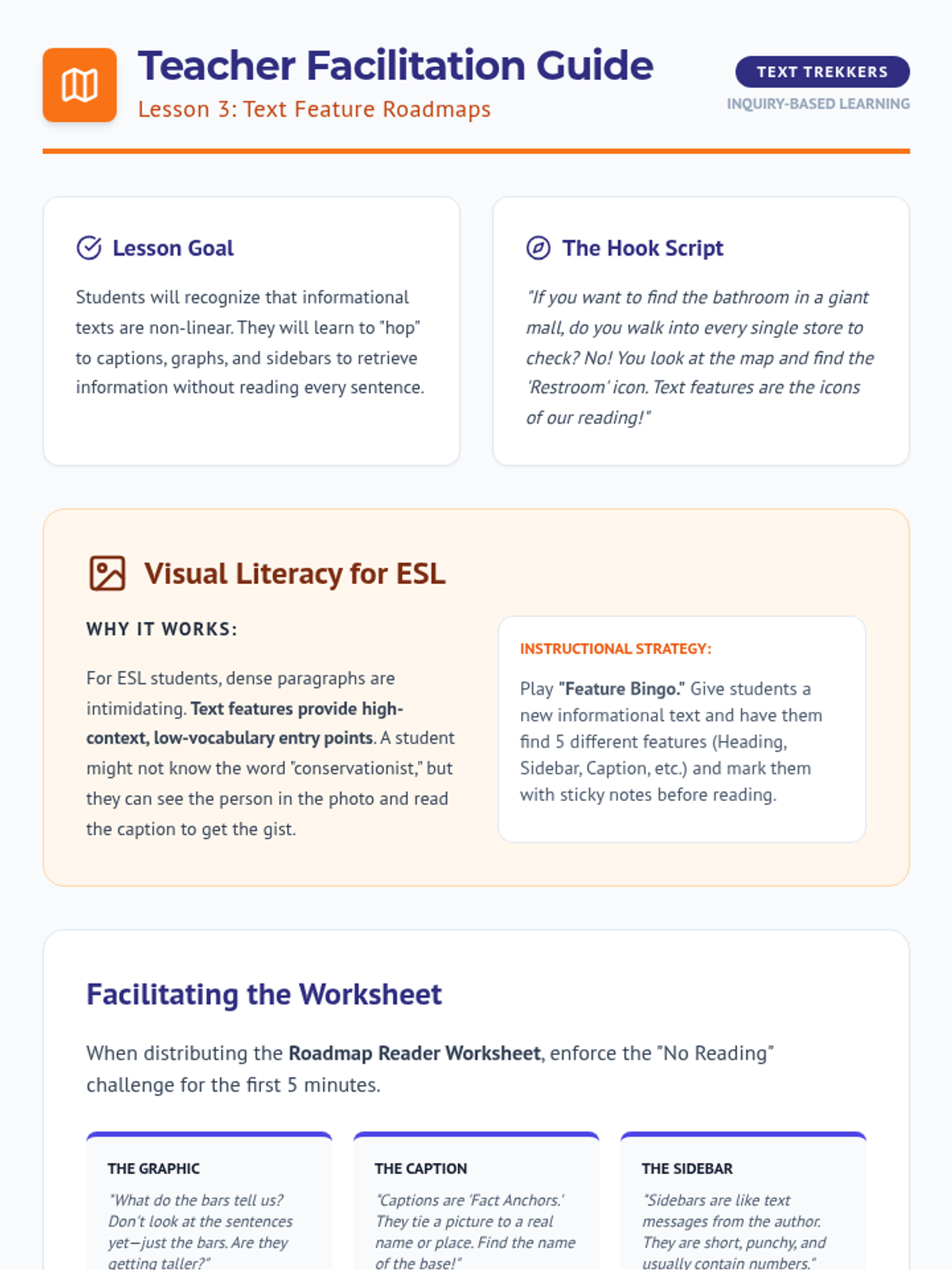
Students analyze how text features like captions, graphs, and bold words serve as navigation tools to find information rapidly.
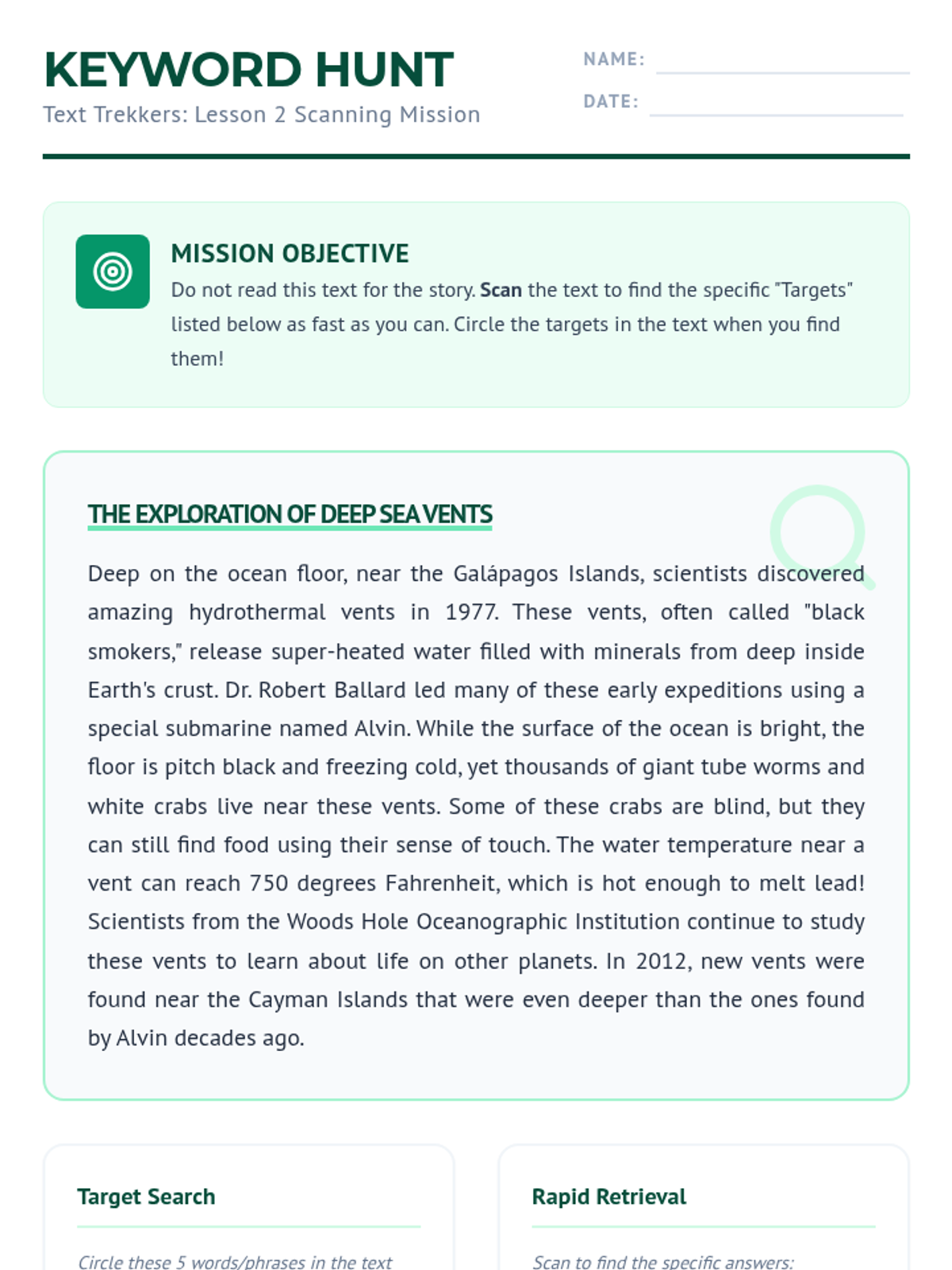
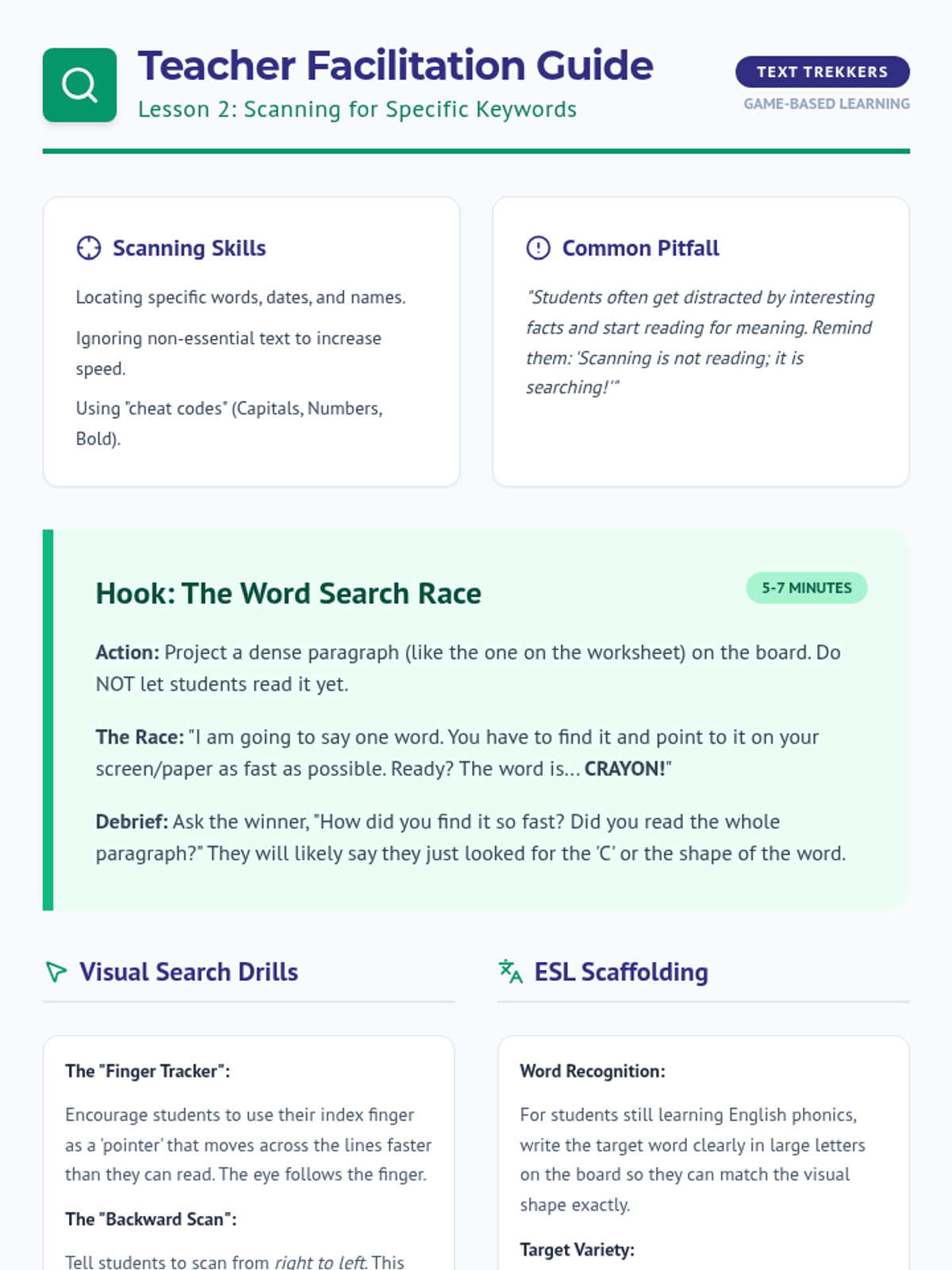
Students practice scanning—moving eyes quickly over text to find specific words, names, or numbers using visual search techniques.
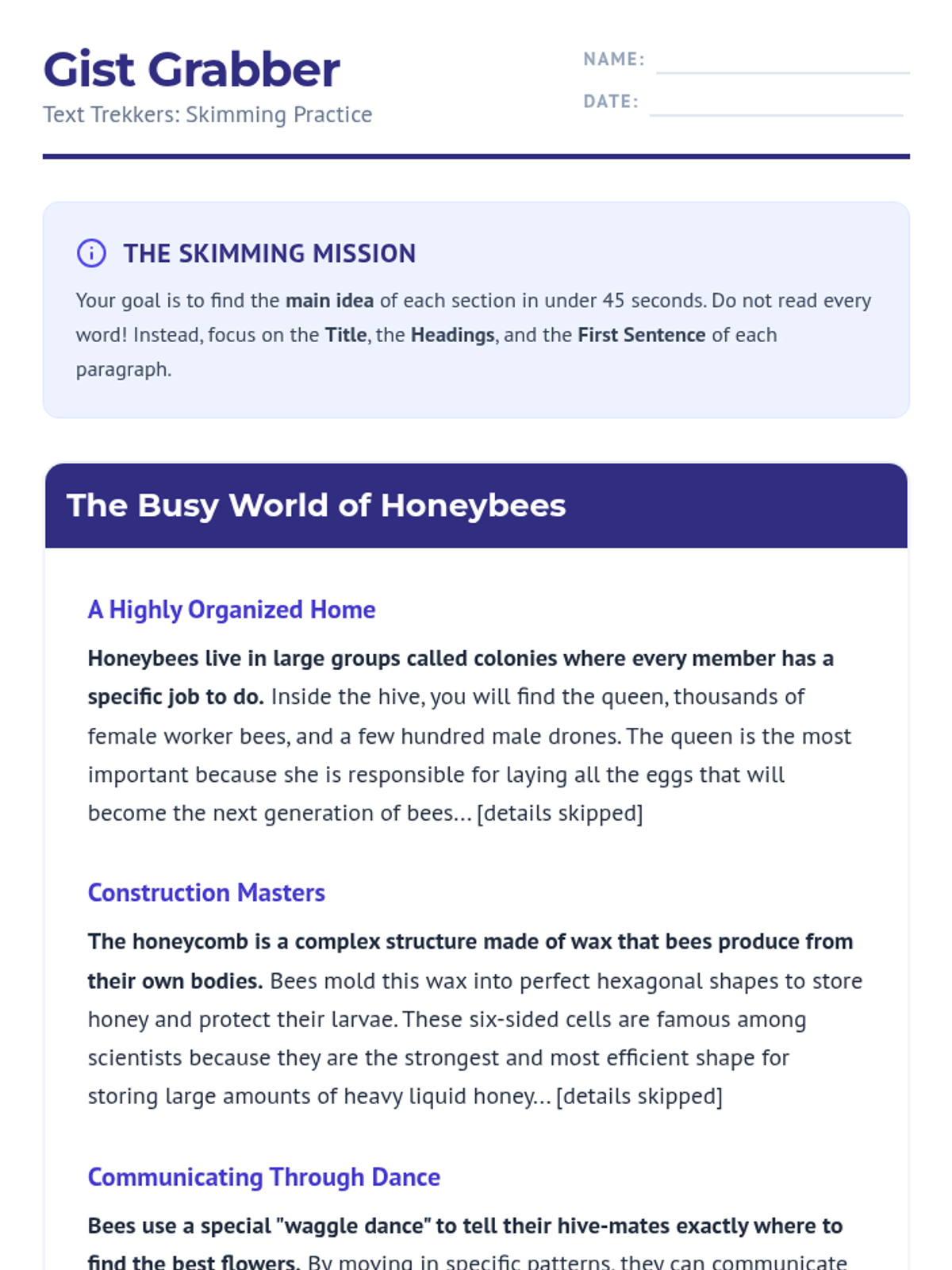
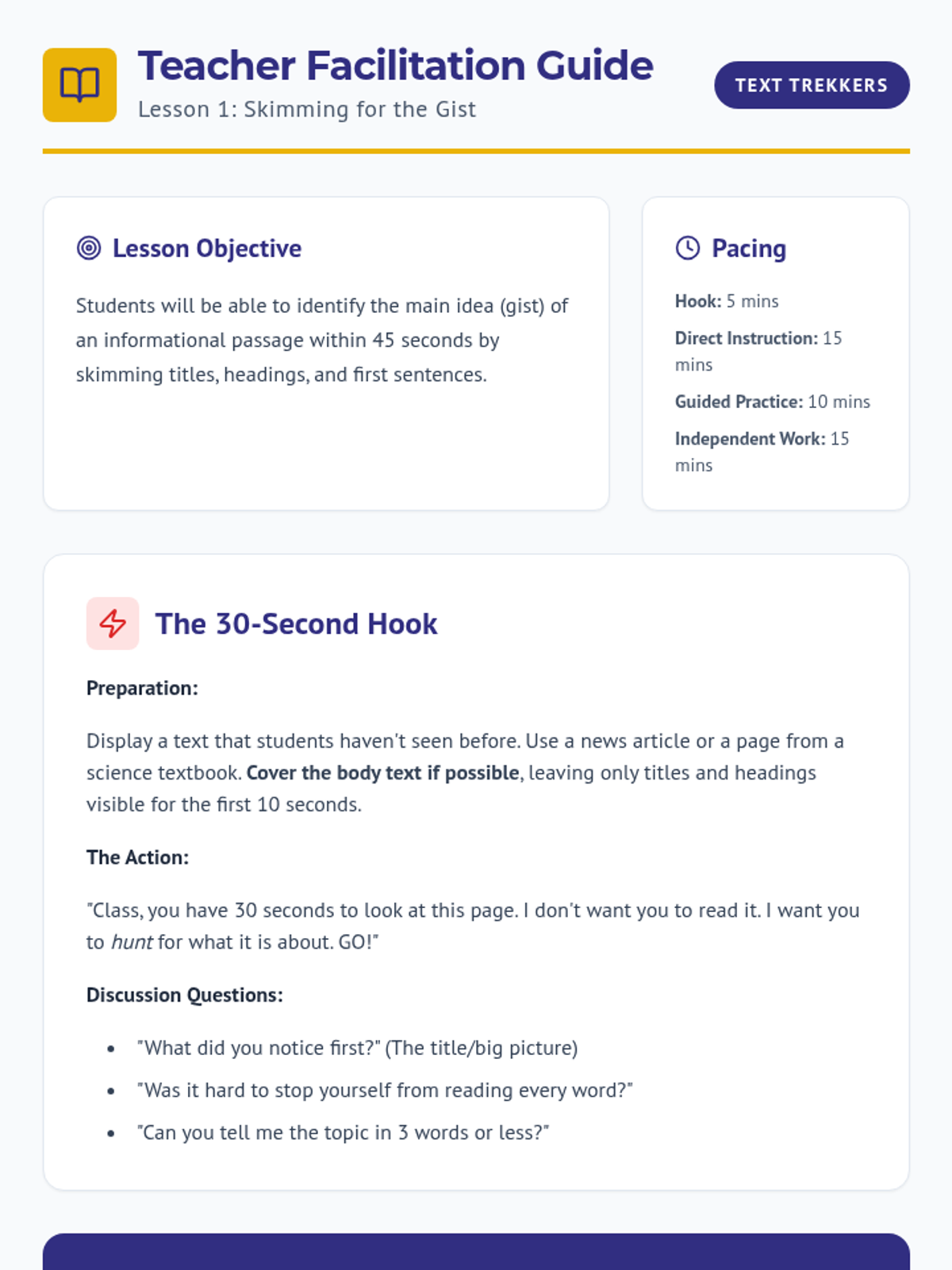
Students learn the technique of skimming to understand the main idea of a text quickly by focusing on titles, headings, and first sentences.
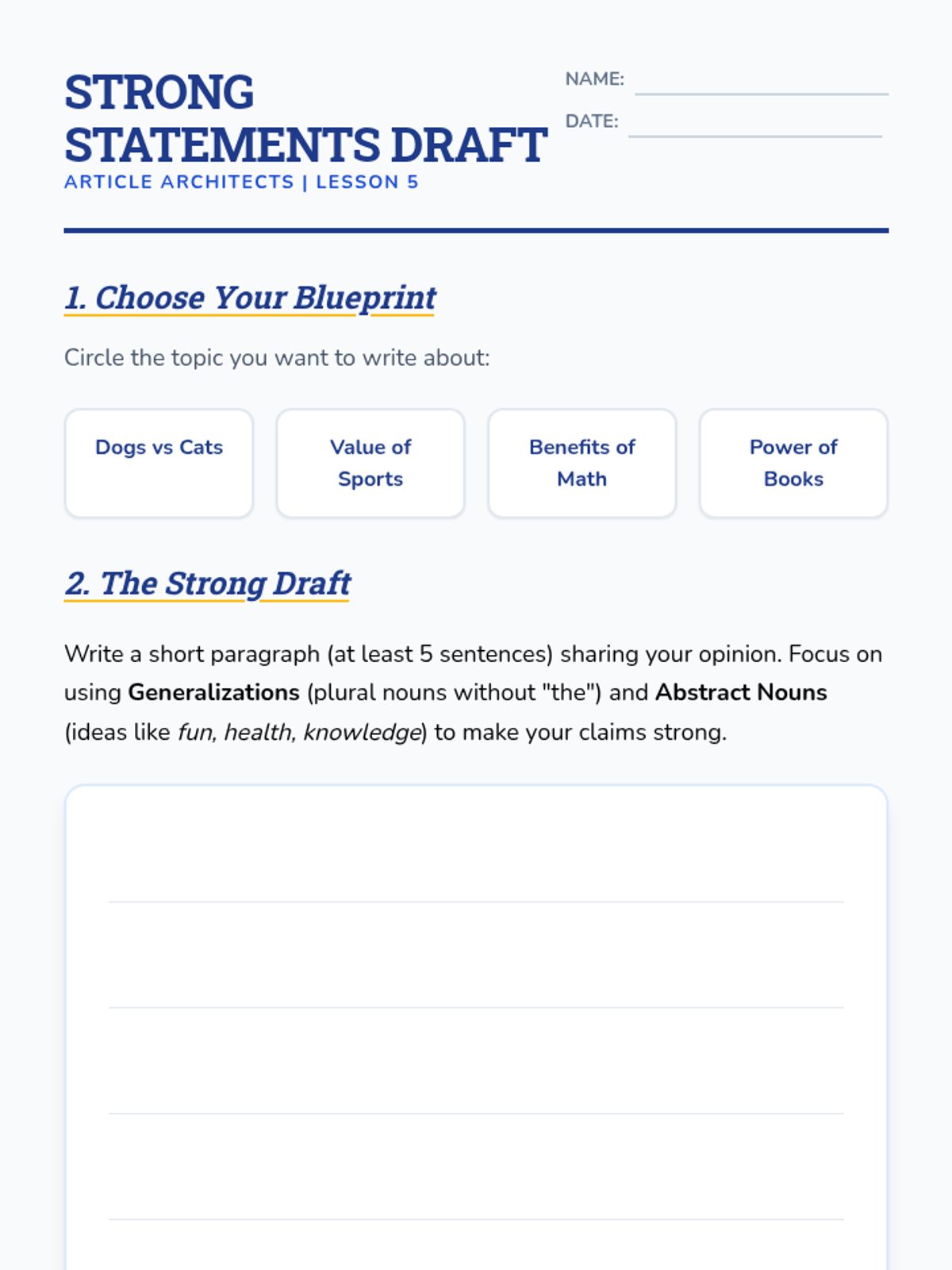
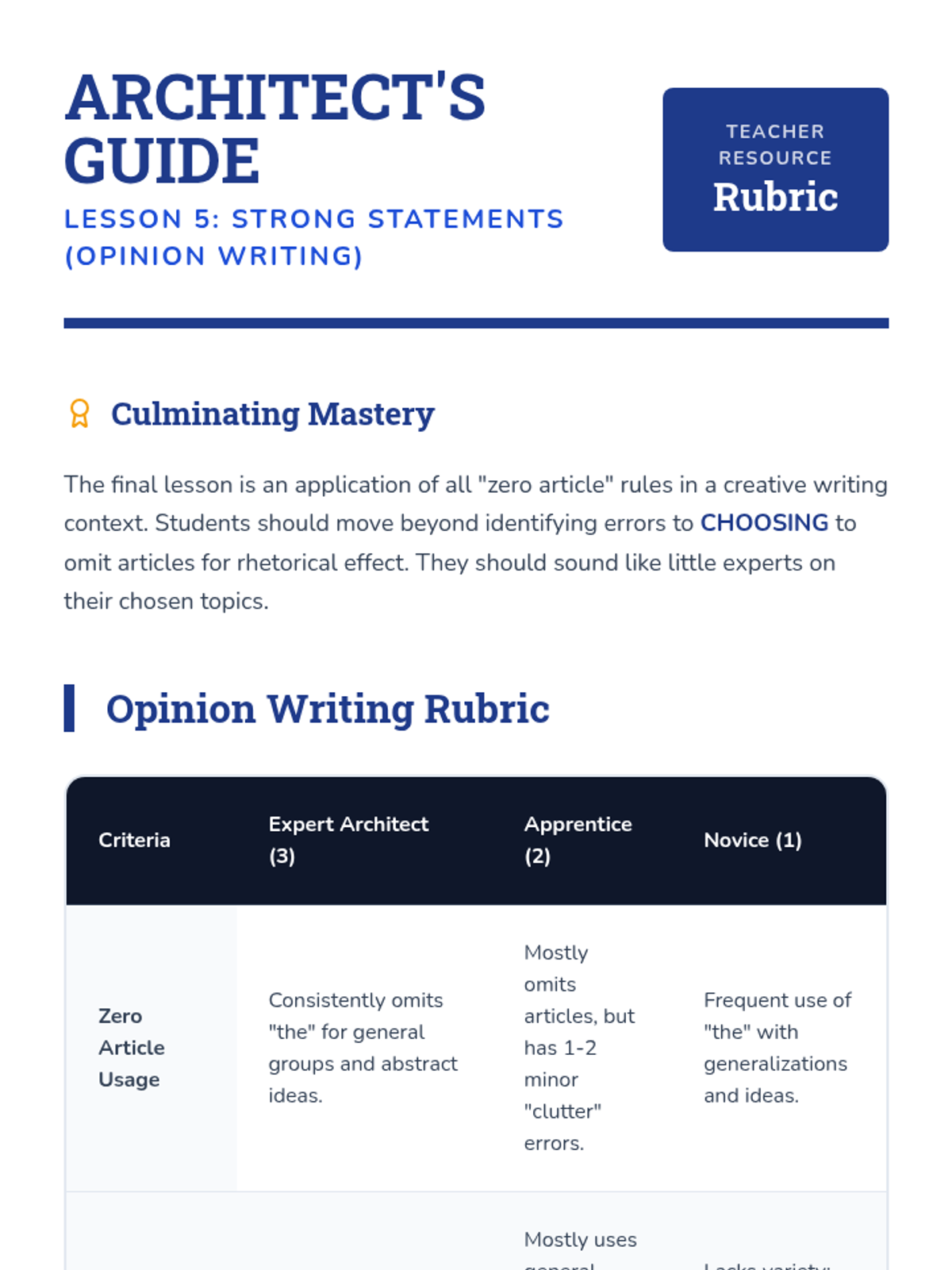
Applying zero article rules to write strong, generalized opinion statements about a chosen topic.
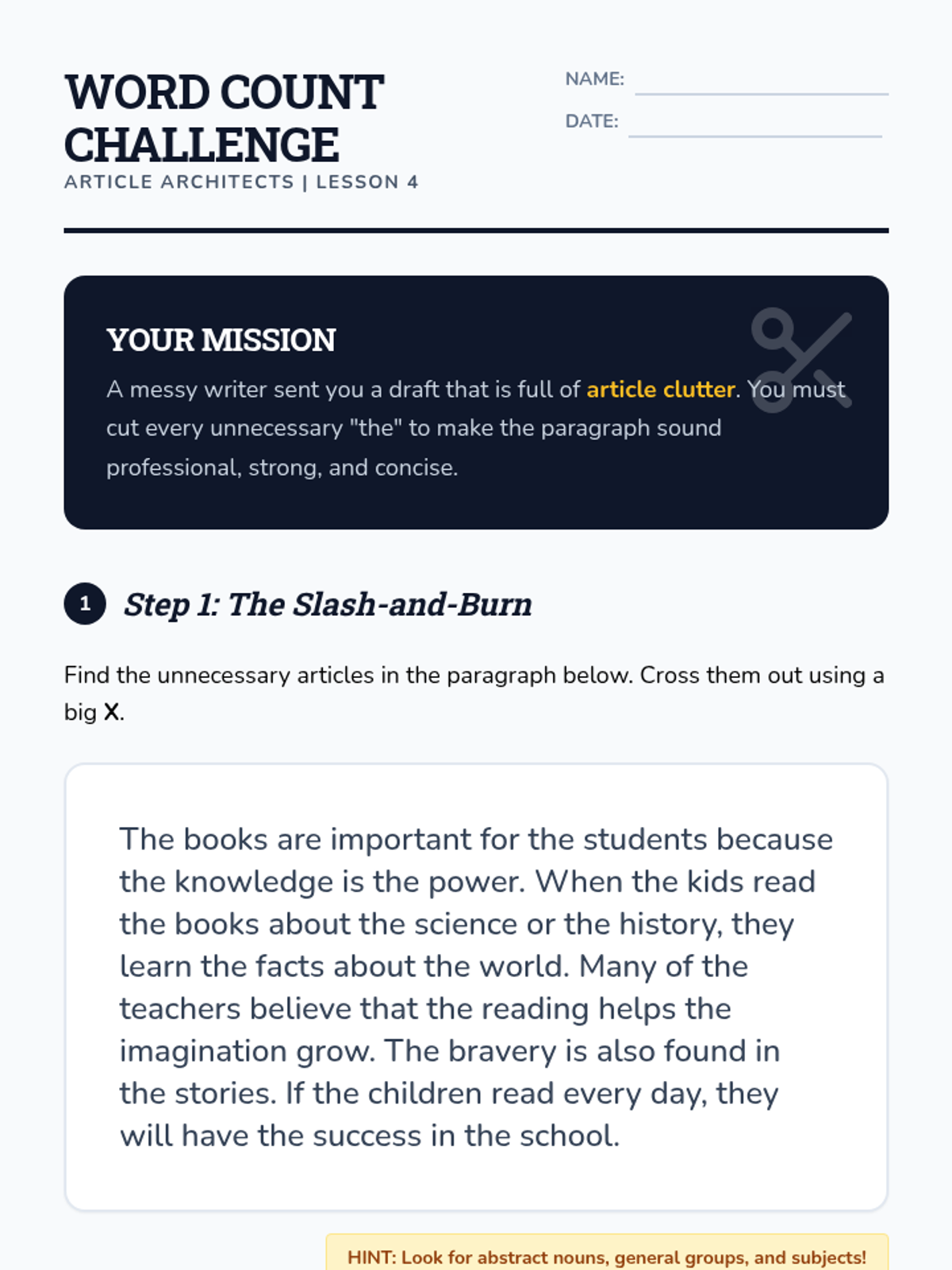
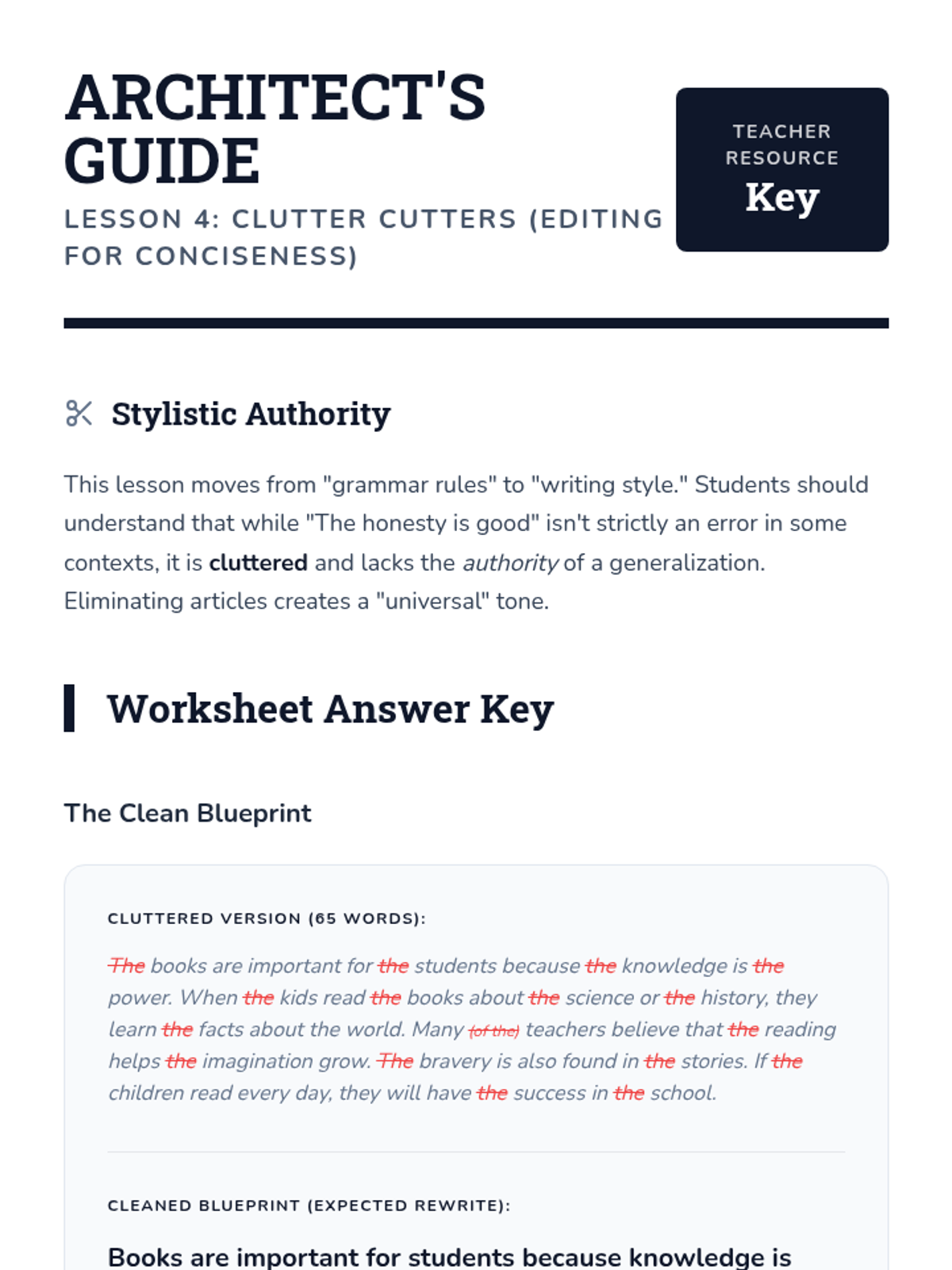
Students edit 'cluttered' text by removing unnecessary articles to improve conciseness and stylistic fluency.
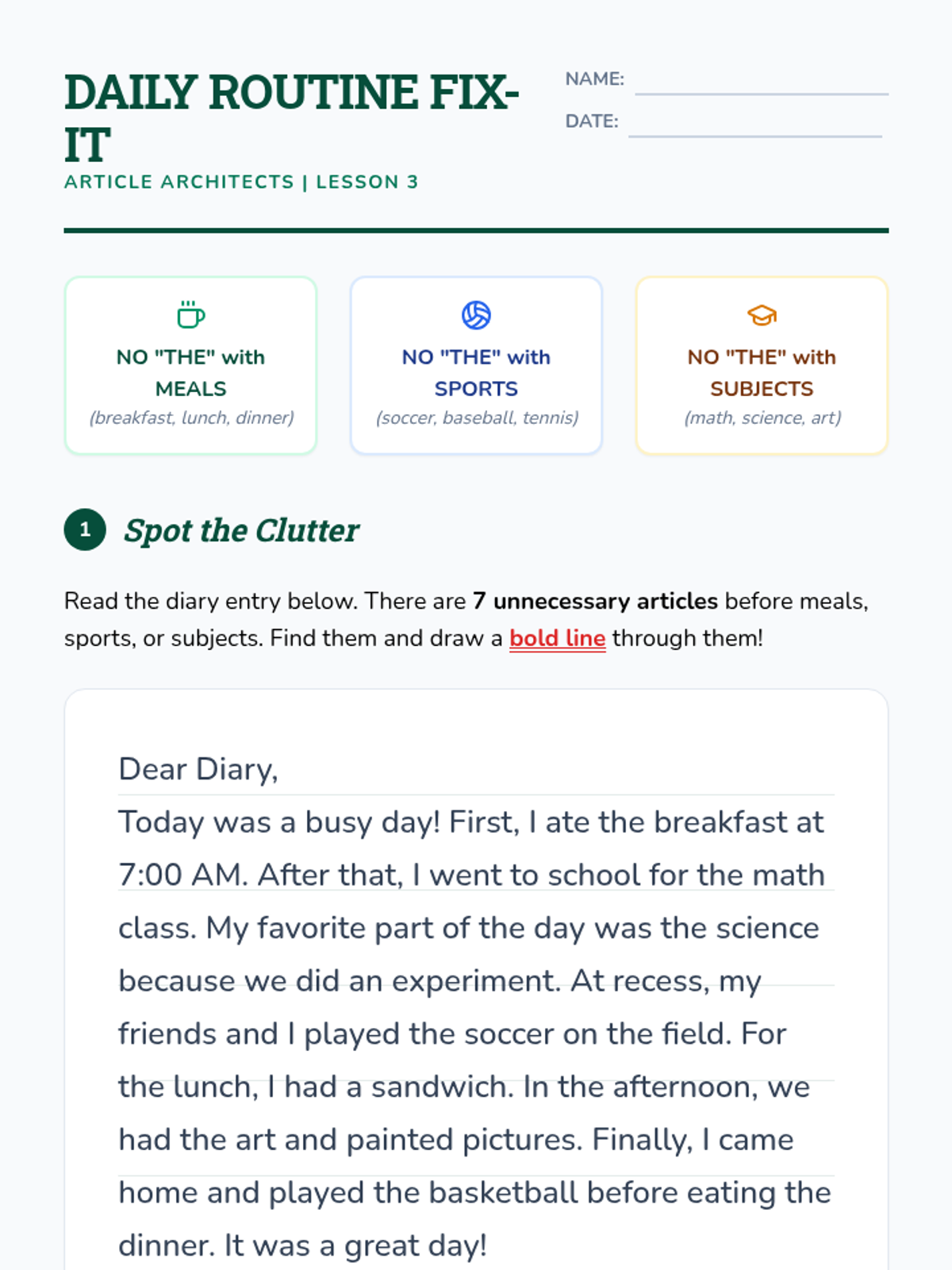
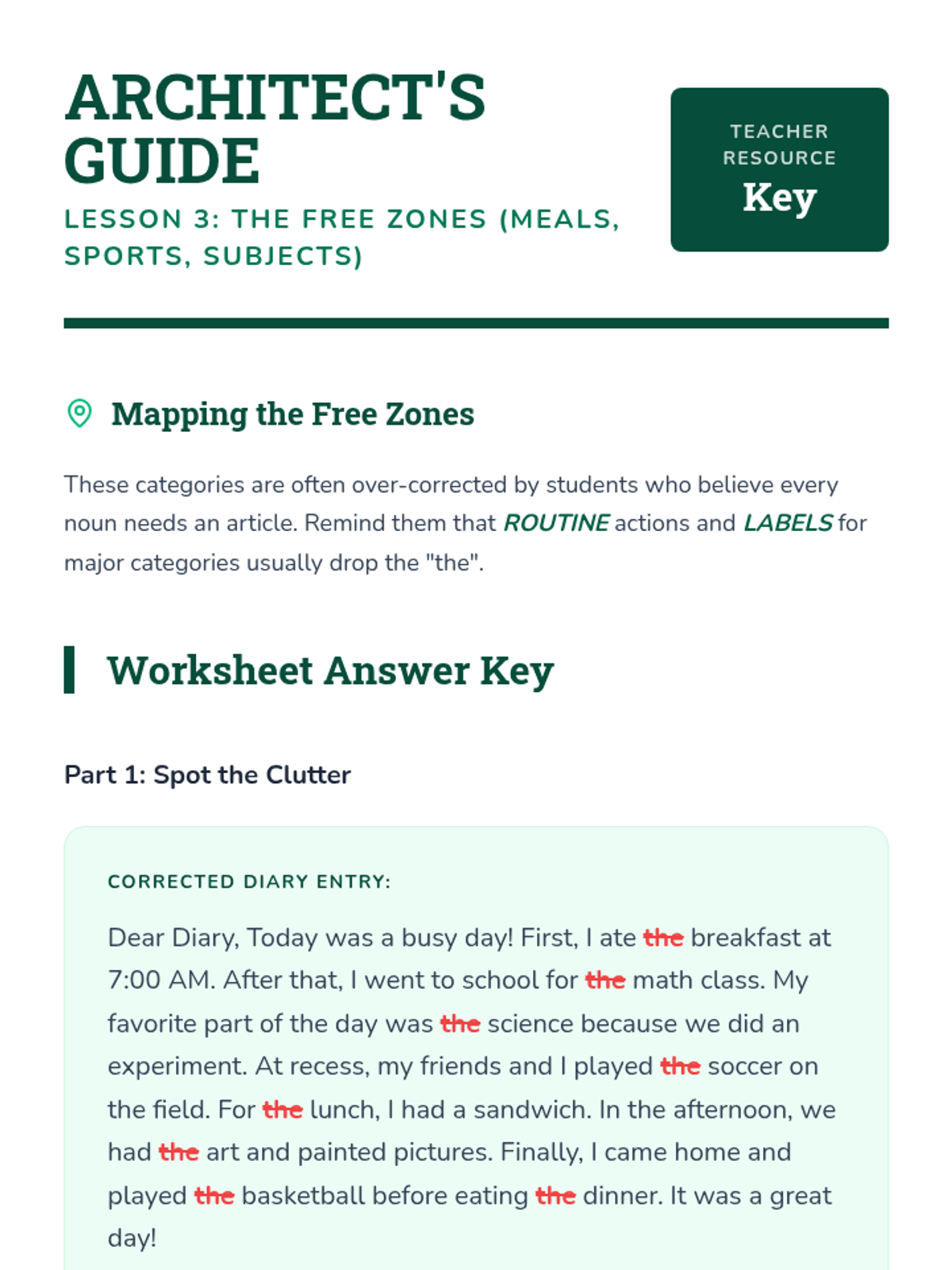
Learning the specific categories (meals, sports, and school subjects) that naturally omit the definite article.
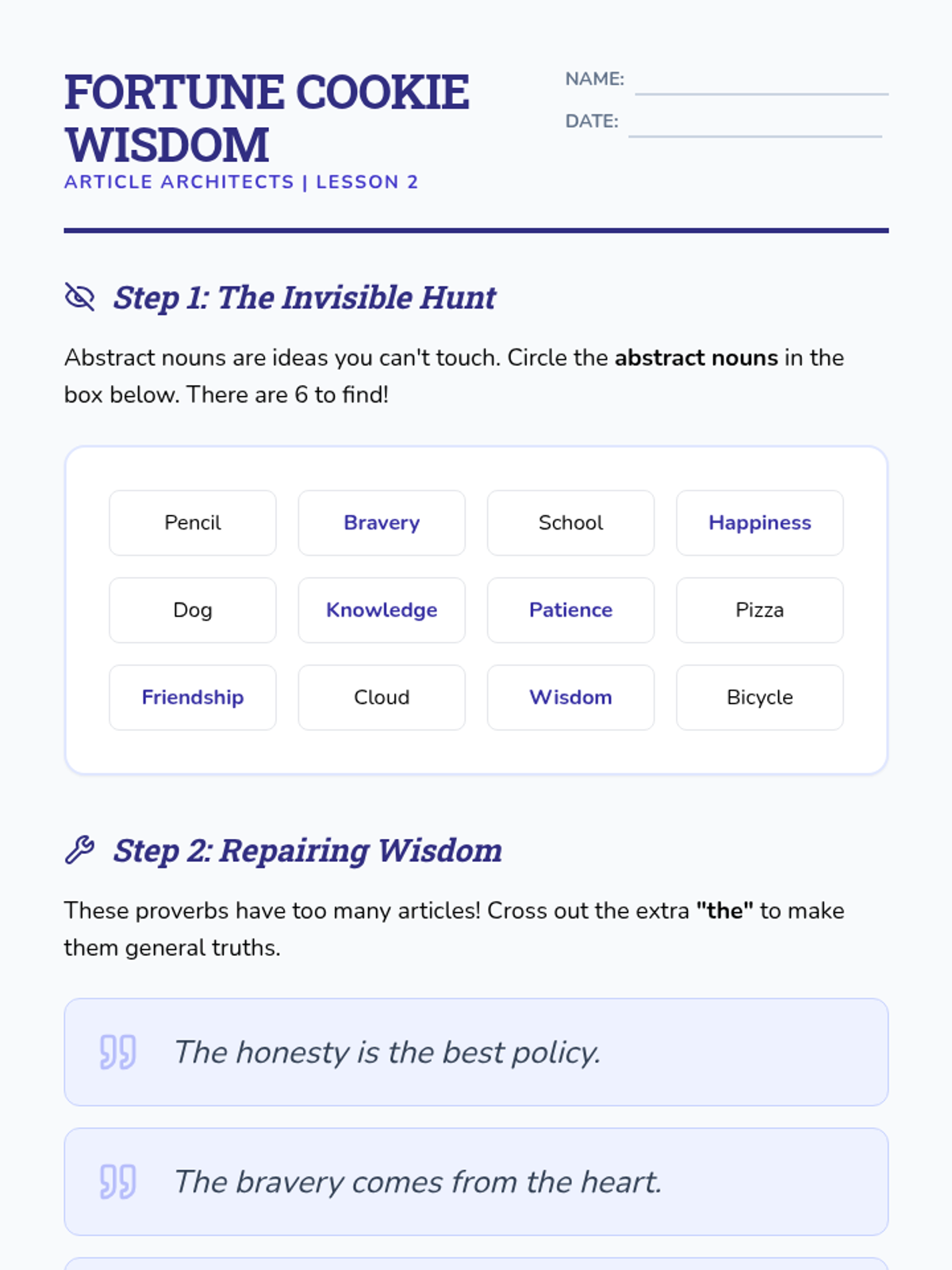
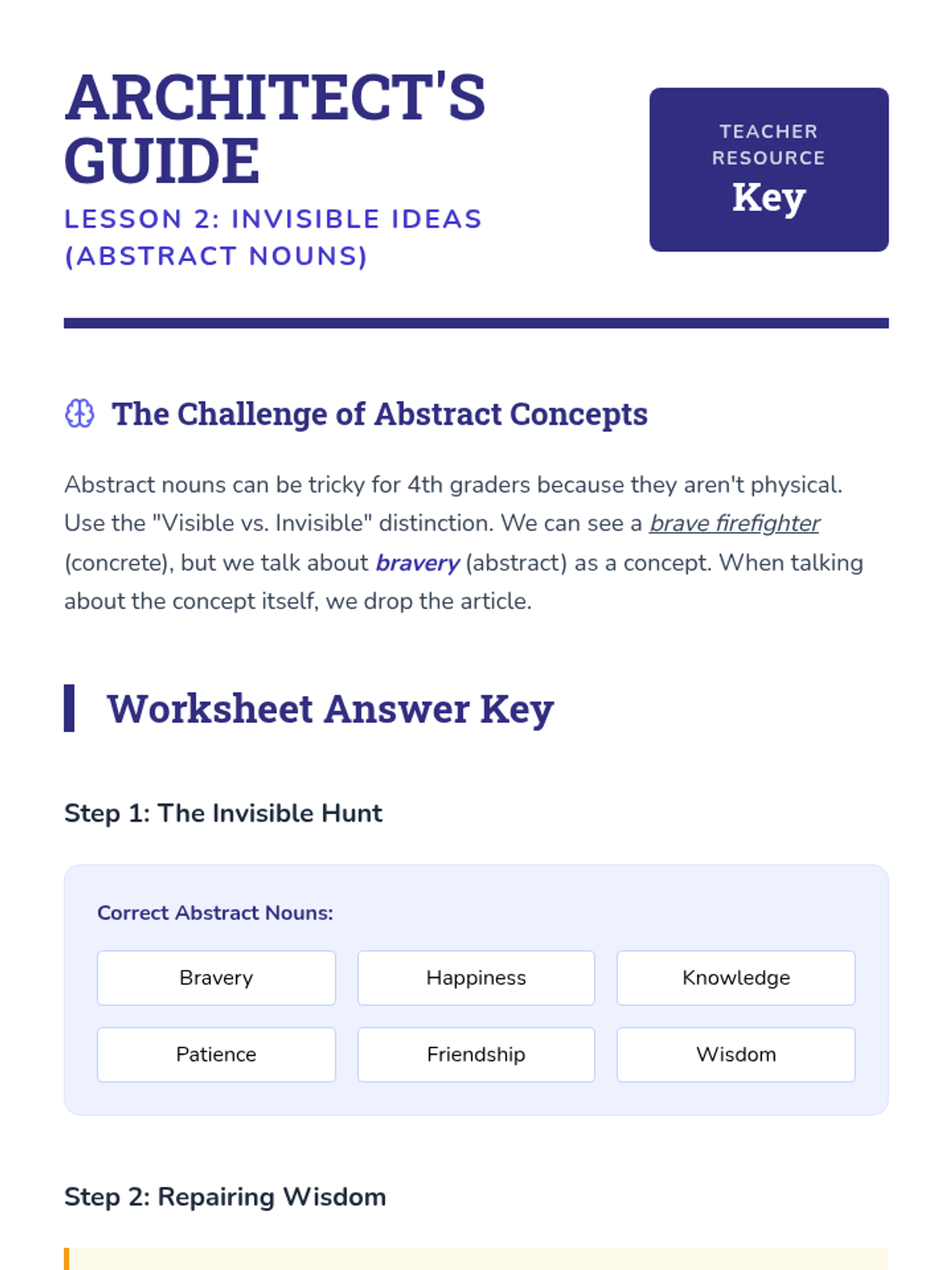
Exploring how abstract nouns like love, bravery, and patience typically use the zero article when discussed in general.
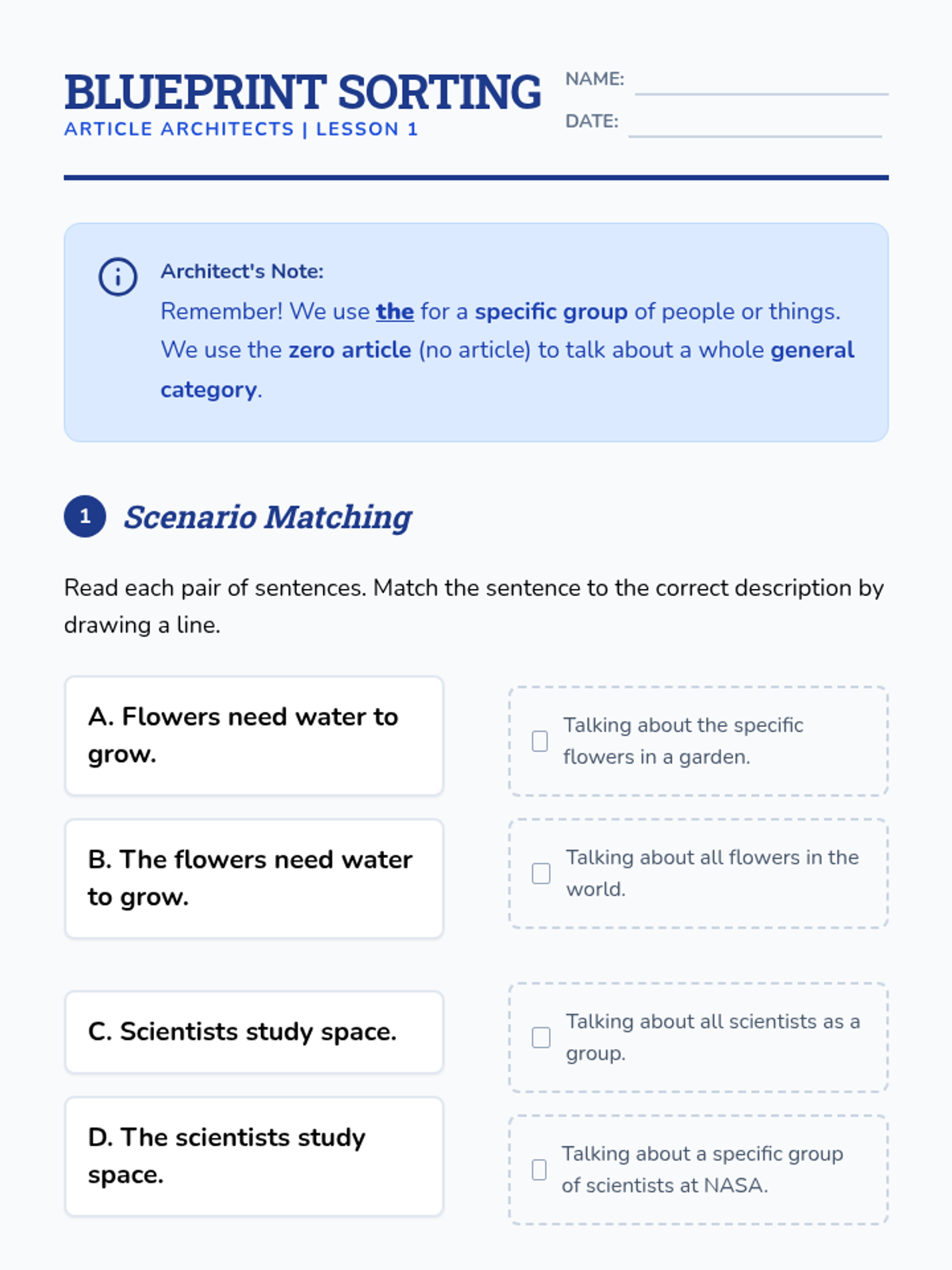
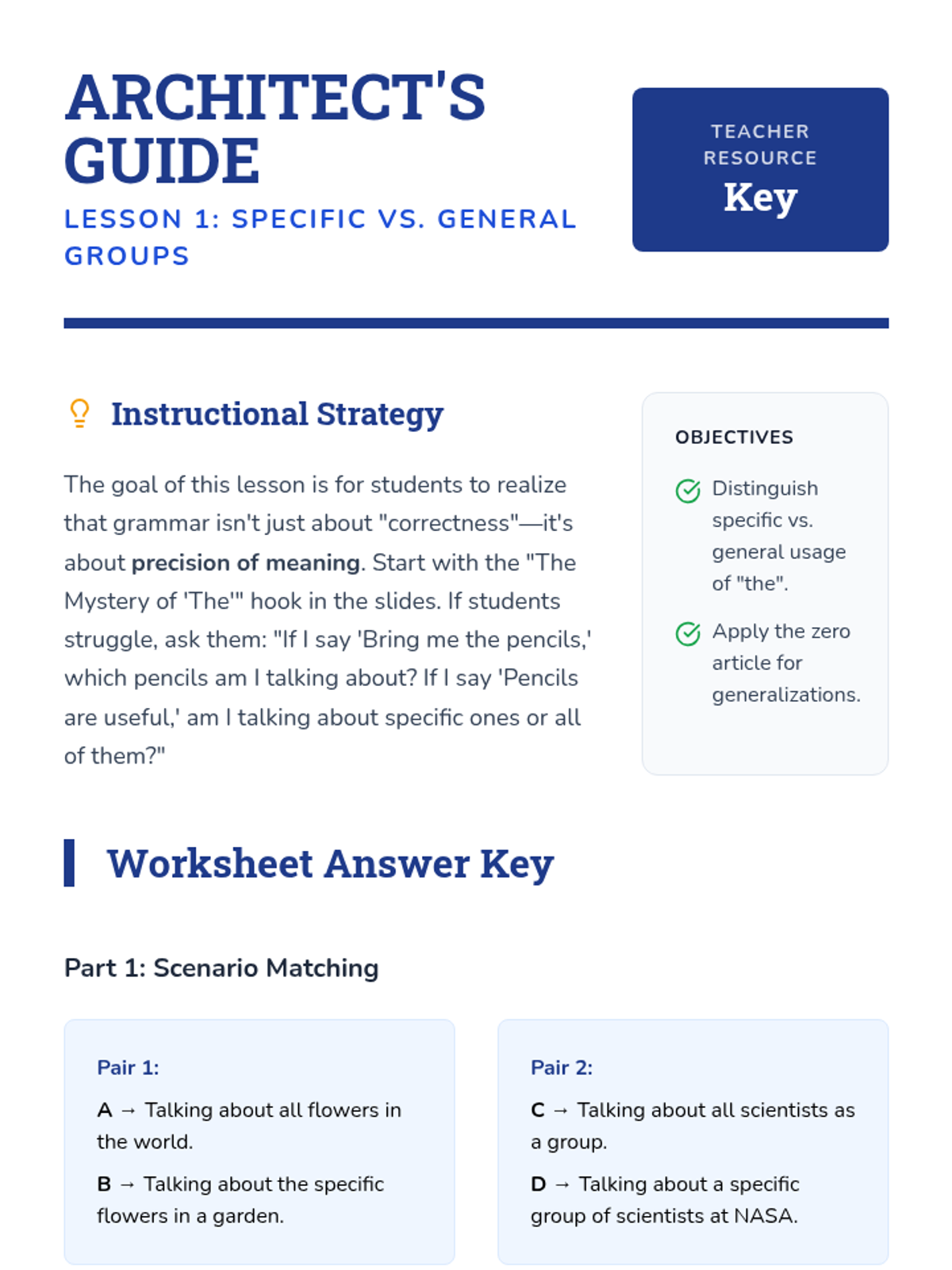
Students compare sentences with and without 'the' to understand how articles change a sentence from specific to general.
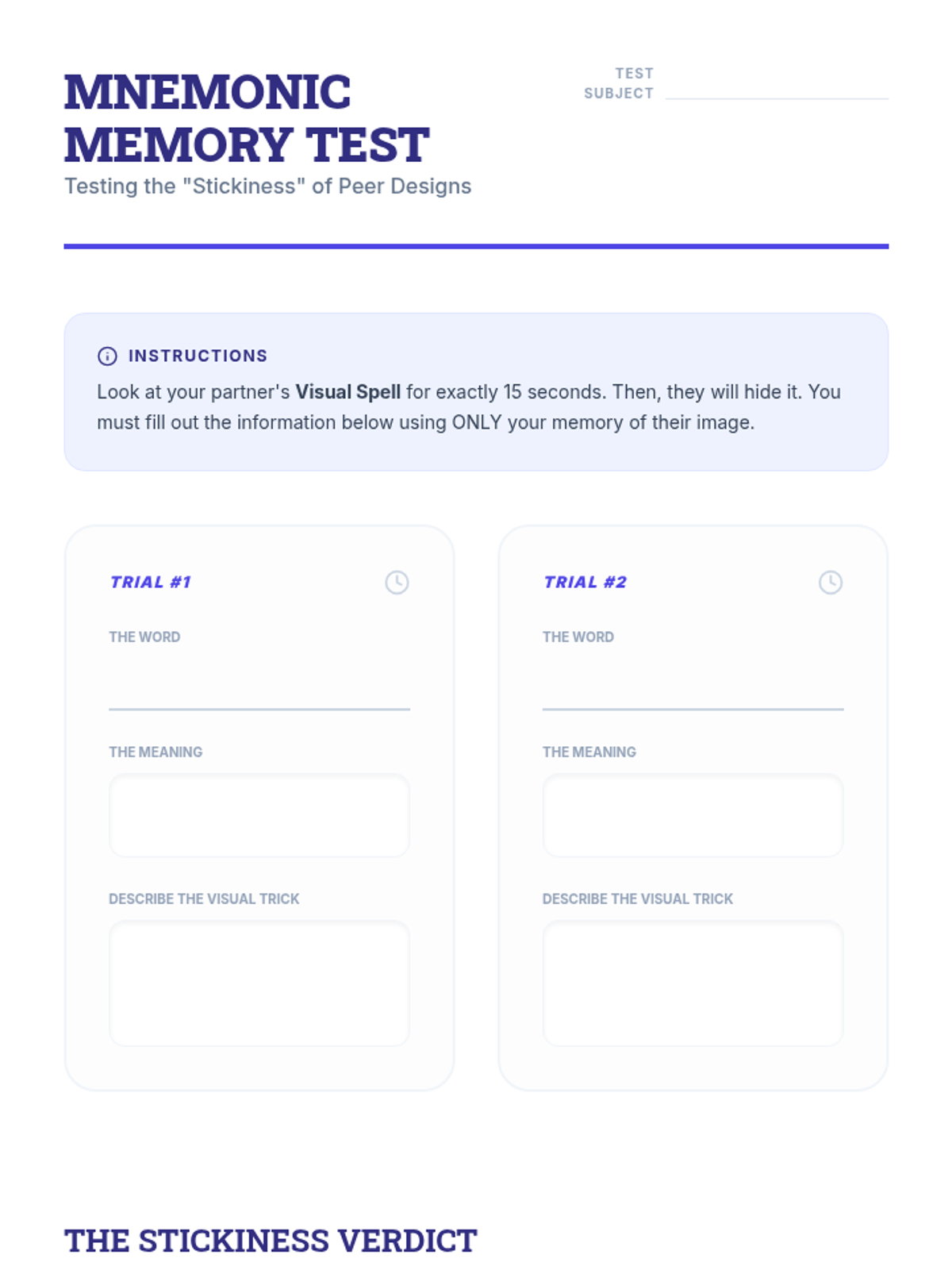
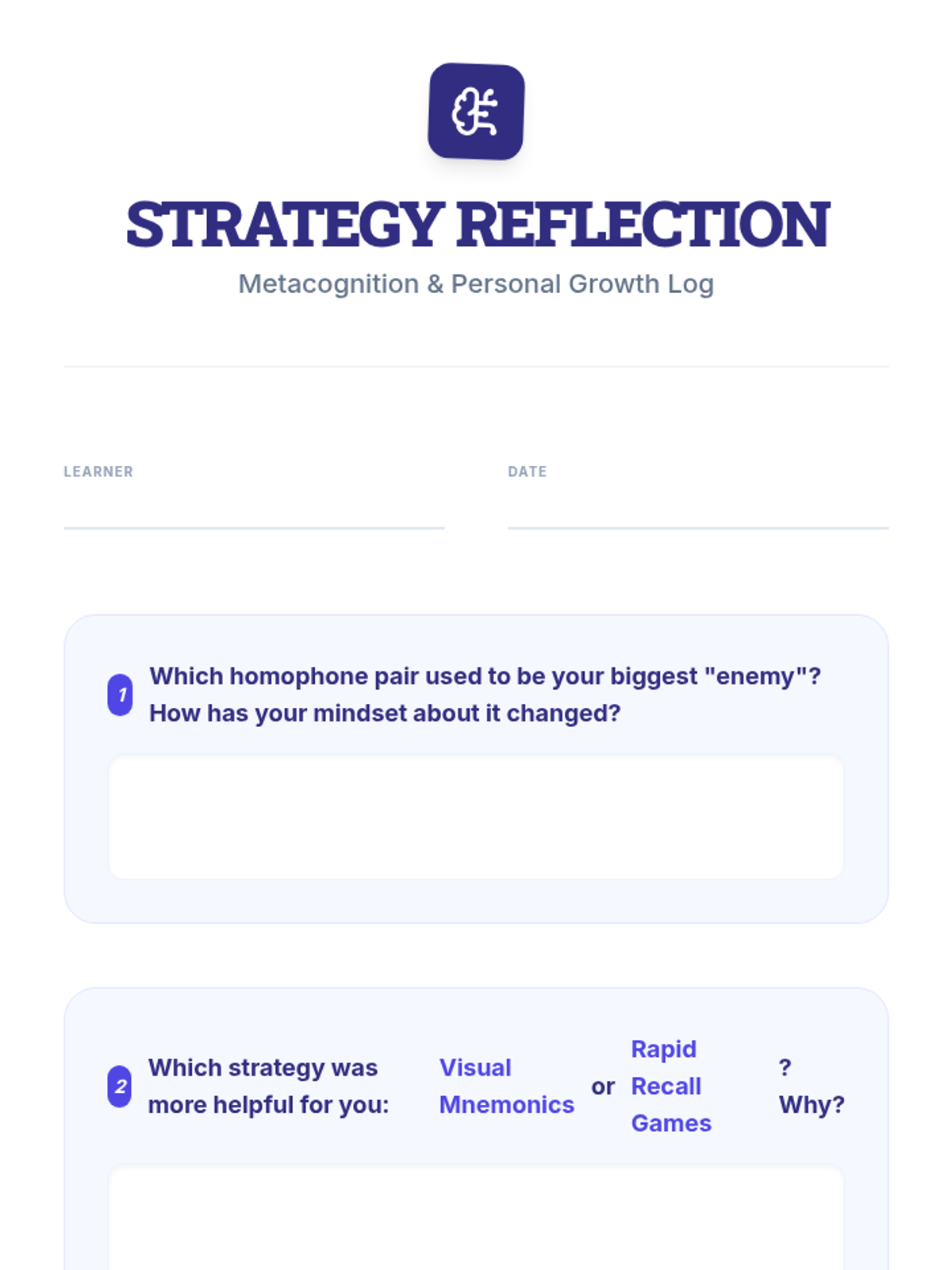
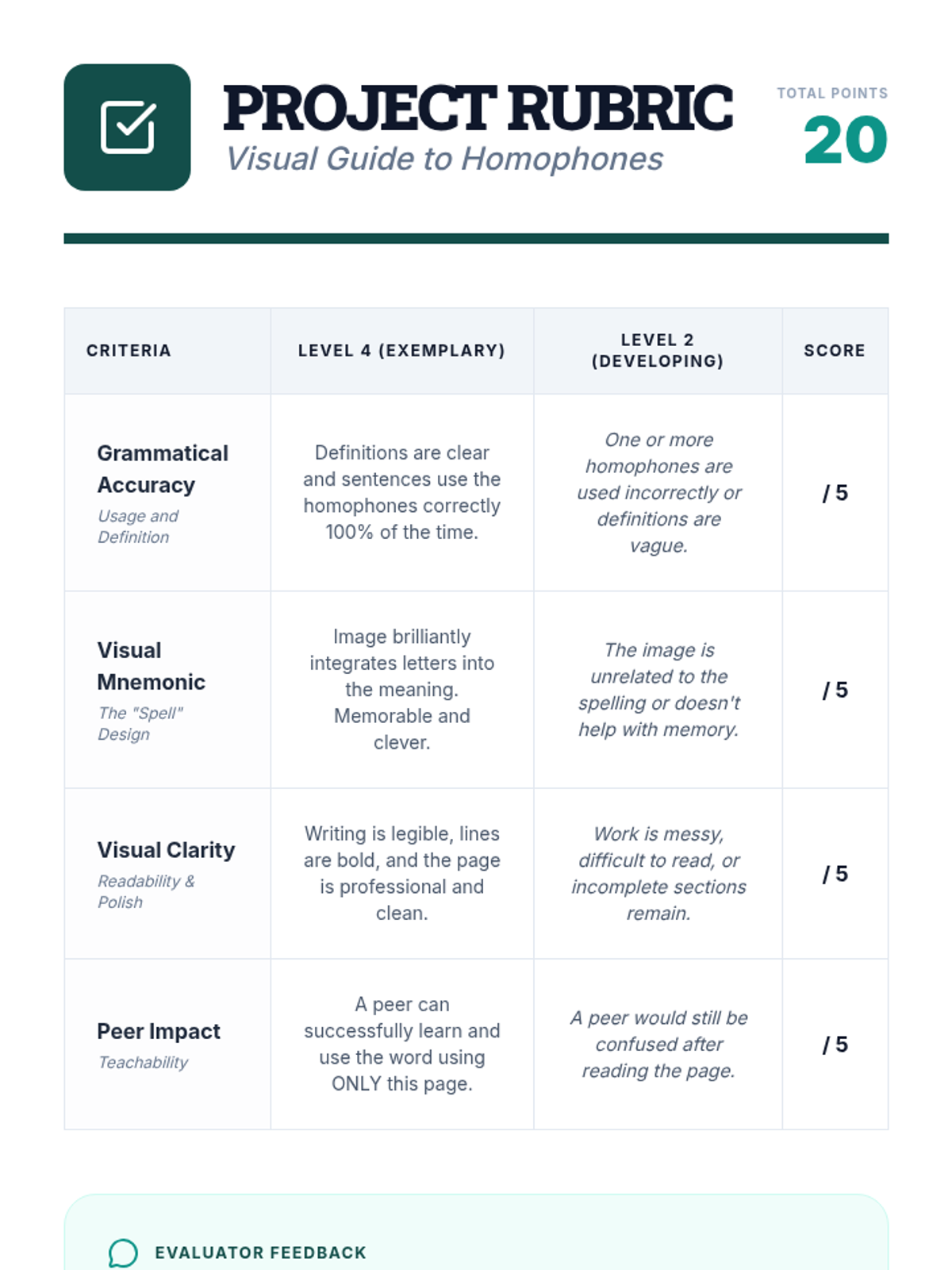
Students test their visual guides on peers through a memory challenge and reflect on the metacognitive strategies that were most effective for their own learning.
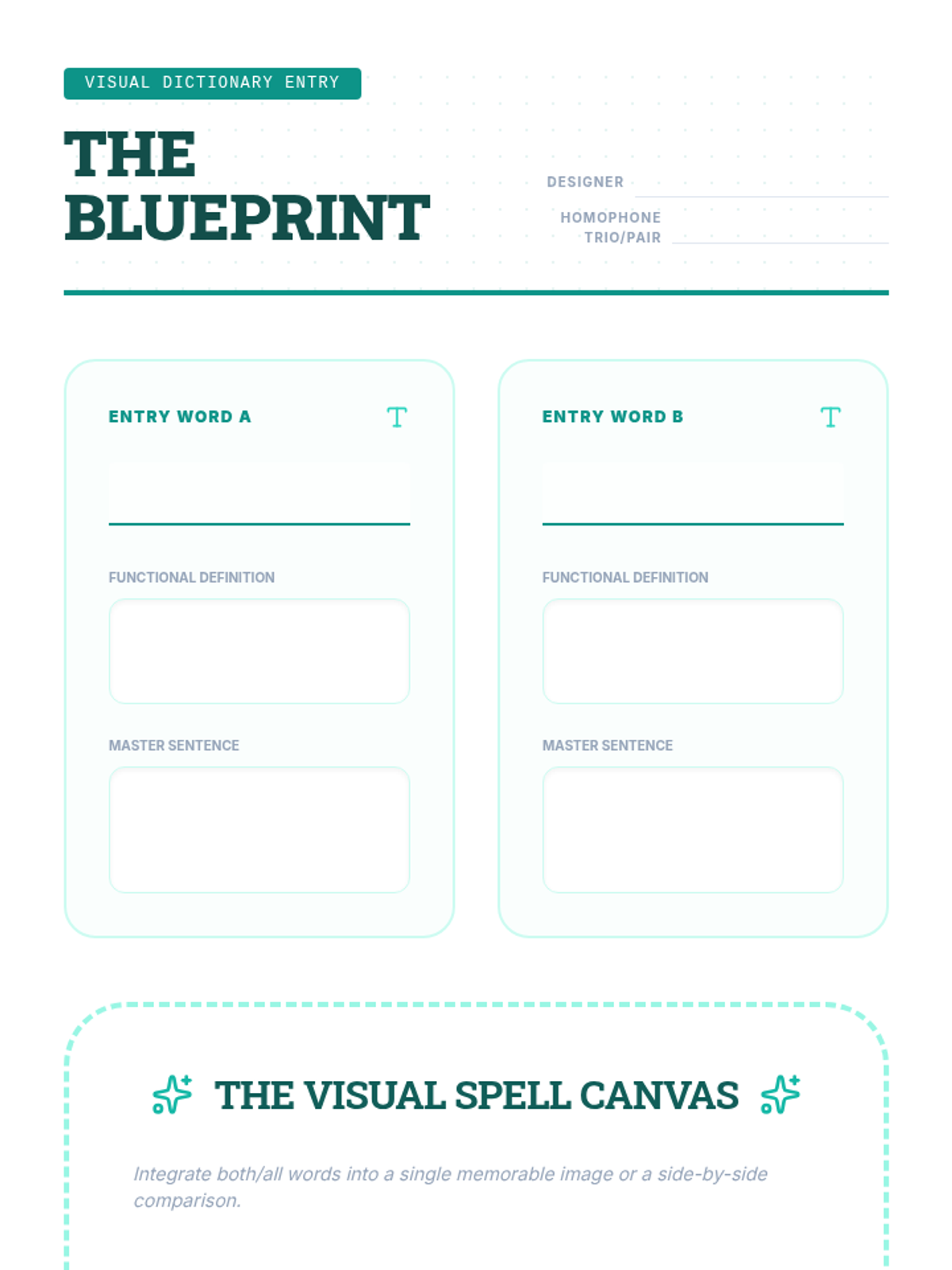
Students synthesize their knowledge by designing a comprehensive visual guide for a specific homophone set. They must define the word, provide a context-rich sentence, and illustrate their mnemonic trick.
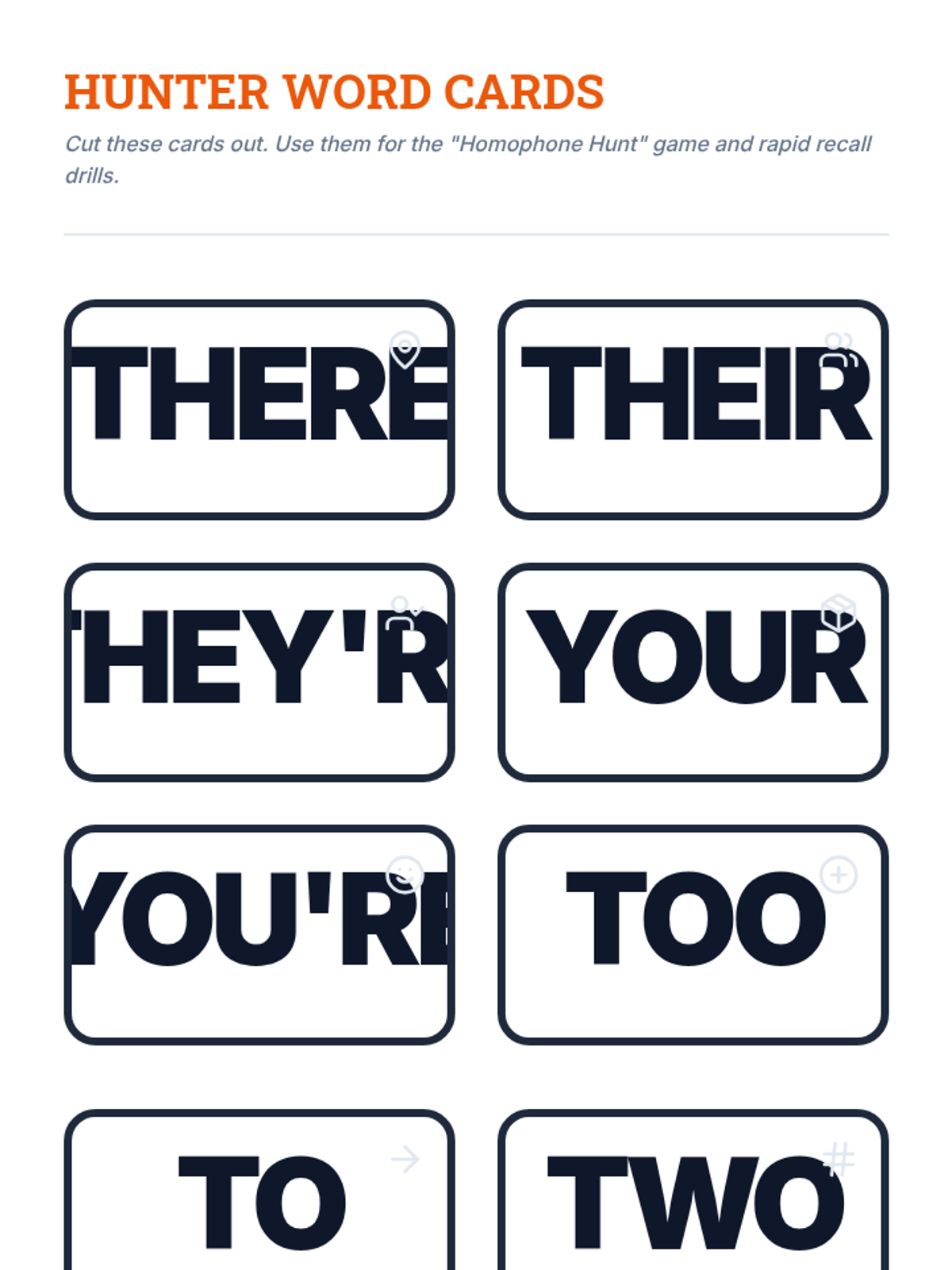
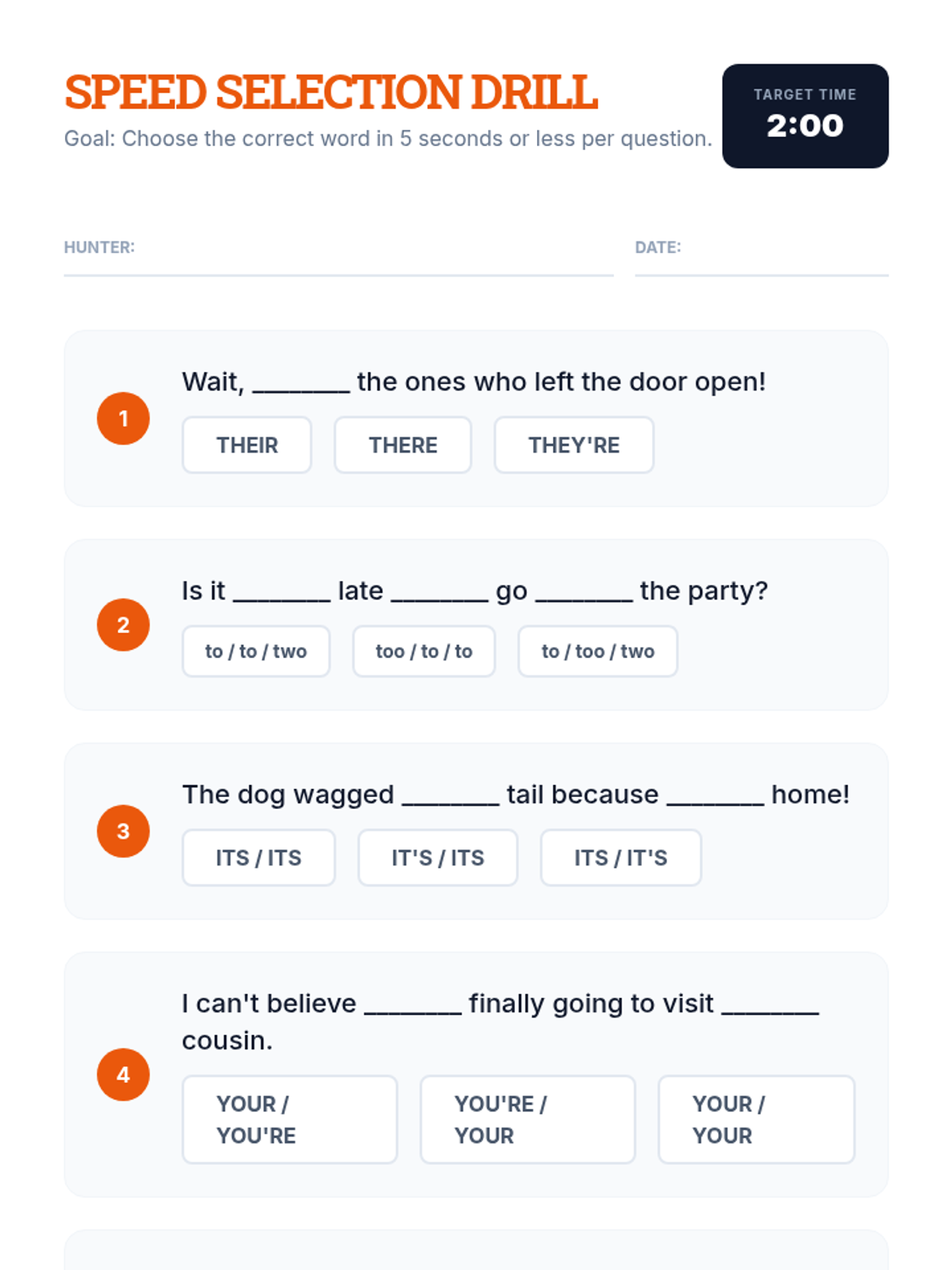
Focuses on building automaticity and rapid recall through game-based learning. Students use physical word cards to react to contextual sentences in a fast-paced environment.
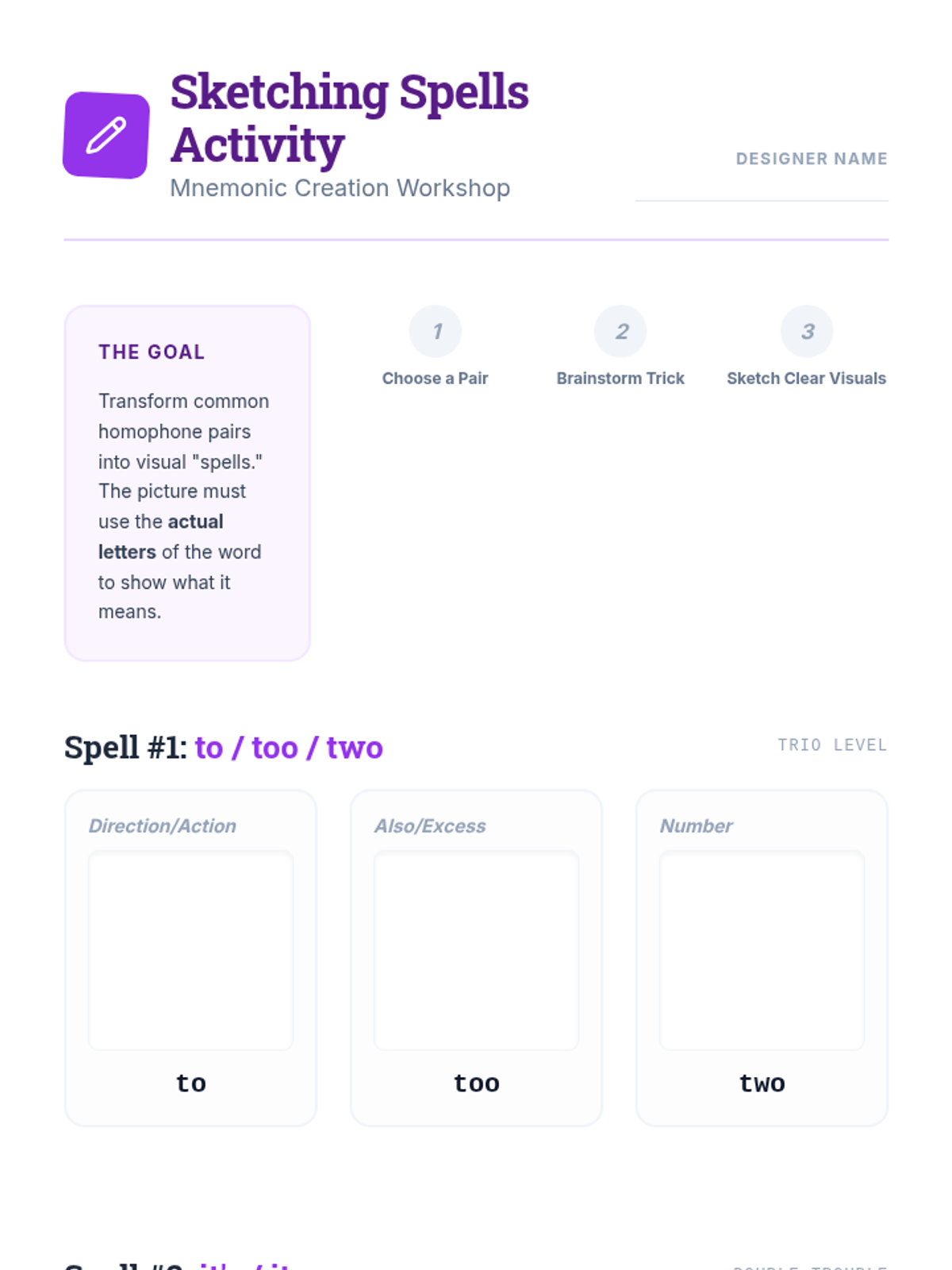
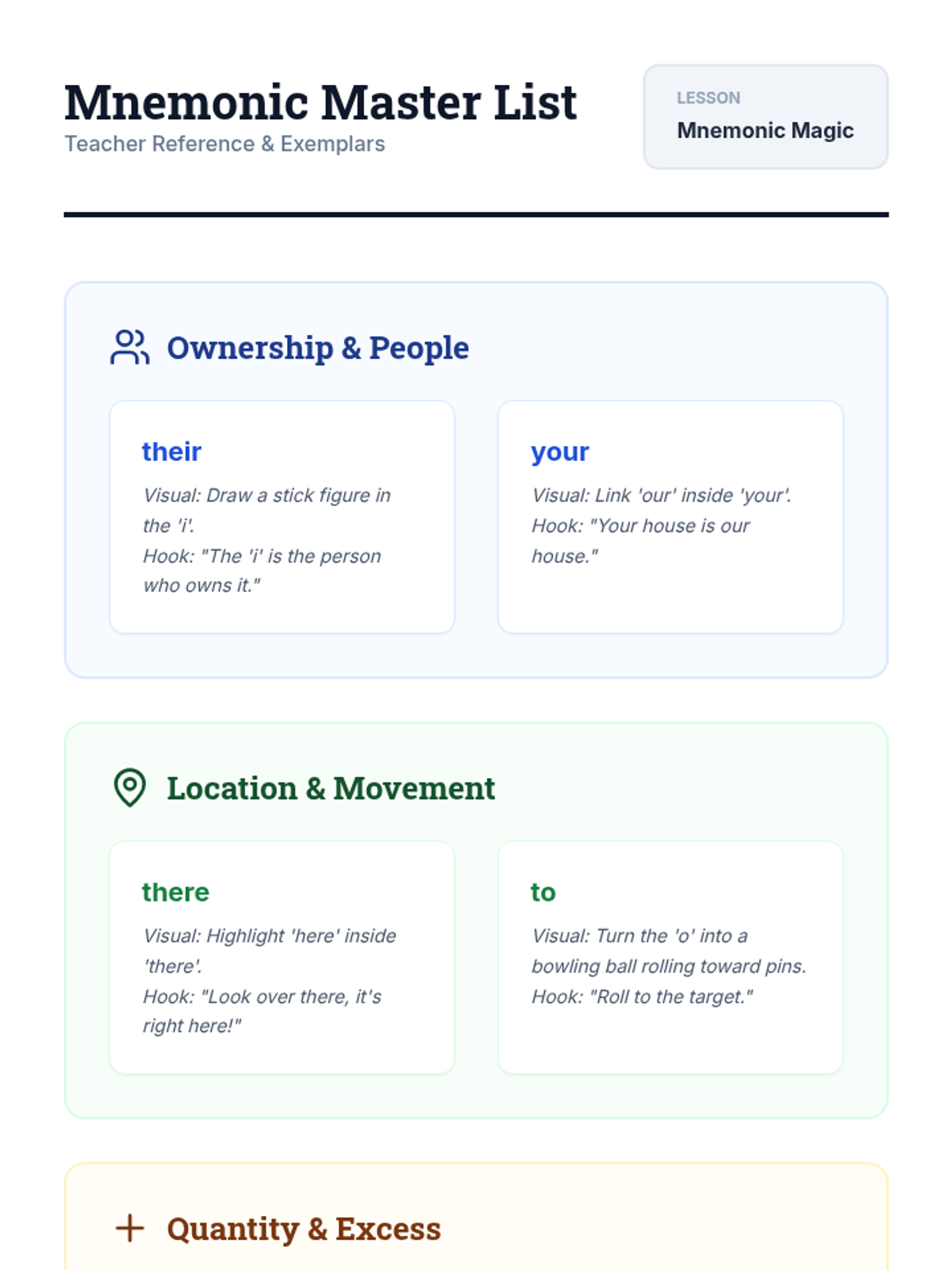
Students move from identification to creation by developing visual mnemonics for homophones, focusing on linking the spelling of a word to its meaning through imagery.
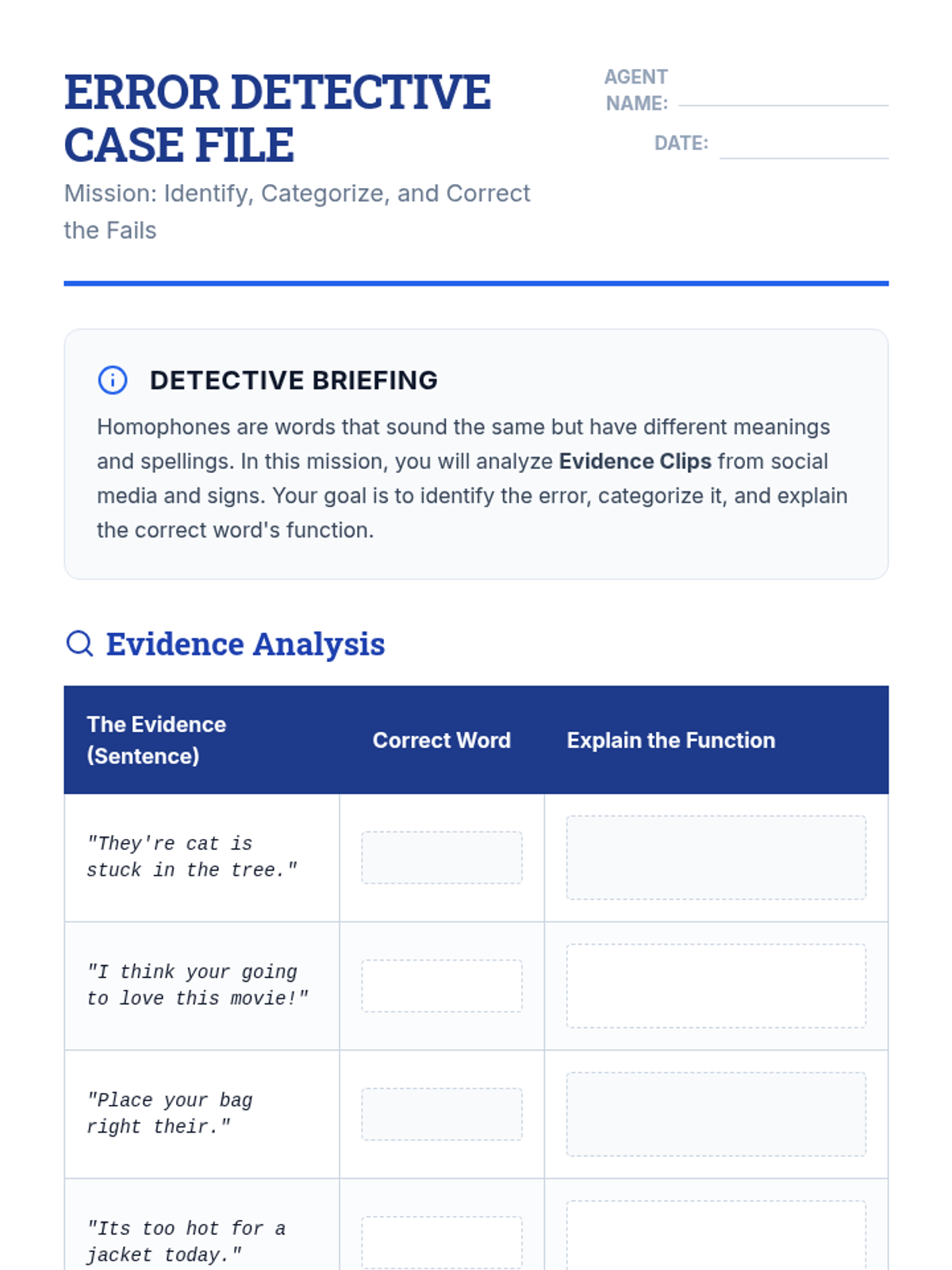
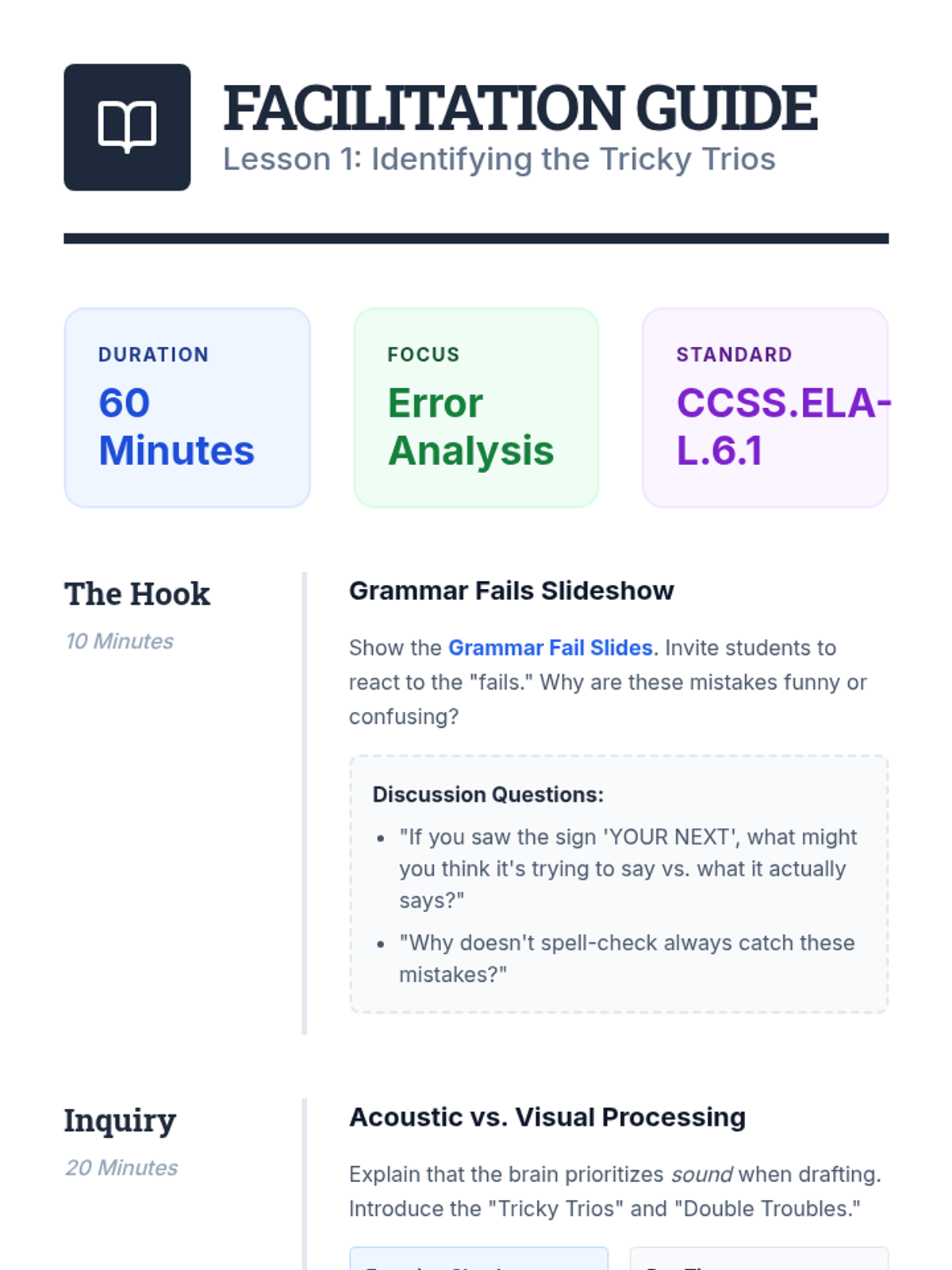
Students examine real-world 'grammar fails' to identify patterns of confusion in common homophones like there/their/they're and your/you're, focusing on grammatical functions.
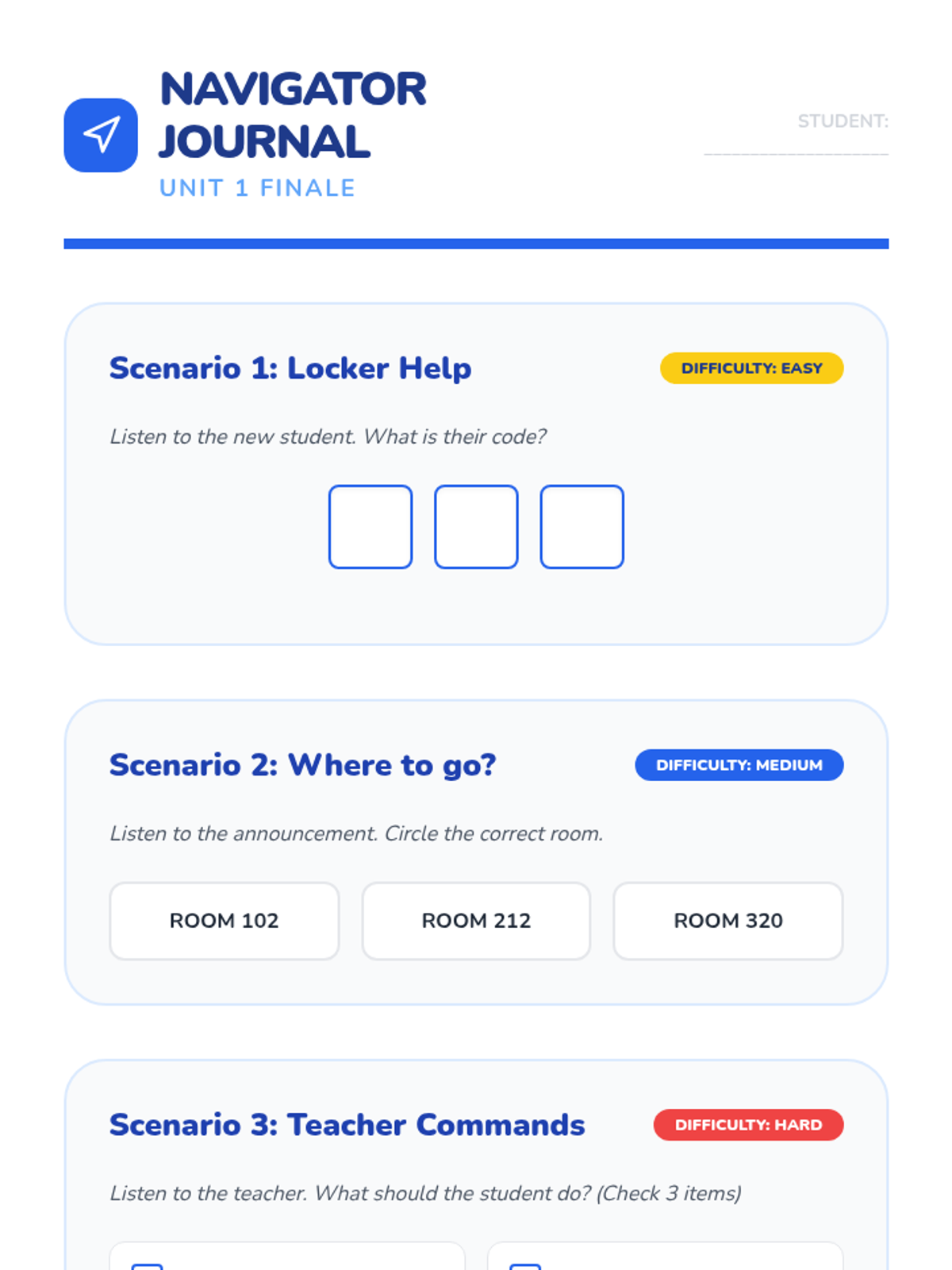
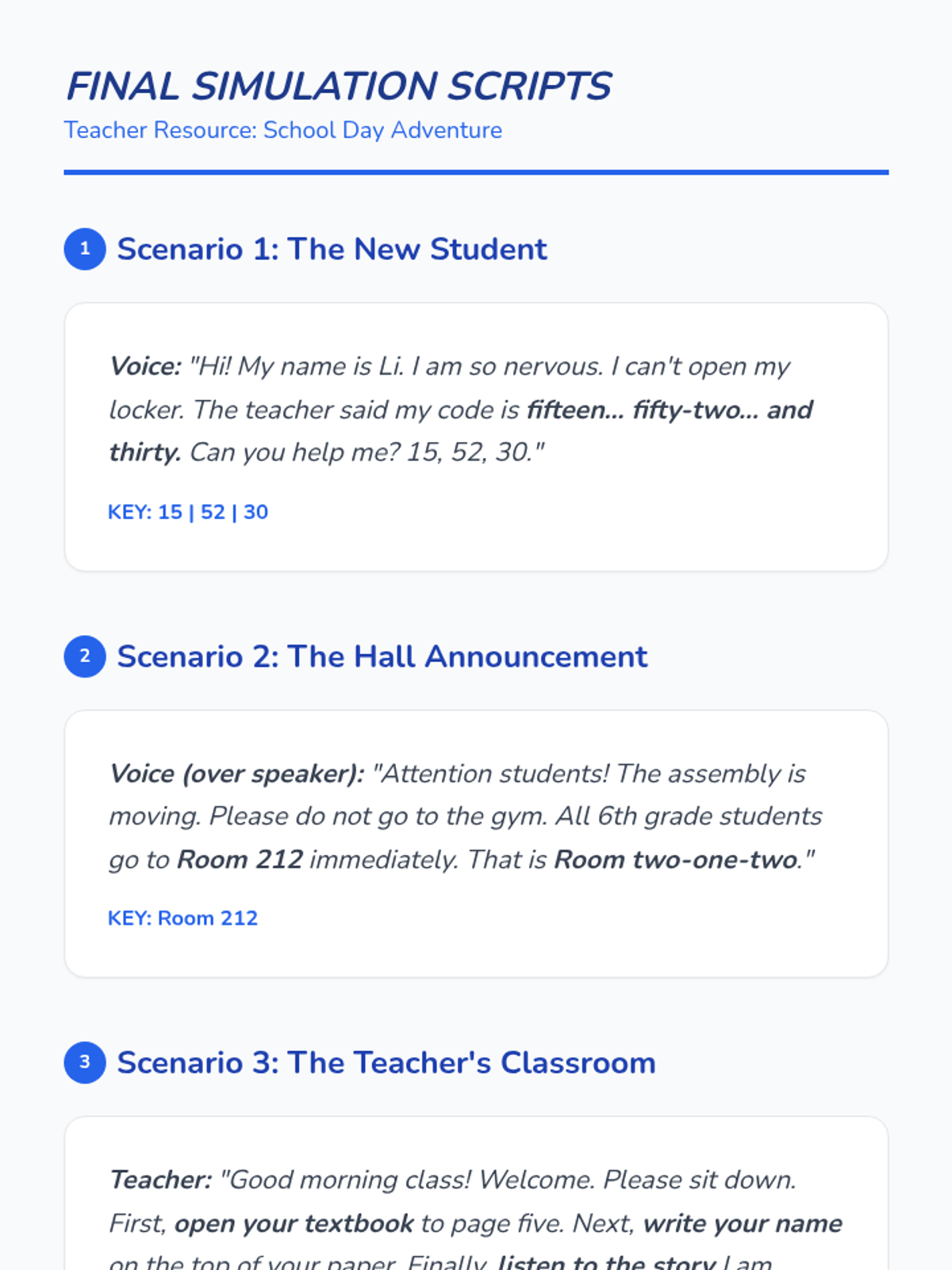
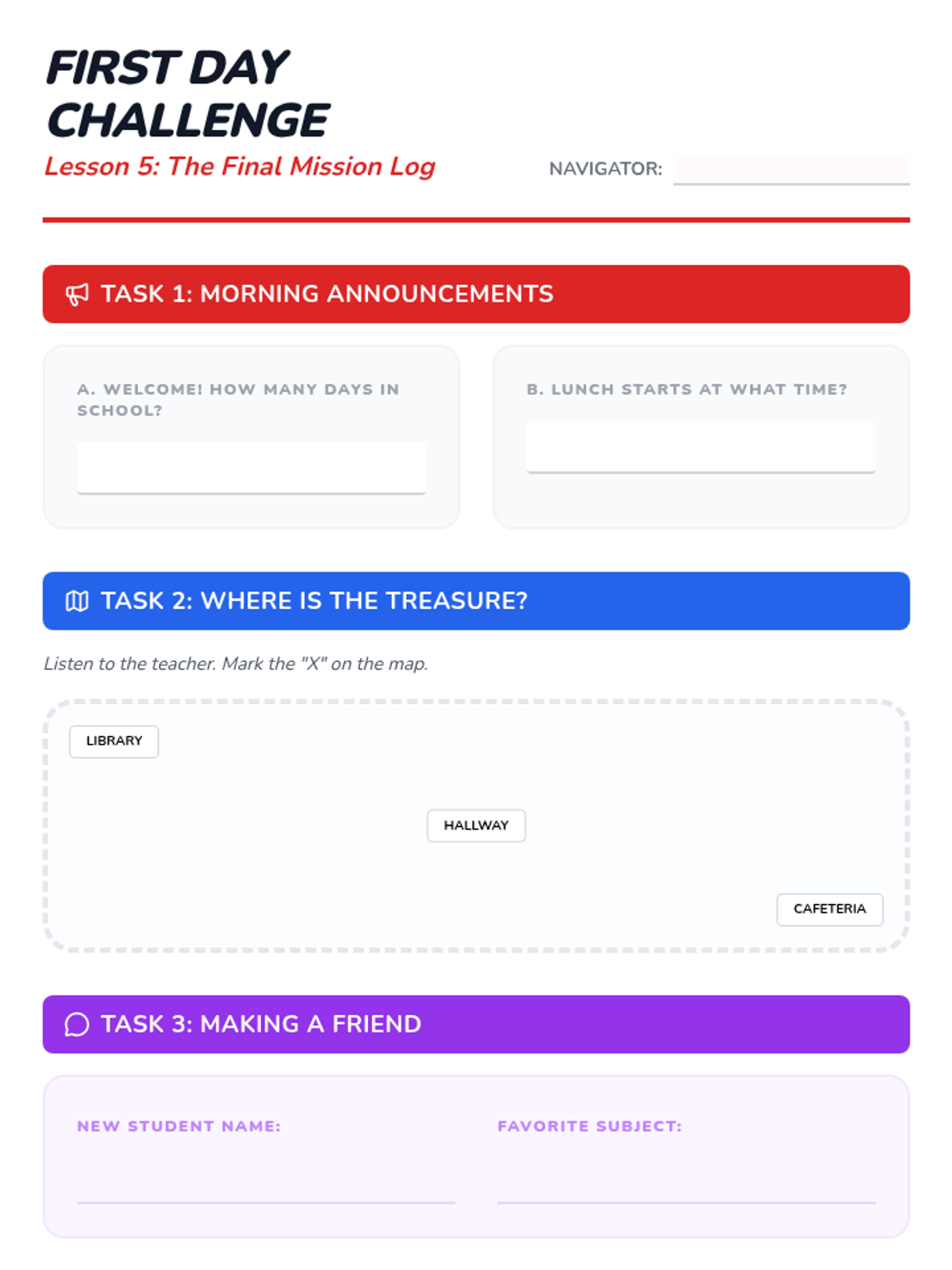
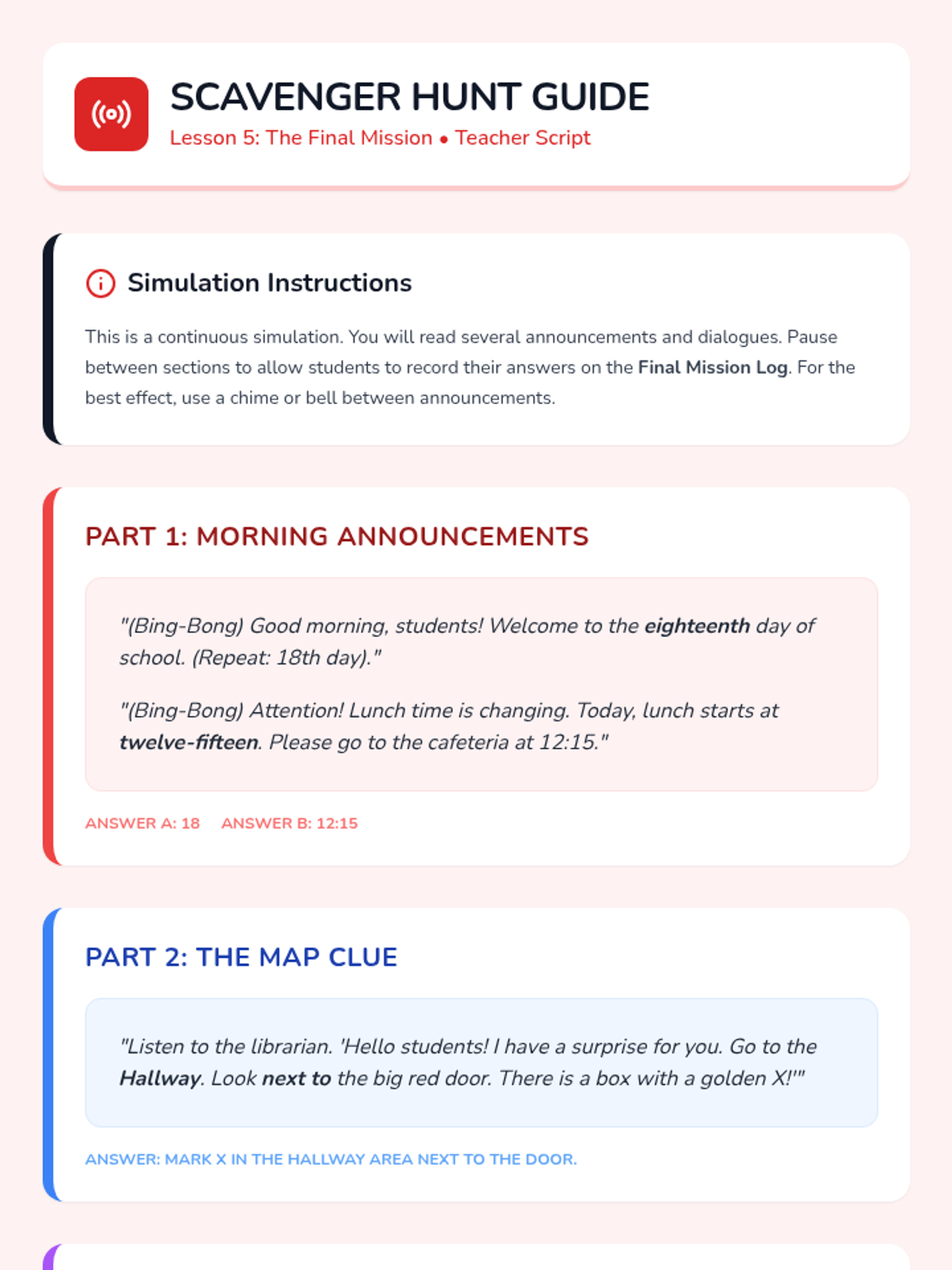
Students synthesize their learning by navigating a virtual audio adventure, making choices based on their understanding of dialogue and instructions throughout a simulated school day.
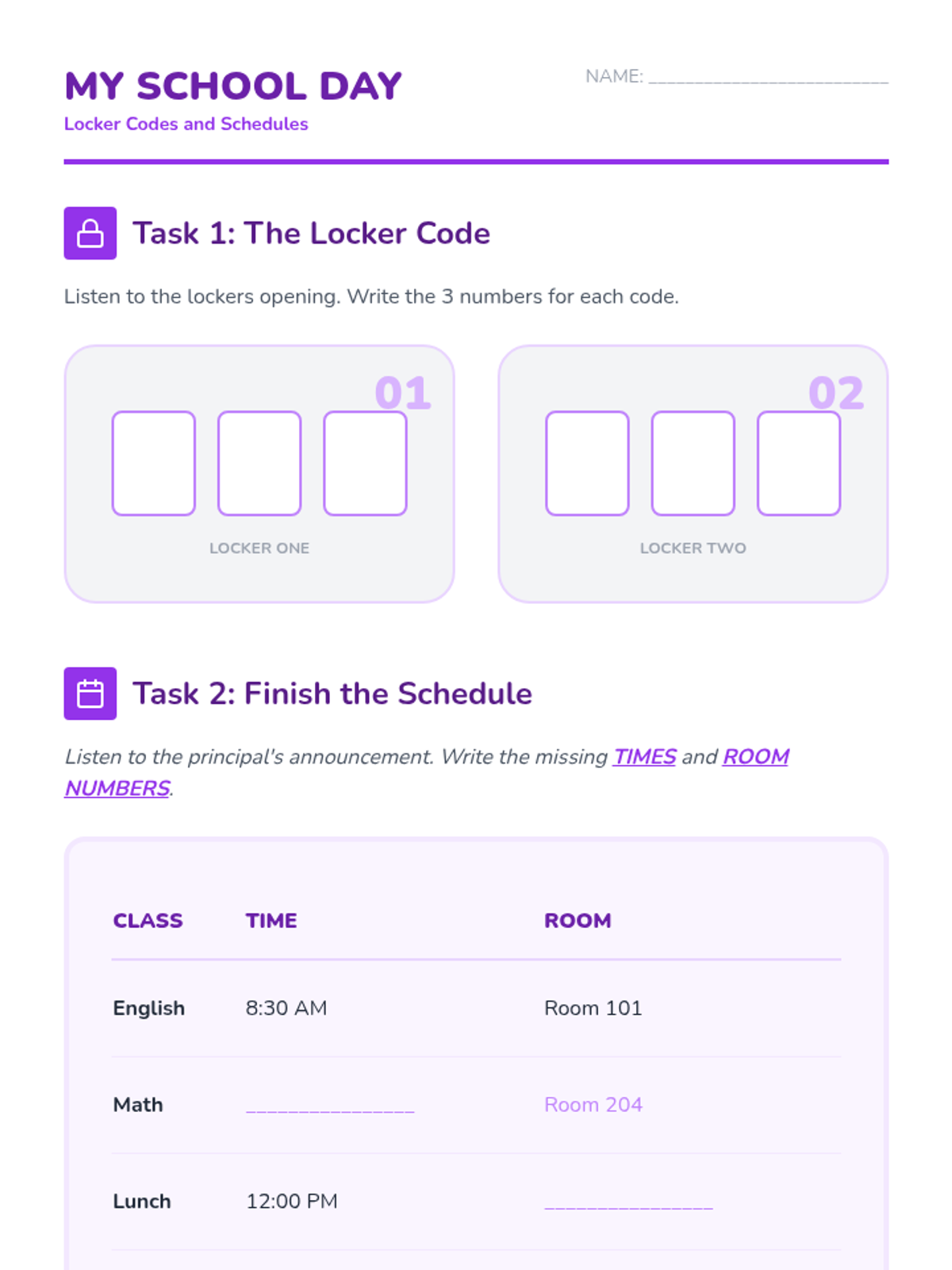
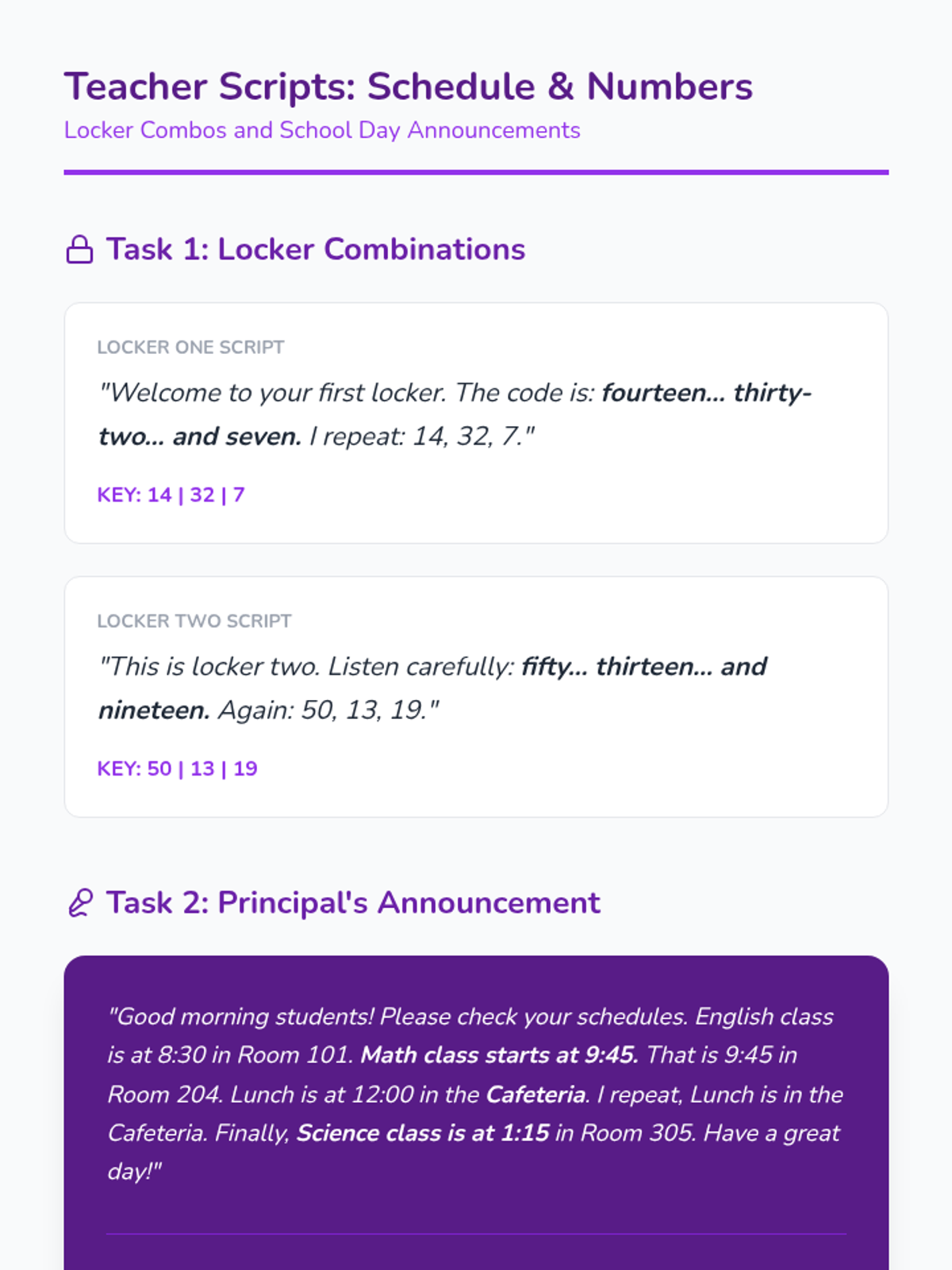
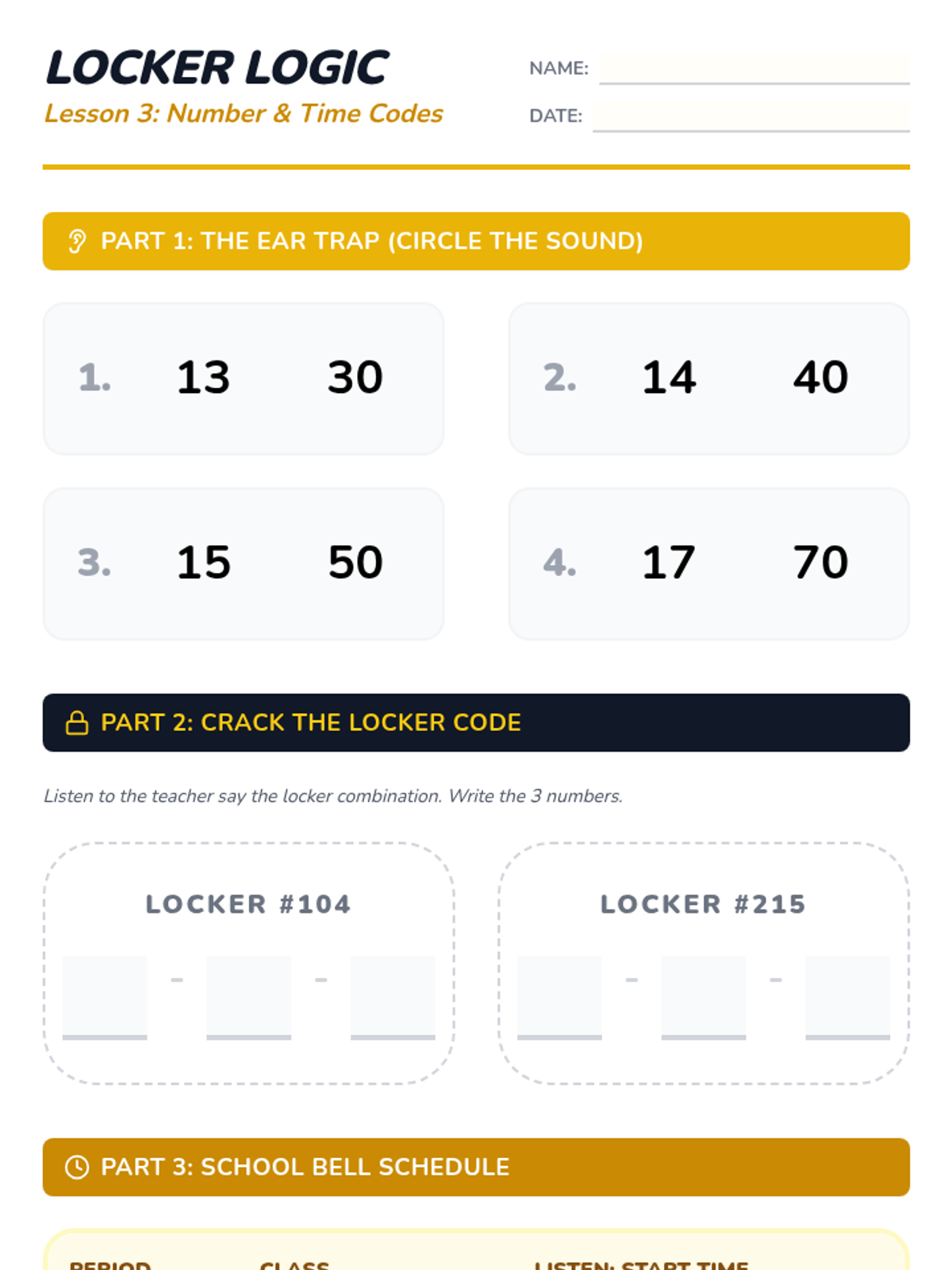
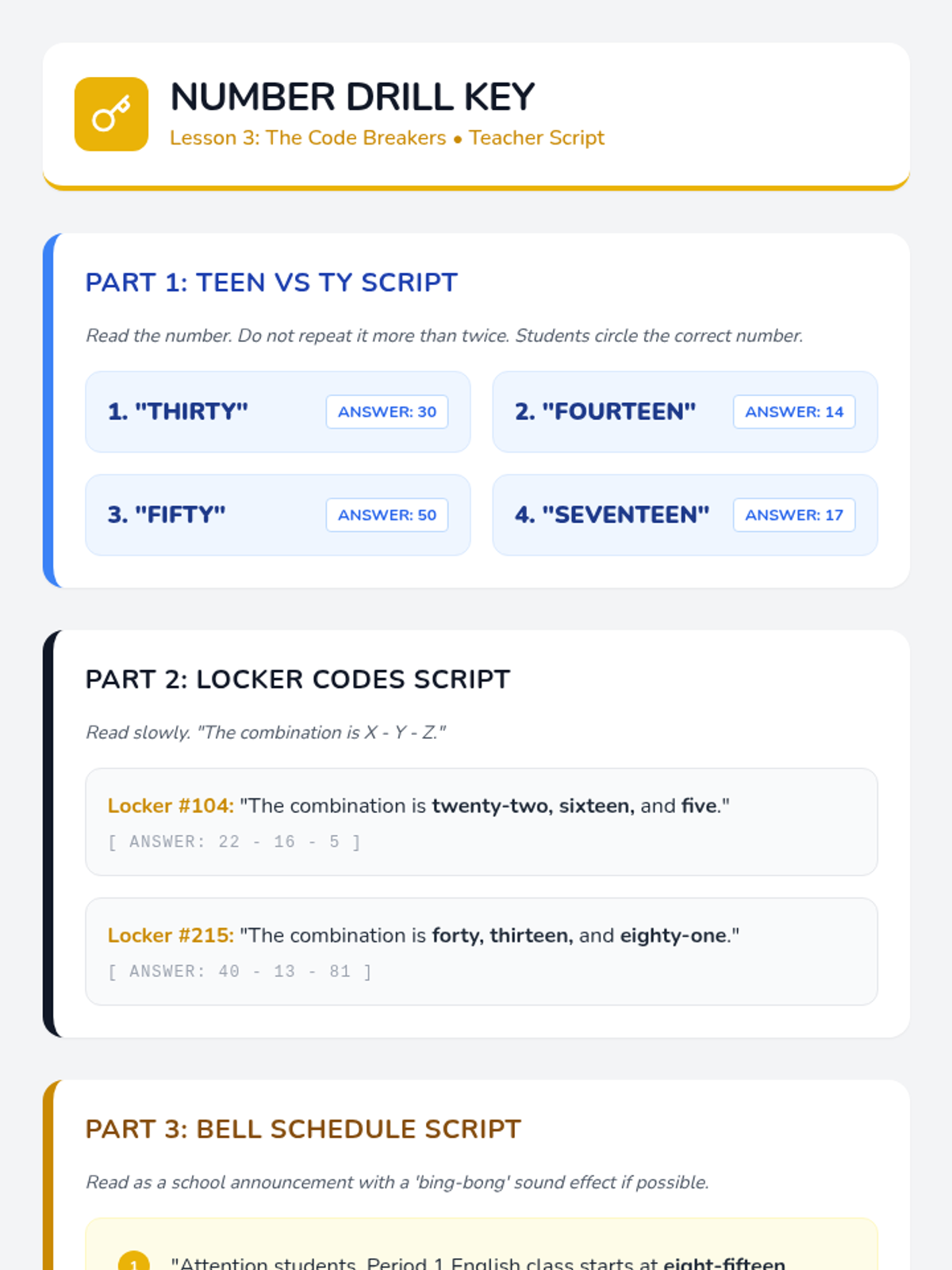
Students practice identifying numbers and time to understand class schedules and locker combinations, focusing on extracting specific data from spoken input.
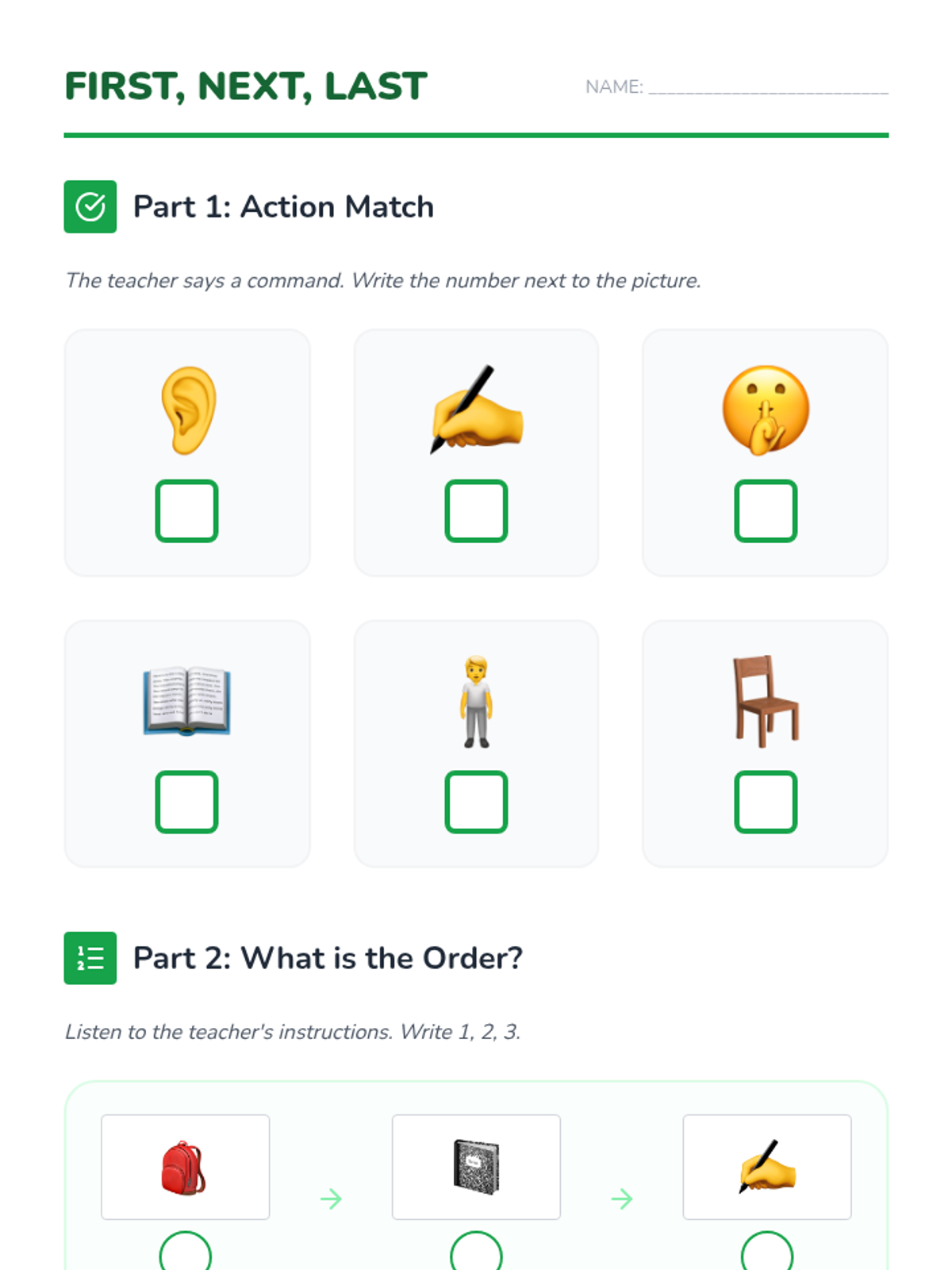
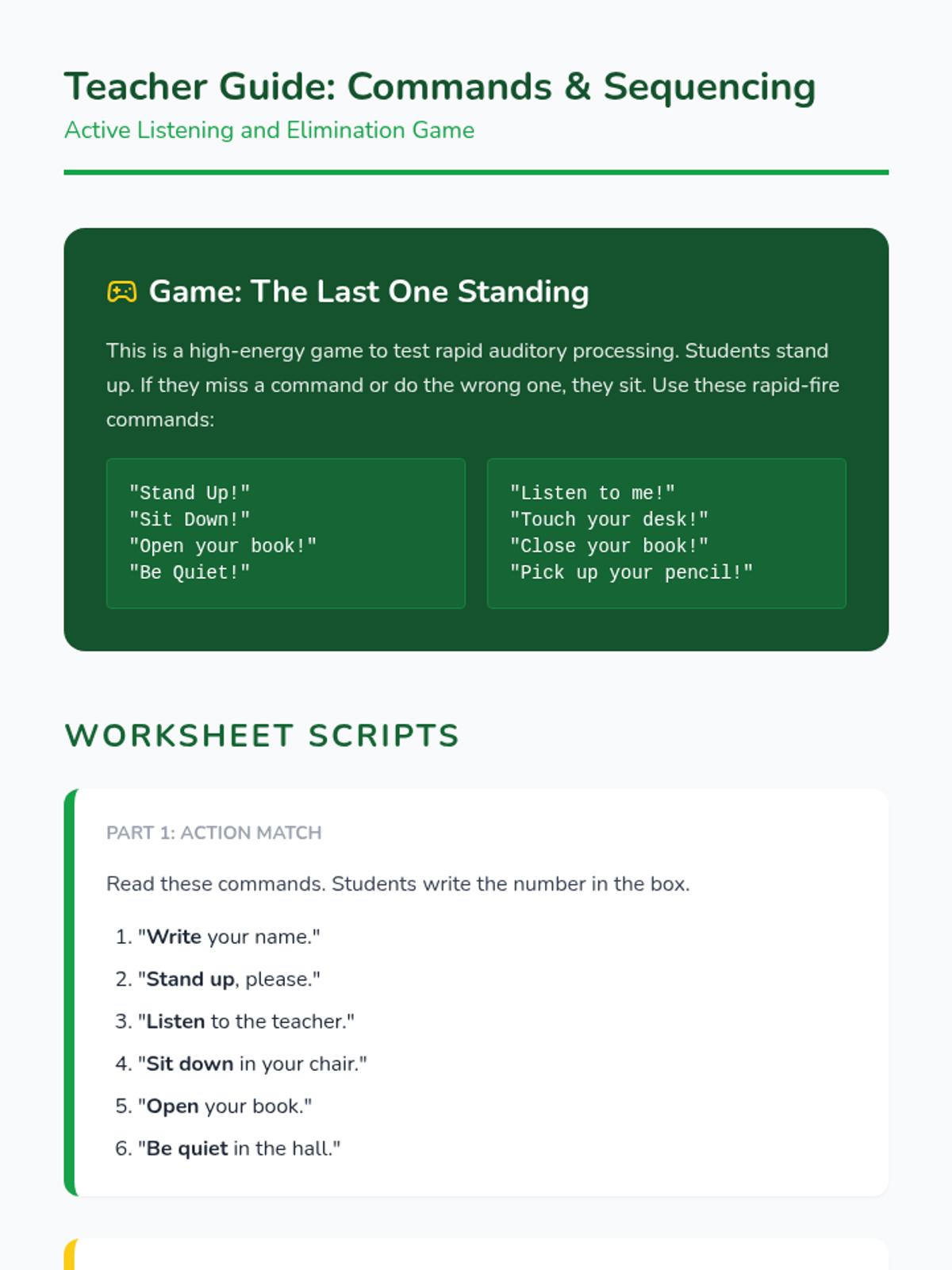
Students learn to recognize and respond to common instructional verbs used by teachers, practicing sequencing through visual-auditory matching.
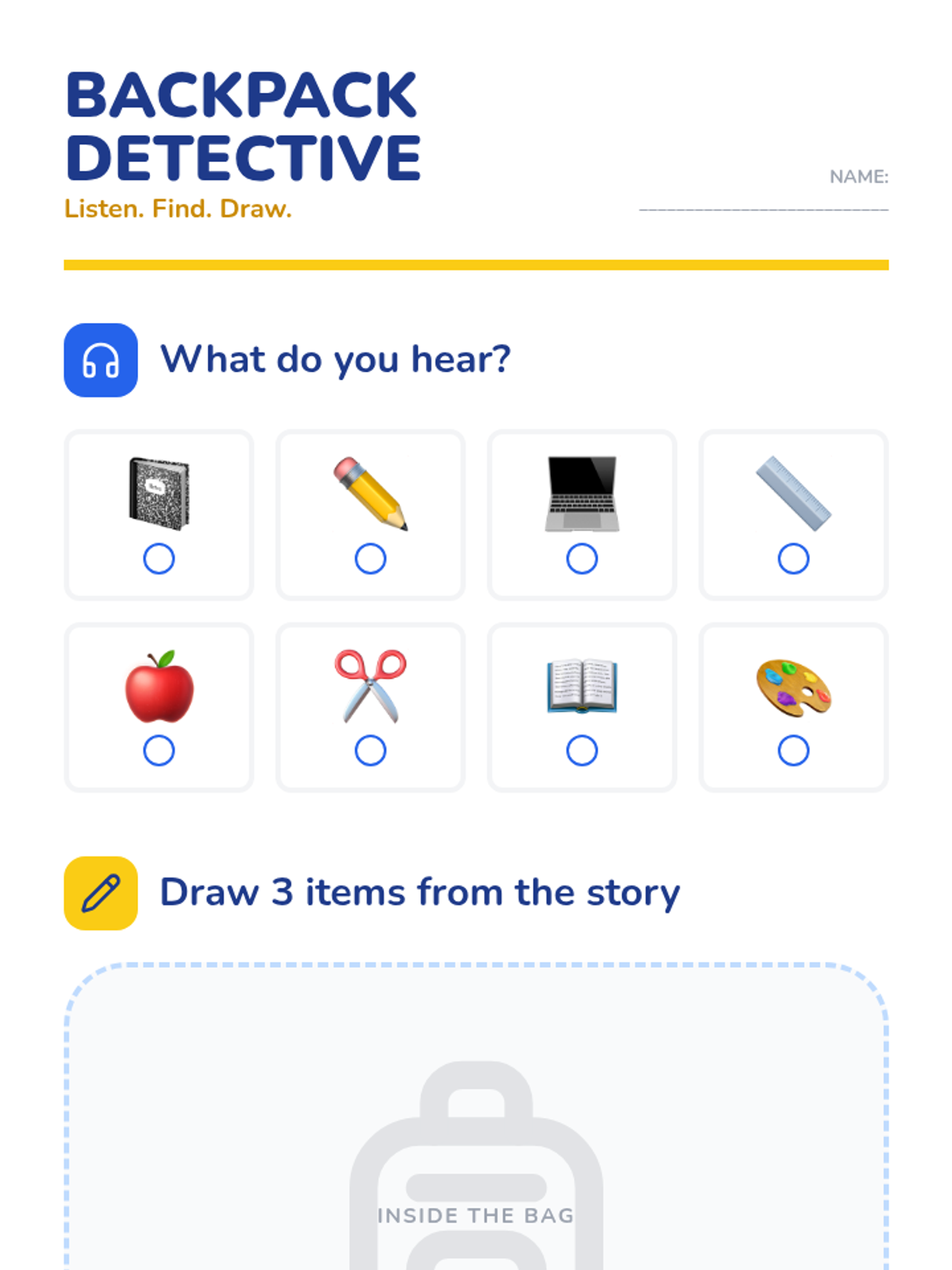
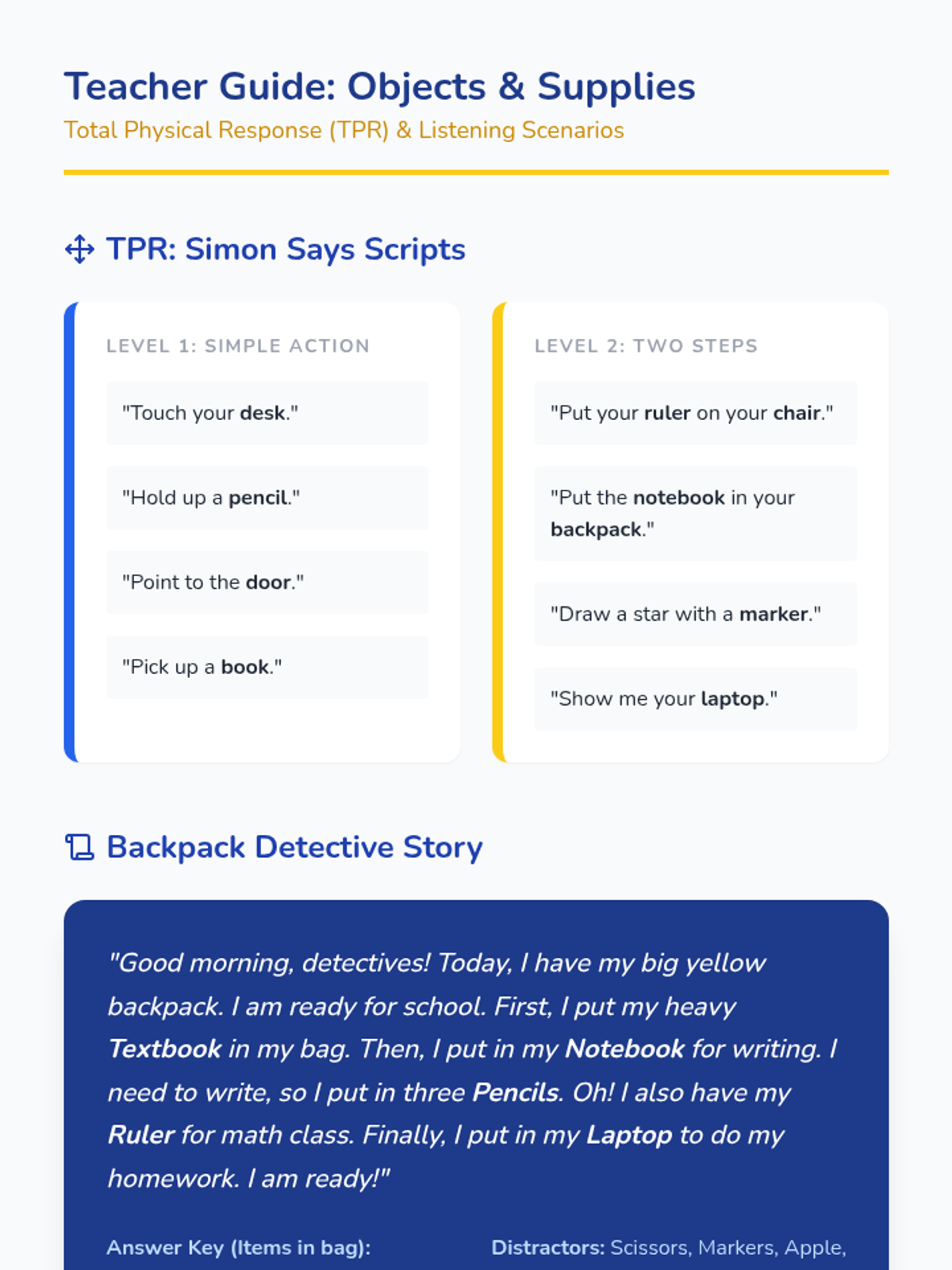
Students focus on physical classroom items, participating in TPR activities and a 'Backpack Detective' game to build auditory-visual associations.
A culminating simulation where students synthesize all previous listening skills to navigate a virtual first day of school.
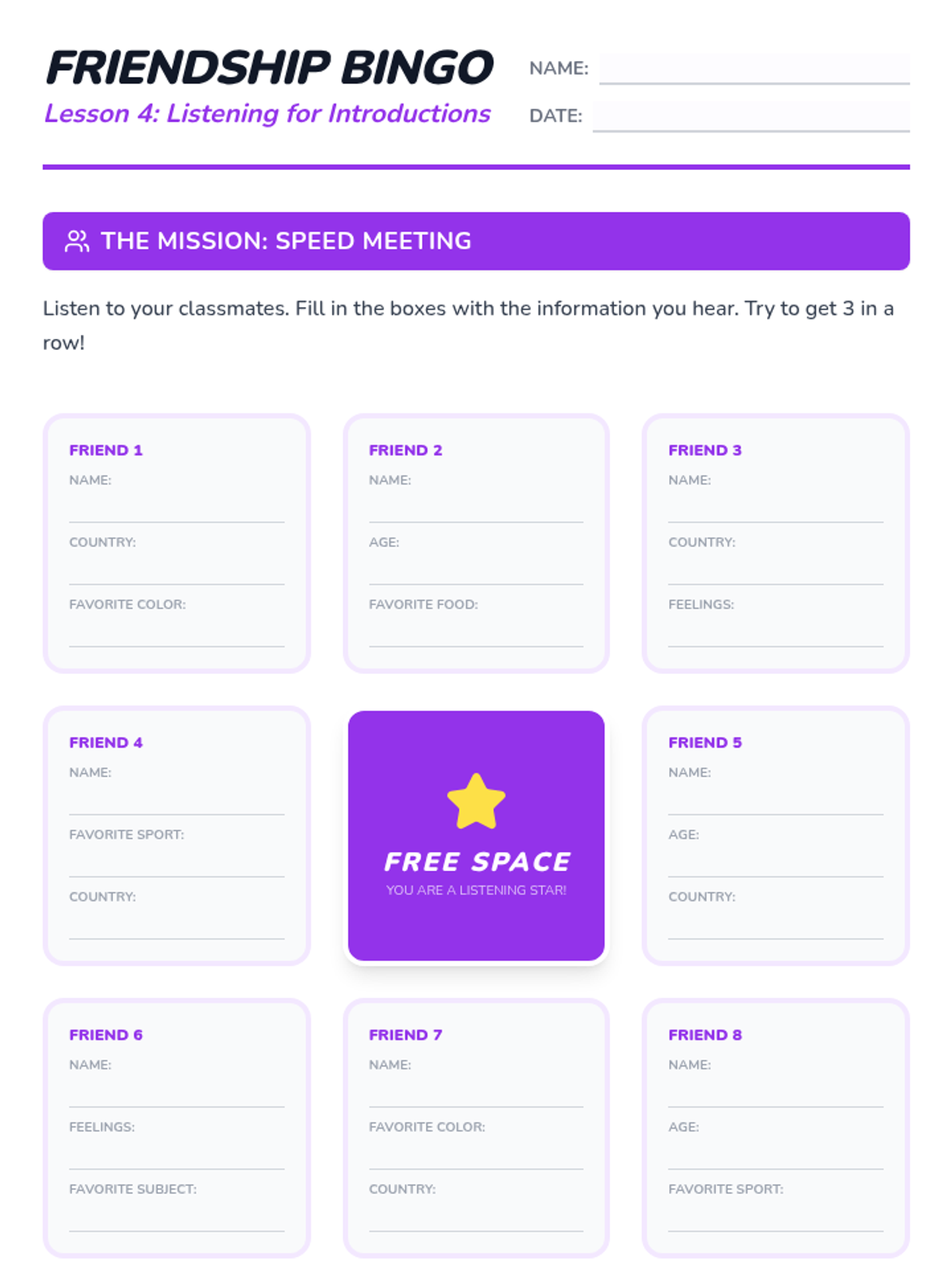
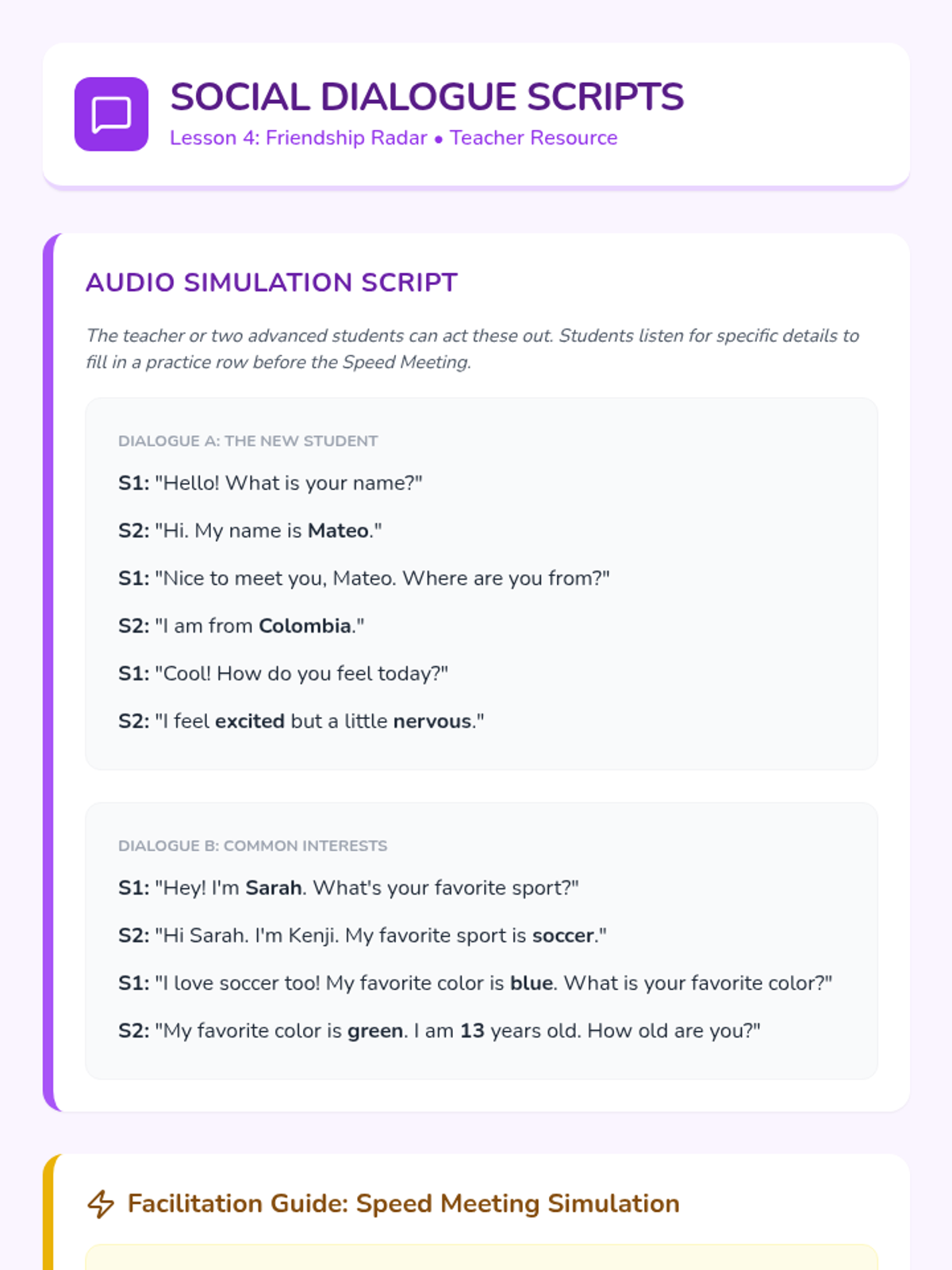
Students practice listening for key details in social greetings and personal introductions, focusing on 'Wh-' questions.
This lesson focuses on auditory discrimination of numbers (0-100), time-telling, and locker combinations.
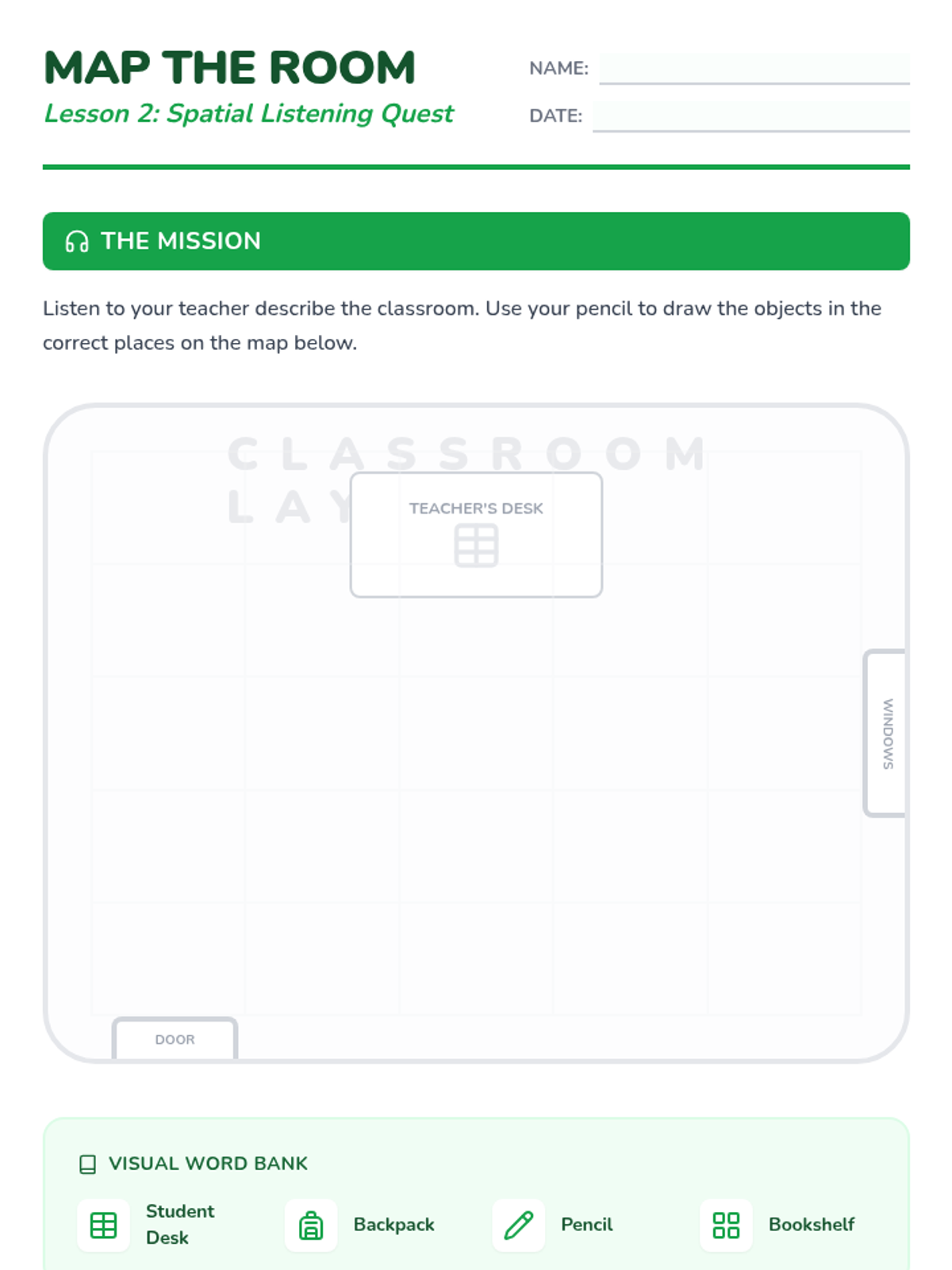
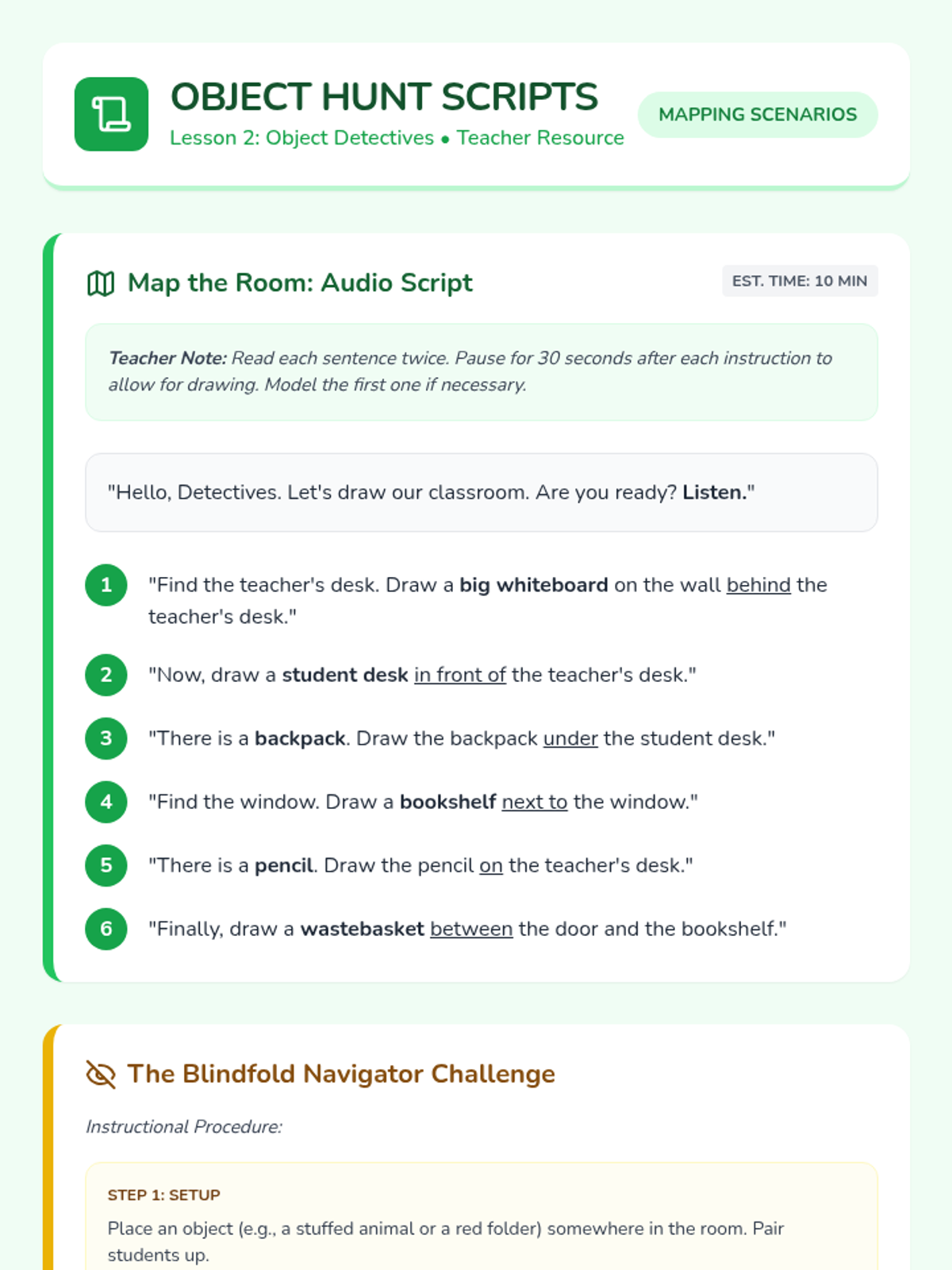
Learners identify common school objects and their locations using prepositions of place and spatial listening cues.
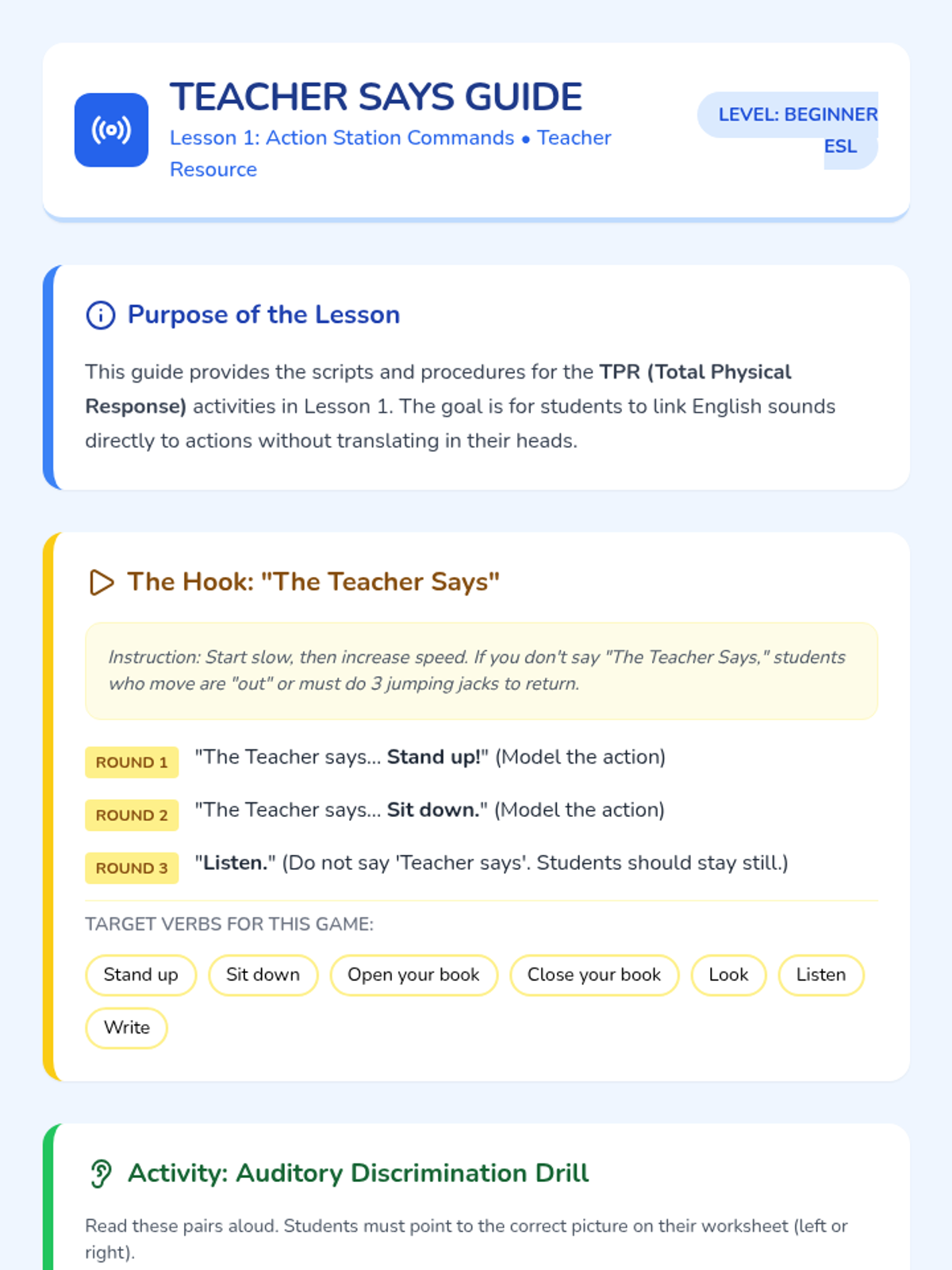
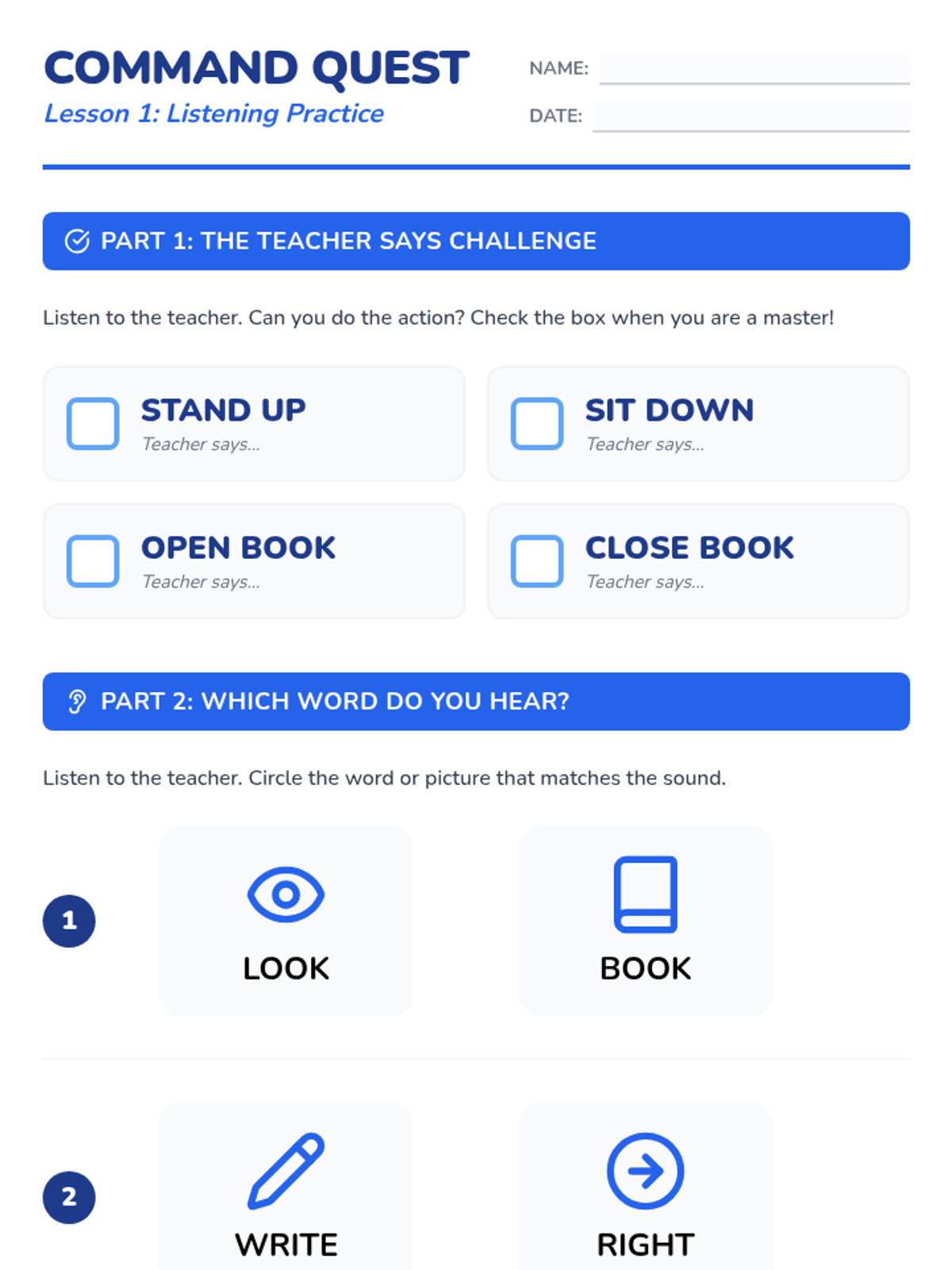
Students learn to recognize and respond to basic imperative verbs through high-energy Total Physical Response (TPR) activities and games.
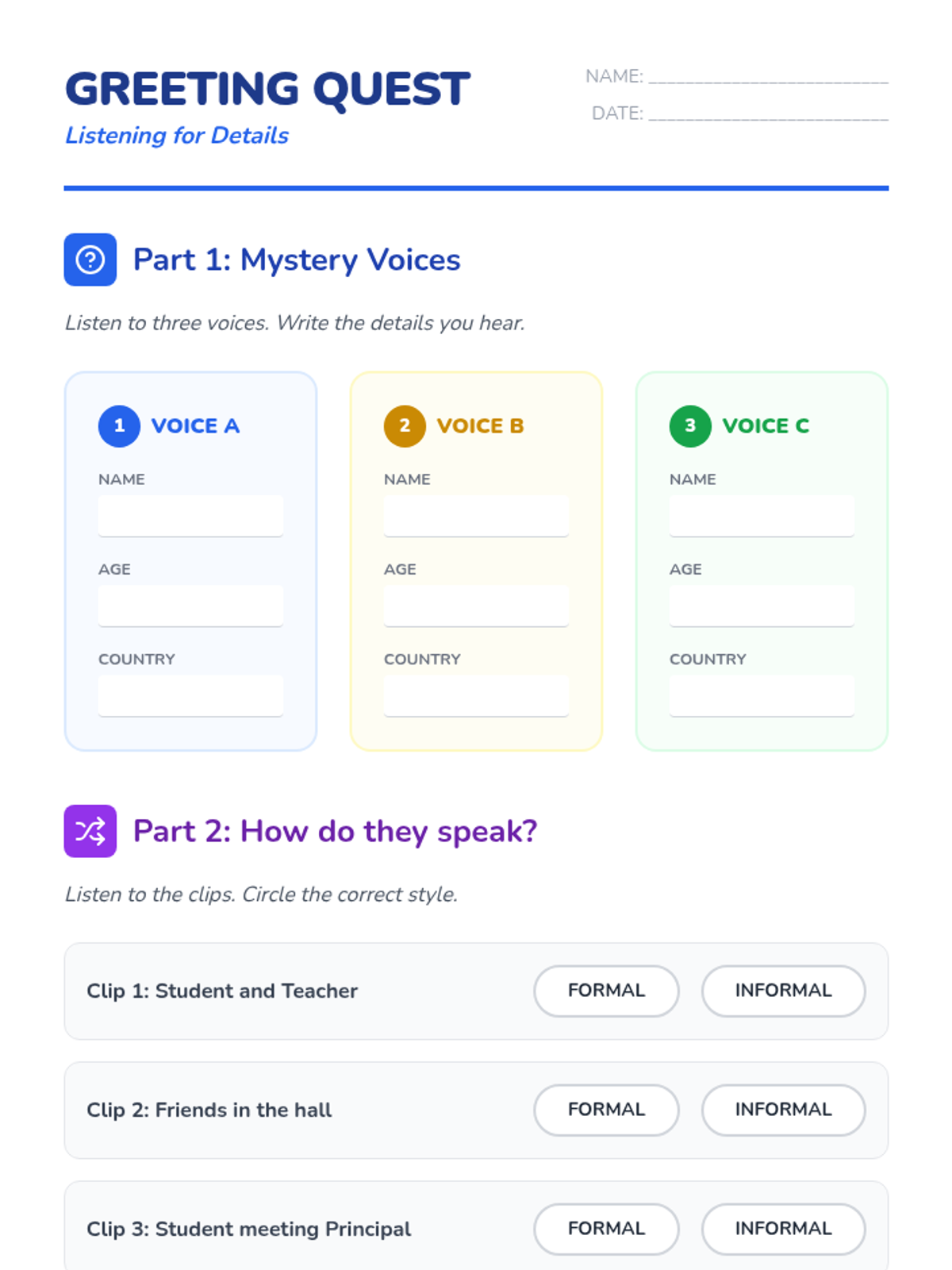
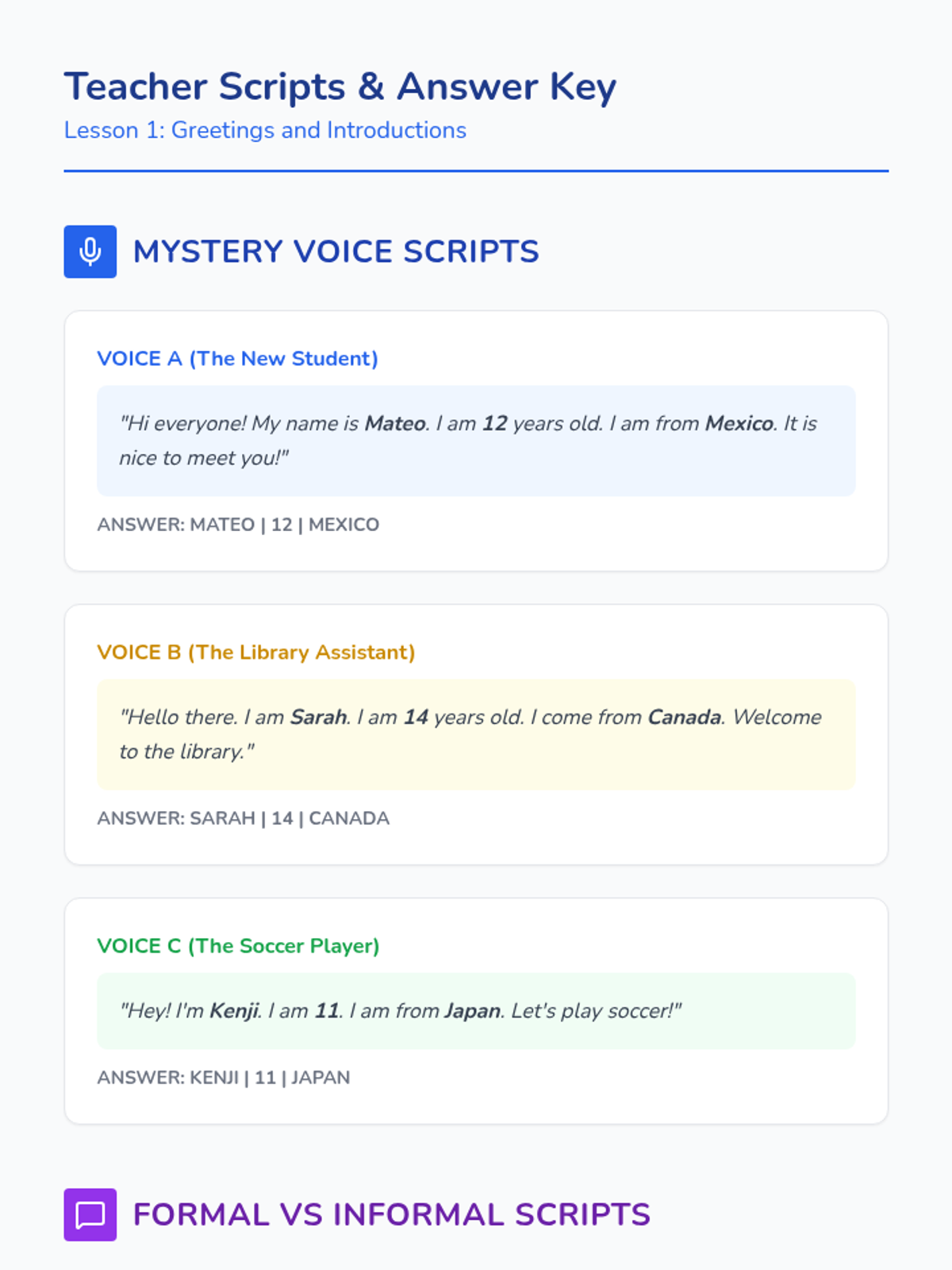
Students practice identifying names and personal details from spoken English, focusing on distinguishing between formal teacher-student greetings and informal peer-to-peer introductions.
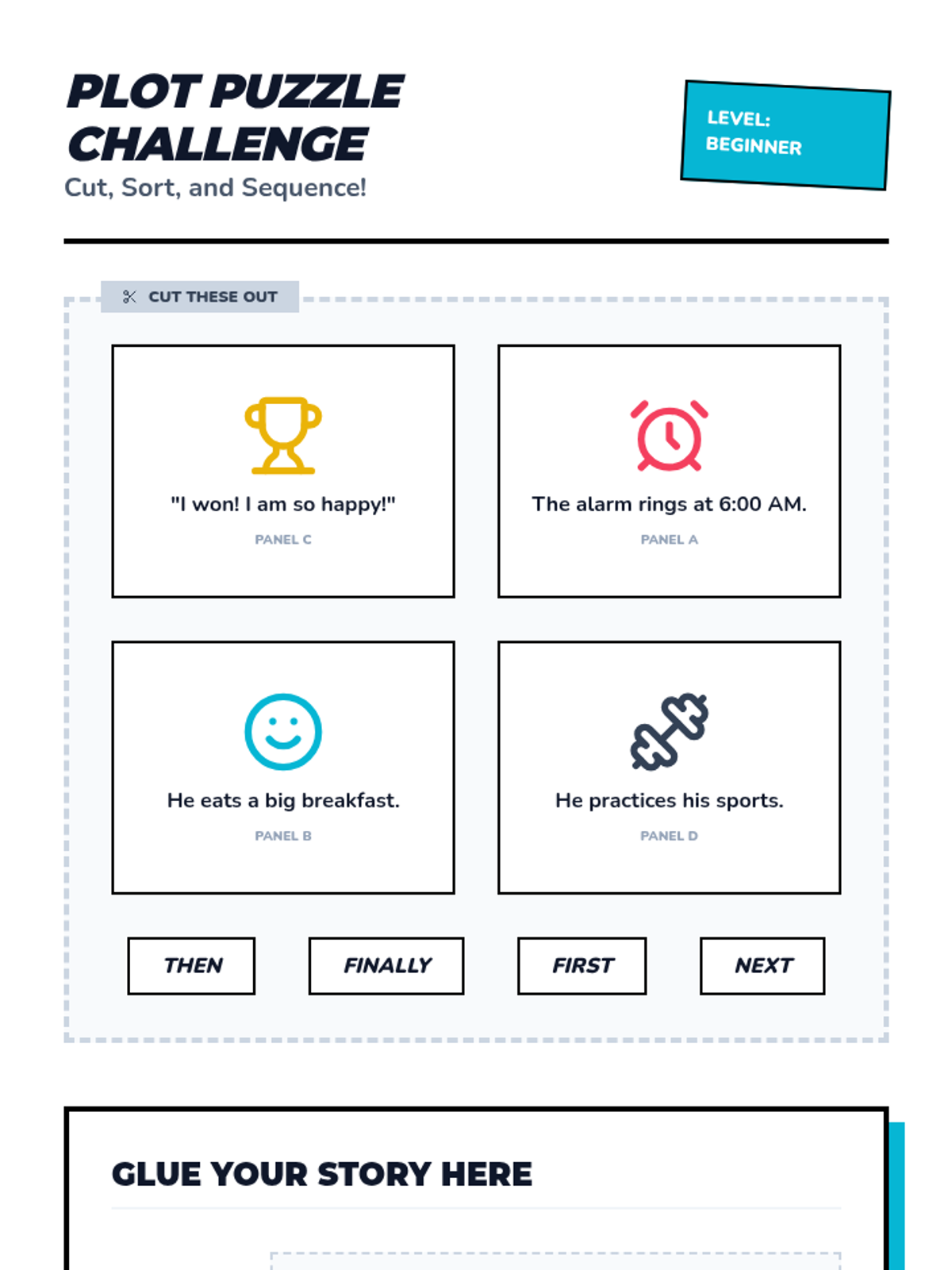
Students learn to sequence plot events using transition words by reassembling scrambled comic strips.
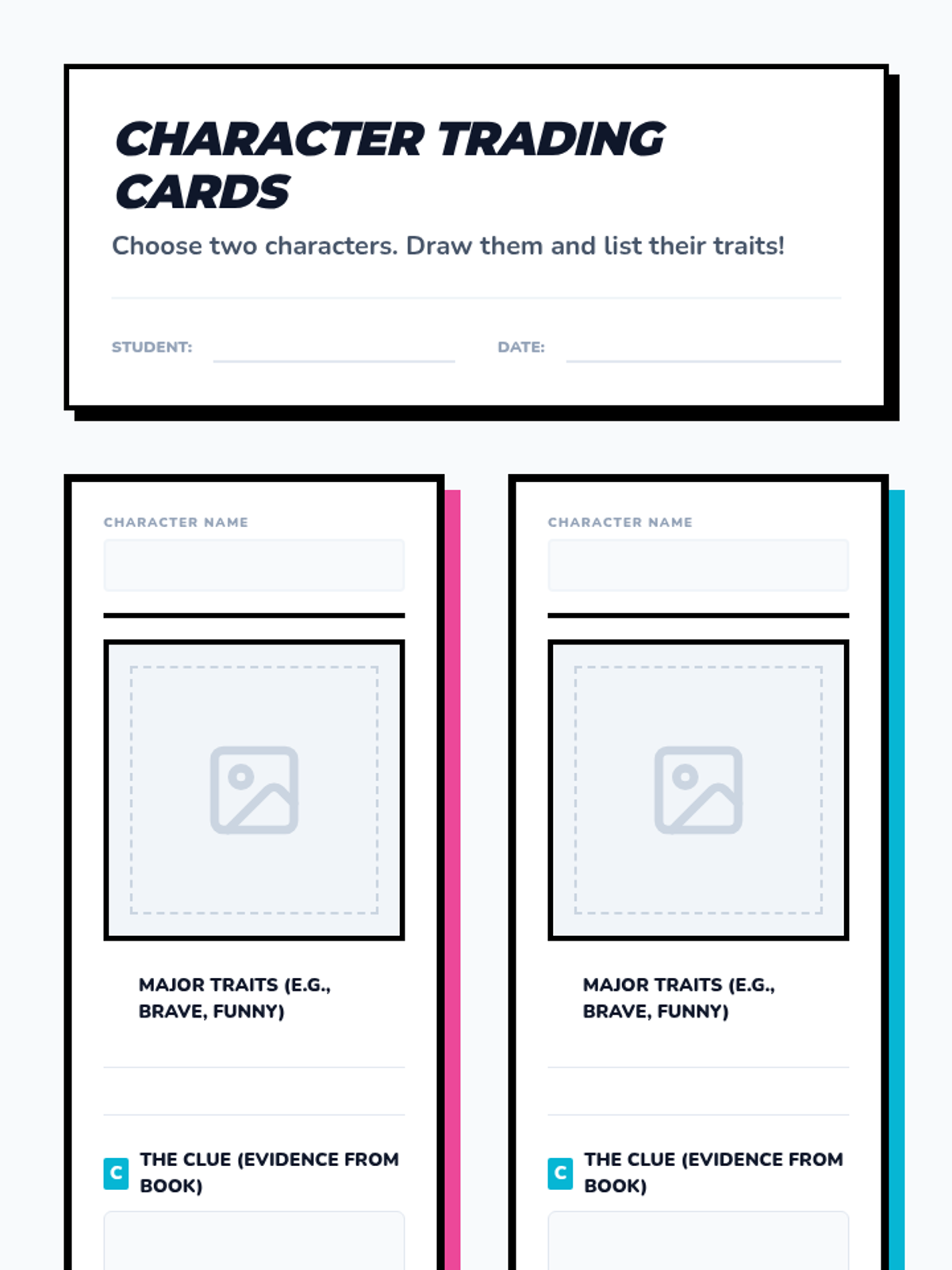
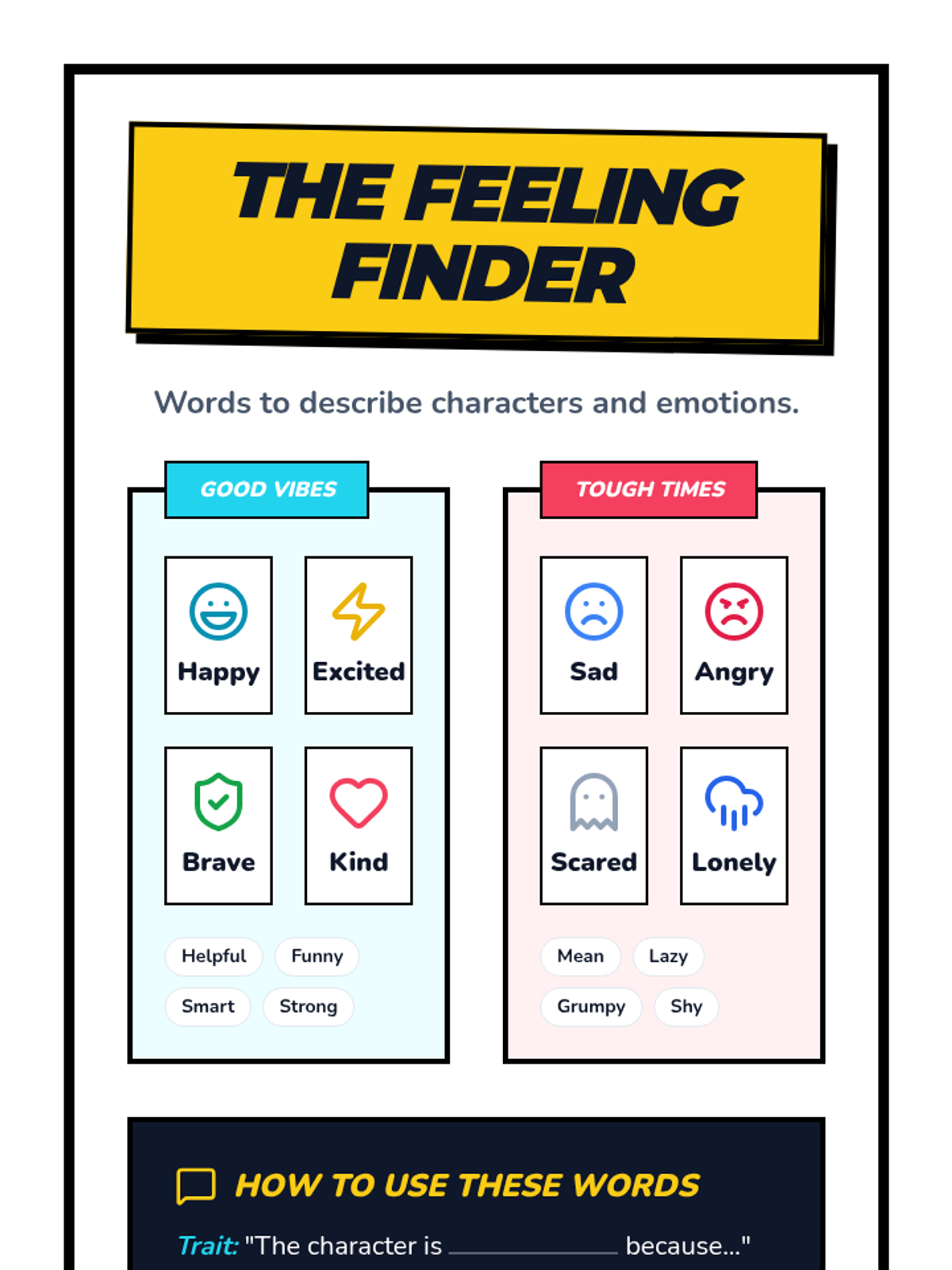
Learners identify character traits and emotions using visual evidence and dialogue, creating trading cards to document their findings.
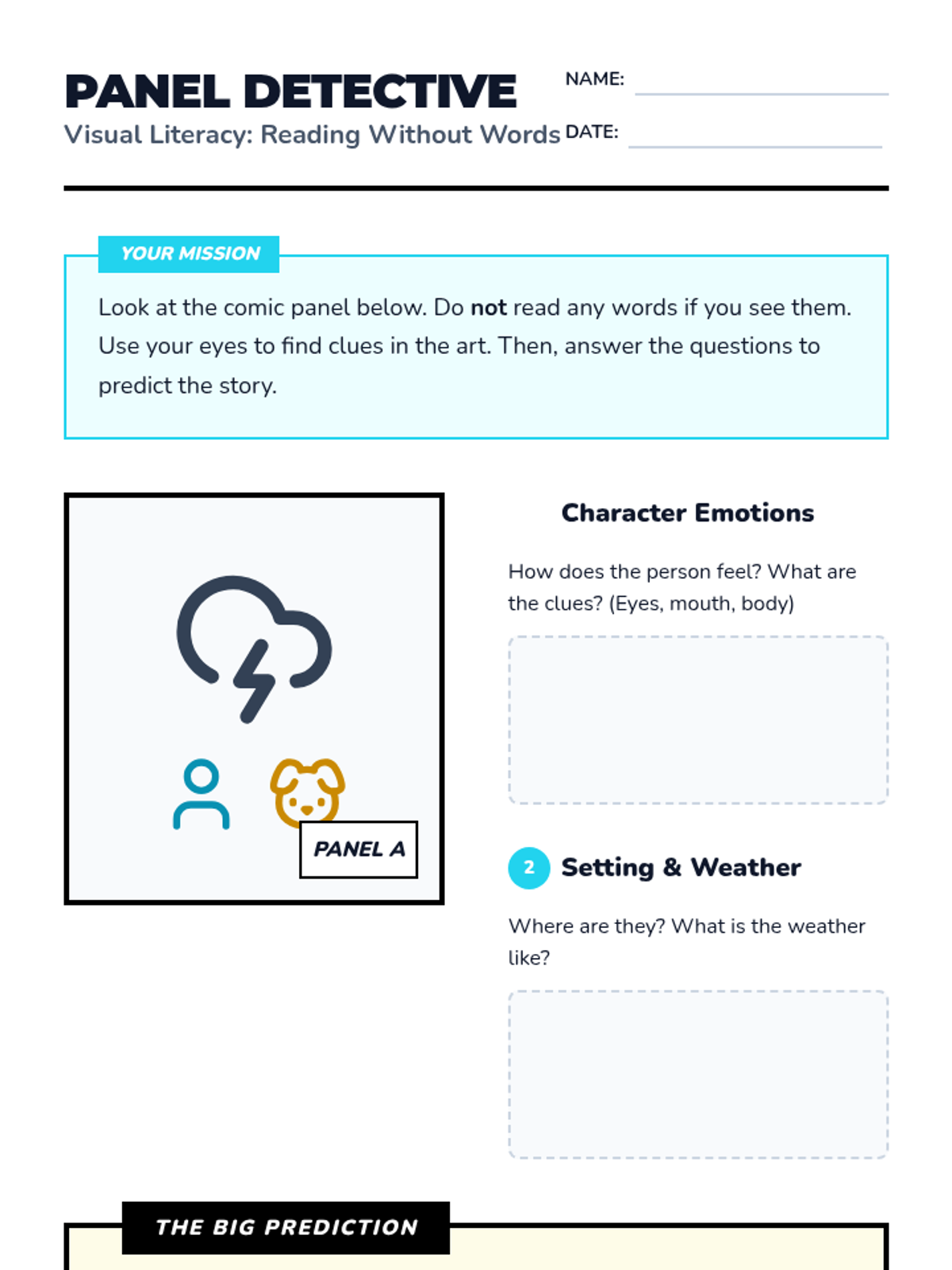
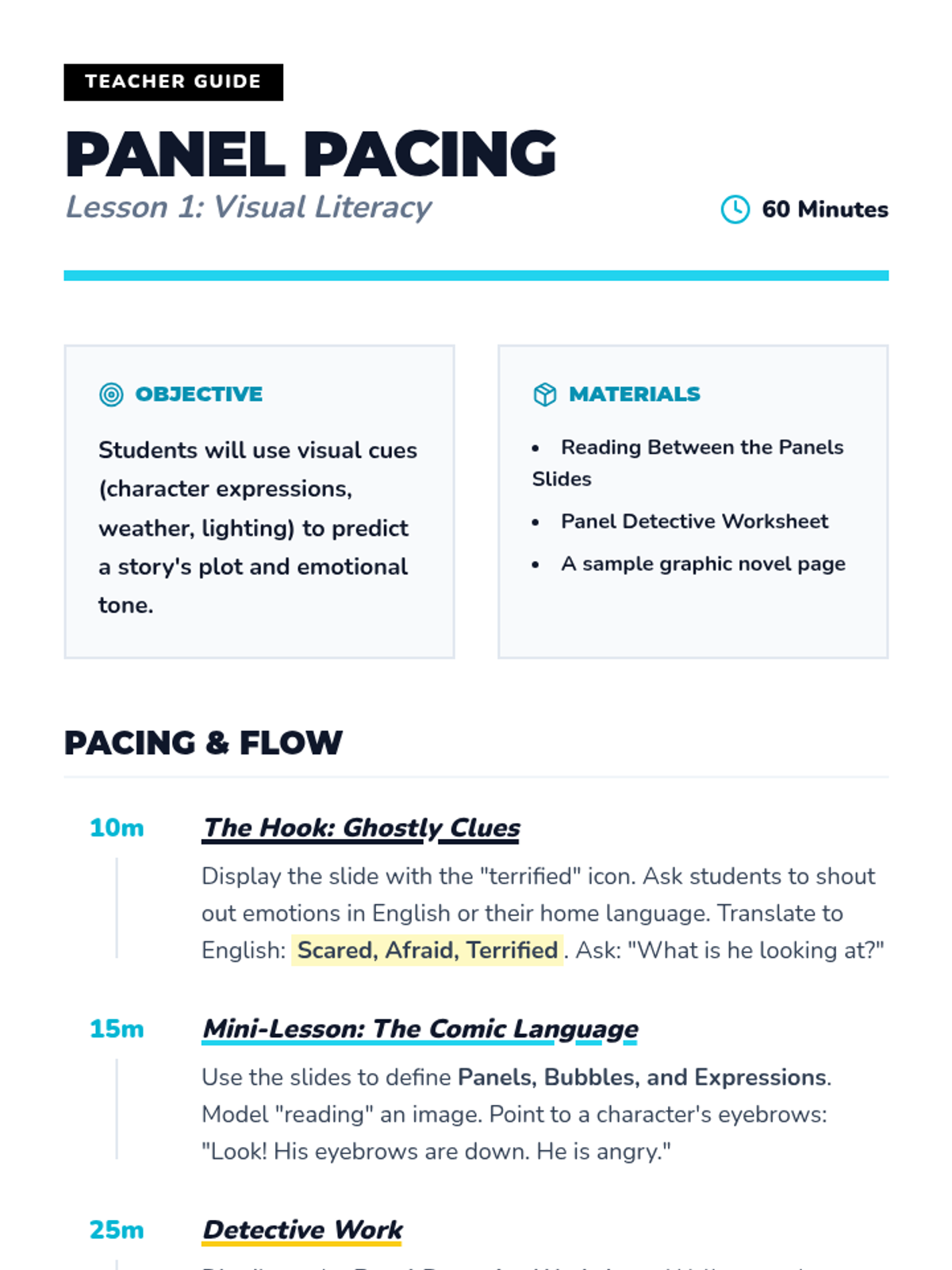
Students analyze graphic novel panels to understand how visual cues like expressions and speech bubbles convey meaning before reading the text.
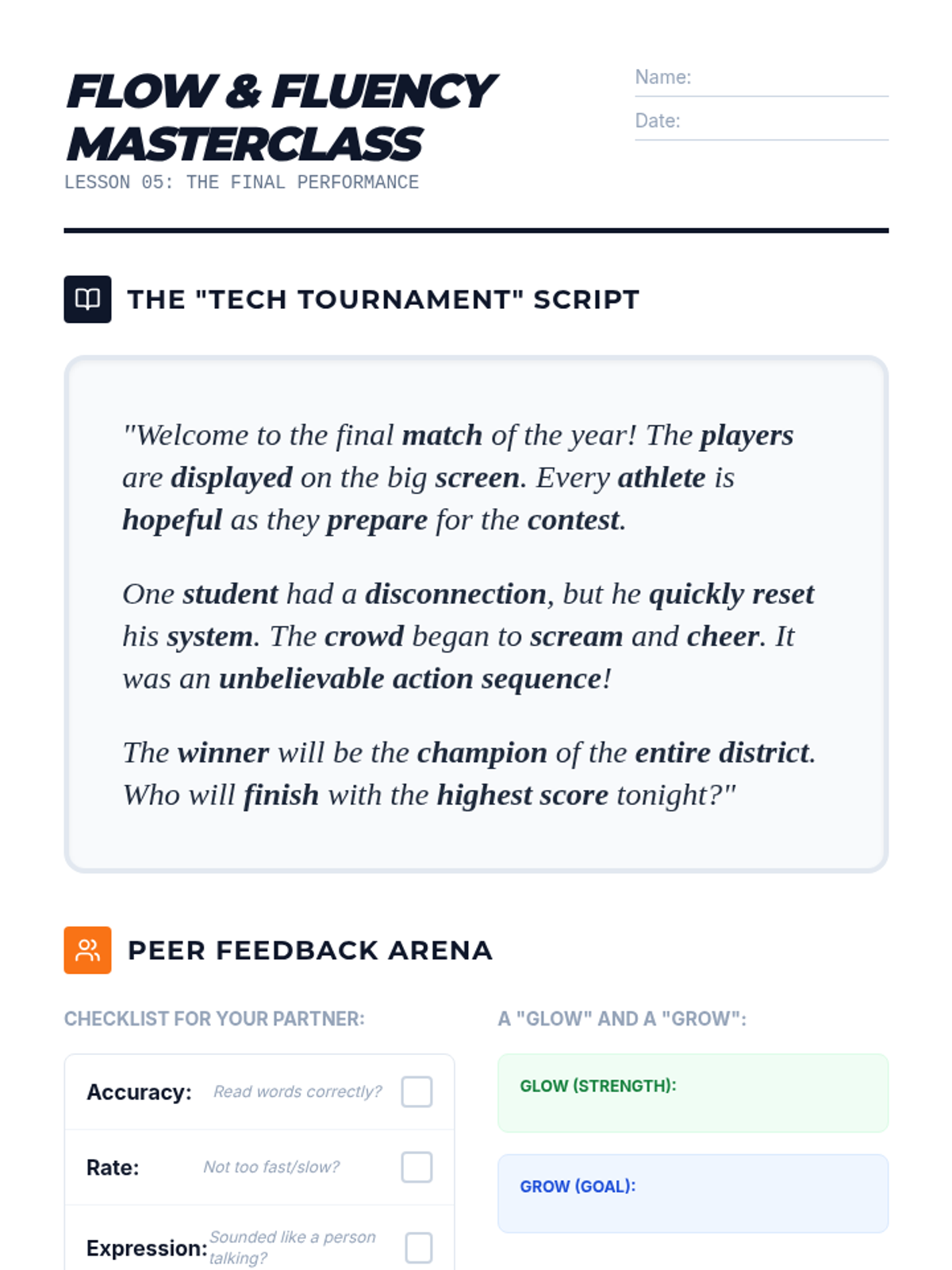
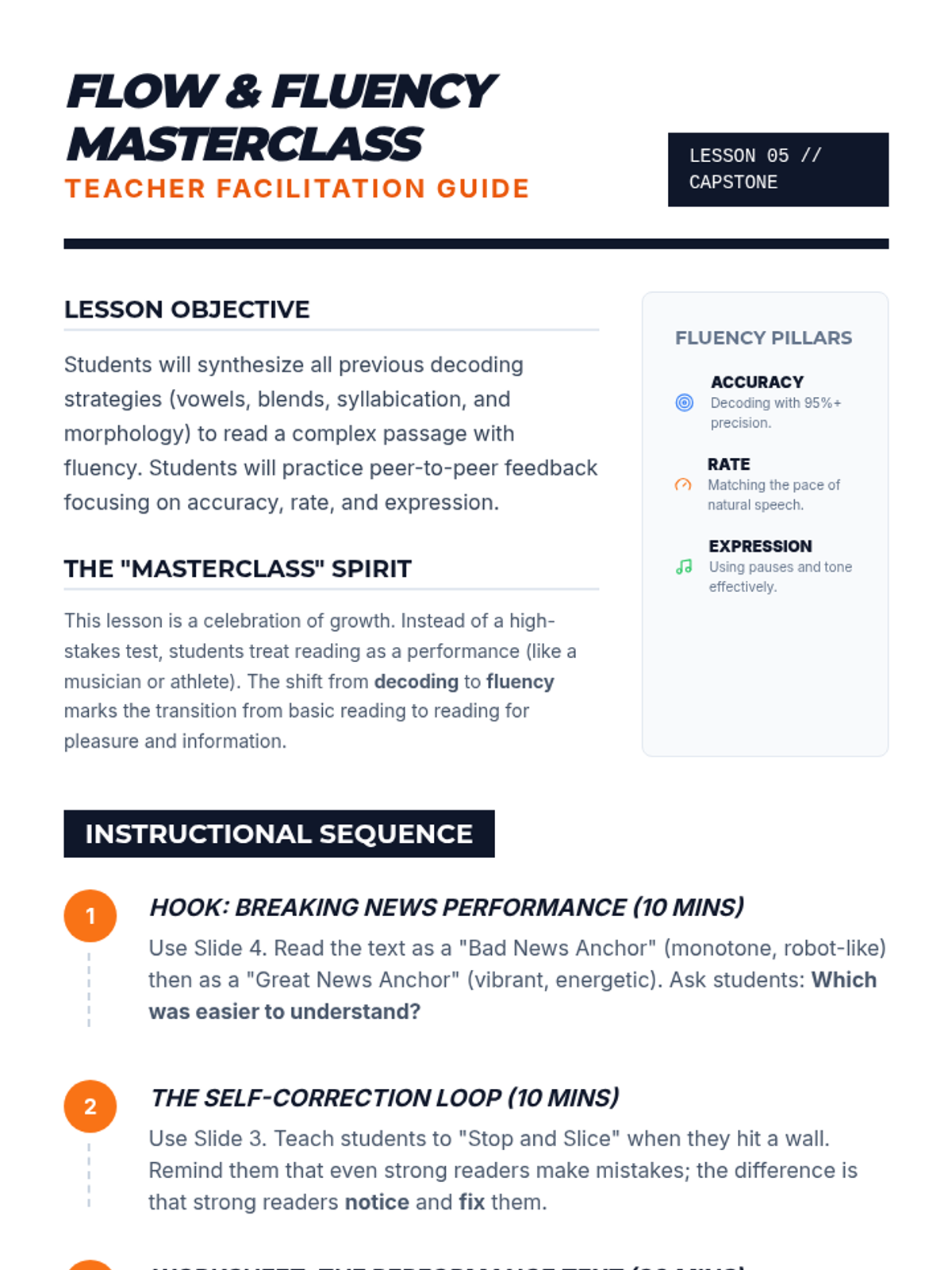
Culminating fluency practice using decodable passages and peer feedback, focusing on reading rate, accuracy, and self-correction strategies.
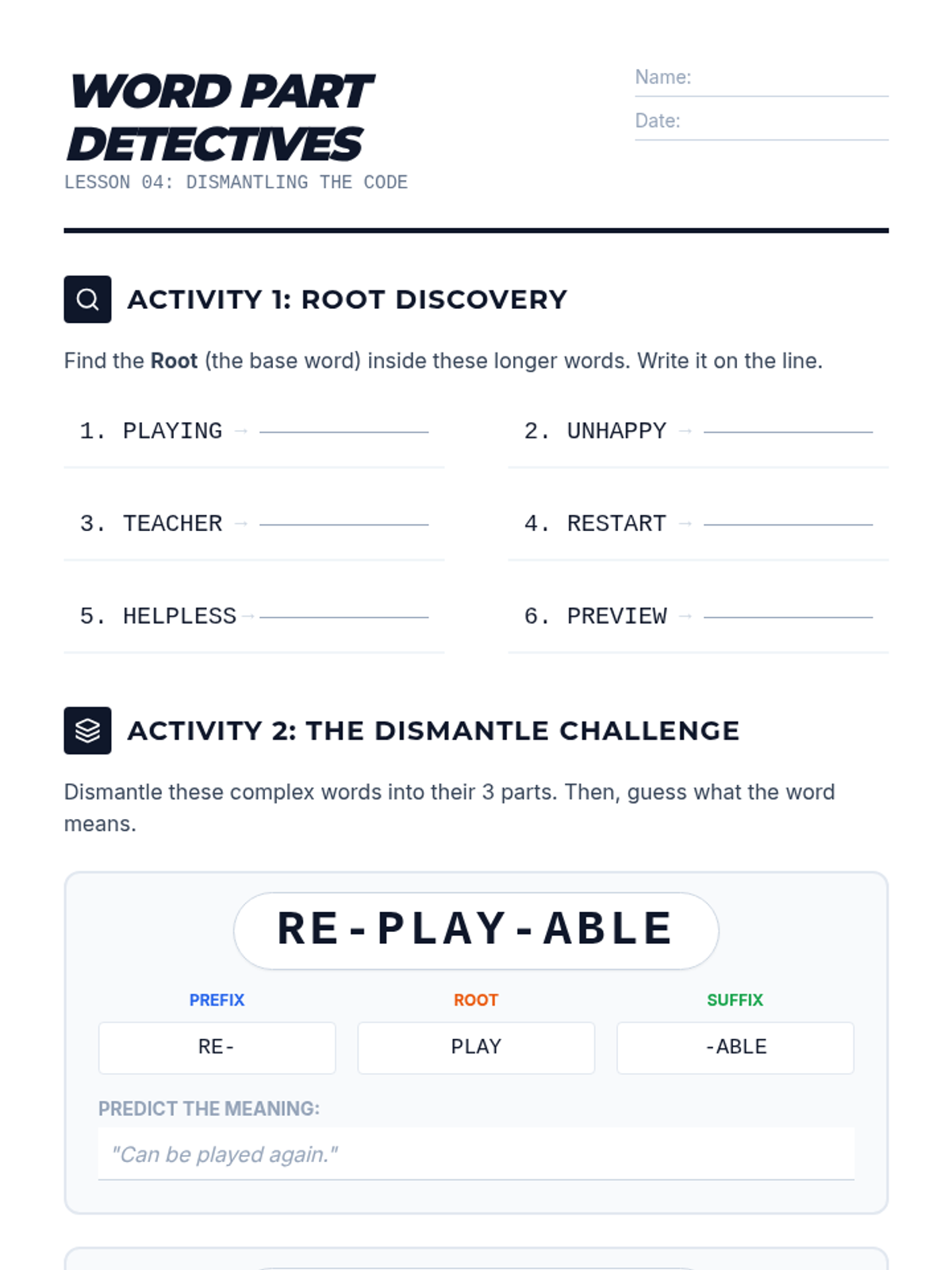
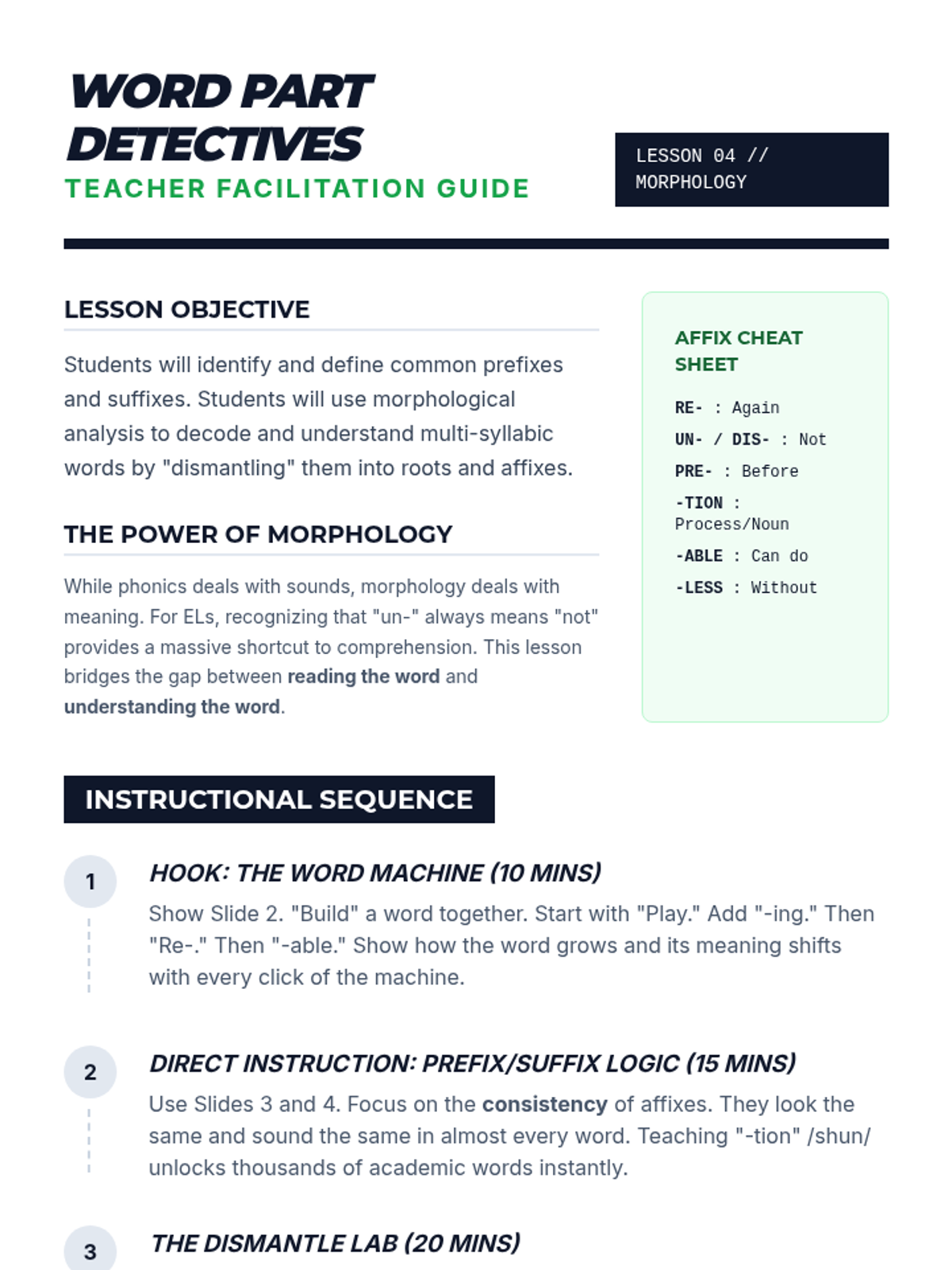
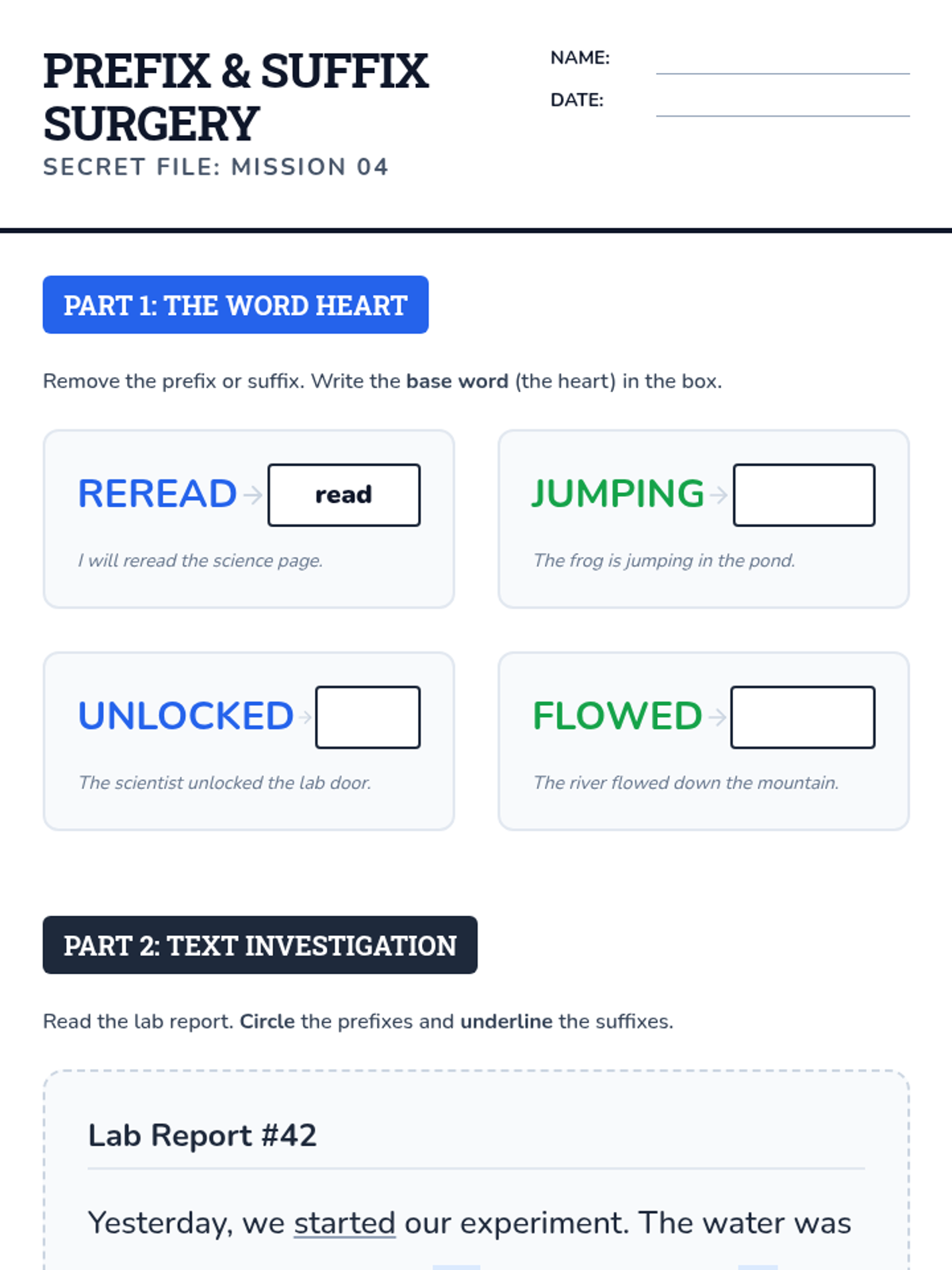
Explores prefixes and suffixes as keys to decoding, where students dismantle complex words into roots to understand both pronunciation and meaning.
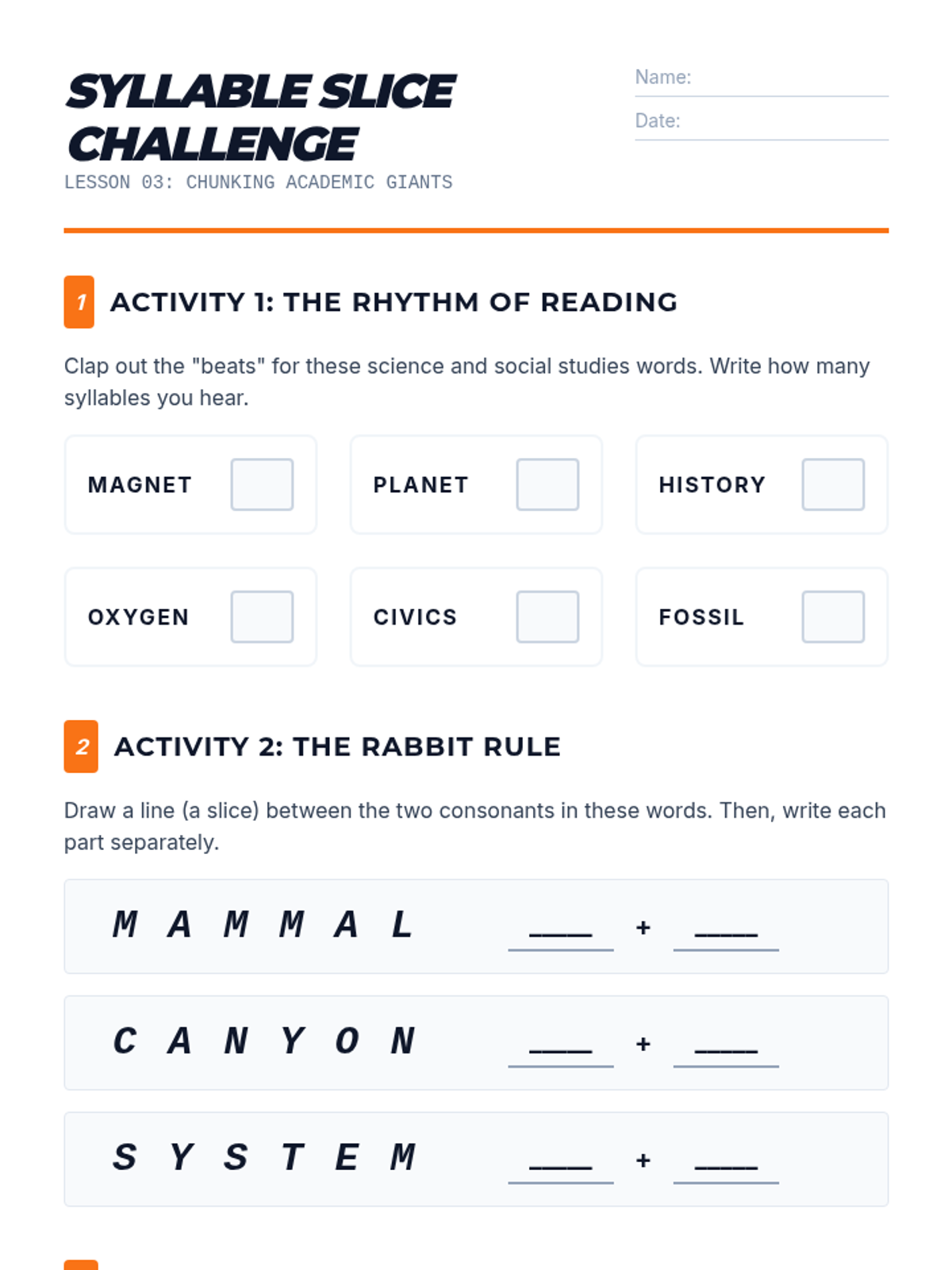
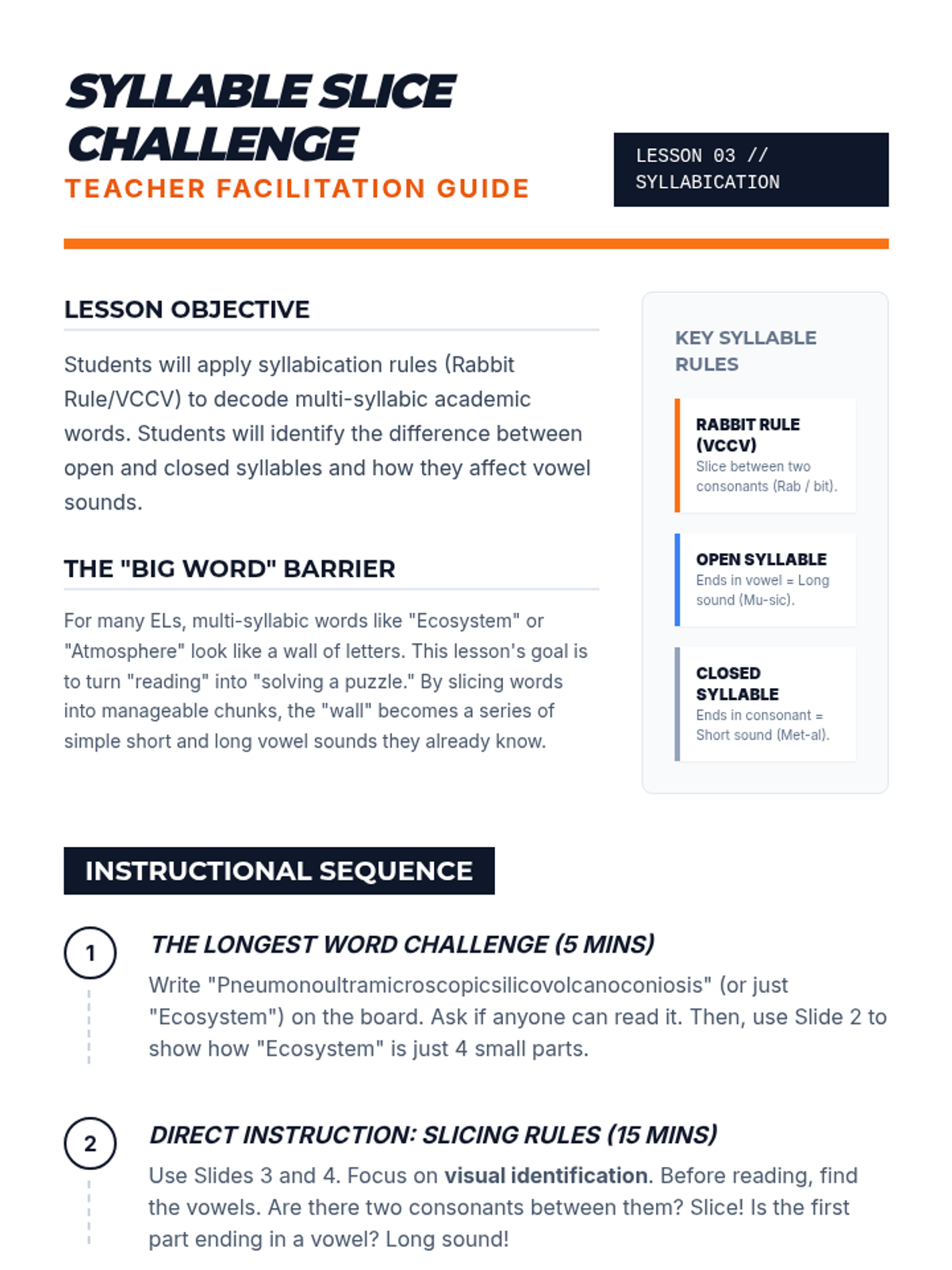
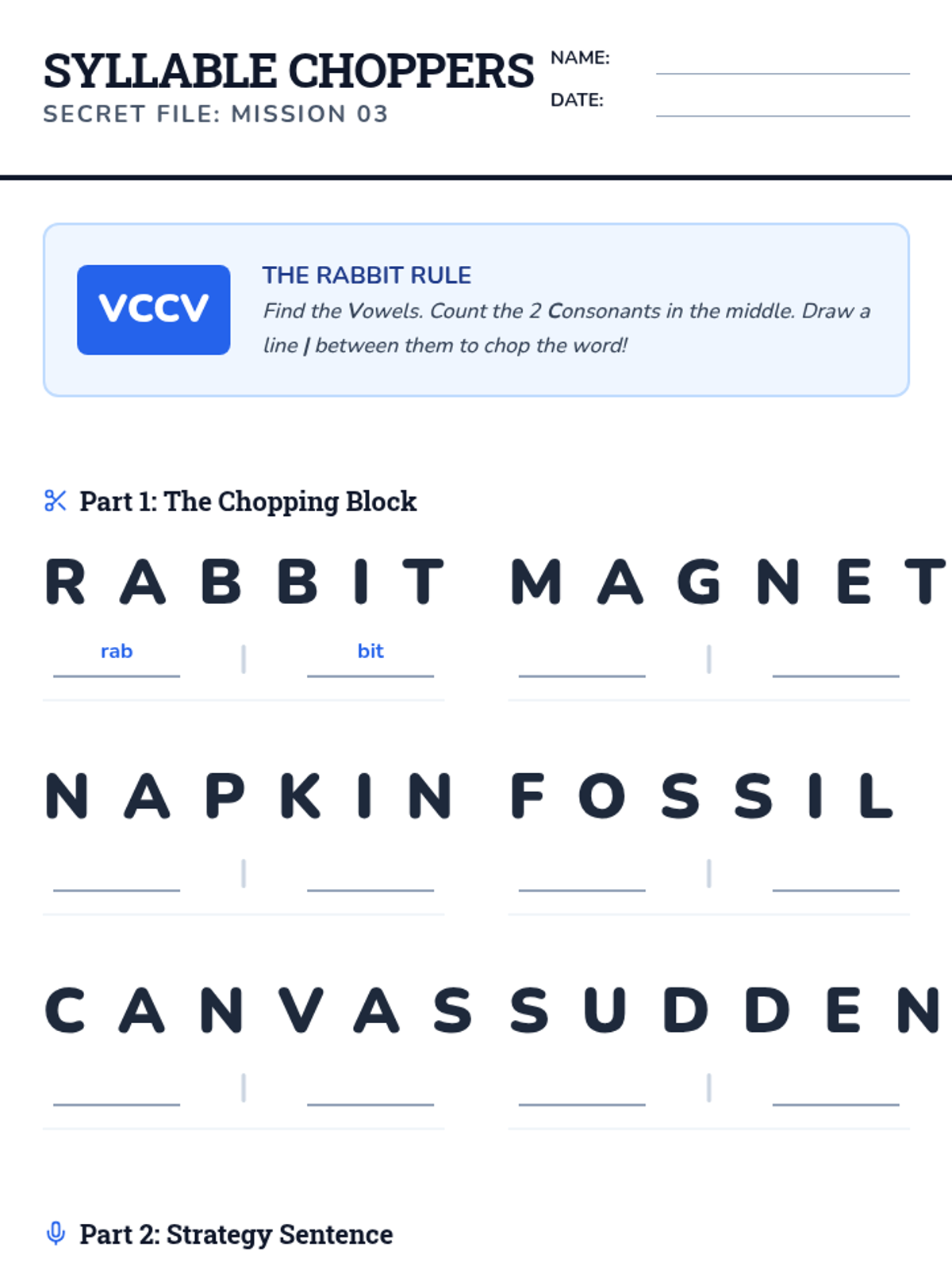
Introduces syllabication strategies including open and closed syllables to help students decode multi-syllabic academic words from science and social studies.
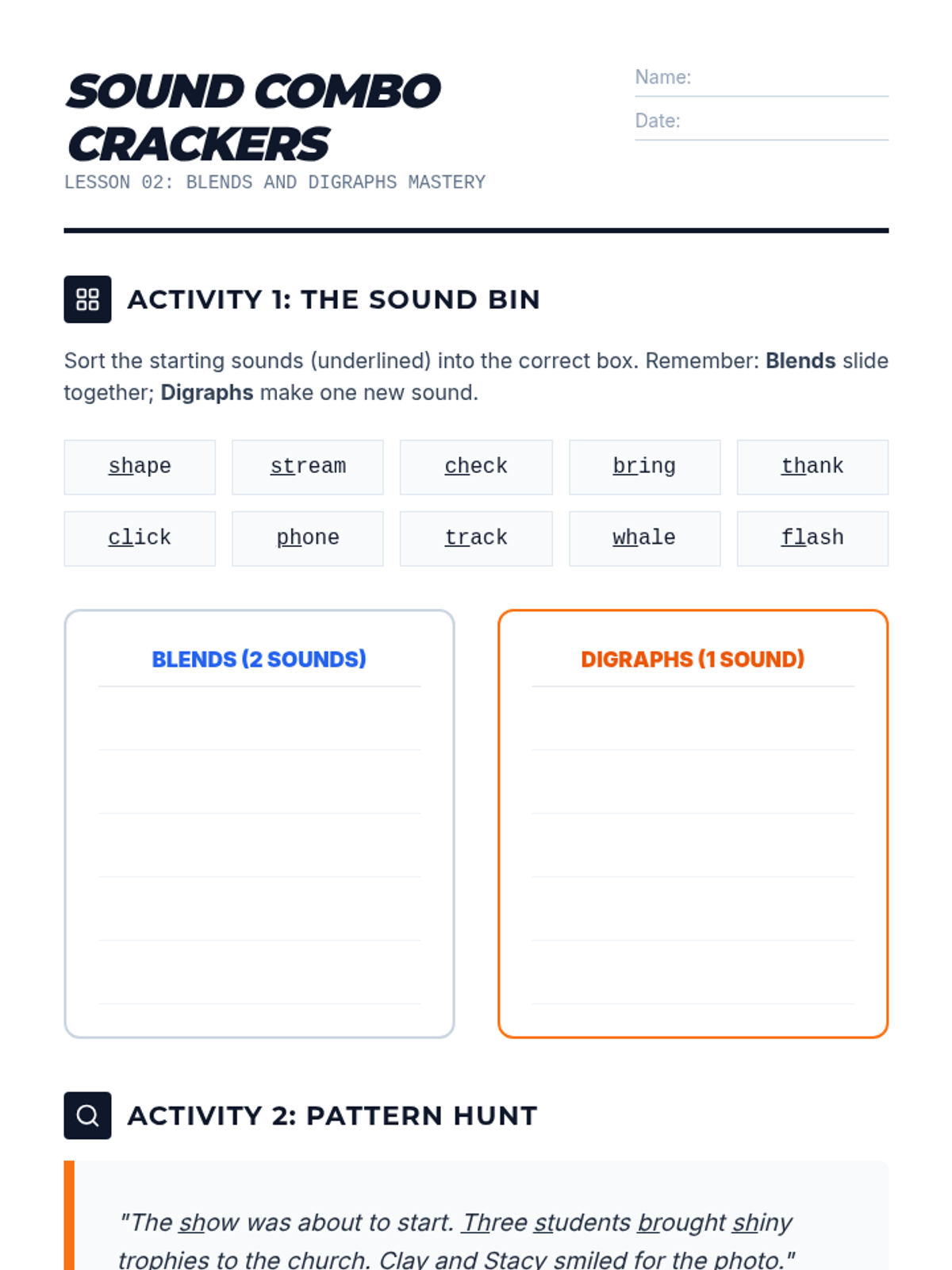
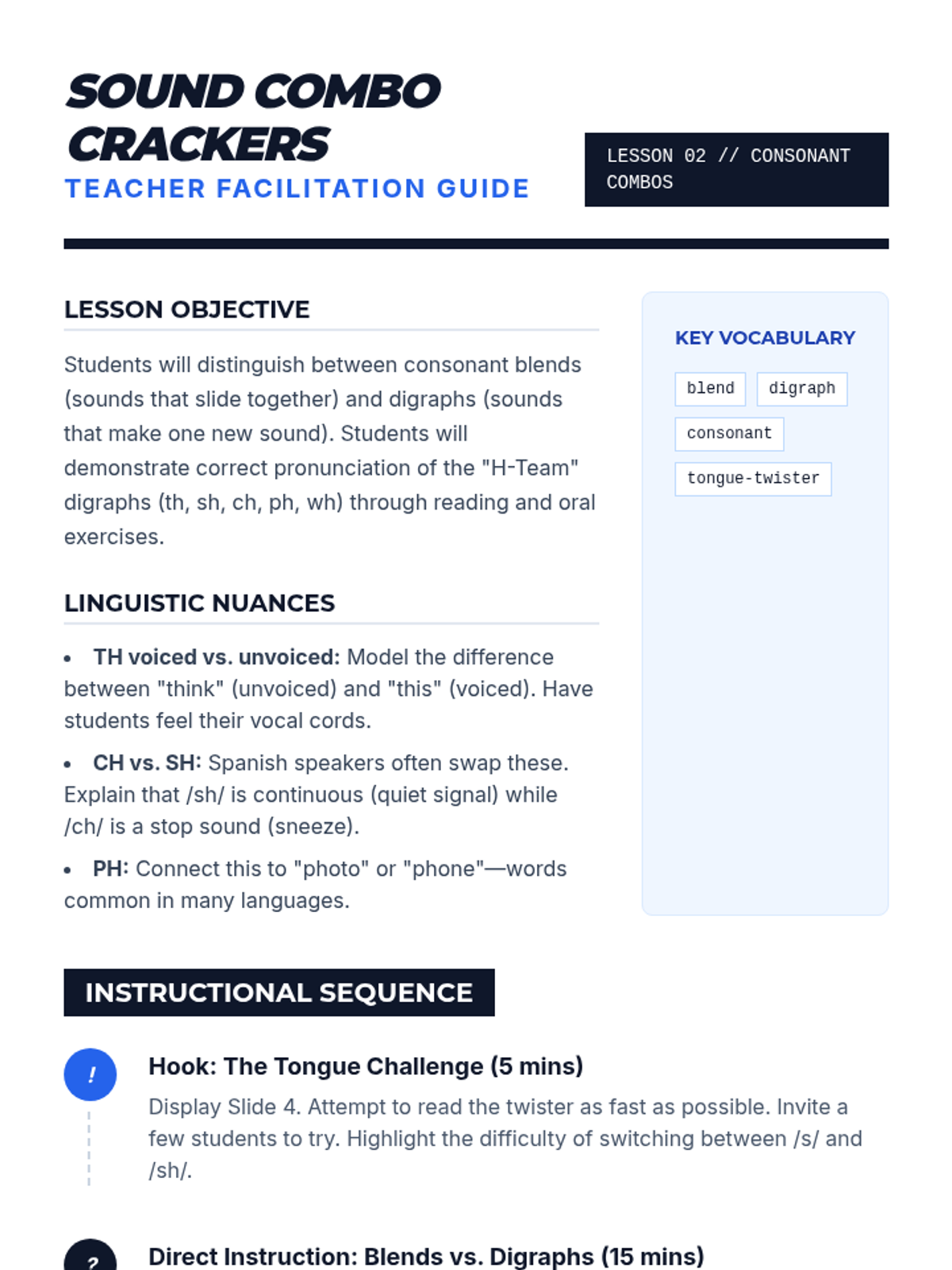
Focuses on common consonant blends and digraphs in everyday English, with students identifying patterns in text and practicing pronunciation through tongue twisters.
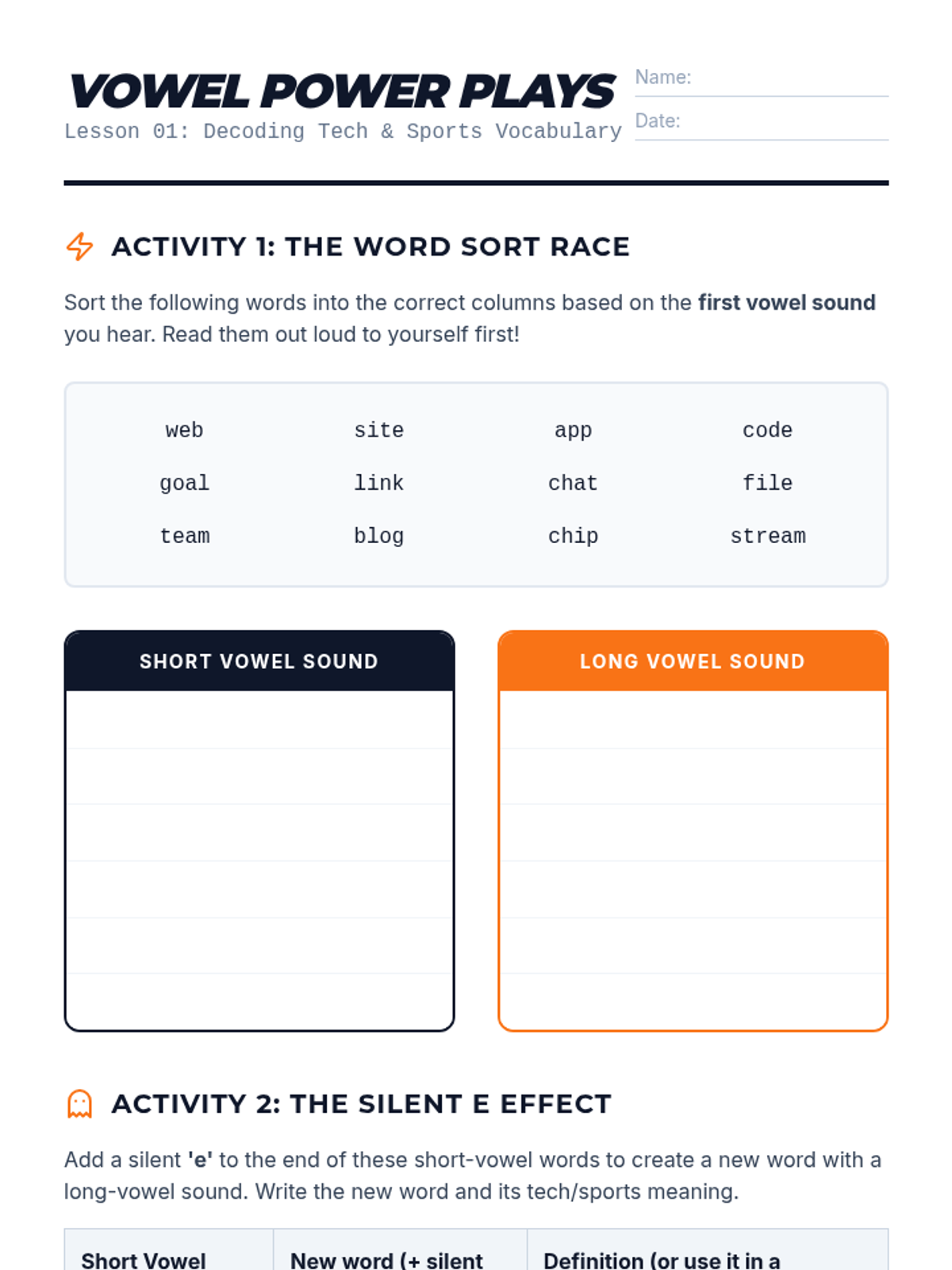
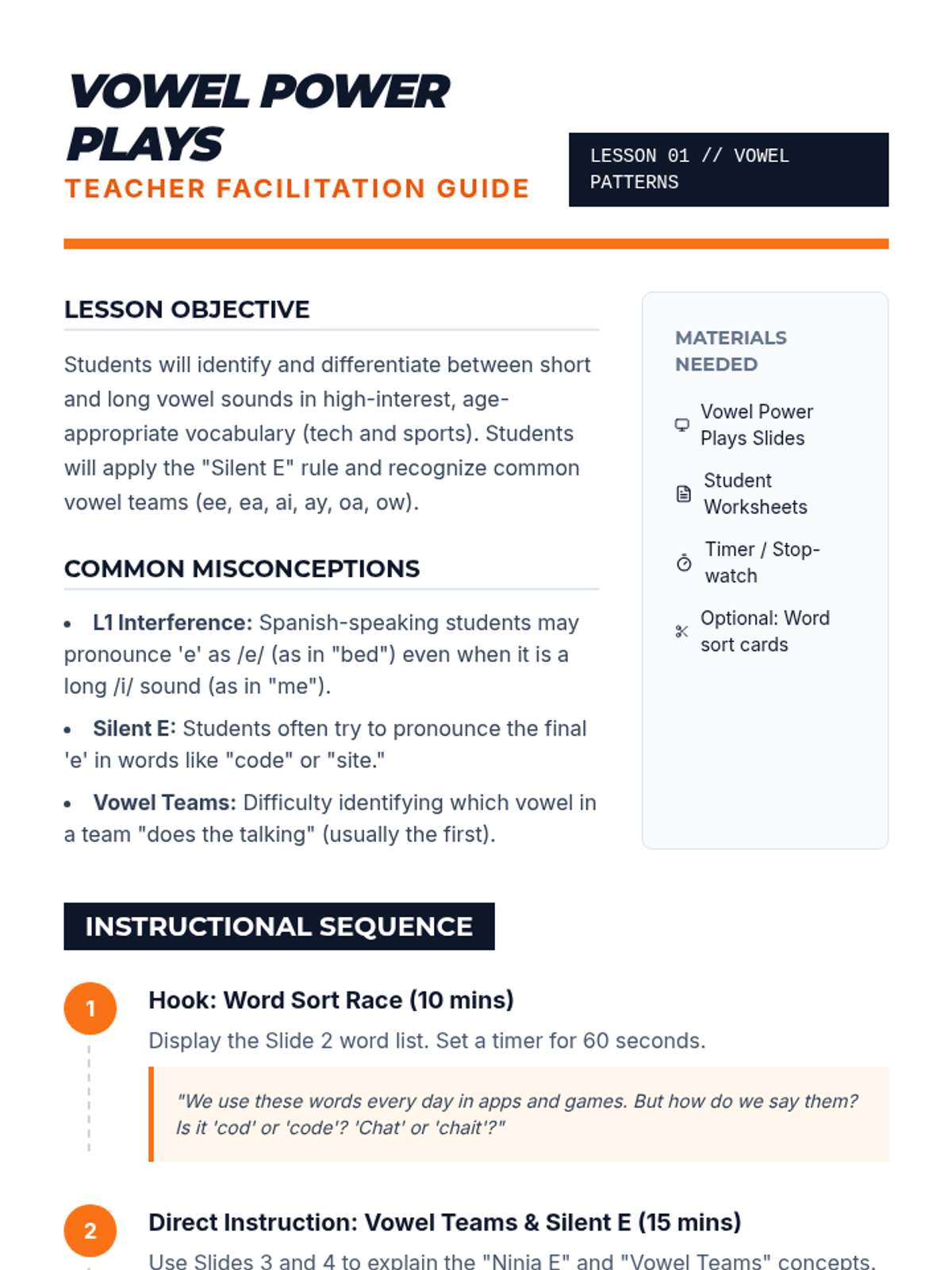
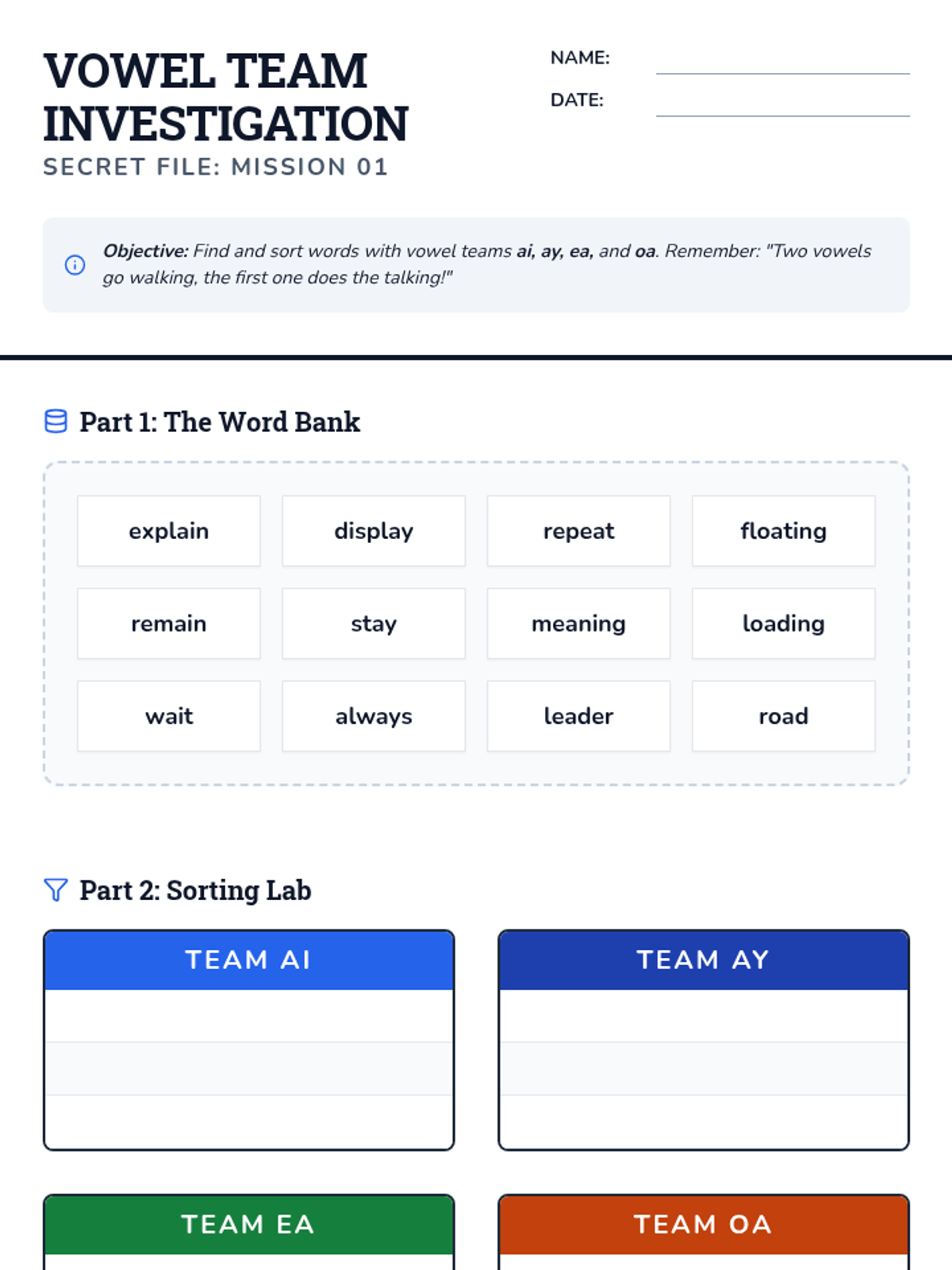
Students master short and long vowel sounds using vocabulary related to sports, tech, and school life, identifying vowel teams through interactive word sorts.
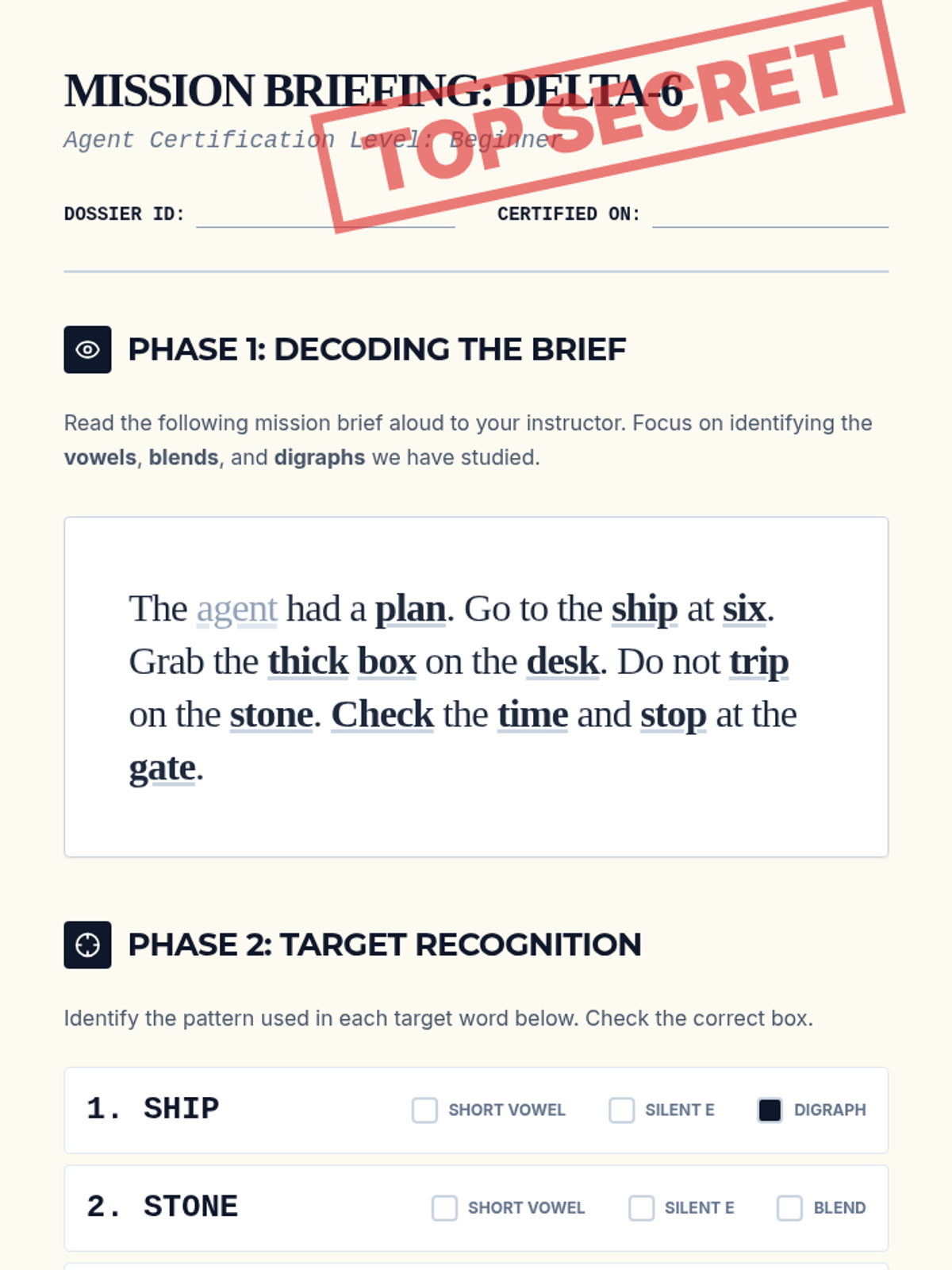
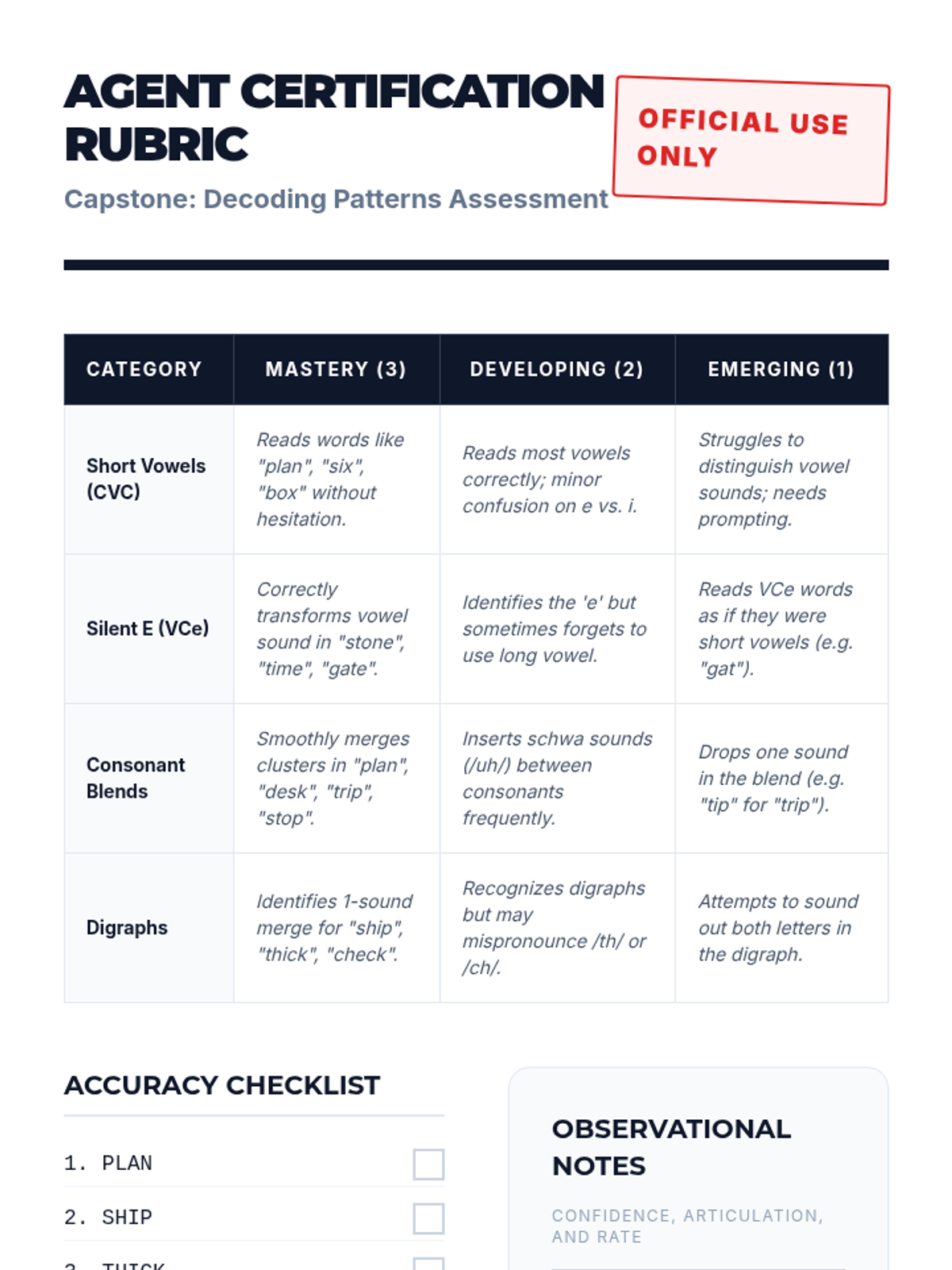
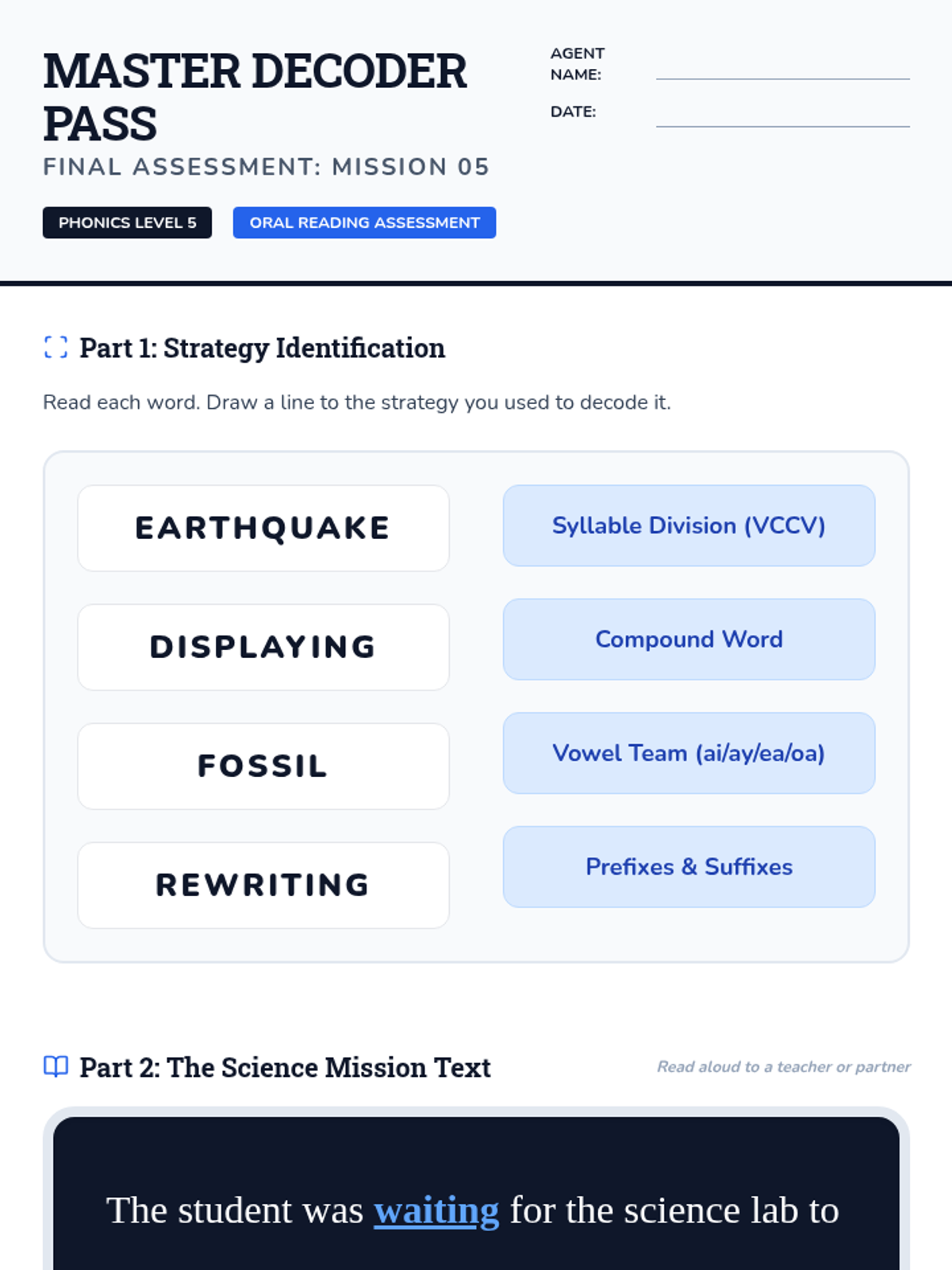
The capstone assessment where students apply all decoding strategies to a 'Secret Agent' mission brief. Peer feedback and teacher evaluation focus on integrated decoding and oral reading fluency.
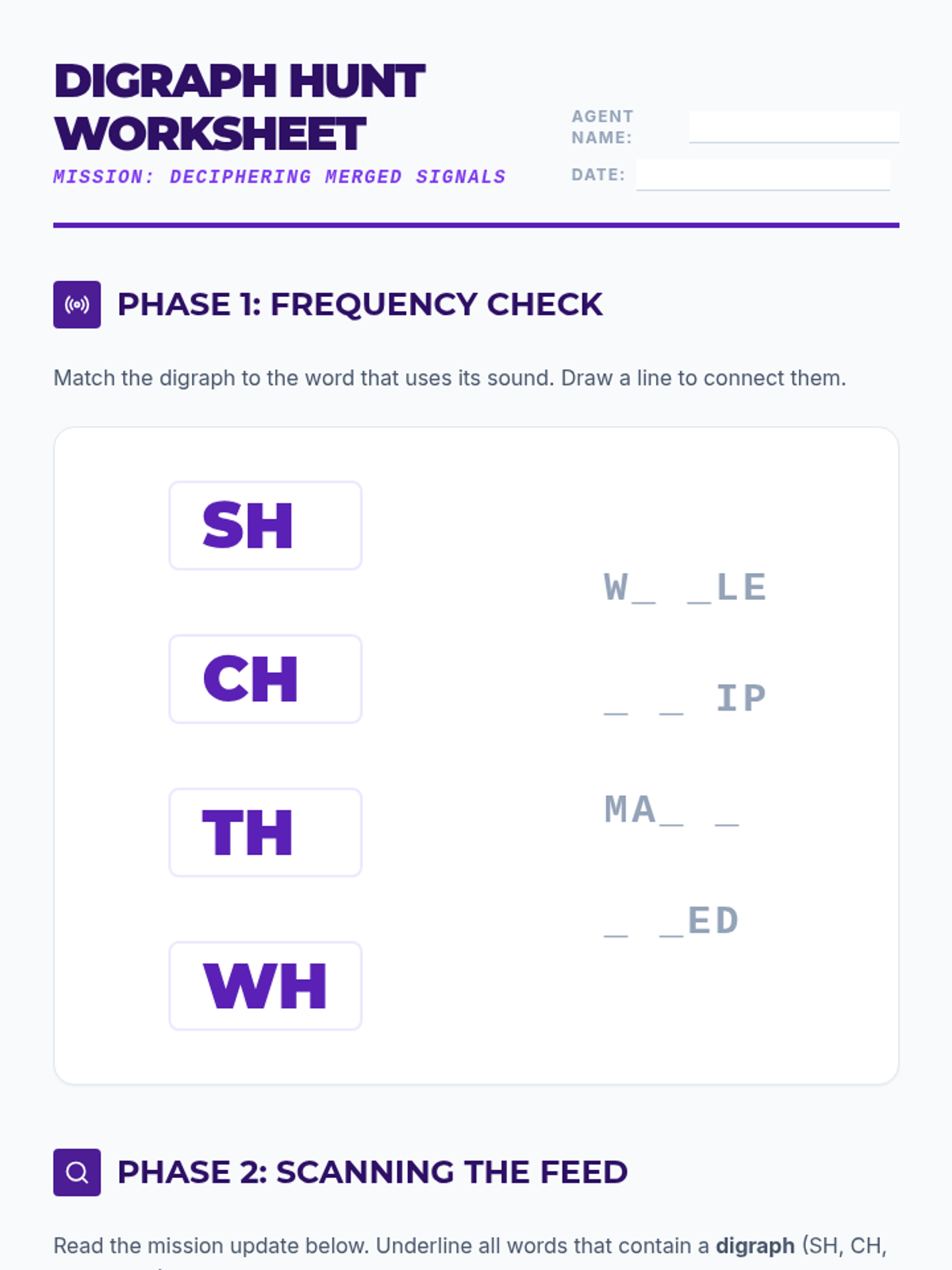
This lesson focuses on digraphs (sh, ch, th, wh) where two letters make one unique sound. Students hunt for these patterns in high-interest texts designed for older beginner readers.
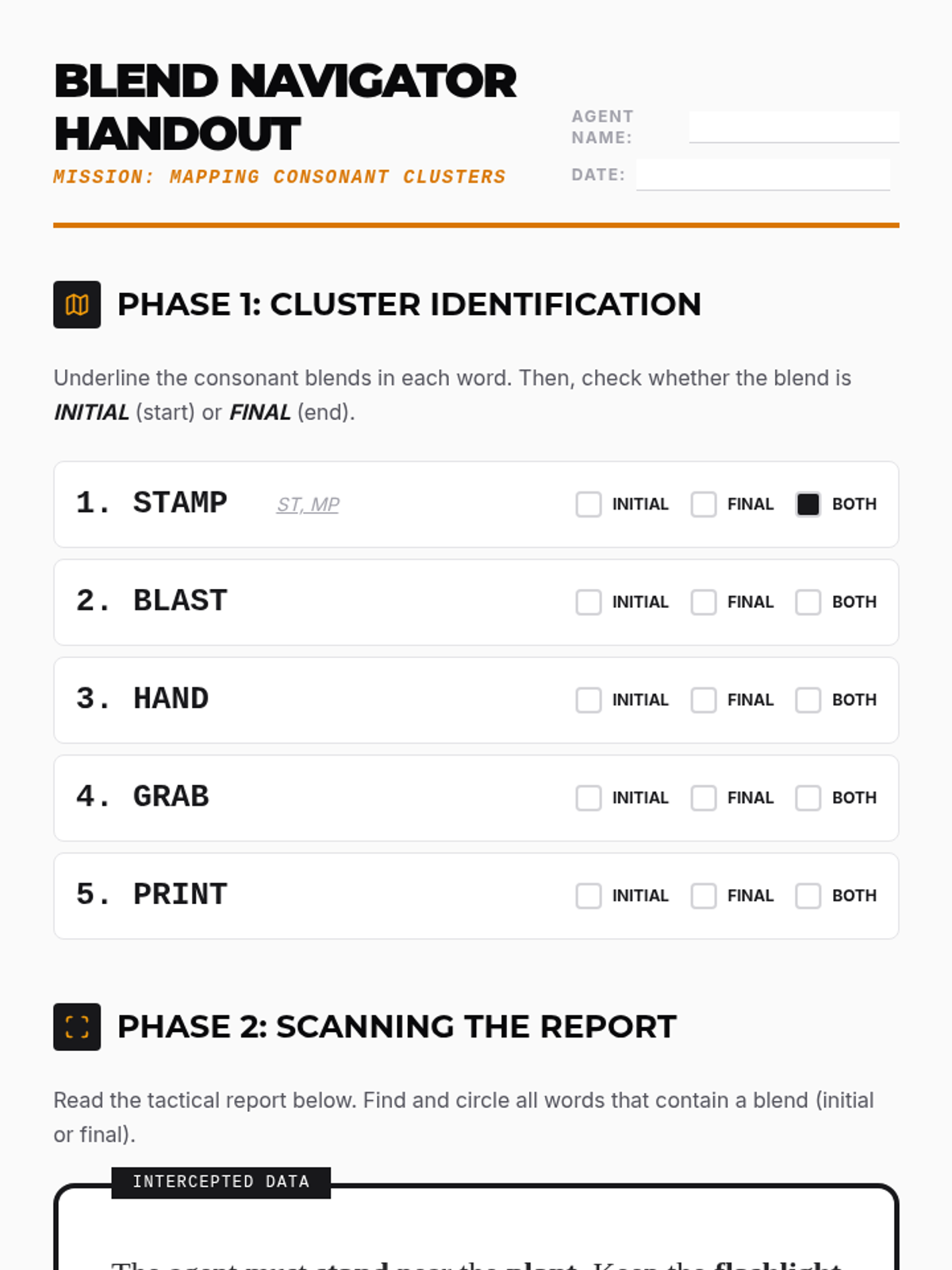
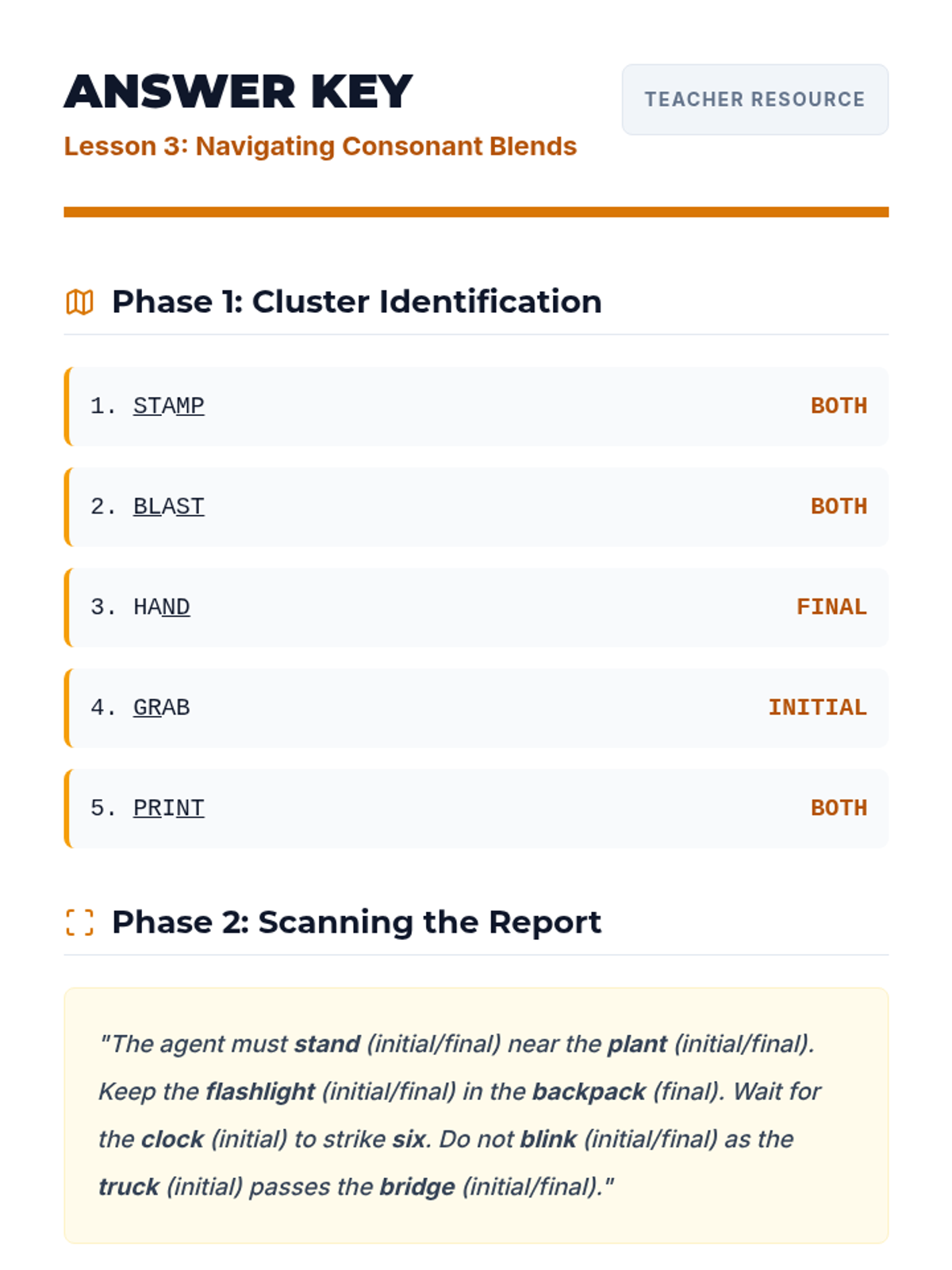
Students practice identifying and pronouncing initial and final consonant blends (st-, bl-, -nd, -mp) through timed sorting challenges and tongue-twister warm-ups. Focus is on articulation and rapid recognition of blended sounds.
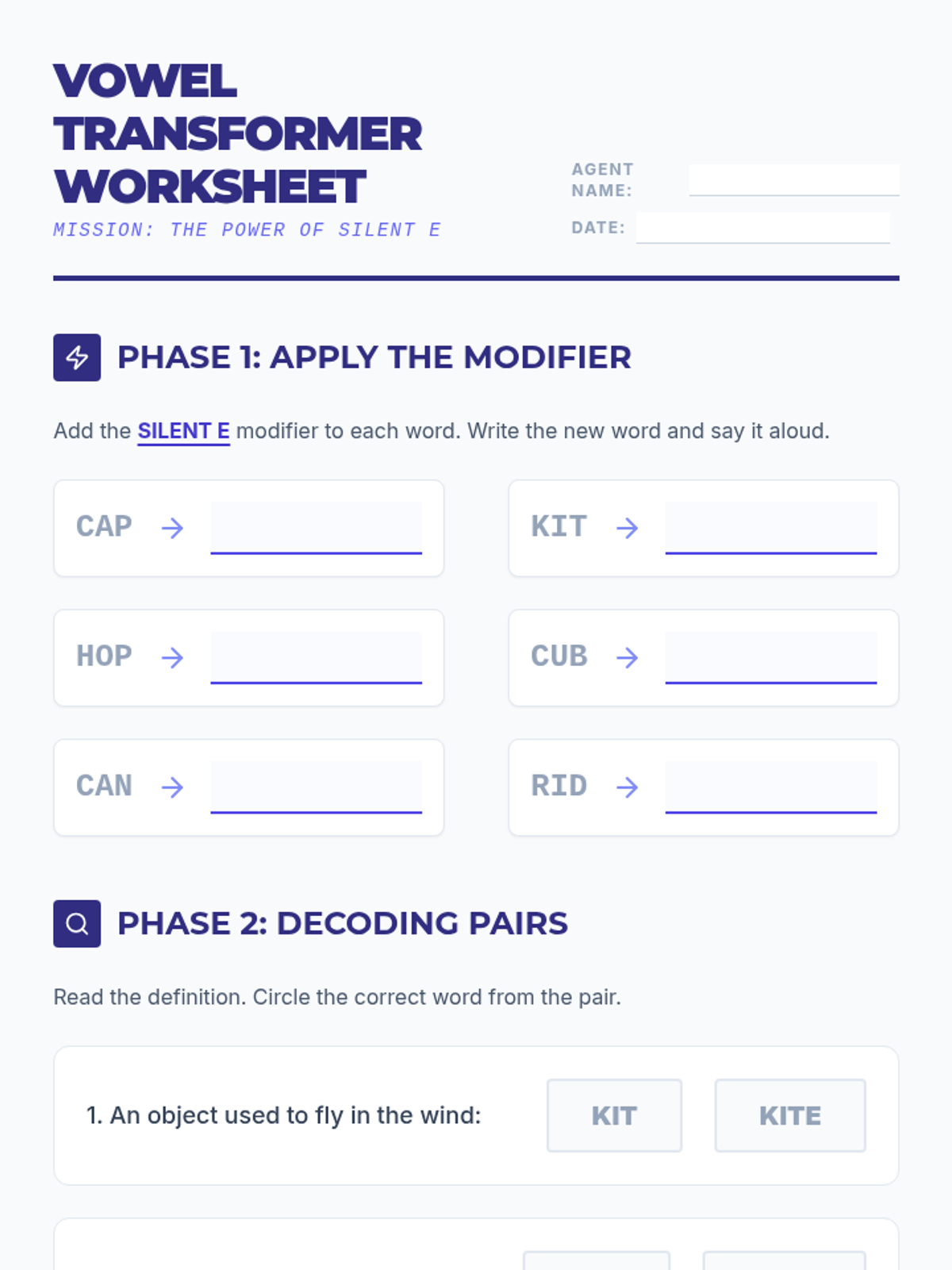
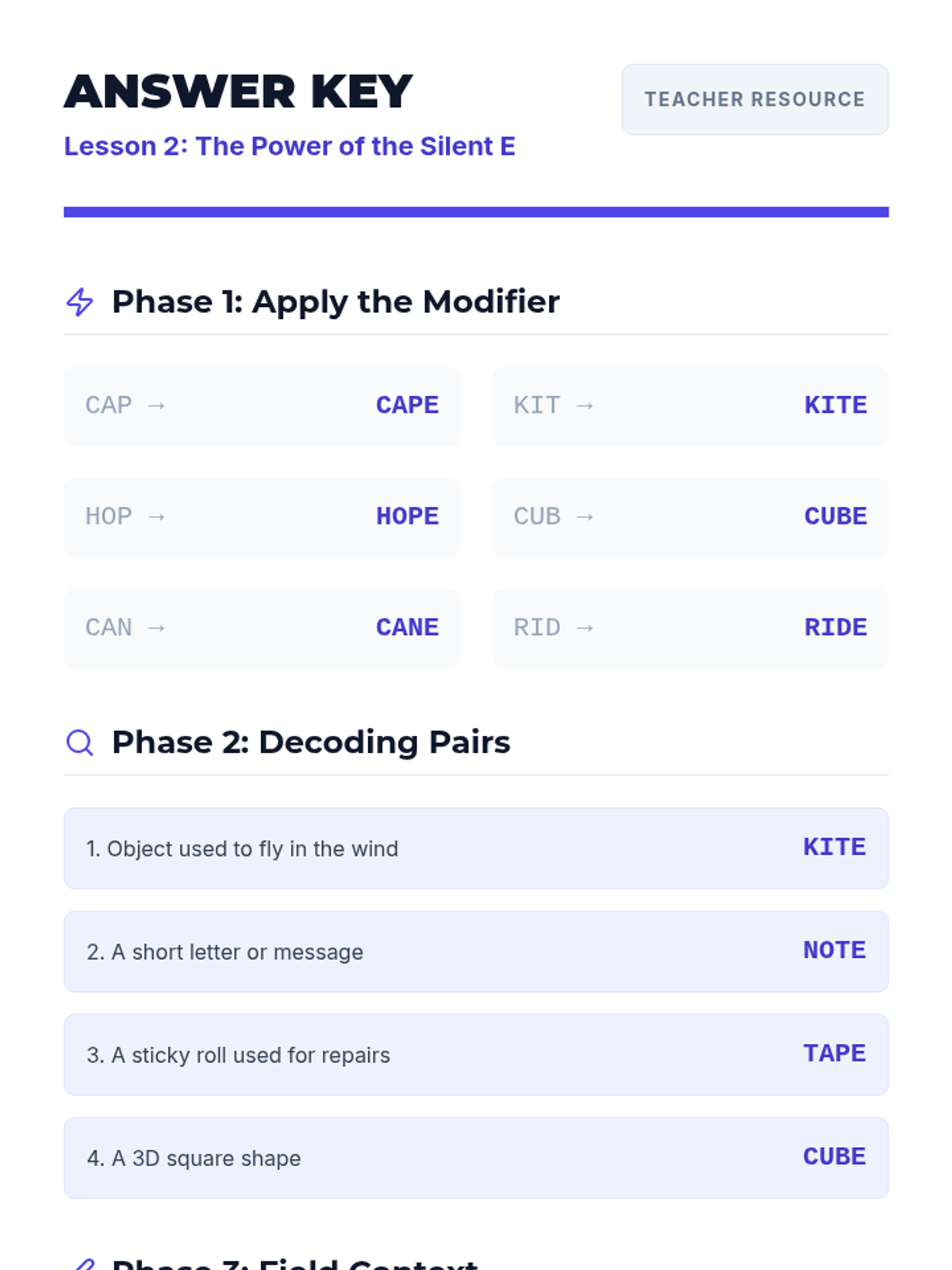
Learners explore how the addition of an 'e' changes short vowels to long vowels through a 'magic wand' transformation activity. This lesson focuses on long vowel decoding and morphological awareness.
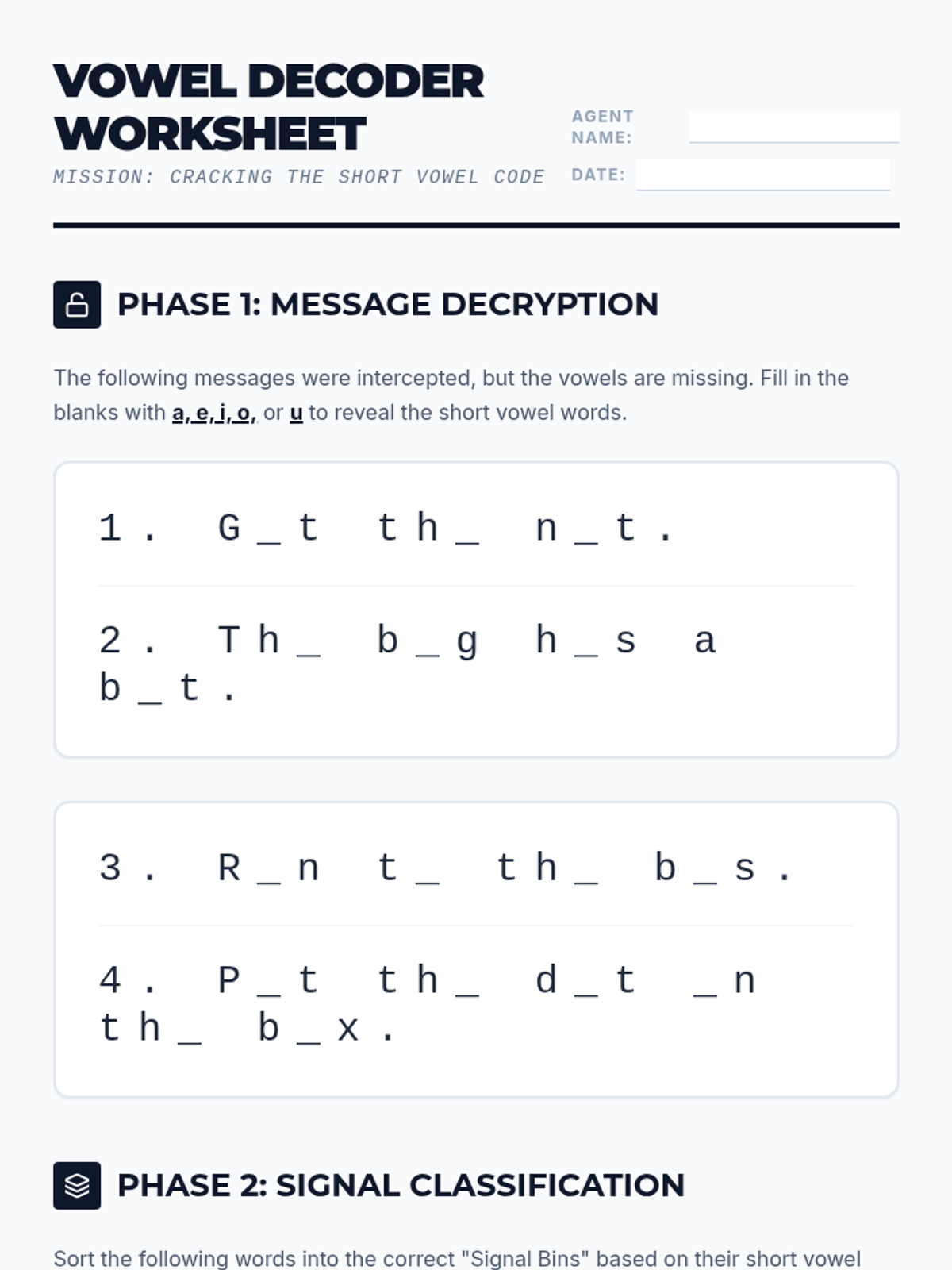
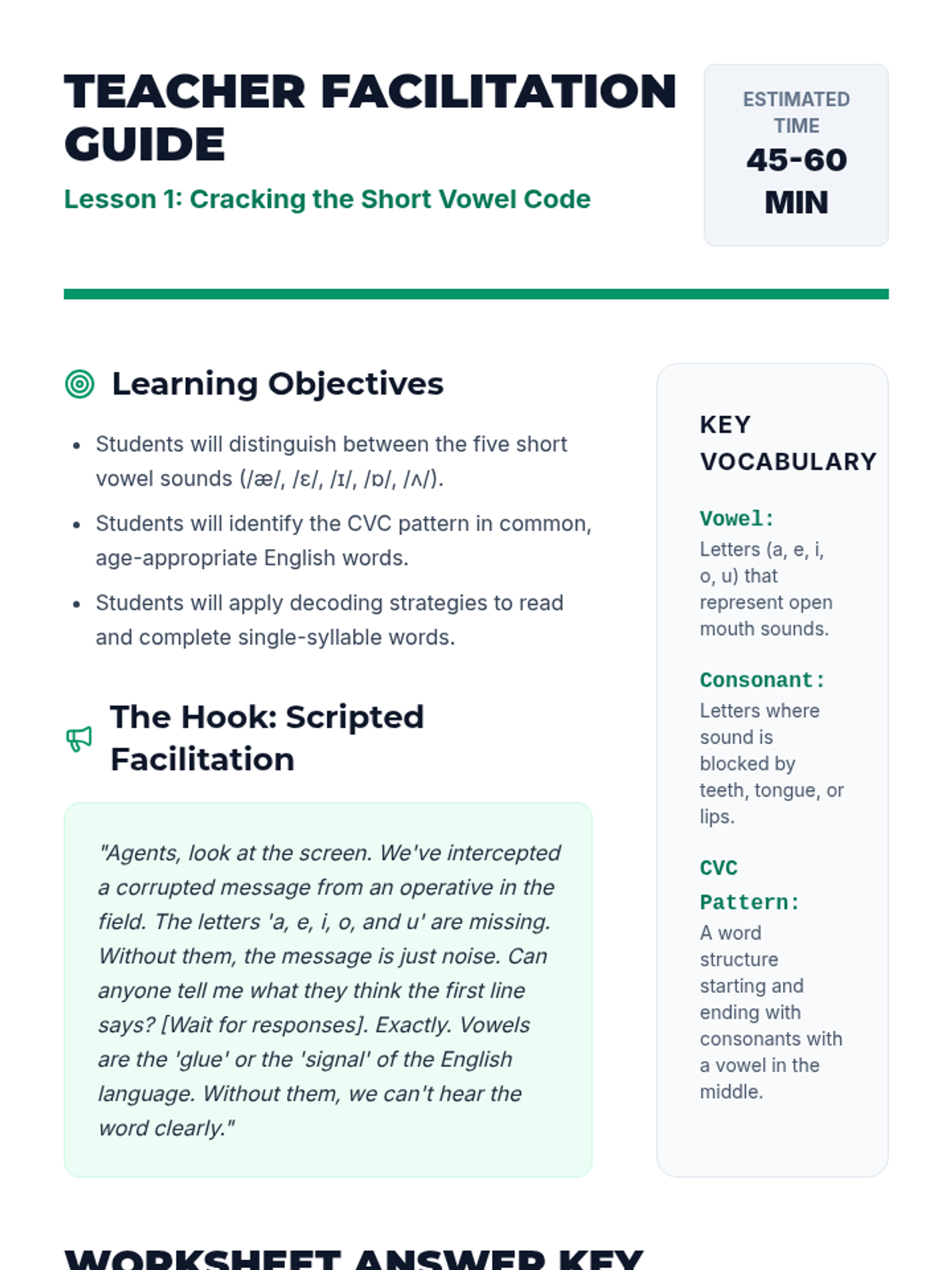
Students investigate CVC (consonant-vowel-consonant) words to distinguish short vowel sounds using a text-message decryption hook. Visual mapping and auditory sorting help students master these fundamental sounds in a middle-school context.
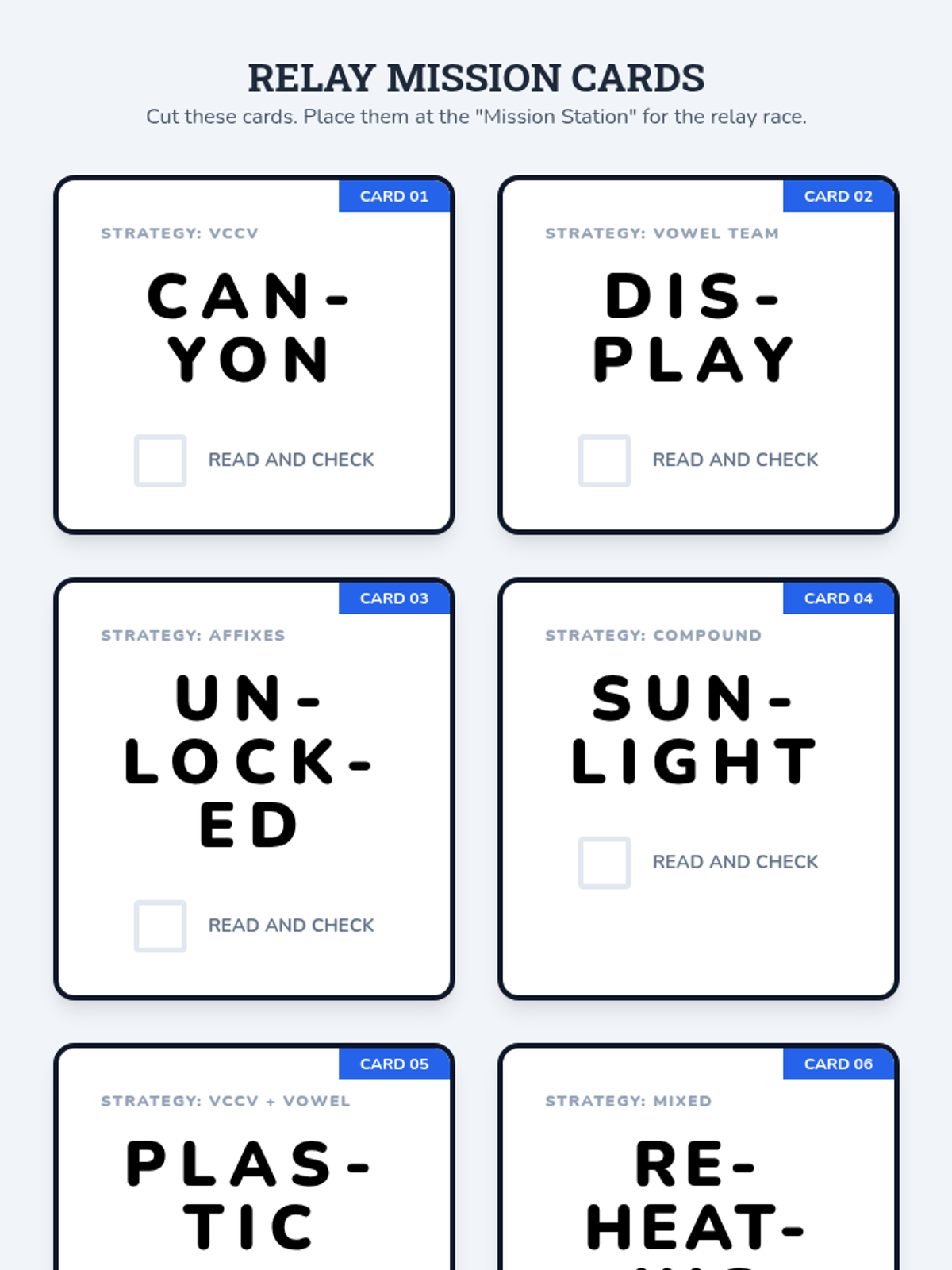
A cumulative review where students apply all decoding strategies in a relay race and oral reading assessment.
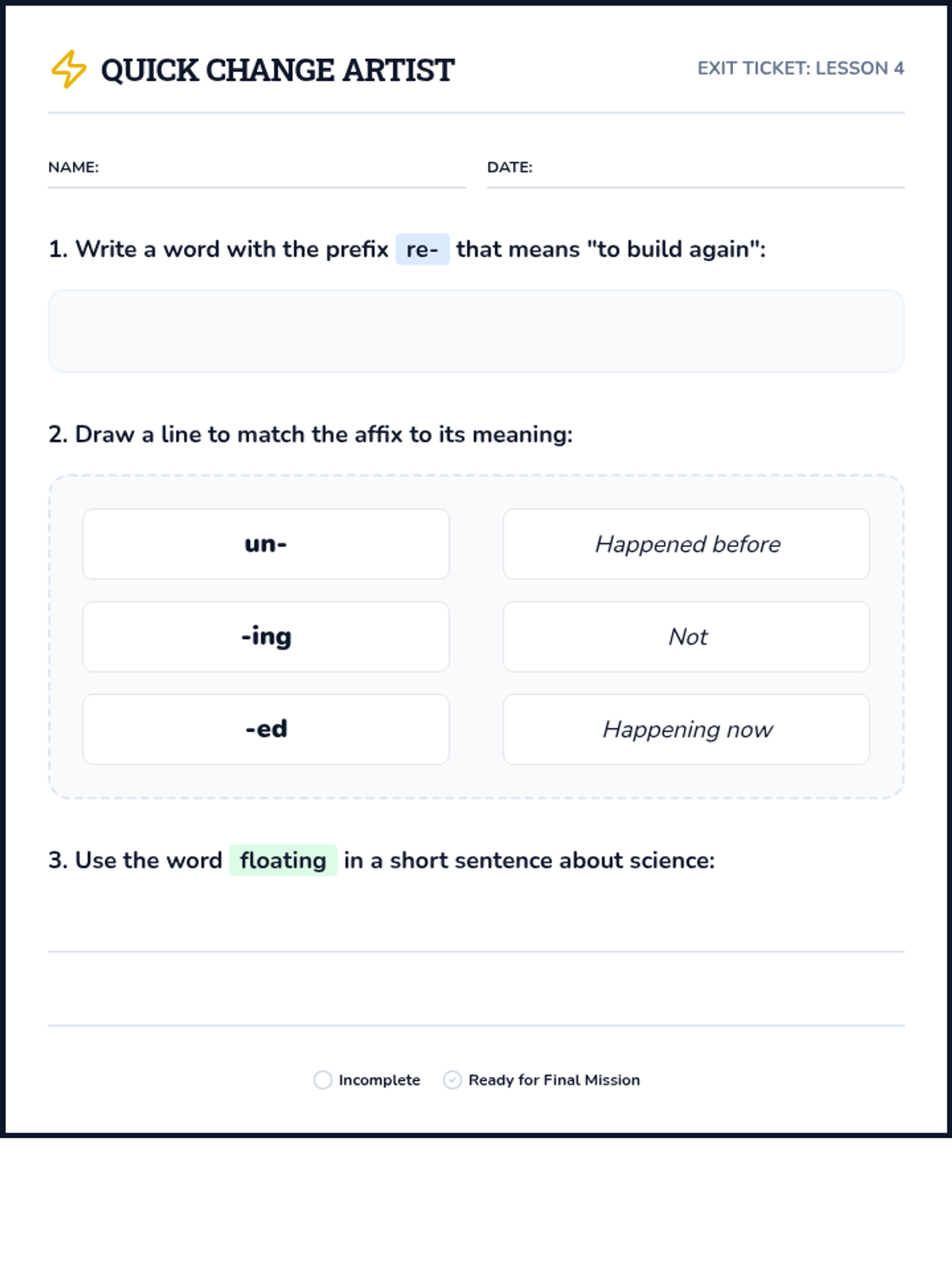
Identifying common prefixes and suffixes (un-, re-, -ing, -ed) to decode and understand the meaning of new words.
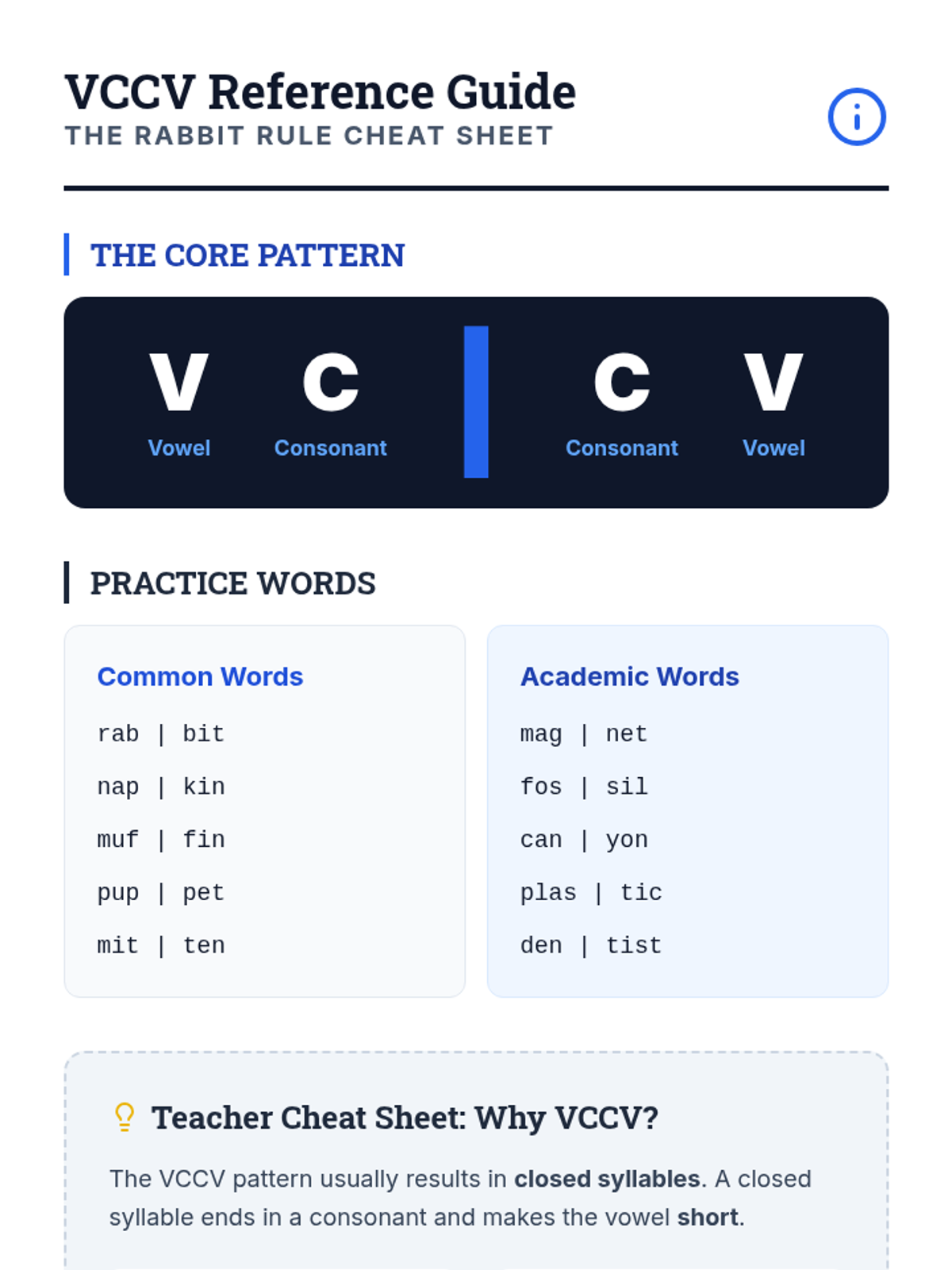
Introduction to the Vowel-Consonant-Consonant-Vowel (VCCV) syllable division pattern using the 'chopping' strategy.
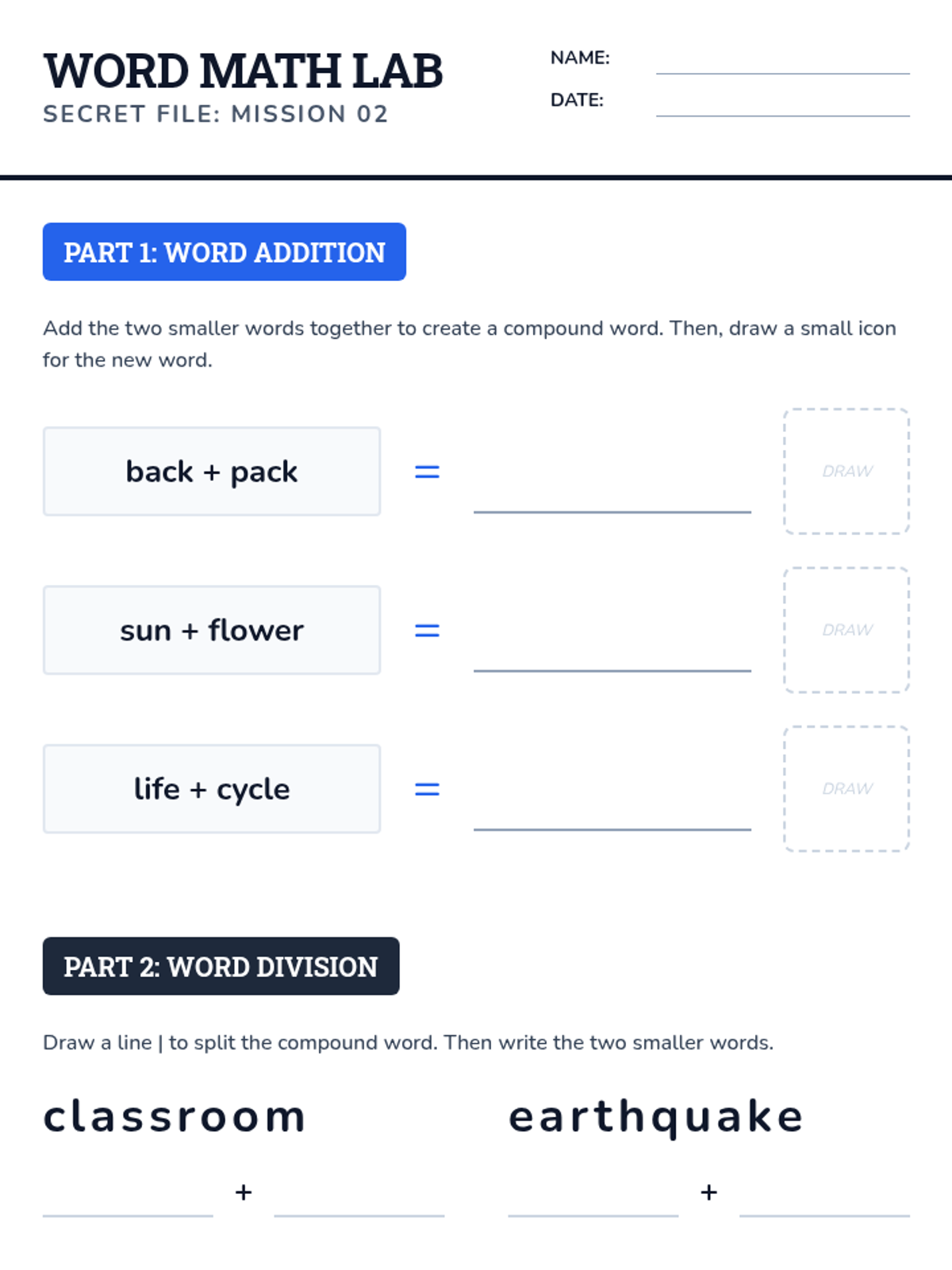
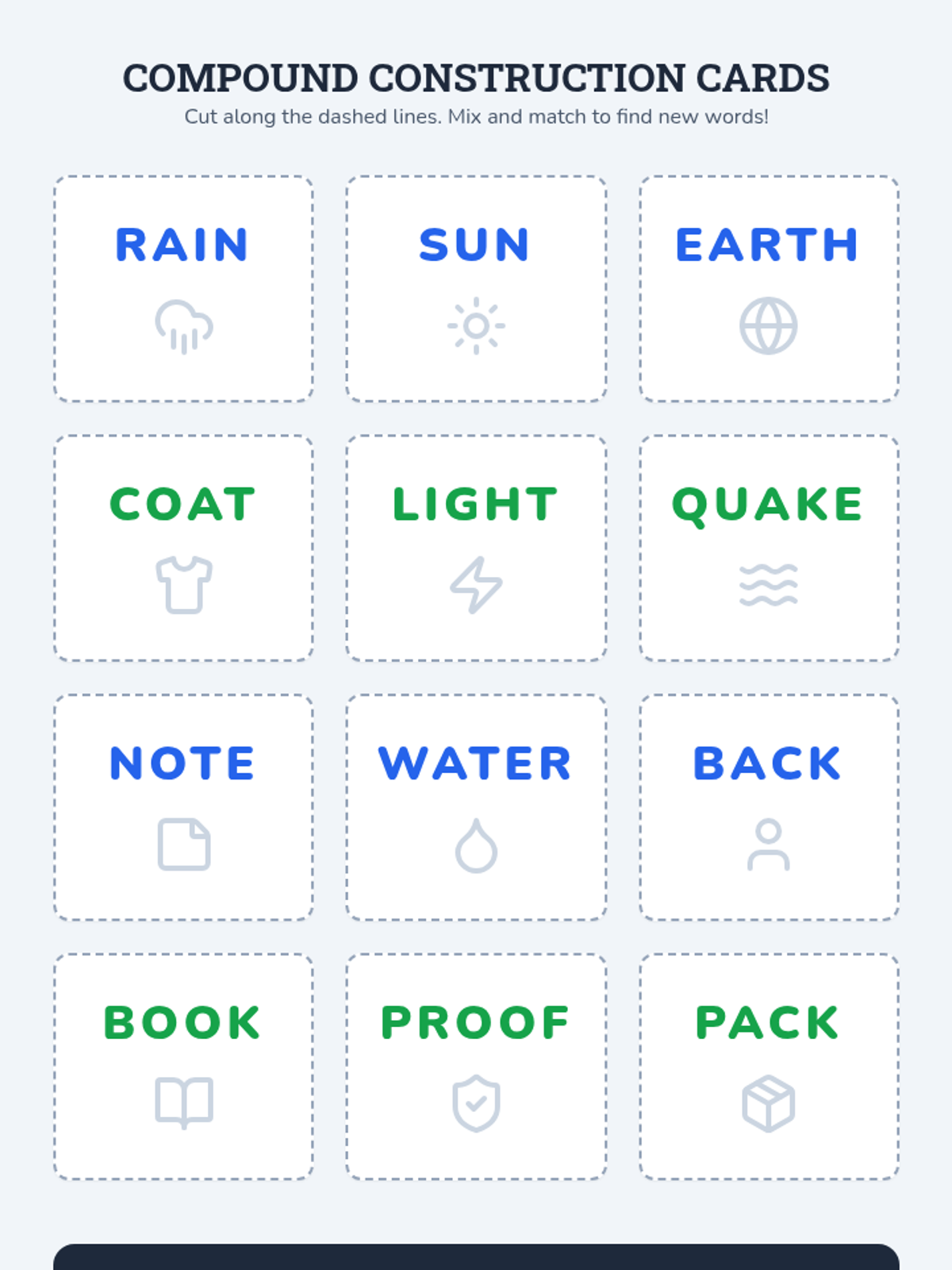
Learners identify and split compound words into smaller root words to understand meaning and improve reading fluency.
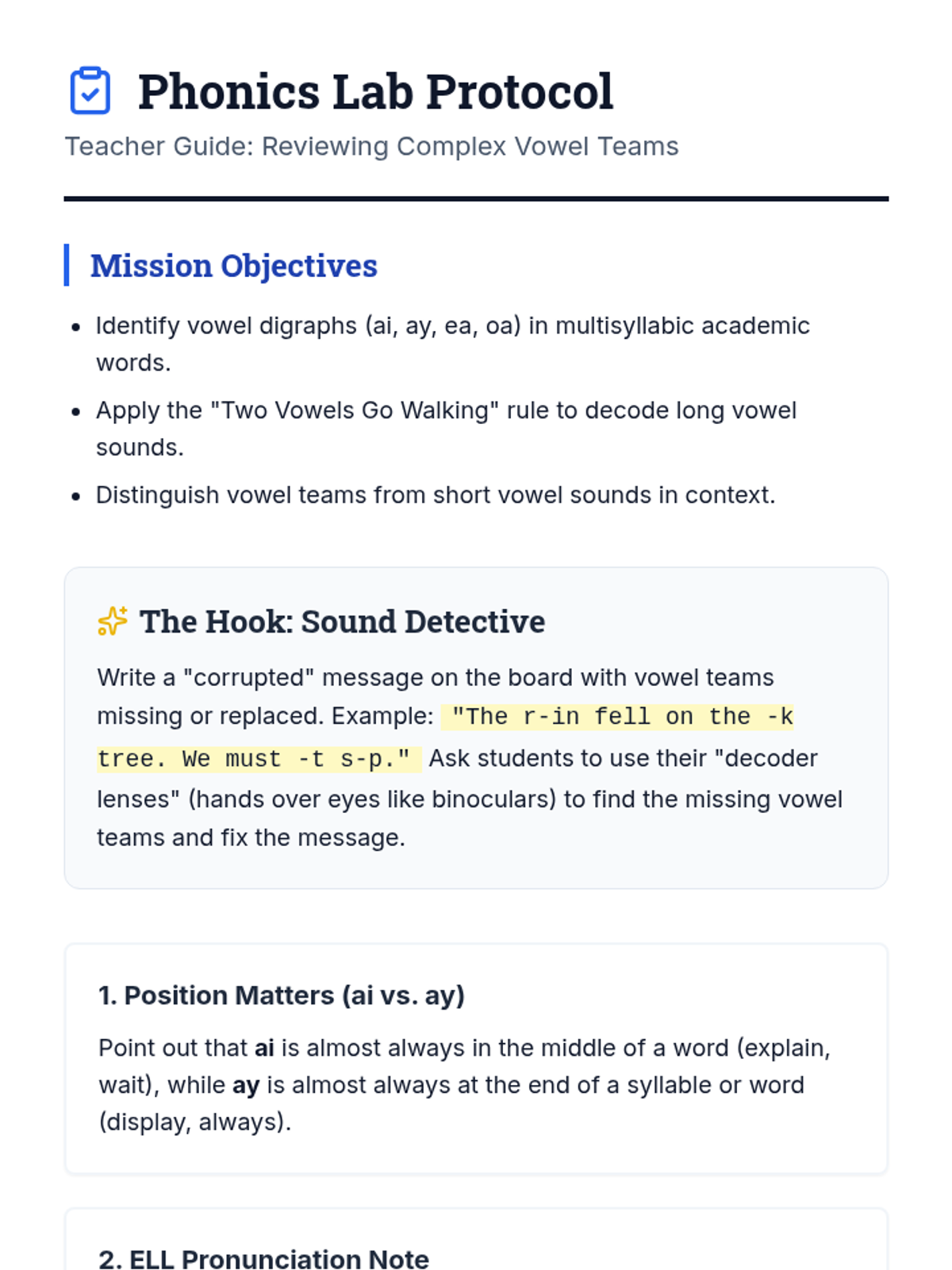
Students review common vowel digraphs (ea, oa, ai, ay) using academic vocabulary and identify long vowel patterns in context.