Cultural identity, community development, and public policy through the lens of creative practice. Addresses arts advocacy strategies and integrates interdisciplinary connections across social and professional sectors.
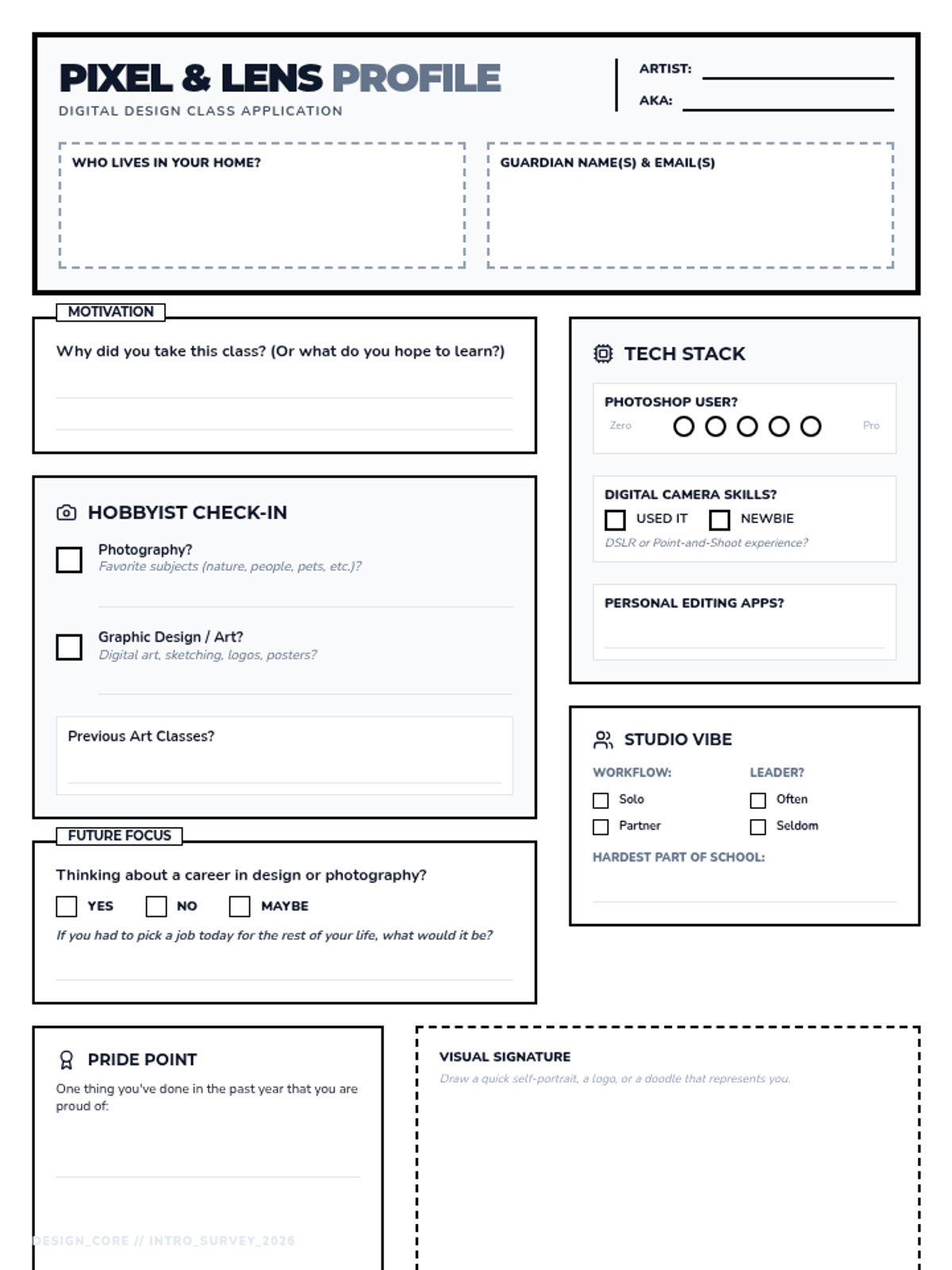
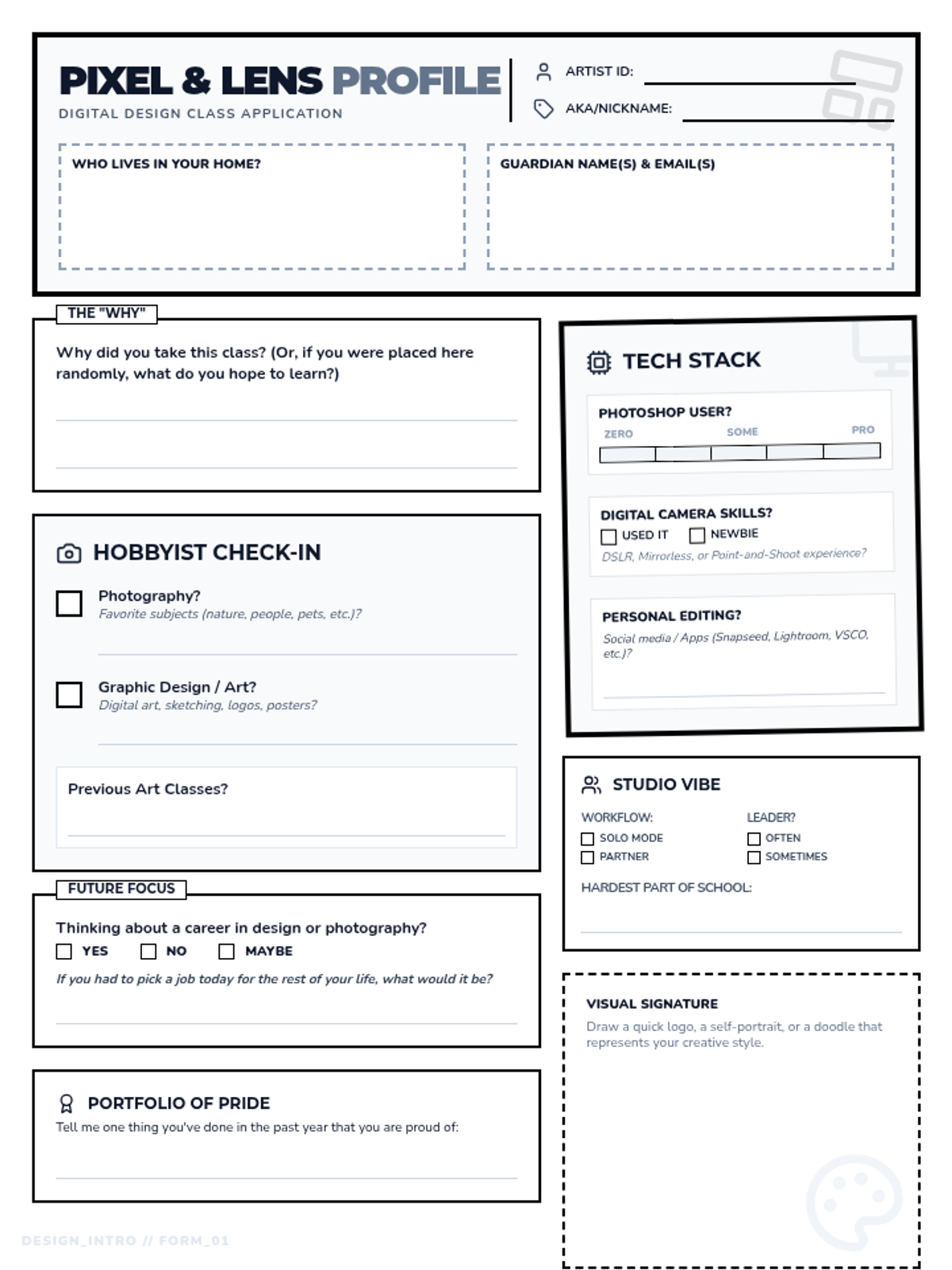
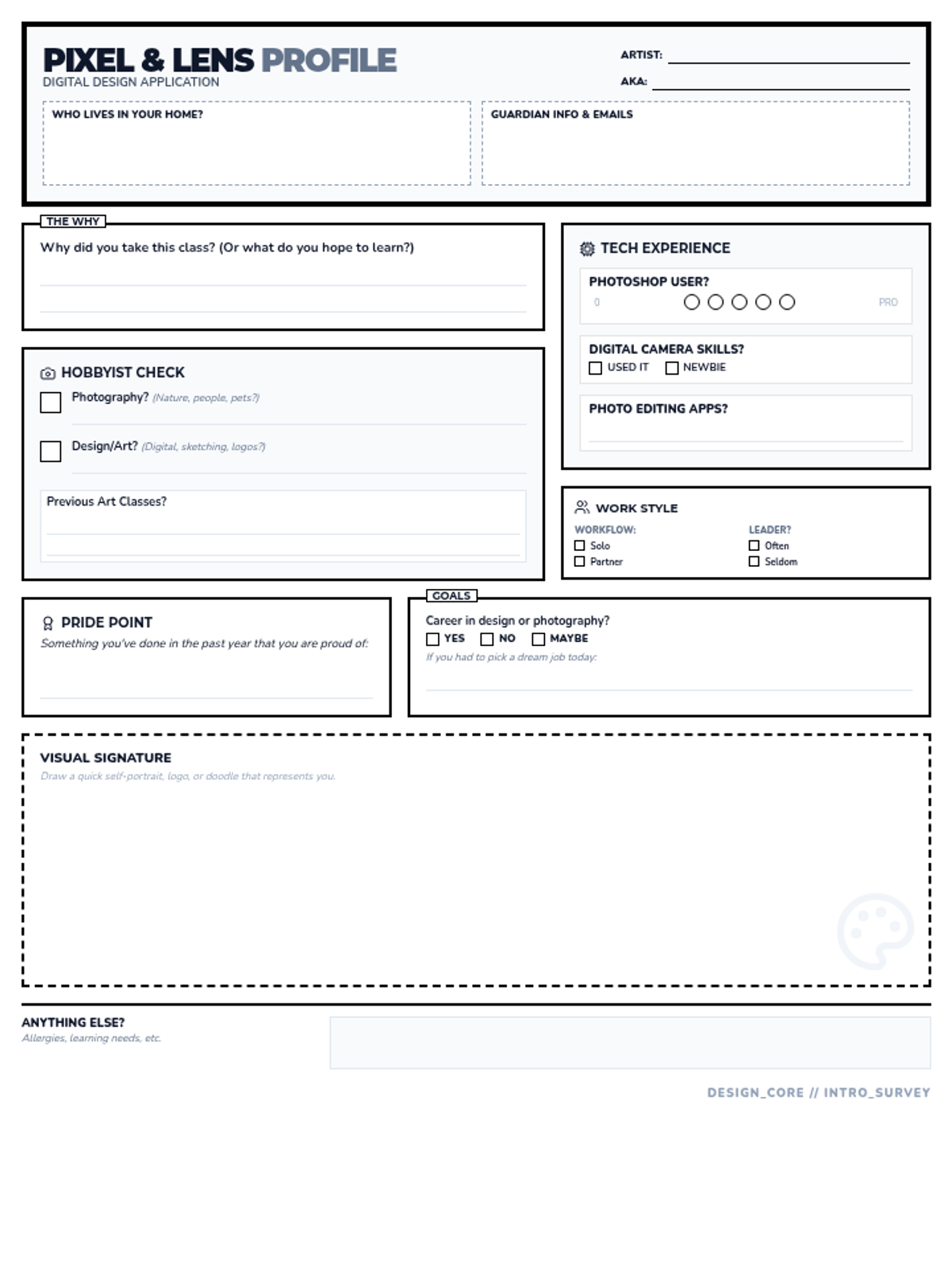
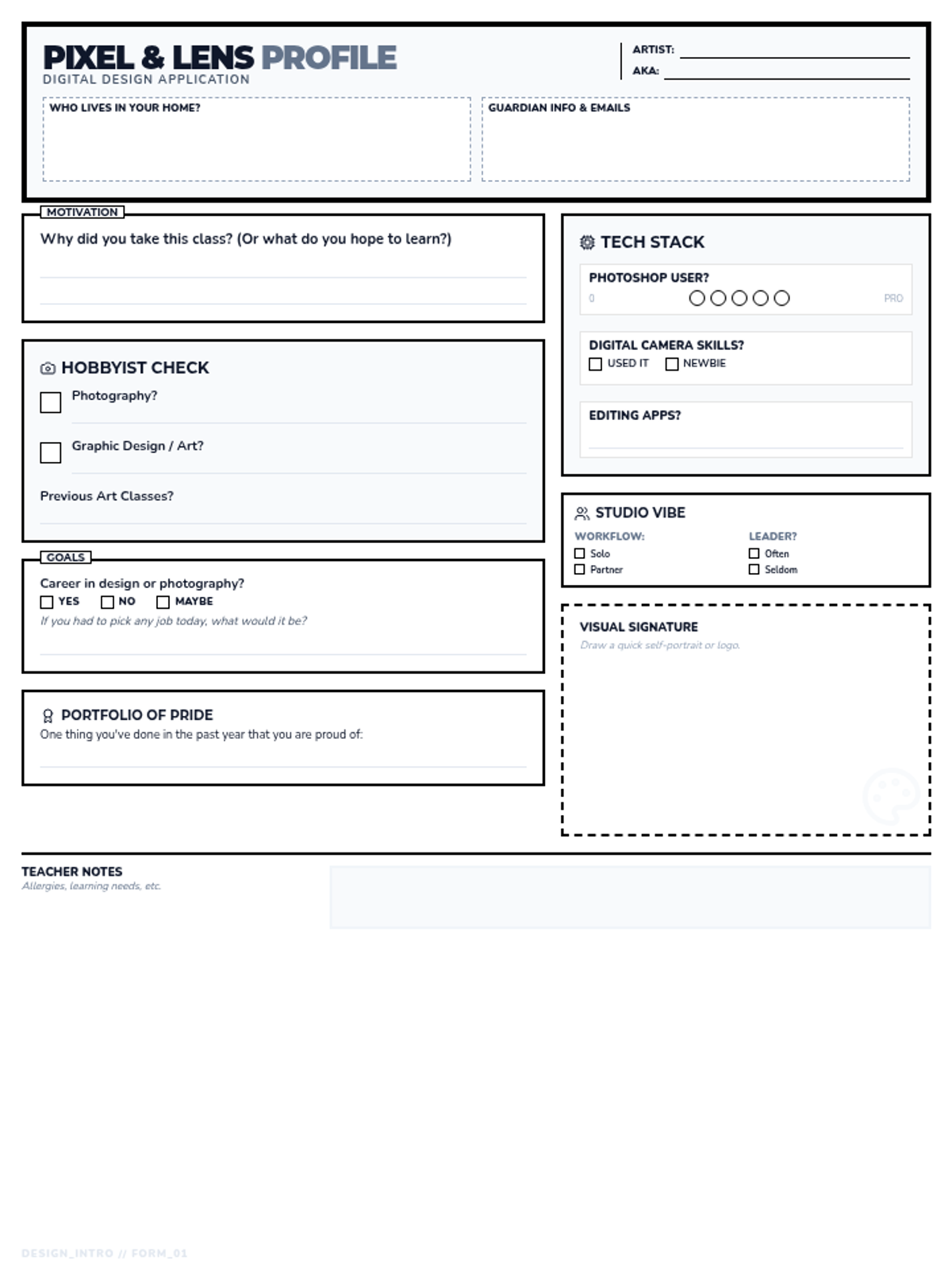
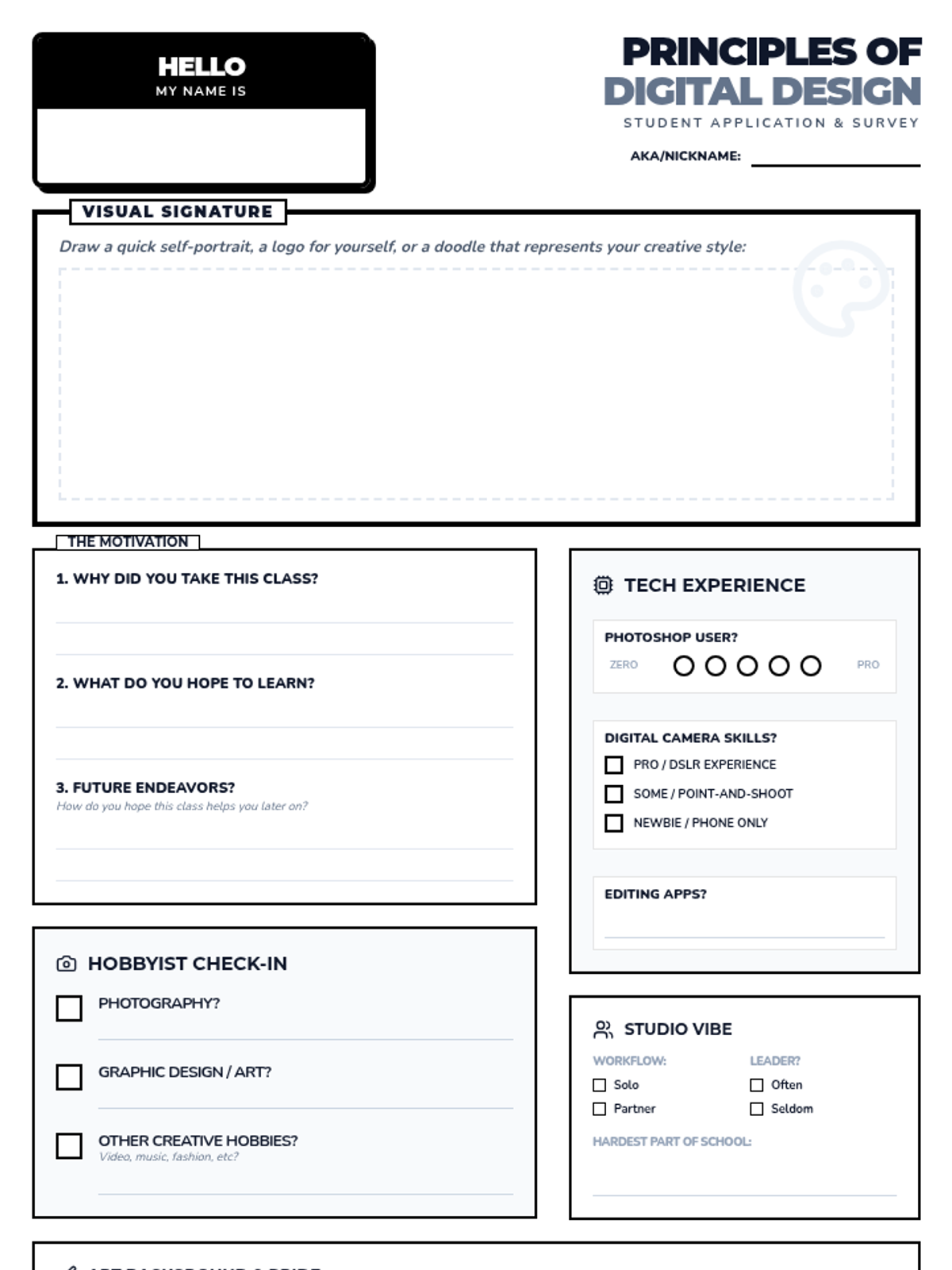
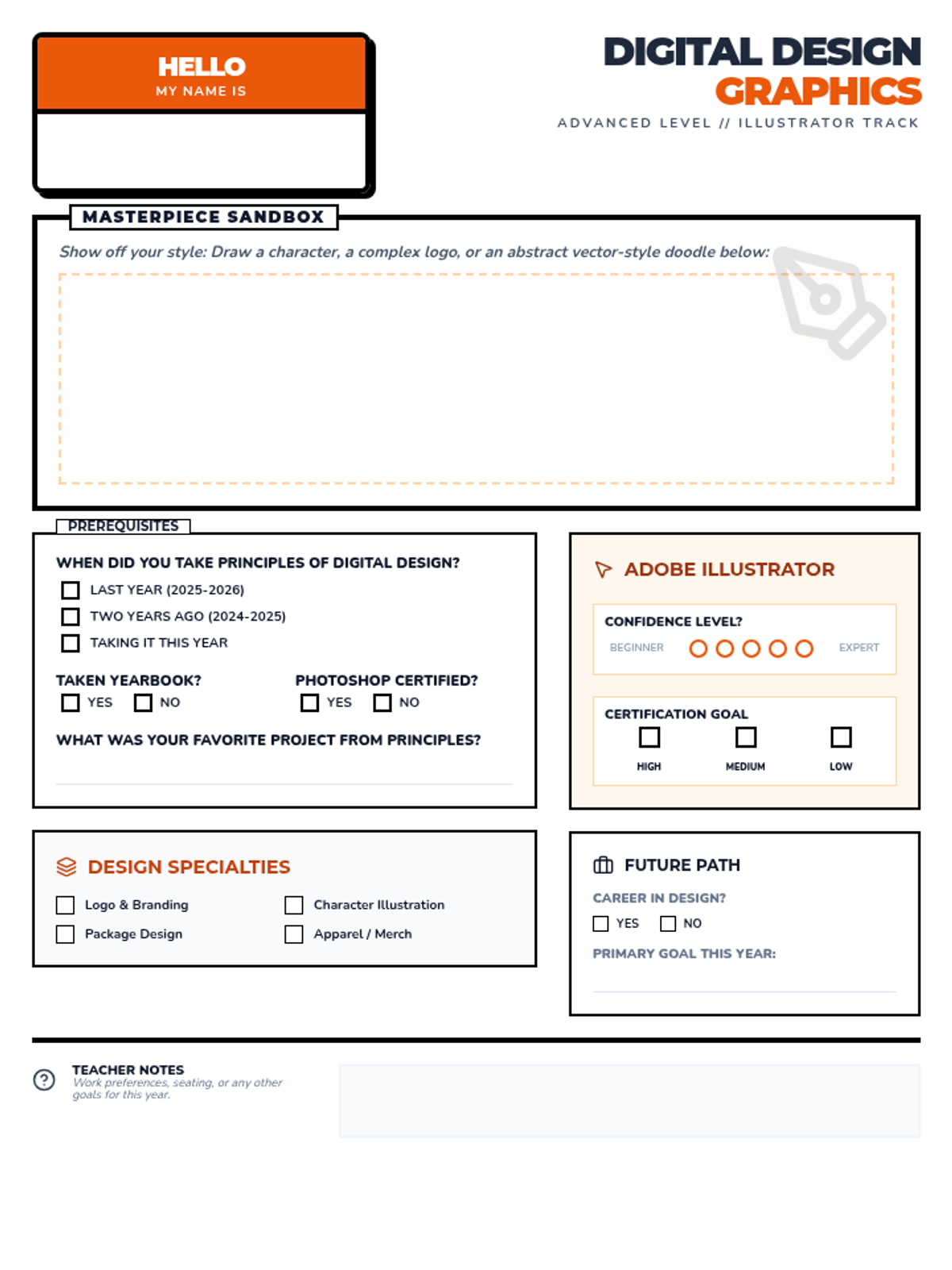
An introductory lesson for Digital Design students to share their creative backgrounds, technical skills, and learning preferences.
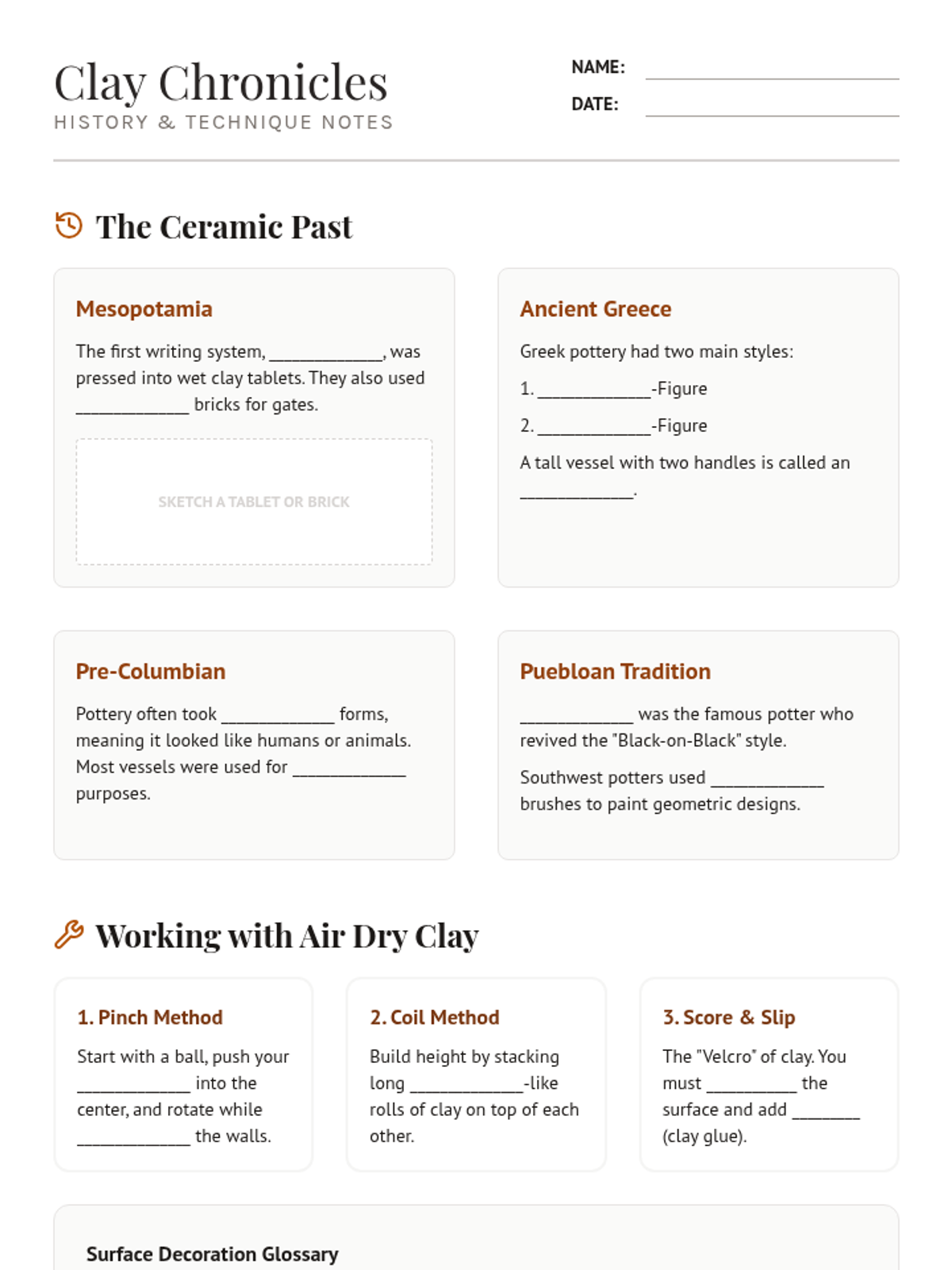
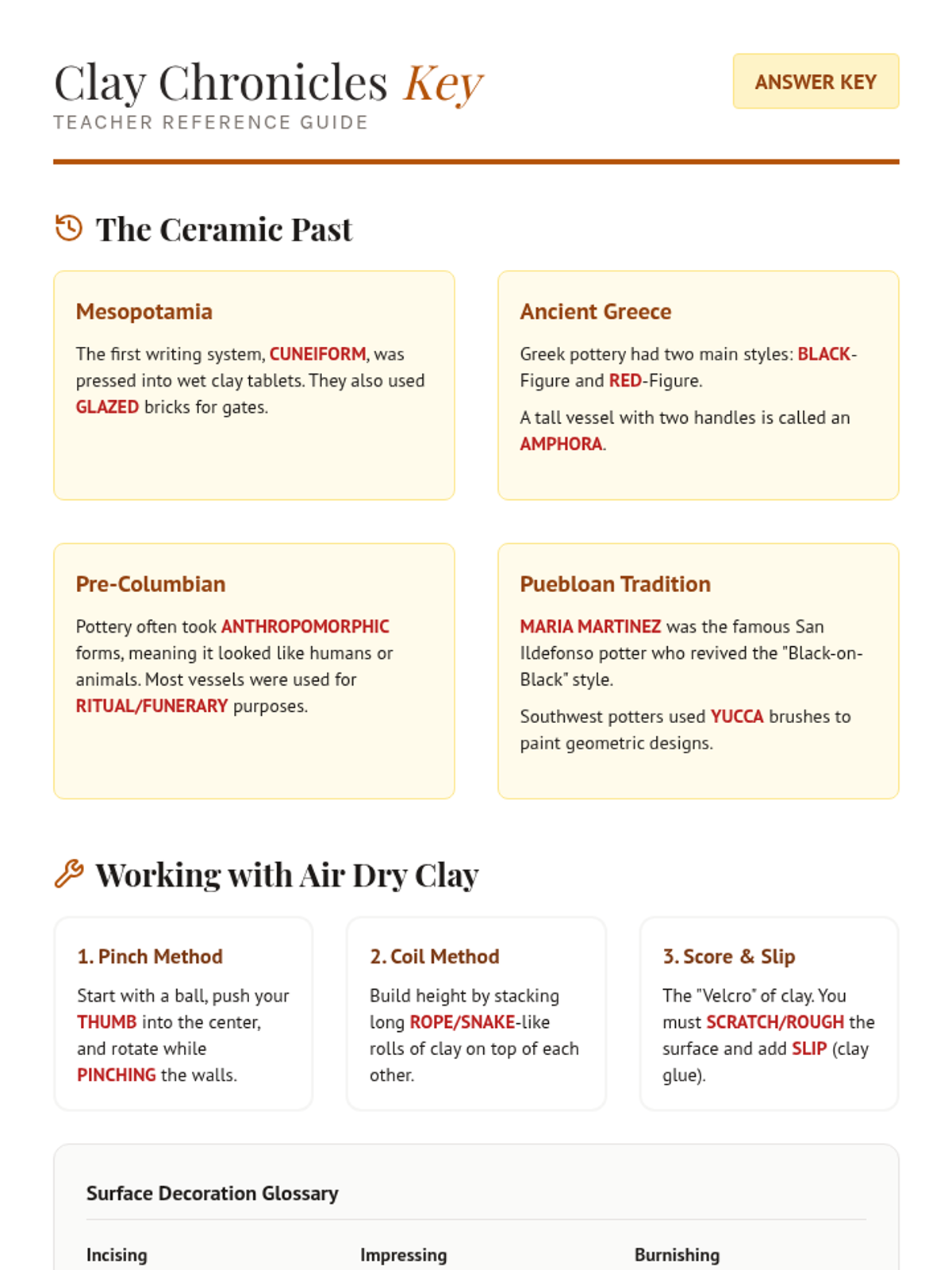
A comprehensive lesson covering the evolution of ceramics across Mesopotamia, Greece, and the Americas, paired with technical skills for working with air-dry clay including pinching, coiling, and joining techniques.
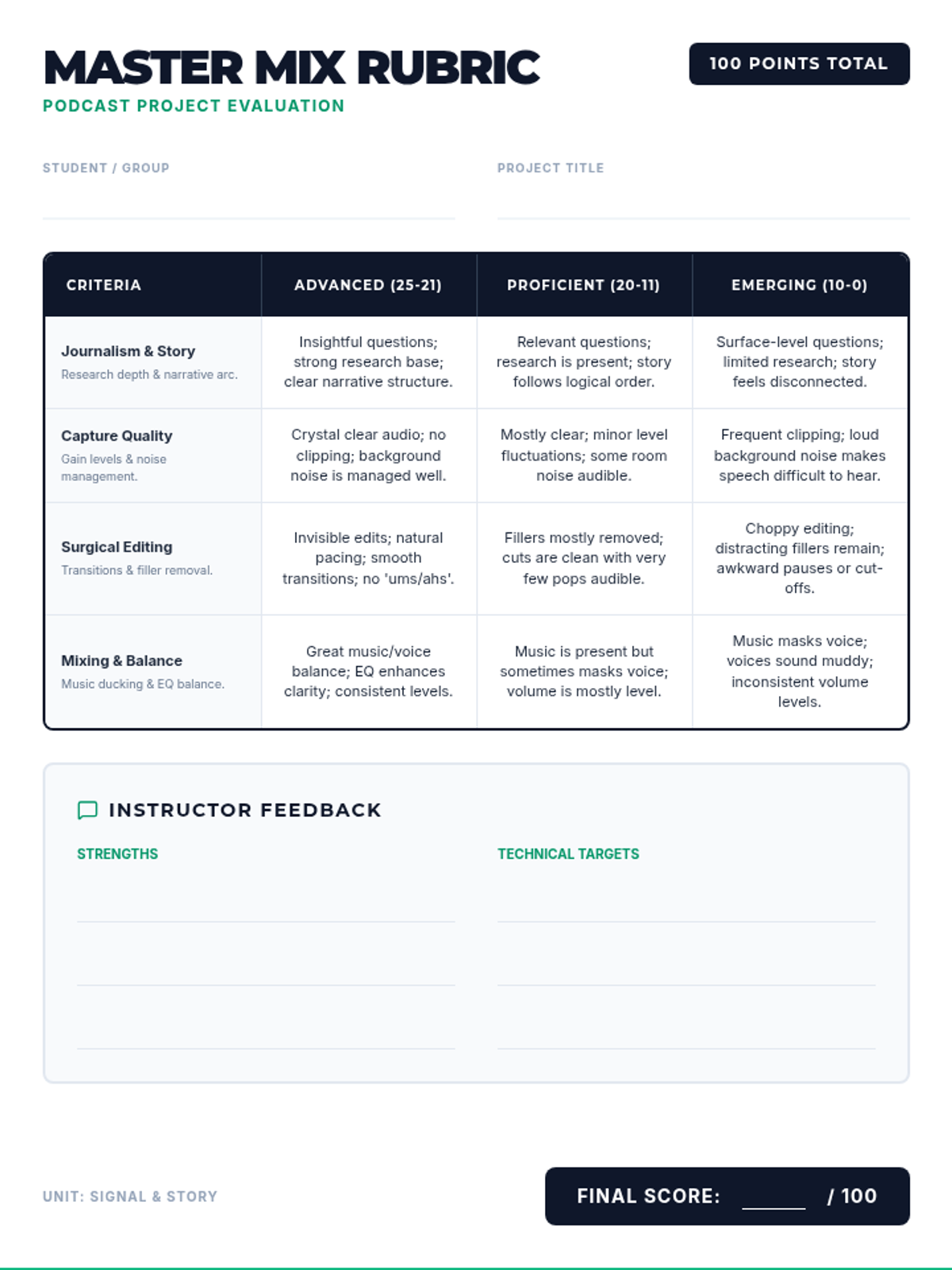
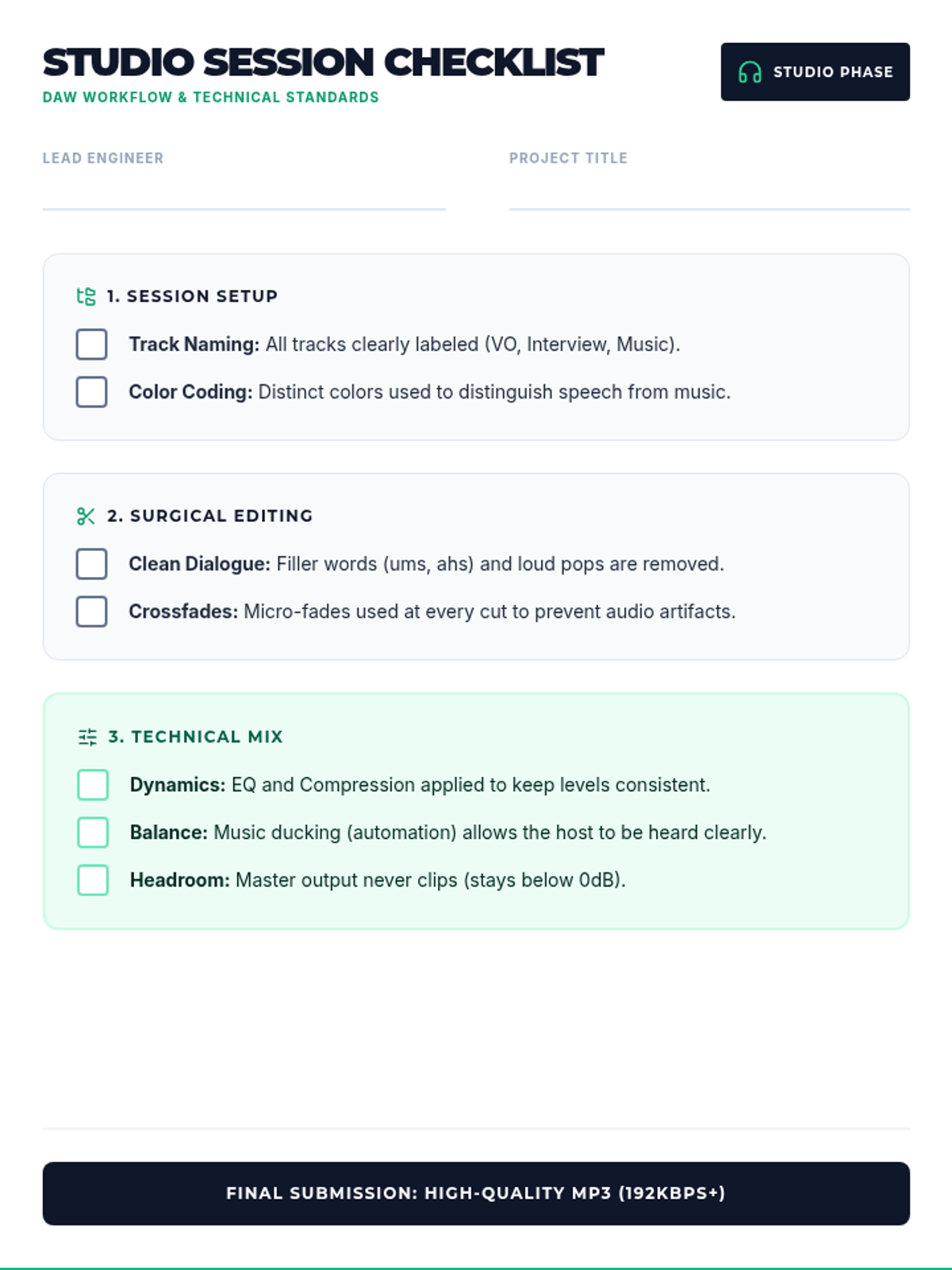
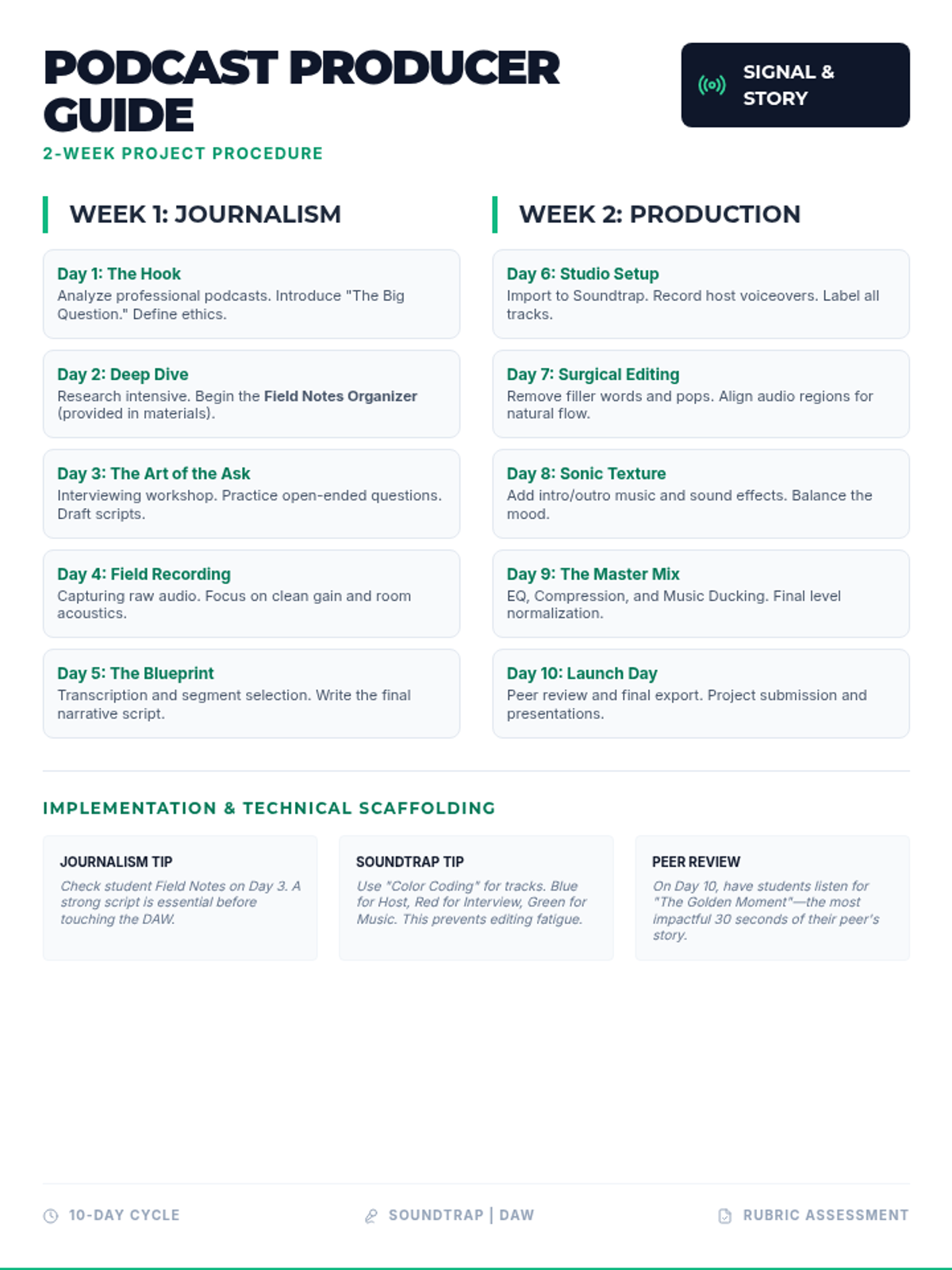
Students transition from raw audio to a polished production. This week focuses on Soundtrap technical skills, including multi-track editing, adding bumpers/music, and applying professional mixing and mastering techniques.
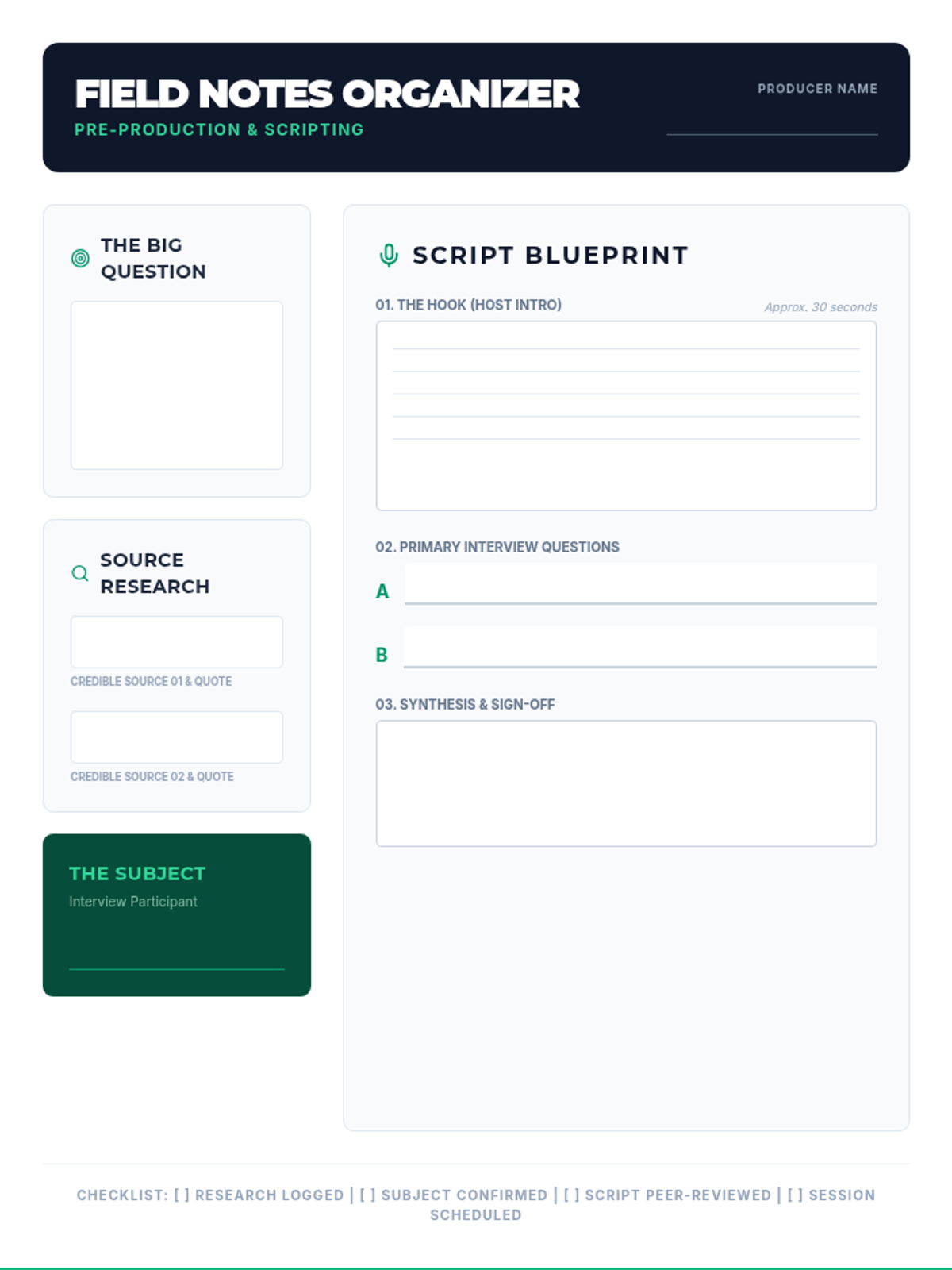
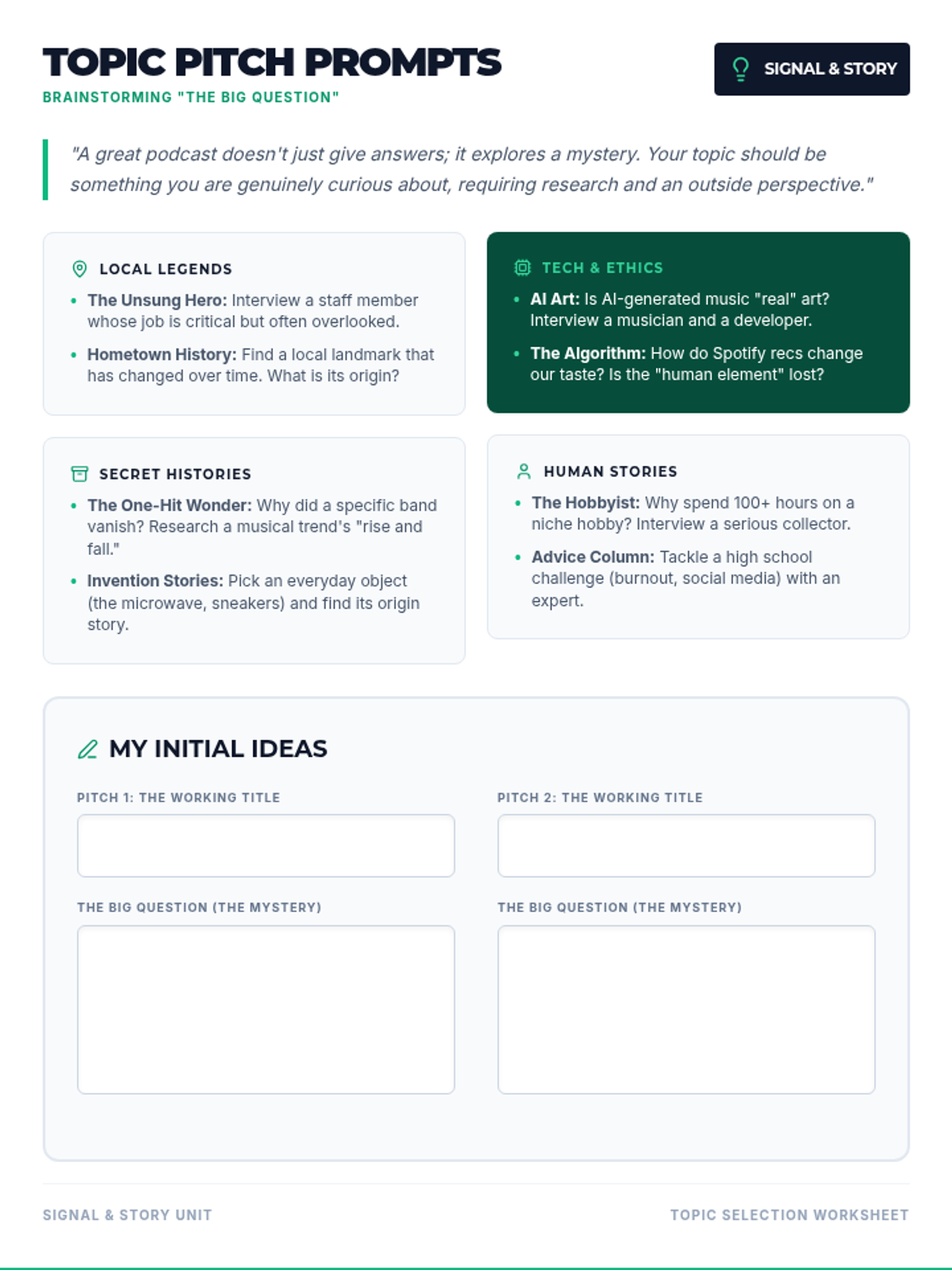
Students focus on the journalistic foundations of podcasting: selecting a topic, conducting deep research, and developing professional interviewing techniques. This week culminates in the recording of raw interview footage.
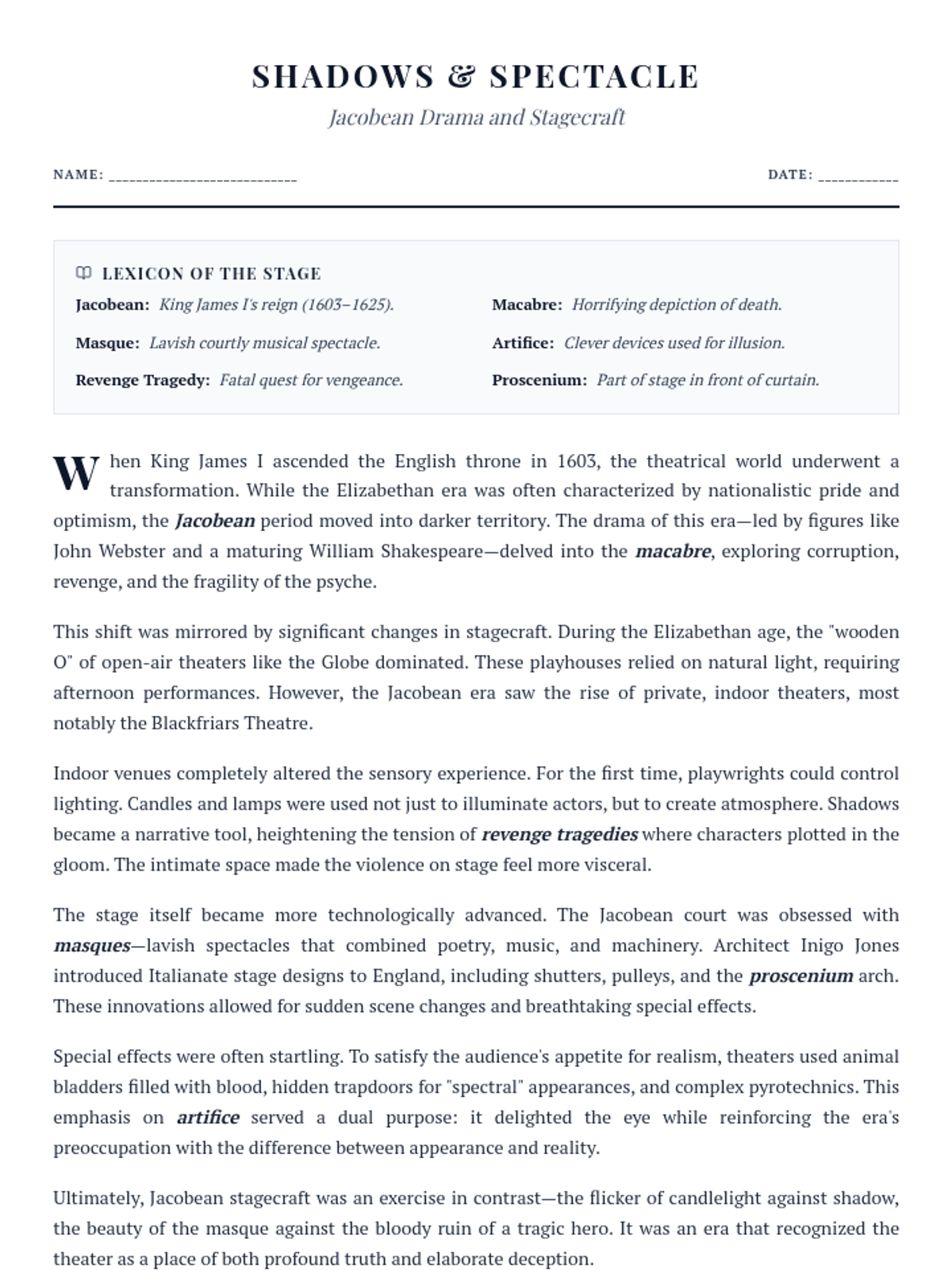
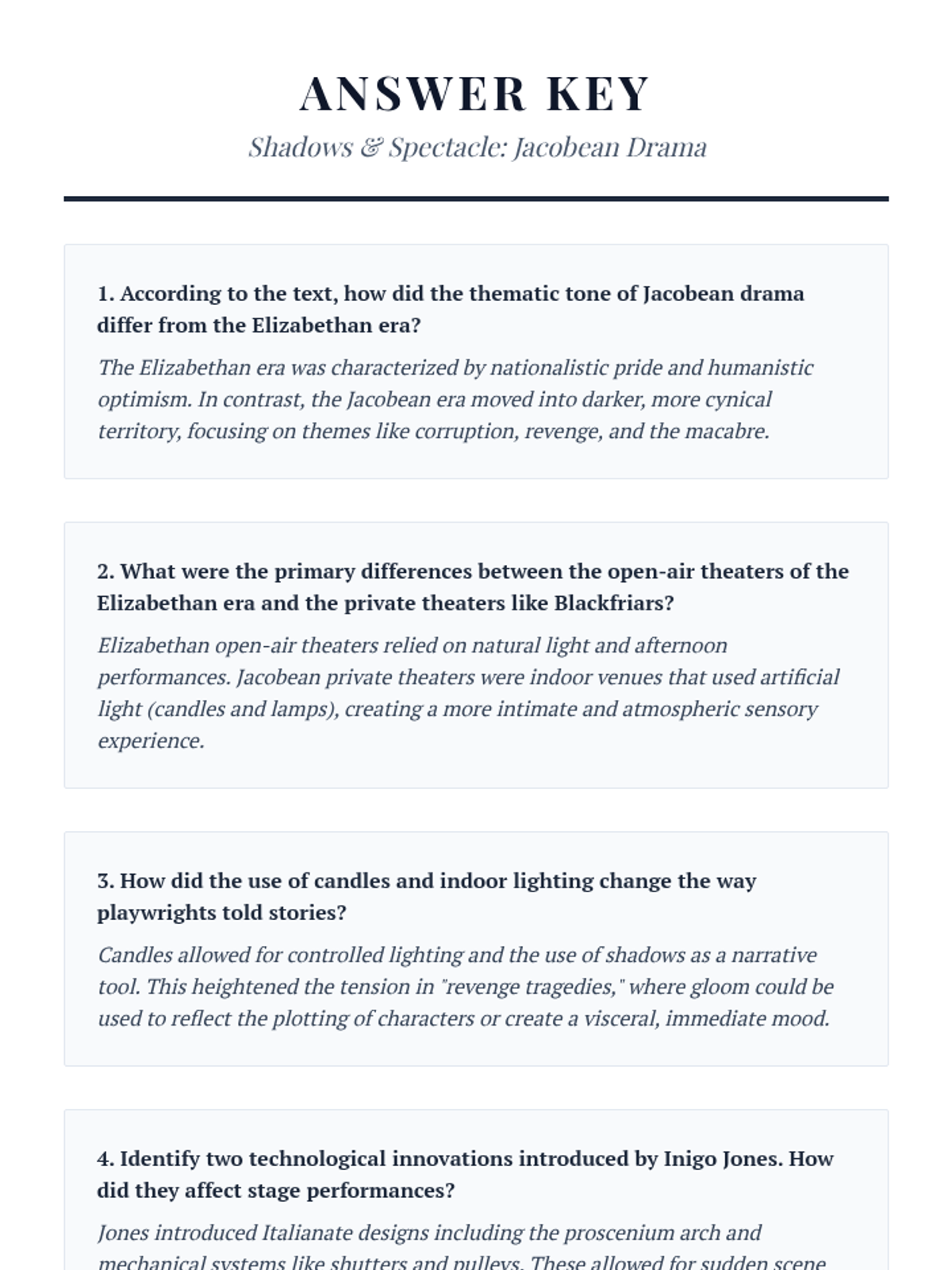
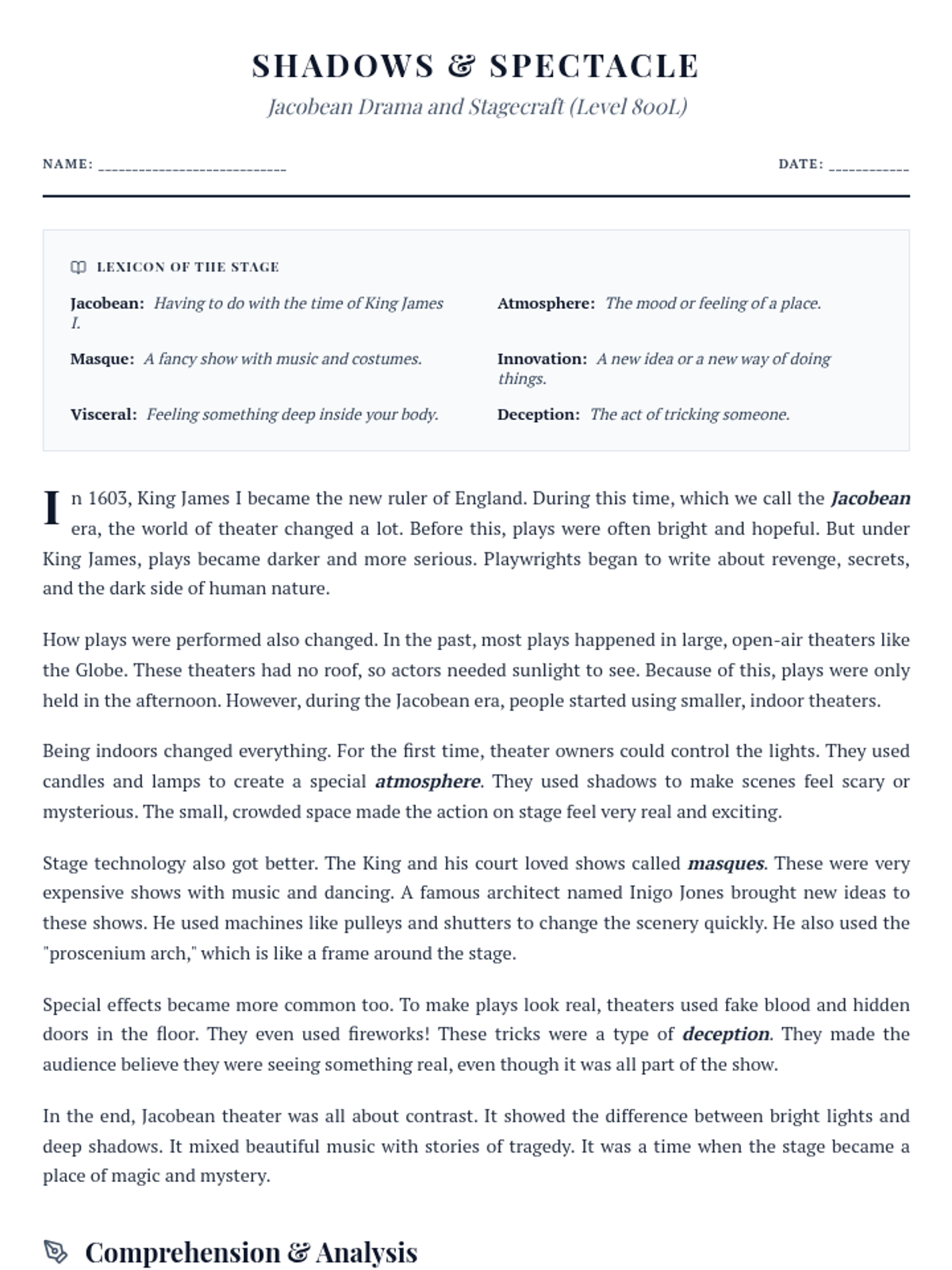
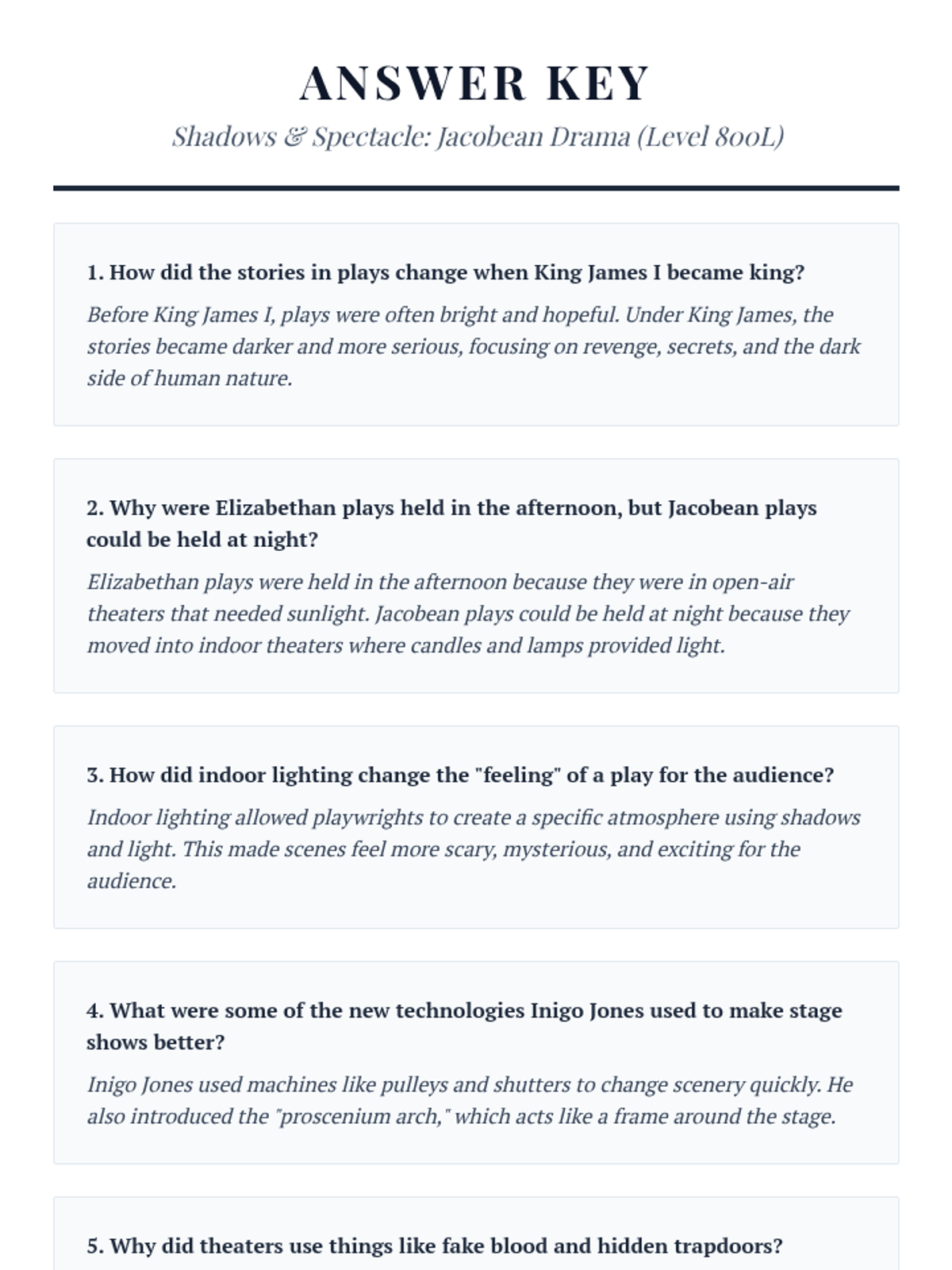
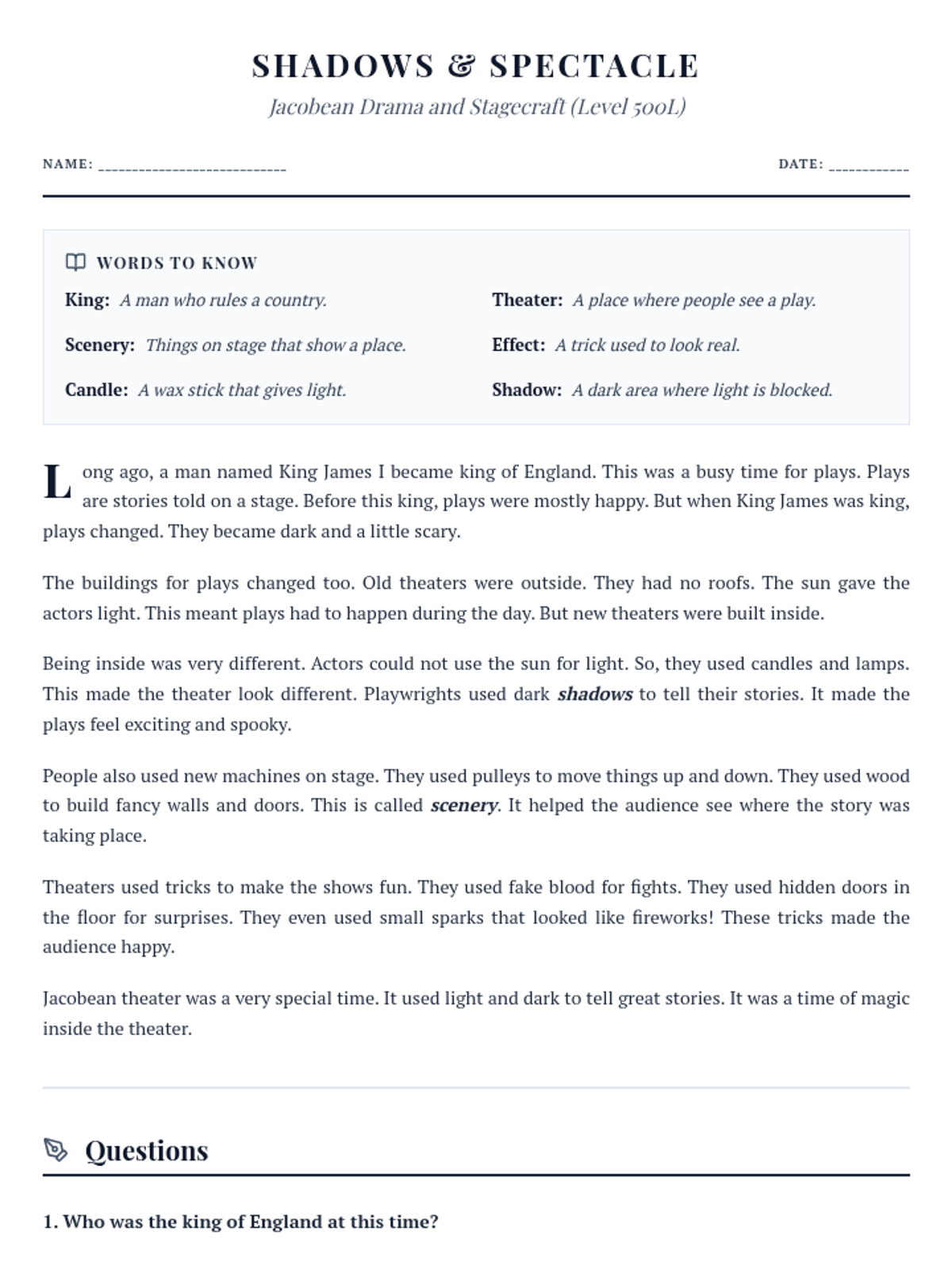
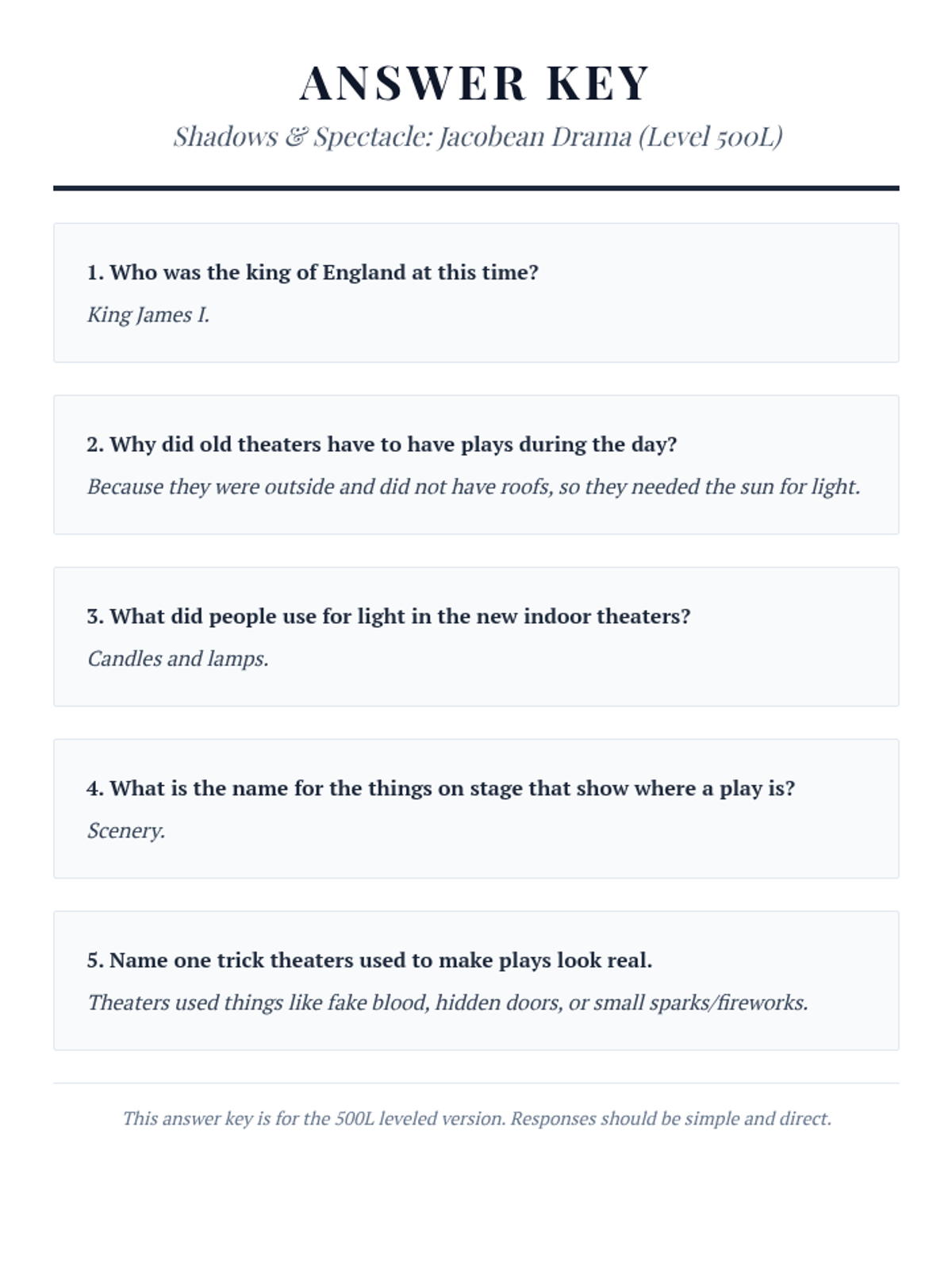
A lesson exploring the evolution of English theater during the reign of King James I, focusing on stagecraft, darker themes, and the transition to indoor performance spaces.
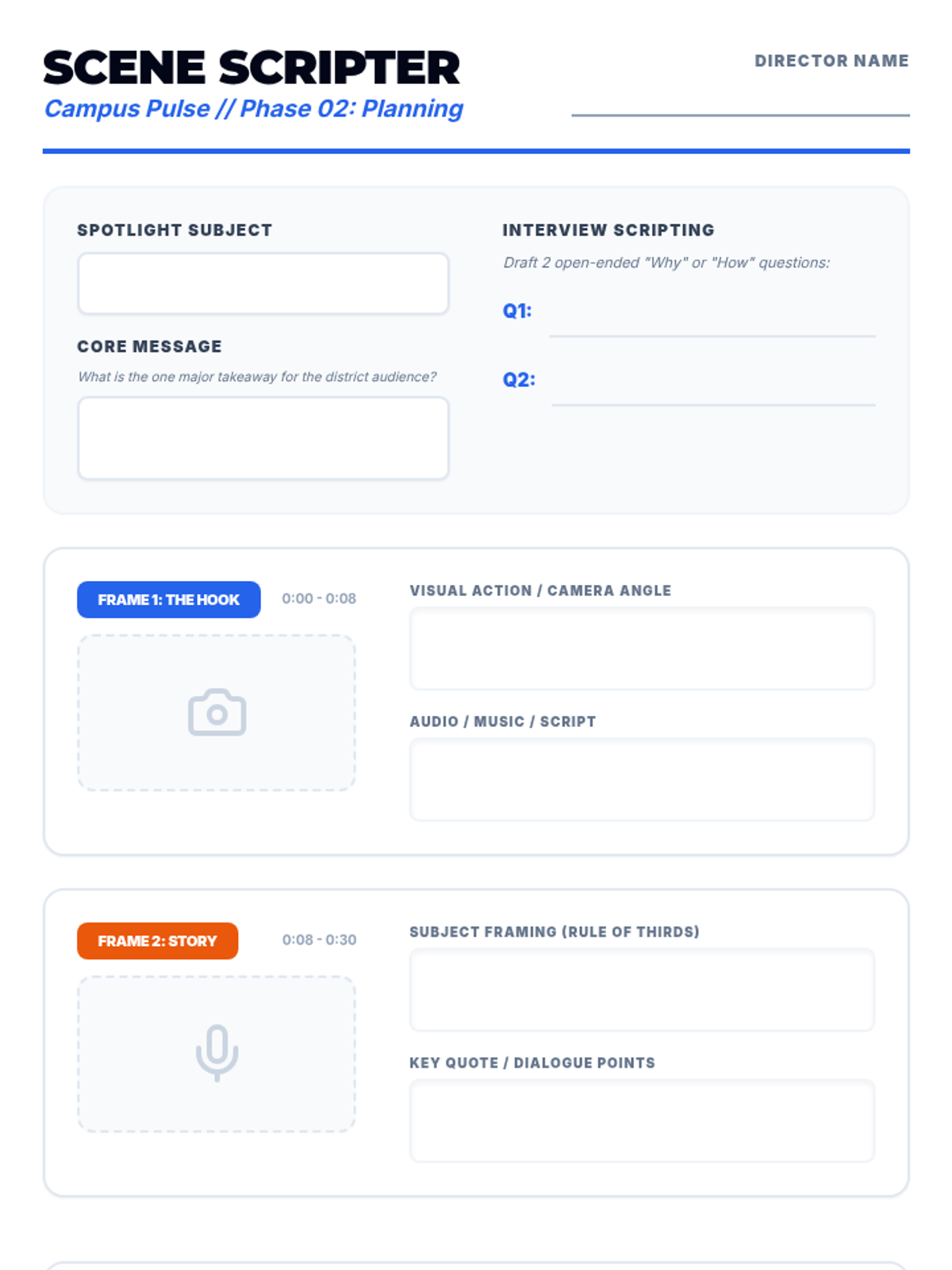
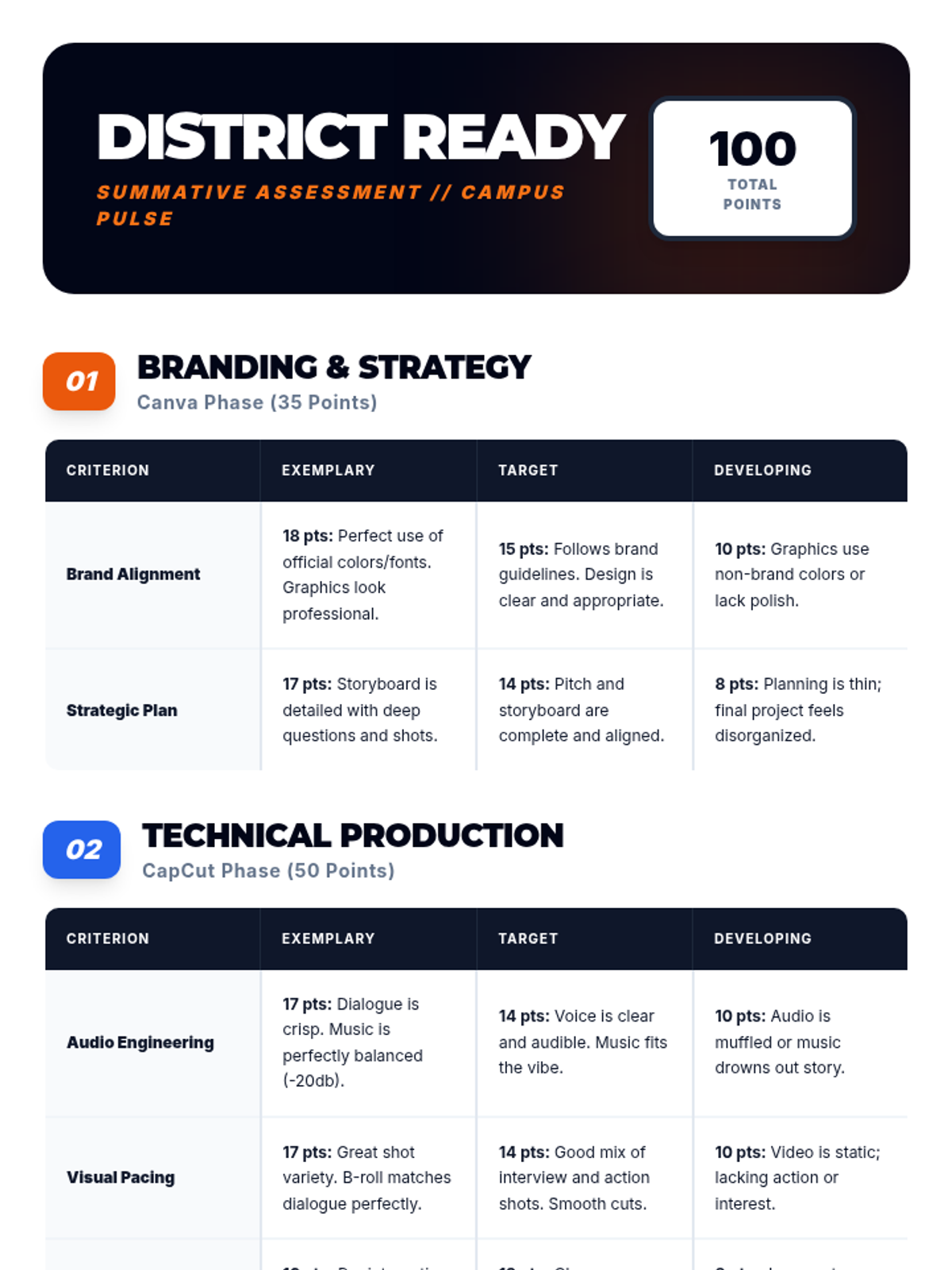
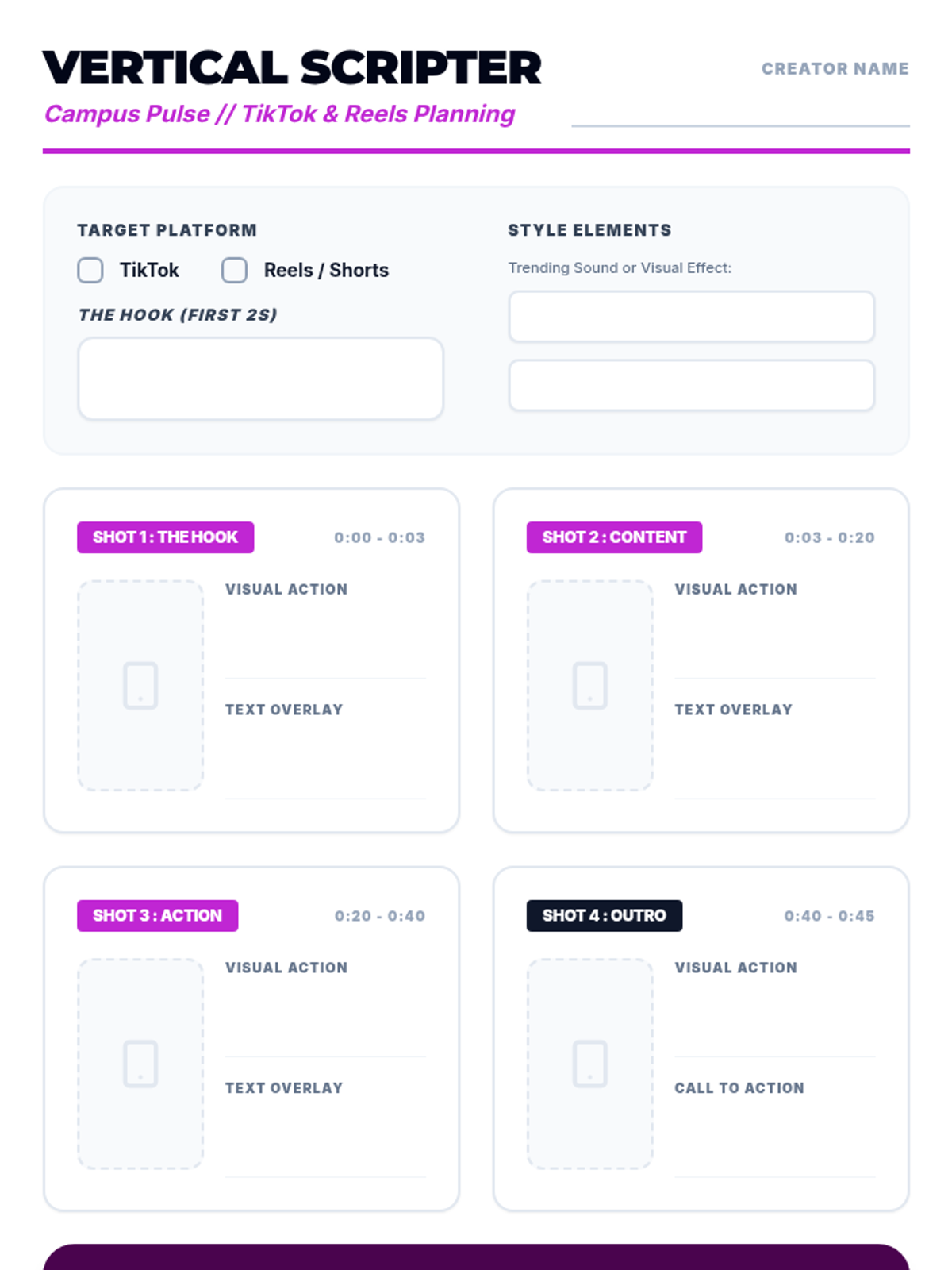
Students capture field footage and use CapCut to assemble a professional-grade short-form video featuring interviews, B-roll, and district branding.
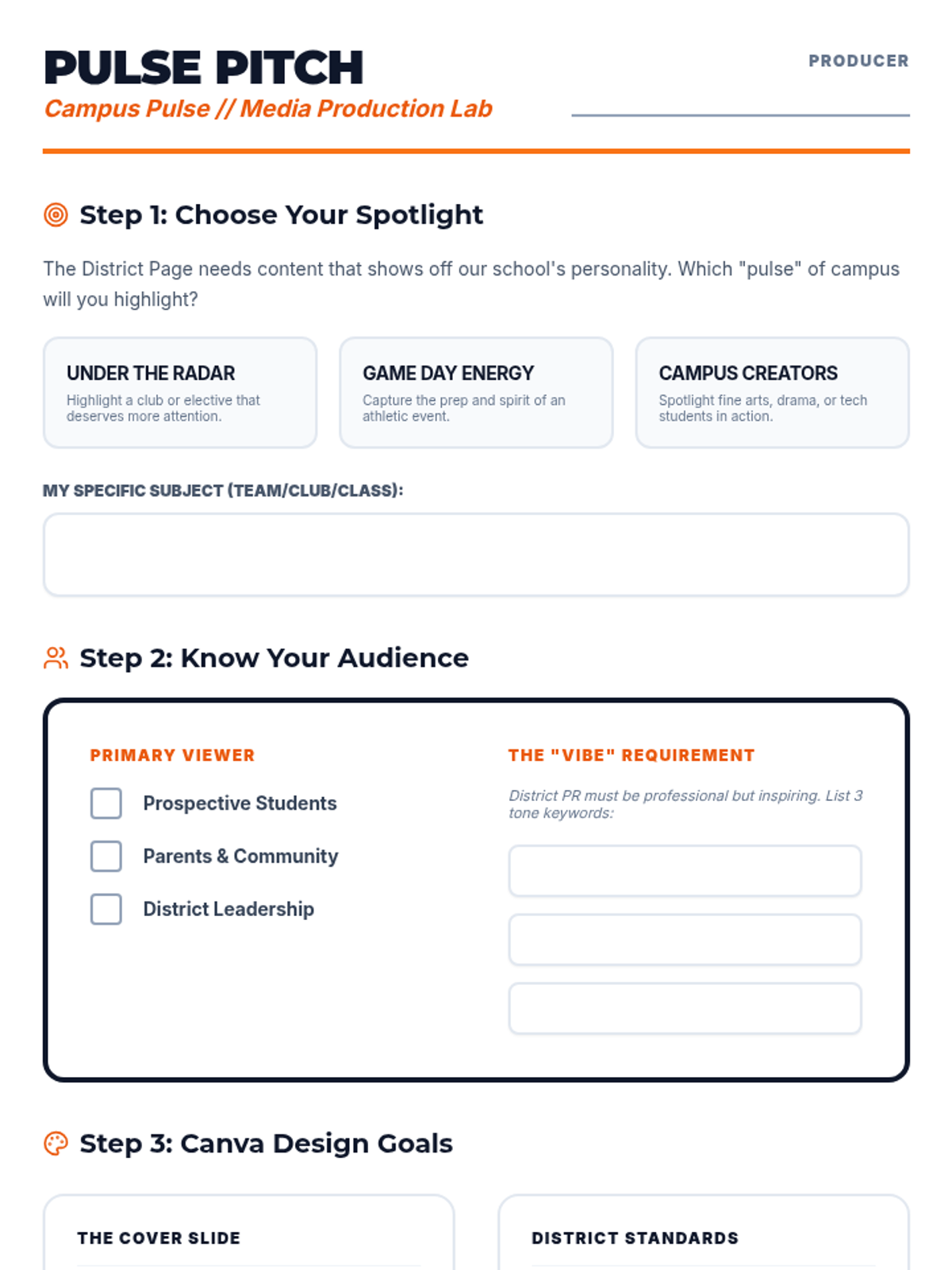
Students define their spotlight subject, research the target audience, and create professional brand assets in Canva, including a video thumbnail and intro graphic.
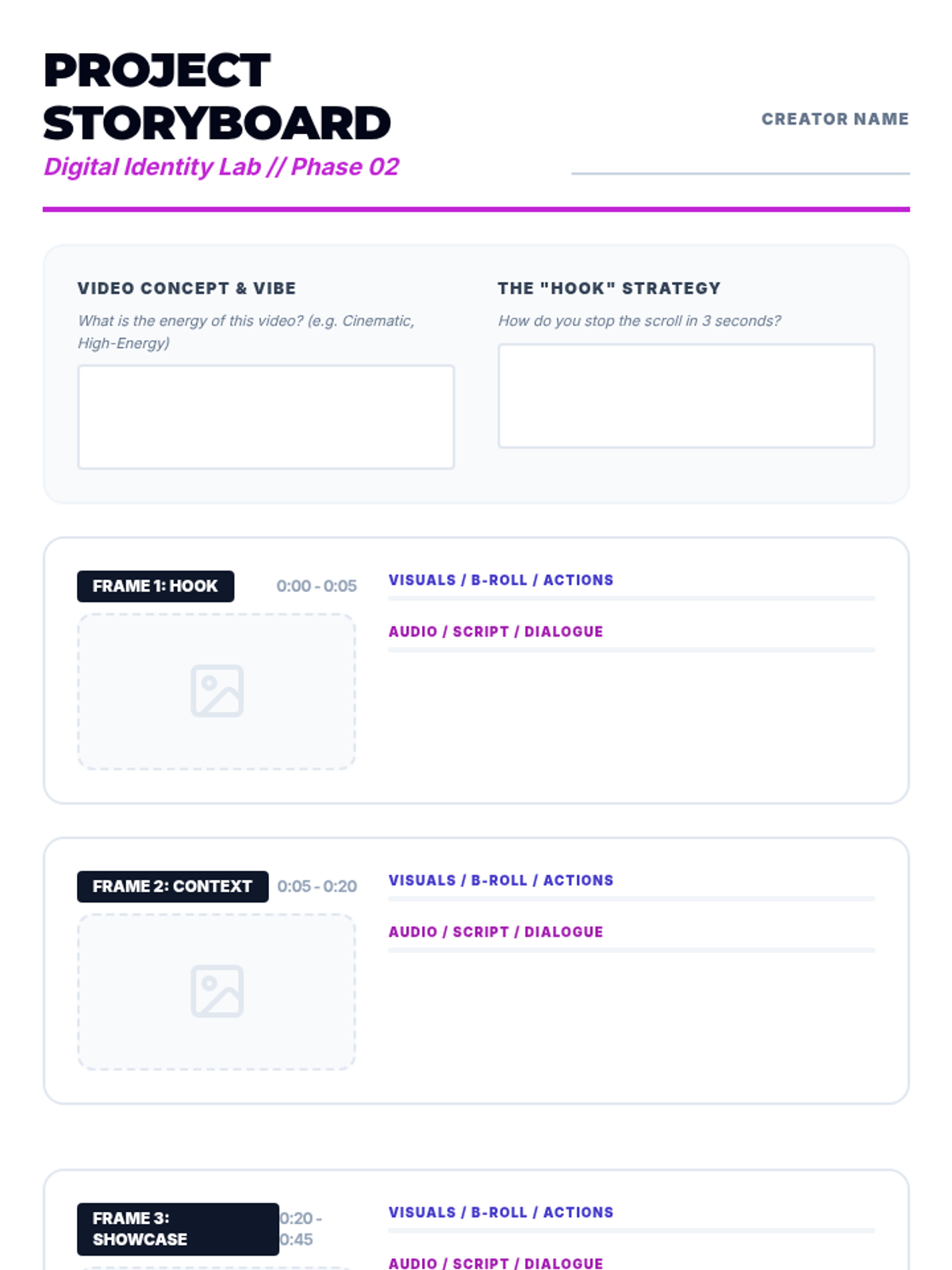
Students transition their brand into motion by creating a 60-second short-form video in CapCut, applying editing techniques like transitions, overlays, and sound design.
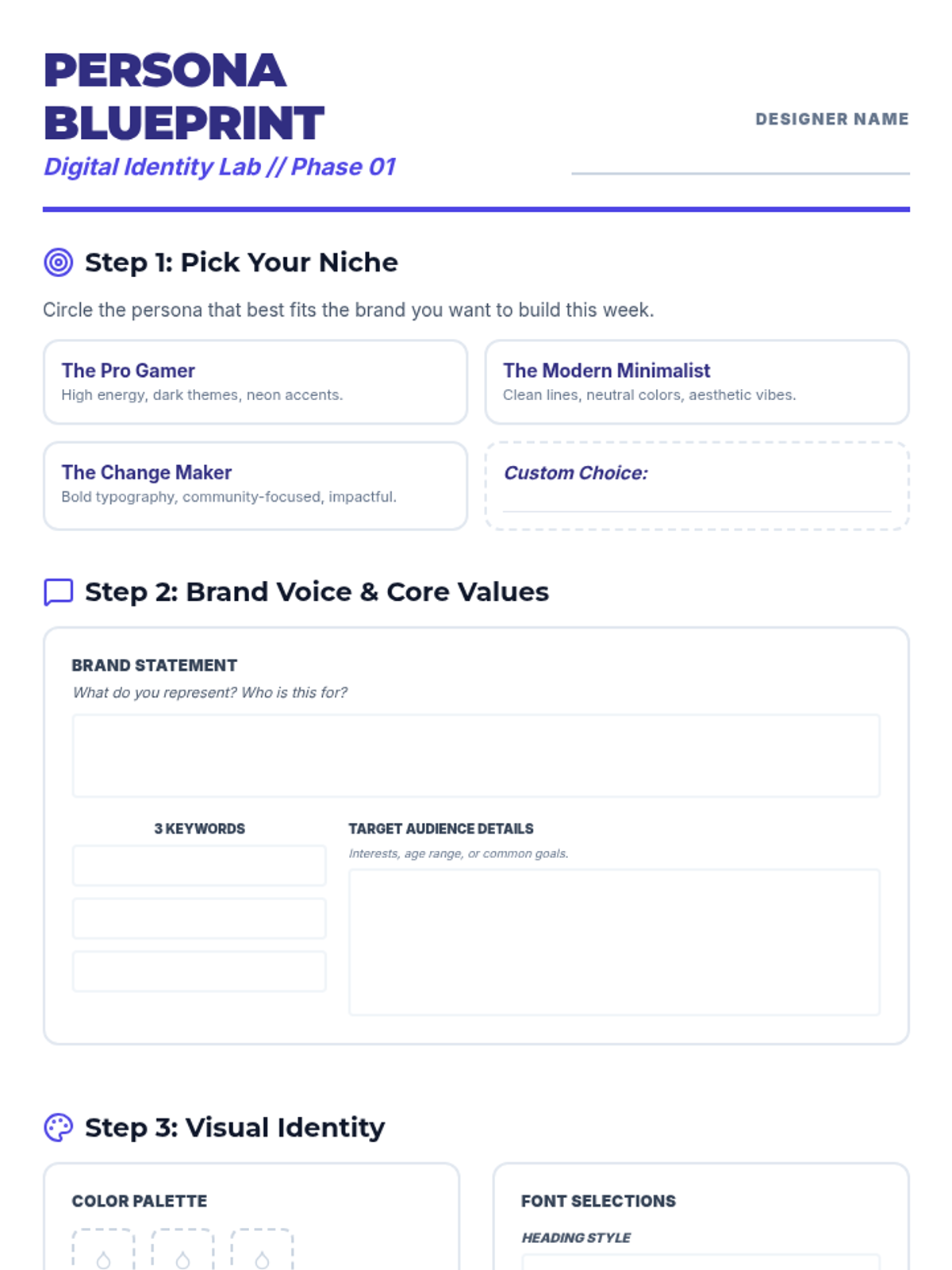
Students define their personal brand identity and create a visual 'Brand Board' using Canva, focusing on color theory, typography, and logo design.
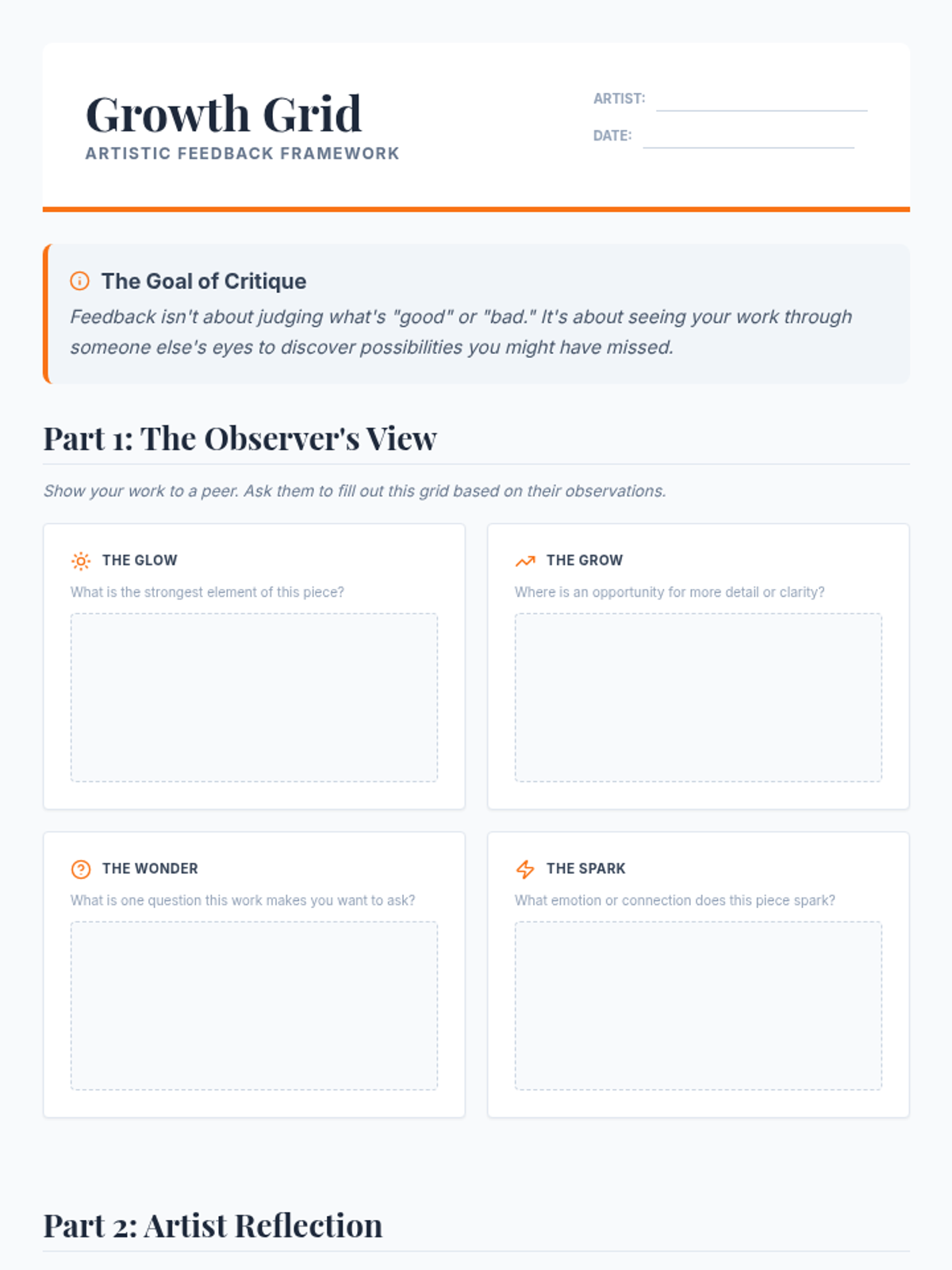
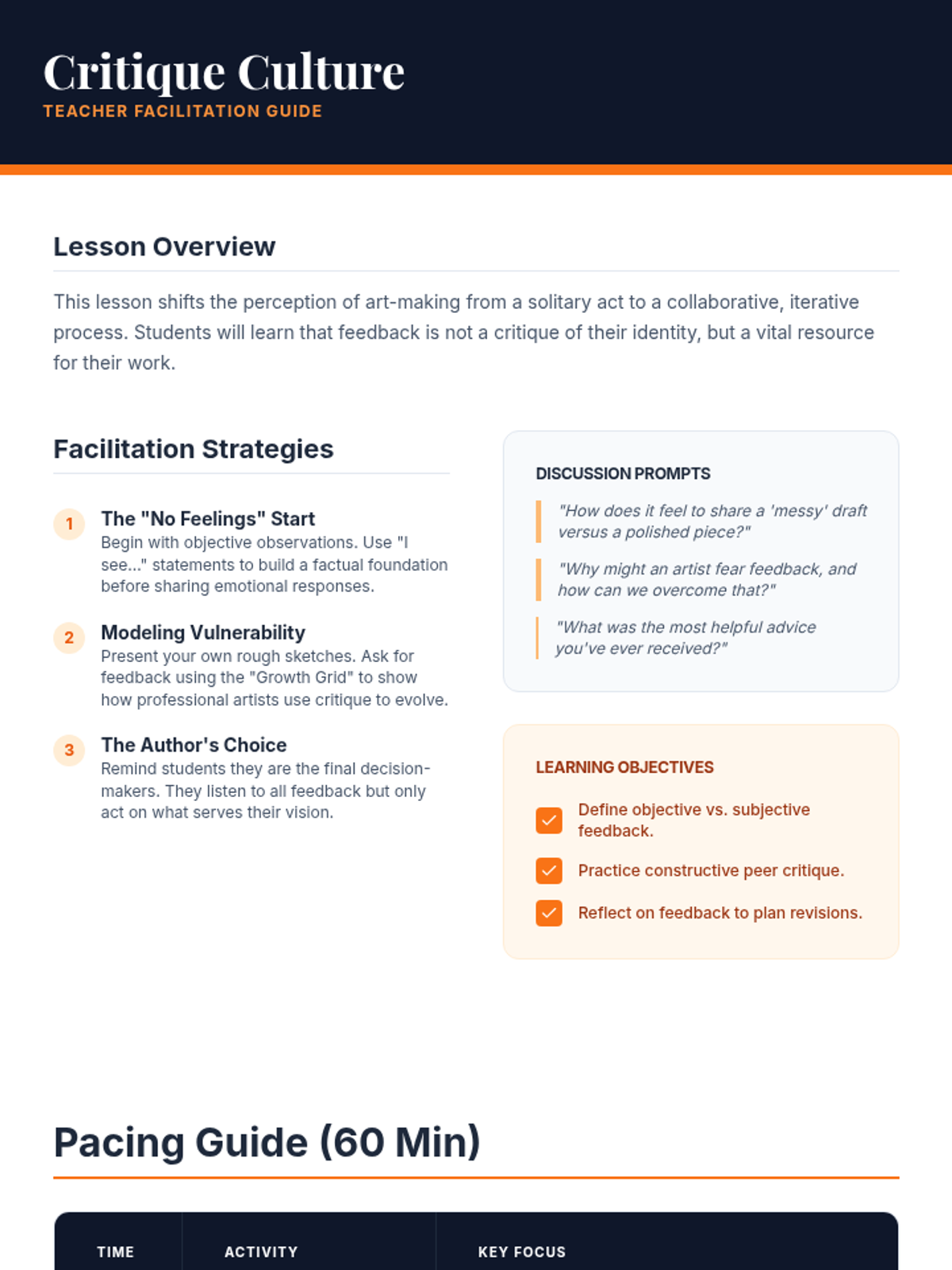
A lesson focused on the power of peer feedback in the contemporary art process, teaching students how to give and receive constructive criticism to fuel growth.
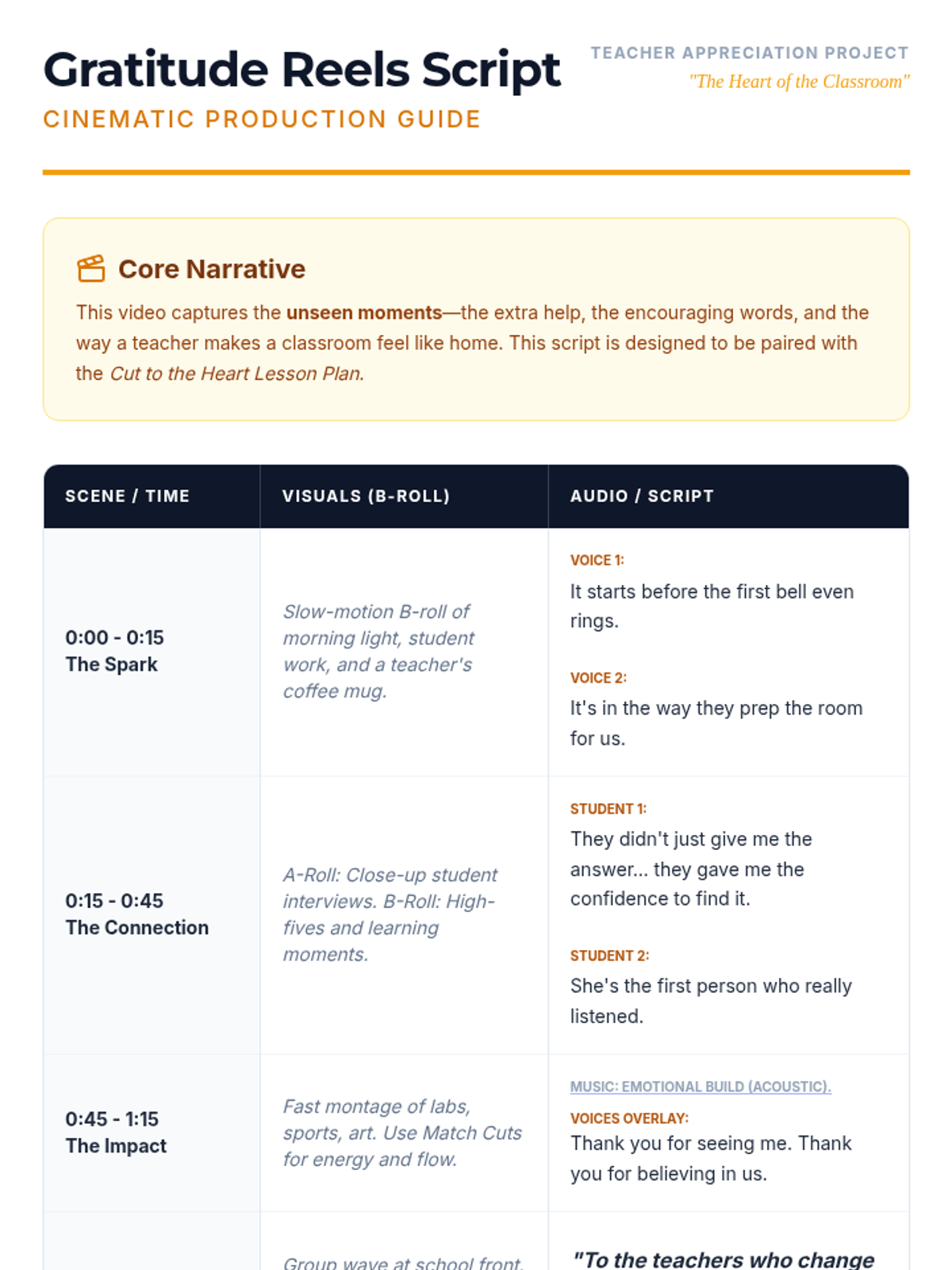
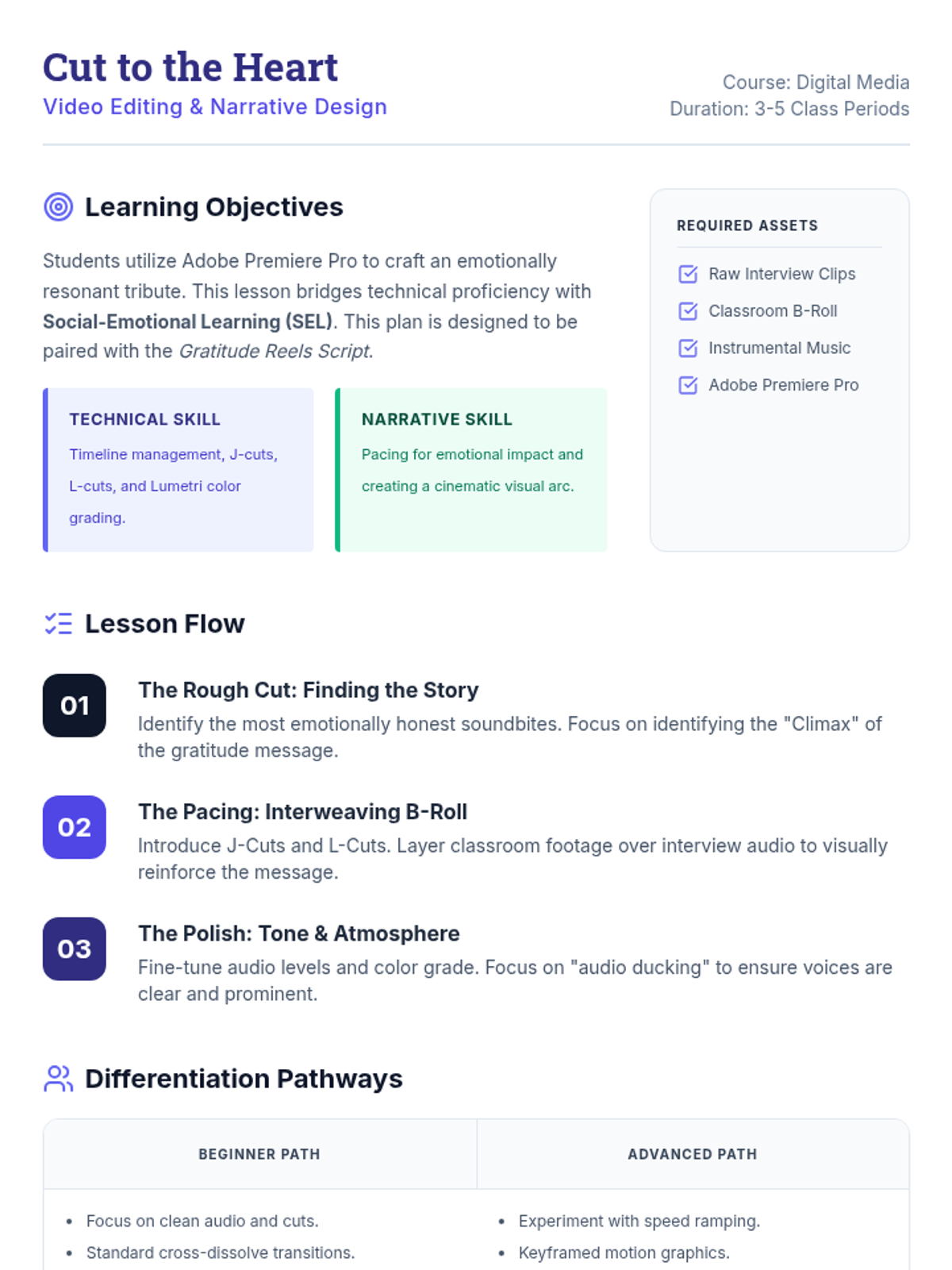
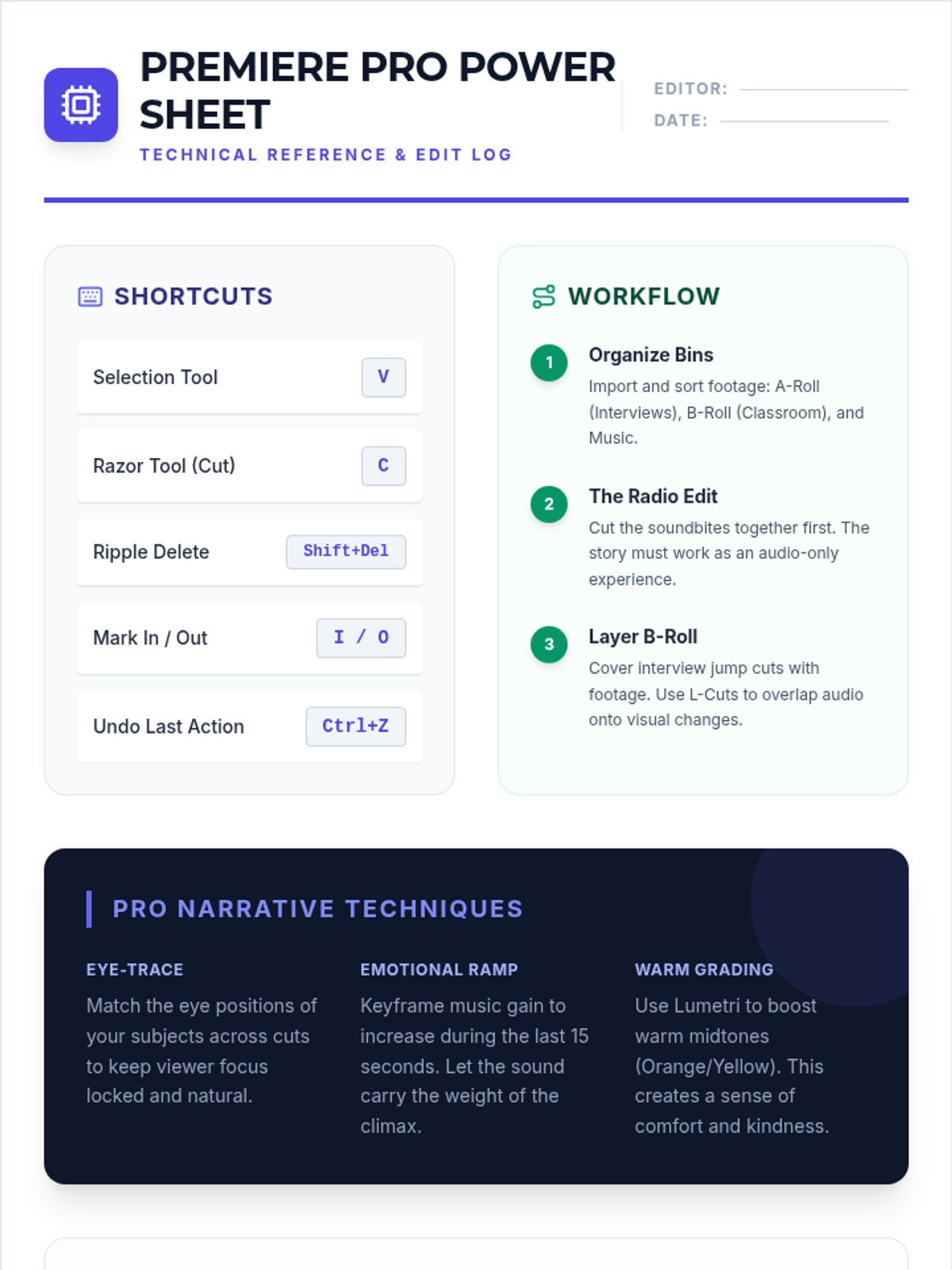
A comprehensive lesson where students learn to edit a teacher appreciation video using Adobe Premiere Pro, focusing on narrative pacing and emotional storytelling.
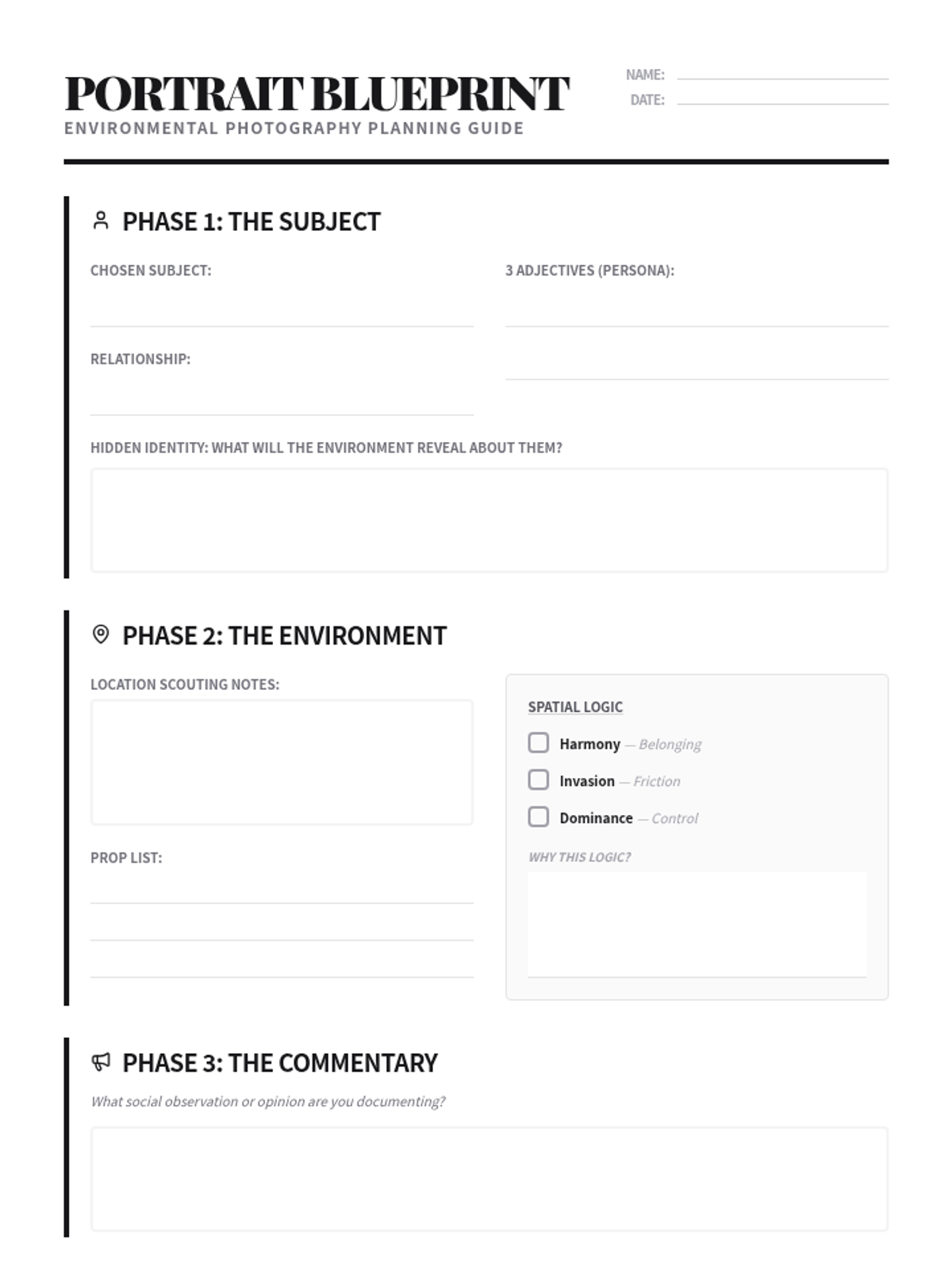
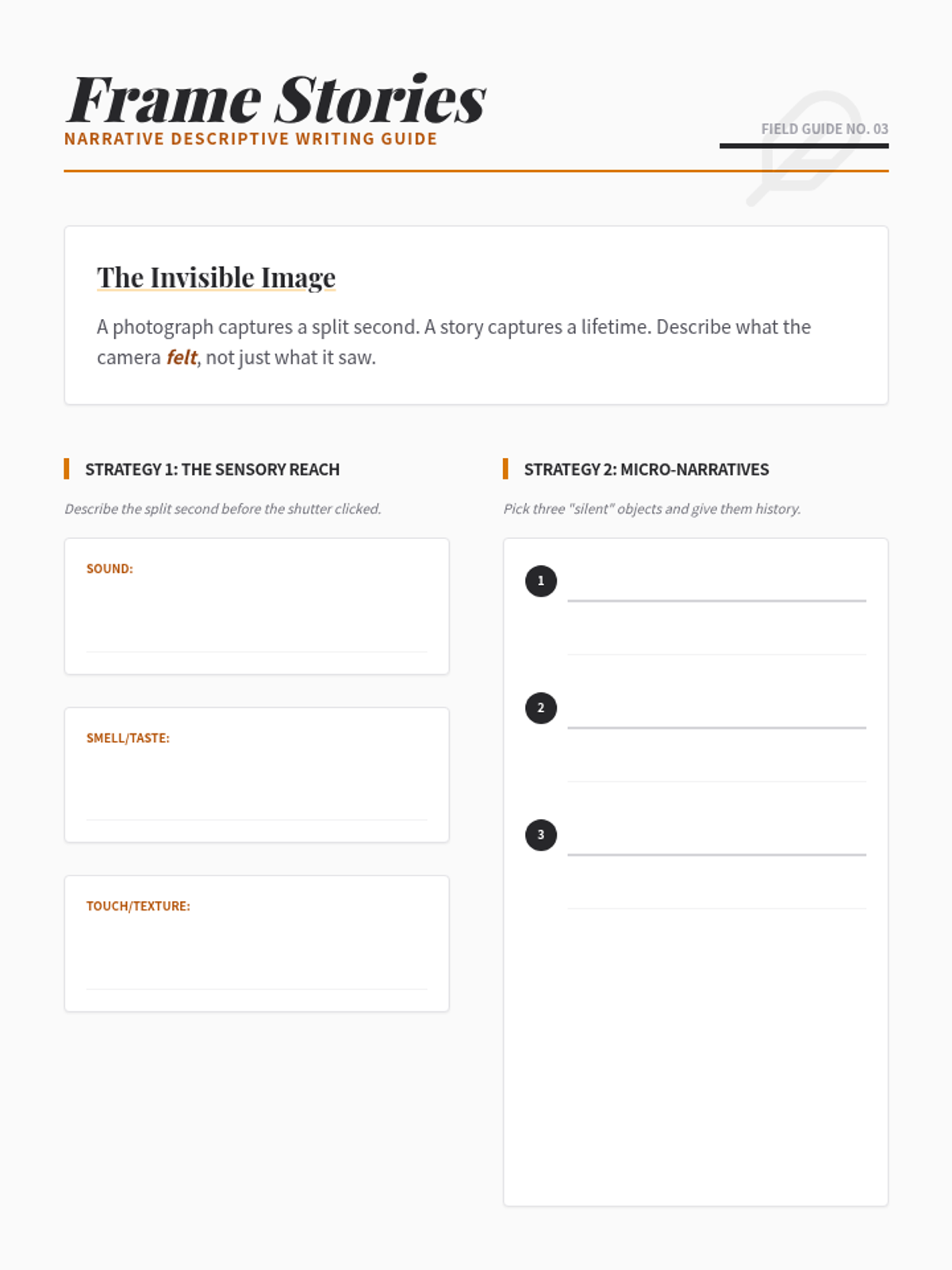
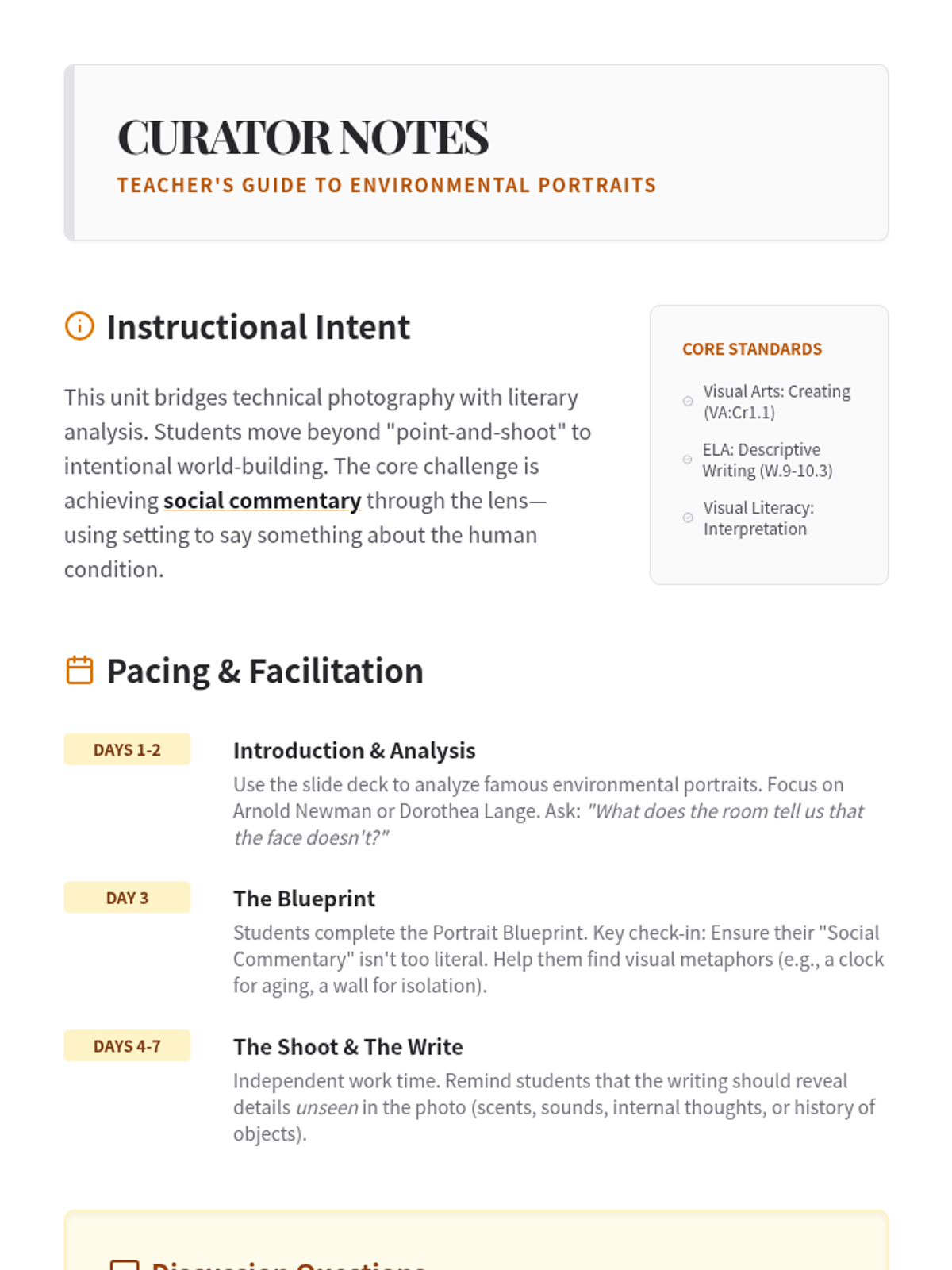
A photography and writing unit where students explore the intersection of identity and environment, using environmental portraiture to craft social commentary and narrative descriptions.
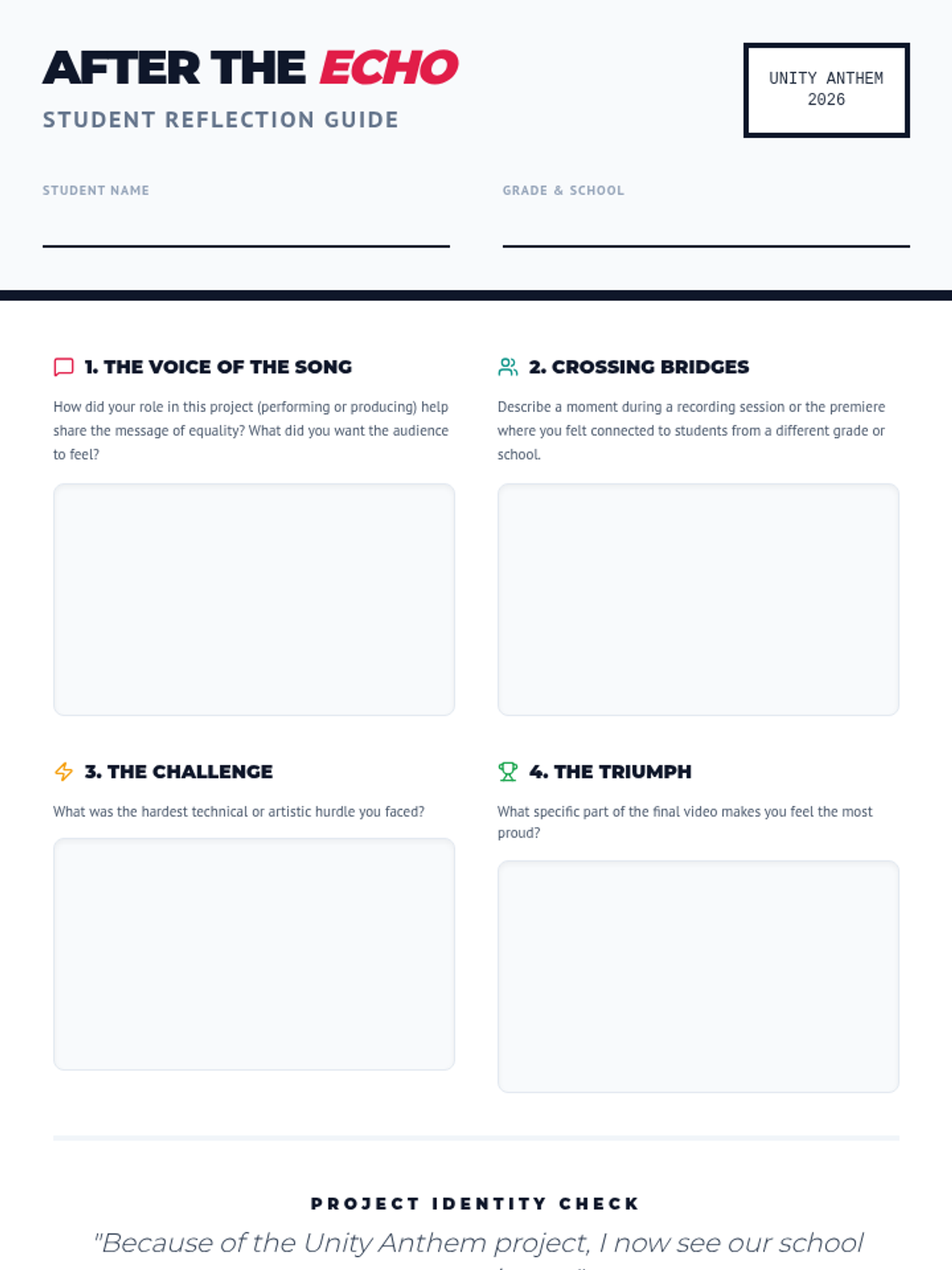
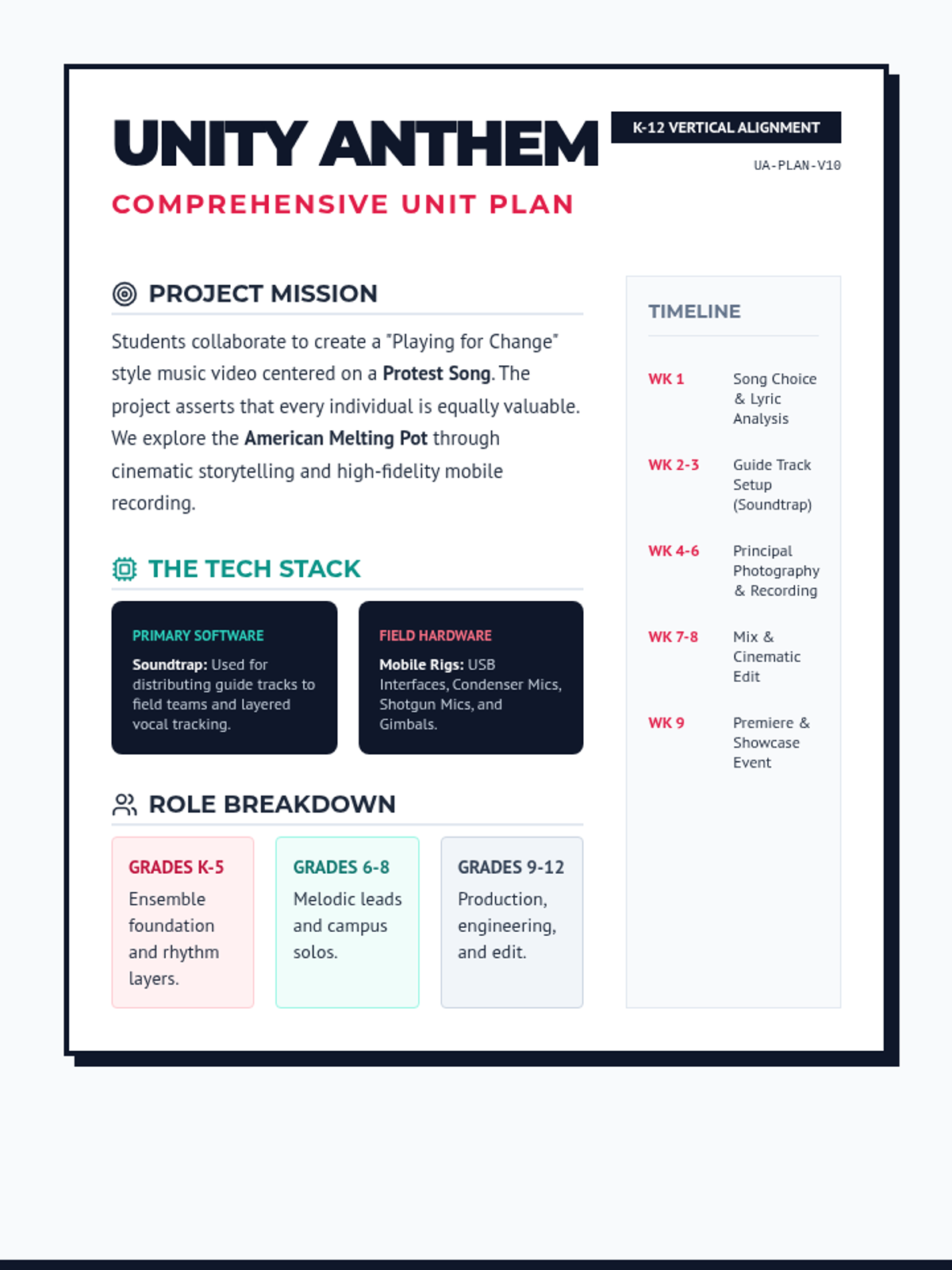
The final premiere of the music video at the All-town Music Tech Showcase, followed by a live performance and student reflection on the collaborative process.
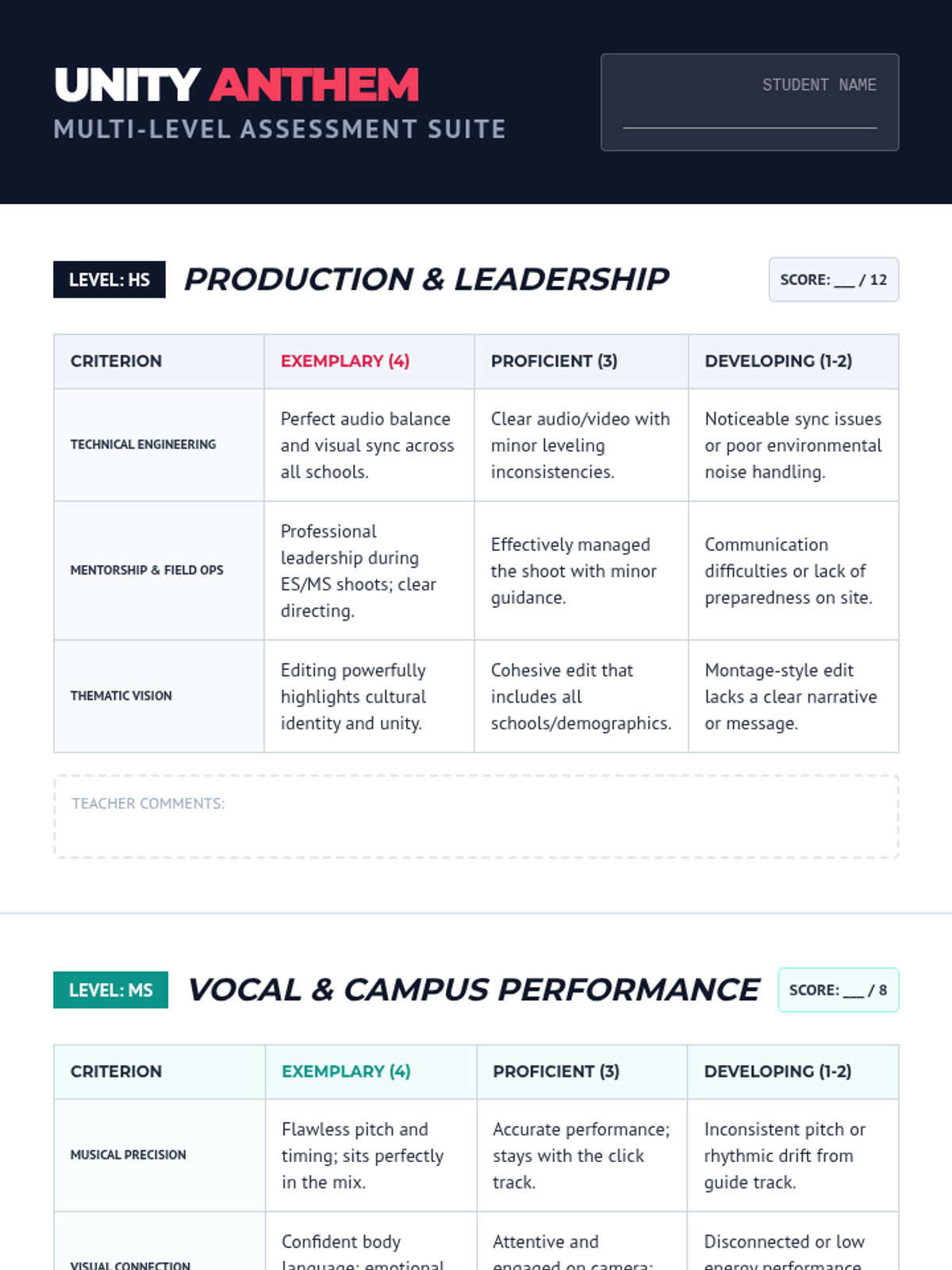
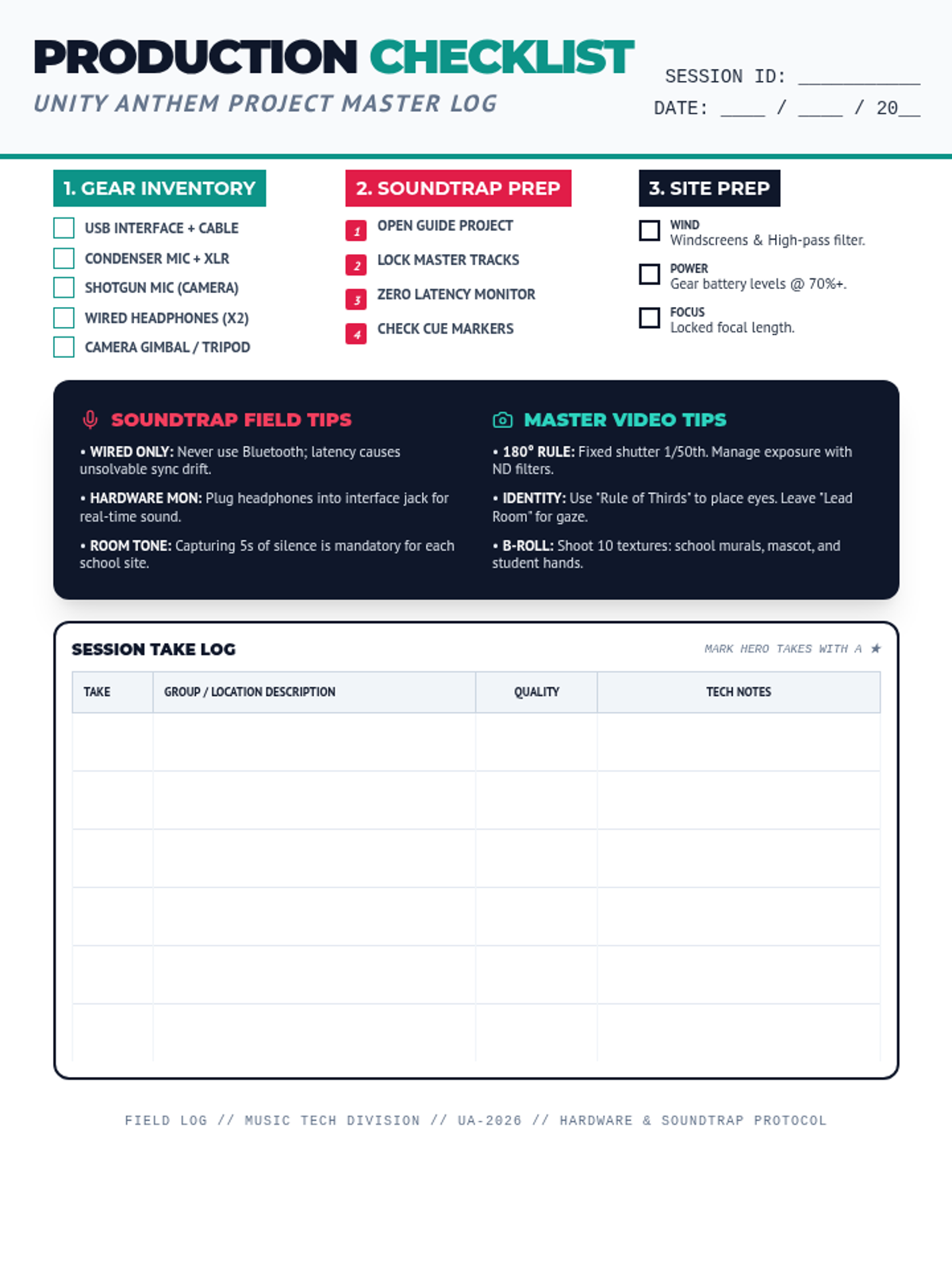
The technical phase involving on-location recordings at elementary and middle schools, followed by high school student-led mixing and video production.
Introduction to the 'Playing for Change' concept, exploring the themes of the chosen protest song, and laying the groundwork for the K-12 collaboration.
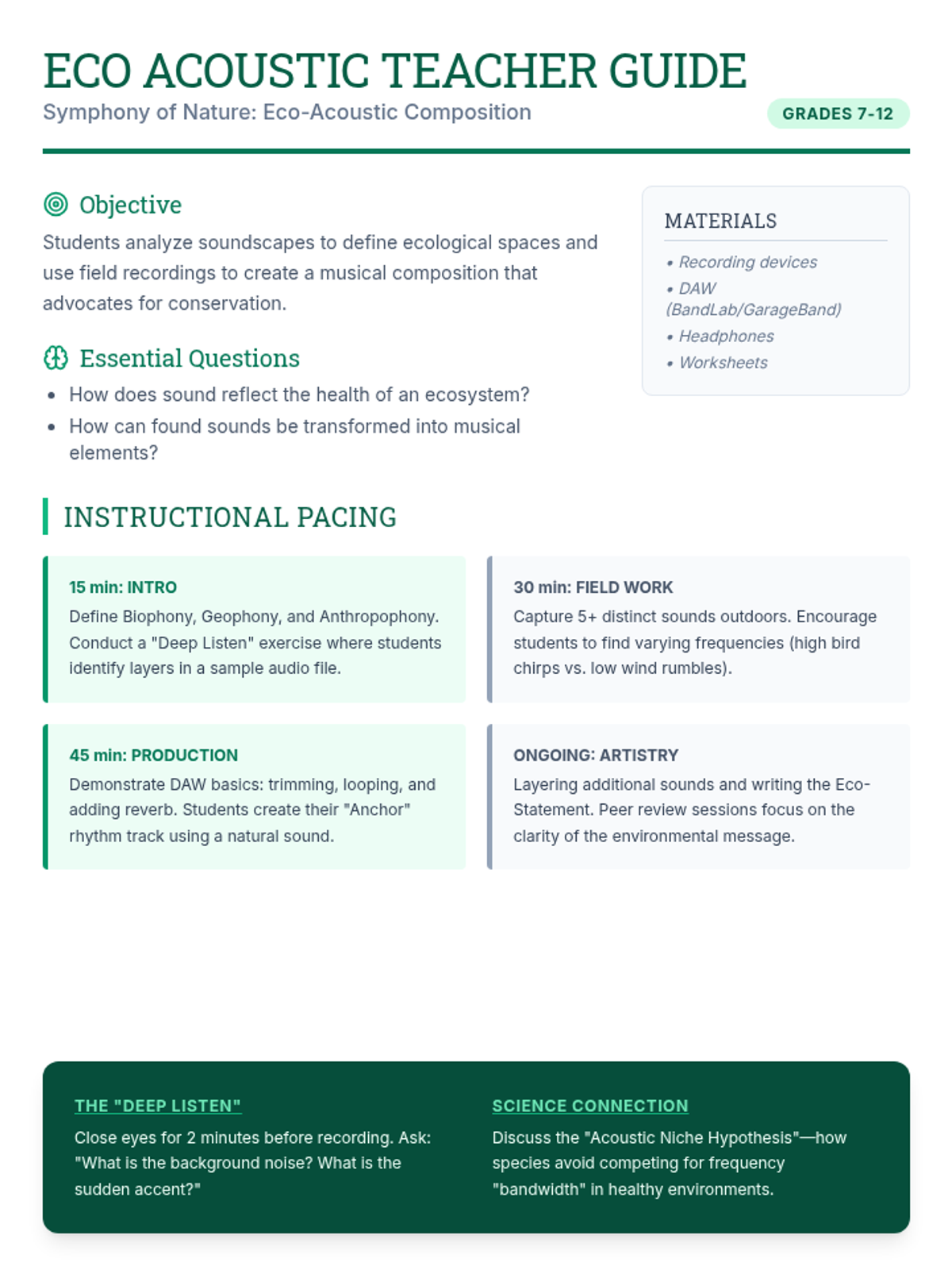
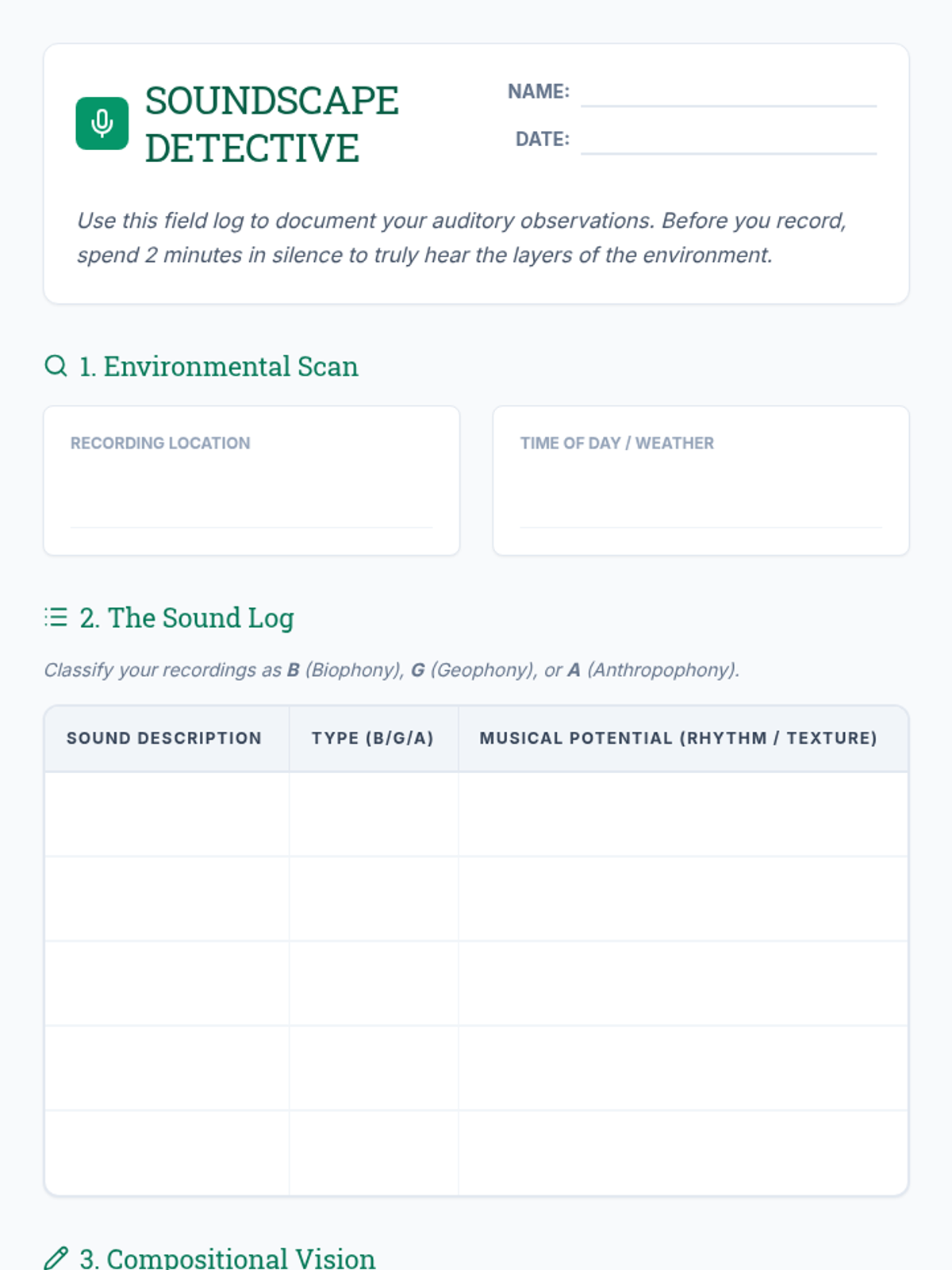
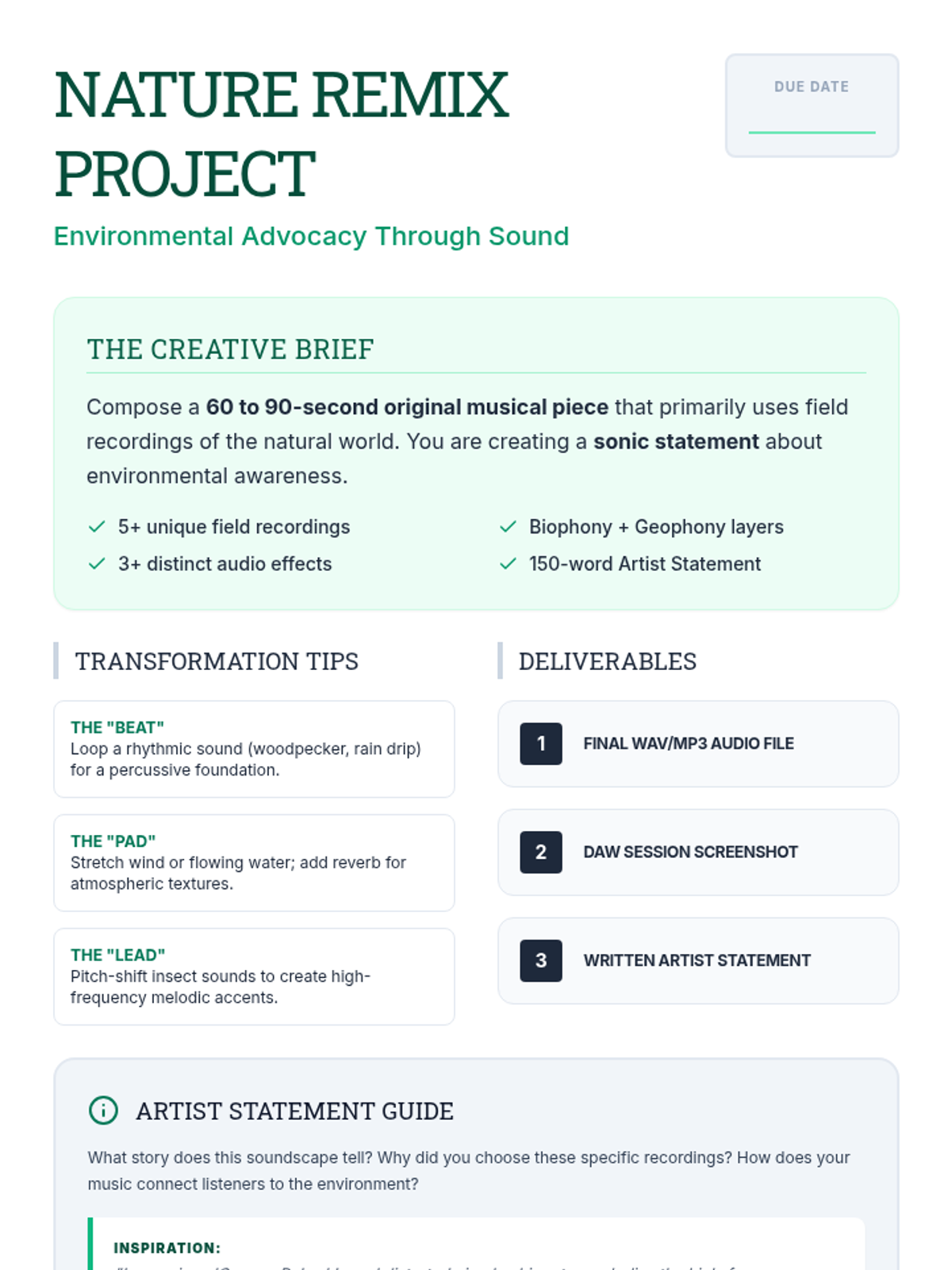
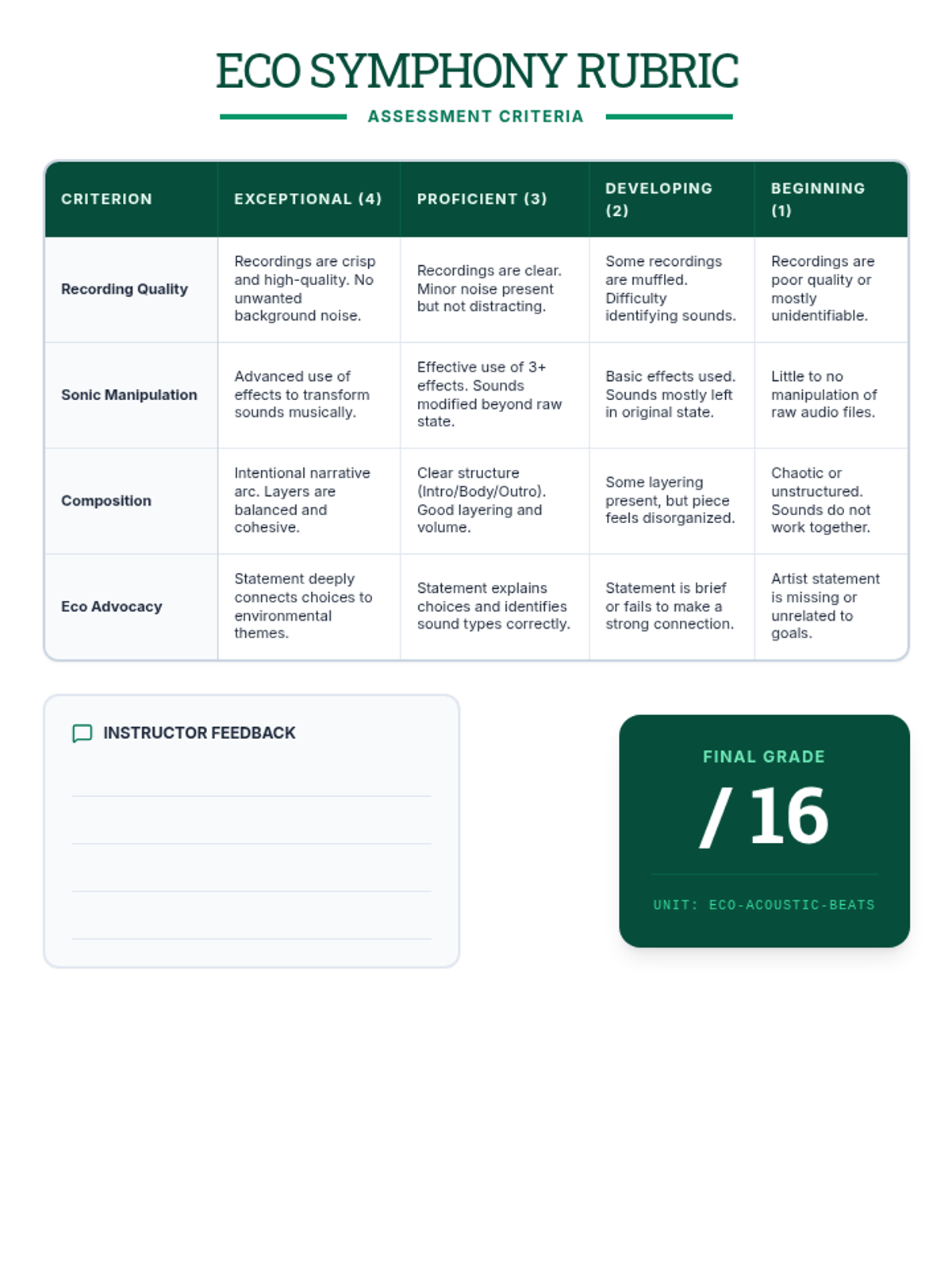
A multi-disciplinary lesson where students blend environmental science and music production. They will analyze natural soundscapes and create original compositions using field recordings to promote ecological awareness.
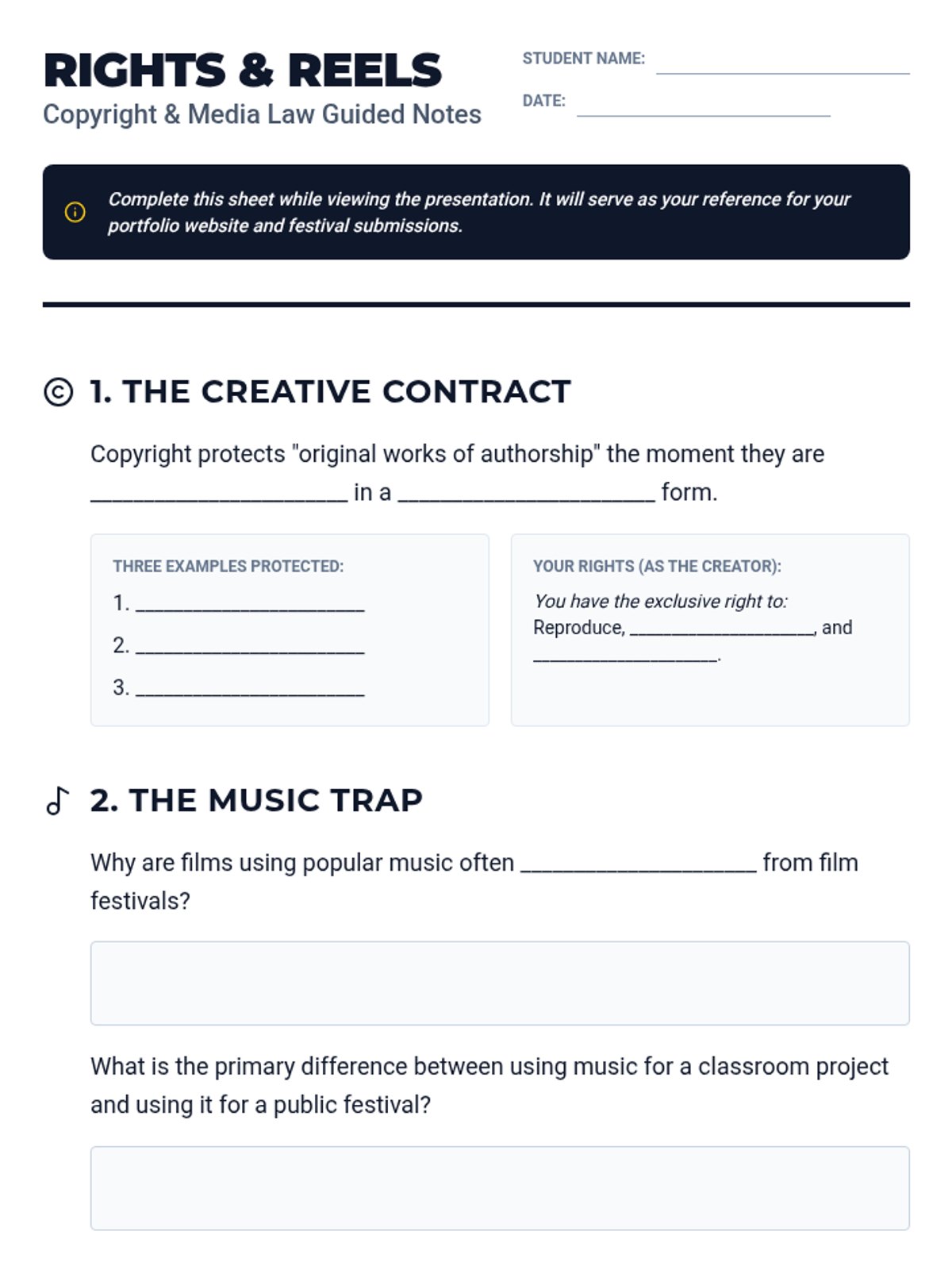
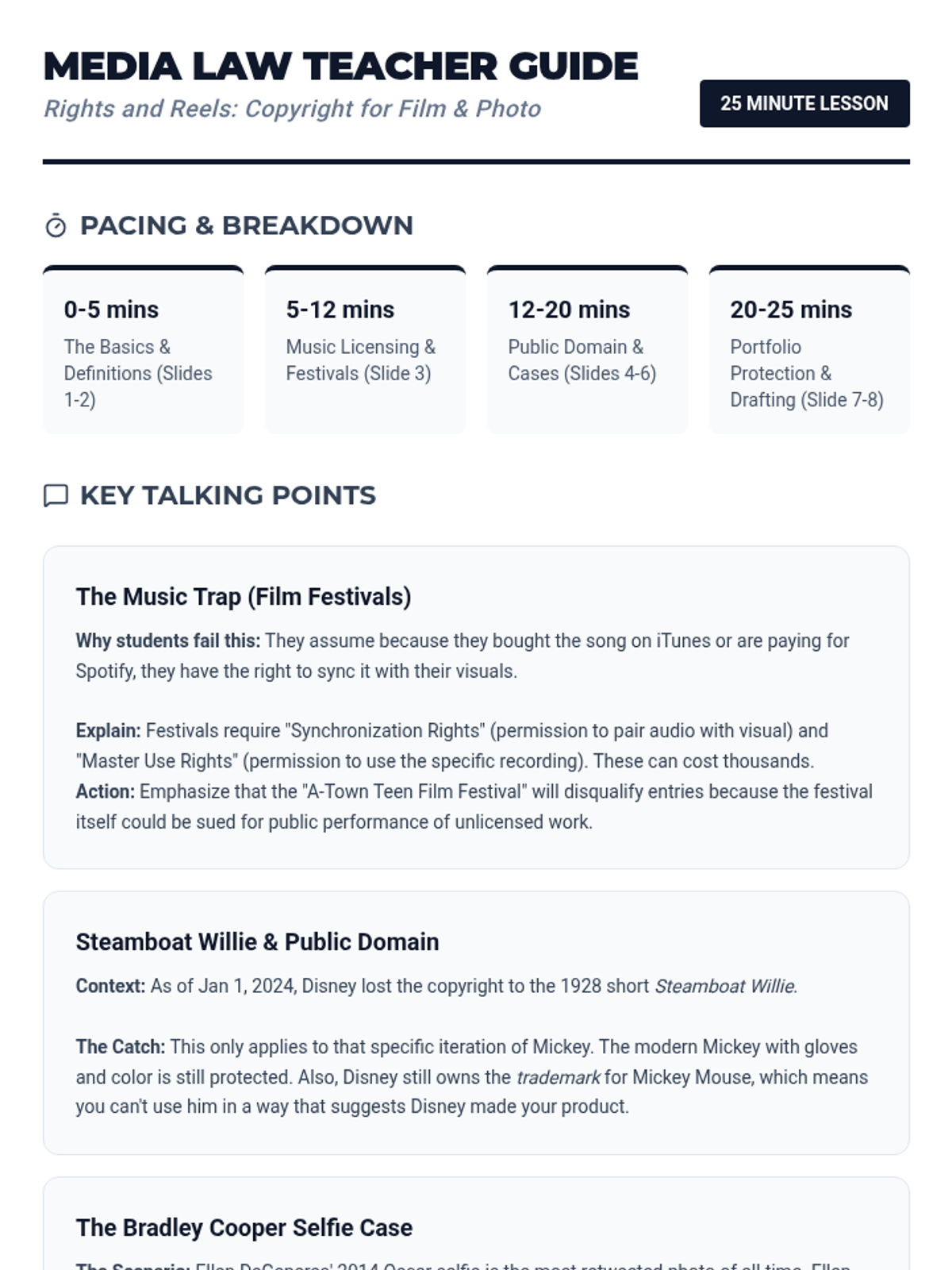
A 25-minute intensive lesson for film and photo students covering copyright law, music licensing for festivals, public domain via Steamboat Willie, and personal portfolio protection.
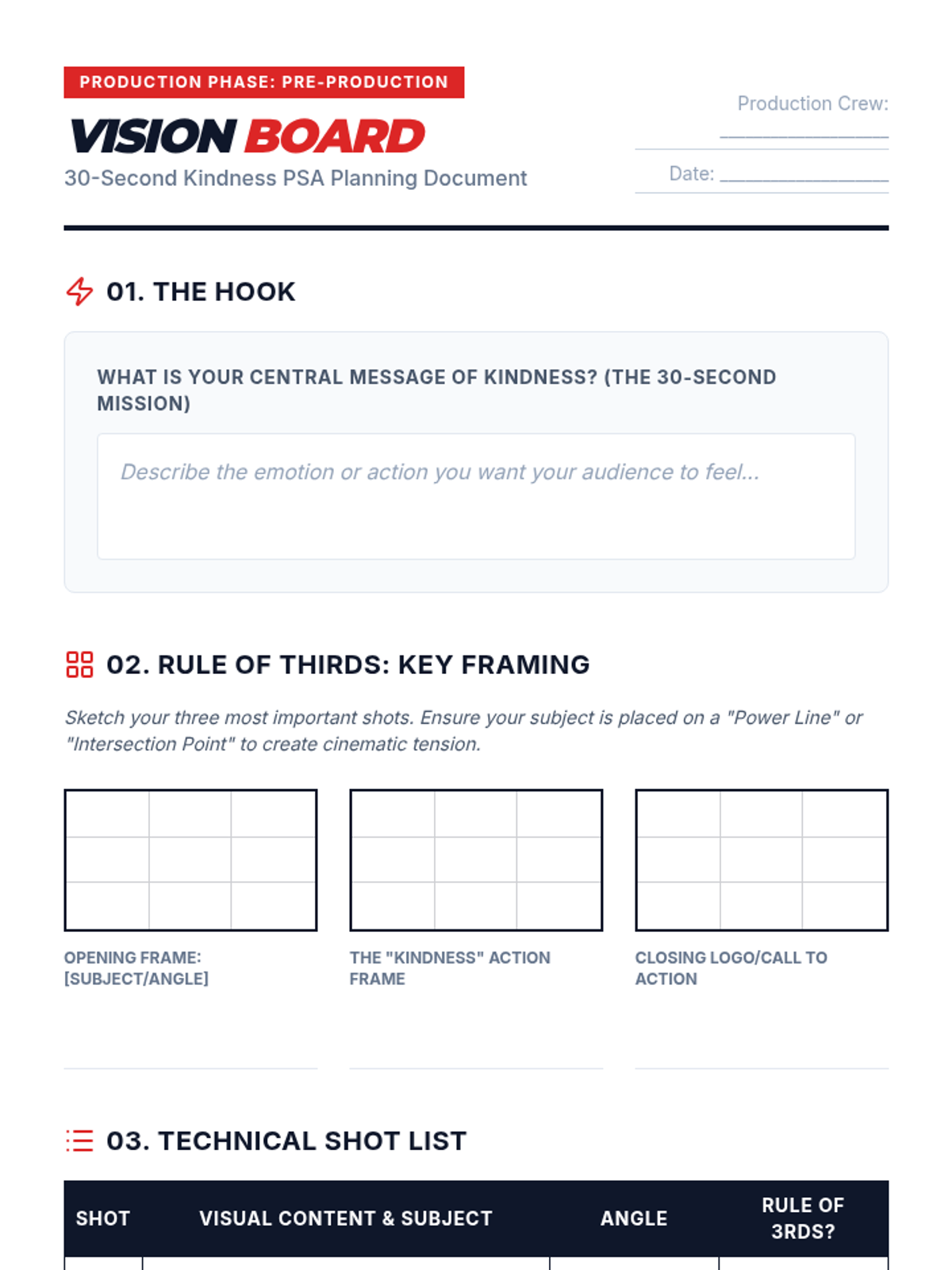
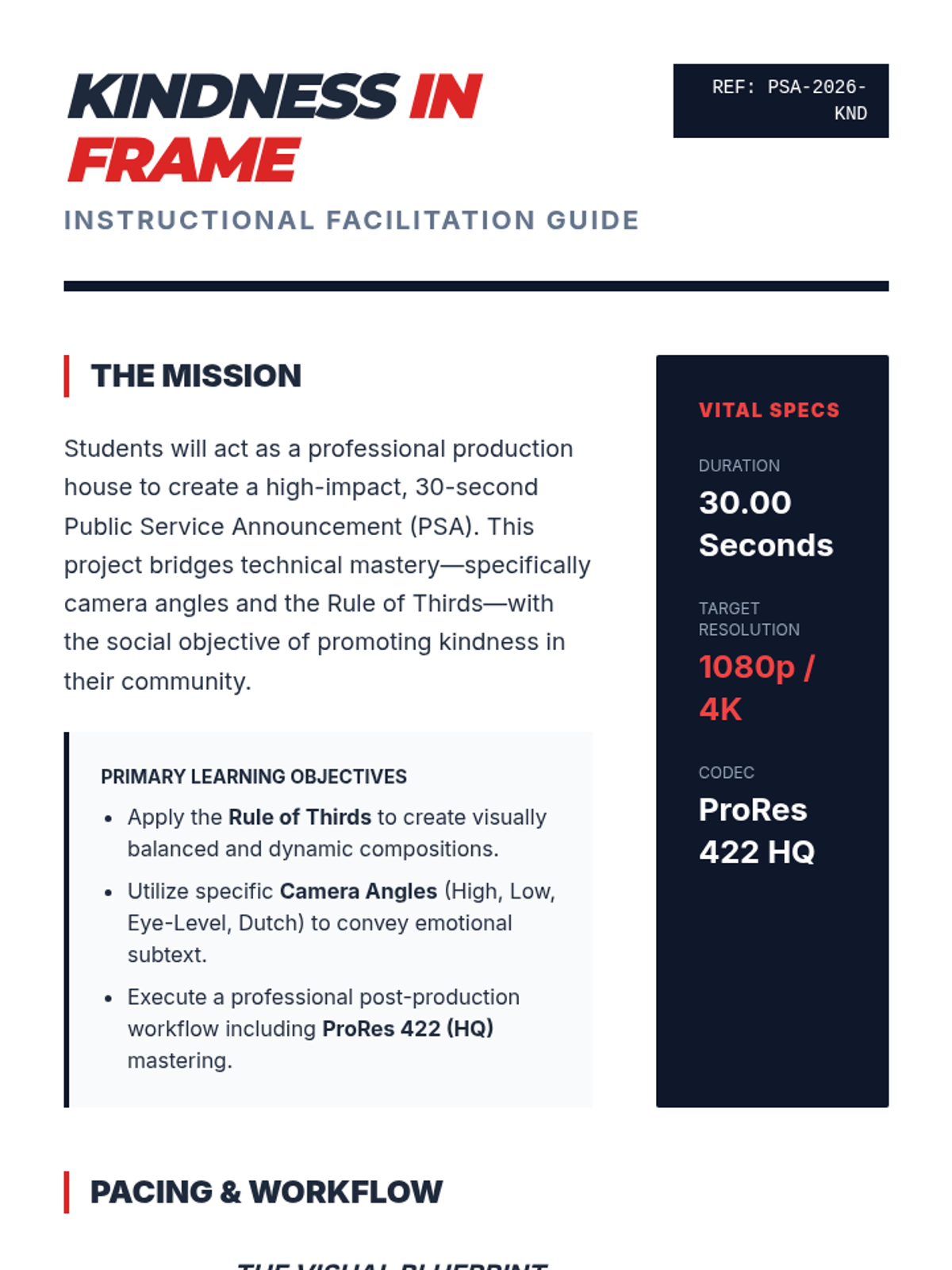
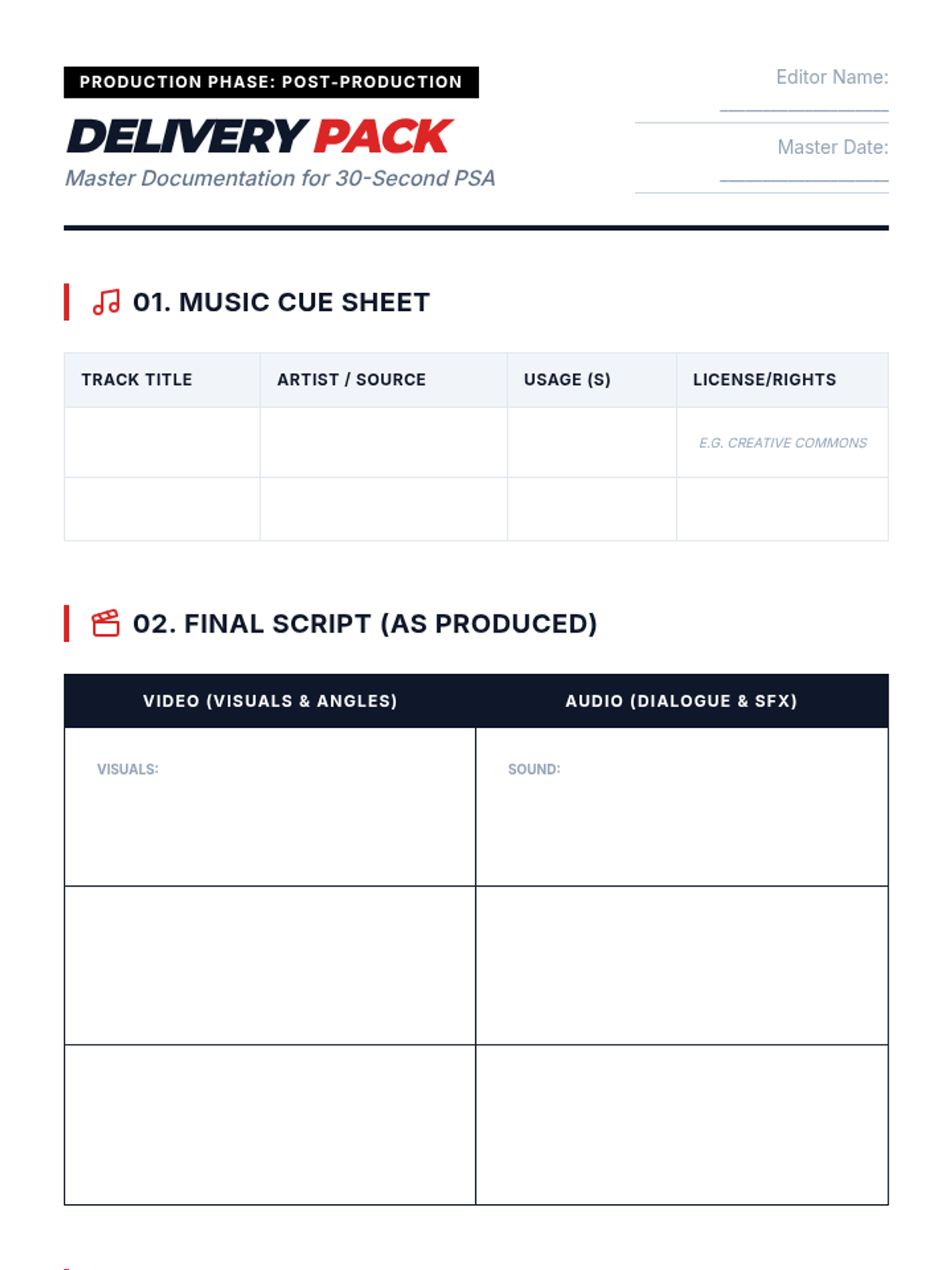
A project-based lesson where students create a 30-second kindness PSA, focusing on the technical mastery of camera angles, the rule of thirds, and professional delivery standards.
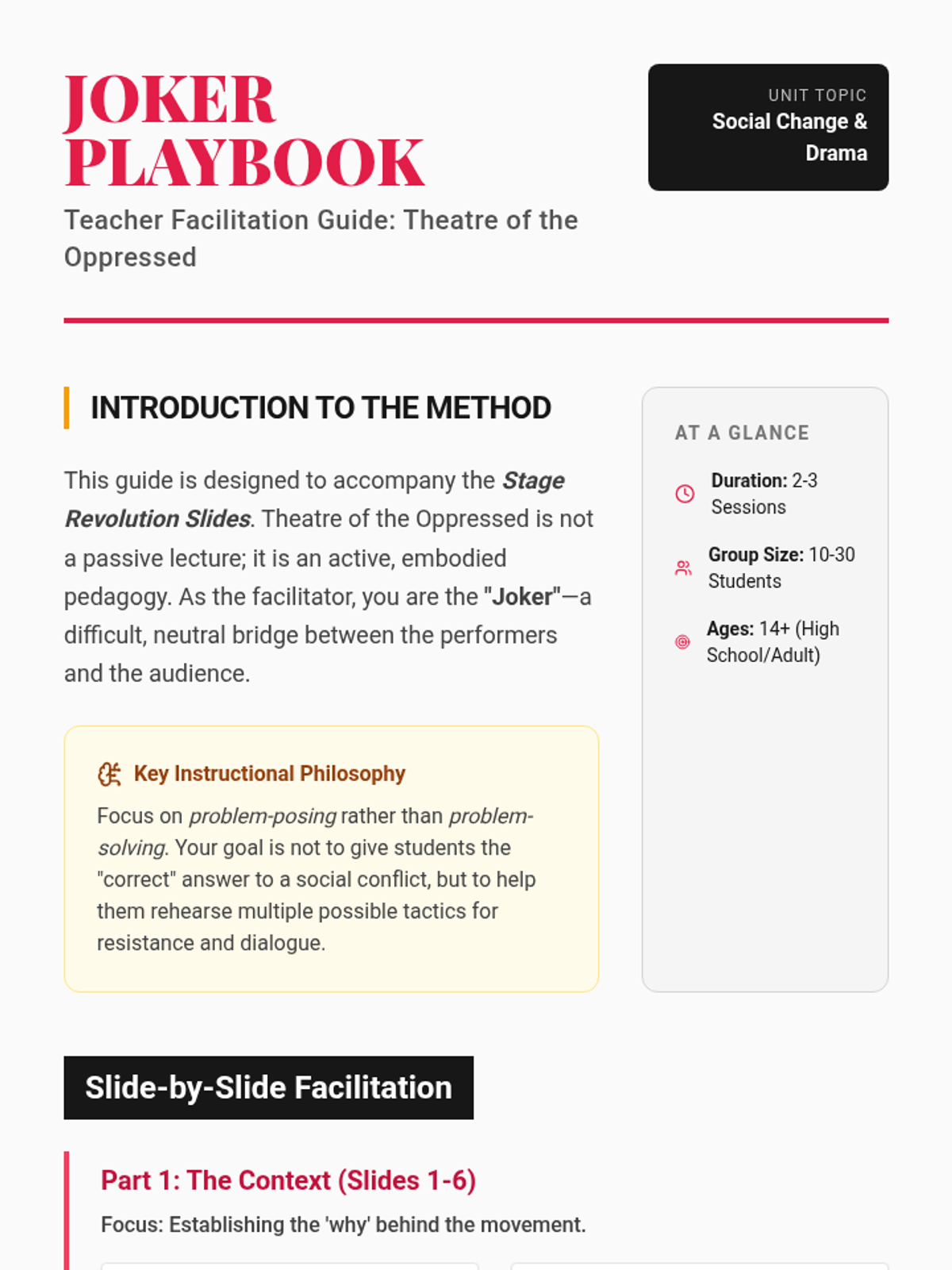
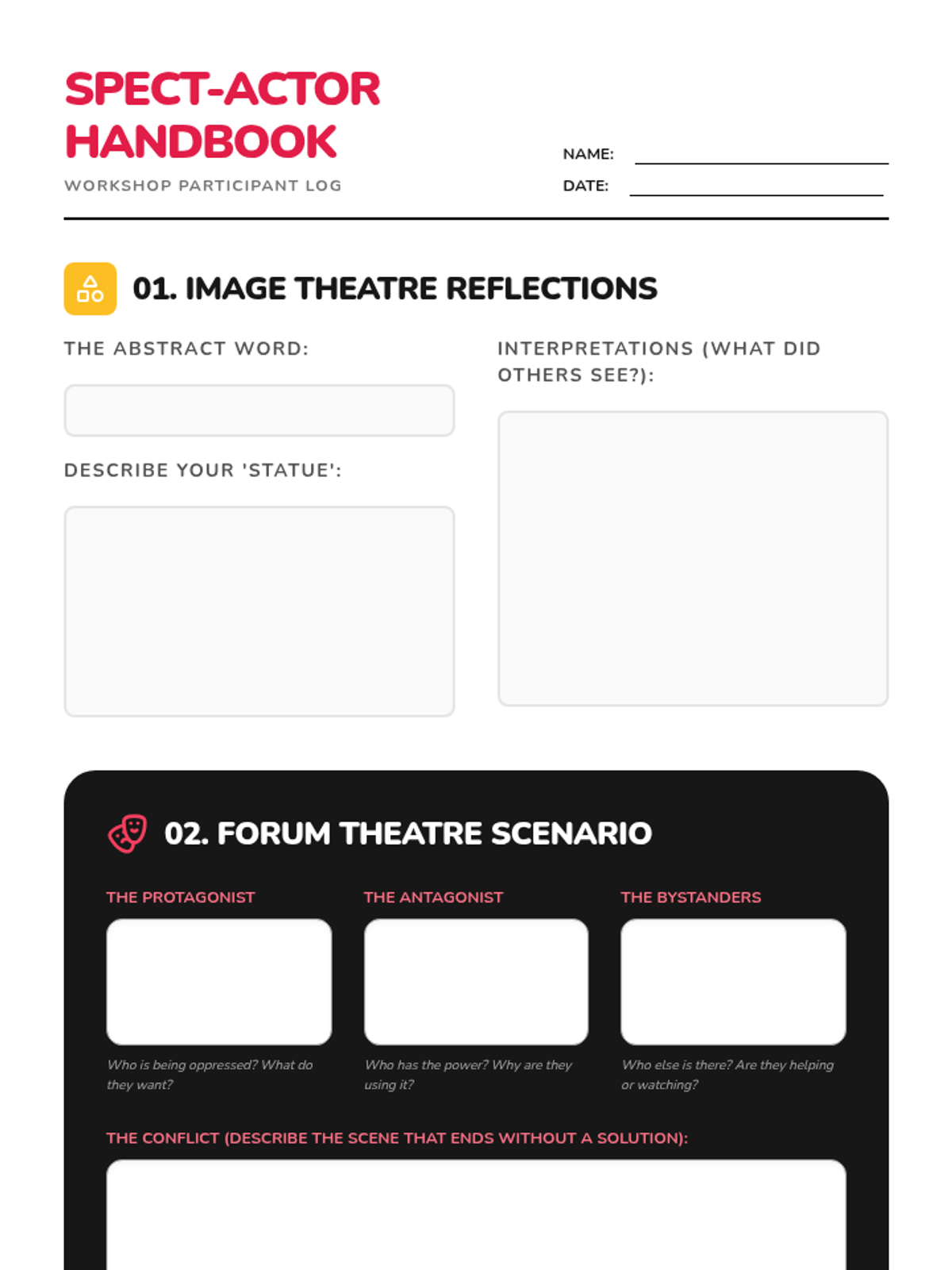
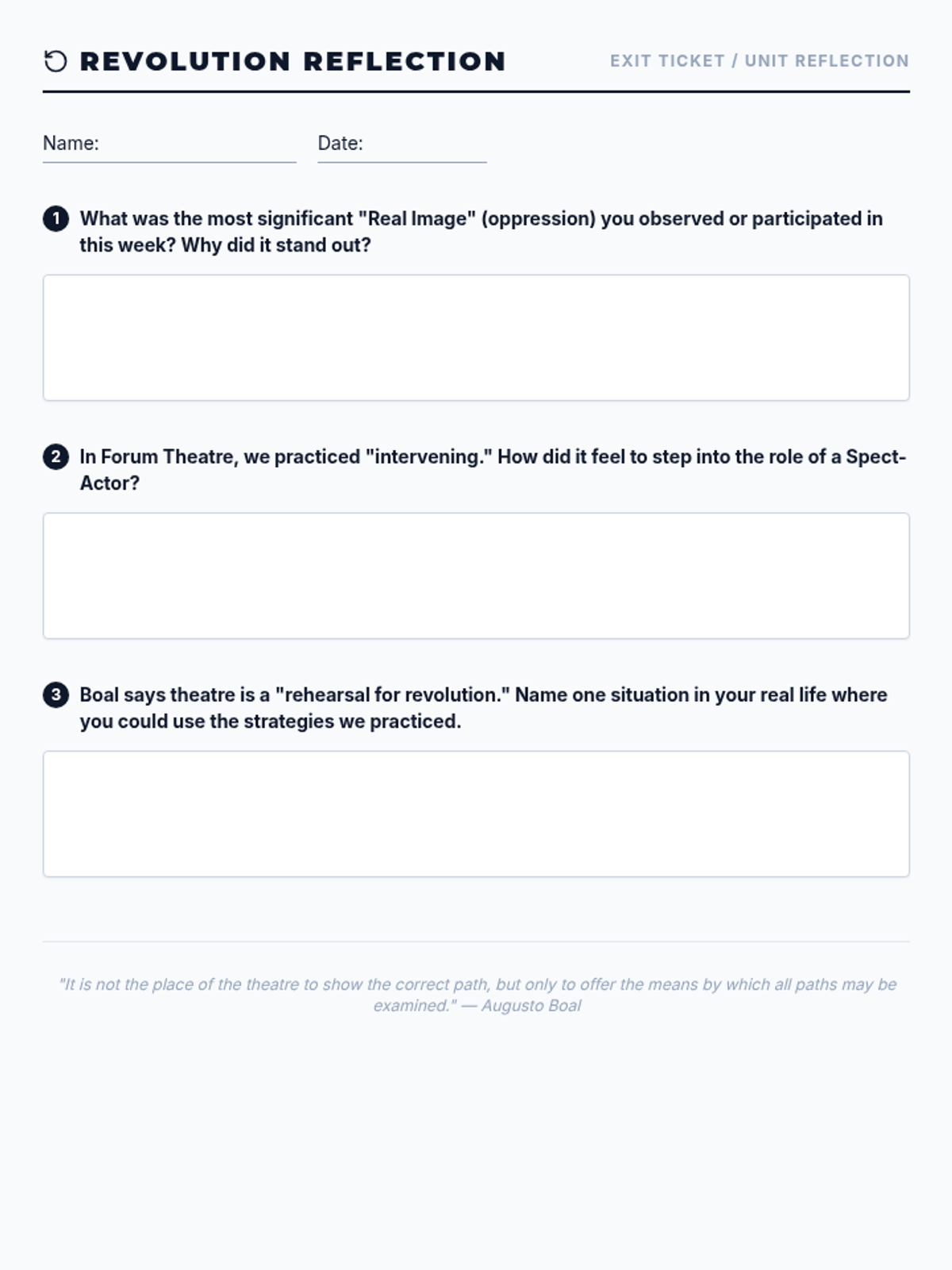
An exploration of Augusto Boal's Theatre of the Oppressed, covering its historical roots in Brazil, key techniques like Forum and Image Theatre, and its ongoing role in global social justice movements.
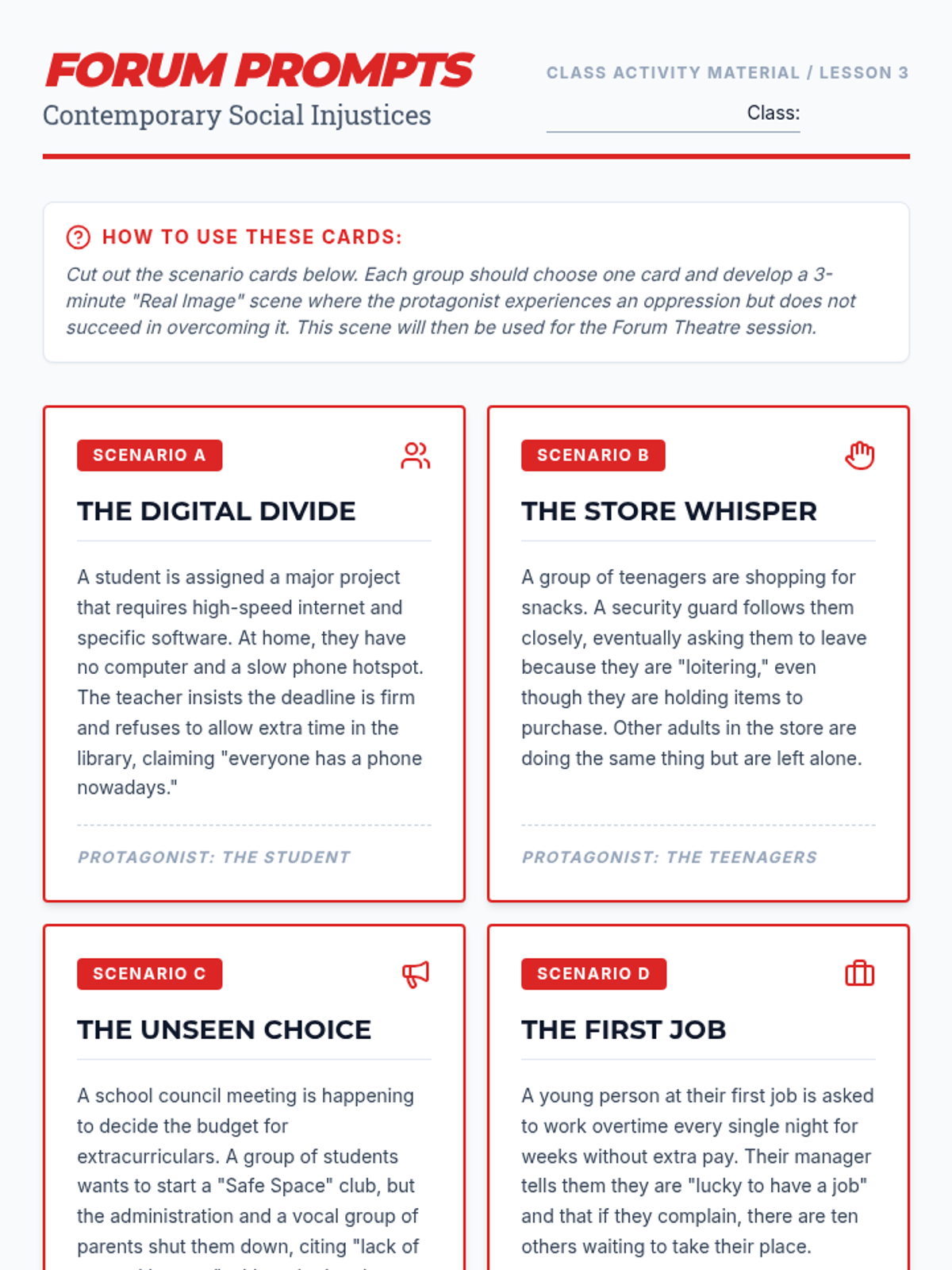
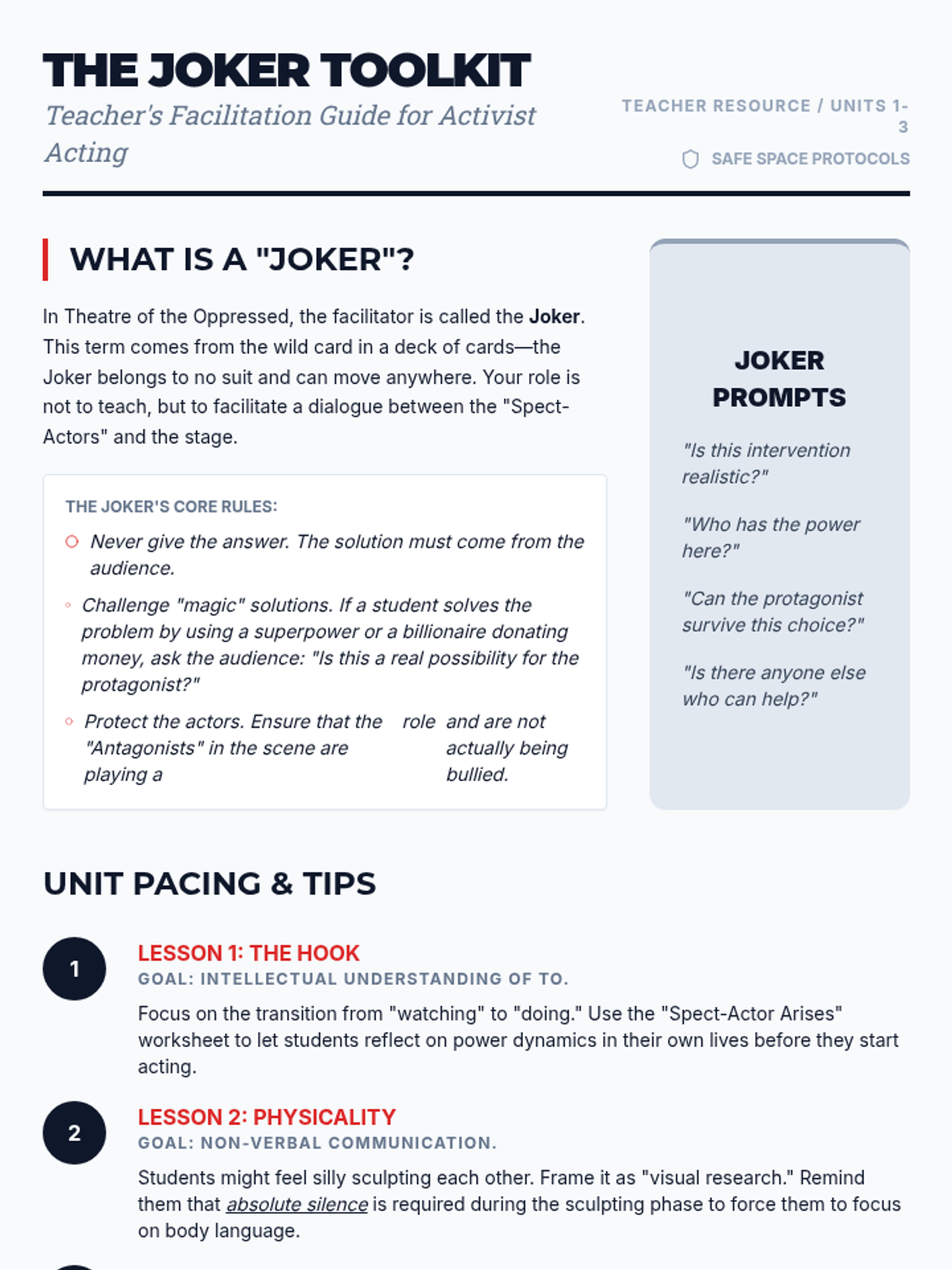
Mastering Forum Theatre, the role of the Joker, and applying these techniques to solve real-world social problems.
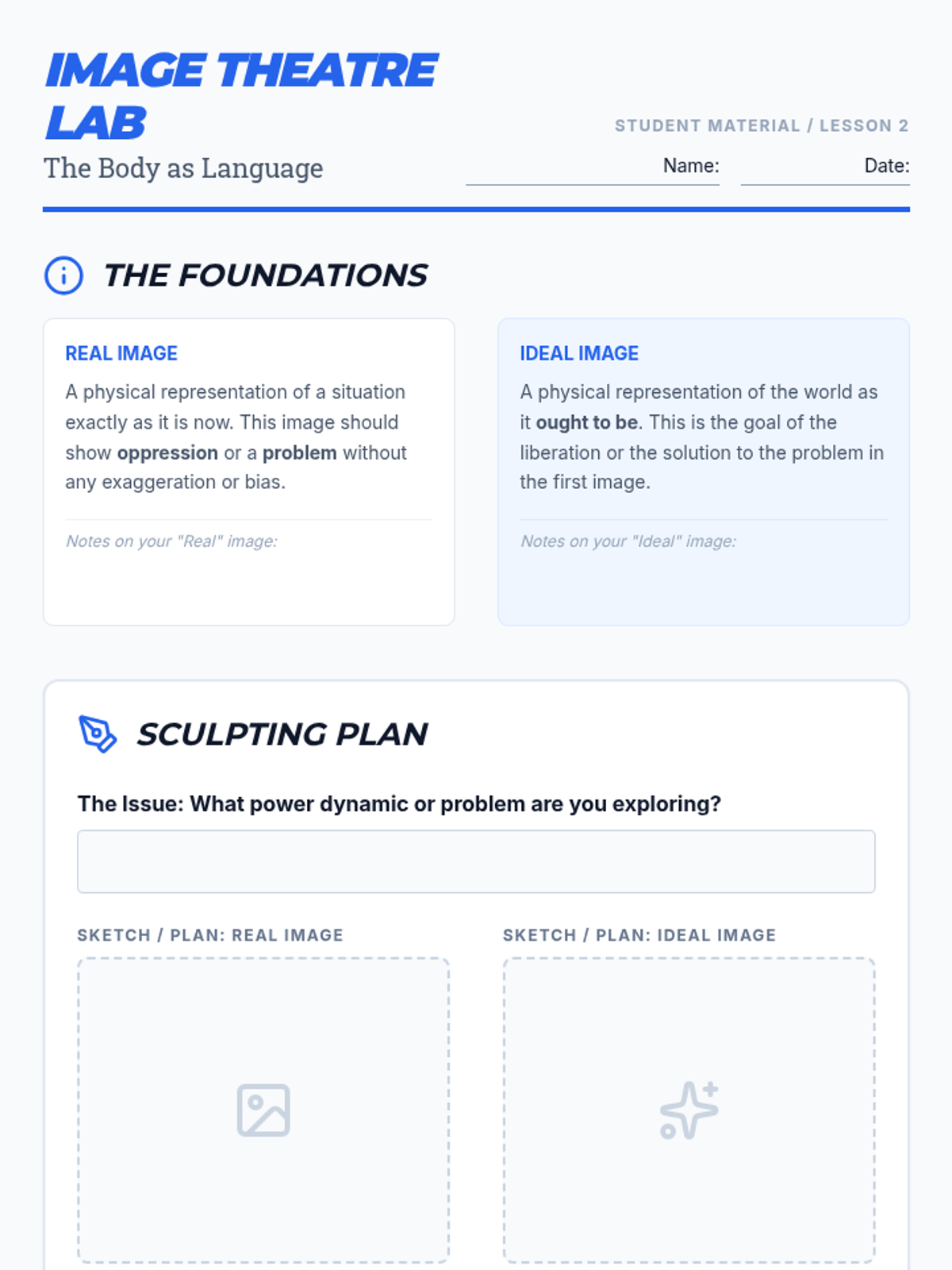
Deep dive into Image Theatre techniques, using the body as a language to explore internal and external oppressions.
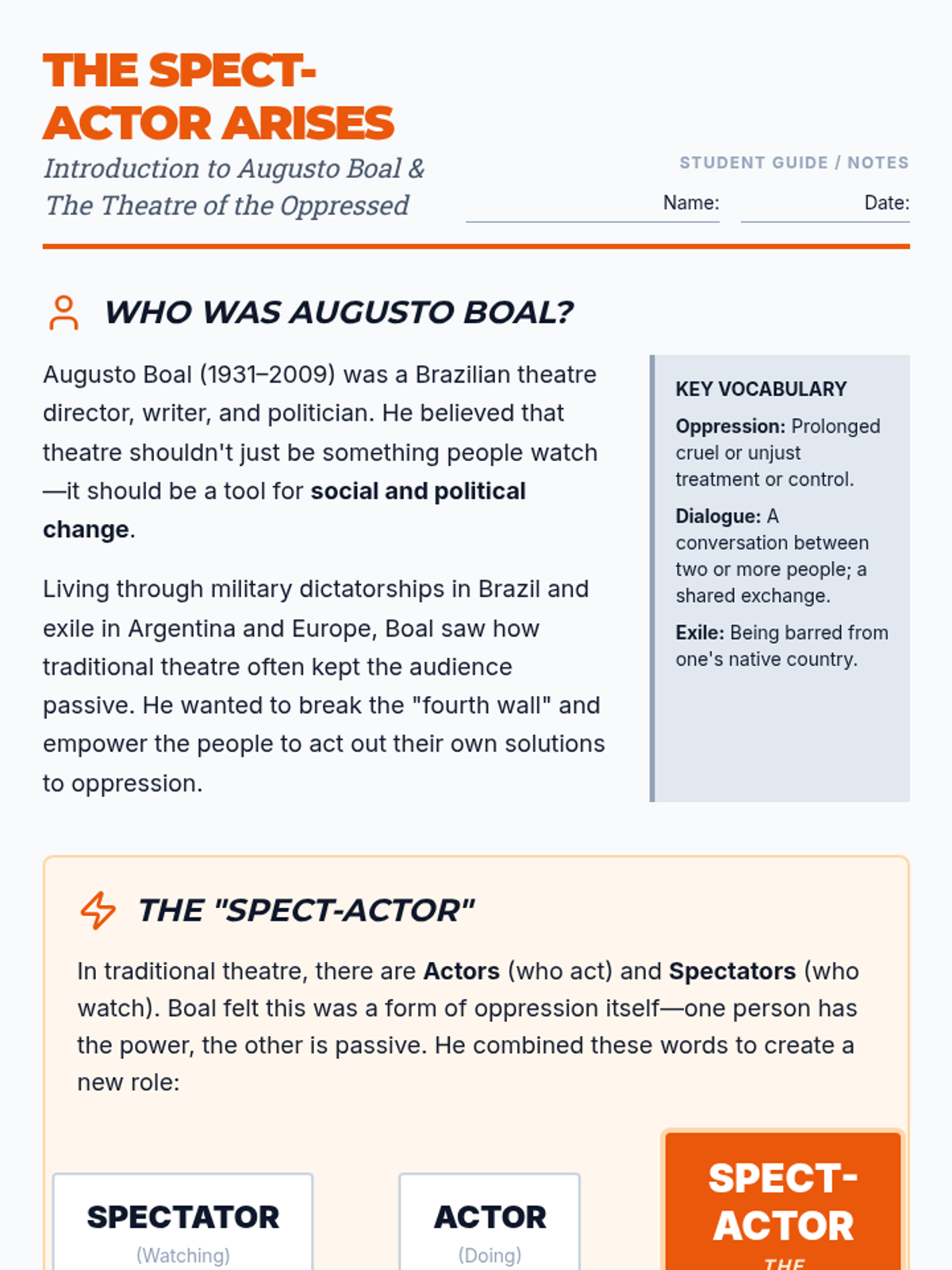
An introduction to Augusto Boal, the origins of Theatre of the Oppressed, and the transformative concept of the 'spect-actor'.
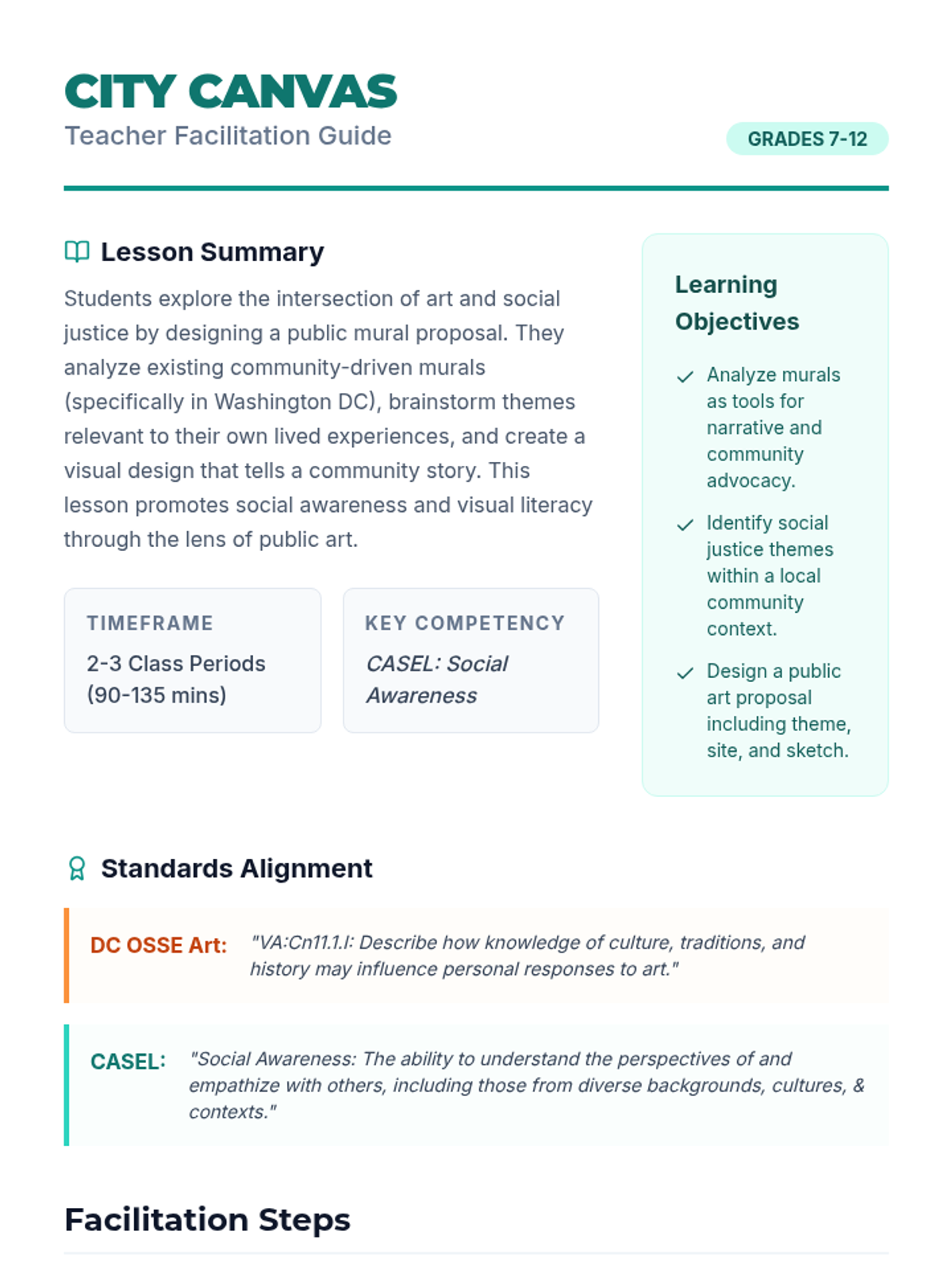
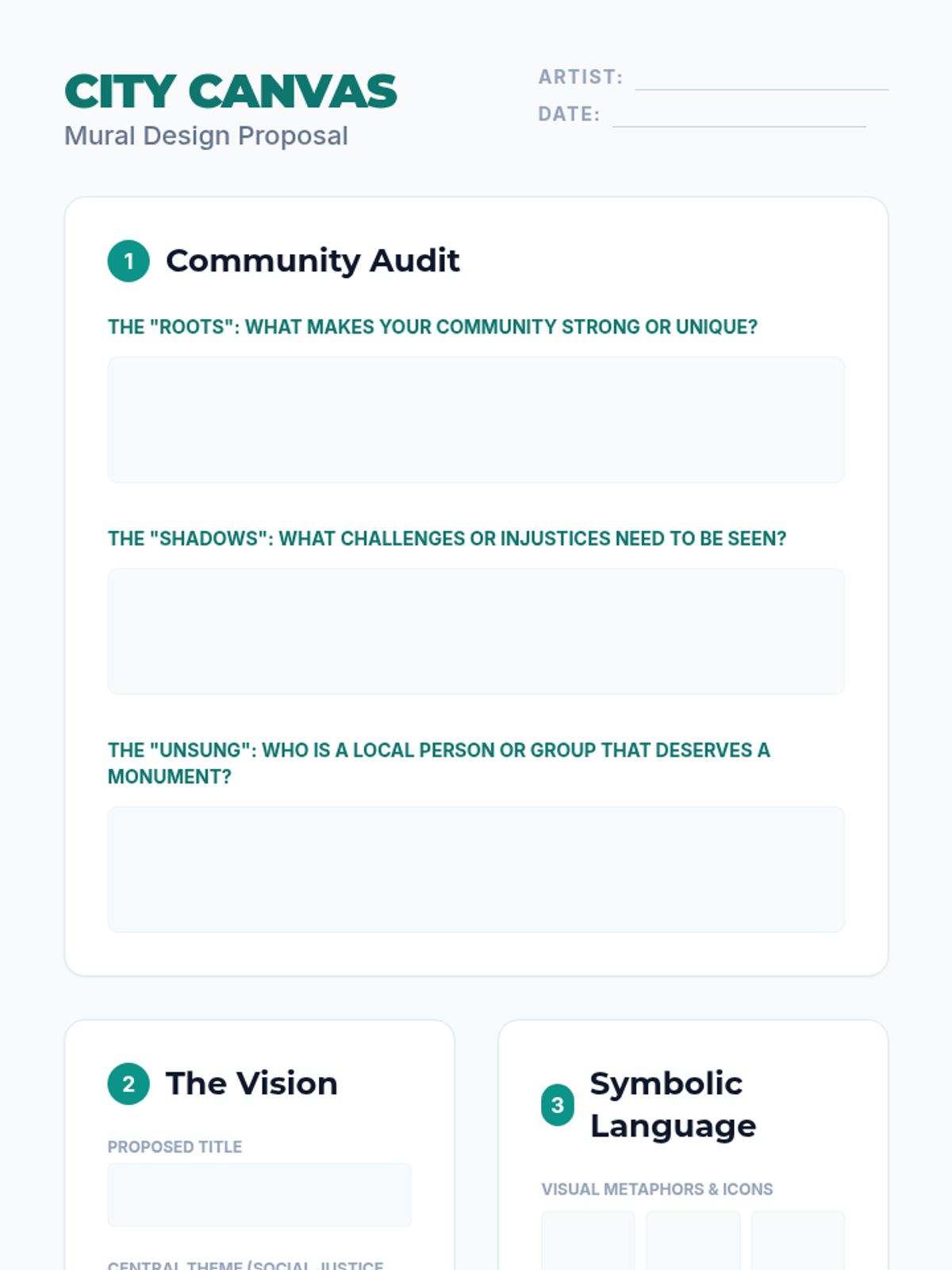
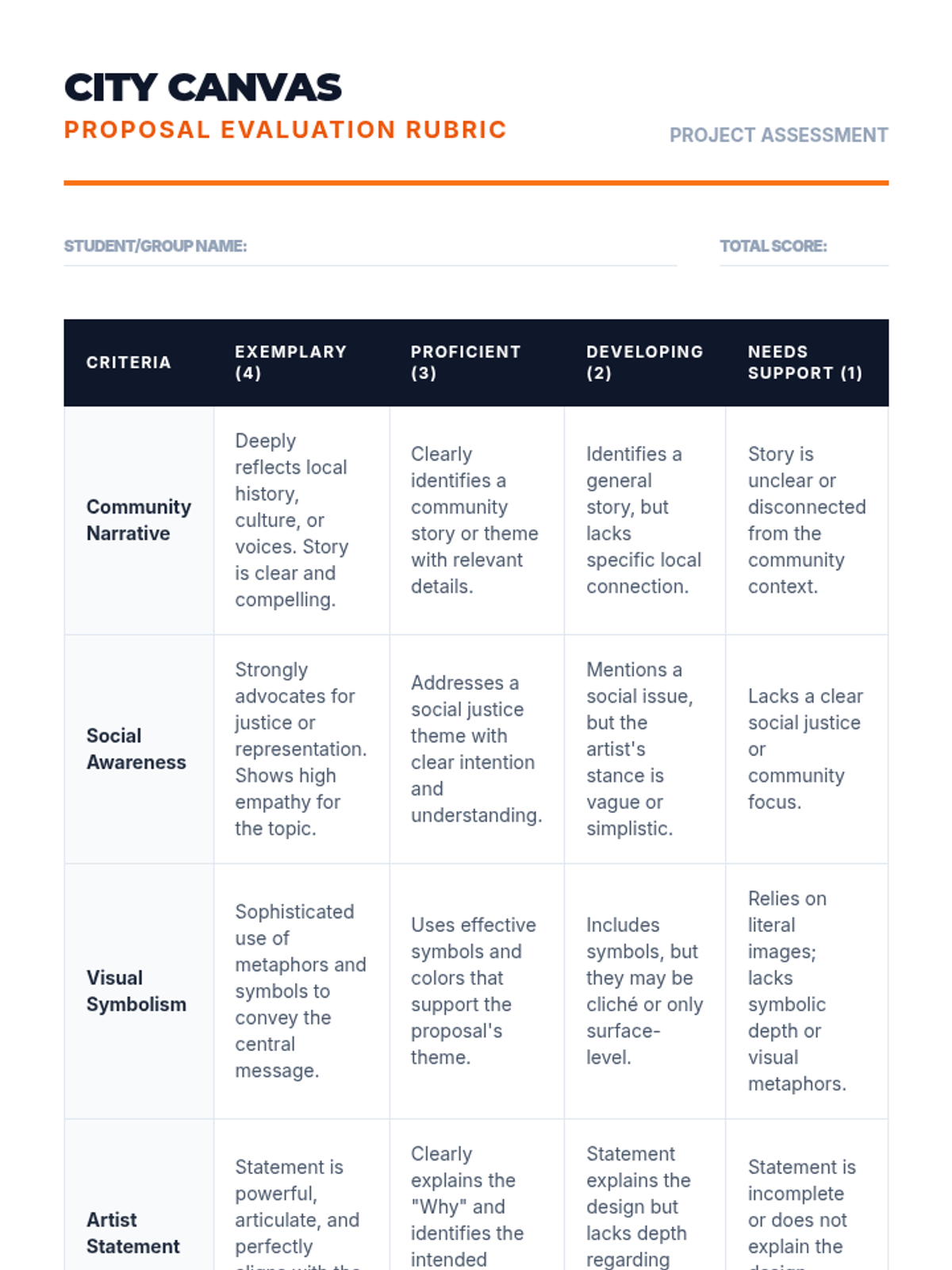
A high school art and social studies lesson where students design public art proposals that reflect community stories and social justice themes. Students analyze existing murals in DC and elsewhere to understand the impact of visual storytelling in public spaces.
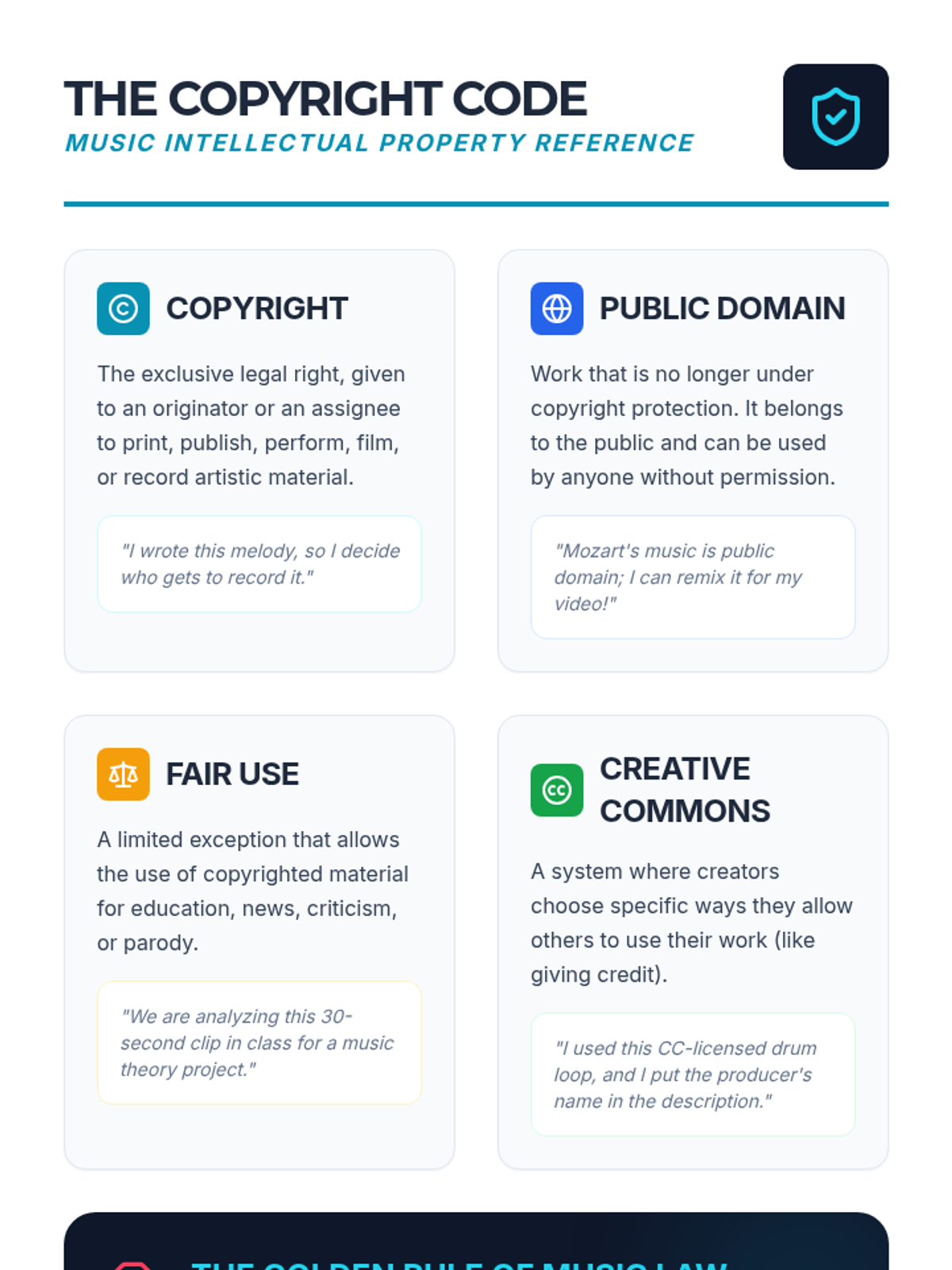
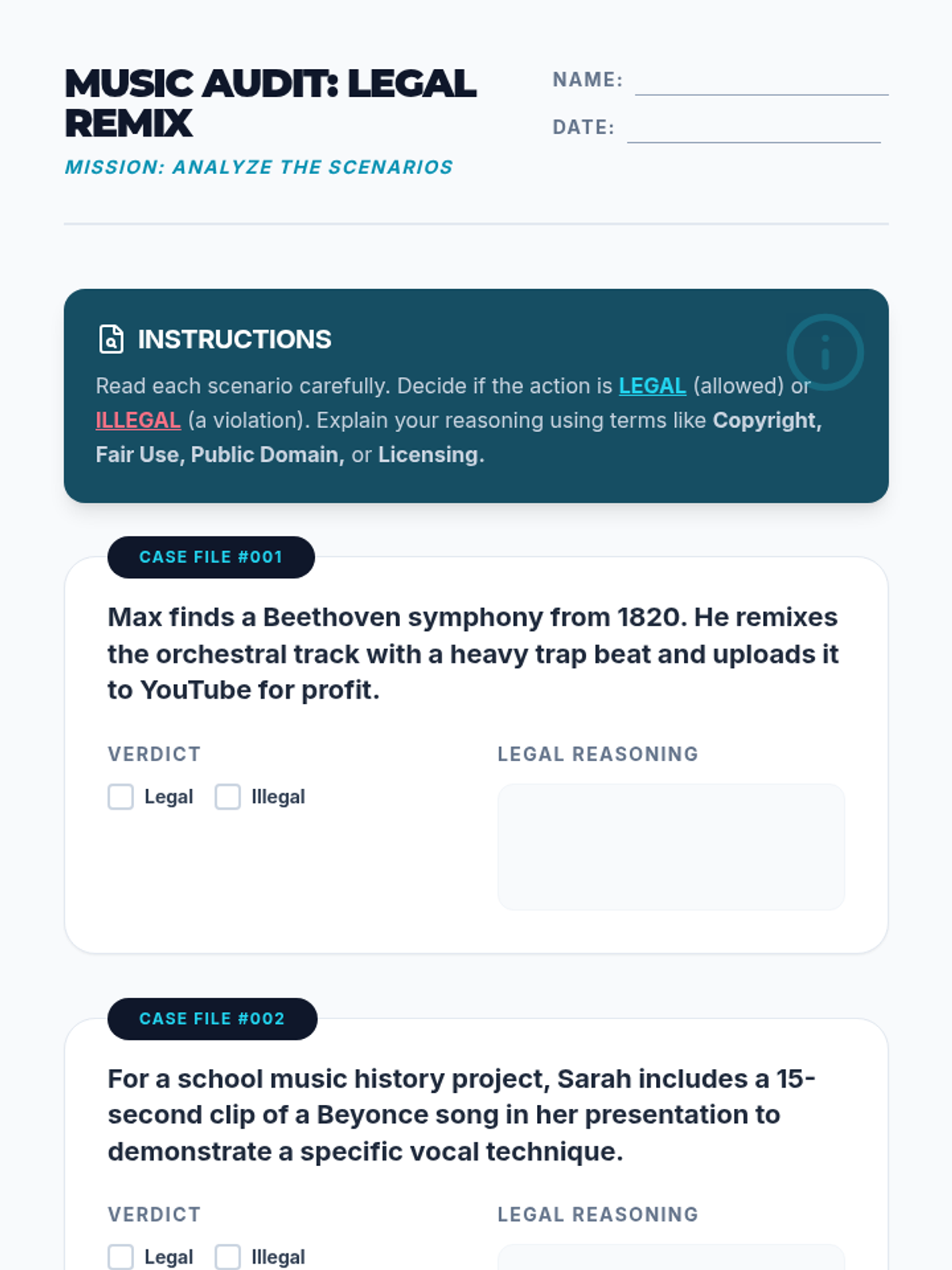
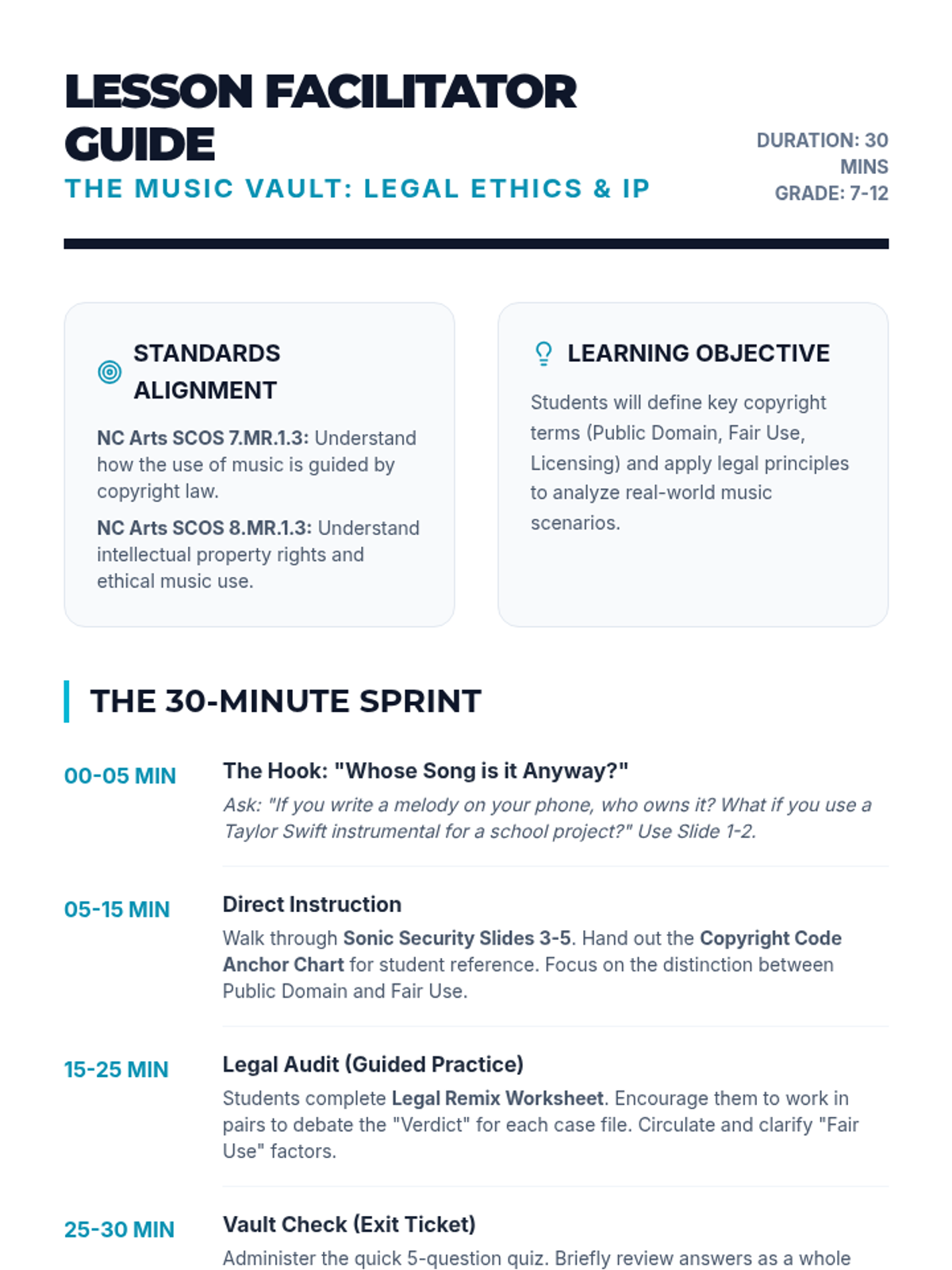
An introductory lesson on music copyright laws, fair use, and legal practices for using and creating music, aligned with NC Arts SCOS.
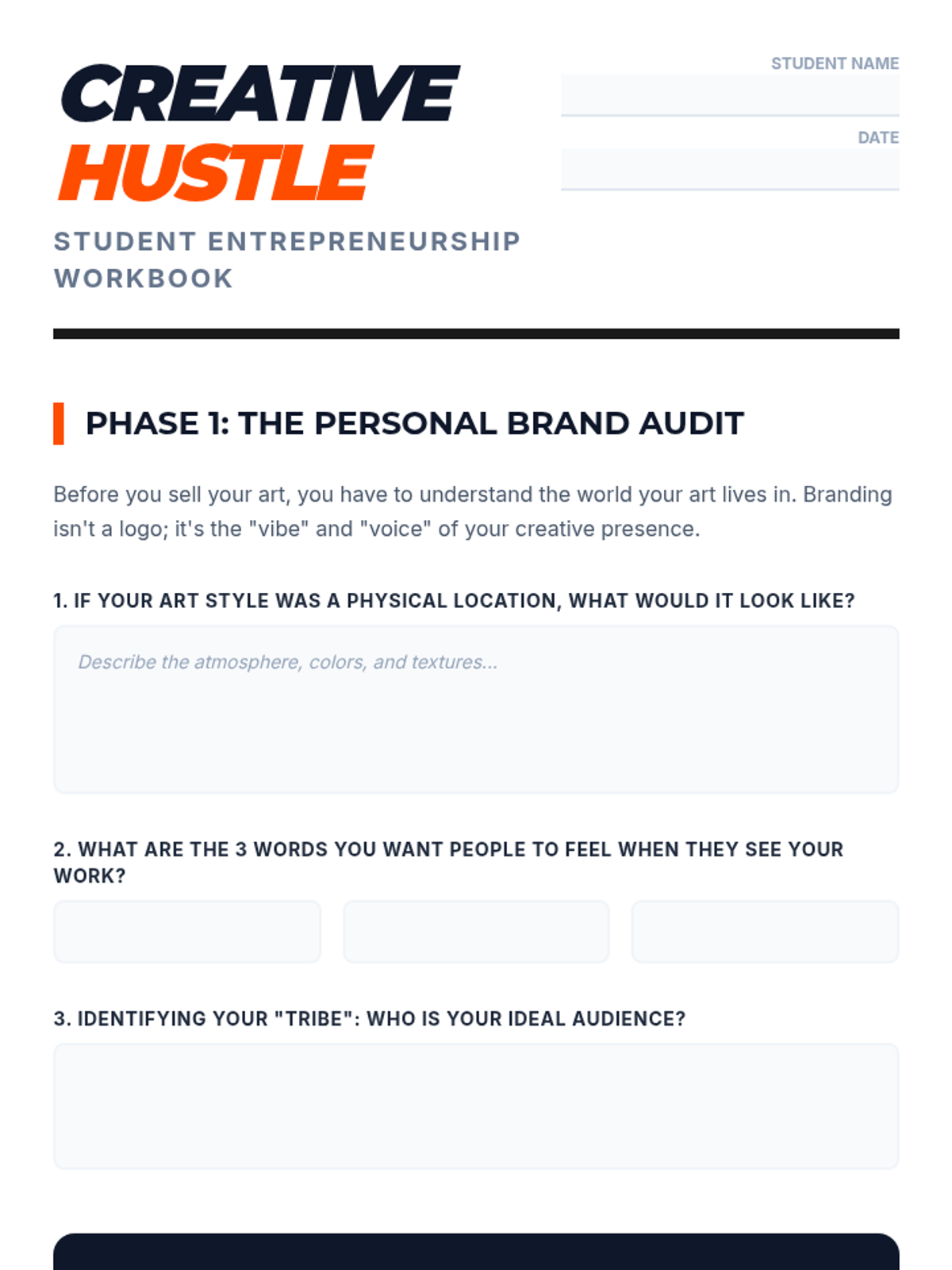
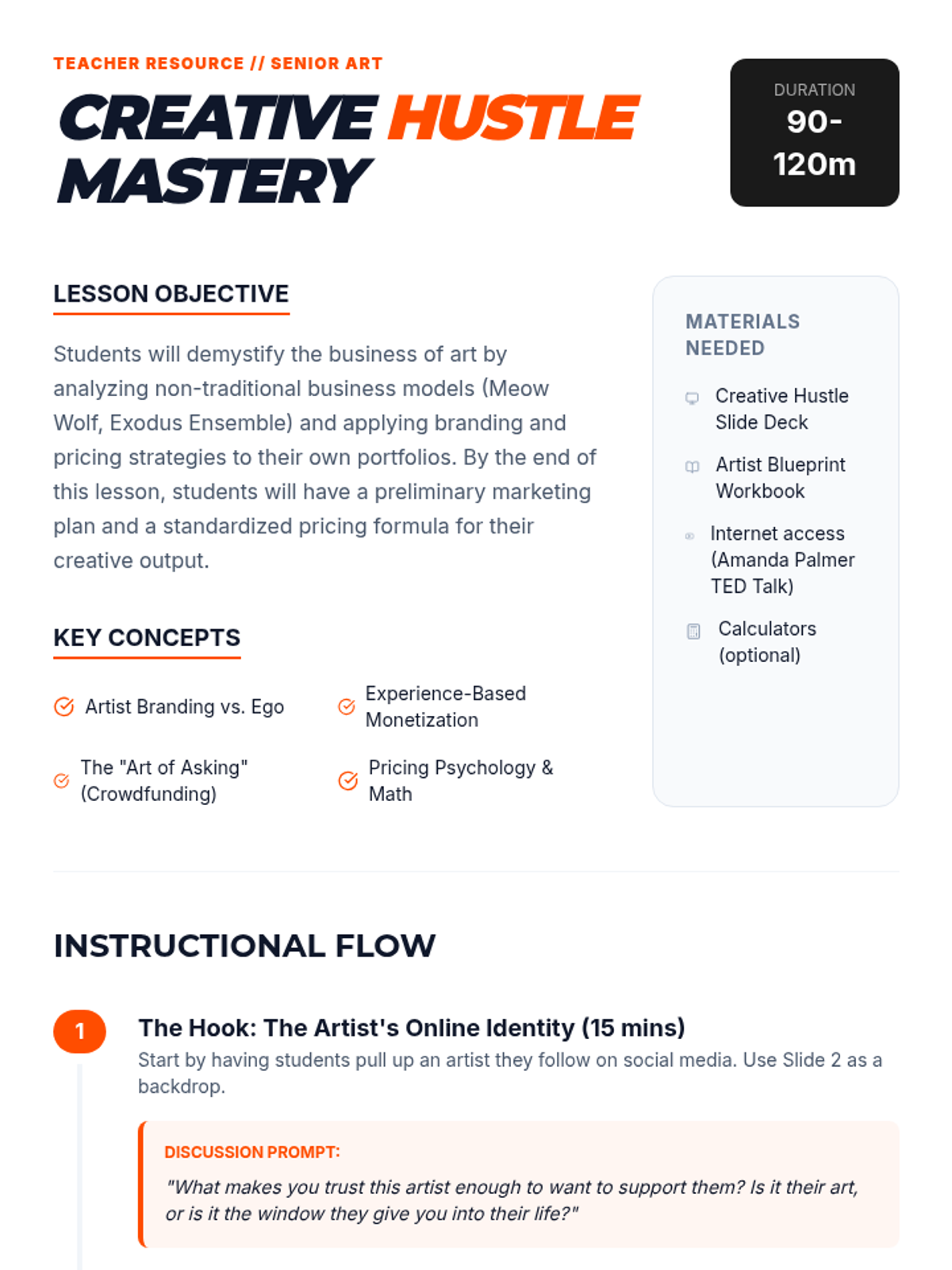
A comprehensive lesson for senior art students on the business and promotion of their work, featuring case studies like Meow Wolf and Exodus Ensemble. Students will learn about personal branding, pricing, and the 'Art of Asking' to build sustainable creative careers.
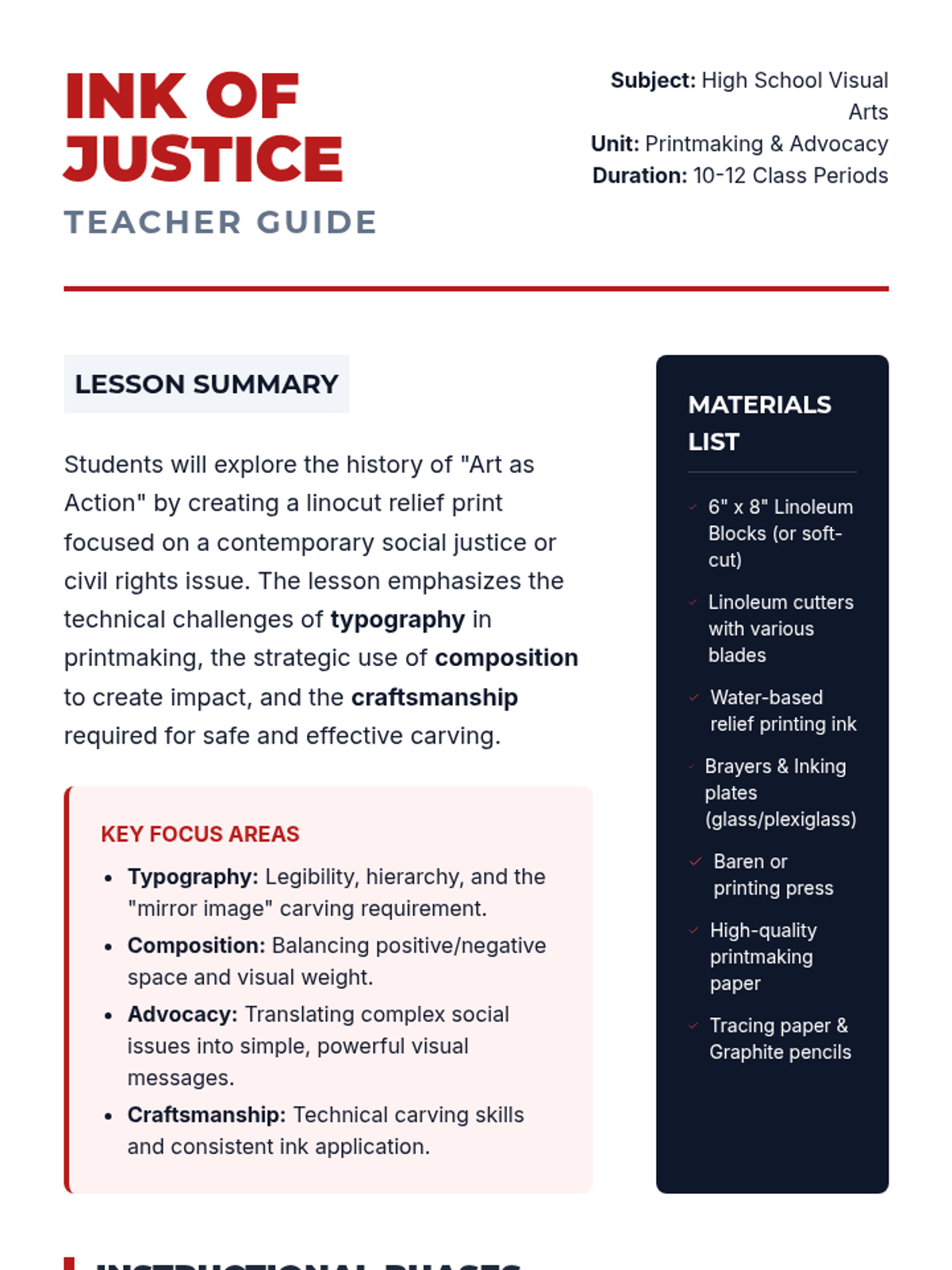
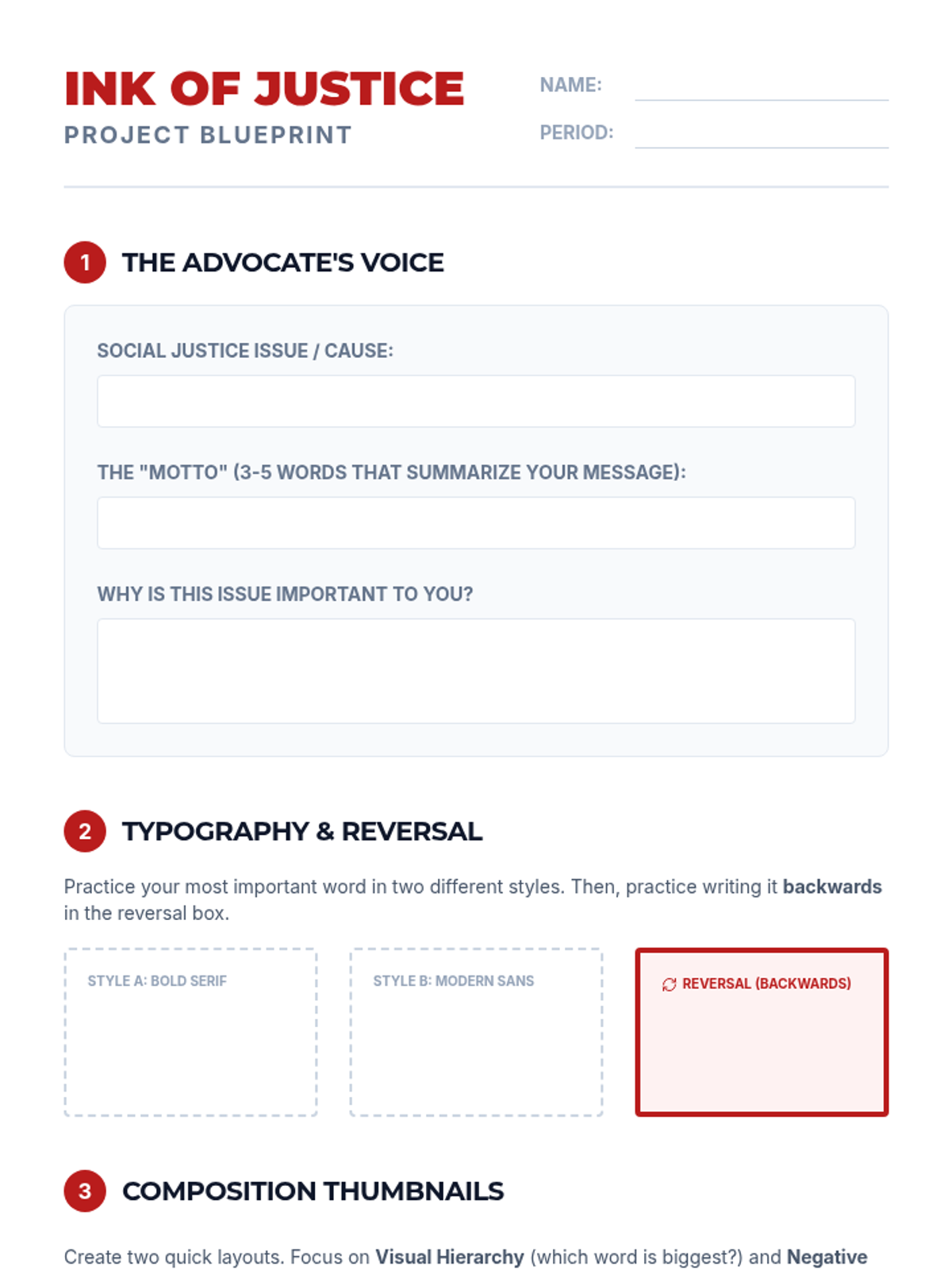
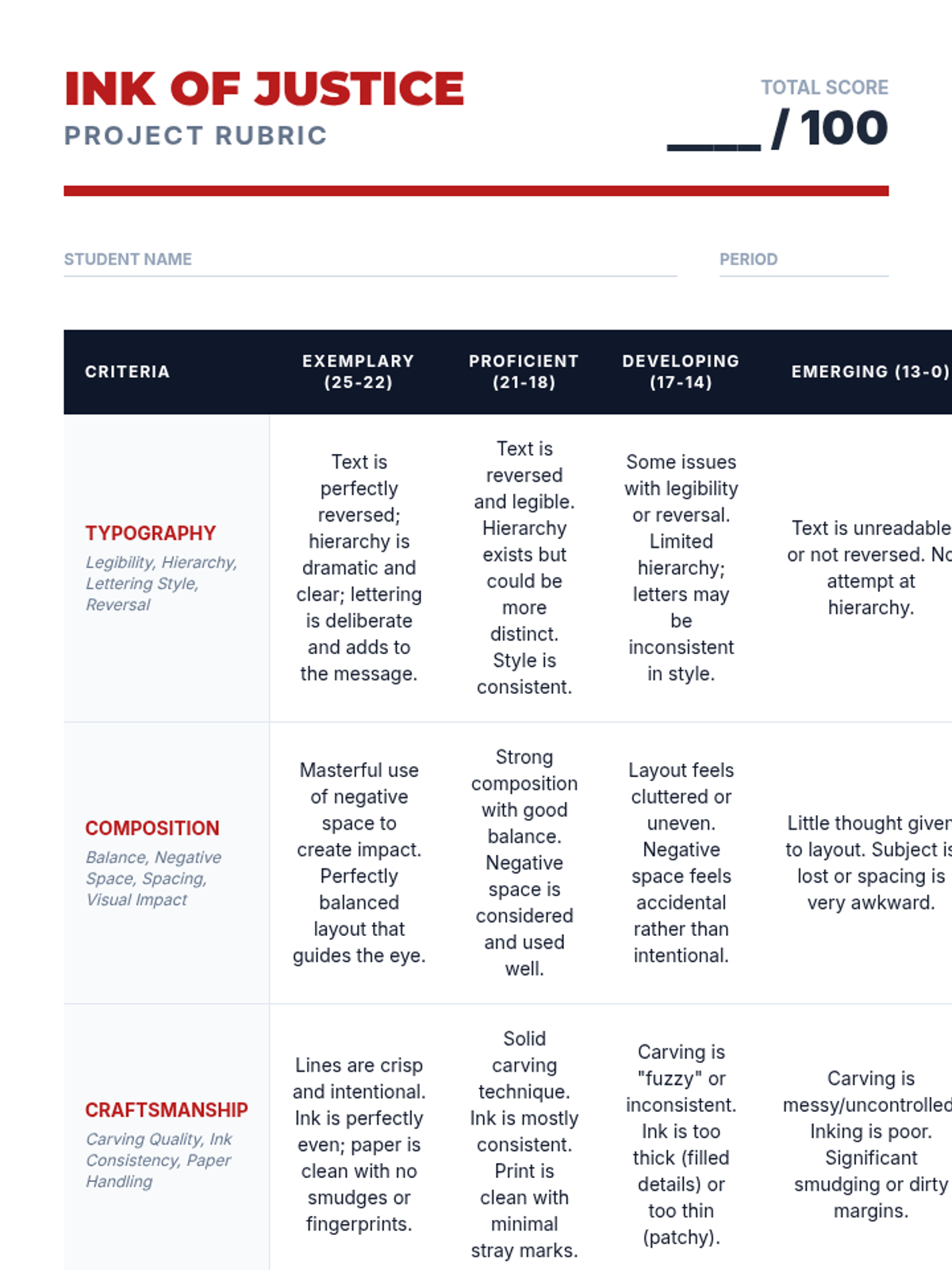
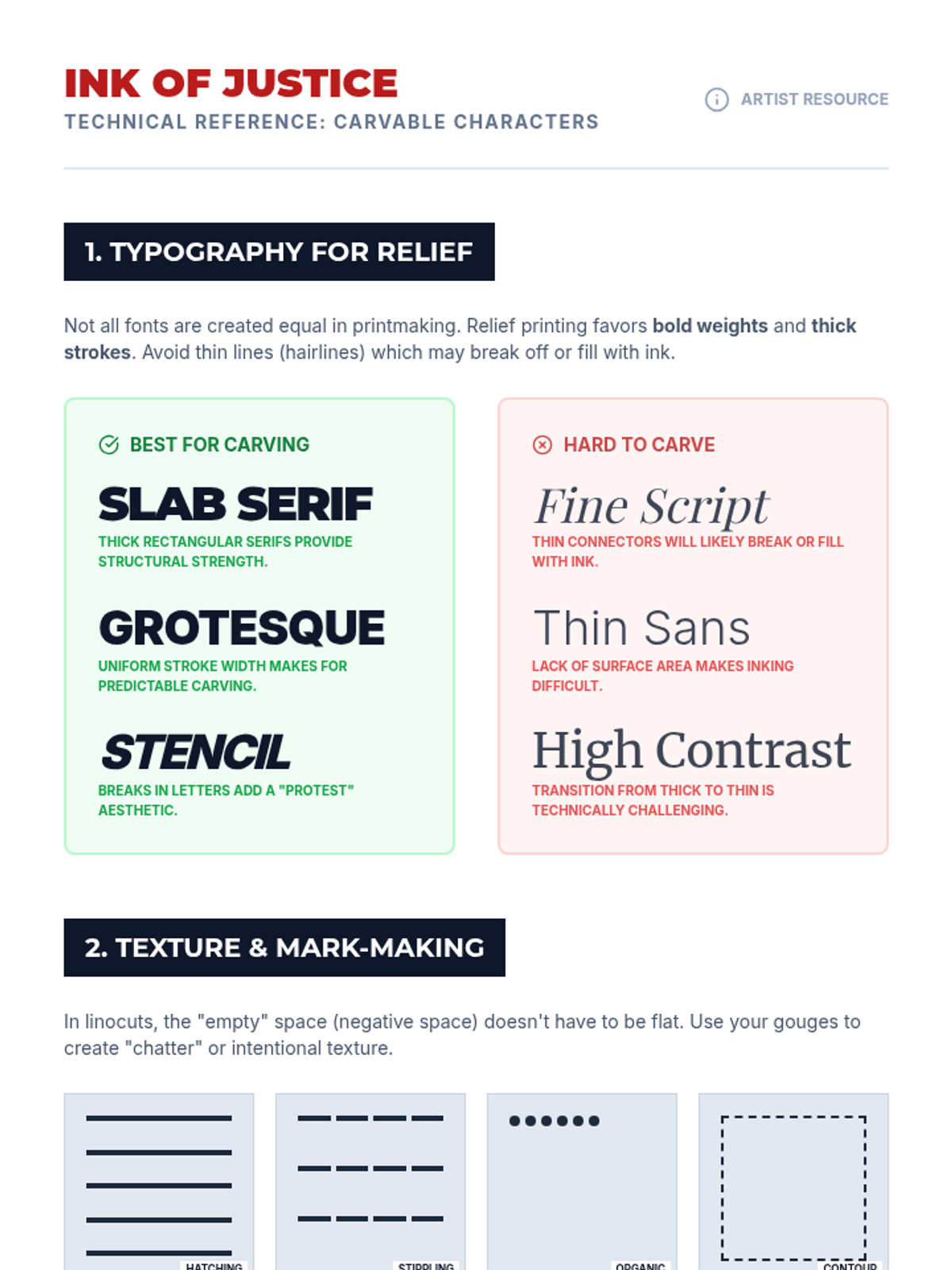
A high school art lesson focused on social justice and civil rights through the medium of linocut printmaking. Students explore composition, lettering, and craftsmanship to create impactful visual messages.
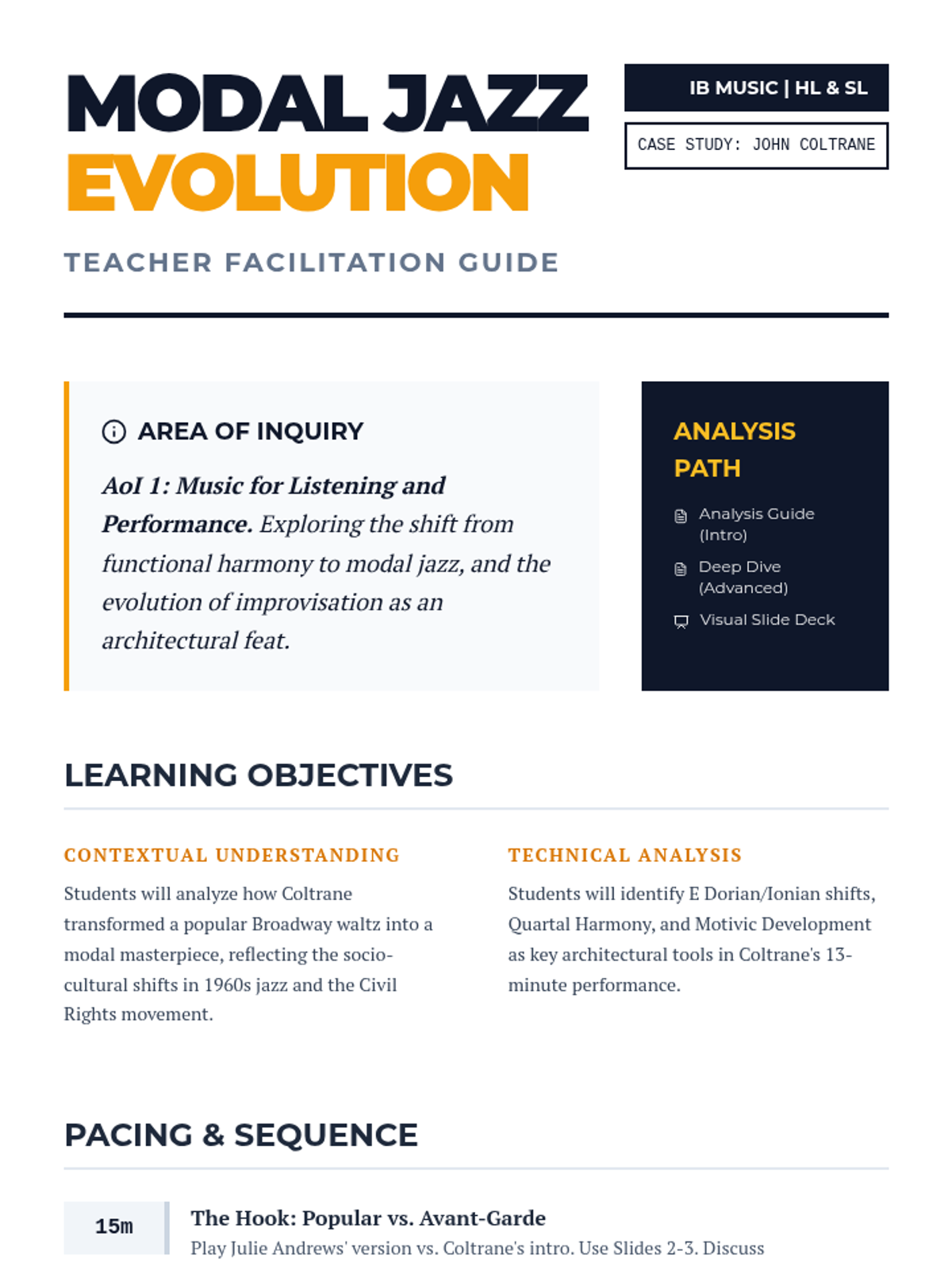
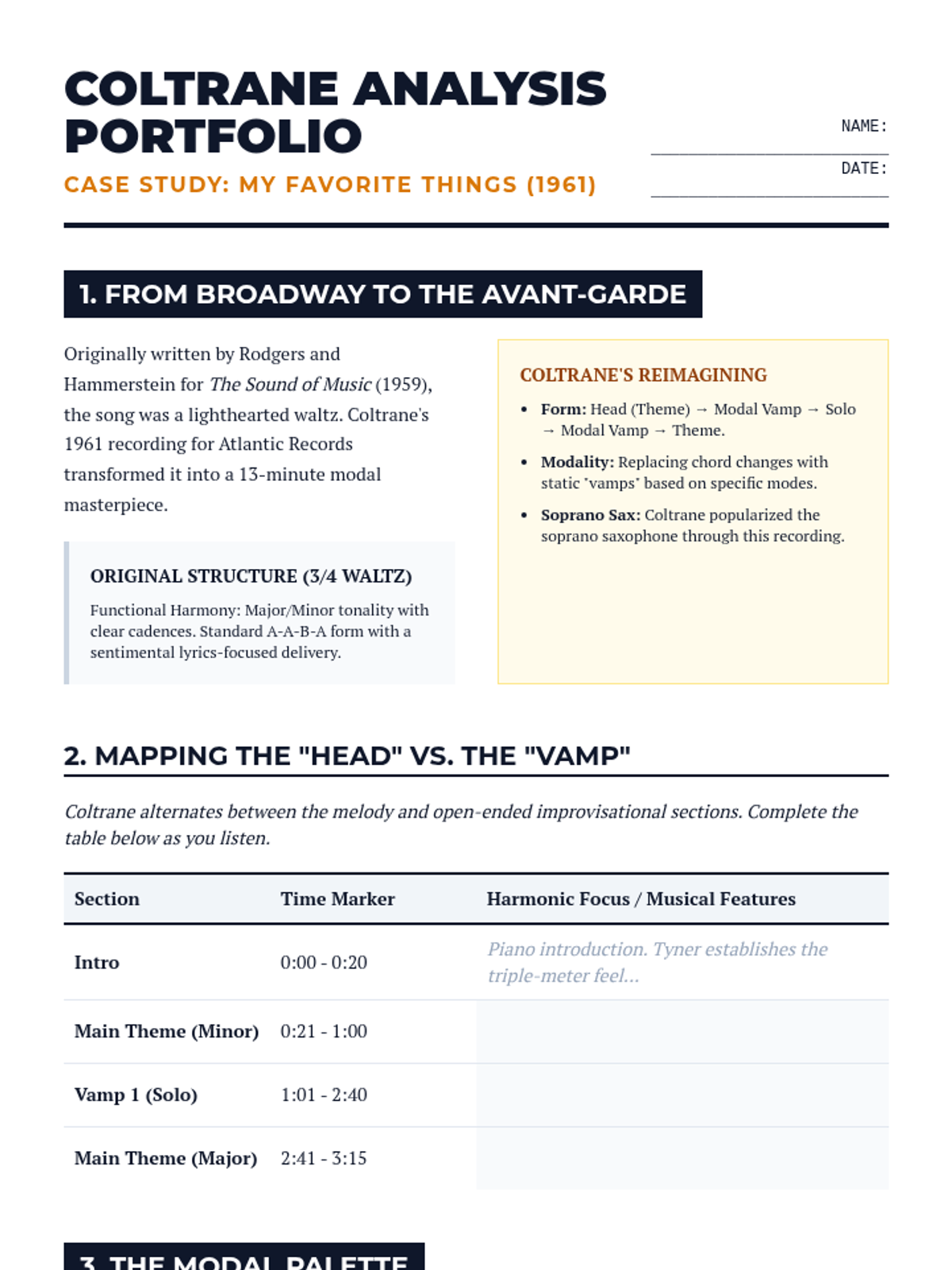
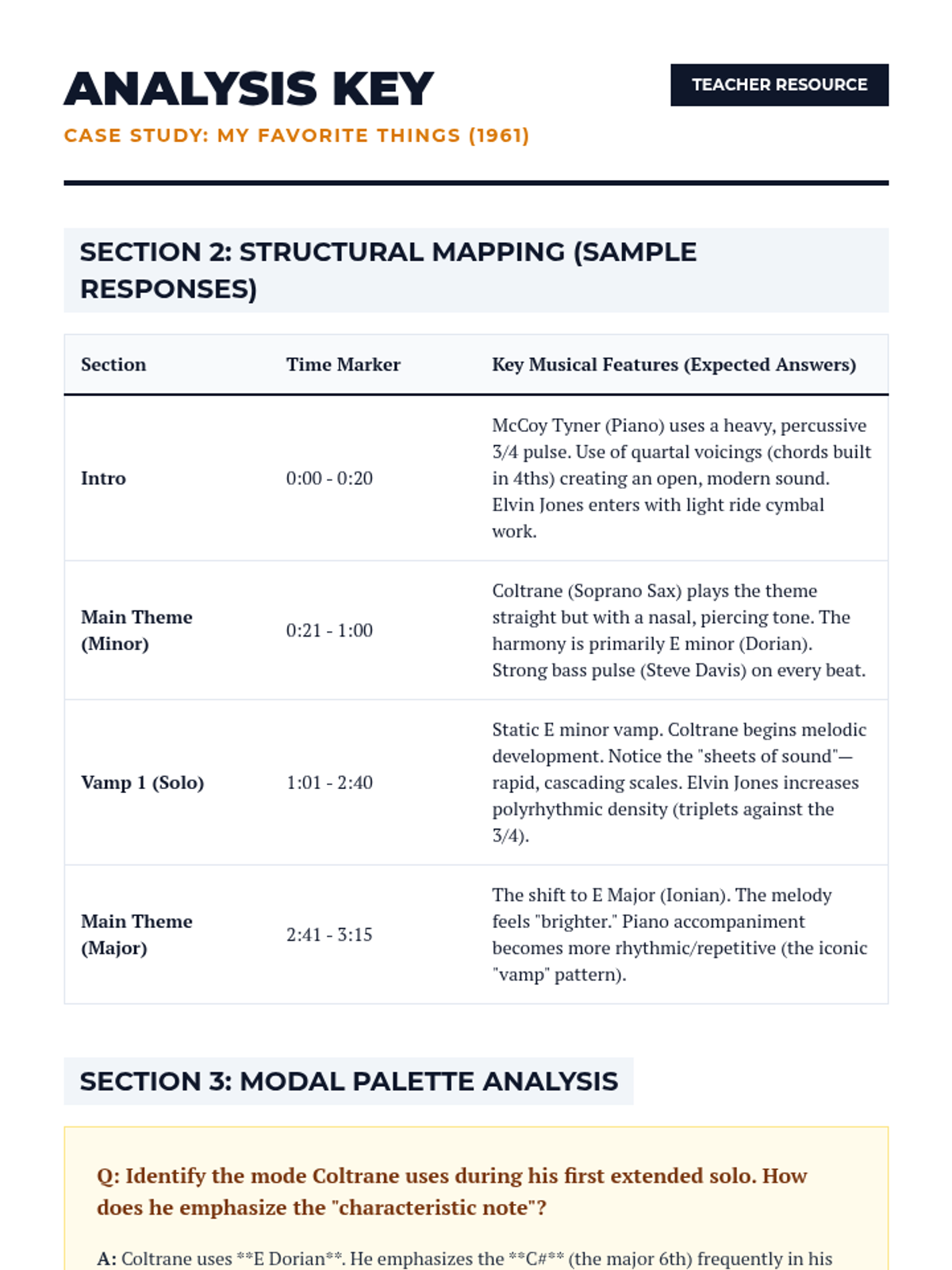
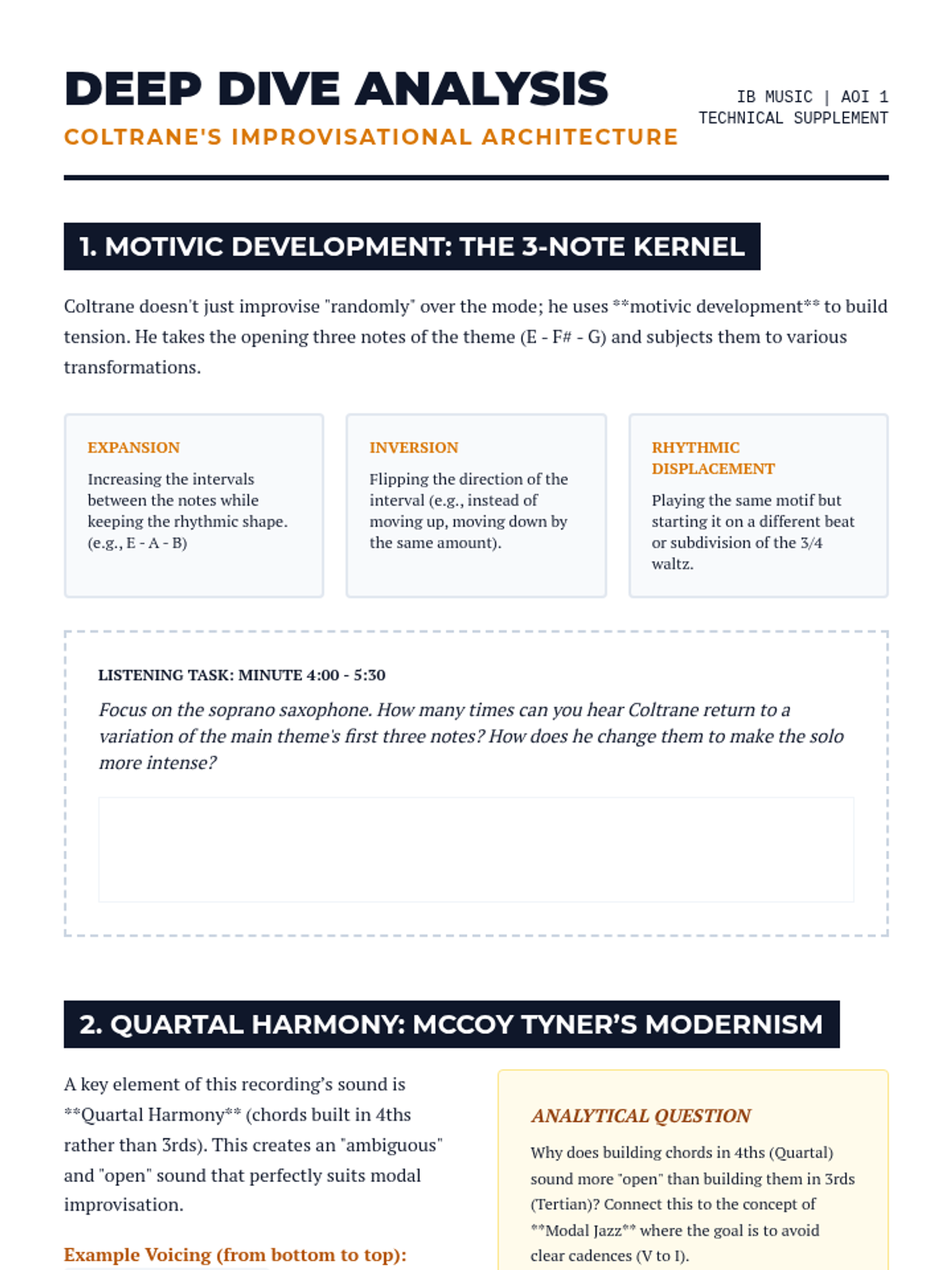
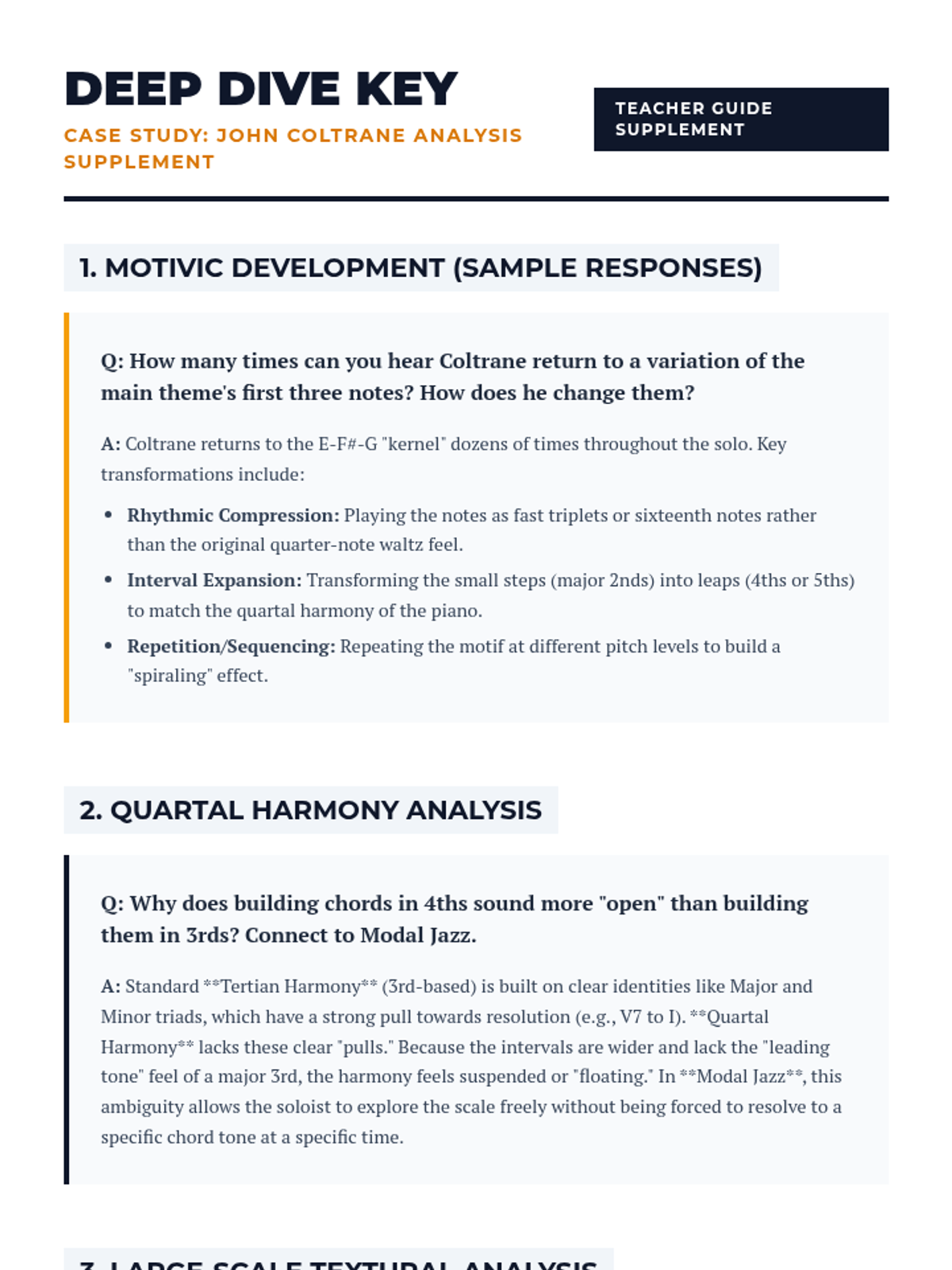
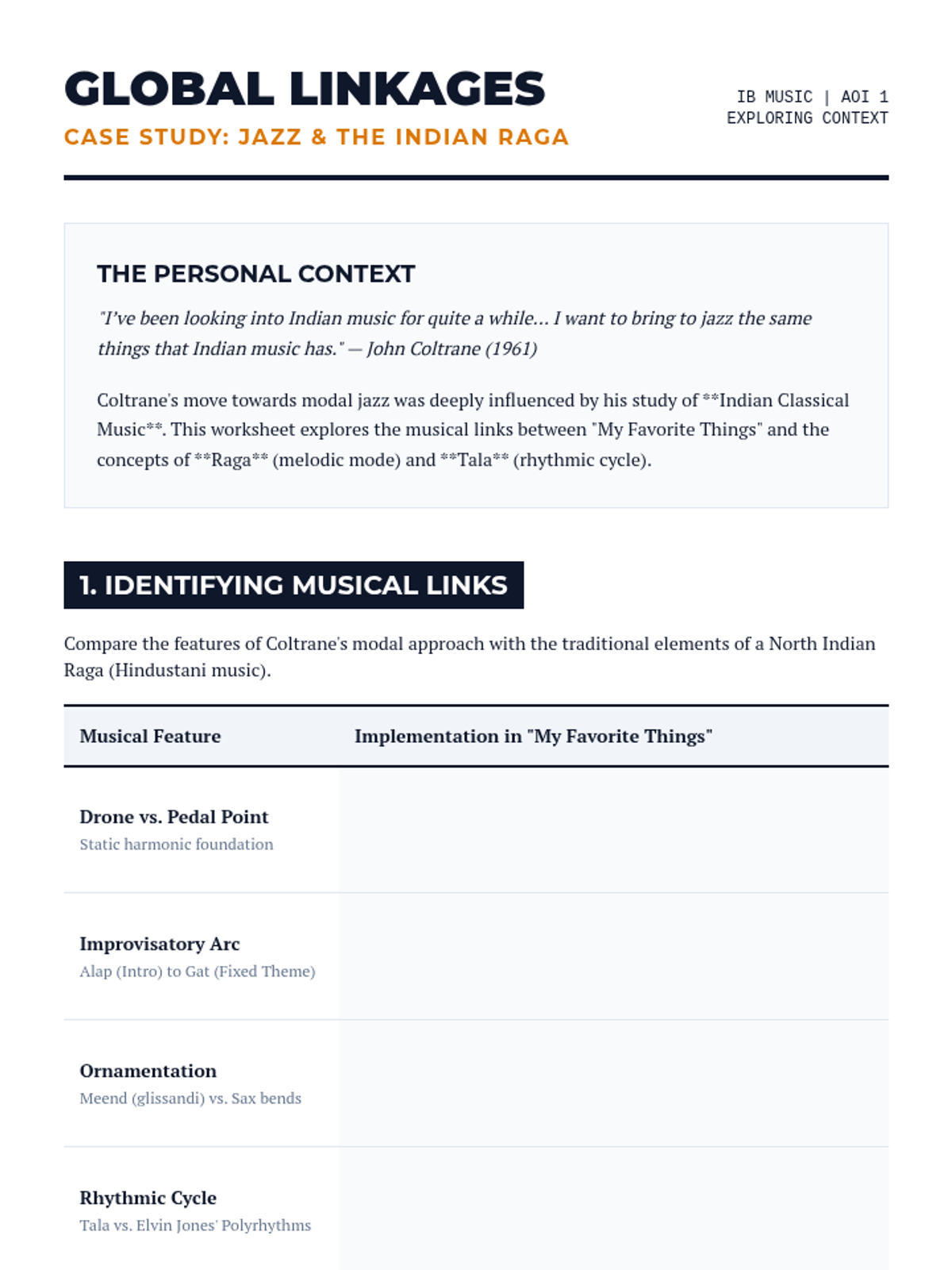
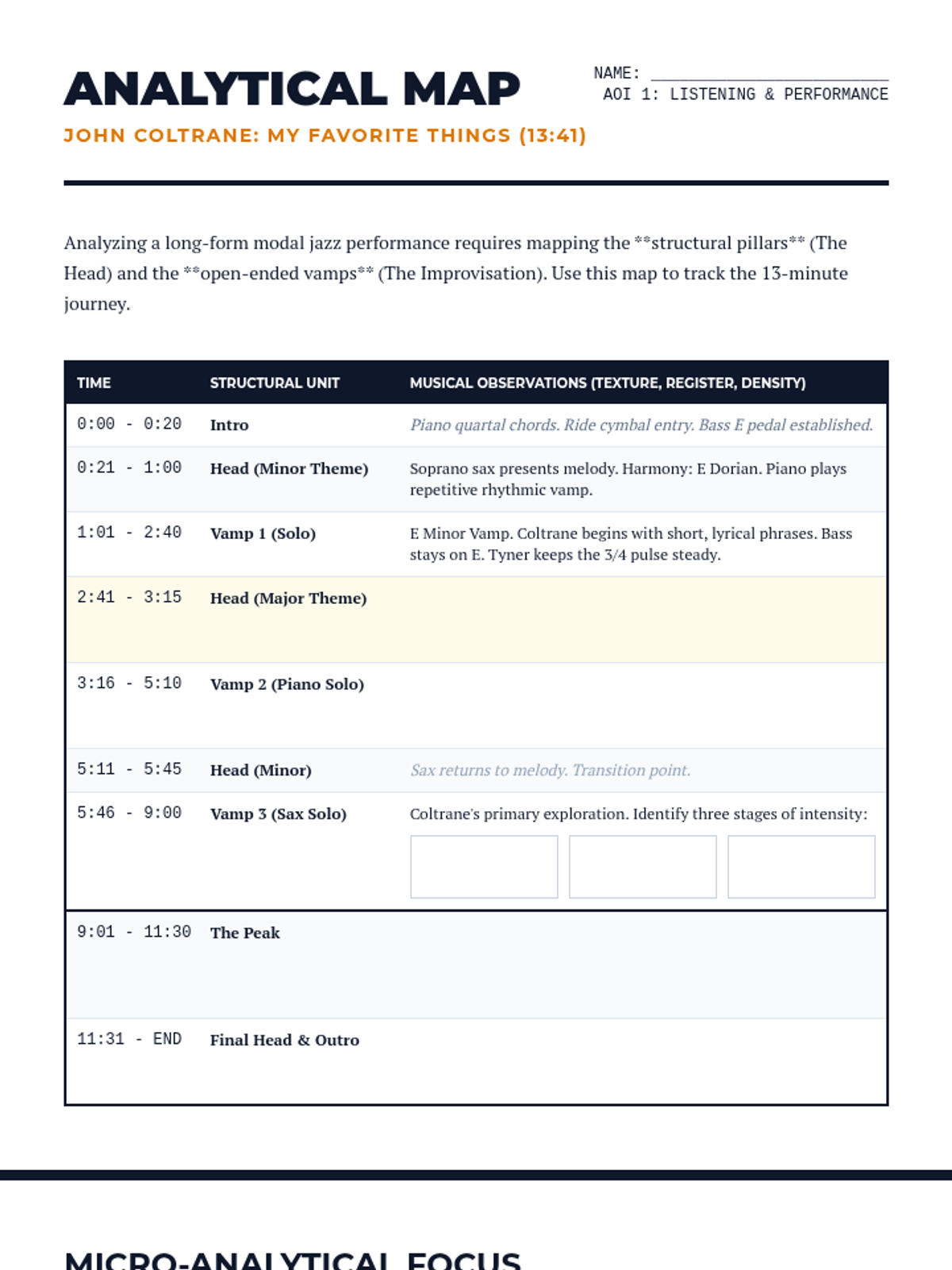
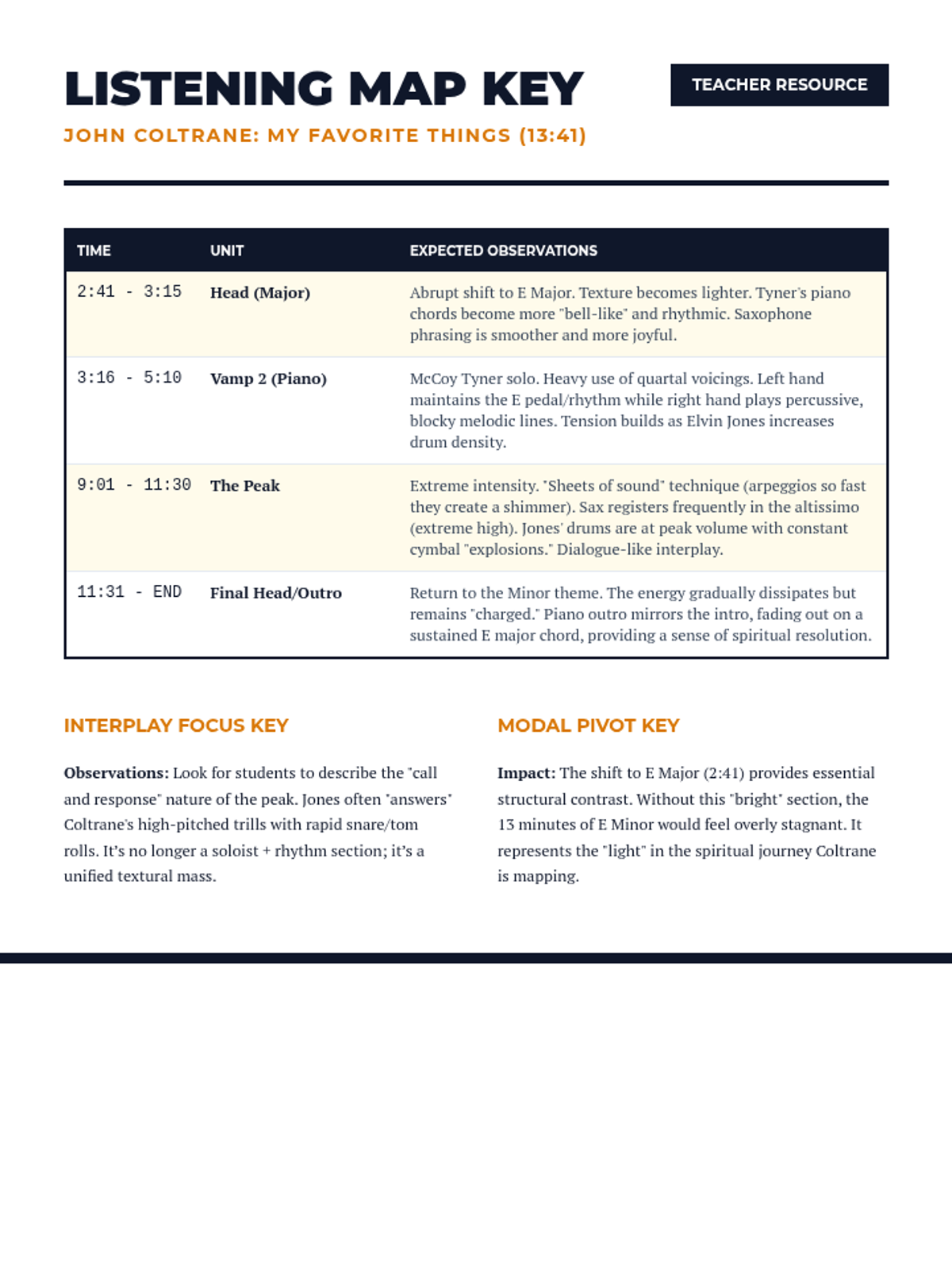
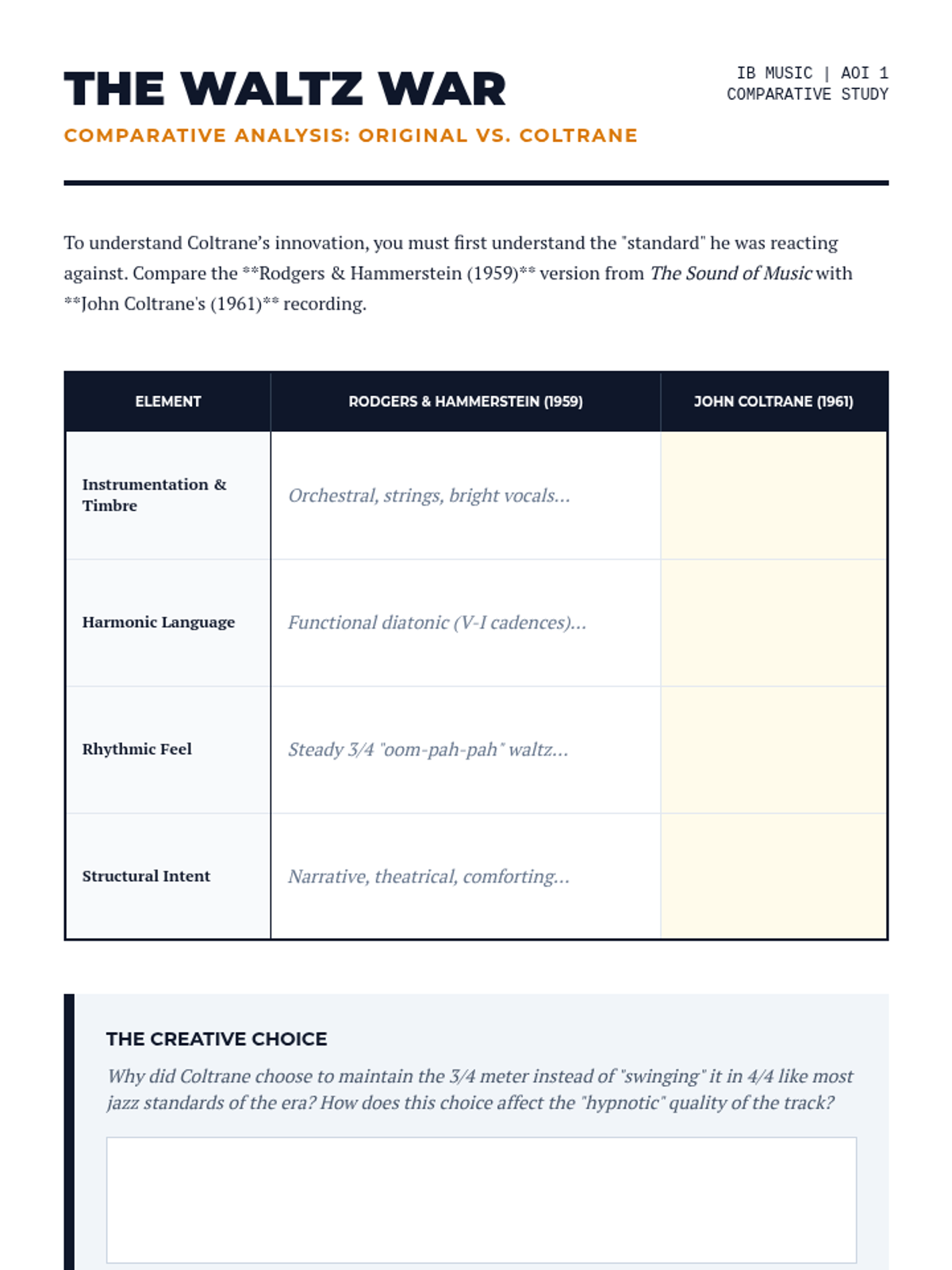
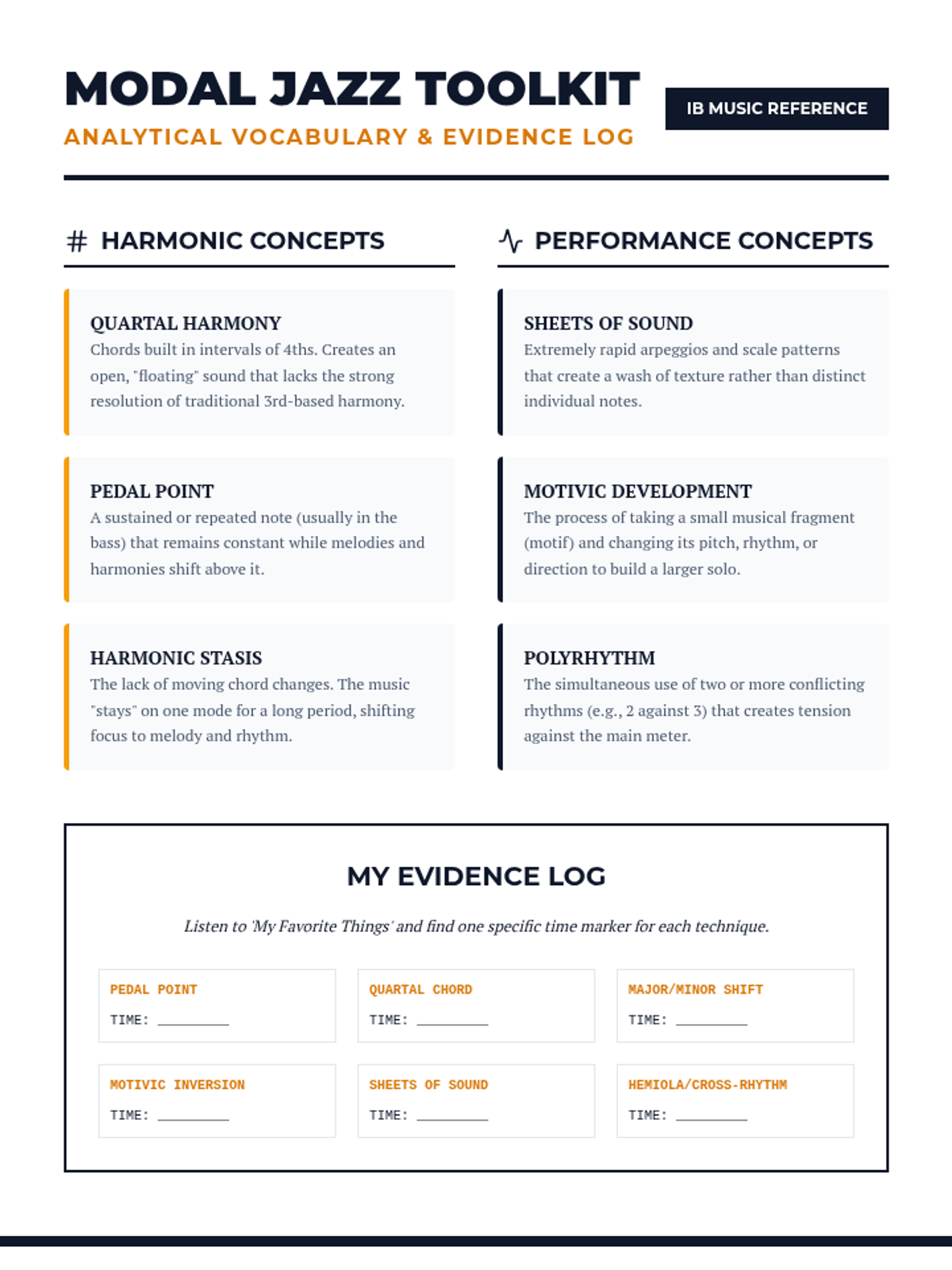
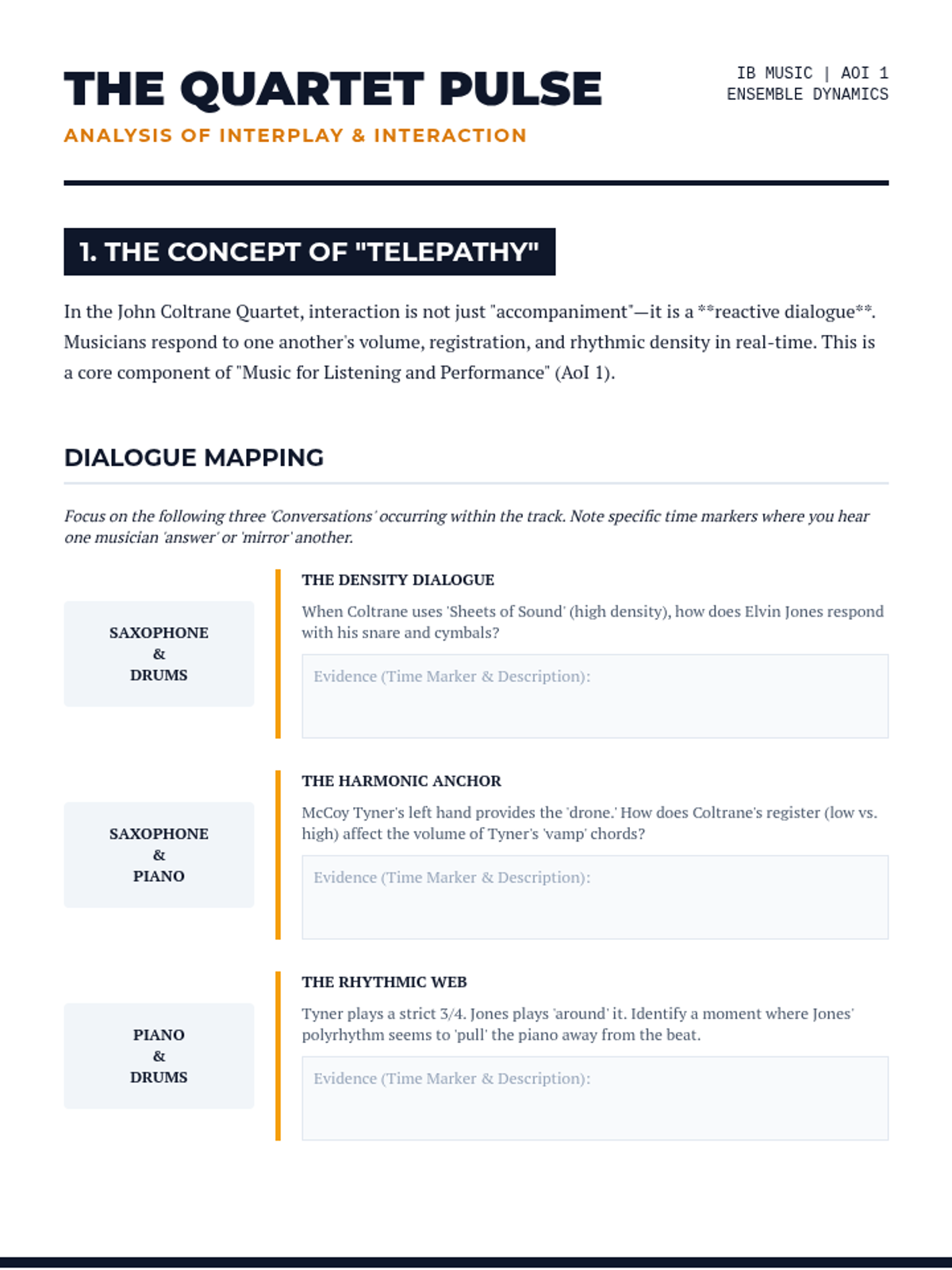
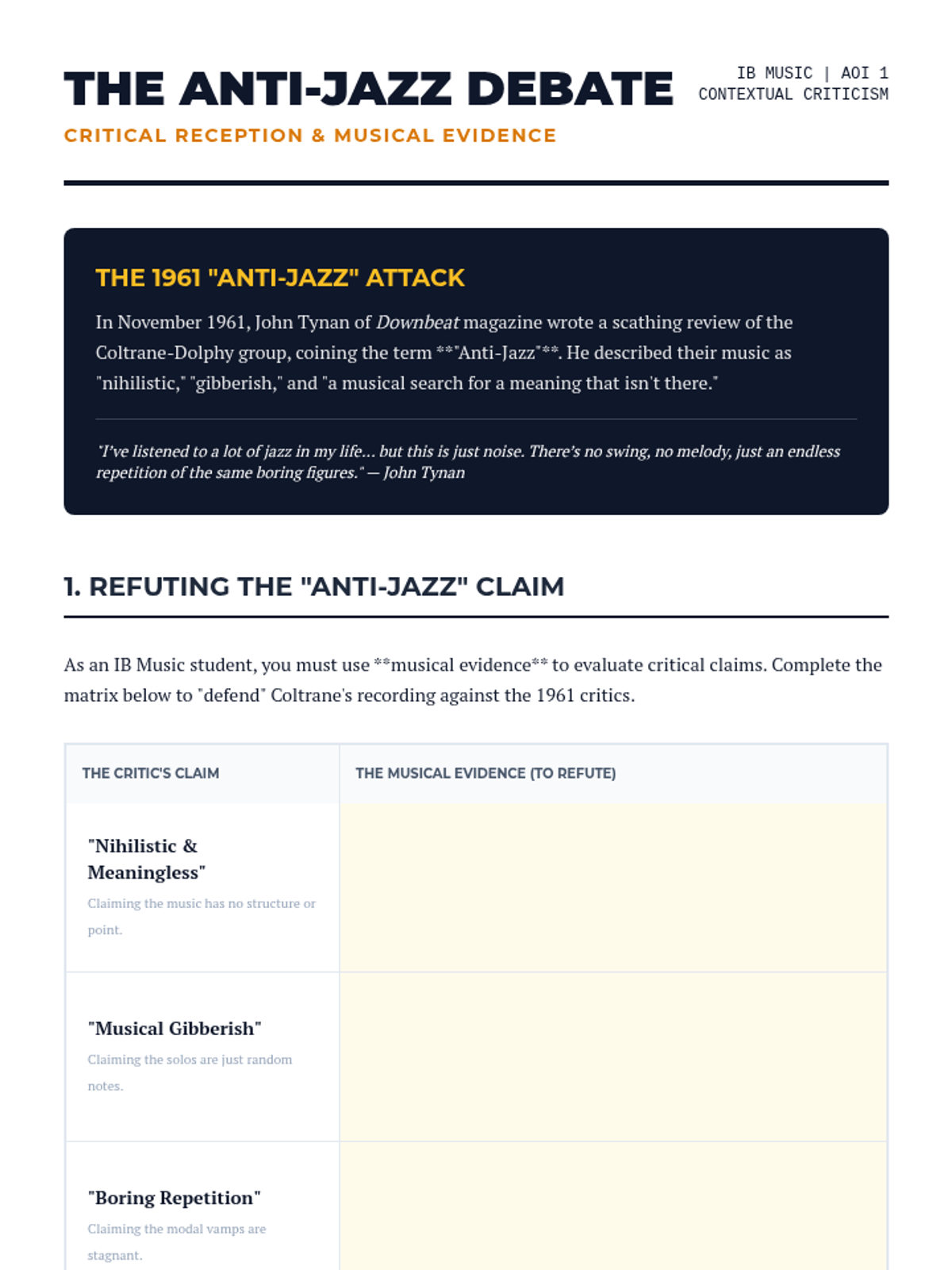
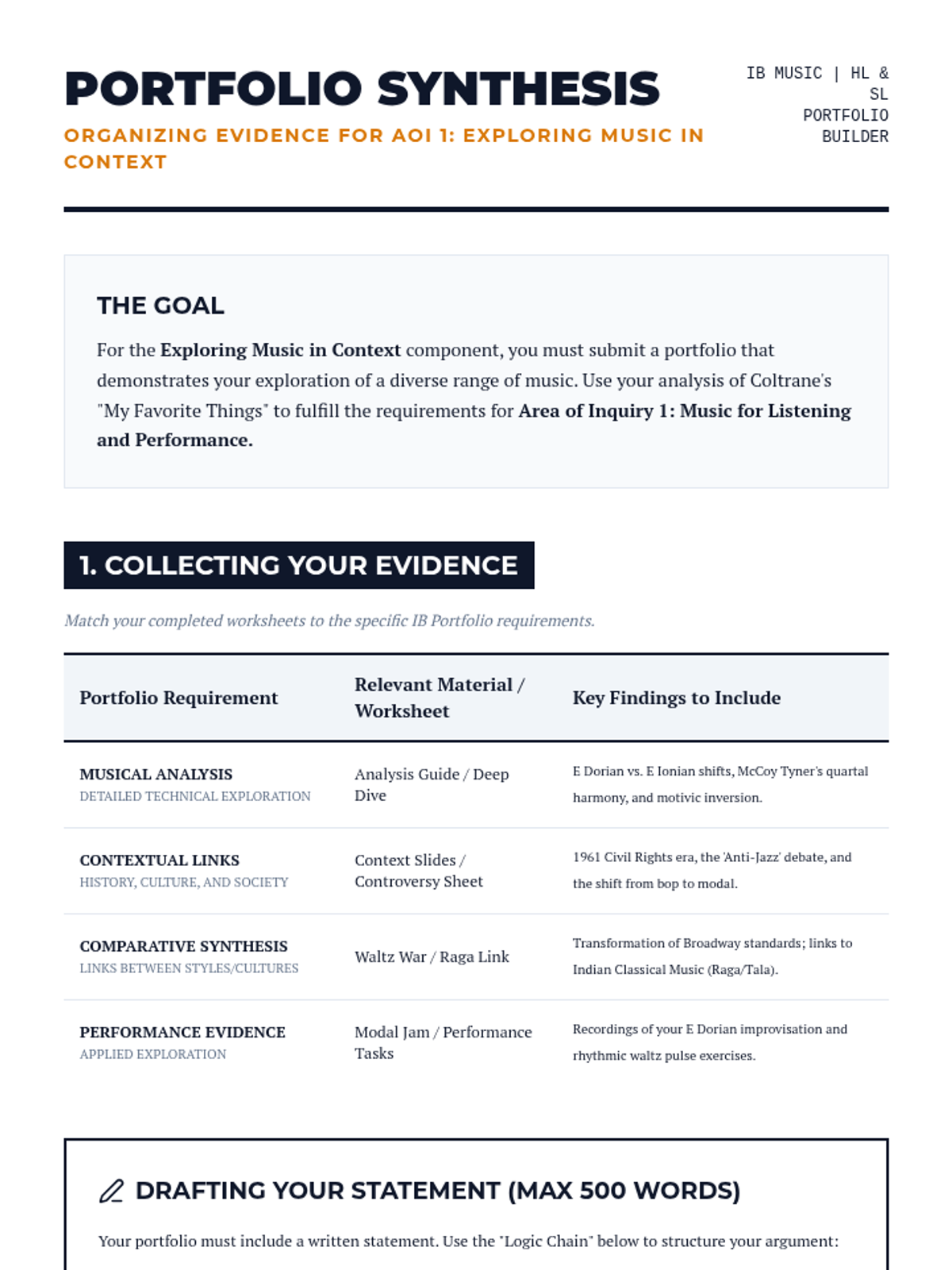
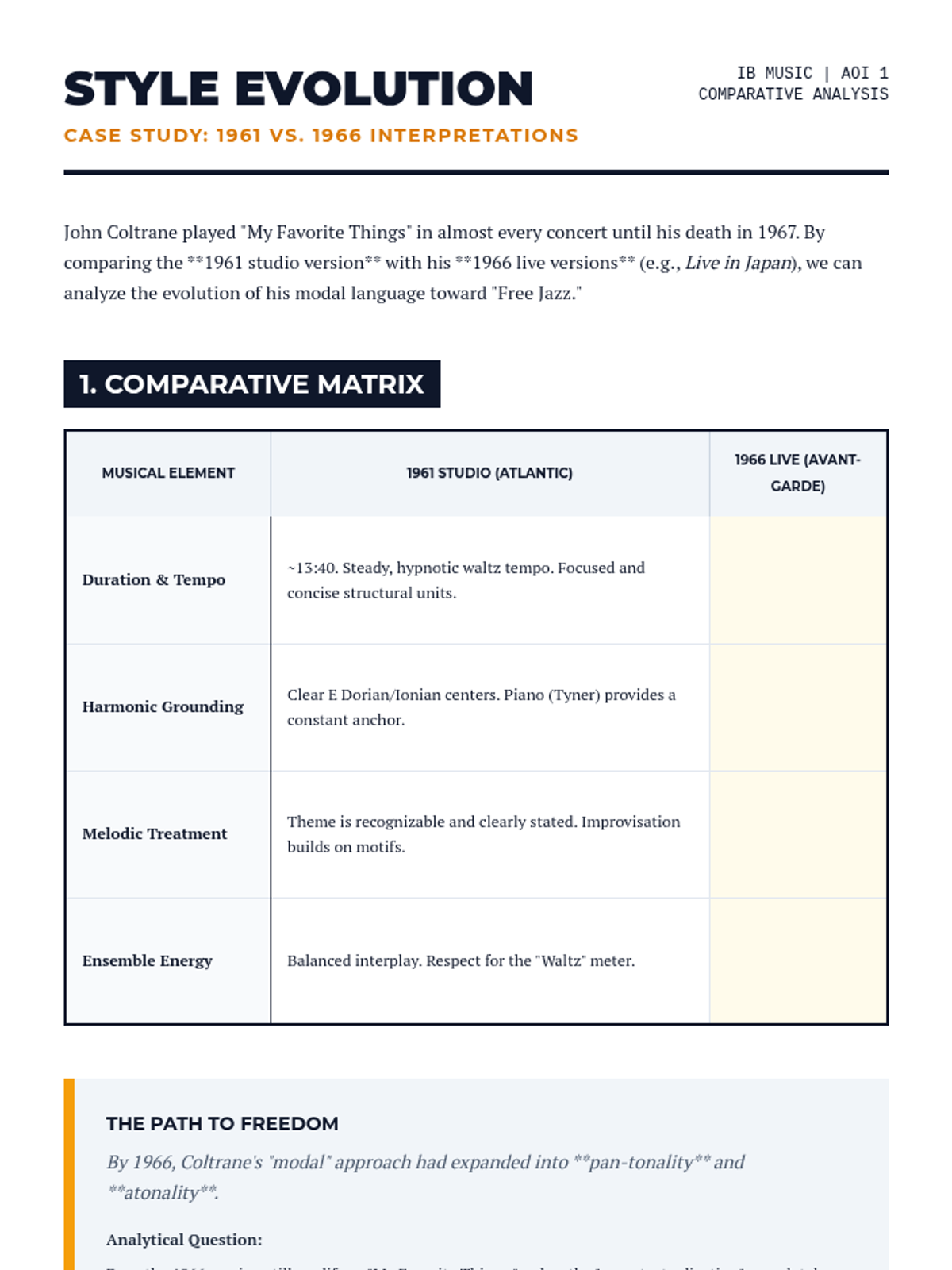
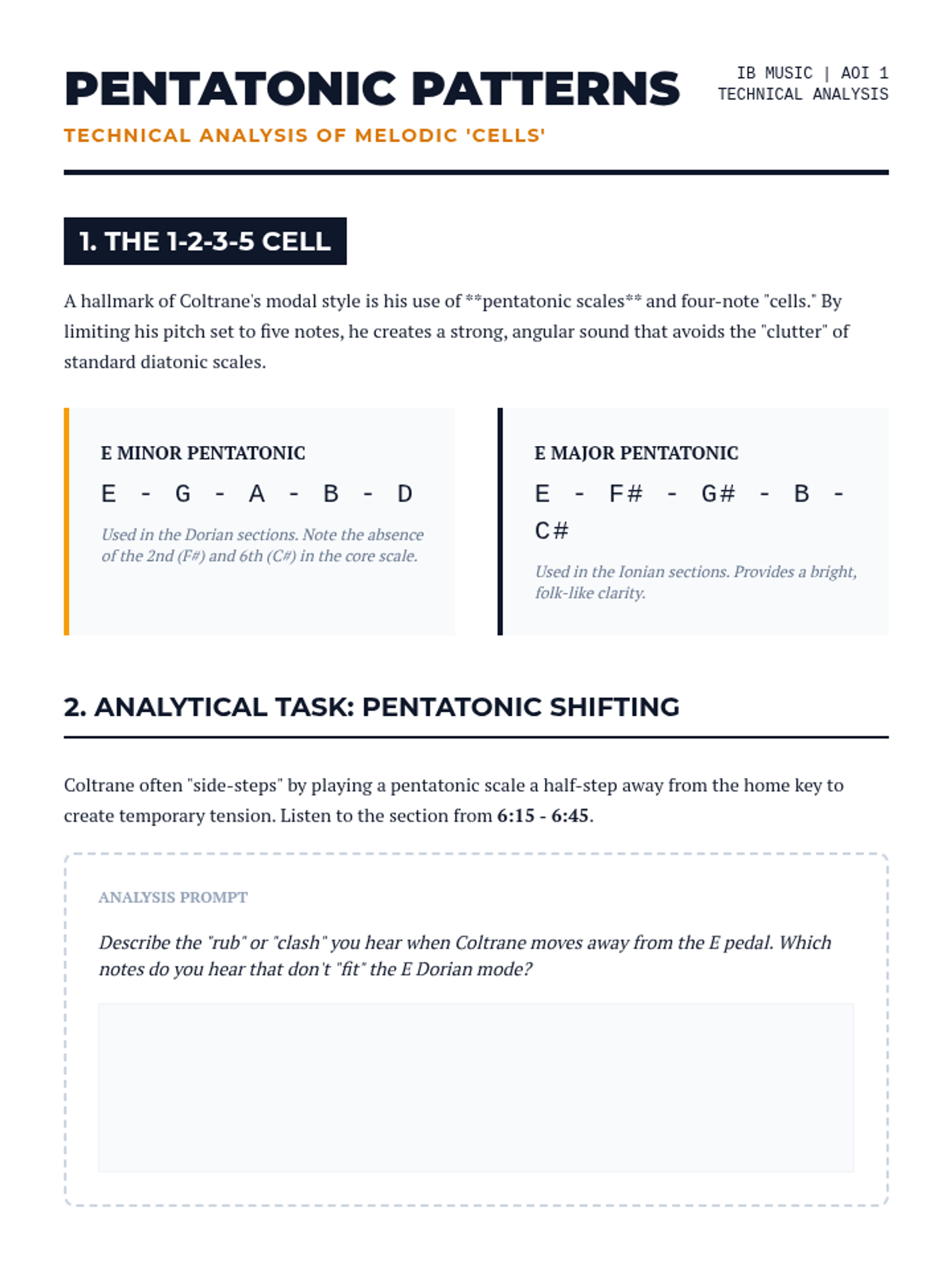
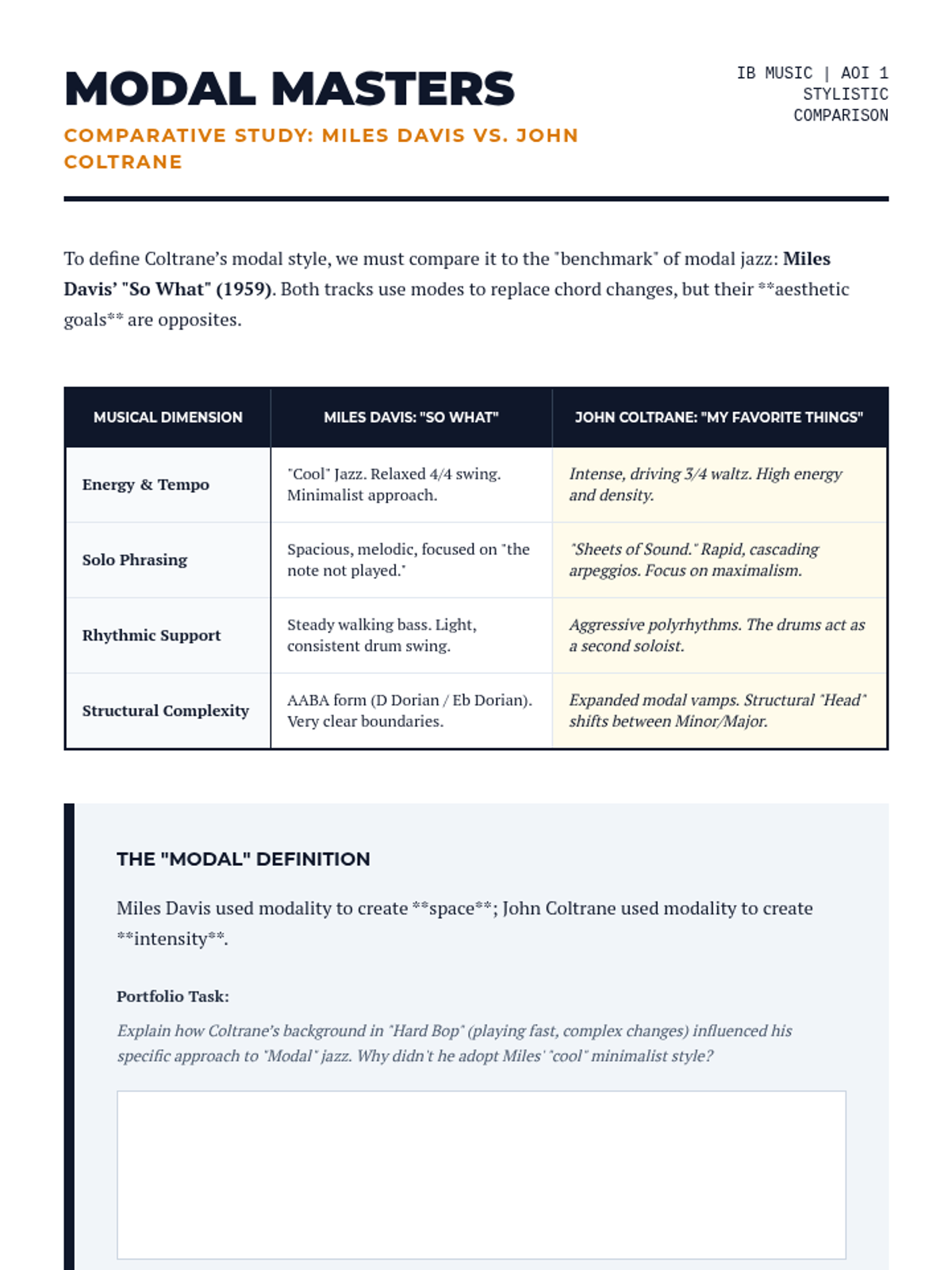
A comprehensive exploration of John Coltrane's 'My Favorite Things' for IB Music, focusing on modal jazz, structural innovation, and the 'Exploring Music in Context' Area of Inquiry.
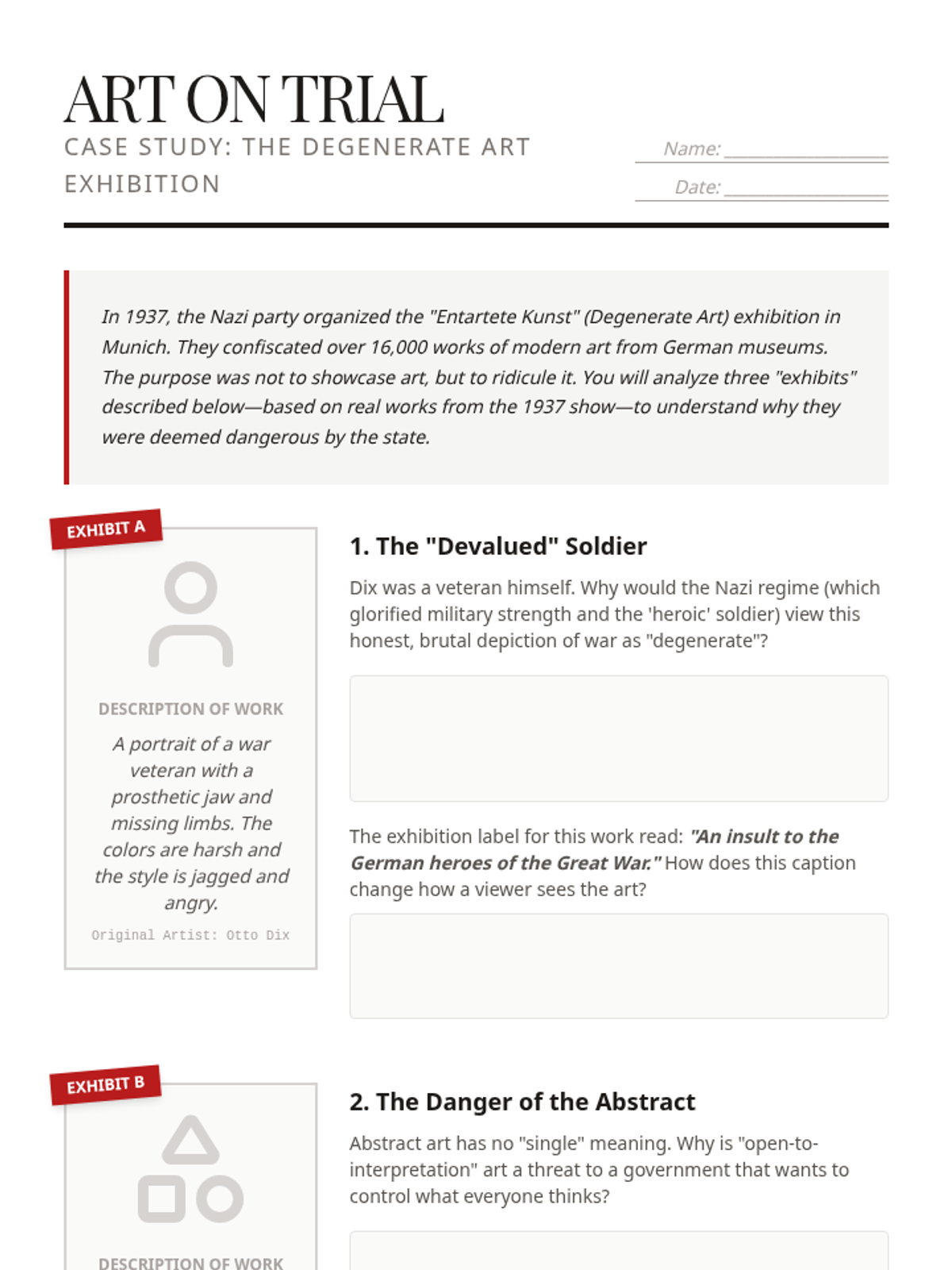
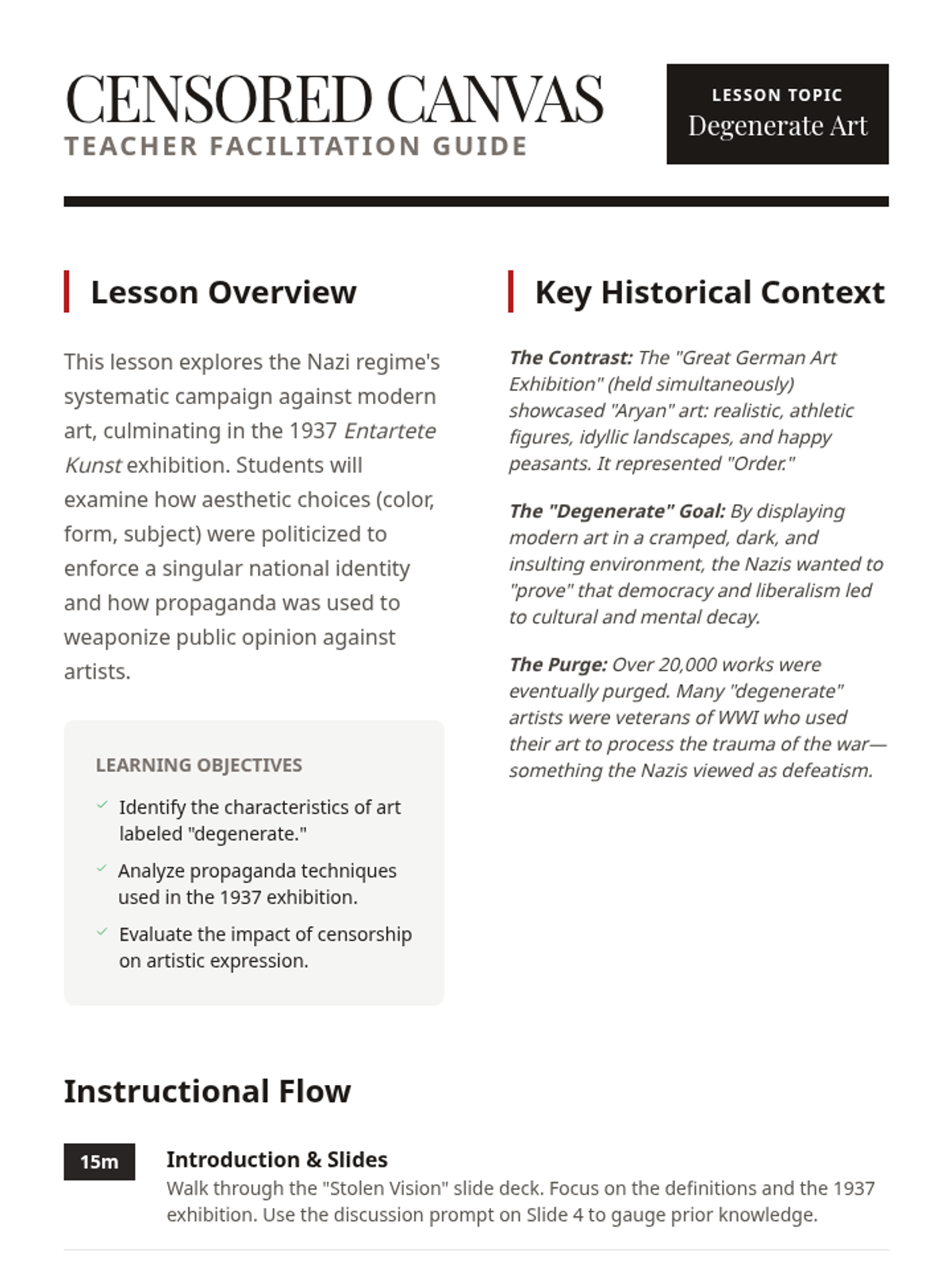
A comprehensive look at the 1937 Degenerate Art exhibition in Nazi Germany, exploring how art was used as a tool for propaganda and the suppression of modern expression.
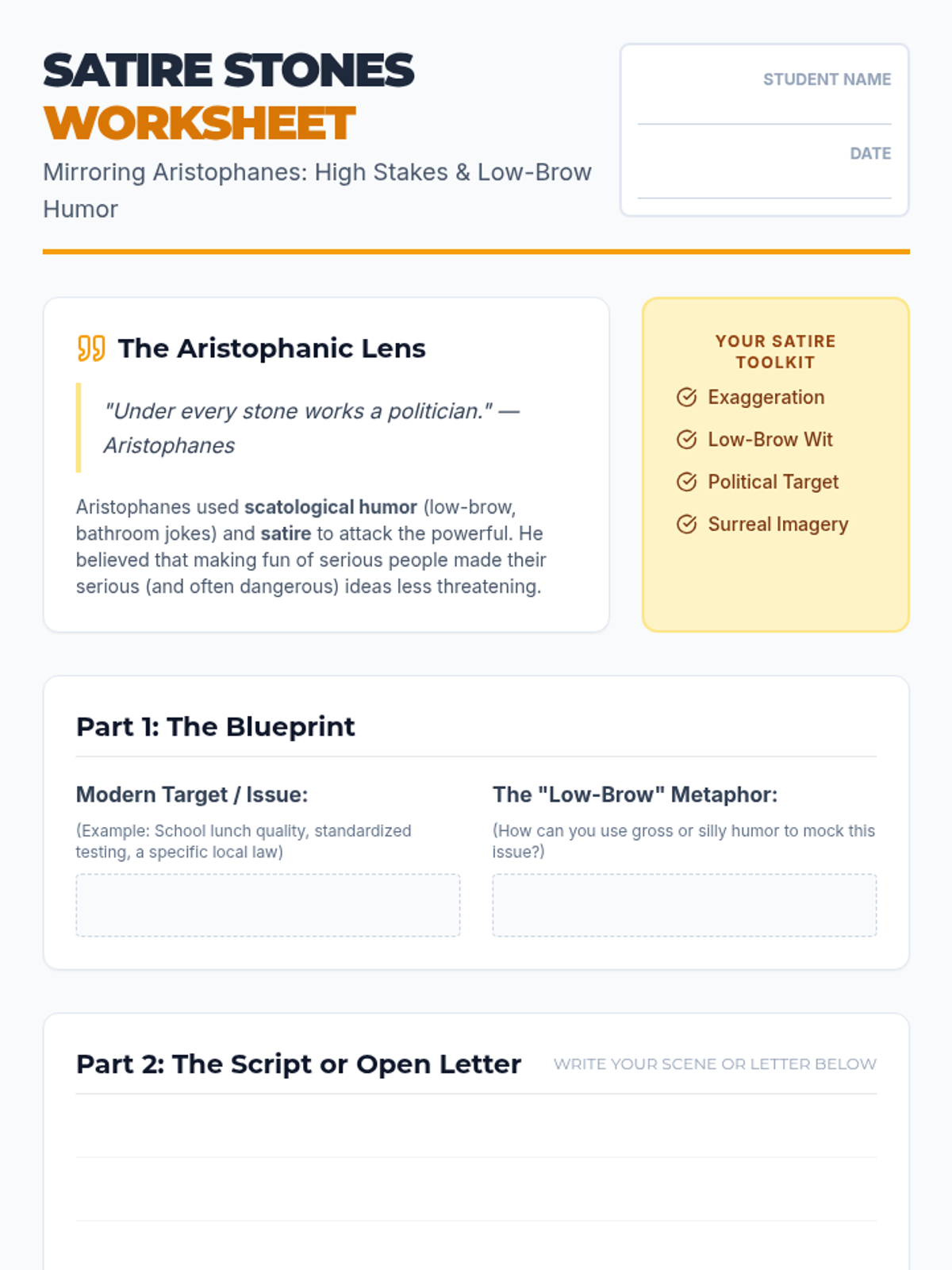
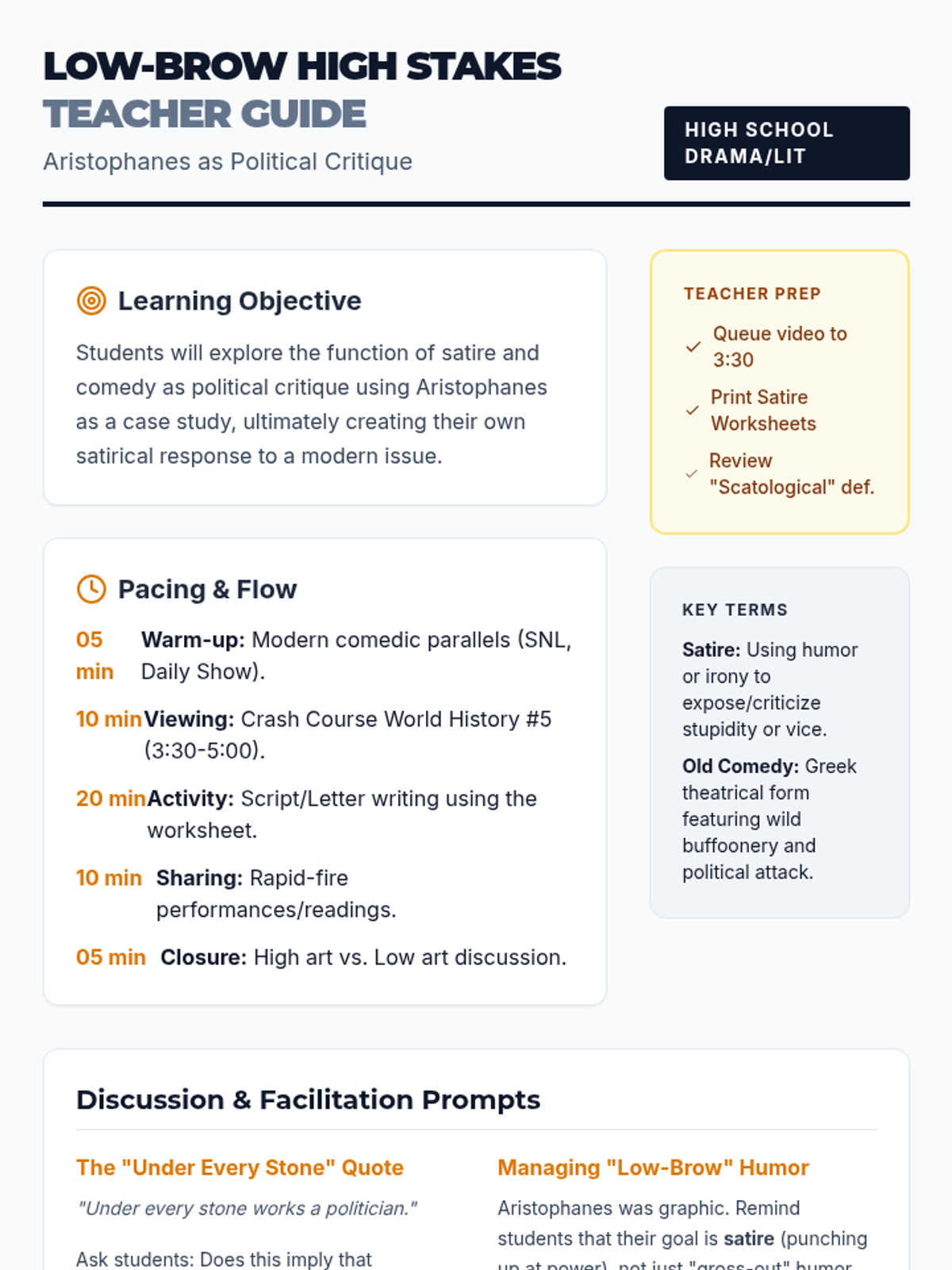
A lesson exploring the power of satire and political comedy through the lens of Ancient Greek playwright Aristophanes, featuring modern connections and a creative script-writing activity.
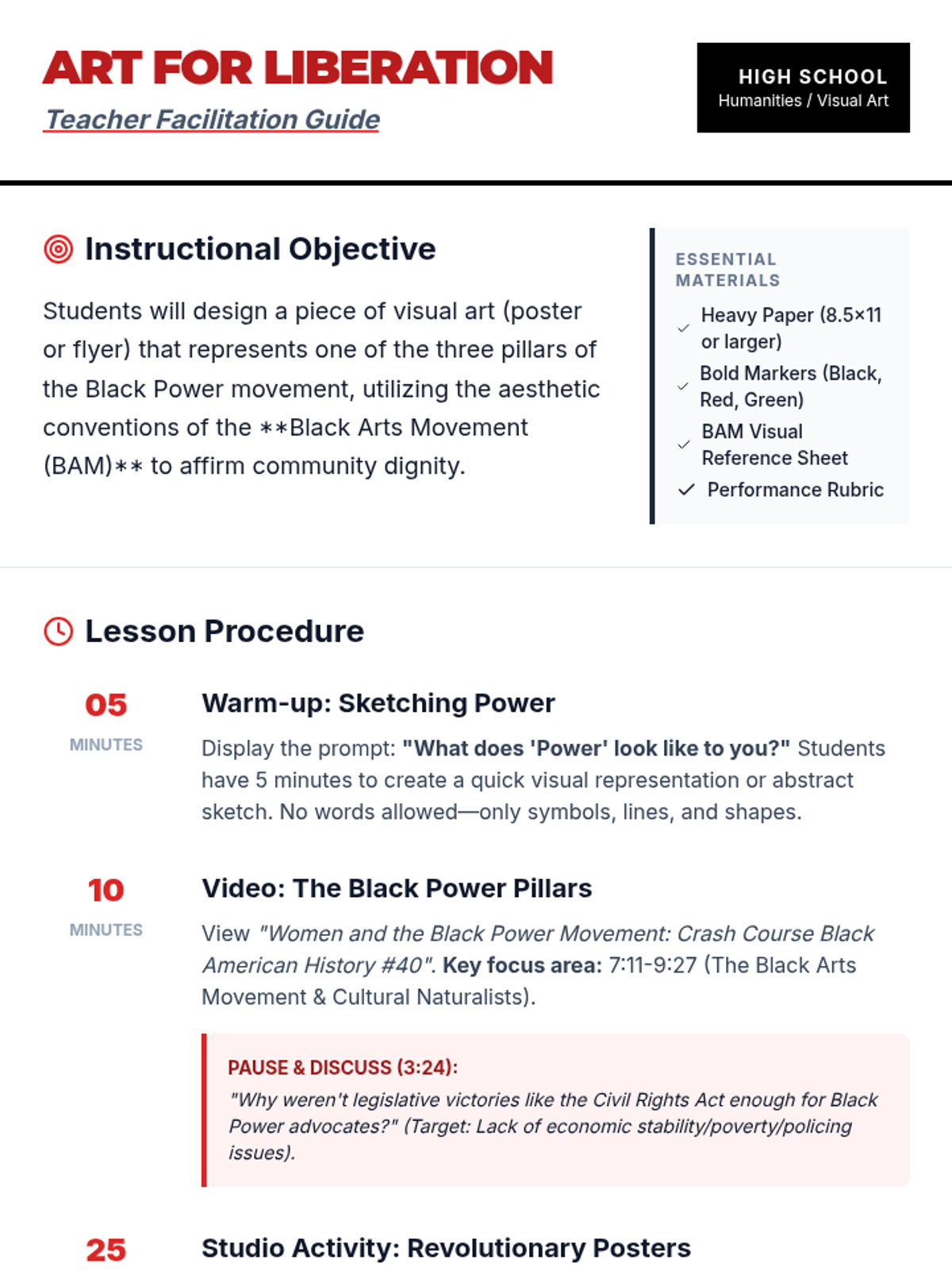
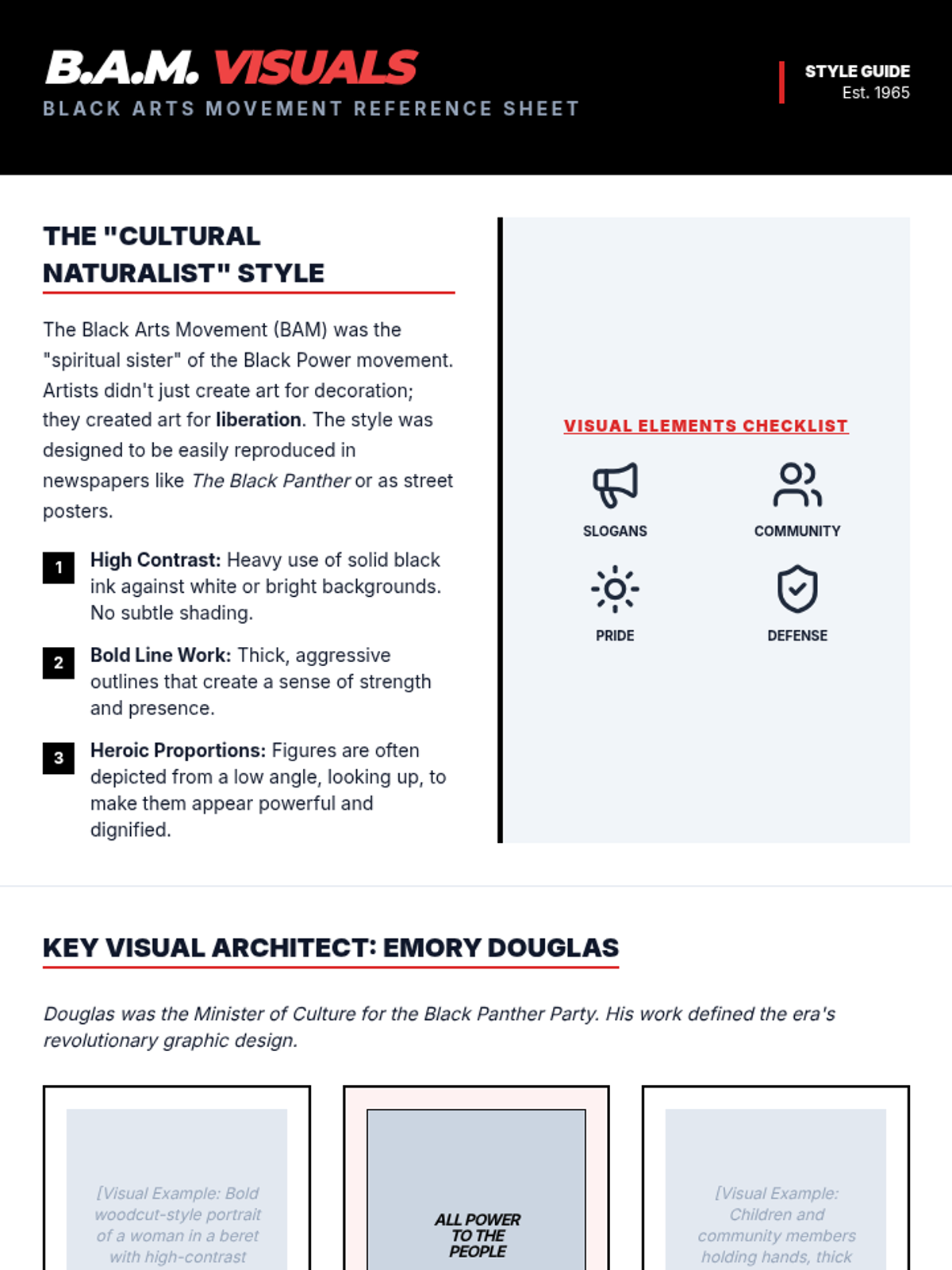
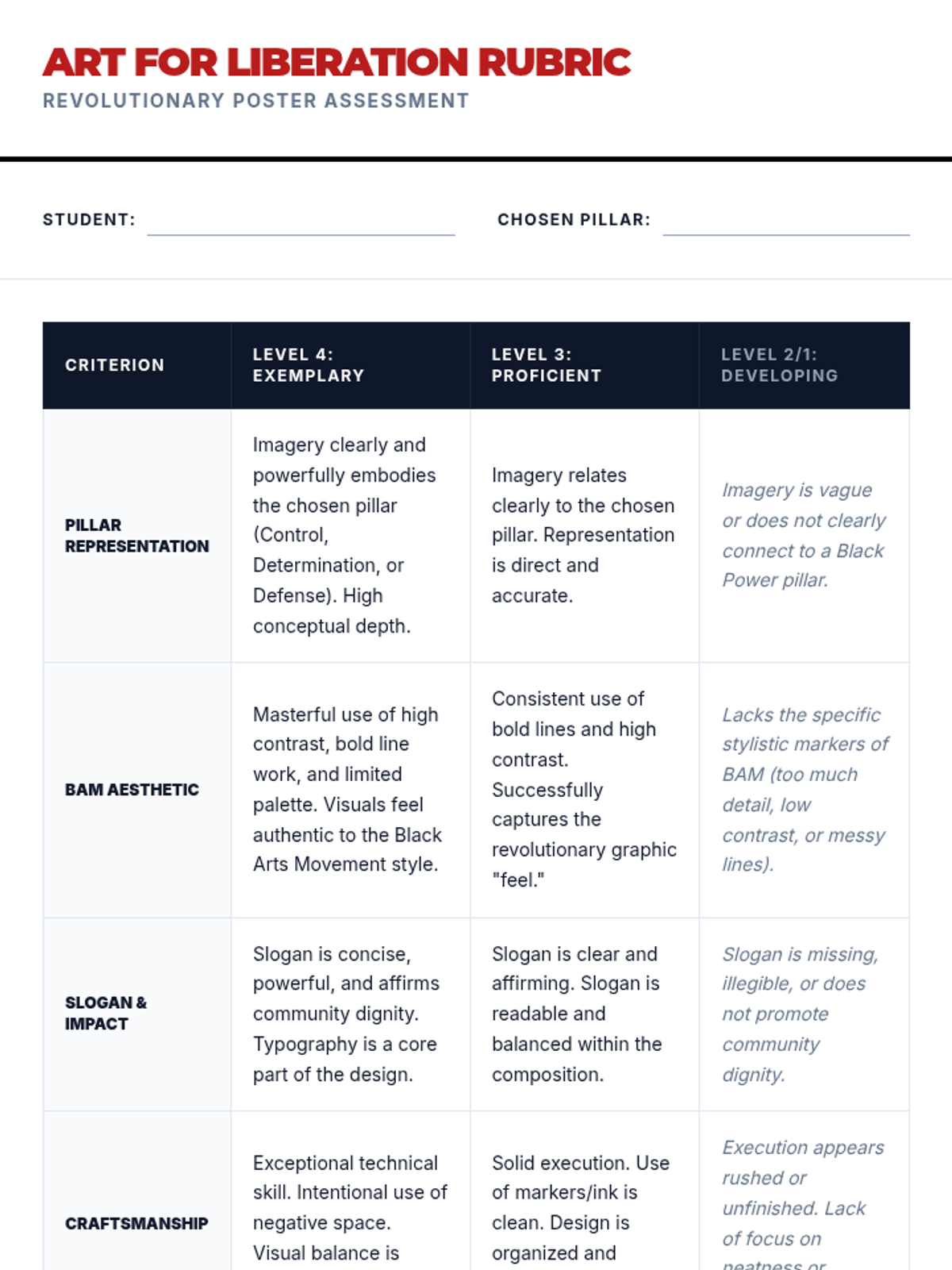
This lesson explores the visual and cultural impact of the Black Power movement, focusing on the three pillars of liberation and the aesthetic of the Black Arts Movement. Students will analyze historical visuals and create their own revolutionary posters that promote community dignity and self-determination.
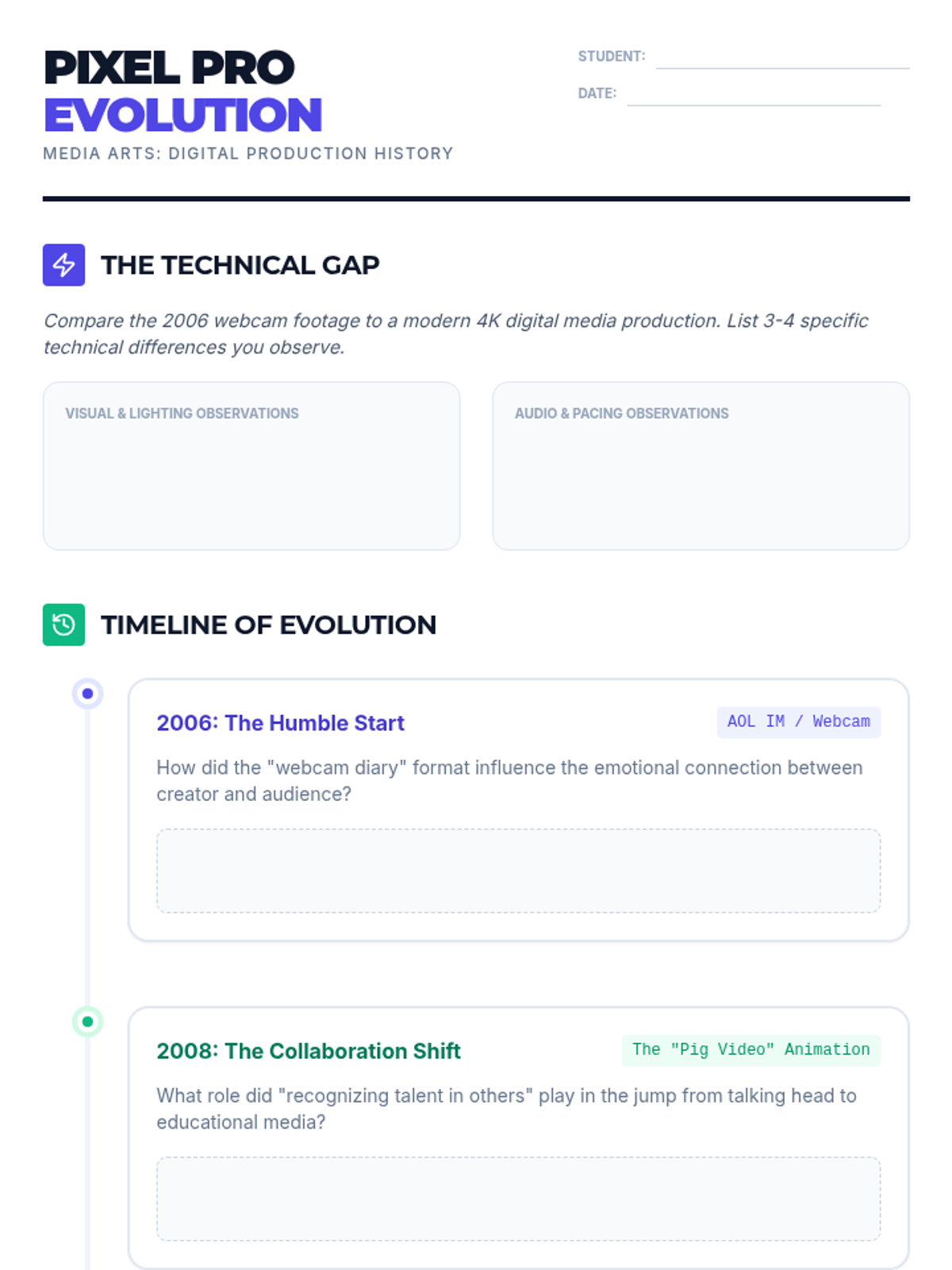
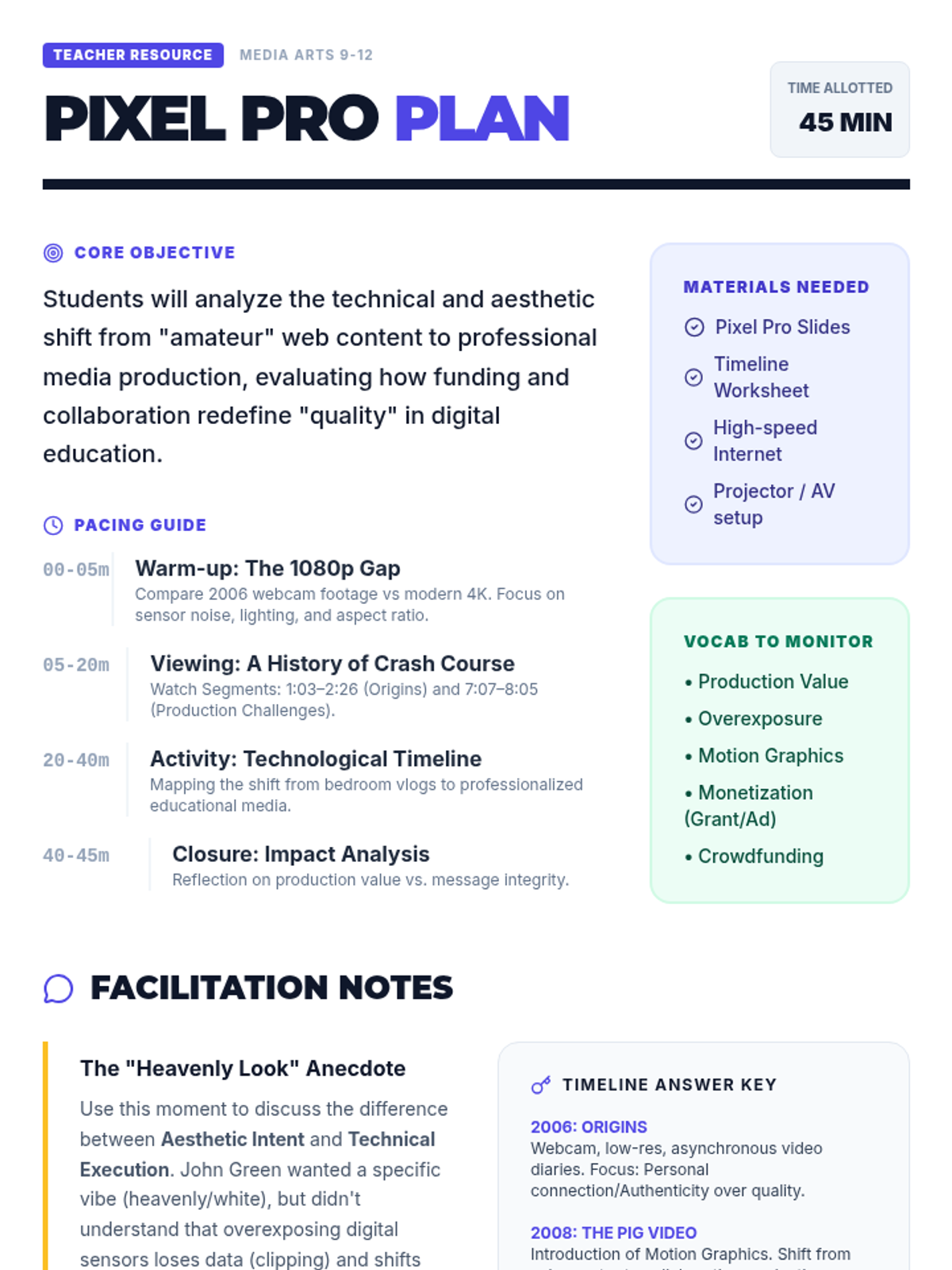
A Media Arts lesson for high schoolers analyzing the technical and aesthetic evolution of digital media through the lens of Crash Course's production history. Students explore how funding, equipment, and collaboration transform low-budget web content into professional educational media.
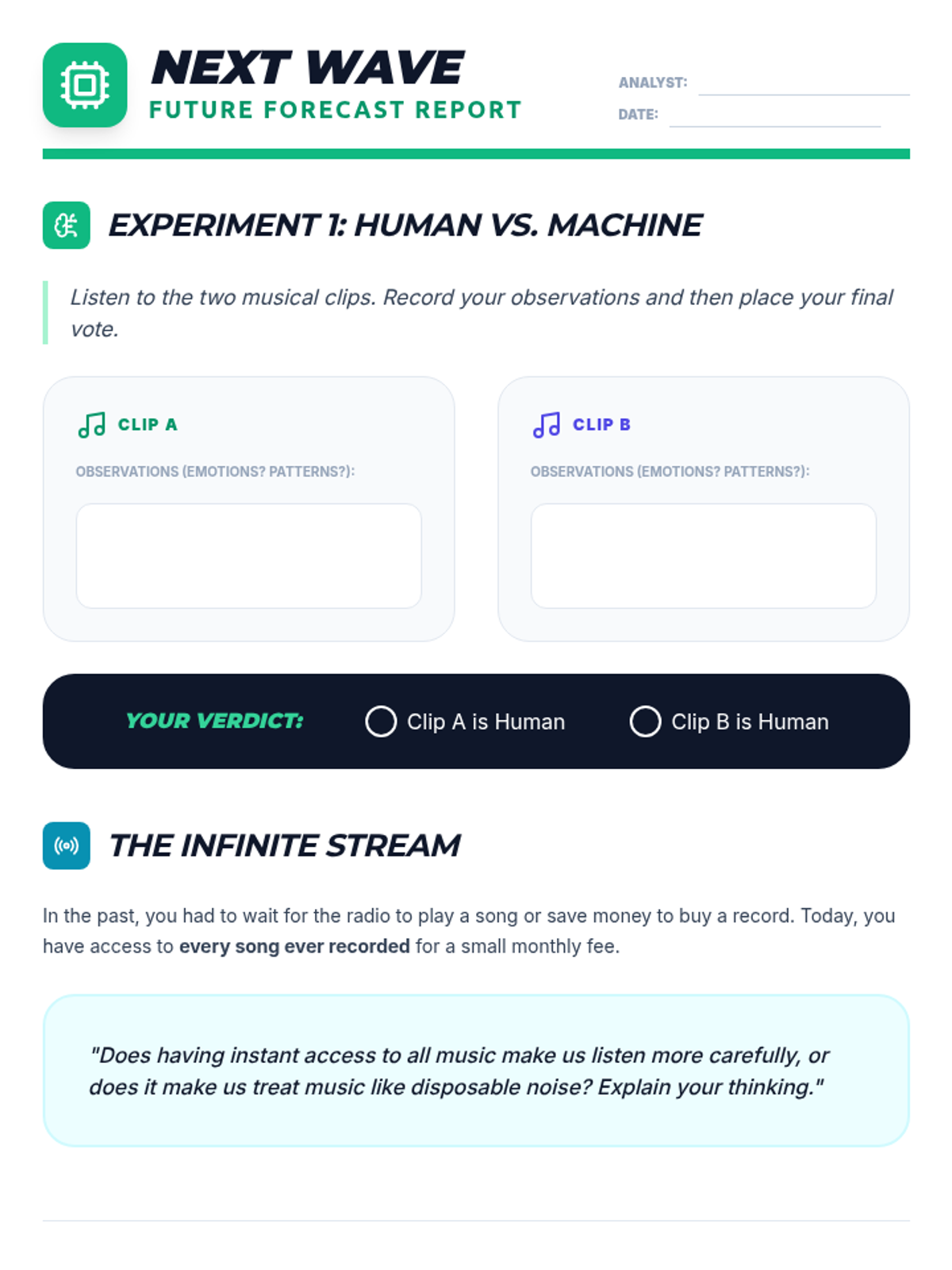
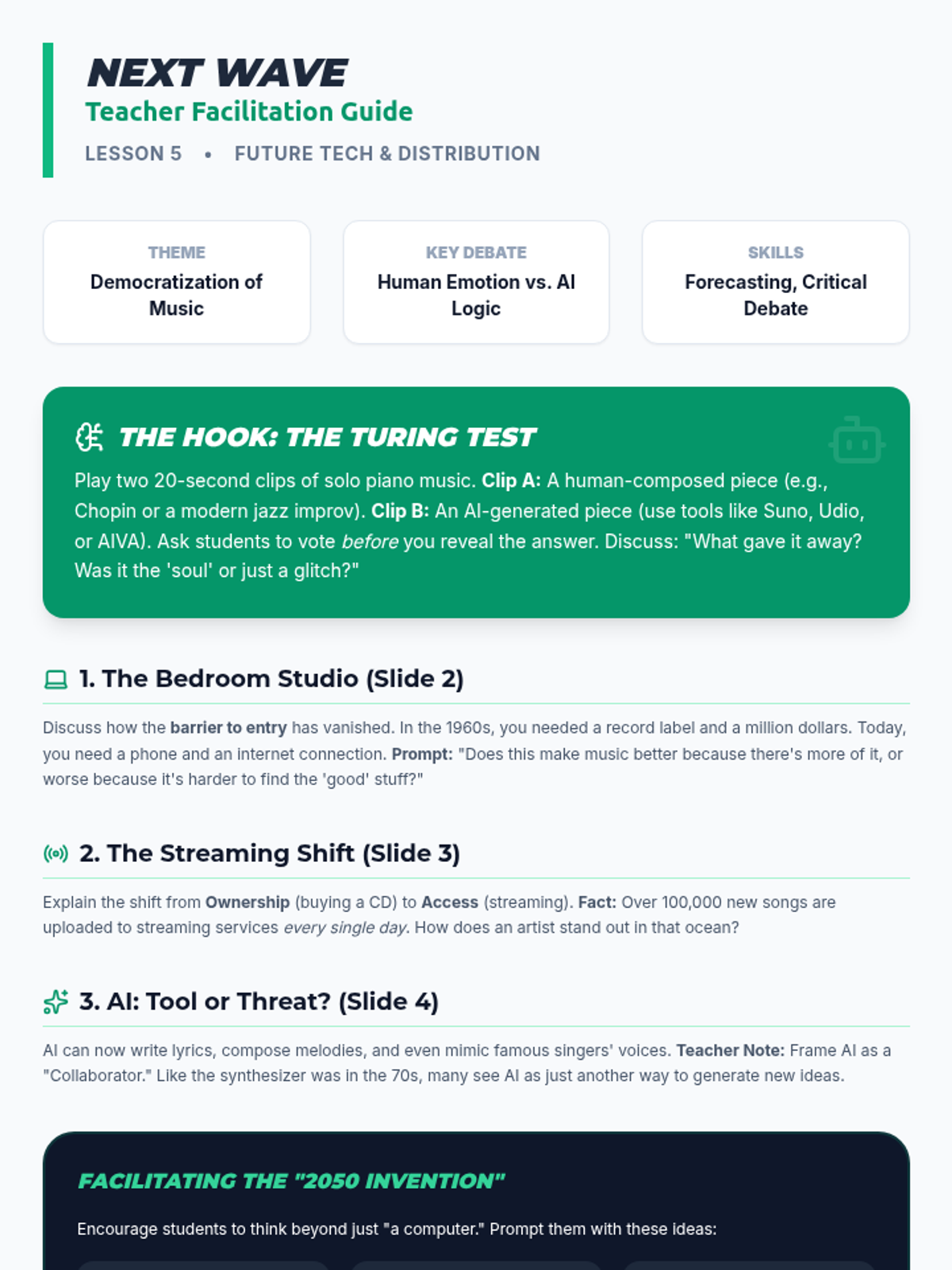
Students debate the future of music history, looking at streaming, AI composition, and bedroom production, analyzing how digital tools change the creation and distribution of music.
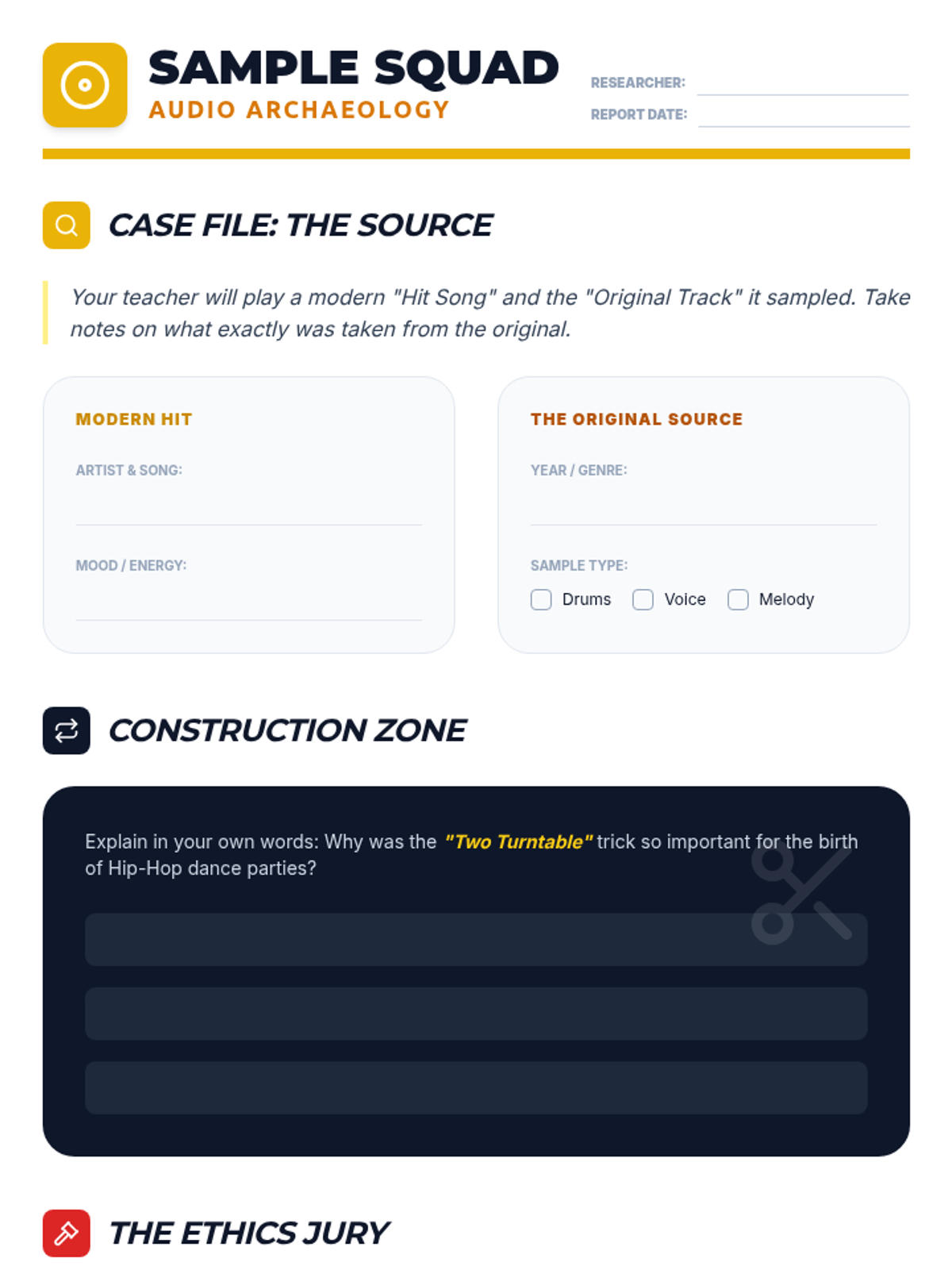
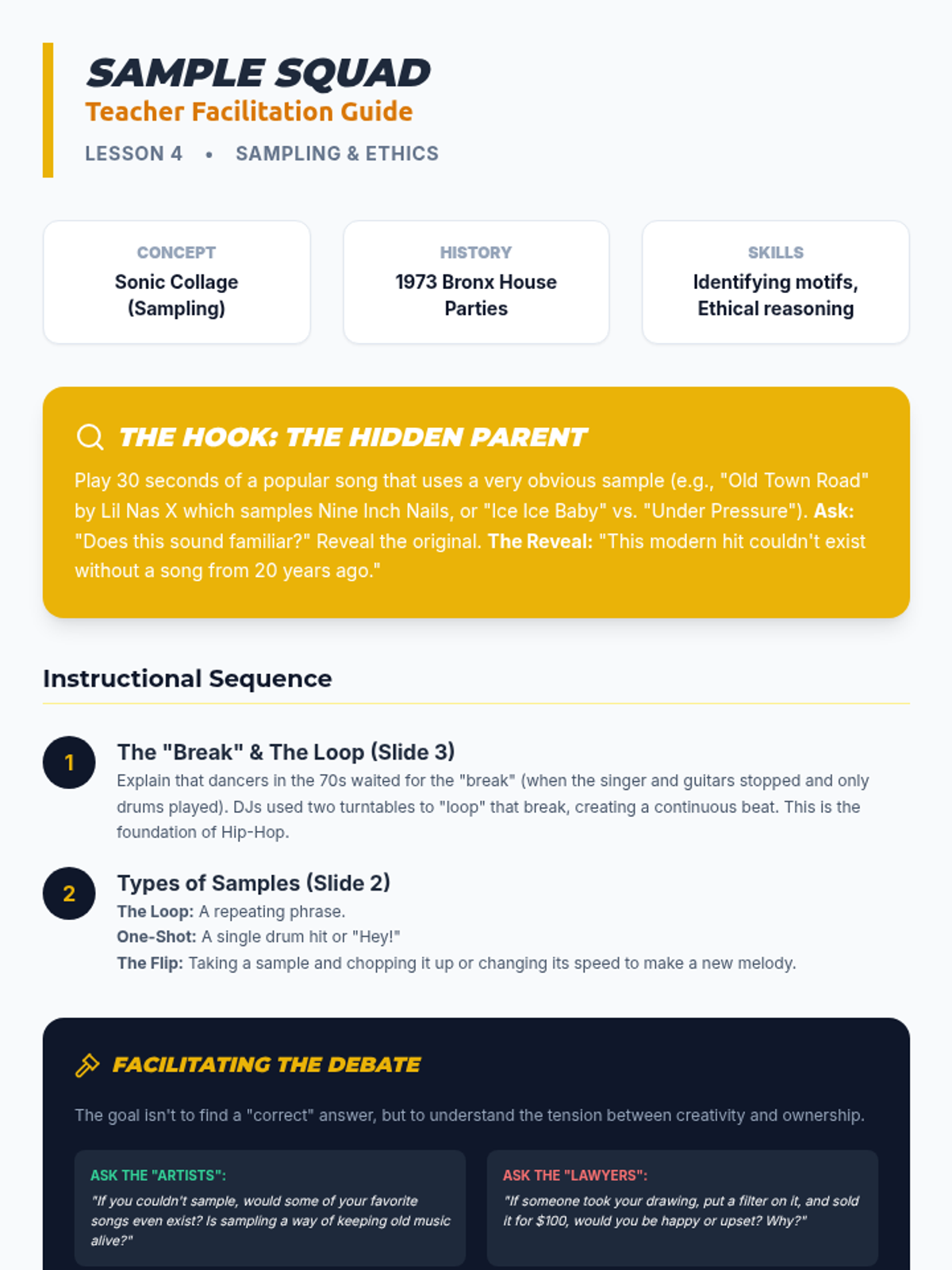
Students investigate the origins of Hip-Hop and the revolutionary technique of sampling, discussing the artistic and legal implications of repurposing existing audio to create new music.
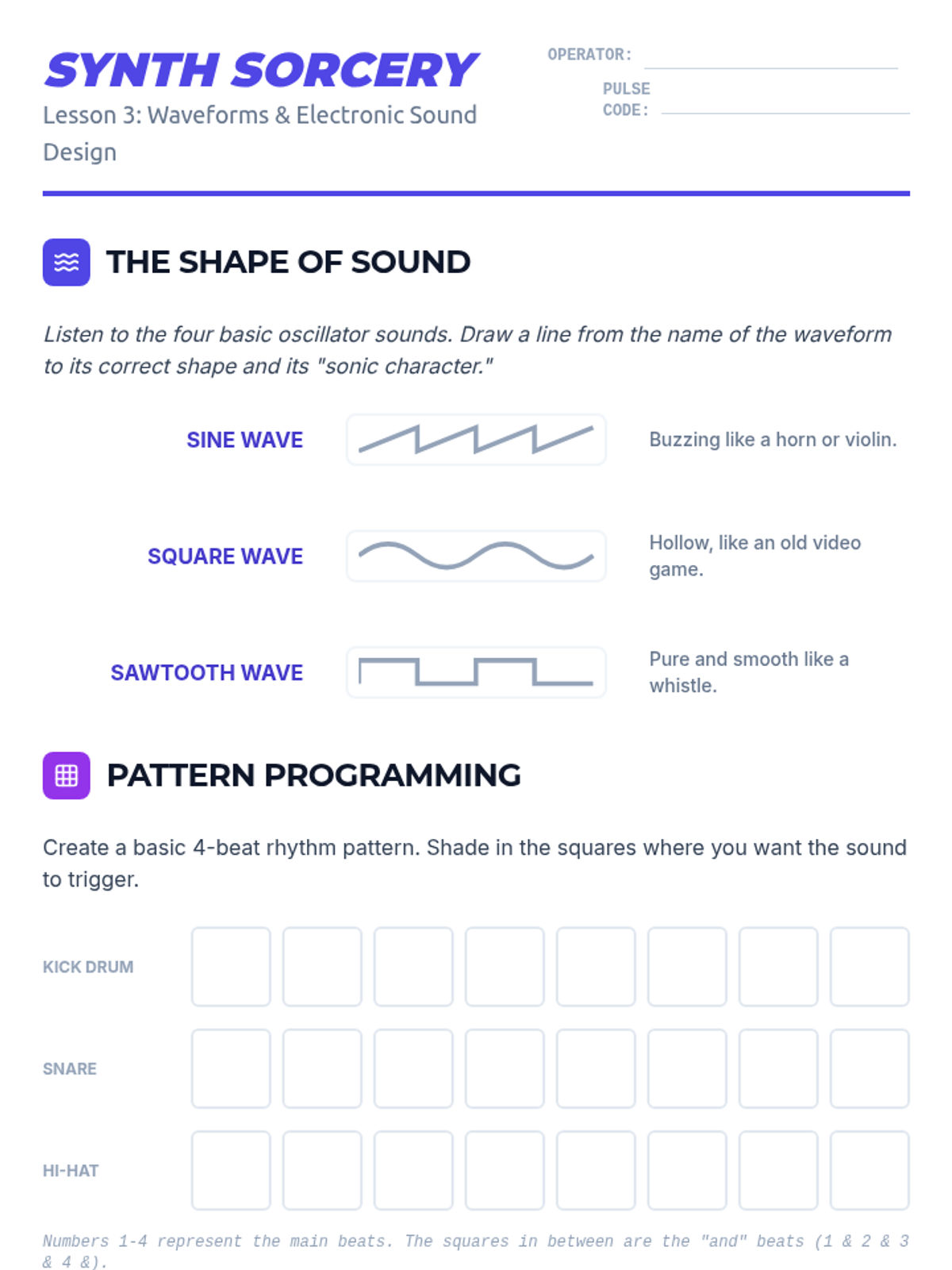
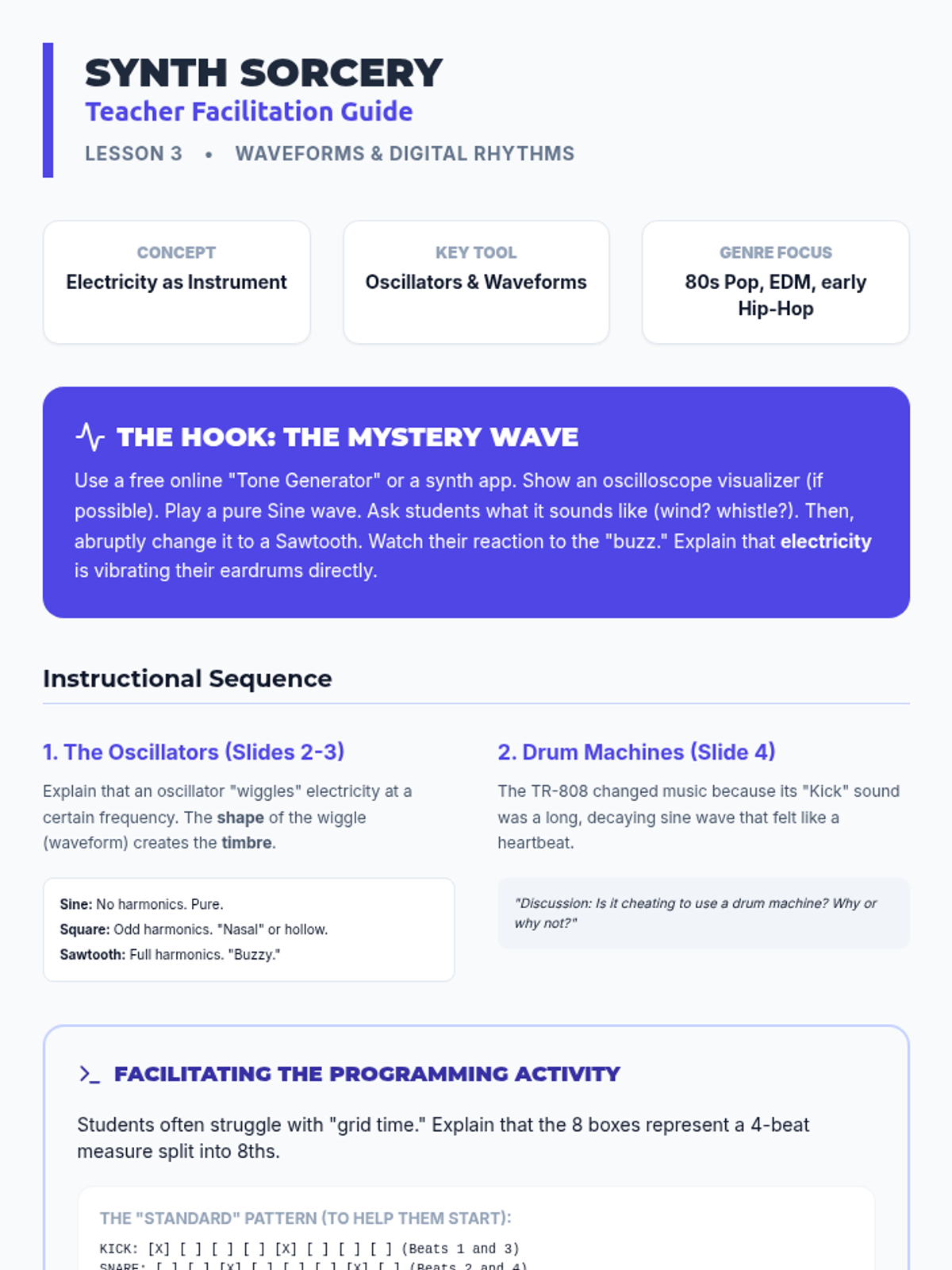
Students explore the introduction of synthesizers and drum machines in the 70s and 80s, learning about waveforms and how electricity can be used to design completely new sounds.
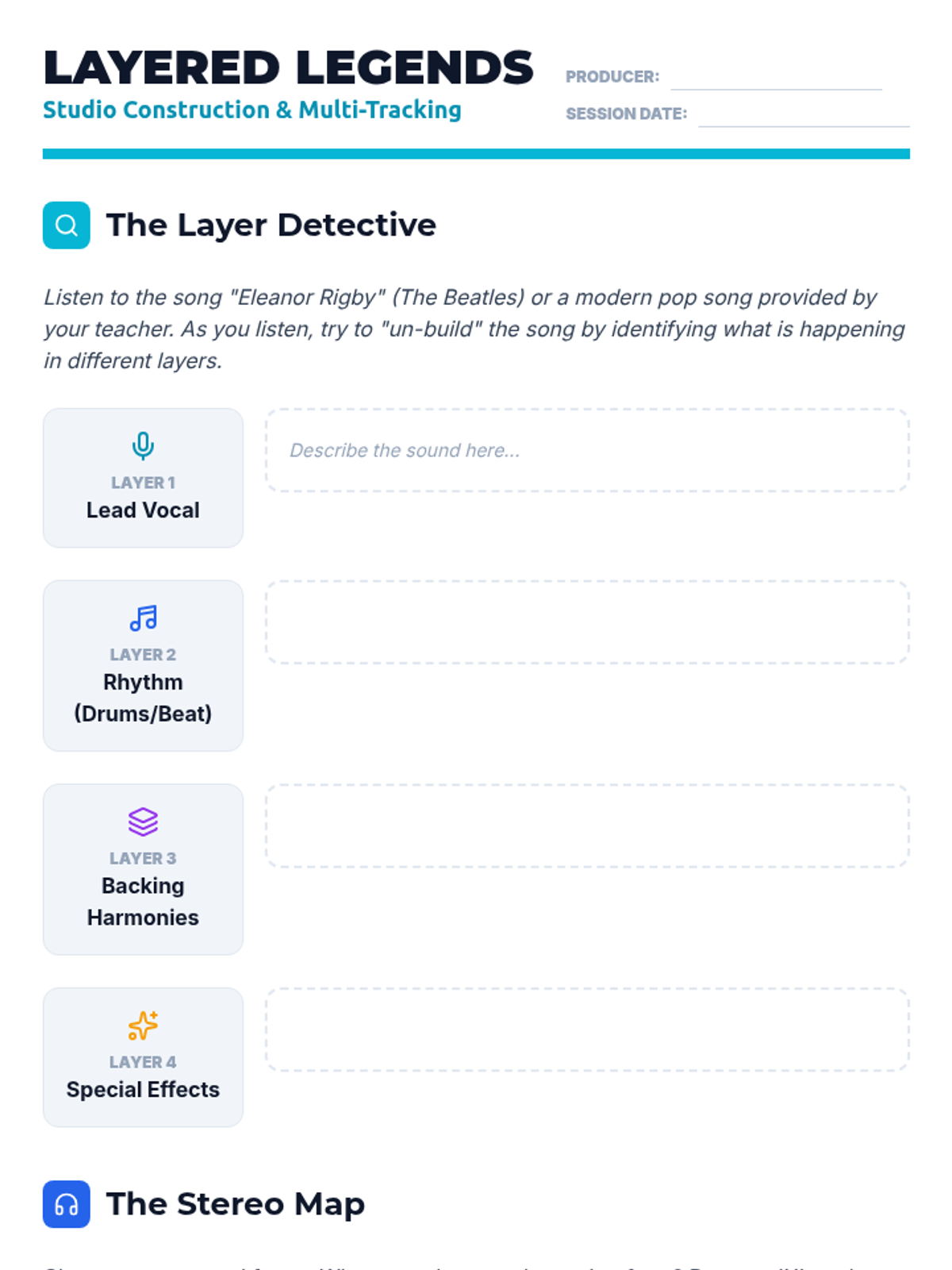
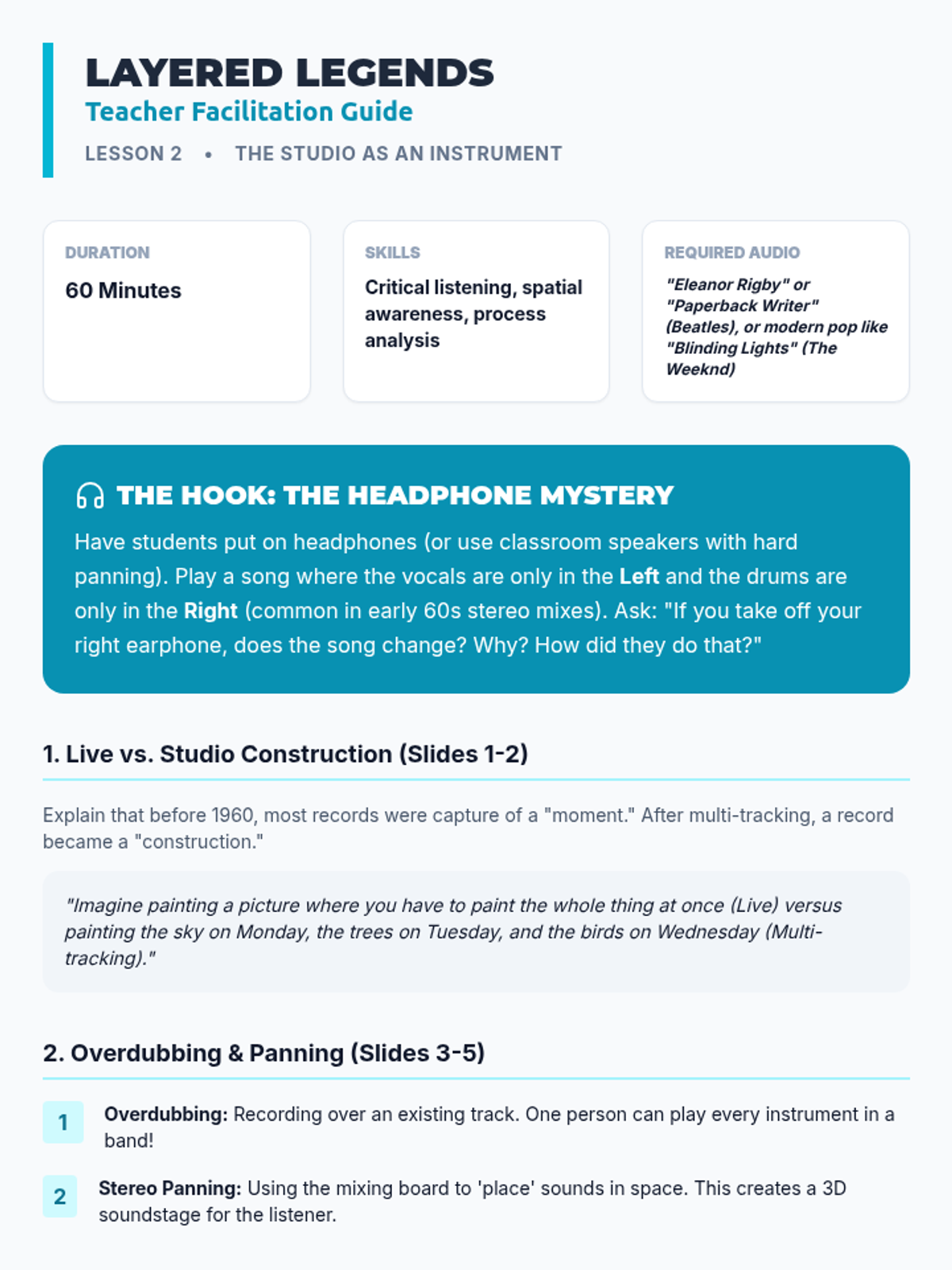
Students explore the 1960s shift from live recording to studio construction, learning about multi-tracking, tape loops, and how The Beatles used the recording studio as a creative instrument.
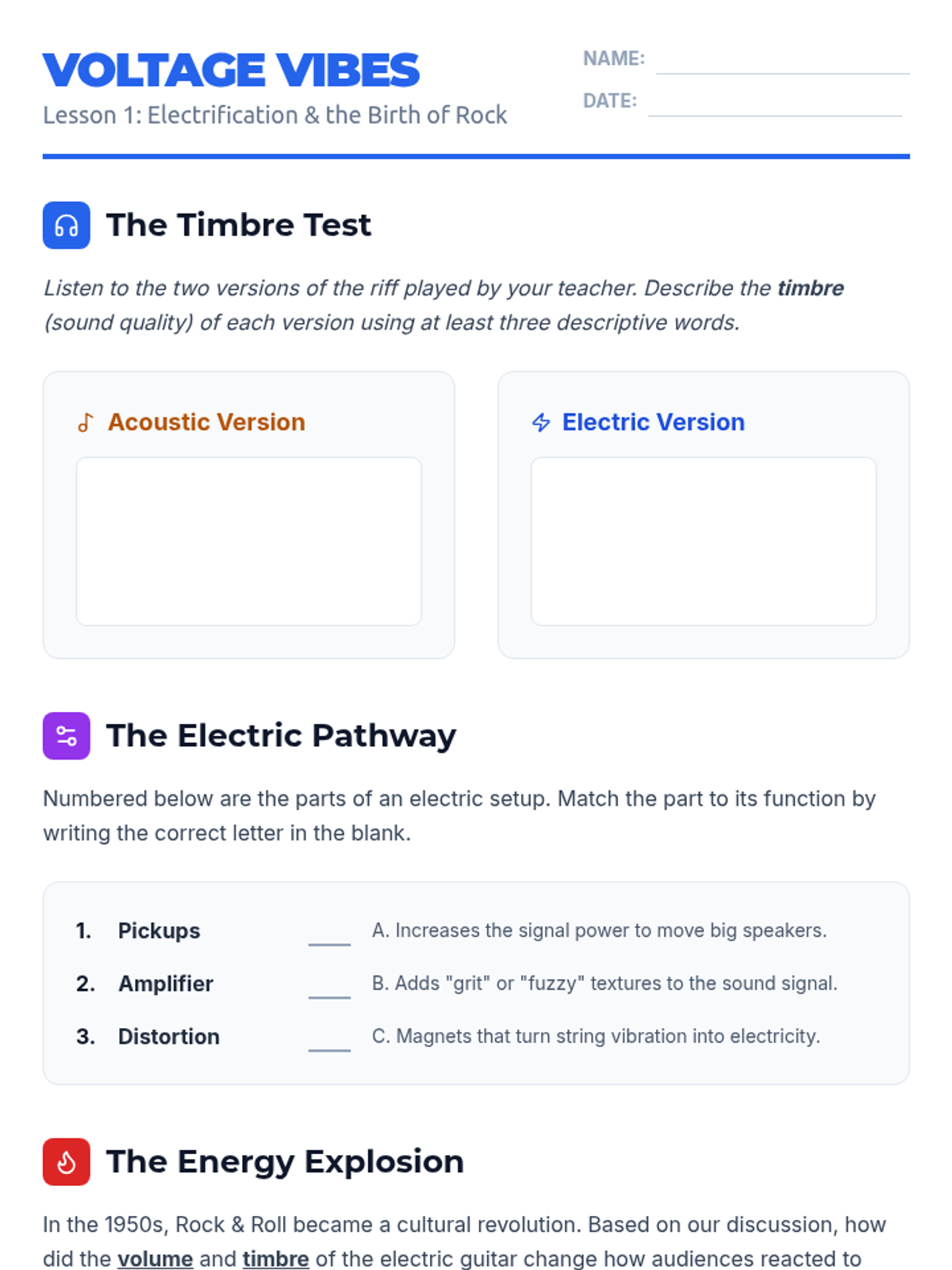
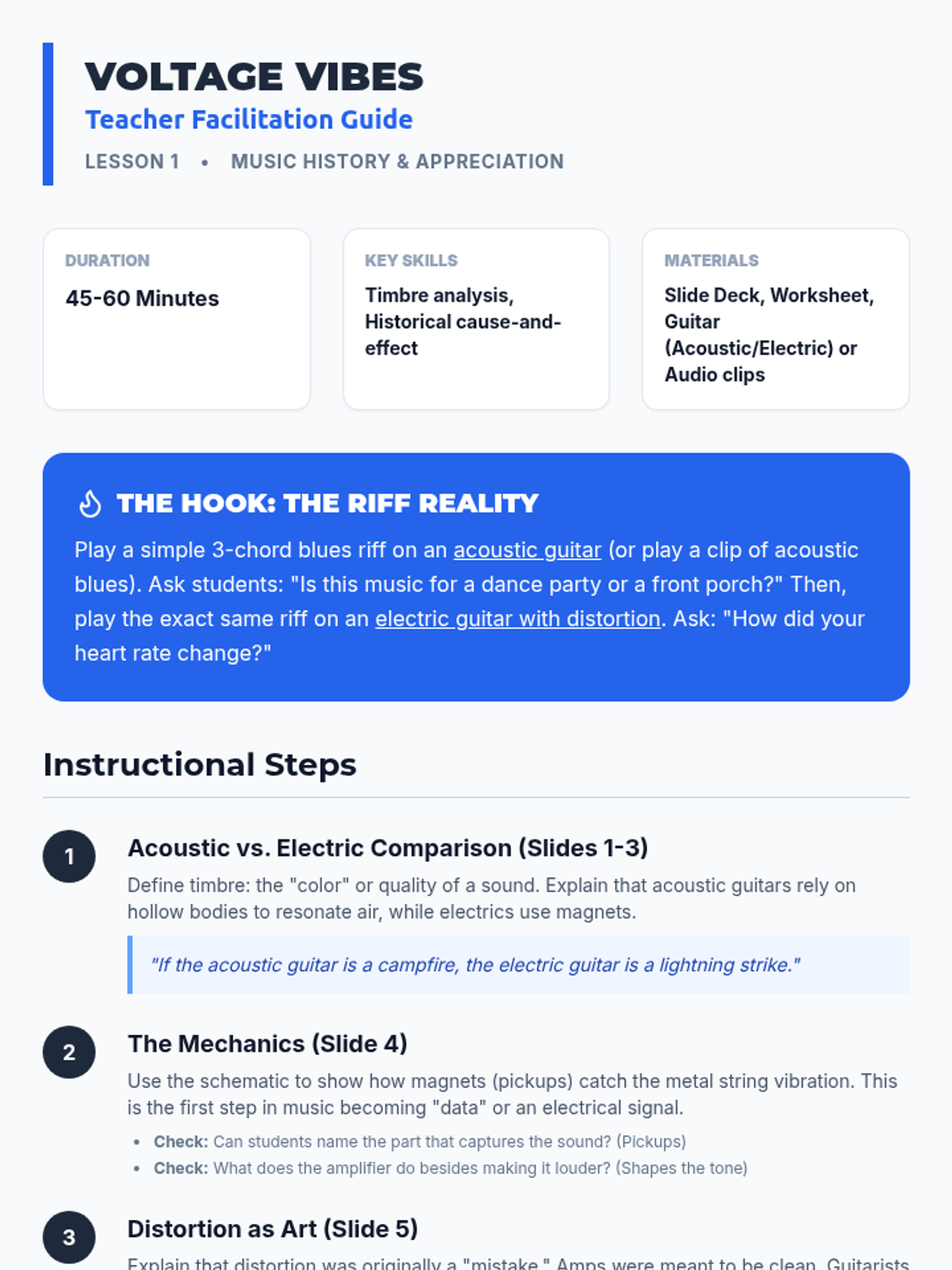
Students analyze the transition from acoustic to electric instruments in the 1950s, exploring how amplification and the electric guitar changed the sound and energy of music.
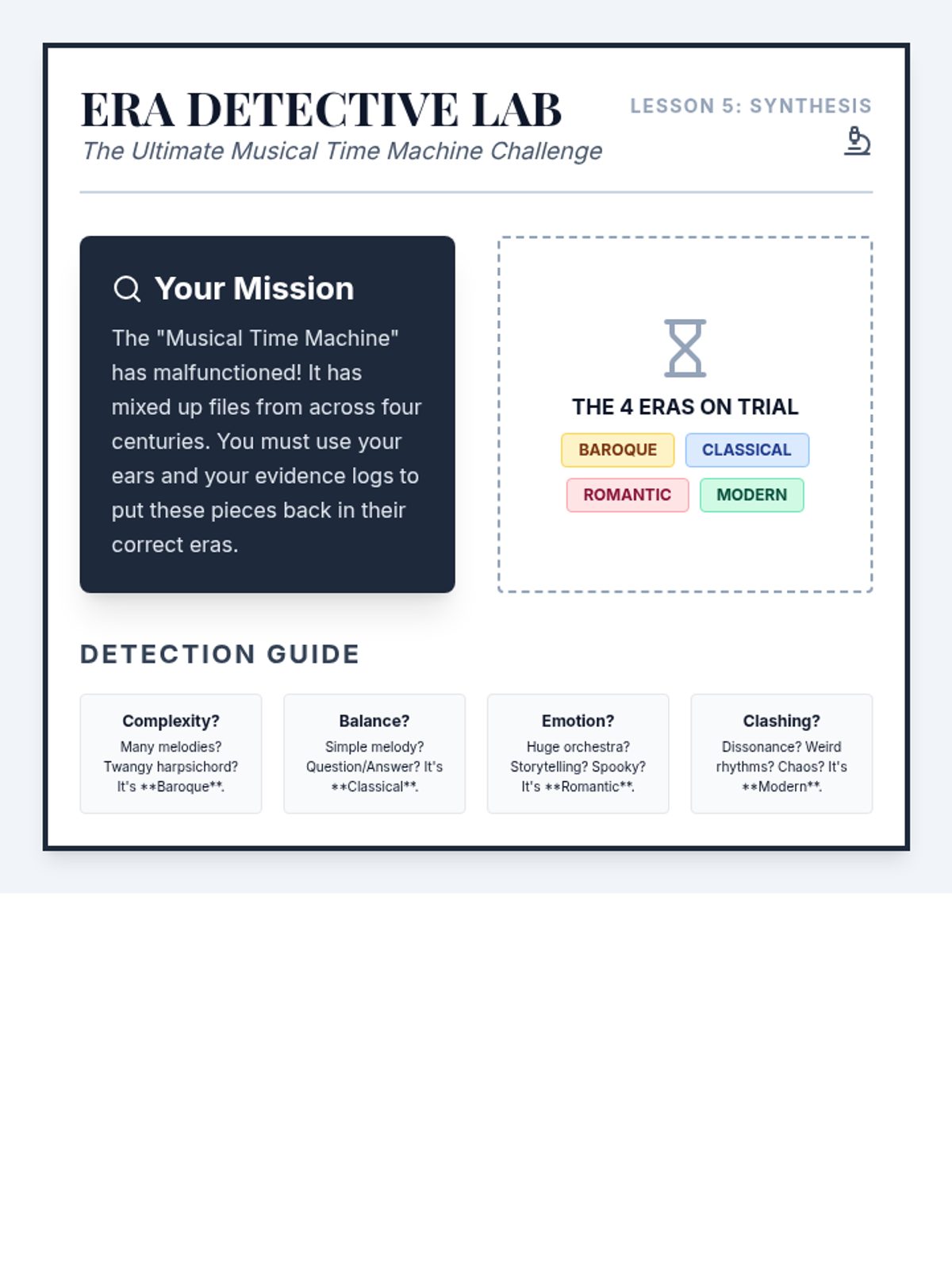
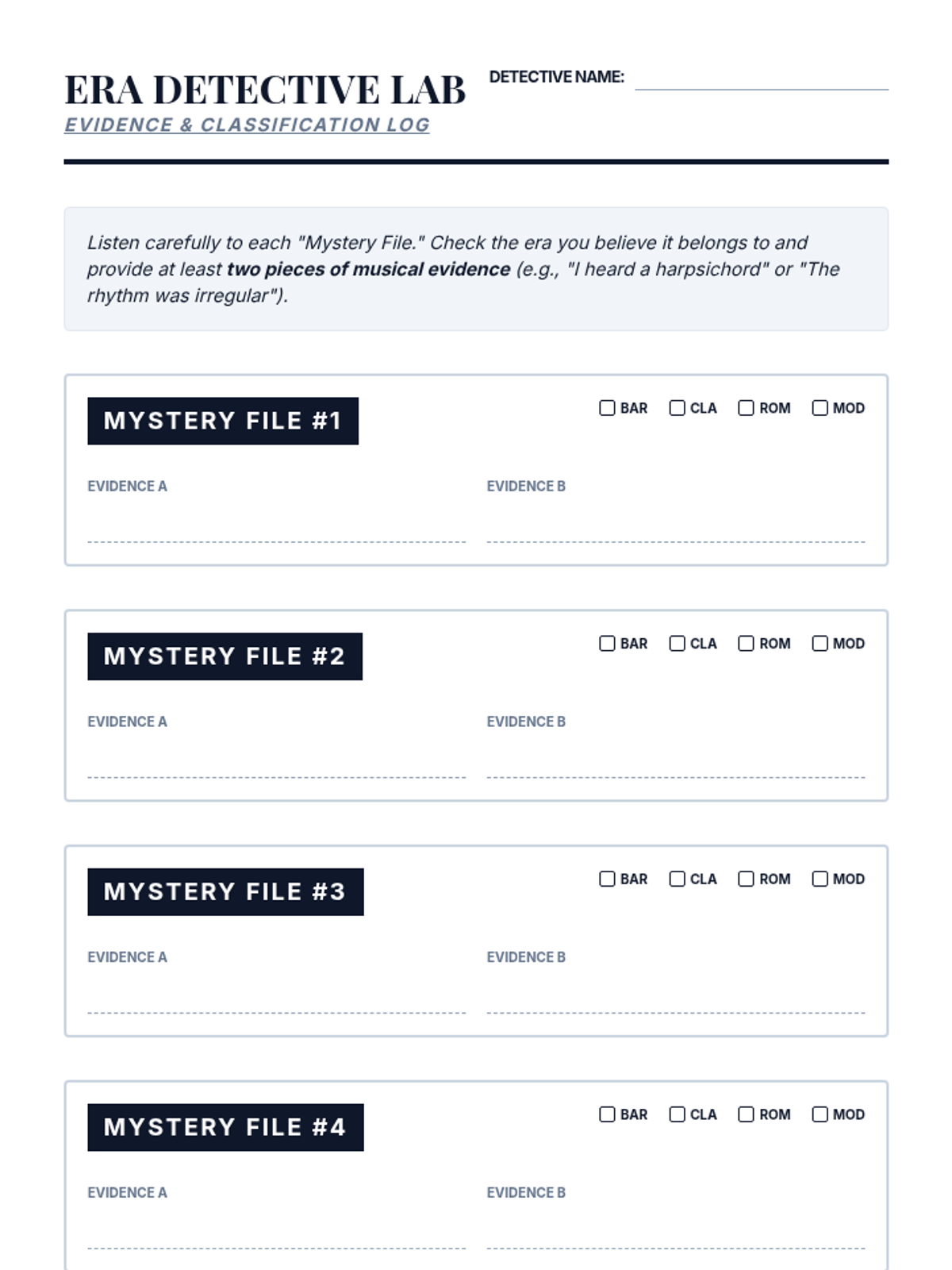
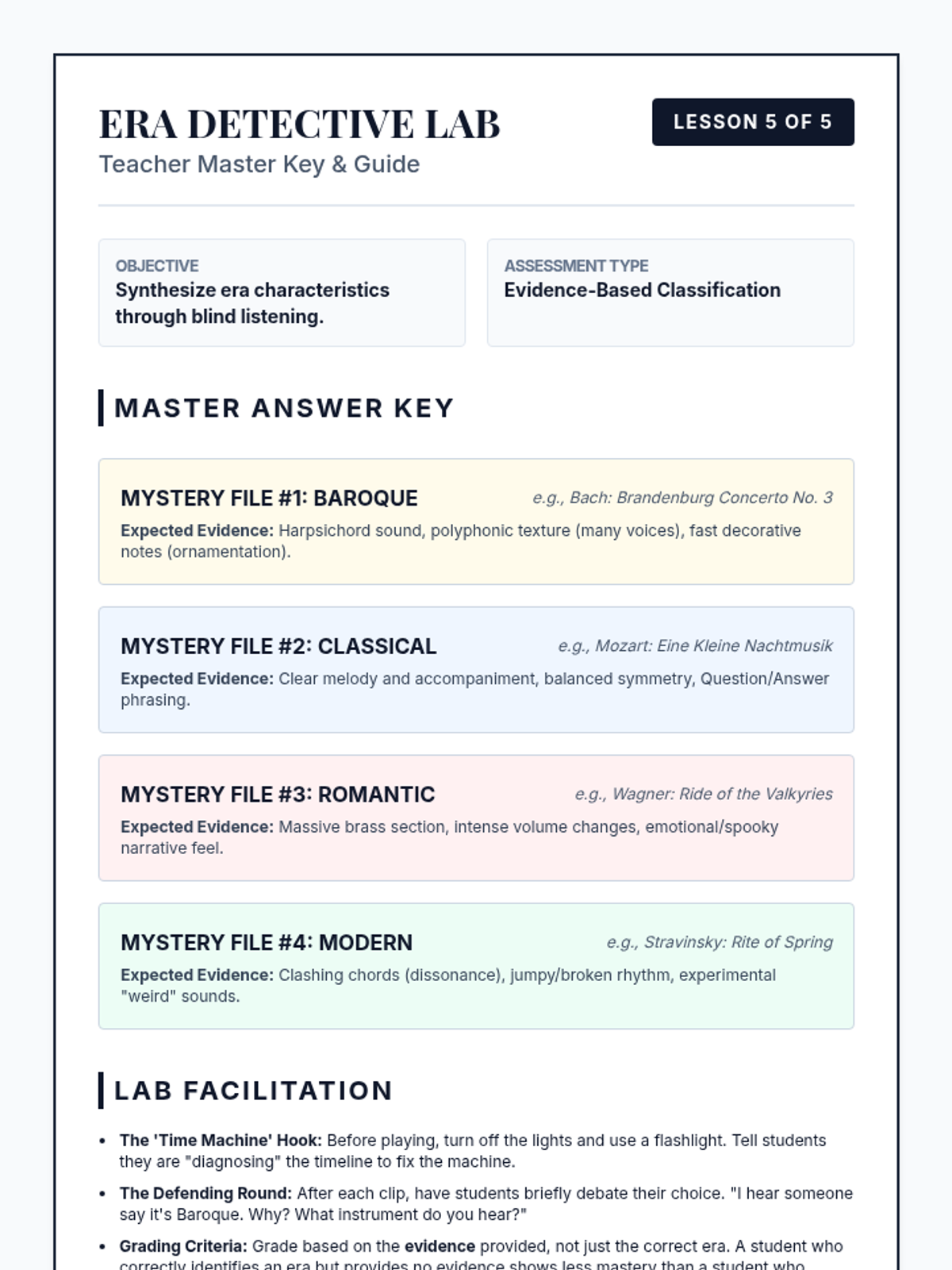
A synthesis lesson where students participate in a blind listening challenge to categorize excerpts into correct eras.
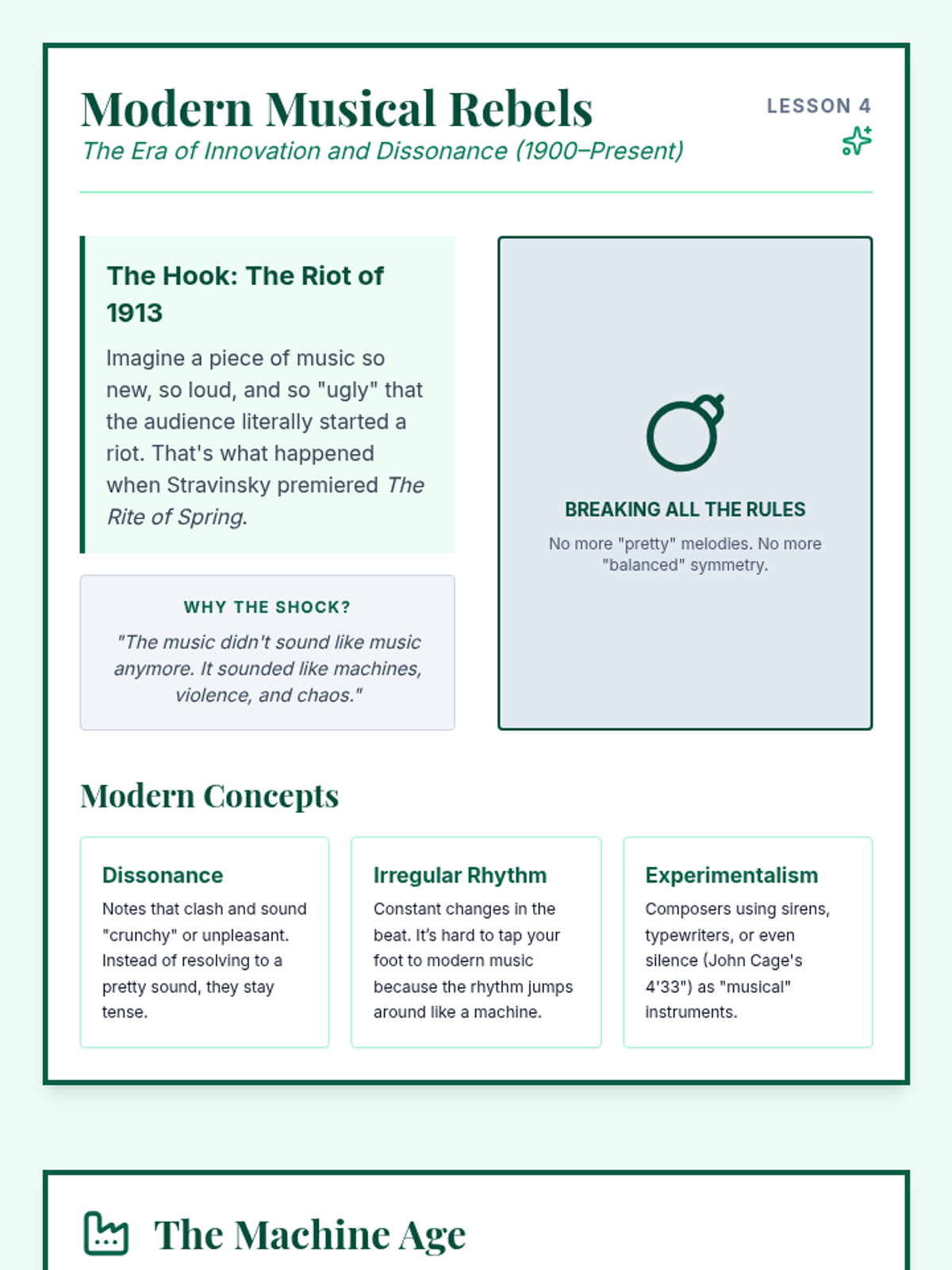
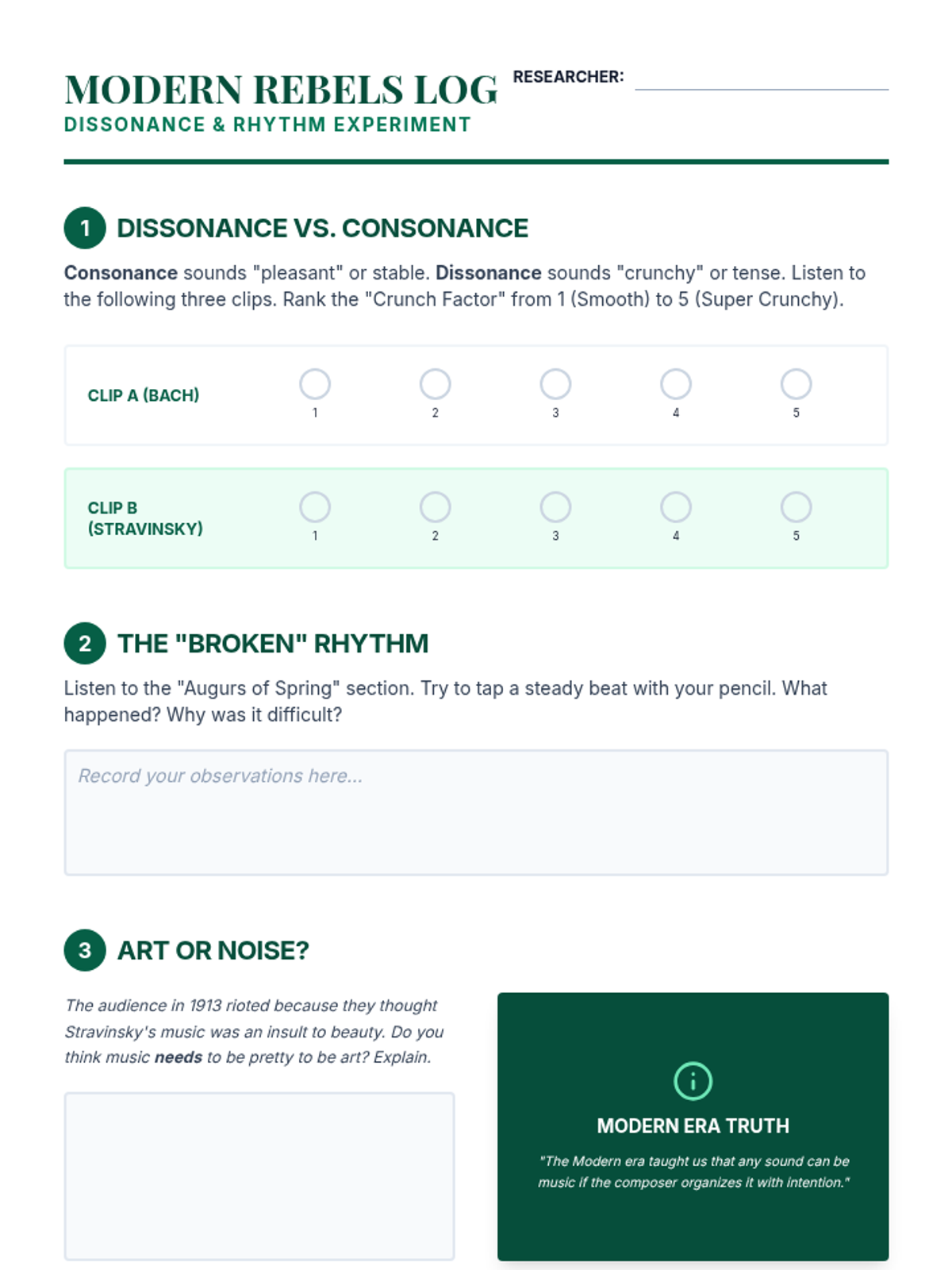
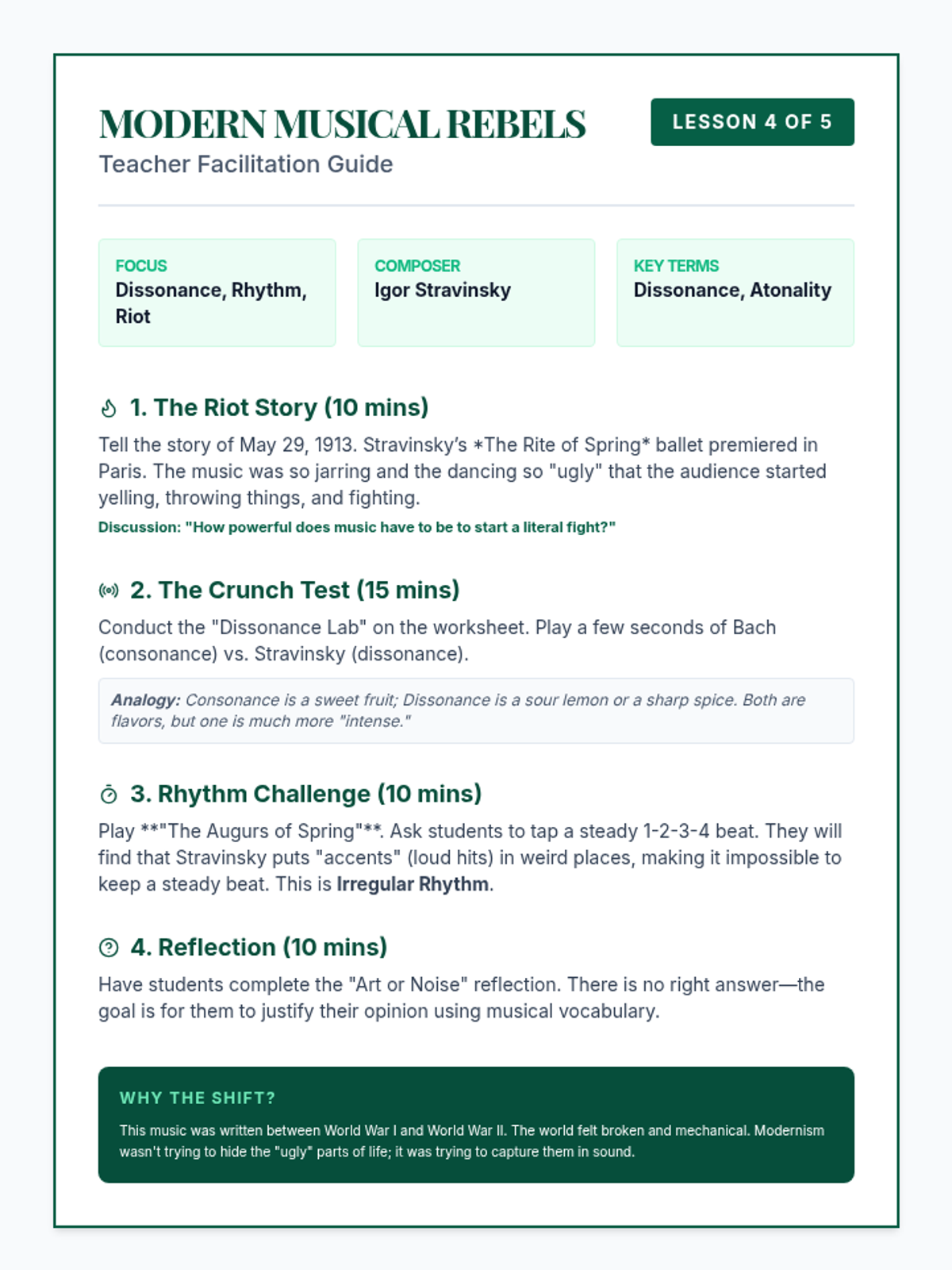
Cover the radical shift in the 1900s where composers broke traditional rules of harmony and rhythm.
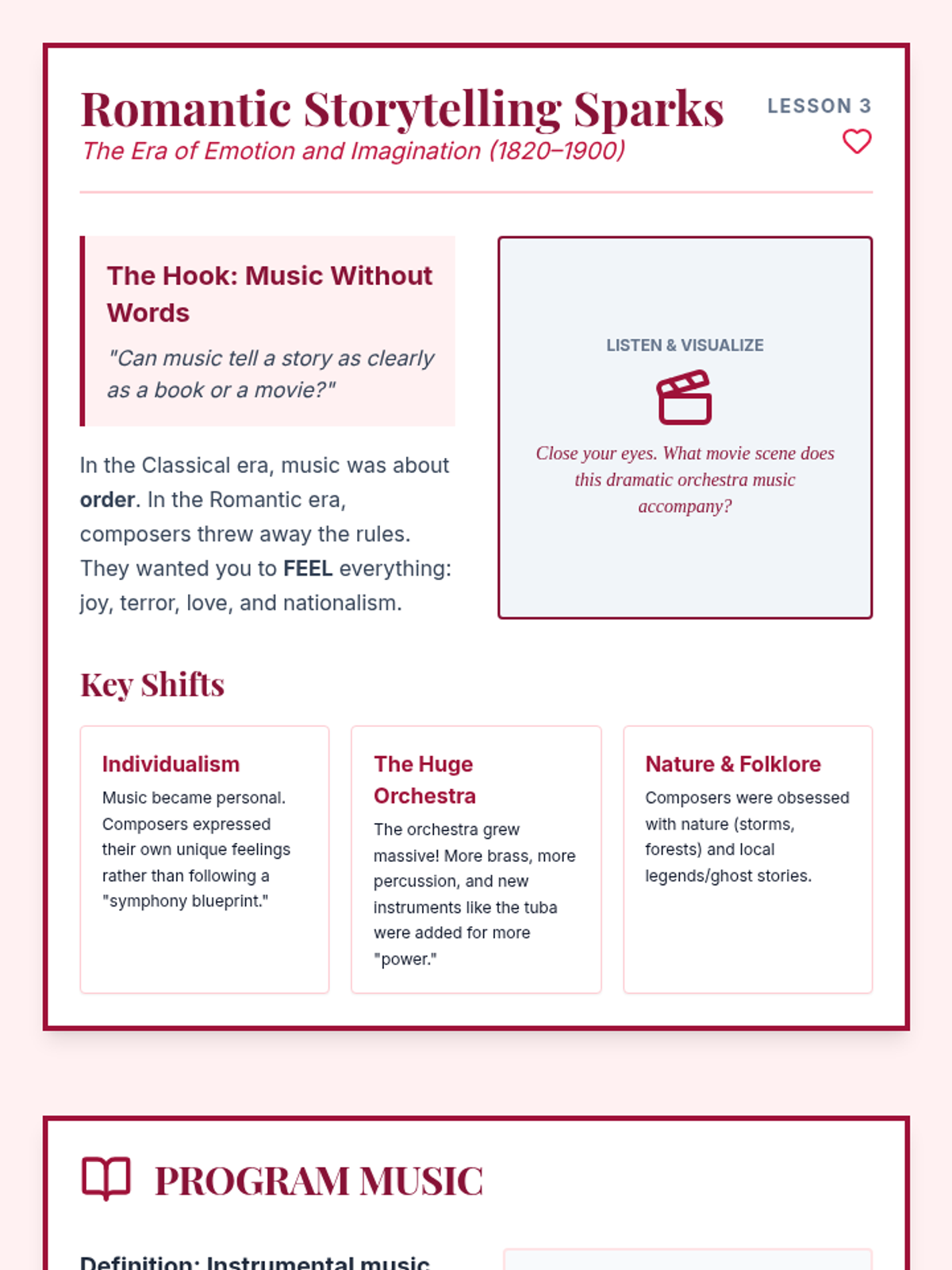
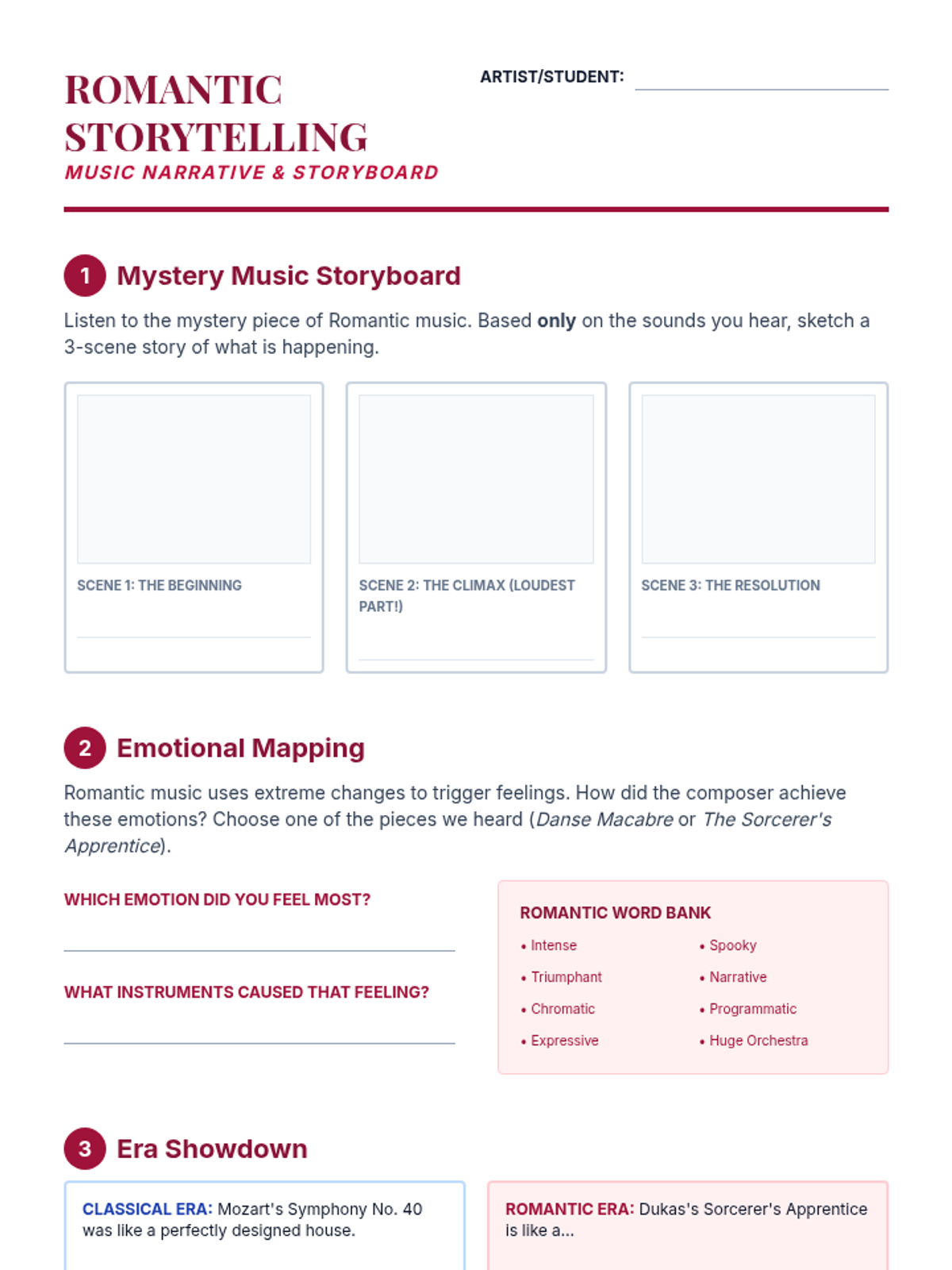
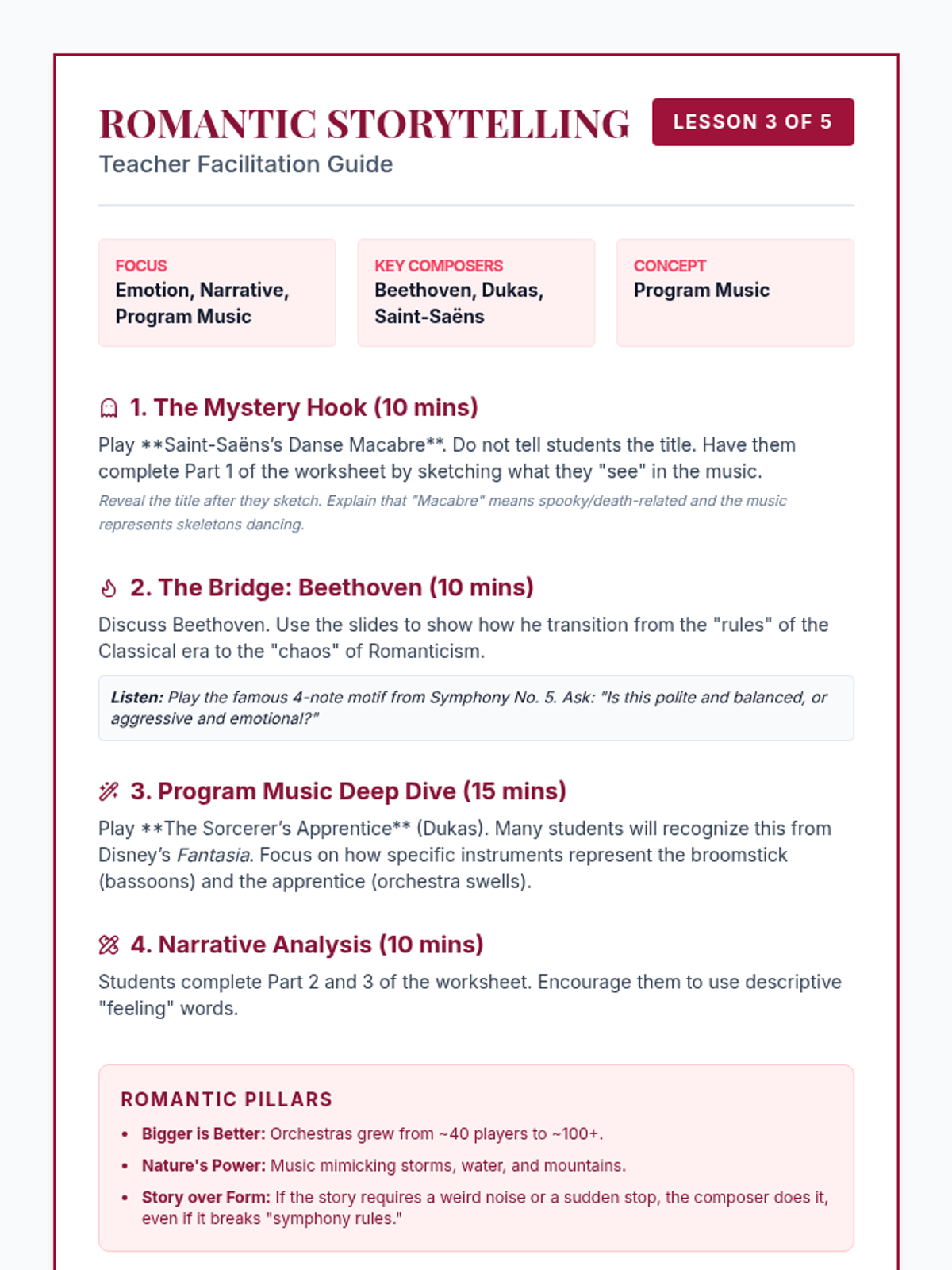
Investigate how music shifted towards intense emotion and storytelling (Program Music) during the Romantic era.
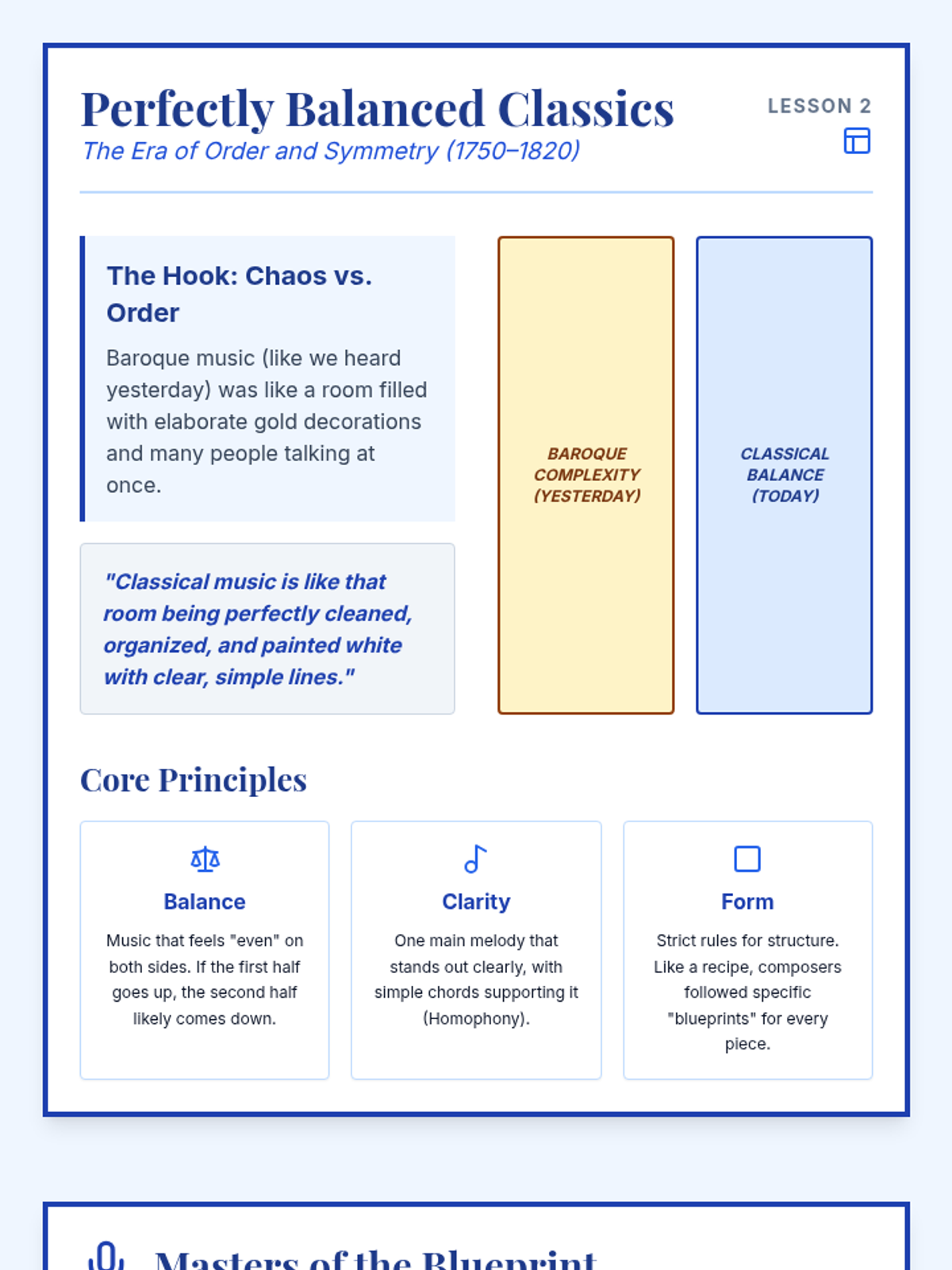
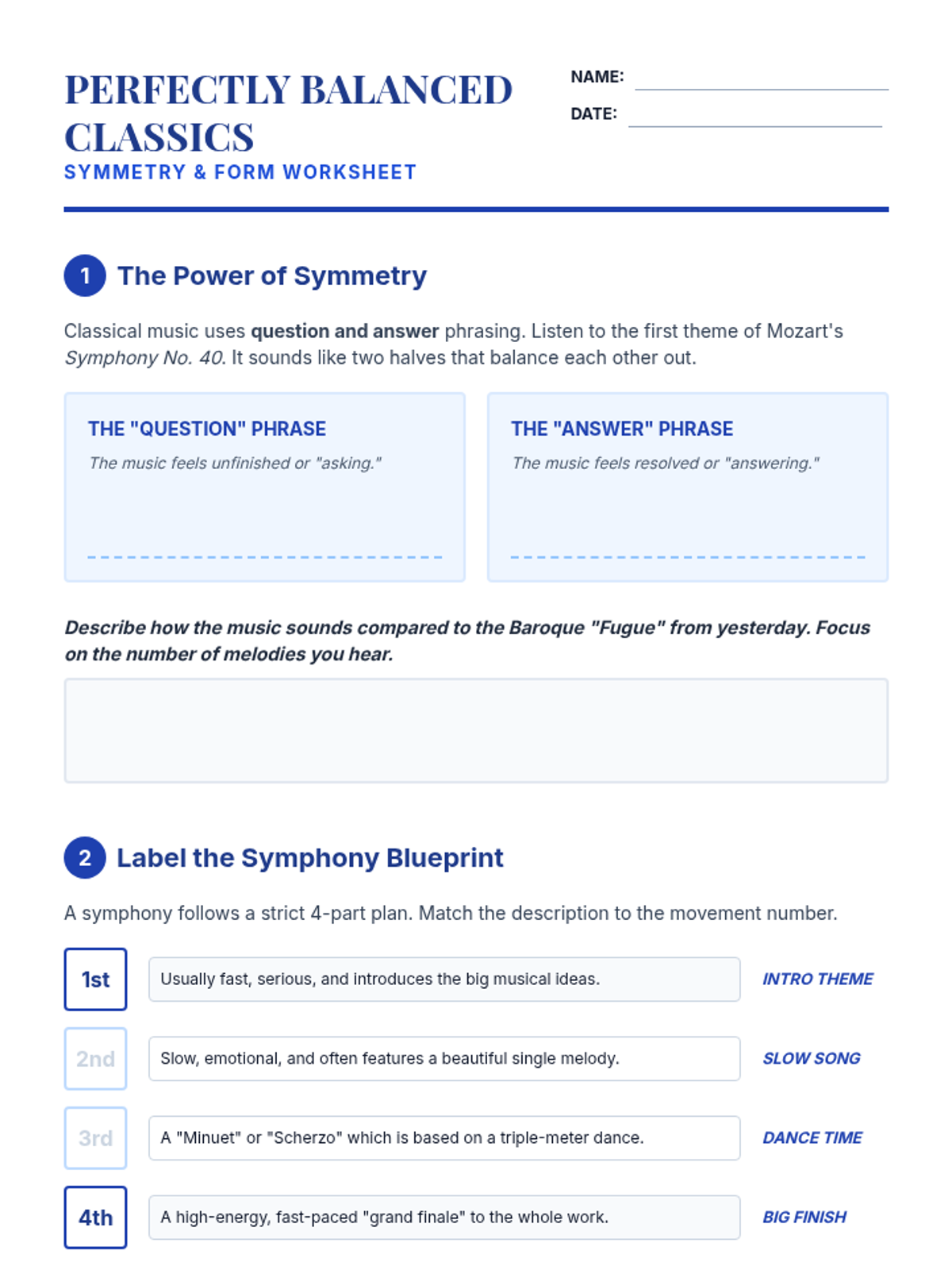
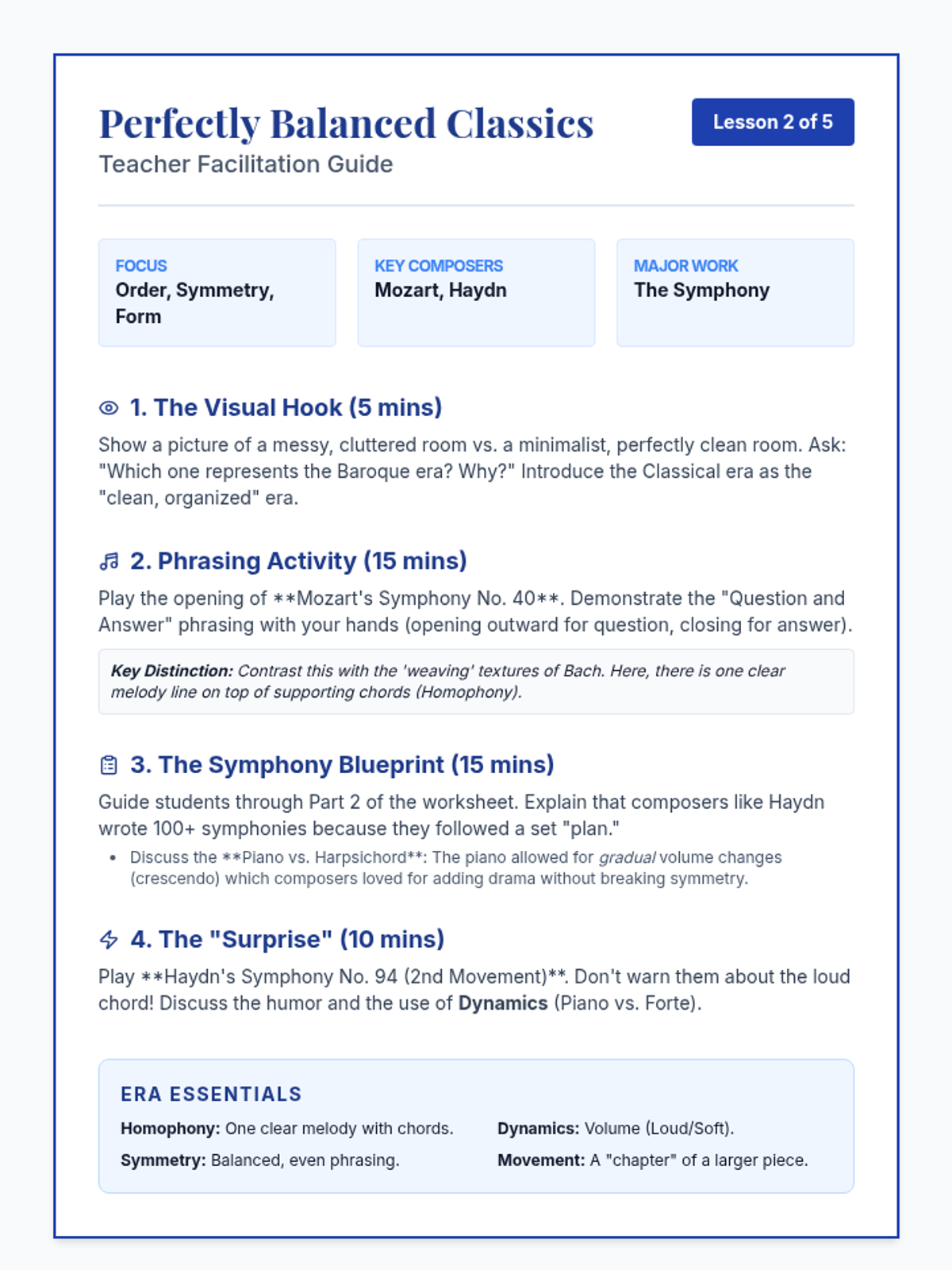
Introduce the Classical era's obsession with order, symmetry, and clear melody through Mozart and Haydn.
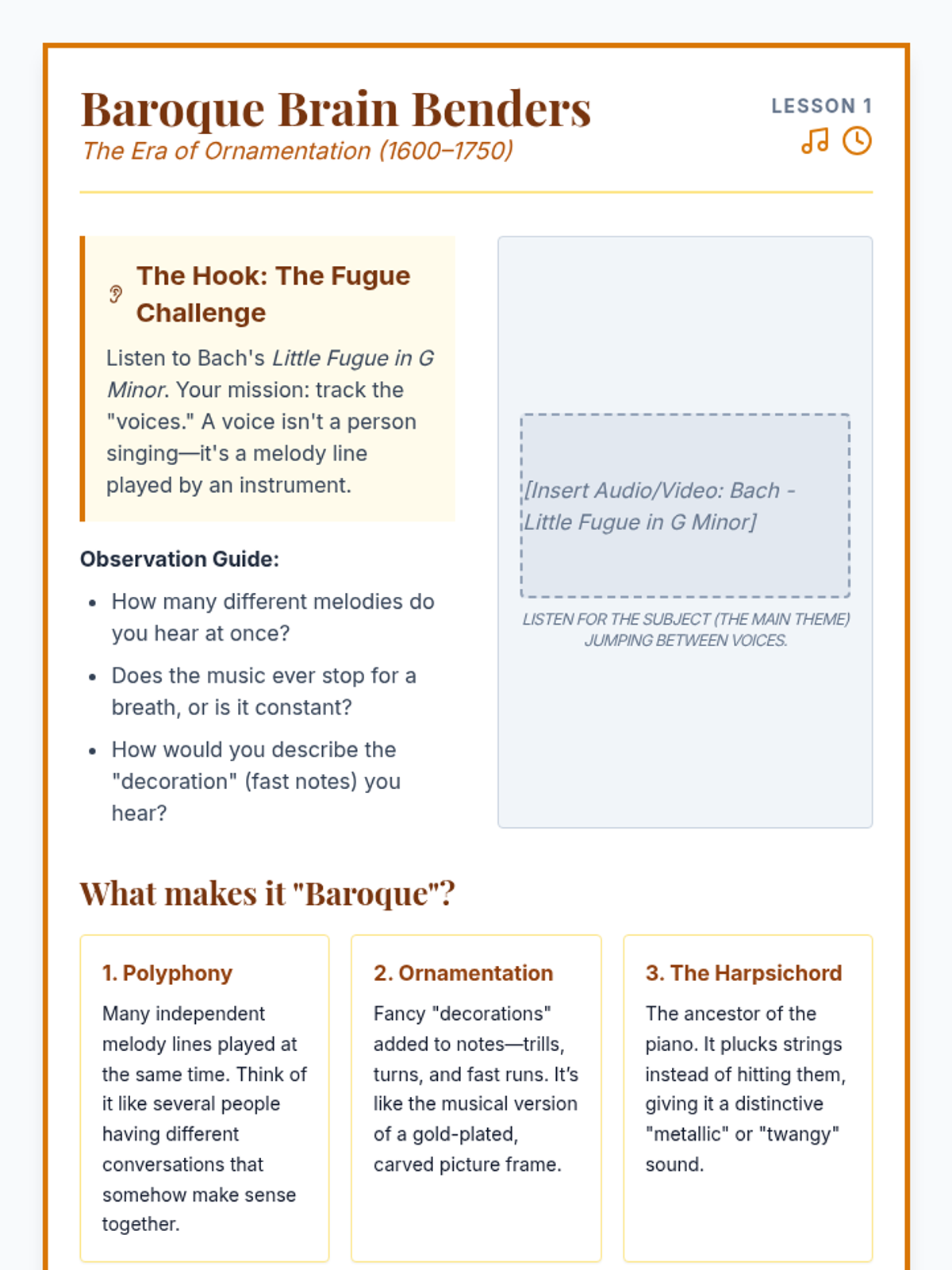
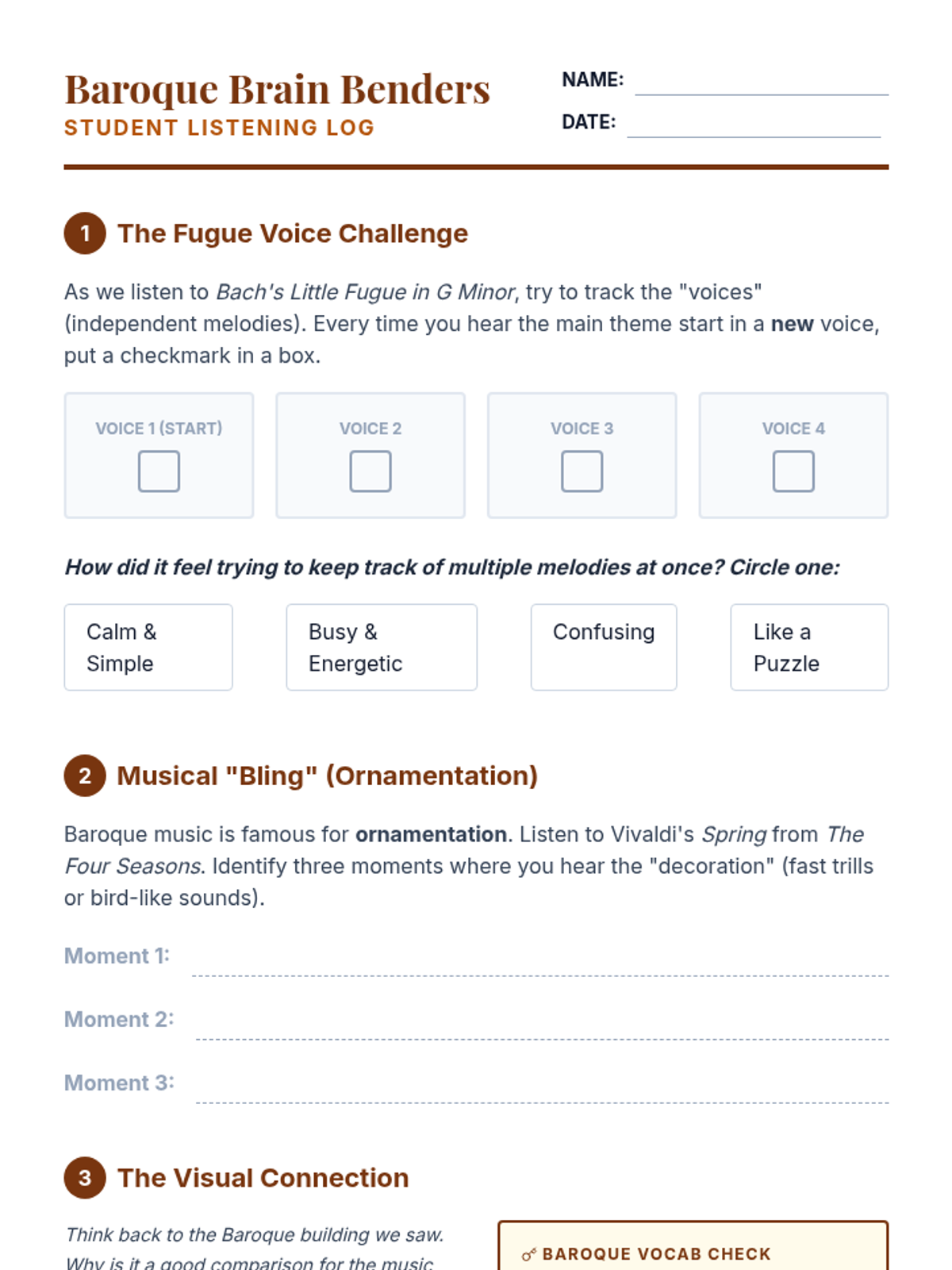
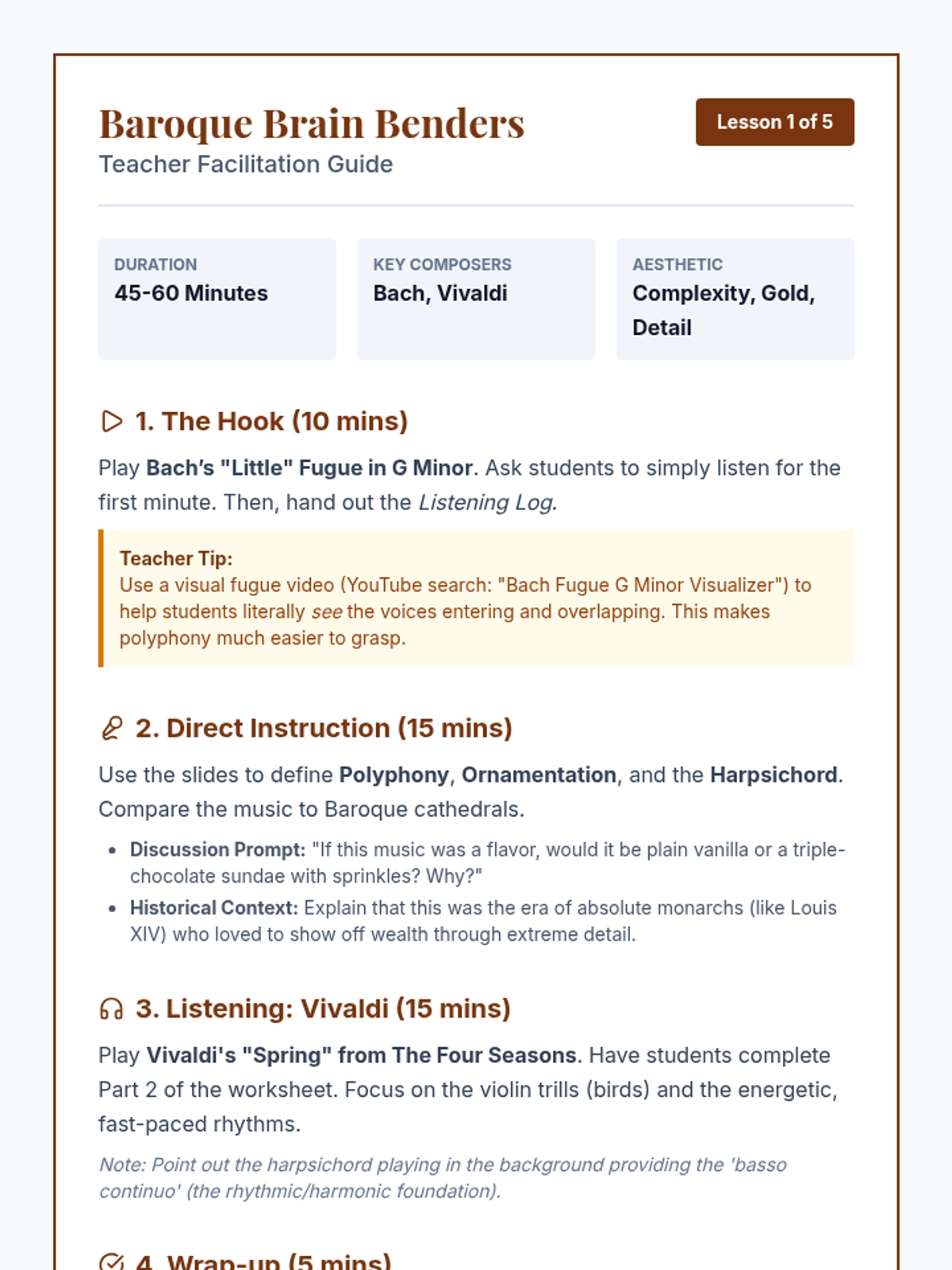
Explore the ornate style of the Baroque period through the works of Bach and Vivaldi, focusing on polyphony and harpsichord.
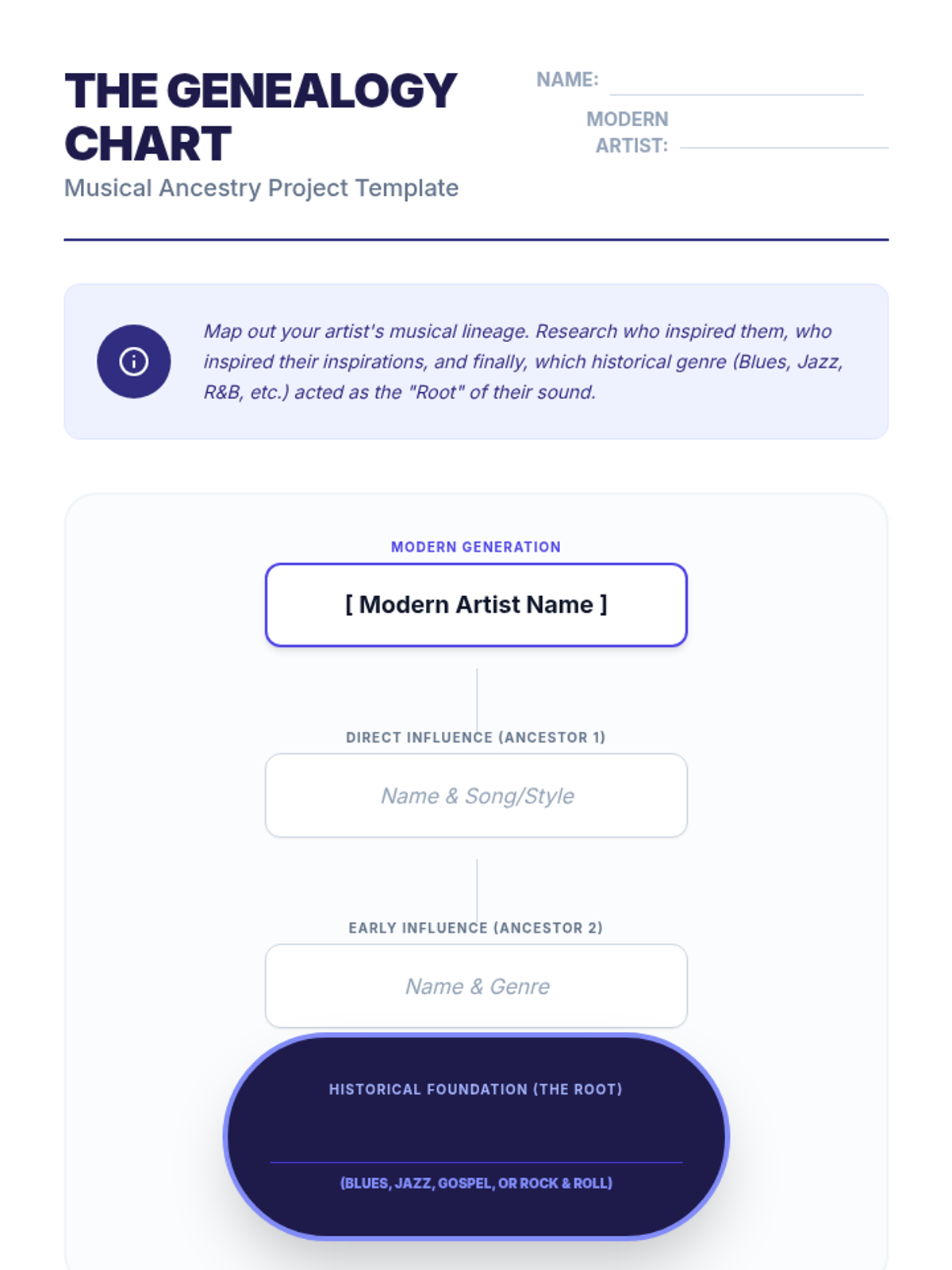
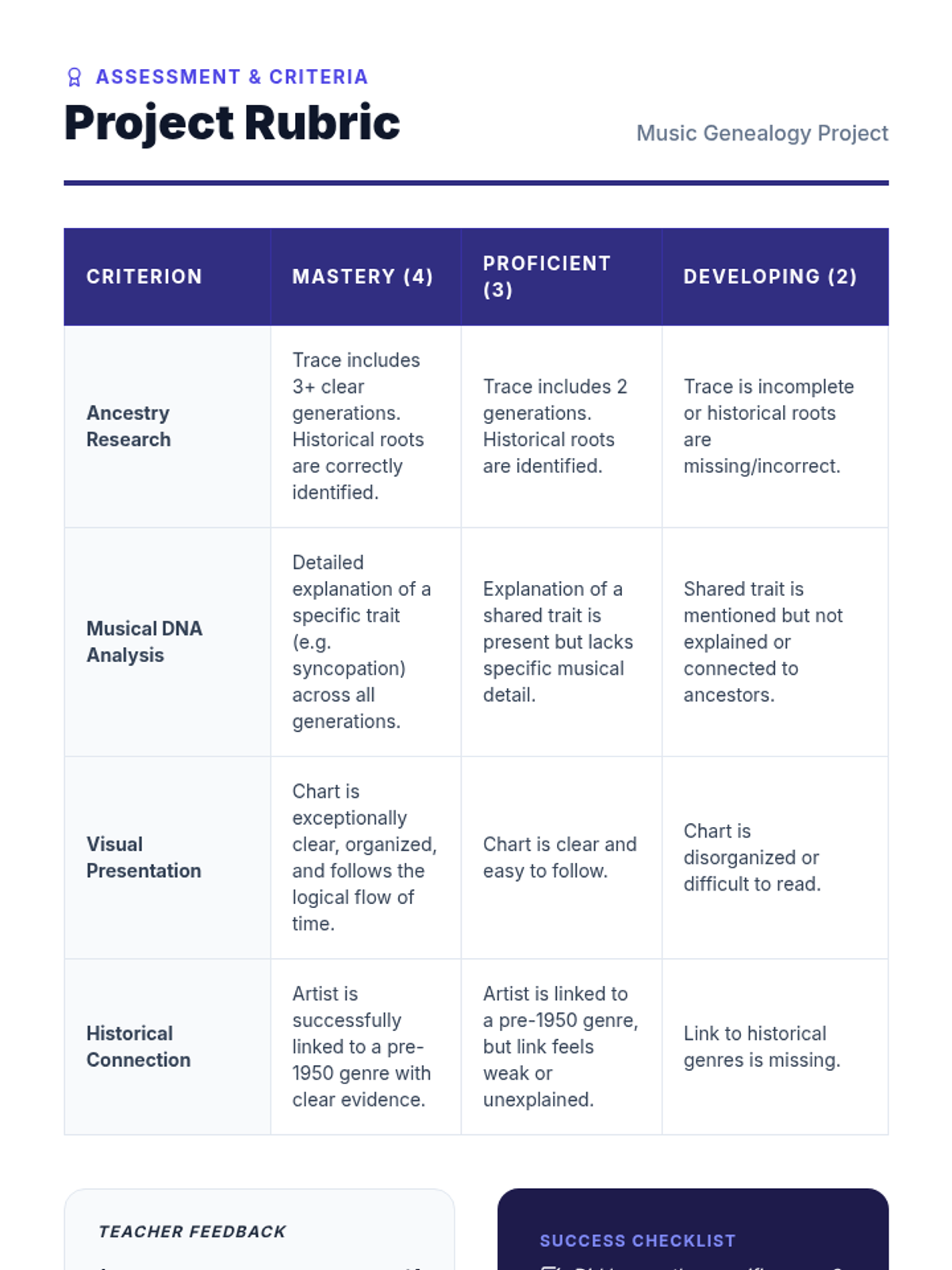
Synthesize learning by tracing the musical ancestry of a modern artist back through historical genres in a visual genealogy project.
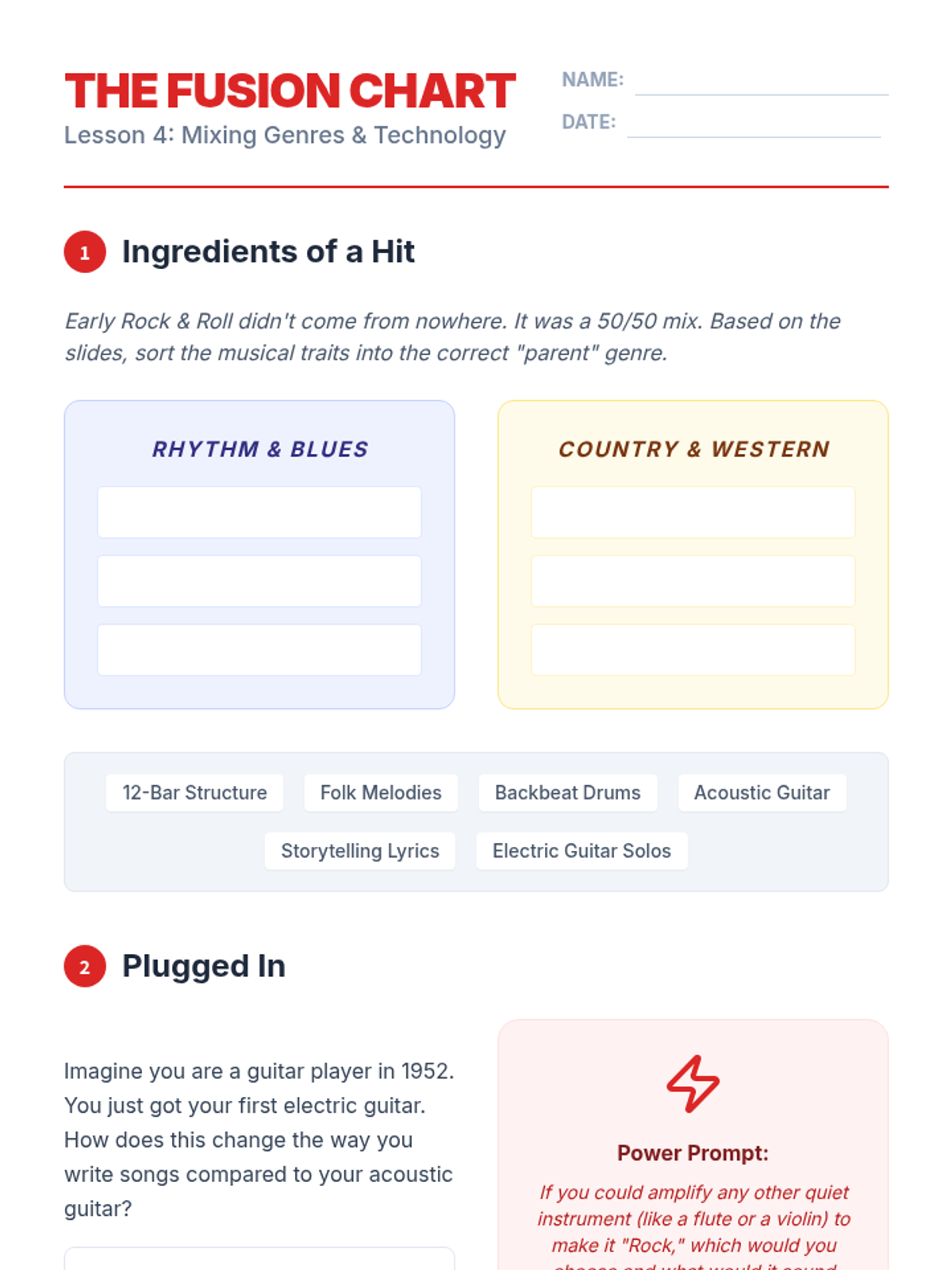
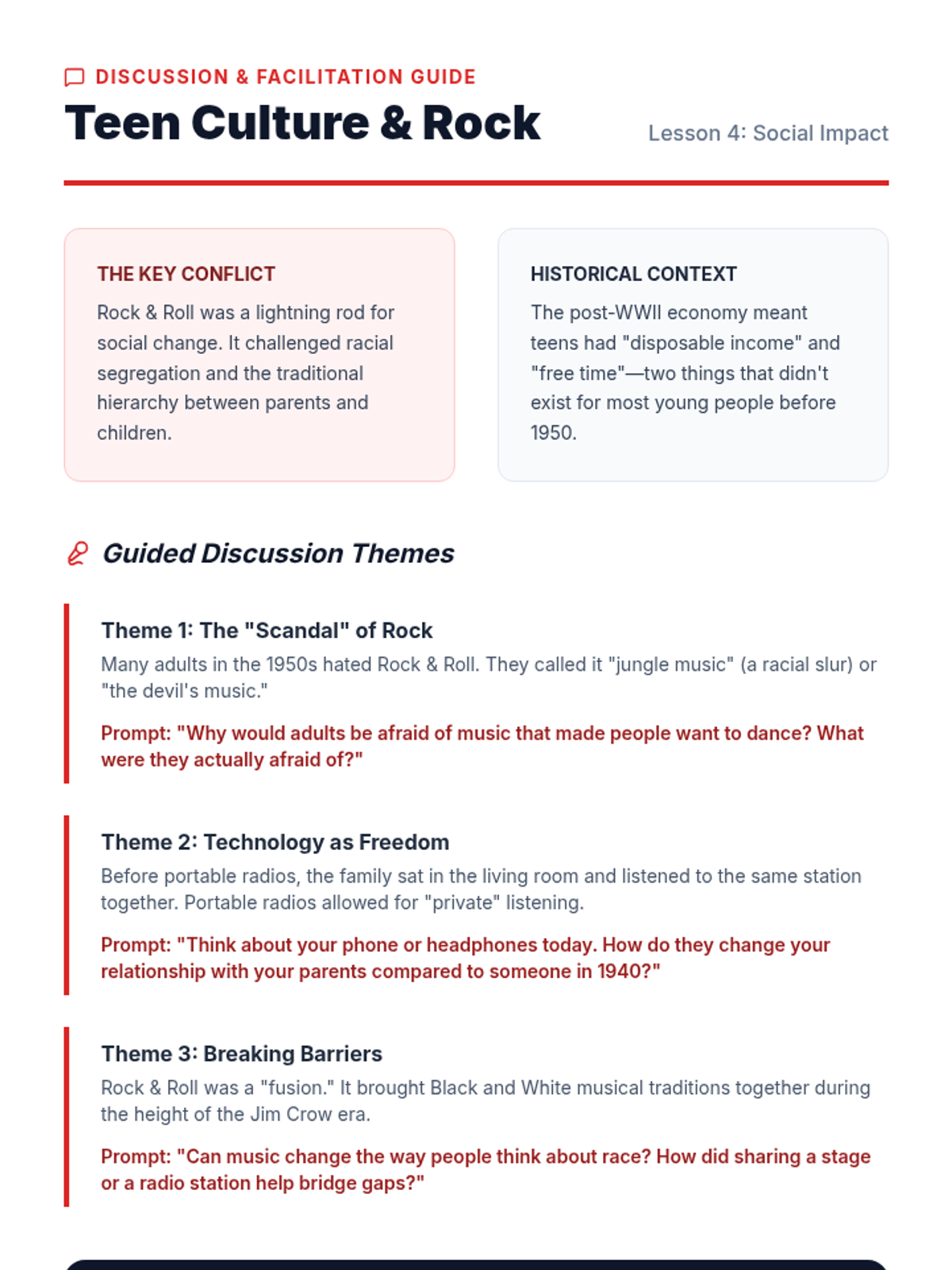
Examine the fusion of Country/Western and Rhythm & Blues that birthed Rock & Roll, along with the impact of technology.
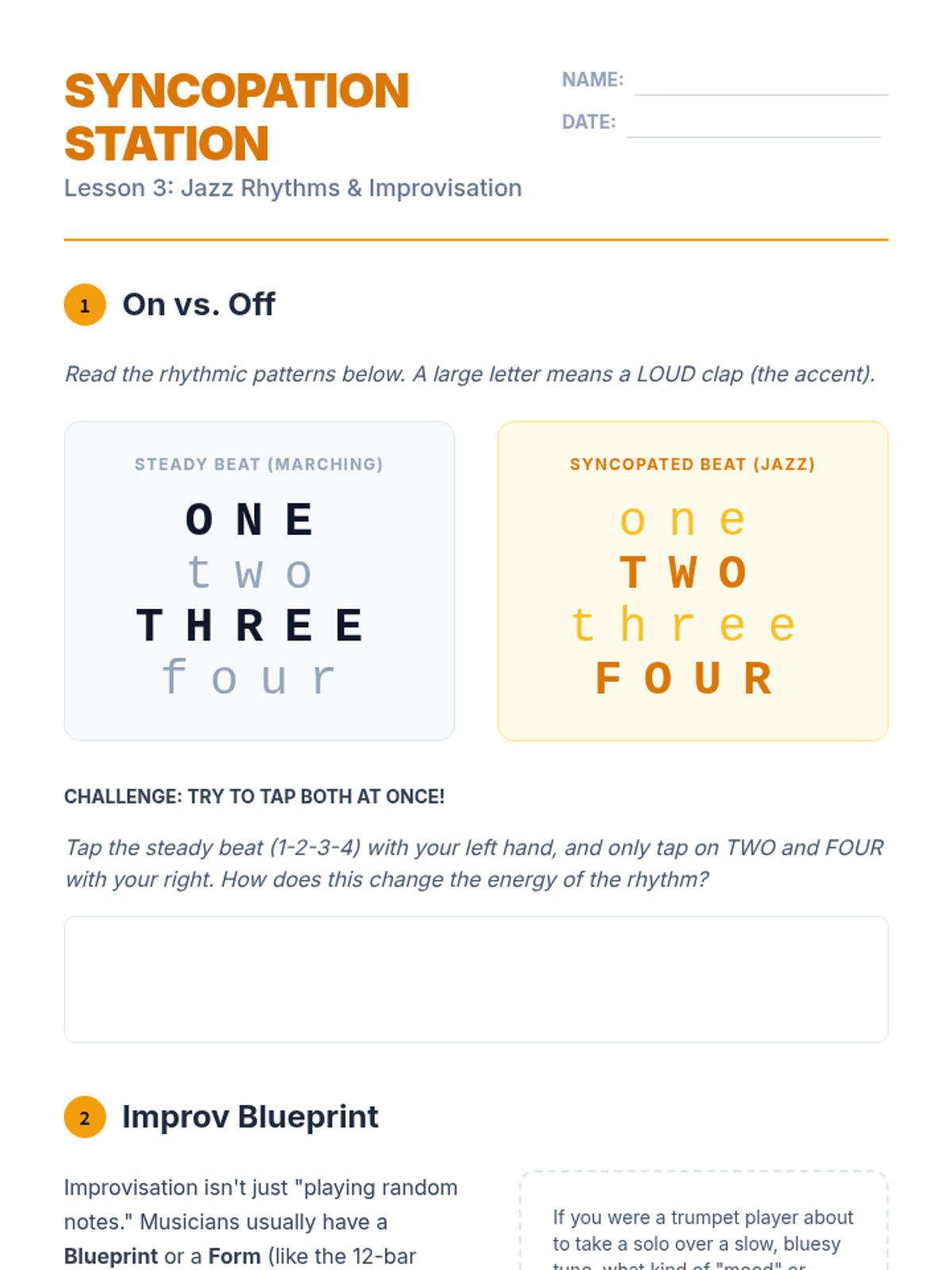
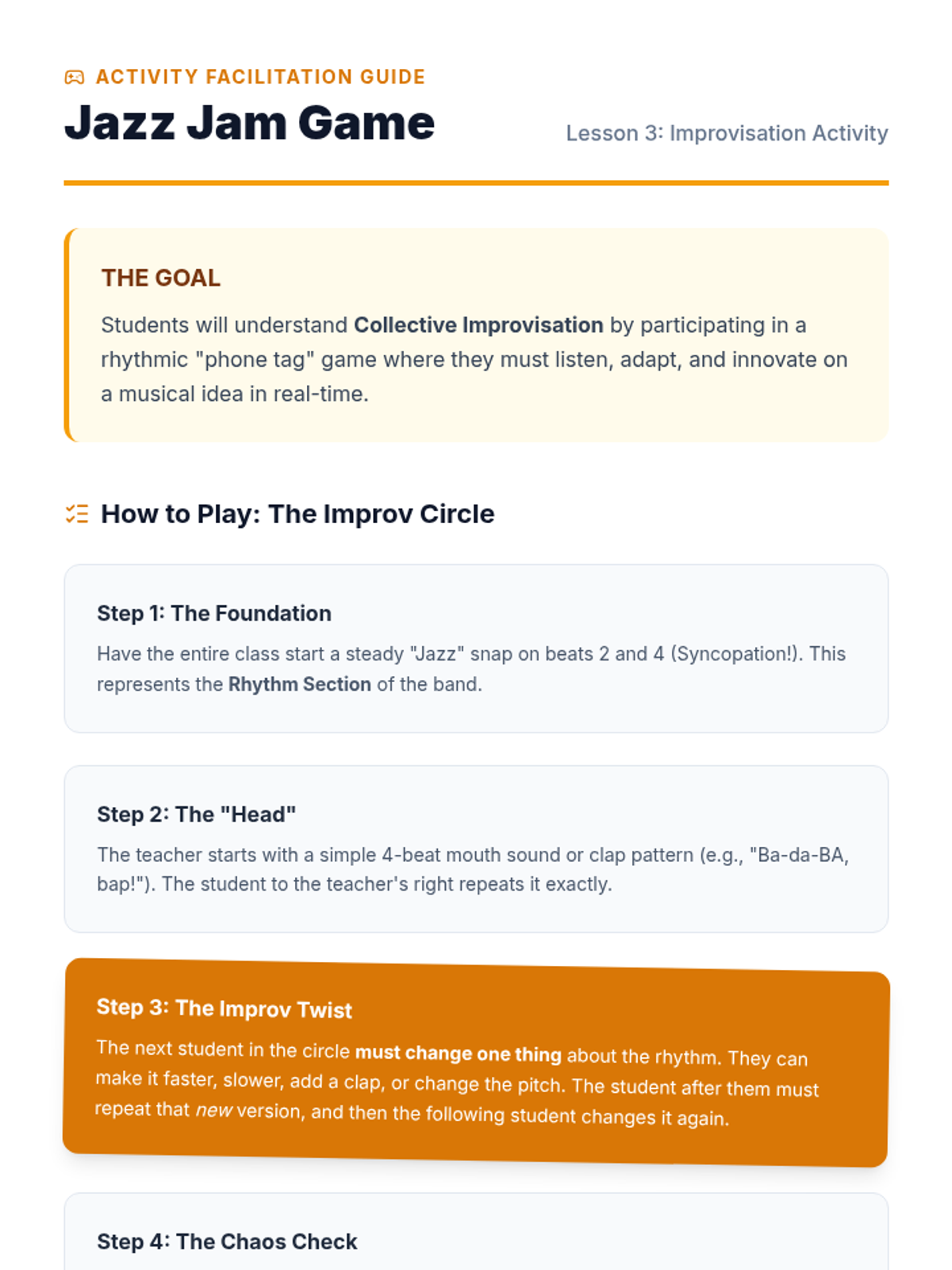
Investigate the birth of Jazz in New Orleans, focusing on collective improvisation and the rhythmic complexity of syncopation.
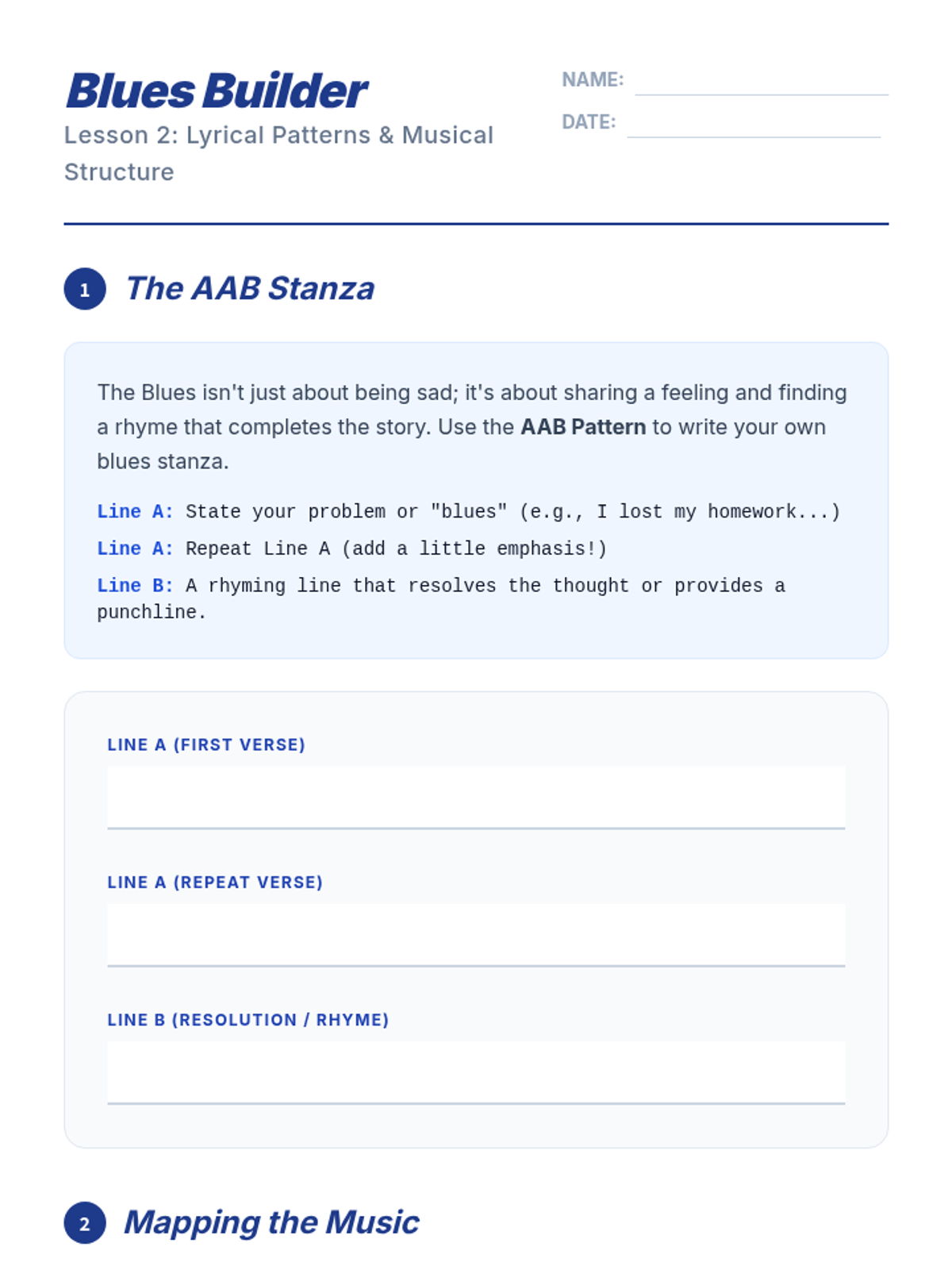
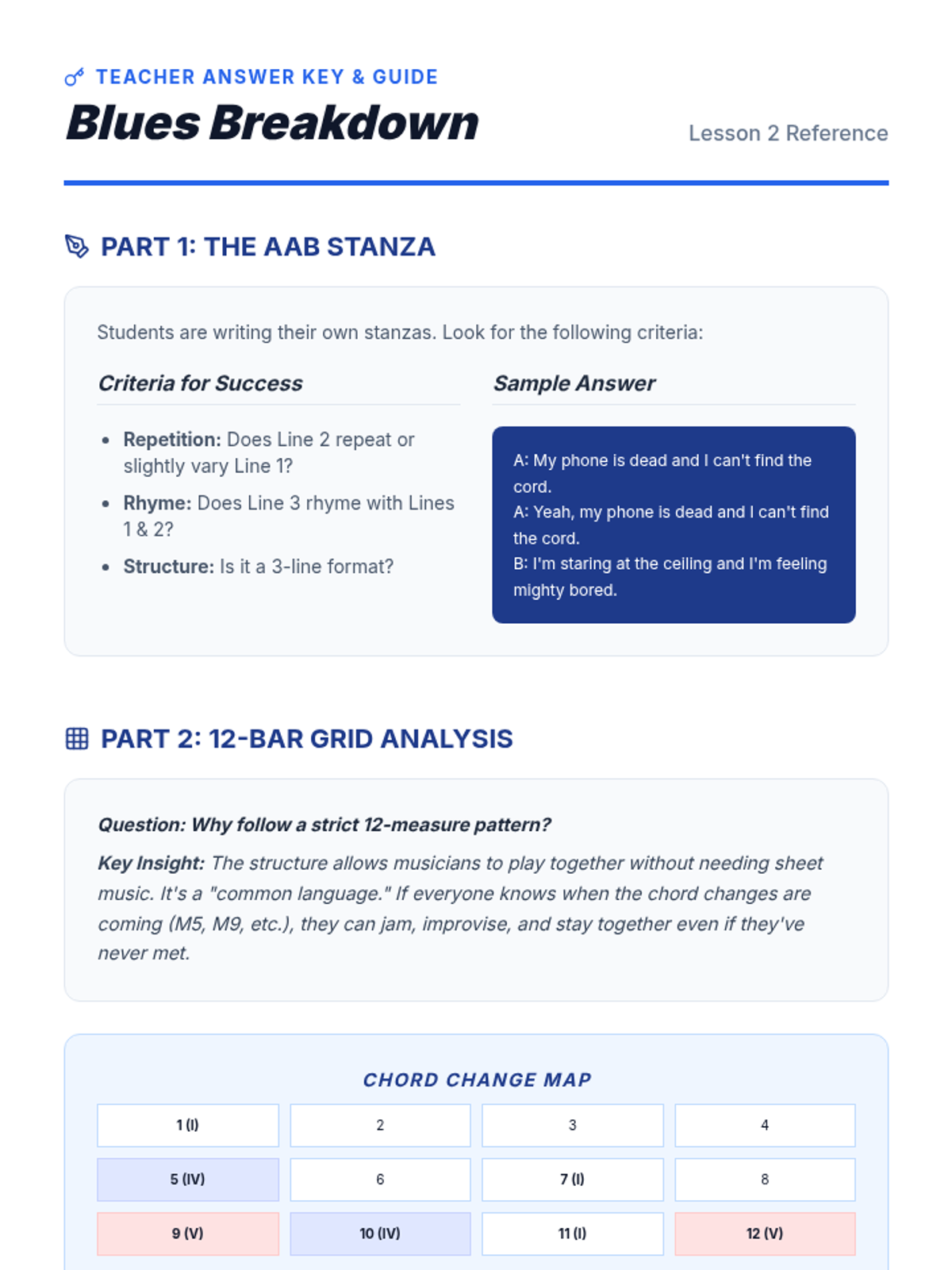
Analyze the 12-bar blues structure and the AAB lyrical pattern to understand the foundational DNA of modern popular music.
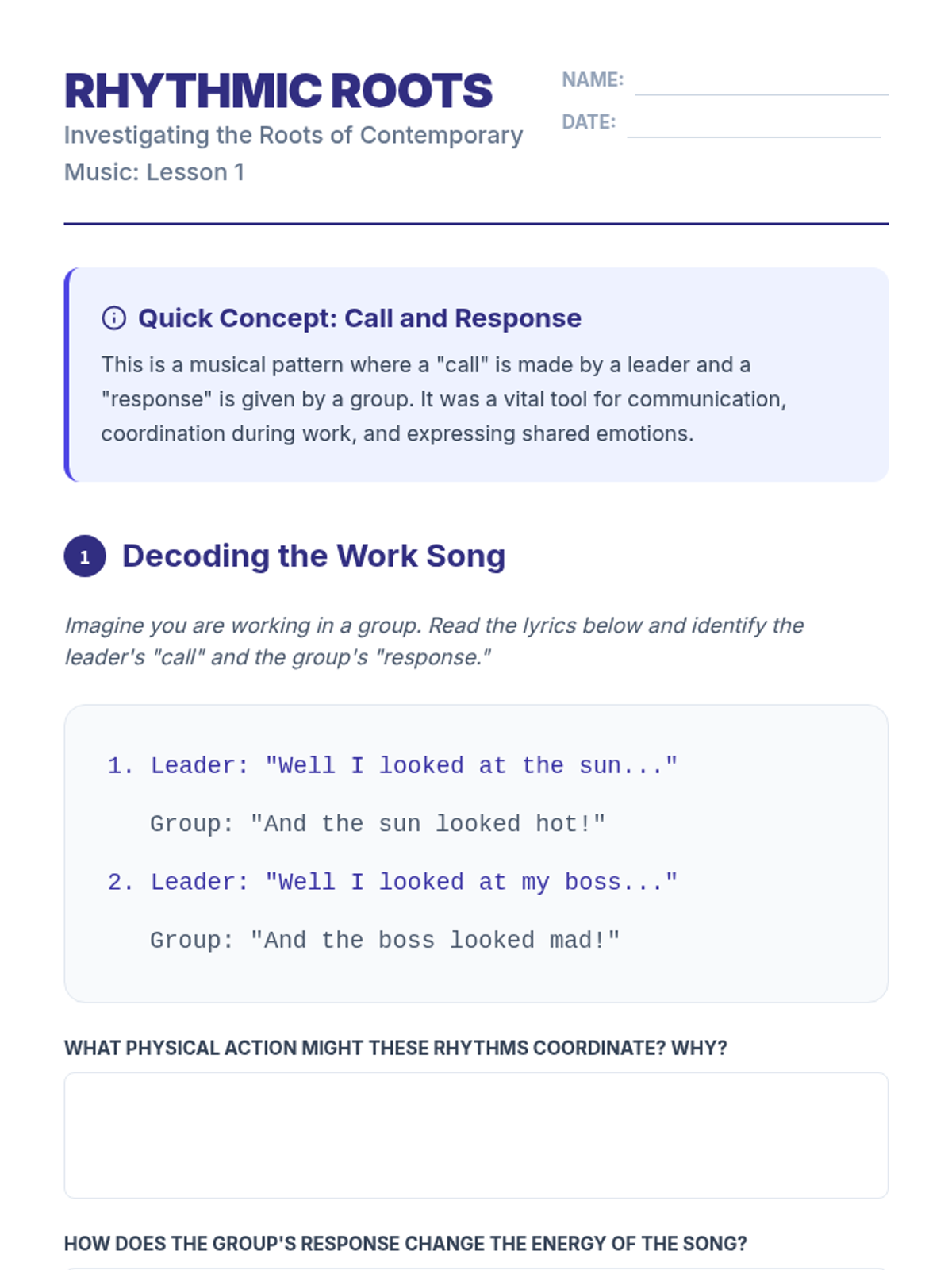
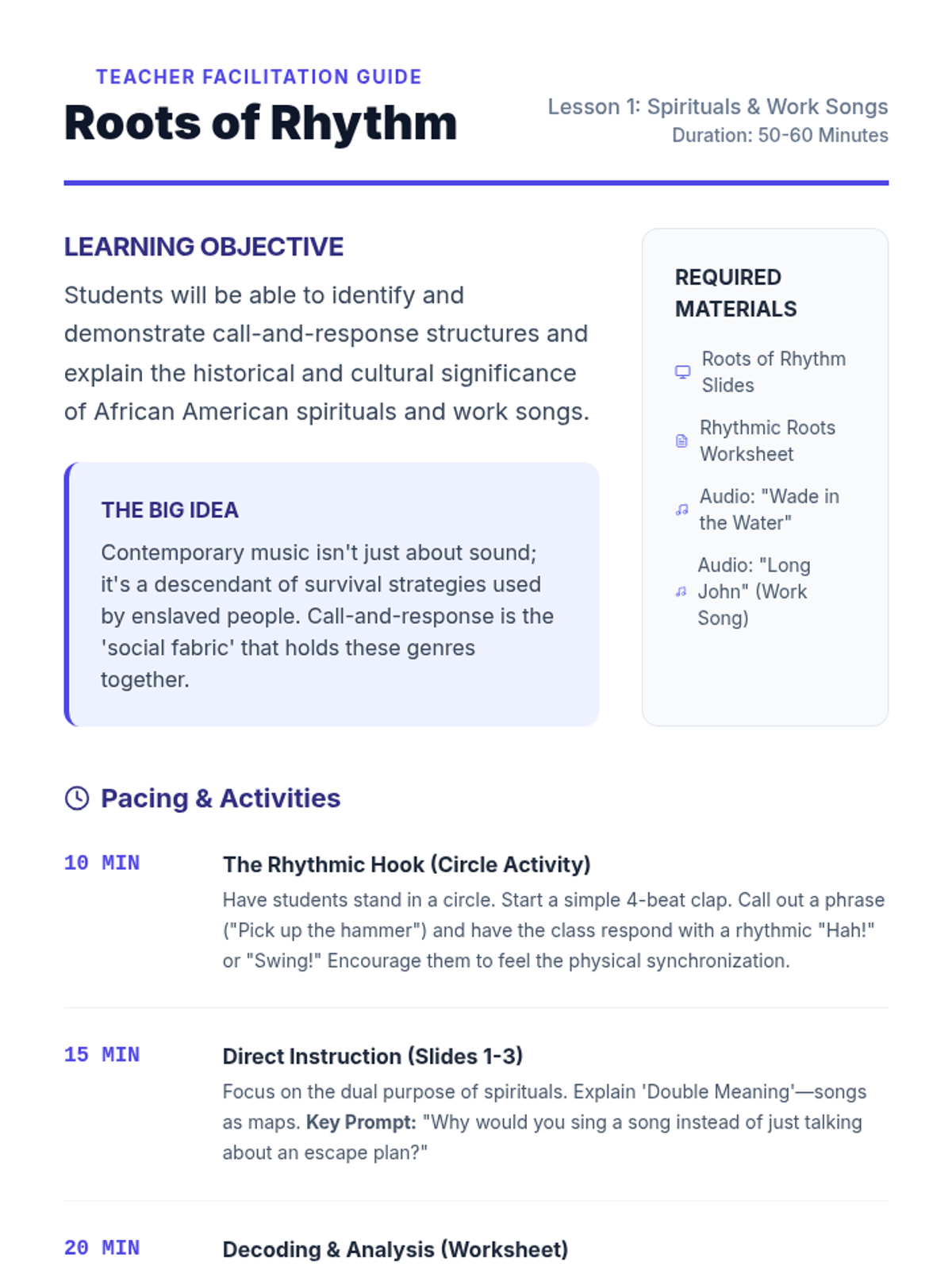
Explore the origins of American music through Spirituals and work songs, focusing on call-and-response and rhythmic communication.
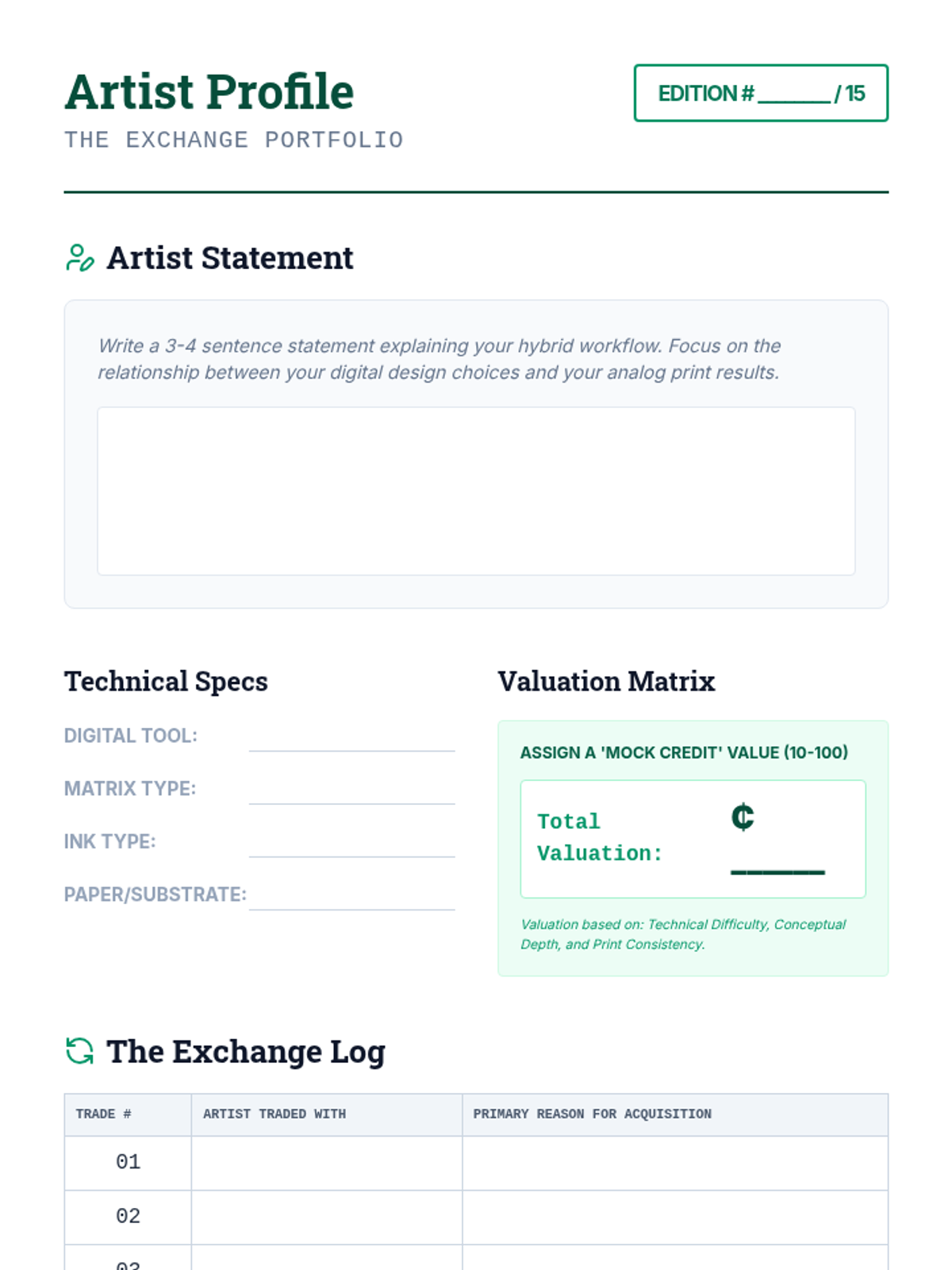
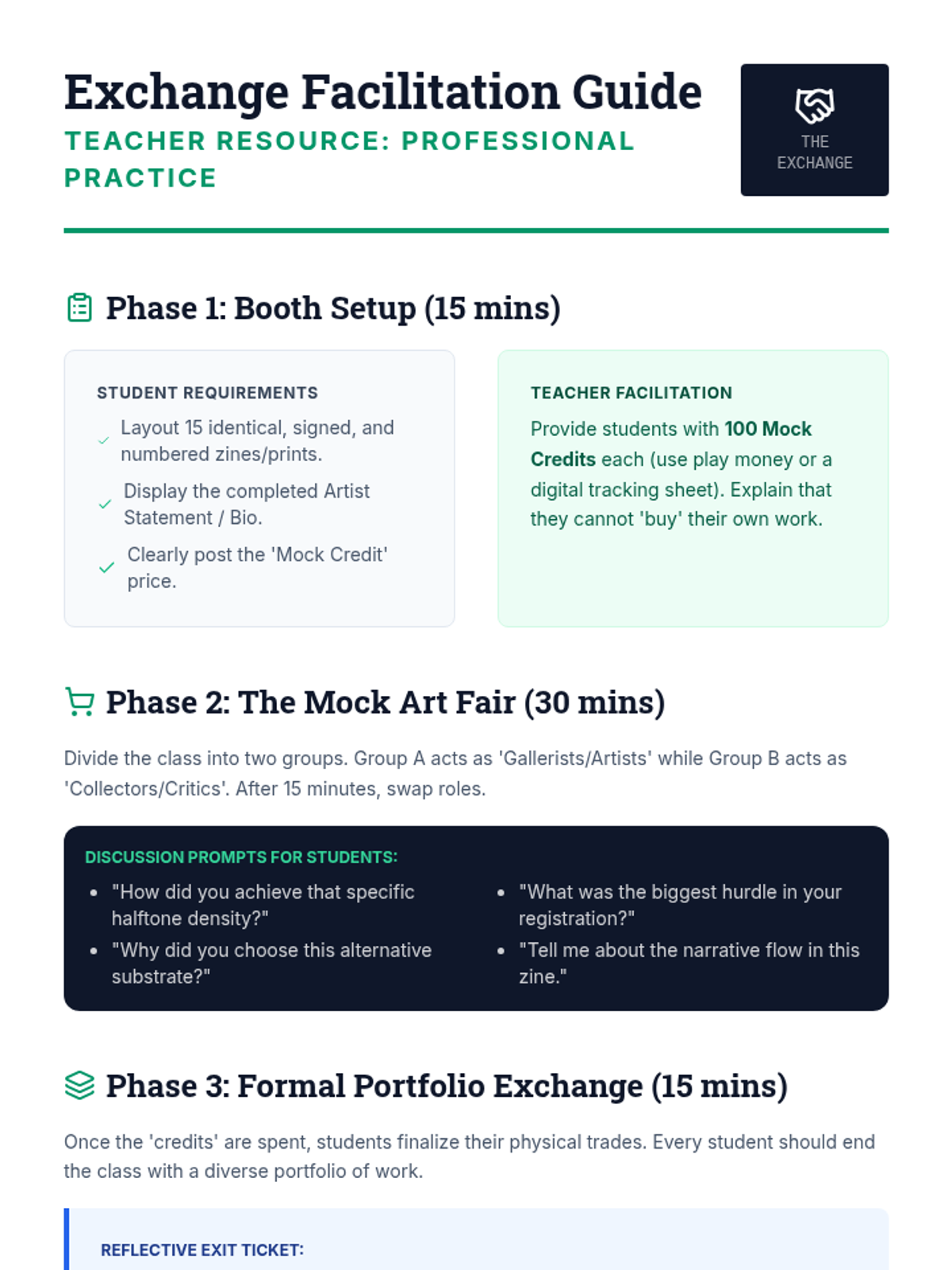
Students participate in a print exchange, write artist bios, and explore the valuation of their work.
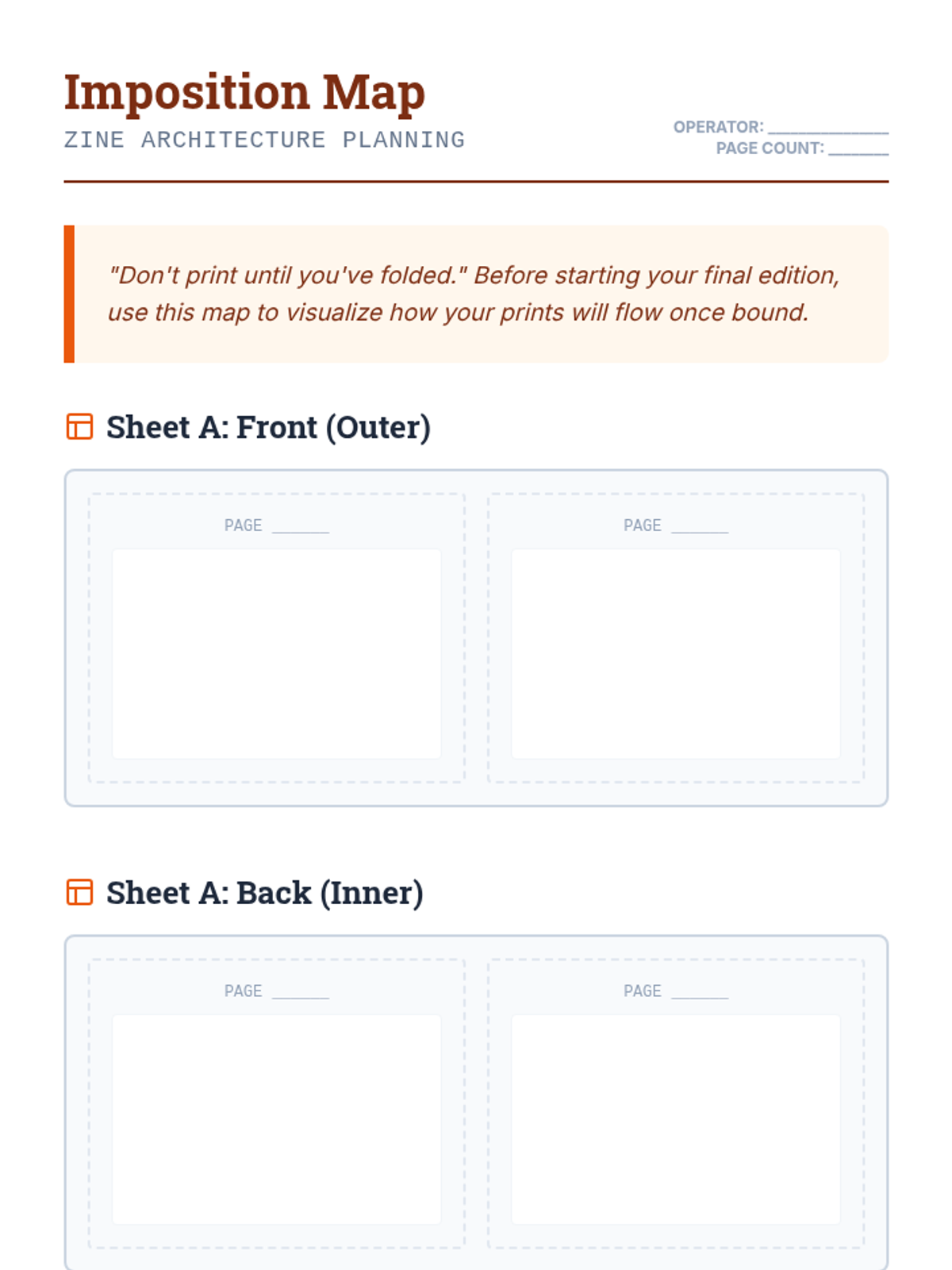
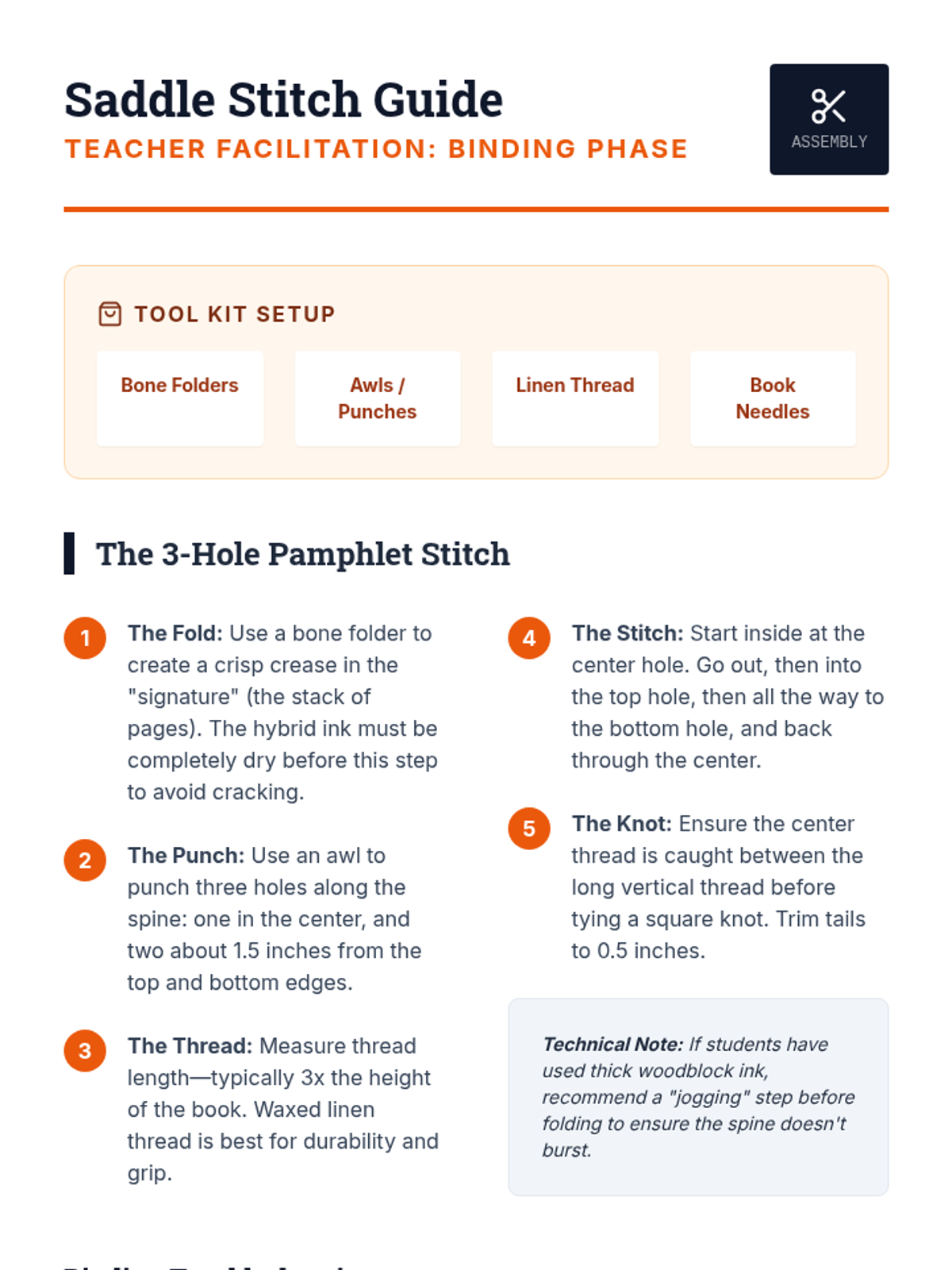
Students compile their hybrid prints into a Zine format, focusing on pagination and basic bookbinding.
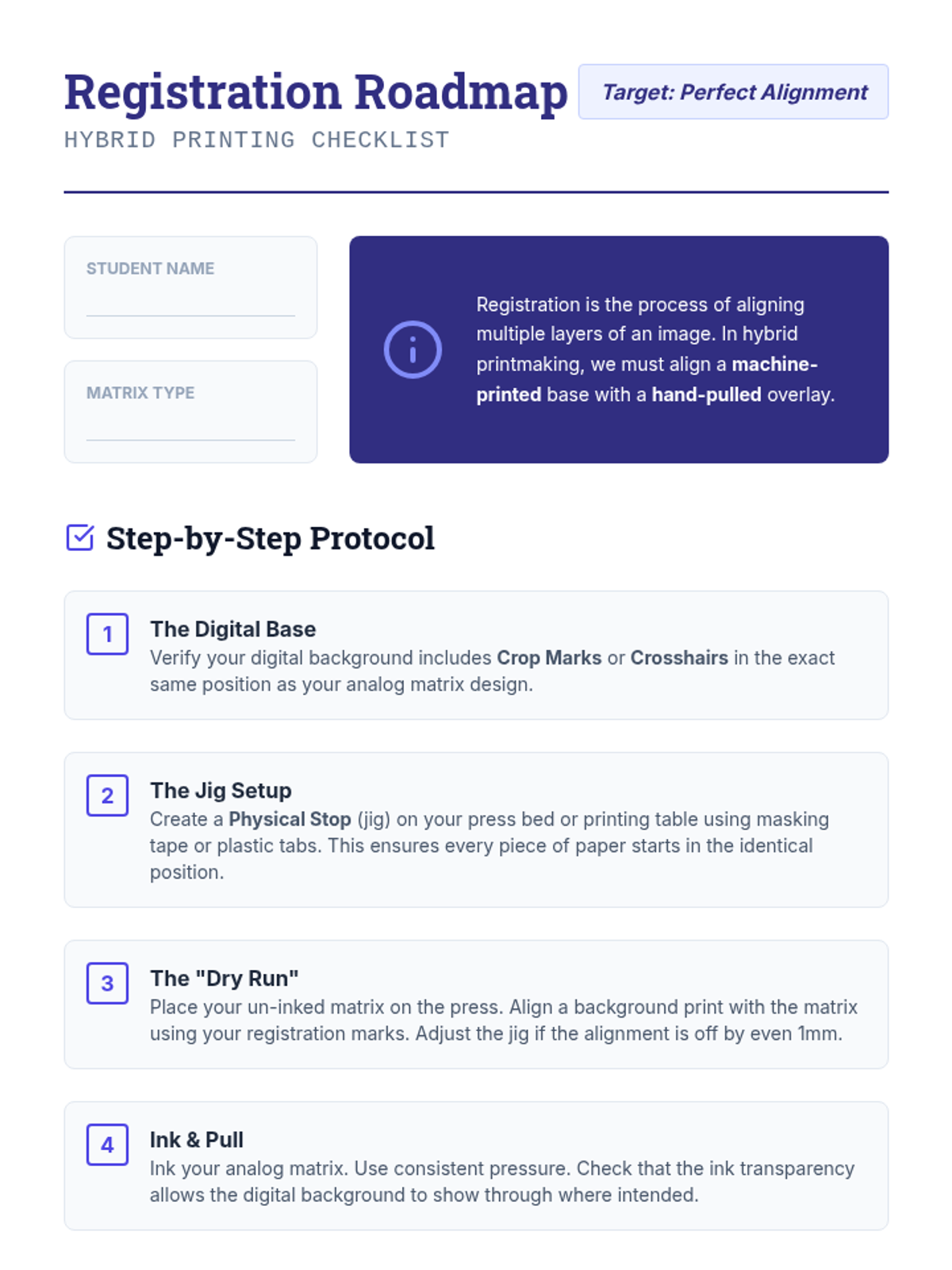
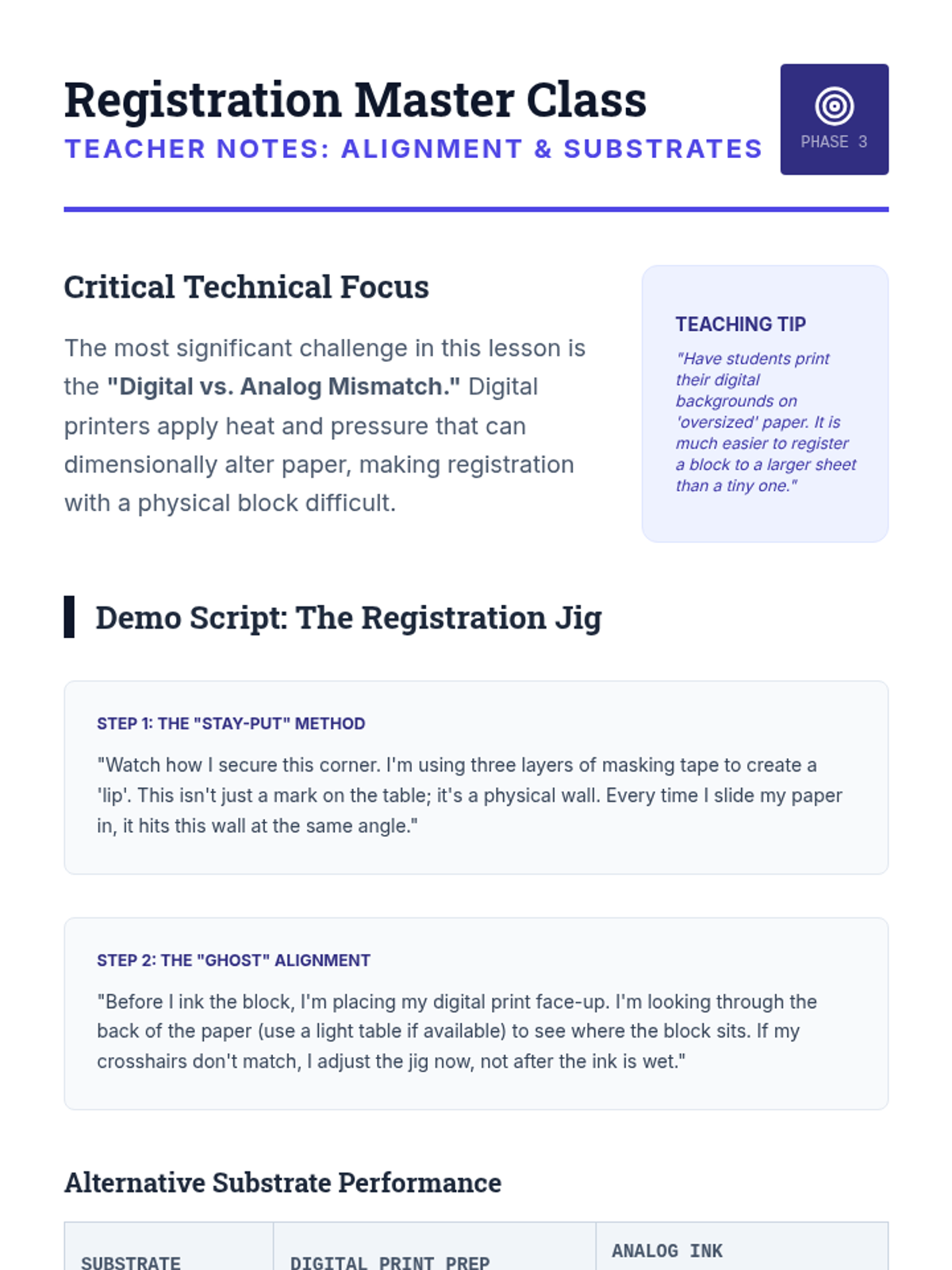
Students experiment with printing analog elements onto digitally prepared backgrounds and managing registration.
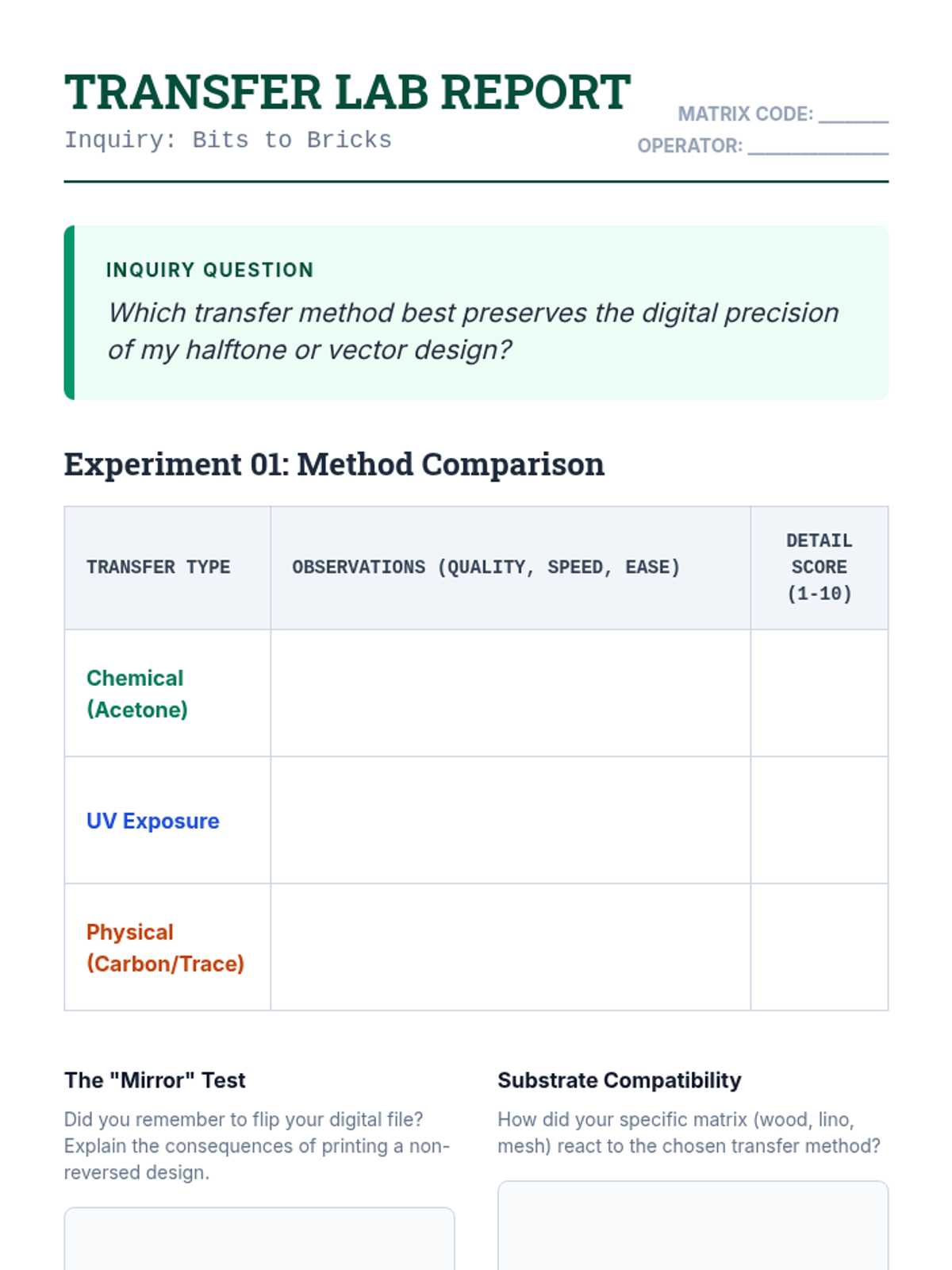
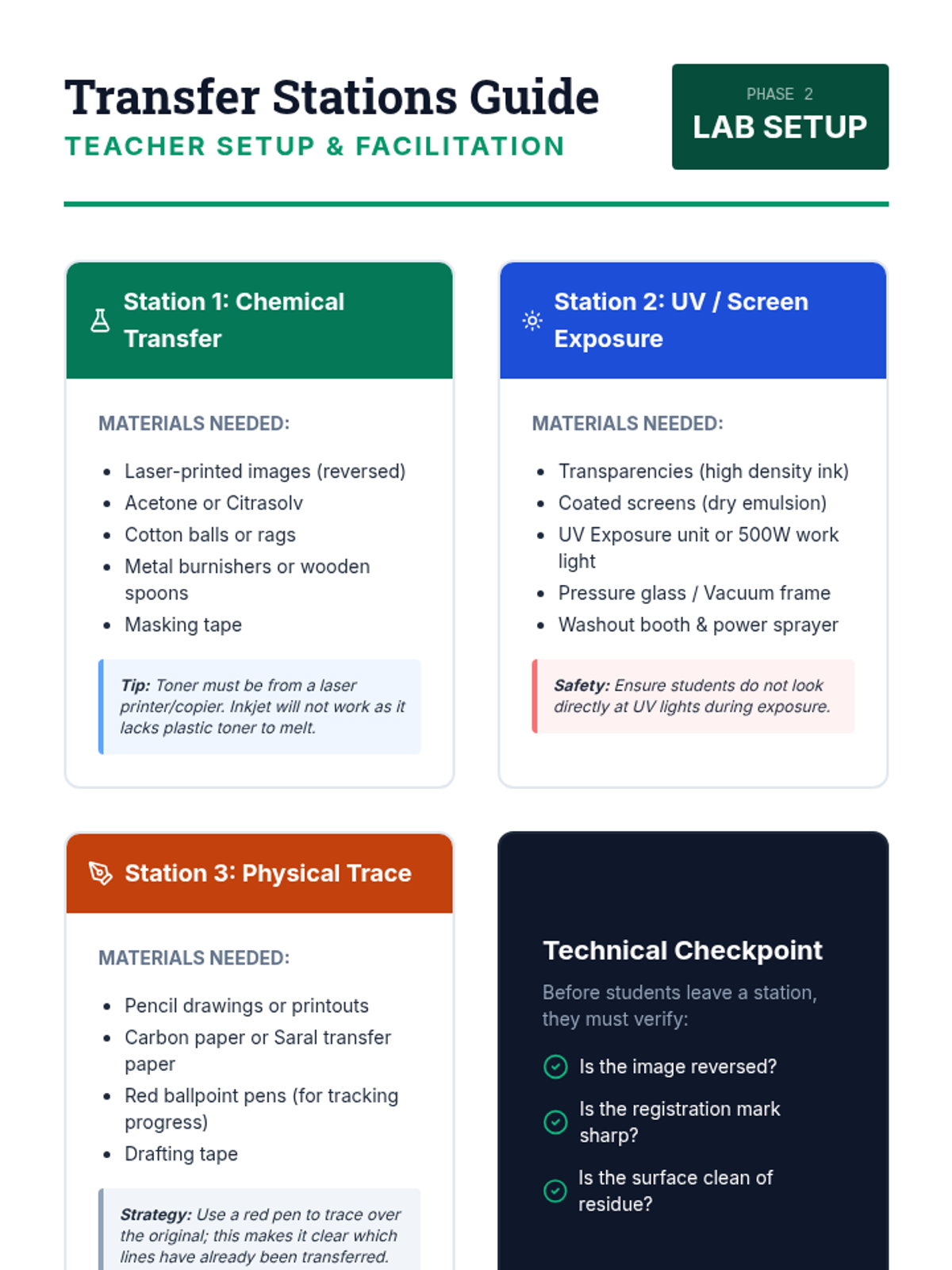
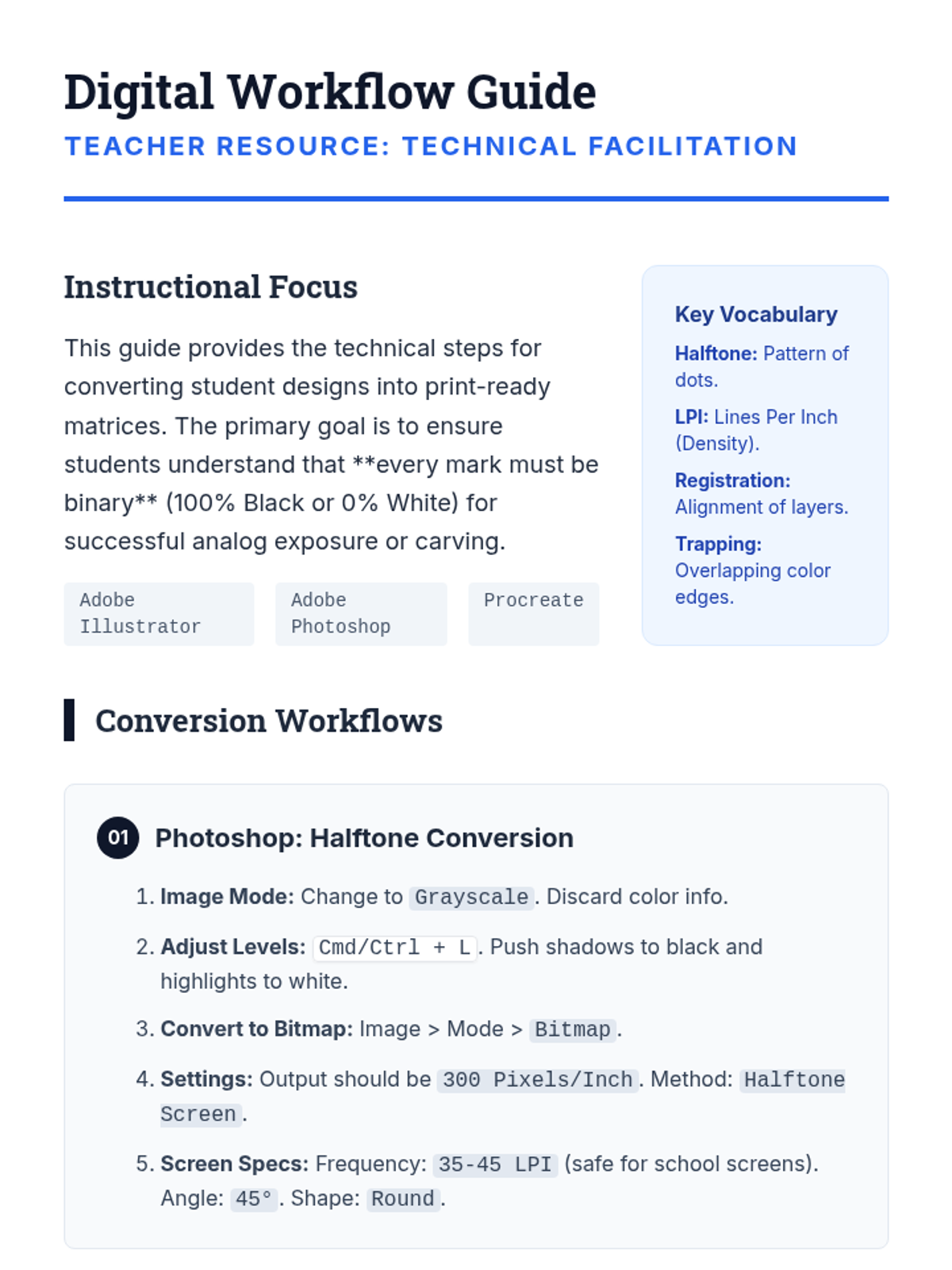
Students explore methods to transfer digital designs onto physical surfaces like woodblocks or screen stencils.
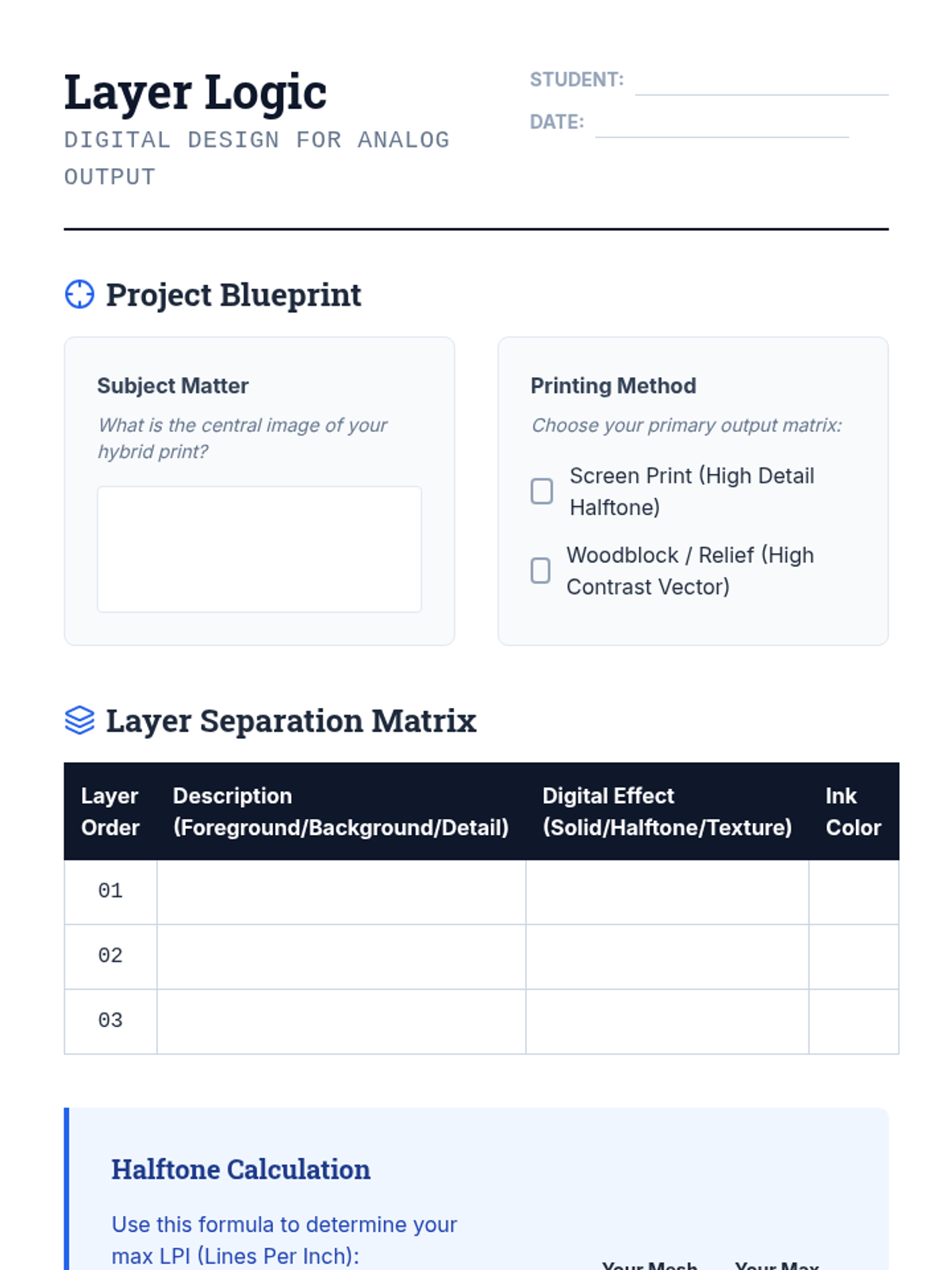
Students design high-contrast imagery and learn about layer separation, halftones, and bitmap conversions for analog output.