Lenny LearningLenny
Create
Explore
Workspace
LoginSign up
MathEnglish Language ArtsScience & EngineeringSocial StudiesGlobal LanguagesHealth & Physical EducationSpecial EducationCounseling & Life SkillsArts & CreativityESL
Lenny LearningLenny
Lenny Learning
About
Training
Pricing
Support
Contact
© 2026 Lenny Learning Inc.

Earth Science & Astronomy

SequencesLessonsMaterialsVideos
  1. Science & Engineering

Earth Science & Astronomy

SequencesLessonsMaterialsVideos

Geological processes including plate tectonics, rock formation, and Earth's structure alongside atmospheric weather systems and fossil records. Examines human environmental impacts, resource management, and celestial bodies within the field of astronomy.

Science & EngineeringLife ScienceLiving ThingsAnimalsPlantsBody SystemsTraitsAdaptationsCellsEcosystemsHeredityGenes to TraitsCell DivisionPhysicsComparing MaterialsShapes and PropertiesMagnetsMagnetismLightSoundLight and SoundMatterStates of MatterChanges of StateMixturesPhysical and Chemical ChangeHeating and CoolingHeat and Thermal EnergyEnergyForce and MotionElectrical CircuitsAtoms and MoleculesPeriodic TableMotion in One DimensionMotion in Two DimensionsScalars and VectorsForces and Laws of MotionCircular Motion and GravityMomentum and ImpulseWork, Energy, and PowerWavesElectromagnetic WavesGeometric OpticsElectricity and MagnetismSimple Harmonic MotionThermodynamicsNuclear PhysicsEarth Science & AstronomyWeatherWater CycleRocks and MineralsFossilsEarth's FeaturesEarth's ResourcesEarth's StructureWeather and ClimateEarth EventsFossils and Geologic TimePlate TectonicsHuman ImpactsAstronomyChemistryUnits and MeasurementAtomic StructurePeriodic TrendsChemical BondingNomenclatureMolecular StructureIntermolecular ForcesThe MoleStoichiometryProperties of GasesSolutionsChemical ReactionsBalancing EquationsEnergy ChangesRates of ReactionsEquilibriumAcids and BasesQuantum ModelBiologyClassificationCell StructureThe Chemistry of LifeBiomoleculesCellular TransportCell EnergyCell Growth and DivisionDNAProtein SynthesisMeiosis and Sexual ReproductionPatterns of InheritanceMulticellular OrganismsEvolutionEcologyBiodiversityComputer ScienceAlgorithms and Computational ThinkingProgramming LanguagesComputing SystemsNetworks and InternetData AnalysisCybersecurityAI and Machine LearningSoftware Design and DevelopmentBlockchainEngineering & AIDesigning ExperimentsEngineering PracticesDesign ThinkingEngineering Design ProcessMechanical EngineeringElectrical EngineeringMaterials and StructuresCAD and 3D DesignRoboticsArtificial Intelligence BasicsVibe CodingMachine LearningAI Ethics and SocietySystems ThinkingEntrepreneurship & InnovationEntrepreneurial MindsetBusiness Idea DevelopmentBusiness Plan BasicsMarketing & Customer DiscoveryFinancial Management for Startups
WeatherAtmospheric conditions, precipitation types, and seasonal changes. Introduces meteorological tools like thermometers and barometers for tracking and forecasting daily patterns.
Earth's FeaturesIdentification of landforms, soil compositions, and the processes of weathering and erosion. Connects plate tectonics to the formation of mountains, volcanoes, and oceanic trenches.
Earth's ResourcesRenewable and non-renewable energy sources, mineral extraction, and sustainable water management. Examines environmental impacts of human consumption and conservation strategies for natural ecosystems.
Weather and ClimateAtmospheric patterns, the water cycle, and global climate zones. Examines how temperature, pressure, and humidity interact to create weather phenomena and long-term climatic shifts.
Human ImpactsAnthropogenic effects on ecosystems, biodiversity, and global climate patterns. Examines mitigation strategies, sustainable resource management, and individual actions to reduce ecological footprints.
AstronomyCelestial bodies, orbital mechanics, and the life cycles of stars. Examines planetary systems, galactic structures, and the physical laws governing the universe.
Video
How Wind Works and the Windiest Places on Earth

How Wind Works and the Windiest Places on Earth

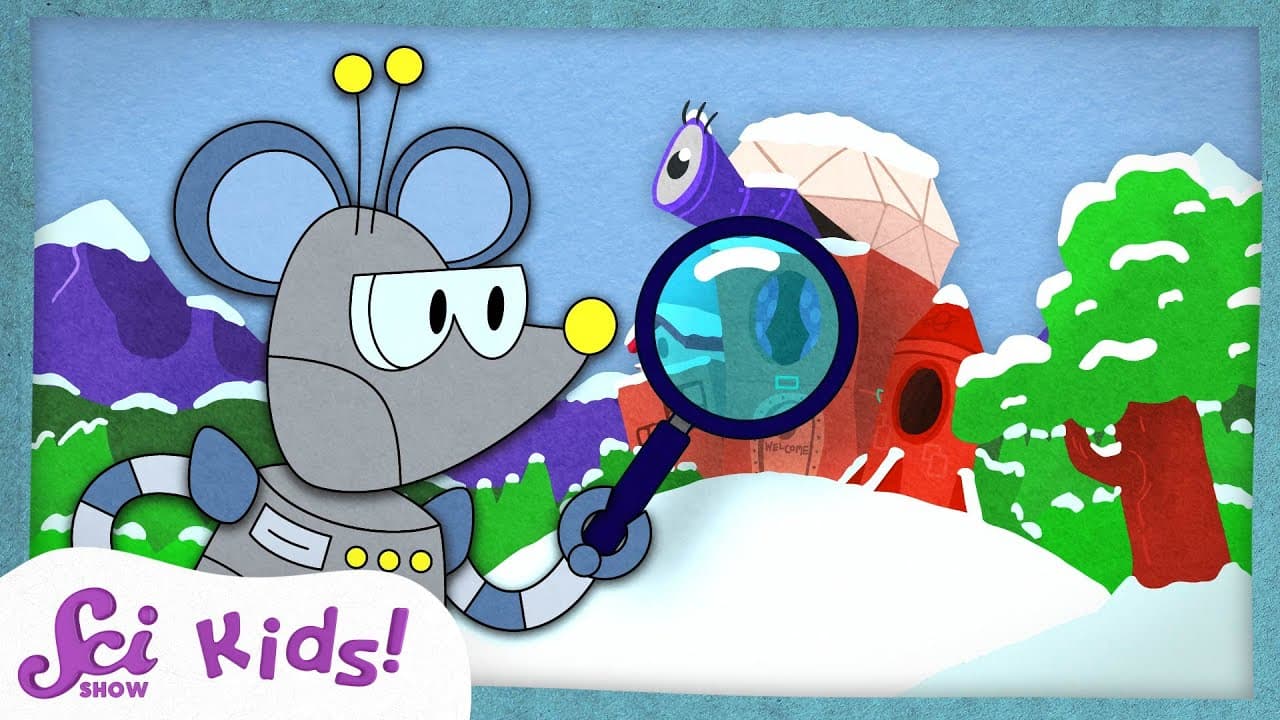
In this engaging episode of SciShow Kids, host Jessi and her robot mouse Squeaks explore the science behind wind after receiving a kite in the mail but finding the air too still to fly it. The video breaks down the fundamental concepts of atmospheric circulation, explaining how temperature differences cause air to rise and sink, creating movement. It illustrates how landscape features like mountains and valleys influence wind speed and direction. The video takes students on a virtual field trip to some of the windiest places on Earth, specifically Mount Washington in the United States and Commonwealth Bay in Antarctica. Through these examples, viewers learn about extreme weather conditions and the specific geographic factors that contribute to high wind speeds, such as converging air currents and the "funneling" effect of steep terrain. The concept of katabatic winds is introduced in an accessible way. From a practical standpoint, the video introduces the tools scientists use to study weather. It explains what meteorologists do and demonstrates how different types of anemometers measure wind speed. The lesson includes a segment on data literacy, showing students how to read a line graph of average wind speeds. This makes the video an excellent resource for teaching earth science concepts, weather instrumentation, and basic data analysis skills in elementary classrooms.

SciShow KidsSciShow Kids

10mins 20s

Video
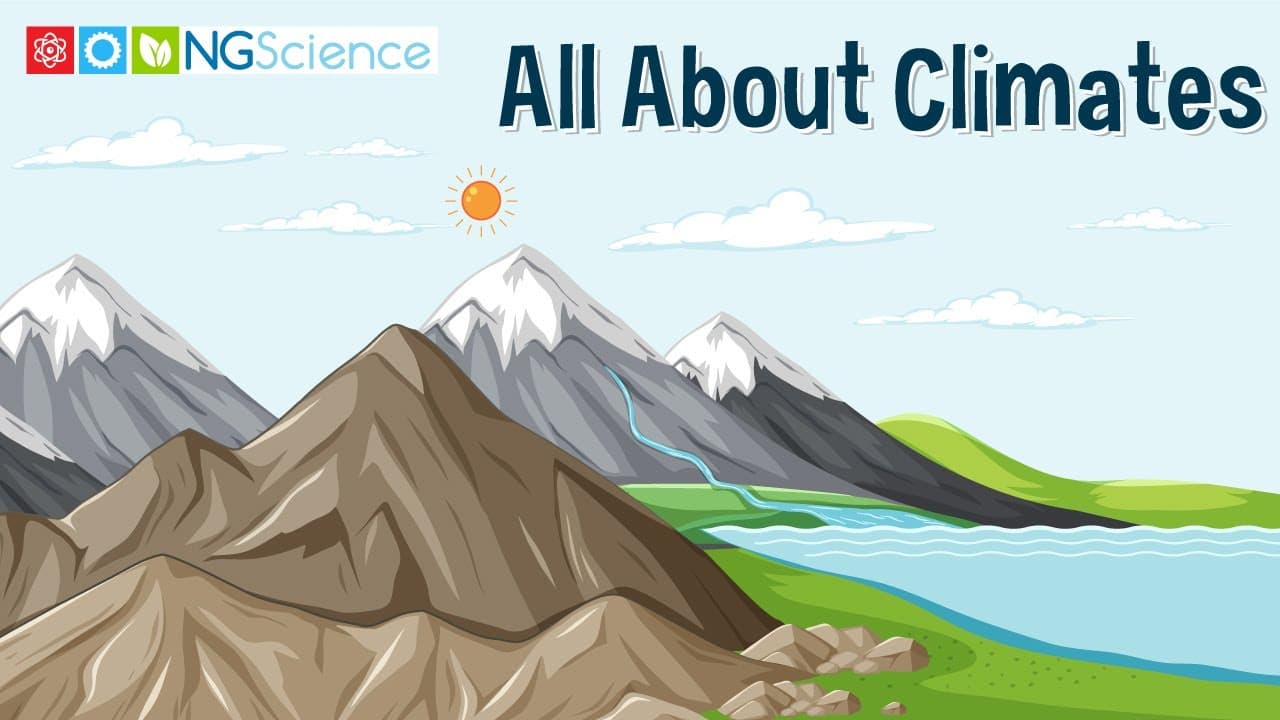
Exploring Earth's Five Major Climate Zones

Exploring Earth's Five Major Climate Zones

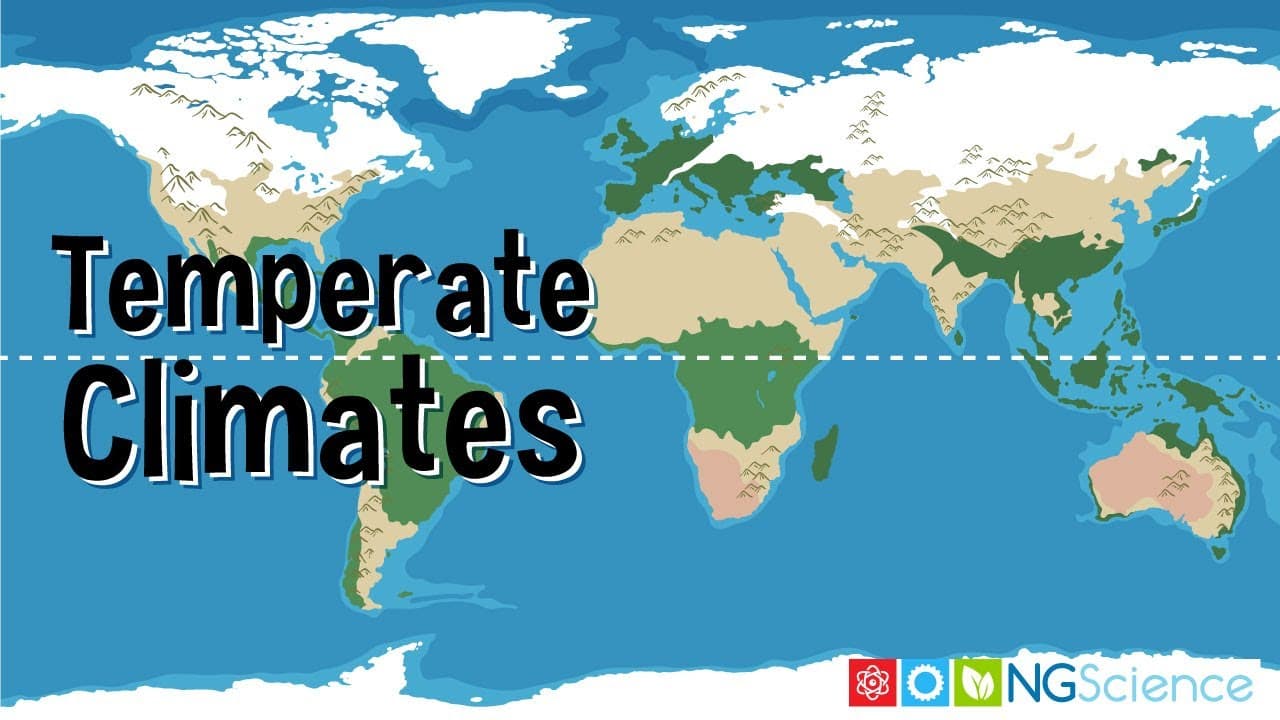
This engaging Earth Science video introduces students to the fundamental difference between weather and climate before diving into a detailed exploration of the five major climate zones on Earth. Using a relatable hook about choosing a location for a "dream home," the presenter helps students understand how long-term weather patterns define a region's climate and how location relative to the equator influences these patterns. The video breaks down the specific characteristics of Tropical, Dry, Temperate, Continental, and Polar climates, providing clear definitions for temperature ranges, precipitation levels, and seasonal variations. Detailed maps, globe animations, and real-world examples (like the Amazon Rainforest, Sahara Desert, and cities like London and Chicago) help visualize where these zones are located and what life is like within them. Teachers can use this video to launch a unit on weather patterns, geography, or Earth systems. It serves as an excellent foundation for understanding global environments, helping students move beyond daily weather forecasts to grasp the broader concept of climatic regions. The content naturally leads into discussions about adaptation, biodiversity, and how geography shapes human settlement.

Miacademy & MiaPrep Learning ChannelMiacademy & MiaPrep Learning Channel

8mins 2s

Video
Exploring the World's Rainiest Places and Measuring Rainfall

Exploring the World's Rainiest Places and Measuring Rainfall

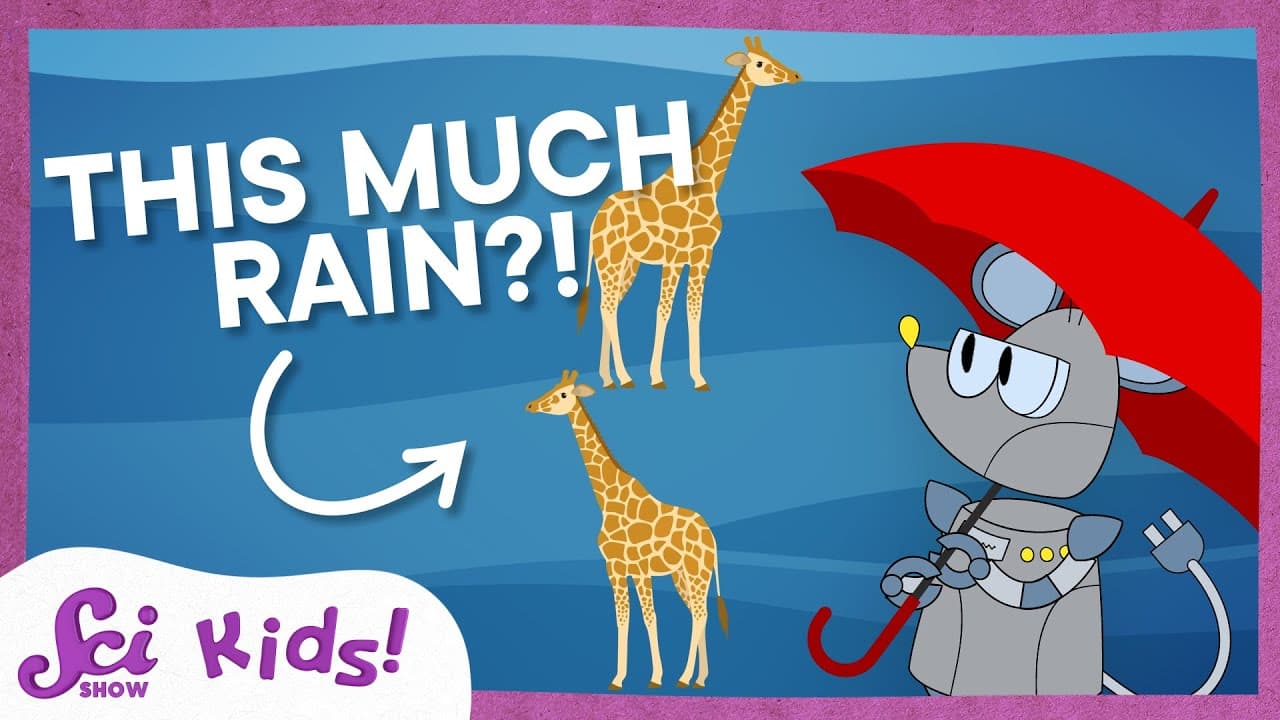
In this engaging episode of SciShow Kids, host Jessi and her robot friend Squeaks explore the science behind rainfall and discover why weather patterns vary so drastically across the globe. After Squeaks gets rained out of his kite-flying plans, the duo investigates why some locations on Earth are much wetter than others. The video introduces young viewers to the concept of global weather variance, explaining how geography—specifically mountains, valleys, and proximity to oceans—creates unique climates. It takes students on a virtual field trip to record-breaking locations like Mount Waiʻaleʻale in Hawaii and the villages of Cherrapunji and Mawsynram in India, using fun comparisons like giraffes and buildings to visualize rainfall amounts. The video covers key earth science themes including the water cycle, the influence of topography on weather (orographic lift simplified), and the seasonal impact of monsoons. It also integrates mathematics and measurement by introducing rain gauges and the metric unit of millimeters. The narrative explains complex concepts through accessible analogies, such as comparing wind moving through valleys to gravy flowing through a mashed potato channel, helping students understand how landscapes direct storm clouds. For educators, this video is an excellent dual-purpose resource that combines Earth Science with practical measurement skills. It seamlessly transitions from theoretical learning about global climates to a hands-on engineering activity where students learn to build their own rain gauge using simple household items. This allows teachers to bridge the gap between learning about weather and actually observing and recording data, making it a perfect launchpad for a weather observation unit or a lesson on climate geography.

SciShow KidsSciShow Kids

7mins 7s

Video
Learning Common Nature Words and How to Spell Them

Learning Common Nature Words and How to Spell Them

This educational video introduces young learners to fundamental nature vocabulary through a guided exploration of an illustrated landscape. Hosted by Ashley, the lesson systematically identifies various natural elements found in the sky, on land, and in water. For each item, the narrator highlights the object on screen, pronounces the word clearly, and then spells it out letter-by-letter, encouraging literacy development alongside scientific observation. The content covers a wide range of environmental topics, starting with weather and sky elements like the sun, clouds, lightning, and wind. It progresses to geological features like mountains and rocks, explains hydrological concepts such as rivers formed from melting snow, and identifies various flora and fauna including trees, flowers, whales, and birds. The video also touches on slightly more complex concepts like the difference between fog and clouds, and how dew forms on grass. This resource is highly valuable for early childhood and elementary classrooms as a dual-purpose tool for science and literacy. Teachers can use it to build foundational vocabulary for earth science units or as an interactive spelling exercise. The visual format, where words appear on screen next to the objects they represent, supports visual learners and helps reinforce the connection between the written word and the physical world.

Miacademy & MiaPrep Learning ChannelMiacademy & MiaPrep Learning Channel

7mins 11s

Video
How Tornadoes Form and Why They Are Dangerous

How Tornadoes Form and Why They Are Dangerous

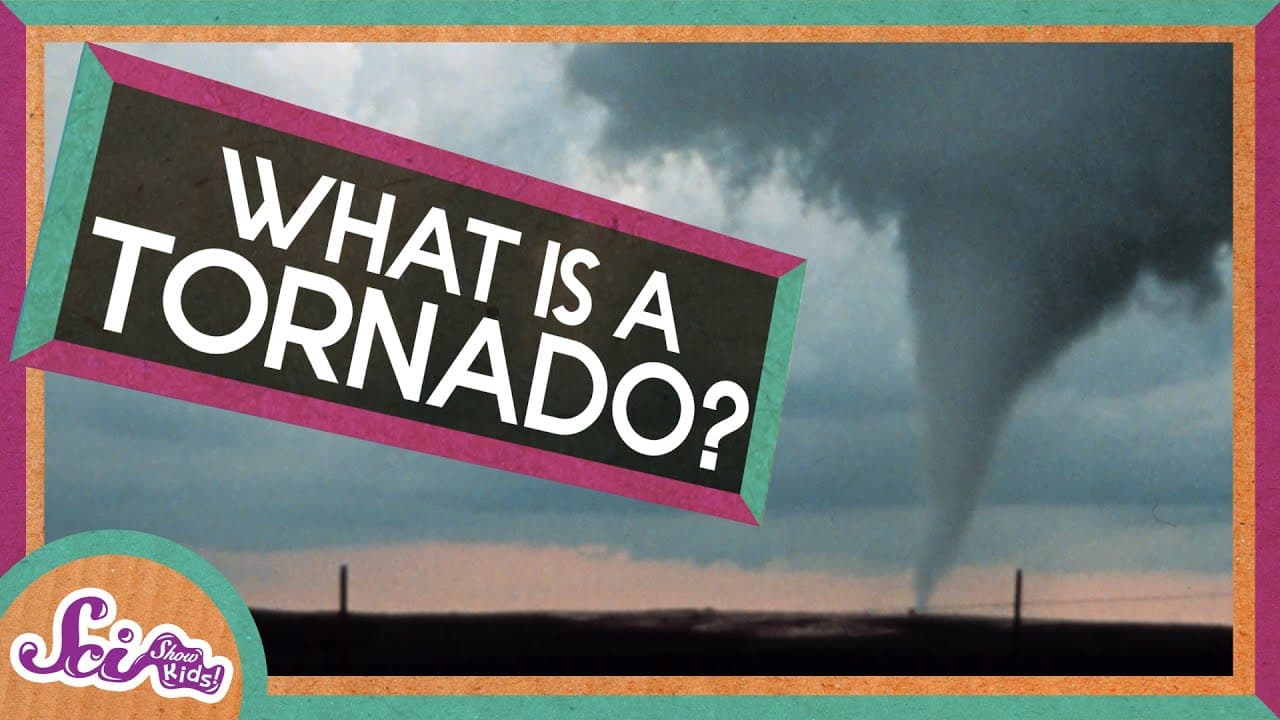
This engaging educational video from SciShow Kids introduces students to the science of tornadoes, one of nature's most powerful weather phenomena. Hosted by Jessi, the video breaks down exactly what tornadoes are—fast-spinning columns of air connecting thunderstorm clouds to the ground—and explains the specific atmospheric conditions required for them to form. Using clear animations, it simplifies complex meteorological concepts like air mass interaction, illustrating how cold, dry air and warm, wet air collide to create rotation. The video explores several key themes including extreme weather, atmospheric physics, geography, and meteorology. It details the mechanics of tornado formation, their destructive power (winds up to 500 km/h), and their unpredictability. It also covers the geographical distribution of tornadoes, highlighting 'Tornado Alley' in the United States, and introduces the role of meteorologists and storm chasers in studying and predicting these storms to keep people safe. For the classroom, this resource is an excellent tool for Earth Science units focusing on weather and natural disasters. The visual explanation of how hot and cold air interact provides a concrete foundation for understanding convection and air density. Additionally, the segment on meteorologists offers a natural bridge to career exploration and the importance of science in public safety, while the safety information provides practical life skills for students living in storm-prone areas.

SciShow KidsSciShow Kids

3mins 47s

Video
Exploring Winter: Weather, Hibernation, and Migration

Exploring Winter: Weather, Hibernation, and Migration

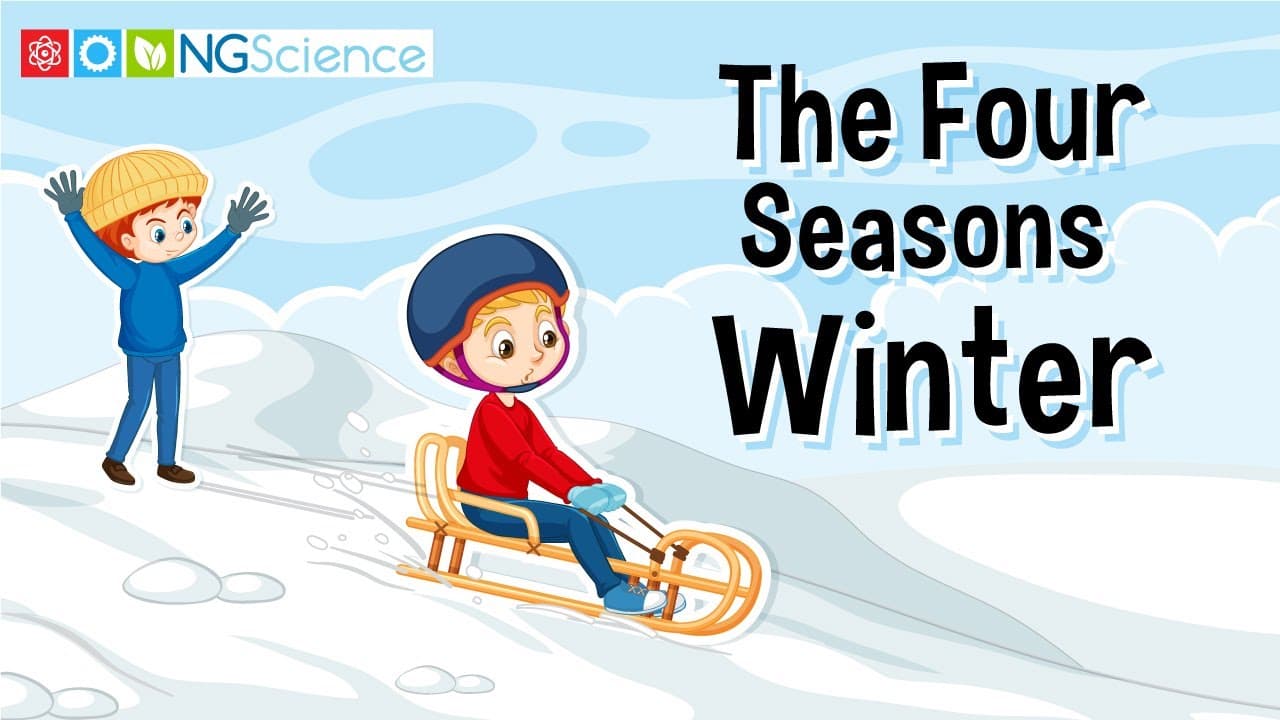
This educational video provides a comprehensive overview of the winter season, explaining the meteorological, biological, and behavioral changes that occur during this time of year. It begins by situating winter within the cycle of the four seasons, briefly explaining how the Earth's orbit around the sun drives these changes. The video then transitions into the specific characteristics of winter, such as colder temperatures, shorter days, and snow accumulation.

Next Generation ScienceNext Generation Science

3mins 14s

Video
How Earth's Global Wind and Ocean Currents Work

How Earth's Global Wind and Ocean Currents Work

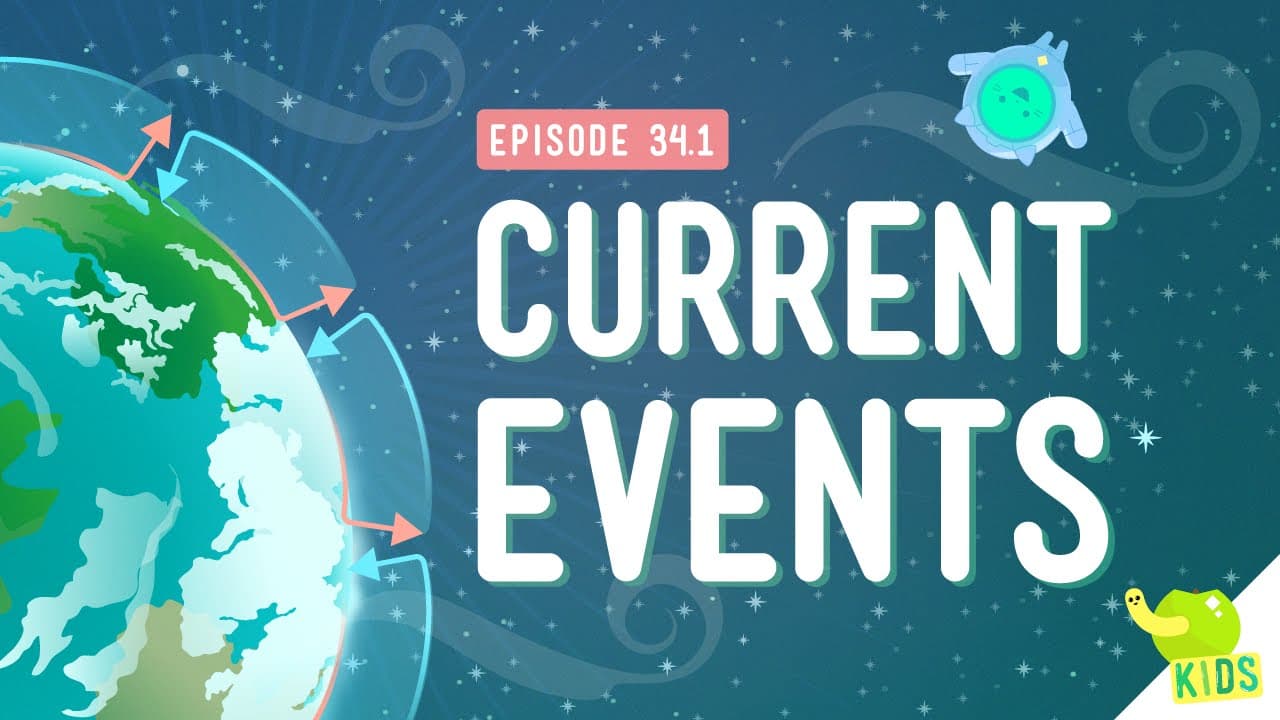
This engaging science video explores the complex systems of global wind and water currents that shape Earth's weather and climate. Hosted by Sabrina Cruz, the video breaks down how the uneven heating of the Earth by the Sun creates pressure zones, driving the movement of air and water on a massive scale. It moves from explaining local phenomena like sea breezes to global atmospheric circulation cells and jet streams. The content covers essential Earth science concepts including direct versus indirect sunlight, the relationship between temperature and pressure density, and the mechanics of the jet stream. It also draws parallels between atmospheric winds and ocean currents, introducing thermohaline circulation and explaining why these systems are crucial for regulating global temperatures and making the planet habitable. Ideal for upper elementary and middle school science classrooms, this video visualizes invisible forces like air pressure and wind patterns through clear animations. It provides a solid foundation for units on weather, climate, and Earth's systems, helping students understand the 'why' behind the weather patterns they experience and the global connectivity of Earth's environment.

Crash Course KidsCrash Course Kids

5mins 7s

Video
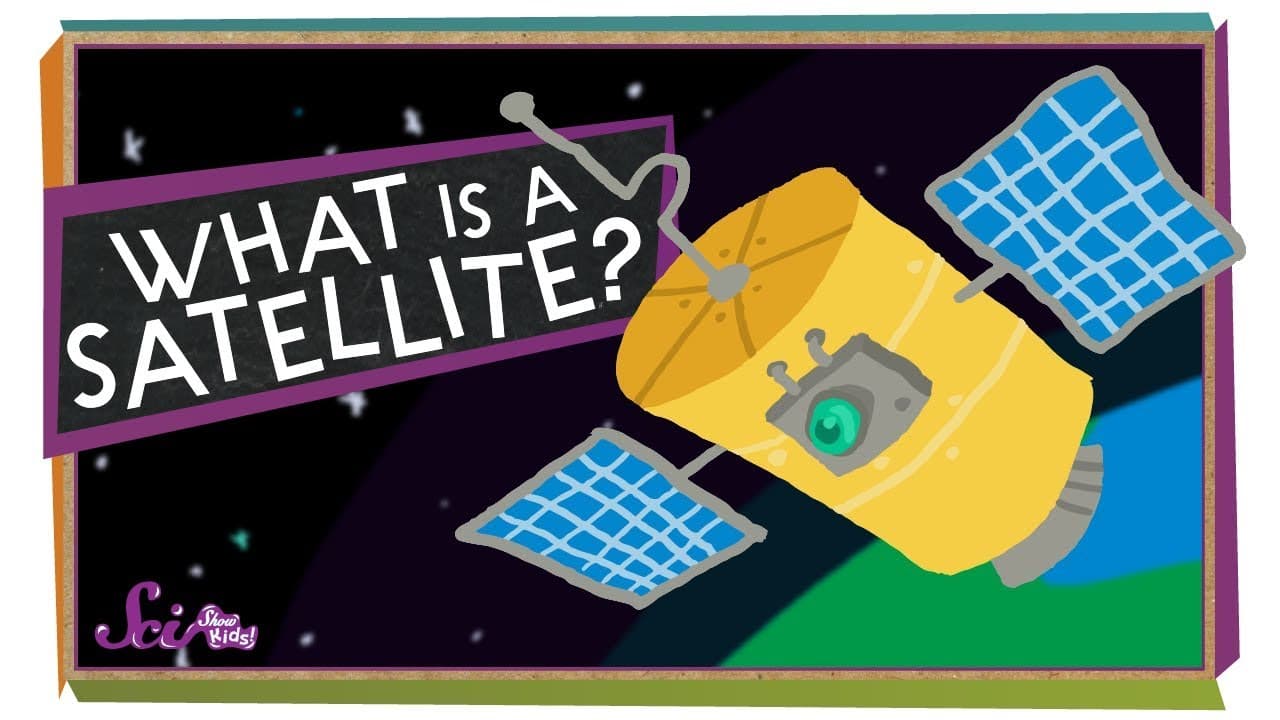
What Are Satellites and What Do They Do?

What Are Satellites and What Do They Do?

Join Jessi and Squeaks the Robot Rat in this engaging introduction to satellites and space exploration. The video begins with a mystery as the duo spots a steady, moving light in the night sky, leading to an investigation into what satellites are and how to identify them. It distinguishes between natural satellites, like the Moon, and the artificial ones launched by humans, explaining their basic construction including computers, solar panels, and scientific instruments. The content explores the history of space flight, introducing Sputnik as the first human-made satellite launched in 1957, and contrasts it with the thousands of satellites orbiting today. It breaks down the critical jobs these machines perform, from monitoring Earth's climate and tracking weather patterns to enabling GPS navigation and global communication. The video makes complex technology relatable by showing how students use satellite tech in their daily lives through phones and television. Finally, the video tours the largest artificial satellite in existence: the International Space Station (ISS). Students get a glimpse into astronaut life, learning that people live and conduct experiments in space for months at a time. This resource is excellent for elementary science units on space, technology, or Earth systems, helping students understand the connection between what they see in the sky and the technology they use on the ground.

SciShow KidsSciShow Kids

3mins 37s

Video
The Science of Flying: Planes, Birds, and Wind

The Science of Flying: Planes, Birds, and Wind

This comprehensive educational video demystifies the science of flight to help alleviate anxiety about flying. Through three distinct segments, hosts Jessi and Anthony explain the physics of how airplanes stay aloft, compare the different wing structures of animals found in nature, and explore how wind patterns affect flight and the Earth itself. The narrative is anchored by Squeaks the robot mouse, who is nervous about his first airplane trip, providing a relatable emotional hook for young viewers. The video covers a wide range of scientific topics including aerodynamics (thrust and lift), biology (comparative anatomy of bird, insect, and penguin wings), meteorology (global and local wind patterns), and paleontology (the extinct Quetzalcoatlus). It uses clear animations and real-world analogies to explain complex concepts like air pressure, the jet stream, and erosion. A key theme throughout is how understanding how things work can help overcome fear. Teachers can use this video to support lessons in physics, life sciences, and earth systems. It offers excellent opportunities to discuss the relationship between form and function in animal adaptations, the physical forces of flight, and the powerful effects of wind. Additionally, the video serves as a strong social-emotional learning tool for discussing travel anxiety and strategies for managing nervousness through knowledge.

SciShow KidsSciShow Kids

22mins 26s

Video
How Tornadoes Form and How We Measure Them

How Tornadoes Form and How We Measure Them

This educational video explores the science behind weather patterns, specifically focusing on extreme weather events and the formation of tornadoes. Hosted from the "Lighthouse Lab," the presenter guides students from observing daily weather changes to understanding complex meteorological phenomena. The video uses clear animations to break down the physics of how tornadoes form when cool, dry air meets warm, moist air, and explains the resulting atmospheric instability.

Next Generation ScienceNext Generation Science

5mins 59s

Video
Exploring the Changes of Spring

Exploring the Changes of Spring

This educational video provides a clear and visually engaging introduction to the season of spring, framed within the broader context of the Earth's four seasons. It begins by explaining the cyclical nature of weather patterns, touching upon changes in sunlight, temperature, and precipitation. The video utilizes high-quality footage and simple animations to demonstrate the Earth's orbit around the sun as the primary driver of these seasonal shifts.

Next Generation ScienceNext Generation Science

1min 59s

Video
Discovering Pushes and Pulls in Nature

Discovering Pushes and Pulls in Nature

This engaging science video introduces young learners to the concept of forces within the natural world, specifically focusing on how wind and water act as agents of motion. Building upon the foundational understanding that pushes and pulls make objects move, the narration guides students to observe these forces in action outside of human intervention. It illustrates how invisible forces like wind can have visible effects, such as moving sailboats or turning wind turbines, and how moving water exerts force on objects like kayaks and surfboards. The video explores key themes of physics and earth science, bridging the gap between abstract concepts (force, motion) and tangible reality. It highlights the dual nature of forces—distinguishing between 'pushes' (wind pushing a sail) and 'pulls' (a kite pulling a surfer). The imagery transitions from gentle examples, like dandelion seeds floating, to high-energy examples like extreme sports, effectively demonstrating that natural forces vary in strength. For educators, this resource serves as an excellent hook for units on Forces and Motion (NGSS K-PS2-1) or Weather. It provides clear, real-world examples that allow teachers to move beyond classroom demonstrations (like pushing a chair) to observing the environment. The video's clear narration and question-based ending make it an ideal tool for sparking inquiry-based learning, prompting students to identify other natural forces in their own surroundings.

Next Generation ScienceNext Generation Science

1min 24s

Video
How Clouds, Wind, and Temperature Create Weather

How Clouds, Wind, and Temperature Create Weather

This engaging Earth Science video explores the fundamental mechanics of weather, breaking down how invisible factors like temperature, humidity, and wind interact to create the conditions we experience every day. Hosted by an energetic narrator, the lesson explains the science behind atmospheric changes, moving from basic concepts to the formation of specific cloud types. It uses clear visuals and animations to demonstrate how air masses move and interact to form clouds like Cirrus, Cumulus, Stratus, and the massive Cumulonimbus. The video progresses from everyday weather to severe weather events, providing scientific explanations for blizzards, hurricanes, and tornadoes. It details the specific conditions required for each of these dangerous phenomena to form, such as warm ocean waters fueling hurricanes or the interaction of hot and cool air masses creating the spin of a tornado. The content emphasizes the physical processes behind these events rather than just describing them. For educators, this resource serves as an excellent core lesson for units on meteorology or the water cycle. It effectively bridges the gap between simple observation (looking at clouds) and scientific understanding (knowing why those clouds formed). The video encourages critical thinking by asking students to predict weather based on cloud types and highlights the vital role of meteorologists in keeping communities safe through prediction and preparation.

Miacademy & MiaPrep Learning ChannelMiacademy & MiaPrep Learning Channel

10mins 14s

Video
How Nature Creates Unique Snowflakes

How Nature Creates Unique Snowflakes

This engaging educational video from SciShow Kids explores the fascinating science behind how snowflakes form. Host Jessi breaks down the complex atmospheric process into understandable steps, explaining how water vapor freezes around dust particles to create seed crystals. The video bridges the gap between science and art, encouraging students to view nature's designs as microscopic masterpieces while learning fundamental concepts about weather and states of matter. The content covers several key scientific topics including the molecular structure of water, the geometry of hexagons, and how atmospheric conditions like temperature and humidity dictate the shape of a snow crystal. It introduces specific vocabulary such as water vapor, seed crystals, dendrites, plates, and columns. The video also addresses the popular saying that "no two snowflakes are alike" by explaining the scientific probability behind unique crystal formation based on their atmospheric journey. For educators, this resource serves as an excellent cross-curricular tool linking science, math, and art. It can be used to introduce units on weather, the water cycle, or geometry in nature. The visual demonstrations of how molecules arrange themselves provide a concrete way to teach abstract concepts about matter, while the variety of crystal shapes offers opportunities for classification activities and observational skills practice.

SciShow KidsSciShow Kids

3mins 42s

Video
How Hurricanes Form and Why They Are Dangerous

How Hurricanes Form and Why They Are Dangerous

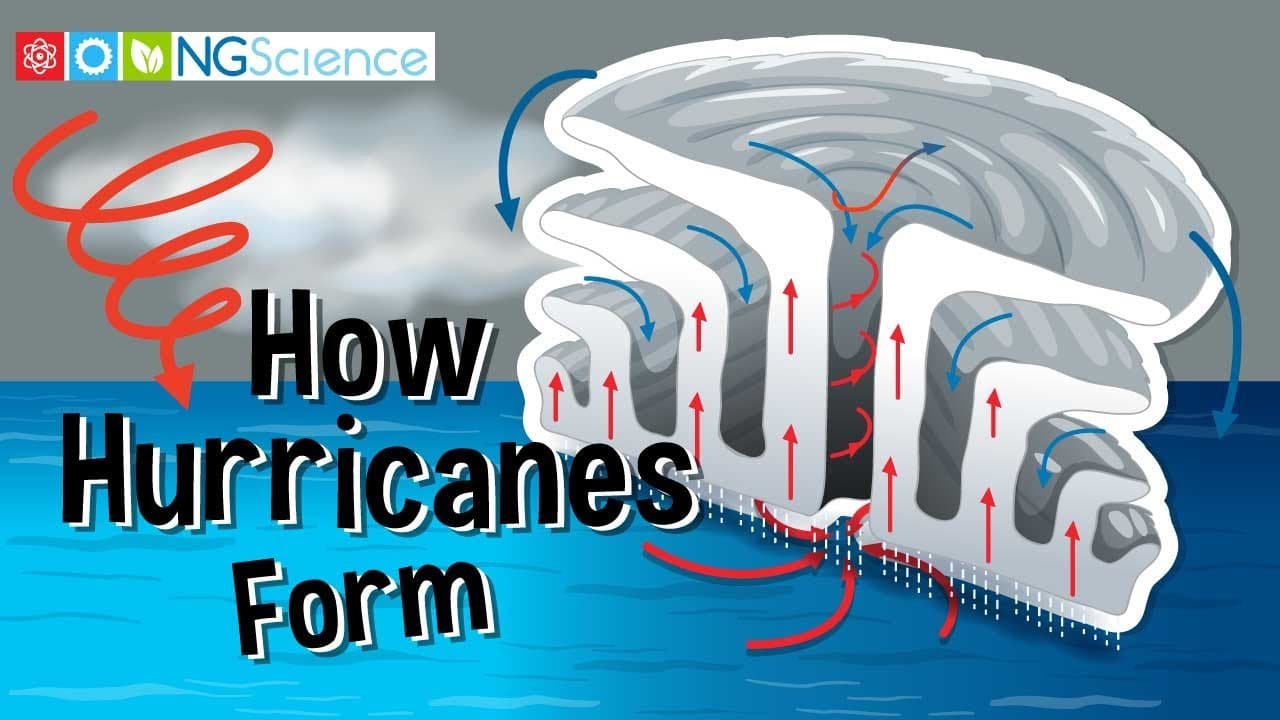
This educational video provides a clear, step-by-step explanation of how hurricanes form, grow, and impact coastal areas. It begins by distinguishing hurricanes from other extreme weather events like tornadoes and blizzards, establishing them as the most powerful storms on Earth. The narration uses simple analogies to explain complex meteorological concepts, such as comparing ocean temperatures to a heated swimming pool and visualizing the evaporation process that fuels these massive storm systems. The content covers the lifecycle of a storm, detailing the progression from a tropical disturbance to a tropical depression, tropical storm, and finally a hurricane once wind speeds exceed 74 mph. It visually demonstrates the mechanics of rising warm air and low-pressure systems. Furthermore, the video highlights the dangers associated with hurricanes, including high winds, heavy rainfall, and storm surges, while explaining how scientists use technology like satellites and radar to track them. For educators, this video serves as an excellent anchor for Earth Science units on weather and natural disasters. It effectively simplifies the "heat engine" concept of hurricane formation, making it accessible for elementary and middle school students. The section on meteorology and safety preparedness offers practical connections to real-world careers and community safety, providing opportunities for cross-curricular lessons in science, geography, and social responsibility.

Next Generation ScienceNext Generation Science

3mins 10s

Video
How Weather Forecasts Help Us Plan and Stay Safe

How Weather Forecasts Help Us Plan and Stay Safe

This engaging educational video introduces young learners to the concept of weather forecasts, explaining what they are and why they are essential for daily life. It simplifies the scientific process behind forecasting, mentioning how scientists use special tools to observe the sky and predict future weather patterns. The video bridges the gap between scientific observation and practical application by showing how forecasts are delivered through various media like TV, radio, and smartphones. Key themes include preparation, decision-making, and safety. The video illustrates how knowing the weather in advance helps people make simple but important choices, such as selecting appropriate clothing (shorts for hot days, raincoats for wet days) and planning outdoor activities. It also touches upon the critical role of meteorology in public safety by warning communities about approaching storms. For educators, this resource serves as an excellent hook for units on weather, seasons, or community helpers. It provides a clear, age-appropriate definition of forecasting that moves beyond just observing current weather conditions. Teachers can use the video to spark discussions about how we prepare for the day, the tools scientists use to measure weather, and the importance of heeding weather warnings to stay safe.

Next Generation ScienceNext Generation Science

1min 38s

Video
Why Coastal Climates Are Mild and Foggy

Why Coastal Climates Are Mild and Foggy

This educational video provides a clear and accessible introduction to coastal climates, also known as oceanic climates. It explains how proximity to the ocean influences local weather patterns, resulting in milder seasons with less temperature variation compared to inland continental climates. The narration breaks down the scientific reasons behind these patterns, specifically focusing on the heat capacity of the ocean versus land masses. The video explores key characteristics of coastal regions, such as the prevalence of clouds and fog caused by the interaction of water vapor with cool ocean temperatures. It uses distinct visual examples, including the famous fog of San Francisco and the sunny beaches of Australia's Gold Coast, to illustrate these concepts in real-world settings. Teachers can use this video to support units on weather, climate zones, and geography. It effectively bridges the gap between abstract climate definitions and observable weather phenomena, making it an excellent resource for explaining why different parts of the world experience different weather conditions despite being at similar latitudes.

Next Generation ScienceNext Generation Science

1min 57s

Video
Exploring the Impacts of Climate Change

Exploring the Impacts of Climate Change

This educational video provides a comprehensive overview of how small changes in global temperature lead to significant impacts across Earth's systems. The presenter, Caroline, breaks down the connection between rising temperatures and the water cycle, explaining how increased evaporation fuels more extreme weather events like storms, droughts, and heatwaves. The video uses clear animations and real-world footage to illustrate these complex atmospheric processes in an accessible way. The content is structured around three primary lenses for understanding climate change impacts: economic, social, and environmental. Specific examples are provided for each, including the economic costs of Hurricane Sandy, the social displacement of communities on Lohachara Island and Tuvalu, and environmental degradation such as coral bleaching and loss of biodiversity. The video also introduces advanced concepts like the Albedo effect and feedback loops to explain why climate change can accelerate over time. Teachers can use this video to help students move beyond the basic definition of global warming to understanding its systemic consequences. It effectively bridges science and social studies by connecting meteorological phenomena to human migration and economic stability. The video concludes with an empowering message about human agency and adaptation, setting the stage for discussions about solutions and sustainability.

Miacademy & MiaPrep Learning ChannelMiacademy & MiaPrep Learning Channel

10mins 7s

Video
Understanding the Difference Between Weather and Climate

Understanding the Difference Between Weather and Climate

This educational video clarifies the distinct scientific definitions of "weather" and "climate," addressing the common misconception that these terms can be used interchangeably. Through high-quality stock footage of various atmospheric conditions—from sunny beaches and tropical rainforests to icy polar landscapes—the narrator explains that weather refers to short-term, day-to-day atmospheric variability, while climate describes the long-term average of these conditions over extended periods, typically 30 years or more. The content breaks down the specific parameters that make up weather, such as temperature, humidity, and precipitation, and contrasts them with climate zones like Mediterranean, Tropical, and Polar. By providing clear examples and a memorable analogy—"Weather is what you prepare for in the morning, while climate is what you expect for a season or a year"—the video helps viewers grasp the difference between immediate atmospheric events and broader environmental trends. For educators, this resource is an excellent tool for Earth Science units to help students distinguish between variability and trends. It is particularly useful for scaffolding discussions around climate change, helping students understand why a single cold day does not disprove global warming. The clear definitions and visual examples provide a solid foundation for lessons on data analysis, meteorology, and environmental science.

Next Generation ScienceNext Generation Science

2mins 54s

Video
Understanding the Difference Between Weather and Climate

Understanding the Difference Between Weather and Climate

This educational video clarifies the fundamental difference between weather and climate, a common point of confusion for students. It begins by defining weather as the day-to-day conditions of the atmosphere, visually supported by clips of storms, rain, and sunshine. It then contrasts this with climate, defined as weather patterns in a specific area over a long period. The video breaks down the key factors that influence a region's climate, including rainfall, elevation, distance from the ocean, and proximity to the equator. The content takes viewers on a global tour to illustrate these concepts with concrete examples. It visits the Egyptian desert to demonstrate a hot and dry climate, the Amazon River Basin to show a warm and wet climate near the equator, and both the Arctic and Antarctic regions to depict cold and dry climates far from the equator. These examples are supported by high-quality footage of the respective landscapes, animals, and weather conditions. For educators, this video serves as an excellent introduction to Earth Science units on weather patterns or geography. It effectively uses the concept of the equator to explain global temperature variations. The clear definitions and distinct visual examples make it a valuable tool for helping students distinguish between short-term atmospheric changes and long-term environmental patterns.

Next Generation ScienceNext Generation Science

2mins 50s

Video
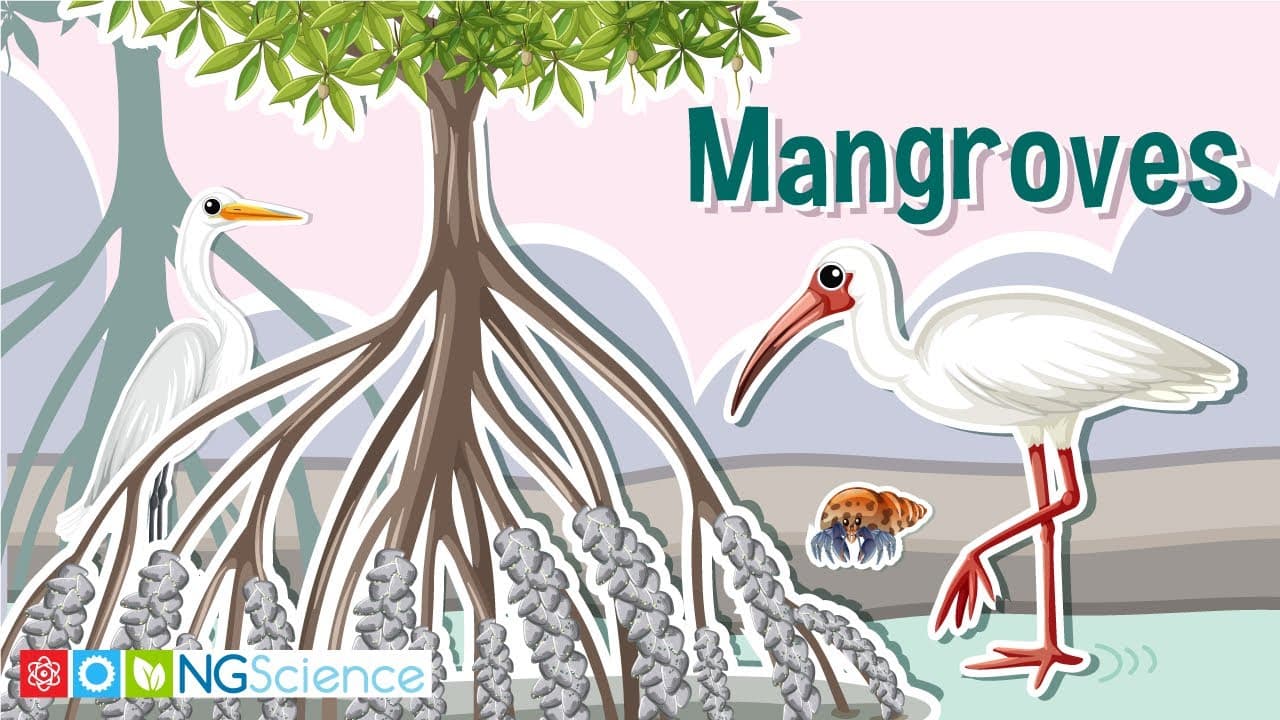
How Mangroves Survive and Protect the Coast

How Mangroves Survive and Protect the Coast

This educational video provides a comprehensive look at mangrove forests, exploring how these unique plants survive in harsh intertidal environments where land meets the sea. It details the specific biological adaptations that allow mangroves to thrive in salty, low-oxygen soil, including their specialized root systems and unique reproductive cycle. The narration clearly explains the challenges of the intertidal zone, such as shifting tides and soft sediment, and how the trees have evolved to overcome them. The video specifically focuses on structural adaptations like stilt roots that prop up the trees and pneumatophores (breathing roots) that stick out of the mud to absorb oxygen. It also covers the fascinating reproductive strategy where seeds germinate while still attached to the parent plant before dropping into the water to float away. These examples serve as excellent case studies for teaching students about structural and behavioral adaptations in plants. Finally, the video highlights the crucial role mangroves play in the wider ecosystem. It showcases the biodiversity supported by these forests, including fish, crabs, and birds, and explains how mangroves act as natural barriers against coastal erosion, storm surges, and tsunamis. This makes the video highly relevant for lessons on ecosystems, biodiversity, and environmental conservation.

Next Generation ScienceNext Generation Science

2mins 51s

Video
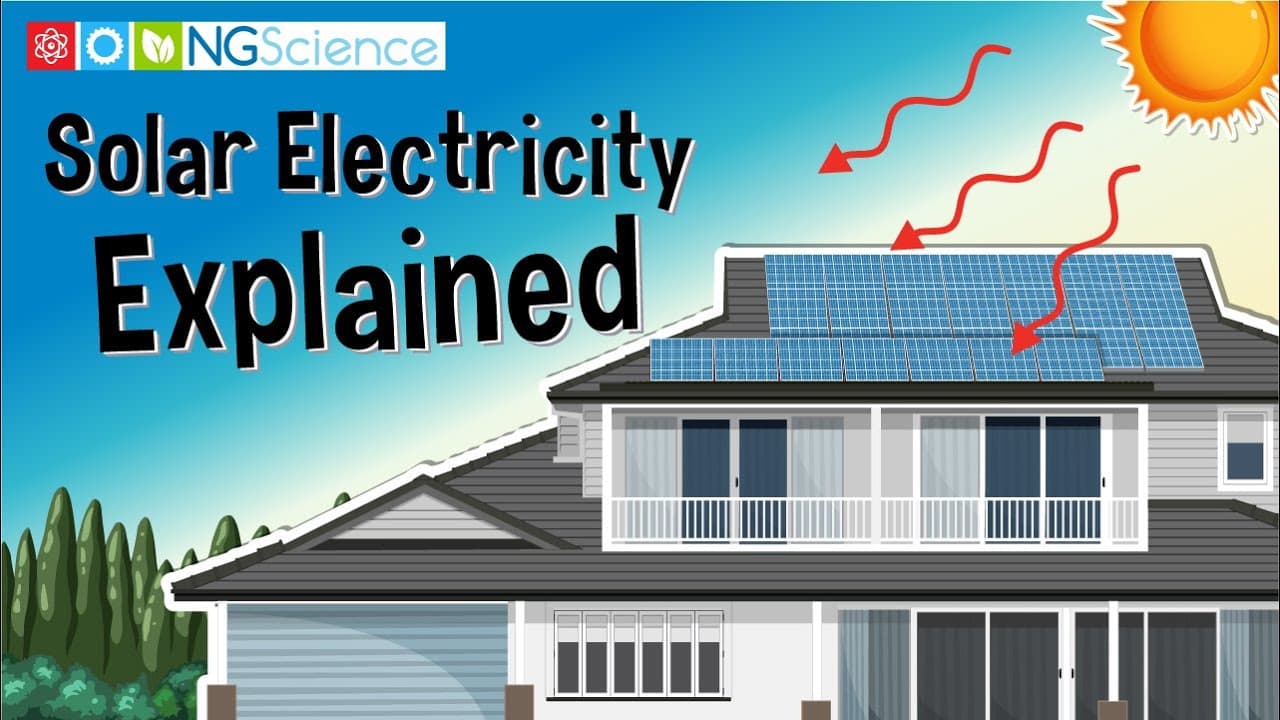
How Solar Panels Power Our Homes: From Sunlight to Electricity

How Solar Panels Power Our Homes: From Sunlight to Electricity

This educational video provides a clear and concise explanation of how solar energy is harvested, converted, and utilized in modern homes and businesses. It breaks down the technical process of photovoltaic generation, explaining the critical difference between Direct Current (DC) and Alternating Current (AC), and the role of inverters in making solar power compatible with the electrical grid. The video also introduces the concept of battery storage to manage energy demand during non-sunlight hours. Beyond the technical mechanics, the video explores the broader implications of adopting solar technology. It balances the discussion by highlighting key advantages—such as environmental sustainability, cost savings, and technological advancements—against significant challenges like weather dependence, high initial installation costs, and the environmental concerns surrounding panel disposal. For educators, this resource serves as an excellent primer for units on renewable energy, electricity, or environmental science. It simplifies complex electrical concepts like AC/DC conversion into digestible visuals, making it accessible for upper elementary and middle school students. The balanced presentation of pros and cons also makes it a valuable tool for critical thinking exercises regarding energy policy and sustainability.

Next Generation ScienceNext Generation Science

3mins 30s

Video
Where Does the Waste Go? Managing Trash and the Zero-Waste Future

Where Does the Waste Go? Managing Trash and the Zero-Waste Future

This educational video provides a comprehensive overview of waste management systems, exploring where trash goes after it leaves our homes and how modern cities are striving for sustainability. Using Stockholm, Sweden as a case study for a "zero-waste future," the narrator guides viewers through the journey of waste, explaining the difference between municipal and industrial waste and the impact of urbanization on trash production. The video details current disposal methods—specifically landfills and incineration—while honestly analyzing their environmental drawbacks, such as leachate, methane production, and air pollution. Key themes include the distinction between different types of waste, the mechanics and environmental costs of landfills versus incineration, and the hierarchy of sustainable solutions: composting, recycling, and waste prevention. The concept of a "circular economy" is introduced as a vital alternative to the traditional "take-make-waste" model. The video breaks down the zero-waste approach into three digestible pillars: waste prevention, resource conservation, and the circular economy, providing concrete examples of each. For educators, this resource serves as an excellent foundation for units on environmental science, sustainability, or human geography. It moves beyond simple slogans like "reduce, reuse, recycle" to explain *why* these actions matter scientifically and economically. The video encourages critical thinking by asking students to evaluate different waste strategies and empowers them with actionable steps they can take in their own lives to reduce their environmental footprint, making it highly applicable for project-based learning and classroom discussions.

Miacademy & MiaPrep Learning ChannelMiacademy & MiaPrep Learning Channel

10mins 29s

Video
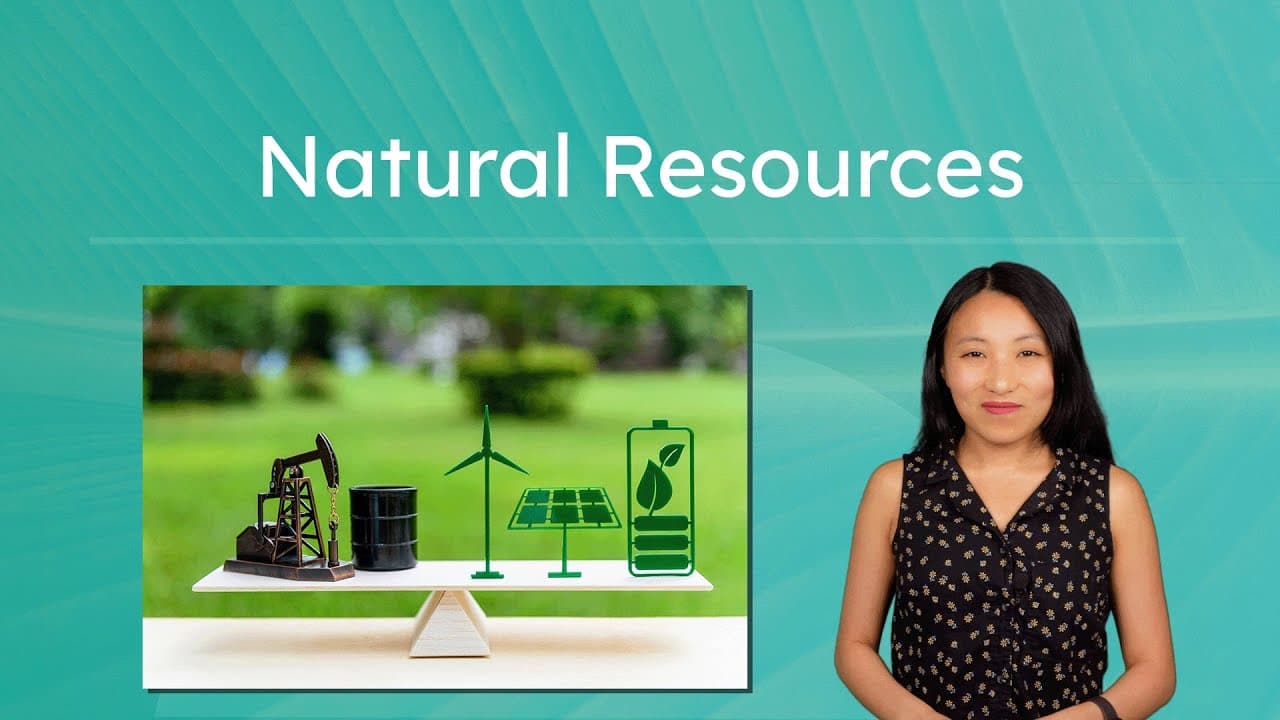
Managing Natural Resources and the Tragedy of the Commons

Managing Natural Resources and the Tragedy of the Commons

This engaging video introduces students to the fundamental concepts of natural resources, distinguishing clearly between renewable and nonrenewable materials that humans depend on for survival. Opening with a relatable mystery about disappearing fish in a local lake, the narrator leads viewers through an exploration of where resources come from (the Earth's spheres) and how we use them in daily life. The content addresses the nuance that renewable resources, like fish populations or forests, can become effectively nonrenewable if harvested faster than they can replenish. The video bridges environmental science with basic economic principles, introducing concepts such as supply and demand, cost-benefit analysis, and the influence of technology and culture on resource use. A central theme is the "Tragedy of the Commons," illustrated through the fishing narrative to show how individual self-interest can lead to the depletion of shared public resources. The video explains that while renewable resources need time to recover, nonrenewable resources are finite and require especially careful management. For educators, this resource is a powerful tool for interdisciplinary teaching, connecting science, economics, and ethics. It encourages critical thinking about sustainability and systems thinking. The video includes built-in pause points for reflection, visual graphs to explain economic concepts, and clear real-world examples, making it ideal for sparking classroom discussions about conservation, personal responsibility, and the long-term consequences of human decision-making.

Miacademy & MiaPrep Learning ChannelMiacademy & MiaPrep Learning Channel

10mins

Video
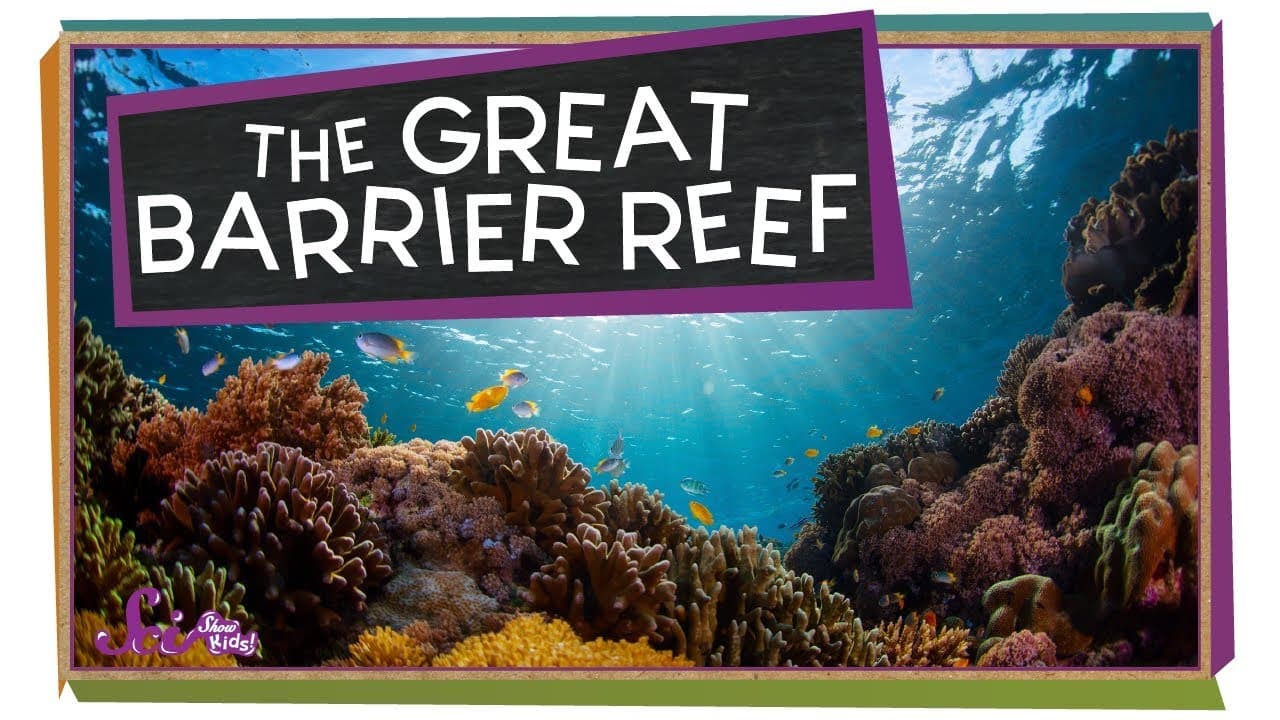
Exploring the Great Barrier Reef and Its Amazing Animals

Exploring the Great Barrier Reef and Its Amazing Animals

This educational video from SciShow Kids takes young learners on an underwater journey to explore the Great Barrier Reef. Hosted by Jessi and her robot rat friend Squeaks, the video explains exactly what coral is—clarifying the common misconception that it is a rock or plant by identifying it as a colony of tiny animals. The narrative explores the massive scale of the Great Barrier Reef off the coast of Australia and introduces viewers to some of its unique inhabitants, including the dugong, moray eel, and cuttlefish. The video touches on key biological themes such as animal classification, habitats, and adaptations like camouflage. It illustrates how different species rely on the reef for food and shelter, highlighting the interdependence of the ecosystem. The latter part of the video gently introduces environmental concepts, explaining how human activities, climate change, and pollution impact ocean health. Teachers can use this video to spark lessons on marine biology, geography, and environmental stewardship. It serves as an excellent visual aid for explaining complex concepts like coral polyps and ecosystem fragility in an age-appropriate way. The actionable advice at the end—such as recycling and being careful about what goes down the drain—empowers students to participate in ocean conservation in their daily lives.

SciShow KidsSciShow Kids

3mins 47s

Video
How Water and Carbon Cycle Through Earth

How Water and Carbon Cycle Through Earth

In this engaging episode of Crash Course Ecology, Hank Green explores the fundamental recycling systems of our planet: the Hydrologic (Water) Cycle and the Carbon Cycle. The video explains that Earth is essentially a closed system regarding matter, meaning every atom currently on Earth has been here since the planet's formation, constantly being repurposed through biogeochemical cycles. The narration breaks down complex processes into understandable components, moving from the movement of water through states of matter to the movement of carbon through living and non-living reservoirs.

CrashCourseCrashCourse

10mins 4s

Video
Why Water Scarcity Causes Conflict

Why Water Scarcity Causes Conflict

This educational video from Crash Course Kids explores the critical issue of water scarcity and the conflicts that arise when freshwater becomes a limited resource. Hosted by Sabrina Cruz, the video uses the real-world example of the California drought and the drying Colorado River to illustrate how environmental changes impact human society. It bridges scientific concepts like the water cycle with social studies themes regarding resource distribution and conflict resolution. The video covers key topics including a review of the water cycle (evaporation, condensation, precipitation), the definition of freshwater as a limited resource and closed system, and the specific case study of the Colorado River basin. It introduces the concept of "water wars"—legal and political battles over who gets access to water—highlighting the tension between agricultural needs (growing food) and municipal needs (household use) in arid regions. For educators, this resource serves as an excellent cross-curricular tool linking Earth Science and Social Studies. It moves beyond simple definitions of the water cycle to apply these concepts to real-world problems, fostering critical thinking about sustainability, geography, and civic responsibility. It provides a natural launchpad for debates about resource management, lessons on geography, and discussions about environmental stewardship.

Crash Course KidsCrash Course Kids

4mins 4s

Video
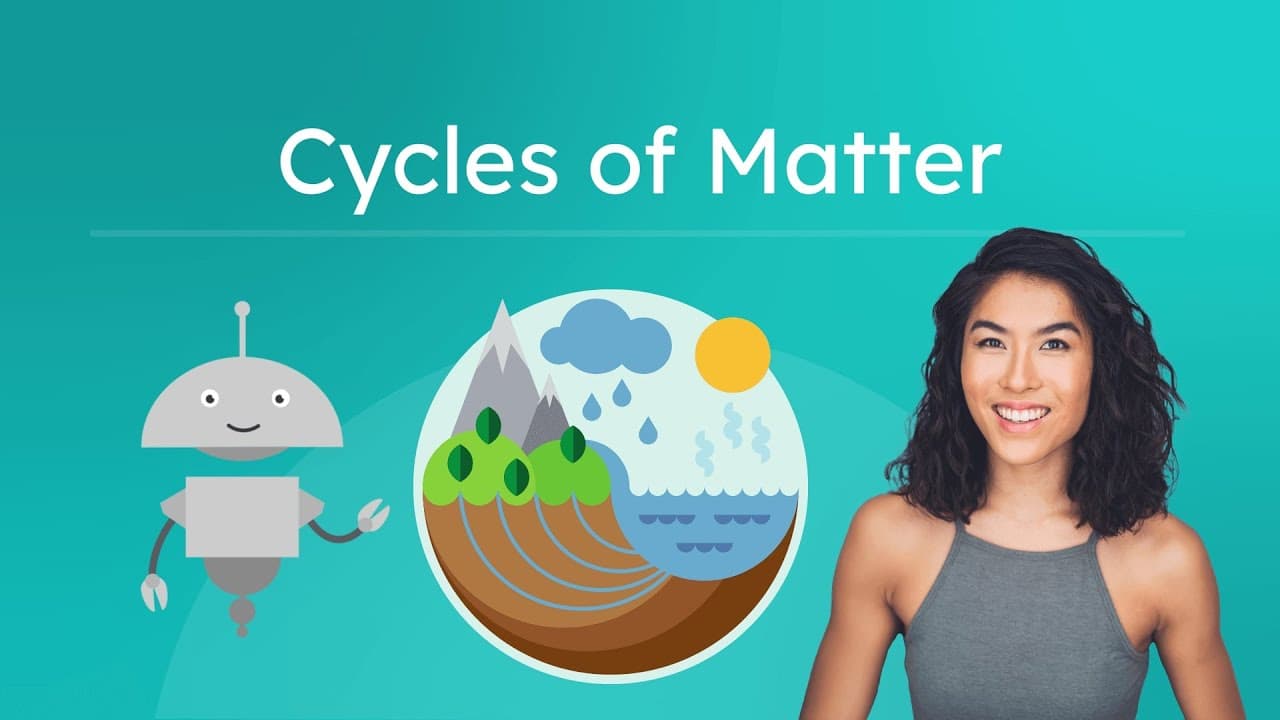
How Earth Recycles: The Four Key Cycles of Matter

How Earth Recycles: The Four Key Cycles of Matter

This educational video provides a comprehensive overview of how matter cycles through the Earth's systems, emphasizing the concept of Earth as a "closed system." It begins by posing a thought-provoking question about population growth: if Earth doesn't gain new matter, where do the materials for new life come from? The host then explains the difference between elements and compounds before diving into four specific biogeochemical cycles: the Carbon Cycle, the Nitrogen Cycle, the Phosphorus Cycle, and the Water Cycle. Key themes include the law of conservation of matter, the interaction between Earth's spheres (atmosphere, hydrosphere, geosphere, and biosphere), and the specific biological and chemical processes that drive these cycles. The video details complex processes such as photosynthesis, respiration, combustion, nitrogen fixation, mineralization, nitrification, and weathering, breaking them down with clear visuals and definitions. This resource is highly valuable for middle and high school science classrooms studying ecology, earth science, or chemistry. It effectively connects abstract chemical concepts to real-world phenomena, such as how plants grow, how clouds form, and what our bodies are made of. Teachers can use this video to introduce the concept of nutrient cycling or to review specific vocabulary related to ecosystem dynamics.

Miacademy & MiaPrep Learning ChannelMiacademy & MiaPrep Learning Channel

14mins 5s

Video
Why Earth's Water Is Precious and How to Save It

Why Earth's Water Is Precious and How to Save It

In this engaging episode of SciShow Kids, host Anthony and his robot friend Squeaks tackle a common worry: will Earth ever run out of water? The video starts with a simple dripping faucet and expands into a global lesson about Earth's water supply. It uses clear visuals and simple charts to explain the difference between salt water and fresh water, demonstrating that while our planet is covered in blue, only a tiny fraction of that water is actually usable for humans and land animals. The video breaks down where Earth's water is located, explaining that most fresh water is locked away in ice caps at the poles or hidden deep underground. This helps students understand why water scarcity is a real issue despite the vastness of the oceans. The narrative clarifies why we cannot drink ocean water and emphasizes the effort required to clean and process water for human use. Ideal for early elementary science lessons, this resource translates abstract environmental concepts into practical action. It empowers students with specific, actionable steps they can take immediately to conserve water, such as turning off the tap while brushing teeth and taking shorter showers. It connects personal responsibility to global stewardship in a way that is accessible and encouraging for young learners.

SciShow KidsSciShow Kids

4mins 53s

Video
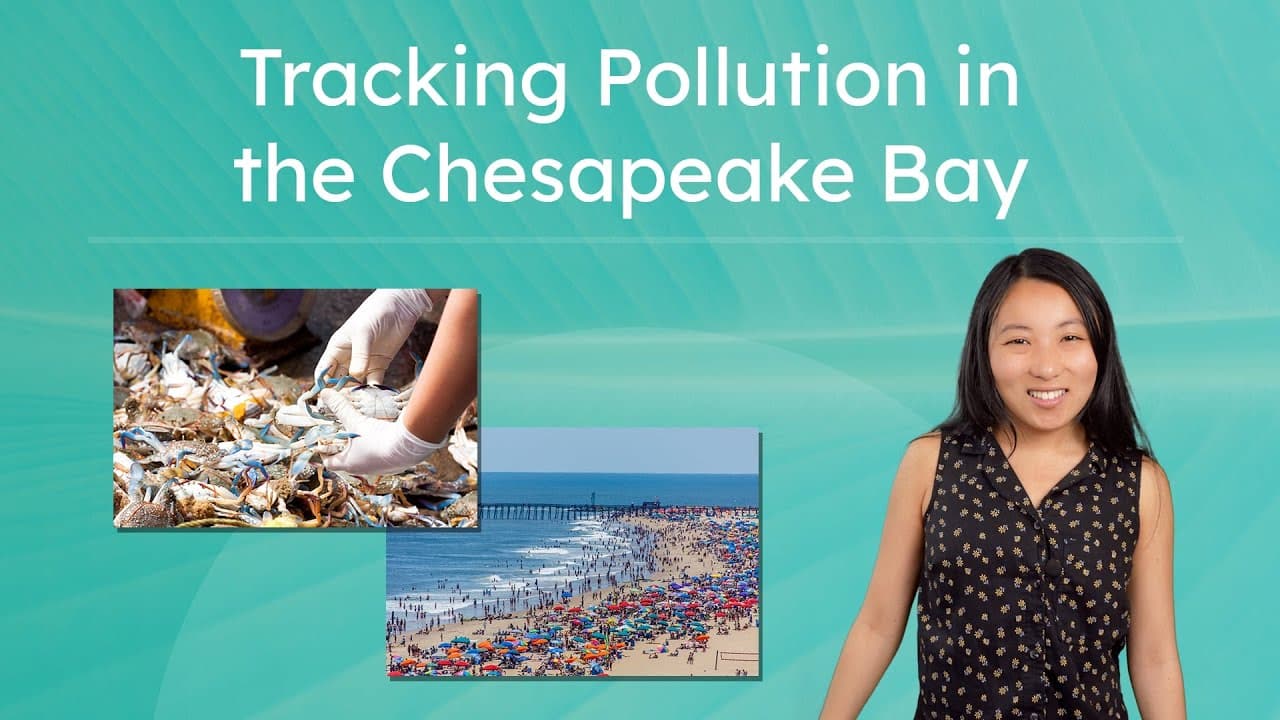
How Pollution Creates Dead Zones in the Chesapeake Bay

How Pollution Creates Dead Zones in the Chesapeake Bay

This educational video provides a comprehensive look at the Chesapeake Bay watershed, focusing on the ecological and economic impacts of water pollution. Narrated by Caroline, the video explains the function of estuaries as "nurseries of the sea" and details how human activities like deforestation and agriculture lead to nutrient and sediment runoff. It visually demonstrates the process of eutrophication, showing how excess nutrients cause algal blooms that block sunlight, kill aquatic plants, deplete oxygen, and create dead zones.

Miacademy & MiaPrep Learning ChannelMiacademy & MiaPrep Learning Channel

10mins 25s

Video
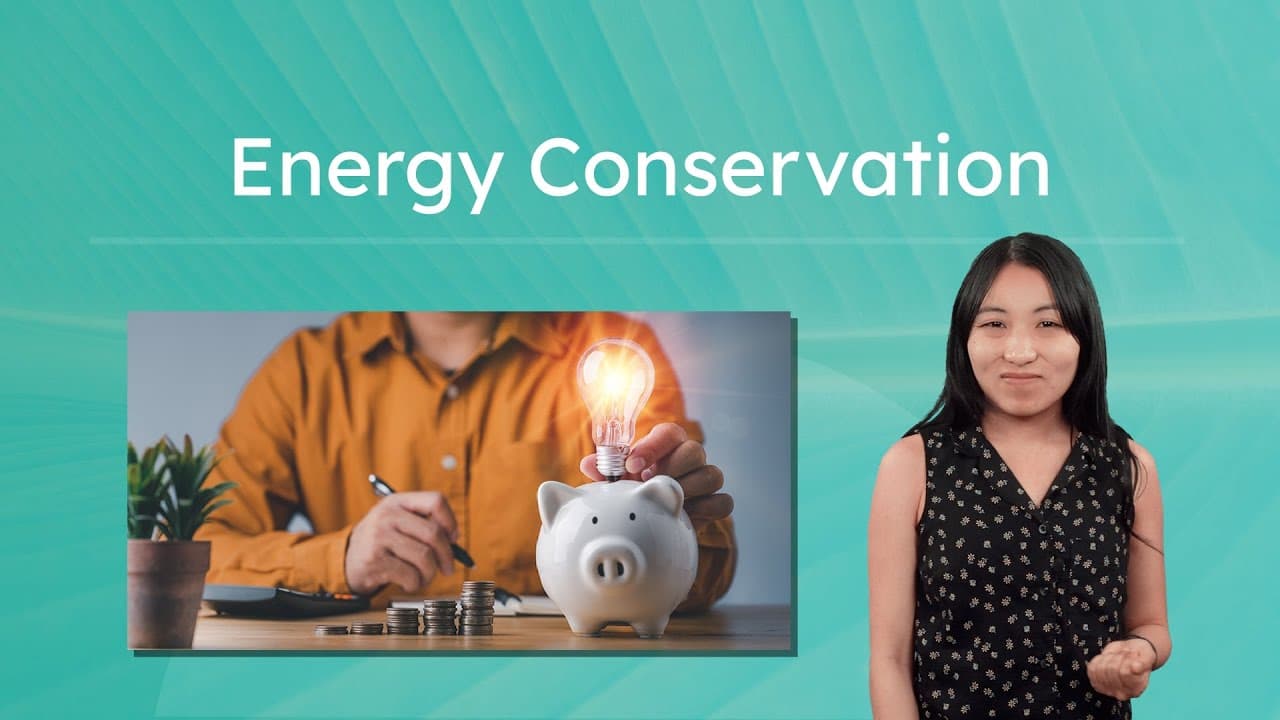
Smart Strategies for Energy Conservation

Smart Strategies for Energy Conservation

This educational video introduces students to the concept of energy conservation and provides practical strategies for implementing it in daily life. It begins by highlighting the massive amount of resources required to power modern homes, using a tangible comparison to pounds of coal. The narrator defines energy conservation as finding innovative ways to use less energy, explaining how this practice protects natural resources, preserves ecosystems, and offers significant economic benefits to both households and businesses.

Miacademy & MiaPrep Learning ChannelMiacademy & MiaPrep Learning Channel

8mins 38s

Video
Turning Food Scraps Into Soil: A Composting Field Trip

Turning Food Scraps Into Soil: A Composting Field Trip

In this engaging episode of SciShow Kids, host Mr. Brown and his robot mouse friend Squeaks take students on a virtual field trip to learn about composting. The video begins in their "Fort," where Mr. Brown explains his compost bucket routine before transporting viewers to a real-world facility called Soil Cycle. There, they meet an expert named Caitlyn who demystifies the process of turning food scraps into nutrient-rich soil.

SciShow KidsSciShow Kids

6mins 43s

Video
The Green Revolution: Agricultural Innovation and Environmental Impact

The Green Revolution: Agricultural Innovation and Environmental Impact

This educational video provides a comprehensive overview of the Green Revolution, a pivotal period in agricultural history from the 1940s to the 1980s. It details how rapid population growth and the Industrial Revolution necessitated a shift from traditional farming to industrial agriculture. The narrator, Caroline, guides viewers through the major innovations of this era, including the adoption of monocultures, High-Yield Variety (HYV) crops, synthetic fertilizers, large-scale irrigation, and chemical pesticides.

Miacademy & MiaPrep Learning ChannelMiacademy & MiaPrep Learning Channel

11mins 8s

Video
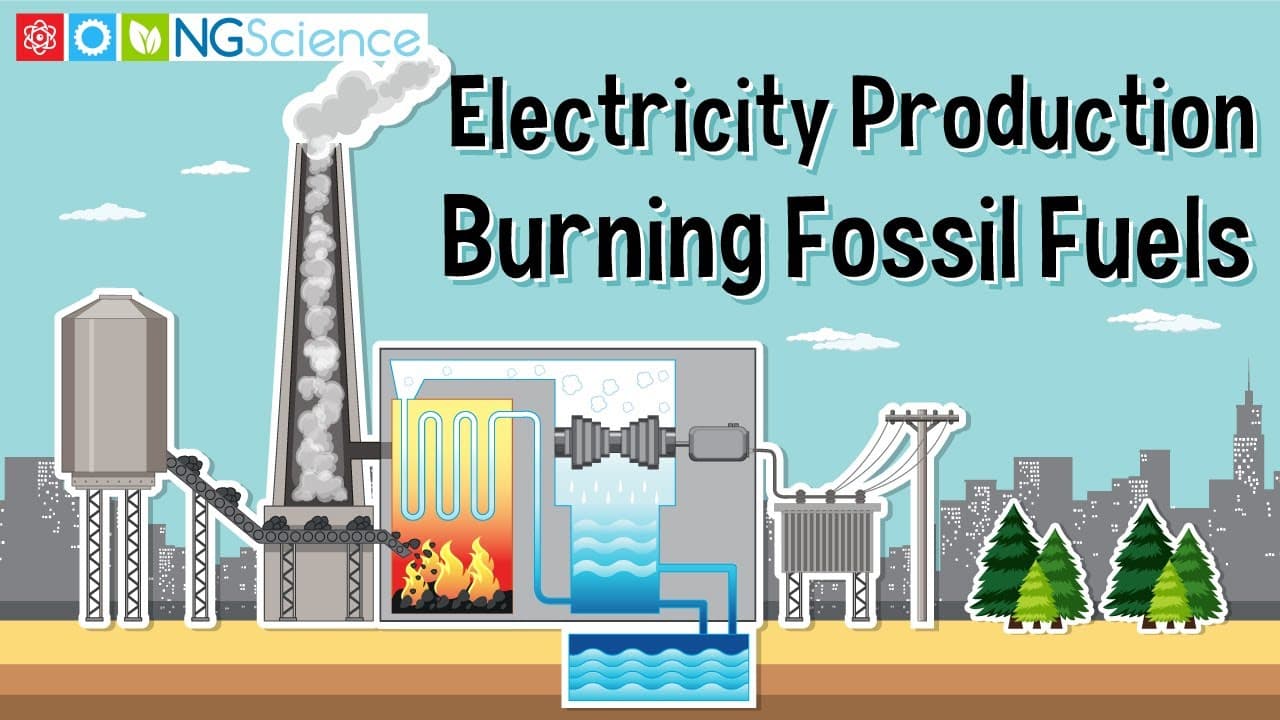
Fossil Fuels: Formation, Uses, and Environmental Impact

Fossil Fuels: Formation, Uses, and Environmental Impact

This educational video provides a comprehensive overview of fossil fuels, beginning with the dramatic history of the Spindletop oil discovery in 1901. It defines fossil fuels as stored energy from ancient plants and microorganisms, detailing the specific geological processes that created coal, oil, and natural gas over millions of years. The video explains the distinct extraction methods for each fuel type, from mining solid coal to drilling for liquid oil and gaseous natural gas, and outlines their primary uses in electricity generation, transportation, and heating. The content moves beyond simple definitions to conduct a critical cost-benefit analysis of fossil fuel usage. It highlights the immense economic benefits and role in industrialization that these fuels have played while contrasting them against significant costs. These costs include their non-renewable nature, environmental degradation through land destruction and water pollution, and the release of greenhouse gases contributing to climate change. Designed for middle school science curriculums, this video is an excellent resource for units on Earth science, natural resources, or environmental impact. It includes built-in pause points that encourage active student reflection and critical thinking, making it easy for teachers to facilitate classroom discussions about the complex balance between modern convenience and long-term environmental stewardship.

Miacademy & MiaPrep Learning ChannelMiacademy & MiaPrep Learning Channel

10mins 2s

Video
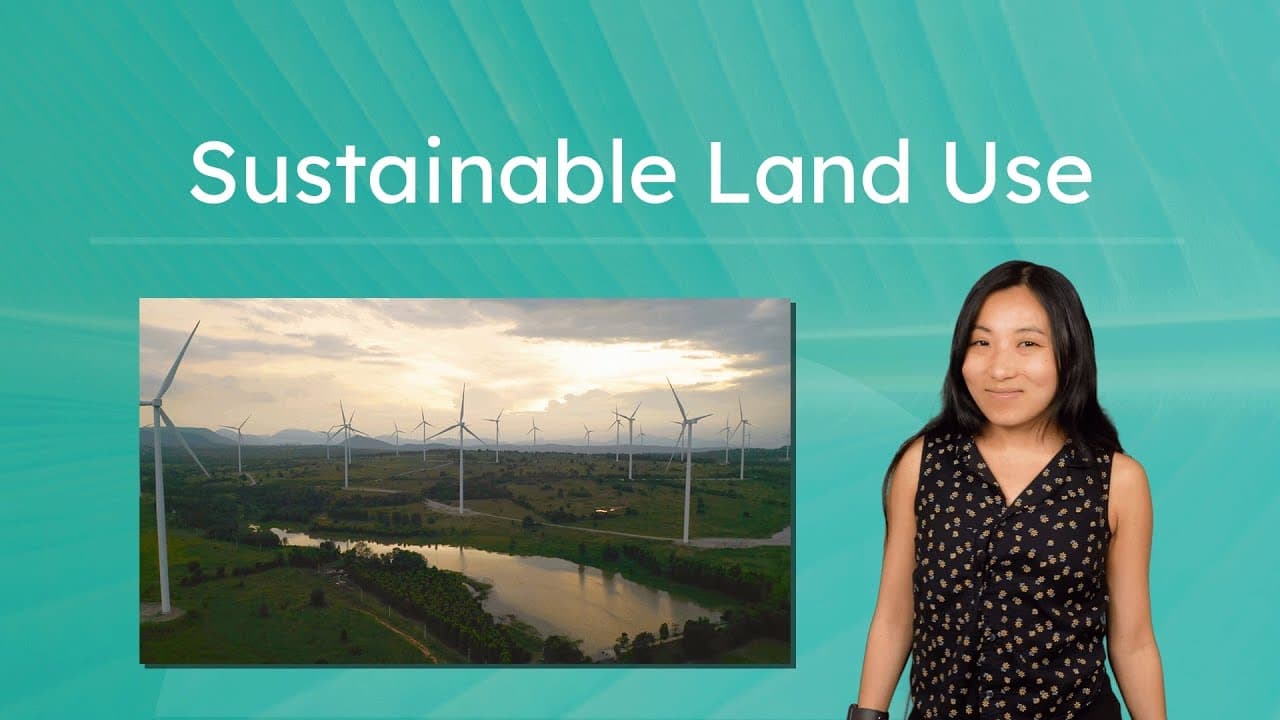
Balancing Growth and Nature: Sustainable Land Use

Balancing Growth and Nature: Sustainable Land Use

This educational video explores the complex challenges of sustainable land use, teaching students how humans balance the need for resources with environmental protection. It begins with a relatable skit illustrating the conflicting demands placed on city planners—from housing and farming to energy and wildlife protection—before diving into the core concepts of conservation versus preservation. The video uses clear examples, such as wetland management, to distinguish between using land responsibly (conservation) and protecting it completely from human interference (preservation). The latter half of the video presents a detailed case study of Portland, Oregon's "Urban Growth Boundary," demonstrating a real-world solution to urban sprawl. Students learn how stakeholders collaborate to draw lines between developable land and protected natural areas, reviewing these plans periodically to accommodate population growth. The narrative emphasizes that while land use decisions are difficult, collaborative planning can prevent the "tragedy of the commons." This resource is highly valuable for Environmental Science, Geography, and Civics classrooms. It moves beyond abstract definitions by providing a concrete policy example (Portland) that students can analyze. The video includes built-in pause points for reflection and writing, making it ready-to-use for checking understanding. It effectively bridges science and social studies by showing how scientific data informs public policy and community planning.

Miacademy & MiaPrep Learning ChannelMiacademy & MiaPrep Learning Channel

10mins 39s

Video
How Animals Engineer Their Environments

How Animals Engineer Their Environments

This energetic science video explores the fascinating ways animals physically alter their surroundings to survive, challenging the idea that only humans engineer their environments. Hosting by Sabrina Cruz, the video begins by recapping how humans transformed New York City before pivoting to the main thesis: all living things change their environment. Through detailed animated examples, students are introduced to "ecosystem engineers" like prairie dogs, termites, squirrels, and beavers, demonstrating how each species modifies the landscape—whether intentionally to build homes or unintentionally through behaviors like burying nuts.

Crash Course KidsCrash Course Kids

4mins 39s

Video
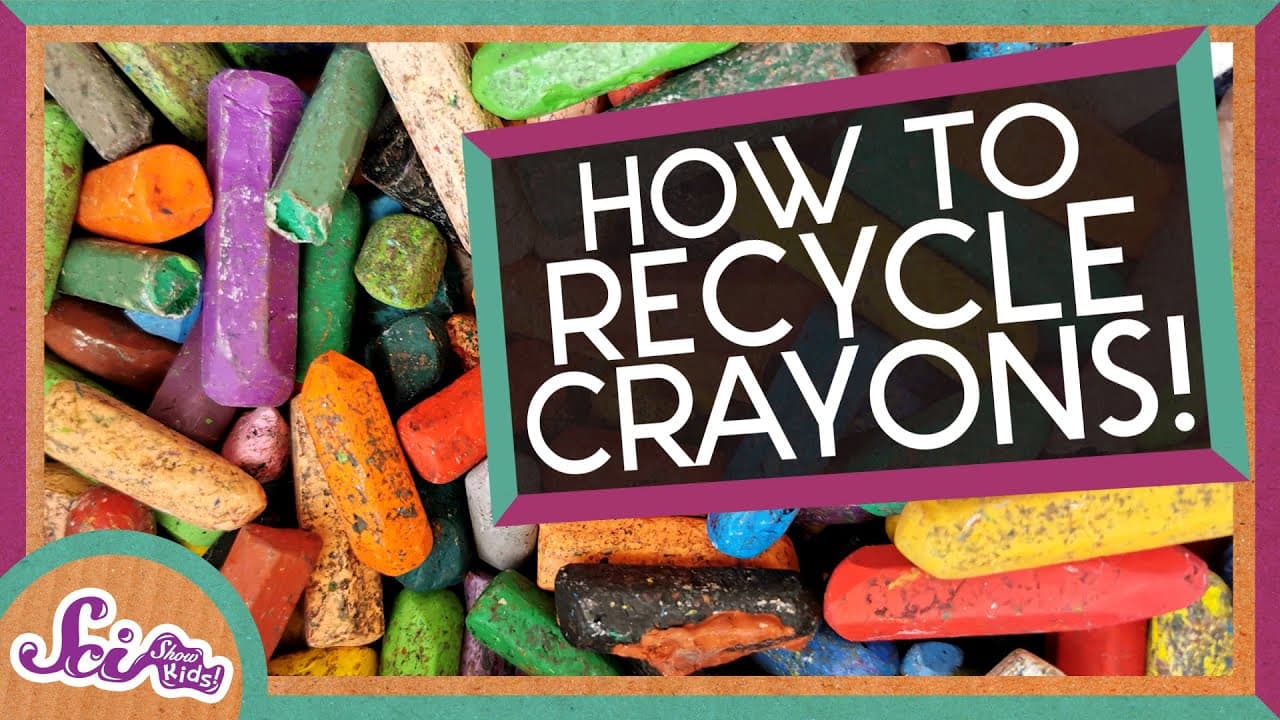
How to Recycle Crayons and Save the Earth

How to Recycle Crayons and Save the Earth

In this engaging episode of SciShow Kids, host Jessi and her robot friend Squeaks explore the concept of recycling through a practical problem: Squeaks' crayons are worn down and difficult to use. Instead of throwing them away, Jessi proposes recycling them, using this as a jumping-off point to explain waste management. The video breaks down complex topics like landfills, decomposition rates of different materials (food vs. plastic vs. glass), and the environmental importance of reducing waste.

SciShow KidsSciShow Kids

6mins 1s

Video
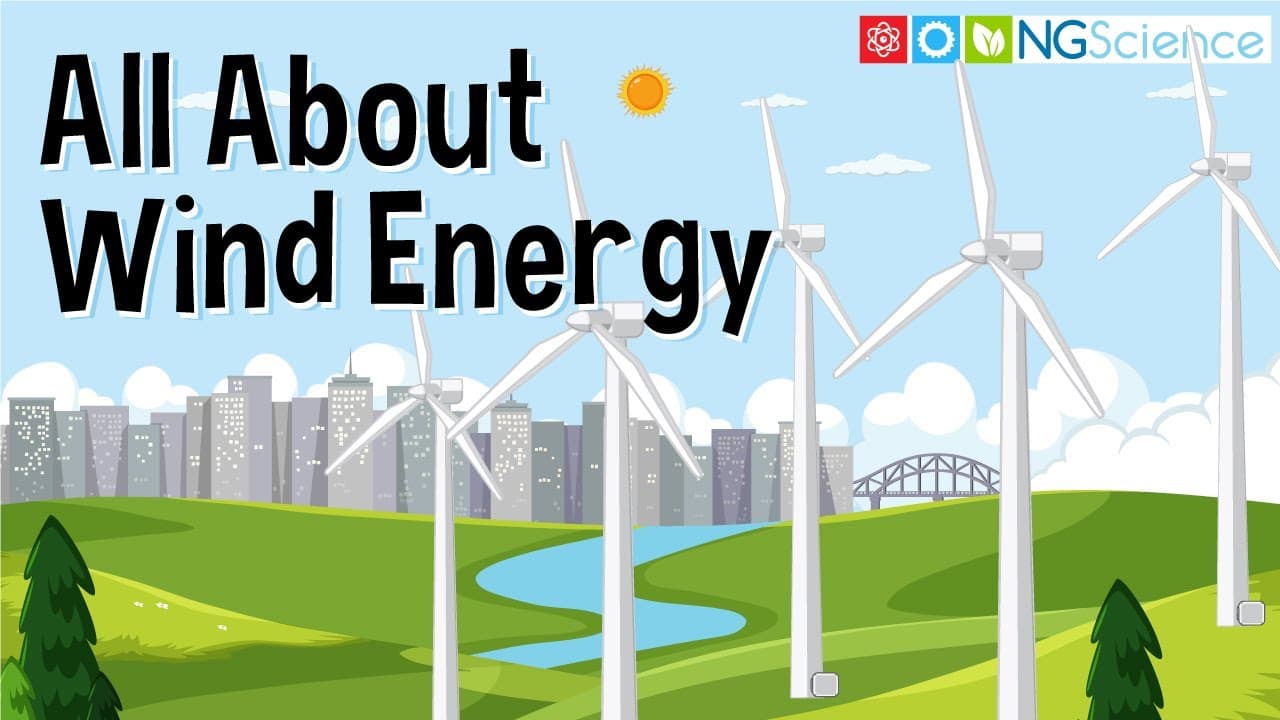
How Wind Turbines Generate Clean Energy

How Wind Turbines Generate Clean Energy

This educational video provides a clear and concise overview of wind energy, explaining how wind turbines function to generate electricity. It begins by establishing the importance of electricity in modern life before diving into the mechanics of energy conversion—specifically how kinetic energy from wind is transformed into electrical power through generators. The video utilizes clear diagrams to illustrate the internal components of a wind turbine, making complex engineering concepts accessible to students. Beyond just the mechanics, the video explores the broader implications of wind energy. It introduces the concept of "wind farms" and how they can power entire cities. Crucially, it discusses the environmental benefits of wind power as a clean, renewable resource that doesn't produce emissions. This sets the stage for discussions about sustainable living and alternative energy sources. The video concludes by presenting a balanced view, addressing the disadvantages of wind turbines, including their potential impact on wildlife like birds and bats, noise pollution, and high maintenance costs. This balanced perspective is excellent for critical thinking exercises, allowing students to weigh the pros and cons of renewable energy technologies and understand that engineering solutions often involve trade-offs.

Next Generation ScienceNext Generation Science

1min 45s

Video
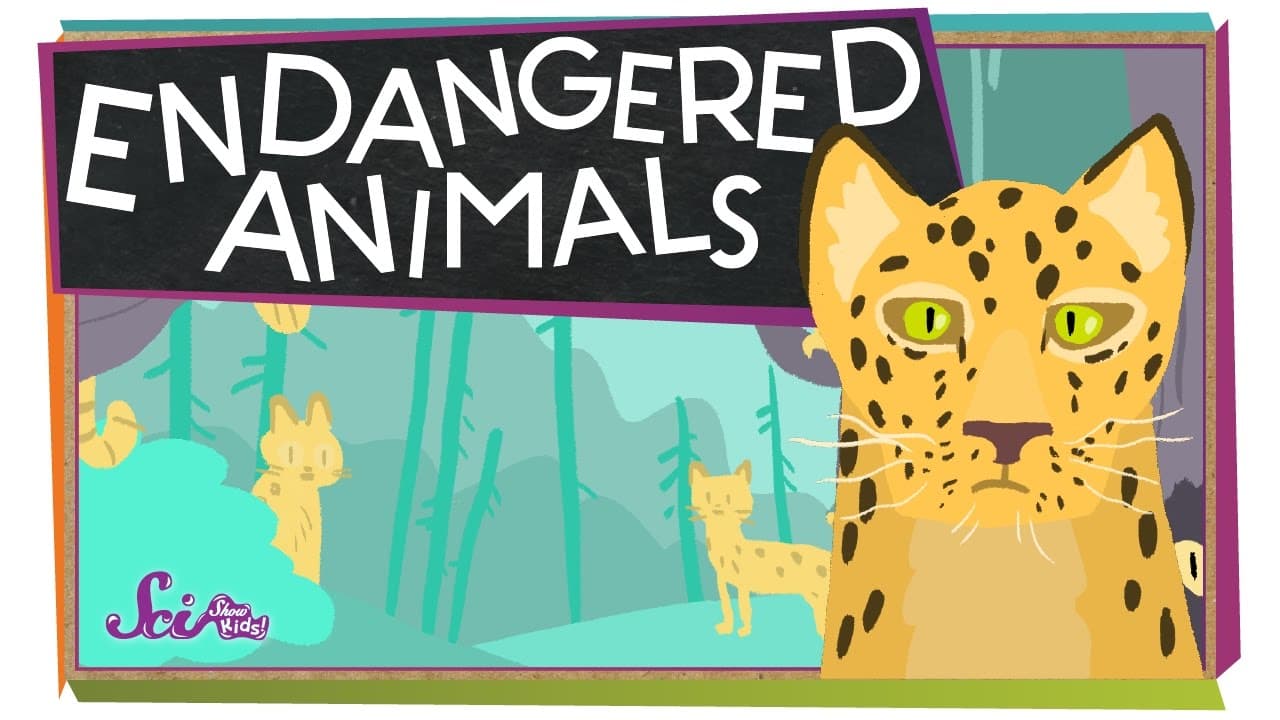
Why Animals Become Endangered and How We Can Help

Why Animals Become Endangered and How We Can Help

In this engaging episode of SciShow Kids, host Jessi and her robot rat friend Squeaks explore the concept of endangered animals. The video gently explains complex ecological topics by defining what it means for a species to be endangered and investigating the primary causes: habitat loss and pollution. Through clear narration and helpful animations, students learn that an animal's habitat is more than just a home—it's the specific environment that provides food, water, air, space, and shelter necessary for survival. The video uses two concrete case studies to illustrate these concepts: the Amur Leopard and the Brown Pelican. The Amur Leopard's story demonstrates how deforestation reduces available space and resources, leading to population decline. Conversely, the success story of the Brown Pelican shows how human intervention and stopping pollution can allow a species to recover and thrive again. This balance of problem and solution prevents the topic from becoming too scary or depressing for young viewers. For educators, this resource serves as an excellent primer for units on conservation, ecology, or human impact on the environment. It introduces essential scientific vocabulary like "habitat," "mammal," and "pollution" in context. The video concludes with actionable steps children can take, such as recycling and learning about local wildlife, making it a perfect launchpad for classroom service projects or Earth Day activities.

SciShow KidsSciShow Kids

4mins 19s

Video
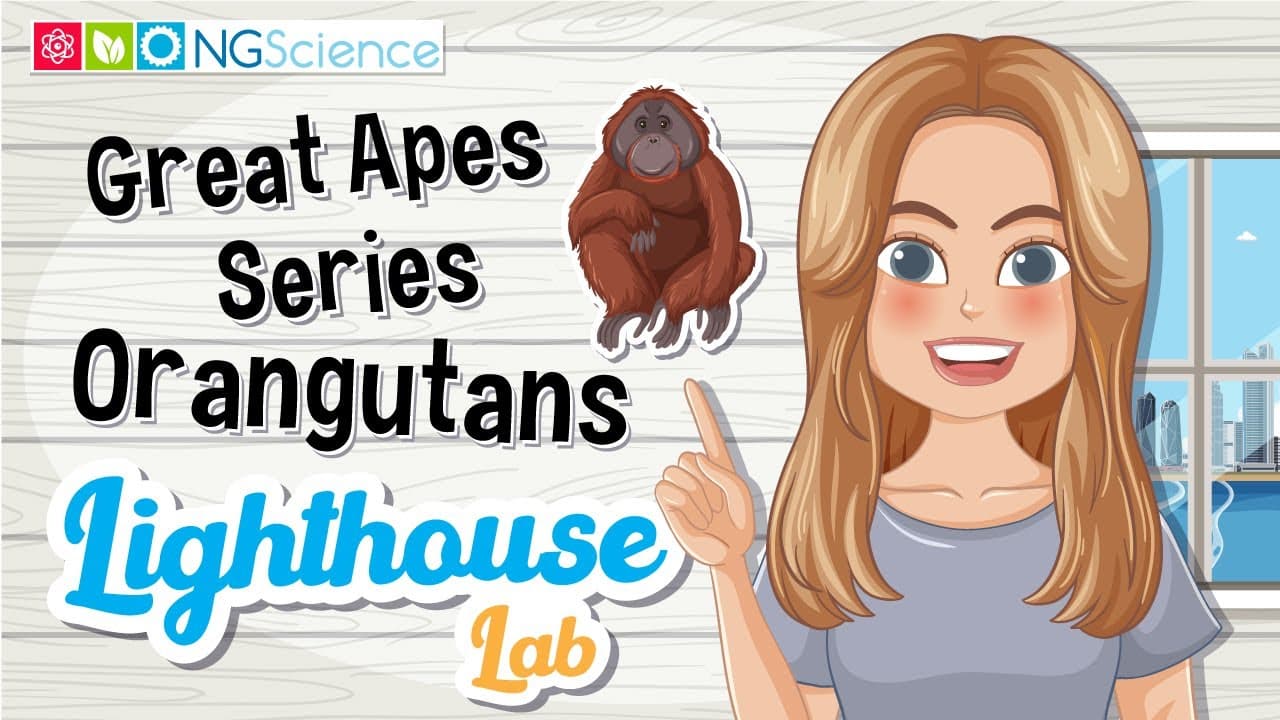
Orangutans: The Forest People of Borneo and Sumatra

Orangutans: The Forest People of Borneo and Sumatra

This educational video from Lighthouse Lab provides an in-depth look at orangutans, one of the world's great apes. Hosted by Sophie Taylor-Pritchard, the video explores the biology, geography, and behavior of these fascinating primates. It begins by situating orangutans within the great ape family—alongside gorillas, chimpanzees, bonobos, and humans—and defines their unique status as the only great apes endemic to the Asian islands of Borneo and Sumatra. The narration breaks down the etymology of their name, "forest person," connecting it to their arboreal nature and human-like behaviors. The content dives into the specific biological adaptations that allow orangutans to thrive in the rainforest canopy, such as their specialized shoulder structure and long arms. It covers their diet, their critical ecological role as seed dispersers, and their tool-using abilities. The video also highlights their reproductive cycle, noting that they are the slowest breeding primates, which makes their population recovery particularly challenging. Detailed statistics about their life span, gestation period, and offspring frequency provide a clear picture of their life history. Finally, the video addresses the critical conservation status of orangutans, categorizing them as critically endangered. It explains the primary threats they face, specifically habitat destruction due to palm oil plantations. The video concludes with an actionable step for viewers, encouraging them to help protect these animals by avoiding unsustainable palm oil products, effectively linking scientific learning with environmental stewardship and civic responsibility.

Next Generation ScienceNext Generation Science

3mins 50s

Video
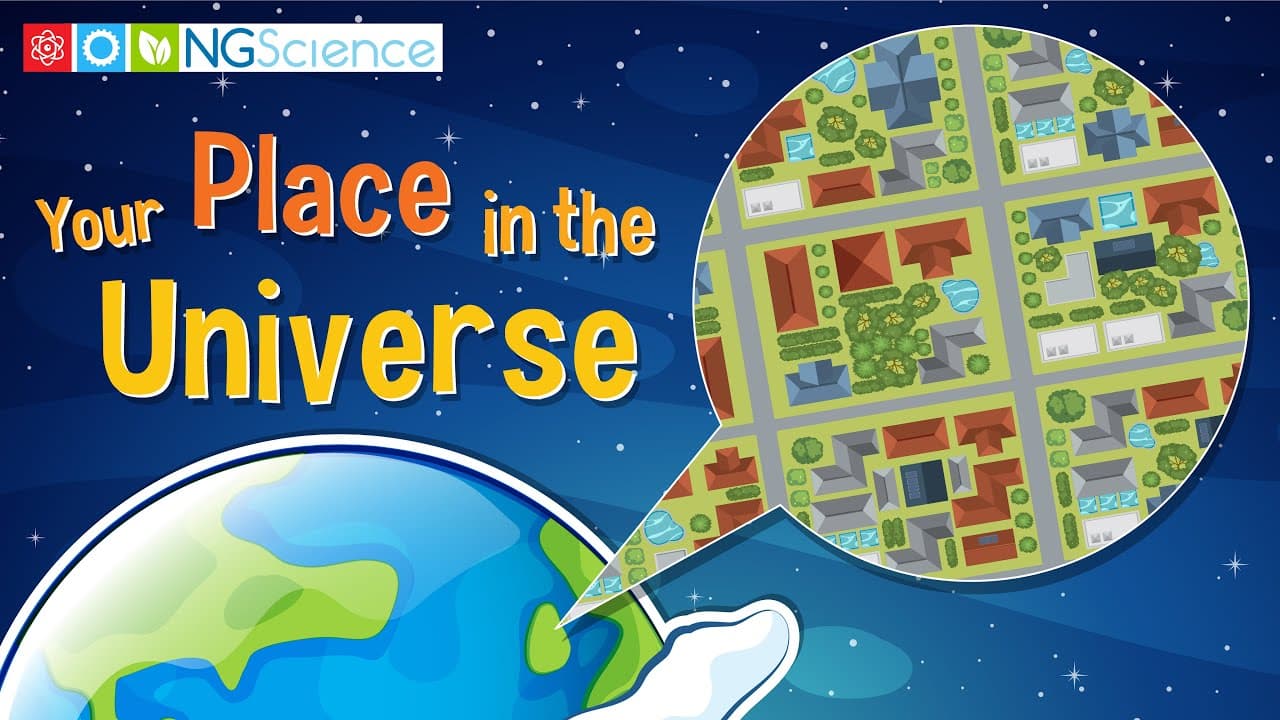
Your Cosmic Address: From Home to the Universe

Your Cosmic Address: From Home to the Universe

This visually engaging video takes students on a journey of scale and perspective, starting from a relatable domestic scene in a living room and zooming out progressively to the edges of the known universe. By anchoring the abstract concept of cosmic scale in the familiar setting of a child's home, the video builds a 'cosmic address' layer by layer: from home to street, town, country, Earth, Solar System, Milky Way, and finally the vast universe.

Next Generation ScienceNext Generation Science

2mins 53s

Video
Tracking Shadows and the Sun's Position

Tracking Shadows and the Sun's Position

This engaging educational video explores the science behind shadows and how they change throughout the day based on the sun's position. Hosted by Sabrina Cruz, the lesson begins by defining a shadow as a dark area created when a solid object blocks light. It explains that while shadows might seem to have a mind of their own, their movement is actually caused by the Earth's rotation, which makes the sun appear to move across the sky from east to west. The video conducts a virtual experiment using a stationary lamp post to observe shadow patterns from 7:00 AM to 6:00 PM. Through this investigation, students visualize how shadows are long and point west in the morning, become shortest at noon, and grow long again pointing east in the afternoon. The lesson connects these observations to historical practices, mentioning how ancient civilizations used these predictable patterns to tell time, effectively using the sun as a giant clock. For the classroom, this video is an excellent resource for bridging Earth science and data analysis. It introduces bar graphs to interpret the observational data, helping students see the mathematical relationship between time of day and shadow length. By connecting abstract concepts like planetary rotation to concrete, observable phenomena like shadows, it provides a practical foundation for understanding the Earth-Sun system.

Crash Course KidsCrash Course Kids

4mins 53s

Video
How to Find Constellations in the Night Sky

How to Find Constellations in the Night Sky

This engaging educational video introduces young learners to the concept of constellations—groups of stars that form patterns in the night sky. Using a relatable analogy of finding shapes in clouds, the host explains how humans throughout history have connected the stars like dots to create pictures and stories. The video specifically highlights famous constellations including the Big Dipper (and its role within Ursa Major), Orion the Hunter, the Southern Cross (Crux), and Sagittarius, while also touching on how different cultures perceive the same star groups differently. Key themes include pattern recognition, cultural perspectives on astronomy, and the specific identification of major constellations in both the Northern and Southern Hemispheres. The video also introduces scientific terminology like "nebula" through the example of the Orion Nebula, bridging the gap between ancient mythology and modern astronomy. It emphasizes imagination and observation as scientific tools. This resource is highly valuable for early elementary classrooms as an introduction to astronomy and space science. It provides clear, visual demonstrations of how to locate stars in the sky, making abstract concepts concrete. Teachers can use this video to launch units on the solar system, inspire creative writing through star myths, or explore how geography affects what we see in the sky.

SciShow KidsSciShow Kids

3mins 45s

Video
How to Build a Mars Helicopter Model

How to Build a Mars Helicopter Model

Join Anthony and his robot pal Squeaks to explore the fascinating engineering behind NASA's Ingenuity helicopter, the first machine designed to fly on Mars. This engaging video breaks down the science of flight, comparing how helicopters work on Earth versus the unique challenges posed by the thin Martian atmosphere. Viewers learn how scientists solved these problems using specific design features like lightweight materials and extra-long, fast-spinning blades. The video transitions from theory to practice by guiding students through a hands-on STEM activity: building their own paper helicopter models. It demonstrates the importance of scientific modeling and introduces the engineering design process, encouraging viewers to test, observe, and iterate on their designs—just like real NASA engineers. This resource is an excellent tool for introducing elementary students to concepts of aerodynamics, planetary science, and engineering. It seamlessly connects complex space exploration topics with a simple, accessible classroom craft, making it perfect for lessons on the scientific method, variables, and the perseverance required in problem-solving.

SciShow KidsSciShow Kids

6mins 41s

Video
Why the Moon Turns Red: Understanding Lunar Eclipses

Why the Moon Turns Red: Understanding Lunar Eclipses

In this engaging episode of SciShow Kids, host Jessi takes young astronomers into the observatory to explore the phenomenon of a lunar eclipse. The video breaks down the celestial mechanics behind this event, explaining how the specific alignment of the Sun, Earth, and Moon creates a shadow that changes the Moon's appearance. It specifically addresses the "Blood Moon" phenomenon, answering the intriguing question of why the Moon turns red instead of going completely dark when it passes into Earth's shadow. The content covers key astronomical concepts including the definition of "lunar" and "eclipse," the orbital paths of the Earth and Moon, and the physics of light refraction through Earth's atmosphere. Through clear, colorful animations, students visualize the straight-line alignment required for an eclipse and learn why these events are visible only from certain parts of the world and at specific times. The video also importantly distinguishes between solar and lunar eclipses regarding eye safety. This resource is highly valuable for elementary science classrooms as it simplifies the complex 3D spatial relationships of celestial bodies into understandable 2D animations. It serves as an excellent introduction to units on space, light and shadows, or the solar system. Teachers can use this video to spark curiosity about the night sky, model orbital mechanics, or introduce basic optics concepts. While the video references specific dates from 2015, the scientific explanations remain evergreen and accurate.

SciShow KidsSciShow Kids

3mins 9s

Video
Comets, Asteroids, and Meteors: Flying Space Rocks Explained

Comets, Asteroids, and Meteors: Flying Space Rocks Explained

This engaging educational video from SciShow Kids introduces young astronomers to the smaller, more dynamic objects in our solar system: comets, asteroids, and meteors. While students may already be familiar with the sun and the eight major planets, host Jessi explains that the solar system is also full of "flying space rocks" that orbit the sun. The video breaks down the distinct characteristics of these objects, explaining what they are made of, where they come from, and how they behave as they travel through space. The content covers three main categories of space objects. First, it explores comets, described as "dirty snowballs" made of ice, dust, and rock that develop glowing tails when they get close to the sun. It introduces the famous Halley's Comet and its 75-year orbit. Second, it examines asteroids, rocky and metallic remnants of unfinished planets that mostly reside in the Asteroid Belt between Mars and Jupiter. Finally, the video clarifies the difference between meteors (shooting stars) and meteorites (rocks that actually land on Earth), touching briefly on the impact that likely ended the age of dinosaurs. This video is an excellent resource for elementary science classrooms exploring the solar system beyond just the planets. It provides clear, accessible definitions for vocabulary that students often confuse, supported by vivid animations and real astronomical imagery. Teachers can use this video to launch lessons on space composition, orbital mechanics, or Earth's history. It effectively demystifies space phenomena, turning abstract dots in the night sky into tangible objects with specific properties and histories.

SciShow KidsSciShow Kids

4mins 1s

Video
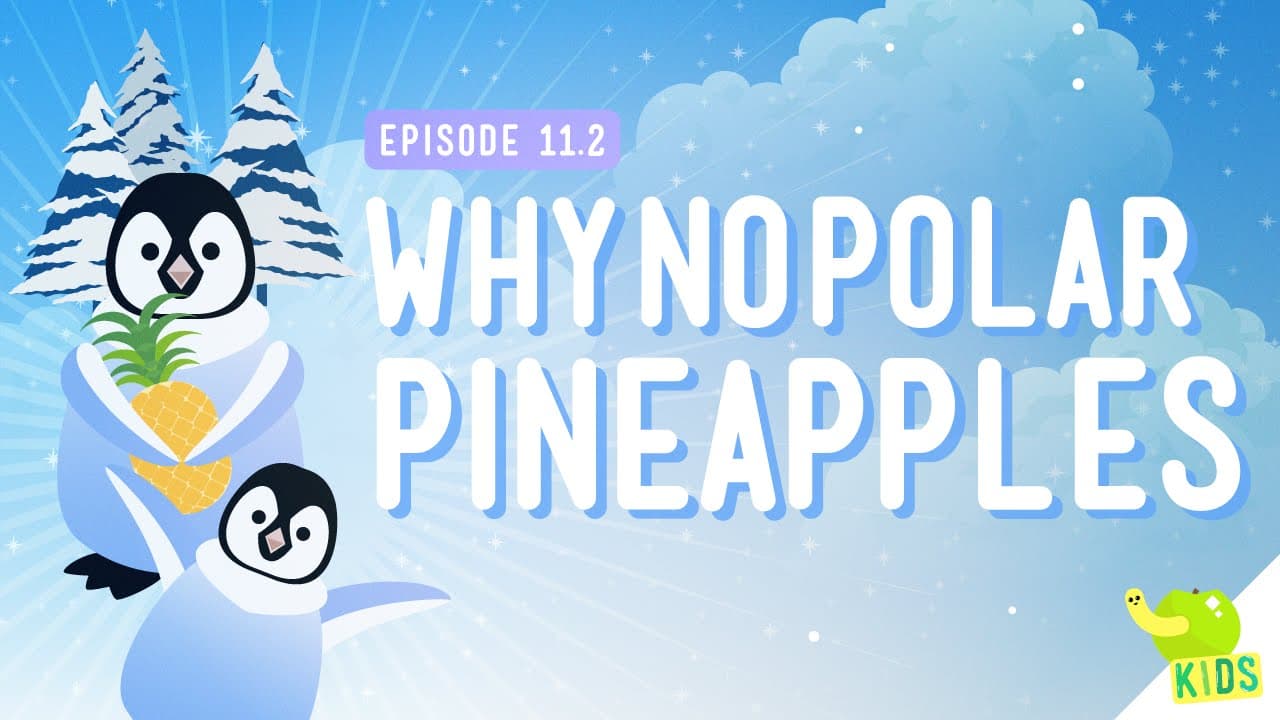
How Sunlight Angles Affect Plant Growth

How Sunlight Angles Affect Plant Growth

This educational science video from Crash Course Kids explores the relationship between Earth's geography, sunlight intensity, and plant growth. Host Sabrina Cruz uses the question of why pineapples don't grow at the North or South Poles to introduce complex Earth science concepts in an accessible way. The video breaks down how the Earth's tilt and orbit around the sun create different zones of sunlight intensity—specifically focusing on the difference between direct and indirect sunlight. The content covers key themes including photosynthesis, the Earth's axis and orbit, and how the angle of sunlight affects temperature and energy availability. It uses a clear comparison between the equator (which receives direct sunlight) and the poles (which receive indirect sunlight) to explain global climate patterns. Additionally, the video models the scientific method by proposing a hypothetical experiment with bean plants to demonstrate how light intensity impacts biological growth. For teachers, this video serves as an excellent bridge between life science (biology/plants) and earth science (space systems/climate). It provides a concrete, real-world example of why climate varies across the globe and how those variations dictate the biosphere. The clear definitions and visual animations make abstract concepts like "angle of incidence" understandable for elementary and middle school students, making it a valuable tool for units on seasons, ecosystems, or planetary motion.

Crash Course KidsCrash Course Kids

3mins 33s

Video
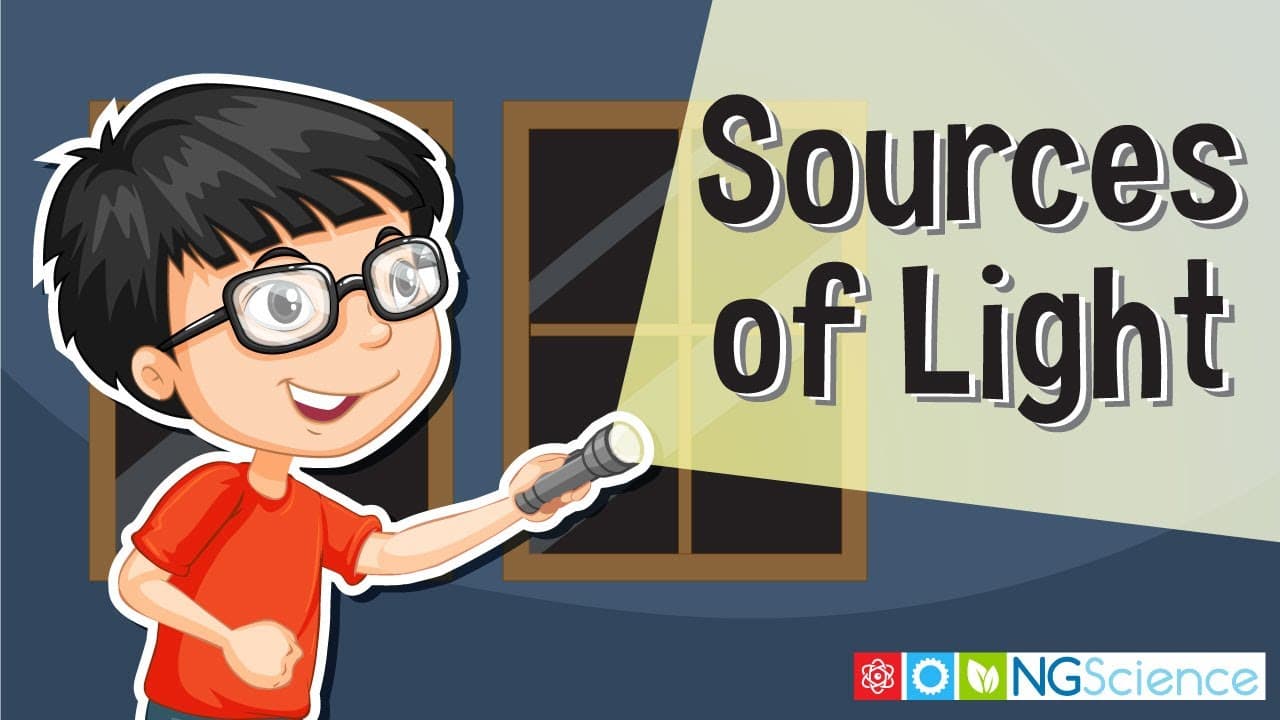
Identifying Natural and Artificial Sources of Light

Identifying Natural and Artificial Sources of Light

This educational science video introduces primary school students to the concept of light sources, clearly distinguishing between objects that produce their own light and those that do not. Through a series of high-quality visuals ranging from sunny orchards to bioluminescent fireflies, the narrator explains the definition of a light source. The video categorizes these sources into natural examples like the Sun, lightning, and stars, and artificial examples used by humans such as light bulbs, car headlights, and televisions. A key scientific concept addressed is the distinction between emitting and reflecting light, specifically using the Moon as a case study. The video corrects the common misconception that the Moon is a source of light, explaining that it merely reflects the Sun's rays. This critical distinction helps students build a more accurate understanding of astronomical bodies and the physics of light. Teachers can use this video as an engaging hook for a unit on energy, physics, or day and night cycles. It provides clear visual examples that can anchor class discussions and sorting activities. The pacing is suitable for young learners, and the 'silent quiz' section near the end—showing fireworks, divers, and candles without narration—offers an excellent opportunity for teachers to pause and assess student understanding in real-time.

Next Generation ScienceNext Generation Science

1min 52s

Video
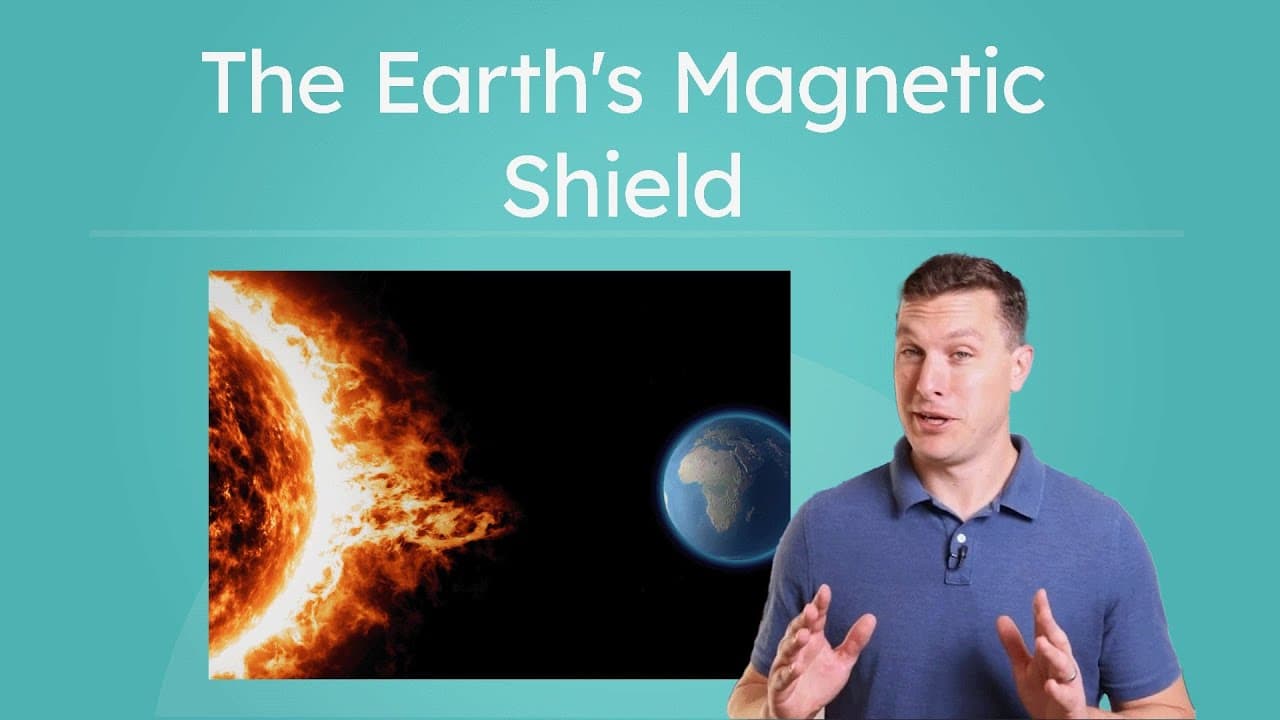
Earth's Magnetic Shield and the Right-Hand Rule

Earth's Magnetic Shield and the Right-Hand Rule

This educational video explores the critical role of Earth's magnetic field in protecting our planet from harmful solar radiation and introduces the physics concept of the Right-Hand Rule. The lesson begins by visualizing the sun as a massive nuclear reactor and explains how Earth's magnetic shield deflects solar wind, creating phenomena like the Aurora Borealis while preventing the radiation damage seen on barren worlds like the Moon and Mars. The second half of the video transitions into a practical physics tutorial on electromagnetism. It breaks down how magnetic fields exert force on moving charges and teaches students how to use the Right-Hand Rule to determine the direction of that force. The presenter uses clear, step-by-step examples with on-screen graphics to demonstrate how to position fingers to represent charge, field, and force vectors. For educators, this video serves as a bridge between Earth science and physics concepts. It provides a real-world application for abstract electromagnetic principles, making it an excellent resource for high school physics units on magnetism or earth science units on planetary habitability. The visual demonstrations of 3D spatial reasoning (using the hand) are particularly helpful for students who struggle with vector directions.

Miacademy & MiaPrep Learning ChannelMiacademy & MiaPrep Learning Channel

7mins 57s

Video
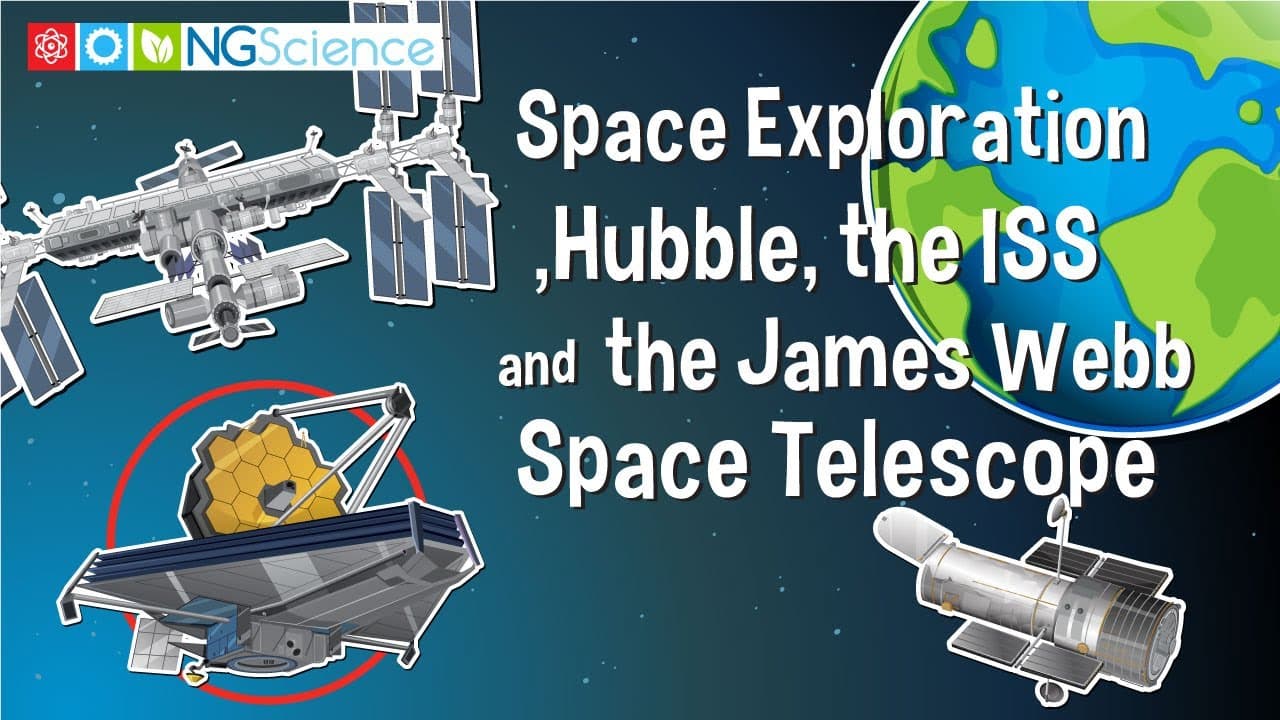
Exploring Space: Hubble, the ISS, and the James Webb Telescope

Exploring Space: Hubble, the ISS, and the James Webb Telescope

This educational video provides a concise yet comprehensive overview of humanity's presence in the solar system, moving from a broad look at our planetary neighborhood to specific human-made instruments orbiting in space. It begins by establishing the scale of the solar system, identifying the sun, planets, moons, and asteroids, before zooming in on Earth. The narrative then expands outward, introducing three critical pieces of space technology: the Hubble Space Telescope, the International Space Station (ISS), and the James Webb Space Telescope (JWST). A key focus of the video is illustrating the relative distances of these objects from Earth. Using clear animations and on-screen metrics (in both kilometers and miles), it visually demonstrates the vast difference between the Low Earth Orbit of the Hubble and ISS compared to the distant orbit of the Moon and the even more distant vantage point of the James Webb Telescope. This visual comparison helps students grasp the concept of space scale and orbital mechanics in an accessible way. For educators, this resource serves as an excellent bridge between lessons on the solar system and units on space exploration technology. It introduces complex concepts like the L2 Lagrange point and orbital distances with simple visuals, making it a valuable tool for discussing how astronomers study the universe. The video highlights themes of engineering marvels and international cooperation, providing multiple entry points for classroom discussion.

Next Generation ScienceNext Generation Science

1min 58s

Video
Exploring the Changes of Spring

Exploring the Changes of Spring

This educational video provides a clear and visually engaging introduction to the season of spring, framed within the broader context of the Earth's four seasons. It begins by explaining the cyclical nature of weather patterns, touching upon changes in sunlight, temperature, and precipitation. The video utilizes high-quality footage and simple animations to demonstrate the Earth's orbit around the sun as the primary driver of these seasonal shifts.

Next Generation ScienceNext Generation Science

1min 59s

Video
The History of Space Exploration: From Sputnik to Mars

The History of Space Exploration: From Sputnik to Mars

This educational video provides a comprehensive overview of the history of human space exploration, tracing the journey from early astronomy to modern commercial spaceflight. It focuses heavily on the "Space Race" between the United States and the Soviet Union, detailing how political competition drove rapid technological advancements like the launch of Sputnik and the Apollo moon landings. The narrative explains how these historical events laid the groundwork for today's technologies, such as GPS and satellite communications. The content covers major milestones including the first human in space (Yuri Gagarin), the Apollo 11 moon landing, the Space Shuttle era, and the construction of the International Space Station (ISS). It also touches upon the transition from government-led missions to international cooperation and the recent rise of private companies like SpaceX. The video highlights both the triumphs and the tragedies of space travel, emphasizing the engineering challenges and the human spirit of discovery. For educators, this video serves as an excellent bridge between science and social studies curricula. It contextualizes scientific achievements within a historical framework, making it ideal for lessons on the Cold War, the history of science, or engineering design. The video includes built-in pauses for student reflection and note-taking, making it a ready-to-use resource for introducing a unit on space or for sparking discussions about the future of human exploration on Mars and beyond.

Miacademy & MiaPrep Learning ChannelMiacademy & MiaPrep Learning Channel

9mins 16s

Video
What Are Satellites and What Do They Do?

What Are Satellites and What Do They Do?

Join Jessi and Squeaks the Robot Rat in this engaging introduction to satellites and space exploration. The video begins with a mystery as the duo spots a steady, moving light in the night sky, leading to an investigation into what satellites are and how to identify them. It distinguishes between natural satellites, like the Moon, and the artificial ones launched by humans, explaining their basic construction including computers, solar panels, and scientific instruments. The content explores the history of space flight, introducing Sputnik as the first human-made satellite launched in 1957, and contrasts it with the thousands of satellites orbiting today. It breaks down the critical jobs these machines perform, from monitoring Earth's climate and tracking weather patterns to enabling GPS navigation and global communication. The video makes complex technology relatable by showing how students use satellite tech in their daily lives through phones and television. Finally, the video tours the largest artificial satellite in existence: the International Space Station (ISS). Students get a glimpse into astronaut life, learning that people live and conduct experiments in space for months at a time. This resource is excellent for elementary science units on space, technology, or Earth systems, helping students understand the connection between what they see in the sky and the technology they use on the ground.

SciShow KidsSciShow Kids

3mins 37s

Video
How Earth's Rotation Creates Day and Night

How Earth's Rotation Creates Day and Night

This engaging educational video introduces young learners to the fundamental scientific concept of Earth's rotation and how it creates the cycle of day and night. Hosted by a friendly presenter in a virtual "Lighthouse Lab," the video uses clear, simple language and high-quality 3D animations to explain that the sun doesn't actually move across the sky, but rather the Earth spins like a top. The content breaks down abstract astronomical concepts into concrete, relatable ideas for primary students. Key themes explored include planetary motion, the definition of an axis, and the global nature of time. The video specifically illustrates how different parts of the world experience light and darkness simultaneously, helping students move past an egocentric view of their environment to a global perspective. It defines crucial vocabulary like "rotation" and "axis" with visual aids that make these invisible lines and movements visible and understandable. For educators, this resource serves as an excellent hook or core explanation for units on Earth and space science. The inclusion of an interactive 8-question quiz at the end transforms passive viewing into active assessment, allowing teachers to immediately gauge student comprehension. The visual demonstrations of the Earth facing toward and away from the sun provide a mental model that supports future learning about time zones, seasons, and the solar system.

Next Generation ScienceNext Generation Science

3mins 57s

Video
How Earth's Rotation Causes Day and Night

How Earth's Rotation Causes Day and Night

This concise educational animation explains the fundamental cause of the day and night cycle through the Earth's rotation. Using clear 3D visualizations of the Earth rotating next to the Sun, the video demonstrates how different parts of the planet face the Sun at different times, creating periods of light (day) and darkness (night). The video introduces key vocabulary such as "axis," "rotation," and "alternation," while connecting these abstract concepts to relatable real-world imagery. It shows children playing on scooters to represent daytime and a camping tent under a starry sky to represent nighttime, helping young learners bridge the gap between the astronomical view and their daily lived experience. Ideal for early elementary science curriculums, this resource serves as an excellent visual anchor for units on space systems and patterns. It simplifies complex orbital mechanics into a digestible format, making it a perfect tool for introducing Next Generation Science Standards related to observing and describing patterns of the sun, moon, and stars.

Next Generation ScienceNext Generation Science

1min 1s

Video
Exploring the Ice Giants: Uranus and Neptune

Exploring the Ice Giants: Uranus and Neptune

This educational video takes students on a journey to the outer reaches of our solar system to explore the “Ice Giants,” Uranus and Neptune. It compares these distant worlds to the inner terrestrial planets and the gas giants, highlighting their unique compositions, immense distances from the sun, and the specific challenges associated with exploring them. The narrator explains the formation of these planets beyond the “frost line,” clarifying the scientific definition of “ice” in astronomy as a dense fluid of water, ammonia, and methane rather than frozen water as we know it on Earth. The video delves into the distinct characteristics of each planet. For Uranus, it examines its extreme axial tilt which causes it to “roll” around the sun, resulting in decades-long seasons, as well as its retrograde rotation likely caused by a massive collision. For Neptune, the focus shifts to its internal heat source, supersonic winds, and dynamic storm systems. The content also addresses the logistical difficulties of sending crewed missions to these worlds, citing the lack of a solid surface and the decades-long travel time required. This resource is highly valuable for middle school science classrooms as it bridges the gap between basic planetary knowledge and more complex astronomical concepts like planetary formation, atmospheric dynamics, and the physics of orbits and seasons. It provides clear visual models for abstract concepts like scale distance and planetary interiors, making it an excellent tool for sparking discussions about space exploration technology and the future of scientific discovery.

Miacademy & MiaPrep Learning ChannelMiacademy & MiaPrep Learning Channel

8mins 26s

Video
Why We See the Moon During the Day

Why We See the Moon During the Day

This engaging video from SciShow Kids answers a common student inquiry: "Why can I see the moon during the day?" Through clear narration and helpful animations, the host breaks down the complex mechanics of the Earth-Sun-Moon system. The video explains foundational astronomical concepts, differentiating between Earth's daily rotation and the Moon's monthly orbit, while effectively demonstrating how the interaction of these movements allows the Moon to be visible in the daytime sky. Key themes include the rotation of Earth causing day and night, the concept of orbiting, and the physics of light reflection. A crucial distinction is made between the Sun as a source of light and the Moon as a reflector of that light. The video also introduces the concept of moon phases using kid-friendly analogies—comparing the changing shapes to a bitten cookie, a fingernail clipping, and a dinner plate—to explain that the Moon's shape doesn't actually change, only our view of its illuminated half does. For classroom application, this resource is invaluable for dispelling the misconception that the Moon acts solely as a "night light." It serves as a perfect launchpad for units on space systems, patterns in the sky, or the properties of light. Teachers can utilize the video's clear visual models to set up classroom demonstrations using globes and flashlights, or to initiate a long-term moon observation journal project where students track the moon's visibility during school hours.

SciShow KidsSciShow Kids

3mins 52s

Video
Exploring Moons Across Our Solar System

Exploring Moons Across Our Solar System

This educational video provides a clear and visually engaging introduction to moons within our solar system. It begins by defining the solar system structure, establishing the sun as the center with planets orbiting it, before zooming in on the definition of a moon. The video distinguishes moons from stars by explaining that moons are not light sources but rather reflect sunlight, a key concept for understanding planetary visibility.

Next Generation ScienceNext Generation Science

3mins 48s

Video
Exploring the Sun: Our Solar System's Star

Exploring the Sun: Our Solar System's Star

In this engaging episode of SciShow Kids, host Jessi and her robot sidekick Squeaks team up with Sam the Bat, an astronomer, to explore the fundamental properties of the Sun. Sparked by Squeaks waking up early due to the bright sunlight, the team investigates what the Sun actually is (a star), its role as the center of our solar system, and how Earth travels around it to create years.

SciShow KidsSciShow Kids

5mins 6s

Video
How GPS Works and Why We Need It

How GPS Works and Why We Need It

This educational video provides a clear and engaging explanation of the Global Positioning System (GPS), tracing its evolution from a military tool to an essential part of daily civilian life. The video begins by contrasting modern digital navigation with the traditional use of paper maps, highlighting the convenience technology has brought to travel. It then dives into the technical mechanics of GPS, explaining how a network of satellites orbiting Earth communicates with receivers in devices like smartphones to determine precise locations through signal timing.

Next Generation ScienceNext Generation Science

7mins 7s

Video
How Plate Tectonics Shape Our Planet

How Plate Tectonics Shape Our Planet

This engaging earth science video explores the fascinating geological history of our planet, specifically focusing on how the Earth's surface has changed over millions of years. It introduces students to the concept of the Earth as a giant puzzle, explaining the connection between the historical theory of Continental Drift and the modern theory of Plate Tectonics. The narrator guides viewers through the scientific journey of Alfred Wegener, whose initial hypothesis about a supercontinent called Pangaea was rejected until fossil and rock evidence later confirmed that continents do indeed move.

Miacademy & MiaPrep Learning ChannelMiacademy & MiaPrep Learning Channel

9mins 36s

Video
Exploring the Earth's Oceans and Marine Life

Exploring the Earth's Oceans and Marine Life

This educational video provides a comprehensive introduction to the Earth's oceans, explaining why our planet looks like a "giant blue ball" from space. It breaks down the global ocean into its five major named regions—Southern, Indian, Pacific, Atlantic, and Arctic—while emphasizing that they are all part of one continuous body of salt water. The narrative transitions from geography to marine biology, exploring the diverse habitats found within the ocean, from icy arctic waters to warm tropical coral reefs. The video dives into the biological diversity of marine life, starting with often-overlooked ocean plants. It highlights the critical role of microscopic phytoplankton, alongside visible flora like seagrass and seaweed. The tour of marine life continues up the food chain, showcasing animals ranging from tiny krill to massive whales, and detailing the bustling ecosystem of coral reefs, described as "underwater jungles." It also notes the connection between the ocean and land-based animals, specifically seabirds that rely on the ocean for food. For educators, this resource serves as an excellent primer for units on Earth science, habitats, or biodiversity. It visually demonstrates complex concepts like the microscopic scale of plankton and the vastness of global geography in an accessible way. The clear narration and distinct categorization of plants, animals, and habitats make it a versatile tool for vocabulary building and initiating discussions about ocean conservation and interconnected ecosystems.

Next Generation ScienceNext Generation Science

2mins 31s

Video
Exploring the Four Types of Soil

Exploring the Four Types of Soil

This educational video provides a clear and comprehensive introduction to soil science, specifically designed for elementary students. It begins by defining soil as a mixture of rock particles, water, air, and humus, explaining how these components interact to support life on Earth. The narration highlights the vital role soil plays in providing nutrients for plants and habitats for various organisms, from earthworms to microscopic fungi.

Next Generation ScienceNext Generation Science

7mins 25s

Video
The Wonders of Water: Rivers, Erosion, and the Water Cycle

The Wonders of Water: Rivers, Erosion, and the Water Cycle

In this comprehensive compilation from SciShow Kids, Jessi and her robot rat friend Squeaks take students on a journey to explore everything about Earth's water. The video is divided into three distinct segments: first, investigating where the water in our faucets comes from by exploring groundwater, rivers, oceans, and glaciers; second, a debate between puppet characters Bill and Webb about whether wind or water is a stronger force of nature, leading to a lesson on erosion and landforms; and third, a theatrical performance that dramatizes the stages of the water cycle. Key themes include the geography of water (rivers, lakes, oceans), the states of matter (liquid water, solid ice, water vapor), and the geological forces of erosion and weathering. The video covers specific landforms like the Grand Canyon, sand dunes, and stone arches, explaining how they were formed over millions of years. It also breaks down the water cycle into its four main components: evaporation, condensation, precipitation, and collection, using a play-within-a-video format to model these abstract concepts. This video is highly valuable for elementary science classrooms as it connects everyday experiences (turning on a tap, seeing rain) to global systems. It models scientific inquiry through Squeaks' hypothesis testing and uses engaging visual aids—including maps, real-world footage, and puppetry—to make complex topics like geological time and phase changes accessible. The variety of segments allows teachers to use the video as a whole or break it down to teach specific units on hydrology, geology, or weather.
SciShow KidsSciShow Kids

16mins 44s

Video
Where Does Water Come From? Exploring Rivers, Oceans, and Ice

Where Does Water Come From? Exploring Rivers, Oceans, and Ice

This engaging episode of SciShow Kids explores the origins of tap water and takes young viewers on a global journey to discover Earth's various water sources. Hosted by Jessi and her robot mouse friend Squeaks, the video begins with a simple question about how a kitchen faucet works and expands into a geography and earth science lesson. It effectively breaks down the complex journey of water from natural sources to our homes using animation, maps, and real-world footage.

SciShow KidsSciShow Kids

5mins 28s

Video
Exploring the World's Rainiest Places and Measuring Rainfall

Exploring the World's Rainiest Places and Measuring Rainfall

In this engaging episode of SciShow Kids, host Jessi and her robot friend Squeaks explore the science behind rainfall and discover why weather patterns vary so drastically across the globe. After Squeaks gets rained out of his kite-flying plans, the duo investigates why some locations on Earth are much wetter than others. The video introduces young viewers to the concept of global weather variance, explaining how geography—specifically mountains, valleys, and proximity to oceans—creates unique climates. It takes students on a virtual field trip to record-breaking locations like Mount Waiʻaleʻale in Hawaii and the villages of Cherrapunji and Mawsynram in India, using fun comparisons like giraffes and buildings to visualize rainfall amounts. The video covers key earth science themes including the water cycle, the influence of topography on weather (orographic lift simplified), and the seasonal impact of monsoons. It also integrates mathematics and measurement by introducing rain gauges and the metric unit of millimeters. The narrative explains complex concepts through accessible analogies, such as comparing wind moving through valleys to gravy flowing through a mashed potato channel, helping students understand how landscapes direct storm clouds. For educators, this video is an excellent dual-purpose resource that combines Earth Science with practical measurement skills. It seamlessly transitions from theoretical learning about global climates to a hands-on engineering activity where students learn to build their own rain gauge using simple household items. This allows teachers to bridge the gap between learning about weather and actually observing and recording data, making it a perfect launchpad for a weather observation unit or a lesson on climate geography.

SciShow KidsSciShow Kids

7mins 7s

Video
Exploring Earth's Deserts: Hot, Cold, and Dry Environments

Exploring Earth's Deserts: Hot, Cold, and Dry Environments

This educational video provides a comprehensive overview of desert biomes, challenging the common misconception that deserts are always hot. It defines deserts primarily by their aridity and lack of rainfall rather than temperature, showcasing the diversity of these landscapes from the scorching sands of the Sahara to the icy plains of Antarctica. The narration explains the extreme weather patterns found in deserts, including the dramatic temperature shifts between day and night and unpredictable rainfall events.

Next Generation ScienceNext Generation Science

4mins 46s

Video
How Animals Engineer Their Environments

How Animals Engineer Their Environments

This energetic science video explores the fascinating ways animals physically alter their surroundings to survive, challenging the idea that only humans engineer their environments. Hosting by Sabrina Cruz, the video begins by recapping how humans transformed New York City before pivoting to the main thesis: all living things change their environment. Through detailed animated examples, students are introduced to "ecosystem engineers" like prairie dogs, termites, squirrels, and beavers, demonstrating how each species modifies the landscape—whether intentionally to build homes or unintentionally through behaviors like burying nuts.

Crash Course KidsCrash Course Kids

4mins 39s

Video
Exploring the Great Barrier Reef: A Virtual Field Trip

Exploring the Great Barrier Reef: A Virtual Field Trip

This educational video from Lighthouse Lab takes students on an engaging virtual field trip to Australia's Great Barrier Reef. Hosted by a lively presenter, the journey begins in the lab before transporting viewers to the Queensland coast. The video combines high-quality underwater footage, maps, and narration to explore the geography, structure, and incredible biodiversity of the world's largest coral reef system. It breaks down complex biological categories into accessible segments, covering everything from the microscopic coral polyps that build the reef to the massive marine mammals that inhabit it. Key themes explored include marine biology, taxonomy, and geography. The video details specific statistics about the reef's size and composition while introducing various animal groups such as fish, reptiles (sea turtles and snakes), marine mammals (dugongs, whales), and invertebrates (echinoderms, mollusks, crustaceans). It specifically highlights unique species like the dugong and the Spanish Dancer nudibranch, providing a broad overview of the reef's ecosystem. For educators, this video serves as an excellent anchor for lessons on ocean habitats, animal classification, and Australian geography. The structure is particularly classroom-friendly, as it encourages active listening through note-taking and concludes with a comprehensive 10-question multiple-choice quiz that reinforces the key facts presented. It effectively bridges the gap between entertainment and academic content, making it suitable for introducing a marine biology unit or supplementing a geography lesson.

Next Generation ScienceNext Generation Science

11mins 6s

Video
Turning Food Scraps Into Soil: A Composting Field Trip

Turning Food Scraps Into Soil: A Composting Field Trip

In this engaging episode of SciShow Kids, host Mr. Brown and his robot mouse friend Squeaks take students on a virtual field trip to learn about composting. The video begins in their "Fort," where Mr. Brown explains his compost bucket routine before transporting viewers to a real-world facility called Soil Cycle. There, they meet an expert named Caitlyn who demystifies the process of turning food scraps into nutrient-rich soil.

SciShow KidsSciShow Kids

6mins 43s

Video
How Mangroves Survive and Protect the Coast

How Mangroves Survive and Protect the Coast

This educational video provides a comprehensive look at mangrove forests, exploring how these unique plants survive in harsh intertidal environments where land meets the sea. It details the specific biological adaptations that allow mangroves to thrive in salty, low-oxygen soil, including their specialized root systems and unique reproductive cycle. The narration clearly explains the challenges of the intertidal zone, such as shifting tides and soft sediment, and how the trees have evolved to overcome them. The video specifically focuses on structural adaptations like stilt roots that prop up the trees and pneumatophores (breathing roots) that stick out of the mud to absorb oxygen. It also covers the fascinating reproductive strategy where seeds germinate while still attached to the parent plant before dropping into the water to float away. These examples serve as excellent case studies for teaching students about structural and behavioral adaptations in plants. Finally, the video highlights the crucial role mangroves play in the wider ecosystem. It showcases the biodiversity supported by these forests, including fish, crabs, and birds, and explains how mangroves act as natural barriers against coastal erosion, storm surges, and tsunamis. This makes the video highly relevant for lessons on ecosystems, biodiversity, and environmental conservation.

Next Generation ScienceNext Generation Science

2mins 51s

Video
The Science of Flying: Planes, Birds, and Wind

The Science of Flying: Planes, Birds, and Wind

This comprehensive educational video demystifies the science of flight to help alleviate anxiety about flying. Through three distinct segments, hosts Jessi and Anthony explain the physics of how airplanes stay aloft, compare the different wing structures of animals found in nature, and explore how wind patterns affect flight and the Earth itself. The narrative is anchored by Squeaks the robot mouse, who is nervous about his first airplane trip, providing a relatable emotional hook for young viewers. The video covers a wide range of scientific topics including aerodynamics (thrust and lift), biology (comparative anatomy of bird, insect, and penguin wings), meteorology (global and local wind patterns), and paleontology (the extinct Quetzalcoatlus). It uses clear animations and real-world analogies to explain complex concepts like air pressure, the jet stream, and erosion. A key theme throughout is how understanding how things work can help overcome fear. Teachers can use this video to support lessons in physics, life sciences, and earth systems. It offers excellent opportunities to discuss the relationship between form and function in animal adaptations, the physical forces of flight, and the powerful effects of wind. Additionally, the video serves as a strong social-emotional learning tool for discussing travel anxiety and strategies for managing nervousness through knowledge.

SciShow KidsSciShow Kids

22mins 26s

Video
Understanding the Biosphere and Earth's Systems

Understanding the Biosphere and Earth's Systems

This educational video provides a comprehensive overview of Earth's biosphere, defining it as the global ecological system integrating all living beings and their relationships. It begins by establishing the context of Earth as a complex system made of four interacting spheres: the geosphere (land), hydrosphere (water), atmosphere (air), and biosphere (life). The video visually explores the immense diversity of life within the biosphere, ranging from microscopic bacteria and fungi to large mammals like camels and polar bears, across various extreme environments from deserts to arctic poles.

Next Generation ScienceNext Generation Science

4mins 16s

Video
Exploring the Arctic: Animals, Adaptations, and Extreme Climates

Exploring the Arctic: Animals, Adaptations, and Extreme Climates

This engaging video provides a comprehensive introduction to the Arctic biome, taking students on a journey to the northernmost part of the Earth. Hosted by an energetic presenter, the video explains the unique geography and climate of the region, including temperatures that drop to 70 degrees below zero and the phenomenon of the "Midnight Sun" where the sun doesn't set in summer or rise in winter. It differentiates between the frozen Arctic Ocean, the rocky Tundra, and the forested Taiga, giving viewers a complete picture of this diverse environment. The core focus of the video is on the incredible biodiversity of the Arctic and the specific adaptations animals use to survive. Through clear visuals and explanations, students learn about a wide range of animals including polar bears, walruses, arctic wolves, and narwhals. Key biological concepts such as insulation (blubber and fur), camouflage (changing fur color with seasons), migration, and physical adaptations (like the lynx's snowshoe-like paws) are explored in depth. The video also briefly touches upon human life in the Arctic, showing how people adapt to the environment using snowmobiles and sleds. For educators, this video is an excellent resource for units on habitats, biomes, and animal adaptations. It uses simple analogies—like comparing a polar bear's paw to a dinner plate or a lynx's feet to snowshoes—that make complex concepts accessible to young learners. The segment on camouflage, showing side-by-side comparisons of animals in winter versus summer coats, offers immediate visual evidence for scientific discussion. Additionally, the inclusion of diagrams, such as the cross-section of a polar bear's den, supports visual literacy and understanding of animal behaviors.

Miacademy & MiaPrep Learning ChannelMiacademy & MiaPrep Learning Channel

12mins 21s

Video
Building an Ocean Zones Jar

Building an Ocean Zones Jar

Join Jessi and Squeaks from SciShow Kids for a hands-on STEAM project that visualizes the layers of the ocean. This video guides students through creating an "Ocean in a Jar" model, using different shades of blue paper to represent the Sunlight, Twilight, and Midnight zones. As they build, students learn why the ocean gets darker and colder the deeper you go and discover the unique animals that inhabit each layer. The video breaks down complex marine biology concepts into simple, understandable segments. It explores the three primary ocean zones, explaining how light penetration affects plant growth and animal adaptations. From sea turtles in the sunny shallows to bioluminescent creatures in the dark depths, the content covers biodiversity and environmental characteristics like water pressure. This resource is an excellent tool for combining art and science in the classroom. It provides a concrete visualization of abstract concepts like depth and pressure, making it easier for young learners to grasp how marine habitats change from the surface to the seafloor. Teachers can use this video as a step-by-step guide for a class project or as an engaging introduction to units on oceanography, habitats, or animal adaptations.

SciShow KidsSciShow Kids

3mins 58s

Video
How George Washington Carver Healed the Soil

How George Washington Carver Healed the Soil

This engaging educational video introduces students to the life and scientific contributions of George Washington Carver, seamlessly blending history with agricultural science. Hosted by Mr. Brown and his robot mouse friend Squeaks, the episode starts with a practical gardening problem—Squeaks' lettuce won't grow—and uses this mystery to transition into the story of Carver. The narrative covers Carver's early life, born into slavery in Missouri, and his perseverance in seeking an education despite racial segregation and systemic unfairness. The video then pivots to Carver's revolutionary work in agricultural science, specifically addressing soil depletion caused by cotton farming. It explains complex concepts like soil nutrients, nitrogen, and the role of bacteria in a simplified, age-appropriate manner. Students learn how Carver taught farmers to rotate crops by planting peanuts, which restore nitrogen to the soil through special bacteria on their roots. This section effectively demonstrates the scientific method in action—identifying a problem (tired soil) and finding a biological solution. For educators, this video is a versatile tool that can anchor lessons in both Social Studies and Science. It provides a gentle but truthful entry point for discussing slavery and segregation while highlighting Black excellence in science. Simultaneously, it offers a clear visual explanation of the nitrogen cycle and sustainable farming practices. The video concludes by listing Carver's actual inventions (shampoo, lotions) while correcting the common myth that he invented peanut butter, encouraging students to think critically about history and science.

SciShow KidsSciShow Kids

5mins 12s

Video
How Earth's Surface Changes Fast and Slow

How Earth's Surface Changes Fast and Slow

In this engaging Earth Science episode, host Sabrina Cruz explores the dynamic nature of our planet's geosphere, explaining how the Earth's surface is constantly evolving rather than remaining static. The video breaks down complex geological concepts into digestible segments, contrasting the vast timescales of tectonic movement with the instantaneous impact of natural disasters. The content covers the mechanisms behind landform creation and alteration, specifically focusing on plate tectonics, weathering, and erosion. It provides concrete examples of both slow changes—such as the formation of the Grand Canyon and the weathering of the "Old Man of the Mountain"—and rapid changes, like the 1980 eruption of Mount St. Helens. These real-world case studies help students visualize abstract geological processes. This video is an excellent resource for elementary and middle school classrooms studying Earth's systems. It helps teachers address Next Generation Science Standards regarding Earth's changing surface by clearly defining key vocabulary like 'landform', 'erosion', and 'glaciers' while providing memorable visual analogies (like fingernail growth) that make geological time scales relatable to young learners.

Crash Course KidsCrash Course Kids

3mins 47s

Video
Exploring Earth's Four Spheres and Their Interactions

Exploring Earth's Four Spheres and Their Interactions

This comprehensive science video explores the four fundamental subsystems of Earth: the Geosphere, Hydrosphere, Atmosphere, and Biosphere. It begins by defining each sphere individually, establishing a clear understanding of the solid earth, water bodies, gaseous envelope, and living organisms that make up our planet. The narrative highlights that Earth's ability to sustain life is not a coincidence but the result of a delicate balance between these four distinct yet interconnected systems. The video delves deep into the complex interactions between these spheres, moving beyond simple definitions to systems thinking. It illustrates specific examples of interdependence, such as how volcanic eruptions (Geosphere) impact air quality (Atmosphere), how the water cycle (Hydrosphere/Atmosphere) distributes heat and moisture, and how photosynthesis (Biosphere) regulates atmospheric gases. Visuals range from diagrams of Earth's interior layers to footage of diverse ecosystems, weather phenomena, and geological processes. For educators, this resource serves as an excellent anchor for units on Earth Systems and Ecology. It supports Next Generation Science Standards (NGSS) regarding Earth's systems and their interactions. The clear segmentation of the video allows teachers to either show the entire overview or focus on specific spheres and their relationships. It is particularly useful for demonstrating cause-and-effect relationships in nature and introducing the concept of Earth as a dynamic, integrated system.

Next Generation ScienceNext Generation Science

16mins 21s

Video
How Nature Makes Soil: Rocks, Rot, and Time

How Nature Makes Soil: Rocks, Rot, and Time

In this engaging episode of SciShow Kids, Jessi and her robot mouse friend Squeaks investigate a fundamental question about the ground beneath our feet: where does soil come from? While students might know that birds come from eggs and trees grow from seeds, the origin of soil is less obvious. The video breaks down the geological and biological recipes for making dirt, explaining how nature constantly manufactures soil through slow, powerful processes involving wind, water, and living organisms. Key scientific concepts explored include weathering—the breakdown of rocks into smaller particles—and the vital role of organic matter. The video details specific weathering agents like crashing waves, freezing ice, and plant roots, illustrating how massive boulders eventually become tiny grains of sand or clay. It also introduces the concept of nutrients derived from decomposing plant and animal matter, teaching students how to identify healthy, fertile soil based on its color and texture. This video is an excellent resource for early elementary earth science lessons. It simplifies abstract geological timescales and complex decomposition processes into concrete, observable examples. Teachers can use this video to launch outdoor inquiry activities, guiding students to act as "soil scientists" who examine local dirt for evidence of organic matter and weathering, thereby connecting classroom science to their immediate environment.

SciShow KidsSciShow Kids

5mins 29s

Video
Exploring Bryce Canyon: How Hoodoos Form Through Weathering and Erosion

Exploring Bryce Canyon: How Hoodoos Form Through Weathering and Erosion

This virtual field trip takes students on an immersive journey to Bryce Canyon National Park in southwestern Utah to explore its unique geological and biological features. The video serves as a comprehensive case study for understanding Earth science concepts, specifically focusing on the twin forces of weathering and erosion. Viewers are guided through the park's high-altitude ecosystems, observing the distinct flora and fauna that thrive in this high desert environment before diving deep into the geological history of the landscape. The content meticulously explains the formation of the park's most iconic structures: the hoodoos. Through clear narration and helpful animations, the video breaks down the mechanism of frost wedging—a physical weathering process where water freezes and expands within rock cracks. It illustrates the geological lifecycle of the landscape, showing how flat plateaus erode into narrow fins, which eventually weather down into the spire-like hoodoos that define the canyon today. Ideally suited for upper elementary and middle school science curriculums, this video provides real-world examples of abstract geological concepts. Teachers can use it to visualize the difference between weathering (breaking down) and erosion (moving away), discuss the impact of climate on landscapes, and explore how physical forces shape the Earth's surface over millions of years.

Next Generation ScienceNext Generation Science

5mins 37s

Video
Exploring Earth's Five Major Climate Zones

Exploring Earth's Five Major Climate Zones

This engaging Earth Science video introduces students to the fundamental difference between weather and climate before diving into a detailed exploration of the five major climate zones on Earth. Using a relatable hook about choosing a location for a "dream home," the presenter helps students understand how long-term weather patterns define a region's climate and how location relative to the equator influences these patterns. The video breaks down the specific characteristics of Tropical, Dry, Temperate, Continental, and Polar climates, providing clear definitions for temperature ranges, precipitation levels, and seasonal variations. Detailed maps, globe animations, and real-world examples (like the Amazon Rainforest, Sahara Desert, and cities like London and Chicago) help visualize where these zones are located and what life is like within them. Teachers can use this video to launch a unit on weather patterns, geography, or Earth systems. It serves as an excellent foundation for understanding global environments, helping students move beyond daily weather forecasts to grasp the broader concept of climatic regions. The content naturally leads into discussions about adaptation, biodiversity, and how geography shapes human settlement.

Miacademy & MiaPrep Learning ChannelMiacademy & MiaPrep Learning Channel

8mins 2s

Video
How Tornadoes Form and Why They Are Dangerous

How Tornadoes Form and Why They Are Dangerous

This engaging educational video from SciShow Kids introduces students to the science of tornadoes, one of nature's most powerful weather phenomena. Hosted by Jessi, the video breaks down exactly what tornadoes are—fast-spinning columns of air connecting thunderstorm clouds to the ground—and explains the specific atmospheric conditions required for them to form. Using clear animations, it simplifies complex meteorological concepts like air mass interaction, illustrating how cold, dry air and warm, wet air collide to create rotation. The video explores several key themes including extreme weather, atmospheric physics, geography, and meteorology. It details the mechanics of tornado formation, their destructive power (winds up to 500 km/h), and their unpredictability. It also covers the geographical distribution of tornadoes, highlighting 'Tornado Alley' in the United States, and introduces the role of meteorologists and storm chasers in studying and predicting these storms to keep people safe. For the classroom, this resource is an excellent tool for Earth Science units focusing on weather and natural disasters. The visual explanation of how hot and cold air interact provides a concrete foundation for understanding convection and air density. Additionally, the segment on meteorologists offers a natural bridge to career exploration and the importance of science in public safety, while the safety information provides practical life skills for students living in storm-prone areas.

SciShow KidsSciShow Kids

3mins 47s

Video
The Science of Flying: Planes, Birds, and Wind

The Science of Flying: Planes, Birds, and Wind

This comprehensive educational video demystifies the science of flight to help alleviate anxiety about flying. Through three distinct segments, hosts Jessi and Anthony explain the physics of how airplanes stay aloft, compare the different wing structures of animals found in nature, and explore how wind patterns affect flight and the Earth itself. The narrative is anchored by Squeaks the robot mouse, who is nervous about his first airplane trip, providing a relatable emotional hook for young viewers. The video covers a wide range of scientific topics including aerodynamics (thrust and lift), biology (comparative anatomy of bird, insect, and penguin wings), meteorology (global and local wind patterns), and paleontology (the extinct Quetzalcoatlus). It uses clear animations and real-world analogies to explain complex concepts like air pressure, the jet stream, and erosion. A key theme throughout is how understanding how things work can help overcome fear. Teachers can use this video to support lessons in physics, life sciences, and earth systems. It offers excellent opportunities to discuss the relationship between form and function in animal adaptations, the physical forces of flight, and the powerful effects of wind. Additionally, the video serves as a strong social-emotional learning tool for discussing travel anxiety and strategies for managing nervousness through knowledge.

SciShow KidsSciShow Kids

22mins 26s

Video
How Clouds, Wind, and Temperature Create Weather

How Clouds, Wind, and Temperature Create Weather

This engaging Earth Science video explores the fundamental mechanics of weather, breaking down how invisible factors like temperature, humidity, and wind interact to create the conditions we experience every day. Hosted by an energetic narrator, the lesson explains the science behind atmospheric changes, moving from basic concepts to the formation of specific cloud types. It uses clear visuals and animations to demonstrate how air masses move and interact to form clouds like Cirrus, Cumulus, Stratus, and the massive Cumulonimbus. The video progresses from everyday weather to severe weather events, providing scientific explanations for blizzards, hurricanes, and tornadoes. It details the specific conditions required for each of these dangerous phenomena to form, such as warm ocean waters fueling hurricanes or the interaction of hot and cool air masses creating the spin of a tornado. The content emphasizes the physical processes behind these events rather than just describing them. For educators, this resource serves as an excellent core lesson for units on meteorology or the water cycle. It effectively bridges the gap between simple observation (looking at clouds) and scientific understanding (knowing why those clouds formed). The video encourages critical thinking by asking students to predict weather based on cloud types and highlights the vital role of meteorologists in keeping communities safe through prediction and preparation.

Miacademy & MiaPrep Learning ChannelMiacademy & MiaPrep Learning Channel

10mins 14s

Video
How Tornadoes Form and How We Measure Them

How Tornadoes Form and How We Measure Them

This educational video explores the science behind weather patterns, specifically focusing on extreme weather events and the formation of tornadoes. Hosted from the "Lighthouse Lab," the presenter guides students from observing daily weather changes to understanding complex meteorological phenomena. The video uses clear animations to break down the physics of how tornadoes form when cool, dry air meets warm, moist air, and explains the resulting atmospheric instability.

Next Generation ScienceNext Generation Science

5mins 59s

Video
How Earth's Tilt Causes Seasons

How Earth's Tilt Causes Seasons

This engaging animated video explains the scientific reasons behind Earth's seasons, debunking the common misconception that distance from the sun causes temperature changes. Hosted by Sabrina Cruz, the video uses clear visuals and analogies to demonstrate how Earth's axial tilt and revolution around the sun create patterns of direct and indirect sunlight that result in seasonal changes. The content covers key astronomical concepts including Earth's orbit, axis, hemispheres, and the difference between direct and indirect sunlight. It features a practical demonstration using a flashlight to visualize light concentration and includes a data analysis segment using a temperature graph of Toronto to connect abstract concepts to real-world weather patterns. For educators, this resource is an excellent tool for introducing Earth and space systems. It provides a ready-made experiment (the flashlight demo) that can be replicated in class and effectively bridges science with math through graph interpretation. The video supports learning standards related to patterns in space, Earth's motion, and the cause-and-effect relationship between sunlight angles and surface temperature.

Crash Course KidsCrash Course Kids

3mins 57s

Video
Learning the Four Seasons Through Song

Learning the Four Seasons Through Song

This engaging animated music video introduces young learners to the four seasons: Spring, Summer, Fall, and Winter. Through a catchy, repetitive song, students explore the distinct characteristics of each season, including weather patterns, changes in plant life, and variations in daylight. The video uses bright, simple animations to visually reinforce the lyrics, making abstract time concepts concrete for early childhood audiences. Key themes include the cyclical nature of the year, environmental changes (leaves changing color, flowers blooming), and how weather impacts daily life (clothing, activities). The song structure encourages memorization and active participation, with verses dedicated to specific attributes like the "warm breeze" of summer or the "freezing cold" of winter. This resource is an excellent tool for early elementary and preschool classrooms to introduce Earth science units. It provides a foundation for discussing the calendar, weather observation, and the natural world. Teachers can use the song as a morning meeting routine, a transition activity, or a core component of a lesson on seasonal cycles and adaptation.

Have Fun TeachingHave Fun Teaching

4mins 6s

Video
Exploring Nature on a Winter Scavenger Hunt

Exploring Nature on a Winter Scavenger Hunt

Join the host and her robot friend Squeaks on an exciting winter scavenger hunt to explore how nature changes during the coldest season. This engaging video combines animation with real-world footage to guide young viewers through observing winter phenomena, from frozen water and dormant plants to animal tracks and survival strategies. It explains scientific concepts like why water freezes, how plants protect themselves from the cold, and where insects go during the winter months. The video covers key themes of seasonal changes, states of matter (freezing), plant biology (deciduous vs. coniferous/evergreen trees), and animal adaptations (hibernation, migration). It specifically addresses the misconception that bare trees are dead, introducing the concept of dormancy, and highlights how different organisms survive harsh weather conditions. For educators, this video serves as a perfect launchpad for outdoor experiential learning. It encourages observation skills and scientific inquiry by modeling a structured scavenger hunt. Teachers can use this resource to support lessons on seasons, weather patterns, and local ecology, providing a practical framework for students to investigate their own schoolyards or neighborhoods for signs of winter.

SciShow KidsSciShow Kids

5mins 3s

Video
How Plants and Animals Survive in Desert Ecosystems

How Plants and Animals Survive in Desert Ecosystems

This educational video provides a comprehensive exploration of desert ecosystems, challenging the common misconception that deserts are defined solely by heat. It explains that deserts are actually defined by precipitation levels—receiving less than 25 centimeters (10 inches) of rain annually—and introduces viewers to both hot and cold deserts, including the Arctic and Antarctic. The video offers a global perspective, showcasing deserts on every continent and visualizing their unique landscapes. A significant portion of the video is dedicated to the concept of biological adaptation. It details how flora and fauna have evolved specific traits to survive in harsh, arid environments. Viewers learn about plant adaptations through the example of cacti, examining their spines, waxy surfaces, and specialized root systems (tap roots vs. shallow roots). The video then transitions to animal adaptations, using camels, fennec foxes, and desert tortoises to illustrate survival strategies such as water storage, heat dissipation via large ears, nocturnal behavior, and estivation. For educators, this video is an excellent resource for units on biomes, habitats, and evolutionary biology. It provides clear visual examples of structural and behavioral adaptations, making abstract concepts concrete for students. The content naturally supports cross-curricular learning, connecting science (biology/environmental science) with geography (mapping global deserts) and math (calculating water consumption), making it a versatile tool for elementary and middle school classrooms.

Next Generation ScienceNext Generation Science

6mins 17s

Video
Exploring Earth's Deserts: Hot, Cold, and Dry Environments

Exploring Earth's Deserts: Hot, Cold, and Dry Environments

This educational video provides a comprehensive overview of desert biomes, challenging the common misconception that deserts are always hot. It defines deserts primarily by their aridity and lack of rainfall rather than temperature, showcasing the diversity of these landscapes from the scorching sands of the Sahara to the icy plains of Antarctica. The narration explains the extreme weather patterns found in deserts, including the dramatic temperature shifts between day and night and unpredictable rainfall events.

Next Generation ScienceNext Generation Science

4mins 46s

Video
Exploring the World's Rainiest Places and Measuring Rainfall

Exploring the World's Rainiest Places and Measuring Rainfall

In this engaging episode of SciShow Kids, host Jessi and her robot friend Squeaks explore the science behind rainfall and discover why weather patterns vary so drastically across the globe. After Squeaks gets rained out of his kite-flying plans, the duo investigates why some locations on Earth are much wetter than others. The video introduces young viewers to the concept of global weather variance, explaining how geography—specifically mountains, valleys, and proximity to oceans—creates unique climates. It takes students on a virtual field trip to record-breaking locations like Mount Waiʻaleʻale in Hawaii and the villages of Cherrapunji and Mawsynram in India, using fun comparisons like giraffes and buildings to visualize rainfall amounts. The video covers key earth science themes including the water cycle, the influence of topography on weather (orographic lift simplified), and the seasonal impact of monsoons. It also integrates mathematics and measurement by introducing rain gauges and the metric unit of millimeters. The narrative explains complex concepts through accessible analogies, such as comparing wind moving through valleys to gravy flowing through a mashed potato channel, helping students understand how landscapes direct storm clouds. For educators, this video is an excellent dual-purpose resource that combines Earth Science with practical measurement skills. It seamlessly transitions from theoretical learning about global climates to a hands-on engineering activity where students learn to build their own rain gauge using simple household items. This allows teachers to bridge the gap between learning about weather and actually observing and recording data, making it a perfect launchpad for a weather observation unit or a lesson on climate geography.

SciShow KidsSciShow Kids

7mins 7s

Video
How Burning Fossil Fuels Impacts Our Climate

How Burning Fossil Fuels Impacts Our Climate

This educational video explores the significant impact of burning fossil fuels on Earth's climate. It begins by identifying the three main types of fossil fuels—coal, oil, and natural gas—and illustrates how they have powered human civilization for over a century through electricity, transportation, and industrial manufacturing. The video clearly connects these daily activities to the release of carbon dioxide and other greenhouse gases. The narrative then explains the 'greenhouse effect' mechanism, describing how these gases trap heat in the atmosphere for decades, leading to a rising global temperature. It visualizes the consequences of this warming, including melting polar ice, extreme weather events like floods and fires, and the concept of a 'carbon footprint.' The video emphasizes that these emissions do not simply disappear but accumulate, intensifying the damage over time. Finally, the video shifts to actionable solutions, empowering students with ways to reduce their environmental impact. It discusses energy conservation at home, the transition to electric vehicles, and the importance of adopting renewable energy sources like wind and solar power. The content is valuable for science classrooms as it links complex environmental concepts to personal choices, encouraging students to become active participants in creating a sustainable future.

Next Generation ScienceNext Generation Science

3mins 40s

Video
How Wind Works and the Windiest Places on Earth

How Wind Works and the Windiest Places on Earth

In this engaging episode of SciShow Kids, host Jessi and her robot mouse Squeaks explore the science behind wind after receiving a kite in the mail but finding the air too still to fly it. The video breaks down the fundamental concepts of atmospheric circulation, explaining how temperature differences cause air to rise and sink, creating movement. It illustrates how landscape features like mountains and valleys influence wind speed and direction. The video takes students on a virtual field trip to some of the windiest places on Earth, specifically Mount Washington in the United States and Commonwealth Bay in Antarctica. Through these examples, viewers learn about extreme weather conditions and the specific geographic factors that contribute to high wind speeds, such as converging air currents and the "funneling" effect of steep terrain. The concept of katabatic winds is introduced in an accessible way. From a practical standpoint, the video introduces the tools scientists use to study weather. It explains what meteorologists do and demonstrates how different types of anemometers measure wind speed. The lesson includes a segment on data literacy, showing students how to read a line graph of average wind speeds. This makes the video an excellent resource for teaching earth science concepts, weather instrumentation, and basic data analysis skills in elementary classrooms.

SciShow KidsSciShow Kids

10mins 20s

Video
What Defines a Temperate Climate?

What Defines a Temperate Climate?

This concise educational video provides a clear overview of temperate climates, defining their geographical location and distinct characteristics. It explains that temperate zones are situated between tropical regions and the Earth's poles, creating a unique environment defined by significant seasonal changes. The video highlights the cycle of four distinct seasons—summer, fall, winter, and spring—while illustrating the drastic temperature shifts that can occur throughout the year. The content explores key meteorological concepts including temperature range and precipitation patterns. It notes that while temperate climates receive less rainfall than tropical ones, precipitation can still occur year-round. Specific data points, such as temperatures rising to 40 degrees Celsius in summer and dropping to freezing snow in winter, help quantify the extreme variability found in these zones. For educators, this video serves as an excellent introduction or review for Earth Science and Geography units. Its visual approach—using maps to show location and high-quality footage to demonstrate seasonal changes—helps students visualize abstract climate concepts. It is particularly useful for teaching standards related to weather patterns, climate zones, and the Earth's seasonal cycles.

Next Generation ScienceNext Generation Science

1min

Video
What Actually Happens When You Let Go of a Balloon?

What Actually Happens When You Let Go of a Balloon?

Have you ever accidentally let go of a helium balloon and watched it float away into the sky? In this episode of SciShow Kids, Jessi and her robot rat friend Squeaks explore the science behind that very moment. They explain exactly why helium balloons float while other objects don't, using a simple and effective analogy involving a spoon in a bowl of water to demonstrate the concept of density and buoyancy in a way young learners can grasp. The video takes students on a journey upwards through the atmosphere, investigating how conditions change as altitude increases. It covers key physical science concepts including air pressure (described as air spreading out), the properties of gases like helium, and atmospheric temperature changes. Viewers learn about the material science of rubber, seeing how it stretches when gas expands and becomes brittle when exposed to freezing temperatures at high altitudes. Beyond the physics, the video provides a crucial lesson in environmental stewardship. It explains the eventual fate of all balloons—popping or shattering and falling back to Earth—and the specific dangers this litter poses to wildlife who might mistake it for food. This combination of physics, earth science, and environmental responsibility makes it an excellent resource for discussing properties of matter, the atmosphere, and human impact on the environment.

SciShow KidsSciShow Kids

3mins 15s

Video
How Water and Carbon Cycle Through Earth

How Water and Carbon Cycle Through Earth

In this engaging episode of Crash Course Ecology, Hank Green explores the fundamental recycling systems of our planet: the Hydrologic (Water) Cycle and the Carbon Cycle. The video explains that Earth is essentially a closed system regarding matter, meaning every atom currently on Earth has been here since the planet's formation, constantly being repurposed through biogeochemical cycles. The narration breaks down complex processes into understandable components, moving from the movement of water through states of matter to the movement of carbon through living and non-living reservoirs.

CrashCourseCrashCourse

10mins 4s

Video
Exploring Earth's Four Spheres and Their Interactions

Exploring Earth's Four Spheres and Their Interactions

This comprehensive science video explores the four fundamental subsystems of Earth: the Geosphere, Hydrosphere, Atmosphere, and Biosphere. It begins by defining each sphere individually, establishing a clear understanding of the solid earth, water bodies, gaseous envelope, and living organisms that make up our planet. The narrative highlights that Earth's ability to sustain life is not a coincidence but the result of a delicate balance between these four distinct yet interconnected systems. The video delves deep into the complex interactions between these spheres, moving beyond simple definitions to systems thinking. It illustrates specific examples of interdependence, such as how volcanic eruptions (Geosphere) impact air quality (Atmosphere), how the water cycle (Hydrosphere/Atmosphere) distributes heat and moisture, and how photosynthesis (Biosphere) regulates atmospheric gases. Visuals range from diagrams of Earth's interior layers to footage of diverse ecosystems, weather phenomena, and geological processes. For educators, this resource serves as an excellent anchor for units on Earth Systems and Ecology. It supports Next Generation Science Standards (NGSS) regarding Earth's systems and their interactions. The clear segmentation of the video allows teachers to either show the entire overview or focus on specific spheres and their relationships. It is particularly useful for demonstrating cause-and-effect relationships in nature and introducing the concept of Earth as a dynamic, integrated system.

Next Generation ScienceNext Generation Science

16mins 21s

Video
How Nature Creates Unique Snowflakes

How Nature Creates Unique Snowflakes

This engaging educational video from SciShow Kids explores the fascinating science behind how snowflakes form. Host Jessi breaks down the complex atmospheric process into understandable steps, explaining how water vapor freezes around dust particles to create seed crystals. The video bridges the gap between science and art, encouraging students to view nature's designs as microscopic masterpieces while learning fundamental concepts about weather and states of matter. The content covers several key scientific topics including the molecular structure of water, the geometry of hexagons, and how atmospheric conditions like temperature and humidity dictate the shape of a snow crystal. It introduces specific vocabulary such as water vapor, seed crystals, dendrites, plates, and columns. The video also addresses the popular saying that "no two snowflakes are alike" by explaining the scientific probability behind unique crystal formation based on their atmospheric journey. For educators, this resource serves as an excellent cross-curricular tool linking science, math, and art. It can be used to introduce units on weather, the water cycle, or geometry in nature. The visual demonstrations of how molecules arrange themselves provide a concrete way to teach abstract concepts about matter, while the variety of crystal shapes offers opportunities for classification activities and observational skills practice.

SciShow KidsSciShow Kids

3mins 42s

Video
How Humans Impact the Environment and Biodiversity

How Humans Impact the Environment and Biodiversity

This fast-paced educational video explores the critical relationship between human activity and the Earth's ecosystems. It begins by defining "ecosystem services"—the essential benefits nature provides for free, such as water filtration, crop pollination, and climate regulation. The host explains that these services rely heavily on biodiversity, illustrating how intact ecosystems with high species variety are more resilient to changes and disturbances than those with low biodiversity. The video then breaks down five major ways humans are negatively impacting these systems: deforestation, desertification, global warming, invasive species, and overharvesting. It uses clear examples, such as the expansion of the Gobi Desert and the clear-cutting of the Amazon, to demonstrate the "cascade effect," where one environmental change triggers a series of downstream consequences. The connection between deforestation and climate change is highlighted as a "double whammy" of reducing carbon absorption while increasing emissions. For educators, this resource serves as an excellent primer on human impact for ecology units. It moves beyond simple "pollution is bad" narratives to explain the mechanisms behind environmental degradation, such as the specific economic value of nature ($46 trillion/year) and the biological mechanics of resilience. It provides a strong foundation for discussions on sustainability, conservation biology, and the complex feedback loops within planetary systems.

CrashCourseCrashCourse

10mins 38s

Video
The Wonders of Water: Rivers, Erosion, and the Water Cycle

The Wonders of Water: Rivers, Erosion, and the Water Cycle

In this comprehensive compilation from SciShow Kids, Jessi and her robot rat friend Squeaks take students on a journey to explore everything about Earth's water. The video is divided into three distinct segments: first, investigating where the water in our faucets comes from by exploring groundwater, rivers, oceans, and glaciers; second, a debate between puppet characters Bill and Webb about whether wind or water is a stronger force of nature, leading to a lesson on erosion and landforms; and third, a theatrical performance that dramatizes the stages of the water cycle. Key themes include the geography of water (rivers, lakes, oceans), the states of matter (liquid water, solid ice, water vapor), and the geological forces of erosion and weathering. The video covers specific landforms like the Grand Canyon, sand dunes, and stone arches, explaining how they were formed over millions of years. It also breaks down the water cycle into its four main components: evaporation, condensation, precipitation, and collection, using a play-within-a-video format to model these abstract concepts. This video is highly valuable for elementary science classrooms as it connects everyday experiences (turning on a tap, seeing rain) to global systems. It models scientific inquiry through Squeaks' hypothesis testing and uses engaging visual aids—including maps, real-world footage, and puppetry—to make complex topics like geological time and phase changes accessible. The variety of segments allows teachers to use the video as a whole or break it down to teach specific units on hydrology, geology, or weather.
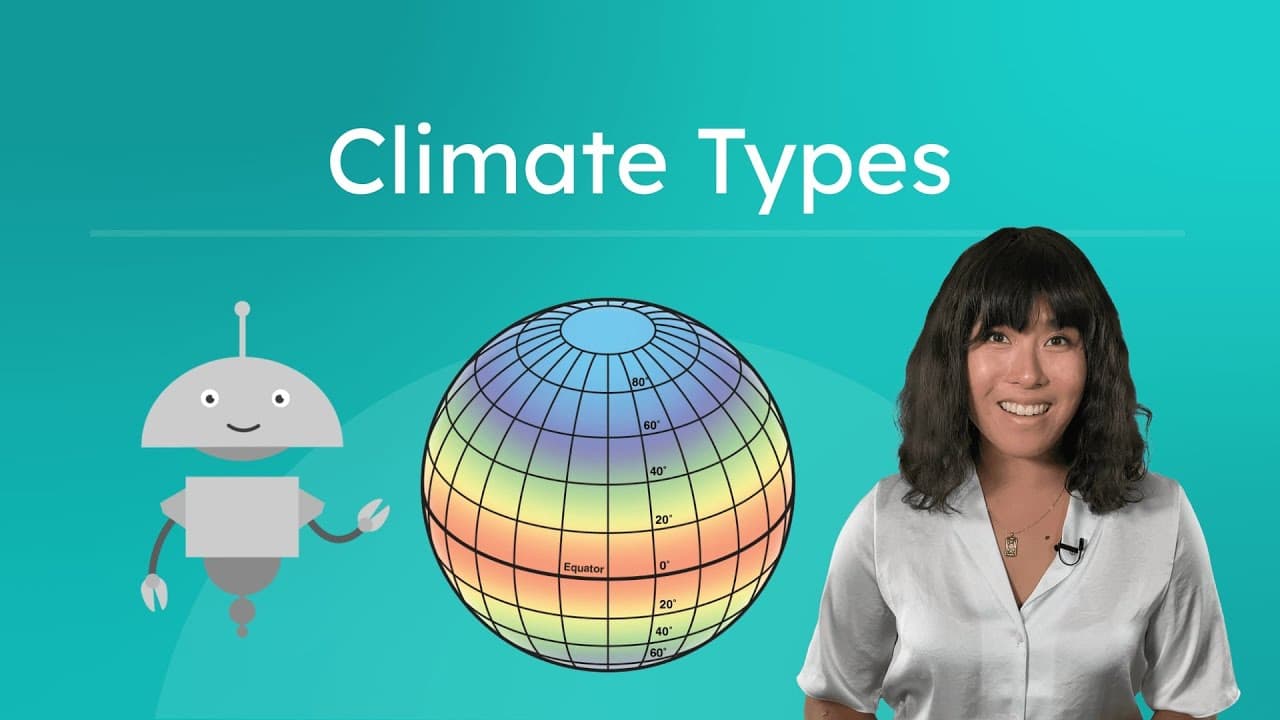
SciShow KidsSciShow Kids

16mins 44s

Video
Turning Food Scraps Into Soil: A Composting Field Trip

Turning Food Scraps Into Soil: A Composting Field Trip

In this engaging episode of SciShow Kids, host Mr. Brown and his robot mouse friend Squeaks take students on a virtual field trip to learn about composting. The video begins in their "Fort," where Mr. Brown explains his compost bucket routine before transporting viewers to a real-world facility called Soil Cycle. There, they meet an expert named Caitlyn who demystifies the process of turning food scraps into nutrient-rich soil.

SciShow KidsSciShow Kids

6mins 43s

Video
Exploring Natural and Artificial Resources

Exploring Natural and Artificial Resources

This educational video introduces students to the concepts of natural and artificial resources through an engaging narrative featuring a scientist entering a gardening competition. The host explains that resources are items used to meet needs or accomplish goals, distinguishing between materials found directly in nature and those created by humans. Through clear visual examples like wind turbines, video game consoles, and garden tools, the video illustrates how raw materials are transformed into everyday objects.

Miacademy & MiaPrep Learning ChannelMiacademy & MiaPrep Learning Channel

7mins 34s

Video
Using CER to Explain Environmental Decisions

Using CER to Explain Environmental Decisions

This video introduces students to the Claim, Evidence, Reasoning (CER) framework, a critical tool for constructing scientific arguments and communicating environmental decisions effectively. Building upon a previous lesson about a cost-benefit analysis for a forest owner named Mr. Carter, the video demonstrates how to transition from making a decision to explaining it persuasively. It breaks down each component of the acronym: the Claim as the decision statement, Evidence as the supporting data (quantitative or qualitative), and Reasoning as the logical bridge connecting the two. The video explores key themes of scientific communication, critical thinking, and environmental stewardship. It emphasizes that CER is not just for persuasion but also for reflection, ensuring that decisions align with stated goals and are supported by strong evidence. The content specifically addresses the challenge of distinguishing between simply listing facts and providing the logical reasoning that explains why those facts matter, using the metaphor of a bridge to visualize this connection. For educators, this video serves as an excellent scaffold for teaching scientific writing and argumentation, specifically within the Next Generation Science Standards (NGSS) practice of engaging in argument from evidence. It provides concrete examples and built-in pause points for students to practice writing their own CER statements based on a provided scenario. This resource helps students move beyond simple "yes/no" answers to developing sophisticated, evidence-based arguments applicable to environmental science and beyond.

Miacademy & MiaPrep Learning ChannelMiacademy & MiaPrep Learning Channel

8mins 52s

Video
How Wind Turbines Generate Clean Energy

How Wind Turbines Generate Clean Energy

This educational video provides a clear and concise overview of wind energy, explaining how wind turbines function to generate electricity. It begins by establishing the importance of electricity in modern life before diving into the mechanics of energy conversion—specifically how kinetic energy from wind is transformed into electrical power through generators. The video utilizes clear diagrams to illustrate the internal components of a wind turbine, making complex engineering concepts accessible to students. Beyond just the mechanics, the video explores the broader implications of wind energy. It introduces the concept of "wind farms" and how they can power entire cities. Crucially, it discusses the environmental benefits of wind power as a clean, renewable resource that doesn't produce emissions. This sets the stage for discussions about sustainable living and alternative energy sources. The video concludes by presenting a balanced view, addressing the disadvantages of wind turbines, including their potential impact on wildlife like birds and bats, noise pollution, and high maintenance costs. This balanced perspective is excellent for critical thinking exercises, allowing students to weigh the pros and cons of renewable energy technologies and understand that engineering solutions often involve trade-offs.

Next Generation ScienceNext Generation Science

1min 45s

Video
Why Earth's Water Is Precious and How to Save It

Why Earth's Water Is Precious and How to Save It

In this engaging episode of SciShow Kids, host Anthony and his robot friend Squeaks tackle a common worry: will Earth ever run out of water? The video starts with a simple dripping faucet and expands into a global lesson about Earth's water supply. It uses clear visuals and simple charts to explain the difference between salt water and fresh water, demonstrating that while our planet is covered in blue, only a tiny fraction of that water is actually usable for humans and land animals. The video breaks down where Earth's water is located, explaining that most fresh water is locked away in ice caps at the poles or hidden deep underground. This helps students understand why water scarcity is a real issue despite the vastness of the oceans. The narrative clarifies why we cannot drink ocean water and emphasizes the effort required to clean and process water for human use. Ideal for early elementary science lessons, this resource translates abstract environmental concepts into practical action. It empowers students with specific, actionable steps they can take immediately to conserve water, such as turning off the tap while brushing teeth and taking shorter showers. It connects personal responsibility to global stewardship in a way that is accessible and encouraging for young learners.

SciShow KidsSciShow Kids

4mins 53s

Video
How Fossil Fuels Generate Electricity

How Fossil Fuels Generate Electricity

This concise educational video explains the step-by-step process of generating electricity using fossil fuels. It begins by identifying the three primary fossil fuels—coal, natural gas, and petroleum—and visualizes their extraction and industrial use. The core of the video utilizes a clear, animated cross-section of a power plant to demonstrate the chain of energy transformations required to produce power: converting chemical energy in fuel to heat, heat to mechanical energy via steam and turbines, and finally into electrical energy through a generator. The video explores key themes of physical science and environmental science, specifically focusing on energy conversion and the environmental impact of human activity. It breaks down complex machinery like turbines and generators into understandable visual components. Furthermore, it honestly addresses the ecological cost of this process, highlighting how the combustion of these fuels releases harmful gases into the atmosphere, contributing to air pollution and climate change. For educators, this video serves as an excellent visual anchor for units on energy, natural resources, or environmental stewardship. The clear schematic animation helps students visualize the abstract concept of energy transfer, making it tangible. Teachers can use this resource to introduce the mechanics of electricity generation before diving into deeper discussions about renewable vs. non-renewable resources, the efficiency of energy transfer, or the engineering challenges of modern power grids.

Next Generation ScienceNext Generation Science

1min 47s

Video
How to Recycle Crayons and Save the Earth

How to Recycle Crayons and Save the Earth

In this engaging episode of SciShow Kids, host Jessi and her robot friend Squeaks explore the concept of recycling through a practical problem: Squeaks' crayons are worn down and difficult to use. Instead of throwing them away, Jessi proposes recycling them, using this as a jumping-off point to explain waste management. The video breaks down complex topics like landfills, decomposition rates of different materials (food vs. plastic vs. glass), and the environmental importance of reducing waste.

SciShow KidsSciShow Kids

6mins 1s

Video
How Burning Fossil Fuels Impacts Our Climate

How Burning Fossil Fuels Impacts Our Climate

This educational video explores the significant impact of burning fossil fuels on Earth's climate. It begins by identifying the three main types of fossil fuels—coal, oil, and natural gas—and illustrates how they have powered human civilization for over a century through electricity, transportation, and industrial manufacturing. The video clearly connects these daily activities to the release of carbon dioxide and other greenhouse gases. The narrative then explains the 'greenhouse effect' mechanism, describing how these gases trap heat in the atmosphere for decades, leading to a rising global temperature. It visualizes the consequences of this warming, including melting polar ice, extreme weather events like floods and fires, and the concept of a 'carbon footprint.' The video emphasizes that these emissions do not simply disappear but accumulate, intensifying the damage over time. Finally, the video shifts to actionable solutions, empowering students with ways to reduce their environmental impact. It discusses energy conservation at home, the transition to electric vehicles, and the importance of adopting renewable energy sources like wind and solar power. The content is valuable for science classrooms as it links complex environmental concepts to personal choices, encouraging students to become active participants in creating a sustainable future.
Next Generation ScienceNext Generation Science

3mins 40s

Video
Understanding Water Pollution and How to Stop It

Understanding Water Pollution and How to Stop It

This educational video provides a comprehensive overview of water pollution, examining its causes, severe impacts on aquatic ecosystems, and actionable solutions for prevention. Through high-quality stock footage and clear narration, it visually demonstrates how harmful substances enter waterways—from industrial runoff and sewage to agricultural chemicals and marine debris—and how these pollutants disrupt the delicate balance of life in rivers, lakes, and oceans. The content explores critical environmental themes such as the direct link between human activity and ecosystem health, the specific dangers posed to marine vertebrates like sea turtles and seals, and the broader concept of sustainability. It highlights the devastating effects of plastic waste and chemical runoff, providing concrete examples of how local actions have global consequences for water quality and marine life survival. For educators, this resource serves as an excellent anchor for units on environmental science, ecology, or human geography. It moves beyond doom-and-gloom statistics to offer practical, empowering solutions that students can understand and advocate for, such as improved waste treatment, reducing chemical use in farming, and participating in community cleanups. The clear cause-and-effect structure makes it ideal for developing critical thinking skills and sparking meaningful classroom discussions about stewardship.

Next Generation ScienceNext Generation Science

2mins 10s

Video
Balancing Growth and Nature: Sustainable Land Use

Balancing Growth and Nature: Sustainable Land Use

This educational video explores the complex challenges of sustainable land use, teaching students how humans balance the need for resources with environmental protection. It begins with a relatable skit illustrating the conflicting demands placed on city planners—from housing and farming to energy and wildlife protection—before diving into the core concepts of conservation versus preservation. The video uses clear examples, such as wetland management, to distinguish between using land responsibly (conservation) and protecting it completely from human interference (preservation). The latter half of the video presents a detailed case study of Portland, Oregon's "Urban Growth Boundary," demonstrating a real-world solution to urban sprawl. Students learn how stakeholders collaborate to draw lines between developable land and protected natural areas, reviewing these plans periodically to accommodate population growth. The narrative emphasizes that while land use decisions are difficult, collaborative planning can prevent the "tragedy of the commons." This resource is highly valuable for Environmental Science, Geography, and Civics classrooms. It moves beyond abstract definitions by providing a concrete policy example (Portland) that students can analyze. The video includes built-in pause points for reflection and writing, making it ready-to-use for checking understanding. It effectively bridges science and social studies by showing how scientific data informs public policy and community planning.

Miacademy & MiaPrep Learning ChannelMiacademy & MiaPrep Learning Channel

10mins 39s

Video
Understanding Marine Debris and How to Stop It

Understanding Marine Debris and How to Stop It

This educational video provides a clear and concise overview of marine debris, exploring the connection between human advancements and environmental pollution. It begins by acknowledging human achievements like space travel and medicine before pivoting to the unintended negative consequence: widespread pollution in our waterways. The video defines "marine debris" and explains the journey of litter from city streets and storm drains into rivers and finally the ocean, illustrating the concept of watersheds.

Next Generation ScienceNext Generation Science

2mins 26s

Video
Investigating the Scientific Evidence for Climate Change

Investigating the Scientific Evidence for Climate Change

This educational video serves as a comprehensive introduction to the scientific evidence supporting climate change, framed through the historical lens of Guy Callendar, a steam engineer from the 1930s who first linked fossil fuel burning to global warming. The presenter guides students through a step-by-step evaluation of data, moving from basic definitions of weather versus climate to complex analysis of atmospheric trends. It emphasizes the scientific method, distinguishing between theories and proof, and challenges students to act as scientists by interpreting graphs and correlations themselves.

Miacademy & MiaPrep Learning ChannelMiacademy & MiaPrep Learning Channel

10mins 43s

Video
How Water and Carbon Cycle Through Earth

How Water and Carbon Cycle Through Earth

In this engaging episode of Crash Course Ecology, Hank Green explores the fundamental recycling systems of our planet: the Hydrologic (Water) Cycle and the Carbon Cycle. The video explains that Earth is essentially a closed system regarding matter, meaning every atom currently on Earth has been here since the planet's formation, constantly being repurposed through biogeochemical cycles. The narration breaks down complex processes into understandable components, moving from the movement of water through states of matter to the movement of carbon through living and non-living reservoirs.

CrashCourseCrashCourse

10mins 4s

Video
Fossil Fuels: Formation, Uses, and Environmental Impact

Fossil Fuels: Formation, Uses, and Environmental Impact

This educational video provides a comprehensive overview of fossil fuels, beginning with the dramatic history of the Spindletop oil discovery in 1901. It defines fossil fuels as stored energy from ancient plants and microorganisms, detailing the specific geological processes that created coal, oil, and natural gas over millions of years. The video explains the distinct extraction methods for each fuel type, from mining solid coal to drilling for liquid oil and gaseous natural gas, and outlines their primary uses in electricity generation, transportation, and heating. The content moves beyond simple definitions to conduct a critical cost-benefit analysis of fossil fuel usage. It highlights the immense economic benefits and role in industrialization that these fuels have played while contrasting them against significant costs. These costs include their non-renewable nature, environmental degradation through land destruction and water pollution, and the release of greenhouse gases contributing to climate change. Designed for middle school science curriculums, this video is an excellent resource for units on Earth science, natural resources, or environmental impact. It includes built-in pause points that encourage active student reflection and critical thinking, making it easy for teachers to facilitate classroom discussions about the complex balance between modern convenience and long-term environmental stewardship.

Miacademy & MiaPrep Learning ChannelMiacademy & MiaPrep Learning Channel

10mins 2s

Video
How George Washington Carver Healed the Soil

How George Washington Carver Healed the Soil

This engaging educational video introduces students to the life and scientific contributions of George Washington Carver, seamlessly blending history with agricultural science. Hosted by Mr. Brown and his robot mouse friend Squeaks, the episode starts with a practical gardening problem—Squeaks' lettuce won't grow—and uses this mystery to transition into the story of Carver. The narrative covers Carver's early life, born into slavery in Missouri, and his perseverance in seeking an education despite racial segregation and systemic unfairness. The video then pivots to Carver's revolutionary work in agricultural science, specifically addressing soil depletion caused by cotton farming. It explains complex concepts like soil nutrients, nitrogen, and the role of bacteria in a simplified, age-appropriate manner. Students learn how Carver taught farmers to rotate crops by planting peanuts, which restore nitrogen to the soil through special bacteria on their roots. This section effectively demonstrates the scientific method in action—identifying a problem (tired soil) and finding a biological solution. For educators, this video is a versatile tool that can anchor lessons in both Social Studies and Science. It provides a gentle but truthful entry point for discussing slavery and segregation while highlighting Black excellence in science. Simultaneously, it offers a clear visual explanation of the nitrogen cycle and sustainable farming practices. The video concludes by listing Carver's actual inventions (shampoo, lotions) while correcting the common myth that he invented peanut butter, encouraging students to think critically about history and science.
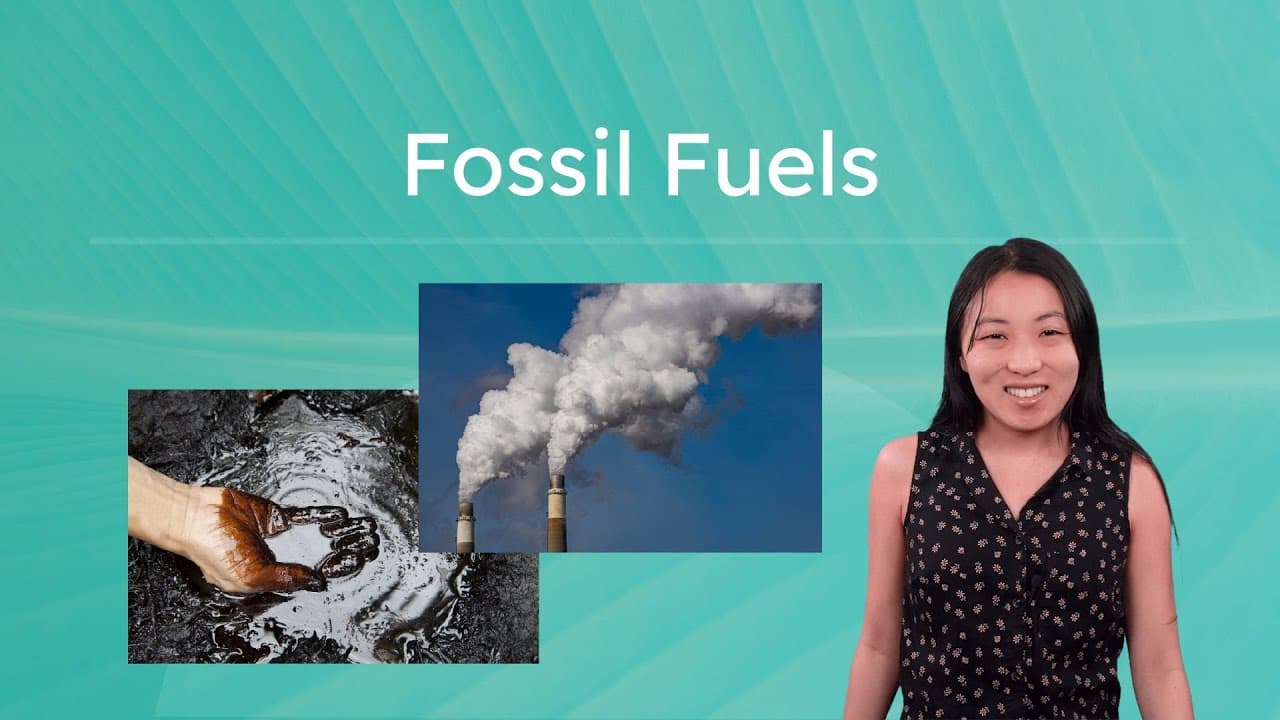
SciShow KidsSciShow Kids

5mins 12s

Video
The Green Revolution: Agricultural Innovation and Environmental Impact

The Green Revolution: Agricultural Innovation and Environmental Impact

This educational video provides a comprehensive overview of the Green Revolution, a pivotal period in agricultural history from the 1940s to the 1980s. It details how rapid population growth and the Industrial Revolution necessitated a shift from traditional farming to industrial agriculture. The narrator, Caroline, guides viewers through the major innovations of this era, including the adoption of monocultures, High-Yield Variety (HYV) crops, synthetic fertilizers, large-scale irrigation, and chemical pesticides.

Miacademy & MiaPrep Learning ChannelMiacademy & MiaPrep Learning Channel

11mins 8s

Video
How Solar Panels Power Our Homes: From Sunlight to Electricity

How Solar Panels Power Our Homes: From Sunlight to Electricity

This educational video provides a clear and concise explanation of how solar energy is harvested, converted, and utilized in modern homes and businesses. It breaks down the technical process of photovoltaic generation, explaining the critical difference between Direct Current (DC) and Alternating Current (AC), and the role of inverters in making solar power compatible with the electrical grid. The video also introduces the concept of battery storage to manage energy demand during non-sunlight hours. Beyond the technical mechanics, the video explores the broader implications of adopting solar technology. It balances the discussion by highlighting key advantages—such as environmental sustainability, cost savings, and technological advancements—against significant challenges like weather dependence, high initial installation costs, and the environmental concerns surrounding panel disposal. For educators, this resource serves as an excellent primer for units on renewable energy, electricity, or environmental science. It simplifies complex electrical concepts like AC/DC conversion into digestible visuals, making it accessible for upper elementary and middle school students. The balanced presentation of pros and cons also makes it a valuable tool for critical thinking exercises regarding energy policy and sustainability.

Next Generation ScienceNext Generation Science

3mins 30s

Video
Smart Strategies for Energy Conservation

Smart Strategies for Energy Conservation

This educational video introduces students to the concept of energy conservation and provides practical strategies for implementing it in daily life. It begins by highlighting the massive amount of resources required to power modern homes, using a tangible comparison to pounds of coal. The narrator defines energy conservation as finding innovative ways to use less energy, explaining how this practice protects natural resources, preserves ecosystems, and offers significant economic benefits to both households and businesses.

Miacademy & MiaPrep Learning ChannelMiacademy & MiaPrep Learning Channel

8mins 38s

Video
How We Use Rocks and Minerals in Everyday Life

How We Use Rocks and Minerals in Everyday Life

This educational video provides a clear and engaging overview of how rocks and minerals are utilized in our daily lives. Moving beyond simple geological definitions, the narration connects raw earth materials to finished products students recognize, such as houses, roads, skyscrapers, and electrical wires. It illustrates the transformation of raw ores like bauxite and iron into essential materials like aluminum and steel. The video explores several key themes including construction materials, industrial metals, decorative uses in jewelry, and biological necessity. Uniquely, it bridges the gap between geology and biology by explaining how minerals like potassium and fluoride play critical roles in human health, specifically for muscle function and dental hygiene. This helps students understand that minerals are not just stones on the ground, but integral parts of their bodies and technologies. For educators, this resource serves as an excellent hook for units on Earth Science, natural resources, or nutrition. It provides concrete examples that answer the common student question, "Why do we need to learn about rocks?" The visual examples allow for easy connections to classroom objects and personal experiences, making abstract supply chains tangible for young learners.

Next Generation ScienceNext Generation Science

1min 44s

Video
Why Water Scarcity Causes Conflict

Why Water Scarcity Causes Conflict

This educational video from Crash Course Kids explores the critical issue of water scarcity and the conflicts that arise when freshwater becomes a limited resource. Hosted by Sabrina Cruz, the video uses the real-world example of the California drought and the drying Colorado River to illustrate how environmental changes impact human society. It bridges scientific concepts like the water cycle with social studies themes regarding resource distribution and conflict resolution. The video covers key topics including a review of the water cycle (evaporation, condensation, precipitation), the definition of freshwater as a limited resource and closed system, and the specific case study of the Colorado River basin. It introduces the concept of "water wars"—legal and political battles over who gets access to water—highlighting the tension between agricultural needs (growing food) and municipal needs (household use) in arid regions. For educators, this resource serves as an excellent cross-curricular tool linking Earth Science and Social Studies. It moves beyond simple definitions of the water cycle to apply these concepts to real-world problems, fostering critical thinking about sustainability, geography, and civic responsibility. It provides a natural launchpad for debates about resource management, lessons on geography, and discussions about environmental stewardship.

Crash Course KidsCrash Course Kids

4mins 4s