Historical evolution of performance, technical stagecraft, and core acting techniques. Develops playwriting skills and fosters imaginative expression through script development and production management.
A comprehensive workshop where students in grades 5-8 master the art of digital storytelling by blending narrative structure, audio production, and visual composition into a final multimedia project.
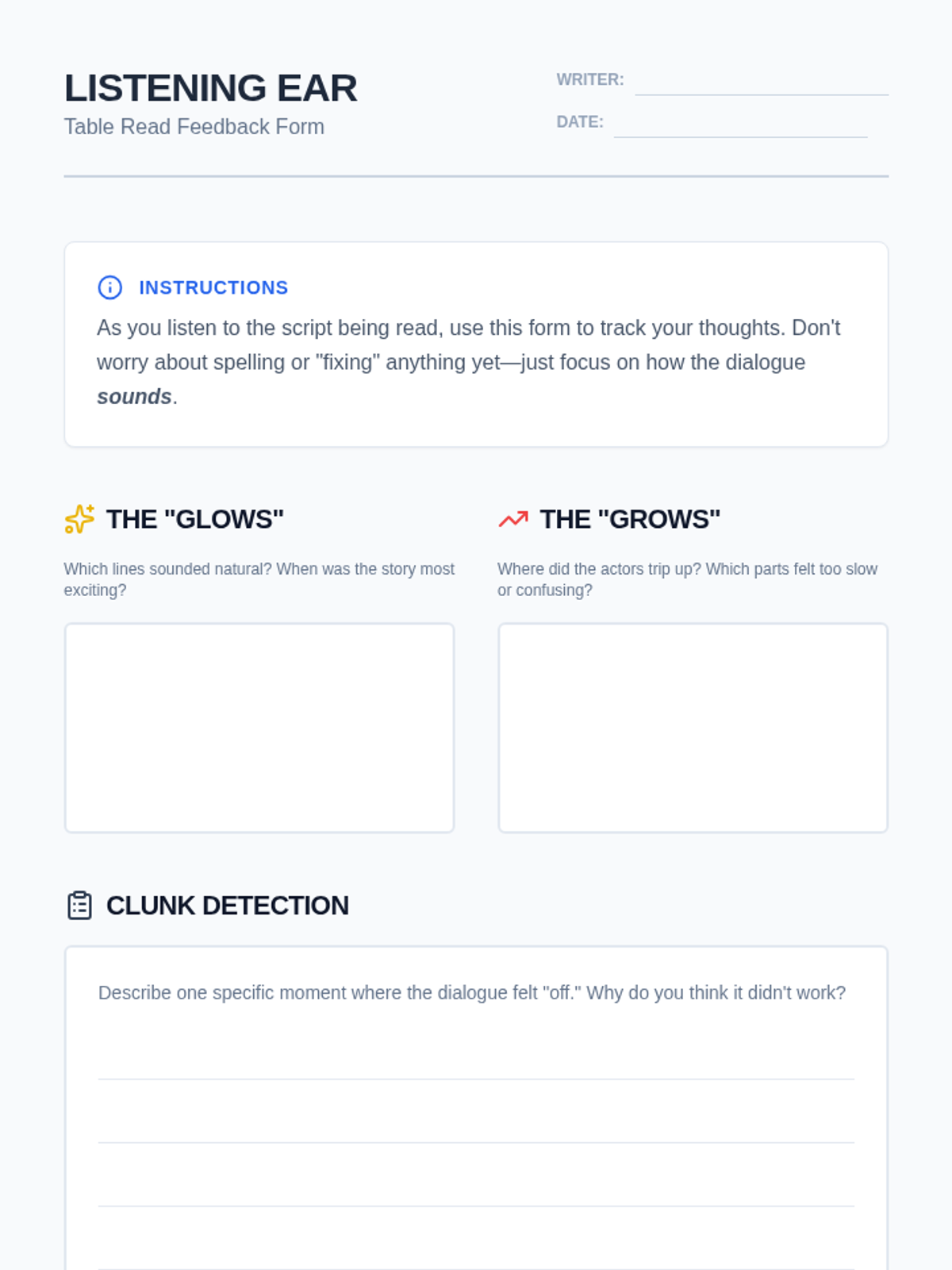
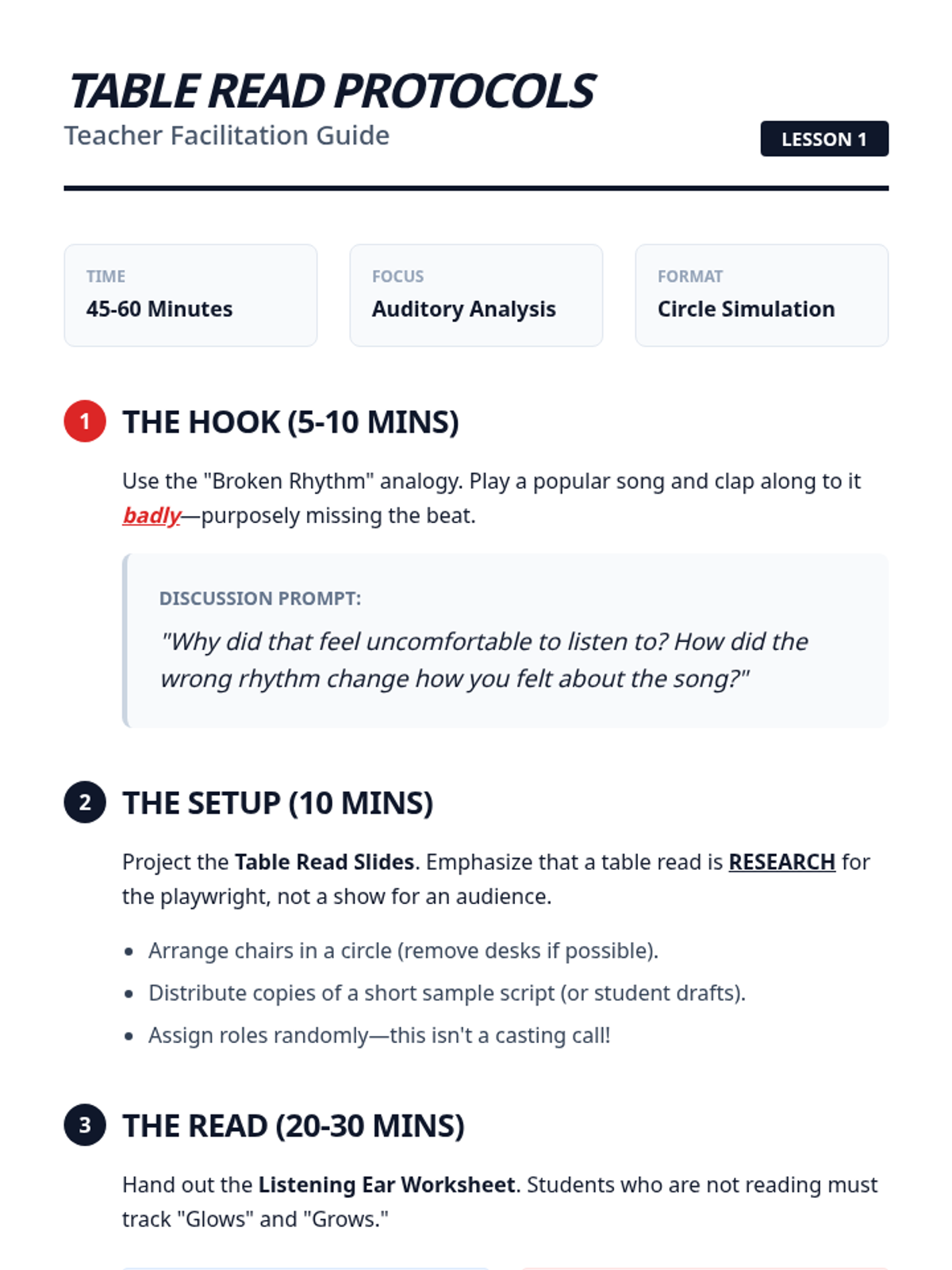
A 5-lesson sequence for 5th-grade students focusing on the iterative process of playwriting, from the first table read to a final, polished performance-ready script. Students develop skills in auditory analysis, dialogue refinement, conciseness, and collaboration.
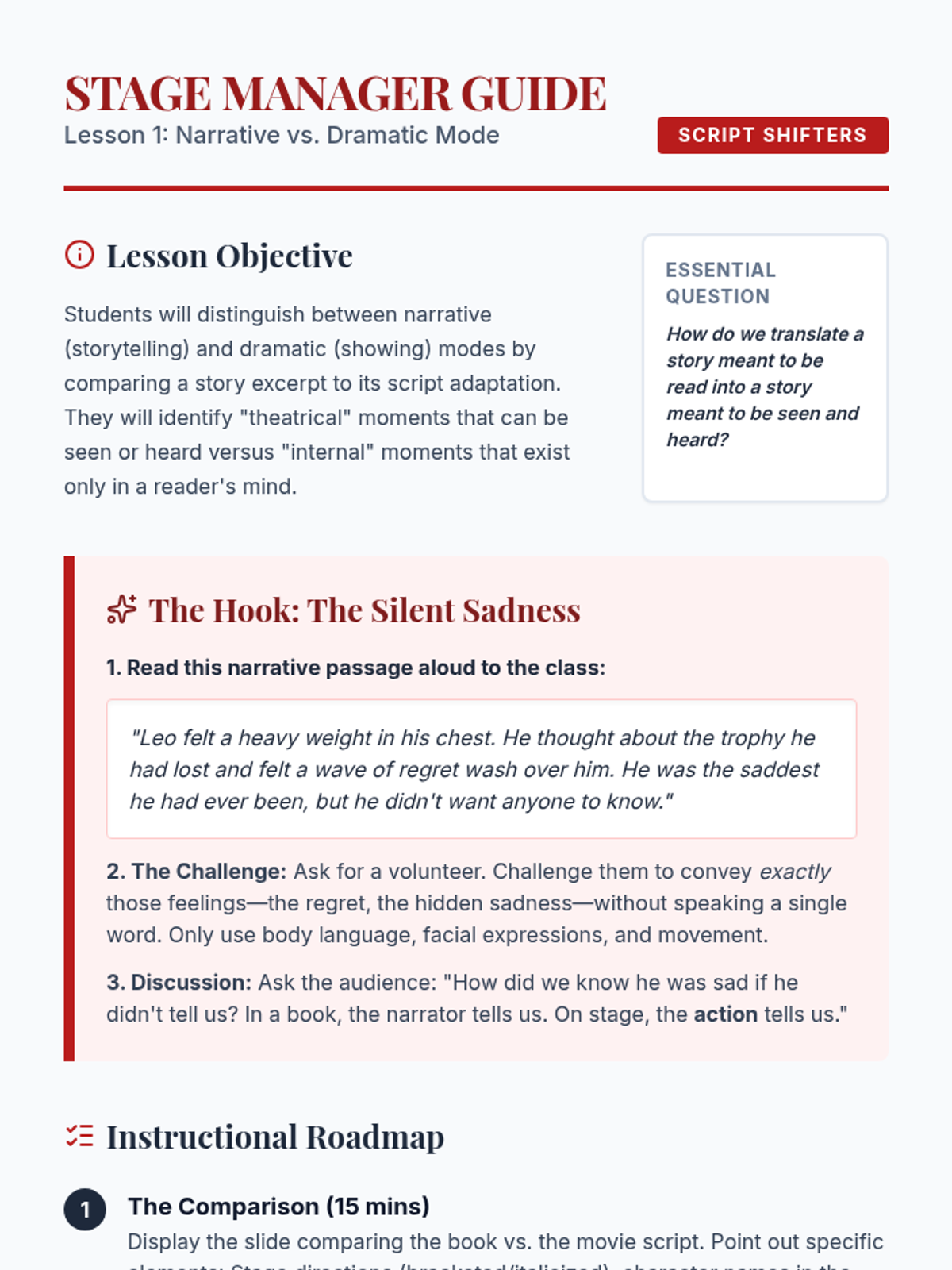
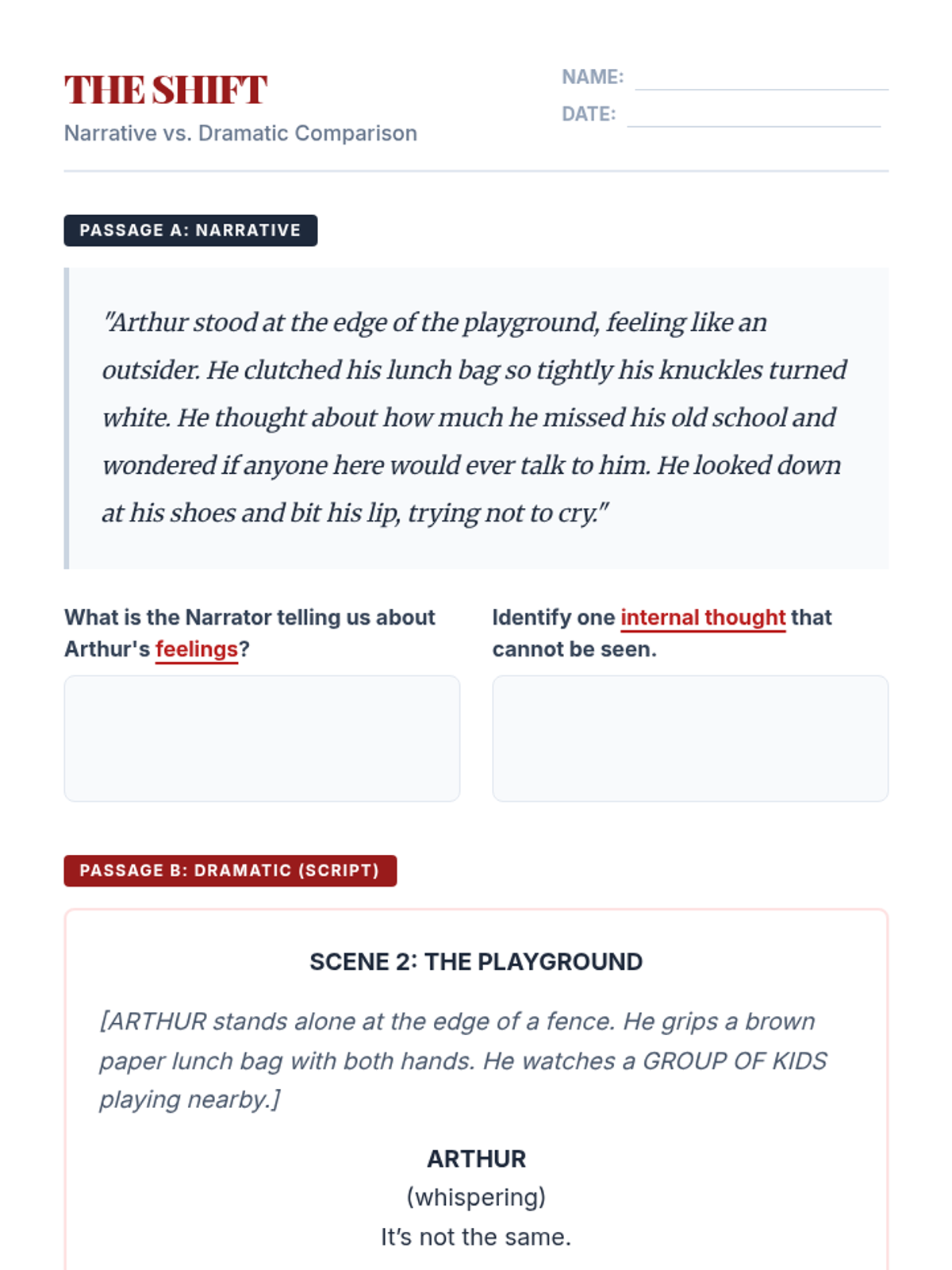
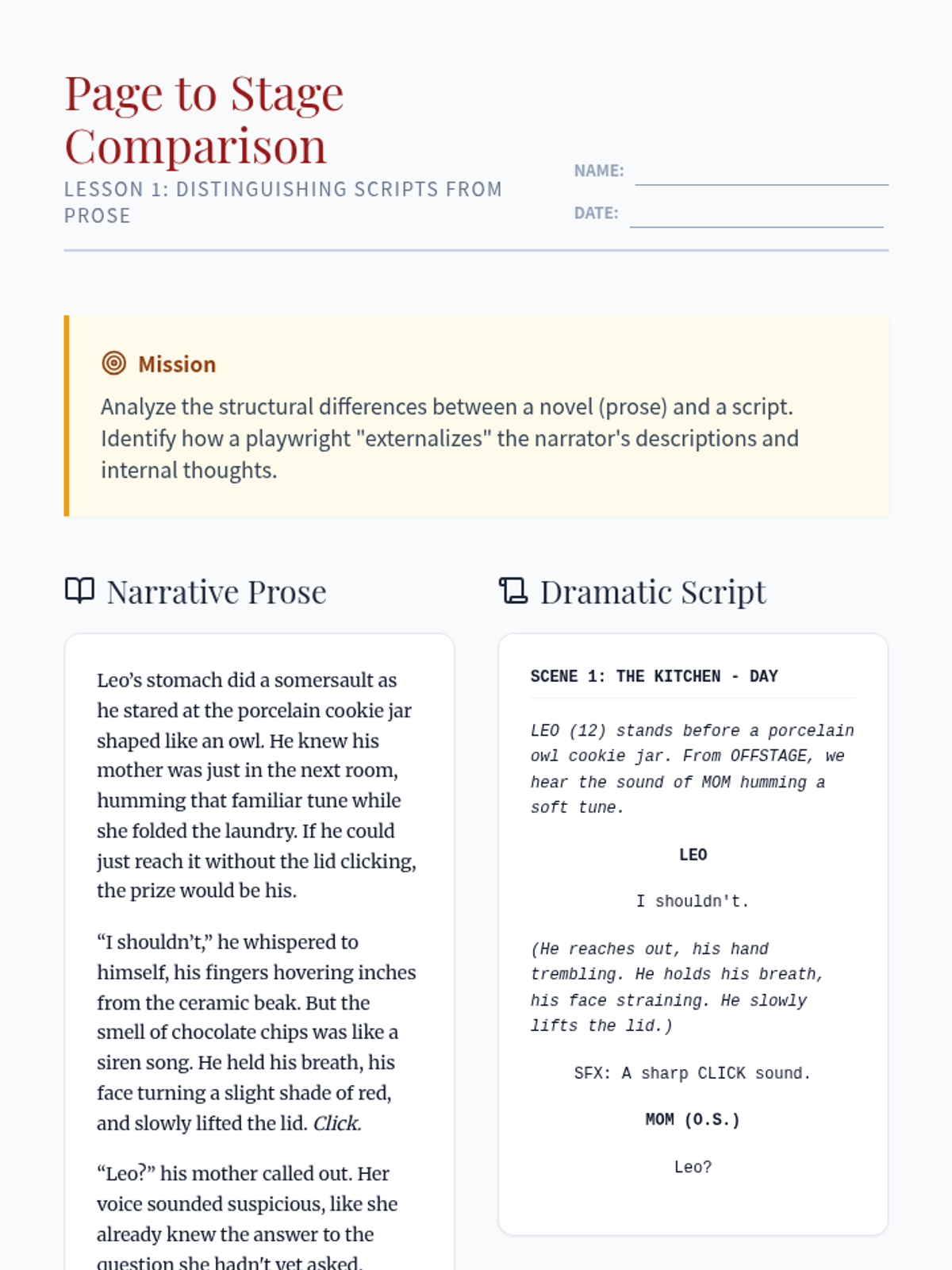
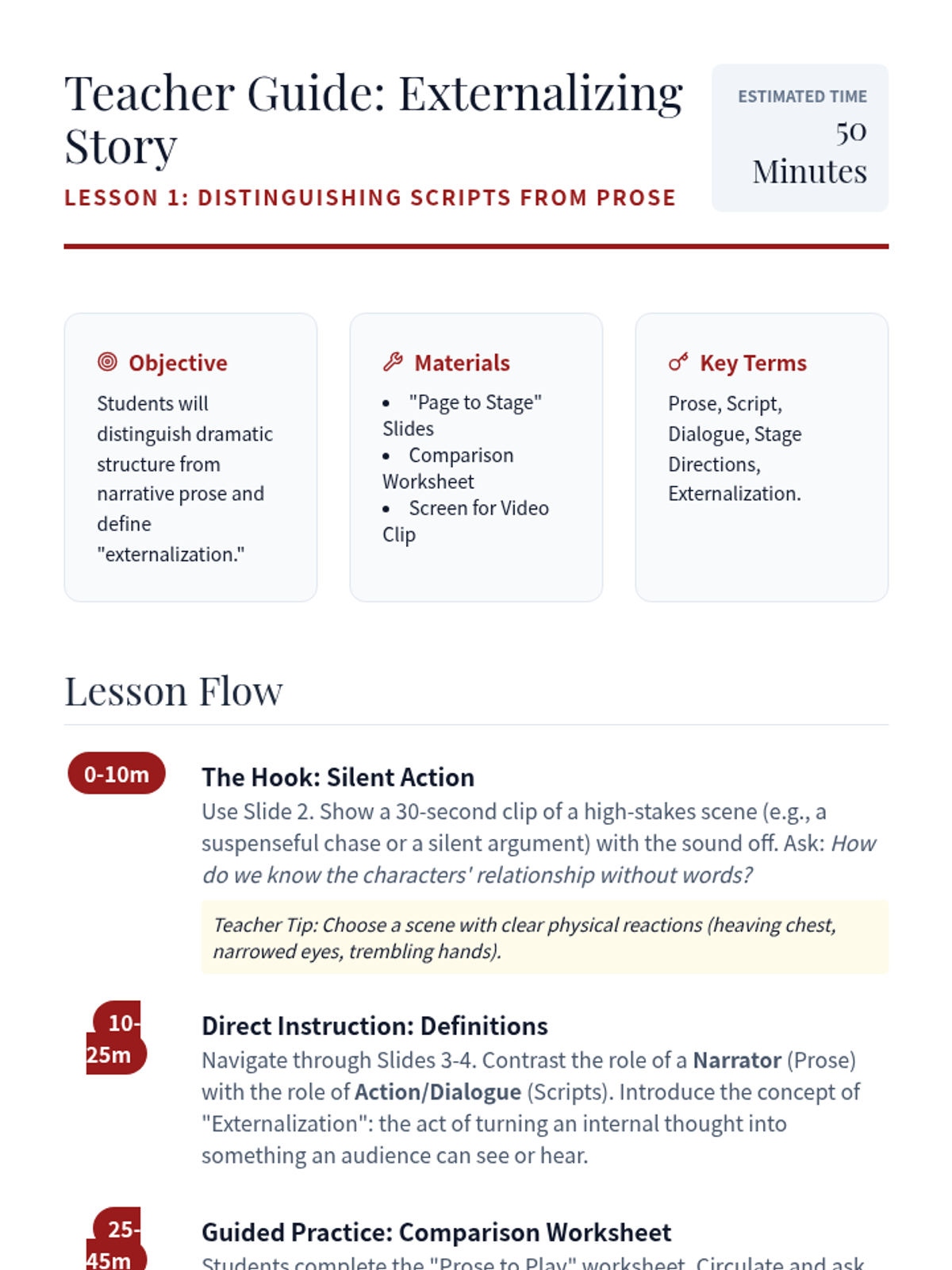
Students learn to translate narrative fiction into dramatic scripts by analyzing storytelling modes, converting internal thoughts to external actions, and drafting their own theatrical adaptations of fables.
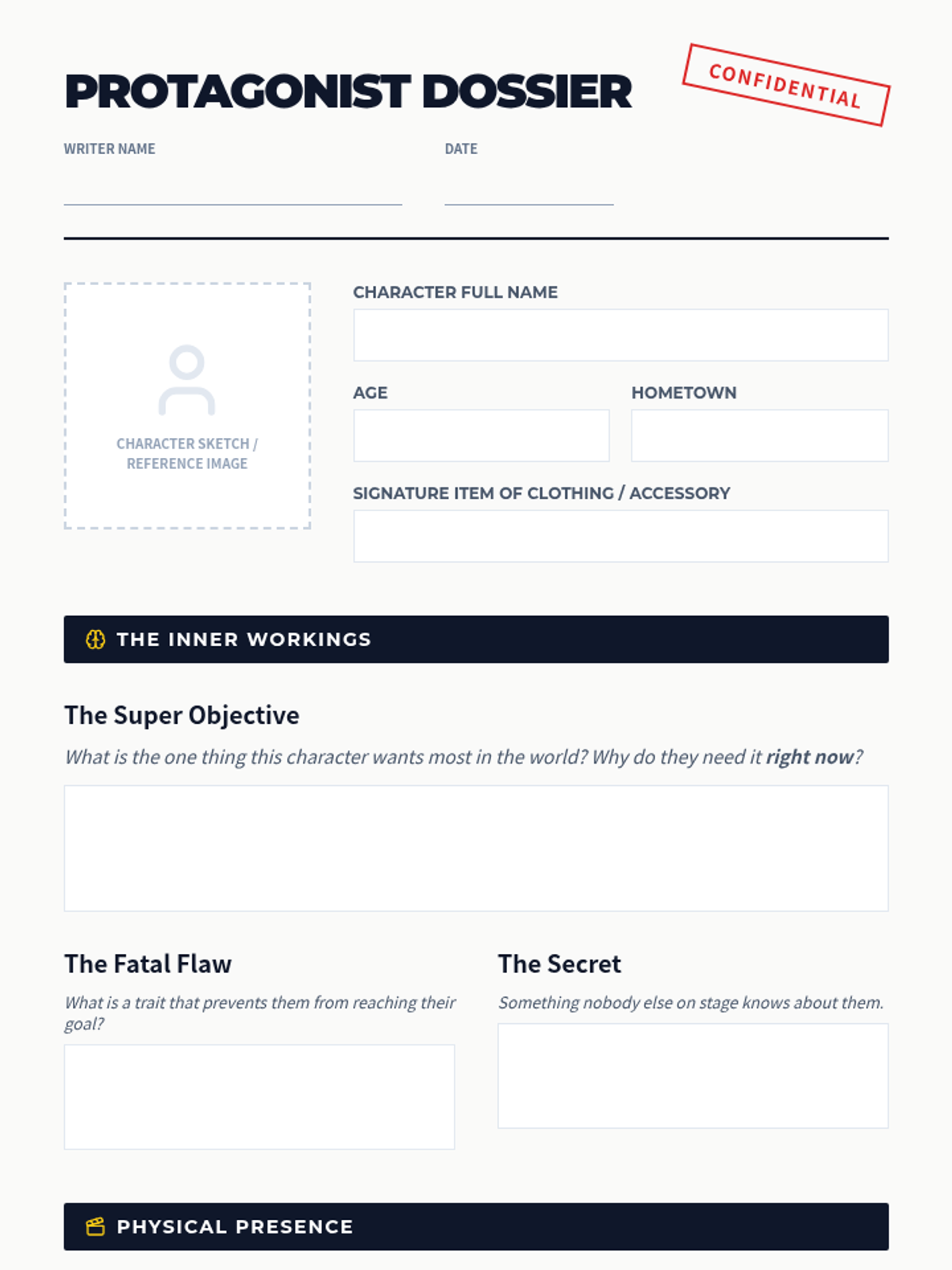
A 5-lesson unit for 6th-grade students exploring character construction and the narrative structure of stage plays, from initial concept to a professional pitch.
A foundational unit for 6th-grade students introducing the mechanics and creativity of playwriting. Students explore the differences between prose and drama, master character voice, learn standard script formatting, and craft original conflict-driven scenes.
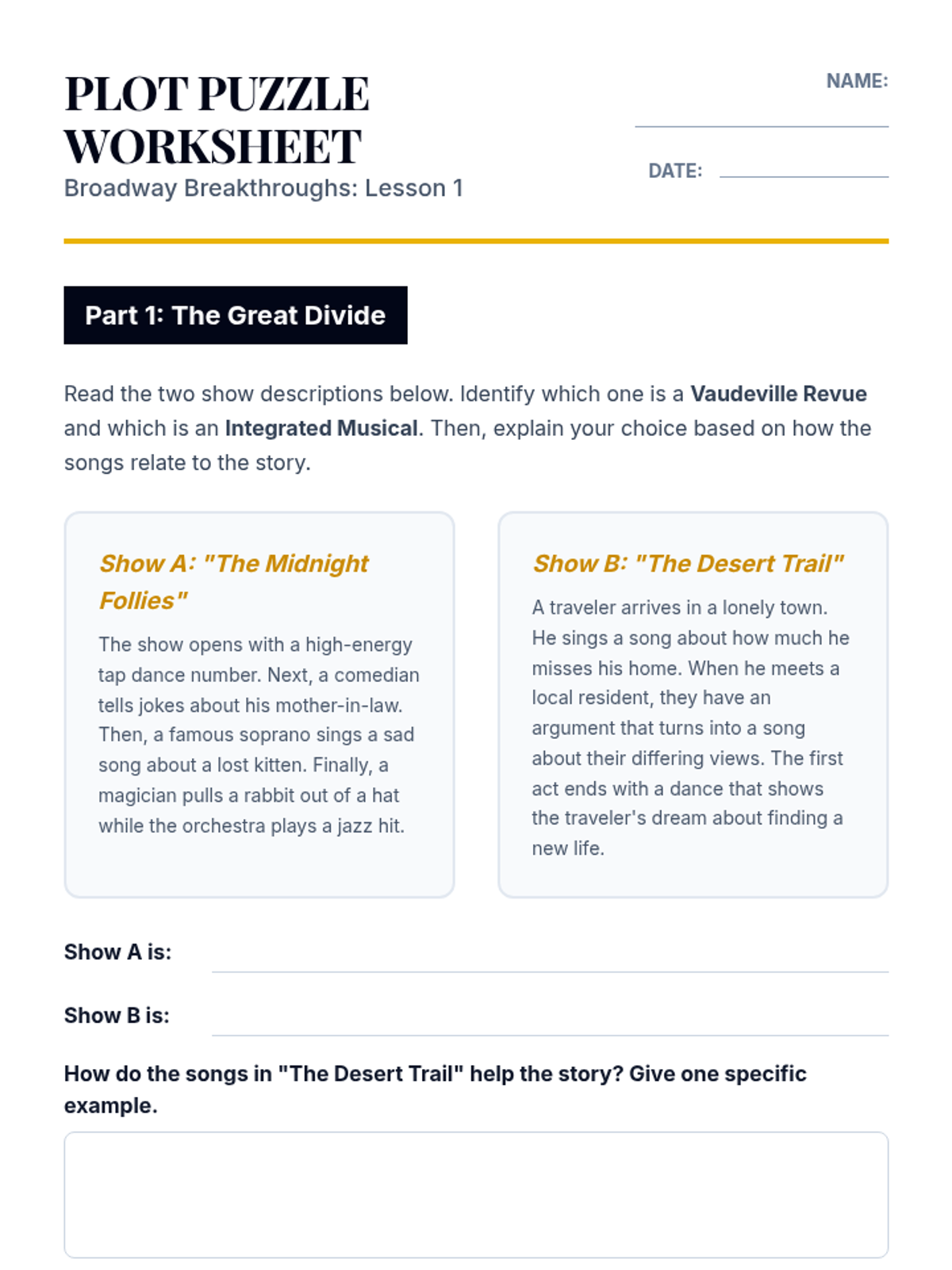
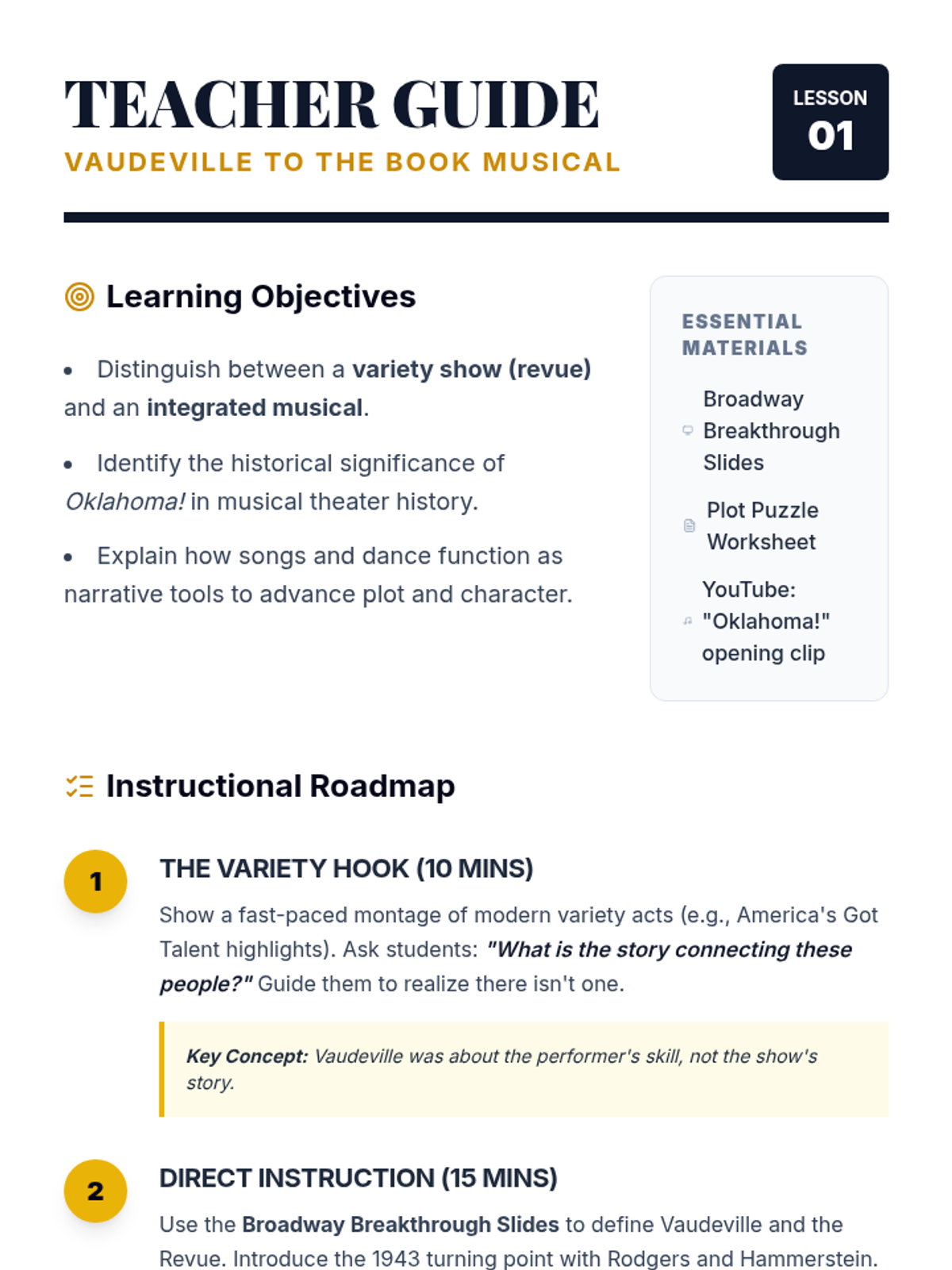
A comprehensive exploration of the American musical theater evolution, from its Vaudeville roots to modern spectacles. Students analyze how music, dance, and design integrate to create cohesive narratives.
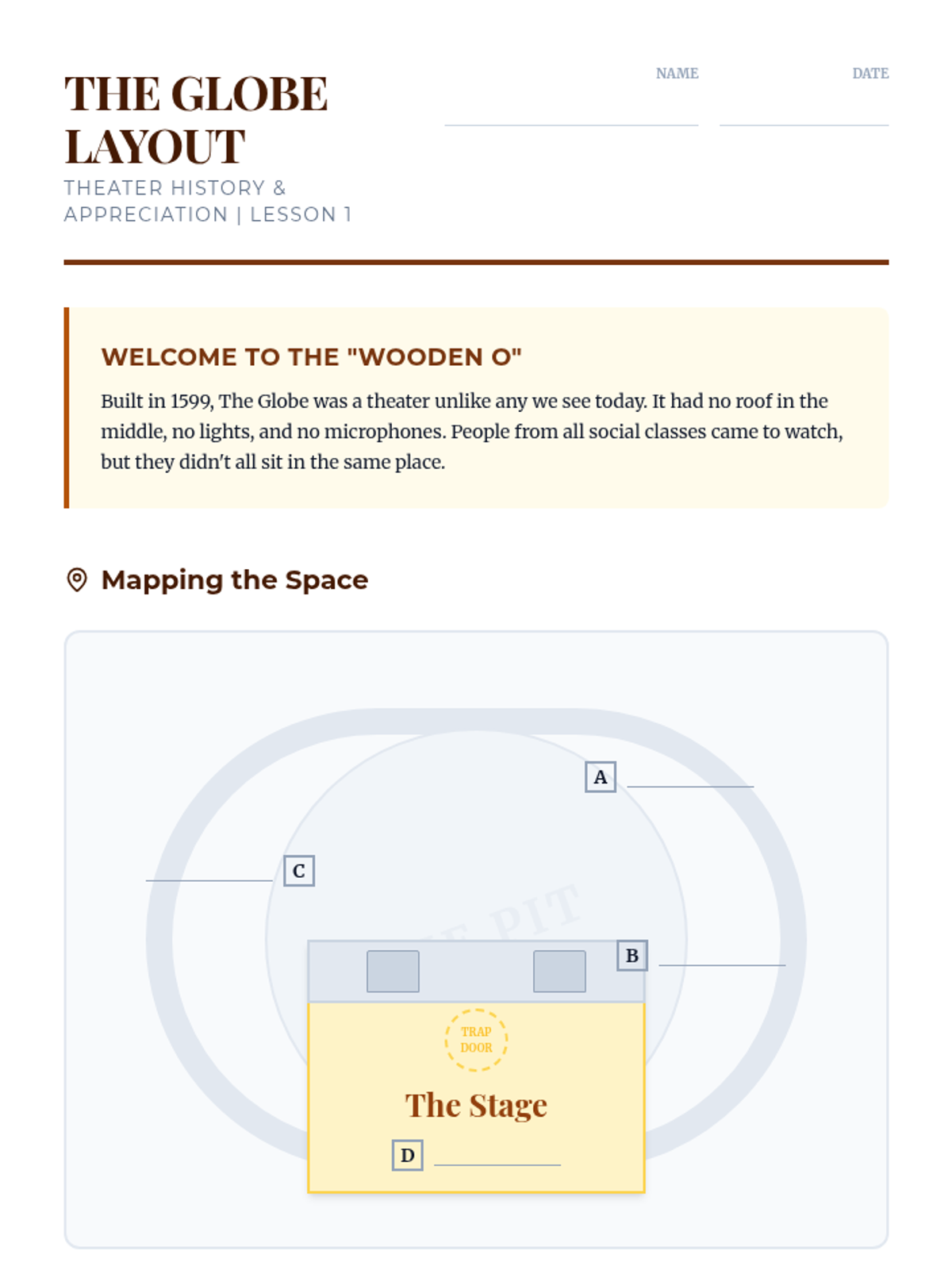
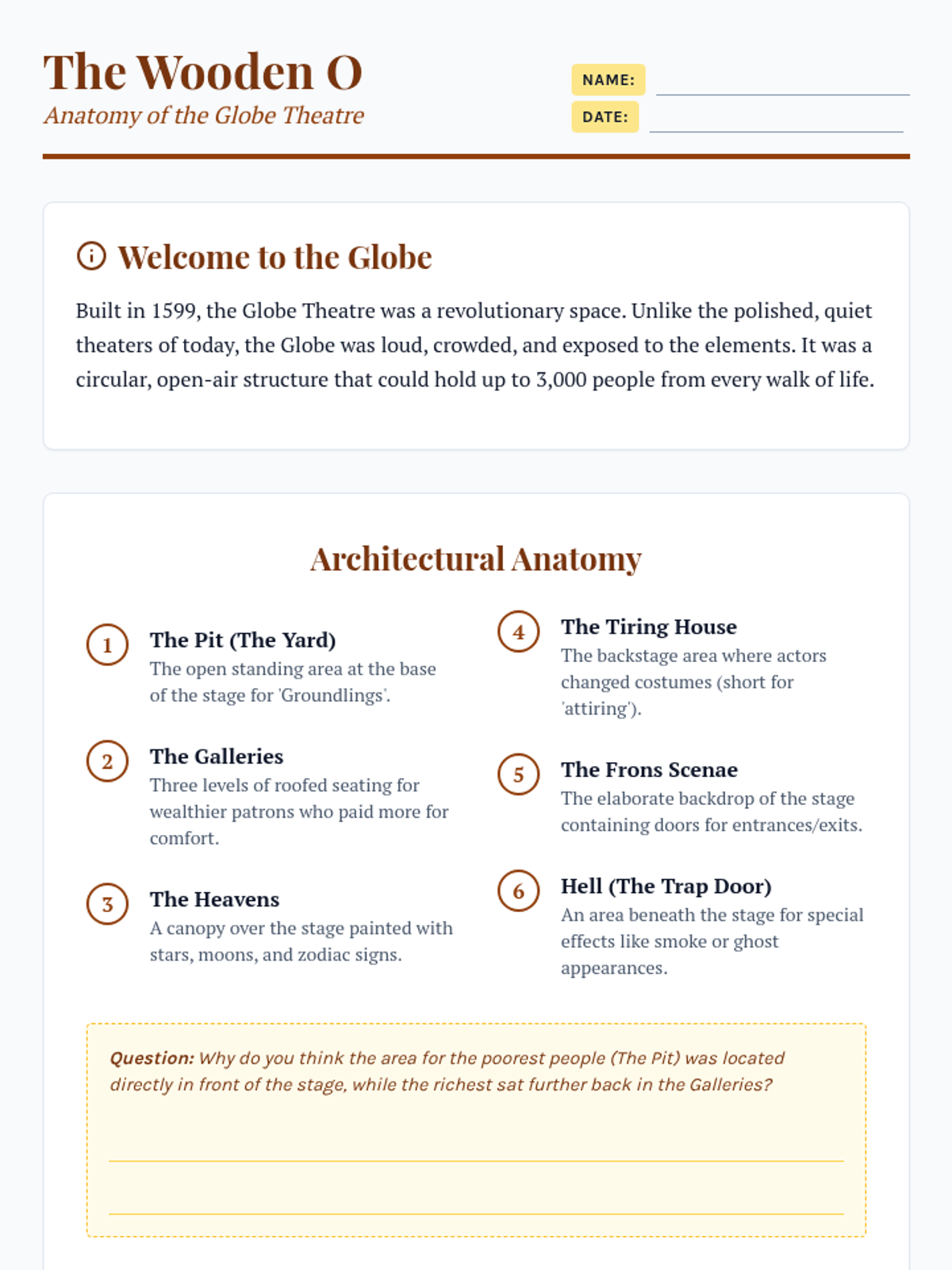
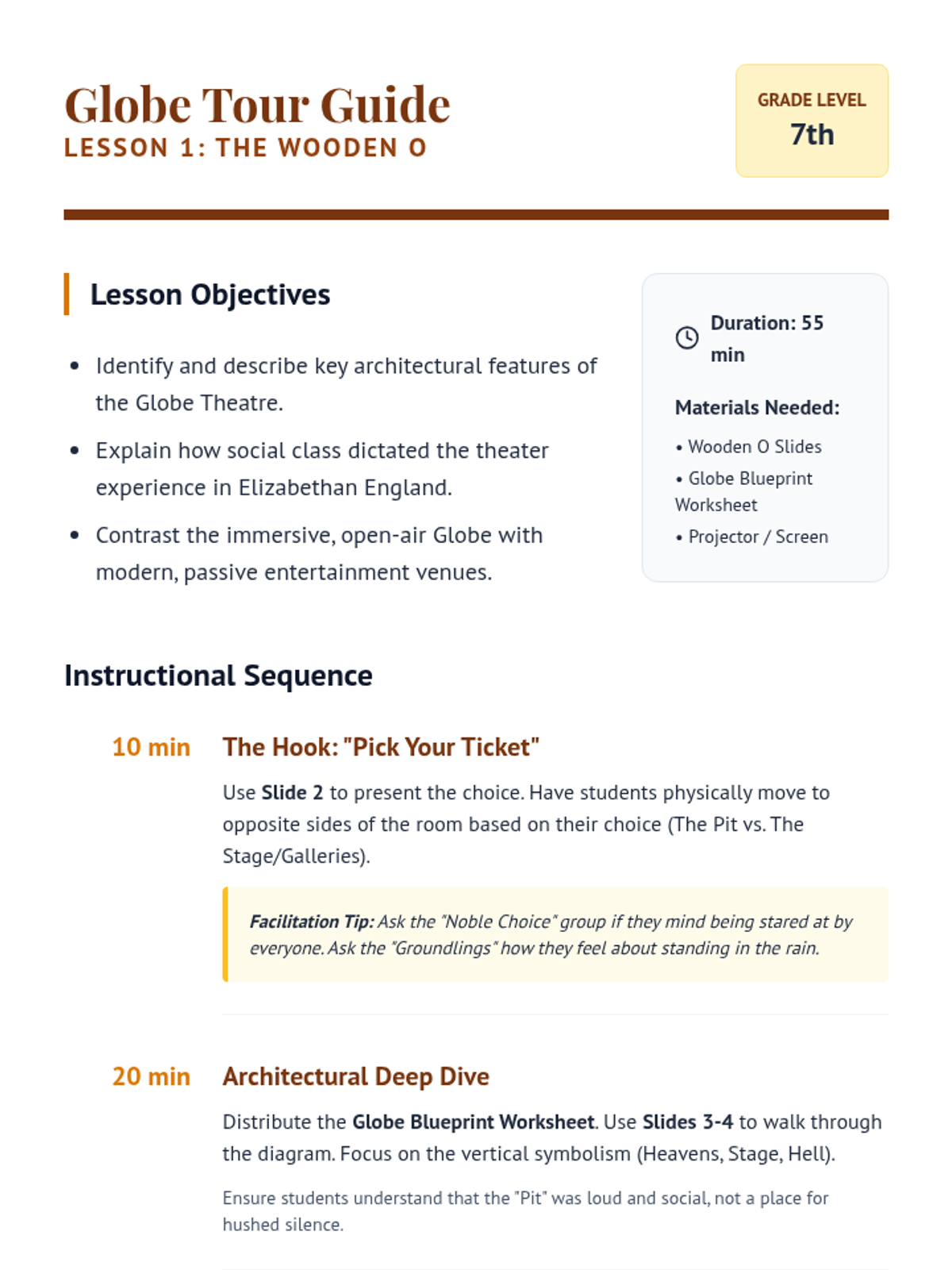
A 5-lesson sequence for 6th-grade students exploring the relationship between Elizabethan stage architecture and Shakespeare's use of language. Students journey from the physical structure of the Globe Theatre to the rhythmic beats of iambic pentameter and the illusions of stage combat.
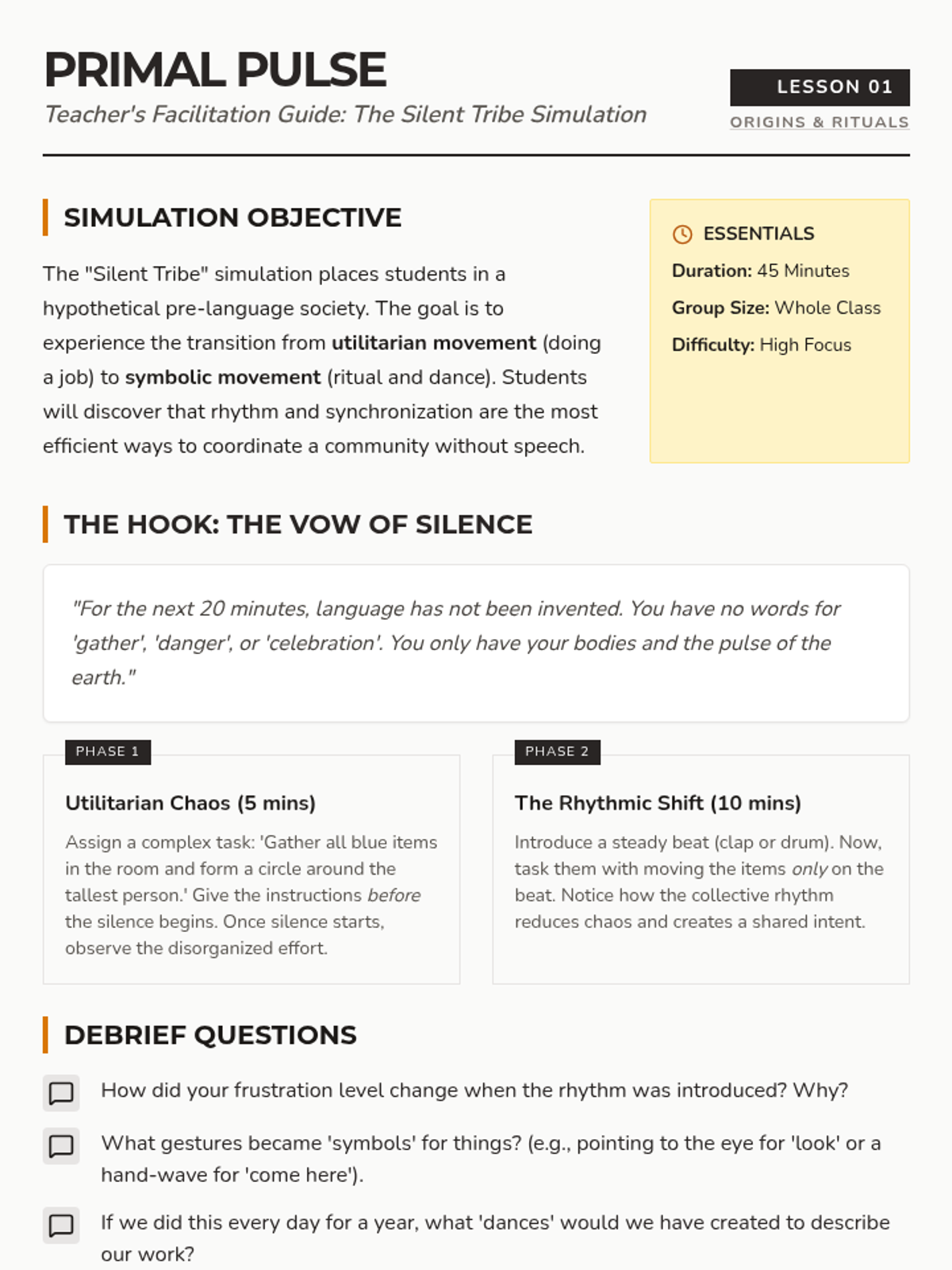
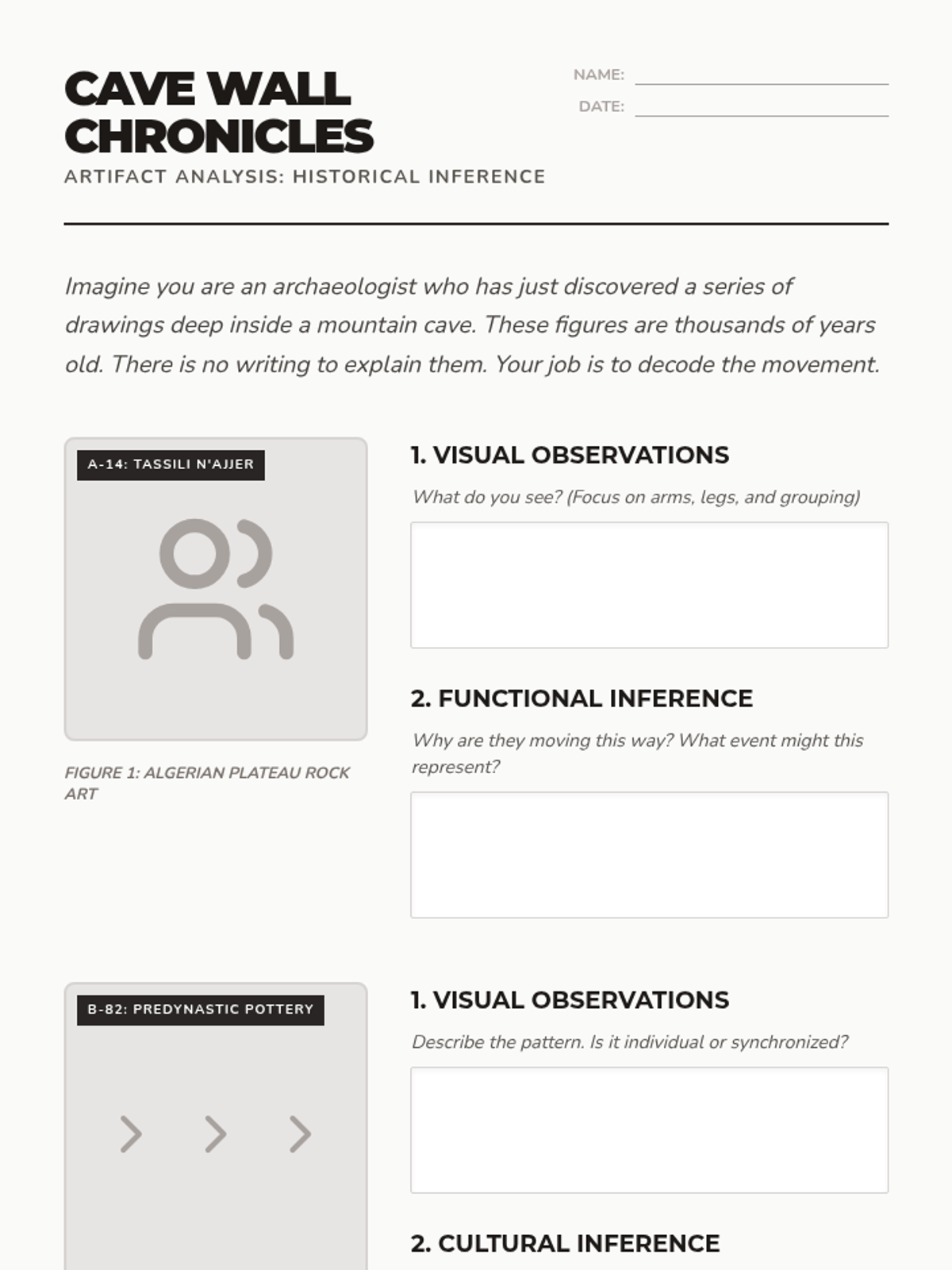
A 5-lesson unit exploring how dance served as the primary form of communication and history-keeping before written language, investigating Hawaiian, Greek, and West African traditions.
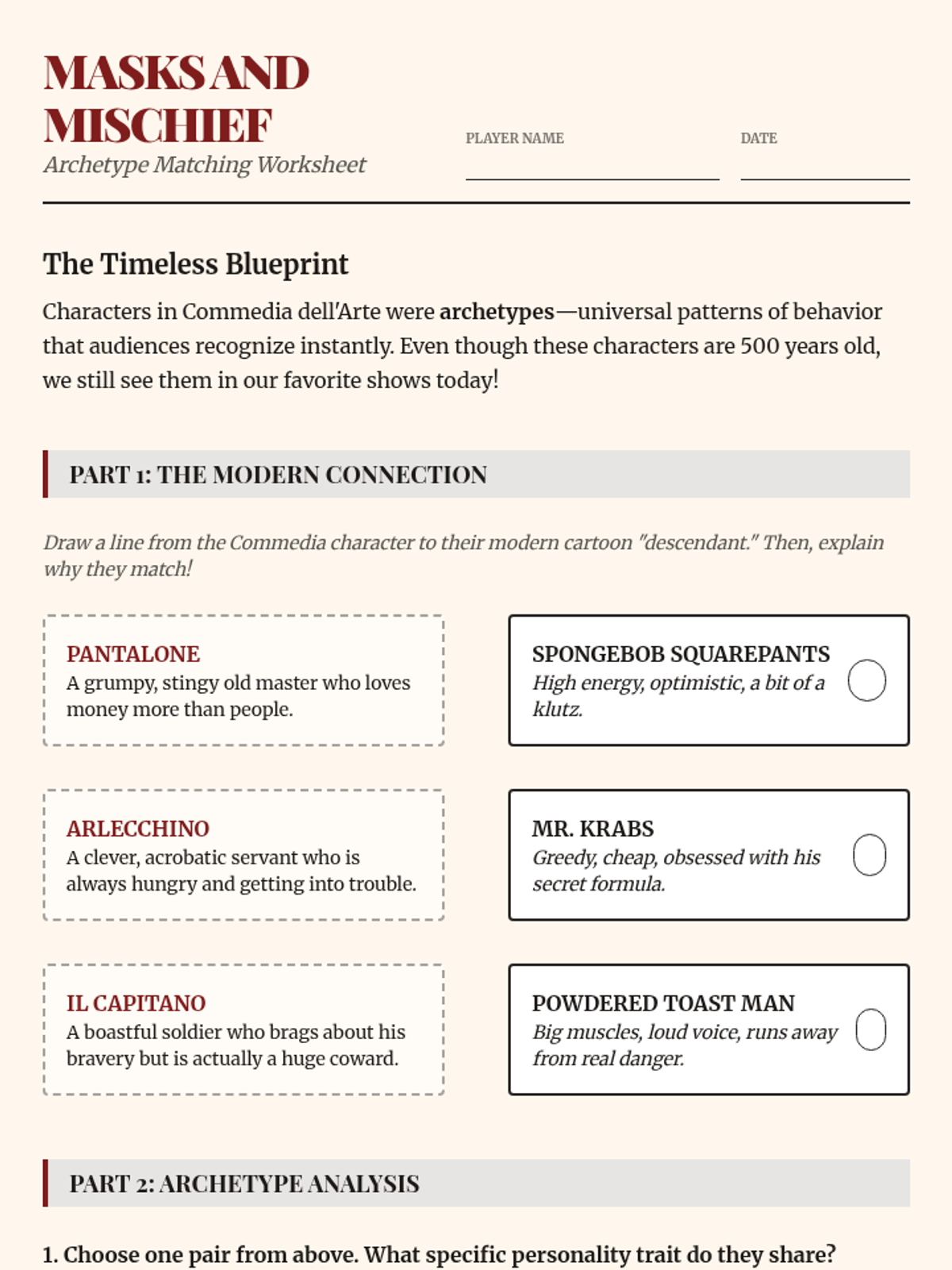
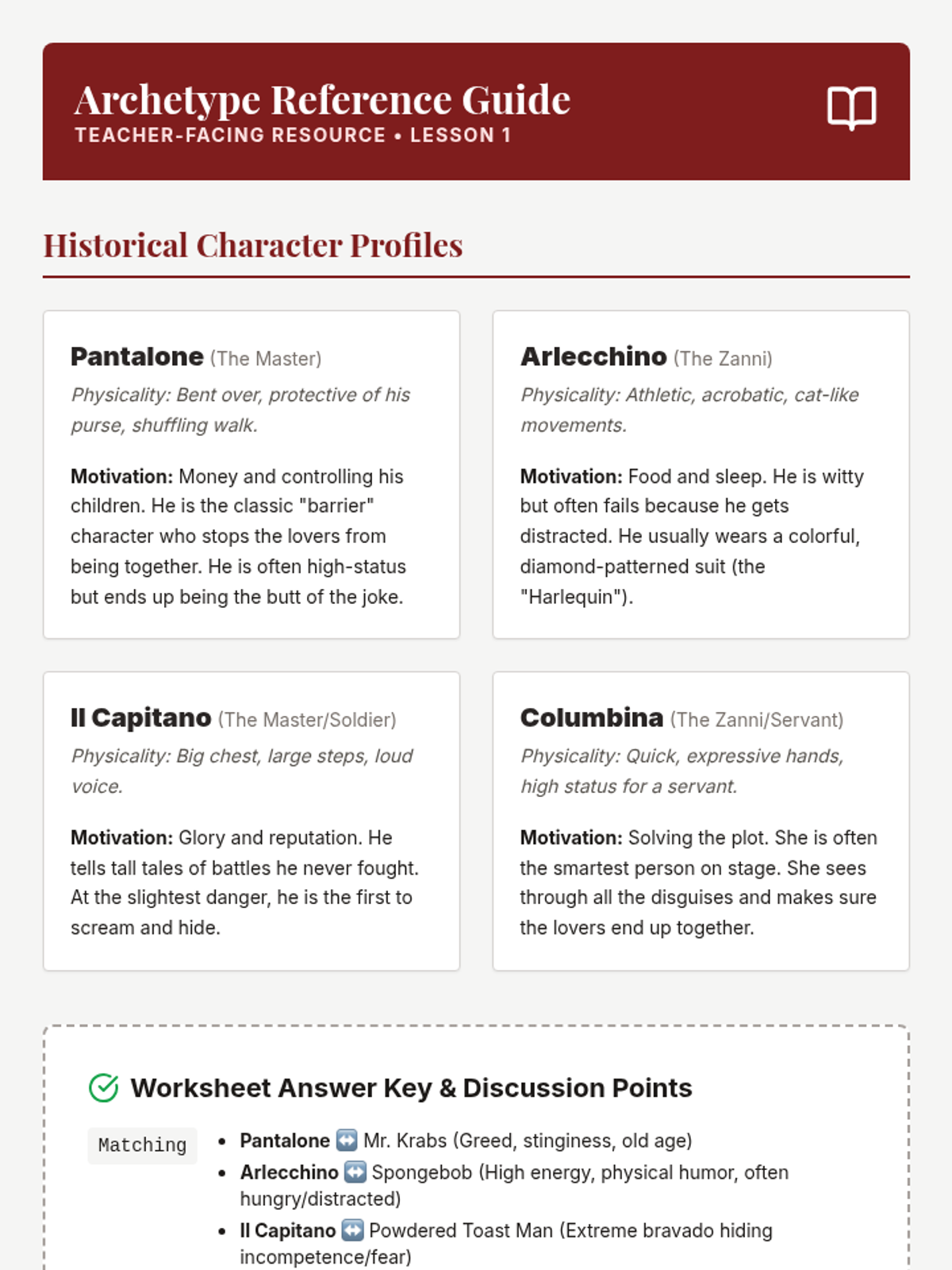
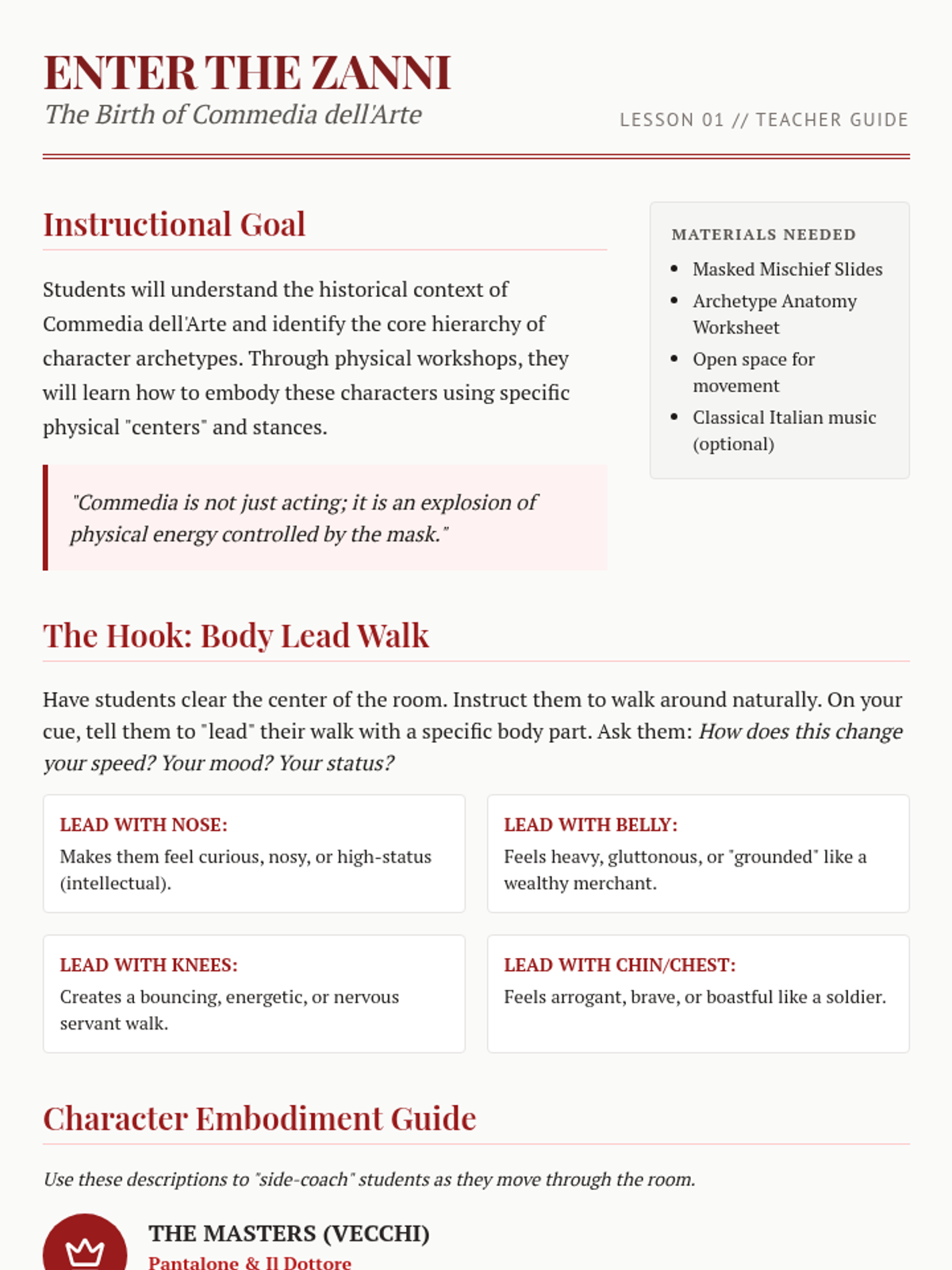
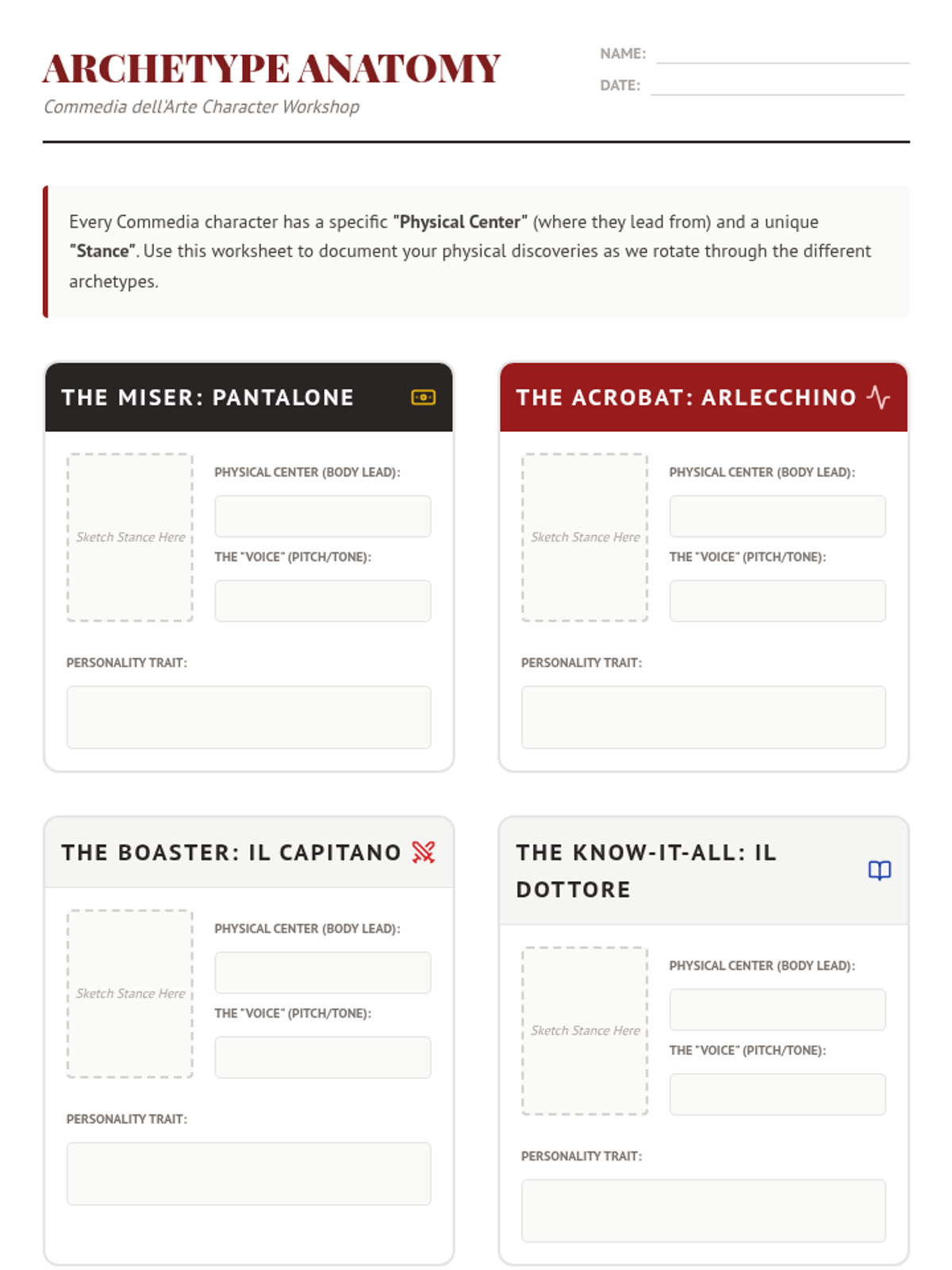
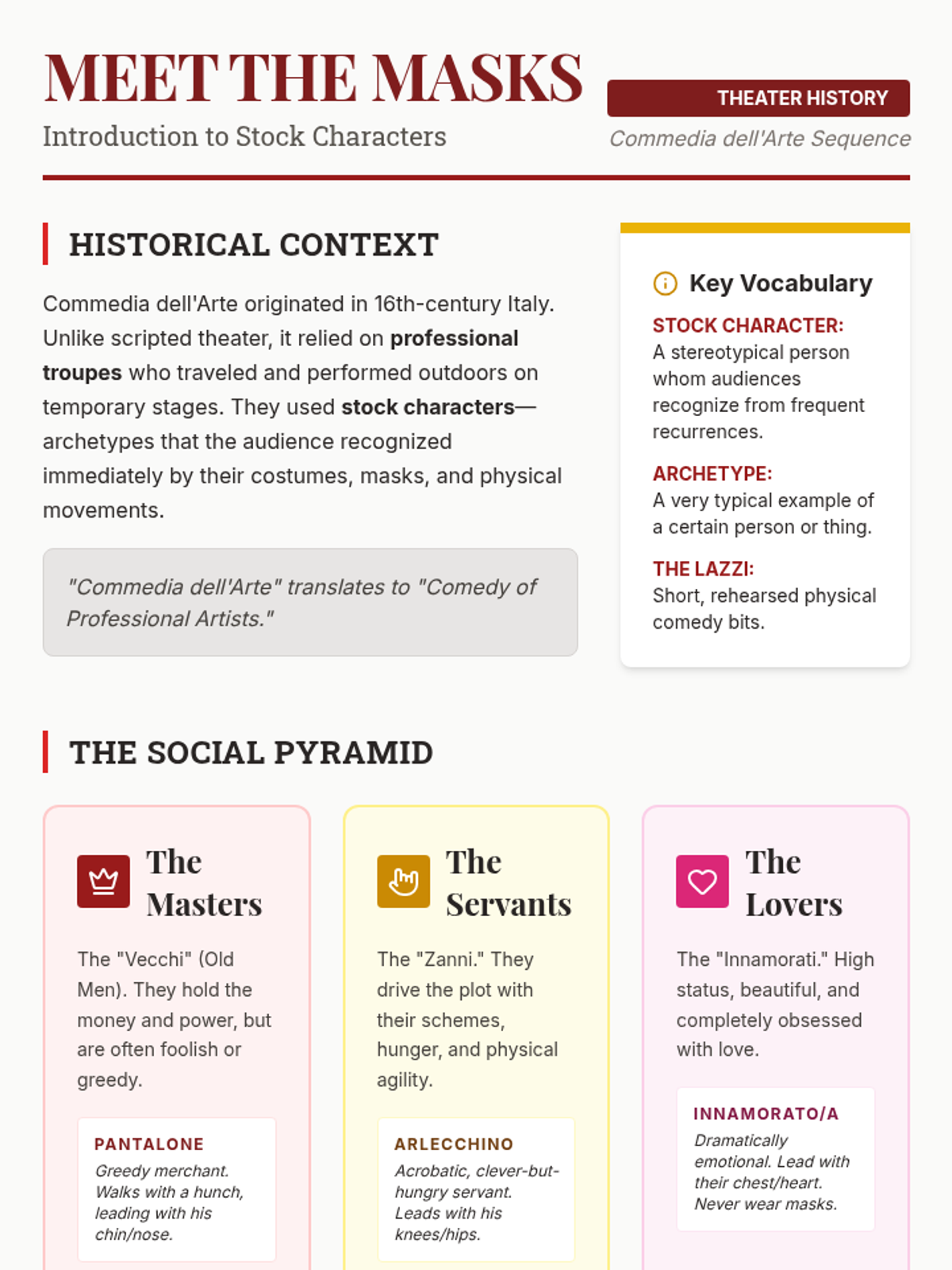
A high-energy exploration of Commedia dell'Arte for 6th graders, focusing on physical archetypes, social hierarchy, and the art of 'lazzi' to understand how historical stock characters influence modern comedy.
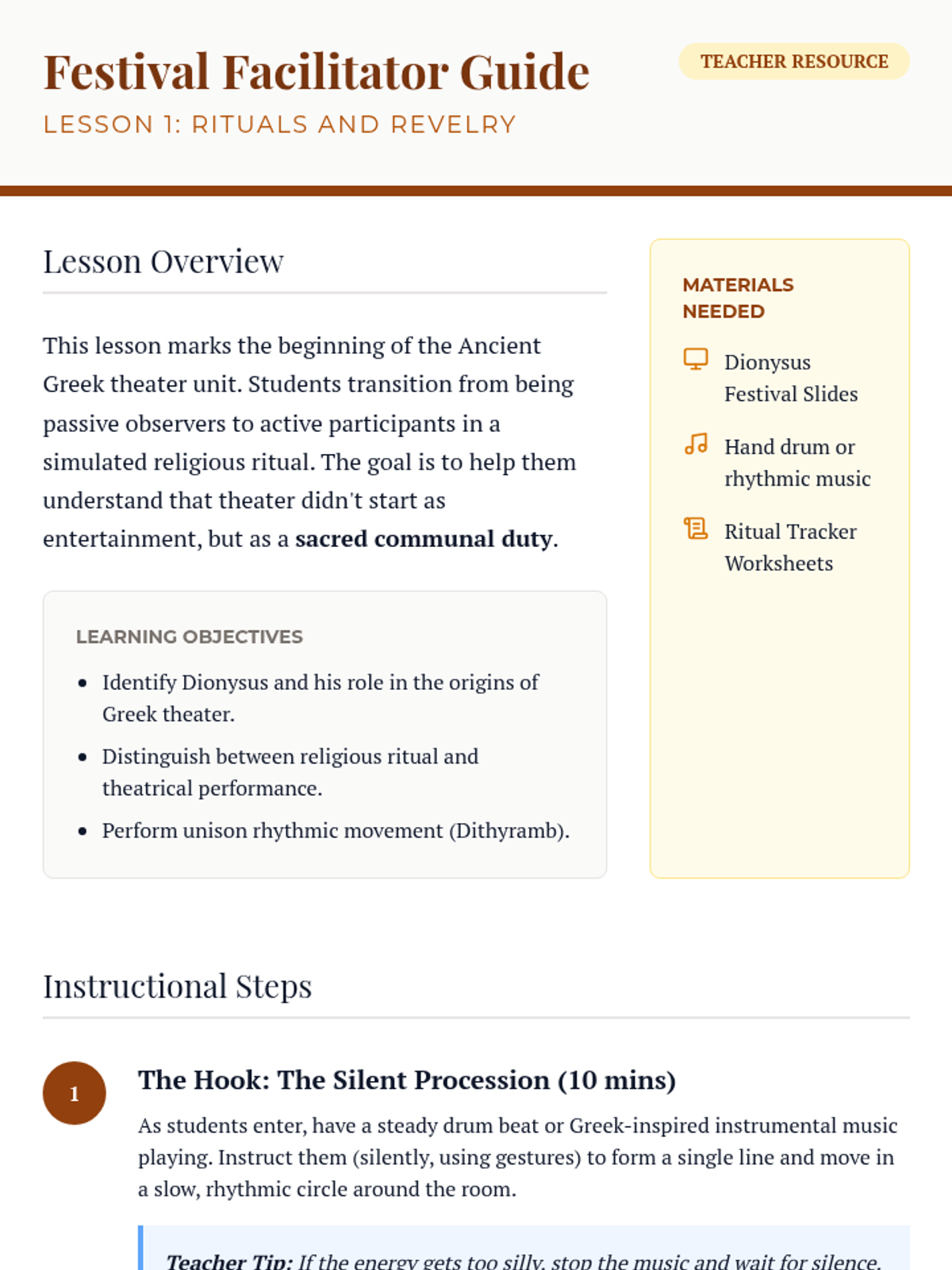
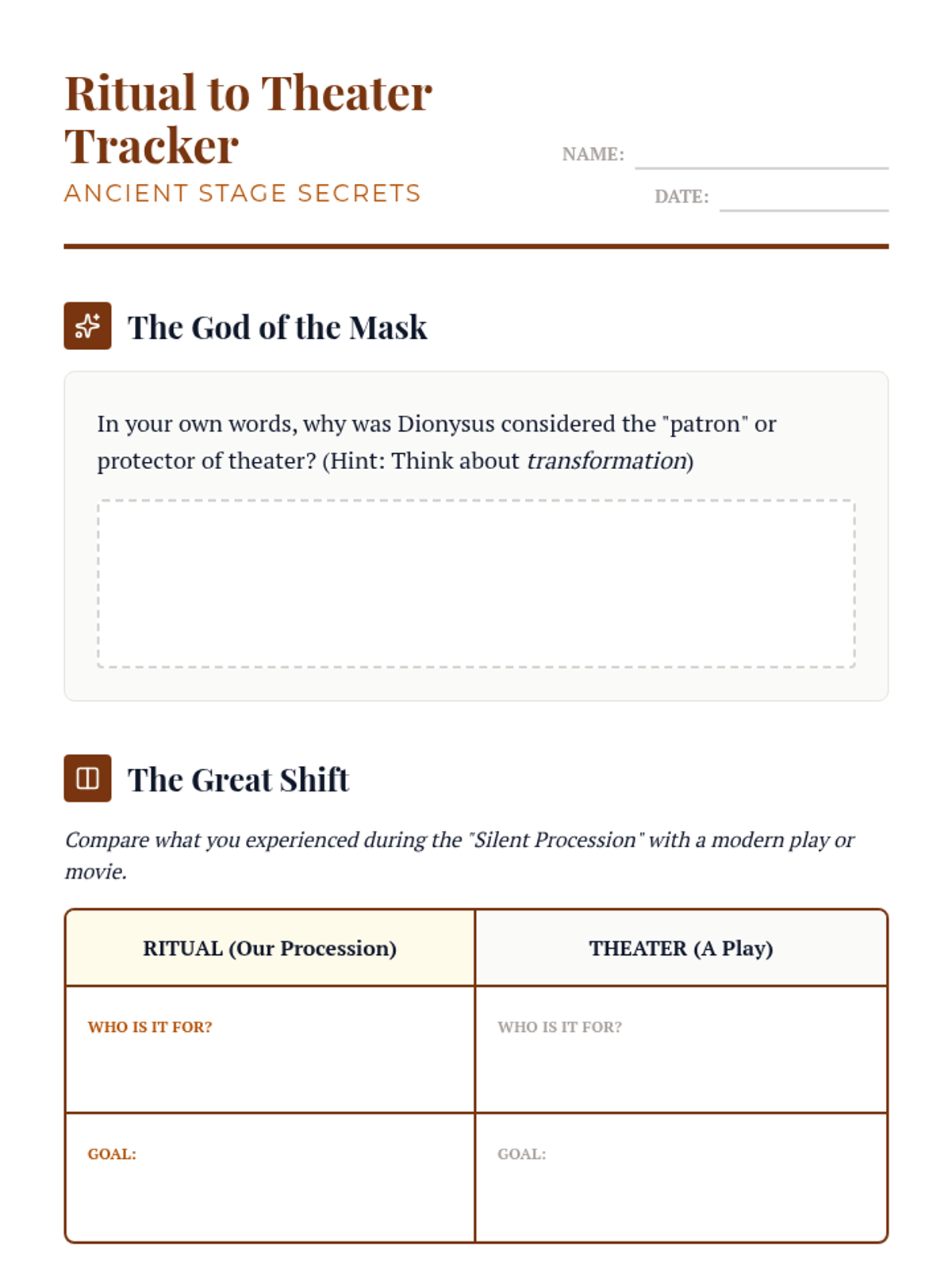
A 5-lesson unit for 6th-grade theater students exploring the ritual origins, physical conventions, and architectural innovations of Ancient Greek theater. Students learn how masks, the chorus, and amphitheaters shaped storytelling.
This unit explores the history of physical comedy, from the masked archetypes of Italian Commedia dell'Arte to modern slapstick and sitcoms. Students develop physical characterization skills, understand status dynamics, and learn to identify recurring comic archetypes across theater history.
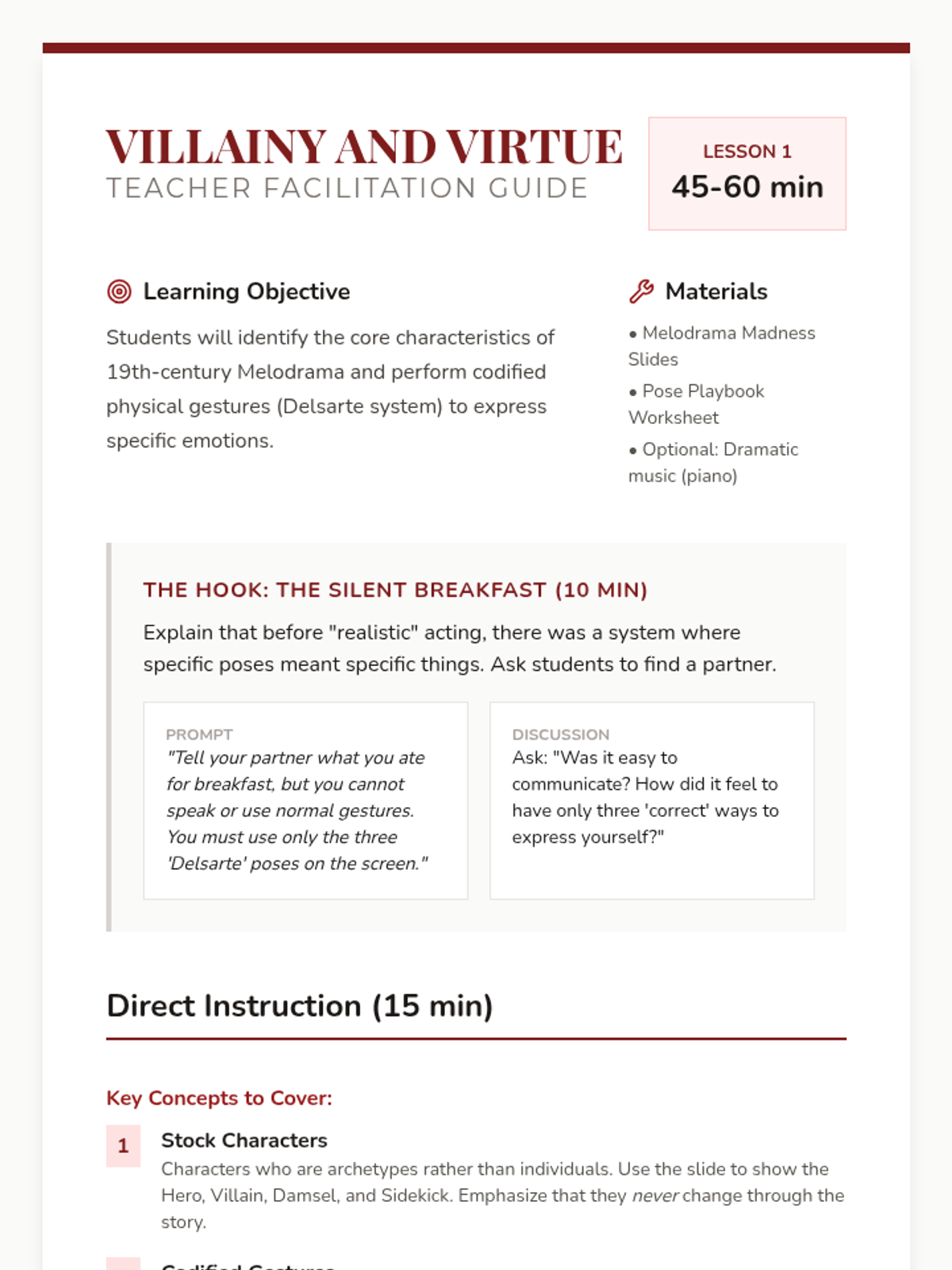
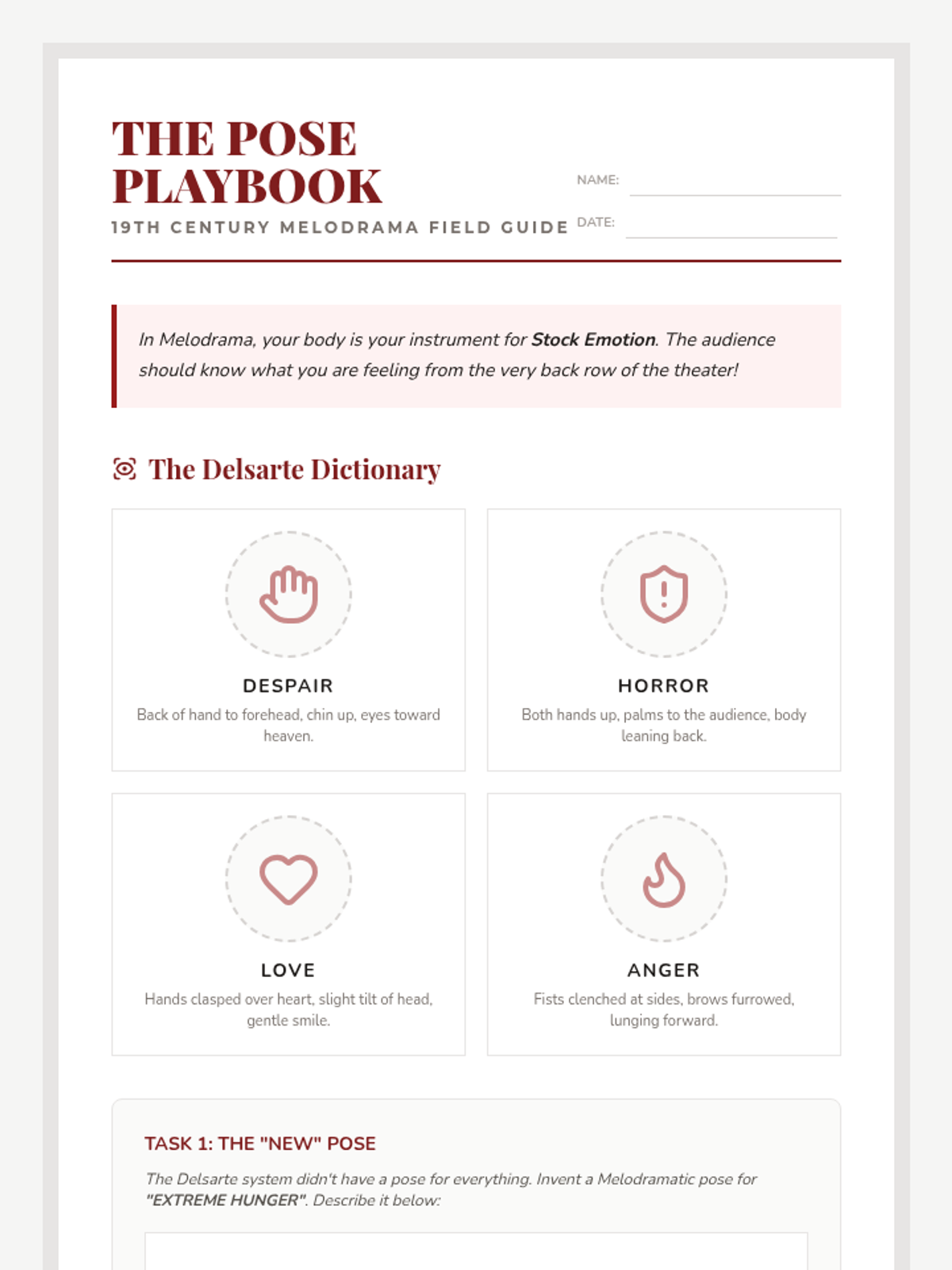
This sequence explores the evolution of acting styles from the exaggerated, codified gestures of 19th-century Melodrama to the internal, psychologically-driven Realism of Stanislavski. Students will learn about the 'Fourth Wall,' 'The Magic If,' and 'Objectives' through practical workshops and performance-based comparisons.
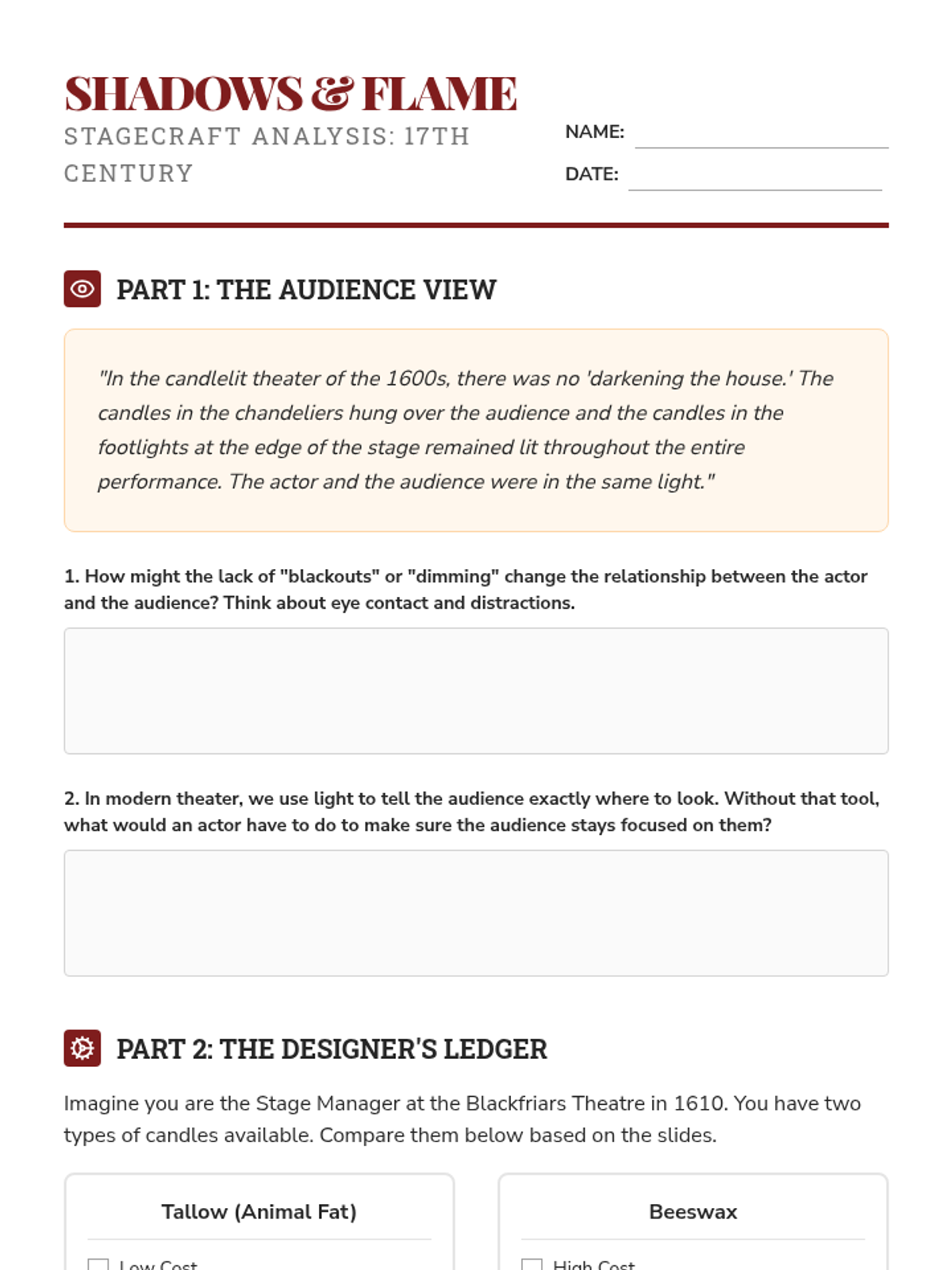
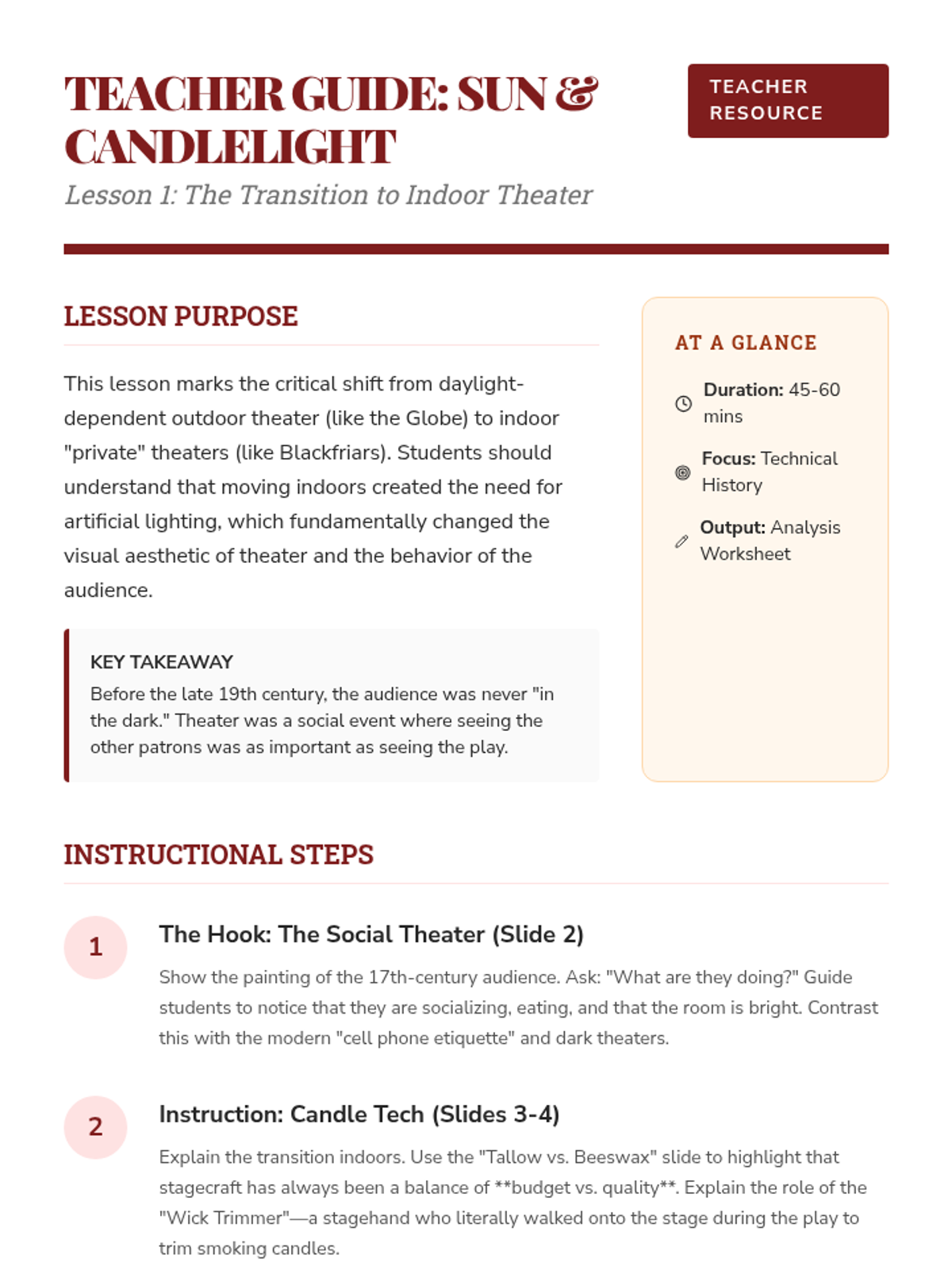
This sequence traces the technological evolution of theater from candlelight to the digital age, examining how design changes the storytelling experience. Students explore the shift from the proscenium arch and painted perspective sets to modern lighting and sound design, concluding with a design challenge.
A 5-lesson unit exploring the physical comedy tradition of Commedia dell'Arte. Students learn about stock characters, status transactions, the 'lazzi' (comic bits), and the use of 'grammelot' (gibberish) to create improvised performances based on Renaissance archetypes.
A 5-lesson unit exploring the unique staging conditions of the Elizabethan era and how they shaped Shakespeare's playwriting through language, architecture, and audience interaction.
This sequence guides 6th-grade students through the intersection of vocal technique, performance psychology, and genre stylization. Students explore how to adapt their voice and physical presence for Folk and Musical Theater while building the emotional resilience needed for public performance.
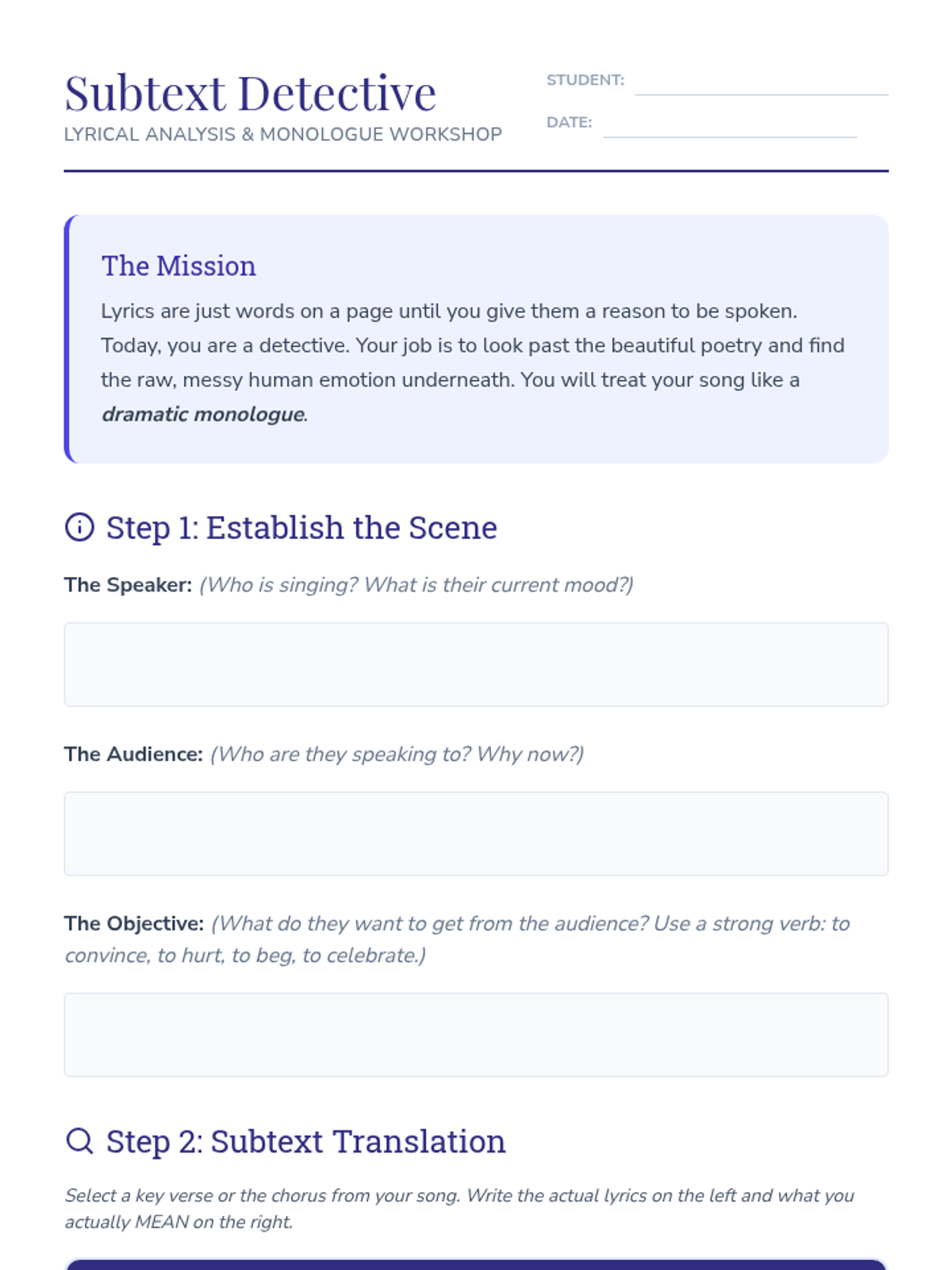
A comprehensive vocal performance sequence that teaches students to move beyond notes and rhythms to become vocal 'actors.' Students analyze subtext, master expressive diction, map musical phrasing, and explore tone color to deliver emotionally authentic performances.
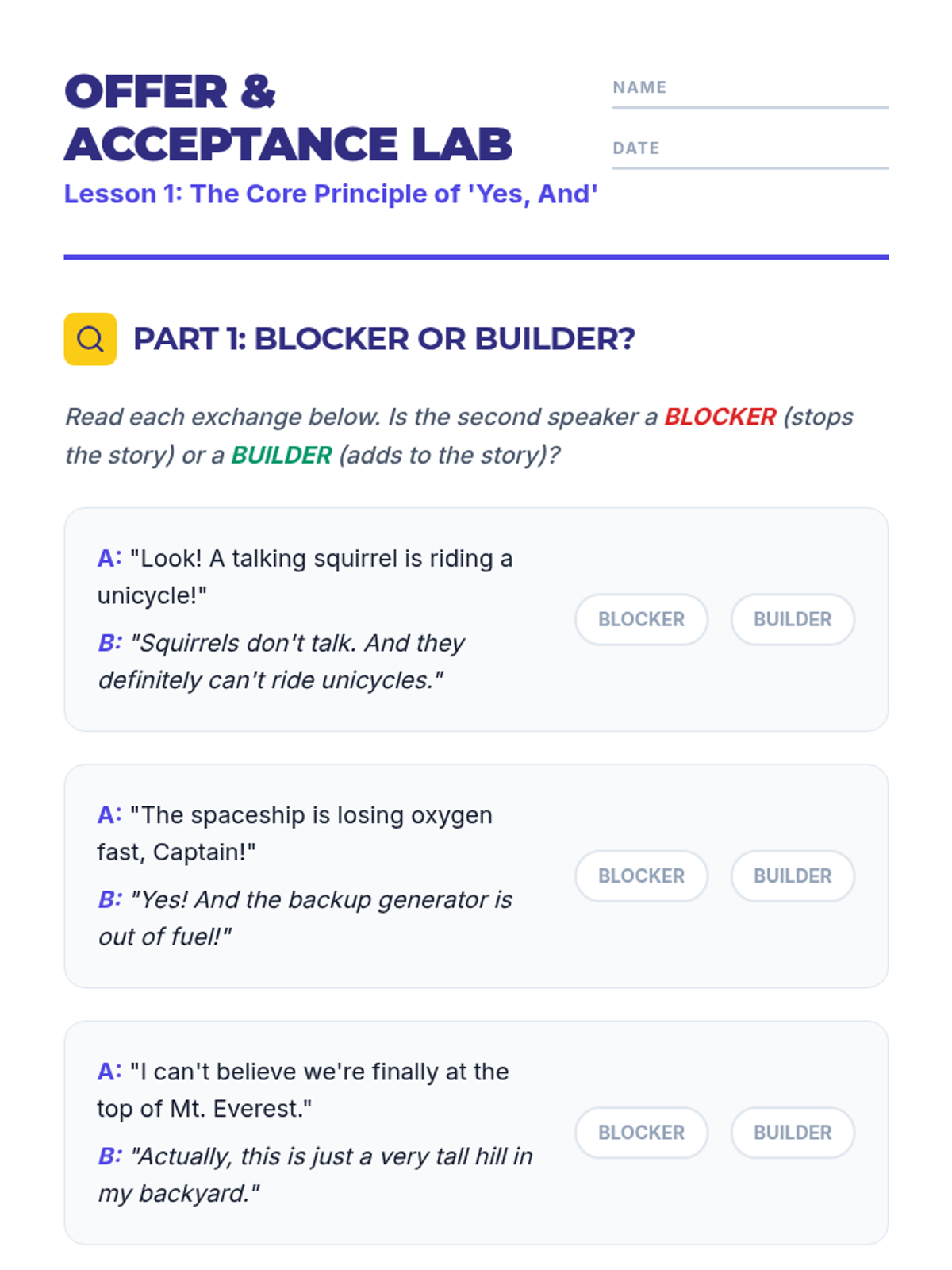
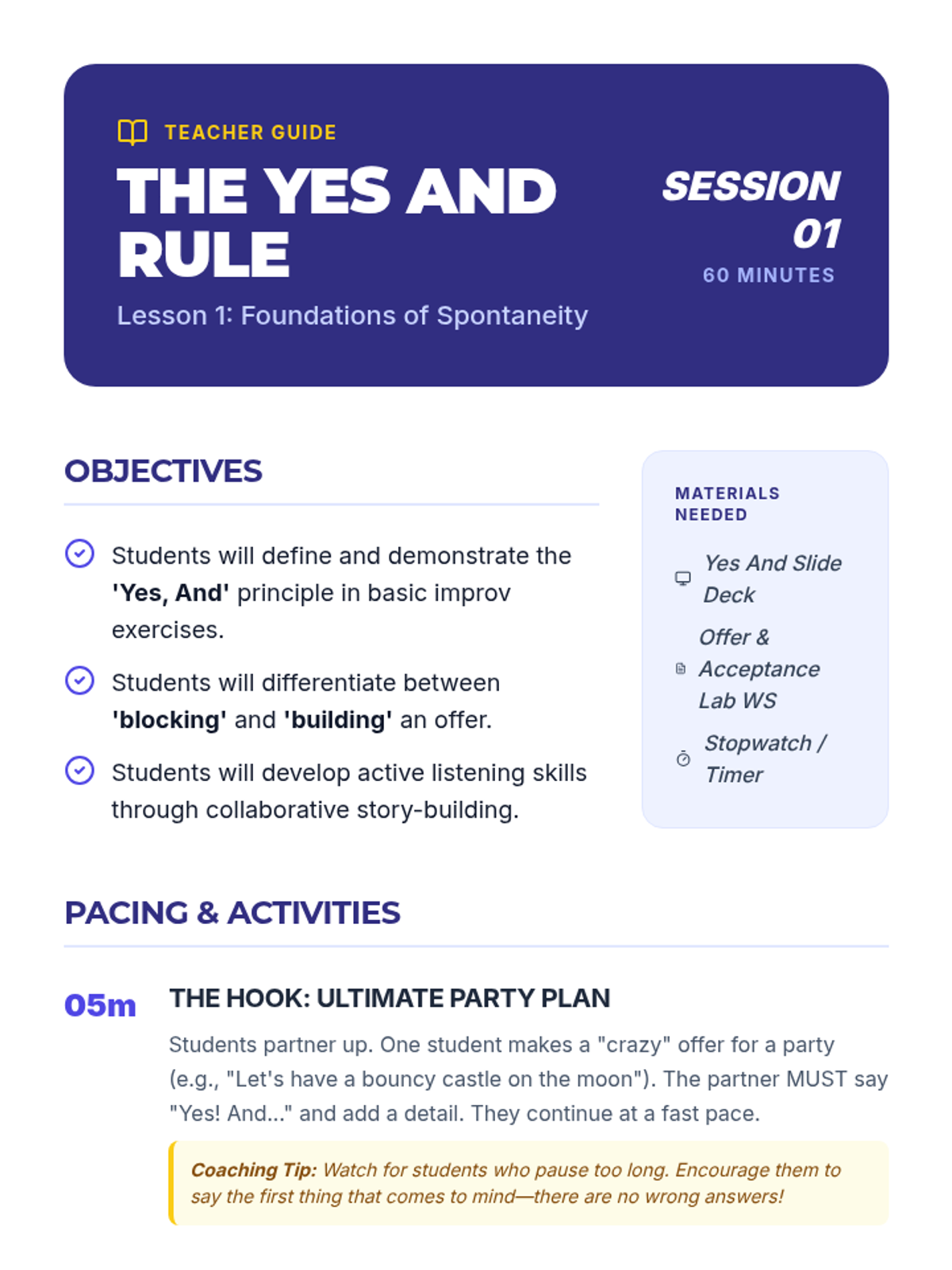
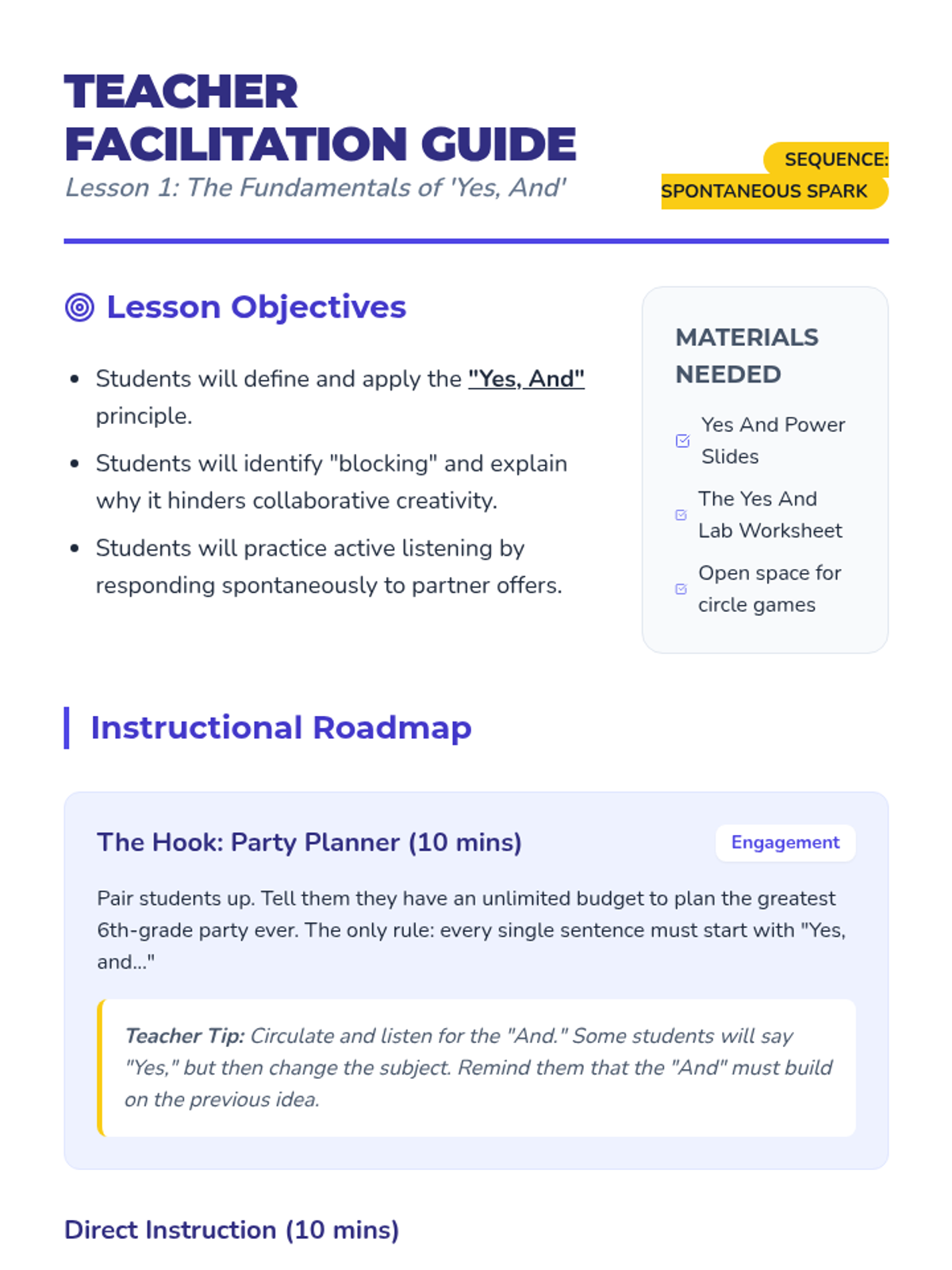
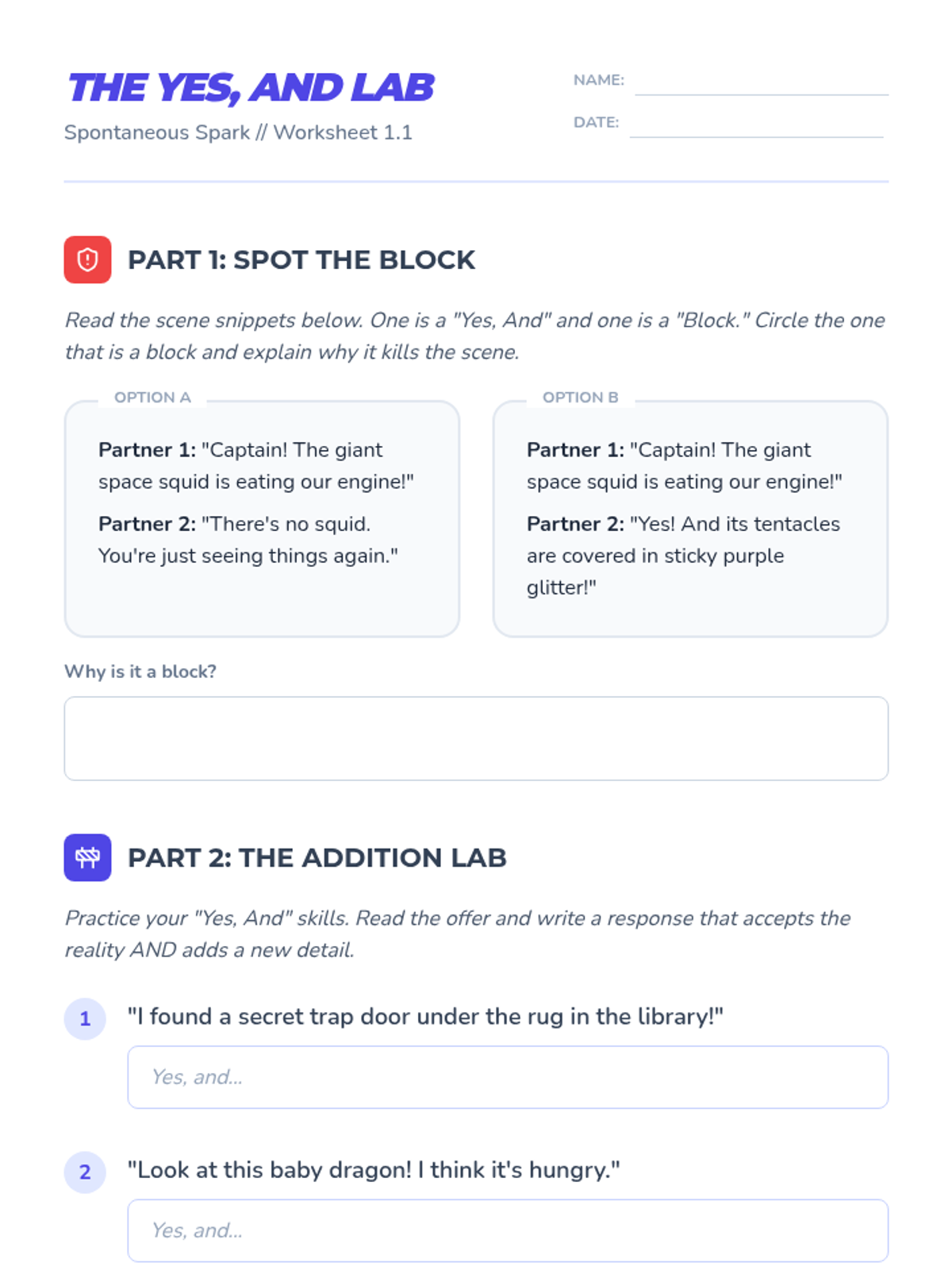
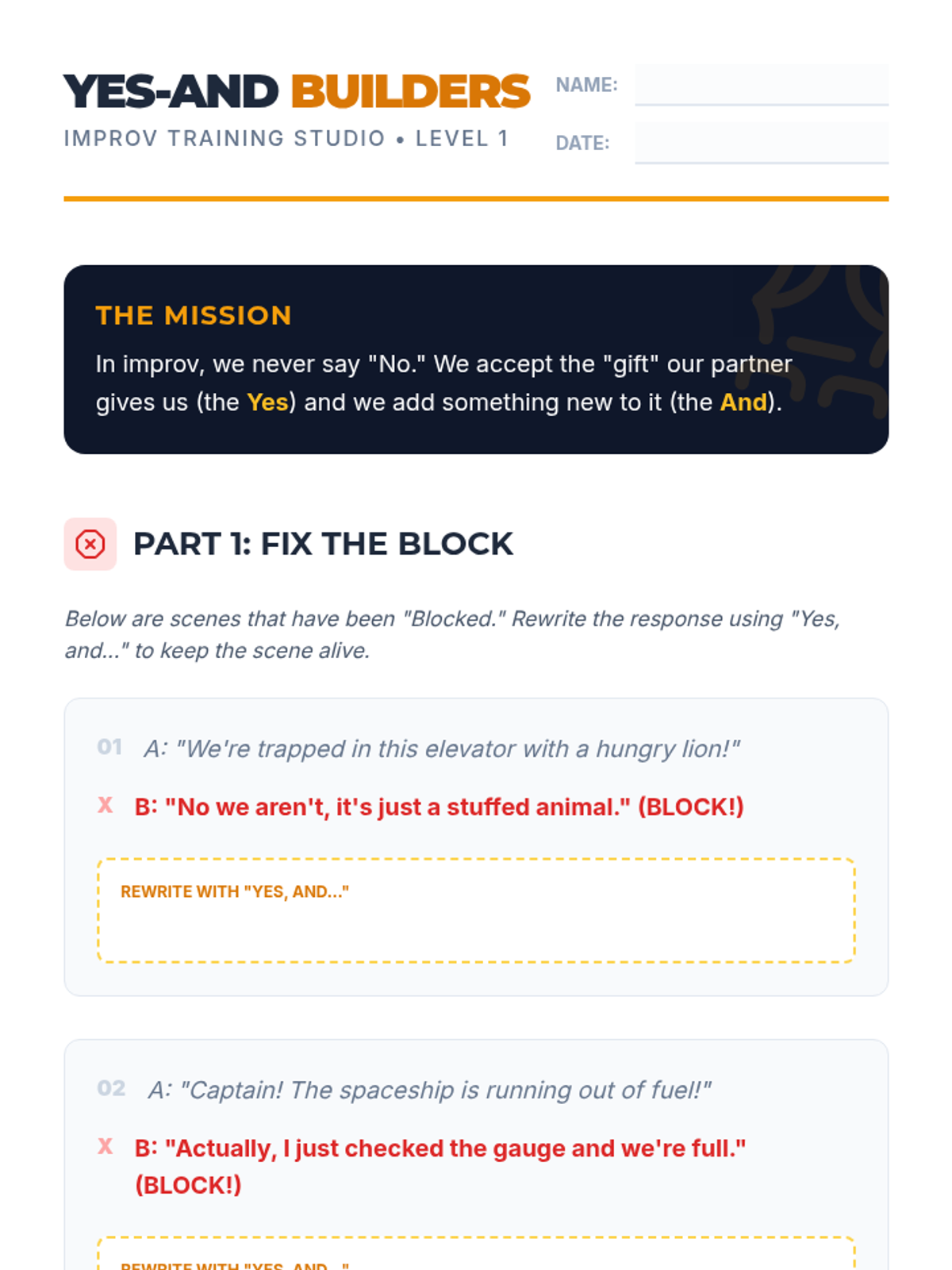
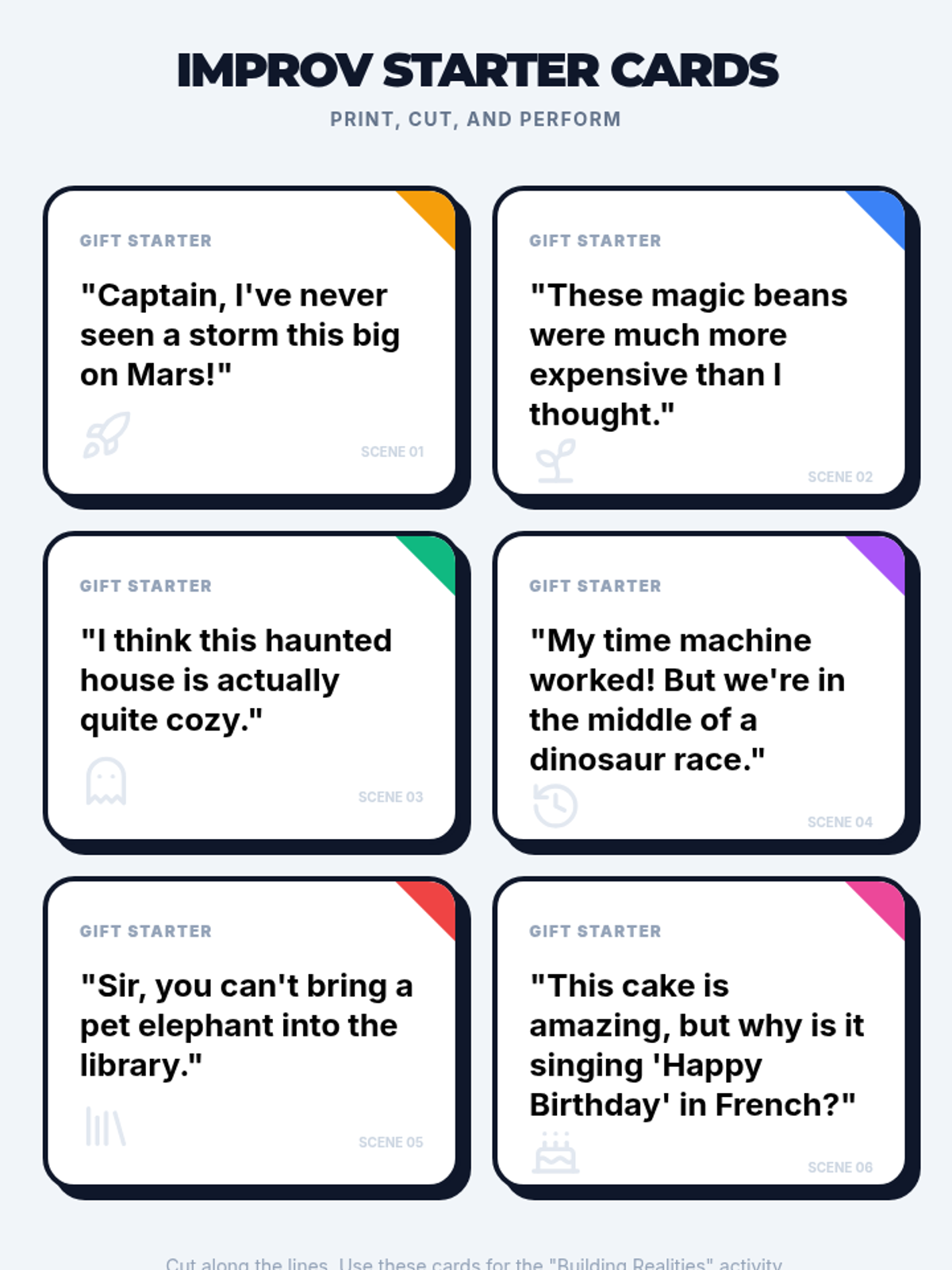
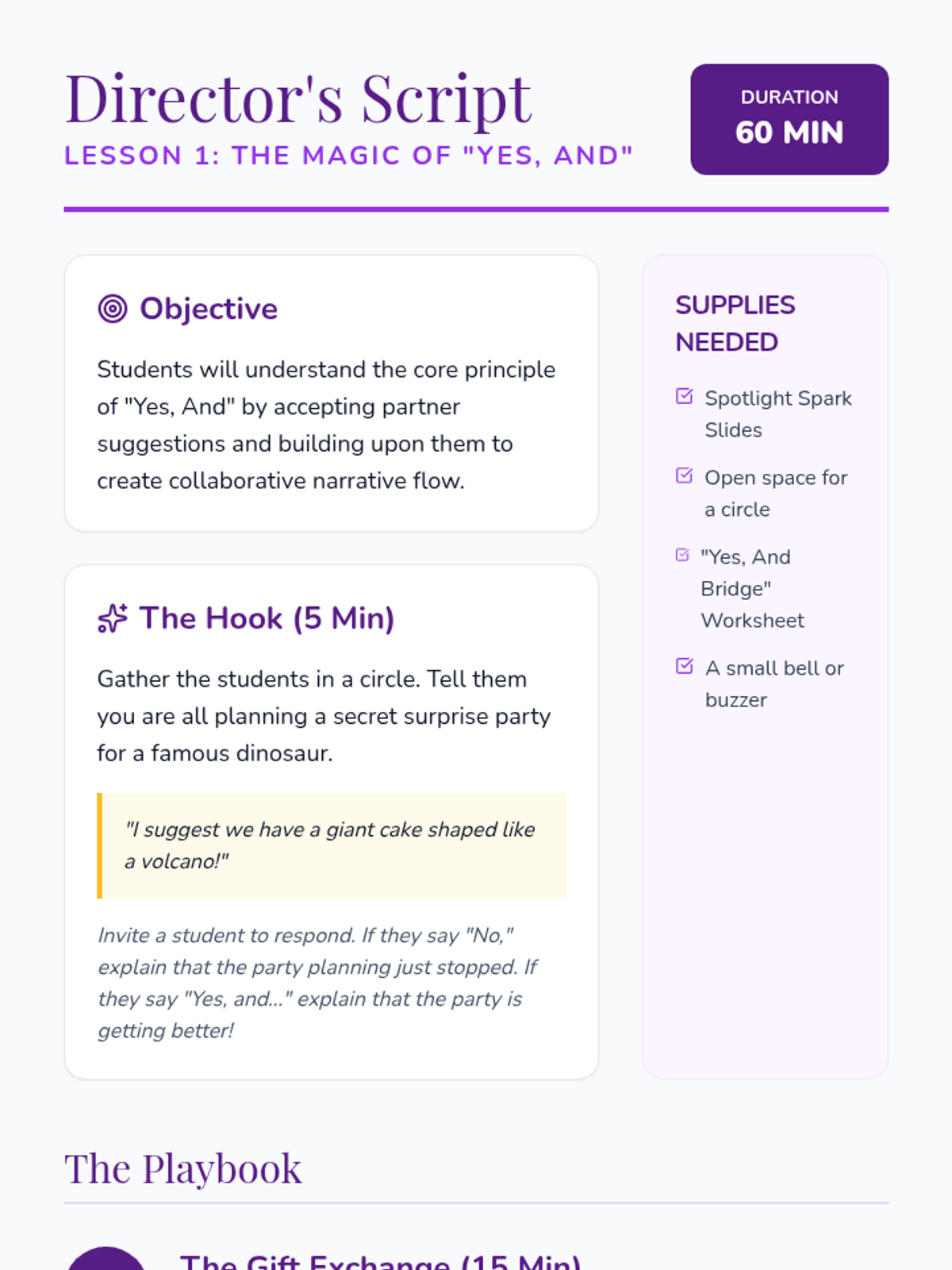
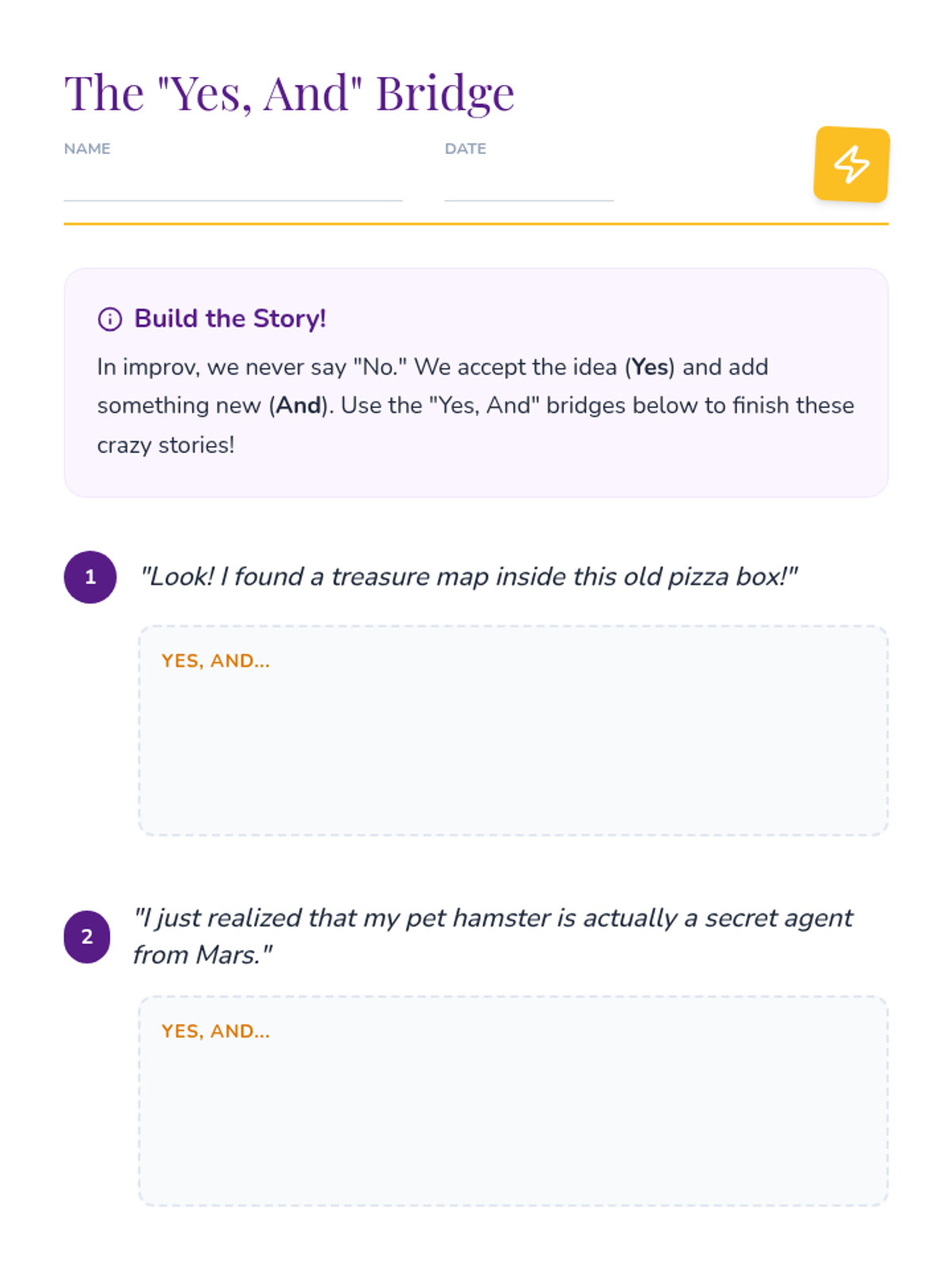
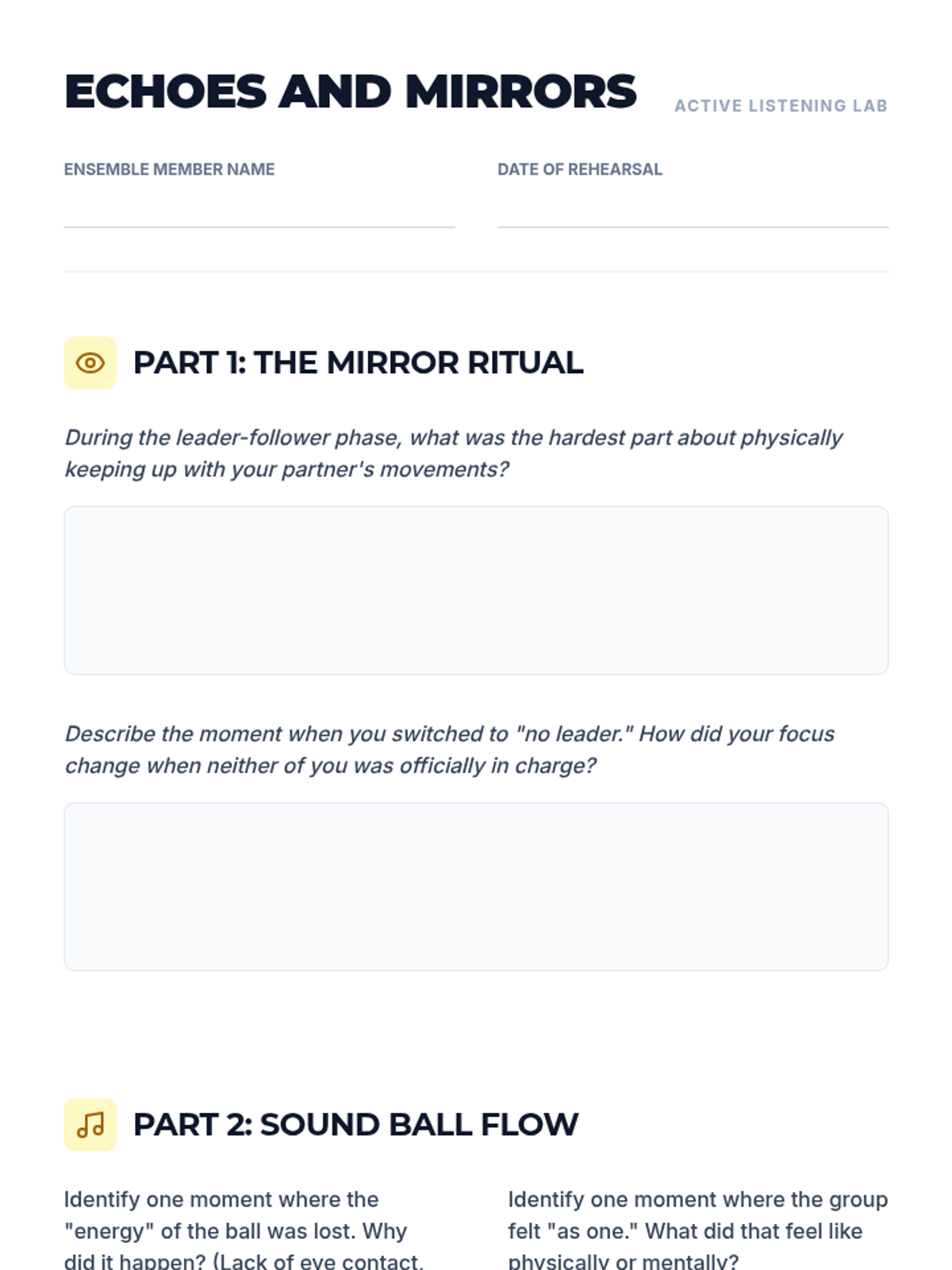
This sequence explores the foundational principles of theatrical improvisation, focusing on the 'Yes, And' rule, CROW (Character, Relationship, Objective, Where), object work, and status dynamics. Students will build ensemble trust and spontaneity through a variety of workshop games and simulations, culminating in a short-form improv performance.
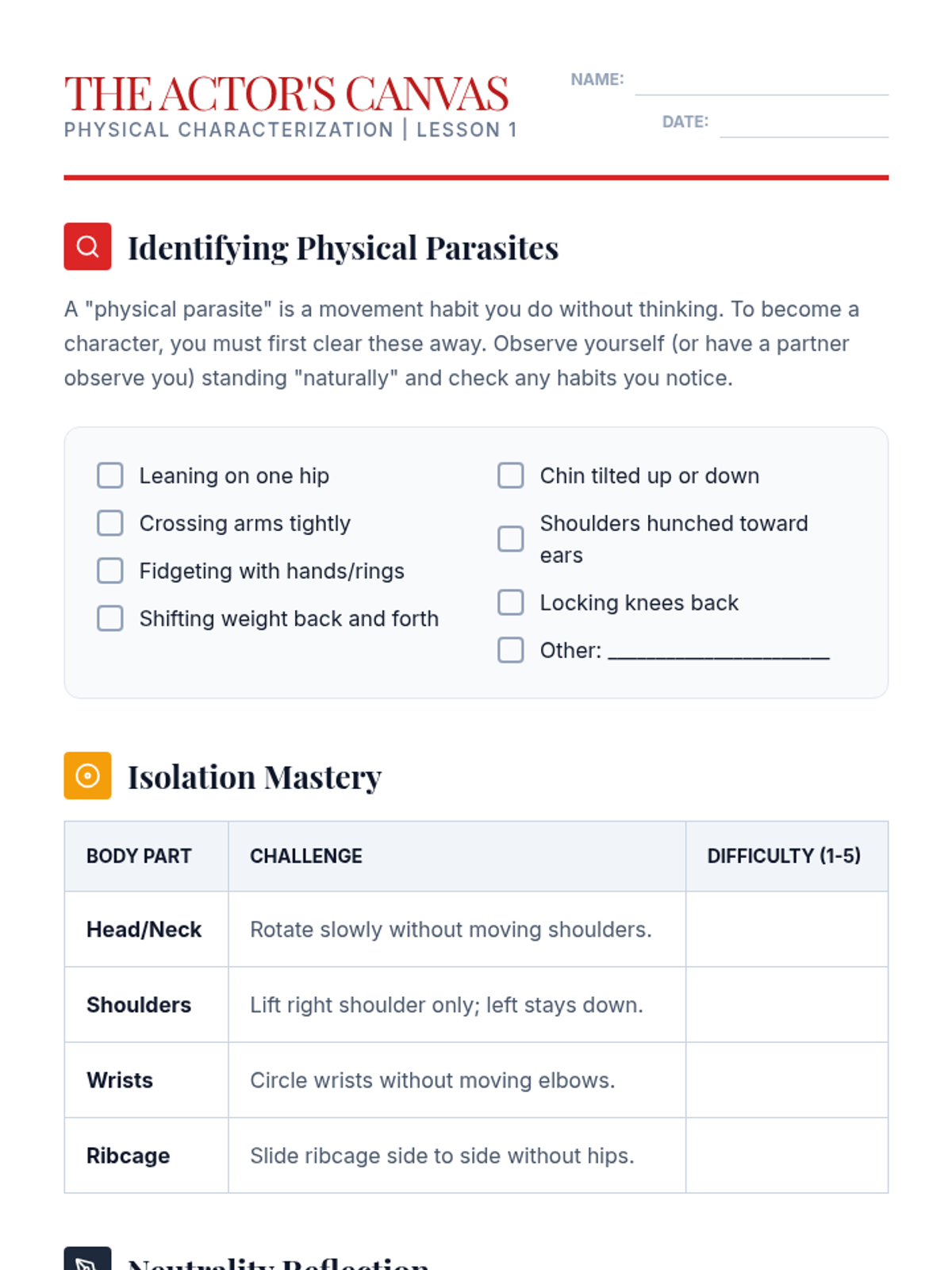
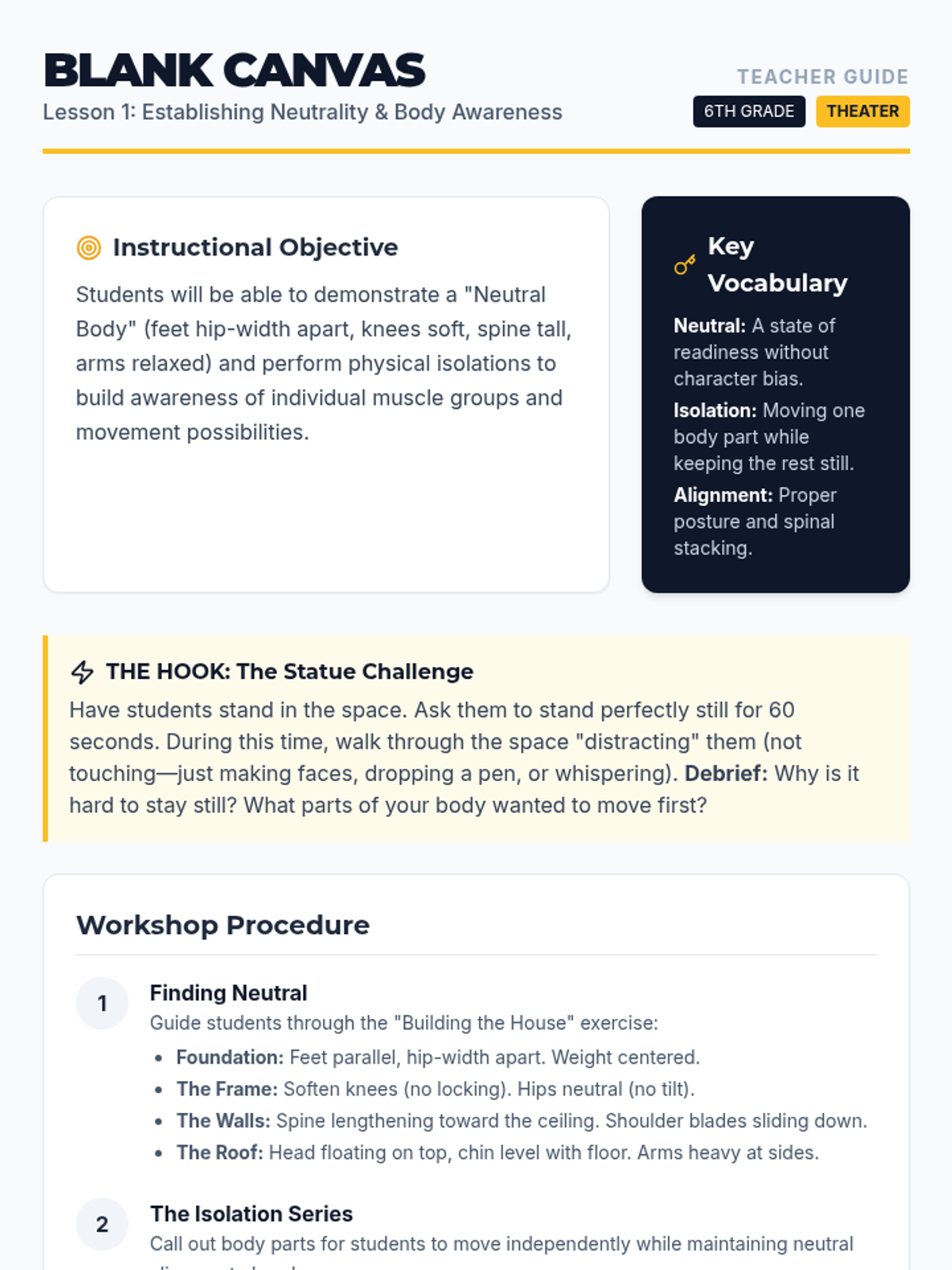
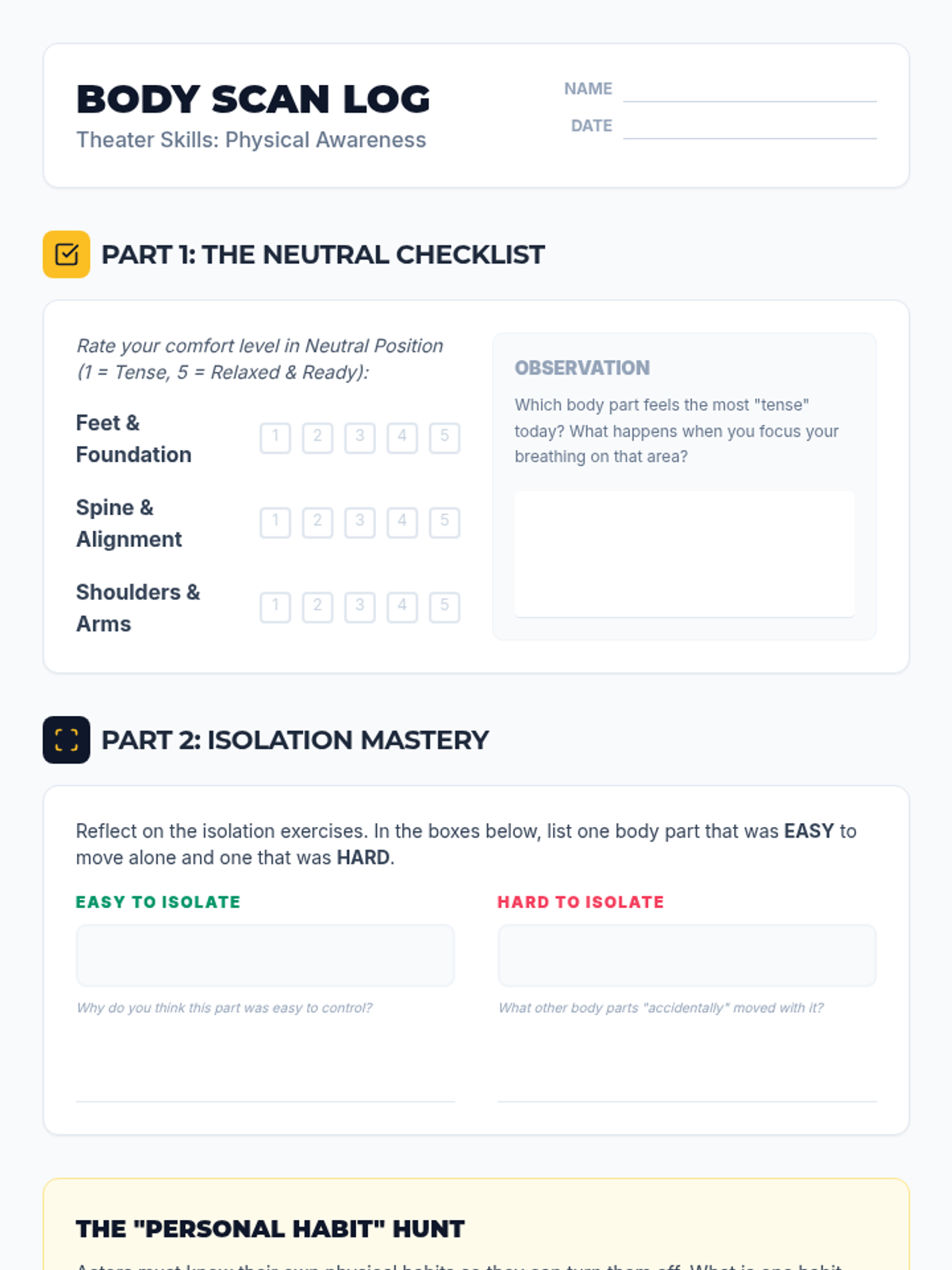
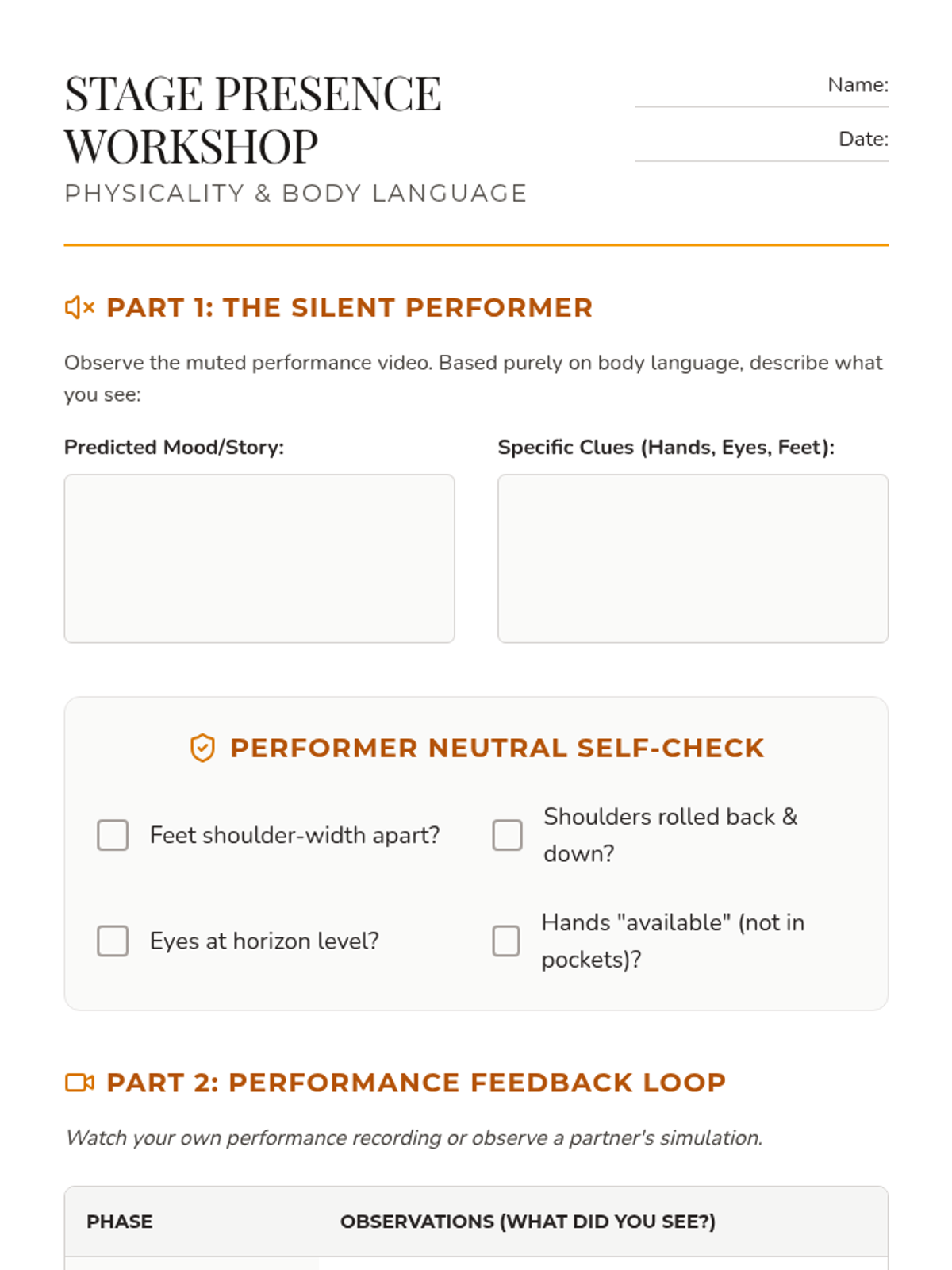
This sequence explores the actor's body as a storytelling tool through neutrality, physical centers, pantomime, and tableau. Students develop non-verbal communication skills culminating in a silent narrative performance.
A 5-lesson sequence for 6th graders focused on the core skills of improvisation, including acceptance, object work, character dynamics, and narrative structure. Students develop collaborative creativity through the 'Yes, And' philosophy.
A comprehensive introduction to physical theater for 6th graders, focusing on neutrality, body awareness, leading centers, tableau, and pantomime. Students develop the discipline and technique to tell stories and express emotions without speaking, culminating in a silent scene performance.
This sequence focuses on improvisation and ensemble building, teaching students to think quickly and collaborate creatively. The arc moves from basic rule-setting (Yes, And) to active listening and reacting in the moment. Students learn to build scenes cooperatively without a script, focusing on maintaining character and narrative logic.
This sequence develops improvisation skills and ensemble collaboration, teaching students to react authentically in the moment. Students build trust and creative confidence by practicing 'Yes, And,' establishing environments, and solving narrative problems as a team.
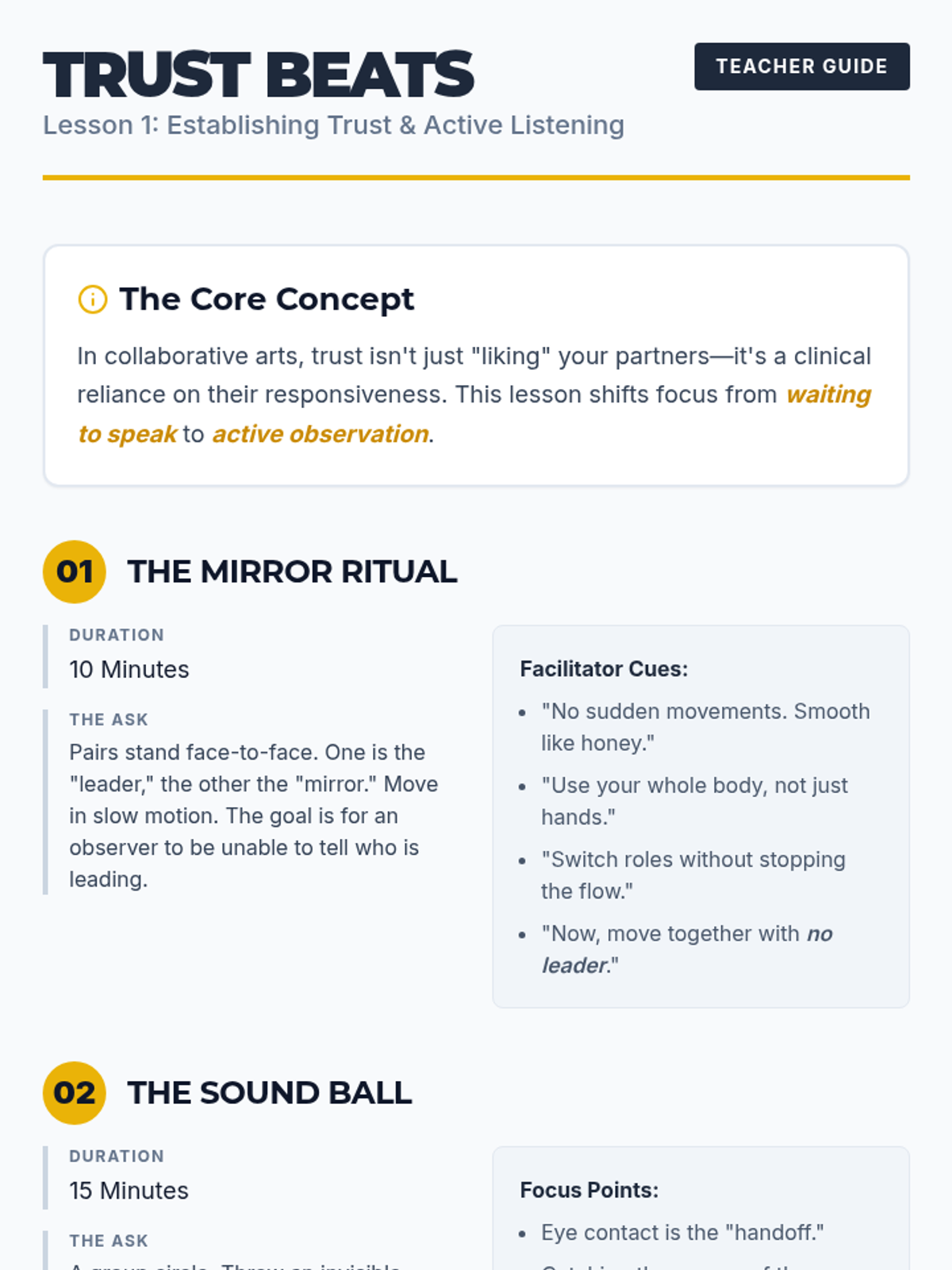
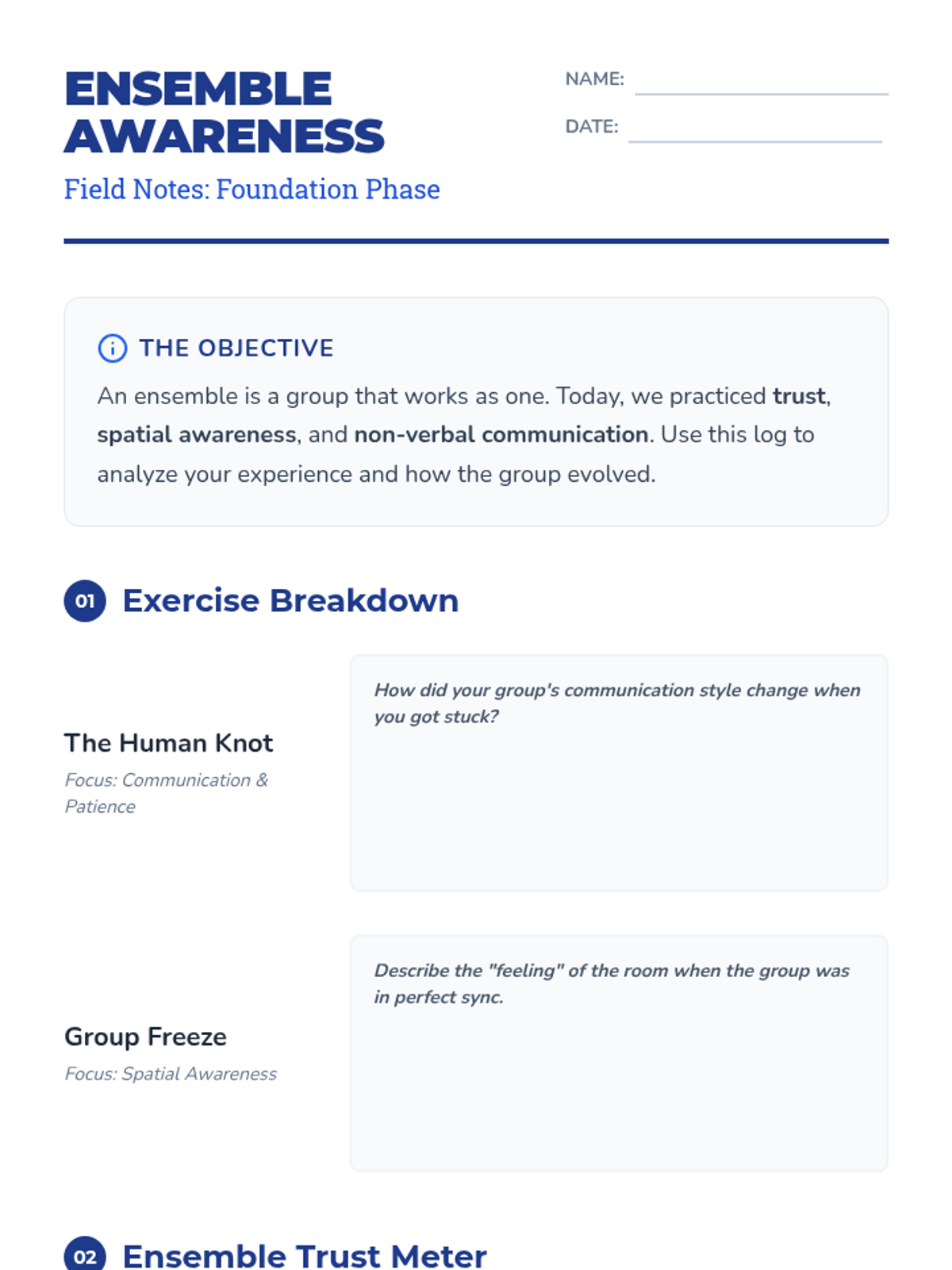
A middle school theater and creative thinking unit focused on building trust, active listening, and collaborative agility through improvisational techniques. Students progress from basic focus exercises to devising and performing original ensemble pieces.
A 5-lesson sequence for 6th-grade students focused on building collaborative artistic skills through physical theater, improvisation, and constructive peer feedback. Students transition from building trust to devising original ensemble work and refining it through iterative rehearsal.
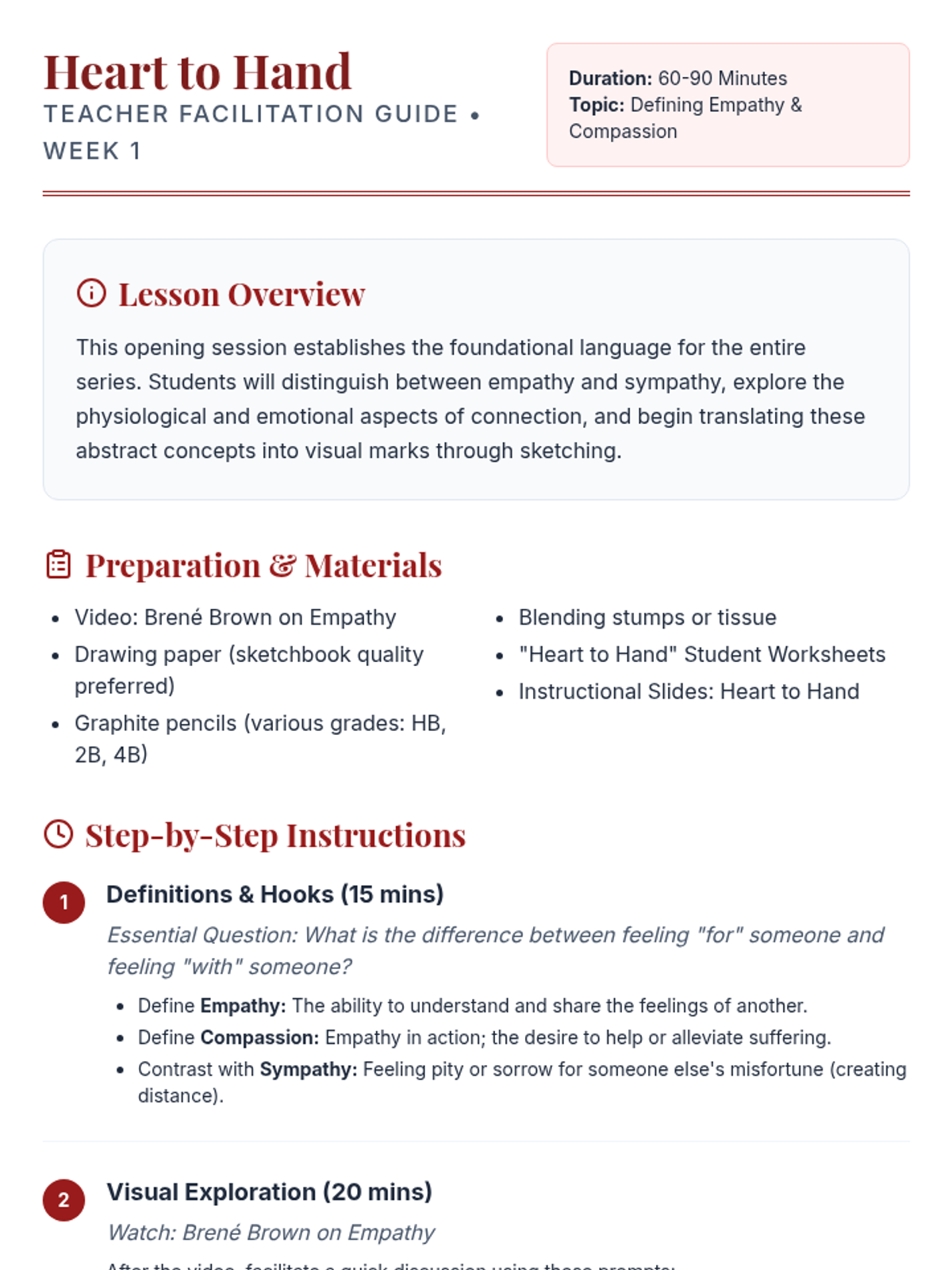
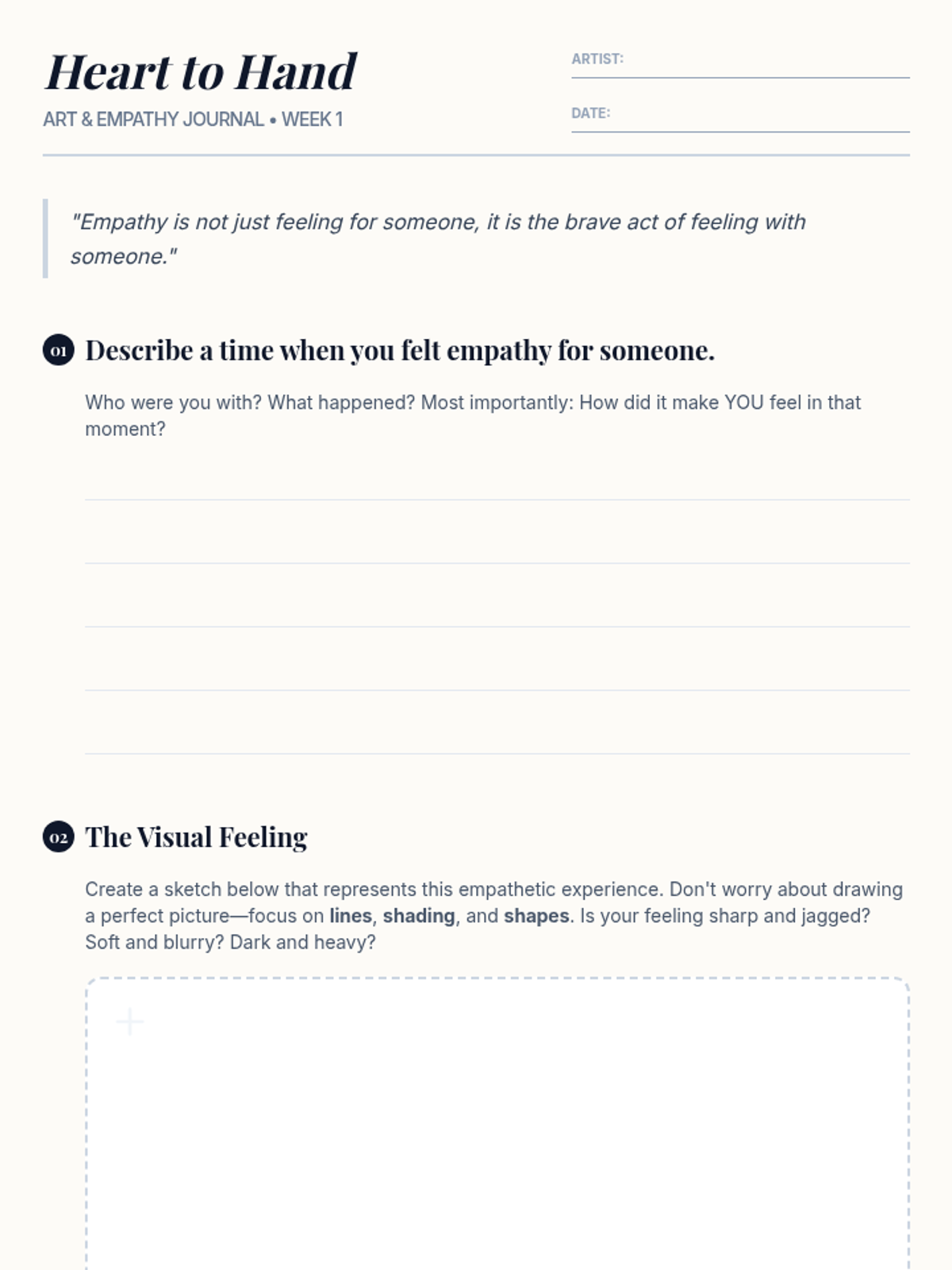
An 8-week series for middle schoolers exploring the intersection of visual arts and emotional intelligence, focusing on building empathy, compassion, and self-awareness through creative expression and professional artist insights.
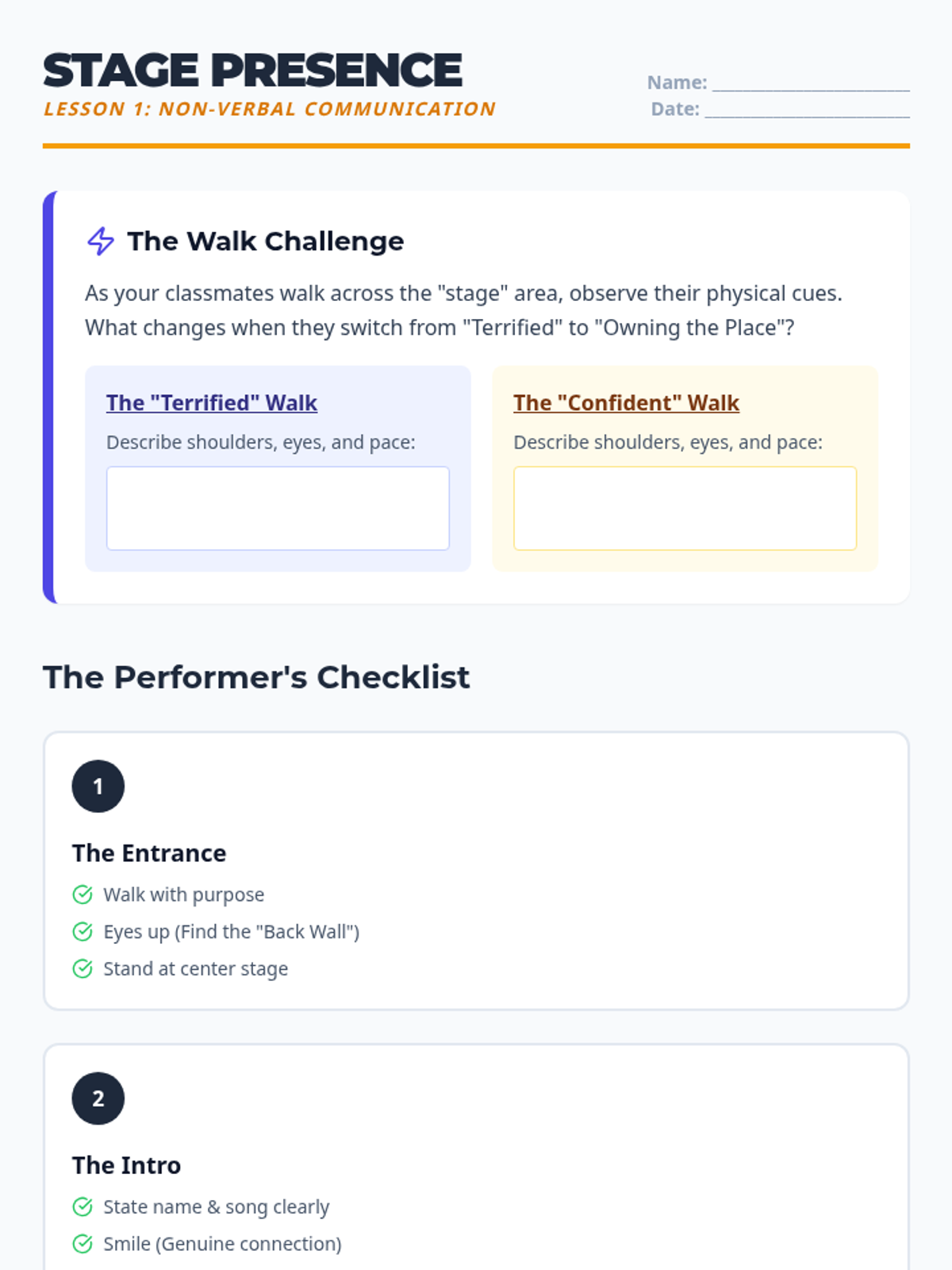
A comprehensive unit for middle school vocalists focused on stage presence, performance anxiety, audience engagement, and technical skills like microphone technique, culminating in a mock audition.
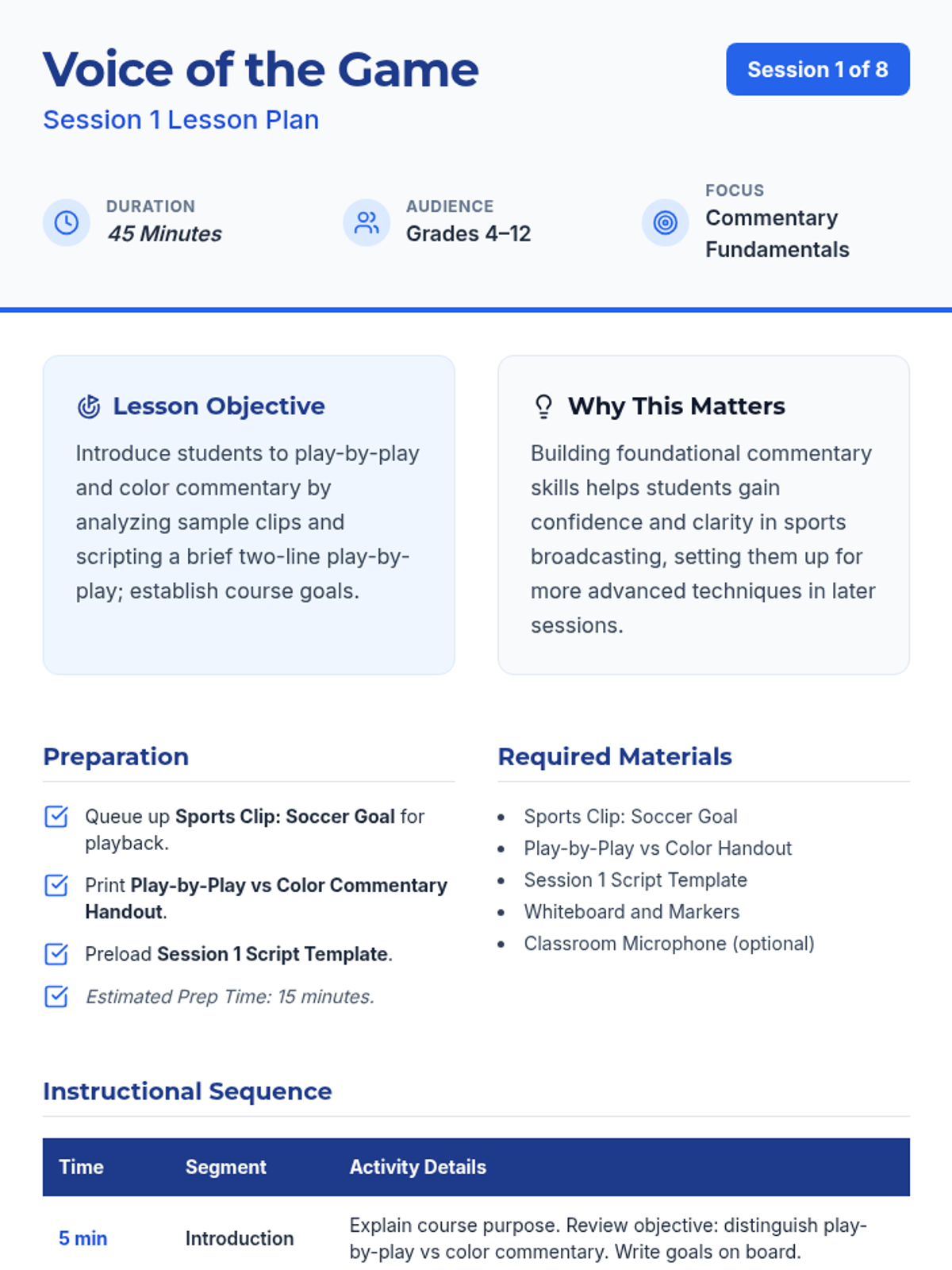
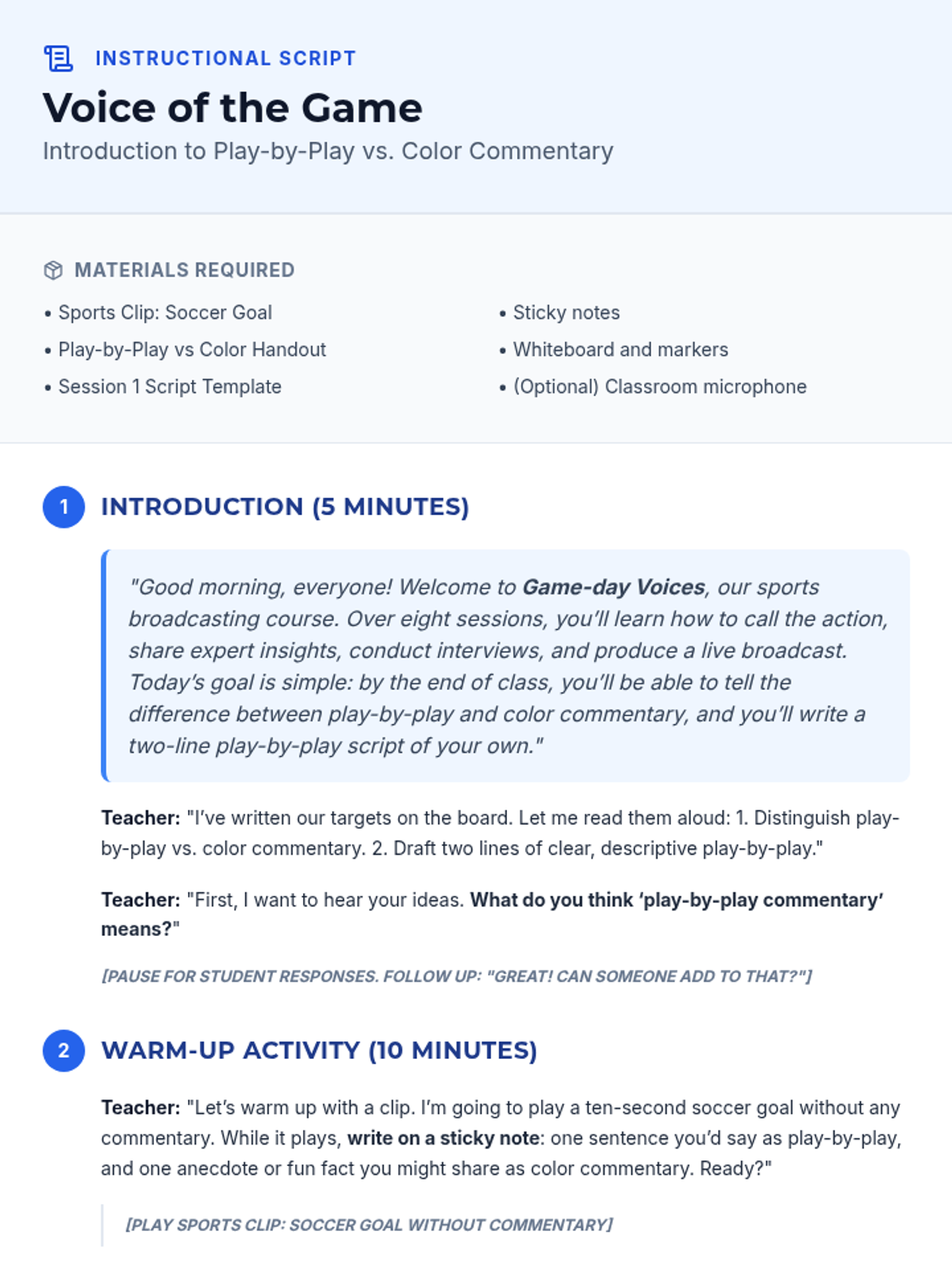
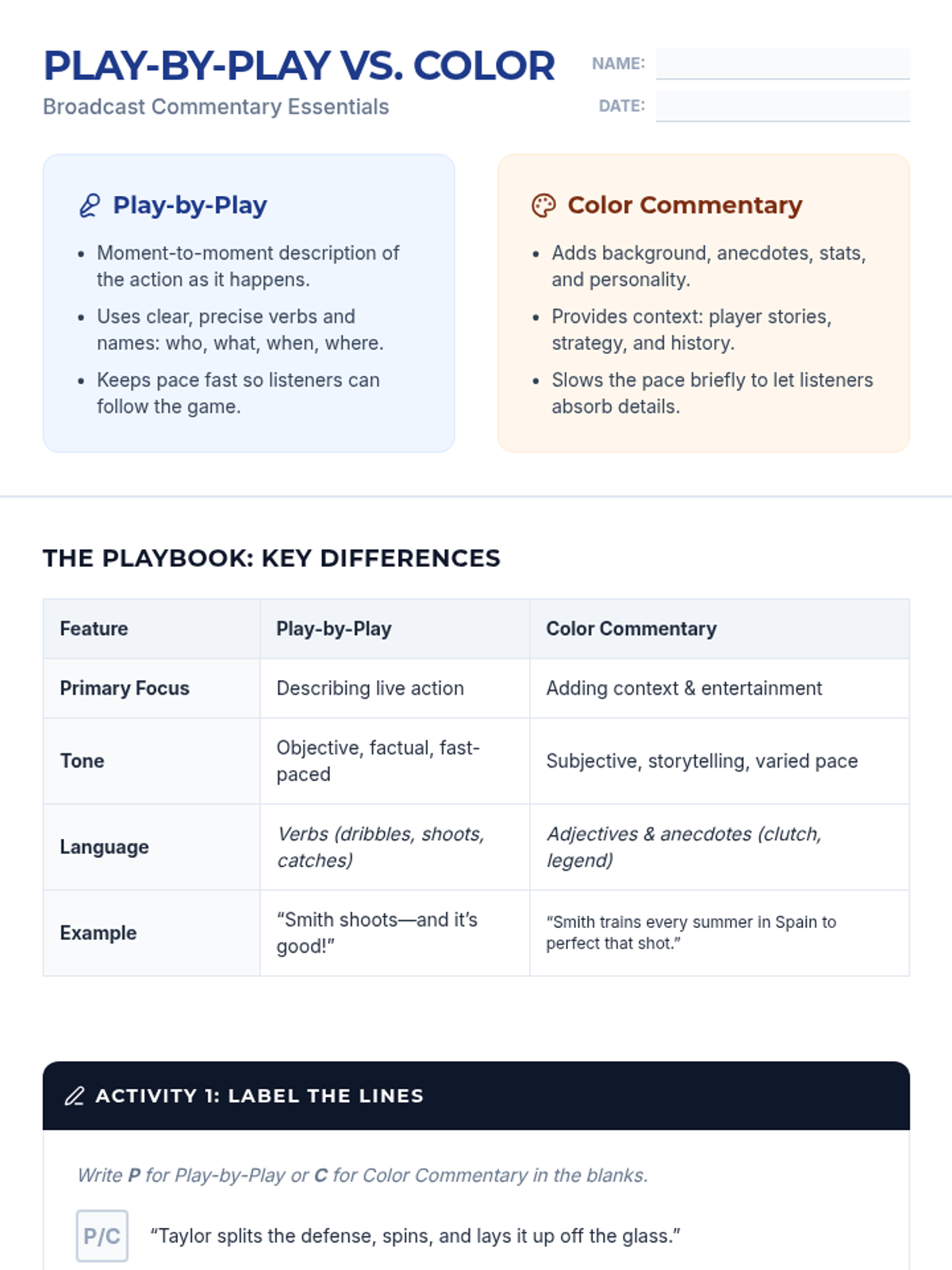
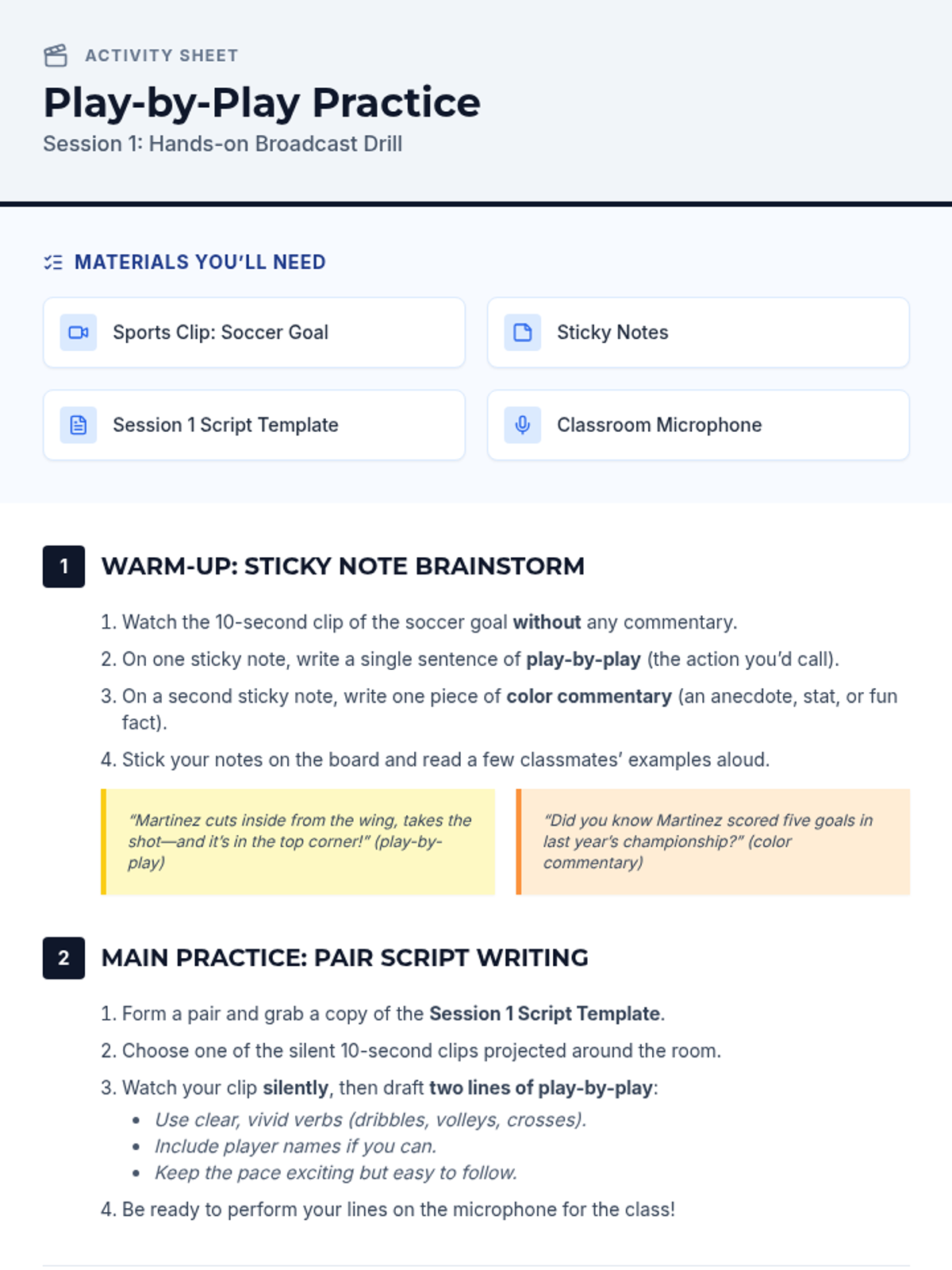
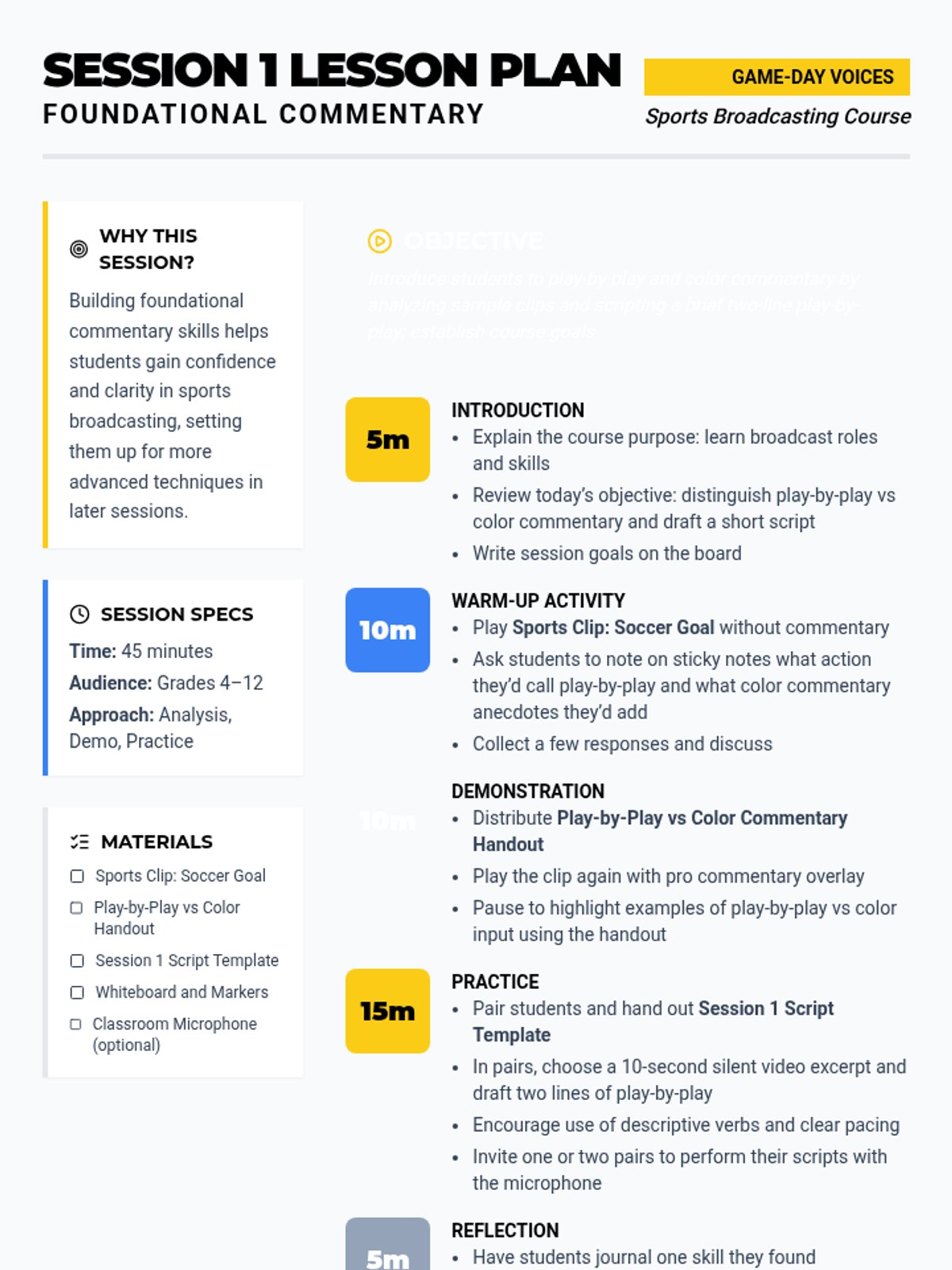
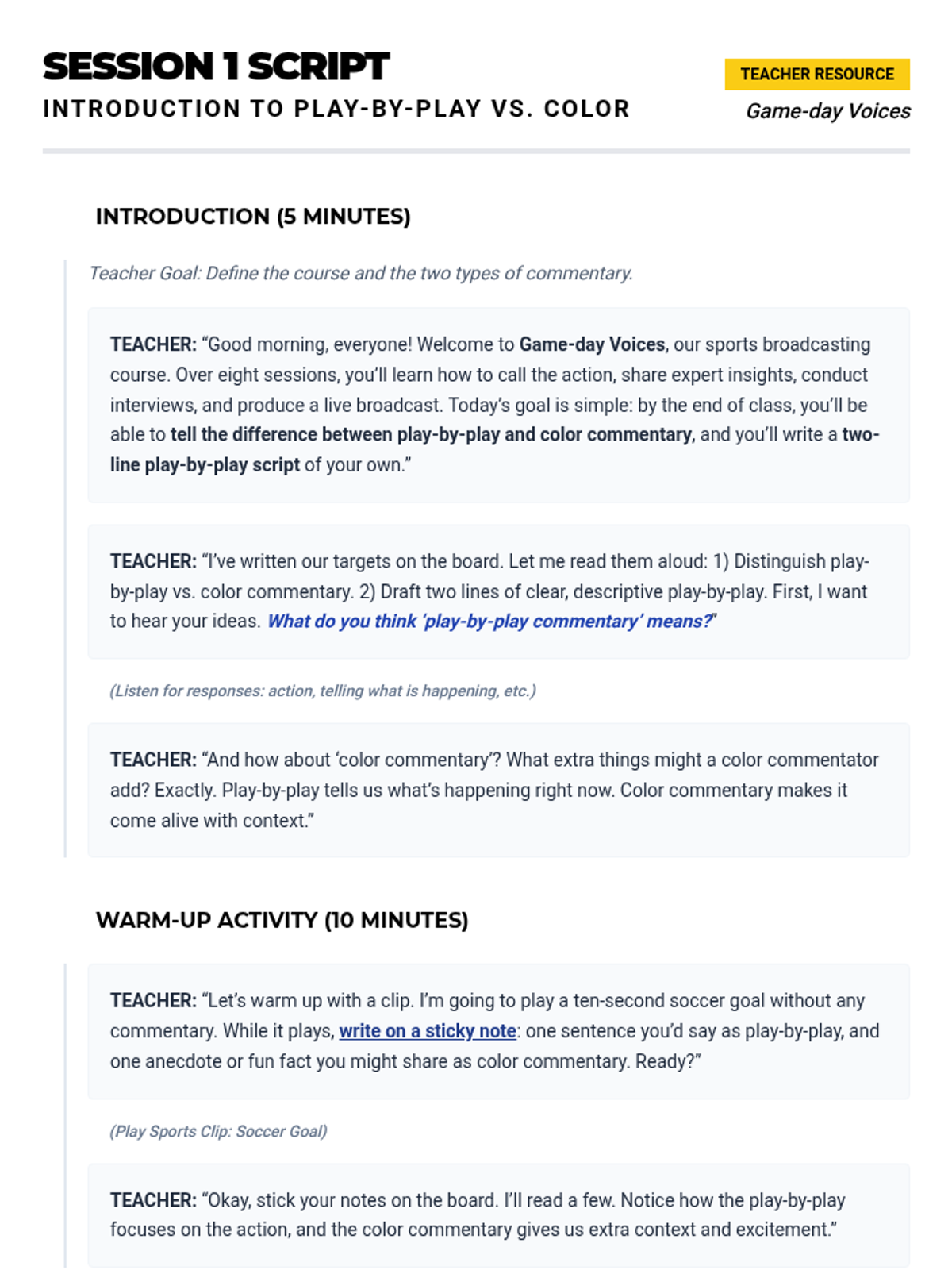
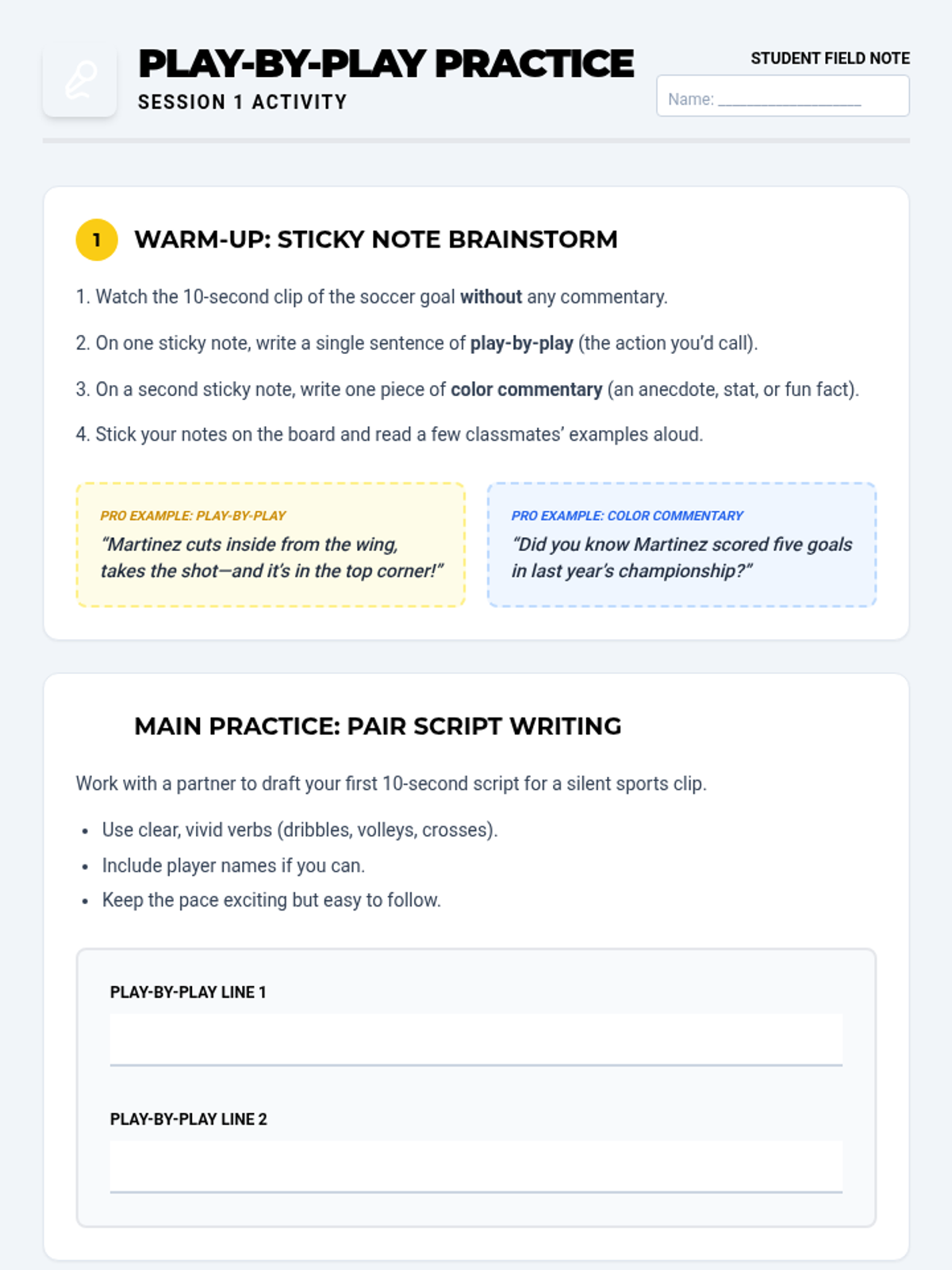
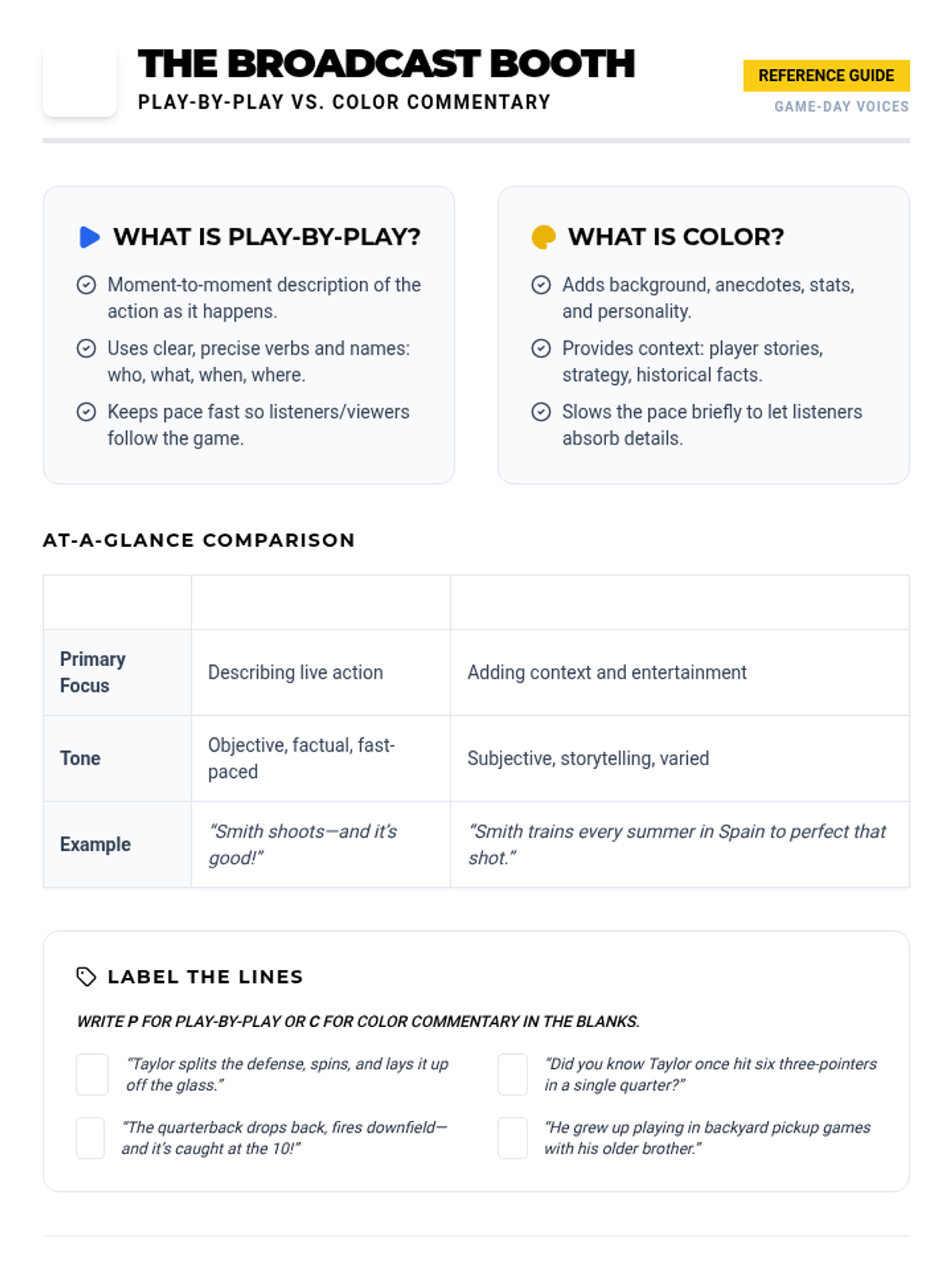
An 8-session sports broadcasting course for grades 4–12, covering play-by-play, color commentary, interviewing, camera work, audio mixing, and live production directing. Students progress from foundational vocal skills to a complete capstone broadcast project.
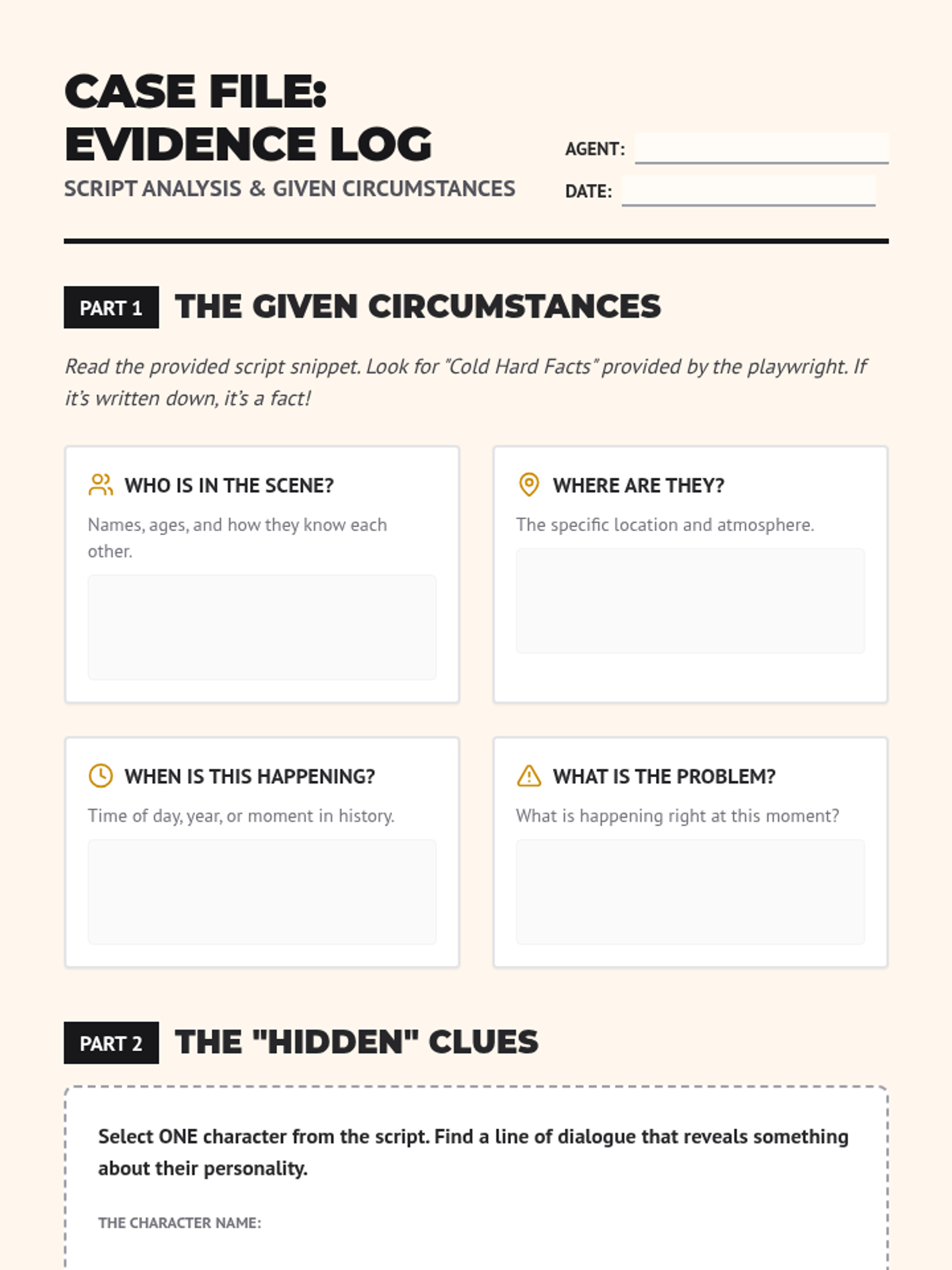
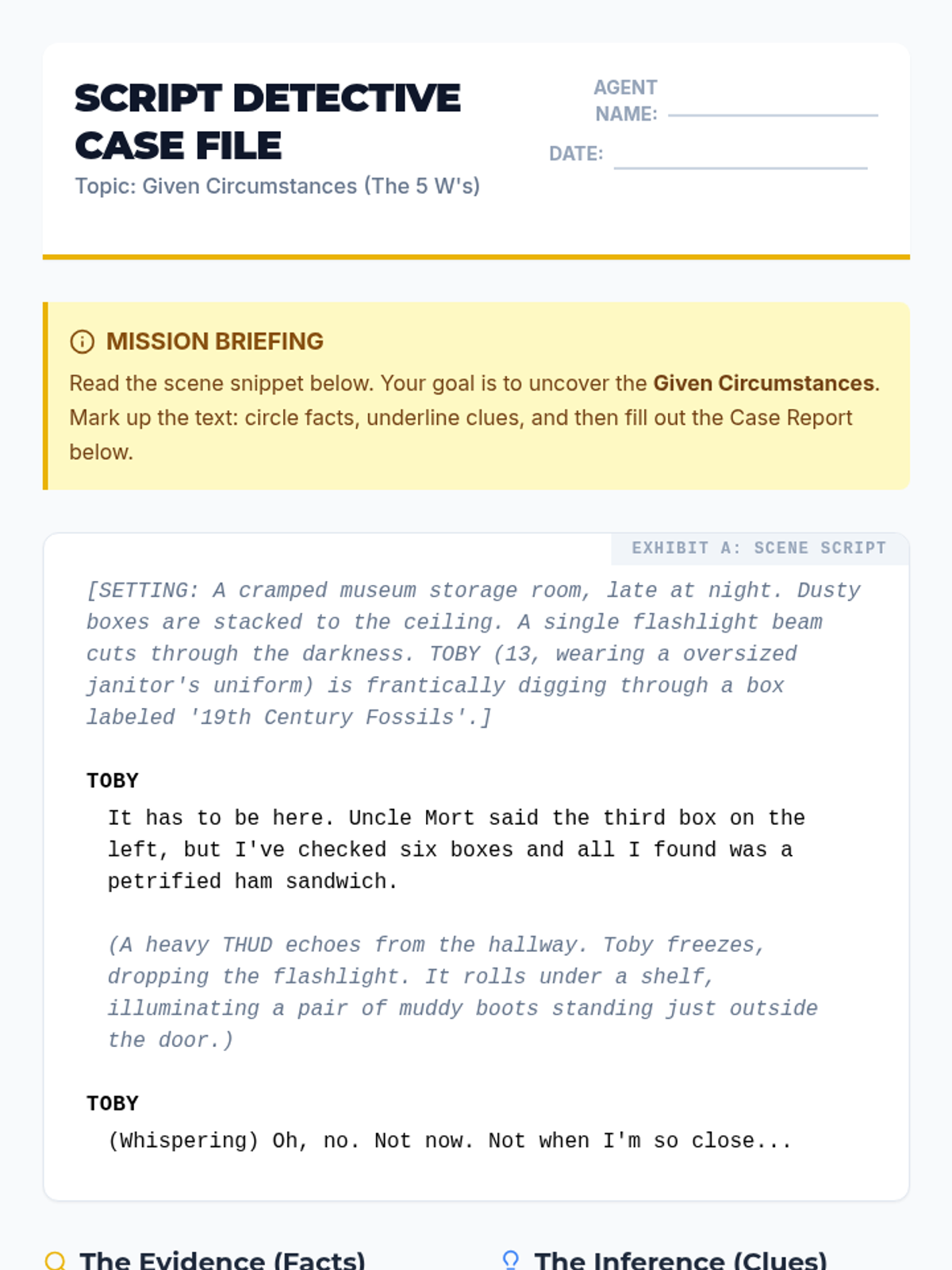
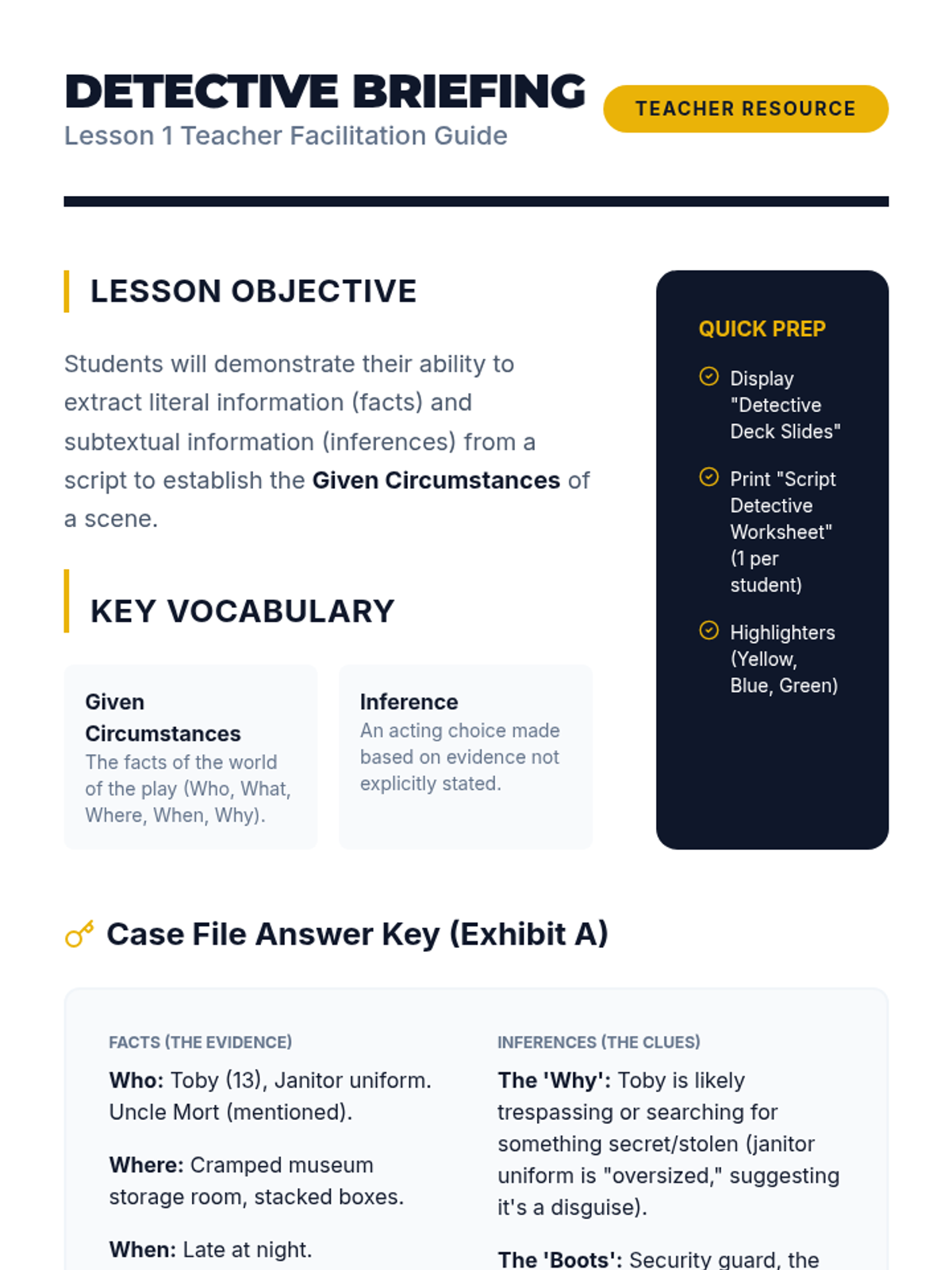
This sequence moves students into the analytical side of acting, teaching them how to interpret a script to build a believable character. Students learn to be 'text detectives,' identifying given circumstances and objectives within a scene to bring a script to life.
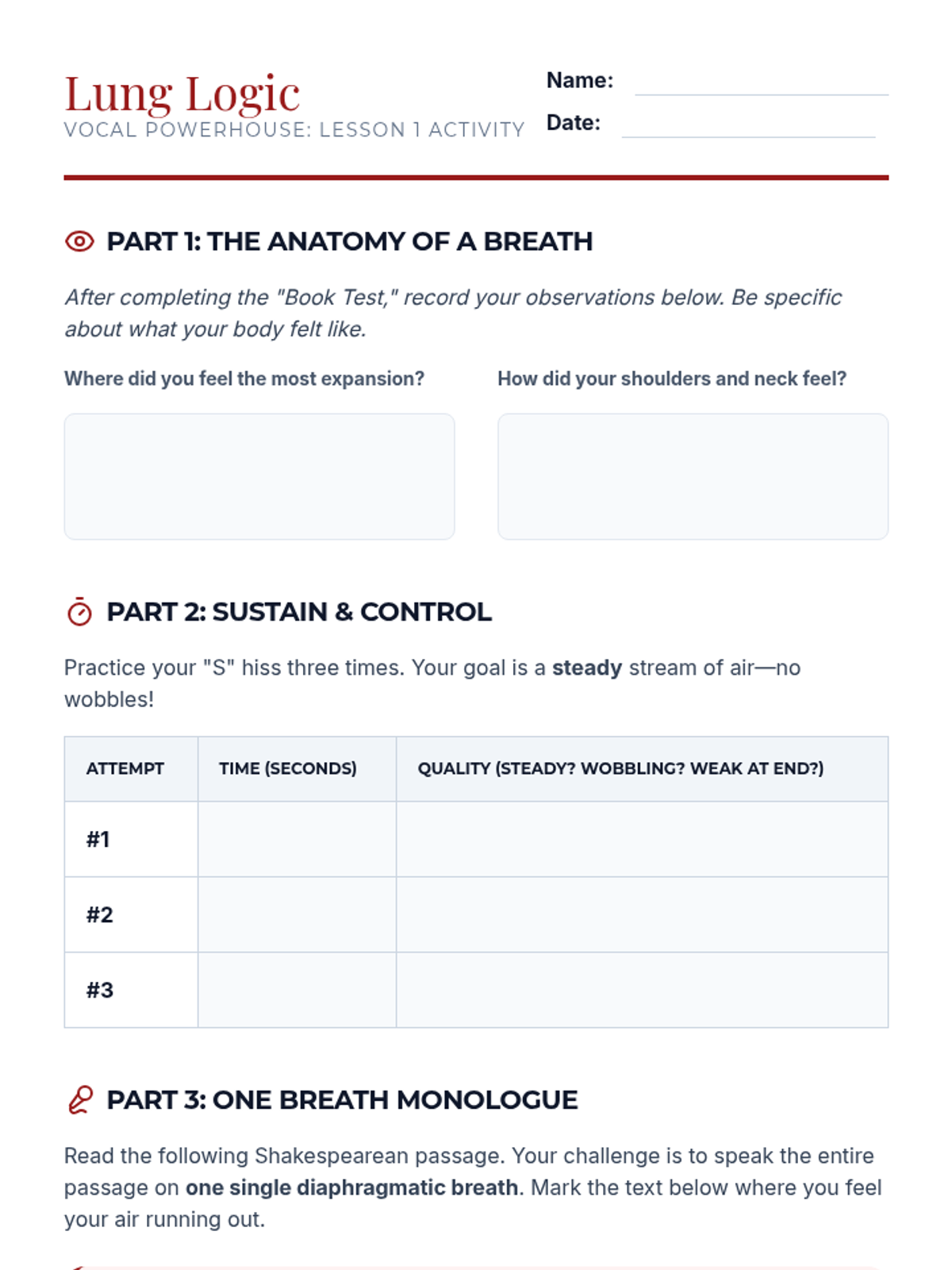
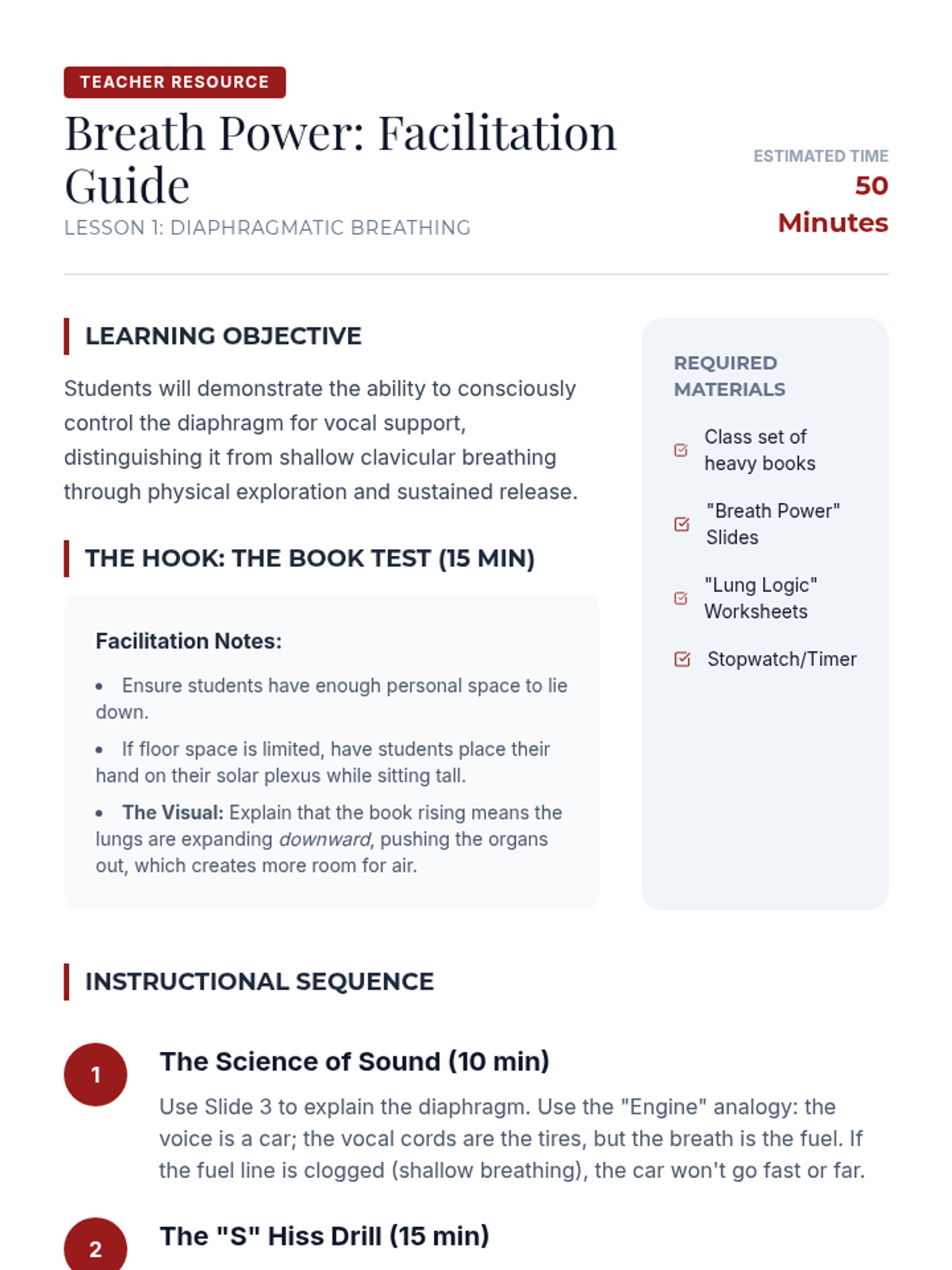
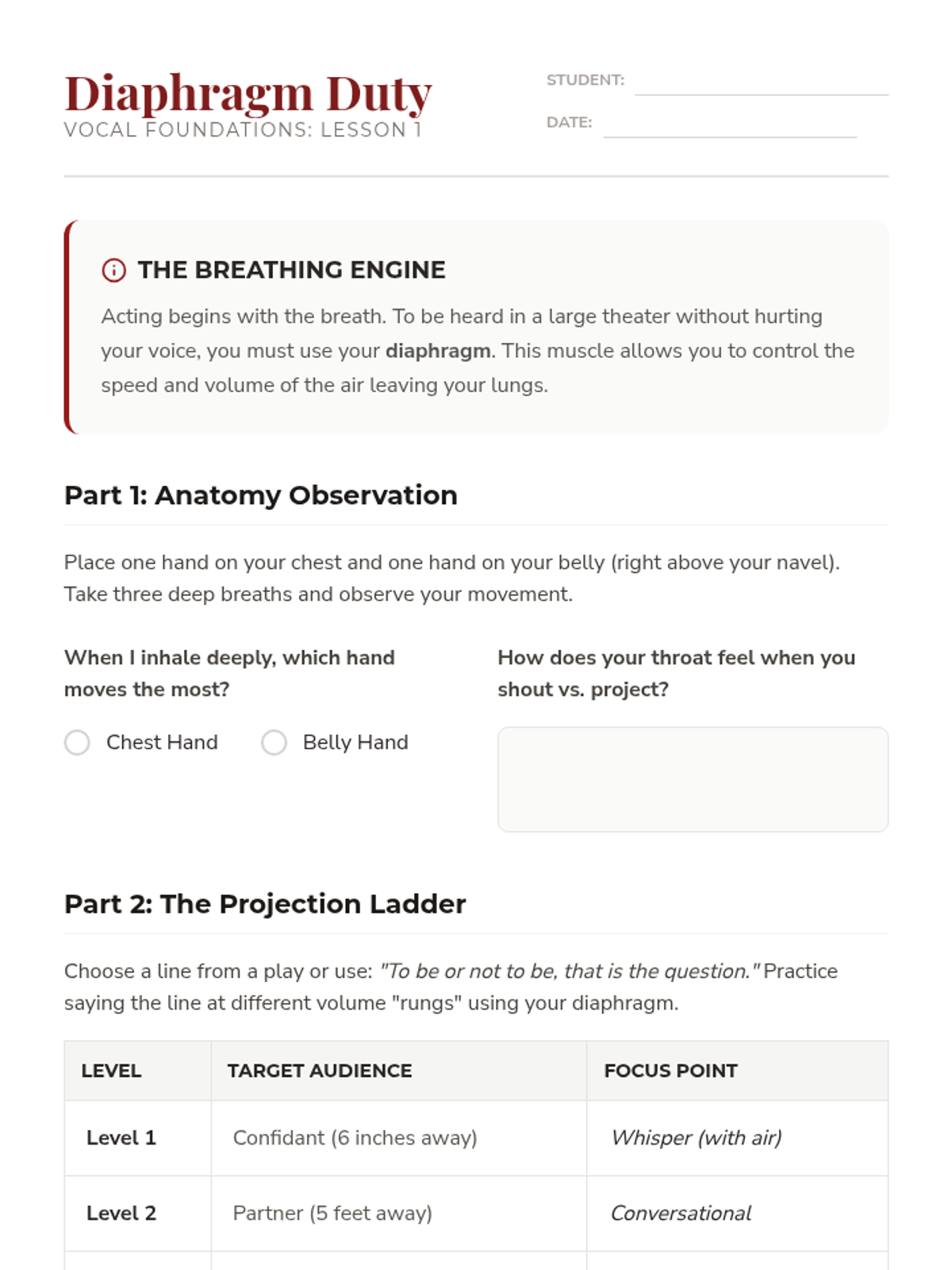
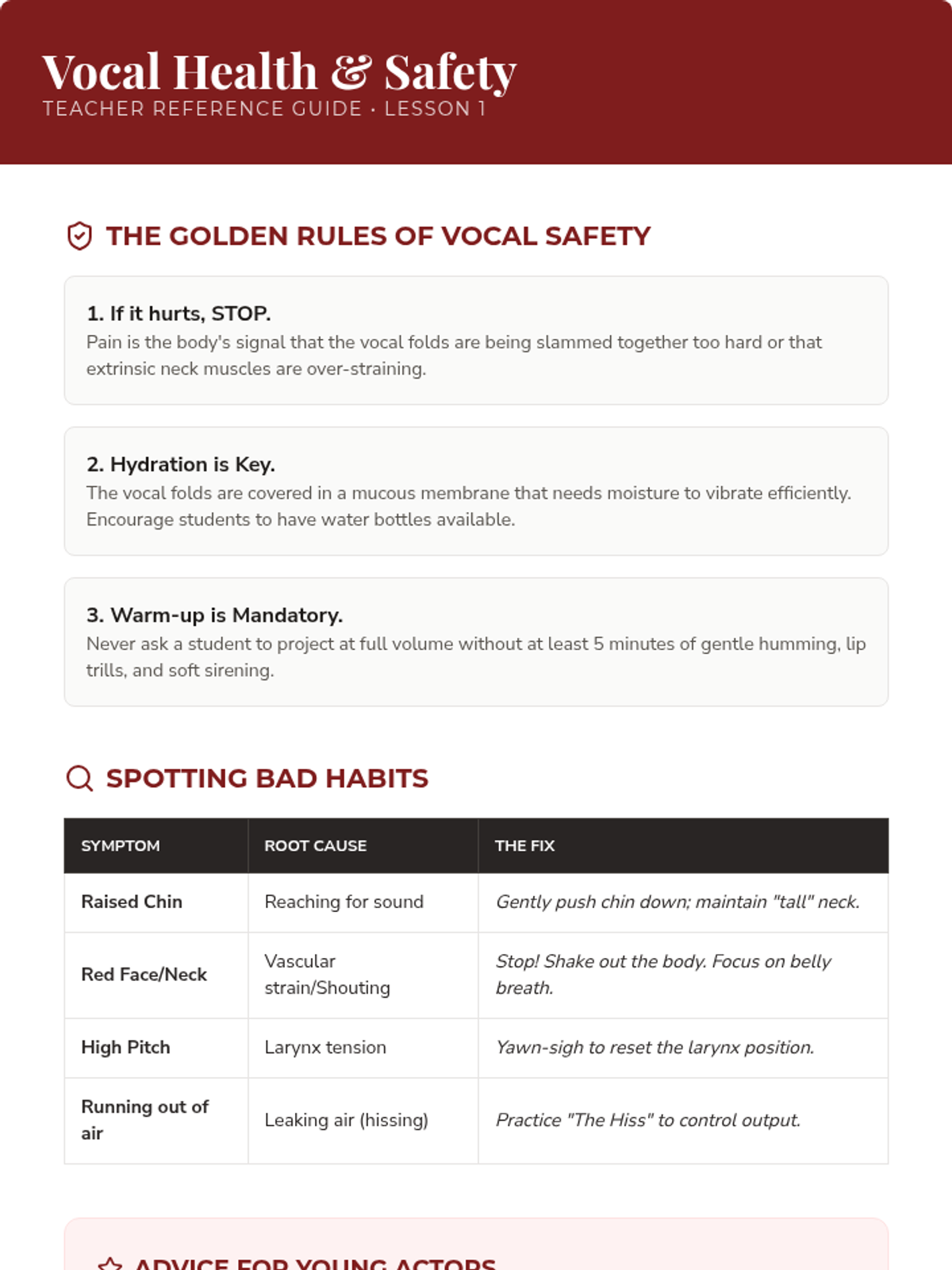
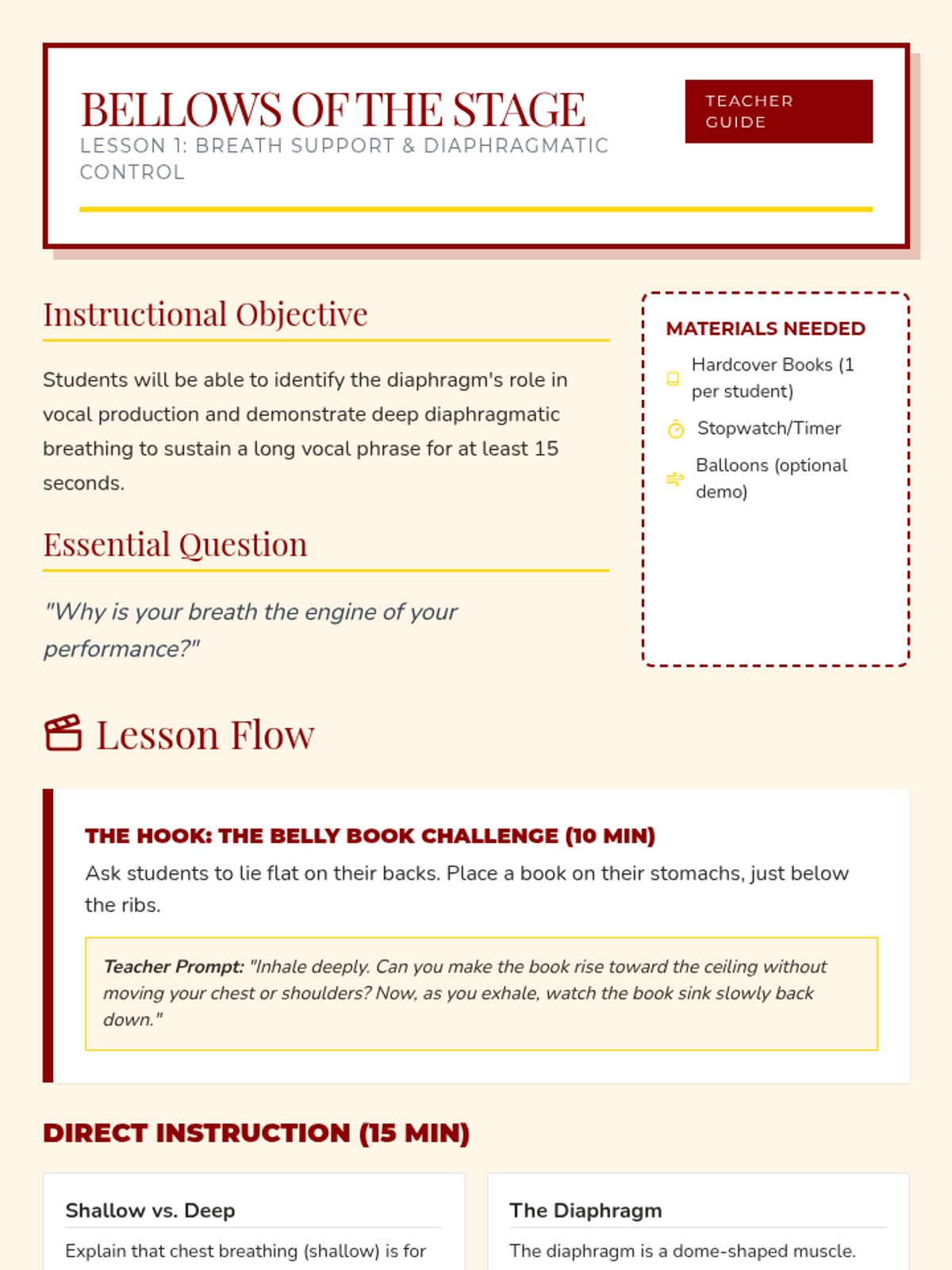
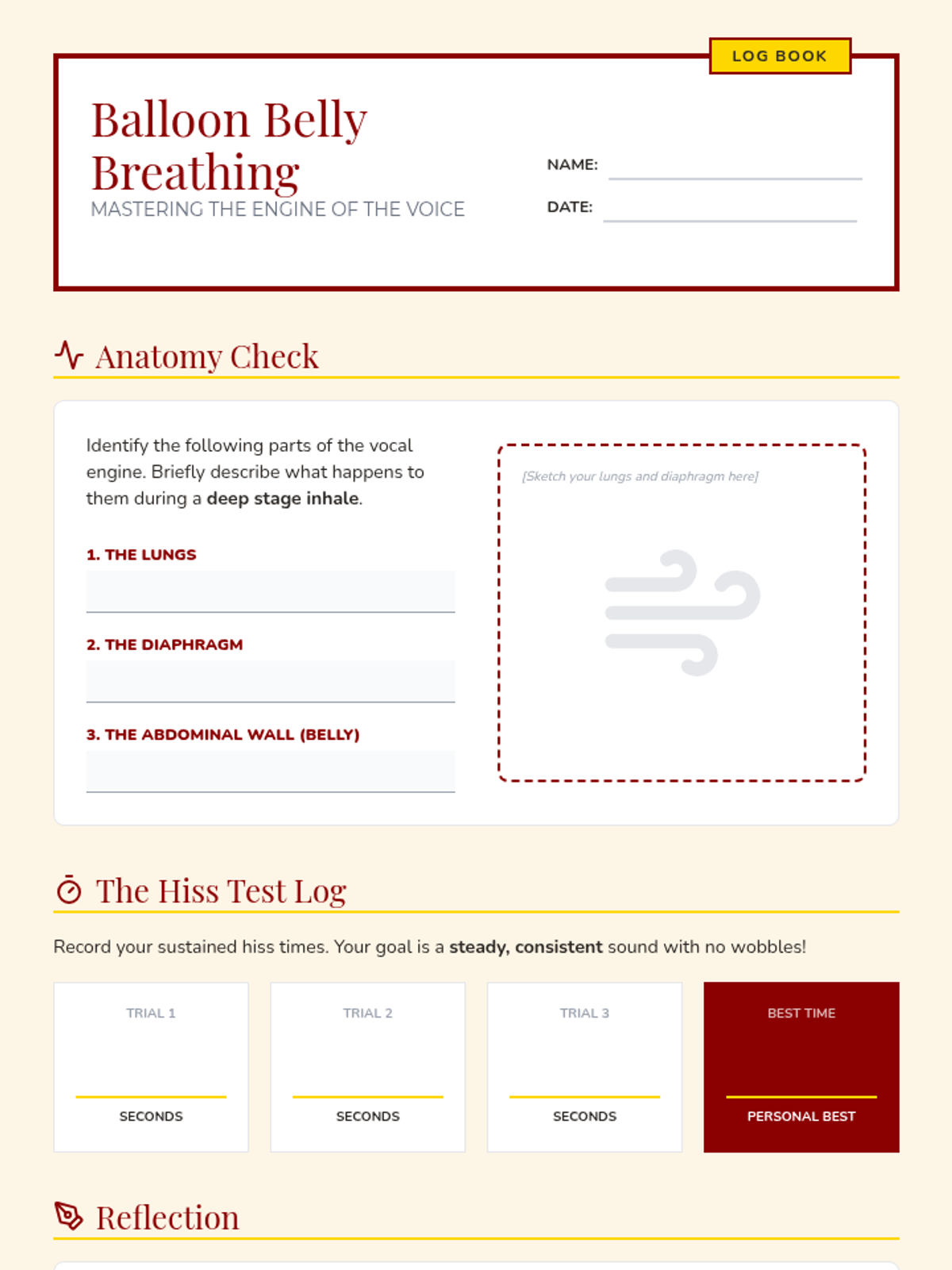
This sequence targets the vocal mechanics necessary for stage acting, emphasizing clarity, volume, and emotional resonance. Students move through a mastery-based progression of breathing techniques, articulation drills, and tonal variation exercises.
Students explore the mechanics and expressive potential of the human voice for stage performance, moving from technical foundations to interpretive skills, concluding with a radio drama performance.
This 6th-grade theater sequence guides students through the process of script analysis, focusing on given circumstances, objectives, obstacles, tactics, and blocking to create authentic character performances. Students move from analytical reading to physical embodiment, culminating in a monologue performance.
A comprehensive unit for 6th-grade theater students focusing on breath support, articulation, projection, and vocal variety. Students learn to use their voices as powerful tools for storytelling through technical exercises and a final reader's theater performance.
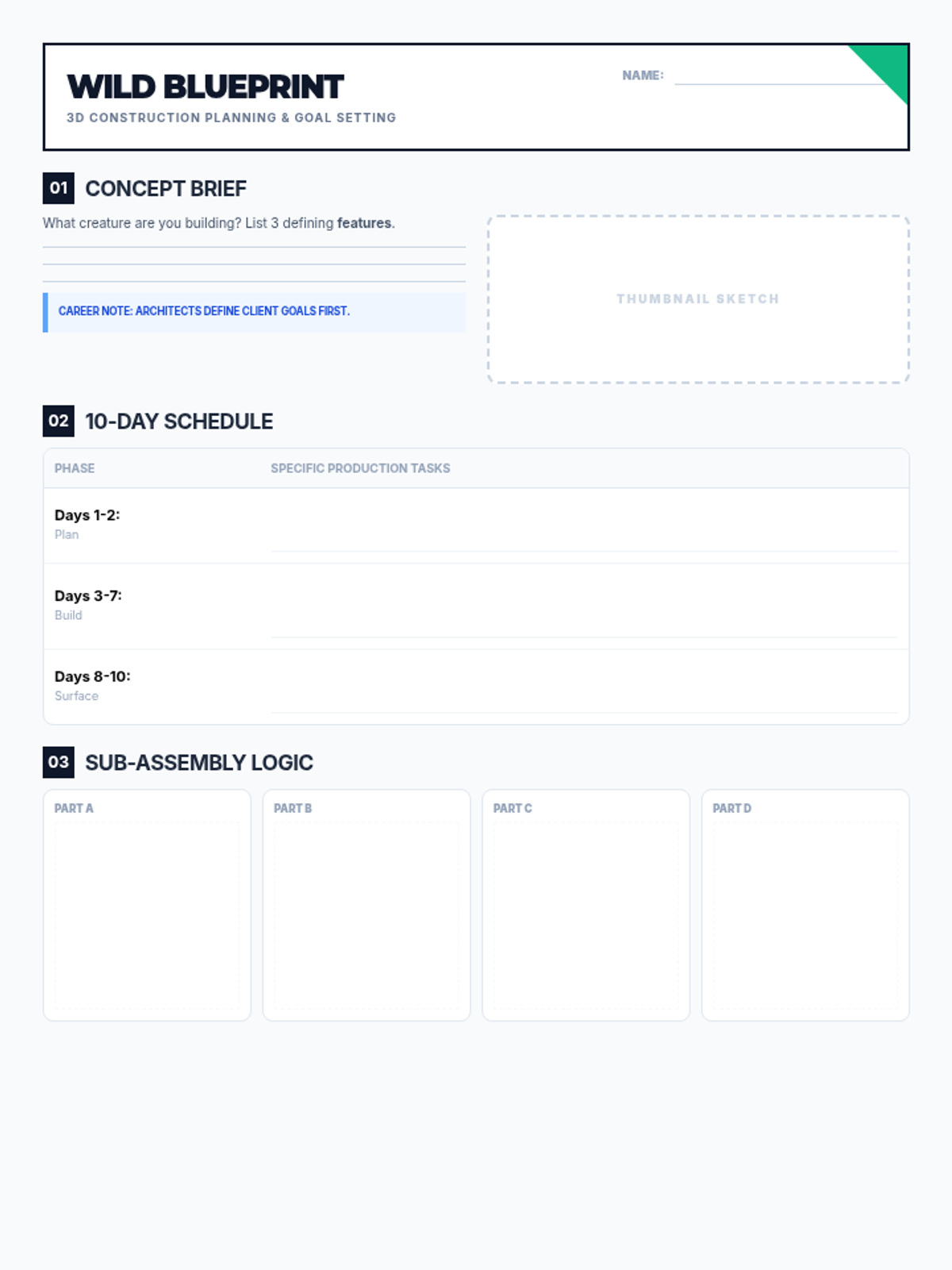
A 10-day unit exploring 3D paper construction through the creation of animal forms or masks, focusing on precision, perseverance, and paper engineering.
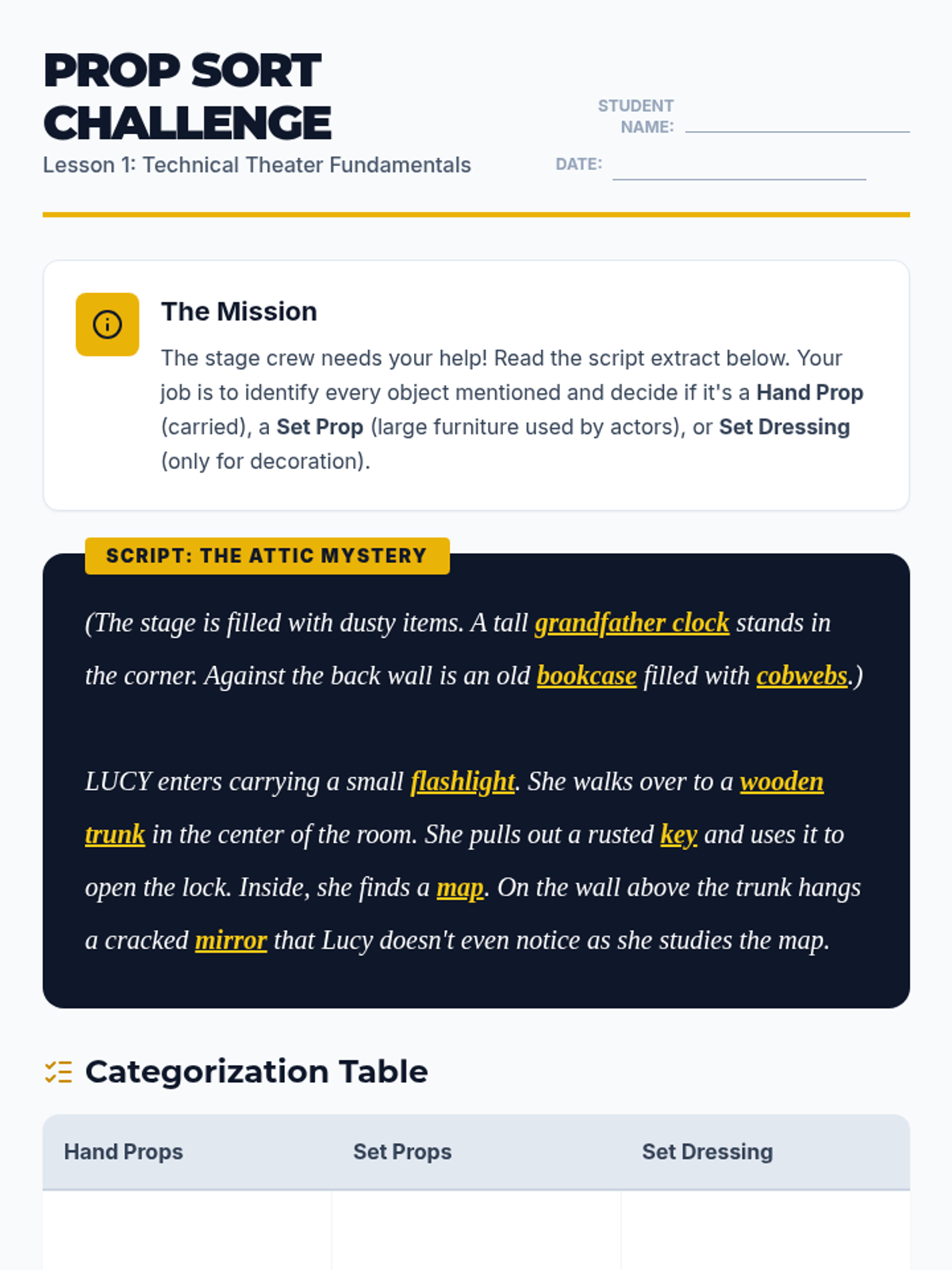
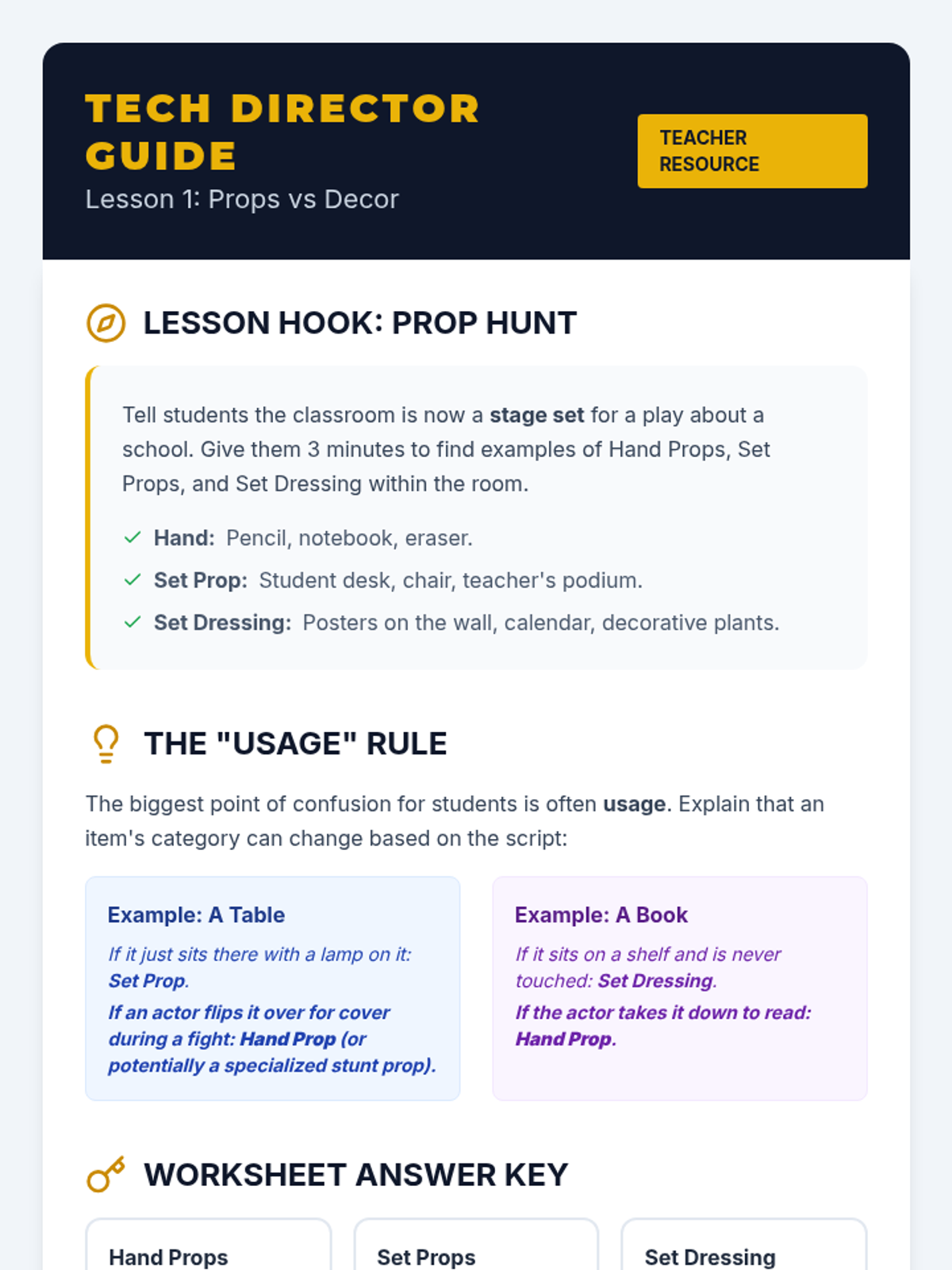
Students investigate how costumes and properties (props) function as tools for character development and storytelling. The sequence guides students through the process of distinguishing between prop types, exploring costume psychology, fabricating safe props, and mastering backstage organization.
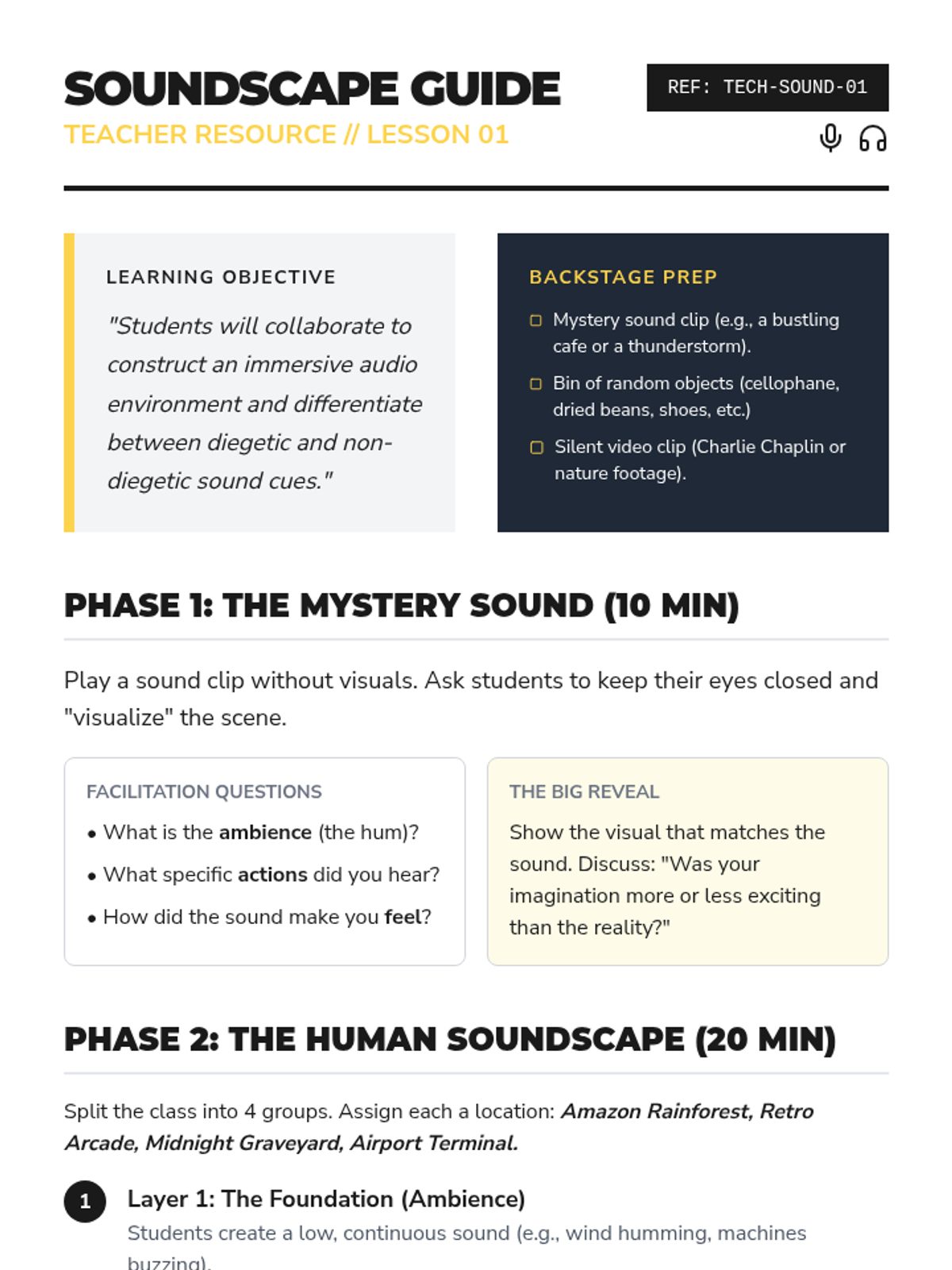
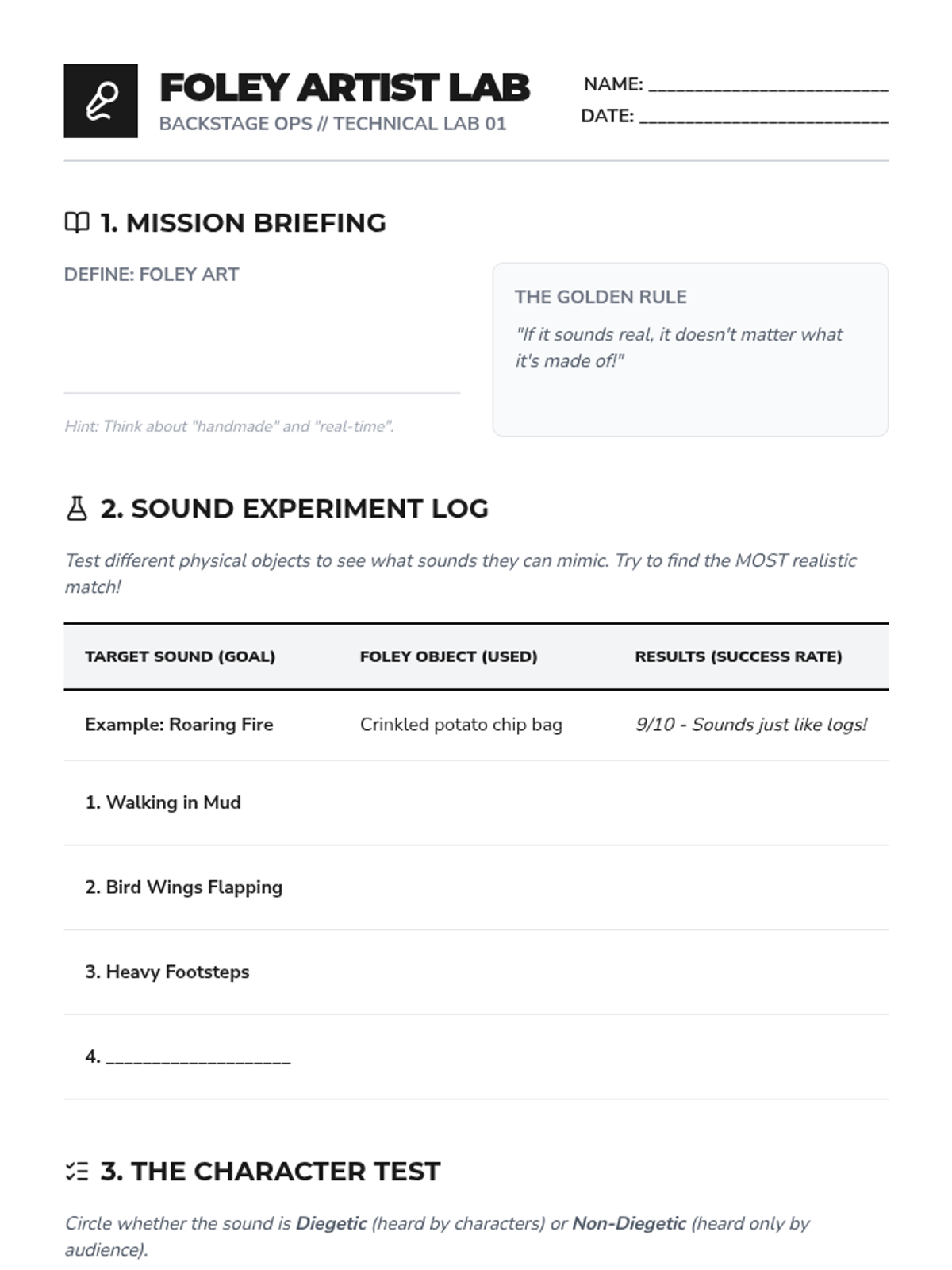
This unit explores the intangible technical elements of theater—lighting, sound, and stage management—that create atmosphere and ensure a smooth performance. Students experiment with how light angles and sound effects change the mood of a scene, learn organizational systems used by stage managers, and culminate in a technical rehearsal simulation.
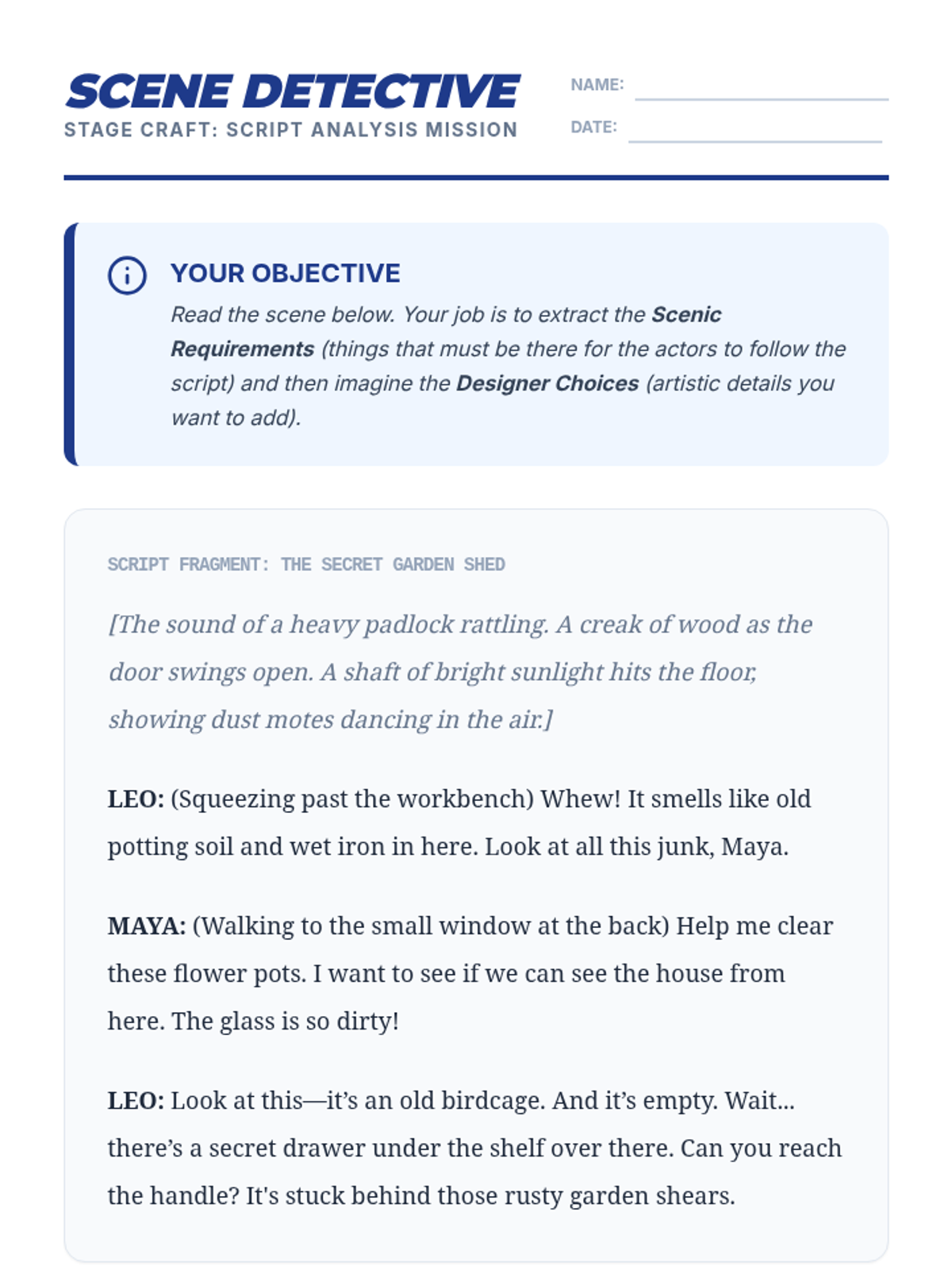
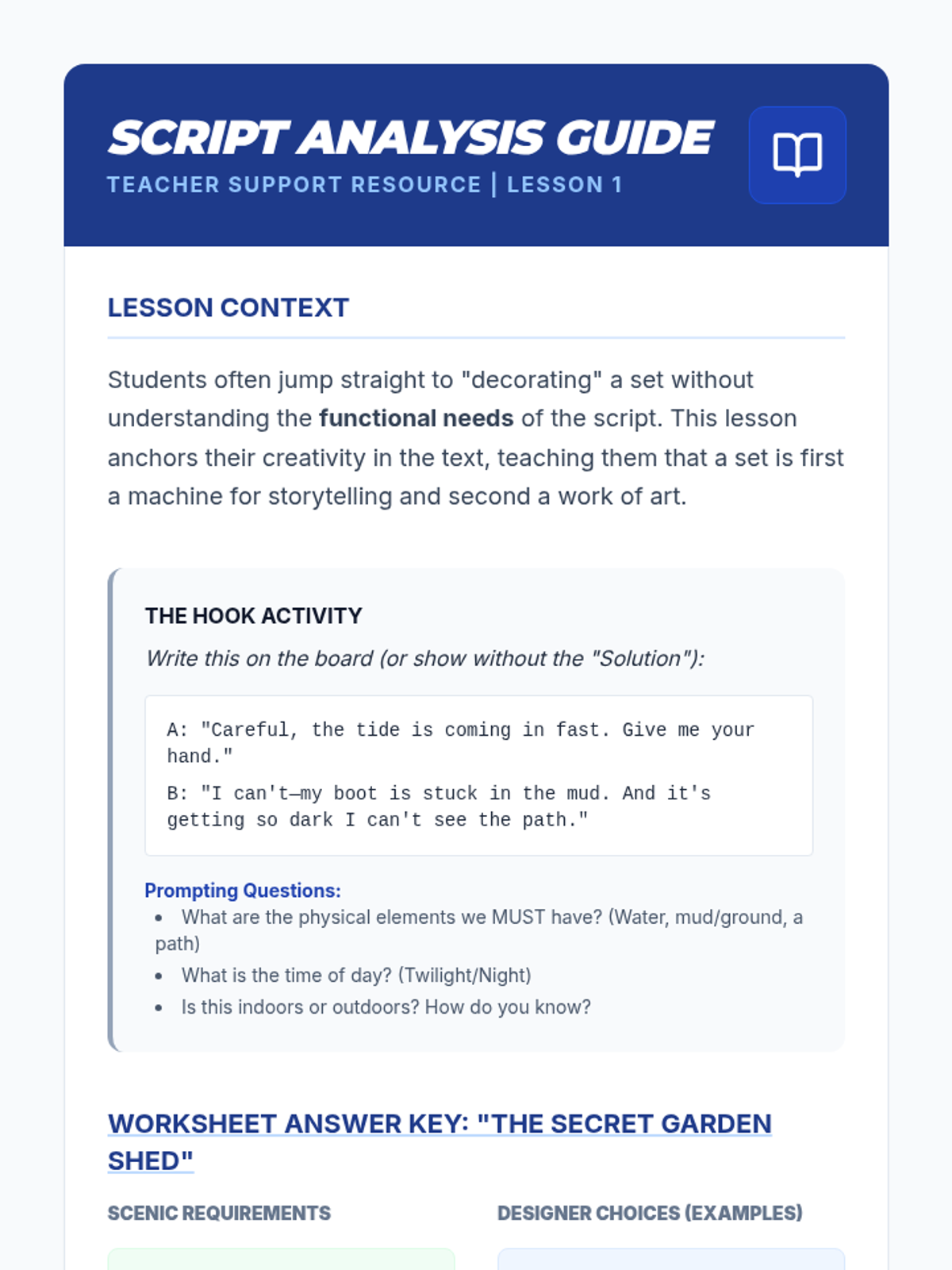
Students step into the shoes of a set designer to transform a written script into a physical world through script analysis, floor planning, mood boards, and 3D model construction. The sequence emphasizes how visual choices in color, texture, and space support the storytelling.
An 8-session sports broadcasting course for grades 4–12, covering play-by-play, color analysis, interviewing, and technical production. Students move from foundational commentary to producing a full capstone broadcast segment.