Vocabulary, grammar, and cultural contexts for Spanish language acquisition across all proficiency levels. Develops skills in reading, writing, speaking, and listening through structured linguistic analysis and practice.
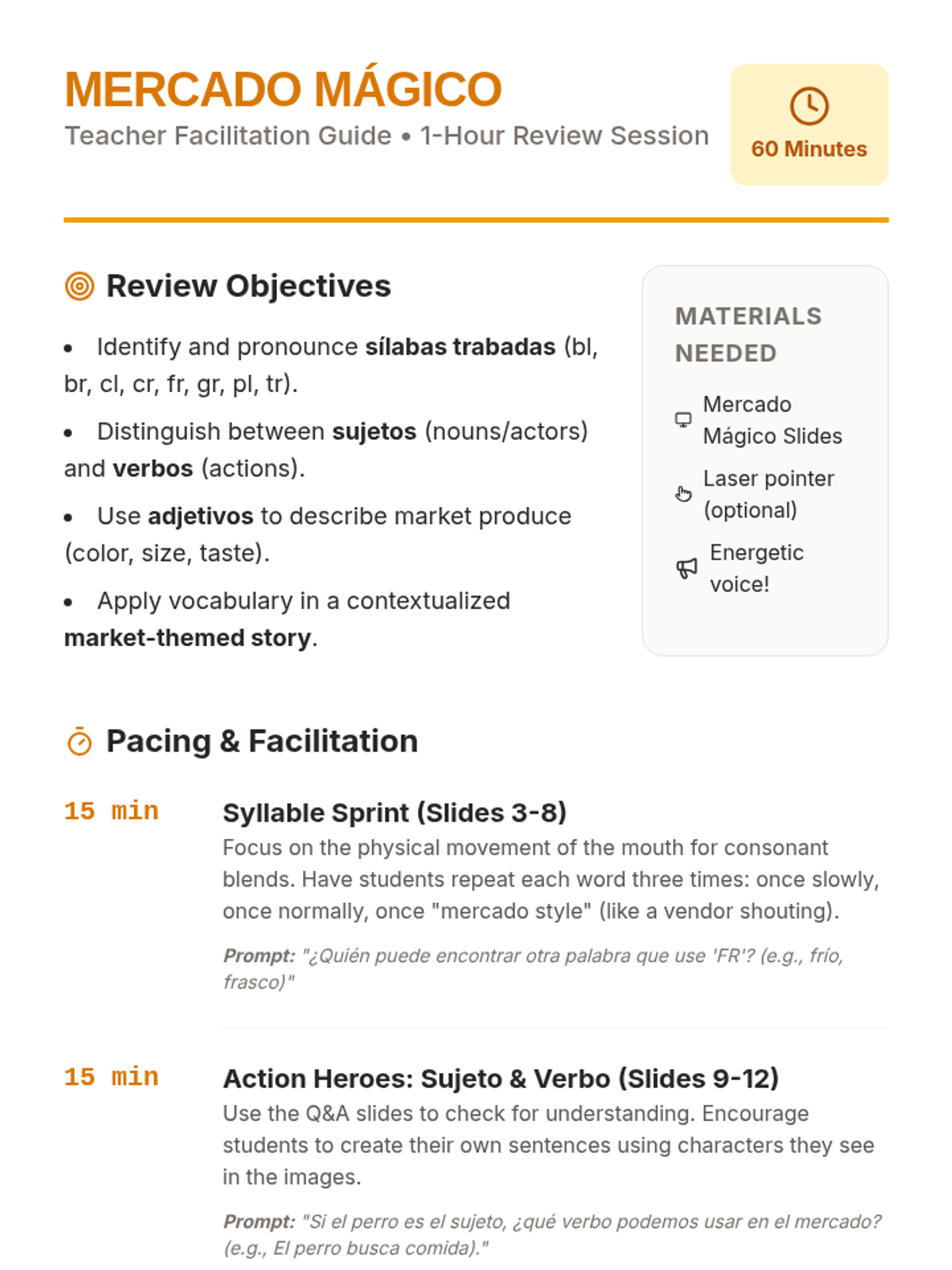
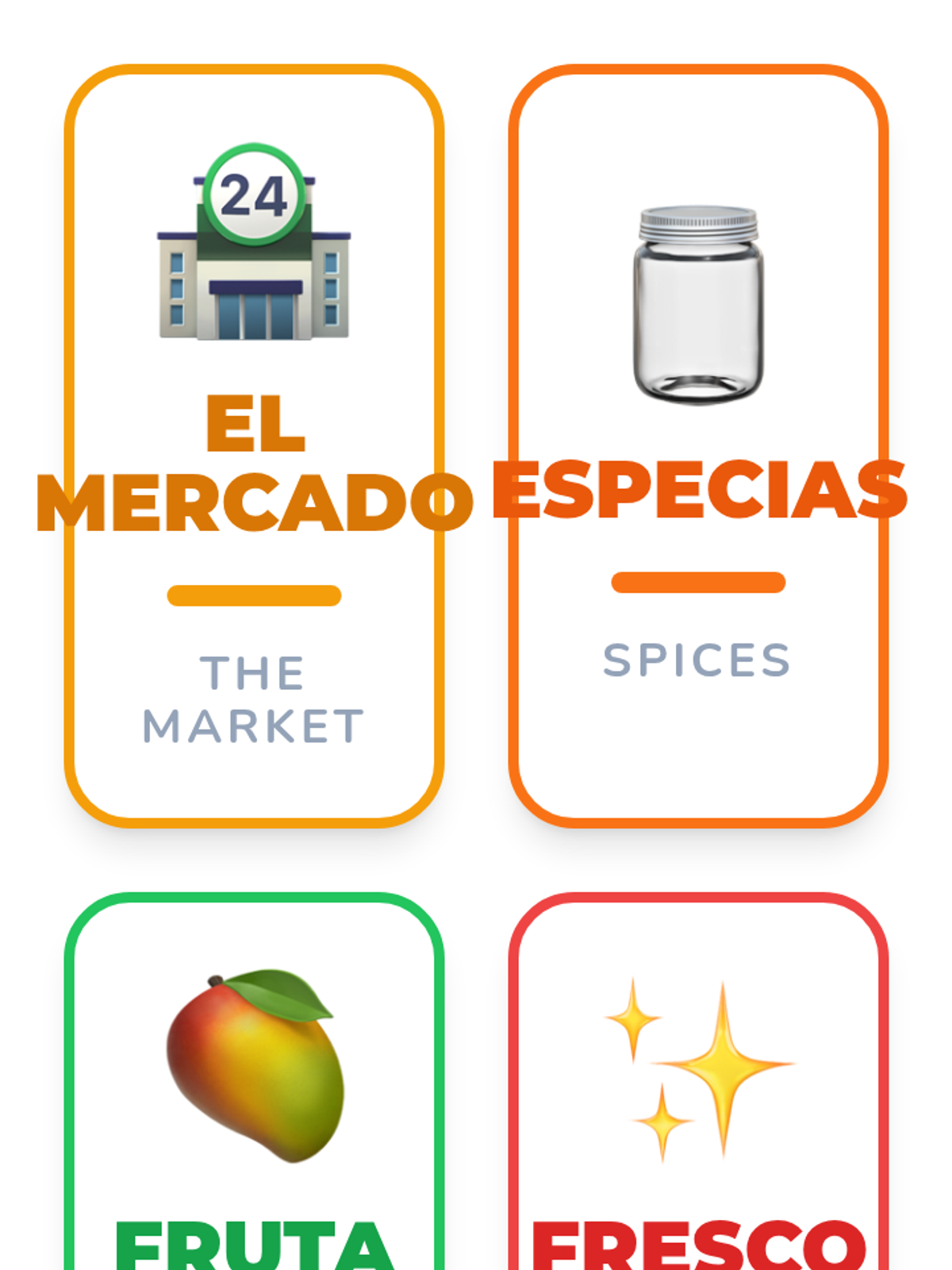
A comprehensive one-hour Spanish review session focusing on tricky syllables, basic grammar (subject, verb, adjectives), and market-themed vocabulary through interactive slides.
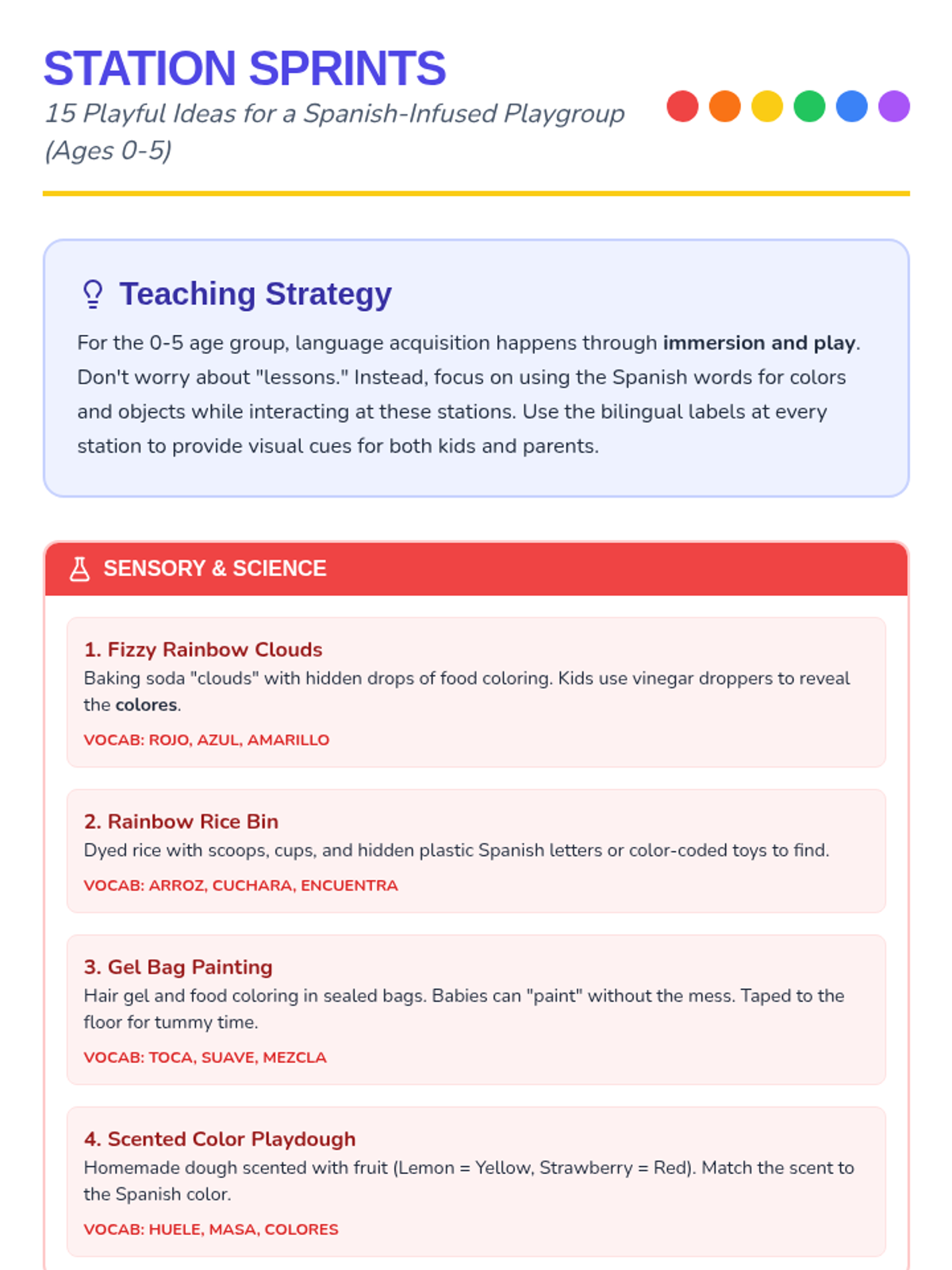
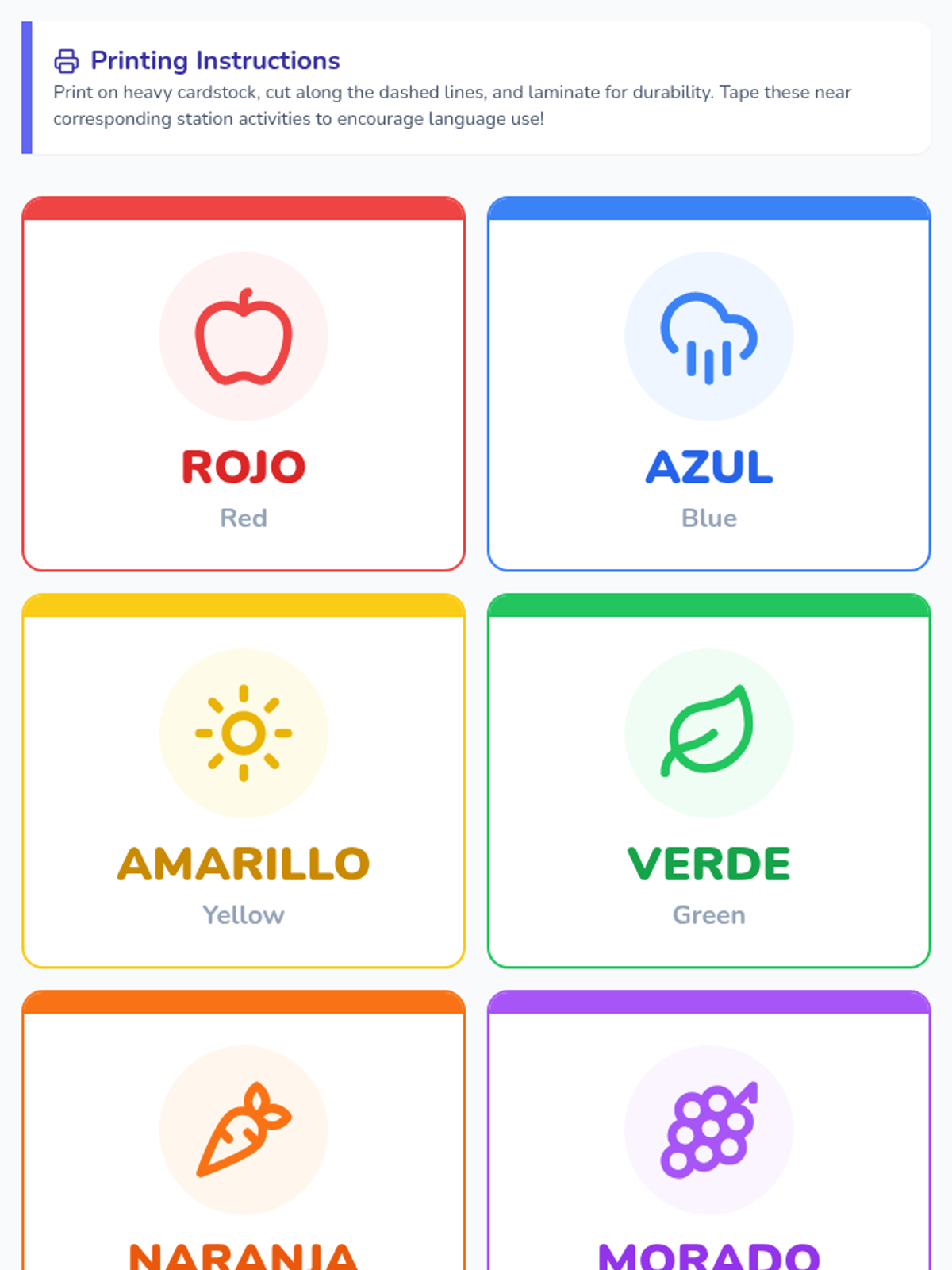
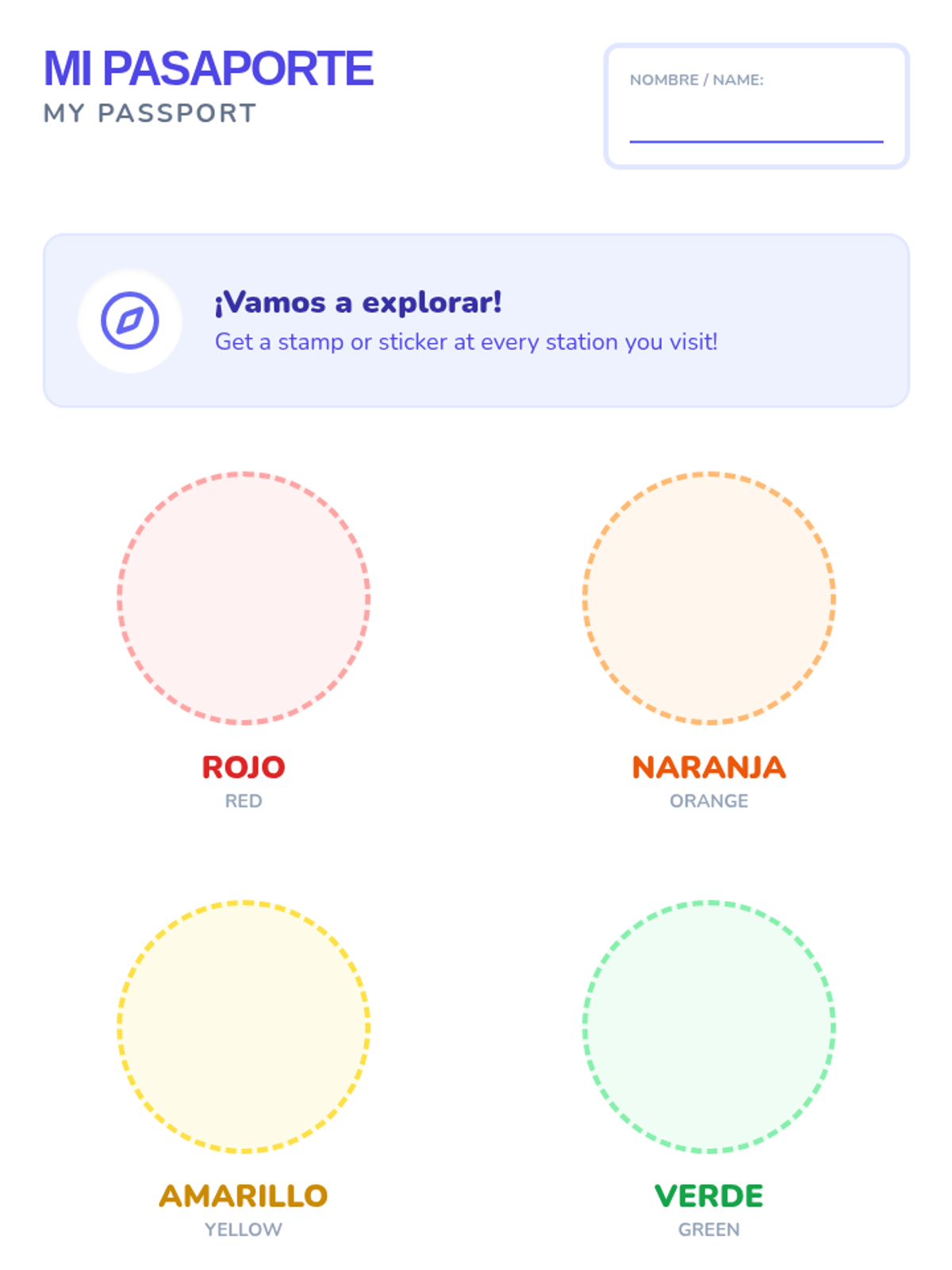
A vibrant introduction to Spanish for early learners (0-5) centered around a rainbow theme. This lesson plan provides 15 interactive play station ideas, a circle time presentation with songs and science, and bilingual support materials.
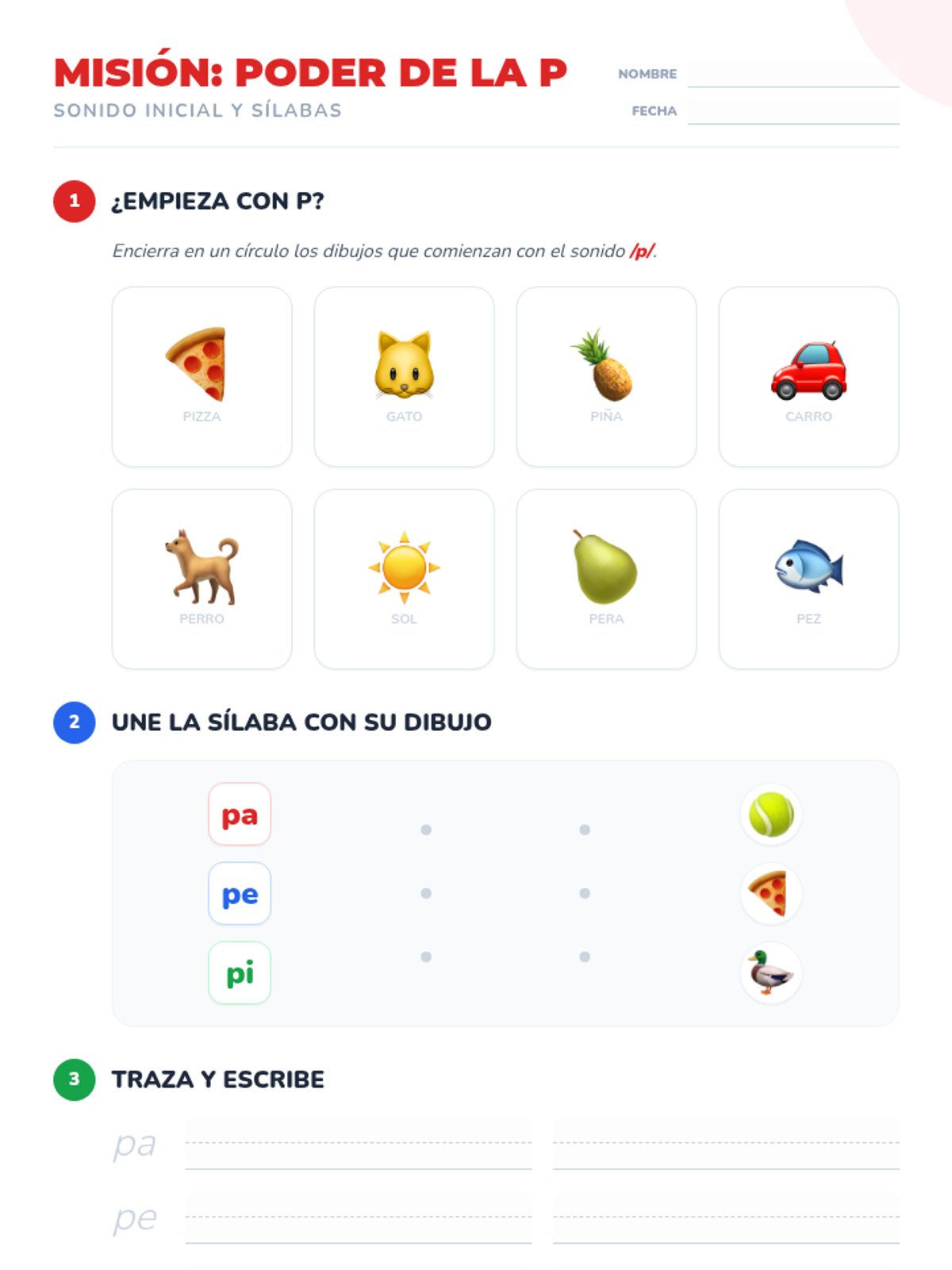
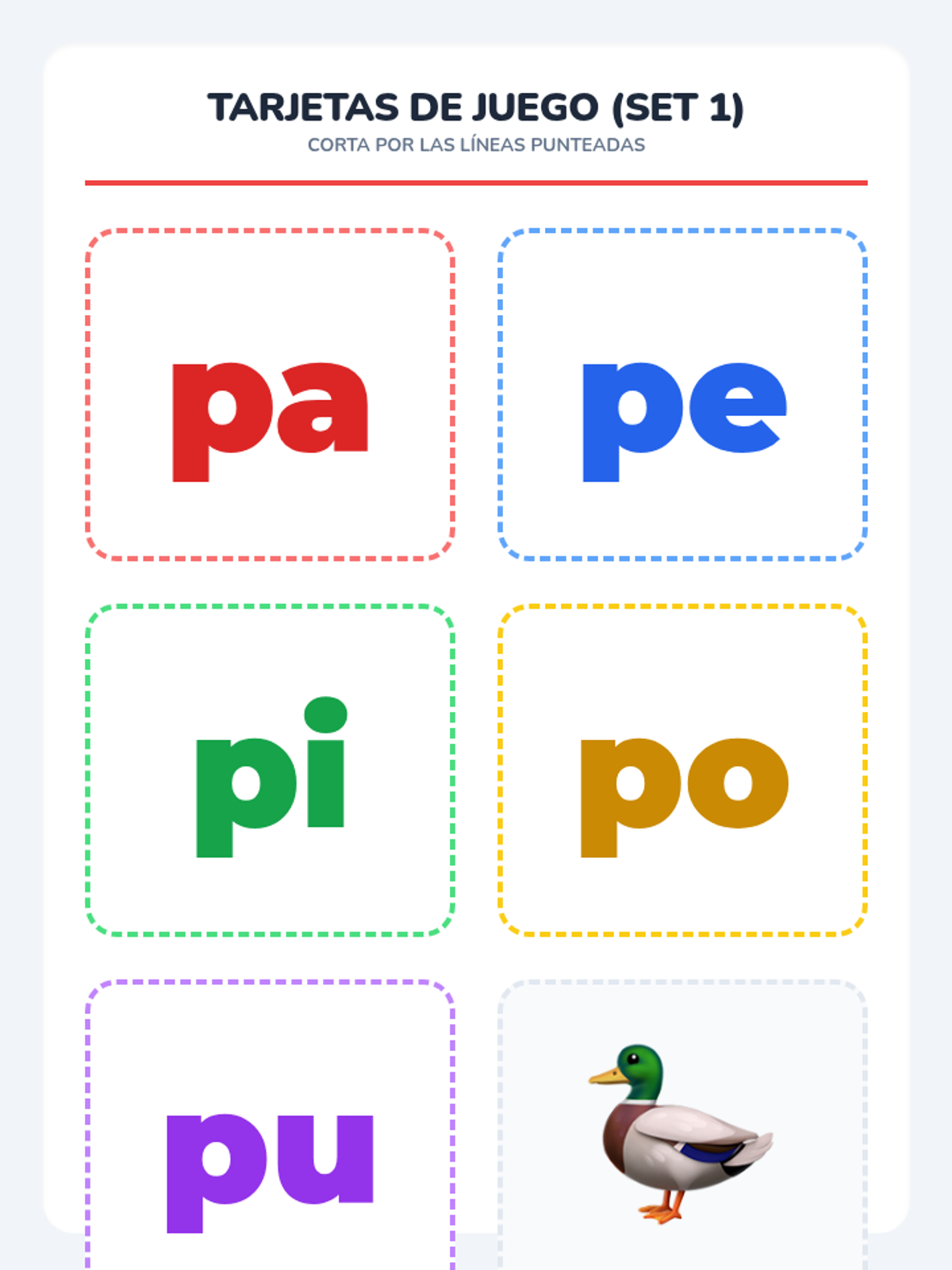
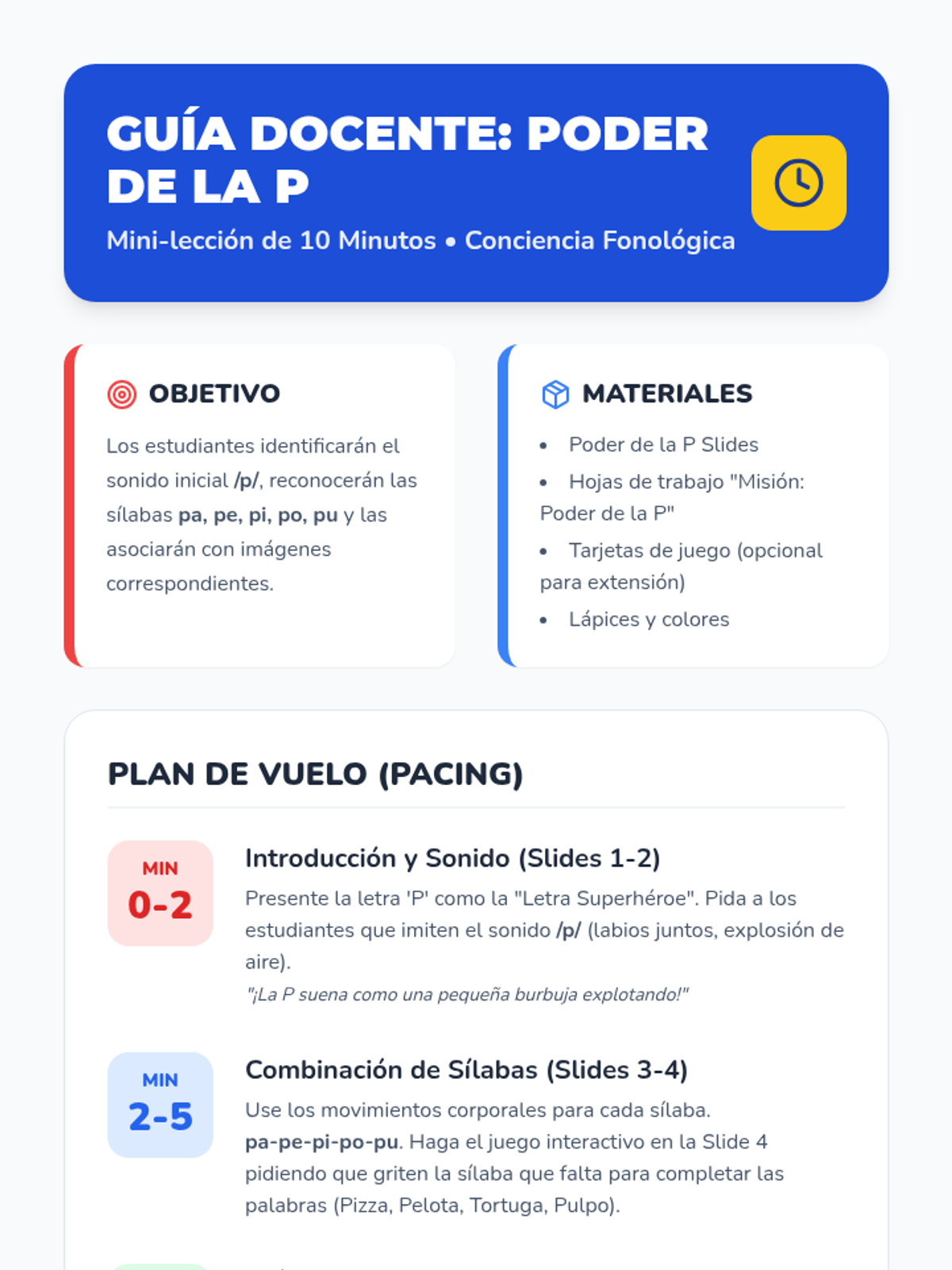
Una mini-lección de 10 minutos diseñada para enseñar el sonido inicial de la letra 'p' y la formación de sílabas (pa, pe, pi, po, pu) a través de actividades visuales, juegos de emparejamiento y práctica individual.
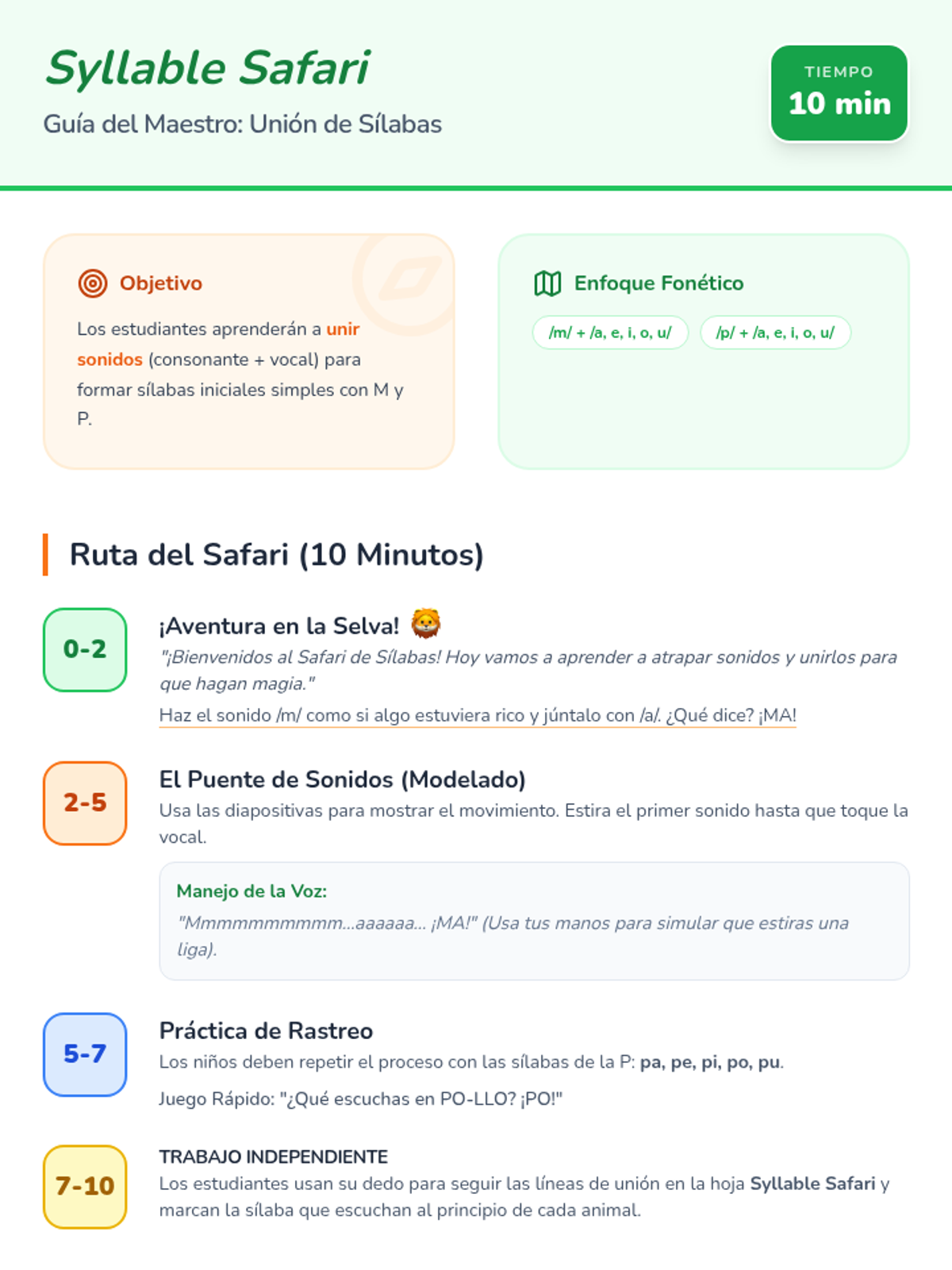
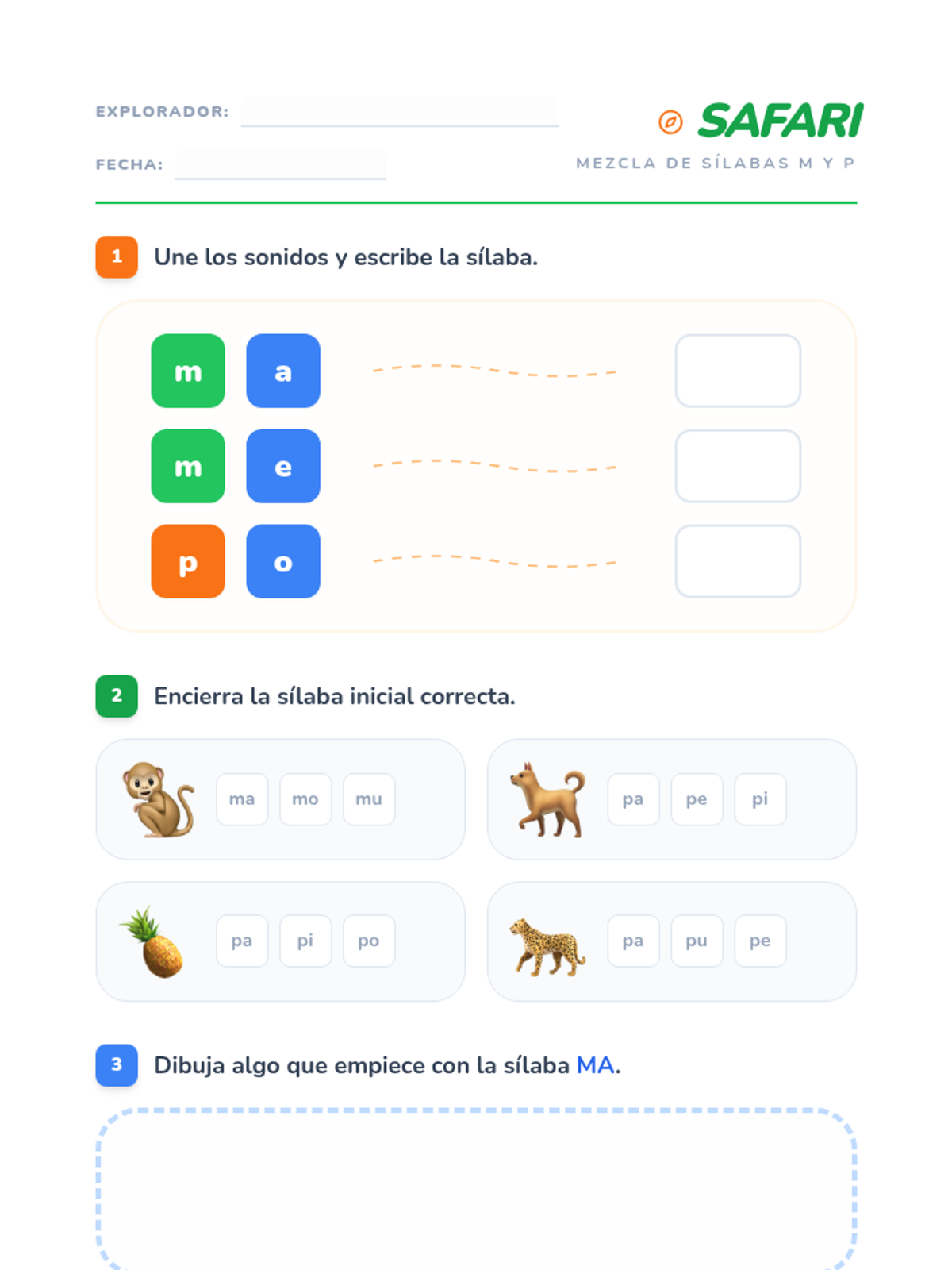
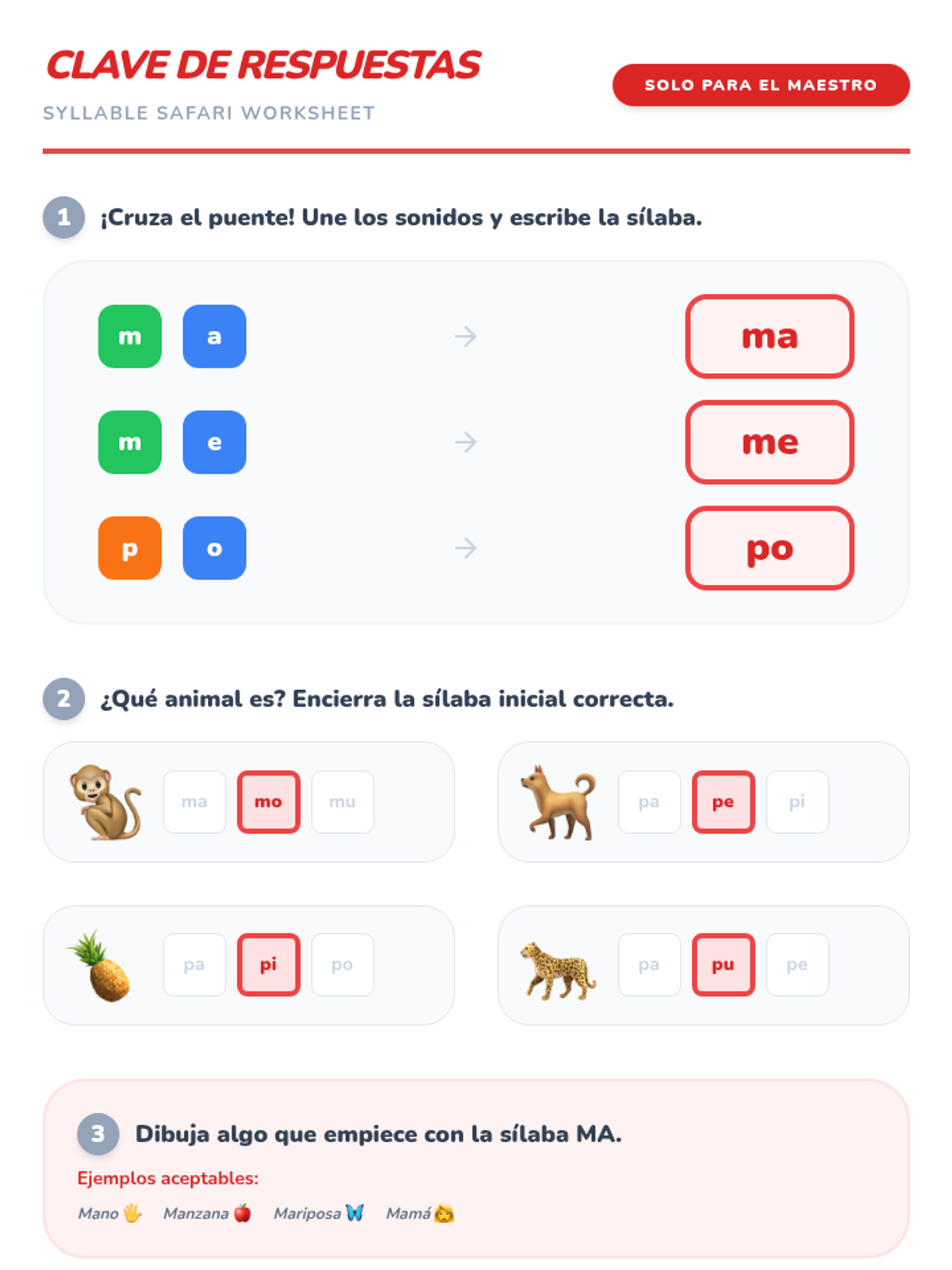
A high-energy 10-minute mini-lesson focused on blending initial consonant sounds with vowels to form syllables (ma, me, mi, mo, mu and pa, pe, pi, po, pu). Includes teacher instructions, visual blending slides, and a hands-on practice worksheet.
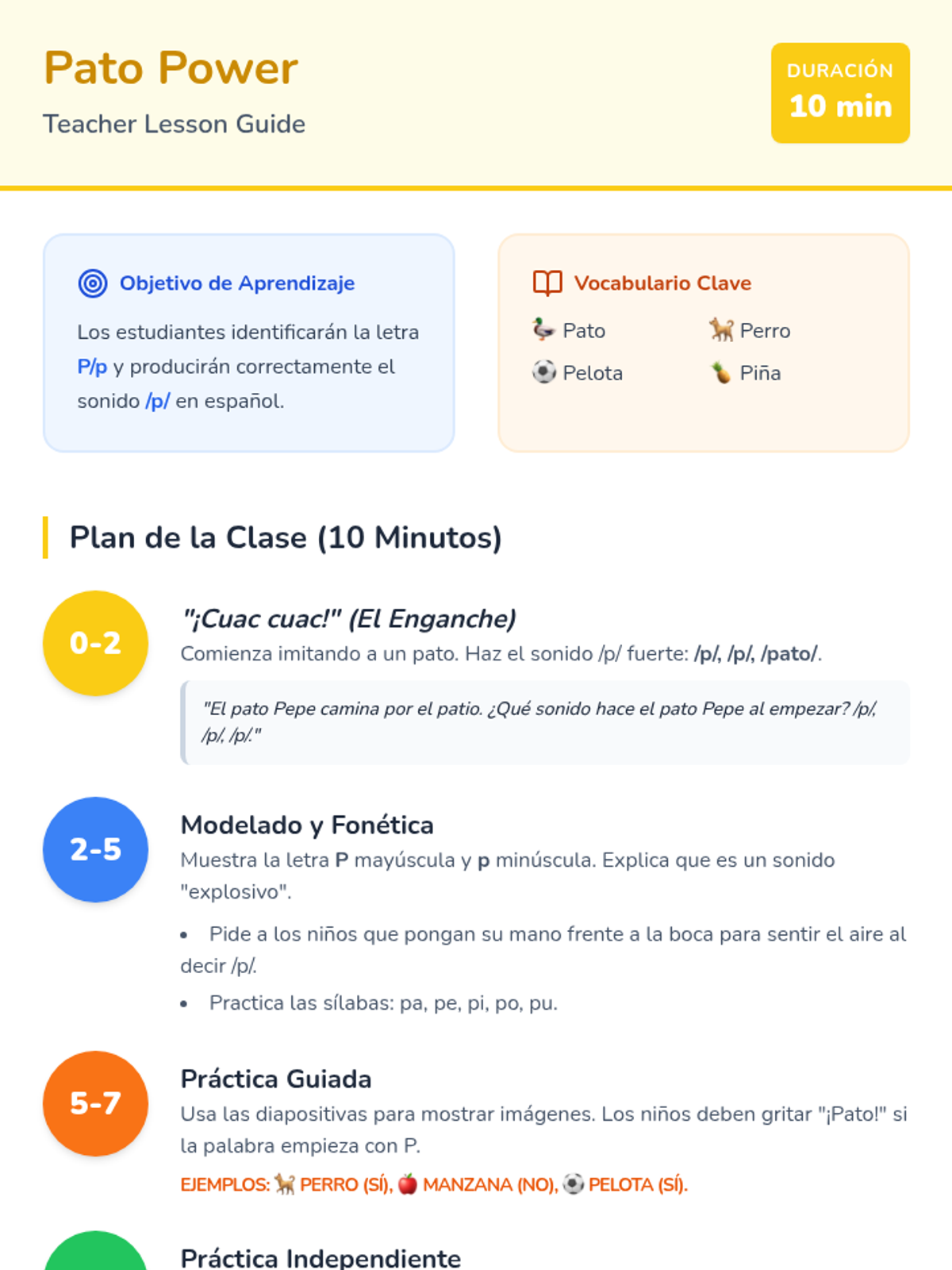
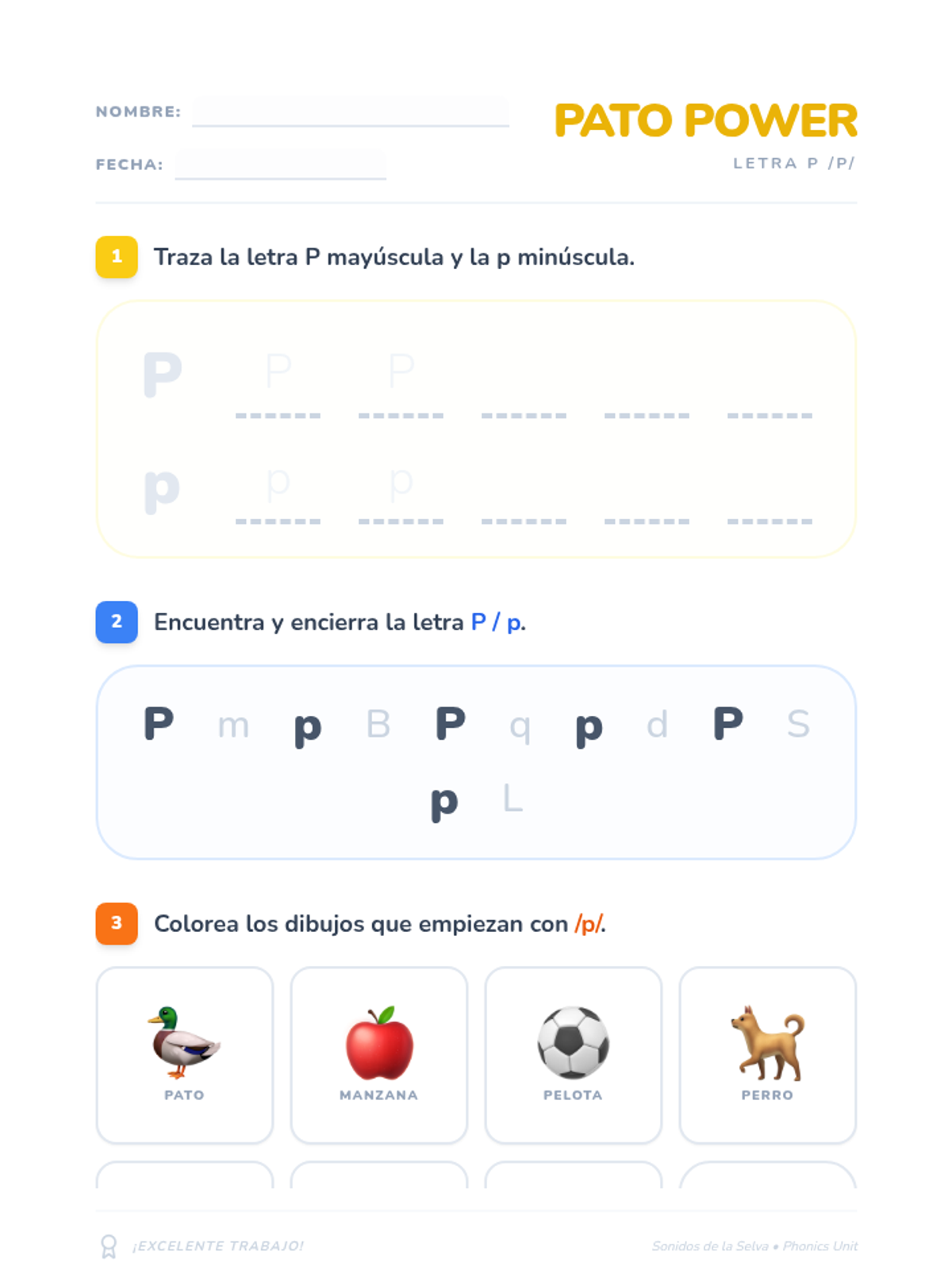
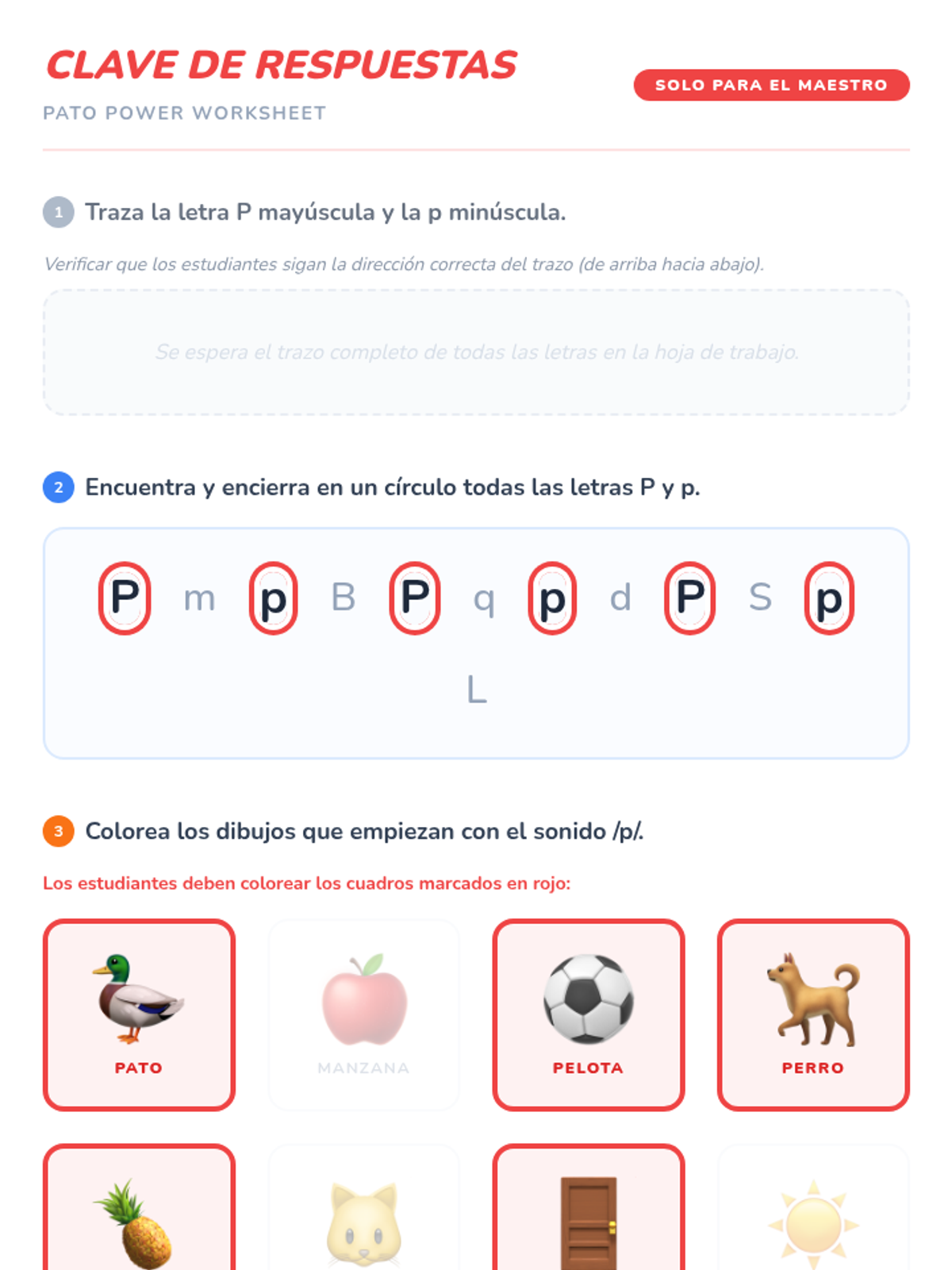
A quick, engaging 10-minute Spanish mini-lesson introducing the letter P and its sound /p/ through a fun duck theme. Includes a teacher guide, interactive slides, and a practice worksheet.
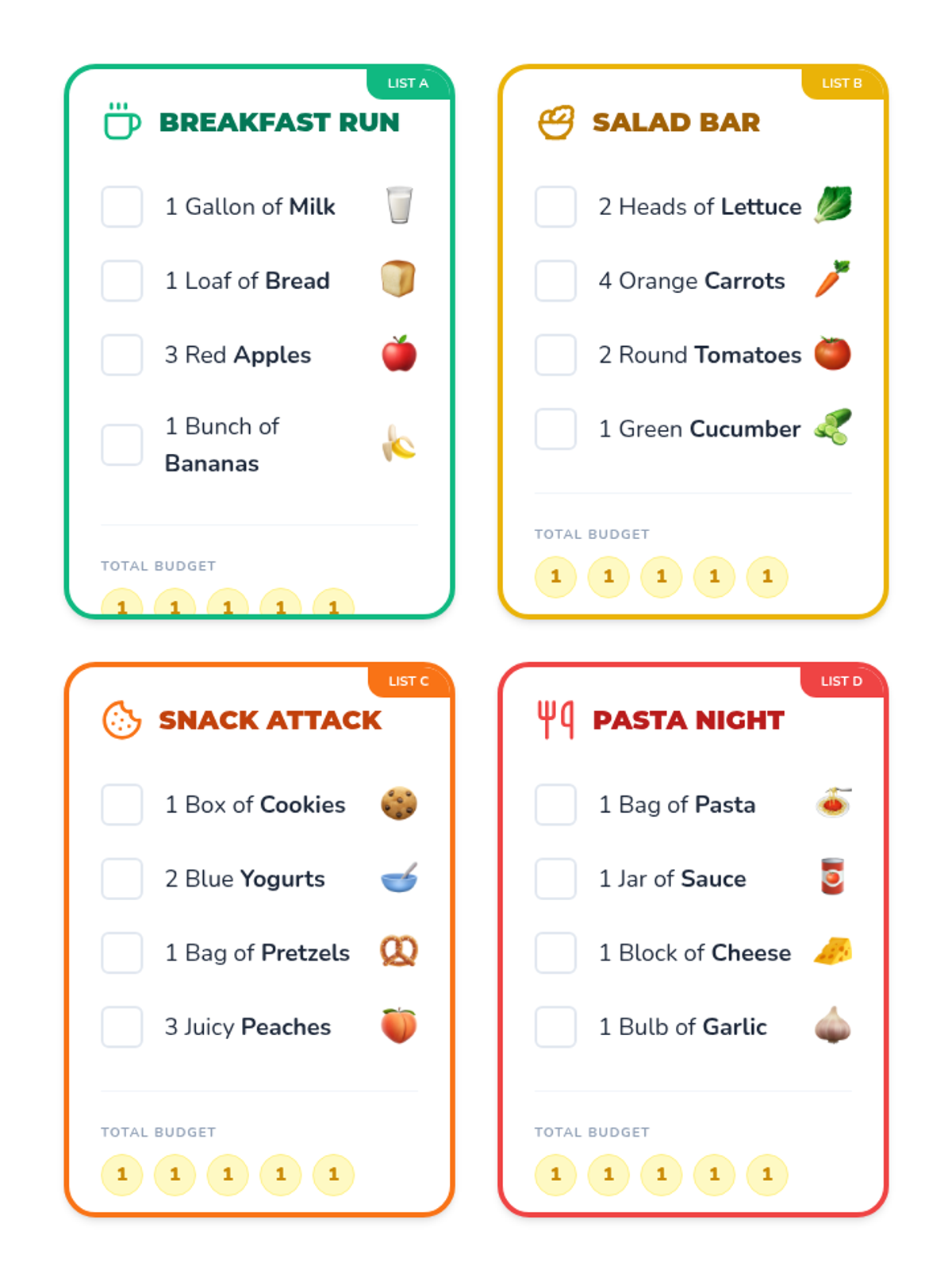
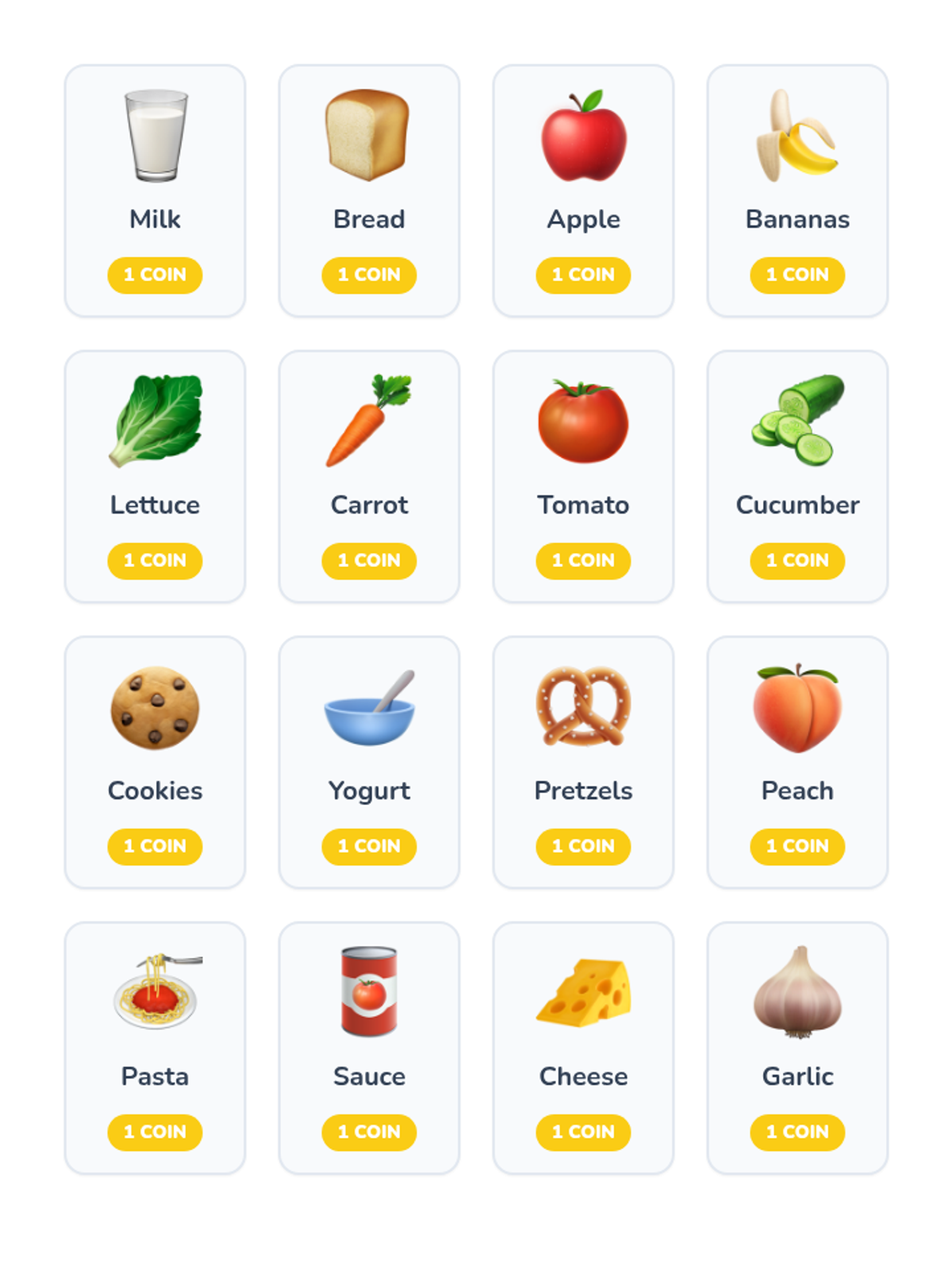
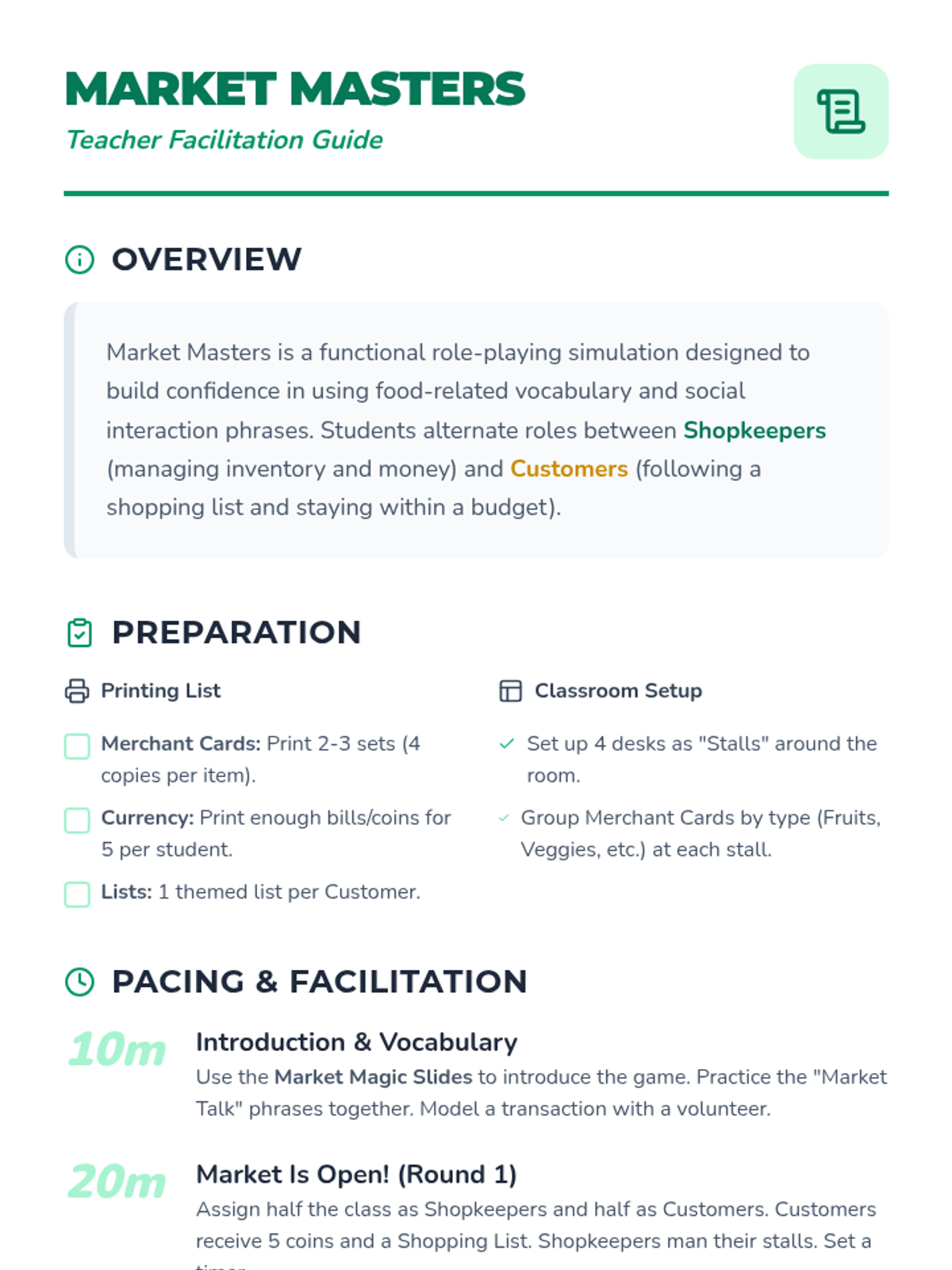
An interactive role-playing lesson where students practice food vocabulary and social skills by simulating a grocery shopping experience. Students take on roles as shopkeepers and customers to use target language in a functional context.
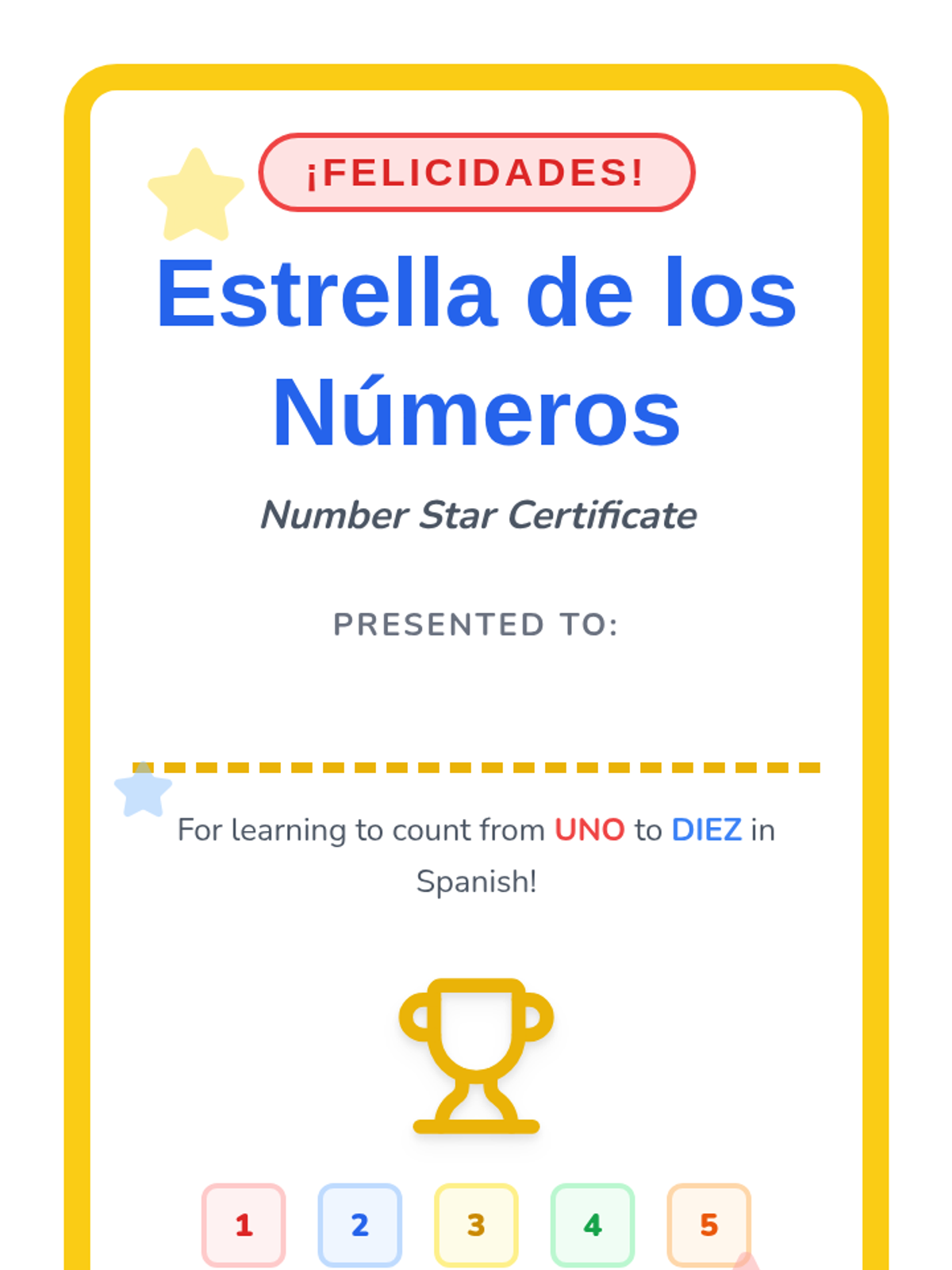
The sequence concludes with high-energy games like 'Red Light, Green Light' adapted for Spanish numbers. Students must take a specific number of steps based on the Spanish command.
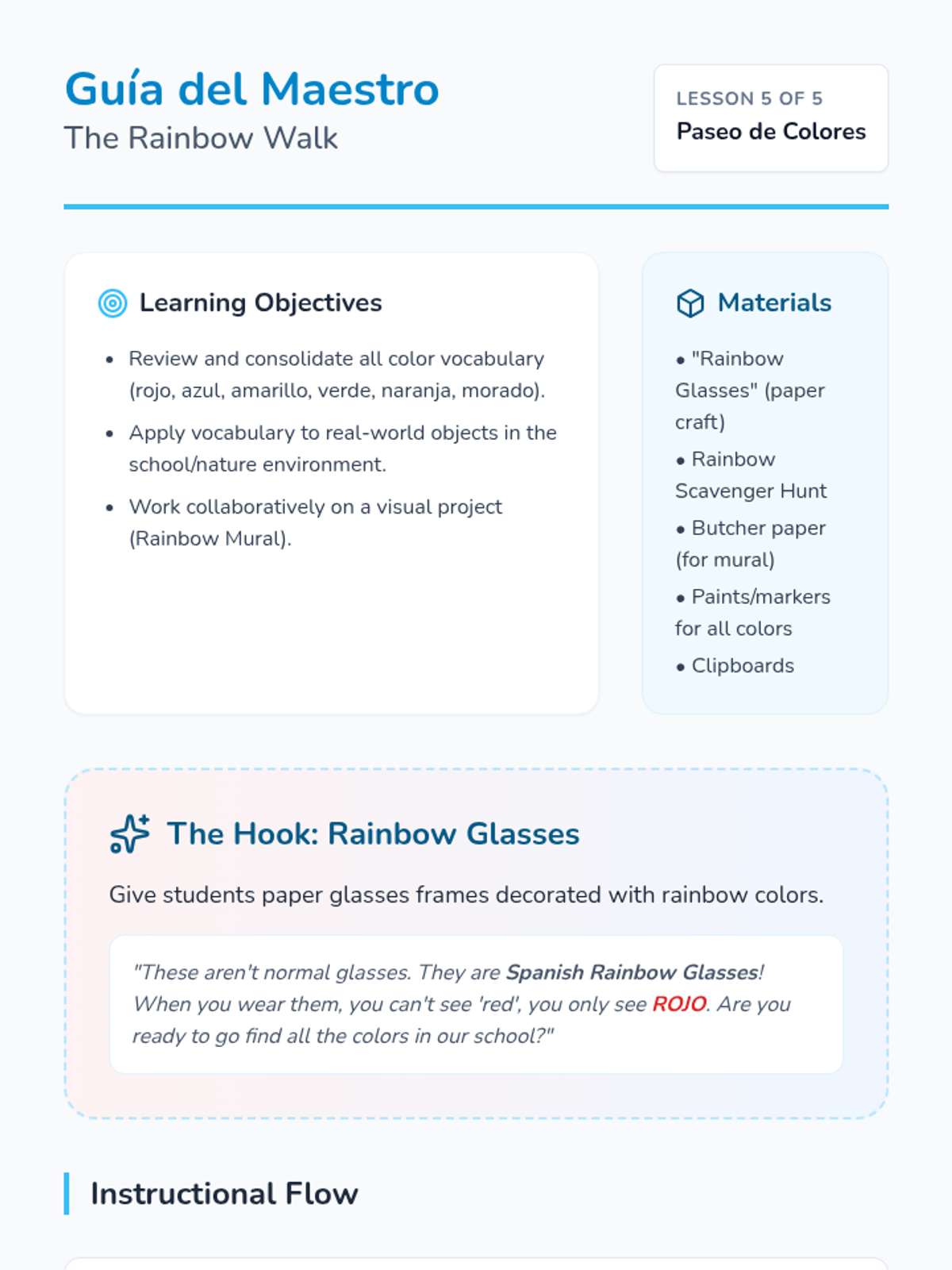
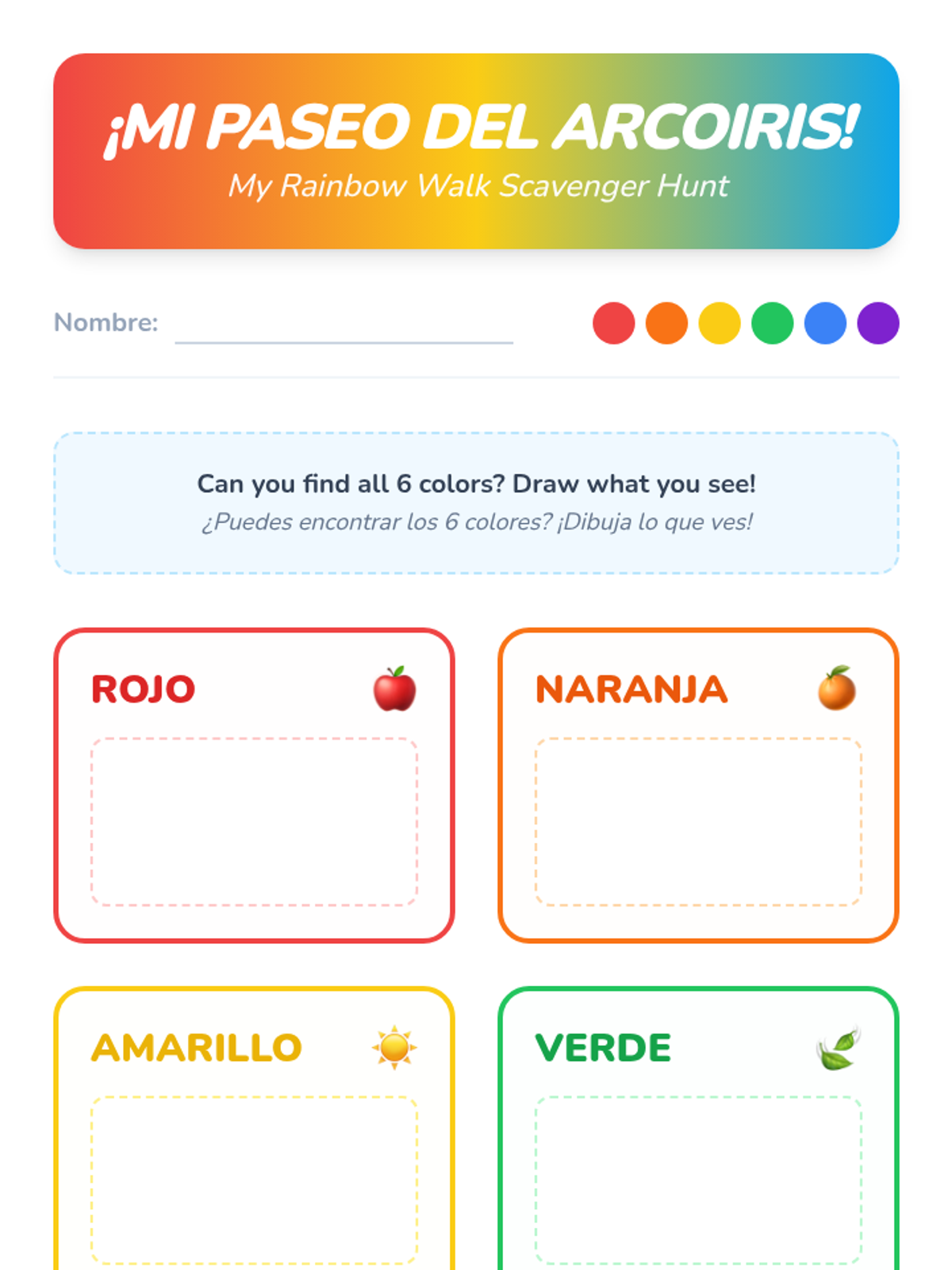
A culminating nature walk (or school walk) where students point out things they see using their color vocabulary. They create a collaborative rainbow mural reviewing all learned colors.
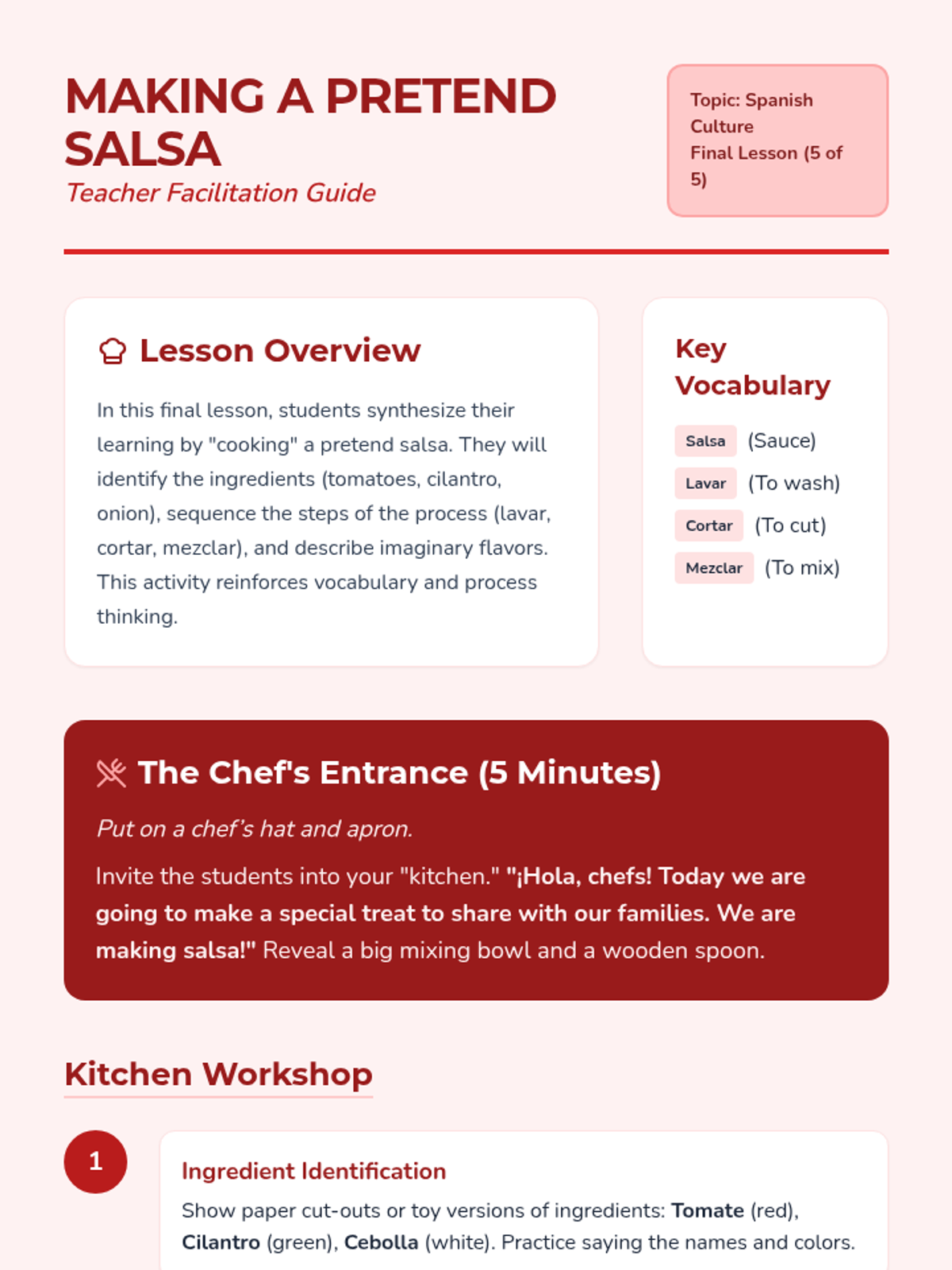
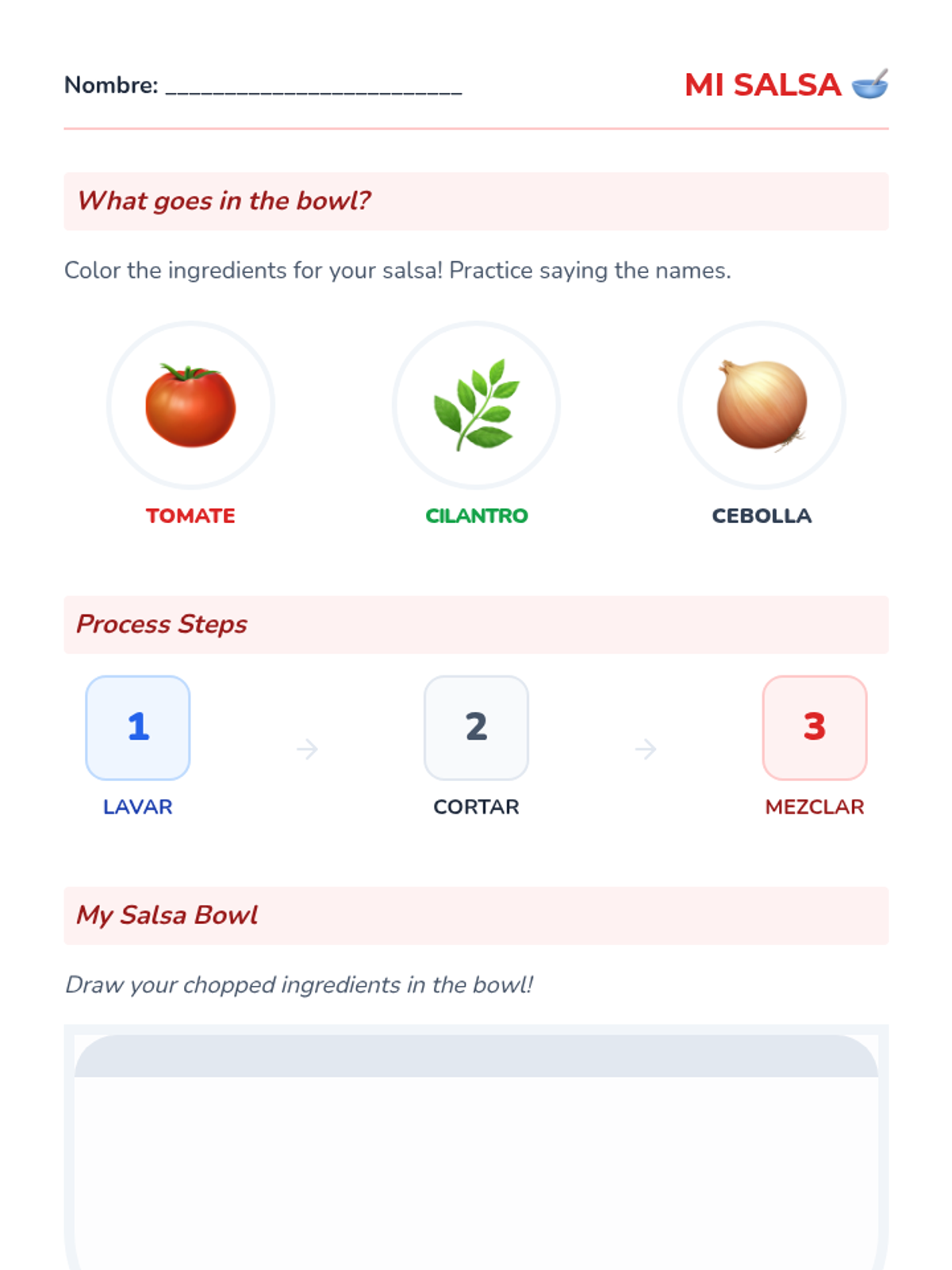
Students synthesize their learning by sequencing the steps to 'cook' a pretend salsa, describing flavors and identifying paper ingredients.
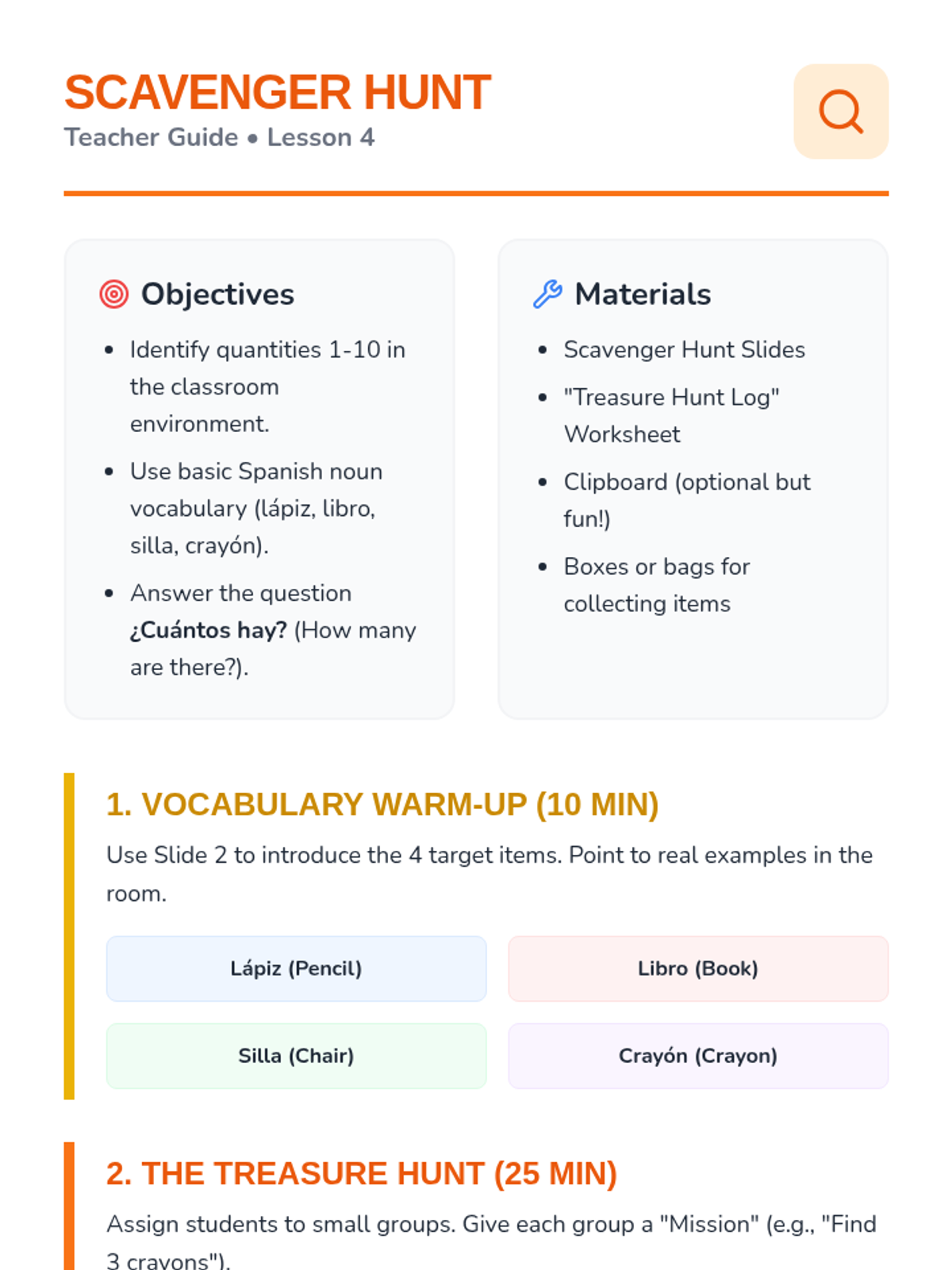
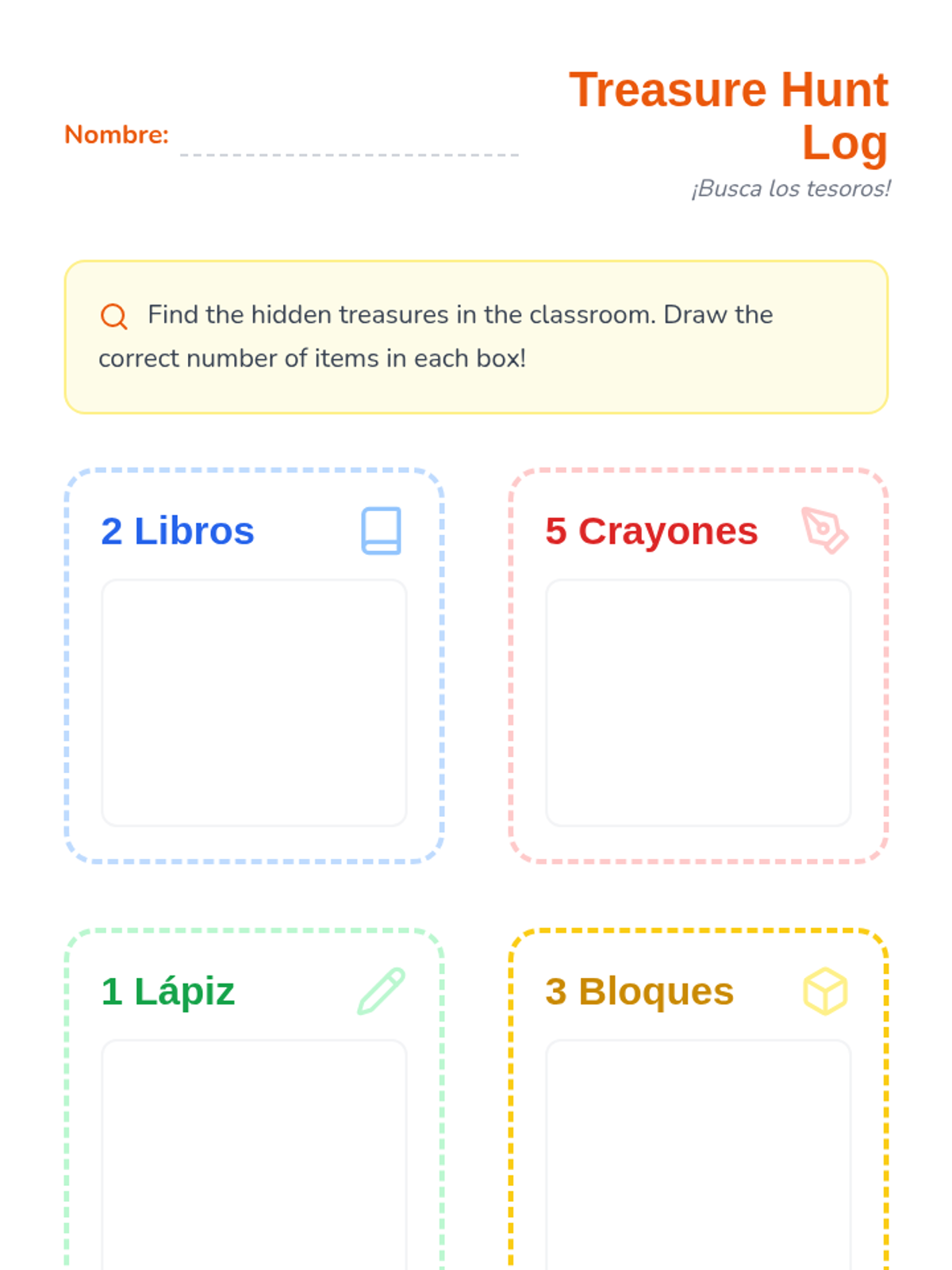
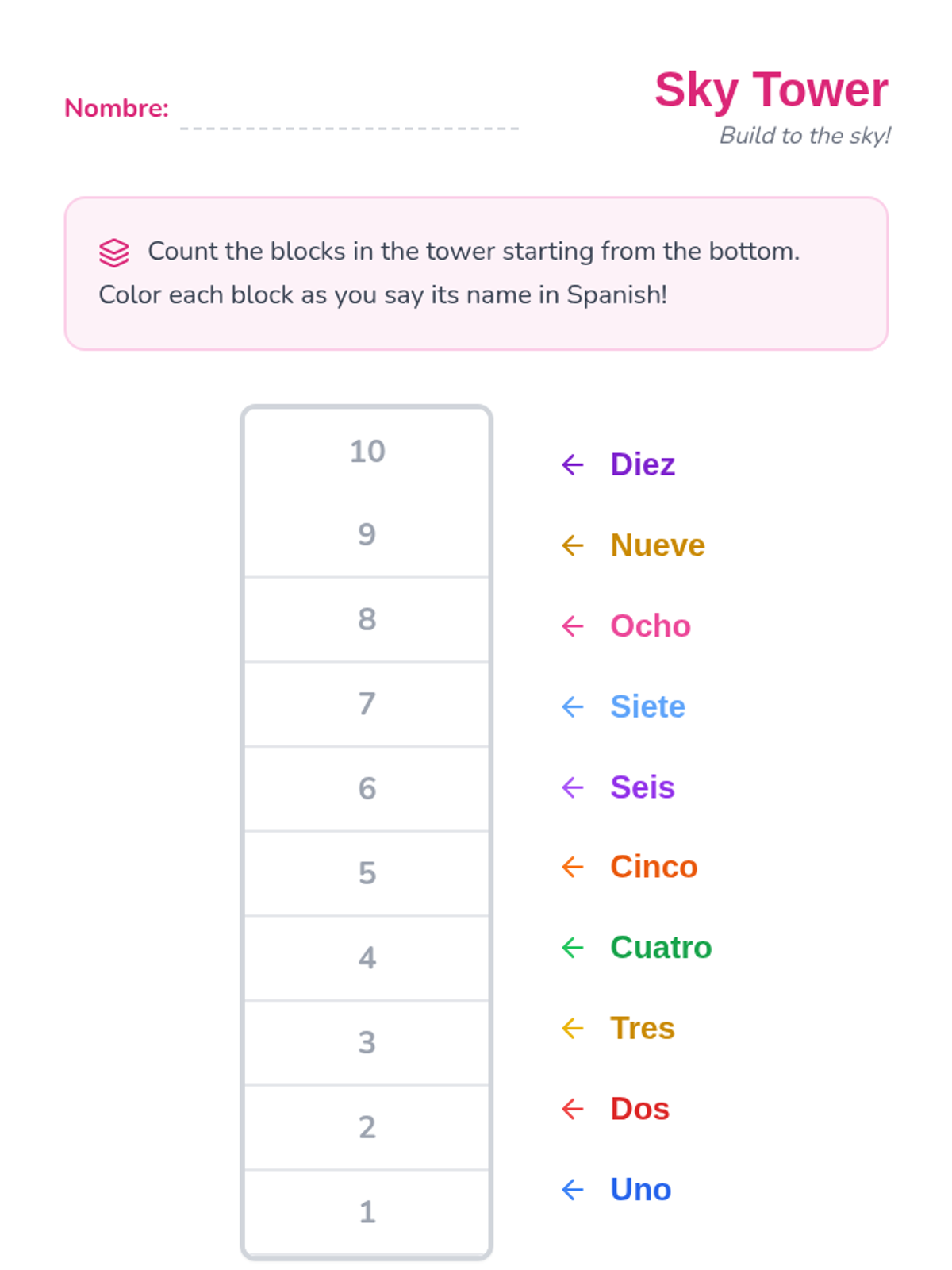
Learners apply their counting skills to real-world classroom items like crayons, chairs, and books. They go on a scavenger hunt to find specific quantities of items requested in Spanish.
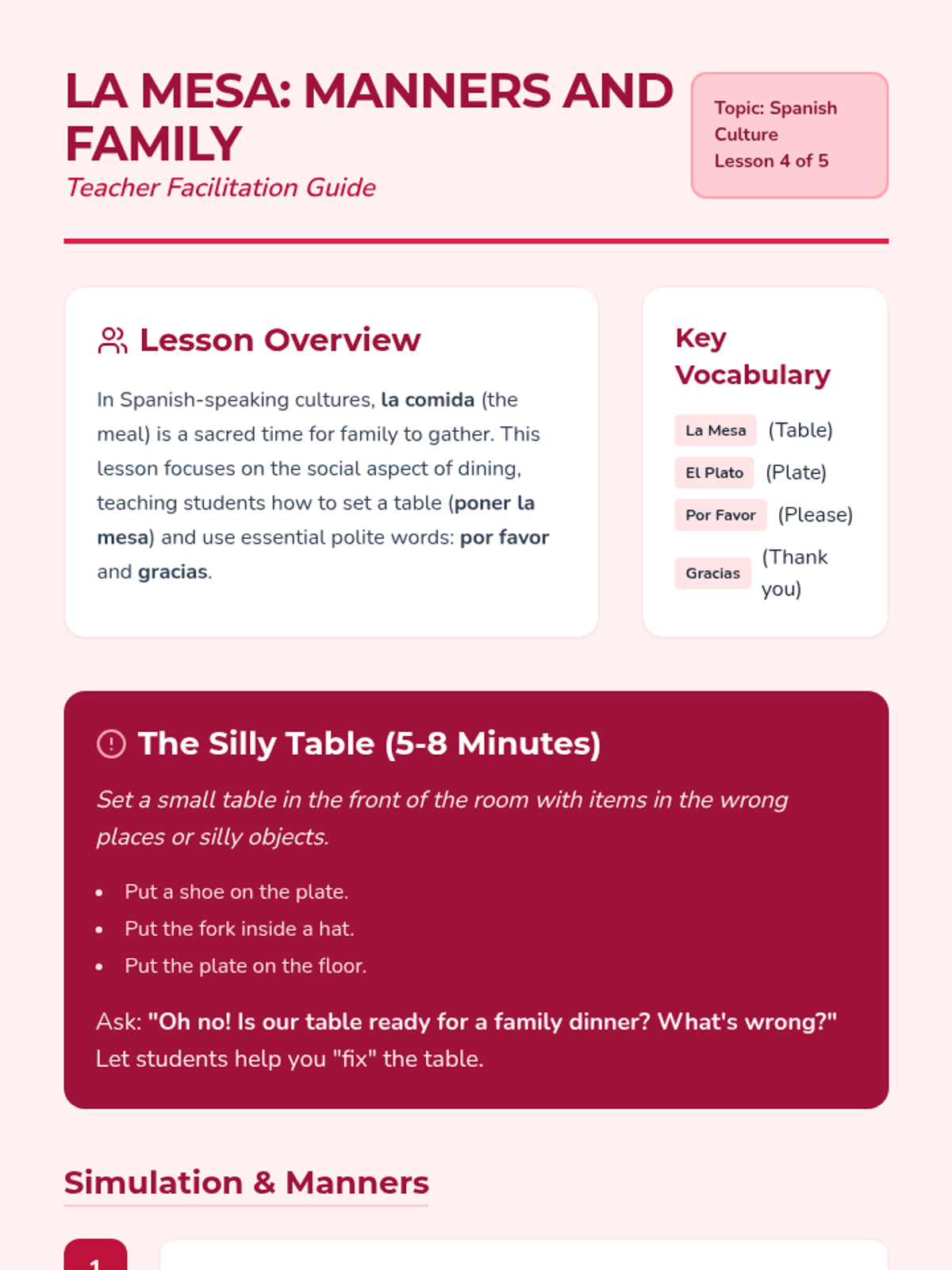
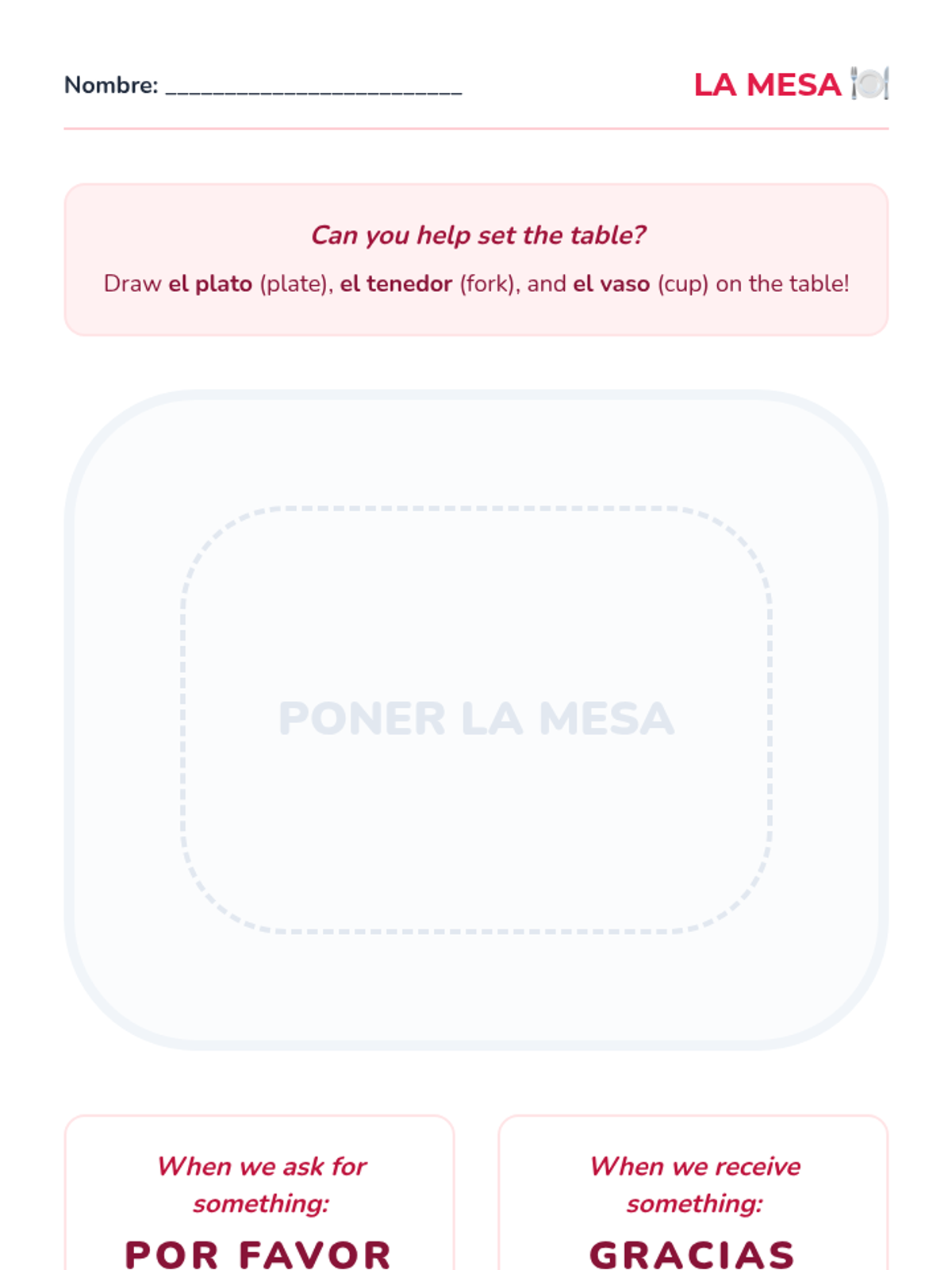
Focusing on the social aspect of eating, students learn about family gathering customs and practice setting a table using polite Spanish words.
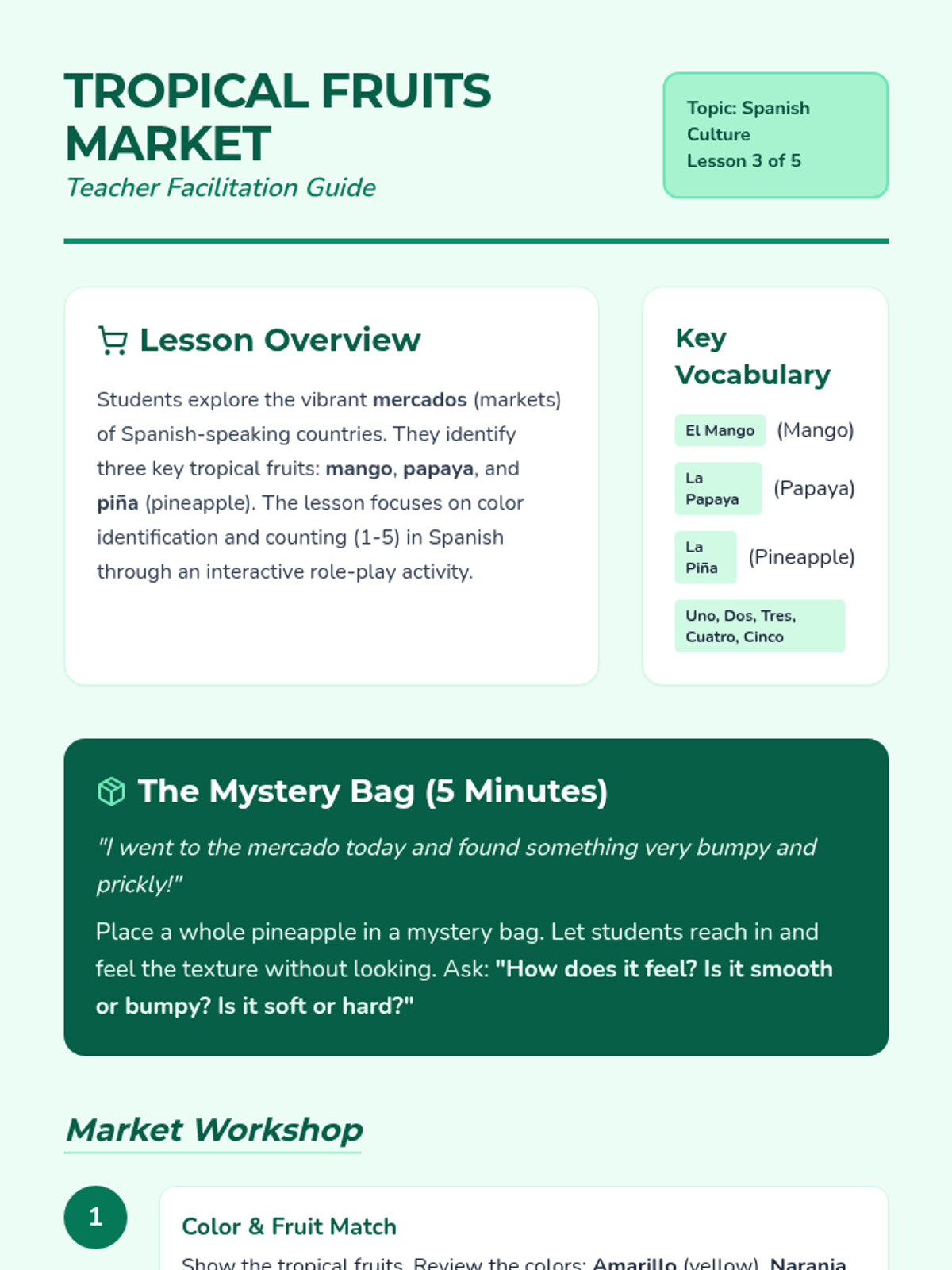
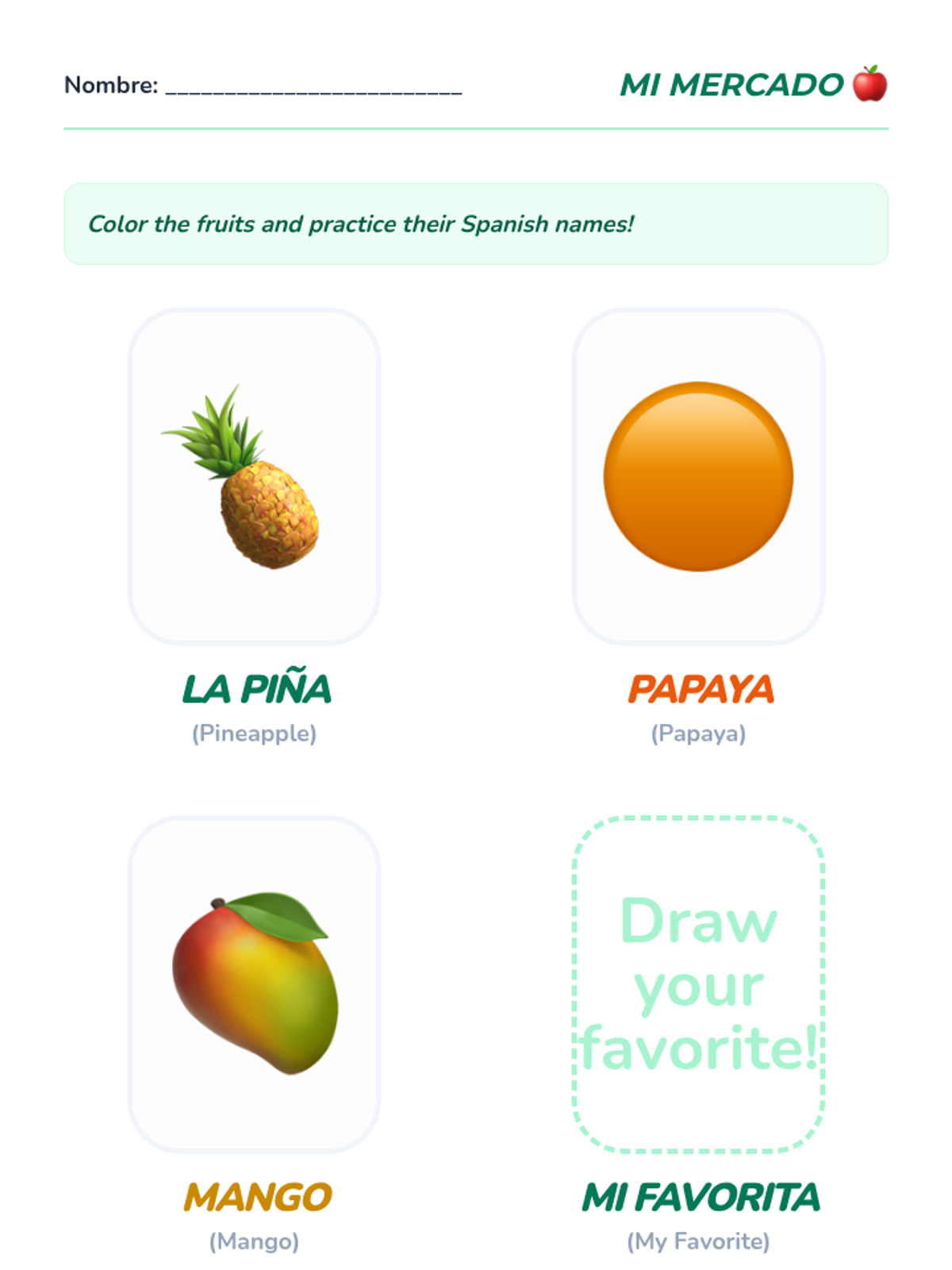
Students identify and practice vocabulary for tropical fruits like mango, papaya, and pineapple through a market role-play focusing on colors and numbers.
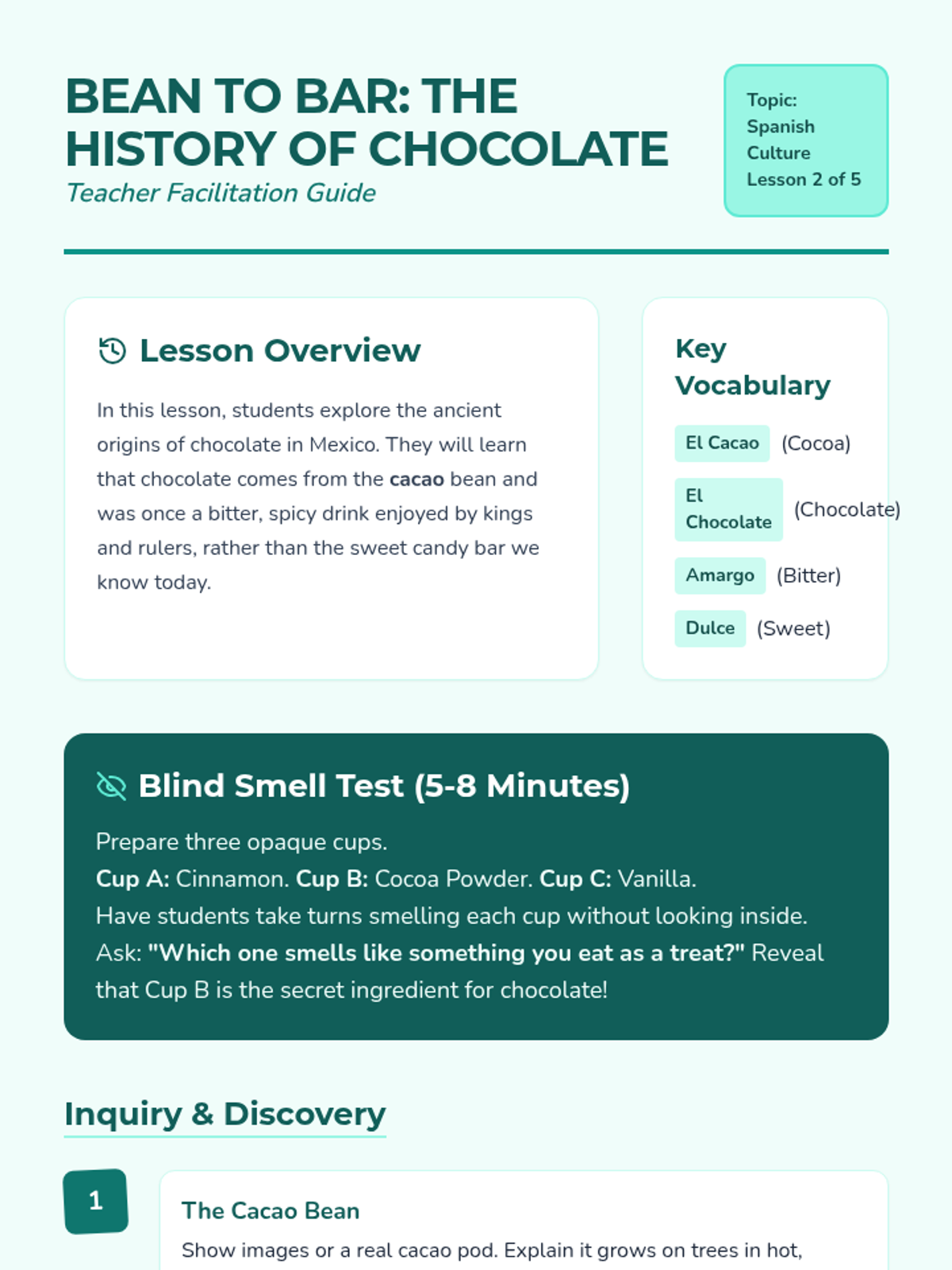
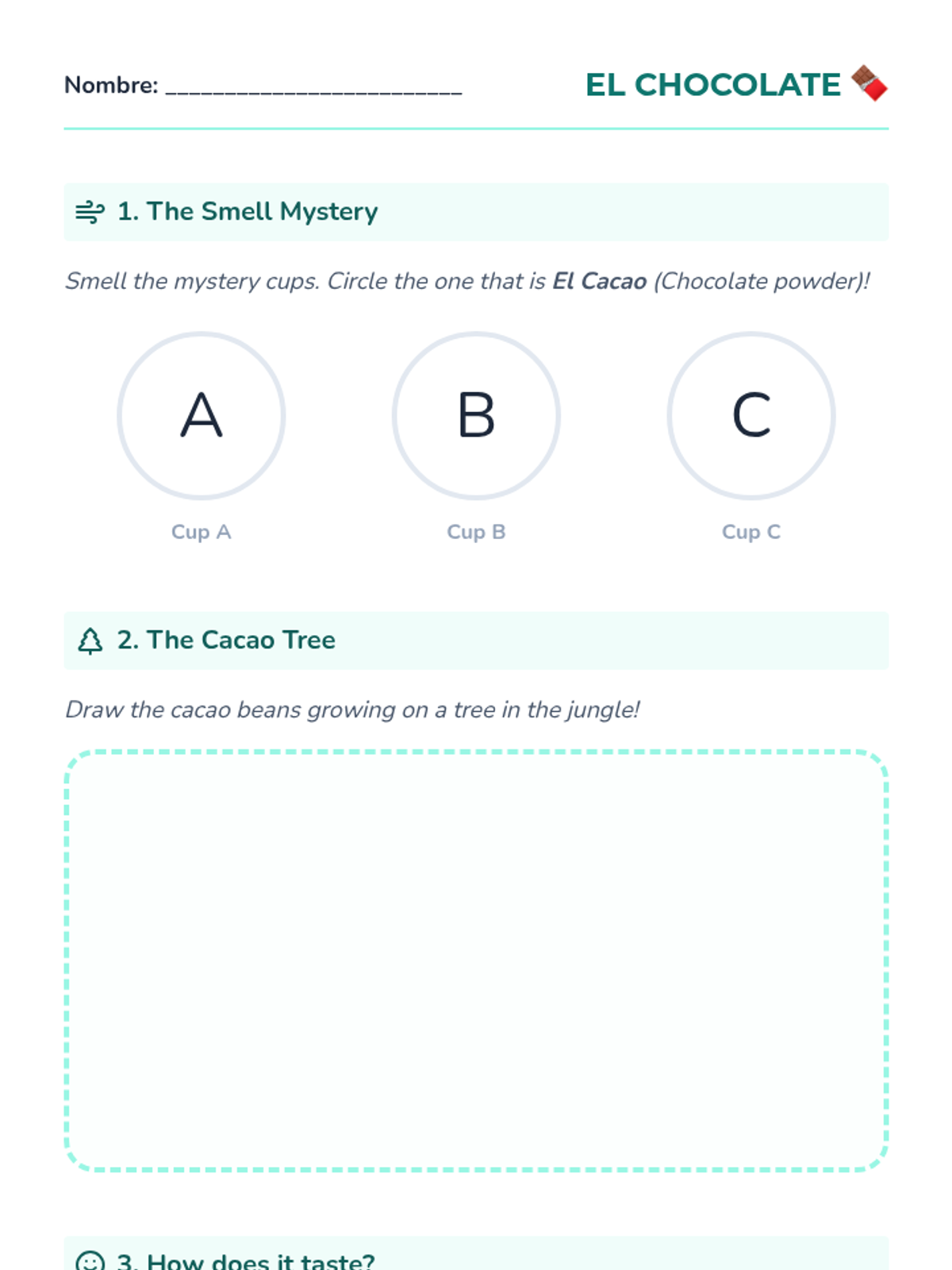
Students trace the origins of chocolate to Mexico, comparing raw cocoa to sweet chocolate and learning about its history as a royal drink.
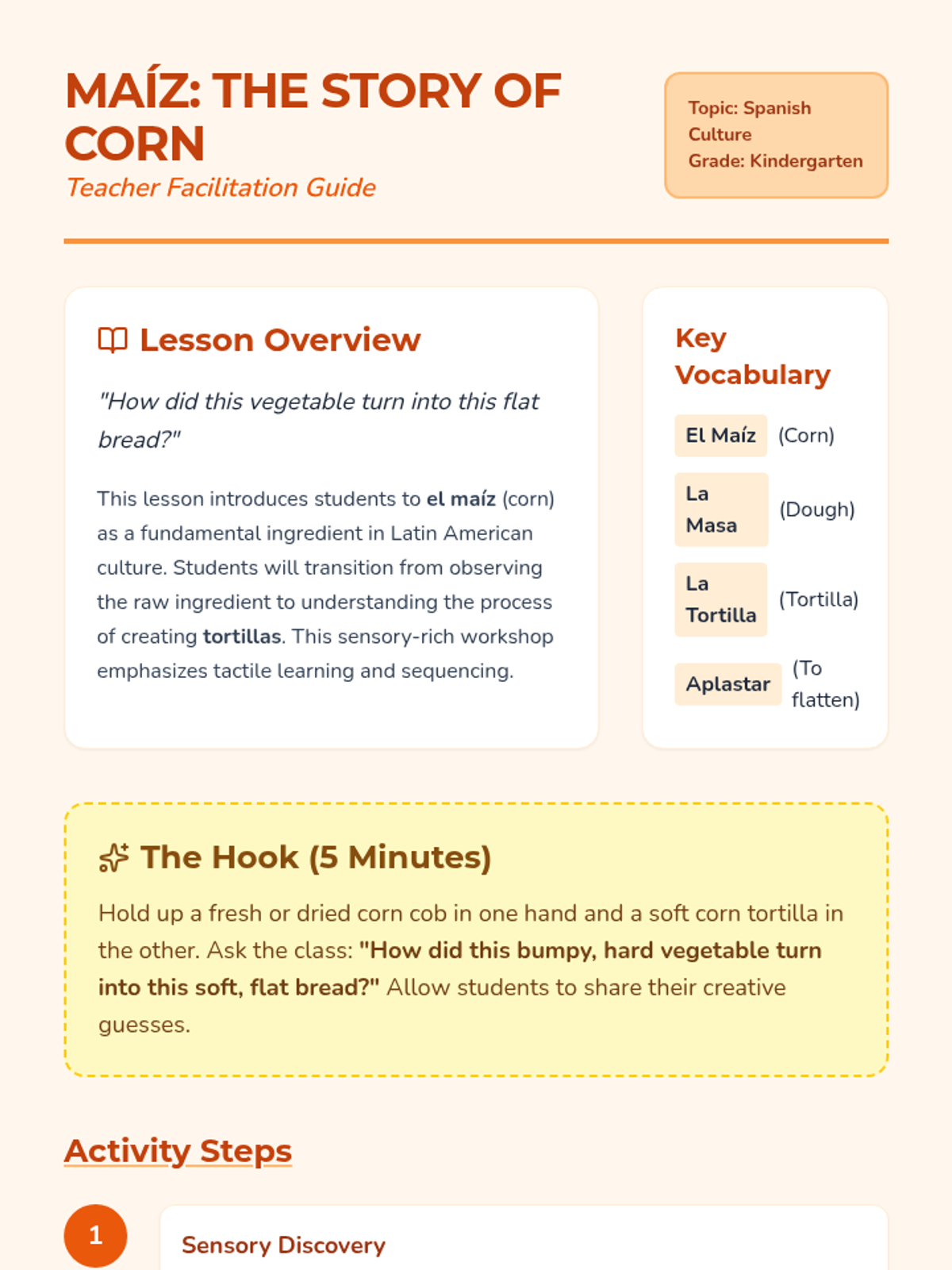
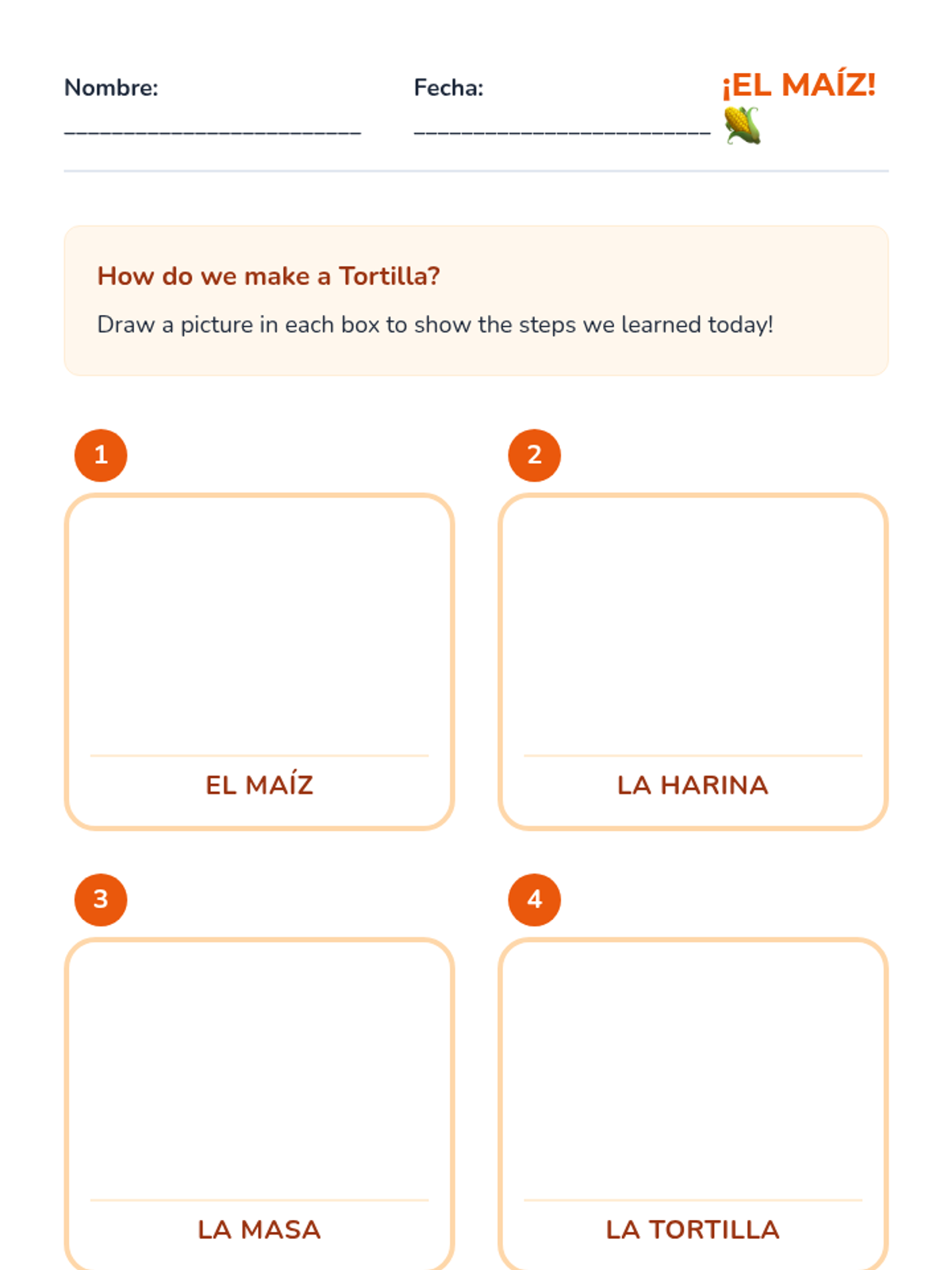
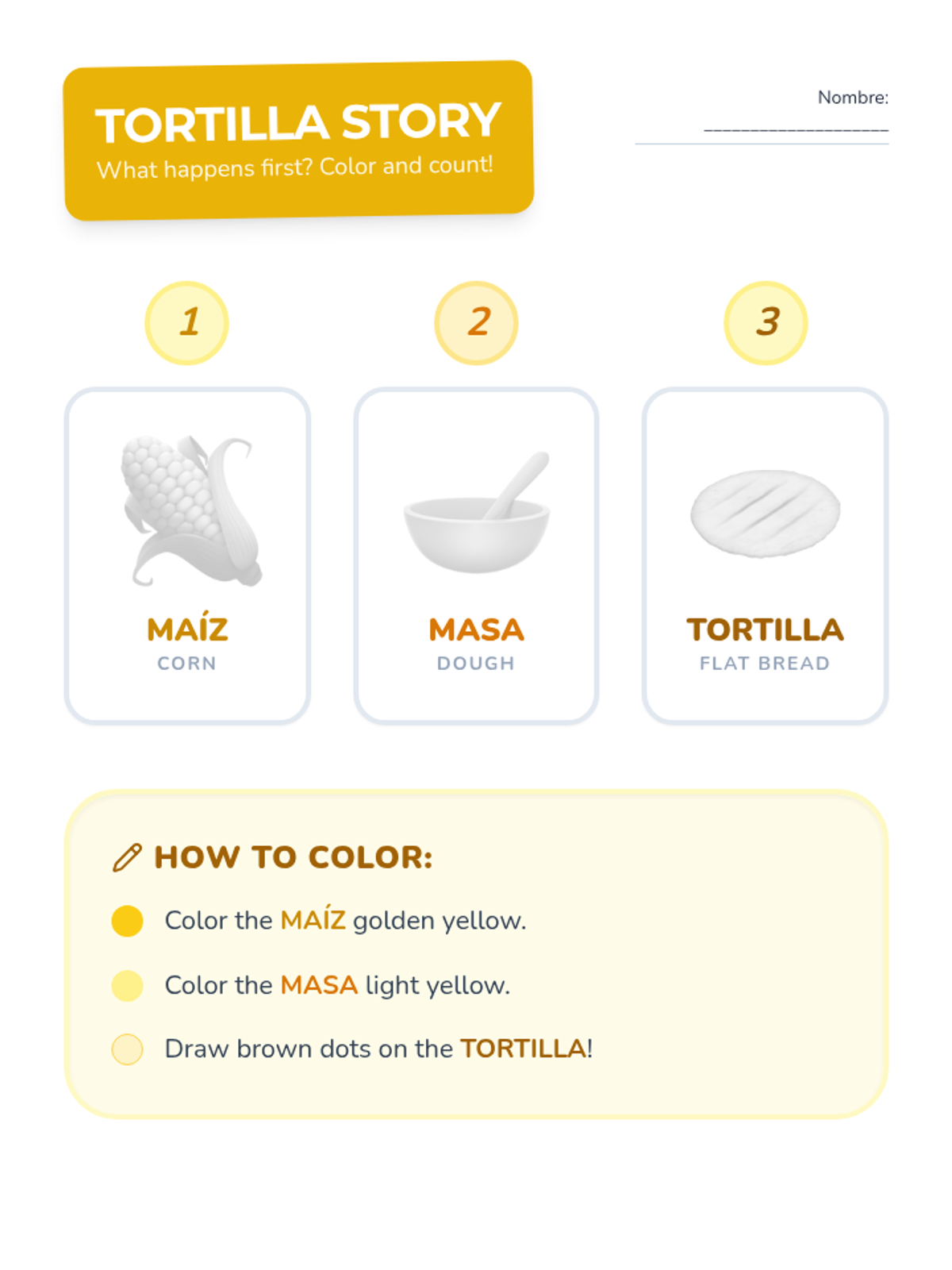
Students explore corn as a foundational grain in Latin American culture through tactile exploration of dried corn and corn flour (masa), learning the process of making tortillas.
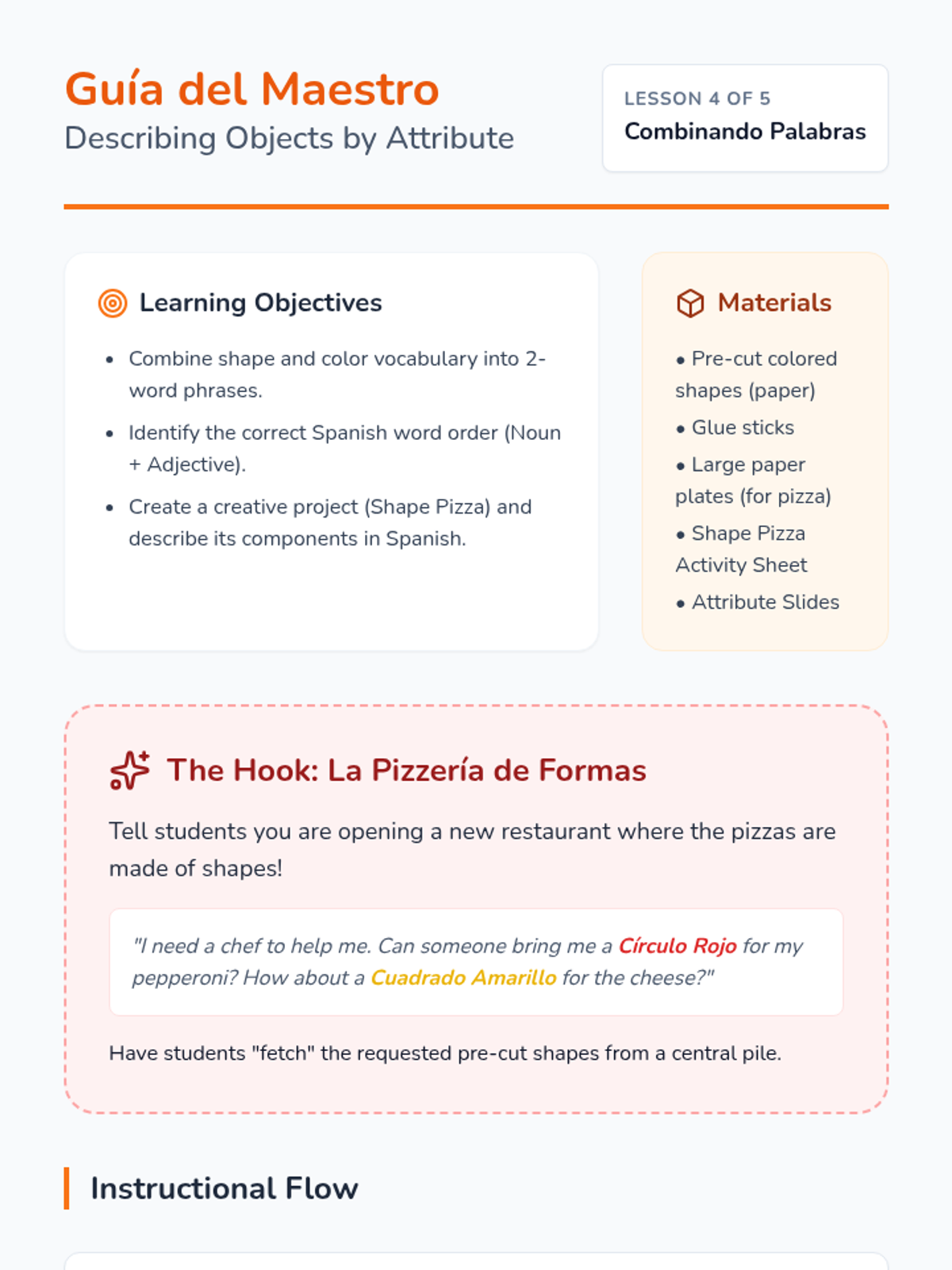
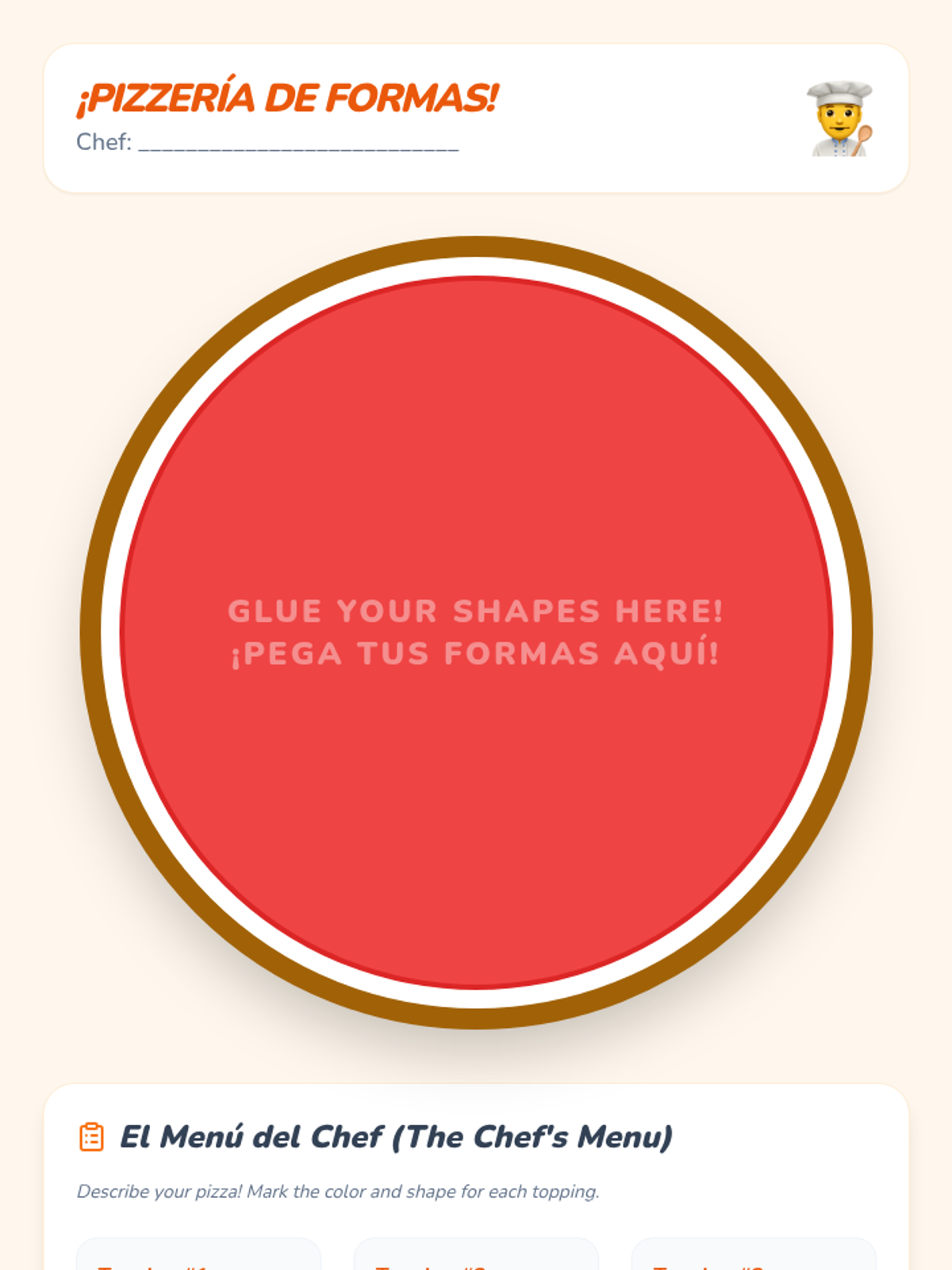
Students combine color and shape vocabulary to describe items (e.g., 'círculo rojo'). They create a collage using pre-cut colored shapes and describe their artwork.
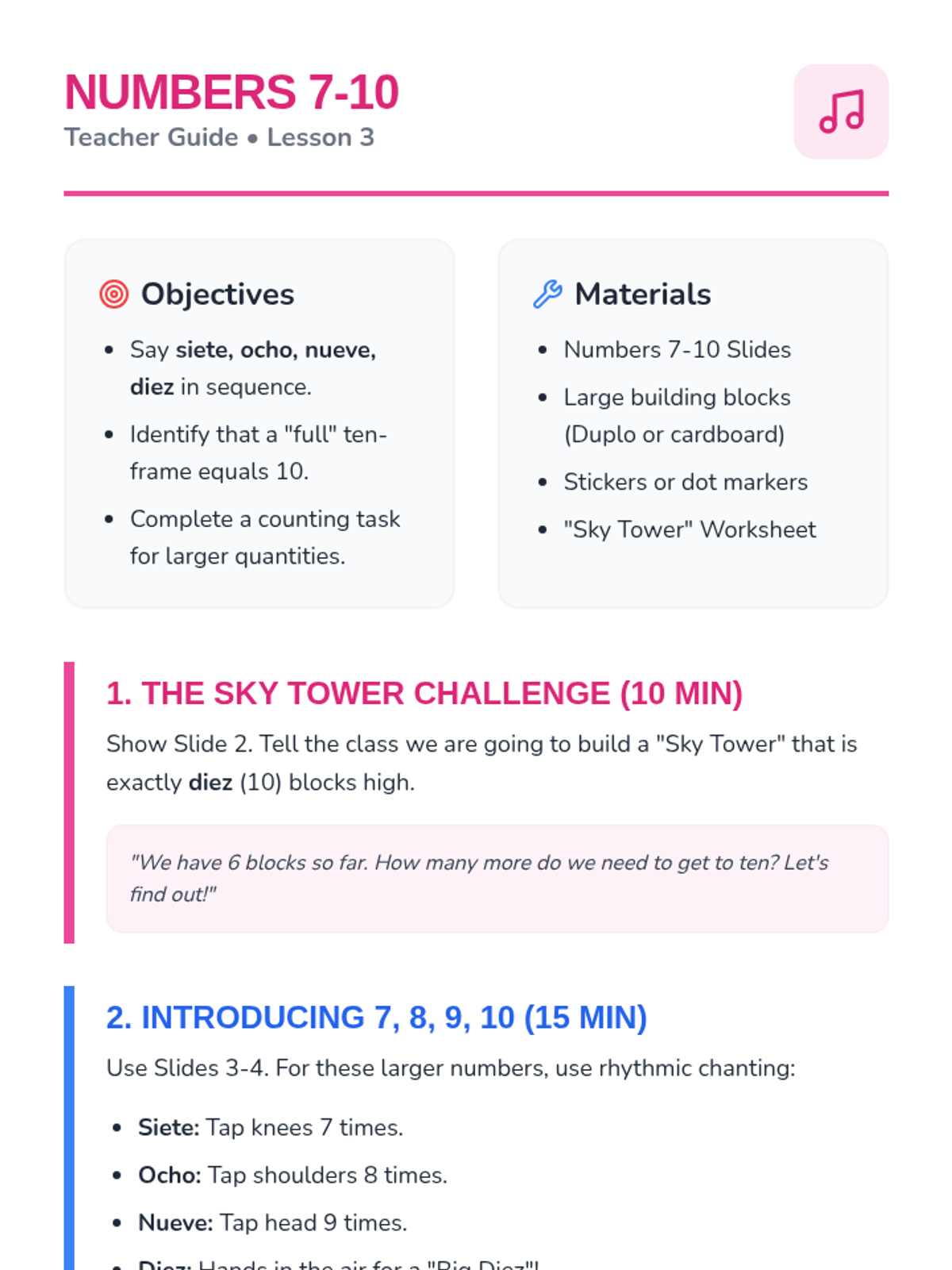
Students explore the higher numbers 'siete' through 'diez' by singing a cumulative counting song. Visual aids and ten-frames help visualize the larger quantities.
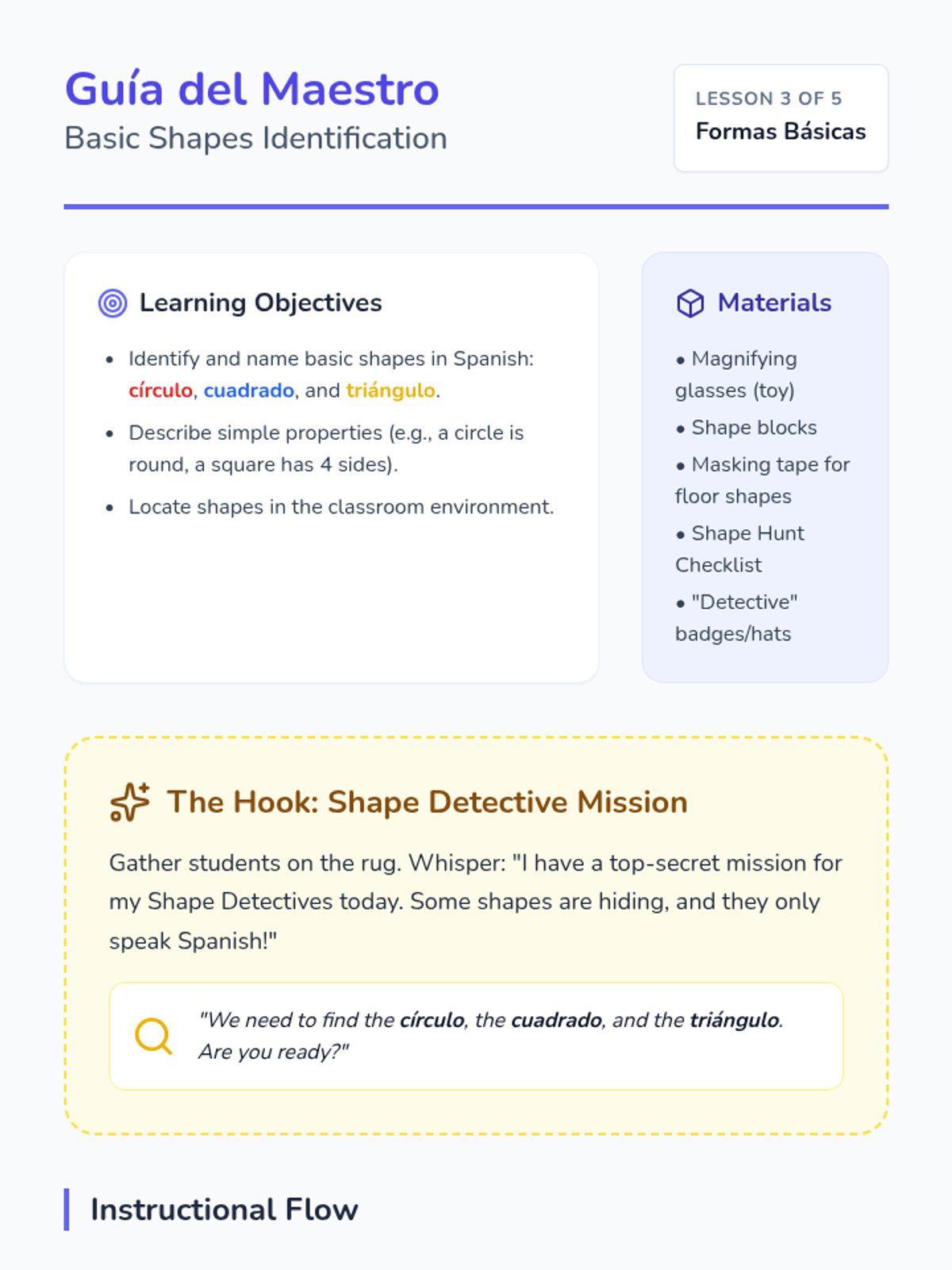
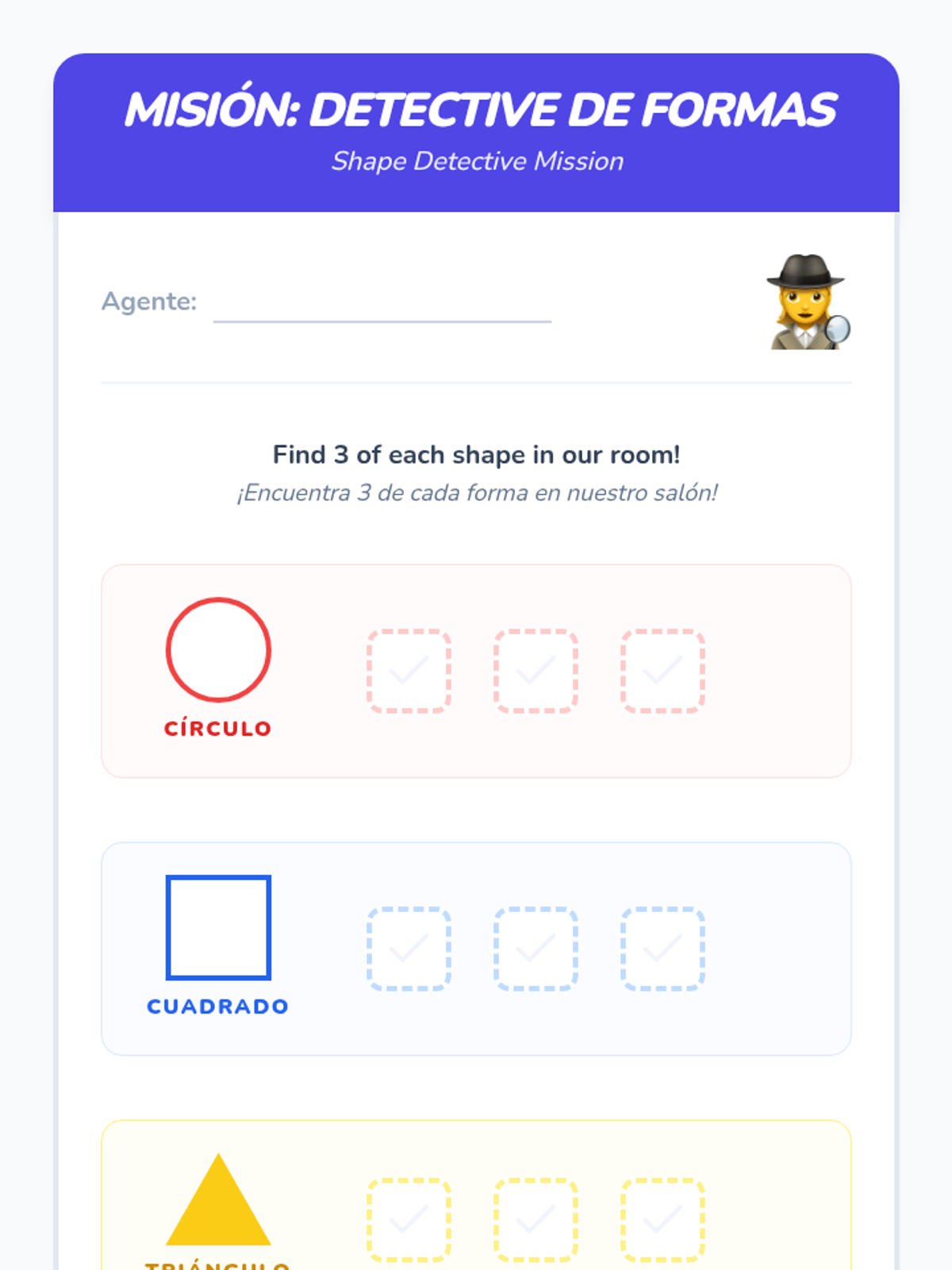
Learners identify 'círculo', 'cuadrado', and 'triángulo' using shape blocks and floor mats. They trace shapes in the air and find matching shapes in the room.
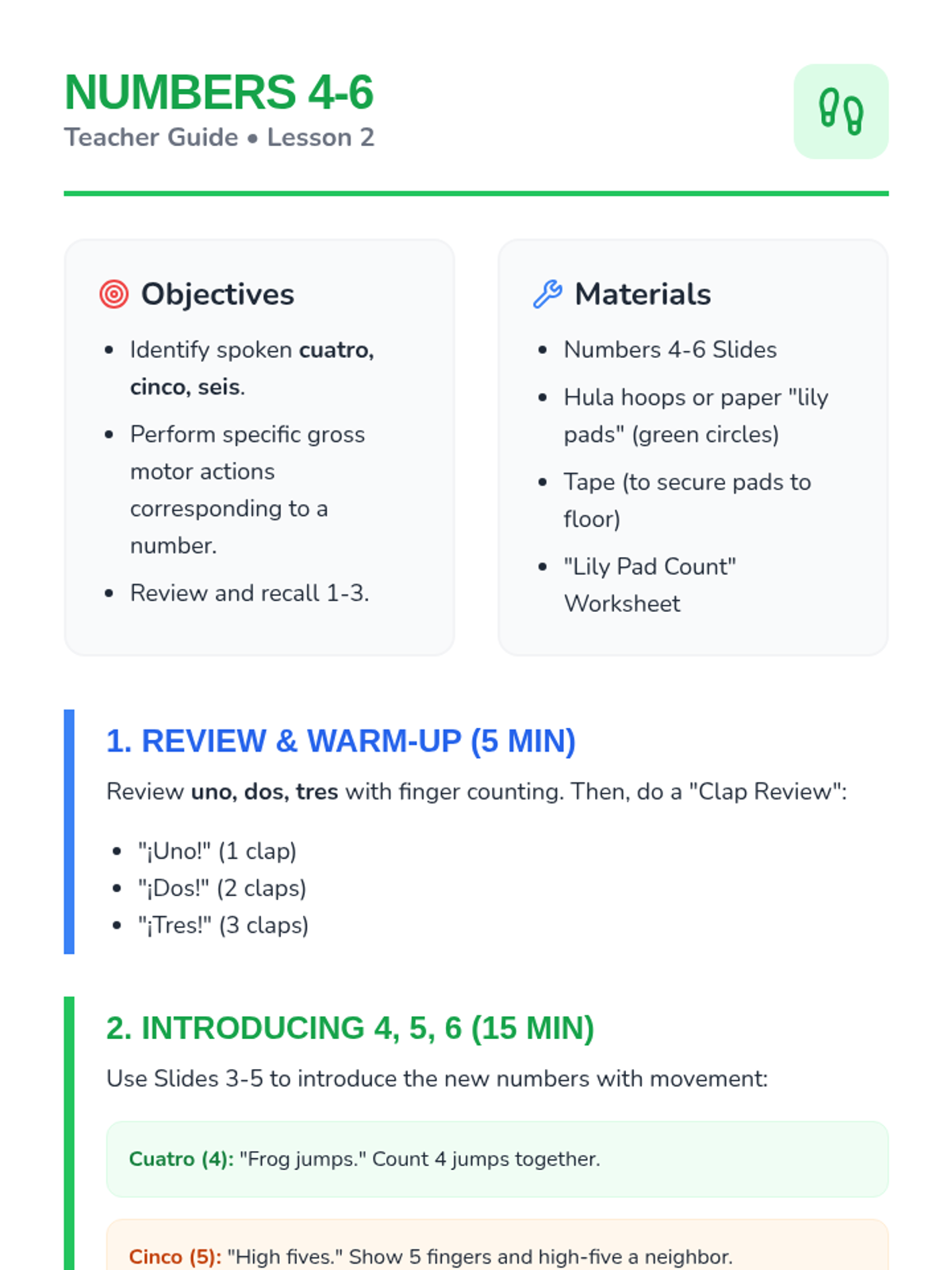
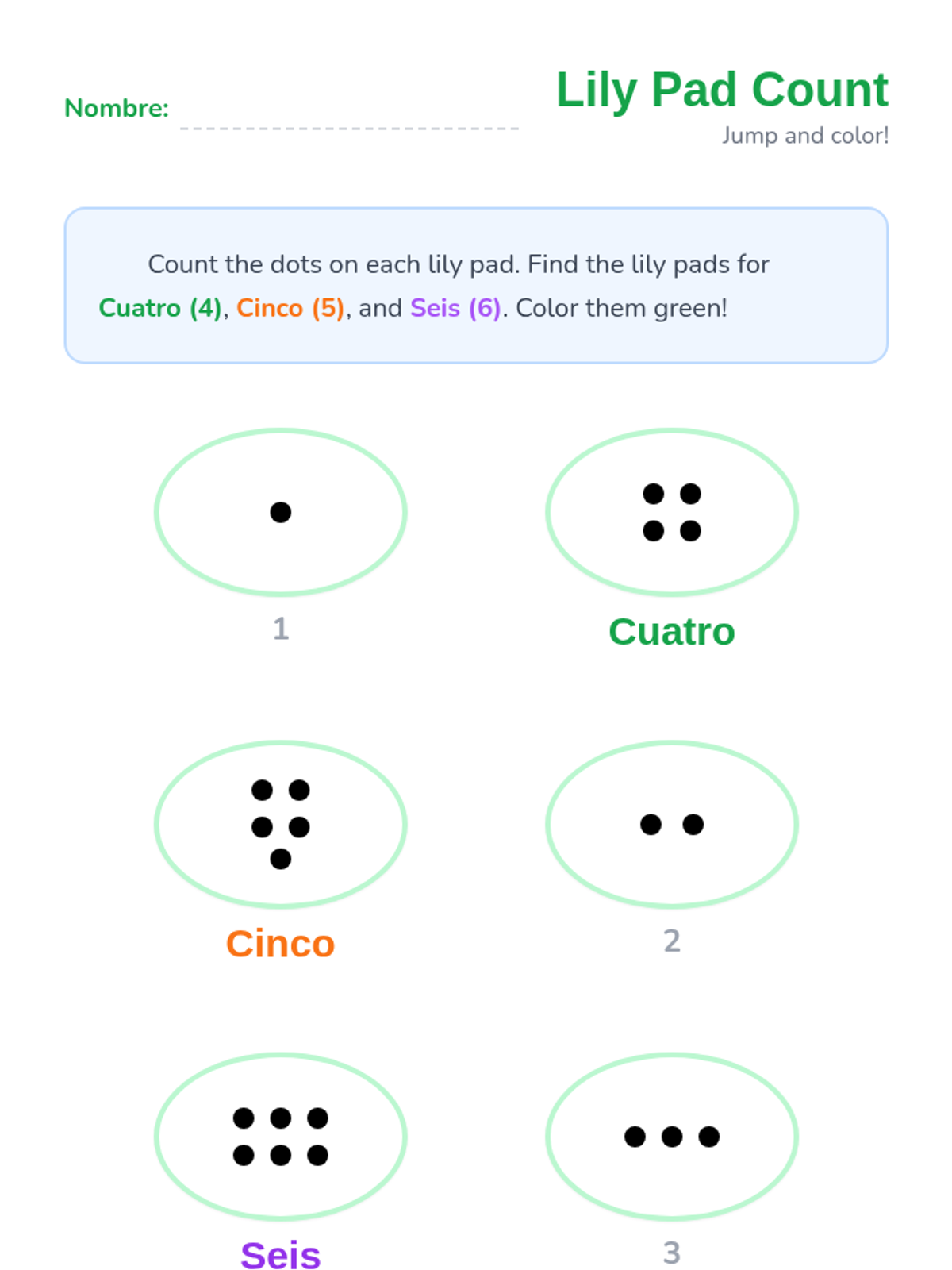
Building on the previous lesson, students learn 'cuatro, cinco, seis' using movement and jumping. They hop or clap according to the number called out by the teacher.
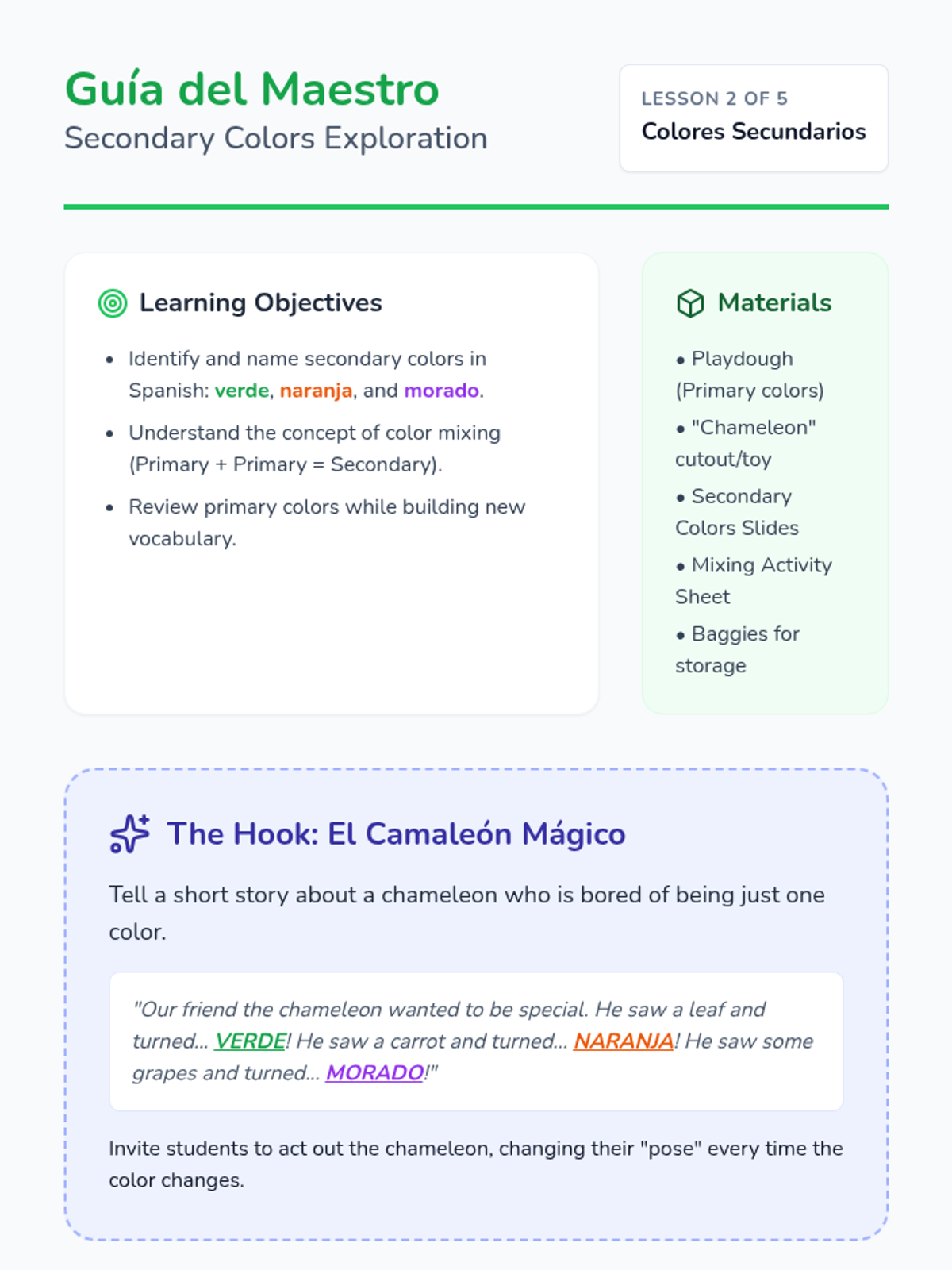
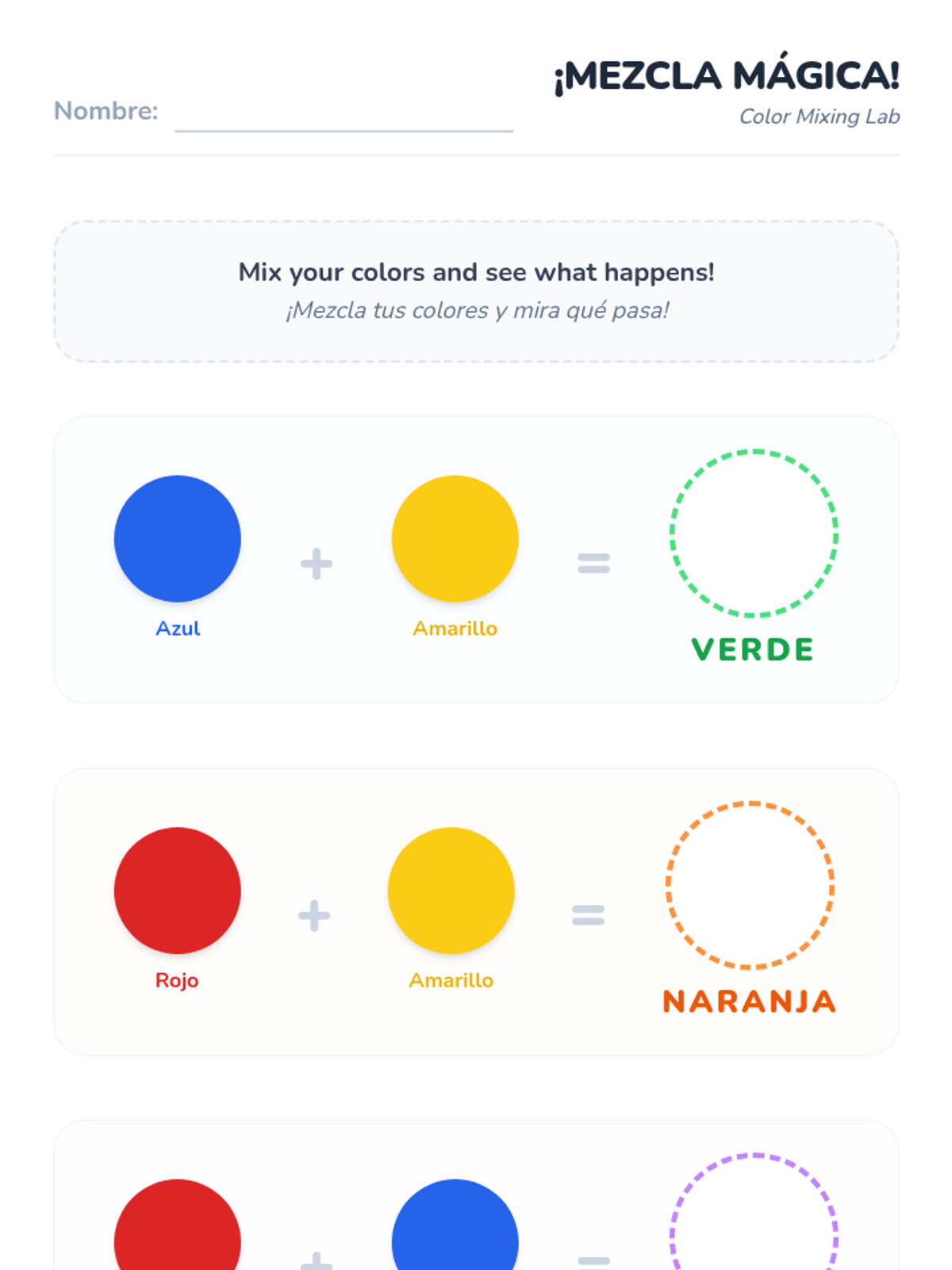
The class expands to 'verde', 'naranja', and 'morado' by mixing playdough or paints. Students label items in the classroom that match these new colors.
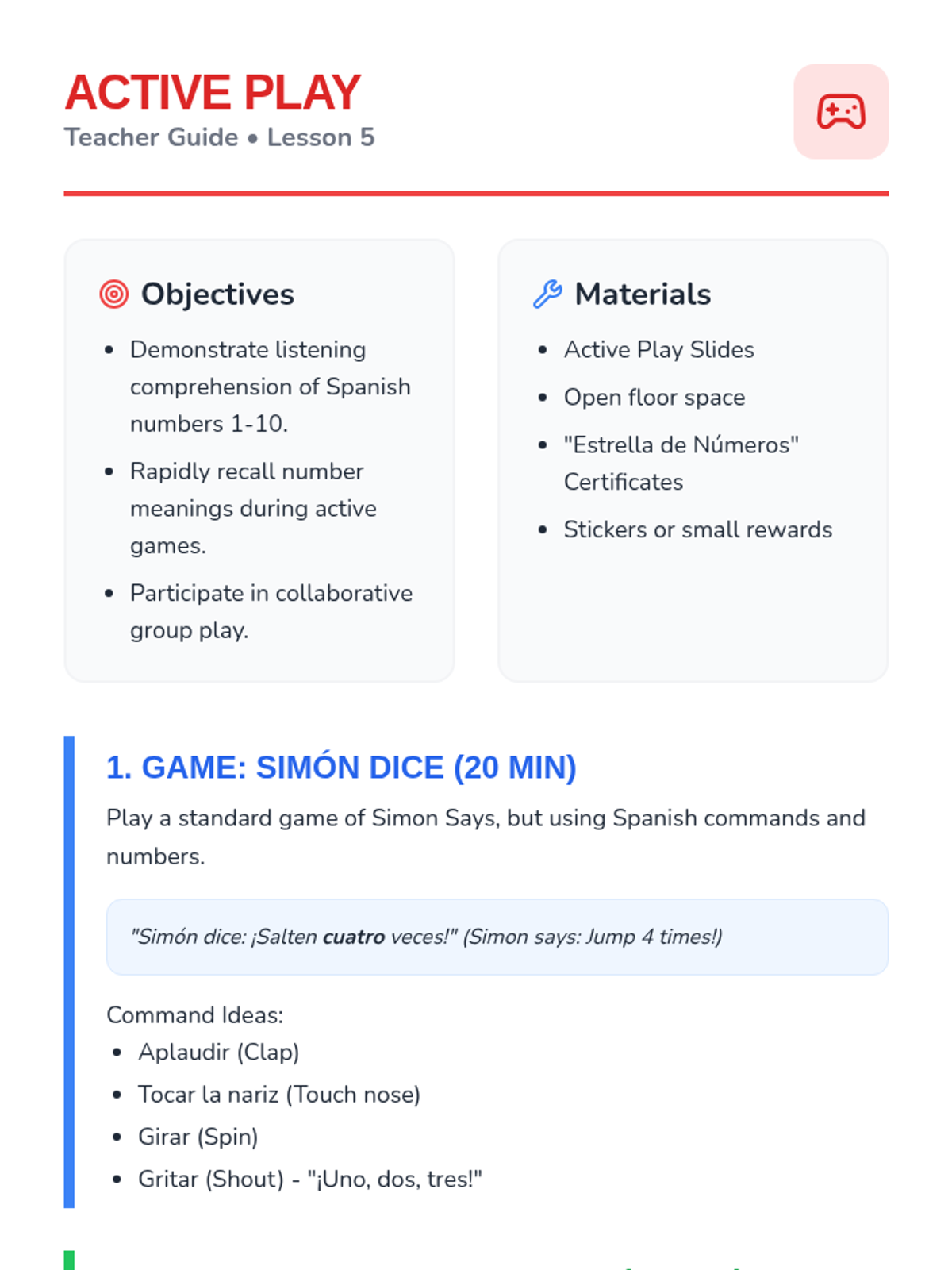
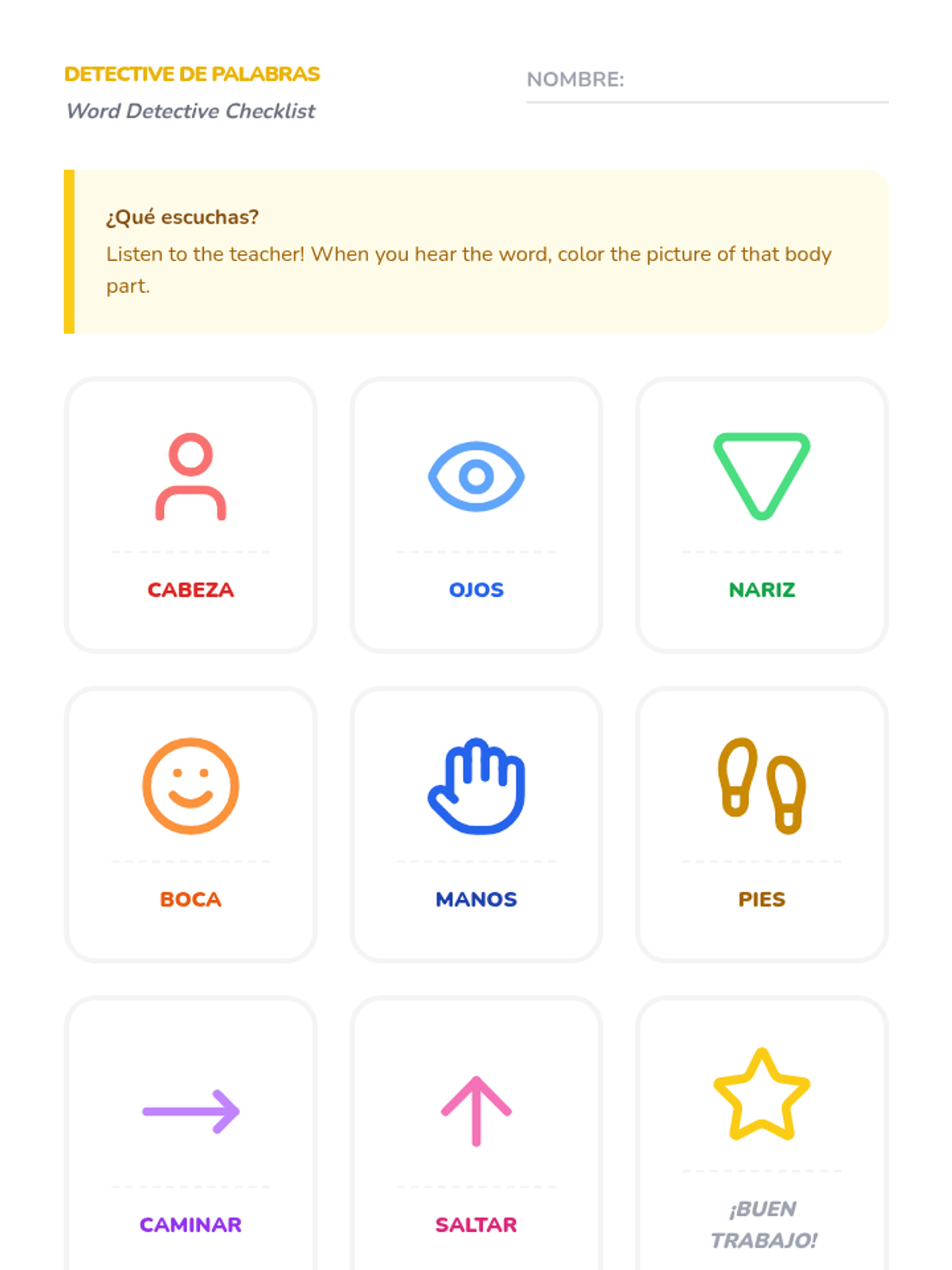
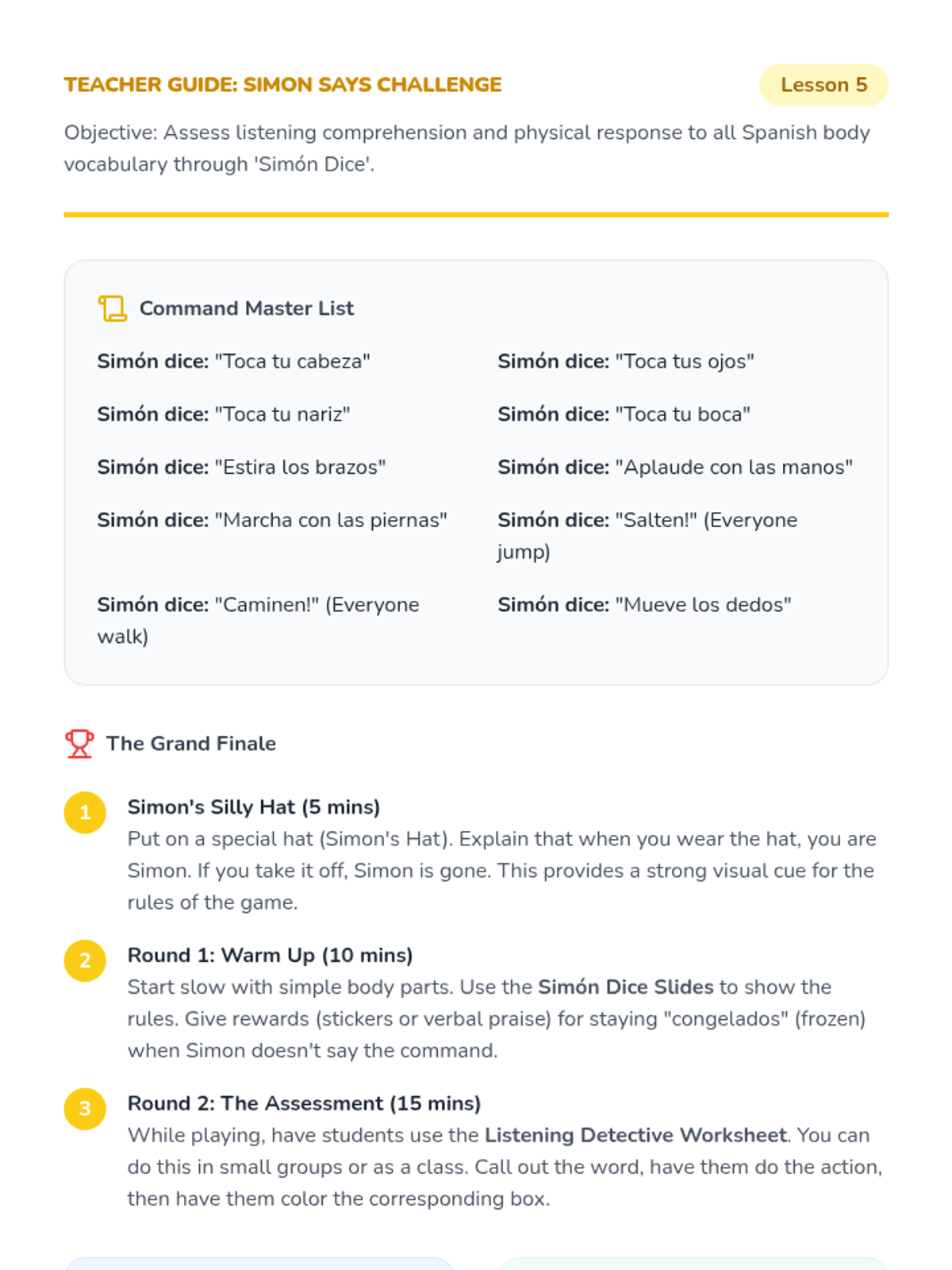
A culminating 'Simón Dice' game to assess listening comprehension and physical response to complex Spanish commands.
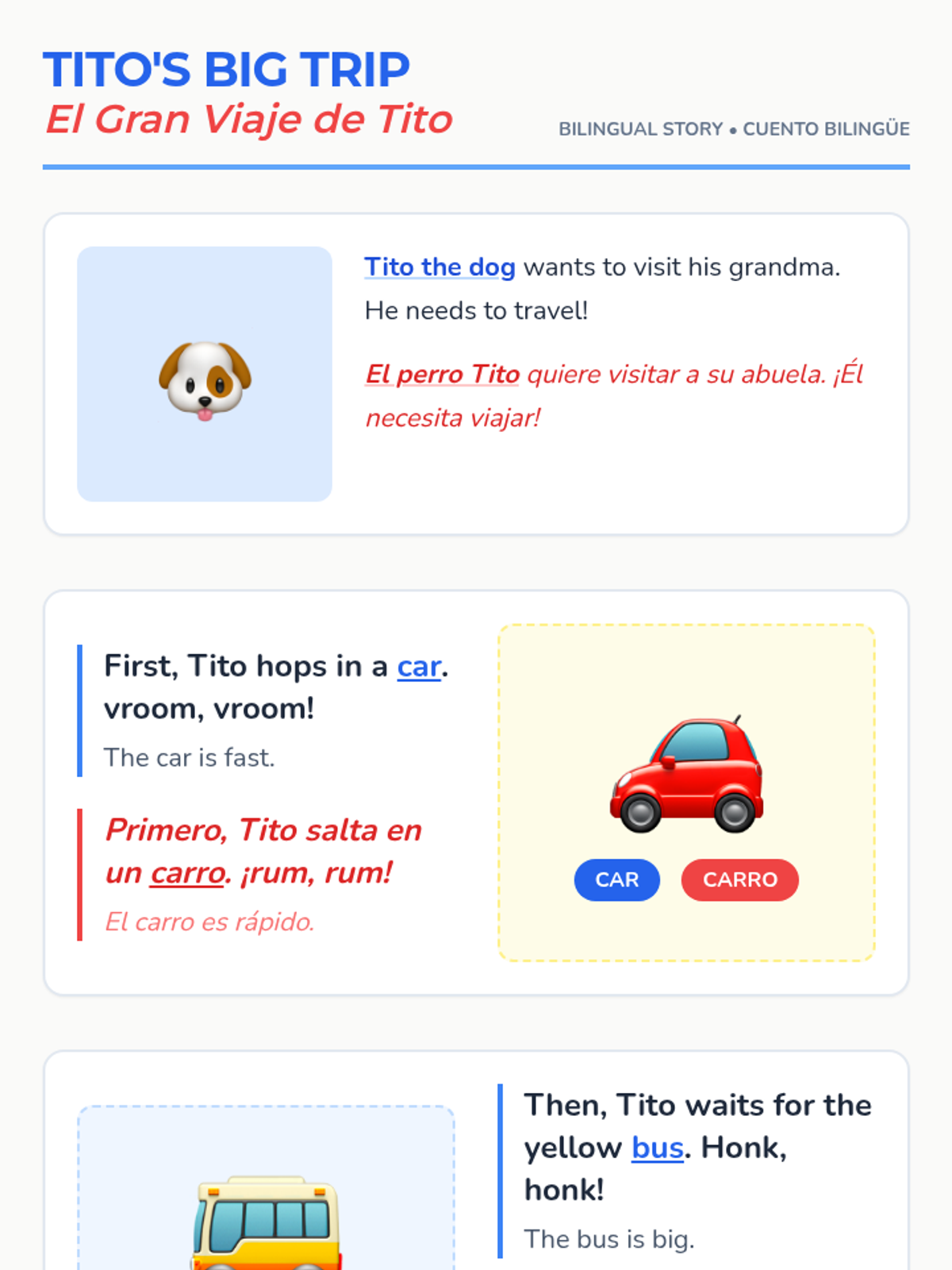
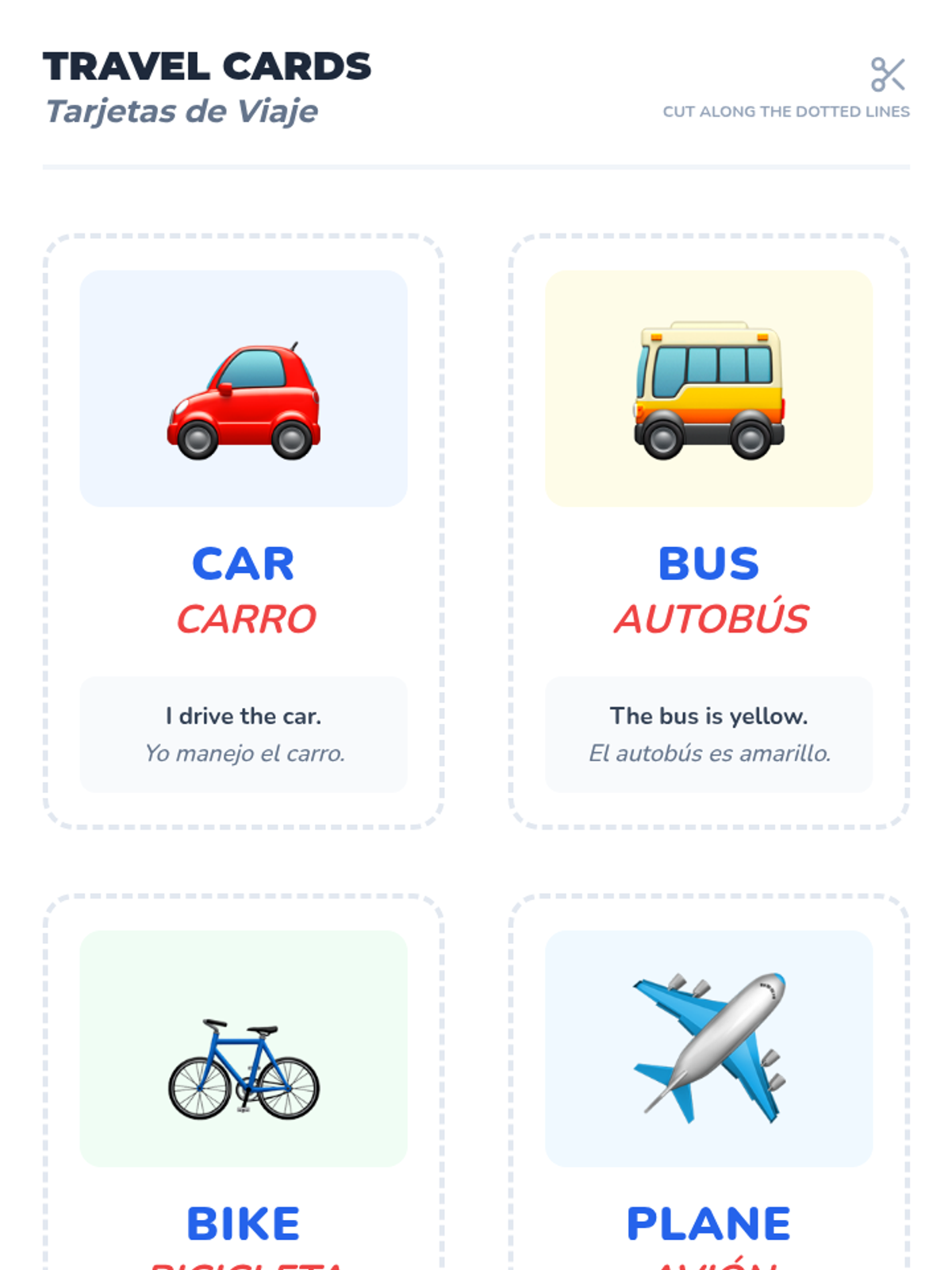
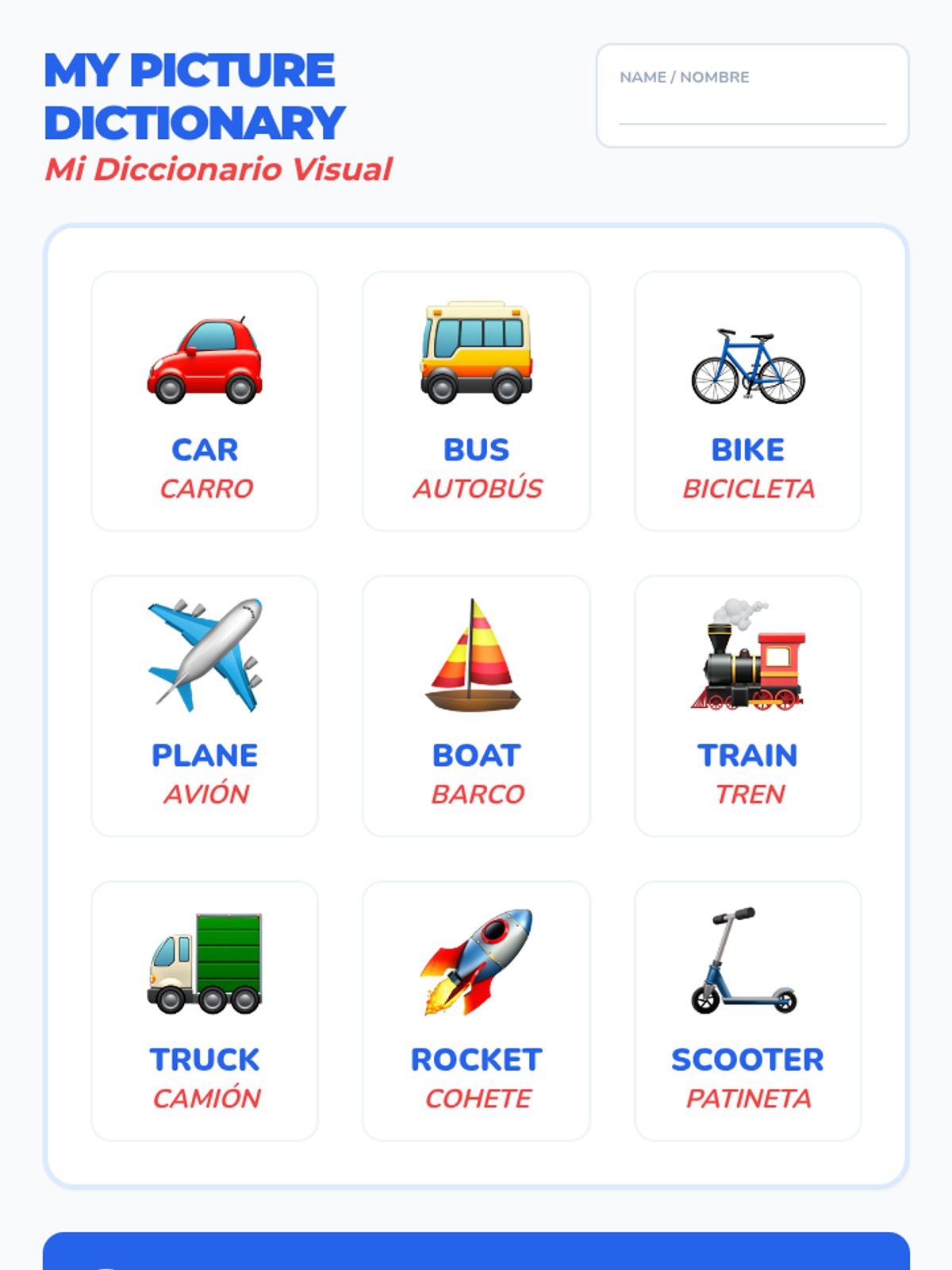
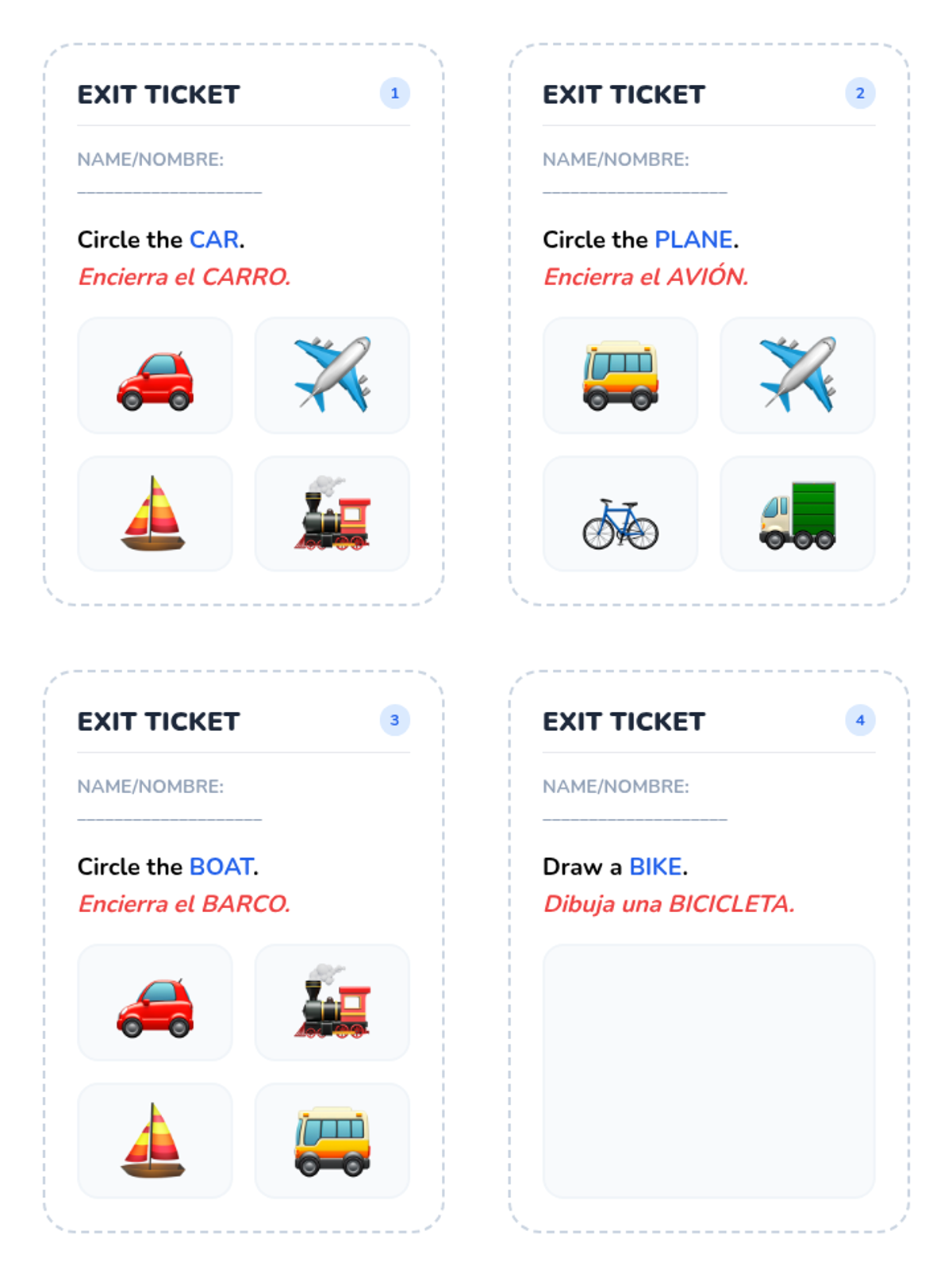
An introductory lesson to common modes of transportation using a bilingual story and visual vocabulary support.
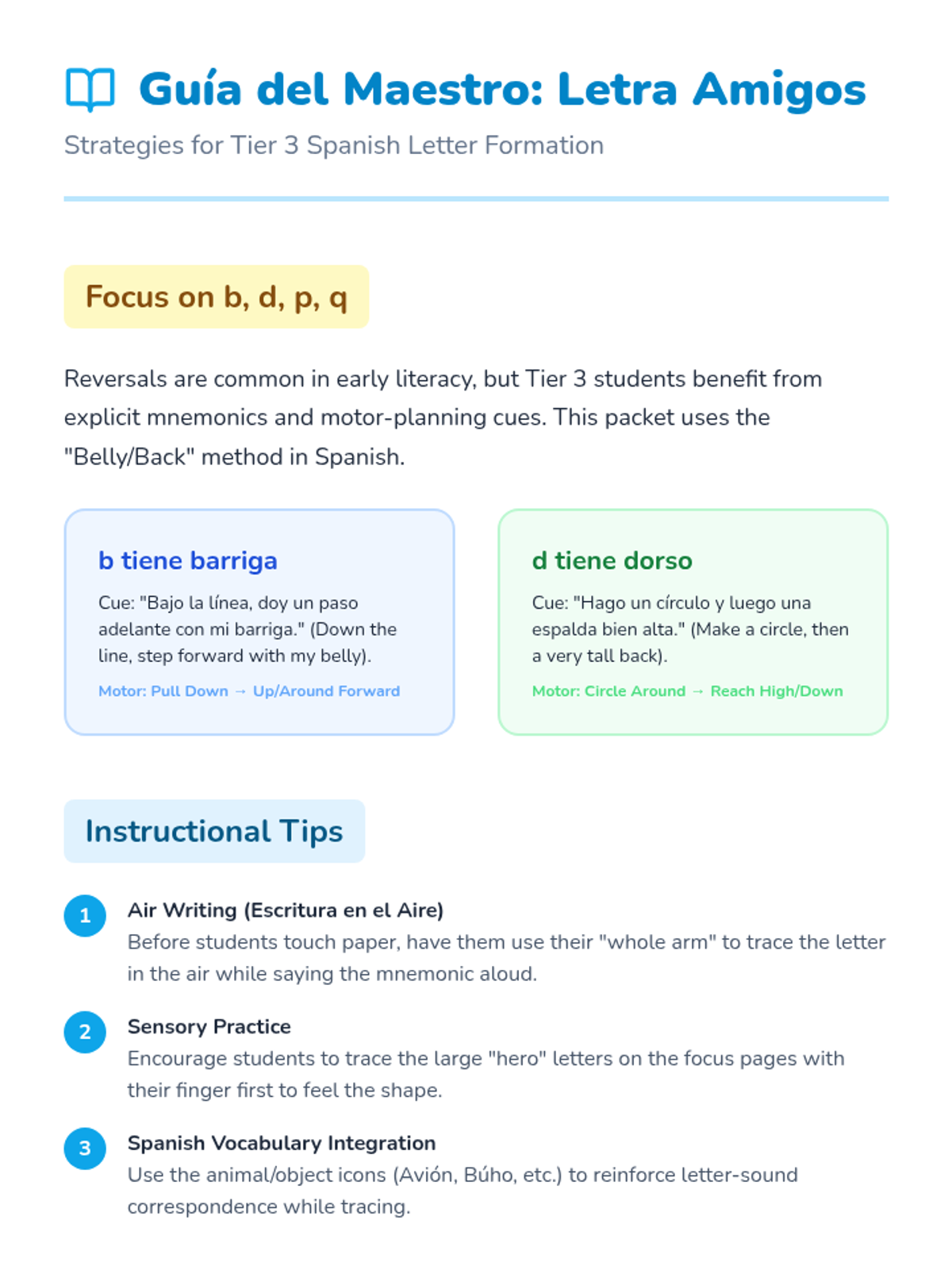
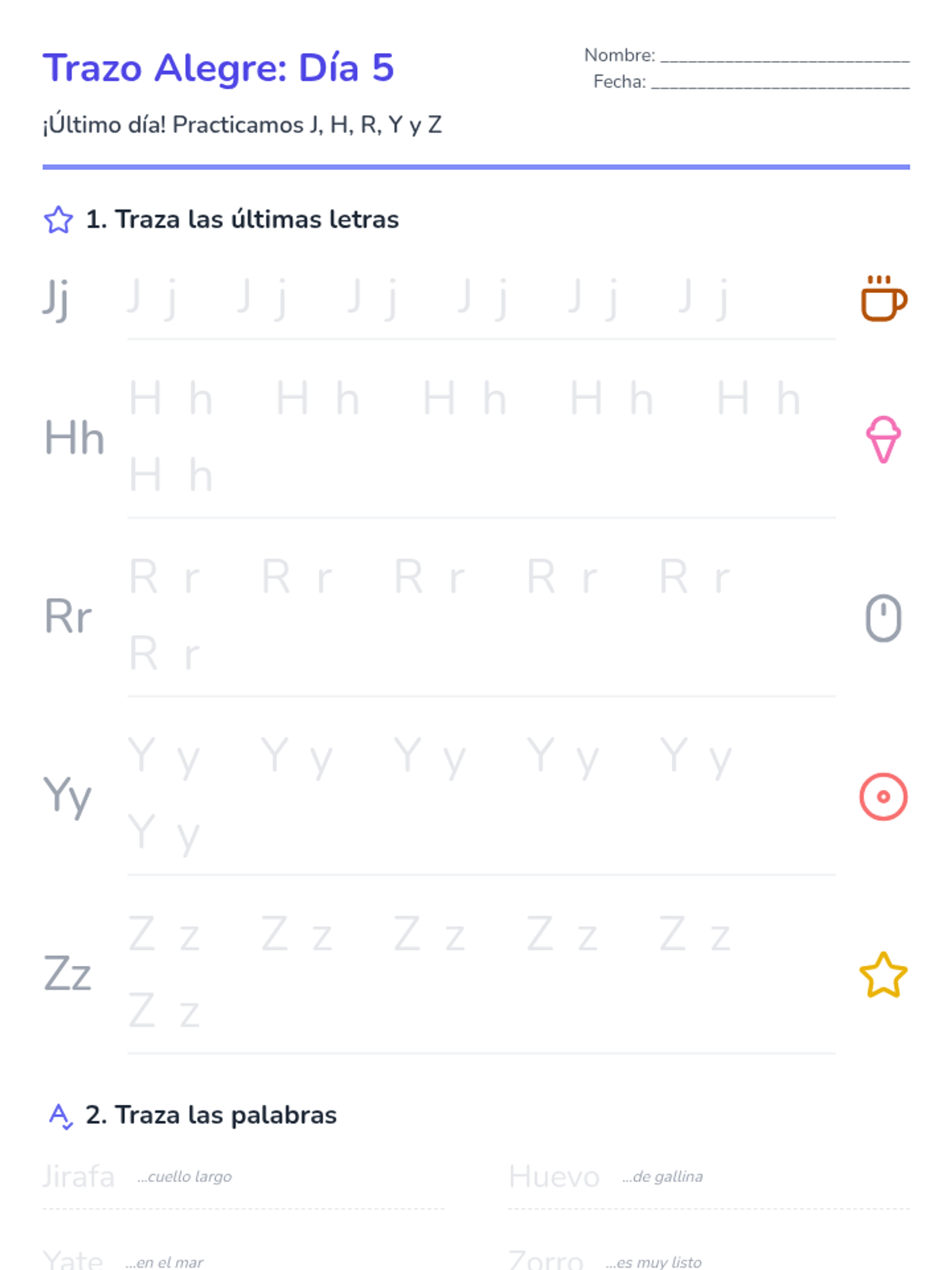
A Spanish letter formation and tracing program designed for Tier 3 students to master the alphabet, with a special focus on frequently reversed letters like b, d, p, and q.
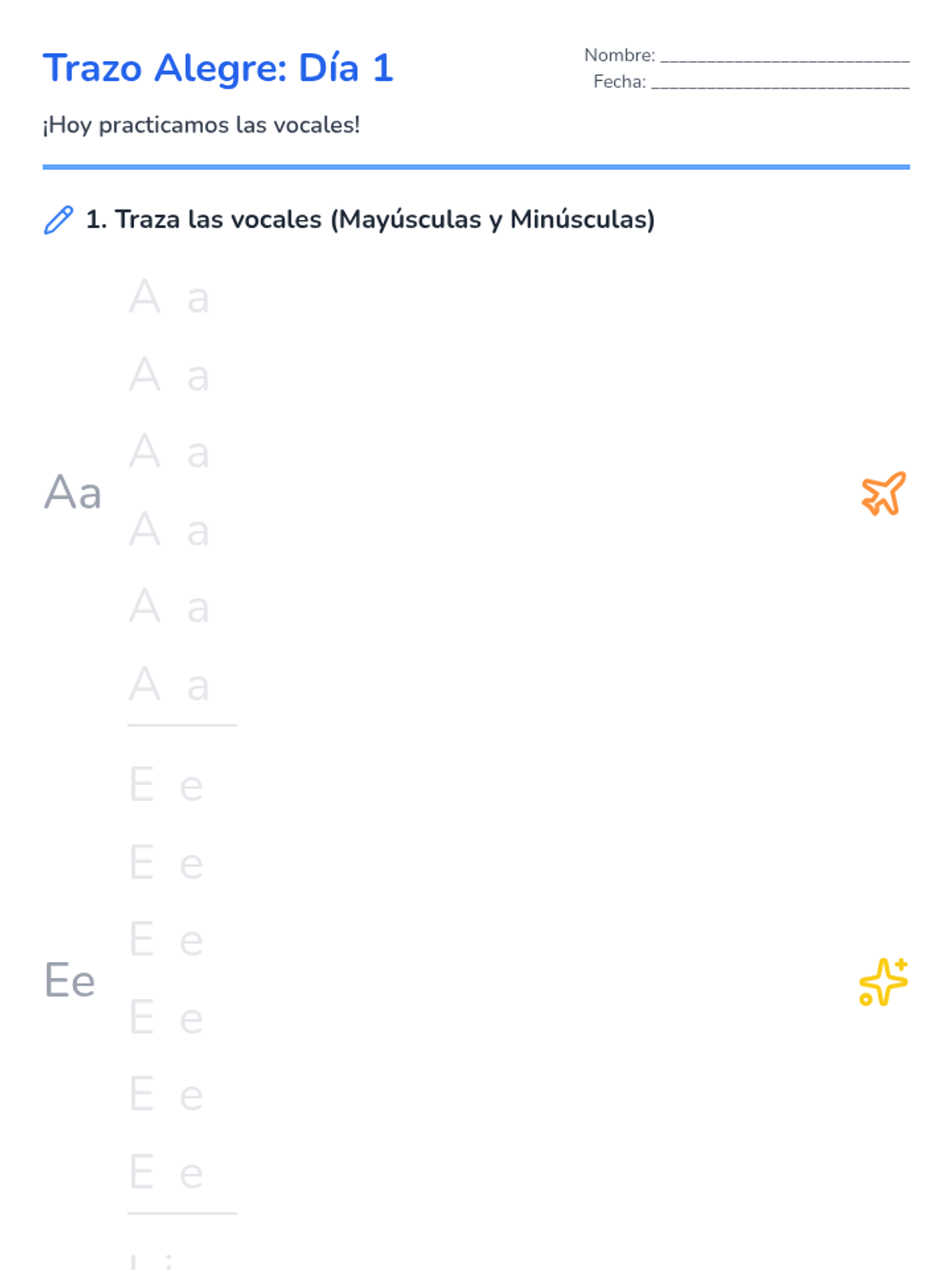
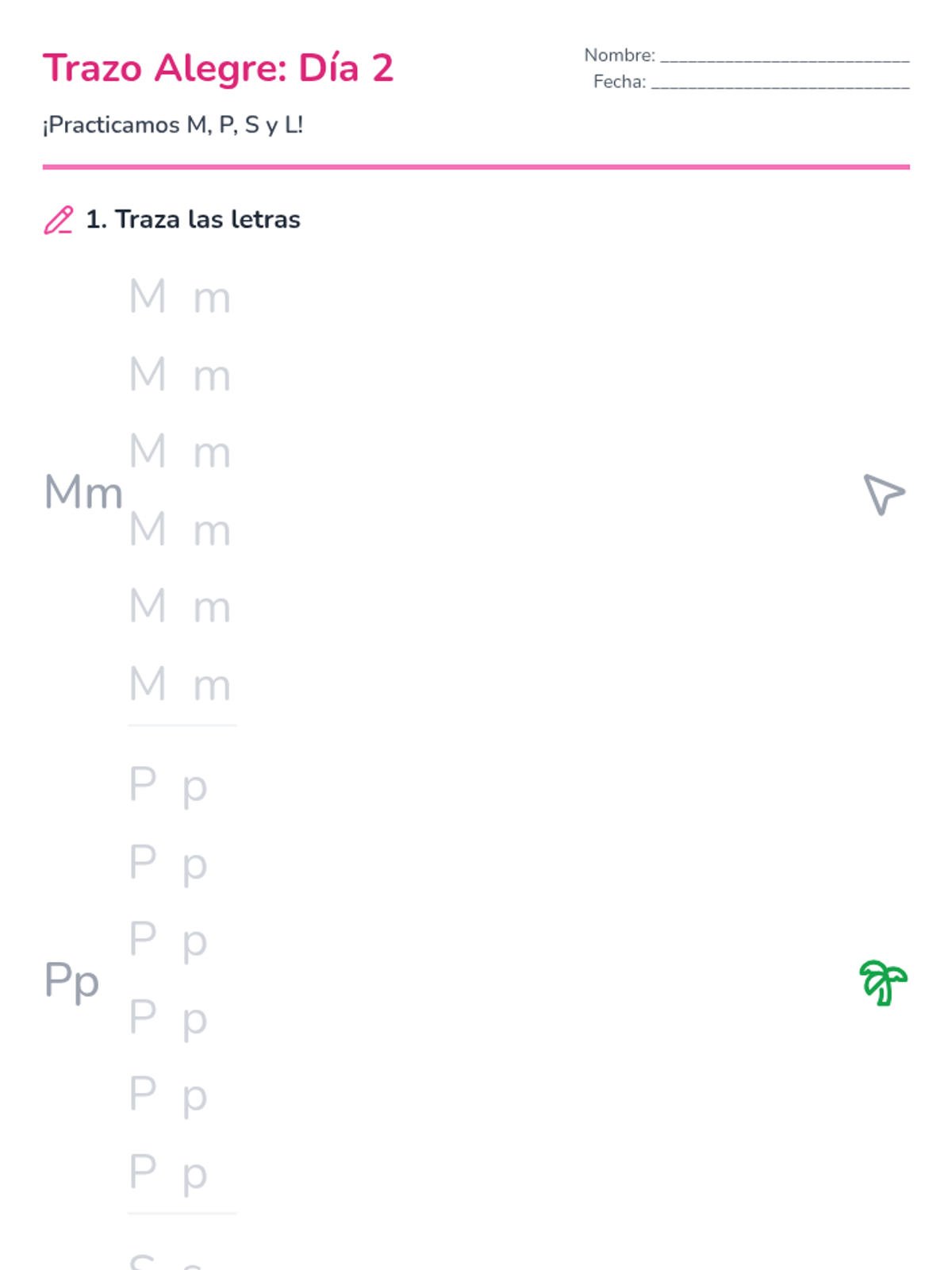
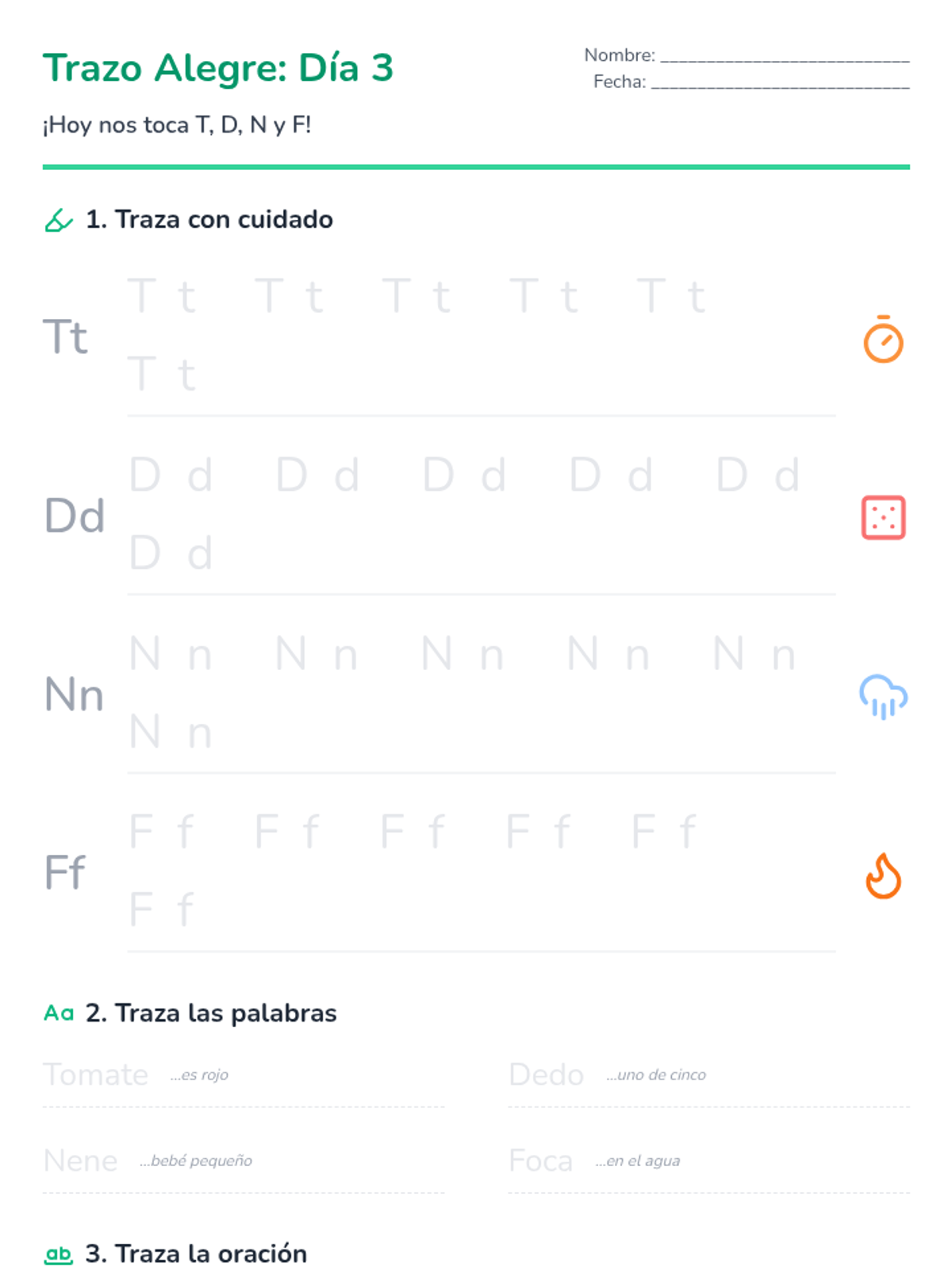
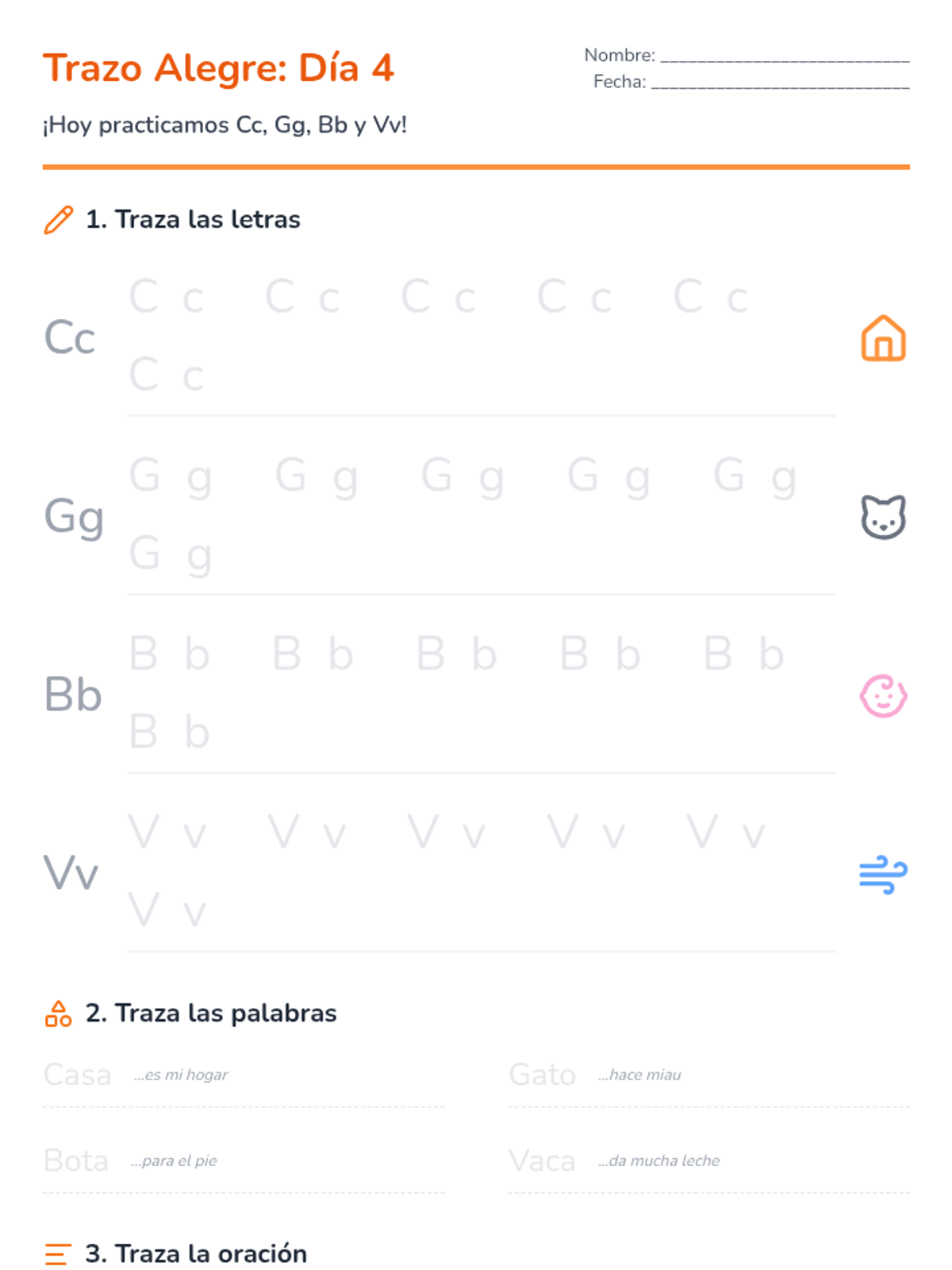
Five days of structured handwriting practice in Spanish, progressing from basic vowels and consonants to full sentences. Each day includes tracing activities for uppercase and lowercase letters, related vocabulary, and sight word sentences.
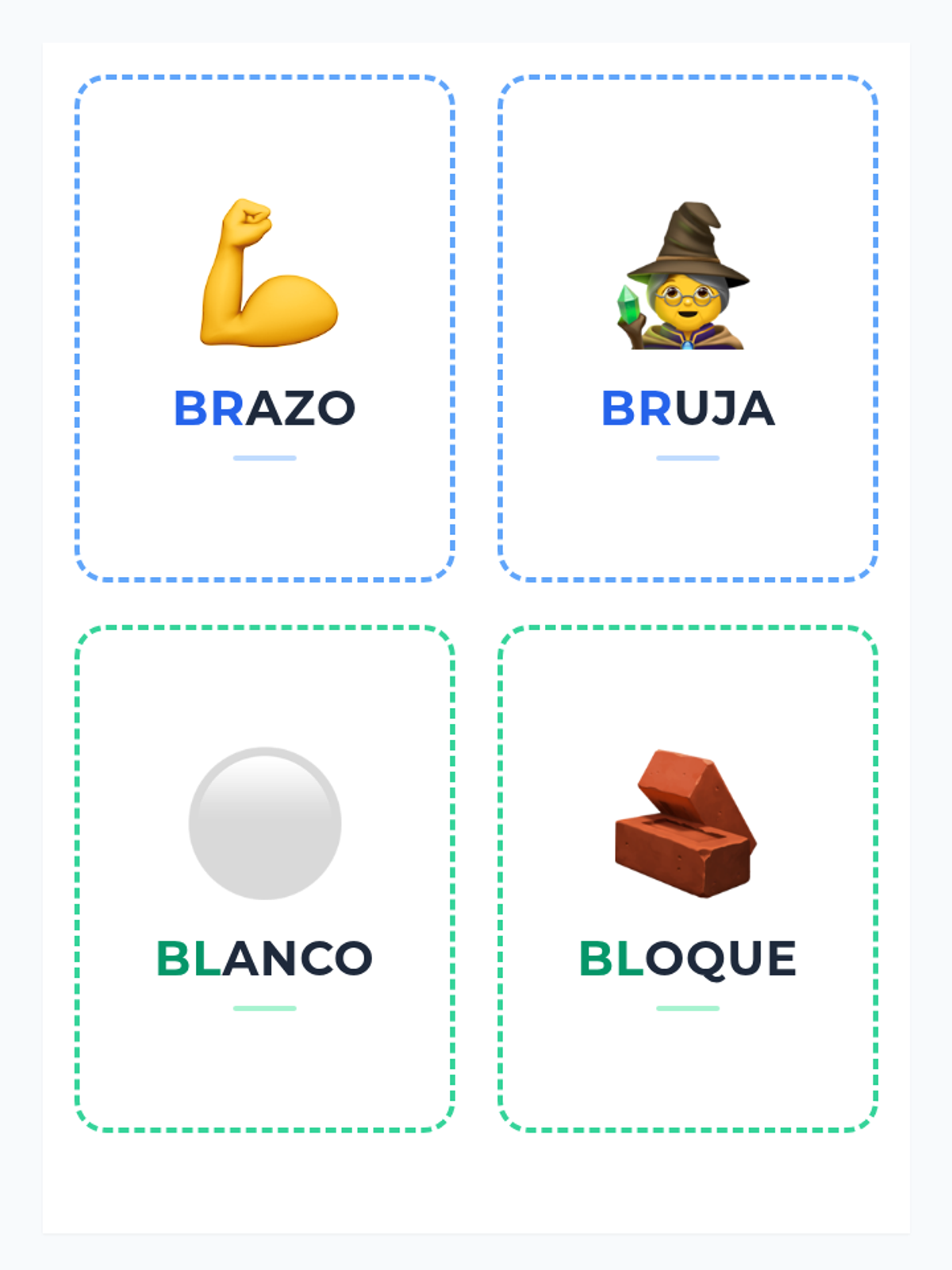
Una serie de flashcards diseñadas para ayudar a los estudiantes a dominar las sílabas trabadas en español (br, bl, tr, pr, pl, gr, cl, cr, fl, dr, fr, gl). Cada tarjeta incluye una palabra ilustrada con el grupo consonántico resaltado.
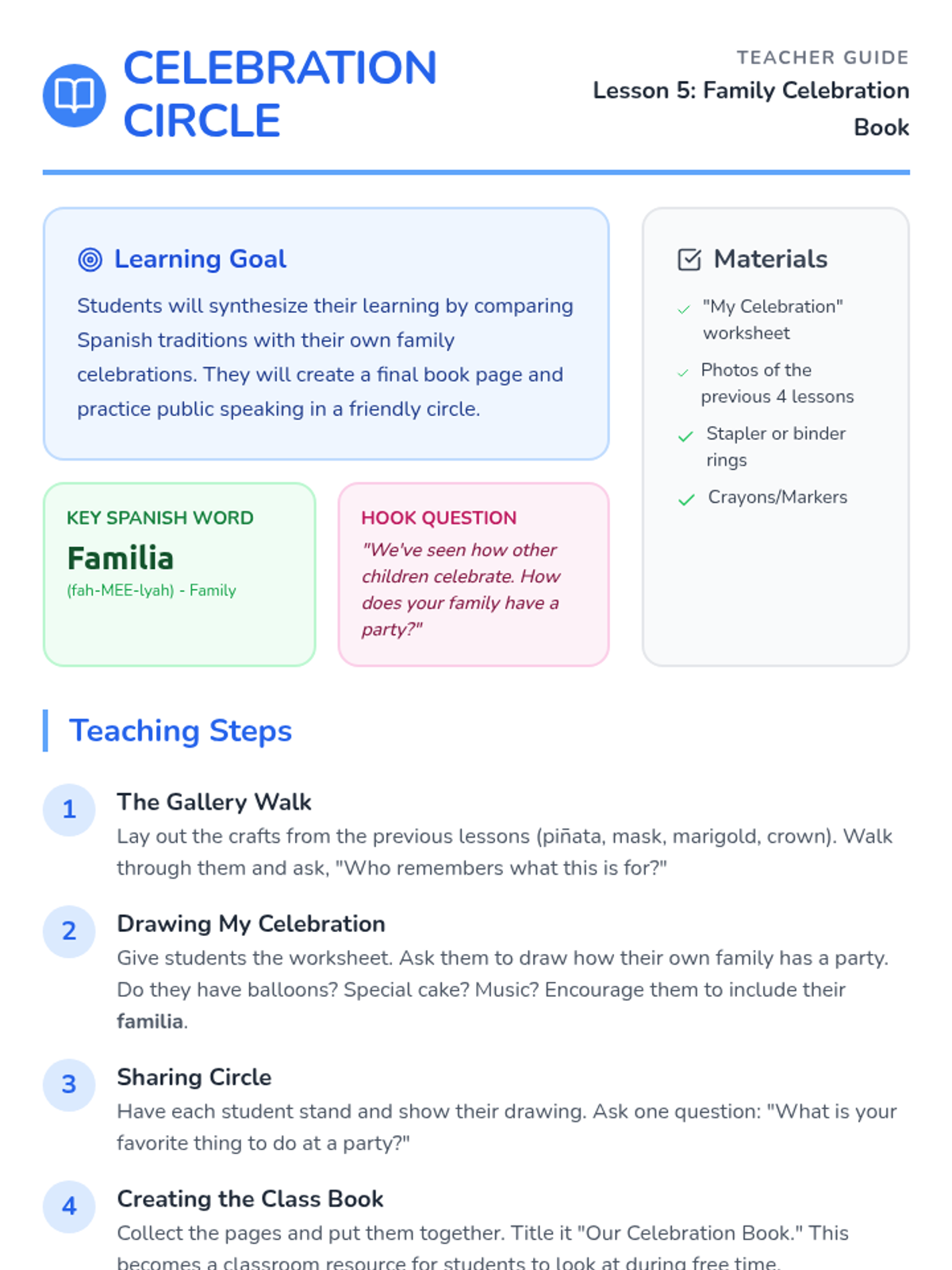
The culminating lesson where students compare Spanish traditions with their own family celebrations. They create a page for a class book and share their favorite ways to celebrate.
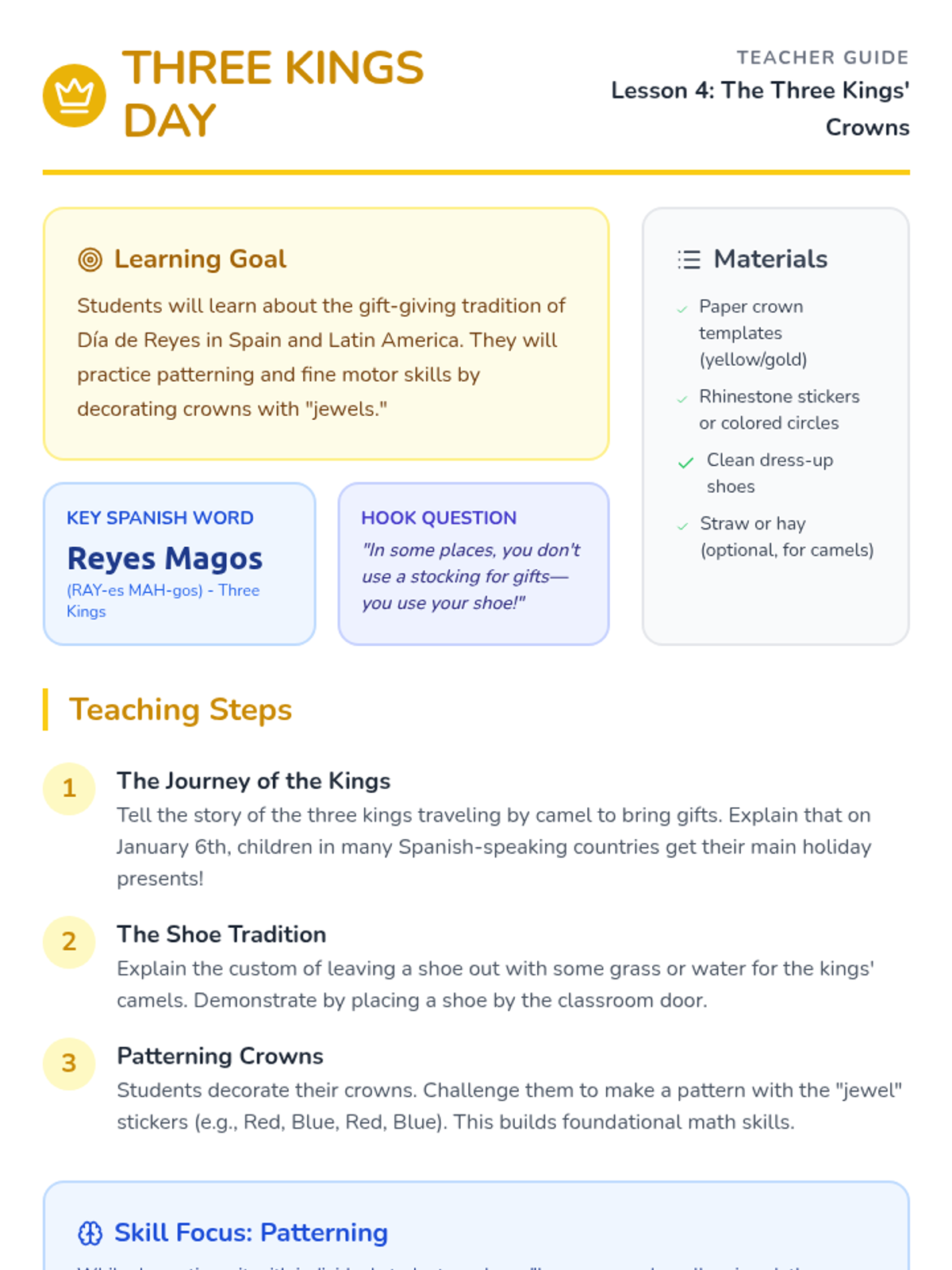
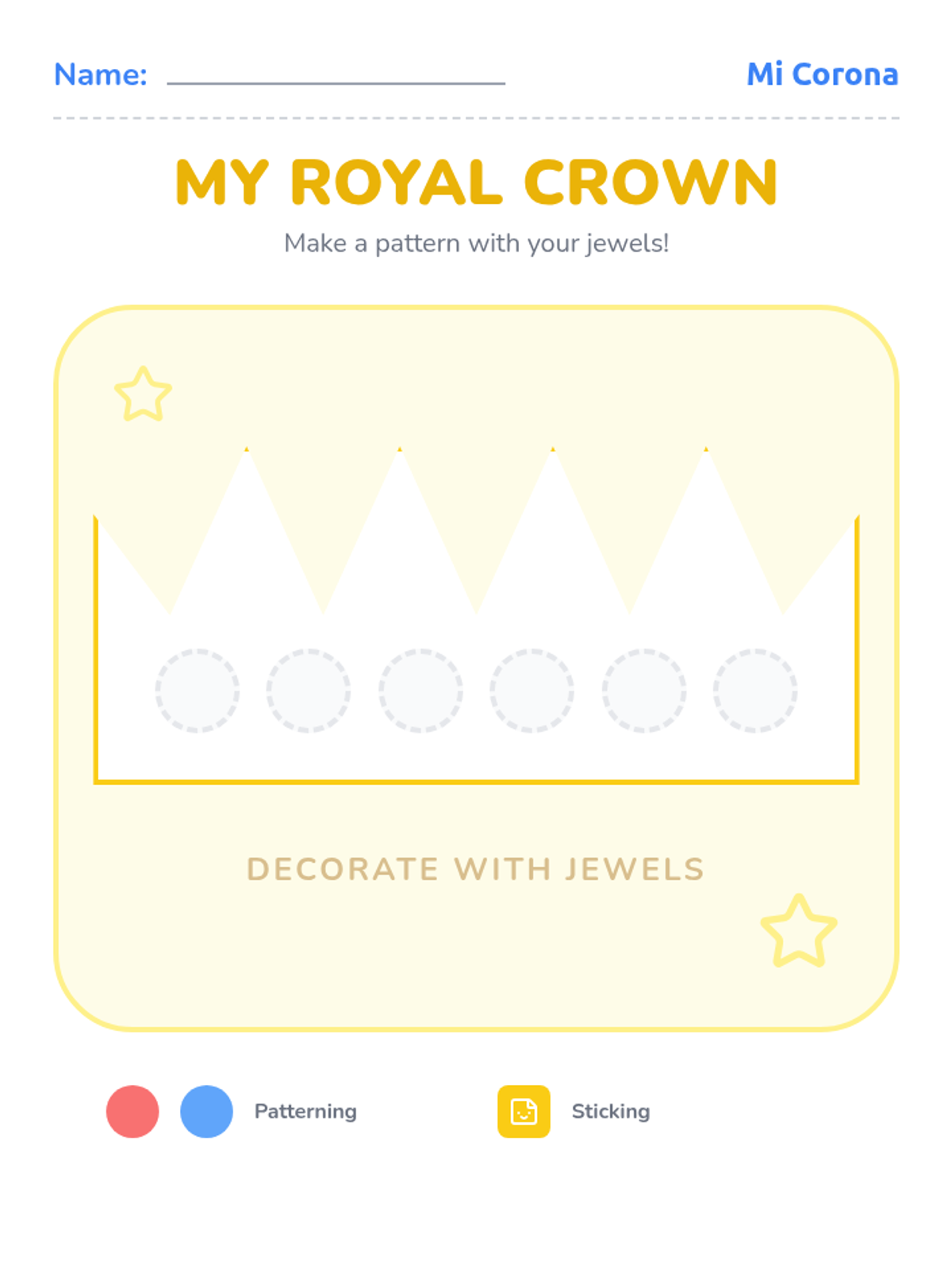
Students learn about the gift-giving tradition of Three Kings Day (Día de Reyes). They decorate crowns and explore the custom of leaving out shoes for the visitors.
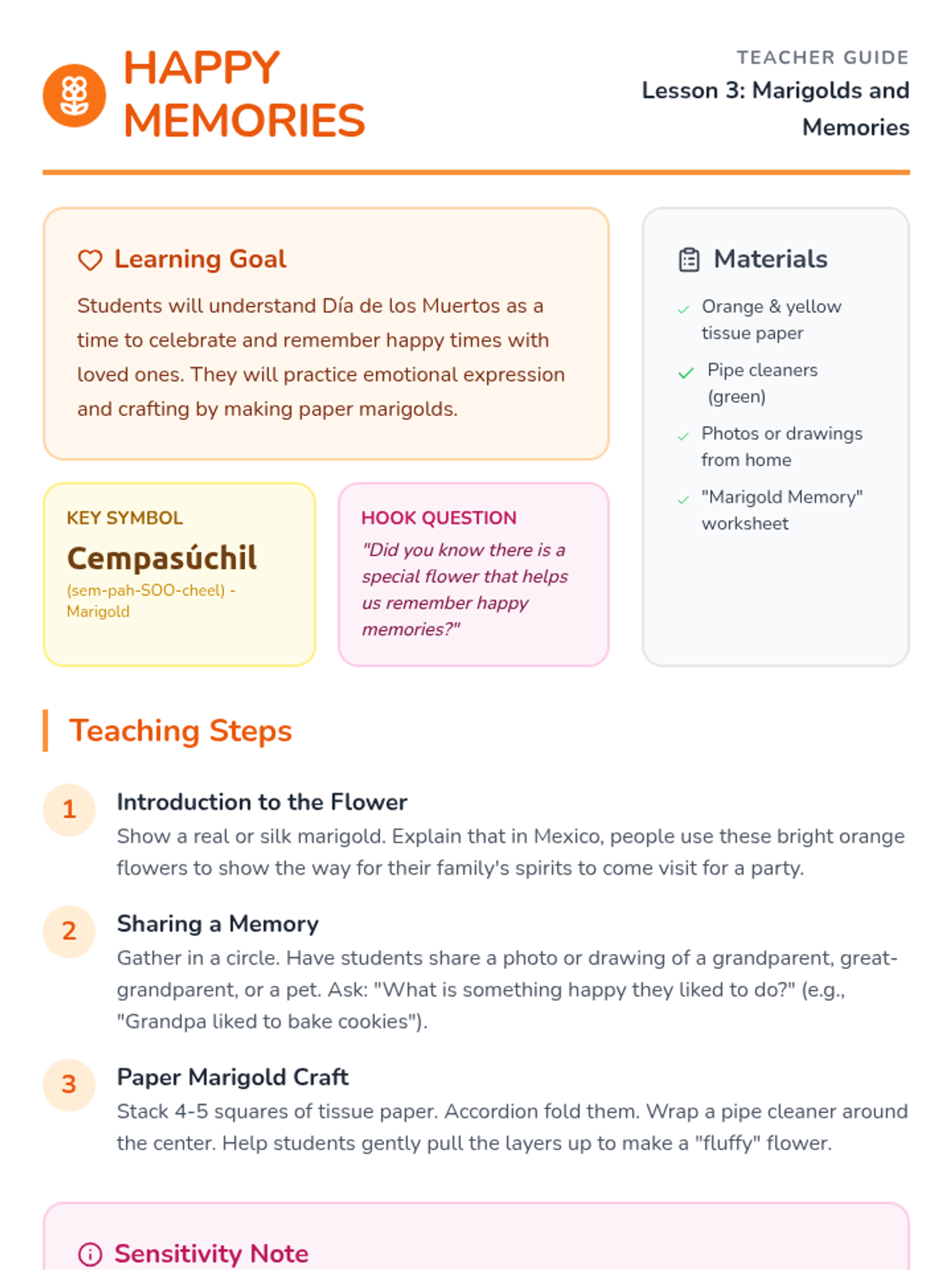
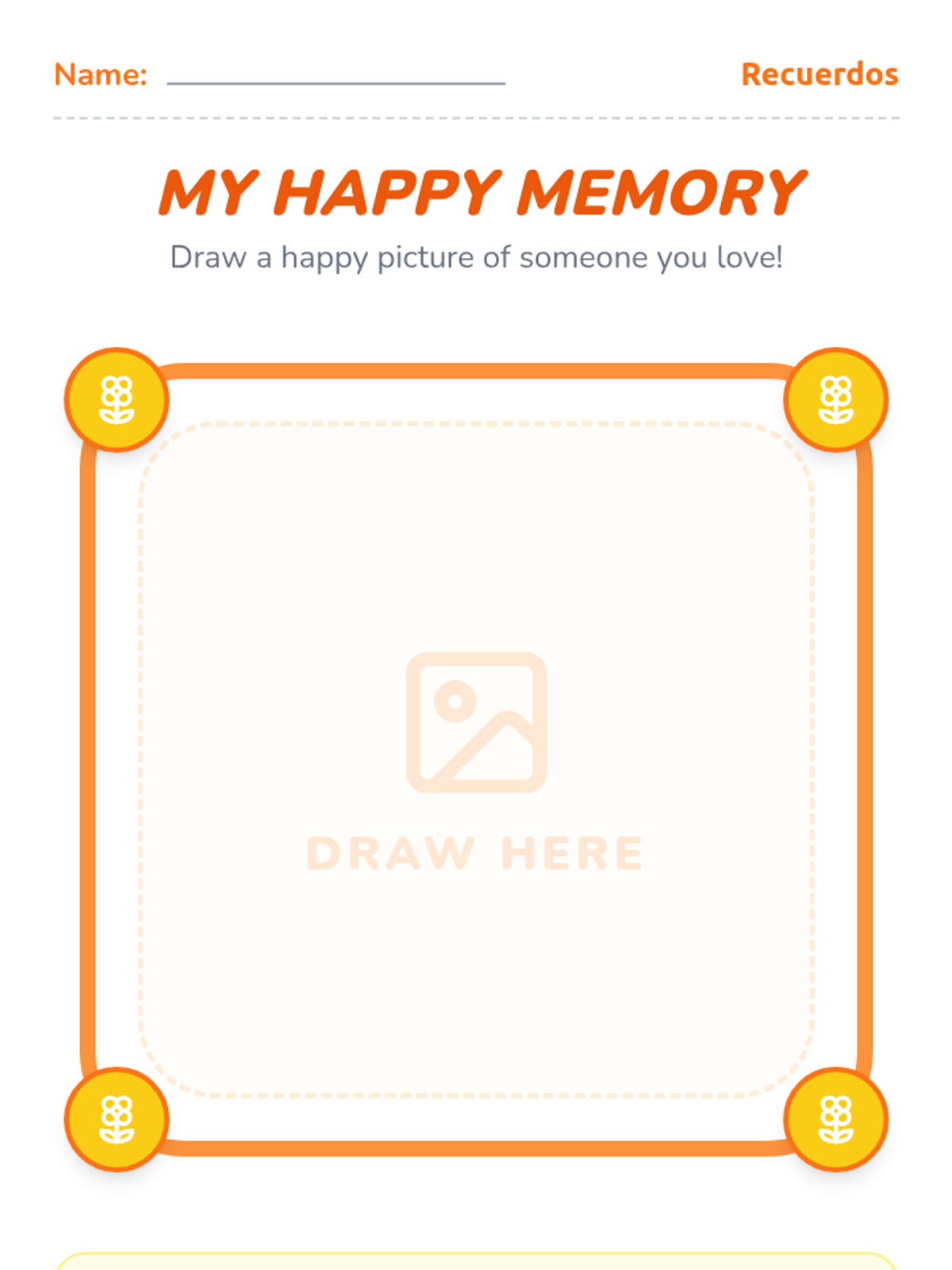
A gentle introduction to Día de los Muertos, emphasizing the celebration of happy memories. Students create paper marigolds and share stories about people or pets they love.
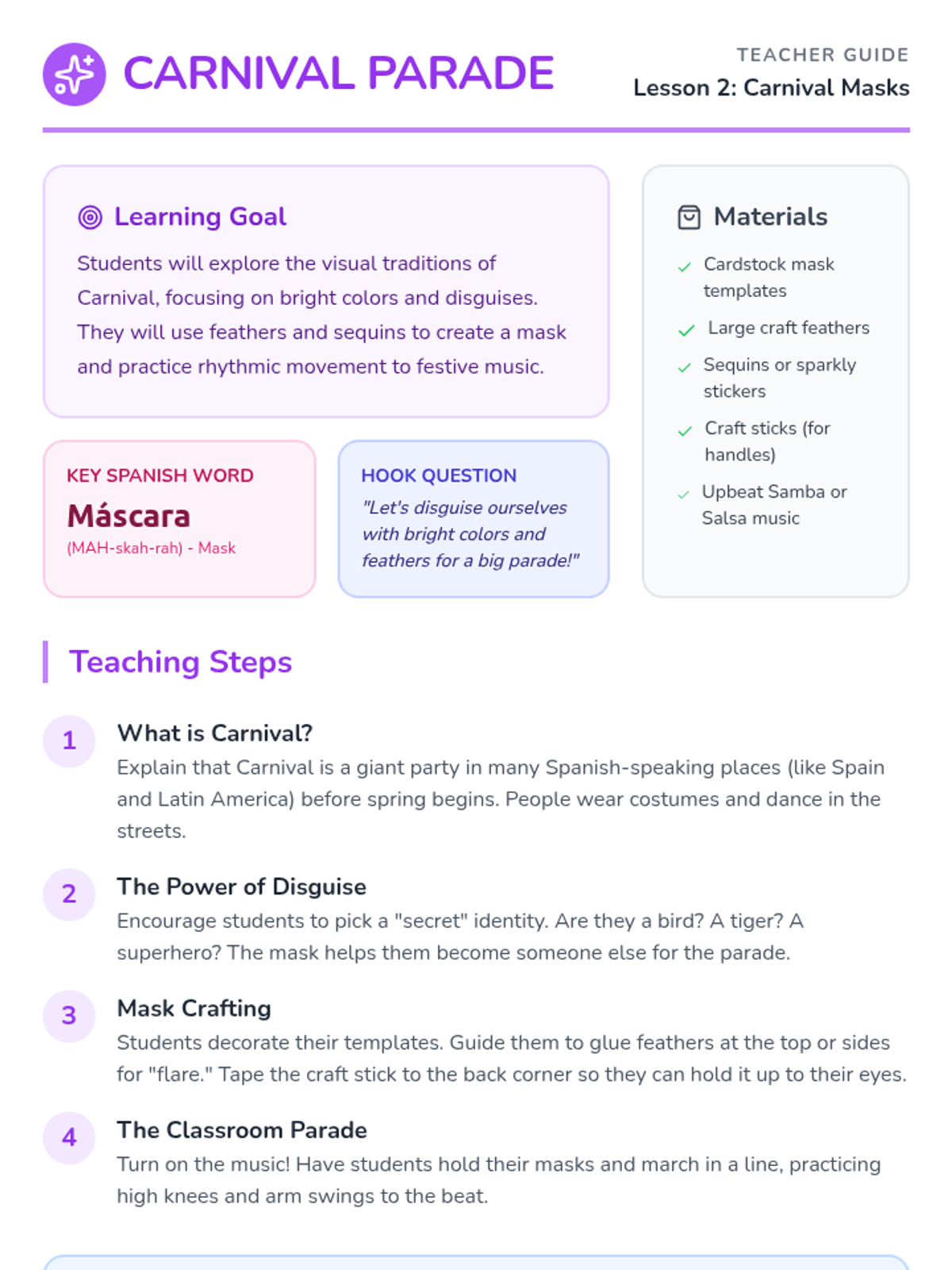
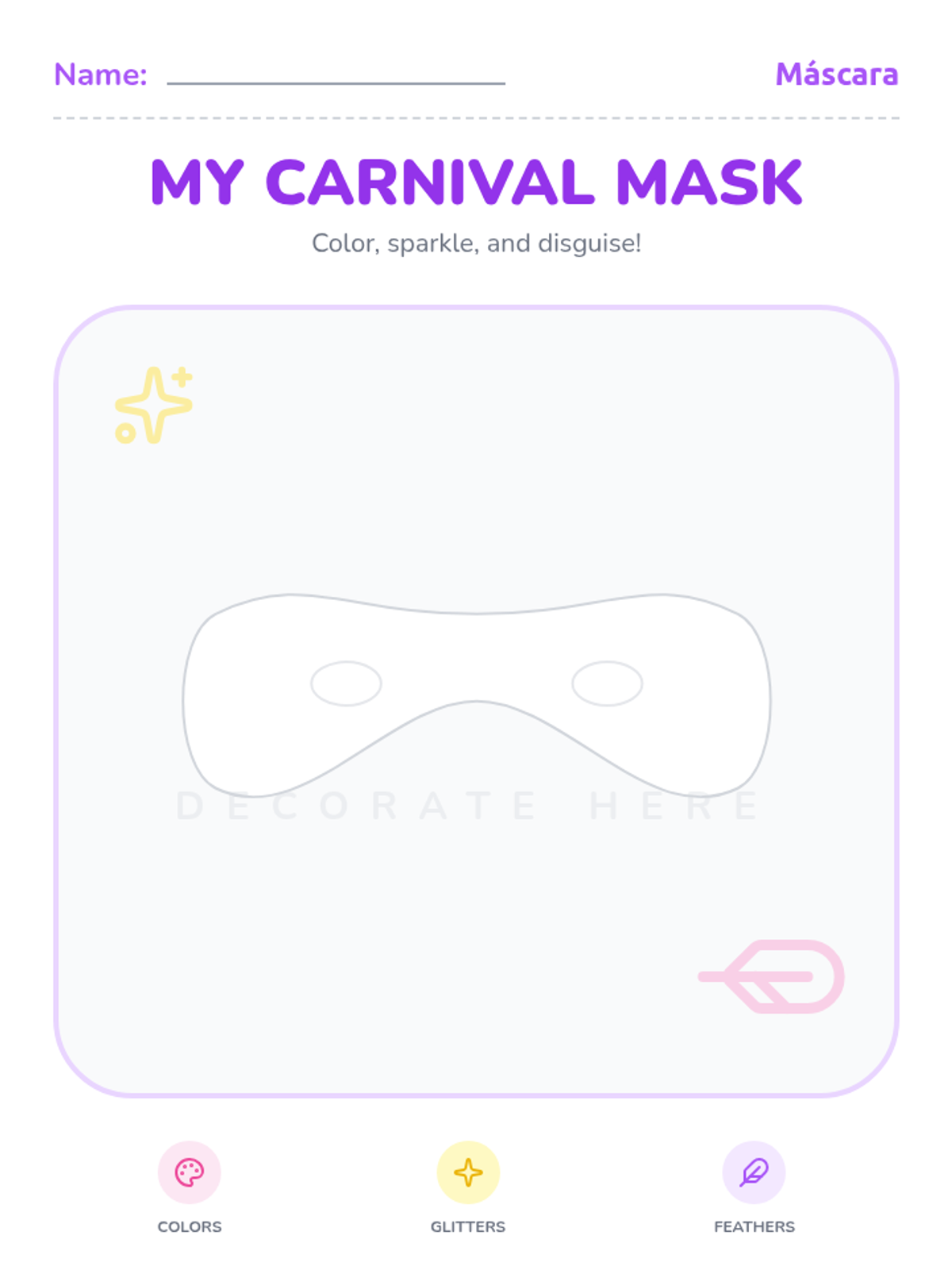
A lively exploration of Carnival traditions focusing on masks, feathers, and festive movement. Students design their own masks and participate in a classroom parade to rhythmic music.
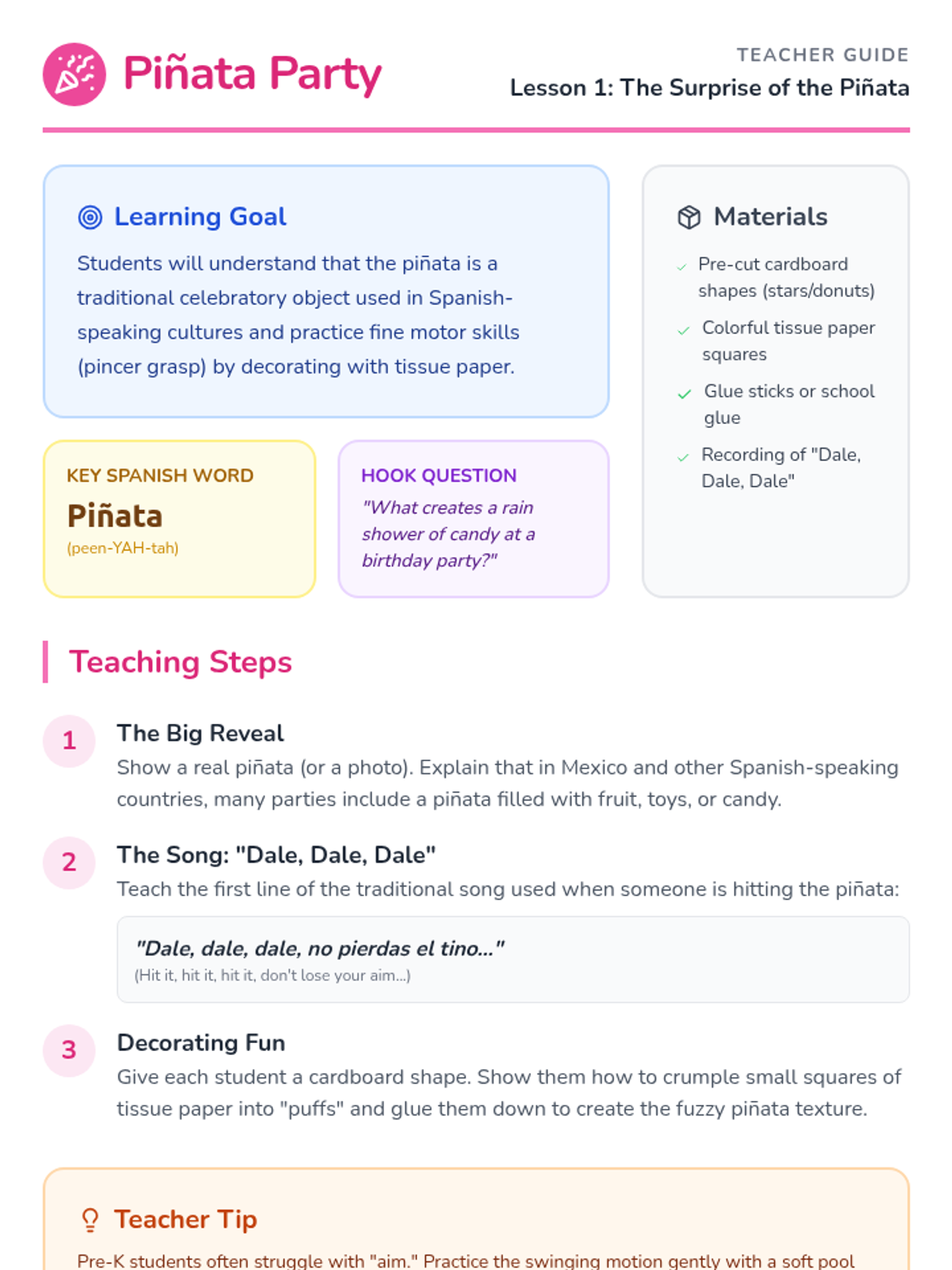
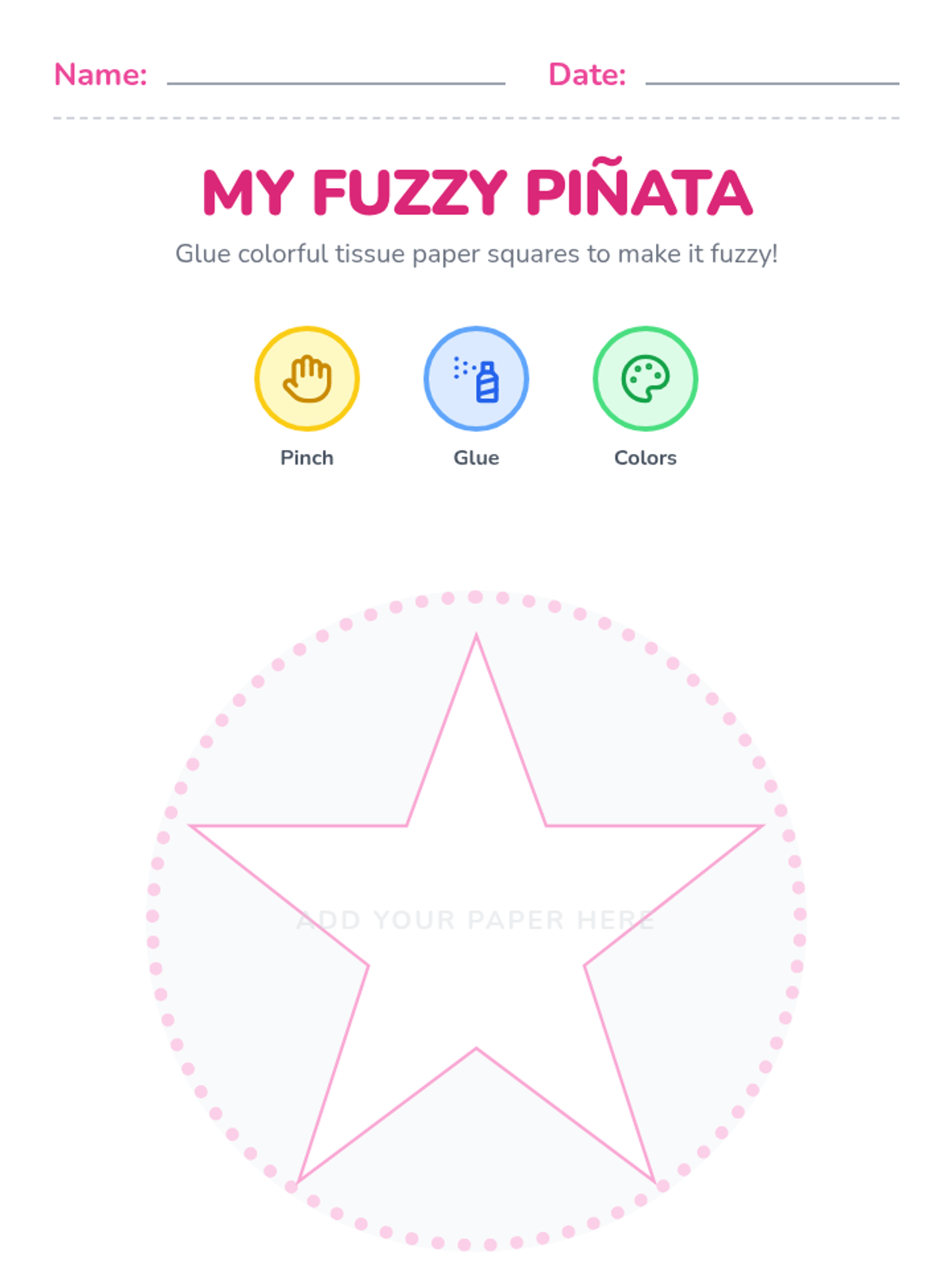
Students explore the joy of birthday celebrations and festivals through the tradition of the piñata. They learn a traditional song and practice fine motor skills by decorating their own colorful piñata shapes.
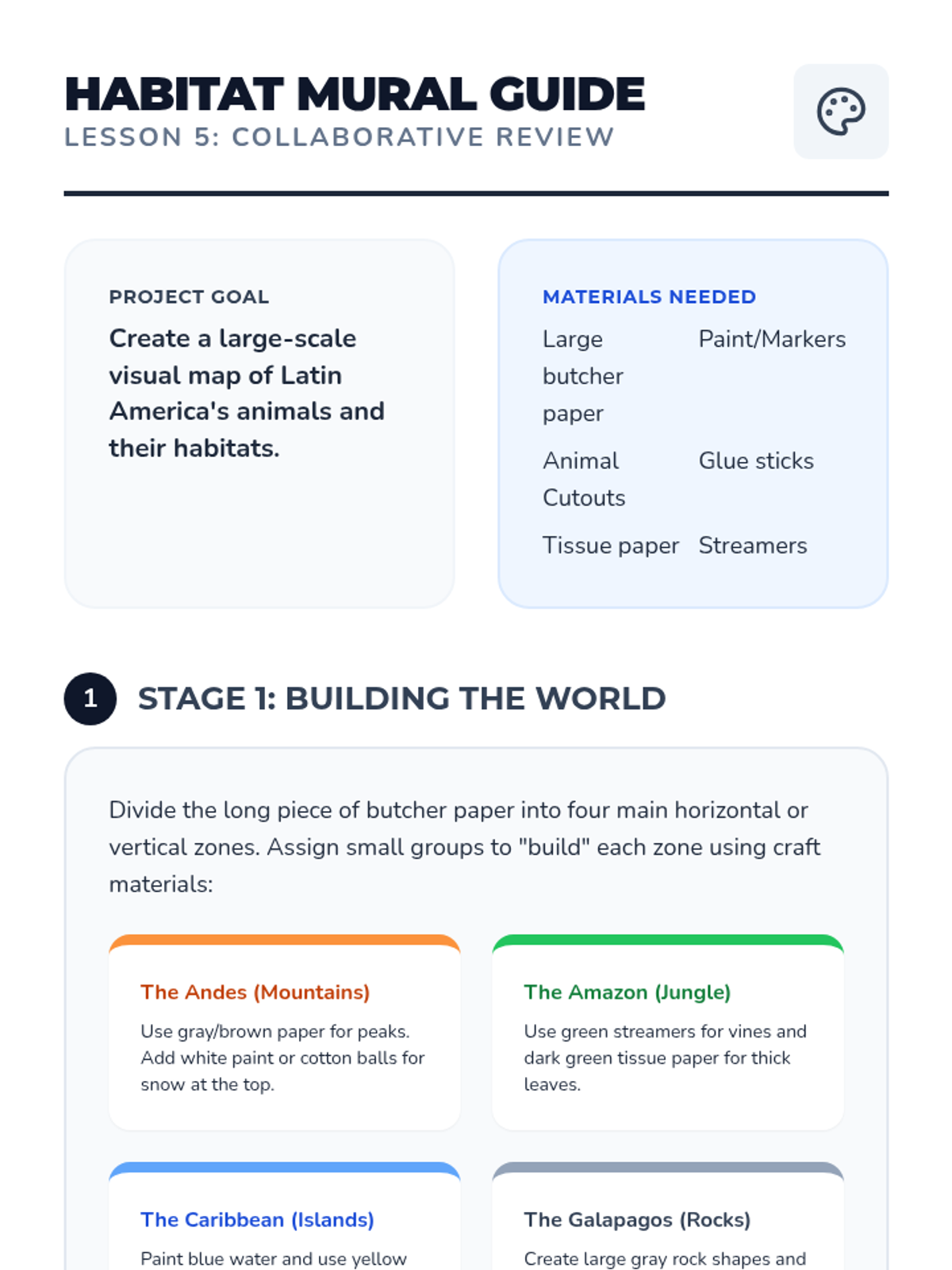
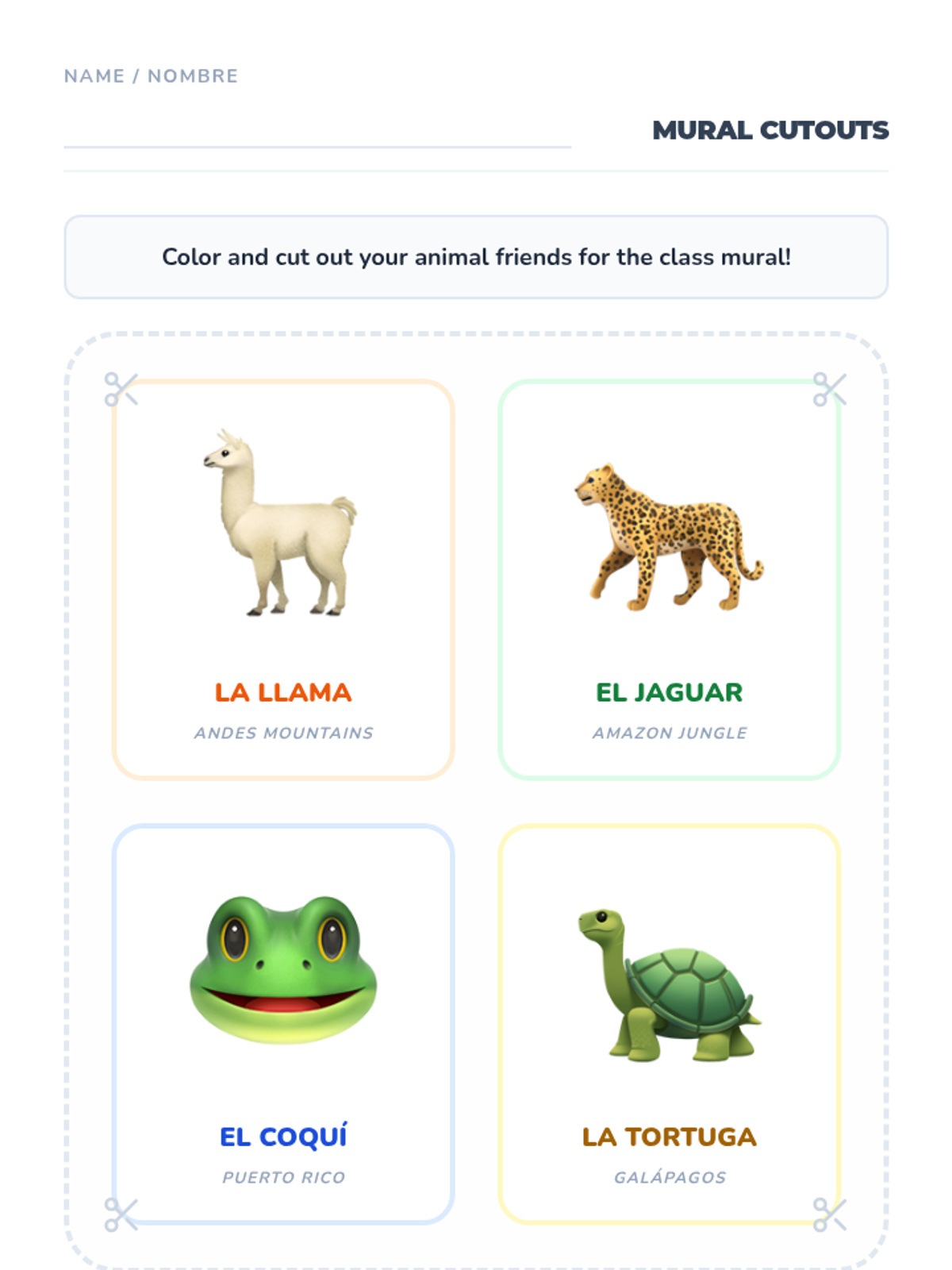
A collaborative finale where students review their journey and create a large-scale mural placing all the animals in their correct habitats.
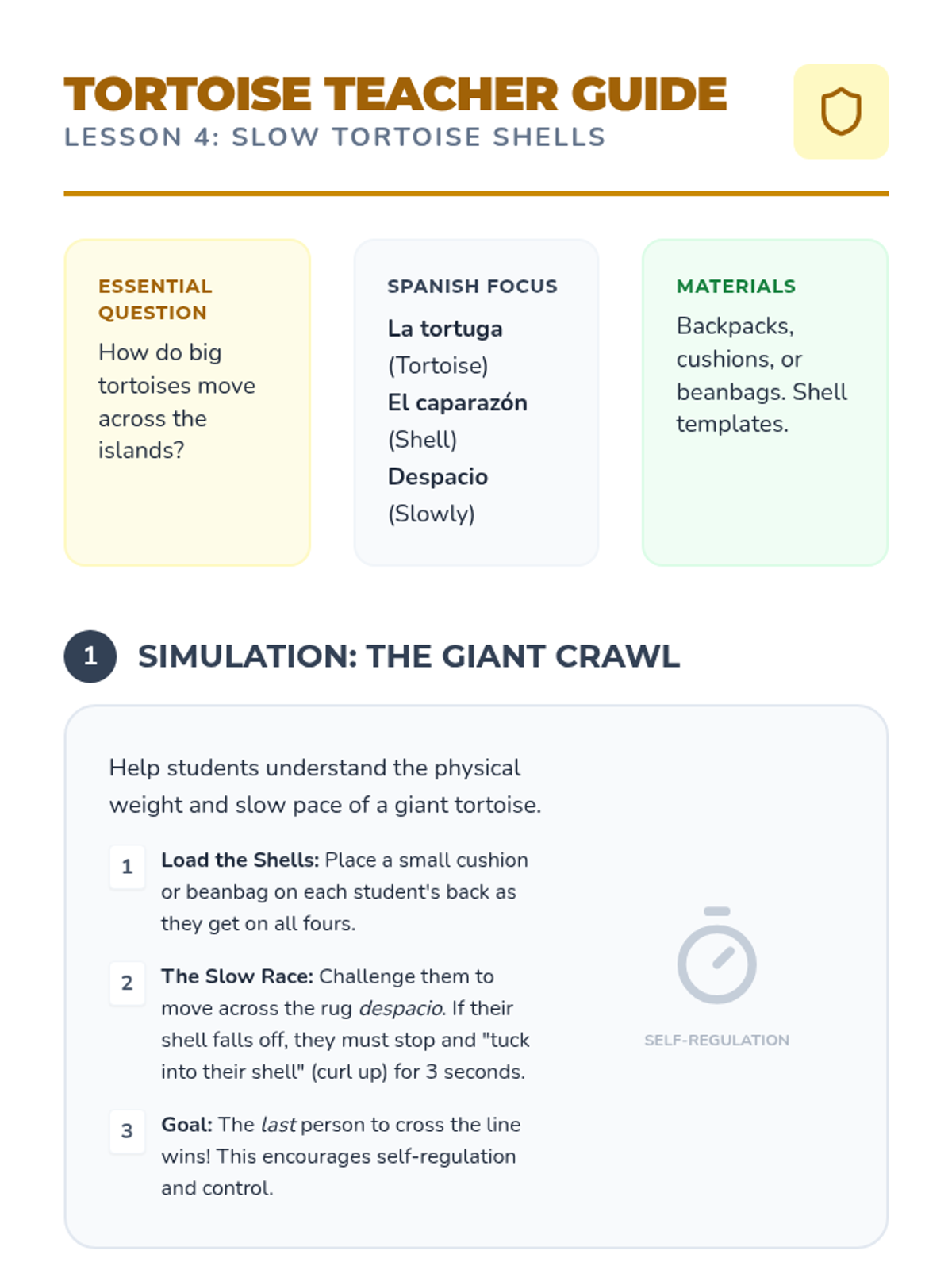
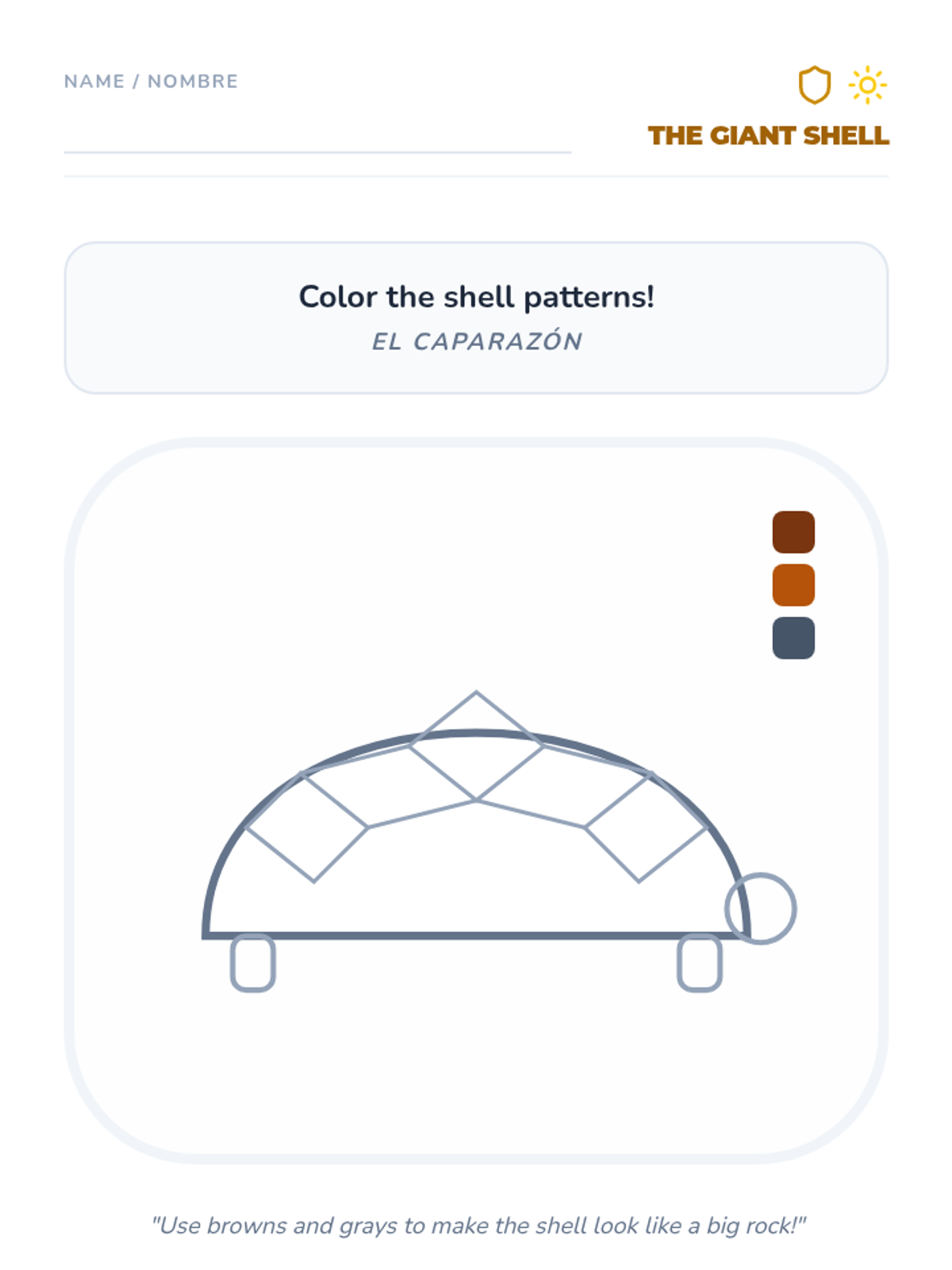
Students learn about the giant tortoises of the Galapagos Islands, focusing on self-regulation and slow movement through simulation.
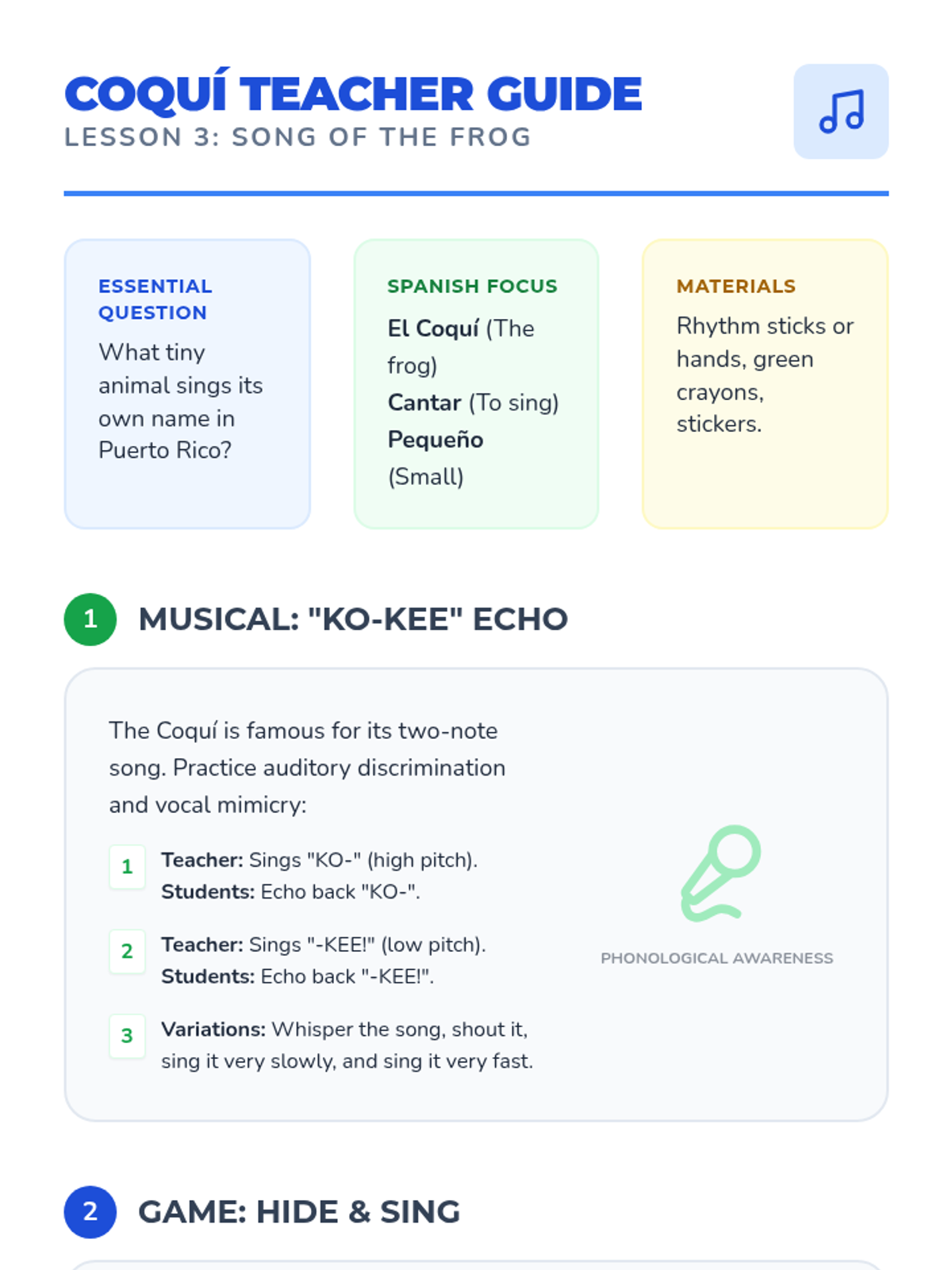
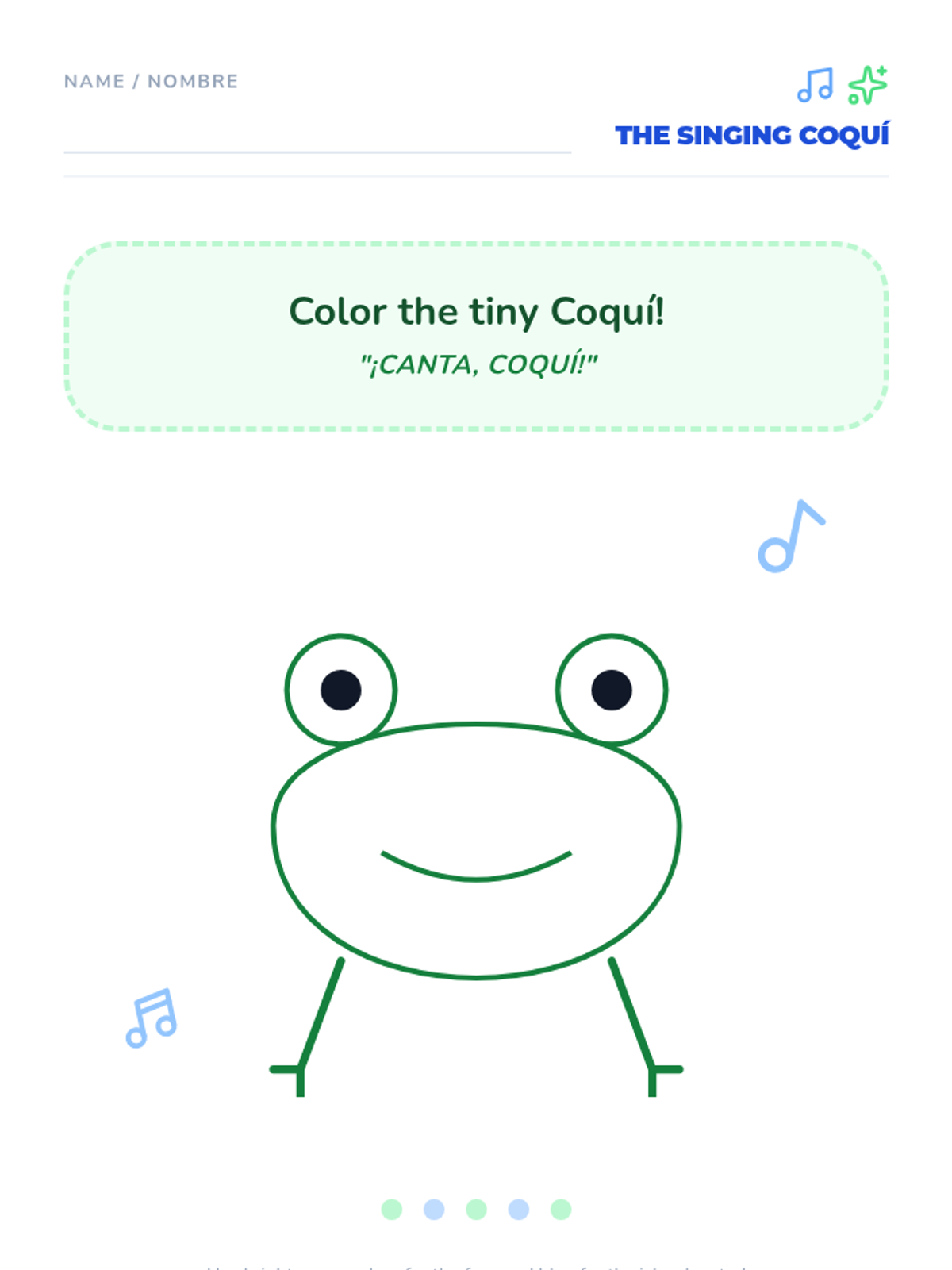
A musical journey to Puerto Rico to hear the song of the tiny Coquí frog, focusing on vocal mimicry and auditory discrimination.
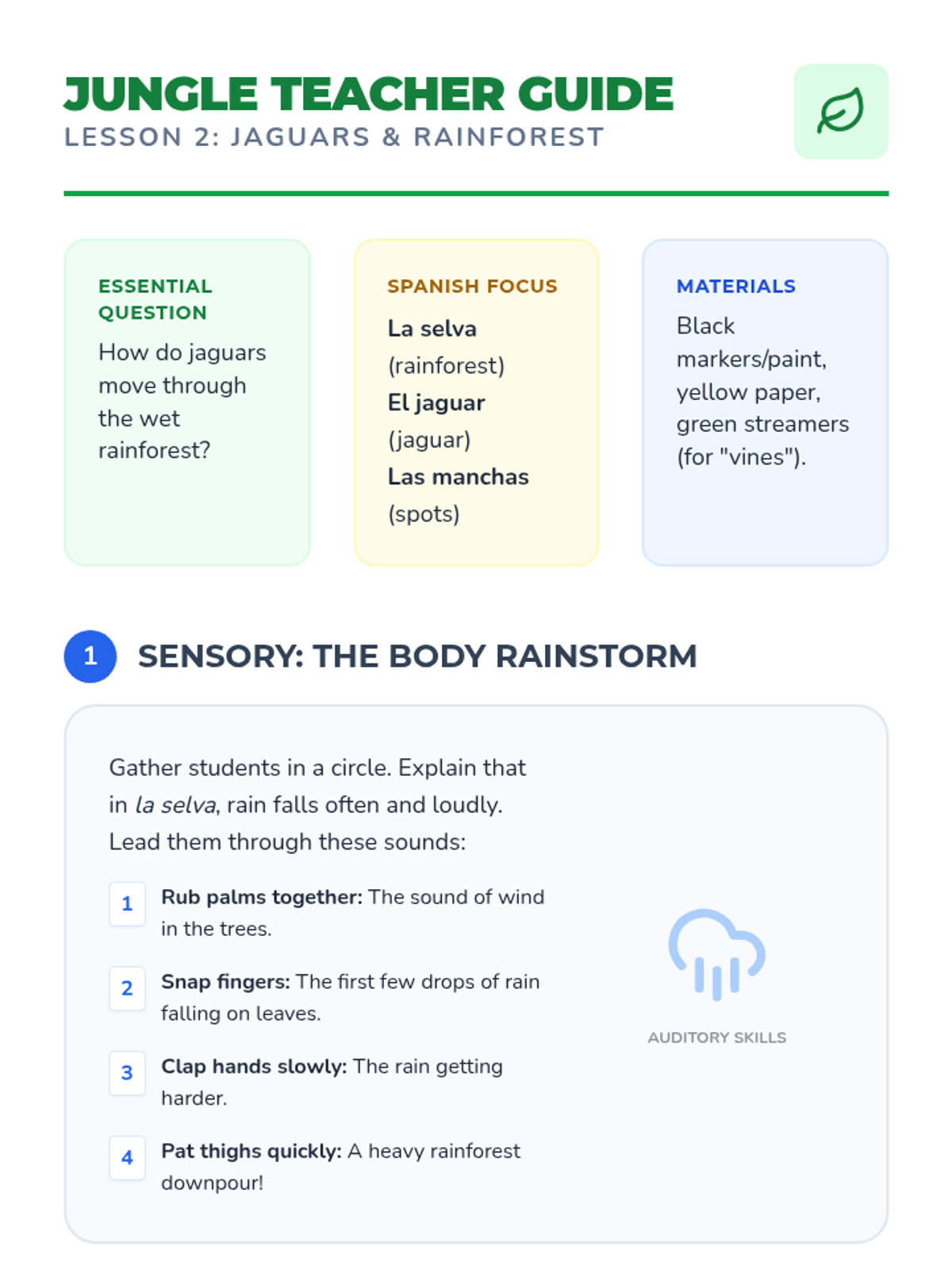
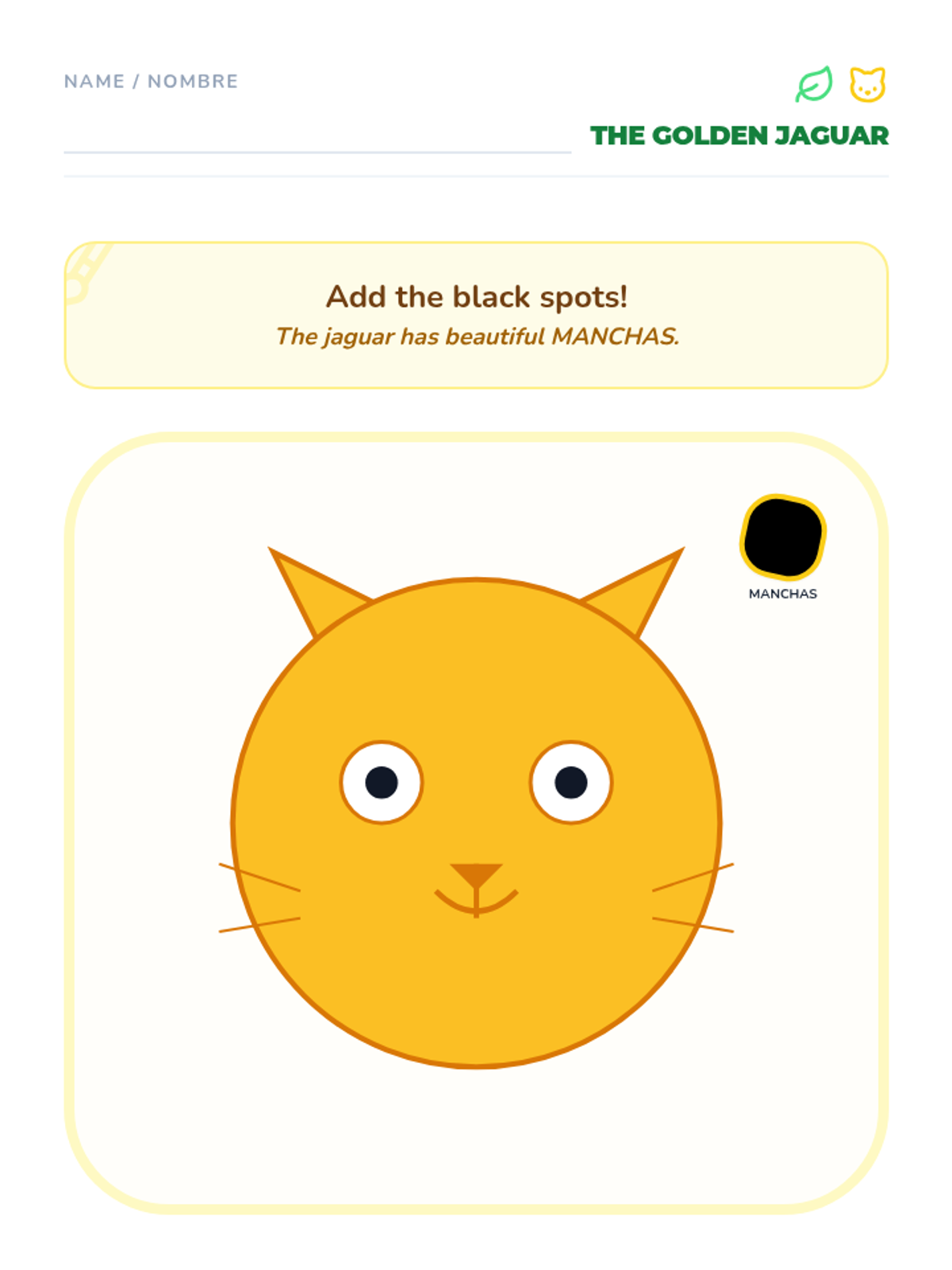
An exploration of the Amazon rainforest focused on sensory experience, including the sounds of a rainstorm and the stealthy movements of the jaguar.
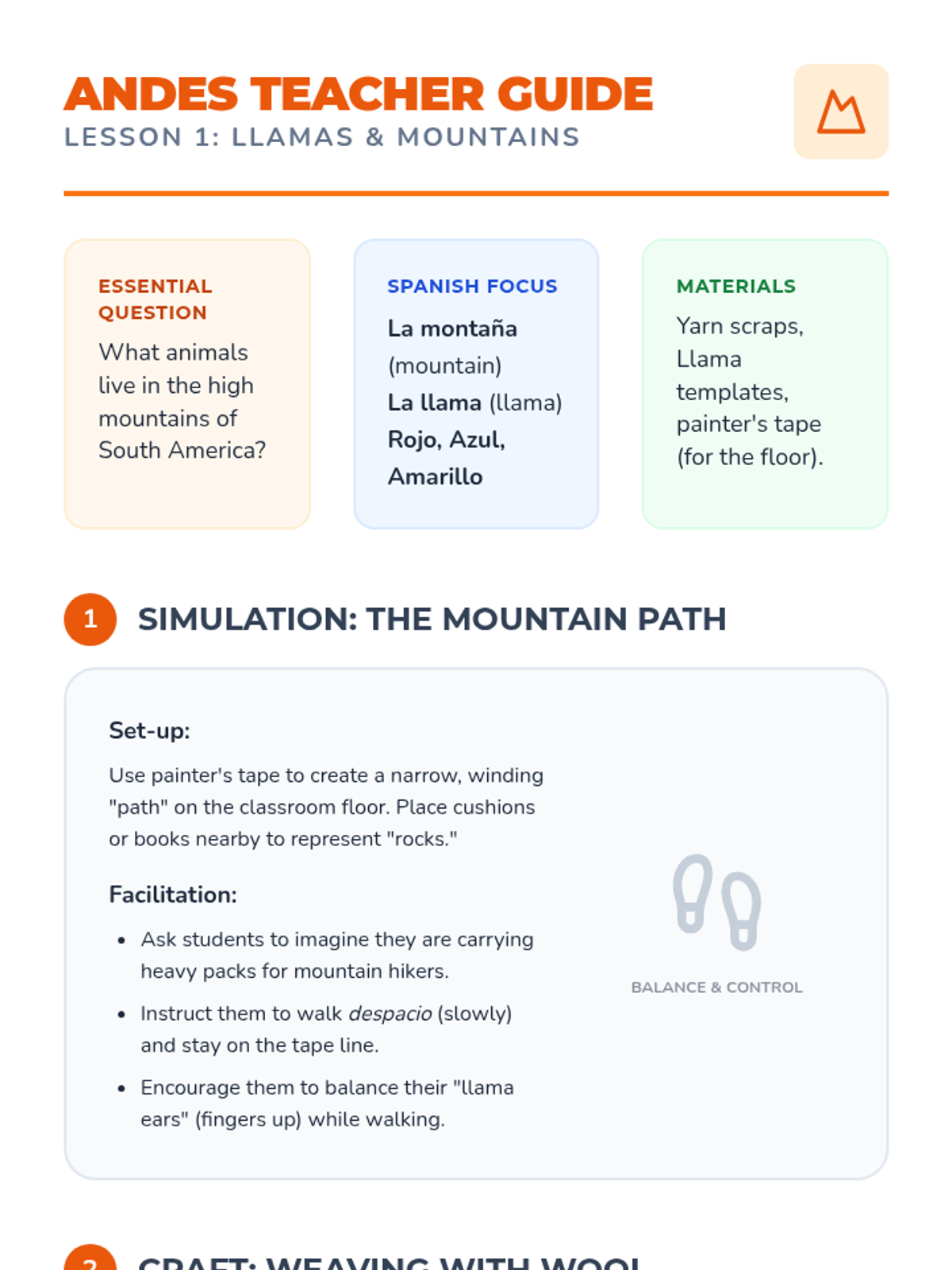
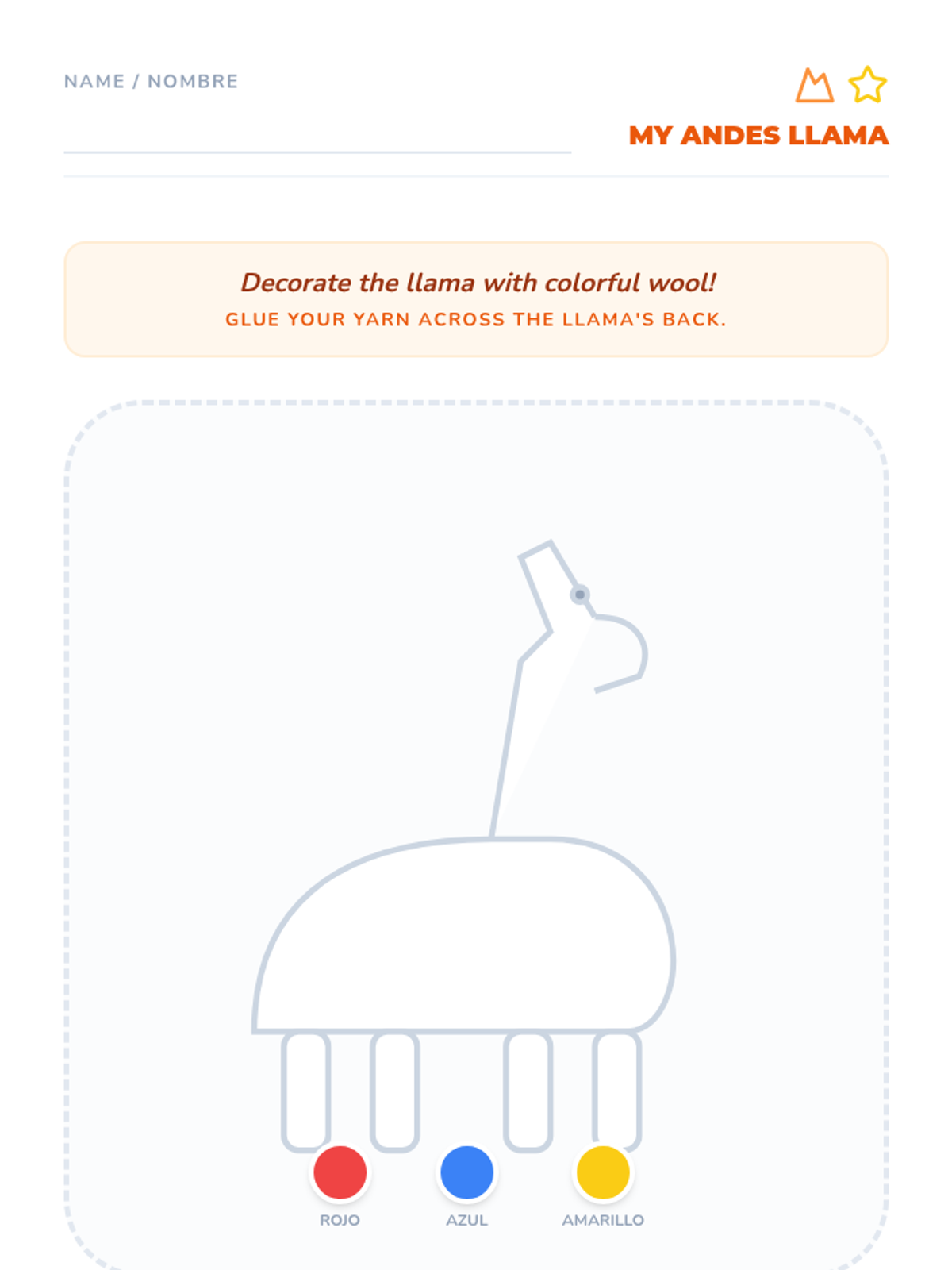
Students explore the high Andes mountains of South America and meet the fluffy llamas that live there, practicing fine motor skills through yarn weaving and balance on mountain paths.
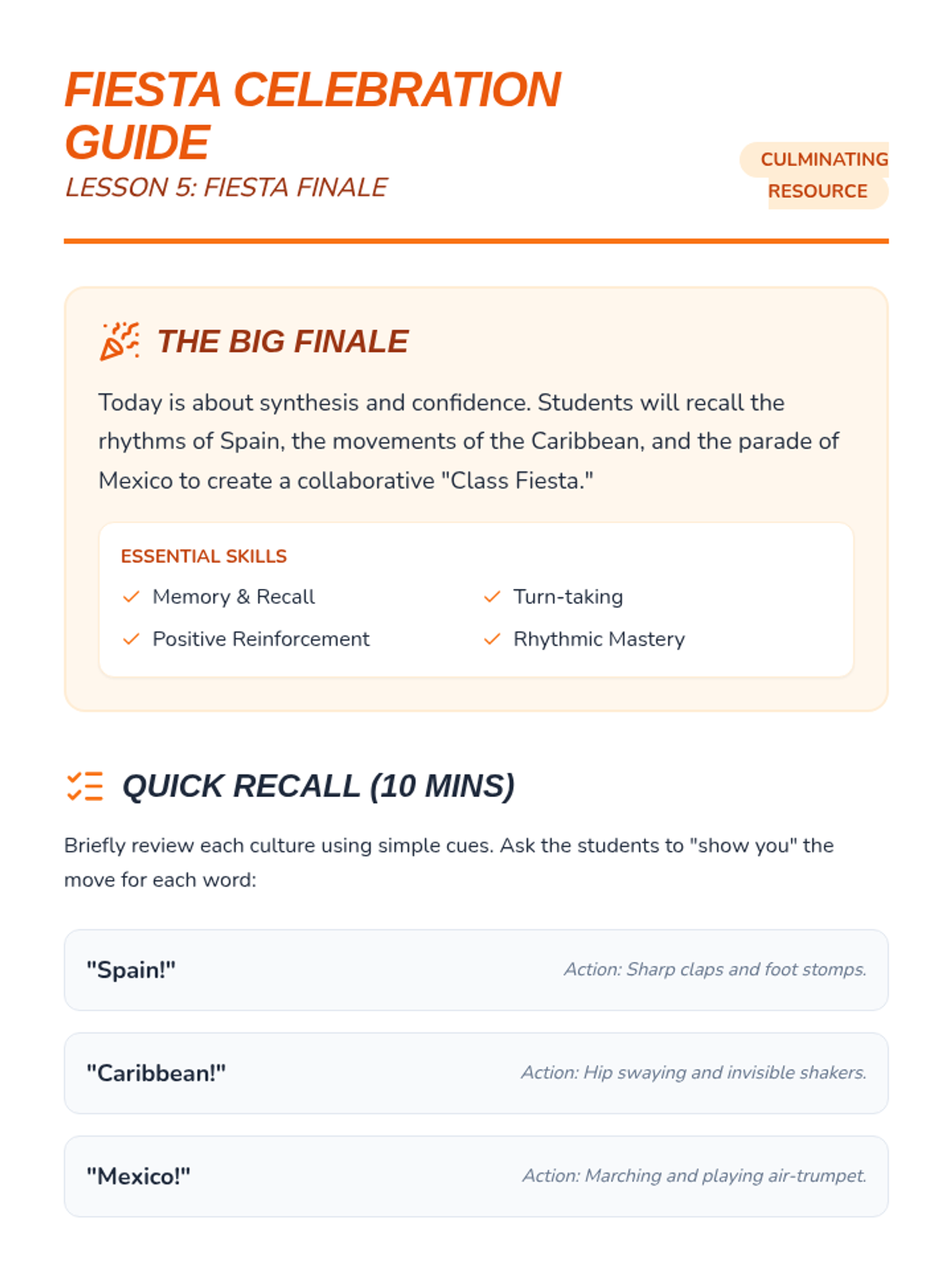
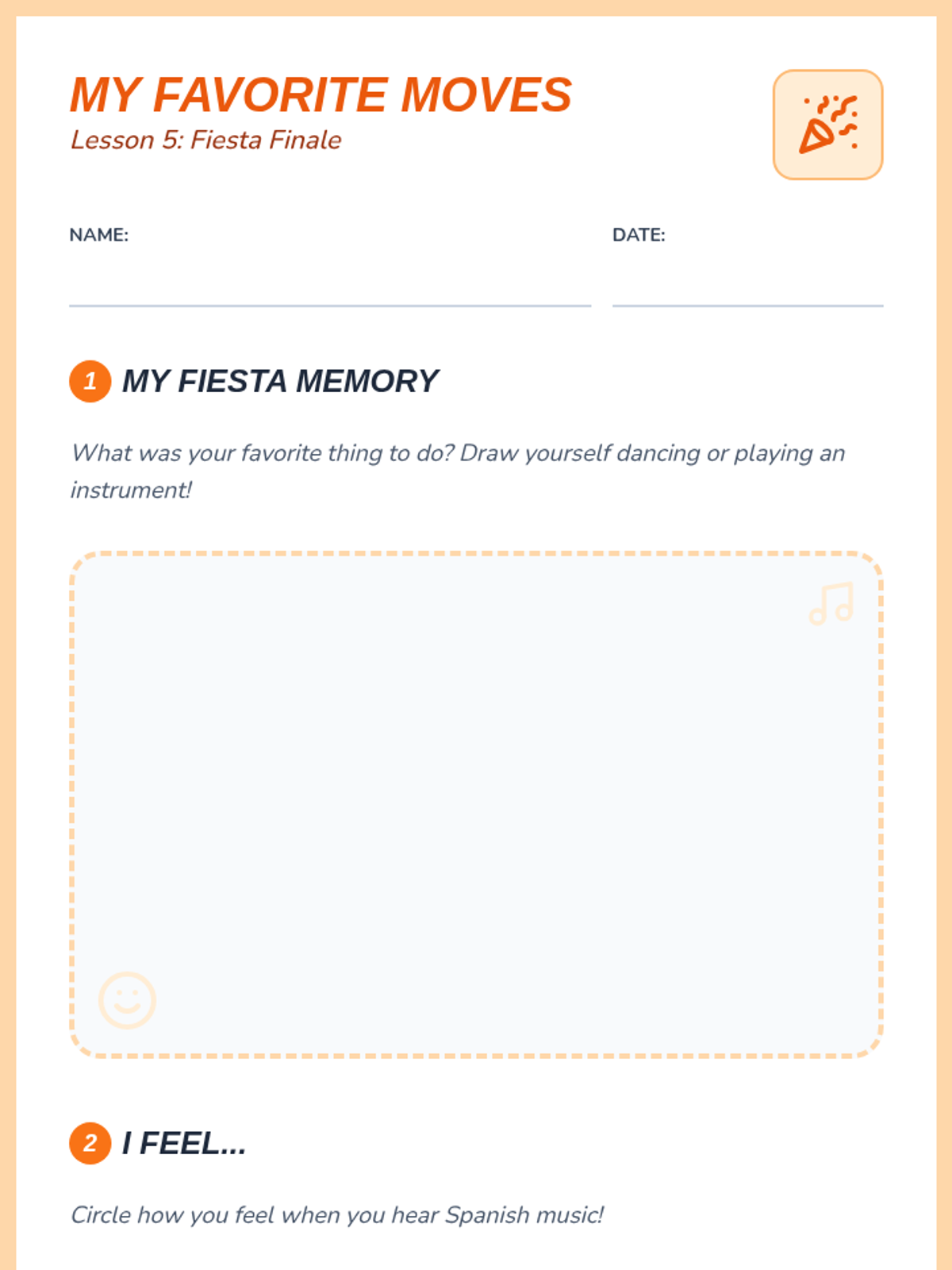
In this culminating lesson, students combine the movements and rhythms they have learned. They participate in a structured dance circle, taking turns showing a move for their friends to copy.
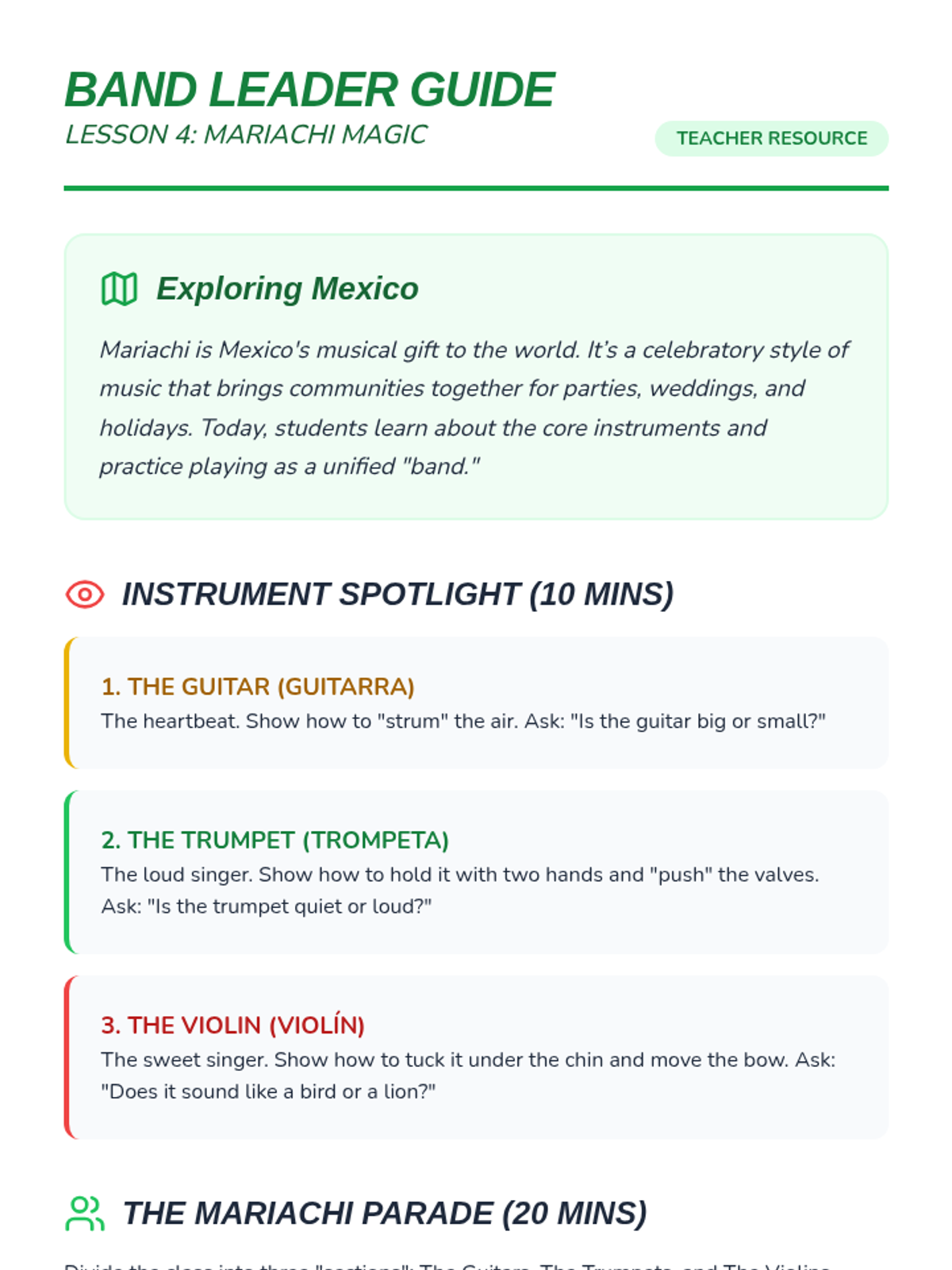
Learners are introduced to the instruments of a Mexican Mariachi band, specifically the guitar, trumpet, and violin. They engage in role-play, pretending to play these instruments while marching in a line.
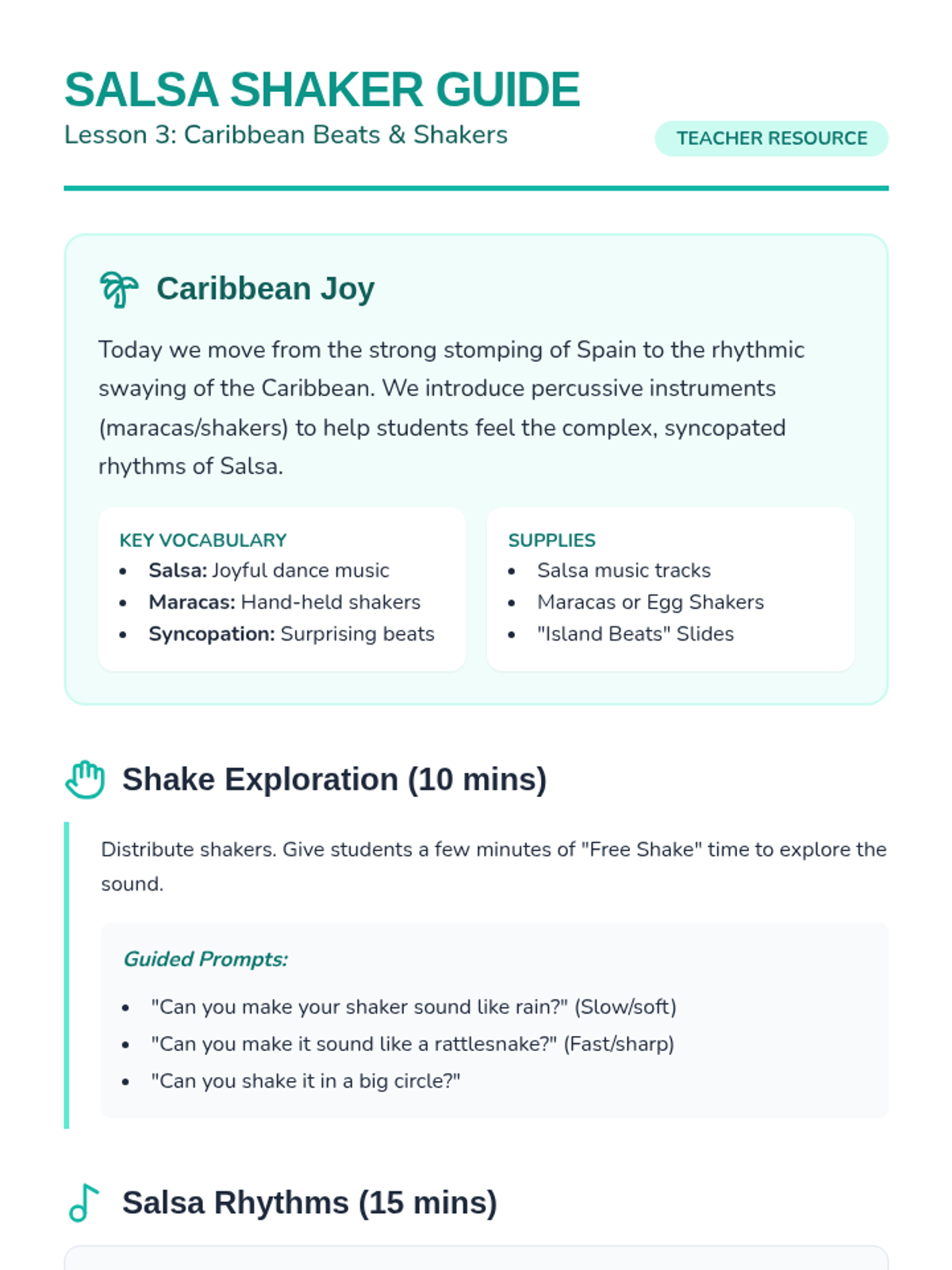
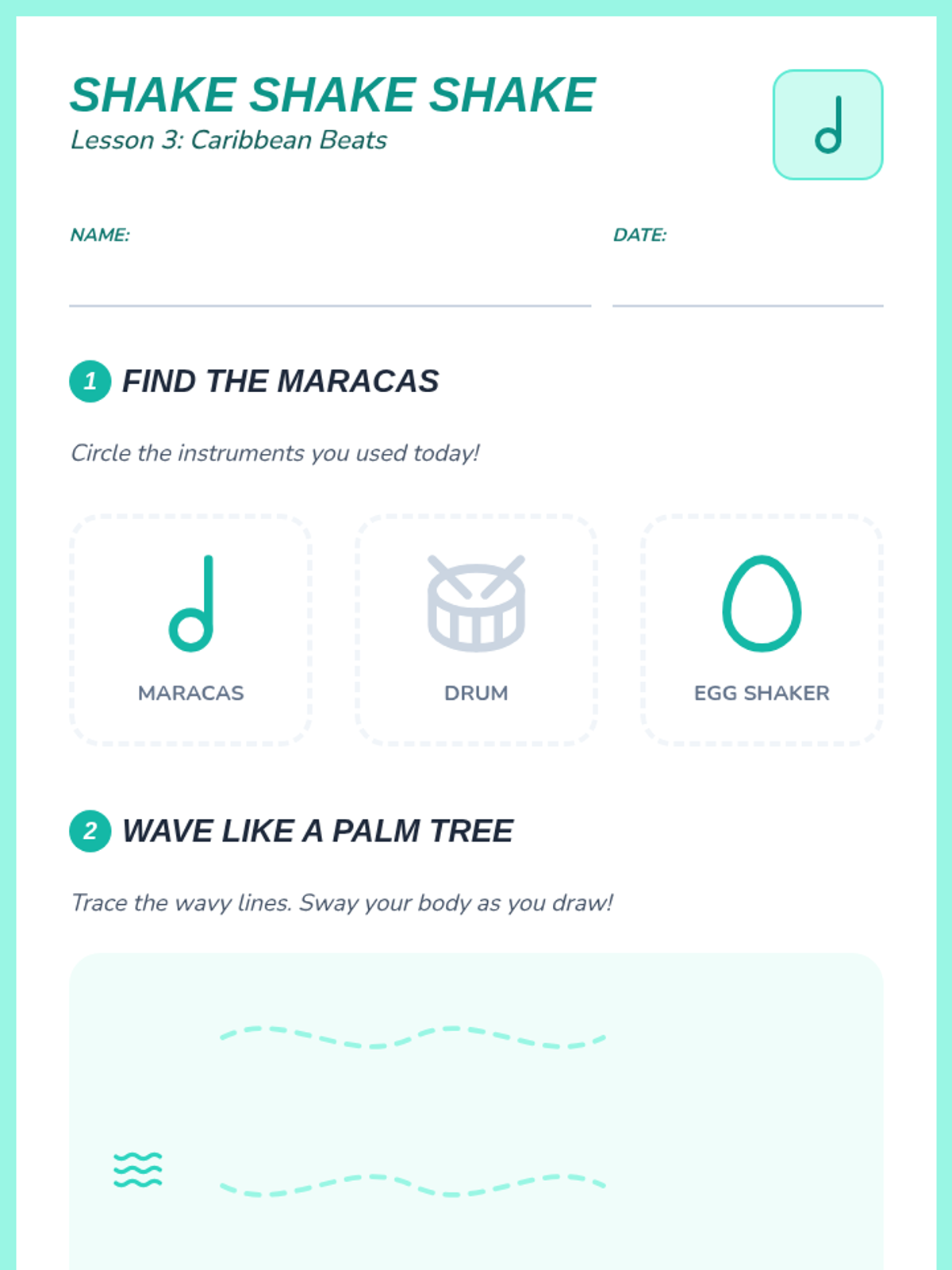
Students travel to the Caribbean to explore salsa rhythms using maracas and egg shakers. They practice shaking to the beat and learn simple hip movements, focusing on looseness and joy.
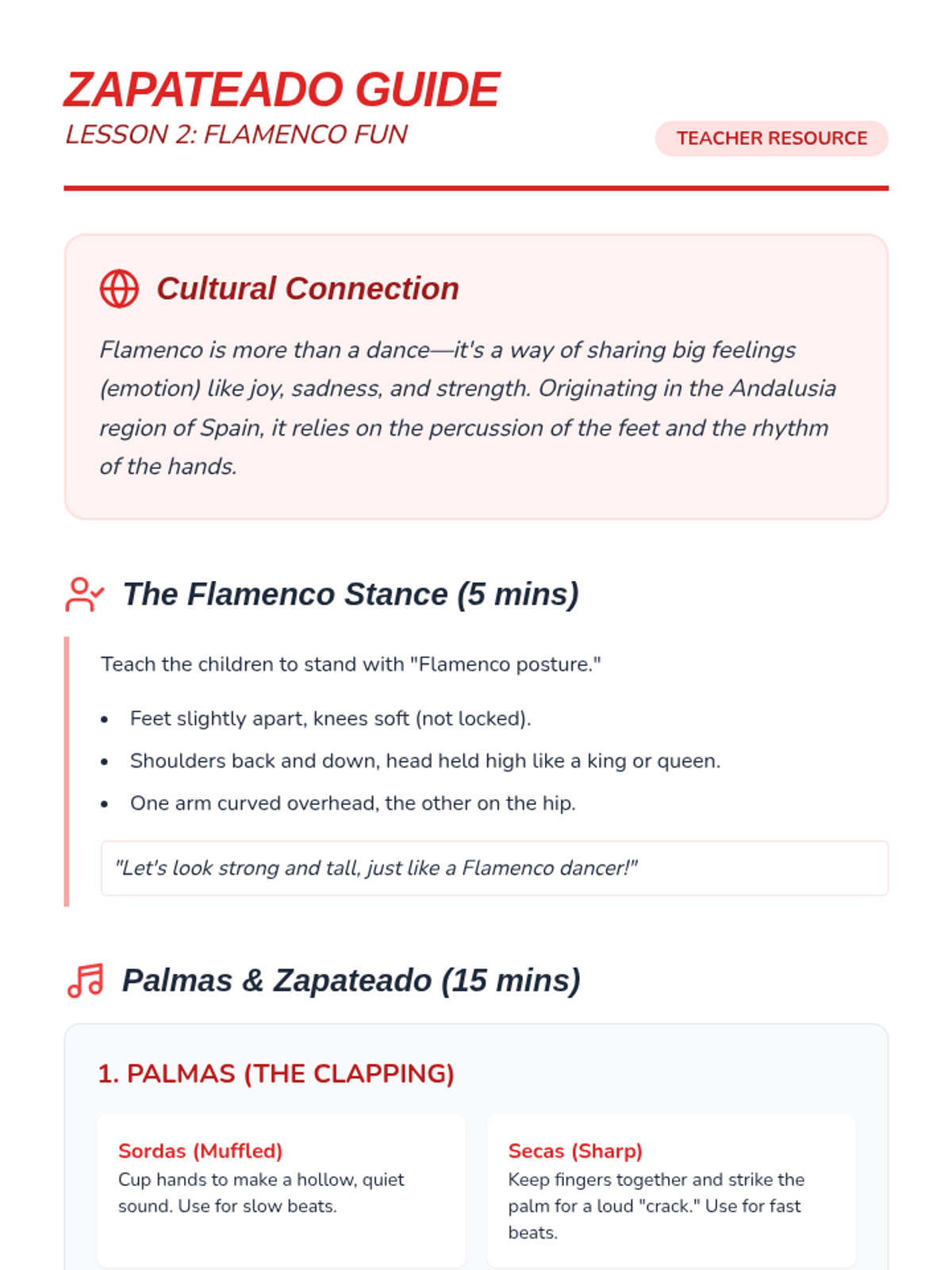
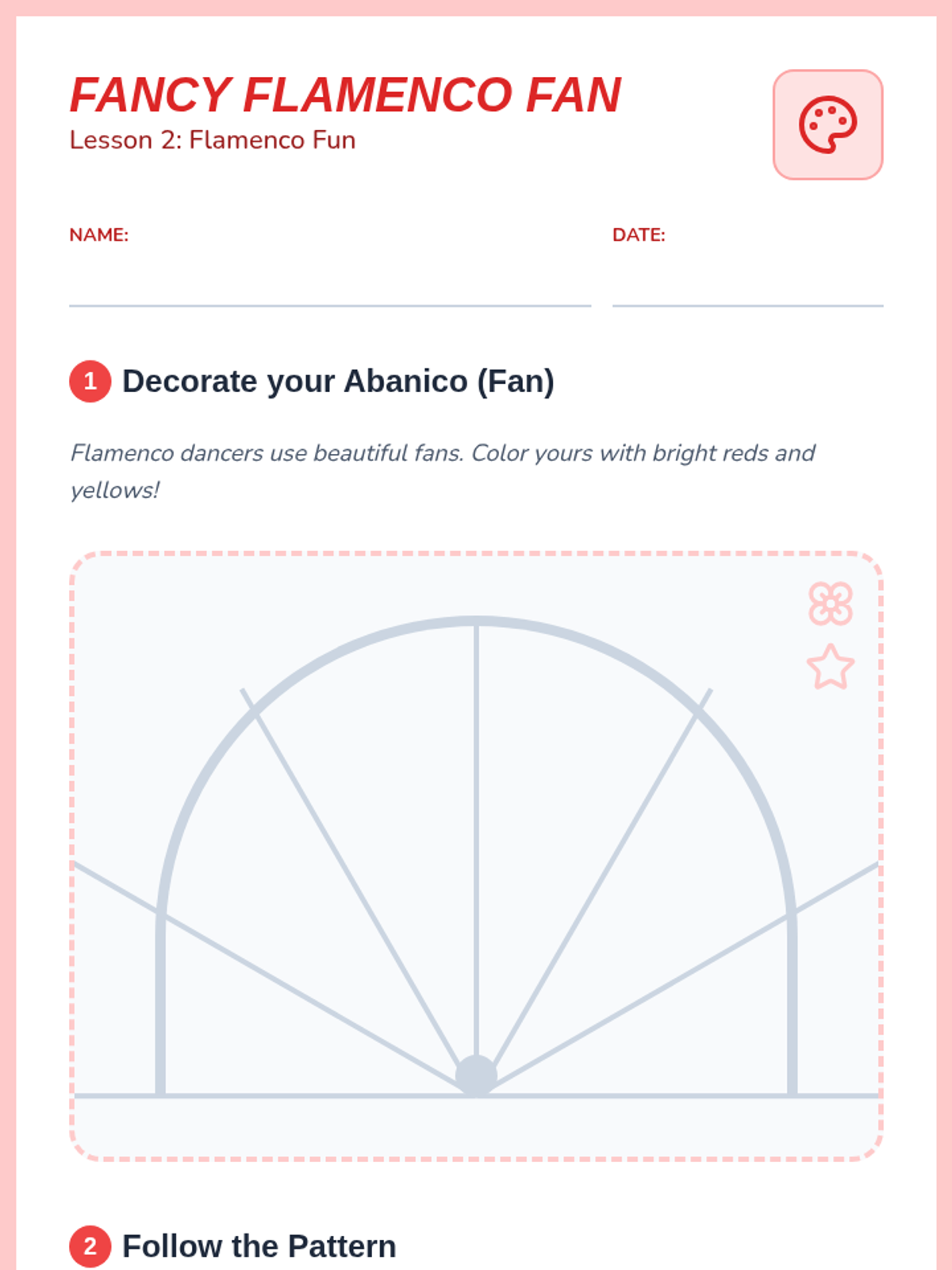
Focusing on Spain, students learn the basics of 'palmas' (clapping) and vigorous foot stomping associated with Flamenco. They watch a short, vibrant video of a dancer and try to mimic the posture and emotion.
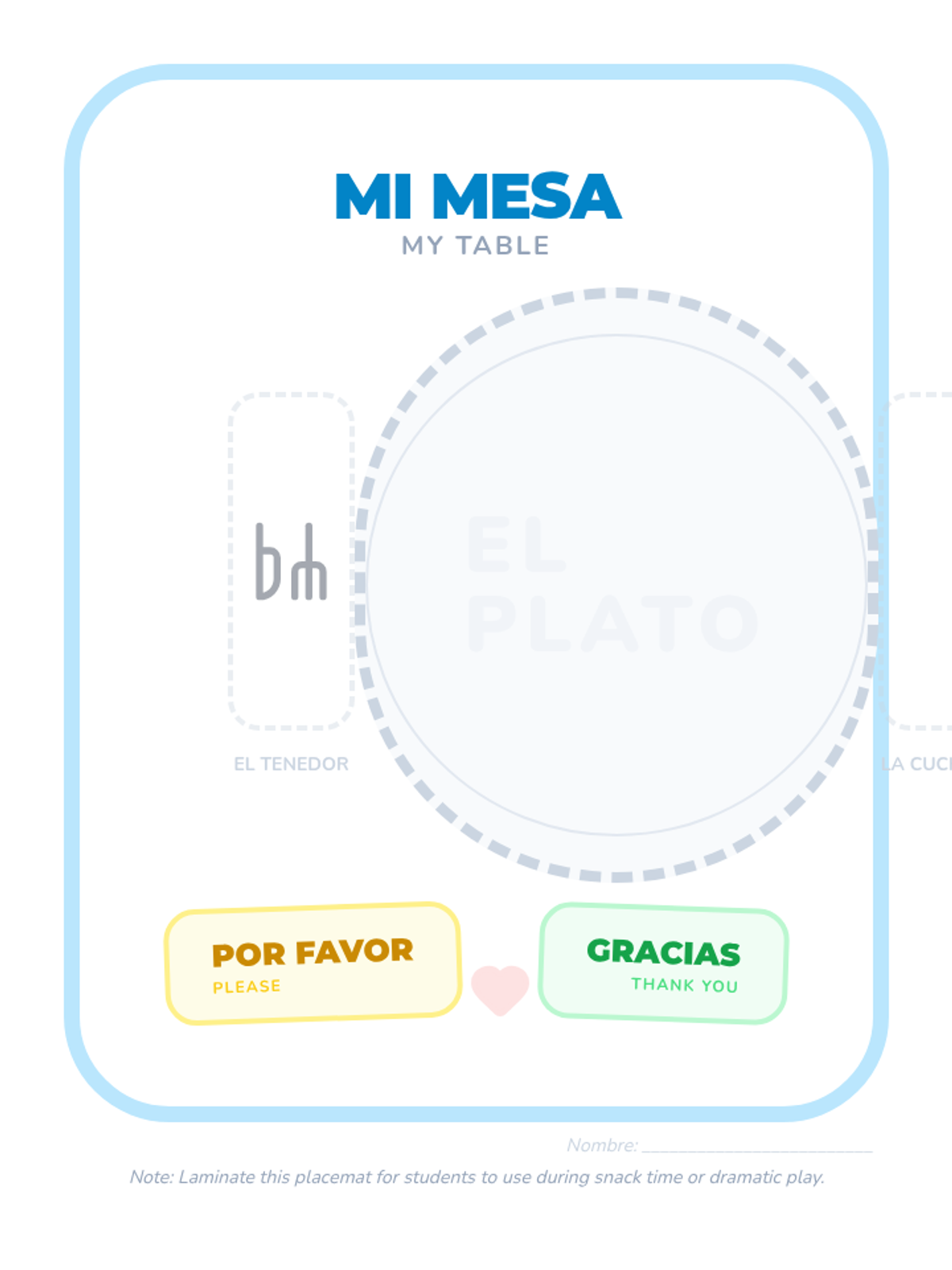
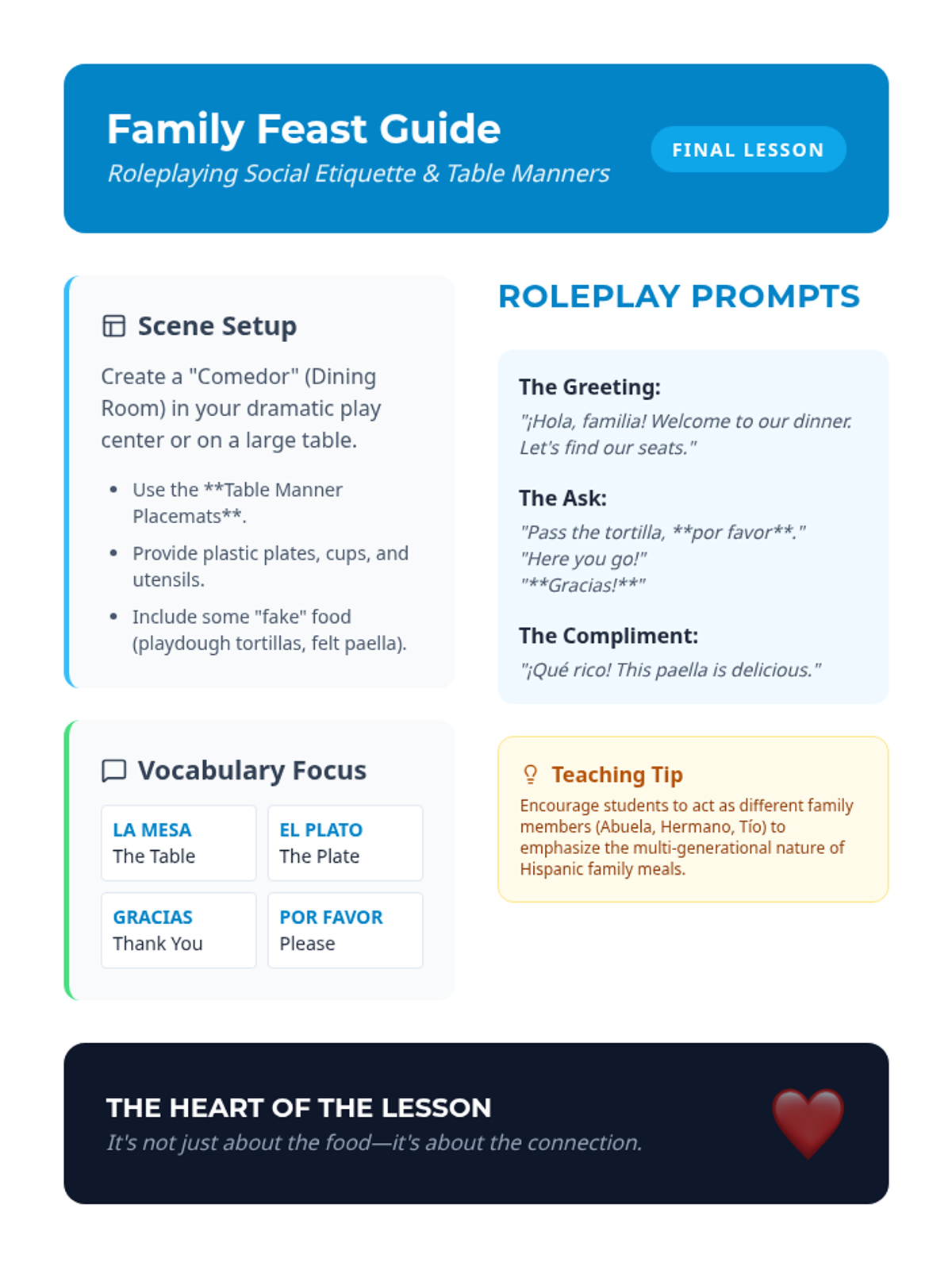
Students practice social etiquette and table setting while learning the cultural importance of 'la familia' eating together.
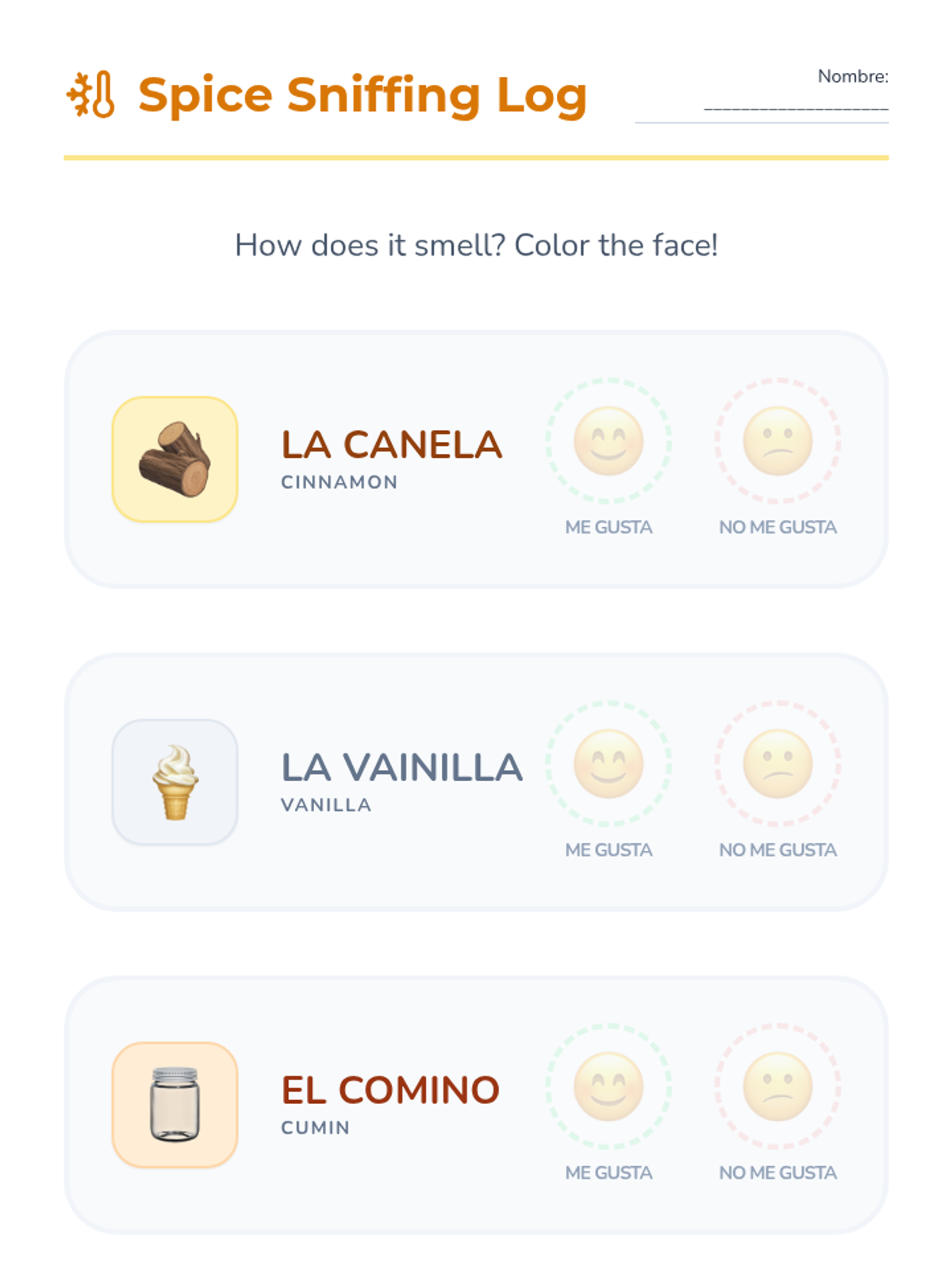
Students participate in a mock market stall activity, using their sense of smell to identify common spices used in Spanish and Latin American cooking.
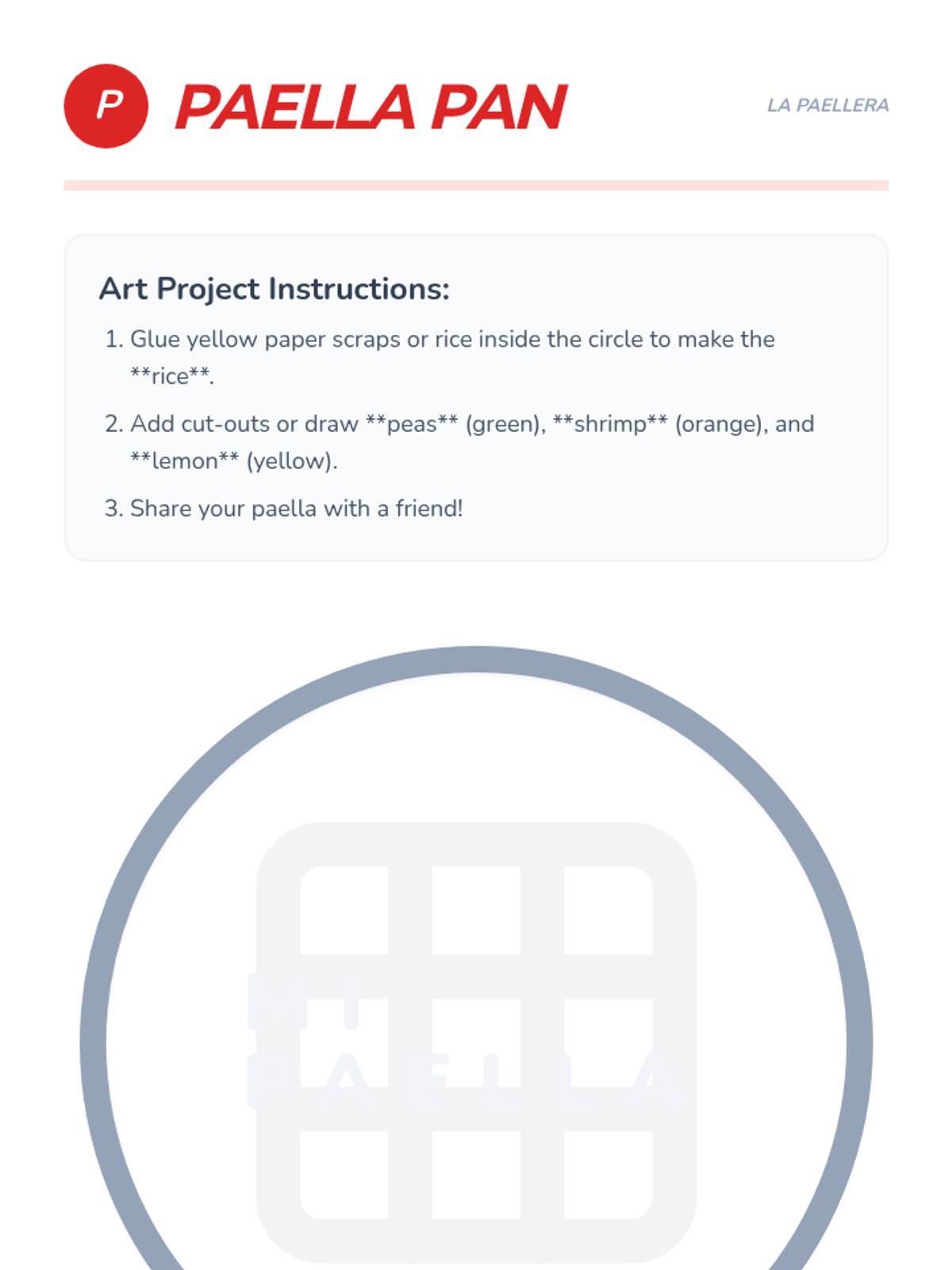
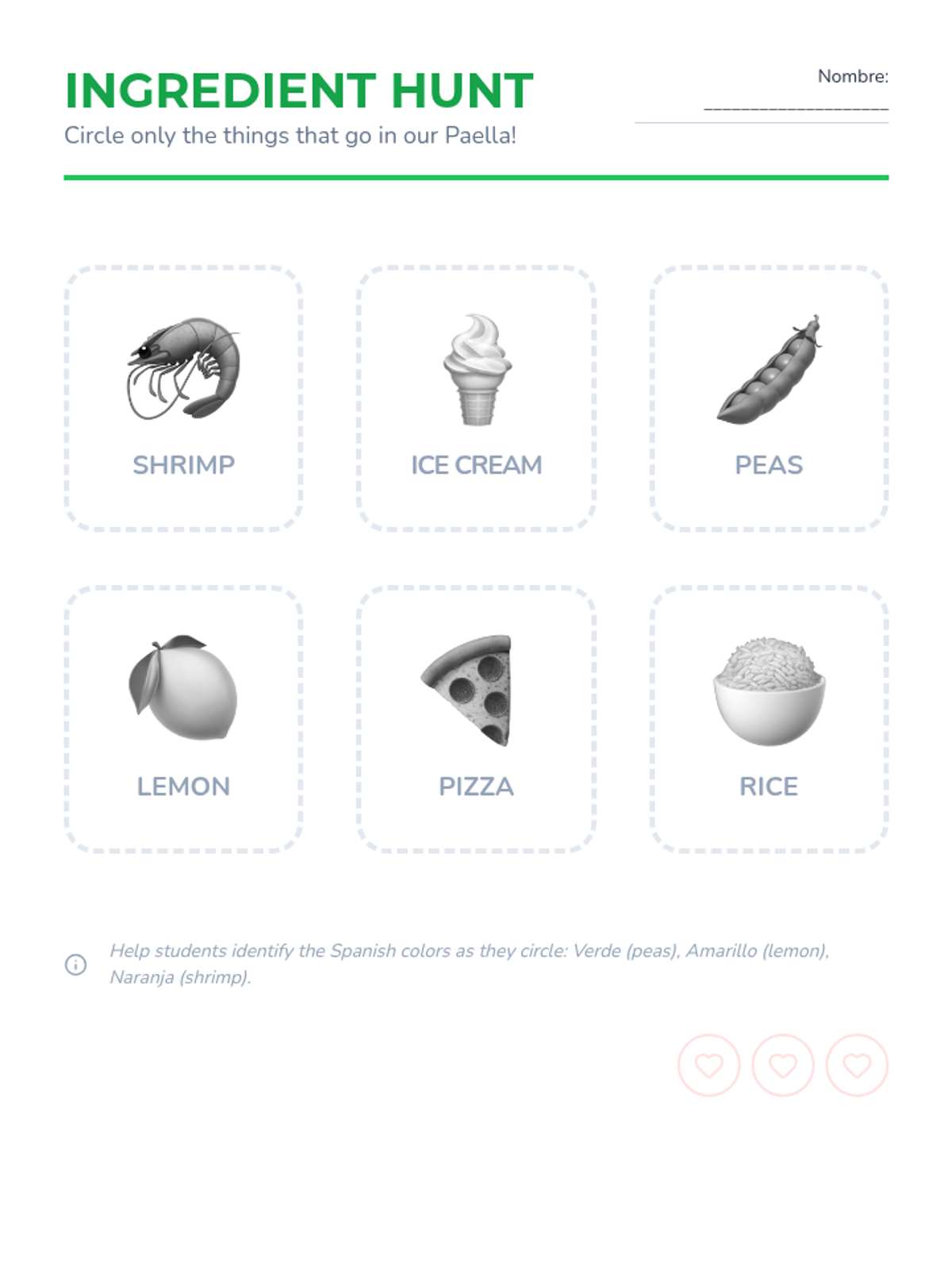
Focusing on Spain, students explore the ingredients of paella and create a paper collage to understand how diverse ingredients come together.
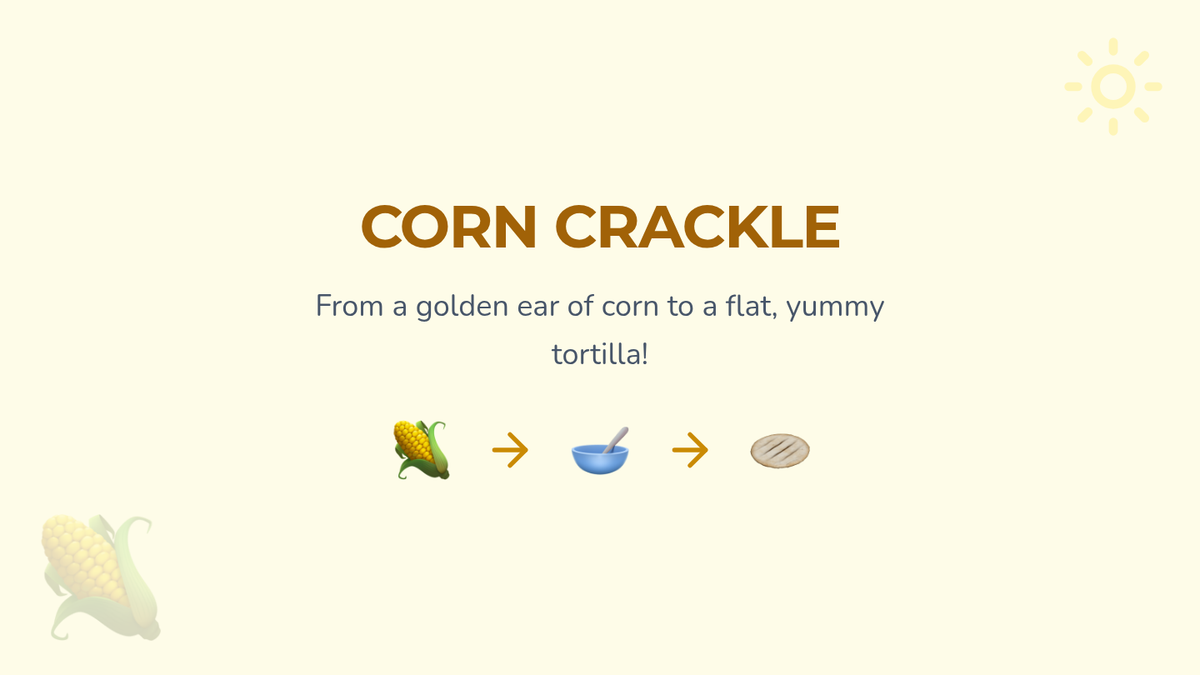
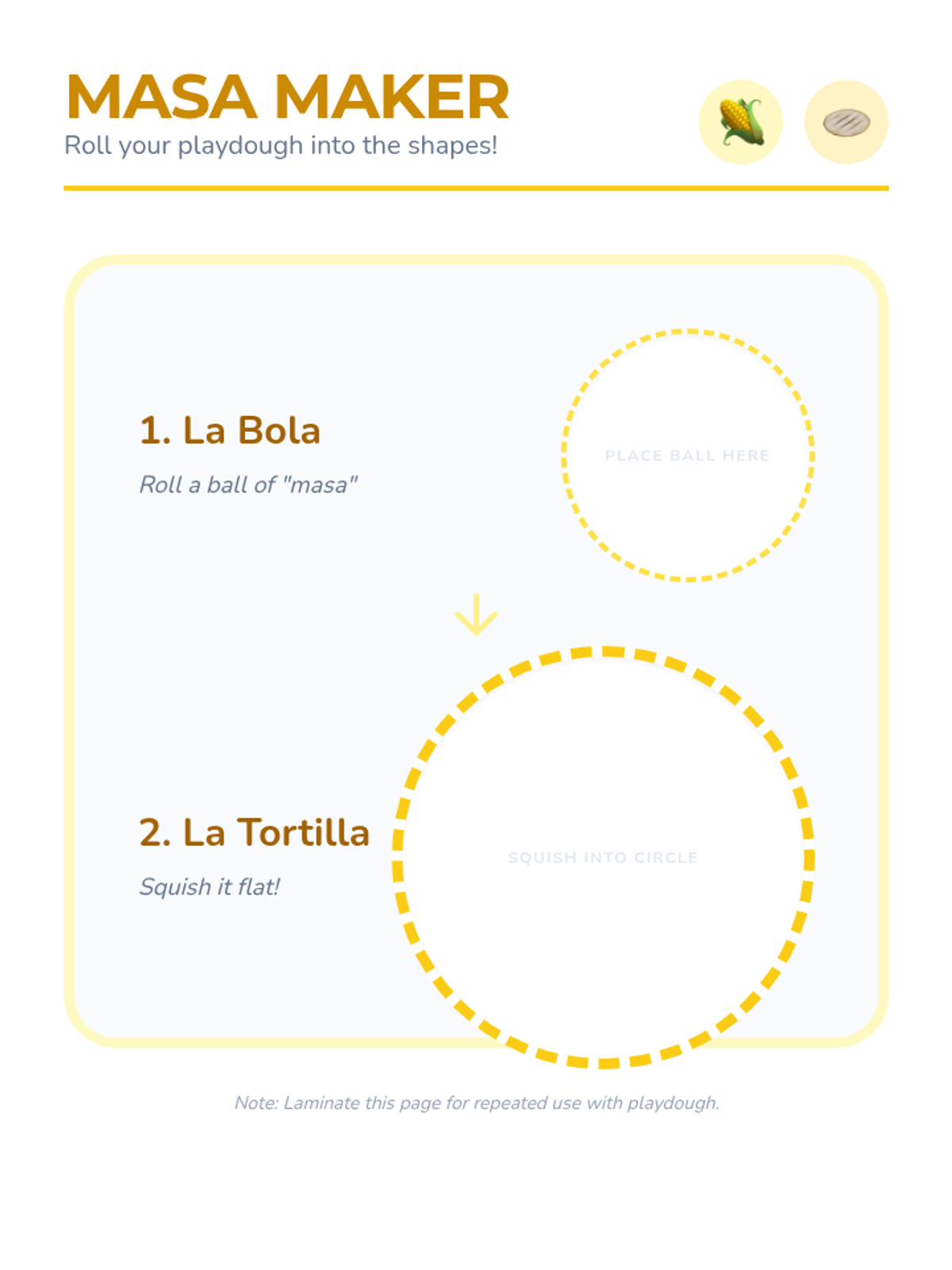
Students learn about the importance of corn (maíz) and practice fine motor skills by simulating the process of making tortillas with playdough.
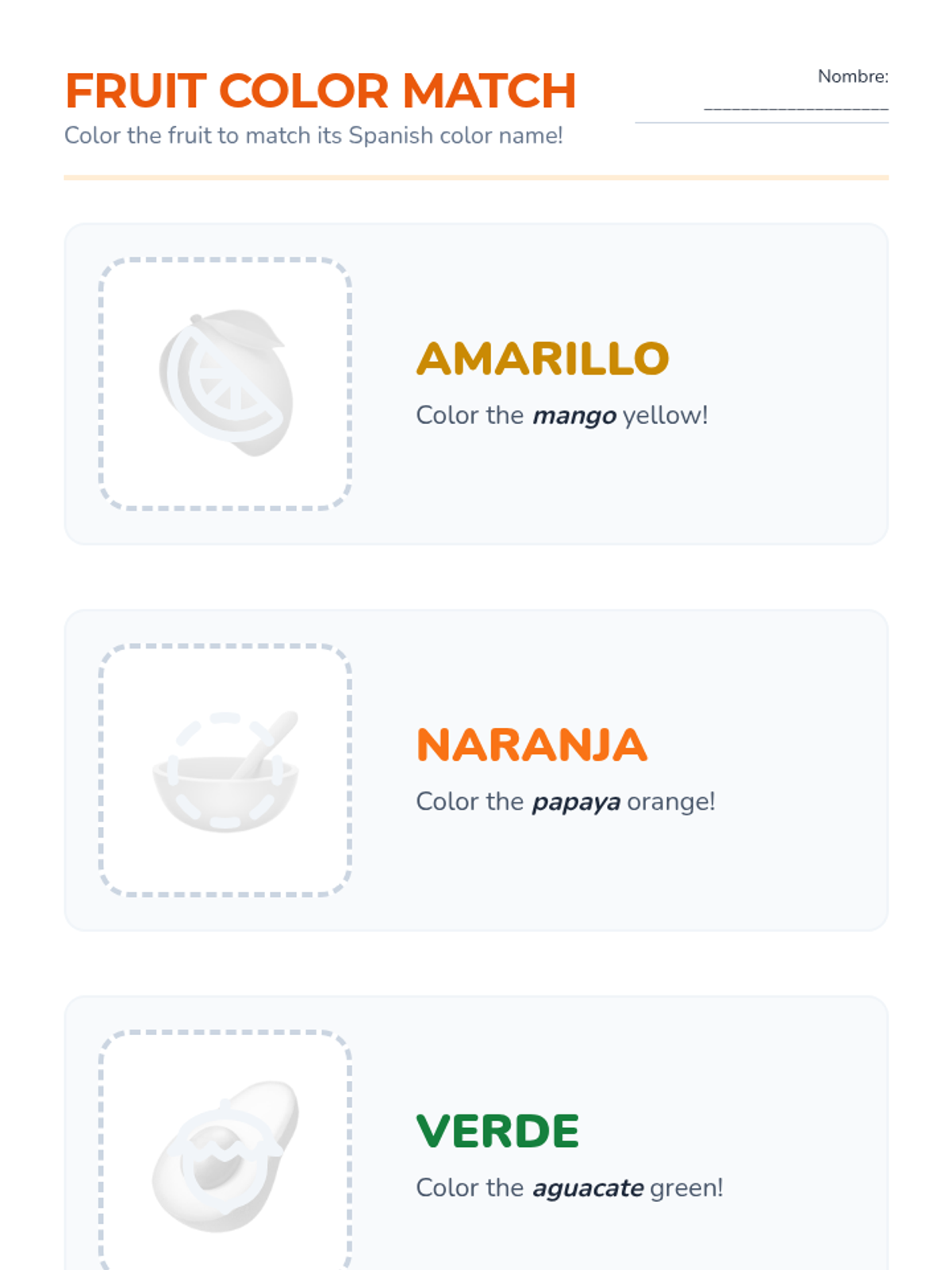
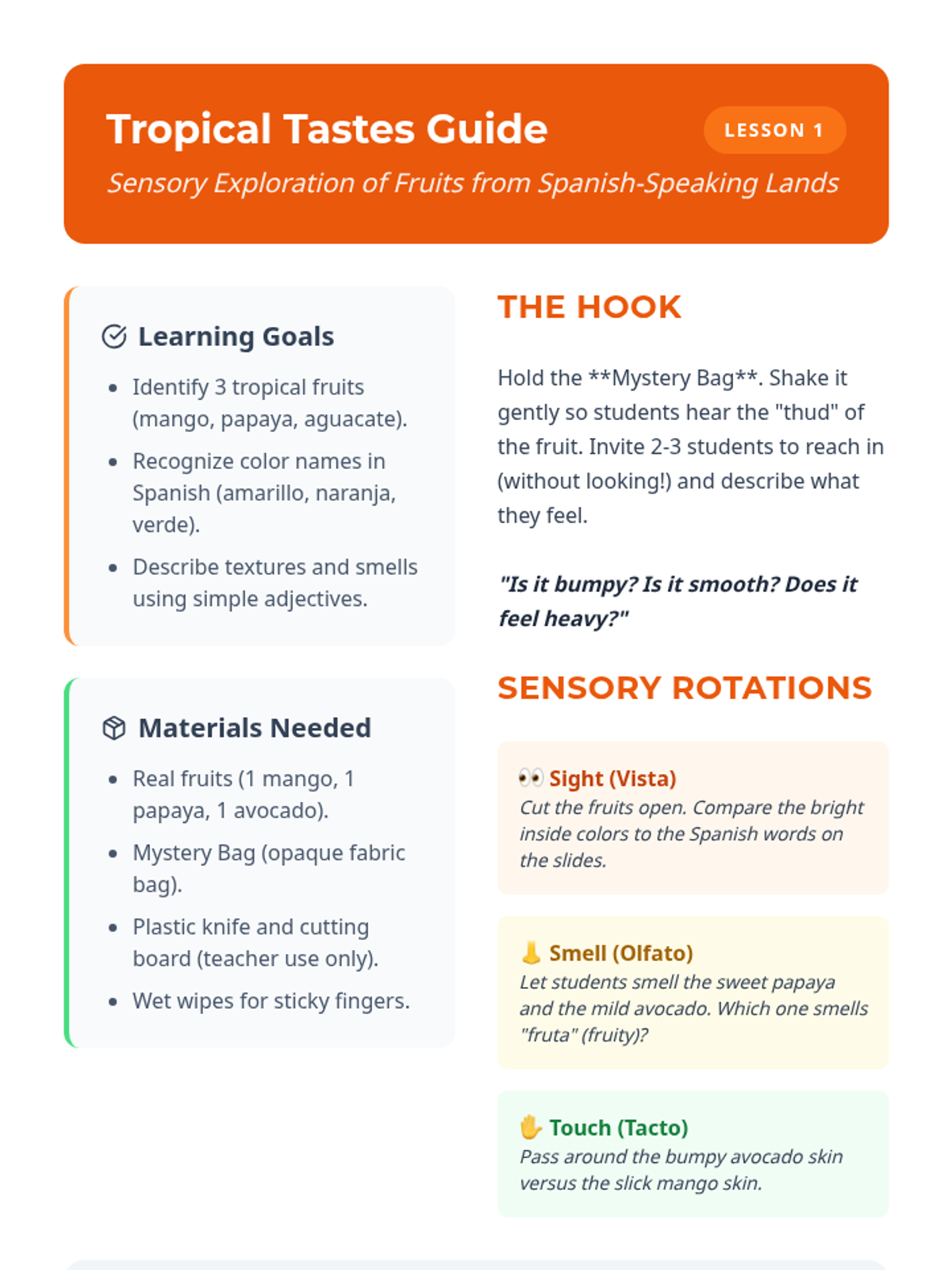
Students examine real or replica tropical fruits common in Latin America, such as mangoes, papayas, and avocados, while learning Spanish names for colors and fruits.
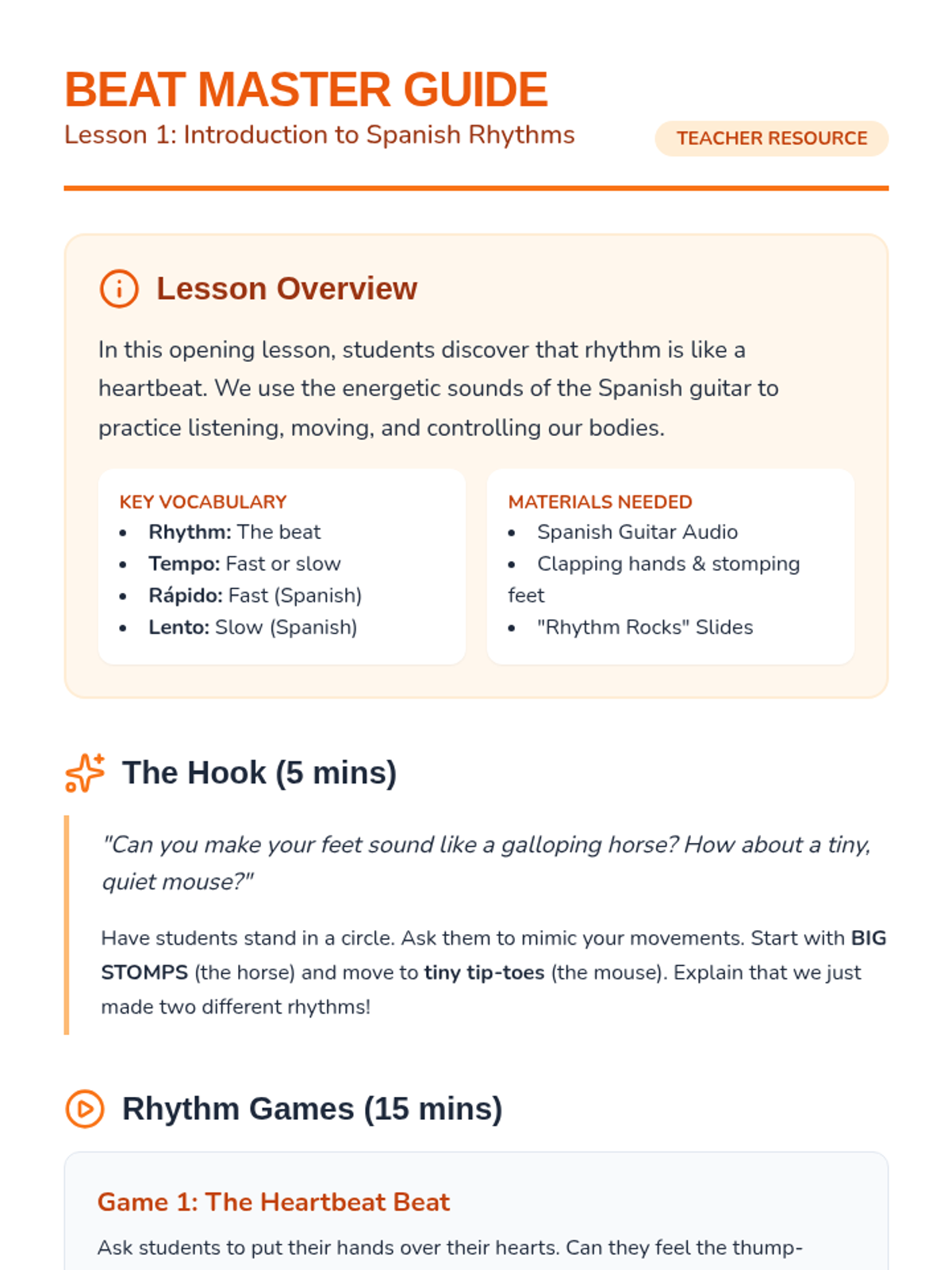
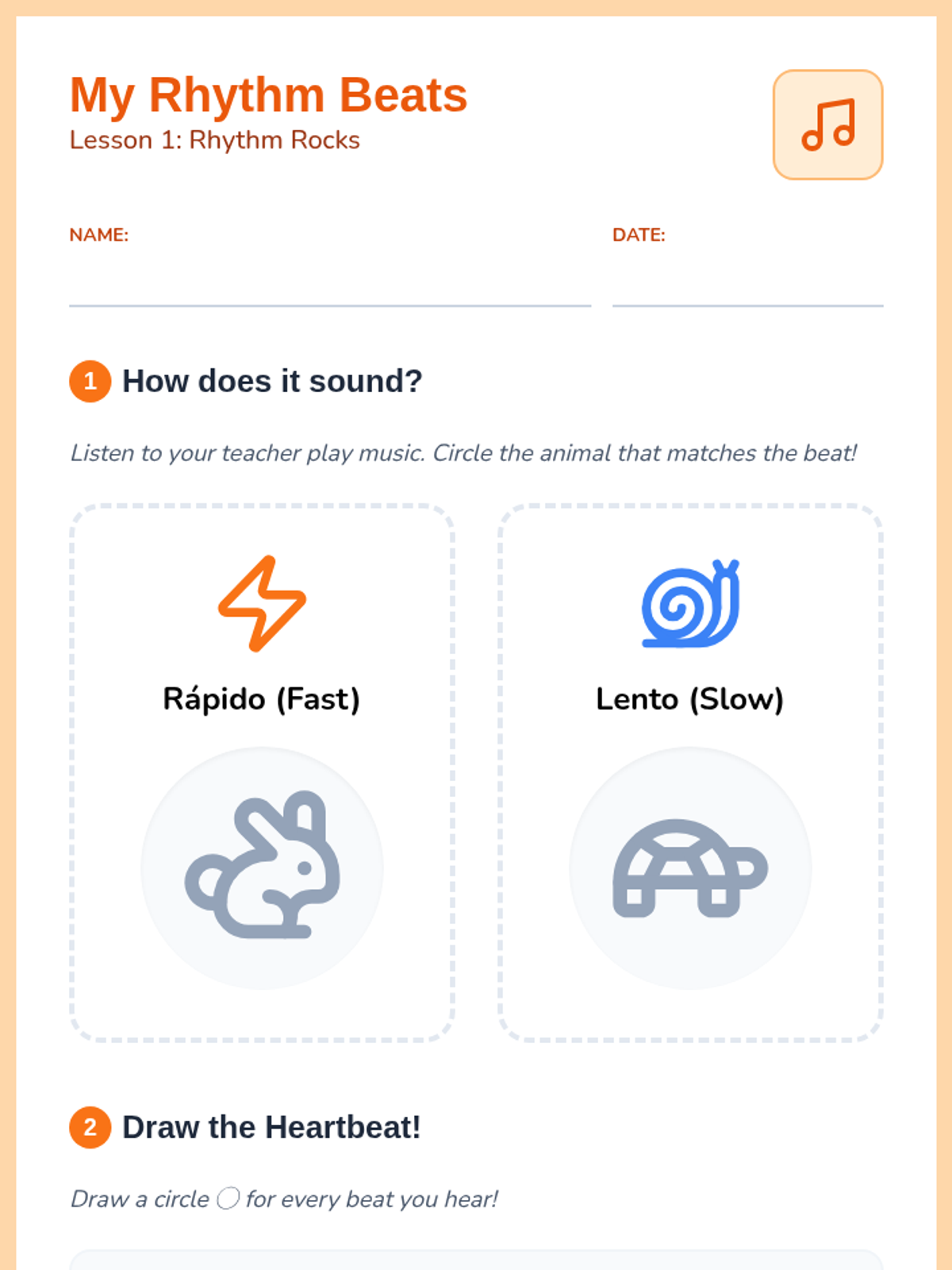
Students explore the concept of rhythm by clapping and stomping to the beat of traditional Spanish guitar music. They learn to identify fast and slow tempos and practice starting and stopping on cue.