Vector properties, magnitudes, and algebraic operations including addition and scalar multiplication. Introduces matrix representations, arithmetic, and computational techniques for solving linear systems.
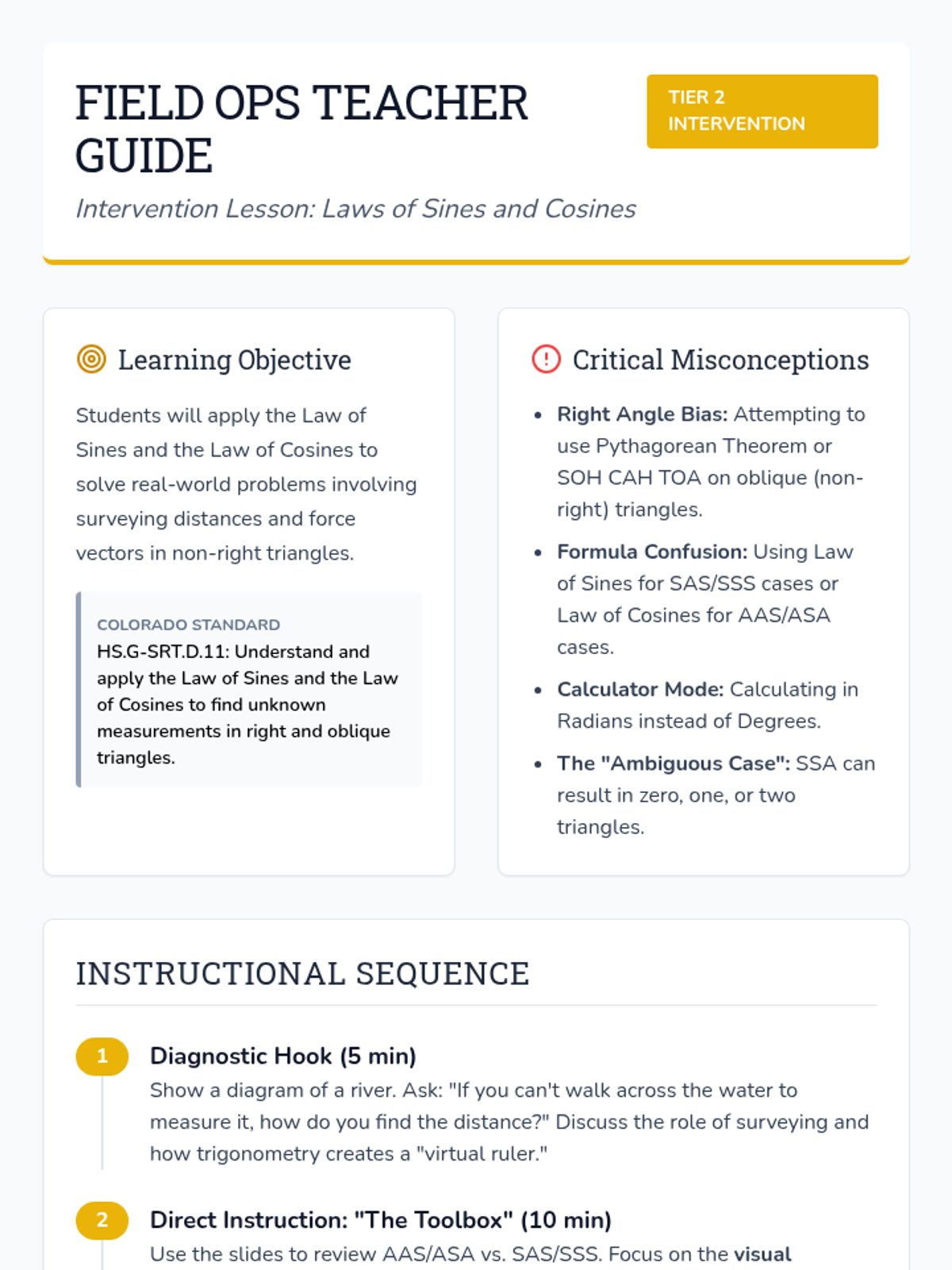
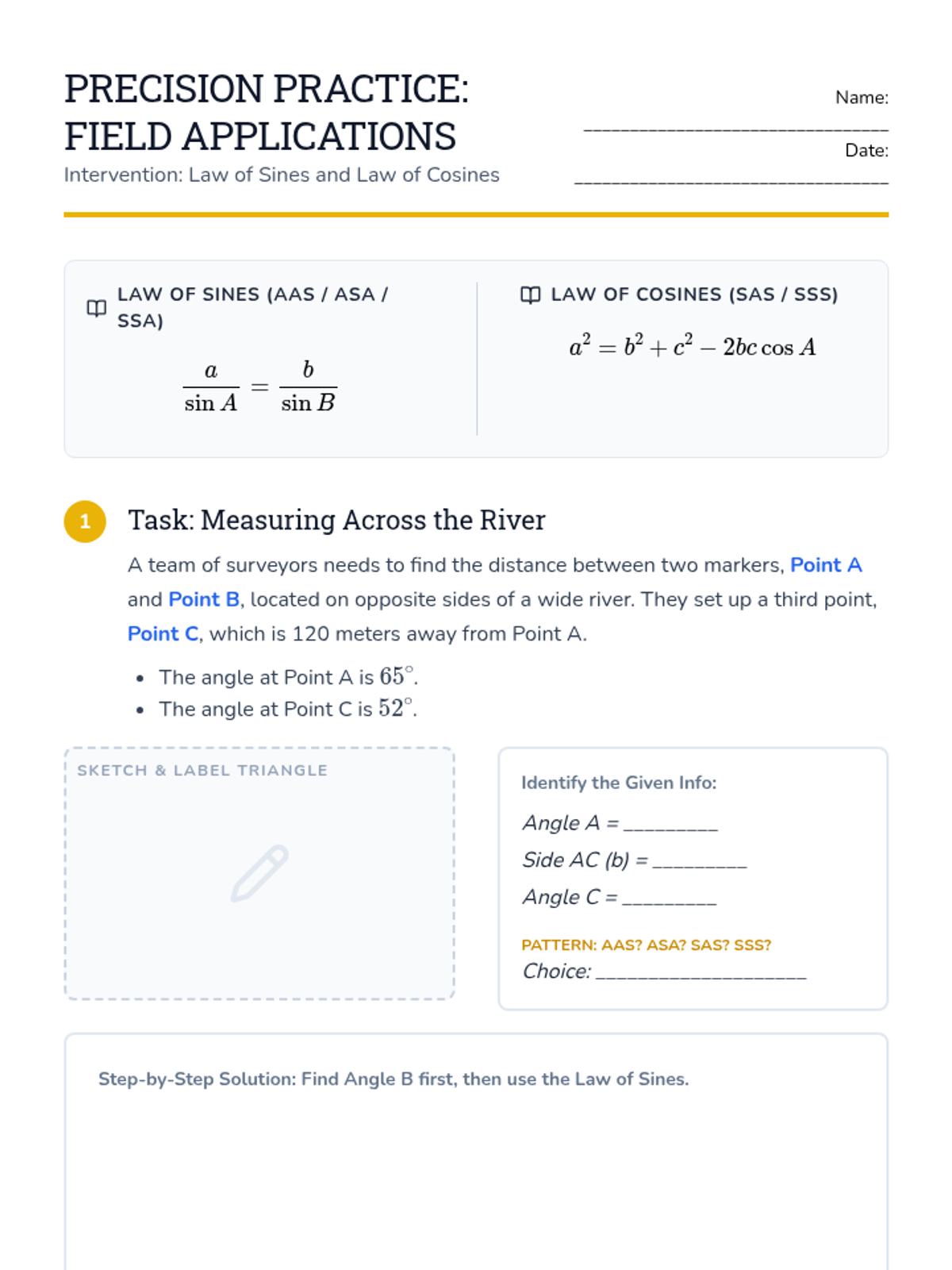
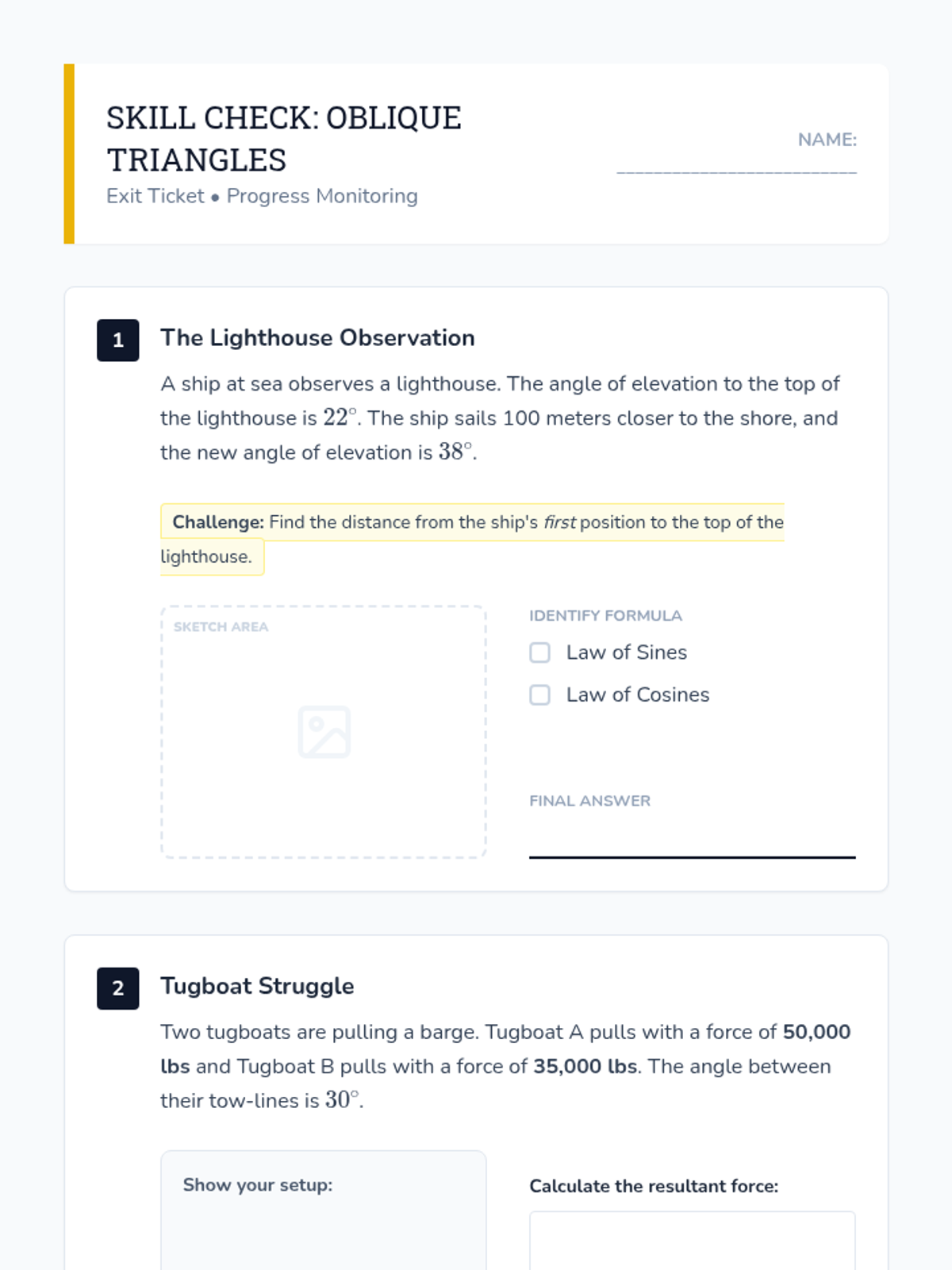
A targeted intervention lesson for high school geometry students, focusing on practical applications of the Laws of Sines and Cosines in surveying and physics contexts. This lesson utilizes scaffolded instruction and real-world scenarios to support Tier 2 learners in mastering oblique triangle trigonometry.
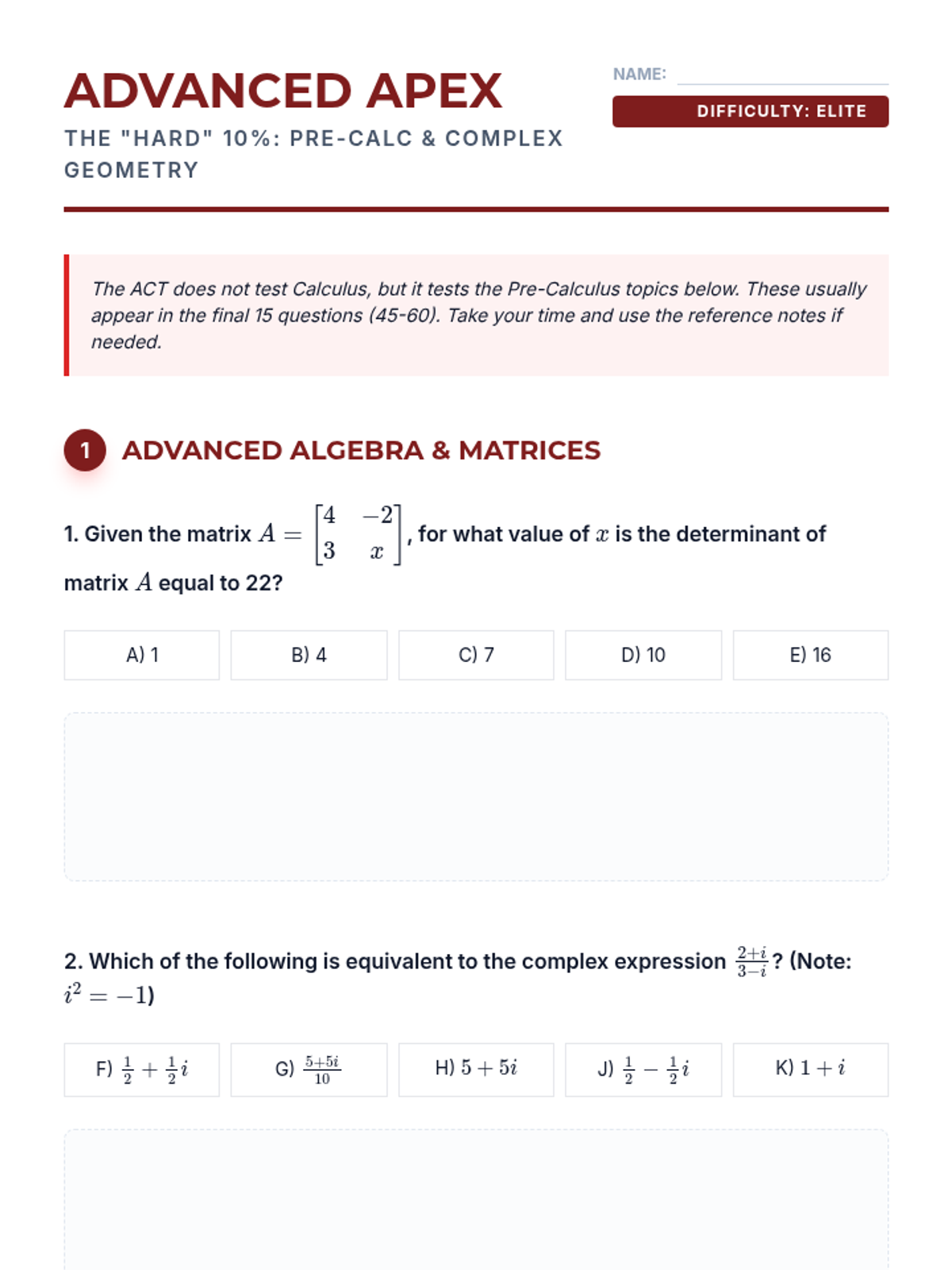
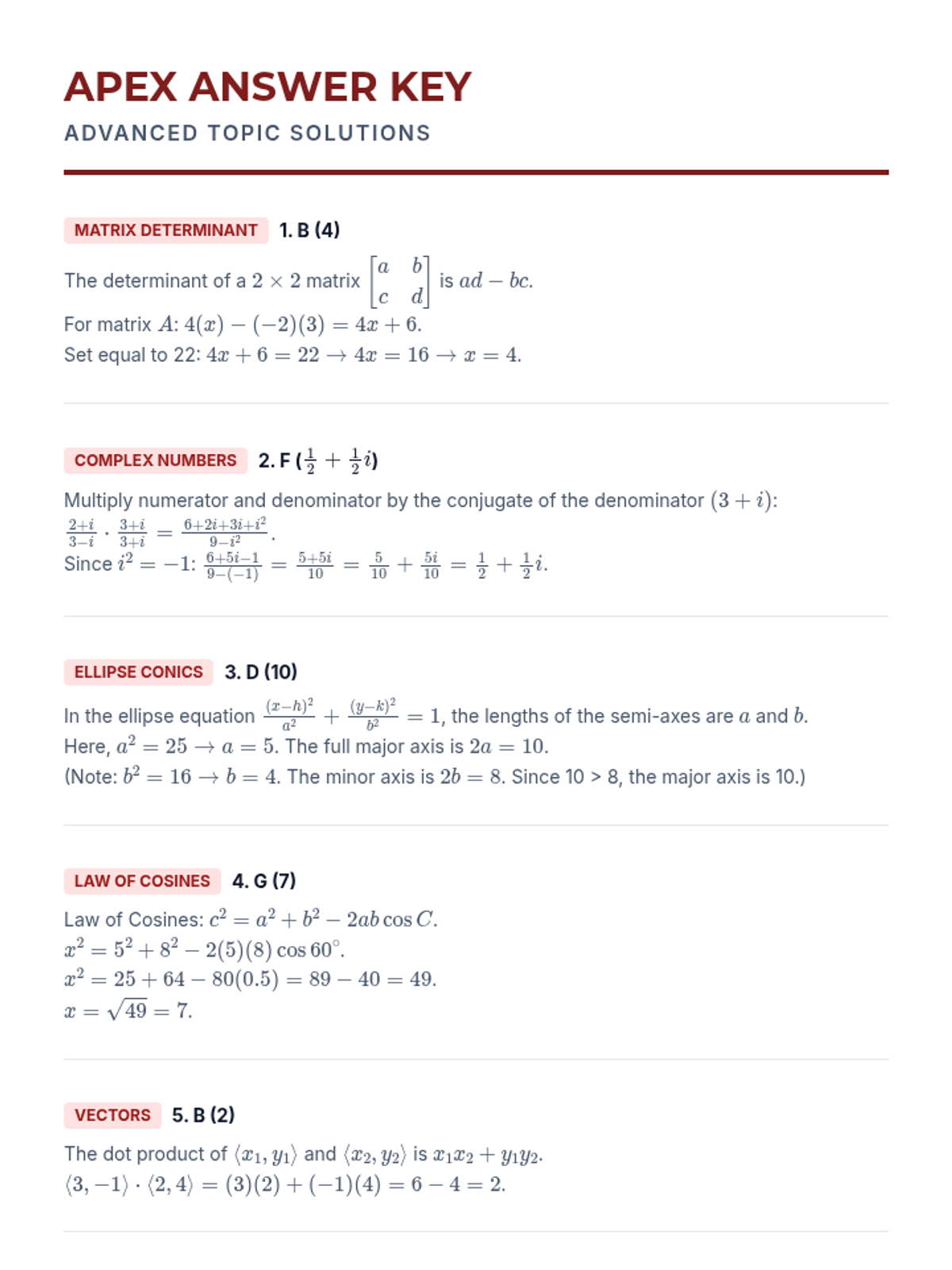
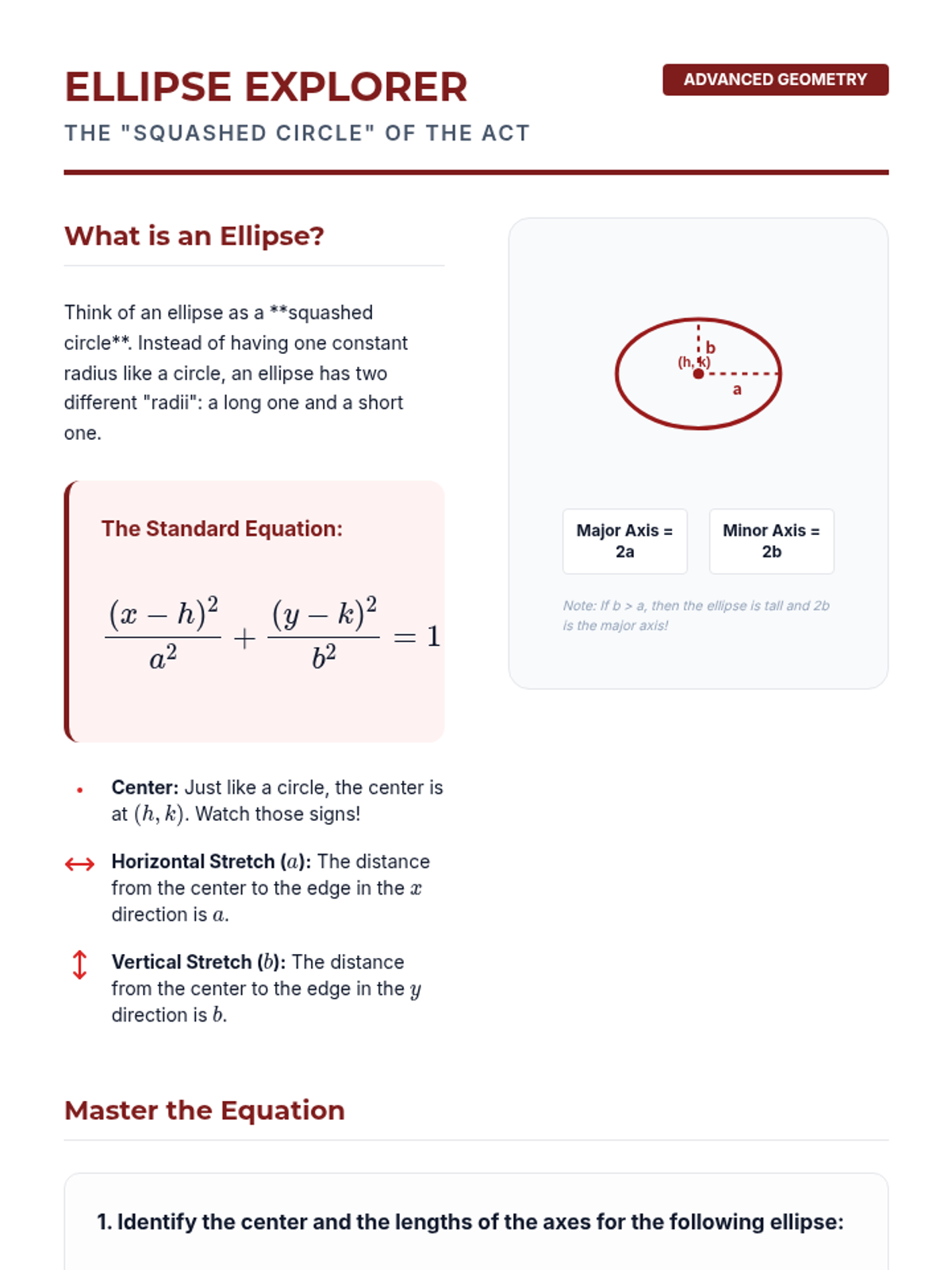
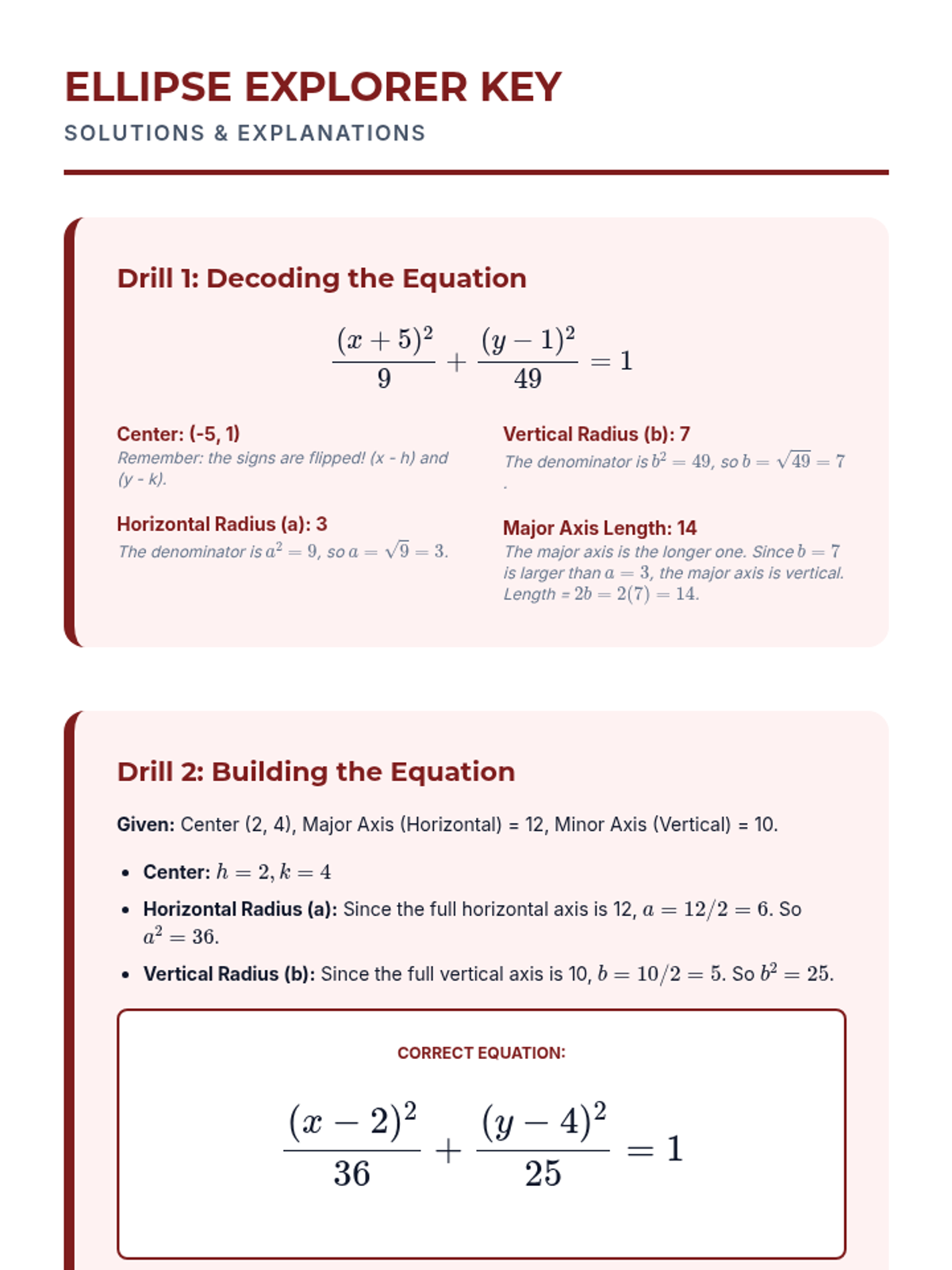
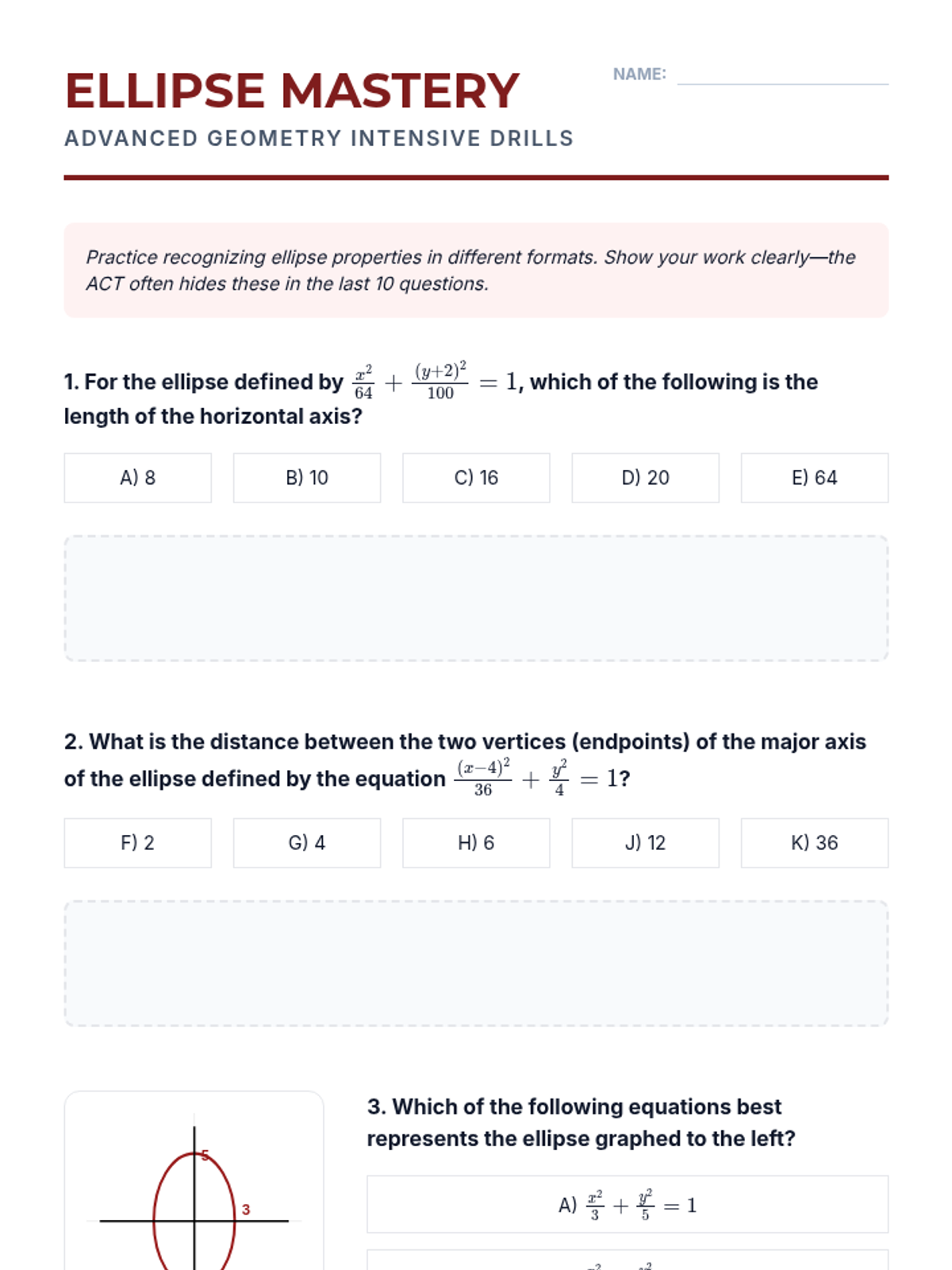
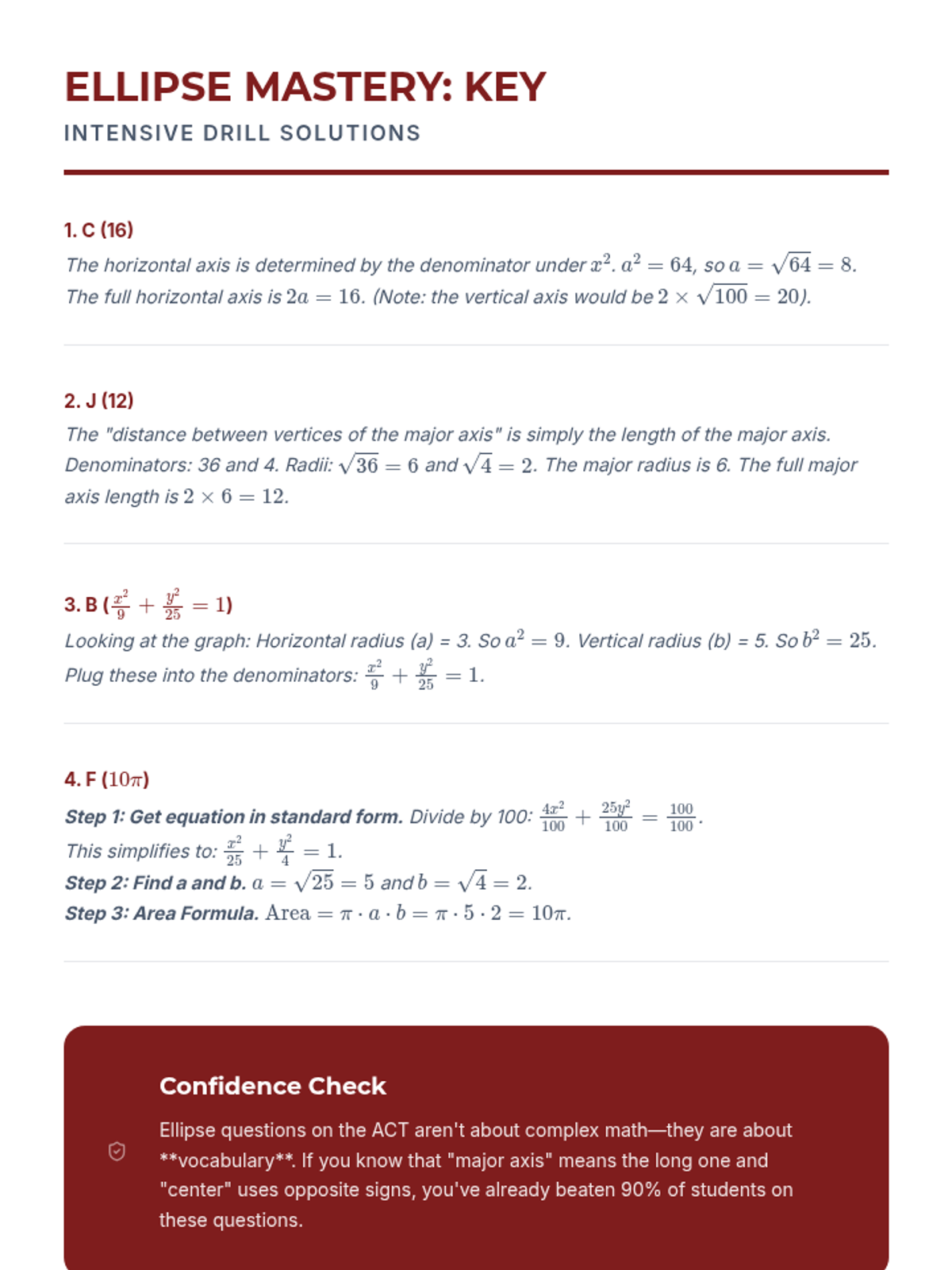
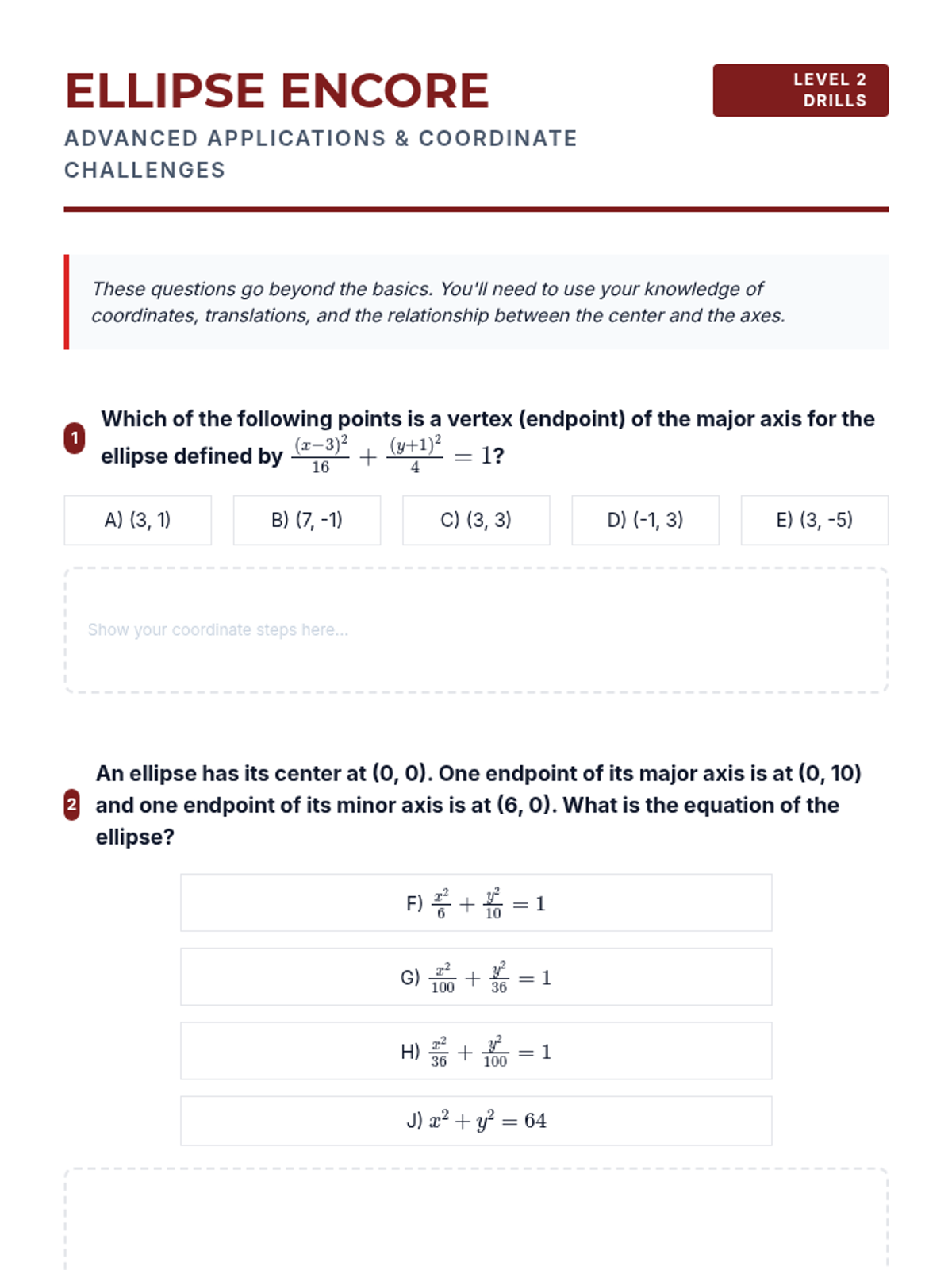
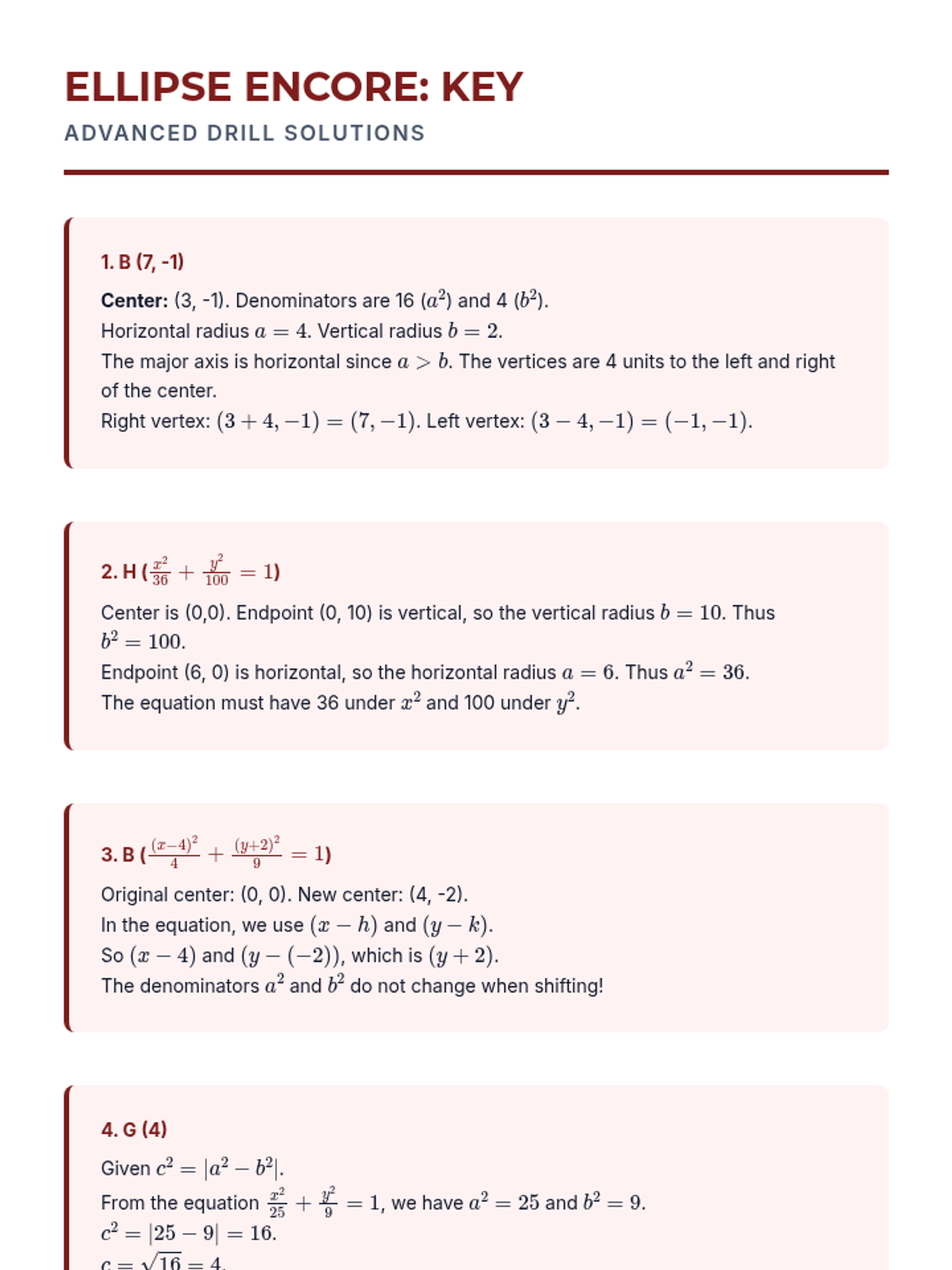
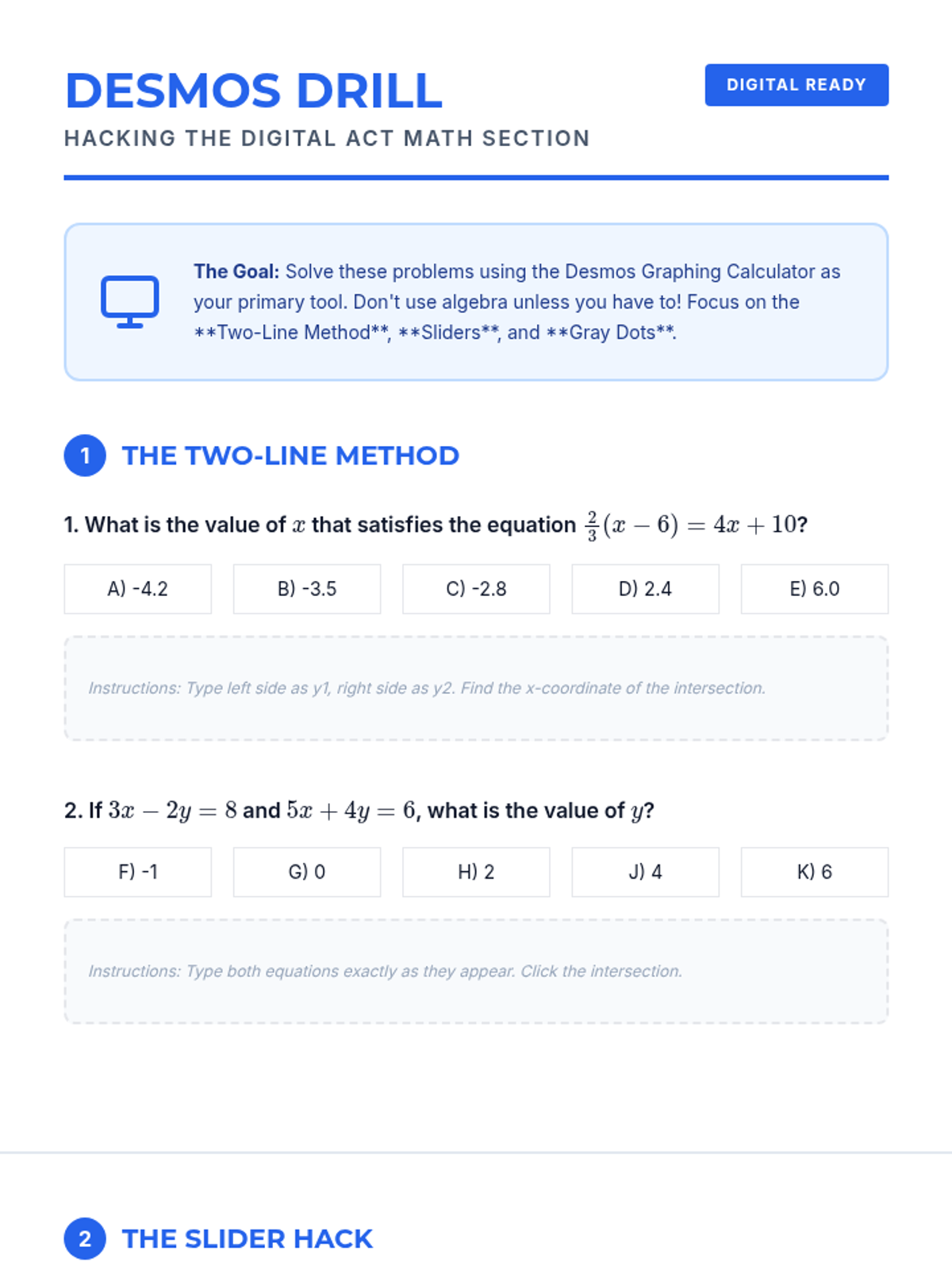
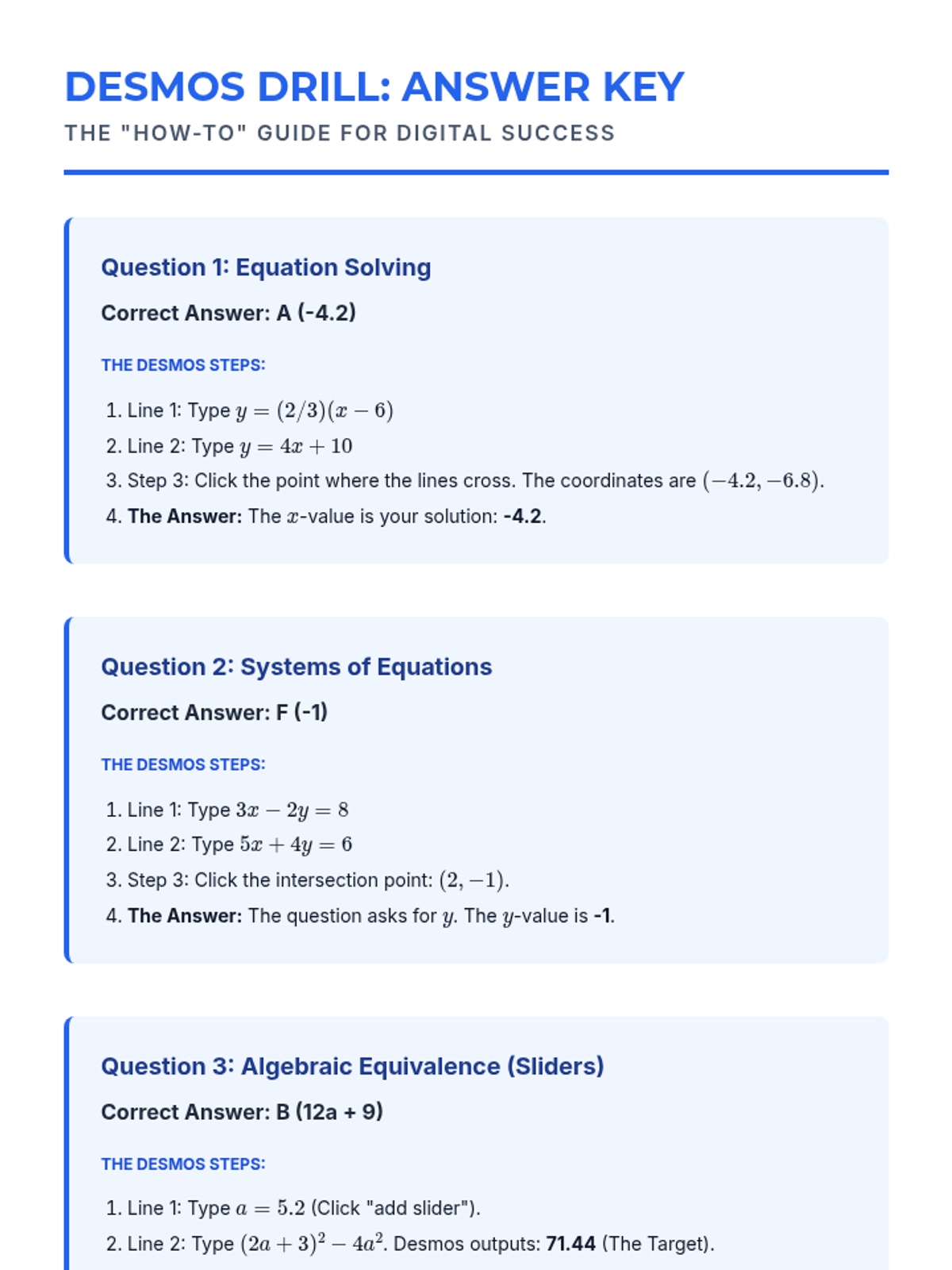
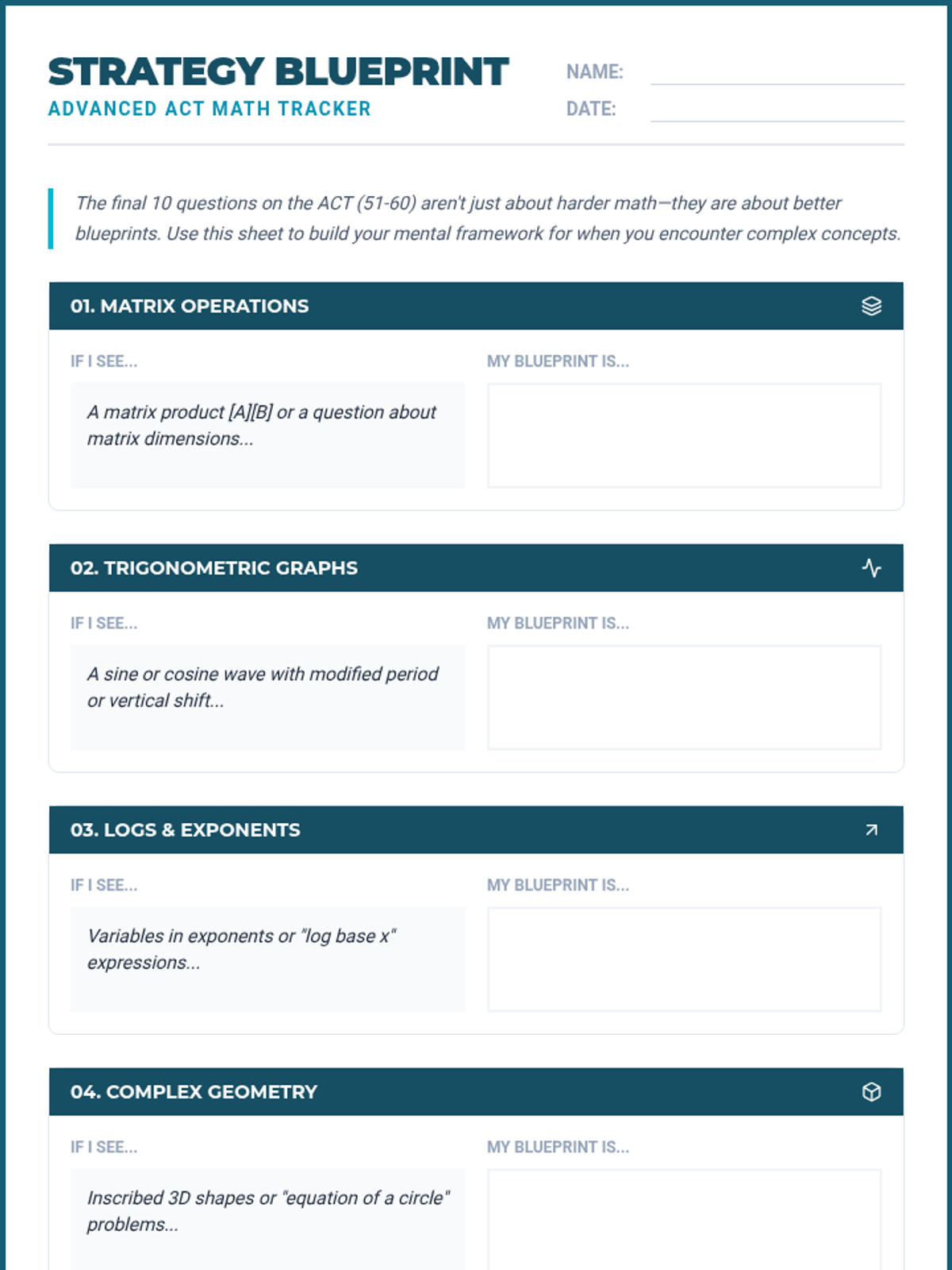
Master the most challenging topics on the ACT, including Pre-Calculus concepts (matrices, vectors, complex numbers) and high-difficulty Geometry (Law of Sines/Cosines, ellipses).
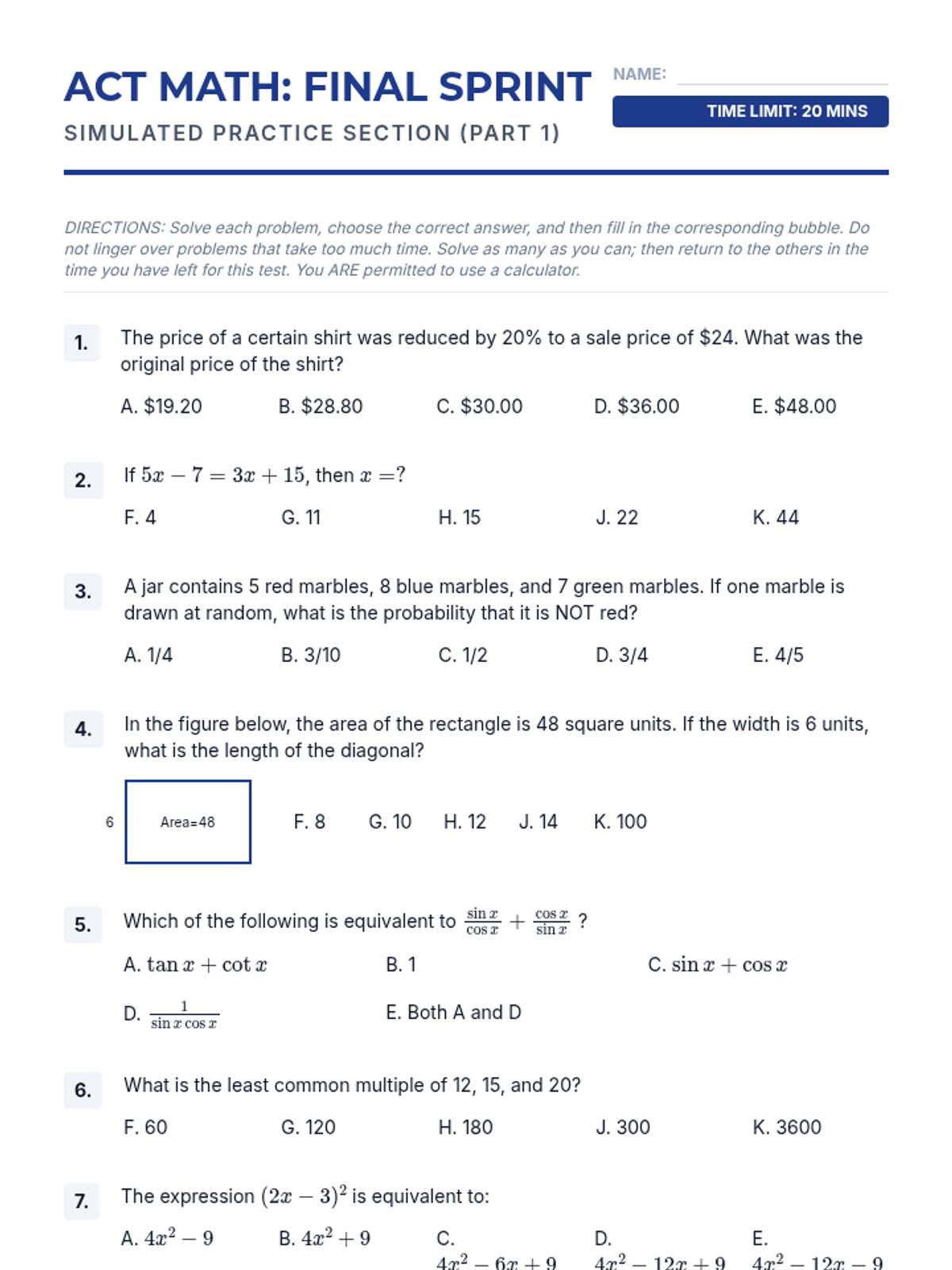
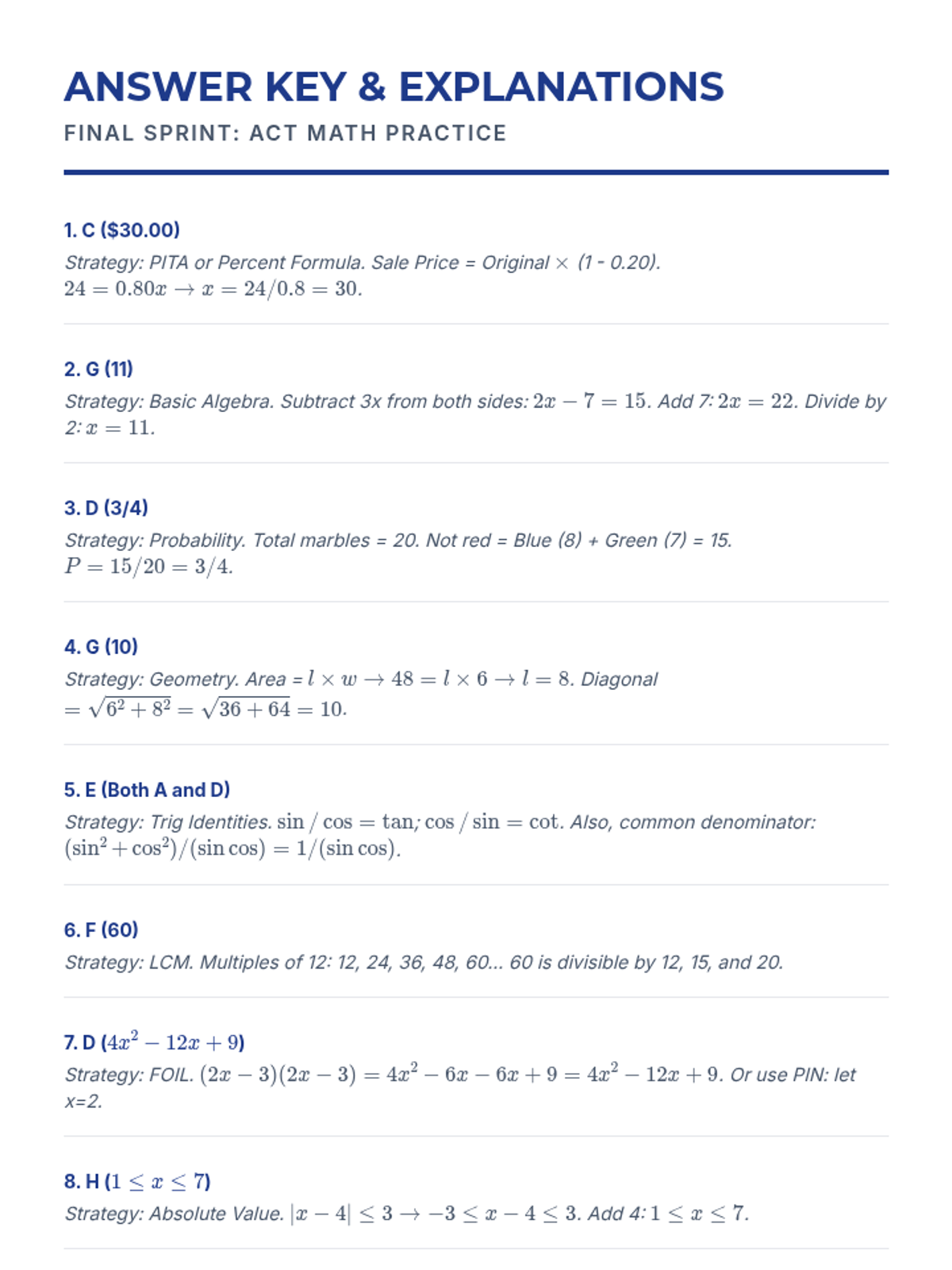
Apply strategies and knowledge in a timed practice environment with a representative ACT Math question set.
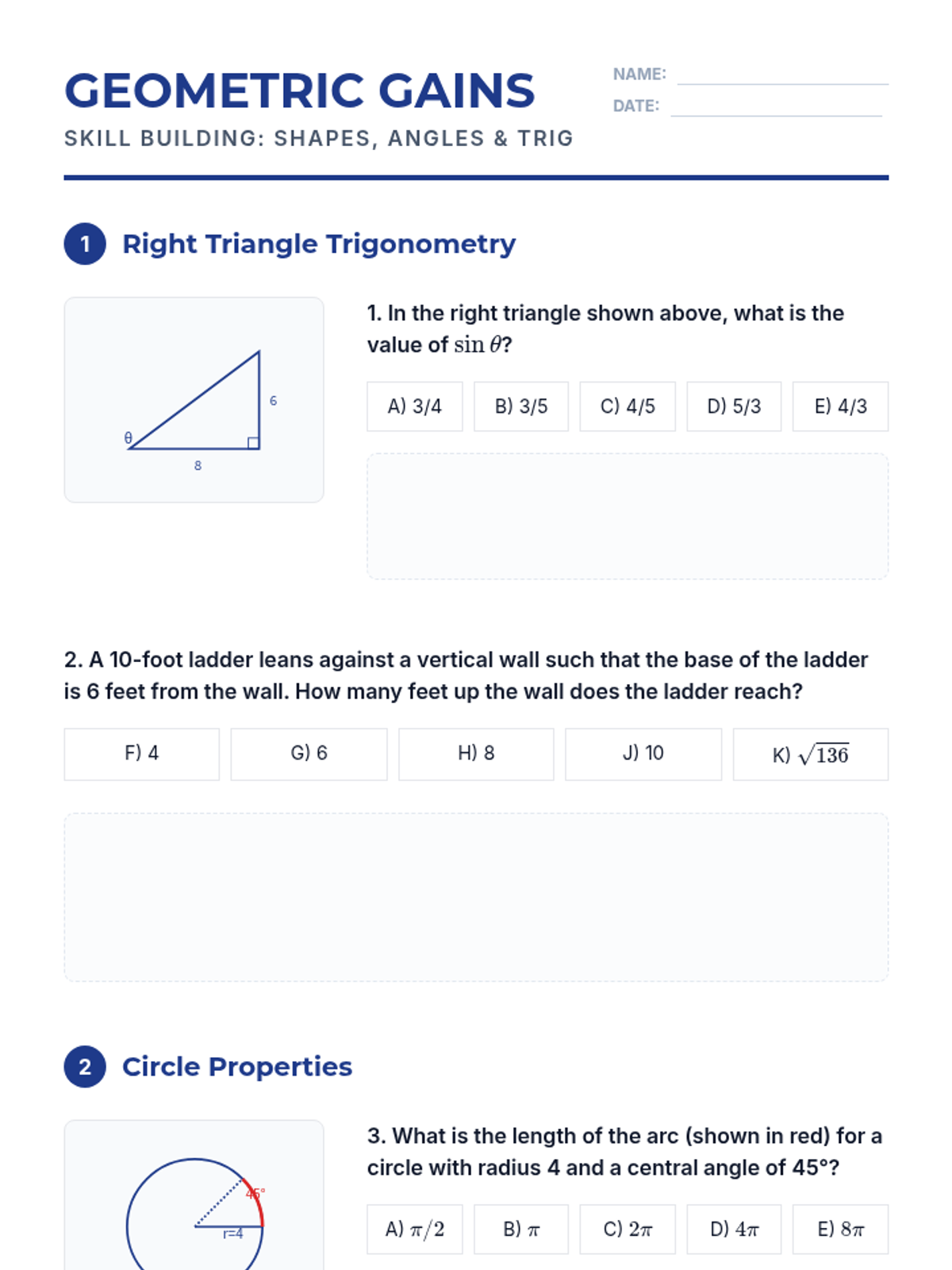
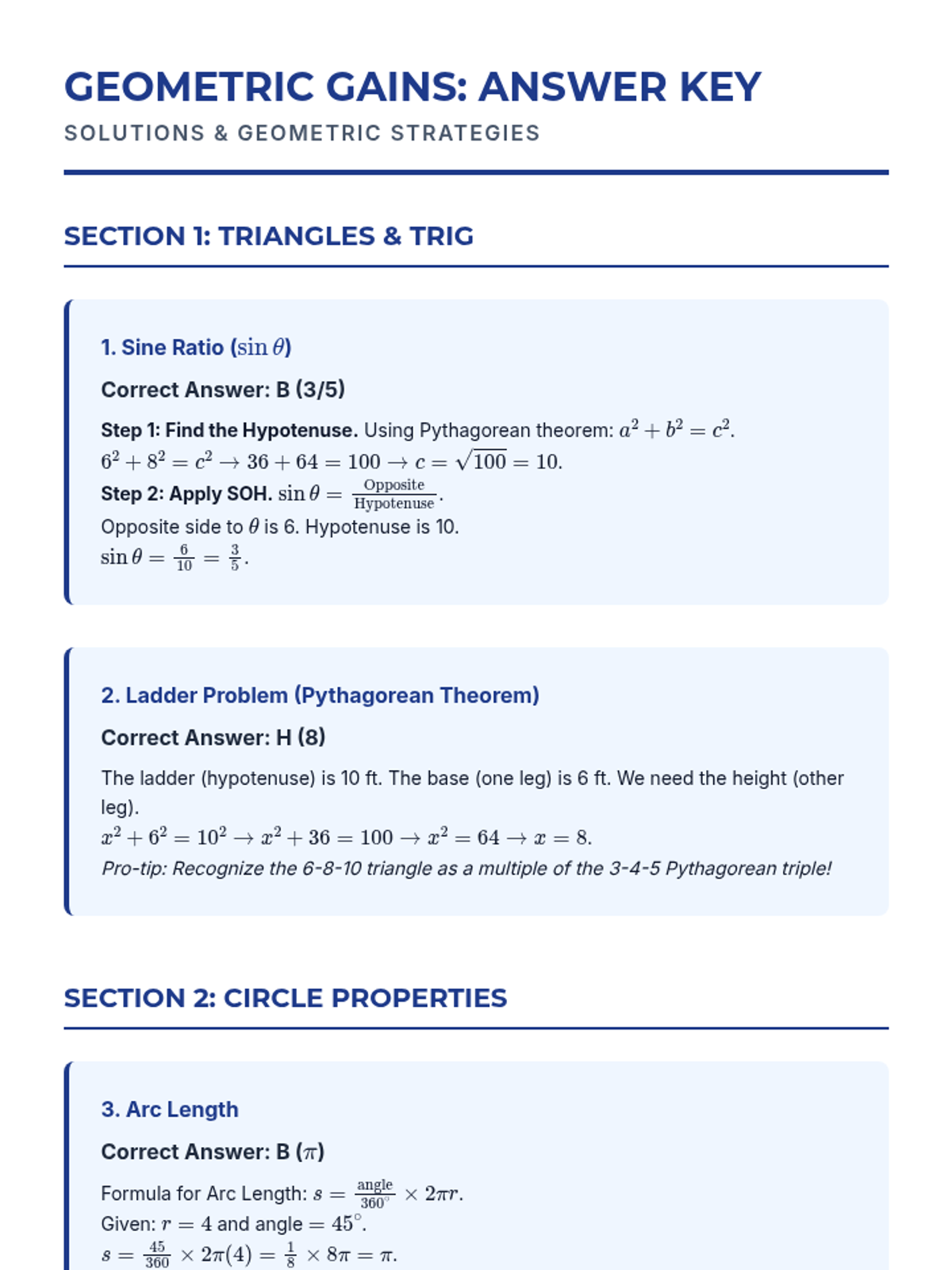
Review critical Geometry and Trigonometry concepts, from SOH CAH TOA to circle properties and coordinate geometry.
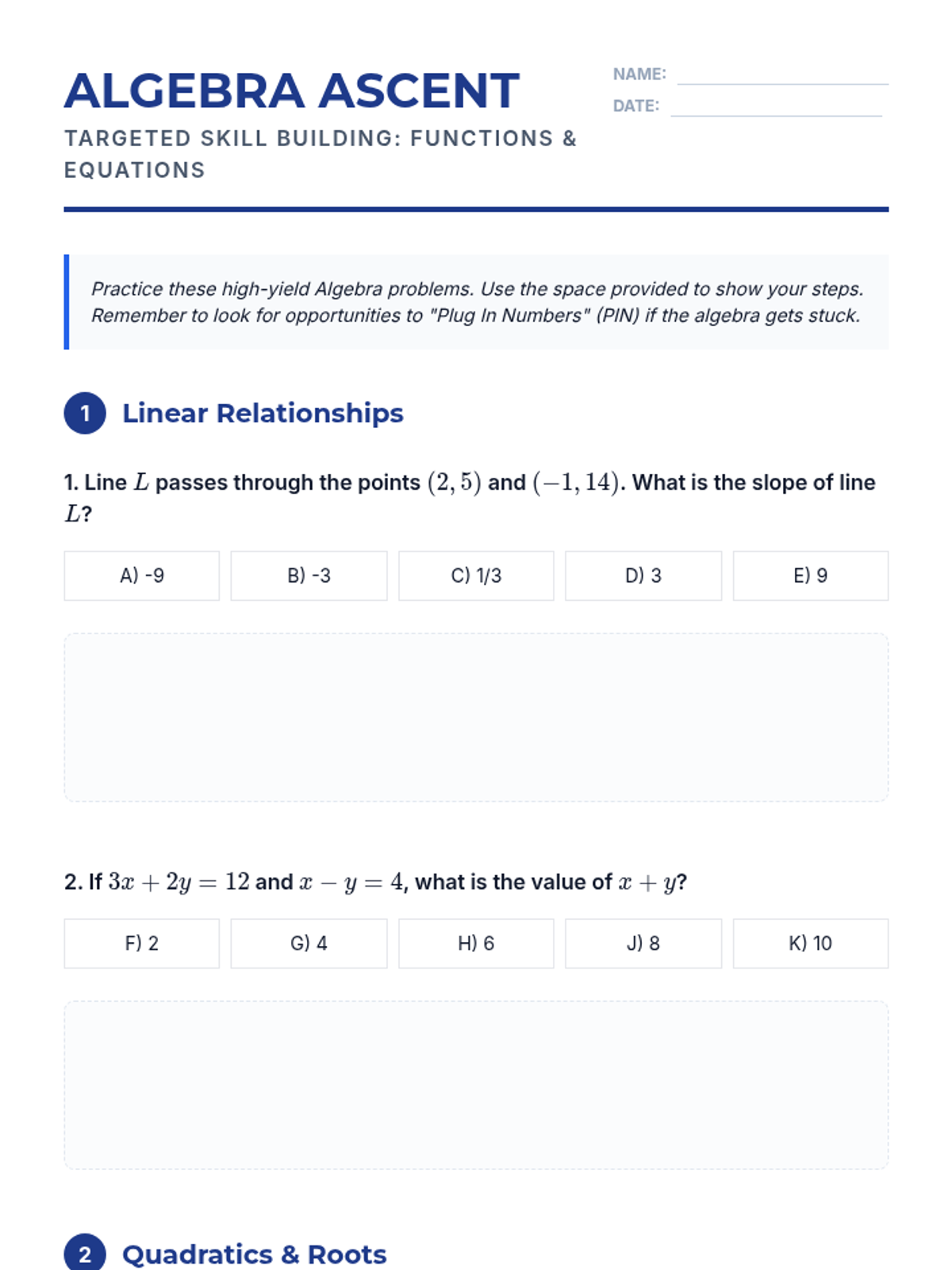
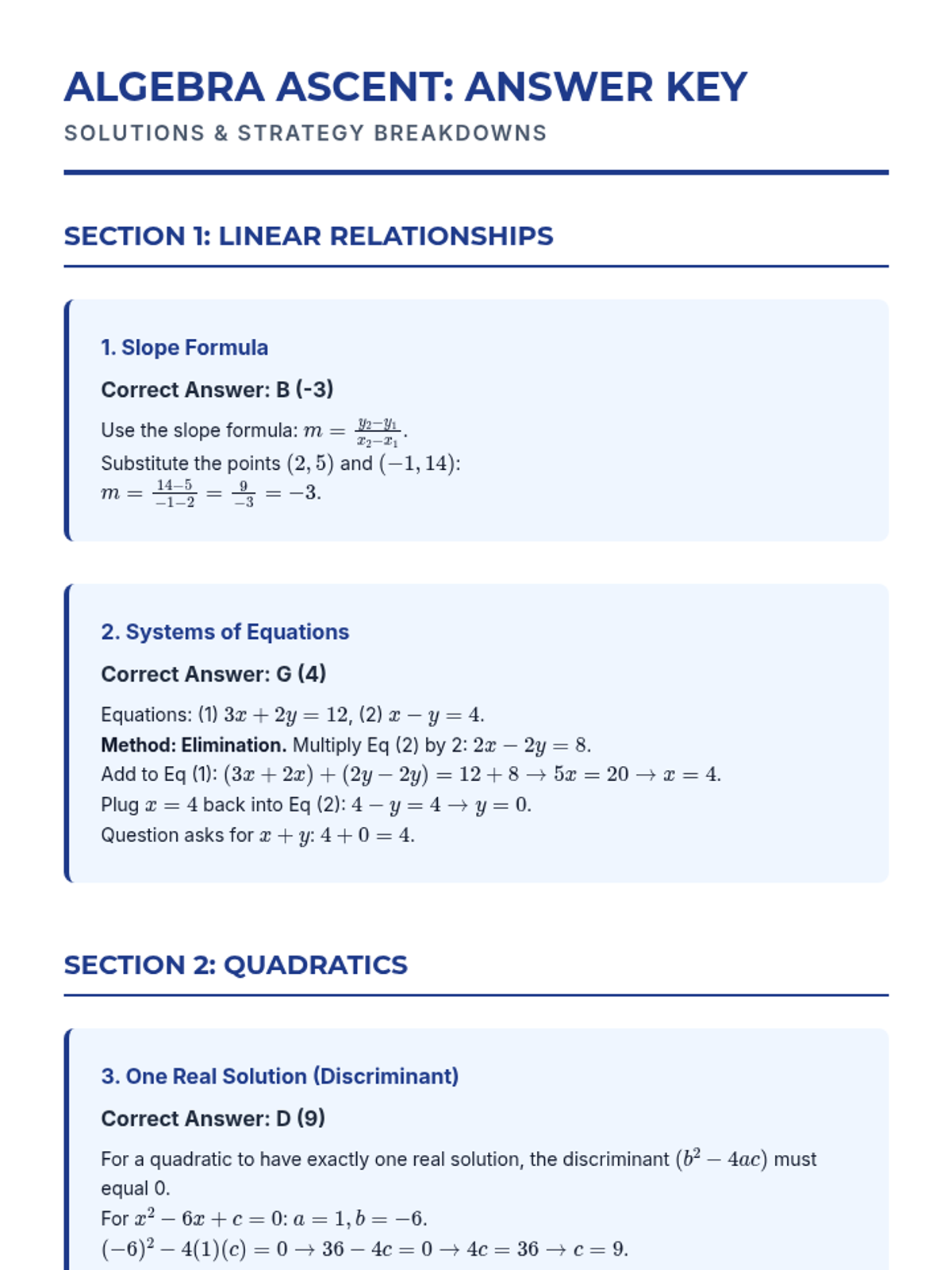
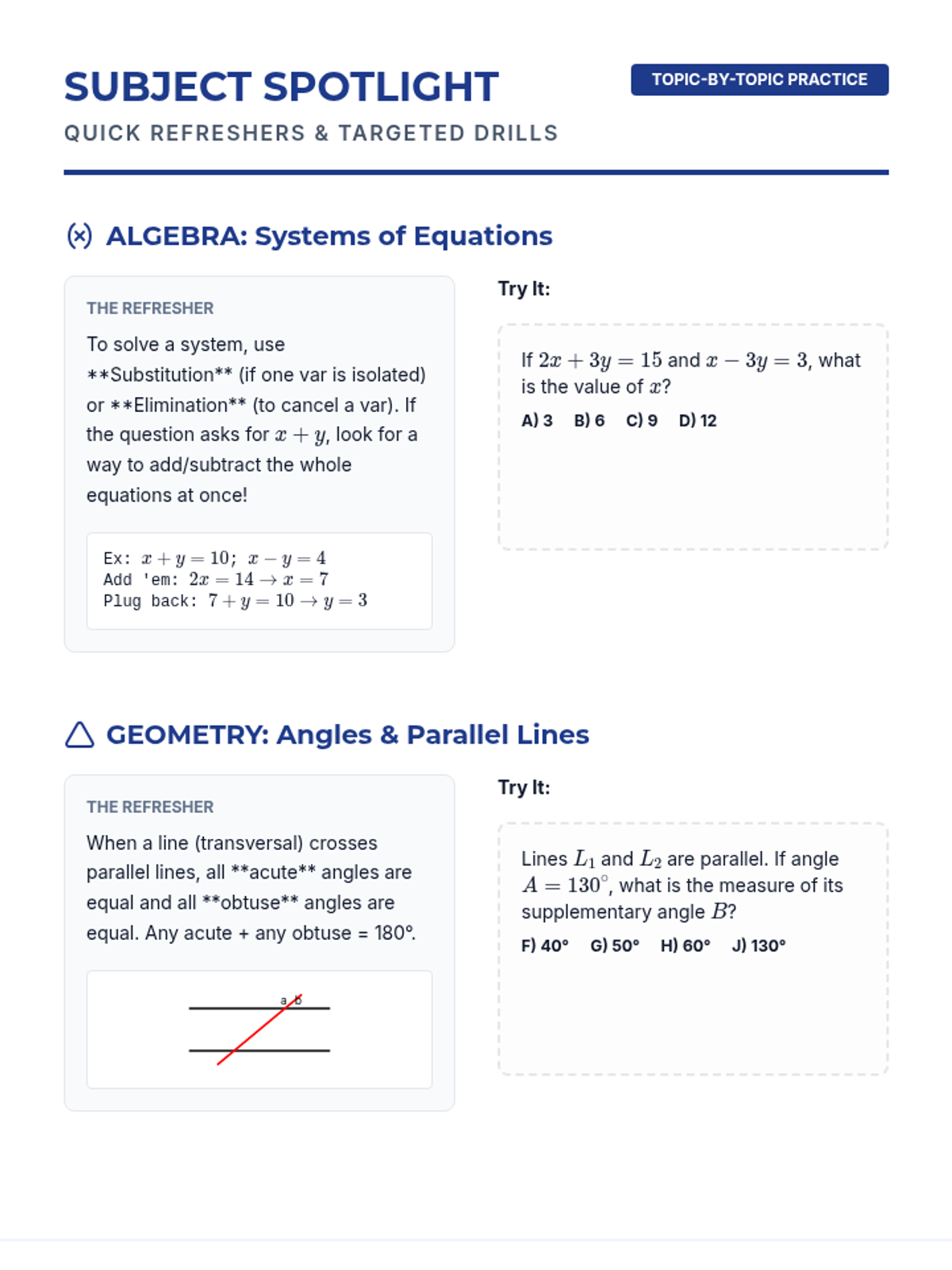
Deep dive into high-yield Algebra topics including linear functions, systems of equations, and quadratic properties frequently tested on the ACT.
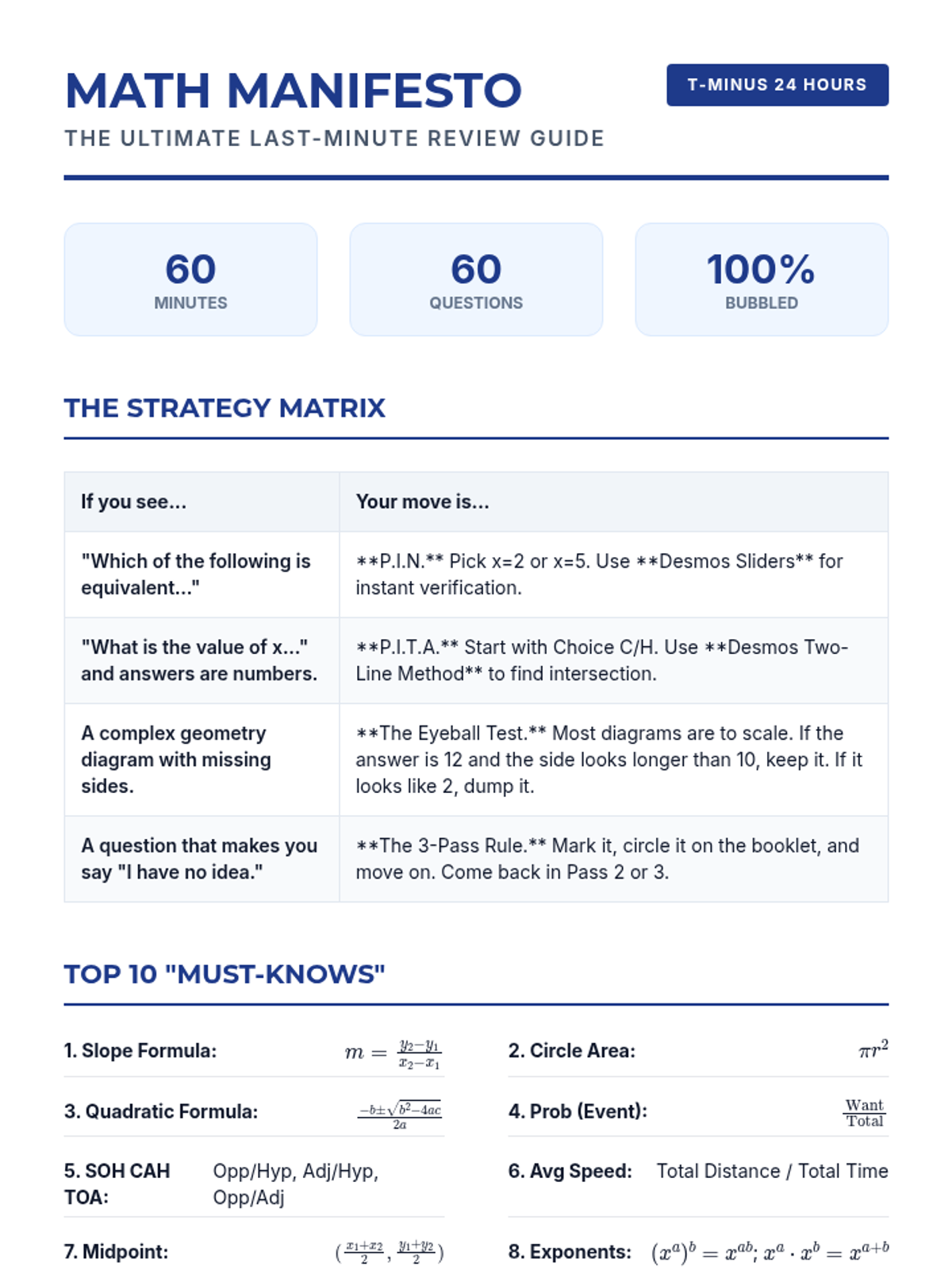
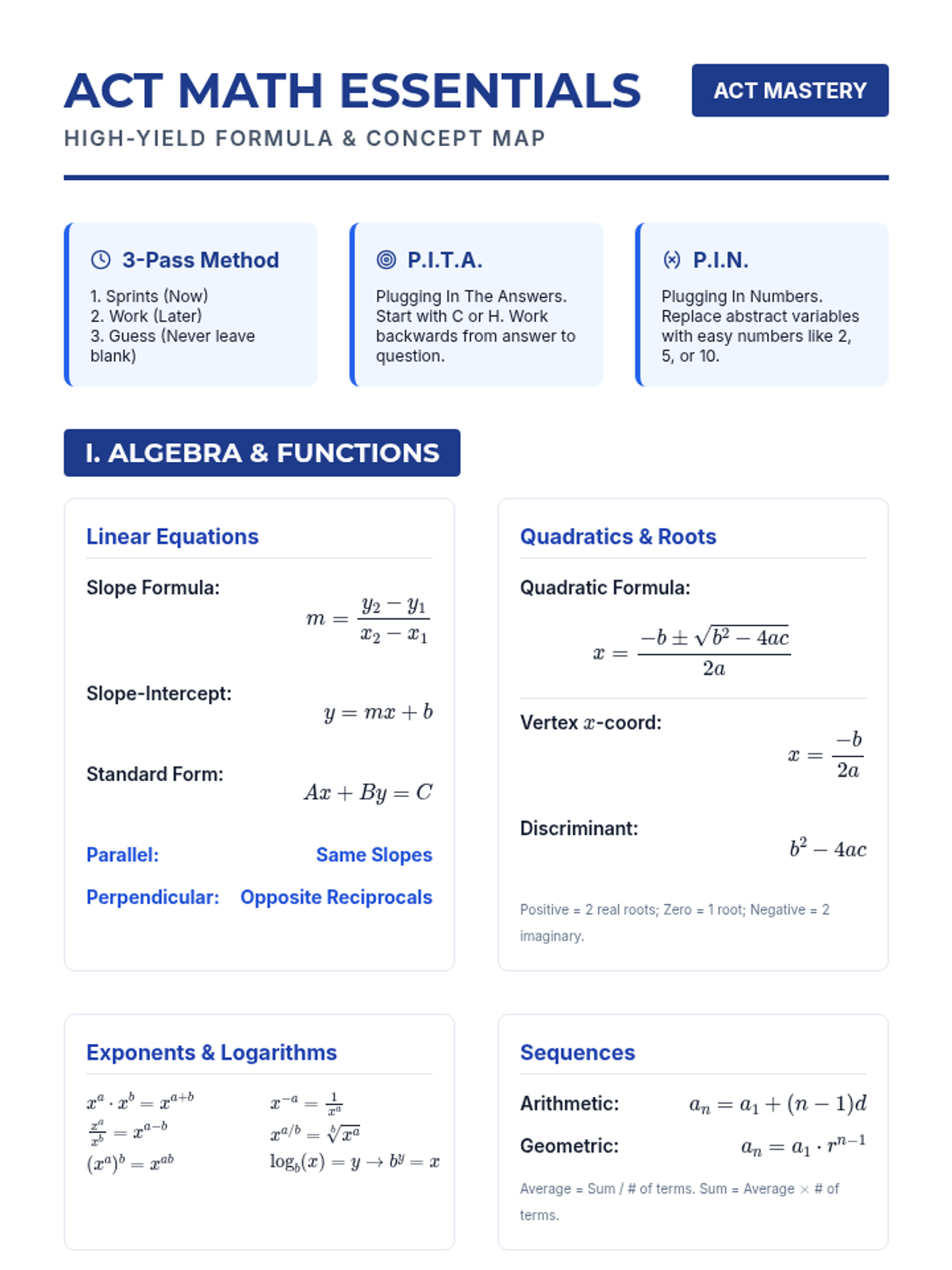
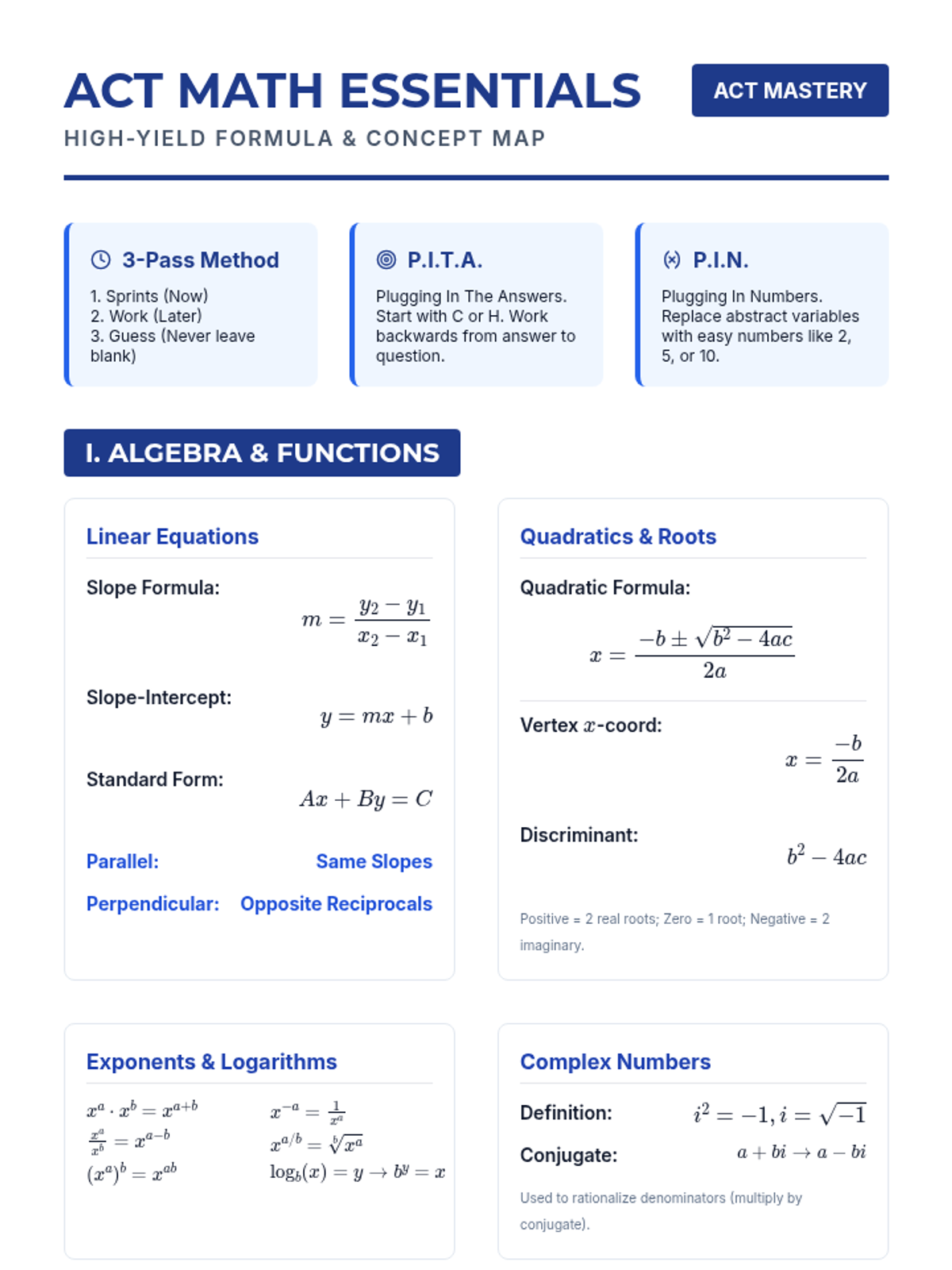
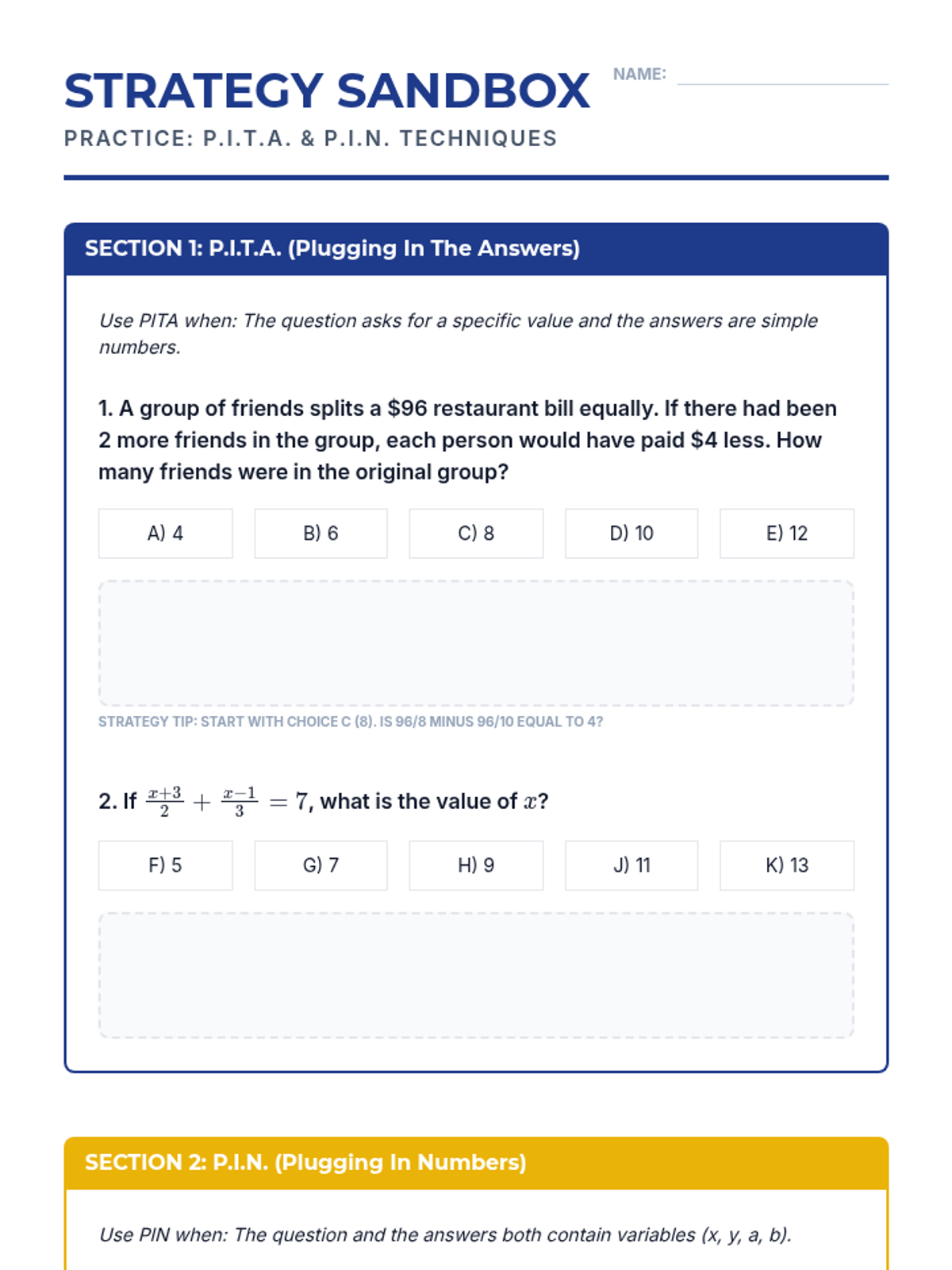
Master the structure of the ACT Math section and learn time-saving strategies like 'The 3-Pass Method' and 'Plugging In' while reviewing essential formulas.
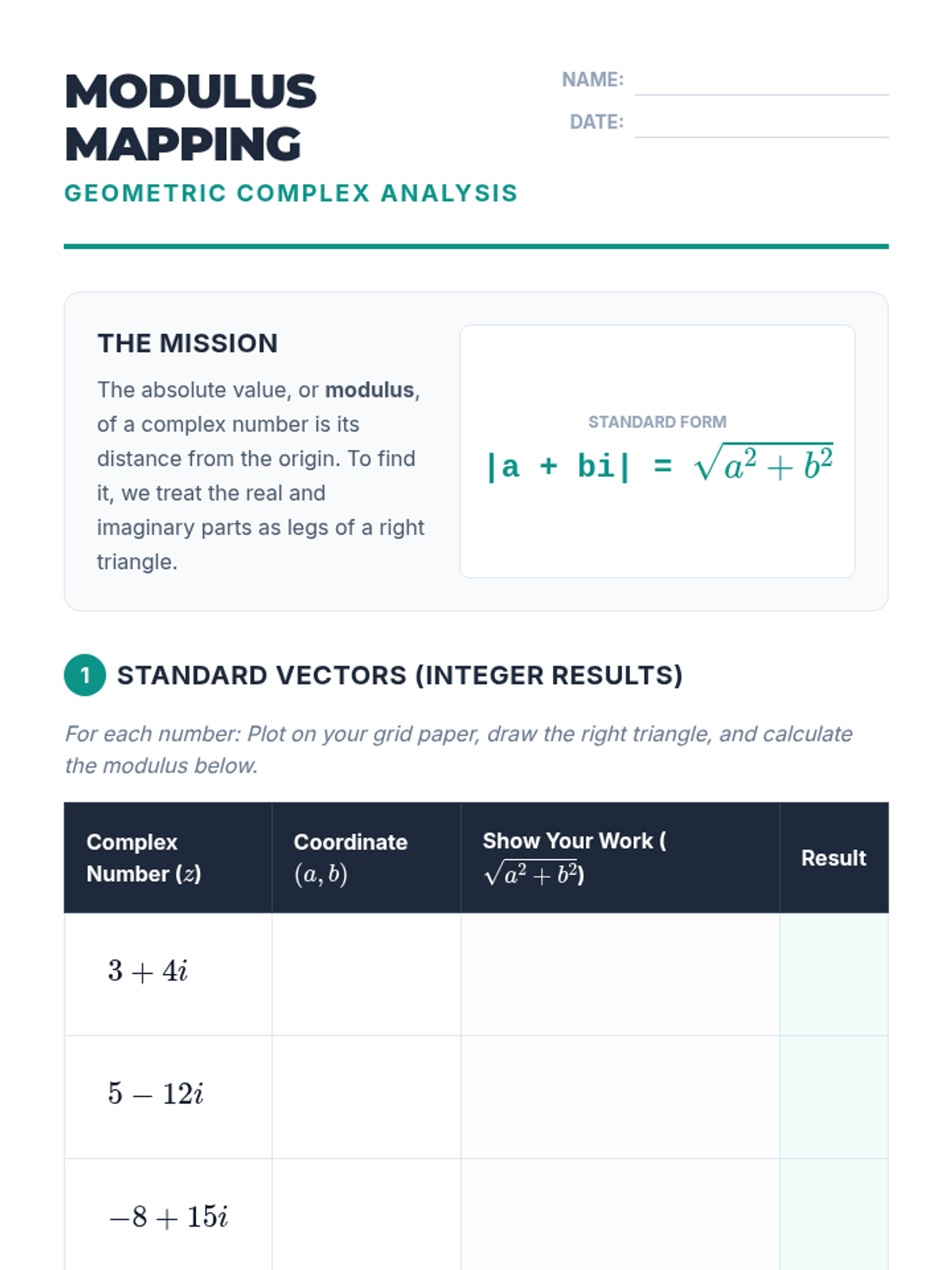
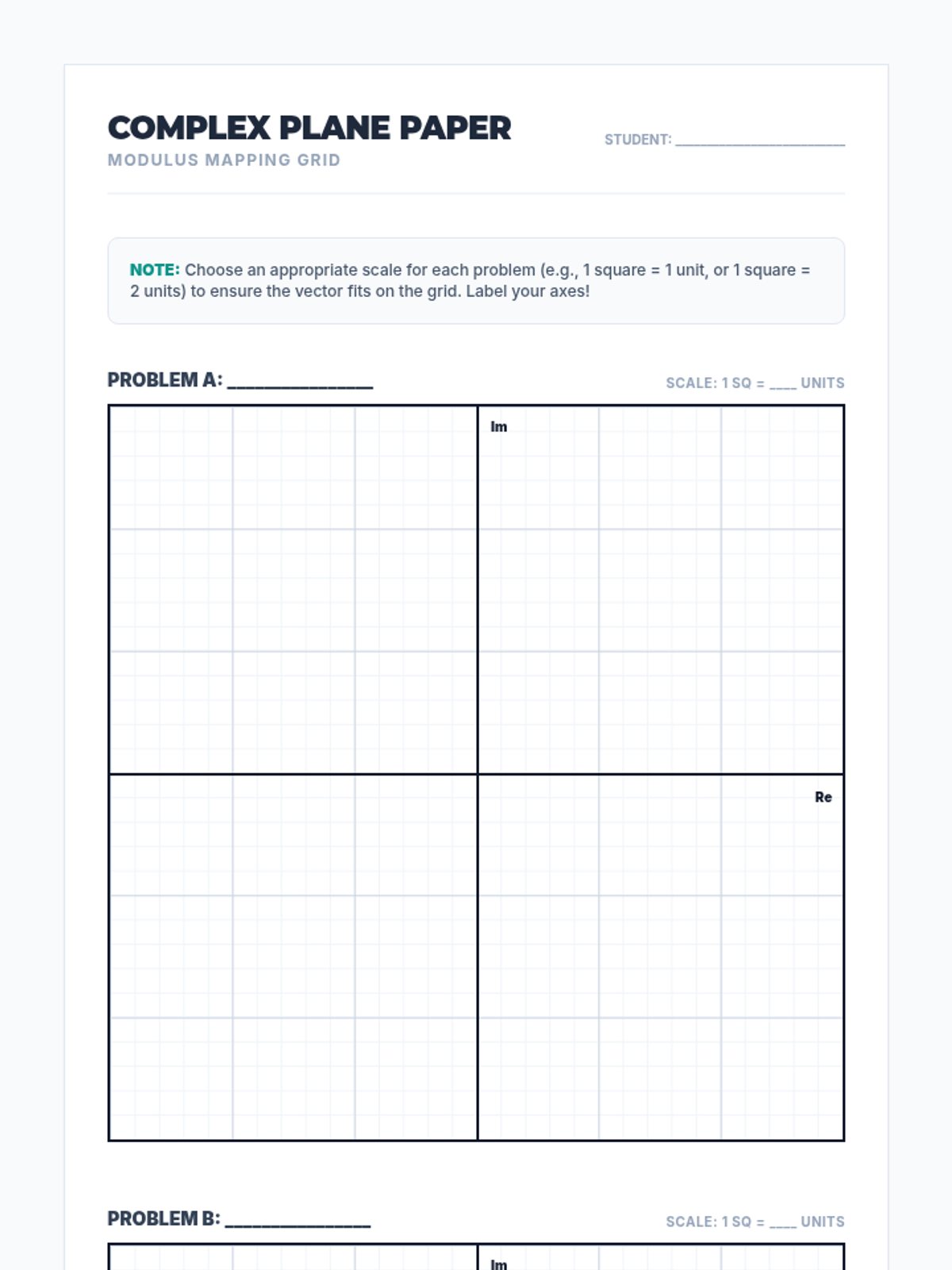
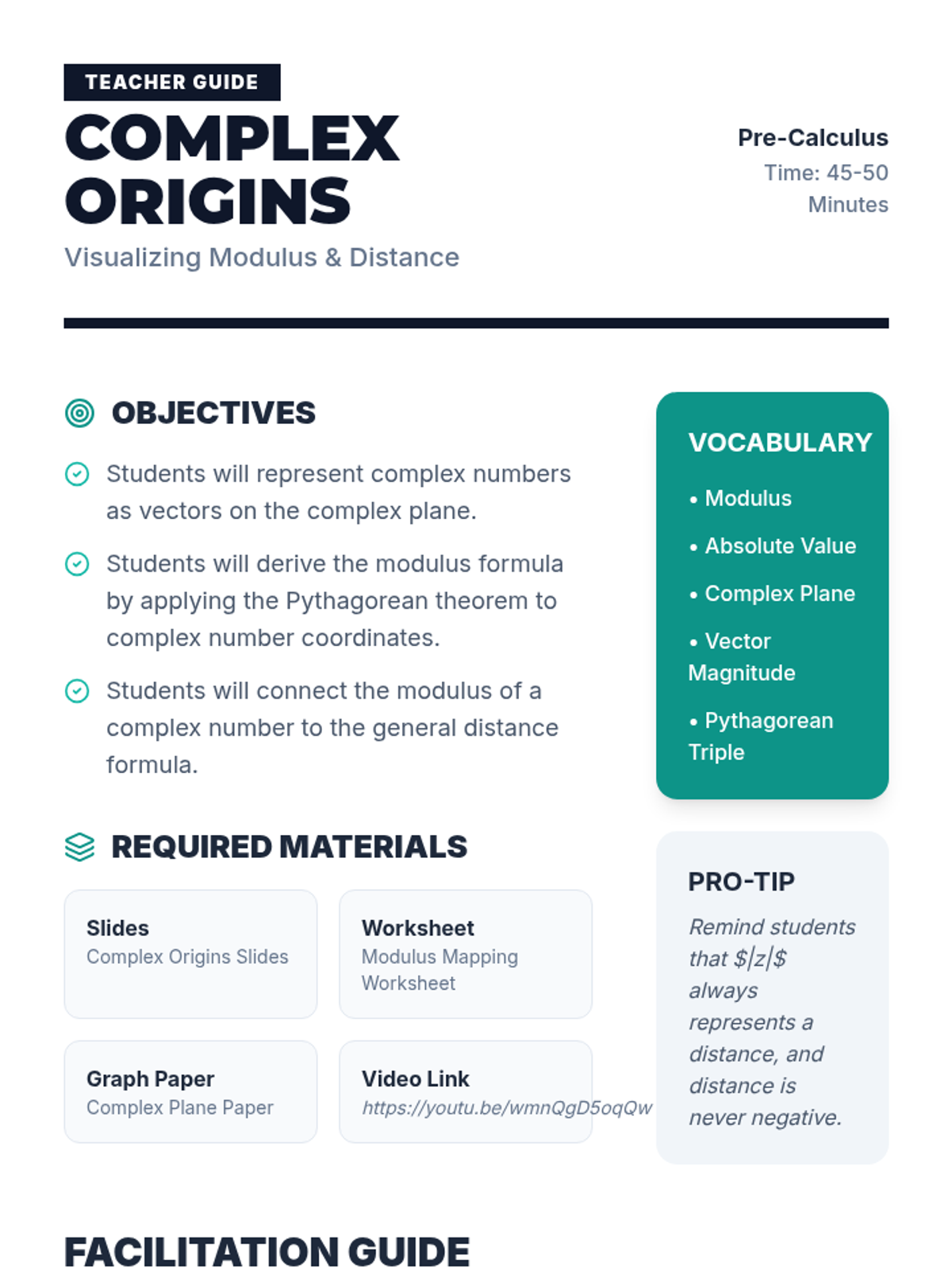
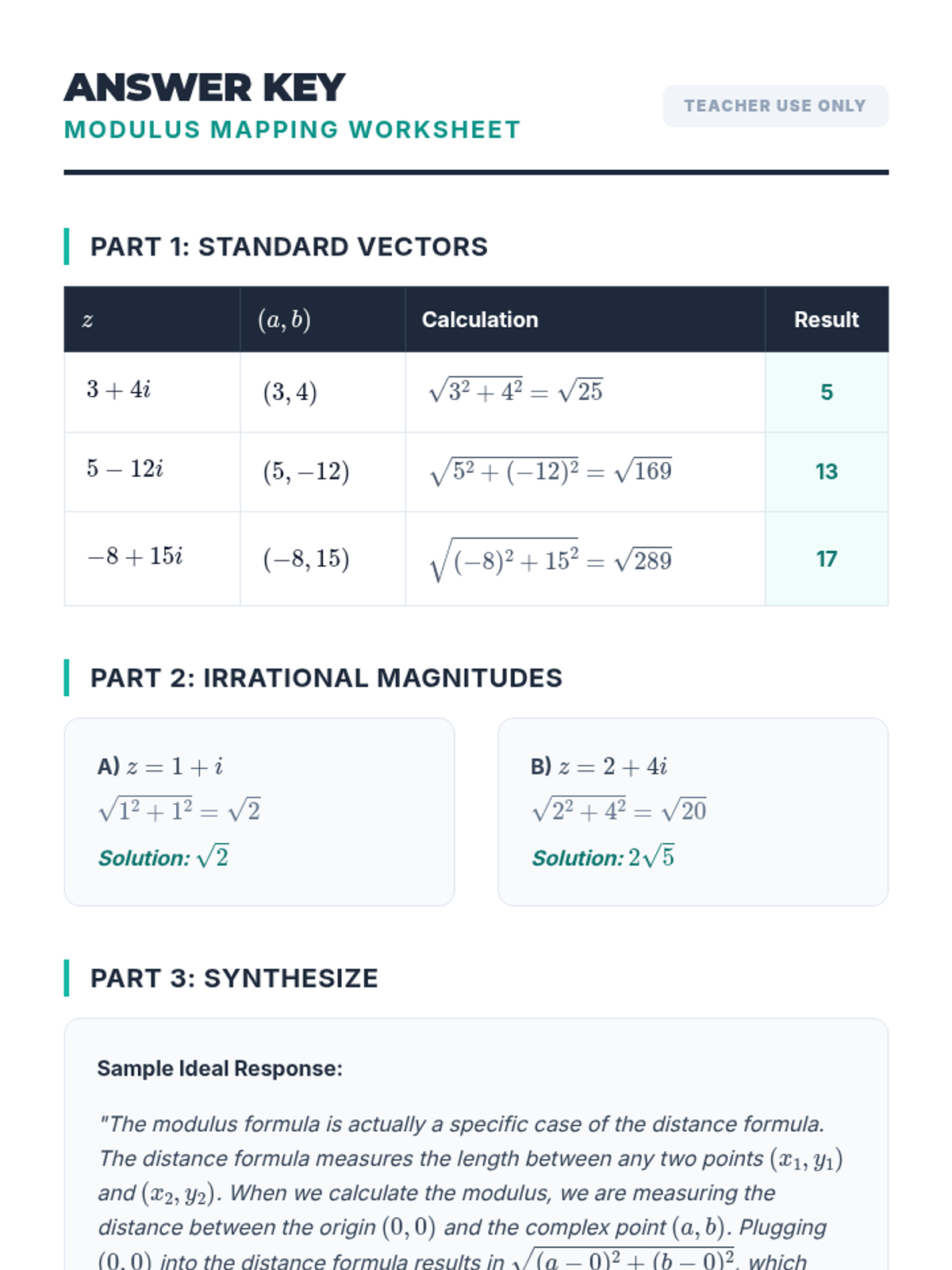
Students explore the geometric representation of complex numbers, connecting the modulus formula to the Pythagorean theorem and distance formula through visualization and practice.
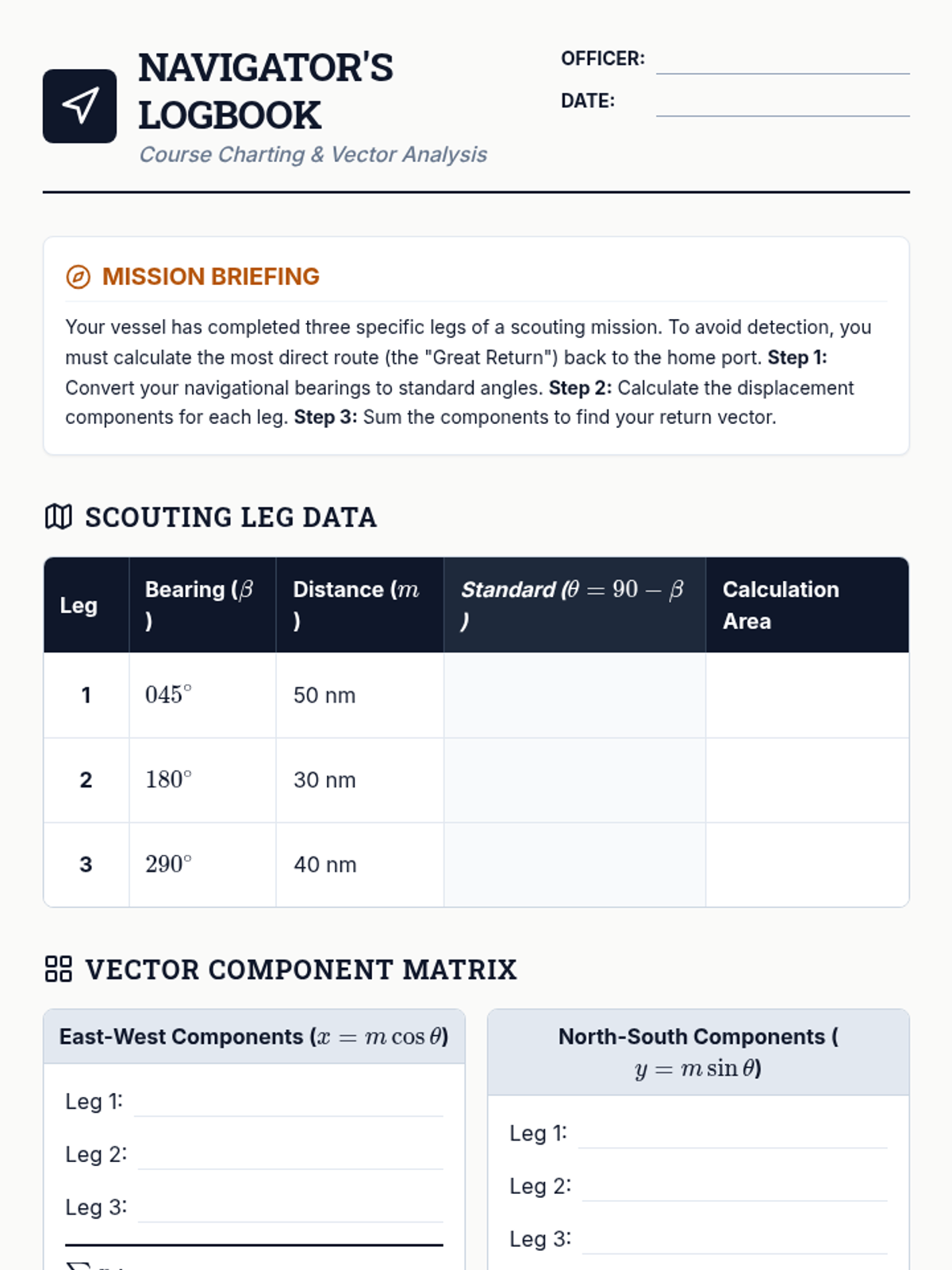
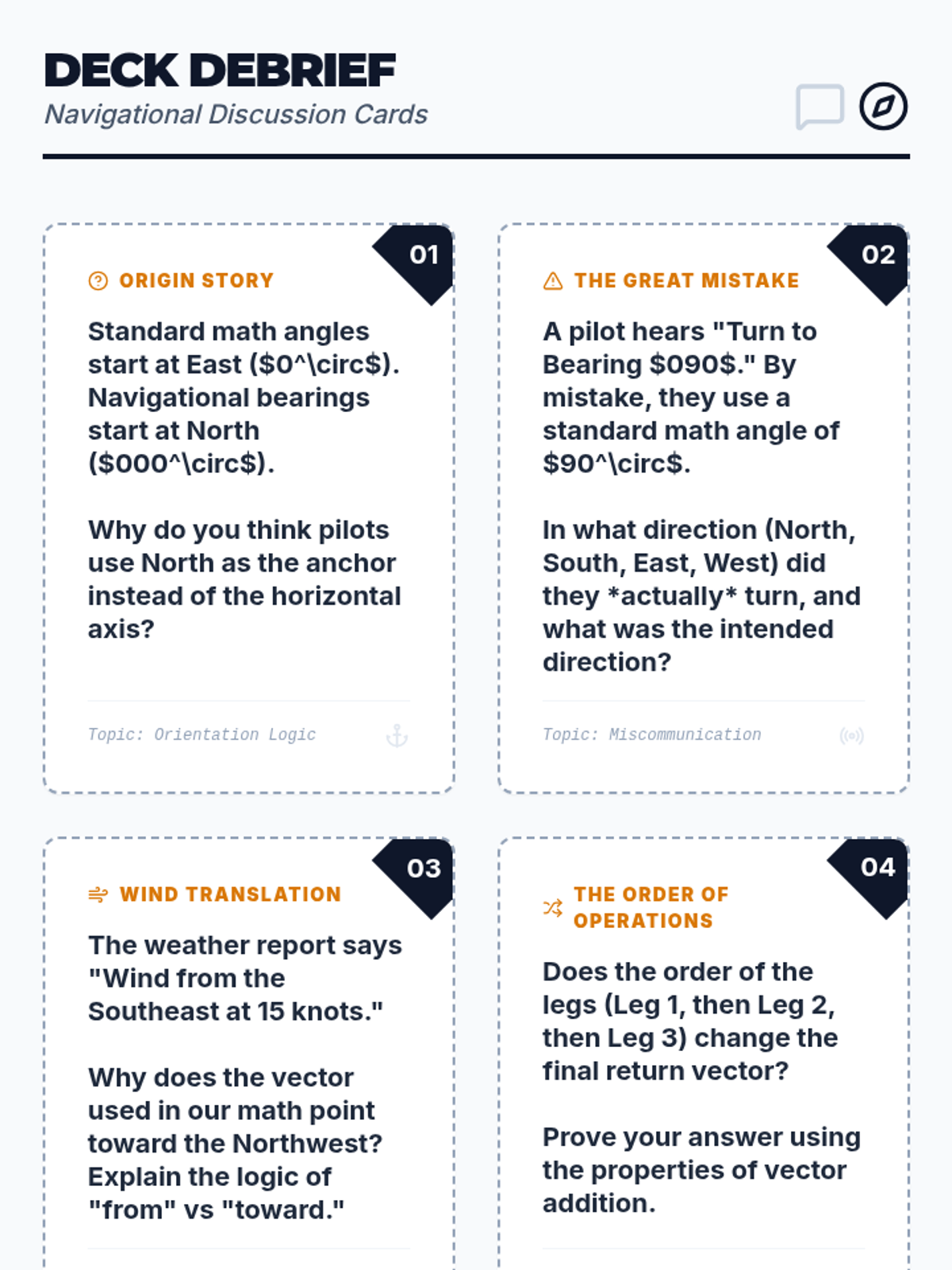
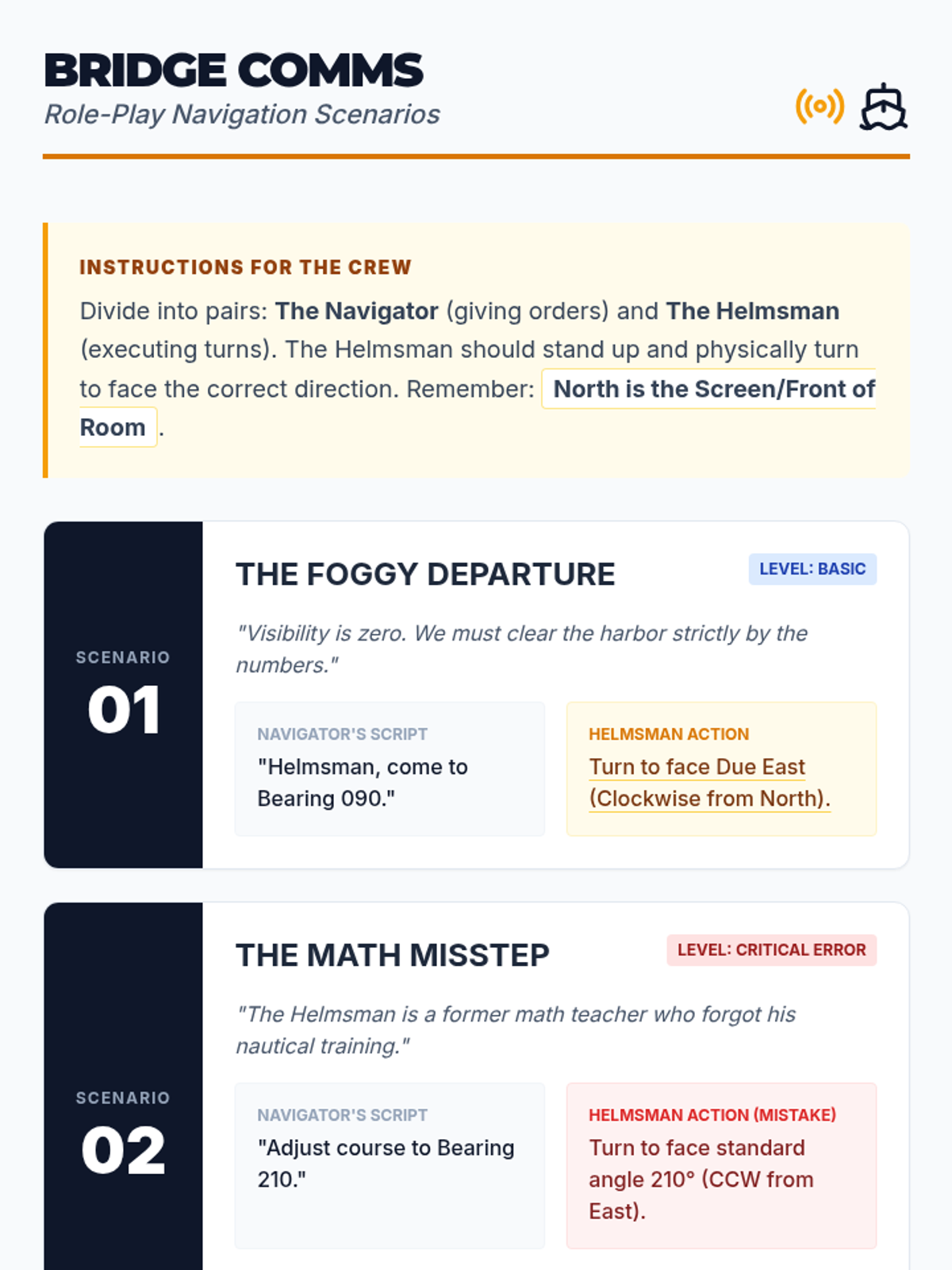
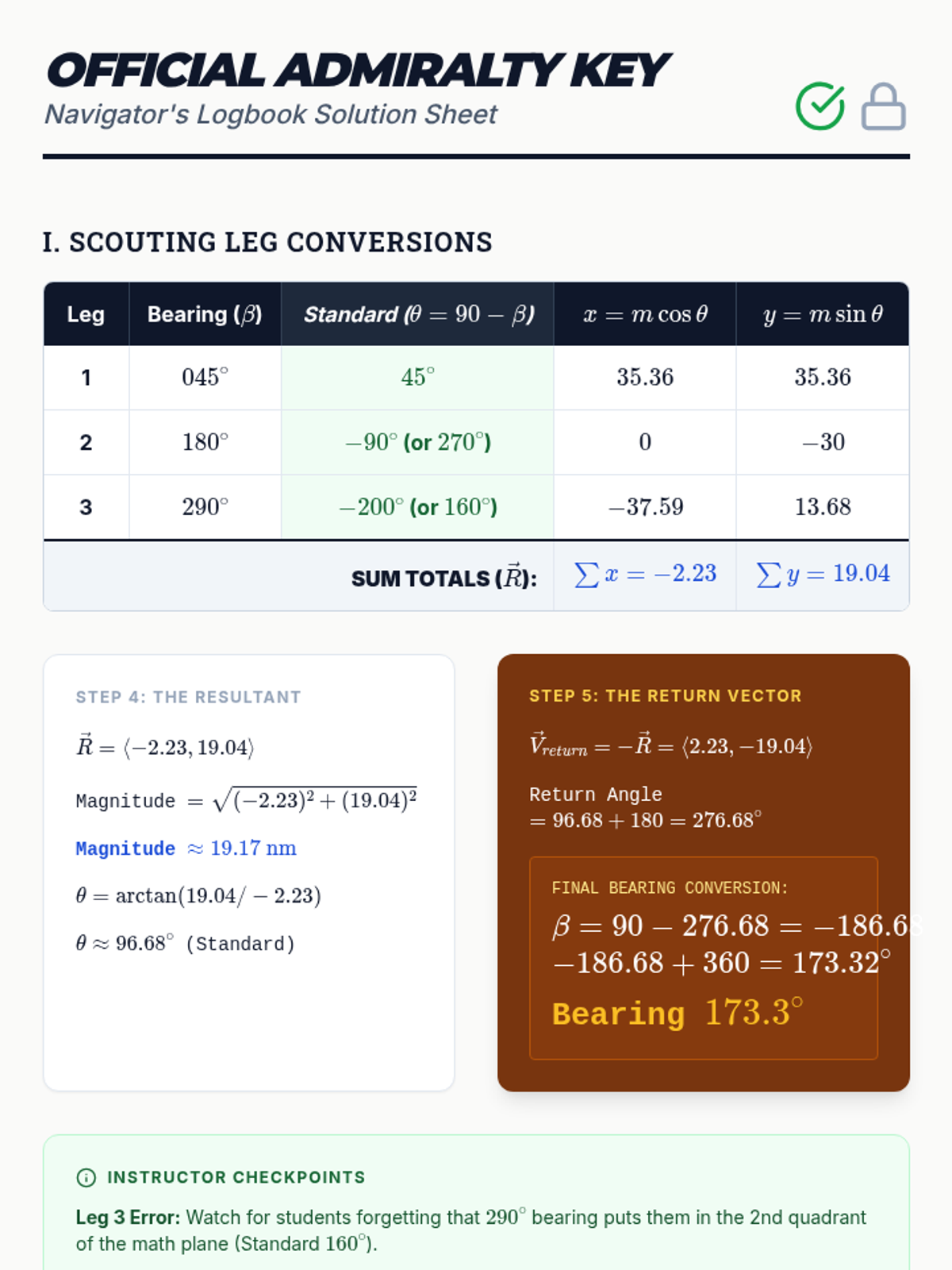
A 10th-grade advanced math lesson focused on the difference between standard trigonometric angles and navigational bearings, featuring vector addition applications.
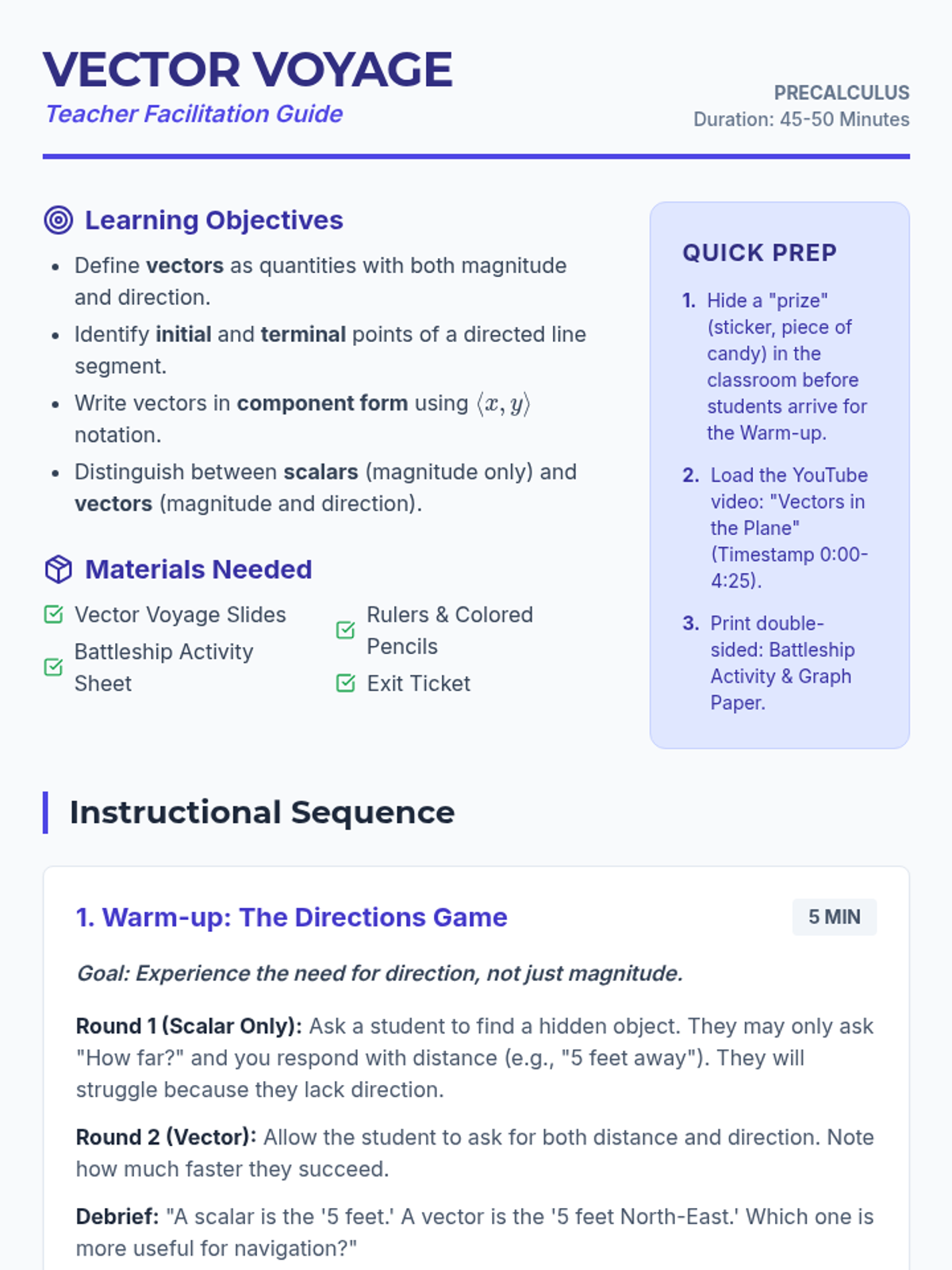
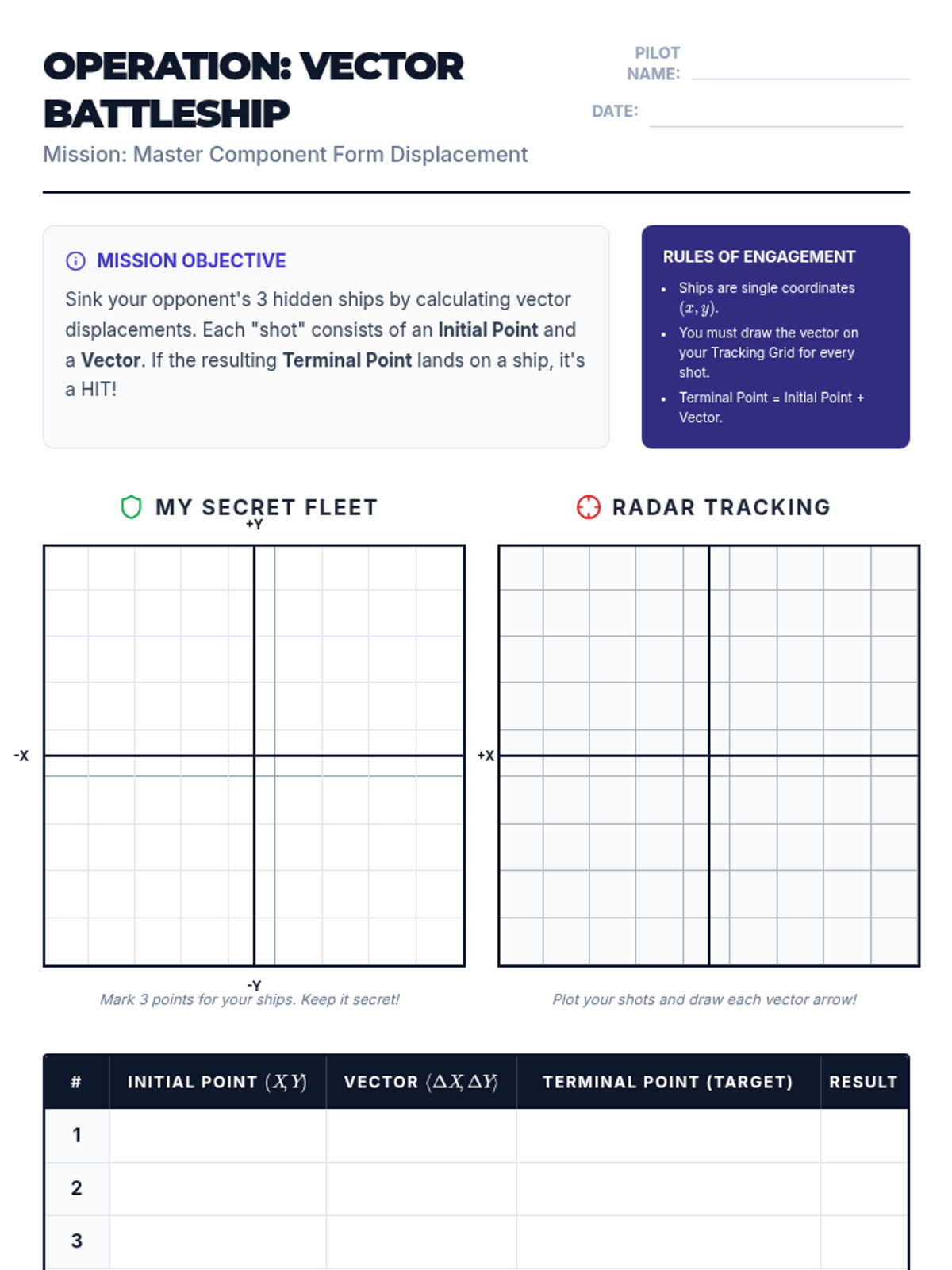
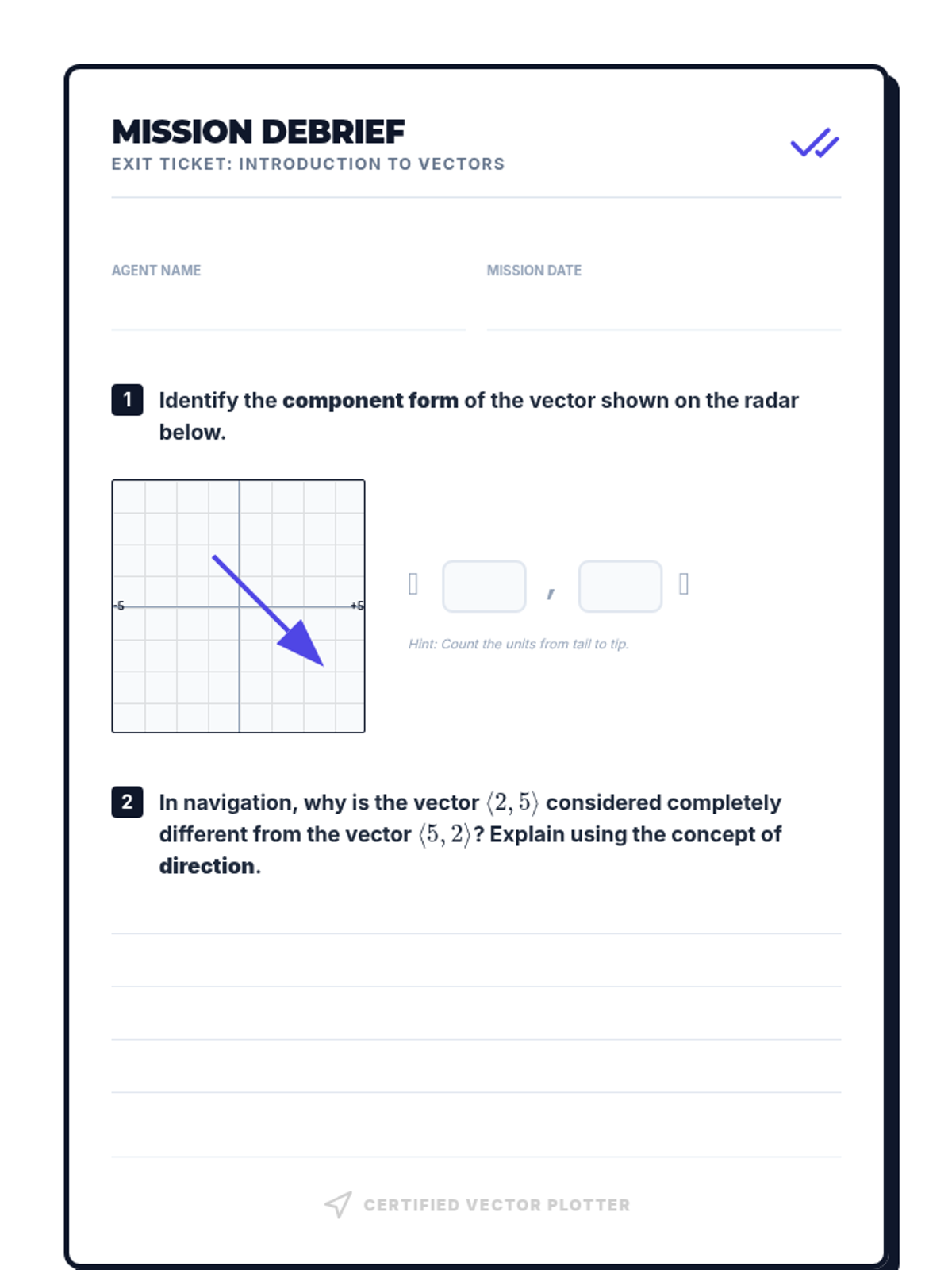
An introductory lesson on vectors in the coordinate plane. Students distinguish between scalars and vectors, learn component form notation, and practice plotting vectors through a collaborative 'Battleship' style activity.
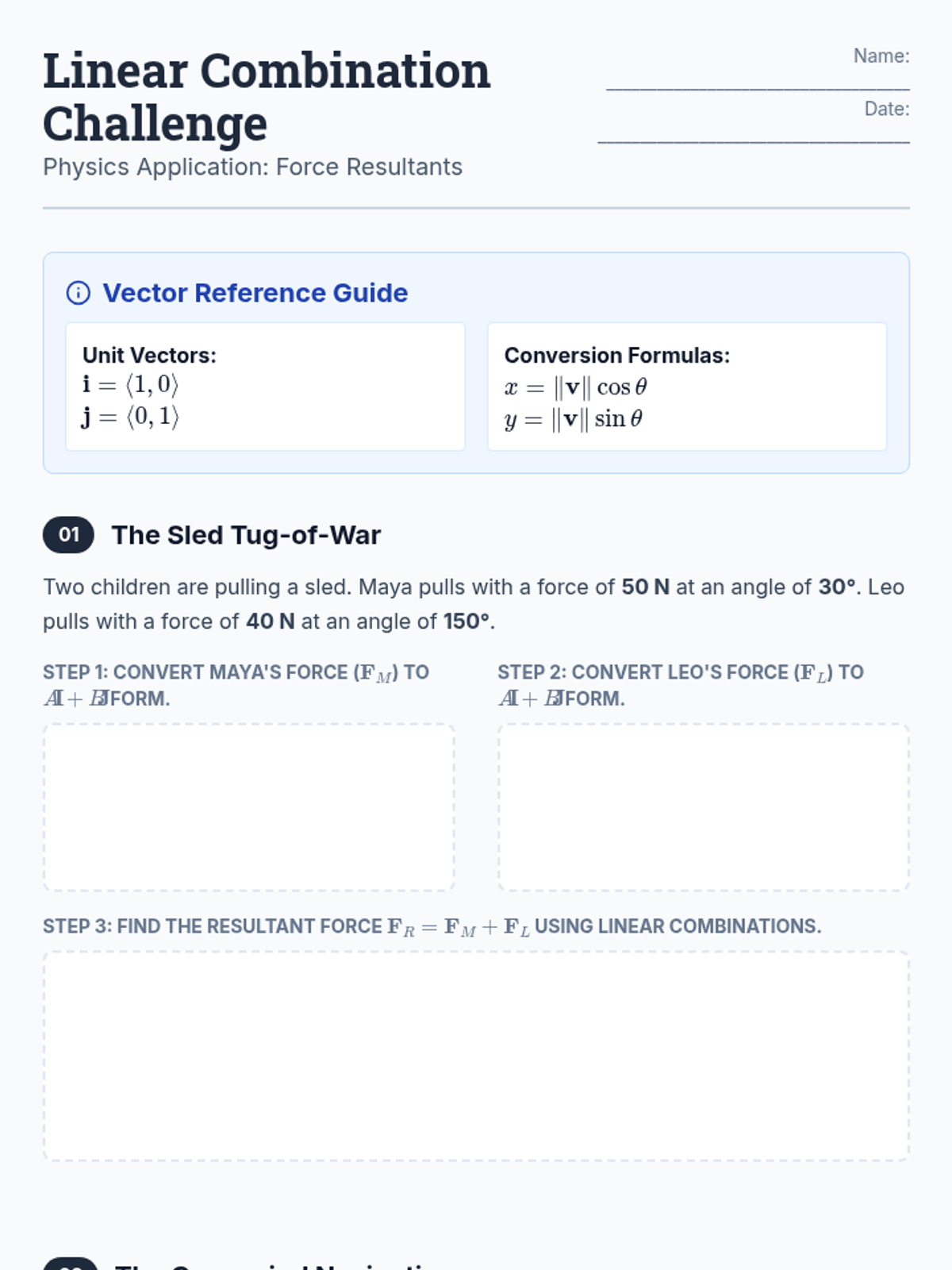
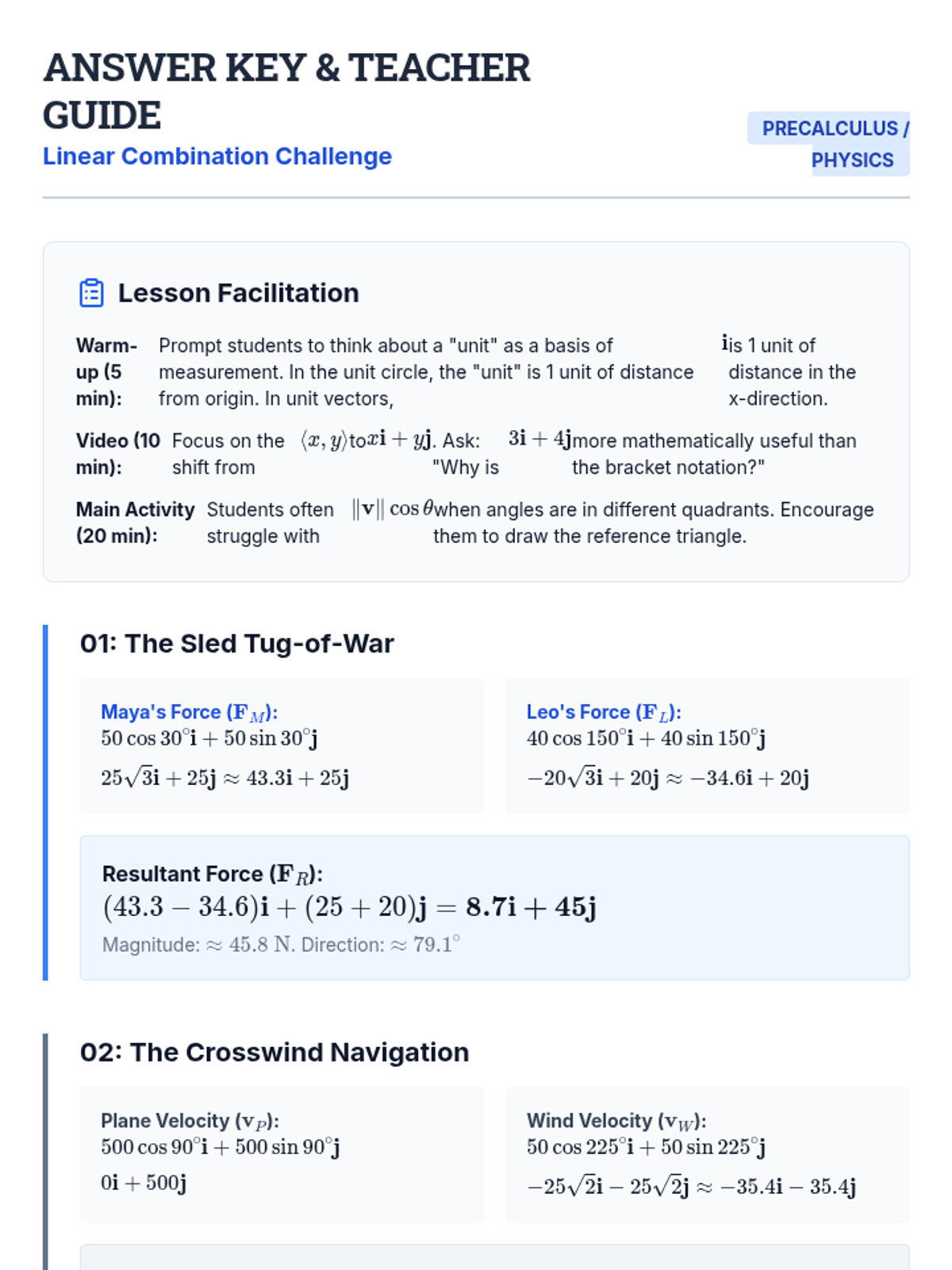
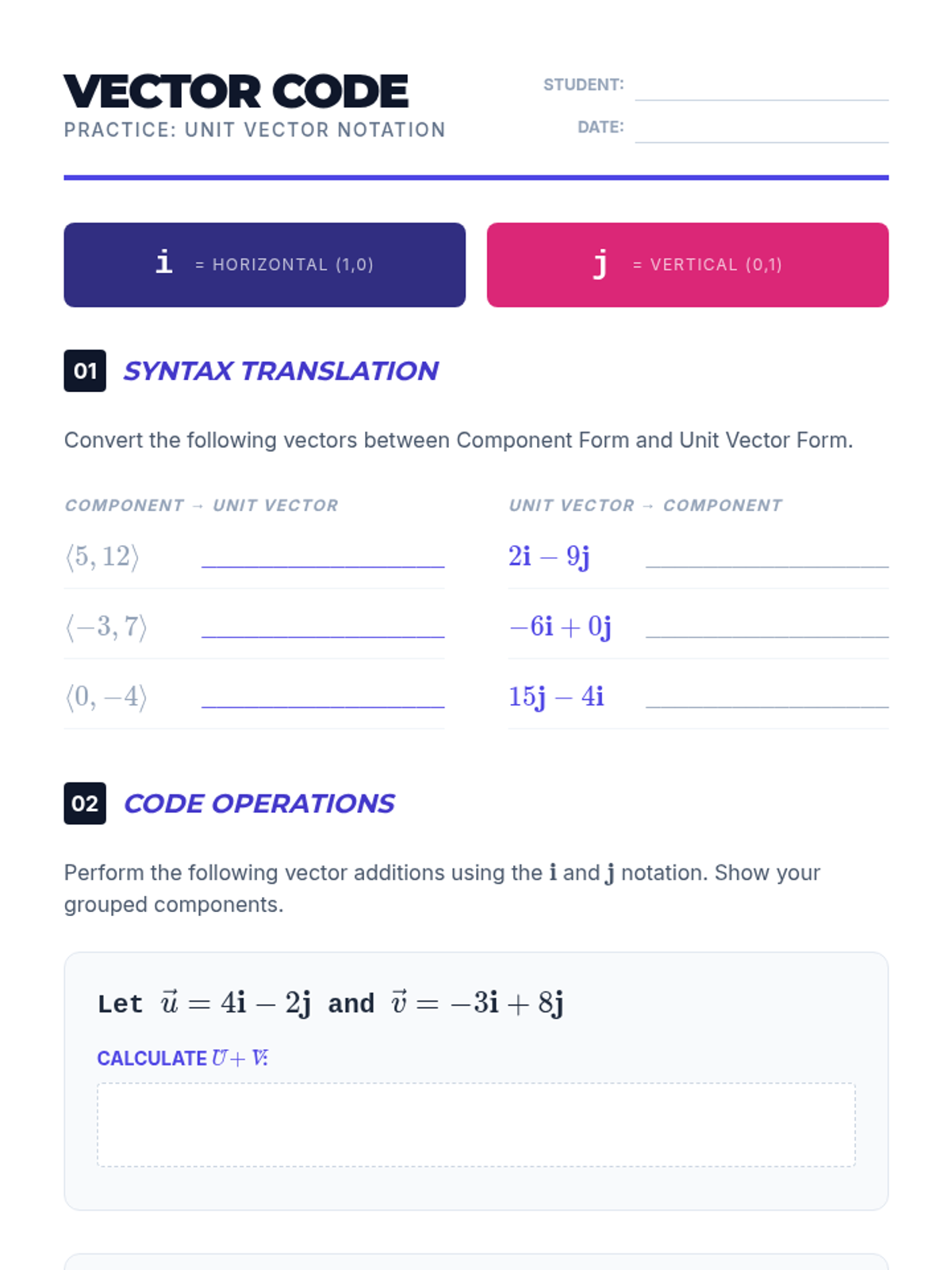
A lesson for Advanced Precalculus students focusing on expressing vectors as linear combinations of the unit vectors i and j, featuring physics-based force problems and rapid-fire conversion practice.
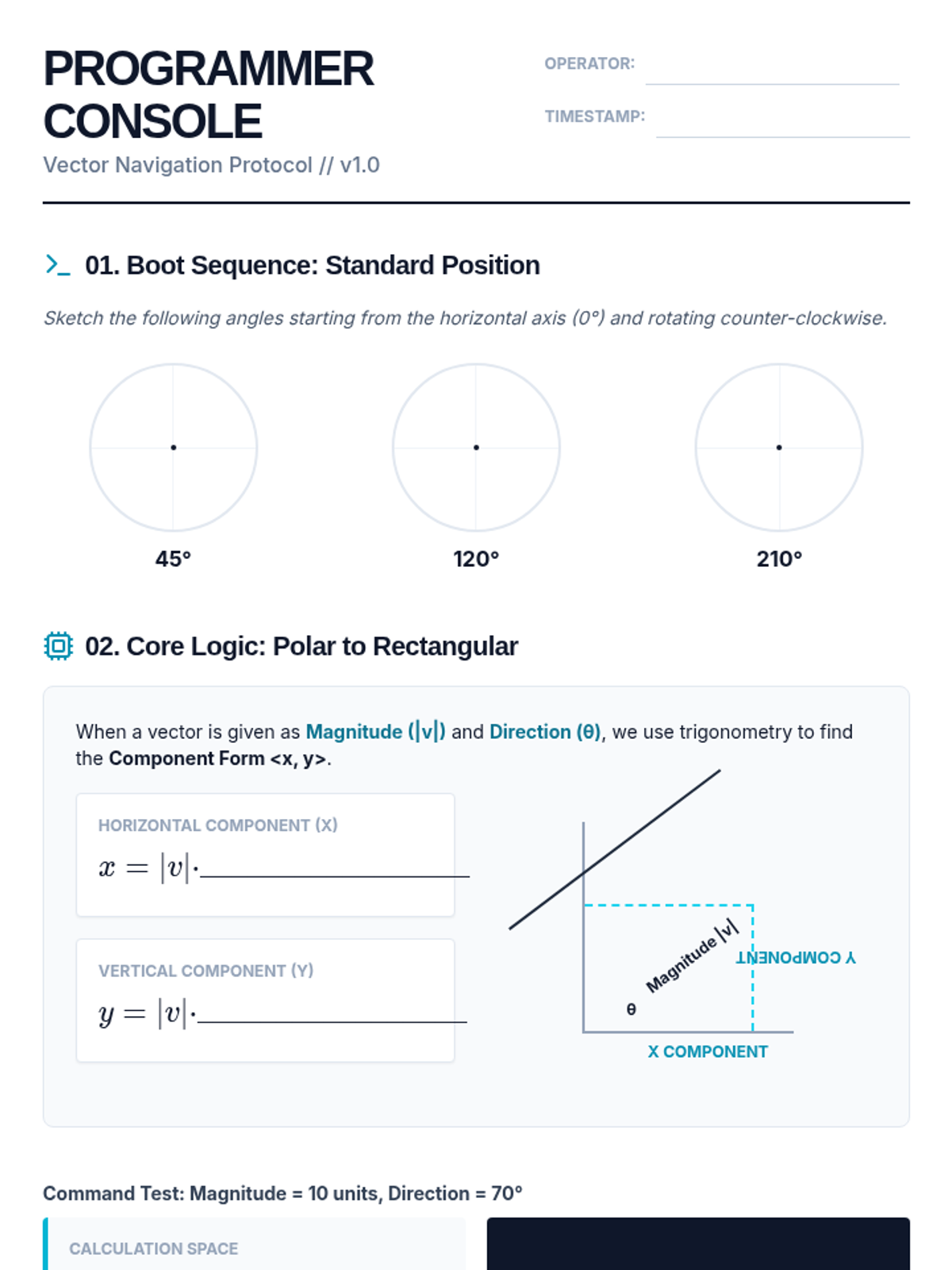
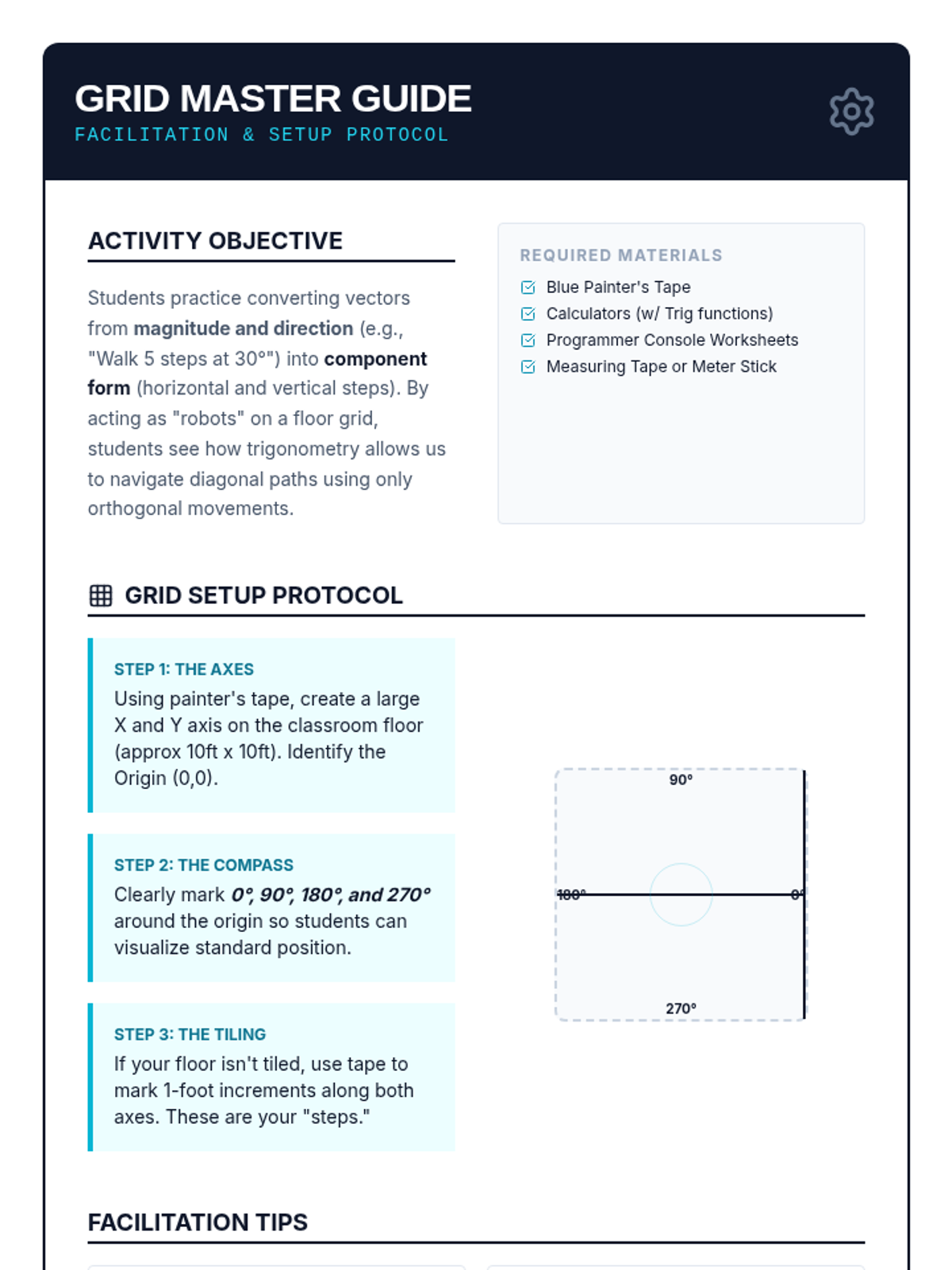
A high-school geometry or pre-calculus lesson focusing on converting vectors from magnitude and direction to component form through a hands-on 'robot programming' simulation. Students use trigonometry to translate movement commands into x and y displacements.
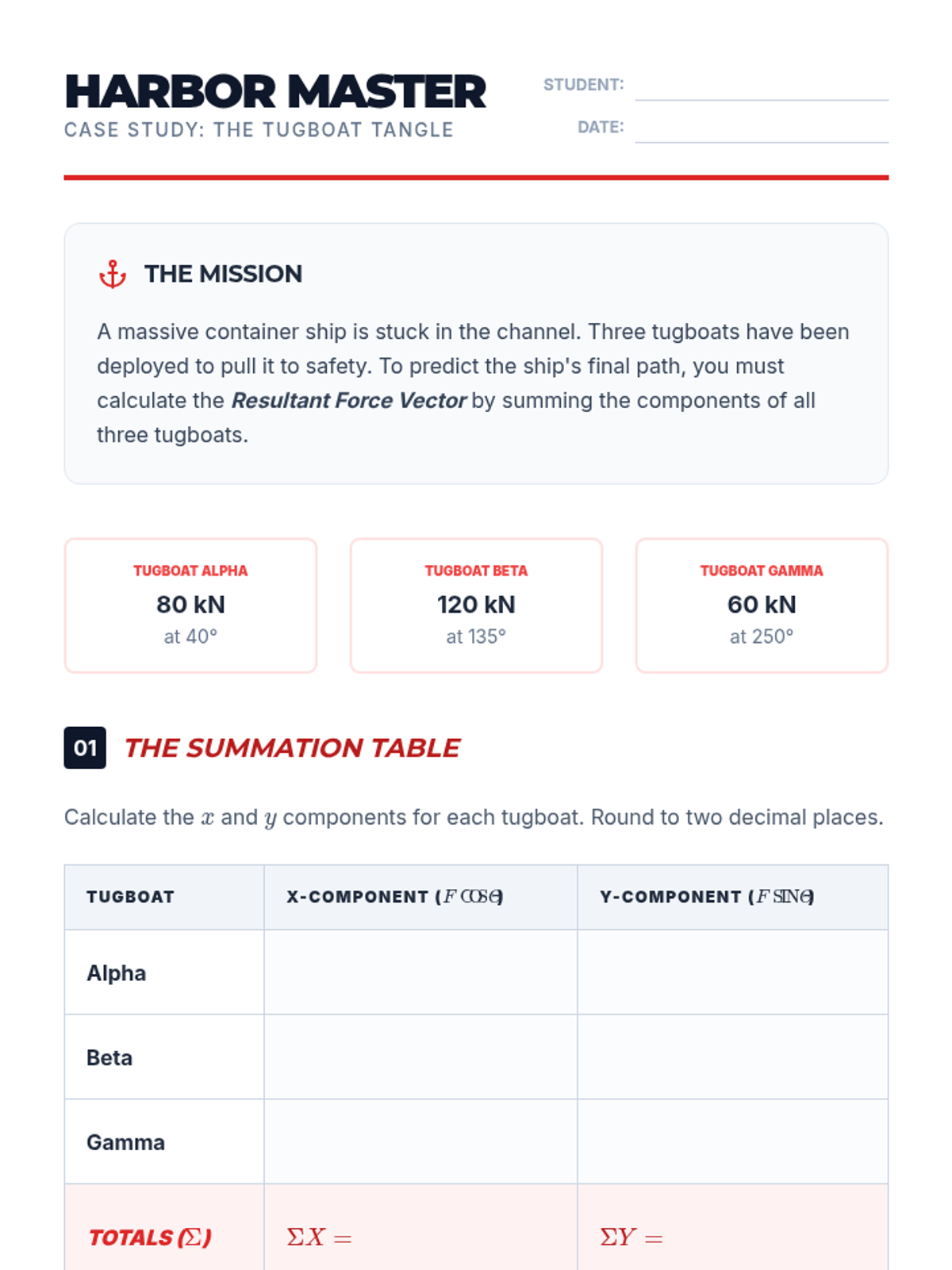
Students tackle complex problems involving three or more vectors. They organize their work using tables to sum components and find the final resultant magnitude and direction.
This lesson introduces the standard unit vectors i (x-axis) and j (y-axis). Students practice rewriting component vectors in linear combination form and perform operations using this notation.
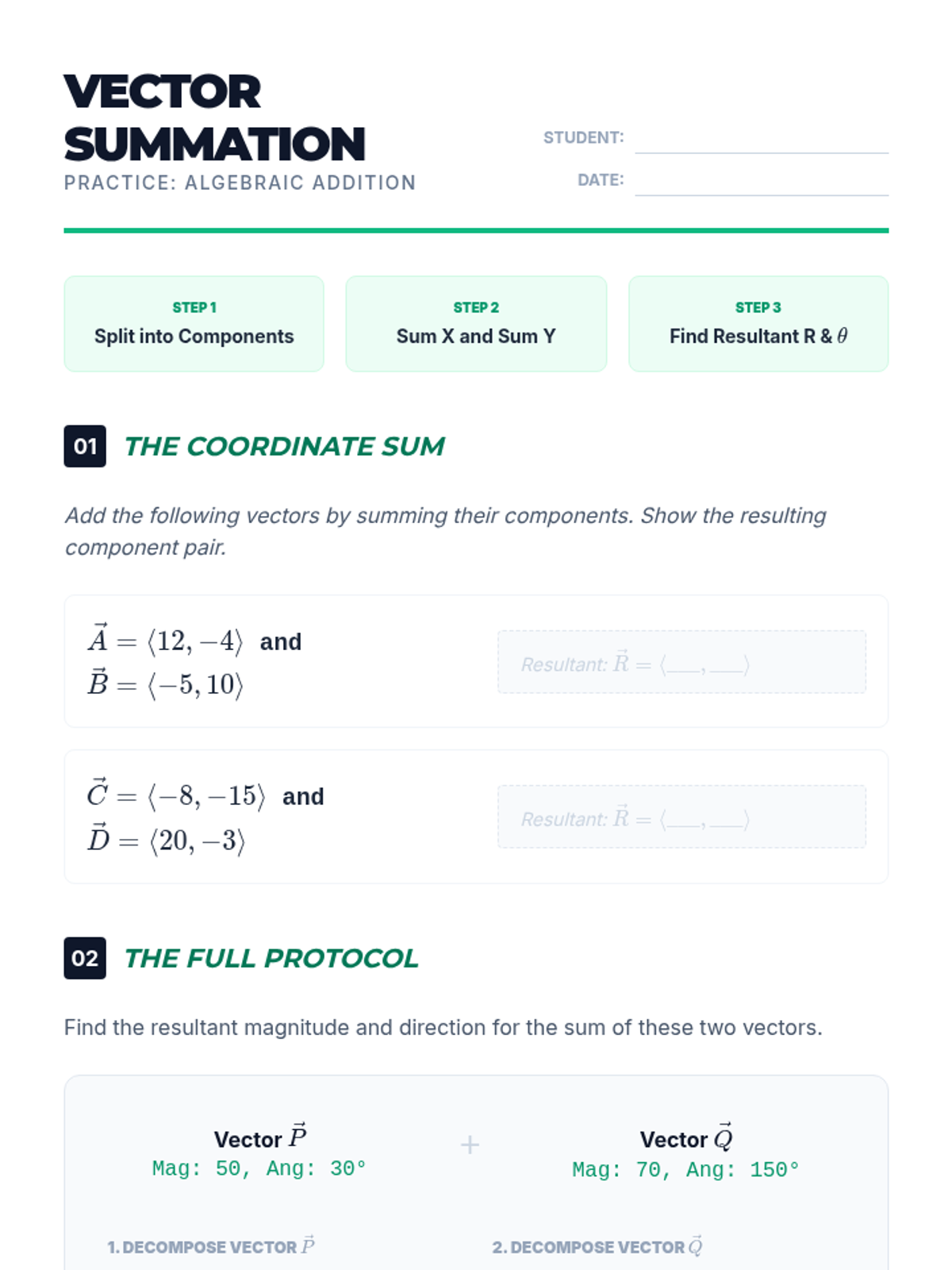
Students learn to add vectors by summing their respective x and y components. They compare this method to the geometric method to verify accuracy and discuss the advantages of calculation over drawing.
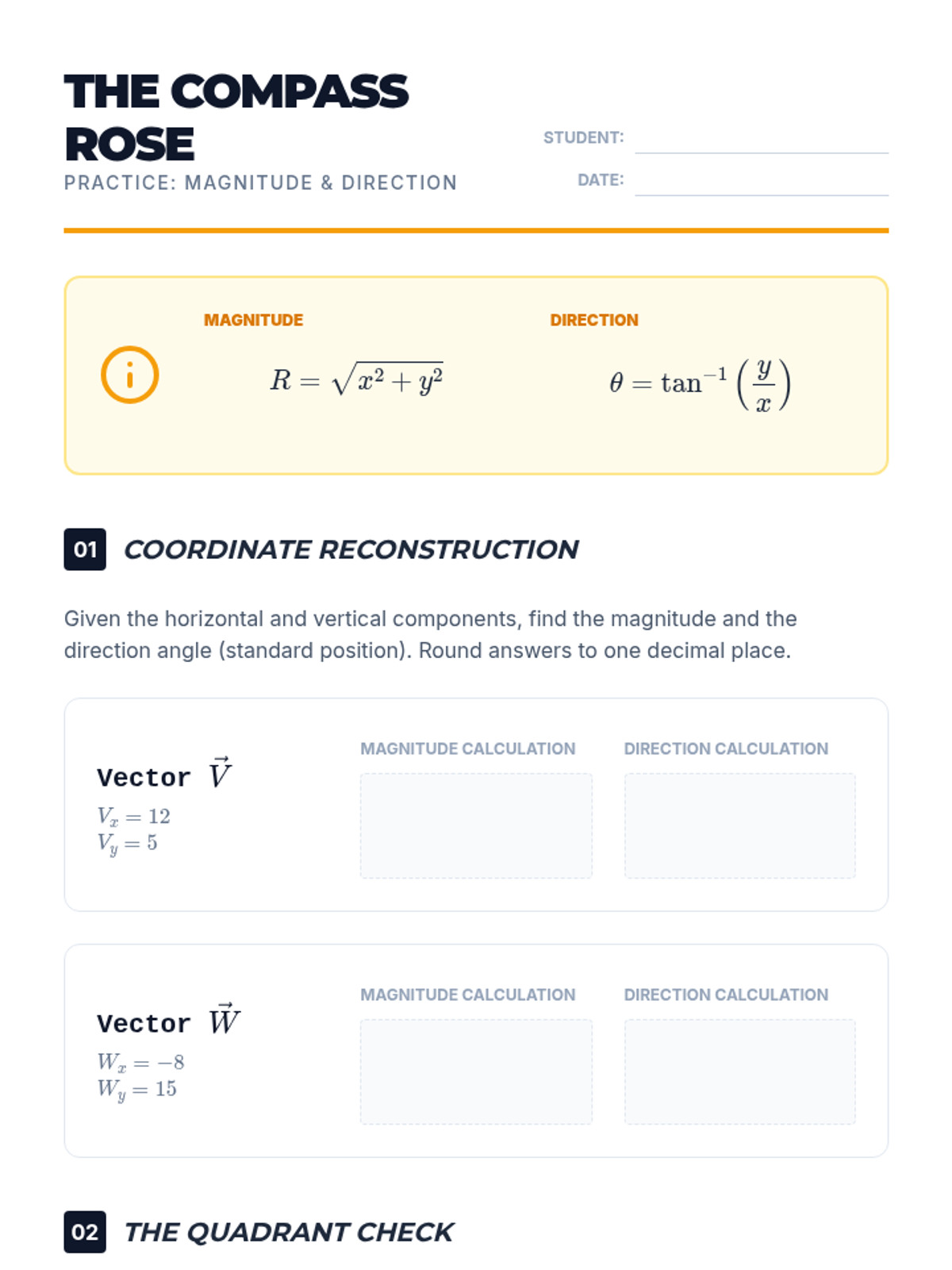
Working backwards from components, students use the Pythagorean theorem and inverse tangent functions to reconstruct the original vector. They practice expressing direction as standard position angles.
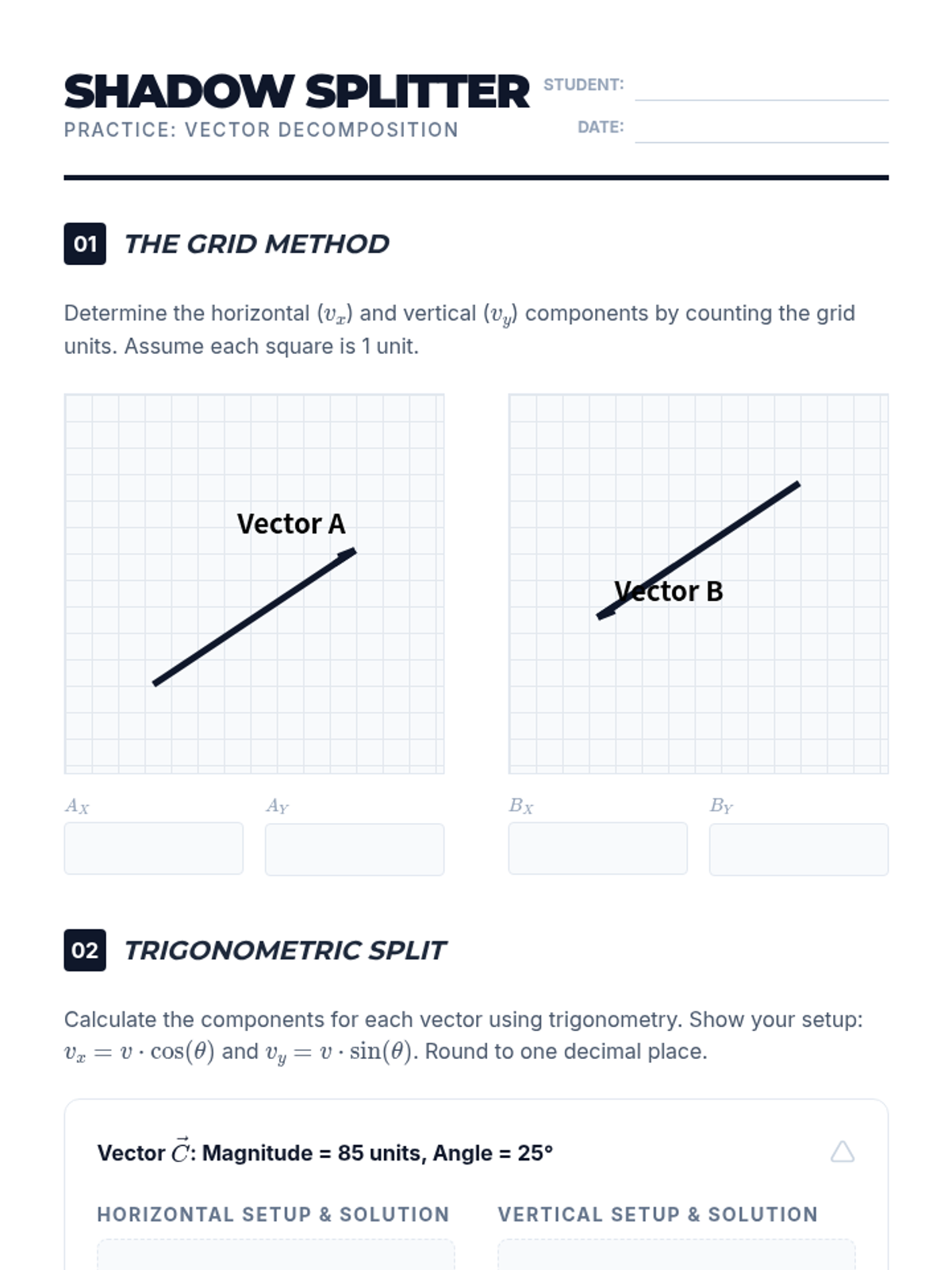
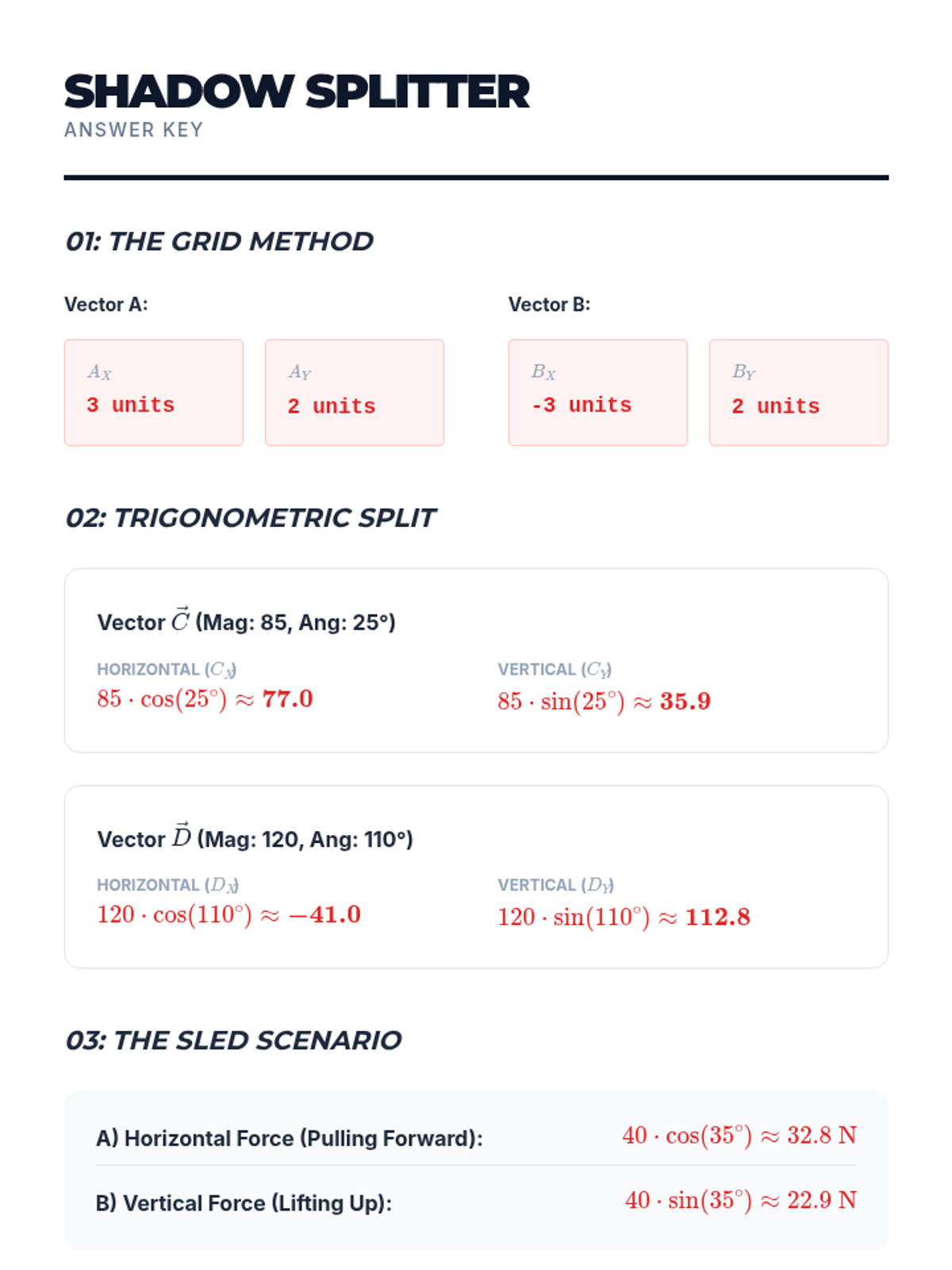
Students explore the concept that every diagonal vector is composed of horizontal and vertical parts using basic trigonometry to find components.
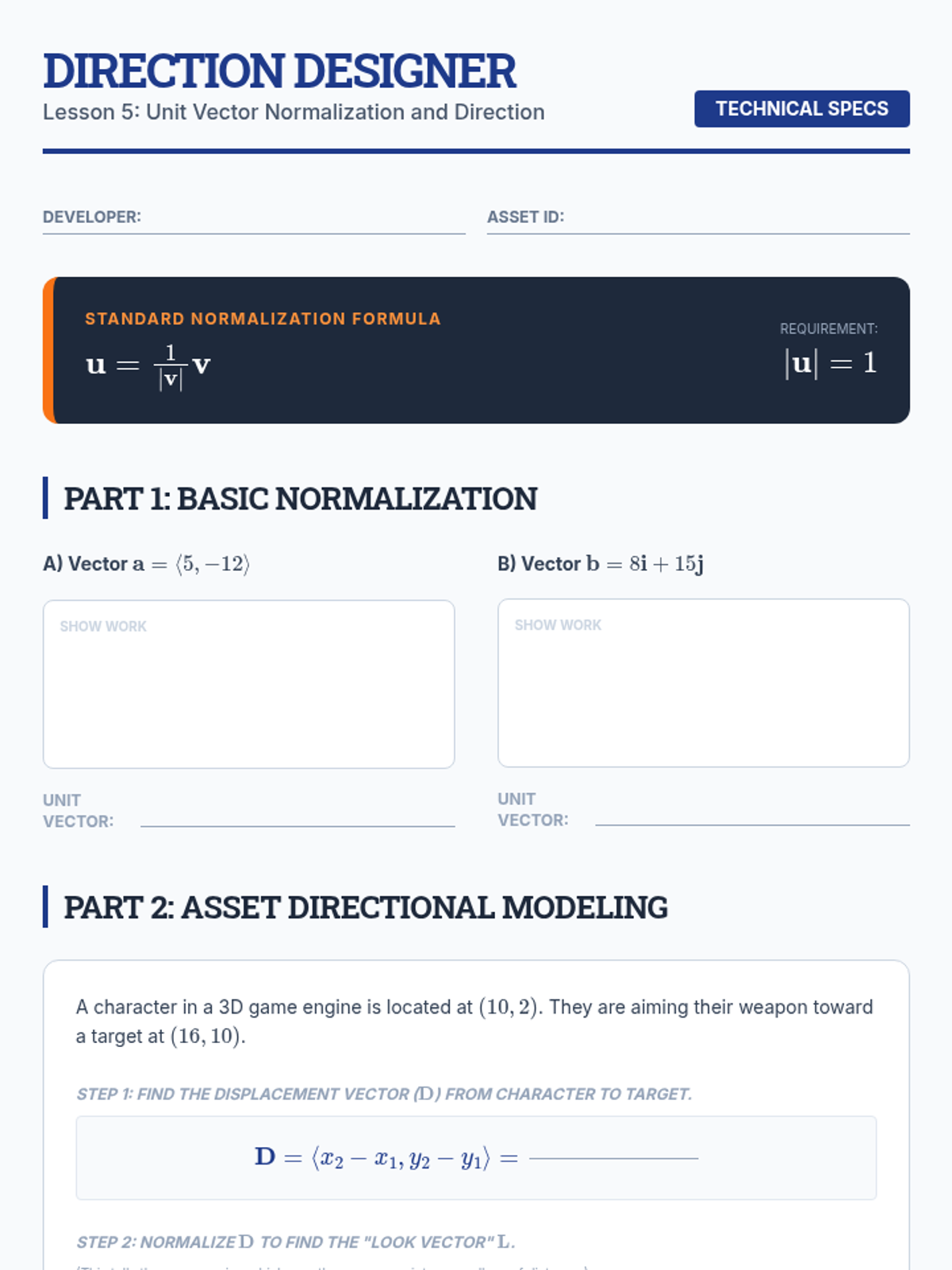
Introduction to normalizing vectors to find unit vectors, emphasizing directionality in physics and digital modeling.
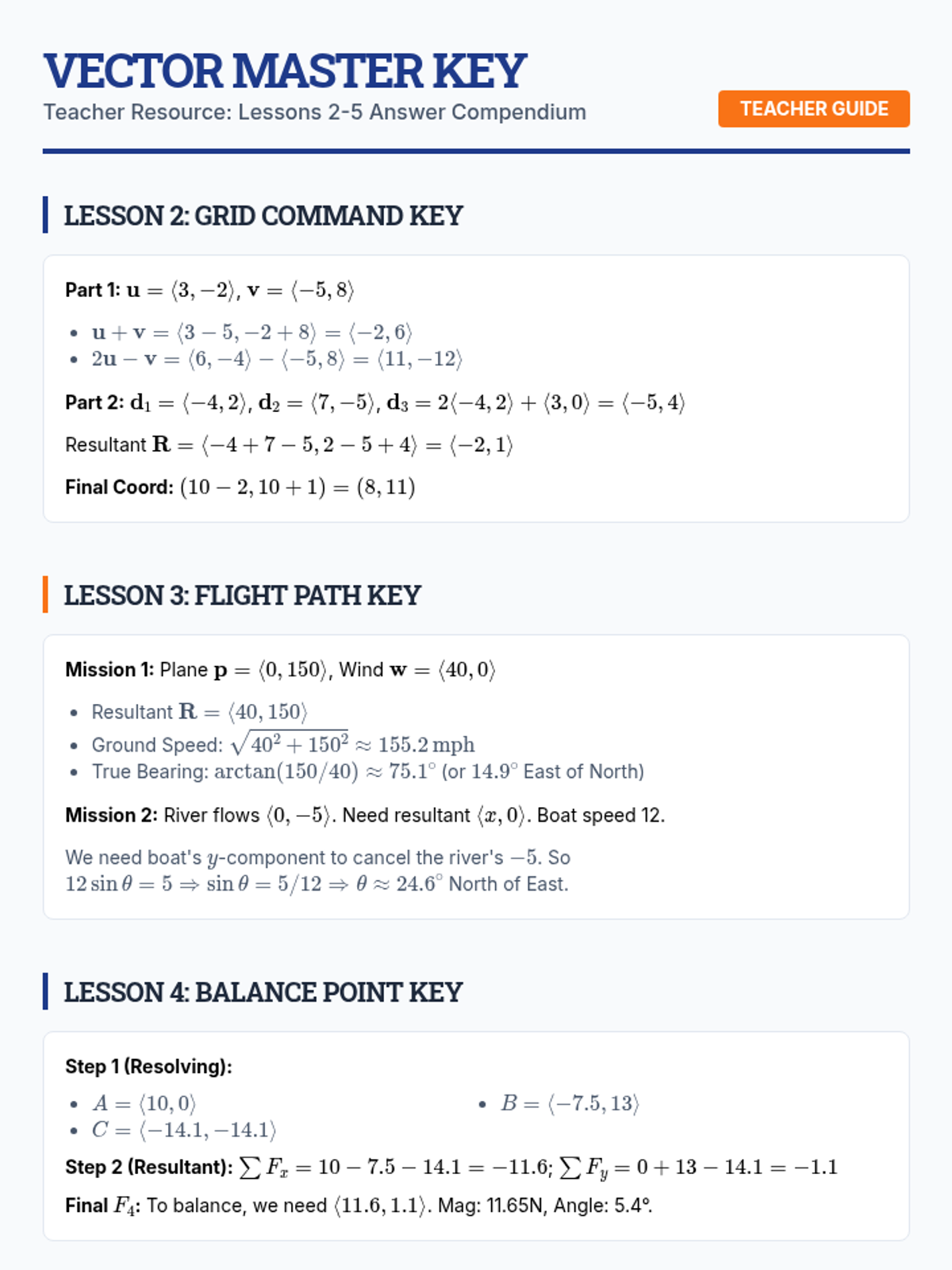
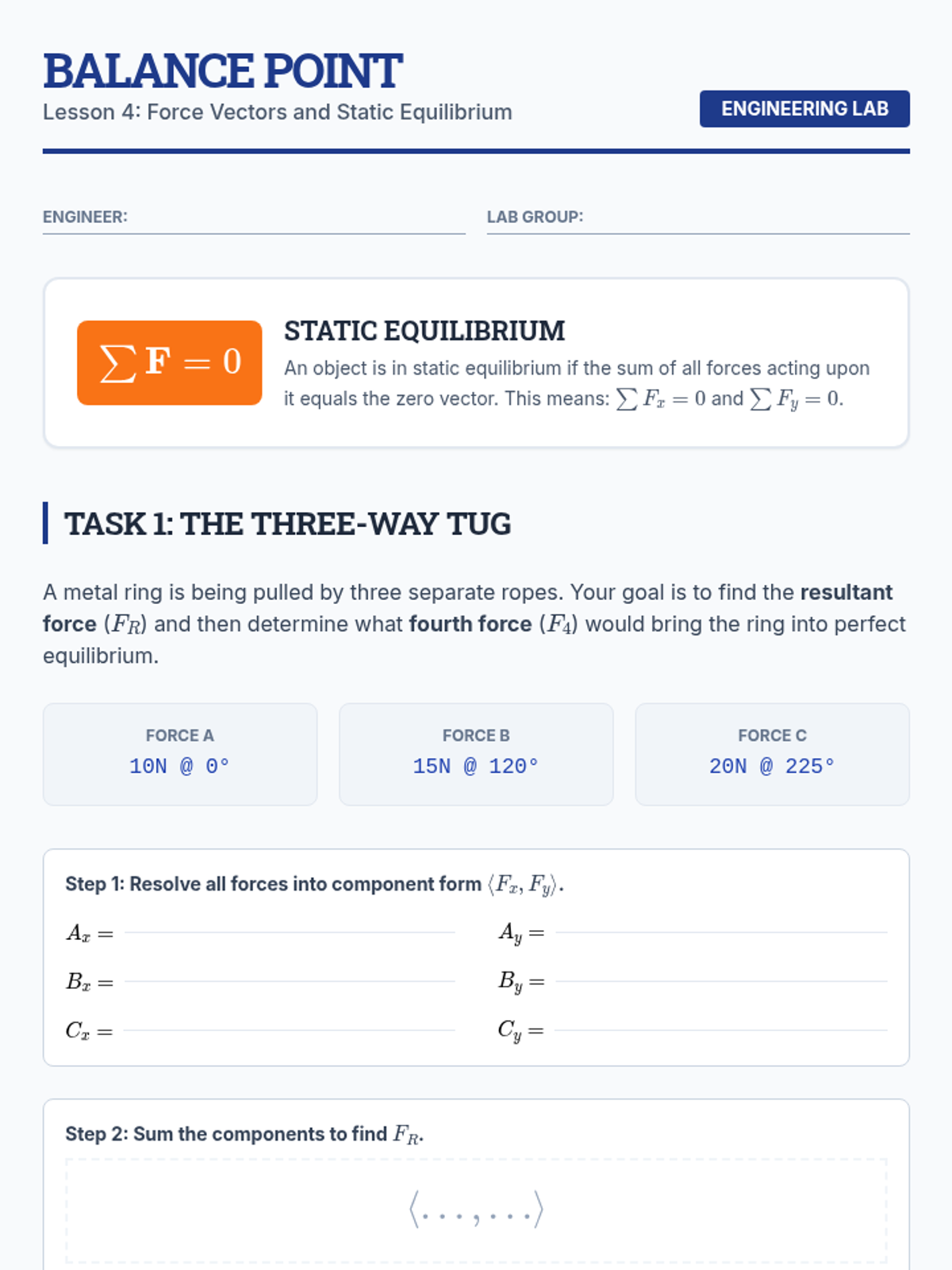
Analyzing multiple force vectors to find resultant forces and solving for static equilibrium where the net force is zero.
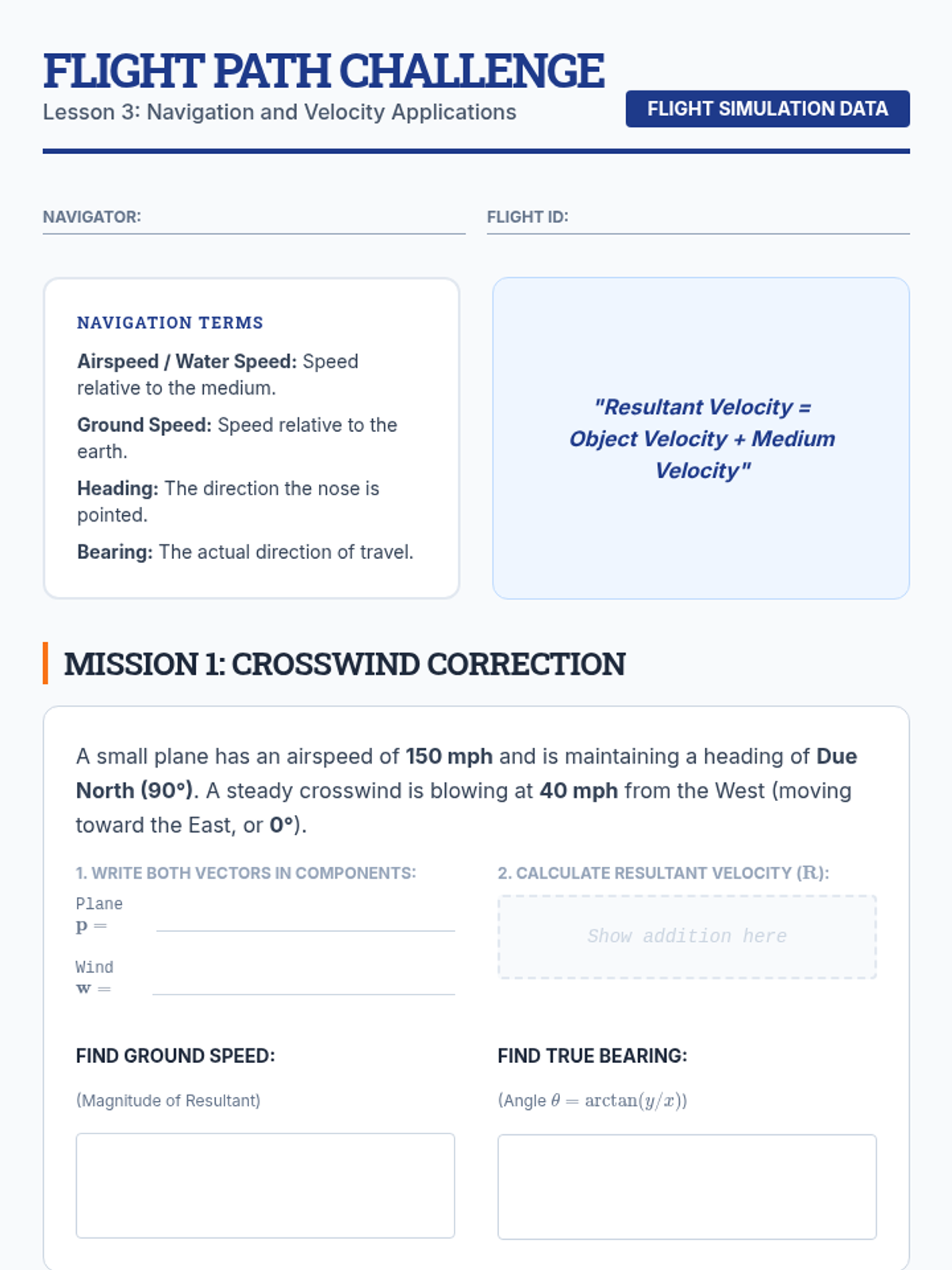
Applying vector addition to real-world velocity problems, focusing on resultant speed and true bearing in flight and maritime scenarios.
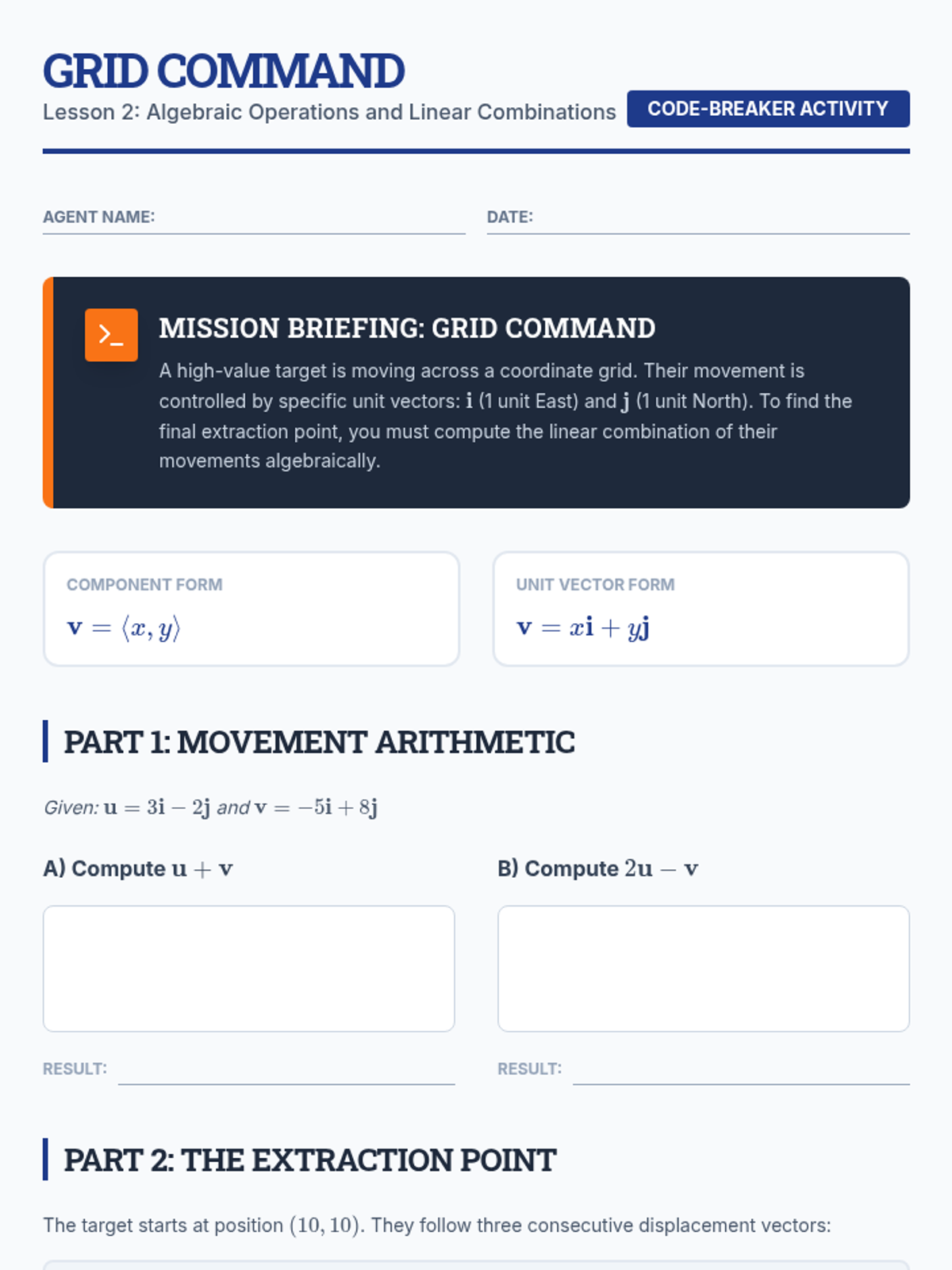
Formalizing vector arithmetic using component form and unit vectors (i and j), students perform algebraic addition and linear combinations.
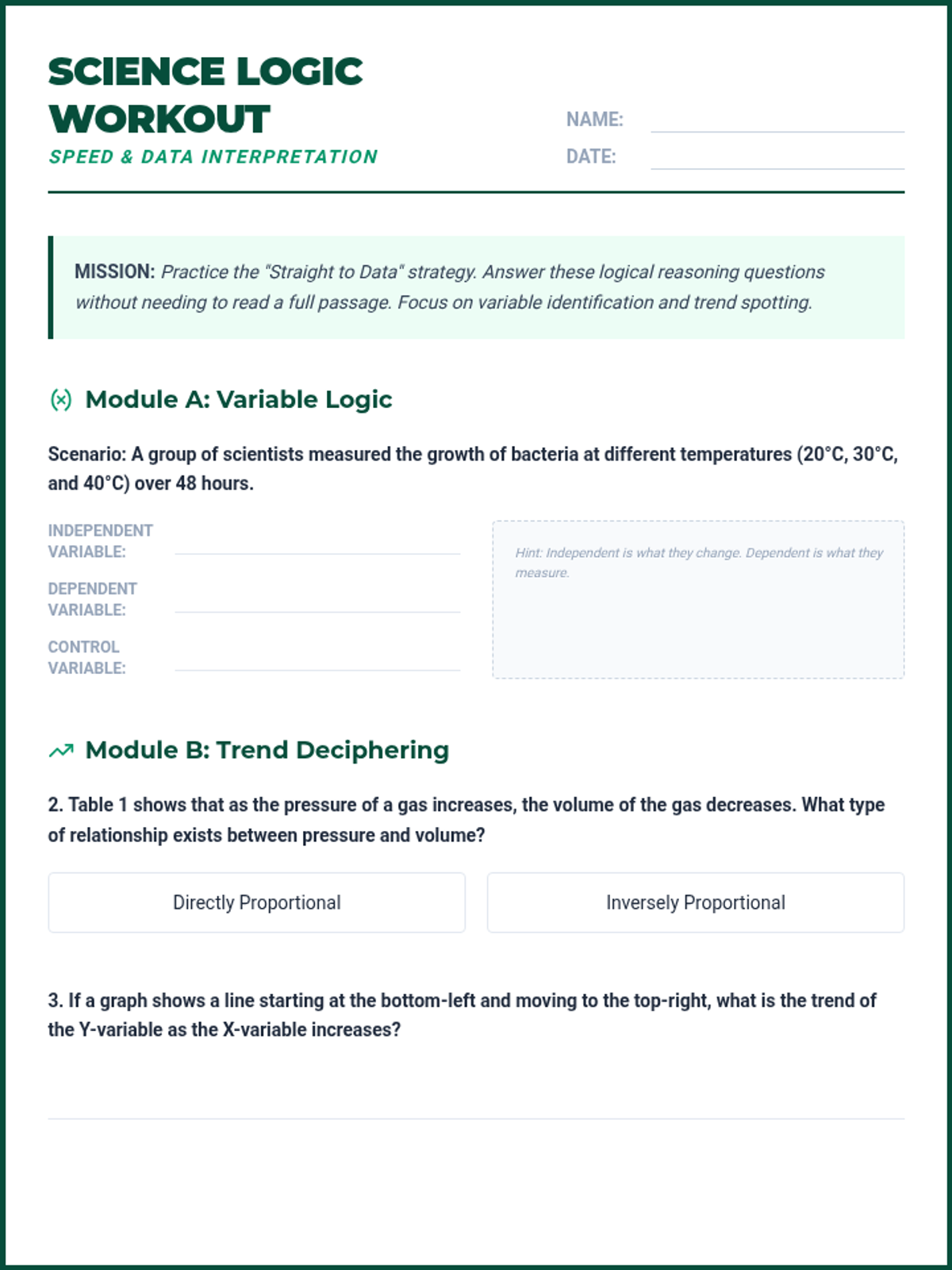
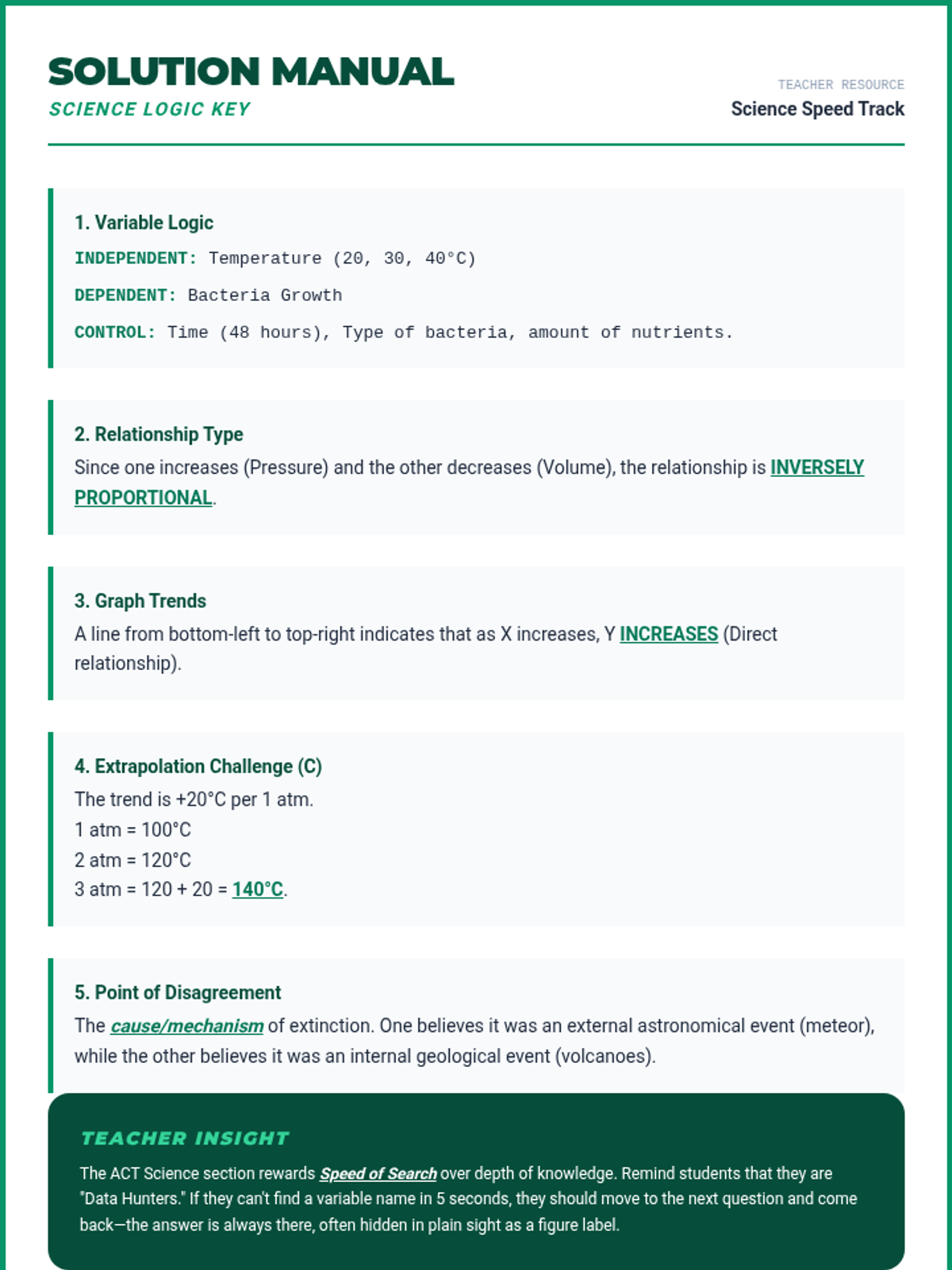
A strategic masterclass for the ACT Science section, focusing on speed-reading data sets, identifying experimental variables, and decoding scientific logic. This lesson emphasizes the 'Straight to the Data' approach to maximize score in the 35-minute time limit.
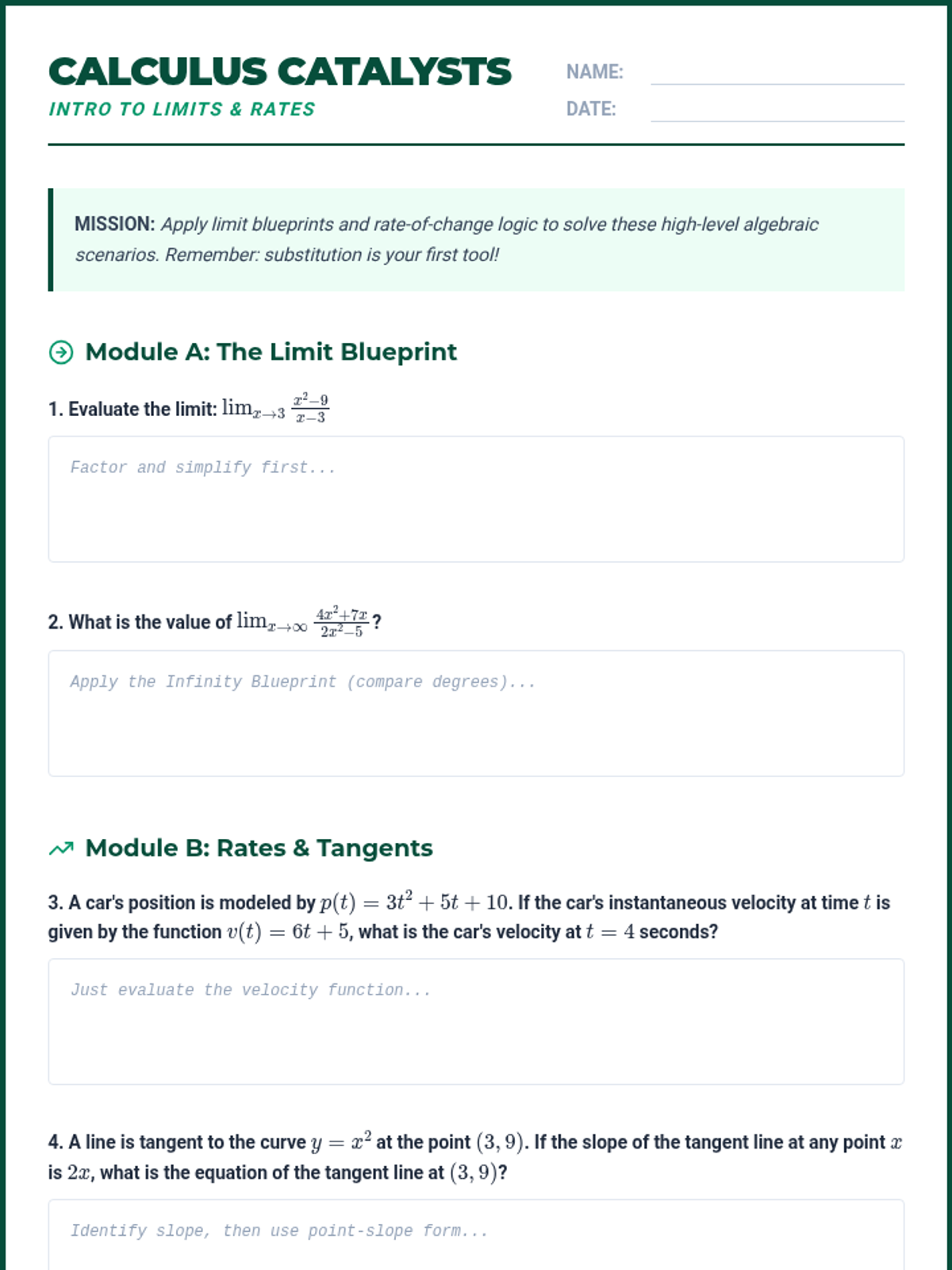
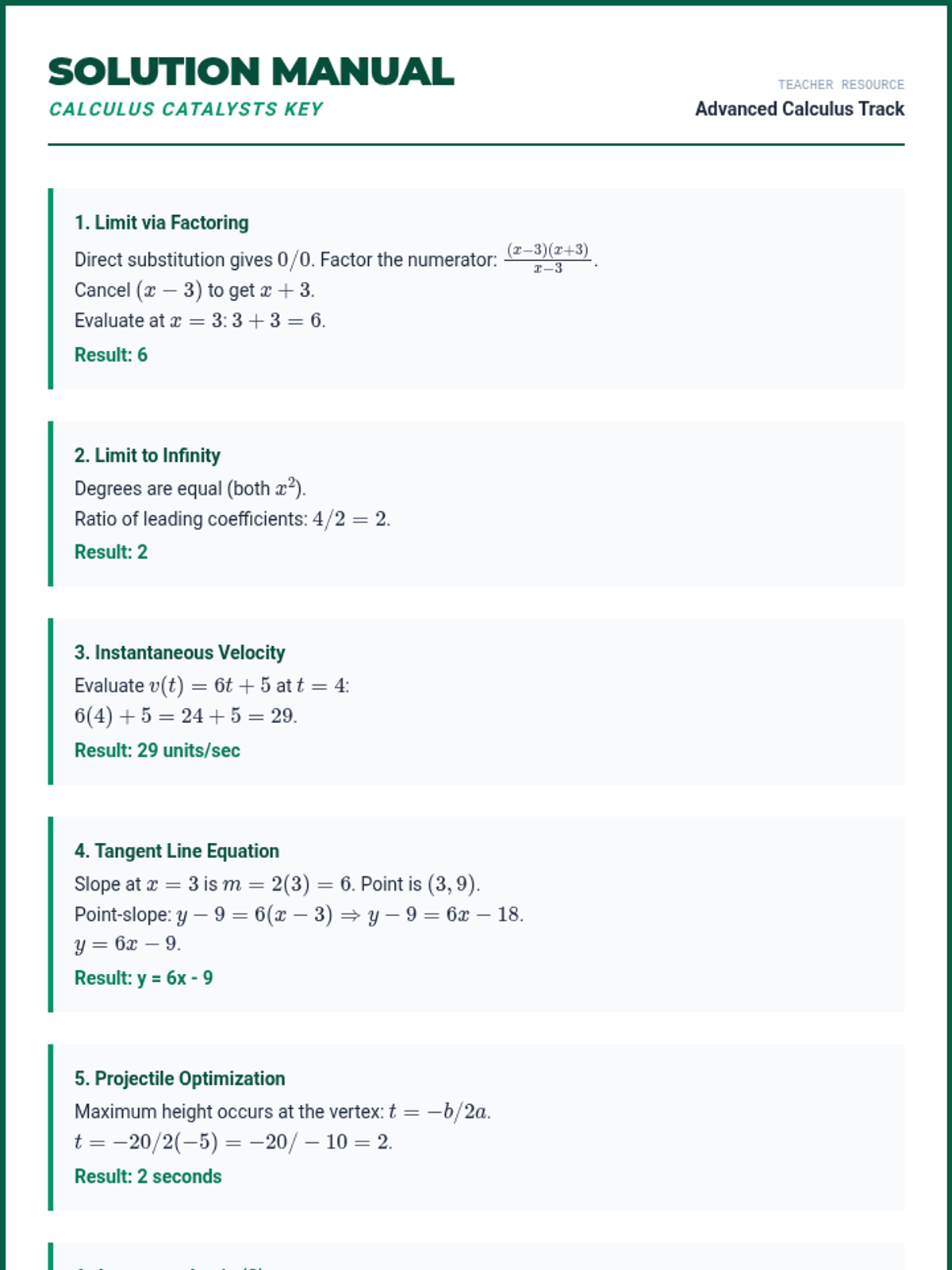
An introductory exploration of calculus-adjacent concepts tested on the ACT, focusing on limits, instantaneous rates of change, and function optimization. Students will master the Limit Blueprint and apply rate-of-change logic to complex algebraic scenarios.
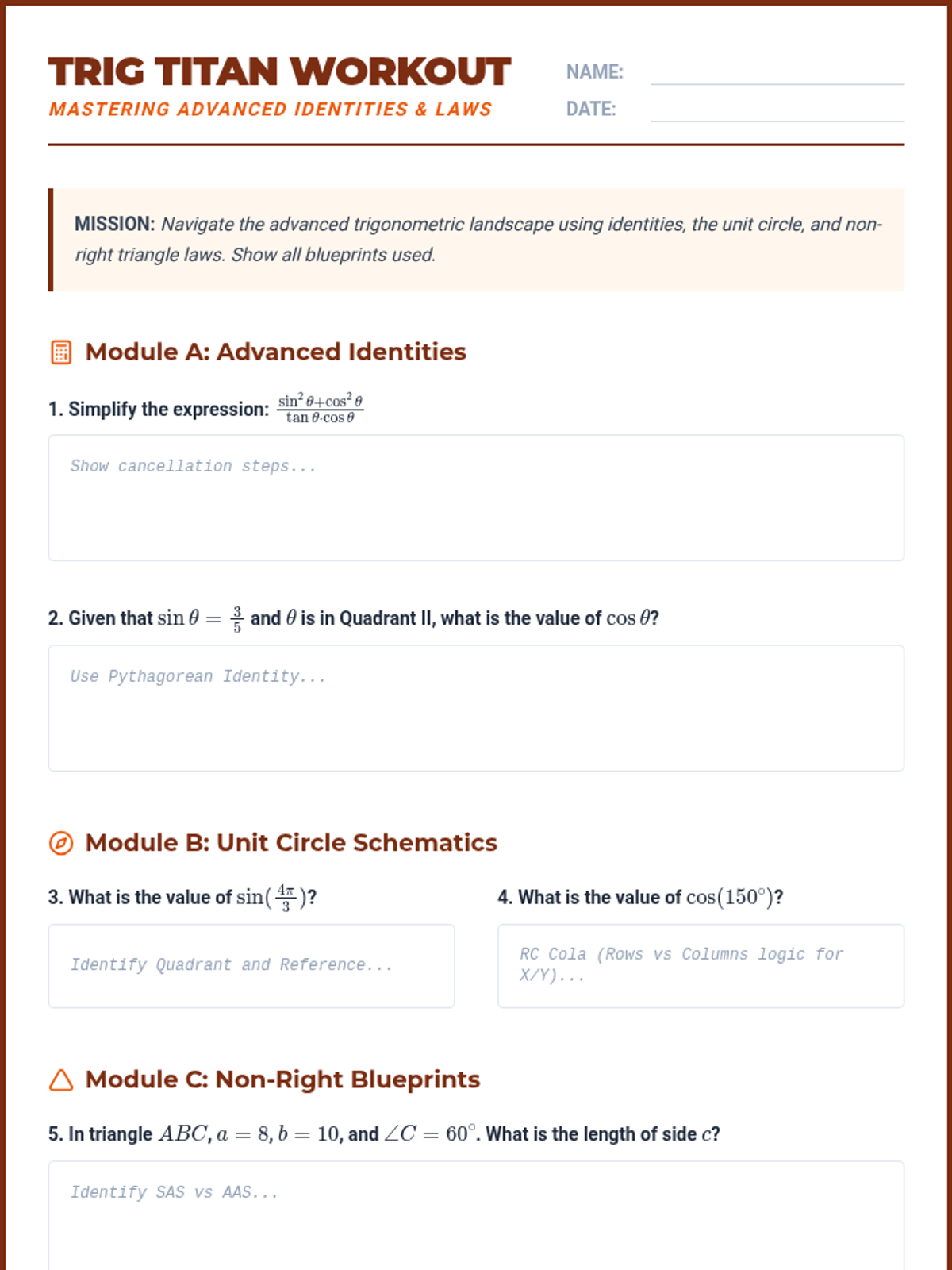
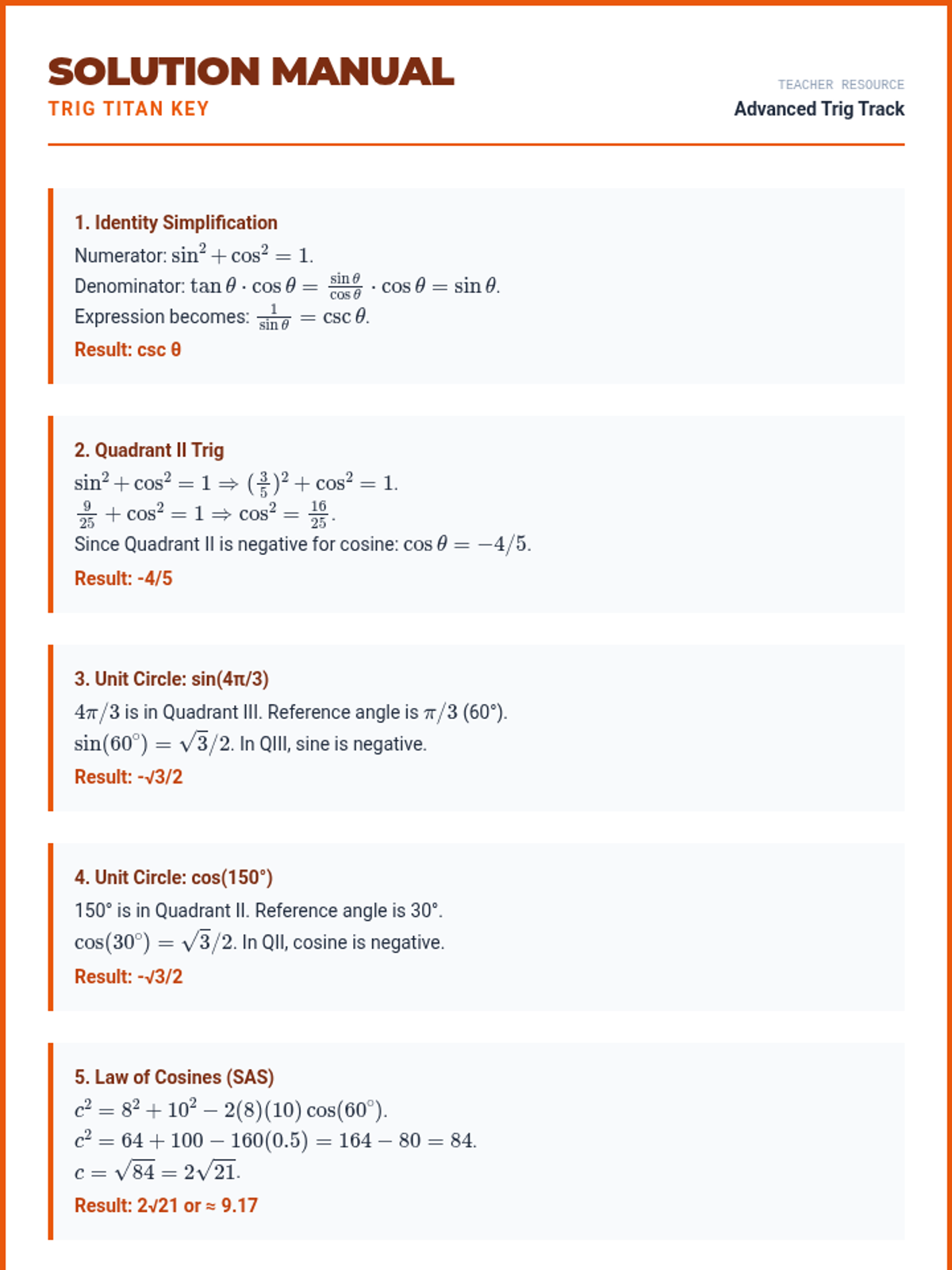
An intensive masterclass on advanced trigonometric identities, the unit circle, and non-right triangle laws. Students will master the Pythagorean identities, Law of Sines/Cosines, and the specific ACT-style unit circle coordinates required for top-tier scores.
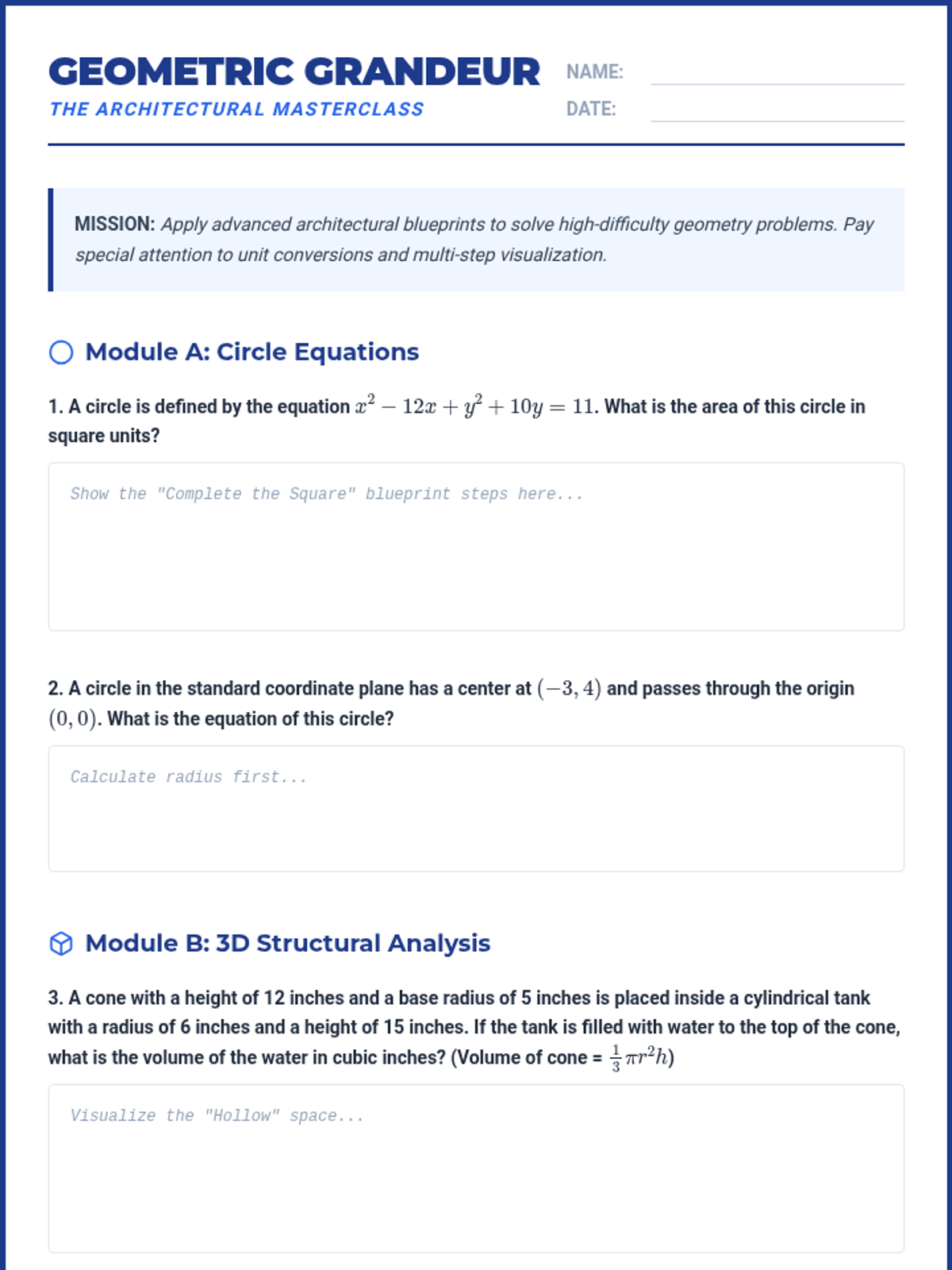
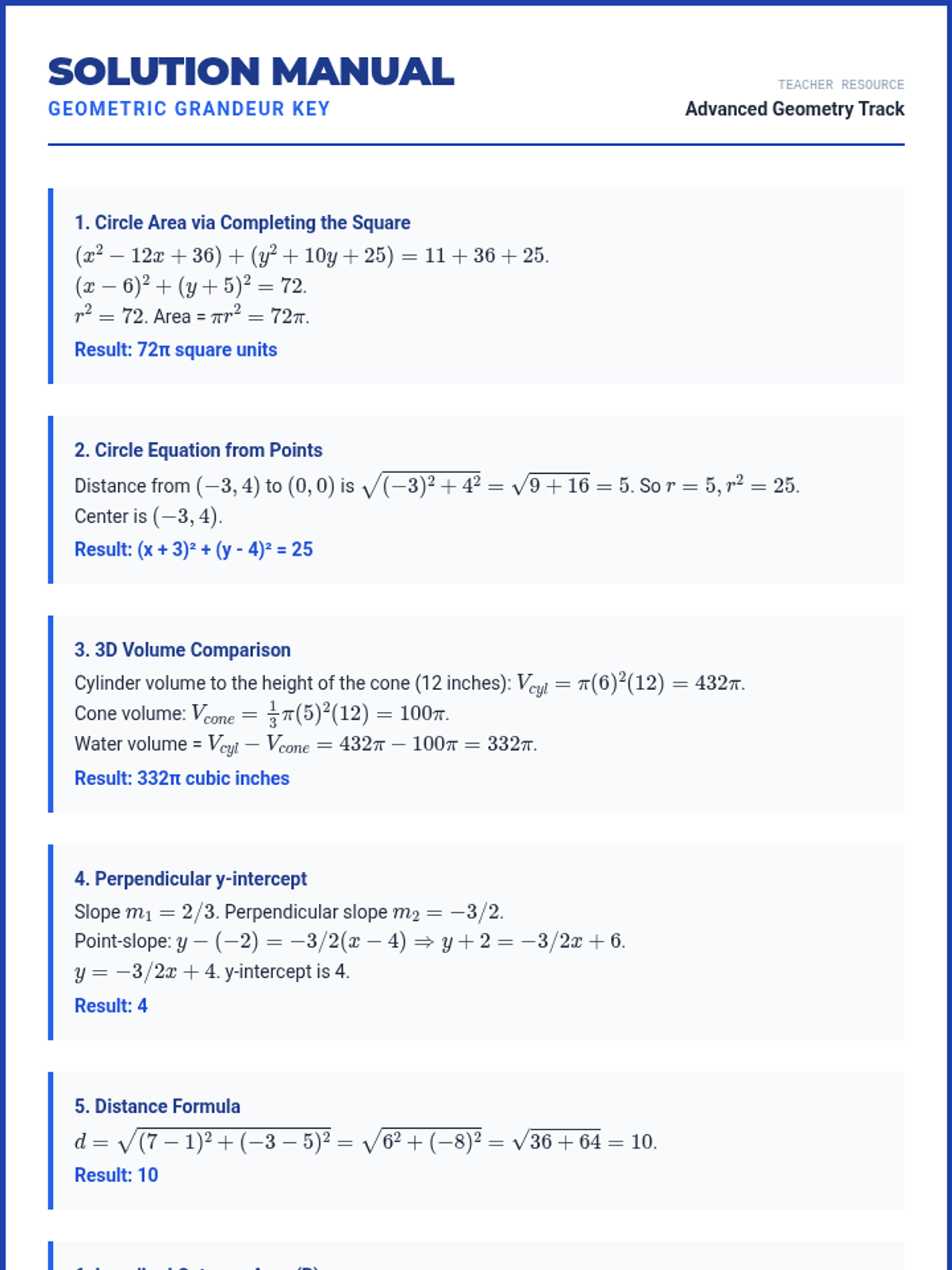
A specialized deep dive into advanced geometry concepts including circle equations, 3D volume/surface area of complex shapes, and coordinate geometry involving perpendicularity and distance. Students will master completing the square for circles and visualizing 3D cross-sections.
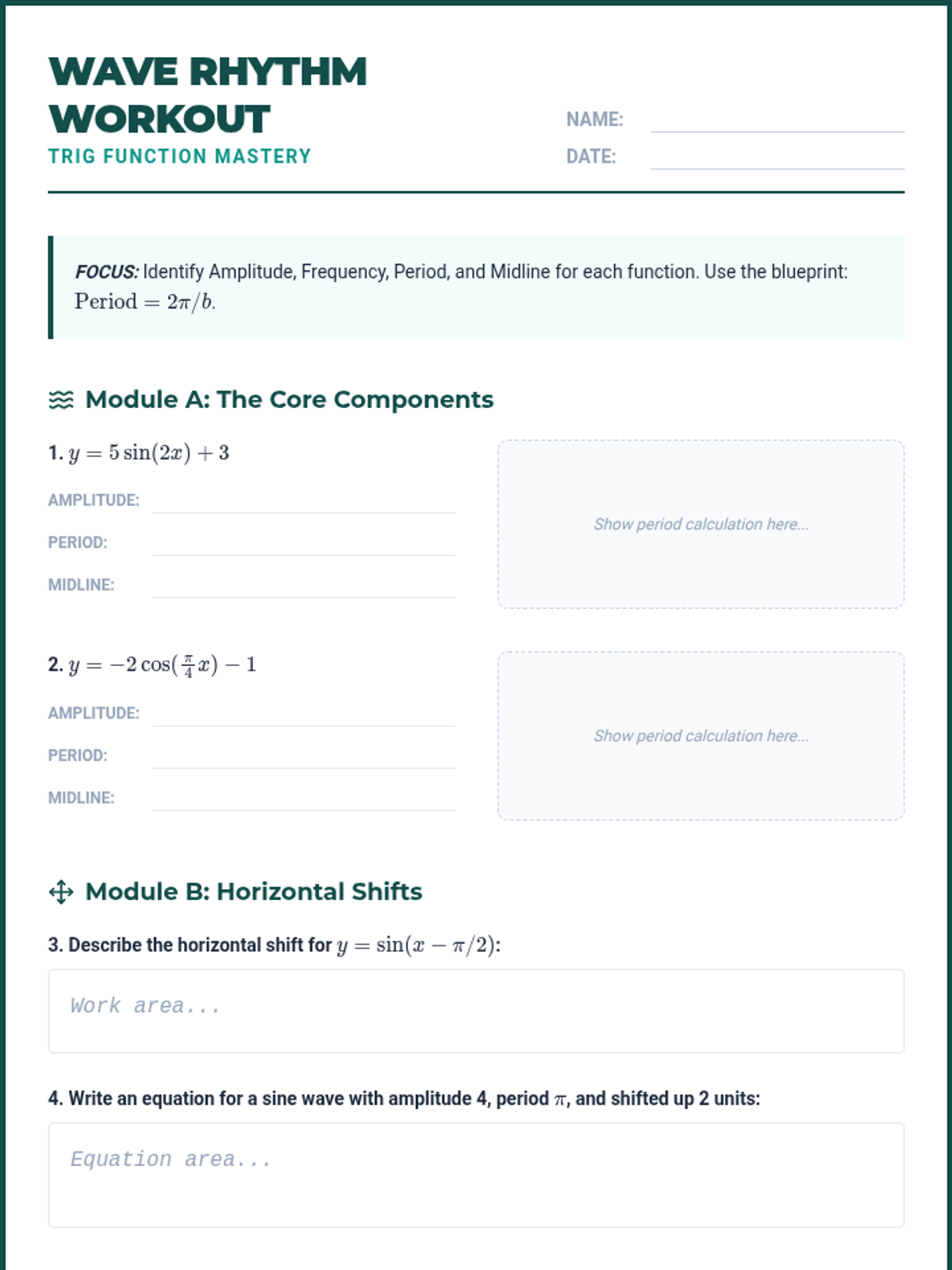
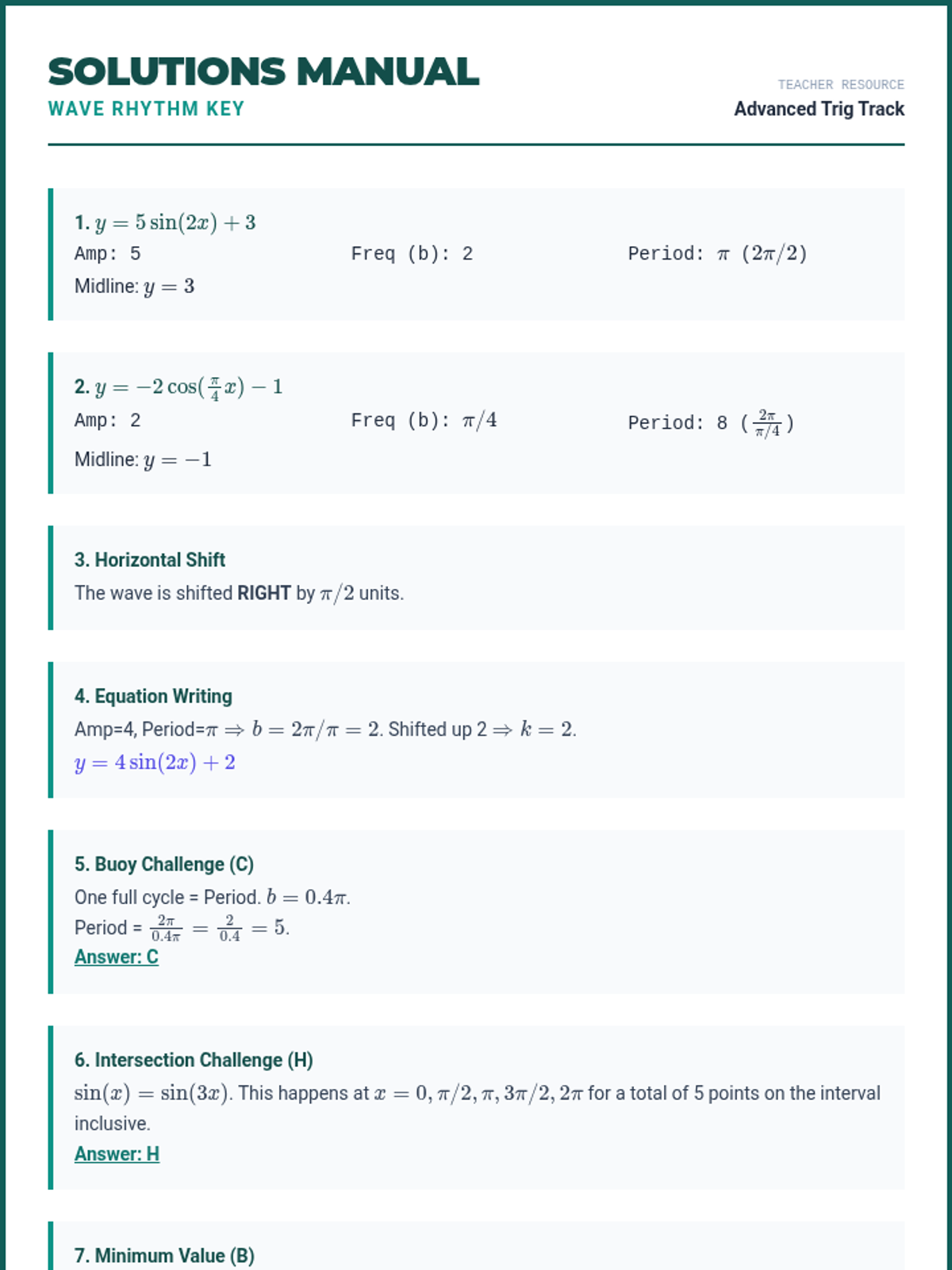
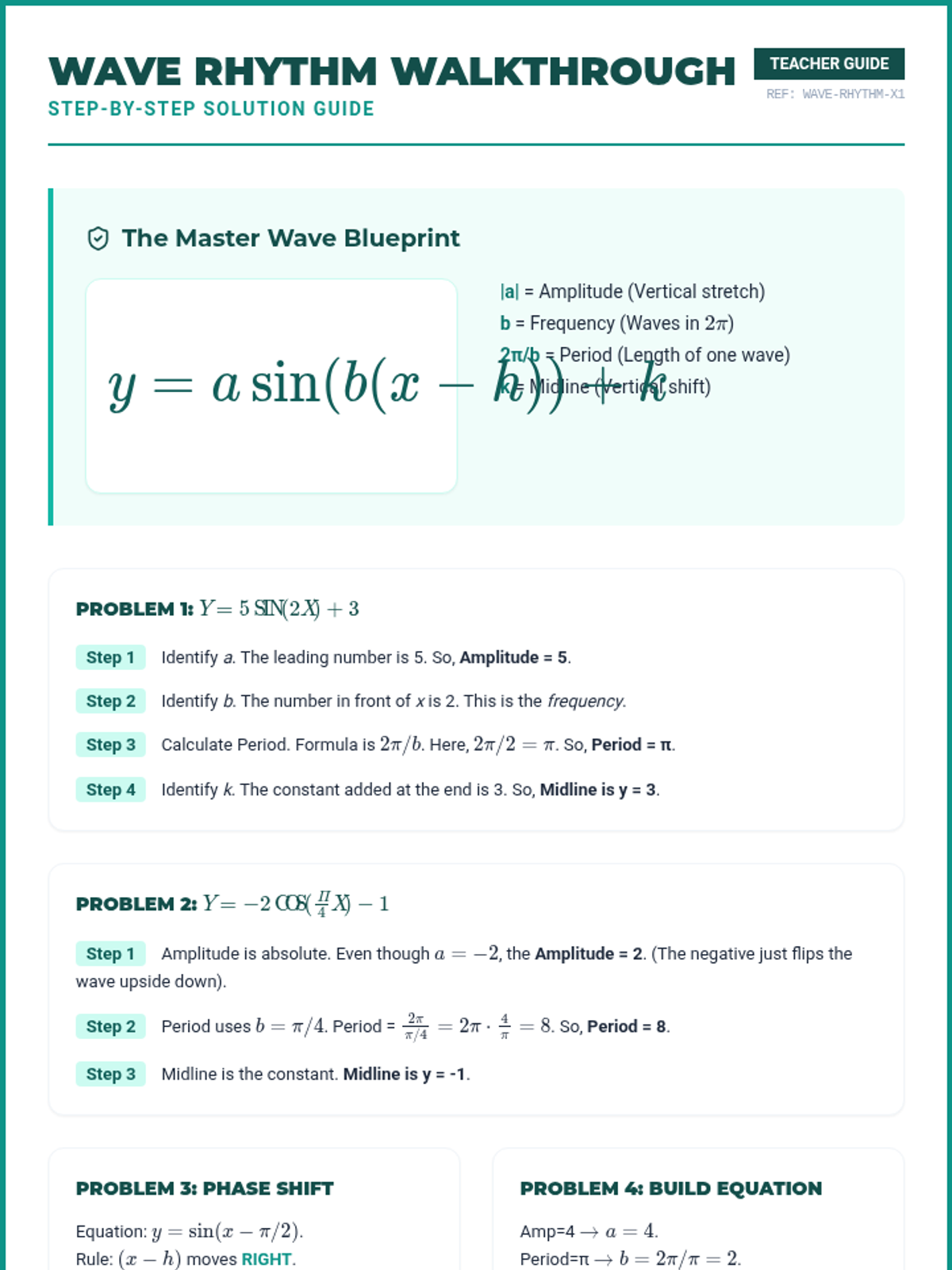
A specialized deep dive into trigonometric functions, mastering the critical distinction between period and frequency. Students will apply the 2π/b blueprint to decode sine and cosine graphs and solve high-difficulty periodic motion problems.
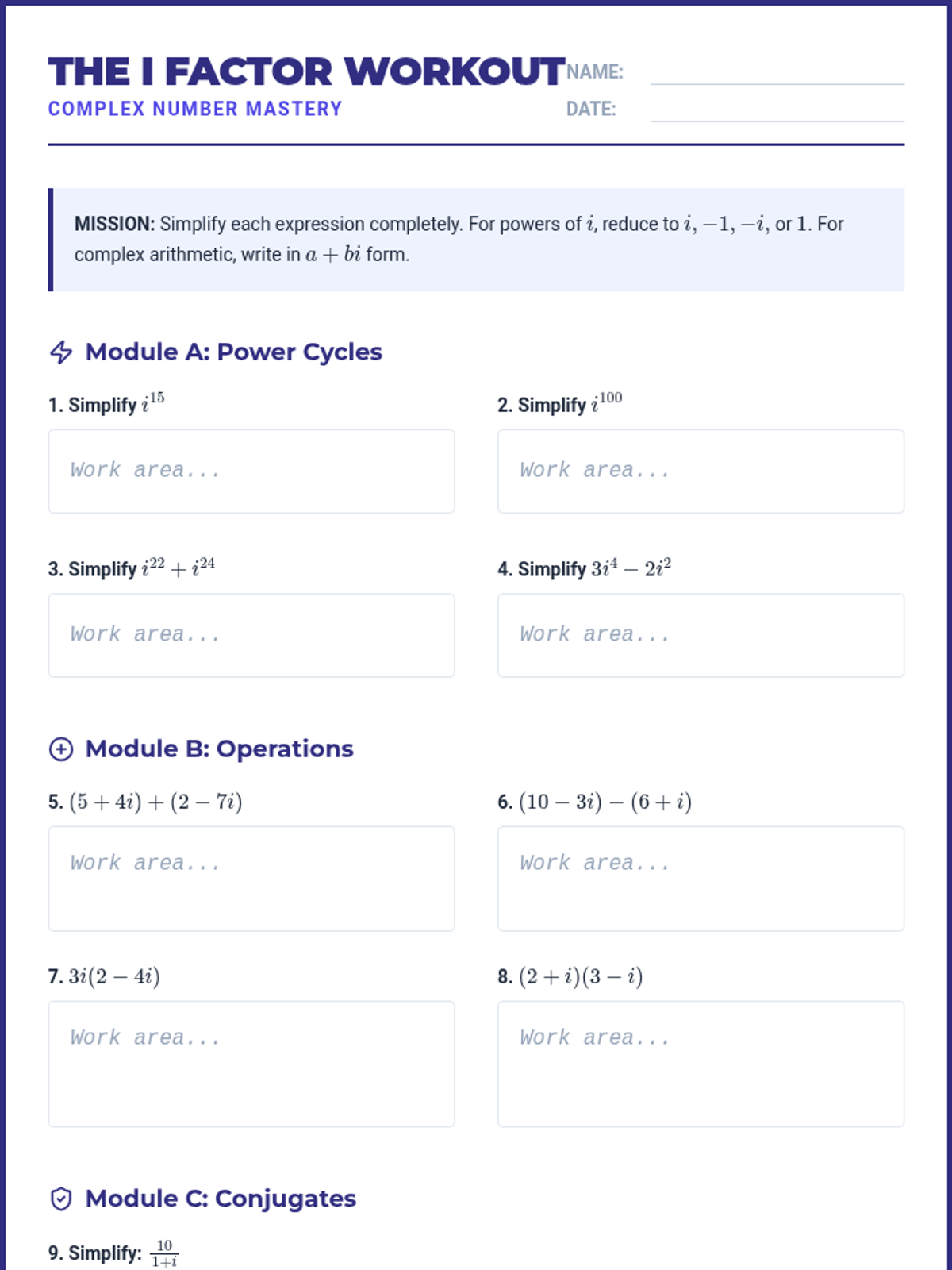
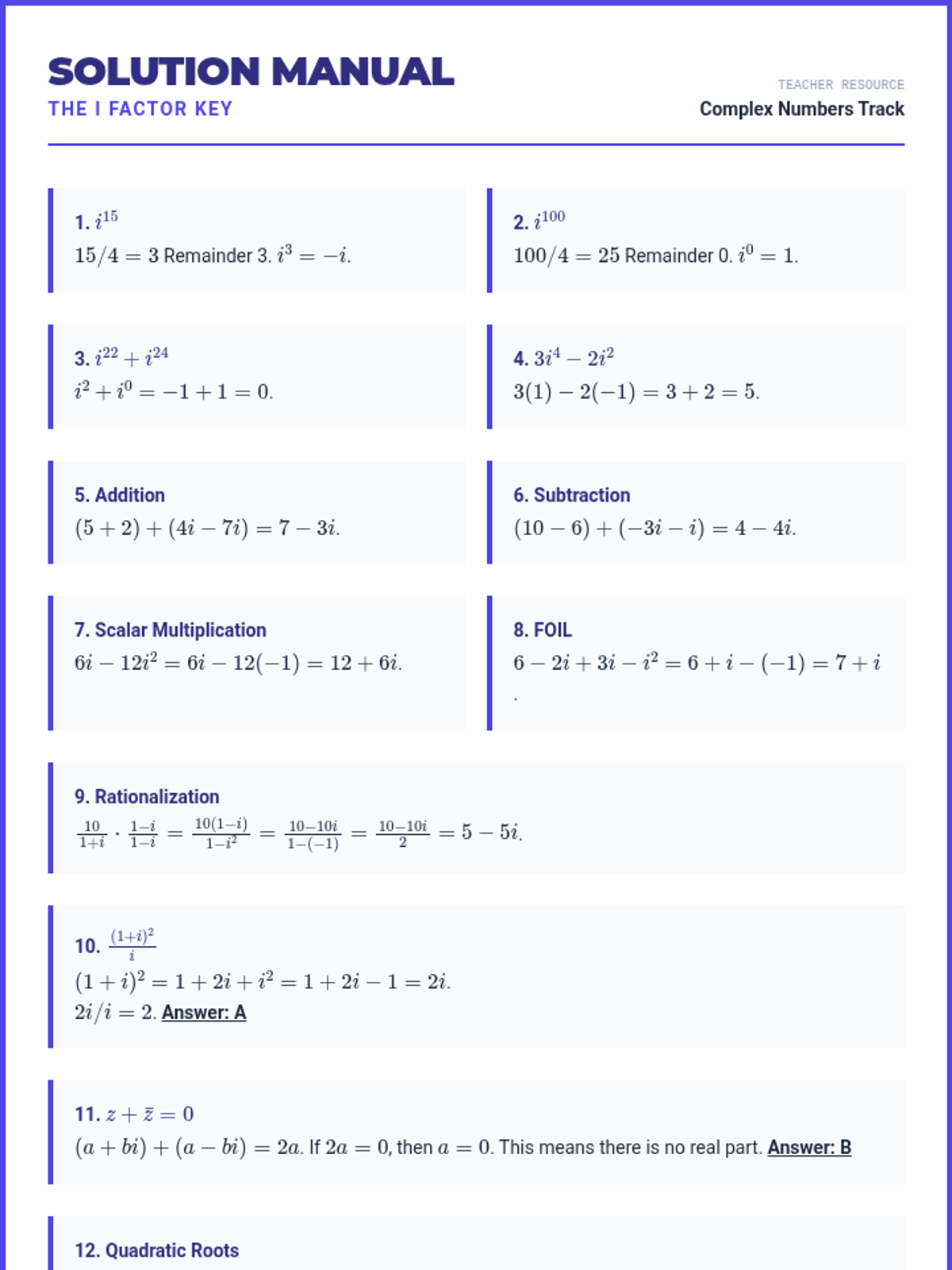
A focused deep dive into imaginary and complex numbers. Students will master powers of i, arithmetic with complex conjugates, and solving quadratic equations with complex roots—all through the lens of ACT-style 'Final Ten' questions.
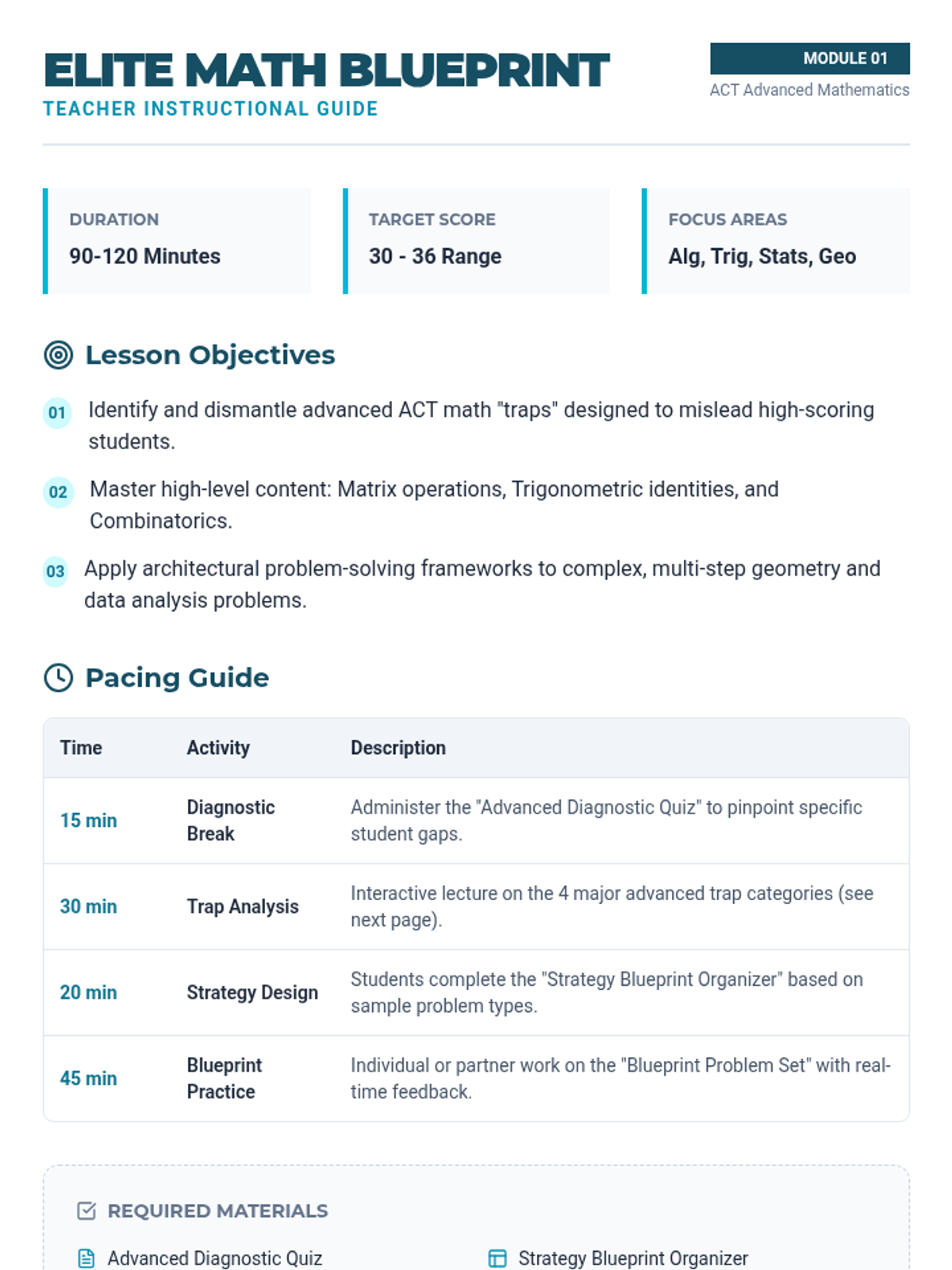
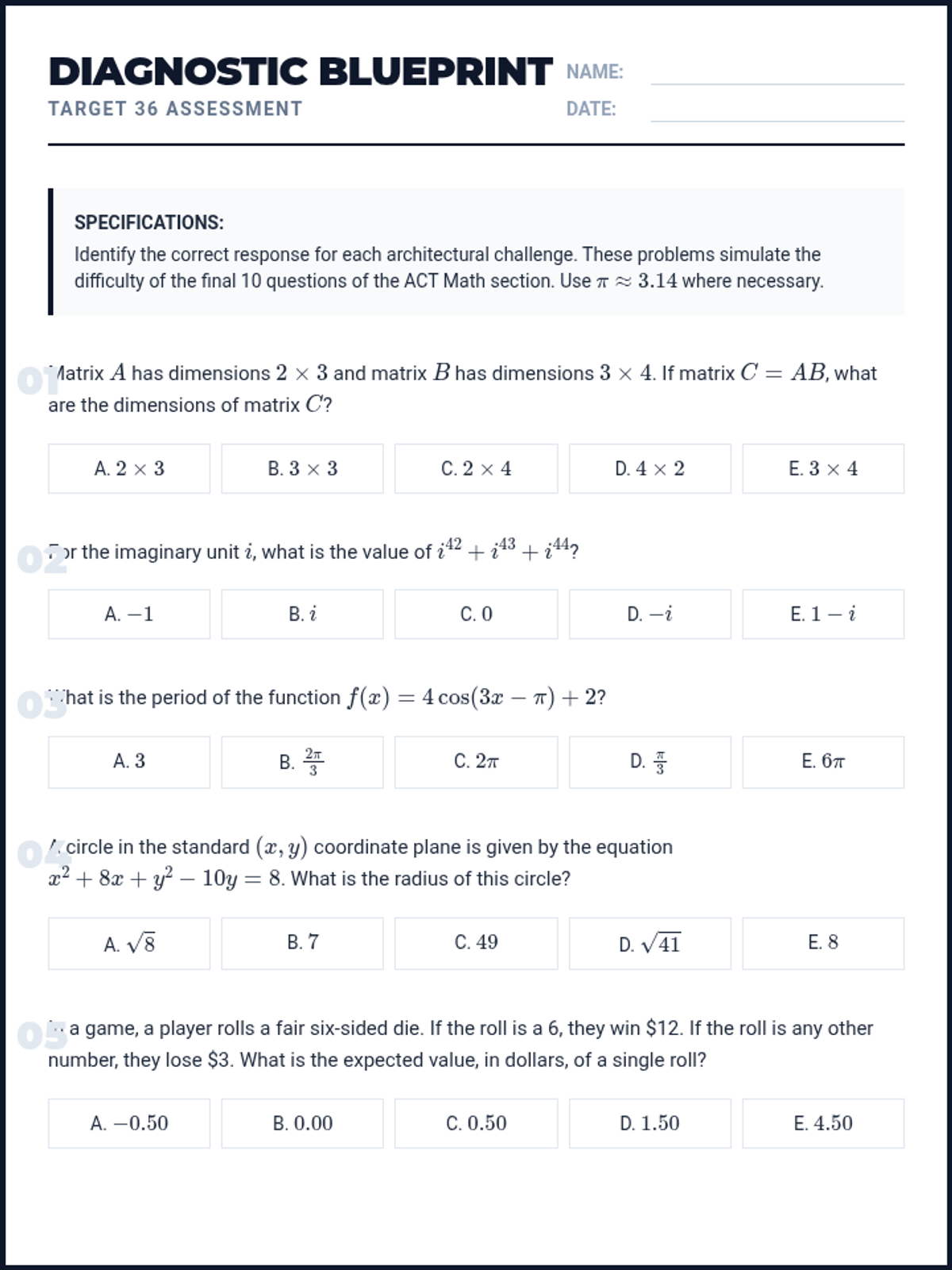
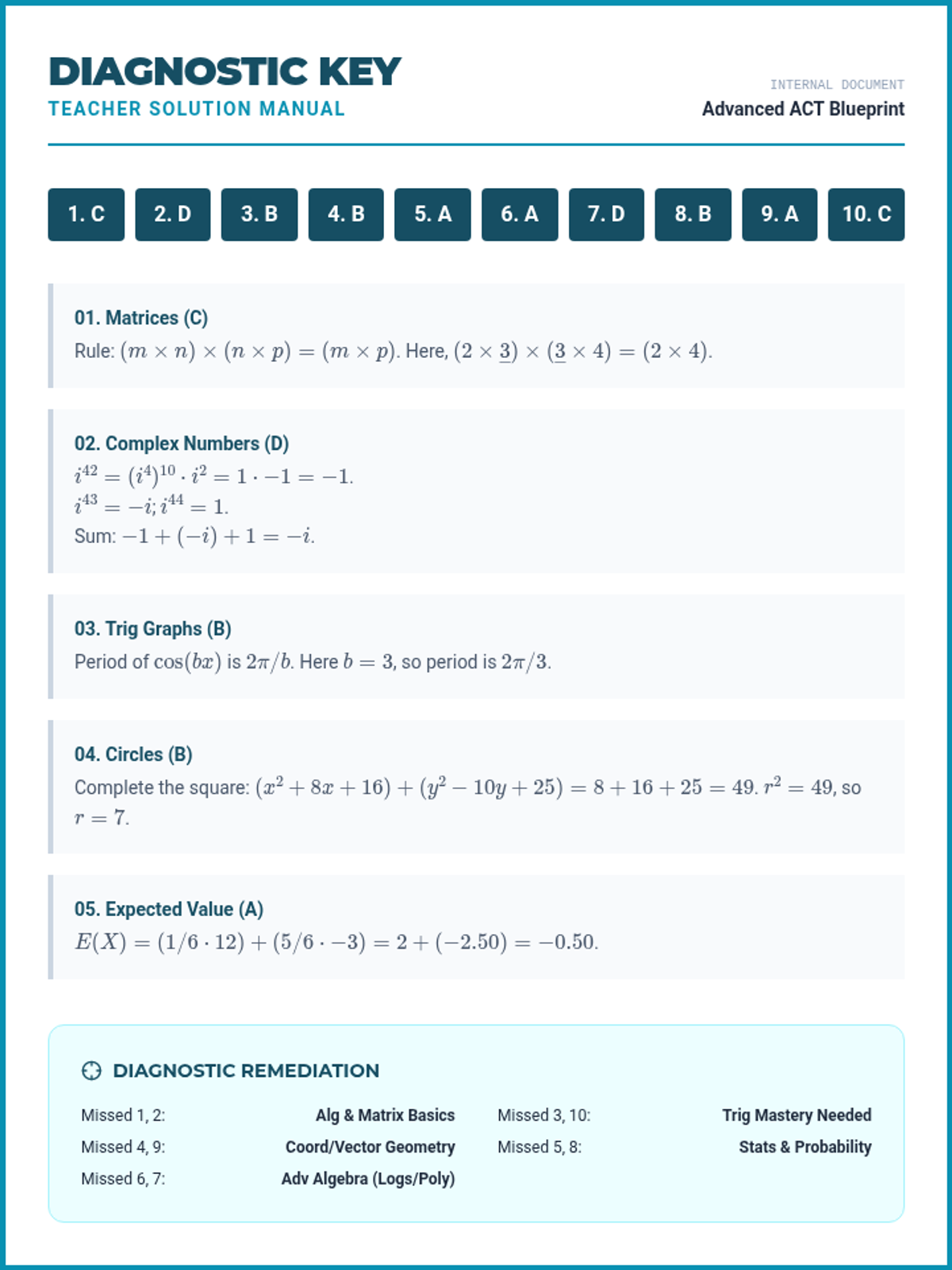
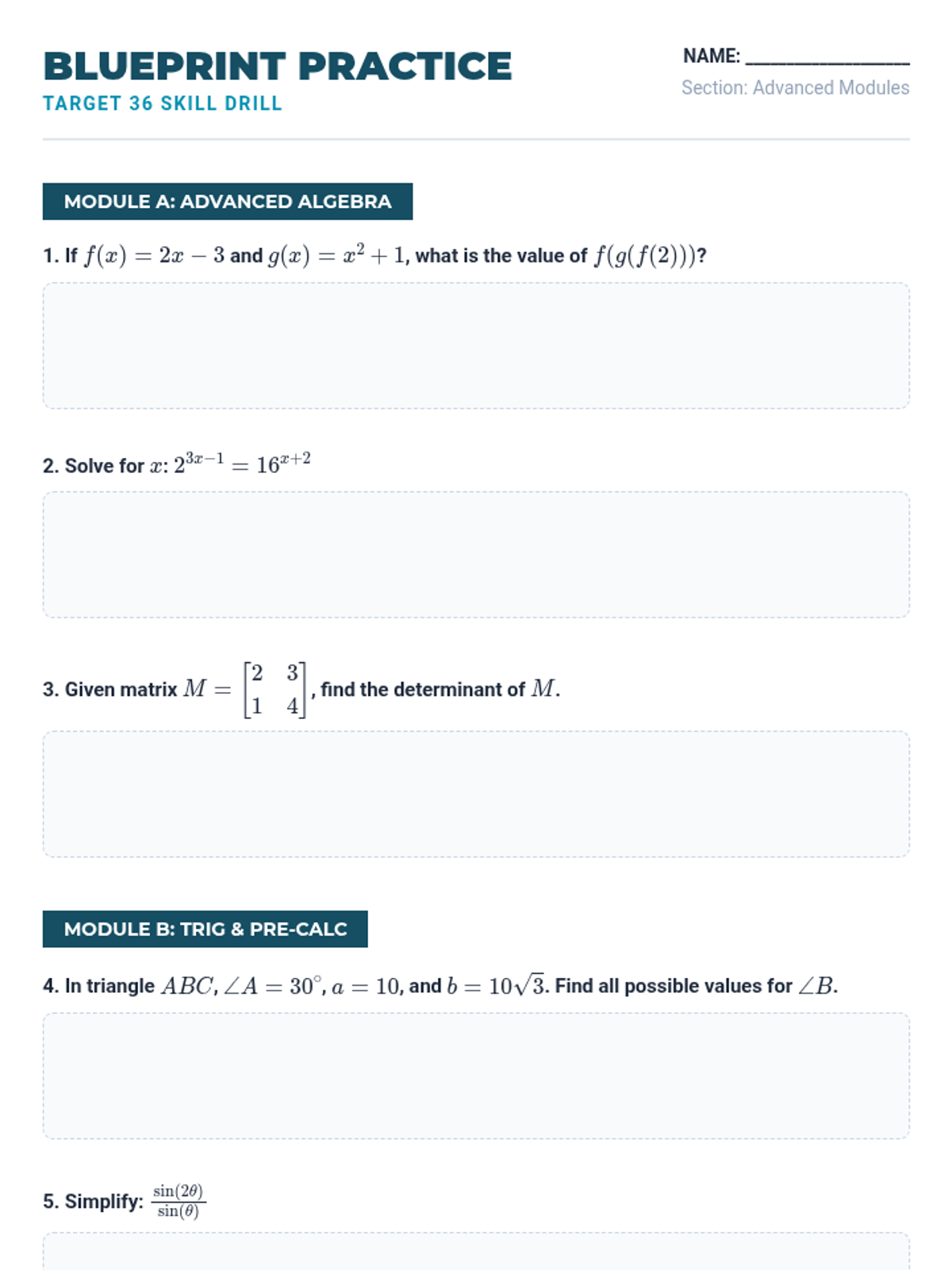
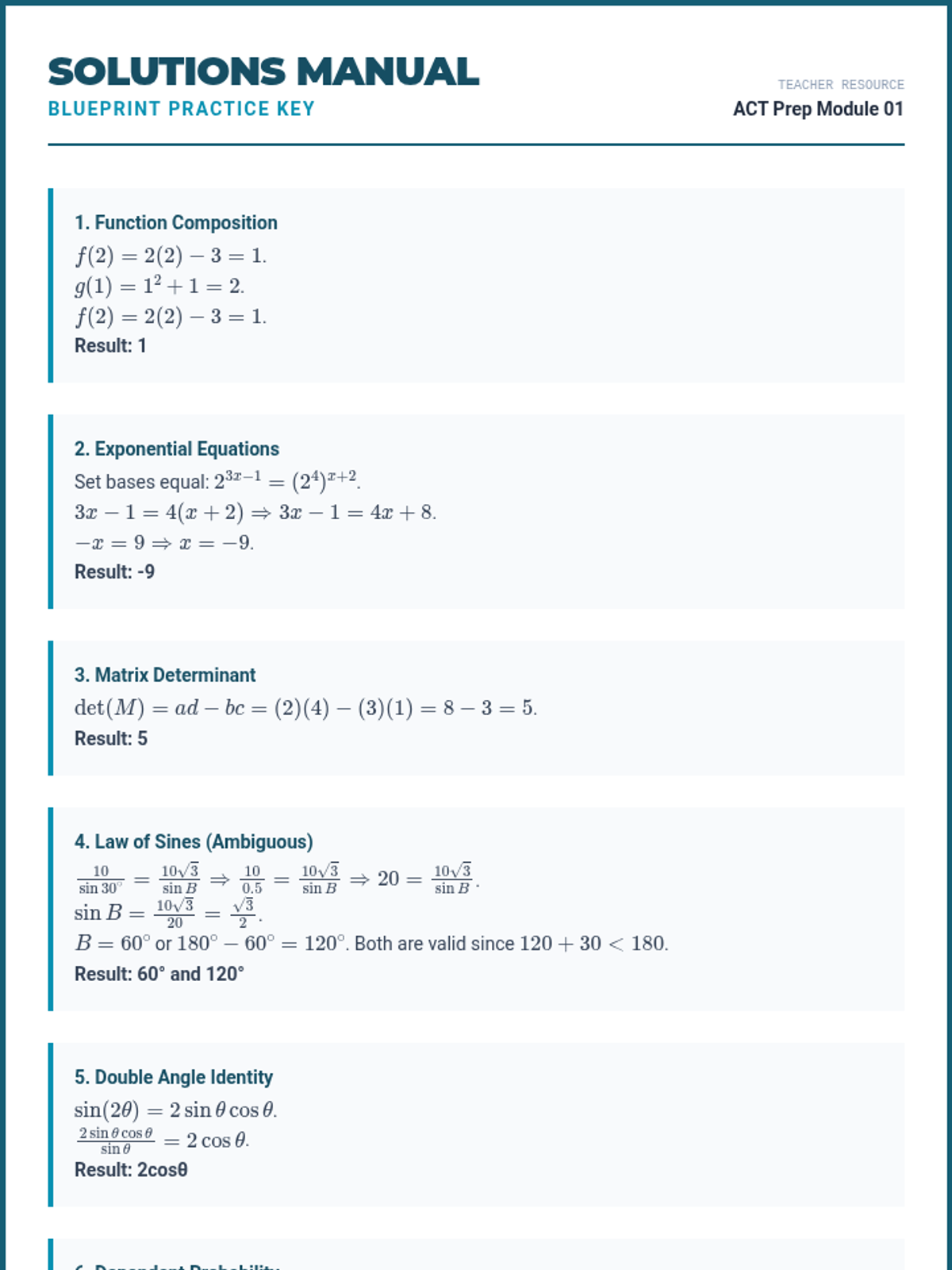
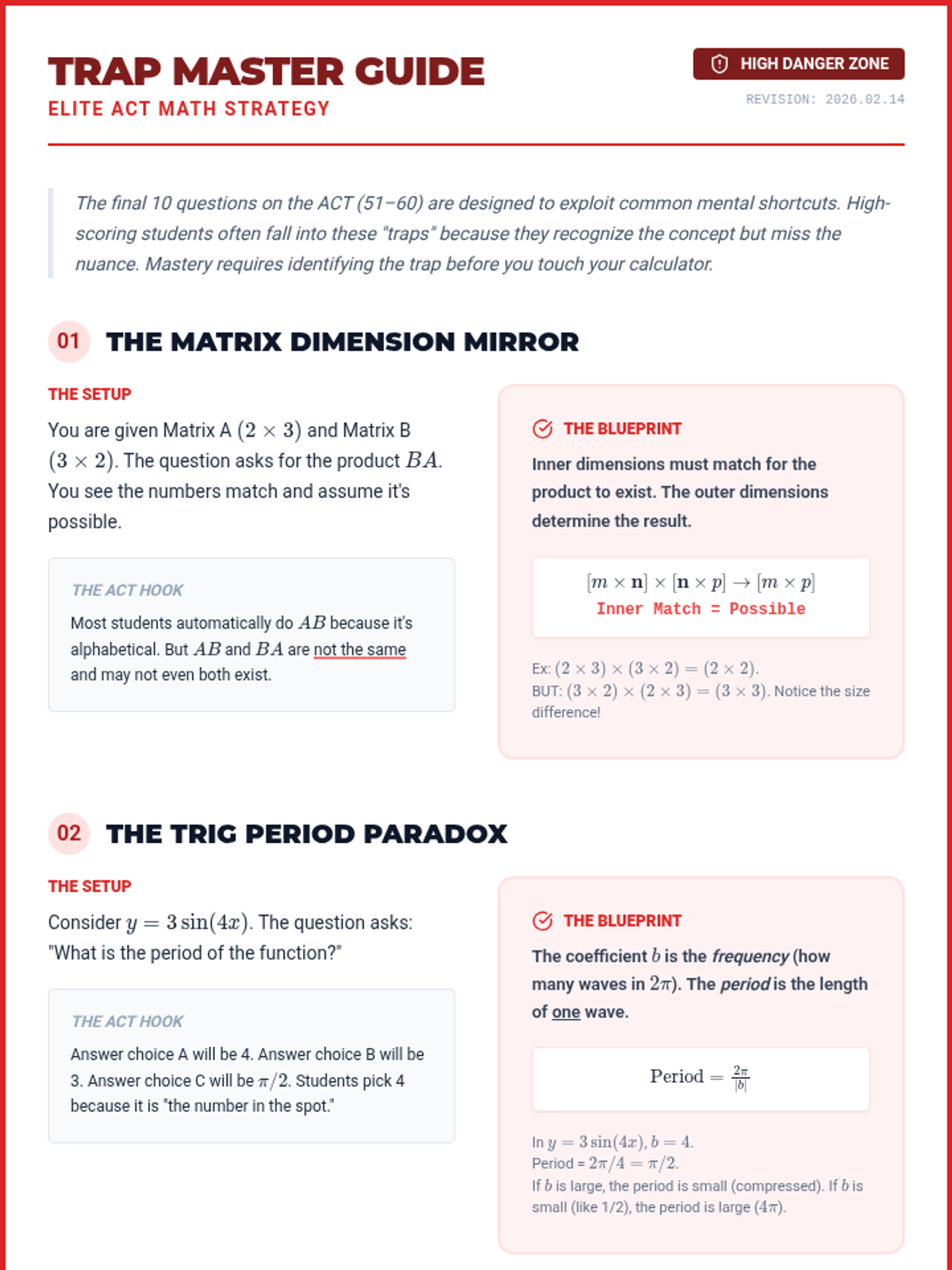
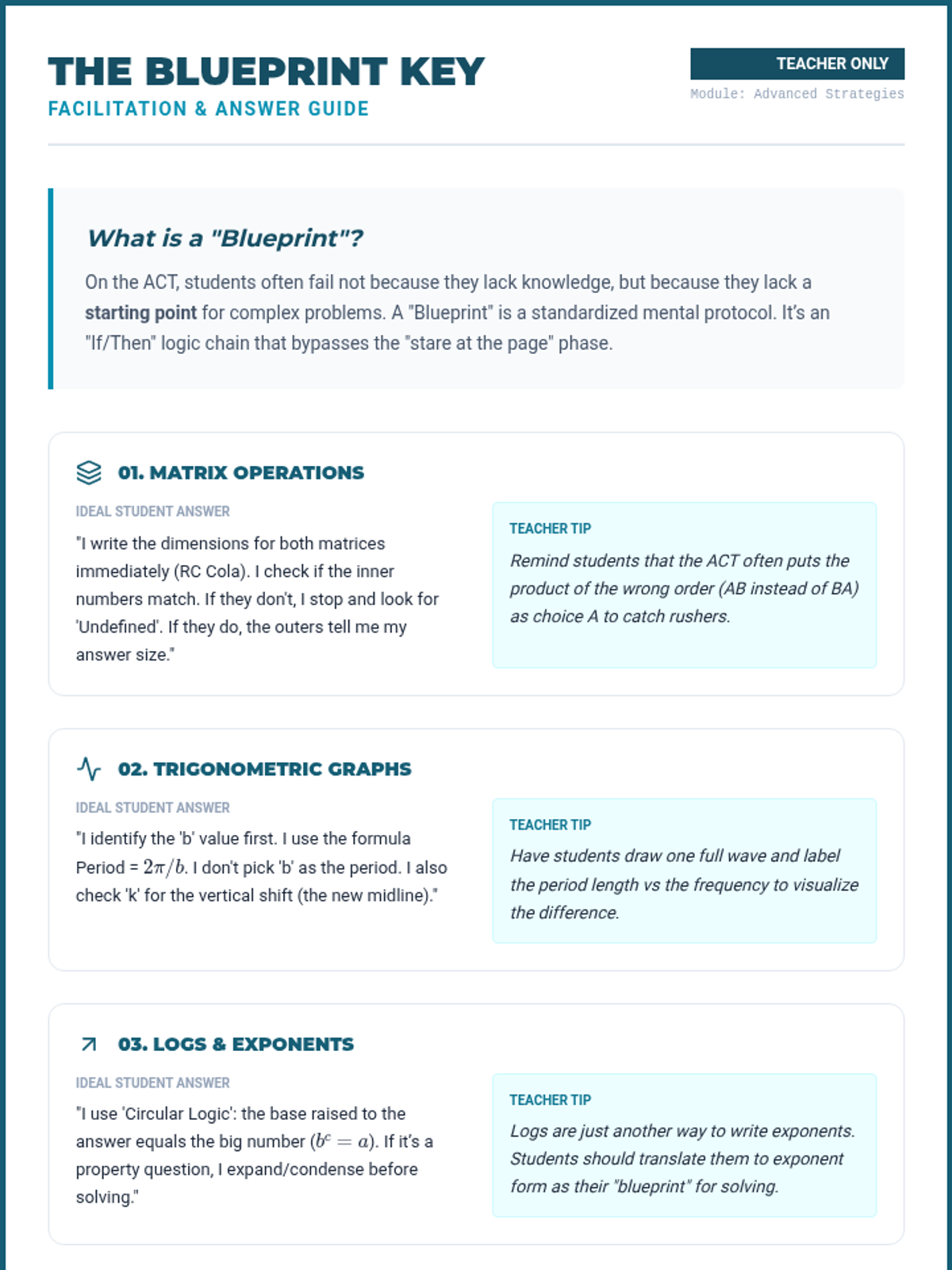
A comprehensive lesson focused on high-level ACT Math topics including matrices, complex functions, trigonometry, and advanced statistics. The lesson emphasizes identifying common 'traps' and applying architectural-style problem-solving strategies.
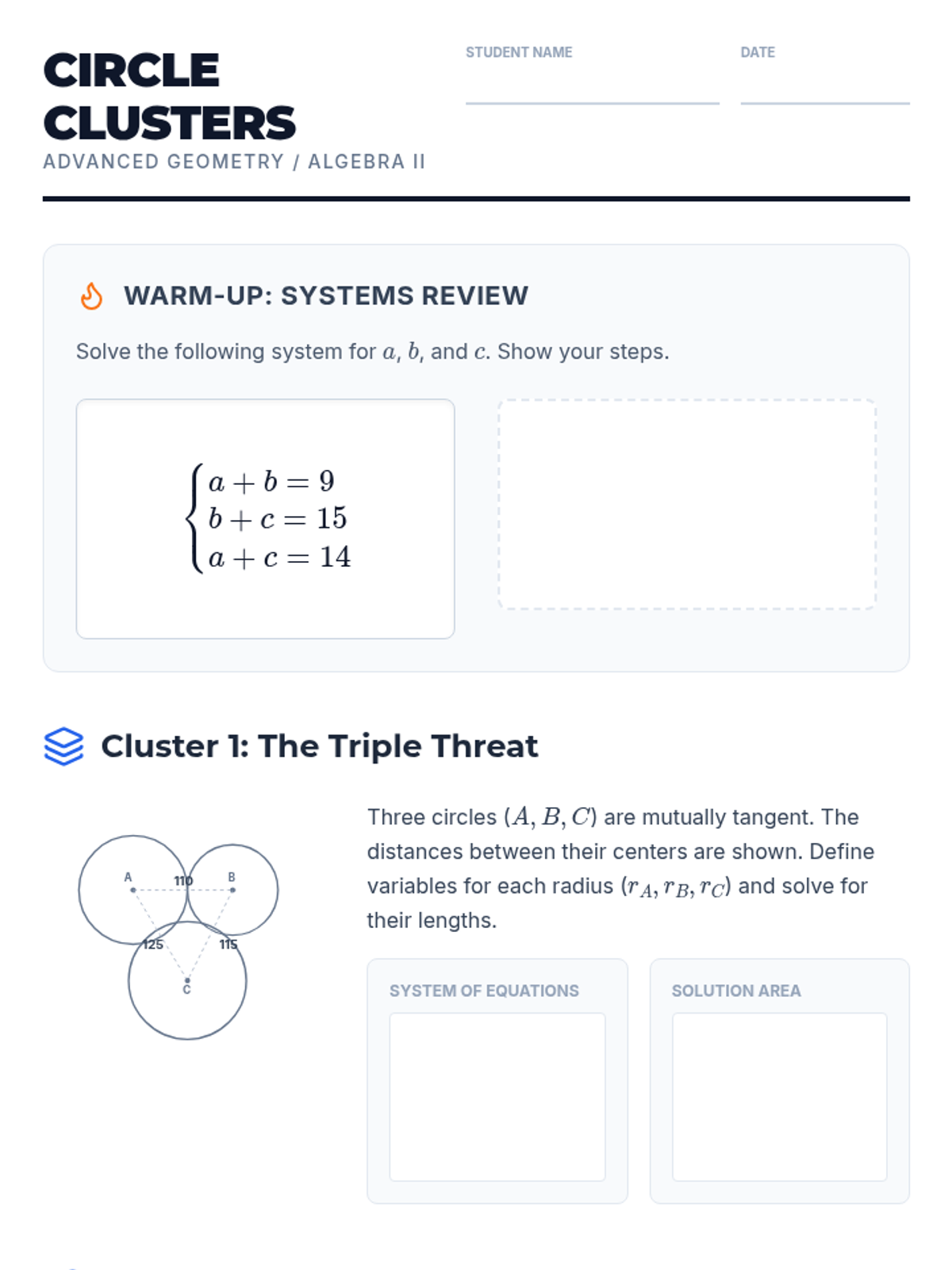
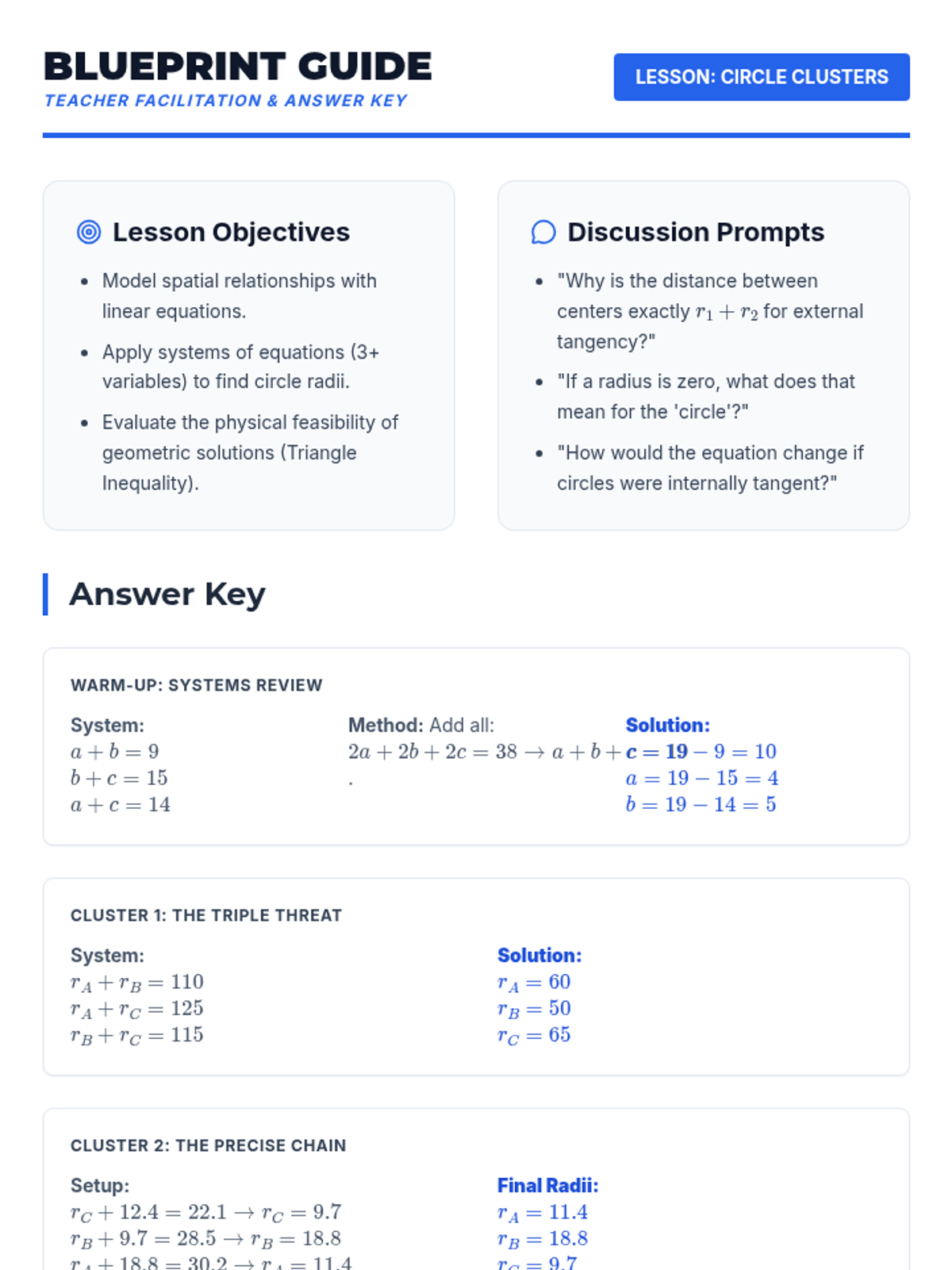
Students will solve systems of linear equations derived from the geometric properties of mutually tangent circles, connecting spatial relationships to algebraic solutions.
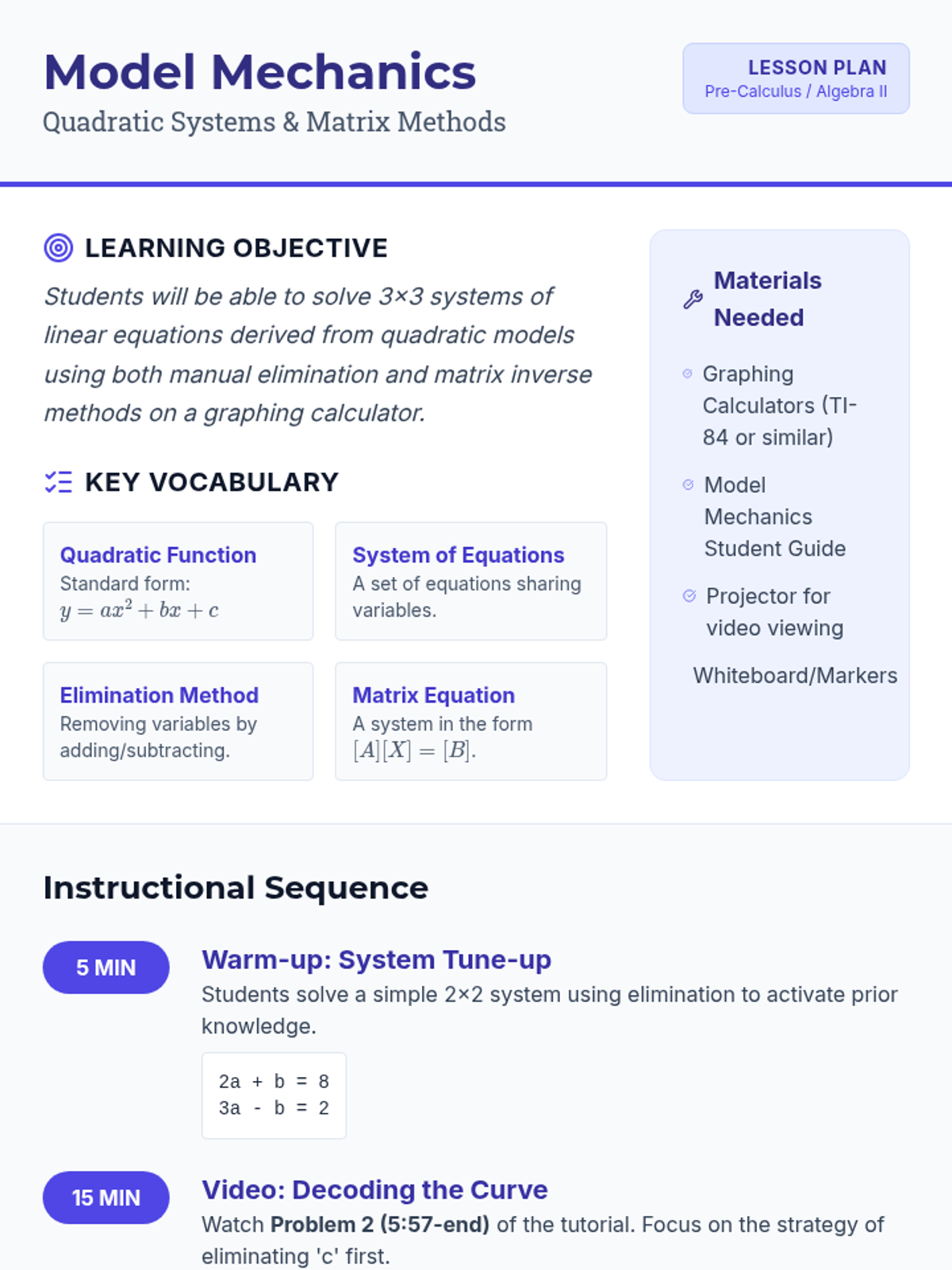
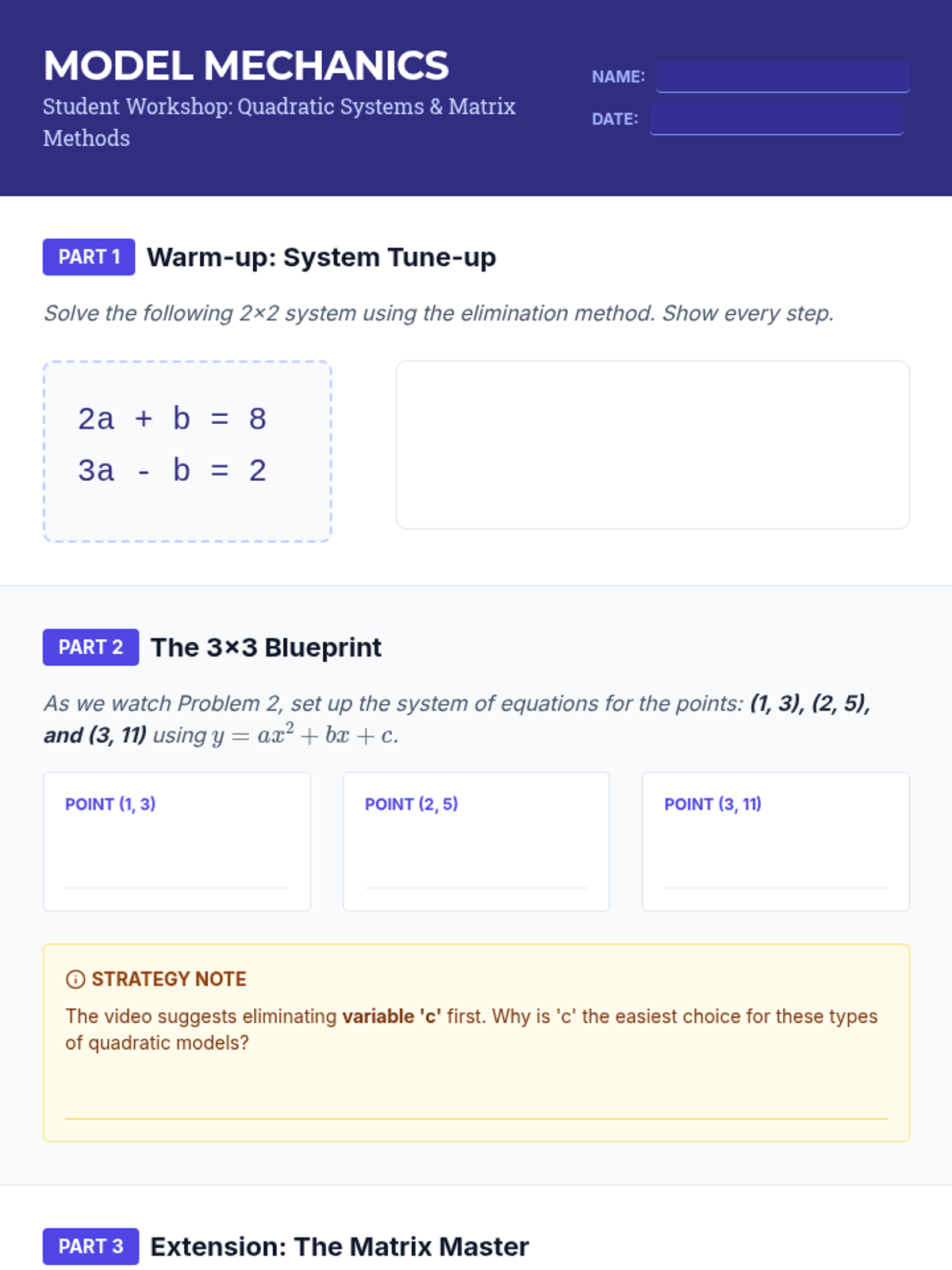
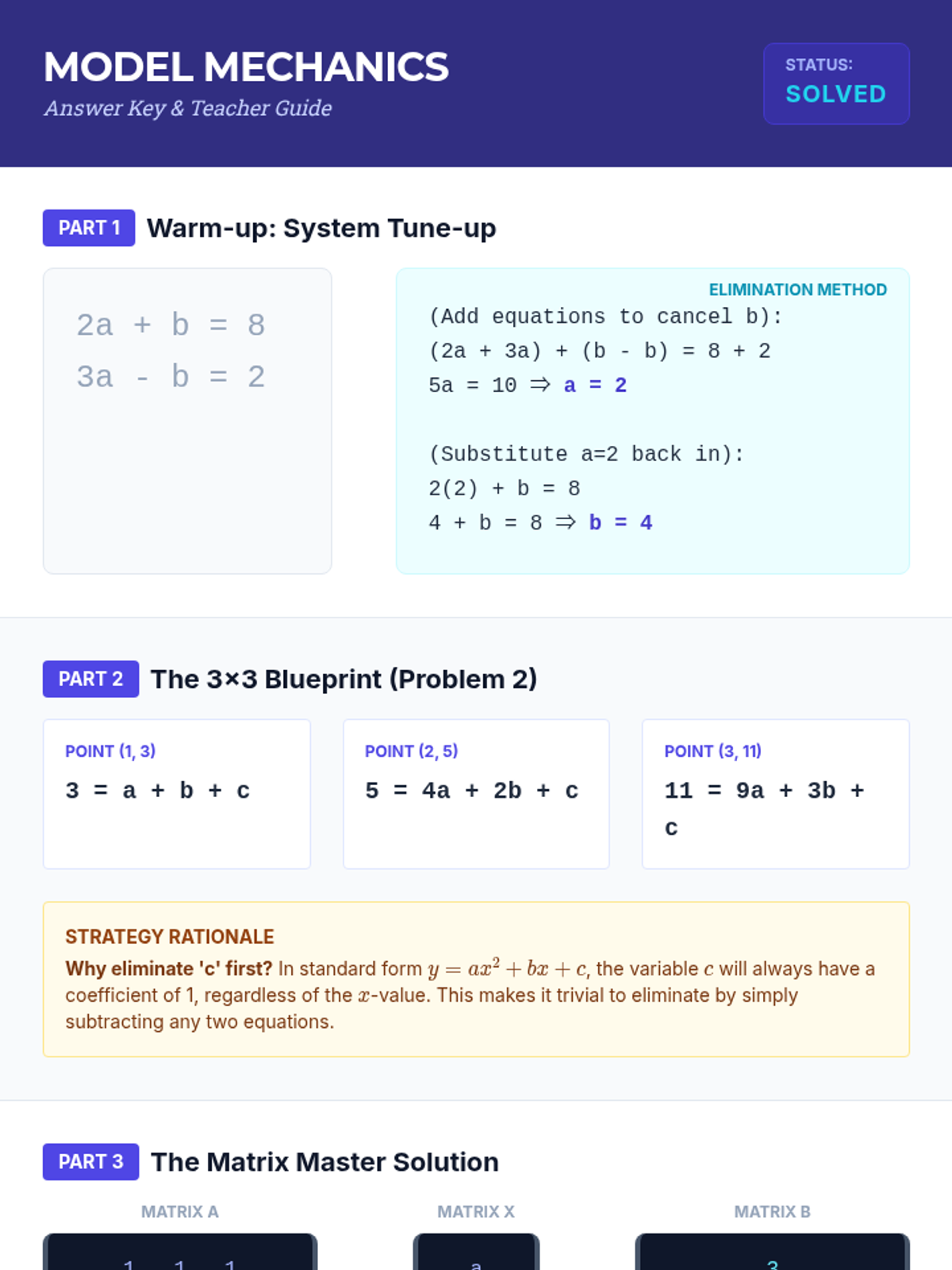
A Pre-Calculus lesson on solving 3x3 systems of equations to find quadratic models, featuring a manual elimination method and a matrix inverse method using graphing calculators.
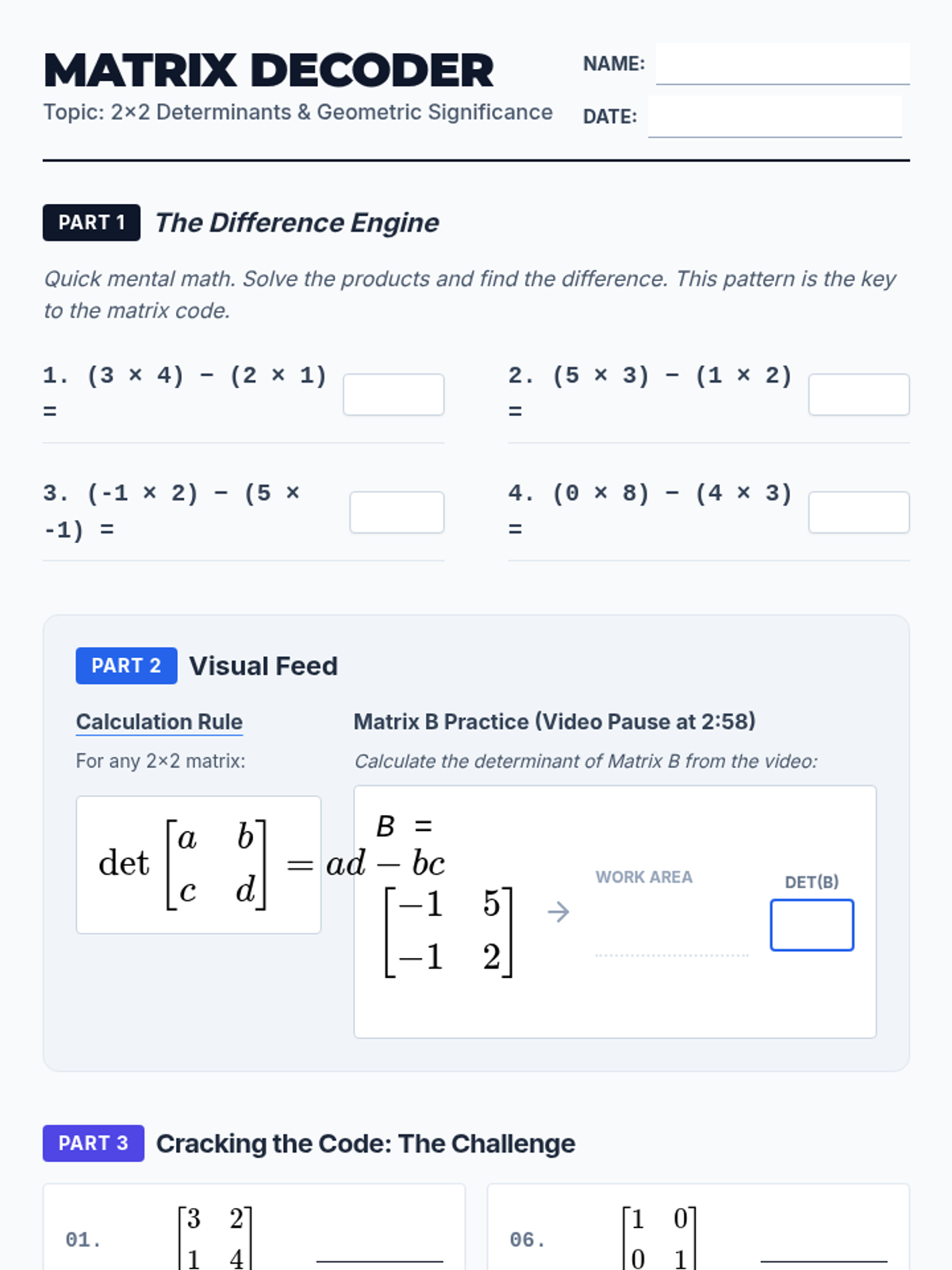
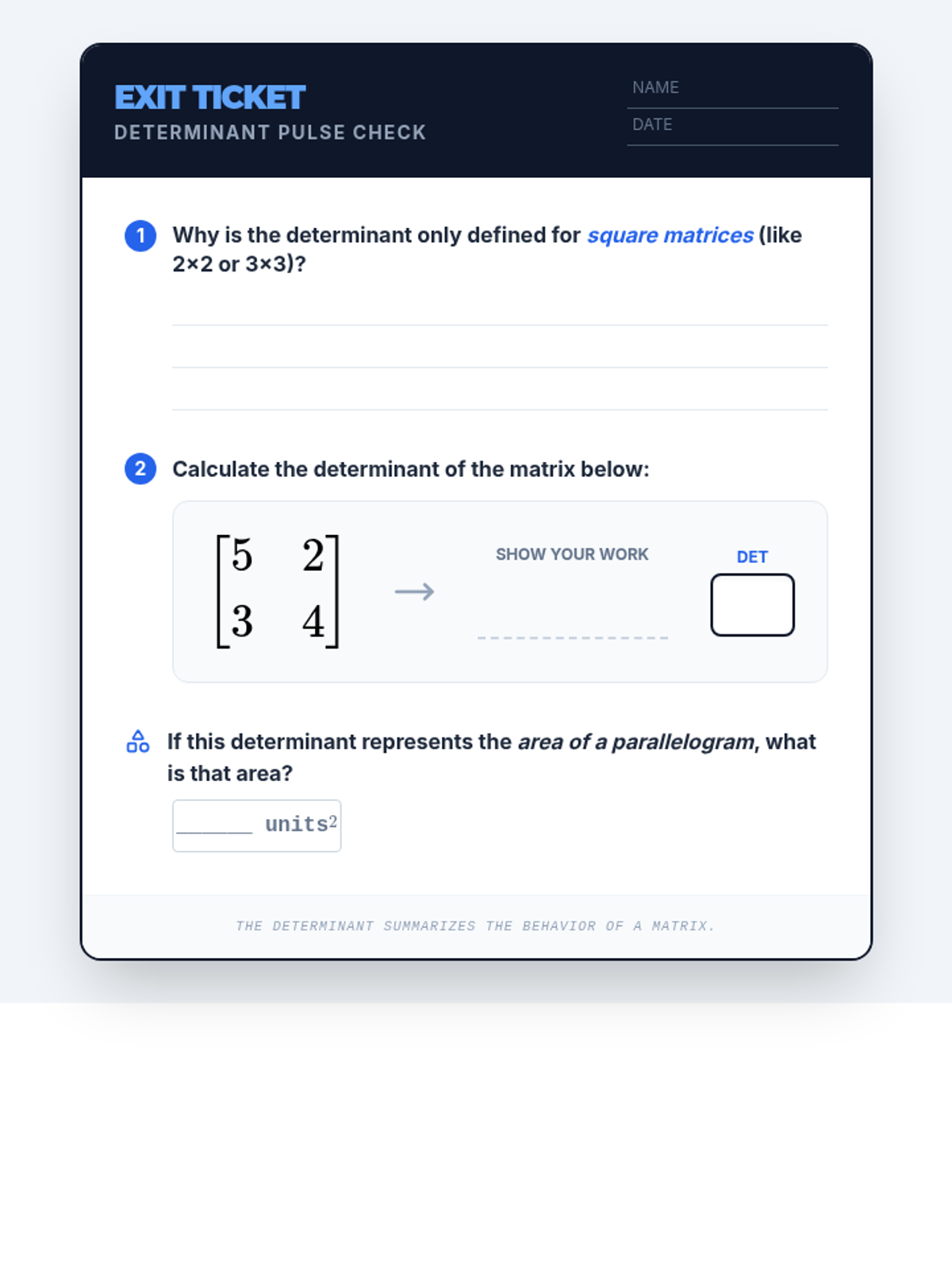
This lesson introduces students to the determinant of 2x2 matrices. Students will learn the calculation formula, practice with various examples, explore matrices with a determinant of zero, and understand the geometric interpretation of a determinant as the area of a parallelogram.
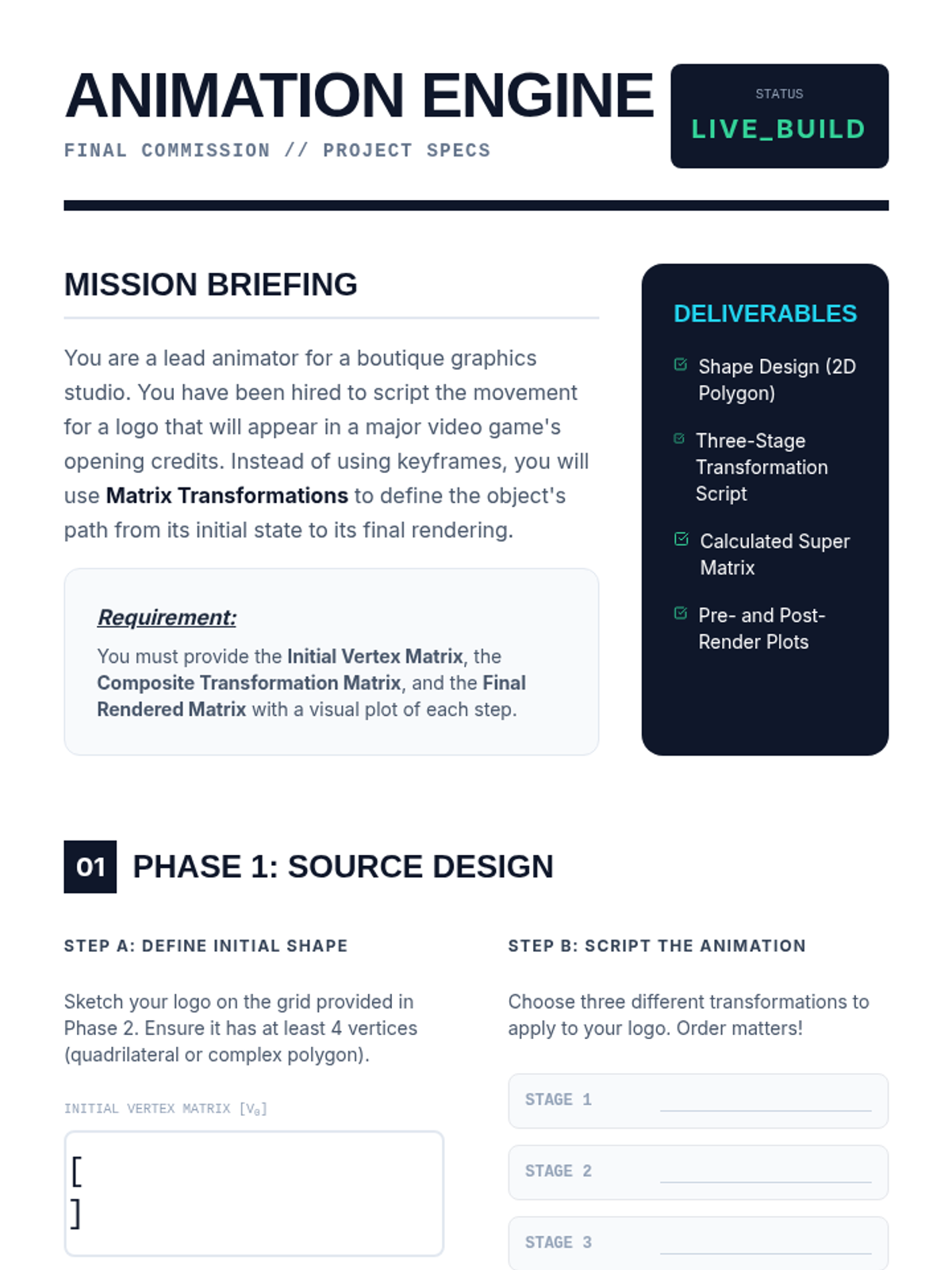
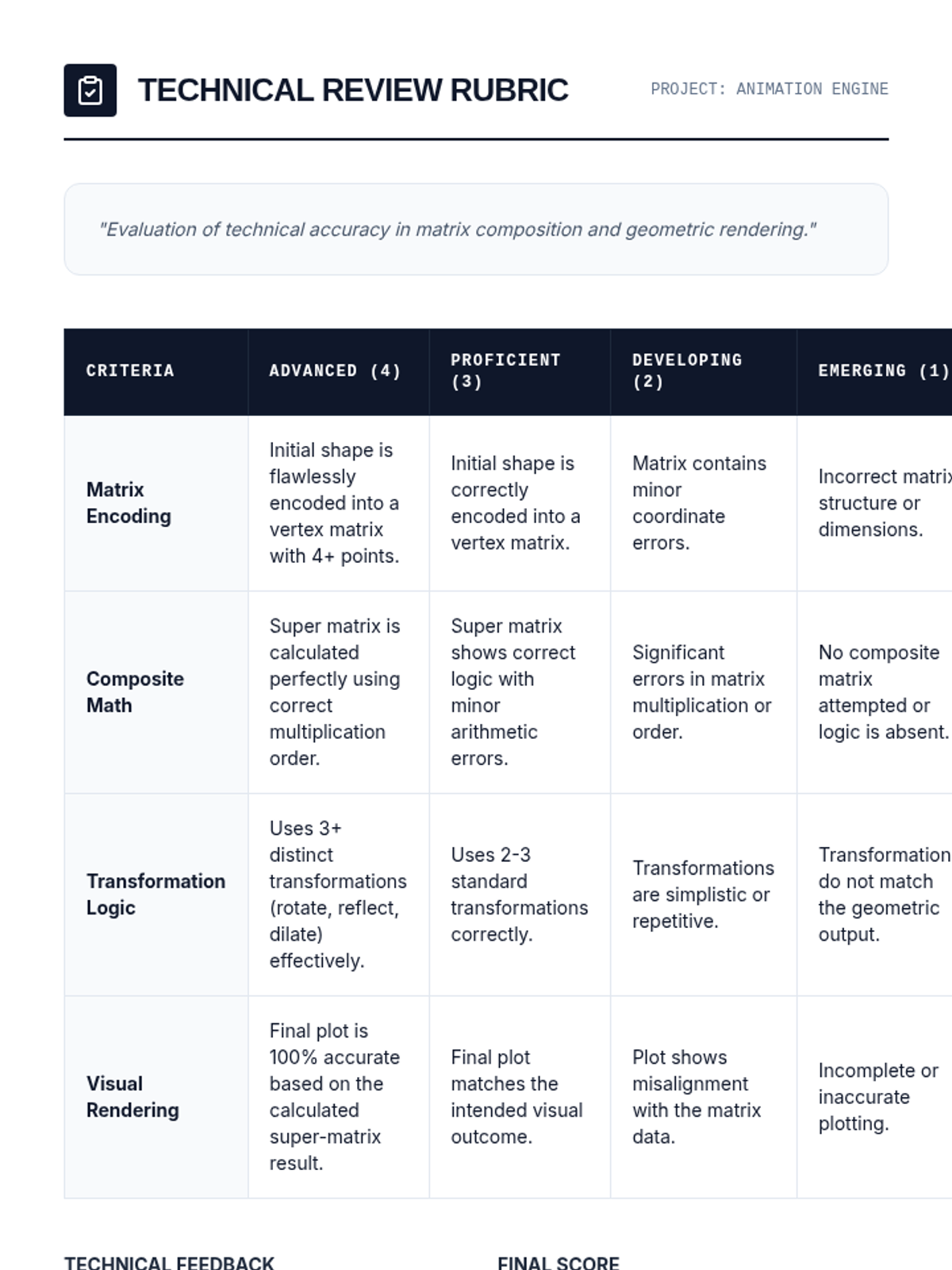
Apply matrix transformation logic to design a simple animation sequence for a digital object, mimicking graphics engine logic.
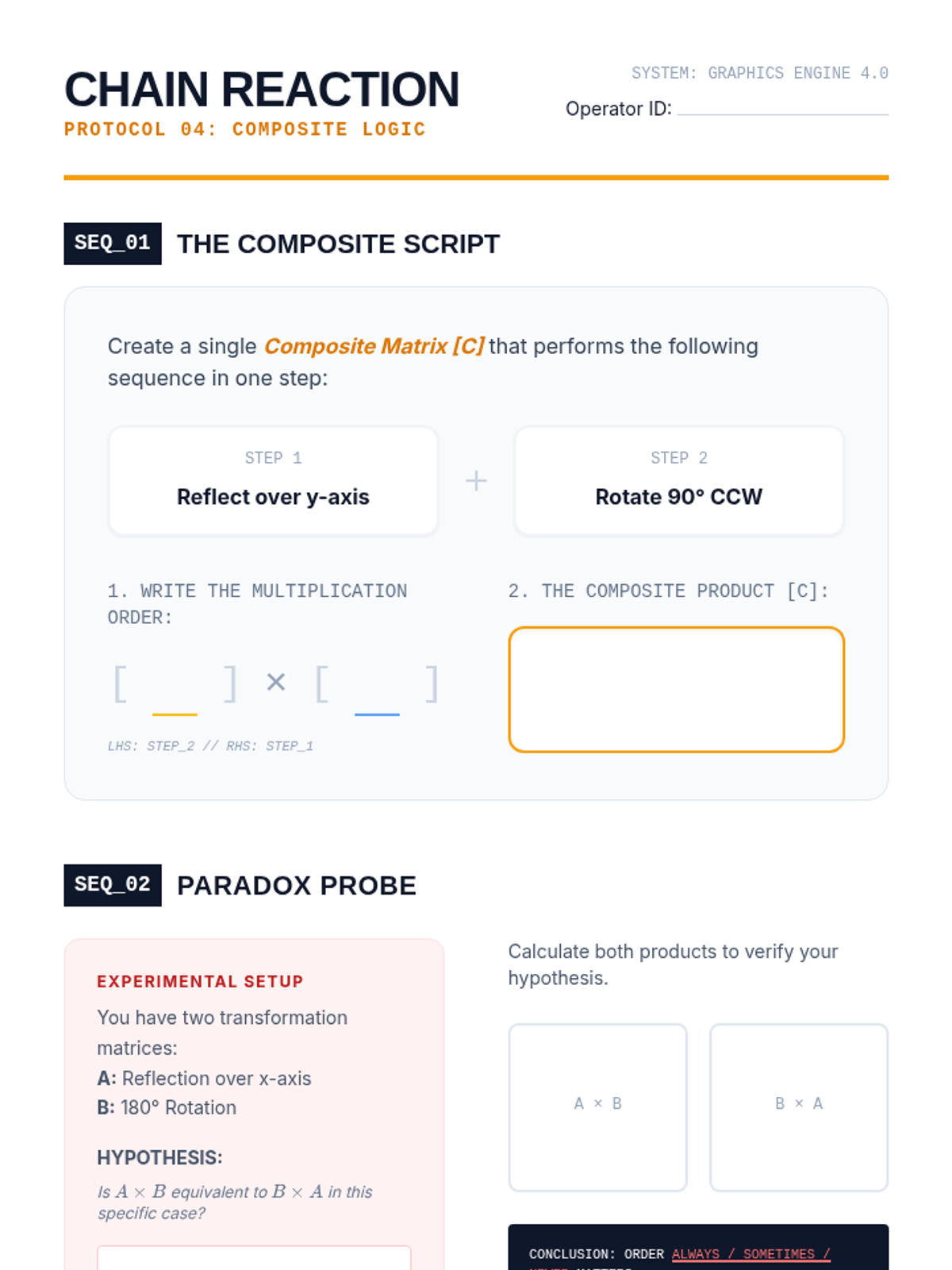
Discover how to combine multiple transformations into a single composite matrix and explore the importance of operation order.
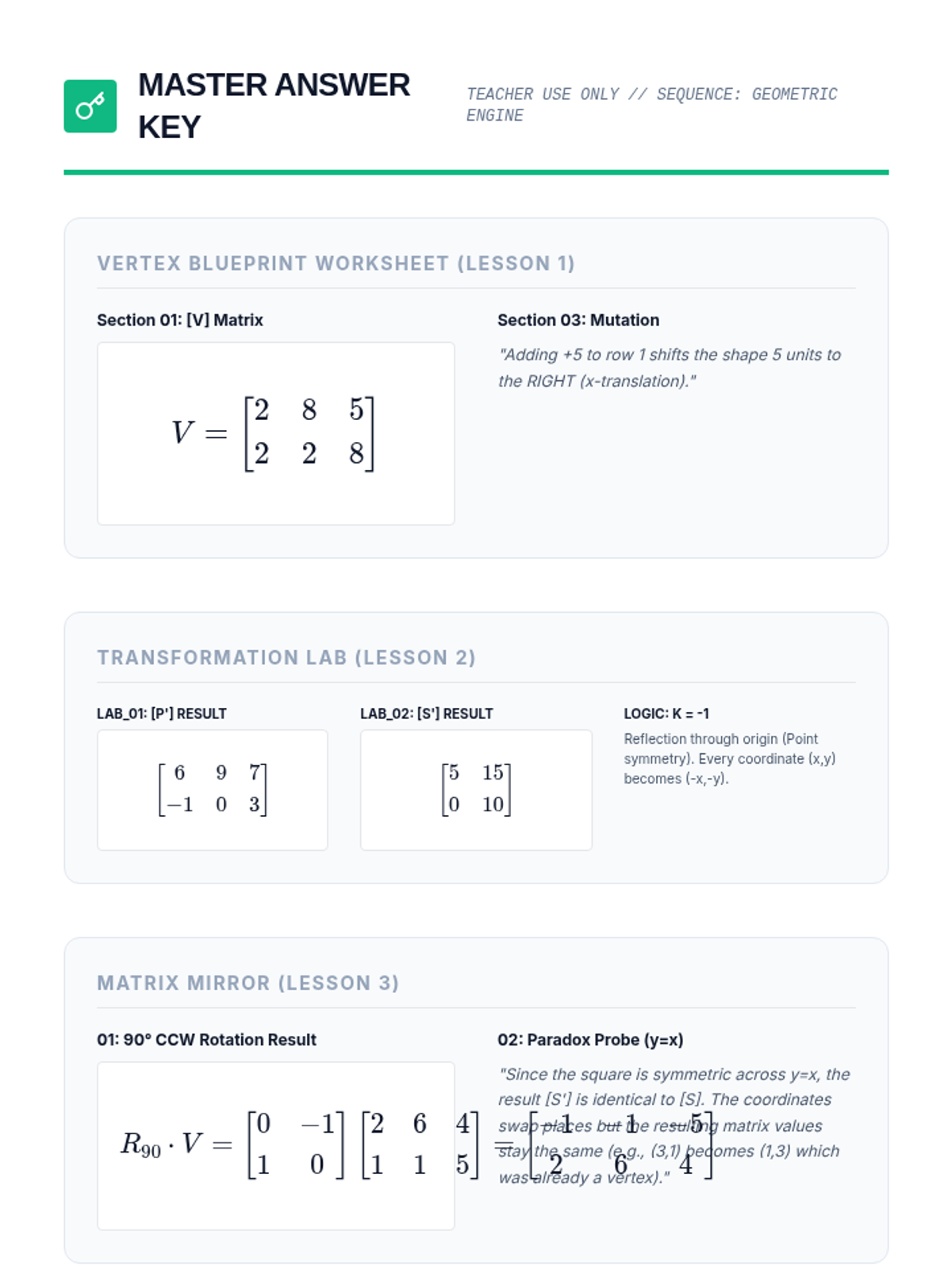
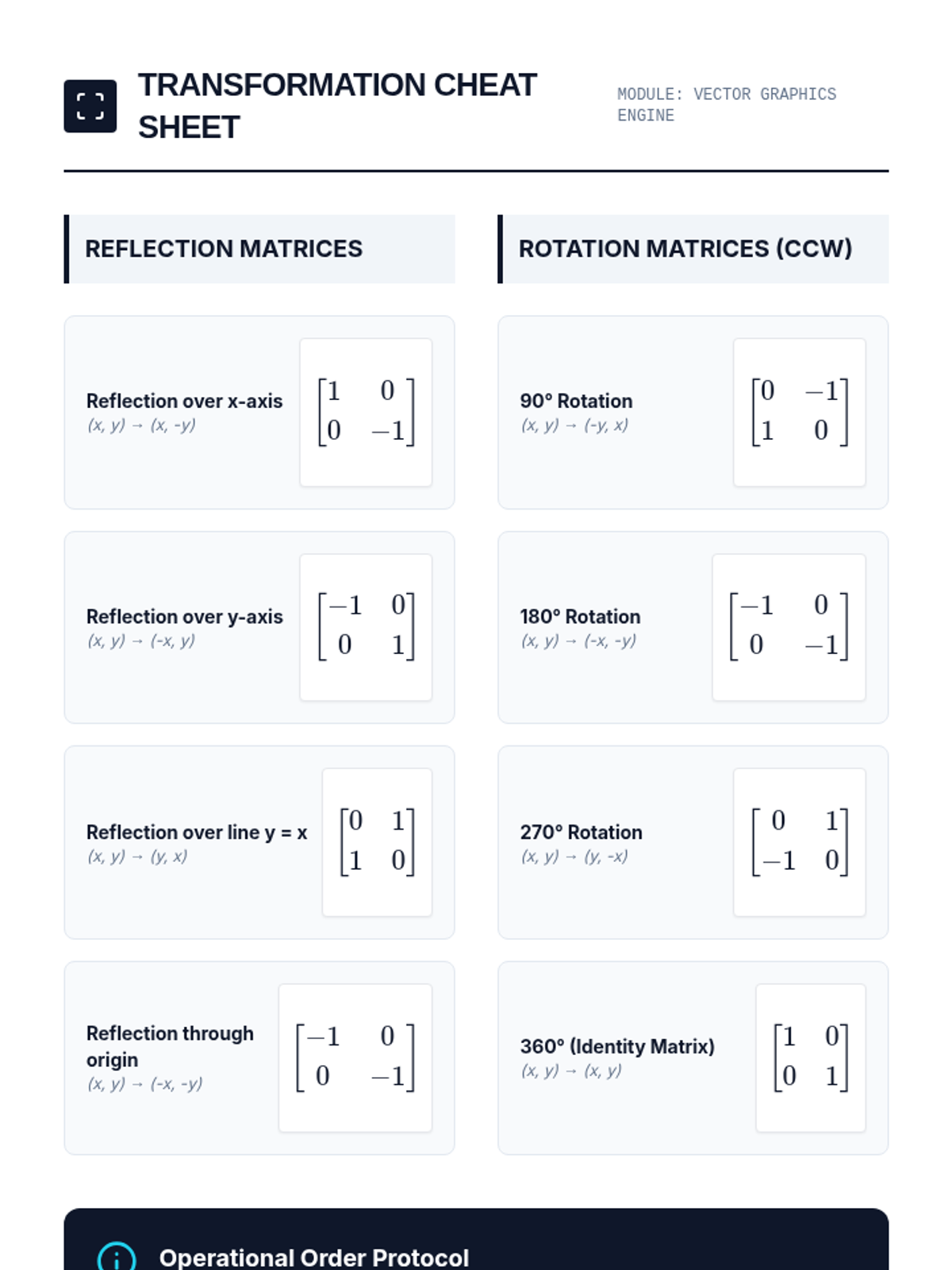
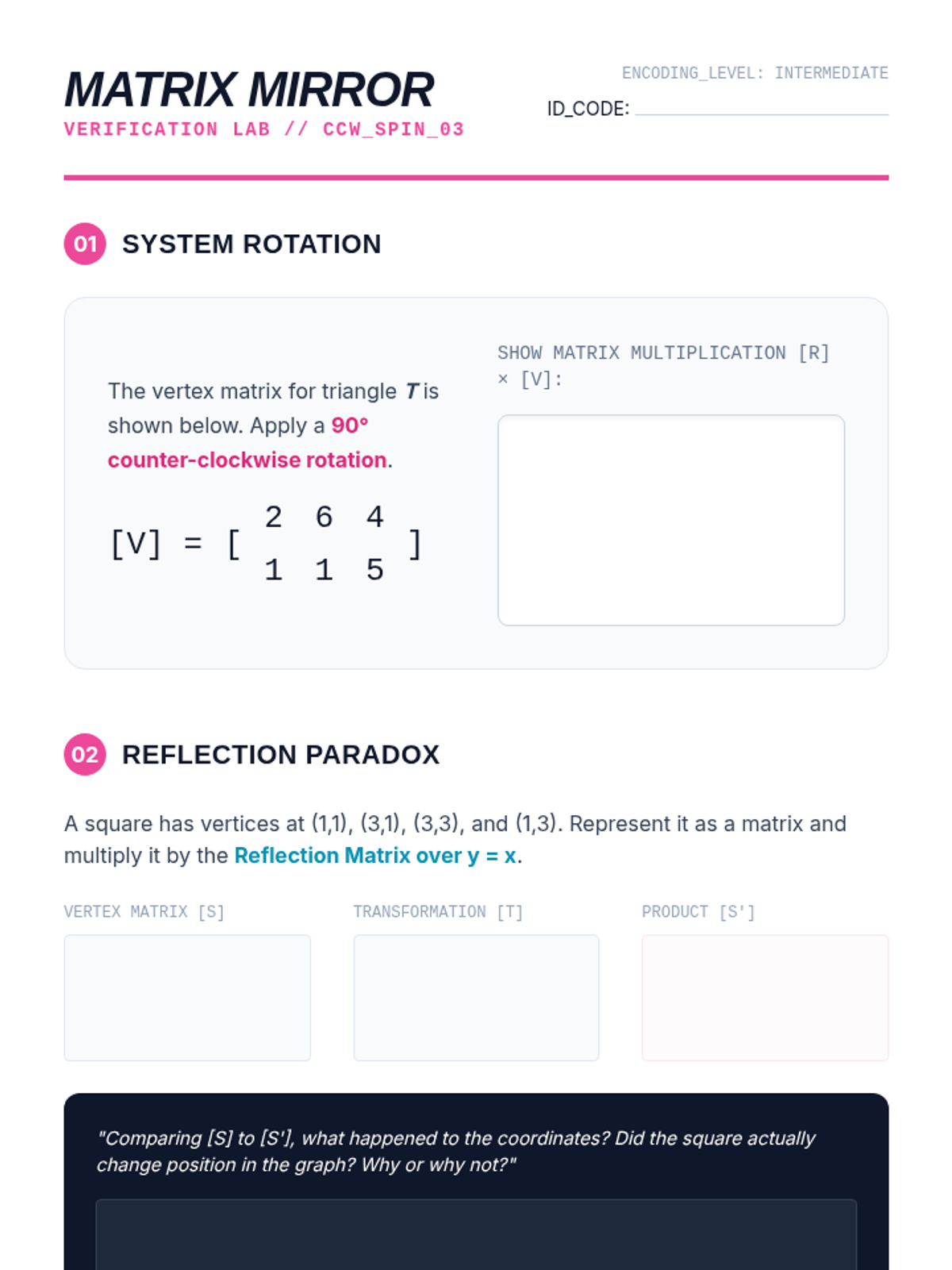
Introduce rotation and reflection matrices and use matrix multiplication to reorient shapes in the 2D plane.
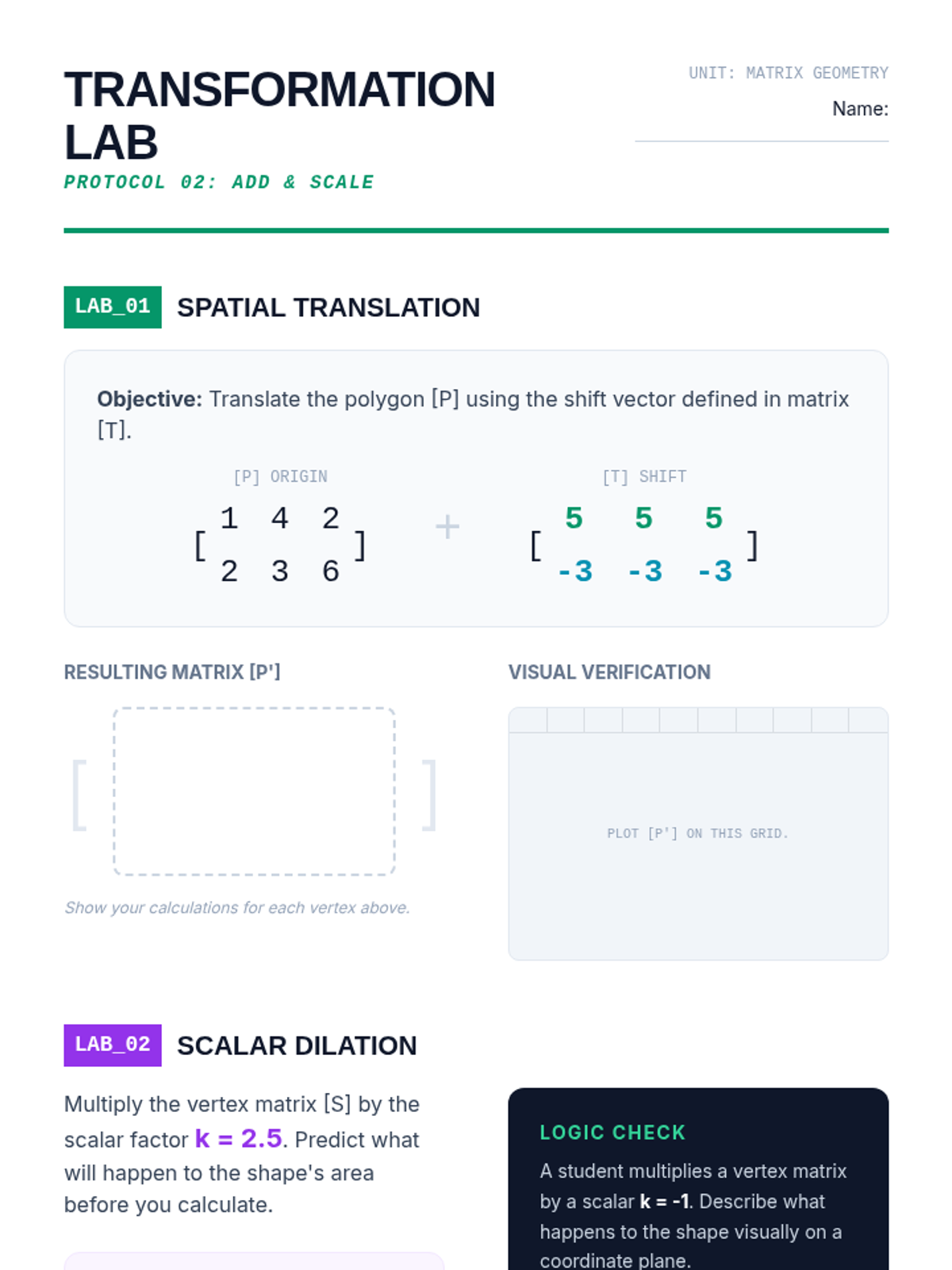
Explore how matrix addition performs translations and scalar multiplication performs dilations on geometric shapes.
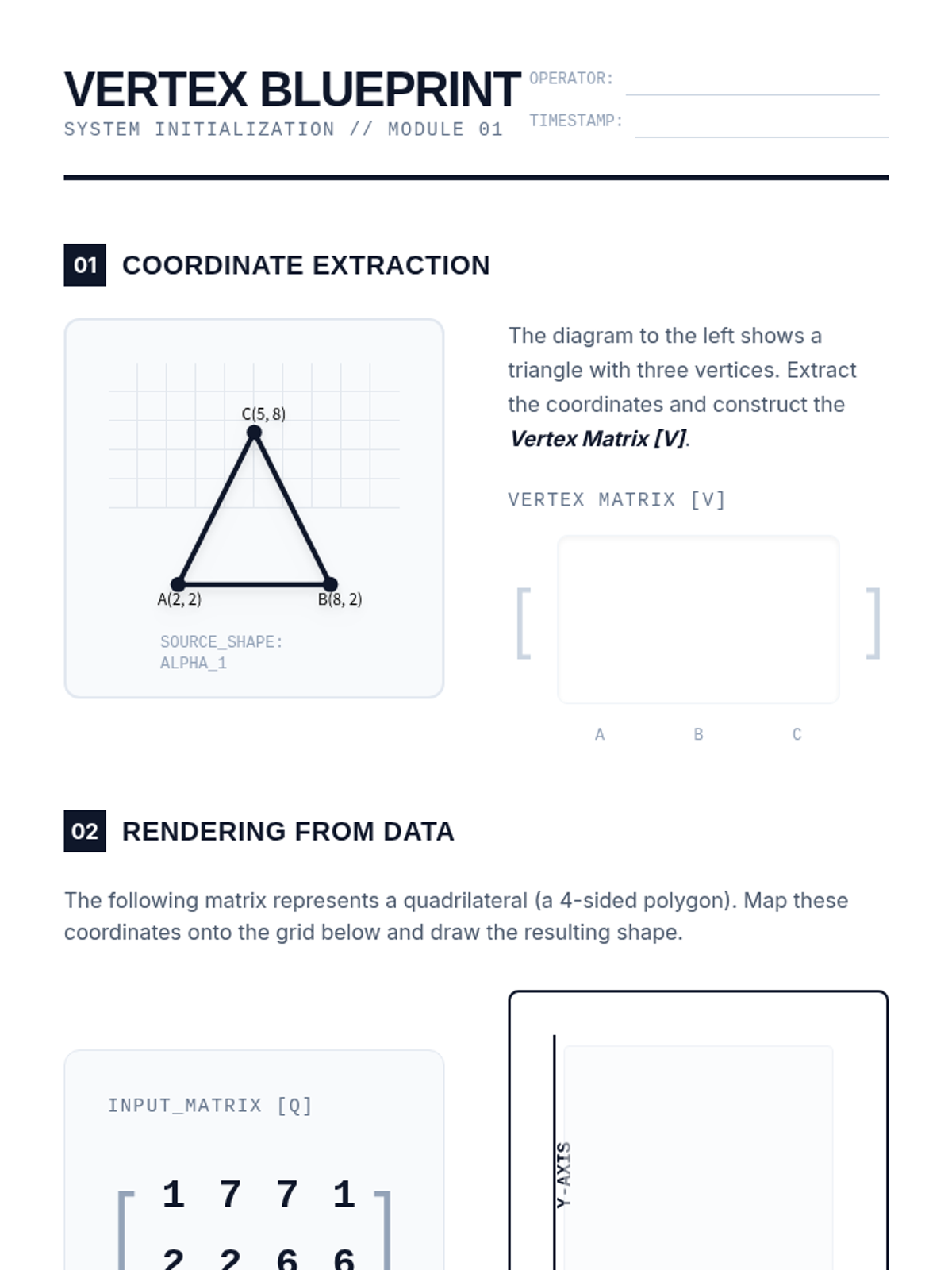
Students learn to represent the vertices of 2D shapes as columns in a matrix and explore how these arrays correspond to physical points on a coordinate plane.