Lenny LearningLenny
Create
Explore
Workspace
LoginSign up
MathEnglish Language ArtsScience & EngineeringSocial StudiesGlobal LanguagesHealth & Physical EducationSpecial EducationCounseling & Life SkillsArts & CreativityESL
Lenny LearningLenny
Lenny Learning
About
Training
Pricing
Support
Contact
© 2026 Lenny Learning Inc.

Psychology

SequencesLessonsMaterialsVideos
  1. Social Studies

Psychology

SequencesLessonsMaterialsVideos

Scientific study of human behavior and mental processes encompassing biological foundations, developmental stages from infancy through aging, and core learning theories. Examines cognitive functions, social influences on group behavior, and clinical approaches to mental health and personality.

Social StudiesSocial Studies PracticesLocation WordsMapsOrder EventsChronology and CausationEvaluating SourcesHistorical ThinkingGeography, Humans, & the EnvironmentAmerican Symbols and LandmarksCitiesStatesState CapitalsRegions of the United StatesGeographic SkillsPhysical GeographyHuman GeographyRegional GeographyGeography of AfricaGeography of AsiaGeography of EuropeGeography of OceaniaGeography of the AmericasSociety and Environment of EuropeSociety and Environment of AsiaSociety and Environment of The AmericasSociety and Environment of the Middle EastSociety and Environment of AfricaHistoryPrehistoryComparing Ancient River CivilizationsAncient MesopotamiaAncient Egypt and KushAncient South AsiaEarly ChinaGreeceRome and the Byzantine EmpireAncient World HistoryNative Peoples of North AmericaNative Peoples of Mesoamerica and South AmericaAfrican EmpiresMedieval AsiaMedieval EuropeThe Silk RoadMedieval HistoryIslamic EmpiresWorld ReligionsRenaissance PeriodAge of ExplorationThe Thirteen ColoniesThe American RevolutionUS History Early RepublicFounding of the United StatesUS History AntebellumUS Civil WarReconstruction PeriodThe Gilded AgeUS ImperialismWorld ImperialismWorld War IUS History 1920sGreat DepressionWorld War IIThe Cold WarUS History 1950-60sUS History 1960s-70sWorld History 20th CenturyContemporary US HistoryContemporary World HistoryHolidaysCivics and GovernmentCitizenshipGovernment FoundationsThe ConstitutionUS ConstitutionExecutive BranchLegislative BranchJudicial BranchState and LocalPolitical ParticipationPublic PolicyPolitical SystemsPower and AuthoritySocial MovementsDefining DevianceTheories of DevianceCrime and Criminal JusticeEconomicsBasic Economic PrinciplesSupply and DemandWhat is MoneyEconomic FundamentalsMicroeconomicsMacroeconomicsBanking and FinanceEconomic SystemsGlobal EconomicsCorporations and PowerThe Changing WorkplaceUnemployment and LaborClass and InequalitySocial MobilityGlobal InequalityPsychologyHistory of PsychologyPsychology as a ScienceBrain and Nervous SystemNeuroscience and BehaviorGenetics and BehaviorSleep and ConsciousnessSensory ProcessesPerceptual OrganizationClassical ConditioningOperant ConditioningObservational LearningCognitive LearningMemory ProcessesThinking and Problem SolvingLanguage and CognitionTheories of MotivationStress and CopingPrenatal and Infant DevelopmentChildhood DevelopmentAdolescent DevelopmentAdulthood and AgingSelf and IdentitySocial CognitionSocial InfluenceAttraction and RelationshipsGroup BehaviorPrejudice and DiscriminationAnxiety and Mood DisordersClinical PsychologyForensic PsychologyPhilosophy & EthicsIntroduction to PhilosophyMajor Philosophers & IdeasMind and Body ProblemFree Will vs DeterminismEthics & MoralityReligion & PhilosophyPolitical Philosophy
Operant ConditioningReinforcement and punishment strategies used to modify behavior through consequences. Distinguishes between positive and negative stimuli while examining various reinforcement schedules and their effects on learning.
Memory ProcessesEncoding, storage, and retrieval mechanisms within the human brain. Examines sensory, short-term, and long-term memory systems alongside factors affecting forgetting and cognitive biases.
Thinking and Problem SolvingCognitive strategies including heuristics, algorithms, and divergent thinking. Examines common barriers to effective decision-making such as confirmation bias and functional fixedness.
Stress and CopingPhysiological stress responses, chronic stressors, and the mechanics of the fight-or-flight system. Equips learners with evidence-based coping mechanisms including cognitive restructuring and emotional regulation.
Prenatal and Infant DevelopmentStages of gestation, the impact of teratogens, and neonatal reflexes. Tracks cognitive, sensory, and motor milestones alongside early attachment and social-emotional bonding.
Adolescent DevelopmentCognitive, social, and emotional shifts during the transition from childhood to adulthood. Examines identity formation, peer influence, and neurobiological development in the adolescent brain.
Self and IdentityPsychological frameworks for self-concept, self-esteem, and the development of social identity. Examines the interplay between individual personality traits and external cultural influences.
Social InfluenceMechanisms of conformity, obedience, and persuasion within group dynamics. Examines how social norms and authority figures shape individual behavior and decision-making.
No videos found
There are no videos available for this topic yet.
Video
Culture and Innovation in the Interwar Years

Culture and Innovation in the Interwar Years

This educational video provides a comprehensive overview of the Interwar Period (roughly 1918–1939), exploring the profound shifts in art, science, and society that occurred between World War I and World War II. It begins by examining the psychological impact of the "Great War," including shell shock and the disillusionment of the "Lost Generation." The narrative then guides viewers through major artistic movements of the era, such as Cubism, Surrealism, and Art Deco, while highlighting how art was used globally—from the Harlem Renaissance to Mexican Muralism—to express identity, nationalism, and anticolonialism.

Miacademy & MiaPrep Learning ChannelMiacademy & MiaPrep Learning Channel

11mins 3s

Video
Exploring Native Worldviews Through Humor and Reciprocity

Exploring Native Worldviews Through Humor and Reciprocity

This episode of Crash Course Native American History, hosted by Che Jim, explores the foundational elements of Indigenous worldviews, challenging the pervasive stereotype of the "stoic Indian." The video argues that humor, play, and laughter are not just entertainment but are "Good Medicine"—sacred tools for healing, resilience, and community building. It examines how Native American cultures have historically used humor to cope with trauma, subvert colonial power structures, and maintain social harmony, citing examples from the sacred clowns of the Pueblo people to modern indigenous comedy troupes like the 1491s.

CrashCourseCrashCourse

11mins 11s

No videos found
There are no videos available for this topic yet.
Video
How Propaganda and Prejudice Led to the Holocaust

How Propaganda and Prejudice Led to the Holocaust

This educational video provides a crucial historical overview of the conditions in Europe and Germany that precipitated the Holocaust. Opening with archival footage from the Nuremberg Trials, it defines the Holocaust as the systematic state-sponsored murder of six million Jews and millions of others by the Nazi regime. The video juxtaposes the vibrant, diverse, and integrated lives of Jewish Europeans before the war with the rising tide of antisemitism that Adolf Hitler and the Nazi Party weaponized to gain power. The content explores key historical themes including the history of antisemitism in Europe (referencing the Dreyfus Affair and pogroms), the economic and political instability of post-WWI Germany, and the systematic use of propaganda. It details how the Nazis used newspapers, posters, and films to dehumanize Jewish people, blaming them for Germany's loss in World War I and economic hardships. The video specifically analyzes the psychological mechanisms of scapegoating and how constant exposure to hateful messaging normalized prejudice among ordinary citizens. For educators, this resource serves as an essential foundation for a unit on World War II or the Holocaust. It moves beyond simple dates and battles to explain the *why* and *how* of genocide, focusing on the gradual erosion of democratic norms and the power of propaganda. It provides excellent opportunities to discuss media literacy, the dangers of stereotyping, and the fragility of civil rights, making it highly relevant for history, civics, and social emotional learning curriculums.

Miacademy & MiaPrep Learning ChannelMiacademy & MiaPrep Learning Channel

11mins 50s

Video
How Decolonization Reshaped the World After WWII

How Decolonization Reshaped the World After WWII

This educational video explores the complex and often violent process of decolonization that reshaped the world following World War II. It examines how European powers lost control of their empires in Asia and Africa, highlighting the distinct paths to independence taken by nations such as India, China, Kenya, and Algeria. The narrative contrasts negotiated transfers of power with brutal wars of liberation, providing specific historical examples of the human cost involved in these transitions. Key themes include the impact of the Cold War on emerging nations, the concept of neo-imperialism, and the psychological dimensions of colonization as articulated by thinkers like Frantz Fanon. The video also discusses the phenomenon of reverse migration, where colonized peoples moved to Europe to rebuild war-torn infrastructure, facing racism and discrimination in the process. It connects these historical events to cultural shifts, such as the rejection of Western dress codes and the influence of immigrant musicians on Western pop culture. For educators, this video serves as a powerful resource for teaching 20th-century World or European History. It moves beyond simple dates and maps to address the nuances of post-colonial infrastructure, the economic dependence created by foreign aid systems, and the lasting legacy of partition violence. The video provides graphic primary source quotes that can spark deep classroom discussions about human rights, the ethics of war, and the ongoing challenges faced by the Global South.

CrashCourseCrashCourse

13mins 23s

Video
How Authoritarian Socialism Controls Truth and Economies

How Authoritarian Socialism Controls Truth and Economies

This educational video provides a deep dive into the mechanisms of authoritarian socialism, exploring how these regimes control both information and economies. The narrator, Justin, begins by examining the psychological tools used by authoritarian systems, specifically propaganda and cognitive dissonance, to manipulate citizens' perception of reality. The video explains how truth is often subverted to maintain the status quo and the authority of the state, using the famous "2+2=5" analogy to illustrate how political pressure can force individuals to accept falsehoods.

Miacademy & MiaPrep Learning ChannelMiacademy & MiaPrep Learning Channel

12mins 18s

Video
How Authoritarian Regimes Rise and Rule

How Authoritarian Regimes Rise and Rule

This video provides a comprehensive overview of authoritarianism, defining it as a political system characterized by highly centralized power and the suppression of individual liberties. The narrator, Jen, begins by inviting viewers to imagine life under such a regime—where surveillance is constant, free speech is curtailed, and dissent is punished. The video distinguishes between traditional views of dictatorship and modern evolutions, such as China's "authoritarian capitalism," which challenges the assumption that economic freedom requires democratic governance. The content delves into the psychological and sociological mechanisms that allow these regimes to rise, often explaining that they emerge slowly during times of crisis when fearful populations are willing to trade civil liberties for safety. It details the specific tools authoritarian leaders use to maintain control, including the dismantling of checks and balances, the manufacturing of constant emergencies, and the use of propaganda to manipulate emotional responses rather than rational ones. Ideal for high school civics and government classes, this video serves as a powerful prompt for discussing the fragility of democracy. It explains complex concepts like "scapegoating," the "enemy image," and the "aggregate citizen," helping students understand how leaders can exploit social divisions to consolidate power. The video concludes by emphasizing that a healthy society must balance collective goals with individual freedoms, offering a clear contrast to the oppressive systems described.

Miacademy & MiaPrep Learning ChannelMiacademy & MiaPrep Learning Channel

10mins 23s

Video
How World War I Innovations Created Modern Consumer Culture

How World War I Innovations Created Modern Consumer Culture

This educational video explores the profound cultural and economic shifts that occurred in Western society following World War I, specifically focusing on the transition into the "Roaring Twenties." It connects the technological innovations and propaganda techniques developed during the war to the rise of modern consumer culture, mass marketing, and changing social norms. The narrator explains how wartime advancements in infrastructure, such as electricity and transportation, laid the groundwork for a boom in consumer goods, while psychological tactics used to sell the war were repurposed by figures like Edward Bernays to sell products.

Miacademy & MiaPrep Learning ChannelMiacademy & MiaPrep Learning Channel

11mins 1s

Video
How Railroads Reshaped Time, Space, and Society

How Railroads Reshaped Time, Space, and Society

In this episode of Crash Course World History, John Green explores the Industrial Revolution through the specific lens of the railroad. Rather than focusing solely on the mechanics of steam engines, the video delves into the profound sociological and psychological shifts caused by rail travel, drawing heavily from Wolfgang Schivelbusch's book 'The Railway Journey'. It examines how railroads fundamentally altered human perceptions of time, space, and nature, introducing concepts like standard time zones and the 'annihilation of time and space.' The video investigates the cultural anxiety that accompanied this technological leap. It discusses how high-speed travel changed the way people looked at landscapes—turning detailed nature into a blur—and how it influenced social behaviors, such as reading on public transport to avoid conversation. The narrative also covers the medical history of 'railway spine,' a precursor to the diagnosis of traumatic neurosis, illustrating how new technologies often bring new fears and psychological categories. Ideally suited for high school history and sociology students, this video serves as a powerful tool for connecting past technological revolutions to current ones. By comparing the disruption of the railroad to the disruption of the internet and smartphones, John Green helps students understand that the anxiety surrounding rapid technological change is a recurring historical theme. It challenges the notion that all change equals progress, encouraging critical thinking about innovation.

CrashCourseCrashCourse

12mins 31s

Video
How 2000s Technology Changed the World

How 2000s Technology Changed the World

This episode of "Mia Marvels" takes students on a nostalgic and educational journey through the 2000s, exploring the decade's four most significant digital innovations: the iPod, video streaming sites, social media, and the smartphone. The video details how each technology emerged, revolutionized daily life and pop culture, and disrupted existing industries. From the shift to digital music and the rise of the "YouTuber" to the explosion of social networking and the consolidation of these tools into the iPhone, the narrative paints a clear picture of the digital revolution. Beyond just celebrating these advancements, the video critically examines the challenges and concerns they introduced. It addresses complex topics such as piracy and the Digital Millennium Copyright Act, the mental health impacts of screen time, the spread of misinformation through algorithms and echo chambers, and data privacy issues inherent in smartphone usage. This balanced approach ensures students understand both the utility and the societal costs of the technology they use every day. This resource is highly valuable for Social Studies, History, and Digital Citizenship classes. It provides clear definitions for terms like "piracy," "algorithm," and "echo chamber," making abstract concepts concrete. Teachers can use this video to spark discussions about media literacy, the evolution of communication, and the ethical responsibilities of digital citizens. It encourages students to critically reflect on their own relationship with technology and history.

Miacademy & MiaPrep Learning ChannelMiacademy & MiaPrep Learning Channel

13mins 32s

Video
The Holocaust: From Ghettos to the Final Solution

The Holocaust: From Ghettos to the Final Solution

This educational video provides a somber and comprehensive overview of the early stages and escalation of the Holocaust during World War II. Beginning with a powerful excerpt from Elie Wiesel's memoir 'Night,' the video traces the chronological progression of Nazi atrocities from the invasion of Poland in 1939 to the implementation of the 'Final Solution.' It details the systematic isolation of Jewish populations in ghettos, the mobile killing units known as Death's Head Squads, and the transition to industrialized murder through concentration and death camps.

Miacademy & MiaPrep Learning ChannelMiacademy & MiaPrep Learning Channel

11mins 9s

Video
Why Europe Hunted Witches: History and Context

Why Europe Hunted Witches: History and Context

This episode of Crash Course European History explores the complex and tragic history of witchcraft and witch hunting in Europe between the 15th and 18th centuries. Hosted by John Green, the video investigates why rational people in the early modern period believed in "unseen powers," how religious and political turmoil fueled paranoia, and the specific historical context that led to the execution of tens of thousands of people. It moves beyond stereotypes to examine the societal fears, print culture, and power dynamics that drove these persecutions. Key themes include the intersection of religion and magic, the role of the printing press (specifically the "Malleus Maleficarum") in standardizing and spreading fear, and the systemic misogyny that made women—particularly older women and those in healing professions—vulnerable targets. The video analyzes how the Reformation, the Counter-Reformation, and the lack of scientific explanation for natural disasters created a climate of anxiety where "witches" became scapegoats for societal misfortunes. For educators, this video offers a powerful opportunity to discuss "historical empathy"—understanding how people in the past made sense of their world without modern scientific knowledge. It provides a nuanced look at gender history, moving the narrative from simple folklore to a serious study of social control. The content is an excellent resource for AP European History or World History units, supporting critical thinking about how scapegoating functions in society and how belief systems shape historical events.

CrashCourseCrashCourse

15mins 33s

Video
Explaining the Complex Causes of World War I

Explaining the Complex Causes of World War I

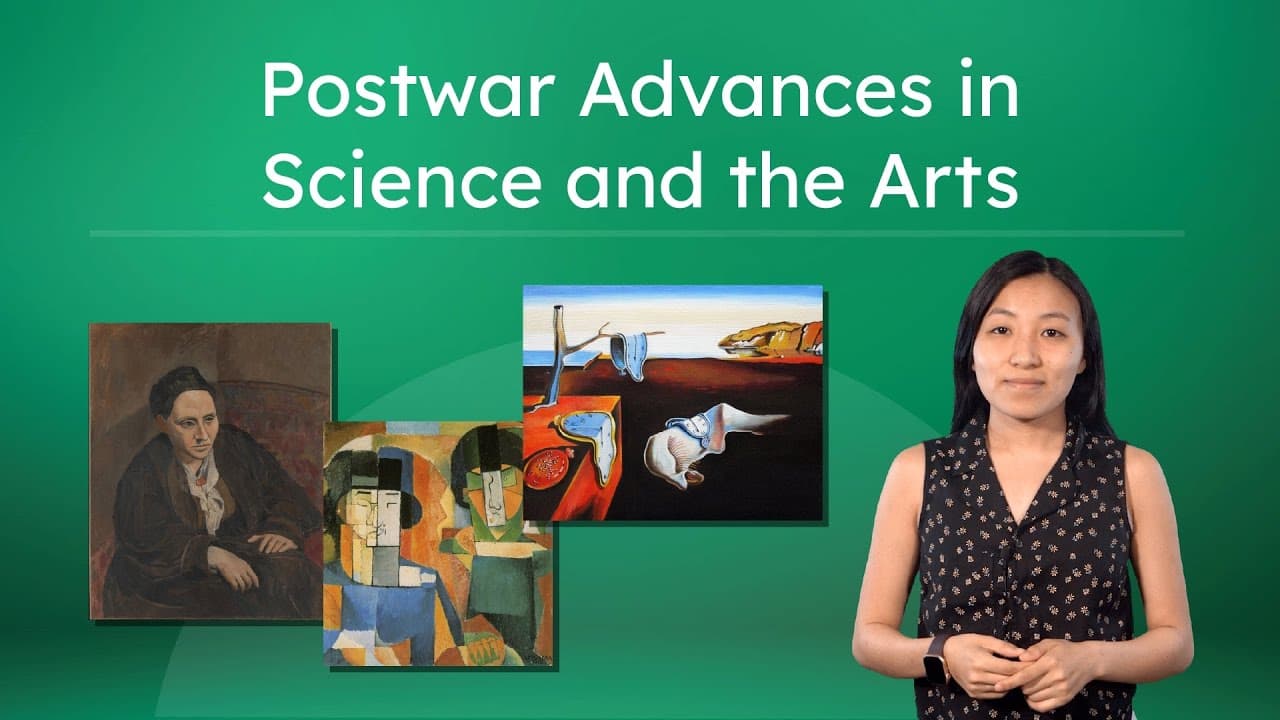
This episode of Crash Course European History explores the complex web of causes leading to World War I, moving beyond the traditional "M.A.I.N." acronym (Militarism, Alliances, Imperialism, Nationalism) to examine the deep-seated social and cultural anxieties that primed Europe for conflict. Host John Green argues that Europe was essentially a battlefield before the war officially began, characterized by labor strikes, political assassinations, rising anti-Semitism, and brutal colonial violence. The video illustrates how rapid societal changes—shifting gender roles, scientific paradigm shifts, and economic disruption—created a climate of fear and disorientation that made war seem like a viable solution to many. The content covers critical historical events and figures, including the Dreyfus Affair in France, the naval arms race symbolized by Dreadnoughts, and the shifting alliance systems engineered by Otto von Bismarck and later destabilized by Kaiser Wilhelm II. It provides a detailed look at the geopolitical tensions in the Balkans, the decline of the Ottoman Empire, and the specific series of events on June 28, 1914, involving Archduke Franz Ferdinand and Gavrilo Princip. The narrative connects these high-level political maneuvers with the "history from below," showing how public sentiment and misinformation contributed to the catastrophe. For educators, this video is an invaluable resource for teaching historical complexity and the concept of causality. It moves students away from viewing history as a single inevitable timeline and encourages them to analyze how individual decisions, systemic pressures, and cultural climates interact. The video's discussion of misinformation and political polarization offers powerful parallels to modern current events, providing a rich basis for classroom debates about leadership, media literacy, and international relations.
CrashCourseCrashCourse

15mins 1s

Video
How Culture and Power Shape the Landscape

How Culture and Power Shape the Landscape

This installment of Crash Course Geography explores the intricate relationship between culture, identity, and the physical environments humans create. Host Alizé Carrère introduces the field of cultural geography, demonstrating how abstract concepts like values, beliefs, and social norms leave a visible imprint on the world—known as the "cultural landscape." Using Kuala Lumpur, Malaysia as a primary case study, the video illustrates how diverse ethnic and religious groups coexist, mix, and influence the architecture, food, and daily life of a city. The video addresses complex and sensitive themes regarding how cultures interact, distinguishing between natural "acculturation" (mixing like a stew) and forced "assimilation" (erasing identity). It candidly discusses power dynamics, tackling heavy subjects such as the social construction of race, the history of indigenous residential schools, xenophobia, and the plight of stateless nations. By examining how dominant groups can marginalize others, the content provides a geographical framework for understanding social justice issues. For educators, this resource is invaluable for AP Human Geography, Sociology, and World History curriculums. It moves beyond simple definitions to foster critical thinking about how power shapes space and identity. The video provides clear vocabulary and engaging visual metaphors—like the "cultural canvas"—that help students decode the signals in their own neighborhoods while navigating difficult conversations about racism and historical trauma with empathy and academic rigor.

CrashCourseCrashCourse

12mins 5s

Video
From Prejudice to Genocide: The Path to the Holocaust

From Prejudice to Genocide: The Path to the Holocaust

This educational video provides a detailed historical analysis of how the Nazi regime transitioned from spreading anti-Semitic prejudice to executing the systematic genocide of the Holocaust. It traces the legal and social progression of persecution, beginning with the 1933 laws barring Jewish citizens from government service, escalating to the 1935 Nuremberg Laws that stripped them of citizenship, and culminating in the state-sanctioned violence of Kristallnacht in 1938. The narrative explains how these codified laws marginalized Jewish people, desensitizing the wider population and paving the way for mass violence. The content highlights the critical themes of silence, complicity, and the bystander effect. It features a reading and analysis of Martin Niemöller's famous poem "First They Came," illustrating the moral consequences of failing to speak out against injustice. The video also broadens the scope of the Holocaust to include other groups targeted by the Nazis, such as individuals with disabilities under the Aktion T4 program, Jehovah’s Witnesses, and political dissidents, emphasizing the widespread nature of the terror. Finally, the video examines the failure of the international community to intervene, discussing the 1938 Evian Conference and the tragic turning away of the MS St. Louis refugees. It questions why democratic nations like the United States and Great Britain refused to adjust immigration quotas despite the known humanitarian crisis. This resource is highly valuable for history and civics classrooms as it moves beyond just the events of the war to explore the societal, legal, and moral failures that allowed such atrocities to occur, prompting students to reflect on the importance of civic responsibility today.

Miacademy & MiaPrep Learning ChannelMiacademy & MiaPrep Learning Channel

11mins 49s

Video
Globalization: Is It Good or Bad?

Globalization: Is It Good or Bad?

In the finale of Crash Course World History, John Green tackles the complex and multifaceted topic of globalization, examining whether it is ultimately a positive or negative force for humanity. Rather than offering a simple binary answer, the video explores how the shift toward a global economy has fundamentally altered human psychology, shifting the focus in the West from production to consumption and fostering a rise in individualism. It analyzes the transition from agricultural and manufacturing economies to service sectors and how this disconnects people from the physical realities of the goods they consume. The video delves into several critical themes arising from this global interconnectedness, including the strain on the environment due to resource extraction and population growth, the cultural shifts regarding family and sexuality, and the uneven distribution of wealth. It also highlights the global trend toward democracy and the reduction of major pandemics, while acknowledging that globalization has not ended warfare or ethnic violence. Specific case studies, such as the rapid urbanization of China and the end of apartheid in South Africa, are used to illustrate these massive historical tides. For educators, this video serves as an excellent capstone for a World History or Economics unit. It challenges students to think critically about their own place in history and the impact of their daily choices. By framing history not just as the deeds of 'great men' but as the collective result of billions of individual actions, it empowers students to see themselves as historical agents. The video's open-ended conclusion regarding climate change and the future invites rich classroom debate about sustainability, civic responsibility, and the direction of our global society.

CrashCourseCrashCourse

13mins 55s

Video
Post-WWI Europe: From Recovery to the Rise of Fascism

Post-WWI Europe: From Recovery to the Rise of Fascism

This educational video from Crash Course European History explores the complex period immediately following World War I. Host John Green examines how Europe attempted to recover from catastrophe, juxtaposing the cultural explosion of the "Roaring Twenties" with deep-seated economic instability and social trauma. The narrative covers the technological advancements that changed daily life, the ongoing struggles of veterans, and the shifting roles of women in society, while also detailing the catastrophic economic conditions like the German hyperinflation that destabilized the region.

CrashCourseCrashCourse

14mins 48s

Video
Exploring Native Worldviews Through Humor and Reciprocity

Exploring Native Worldviews Through Humor and Reciprocity

This episode of Crash Course Native American History, hosted by Che Jim, explores the foundational elements of Indigenous worldviews, challenging the pervasive stereotype of the "stoic Indian." The video argues that humor, play, and laughter are not just entertainment but are "Good Medicine"—sacred tools for healing, resilience, and community building. It examines how Native American cultures have historically used humor to cope with trauma, subvert colonial power structures, and maintain social harmony, citing examples from the sacred clowns of the Pueblo people to modern indigenous comedy troupes like the 1491s.

CrashCourseCrashCourse

11mins 11s

Video
Soldiers and Civilians: The Human Experience of World War II

Soldiers and Civilians: The Human Experience of World War II

This video explores the human experience of World War II, shifting focus from generals and strategy to the daily realities of soldiers and civilians. It defines the concept of "Total War," illustrating how entire populations were mobilized and affected through rationing, conscription, and the blurring of lines between the home front and the battlefield. The host, John Green, examines the motivations that drove soldiers from different nations to fight, ranging from nationalist enthusiasm and loyalty to camaraderie and sheer survival instincts.

CrashCourseCrashCourse

14mins 25s

Video
How the Great Depression Fueled the Rise of European Dictators

How the Great Depression Fueled the Rise of European Dictators

This episode of Crash Course European History explores the tumultuous period following the 1929 US stock market crash, illustrating how economic disaster rippled across the Atlantic to destabilize Europe. Host John Green explains the direct correlation between the Great Depression and the rise of authoritarian regimes, specifically focusing on the ascendance of Adolf Hitler in Germany and the consolidation of power by Joseph Stalin in the Soviet Union. The video details how economic desperation creates fertile ground for extremist ideologies that promise stability and national rejuvenation at the cost of liberty and human rights. Key themes include the fragility of democracy during economic crises, the mechanics of totalitarian control, and the sociological concept of "negative integration"—unifying a group by defining and demonizing a common enemy. The video contrasts the methods of fascism and communism while highlighting their shared reliance on terror, propaganda, and state violence. It covers significant historical events such as the Holodomor (famine in Ukraine), the Great Purge, the Night of the Long Knives, the Nuremberg Laws, and the Spanish Civil War. For educators, this video serves as a powerful tool to teach the interwar period. It moves beyond dates and battles to examine the social and psychological factors that allowed dictators to gain popular support. By connecting the US economy to European politics and highlighting the global spread of authoritarianism (including Japan and Spain), it helps students understand the interconnected nature of modern history. It provides a nuanced look at how ordinary citizens can become complicit in atrocity through propaganda and the gradual erosion of moral norms.

CrashCourseCrashCourse

16mins 34s

Video
How Voters Decide: The Three Factors Influencing American Elections

How Voters Decide: The Three Factors Influencing American Elections

In this episode of Crash Course Government and Politics, host Craig Benzine explores the complex psychology and political science behind how American voters make decisions at the ballot box. While we might like to think every vote is a carefully weighed policy decision, the video reveals that voting behavior is largely driven by three distinct factors: party loyalty, candidate characteristics, and specific political issues. Craig explains that for most voters, the single strongest predictor of their vote is simply the political party they identify with, often influenced by their family upbringing.

CrashCourseCrashCourse

7mins 36s

No videos found
There are no videos available for this topic yet.
No videos found
There are no videos available for this topic yet.
Video
The Power, Resilience, and History of Native American Women

The Power, Resilience, and History of Native American Women

Hosted by Lily Gladstone, this episode of Crash Course Native American History explores the pivotal and diverse roles of Native women, Femmes, and Two-Spirit people from pre-contact times to the present day. It challenges the monolithic view of Native gender roles by highlighting the existence of matriarchal and matrilineal societies, such as the Diné (Navajo), where women hold significant economic and decision-making power. The video details historical figures like the warrior Buffalo Calf Road Woman and the diplomat Jikonsaseh, who helped found the Haudenosaunee Confederacy, illustrating that Native women have always served as leaders, healers, and protectors of their nations. The video also tackles the dark history of colonization and its specific targeting of Indigenous women to destabilize tribal societies. It addresses difficult topics including the imposition of European patriarchal values, the forced sterilization of thousands of Native women in the 1970s, and the ongoing crisis of Missing and Murdered Indigenous Women (MMIW). The narrative explains how settler colonialism disrupted traditional gender balances and how systemic failures in law enforcement continue to impact Native communities today. Despite these challenges, the video emphasizes resilience and modern activism. It profiles influential leaders like Elouise Cobell, who successfully sued the U.S. government for billions in mismanagement of funds, and Deb Haaland, the first Native American cabinet secretary. For the classroom, this resource is invaluable for teaching about gender studies, civil rights, and the complex legal and social history of Native Americans. It provides students with a nuanced understanding of how historical trauma and contemporary triumph coexist in Indigenous communities.

CrashCourseCrashCourse

13mins 42s

Video
Exploring the Life and Legacy of Zora Neale Hurston

Exploring the Life and Legacy of Zora Neale Hurston

This installment of Crash Course Black American History explores the life, work, and enduring legacy of Zora Neale Hurston, a central figure of the Harlem Renaissance who broke literary barriers. Hosted by Clint Smith, the video traces Hurston's journey from her childhood in the all-Black town of Eatonville, Florida, through her education at Howard and Columbia Universities, to her rise as a uniquely anthropological storyteller. It examines how she utilized her training under Franz Boas to document Black Southern life and folklore with dignity and complexity, rather than using her characters merely as political symbols.

CrashCourseCrashCourse

10mins 4s

Video
The History and Ethics of the Tuskegee Syphilis Study

The History and Ethics of the Tuskegee Syphilis Study

This educational video from Crash Course Black American History, hosted by Clint Smith, provides a comprehensive examination of the Tuskegee Syphilis Study (1932-1972). It details how the United States Public Health Service recruited 600 Black men in Macon County, Alabama, under the guise of receiving free health care, only to withhold life-saving treatment for syphilis to observe the disease's progression. The video explores the historical context of scientific racism that fueled the study, the specific unethical methodologies employed, and the devastating impact on the men, their families, and the broader Black community's trust in the medical system. The narrative delves into the complex layers of the study, including the role of the Great Depression and poverty in coercing participation, the lack of informed consent, and the involvement of Black medical professionals like Nurse Eunice Rivers. It highlights the eventual exposure of the study by whistleblower Peter Buxtun in 1972, the subsequent class-action lawsuit led by Fred Gray, and the resulting changes in medical ethics laws, including the National Research Act of 1974 and the establishment of Institutional Review Boards. For educators, this video is a powerful tool for teaching about bioethics, civil rights history, and systemic racism in healthcare. It connects historical events to contemporary issues, such as medical mistrust and health disparities, encouraging students to think critically about the responsibilities of scientific institutions. The video serves as a case study for understanding the importance of informed consent and the long-term sociological effects of unethical government actions.

CrashCourseCrashCourse

13mins 48s

Video
How Voters Decide: The Three Factors Influencing American Elections

How Voters Decide: The Three Factors Influencing American Elections

In this episode of Crash Course Government and Politics, host Craig Benzine explores the complex psychology and political science behind how American voters make decisions at the ballot box. While we might like to think every vote is a carefully weighed policy decision, the video reveals that voting behavior is largely driven by three distinct factors: party loyalty, candidate characteristics, and specific political issues. Craig explains that for most voters, the single strongest predictor of their vote is simply the political party they identify with, often influenced by their family upbringing.

CrashCourseCrashCourse

7mins 36s

Video
How Decolonization Reshaped the World After WWII

How Decolonization Reshaped the World After WWII

This educational video explores the complex and often violent process of decolonization that reshaped the world following World War II. It examines how European powers lost control of their empires in Asia and Africa, highlighting the distinct paths to independence taken by nations such as India, China, Kenya, and Algeria. The narrative contrasts negotiated transfers of power with brutal wars of liberation, providing specific historical examples of the human cost involved in these transitions. Key themes include the impact of the Cold War on emerging nations, the concept of neo-imperialism, and the psychological dimensions of colonization as articulated by thinkers like Frantz Fanon. The video also discusses the phenomenon of reverse migration, where colonized peoples moved to Europe to rebuild war-torn infrastructure, facing racism and discrimination in the process. It connects these historical events to cultural shifts, such as the rejection of Western dress codes and the influence of immigrant musicians on Western pop culture. For educators, this video serves as a powerful resource for teaching 20th-century World or European History. It moves beyond simple dates and maps to address the nuances of post-colonial infrastructure, the economic dependence created by foreign aid systems, and the lasting legacy of partition violence. The video provides graphic primary source quotes that can spark deep classroom discussions about human rights, the ethics of war, and the ongoing challenges faced by the Global South.

CrashCourseCrashCourse

13mins 23s

Video
How World War I Innovations Created Modern Consumer Culture

How World War I Innovations Created Modern Consumer Culture

This educational video explores the profound cultural and economic shifts that occurred in Western society following World War I, specifically focusing on the transition into the "Roaring Twenties." It connects the technological innovations and propaganda techniques developed during the war to the rise of modern consumer culture, mass marketing, and changing social norms. The narrator explains how wartime advancements in infrastructure, such as electricity and transportation, laid the groundwork for a boom in consumer goods, while psychological tactics used to sell the war were repurposed by figures like Edward Bernays to sell products.

Miacademy & MiaPrep Learning ChannelMiacademy & MiaPrep Learning Channel

11mins 1s

Video
How Culture and Power Shape the Landscape

How Culture and Power Shape the Landscape

This installment of Crash Course Geography explores the intricate relationship between culture, identity, and the physical environments humans create. Host Alizé Carrère introduces the field of cultural geography, demonstrating how abstract concepts like values, beliefs, and social norms leave a visible imprint on the world—known as the "cultural landscape." Using Kuala Lumpur, Malaysia as a primary case study, the video illustrates how diverse ethnic and religious groups coexist, mix, and influence the architecture, food, and daily life of a city. The video addresses complex and sensitive themes regarding how cultures interact, distinguishing between natural "acculturation" (mixing like a stew) and forced "assimilation" (erasing identity). It candidly discusses power dynamics, tackling heavy subjects such as the social construction of race, the history of indigenous residential schools, xenophobia, and the plight of stateless nations. By examining how dominant groups can marginalize others, the content provides a geographical framework for understanding social justice issues. For educators, this resource is invaluable for AP Human Geography, Sociology, and World History curriculums. It moves beyond simple definitions to foster critical thinking about how power shapes space and identity. The video provides clear vocabulary and engaging visual metaphors—like the "cultural canvas"—that help students decode the signals in their own neighborhoods while navigating difficult conversations about racism and historical trauma with empathy and academic rigor.

CrashCourseCrashCourse

12mins 5s

Video
How 2000s Technology Changed the World

How 2000s Technology Changed the World

This episode of "Mia Marvels" takes students on a nostalgic and educational journey through the 2000s, exploring the decade's four most significant digital innovations: the iPod, video streaming sites, social media, and the smartphone. The video details how each technology emerged, revolutionized daily life and pop culture, and disrupted existing industries. From the shift to digital music and the rise of the "YouTuber" to the explosion of social networking and the consolidation of these tools into the iPhone, the narrative paints a clear picture of the digital revolution. Beyond just celebrating these advancements, the video critically examines the challenges and concerns they introduced. It addresses complex topics such as piracy and the Digital Millennium Copyright Act, the mental health impacts of screen time, the spread of misinformation through algorithms and echo chambers, and data privacy issues inherent in smartphone usage. This balanced approach ensures students understand both the utility and the societal costs of the technology they use every day. This resource is highly valuable for Social Studies, History, and Digital Citizenship classes. It provides clear definitions for terms like "piracy," "algorithm," and "echo chamber," making abstract concepts concrete. Teachers can use this video to spark discussions about media literacy, the evolution of communication, and the ethical responsibilities of digital citizens. It encourages students to critically reflect on their own relationship with technology and history.

Miacademy & MiaPrep Learning ChannelMiacademy & MiaPrep Learning Channel

13mins 32s

Video
Why Europe Hunted Witches: History and Context

Why Europe Hunted Witches: History and Context

This episode of Crash Course European History explores the complex and tragic history of witchcraft and witch hunting in Europe between the 15th and 18th centuries. Hosted by John Green, the video investigates why rational people in the early modern period believed in "unseen powers," how religious and political turmoil fueled paranoia, and the specific historical context that led to the execution of tens of thousands of people. It moves beyond stereotypes to examine the societal fears, print culture, and power dynamics that drove these persecutions. Key themes include the intersection of religion and magic, the role of the printing press (specifically the "Malleus Maleficarum") in standardizing and spreading fear, and the systemic misogyny that made women—particularly older women and those in healing professions—vulnerable targets. The video analyzes how the Reformation, the Counter-Reformation, and the lack of scientific explanation for natural disasters created a climate of anxiety where "witches" became scapegoats for societal misfortunes. For educators, this video offers a powerful opportunity to discuss "historical empathy"—understanding how people in the past made sense of their world without modern scientific knowledge. It provides a nuanced look at gender history, moving the narrative from simple folklore to a serious study of social control. The content is an excellent resource for AP European History or World History units, supporting critical thinking about how scapegoating functions in society and how belief systems shape historical events.

CrashCourseCrashCourse

15mins 33s

Video
Defining Culture and Belonging in American History

Defining Culture and Belonging in American History

This educational video explores the complex concepts of culture and identity within the context of United States history. It challenges the viewer to look beyond stereotypes when defining what it means to be "American," moving past legal citizenship to examine cultural belonging. The lesson introduces key sociological terms—culture, stereotypes, assimilation, and acculturation—and uses them as lenses to view historical events and social dynamics. The video provides specific historical case studies to illustrate these concepts. It contrasts the forced assimilation of Native American children in government-funded boarding schools with the voluntary acculturation observed in immigrant communities like San Francisco's Chinatown. Through these examples, the video demonstrates how marginalized groups have resiliently preserved their heritage while adapting to life in the United States. This resource is highly valuable for Social Studies and U.S. History classrooms as it helps students distinguish between similar but distinct concepts like assimilation and acculturation. It fosters critical thinking about diversity and inclusion, encouraging students to recognize that the definition of an American is fluid and expansive rather than static or singular. The content serves as an excellent primer for units on immigration, Native American history, or sociology.

Miacademy & MiaPrep Learning ChannelMiacademy & MiaPrep Learning Channel

12mins 28s

Video
Culture and Innovation in the Interwar Years

Culture and Innovation in the Interwar Years

This educational video provides a comprehensive overview of the Interwar Period (roughly 1918–1939), exploring the profound shifts in art, science, and society that occurred between World War I and World War II. It begins by examining the psychological impact of the "Great War," including shell shock and the disillusionment of the "Lost Generation." The narrative then guides viewers through major artistic movements of the era, such as Cubism, Surrealism, and Art Deco, while highlighting how art was used globally—from the Harlem Renaissance to Mexican Muralism—to express identity, nationalism, and anticolonialism.

Miacademy & MiaPrep Learning ChannelMiacademy & MiaPrep Learning Channel

11mins 3s

Video
How Modernism Transformed Art, Science, and Philosophy

How Modernism Transformed Art, Science, and Philosophy

This educational video from Crash Course European History explores the profound cultural and intellectual shifts that occurred in Europe around the turn of the 20th century. Host John Green examines the rise of Modernism, a movement characterized by the rejection of traditional forms and the embrace of uncertainty, subjectivity, and innovation. The video covers the transition from Realism to Impressionism and Cubism in art, the departure from classical ballet in dance, and the move from Newtonian physics to Quantum Theory and Relativity in science. The content delves into key themes such as the breakdown of absolute truths, the exploration of the human subconscious, and the impact of non-European influences on Western culture. Significant figures like Sigmund Freud, Friedrich Nietzsche, Albert Einstein, and Pablo Picasso are discussed in depth, highlighting how their revolutionary ideas challenged the Enlightenment's focus on rationality and objective reality. The video illustrates how these disruptions in art, science, and philosophy mirrored the political and social upheavals of the era. For educators, this resource serves as an excellent synthesis of the intellectual history of the early 1900s. It provides a multidisciplinary approach, connecting visual arts, music, physics, and psychology to explain the "paradigm shift" that defined the modern era. The video is particularly useful for helping students understand abstract concepts like relativity, psychoanalysis, and existential philosophy by grounding them in their historical context and demonstrating how they shaped the 20th-century worldview.

CrashCourseCrashCourse

15mins 9s

Video
The Politics of Recognition: Hegel, Fanon, and Justice

The Politics of Recognition: Hegel, Fanon, and Justice

This educational video from Crash Course Political Theory explores the profound political concept of "recognition"—the idea that human beings need to be seen and validated by others to achieve full personhood and political agency. Using the recent recognition of a Palestinian state by European countries as a hook, host Ellie Anderson guides viewers through the philosophical history of this concept. The video breaks down G.W.F. Hegel's famous "Master-Servant Dialectic" to explain why mutual recognition is essential for consciousness and how inequality distorts human relationships. The narrative connects these abstract theories to real-world struggles, introducing Frantz Fanon's analysis of colonialism and the psychological toll of being treated as an "other." It further explores Axel Honneth's three spheres of interaction (love, rights, and solidarity) and Charles Taylor's arguments for a politics that respects difference rather than just sameness. The video critically examines modern applications like land acknowledgments, questioning whether symbolic gestures are sufficient without tangible action. Finally, the video addresses the tension between recognition (cultural status) and redistribution (economic resources). Through the lens of Nancy Fraser and Indigenous land back movements, it argues that true justice often requires addressing both the economic and cultural dimensions of inequality. This resource is excellent for high school civics, government, and philosophy classrooms, offering a clear framework for understanding identity politics, social justice movements, and international relations.
CrashCourseCrashCourse

14mins 9s

Video
Exploring Native Worldviews Through Humor and Reciprocity

Exploring Native Worldviews Through Humor and Reciprocity

This episode of Crash Course Native American History, hosted by Che Jim, explores the foundational elements of Indigenous worldviews, challenging the pervasive stereotype of the "stoic Indian." The video argues that humor, play, and laughter are not just entertainment but are "Good Medicine"—sacred tools for healing, resilience, and community building. It examines how Native American cultures have historically used humor to cope with trauma, subvert colonial power structures, and maintain social harmony, citing examples from the sacred clowns of the Pueblo people to modern indigenous comedy troupes like the 1491s.

CrashCourseCrashCourse

11mins 11s

Video
Why Humans Fight: The Evolutionary and Historical Roots of War

Why Humans Fight: The Evolutionary and Historical Roots of War

This video investigates the complex historical and philosophical question of why humans engage in war. Host John Green navigates the debate between two primary schools of thought: Thomas Hobbes's view of early human life as "nasty, brutish, and short," and Jean-Jacques Rousseau's concept of the peaceful "noble savage." The video examines anthropological evidence, archaeological findings, and evolutionary theories to determine if violence is an innate part of human nature or a cultural development. The content explores several key themes, including the distinction between biological imperatives (genes seeking to reproduce) and cultural behaviors. It delves into the role of resource scarcity—specifically food and mates—in driving early human conflict, which typically manifested as raiding rather than organized warfare. The video also touches on the psychology of soldiers, using powerful quotes from Vietnam veteran Karl Marlantes to discuss the "savage joy" and transcendence some find in combat, while balancing this with the concept of free will and the evolution of human institutions. For educators, this resource is a powerful tool to bridge history, biology, and philosophy. It challenges students to think critically about "inevitability" in history and encourages them to analyze how modern institutions have evolved to mitigate biological aggressive tendencies. It provides a nuanced look at the difference between interpersonal violence and state-sponsored war, making it an excellent launchpad for discussions on ethics, psychology, and the future of global conflict.

CrashCourseCrashCourse

10mins 37s

Video
Globalization: Is It Good or Bad?

Globalization: Is It Good or Bad?

In the finale of Crash Course World History, John Green tackles the complex and multifaceted topic of globalization, examining whether it is ultimately a positive or negative force for humanity. Rather than offering a simple binary answer, the video explores how the shift toward a global economy has fundamentally altered human psychology, shifting the focus in the West from production to consumption and fostering a rise in individualism. It analyzes the transition from agricultural and manufacturing economies to service sectors and how this disconnects people from the physical realities of the goods they consume. The video delves into several critical themes arising from this global interconnectedness, including the strain on the environment due to resource extraction and population growth, the cultural shifts regarding family and sexuality, and the uneven distribution of wealth. It also highlights the global trend toward democracy and the reduction of major pandemics, while acknowledging that globalization has not ended warfare or ethnic violence. Specific case studies, such as the rapid urbanization of China and the end of apartheid in South Africa, are used to illustrate these massive historical tides. For educators, this video serves as an excellent capstone for a World History or Economics unit. It challenges students to think critically about their own place in history and the impact of their daily choices. By framing history not just as the deeds of 'great men' but as the collective result of billions of individual actions, it empowers students to see themselves as historical agents. The video's open-ended conclusion regarding climate change and the future invites rich classroom debate about sustainability, civic responsibility, and the direction of our global society.

CrashCourseCrashCourse

13mins 55s

Video
Debunking Common Myths in Native American History

Debunking Common Myths in Native American History

In this inaugural episode of Crash Course Native American History, host Che Jim takes viewers on a critical journey through the "Hall of Myths and Misconceptions" to dismantle pervasive stereotypes about Indigenous peoples. The video systematically addresses and debunks four major myths: the romanticized narrative of the First Thanksgiving, the "Vanishing Indian" trope perpetuated by Hollywood Westerns, the controversy surrounding Native American sports mascots, and the stereotype of the "Rich Casino Indian." Through a mix of humor, historical evidence, animations, and expert citations, the video contrasts popular cultural narratives with the complex, often difficult realities of history and modern existence. Key themes explored include the power of media representation, the psychological impact of stereotypes on Native youth, and the legal and economic realities of Tribal sovereignty. The video delves into specific historical events, such as the Wampanoag's strategic alliance with Pilgrims and the dark history behind the "Redskin" slur, linking them to contemporary issues like the Washington Football Team's name change. It also clarifies misunderstandings regarding government benefits, taxation, and the Indian Gaming Regulatory Act, providing a nuanced look at the relationship between Tribal nations and the U.S. government. This video is an invaluable resource for high school social studies and history classrooms. It serves as a powerful tool for media literacy, helping students distinguish between historical fact and cultural myth. Teachers can use it to spark discussions about the ethics of representation, the lasting effects of colonization, and the importance of Indigenous perspectives in American history. By addressing common misconceptions head-on, it lays a foundation for students to engage more deeply and accurately with Native American history and current events.

CrashCourseCrashCourse

12mins 35s

Video
The optimism bias | Tali Sharot

The optimism bias | Tali Sharot

In this engaging TED Talk, cognitive neuroscientist Tali Sharot explores the phenomenon known as the "optimism bias," a cognitive illusion that affects approximately 80% of the human population. She explains that this bias causes individuals to overestimate the likelihood of experiencing positive events—such as career success, happy marriages, and talented children—while underestimating the probability of negative events like divorce, accidents, or illness. Through accessible examples and research data, Sharot demonstrates that this tendency persists regardless of age, gender, or cultural background, revealing a fundamental aspect of human psychology that shapes our expectations of the future. Sharot delves into the psychological and neurological mechanisms behind this bias, debunking the common assumption that low expectations lead to happiness. She presents three key reasons why optimism is beneficial: interpretation matters (optimists interpret success as a result of their own traits), anticipation itself induces happiness (the joy of looking forward to an event), and optimism acts as a self-fulfilling prophecy by encouraging persistence and reducing stress. Furthermore, she shares fascinating neurological research using fMRI scans that show how the brain selectively processes positive information while failing to integrate negative data, effectively shielding us from realistic but discouraging statistics. The talk concludes by addressing the potential pitfalls of unrealistic optimism, such as financial collapse or risky behavior, but ultimately argues for a balanced approach. Sharot suggests that while we should be aware of our cognitive biases to avoid danger, we should also embrace hope. The educational value lies in its clear explanation of complex psychological concepts, making it an excellent resource for discussing human behavior, decision-making, mental health, and the neuroscience of belief. Teachers can use this video to help students understand their own thought processes, the importance of resilience, and how to balance hope with realistic planning.

TEDTED

17mins 41s