Lenny LearningLenny
Create
Explore
Workspace
LoginSign up
MathEnglish Language ArtsScience & EngineeringSocial StudiesGlobal LanguagesHealth & Physical EducationSpecial EducationCounseling & Life SkillsArts & CreativityESL
Lenny LearningLenny
Lenny Learning
About
Training
Pricing
Support
Contact
© 2026 Lenny Learning Inc.
Science & EngineeringLife ScienceLiving ThingsAnimalsPlantsBody SystemsTraitsAdaptationsCellsEcosystemsHeredityGenes to TraitsCell DivisionPhysicsComparing MaterialsShapes and PropertiesMagnetsMagnetismLightSoundLight and SoundMatterStates of MatterChanges of StateMixturesPhysical and Chemical ChangeHeating and CoolingHeat and Thermal EnergyEnergyForce and MotionElectrical CircuitsAtoms and MoleculesPeriodic TableMotion in One DimensionMotion in Two DimensionsScalars and VectorsForces and Laws of MotionCircular Motion and GravityMomentum and ImpulseWork, Energy, and PowerWavesElectromagnetic WavesGeometric OpticsElectricity and MagnetismSimple Harmonic MotionThermodynamicsNuclear PhysicsEarth Science & AstronomyWeatherWater CycleRocks and MineralsFossilsEarth's FeaturesEarth's ResourcesEarth's StructureWeather and ClimateEarth EventsFossils and Geologic TimePlate TectonicsHuman ImpactsAstronomyChemistryUnits and MeasurementAtomic StructurePeriodic TrendsChemical BondingNomenclatureMolecular StructureIntermolecular ForcesThe MoleStoichiometryProperties of GasesSolutionsChemical ReactionsBalancing EquationsEnergy ChangesRates of ReactionsEquilibriumAcids and BasesQuantum ModelBiologyClassificationCell StructureThe Chemistry of LifeBiomoleculesCellular TransportCell EnergyCell Growth and DivisionDNAProtein SynthesisMeiosis and Sexual ReproductionPatterns of InheritanceMulticellular OrganismsEvolutionEcologyBiodiversityComputer ScienceAlgorithms and Computational ThinkingProgramming LanguagesComputing SystemsNetworks and InternetData AnalysisCybersecurityAI and Machine LearningSoftware Design and DevelopmentBlockchainEngineering & AIDesigning ExperimentsEngineering PracticesDesign ThinkingEngineering Design ProcessMechanical EngineeringElectrical EngineeringMaterials and StructuresCAD and 3D DesignRoboticsArtificial Intelligence BasicsVibe CodingMachine LearningAI Ethics and SocietySystems ThinkingEntrepreneurship & InnovationEntrepreneurial MindsetBusiness Idea DevelopmentBusiness Plan BasicsMarketing & Customer DiscoveryFinancial Management for Startups

Biology

SequencesLessonsMaterialsVideos
  1. Science & Engineering

Biology

SequencesLessonsMaterialsVideos

Biomolecules, cell structure, and metabolic processes like cellular respiration and photosynthesis establish the foundations of life. Advanced concepts include DNA replication, protein synthesis, patterns of inheritance, and evolutionary mechanics within diverse ecosystems.

ClassificationTaxonomic hierarchies, binomial nomenclature, and the criteria used to group organisms into domains and kingdoms. Examines evolutionary relationships through the analysis of shared morphological and genetic traits.
Cell StructureStructural components of prokaryotic and eukaryotic cells including organelles and the plasma membrane. Examines how specialized functions within the nucleus, mitochondria, and ribosomes support essential life processes.
Cell Growth and DivisionMitosis, meiosis, and the regulatory mechanisms of the eukaryotic cell cycle. Addresses DNA replication, chromosome segregation, and the biological consequences of uncontrolled cell growth.
Multicellular OrganismsSpecialized cell functions, tissue organization, and organ system coordination in plants and animals. Examines cell differentiation and the biological processes required to maintain homeostasis in complex life forms.
EcologyInteractions between organisms and their environments, including energy flow, nutrient cycling, and population dynamics. Examines ecosystem structures, biodiversity, and human impacts on environmental sustainability.
BiodiversityEcological systems, species richness, and genetic variation within populations. Examines threats like habitat loss and the importance of conservation for ecosystem stability.
Video
How Cell Processes Keep Living Things Alive and Connected

How Cell Processes Keep Living Things Alive and Connected

This video serves as an engaging introduction to a biology unit on cell processes, shifting the focus from cell structure (parts) to cell function (what they do). The host explains how cellular activities are essential for keeping organisms alive and highlights the deep interconnectedness of all living things. Through clear examples like breathing and eating, the video demonstrates how fundamental biological cycles link plants and animals in a continuous exchange of matter and energy. The content covers several foundational biological concepts including the definition of heterotrophs, the reciprocal relationship between photosynthesis and cellular respiration, and the concept of homeostasis. It explains how plants convert inorganic carbon dioxide into organic glucose and oxygen, while animals consume organic matter and oxygen to produce energy and carbon dioxide. The video also touches upon metabolism as the breakdown of macromolecules for energy and introduces the cell cycle as a necessary mechanism for growth and repair. For educators, this video is an excellent "anchor" resource to launch a unit on cellular energetics or life processes. It provides a high-level overview that connects abstract chemical equations to students' daily experiences, such as breathing and eating. The visual aids, including diagrams of gas exchange and the cell cycle, help students visualize invisible processes. It sets the stage for deeper dives into specific topics like mitosis, stoichiometry of respiration, and physiological feedback loops.

Miacademy & MiaPrep Learning ChannelMiacademy & MiaPrep Learning Channel

6mins 3s

Video
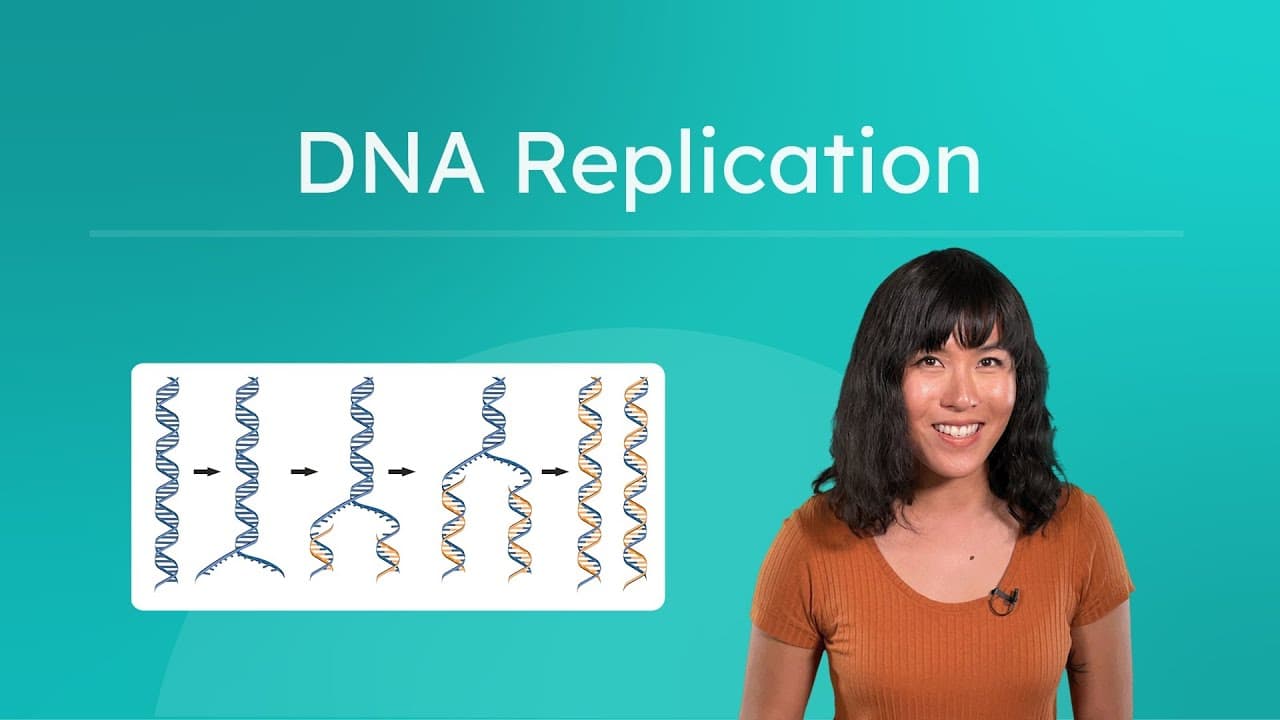
How DNA Replicates and Repairs Itself

How DNA Replicates and Repairs Itself

This comprehensive biology video breaks down the complex process of DNA replication, explaining how cells faithfully copy their genetic material before division. Using the analogy of copying tedious math formulas, the narrator introduces the sheer scale of cellular division in the human body—approximately 10 quadrillion times in a lifetime. The video visually demonstrates the semi-conservative nature of replication, where the double helix unwinds and unzips to create templates for new strands, ensuring genetic continuity.

Miacademy & MiaPrep Learning ChannelMiacademy & MiaPrep Learning Channel

10mins 57s

Video
How Meiosis Creates Unique Reproductive Cells

How Meiosis Creates Unique Reproductive Cells

This educational video provides a comprehensive overview of meiosis, the process of cell division responsible for creating reproductive cells (gametes). It explains the necessity of reducing chromosome numbers by half to maintain genetic stability across generations, distinguishing between diploid somatic cells and haploid gametes. The narration breaks down the stages of Meiosis I and Meiosis II, highlighting key events like homologous pairing, crossing over, and random assortment. Key themes include the mechanics of inheritance, the difference between mitosis and meiosis, and the sources of genetic variation. The video uses clear animations to demonstrate how DNA from both parents is shuffled and combined to create genetically unique offspring. It clarifies complex vocabulary such as homologous chromosomes, sister chromatids, zygotes, and alleles. For educators, this video serves as an excellent core resource for units on genetics and cell biology. It visualizes abstract microscopic processes, making them accessible to students. The clear distinction between the two rounds of division and the focus on genetic variation provides a solid foundation for subsequent lessons on heredity, Punnett squares, and evolution.

Miacademy & MiaPrep Learning ChannelMiacademy & MiaPrep Learning Channel

13mins 40s

Video
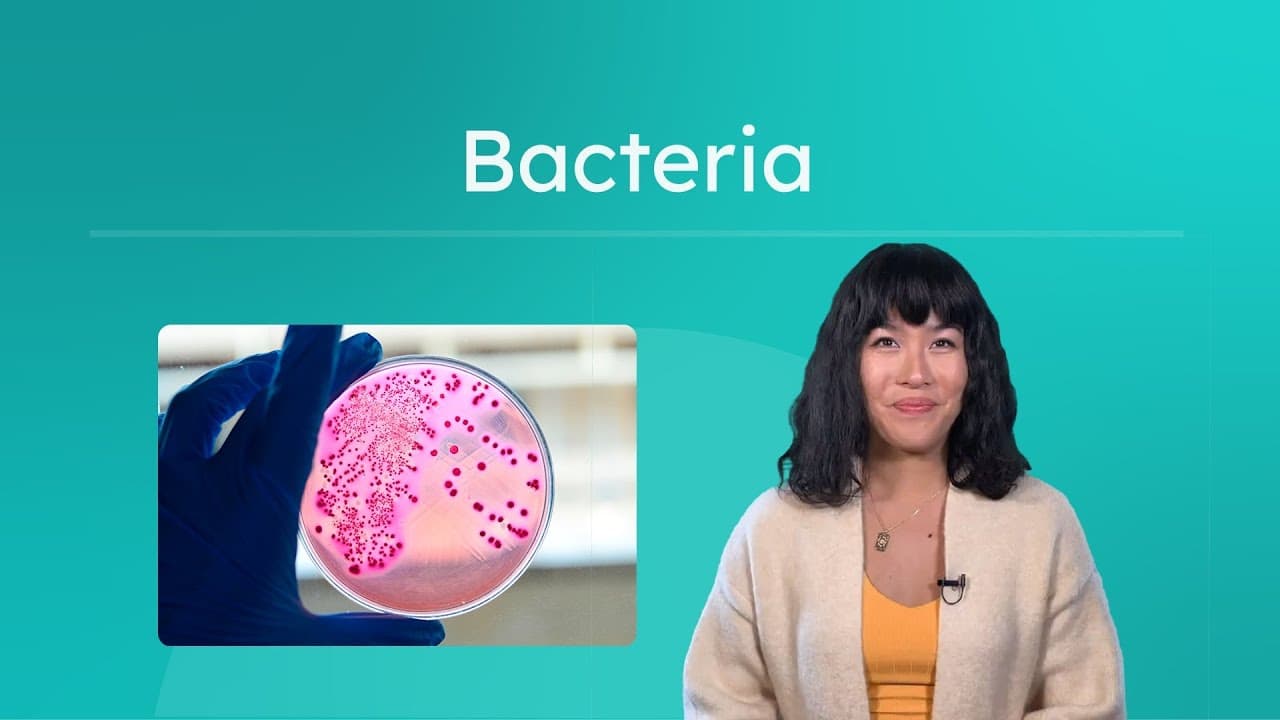
Exploring the World of Bacteria: Structure, Survival, and Impact

Exploring the World of Bacteria: Structure, Survival, and Impact

This comprehensive biology lesson introduces students to the microscopic world of bacteria, exploring their structure, classification, and diverse roles in our ecosystem. The video breaks down complex biological concepts into digestible segments, covering how bacteria are classified by shape (cocci, bacilli, spirillum) and cell wall composition (Gram-positive vs. Gram-negative). It also delves into bacterial physiology, explaining how they move, reproduce via binary fission, and introduce genetic variation through mutation and conjugation. The content highlights the dual nature of bacteria as both essential allies and dangerous adversaries. It illustrates their vital ecological roles as decomposers and nitrogen fixers, as well as their presence in the human gut to aid digestion. Conversely, it addresses pathogenic bacteria that cause diseases like tetanus, tuberculosis, and strep throat, explaining how toxins and infections affect the body. For educators, this video serves as an excellent core resource for units on microbiology, cell biology, or ecology. It provides clear visual models of cell structures, real-world examples of bacterial species, and addresses the critical concept of antibiotic resistance through the lens of cell wall structure. The recurring "Friend or Foe" theme offers a perfect framework for classroom debates and critical thinking exercises regarding the impact of microorganisms on human life.

Miacademy & MiaPrep Learning ChannelMiacademy & MiaPrep Learning Channel

14mins 2s

Video
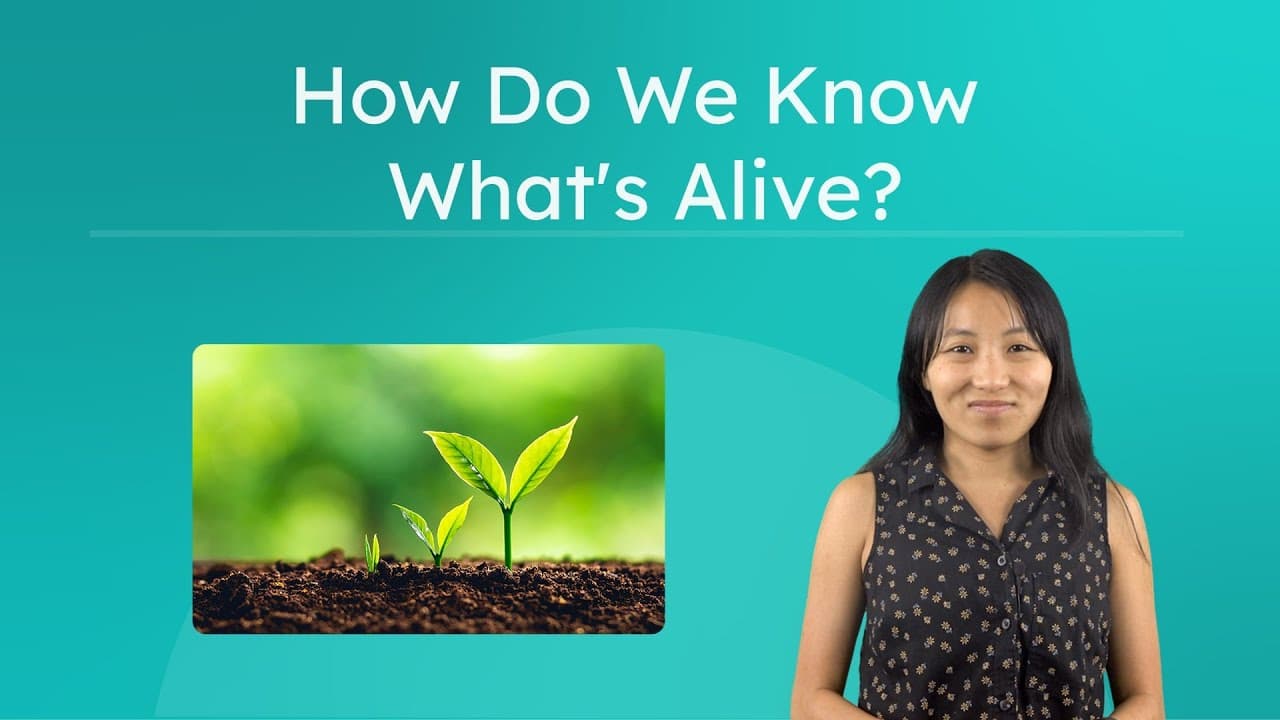
The Seven Scientific Criteria That Define Life

The Seven Scientific Criteria That Define Life

This educational video provides a comprehensive introduction to the fundamental biological question: "What defines a living thing?" Hosted by Caroline, the lesson moves beyond simple intuition to establish a rigorous scientific framework for distinguishing living organisms from non-living matter. The video breaks down the seven essential criteria used by biologists—organization, response to stimuli, reproduction, adaptation, growth, homeostasis, and energy processing—explaining that an entity must meet *all* seven requirements to be scientifically classified as alive. The content systematically explores each criterion with clear definitions and relatable examples ranging from single-celled bacteria to complex multicellular humans. It utilizes diverse visuals, including microscopic views of cells, time-lapse footage of plant growth, and diagrams of DNA, to make abstract concepts concrete. A significant portion of the video is dedicated to a guided case study on coral, challenging viewers to apply what they've learned to determine if a stationary, rock-like structure is actually a living organism. For educators, this video serves as an excellent foundational resource for a Biology or Life Science unit. It actively models critical thinking by debunking common misconceptions (like the idea that movement is a requirement for life) and includes built-in pause points for student reflection. The concluding open-ended question about viruses provides a perfect springboard for advanced classroom debate and research, making this video versatile for introducing core biological concepts and the scientific method.

Miacademy & MiaPrep Learning ChannelMiacademy & MiaPrep Learning Channel

9mins 13s

Video
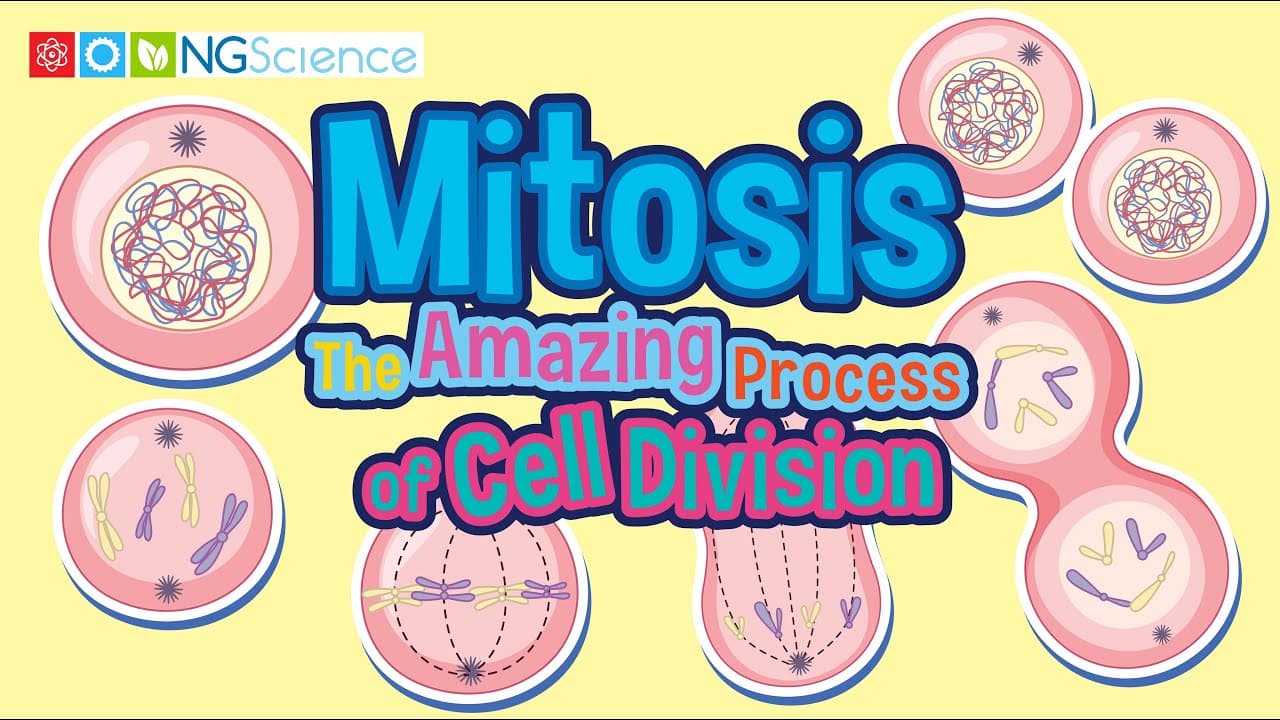
One Becomes Two: How Cells Divide to Help You Grow and Heal

One Becomes Two: How Cells Divide to Help You Grow and Heal

This educational video introduces students to the fundamental concept of cell division, specifically the process of mitosis. It explains that living things like humans, animals, and plants are multicellular organisms made of trillions of tiny building blocks called cells. The narrative guides viewers through why cells need to divide—to help the body grow, repair injuries, and stay alive—and simplifies the complex biological mechanism into understandable steps.

Next Generation ScienceNext Generation Science

2mins 52s

Video
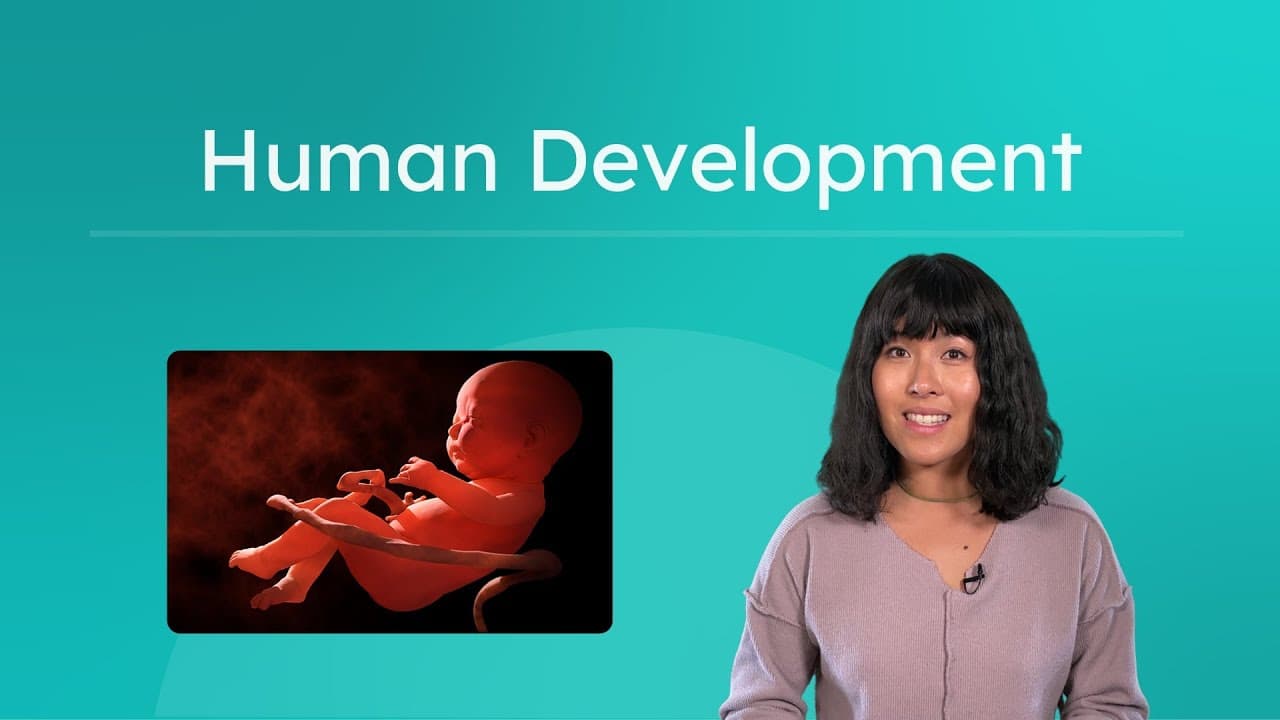
From Zygote to Adult: The Stages of Human Development

From Zygote to Adult: The Stages of Human Development

This comprehensive biology video explores the complete timeline of human development, tracing the journey from a single cell to a mature adult. It begins with the microscopic processes of fertilization, explaining how gametes fuse to form a zygote and how rapid cell division transforms this single cell into a complex blastocyst and eventually an embryo. The video provides detailed explanations of key biological concepts such as cell differentiation, the formation of germ layers, and gene regulation. The narrative moves through the stages of prenatal development, distinguishing between the embryonic and fetal periods, and highlights critical milestones like organ formation, the role of the placenta, and the development of the nervous system. It then covers the birth process, driven by hormones like oxytocin, and transitions into postnatal development, describing the physical and cognitive changes that occur during infancy, childhood, adolescence, and adulthood. Ideal for middle and high school biology classrooms, this video helps students visualize abstract concepts through clear animations and diagrams. It connects cellular processes like mitosis and meiosis to the tangible reality of human growth, making it a valuable tool for teaching reproduction, anatomy, and the life cycle. The content also addresses the continuity of development throughout a lifespan, emphasizing that biological change does not stop at birth.

Miacademy & MiaPrep Learning ChannelMiacademy & MiaPrep Learning Channel

13mins 11s

Video
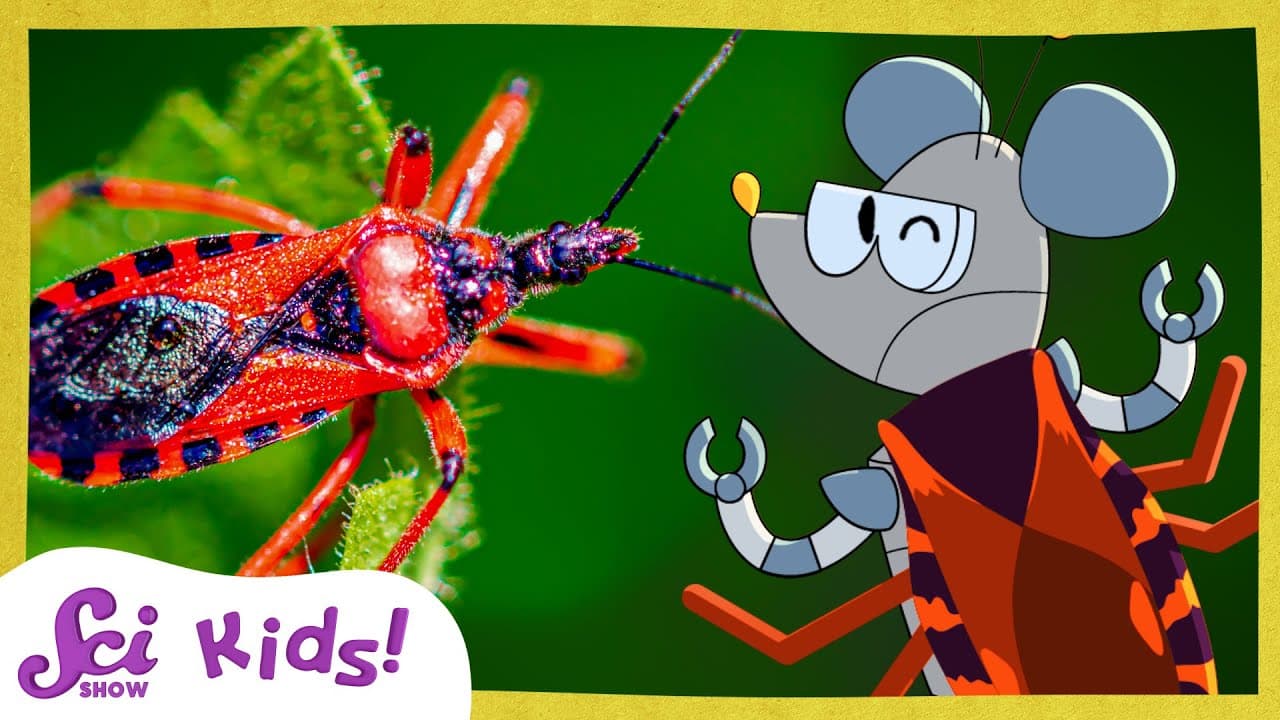
Are All Insects Bugs? The Truth About True Bugs

Are All Insects Bugs? The Truth About True Bugs

This engaging episode of Sci Kids! explores the scientific distinction between the general term "bug" and the specific biological classification of "true bugs." Hosted by Jessi and her robot rat friend Squeaks, the video debunks the common misconception that all insects are bugs. Through clear explanations and colorful graphics, it breaks down the anatomical features that define true bugs, specifically focusing on their unique mouthparts designed for piercing and sucking, as well as their distinct life cycles involving nymphs rather than larvae and pupae. The video introduces students to a variety of fascinating insects to illustrate these concepts, including ladybugs (which are actually beetles), aphids, and assassin bugs. It highlights unique behaviors and adaptations, such as the assassin bug nymph's camouflage technique of wearing dead ants and the cochineal bug's production of a waxy sunscreen. The narrative also touches upon the relationship between humans and insects, explaining how cochineal bugs are farmed to create carmine, a natural red dye used in food and clothing. For educators, this video serves as an excellent tool for teaching biological classification, insect anatomy, and life cycles. It encourages critical thinking by challenging everyday language with scientific definitions. The content connects biology to history and industry through the segment on natural dyes, offering cross-curricular opportunities. With its mix of live-action hosting, puppetry, and detailed macro photography, it effectively captures student attention while delivering rigorous scientific content appropriate for elementary grades.

SciShow KidsSciShow Kids

8mins 38s

Video
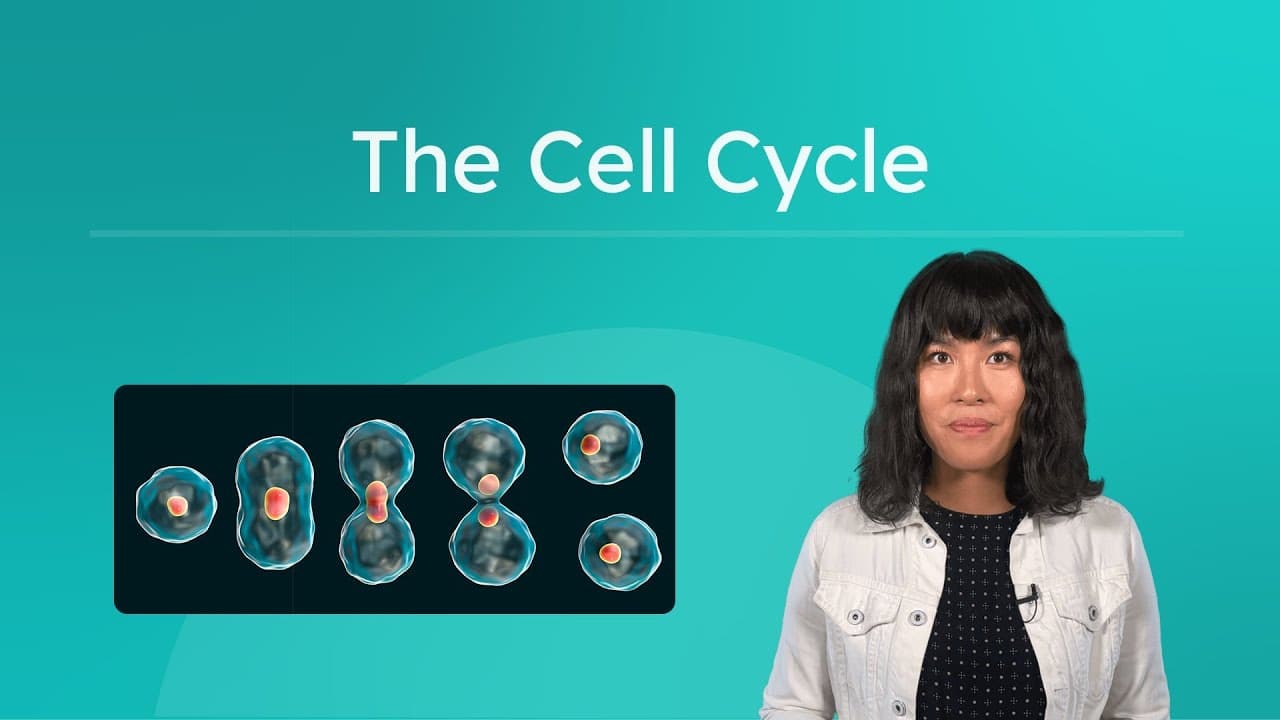
How Cells Grow and Divide: The Cell Cycle Explained

How Cells Grow and Divide: The Cell Cycle Explained

This comprehensive biology video provides a detailed exploration of the cell cycle, breaking down the complex processes of cell growth, preparation, and division. The narrator uses clear visual aids and relatable analogies—like a growing baby or healing a cut—to explain why multicellular organisms need to divide their cells. The video covers the complete life cycle of a cell, from Interphase (G0, G1, S, G2) through the phases of Mitosis (Prophase, Metaphase, Anaphase, Telophase) and finally Cytokinesis, distinguishing between animal and plant cell division. Key biological themes include the structural organization of DNA (chromatin vs. chromosomes), the role of organelles during division, and the crucial regulatory mechanisms that control the cycle. The video introduces advanced concepts such as cyclins, internal and external regulators, and growth factors. It also addresses the real-world consequences of regulatory failure, specifically explaining cancer as uncontrolled cell division and identifying risk factors like UV exposure and smoking. For educators, this resource serves as an excellent foundational tool for teaching cellular biology. It simplifies abstract microscopic processes through animation, making them accessible for visual learners. The inclusion of mnemonics, clear definitions, and a review section makes it highly effective for introducing the cell cycle, reinforcing vocabulary, or reviewing for assessments. The connection to cancer provides a meaningful context that helps students understand why these microscopic processes matter to human health.

Miacademy & MiaPrep Learning ChannelMiacademy & MiaPrep Learning Channel

13mins 41s

Video
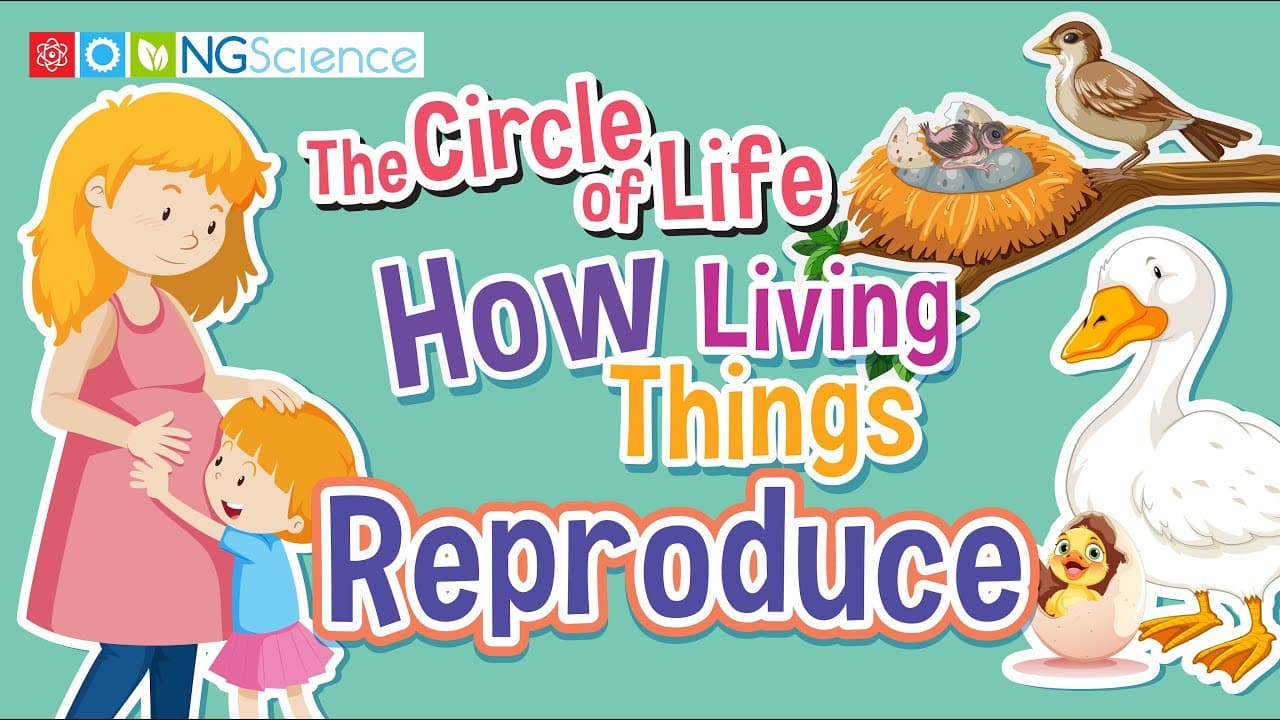
How Living Things Reproduce: From Plants to Microorganisms

How Living Things Reproduce: From Plants to Microorganisms

This comprehensive educational video explores the fundamental biological process of reproduction across the diversity of life on Earth. Starting with the basic definition of an organism and the shared characteristics of living things, the video systematically breaks down how different kingdoms ensure the survival of their species. It covers the life cycles of plants, animals, fungi, and microorganisms, highlighting the distinctions between sexual and asexual reproduction methods. The content is organized by kingdom, making it easy to compare and contrast reproductive strategies. Viewers learn about seed dispersal and spore formation in plants, the difference between egg-laying and live-bearing animals, and the rapid division of single-celled organisms. Specific examples, such as runners in strawberries, budding in yeast, and binary fission in bacteria, provide concrete illustrations of these biological concepts. Ideally suited for life science units in upper elementary and middle school, this video serves as an excellent anchor for lessons on biodiversity, cell biology, and life cycles. Teachers can use the clear visual examples—ranging from time-lapse plant growth to microscopic footage of cell division—to help students visualize processes that are often too slow or too small to see with the naked eye.

Next Generation ScienceNext Generation Science

9mins 12s

Video
The Science of Growing Giant Pumpkins

The Science of Growing Giant Pumpkins

In this engaging episode of SciShow Kids, host Jessi and her robot friend Squeaks investigate the science behind giant pumpkins. Prompted by Squeaks' desire to carve a huge jack-o'-lantern, they explore how some pumpkins can grow to weigh as much as a small car. The video breaks down the biological processes of growth, explaining how pumpkins achieve massive sizes through both cell division (making more cells) and cell expansion (making cells bigger), unlike many other plants that rely mostly on just one method. The video introduces key botanical concepts including plant cellular structure and vascular systems. It specifically explains the functions of xylem (water transport) and phloem (sugar transport), using accessible analogies like water slides to help young learners visualize these internal plant structures. Additionally, it covers the practical environmental factors required for extreme growth, such as genetics, massive water consumption, soil quality, and selective pruning techniques used by competitive growers. This video is an excellent resource for elementary science classrooms, particularly during the fall season. It connects a familiar seasonal object (pumpkins) to complex biological concepts like cellular growth and plant anatomy. Teachers can use this video to transition from simple life cycle lessons to more advanced discussions about plant needs, heredity (seed selection), and the specific structures plants use to survive and grow. The use of clear analogies makes abstract microscopic concepts concrete for young students.

SciShow KidsSciShow Kids

5mins 15s

Video
Discovering Cells and the History of Cell Theory

Discovering Cells and the History of Cell Theory

This engaging educational video provides a comprehensive introduction to Cell Theory, blending the history of science with fundamental biological concepts. It begins by posing thought-provoking questions about what constitutes "life" at a microscopic level, asking viewers to consider if parts of their body like hair or blood are alive on their own. The narrative then travels through history, exploring the invention of the microscope and the contributions of key scientists including Robert Hooke, Antonie van Leeuwenhoek, Matthias Schleiden, Theodor Schwann, and Rudolf Virchow. The video clearly distinguishes between a scientific hypothesis and a theory, explaining how the collective work of these scientists led to the three tenets of Cell Theory: (1) all organisms are made of cells, (2) cells are the basic unit of life, and (3) all cells come from existing cells. It uses a mix of historical illustrations and modern microscopic imagery to show how our understanding of the microscopic world has evolved. For educators, this resource serves as an excellent anchor for units on biology, the scientific method, or the history of science. It effectively scaffolds complex vocabulary and concepts, offering built-in pause points for student reflection and note-taking. The video not only delivers content but also models scientific inquiry by showing how theories are built upon evidence gathered over centuries.

Miacademy & MiaPrep Learning ChannelMiacademy & MiaPrep Learning Channel

7mins 51s

Video
How Cells Grow and Divide: The Cell Cycle Explained

How Cells Grow and Divide: The Cell Cycle Explained

This educational video provides a clear and engaging overview of the cell cycle, explaining how cells grow, replicate their DNA, and divide to maintain a healthy organism. Using helpful analogies like healing a scraped knee, the narrator breaks down complex biological processes into understandable concepts suitable for middle and high school biology students. The video combines live-action narration with animated diagrams to visualize the cellular level of life. The content covers the four distinct phases of the cell cycle: G1 (Growth), S (Synthesis/DNA Replication), G2 (Preparation), and M (Mitosis/Division). It details the specific actions occurring in each phase, such as organelle duplication and chromosome separation. Additionally, the video introduces the concept of G0 (resting phase) and explains what happens when the cell cycle malfunctions, leading to conditions like cancer, or how natural imperfections in the process contribute to aging. For educators, this video serves as an excellent introduction or review of cell division. It moves beyond rote memorization of phases by connecting the mechanics of mitosis to real-world contexts like injury repair, physical growth, and disease. The clear visual metaphors—such as a cell 'eating for two' or lifting weights—make abstract microscopic processes concrete and memorable for students.

Miacademy & MiaPrep Learning ChannelMiacademy & MiaPrep Learning Channel

7mins 35s

Video
How Meiosis Creates Unique Life and Genetic Diversity

How Meiosis Creates Unique Life and Genetic Diversity

This comprehensive biology video explains the complex process of meiosis, contrasting it with mitosis to illustrate how living organisms reproduce and maintain genetic diversity. The video breaks down the mechanics of cell division, specifically highlighting how meiosis results in unique haploid cells (sperm and eggs) rather than identical copies, serving as the foundation for sexual reproduction. It uses clear visual analogies and side-by-side comparisons to make abstract cellular processes accessible to students. The content explores key themes of genetics, including the specific mechanisms of crossing over and double cell division that create unique DNA combinations. It moves beyond simple definitions to examine the consequences of imperfect division, introducing the concepts of mutations, nondisjunction, and chromosomal disorders like Down syndrome and Turner's syndrome. The narrator also clarifies the distinction between harmful mutations and beneficial adaptations that drive evolution. For educators, this video is an excellent resource for Life Science and Biology units on genetics and heredity. It provides clear definitions of essential vocabulary like "haploid," "karyotype," and "nondisjunction" while grounding these terms in real-world examples like albinism and sickle cell anemia. The structured lesson review at the end solidifies understanding, making it a perfect tool for introducing new concepts or reviewing for assessments.

Miacademy & MiaPrep Learning ChannelMiacademy & MiaPrep Learning Channel

7mins

Video
Growing Bacteria from Common Surfaces

Growing Bacteria from Common Surfaces

This educational video takes students inside the "Lighthouse Lab" to explore the invisible world of bacteria. The host explains that while plants and animals are easily seen, bacteria are single-celled microscopic organisms that exist everywhere—in the air, on surfaces, and inside our bodies. The video demonstrates the concept of binary fission, explaining how a single bacterium can multiply into billions in just a few hours under the right conditions.

Next Generation ScienceNext Generation Science

5mins 30s

Video
The Hidden World of Bacteria: Good Germs and Bad Germs

The Hidden World of Bacteria: Good Germs and Bad Germs

This educational video introduces students to the invisible world of bacteria, explaining that while these microorganisms are too small to be seen with the naked eye, they exist everywhere—in the air, soil, water, and even inside the human body. The narration utilizes clear visuals and animations to define bacteria as microorganisms that require microscopes to be observed, establishing a foundational understanding of scale and biology.

Next Generation ScienceNext Generation Science

3mins

Video
How Genetic Mutations Change DNA and Life

How Genetic Mutations Change DNA and Life

This comprehensive biology lesson explores the complex world of genetic mutations, detailing how changes in DNA structure occur and affect living organisms. The video breaks down mutations into two main categories: point mutations (occurring at the molecular level) and chromosomal mutations (affecting larger genetic structures). Through clear animations and examples, it demonstrates the mechanics of DNA replication errors, including substitutions, insertions, and deletions, and explains how these changes translate into different protein structures.

Miacademy & MiaPrep Learning ChannelMiacademy & MiaPrep Learning Channel

16mins 2s

Video
Exploring the World of Marine Mammals: Adaptations and Classification

Exploring the World of Marine Mammals: Adaptations and Classification

This educational video provides a comprehensive introduction to marine mammals, beginning with the fundamental characteristics that define all mammals—being warm-blooded, having hair or fur, giving birth to live young, producing milk, and breathing air with lungs. It seamlessly transitions into explaining how marine mammals share these traits while possessing unique adaptations that allow them to thrive in aquatic environments, such as oceans and coastal areas. The content is structured around the classification of marine mammals into four distinct groups: Cetaceans (whales, dolphins, porpoises), Pinnipeds (seals, sea lions, walruses), Sirenians (manatees, dugongs), and Marine Carnivores (polar bears, sea otters). The video details the specific physical and behavioral adaptations of each group, from the streamlined bodies and blowholes of cetaceans to the blubber layers of pinnipeds and the tool-using abilities of sea otters. Ideally suited for science classrooms, this video serves as an excellent resource for teaching biological classification, animal adaptations, and marine ecosystems. The clear categorization helps students organize complex information, while high-quality footage of animals in their natural habitats engages visual learners. It provides a solid foundation for lessons on how animals interact with their environment and the diversity of life within the ocean.

Next Generation ScienceNext Generation Science

5mins 40s

Video
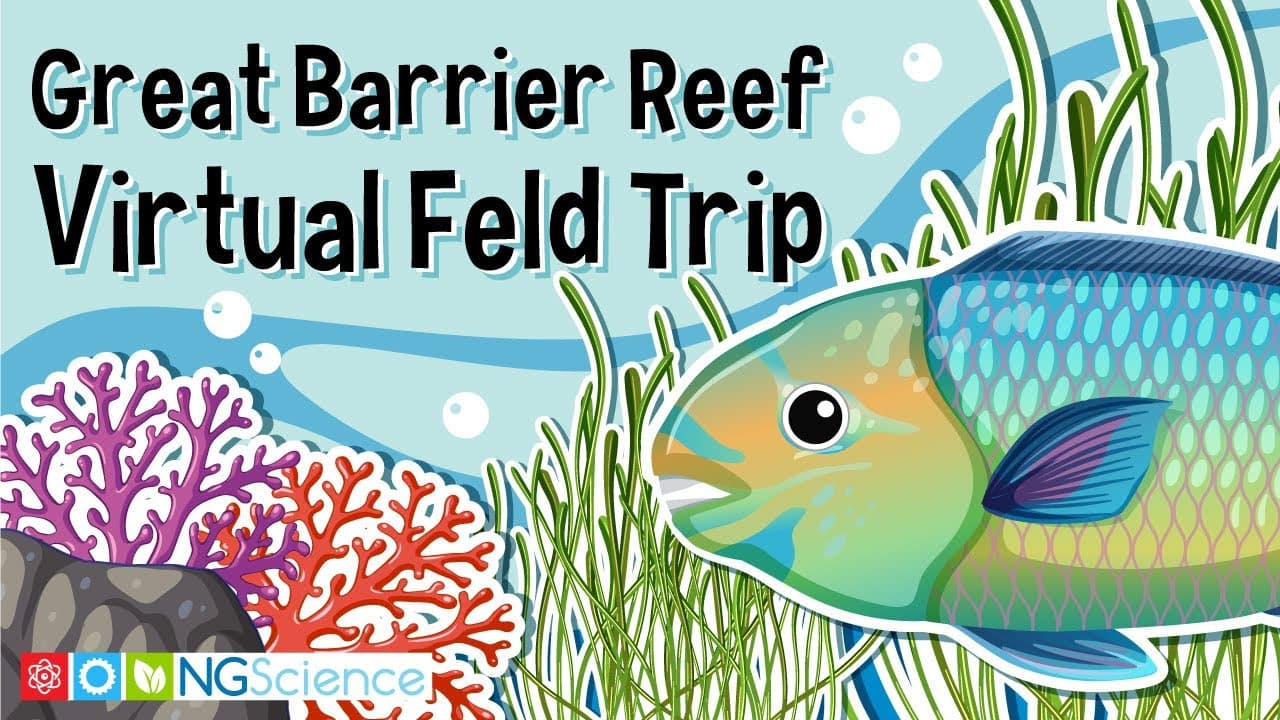
A Virtual Field Trip to the Great Barrier Reef

A Virtual Field Trip to the Great Barrier Reef

Join a virtual field trip to Australia's Great Barrier Reef, the largest living structure on Earth. This engaging video takes students from the dusty roads of Queensland directly into the underwater world to explore the incredible biodiversity of this marine ecosystem. Through stunning aerial and underwater footage, viewers discover how billions of tiny coral polyps create a habitat visible from space that supports thousands of different species. The video systematically introduces various categories of marine life found on the reef, moving beyond just fish to explore reptiles, mammals, and invertebrates. Key themes include animal classification (identifying specific species of fish, sharks, rays, turtles, and sea snakes), the definition of a coral reef system, and the staggering scale of this natural wonder. This resource is an excellent tool for biology and geography lessons, allowing teachers to vividly illustrate concepts of biodiversity and ecosystem interdependence. It provides concrete examples for animal classification units—differentiating between hard and soft corals, vertebrates and invertebrates—and offers a compelling visual hook for discussions about ocean conservation and Australian geography.

Next Generation ScienceNext Generation Science

4mins 38s

Video
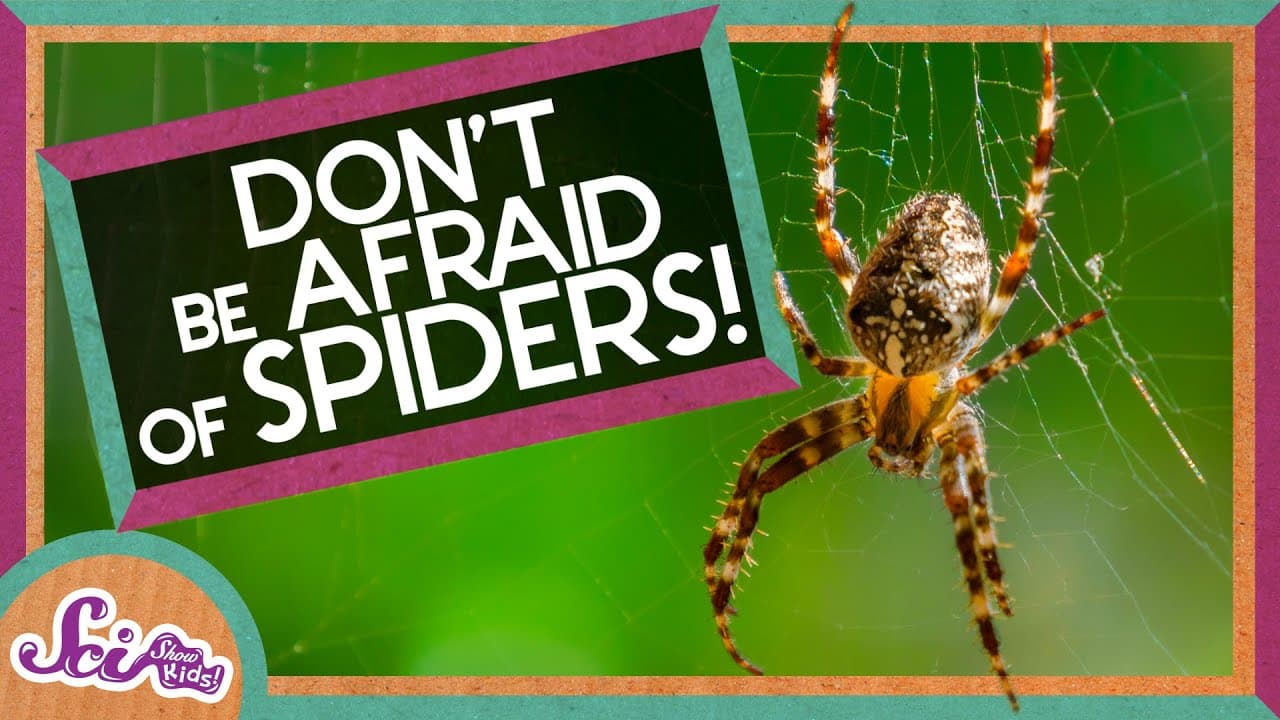
Exploring Spiders: Anatomy, Webs, and Superpowers

Exploring Spiders: Anatomy, Webs, and Superpowers

In this engaging episode of SciShow Kids, host Jessi explores the fascinating world of spiders to help viewers overcome their fears through knowledge. The video breaks down the distinct biological differences between insects and arachnids, explaining why spiders don't fit into the insect category. It highlights the beneficial role spiders play in our ecosystem by controlling pest populations like mosquitoes and flies. The content dives deep into spider anatomy, comparing their body segments, legs, and eyes to those of insects. Specific species are showcased to illustrate unique adaptations: the Jumping Spider with its incredible vision and athletic leaping ability, and the Orb Weaver with its intricate web-building skills. The video also explains the mechanics of spider silk, spinnerets, and how spiders avoid getting stuck in their own webs. This resource is an excellent tool for early elementary science classrooms. It effectively teaches biological classification and anatomy while modeling scientific observation. Teachers can use it to support lessons on animal adaptations, introduce the concept of invertebrates, or facilitate social-emotional discussions about managing fears by understanding the unknown.

SciShow KidsSciShow Kids

4mins 8s

Video
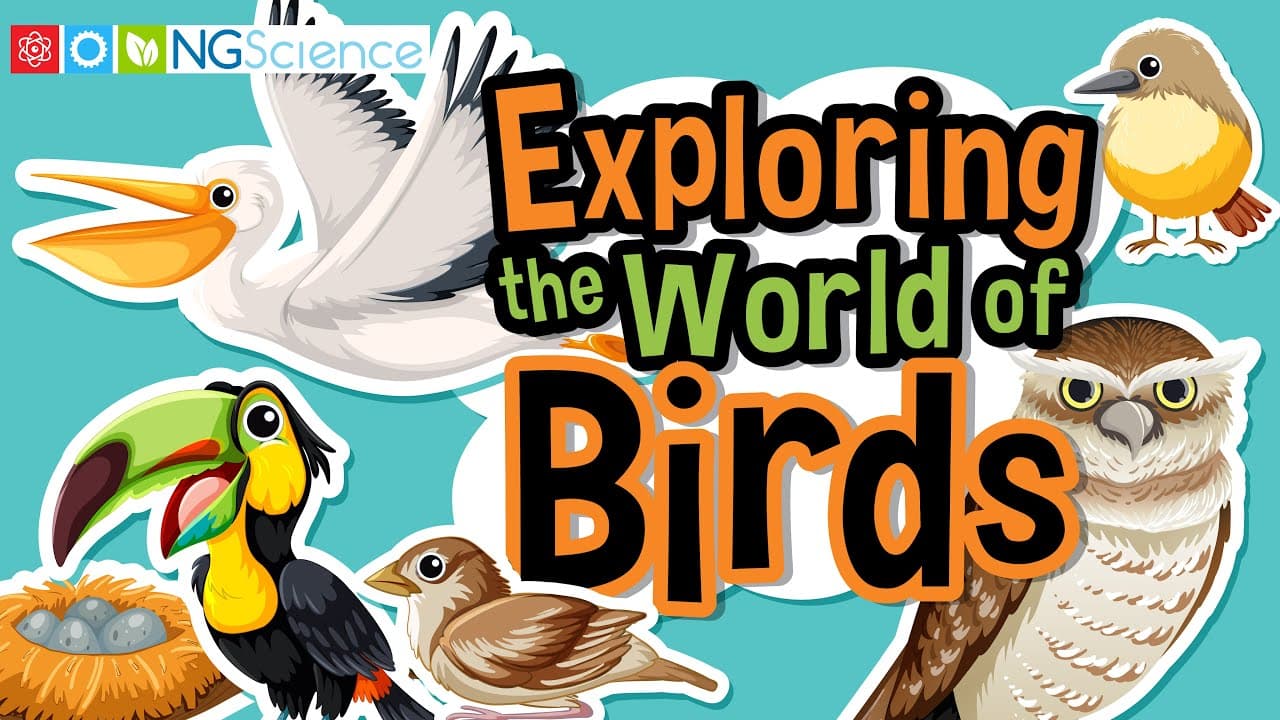
Exploring the Diverse World of Birds

Exploring the Diverse World of Birds

This educational video provides a comprehensive introduction to the diverse class of animals known as birds. It begins by exploring their wide range of habitats, from urban cities to the frozen landscapes of Antarctica, and outlines the fundamental characteristics shared by all bird species, including being warm-blooded, having feathers, laying eggs, and possessing wings. The video combines high-quality footage of various species—such as eagles, penguins, ostriches, and hummingbirds—to illustrate these traits vividly. Beyond basic classification, the video delves into specific adaptations and behaviors that allow birds to thrive in different environments. It highlights unique examples like the nocturnal vision of owls, the incredible running speed of the flightless ostrich, and the swimming abilities of penguins. The narrative also explains the concept of migration, featuring the record-breaking journey of the Arctic Tern, helping students understand how physical traits support survival strategies. Ideally suited for life science units, this resource emphasizes the ecological importance of birds. It explains their critical roles in ecosystems as pollinators, seed dispersers, and pest controllers. Teachers can use this video to launch discussions on biodiversity, animal adaptations, and the interdependence of living things within an ecosystem.

Next Generation ScienceNext Generation Science

4mins 34s

Video
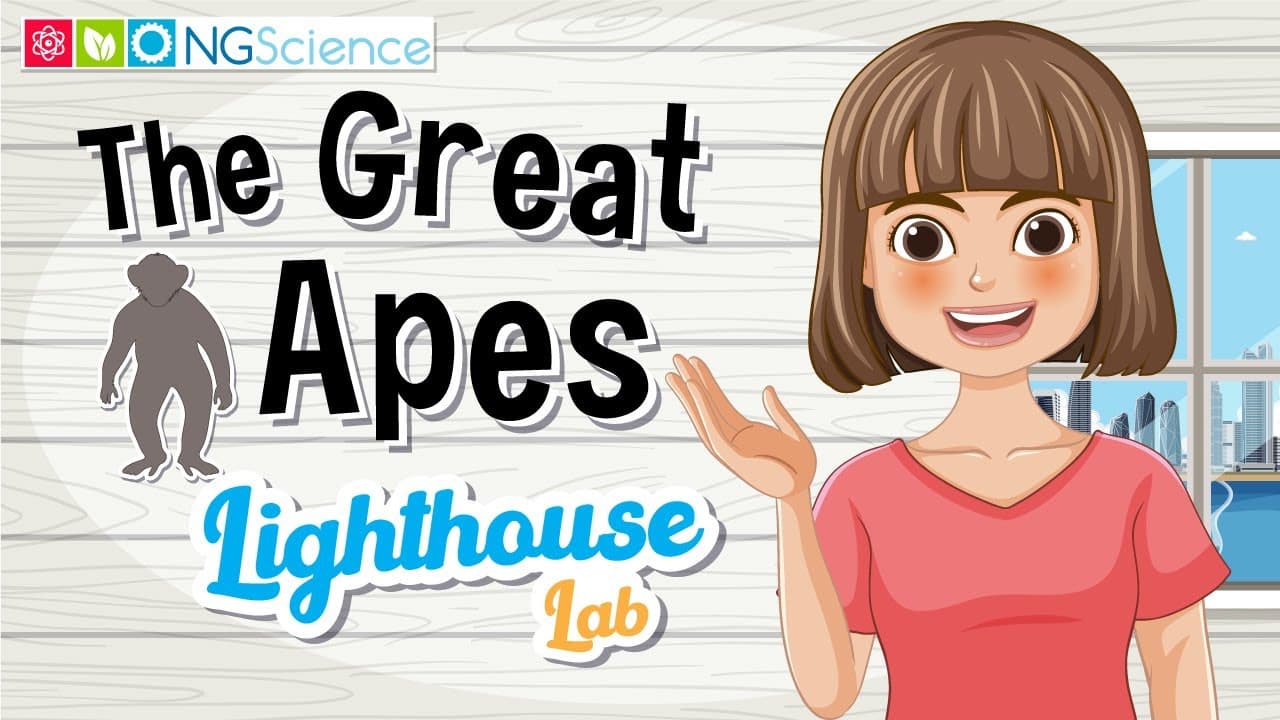
Introduction to the Great Ape Family

Introduction to the Great Ape Family

This educational video introduces students to the biological family of Great Apes, helping viewers understand humanity's place within the animal kingdom. Hosted in the "Lighthouse Lab," the video clearly identifies the five main types of Great Apes—Orangutans, Gorillas, Humans, Chimpanzees, and Bonobos—while explaining the broader classification of Primates. Through high-quality footage of animals in their natural habitats, students visualize the diversity of this group. The content focuses on the key physiological and cognitive distinctions between Great Apes and other primates such as monkeys and lemurs. It highlights specific evolutionary adaptations, including larger brain size, freely rotating shoulders for climbing, the absence of a tail, and a developed rib cage. The video also touches upon behavioral traits like high intelligence, tool use, and communication skills. For educators, this resource serves as an excellent introduction to units on animal classification, evolution, or biology. It simplifies complex taxonomical concepts into easy-to-understand categories and uses relatable comparisons (like humans at a computer or rock climbing) to demonstrate shared characteristics. The clear visual examples of different primate species provide a strong foundation for comparative anatomy or biodiversity lessons.

Next Generation ScienceNext Generation Science

4mins 21s

Video
Classifying Living and Non-Living Things in Our World

Classifying Living and Non-Living Things in Our World

This educational video introduces students to the vast diversity of the world around them, focusing on the fundamental distinction between living and non-living things. Through high-quality footage of nature and human-made environments, viewers are taken on a visual journey that explores plants, animals, fungi, and microorganisms, contrasting them with non-living elements like rocks, water, and air. The narrative explains that while these categories differ, they are deeply interconnected, as living organisms rely on non-living elements to survive. The video covers key scientific themes including biological classification, the basic needs of living organisms (food, water, air, reproduction, growth), and the properties of non-living materials (wood, metal, plastic, etc.). It introduces the concept of classifying objects based on similarities and differences to make sense of the world's complexity. Additionally, it touches on material science by describing properties like strength, flexibility, and buoyancy. For educators, this video serves as an excellent anchor for units on biology, environmental science, or matter. It provides clear visual examples that help students practice observation and classification skills. The content naturally leads to lessons on sorting living vs. non-living items, investigating material properties, or discussing environmental stewardship, making it a versatile tool for early elementary science curriculums.

Next Generation ScienceNext Generation Science

4mins 20s

Video
Exploring the Great Barrier Reef and Its Amazing Animals

Exploring the Great Barrier Reef and Its Amazing Animals

This educational video from SciShow Kids takes young learners on an underwater journey to explore the Great Barrier Reef. Hosted by Jessi and her robot rat friend Squeaks, the video explains exactly what coral is—clarifying the common misconception that it is a rock or plant by identifying it as a colony of tiny animals. The narrative explores the massive scale of the Great Barrier Reef off the coast of Australia and introduces viewers to some of its unique inhabitants, including the dugong, moray eel, and cuttlefish. The video touches on key biological themes such as animal classification, habitats, and adaptations like camouflage. It illustrates how different species rely on the reef for food and shelter, highlighting the interdependence of the ecosystem. The latter part of the video gently introduces environmental concepts, explaining how human activities, climate change, and pollution impact ocean health. Teachers can use this video to spark lessons on marine biology, geography, and environmental stewardship. It serves as an excellent visual aid for explaining complex concepts like coral polyps and ecosystem fragility in an age-appropriate way. The actionable advice at the end—such as recycling and being careful about what goes down the drain—empowers students to participate in ocean conservation in their daily lives.

SciShow KidsSciShow Kids

3mins 47s

Video
Exploring Marsupials: Pouches, Joeys, and Super Senses

Exploring Marsupials: Pouches, Joeys, and Super Senses

This engaging video from SciShow Kids explores the fascinating world of marsupials, introducing young learners to the unique characteristics that define this group of mammals. Hosted by Jessi at "The Fort," the video explains the primary feature distinguishing marsupials: the pouch. It clarifies that while many marsupials like kangaroos, wallabies, and koalas live in Australia, others like the Virginia Opossum and the swimming Yapok can be found in the Americas. The video delves into the biology of marsupial life cycles, describing how babies, called joeys, are born extremely small and finish developing inside their mother's pouch. It uses helpful analogies, comparing pouches to drawstring bags rather than open pockets, and differentiates between top-opening pouches (kangaroos) and bottom-opening pouches (wombats). The narrative also covers behavioral adaptations, specifically how nocturnal marsupials rely on heightened senses of smell and hearing to survive. A significant portion of the video focuses on the Bilby, an Australian desert dweller, to illustrate specific adaptations. Students learn how the Bilby's large ears help cool it down and hear predators, and how its long nose sniffs out termites. This resource is excellent for science units on animal classifications, adaptations, life cycles, and habitats, providing clear visuals and age-appropriate vocabulary.

SciShow KidsSciShow Kids

3mins 44s

Video
All About Koalas: Life in the Eucalyptus Forest

All About Koalas: Life in the Eucalyptus Forest

This educational video provides an in-depth look at the biology, behavior, and conservation status of the koala. It begins by correcting the common misconception that koalas are bears, clarifying their classification as marsupials—mammals that carry their young in a pouch. The video explores their physical characteristics, unique adaptations, and life cycle, taking viewers on a journey through the eucalyptus forests of Australia where these iconic animals live.

Next Generation ScienceNext Generation Science

7mins 8s

Video
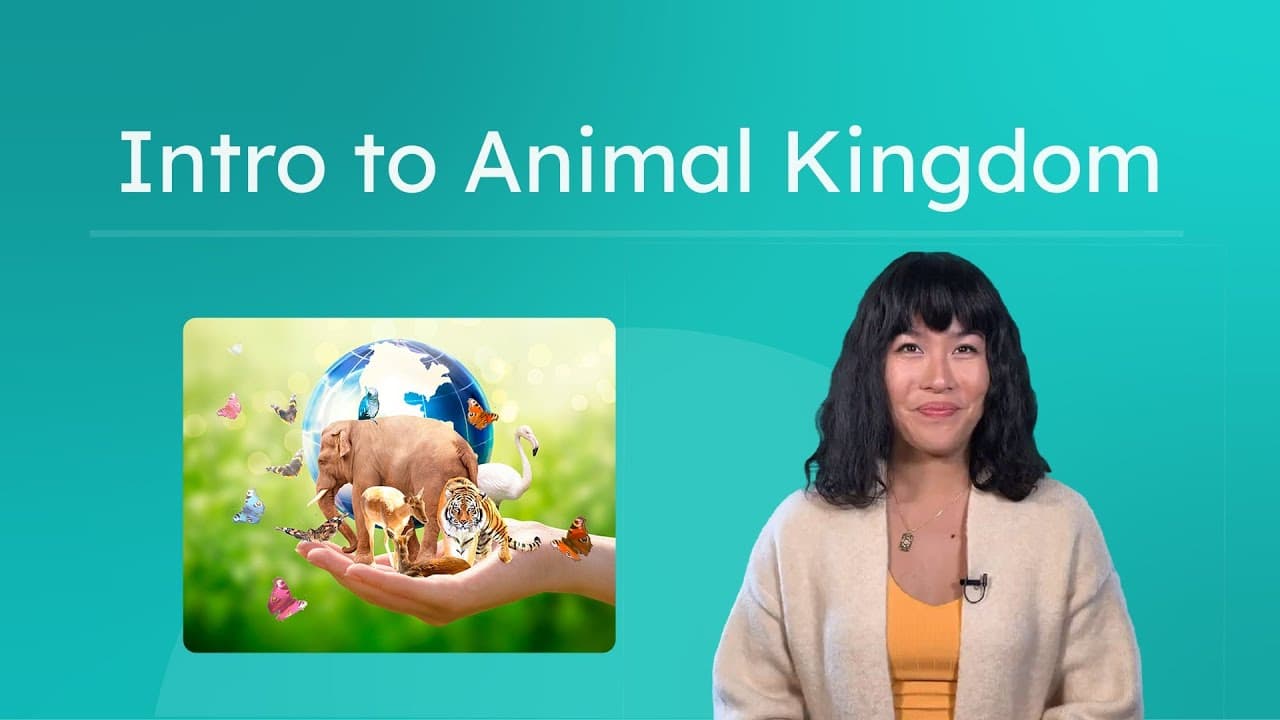
Introduction to the Animal Kingdom and Its Classifications

Introduction to the Animal Kingdom and Its Classifications

This video serves as a comprehensive introduction to the Animal Kingdom (Kingdom Animalia), the largest of all biological kingdoms. The narrator guides viewers through the fundamental definition of what constitutes an animal, breaking down the five essential characteristics that distinguish animals from plants, fungi, and other organisms. The lesson emphasizes biological diversity, noting that while viewers may be familiar with common animals, the kingdom includes over 9 million species ranging from complex mammals to simple sea sponges.

Miacademy & MiaPrep Learning ChannelMiacademy & MiaPrep Learning Channel

6mins 2s

Video
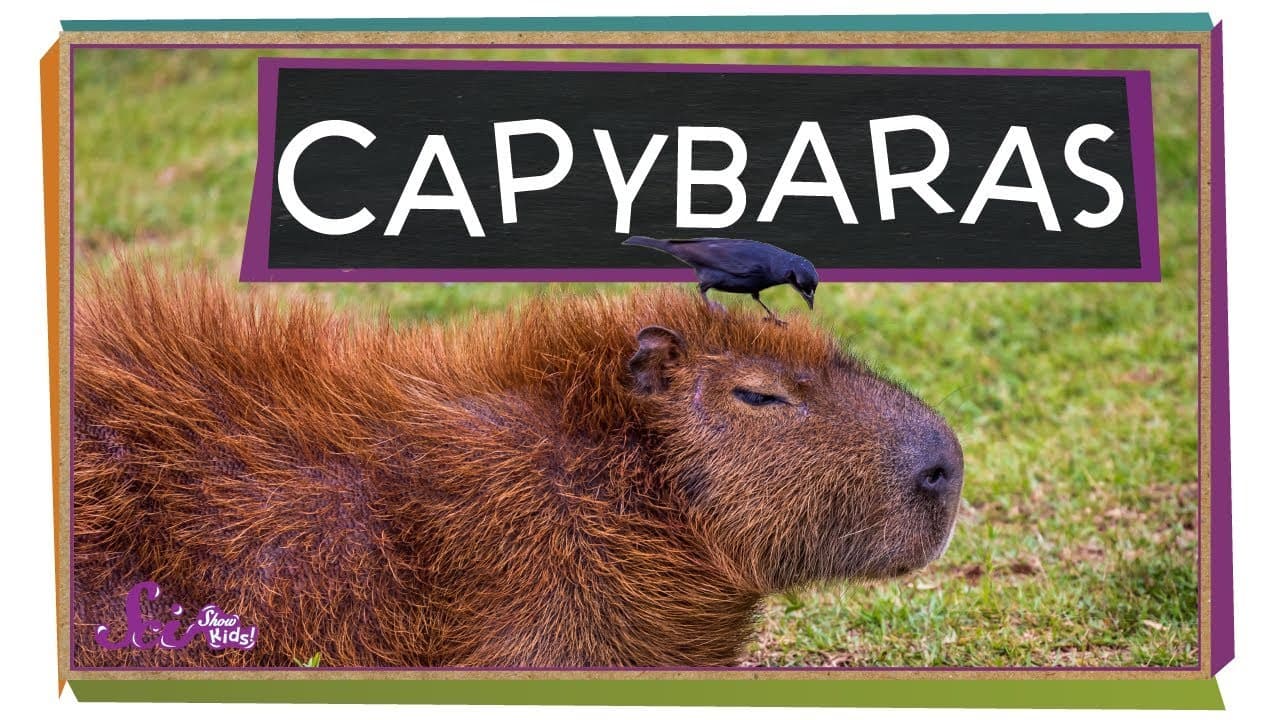
Exploring the World's Largest Rodent: The Capybara

Exploring the World's Largest Rodent: The Capybara

This engaging educational video introduces students to the capybara, the world's largest rodent. Hosted by Jessi and her robot rat friend Squeaks, the video explores the unique physical characteristics that define this "rodent of unusual size," comparing it to familiar relatives like mice and squirrels. It covers essential biological topics including their massive size, semi-aquatic adaptations, and distinct dental features that never stop growing. The video delves into specific themes of animal adaptation and survival strategies. It explains the capybara's specialized digestive system, including regurgitation and coprophagy (eating their own waste) to maximize nutrient absorption from tough grasses. Furthermore, it highlights their habitat preferences, showing how physical traits like webbed feet and the placement of sensory organs allow them to thrive in water to escape predators and regulate body temperature. For the classroom, this video serves as an excellent resource for Life Science units focusing on animal adaptations, classification, and habitats. It provides clear examples of how structure complements function—such as eyes positioned on top of the head for swimming—and introduces scientific vocabulary in an accessible way. The content effectively illustrates concepts of social behavior in animals and symbiotic relationships, making it a versatile tool for early elementary science lessons.

SciShow KidsSciShow Kids

4mins 34s

Video
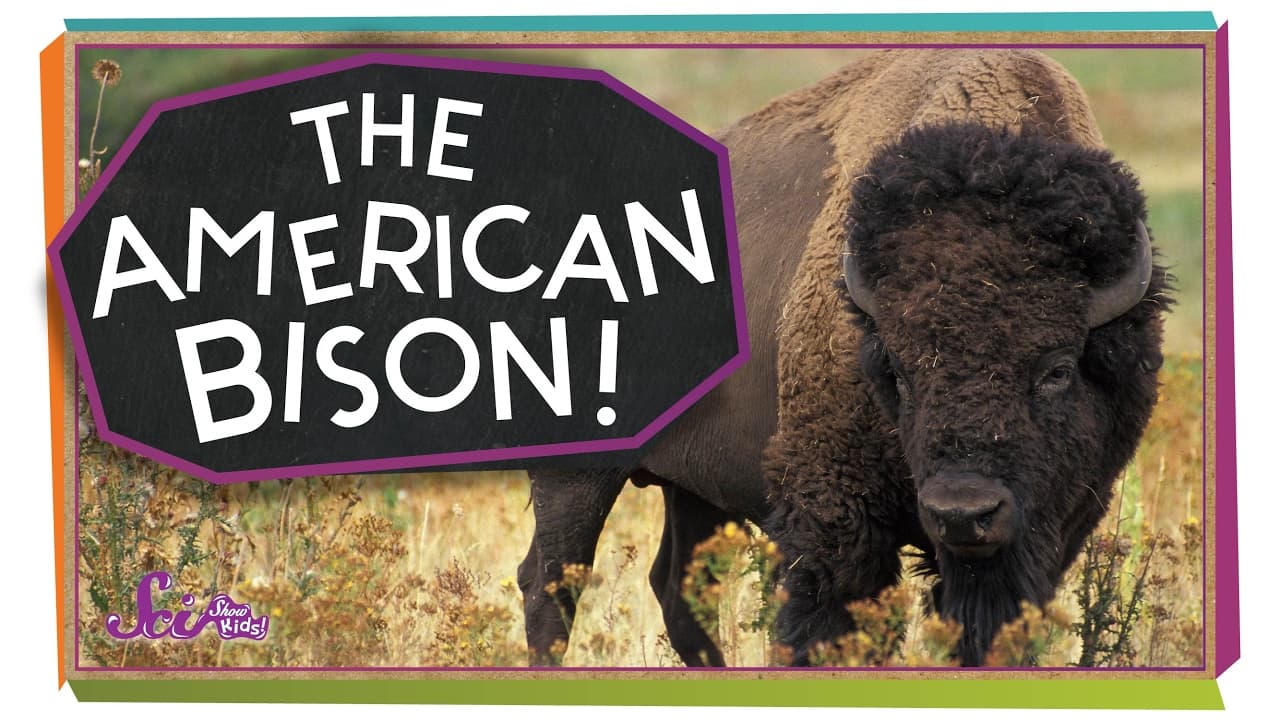
Discovering the Amazing American Bison

Discovering the Amazing American Bison

This engaging educational video introduces students to the American Bison, the national mammal of the United States. Through a lively conversation between the host, Jessi, and her robot rat friend, Squeaks, viewers learn to distinguish between bison and buffalo, explore the life cycle of bison calves (nicknamed "red dogs"), and discover fascinating facts about their massive size and surprising speed. The video utilizes clear graphics, maps, and real-world footage to make these concepts accessible. The content covers key biological themes including physical adaptations, such as how the bison's distinctive hump helps them survive snowy winters, and behavioral adaptations like "wallowing" to repel insects. It effectively connects biological features to environmental survival, explaining how specific traits help the animal thrive in its habitat. Additionally, the video touches upon important historical and conservation topics suitable for young learners. It briefly explains how bison populations dwindled due to overhunting and were saved through conservation efforts, introducing the concept of protecting endangered species. This makes the video a versatile tool for both science lessons on animal adaptations and social studies lessons on American symbols and conservation history.

SciShow KidsSciShow Kids

3mins 19s

Video
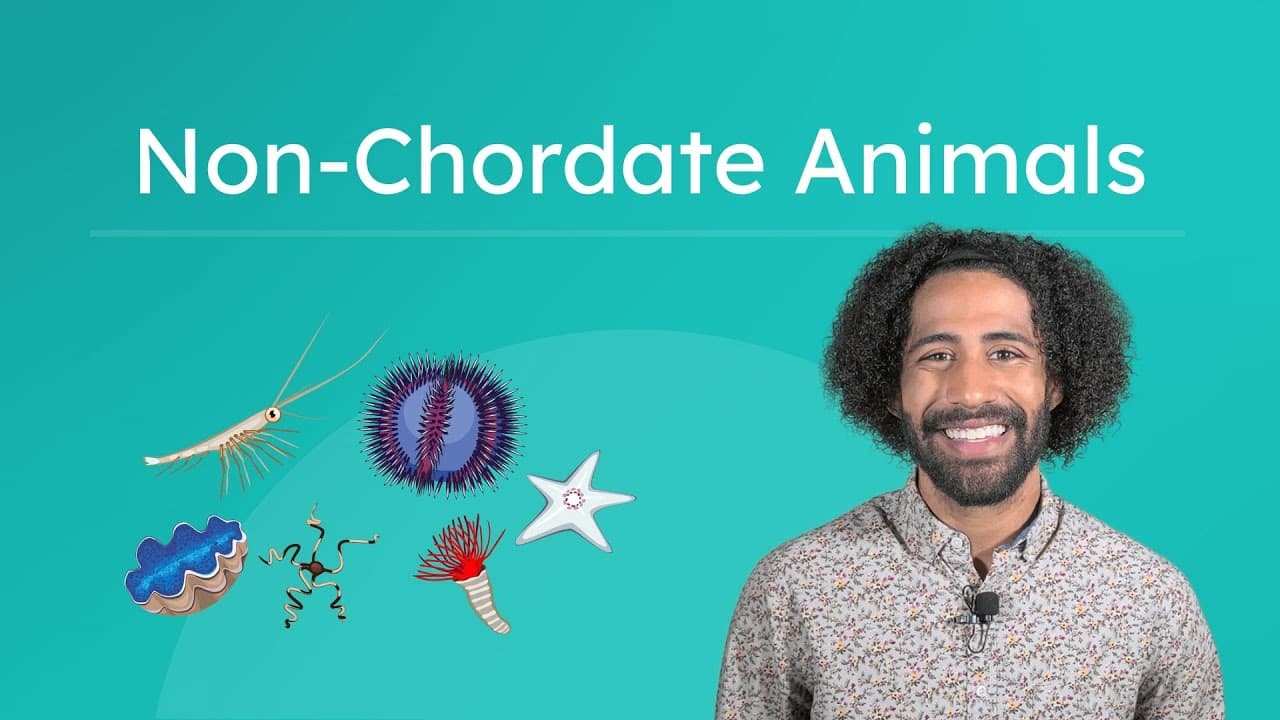
Exploring Non-Chordates: Animals Without Backbones

Exploring Non-Chordates: Animals Without Backbones

This educational video provides a comprehensive overview of the animal kingdom, specifically focusing on non-chordates—animals lacking a spinal cord. The lesson begins by defining the fundamental characteristics that classify an organism as an animal, such as being eukaryotic, multicellular, and heterotrophic. It distinguishes animal cells from plant cells by noting the lack of cell walls, which facilitates movement—a critical trait for finding food.

Miacademy & MiaPrep Learning ChannelMiacademy & MiaPrep Learning Channel

9mins 12s

Video
How to Tell the Difference Between Turtles and Tortoises

How to Tell the Difference Between Turtles and Tortoises

In this engaging episode of SciShow Kids, a substitute host named Dr. Lawrence Turtleman (a human in a turtle costume) takes over "The Fort" to teach viewers everything about turtles and tortoises. The video breaks down the key biological and physical differences between these two often-confused reptiles, explaining how their physical traits—specifically their feet and shells—are perfectly adapted to their specific habitats on land or in water. The video covers a wide range of topics including the definition of a reptile, the incredible size variance among species (from tiny speckled padlopers to massive leatherbacks), and their impressive lifespans. It introduces specific famous turtles like Jonathan the Tortoise and shares surprising historical facts, such as tortoises being some of the first animals to orbit the moon. The content moves from biology to ecology, discussing how human activity affects turtle populations and what conservationists are doing to help. For educators, this video serves as an excellent resource for teaching animal classification, adaptation, and conservation. It simplifies the concept of "structure and function" by showing how different feet shapes serve different purposes. It also provides a practical lesson on responsible pet ownership and stewardship of nature, making it a versatile tool for science and social-emotional learning curriculums.

SciShow KidsSciShow Kids

4mins 26s

Video
Exploring Echinoderms: The Spiny Stars of the Ocean

Exploring Echinoderms: The Spiny Stars of the Ocean

This educational video provides a clear and engaging introduction to the phylum Echinodermata, specifically tailored for elementary science students. It begins by identifying common members of this group, such as sea stars (starfish), brittle stars, sea urchins, and sea cucumbers, before breaking down the etymology of the word "echinoderm" to explain their defining physical characteristic: spiny skin. The video explores key biological features including their diverse ocean habitats ranging from tropical reefs to arctic poles, their radial symmetry, and reproductive methods. It specifically details their internal structure, explaining how the hard internal endoskeleton creates their bumpy outer texture. The narration also covers their unique method of locomotion using tube feet, providing high-quality close-up visuals of this mechanism in action. Teachers can use this video as a perfect hook or core resource for a unit on marine biology, animal classification, or adaptation. It effectively simplifies complex biological terms like "radial symmetry" and "endoskeleton" through clear visual associations, making it an excellent tool for building scientific vocabulary while fostering an appreciation for ocean biodiversity.

Next Generation ScienceNext Generation Science

1min 37s

Video
How Macaques Became the Ultimate City Monkeys

How Macaques Became the Ultimate City Monkeys

This educational video explores the fascinating and complex relationship between humans and macaques, a species of monkey found across Asia. It highlights their remarkable ability to adapt to human environments, evolving from wild forest dwellers to savvy city inhabitants. The video showcases different subspecies, including the famous Japanese "Snow Monkeys" that bathe in hot springs and the urban macaques of Thailand and India that have learned to raid bins and steal food.

Next Generation ScienceNext Generation Science

2mins 55s

Video
Why Mushrooms Aren't Plants or Animals

Why Mushrooms Aren't Plants or Animals

This educational video from SciShow Kids explores the biological classification of mushrooms, explaining why they are neither plants nor animals but belong to their own kingdom called Fungi. Hosted by Jessi and her robot mouse friend Squeaks, the video uses a pizza lunch scenario to introduce the topic, highlighting the unique characteristics of fungi such as their inability to make food from sunlight like plants and their immobility compared to animals. The video dives into the fascinating diversity of fungi, showcasing examples like Black Witches' Butter, Brain Mushrooms, and bioluminescent species. It breaks down complex biological concepts like nutrition and digestion, explaining how fungi "eat" by releasing digestive enzymes externally and absorbing nutrients from organic matter, often dead plants. This distinction is contrasted with plant photosynthesis and internal animal digestion. Teachers can use this video to introduce a unit on the kingdoms of life, decomposers, or biological diversity. It provides clear, accessible analogies for how different organisms obtain energy and emphasizes safety regarding wild mushrooms. The engaging visuals and friendly hosts make abstract biological differences concrete and understandable for young learners.

SciShow KidsSciShow Kids

3mins 49s

Video
Exploring the Great Barrier Reef: A Virtual Field Trip

Exploring the Great Barrier Reef: A Virtual Field Trip

This educational video from Lighthouse Lab takes students on an engaging virtual field trip to Australia's Great Barrier Reef. Hosted by a lively presenter, the journey begins in the lab before transporting viewers to the Queensland coast. The video combines high-quality underwater footage, maps, and narration to explore the geography, structure, and incredible biodiversity of the world's largest coral reef system. It breaks down complex biological categories into accessible segments, covering everything from the microscopic coral polyps that build the reef to the massive marine mammals that inhabit it. Key themes explored include marine biology, taxonomy, and geography. The video details specific statistics about the reef's size and composition while introducing various animal groups such as fish, reptiles (sea turtles and snakes), marine mammals (dugongs, whales), and invertebrates (echinoderms, mollusks, crustaceans). It specifically highlights unique species like the dugong and the Spanish Dancer nudibranch, providing a broad overview of the reef's ecosystem. For educators, this video serves as an excellent anchor for lessons on ocean habitats, animal classification, and Australian geography. The structure is particularly classroom-friendly, as it encourages active listening through note-taking and concludes with a comprehensive 10-question multiple-choice quiz that reinforces the key facts presented. It effectively bridges the gap between entertainment and academic content, making it suitable for introducing a marine biology unit or supplementing a geography lesson.

Next Generation ScienceNext Generation Science

11mins 6s

Video
Exploring the Diverse World of Protists

Exploring the Diverse World of Protists

This educational video provides a clear and visually engaging introduction to the Kingdom Protista, a diverse group of organisms that often defy simple classification. The video explains that while most protists are single-celled, some, like giant kelp, are large and multicellular. It breaks down the kingdom into three primary categories based on their characteristics: animal-like protists (protozoa), plant-like protists (algae), and fungus-like protists (decomposers). Through high-quality microscopic footage and underwater videography, viewers see examples of each type in action, from amoebas stretching to move, to kelp forests swaying in the ocean, to slime molds growing on decaying wood. The video explores key themes of biological classification, cellular diversity, and adaptation. It highlights how scientists categorize these "odds and ends" organisms by comparing them to the other kingdoms of life—animals, plants, and fungi. It also touches upon ecological roles, such as the rapid growth of kelp in marine ecosystems and the decomposition work performed by slime molds, illustrating the vital place these organisms hold in various environments. For educators, this video is an excellent resource for introductory biology units on cells and classification. It simplifies complex microbiological concepts into digestible categories, making it easy for students to visualize organisms they likely cannot see with the naked eye. The clear structure—defining the group, then breaking it down into three types—provides a perfect scaffolding for note-taking and comparison activities. It serves as a great hook for lessons on pond water organisms, food webs, or the diversity of life forms on Earth.

Next Generation ScienceNext Generation Science

2mins 20s

Video
All About Giant Pandas: Habitats and Survival

All About Giant Pandas: Habitats and Survival

Join Jessi and Squeaks from SciShow Kids for an engaging exploration of the Giant Panda, one of the world's most beloved and rare animals. This video introduces young learners to the biological classification of pandas as bears and dives deep into the concept of a "habitat." It explains exactly what a habitat provides—food, water, and shelter—and illustrates the specific environmental conditions in the cool, wet mountain forests of China that pandas call home. The video covers critical biological concepts including dietary habits, specifically the panda's reliance on bamboo, and the challenges of being a "picky eater" in the wild. It visualizes the connection between an animal's survival and the health of its environment, showing how pandas use hollow logs and tree stumps for dens. The narrative then shifts to conservation, explaining the historical and current threats to panda populations, primarily habitat loss and fragmentation due to human activity. This resource is an excellent tool for elementary science classrooms to teach topics such as basic needs of living things, environmental stewardship, and geography. It simplifies complex conservation issues into understandable concepts, offering a hopeful message about how humans are now working to protect forests and replant bamboo to help panda populations recover. Teachers can use this video to spark discussions about endangered species, human impact on nature, and the delicate balance of ecosystems.

SciShow KidsSciShow Kids

3mins 19s

Video
How Plants and Animals Survive in Desert Ecosystems

How Plants and Animals Survive in Desert Ecosystems

This educational video provides a comprehensive exploration of desert ecosystems, challenging the common misconception that deserts are defined solely by heat. It explains that deserts are actually defined by precipitation levels—receiving less than 25 centimeters (10 inches) of rain annually—and introduces viewers to both hot and cold deserts, including the Arctic and Antarctic. The video offers a global perspective, showcasing deserts on every continent and visualizing their unique landscapes. A significant portion of the video is dedicated to the concept of biological adaptation. It details how flora and fauna have evolved specific traits to survive in harsh, arid environments. Viewers learn about plant adaptations through the example of cacti, examining their spines, waxy surfaces, and specialized root systems (tap roots vs. shallow roots). The video then transitions to animal adaptations, using camels, fennec foxes, and desert tortoises to illustrate survival strategies such as water storage, heat dissipation via large ears, nocturnal behavior, and estivation. For educators, this video is an excellent resource for units on biomes, habitats, and evolutionary biology. It provides clear visual examples of structural and behavioral adaptations, making abstract concepts concrete for students. The content naturally supports cross-curricular learning, connecting science (biology/environmental science) with geography (mapping global deserts) and math (calculating water consumption), making it a versatile tool for elementary and middle school classrooms.

Next Generation ScienceNext Generation Science

6mins 17s

Video
Why Hair Turns Gray As We Get Older

Why Hair Turns Gray As We Get Older

This educational video from SciShow Kids explores the biological reasons behind why human hair changes color as we age. Hosted by Jessi and her robot mouse friend Squeaks, the video answers a common curiosity: "Where does gray hair come from?" It breaks down the anatomy of a hair strand, introducing students to follicles, melanin, and melanocytes in an accessible way. The content covers key biological themes including cell function, human growth and development, and diversity in physical traits. Through clear animations and analogies, it explains how hair follicles act like factories, how melanin provides color to our hair, skin, and eyes, and how the gradual loss of pigment-producing cells (melanocytes) results in gray or white hair. Ideally suited for elementary science classrooms, this video helps demystify the aging process and celebrates human diversity. It provides excellent opportunities for teachers to introduce cellular biology concepts using simple analogies, discuss how bodies change over time, and explore the science of pigmentation. The tone is positive and normalizing, making it a great resource for health or biology units.

SciShow KidsSciShow Kids

2mins 55s

Video
Discovering Amazing Plants: From Moss to Sequoias

Discovering Amazing Plants: From Moss to Sequoias

This engaging educational video takes young viewers on a visual journey through the diverse world of plants, highlighting six distinct species to showcase the incredible variety found in nature. From the microscopic beauty of forest moss to the towering grandeur of the Giant Sequoia, the video illustrates that plants come in all shapes, sizes, and habitats. The narration introduces specific characteristics for each plant, such as the sunflower's movement with the sun, the ancient lineage of tree ferns, and the seasonal color changes of the deciduous maple tree. The video explores key themes of biodiversity and adaptation, introducing students to different plant structures (fronds, floating leaves, sturdy trunks) and life cycles. It emphasizes that every plant, whether a tiny water lily or a massive tree, has a unique role and "story" within its ecosystem. The imagery transitions from sunny fields to shaded forest floors and aquatic environments, helping students visualize the different biomes where these plants thrive. For educators, this video serves as an excellent "hook" for a unit on botany, ecosystems, or living things. It provides accessible examples that can spark discussions about plant needs, habitats, and physical traits. Teachers can use the video to prompt comparative writing assignments, art projects based on plant geometry, or outdoor observation activities where students look for similar plant features in their local environment.

Next Generation ScienceNext Generation Science

2mins 53s

Video
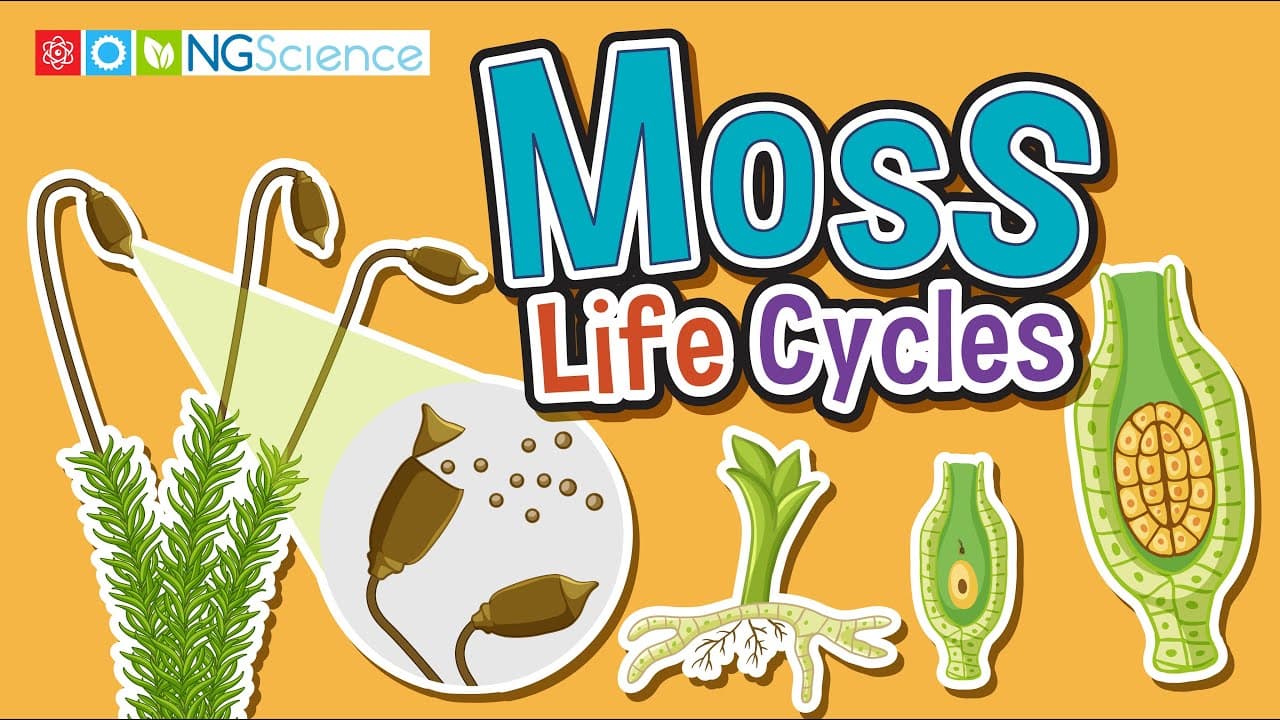
How Moss Grows and Reproduces: A Step-by-Step Life Cycle

How Moss Grows and Reproduces: A Step-by-Step Life Cycle

This educational animation provides a clear, step-by-step explanation of the life cycle of moss. Through calm narration and detailed graphics, the video breaks down the complex biological process into six distinct stages, starting from the release of microscopic spores and following their journey through germination, growth into leafy plants, and reproduction. The video specifically highlights the alternation of generations, distinguishing between the familiar green gametophyte and the stalk-like sporophyte. The content focuses on key biological themes including plant reproduction, the role of environmental factors like water in fertilization, and the cyclic nature of life in forest ecosystems. It simplifies advanced botanical concepts such as gametophytes, sporophytes, and the sexual reproduction of non-flowering plants, making the invisible microscopic world visible and understandable. For educators, this video serves as an excellent visual aid for science units on plant biology, life cycles, or forest ecology. It is particularly valuable for helping students visualize processes that are too small to see with the naked eye, such as spores floating in the air or sperm swimming to eggs during fertilization. The clear labeling and sequential structure allow teachers to pause at each step for discussion and note-taking.

Next Generation ScienceNext Generation Science

2mins 27s

Video
How to Grow a Potato Plant from Scraps

How to Grow a Potato Plant from Scraps

Join Jessi and her robot rat friend Squeaks in this hands-on science lesson about vegetative propagation. The video explores how potatoes are unique compared to many other plants because they are typically grown from other potatoes (tubers) rather than seeds. Jessi guides viewers through a step-by-step experiment to sprout a potato using simple household materials like a cup, water, and toothpicks, turning a common grocery item into a living botany lesson. The content covers key biological concepts including plant life cycles, the function of "eyes" on a potato, and the differing needs of plants at various growth stages. It explains why potatoes start growing underground in the dark and when they need to be moved to sunlight to support photosynthesis. The video also details the full timeline of the plant's life, from initial sprouting to the flowering stage, and finally to the withering of leaves which signals harvest time. This video is an excellent resource for early elementary classrooms as it demonstrates an accessible, low-cost experiment that every student can participate in. It encourages long-term scientific observation, data recording, and understanding where our food comes from. Teachers can use this to introduce units on plant biology, agriculture, or to practice procedural writing and following scientific instructions.

SciShow KidsSciShow Kids

4mins 49s

Video
How Animals Use Body Parts to Move

How Animals Use Body Parts to Move

This educational video explores the fascinating relationship between animal anatomy and locomotion, explaining how various creatures are physically adapted to move within their specific environments. Through high-quality footage of animals in the wild, the narrator breaks down different habitats—land, trees, water, and air—and identifies the specific body parts that enable movement in each. The video covers a wide range of examples, from the powerful legs of cheetahs and kangaroos to the specialized fins of sharks and the diverse wing structures of birds and insects. Key themes include biological adaptation, structure and function, and habitat-specific survival strategies. The content introduces scientific vocabulary such as "brachiation" while keeping explanations accessible for young learners. It specifically contrasts how similar structures, like wings, can function differently based on an animal's needs—comparing the rapid hovering of hummingbirds to the long-distance gliding of eagles. For educators, this video serves as an excellent visual anchor for units on animal adaptations or basic biology. It provides clear, observable evidence of the "structure and function" crosscutting concept in science standards. Teachers can use the distinct segments to facilitate discussions about why animals look the way they do and how their physical traits directly impact their ability to find food, escape predators, and survive.

Next Generation ScienceNext Generation Science

2mins 23s

Video
Exploring the Diverse World of Birds

Exploring the Diverse World of Birds

This educational video provides a comprehensive introduction to the diverse class of animals known as birds. It begins by exploring their wide range of habitats, from urban cities to the frozen landscapes of Antarctica, and outlines the fundamental characteristics shared by all bird species, including being warm-blooded, having feathers, laying eggs, and possessing wings. The video combines high-quality footage of various species—such as eagles, penguins, ostriches, and hummingbirds—to illustrate these traits vividly. Beyond basic classification, the video delves into specific adaptations and behaviors that allow birds to thrive in different environments. It highlights unique examples like the nocturnal vision of owls, the incredible running speed of the flightless ostrich, and the swimming abilities of penguins. The narrative also explains the concept of migration, featuring the record-breaking journey of the Arctic Tern, helping students understand how physical traits support survival strategies. Ideally suited for life science units, this resource emphasizes the ecological importance of birds. It explains their critical roles in ecosystems as pollinators, seed dispersers, and pest controllers. Teachers can use this video to launch discussions on biodiversity, animal adaptations, and the interdependence of living things within an ecosystem.

Next Generation ScienceNext Generation Science

4mins 34s

Video
All About Koalas: Life in the Eucalyptus Forest

All About Koalas: Life in the Eucalyptus Forest

This educational video provides an in-depth look at the biology, behavior, and conservation status of the koala. It begins by correcting the common misconception that koalas are bears, clarifying their classification as marsupials—mammals that carry their young in a pouch. The video explores their physical characteristics, unique adaptations, and life cycle, taking viewers on a journey through the eucalyptus forests of Australia where these iconic animals live.

Next Generation ScienceNext Generation Science

7mins 8s

Video
Exploring the Musculoskeletal System: How We Move

Exploring the Musculoskeletal System: How We Move

This comprehensive biology video explores the intricate relationship between muscles and bones, treating them as a unified musculoskeletal system. Hosted by Taylor, the lesson breaks down the specific anatomy and physiology required for human movement, moving beyond simple descriptions to explain the cellular and structural composition of body tissues. The video utilizes clear animations and diagrams to visualize internal structures like bone marrow, muscle fibers, and joint connections that students cannot easily observe otherwise. The content covers three primary areas: the types of muscle tissue (smooth, cardiac, and skeletal), the internal structure of living bone (compact, spongy, and marrow), and the connective tissues that bind them together (ligaments and tendons). It addresses common misconceptions—specifically that bones are non-living structures—and explains the physiological mechanics of how muscles contract to pull bones. Additionally, the video dedicates a significant portion to health education, outlining the role of nutrition (protein, calcium, Vitamin D), exercise, and sleep in maintaining this system. For educators, this video serves as a perfect core lesson for units on the human body, anatomy, or health. It effectively bridges the gap between identifying organs and understanding their function. The clear distinction made between voluntary and involuntary muscles, as well as the mechanical explanation of tendons versus ligaments, provides excellent anchor points for classroom demonstrations and physical education cross-integration.

Miacademy & MiaPrep Learning ChannelMiacademy & MiaPrep Learning Channel

11mins 28s

Video
Exploring Echinoderms: The Spiny Stars of the Ocean

Exploring Echinoderms: The Spiny Stars of the Ocean

This educational video provides a clear and engaging introduction to the phylum Echinodermata, specifically tailored for elementary science students. It begins by identifying common members of this group, such as sea stars (starfish), brittle stars, sea urchins, and sea cucumbers, before breaking down the etymology of the word "echinoderm" to explain their defining physical characteristic: spiny skin. The video explores key biological features including their diverse ocean habitats ranging from tropical reefs to arctic poles, their radial symmetry, and reproductive methods. It specifically details their internal structure, explaining how the hard internal endoskeleton creates their bumpy outer texture. The narration also covers their unique method of locomotion using tube feet, providing high-quality close-up visuals of this mechanism in action. Teachers can use this video as a perfect hook or core resource for a unit on marine biology, animal classification, or adaptation. It effectively simplifies complex biological terms like "radial symmetry" and "endoskeleton" through clear visual associations, making it an excellent tool for building scientific vocabulary while fostering an appreciation for ocean biodiversity.

Next Generation ScienceNext Generation Science

1min 37s

Video
Why We Have Baby Teeth and How They Change

Why We Have Baby Teeth and How They Change

This engaging episode of SciShow Kids explores the biological purpose and lifecycle of human teeth, specifically focusing on the transition from baby teeth to permanent adult teeth. Hosted by Jessi and her robot friend Squeaks, the video explains that babies are born without teeth because their jaws are too small and they initially only consume milk. It traces the developmental timeline, noting when teeth first appear, how they facilitate eating solid foods and speech, and why they eventually fall out to make room for larger, stronger adult teeth. Key themes include human growth and development, the relationship between anatomy (jaw size) and physiology (teeth types), and the importance of dental hygiene. The video introduces specific vocabulary like "primary teeth," "permanent teeth," and "jaw," while using clear visuals to demonstrate how the mouth changes from infancy to adulthood. It also highlights the dual function of teeth for both digestion (chewing) and communication (talking). For educators, this resource is an excellent tool for health and science curriculums in early elementary grades. It directly addresses a life event students are experiencing—losing teeth—demystifying the process and framing it as a natural part of growing up. The video provides natural jumping-off points for lessons on nutrition, the skeletal system, speech mechanics, and building healthy habits like brushing and flossing.

SciShow KidsSciShow Kids

4mins 2s

Video
How Your Five Senses Help You Explore the World

How Your Five Senses Help You Explore the World

This engaging educational video takes students on a comprehensive tour of the five human senses: taste, smell, sight, touch, and hearing. Hosted by a friendly presenter, the video uses a mix of live-action demonstrations, "would you rather" scenarios, and clear anatomical diagrams to explain how our bodies gather information from the world around us. It breaks down the biological mechanics of each sense, moving beyond simple identification to explain the specific organs, nerves, and brain connections involved in processing sensory data. The content explores key biological themes such as the role of the nervous system, the anatomy of sense organs (like the retina, cochlea, and olfactory nerve), and the protective function of our senses. It introduces scientific vocabulary suitable for elementary students, explaining how sensory receptors act as "news reporters" that send messages to the brain. The video also covers the interconnectedness of senses, particularly taste and smell, and categorizes specific sensations like the four main tastes and seven categories of smell. For educators, this video serves as an excellent anchor for a Human Body unit in elementary science. It provides visual models of internal anatomy that are often difficult to describe, such as the inner ear or the back of the eye. The video's structure allows teachers to either watch it in its entirety or pause after each sense to conduct specific experiments or discussions. It naturally prompts hands-on activities like taste testing, blindfold challenges, or texture exploration, making abstract biological concepts concrete and relatable for students.

Miacademy & MiaPrep Learning ChannelMiacademy & MiaPrep Learning Channel

8mins 23s

Video
How Camels Survive the Desert

How Camels Survive the Desert

Join Jessi and Squeaks the robot mouse as they prepare for a hiking trip and discover how their hiking gear relates to the amazing adaptations of camels. This engaging video uses the analogy of a hiker's backpack, water bottle, and boots to explain how camels are perfectly suited for survival in harsh desert environments. By comparing human tools to biological features, the video simplifies complex concepts like energy storage and thermoregulation for young learners. The video explores key topics in zoology and animal adaptation, specifically focusing on the function of camel humps, water retention strategies, and physical protection against sandstorms. It clarifies the common misconception that humps store water, explaining instead that they store fat for energy. Additionally, it distinguishes between Dromedary and Bactrian camels and details specific anatomical features like padded feet, specialized eyelids, and closable nostrils. This resource is an excellent tool for elementary science classrooms studying habitats, animal adaptations, or desert ecosystems. The clear analogies make it easy for students to visualize and understand biological functions. Teachers can use this video to launch lessons on how animals evolve to fit their environments, use math to calculate water consumption, or inspire engineering challenges based on protective adaptations against the elements.

SciShow KidsSciShow Kids

4mins 39s

Video
Introduction to the Animal Kingdom and Its Classifications

Introduction to the Animal Kingdom and Its Classifications

This video serves as a comprehensive introduction to the Animal Kingdom (Kingdom Animalia), the largest of all biological kingdoms. The narrator guides viewers through the fundamental definition of what constitutes an animal, breaking down the five essential characteristics that distinguish animals from plants, fungi, and other organisms. The lesson emphasizes biological diversity, noting that while viewers may be familiar with common animals, the kingdom includes over 9 million species ranging from complex mammals to simple sea sponges.

Miacademy & MiaPrep Learning ChannelMiacademy & MiaPrep Learning Channel

6mins 2s

Video
Explaining the Parts of a Plant and Their Functions

Explaining the Parts of a Plant and Their Functions

This animated educational music video introduces students to the fundamental parts of a plant and their basic life cycle. Through a catchy song and colorful animations, viewers follow the journey of a seed as it germinates in the soil, grows roots, develops a stem and leaves, and eventually blooms into a flower that produces fruit and new seeds. The video uses clear text labels to reinforce literacy and vocabulary retention alongside the visual demonstrations. The content goes beyond the basic external parts (roots, stem, leaves) to introduce more advanced botanical concepts appropriate for early elementary grades, including branches and the specific reproductive parts of a flower: the stamens and the pistil. The animation visually demonstrates the process of growth, the role of rain, and how flowers transform into fruit, providing a complete overview of a plant's developmental stages. For educators, this video serves as an excellent engaging hook or review tool for biology units on botany and plant life. The combination of music, text, and clear diagrams makes it accessible for diverse learners, including visual learners and early readers. It effectively breaks down complex biological processes into simple, memorable steps, making it ideal for introducing vocabulary before a hands-on gardening activity or plant dissection lab.

Scratch GardenScratch Garden

2mins 7s

Video
Exploring the World of Marine Mammals: Adaptations and Classification

Exploring the World of Marine Mammals: Adaptations and Classification

This educational video provides a comprehensive introduction to marine mammals, beginning with the fundamental characteristics that define all mammals—being warm-blooded, having hair or fur, giving birth to live young, producing milk, and breathing air with lungs. It seamlessly transitions into explaining how marine mammals share these traits while possessing unique adaptations that allow them to thrive in aquatic environments, such as oceans and coastal areas. The content is structured around the classification of marine mammals into four distinct groups: Cetaceans (whales, dolphins, porpoises), Pinnipeds (seals, sea lions, walruses), Sirenians (manatees, dugongs), and Marine Carnivores (polar bears, sea otters). The video details the specific physical and behavioral adaptations of each group, from the streamlined bodies and blowholes of cetaceans to the blubber layers of pinnipeds and the tool-using abilities of sea otters. Ideally suited for science classrooms, this video serves as an excellent resource for teaching biological classification, animal adaptations, and marine ecosystems. The clear categorization helps students organize complex information, while high-quality footage of animals in their natural habitats engages visual learners. It provides a solid foundation for lessons on how animals interact with their environment and the diversity of life within the ocean.

Next Generation ScienceNext Generation Science

5mins 40s

Video
How Mangroves Survive and Protect the Coast

How Mangroves Survive and Protect the Coast

This educational video provides a comprehensive look at mangrove forests, exploring how these unique plants survive in harsh intertidal environments where land meets the sea. It details the specific biological adaptations that allow mangroves to thrive in salty, low-oxygen soil, including their specialized root systems and unique reproductive cycle. The narration clearly explains the challenges of the intertidal zone, such as shifting tides and soft sediment, and how the trees have evolved to overcome them. The video specifically focuses on structural adaptations like stilt roots that prop up the trees and pneumatophores (breathing roots) that stick out of the mud to absorb oxygen. It also covers the fascinating reproductive strategy where seeds germinate while still attached to the parent plant before dropping into the water to float away. These examples serve as excellent case studies for teaching students about structural and behavioral adaptations in plants. Finally, the video highlights the crucial role mangroves play in the wider ecosystem. It showcases the biodiversity supported by these forests, including fish, crabs, and birds, and explains how mangroves act as natural barriers against coastal erosion, storm surges, and tsunamis. This makes the video highly relevant for lessons on ecosystems, biodiversity, and environmental conservation.

Next Generation ScienceNext Generation Science

2mins 51s

Video
Exploring Birds of Prey: Adaptations and Survival

Exploring Birds of Prey: Adaptations and Survival

This educational video provides a comprehensive overview of birds of prey, also known as raptors, highlighting their unique physical adaptations and roles within ecosystems. It explores the defining characteristics of these birds, such as their keen eyesight, hooked beaks, and sharp talons, while showcasing a variety of species ranging from the small American Kestrel to the massive Andean Condor. Specific segments detail the hunting strategies and specialized traits of iconic birds like the Bald Eagle, Peregrine Falcon, and various owls and vultures. The video delves into key biological themes including adaptation, predator-prey relationships, and ecological niches. It explains how different raptors have evolved to survive, such as the owl's silent flight feathers for nocturnal hunting and the vulture's role as nature's cleanup crew. Furthermore, the content addresses the environmental challenges these birds face, including habitat loss and pollution, emphasizing the importance of conservation efforts to protect declining populations. For educators, this video serves as an excellent resource for Life Science units on animal adaptations and food webs. The clear narration and high-quality footage make complex biological concepts accessible to students. The video concludes with a 10-question interactive quiz, allowing teachers to immediately assess student comprehension and reinforce the material covered, making it a ready-made lesson component.

Next Generation ScienceNext Generation Science

7mins 33s

Video
Exploring Non-Chordates: Animals Without Backbones

Exploring Non-Chordates: Animals Without Backbones

This educational video provides a comprehensive overview of the animal kingdom, specifically focusing on non-chordates—animals lacking a spinal cord. The lesson begins by defining the fundamental characteristics that classify an organism as an animal, such as being eukaryotic, multicellular, and heterotrophic. It distinguishes animal cells from plant cells by noting the lack of cell walls, which facilitates movement—a critical trait for finding food.

Miacademy & MiaPrep Learning ChannelMiacademy & MiaPrep Learning Channel

9mins 12s

Video
Exploring Animal Diets: Herbivores, Carnivores, and Omnivores

Exploring Animal Diets: Herbivores, Carnivores, and Omnivores

This educational video provides a comprehensive exploration of animal dietary classifications, categorizing animals into herbivores, carnivores, and omnivores. It begins by relating these concepts to human eating habits before diving into the animal kingdom. The video uses high-quality nature footage to demonstrate how different species find and consume food, illustrating the definition of each group with clear examples like cows, lions, and bears. The content goes beyond simple definitions by examining the physical and behavioral adaptations that support these diets. It highlights specific biological features such as the flat molars of herbivores for grinding plants, the sharp teeth and claws of carnivores for hunting, and the versatile digestive systems of omnivores. Additionally, it touches upon behavioral adaptations, such as wolves hunting in packs and bears adjusting their diet seasonally for hibernation. For educators, this video serves as an excellent resource for teaching life science standards related to structure and function, adaptations, and energy flow in ecosystems. The vivid examples of teeth and feeding behaviors provide concrete evidence for students to analyze how an animal's physical traits determine its role in the food web. It clarifies misconceptions about omnivores and introduces the concept of opportunistic feeding in urban environments.

Next Generation ScienceNext Generation Science

7mins 37s

Video
Discovering the Unique Wildlife of the Australian Outback

Discovering the Unique Wildlife of the Australian Outback

This engaging virtual field trip transports students to the vast, arid landscapes of the Australian Outback to explore its unique ecosystem. Hosted by two narrators who trade fun facts and banter, the video introduces the harsh climate of central and northern Australia before diving into a survey of the continent's most iconic wildlife. From cuddly marsupials to deadly predators, the video provides a balanced look at the biodiversity that thrives in this challenging environment. The video covers a wide range of biological themes, specifically focusing on physical and behavioral adaptations. Students learn about marsupials like kangaroos and koalas, investigate the defense mechanisms of reptiles like the inland taipan and thorny devil, and explore the hunting strategies of birds like the kookaburra and wedge-tailed eagle. Special attention is given to how these animals have evolved to survive extreme heat and scarcity, such as the taipan changing color to regulate temperature. Ideally suited for elementary and middle school science classes, this resource serves as an excellent anchor for units on habitats, adaptations, and biodiversity. The clear narration and vivid footage make complex concepts like venom toxicity and territorial behavior accessible. Teachers can use this video to spark discussions on predator-prey relationships, the difference between native and introduced species, and the geography of the Southern Hemisphere.

Next Generation ScienceNext Generation Science

10mins 15s

Video
Discovering Amazing Plants: From Moss to Sequoias

Discovering Amazing Plants: From Moss to Sequoias

This engaging educational video takes young viewers on a visual journey through the diverse world of plants, highlighting six distinct species to showcase the incredible variety found in nature. From the microscopic beauty of forest moss to the towering grandeur of the Giant Sequoia, the video illustrates that plants come in all shapes, sizes, and habitats. The narration introduces specific characteristics for each plant, such as the sunflower's movement with the sun, the ancient lineage of tree ferns, and the seasonal color changes of the deciduous maple tree. The video explores key themes of biodiversity and adaptation, introducing students to different plant structures (fronds, floating leaves, sturdy trunks) and life cycles. It emphasizes that every plant, whether a tiny water lily or a massive tree, has a unique role and "story" within its ecosystem. The imagery transitions from sunny fields to shaded forest floors and aquatic environments, helping students visualize the different biomes where these plants thrive. For educators, this video serves as an excellent "hook" for a unit on botany, ecosystems, or living things. It provides accessible examples that can spark discussions about plant needs, habitats, and physical traits. Teachers can use the video to prompt comparative writing assignments, art projects based on plant geometry, or outdoor observation activities where students look for similar plant features in their local environment.

Next Generation ScienceNext Generation Science

2mins 53s

Video
Discovering the Amazing American Bison

Discovering the Amazing American Bison

This engaging educational video introduces students to the American Bison, the national mammal of the United States. Through a lively conversation between the host, Jessi, and her robot rat friend, Squeaks, viewers learn to distinguish between bison and buffalo, explore the life cycle of bison calves (nicknamed "red dogs"), and discover fascinating facts about their massive size and surprising speed. The video utilizes clear graphics, maps, and real-world footage to make these concepts accessible. The content covers key biological themes including physical adaptations, such as how the bison's distinctive hump helps them survive snowy winters, and behavioral adaptations like "wallowing" to repel insects. It effectively connects biological features to environmental survival, explaining how specific traits help the animal thrive in its habitat. Additionally, the video touches upon important historical and conservation topics suitable for young learners. It briefly explains how bison populations dwindled due to overhunting and were saved through conservation efforts, introducing the concept of protecting endangered species. This makes the video a versatile tool for both science lessons on animal adaptations and social studies lessons on American symbols and conservation history.

SciShow KidsSciShow Kids

3mins 19s

Video
How Plants and Animals Survive in Desert Ecosystems

How Plants and Animals Survive in Desert Ecosystems

This educational video provides a comprehensive exploration of desert ecosystems, challenging the common misconception that deserts are defined solely by heat. It explains that deserts are actually defined by precipitation levels—receiving less than 25 centimeters (10 inches) of rain annually—and introduces viewers to both hot and cold deserts, including the Arctic and Antarctic. The video offers a global perspective, showcasing deserts on every continent and visualizing their unique landscapes. A significant portion of the video is dedicated to the concept of biological adaptation. It details how flora and fauna have evolved specific traits to survive in harsh, arid environments. Viewers learn about plant adaptations through the example of cacti, examining their spines, waxy surfaces, and specialized root systems (tap roots vs. shallow roots). The video then transitions to animal adaptations, using camels, fennec foxes, and desert tortoises to illustrate survival strategies such as water storage, heat dissipation via large ears, nocturnal behavior, and estivation. For educators, this video is an excellent resource for units on biomes, habitats, and evolutionary biology. It provides clear visual examples of structural and behavioral adaptations, making abstract concepts concrete for students. The content naturally supports cross-curricular learning, connecting science (biology/environmental science) with geography (mapping global deserts) and math (calculating water consumption), making it a versatile tool for elementary and middle school classrooms.

Next Generation ScienceNext Generation Science

6mins 17s

Video
Discovering the Cassowary: The Rainforest's Prehistoric Giant

Discovering the Cassowary: The Rainforest's Prehistoric Giant

This educational video takes viewers on a journey through the diverse world of birds, starting with masters of flight like the Peregrine Falcon and silent owls, before grounding us with flightless marvels like the Ostrich and Emu. The narrative transitions from general avian adaptations to a specific, deep-dive focus on the Cassowary, a fascinating creature often described as a "living dinosaur" due to its prehistoric appearance and formidable physical traits.

Next Generation ScienceNext Generation Science

3mins 19s

Video
Exploring the World's Largest Rodent: The Capybara

Exploring the World's Largest Rodent: The Capybara

This engaging educational video introduces students to the capybara, the world's largest rodent. Hosted by Jessi and her robot rat friend Squeaks, the video explores the unique physical characteristics that define this "rodent of unusual size," comparing it to familiar relatives like mice and squirrels. It covers essential biological topics including their massive size, semi-aquatic adaptations, and distinct dental features that never stop growing. The video delves into specific themes of animal adaptation and survival strategies. It explains the capybara's specialized digestive system, including regurgitation and coprophagy (eating their own waste) to maximize nutrient absorption from tough grasses. Furthermore, it highlights their habitat preferences, showing how physical traits like webbed feet and the placement of sensory organs allow them to thrive in water to escape predators and regulate body temperature. For the classroom, this video serves as an excellent resource for Life Science units focusing on animal adaptations, classification, and habitats. It provides clear examples of how structure complements function—such as eyes positioned on top of the head for swimming—and introduces scientific vocabulary in an accessible way. The content effectively illustrates concepts of social behavior in animals and symbiotic relationships, making it a versatile tool for early elementary science lessons.

SciShow KidsSciShow Kids

4mins 34s

Video
Busting Snake Myths: Scales, Skeletons, and Slithering

Busting Snake Myths: Scales, Skeletons, and Slithering

This engaging episode of SciShow Kids invites students to play a game of "True or False" to debunk common myths about snakes. Hosted by Jessi and her robot mouse friend Squeaks, the video explores the fascinating world of these reptiles, covering their physical characteristics, behavior, and ecological importance. Students learn that snakes are diverse, ranging from the tiny Barbados Threadsnake to the massive Reticulated Python, and that despite their reputation, they play a crucial role in nature. The video focuses on three main misconceptions: that snakes are slimy and squishy, that they are aggressive and chase people, and that they are not important animals. Through clear explanations and comparisons to human anatomy—like relating snake scales to fingernails and snake backbones to human spines—the content makes complex biological concepts accessible. It also distinguishes snakes from worms by highlighting the presence of a skeleton and explains the mechanics of "slithering." Ideally suited for early elementary science curriculums, this video serves as an excellent tool for teaching animal classification, adaptation, and ecosystem balance. It promotes scientific observation over fear, encouraging students to respect wildlife and understand the beneficial roles predators play in controlling pest populations. The interactive format keeps young learners engaged while providing practical safety advice on what to do if they encounter a snake in the wild.

SciShow KidsSciShow Kids

4mins 29s

Video
Exploring Lichen: The Amazing Partnership of Fungus and Algae

Exploring Lichen: The Amazing Partnership of Fungus and Algae

This engaging video from SciShow Kids explores the fascinating world of lichen, revealing that it isn't just a single plant, but a partnership between two distinct organisms: fungus and algae. The host explains how this biological teamwork, known as symbiosis, allows lichen to survive in diverse environments where neither organism could survive alone. Through clear analogies and fun animations, viewers learn about the specific roles each partner plays—with the fungus providing structure and protection while the algae produces food through photosynthesis. Key themes include biological relationships, specifically mutualistic symbiosis, and adaptation. The video details the anatomy of lichen, categorizing it into three main visual types: leafy (foliose), shrubby/hairy (fruticose), and crusty (crustose). It also touches on environmental science by explaining lichen's role as a bioindicator; since lichen absorbs nutrients from the air, its presence signals clean, fresh air quality, making it a natural tool for monitoring ecosystem health. For educators, this video serves as an excellent introduction to ecology and interdependence in nature. It transforms a common, often overlooked organism found in schoolyards and parks into an exciting example of biological cooperation. The content naturally bridges topics of biology (organism structure), ecology (habitats and food webs), and environmental stewardship (air quality), providing multiple entry points for hands-on activities like nature walks, identification labs, and discussions about teamwork in the natural world.

SciShow KidsSciShow Kids

3mins 20s

Video
Amazing Animals and Plants of the Rainforest

Amazing Animals and Plants of the Rainforest

Join Tess, a friendly adventure robot, on an immersive virtual field trip into the lush, vibrant world of the rainforest. This engaging educational video introduces young learners to the sights and sounds of this critical ecosystem, guiding them through the dense canopy to discover the unique plants and animals that call it home. Through a mix of high-quality real-world footage and animated guidance, students observe the towering trees, giant ferns, and the humid, sun-dappled environment that characterizes tropical rainforests. The video focuses heavily on biodiversity and animal adaptations. Viewers meet a colorful cast of rainforest residents, including the keel-billed toucan with its massive beak, the brightly colored poison dart frog, the slow-moving sloth masked by algae, the booming howler monkey, the swimming anaconda, and the incredibly strong leafcutter ants. Each animal encounter highlights a specific physical characteristic or behavior—such as camouflage, warning coloration, or vocal communication—that helps the creature survive in its habitat. Ideally suited for early elementary classrooms, this video combines science learning with physical interactivity. The narration frequently invites students to participate by mimicking animal movements and sounds, making it a perfect tool for kinesthetic learning. Teachers can use this resource to introduce units on habitats, discuss basic biological concepts like adaptation and predator-prey relationships, or simply to foster a sense of wonder about the natural world.

Next Generation ScienceNext Generation Science

6mins 42s

Video
Why Conservation Matters: Protecting Our Planet's Biodiversity

Why Conservation Matters: Protecting Our Planet's Biodiversity

This educational video provides a comprehensive overview of conservation biology, explaining why preserving our planet's natural resources and biodiversity is critical. It defines conservation as the care and protection of natural resources so that they can persist for future generations. The video breaks down complex concepts like biodiversity, using relatable analogies to explain how the variety of life on Earth supports healthy ecosystems, similar to how different ingredients make a meal complete.

Next Generation ScienceNext Generation Science

4mins 32s

Video
Turning Food Scraps Into Soil: A Composting Field Trip

Turning Food Scraps Into Soil: A Composting Field Trip

In this engaging episode of SciShow Kids, host Mr. Brown and his robot mouse friend Squeaks take students on a virtual field trip to learn about composting. The video begins in their "Fort," where Mr. Brown explains his compost bucket routine before transporting viewers to a real-world facility called Soil Cycle. There, they meet an expert named Caitlyn who demystifies the process of turning food scraps into nutrient-rich soil.

SciShow KidsSciShow Kids

6mins 43s

Video
Discovering How Seabirds Adapt to Ocean Life

Discovering How Seabirds Adapt to Ocean Life

This educational video introduces students to the diverse and fascinating world of seabirds, exploring how different species have adapted to life between the sky and the ocean. It highlights six specific birds—pelicans, albatrosses, penguins, puffins, frigatebirds, and seagulls—examining their unique physical characteristics and behaviors. From the pelican's massive throat pouch to the albatross's incredible wingspan, the video showcases nature's ingenuity in solving the challenges of marine survival. The content focuses heavily on the concept of biological adaptation. Viewers learn how physical traits serve specific functions, such as the penguin's streamlined body for swimming or the frigatebird's red pouch for mating displays. The video also touches on feeding strategies, flight mechanics, and the dual environments (air and water) that these animals navigate. The narrative uses humor and clear examples to make scientific concepts accessible to young learners. For the classroom, this video serves as an excellent hook for units on animal adaptations, marine biology, or habitats. It provides clear visual evidence of how structure relates to function in living organisms. The video concludes with an interactive quiz, making it a ready-to-use resource for checking comprehension and reinforcing key facts immediately after viewing. Teachers can use it to spark discussions about biodiversity and the importance of protecting marine environments.

Next Generation ScienceNext Generation Science

4mins 35s

Video
How George Washington Carver Healed the Soil

How George Washington Carver Healed the Soil

This engaging educational video introduces students to the life and scientific contributions of George Washington Carver, seamlessly blending history with agricultural science. Hosted by Mr. Brown and his robot mouse friend Squeaks, the episode starts with a practical gardening problem—Squeaks' lettuce won't grow—and uses this mystery to transition into the story of Carver. The narrative covers Carver's early life, born into slavery in Missouri, and his perseverance in seeking an education despite racial segregation and systemic unfairness. The video then pivots to Carver's revolutionary work in agricultural science, specifically addressing soil depletion caused by cotton farming. It explains complex concepts like soil nutrients, nitrogen, and the role of bacteria in a simplified, age-appropriate manner. Students learn how Carver taught farmers to rotate crops by planting peanuts, which restore nitrogen to the soil through special bacteria on their roots. This section effectively demonstrates the scientific method in action—identifying a problem (tired soil) and finding a biological solution. For educators, this video is a versatile tool that can anchor lessons in both Social Studies and Science. It provides a gentle but truthful entry point for discussing slavery and segregation while highlighting Black excellence in science. Simultaneously, it offers a clear visual explanation of the nitrogen cycle and sustainable farming practices. The video concludes by listing Carver's actual inventions (shampoo, lotions) while correcting the common myth that he invented peanut butter, encouraging students to think critically about history and science.

SciShow KidsSciShow Kids

5mins 12s

Video
How Mangroves Survive and Protect the Coast

How Mangroves Survive and Protect the Coast

This educational video provides a comprehensive look at mangrove forests, exploring how these unique plants survive in harsh intertidal environments where land meets the sea. It details the specific biological adaptations that allow mangroves to thrive in salty, low-oxygen soil, including their specialized root systems and unique reproductive cycle. The narration clearly explains the challenges of the intertidal zone, such as shifting tides and soft sediment, and how the trees have evolved to overcome them. The video specifically focuses on structural adaptations like stilt roots that prop up the trees and pneumatophores (breathing roots) that stick out of the mud to absorb oxygen. It also covers the fascinating reproductive strategy where seeds germinate while still attached to the parent plant before dropping into the water to float away. These examples serve as excellent case studies for teaching students about structural and behavioral adaptations in plants. Finally, the video highlights the crucial role mangroves play in the wider ecosystem. It showcases the biodiversity supported by these forests, including fish, crabs, and birds, and explains how mangroves act as natural barriers against coastal erosion, storm surges, and tsunamis. This makes the video highly relevant for lessons on ecosystems, biodiversity, and environmental conservation.

Next Generation ScienceNext Generation Science

2mins 51s

Video
Exploring Birds of Prey: Adaptations and Survival

Exploring Birds of Prey: Adaptations and Survival

This educational video provides a comprehensive overview of birds of prey, also known as raptors, highlighting their unique physical adaptations and roles within ecosystems. It explores the defining characteristics of these birds, such as their keen eyesight, hooked beaks, and sharp talons, while showcasing a variety of species ranging from the small American Kestrel to the massive Andean Condor. Specific segments detail the hunting strategies and specialized traits of iconic birds like the Bald Eagle, Peregrine Falcon, and various owls and vultures. The video delves into key biological themes including adaptation, predator-prey relationships, and ecological niches. It explains how different raptors have evolved to survive, such as the owl's silent flight feathers for nocturnal hunting and the vulture's role as nature's cleanup crew. Furthermore, the content addresses the environmental challenges these birds face, including habitat loss and pollution, emphasizing the importance of conservation efforts to protect declining populations. For educators, this video serves as an excellent resource for Life Science units on animal adaptations and food webs. The clear narration and high-quality footage make complex biological concepts accessible to students. The video concludes with a 10-question interactive quiz, allowing teachers to immediately assess student comprehension and reinforce the material covered, making it a ready-made lesson component.

Next Generation ScienceNext Generation Science

7mins 33s

Video
Exploring Spiders: Anatomy, Webs, and Superpowers

Exploring Spiders: Anatomy, Webs, and Superpowers

In this engaging episode of SciShow Kids, host Jessi explores the fascinating world of spiders to help viewers overcome their fears through knowledge. The video breaks down the distinct biological differences between insects and arachnids, explaining why spiders don't fit into the insect category. It highlights the beneficial role spiders play in our ecosystem by controlling pest populations like mosquitoes and flies. The content dives deep into spider anatomy, comparing their body segments, legs, and eyes to those of insects. Specific species are showcased to illustrate unique adaptations: the Jumping Spider with its incredible vision and athletic leaping ability, and the Orb Weaver with its intricate web-building skills. The video also explains the mechanics of spider silk, spinnerets, and how spiders avoid getting stuck in their own webs. This resource is an excellent tool for early elementary science classrooms. It effectively teaches biological classification and anatomy while modeling scientific observation. Teachers can use it to support lessons on animal adaptations, introduce the concept of invertebrates, or facilitate social-emotional discussions about managing fears by understanding the unknown.

SciShow KidsSciShow Kids

4mins 8s

Video
How Cell Processes Keep Living Things Alive and Connected

How Cell Processes Keep Living Things Alive and Connected

This video serves as an engaging introduction to a biology unit on cell processes, shifting the focus from cell structure (parts) to cell function (what they do). The host explains how cellular activities are essential for keeping organisms alive and highlights the deep interconnectedness of all living things. Through clear examples like breathing and eating, the video demonstrates how fundamental biological cycles link plants and animals in a continuous exchange of matter and energy. The content covers several foundational biological concepts including the definition of heterotrophs, the reciprocal relationship between photosynthesis and cellular respiration, and the concept of homeostasis. It explains how plants convert inorganic carbon dioxide into organic glucose and oxygen, while animals consume organic matter and oxygen to produce energy and carbon dioxide. The video also touches upon metabolism as the breakdown of macromolecules for energy and introduces the cell cycle as a necessary mechanism for growth and repair. For educators, this video is an excellent "anchor" resource to launch a unit on cellular energetics or life processes. It provides a high-level overview that connects abstract chemical equations to students' daily experiences, such as breathing and eating. The visual aids, including diagrams of gas exchange and the cell cycle, help students visualize invisible processes. It sets the stage for deeper dives into specific topics like mitosis, stoichiometry of respiration, and physiological feedback loops.

Miacademy & MiaPrep Learning ChannelMiacademy & MiaPrep Learning Channel

6mins 3s

Video
Why the Blobfish Looks So Squishy

Why the Blobfish Looks So Squishy

This engaging episode of SciShow Kids explores the fascinating life of the blobfish, famously voted the "world's ugliest animal." Hosted by Jessi and her robot rat friend Squeaks, the video dives deep into the ocean to explain why this unique creature looks the way it does. Instead of just mocking its appearance, the video uses the blobfish as a perfect case study to teach students about deep-sea environments and biological adaptations. Viewers travel to the coast of Australia and descend nearly to the sea floor to discover a dark, freezing, and high-pressure habitat. The video covers several key scientific concepts, primarily focusing on water pressure and buoyancy. It uses clear analogies, such as a "tight bear hug," to explain how deep-sea pressure works and why animals need specific bodies to survive it. The narration explains how the blobfish's gelatinous body, lack of muscle, and minimal skeleton allow it to survive extreme pressure while staying buoyant without expending energy. A critical turning point in the video addresses the misconception that the blobfish is naturally "blobby," revealing that it actually looks like a normal fish in its natural habitat and only deforms when brought to the surface. For educators, this video is an excellent tool for connecting biology and physics. It transforms a viral internet meme (the ugly blobfish) into a rigorous science lesson about how environment shapes evolution. It offers natural entry points for discussing states of matter, density, ocean zones, and the importance of context in scientific observation. The content promotes critical thinking by challenging students' initial perceptions and teaching them that what might look "weird" to us is actually a perfect design for a different environment.

SciShow KidsSciShow Kids

3mins 6s

Video
How Cheetahs Are Built for Speed and Survival

How Cheetahs Are Built for Speed and Survival

This educational video provides a comprehensive overview of cheetahs, focusing on their physical adaptations, habitat, and behaviors that make them the fastest land animals on Earth. Through high-quality footage of cheetahs in the African savanna, viewers observe their incredible sprinting abilities, hunting techniques, and unique physical characteristics like their slender bodies and distinctive tear marks. The narration explains the science behind their speed, including their acceleration and the limitations caused by overheating. The video explores key biological themes such as structural adaptations, camouflage, and the predator-prey relationship. It details how specific features—like a deep chest, narrow waist, and black tear marks—serve functional purposes for survival in the harsh grassland environment. Additionally, the video touches upon the life cycle of cheetahs, showing how mothers raise and teach their cubs to survive in the wild. For educators, this video serves as an excellent resource for biology and life science units. It provides concrete visual examples of adaptation and evolution, making abstract concepts accessible. Teachers can use the footage to discuss biomechanics, food chains in the African ecosystem, or the trade-offs in nature (e.g., speed vs. stamina). The clear narration and distinct segments allow for easy pausing and note-taking during class discussions.

Next Generation ScienceNext Generation Science

2mins 13s

Video
How Energy Flows Through Food Chains

How Energy Flows Through Food Chains

This educational video provides a clear and engaging introduction to food chains and how energy flows through ecosystems. Hosted by a science instructor in a virtual camping setting, the video uses relatable examples to explain complex ecological concepts. It breaks down the hierarchy of living things from the sun and producers to primary, secondary, and tertiary consumers, helping students understand the interdependence of organisms.

Miacademy & MiaPrep Learning ChannelMiacademy & MiaPrep Learning Channel

7mins 4s

Video
Why Hair Turns Gray As We Get Older

Why Hair Turns Gray As We Get Older

This educational video from SciShow Kids explores the biological reasons behind why human hair changes color as we age. Hosted by Jessi and her robot mouse friend Squeaks, the video answers a common curiosity: "Where does gray hair come from?" It breaks down the anatomy of a hair strand, introducing students to follicles, melanin, and melanocytes in an accessible way. The content covers key biological themes including cell function, human growth and development, and diversity in physical traits. Through clear animations and analogies, it explains how hair follicles act like factories, how melanin provides color to our hair, skin, and eyes, and how the gradual loss of pigment-producing cells (melanocytes) results in gray or white hair. Ideally suited for elementary science classrooms, this video helps demystify the aging process and celebrates human diversity. It provides excellent opportunities for teachers to introduce cellular biology concepts using simple analogies, discuss how bodies change over time, and explore the science of pigmentation. The tone is positive and normalizing, making it a great resource for health or biology units.

SciShow KidsSciShow Kids

2mins 55s

Video
How Cells Build Proteins: The Process of Protein Synthesis

How Cells Build Proteins: The Process of Protein Synthesis

This educational video uses a relatable baking analogy to explain the complex biological process of protein synthesis. The presenter simplifies how cells utilize DNA instructions to build proteins, breaking the mechanism down into two understandable stages: transcription and translation. The video clearly illustrates the roles of DNA, mRNA, ribosomes, and amino acids in creating the structures that make up living organisms. Key themes explored include the function of proteins in the human body (beyond just muscles), the structure of amino acids, the difference between DNA and RNA, and the specific cellular machinery involved in synthesizing proteins. The video also touches upon cellular transport, metabolism, and the concept of denaturation, explaining why this continuous cycle is vital for homeostasis. This resource is highly valuable for biology teachers introducing genetics or cellular processes. By comparing the nucleus to a secure vault and mRNA to a copied recipe, it transforms abstract molecular concepts into concrete, memorable visualizations. It serves as an excellent foundational lesson for middle and high school students before diving into more advanced topics like genetics and heredity.

Miacademy & MiaPrep Learning ChannelMiacademy & MiaPrep Learning Channel

10mins 21s

Video
Exploring the World of Bacteria: Structure, Survival, and Impact

Exploring the World of Bacteria: Structure, Survival, and Impact

This comprehensive biology lesson introduces students to the microscopic world of bacteria, exploring their structure, classification, and diverse roles in our ecosystem. The video breaks down complex biological concepts into digestible segments, covering how bacteria are classified by shape (cocci, bacilli, spirillum) and cell wall composition (Gram-positive vs. Gram-negative). It also delves into bacterial physiology, explaining how they move, reproduce via binary fission, and introduce genetic variation through mutation and conjugation. The content highlights the dual nature of bacteria as both essential allies and dangerous adversaries. It illustrates their vital ecological roles as decomposers and nitrogen fixers, as well as their presence in the human gut to aid digestion. Conversely, it addresses pathogenic bacteria that cause diseases like tetanus, tuberculosis, and strep throat, explaining how toxins and infections affect the body. For educators, this video serves as an excellent core resource for units on microbiology, cell biology, or ecology. It provides clear visual models of cell structures, real-world examples of bacterial species, and addresses the critical concept of antibiotic resistance through the lens of cell wall structure. The recurring "Friend or Foe" theme offers a perfect framework for classroom debates and critical thinking exercises regarding the impact of microorganisms on human life.

Miacademy & MiaPrep Learning ChannelMiacademy & MiaPrep Learning Channel

14mins 2s

Video
Introduction to Molecular Genetics: How DNA Builds Life

Introduction to Molecular Genetics: How DNA Builds Life

This educational video serves as a comprehensive introduction to a unit on molecular genetics, bridging the gap between basic cell biology and the complex molecular processes that drive life. The host, 'B', reviews foundational concepts like DNA and chromosomes before diving into the specific mechanisms of protein synthesis, explaining how DNA acts as the instruction manual for building proteins. The video clearly distinguishes between eukaryotic and prokaryotic cells in terms of DNA storage and introduces the central dogma of biology: DNA to RNA to Protein. Key themes include the structure of the DNA double helix, the relationship between DNA and chromosomes, the difference between transcription and translation, and the process of meiosis in inheritance. The video also touches upon genetic mutations—using a humorous visual of a giant frog—and real-world applications of genetics such as crime scene investigation and medical advancements. For educators, this video is an excellent hook or introductory resource for a middle or high school biology unit. It simplifies complex abstract concepts through clear animations and analogies (like the twisted ladder). It provides multiple natural pause points for checking prior knowledge about cells and setting the stage for hands-on activities regarding DNA modeling, protein synthesis simulations, or discussions about genetic engineering and forensics.

Miacademy & MiaPrep Learning ChannelMiacademy & MiaPrep Learning Channel

5mins 30s

Video
How a Seed Grows into a Plant

How a Seed Grows into a Plant

Join Anthony, Squeaks the Robot Mouse, and Juniper the Worm in an engaging exploration of plant biology that uncovers the secrets hidden inside a humble bean. The video takes students on a journey from a macroscopic view of gardening to a microscopic dissection of a seed, revealing that beans are actually seeds waiting to grow. Through clear demonstrations and colorful animations, the hosts break down complex biological structures into kid-friendly concepts, explaining exactly how a tiny seed transforms into a large plant. Key scientific themes include the anatomy of a seed (seed coat, embryo, and endosperm), the function of each part, and the process of germination. The video uses excellent analogies—likening the seed coat to a jacket and the endosperm to a cupboard of snacks—to help young learners grasp abstract functions. It also covers the life cycle of a plant, from root development underground to the emergence of shoots and leaves that eventually perform photosynthesis. This resource is highly valuable for early elementary science classrooms as it combines direct instruction with modifiable hands-on activities. Teachers can use the bean dissection segment to guide a classroom lab, while the "bean in a bag" experiment at the end provides a perfect setup for a long-term observation project. The content bridges the gap between seeing plants as static objects and understanding them as living organisms with specific needs and developmental stages.

SciShow KidsSciShow Kids

5mins 33s

Video
The Solar-Powered Sea Slug That Eats Sunlight

The Solar-Powered Sea Slug That Eats Sunlight

Join Jessi and Squeaks as they discover one of nature's most incredible animals: the Emerald Elysia sea slug. While most animals need to constantly eat food to survive, this unique ocean dweller has a special "superpower" that allows it to go up to a whole year without eating. The video explains how this slug blurs the line between animal and plant by stealing the solar-powered machinery from the algae it eats. Key scientific themes explored include photosynthesis, the function of chloroplasts, and the differences between land and sea environments. The video breaks down complex biological concepts—like how plants convert sunlight into energy and cellular biology—using accessible analogies like "green machines" and relatable comparisons between spinach salads and algae. This resource is an excellent tool for elementary science classrooms to bridge units on animal adaptations and plant biology. It captures student interest by presenting a "rule-breaking" animal that defies standard categorization. Teachers can use this video to introduce cell structures (chloroplasts), discuss energy transfer in ecosystems, or spark creative discussions about biological possibilities and animal superpowers.

SciShow KidsSciShow Kids

4mins 8s

Video
The Seven Scientific Criteria That Define Life

The Seven Scientific Criteria That Define Life

This educational video provides a comprehensive introduction to the fundamental biological question: "What defines a living thing?" Hosted by Caroline, the lesson moves beyond simple intuition to establish a rigorous scientific framework for distinguishing living organisms from non-living matter. The video breaks down the seven essential criteria used by biologists—organization, response to stimuli, reproduction, adaptation, growth, homeostasis, and energy processing—explaining that an entity must meet *all* seven requirements to be scientifically classified as alive. The content systematically explores each criterion with clear definitions and relatable examples ranging from single-celled bacteria to complex multicellular humans. It utilizes diverse visuals, including microscopic views of cells, time-lapse footage of plant growth, and diagrams of DNA, to make abstract concepts concrete. A significant portion of the video is dedicated to a guided case study on coral, challenging viewers to apply what they've learned to determine if a stationary, rock-like structure is actually a living organism. For educators, this video serves as an excellent foundational resource for a Biology or Life Science unit. It actively models critical thinking by debunking common misconceptions (like the idea that movement is a requirement for life) and includes built-in pause points for student reflection. The concluding open-ended question about viruses provides a perfect springboard for advanced classroom debate and research, making this video versatile for introducing core biological concepts and the scientific method.

Miacademy & MiaPrep Learning ChannelMiacademy & MiaPrep Learning Channel

9mins 13s

Video
The History of Cell Theory: Discovering the Microscopic World

The History of Cell Theory: Discovering the Microscopic World

This engaging educational video traces the fascinating history of cell theory, guiding students from the invention of the earliest microscopes to the modern scientific understanding of life's building blocks. Hosted by an energetic presenter, the narrative introduces key historical figures like Robert Hooke, Antonie van Leeuwenhoek, Matthias Schleiden, Theodore Schwann, and Rudolph Virchow. It explains how their cumulative discoveries—often made centuries apart—transformed our understanding of the biological world from "animalcules" in pond water to complex multicellular organisms. The video explores central themes in the history of science, including the crucial role of technology (microscopes) in enabling new discoveries and the collaborative (and sometimes competitive) nature of scientific progress. It breaks down the three pillars of Classical Cell Theory: that all living things are made of cells, cells are the basic unit of life, and all cells come from pre-existing cells. Additionally, it touches upon Modern Cell Theory, introducing concepts like DNA transfer and energy flow within cells. For educators, this resource serves as an excellent introduction to a Biology or Life Science unit on cells. It humanizes the scientific process by sharing stories of specific scientists—including the controversy between Virchow and Remak—making abstract dates and names memorable. The video provides clear definitions, visual examples of unicellular and multicellular organisms, and natural pause points for class discussion, making it a versatile tool for introducing foundational biological concepts.

Miacademy & MiaPrep Learning ChannelMiacademy & MiaPrep Learning Channel

12mins 4s

Video
The Parts of a Cell and How We See Them

The Parts of a Cell and How We See Them

This educational video provides a clear and engaging introduction to the internal structure of cells and the technology used to study them. It begins by distinguishing between light microscopes and electron microscopes, explaining how the invention of the electron microscope allowed scientists to see beyond the limitations of light waves to discover the tiny structures inside cells. The video uses helpful analogies, such as ocean waves, to explain optical resolution and magnification limits in a way accessible to students. The core of the lesson focuses on the four fundamental components found in all cells: the plasma membrane, cytoplasm, DNA, and ribosomes. Each component is defined by its function and structure, with the narrator using metaphors like "gatekeeper" for the membrane and "jelly-like fluid" for cytoplasm to aid retention. The video visualizes these parts using both diagrams and real electron microscope imagery, helping students connect abstract models to real biological structures. Finally, the video updates the traditional Cell Theory with modern understandings, such as the role of DNA in inheritance and energy flow within cells. It concludes with an interactive review session that reinforces the key vocabulary and functions learned. This resource is excellent for introducing cell biology, the history of science technology, and the basic building blocks of life in middle school science classrooms.

Miacademy & MiaPrep Learning ChannelMiacademy & MiaPrep Learning Channel

7mins 28s

Video
Are Viruses Alive? Applying the 7 Criteria for Life

Are Viruses Alive? Applying the 7 Criteria for Life

This engaging biology lesson tackles a fundamental scientific debate: Are viruses actually alive? Hosted by a relatable narrator battling a cold, the video uses the "7 Criteria for Life" framework to systematically evaluate viruses. It contrasts viruses with bacteria and human cells, explaining why common treatments like antibiotics are ineffective against viral infections. The video dives deep into cellular biology, exploring viral structure, replication mechanisms, and the difference between reproduction and replication. The content covers key biological concepts including cellular organization, homeostasis, energy use, adaptation, and response to stimuli. It clarifies the distinction between viruses and bacteria using clear visual aids and analogies, such as comparing a viral infection to turning a cell into a "copy machine." The video also touches upon how viruses evolve (using the flu shot as an example) and how the human immune system responds to these invaders. For educators, this video serves as an excellent bridge between units on cell theory and microbiology. It provides a structured way to teach the characteristics of life by testing a "borderline" case, encouraging critical thinking rather than rote memorization. The real-world connections to illness, vaccines, and immunity make the abstract biological concepts relevant and accessible to students, helping them understand the "why" behind public health recommendations and medical treatments.

Miacademy & MiaPrep Learning ChannelMiacademy & MiaPrep Learning Channel

15mins 33s

Video
The Fascinating Biology and Life Cycle of Jellyfish

The Fascinating Biology and Life Cycle of Jellyfish

This comprehensive educational video provides a deep dive into the world of jellyfish, exploring their anatomy, diverse species, complex life cycles, and interactions with humans. The video clarifies common misconceptions—such as the fact that they are invertebrates, not fish—and explains biological processes like diffusion for breathing and the function of nematocysts for hunting and defense. It features stunning underwater footage of various species, including Moon Jellyfish, Lion's Mane, and the deadly Box Jellyfish. The content is structured into clear sections: General Characteristics, Anatomy, Types of Jellyfish, Life Cycle, and Jellyfish and People. A highlight of the video is the detailed explanation of the jellyfish life cycle, illustrating the transformation from fertilized egg to planula larva, polyp, ephyra, and finally to the adult medusa stage. This segment effectively visualizes a complex biological process that is often difficult for students to grasp from text alone. For educators, this video serves as an excellent resource for units on marine biology, invertebrate anatomy, and life cycles. It connects biological concepts to real-world examples, such as the jellyfish's role in the food web and its importance in scientific research. The clear narration and labeled graphics make it accessible for upper elementary and middle school students, supporting learning objectives related to adaptation, ecosystem interdependence, and biological diversity.

Next Generation ScienceNext Generation Science

8mins 10s

Video
More Than Five: Discovering Balance, Pain, and Proprioception

More Than Five: Discovering Balance, Pain, and Proprioception

In this engaging episode of SciShow Kids, host Jessi and her robot rat friend Squeaks explore the fascinating world of human senses, moving well beyond the traditional "five senses" model. Sparked by a debate between their duck friends Bill and Web, the video dives into the biological mechanisms behind how our bodies gather information. It explains the concept of "receptors"—specialized cells that turn stimuli into signals for the brain—and reviews how eyes and ears function before introducing less commonly taught senses. The video specifically highlights three "hidden" senses: pain (nociception), balance (vestibular system), and proprioception (body awareness). Through colorful animations and relatable examples, students learn how fluid in the inner ear helps us stand upright, how pain receptors protect us from harm, and how proprioception allows us to touch our noses with our eyes closed. It also addresses misconceptions about what counts as a sense, clarifying why "thirst" and "the passage of time" don't fit the biological definition. This resource is an excellent tool for elementary science classrooms studying the human body, the nervous system, or biology. It encourages students to think critically about their own bodies and experiences. Teachers can use this video to transition from a basic understanding of observation (sight, smell, touch) to a more complex understanding of how the nervous system monitors internal and external states to keep us safe and coordinated.

SciShow KidsSciShow Kids

7mins 47s

Video
Exploring the Structure and Function of the Cell Membrane

Exploring the Structure and Function of the Cell Membrane

This comprehensive biology video provides an in-depth exploration of the cell membrane, also known as the plasma membrane. It uses engaging analogies, such as swimming in a pool and dissolving antacid tablets, to explain complex concepts like solubility and the rule "like dissolves like." The video breaks down the molecular structure of the membrane, specifically the phospholipid bilayer, explaining the hydrophilic properties of phosphate heads and the hydrophobic nature of fatty acid tails.

Miacademy & MiaPrep Learning ChannelMiacademy & MiaPrep Learning Channel

12mins 58s

Video
How Plants Work: Structure, Growth, and Reproduction

How Plants Work: Structure, Growth, and Reproduction

This educational video provides a comprehensive biology lesson on the structure, function, and lifecycle of plants. Hosted by a presenter named "B," the video begins by challenging students to expand their definition of "living things" to include plants, explaining the cellular criteria that classify them as eukaryotes. It breaks down plant anatomy from the cellular level—distinguishing plant cells from animal cells—through to tissues and organ systems. The lesson uses clear visuals and animations to explain complex topics like vascular transport, photosynthesis, and the specialized functions of roots, stems, and leaves. The content covers key biological themes including cell differentiation (parenchyma, collenchyma, and sclerenchyma cells), tissue systems (dermal, vascular, and ground), and the mechanics of plant survival such as transpiration and gas exchange via stomata. It also explores evolutionary adaptations in reproduction, contrasting spore-bearing plants (mosses, ferns) with seed-bearing plants (gymnosperms, angiosperms), and discusses the advantages of seeds, fruit, and cross-pollination. The video touches on growth patterns, distinguishing between determinate human growth and indeterminate plant growth. For educators, this video is an excellent core resource for units on botany, cell biology, or life cycles. It effectively simplifies complex mechanisms, such as how water travels up tall trees using a "straw" analogy for negative pressure. The video bridges the gap between microscopic cellular structures and macroscopic plant functions, making it suitable for introducing plant anatomy labs or sparking discussions about evolutionary trade-offs, such as the balance between gas exchange and water loss.
Miacademy & MiaPrep Learning ChannelMiacademy & MiaPrep Learning Channel

11mins 22s

Video
Exploring Prokaryotic Cells: Bacteria and Archaea

Exploring Prokaryotic Cells: Bacteria and Archaea

This engaging biology lesson introduces students to prokaryotic cells, the simplest and most ancient forms of life on Earth. Through clear visual diagrams and relatable analogies, the video breaks down the complex anatomy of a bacterial cell, explaining the functions of internal structures like the nucleoid, ribosomes, and cytoplasm, as well as external protective layers like the cell membrane, cell wall, and capsule. The narrator distinguishes between the two domains of prokaryotes—Bacteria and Archaea—highlighting their differences, evolutionary history, and habitats ranging from the human body to extreme environments like hot springs and the Dead Sea. The content explores key themes in cellular biology, including cell structure and function, biological classification, and the microscopic scale of life. It connects abstract scientific concepts to everyday experiences, such as why we use soap to wash away sticky bacterial capsules, how yogurt is made using Lactobacillus, and the role of our skin's microbiome. The video also touches upon the chemical building blocks of life, reminding students that cells are composed of atoms and macromolecules. For educators, this video serves as an excellent foundational tool for units on cells, microbiology, or the diversity of life. The clear distinction made between "good" bacteria (like those in our gut) and pathogenic bacteria (like Streptococcus) helps dispel the misconception that all microbes are harmful. The detailed breakdown of cell anatomy provides a step-by-step guide for labeling activities, while the introduction to extremophiles offers exciting hooks for discussions about adaptation and the resilience of life.
Miacademy & MiaPrep Learning ChannelMiacademy & MiaPrep Learning Channel

13mins 9s

Video
How Plants Make Their Own Food Through Photosynthesis

How Plants Make Their Own Food Through Photosynthesis

This educational video provides a comprehensive explanation of photosynthesis, the process by which plants convert sunlight into energy. It begins by distinguishing how plants differ from animals in their food acquisition, introducing plants as producers that manufacture their own sustenance. The narrative systematically breaks down the word 'photosynthesis' and details the essential ingredients required: sunlight, carbon dioxide, and water. The video dives inside the plant's anatomy to visualize invisible processes, using clear animations to show how root hairs increase surface area for water absorption and how xylem vessels transport this water up to the leaves. It also explores the microscopic structures of the leaf, identifying stomata as the entry point for gases and chloroplasts as the cellular sites where chlorophyll captures sunlight to produce glucose. Teachers can use this video to transition students from simple food chain concepts to complex cellular biology. It effectively bridges macro concepts (plants need sun) with micro concepts (cellular respiration and anatomy). The clear visualization of stomata and xylem makes abstract anatomical structures concrete for students, while the introduction of chemical formulas (CO2, H2O) prepares them for more advanced scientific literacy.

Next Generation ScienceNext Generation Science

3mins 36s

Video
How Plant Cells Function and Differ From Animal Cells

How Plant Cells Function and Differ From Animal Cells

This educational video provides a detailed exploration of plant cells, focusing on the specific organelles that distinguish them from animal cells. The narrator explains how plants function as autotrophs capable of photosynthesis, breaking down complex biological concepts into accessible explanations using real-world analogies. Viewers are guided through the unique structures of plant cells—specifically chloroplasts, cell walls, and large central vacuoles—and how these components allow plants to survive and grow without a skeletal system or the need to ingest food.

Miacademy & MiaPrep Learning ChannelMiacademy & MiaPrep Learning Channel

11mins 18s

Video
How Cellular Transport Works and Why Cells Are Small

How Cellular Transport Works and Why Cells Are Small

This comprehensive biology lesson breaks down the complex mechanisms of cellular transport, explaining how cells move materials across their membranes to survive. Using relatable analogies like room spray, messy bedrooms, and crowded malls, the video simplifies abstract concepts such as diffusion, concentration gradients, and the surface area-to-volume ratio. It visualizes microscopic processes, showing exactly how oxygen, carbon dioxide, glucose, and ions navigate the cell membrane boundaries.

Miacademy & MiaPrep Learning ChannelMiacademy & MiaPrep Learning Channel

14mins 15s

Video
Introduction to Animal Biology and Classification

Introduction to Animal Biology and Classification

This comprehensive biology lesson serves as an introduction to the animal kingdom, bridging the gap between cellular biology and macroscopic organism classification. The video begins by distinguishing animal cells from those of plants, fungi, and bacteria, focusing on unique cellular structures like the extracellular matrix and the absence of cell walls and chloroplasts. It then zooms out to explore the diversity of animal life through the lens of taxonomy, introducing major phyla ranging from simple sponges to complex chordates. Key themes include the structural differences of animal cells, the significance of diploid versus haploid cells in reproduction, and the organization of life into phyla based on physical characteristics and evolutionary history. The video also demystifies biological classification systems, explaining how taxonomy and cladograms reveal evolutionary relationships and common ancestry among seemingly disparate species, such as the surprising connection between starfish and chordates. For educators, this resource is a versatile tool for high school biology curriculums. It effectively connects cellular concepts to organismal biology, making it ideal for transitioning between units on cell structure and ecology or evolution. The clear explanations of cladograms and taxonomic hierarchies provide solid scaffolding for lessons on evolutionary biology, while the visual tours of different animal phyla can spark engagement for research projects on biodiversity.

Miacademy & MiaPrep Learning ChannelMiacademy & MiaPrep Learning Channel

11mins 57s

Video
Inside a Plant Cell: Parts and Their Jobs

Inside a Plant Cell: Parts and Their Jobs

This educational video provides a comprehensive tour of the plant cell, detailing the structure and function of its various organelles. The narrator, Kaylee, guides viewers through a visual diagram, distinguishing between features unique to plant cells—such as the cell wall, chloroplasts, and large central vacuole—and those shared with animal cells, like the nucleus and mitochondria. The video uses clear analogies, such as comparing the nucleus to a brain and the Golgi apparatus to a post office, to make complex biological concepts accessible to students. Key themes include the structural differences between plant and animal life, the process of photosynthesis, and the specialized roles of cellular components. The video covers advanced vocabulary including plasmodesmata, endoplasmic reticulum, and ribosomes, explaining how these parts work together to maintain the cell's life and function. It emphasizes the interconnected nature of these organelles, from protein production to waste management and energy creation. For educators, this video serves as an excellent core resource for middle school biology units on cell structure. It effectively bridges the gap between basic cell identification and understanding physiological functions. The clear visual separation of organelles allows for paused checking of understanding, while the comparison with animal cells invites critical thinking about how structure dictates function in different living organisms.

Miacademy & MiaPrep Learning ChannelMiacademy & MiaPrep Learning Channel

7mins 2s

Video
A Virtual Field Trip to the Great Barrier Reef

A Virtual Field Trip to the Great Barrier Reef

Join a virtual field trip to Australia's Great Barrier Reef, the largest living structure on Earth. This engaging video takes students from the dusty roads of Queensland directly into the underwater world to explore the incredible biodiversity of this marine ecosystem. Through stunning aerial and underwater footage, viewers discover how billions of tiny coral polyps create a habitat visible from space that supports thousands of different species. The video systematically introduces various categories of marine life found on the reef, moving beyond just fish to explore reptiles, mammals, and invertebrates. Key themes include animal classification (identifying specific species of fish, sharks, rays, turtles, and sea snakes), the definition of a coral reef system, and the staggering scale of this natural wonder. This resource is an excellent tool for biology and geography lessons, allowing teachers to vividly illustrate concepts of biodiversity and ecosystem interdependence. It provides concrete examples for animal classification units—differentiating between hard and soft corals, vertebrates and invertebrates—and offers a compelling visual hook for discussions about ocean conservation and Australian geography.

Next Generation ScienceNext Generation Science

4mins 38s

Video
Exploring Grassland Habitats and Animals

Exploring Grassland Habitats and Animals

This engaging educational video introduces young learners to the grassland biome, a major habitat found around the world. Through vibrant high-definition footage, the narrator defines grasslands by their defining characteristics: vast open spaces covered in grass, the growth of wildflowers in spring, and a distinct lack of trees. The video visually transports students from rolling green hills to African savannas, helping them recognize the diverse landscapes that fall under this category. The content highlights the rich biodiversity of grassland environments, showcasing a variety of animals including bison, grasshoppers, butterflies, rabbits, mice, zebras, and giraffes. It introduces important vocabulary synonyms for grasslands—such as plains, prairies, and savannas—teaching students that these different names refer to similar environments in different parts of the world. The footage emphasizes how these habitats change with the seasons and serve as homes for both small insects and large mammals. For educators, this video serves as an excellent introduction to habitats and ecosystems for early elementary students. It supports science standards related to identifying land environments and the animals that live there. The clear narration and distinct visual examples make it ideal for sparking discussions about animal adaptations, comparing different habitats (like forests vs. grasslands), and observing nature. It can easily anchor lessons on biomes, animal classification, or geography.

Next Generation ScienceNext Generation Science

1min 23s

Video
How Plants and Animals Survive in Desert Ecosystems

How Plants and Animals Survive in Desert Ecosystems

This educational video provides a comprehensive exploration of desert ecosystems, challenging the common misconception that deserts are defined solely by heat. It explains that deserts are actually defined by precipitation levels—receiving less than 25 centimeters (10 inches) of rain annually—and introduces viewers to both hot and cold deserts, including the Arctic and Antarctic. The video offers a global perspective, showcasing deserts on every continent and visualizing their unique landscapes. A significant portion of the video is dedicated to the concept of biological adaptation. It details how flora and fauna have evolved specific traits to survive in harsh, arid environments. Viewers learn about plant adaptations through the example of cacti, examining their spines, waxy surfaces, and specialized root systems (tap roots vs. shallow roots). The video then transitions to animal adaptations, using camels, fennec foxes, and desert tortoises to illustrate survival strategies such as water storage, heat dissipation via large ears, nocturnal behavior, and estivation. For educators, this video is an excellent resource for units on biomes, habitats, and evolutionary biology. It provides clear visual examples of structural and behavioral adaptations, making abstract concepts concrete for students. The content naturally supports cross-curricular learning, connecting science (biology/environmental science) with geography (mapping global deserts) and math (calculating water consumption), making it a versatile tool for elementary and middle school classrooms.

Next Generation ScienceNext Generation Science

6mins 17s

Video
The Great White Shark: Guardian of the Ocean

The Great White Shark: Guardian of the Ocean

This educational video provides a stunning and scientifically rich exploration of the Great White Shark, reframing it from a movie monster to a vital component of marine ecosystems. Opening with a global perspective of Earth as the "pale blue dot," the video dives beneath the surface to explore the biodiversity of the ocean, eventually focusing on sharks as ancient, evolutionary masterpieces. It highlights the Great White's remarkable physical adaptations, including its cartilaginous skeleton, heightened senses, and hydrodynamic design that allows for explosive speed and breaching.

Next Generation ScienceNext Generation Science

5mins 19s

Video
How Insects Eat: Exploring Proboscises and Mandibles

How Insects Eat: Exploring Proboscises and Mandibles

In this engaging episode of Sci Kids!, host Jessi and her robot rat friend Squeaks explore the fascinating world of insect anatomy, specifically focusing on how different insects eat. Prompted by Squeaks' anxiety about bugs eating their picnic food, Jessi explains that not all insects eat the same things humans do. The video breaks down the two main categories of insect mouthparts: those designed for drinking liquids (like straws) and those designed for chewing solids (like pinchers). The video introduces key biological terms such as "proboscis," "maxillae," and "mandibles," using clear visual analogies to help young learners understand these concepts. Viewers learn how butterflies and mosquitoes use a proboscis to sip nectar or blood, comparing it to drinking from a straw or a juice box. It also covers chewing insects like crickets and beetles, explaining how their mandibles work side-to-side rather than up-and-down like human jaws. Teachers can use this video to introduce topics of adaptation, form and function, and biodiversity. The content bridges biology with physics (mechanics of eating) and math (measurement of the moth's tongue), making it a versatile tool for cross-curricular learning. The video features high-quality close-up footage of insects alongside friendly puppet interactions, making complex biological adaptations accessible and non-threatening for elementary students.

SciShow KidsSciShow Kids

7mins 43s

Video
Exploring the Life, Migration, and Songs of Humpback Whales

Exploring the Life, Migration, and Songs of Humpback Whales

This comprehensive educational video provides a deep dive into the biology, behavior, and life cycle of Humpback Whales (*Megaptera novaeangliae*). Through a blend of high-quality underwater footage, clear narration, and detailed animated diagrams, the video explores the physical characteristics that define these "gentle giants," including their massive pectoral fins and unique baleen plates. It explains their classification as marine mammals and breaks down their internal anatomy in a way that is accessible for elementary and middle school students. The content covers key biological themes such as migration, feeding adaptations, and social structures. Viewers learn about the whales' incredible annual migration between polar feeding grounds and tropical breeding waters—one of the longest of any mammal. The video also highlights specific behaviors like the cooperative "bubble net feeding" technique, their complex vocalizations or "songs," and the strong bond between mother and calf. Specific attention is given to the function of their tail flukes for identification and their acrobatic surface behaviors like breaching. From a classroom perspective, this video serves as an excellent resource for units on marine biology, animal adaptations, and environmental conservation. It addresses the history of commercial whaling and the species' subsequent recovery, offering a practical entry point for discussions on human impact and conservation laws. The clear visuals of internal organs and migration maps make it particularly useful for visual learners, while the scientific vocabulary introduced provides a solid foundation for science literacy.

Next Generation ScienceNext Generation Science

4mins 33s

Video
How Natural Selection Drives Adaptation and Survival

How Natural Selection Drives Adaptation and Survival

This educational video provides a clear and engaging introduction to the biological concepts of natural selection, adaptation, and genetic diversity. The host, Tony, begins by drawing an analogy between personal life changes—like moving schools—and the biological imperative for species to adapt to changing environments. The video connects previous lessons on DNA and heredity to the broader mechanism of evolution, explaining that traits are not random but serve specific purposes that enhance an organism's "fitness," defined here as the ability to survive and reproduce.

Miacademy & MiaPrep Learning ChannelMiacademy & MiaPrep Learning Channel

8mins 32s

Video
Exploring Birds of Prey: Adaptations and Survival

Exploring Birds of Prey: Adaptations and Survival

This educational video provides a comprehensive overview of birds of prey, also known as raptors, highlighting their unique physical adaptations and roles within ecosystems. It explores the defining characteristics of these birds, such as their keen eyesight, hooked beaks, and sharp talons, while showcasing a variety of species ranging from the small American Kestrel to the massive Andean Condor. Specific segments detail the hunting strategies and specialized traits of iconic birds like the Bald Eagle, Peregrine Falcon, and various owls and vultures. The video delves into key biological themes including adaptation, predator-prey relationships, and ecological niches. It explains how different raptors have evolved to survive, such as the owl's silent flight feathers for nocturnal hunting and the vulture's role as nature's cleanup crew. Furthermore, the content addresses the environmental challenges these birds face, including habitat loss and pollution, emphasizing the importance of conservation efforts to protect declining populations. For educators, this video serves as an excellent resource for Life Science units on animal adaptations and food webs. The clear narration and high-quality footage make complex biological concepts accessible to students. The video concludes with a 10-question interactive quiz, allowing teachers to immediately assess student comprehension and reinforce the material covered, making it a ready-made lesson component.

Next Generation ScienceNext Generation Science

7mins 33s

Video
How Continents Connecting Changed Animal History

How Continents Connecting Changed Animal History

This educational video explores the geological and biological history of the Americas, specifically focusing on the event known as the Great American Interchange. Hosted by Jessi and her robot mouse friend Squeaks, the video explains how the shifting of tectonic plates created the Isthmus of Panama, a land bridge that connected North and South America about 3 million years ago. This connection allowed distinct animal populations from isolated continents to migrate, mix, and adapt in new environments. The video delves into key scientific concepts such as continental drift, extinction, and the study of fossils. It provides detailed profiles of fascinating prehistoric megafauna, including the massive Short-faced Bear, the tank-like Glyptodont, and the Giant Ground Sloth. Through clear animations and comparisons to modern animals, viewers learn how these ancient creatures differed from their living descendants and how scientists use fossil evidence to reconstruct the past. For educators, this resource serves as an engaging bridge between geography and biology. It visualizes abstract concepts like deep time and plate tectonics in a concrete way accessible to elementary students. Teachers can use this video to launch lessons on animal adaptations, the changing Earth, map reading skills, or the difference between extinct and extant species.

SciShow KidsSciShow Kids

7mins 40s

Video
How Evolution and Adaptations Change Life Over Time

How Evolution and Adaptations Change Life Over Time

This educational video serves as a comprehensive introduction to the biological concept of evolution. It begins by defining evolution as change over time, specifically emphasizing the increase in diversity and complexity of life over Earth's 4.5 billion-year history. The narrator connects prior knowledge about cells to explain how life progressed from simple prokaryotic organisms to complex eukaryotic ones, highlighting the essential role of deep time in allowing small changes to accumulate.

Miacademy & MiaPrep Learning ChannelMiacademy & MiaPrep Learning Channel

10mins 45s

Video
Why Mushrooms Aren't Plants or Animals

Why Mushrooms Aren't Plants or Animals

This educational video from SciShow Kids explores the biological classification of mushrooms, explaining why they are neither plants nor animals but belong to their own kingdom called Fungi. Hosted by Jessi and her robot mouse friend Squeaks, the video uses a pizza lunch scenario to introduce the topic, highlighting the unique characteristics of fungi such as their inability to make food from sunlight like plants and their immobility compared to animals. The video dives into the fascinating diversity of fungi, showcasing examples like Black Witches' Butter, Brain Mushrooms, and bioluminescent species. It breaks down complex biological concepts like nutrition and digestion, explaining how fungi "eat" by releasing digestive enzymes externally and absorbing nutrients from organic matter, often dead plants. This distinction is contrasted with plant photosynthesis and internal animal digestion. Teachers can use this video to introduce a unit on the kingdoms of life, decomposers, or biological diversity. It provides clear, accessible analogies for how different organisms obtain energy and emphasizes safety regarding wild mushrooms. The engaging visuals and friendly hosts make abstract biological differences concrete and understandable for young learners.

SciShow KidsSciShow Kids

3mins 49s

Video
Exploring the Amazing Animals of the Ocean

Exploring the Amazing Animals of the Ocean

This engaging educational video takes young students on a virtual dive into the ocean to explore the diverse array of animals that call it home. Hosted by an enthusiastic presenter, the lesson begins by establishing the vastness of the Earth's oceans, distinguishing between fresh and saltwater environments. It then systematically introduces various marine creatures, highlighting their unique characteristics, behaviors, and adaptations that allow them to survive in a watery world. The video covers a wide spectrum of marine life, from fish like the massive yet gentle whale shark to intelligent invertebrates like the octopus. Key biological concepts are introduced naturally, such as the difference between fish and marine mammals (whales and dolphins), the function of gills versus blowholes, and specific defense mechanisms like ink squirting. The video also includes fascinating comparisons, such as the size of a blue whale relative to school buses and the distinction between seals and sea lions based on their ears. For educators, this resource serves as an excellent introduction to marine biology, animal classification, and habitats. It provides clear visual and auditory examples—including the sound of a whale singing—that cater to different learning styles. The content naturally lends itself to lessons on comparing and contrasting different animal groups, understanding physical adaptations, and appreciating the scale and diversity of life on Earth.

Miacademy & MiaPrep Learning ChannelMiacademy & MiaPrep Learning Channel

7mins 15s

Video
Exploring Life in a Pond Ecosystem

Exploring Life in a Pond Ecosystem

This educational video provides a comprehensive exploration of pond ecosystems, distinguishing them from other bodies of water like lakes and rivers. It takes viewers on a visual journey through the various layers of life within a pond, starting from the plants at the water's edge to submerged vegetation, and moving up the food chain to insects, amphibians, fish, birds, and mammals. The narration clearly explains the biological characteristics of these organisms and how they interact within their habitat. The video covers key themes such as biodiversity, adaptation, life cycles (specifically frog metamorphosis), and the delicate balance of food webs. It offers detailed visual examples of specific flora like cattails and water lilies, and fauna ranging from microscopic larvae to large mammals like capybaras. The distinct roles of producers, consumers, and decomposers are implicitly illustrated through the feeding habits described. For educators, this video serves as an excellent resource for units on habitats, ecosystems, and environmental science. It specifically addresses the vulnerability of closed aquatic systems to pollution, making it a strong tool for teaching about human impact on the environment. The clear, slow-paced narration and high-quality footage make it suitable for observing animal behaviors and identifying species, providing a virtual field trip experience for classrooms.

Next Generation ScienceNext Generation Science

8mins 47s

Video
How to Tell the Difference Between Turtles and Tortoises

How to Tell the Difference Between Turtles and Tortoises

In this engaging episode of SciShow Kids, a substitute host named Dr. Lawrence Turtleman (a human in a turtle costume) takes over "The Fort" to teach viewers everything about turtles and tortoises. The video breaks down the key biological and physical differences between these two often-confused reptiles, explaining how their physical traits—specifically their feet and shells—are perfectly adapted to their specific habitats on land or in water. The video covers a wide range of topics including the definition of a reptile, the incredible size variance among species (from tiny speckled padlopers to massive leatherbacks), and their impressive lifespans. It introduces specific famous turtles like Jonathan the Tortoise and shares surprising historical facts, such as tortoises being some of the first animals to orbit the moon. The content moves from biology to ecology, discussing how human activity affects turtle populations and what conservationists are doing to help. For educators, this video serves as an excellent resource for teaching animal classification, adaptation, and conservation. It simplifies the concept of "structure and function" by showing how different feet shapes serve different purposes. It also provides a practical lesson on responsible pet ownership and stewardship of nature, making it a versatile tool for science and social-emotional learning curriculums.

SciShow KidsSciShow Kids

4mins 26s

Video
Discovering Amazing Plants: From Moss to Sequoias

Discovering Amazing Plants: From Moss to Sequoias

This engaging educational video takes young viewers on a visual journey through the diverse world of plants, highlighting six distinct species to showcase the incredible variety found in nature. From the microscopic beauty of forest moss to the towering grandeur of the Giant Sequoia, the video illustrates that plants come in all shapes, sizes, and habitats. The narration introduces specific characteristics for each plant, such as the sunflower's movement with the sun, the ancient lineage of tree ferns, and the seasonal color changes of the deciduous maple tree. The video explores key themes of biodiversity and adaptation, introducing students to different plant structures (fronds, floating leaves, sturdy trunks) and life cycles. It emphasizes that every plant, whether a tiny water lily or a massive tree, has a unique role and "story" within its ecosystem. The imagery transitions from sunny fields to shaded forest floors and aquatic environments, helping students visualize the different biomes where these plants thrive. For educators, this video serves as an excellent "hook" for a unit on botany, ecosystems, or living things. It provides accessible examples that can spark discussions about plant needs, habitats, and physical traits. Teachers can use the video to prompt comparative writing assignments, art projects based on plant geometry, or outdoor observation activities where students look for similar plant features in their local environment.

Next Generation ScienceNext Generation Science

2mins 53s

Video
Exploring Non-Chordates: Animals Without Backbones

Exploring Non-Chordates: Animals Without Backbones

This educational video provides a comprehensive overview of the animal kingdom, specifically focusing on non-chordates—animals lacking a spinal cord. The lesson begins by defining the fundamental characteristics that classify an organism as an animal, such as being eukaryotic, multicellular, and heterotrophic. It distinguishes animal cells from plant cells by noting the lack of cell walls, which facilitates movement—a critical trait for finding food.

Miacademy & MiaPrep Learning ChannelMiacademy & MiaPrep Learning Channel

9mins 12s

Video
How Humans Impact the Environment and Biodiversity

How Humans Impact the Environment and Biodiversity

This fast-paced educational video explores the critical relationship between human activity and the Earth's ecosystems. It begins by defining "ecosystem services"—the essential benefits nature provides for free, such as water filtration, crop pollination, and climate regulation. The host explains that these services rely heavily on biodiversity, illustrating how intact ecosystems with high species variety are more resilient to changes and disturbances than those with low biodiversity. The video then breaks down five major ways humans are negatively impacting these systems: deforestation, desertification, global warming, invasive species, and overharvesting. It uses clear examples, such as the expansion of the Gobi Desert and the clear-cutting of the Amazon, to demonstrate the "cascade effect," where one environmental change triggers a series of downstream consequences. The connection between deforestation and climate change is highlighted as a "double whammy" of reducing carbon absorption while increasing emissions. For educators, this resource serves as an excellent primer on human impact for ecology units. It moves beyond simple "pollution is bad" narratives to explain the mechanisms behind environmental degradation, such as the specific economic value of nature ($46 trillion/year) and the biological mechanics of resilience. It provides a strong foundation for discussions on sustainability, conservation biology, and the complex feedback loops within planetary systems.

CrashCourseCrashCourse

10mins 38s

Video
Jane Goodall and the World of Chimpanzees

Jane Goodall and the World of Chimpanzees

This engaging episode of SciShow Kids introduces students to the legendary primatologist Dr. Jane Goodall and her groundbreaking work with chimpanzees. Through a narrative that connects a simple toy to Jane's lifelong passion, the host explains how Goodall transformed our understanding of primates by living among them in the forests of Gombe, Tanzania. The video highlights her patience, unique observational methods, and the deep bond she formed with the animals she studied. The video covers key biological concepts, classifying chimpanzees as great apes and omnivores, while debunking previous scientific misconceptions about animal intelligence. It details Goodall's most famous discoveries: that chimpanzees have distinct personalities, experience complex emotions, and, most importantly, create and use tools—a trait previously thought to be unique to humans. The content also addresses the concept of empathy in scientific research. Finally, the lesson shifts to conservation, explaining why chimpanzees are currently endangered due to habitat loss and human activity. It empowers students by showcasing Jane Goodall's transition from researcher to global activist, encouraging young learners to care for the environment and treat all living things with respect. This resource effectively combines biography, biology, and environmental stewardship.

SciShow KidsSciShow Kids

5mins 12s

Video
Exploring the Great Barrier Reef and Its Amazing Animals

Exploring the Great Barrier Reef and Its Amazing Animals

This educational video from SciShow Kids takes young learners on an underwater journey to explore the Great Barrier Reef. Hosted by Jessi and her robot rat friend Squeaks, the video explains exactly what coral is—clarifying the common misconception that it is a rock or plant by identifying it as a colony of tiny animals. The narrative explores the massive scale of the Great Barrier Reef off the coast of Australia and introduces viewers to some of its unique inhabitants, including the dugong, moray eel, and cuttlefish. The video touches on key biological themes such as animal classification, habitats, and adaptations like camouflage. It illustrates how different species rely on the reef for food and shelter, highlighting the interdependence of the ecosystem. The latter part of the video gently introduces environmental concepts, explaining how human activities, climate change, and pollution impact ocean health. Teachers can use this video to spark lessons on marine biology, geography, and environmental stewardship. It serves as an excellent visual aid for explaining complex concepts like coral polyps and ecosystem fragility in an age-appropriate way. The actionable advice at the end—such as recycling and being careful about what goes down the drain—empowers students to participate in ocean conservation in their daily lives.

SciShow KidsSciShow Kids

3mins 47s

Video
Exploring the Great Barrier Reef: A Virtual Field Trip

Exploring the Great Barrier Reef: A Virtual Field Trip

This educational video from Lighthouse Lab takes students on an engaging virtual field trip to Australia's Great Barrier Reef. Hosted by a lively presenter, the journey begins in the lab before transporting viewers to the Queensland coast. The video combines high-quality underwater footage, maps, and narration to explore the geography, structure, and incredible biodiversity of the world's largest coral reef system. It breaks down complex biological categories into accessible segments, covering everything from the microscopic coral polyps that build the reef to the massive marine mammals that inhabit it. Key themes explored include marine biology, taxonomy, and geography. The video details specific statistics about the reef's size and composition while introducing various animal groups such as fish, reptiles (sea turtles and snakes), marine mammals (dugongs, whales), and invertebrates (echinoderms, mollusks, crustaceans). It specifically highlights unique species like the dugong and the Spanish Dancer nudibranch, providing a broad overview of the reef's ecosystem. For educators, this video serves as an excellent anchor for lessons on ocean habitats, animal classification, and Australian geography. The structure is particularly classroom-friendly, as it encourages active listening through note-taking and concludes with a comprehensive 10-question multiple-choice quiz that reinforces the key facts presented. It effectively bridges the gap between entertainment and academic content, making it suitable for introducing a marine biology unit or supplementing a geography lesson.

Next Generation ScienceNext Generation Science

11mins 6s