Updated slide deck aligned with the provided sorting cards, covering Strip, Subsurface, Open-Pit, Mountaintop Removal, Solution, Placer, and Undersea mining methods and their environmental impacts.
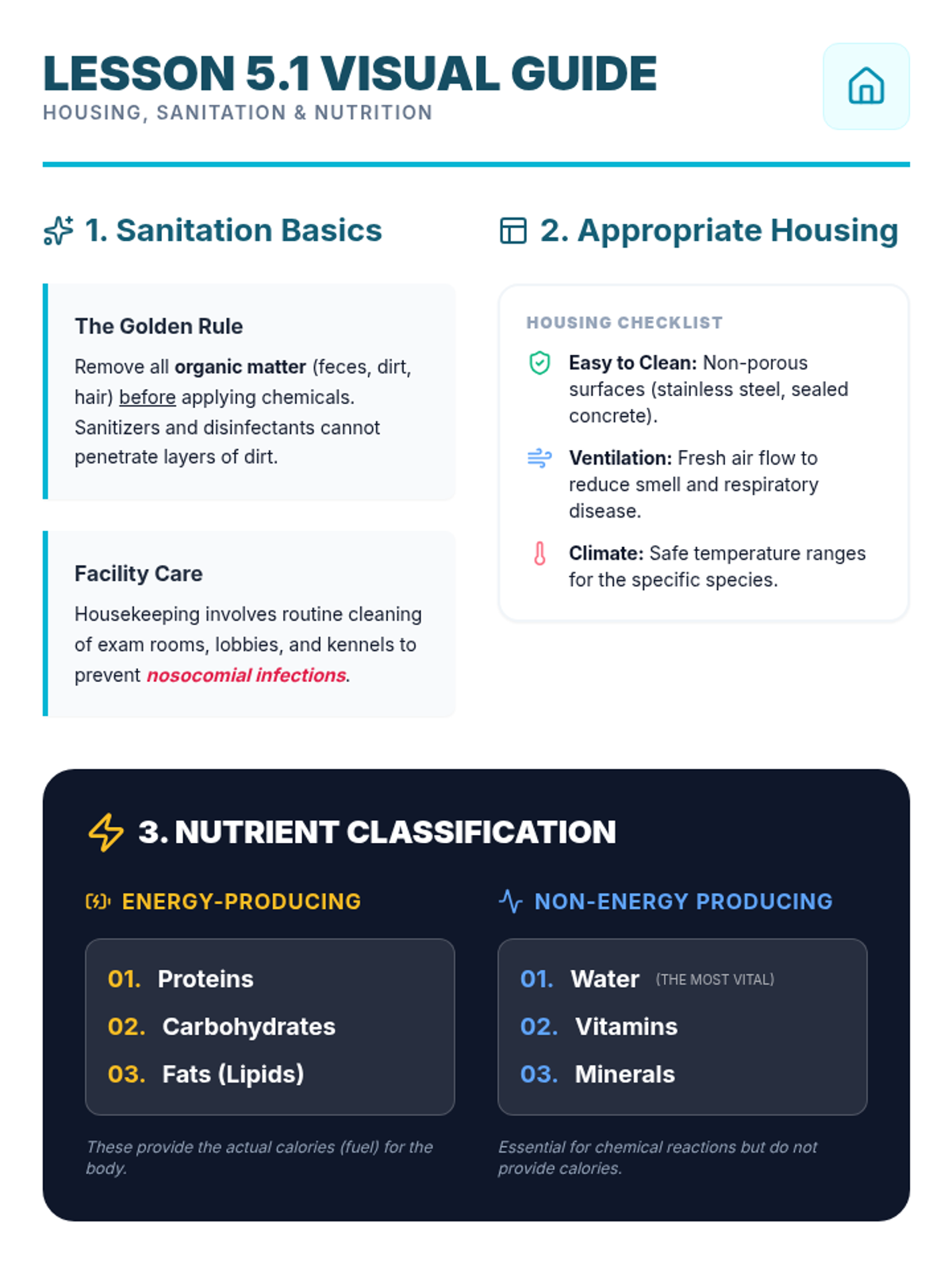
A visual anchor chart summarizing Lesson 5.1 objectives including sanitation principles, nutrient classification (energy vs non-energy), and life-stage feeding considerations for cats, dogs, and exotics. Updated with a spacious two-page layout for better cognitive processing.
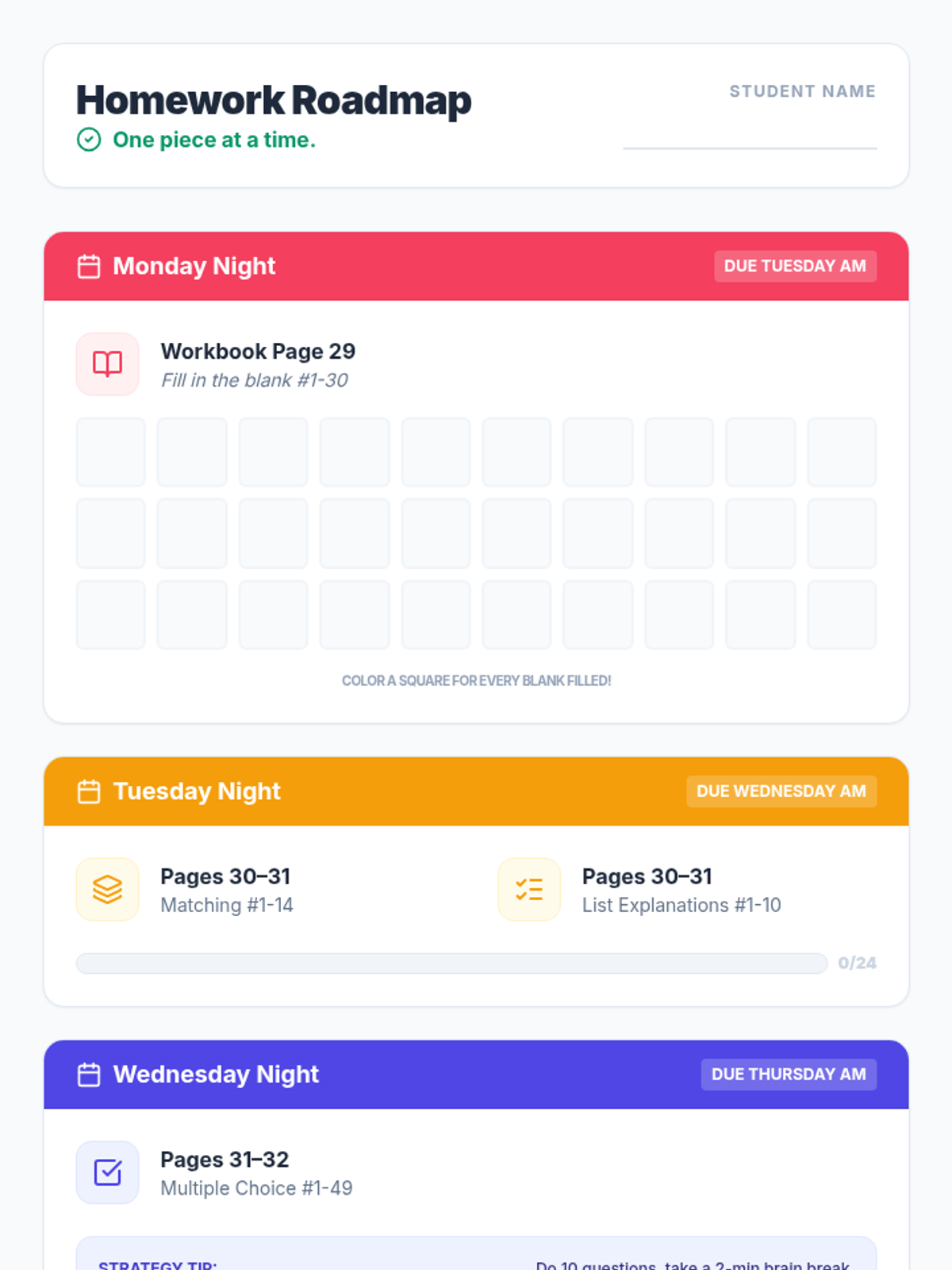
A visual homework roadmap designed to break down a multi-day workbook assignment into manageable daily tasks, providing a clear path to completion and reducing executive function load.
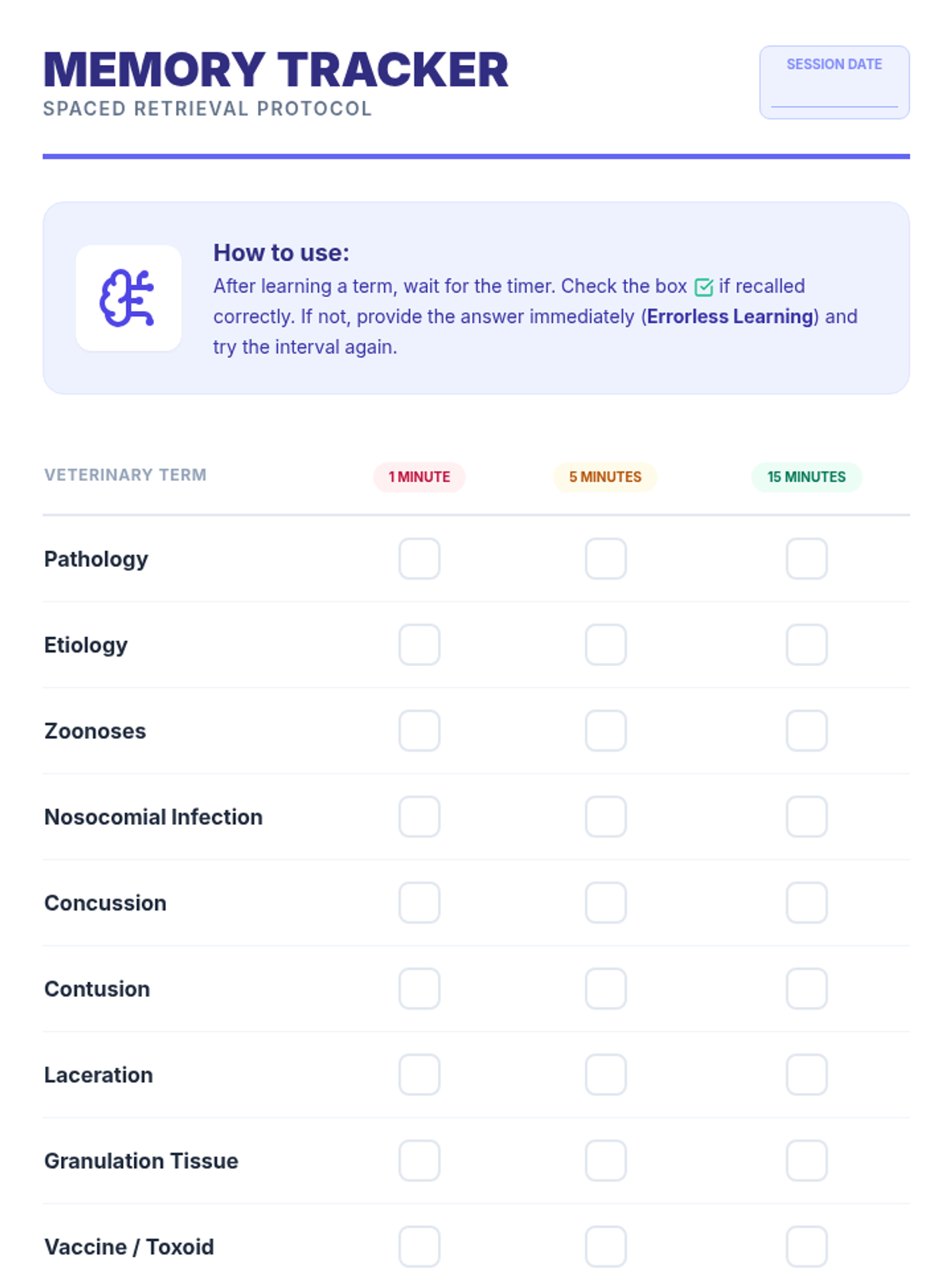
A spaced retrieval tracking sheet designed to monitor short-term and long-term recall of veterinary terminology at 1, 5, and 15-minute intervals.
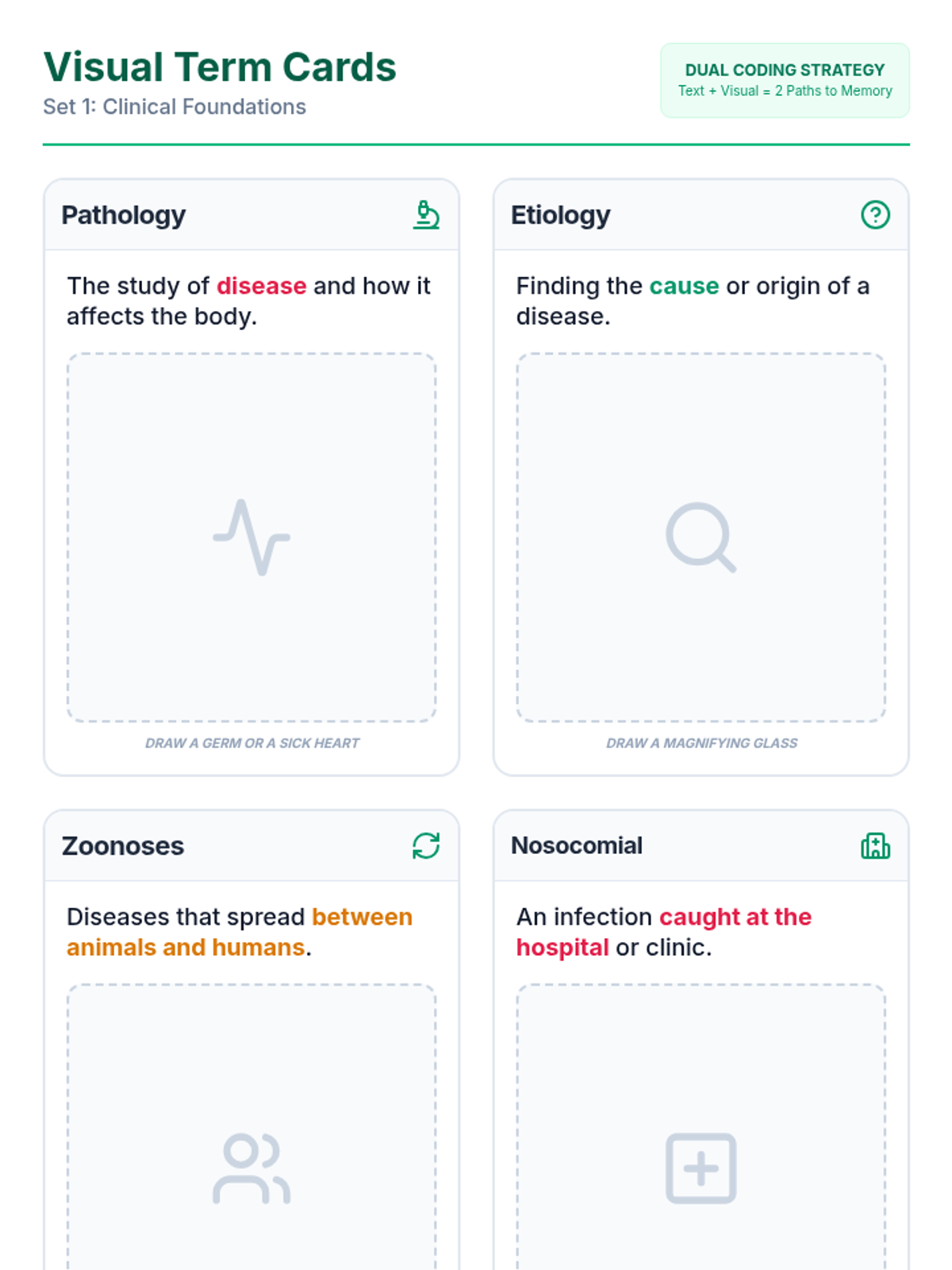
Dual-coded vocabulary cards for high-frequency veterinary terms, featuring simplified definitions and dedicated spaces for student-drawn icons to support memory retention. Expansion: includes all 26 terms from the student's current list.
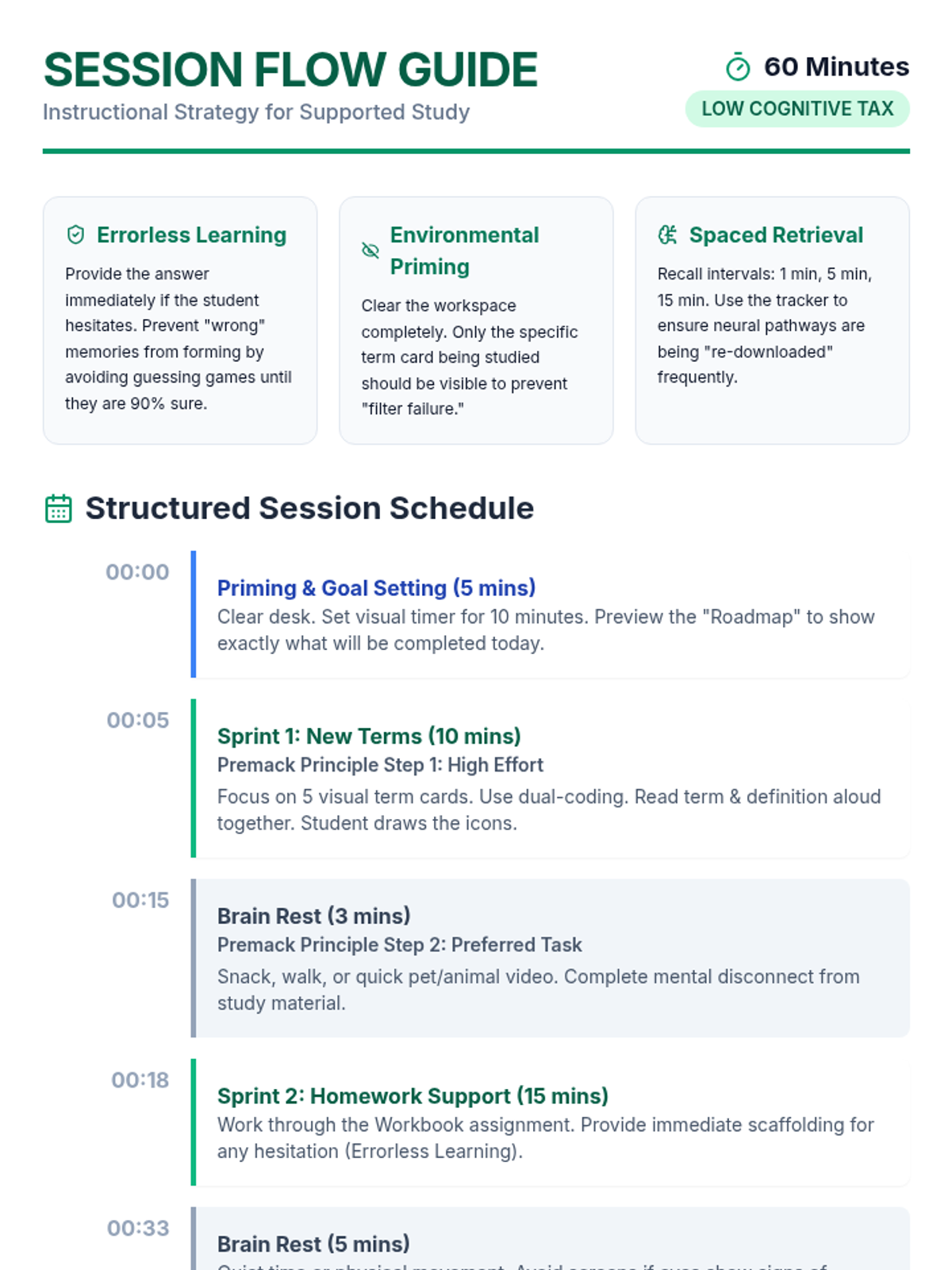
A structured 60-minute study session plan designed for students with cognitive fatigue, utilizing the Premack Principle and specific behavioral management strategies.
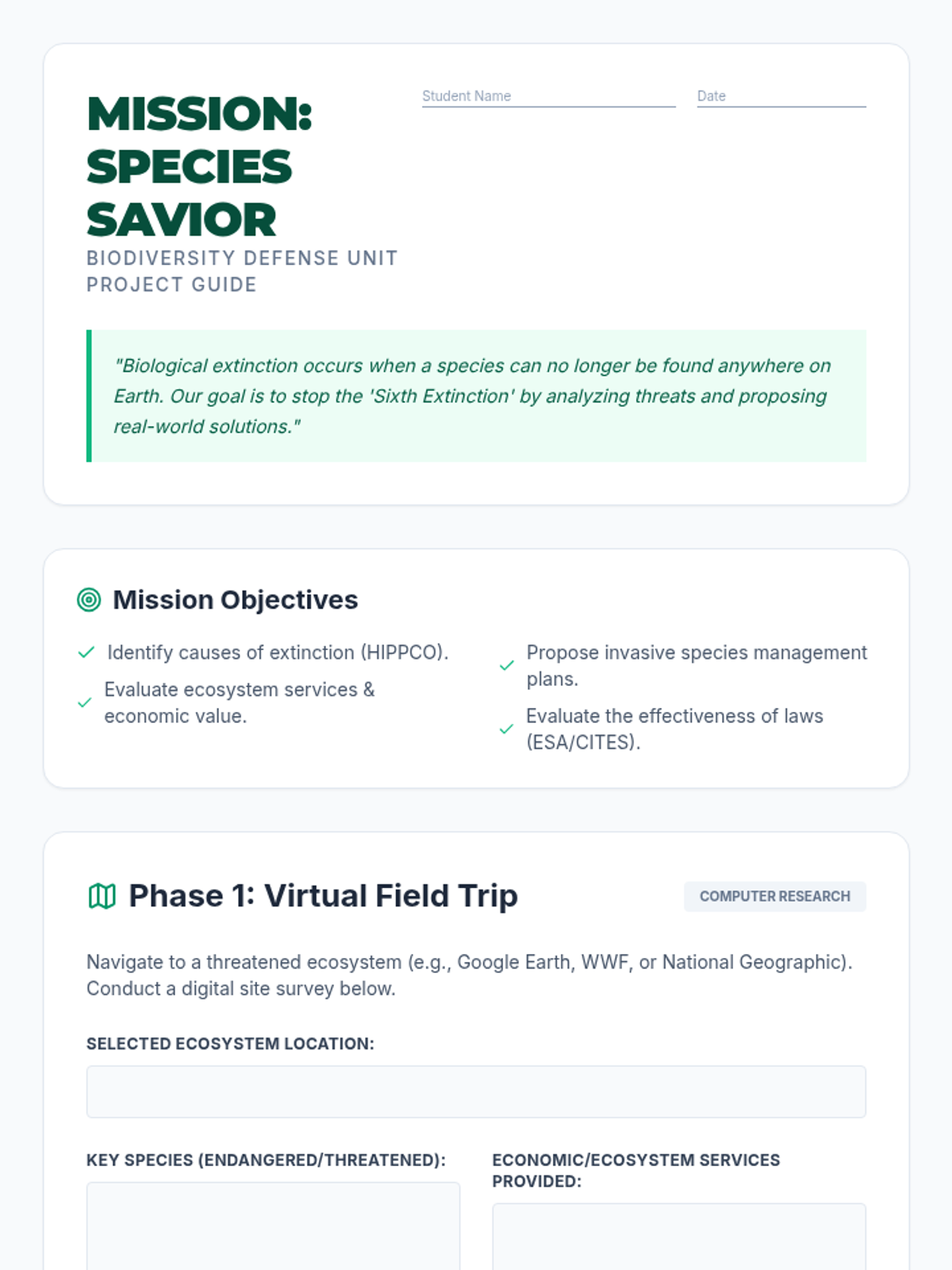
A text-focused, simplified version of the project guide designed for easy copying and pasting or conversion into a digital document like Google Docs.
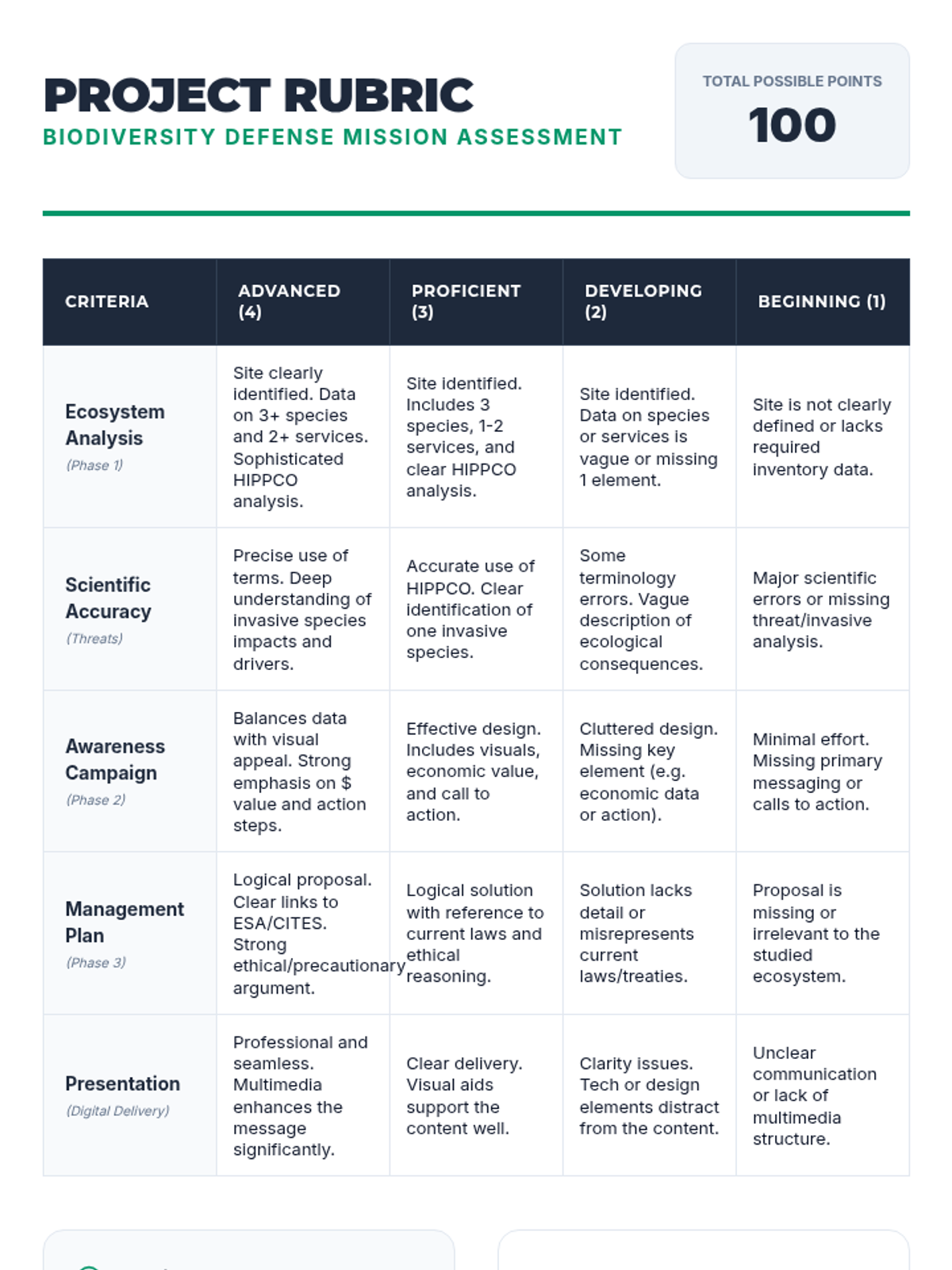
A professional rubric for educators to grade the Biodiversity Defense Project, covering ecosystem research, scientific accuracy, awareness campaign design, and solution proposals.
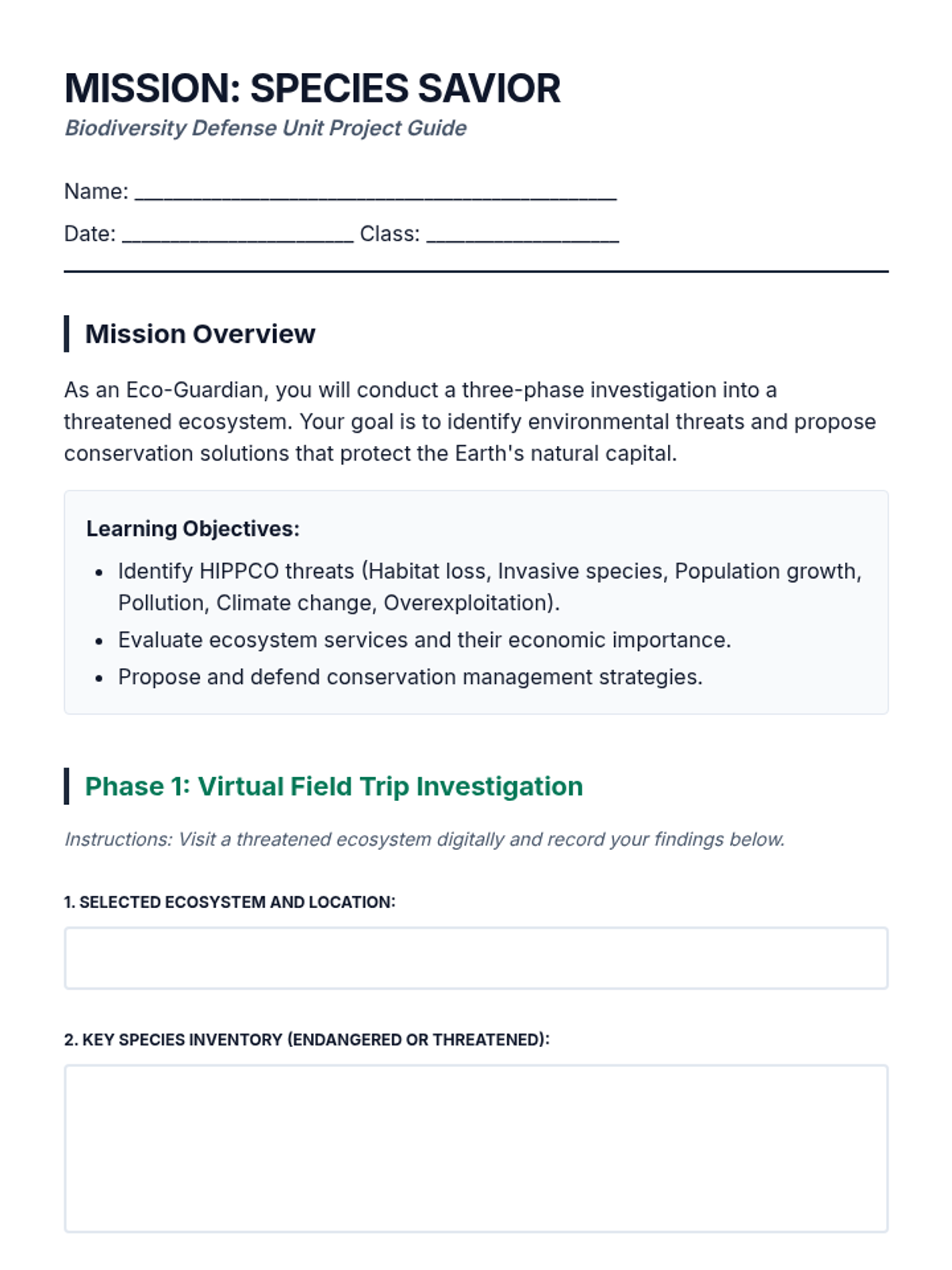
A comprehensive project guide for students to complete their Biodiversity Defense mission, including sections for ecosystem analysis, campaign planning, and solution pitching.
Introductory presentation for the Biodiversity Defense Project, outlining the three phases of assessment: Virtual Field Trip, Awareness Campaign, and Solutions Pitch. All text meets the minimum 24px requirement for accessibility and presentation clarity.
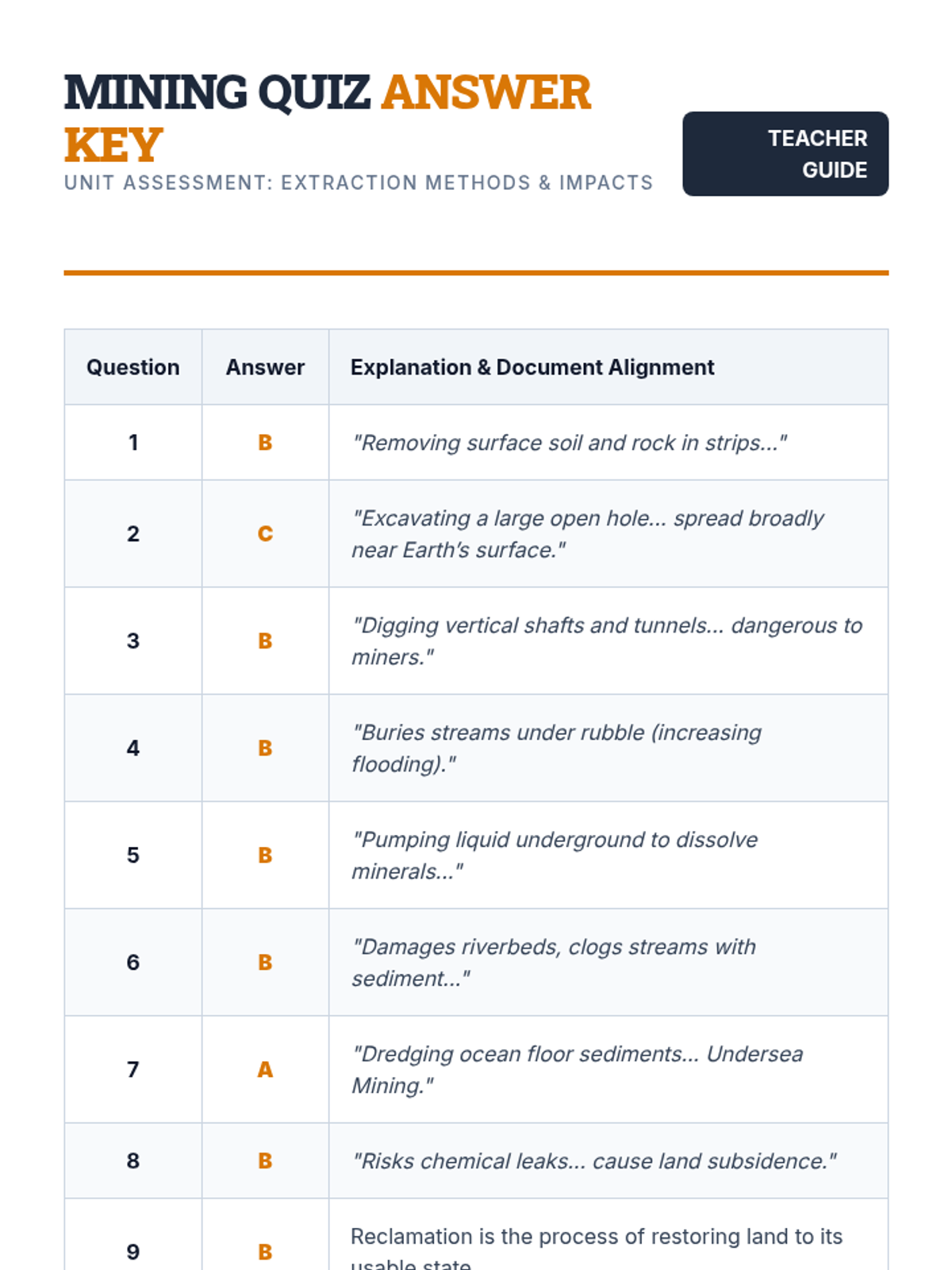
Updated answer key matching the revised 10-question quiz and the provided sorting card content, including specific impact references for each method.
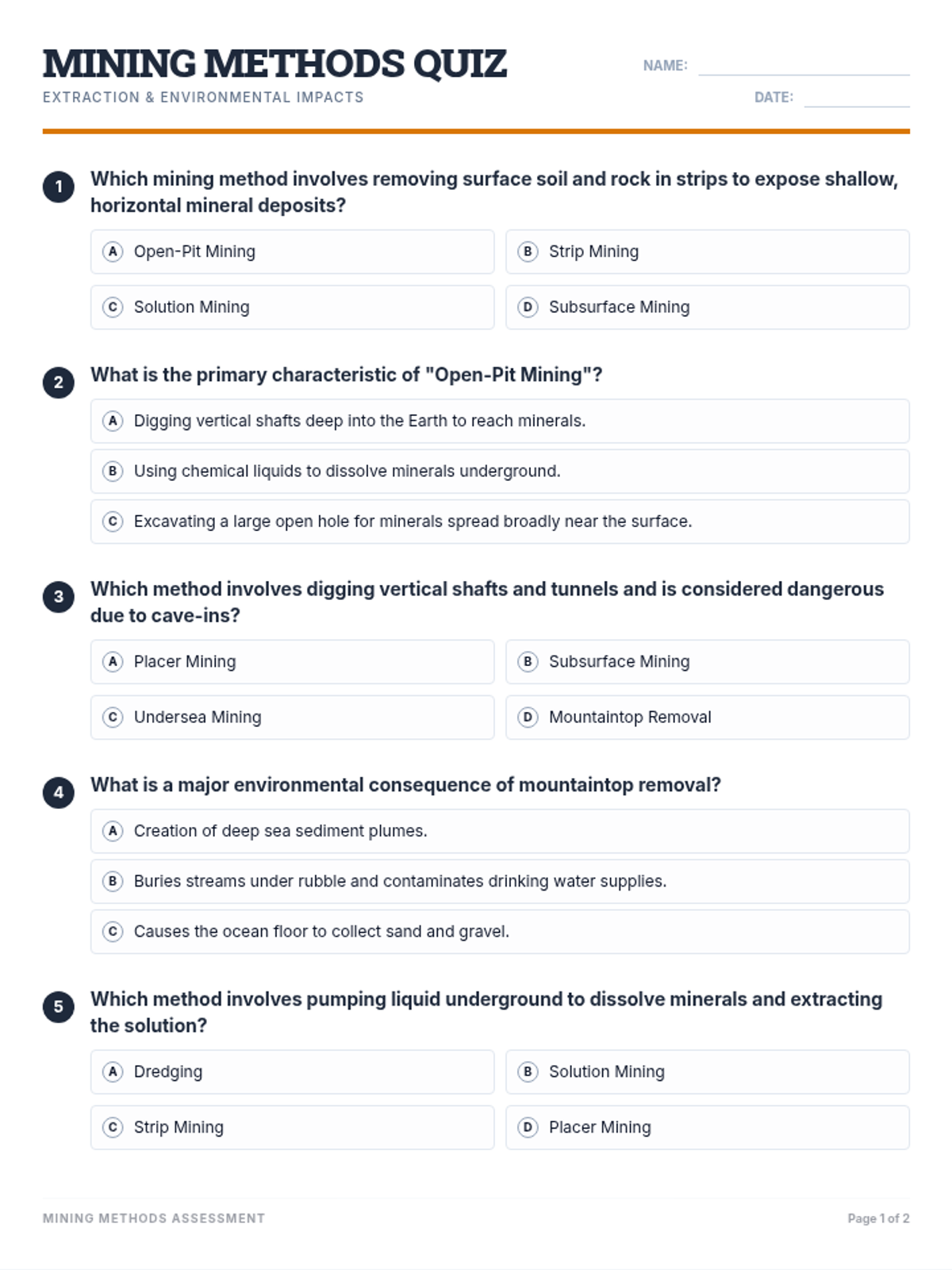
Redesigned 2-page student quiz with improved spacing and adjusted font sizes to prevent text overlap and ensure all 10 questions fit clearly within the printable area.
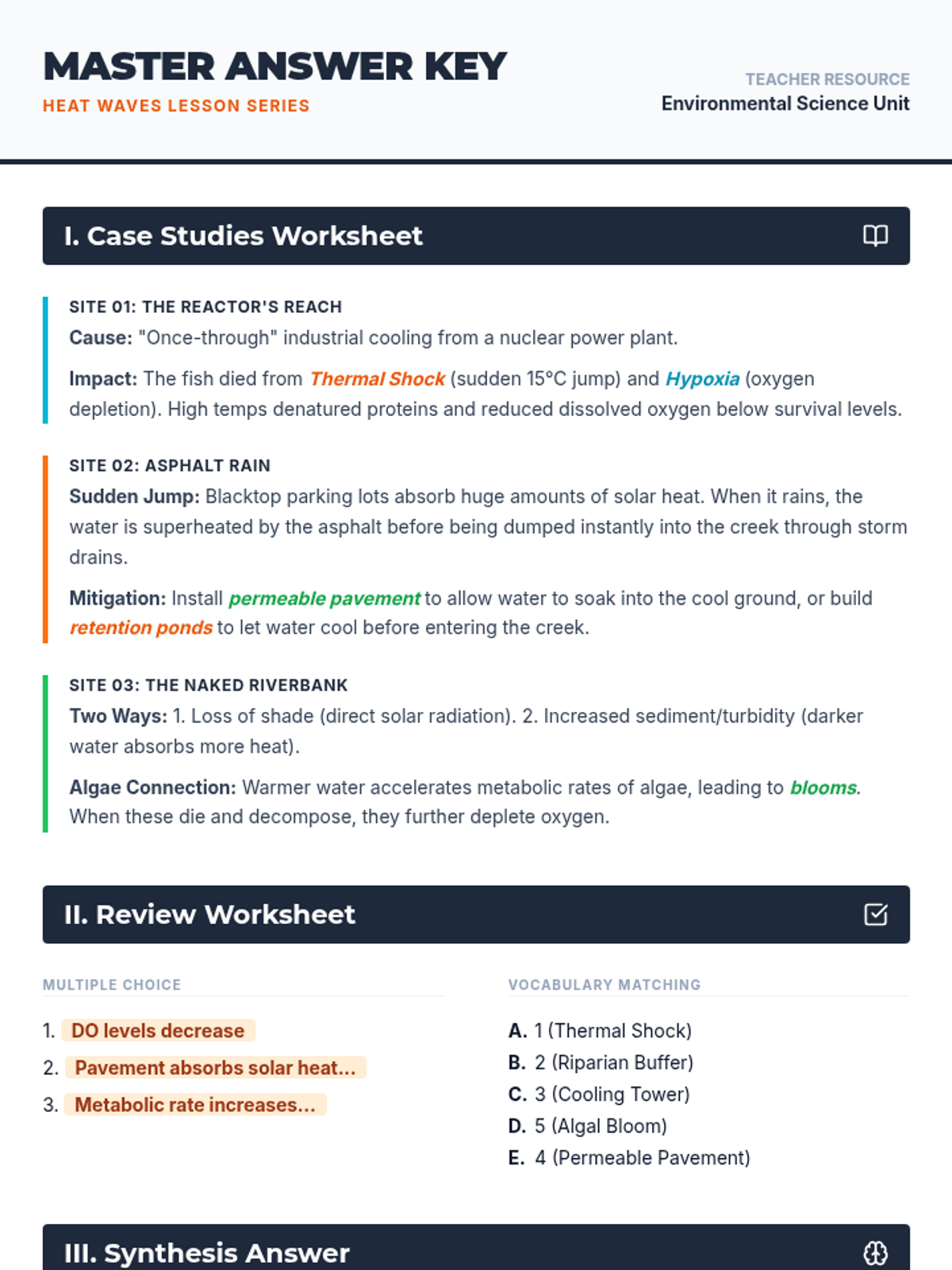
A comprehensive answer key for the "Heat Waves" lesson, including solutions for the case studies and the review assessment.
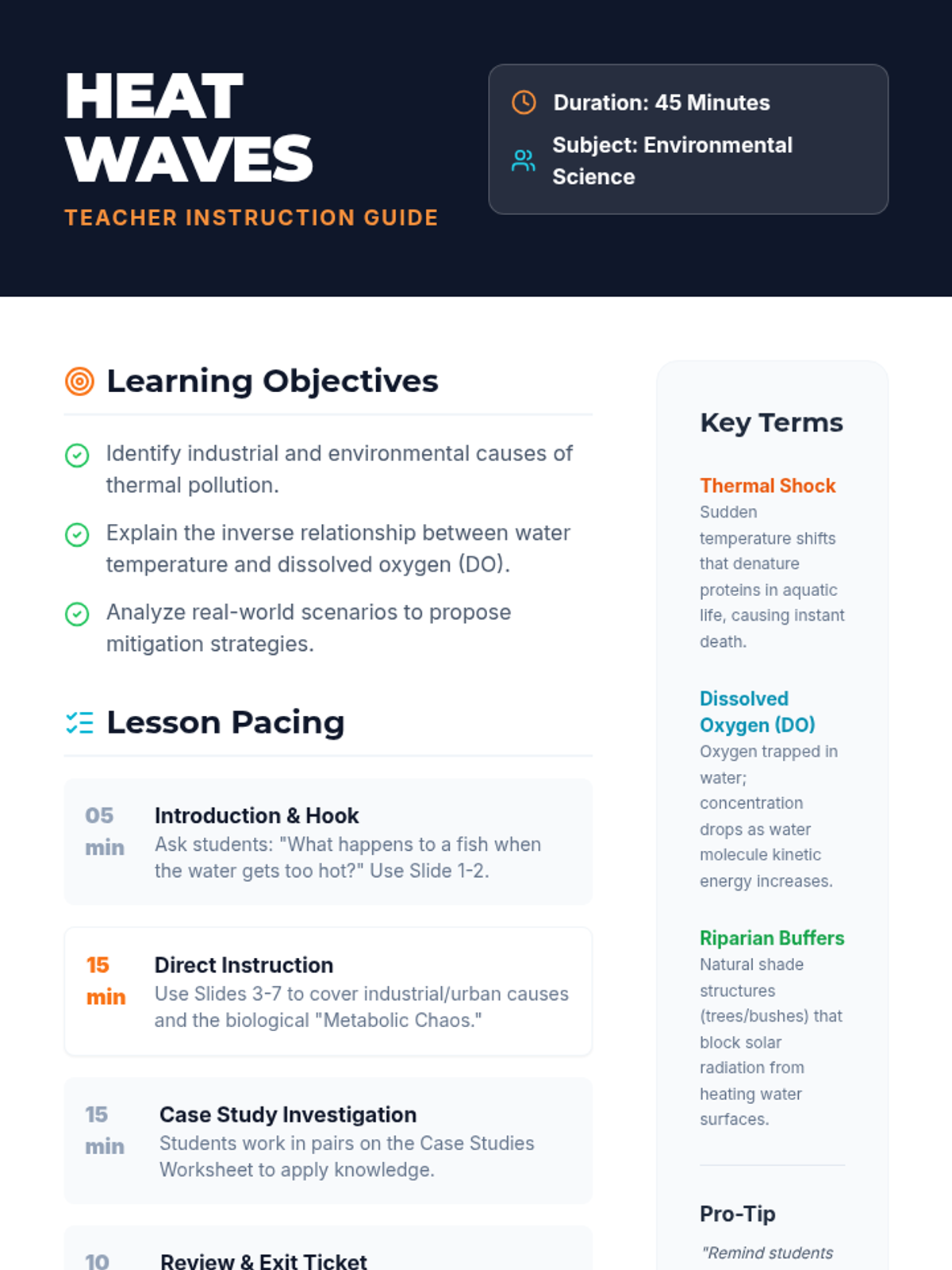
A lesson plan and teacher guide for the "Heat Waves" lesson, including pacing, learning objectives, key terms, and discussion prompts.
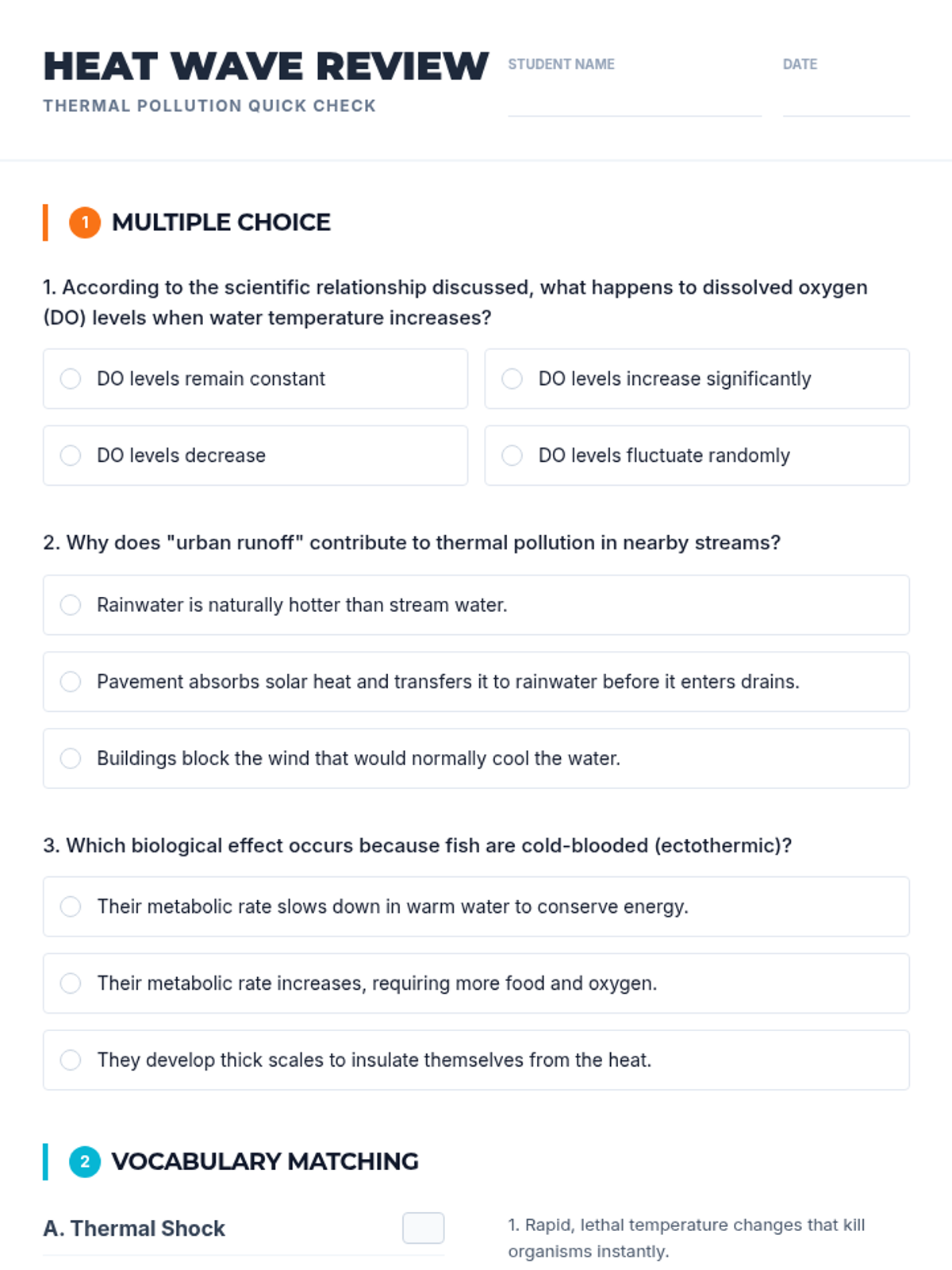
A quick assessment featuring multiple choice questions based on the slide content and a matching section for key thermal pollution vocabulary.
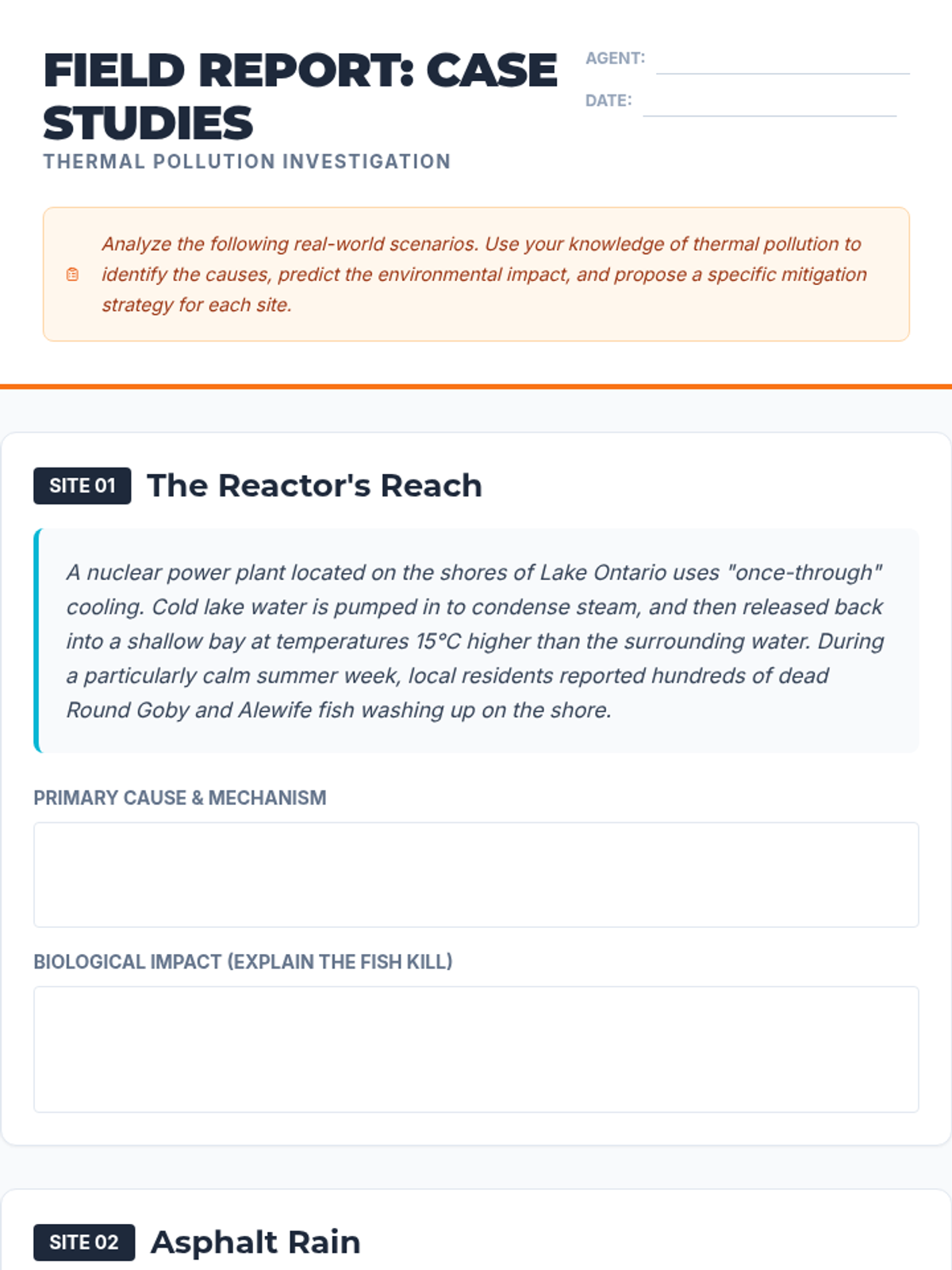
A worksheet featuring three real-world case studies on thermal pollution: power plant cooling, urban runoff, and deforestation. Students must identify causes, predict biological impacts, and propose mitigation strategies.
A visual slide deck exploring thermal pollution, including industrial and environmental causes, the dissolved oxygen connection, biological effects like metabolic chaos, and mitigation strategies.
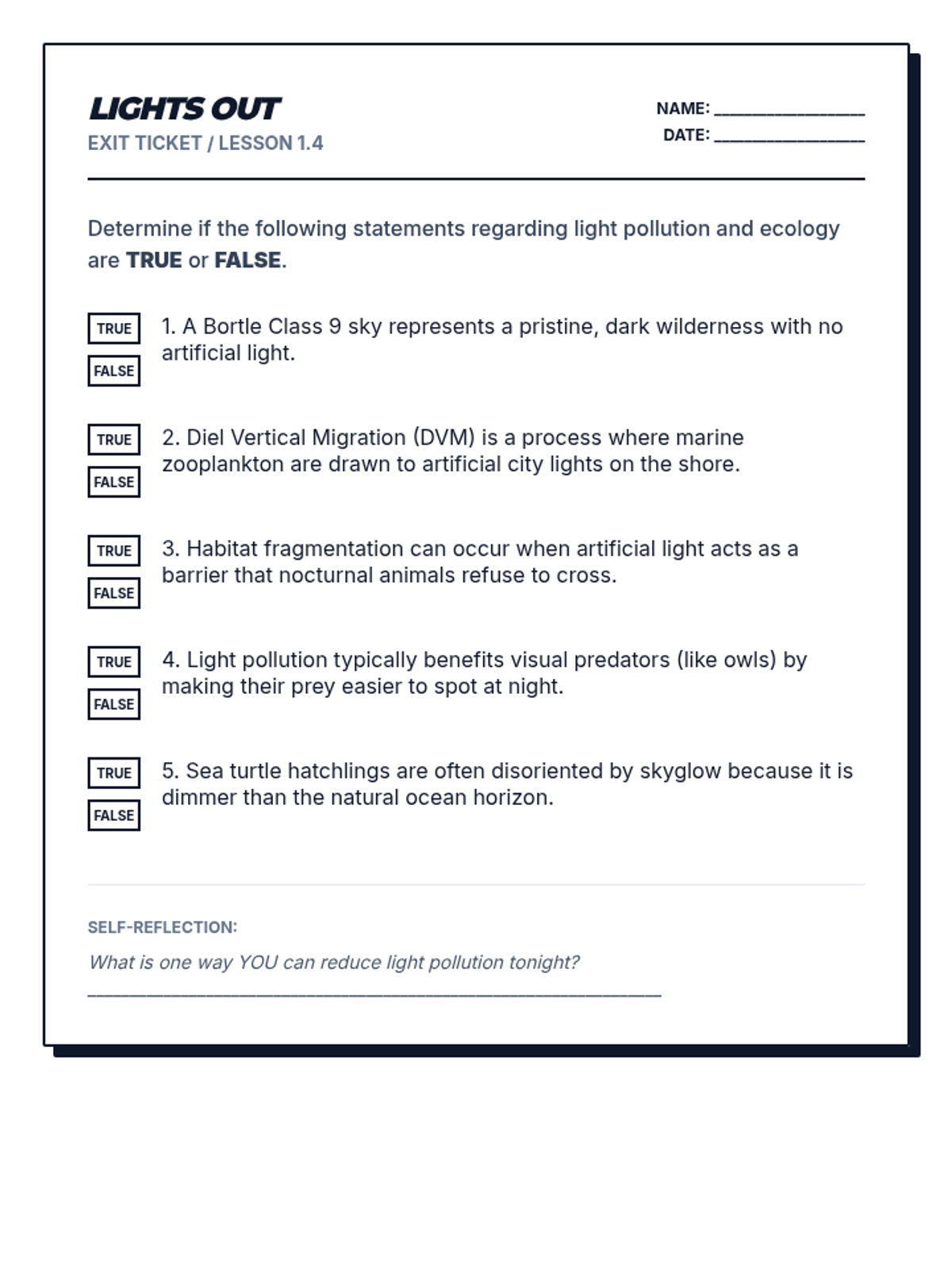
A quick assessment exit ticket containing five True/False questions and a self-reflection prompt to gauge student understanding of light pollution concepts.