Students create 'Start' cards or visual prompts that sit on their desk to help overcome procrastination when the timer hits zero. They focus on the first physical step required to begin.
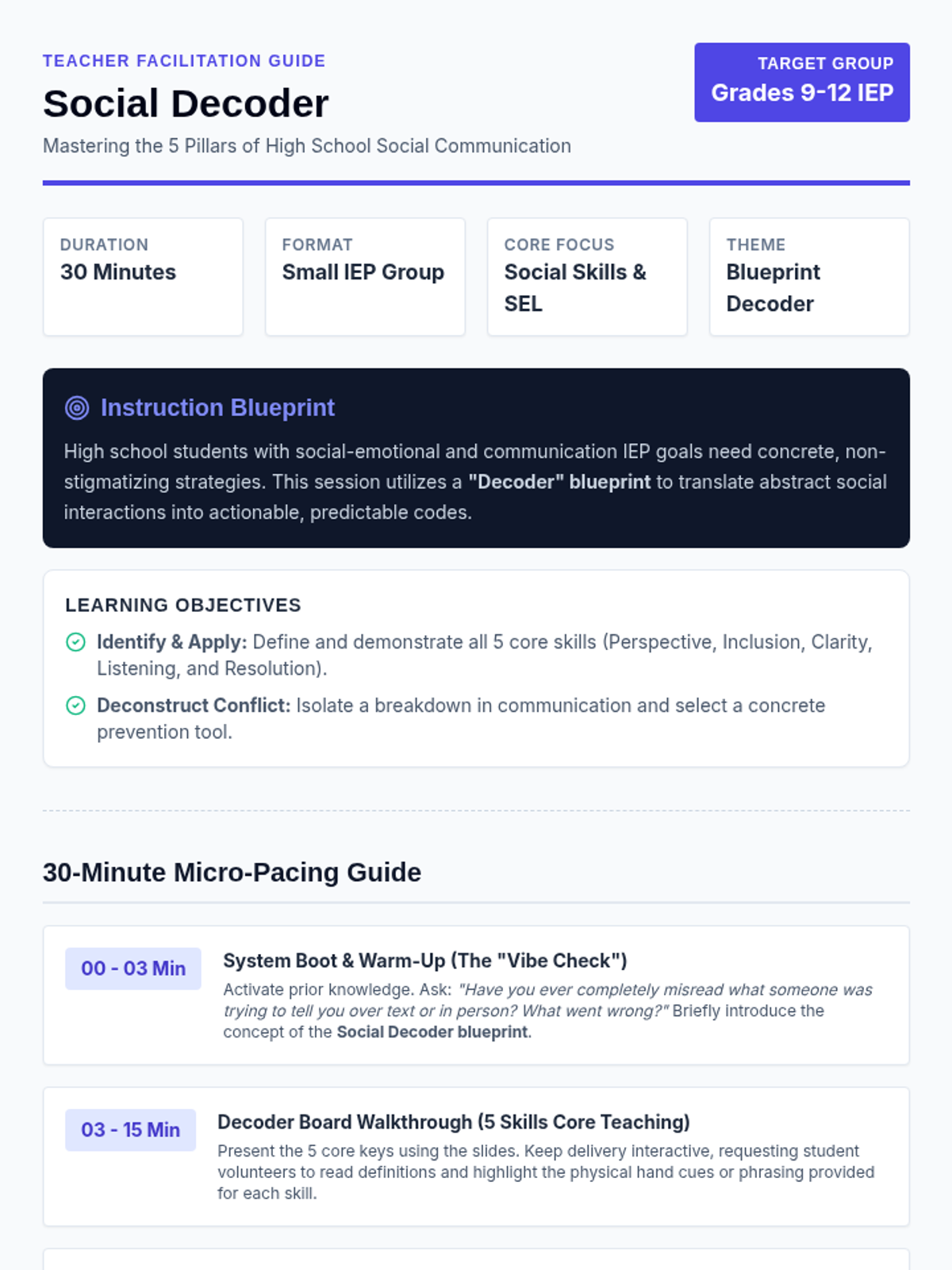
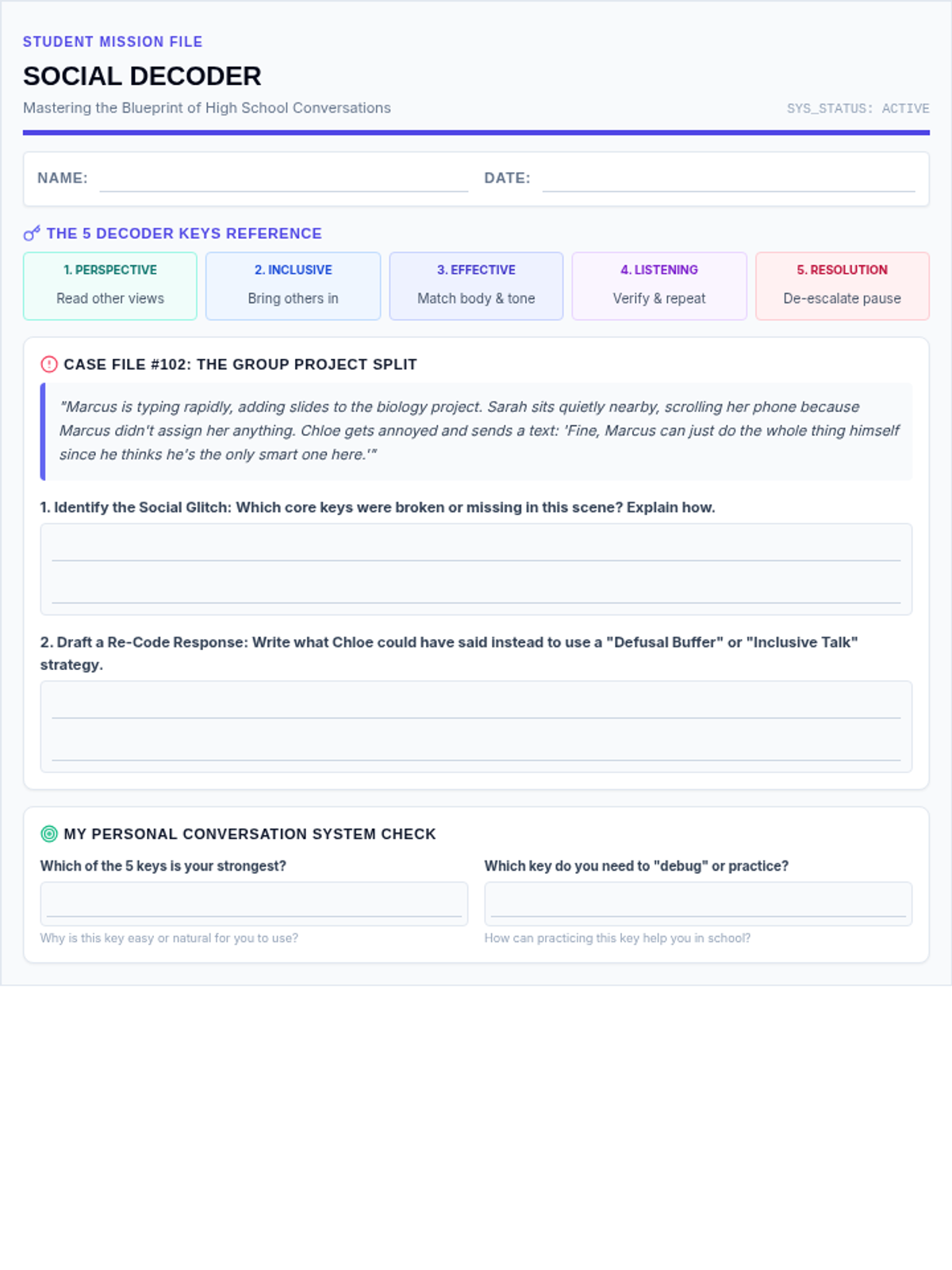
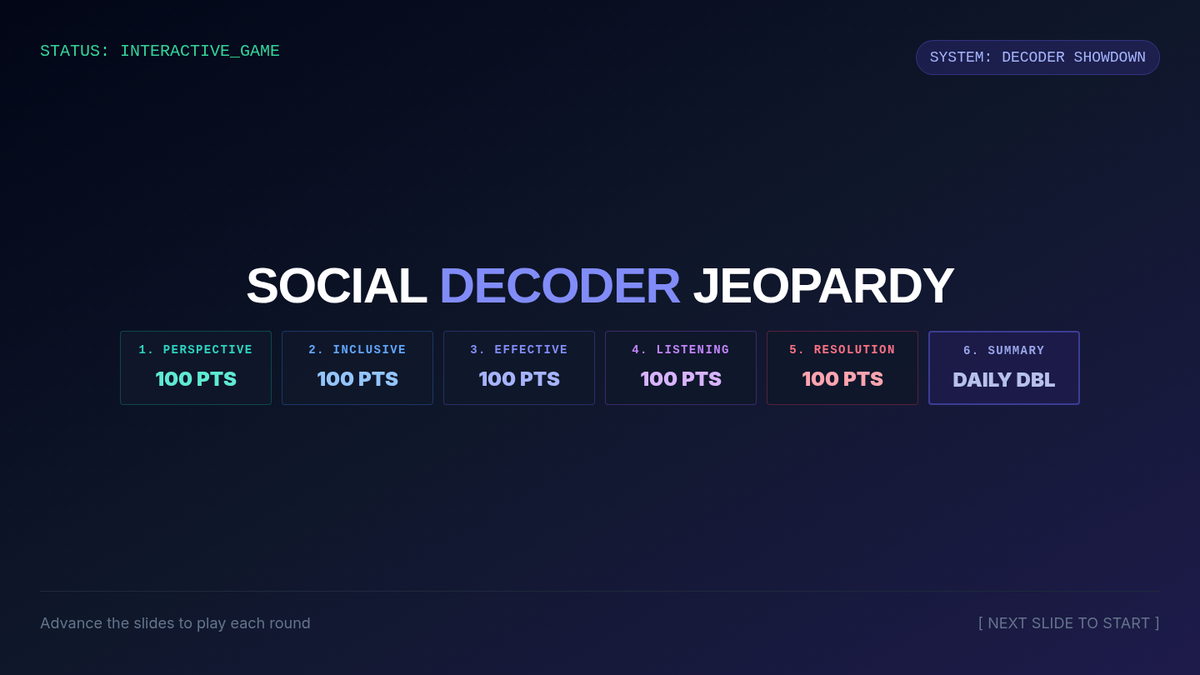
A highly engaging 30-minute social skills lesson designed for high school IEP groups. This lesson covers five essential communication skills—Perspective Taking, Inclusive Communication, Effective Communication, Active Listening, and Conflict Prevention/Resolution—using a modern 'Social Decoder' blueprint theme.
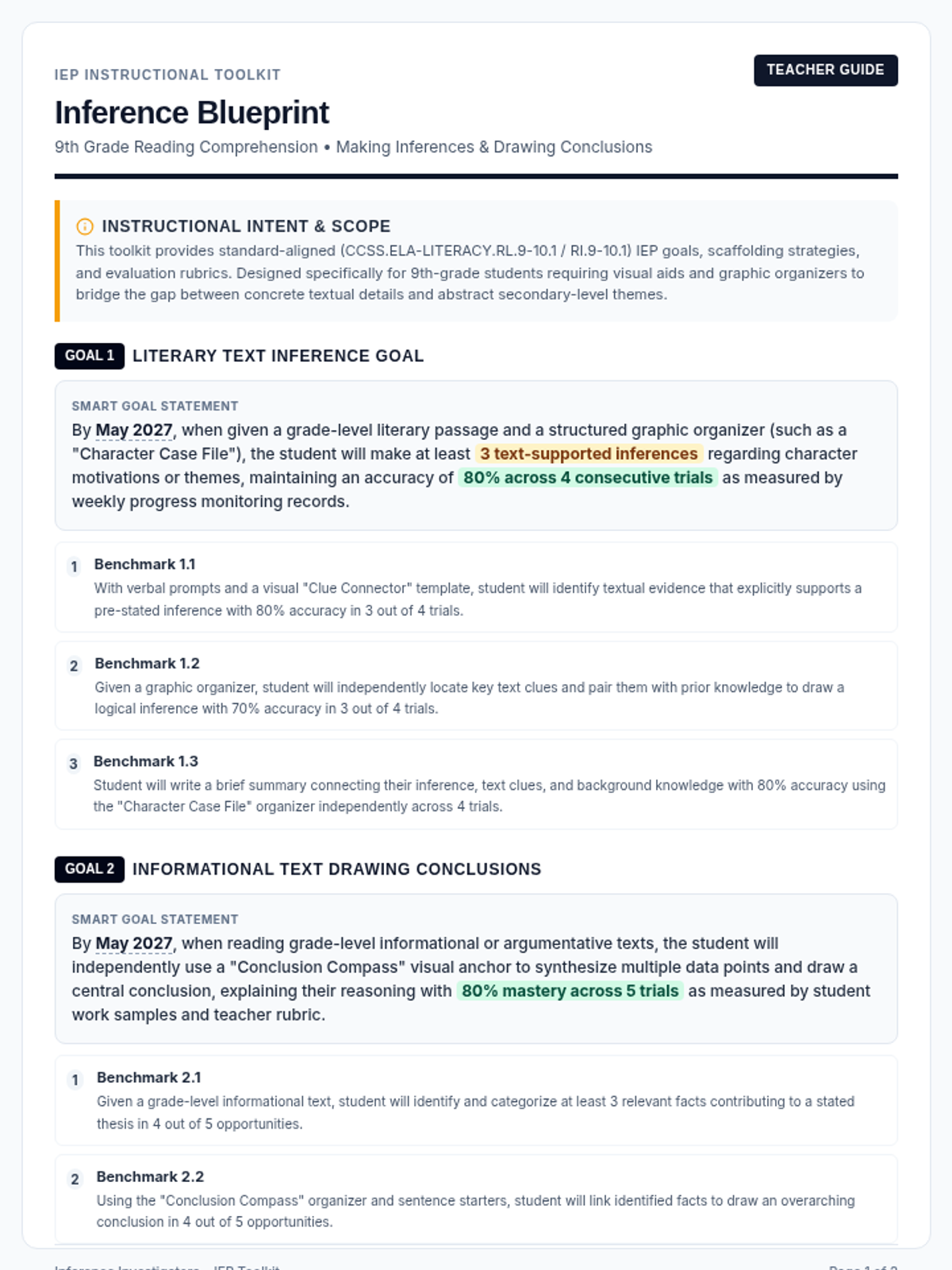
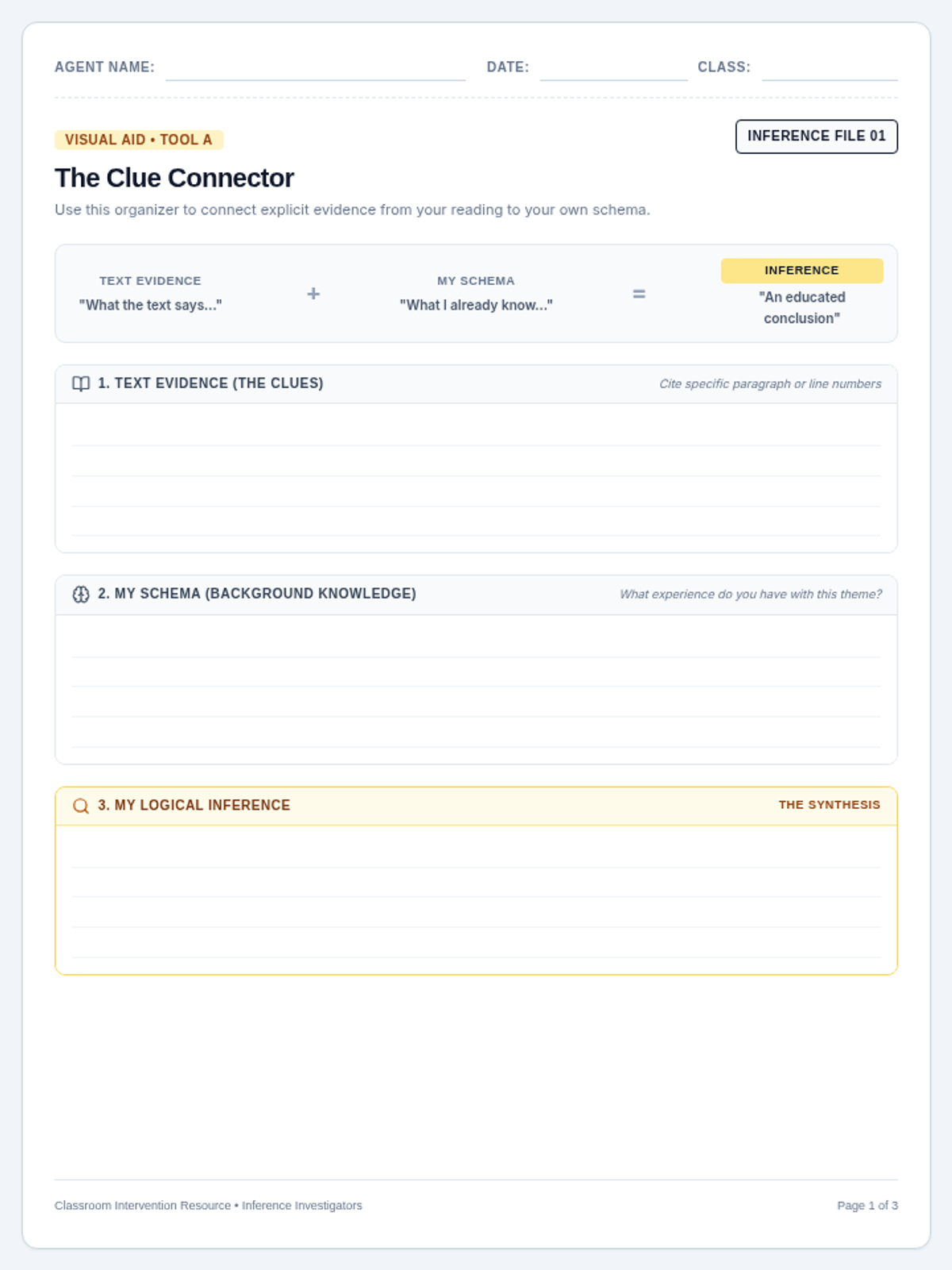
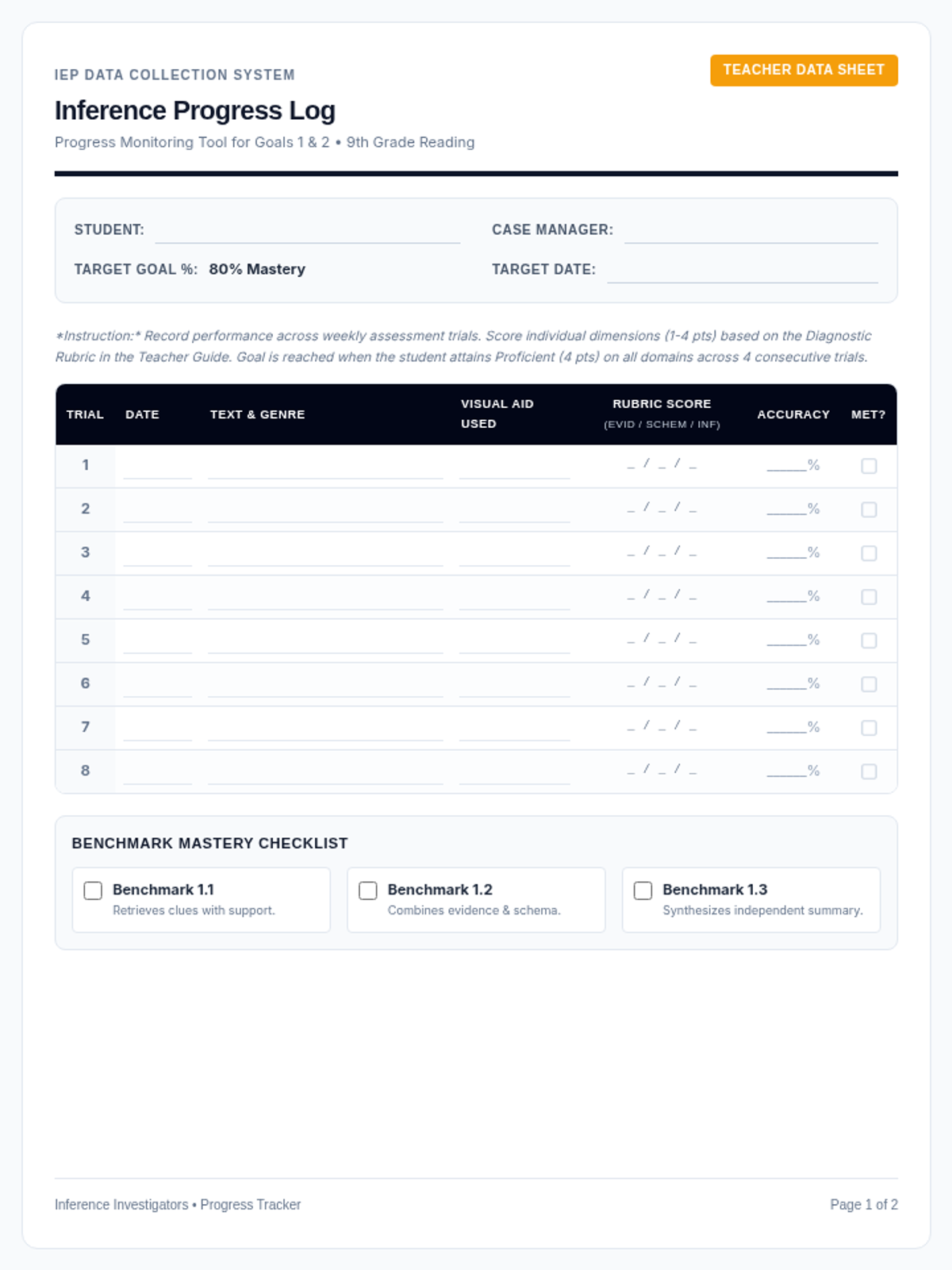
A comprehensive IEP goal and instructional toolkit designed to scaffold 9th-grade reading comprehension. This lesson package includes measurable IEP goals, scaffolded graphic organizers, and structured progress monitoring tools focused on making inferences and drawing conclusions.
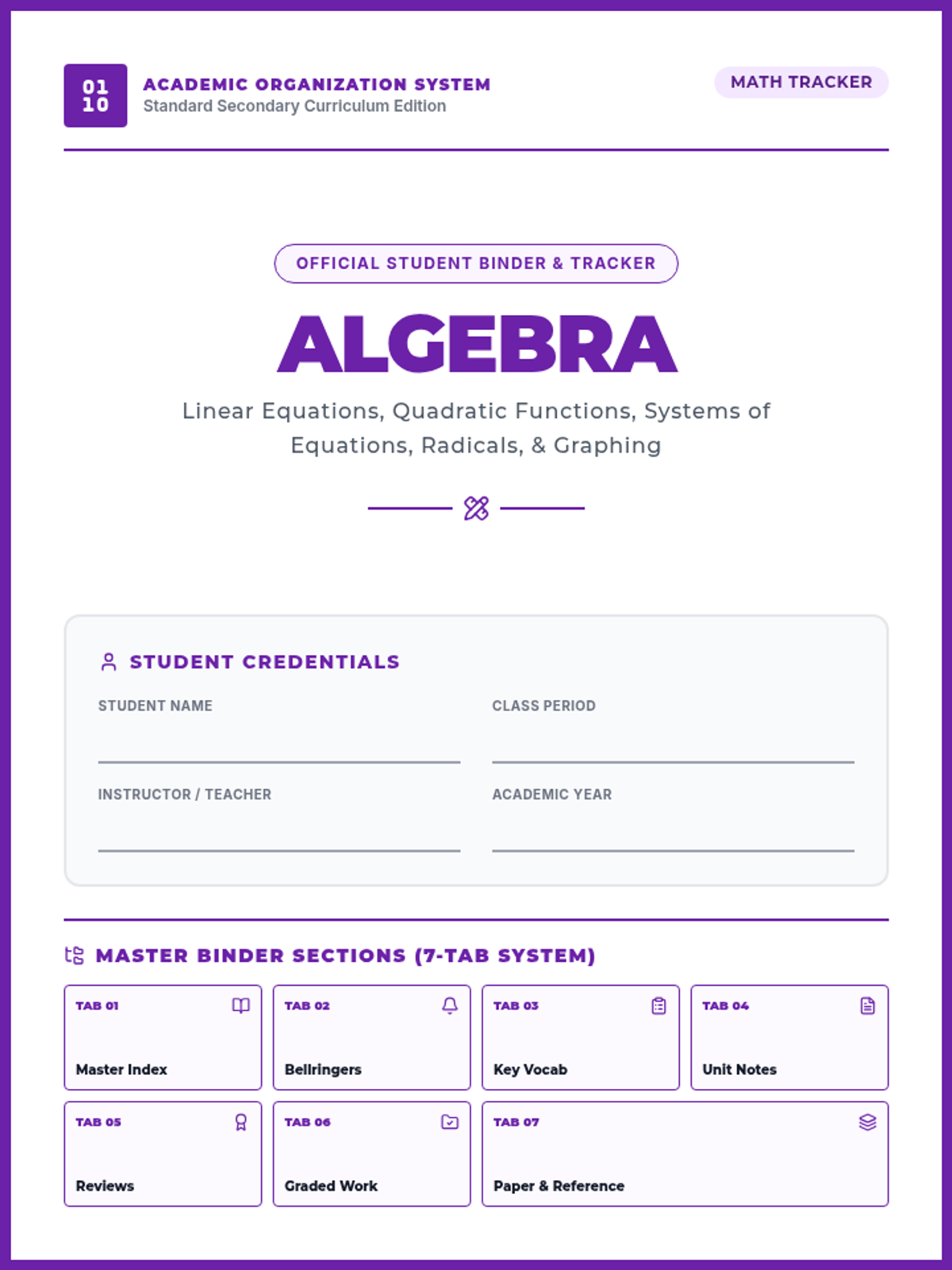
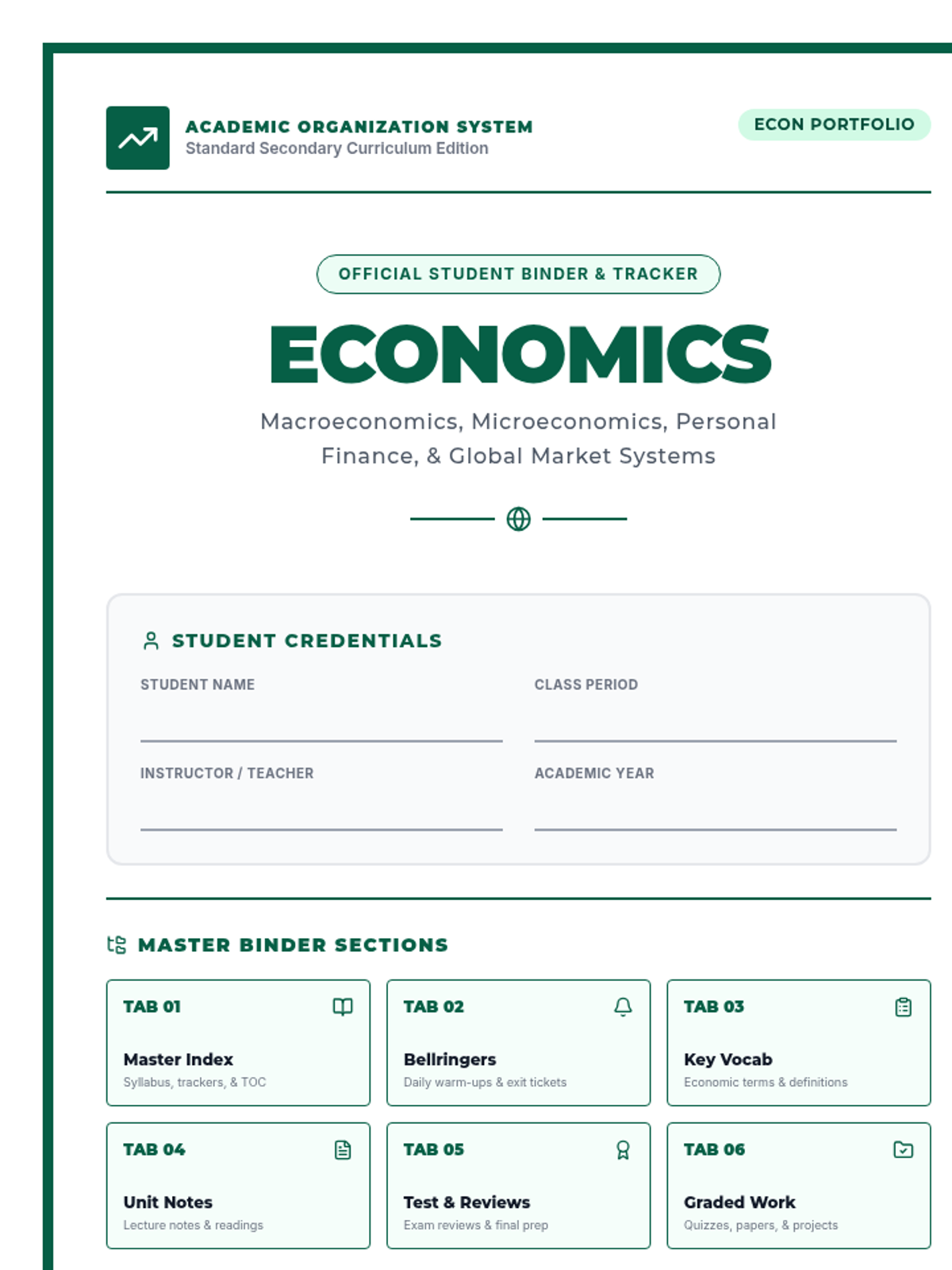
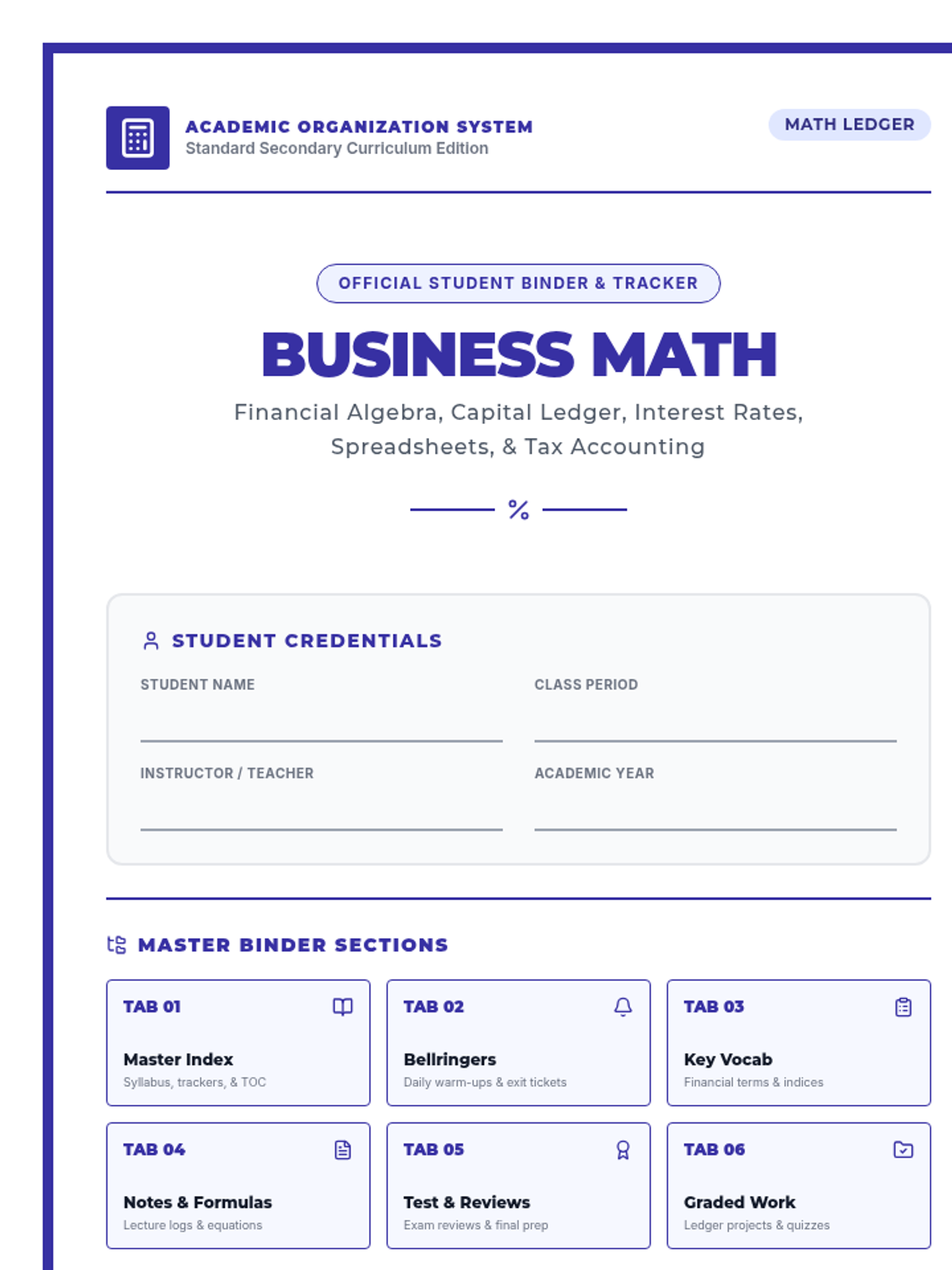
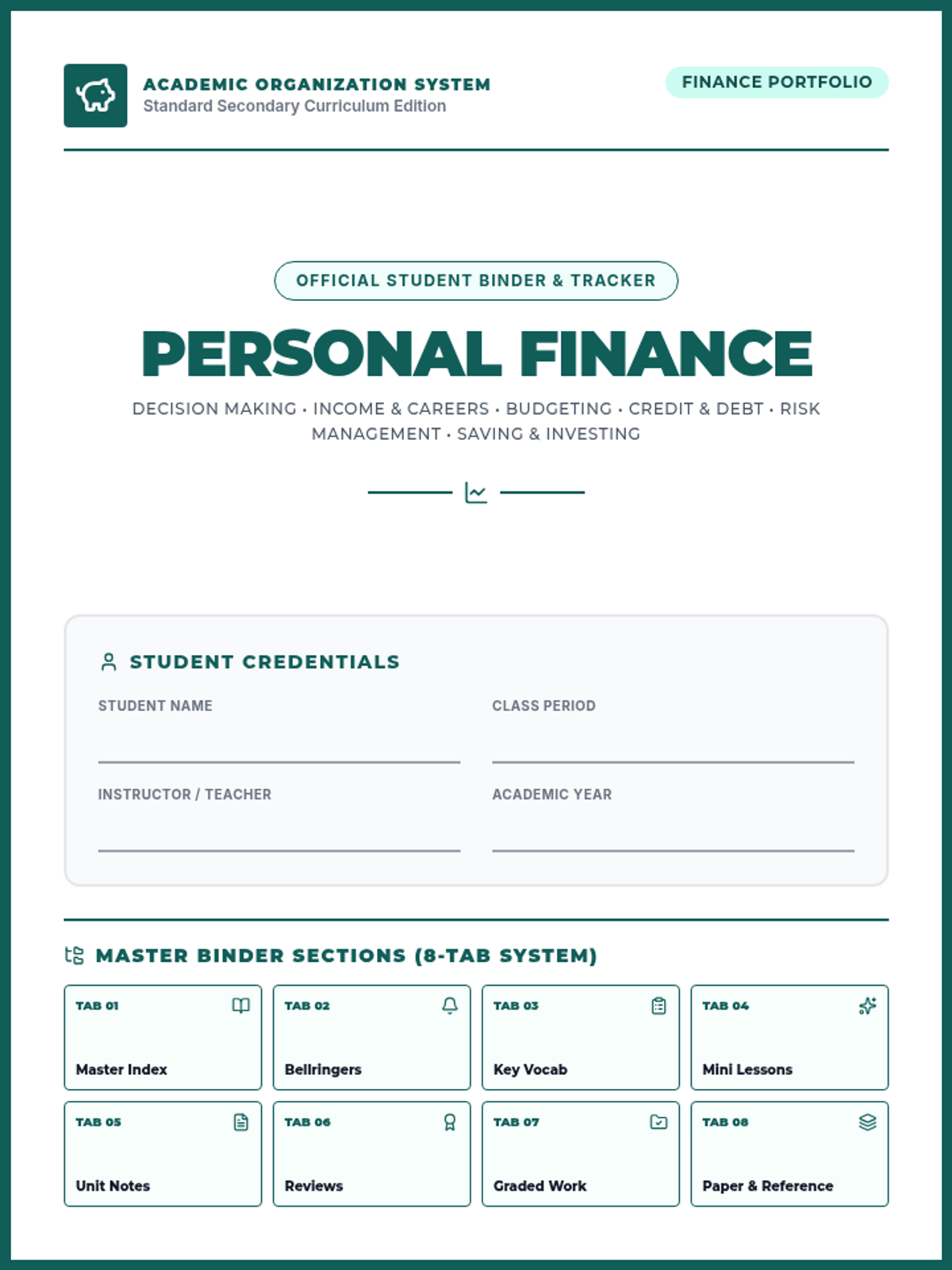
A complete set of high-contrast, professional binder organization kits for Economics, Business Mathematics, Algebra, and Personal Finance. Each kit contains a master index cover page, table of contents, customizable assignment logs, and printable color-coded divider tabs with matching spine inserts.
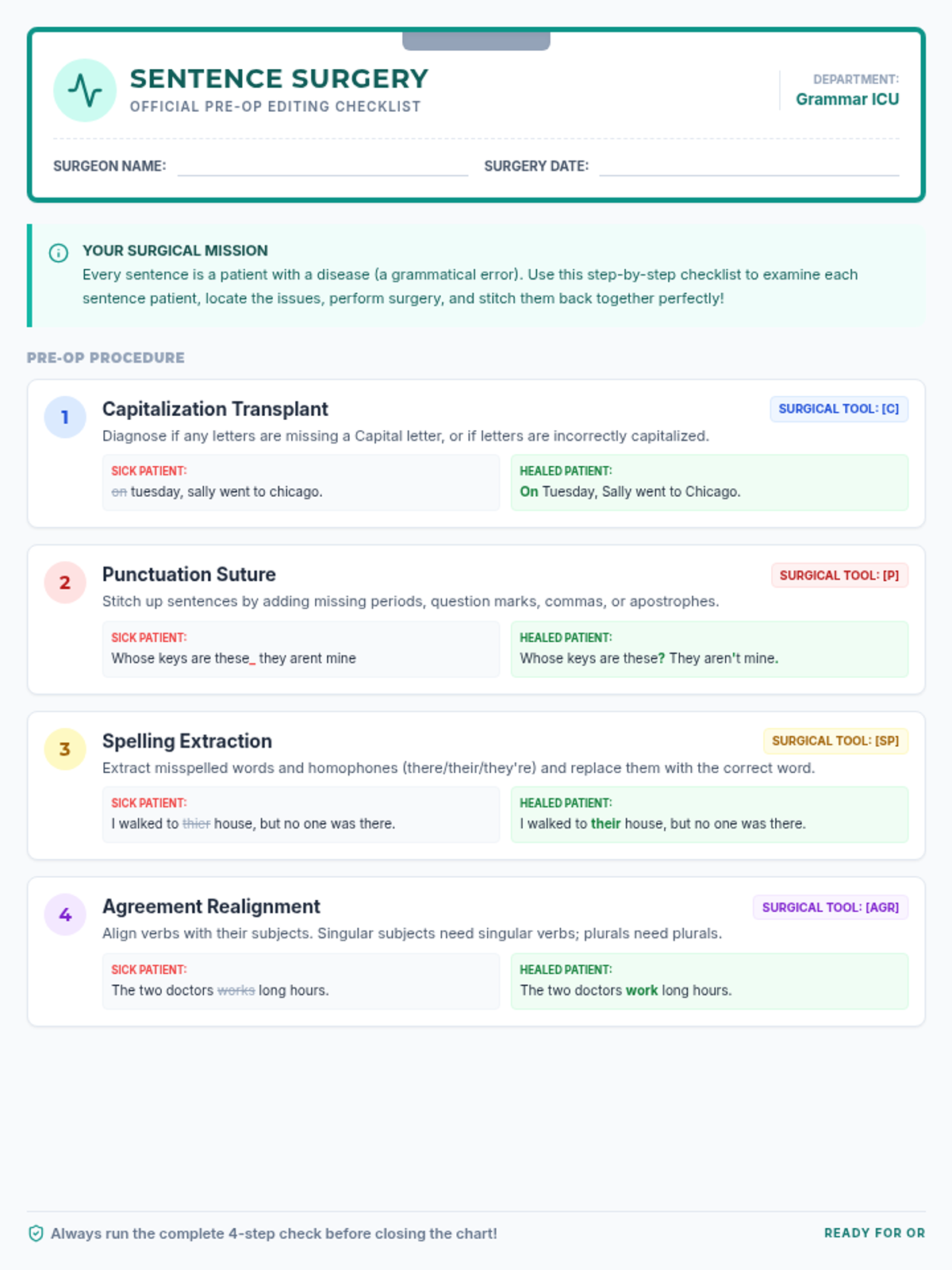
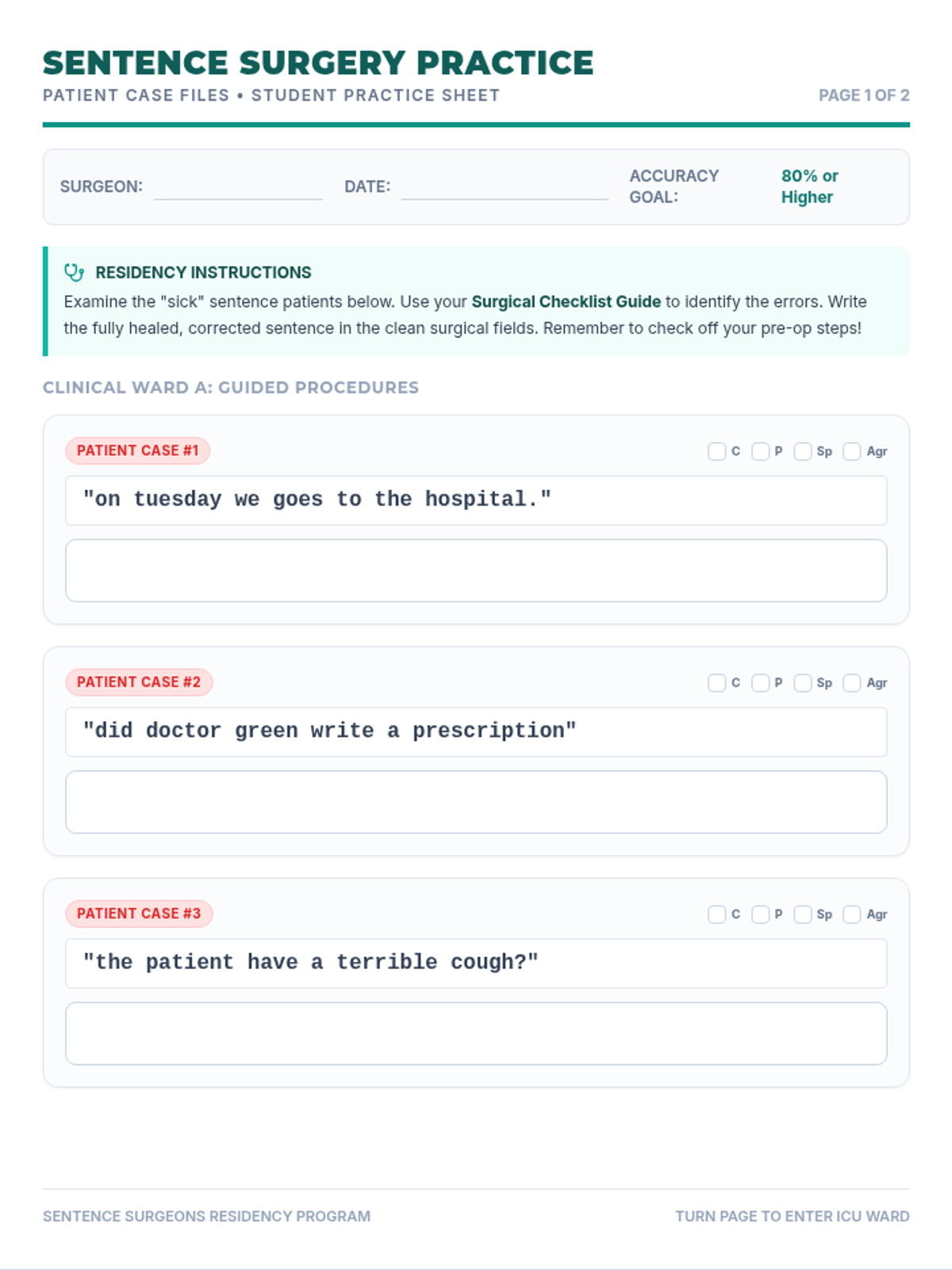
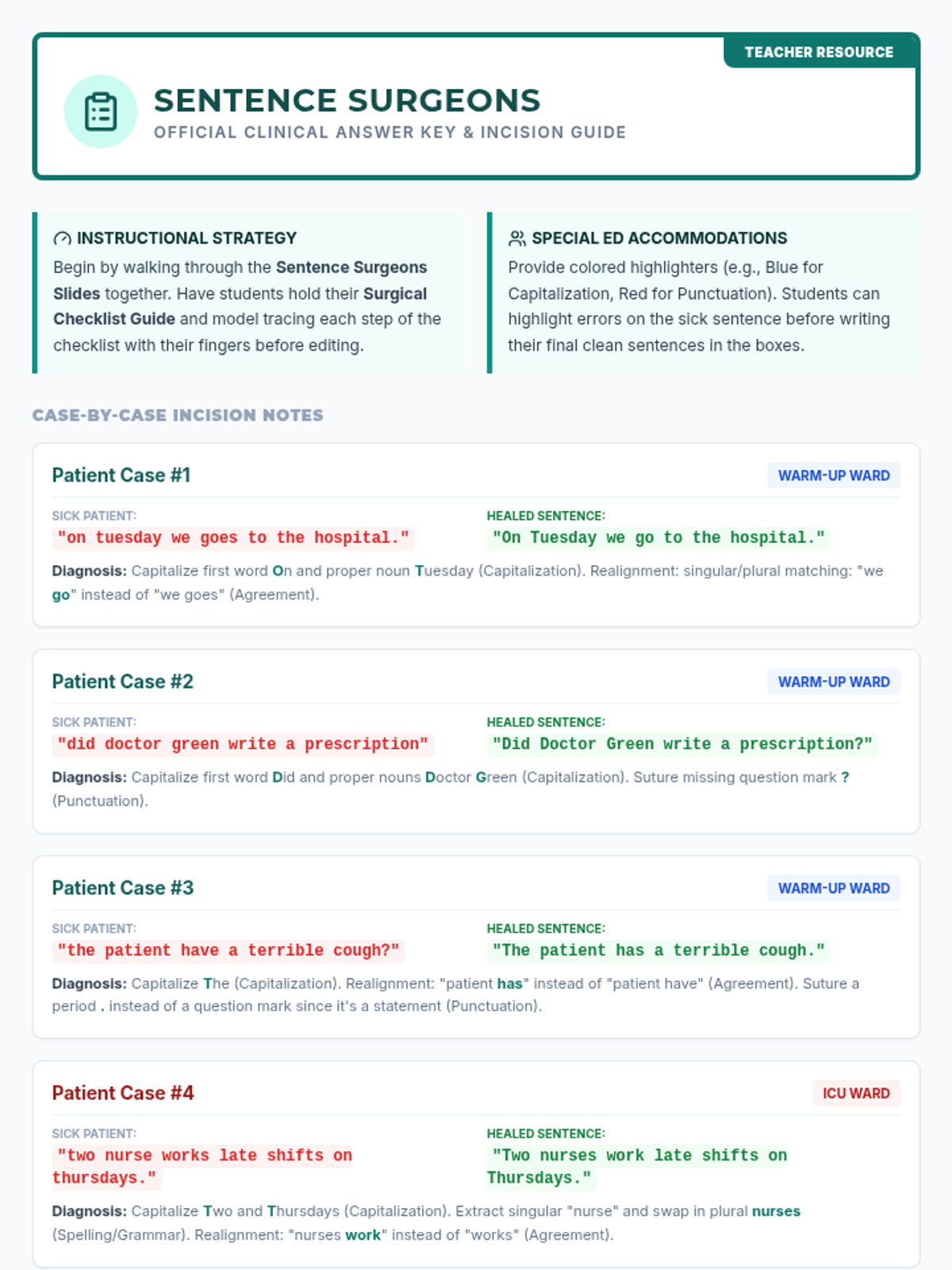
A specialized grammar and mechanics proofreading lesson themed around a medical 'sentence surgery' metaphor. Designed for high school special education, it breaks down mixed error editing into concrete, scaffolded steps using a visual surgical checklist and hands-on practice.
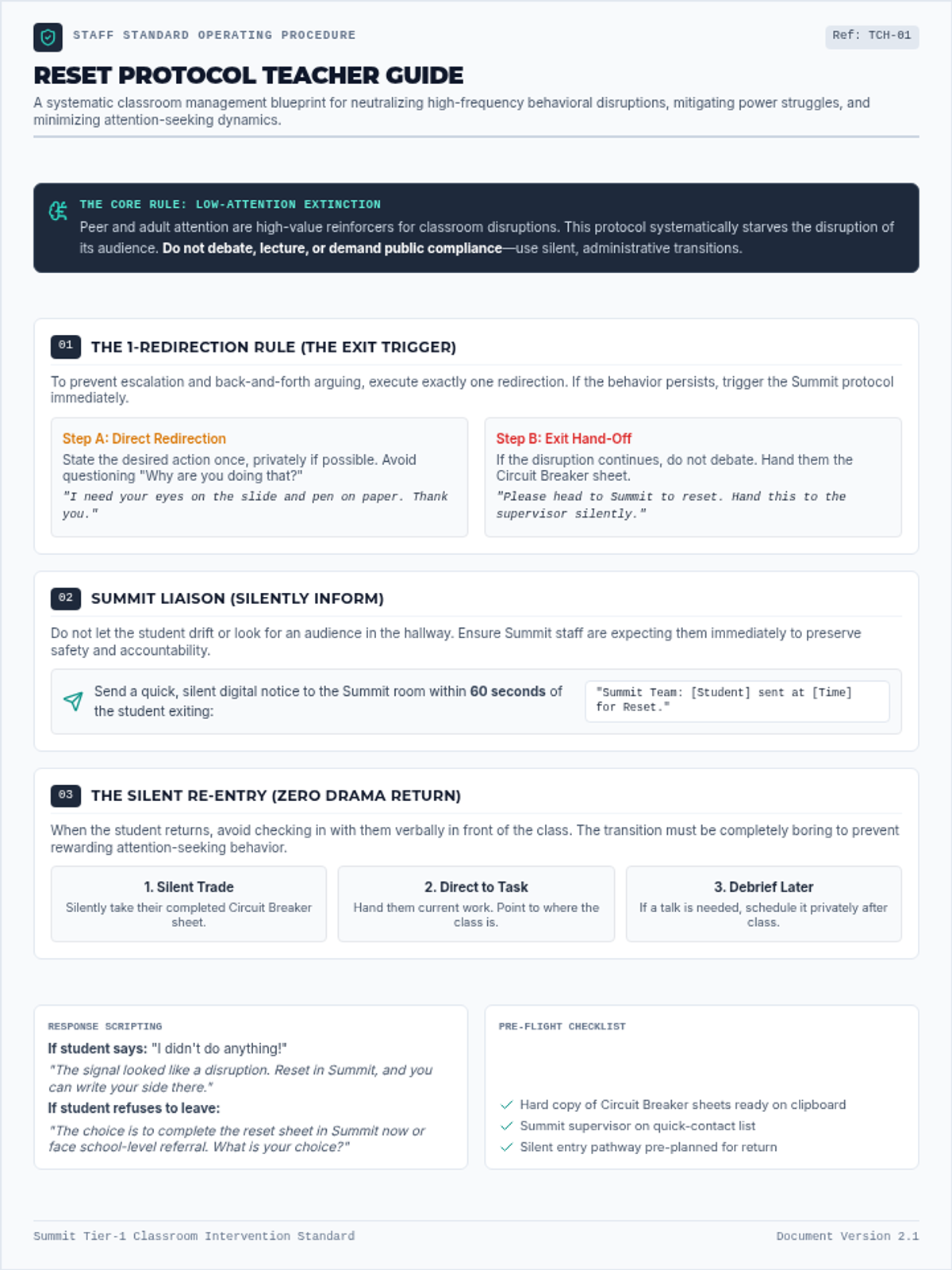
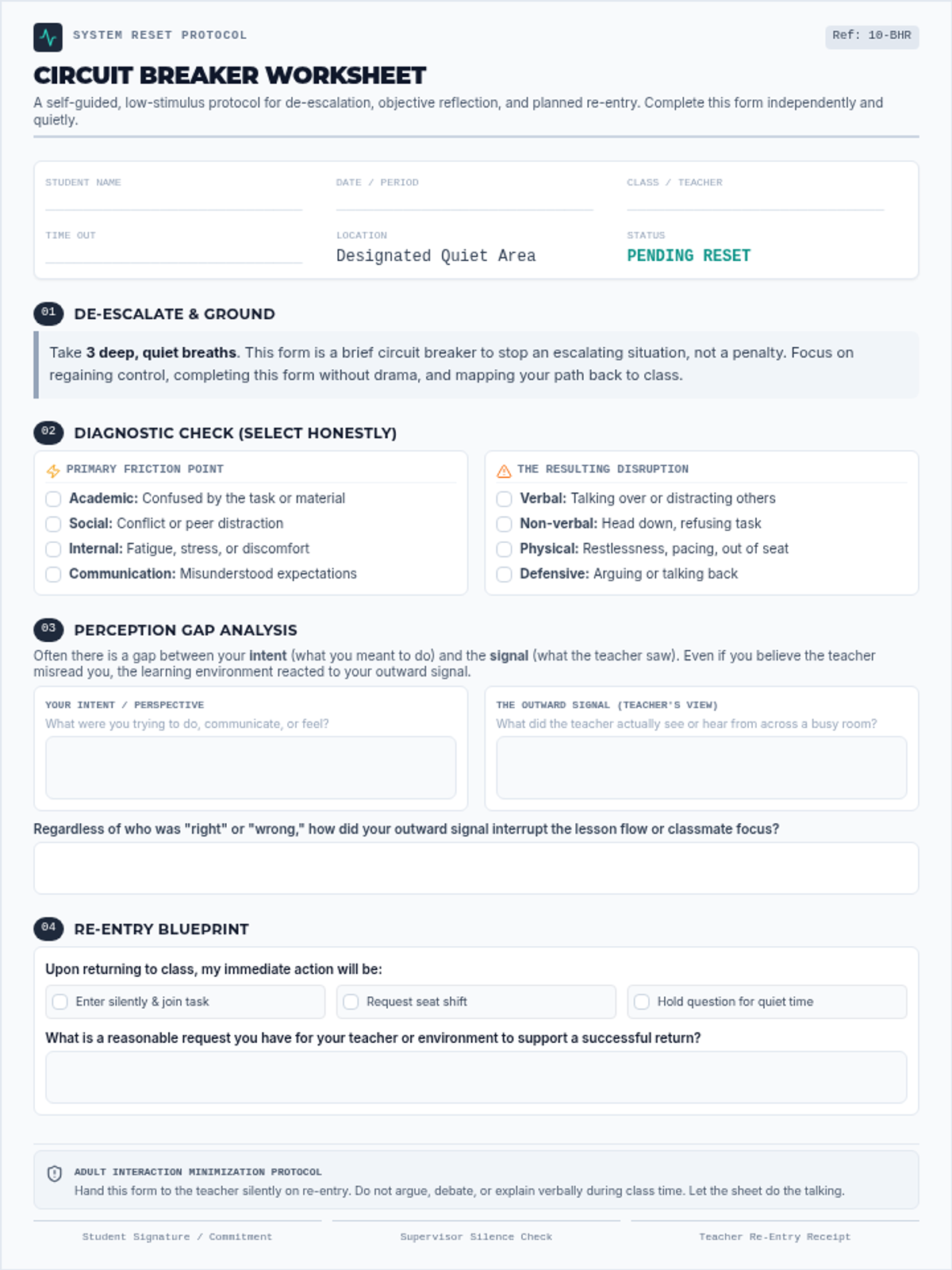
A systematic classroom management lesson consisting of a self-guided student worksheet and a teacher protocol guide, designed to manage high school behavioral disruptions with low-stimulus interventions.
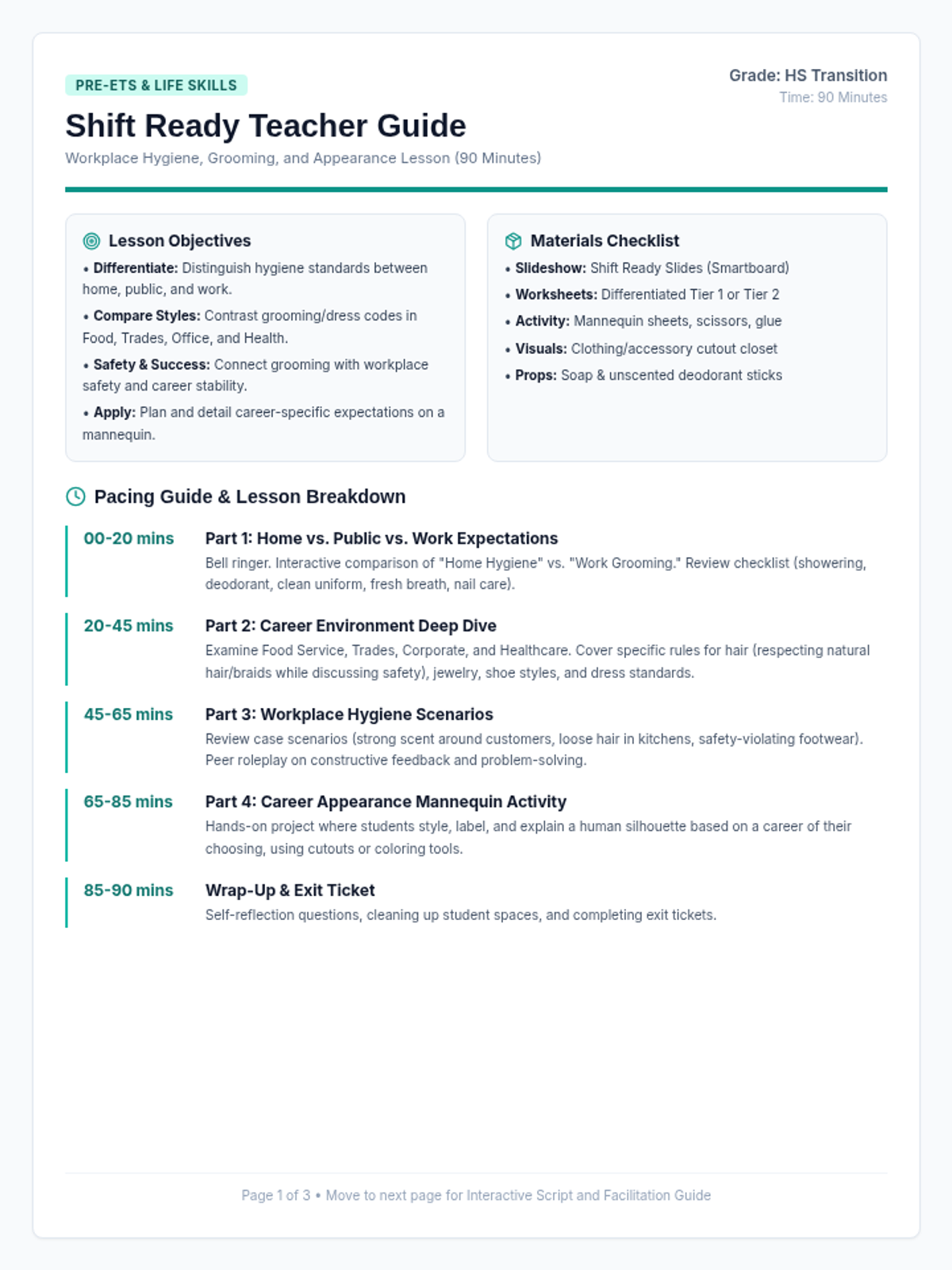
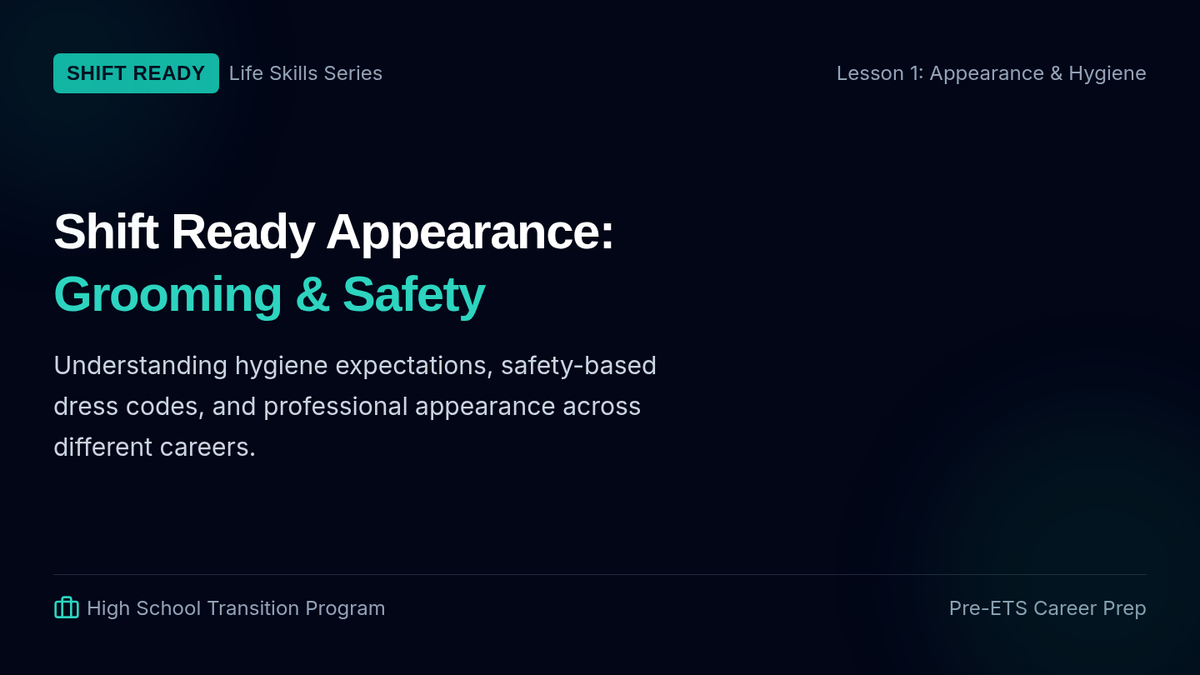
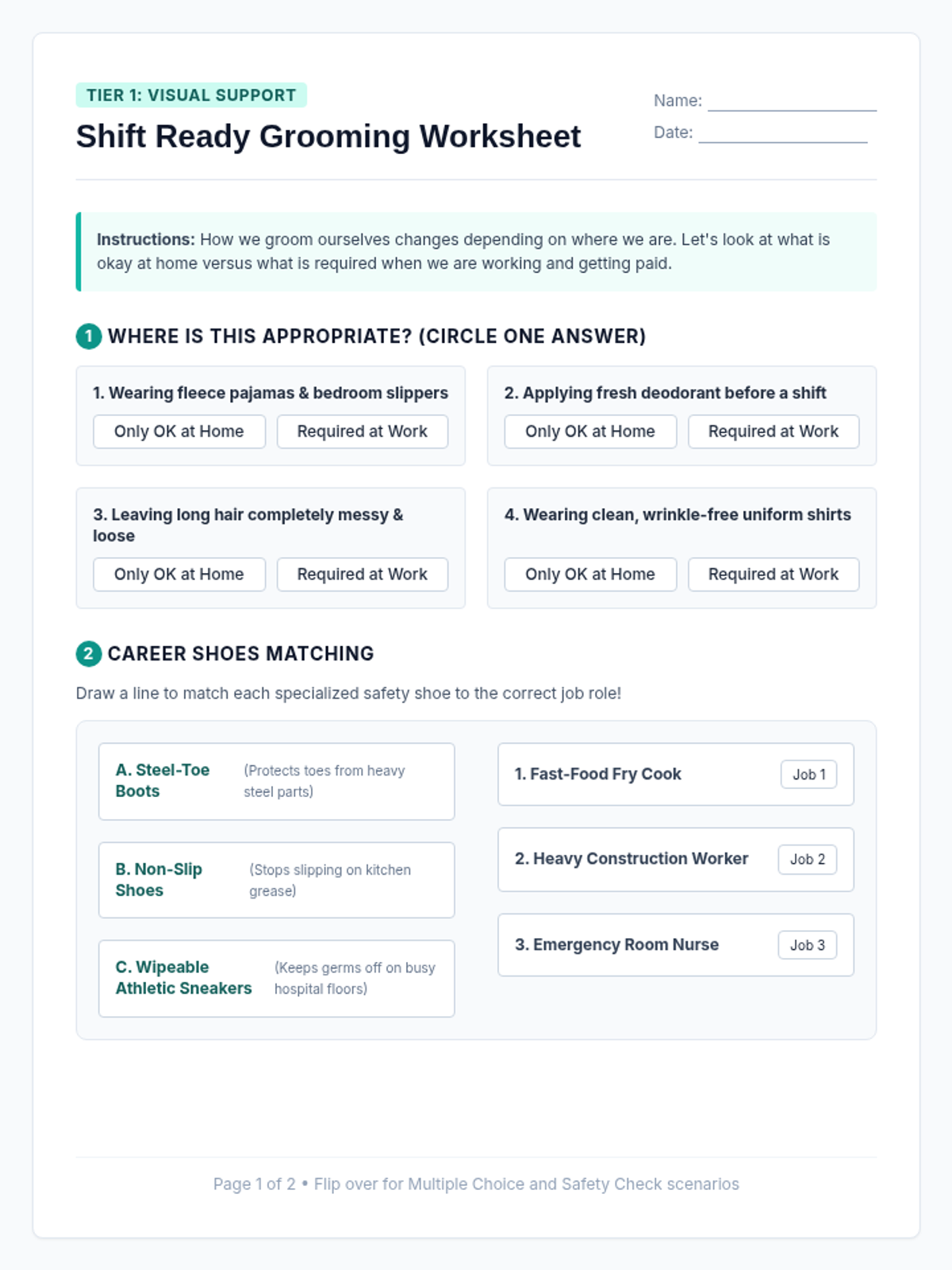
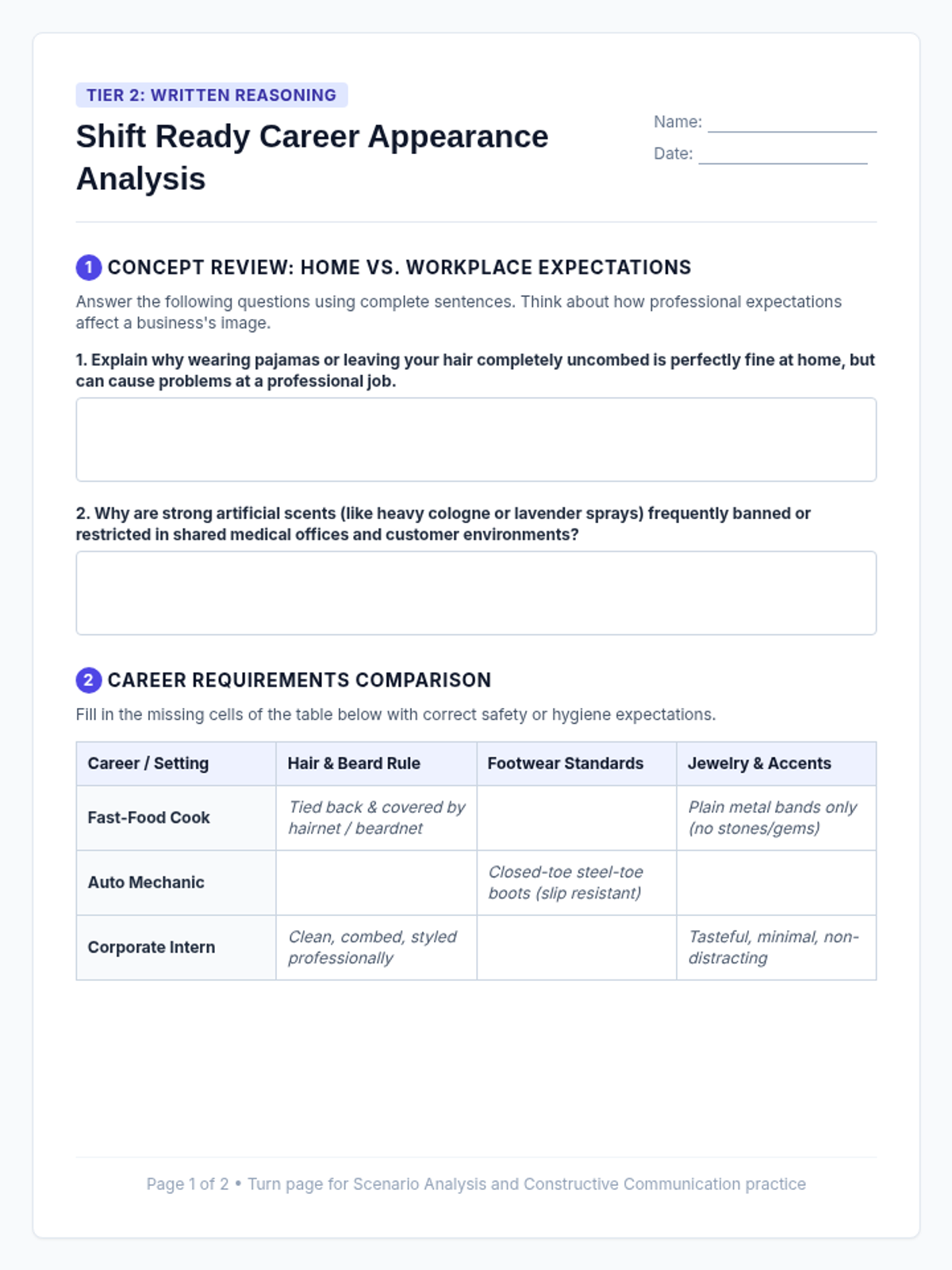
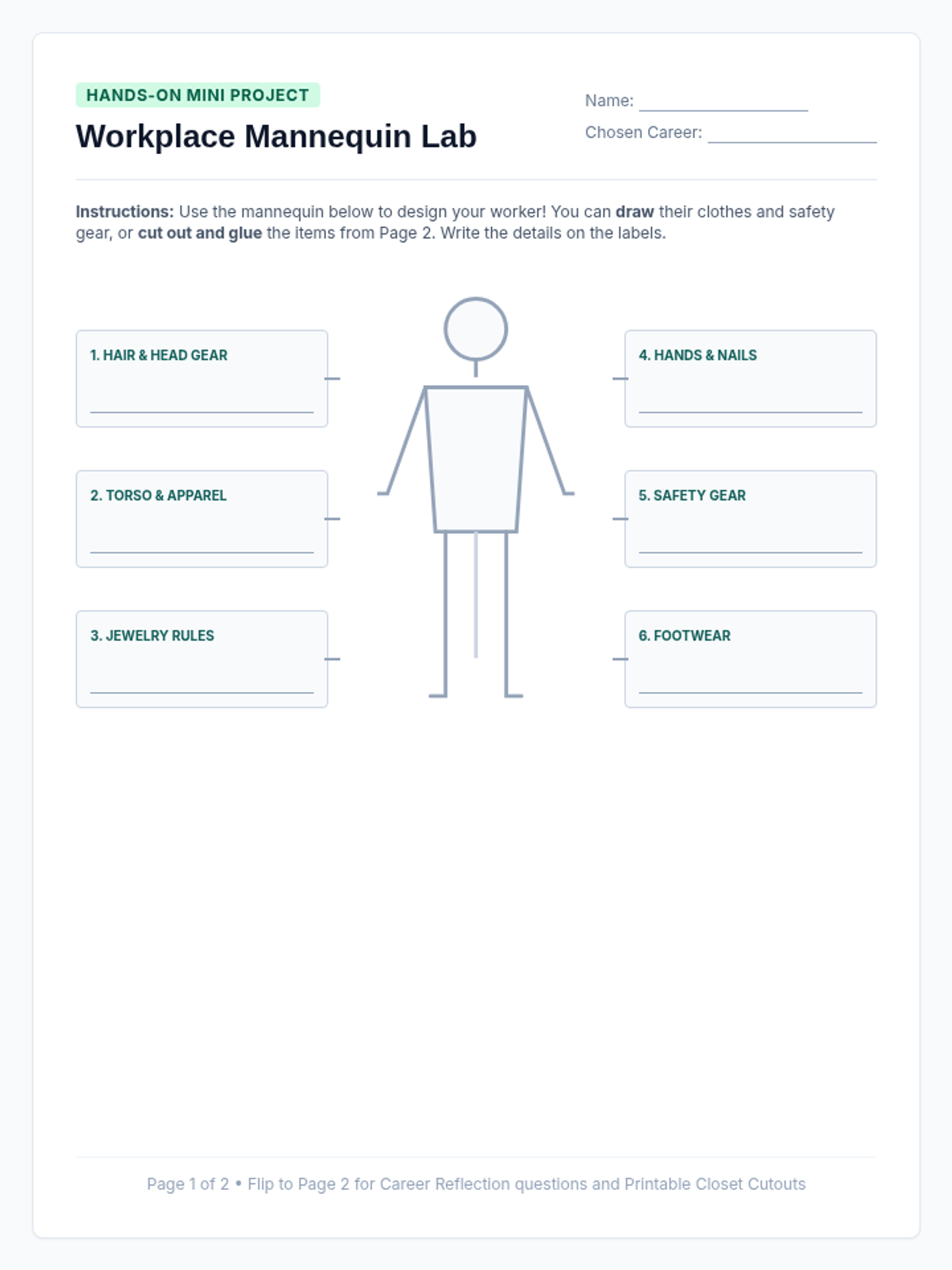
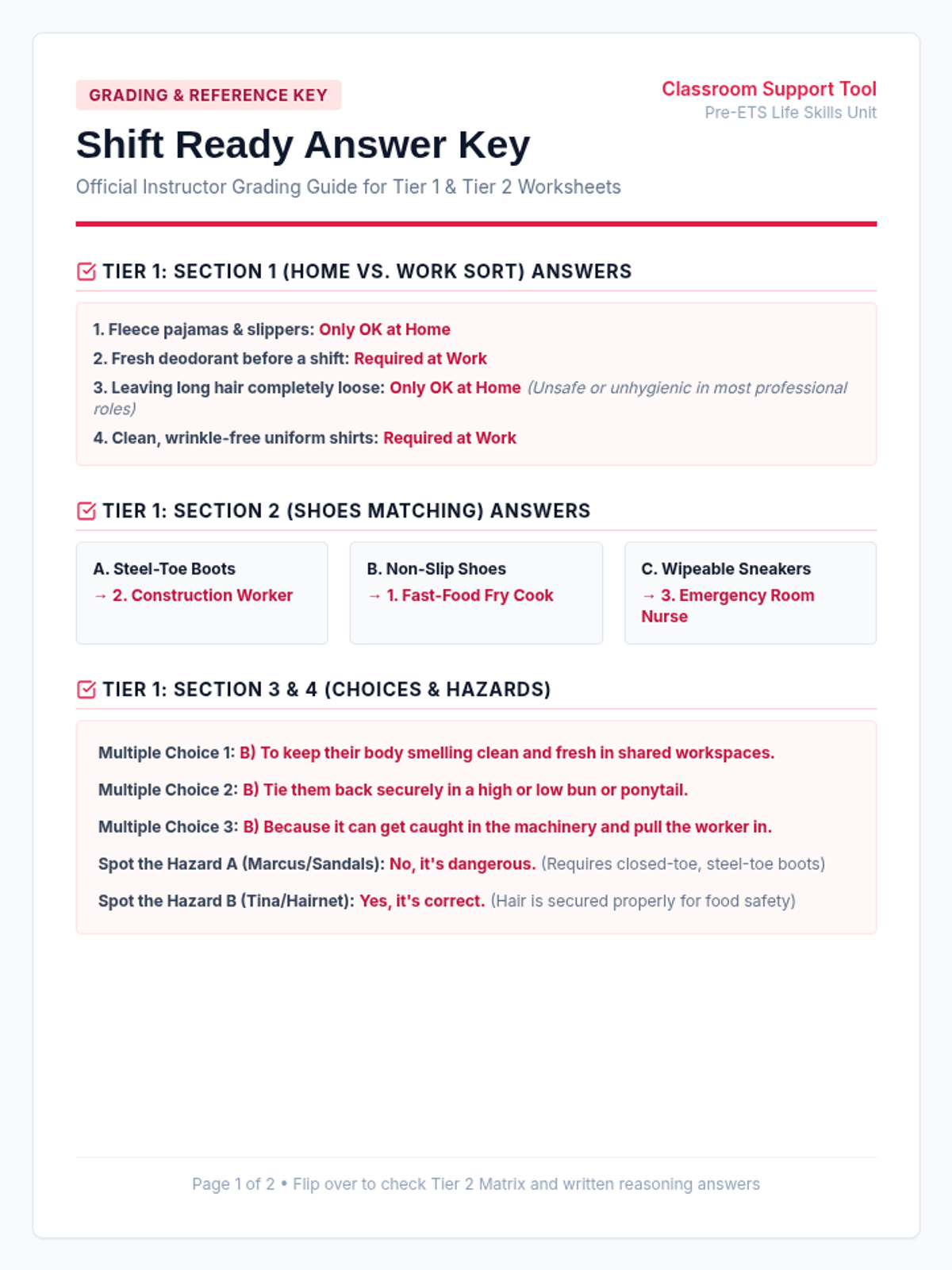
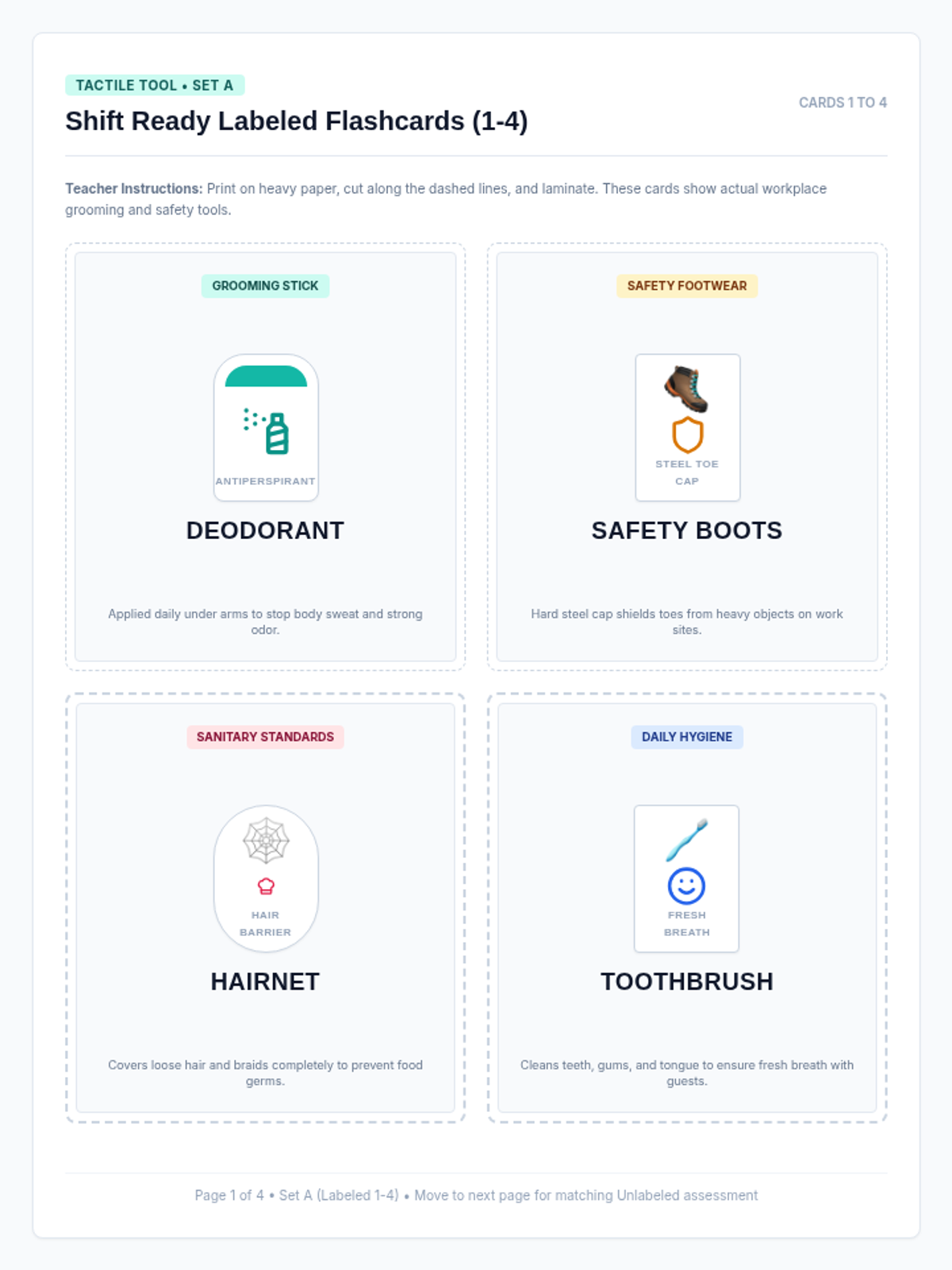
A functional life skills lesson for high school transition students focused on workplace hygiene, grooming, and safety-based dress codes across multiple environments. Includes structured slides, tiered student worksheets, interactive roleplays, and a career appearance mannequin activity.
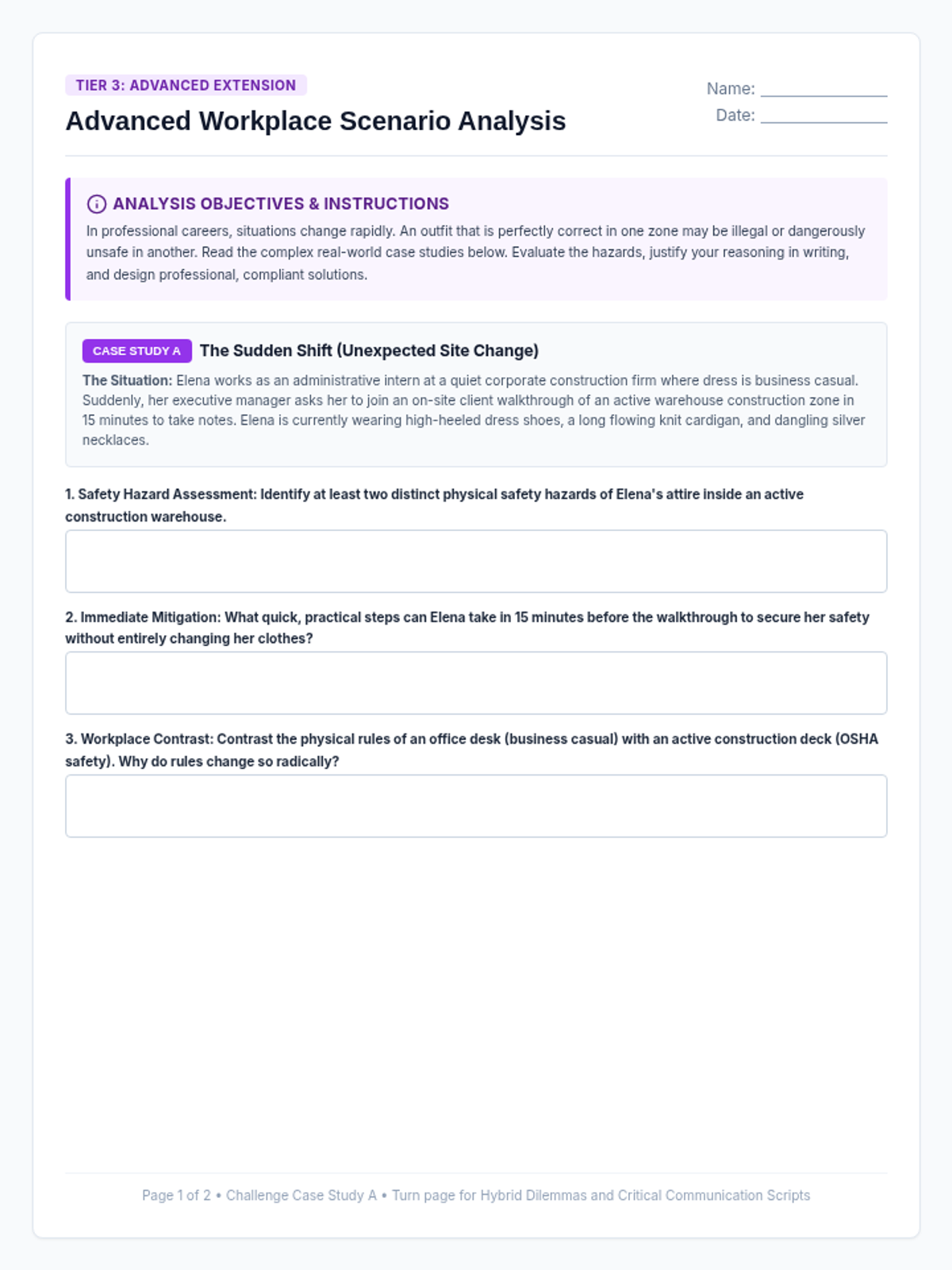
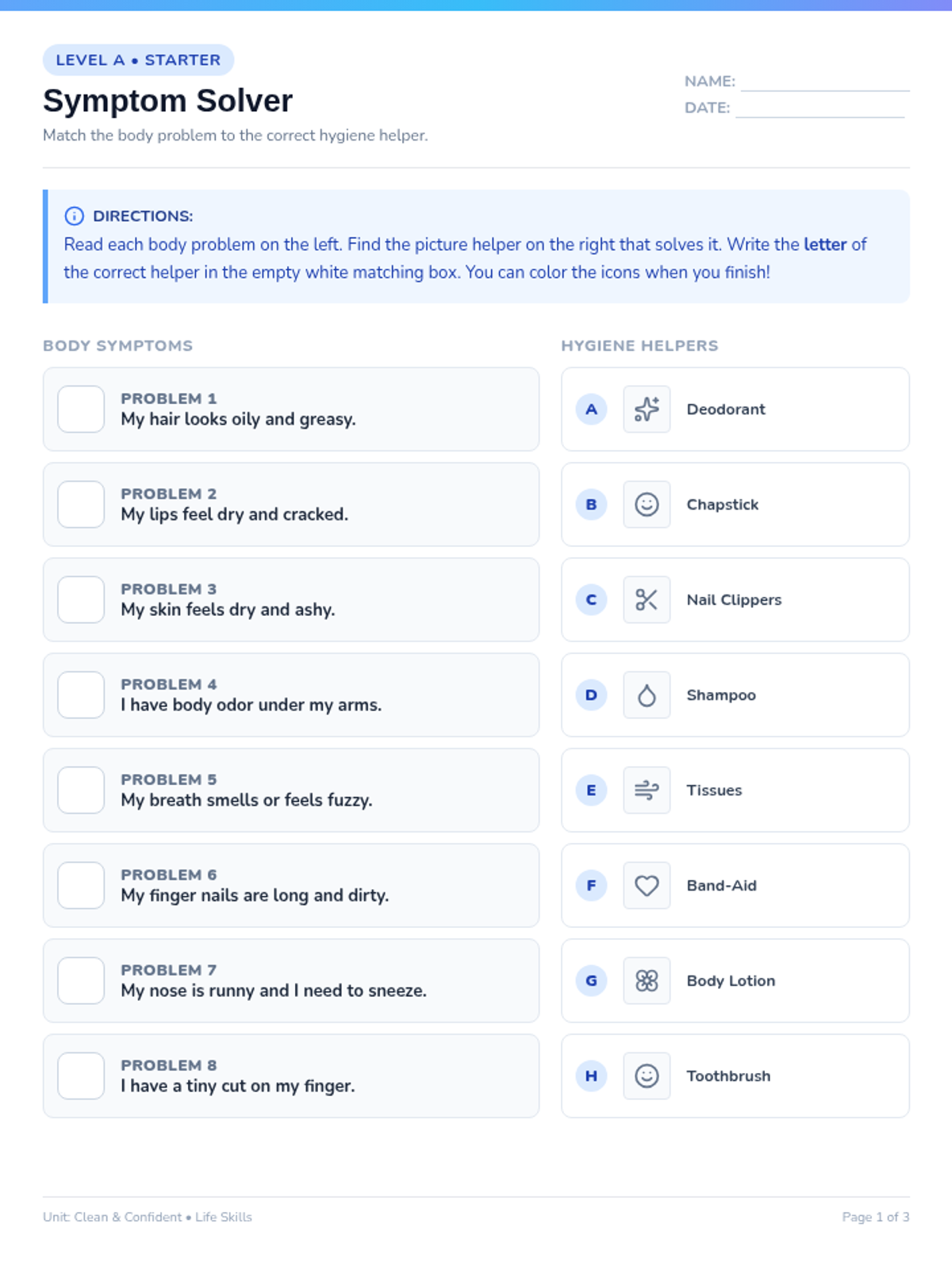
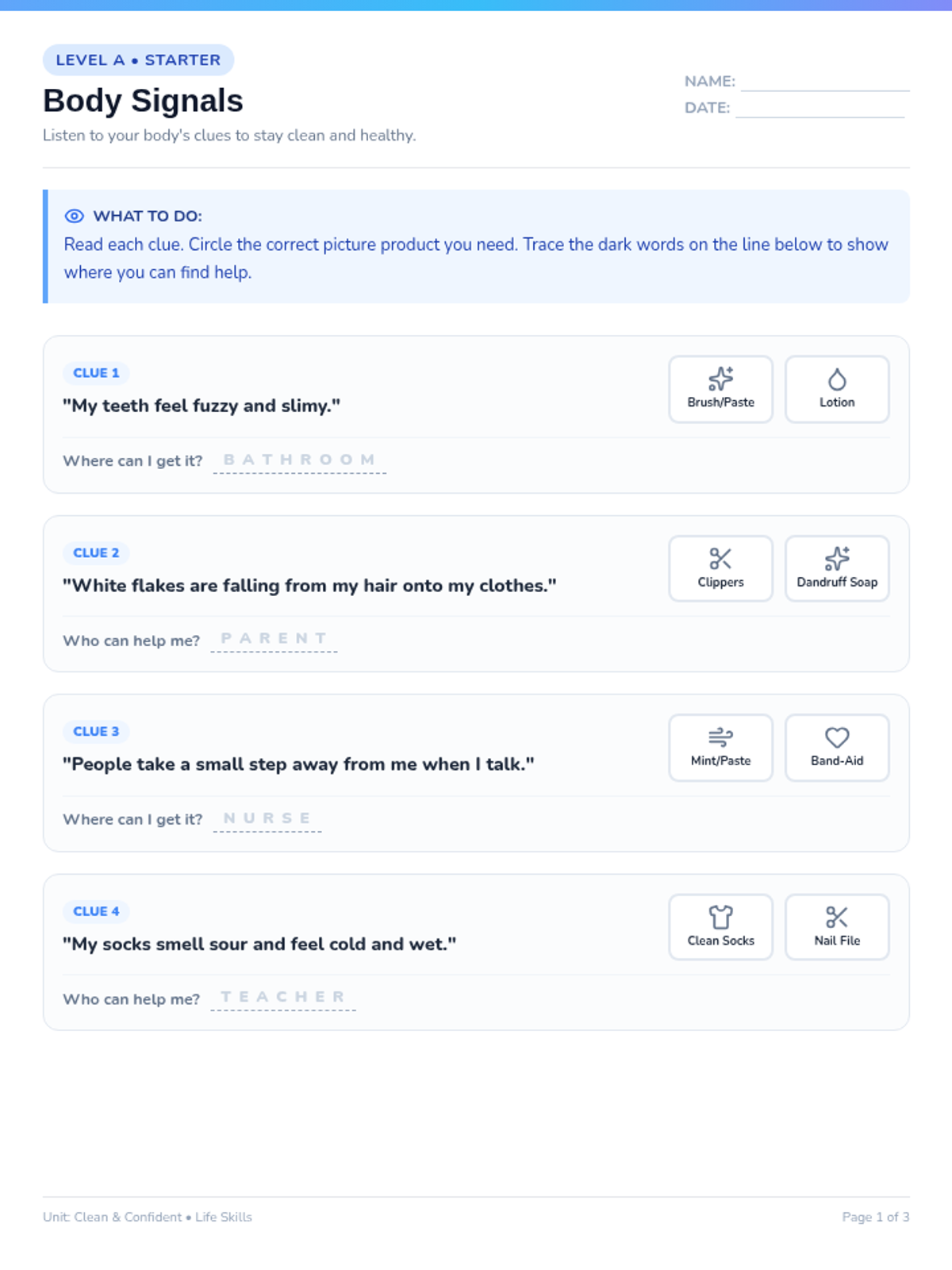
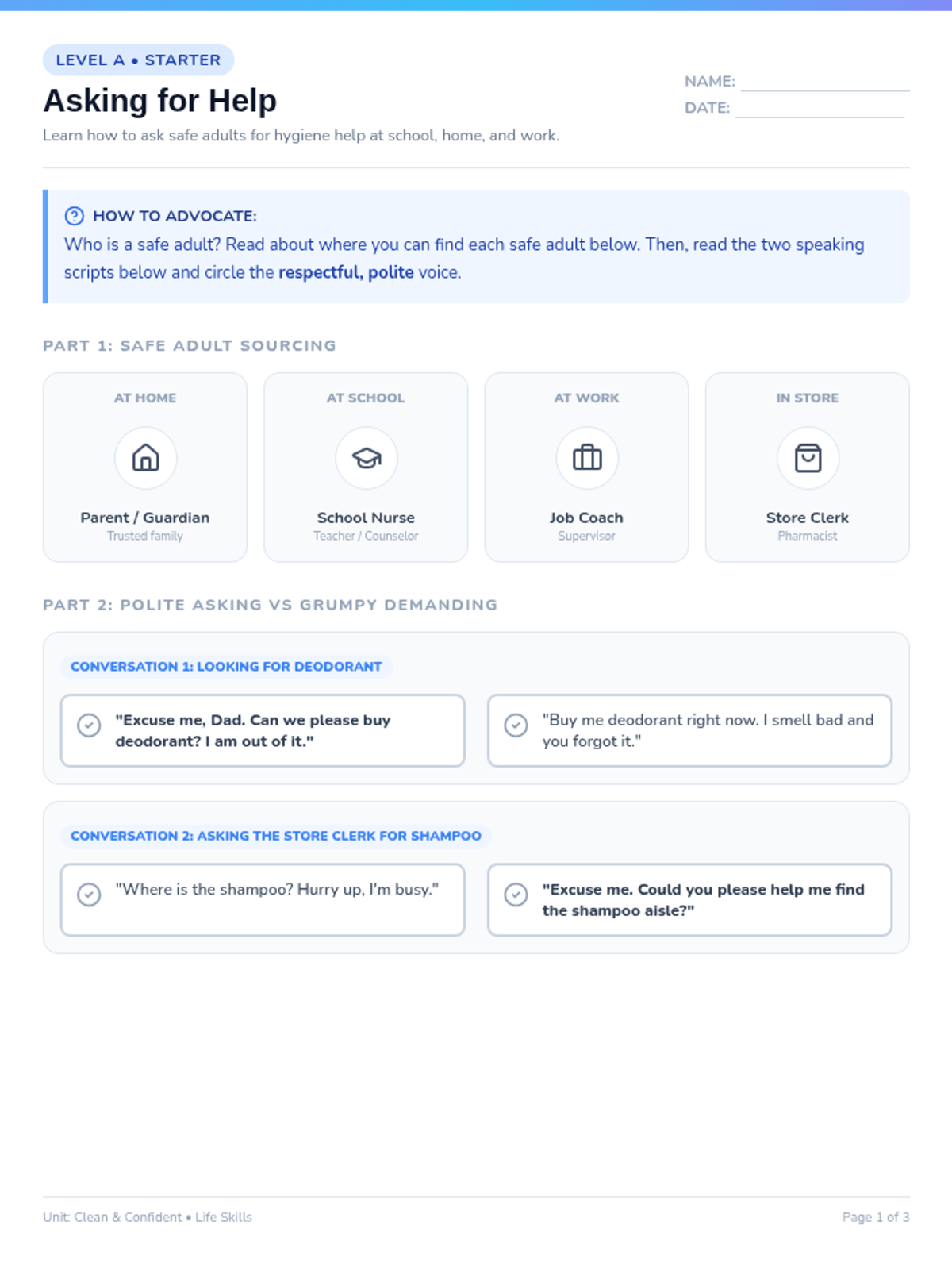
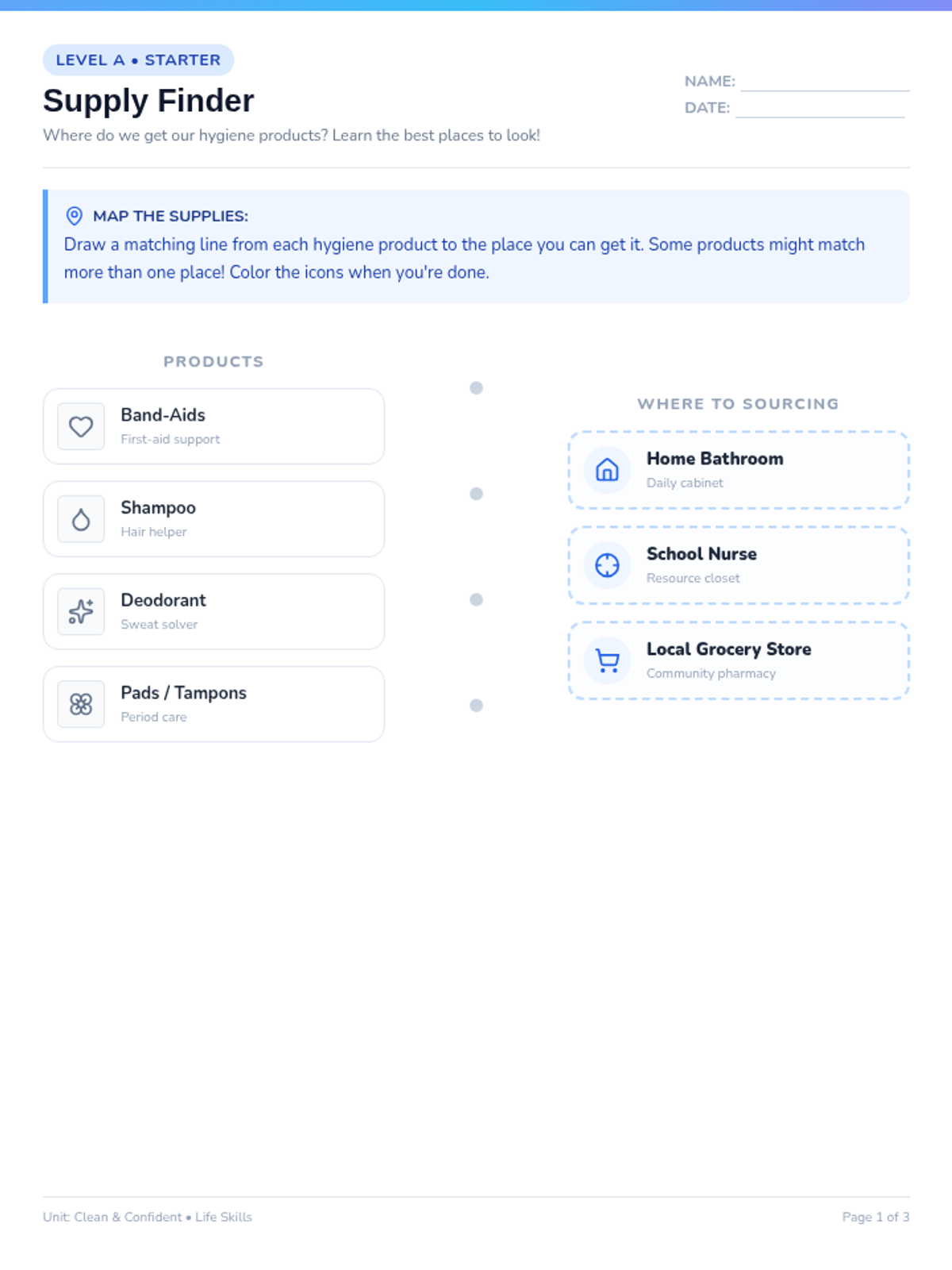
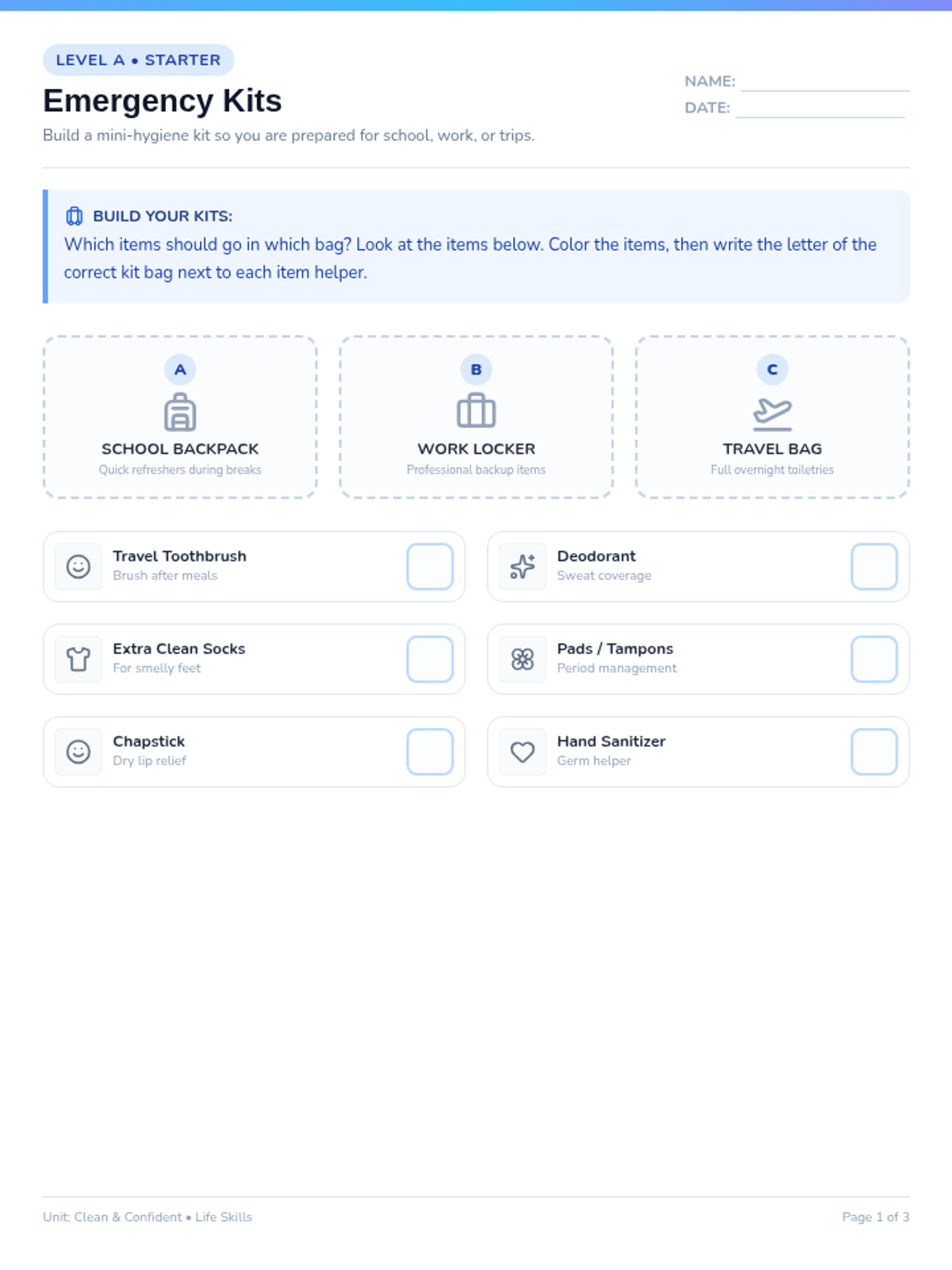
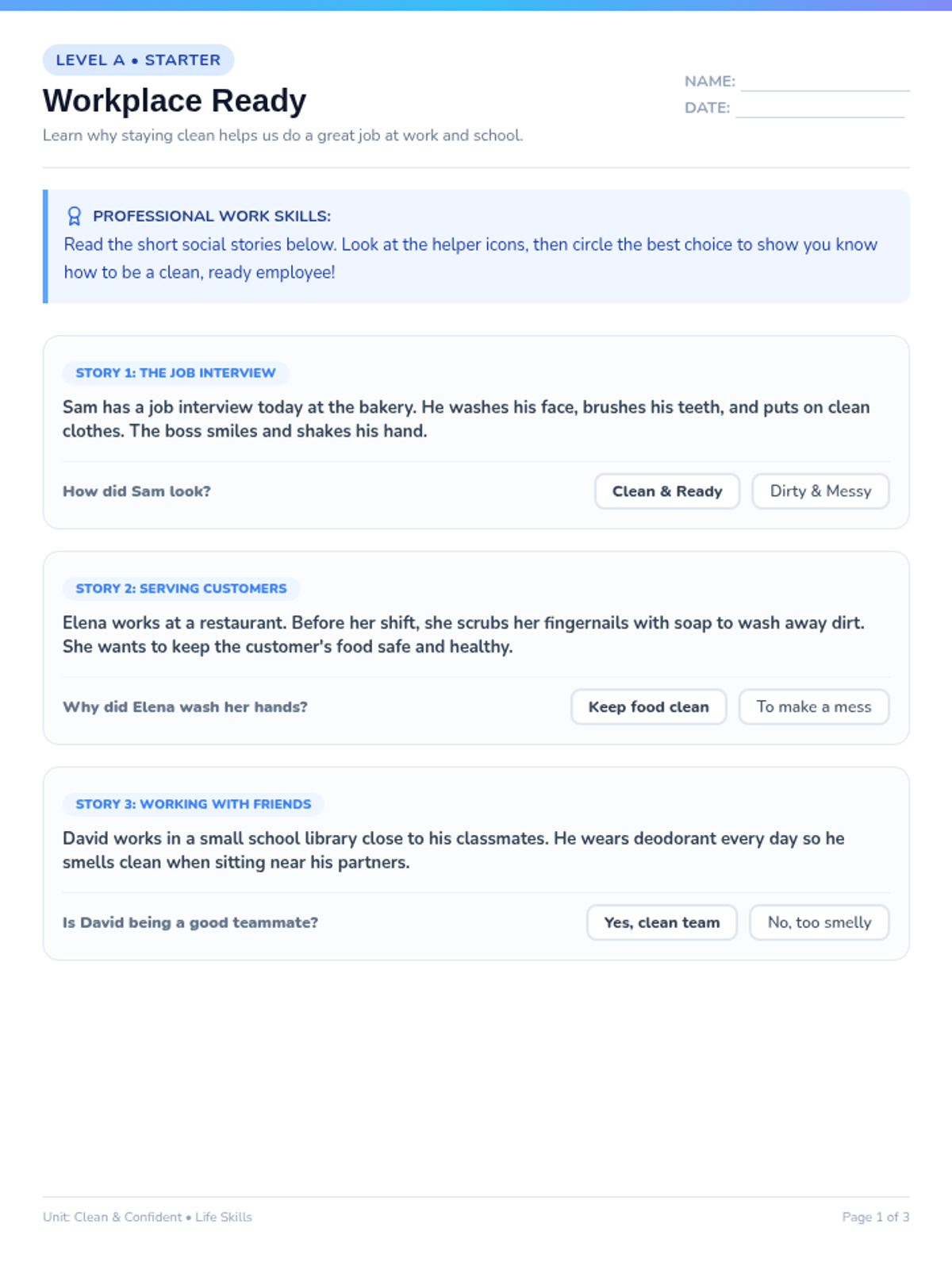
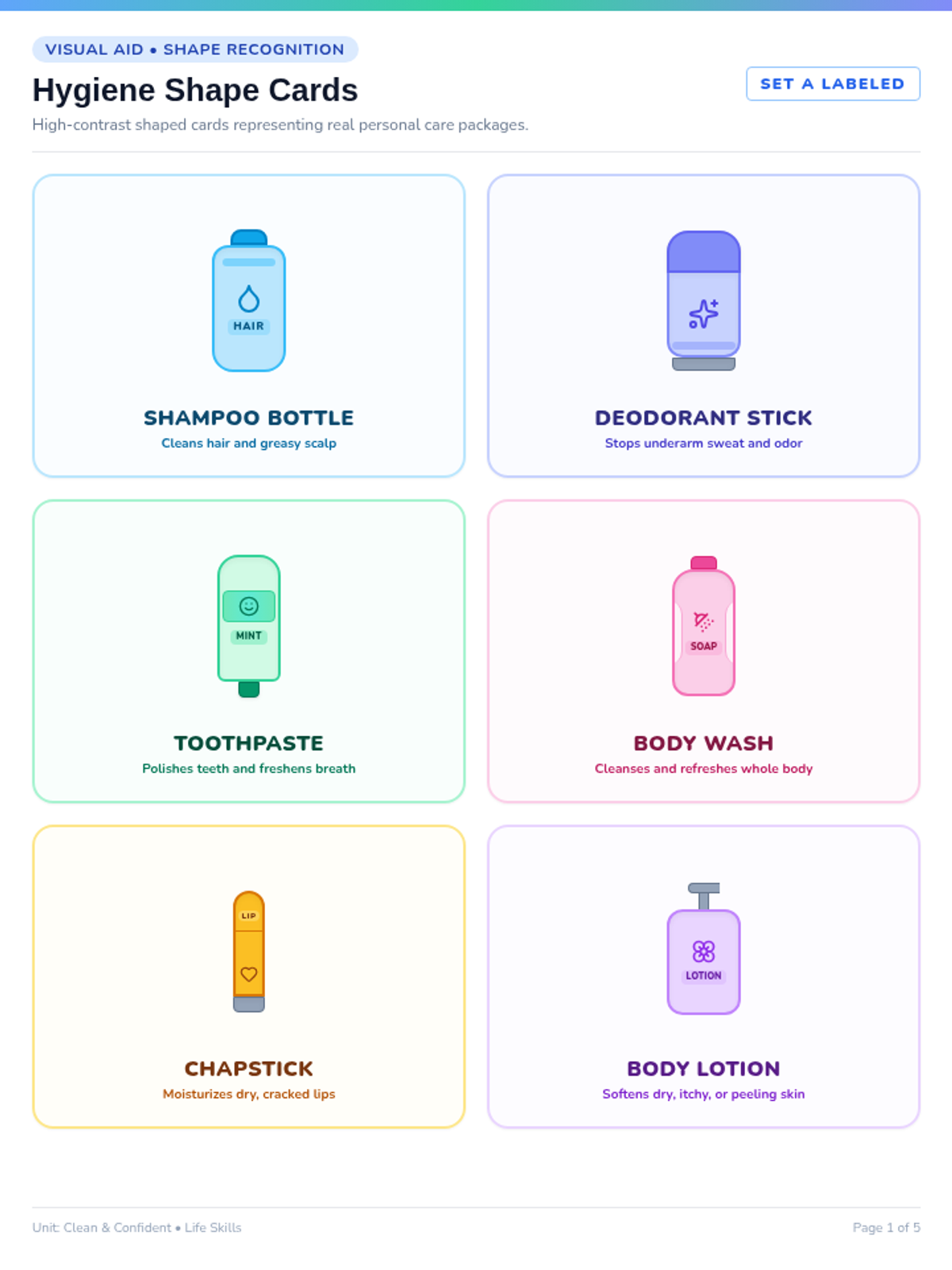
A comprehensive functional life skills unit teaching hygiene independence, self-advocacy, and workplace readiness for middle and high school special education students. Includes visual matching, body signal decoding, safe-adult communication scripts, sourcing maps, emergency kit preparation, and workplace scenario analysis.
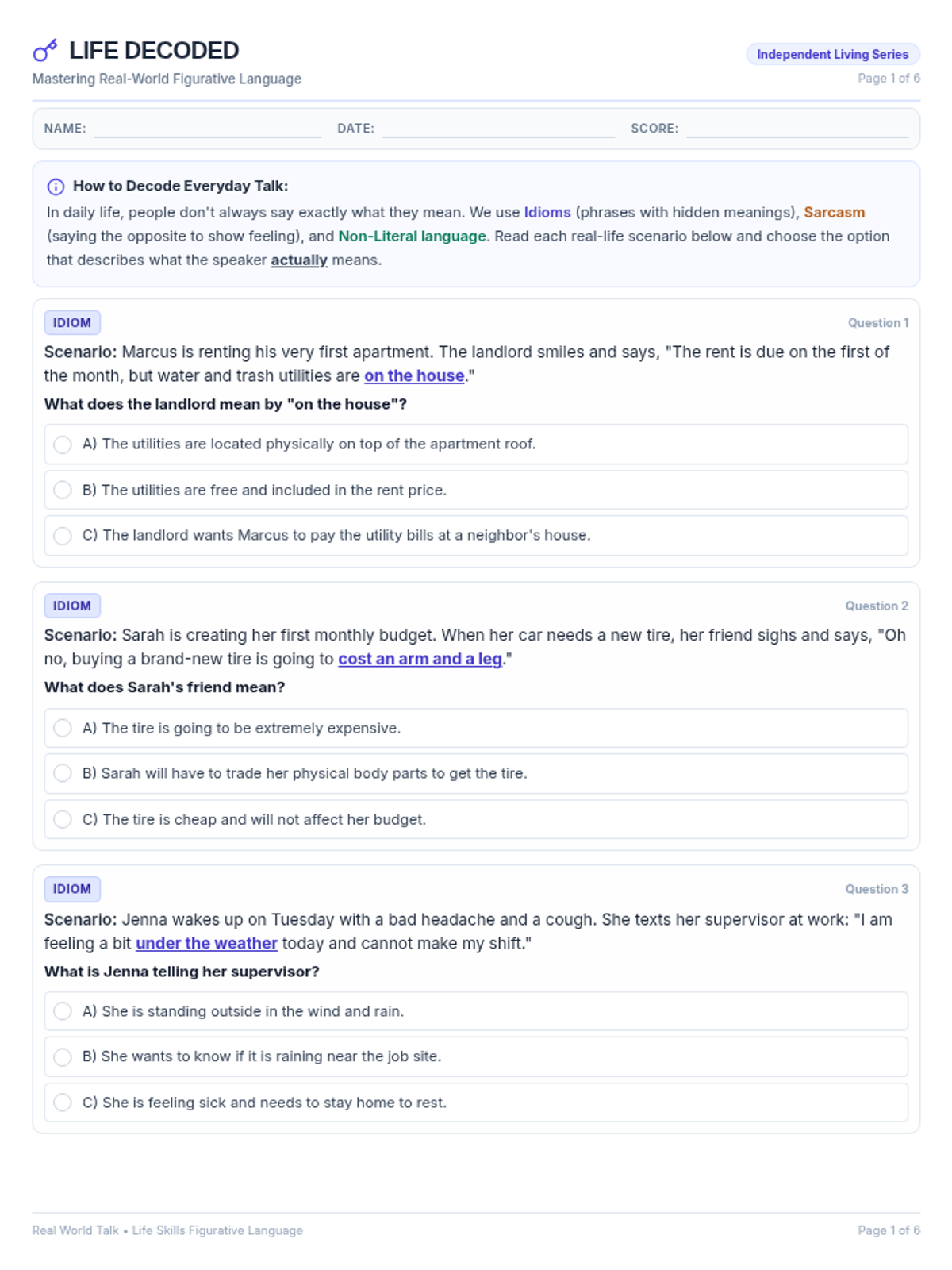
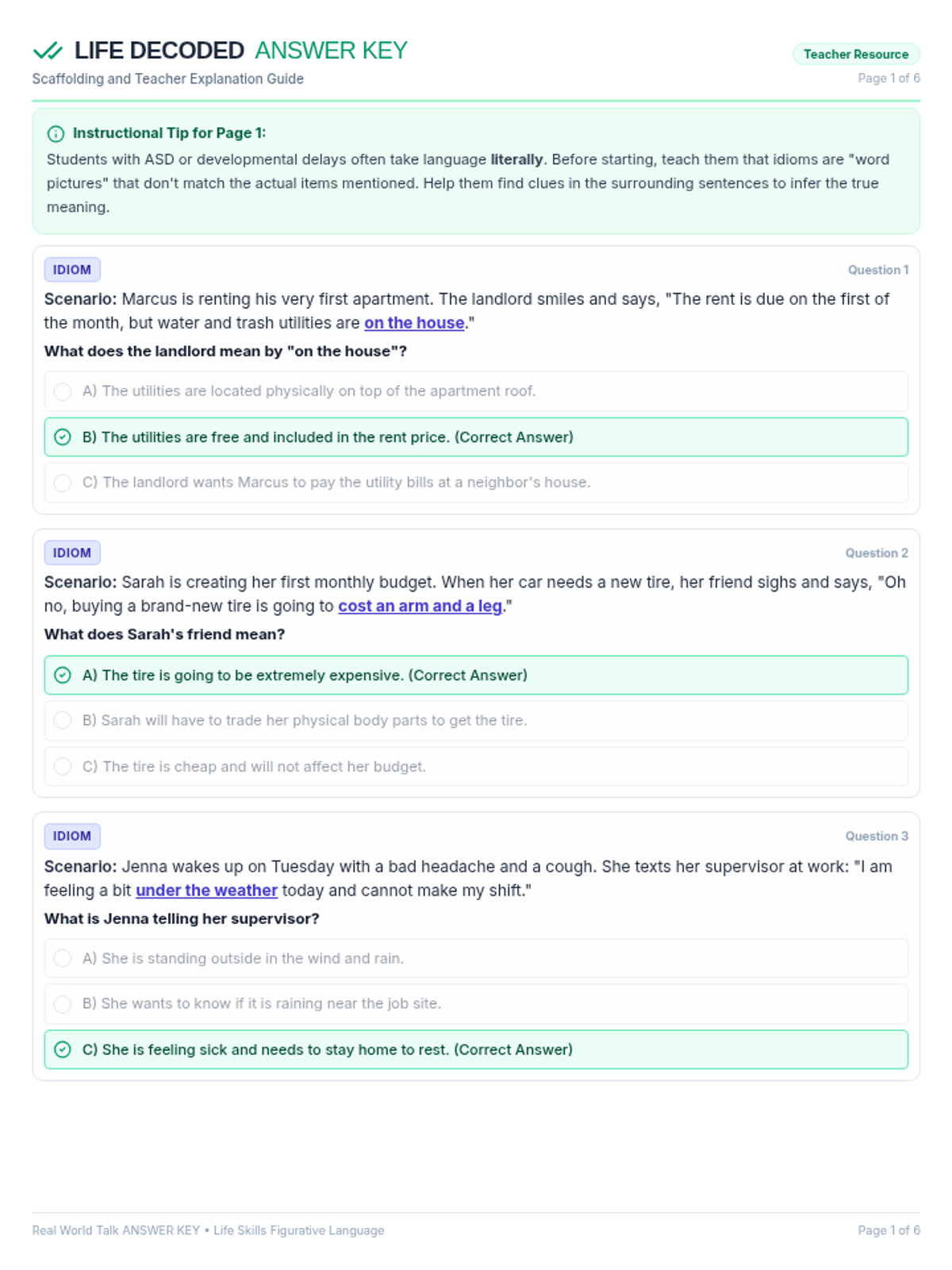
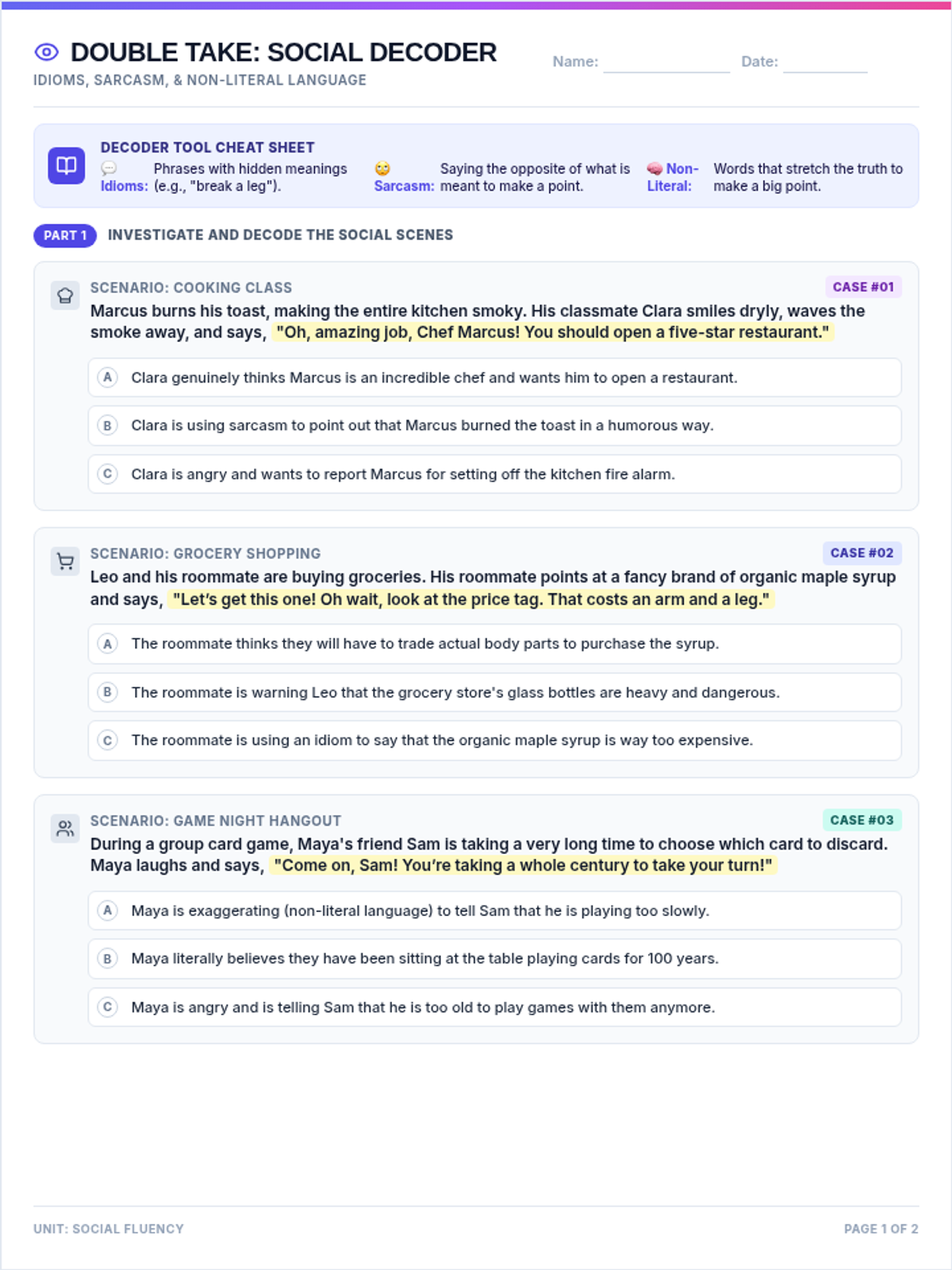
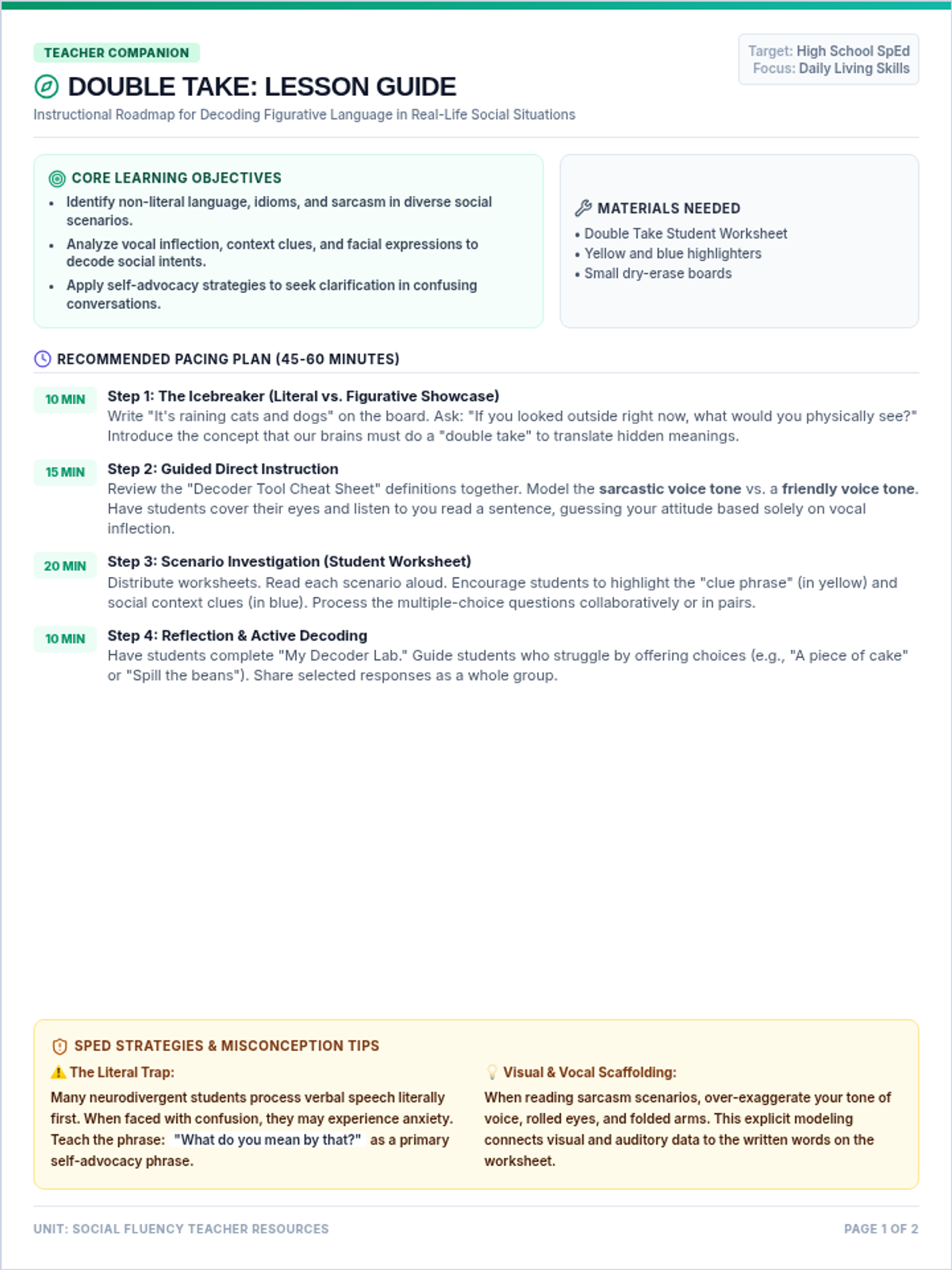
A comprehensive lesson designed for special education high school students to master figurative language, sarcasm, and idioms in independent living and real-world daily scenarios.
A targeted lesson for high school special education students focusing on identifying and interpreting figurative language, sarcasm, and idioms in daily independent living and social situations.
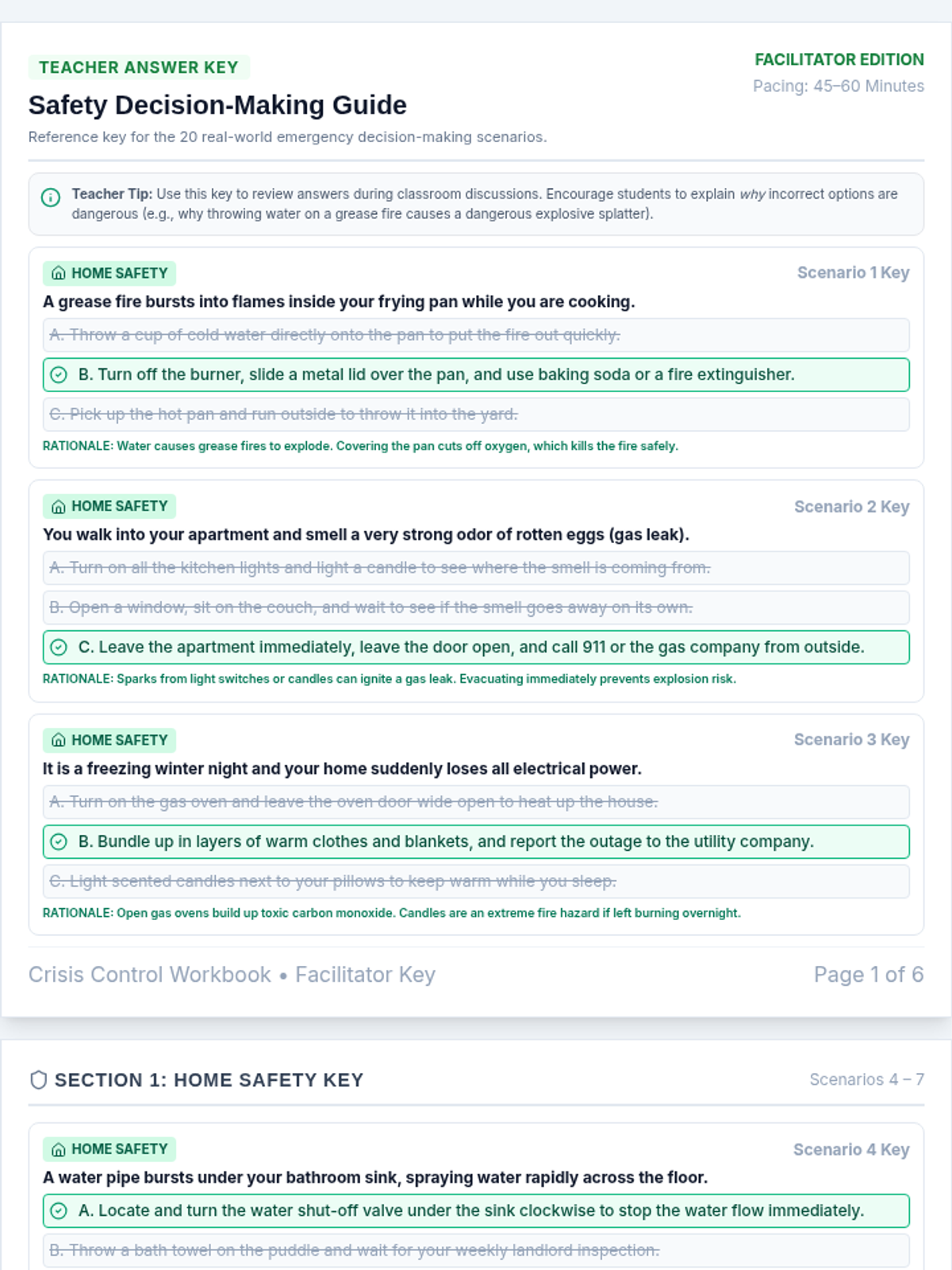
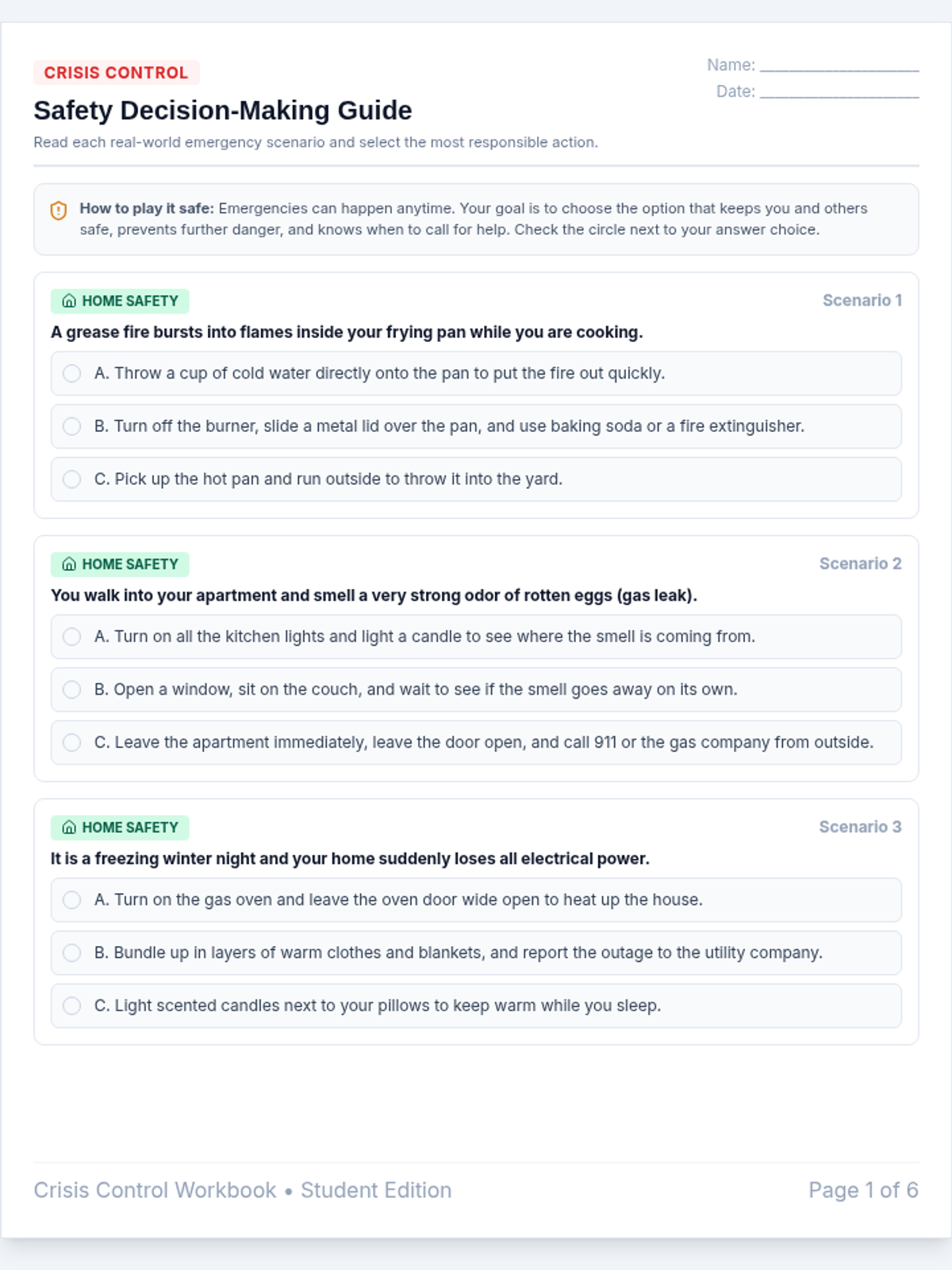
A practical transition lesson designed to teach students how to identify, assess, and responsibly respond to 20 realistic emergency scenarios across home, community, and vocational settings.
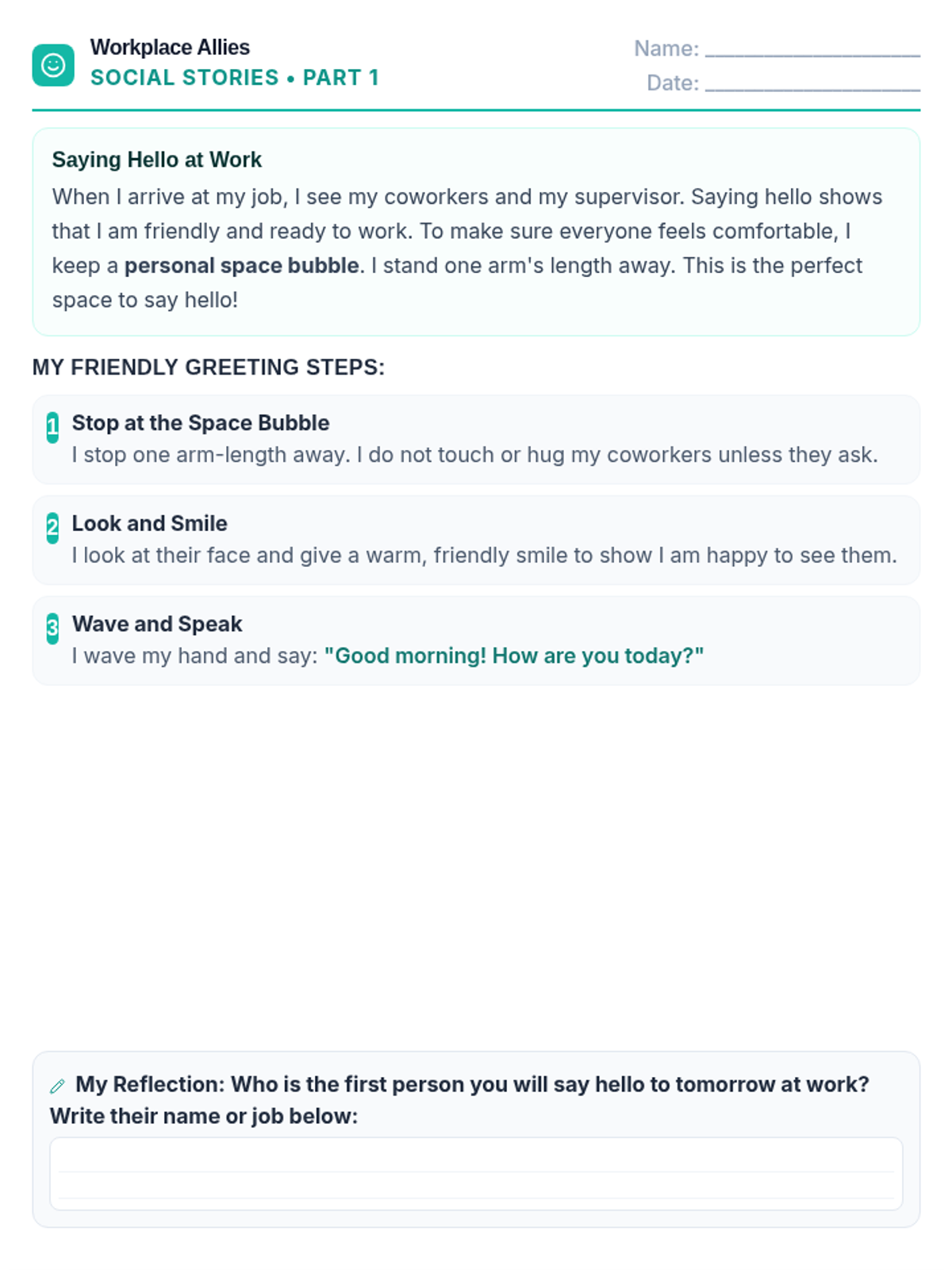
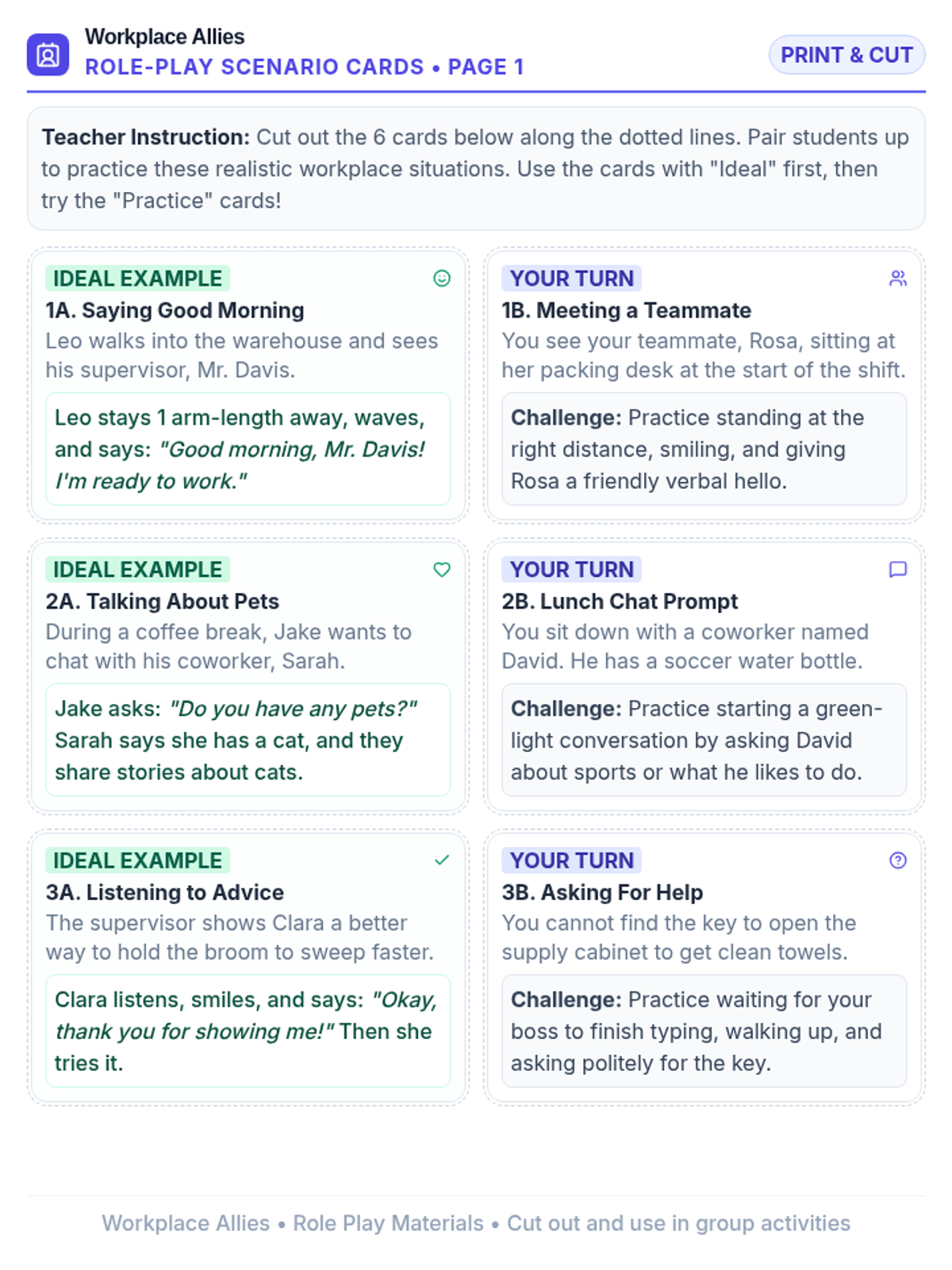
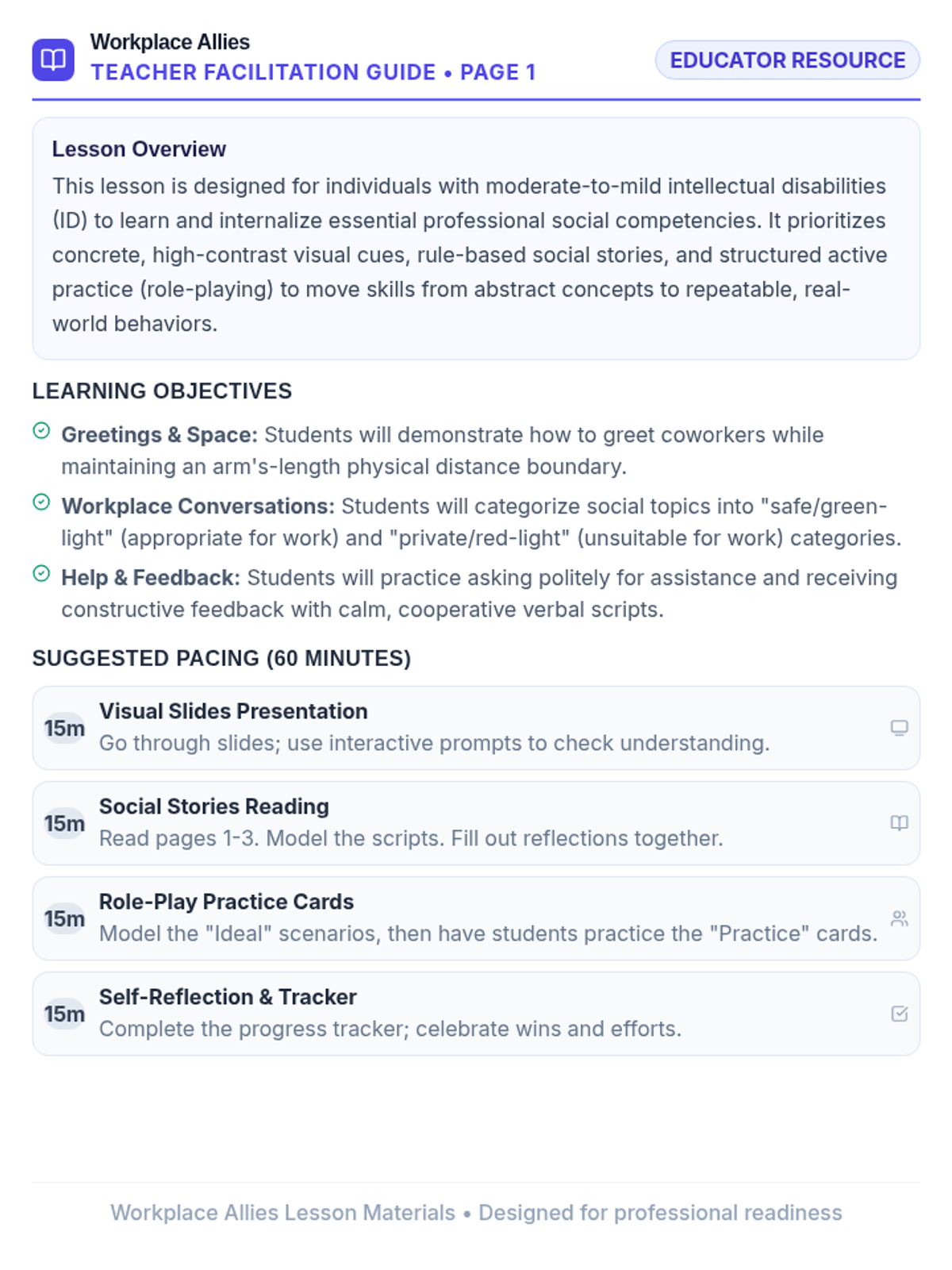
A visual, highly structured lesson designed to teach individuals with intellectual disabilities essential workplace social skills. The lesson covers greetings, personal space, appropriate topic selection, asking for help, and receiving supervisor feedback through interactive slides, visual social stories, and printable role-play scenario cards.
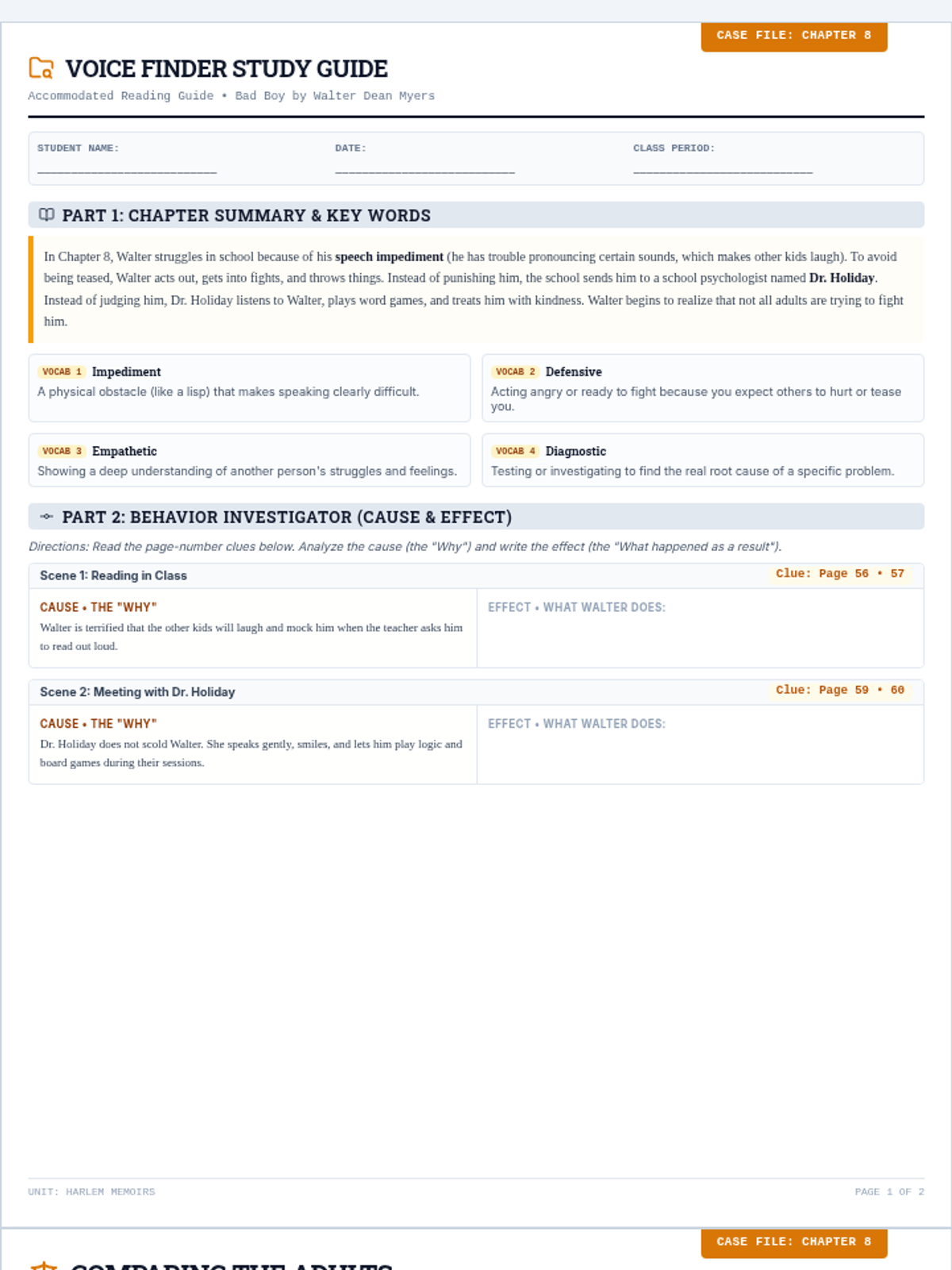
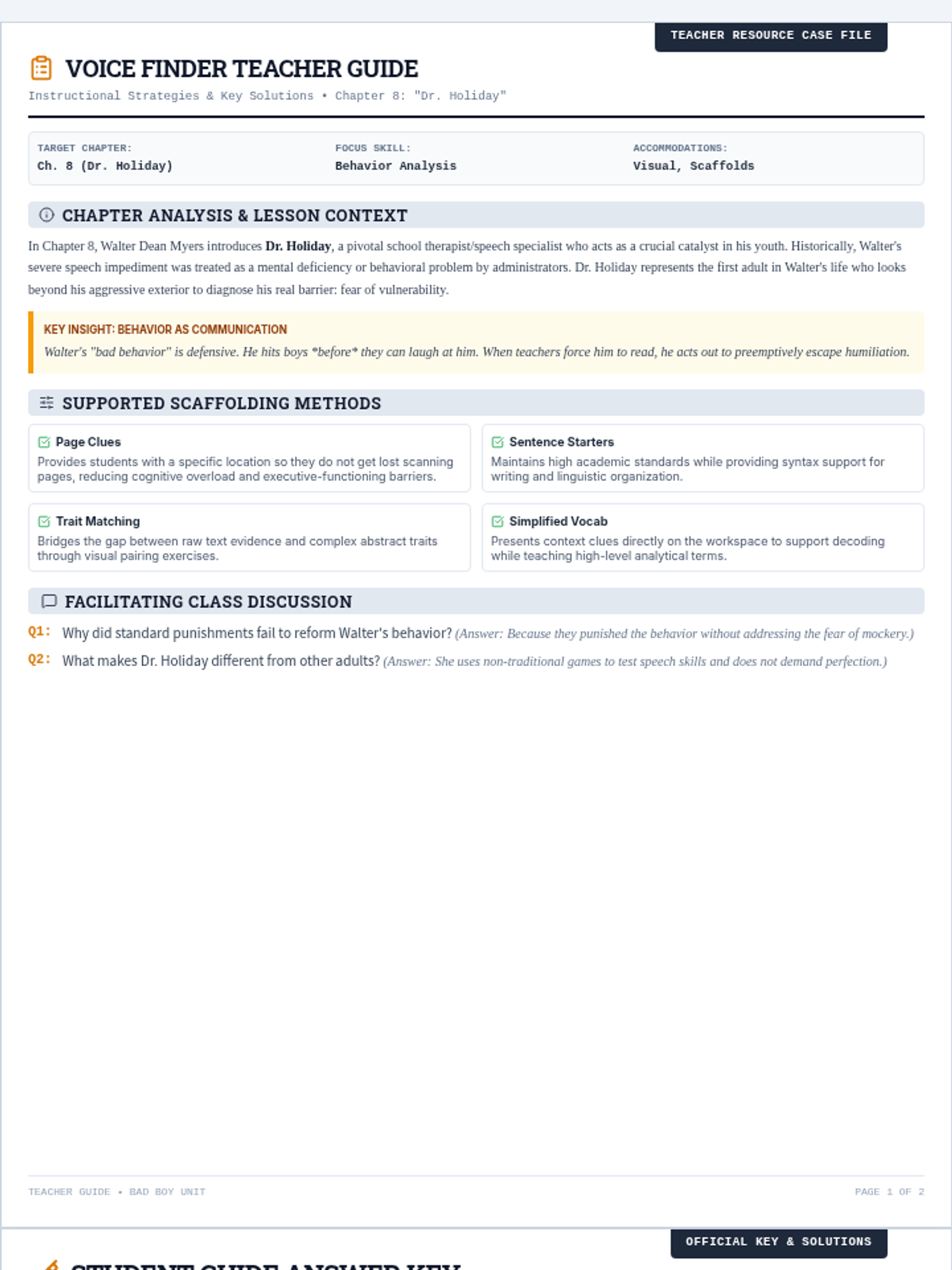
An accommodated, highly-scaffolded study guide and lesson resources focused on the 'Dr. Holiday' chapter of Walter Dean Myers' memoir, Bad Boy. Students explore character traits, comparison of adult figures, vocabulary, and cause-and-effect relationships surrounding Walter's behavior.
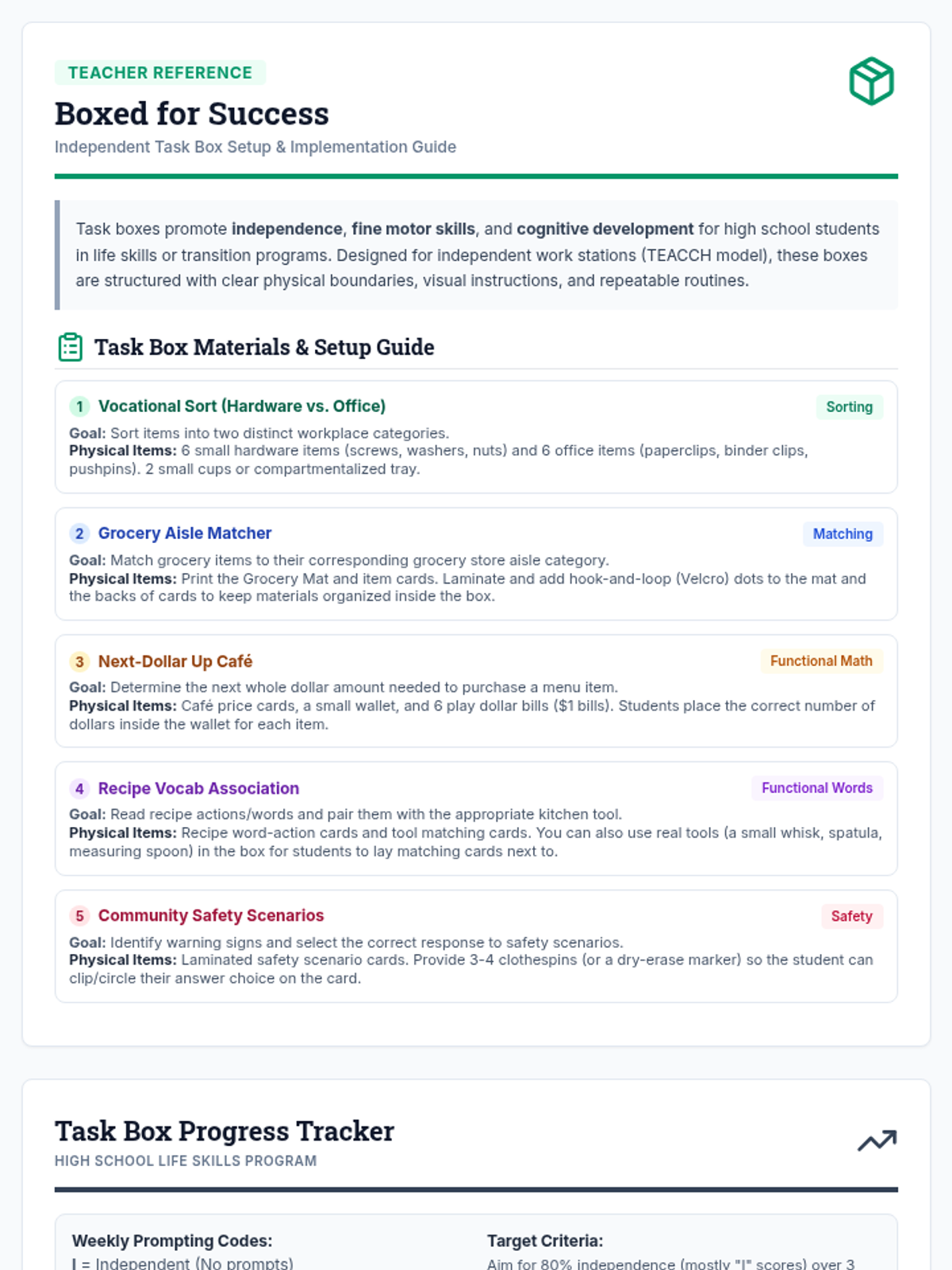
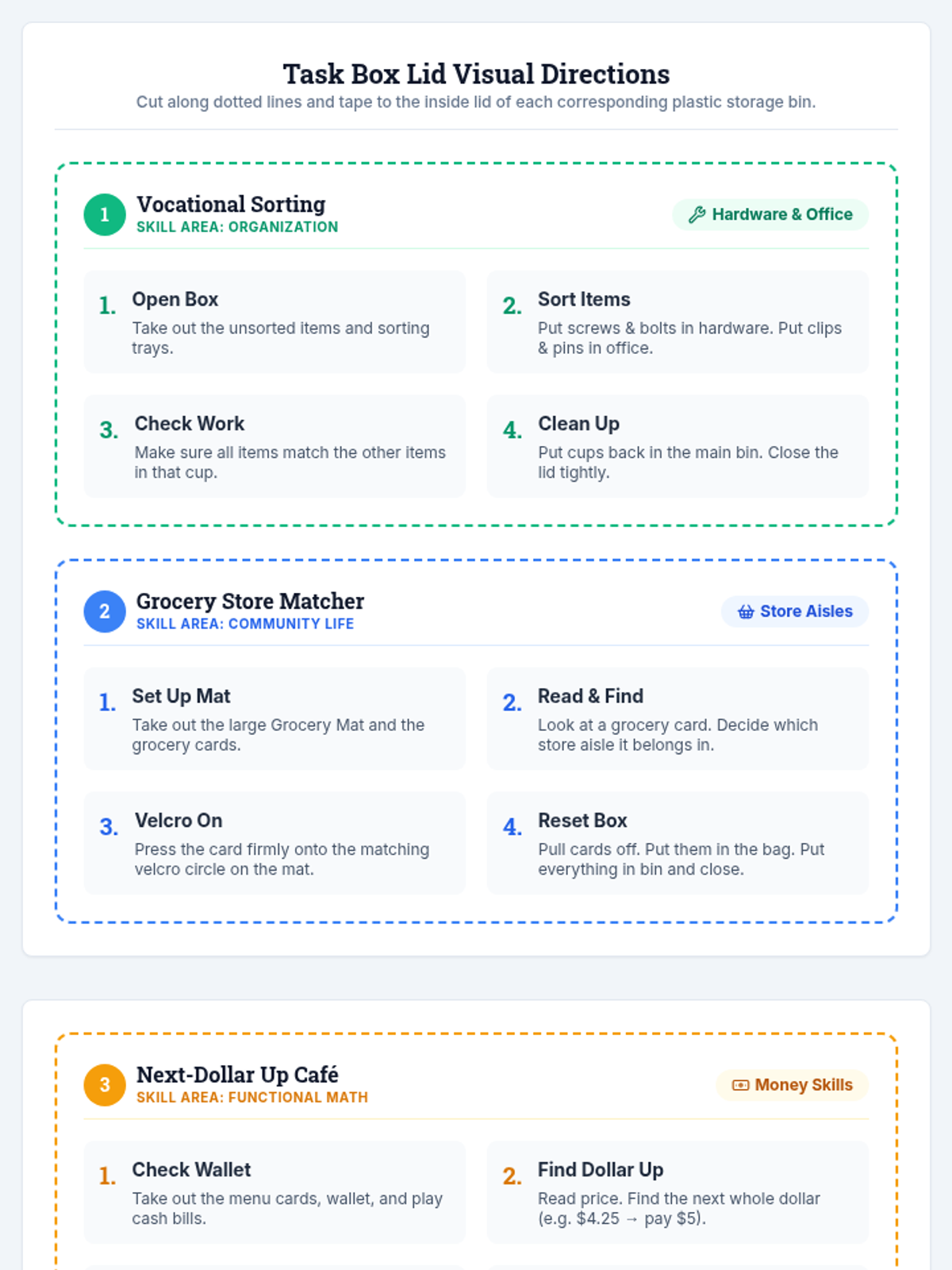
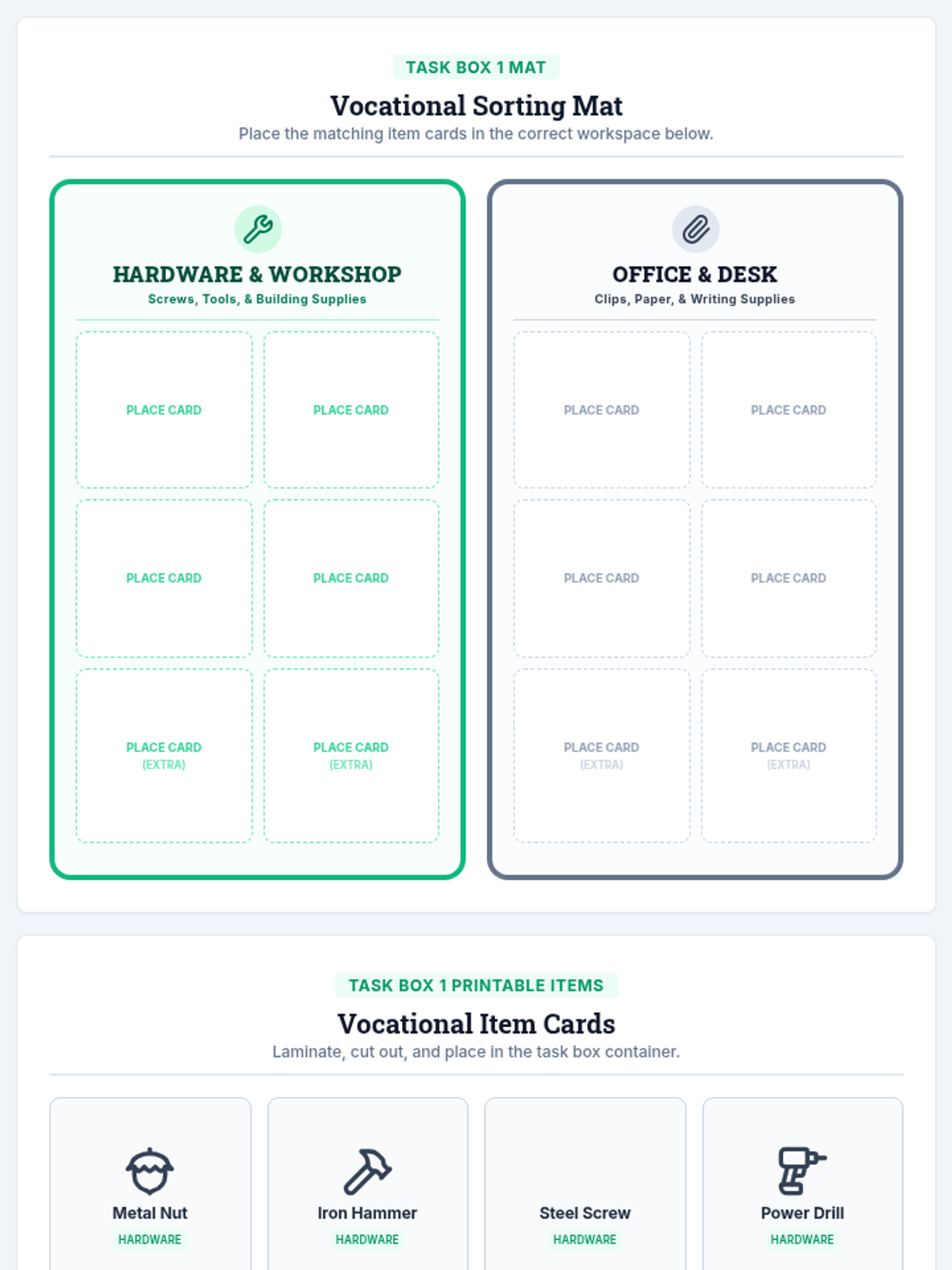
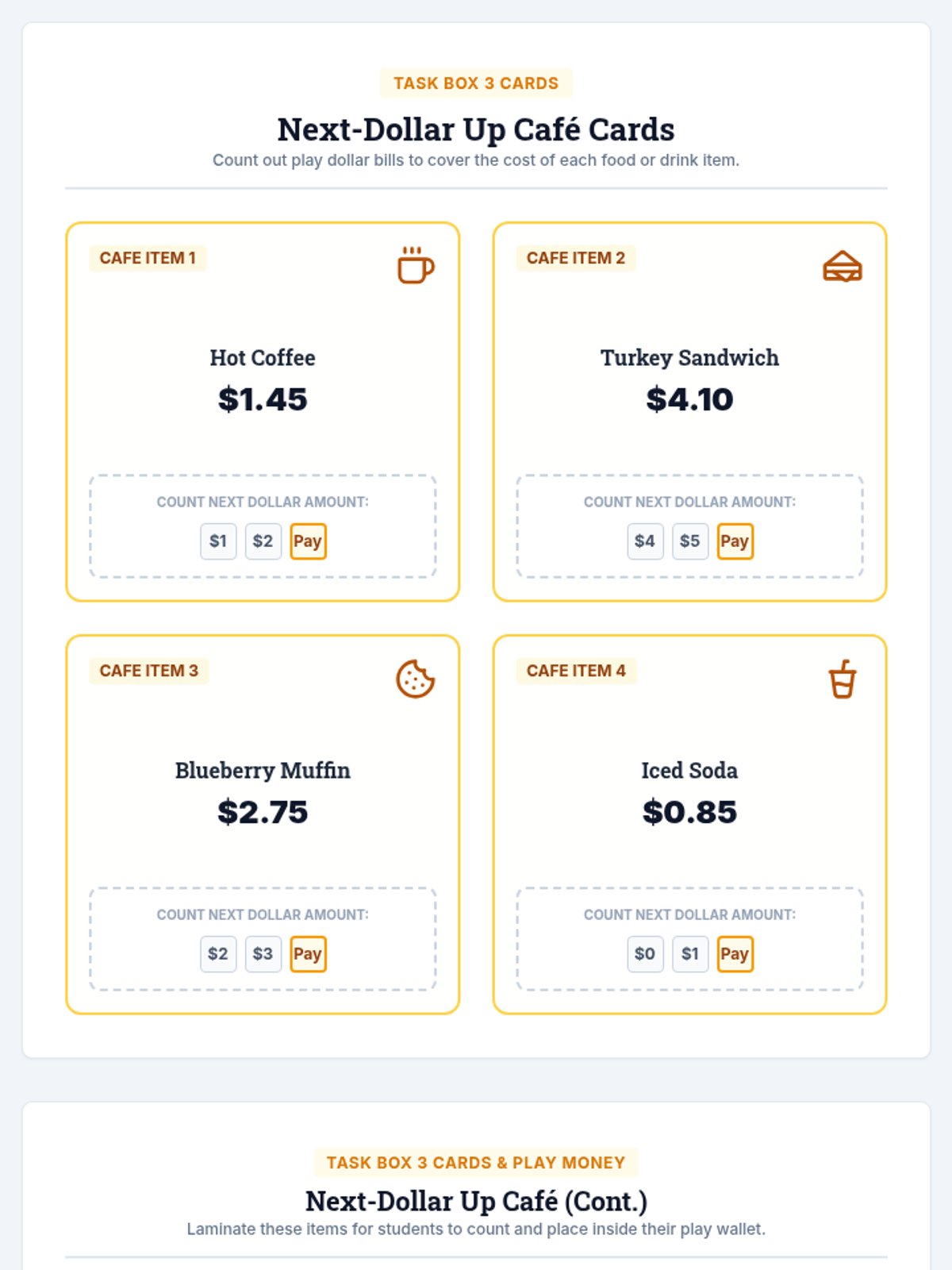
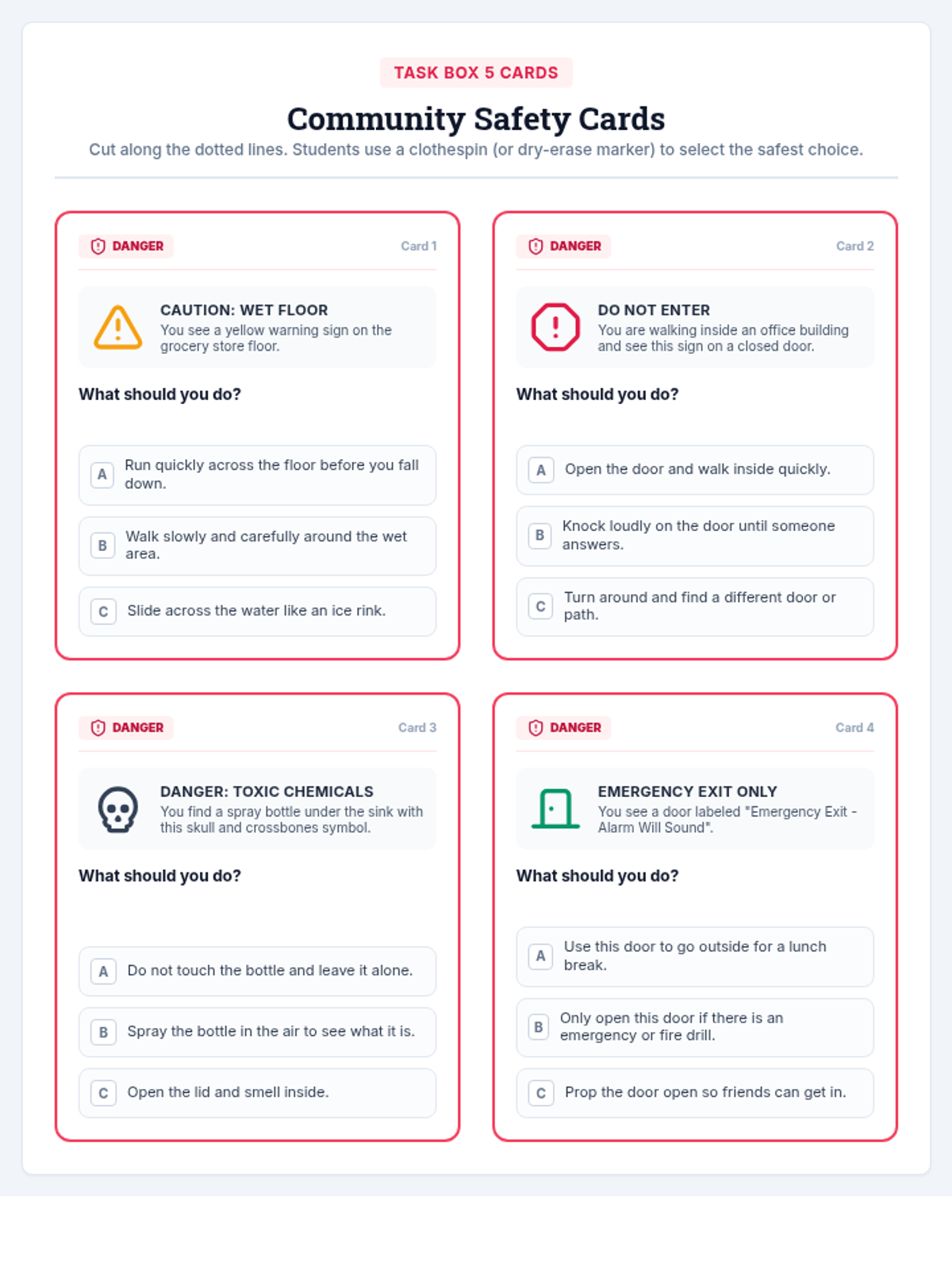
A comprehensive set of age-appropriate independent task boxes for high school life skills classrooms, targeting sorting, matching, math, words, and community safety. Includes teacher setup guides, student visual directions, and printable task card assets.
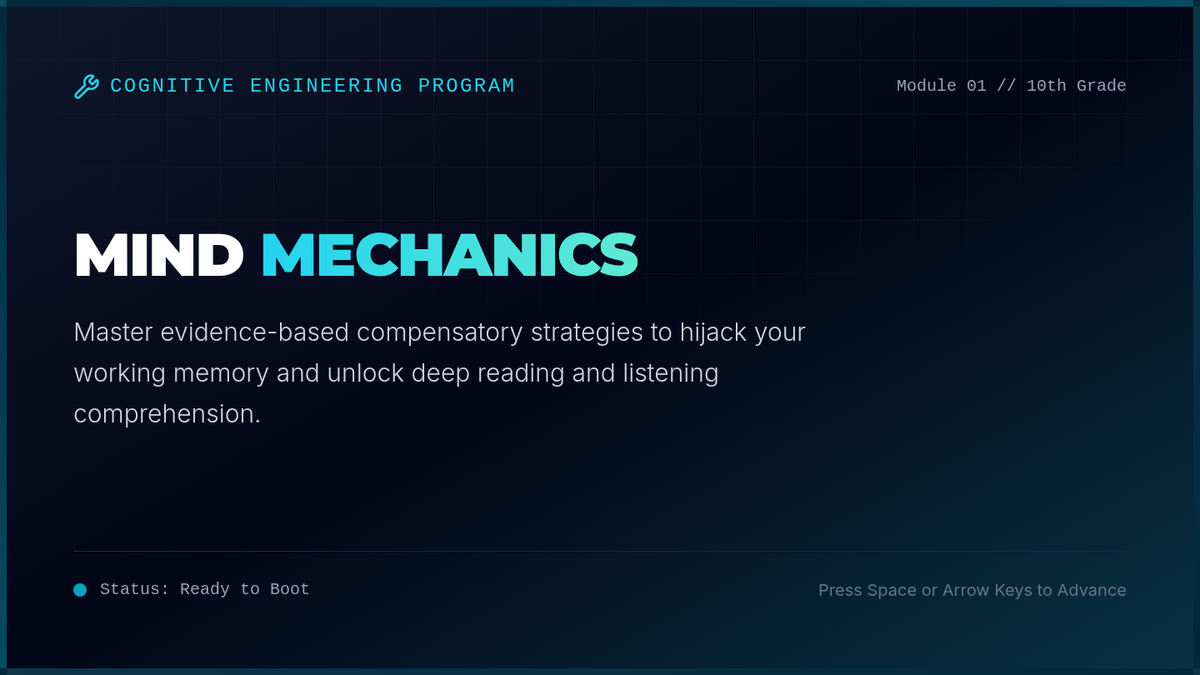
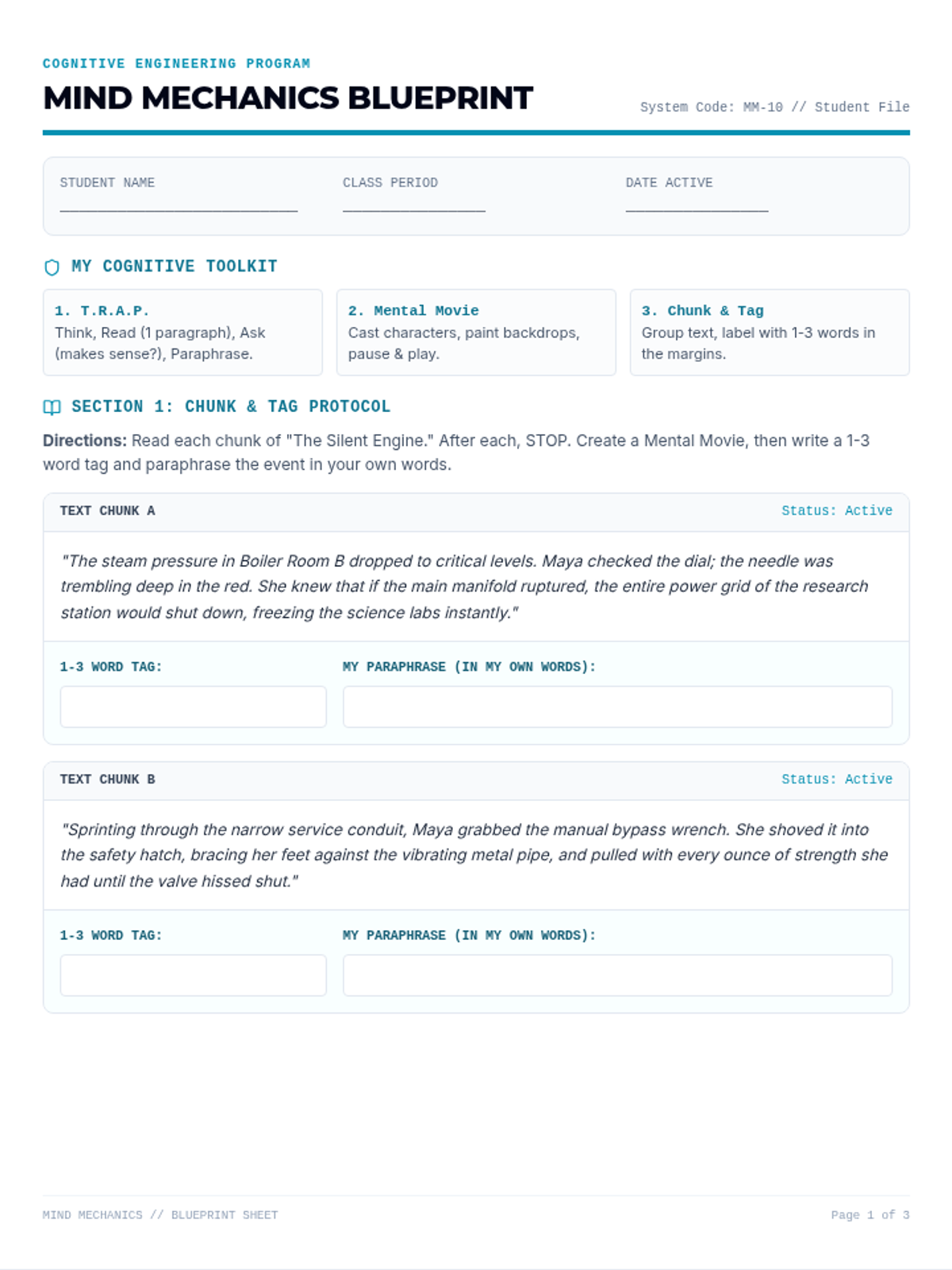
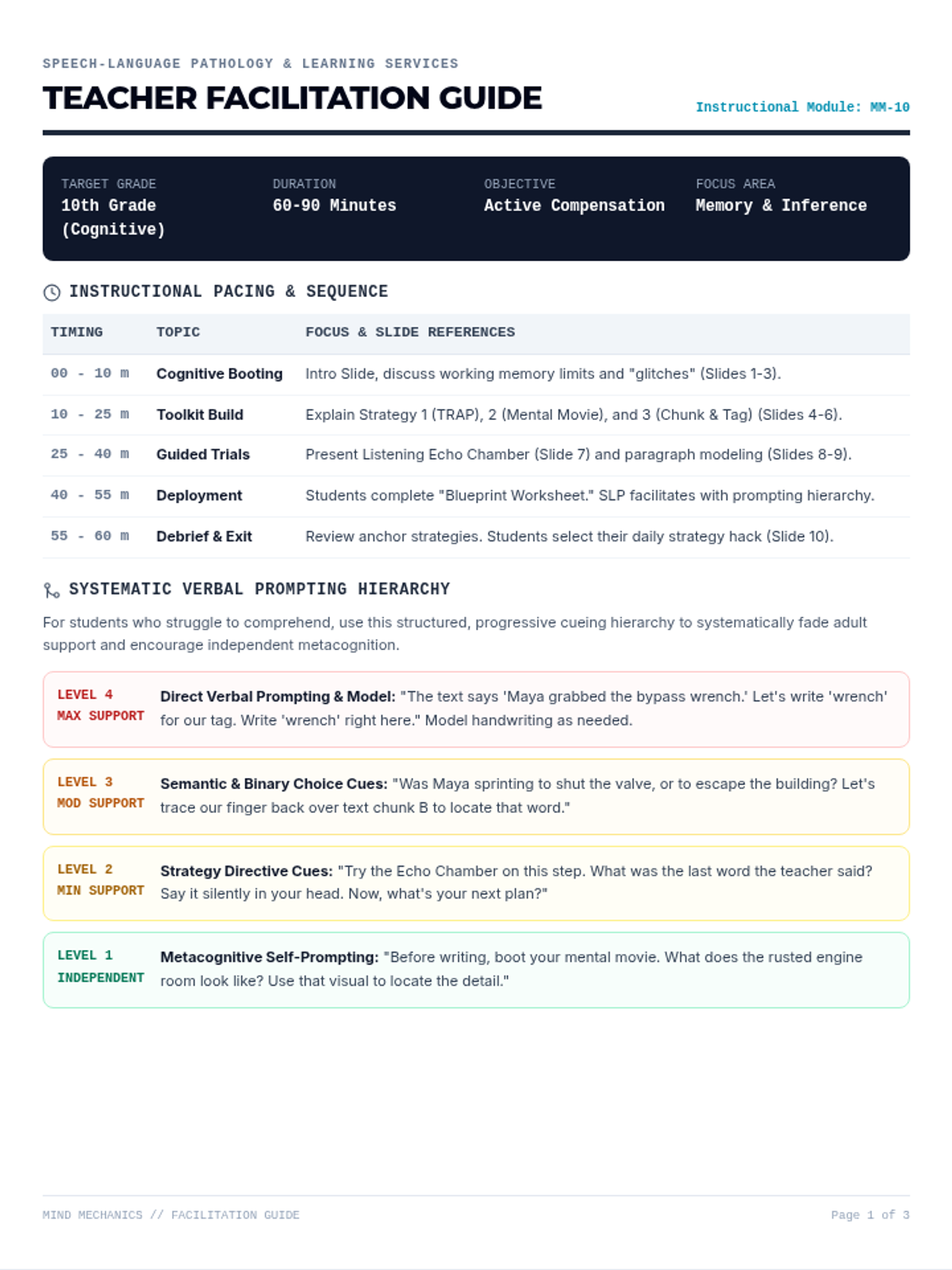
A comprehensive cognitive-linguistic lesson teaching high school students evidence-based compensatory strategies for reading comprehension and working memory. Students learn to actively monitor their understanding, chunk information, use visual imagery, and apply self-prompting strategies to become independent learners.
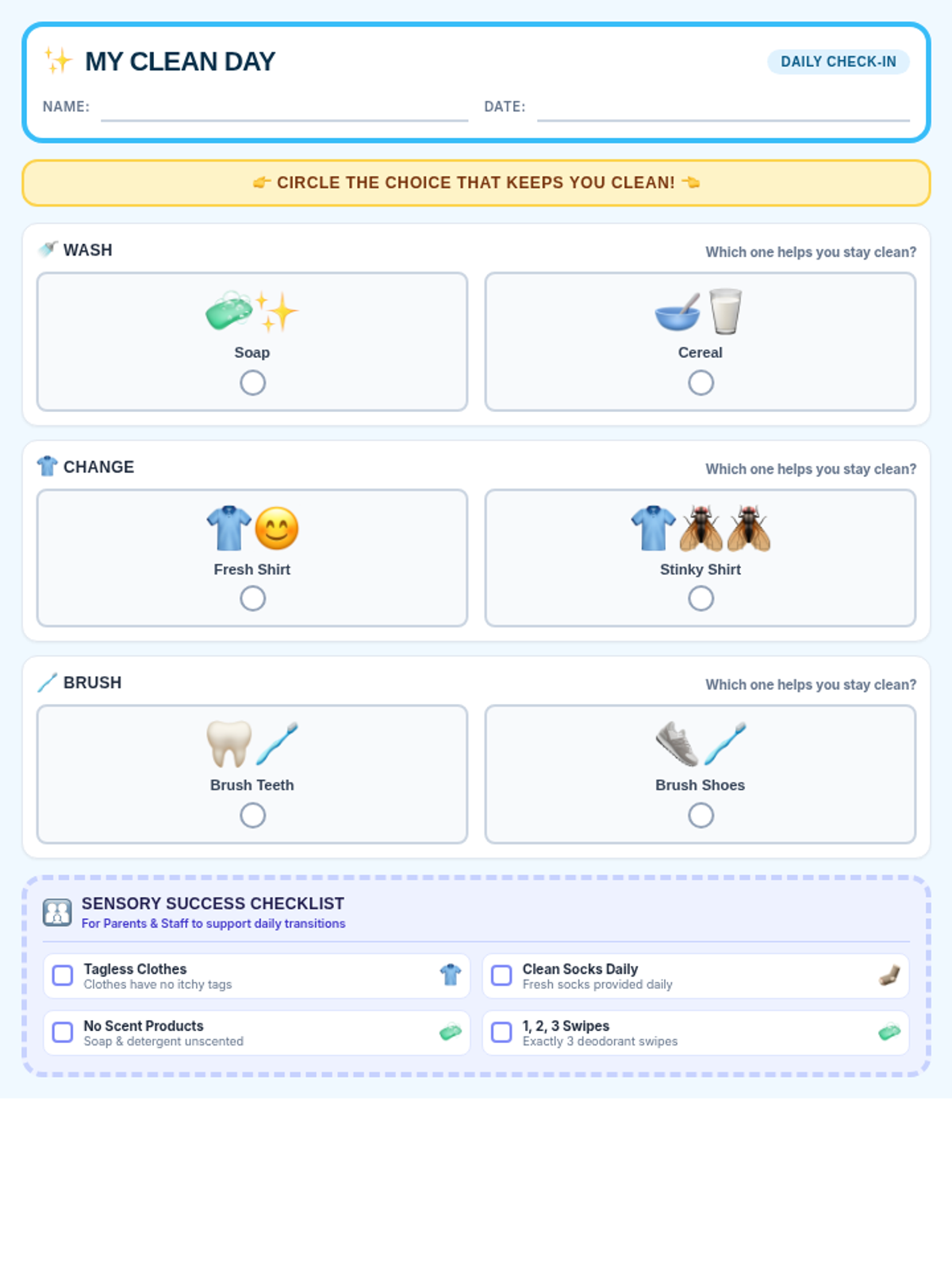
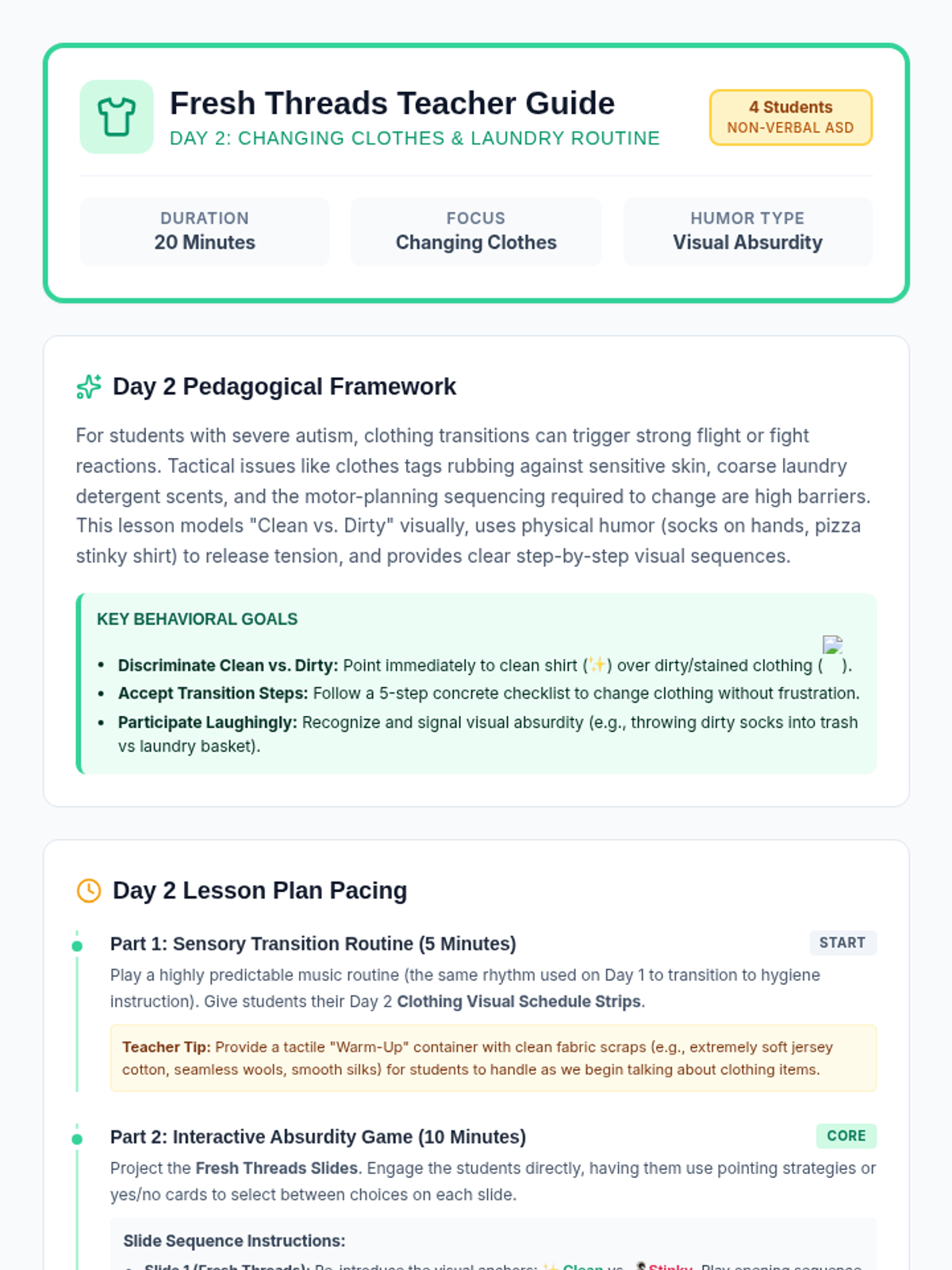
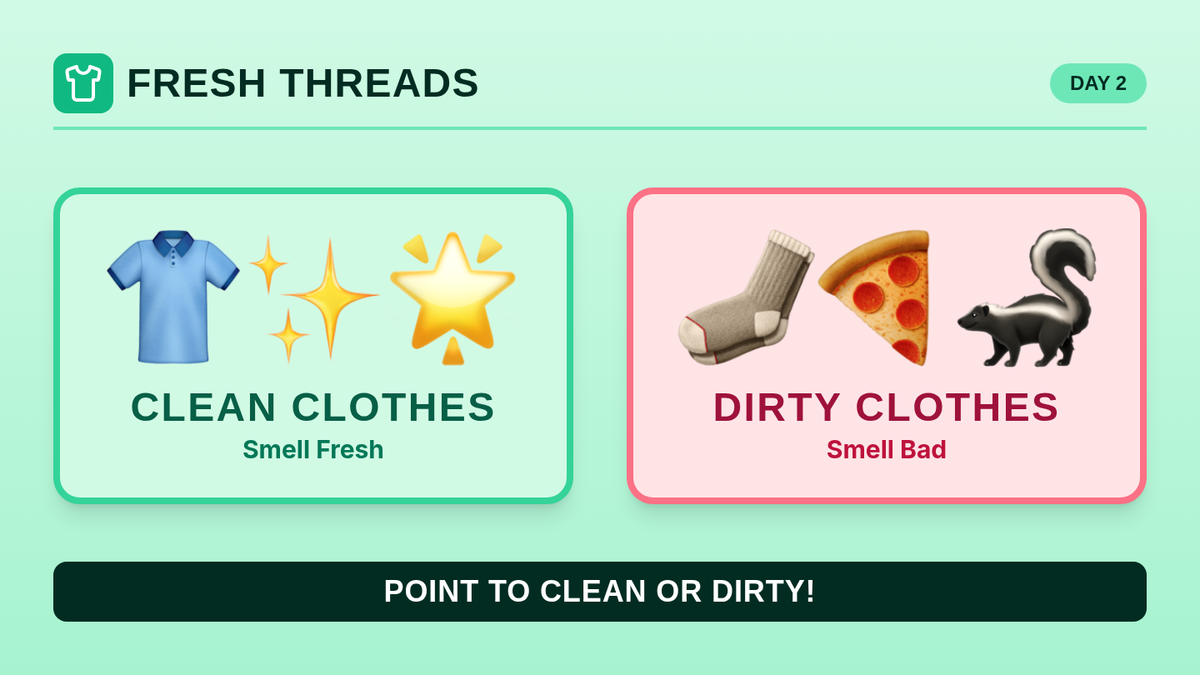
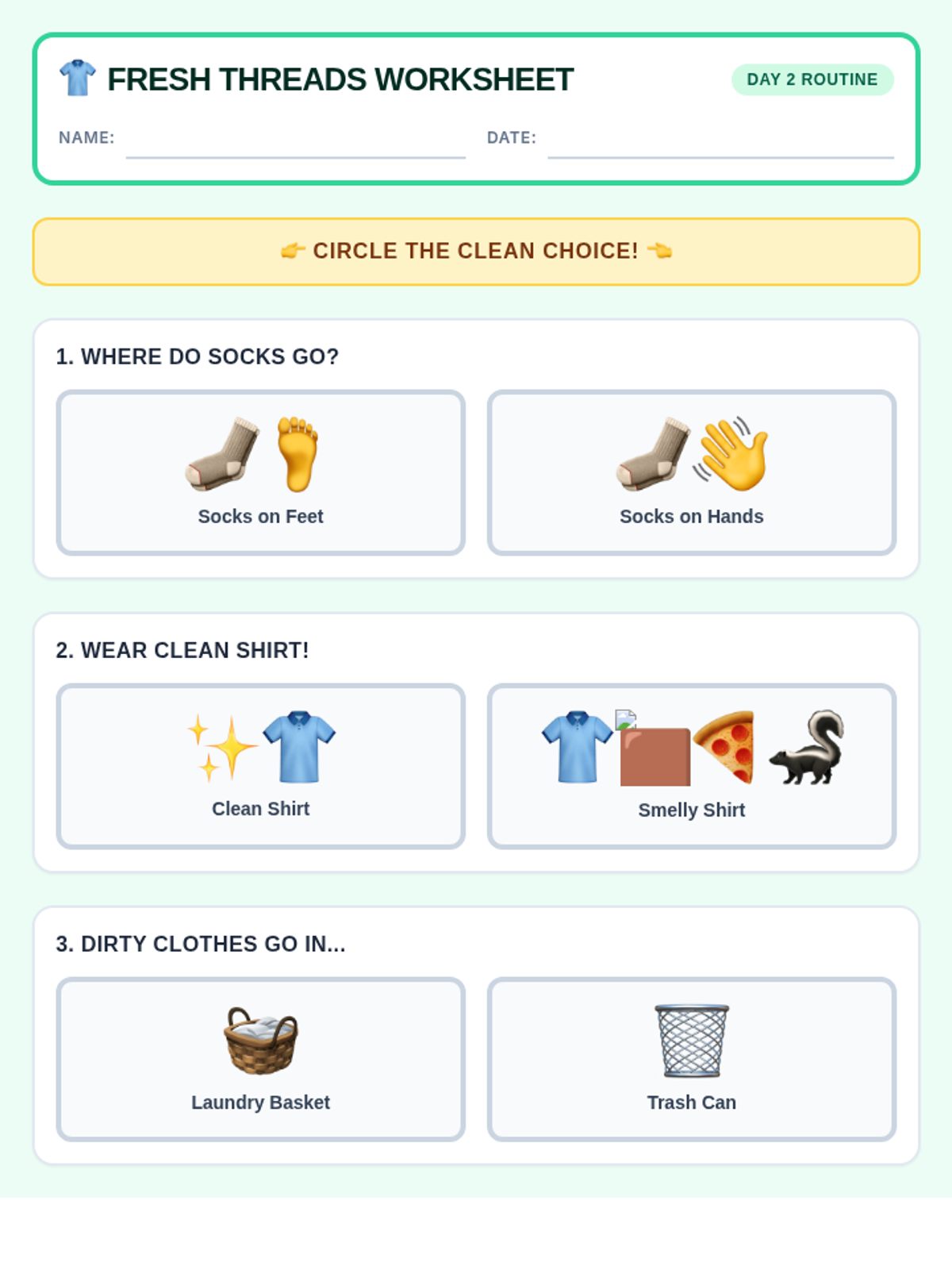
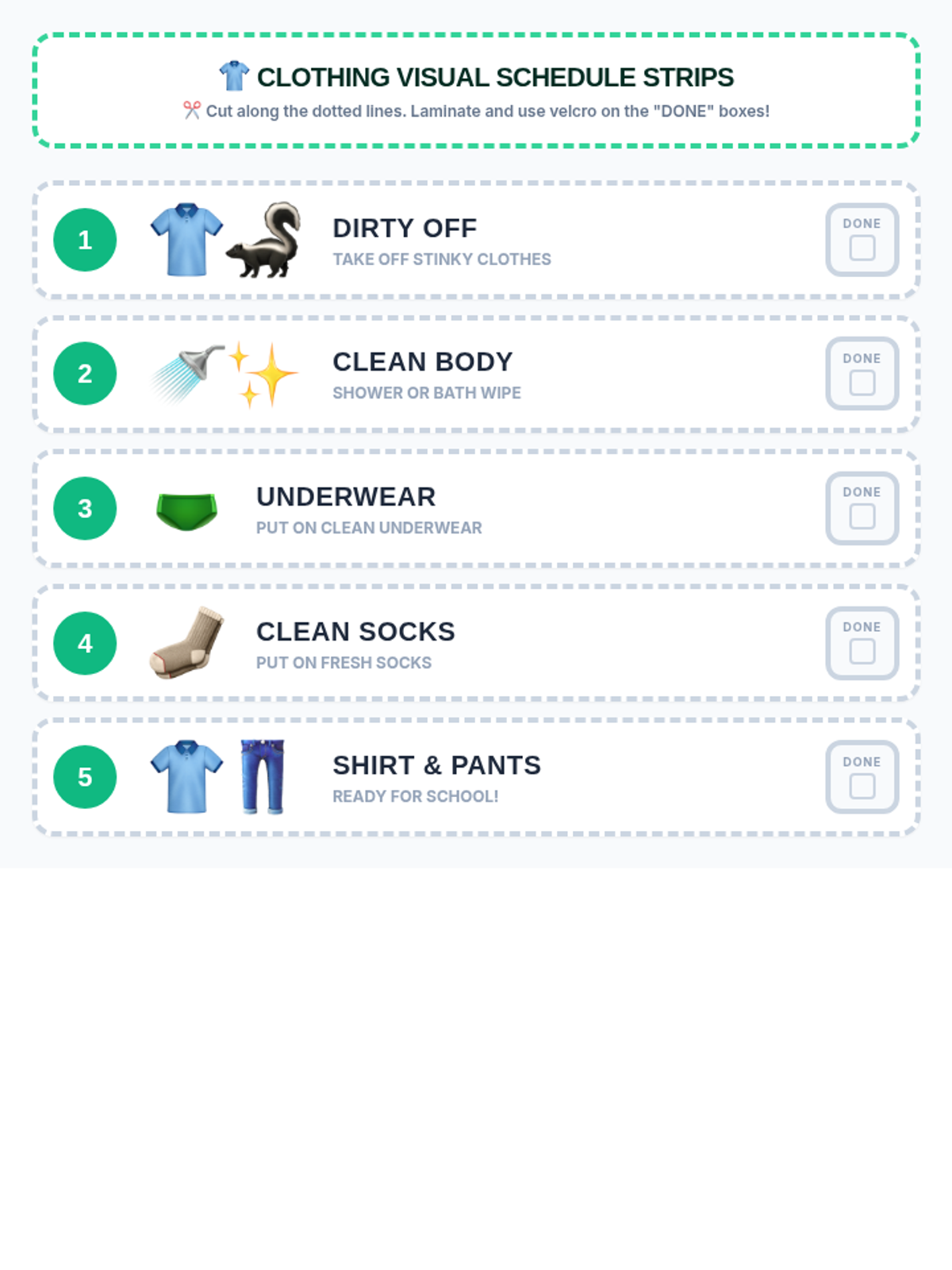
Focuses on the sensory-sensitive transition of changing clothes daily, identifying clean vs. dirty clothes, and managing sensory sensitivities (tags, seams, scents). It includes visual absurdity games (e.g., socks on hands, pizza stinky shirts) and visual routines.
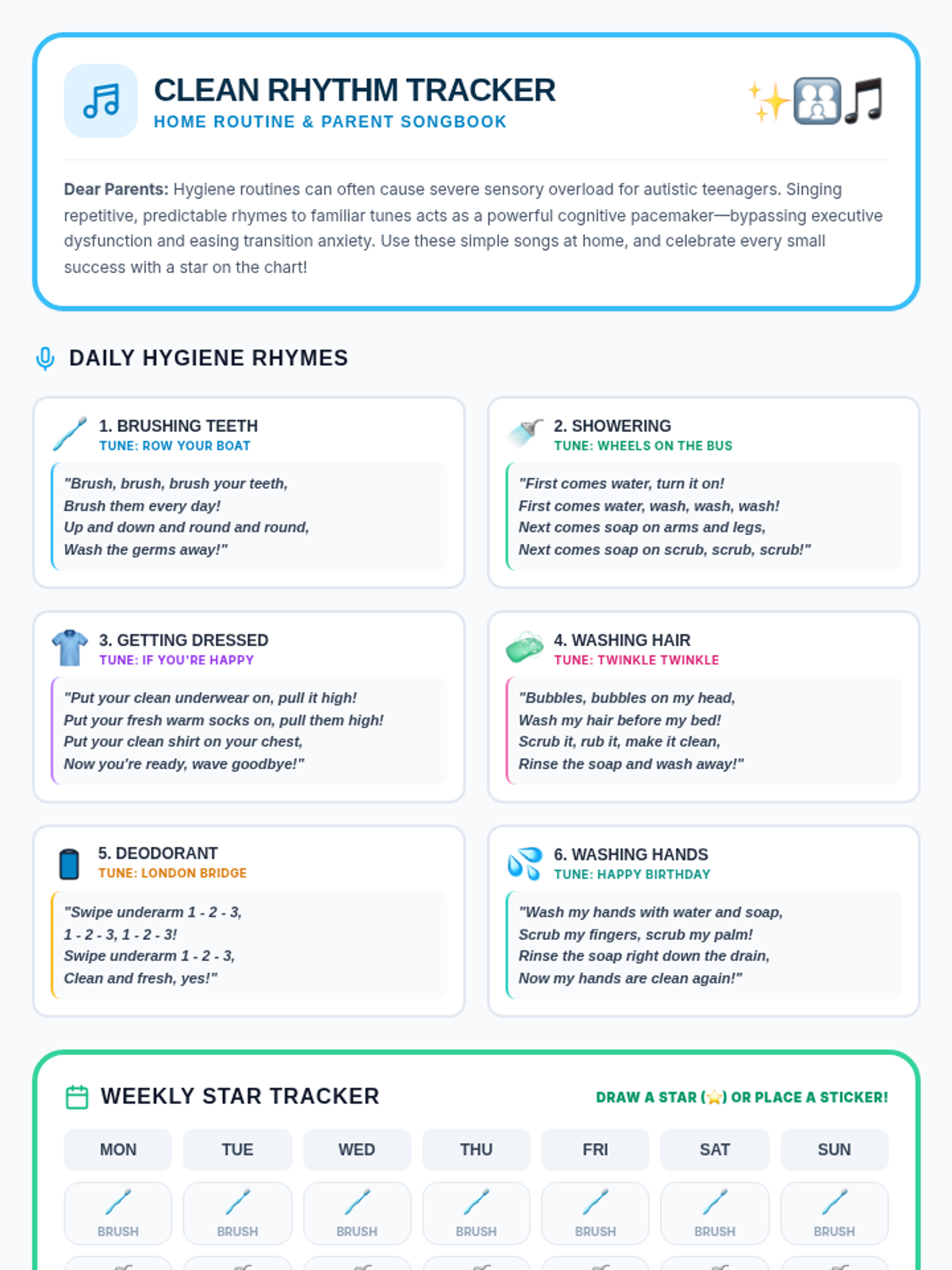
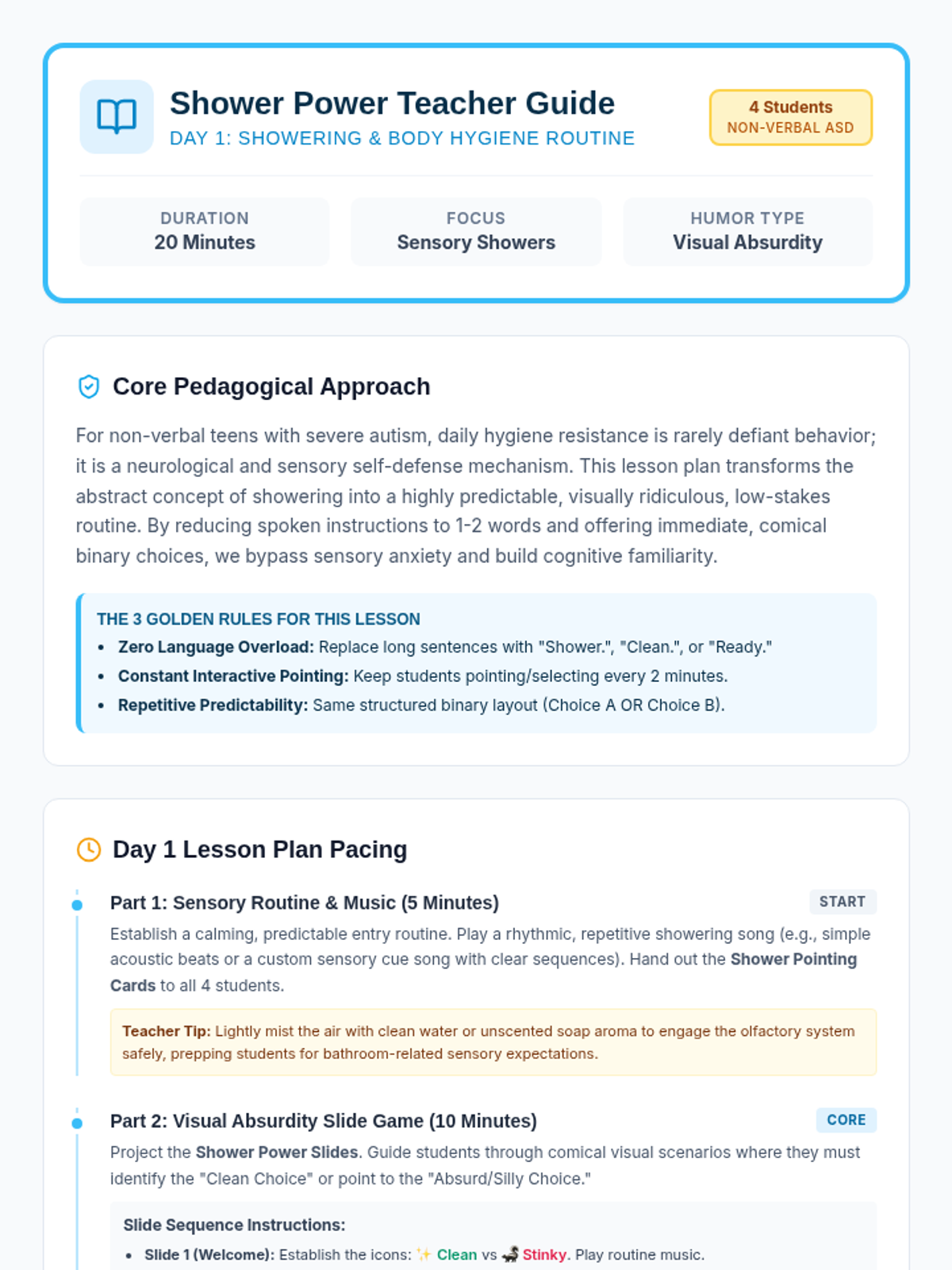
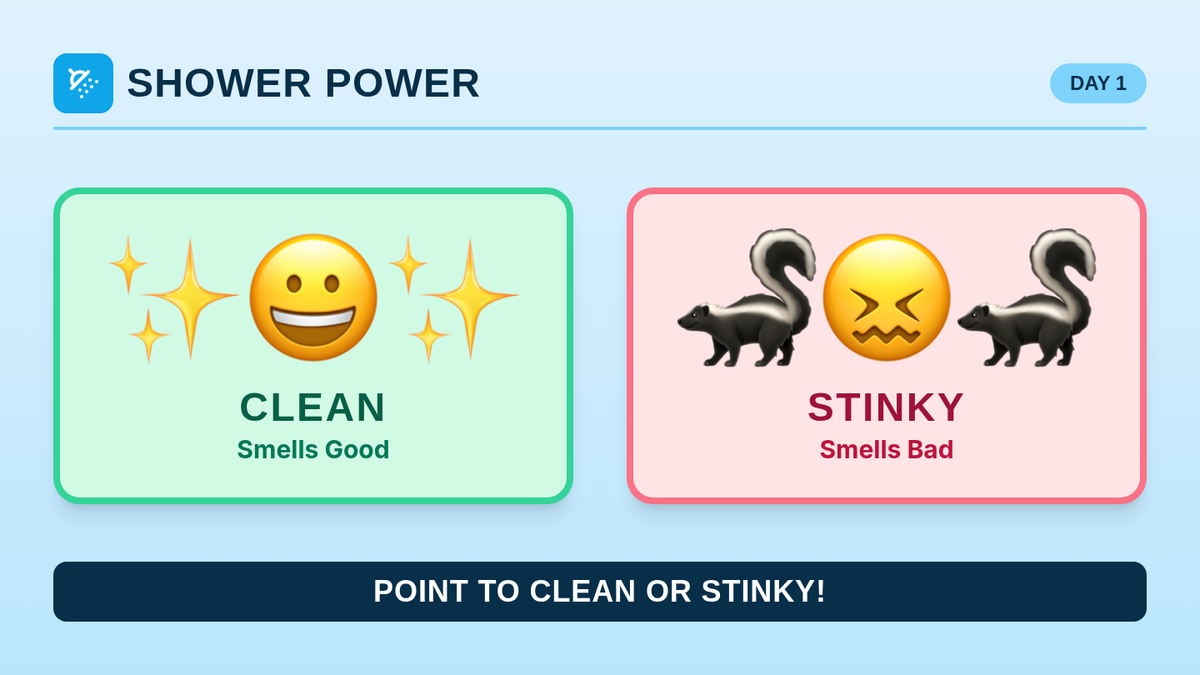
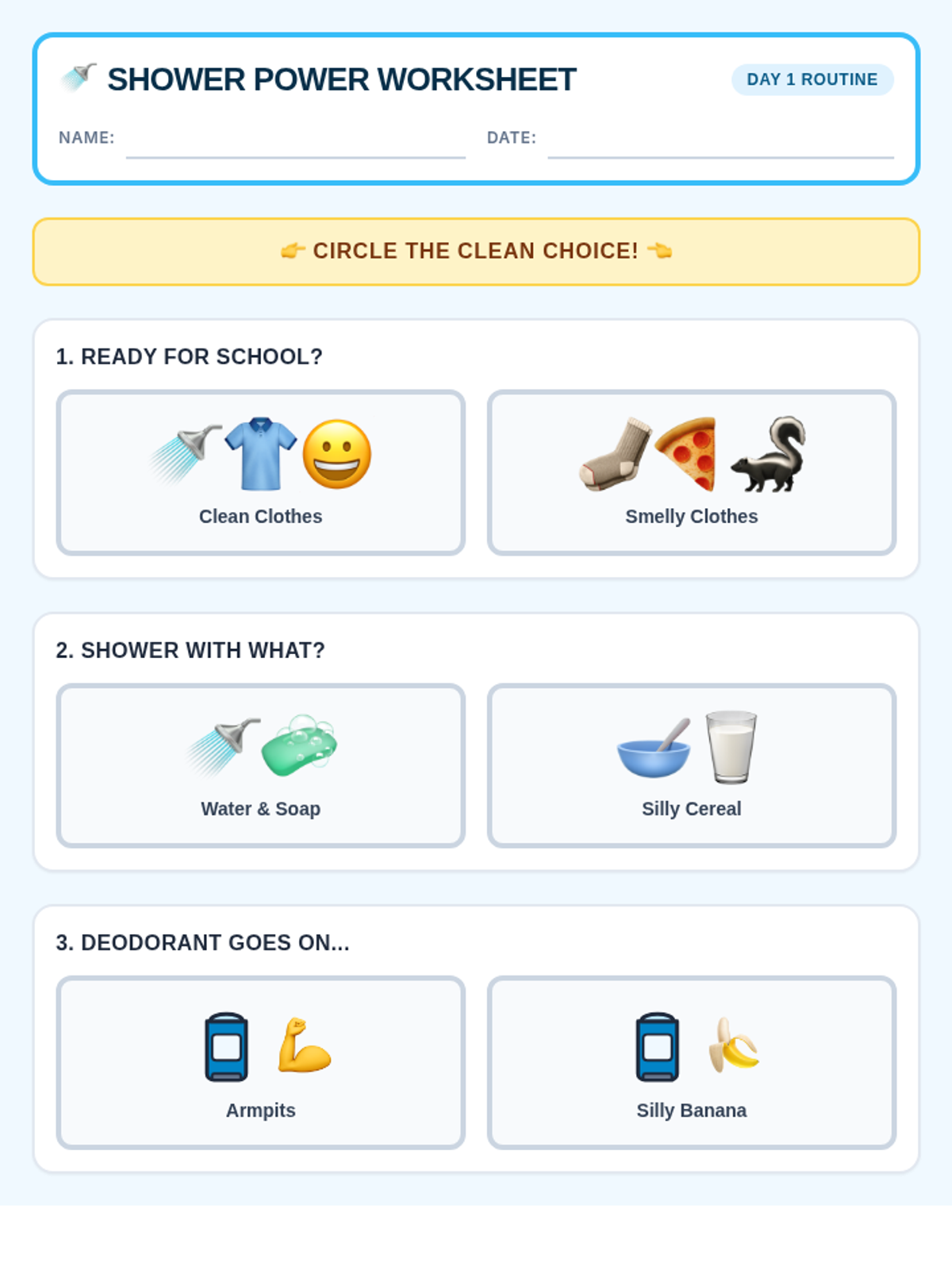
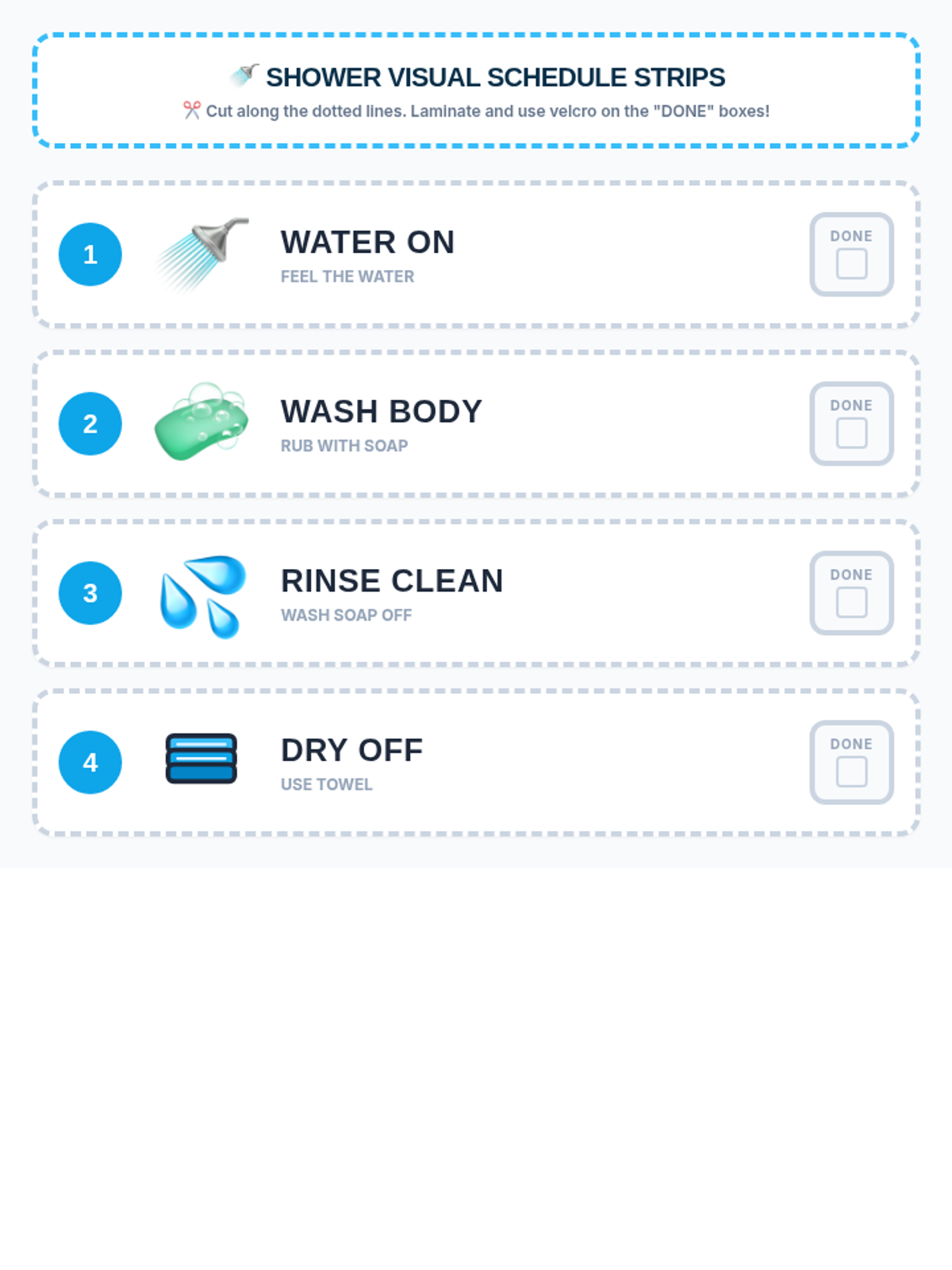
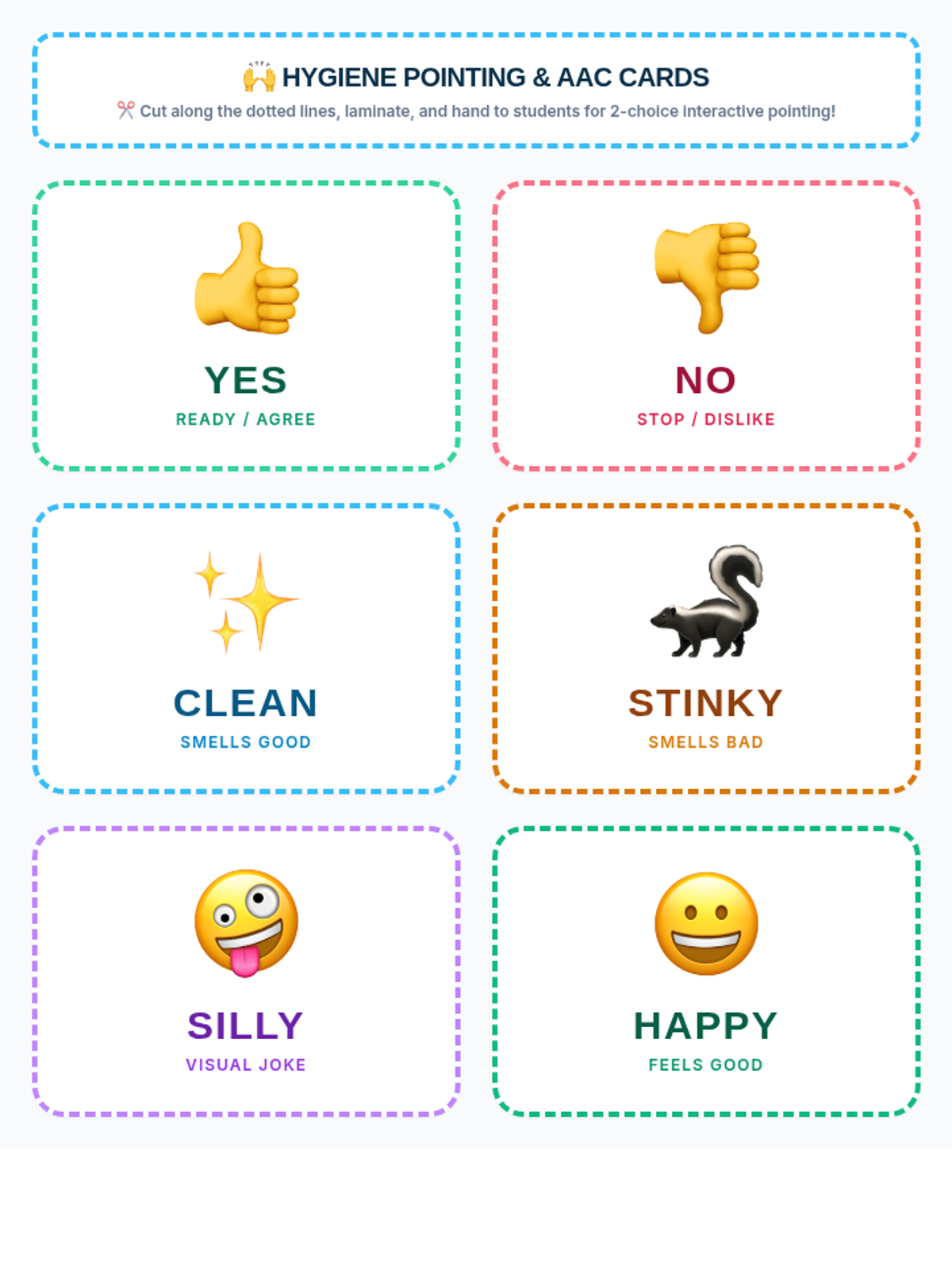
Focuses on sensory-friendly showering routines, washing the body and hair, and using deodorant. It features visual absurdity humor (e.g., showering with cereal, putting deodorant on a banana) and 2-choice visual pointing activities.
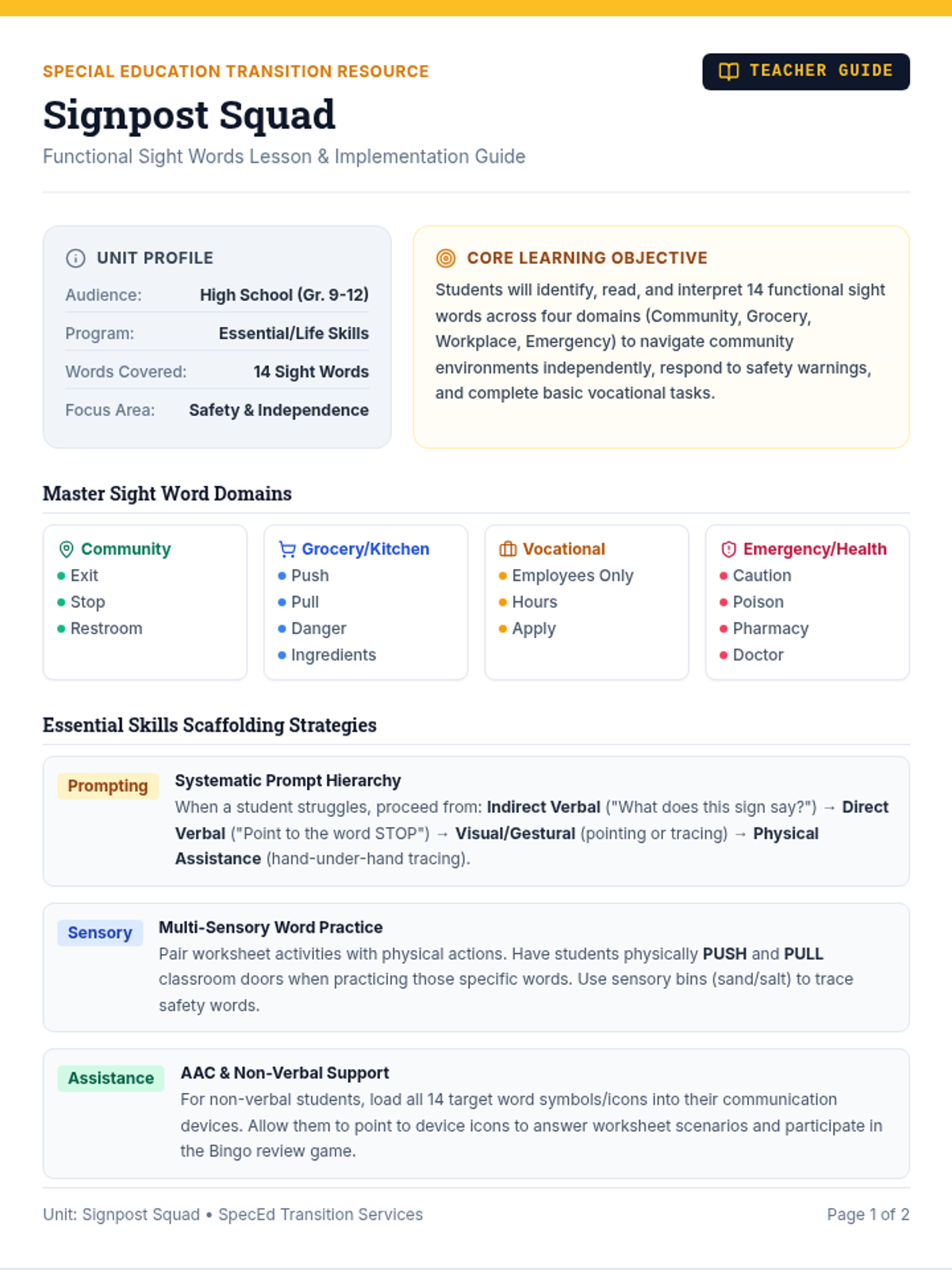
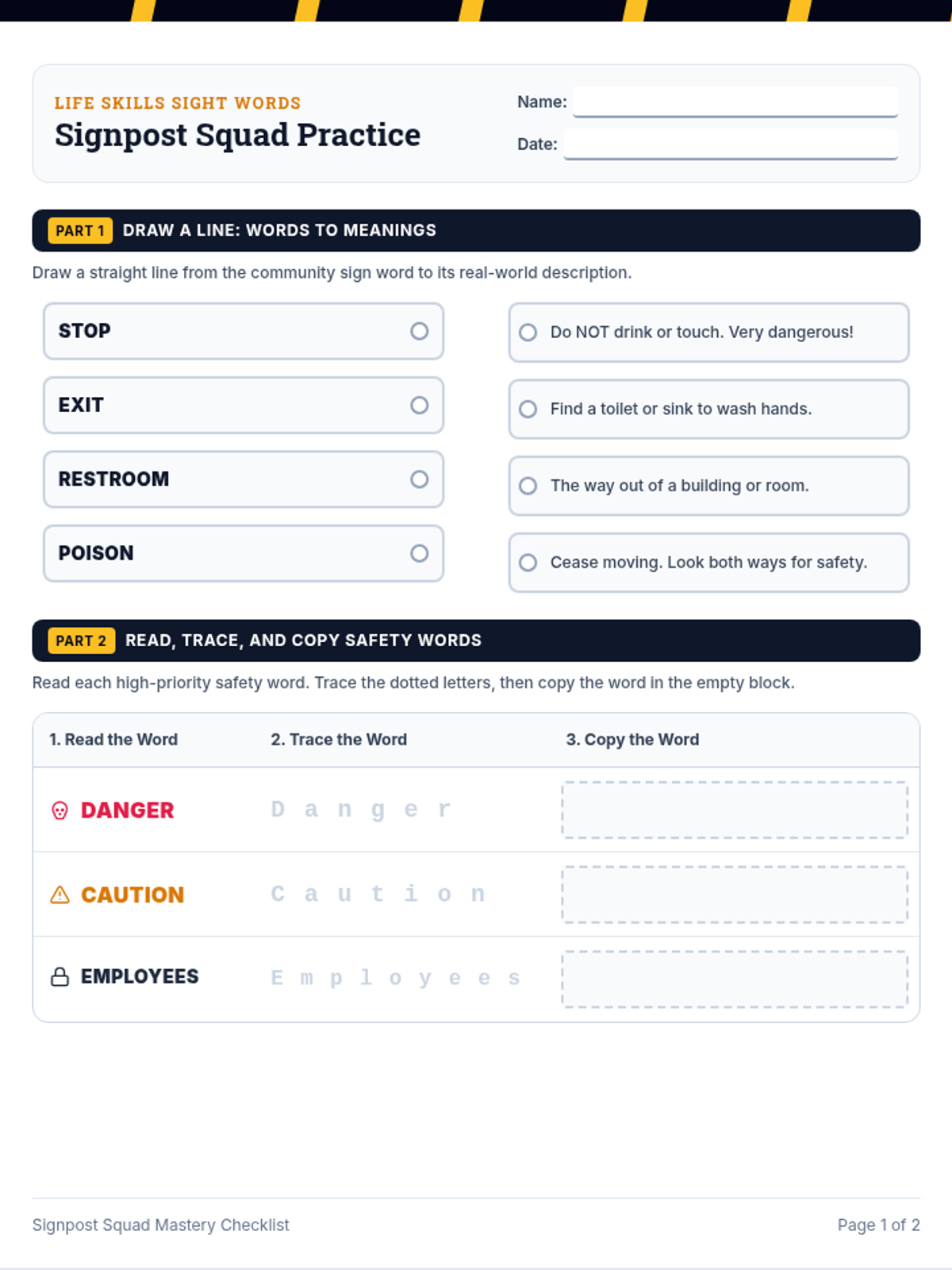
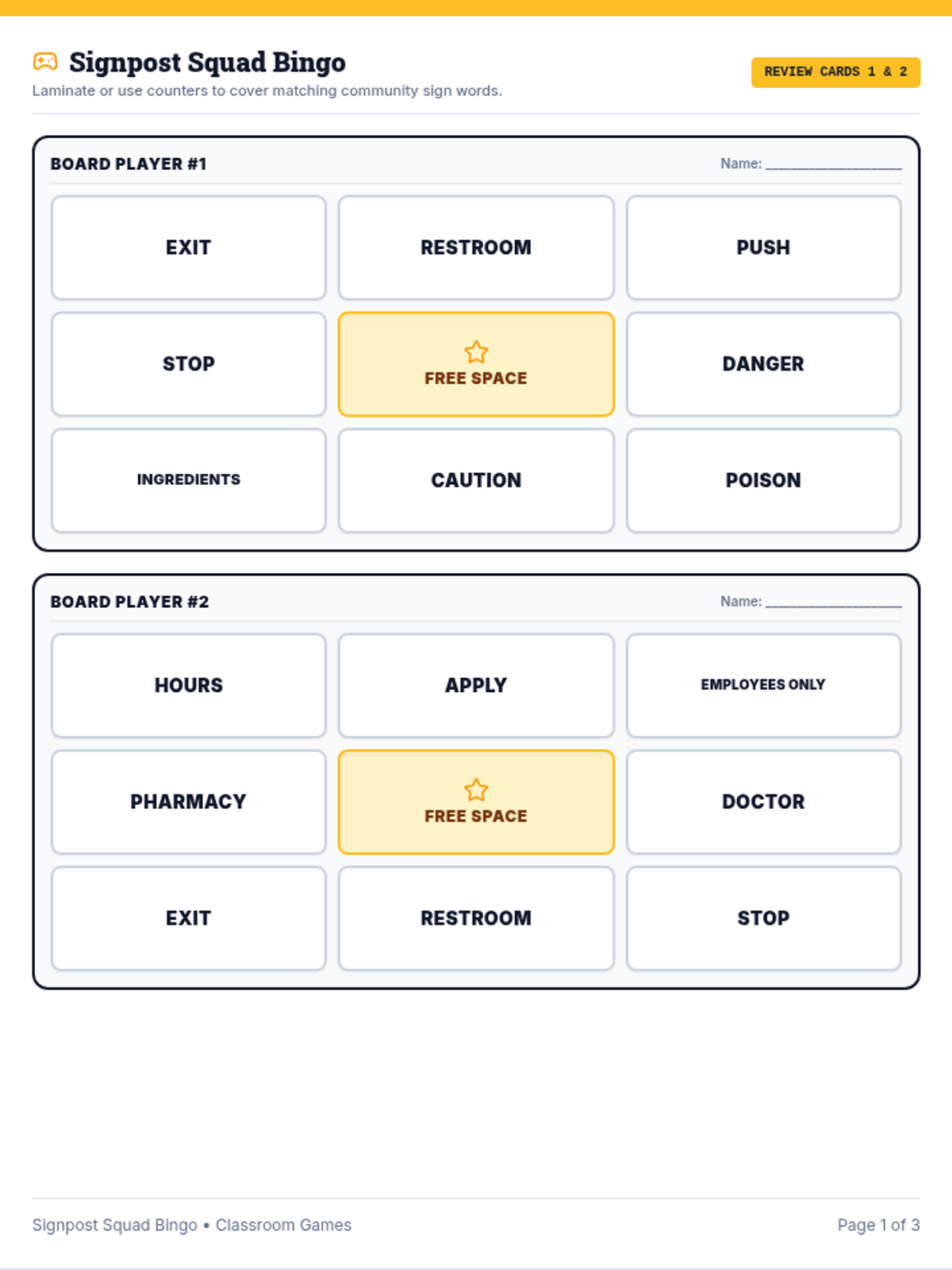
A functional life-skills unit focused on mastering 14 crucial community, workplace, emergency, and grocery sight words. Designed with high-contrast, age-appropriate layouts specifically for high school transition and special education classrooms.
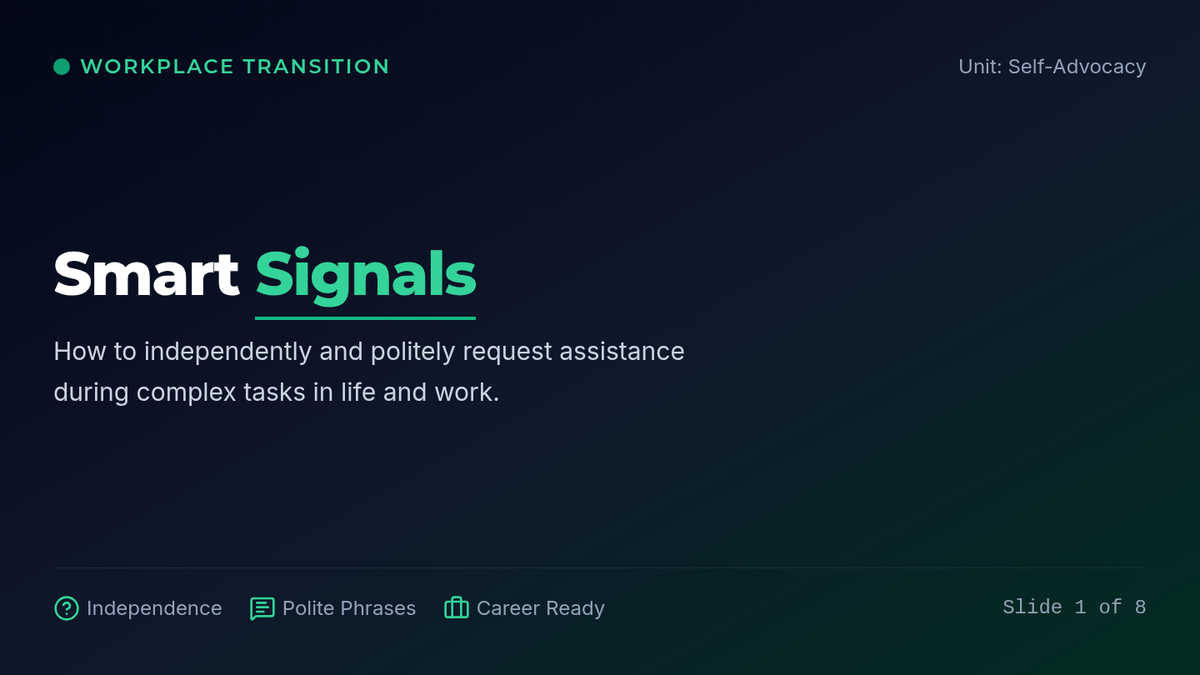
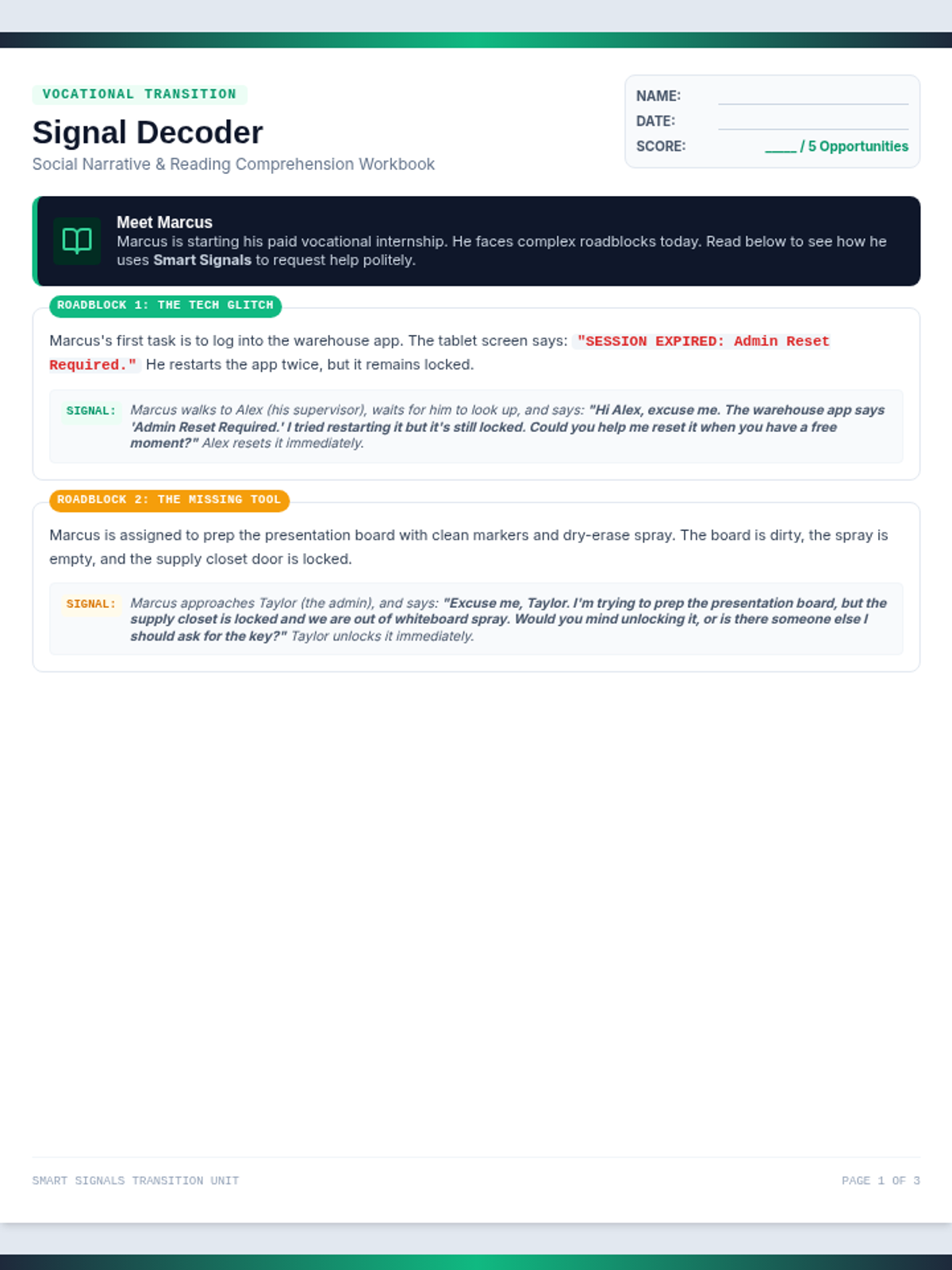
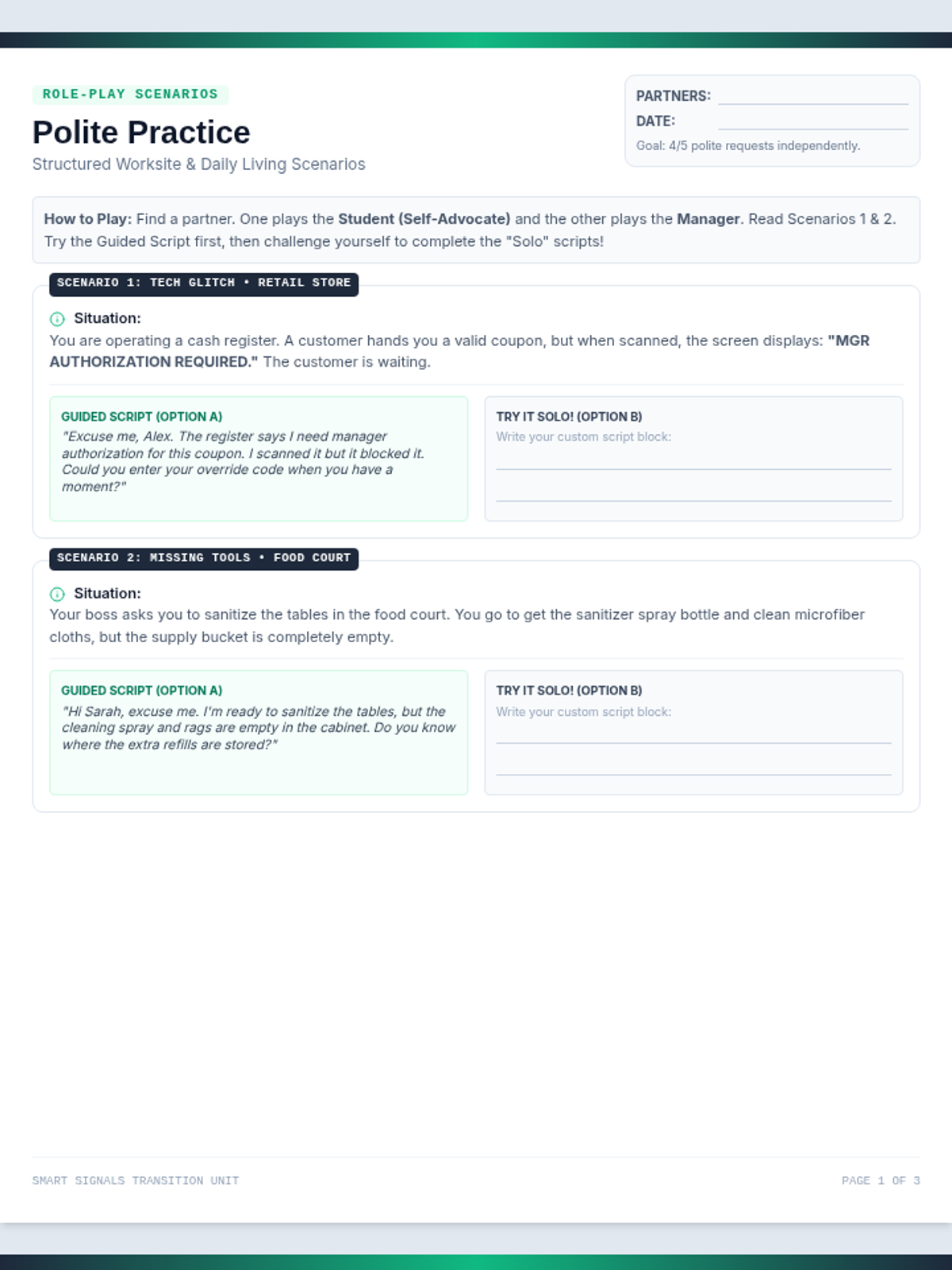
A comprehensive transition lesson designed for high school students to learn how to independently and politely request assistance during complex tasks, covering daily living tech issues, missing tools, and unclear workplace directions.
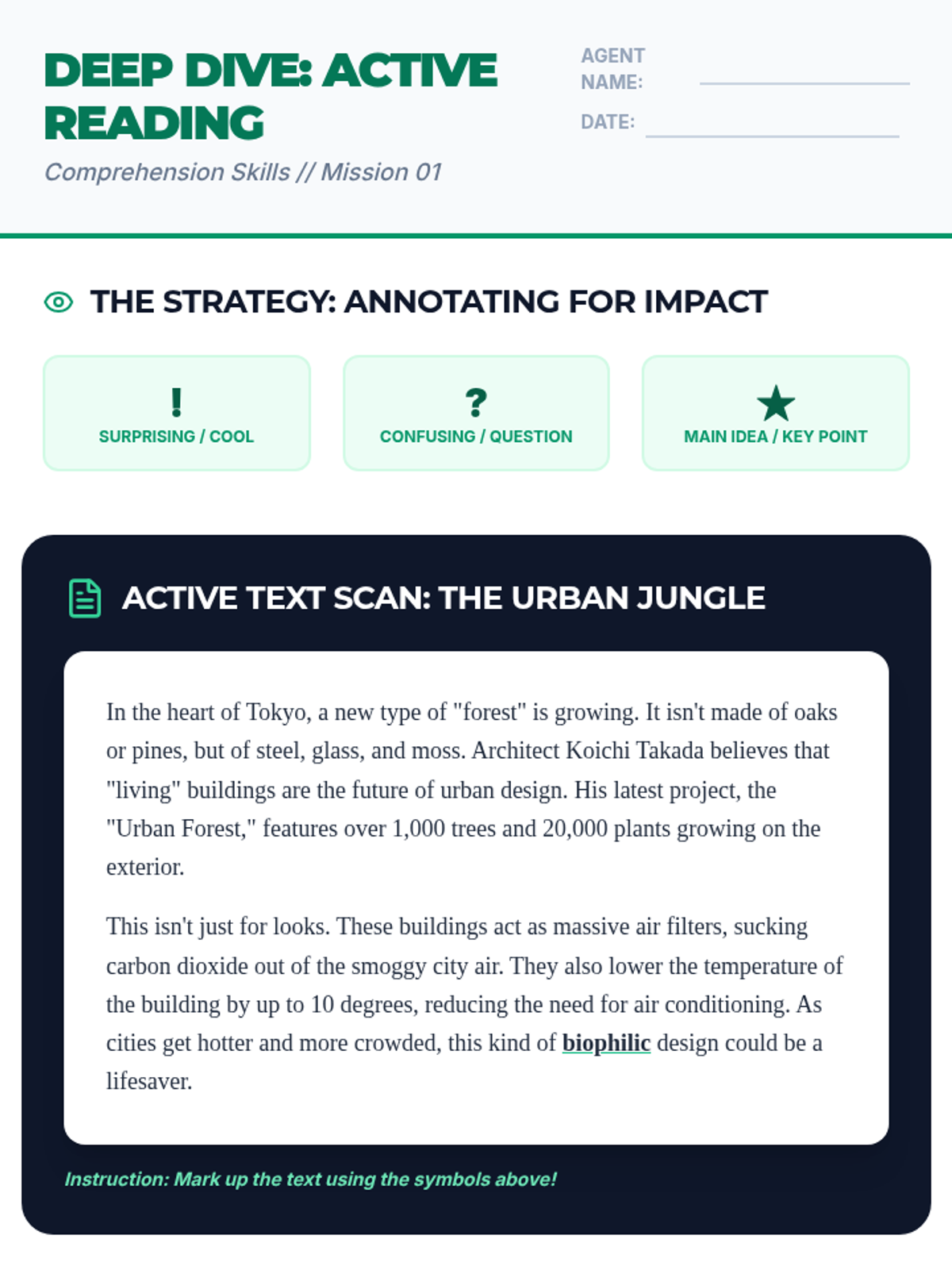
Introduction to active reading strategies: annotating, identifying main ideas, and summarizing complex high-interest texts.
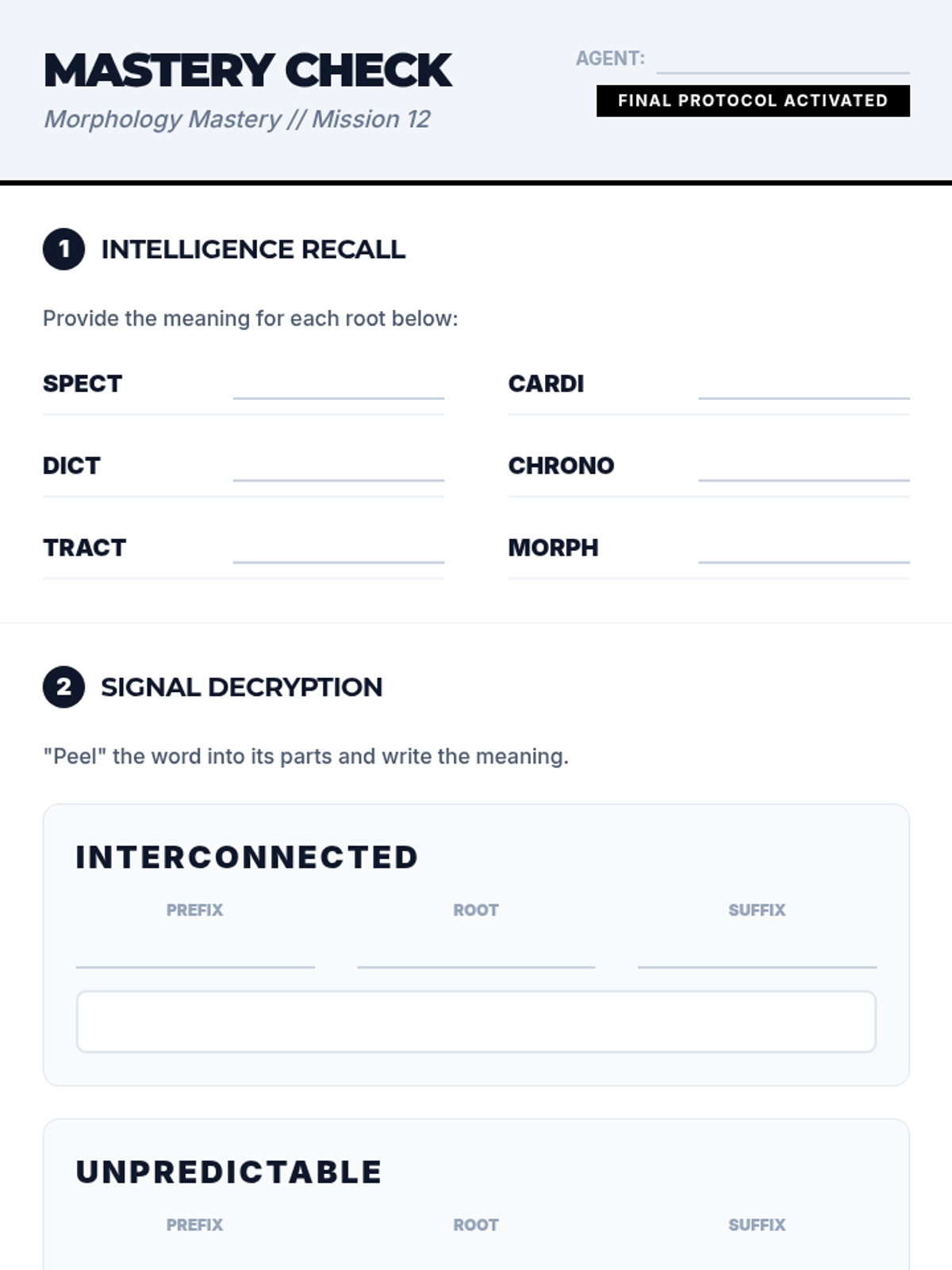
Summative assessment on morphology skills including decoding, building, and identifying word parts in context.
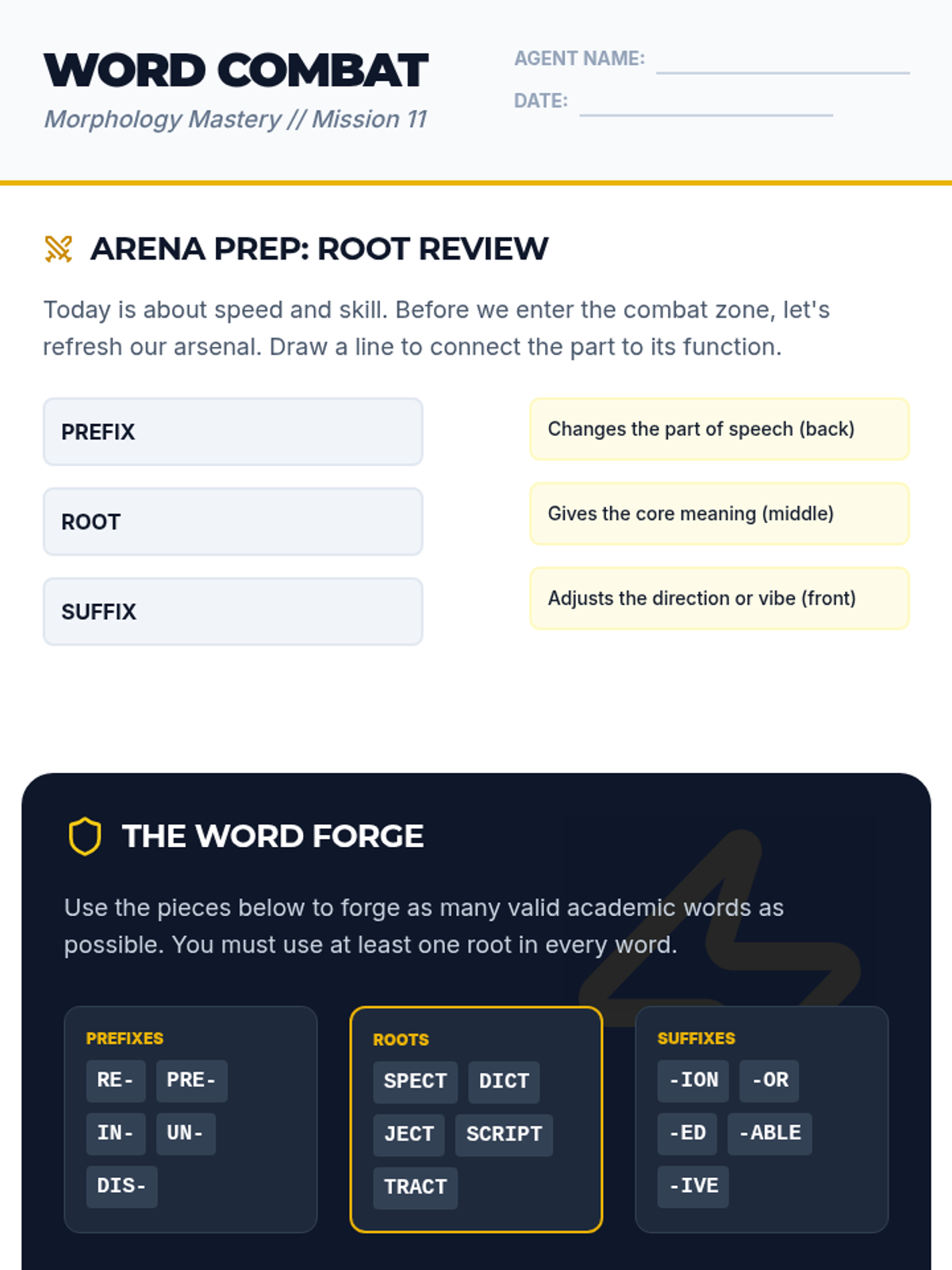
Interactive word building challenge using all learned roots, prefixes, and suffixes.
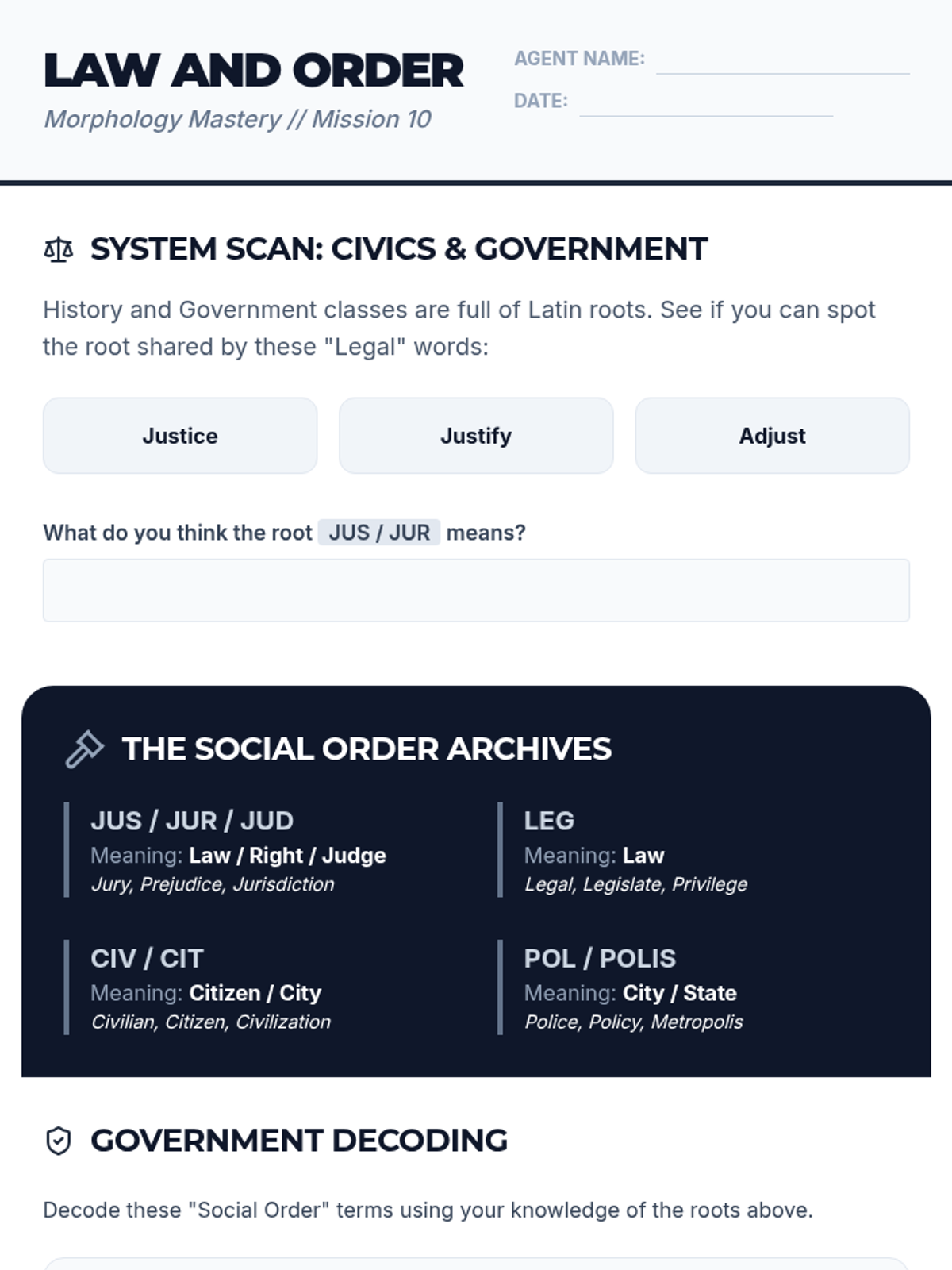
Legal and social roots (jud, jus, leg, civ, pol) found in government and history curriculum.
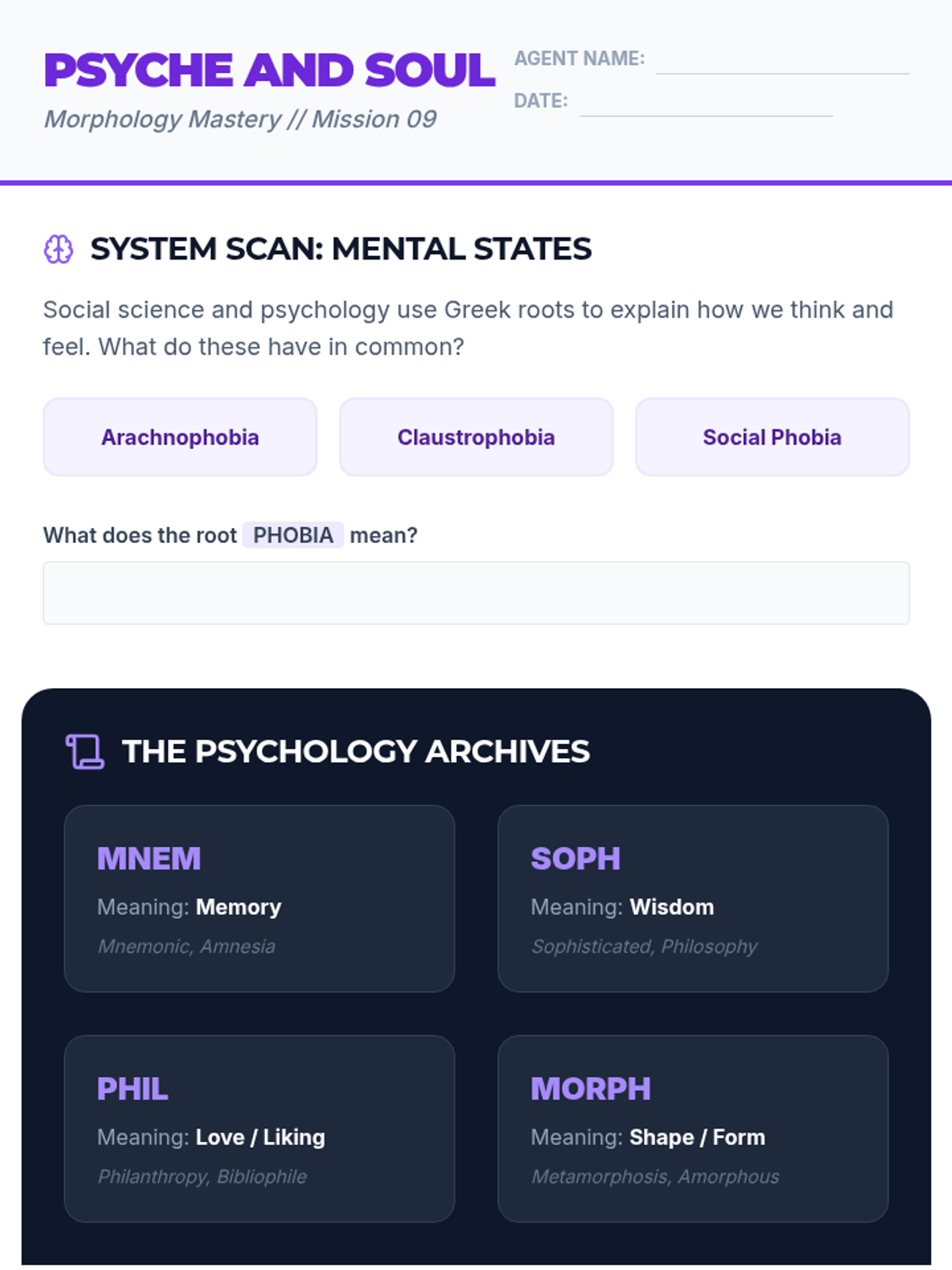
Psychological and philosophical roots (psych, phobia, soph, phil, mnem) for social science literacy.
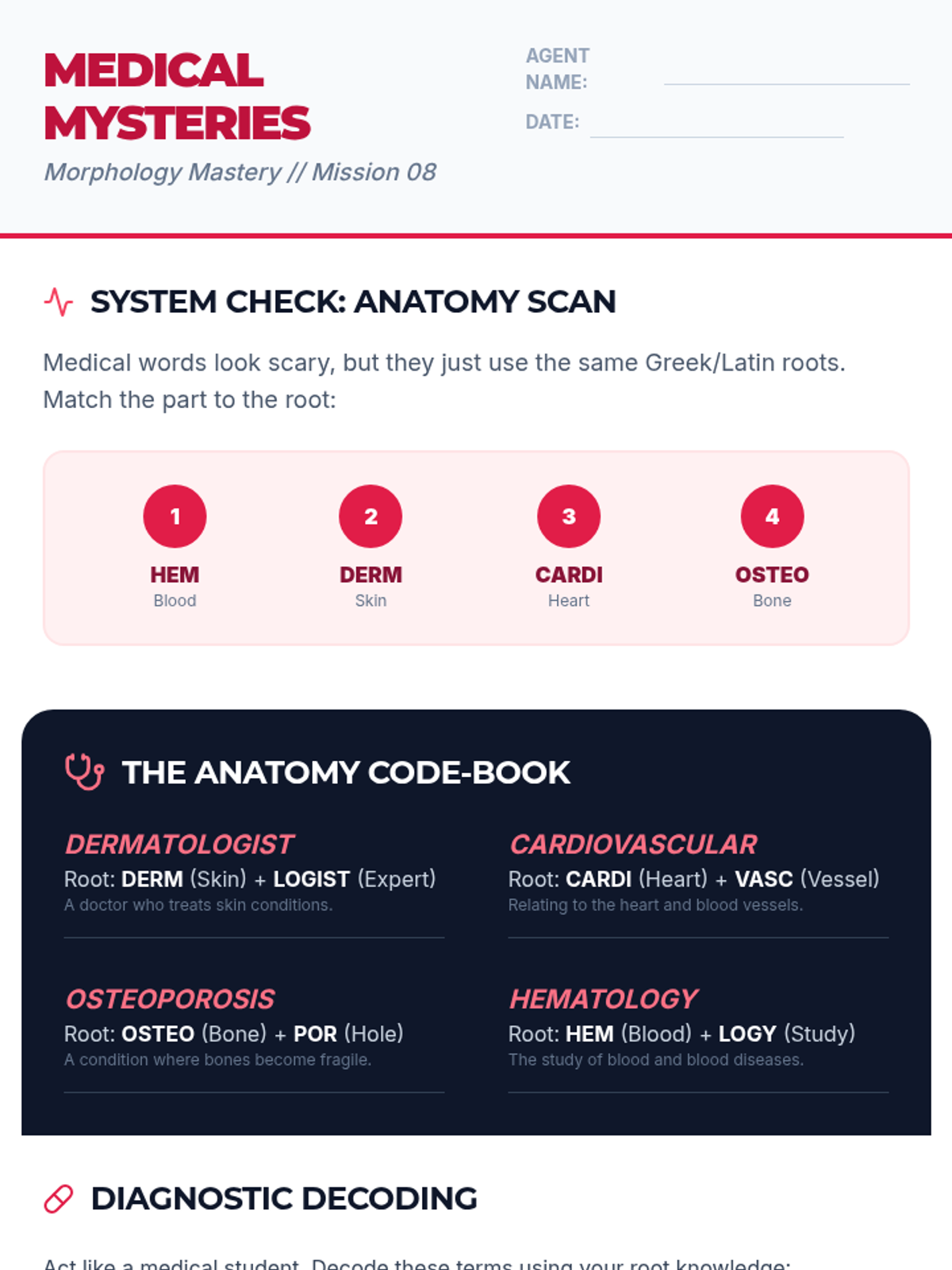
Biological and medical roots (corp, cardi, derm, hem, osteo) found in anatomy and health classes.
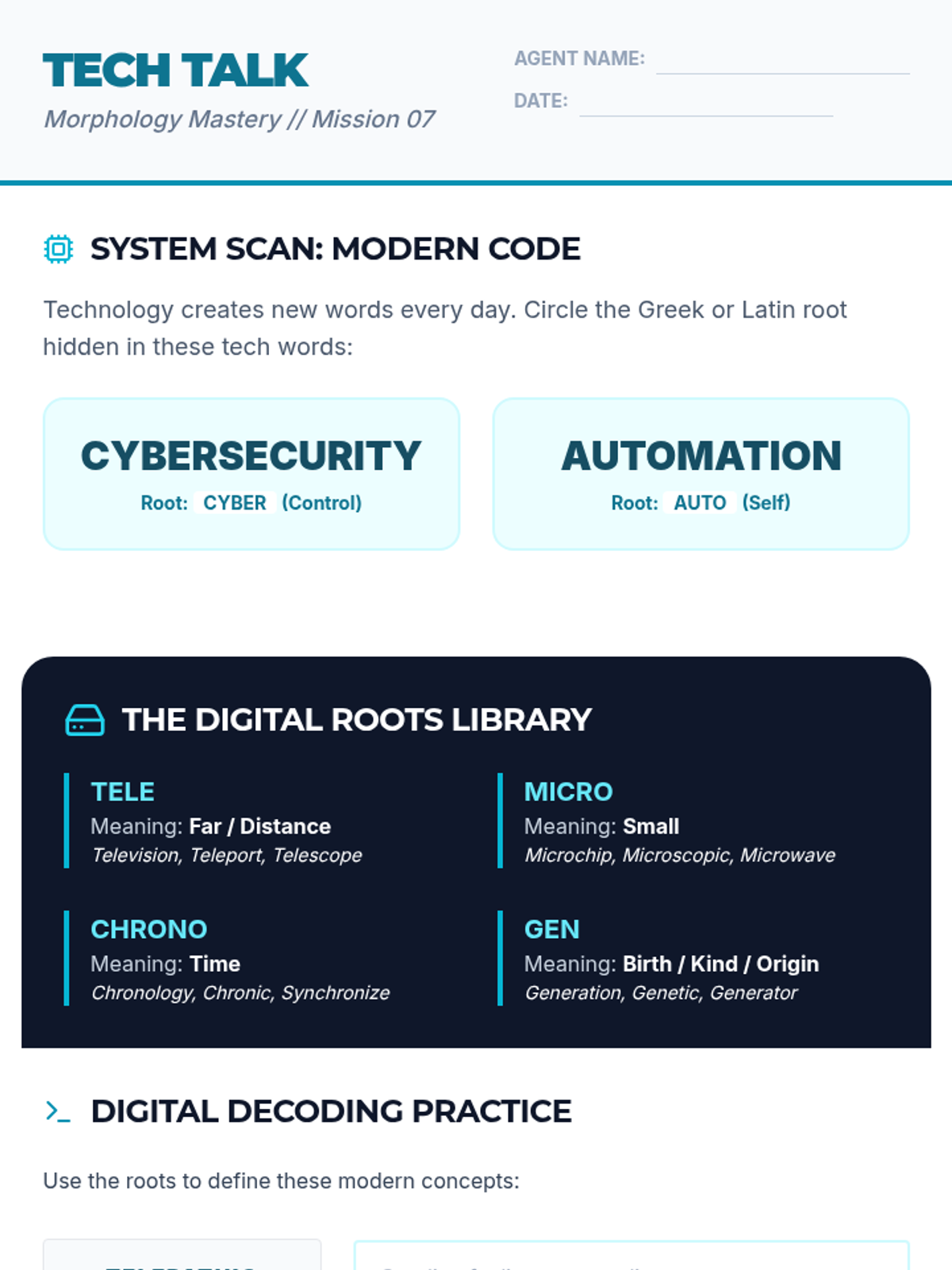
Modern neologisms and technology-based morphology (cyber, auto, micro, tele) for digital literacy.
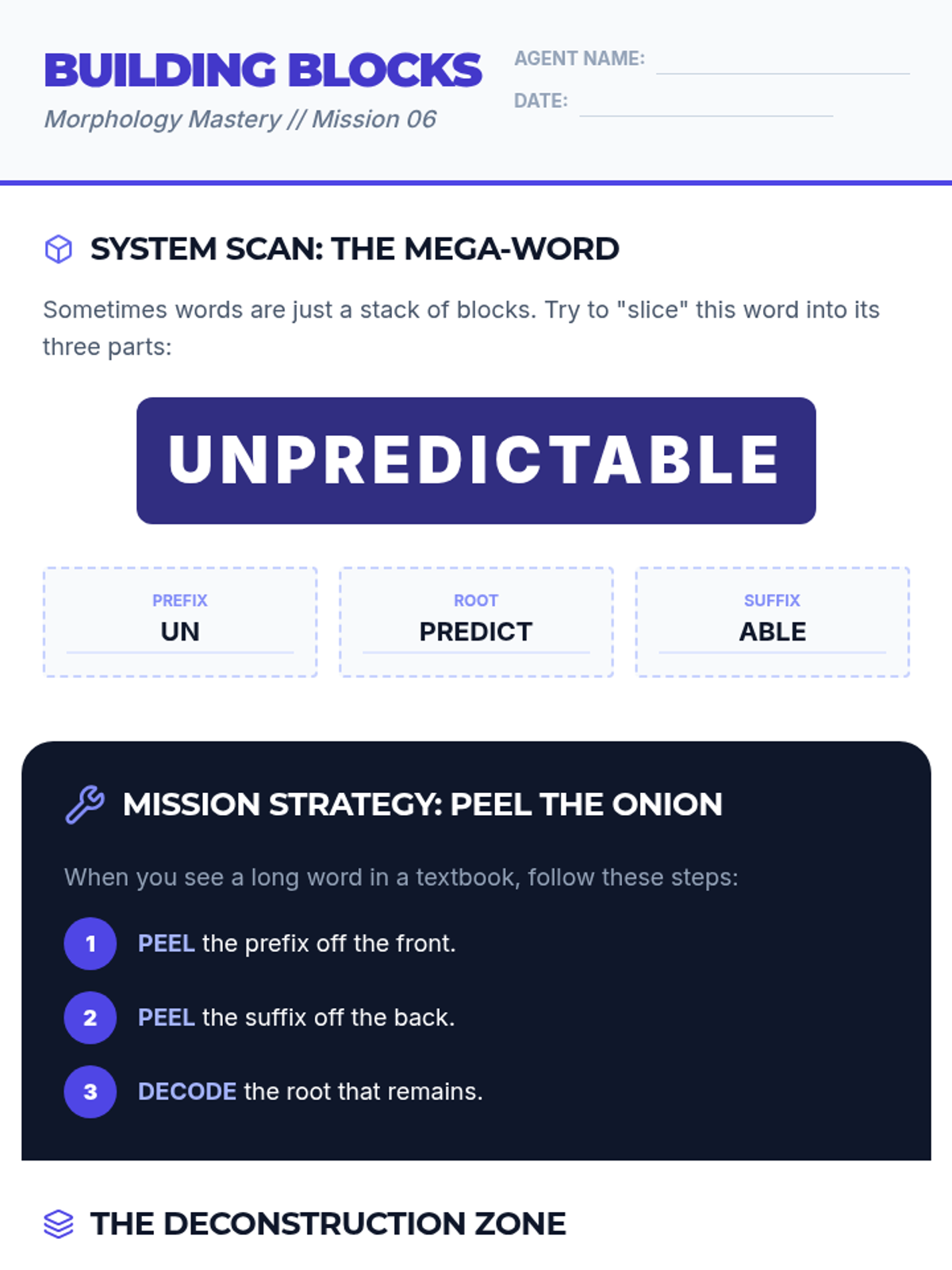
Practice building and breaking down multi-morphemic words (words with 3+ parts) common in textbooks.
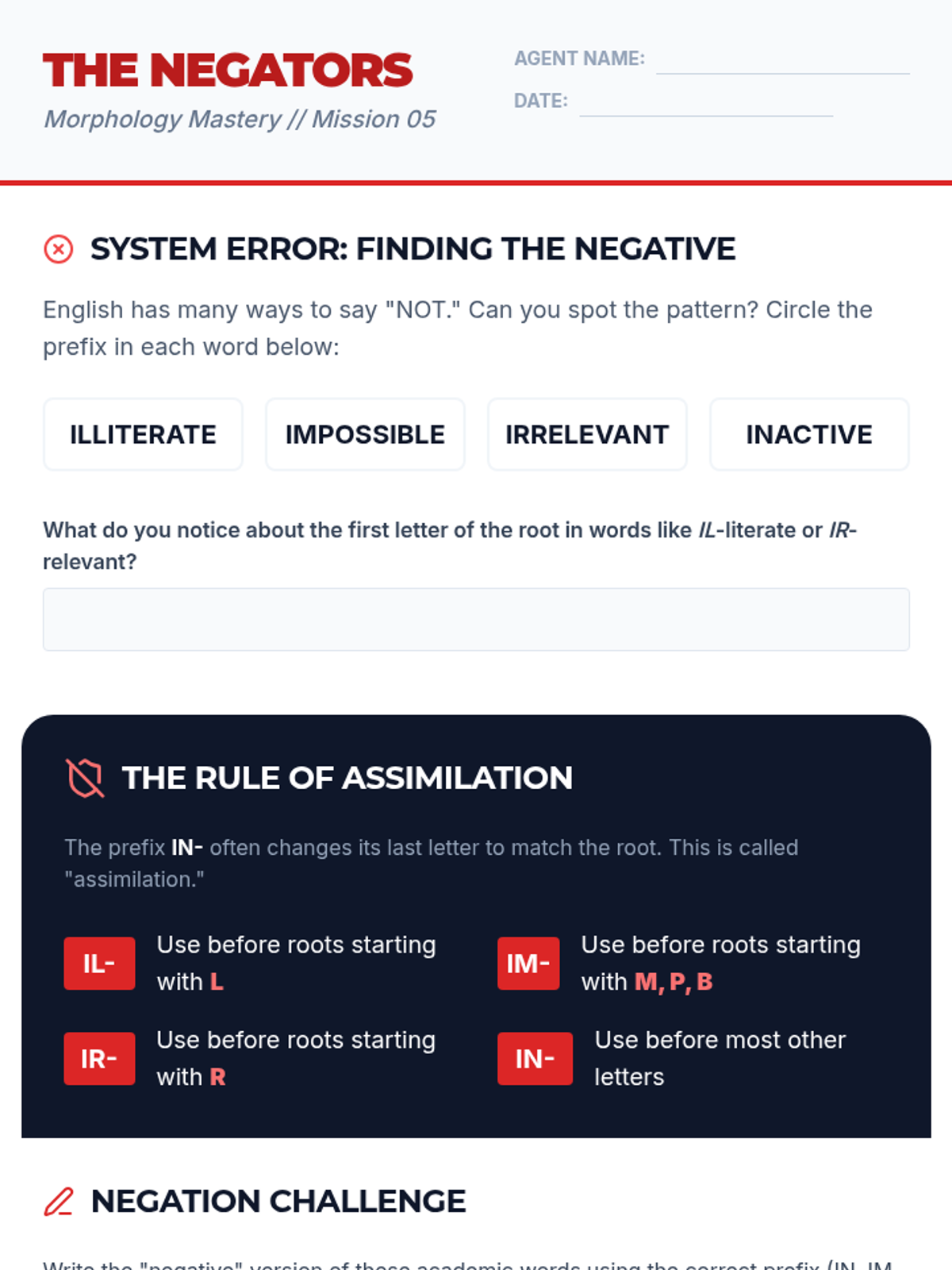
Deep dive into negative prefixes (in-, im-, il-, ir-, non-) and their phonetic patterns.
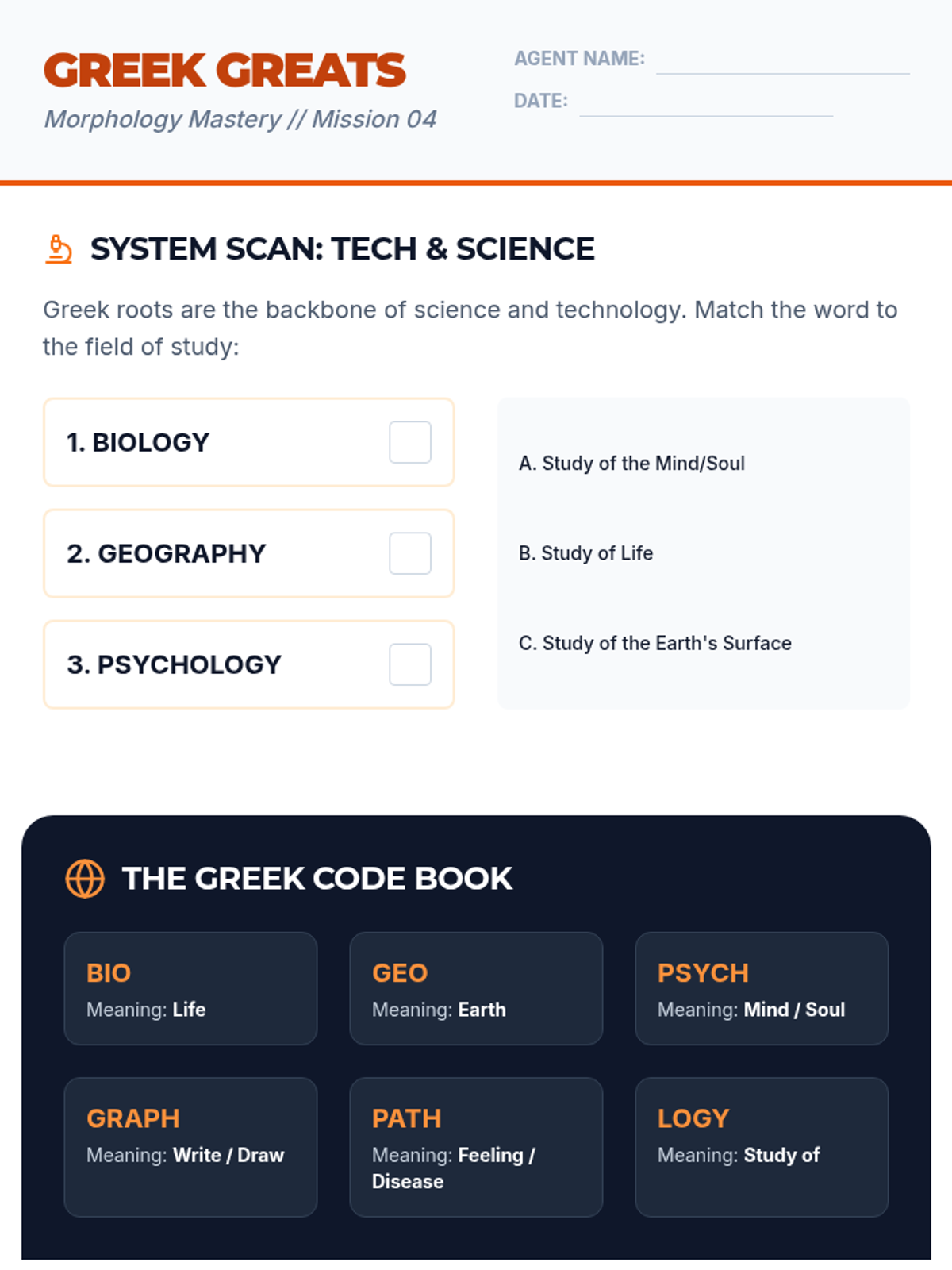
Greek roots common in science and technology (bio, psych, path, geo, graph) for technical literacy.
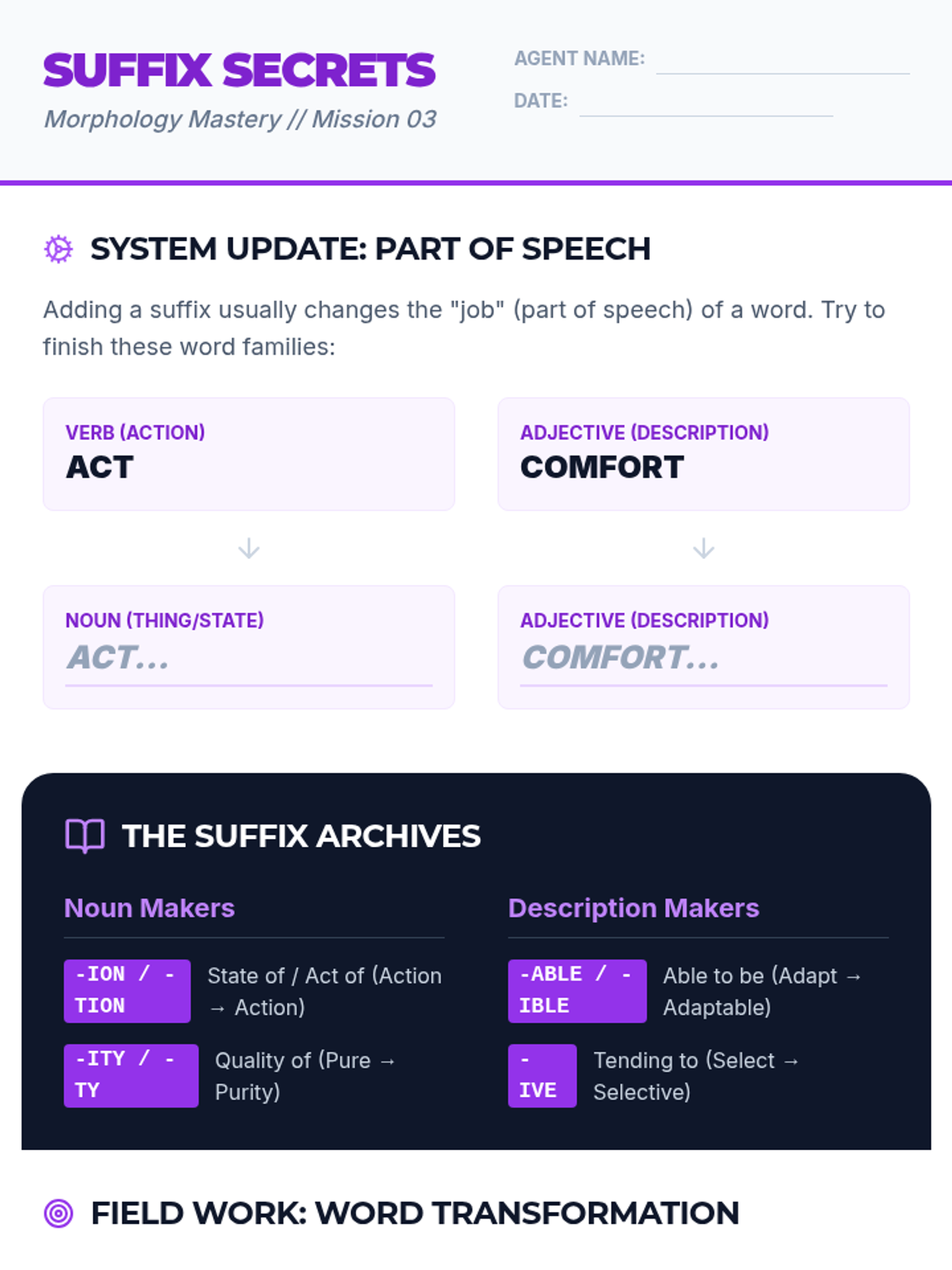
Focus on suffixes that change the part of speech (-ion, -ity, -able, -ize, -ly) and how to identify them in complex sentences.
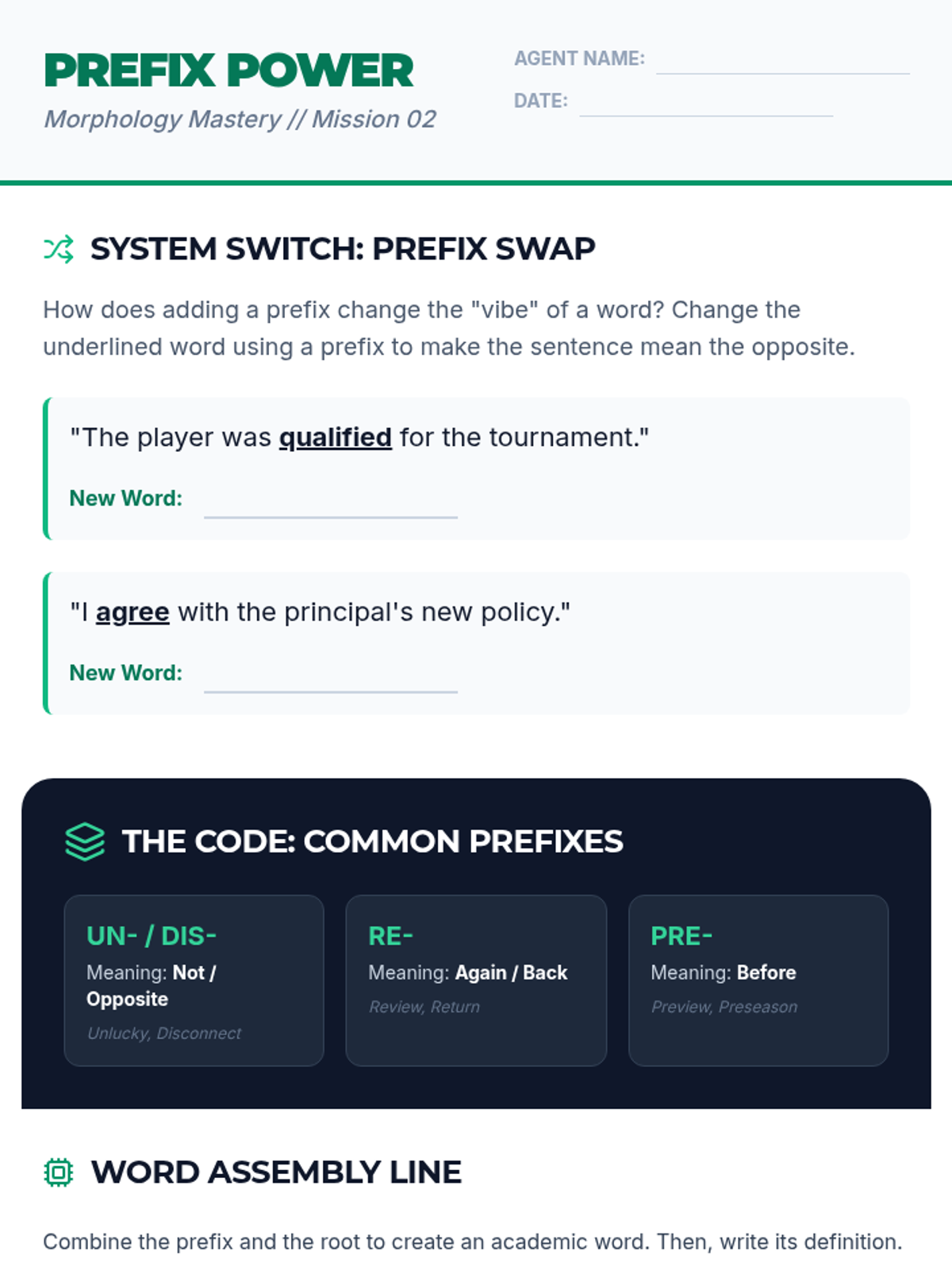
Exploration of common prefixes (un-, re-, pre-, mis-, dis-) and how they modify root meanings for high school readers.
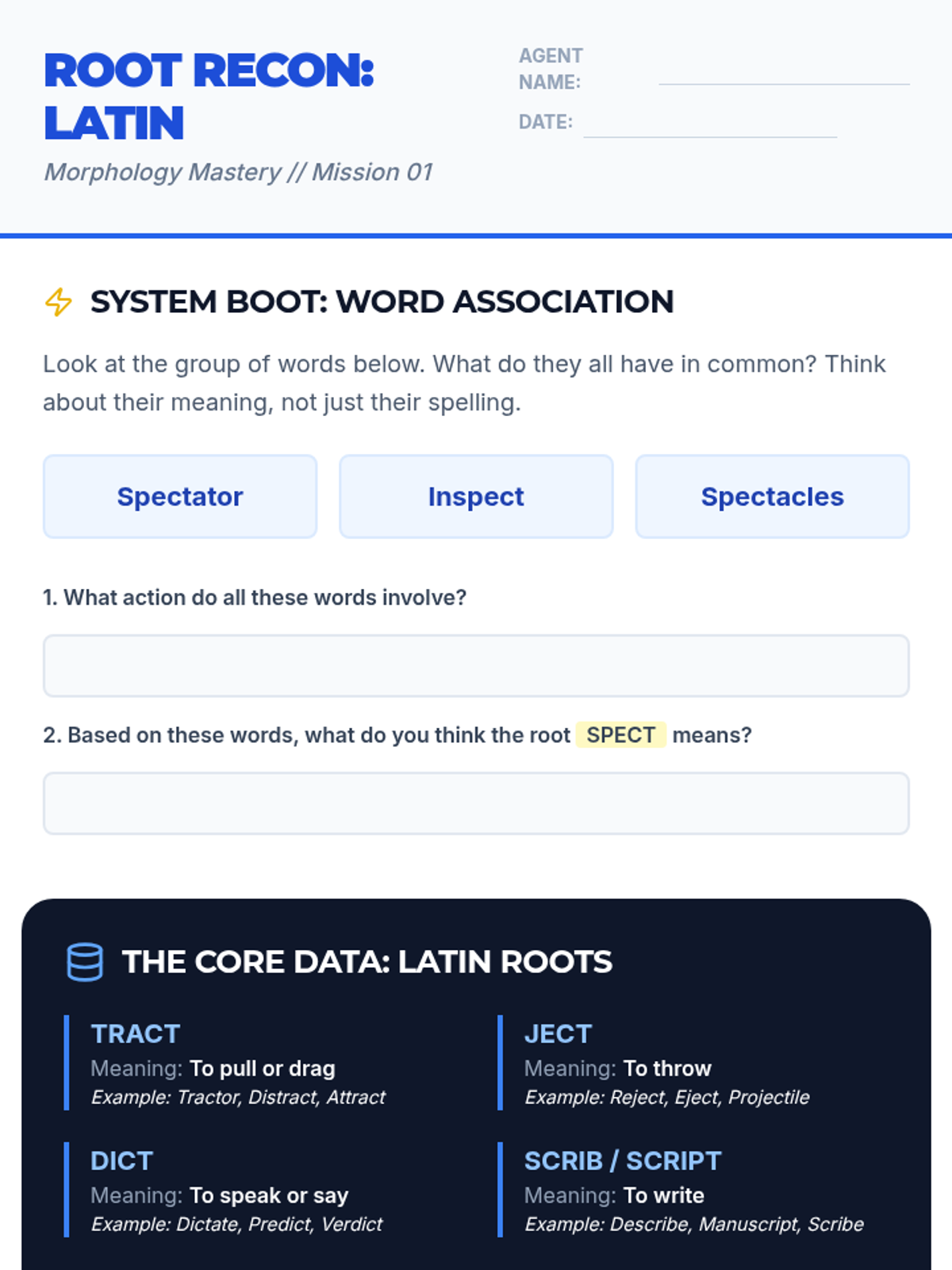
Introduction to high-frequency Latin roots and how to use them to decode complex academic vocabulary.
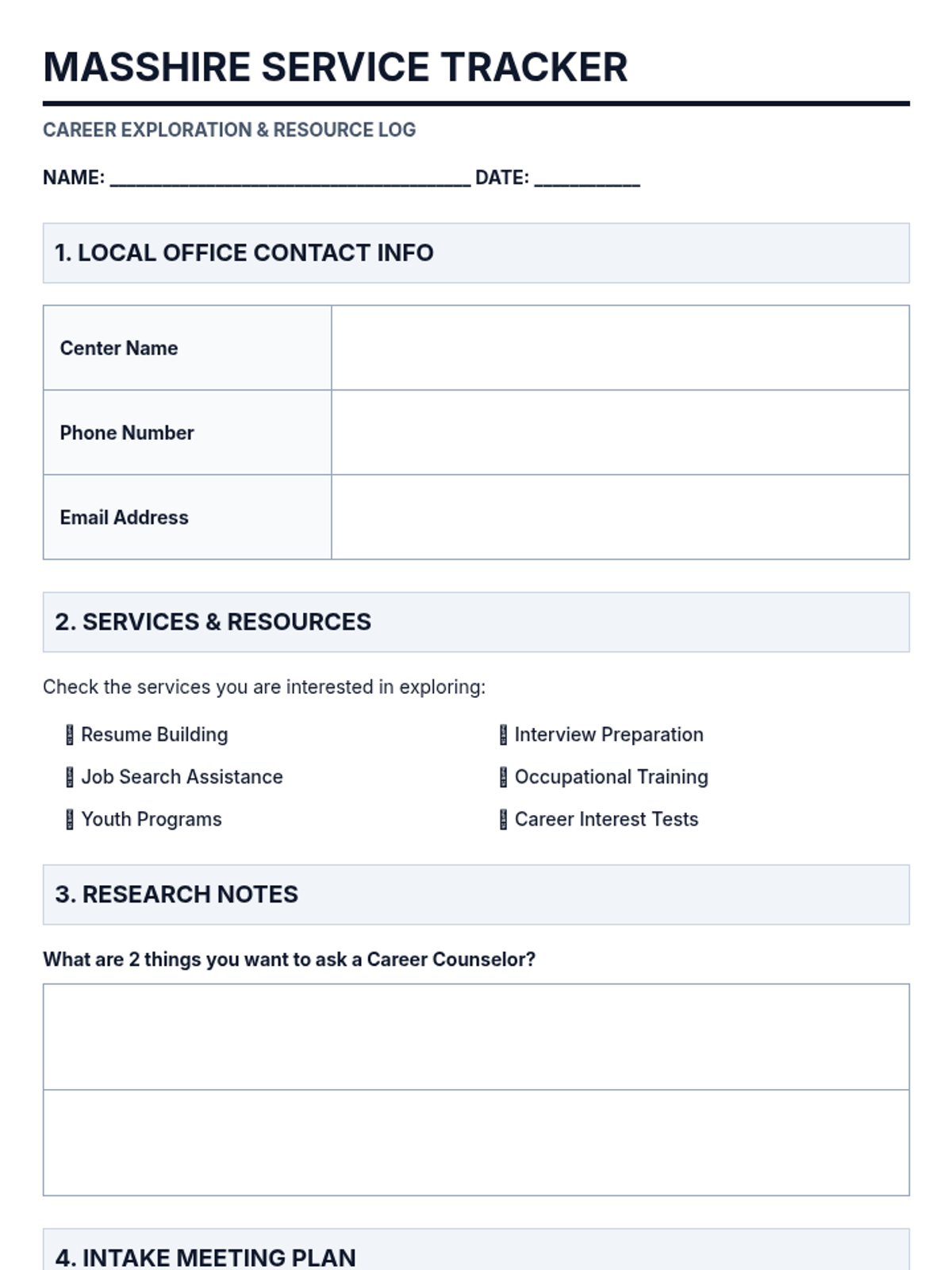
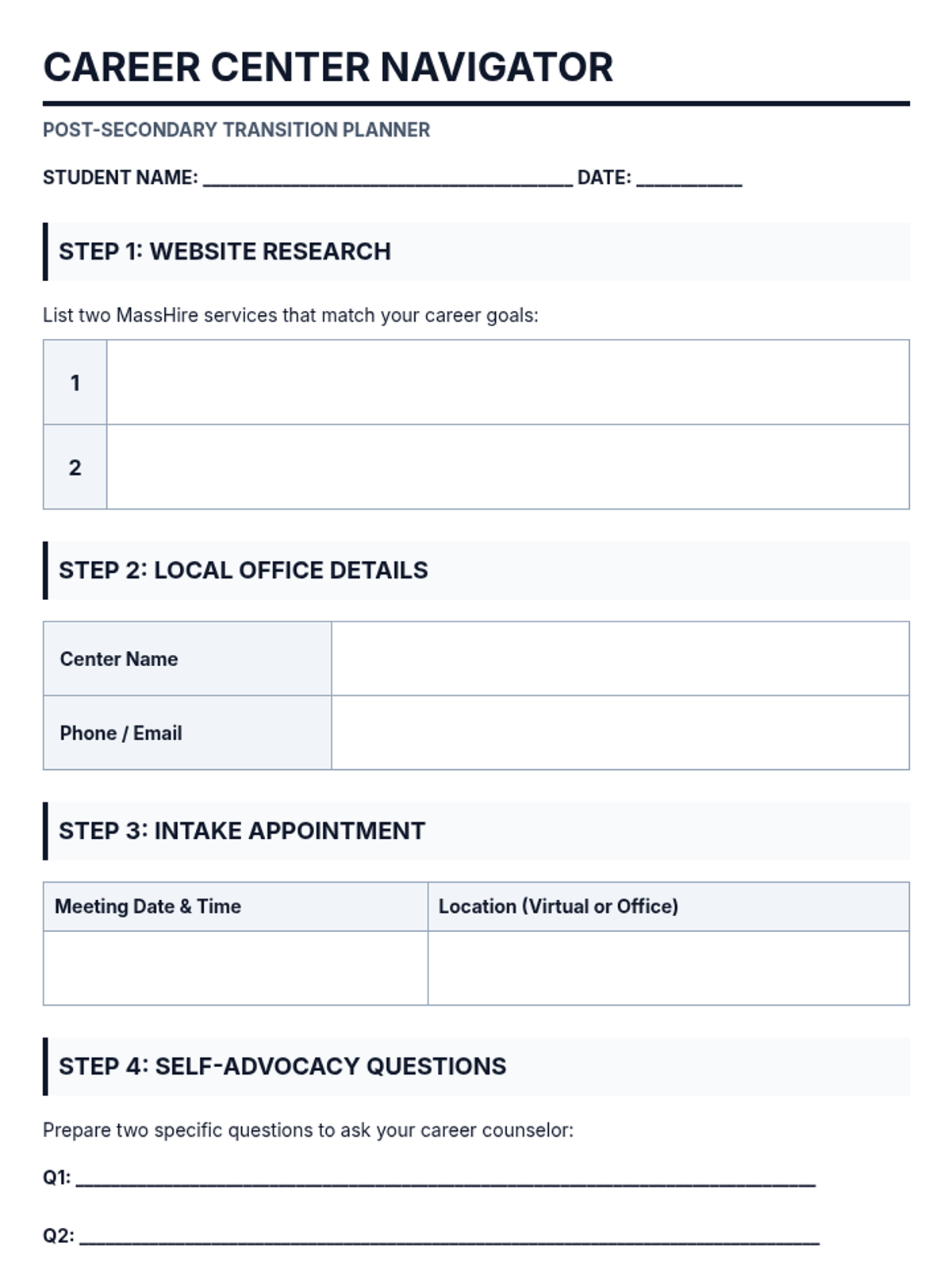
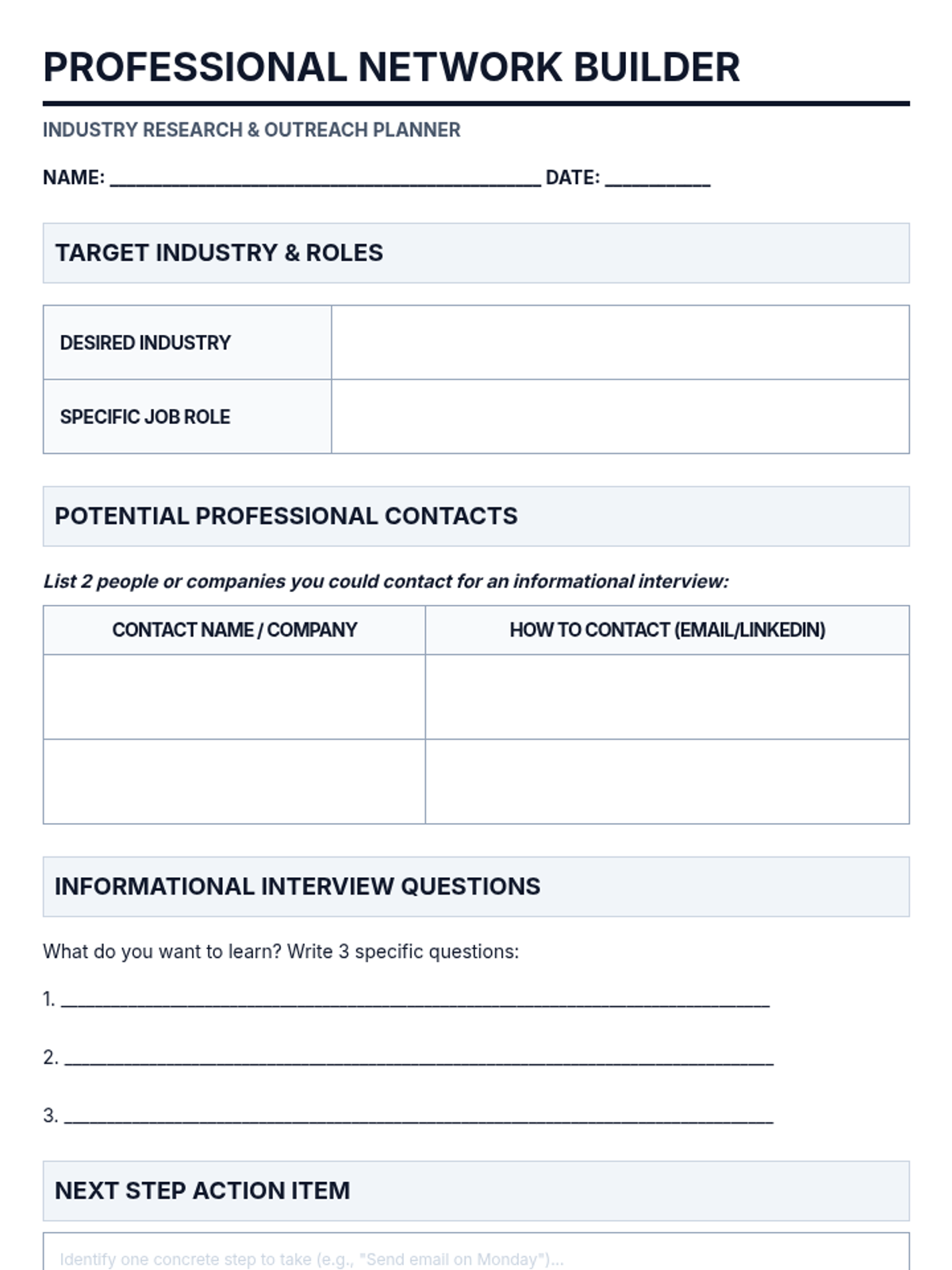
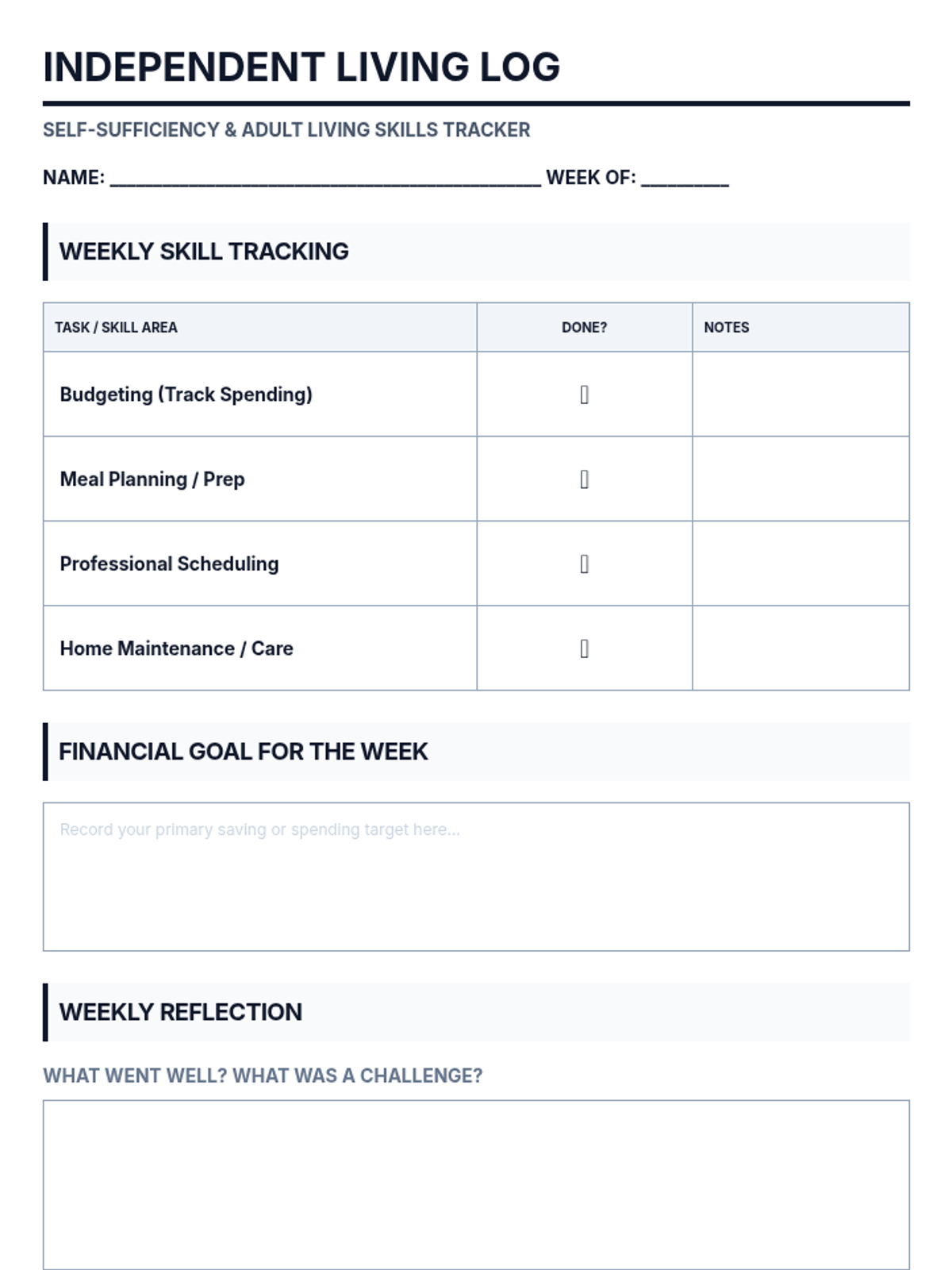
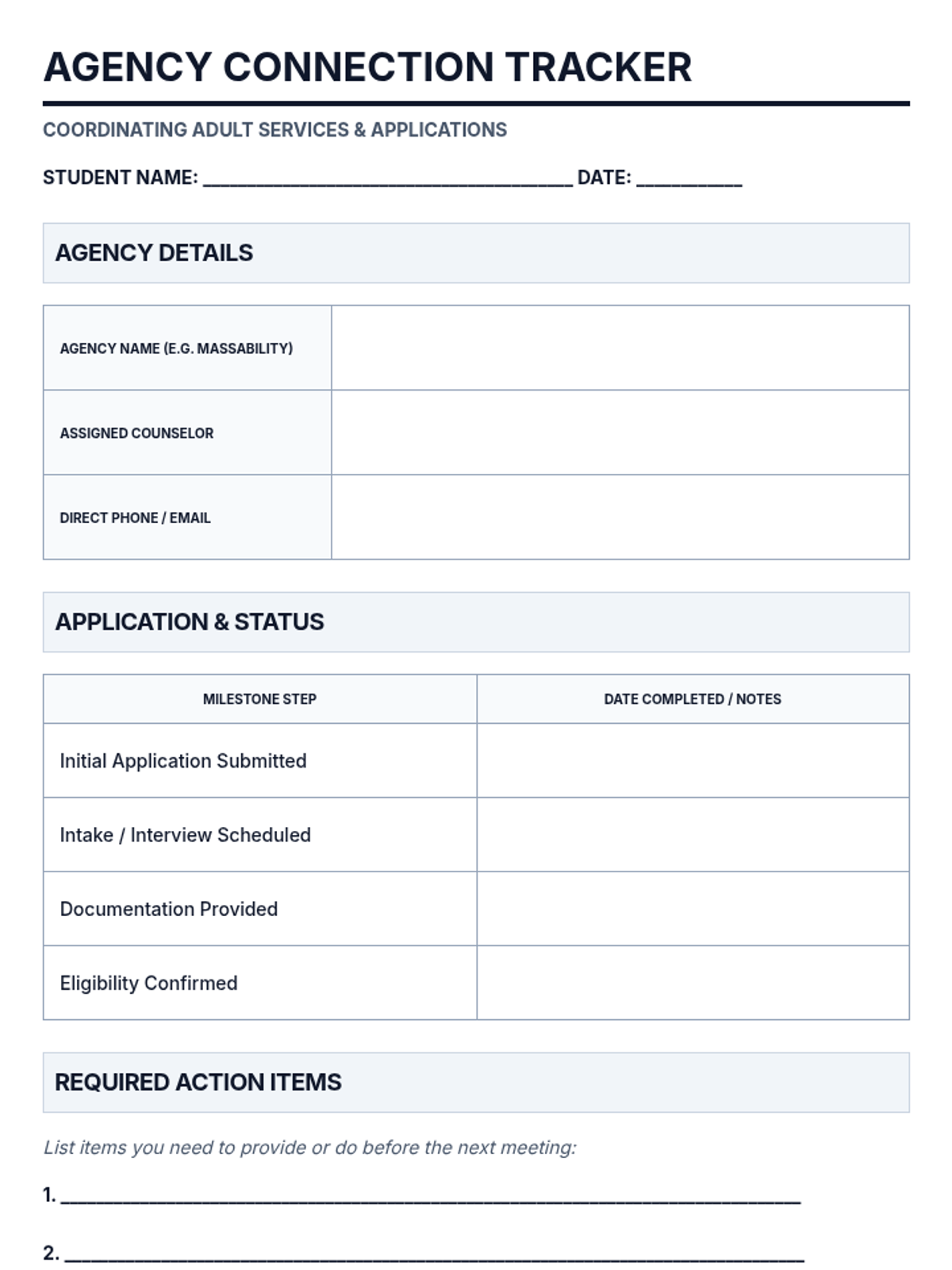
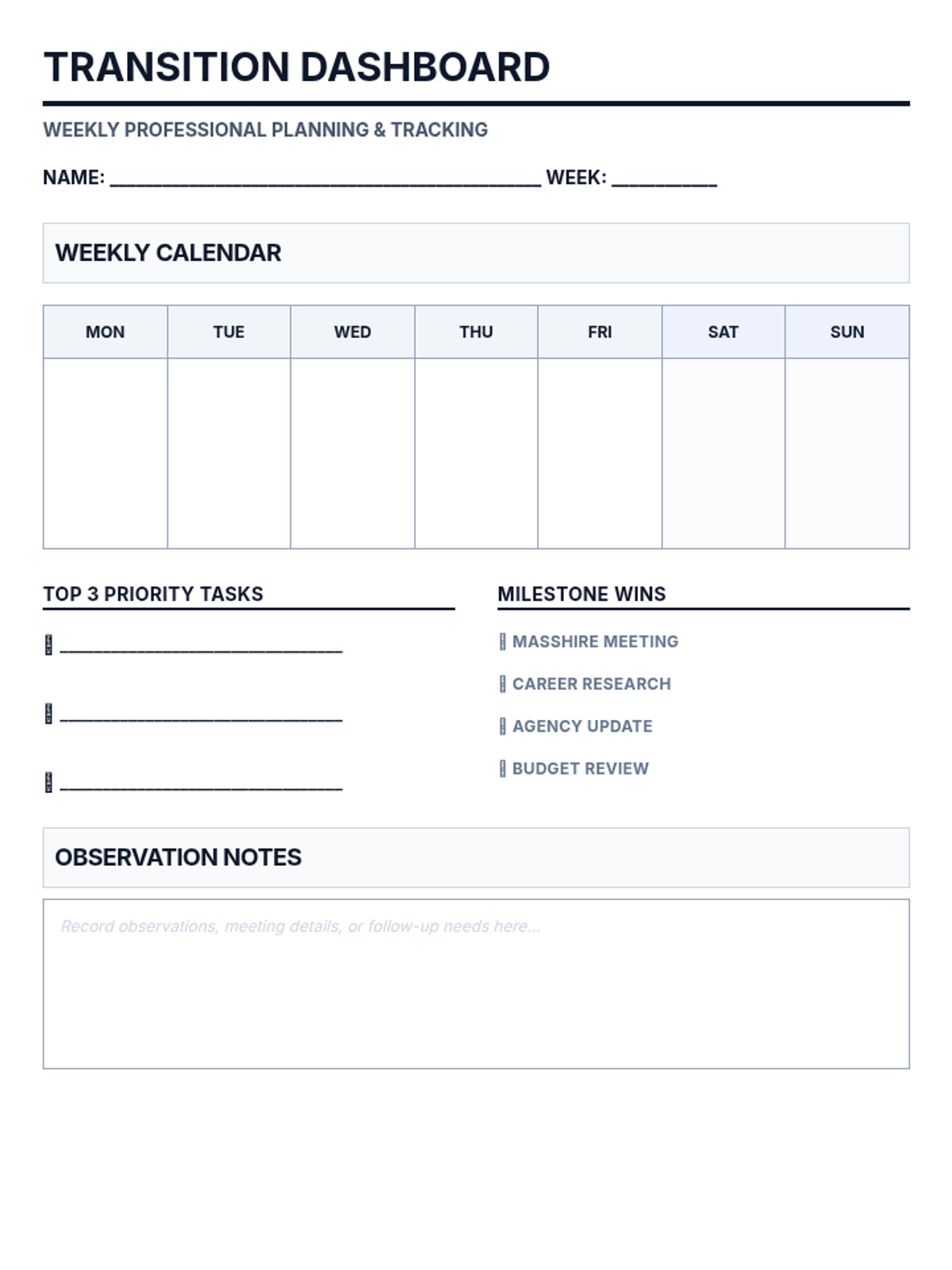
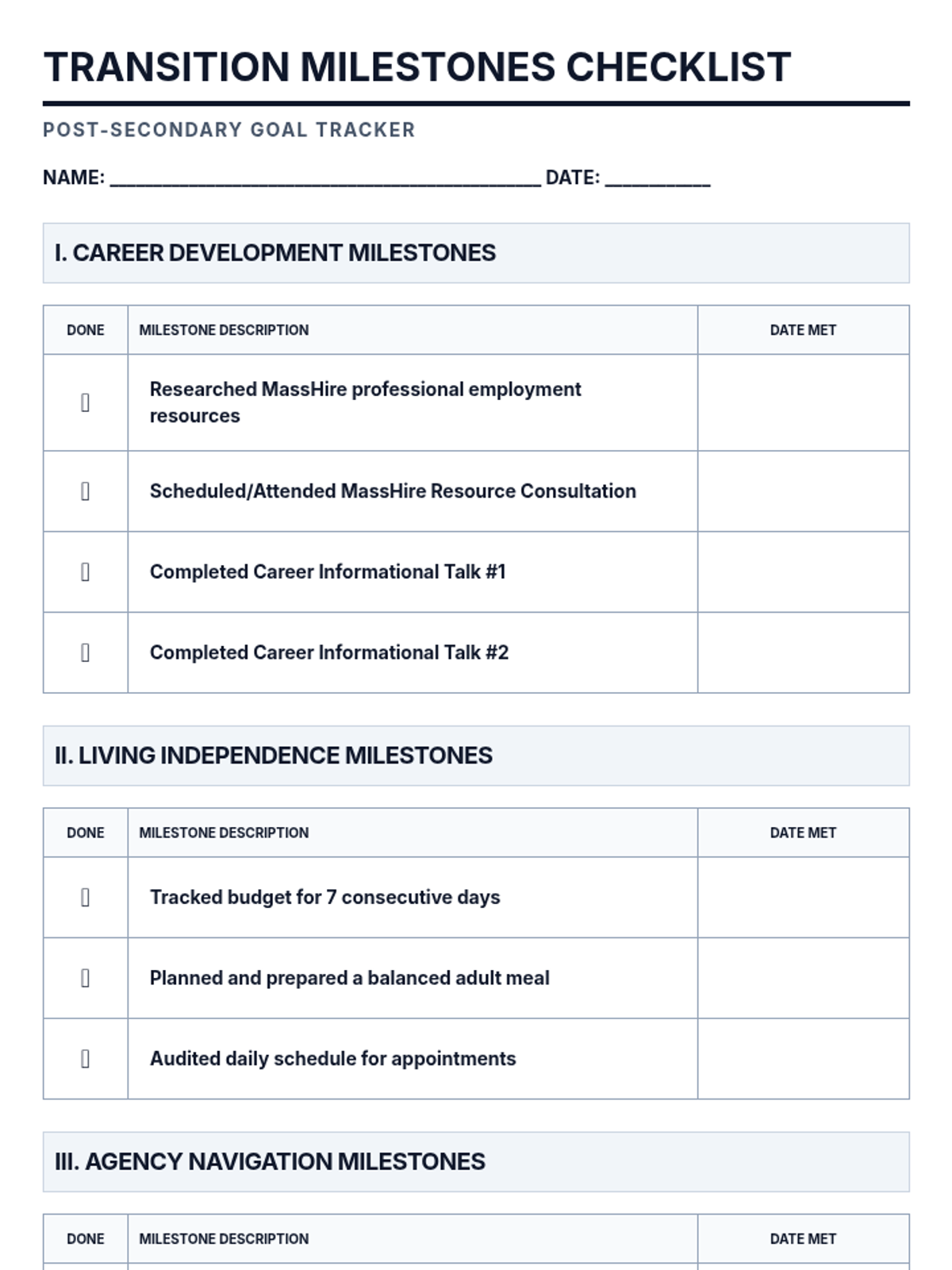
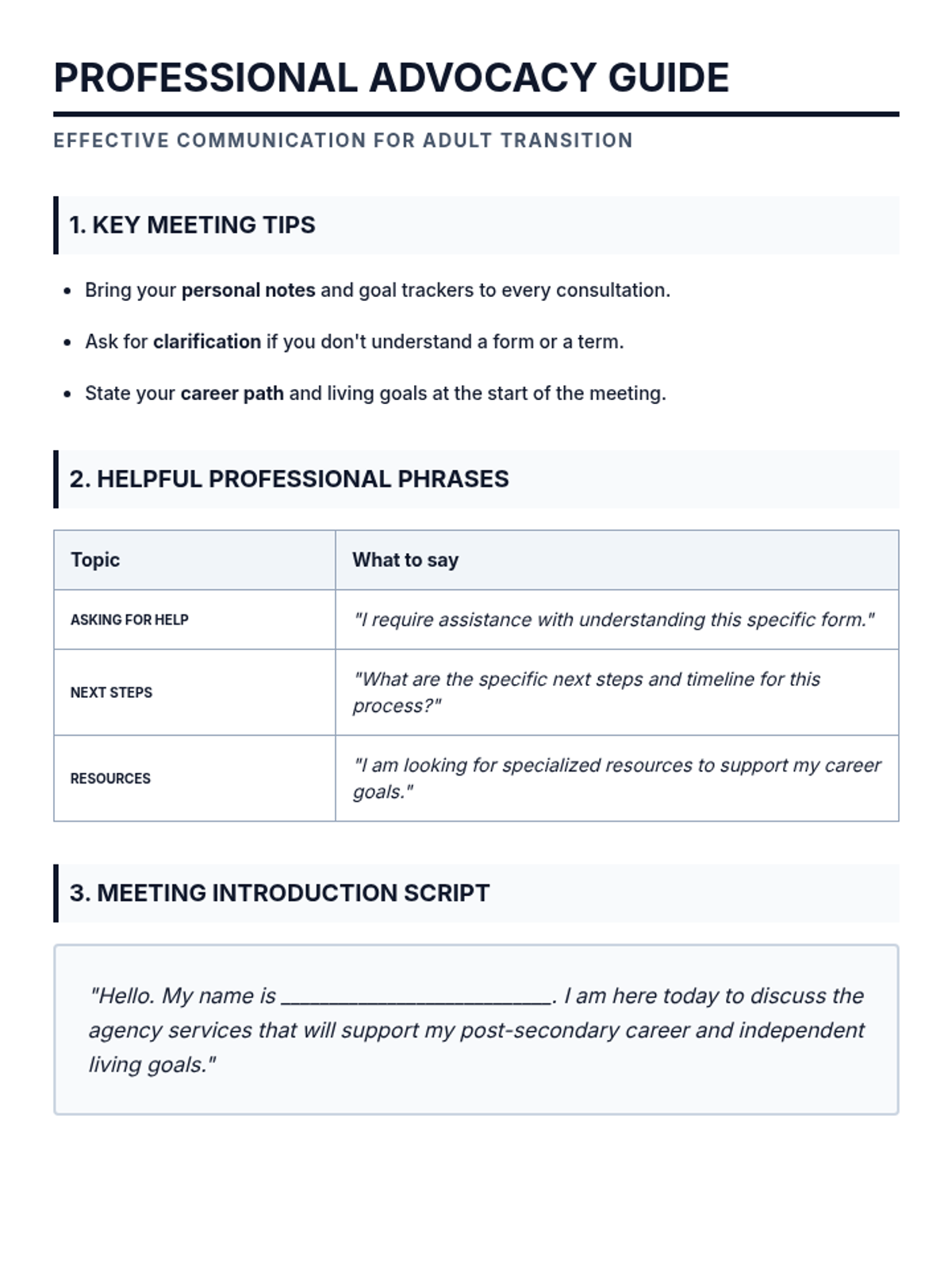
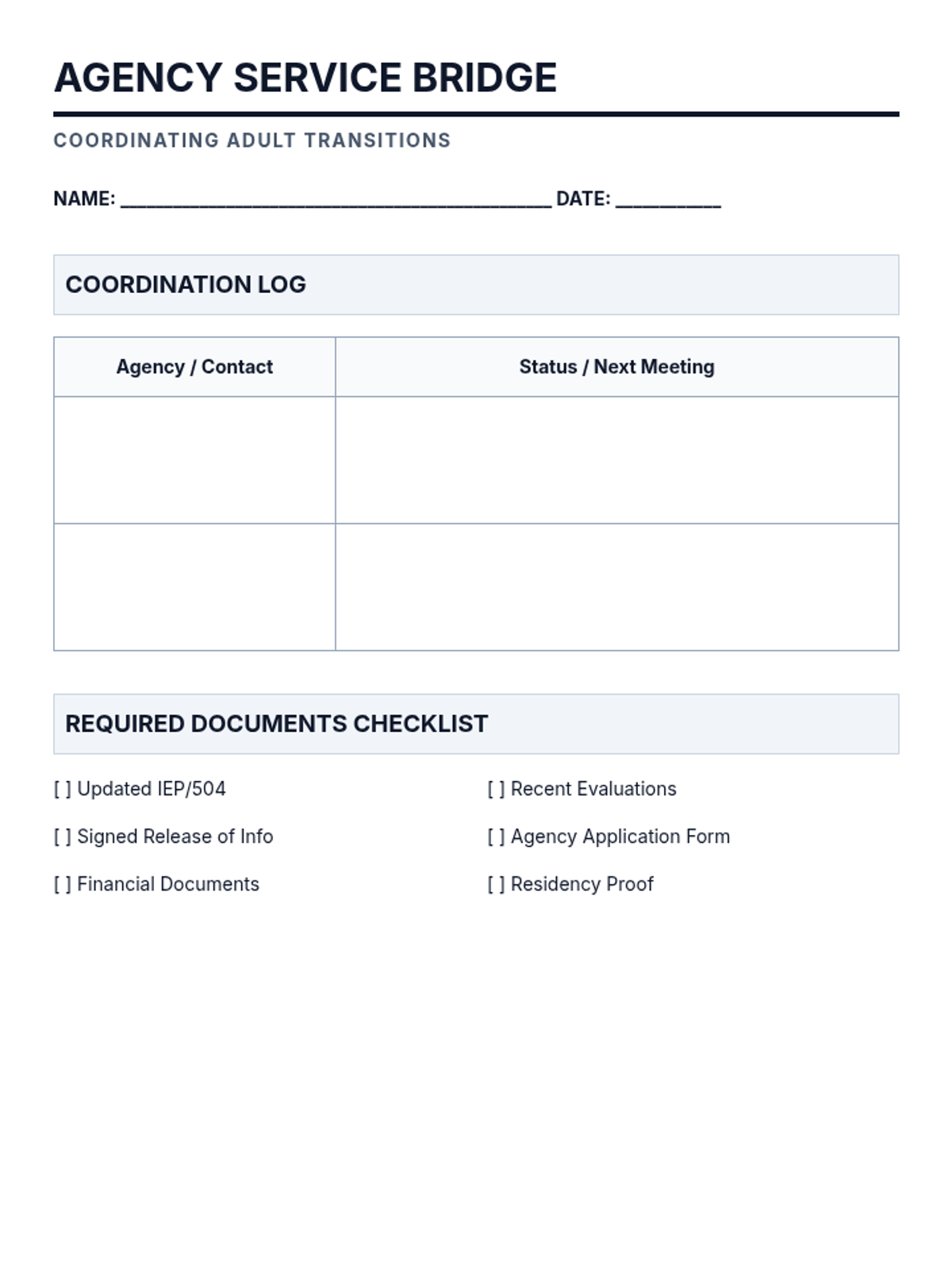
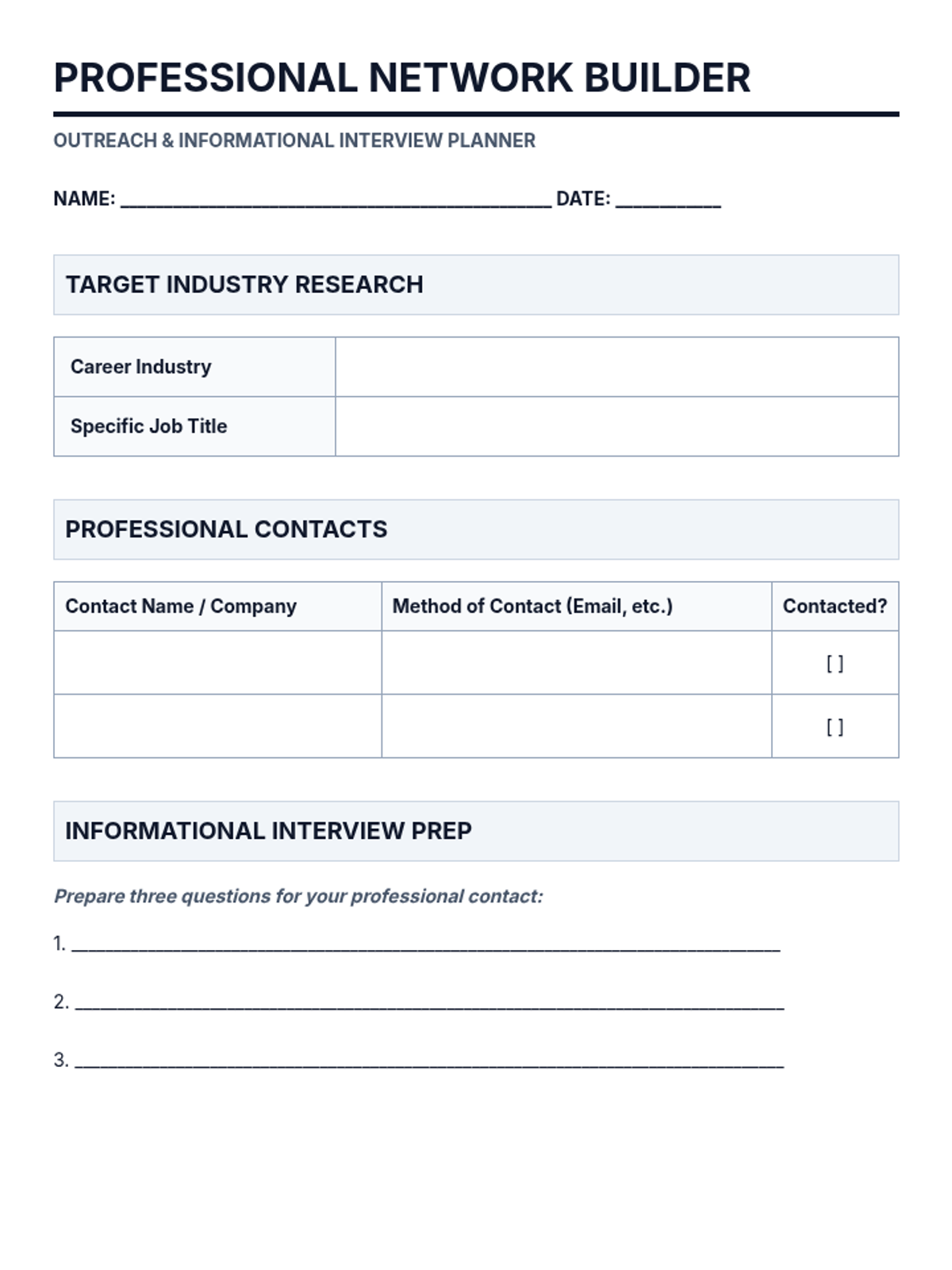
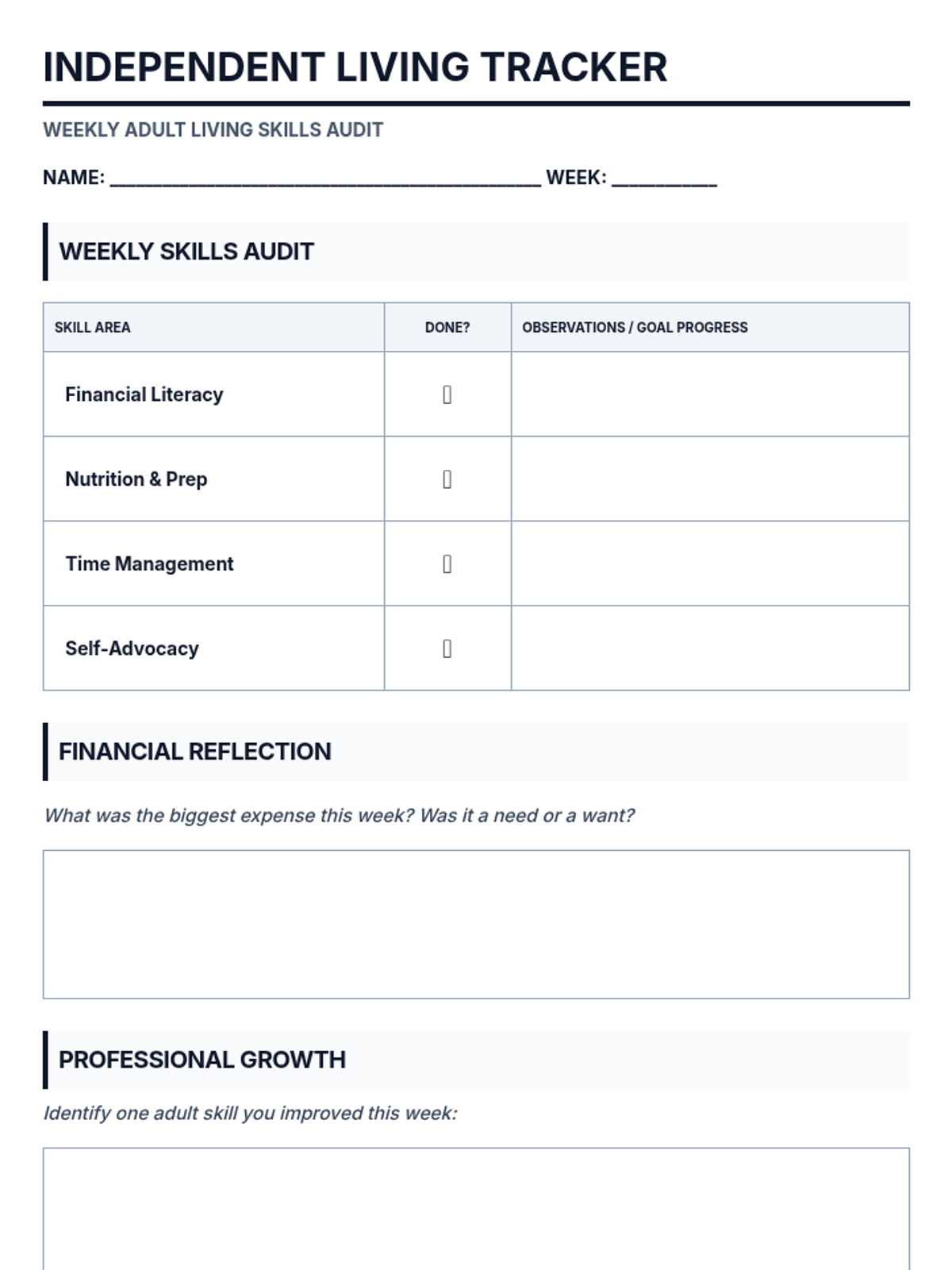
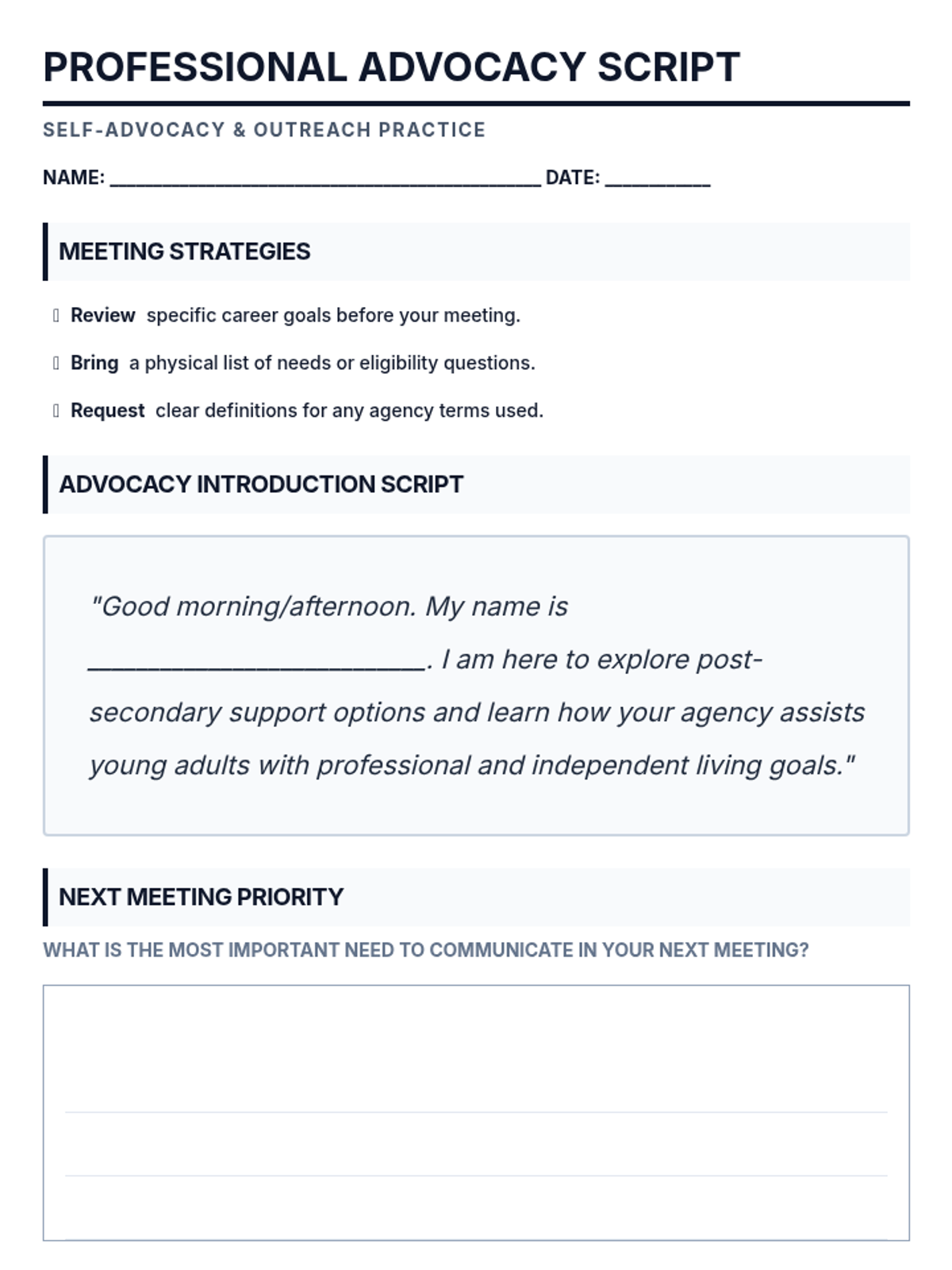
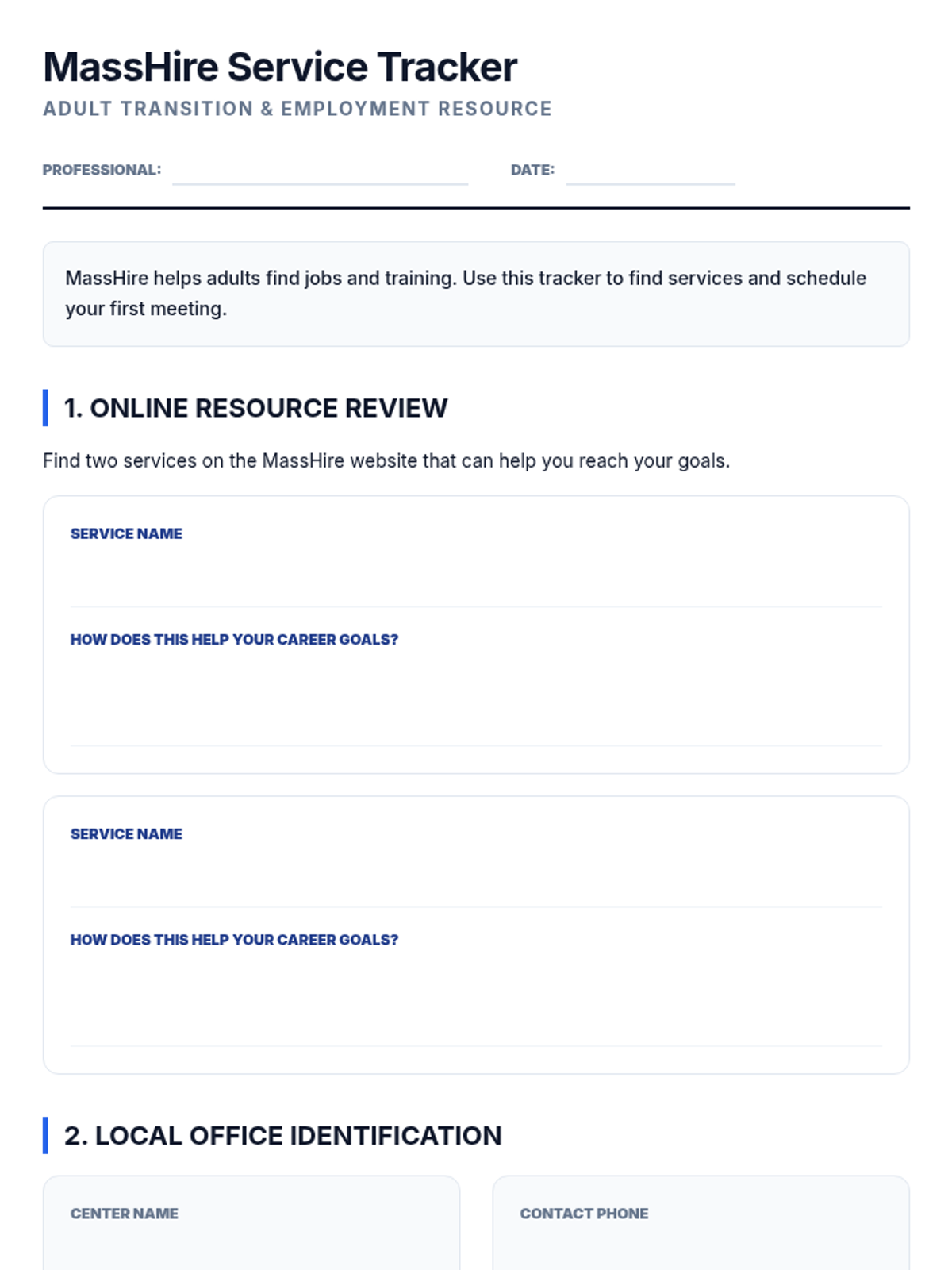
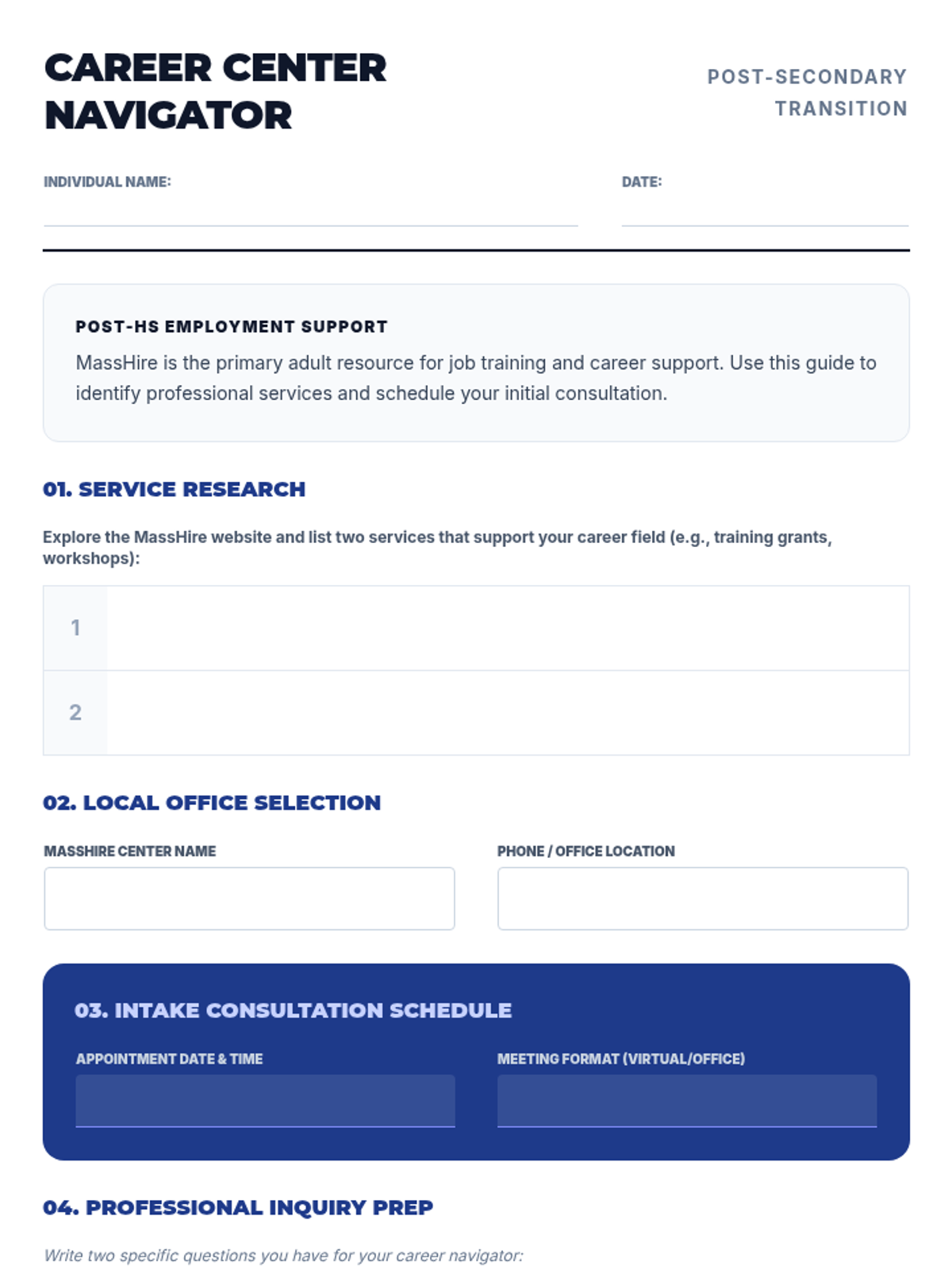
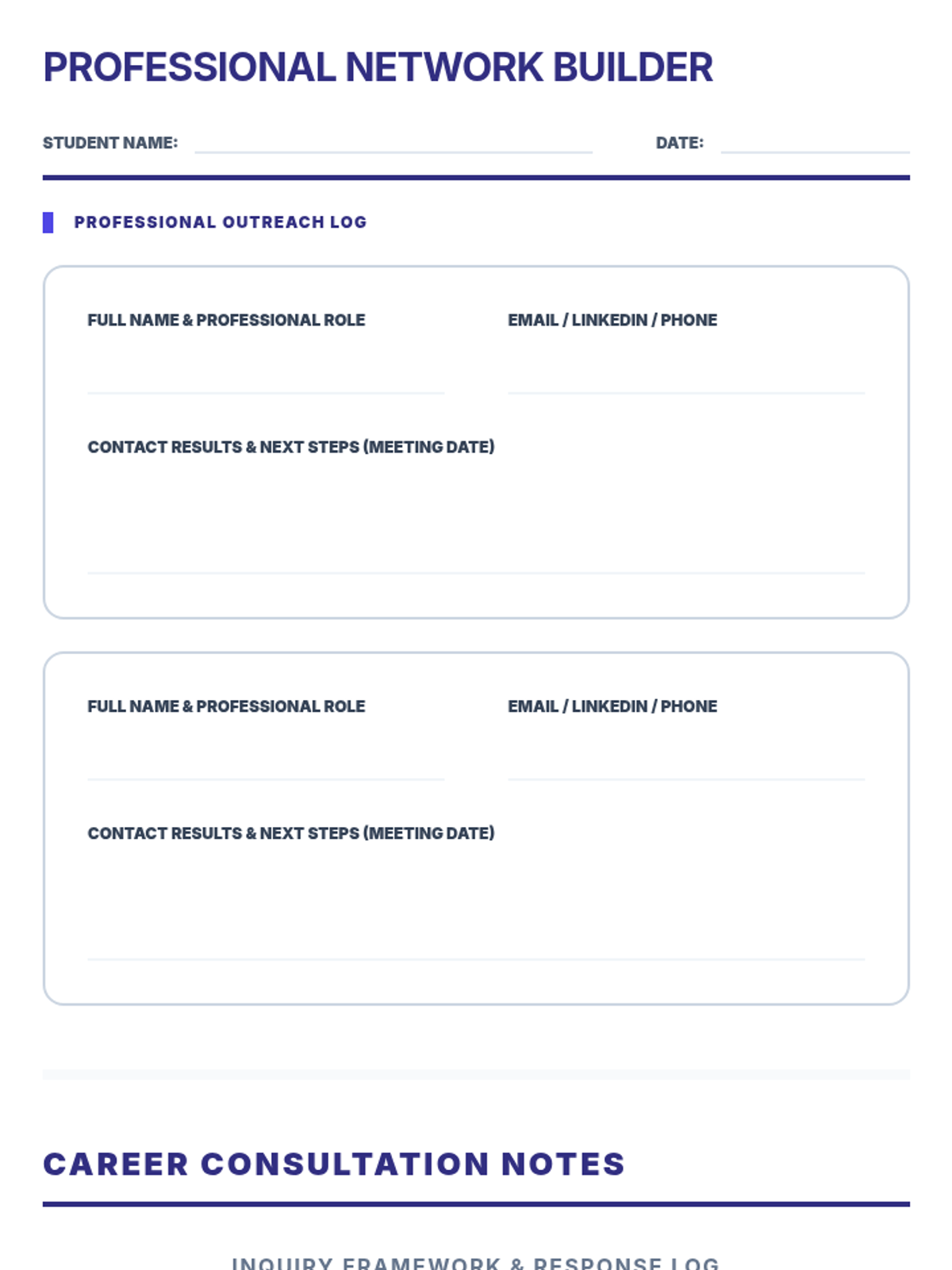
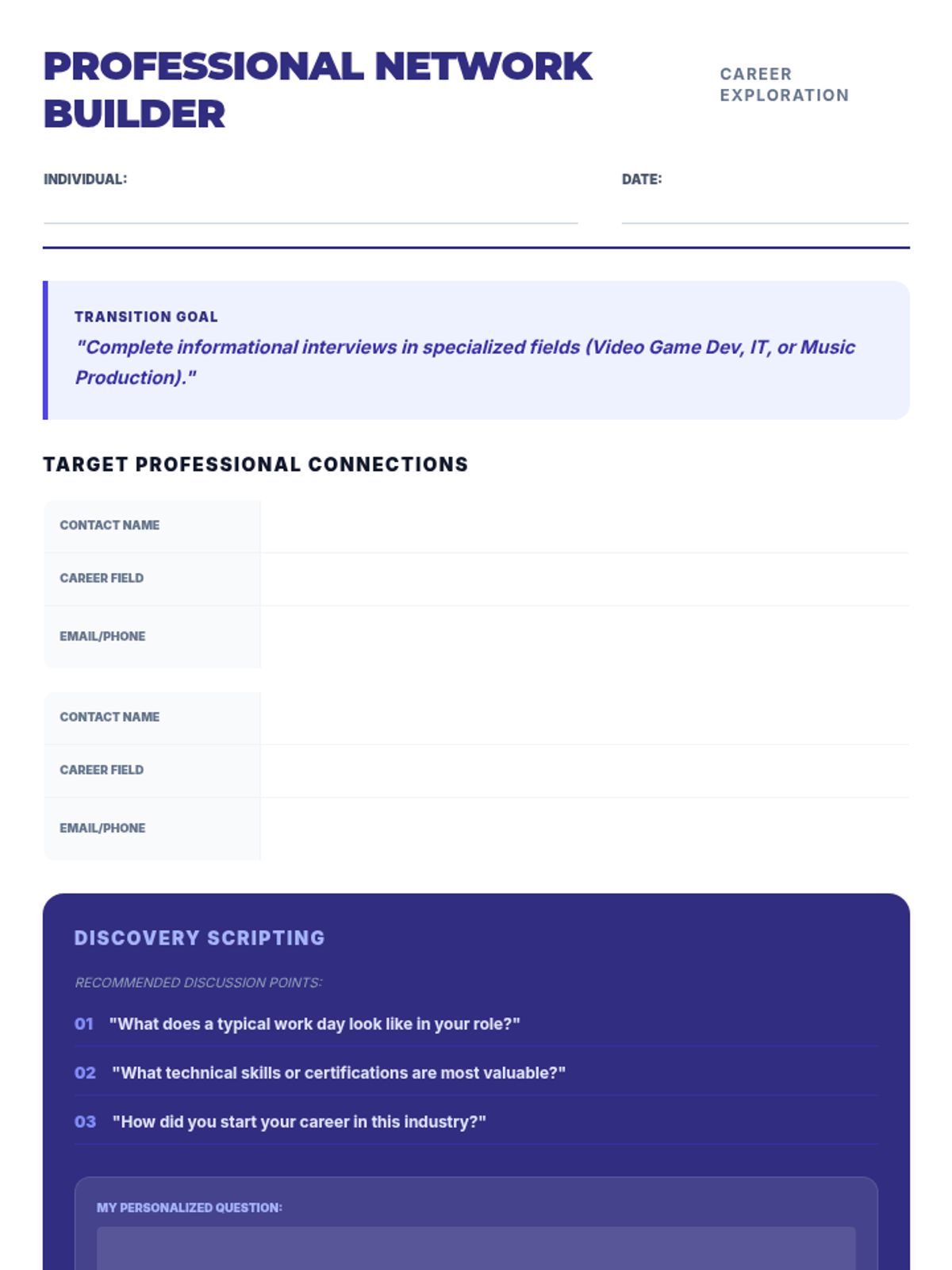
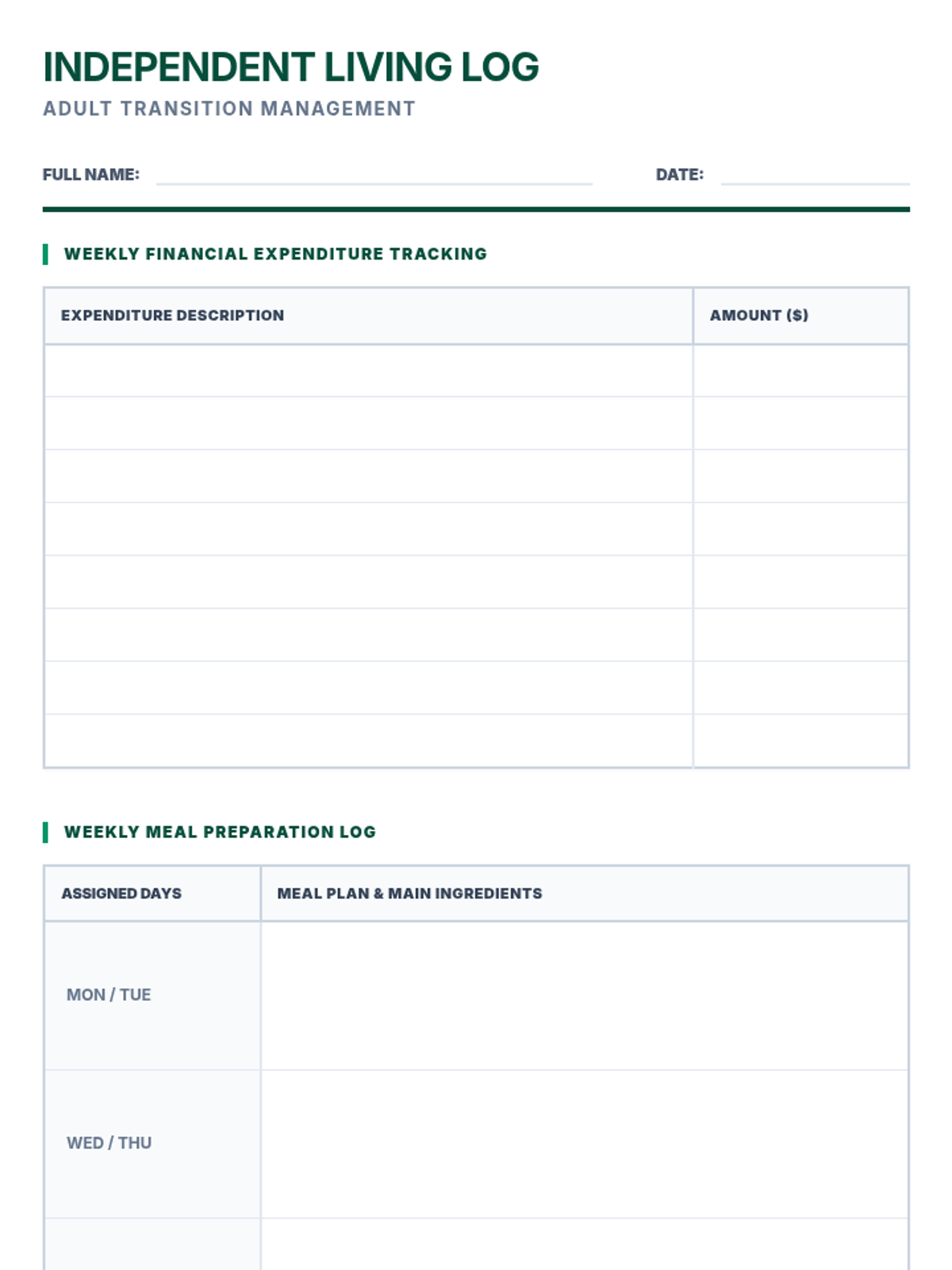
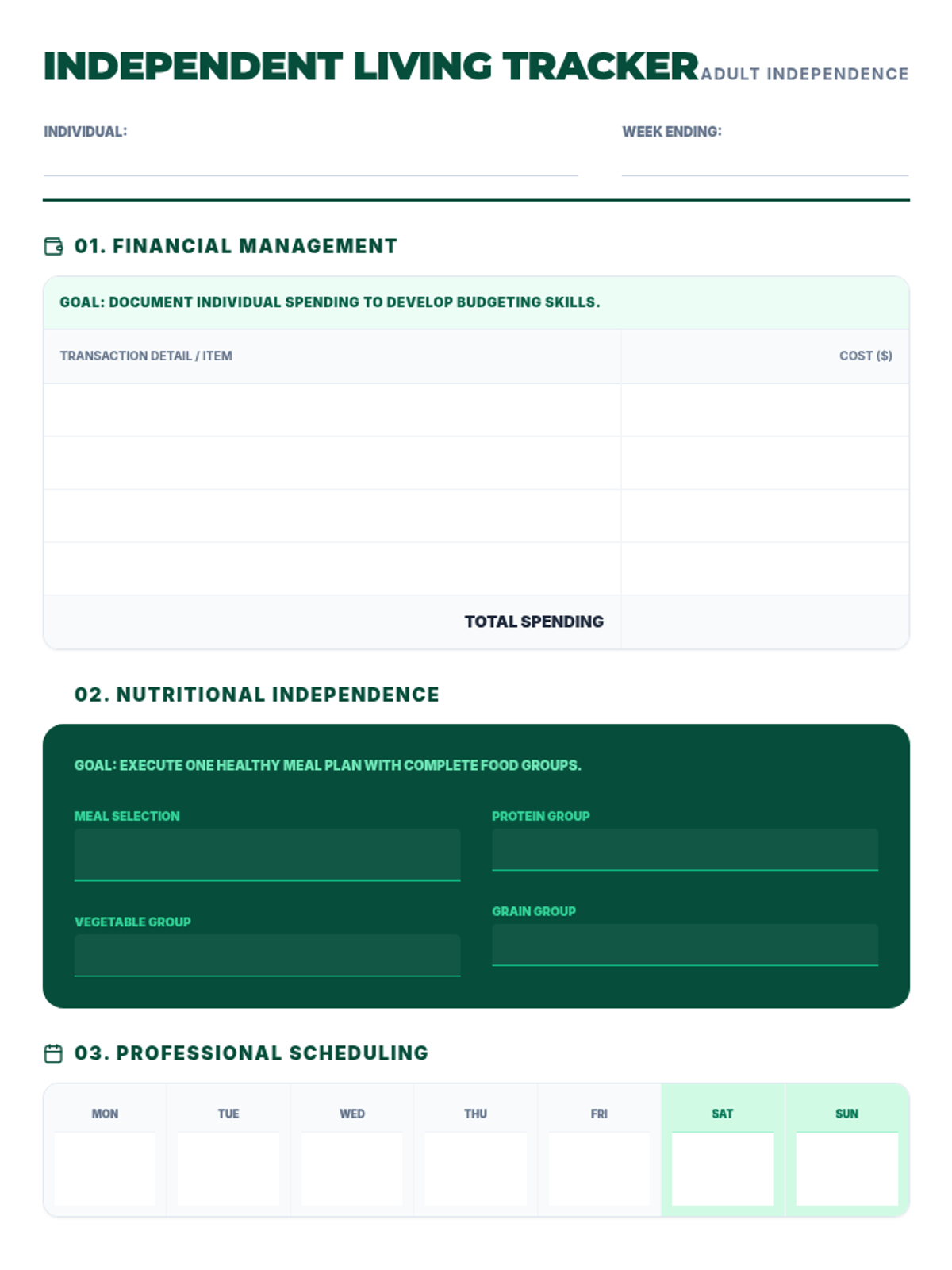
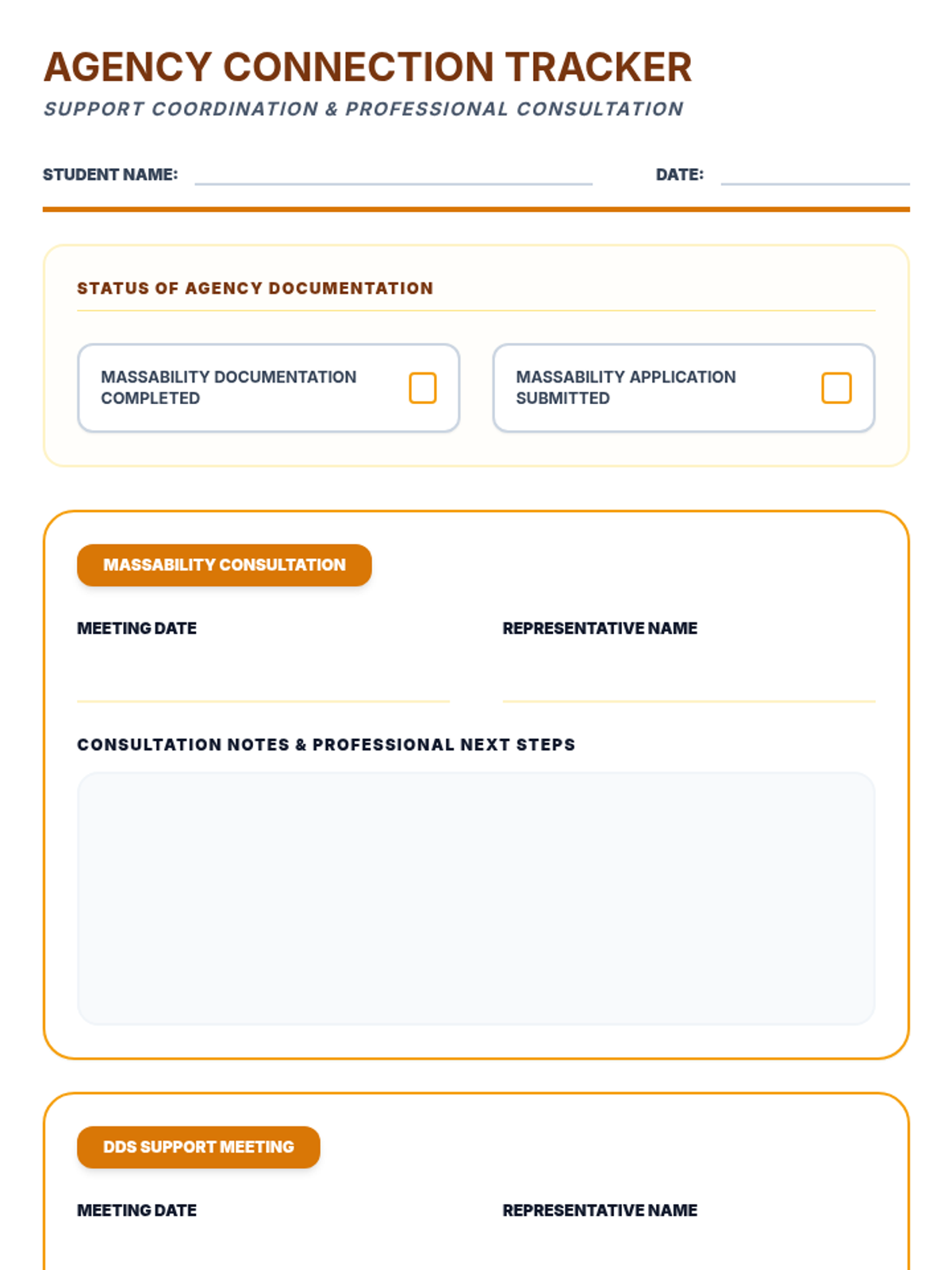
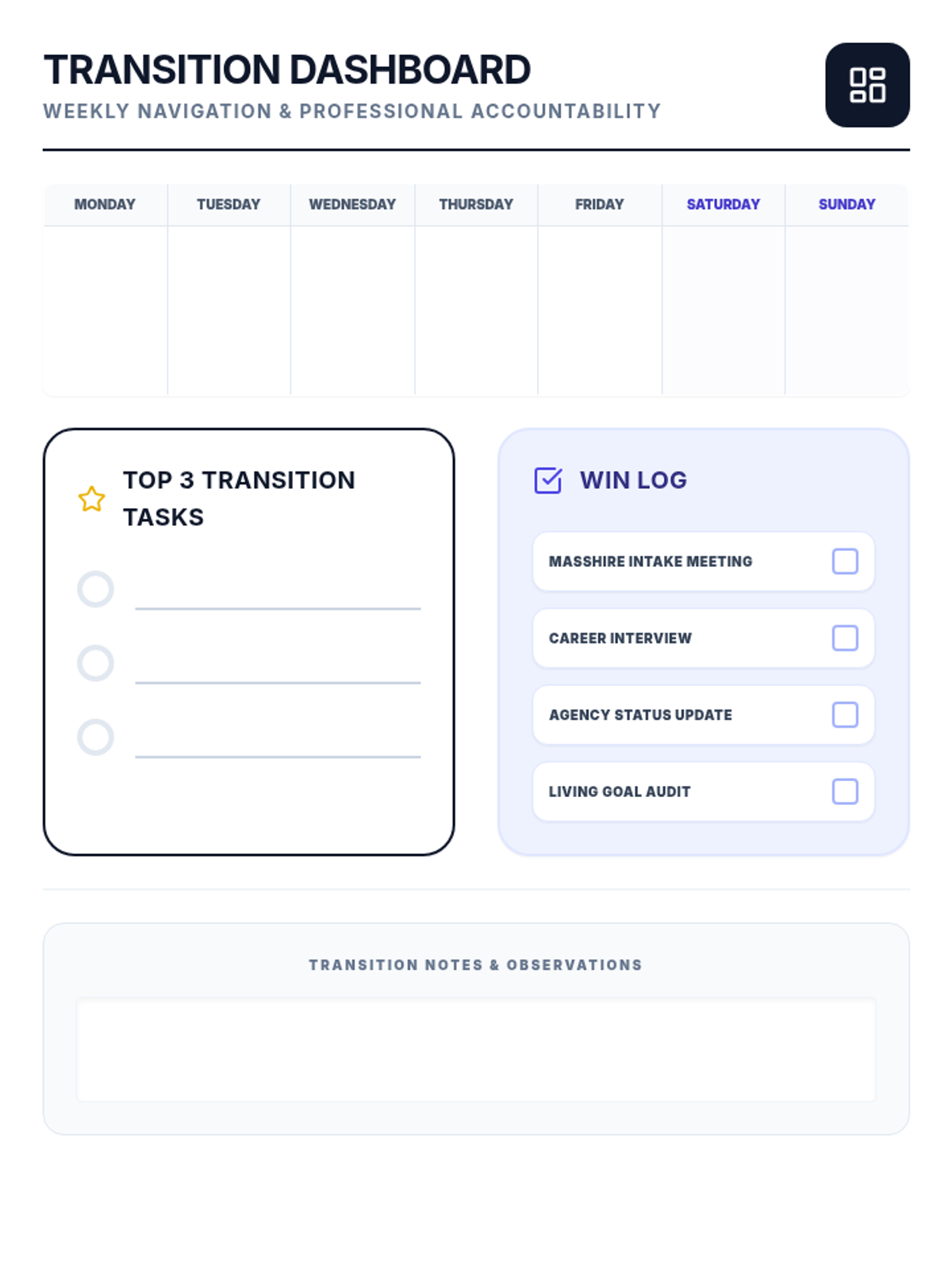
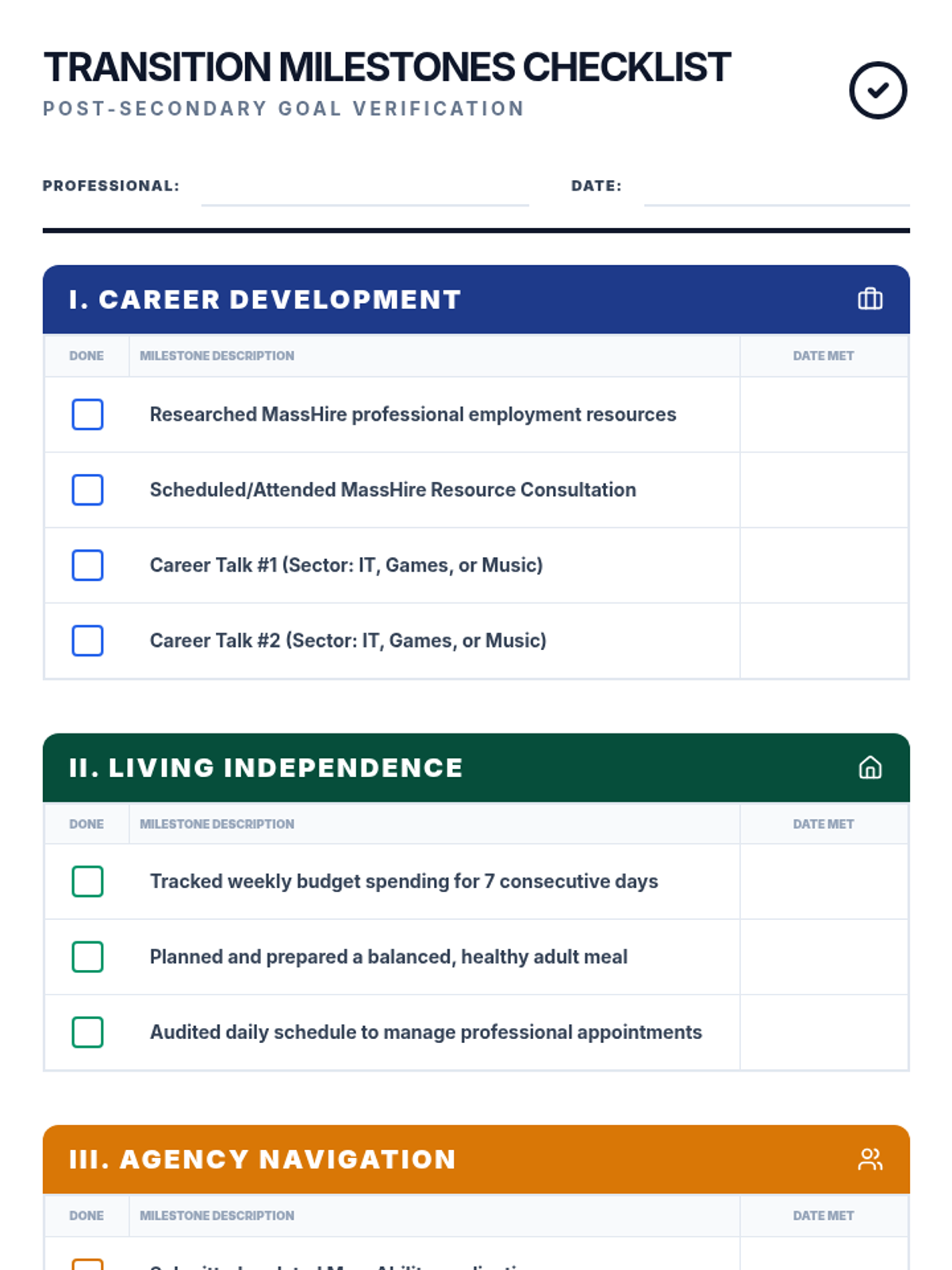
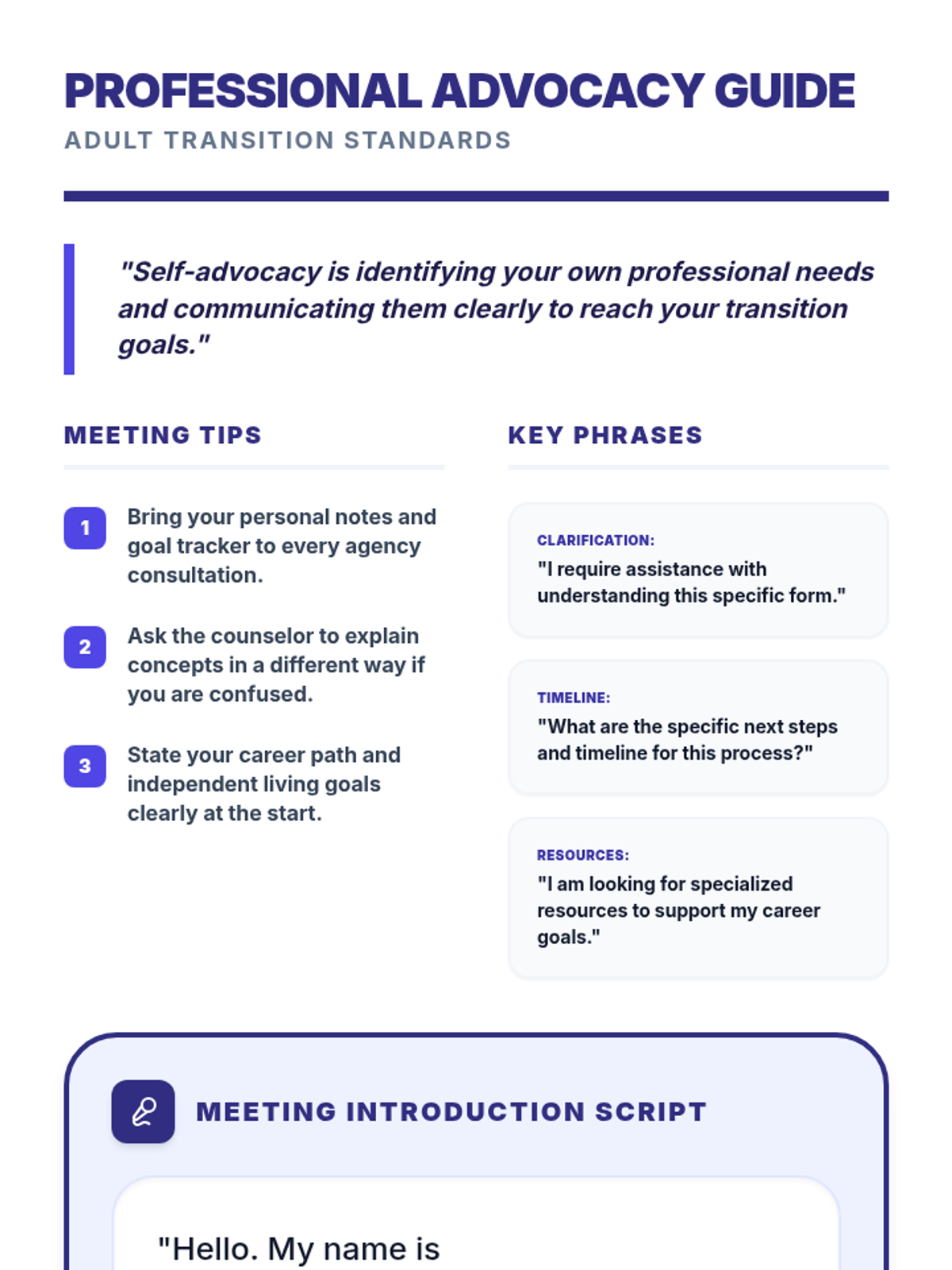
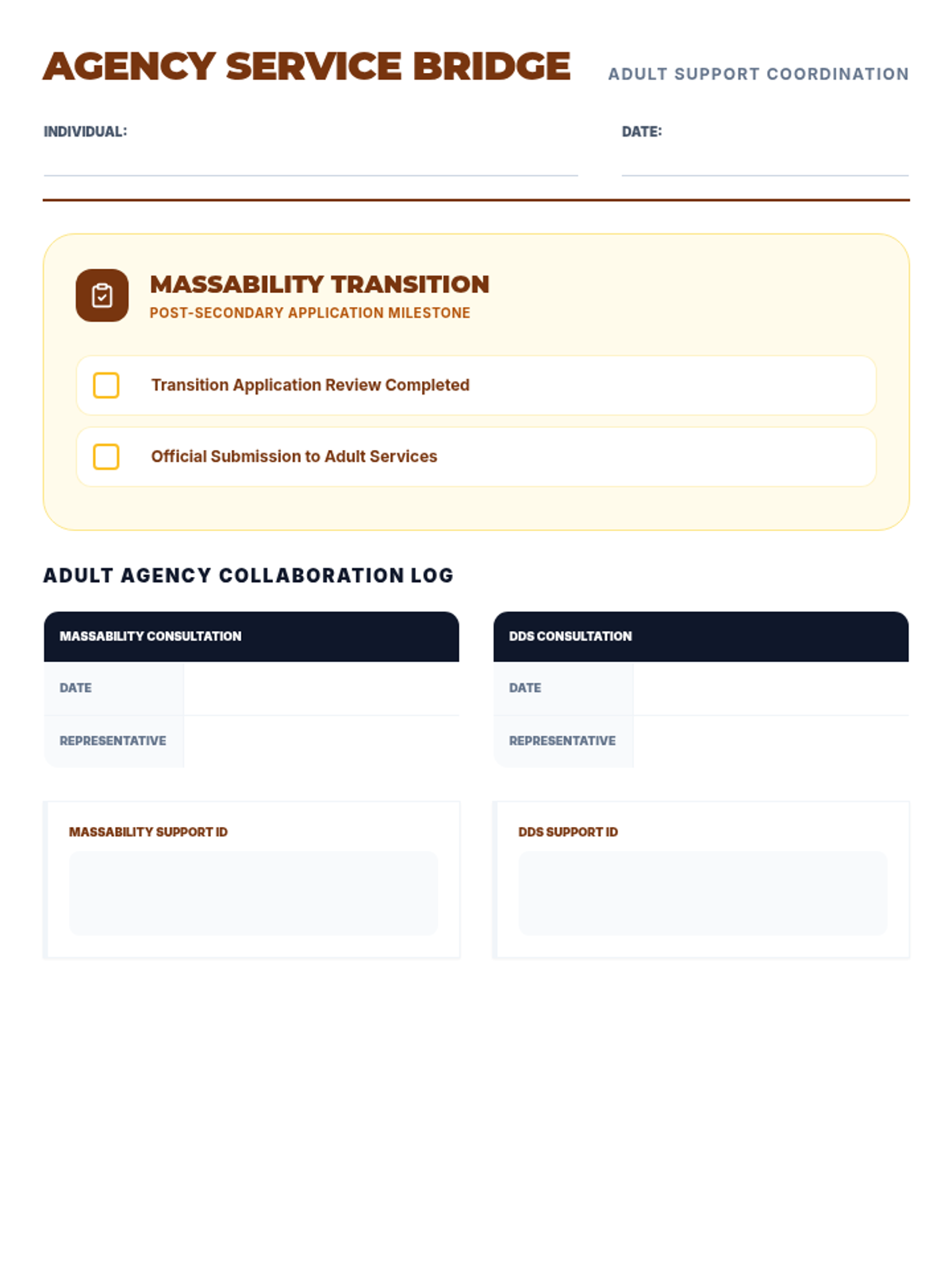
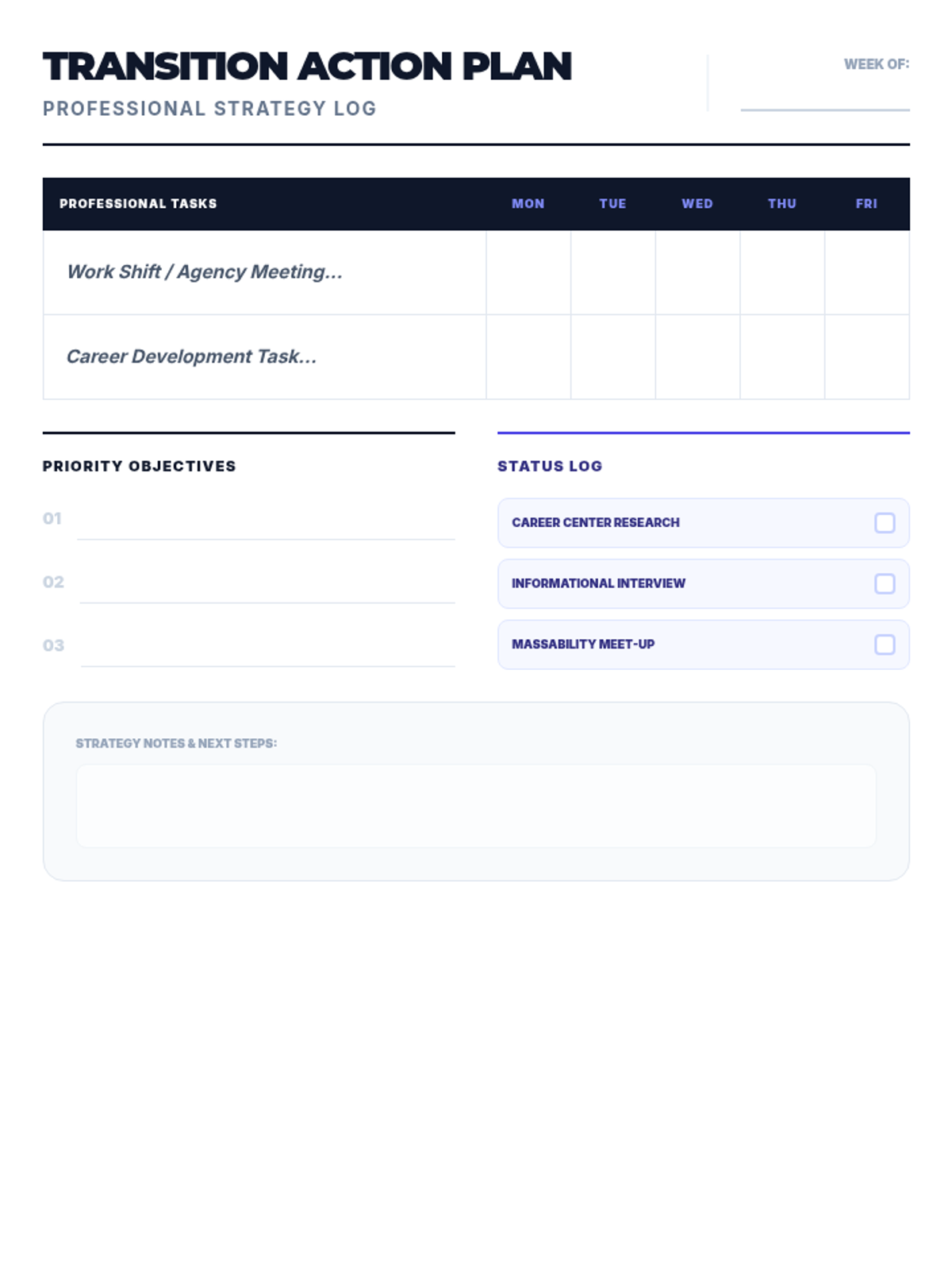
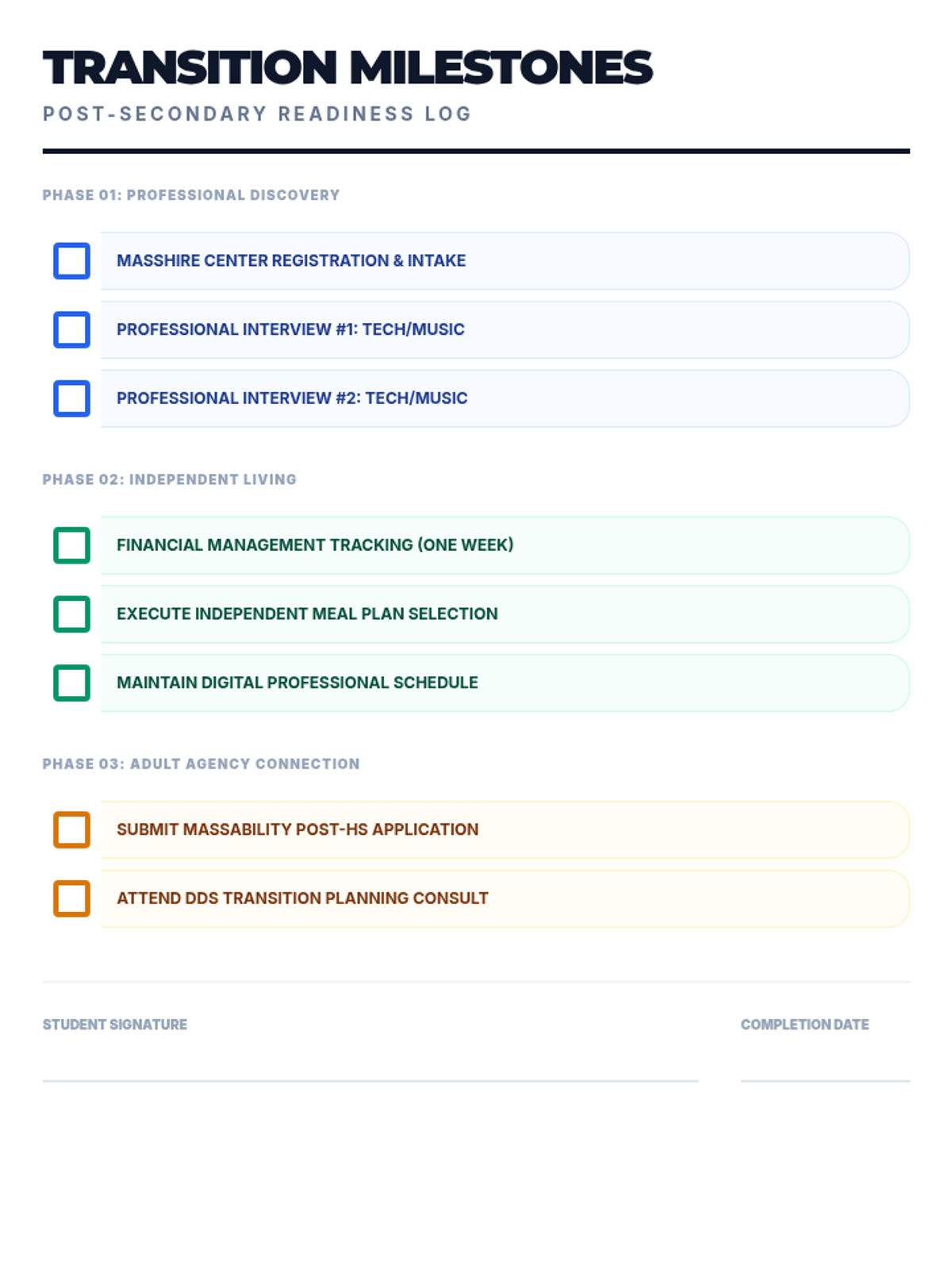
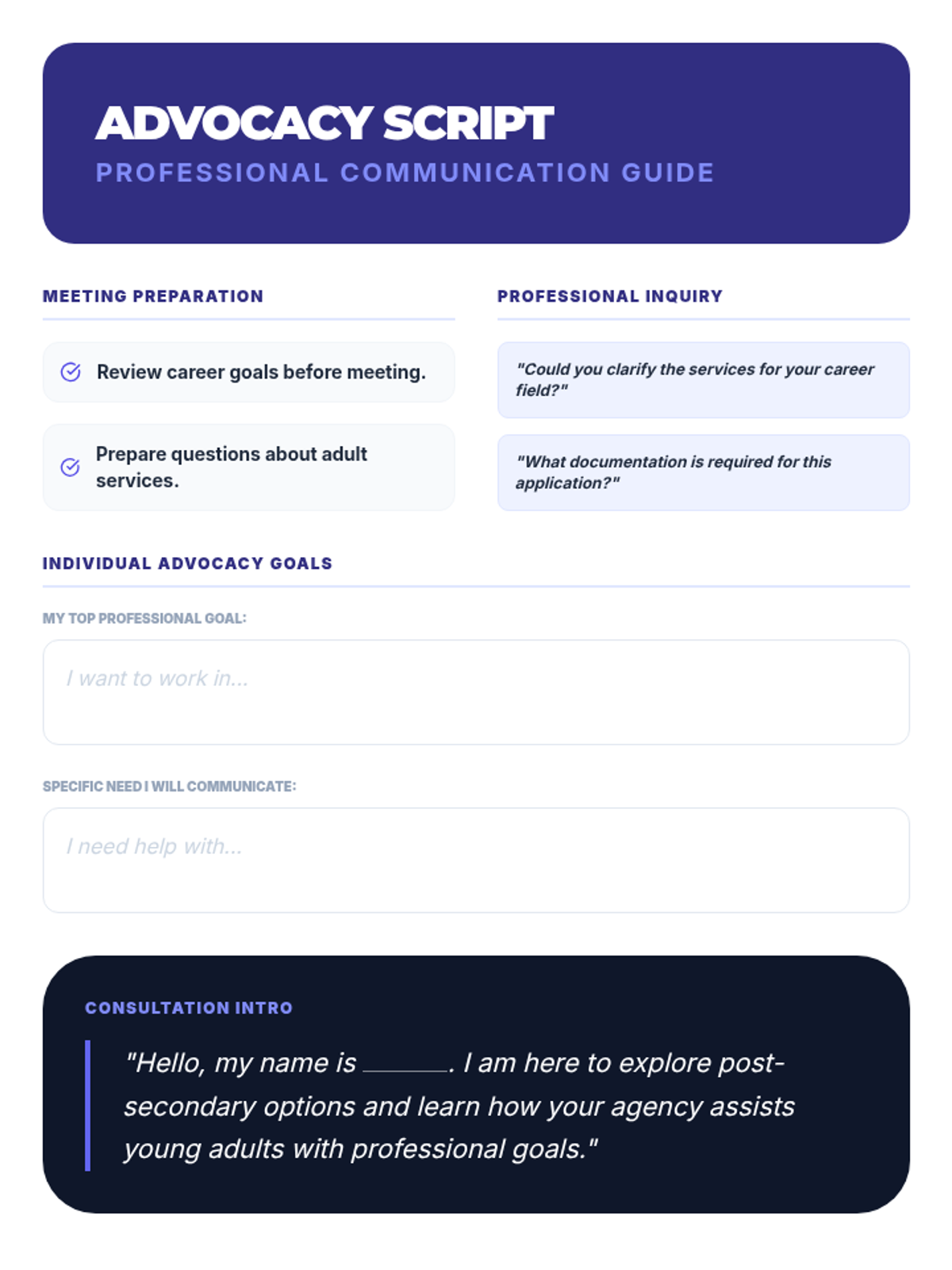
Advanced transition tools focused on post-secondary success, career networking, and independent adult living. Updated for professional maturity and document compatibility.
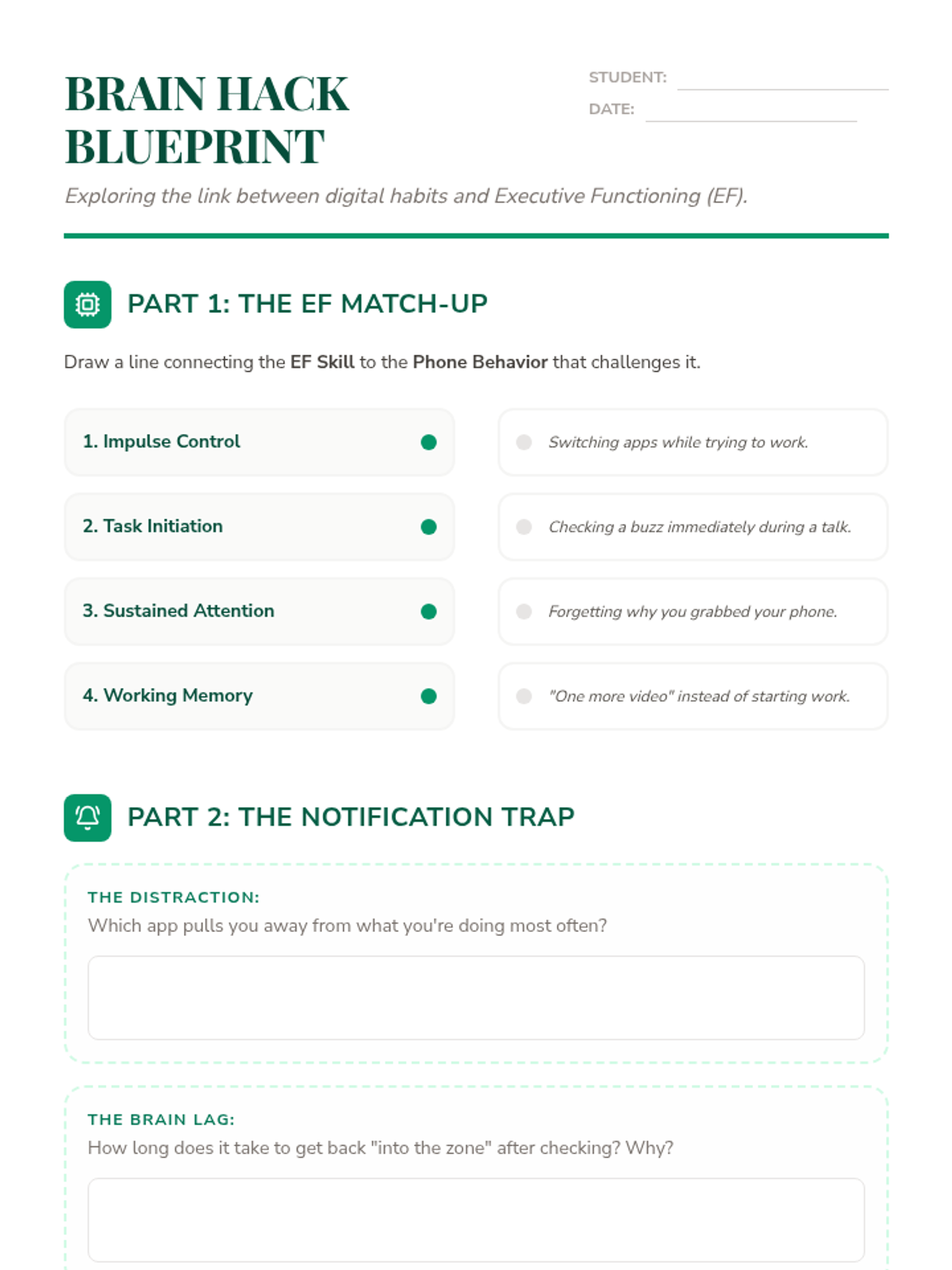
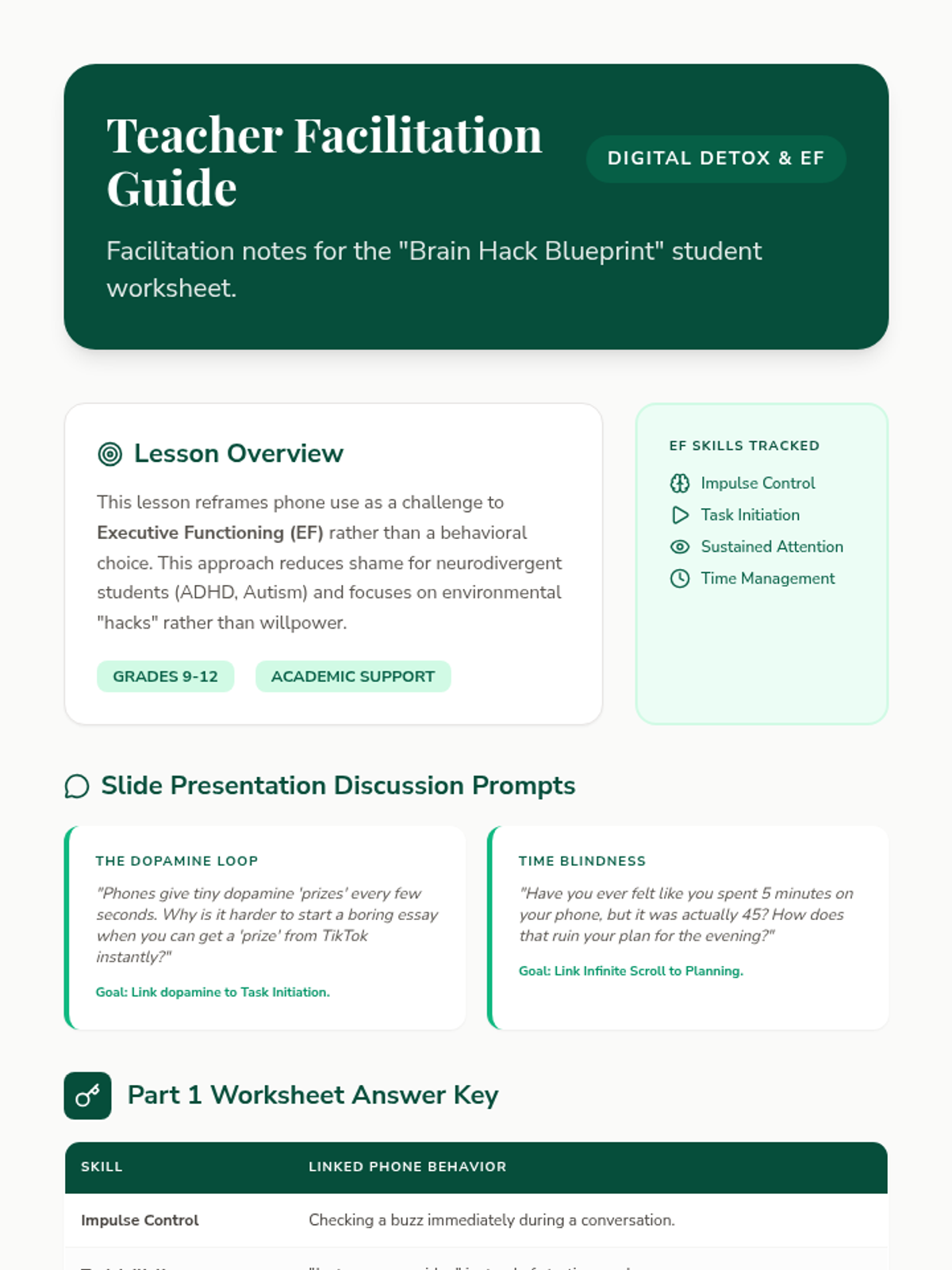
A lesson exploring the neurological impact of screen time and how digital habits interact with executive functioning skills, providing students with practical tools to manage their digital lives.
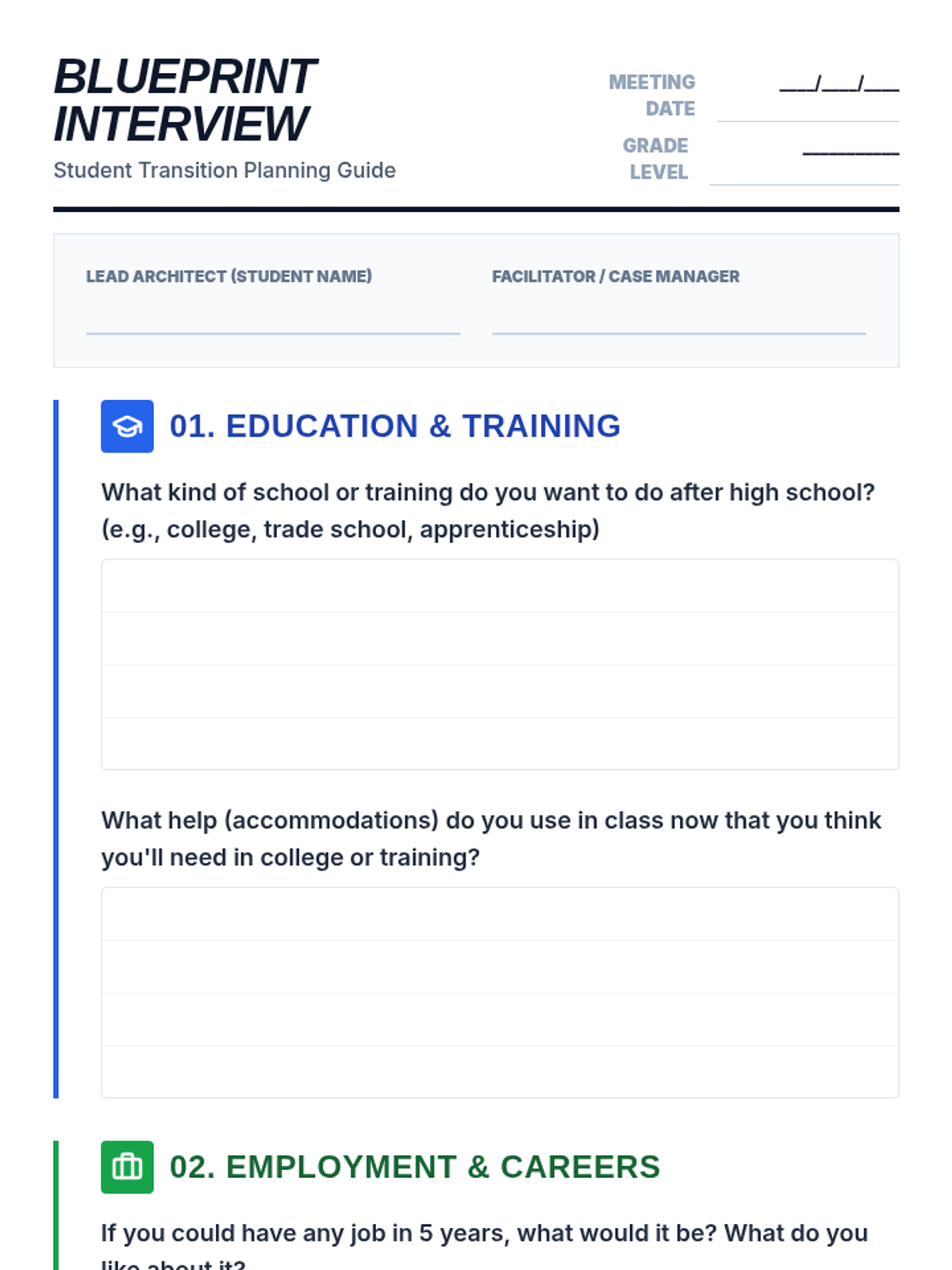
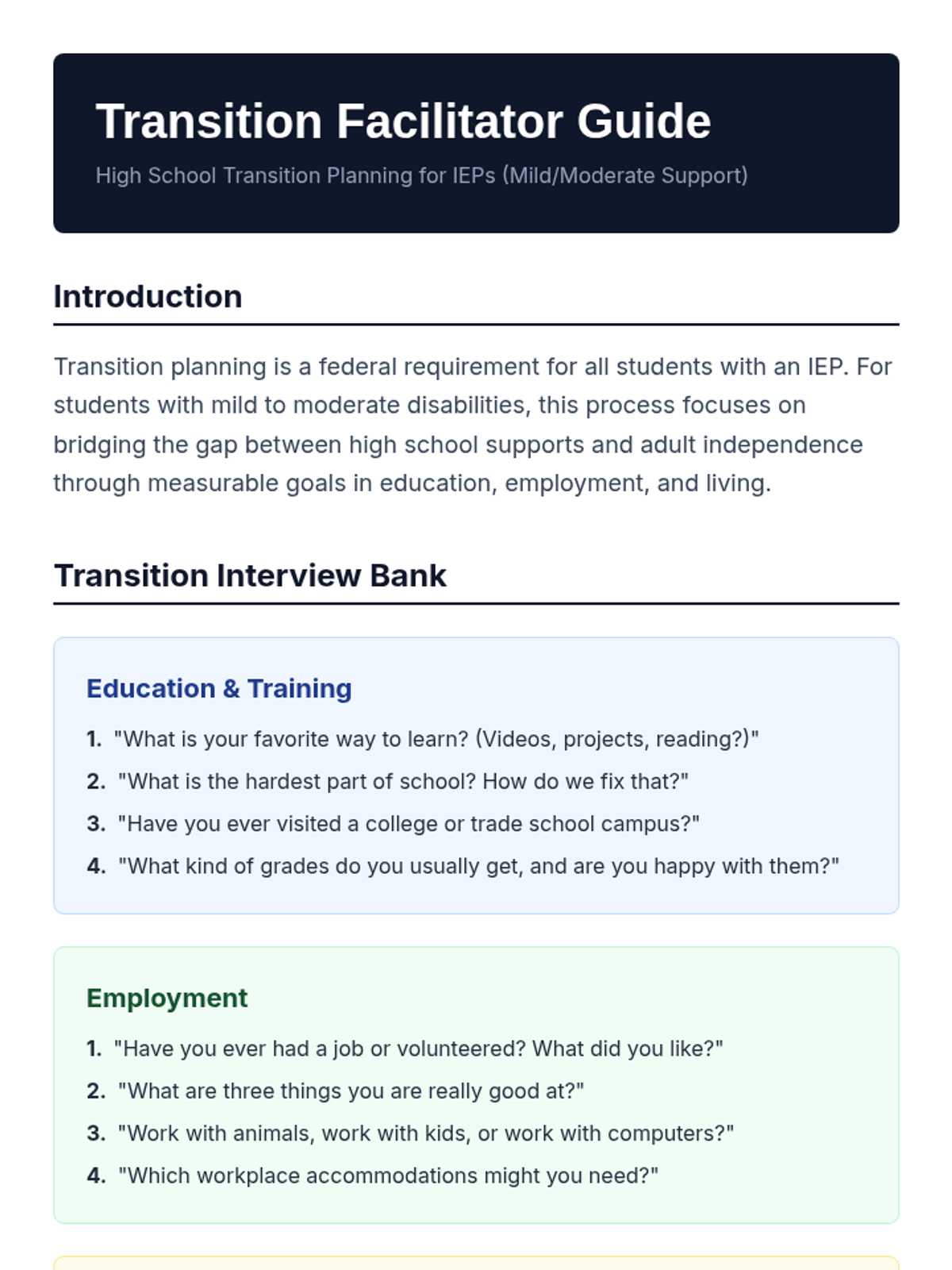
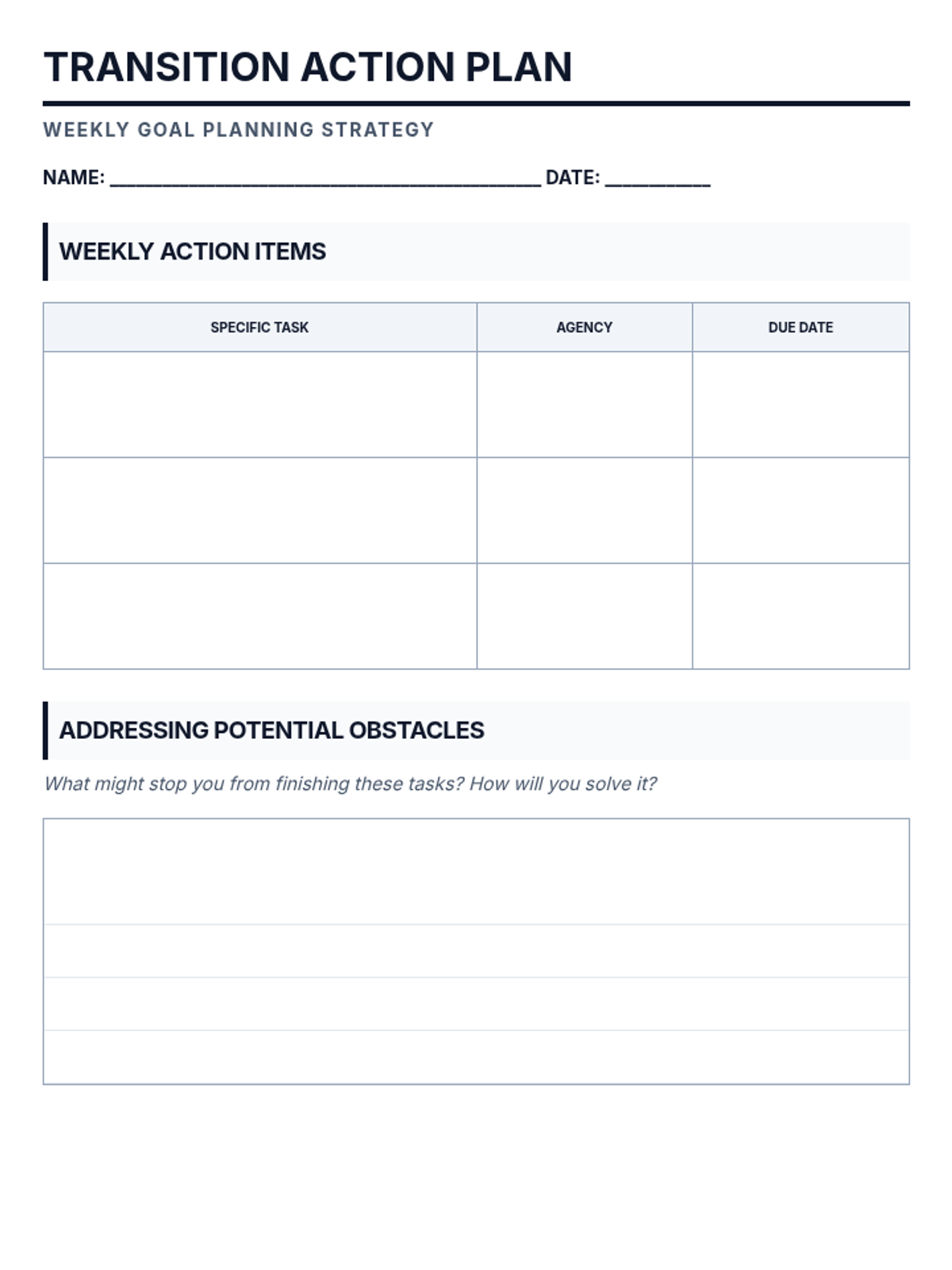
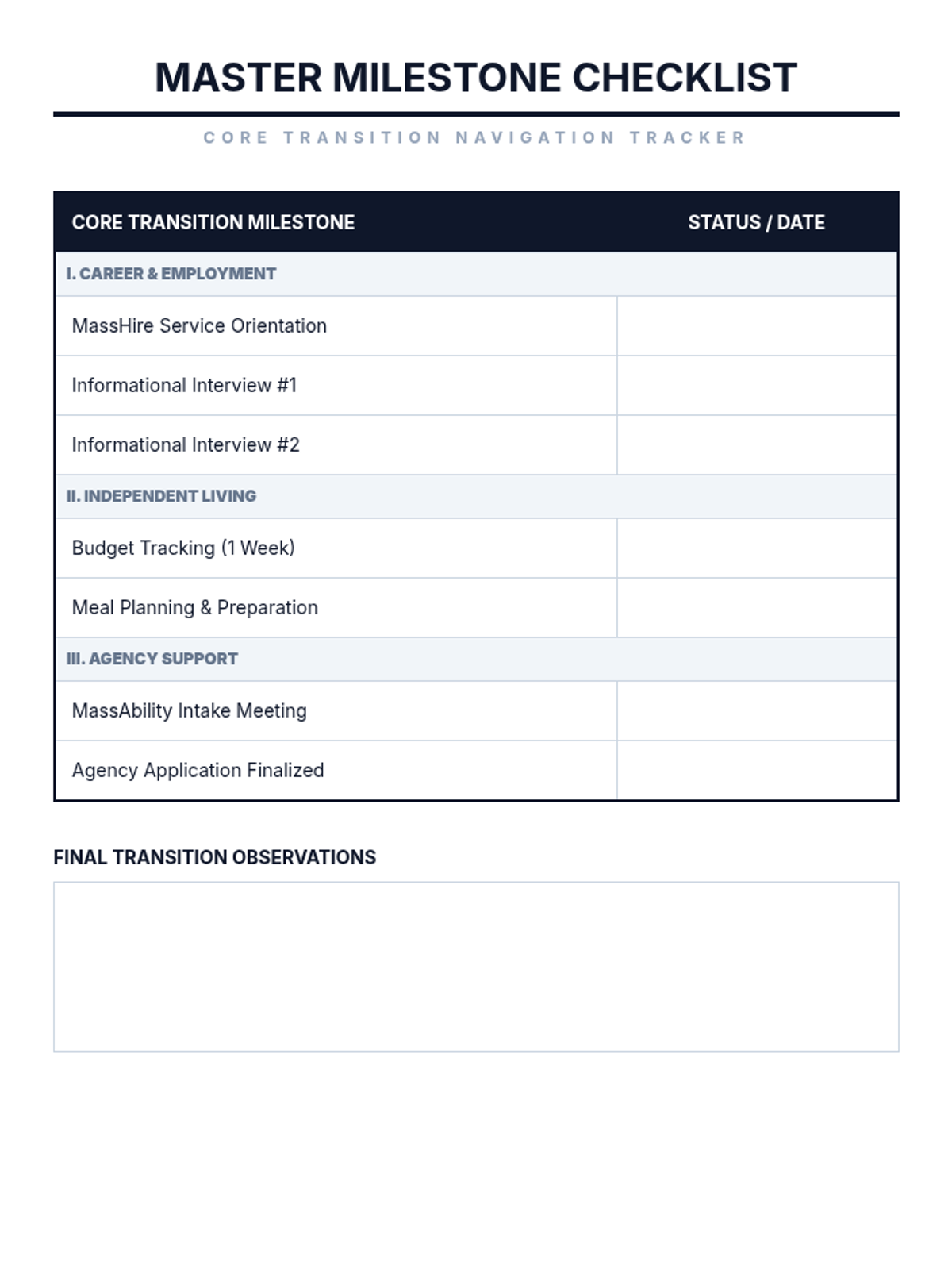
A comprehensive transition planning lesson designed for high school students with mild to moderate disabilities, focusing on education, employment, and independent living goals for IEP development.
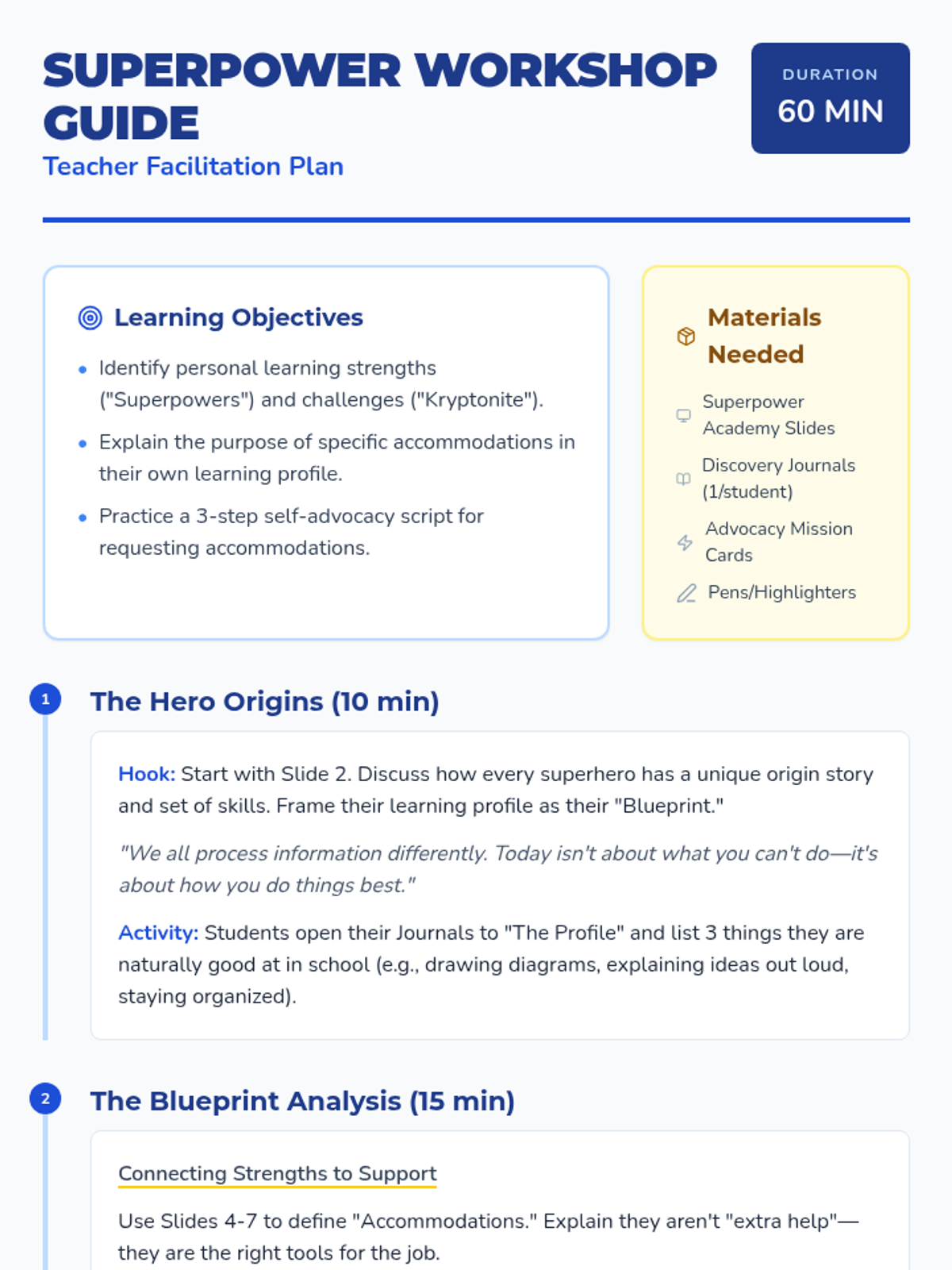
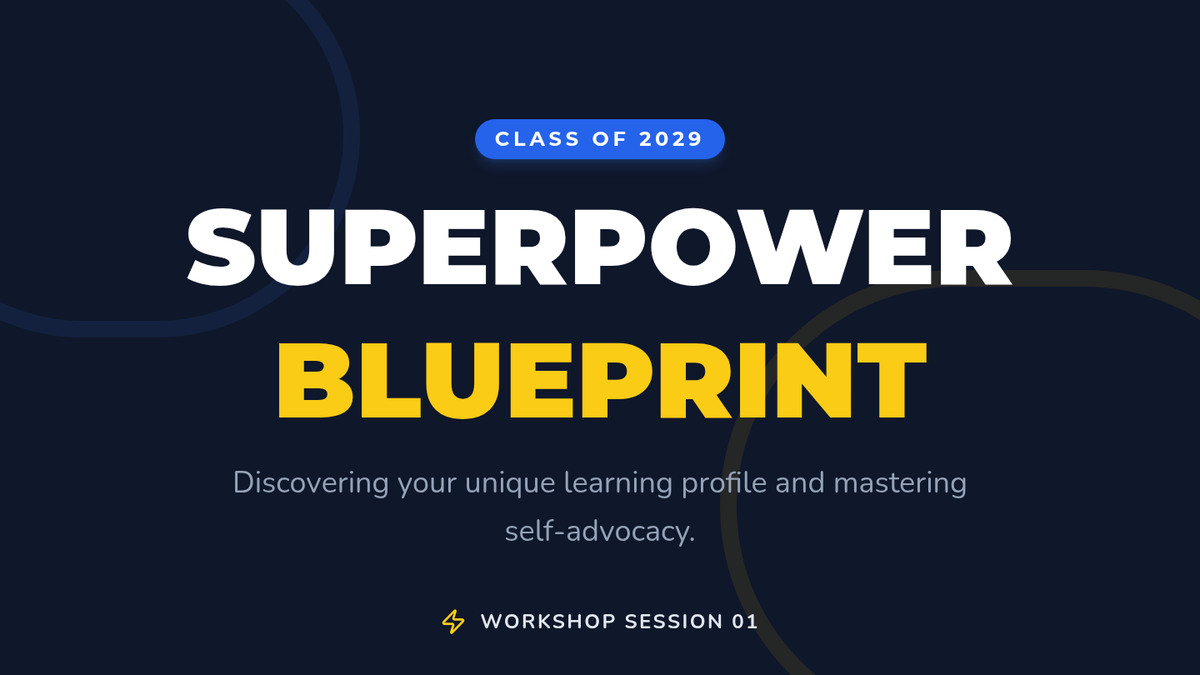
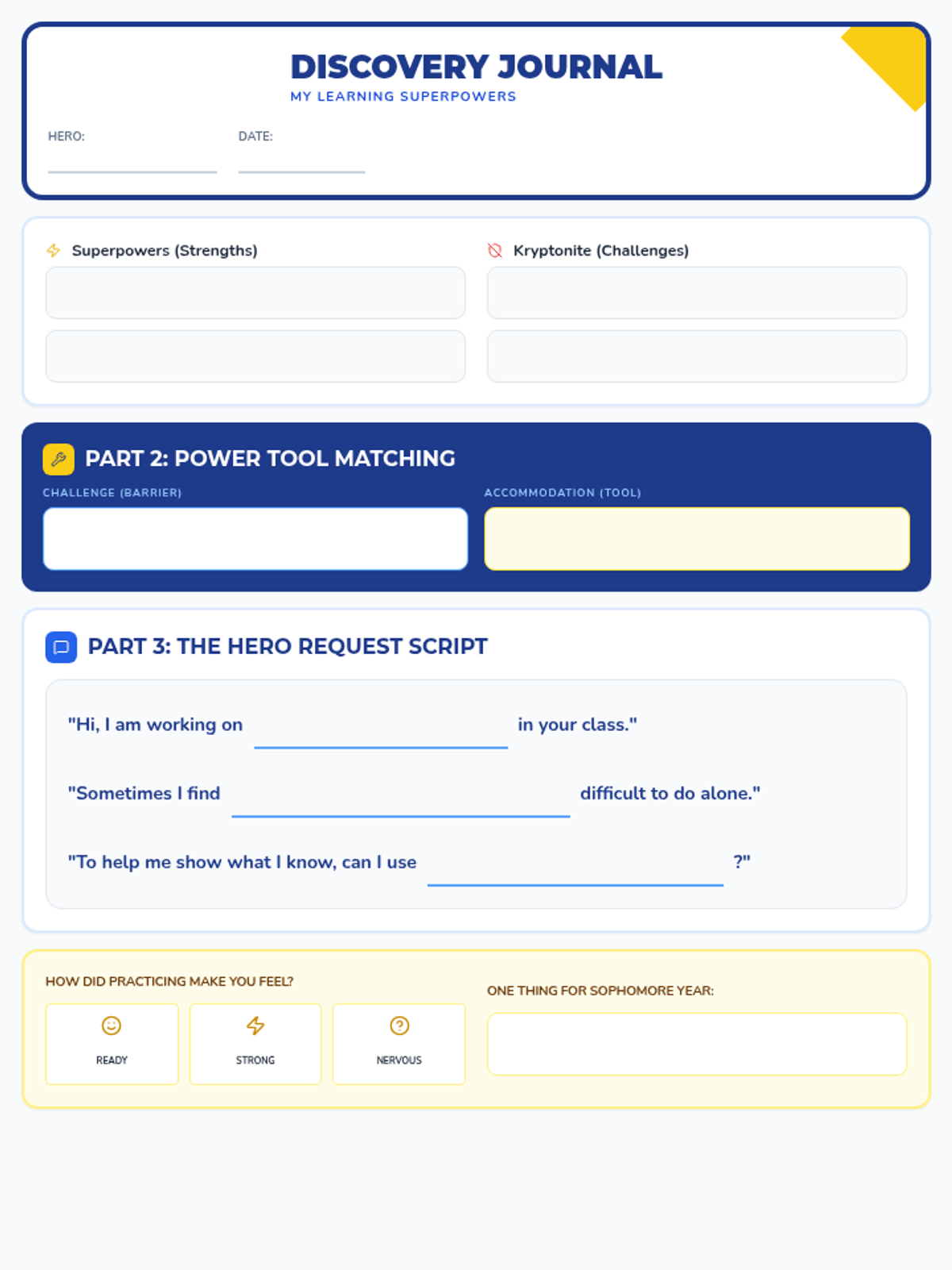
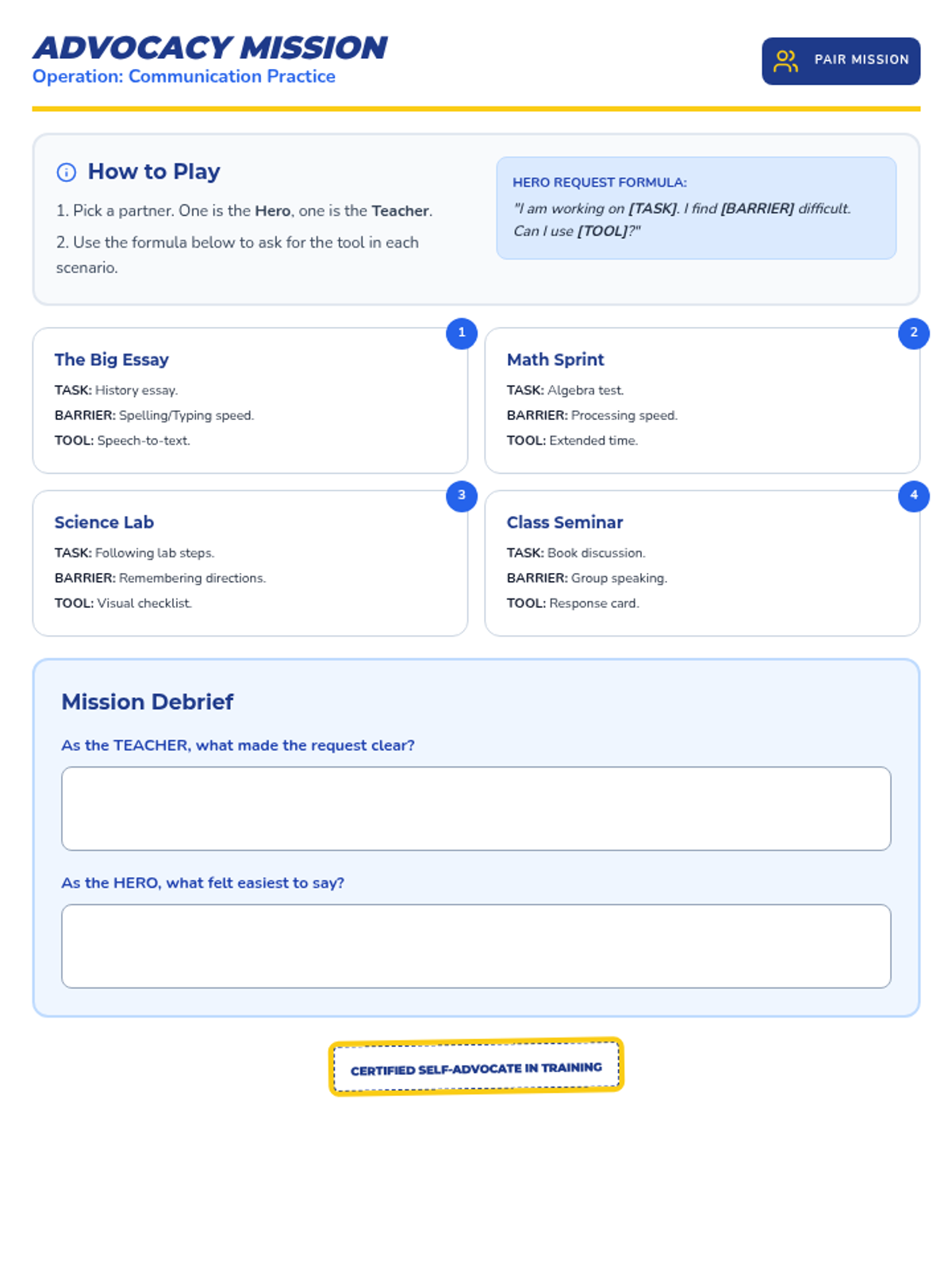
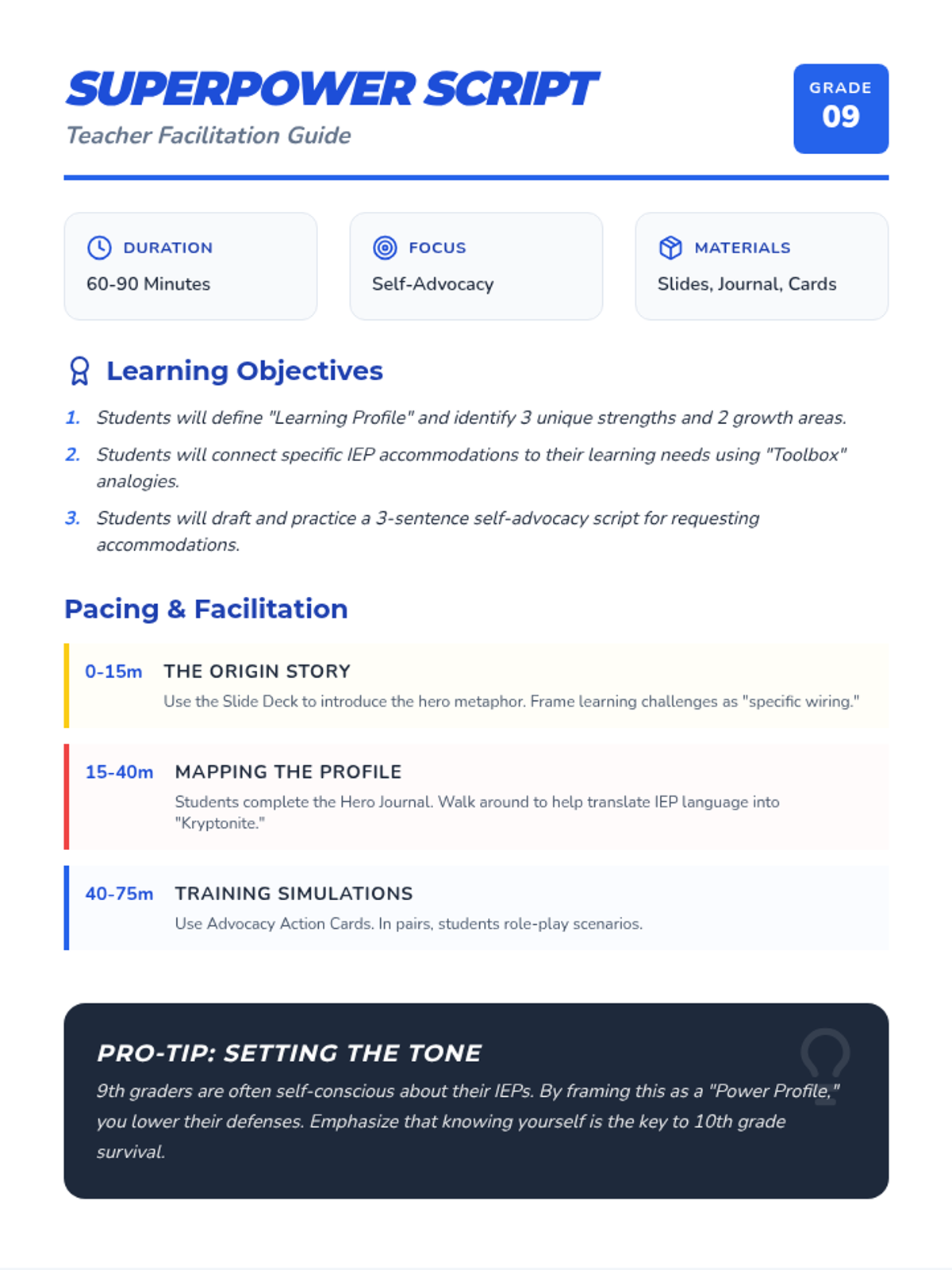
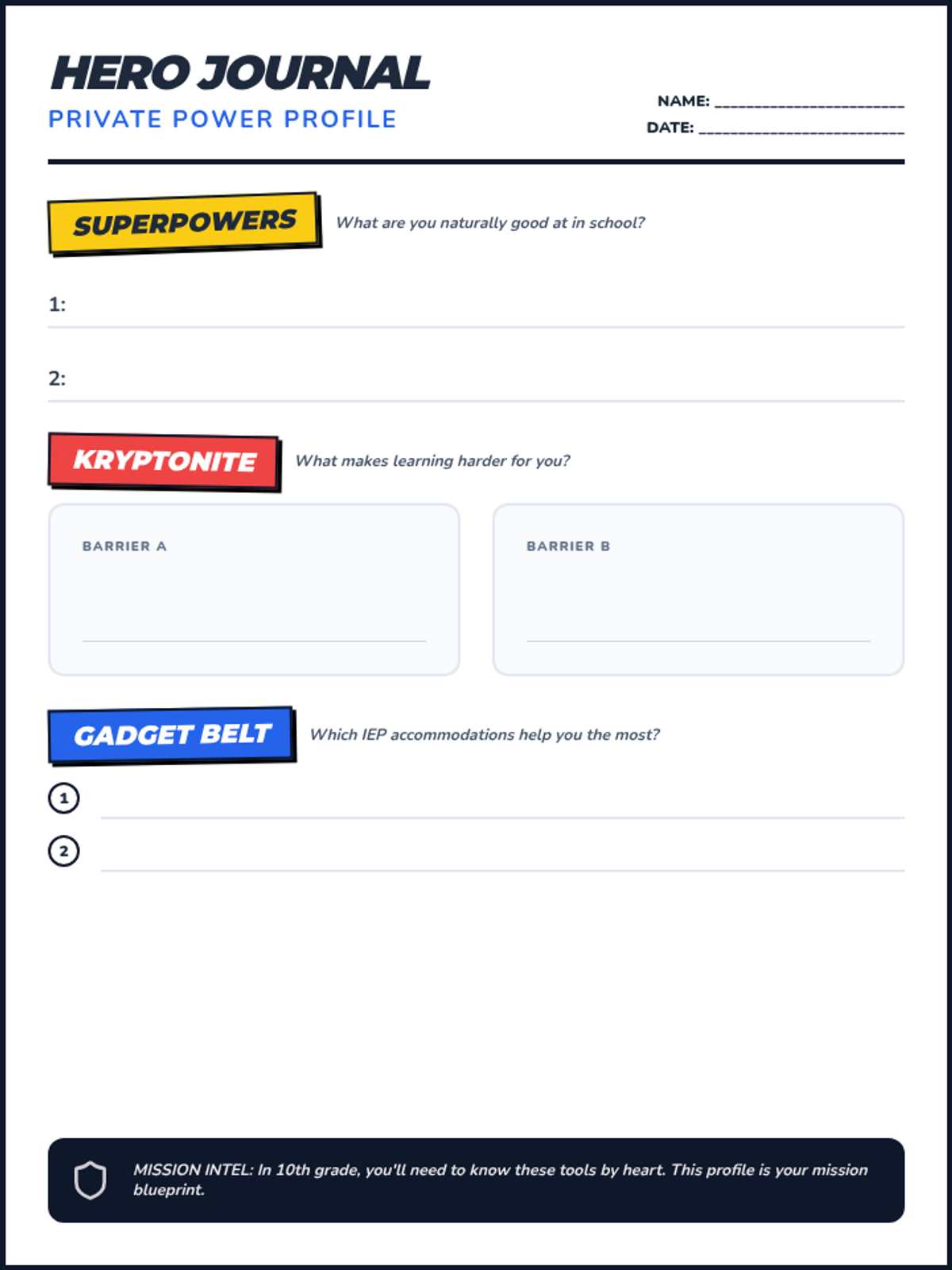
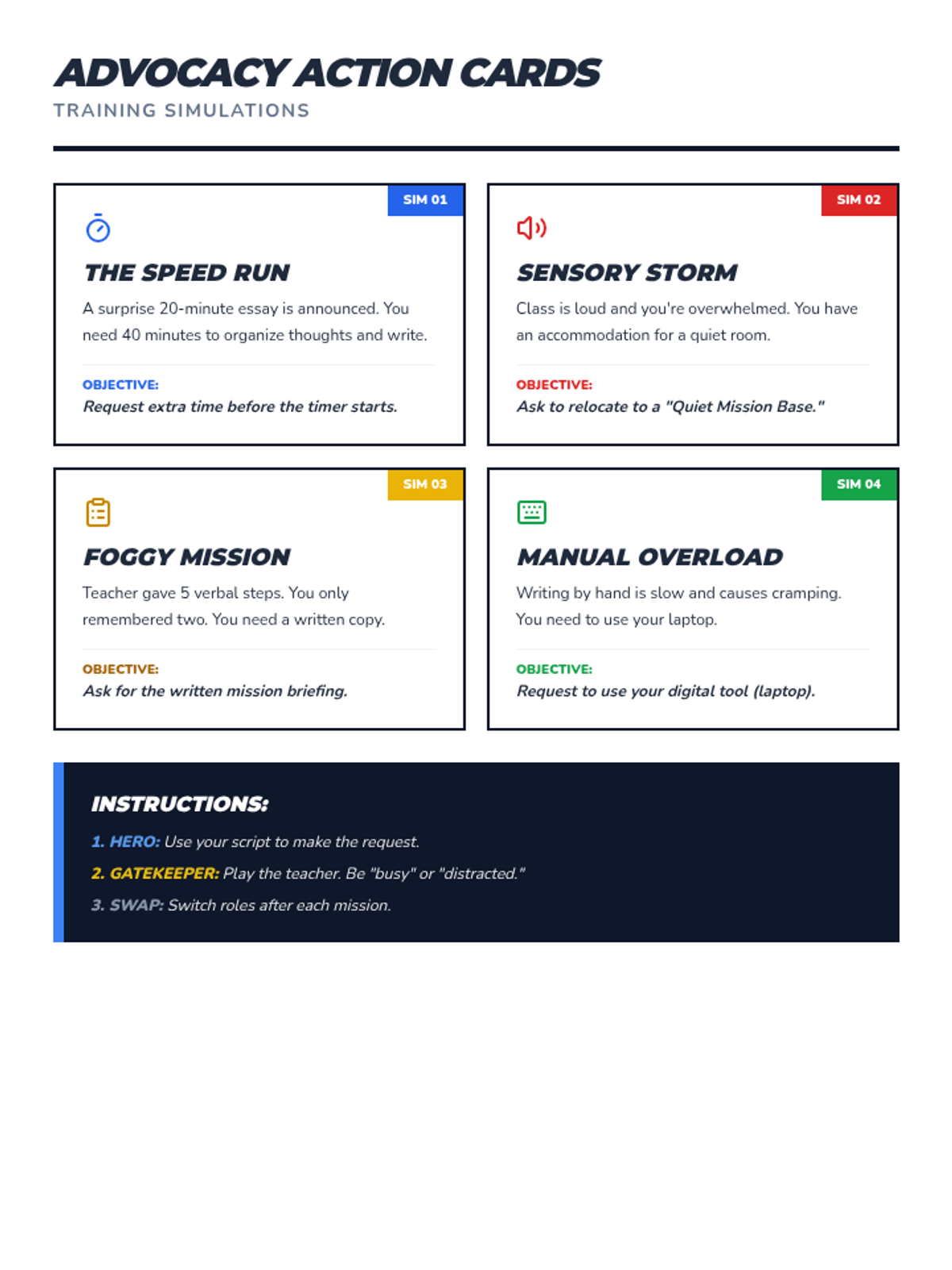
An empowering workshop for 9th-grade students to identify their unique learning profiles and practice requesting accommodations. This lesson builds self-advocacy skills and confidence for future IEP meetings and transitions.
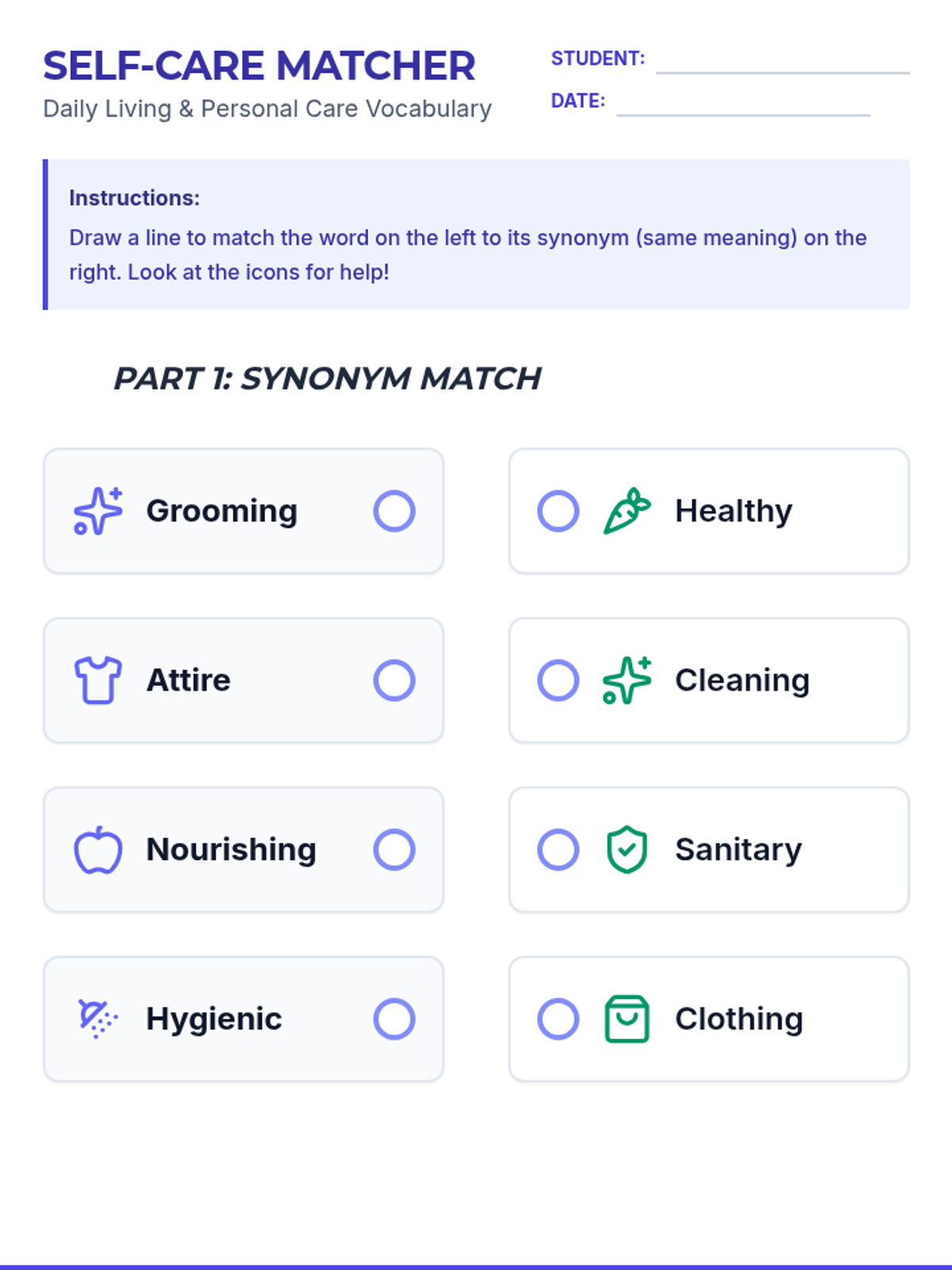
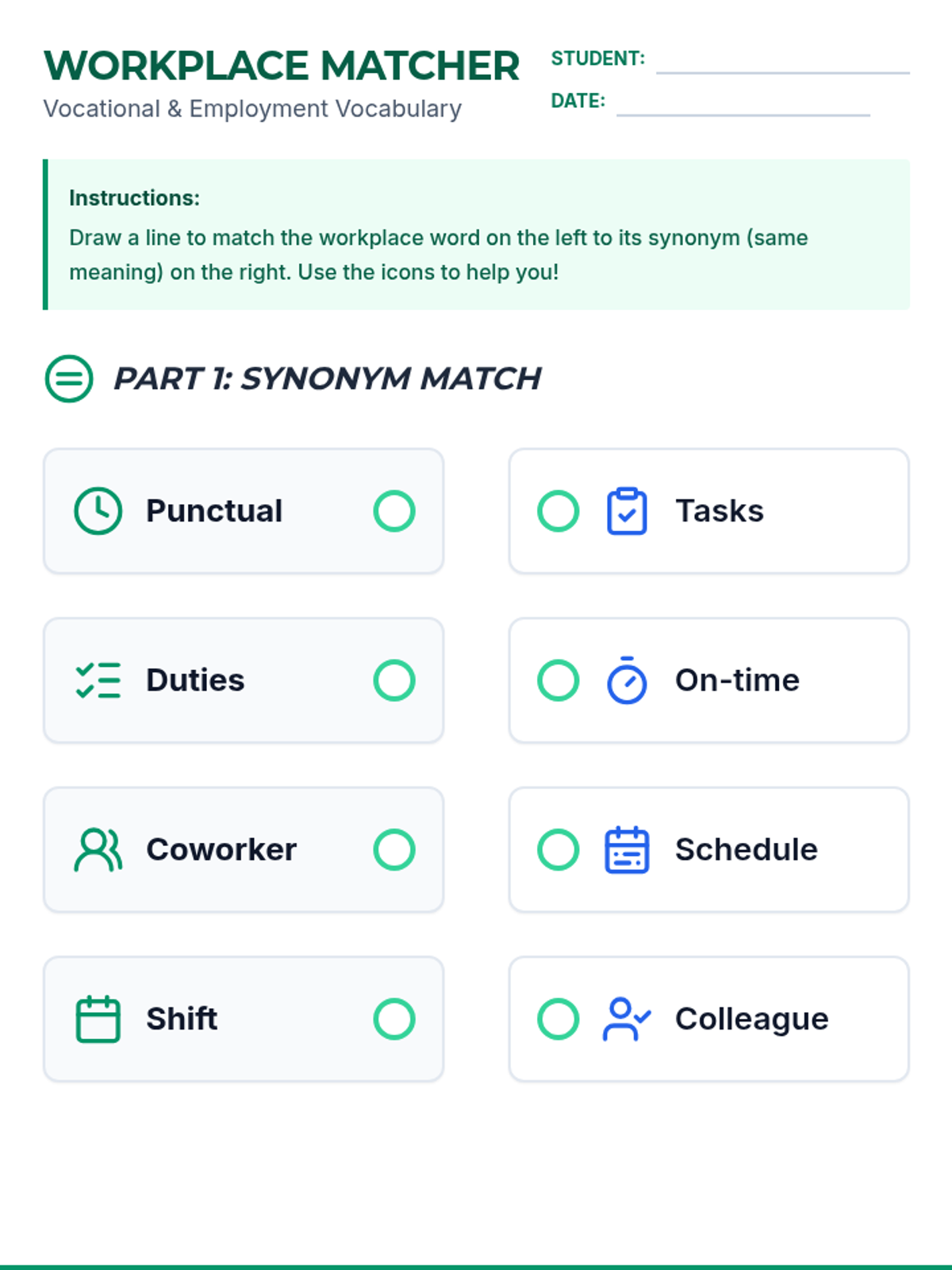
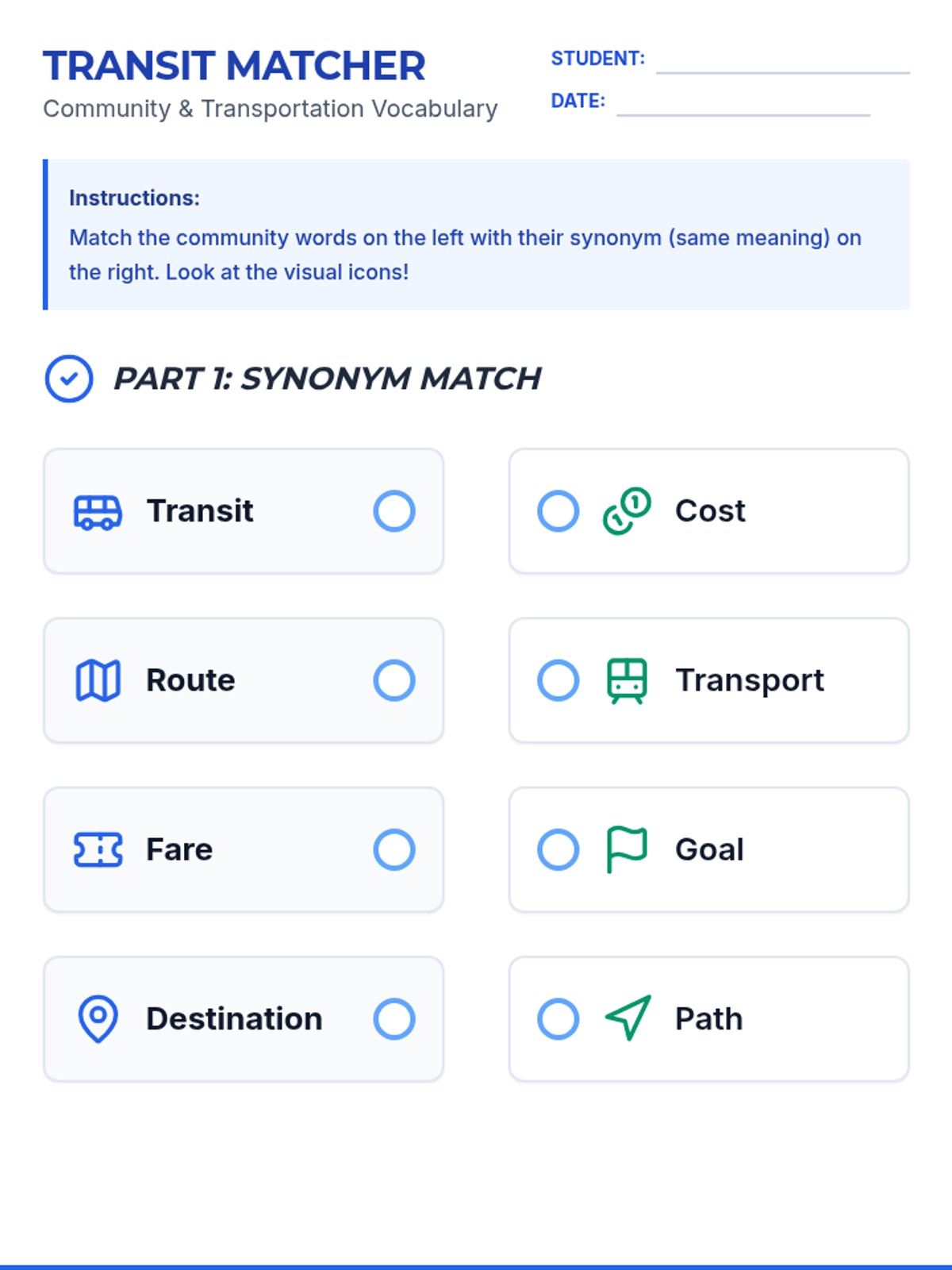
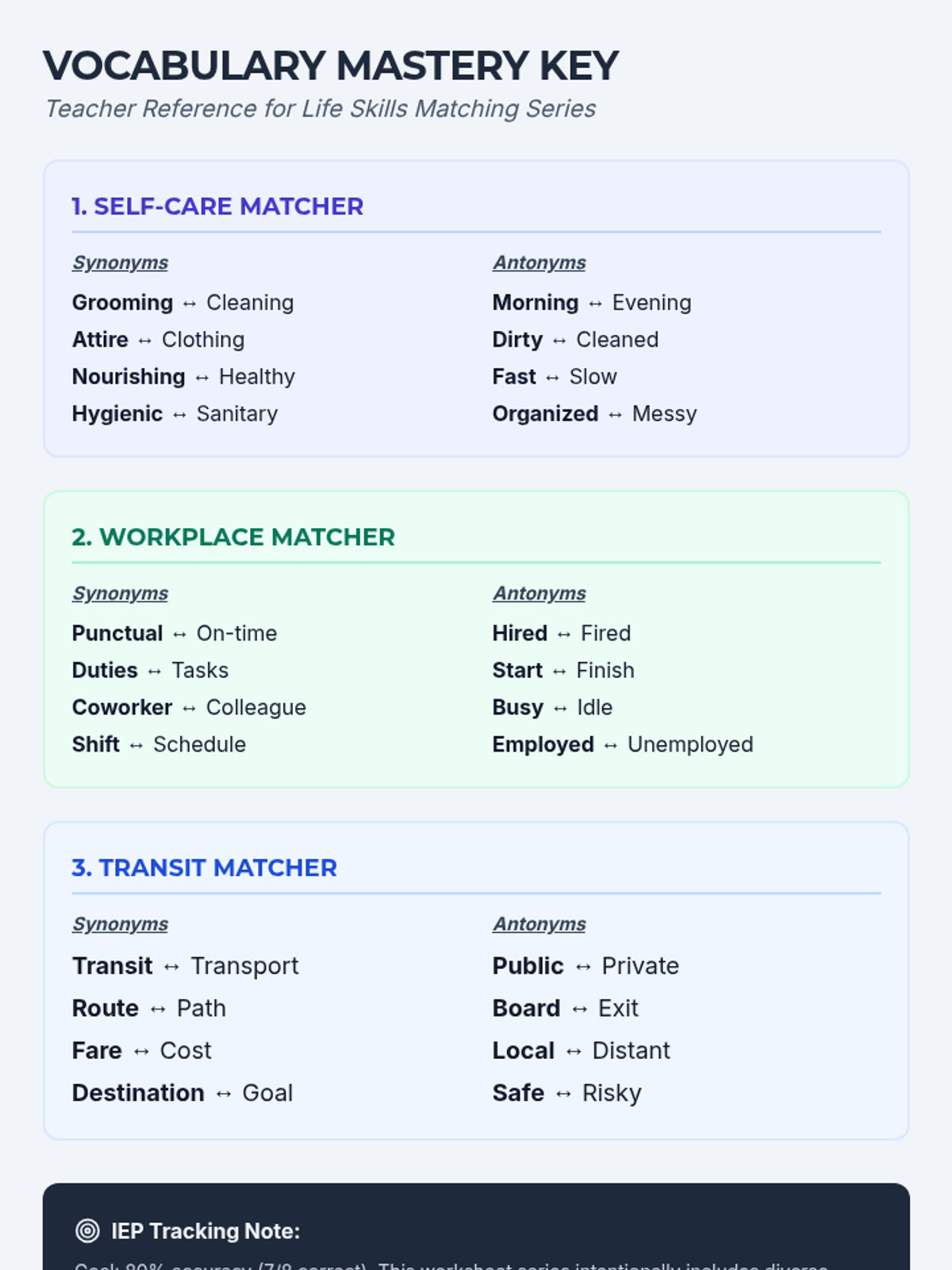
A series of matching worksheets focused on identifying synonyms and antonyms for functional life skills vocabulary across three core domains: self-care, workplace, and community transportation.
A self-advocacy workshop for 9th graders to explore their learning profiles, understand their accommodations as tools for success, and practice requesting support for their transition to 10th grade.
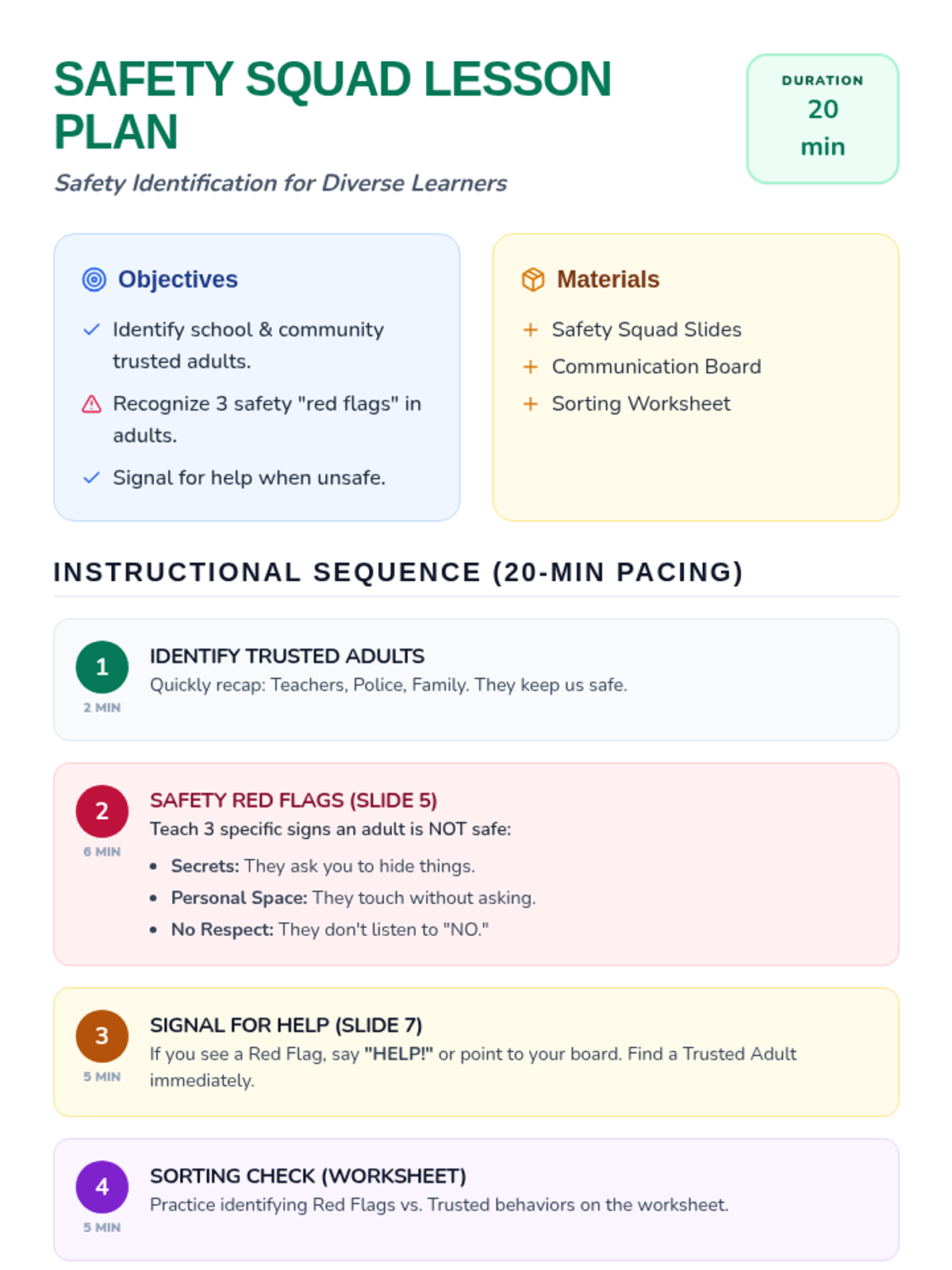
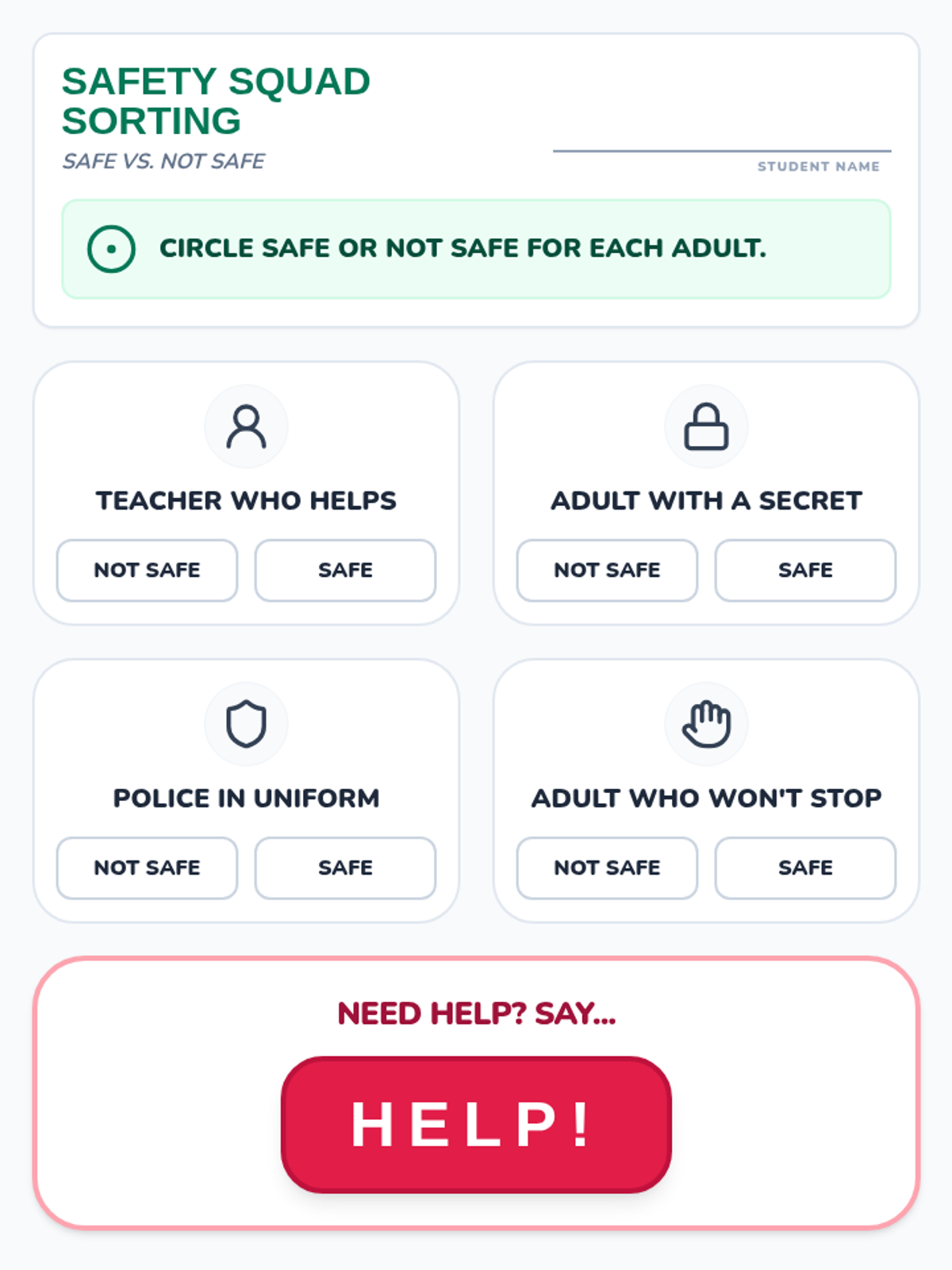
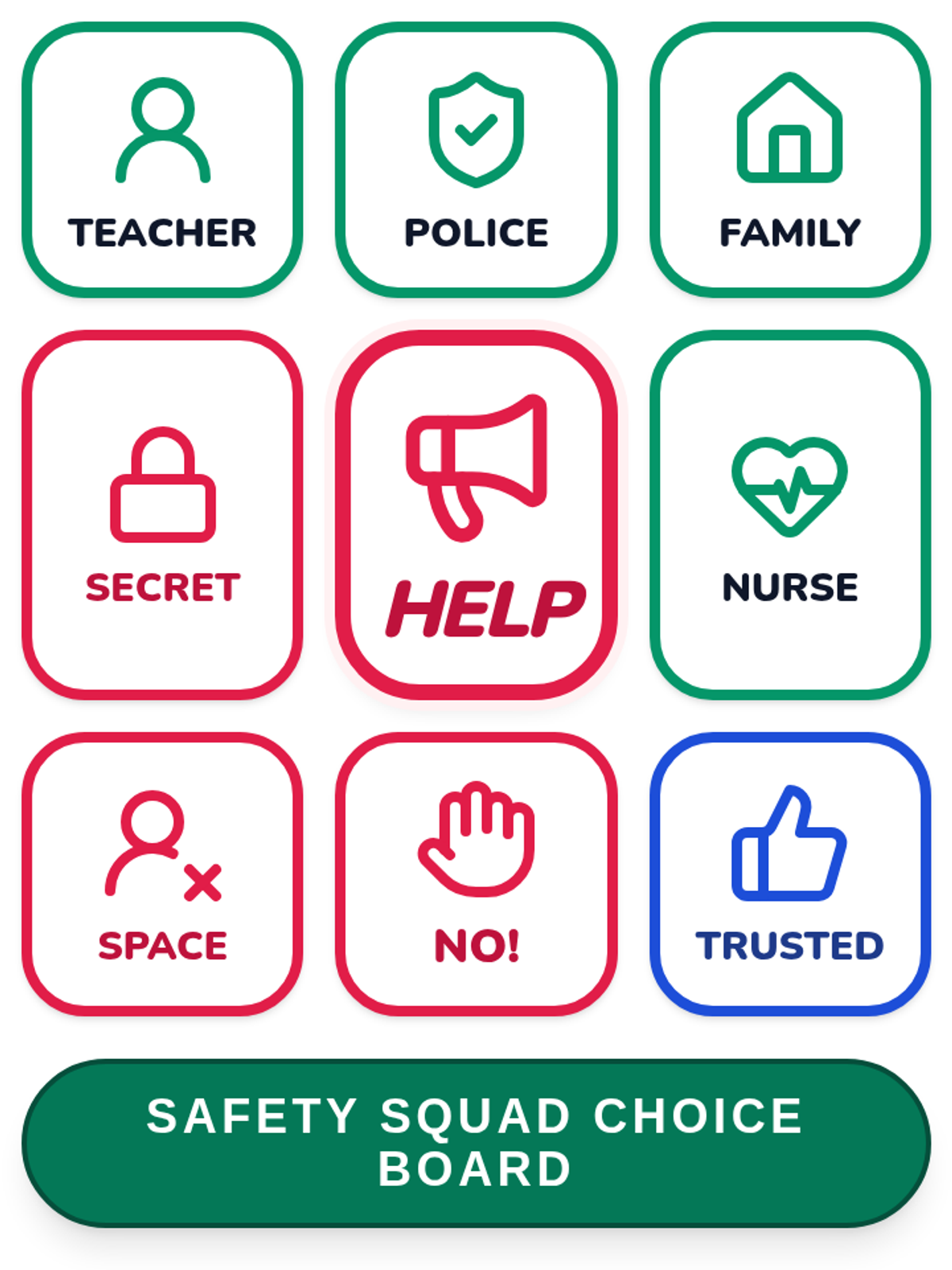
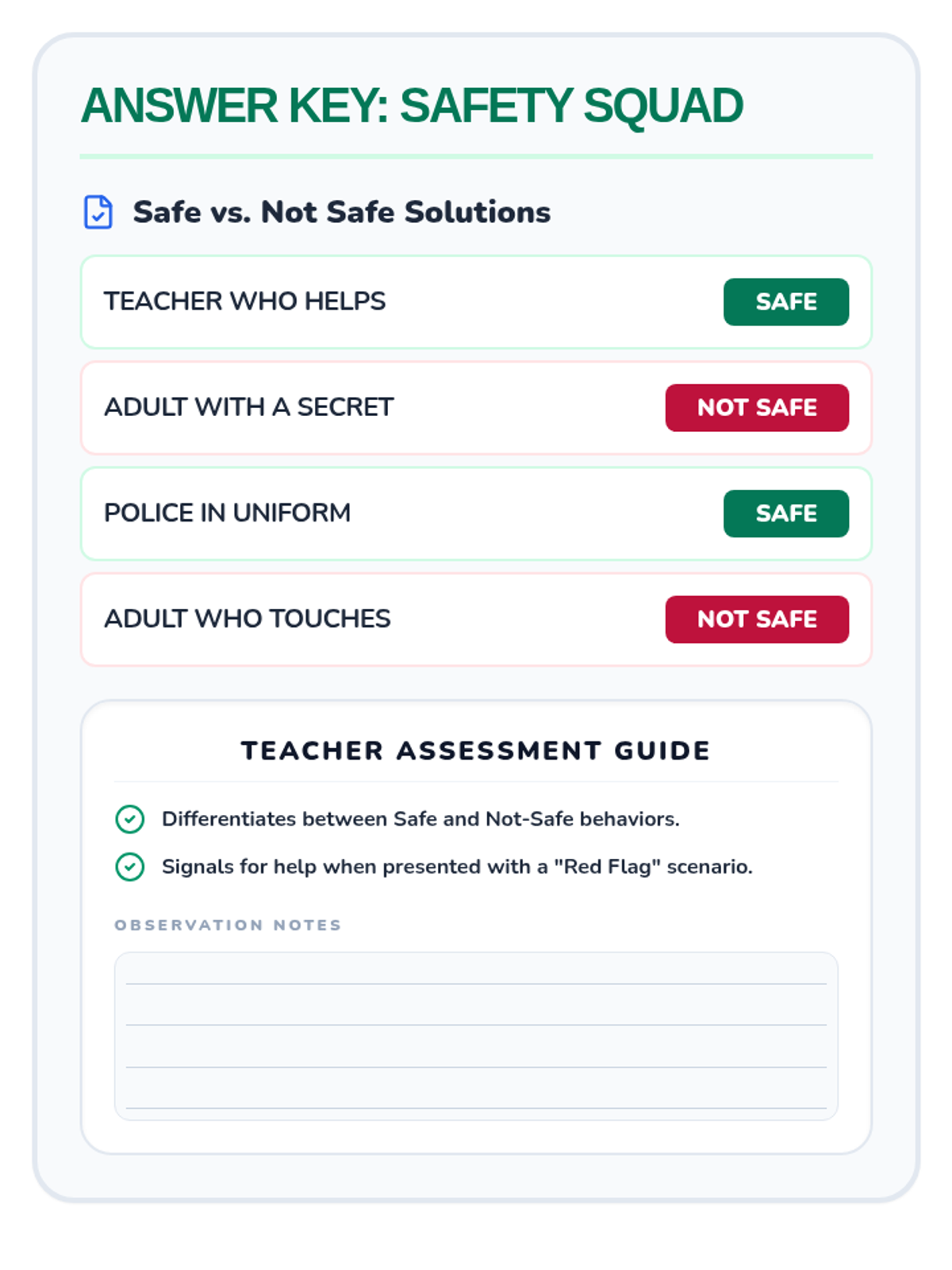
A highly visual lesson designed for students with severe disabilities to identify trusted adults at school, at home, and in the community. Includes multi-sensory prompts and clear visual supports.
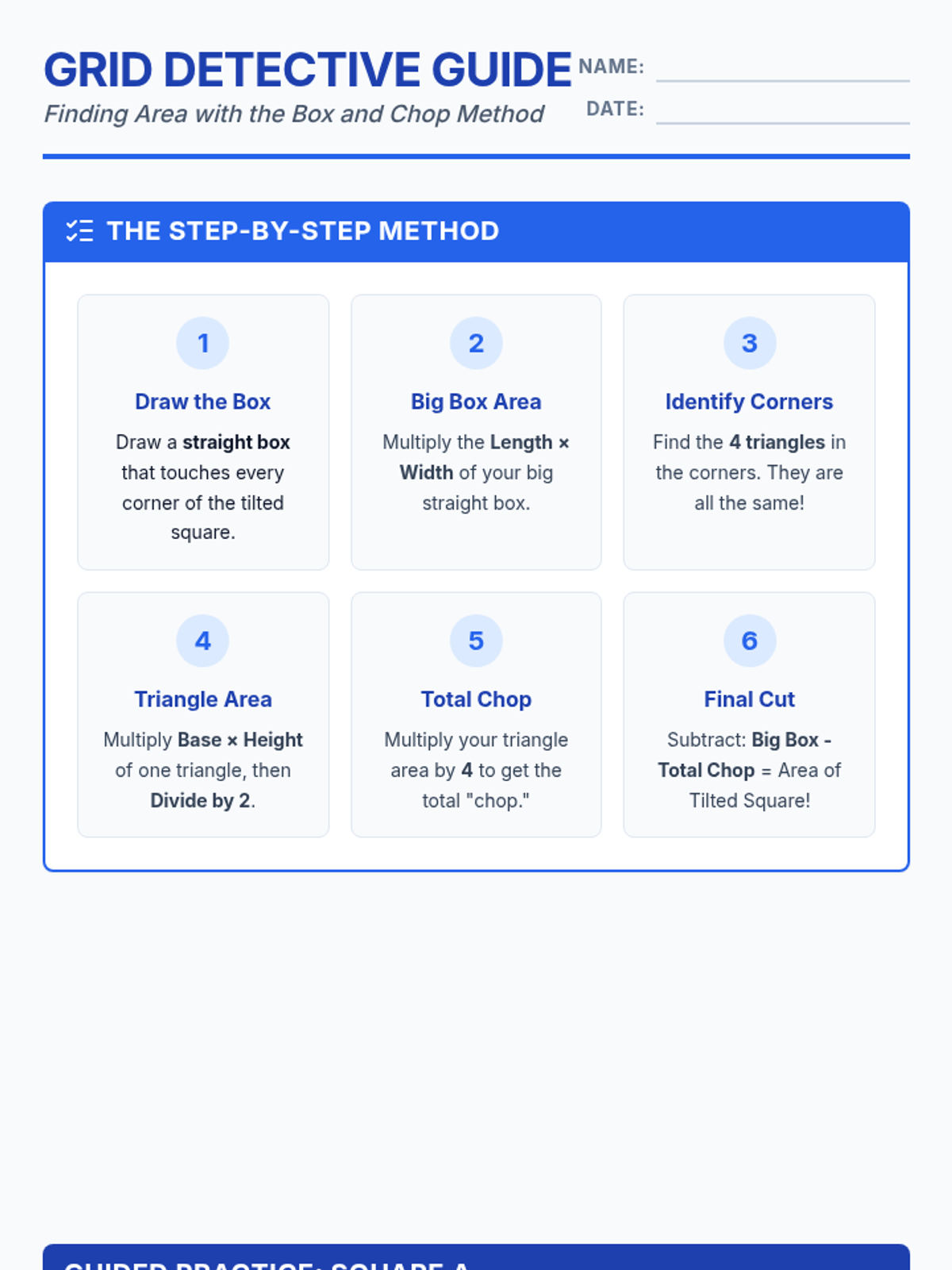
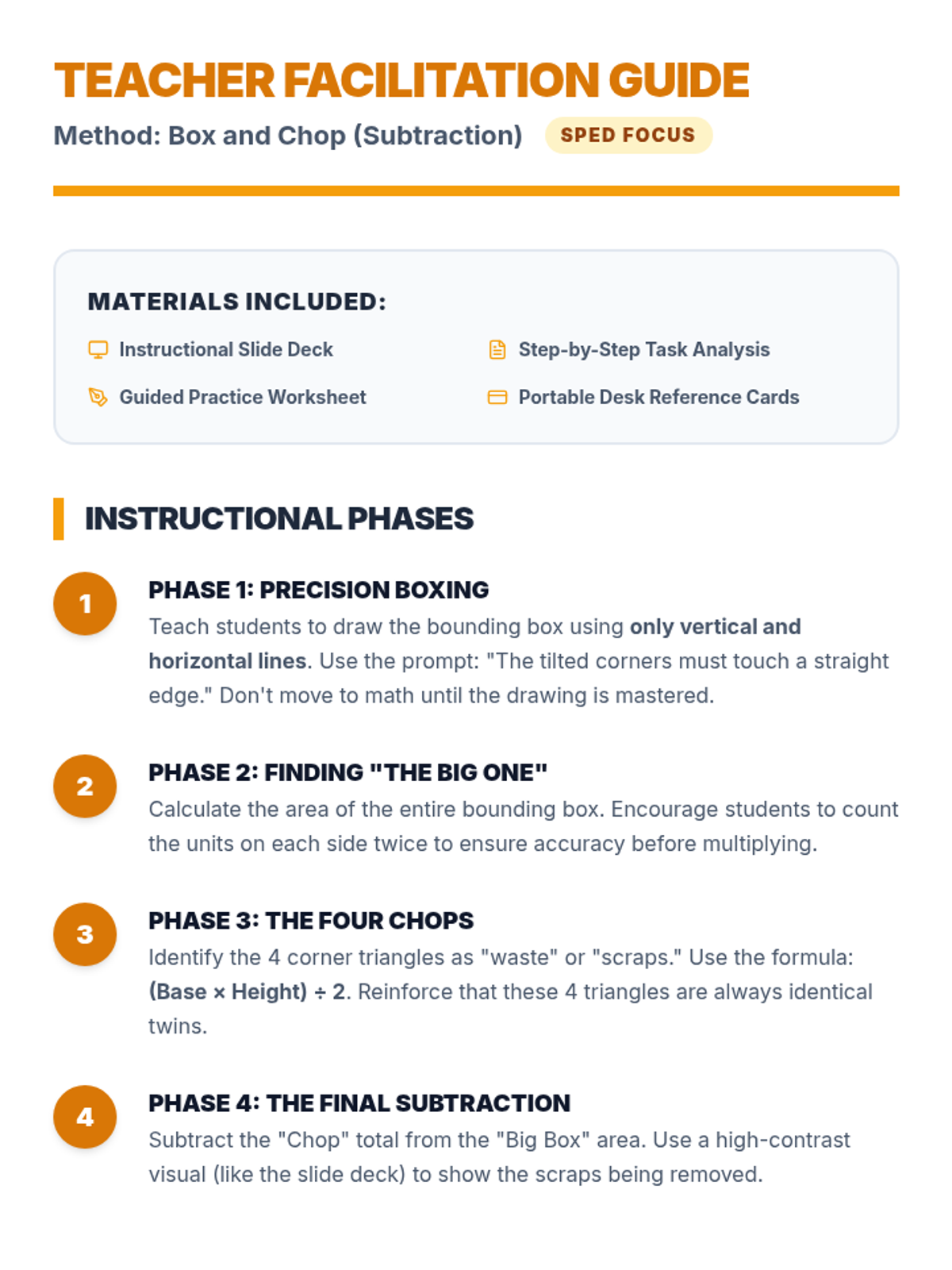
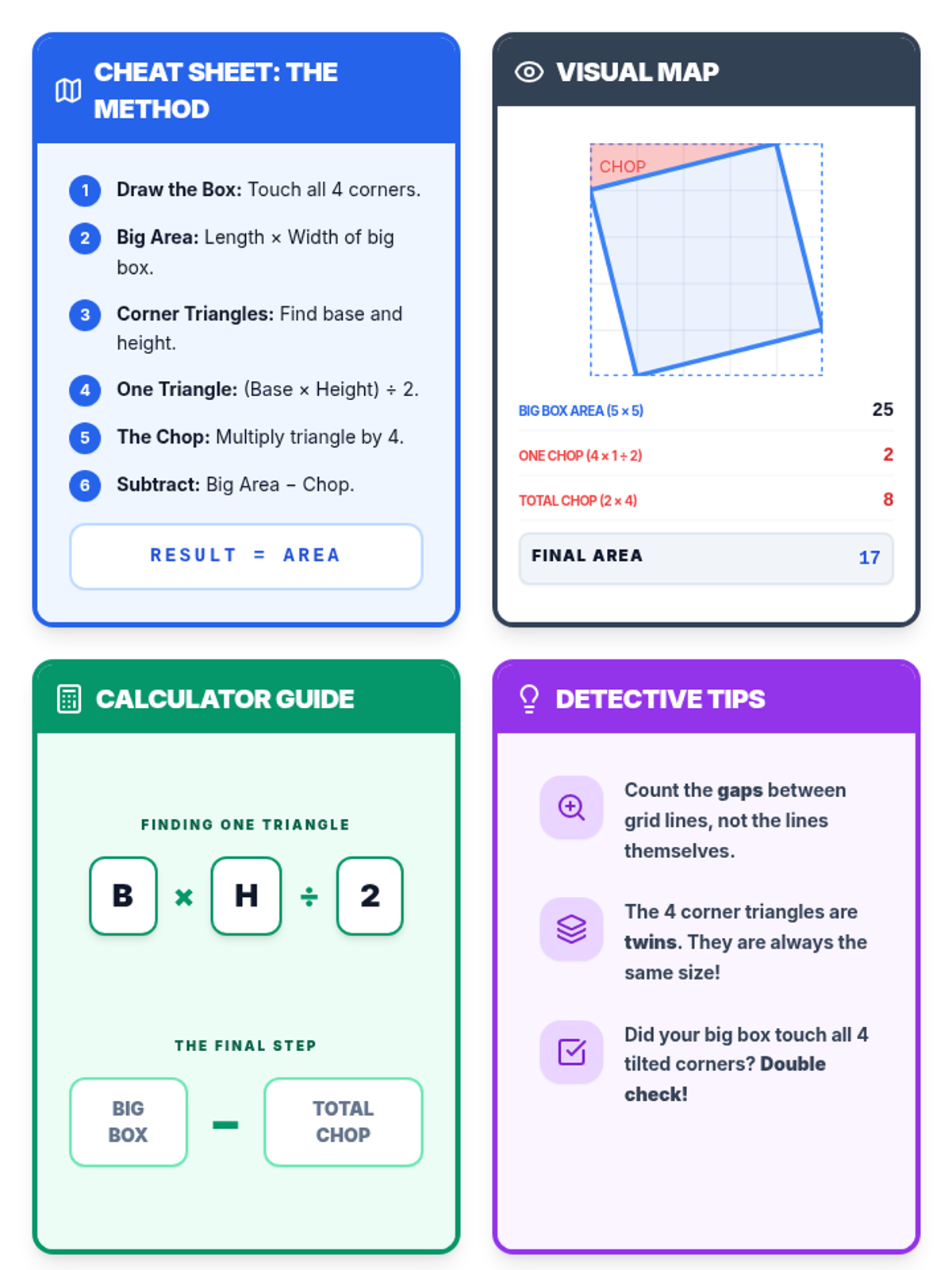
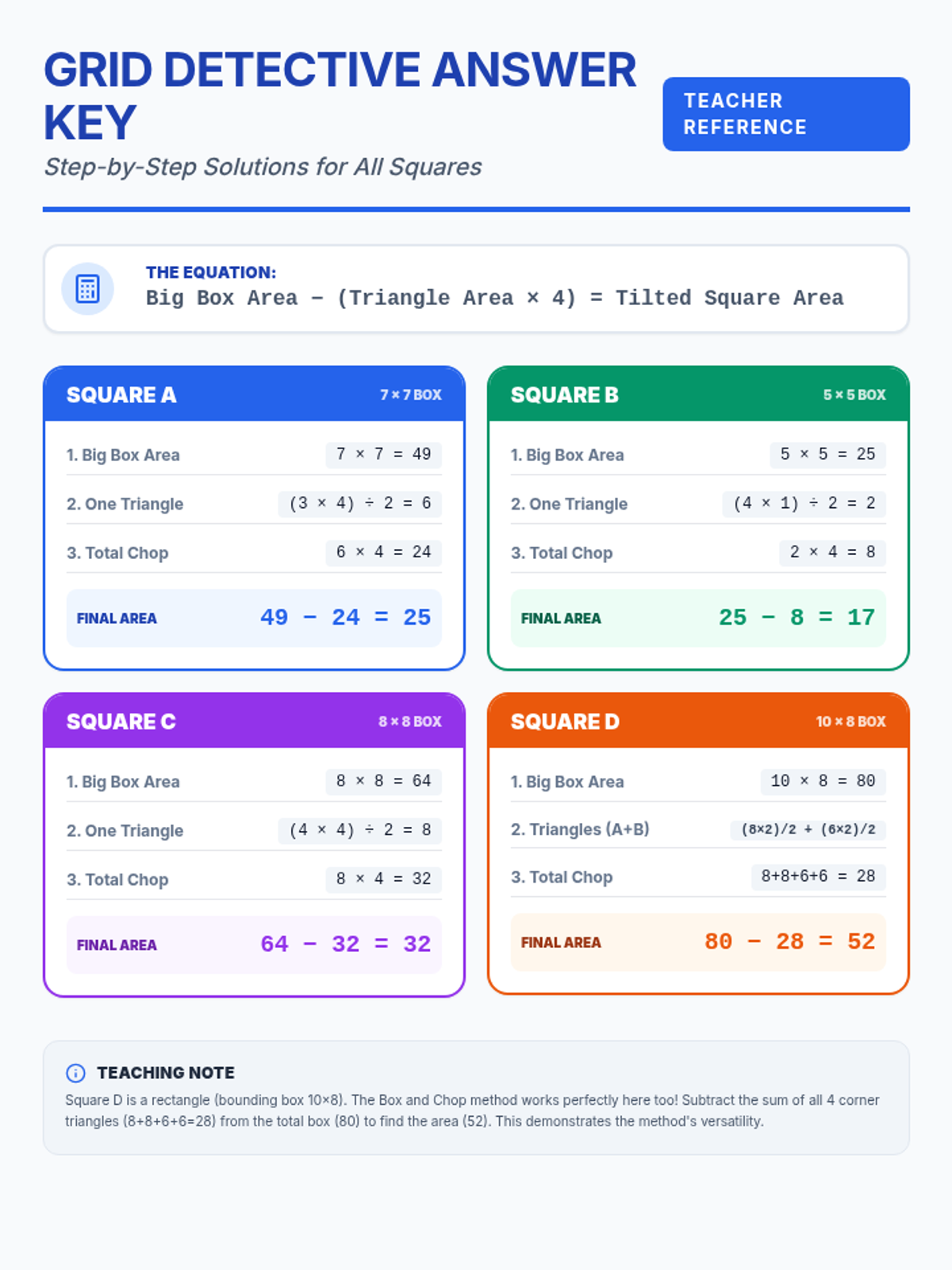
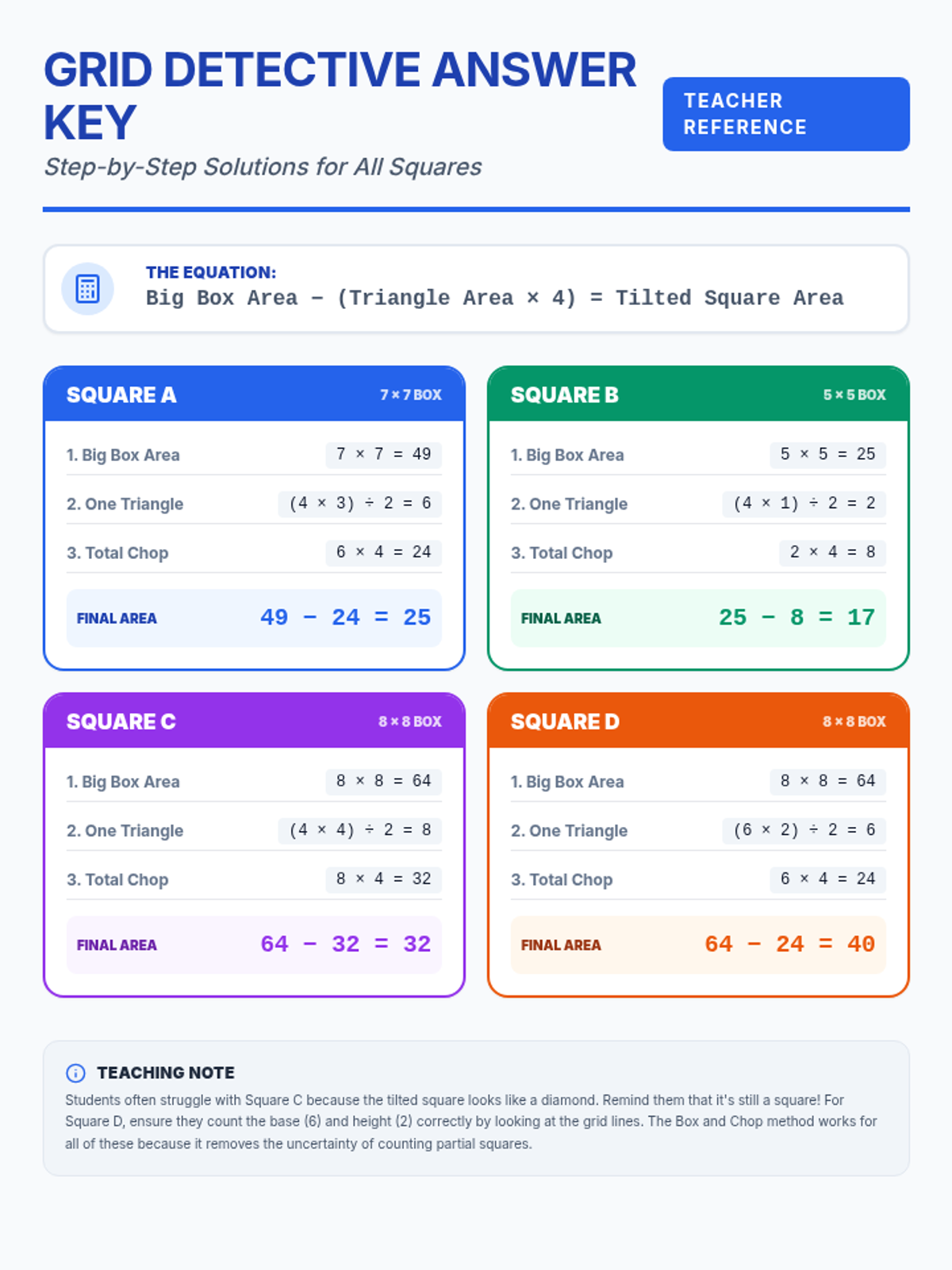
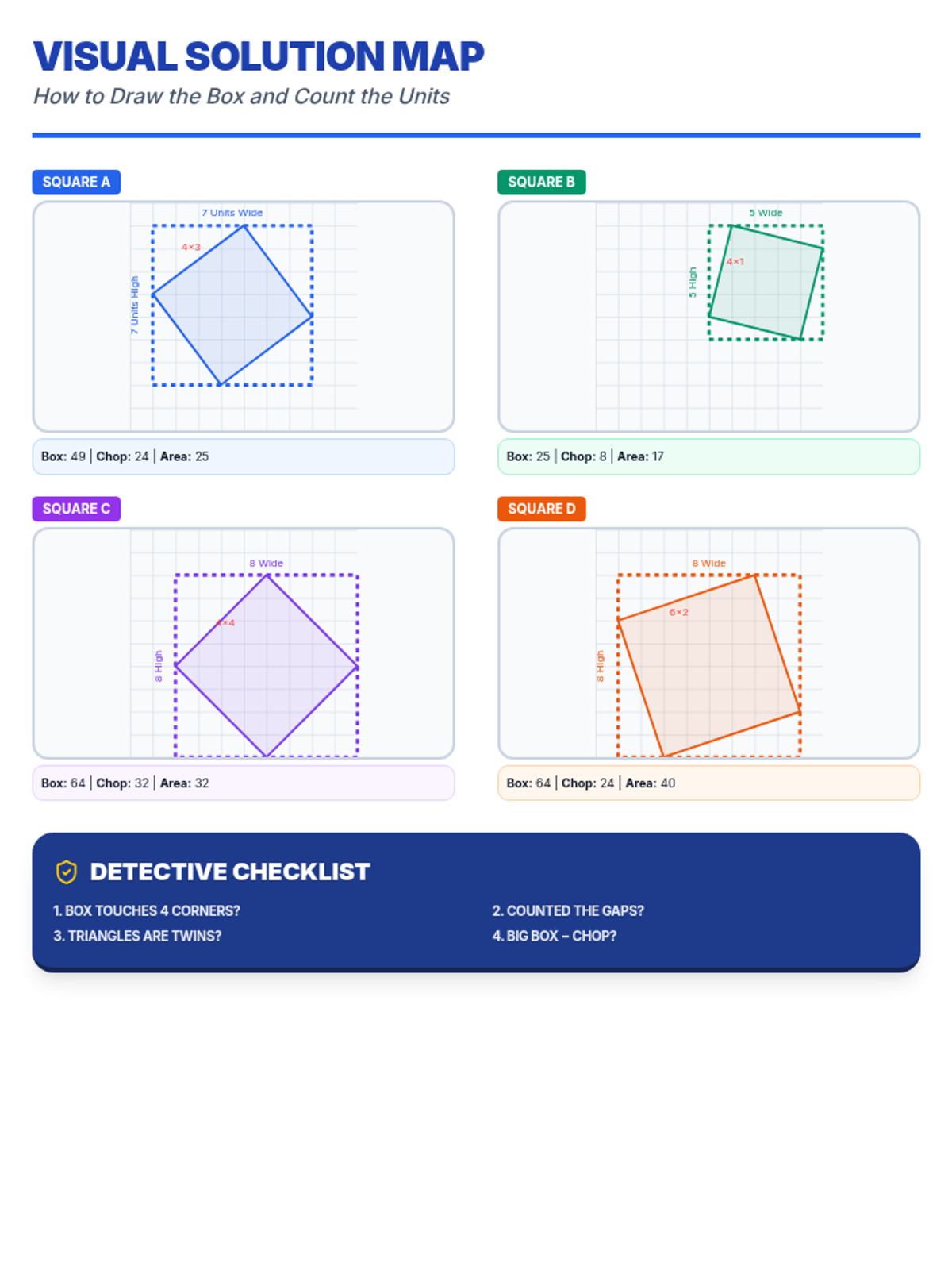
A step-by-step instructional sequence for teaching special education students how to find the area of tilted squares using the subtraction (bounding box) method. The lesson breaks down a complex geometric task into simple, repeatable visual steps.
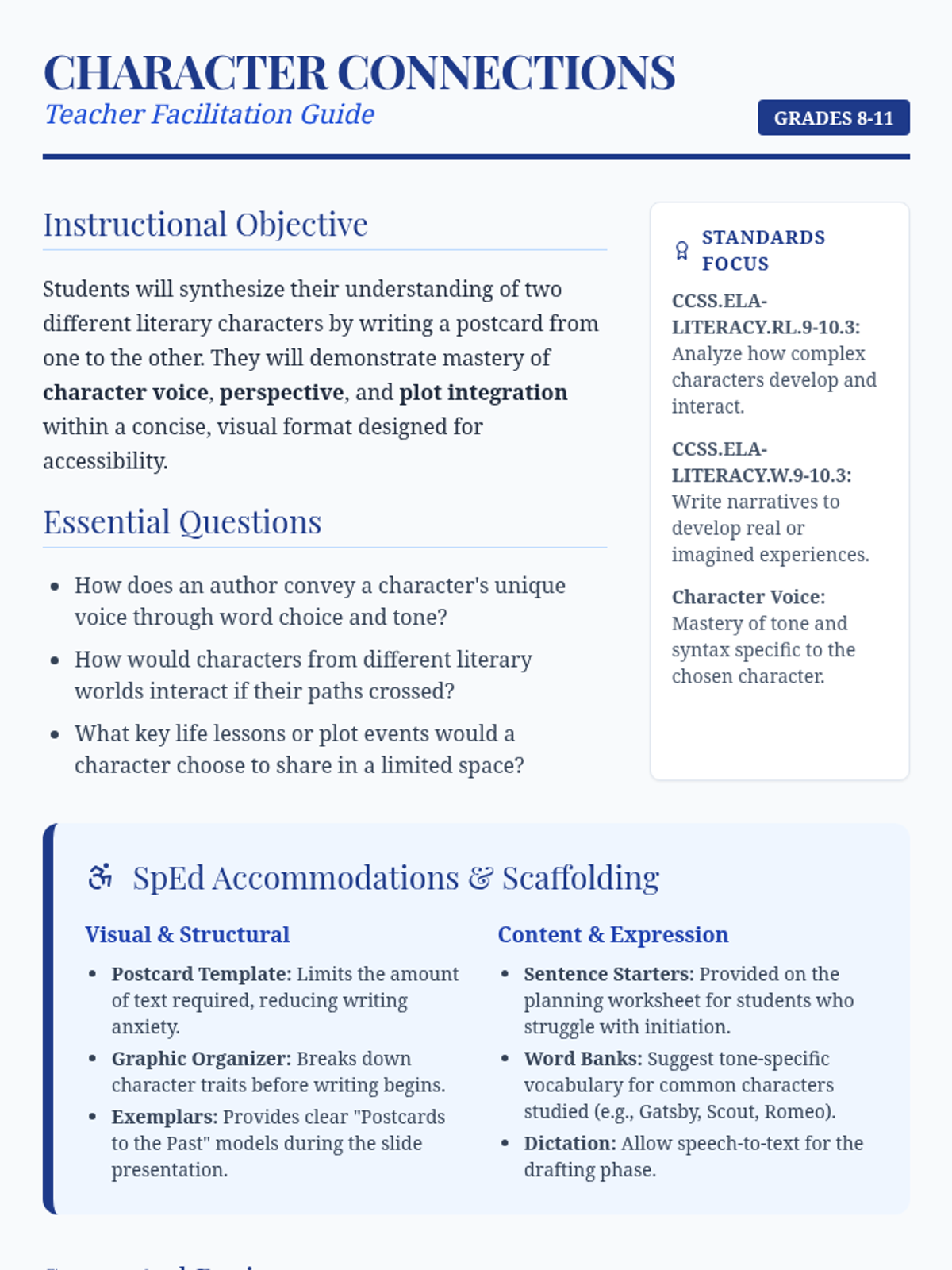
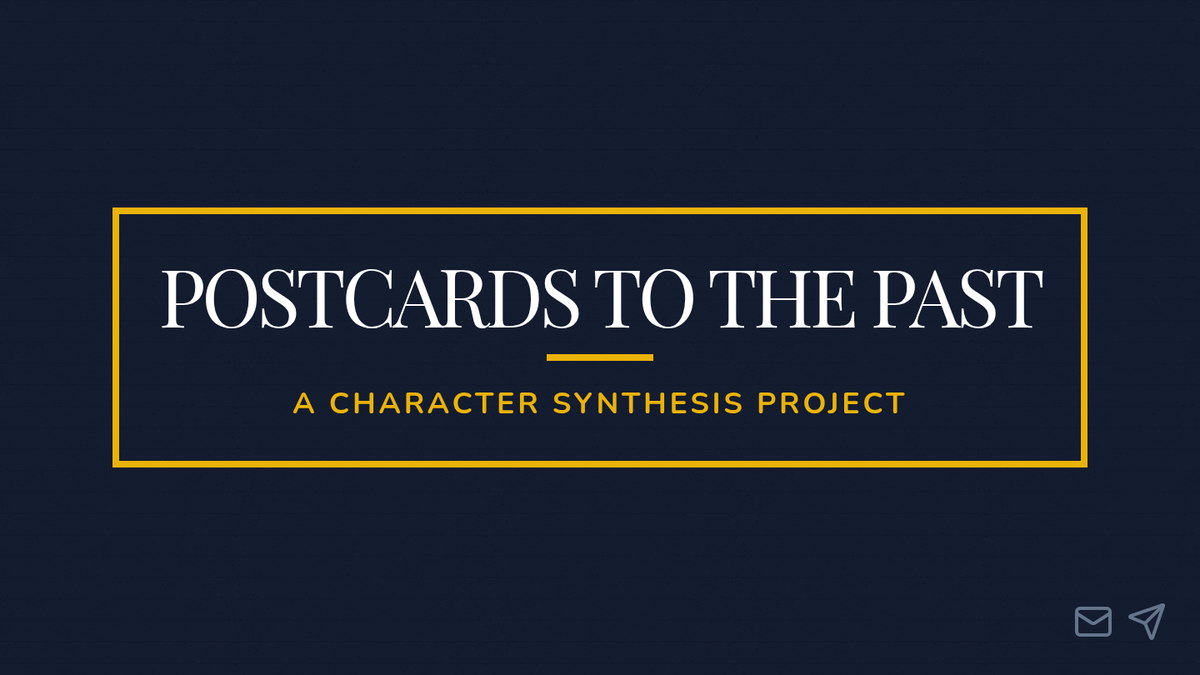
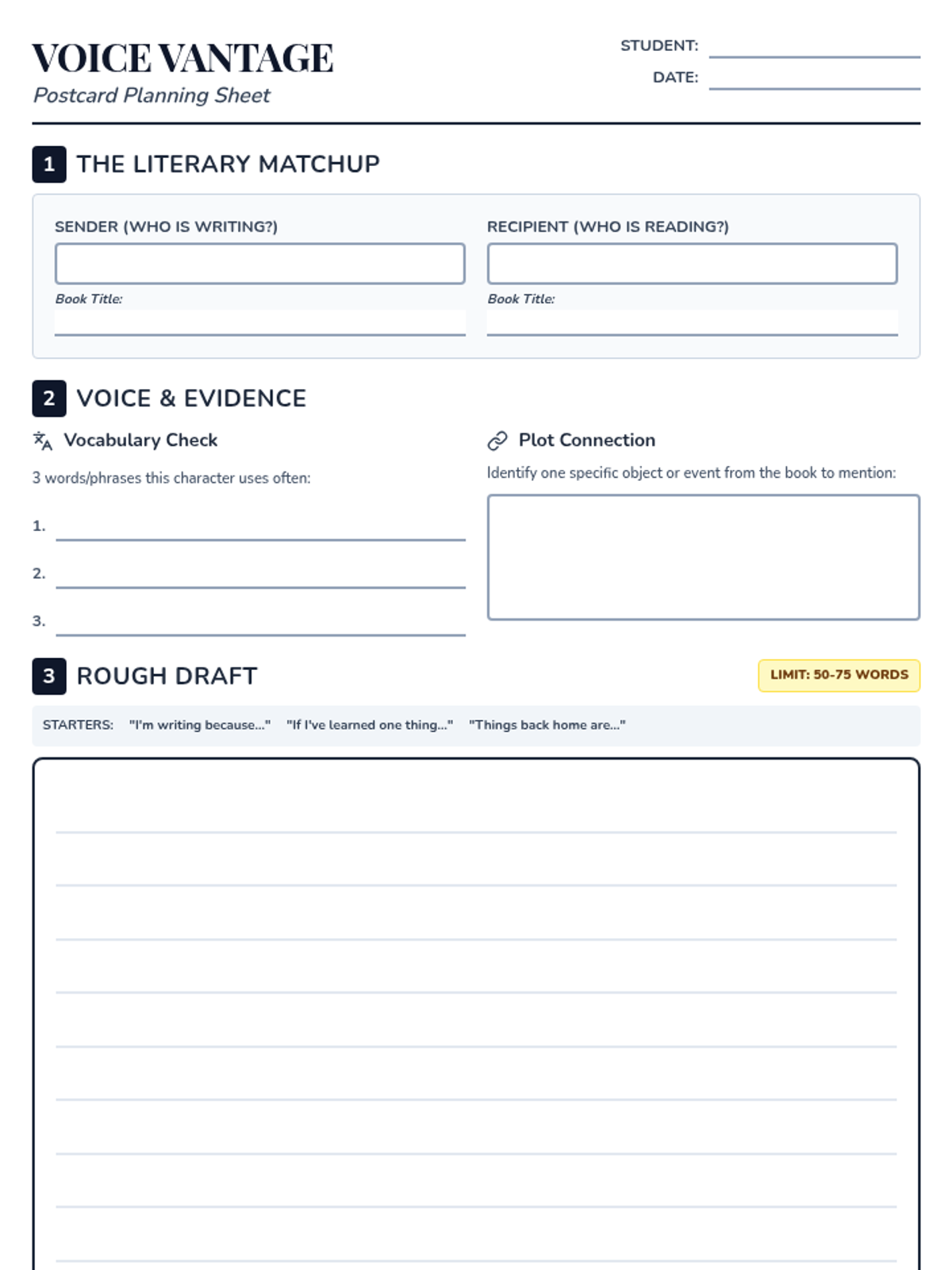
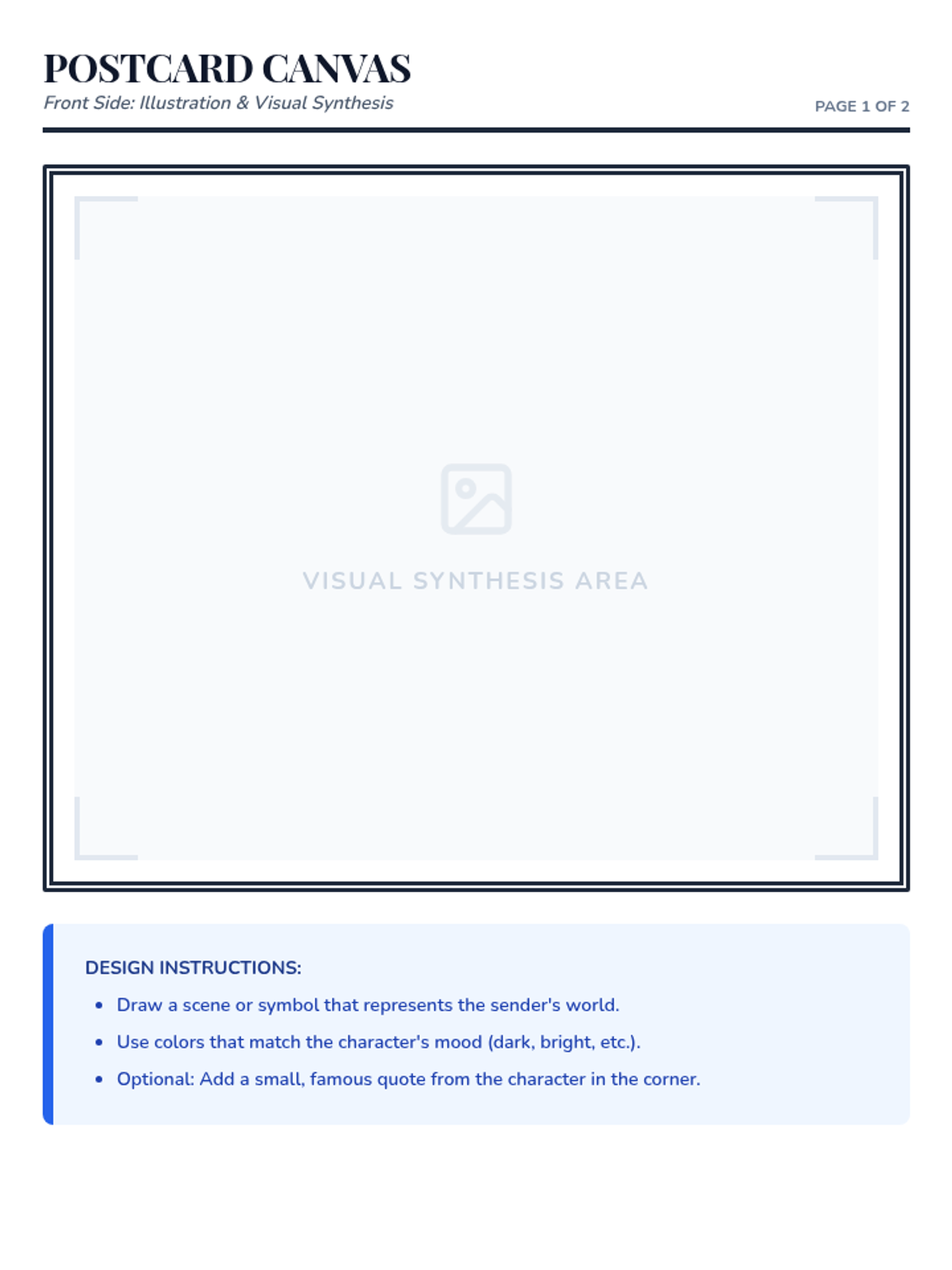
A creative synthesis project where students write postcards from one literary character to another, focusing on voice, perspective, and plot synthesis for 8th-11th grade SpEd students.